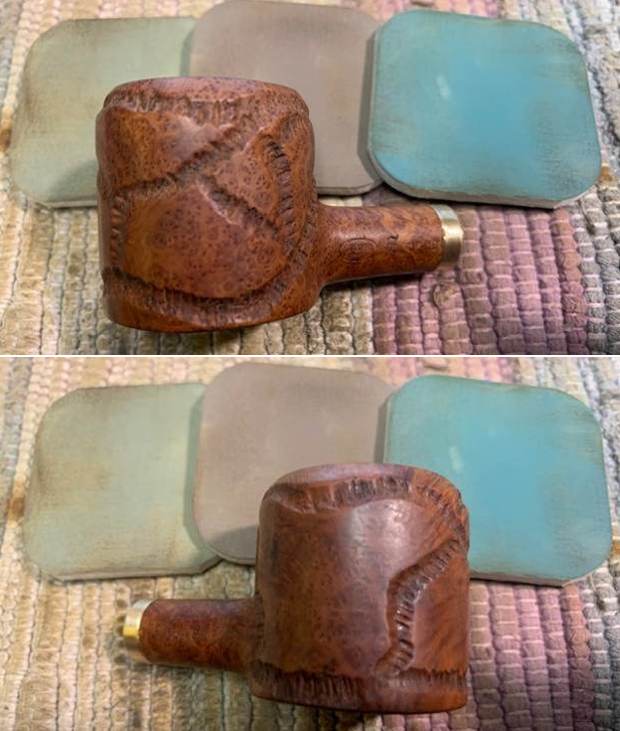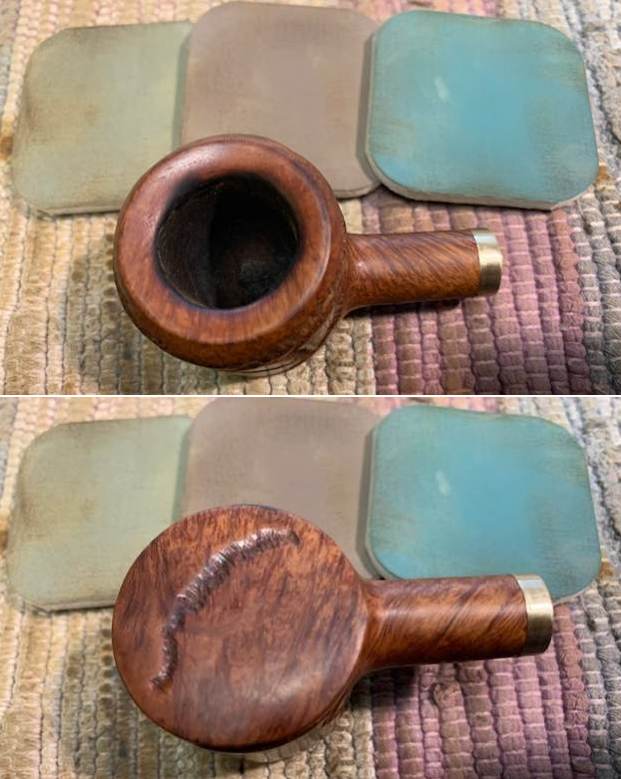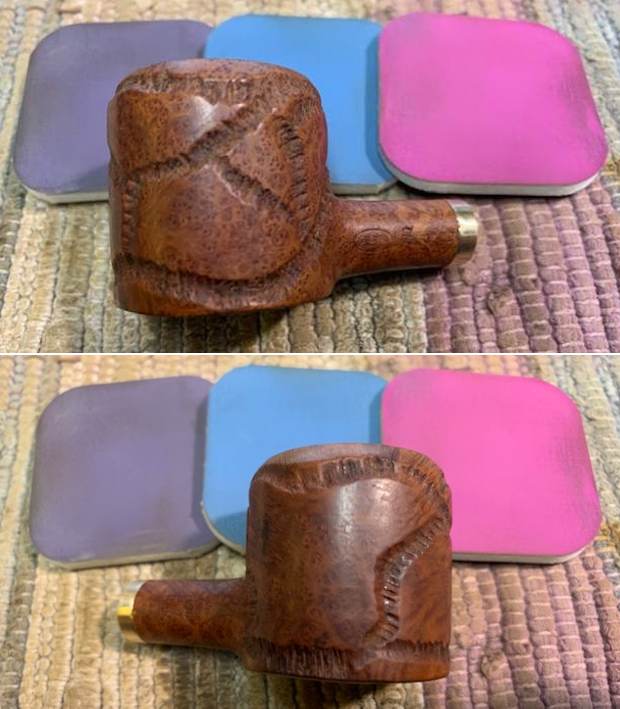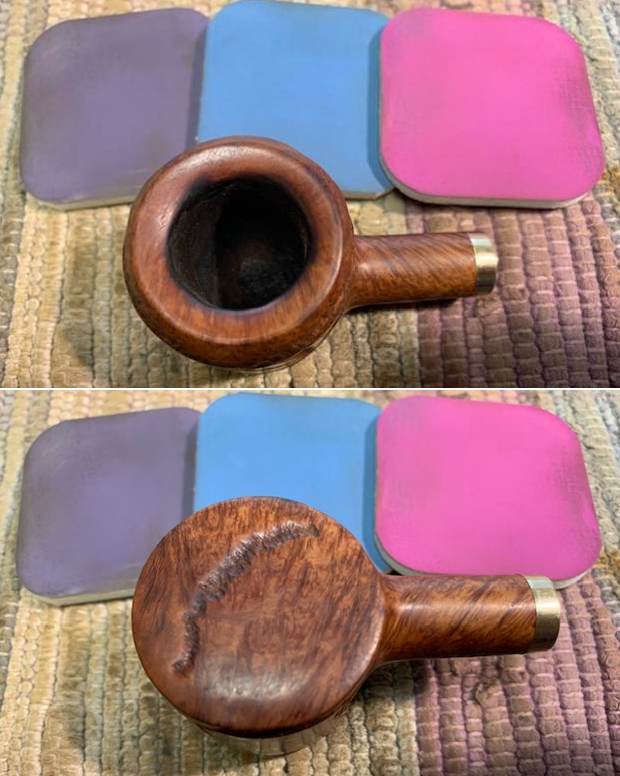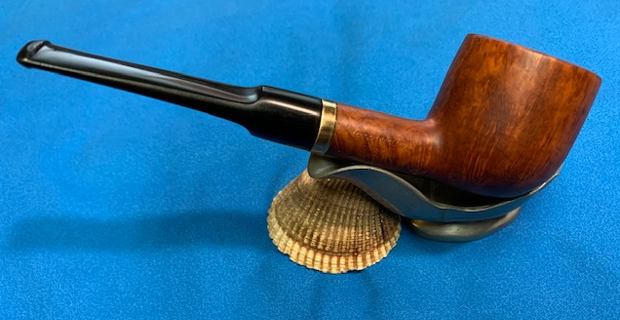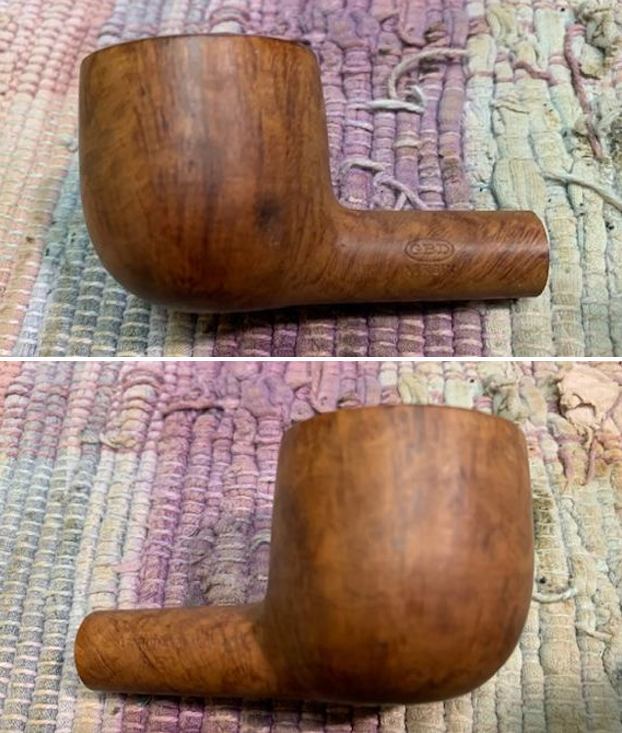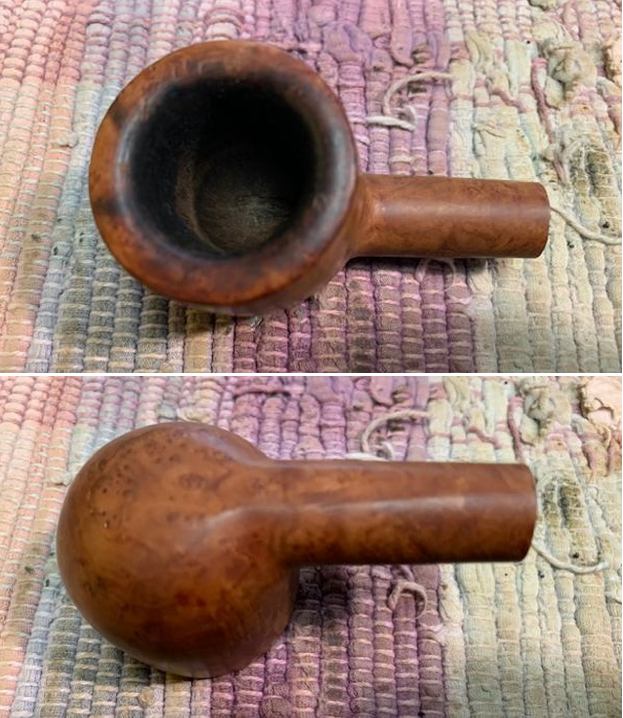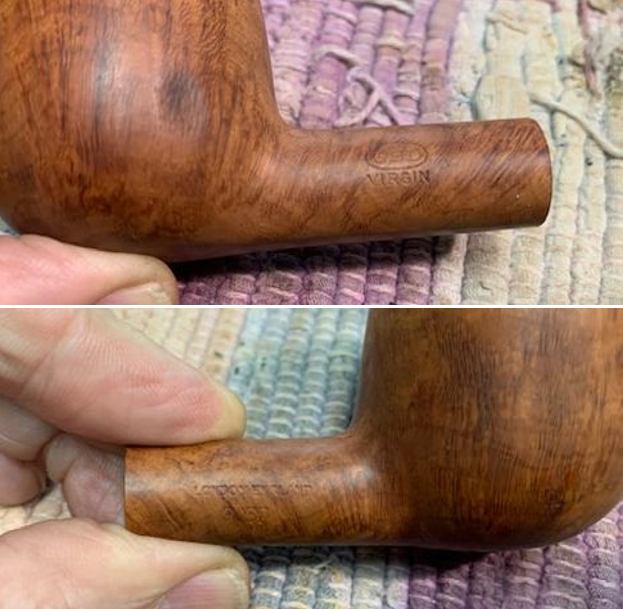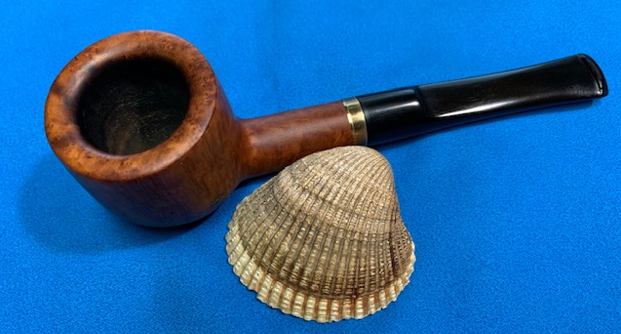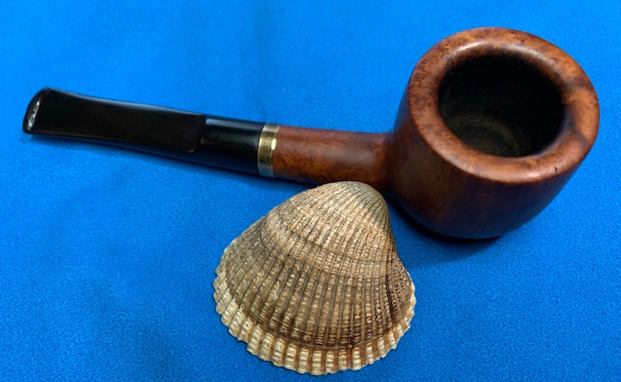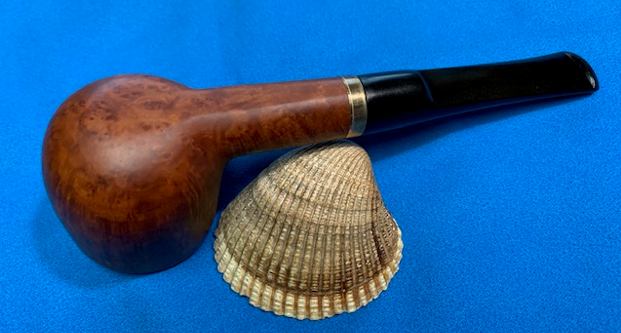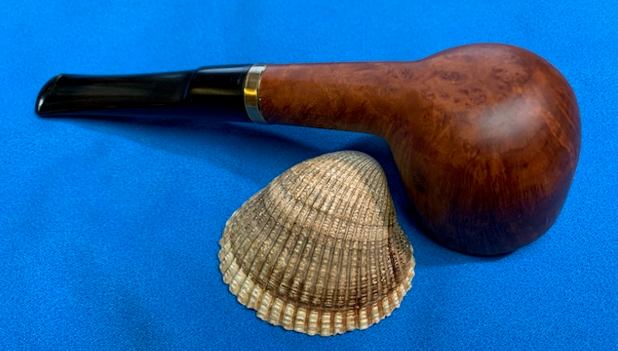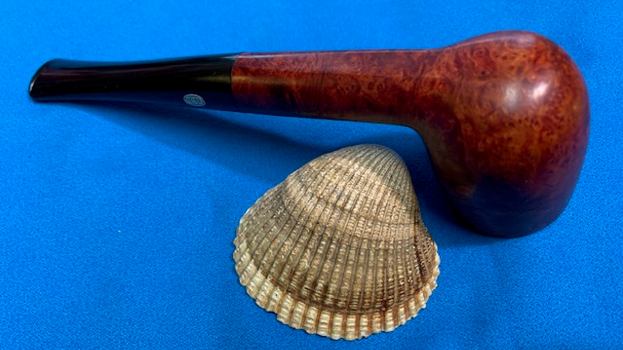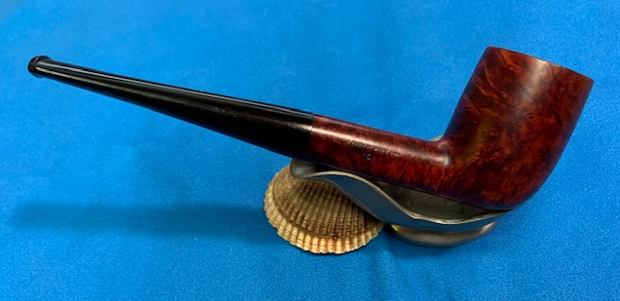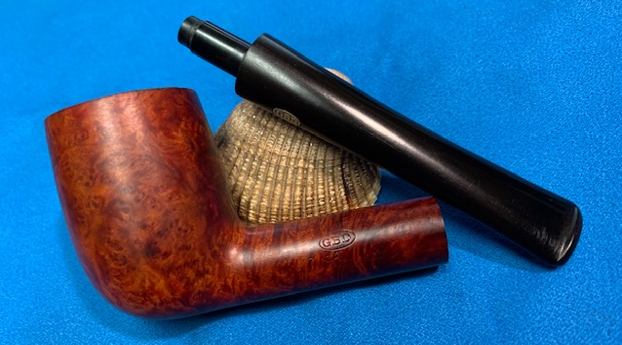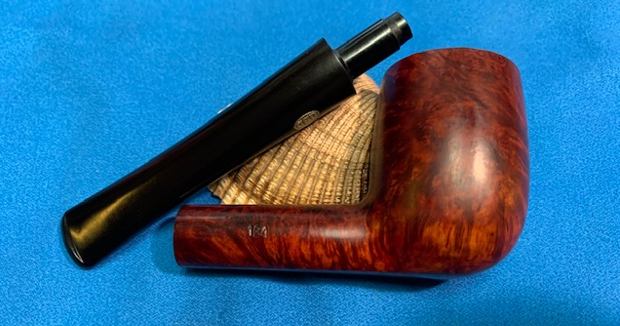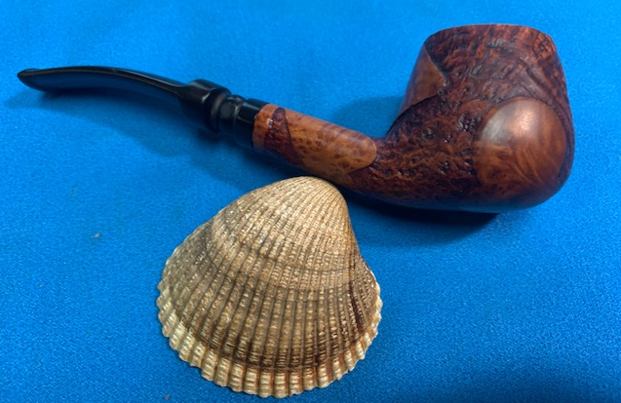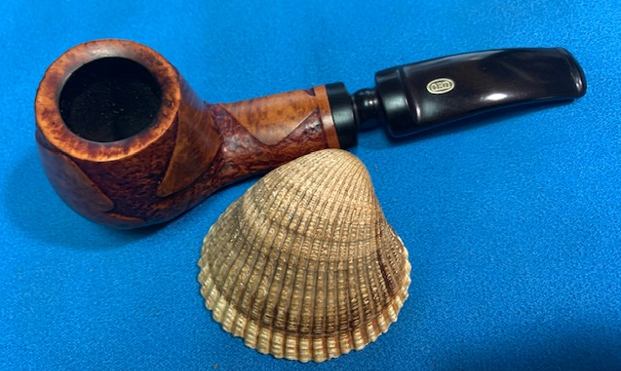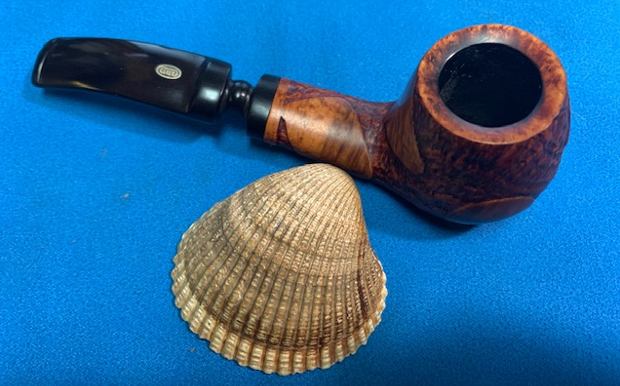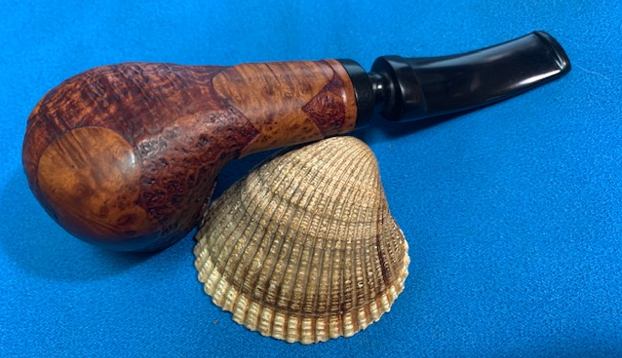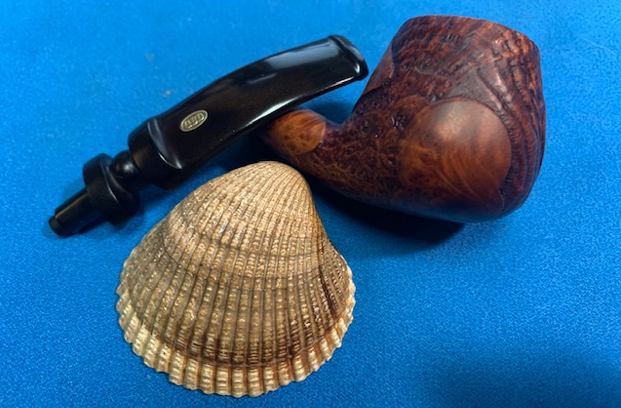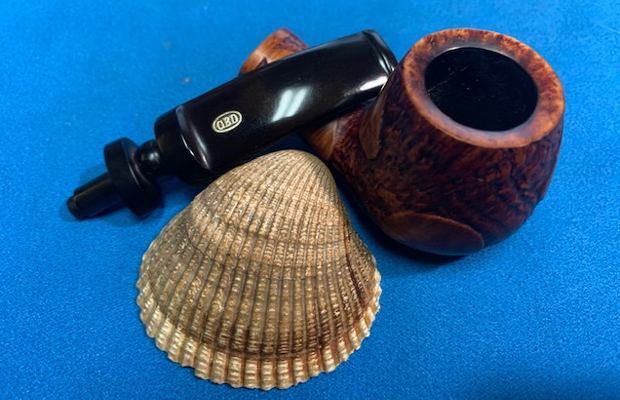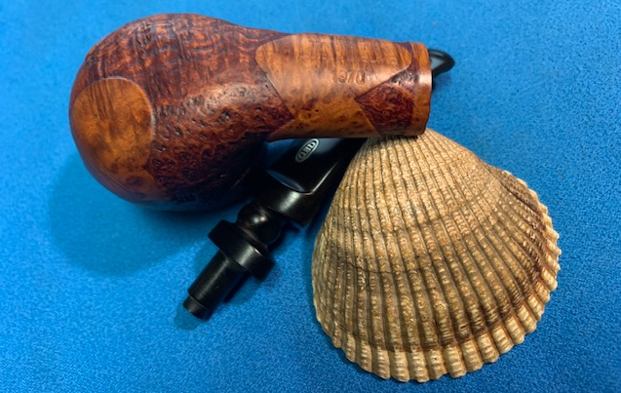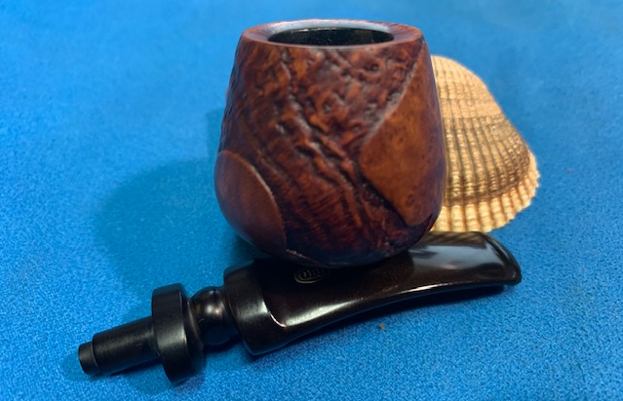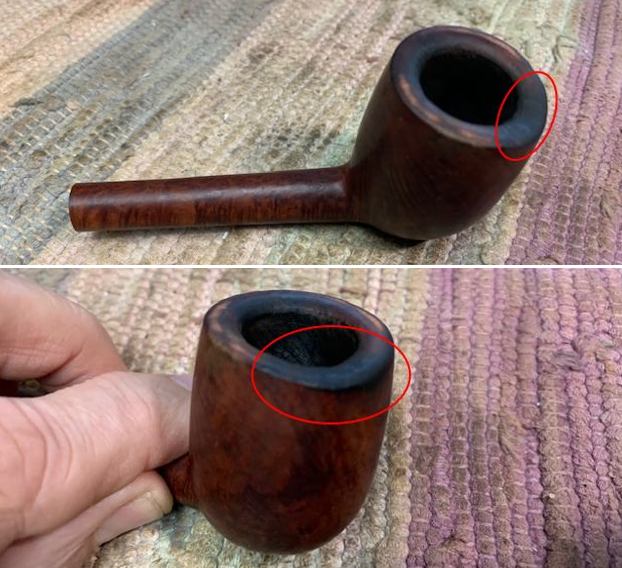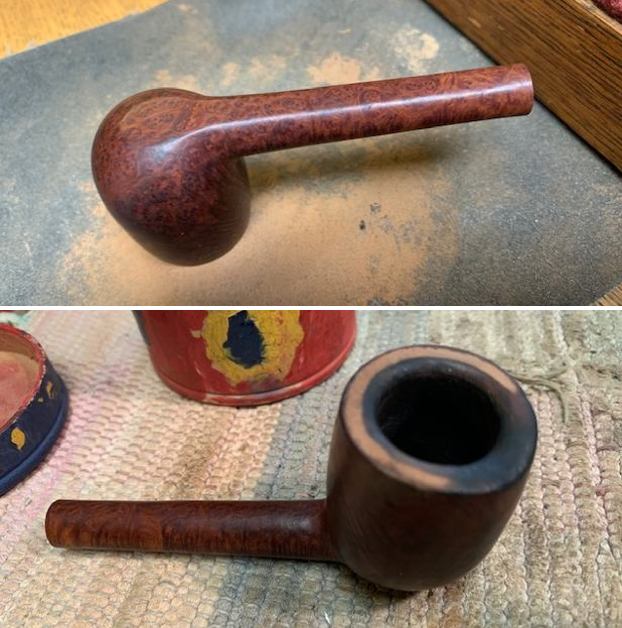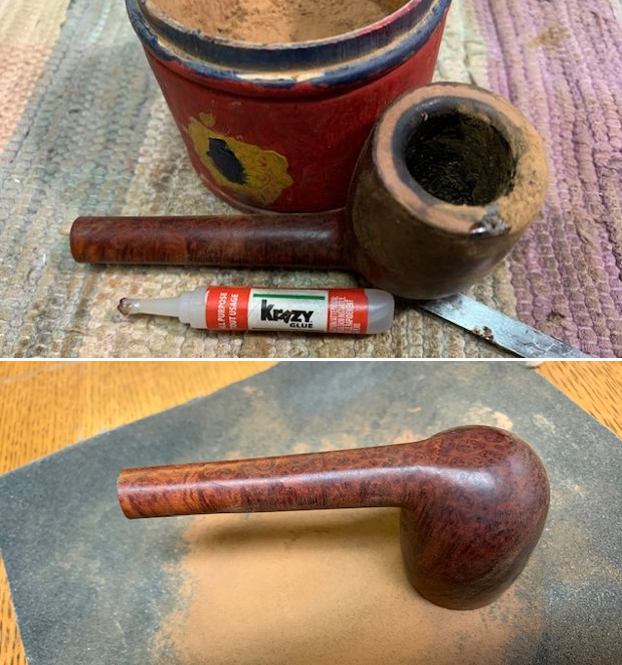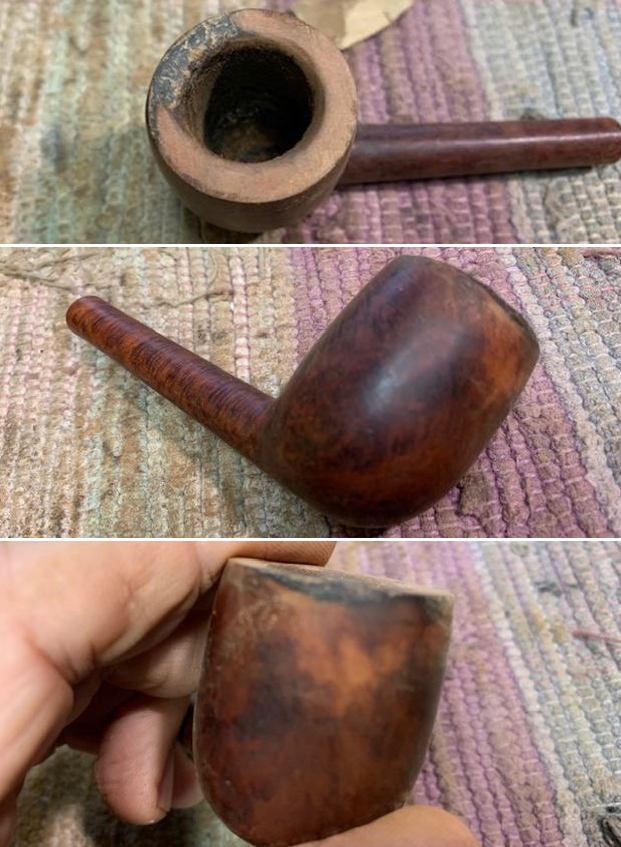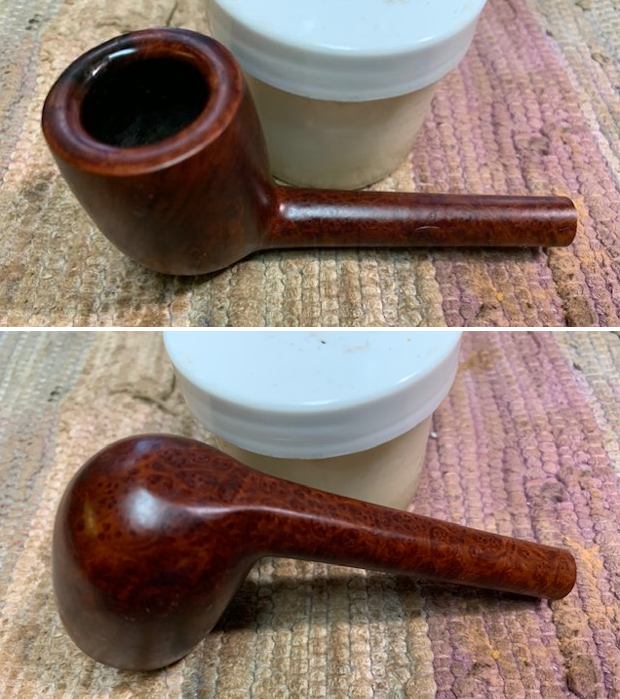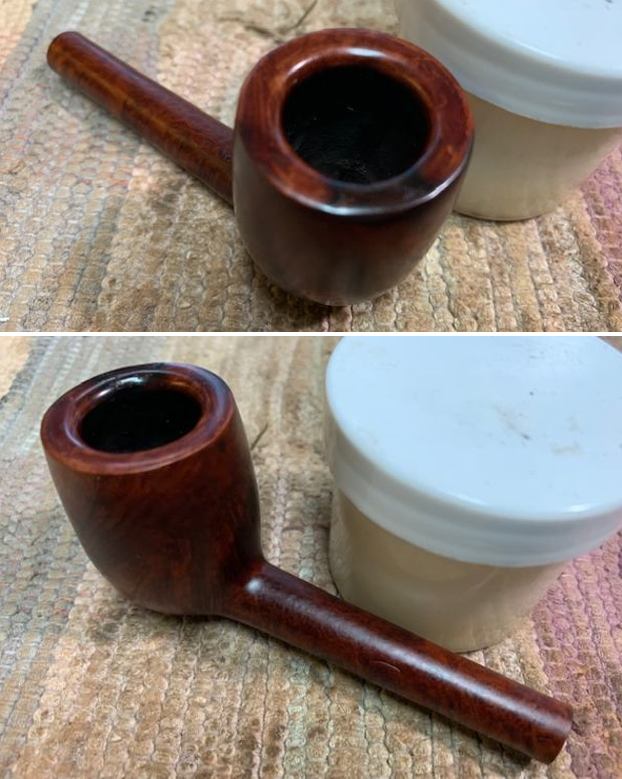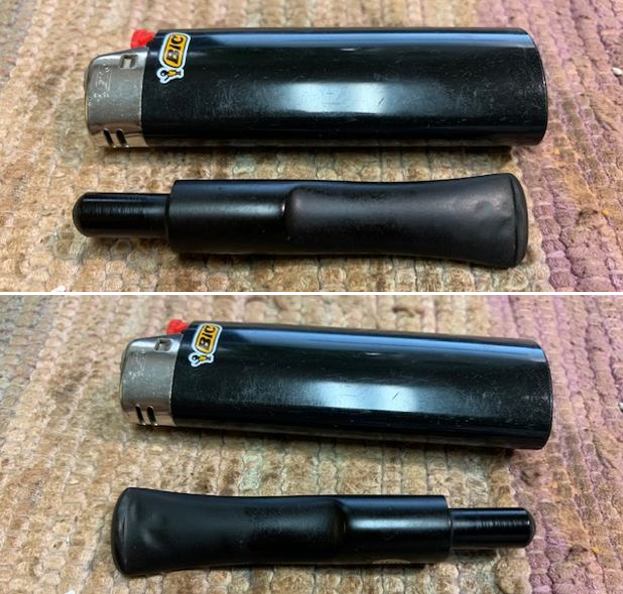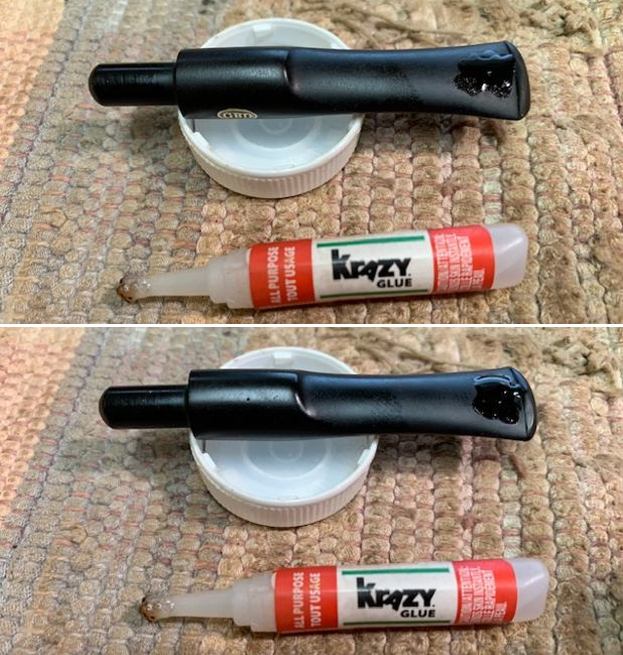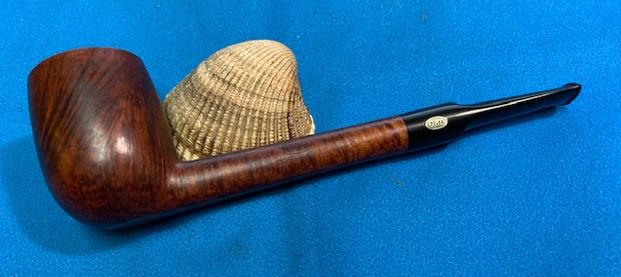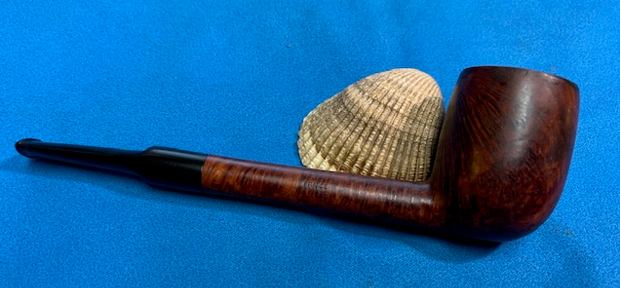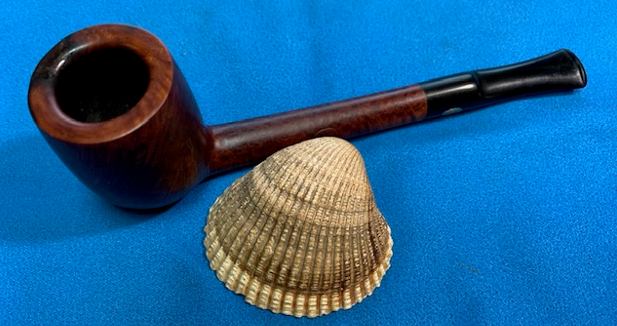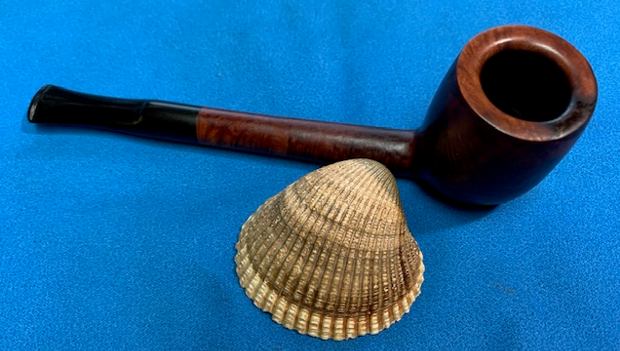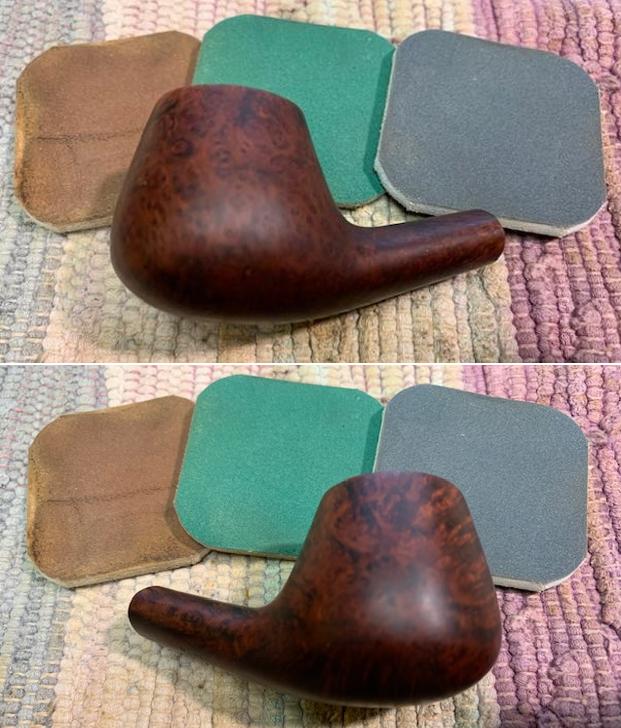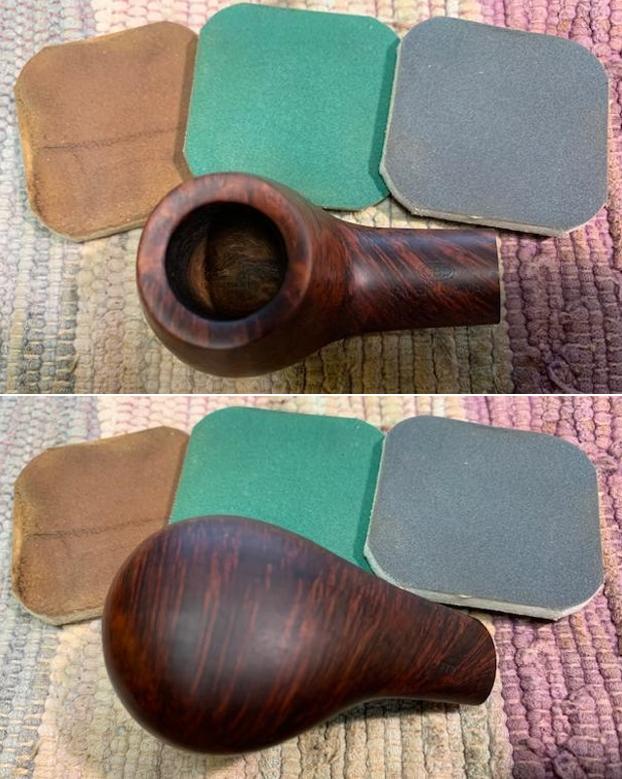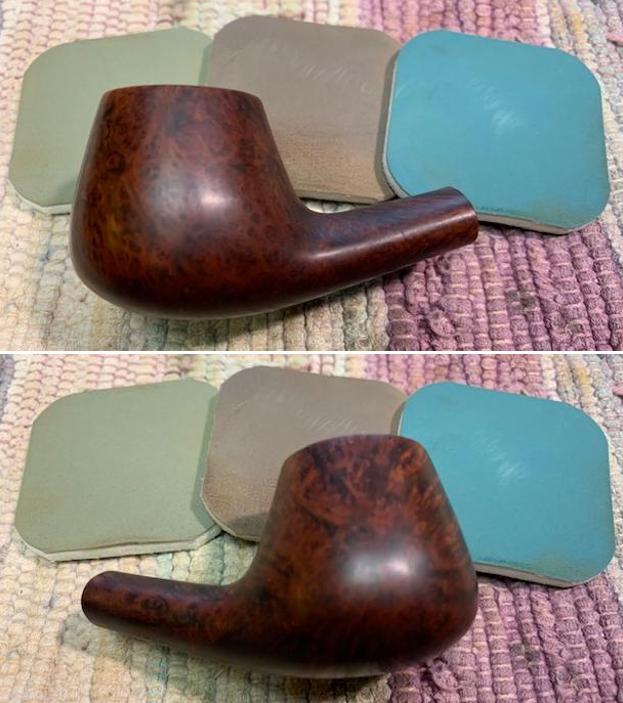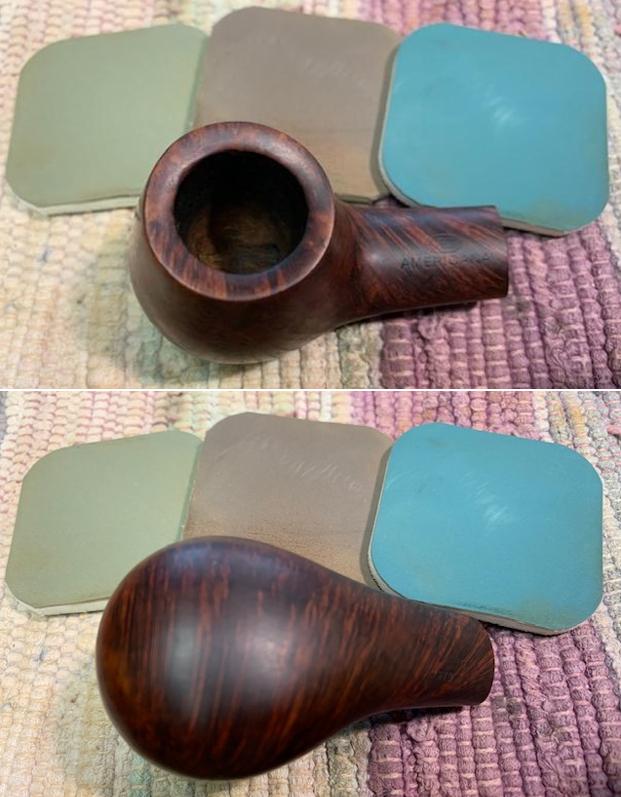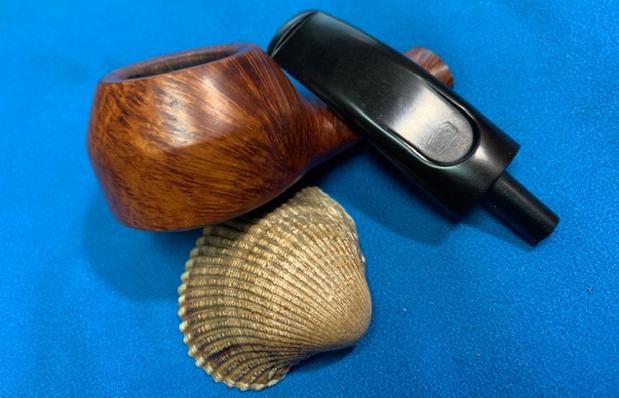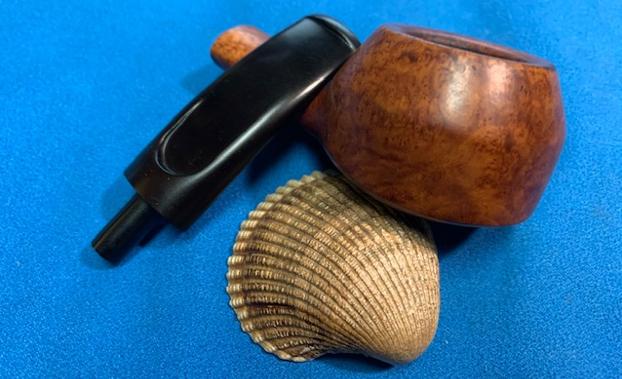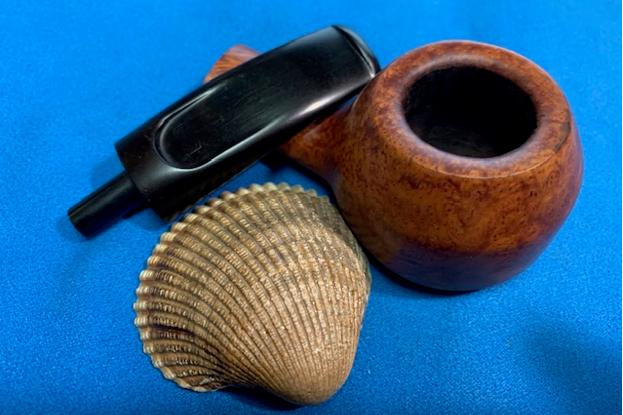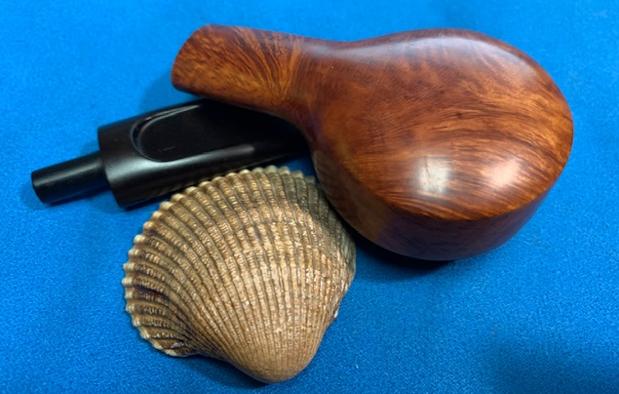
Tag Archives: GBD pipes

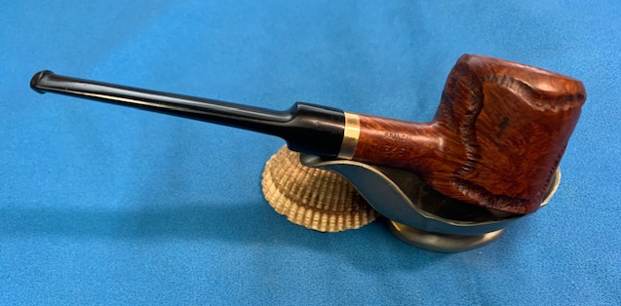
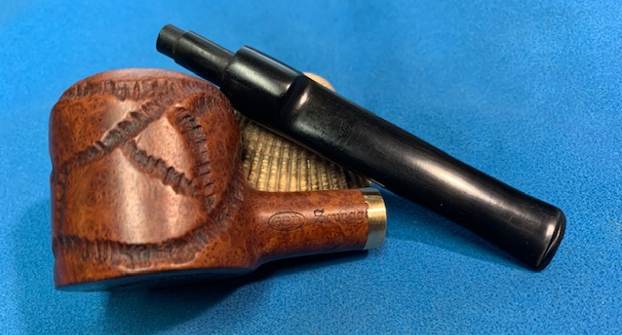
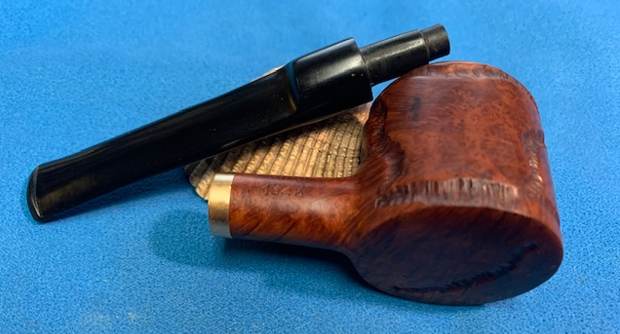
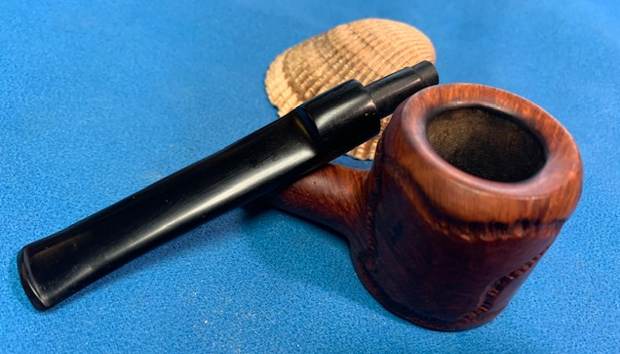
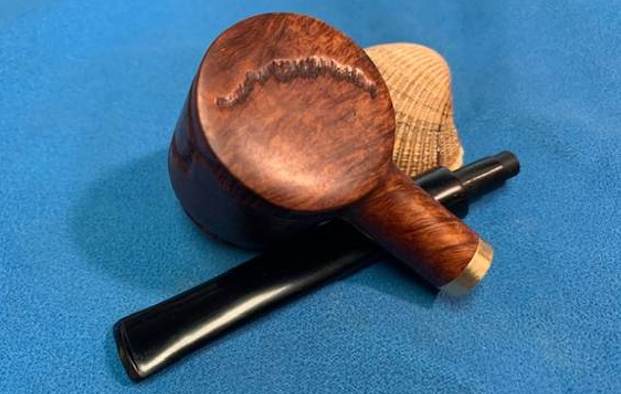
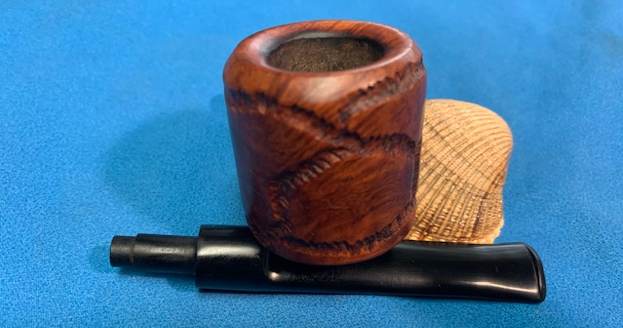
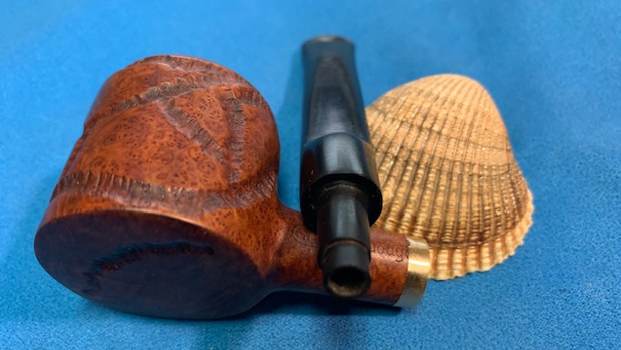
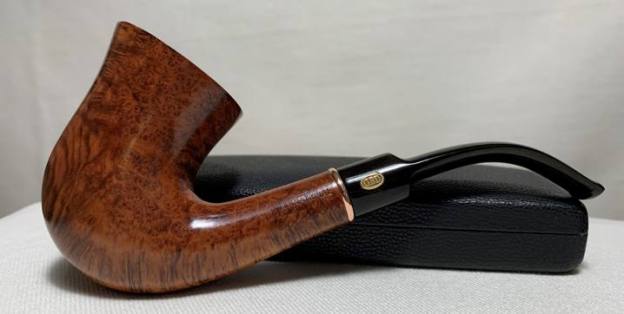
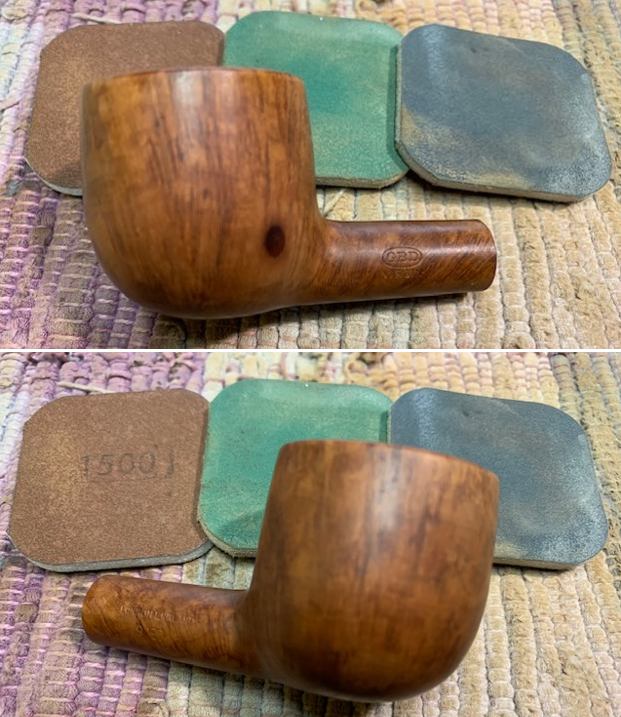
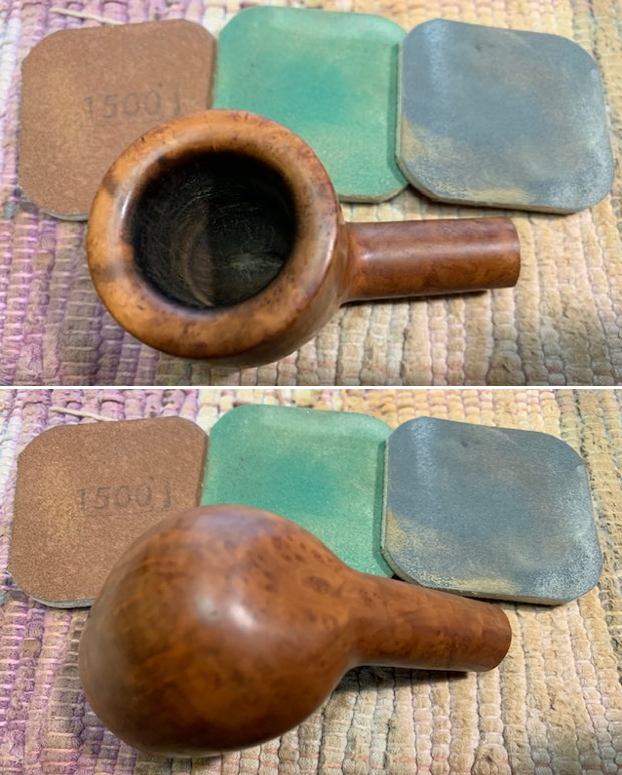
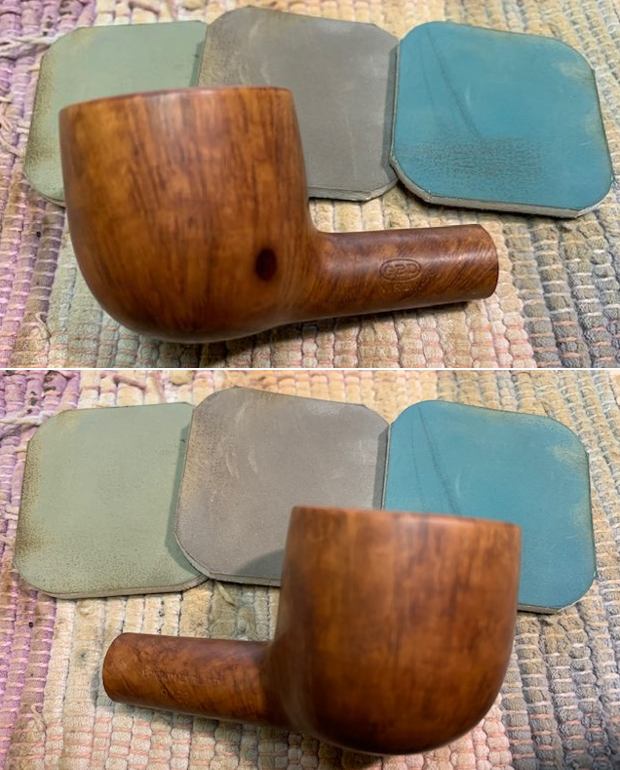
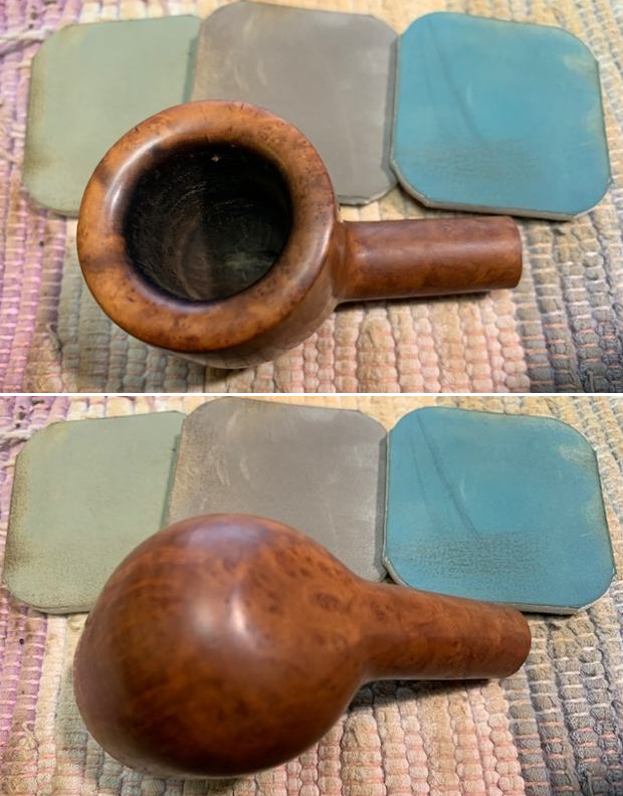
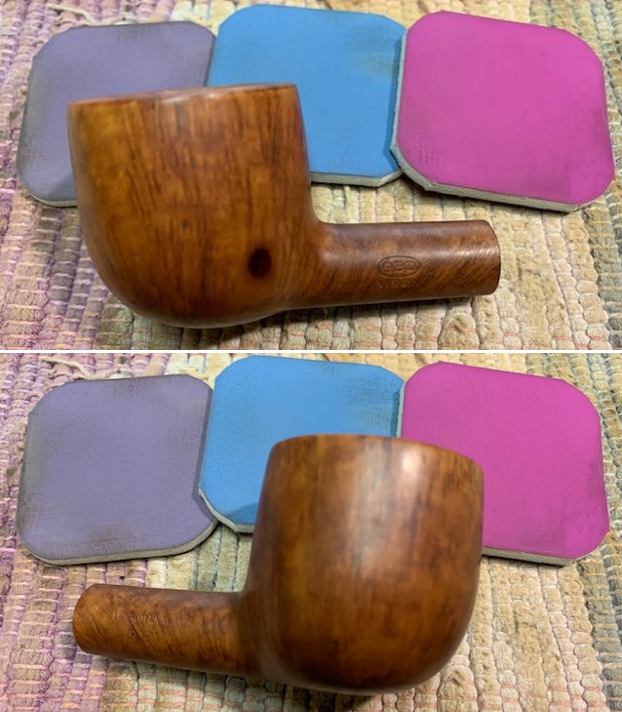
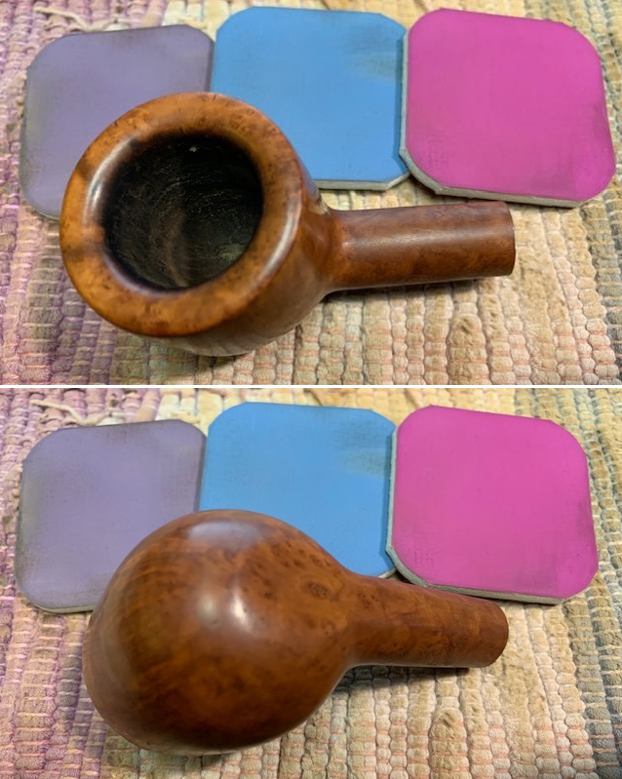
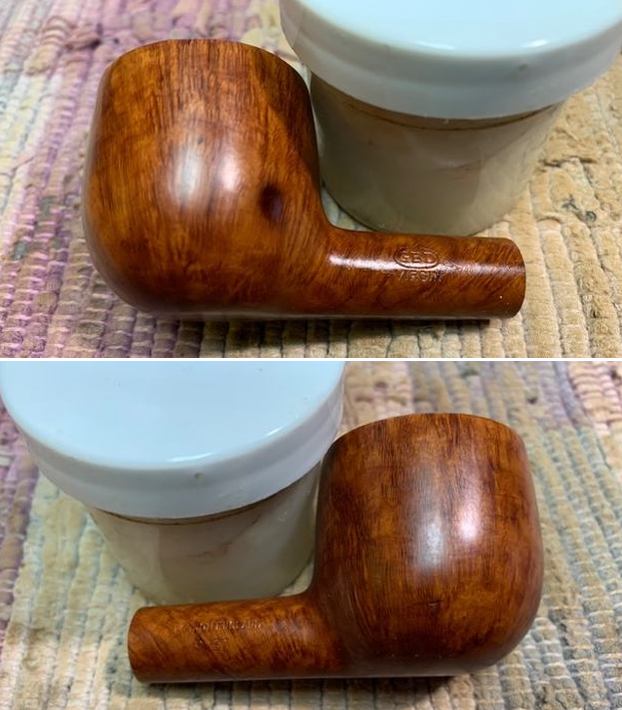
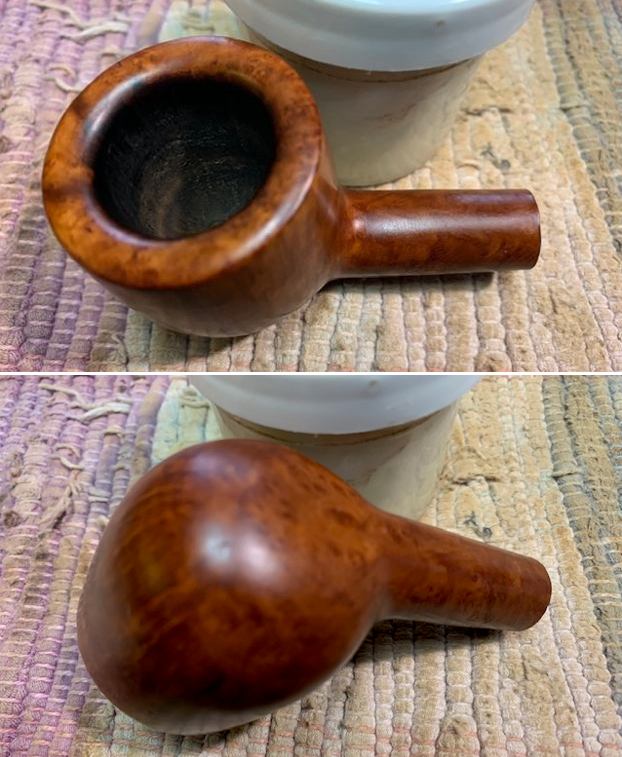
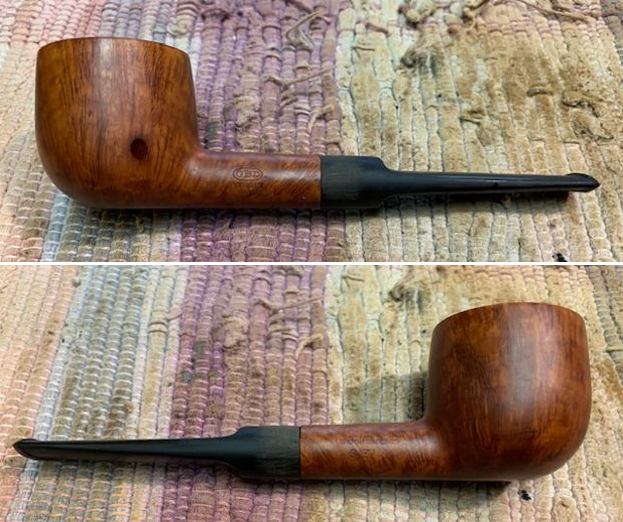
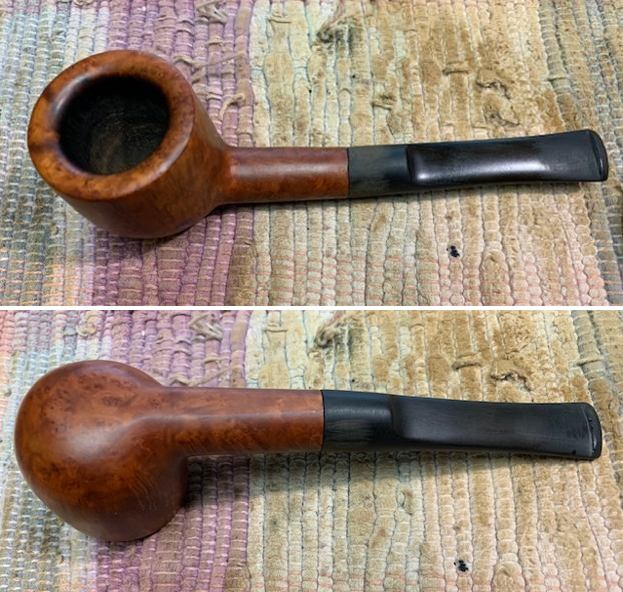
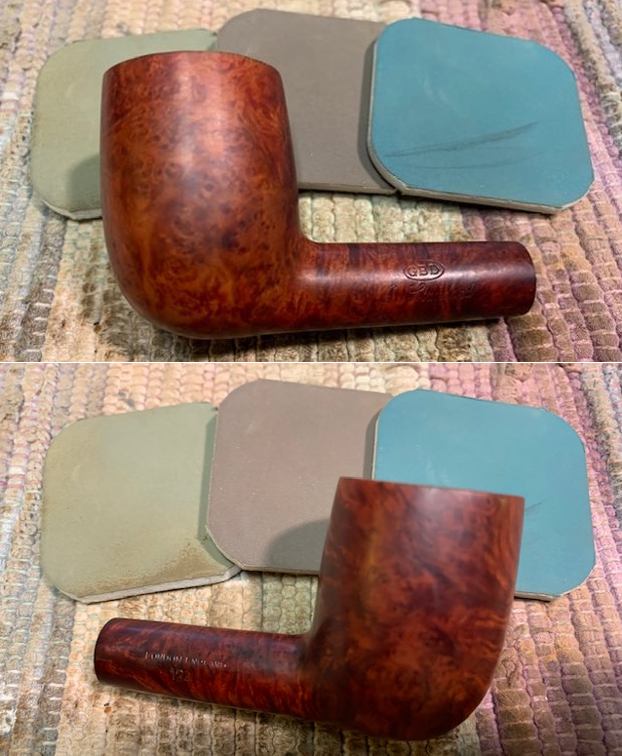
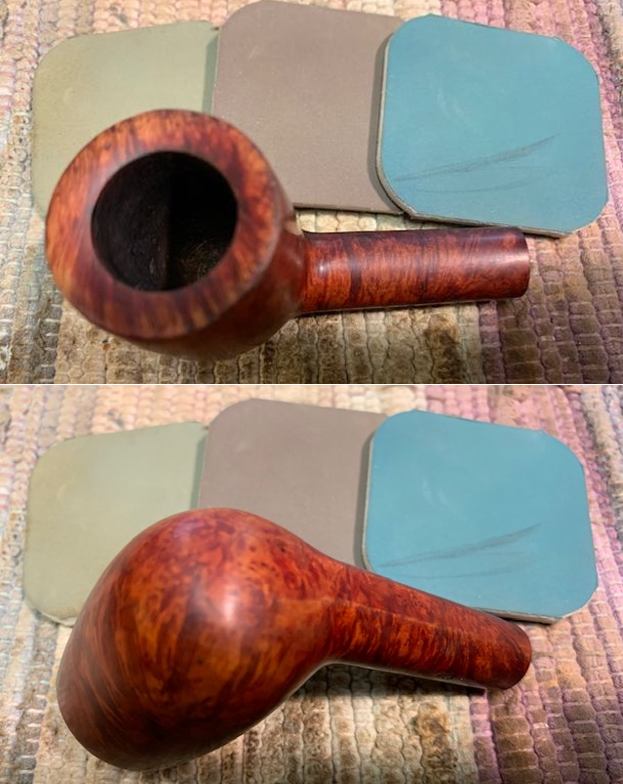
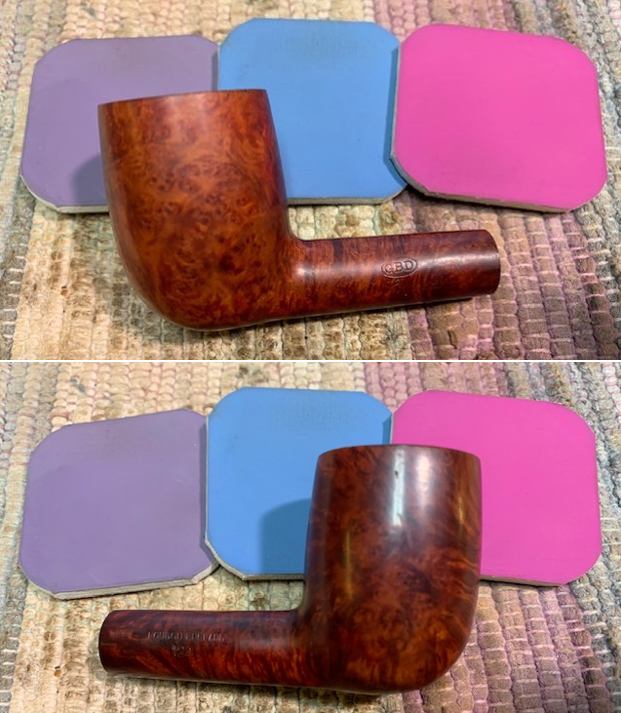
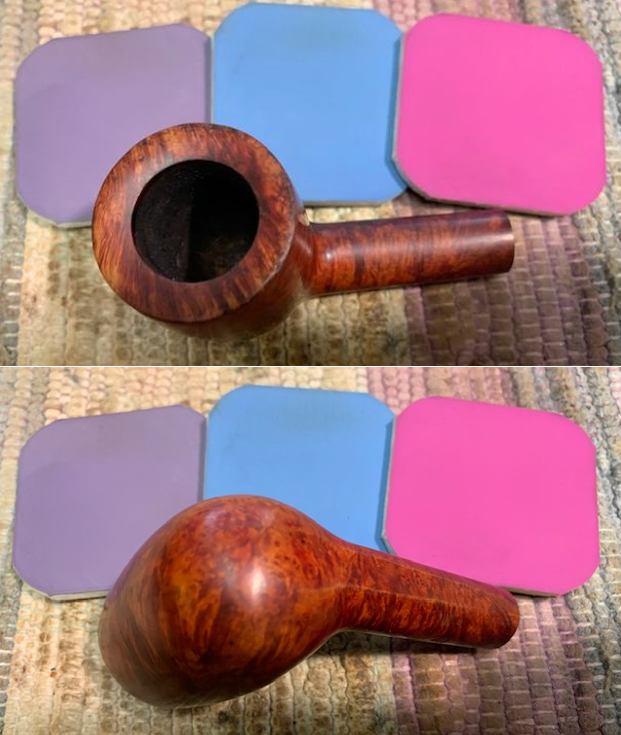
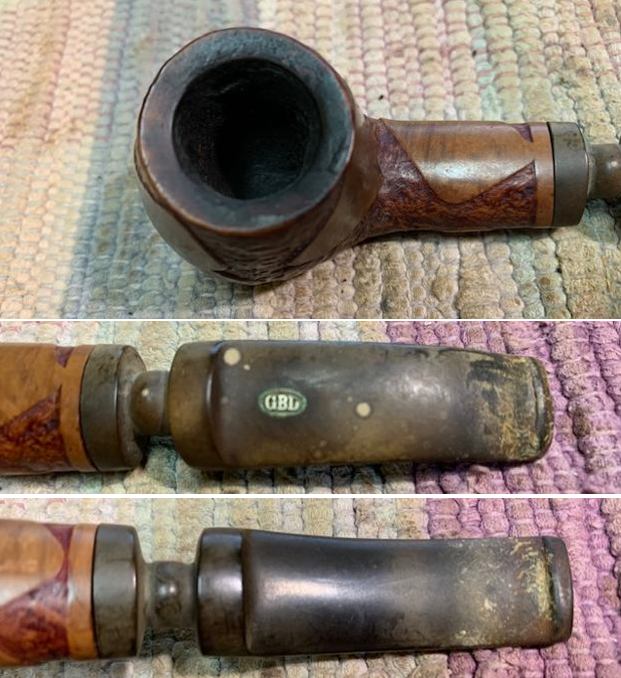
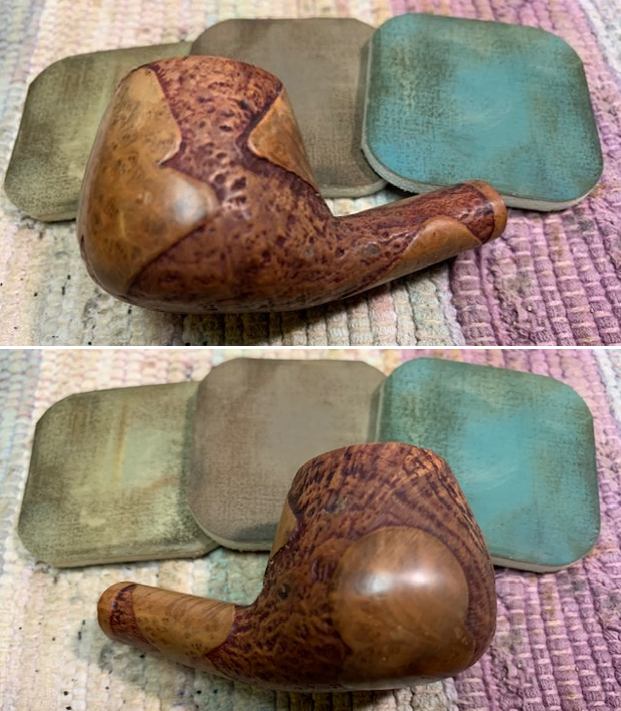
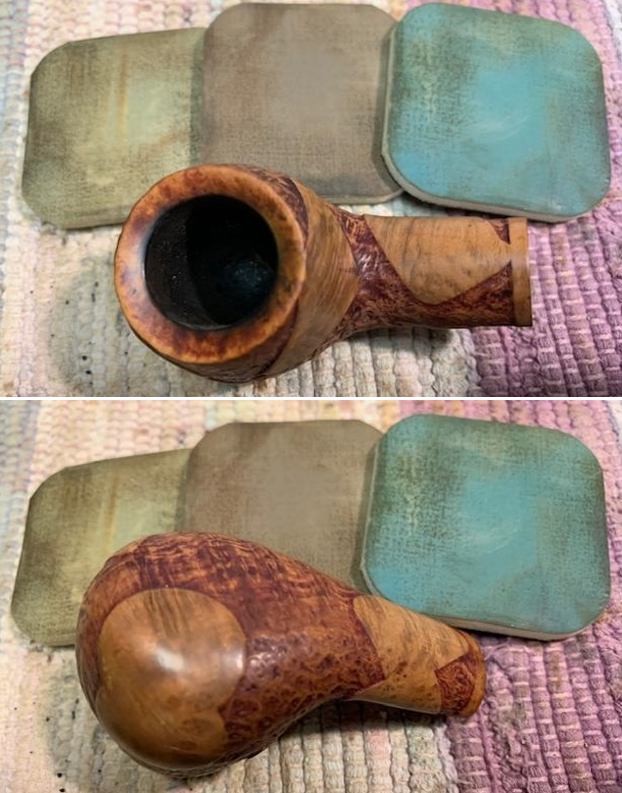
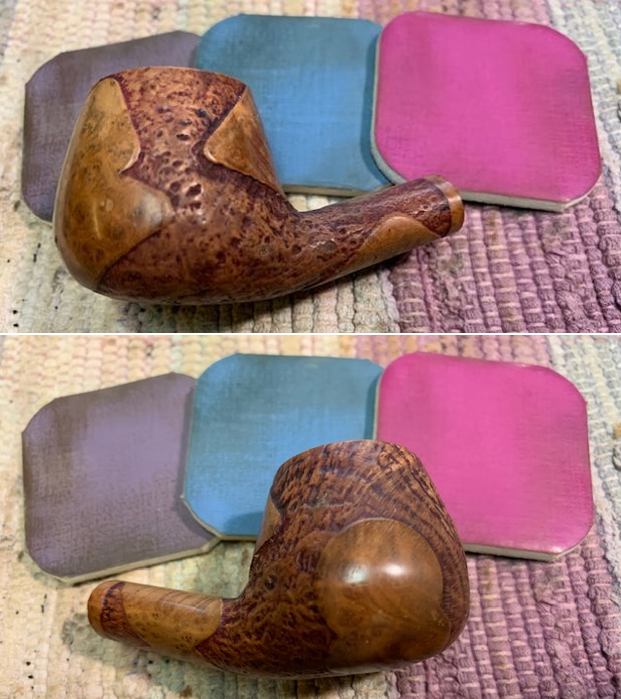
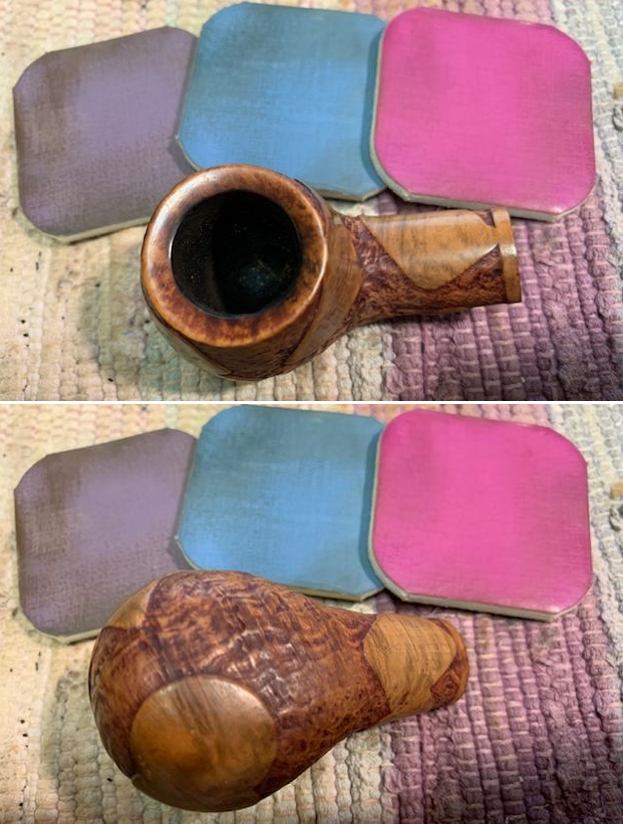
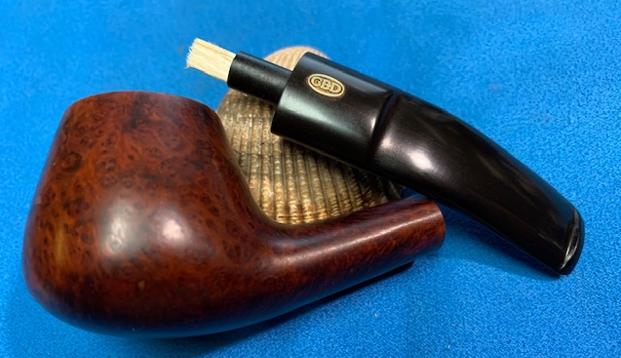
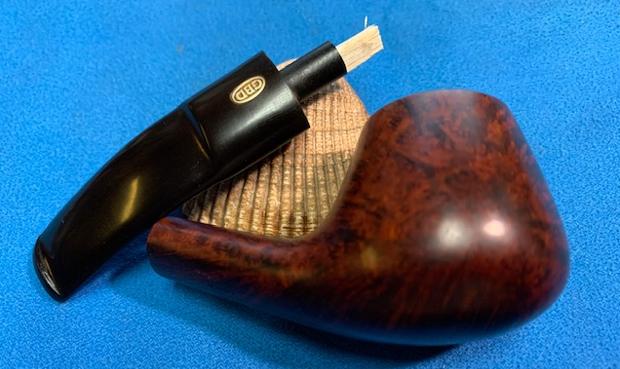
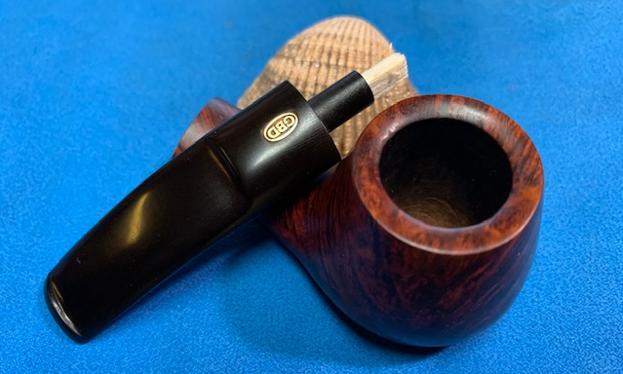
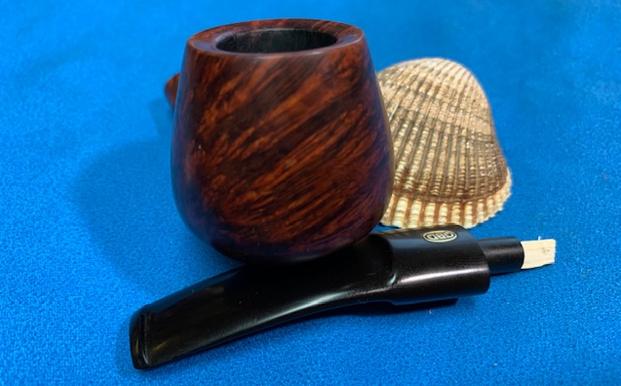
Cleaning up a GBD Prehistoric 133 Medium Billiard


Blog by Mike Belarde

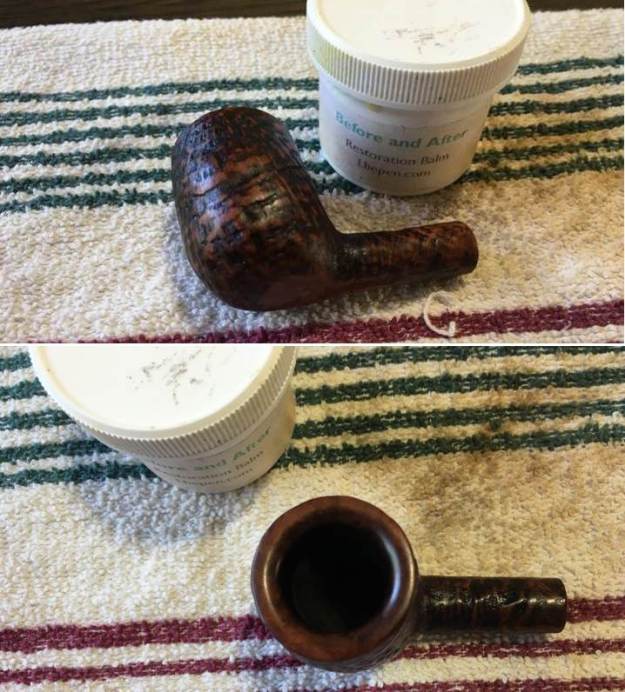
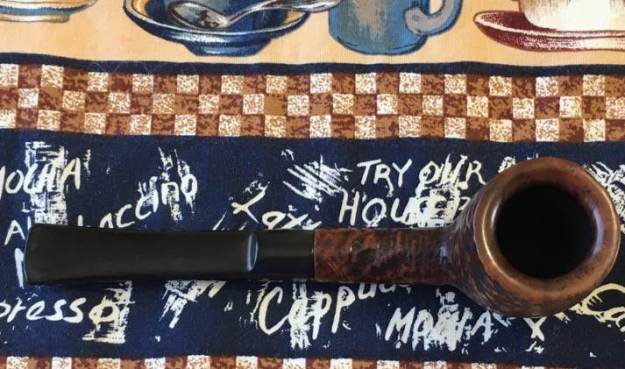
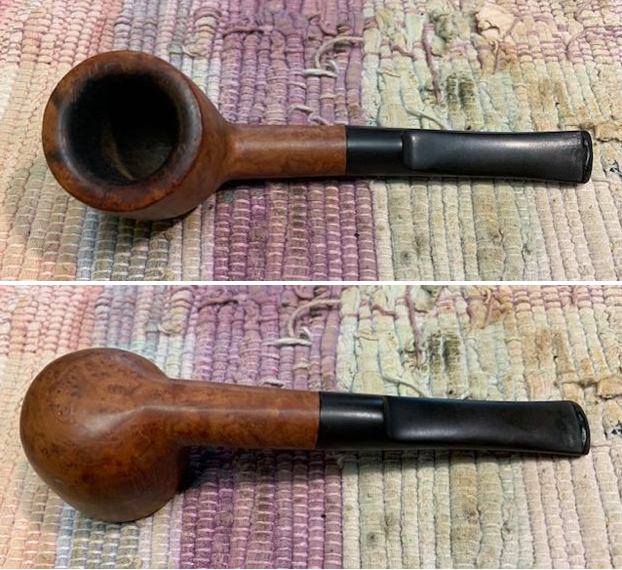
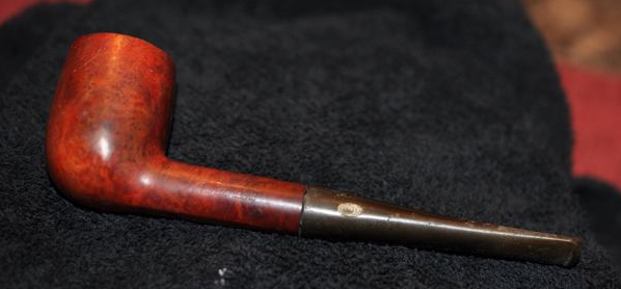
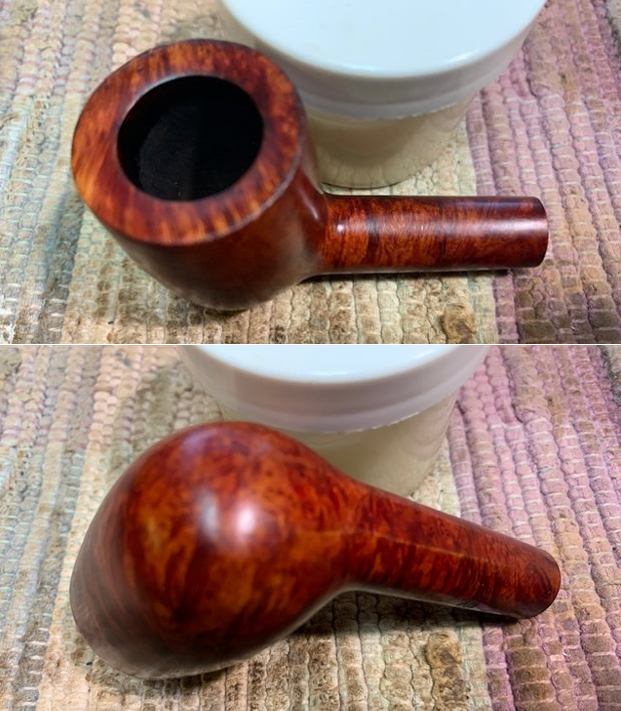
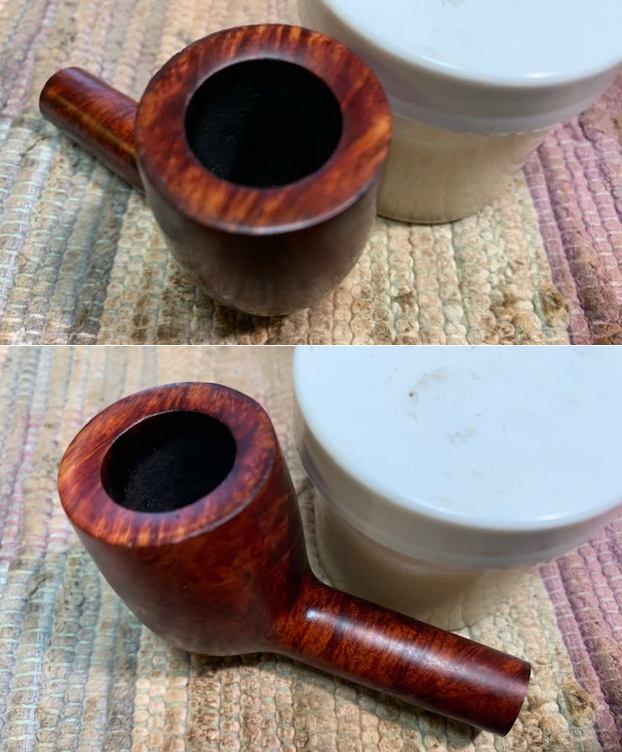
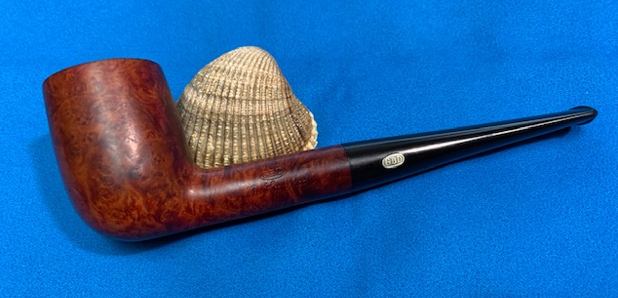
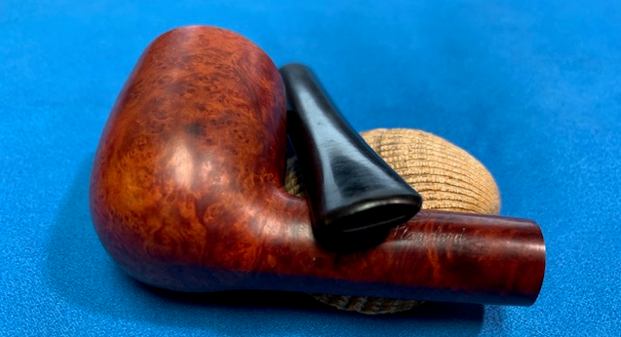
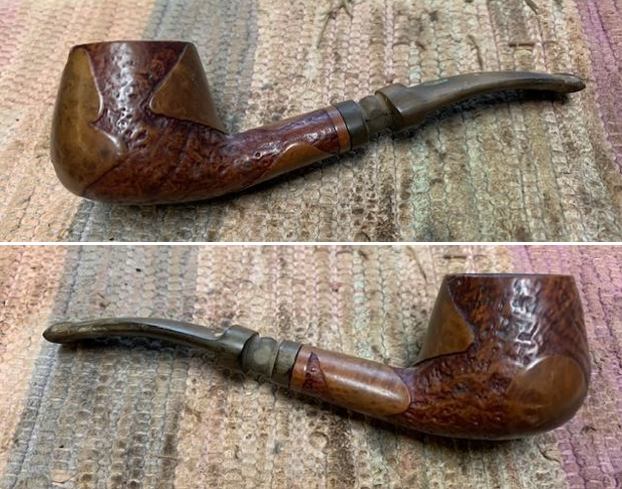
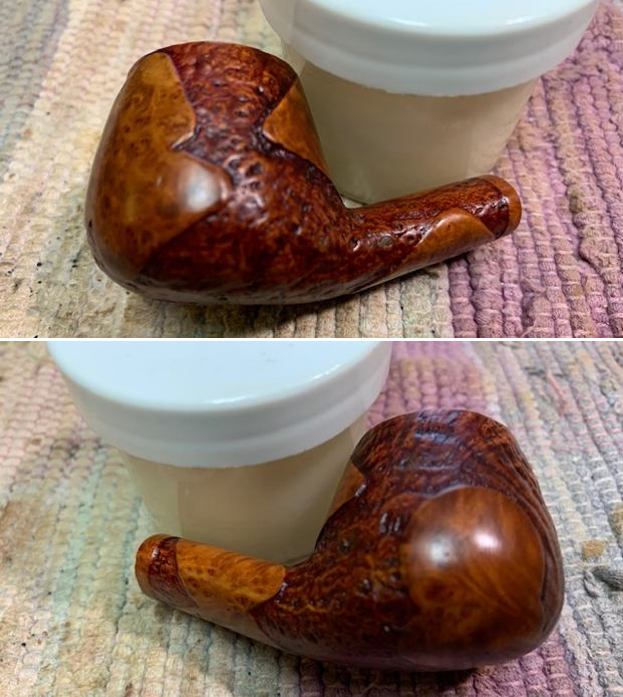
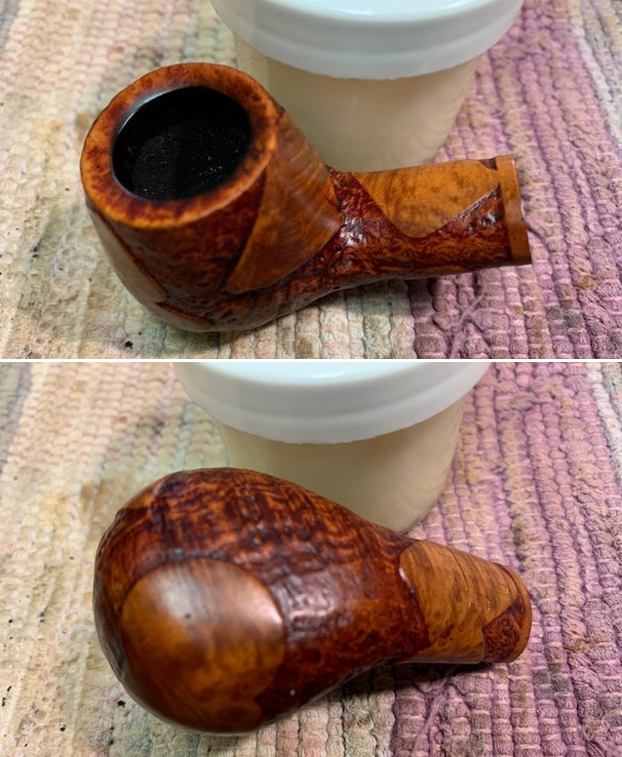
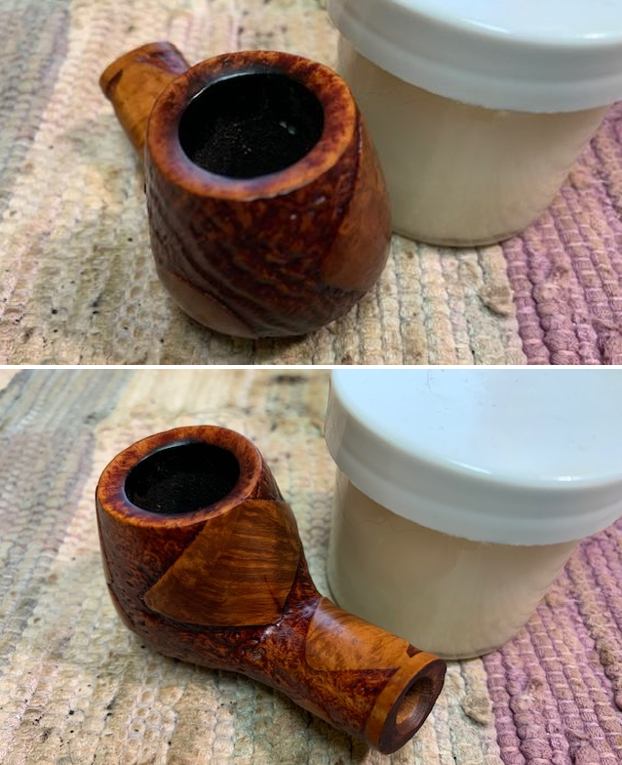
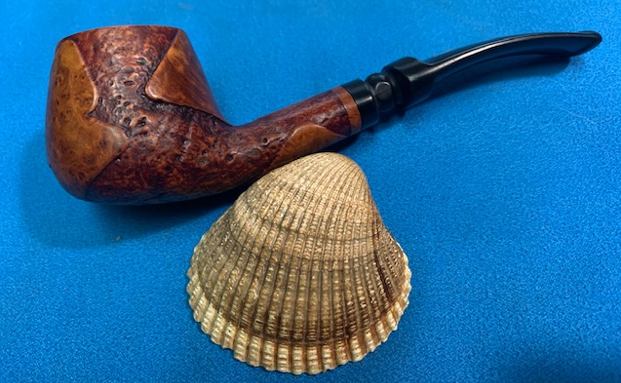
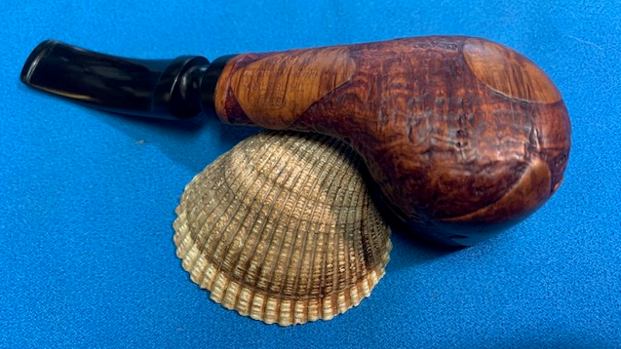
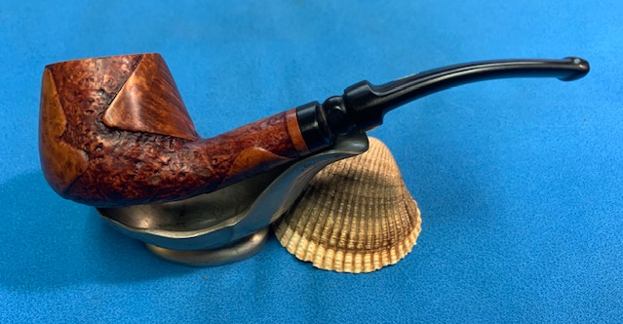
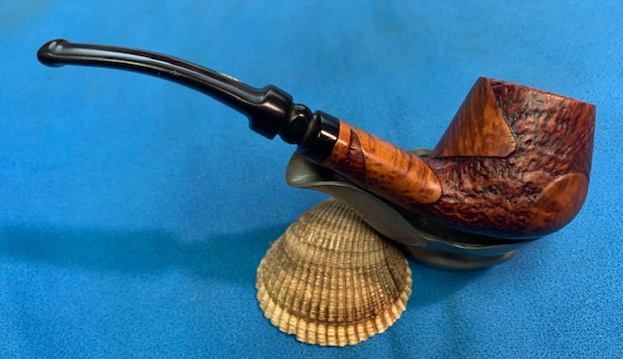
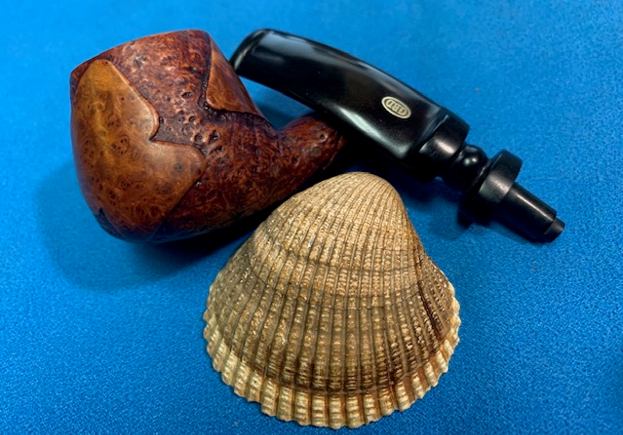
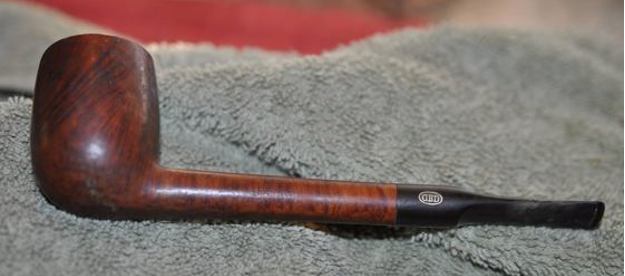
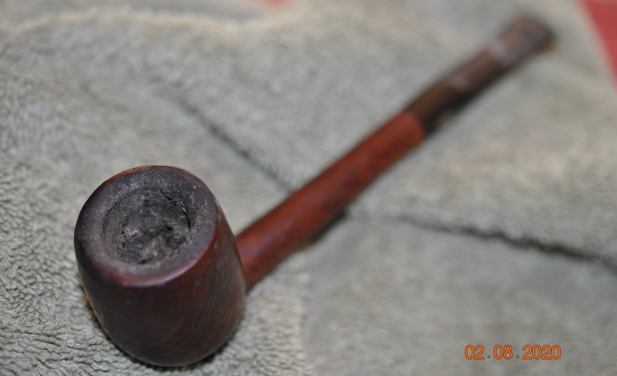
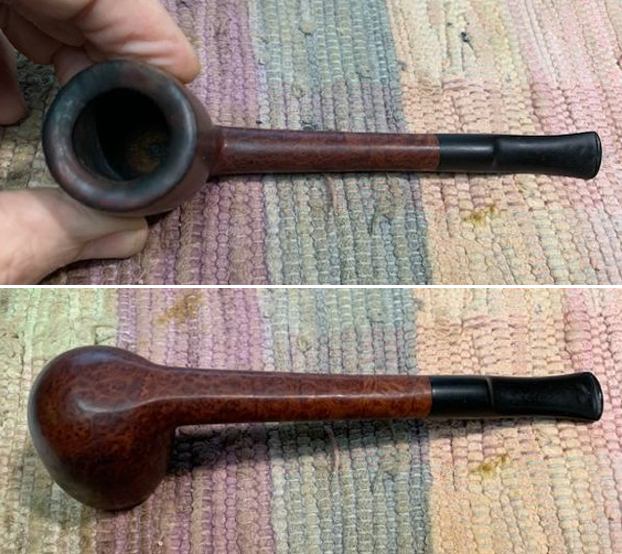
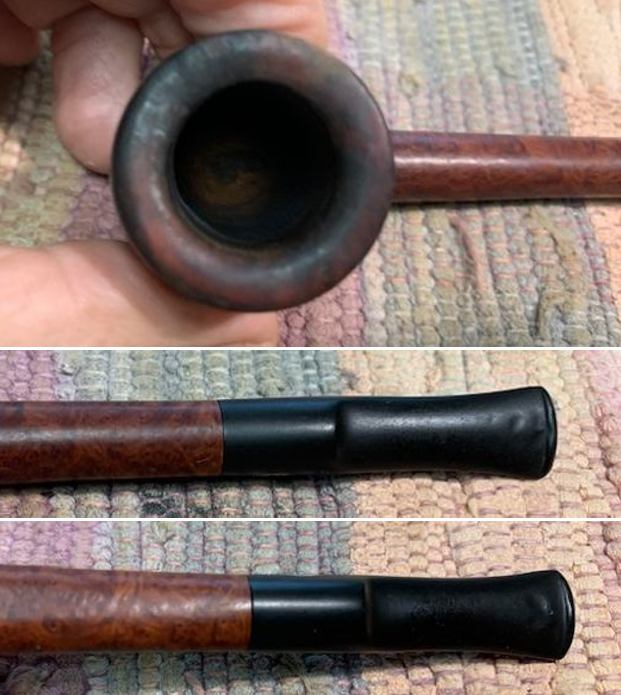
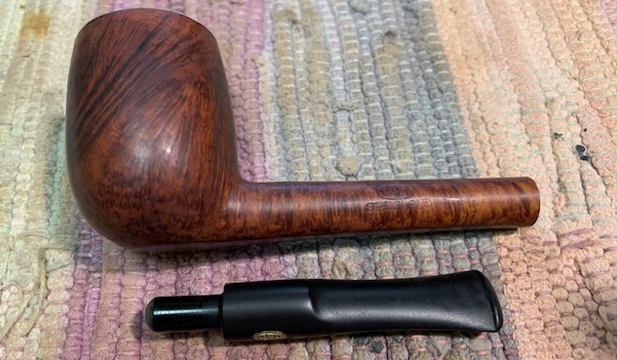
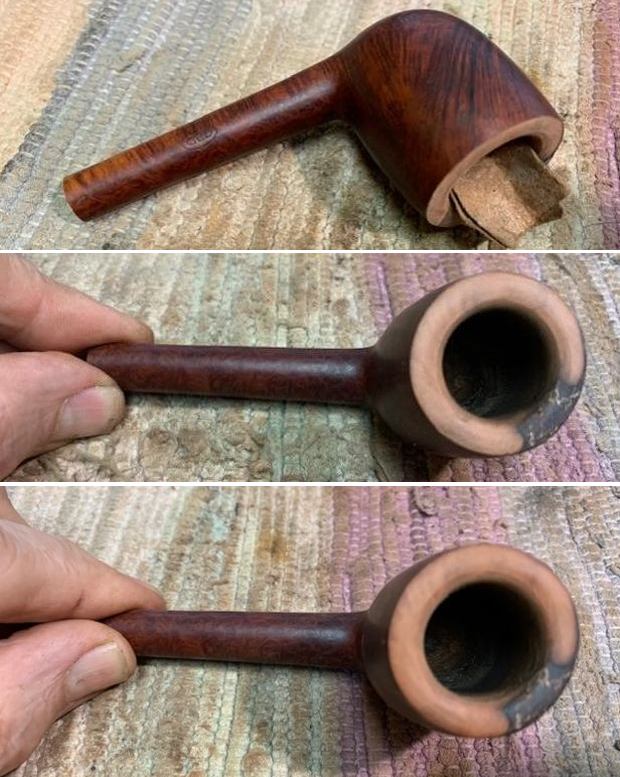
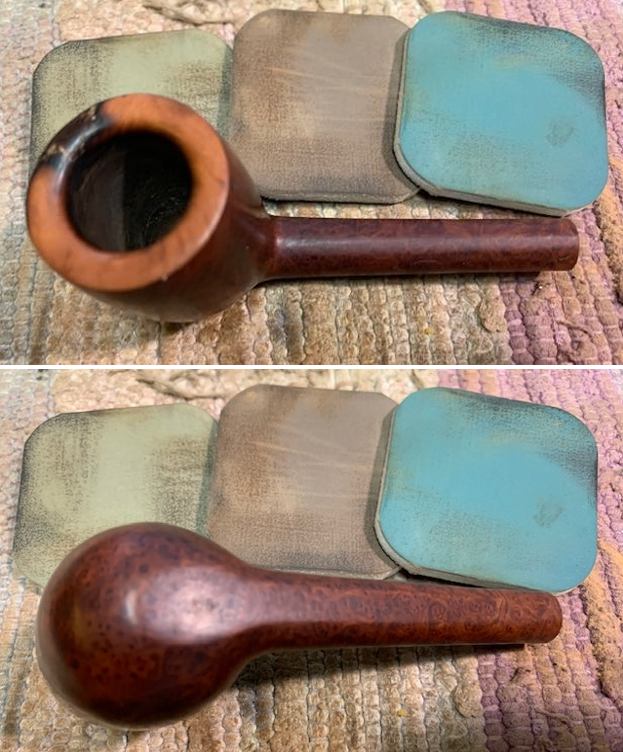
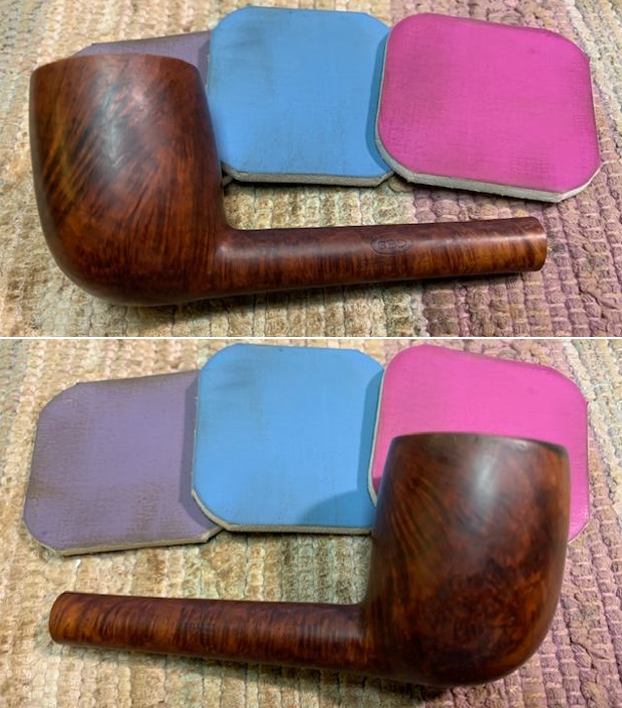
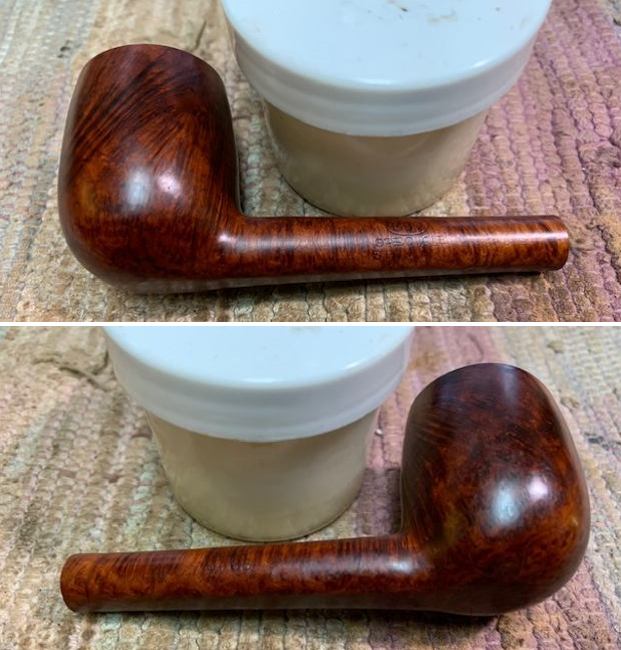
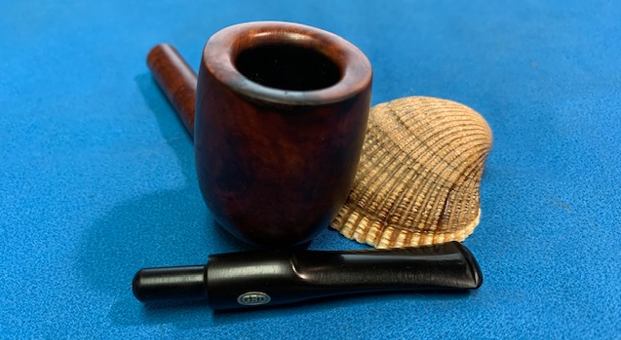
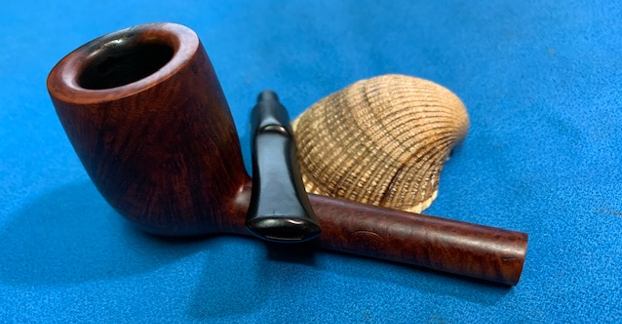
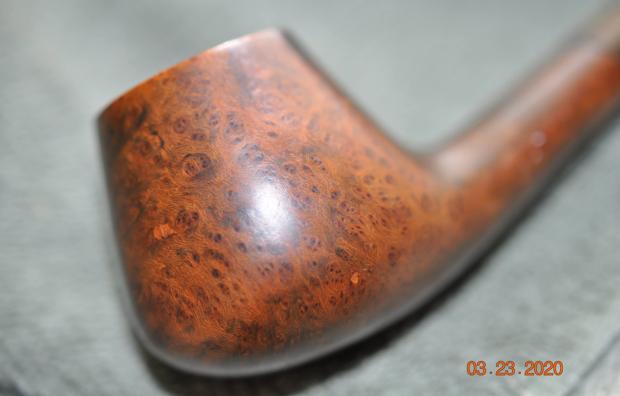
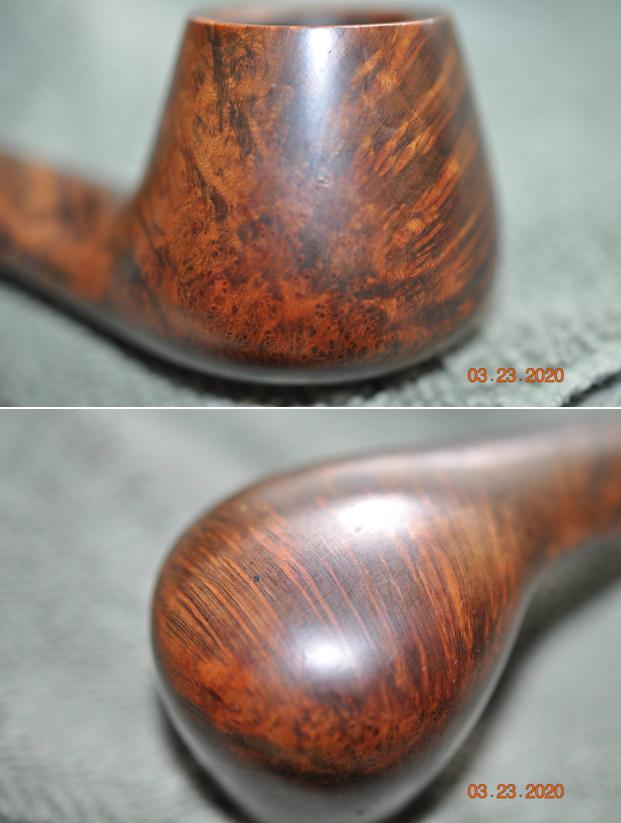
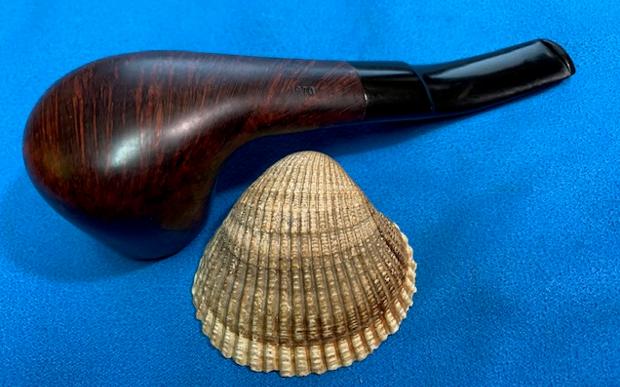
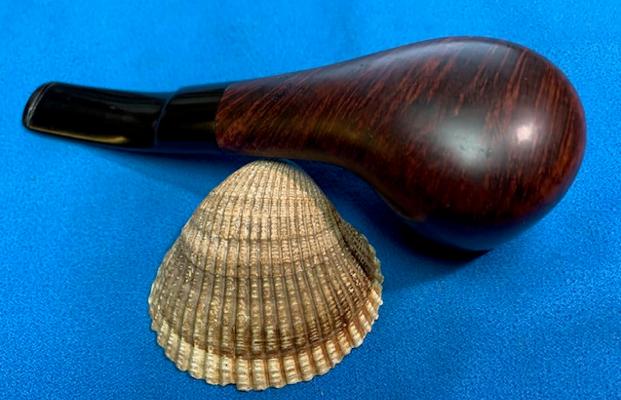
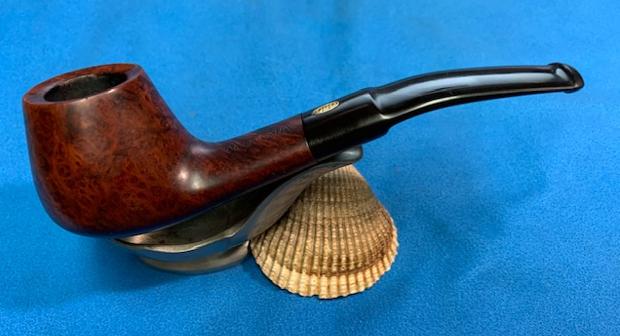
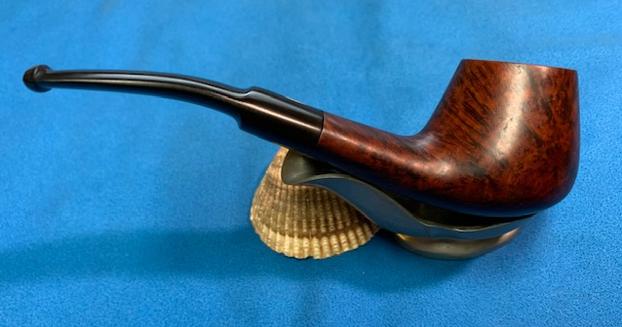
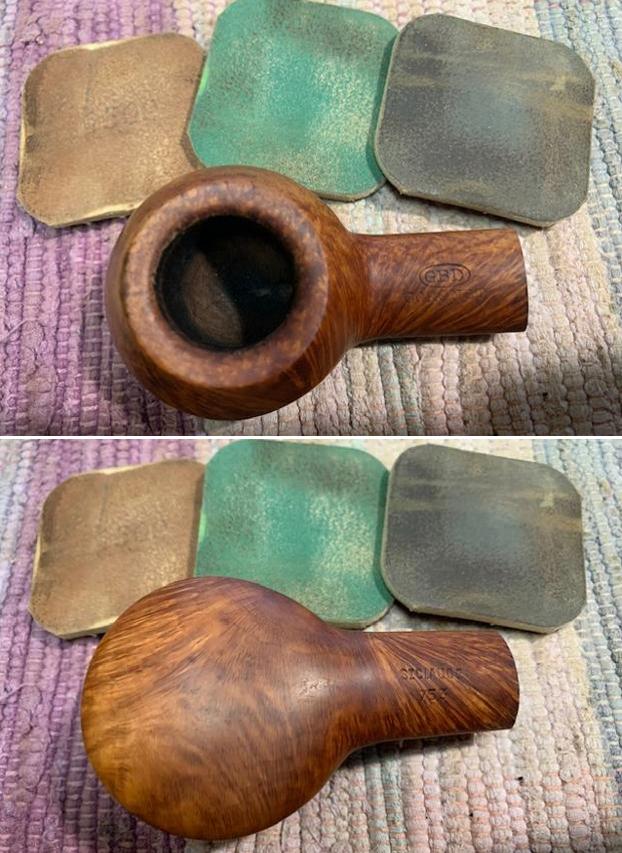
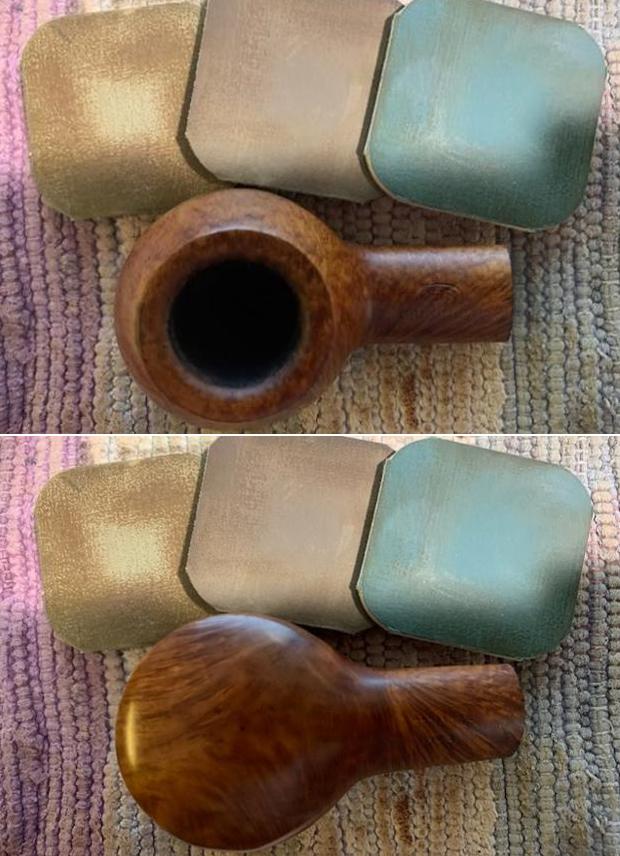
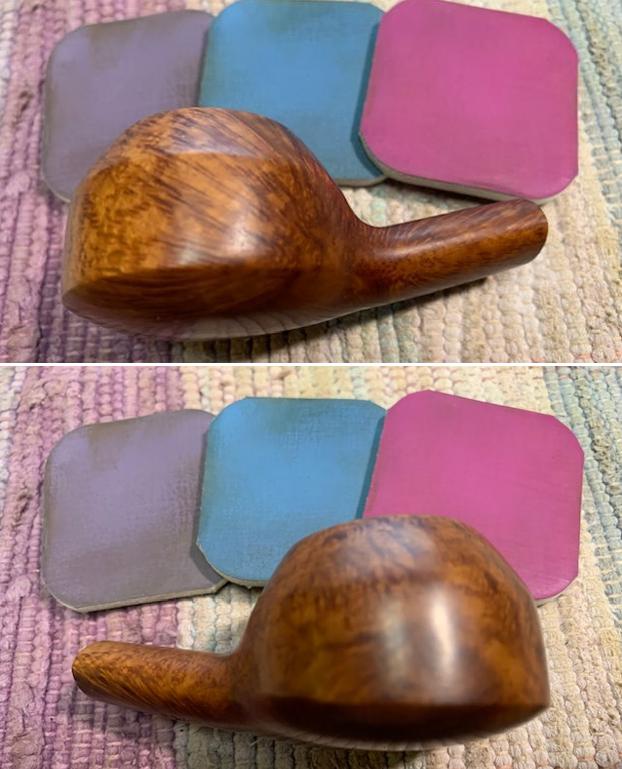
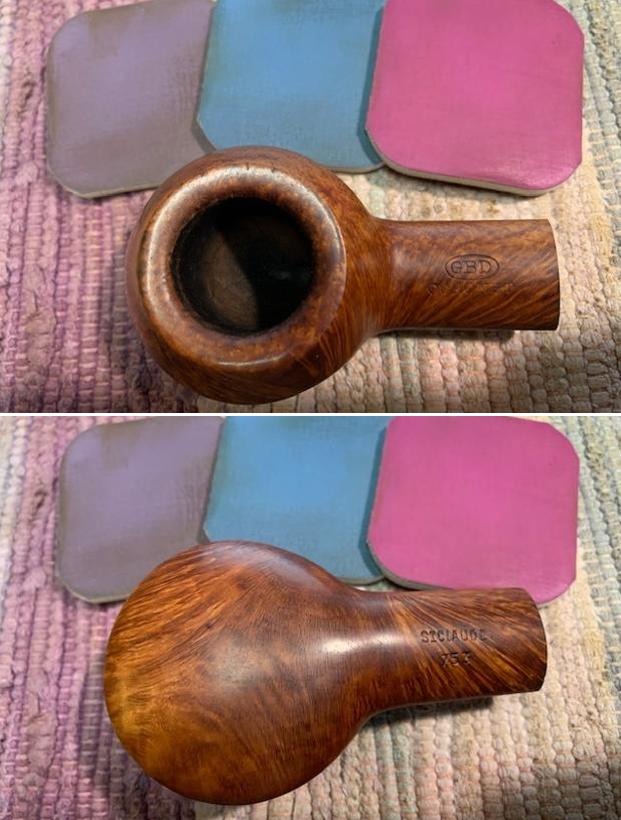
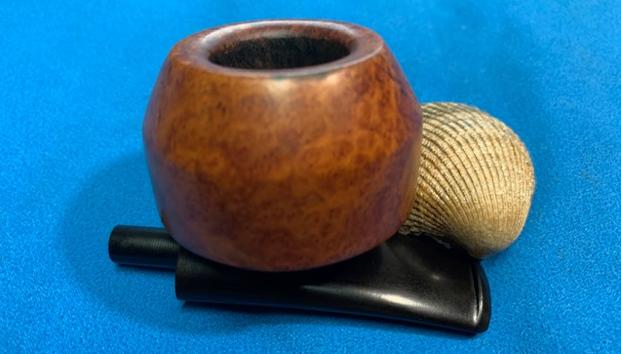
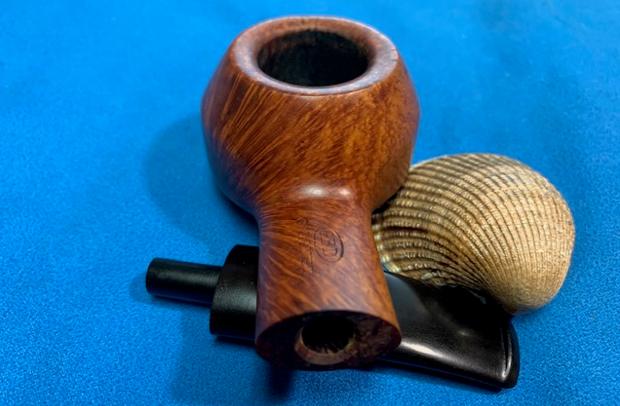
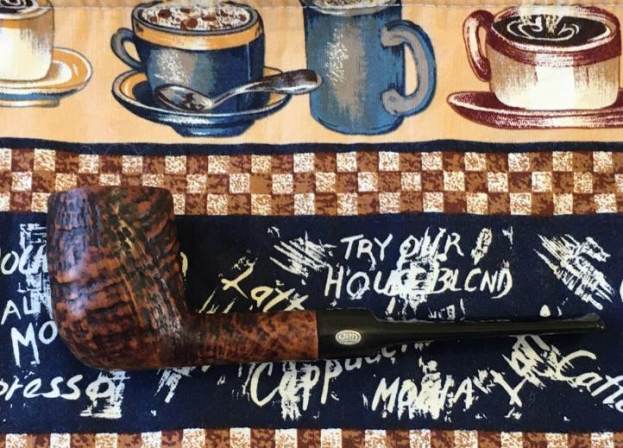
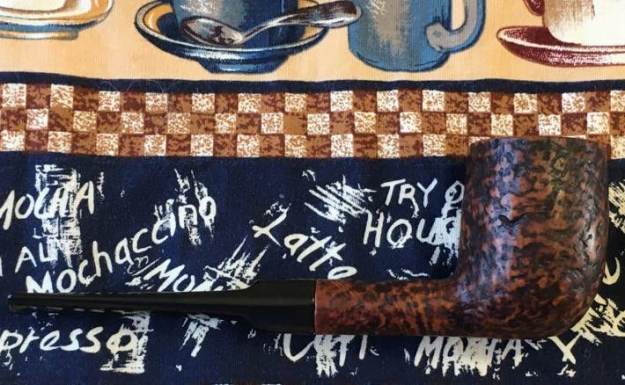
Hello, I hope everyone is doing well.  I finally had a nice low-key weekend and was able to work on another pipe. I have had this GBD Prehistoric Billiard for a while and have been looking for a chance to work on it.  The pipe itself is a nice jaunty saddle stemmed Billiard with GBDs Prehistoric sandblast finish.

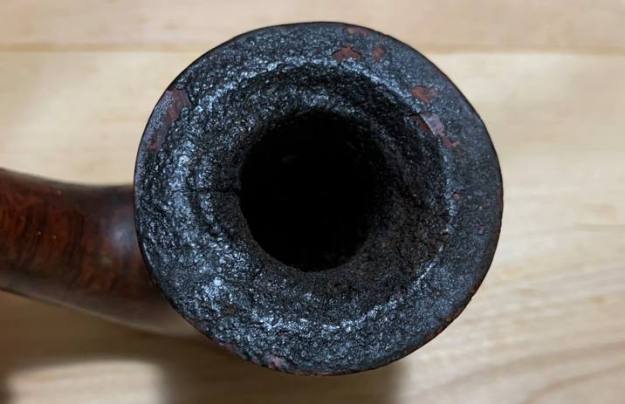
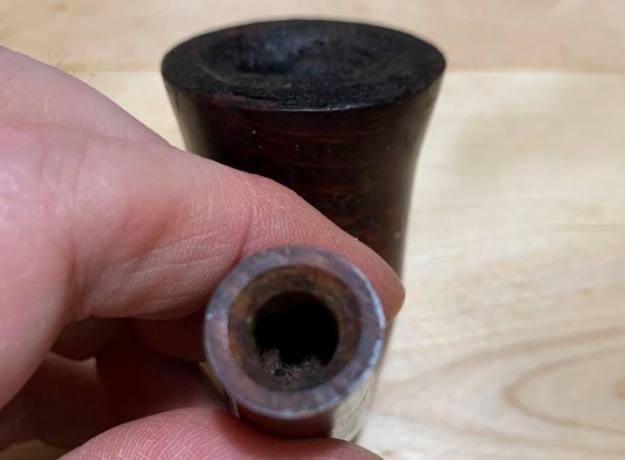
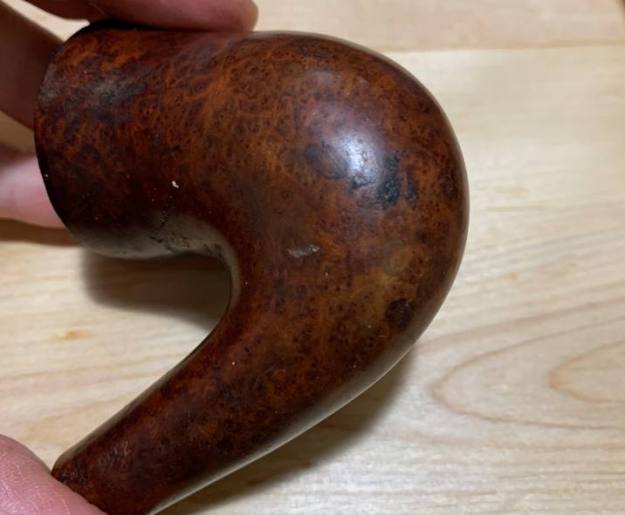
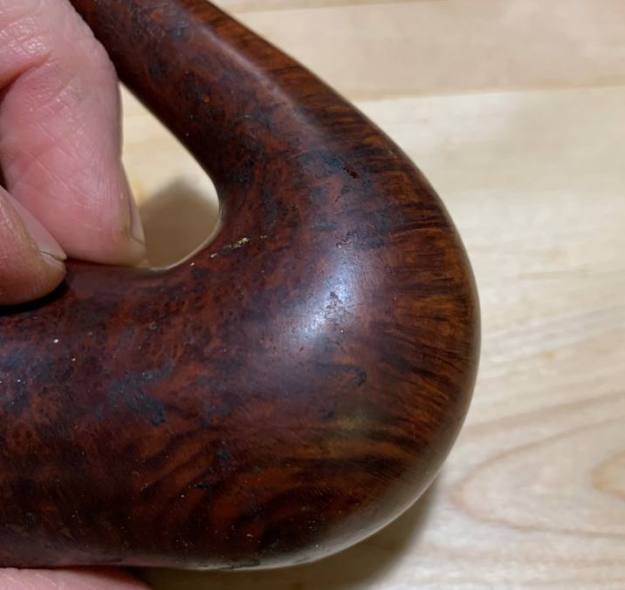
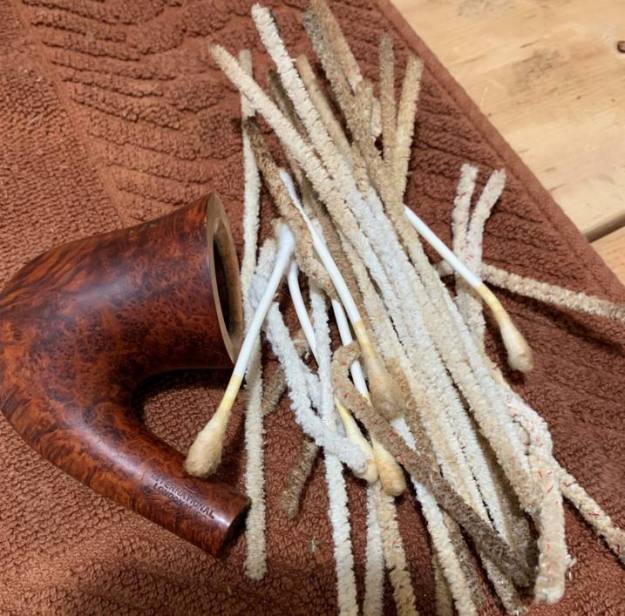
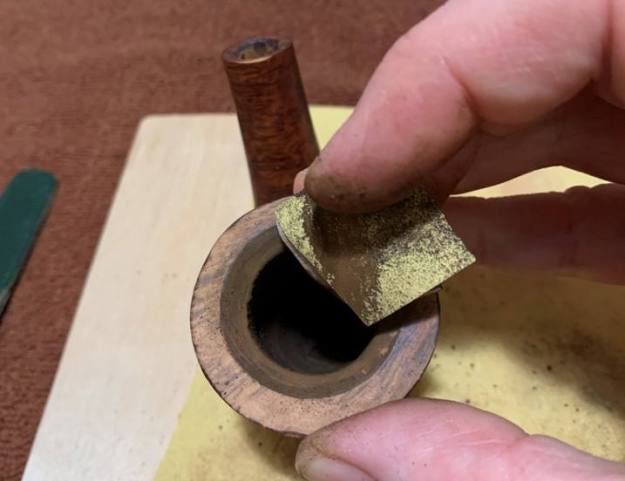
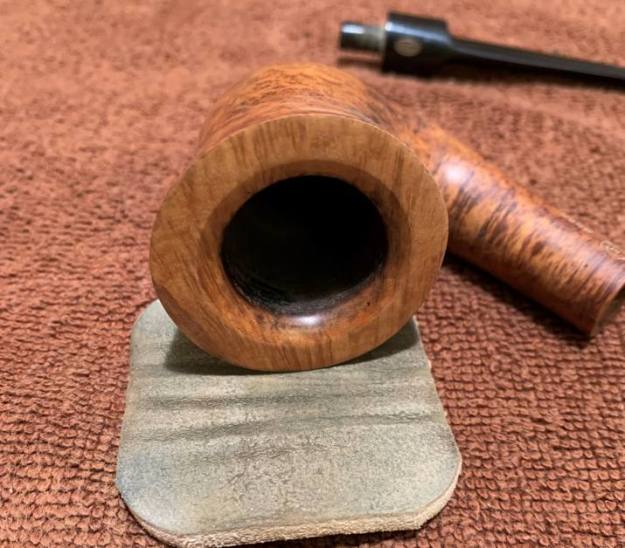
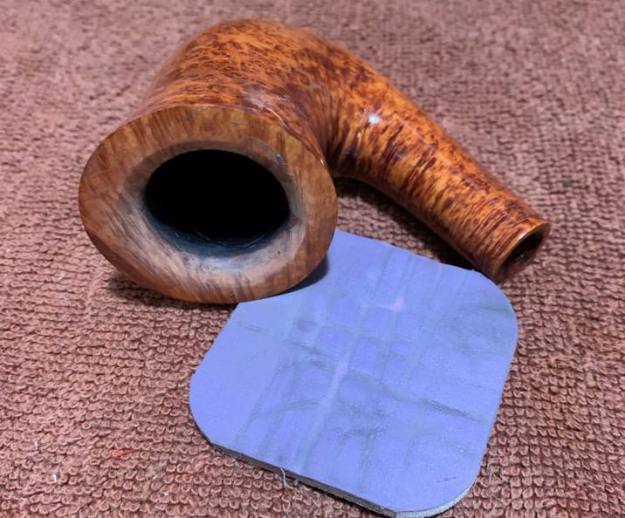
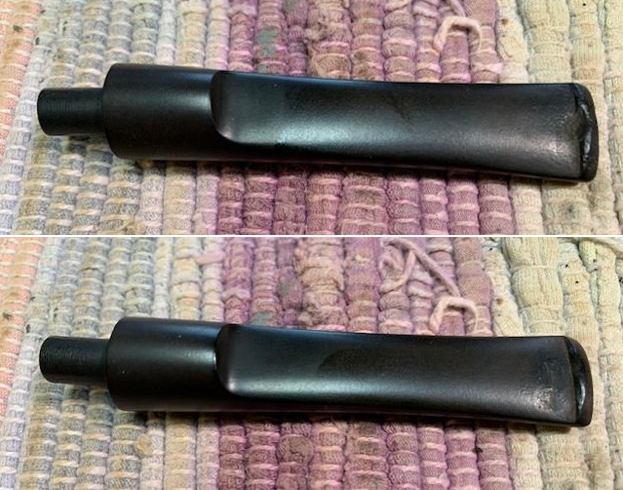
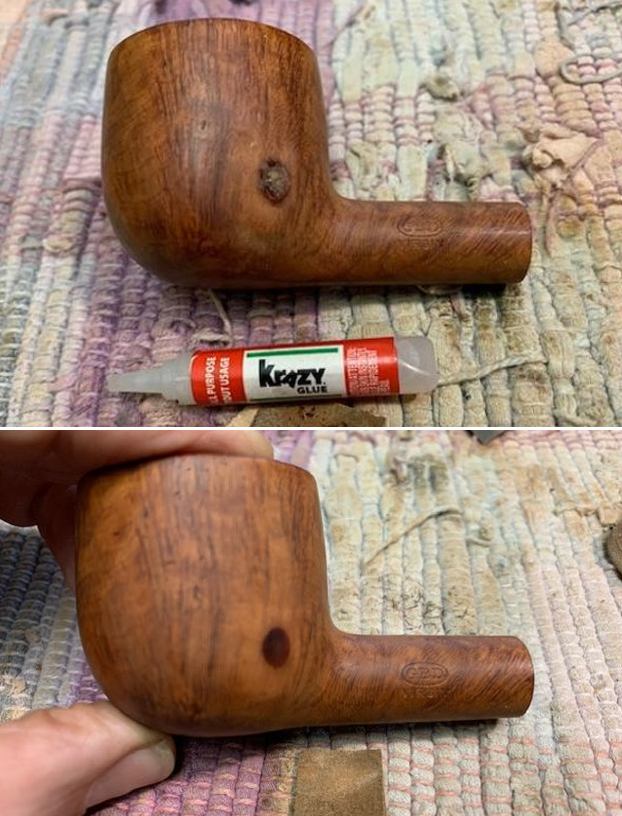
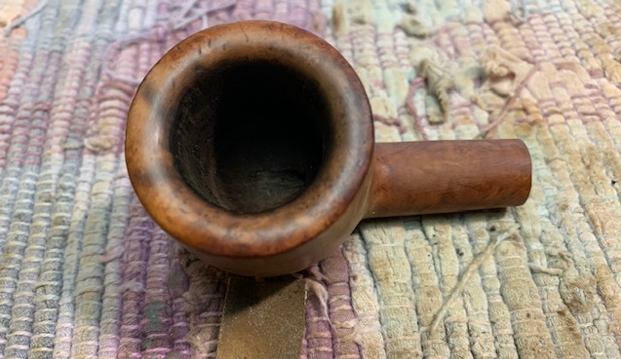
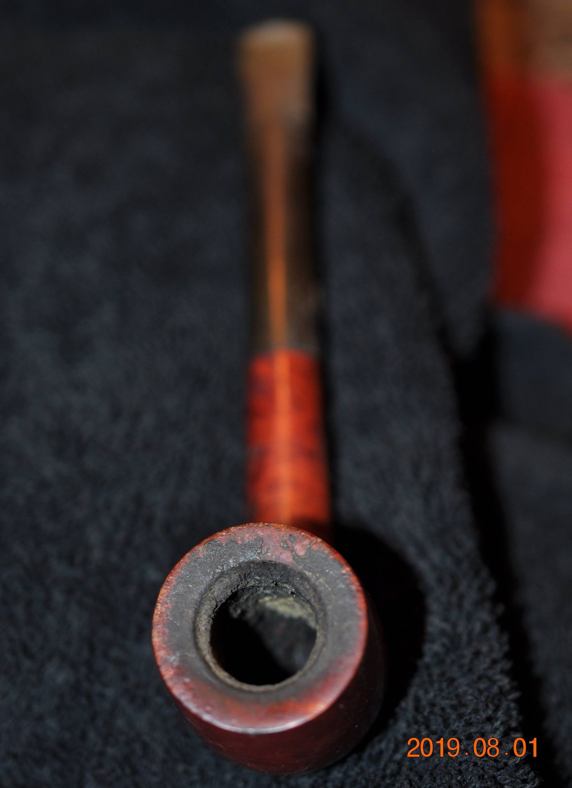
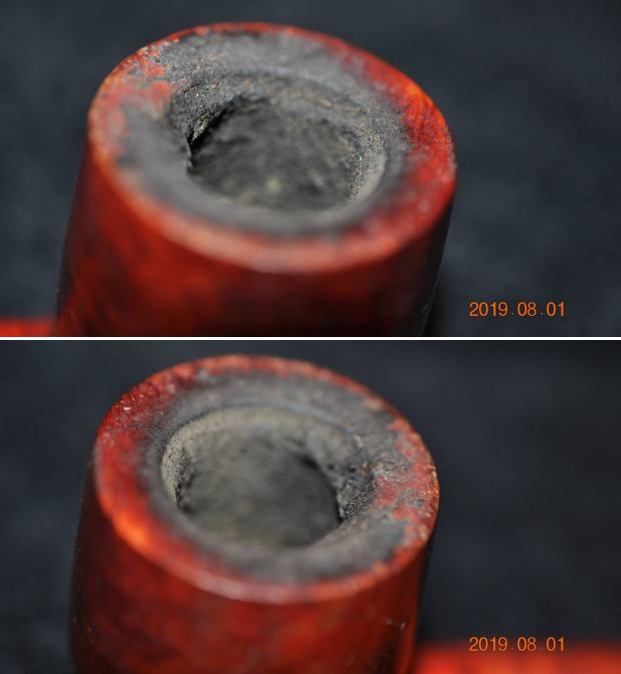
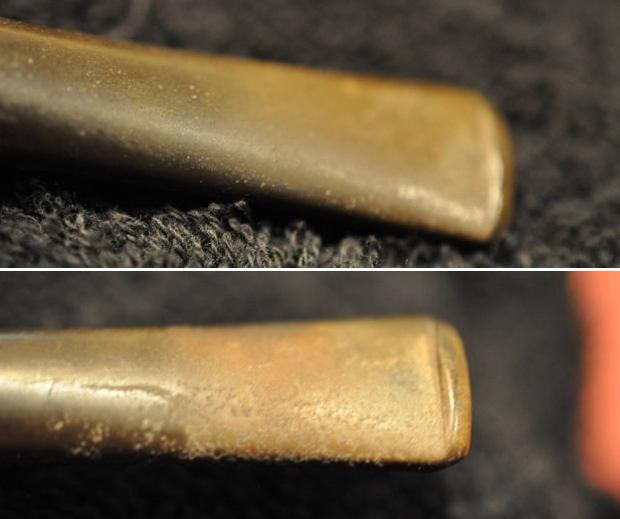
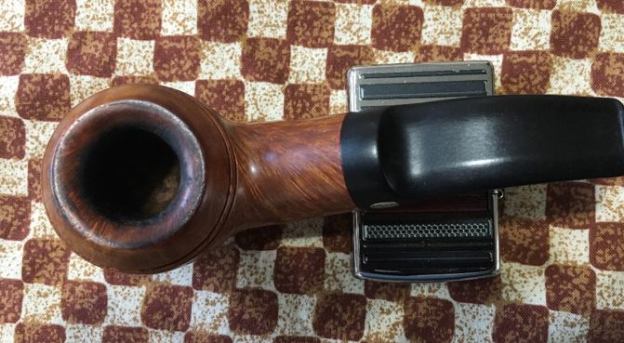
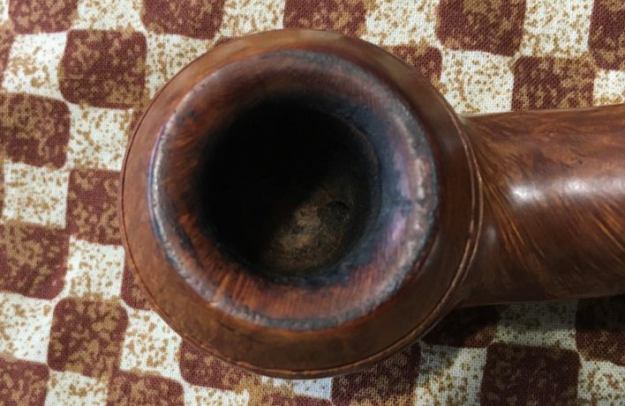
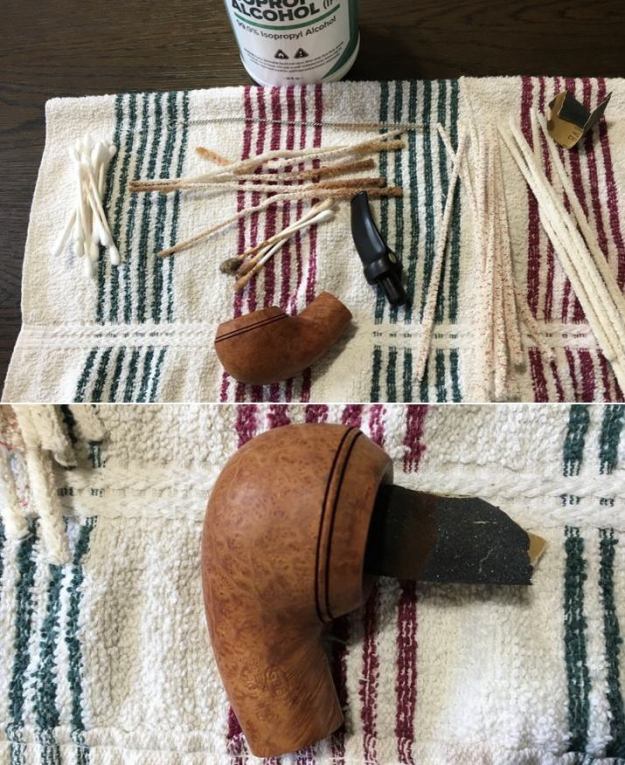
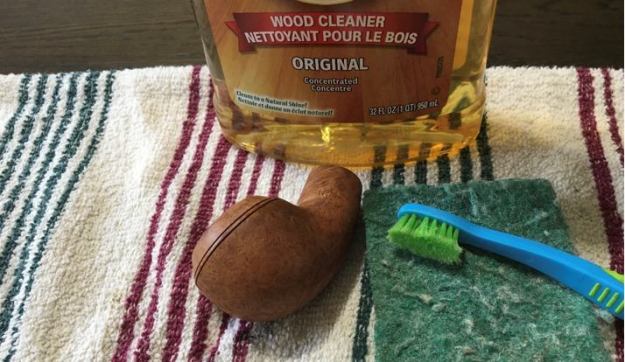
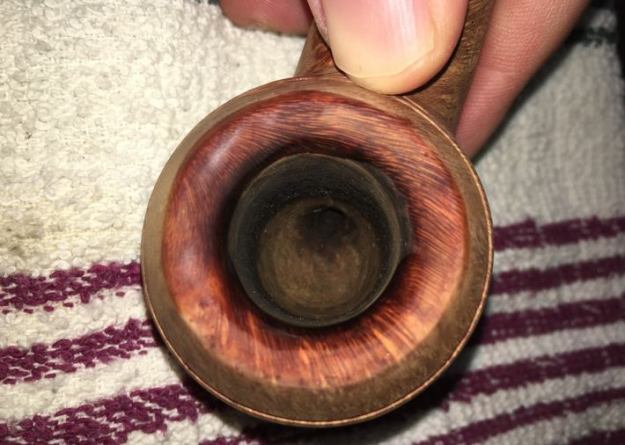
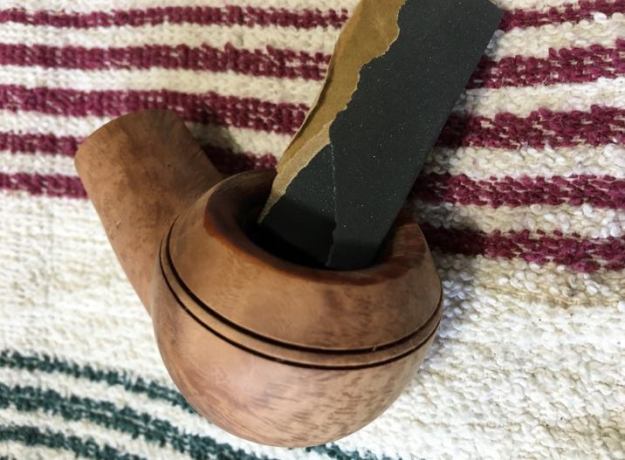
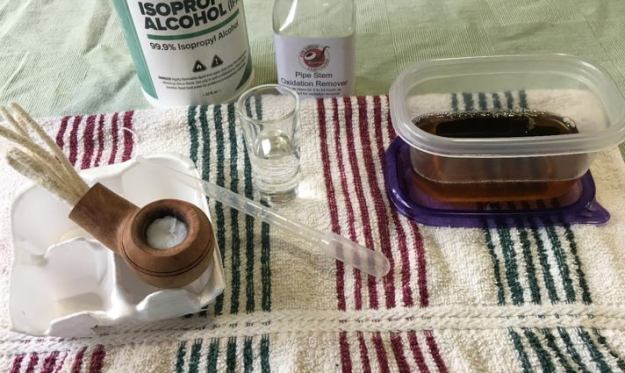
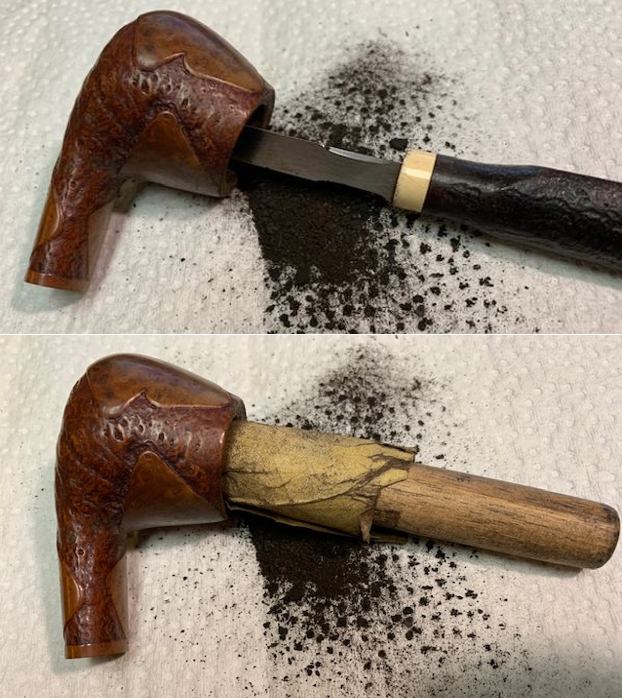
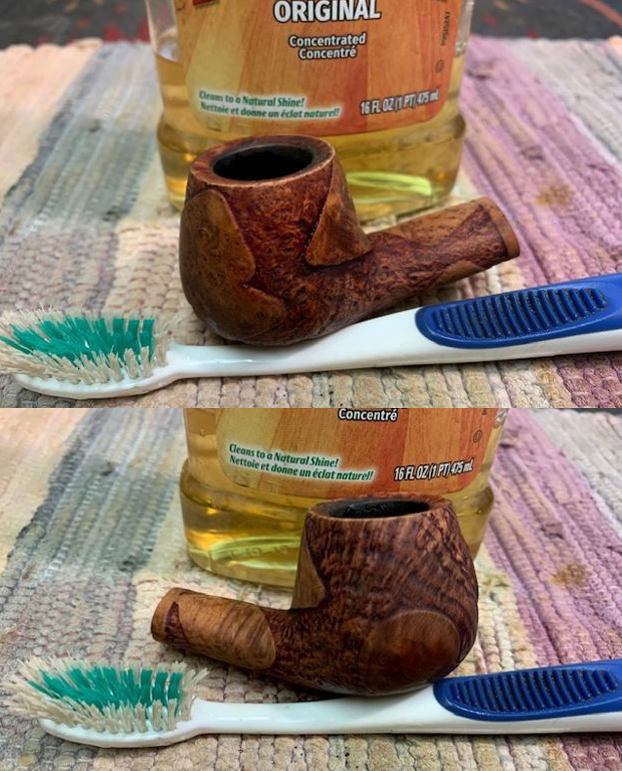
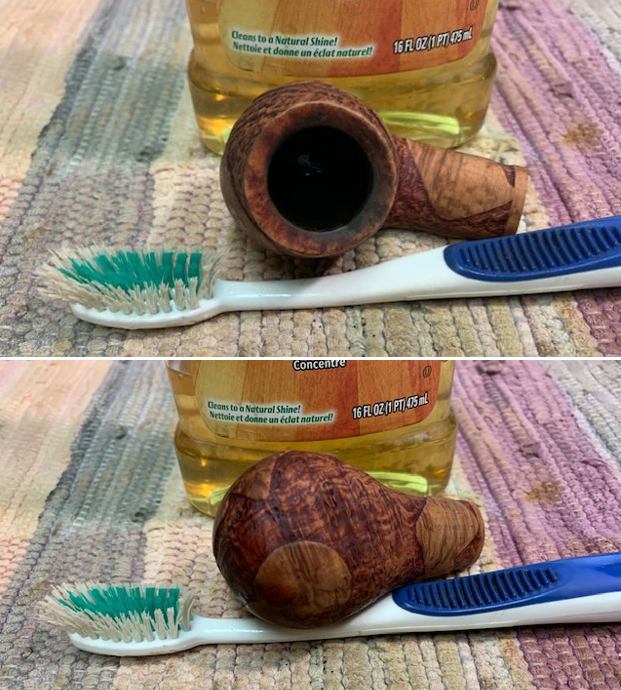
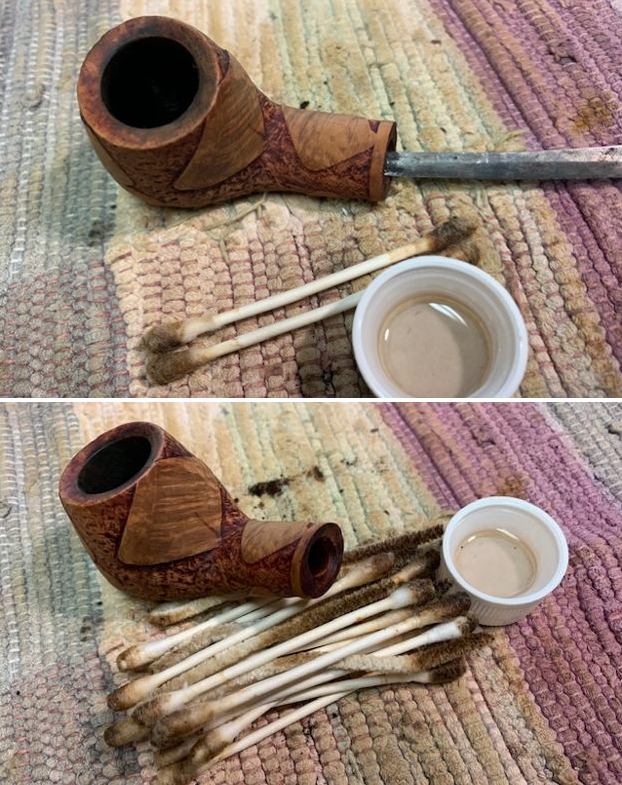
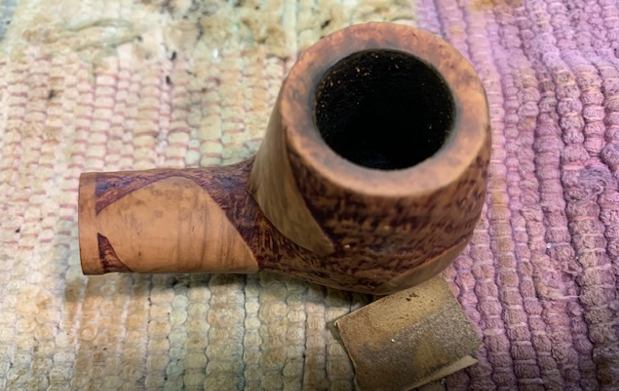
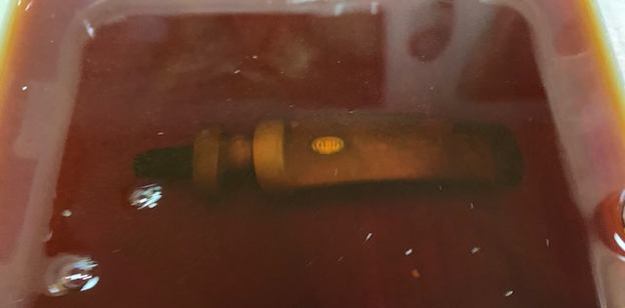
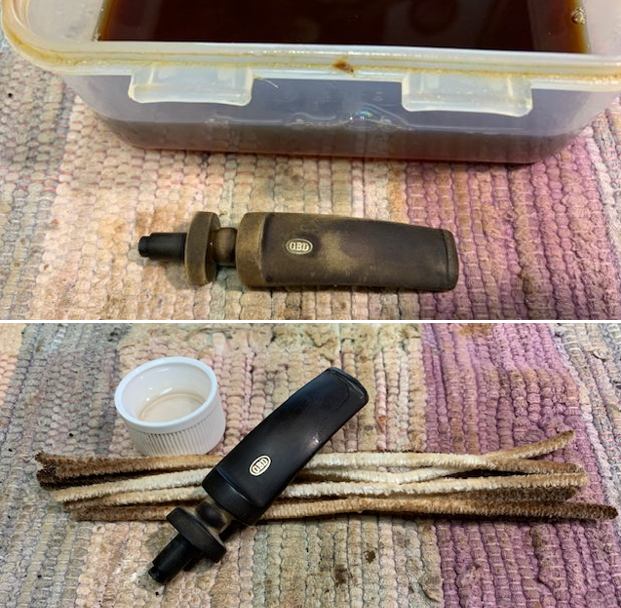
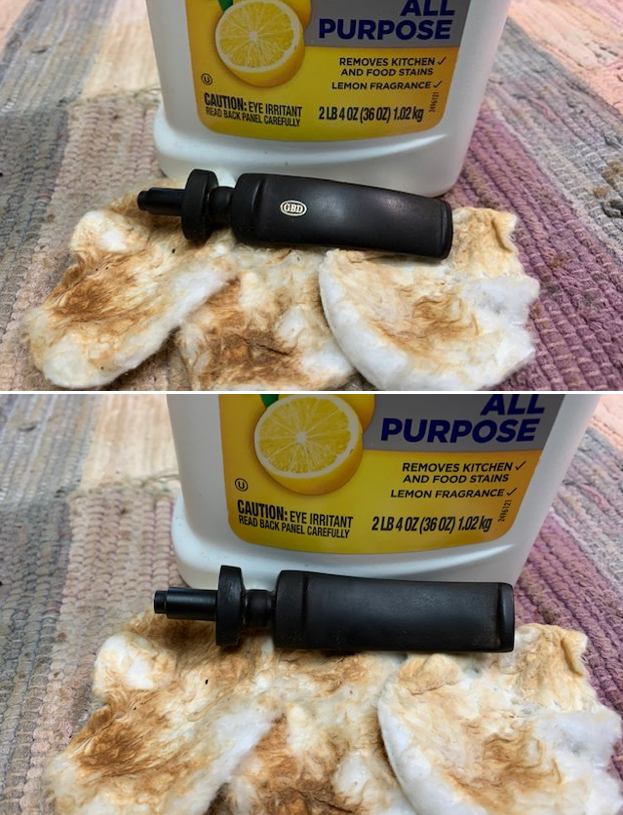
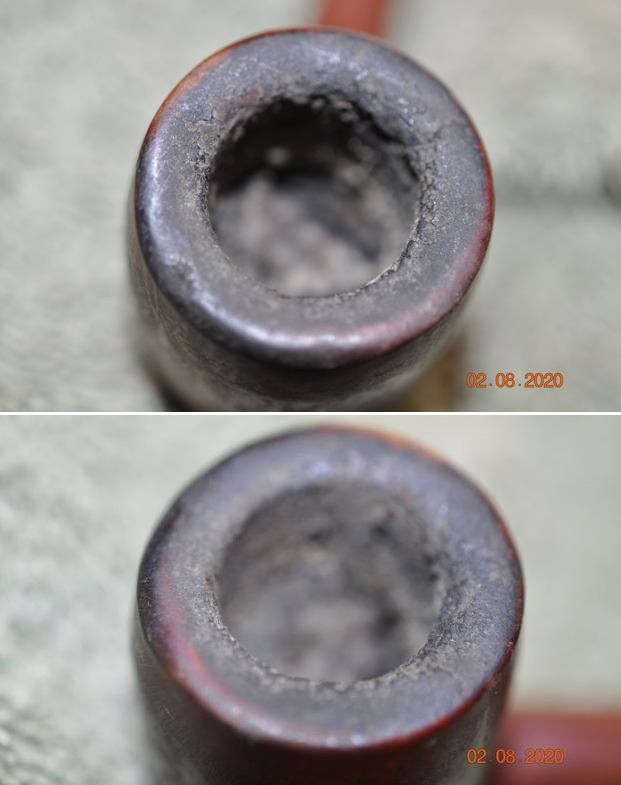
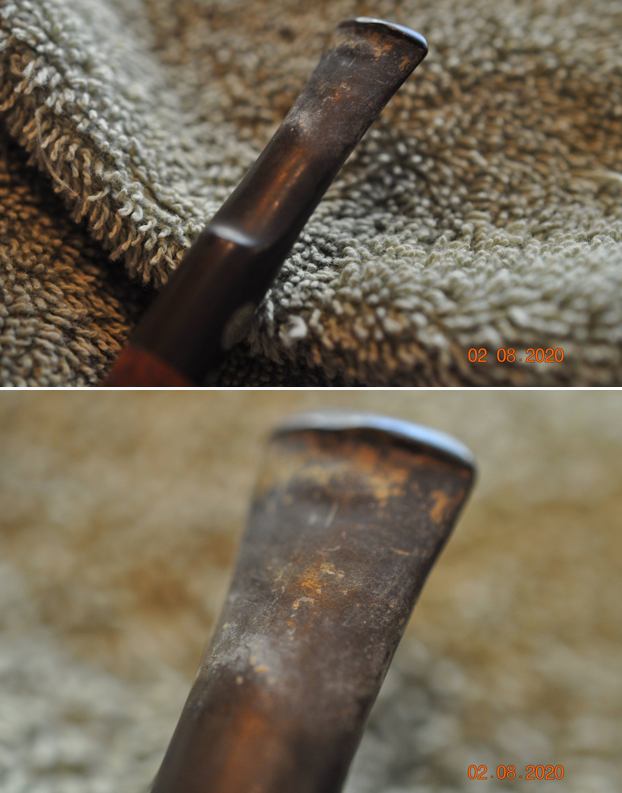
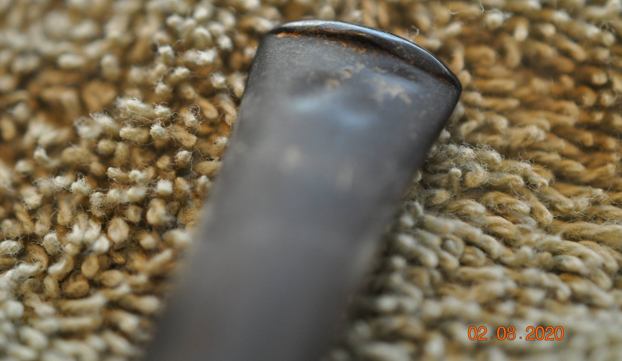
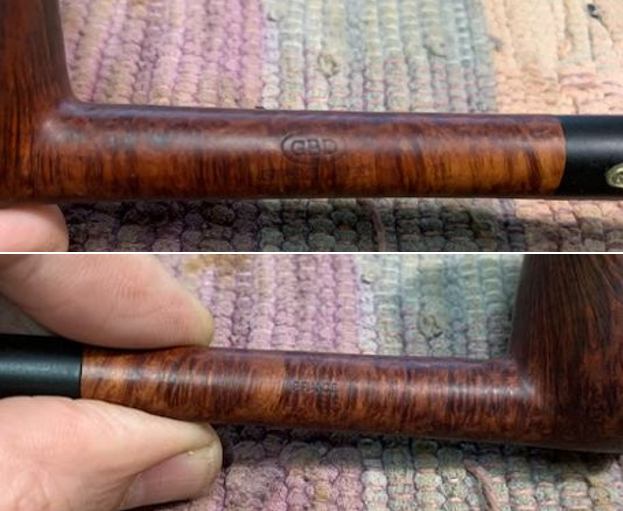
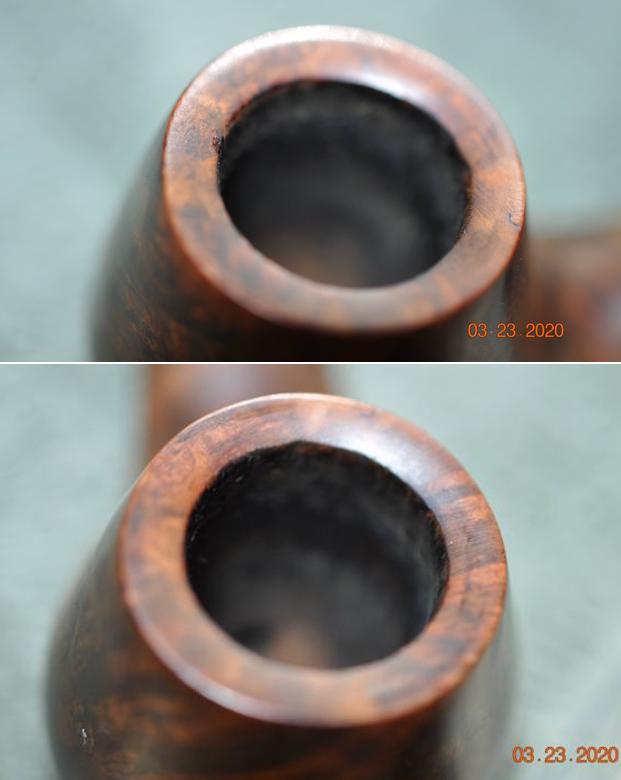
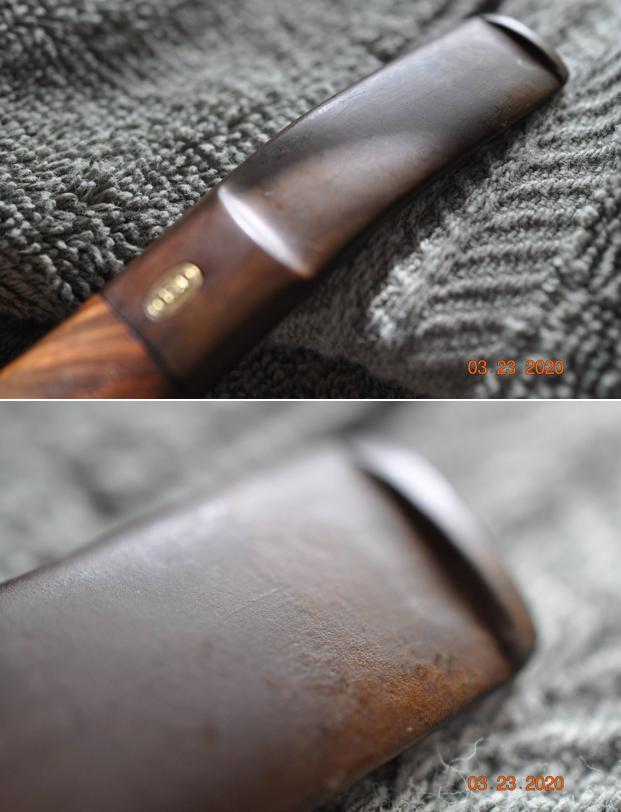
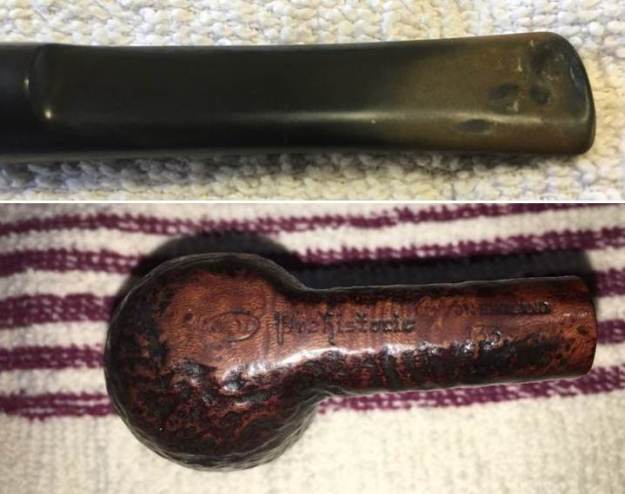
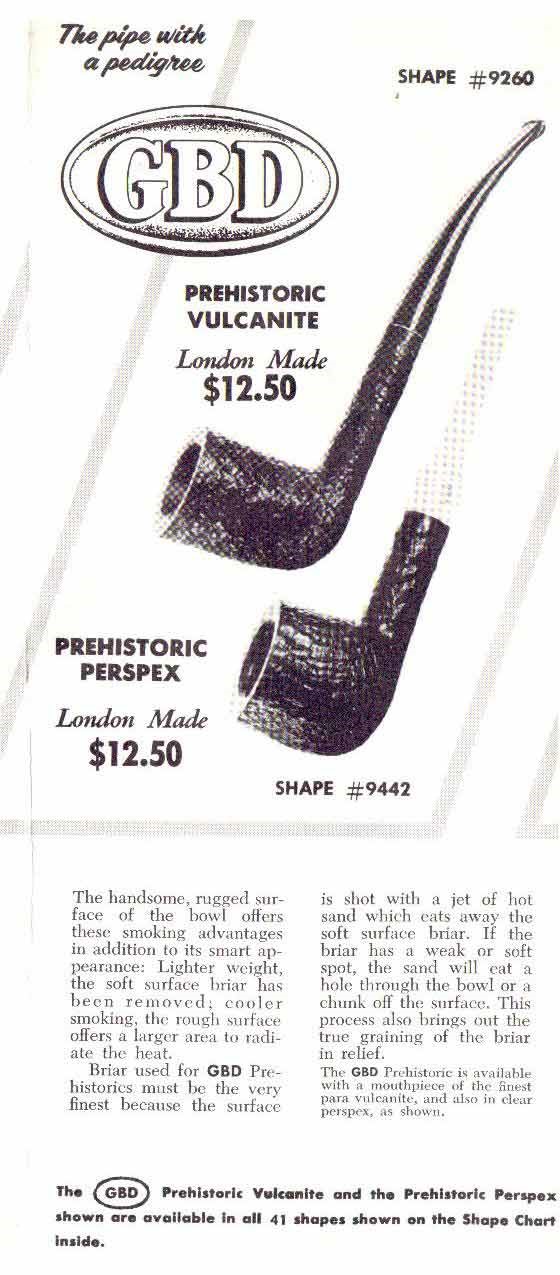
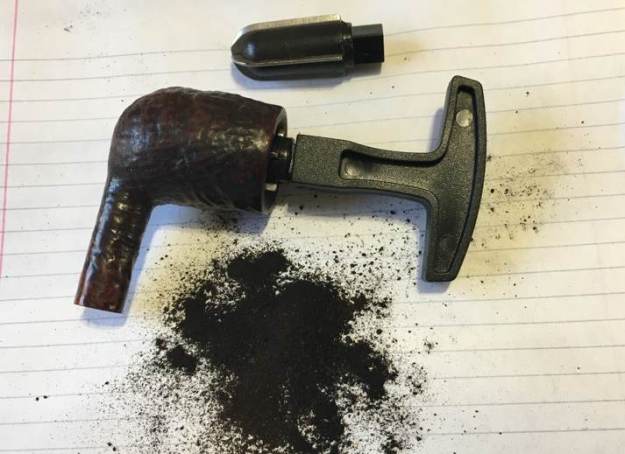
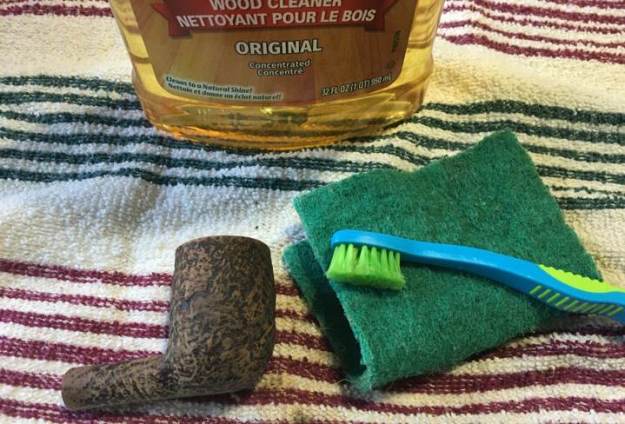
When I received the pipe, it was in a very dirty condition.  The surface of the stummel was caked with grime. The rim of the bowl had a good amount of carbon overflow, and the chamber was heavily caked.   The stem was in pretty fair condition.  It had light oxidation and took chatter, but the button was buffed down from years of use. The stamping was still legible on this pipe, and read GBD in an oval with the Prehistoric stamp and a 133-shape number. Below is an advertisement found on Pipedia describing the Prehistoric line. Even in its grimy condition, the pipe had an attractive rugged look, and I hoped that it turned out to be a fun workhorse pipe that I could take with me on a fishing trip or some other outdoor adventure. A link to the Pipedia web page has been provided below. Now to work on the pipe.  https://pipedia.org/wiki/GBD_Model_InformationThe first step in the process is to address the internals of both the briar and stem, and then clean up the grime on the stummel, and the carbon build up on the rim.   I started by reaming the chamber and then lightly sanding it with a piece of 220 grit sandpaper.  I took bristled pipe cleaners dipped in alcohol to clean the shank.  As you can see from the pictures this pipe was loved and used often.  Cleaning the internals of this pipe took a long time. Once I had that completed, I moved on to addressing the dirt and grime on the exterior of the stummel. I scrubbed the stummel with Murphy’s Oil Soap and an old toothbrush, rinsed it under warm water. I then scrubbed the rim with an old green scouring pad and some more Murphy’s Oil Soap. During this process a large amount of dirt lifted from the surface of the pipe and exposed some really great surface texture. The rim and the chamber cleaned up well and appeared to be in good condition.  I took the rest of the charring or darkening on the rim and inner rim with a folded piece of 320 grit sandpaper. The stummel seemed to be fairly clean but I decided to de-ghost the piped further.  I inserted two folded fluffy pipe cleaners through the shank and down into the chamber to act as a wick.  I have found that using fluffy pipe cleaners is easier for me than trying to fish an elongated cotton ball down the shank.  I then placed a cotton ball in the chamber and saturated it with isopropyl alcohol.While the stummel was de-ghosting. I placed the stem in a small Tupperware container to soak in Briarville’s Oxidation Remover solution.  I left both the stummel and stem to soak overnight.
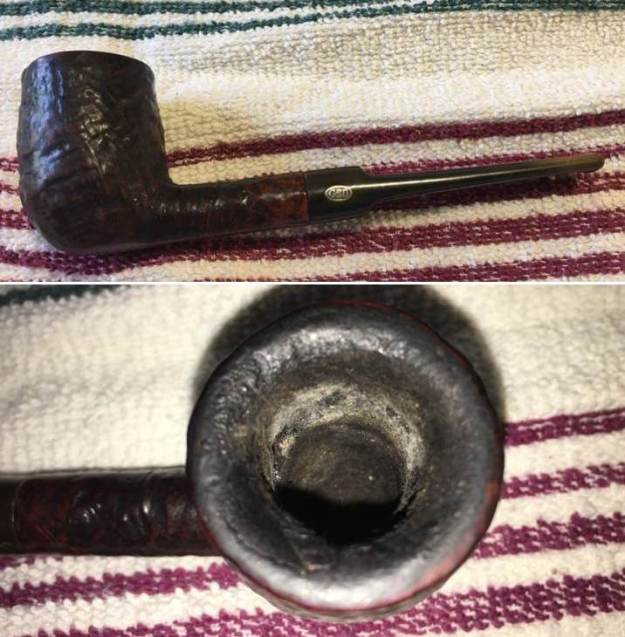
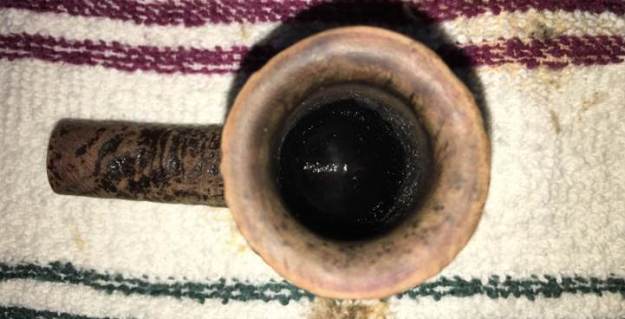
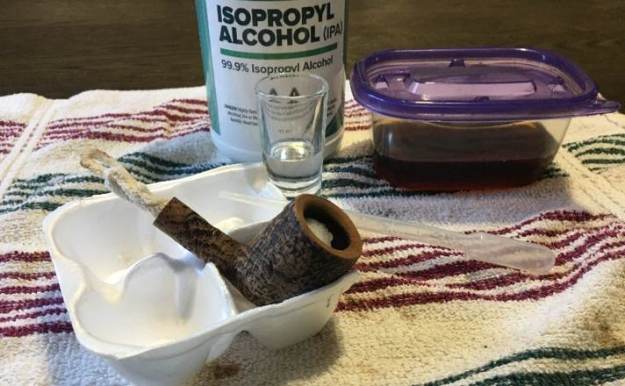
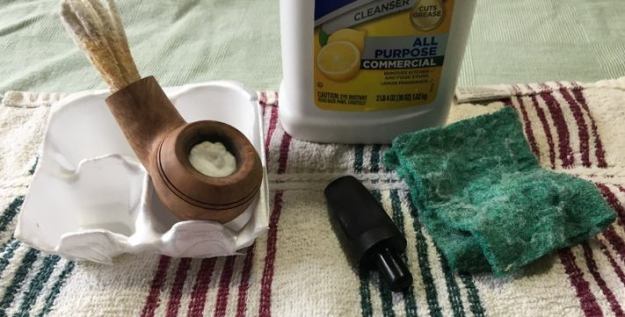
Both the alcohol and the Briarville solution further cleaned the pipe.  I took the stem out of the solution and rinsed it and then ran some alcohol dipped pipe cleaners through it.  I then scrubbed the stem with Soft Scrub and the scouring pad to clean it up further.

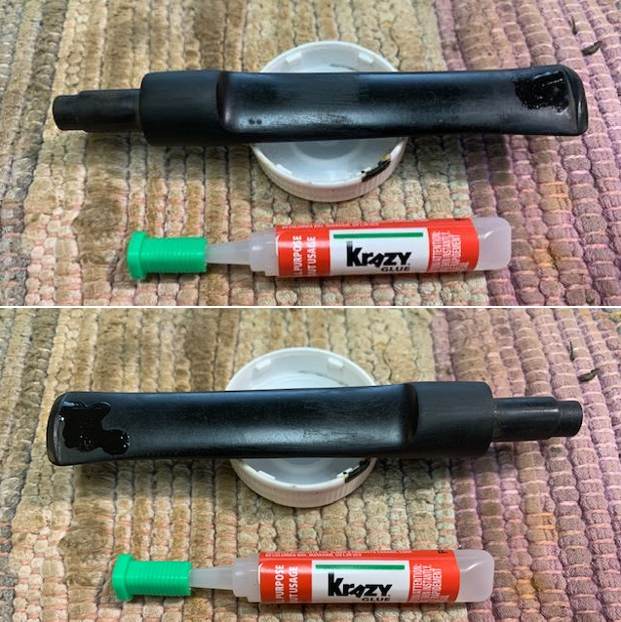
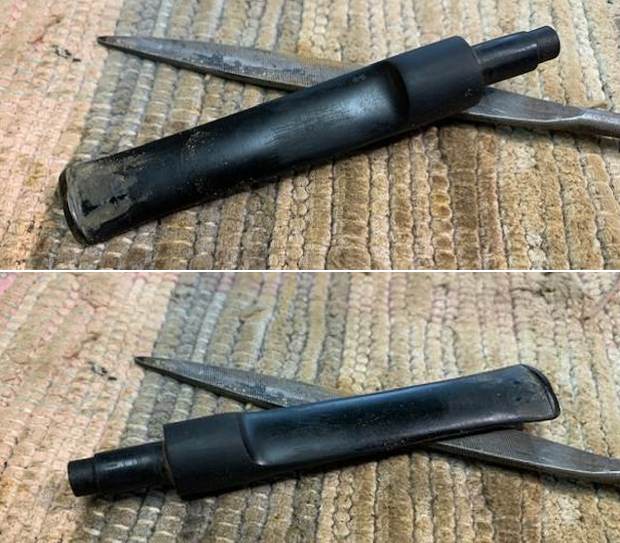
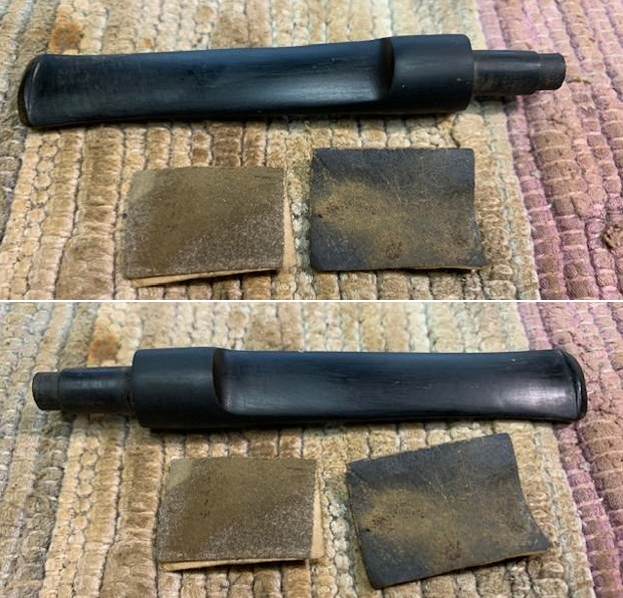
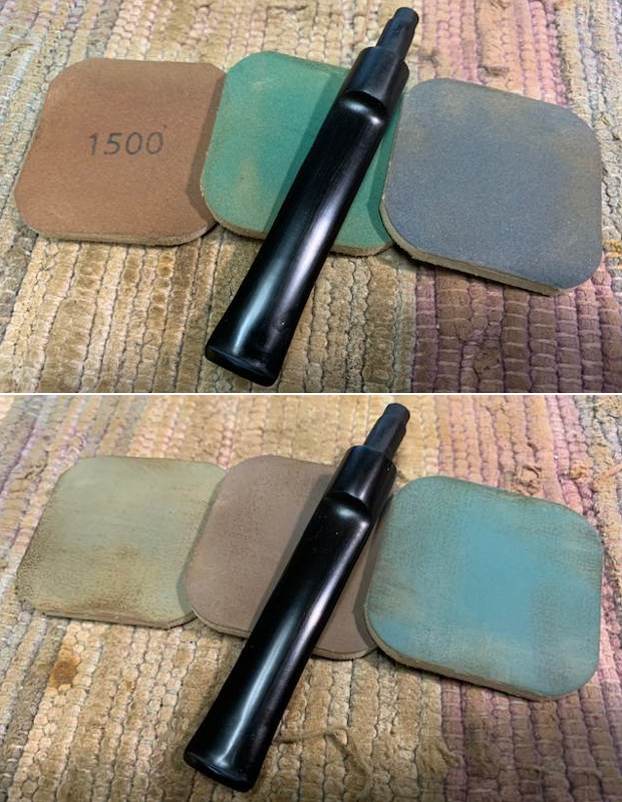
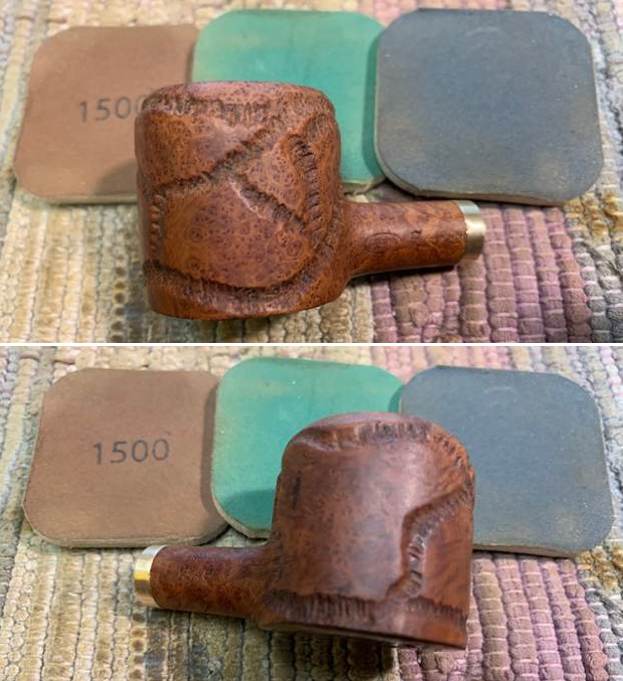
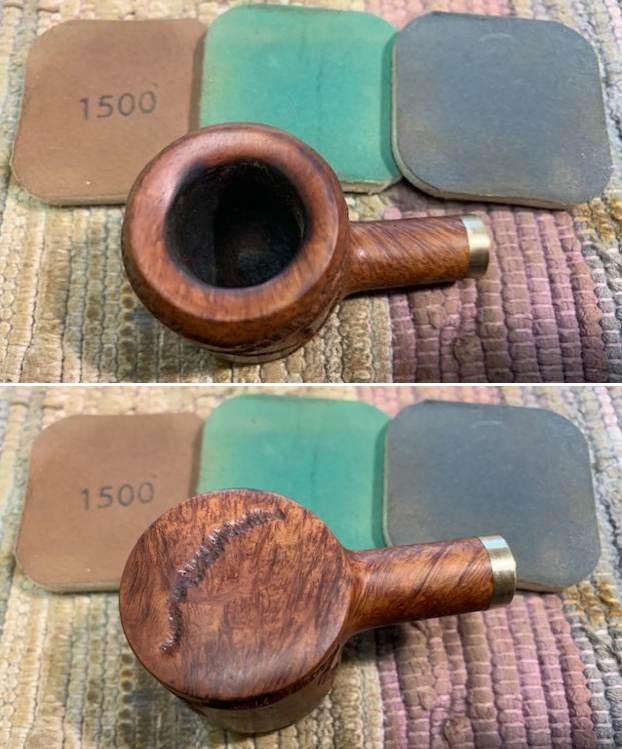
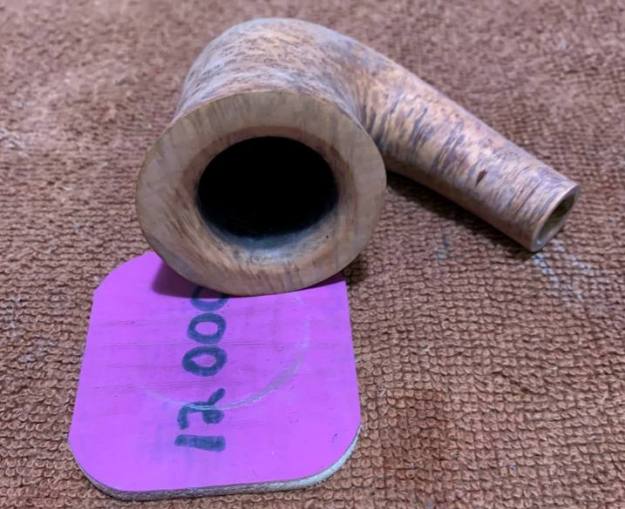
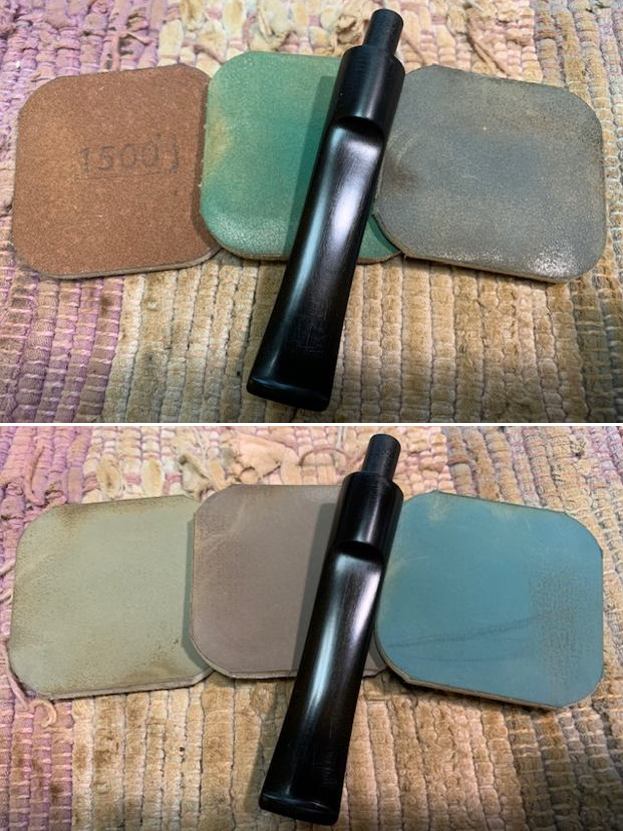
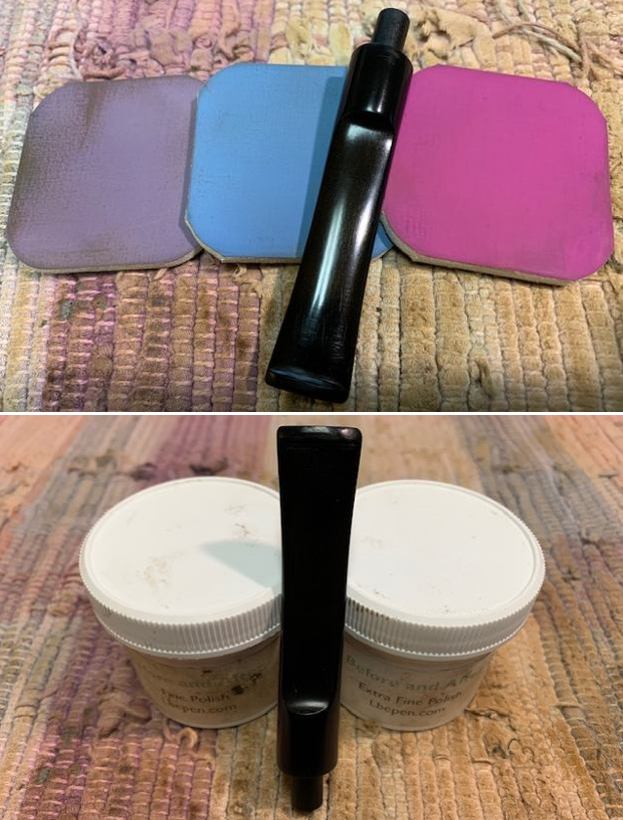
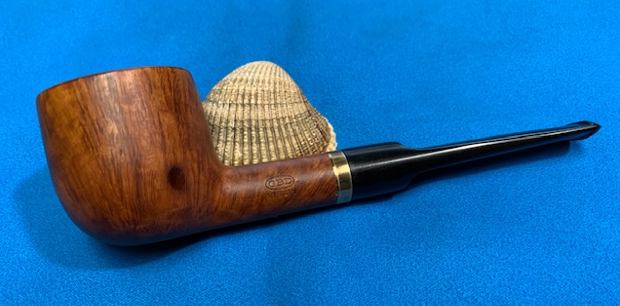
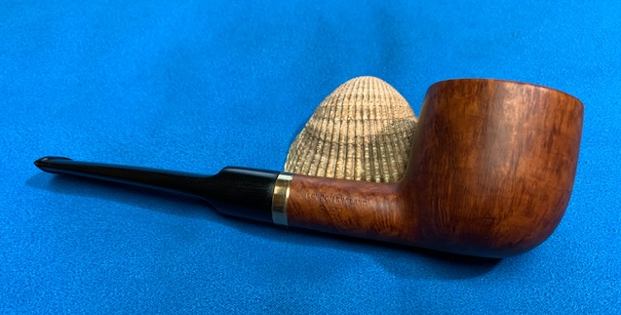
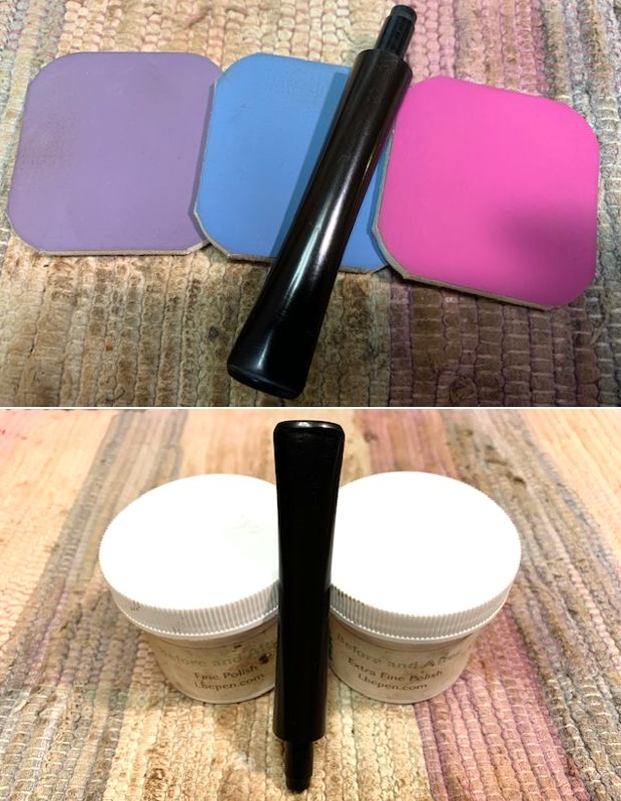
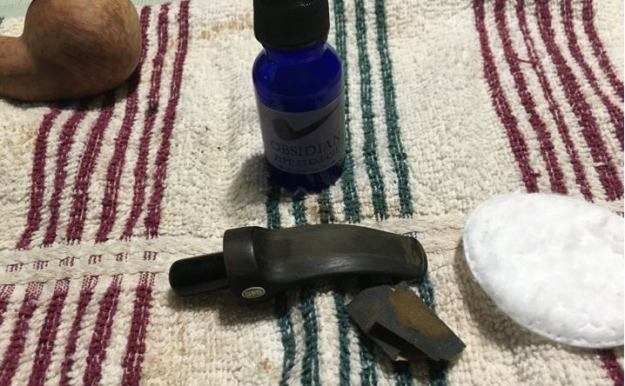
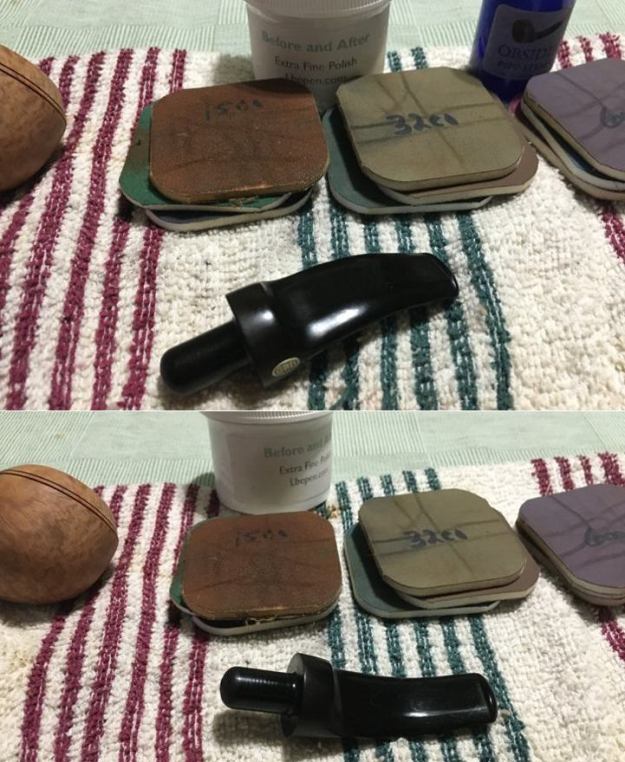
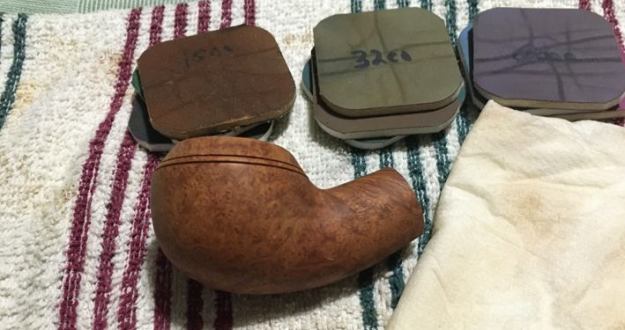
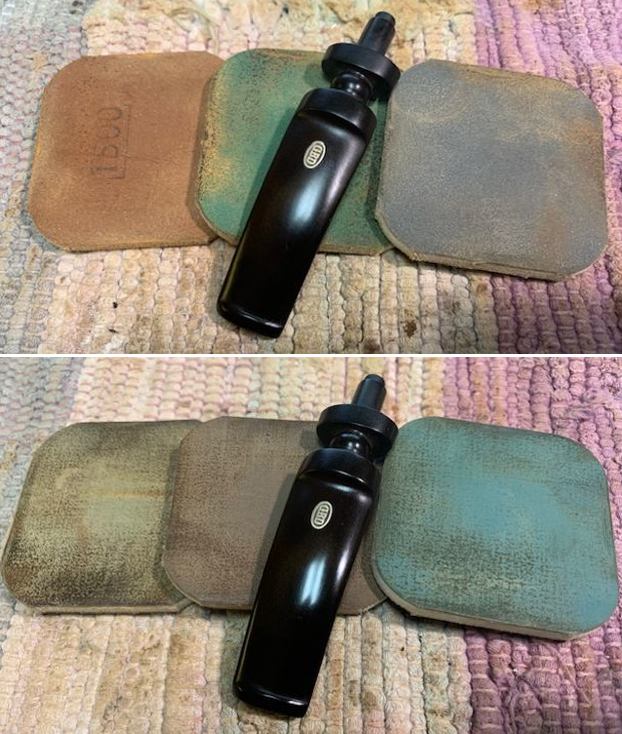
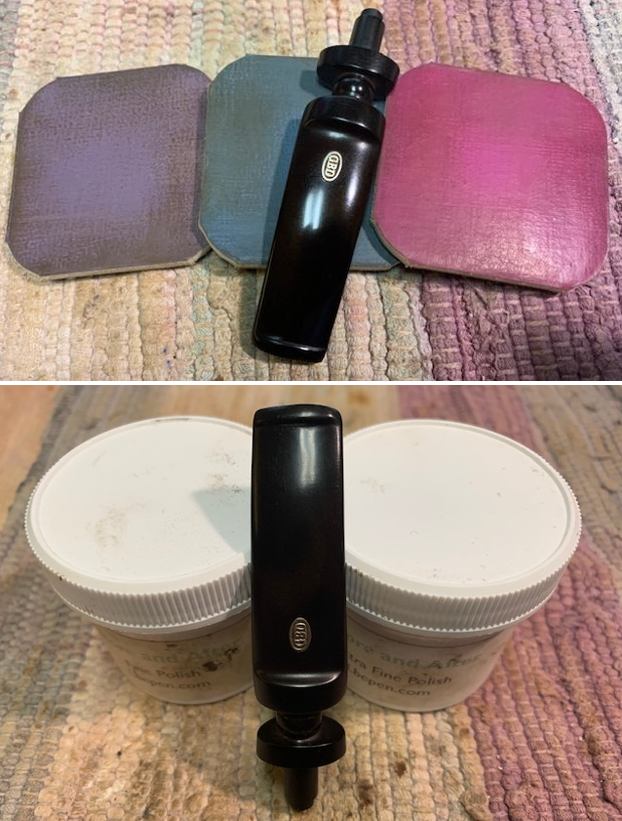
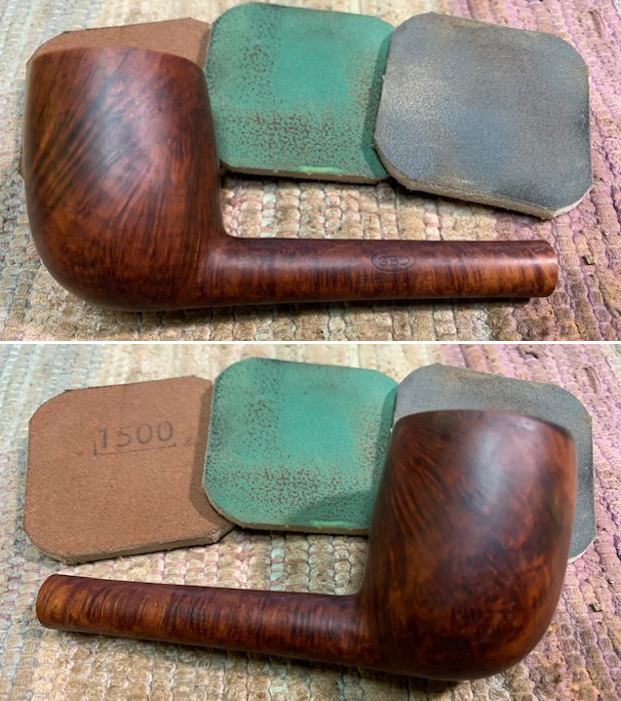
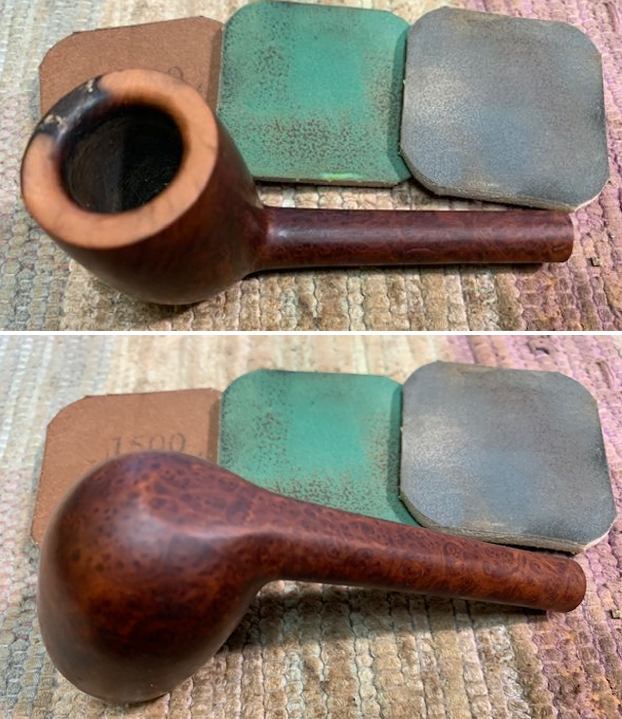
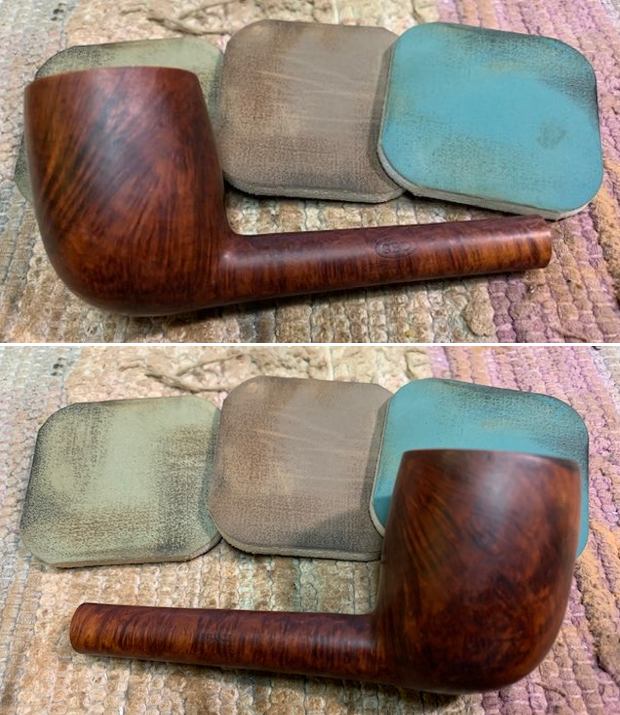
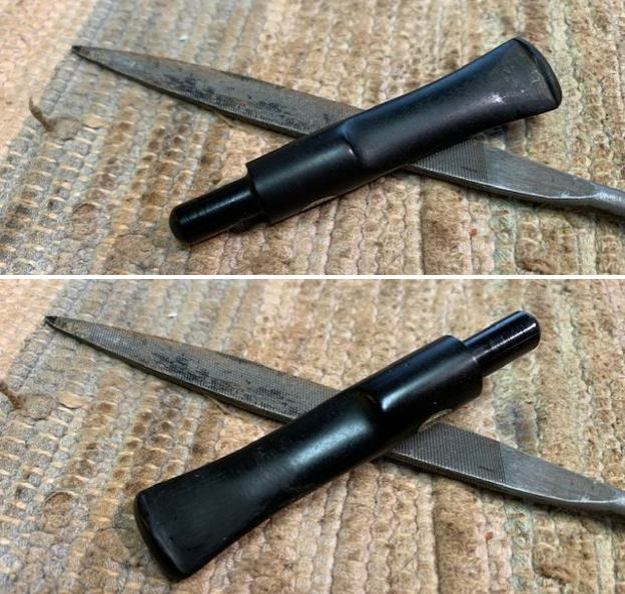
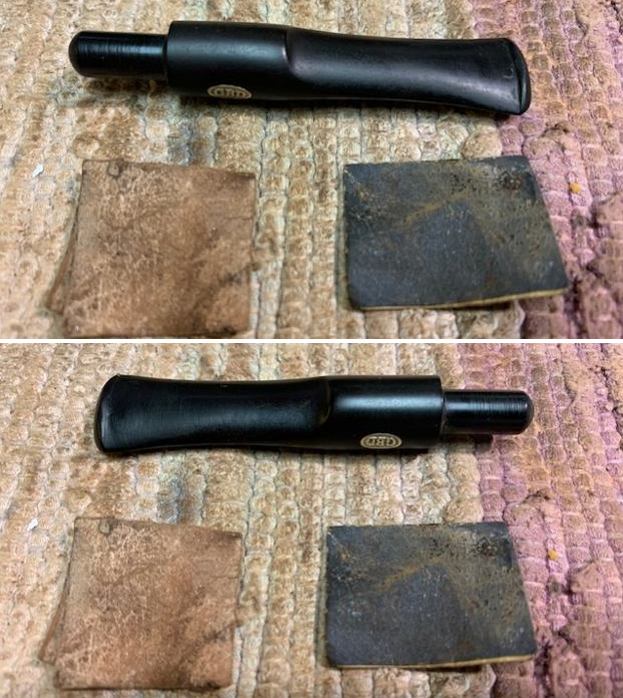
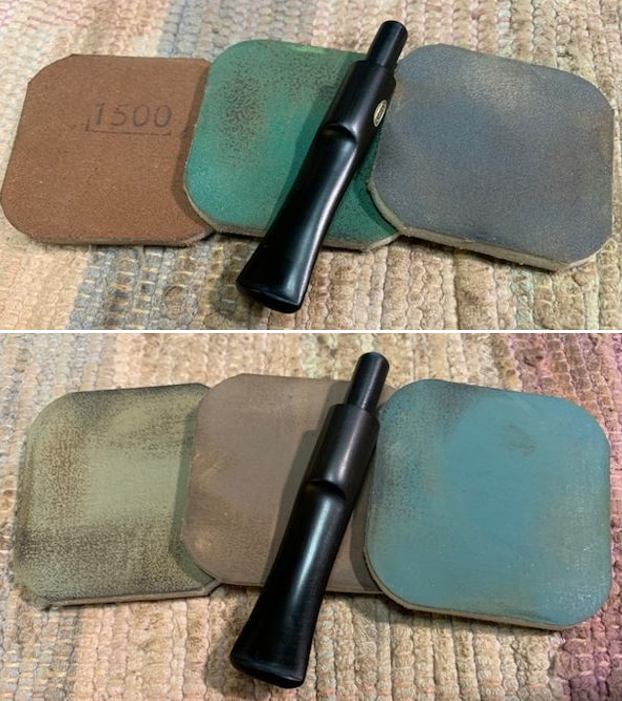
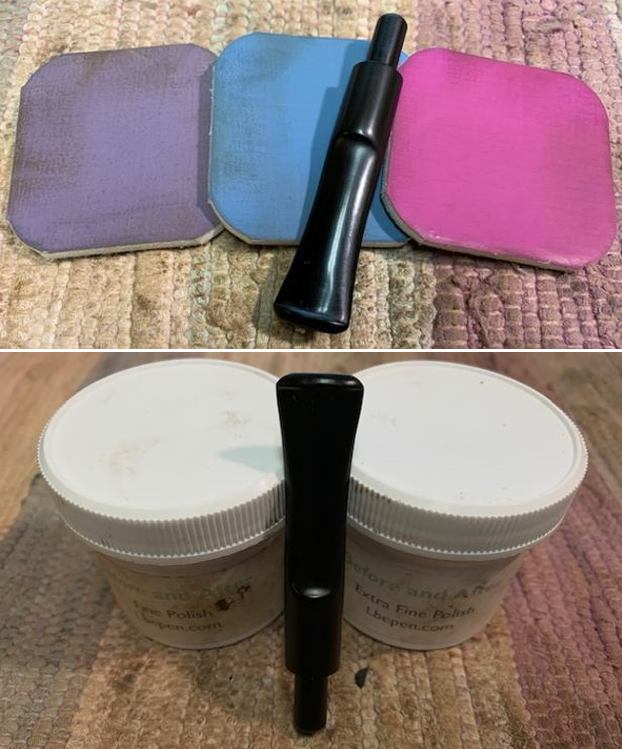
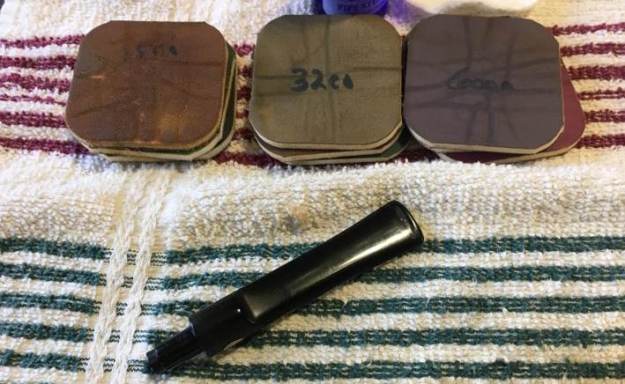
After this was done I filled the tooth chatter in with super glue. Once the clue was dry I sanded down the patch with a piece of folded 220 grit sandpaper.Once I had the patch sanded down flush to the surface of the stem, I turned to the micromesh pads. I took the stem through the progression of micromesh pads (1500-12000). I polished the stem with each pad and wiped the stem down with a cotton pad soaked in Obsidian Oil in between the use of each pad. In the last step, I polished the stem with Before and After’s Extra Fine Polish. Satisfied with the progress on the stem, I turned my attention to the stummel. I polished the briar with the progression of micromesh pads (1500-12000) wiping it i with a damp paper towel.   Once this step was done, I mixed some dye up to touch up the stain. I’m not sure if the cleaning process removed some of the old stain, but I liked the highlights that had been exposed on the ridges of the sandblast.  I decided to heighten this effect.
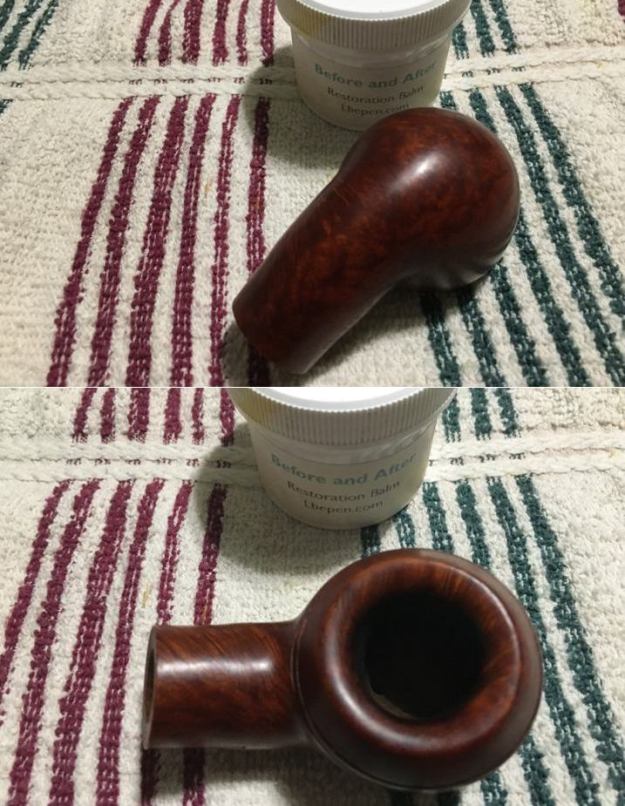
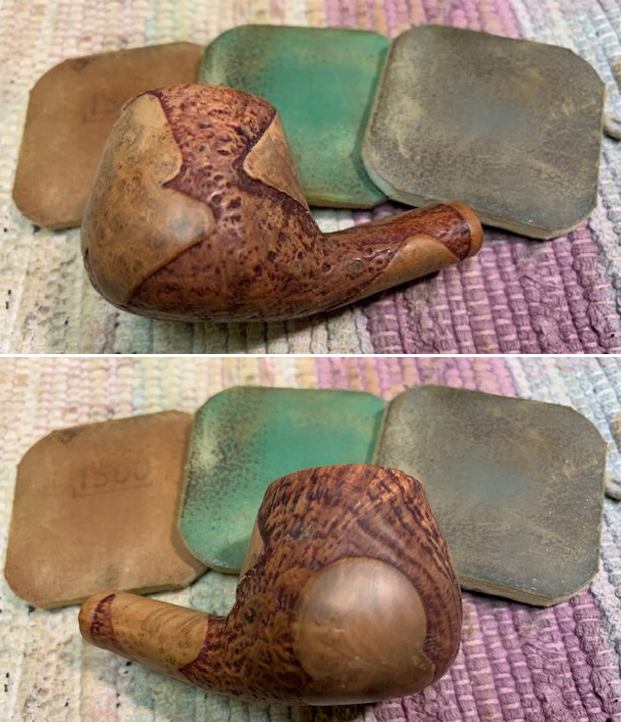
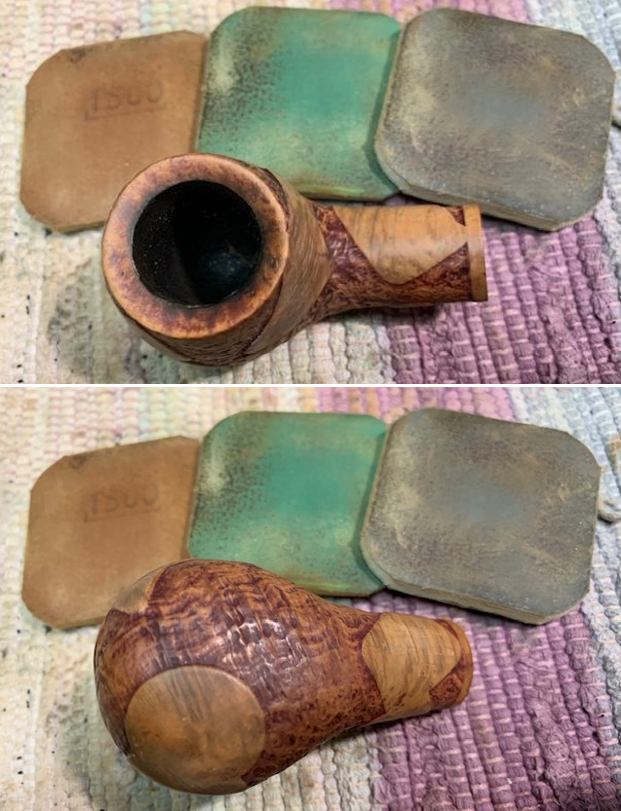
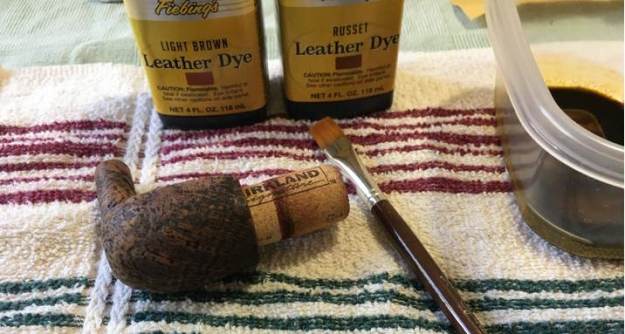
I mixed a one-to-3 ratio of Light Brown and Russet leather dye with alcohol to thin the dye down.  I like to apply the stain with a small hobby brush. I find that the brush helps me to coat the stummel evenly. Once the stain was applied, I used a small tea candle to fire the briar and set the dye.  I let the stummel sit for a couple of hours and then removed some of the excess stain with a cotton pad soaked in acetone. After removing some of the excess stain with acetone I began to polish the stummel with the micromesh pad series (1500-12000). I wiped the briar down with a damp paper towel between each pad. Once I was finished with the micro pads, I worked some Before and After Restoration Balm into the stummel. The pipe was really looking nice at this point!  I let the balm sit for about 10 minutes and then buffed the stummel with a cotton cloth. In the last step of the process, I buffed both the stummel and stem with Red Tripoli and Blue Diamond.  I then gave both several coats of Carnauba wax and buffed them with a cotton cloth.
I’m really happy how this pipe turned out, and am looking forward to loading it up and relaxing with it in the backyard. Thanks for taking the time to read this post!

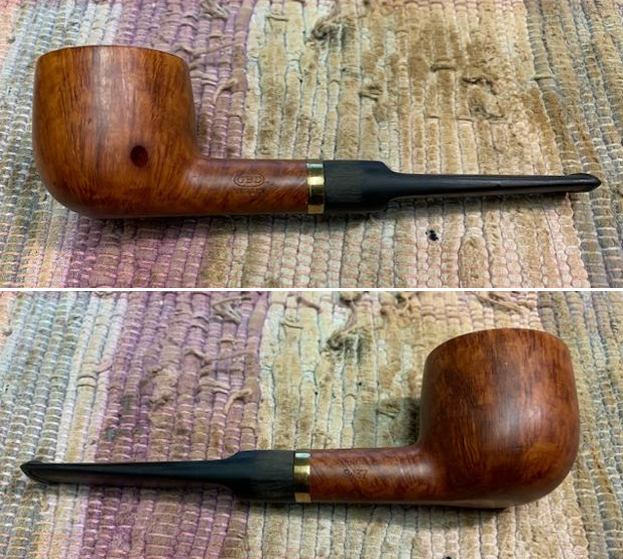
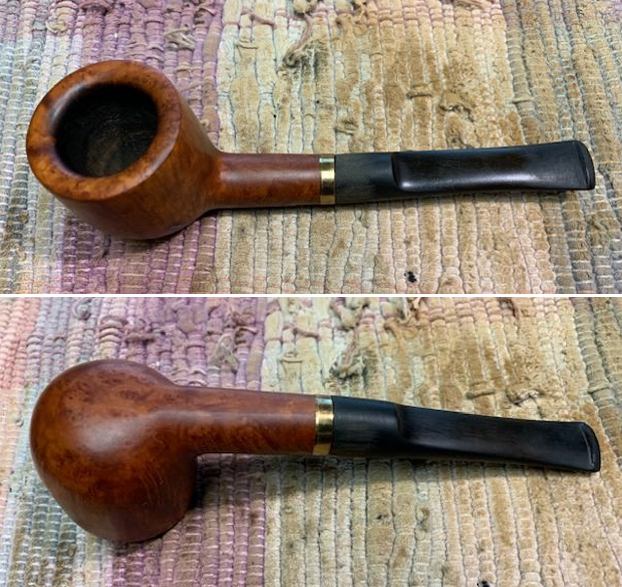
Restemming & Restoring a French Made GBD Sauvage 1345 Poker/Pot


Blog by Steve Laug

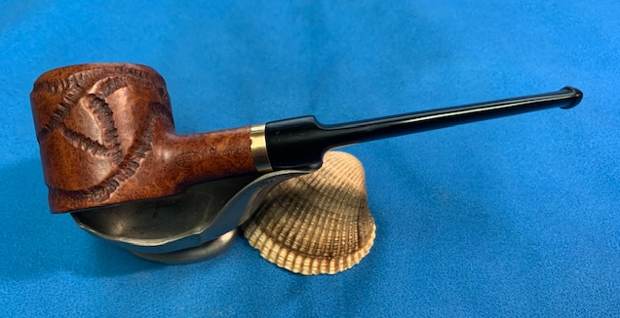
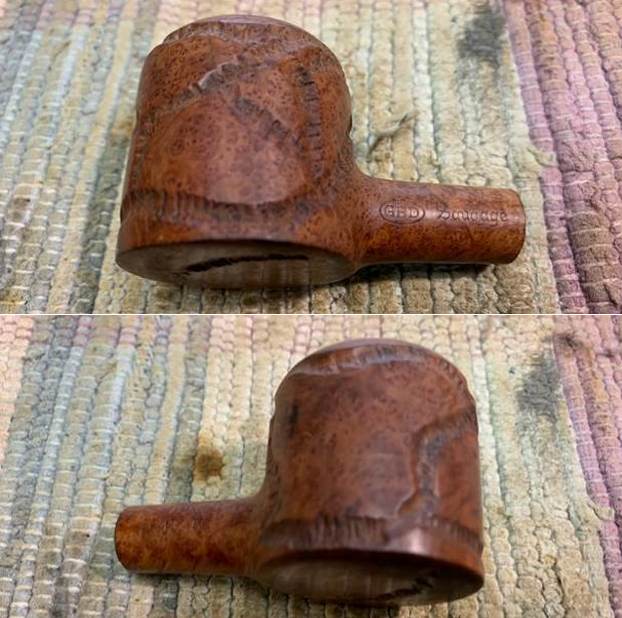
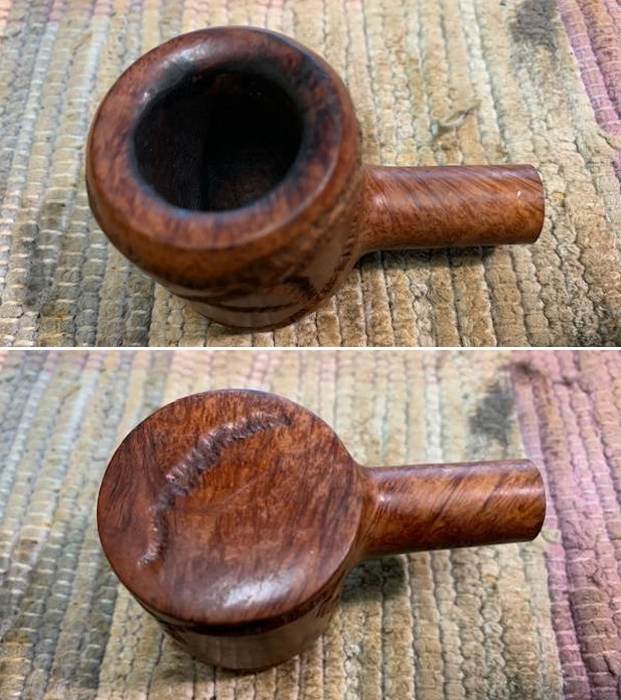
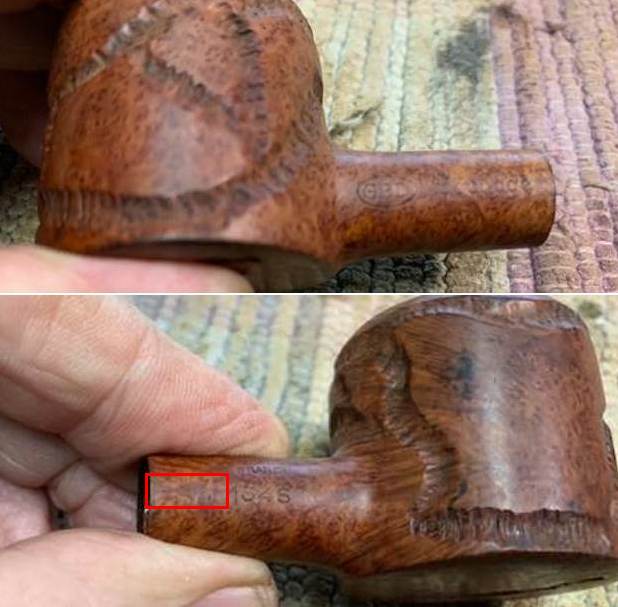
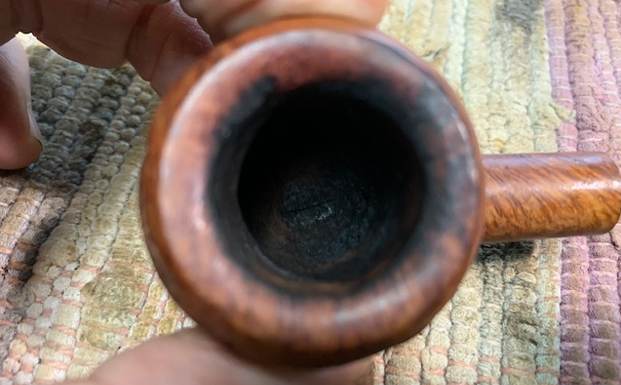
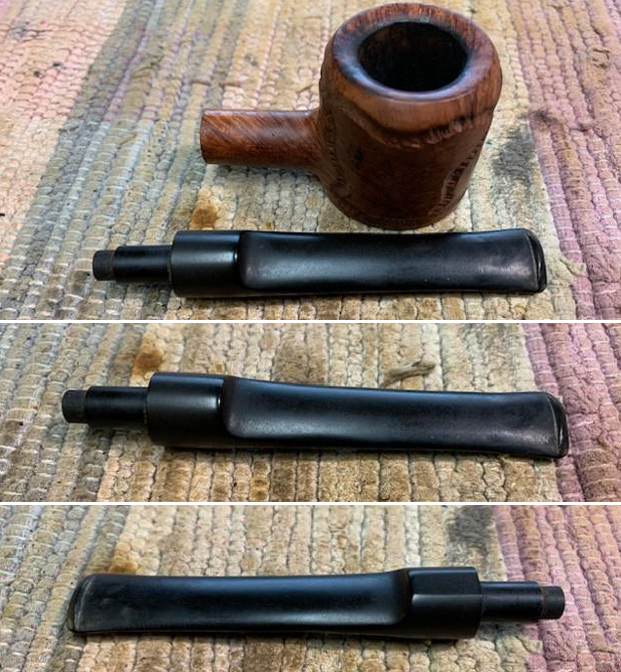
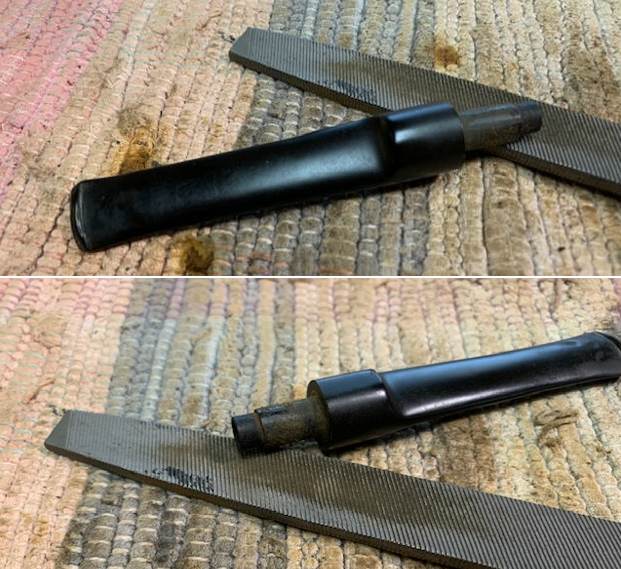
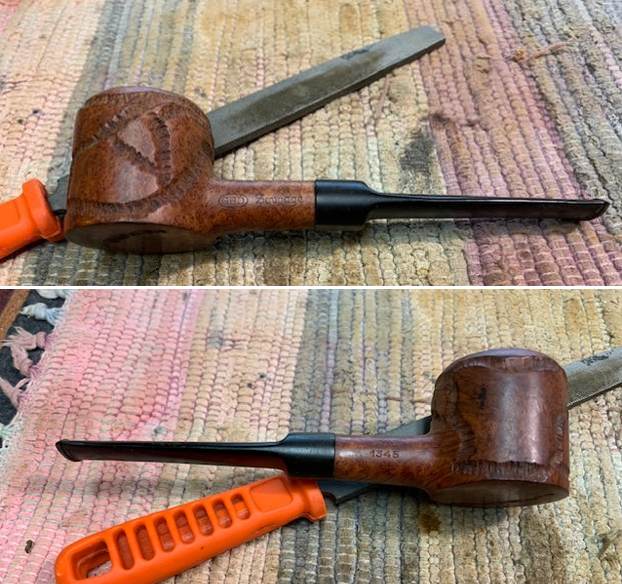
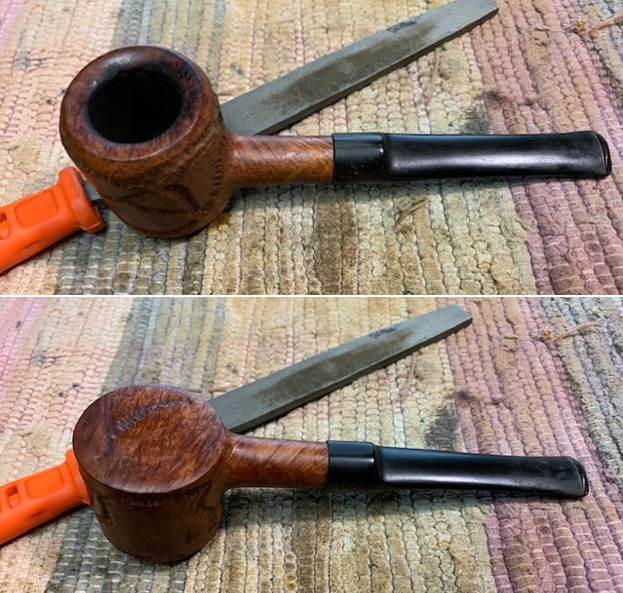
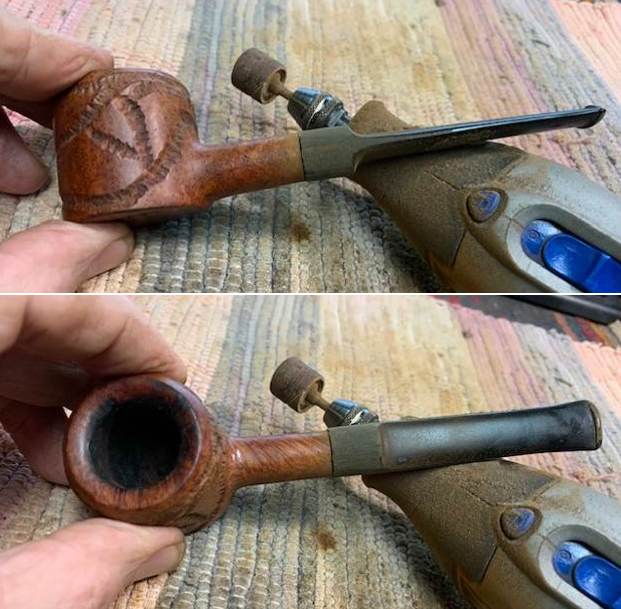
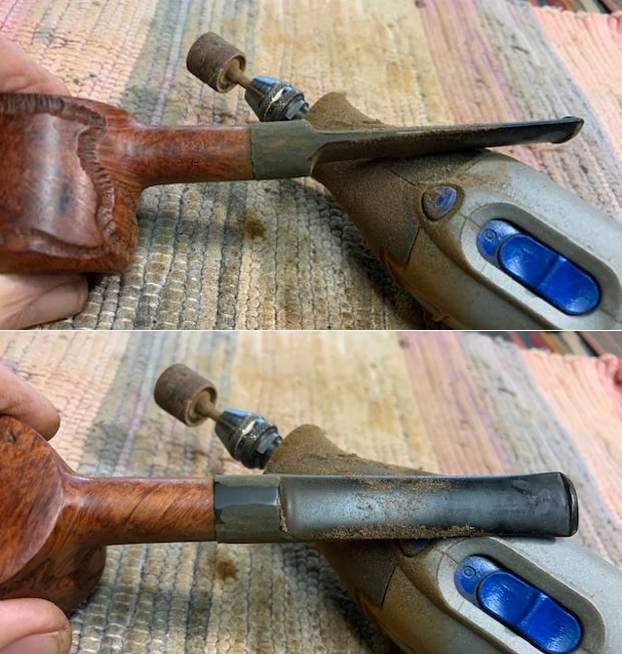
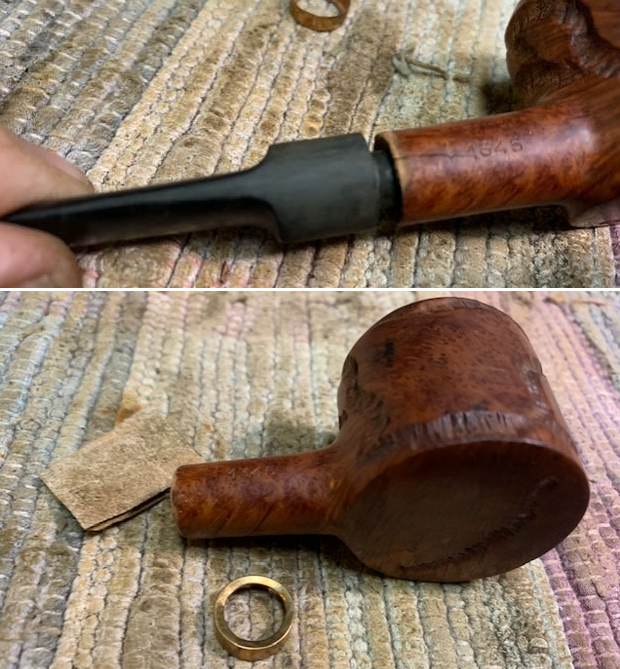
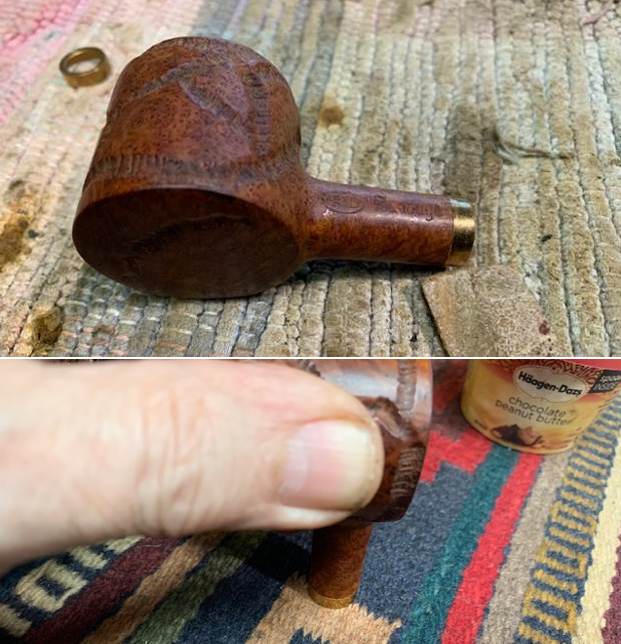
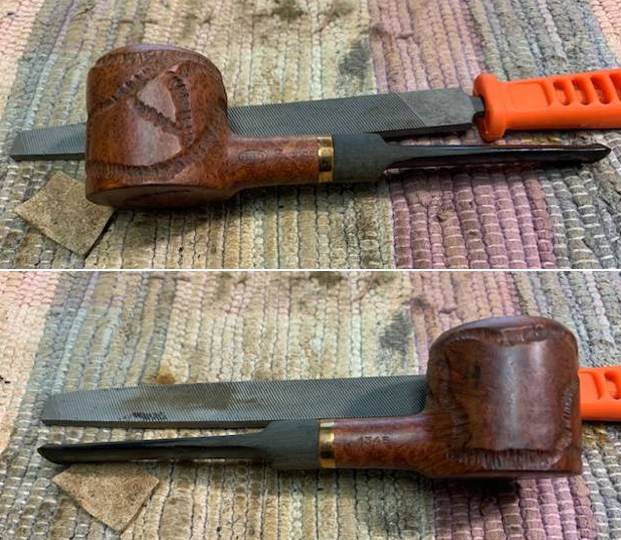
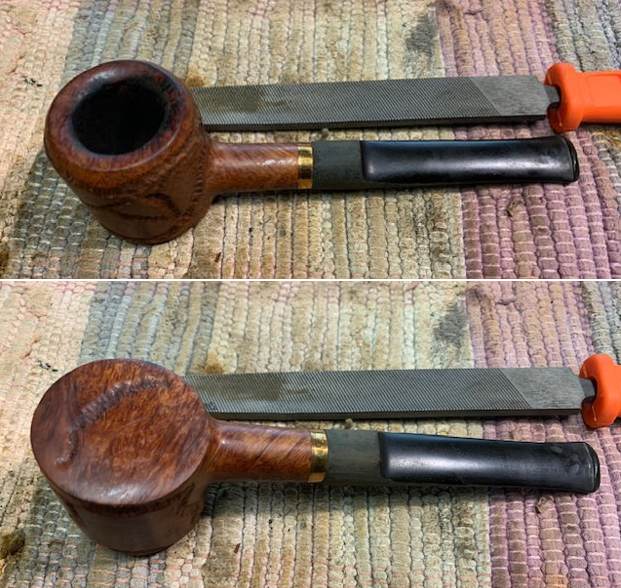
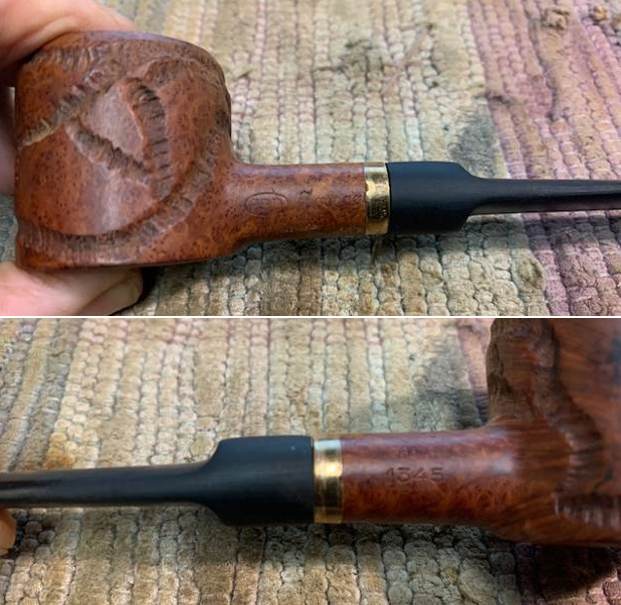
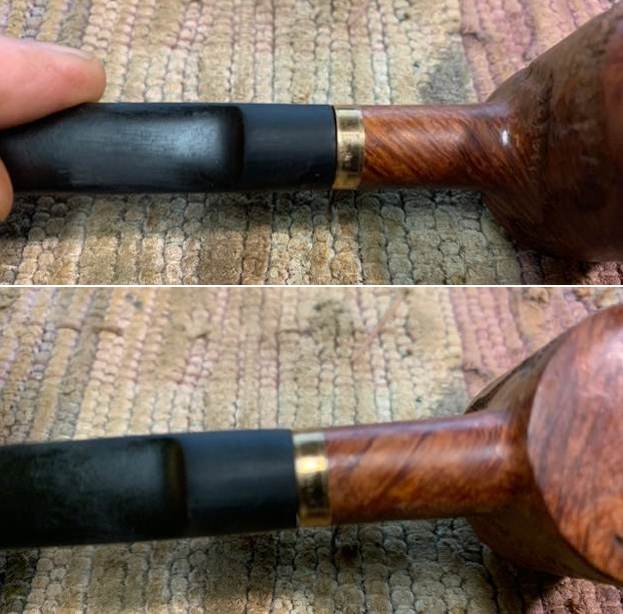
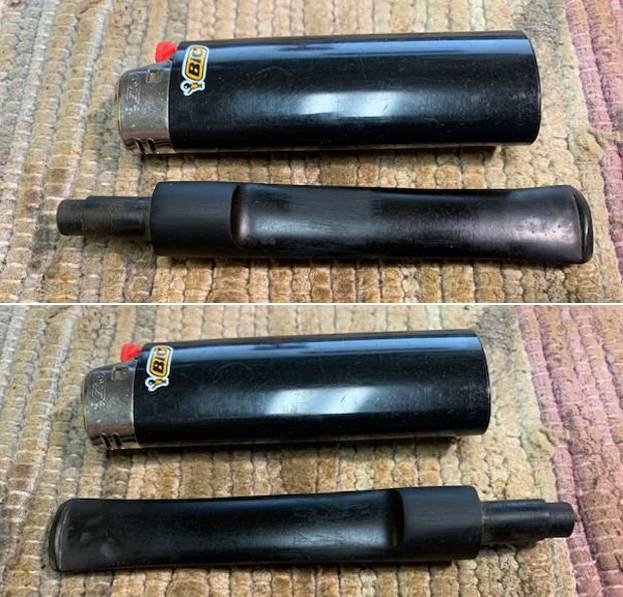
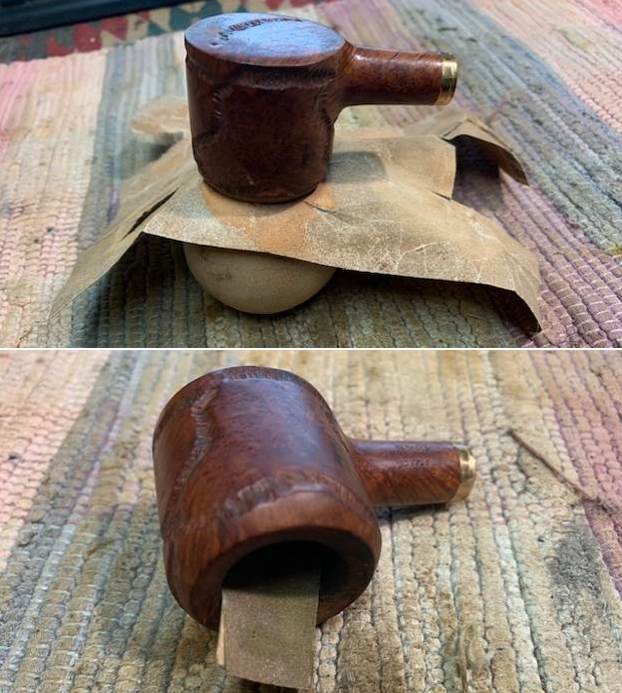
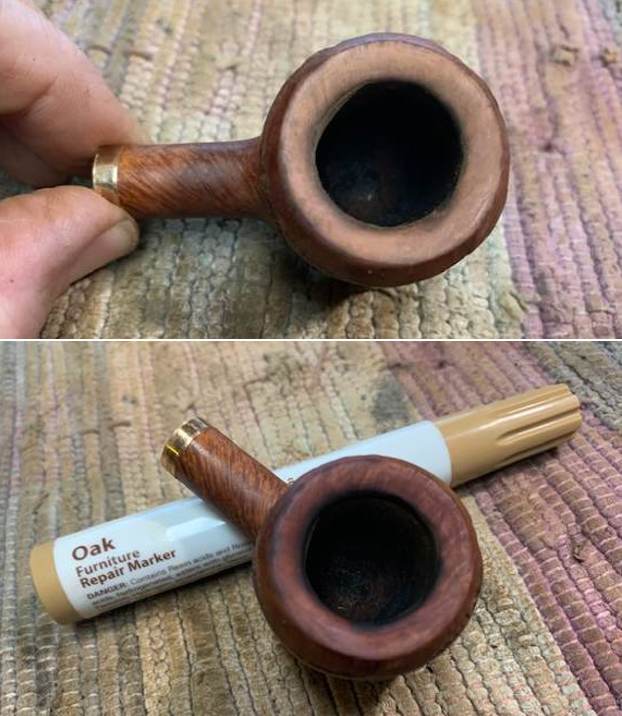
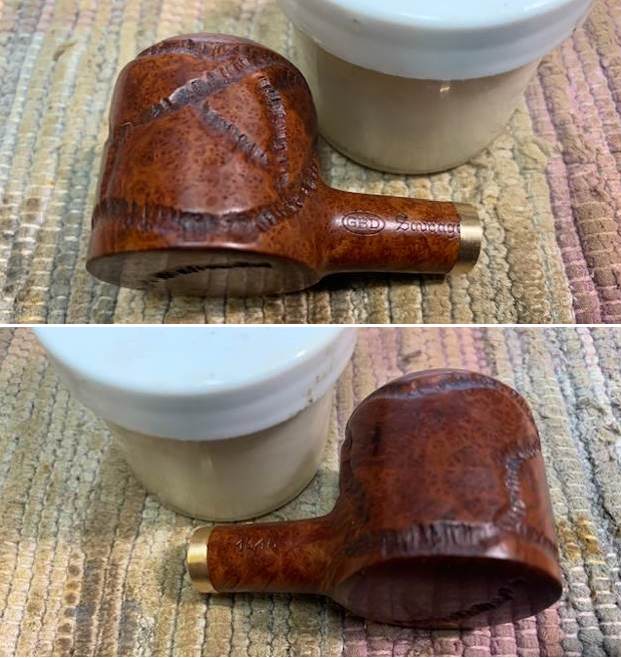
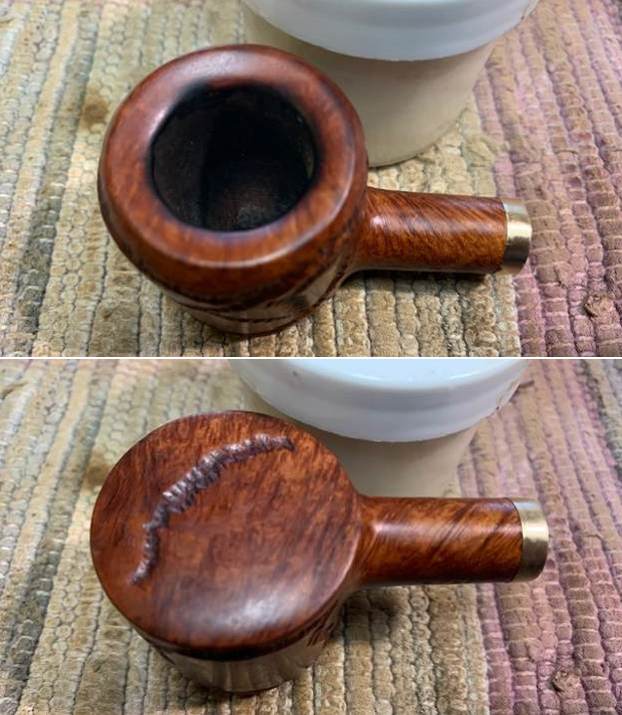
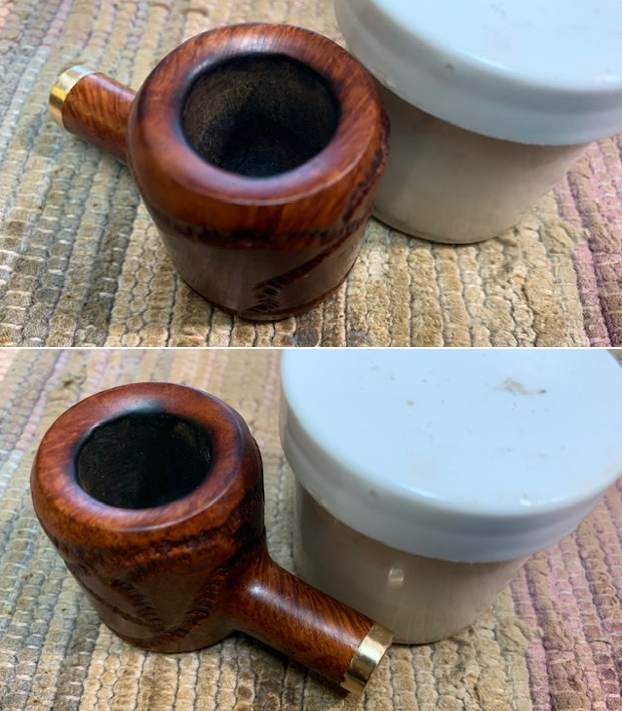
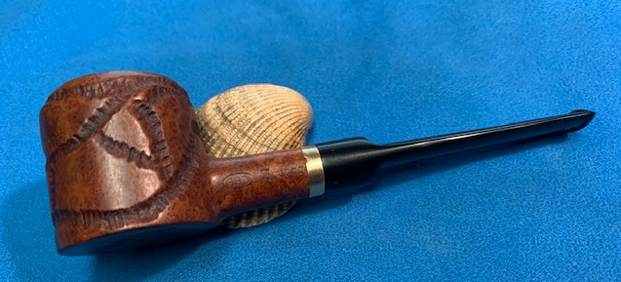
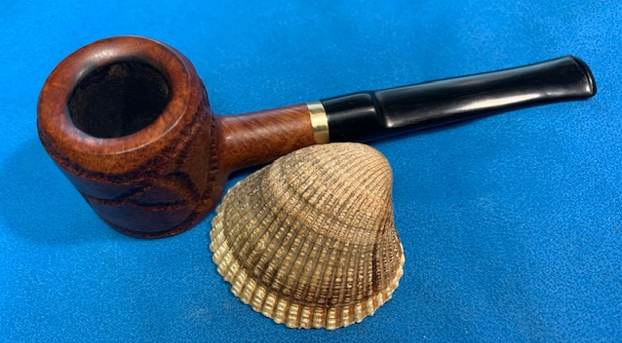
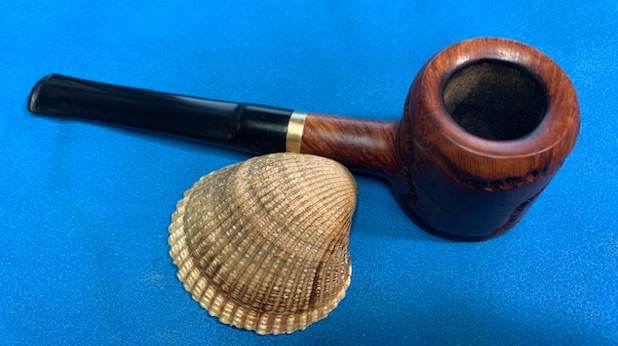
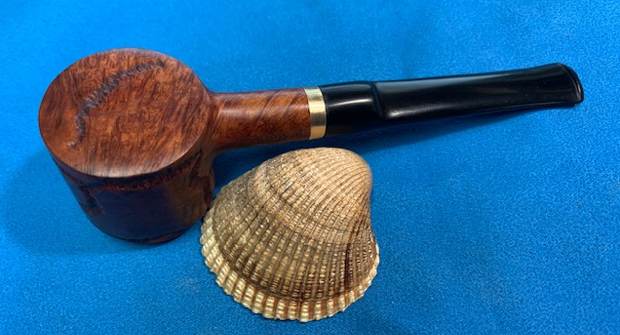
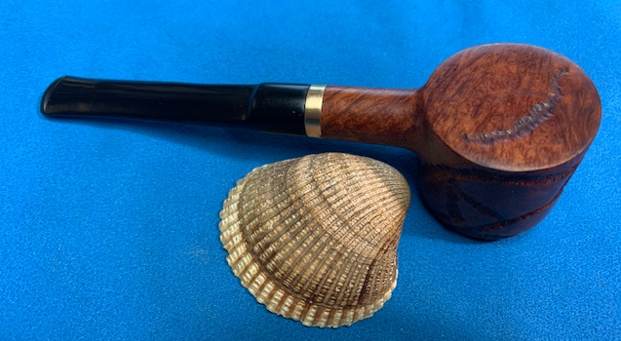
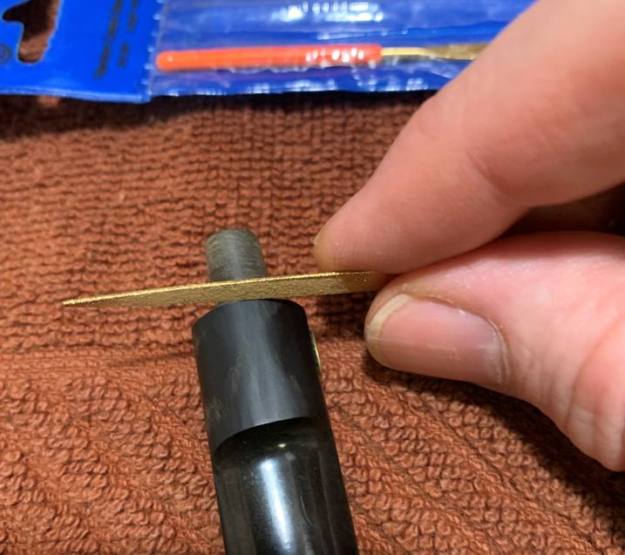
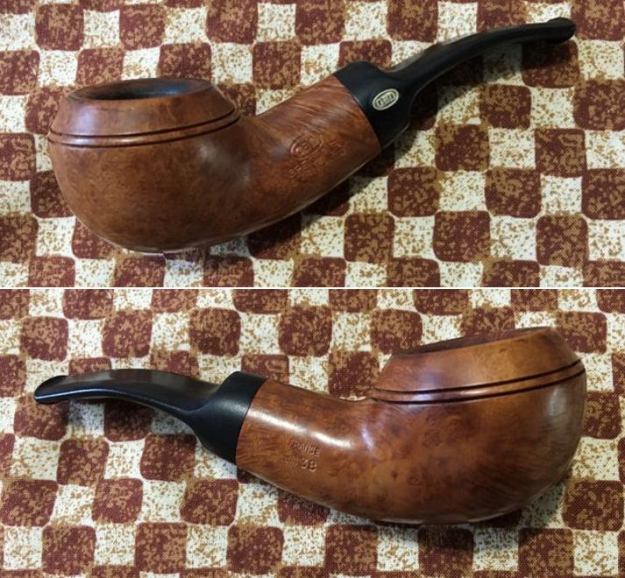
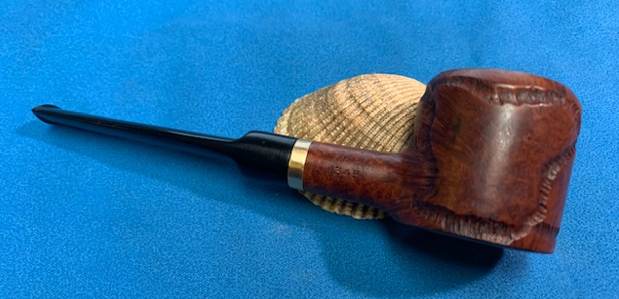
The next pipe I chose to work on was another bowl from my box of bowls to restem. It is a different looking bowl that combines both a Pot and a Poker shape. It has a inward beveled rim, flat bottom and worm trails curled around the bowl sides. When I examined the shank it had a small hairline crack on the right side that would need to be repaired but otherwise it was solid. It was unique enough I wanted to work on it. It is stamped on the left side of the shank and has a GBD oval logo next to the bowl/shank union followed by Sauvage. On the right side of the shank it is stamped FRANCE [over] the shape number 1345. The stamping was clear and readable with a lens. The bowl had been cleaned and reamed somewhere along the way by either Jeff or me. I honestly don’t remember when or where we got this bowl. It looked very good and I was looking forward to seeing the finished pipe. The stem was long gone so this would be a restemming job. I took some photos of the bowl to give a sense of the condition of bowl. The stamping was on both sides of the shank and it is clear and readable as noted above. I have also drawn a red rectangle around the area where the crack in the shank is located in the photo below.The next photo shows the rounded rim top and edges. It also shows the condition of the bowl and rim top/edges. It is clean and looks quite good. There is some burn damage on the inner edge of the bowl and on the beveled rim top at the front and the back of the bowl.Now it was time to begin my restemming work on this pipe. I went through my can of stems and chose a stem that would work. I would need to remove some the diameter of the tenon and the saddle portion to fit the thin almost pencil shank of the pipe. I used a flat file to remove the small amount of excess on the tenon. It was a close fit but I did not want to make the crack in the shank worse by a tenon that was not correct.When I had finished shaping the tenon I sanded it with a piece of 220 grit sandpaper and inserted it in the shank. It was looking pretty good. I would need to trim back some of the diameter of the saddle portion but I liked it! I generally use a Dremel and sanding drum to reduce the diameter of the stem. I do this with the stem in place on the shank so that I do not overdo it. It is a touchy exercise and one slip and I could easily damage the shank and make more work for myself. I move carefully and take it back as close as I can at this point. Once I band the shank I will need to do some more work on it but it is starting to look right. With the fit close enough it was time to band the shank. I generally do the final adjustments on the stem diameter after I have fit the band in place. I picked a band out that would fit when heated. I took a photo of the crack in the shank to show what I was working with. I sanded the shank end and gave it a slight bevel to facilitate pressing the band in place. Once it was ready I put the band on the shank. It was tight so I heated it with a lighter and when it had expanded I pressed it against the pad on my desk and pushed it all the way onto the shank. It covered the “e” on Sauvage slightly but the length of the crack defined what I needed to band it. I used some 220 grit sandpaper to once again take a little bit off the diameter of the tenon and the band compresses the crack and the diameter of the mortise changes. When I was finished I put the stem in the shank and took photos of the newly banded shank. It was going to look good once I finished shaping the stem diameter but it is very close at this point. What do you think of the new look? I finished adjusting the fit of stem diameter with 220 grit sandpaper and everything was aligned. I started the polishing with 400 grit wet dry sandpaper and the stem was looking very good at this point. Now I needed to deal with the tooth marks and chatter on the end of the stem. I “painted” them with the flame of a lighter to lift them as much as possible. I filled in the ones that remained with clear super glue. Once the glue cured I flattened out the repairs with a small flat file. I followed that by sanding the stem with 220 grit sandpaper to blend them into the surface. I started polishing the stem with 400 grit wet dry sandpaper. I polished the stem with micromesh sanding pads – wet sanding with 1500-12000 grit pads. I wiped the stem down after each sanding pad with Obsidian Oil. I polished the stem with Before & After Pipe Stem Polish – both Fine and Extra Fine and buffed it with a cotton cloth. Once I had finished the polishing I gave it final coat of Obsidian Oil and set it aside to dry. With the stem finished (other than to buff the pipe at the end)I set it aside and I turned my attention to the bowl. I used a wooden ball that Kenneth gave me with a piece of 220 grit sandpaper to clean up the bevel. I finished with a folded piece of 220 grit sandpaper to further minimize the burn damage. I touched up the stain with an Oak Stain pen to match the surrounding briar of the bowl. It looked much better at this point. I polished the briar with micromesh sanding pads – dry sanding with 1500-12000 grit pads. I wiped the bowl down after each pad with a damp cloth to remove the sanding debris left behind. I rubbed the bowl and shank down with Before & After Restoration Balm. I worked it into the surface of the smooth and worm trails on the bowl and shank with my fingertips to clean, enliven and protect the briar. I let the balm sit for a little while and then buffed with a cotton cloth to raise the shine. The Balm did its magic and the grain really took on dimension and colour. I am excited to be on the homestretch with this petite French Made GBD Sauvage 1345 Poker/Pot. This is the part I look forward to when it all comes back together, polished and waxed. I put the bowl and the new stem together and polished the stem and bowl with Blue Diamond to polish out the scratches in the vulcanite and give a light shine to the bowl. I gave the bowl and the stem multiple coats of carnauba wax. I buffed the pipe with a clean buffing pad to raise the shine. I hand buffed it with a microfiber cloth to deepen the shine. The pipe polished up pretty nicely. The worm trail carving on the bowl actually looks okay with the rest of the smooth finish. The banded shank and new polished black saddle vulcanite stem works well with this little sitter. This GBD Sauvage Poker/Pot was another fun pipe to work on and came out looking great. It is a comfortable sized pipe to hold in the hand. The finished pipe is shown in the photos below. The dimensions of the pipe are Length: 5 ¾ inches, Height: 1 ½ inches, Outside diameter of the bowl: 1 ½ inches, Chamber diameter: ¾ of an inch. The weight of the pipe is 33 grams/1.16 ounces. If you are interested in adding this pipe to your rack it will be on the rebornpipes store in the French Pipemakers Section soon. Thanks for reading this blog and my reflections on the pipe while I worked on it.

A Labour of Love


Blog by Kenneth Lieblich

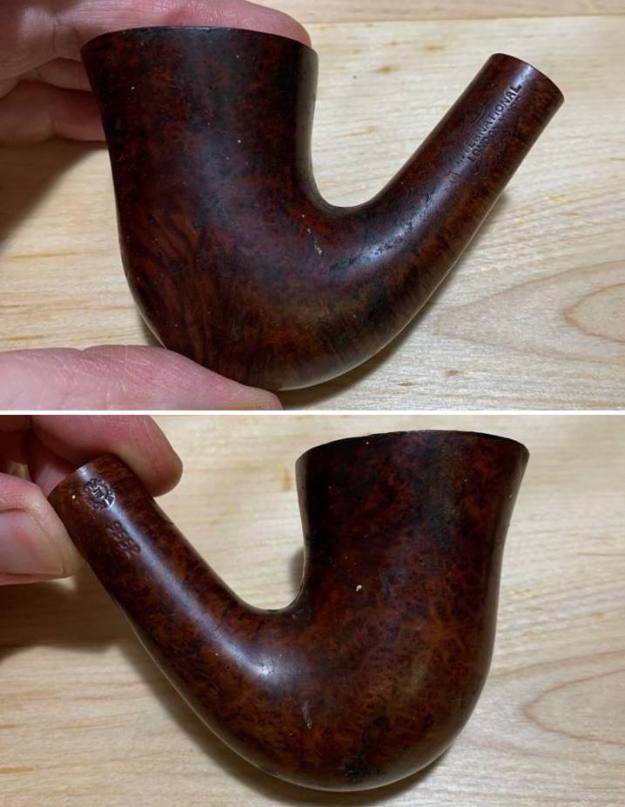
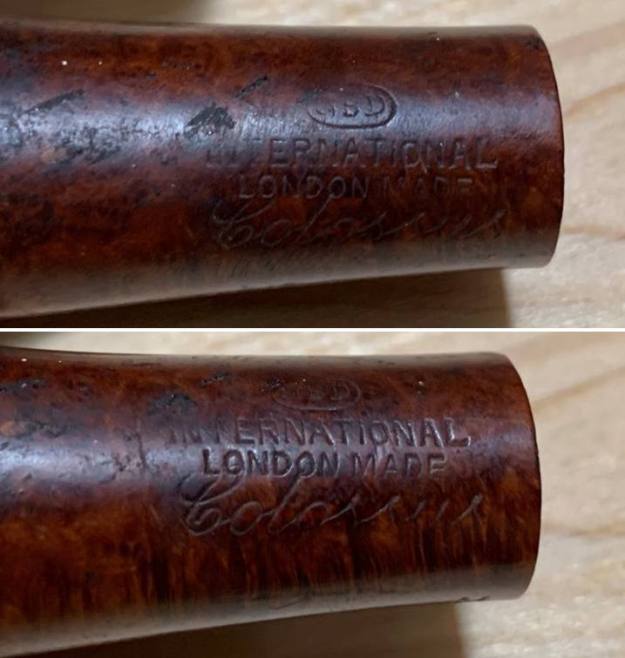
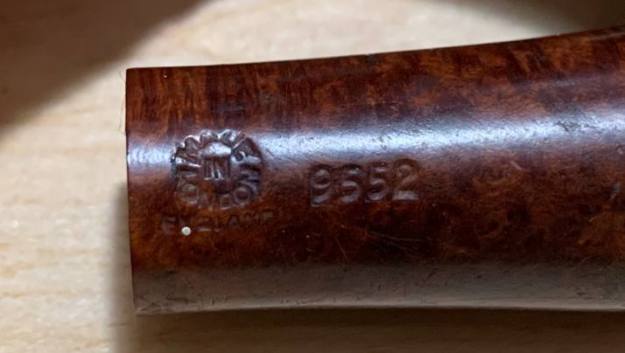
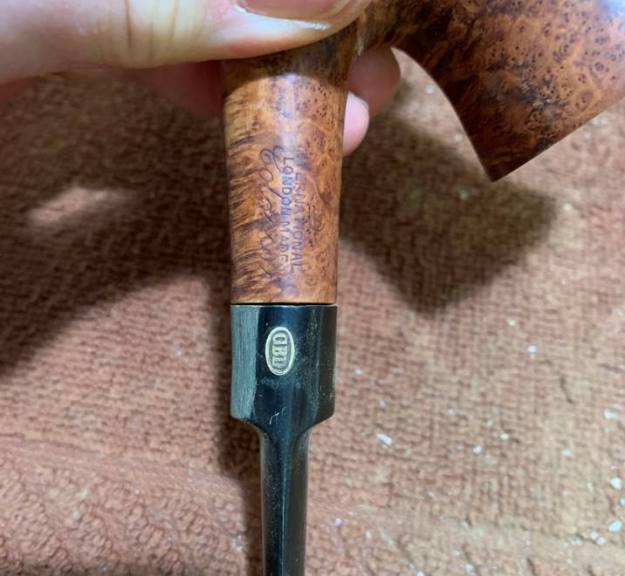
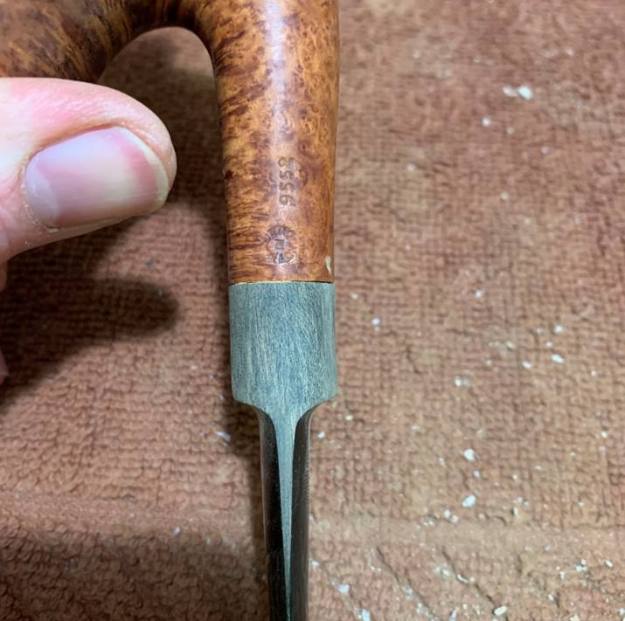
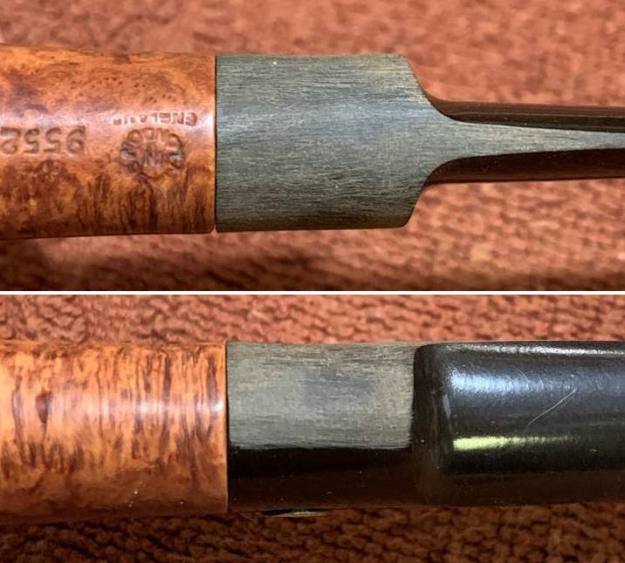
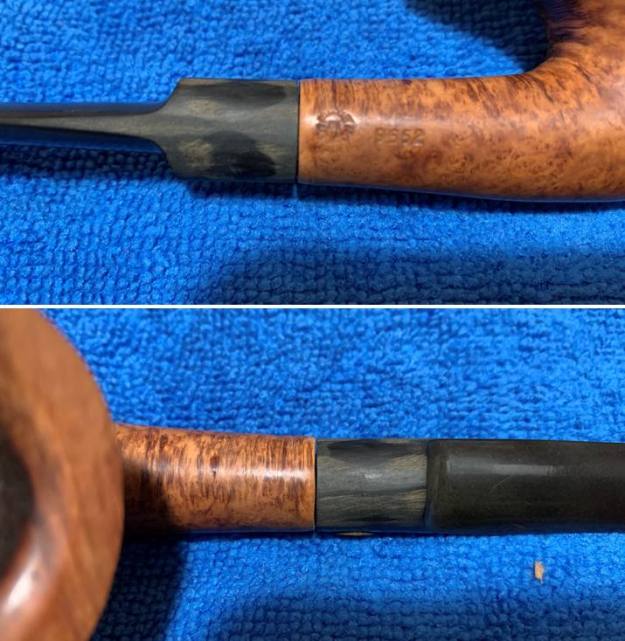
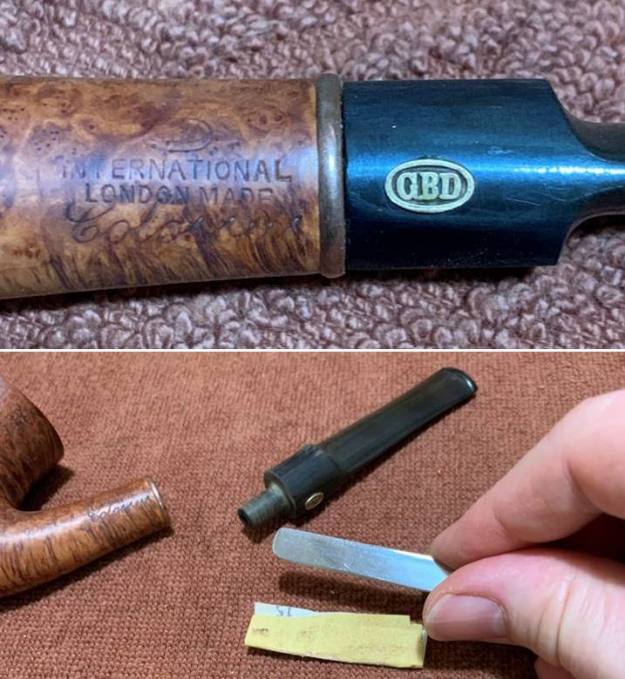
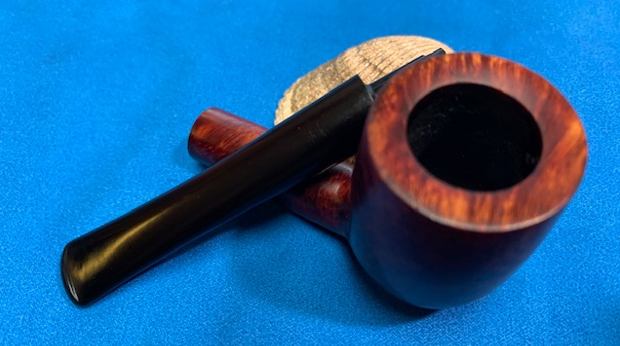
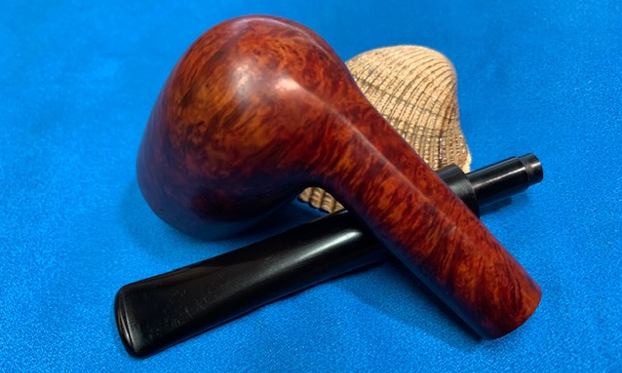
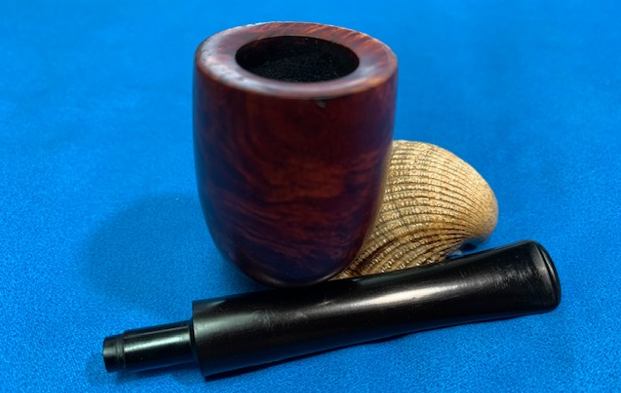
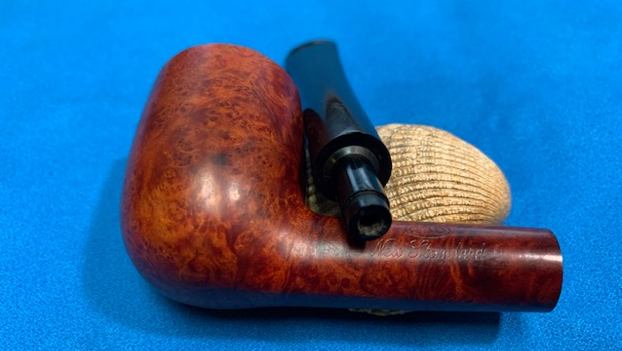
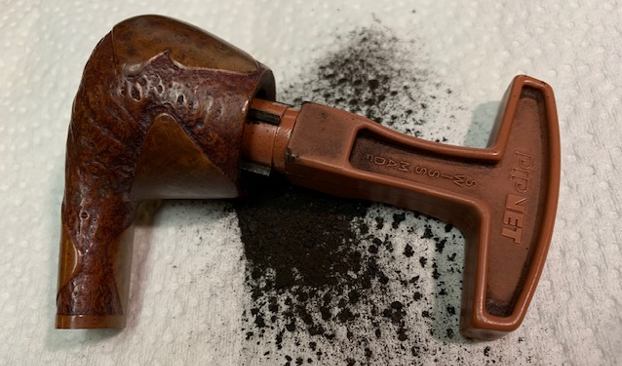
Next on the chopping block is the very first GBD I have had the pleasure of restoring. I titled this story A Labour of Love because the work involved was far more than I could have imagined for such a beautiful pipe. The pipe is a GBD Colossus and I acquired it in a group of pipes I purchased from a fellow in the Eastern US. It was definitely a mixed bag of very good and very bad. Some pipes were destroyed beyond repair, some pipes were filthy but repairable, some stems were missing their stummels, and some stummels were missing their stems. This was one of those – a stummel without a stem. Makes it a bit tricky to smoke, methinks. This pipe is a calabash-shaped GBD Colossus. As the photos show, it is stamped on the left side of the shank with GBD [over] International [over] London Made [over] Colossus. On the right side it is stamped Made in London [over] England [next to] 9552 – this, of course, is the shape number. There is quite a bit of information on GBD on the Internet – they have a long and storied history in pipemaking. In this case, I was curious about International and Colossus. The main Pipepedia article on GBD tells us about their origins:

In 1850 three gentlemen got together in Paris to establish a firm dedicated to the fabrication of Meerschaum pipes – a courageous step in politically restless times. Ganneval probably came from the area of Saint-Claude where he had learned making wooden pipes. Bondier’s family obviously came from Paris and had emigrated in 1789 to Geneva. He himself had worked as a wood turner in the clay and china pipe industry in and around Saint-Claude making stem extensions etc. Donninger was an Austrian or Swiss and had worked in Vienna, the world’s center of the Meerschaum pipe. They agreed on the acronym GBD selecting the initials of their surnames.

The Pipedia article provides a lot more information on their interesting history. I would encourage you to read on here. The shape number 9552 corresponds correctly with GBD’s identification of this pipe as a calabash. The page on GBD models states the following concerning the International line and the Colossus size:

International – France and England made: medium brown smooth, carved top rim, rim stained black. In addition to the pipe line and shape information stamped on the pipe, GBD also had codes for plus sized pipes. These codes in ascending order of size were Conquest, Collector, Colossus.

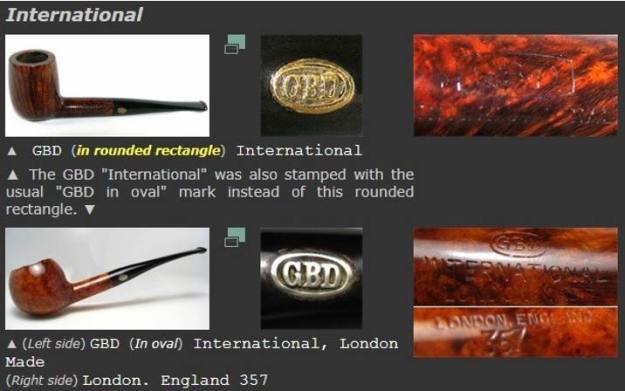
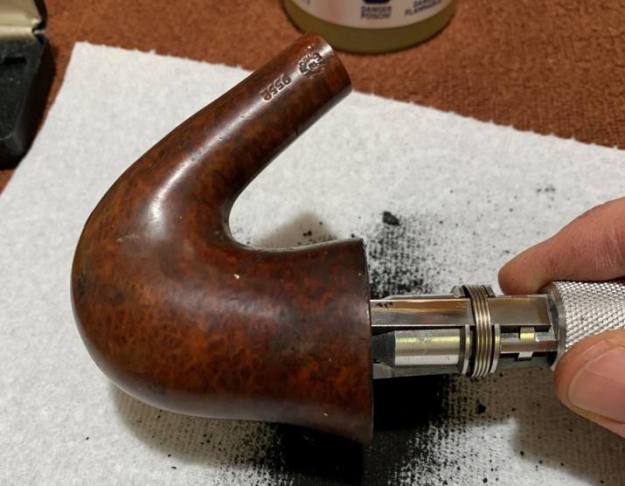
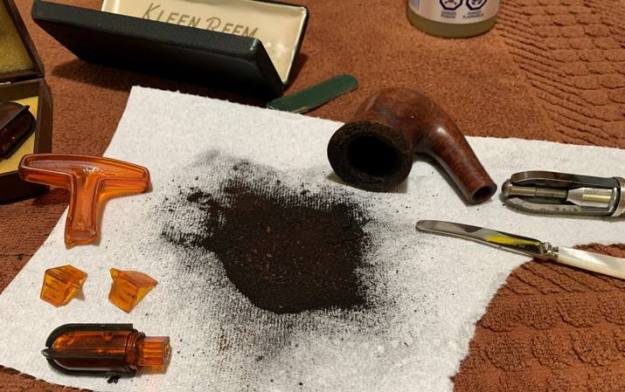
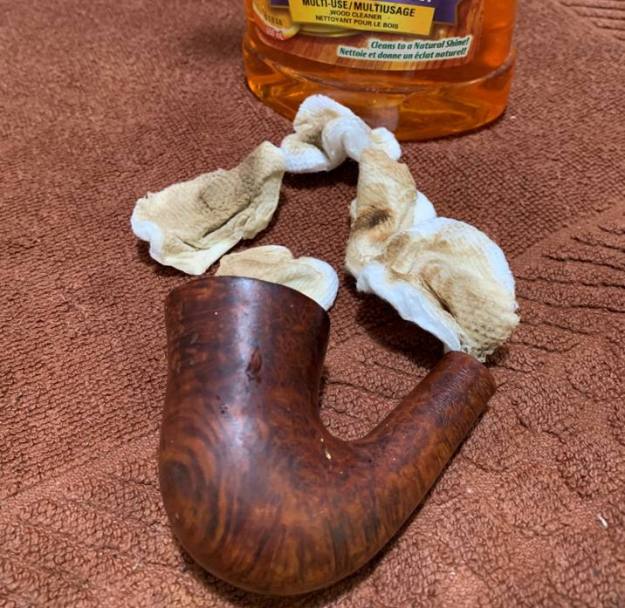
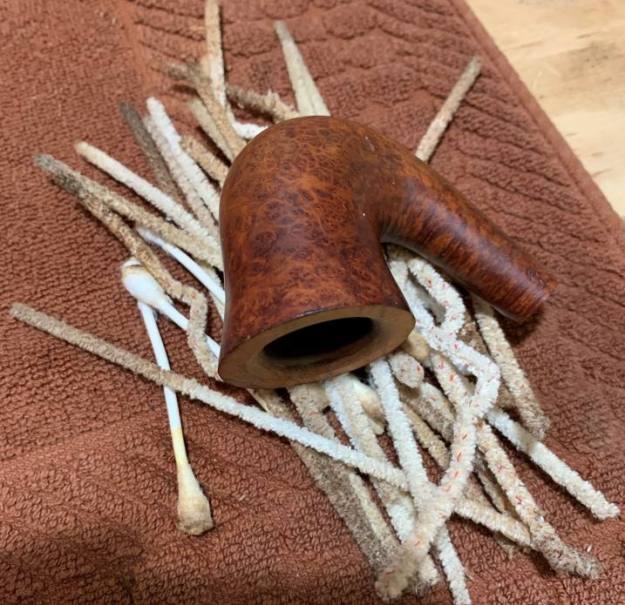
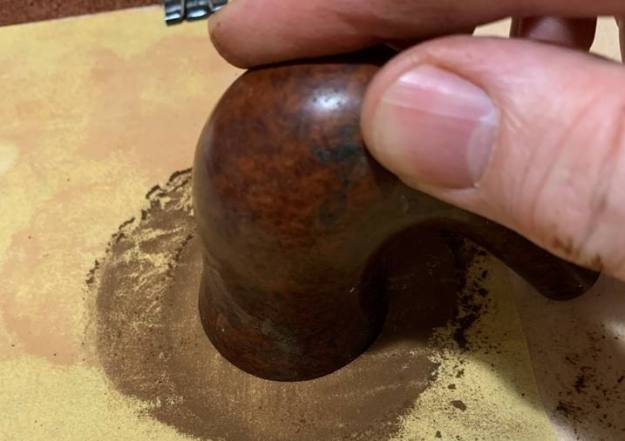
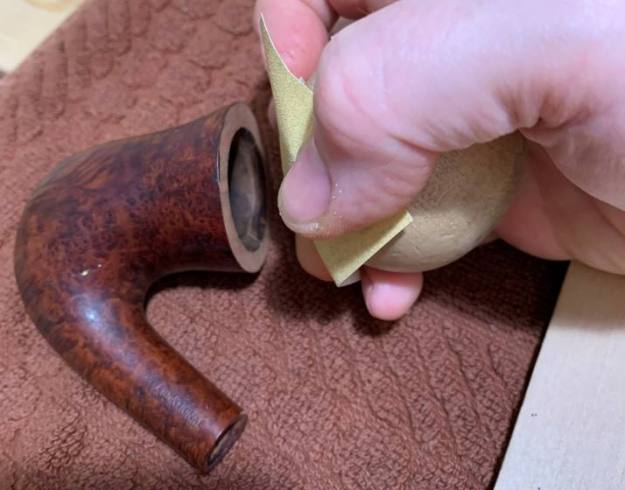
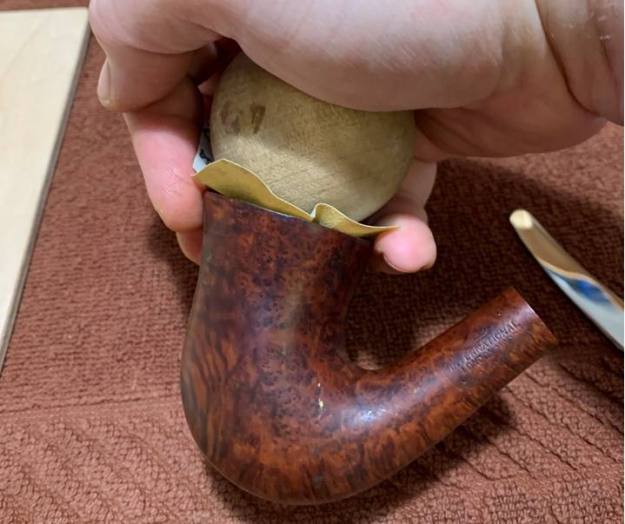
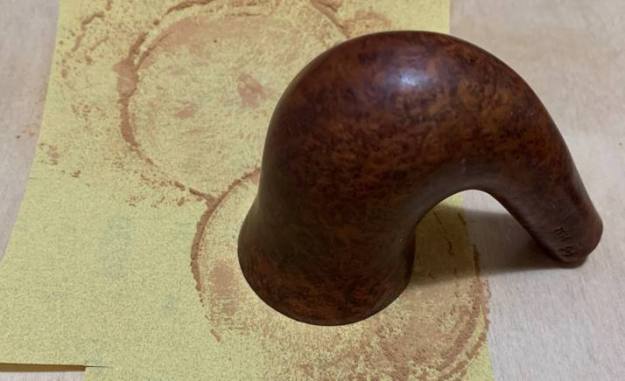
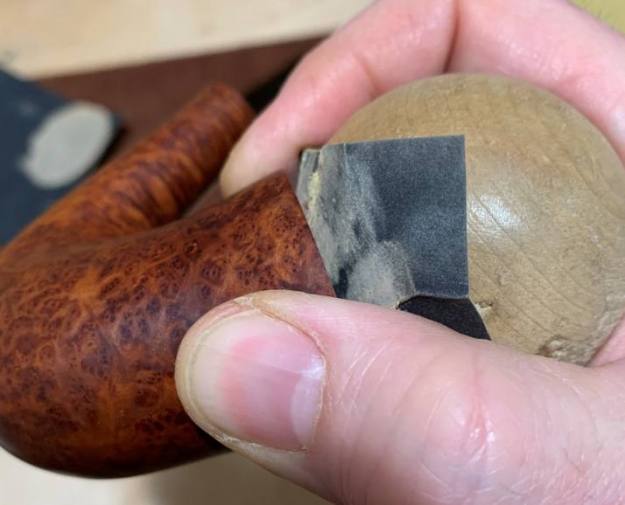
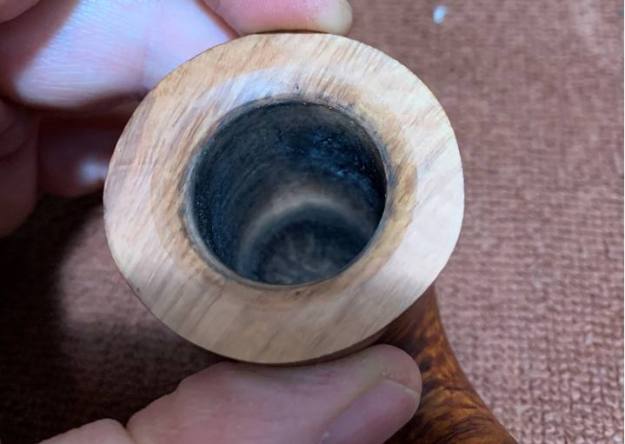
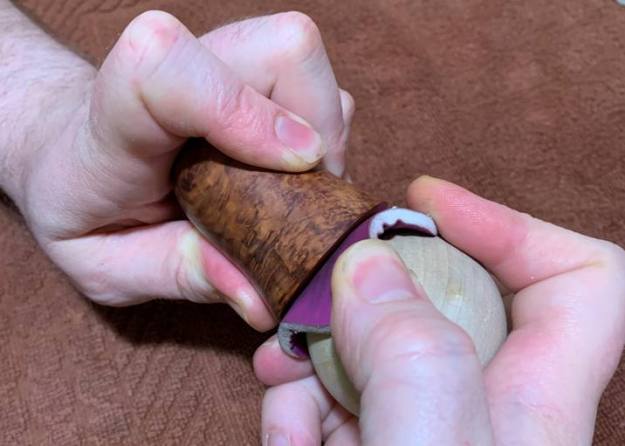
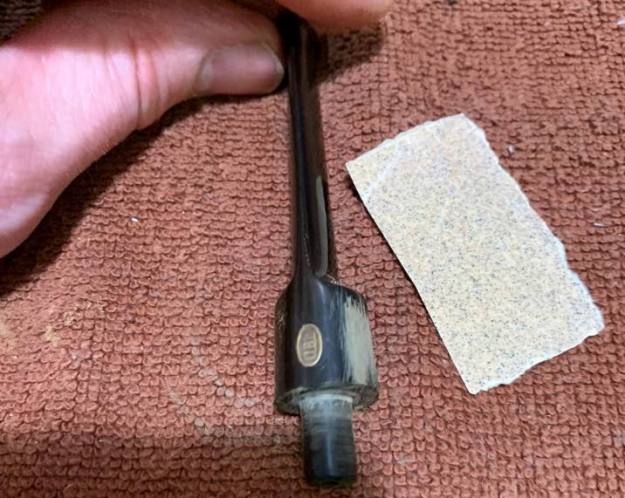
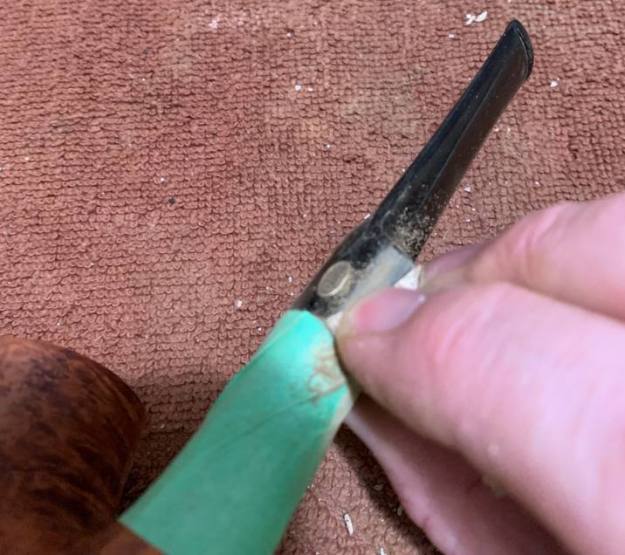
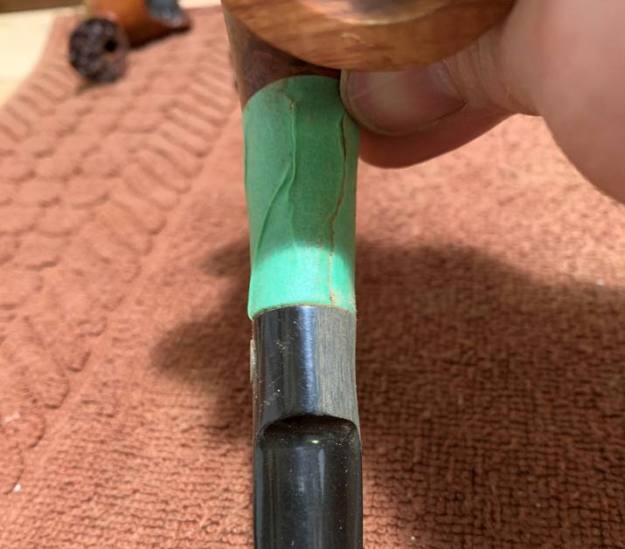
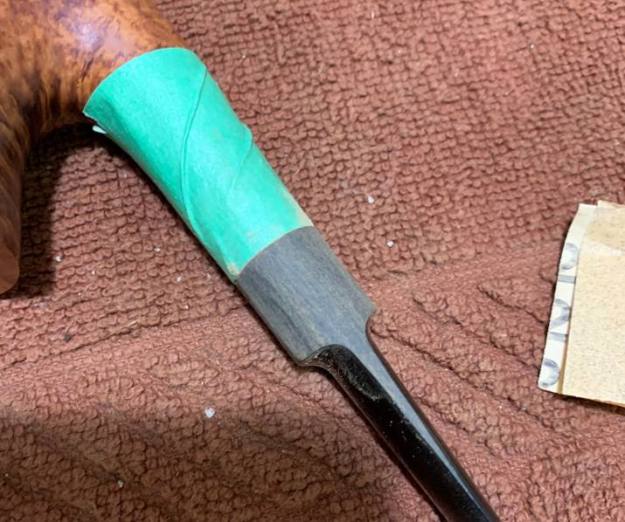
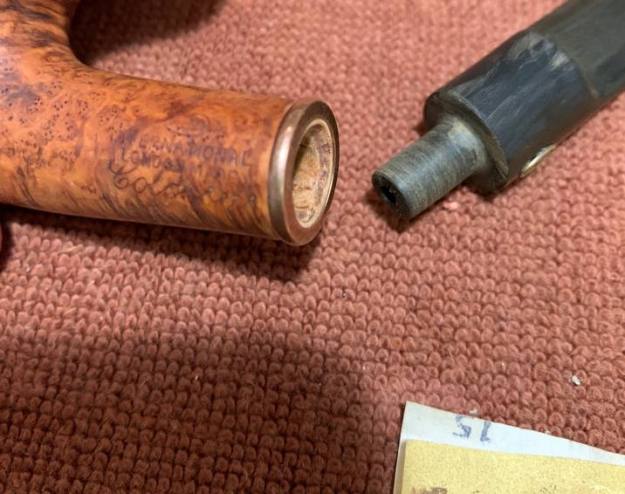
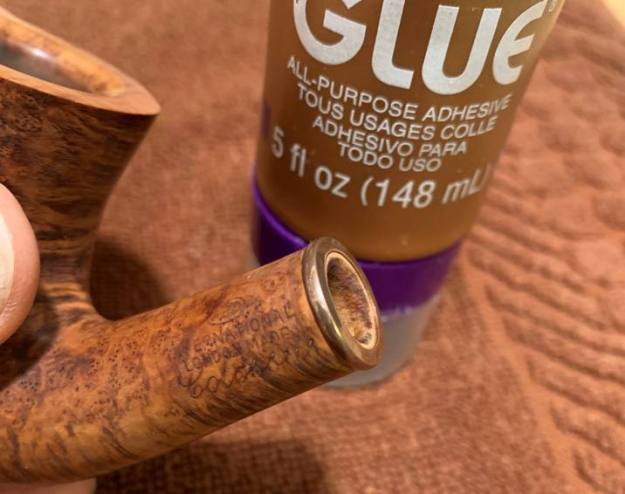
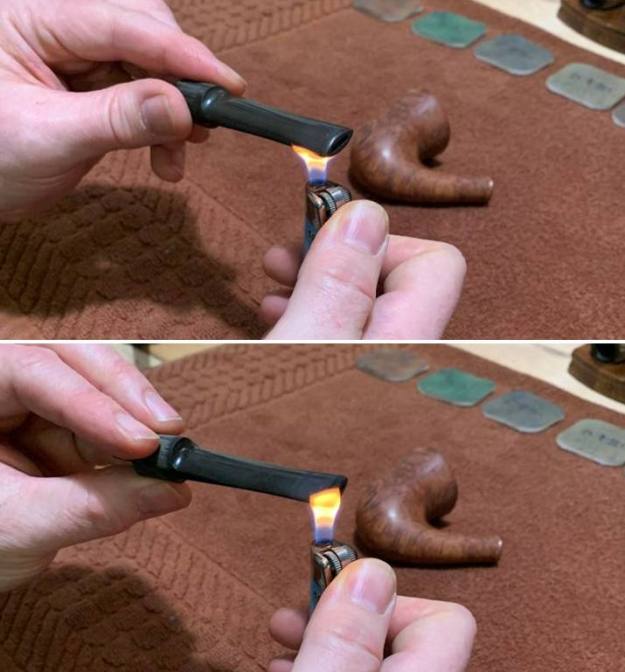
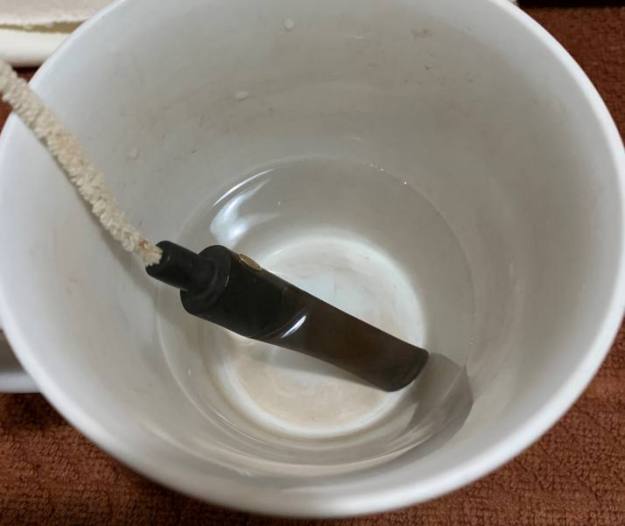
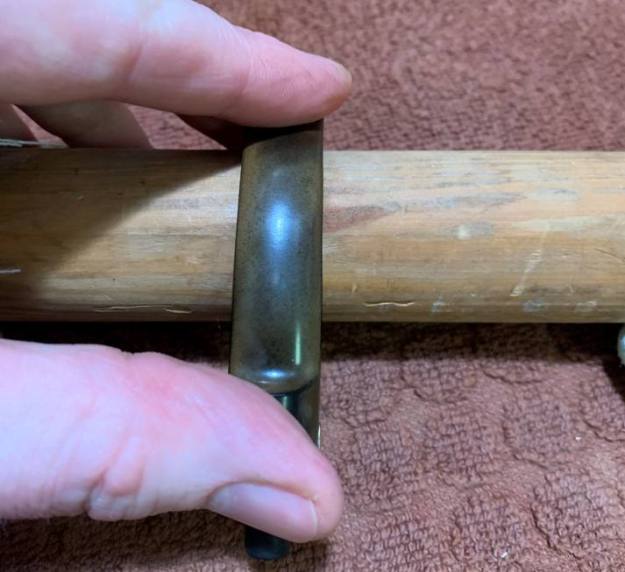
I also took this screenshot from Pipephil:Anyway, on to the pipe – and what a gorgeous pipe it was (and such a big bowl)! However, it was absolutely filthy and had a few issues. The stummel had the following problems: tons of lava on the rim, notable greasy/sticky stains to the bowl and shank, plenty of cake in the bowl, a few scratches here-and-there, and a few small burns on the rim. Meanwhile, the stem had a few problems of its own. Oh wait. No stem. Umm, yeah, that is going to be an issue. This pipe was going to require some considerable work, but I was really looking forward to restoring this one. Well, suffice it to say that first on my list of tasks was to find a stem for this beauty. However, GBD stems are not just lying around, sad to say. In this case, Superman Steve came to my rescue. He had a spare GBD stem that suited my pipe very well. I was (and still am) deeply grateful to him for getting that stem for me. I will come back to the story of how I fit the stem a bit later. By the way, here is a photo of Superman Steve:This stummel was quite a mess. I first decided to ream out the bowl. I used both the PipNet Reamer (which I broke in the process) and the KleenReem to remove the built-up cake and followed that with 220-grit sandpaper to eliminate as much as I could. I took it down to bare briar, as I wanted to ensure there were no hidden flaws in the walls of the bowl. Fortunately, there were none. I then proceeded to clean out the insides of the shank with cotton swabs, pipe cleaners, and lemon isopropyl alcohol. There was a lot of nastiness inside this stummel and – boy-oh-boy – it took a lot of cotton to get this thing clean! As I mentioned earlier, the rim of the stummel was pretty ugly and also needed to be addressed. A combination of techniques was used to sort this out. In order to remove the lingering bits of lava and fix the nicks, I “topped” the pipe – that is to say, I gently and evenly sanded down the rim on a piece of 220-grit sandpaper. This effectively removed the lava and the damage, without altering the look of the pipe. I then took a solid wooden sphere, wrapped sandpaper around it, and sanded the inner bevel thoroughly. This was to achieve on the inner part of the rim the same thing that I achieved by “topping” the rim on sandpaper. A de-ghosting session seemed in order, so I thrust cotton balls in the bowl and the shank, and saturated them with 99% isopropyl alcohol. I let the stummel sit for 24 hours. This caused the oils, tars and smells to leech out into the cotton. Finally, a relatively clean and fresh-smelling bowl emerged. I followed that up by cleaning the insides with some dish soap and tube brushes. I then moved on to cleaning the outside of the stummel with Murphy’s Oil Soap and some cotton pads. Some stains were pretty stubborn and I had to scrub hard, but this did eventually remove the remaining dirt. After that, a light application of Before & After Restoration Balm brought out the best in the stummel’s grain. Having completed that, I was able to address a small nick on the shank. I dug out my iron and a damp cloth to try and raise the nicks. The hot and moist steam created can often cause the wood to swell slightly and return to shape. There was some movement – not a lot, but it was better than doing nothing. I filled the remaining divot with cyanoacrylate adhesive and let it cure. Now, with the nick filled, it was time to sand down the stummel. I used all nine Micromesh pads (1,500 through 12,000 grit) to wet/dry sand everything smooth. Then I added a bit more Before & After Restoration Balm. On to the stem, and what a trial it was. As mentioned, Superman Steve got me a GBD stem and that was terrific: the stem was clean and in nice shape. So what is the problem? Well, its width did not quite match the width of the shank. The stem was slightly wider. So, with 200-grit sandpaper in hand, I began removing the excess vulcanite. As silly as it sounds, this took a couple of hours of work to get this right. The photos below detail the lengthy process to both remove the excess and ensure evenness all around the stem face. At long last, I managed to get the size and shape just right, but the faces of both the shank and stem were not matching in the way that one would want. I took the decision that this pipe would benefit from a thin – emphasis on thin – band around the end of the shank. My jar of bands proffered a lovely, thin band that perfectly suited this pipe. With a quick application of glue, the band was on and things were looking much improved. I used some of my Micromesh pads to give that extra shine. In order to finish up the stem, I took a BIC lighter and ‘painted’ it with its flame in order to lift the slight tooth marks. This was reasonably successful in raising the dents. Before I moved on to the Micromesh pads, I built up the small dents on the stem with cyanoacrylate adhesive and let them fully cure. I then sanded it down with 220-, 400-, and 600-grit sandpapers to meld the repair seamlessly into the stem. This ensures that it keeps its shape and looks like it should. I then used all nine Micromesh pads (1,500 through 12,000 grit) to bring out the lovely black lustre on the stem. I also used Obsidian Pipe Stem Oil in between each pad scrubbing. Of course, since the stem was straight, it did not suit the pipe and needed to be bent. The end of the stem needed to be parallel with the rim of the bowl. I did not have a heat gun at the time, so I brought out a hair drier and heated the vulcanite stem in order to make it malleable. After heating it for 90 minutes (yes, you read that correctly), it became obvious that the hair drier just did not generate enough heat to bend the stem. I then realized that I was going to have to use the nuclear option: dipping the stem in boiling hot water. This is a nuclear option because the water added an horrific oxidation to the stem – the worst I have ever seen. When it was finally soft, I gently curved the stem over a wooden dowel. The dowel provided a firm surface and a proper curve. Once I had the bend I wanted, I left the stem to cool and set itself in place. I then had to go back and use all nine Micromesh pads (and the Obsidian Pipe Stem Oil) again to restore the black lustre. A few four-letter words might have been silently uttered in the process, but I digress… Then it was off for a trip to the buffer. A dose of White Diamond and a few coats of carnauba wax were just what this pipe needed. The lovely shine made the wood look absolutely beautiful.

This is a wonderfully crafted pipe and has a very elegant feel to it. Steve told me from the beginning that this was a pipe I should keep for myself. So, this one is being added to my collection – and I am pleased to say that it smokes beautifully. I am sure that I will be enjoying this one for many years to come. I hope you enjoyed reading the story of these pipes as much I as I did restoring them. If you are interested in more of my work, please follow me here on Steve’s website or email me directly at kenneth@knightsofthepipe.com. Thank you very much for reading and, as always, I welcome and encourage your comments.

Restemming & Restoring a GBD Virgin London England 9437 Pot


Blog by Steve Laug

Sometimes the repetitive work on similar pipes and stems gets tiring to me and to alleviate the inevitable boredom I change things up a bit to refresh me. I have a box of stummels (bowls) here that I periodically go through and see if I have a potential stem that would fit them. Yesterday when I finished the old timer on my work I went through the box and picked out three bowls and found workable stems for them. All were in different states of need but all had been thoroughly cleaned before I boxed them up. The first restemmed and restored was a ZETTERVIG Copenhagen Handmade 900 Egg (https://rebornpipes.com/2021/09/04/restemming-restoring-a-zettervig-copenhagen-hand-made-900-egg/). The second pipe was a nice Malaga Lumberman (https://rebornpipes.com/2021/09/05/restemming-restoring-a-malaga-lumberman/). The next one was the last of the bowls I had chosen – a nicely grained GBD Virgin 9437 Pot.

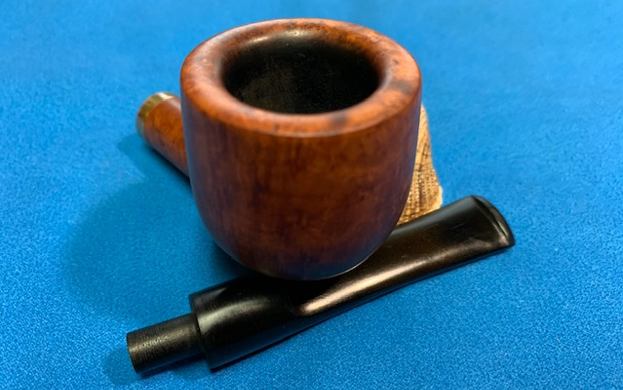
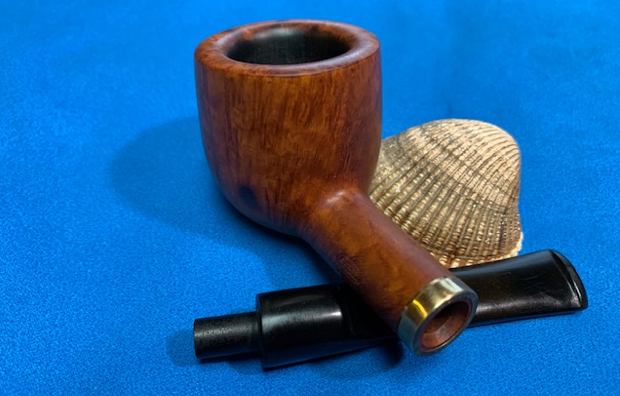
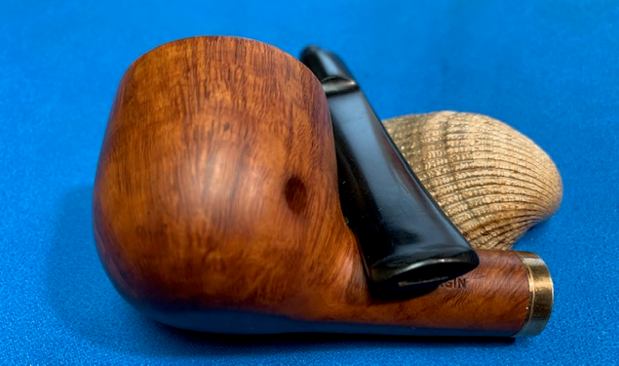
The bowl looked very good. The grain around the sides was quite nice and a mix of flame and straight grain around the bowl sides and birdseye grain on the bottom of the bowl. The rim top had some darkening on the top and inner edges. There was a small burned divot low on the left side of bowl near the shank. It looked as if the pipe had been set in an ashtray on a cigarette or a live ash. It was not deep but it was very present on the bowl side. The interior of the bowl was clean and there were not any chips, cracks or checking on the walls. Examining the mortise it was clean and well drilled with no issues. The finish was washed out and bit and tired but still quite redeemable. The stamping on the pipe was clear and readable. On the left side it read GBD in an oval [over] VIRGIN and on the right side it read London England [over] 9437. I took some photos of the bowl before I started to work on it. I took a photo of the stamping on the sides of the shank. It reads as noted above and is clear and readable.I went through some of stems and found this saddle style stem that perfectly fit the shank. The diameter of the shank and the diameter of the saddle were not quite even. The saddle on the right half of the saddle was slightly larger than the shank. The left side was perfect. It had a few tooth marks and chatter near and on the button but it would clean up well. I put it on the shank and took some pictures of the look before my work on it.I addressed the burn damage dip in the lower left side of the bowl. I sanded it and filled it in with a drop of clear CA glue. I smoothed it out with a folded piece of 220 grit sandpaper. It is smooth too touch but it is definitely darker than before I filled it in. At this point it was smooth and clean feeling.With that repaired I turned to deal with the rim top issues. I sanded the beveled rim top with 220 grit sandpaper and smoothed out the damage – both burns and nicks. I polished the briar with micromesh sanding pads – dry sanding with 1500-12000 grit pads and wiping it down with a damp cloth after each pad. It really began to shine. I worked some Before & After Restoration Balm into the surface of the smooth briar with my finger tips. The product is amazing and works to clean, enliven and protect the briar. I let it sit on the briar for 10 or more minutes and then buff it off with a soft cloth. It really makes the grain sing. I set the bowl aside and turned my attention to the stem. I filled in the tooth marks and rebuilt the edge of the button with clear CA glue. Once it cured I used a small file to recut the edge of the button and flatten the repairs. I smoothed out repairs with 220 grit sandpaper to blend them in further to the stem surface. I started polishing the stem with 400 grit wet dry sandpaper.I fit the stem on the shank. It looked pretty good but seemed to be a bit blah. I took a set of photos to show the look of the new stem on the shank. For the fun of it I put a band on the shank and refit the stem on the shank. The shank is perfect there were no cracks and no issues so the band was just adding a touch of bling that works with the pipe. What do you think? With or without the band? I am leaning toward the banded version to be honest. I think it looks really good.

Without the band? With the band? I left the band on the shank but it is not glued in place and can be removed. Let me know what you think – one way or the other.

I polished the stem with micromesh sanding pads – dry sanding with 1500-12000 grit pads. I wiped the stem down after each pad with a cloth and Obsidian Oil. I finished the polishing with Before & After Pipe Stem Polish – both Fine and Extra Fine. I gave it a final coat of Obsidian Oil. I put the pipe back together – the bowl with its new stem. This restored & restemmed GBD Virgin 9437 Pot turned out really well. The pipe (even with the burn mark on the left side of the bowl) really is a beauty and I think the brass band and the chosen stem works well with it. Remember I have not set the band in place so it can be removed. What do you think of it? Yea or Nay? The grain on the bowl came alive with the buffing. I used Blue Diamond on the buffing wheel on both the bowl and stem. I gave both multiple coats of carnauba wax on the wheel then buffed it with a clean buffing pad to raise the shine. I hand buffed it with a microfibre cloth to deepen the shine. The GBD Virgin Pot feels great in the hand. It is lightweight and the contrast in the browns of the briar, the brass of the band and the polished vulcanite stem with the popping grain on the mixed brown stained bowl is quite amazing. The dimensions of the pipe are Length: 6 inches, Height: 1 ½ inches, Outer diameter of the bowl: 1 ½ inches, Chamber diameter: 1 inch. The weight of the pipe is 1.45 ounces/41 grams. It really is a beauty. I will be putting it on the rebornpipes store in the British Pipe Makers section shortly if you are interested in adding it to your collection. Thanks for walking through the restemming and the restoration with me. Cheers.

New Life for a GBD New Standard 124 Billiard


Blog by Steve Laug

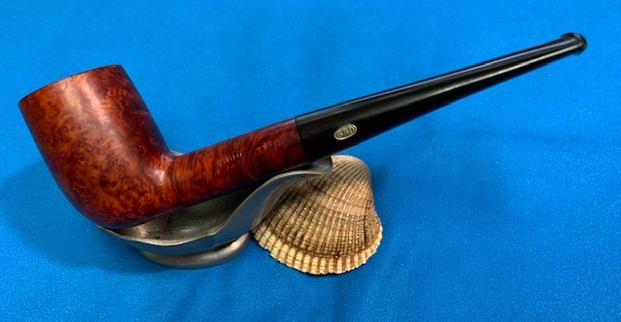
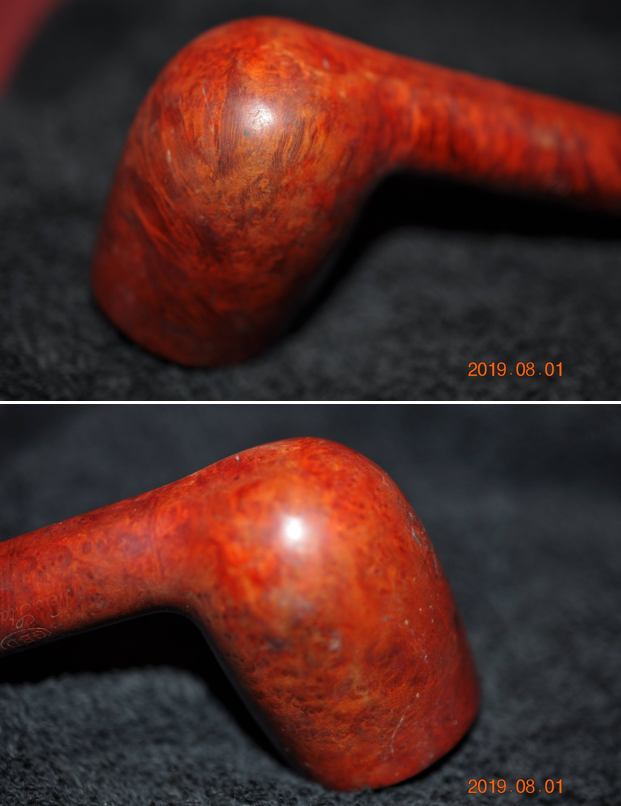
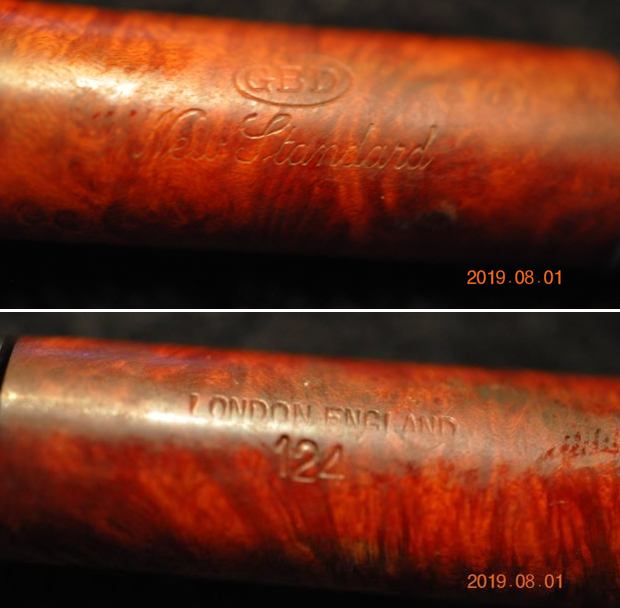
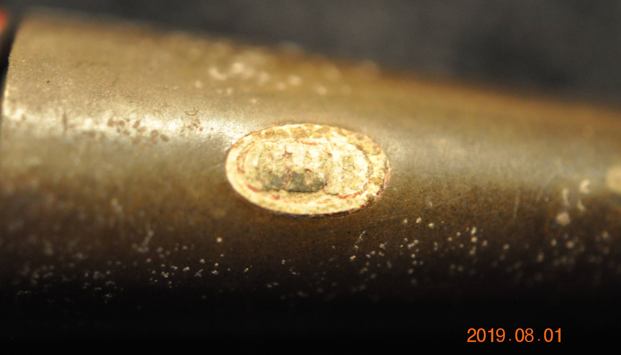
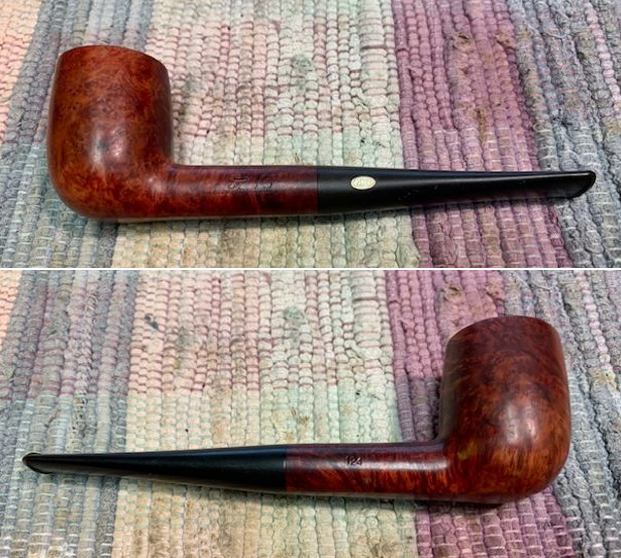
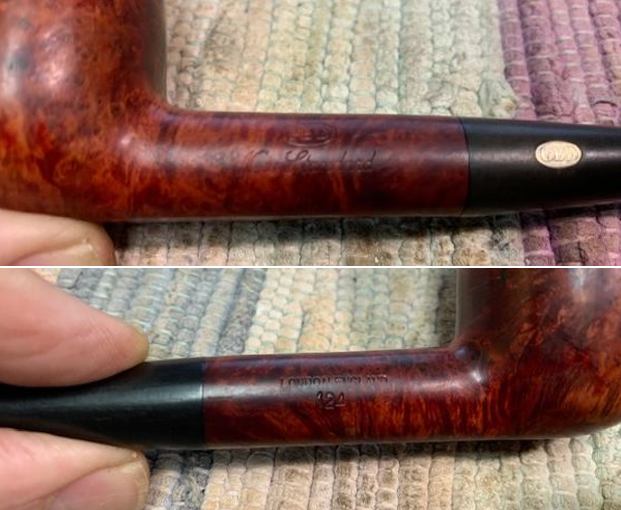
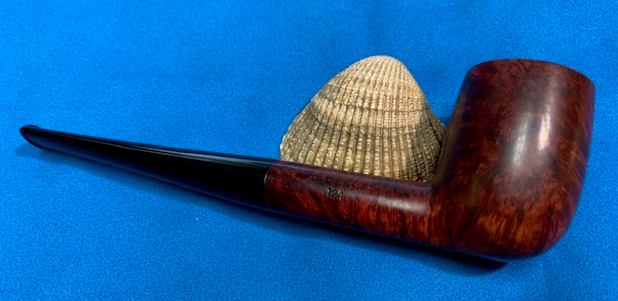
The next pipe on the table is one that came to us from an online auction in 2019 from Vanceburg, Kentucky, USA. The shape is very nice, with the rich red finish that highlights the grain around the bowl and shank. It is a great shape with a taper vulcanite stem with a GBD roundel on the left side. The finish was dirty with grime ground into the finish around the bowl sides. There was a thick cake in the bowl and lava overflow on the beveled top of the rim – heavy around the entire rim top. The edges – inner and outer both appeared to be okay under the lava coat. The pipe is stamped on the left side of the shank and reads GBD in an oval [over] New Standard. On the right side it reads London England [over] the shape number 124. The stem was lightly oxidized and there were tooth marks and chatter on both sides near the button. The taper stem also has a brass GBD roundel on the left side that was oxidized and dirty. Jeff took some photos of the pipe before he started the clean up work. He took photos of the rim top and bowl to give a clear picture of the thickness of the cake and well as the nicks, lava and darkening on the rim top. The inner edges showed some burn damage on the inner bevel of the bowl. The outer edges of the bowl appeared to be in great condition. He also took photos of the top and underside of the stem to show the oxidation, calcification and the chatter and tooth marks. Jeff took a photo the sides and heel of the bowl to give a picture of the beautiful grain around the bowl and shank. There were also shiny spots of varnish around the bowl and shank sides.The stamping on the sides of the shank is clear and readable and read as noted above. There is also GBD Brass roundel on the left side of the stem.I turned to Pipephil’s site and looked for information on the GBD New Standard I was working on (http://pipephil.eu/logos/en/logo-gbd.html). As always there was a good, brief description of the history of the brand.

Brand created in 1850 in Paris by Ganneval, Bondier and Donninger. Marechal & Ruchon Cie first, then C.J. Verguet Frères (closed in 1970) owned GBD from 1903 to 1970 and manufactured these pipes in the St Claude (Fr) plant.

Sometime in the 1970s Cadogan company (Oppenheimer group) took over GBD. Prior to this time, the pipes were stamped “London England” in a straight line, even if they were sometimes crafted in France.

I turned to Pipedia (https://pipedia.org/wiki/GBD) to see what I could find on the GBD Brand and the New Standard Line. There was a few tidbits scattered in the body of the material.

The New Standard was introduced in order to give the popular Standard of the 20s a higher rank in value…

The following list comprises the better grades in descending order: Pedigree, Pedigree I, Pedigree II, Straight Grain, Prodigy, Bronze Velvet, Virgin, Varichrome, Prestige, Jubilee, New Era, Prehistoric, International, Universe, Speciale Standard, Ebony, Tapestry, New Standard, Granitan, Sauvage, Sierra, Penthouse, Legacy, Concorde.

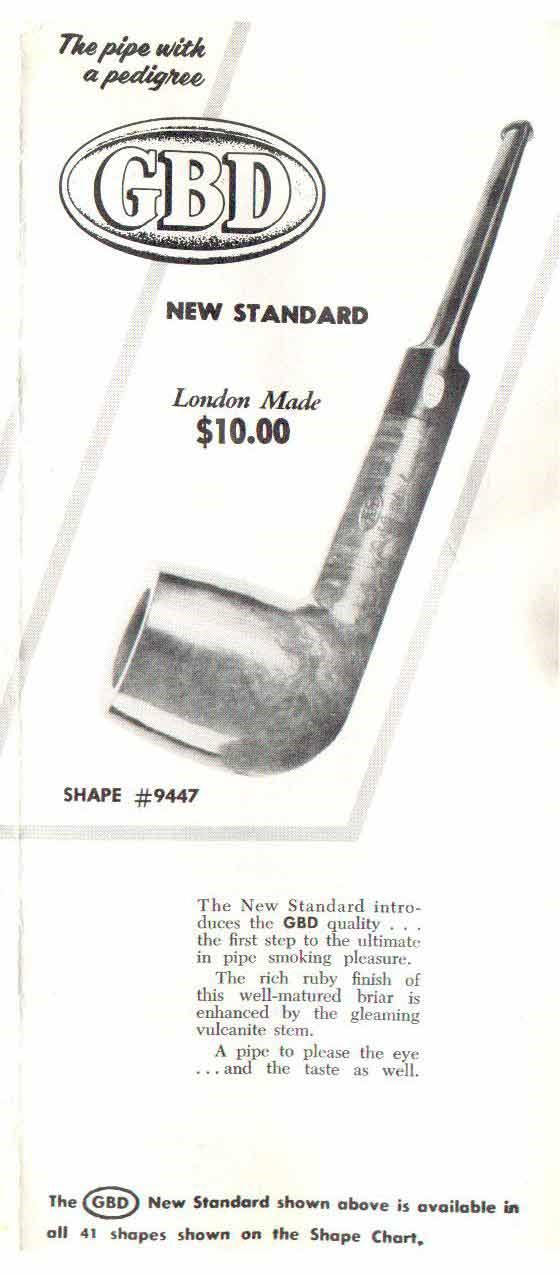
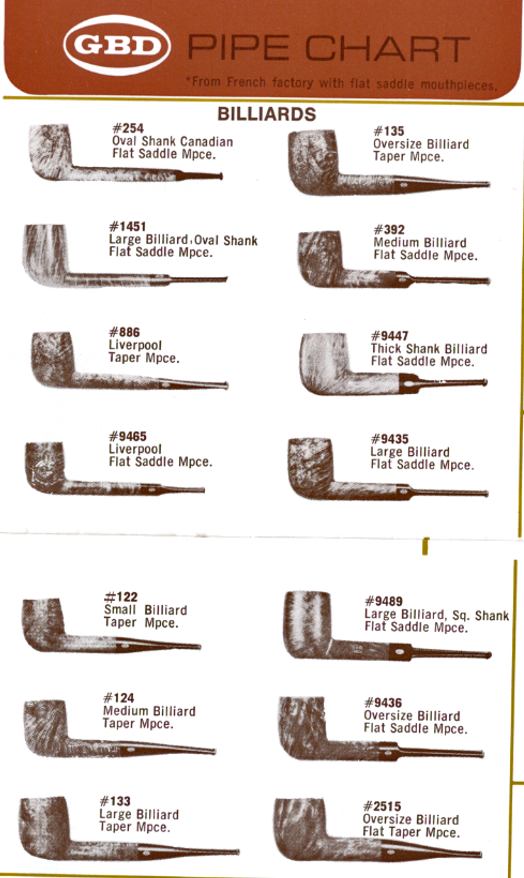
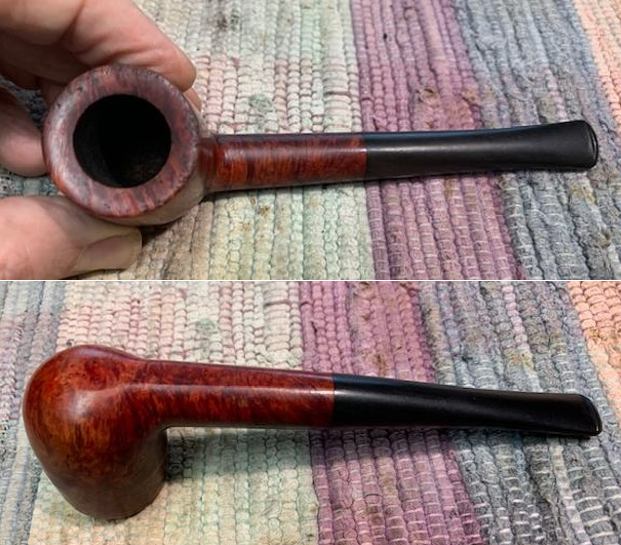
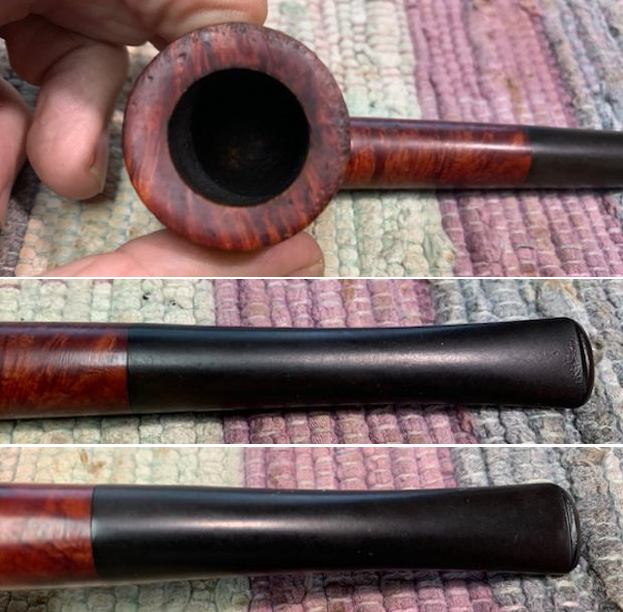
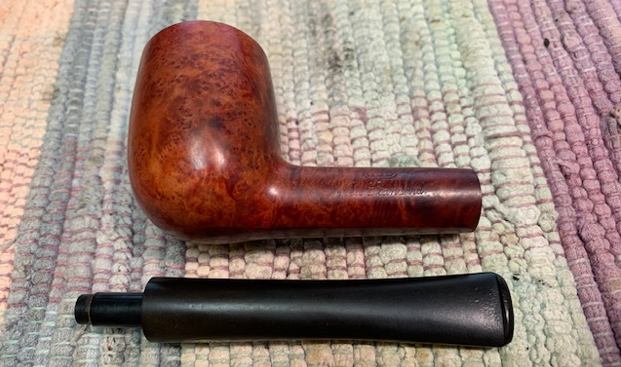
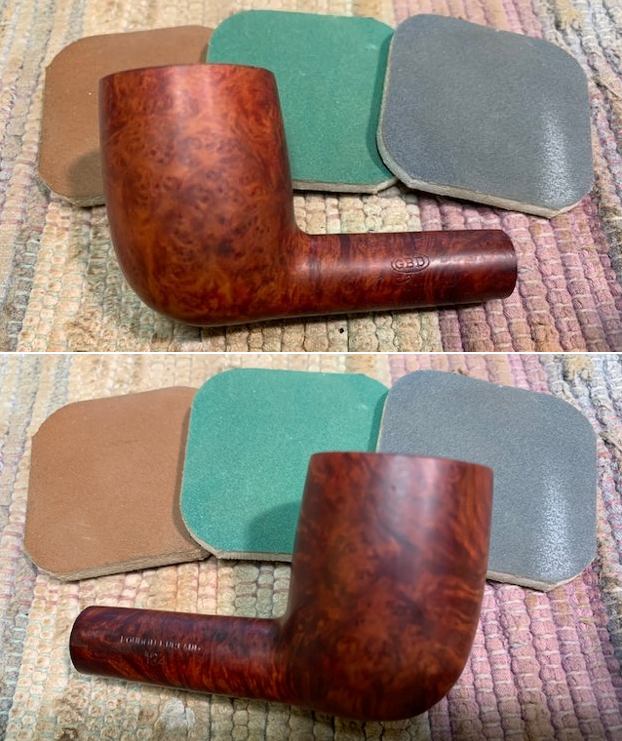
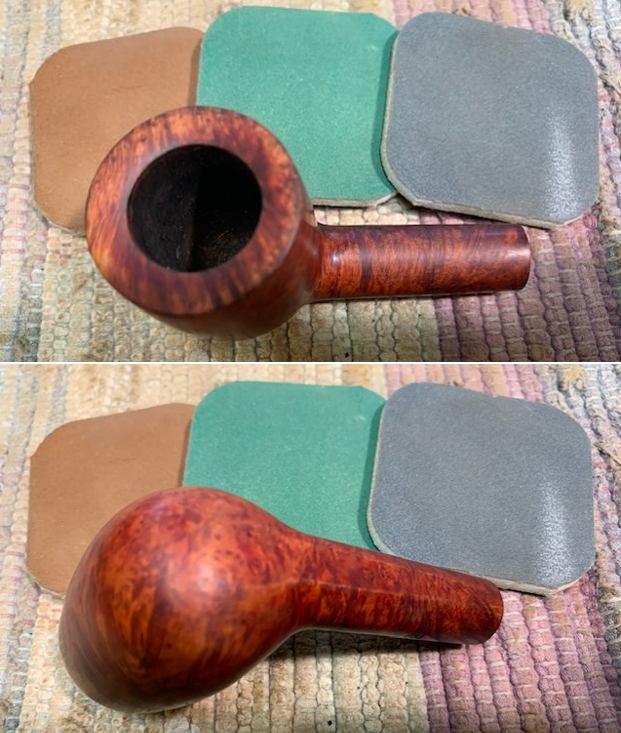
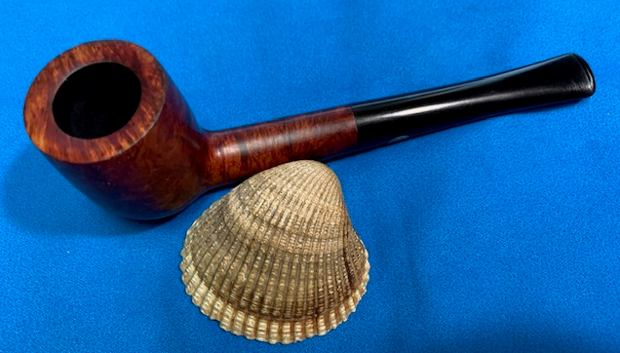
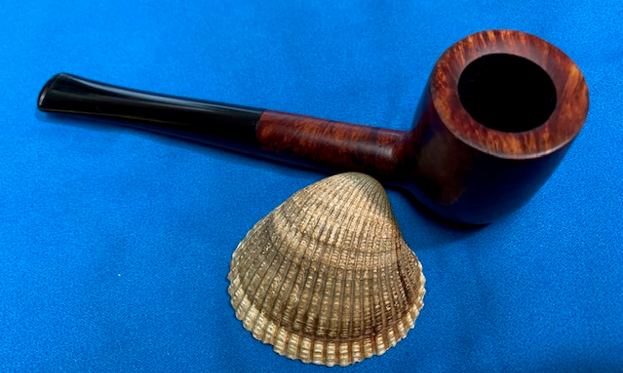
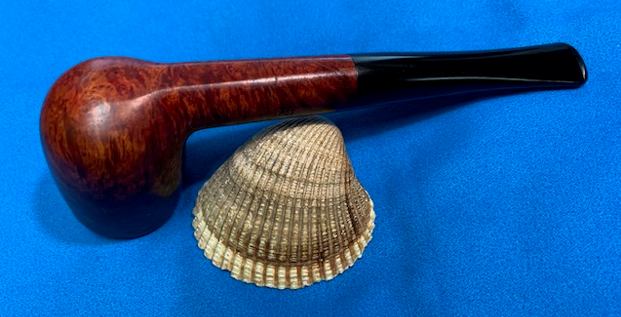
I also found two advertising fliers on the brand – one with the variety of shapes for the New Standard London Made and the other with a saddle billiard and a longer description of the pipe. I also found a shape chart that had the 124 pictured and described as a Medium Billiard with a taper mouthpiece.Now it was time to work on the pipe. Jeff had cleaned up the pipe following his usual procedures. He reamed the pipe with a PipNet pipe reamer and cleaned up the remnants with a Savinelli Fitsall Pipe Knife. He cleaned out the inside of the shank and the airway in the stem with 99% isopropyl alcohol, cotton swabs and pipe cleaners. He scrubbed the exterior of the bowl with undiluted Murphy’s Oil Soap and a tooth brush. He rinsed it under running warm water to remove the soap and grime. He soaked the stem in Before & After Deoxidizer and rinsed it off with warm water. I took photos of the pipe once I received it. The rim top cleaned up really well. But the cleaning revealed some nicks and dings on the inwardly beveled rim top but the edges looked quite good. The stem surface looked good and the light tooth marks and chatter would be easy to address. The stamping on the sides of the shank is readable and reads as noted above.  I removed the stem and took a photo of the pipe to give a sense of the shape and the grain on the bowl and shank. It was a great looking shape and would be a beautiful pipe when I was finished. I worked on the rim top marks and polished the bowl and rim with micromesh sanding pads – 1500-12000 grit pads. I wiped it down with a damp cloth after each sanding pad. It was beginning to look good to my eyes.I rubbed the bowl and shank down with Before & After Restoration Balm. I worked it into the surface of the bowl sides and shank with my fingertips to clean, enliven and protect the briar. I let the balm sit for ten minutes then buffed the bowl with a cotton cloth to raise the shine. I set the bowl aside and turned my attention to the stem. I “painted” both sides of the stem with the flame of a lighter to lift the tooth marks (forgot to take photos). It did a great job and left only one deep mark on the topside and on the underside ahead of the button. I filled them in with clear CA glue and once it cured I sanded the stem with 220 grit sandpaper to smooth out the repairs. I started polishing it with 400 grit sandpaper. I polished the stem with micromesh sanding pads – 1500-12000 grit pads. I wiped it down with Obsidian Oil after each sanding pad. I used Before & After Pipe Polish – both Fine and Extra Fine to further polish the stem. This GBD New Standard 124 Billiard is a great looking pipe now that it has been restored. The ruby coloured wash/stain around the bowl is quite beautiful and highlights grain very well. The ruby coloured finish works well with the polished vulcanite taper stem. I put the stem back on the bowl and carefully buffed the pipe with Blue Diamond on the buffing wheel using a light touch on the briar. I gave the bowl and the stem multiple coats of carnauba wax on the buffing wheel and followed that by buffing the entire pipe with a clean buffing pad. I hand buffed the pipe with a microfiber cloth to deepen the shine. The finished GBD New Standard Billiard sits nicely in the hand and feels great. Give the finished pipe a look in the photos below. The dimensions of the pipe are Length: 6 inches, Height: 1 ¾ inches, Outside diameter of the bowl: 1 ¼ inches, Chamber diameter: ¾ inch. The weight of the pipe is 39 grams/1.41 ounces. I will be putting it on the British Pipemakers section of the rebornpipes store shortly. If you are interested in adding this pipe to your collection send me a message or an email. Thanks for reading this blog and my reflections on the pipe while I worked on it. There are many more to come! 

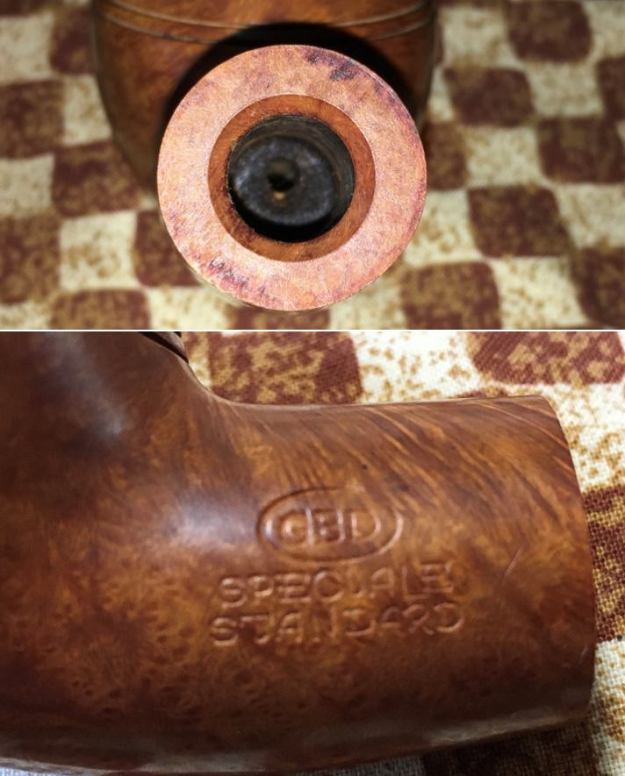
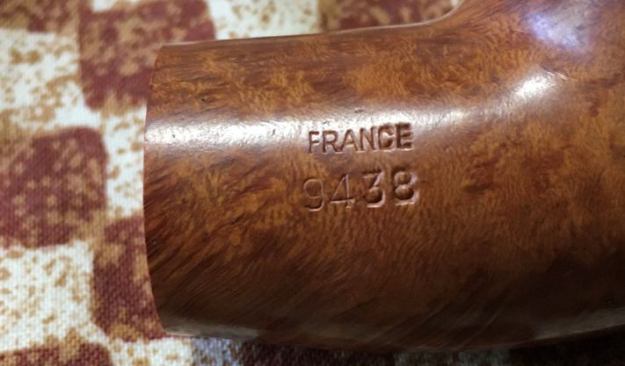
Cleaning up a GBD Speciale 9438 Rhodesian


Blog by Mike Belarde

Hello. Thank you for taking the time to read this post, and walk through a fun clean up job on a GBD 9438.

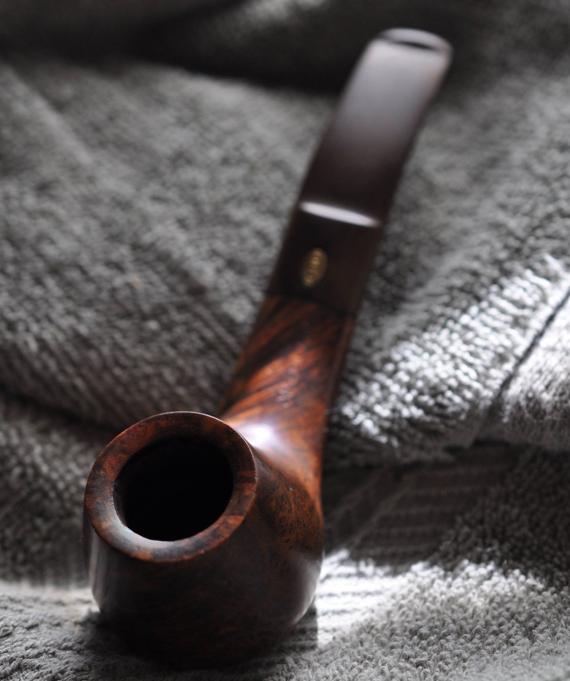
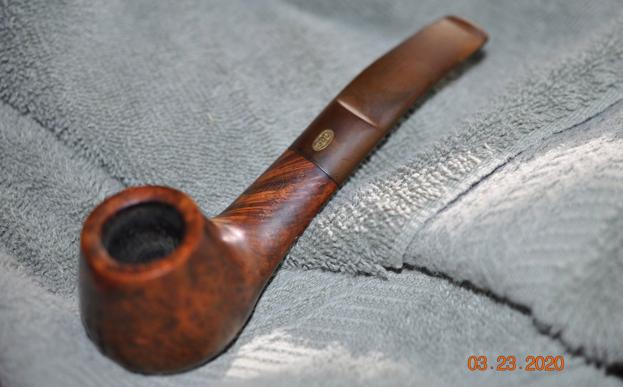
I’m pretty excited about this pipe.  Like many readers of this site, the GBD 9438 Rhodesian is one of my favorite shapes. There is just something endearing about this rendition of the bent Rhodesian. The thick walls of these pipes also seem well suited for many of the flake tobaccos that I enjoy.  I was really thrilled when I won this pipe in an online auction out of New York.  The pipe looked to be in good condition in the pictures provided for the online listing. The stummel looked to have a nice smattering of bird’s eyes and some cross grain on the right side.

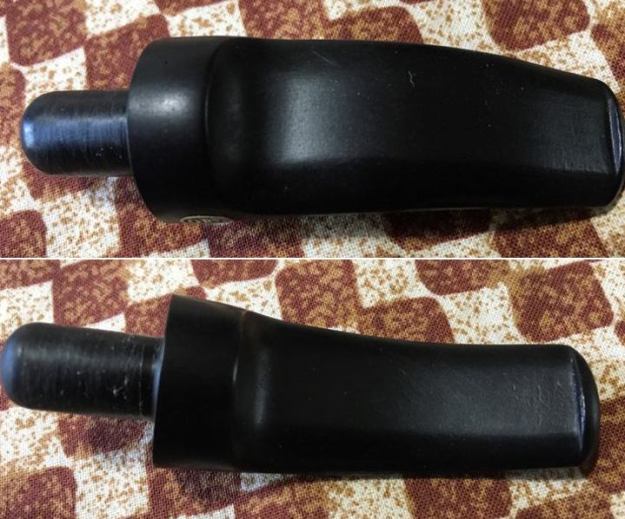
When I received the pipe, I found it to be in great condition. The stain looked a little faded, but the pipe had a nice orange-ish brown or reddish-brown tint to it. The stamping was legible and crisp. The rim was grungy and blackened. The chamber had only a trace of cake. The stem looked great. It was free of tooth marks and heavy oxidation, but looked to have some sanding marks, or scratches from being over buffed. All in all, I felt very pleased with the condition of the pipe.  Here are some pictures of the pipe, prior to cleaning process. As you can see from the photos, this pipe is in great shape for its age. Now let’s proceed to the cleaning process.

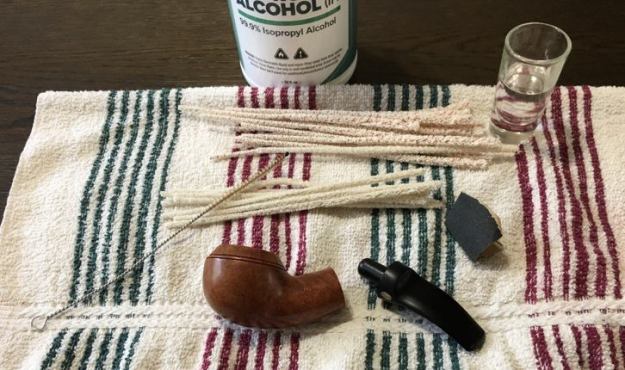
The first step in the process is to address the internals of both the briar and stem, and then clean up the grime on the stummel, and the carbon build up on the rim.  For this job I only grabbed a nylon bristled shank brush, some bristled and regular pipe cleaners, 99.9% isopropyl alcohol, and a bit of folded 320 grit sandpaper.I cleaned the shank over the sink with the shank brush dipped in alcohol. After each pass through the shank, I rinsed the shank brush under running water and re- dip it in the alcohol. I repeated this process until the soiling coming out on the shank brush began to lighten.   Once this happened, I transition to bristled pipe cleaner dipped in alcohol, and then lastly, regular pipe cleaners.

I also ran both alcohol dipped bristled and regular pipes cleans through the stem.  I was happy that the pipe was fairly clean and I only ran through a small hand full of pipe cleaners.

There wasn’t enough cake in the chamber to warrant the use of the reamer, so I opted to just sand out the chamber lightly with a folded piece of sandpaper.  Once that was completed, I scrubbed out the chamber and the shank with alcohol dipped cotton swabs. With the internals cleaned, I scrubbed the stummel with Murphy’s Oil Soap and an old toothbrush. I then scrubbed the rim with an old green scouring pad. The rim and the chamber cleaned up well and appeared to be in good condition. I took the rest of the charring or darkening on the rim and inner rim with a folded piece of 320 grit sandpaper. I light sanded out the darkening on the rim and reestablished the slight bevel in the inner rim with the sandpaper. The stummel seemed to be fairly clean but I decided to de-ghost the piped further.  I inserted two folded tapered fluffy pipe cleaners through the shank and down into the chamber to act as a wick. To ensure that there was contact on all the surface of the internal walls of the shank, I add two more folded pipe cleaners into the large shank of the Rhodesian.   I have found using the fluffy pipe cleaners is easier for me than trying to fish an elongated cotton ball down the shank.  I then placed a cotton ball in the chamber and saturated it with isopropyl alcohol.

While the stummel was de-ghosting. I placed the stem in a small Tupperware container to soak in Briarville’s Oxidation Remover solution.  This pipe was very clean and I only let both the stummel and stem to soak for about eight hours.Both the alcohol and the Briarville solution further cleaned the pipe. I took the stem out of the solution and rinsed it and then ran some alcohol dipped pipe cleaners through it. I then scrubbed the stem with Soft Scrub and the scouring pad to clean it up further. I then worked on the stem. There appeared to be light scratches and a bit of pitting near the button. I took a folded piece of 400 grit sandpaper and sanded out the damage the best I could. The sanding seemed to have taken care of most of the flaws in the stem.In the next step I took the stem through the progression of micromesh pads (1500-12000). I polished the stem with each pad and wiped the stem down with a cotton pad soaked in Obsidian Oil in between each pad. In the last step, I polished the stem with Before and After’s Extra Fine Polish. Satisfied with the progress on the stem, I turned my attention to the stummel. I polished the briar with the progression of micromesh pads (1500-12000) wiping it down with a damp paper towel. Once this step was done, I mixed some dye up to touch up the stain.I really liked the light orange or red tint that this pipe had, so I decided to try and re-stain it with British Tan. I mixed a one-to-one ratio of British Tan with alcohol to thin the leather dye down a bit. I like to apply the stain with a small hobby brush. I find that the brush helps me to coat the stummel evenly. Once the stain was applied, I used a small tea candle to fire the briar and set the dye. I let the stummel sit for a couple of hours and then removed some of the excess stain with a cotton pad soaked in acetone. After removing some of the excess stain with acetone I began to polish the stummel with the micromesh pad series (1500-12000). I wiped the briar down with a damp paper towel between each pad.
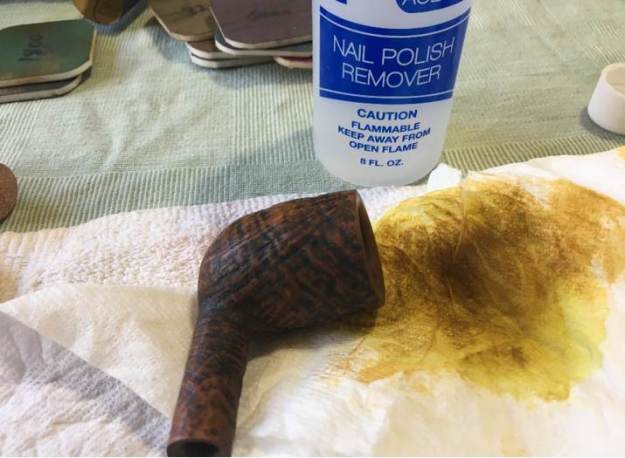
Once I was finished with the micro pads, I worked some Before and After Restoration Balm into the stummel. The pipe was really looking nice at this point! I let the balm sit for about 10 minutes and then buffed the stummel with a cotton cloth. In the last step of the process, I buffed both the stummel and stem with Red Tripoli and Blue Diamond.  I then gave both several coats of Carnauba wax and buffed them with a cotton cloth.
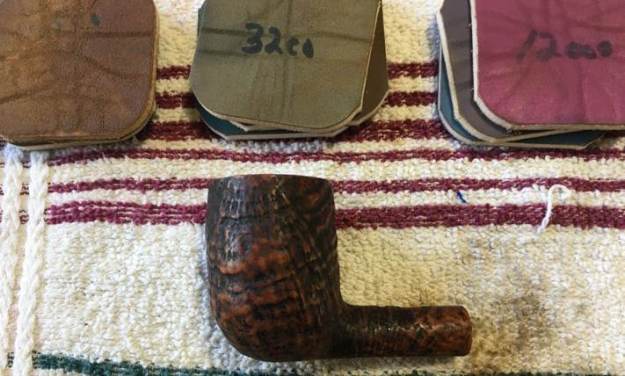
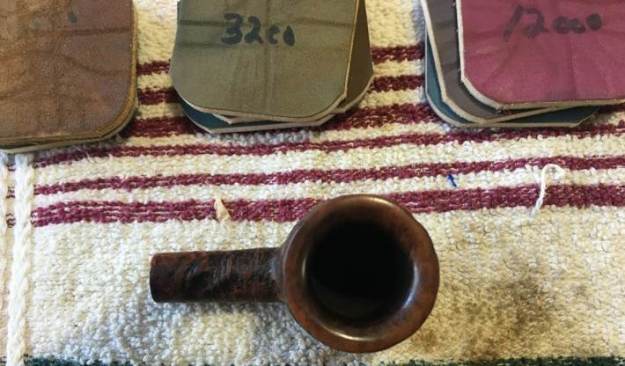
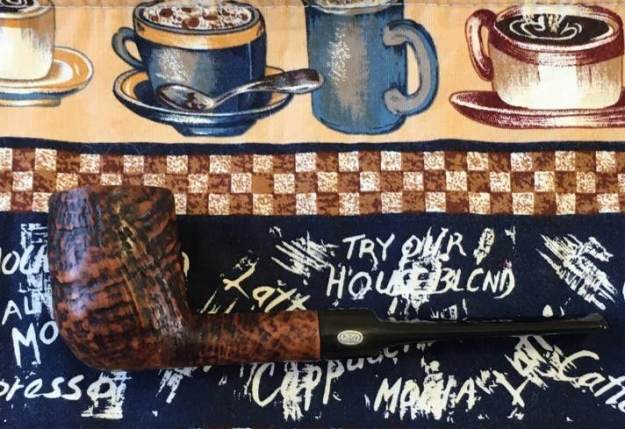
I’m really happy how this pipe turned out, and am looking forward to loading it up and relaxing with it in the backyard. Thanks for taking the time to read this post!
Restoring the final pipe of the Thrift Shop Foursome – A GBD Tapestry 1970 Diplomat


Blog by Steve Laug

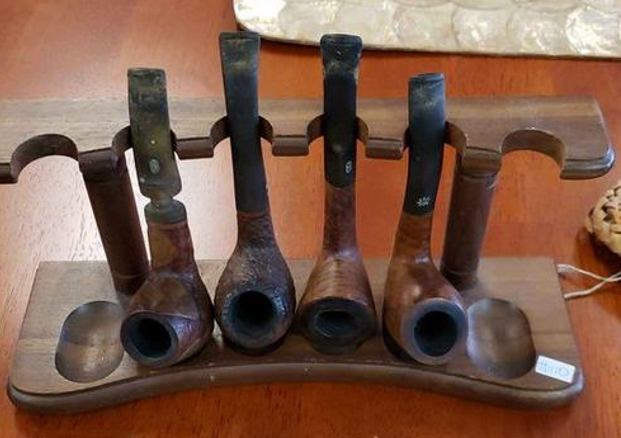
I was scanning through Facebook Marketplace and came across a collection of four pipes that were being sold near where I live in Vancouver. I messaged the individual and it turned out it was an animal rescue/hospital thrift shop. They were selling the four pipes and the rack with all proceeds going to their charity. My second daughter and I made the drive over to visit and have a look at the pipes. I have included the photo from the advertisement to show the pipes and their condition. The label on the sale was inaccurate but I could see what at least three of the pipes were and I was interested.When I parked in front of the shop and went in the clerk brought out the pipes and rack so I could have a look. In the order they are in the rack from left to right the pipes were as follows: A GBD Tapestry 1970 Shape (Diplomat), a Brigham 228 two dot sitter in a shape I had not seen before, a Chacom Meridien 811 Dublin with a diamond shank, and a Kriswill Saga 140. The Brigham and the Chacom both had cracks. The Brigham had a hairline crack in the bowl and Chacom a cracked shank. I paid the price we agreed on for the pipes and headed home.

I wrote Charles Lemon of Dad’s Pipes who is the go to guy for all things Brigham and asked him about the pipe. He said it was a shape he did not have and did not have on his shape chart. I thought about it overnight and sent it off to him on Monday morning. I look forward to his blog on this pipe as it is a really Danish looking Brigham.

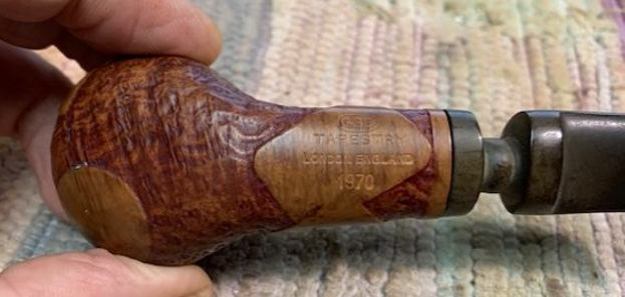
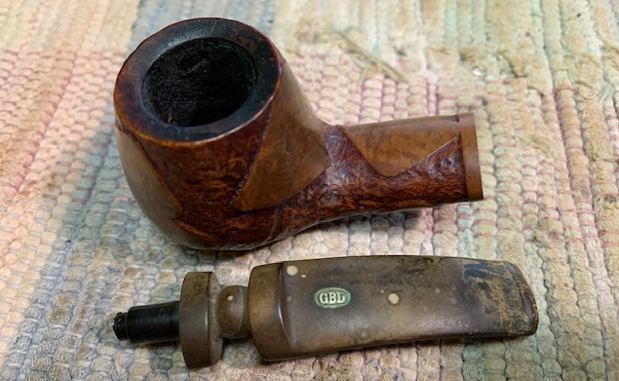
That left me with three pipes to work on. I worked on the Chacom Meridien first and have written about the work (https://rebornpipes.com/2021/07/23/repairing-and-adding-a-touch-of-antiquity-to-a-chacom-meridien-diamond-shank-811-dublin/). The second pipe, a Kriswill Saga Scoop has also been finished (https://rebornpipes.com/2021/08/07/restoring-an-interesting-kriswill-saga-140-scoop-egg/). The final pipe, the GBD Tapestry was a great looking shape but it was also a bit of a mess. The bowl had not only a moderate cake in the bowl and lava on the rim top toward the back side. The edges looked quite good with darkening on the back rim top. The mixed finish sandblast with smooth patches was filthy with ground in grit and grime. The stamping on the pipe was minimal. On the underside it read GBD in an oval [over] Tapestry over London England [over] the shape number 1970. The chairleg stem had the brass GBD roundel  on the topside. There was a lot of oxidation, calcification and tooth marks on chatter on both sides. It was tired but showed a lot of promise. I took photos of the pipe as it was when I brought it home.  I took some close up shots of the bowl and rim top along with the stem to show the condition of both. You can see the cake in the bowl. The rim top shows the lava coat that is all the way around but heavier on the right rear and side. The photos of the stem show its condition. You can see the oxidation, calcification, some paint spots and tooth marking in the photos below.I took photos of the stamping on underside of the shank and it read as noted above. I took a photo of the pipe with the stem removed to give a sense of the beauty of contrasting finish of sandblast and smooth panels on the bowl and shank. It is a nice looking pipe.I turned to Pipedia (https://pipedia.org/wiki/GBD) and read the history section to see if I could find any information on the Tapestry Line. There was a paragraph toward the end that gave a list of the pipe grades and where Tapestry fit into the brand. I quote:

The following list comprises the better grades in descending order:  Pedigree, Pedigree I, Pedigree II, Straight Grain, Prodigy, Bronze Velvet, Virgin, Varichrome, Prestige, Jubilee, New Era, Prehistoric, International, Universe, Speciale Standard, Ebony, Tapestry, New Standard, Granitan, Sauvage, Sierra, Penthouse, Legacy, Concorde.

I turned to the related article on Shape numbers for GBD pipe to see if I could find anything about the 1970 shape (https://pipedia.org/wiki/GBD_Shapes/Numbers). I found the following listed item:There was a slight issue in the information above. I would indeed call the shape a Diplomat and it has a 1/8 bent stem. However, the shank is oval not round.

I turned to another Pipedia article (https://pipedia.org/wiki/GBD_Model_Information) looking for information on the Tapestry line. I found it listed under the heading of a  List of GBD Models. It said:

Tapestry — Factory unknown: light brown sandblast, geometric panels masked before blasting. -TH: Chairleg stem. -catalog (1976).

Now it was time to work on the pipe. I began my work on the pipe by reaming out the cake. I started the process by reaming the bowl with a PipNet pipe reamer and took the cake down to bare walls. I cleaned up the reaming with a Savinelli Fitsall Pipe Knife. I finished the bowl work by sanding the inside with piece of dowel wrapped with 220 grit sandpaper. Once it was finished the bowl was clean. With cake removed I scrubbed the exterior of the bowl with undiluted Murphy’s Oil Soap and a tooth brush to remove the grime ground into the briar and to remove the buildup of lava on the rim top and edges. It really was a nice looking piece of briar. I scraped the walls of the mortise with a small pen knife to scrape away the thick tarry buildup that was present. I cleaned out the mortise, the airway into the bowl with alcohol, pipe cleaners and cotton swabs. It was very dirty with tars and oils and took a lot of swabs and pipe cleaners. I had already put the stem in the deoxidizer so cleaning the airway would have to wait.I used a folded piece of 220 grit sandpaper to clean up the darkening on the rim top. I was able to remove much of it. The rest would lessen with polishing.I dropped the stem into a soak of Briarville’s Pipe Stem Deoxidizer and set it aside for several hours while I worked on the bowl.While the stem soaked I polished the briar with micromesh sanding pads – dry sanding it with 1500-12000 grit pads. I wiped it down with a damp cloth after each pad to remove the debris. The bowl began to take on a deep shine. I worked some Before & After Restoration Balm into the finish my fingertips and into the nooks and crannies of the sandblast portion with a horsehair shoe brush. The product works to clean, enliven and protect the briar. I let the balm sit for 10 minutes and then buffed with a cotton cloth to raise the shine. The product brought the briar to life and gave some depth to the finish. I set the bowl aside and turned my attention to the stem. I took it out of the Briarville Pipe Stem Deoxidizer and rubbed it down with a coarse cloth. The oxidation was still present but primarily around the fancy turned portion of the stem. I remembered to clean out the inside of the stem with pipe cleaners and isopropyl alcohol. I scrubbed the surface of the stem with Soft Scrub cleanser on cotton pads until I had removed the remaining oxidation. The stem was actually starting to look very good at this point in the process.I polished the stem with micromesh sanding pads – dry sanding with 1500-12000 grit sanding pads. I wiped the stem down after each pad with Obsidian Oil. I polished it further with Before & After Fine and Extra Fine Stem Polishes. I wiped it down a final time with Obsidian Oil and set it aside to dry. This GBD Tapestry 1970 Diplomat turned out to be a real beauty with some nice grain on both the sandblast portions and the smooth patches. I put the stem on the shank and buffed it with Blue Diamond on the buffing wheel. I gave the stem and bowl multiple coats of carnauba wax and buffed it with a clean buffing pad to raise the shine. I hand buffed it to deepen the shine. The grain on the briar came alive with the buffing and the gold of the band was a great contrast between the briar and the polished vulcanite stem. The dimensions of the pipe are – Length: 5 ½ inches, Height: 1 ½ inches, Outside Diameter of the bowl: 1 ¼ inches, Diameter of the Chamber: ¾ of an inch. The weight of the pipe is 1.23 ounces/35 grams. It is really a great looking pipe. The oval shank and fancy chair leg style stem looks excellent. I will be adding it to the rebornpipes store in the British Pipe Makers section shortly. If you are interested in adding it to your collection let me know. Thanks for walking through the restoration with me. Cheers.

Reworking a Damaged French Made GBD Speciale Standard 9465 Liverpool


Blog by Steve Laug

Jeff and I purchased the lovely long shank GBD Liverpool from a fellow in Brazil, Indiana, USA. The grain on the pipe is a nice mix of flame, swirled and birdseye that works well with the brown stains of the briar and the black of the saddle stem. The rim top is crowned with a bevel inward and has some significant damage on the front right outer edge and top. The repeated burning of that area with a lighter flame has left behind a deep dip and burn that will need to be dealt with. It was hard to see with the thick cake in the bowl and the veritable eruption of lava over the top of the rim but it was very present. The finish was quite dirty with grit, grime and oils ground into the surface of the bowl and shank. The shank is stamped on both sides and on the left it reads GBD in an oval [over] Speciale [over] Standard. On the right side it reads France [over] the shape number 9465. The vulcanite stem was lightly oxidized and well dented with tooth marks and chatter on both sides near the button. The button area was worn as well. There is a GBD brass oval roundel on the left side of the saddle stem. Jeff took photos of the pipe to capture its condition when it arrived at his place. It was going to take some work to bring this one back to life. But both of us thought that it would be worth it. Jeff took photos of the rim top and bowl that show the cake and overflowing lava on the top and edges of the bowl. It is really hard to know what it looks like under all of that. We have learned that it with either be badly damaged or it will have been well protected. Only cleaning it off would reveal which result was on this pipe. You can also see the burn damage on the right front outer edge. The stem had a lot of tooth chatter and marks that are clear in the photos that follow. There is some oxidation and the calcification on the stem surface. He took photos of the sides and heel of the bowl to show condition of the briar. You can see the dust and debris ground into the bowl. The burn damage on the outer rim edge of the right front is more apparent from the side view in the first photo. The grain is still quite nice. He took photos of the stamping on the sides of the shank. It was faint but was still was clear and readable as noted above. The brass GBD roundel looked good as well. I always like to be able to set the pipe I am working on in its historical setting so I turn to Pipedia (https://pipedia.org/wiki/GBD) and read through the brand history. Toward the middle of the article I found what I was looking for. I quote below:

The Paris factory moved to Saint-Claude in 1952. Since 1981 the majority of GBD pipes come from the English factory.

The premium lines of GBD offered very good values, and are considered amongst the most affordable high end pipe of the 1960’s and earlier and a rival in quality, design, and price to Dunhill. Smokers’ Haven was the main retail supplier for GBD’s in the US until the early 1980’s.

GBD produced consistently well made pipes, almost entirely of Algerian or Grecian briar. In the late 1960’s to late 1970’s, they introduced the “Collector” and “Unique” lines, made primarily by Horry Jamieson, who had carved for Barling for many years, and was skilled in freehand design. Older GBD pieces are excellent smokers and unique in design. They did an excellent executions of classic pipe shapes, as well as some beautiful freehands in the “Unique” line. [2]

The following list comprises the better grades in descending order:

Pedigree, Pedigree I, Pedigree II, Straight Grain, Prodigy, Bronze Velvet, Virgin, Varichrome, Prestige, Jubilee, New Era, Prehistoric, International, Universe, Speciale Standard, Ebony, Tapestry, New Standard, Granitan, Sauvage, Sierra, Penthouse, Legacy, Concorde.

Since the pipe I was working on was made in France I knew that it was made either in Paris before 1952 or in St. Claude after that date and before 1981 when production moved to England. I also new that I was dealing with one of the better grade pipes with the Speciale Standard stamp.

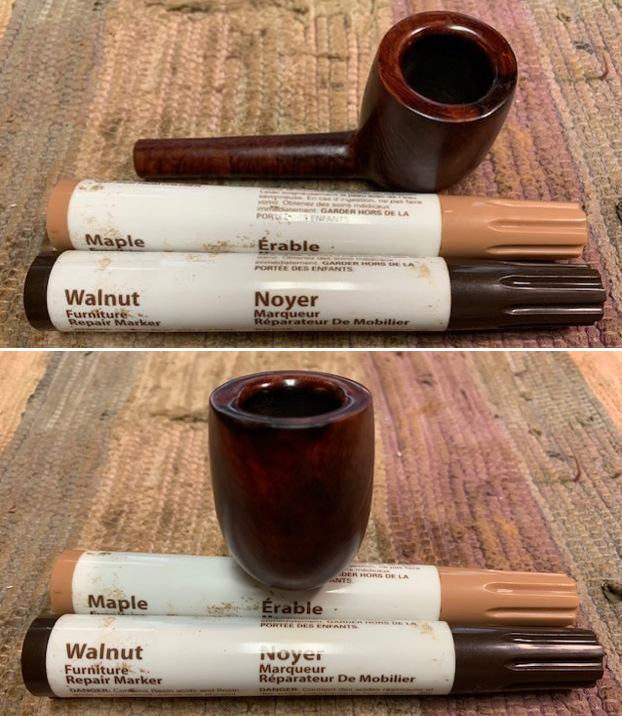
I then followed the links included to a listing of the shapes and numbers on the GBD pipes (https://pipedia.org/wiki/GBD_Shapes/Numbers). The pipe I was working on was labeled by GBD as a 9465 which is a Liverpool with a round shank. Now it was time to work on the pipe itself. Jeff had cleaned up the pipe with his usual focus on detail. He reamed the pipe with a PipNet pipe reamer and removed the rest of the cake with a Savinelli Fitsall Pipe Knife. He scrubbed the exterior of the bowl with undiluted Murphy’s Oil Soap with a tooth brush and was able to remove the thick lava build up on the rim top. He rinsed it under running warm water to remove the soap and grime. He cleaned out the inside of the shank and the airway in the stem with alcohol, cotton swabs and pipe cleaners. He soaked the stem in Briarville’s Stem Deoxidizer and rinsed it off with warm water. I took photos of the pipe once I received it. The rim top cleaned up really well. The rim top, inner and outer edges of the bowl other than the burn damage on the front right were in good condition. The crowned inner edge also has some rim darkening and burn damage on the front right as well. The stem surface looked good with some large and deep tooth marks and chatter on both sides near the button.  He took photos of the stamping on the sides of the shank. It was faint but readable as noted above.I removed the stem and took a photo of the pipe to give a sense of the whole.  Now it was time to do my work on the pipe. I decided to begin by dealing with the damage on the front of the rim top and bowl. I sanded it slightly to give a clear picture of the damage in the photo below. I have marked it in red to help identify the damaged area.Now I had a decision to make on this repair. I could top the bowl and shorten the height of the entire bowl to accommodate the damage on the front of the rim. To me this would look awkward as the dip is quite deep. The other option to me was to build up the dip in the rim top and edge with briar dust and clear CA glue (super glue) to the same height as the rest of the bowl. I decided to build up the bowl top. To begin the process I topped the bowl to give me a flat surface and to remove the other damage to the rim top.I wiped off the burned area with alcohol on a cotton pad to clean off any debris. I layered on the first batch of CA glue and then used a dental spatula to put briar dust on top of the glue. I repeated the process until I had the rim top level. Once the repair cured I topped it once again to make sure that the repaired area matched the rest of the rim top. I used a topping board and 220 grit sandpaper.I took photos of the rim top and bowl front to show the repair. It is dark and still needs a lot of work but it is at least the right height and is smooth. You can also see the slight bevel that was on the inner edge of the rim on the rest of the bowl. I would need to continue that on the repaired area to match.I worked on the inner beveled edge with a folded piece of 220 grit sandpaper to give it a deep bevel. I also sanded the rim top repair to further smooth it out. The repair is starting to look good at this point.  I polished the briar with micromesh sanding pads – dry sanding with 1500-12000 grit sanding pads. I wiped it down after each pad with a damp cloth to remove the sanding debris and dust.   I restained the rim edge and top with a combination of Maple and Walnut stain pens to blend the colour to the rest of the bowl. The rim top looked darker but it looked much better than when I started the repair.I rubbed the bowl and shank down with Before & After Restoration Balm. I worked it into the surface of the bowl sides and shank with my fingertips to clean, enliven and protect the briar. I let the balm sit for a little while and then buffed with a cotton cloth to raise the shine.    I set the bowl aside and turned my attention to the stem. I “painted” the surface of the stem with the flame of a lighter to lift the tooth marks. It worked very well and many of the marks lifted. I filled in the remaining marks with clear CA glue and let the repairs cure. I used a small file to flatten out the repairs. I sanded the stem with 220 grit sandpaper to blend the repairs into the stem surface. I started the polishing with 400 grit sandpaper.     I polished the vulcanite stem with micromesh sanding pads – 1500-12000 grit pads. I wiped it down with Obsidian Oil after each sanding pad. I used Before & After Pipe Polish – both Fine and Extra Fine to further polish the stem.  This French Made GBD Speciale Standard 9465 Liverpool is a great looking pipe now that it has been restored. The rich contrasting brown stained finish around the bowl is quite beautiful and highlights the a finish that works well with the polished vulcanite stem. I put the stem back on the bowl and carefully buffed the pipe with Blue Diamond on the buffing wheel using a light touch on the briar. I gave the bowl and the stem multiple coats of Conservator’s Wax and buffed the entire pipe with a clean buffing pad. I hand buffed the pipe with a microfiber cloth to deepen the shine. The finished GBD Speciale Standard Liverpool sits nicely on the desk top and in the hand. Give the finished pipe a look in the photos below. The dimensions of the pipe are Length: 6 inches, Height: 1 ¾ of an inch, Outside diameter of the bowl: 1 ¼ inch, Chamber diameter: ¾ of an inch. The weight of the pipe is 35 grams/1.23 ounces. I will be putting it on the French Pipe Maker section of the rebornpipes store shortly. If you are interested in adding this pipe to your collection send me a message or an email. Thanks for reading this blog and my reflections on the pipe while I worked on it. There are many more to come!
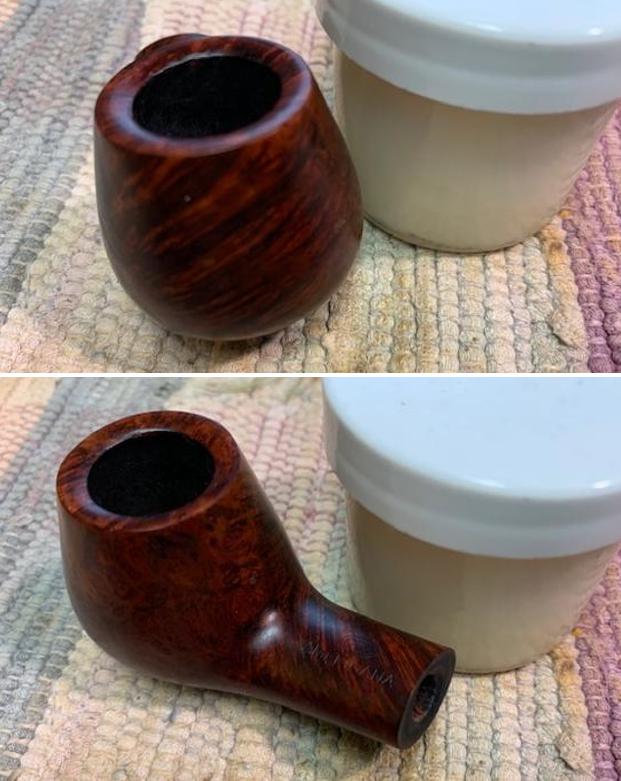
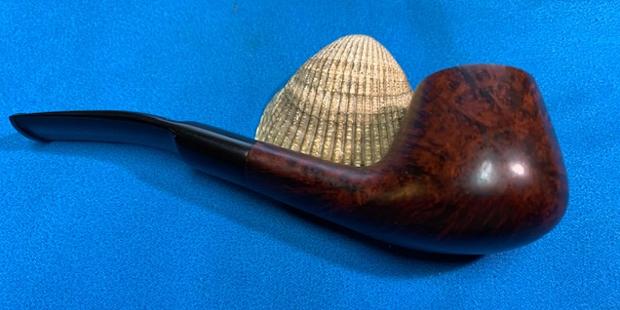
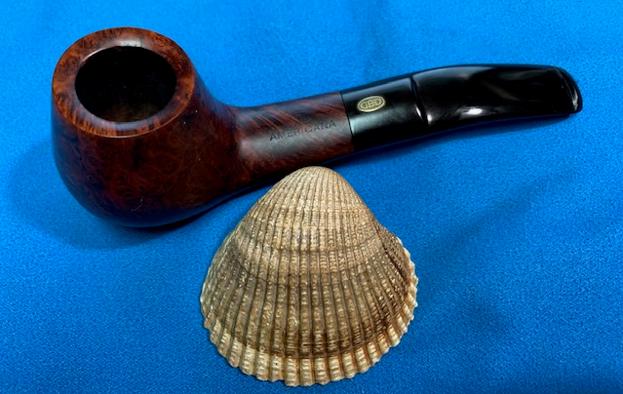
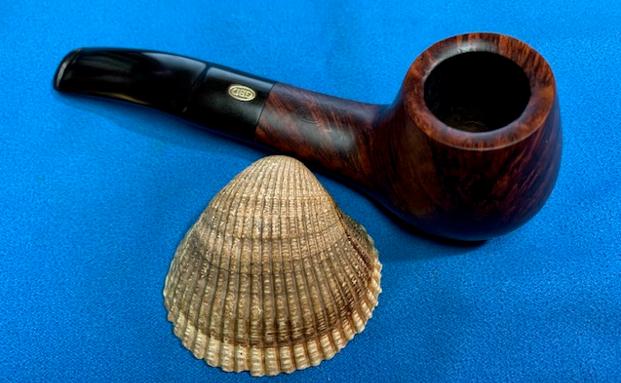
I like the shape & finish of this GBD Americana 1970 Diplomat


Blog by Steve Laug

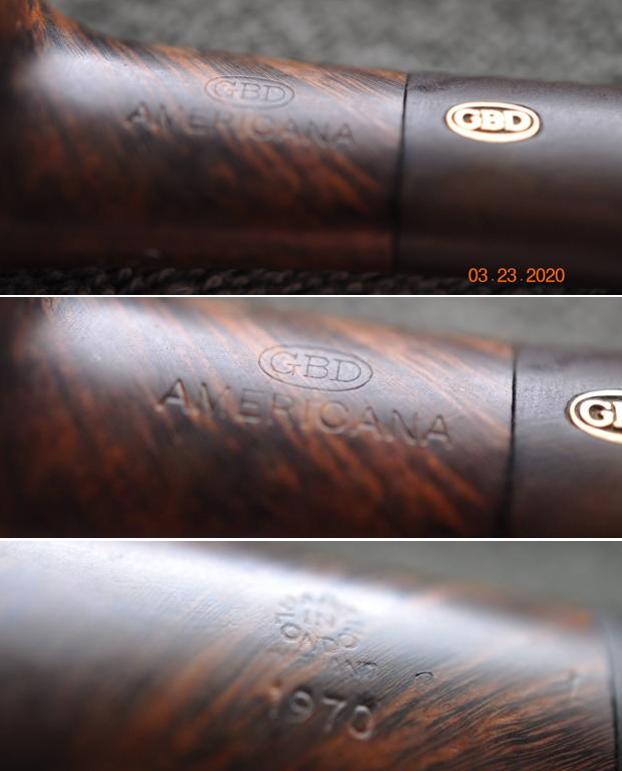
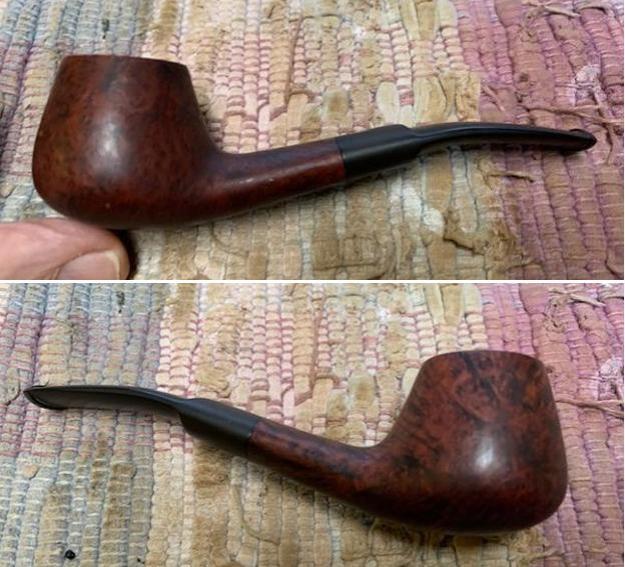
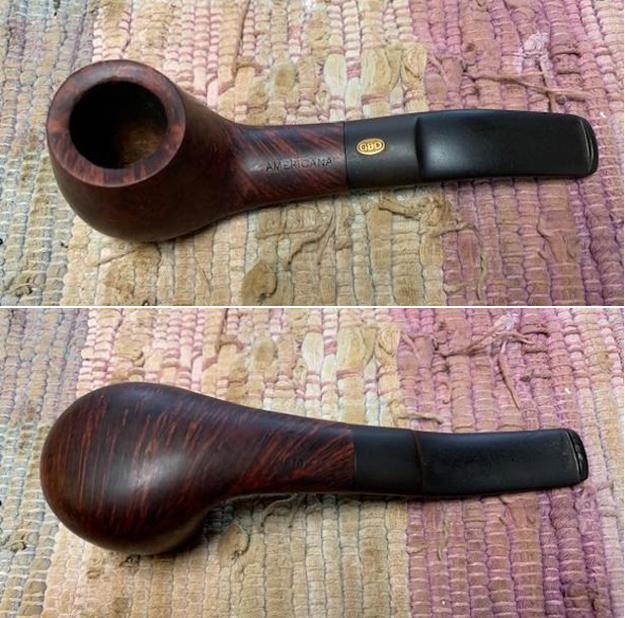
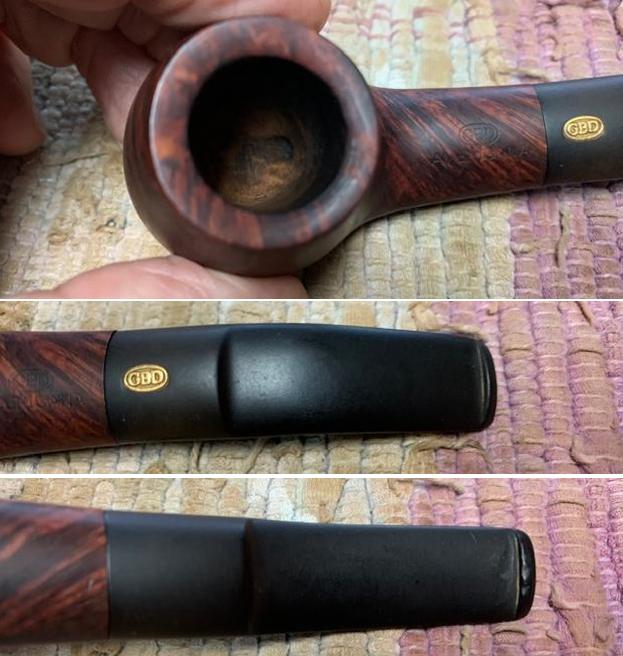
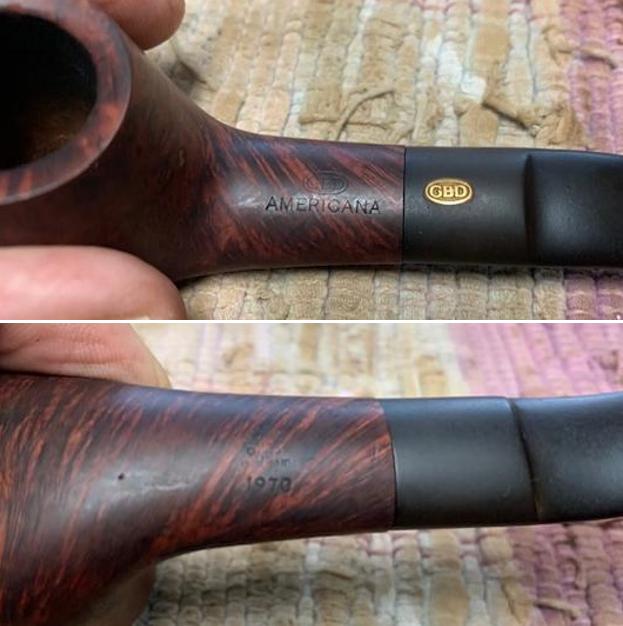
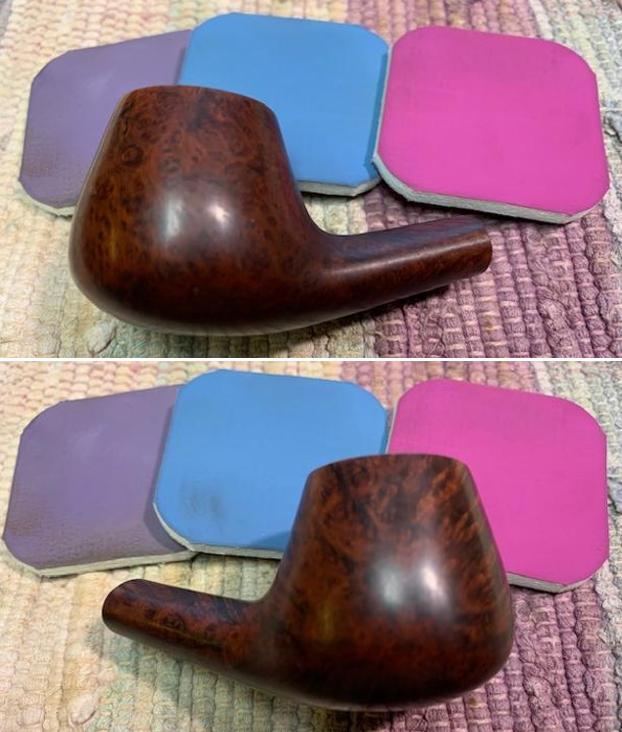
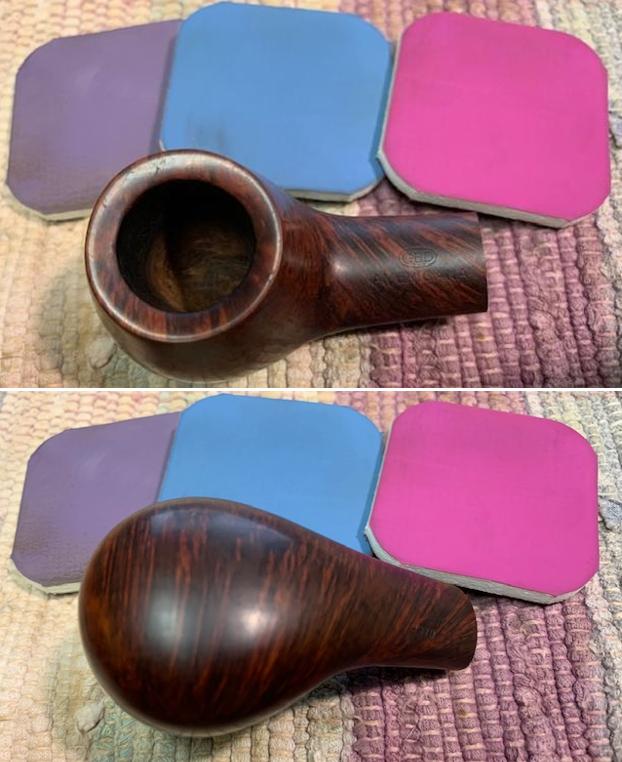
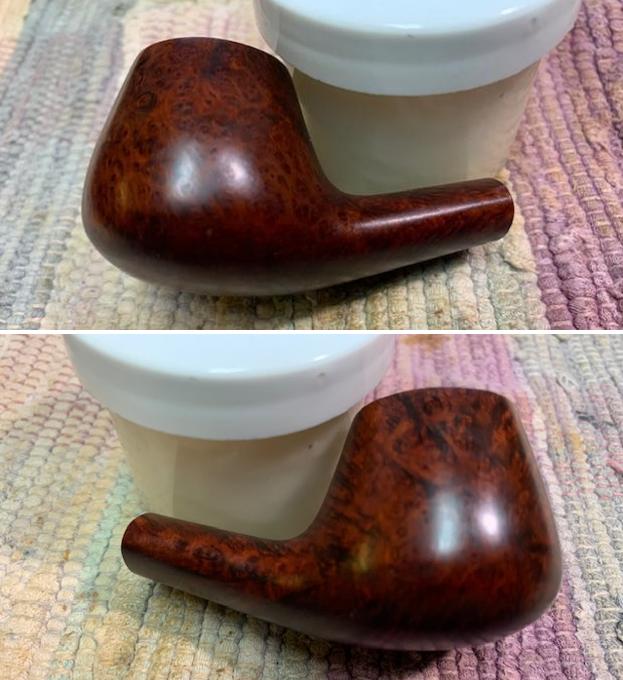
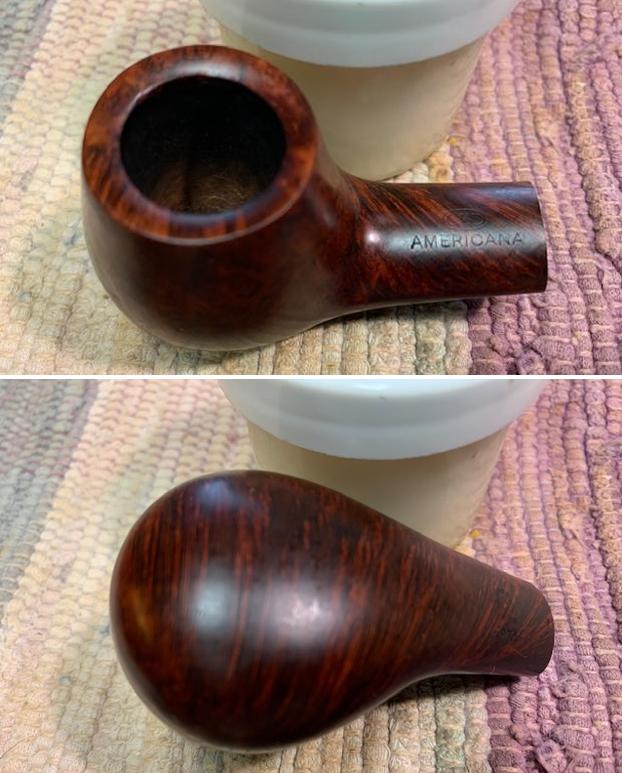
The next pipe on the work table is a pipe was that was purchased from an antique mall in Northern Utah, USA early in 2020 and I am finally getting to it. It is a nice looking GBD with a smooth finish and a vulcanite saddle stem. It is stamped on the top side of the shank GBD in an oval logo [over] Americana. On the underside of the shank it is the stamped with the circular Made in London over England [over] the shape number 1970. The vulcanite saddle stem had a brass inlaid GBD oval. The finish was absolutely filthy with grime ground into the smooth finish. There was a light cake in the bowl and no real overflow on to the rim top. The stem was oxidized, calcified and had some tooth marks and chatter on both sides near the button. The stem was fitted with a filter tenon. Jeff took some photos of the pipe before he did any clean up.   He took photos of the rim top and the stem to show the condition of both. The photo of the rim top shows how clean the rim top actually was – other than some grit and grim it is smooth. The stem photos show tooth chatter and tooth marks and chatter on both sides. Jeff took photos of the sides and heel of the bowl to give a sense of the grain and finish on the pipe and the sheer filthy condition of the finish. There is still something attractive about the bowl even with the fills visible on the bowl sides. He took photos of the stamping on the top and underside of the shank. The stamping is clear and reads as noted above. You can also see the top of the stem with the brass GBD logo. I turned to Pipedia and read the history section to see if I could find any information on the Americana Line. There was nothing specific in the main article there.

I turned to the related article on Shape numbers for GBD pipe to see if I could find anything about the 1970 shape (https://pipedia.org/wiki/GBD_Shapes/Numbers). I found the following listed item:There was a slight issue in the information above. I would indeed call the shape a Diplomat and it has a 1/8 bent stem. However, the shank is oval not round.

I turned to another Pipedia article (https://pipedia.org/wiki/GBD_Model_Information) looking for information on the Americana line. I found it listed under the heading of a  List of GBD “Seconds”

It said: The lines listed below are either 2nds or lines made for other makers/pipeshops. Please send me any corrections or additional information you might have on these.

Americana — Factory unknown.

I knew that I was working on a GBD second labeled Americana. It was a decent looking pipe with some nice grain. Now it was time to work on the pipe.

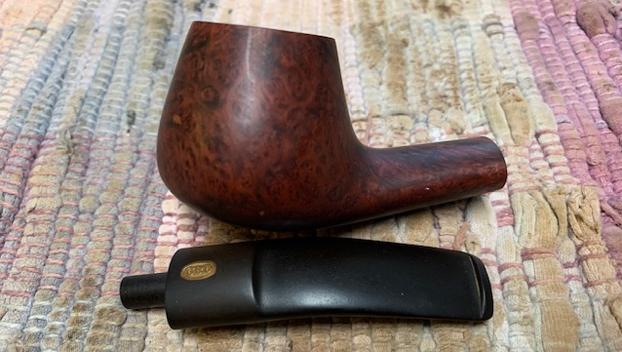
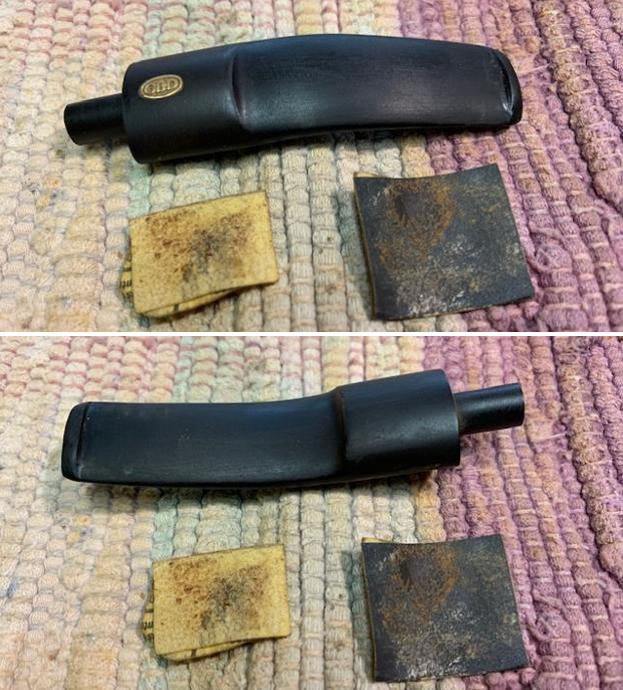
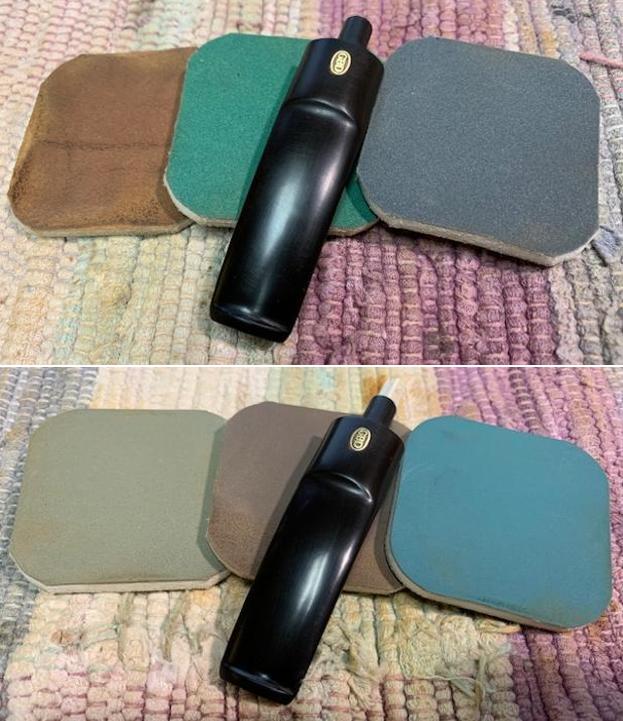
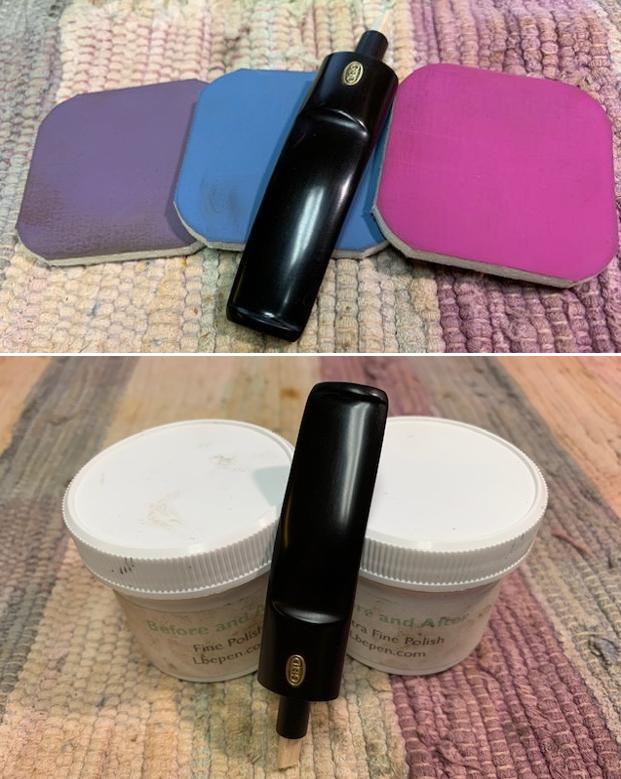
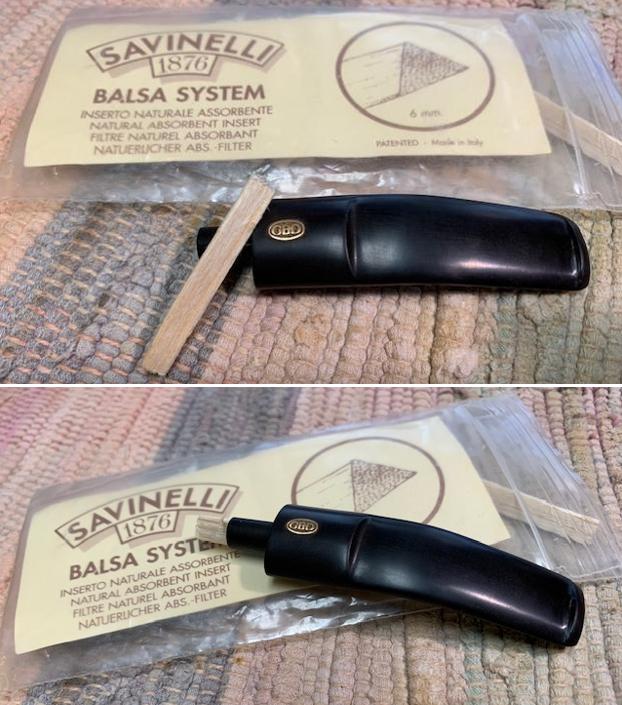
Jeff had cleaned up the pipe following his normal cleaning process. In short, he reamed the bowl with a PipNet pipe reamer and cleaned up the reaming with a Savinelli Fitsall Pipe Knife.  He scrubbed the smooth bowl with undiluted Murphy’s Oil Soap with a tooth brush. He worked over the lava and debris on the rim top and was able to remove it. He rinsed it under running warm water to remove the soap and grime. He cleaned out the inside of the shank and the airway in the stem with alcohol, cotton swabs and pipe cleaners. He scrubbed the stem with Soft Scrub and cotton pads to remove the debris and oils on the stem. He soaked it in a bath of Briarville’s Pipe Stem Deoxidizer to remove the oxidation. He rinsed it with warm water and dried it off. I took photos of the pipe once I received it. It really looked good.   I took close up photos of the stem and the rim top to show both how clean they were and what needed to be addresses with both. The rim top and bowl edges look very good. The stem looked better and the tooth marks and chatter were very visible. I took a photo of the stamping on the top and underside of the shank. You can see from the photo that it is readable. I removed the stem from the bowl and took a photo of the parts to give a sense of the beauty of the pipe. I decided to start my work on this pipe with the stem. I “painted” the stem with a Bic lighter to try and lift the tooth marks in the surface of the vulcanite. I was able to lift them quite a bit. I filled in the remaining marks with clear CA glue and set it aside to cure. Once the repairs cured I used a file to recut the edge of the button and reshape it. I sanded the stem surface with 220 grit sandpaper to remove the tooth marks and chatter and blend them into the surface of the acrylic. I started polishing the stem with 400 grit wet dry sandpaper. I polished the stem with micromesh sanding pads – 1500-12000 grit pads. I wiped it down with a damp cloth after each sanding pad. I used Before & After Pipe Polish – both Fine and Extra Fine to further polish the stem.    The tenon was drilled for a 6mm filter. I fit a Savinelli Balsa Wood Filter in the tenon and the fit is perfect. I am assuming it will take all 6mm filters without any issue.   I set the stem aside and turned to the bowl. I polished the briar with micromesh sanding pads – dry sanding with 1500-12000 grit pads. I wiped the bowl down after each sanding pad with a damp cloth to remove the dust and debris. The began to take on a deep shine.    I rubbed the it down with Before & After Restoration Balm. I worked it into the surface of the bowl with my fingertips to get it into the briar. The product works to clean, enliven and protect the briar. I let the balm sit for 15 minutes and then buffed with a cotton cloth to raise the shine.     Once again I am the part of the restoration that I always look forward to – the moment when all the pieces are put back together. I put the GBD Americana 1970 Diplomat back together and buffed the bowl and stem with Blue Diamond on the buffing wheel. I gave the bowl and the stem multiple coats of carnauba wax. I buffed the pipe with a clean buffing pad to raise the shine. I hand buffed it with a microfiber cloth to deepen the shine. It is fun to see what the polished bowl looks like with the grain peeking through the dark finish. The vulcanite saddle stem stands in contrast to the dark colours of the bowl. It is a light weight pipe that could be clenched and smoked while doing other things. Have a look at it with the photos below. The dimensions of the pipe are Length: 5 ½ inches, Height: 1 ½ inches, Outside diameter of the bowl: 1 ¼ inches, Chamber diameter: ¾ of an inch. The weight of the pipe is 40 grams/1.41 oz. This one will soon be on the British Pipe Makers Page on the rebornpipes online store. Thanks to each of you who are reading this blog. Remember we are not pipe owners; we are pipemen and women who hold our pipes in trust until they pass on into the trust of the next generation.

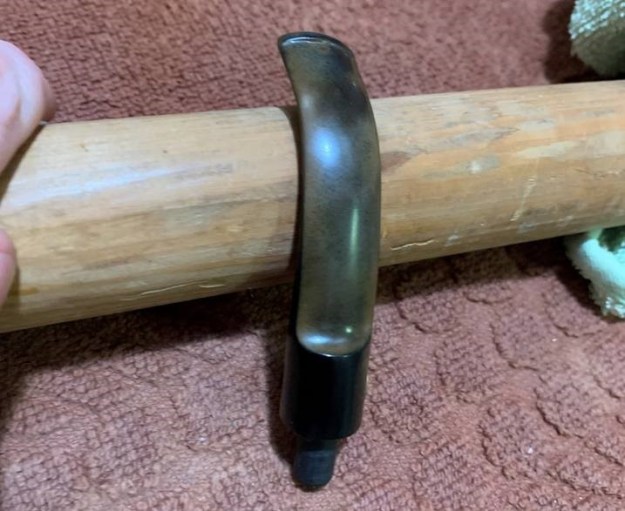
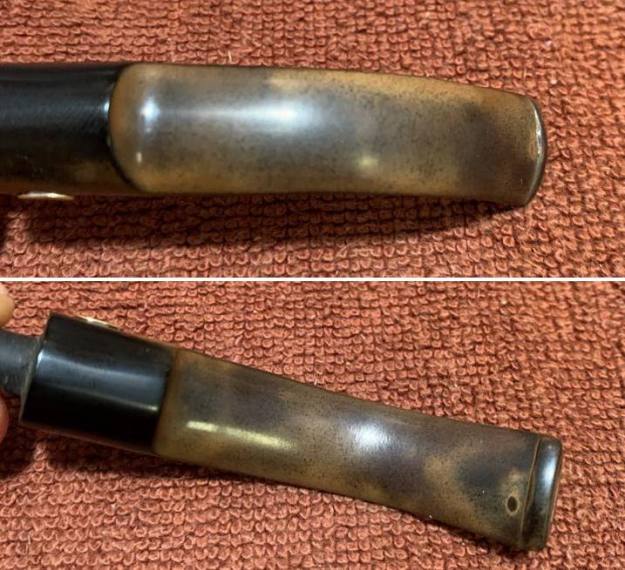
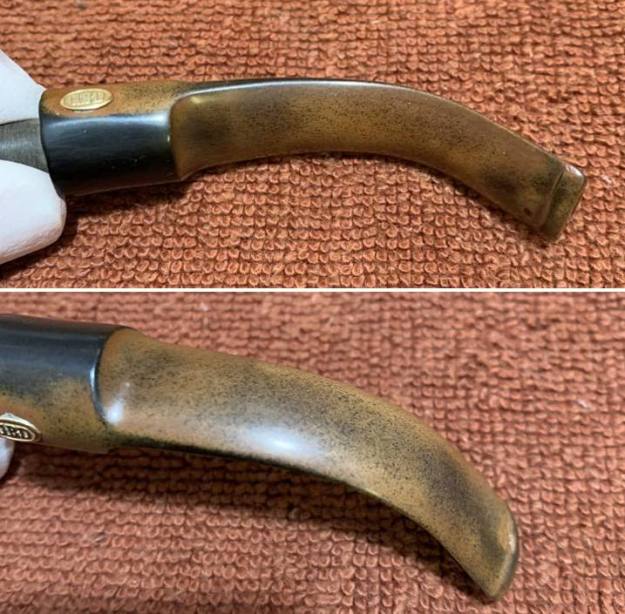
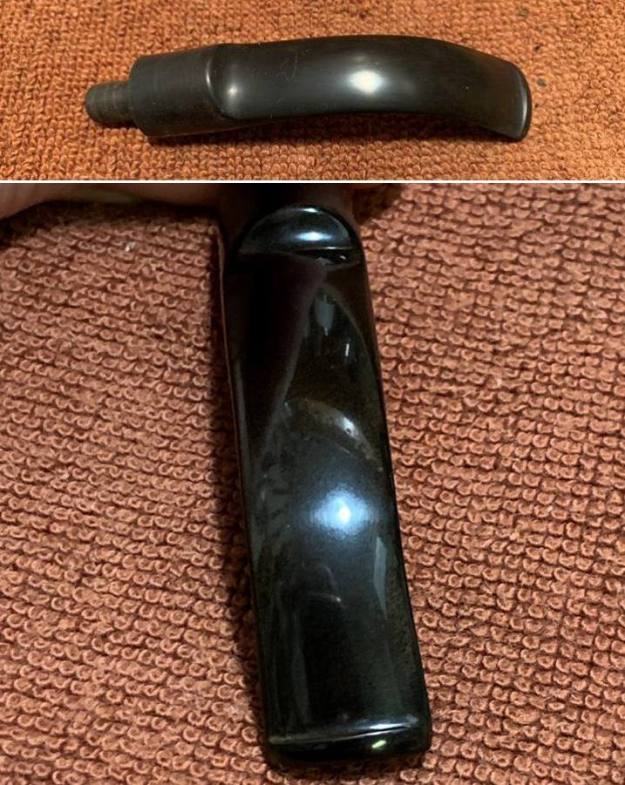
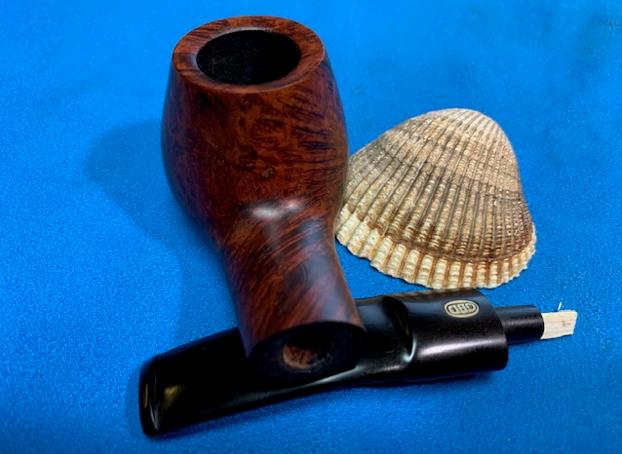
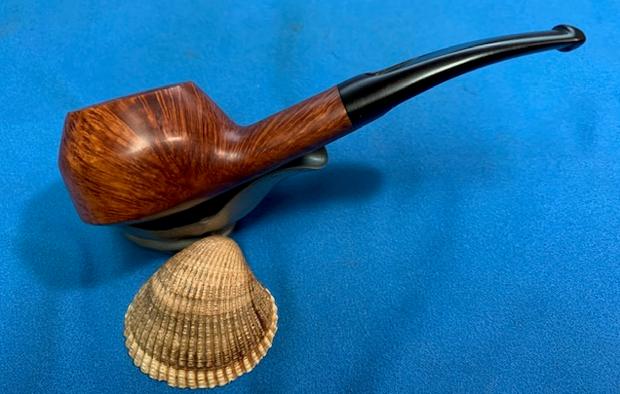
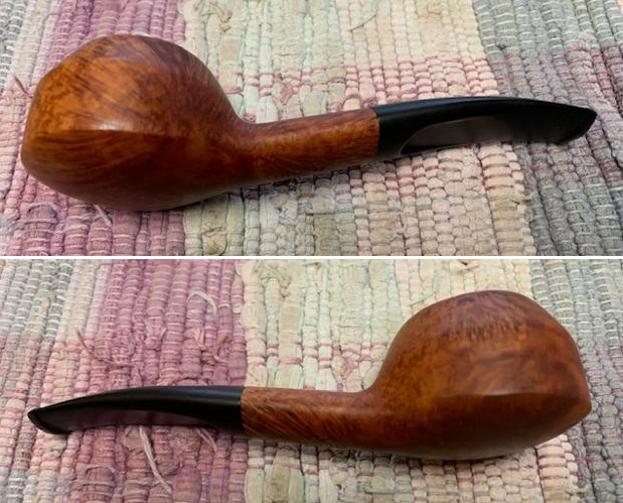
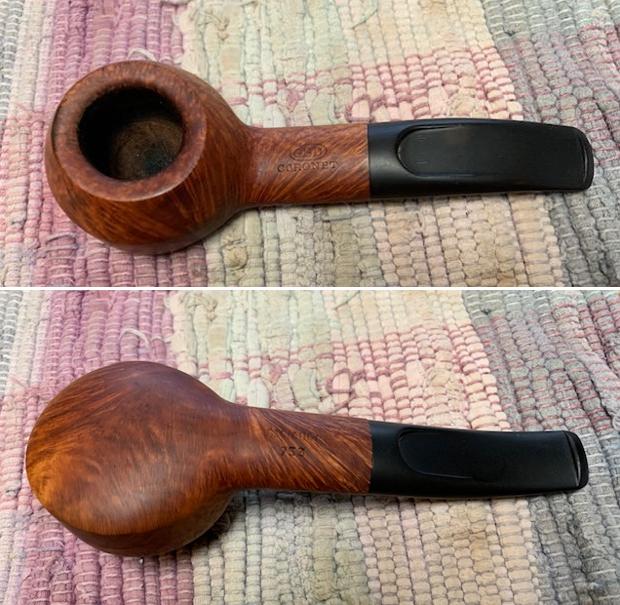
Not sure what to call this strange St. Claude, France GBD Coronet 753


Blog by Steve Laug

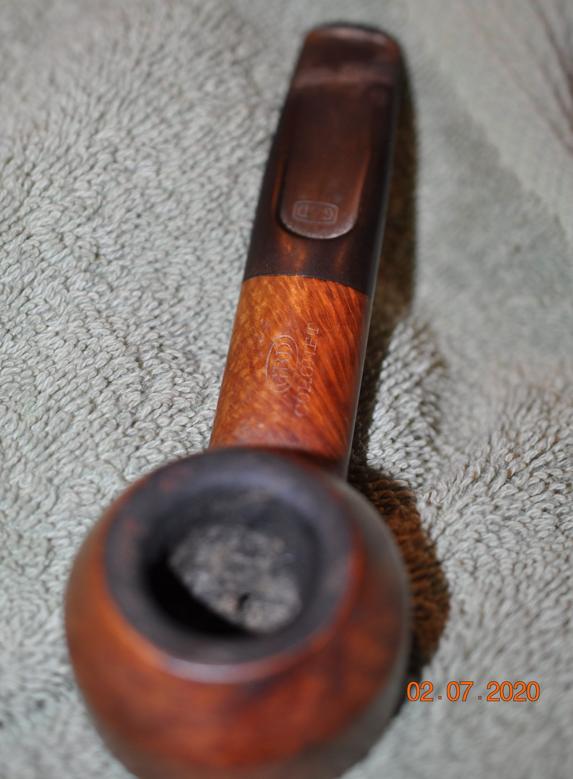
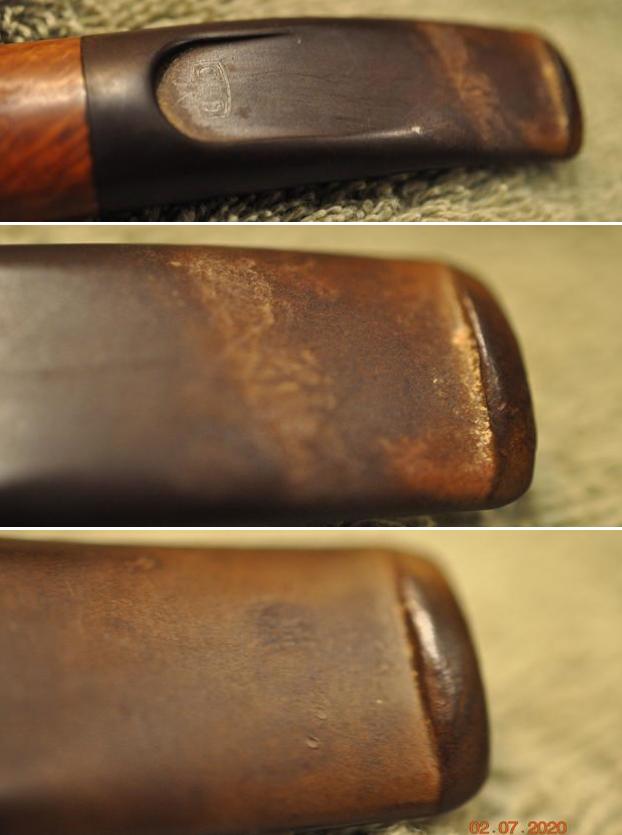
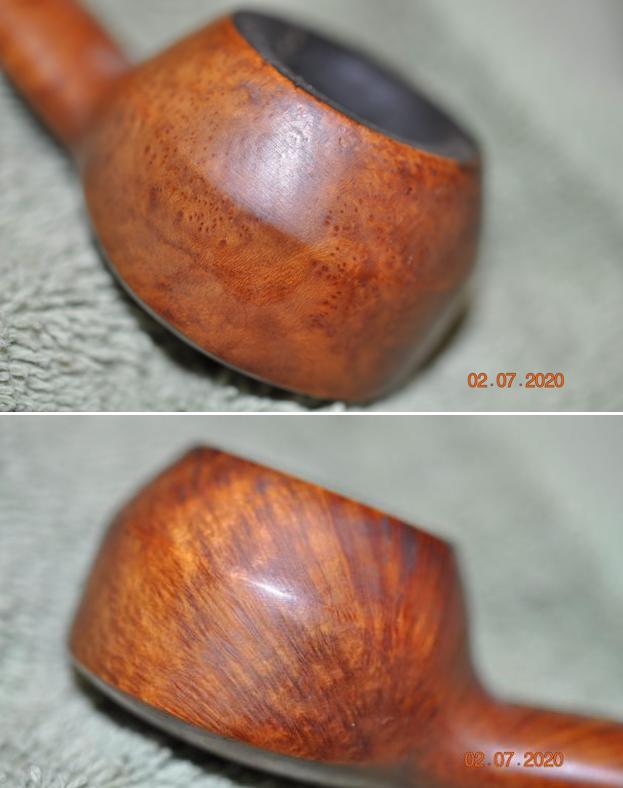
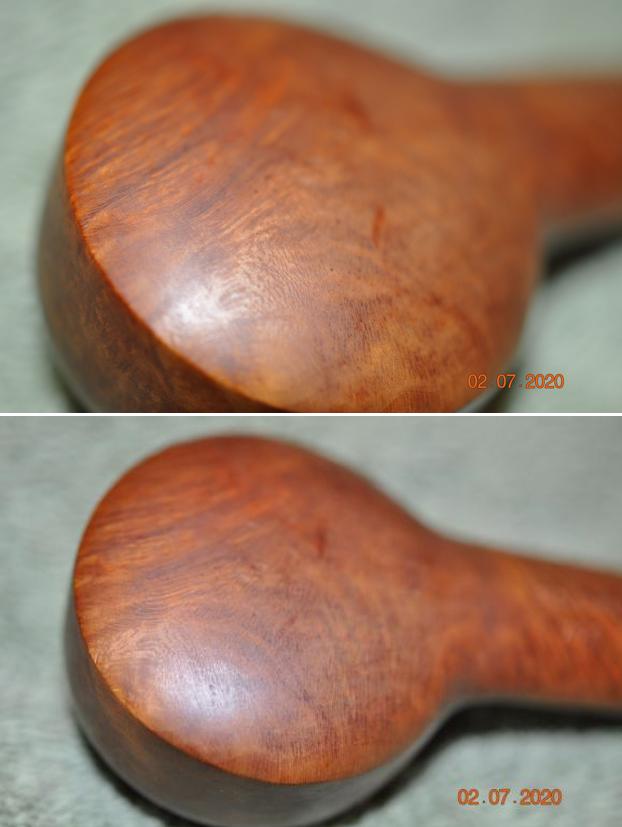
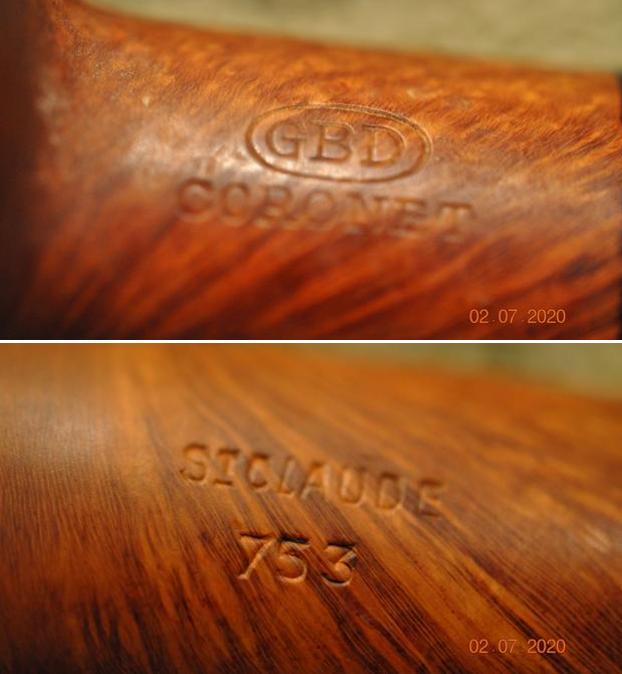
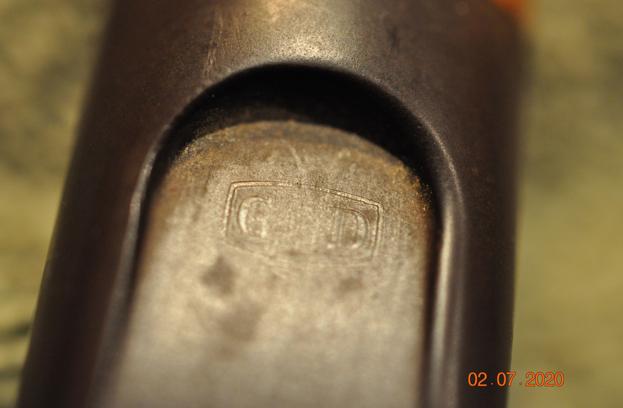
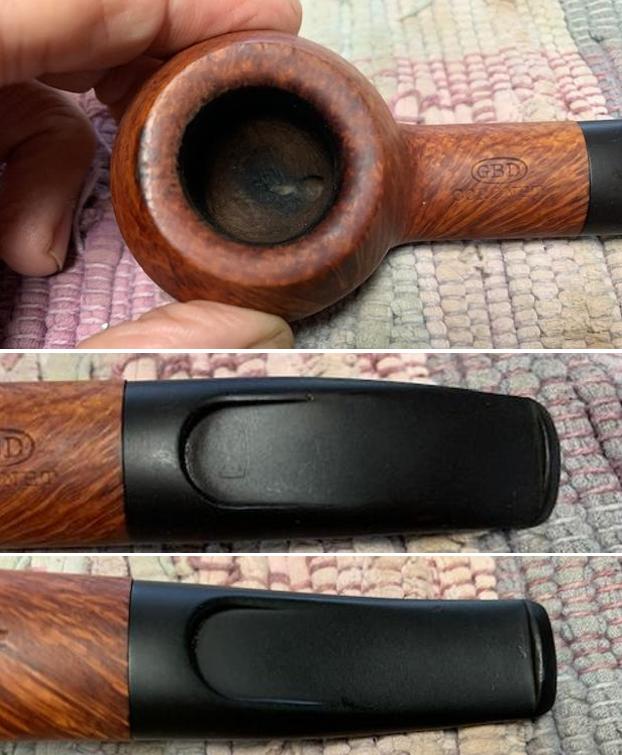
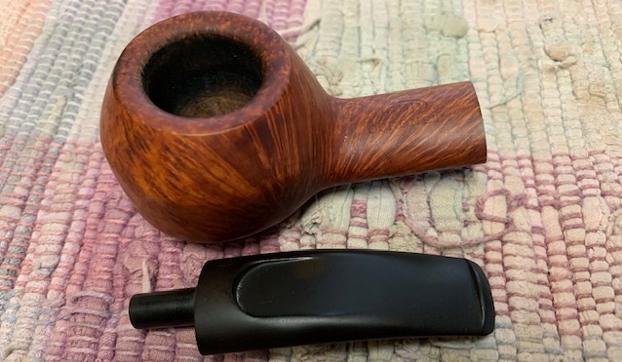
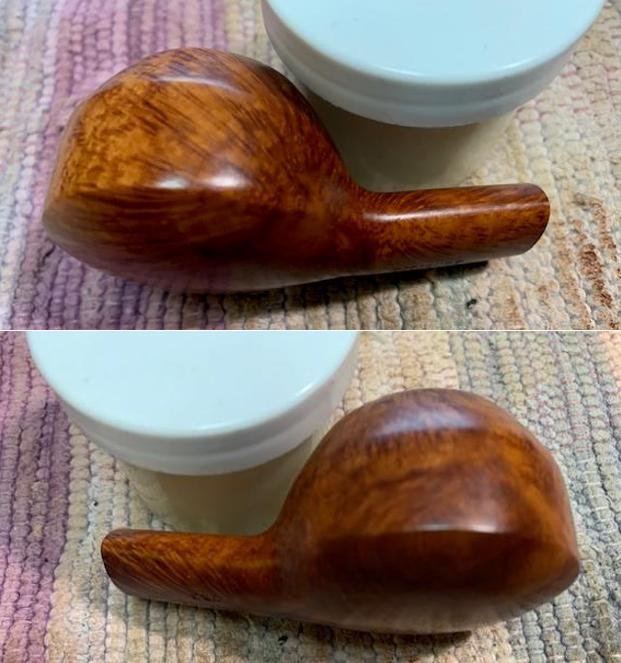
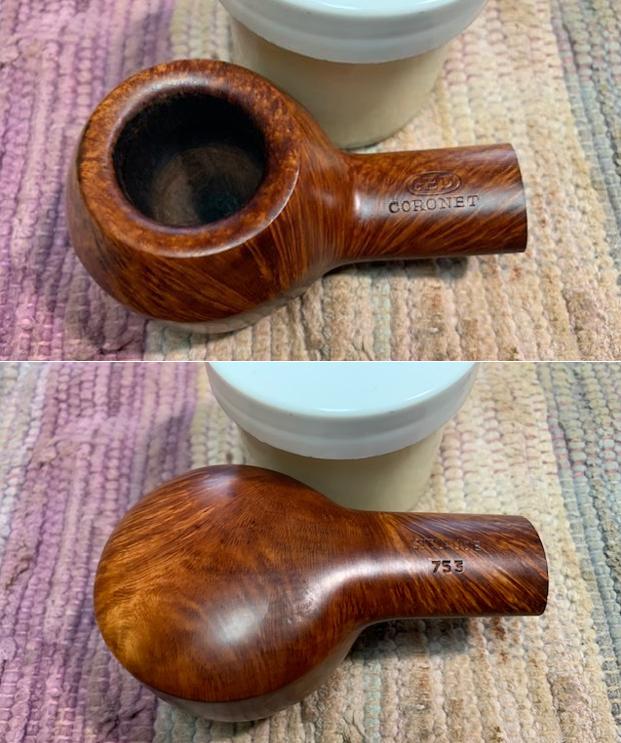
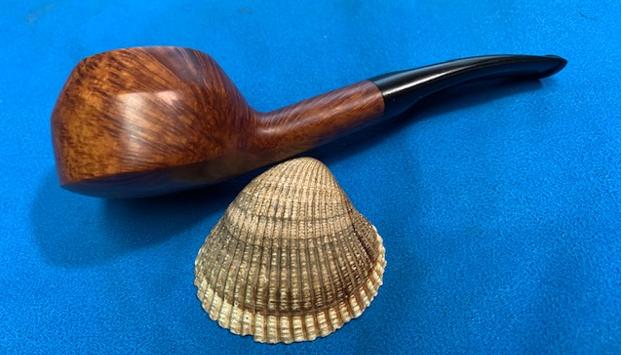
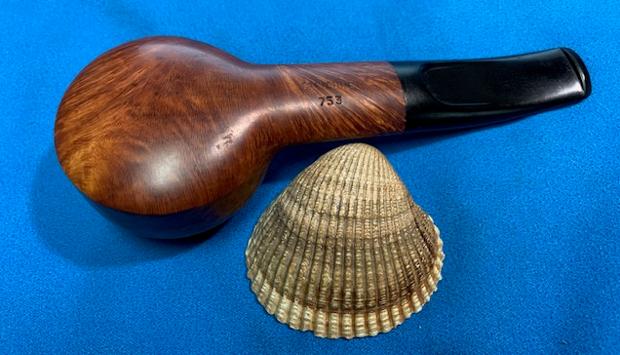
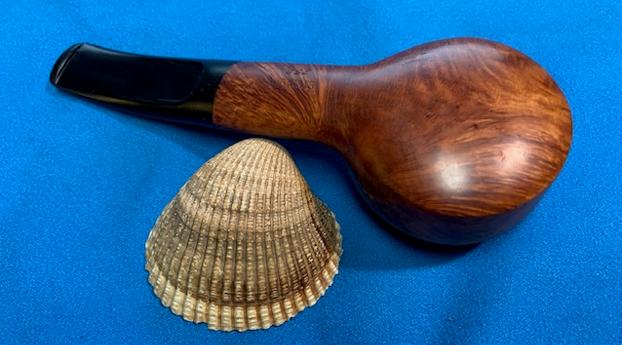
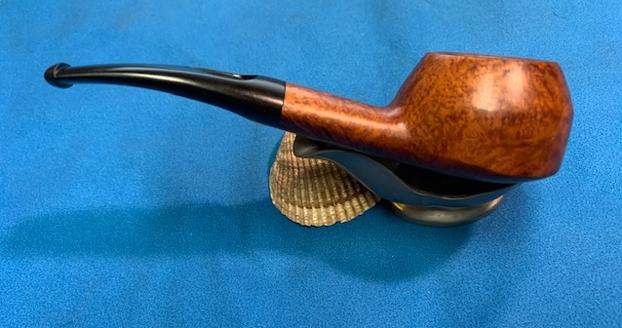
Sometimes when you are pipe hunting there is one that just grabs you. That was the case with this interestingly shaped GBD. Neither Jeff nor I had seen a GBD 753 shape before and never one with this style stem. The stamping on the bowl and the logo on the stem all seem to point to a later date for this one but the St. Claude stamp bring questions to that assumption. It is a bit of a mystery and was just one of those that spoke to us. We picked it up from an auction early in 2020 in Noberly, Maryland, USA. The pipe was stamped on the top of the shank and read GBD in an oval [over] Coronet. On the underside it read St. Claude [over] the shape number 753. The pipe itself was in filthy condition. The bowl was thickly caked and there was a thick lava overflow on the beveled rim top. The briar was very dirty with grit and grime ground into the surface. The stem was dirty and oxidized with calcification on the stem end. There were light tooth marks and chatter on both sides. There was a faintly stamped GBD logo in a rectangle that was very worn. Jeff took photos of the pipe before he did his clean up on it. He took some photos of the bowl and rim top to show their condition. The cake is thick and there is debris on the walls of the bowl. The rim top has a thick coat of lava and between that and the cake it is hard to know the condition of the rim edges. Clean up will reveal the condition. The stem looks pretty good with light tooth marks on both sides. The oxidation and calcification is present and clear. The logo stamp on the top of the stem is worn and light. It may not survive clean up. Jeff took photos of the sides of the bowl and the heel to give as sense of the shape and condition of the briar. It is a beautifully shaped pipe with some nice grain. He took photos of the stamping on the top and underside of the shank. The stamping is clear and readable as noted above. He also captured the logo on the stem top. You can see how faintly it is stamped and how it is fading. The line as new to me though I have worked on a lot of GBD pipes over the years. I turned to Pipephil’s site (http://pipephil.eu/logos/en/logo-gbd.html) to see what I could find. Sadly there was not any information on the Coronet line from France.

I turned then to Pipedia to first check the section on the history of the brand and see what I could find there (https://pipedia.org/wiki/GBD). I found some interesting information that helped to date the pipe to the time period between 1952-1981. I quote as follows from the section.

The Paris factory moved to Saint-Claude in 1952. Since 1981 the majority of GBD pipes come from the English factory. At about that same time GBD merged with Comoys, since then all production for both GBD and Comoy comes from a single factory.

The premium lines of GBD offered very good values, and are considered amongst the most affordable high end pipe of the 1960’s and earlier and a rival in quality, design, and price to Dunhill. Smokers’ Haven was the main retail supplier for GBD’s in the US until the early 1980’s.

GBD produced consistently well made pipes, almost entirely of Algerian or Grecian briar. In the late 1960’s to late 1970’s, they introduced the “Collector” and “Unique” lines, made primarily by Horry Jamieson, who had carved for Barling for many years, and was skilled in freehand design. Older GBD pieces are excellent smokers and unique in design. They did an excellent executions of classic pipe shapes, as well as some beautiful freehands in the “Unique” line.

I then followed the links to the list of models and information that was on each of the models/ lines of the brand (https://pipedia.org/wiki/GBD_Model_Information). I found the listing for the Coronet there. The quote further defined the time line of the pipe. It appears that it was made between 1951 and 1976 when it appeared in a catalogue. I quote as follows below:

Coronet — France, unknown if also made in England: Lower priced GBD, “take off” brown/black stained matt finish with “recessed platform” mouthpieces. – catalog (1976). These low cost pipes were possibly not always produced in normal GBD shapes.

I followed the links to another section of the brand that listed the shape numbers for me and I was able to find the shape I was looking for (https://pipedia.org/wiki/GBD_Shapes/Numbers). I quote the section below.

753 author one-eighth round

From all of that information I had learned that the pipe was a French Made GBD Coronet made in St. Claude France between 1951-1976. It was made with a matte finish and a recessed platform style stem. I also learned that it was an AUTHOR shape with a 1/8th bend to the stem. Now it was time to work on the pipe.

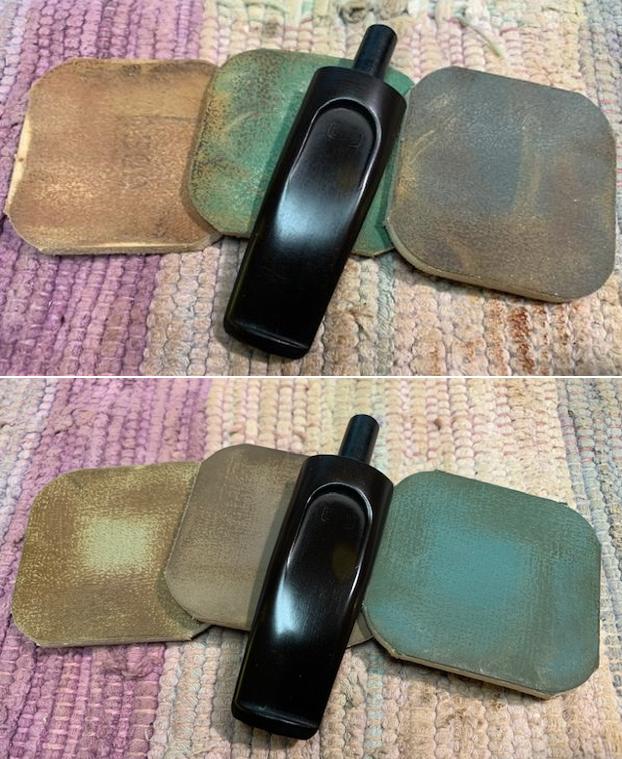
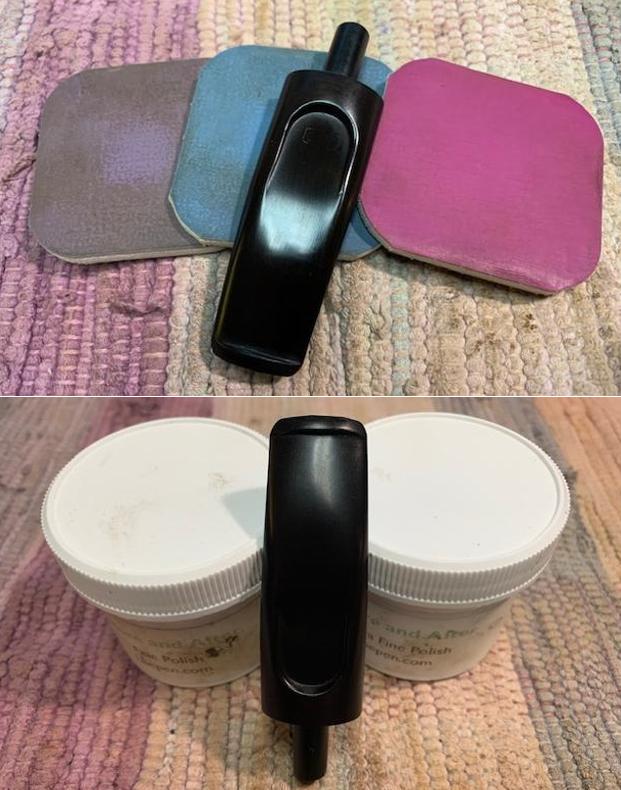
I have to say I was really looking forward to seeing what Jeff had done to this French Made St. Claude GBD Coronet pipe when I took it out of the box. It had shown such beauty through the grime so I was quite sure it would be stunning. He reamed the bowl with a PipNet pipe reamer and cleaned the remnants of cake back with a Savinelli Fitsall Pipe Knife.  He scrubbed the bowl with Murphy’s Oil Soap and a tooth brush to remove the grime and oils. He cleaned the internals of the shank and stem with pipe cleaners, cotton swabs and alcohol to remove all of the tars and oils there. He scrubbed the exterior of the stem with Soft Scrub and then soaked it in a bath of Briarville’s Pipe Stem Deoxidizer. He rinsed off the deoxidizer with warm water and wiped the bowl and stem down with a light coat of olive oil to rehydrate both. The pipe really was quite stunning. You can see the nicks on the heel of the bowl but they do not lessen the beauty of the pipe. I took close up photos of the stem and the rim top to show both how clean they were and what needed to be addresses with both. The rim top had some darkening around the outer edge at the front that would need to be addressed. The stem looked better but the light tooth marks and chatter were still present. I would need to remove those to bring the stem back.I took photos of the cleaned up stamping on the top and underside of the shank. It is very clear and readable.I removed the stem from the shank and took photos to show the overall look of this beautiful pipe.I decided to work on the nicks in the underside of the bowl with clear CA glue. Once it cured I sanded them with 220 grit sandpaper blending them into the rest of the bowl.   I polished the briar with micromesh sanding pads – wet sanding with 1500-12000 grit pads. I wiped the briar down after each pad. The grain began to really come alive through the polishing. I worked some Before & After Restoration Balm into the surface of the briar with my finger tips. The product is incredible and the way it brings the grain to the fore is unique. It works to clean, protect and invigorate the wood. I polished the stem with micromesh sanding pads – wet sanding it 1500-12000 pads. I wiped it down with Obsidian Oil after each pad to protect it and preserve it. I polished it with Before  After Pipe Polish – both Fine and Extra Fine. I finished the polishing with a final coat of Obsidian Oil. I am really happy with the way that this GBD Coronet 753 St. Claude Made Author turned out. It really is a beautiful looking pipe with great grain. The “recessed platform” mouthpiece is a unique feature of this pipe and sets it apart. I am not sure why this is a GBD Lower end model. To me it is a top grade pipe with great unique details. The grain really came alive with the buffing. The rich brown and black stains of the matte finish gave the grain a sense of depth with the polishing and waxing. The grain really popped. I put the vulcanite stem back on the bowl and carefully buffed the pipe with Blue Diamond on the buffing wheel using a light touch on the briar. I gave the bowl and the stem multiple coats of carnauba wax on the buffing wheel. I buffed the pipe with a clean buffing pad to raise the shine. I hand buffed the pipe with a microfiber cloth to deepen the shine. The finished GBD Coronet Author really is a beauty and feels great in the hand and looks very good. Give the finished pipe a look in the photos below. The dimensions of the pipe are Length: 5 ¾ inches, Height: 1 ¼ inches, Outside diameter of the bowl: 1 ½ inches, Chamber diameter: 1 inch. The weight of the pipe is 49 grams/1.73 oz. The pipe will be going on the rebornpipes store soon. It will be in the section on French Pipe Makers if you would like to add it to your collection.Thanks for reading this blog and my reflections on the pipe while I worked on it. It was a fun one to work on!