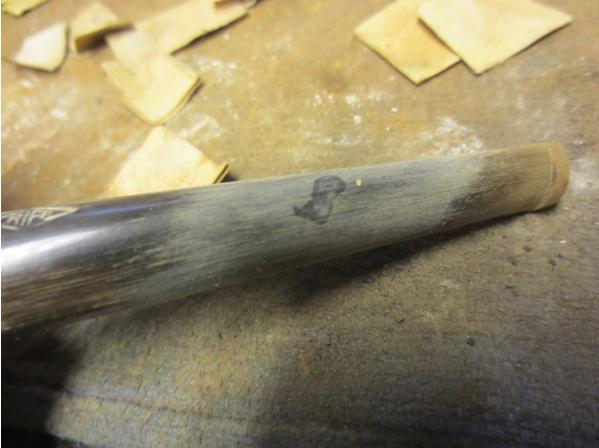
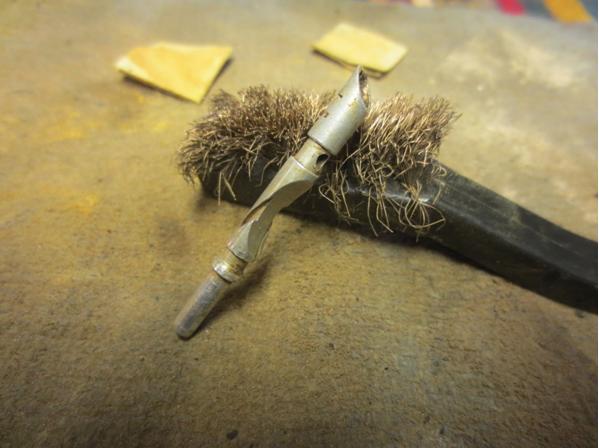
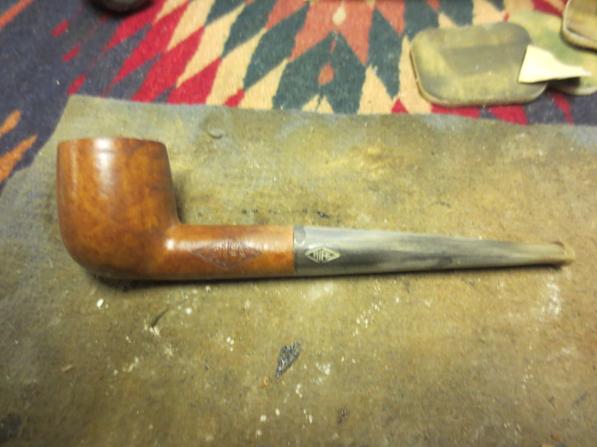
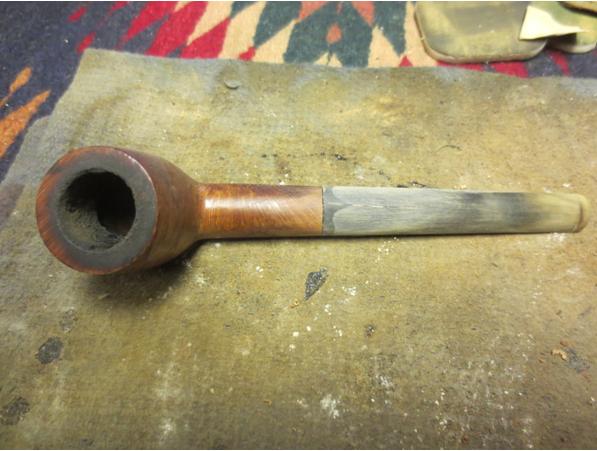
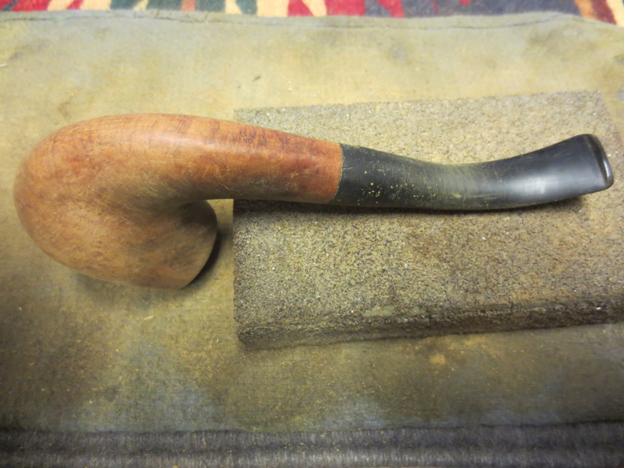
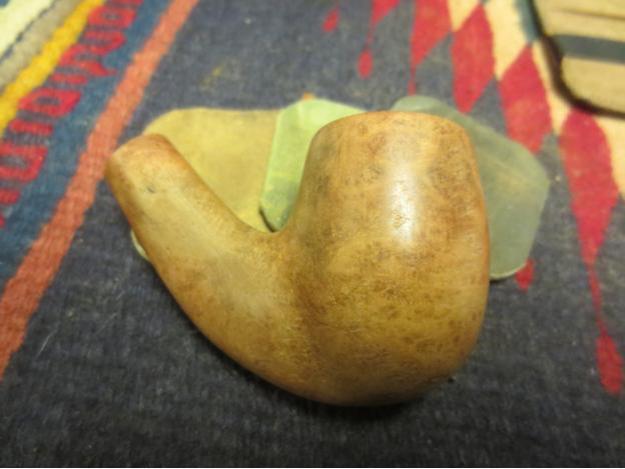
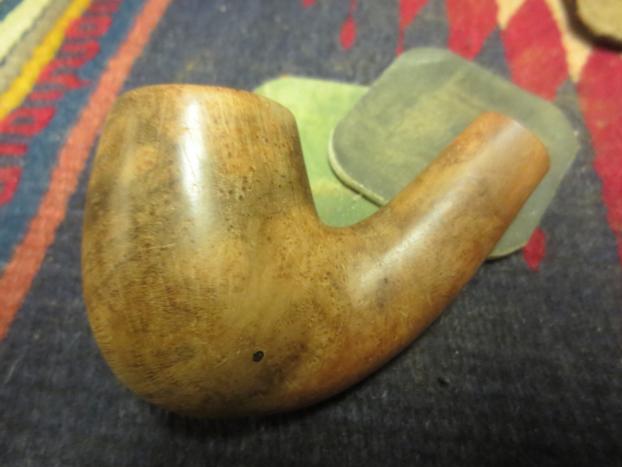
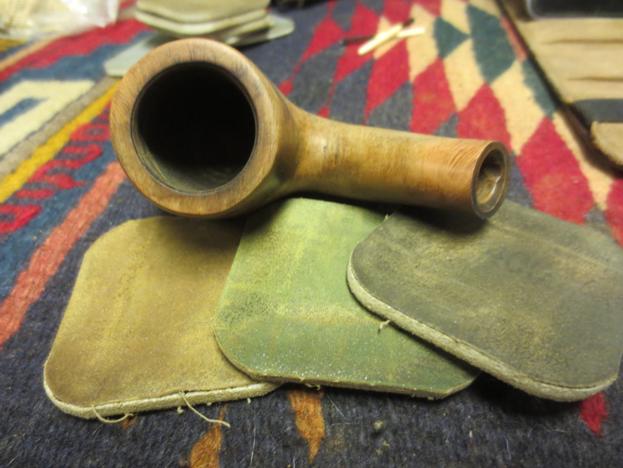
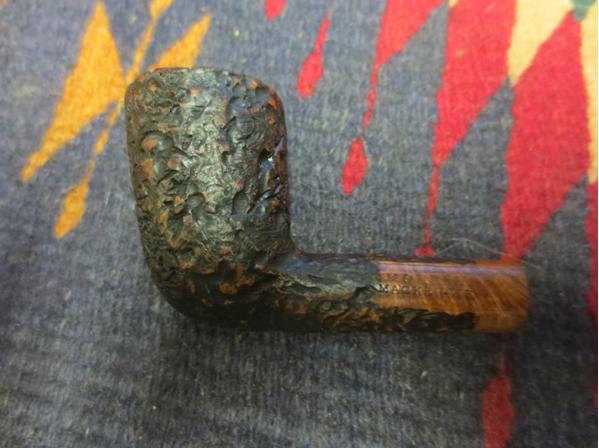
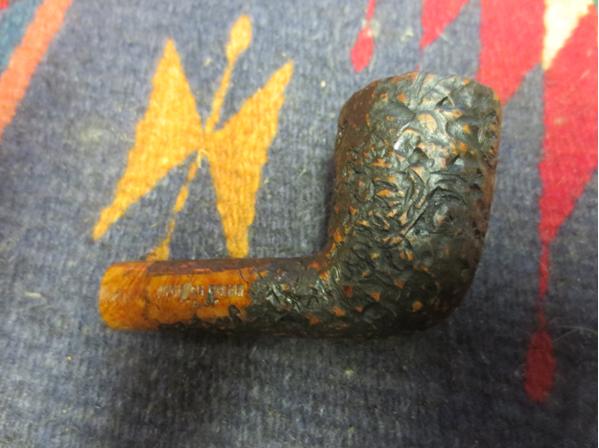
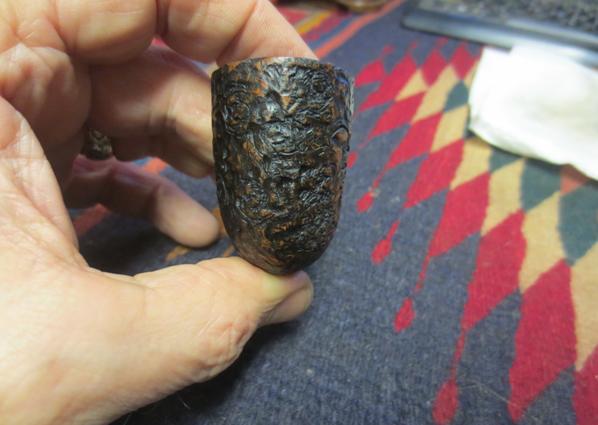
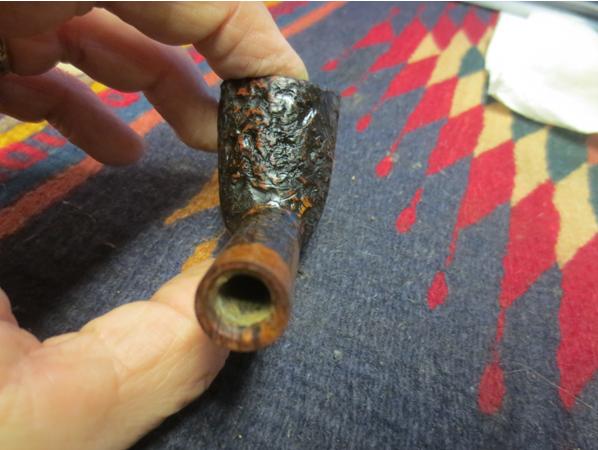
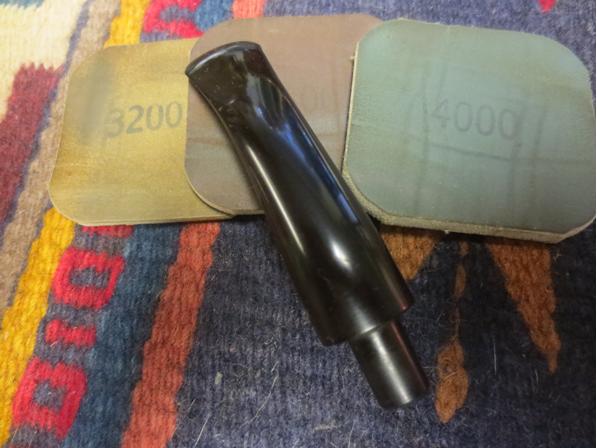
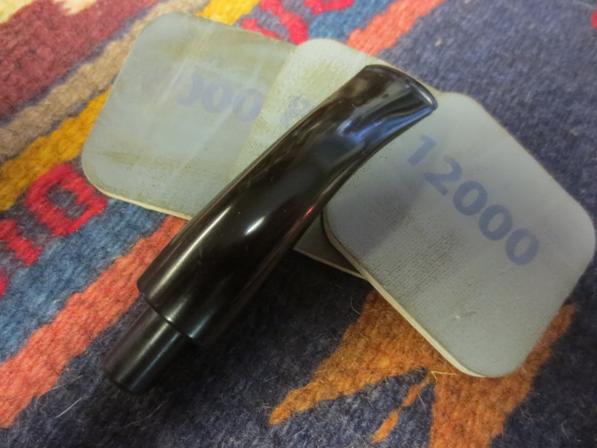
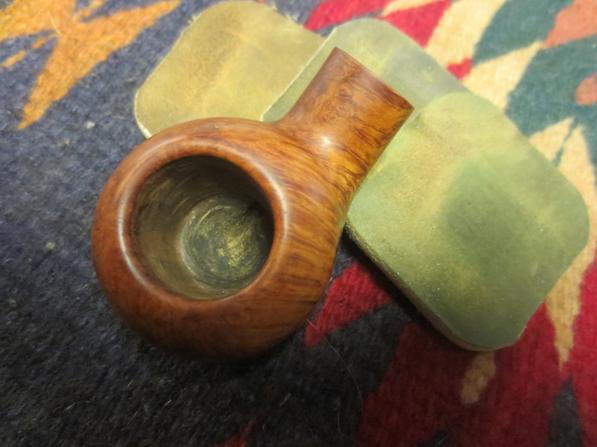
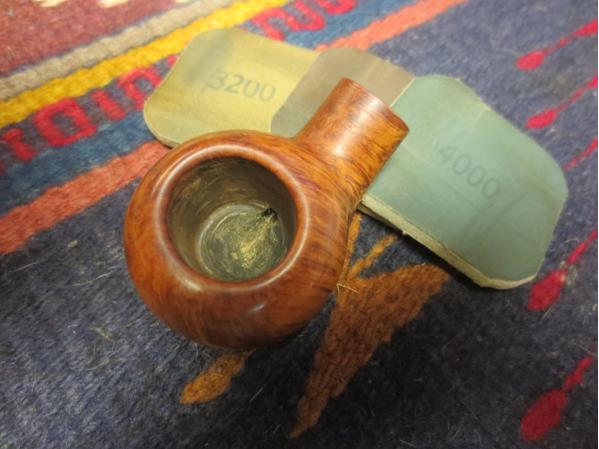
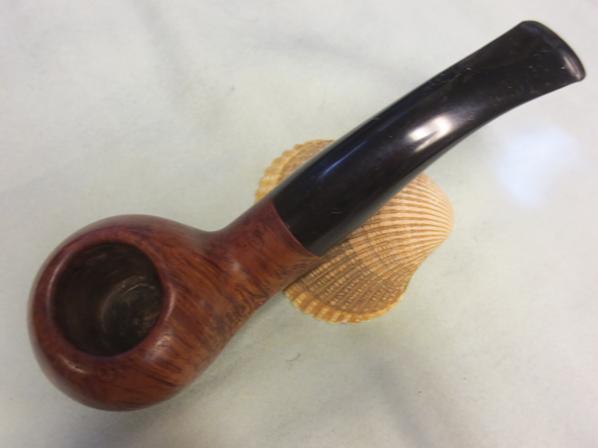
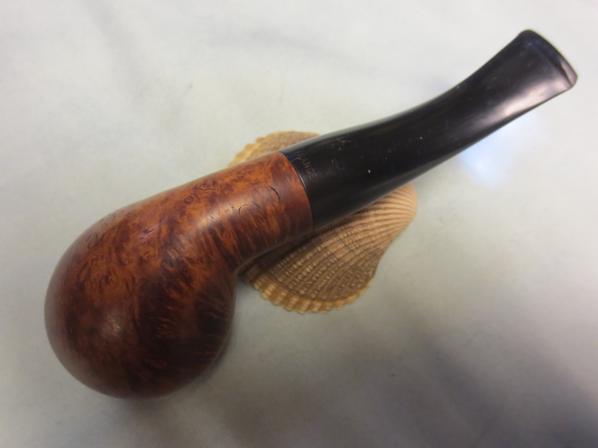
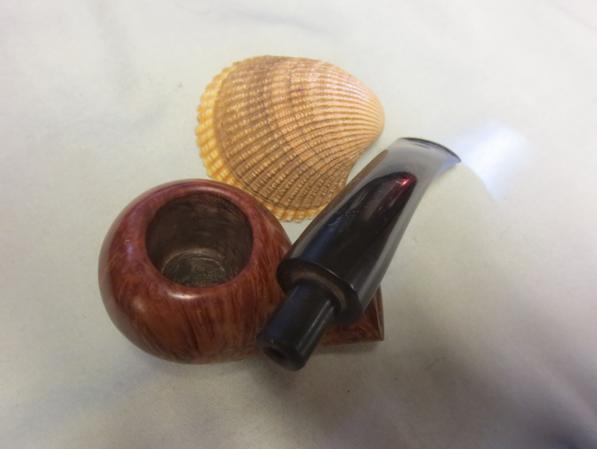
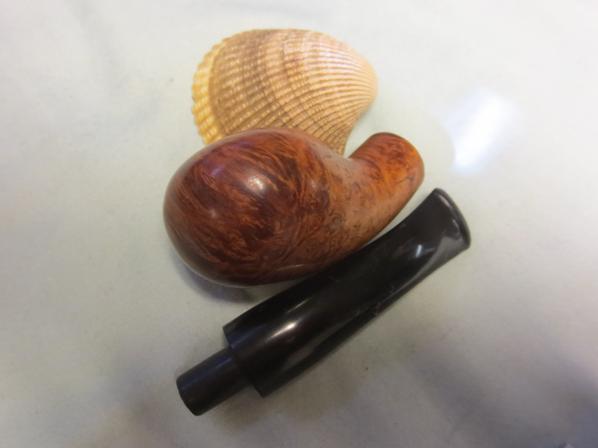
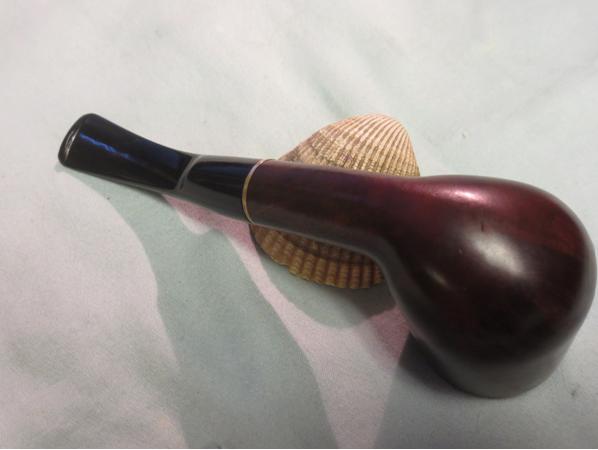
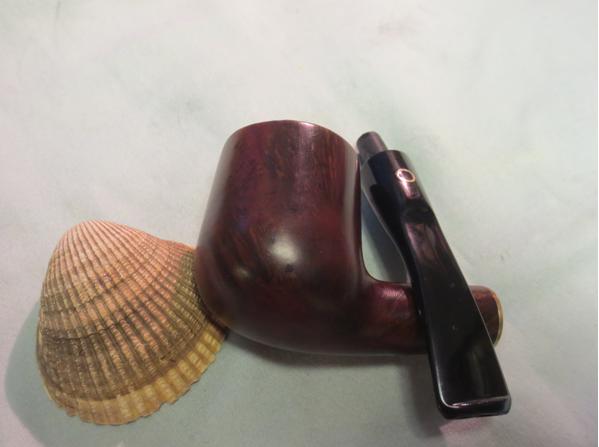
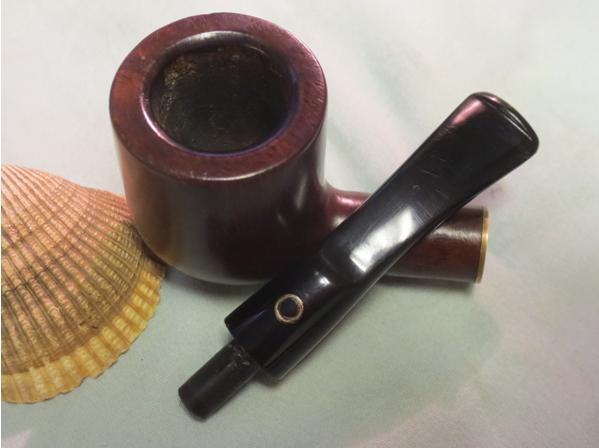
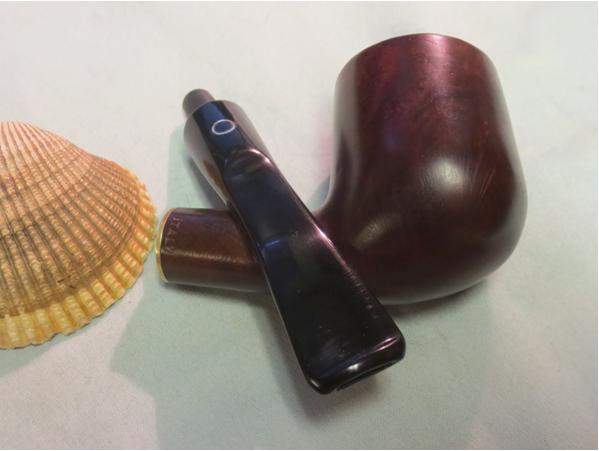
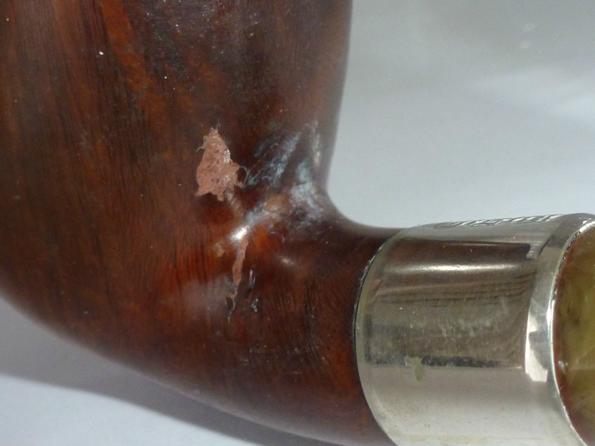
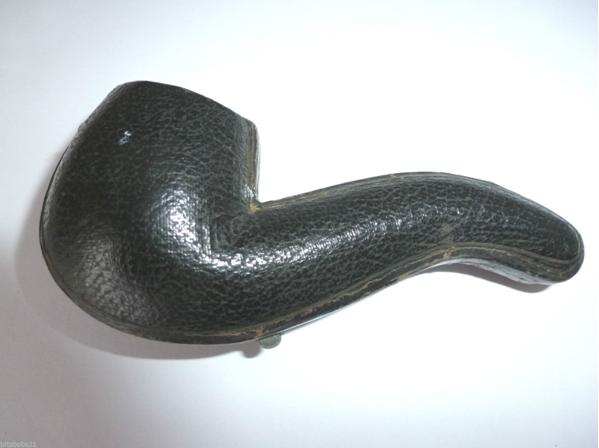
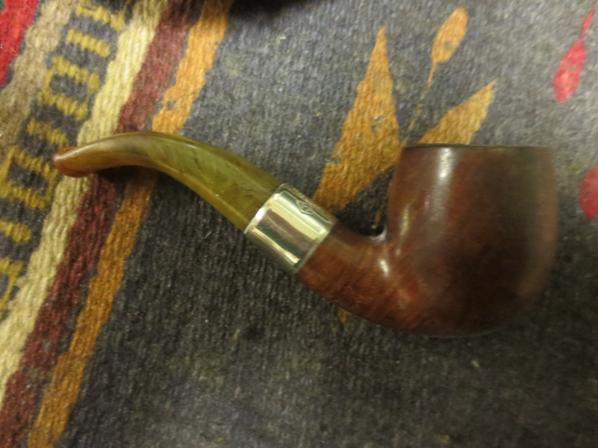
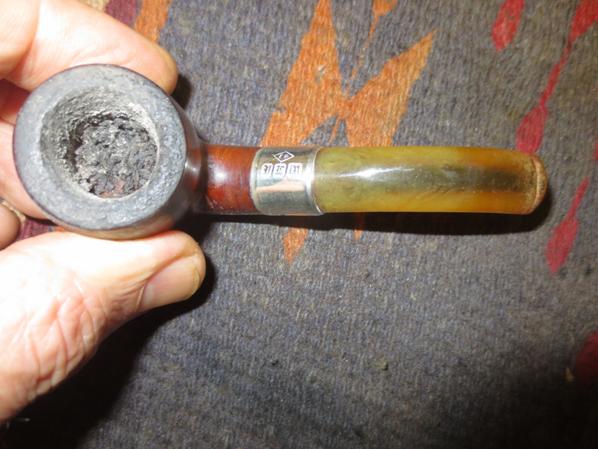
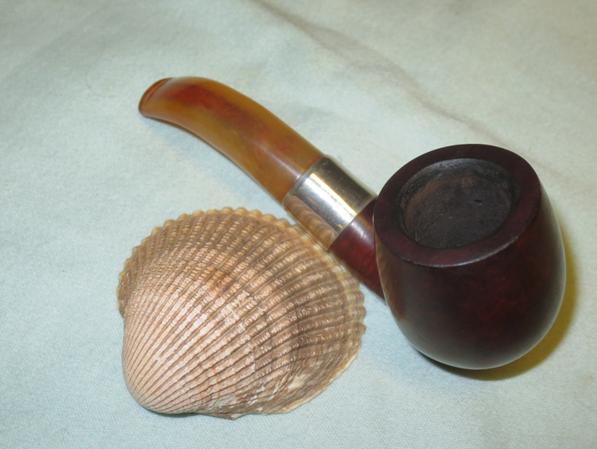
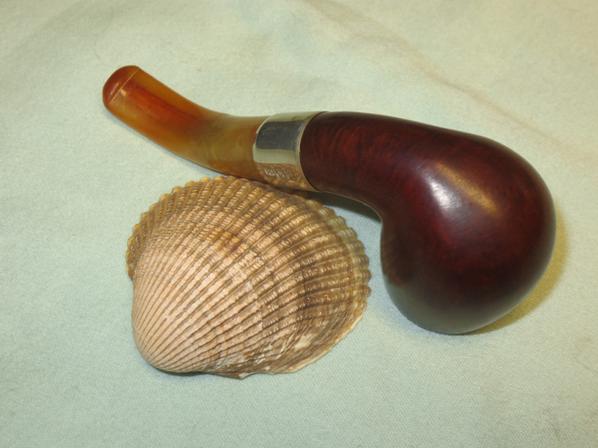
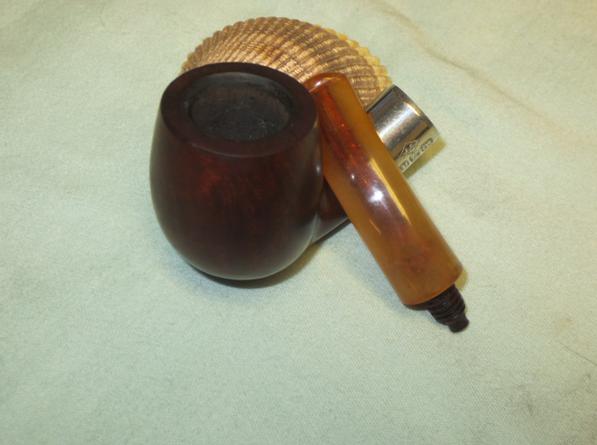
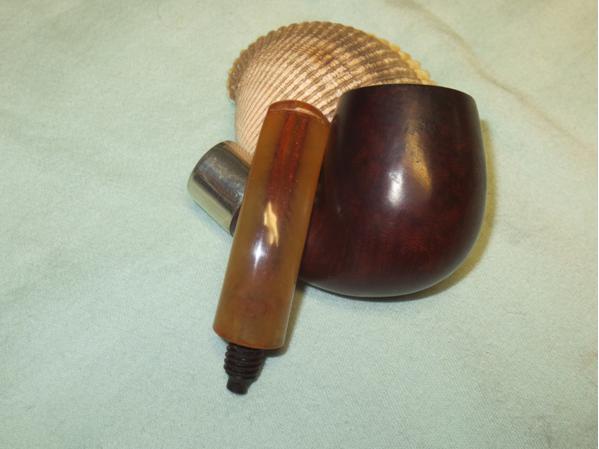
Tag Archives: Bowls – refinishing

Mission Impossible: Operation Long Shot


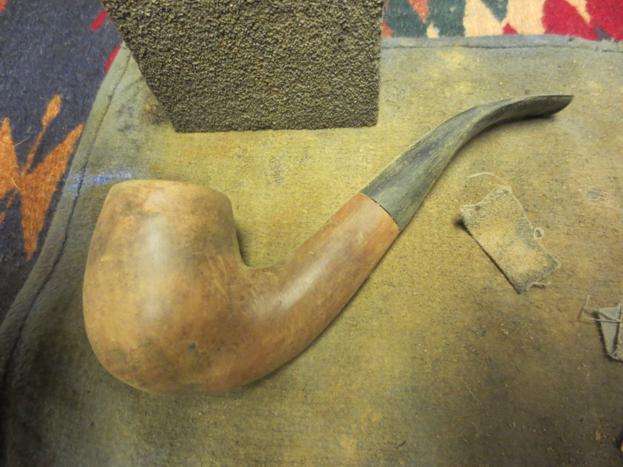
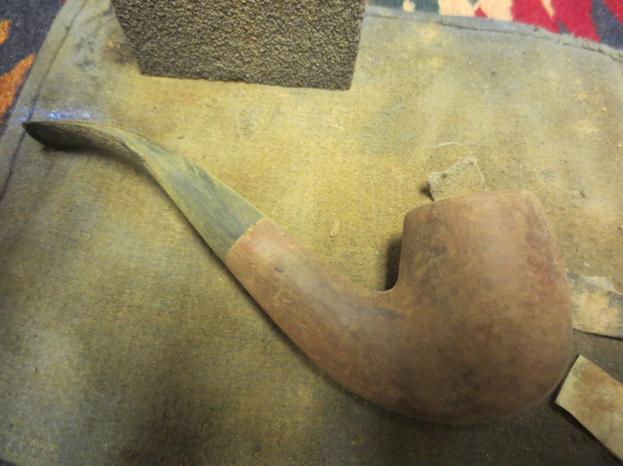
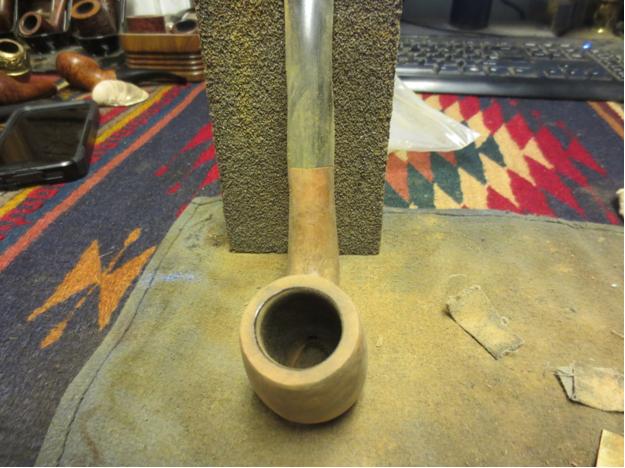
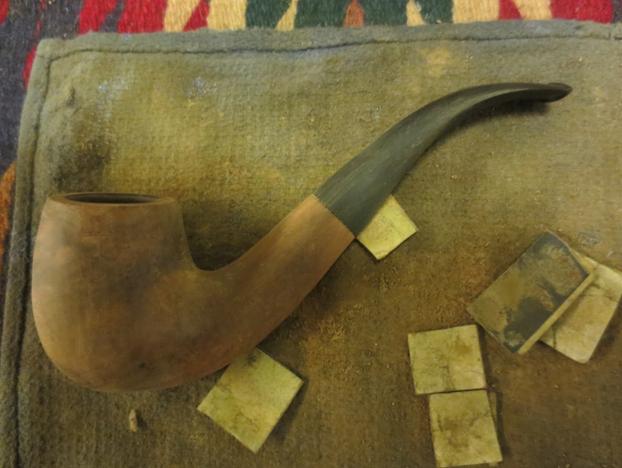
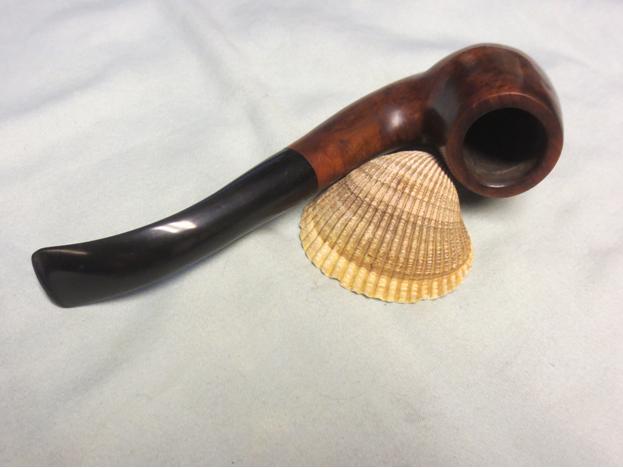
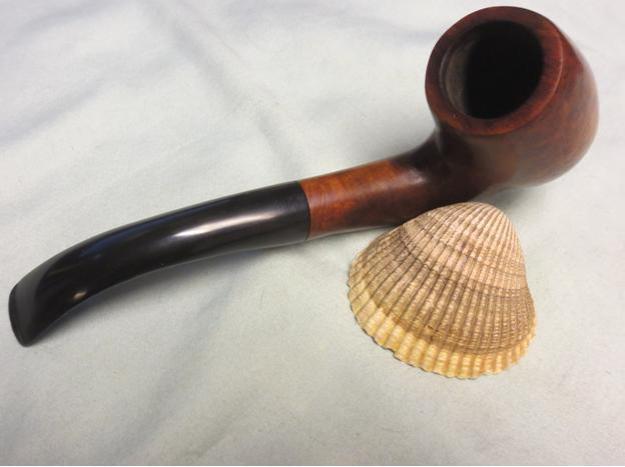
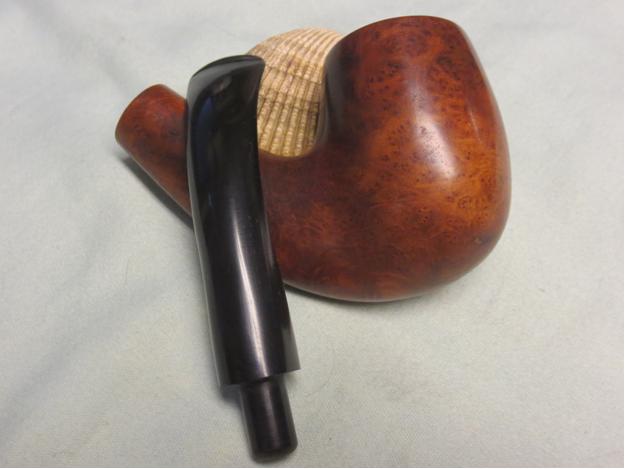
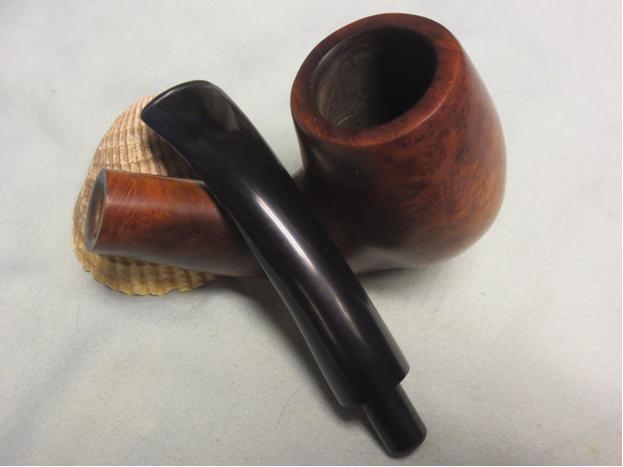
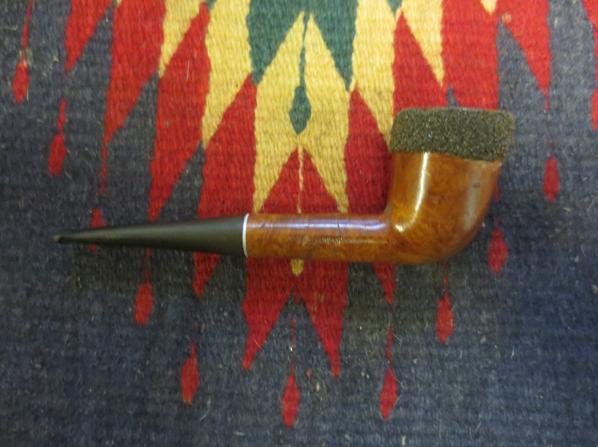
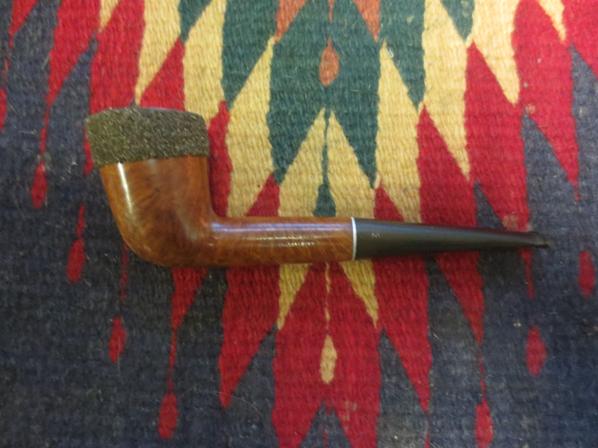
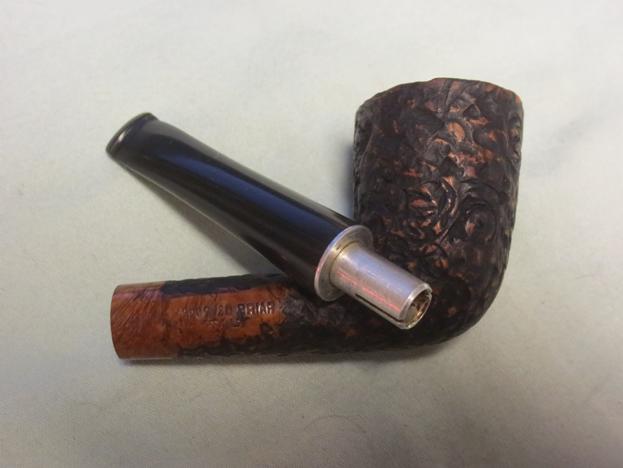
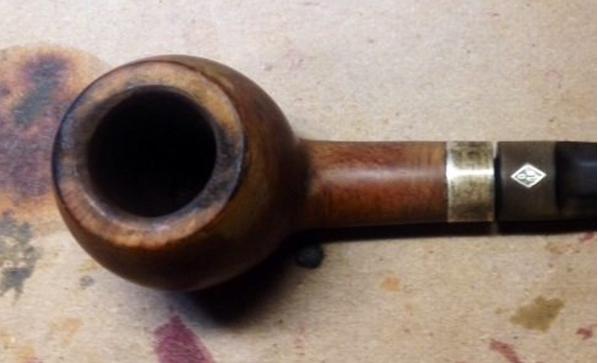
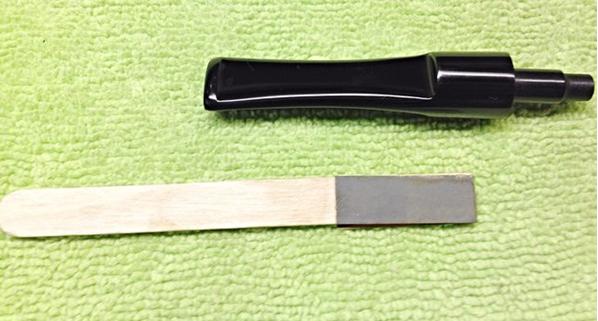
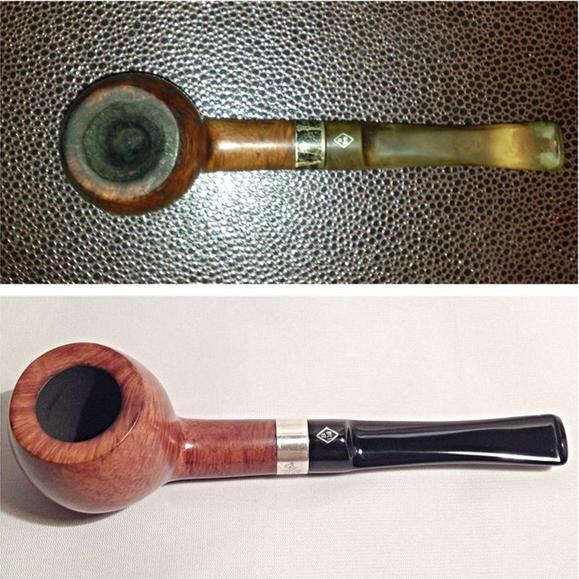
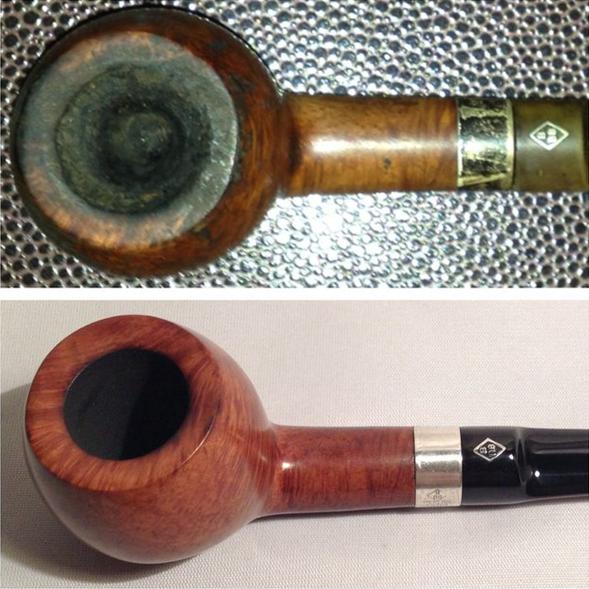
This is an old Brigham that Charles and I did together and it was almost Mission Impossible. Wanted to post on both blogs.

Charles Lemon's avatar

The door opened and a man walked into the bar, pausing briefly in the doorway to allow his eyes to adapt to the dim light inside. The place was what optimists would euphemistically call a dive. The establishment was empty except for a few drunks and a large, bored-looking man behind the counter wiping glasses with a rag that was presumably once white but was now an indeterminate shade of grey.

The man walked through the room, turned in at a doorway marked “Gents” and scanned the room – two stalls, a urinal and a grimy sink – before spotting what he sought. Moving across the room, he fed a handful of coins into a coin-operated machine advertising cheap cologne. There was a rattle and then a small rectangular device dropped into a waiting hand. The man pushed his thumb against a small pad on the otherwise blank rectangle. A laser washed briefly…

View original post 2,428 more words

A Sad Lesson from a Botched GBD Repair (by Someone Else) I Tried to Mend


Guest Blog by Robert M. Boughton
Member, International Society of Codgers
Member, North American Society of Pipe Collectors
http://www.naspc.org
http://www.roadrunnerpipesnm.biz
http://about.me/boughtonrobert
Photos © the Author

If it ain’t broke, don’t fix it.
― Thomas Bertram “Bert” Lance (1931-2013), U.S. bank teller to president and Director of the Office of Management and Budget under President Jimmy Carter, in the May 1977 issue of “Nation’s Business” magazine

INTRODUCTION
This is a sad tale for all involved: the eBay seller from whom I purchased the GBD straight apple sitter this blog concerns, for $39.99 in April of last year, which the good lady in England refunded five days later; me, as the buyer who requested the refund after receiving the pipe and finding that the photos posted by the seller did not reveal the hidden nomenclature from a previous silver banding to fix an apparent crack in the shank, and at last, in a very real way, the person or persons unknown responsible for the banding itself that, nine months later, I have only just discovered was unnecessary. At least the last of the concerned parties is/are blithely unaware.

That’s right, you read correctly. Although I was justified in asking for the refund, and intended to pay the high postage required to return it to the seller beforehand, she responded, to my gentle but detailed account of the reasoning, with a message that can only be described as hysterical from an obvious sense of unjustified guilt for having “falsely advertised” the GBD. I never used that phrase in my request.

As I recall – though I can’t locate the exchange of emails between the Englishwoman and me that followed my awaiting the arrival of the GBD, with great expectations that were dashed by its clear flaws upon receipt – she wrote back that I should not bother returning it at all, but instead that she would promptly refund my money and I should “keep it, sell it for whatever you can, or throw it away, I don’t care.”

At that point, I was filled with remorse over the anguish in the tone and content of her message that literally rang in my ears, even without an exclamation point. I nevertheless attempted, in a final, unanswered message, to express my intent merely to let her know, in order to sell this pipe or any other (they are not her specialty), that she only needed to add a brief note of the band work and its effect on the nomenclature, as these are important details to collectors and sellers, and perhaps lower her asking price.

After showing the pipe to Chuck Richards, my good friend and mentor, before the emails described above and allowing him to discover on his own the same flaws I detected, he concluded that if I paid more than $10 for it, I should immediately ask for a refund, as I had bought it for my own estate pipe business with the prospect of a quick clean-up for resale. When I told Chuck the actual amount I had shelled out, he was speechless for a moment before all but insisting I seek the refund.

I have been unable to get the shame-riddled emailed words of the kind seller, who as far as I’m concerned made an honest mistake and acted, throughout the transaction, in absolute good faith, out of my mind ever since. I have entertained various options concerning the ultimate disposition of the pipe’s rightful ownership. Of course, I could (A) keep the still beautiful pipe and restore it as best I could to put in my own collection or sell with appropriate disclaimers; (B) clean it up and return it, like a good gentleman, to the grief-stricken lady, with the emphatic suggestion that she give it to a friend who enjoys pipes and would likely treasure this one, if she still didn’t wish to sell it on eBay with a lower price and notices, or (C) complete the work that could be done to fix the damages wrought on the hapless GBD, keep it or sell it but under no circumstances toss it in the trash as the seller advocated, and write the blog now presented as a full and sincere apology to the lady, with the intent of depositing the refunded money back into her PayPal account and forwarding her the link to the blog.

With great effort, I at last located the transaction numbers and dates of the original purchase and refund, and with them was able to obtain the lady’s name and email address.

I will save my final decision for later in this account of the restoration of the GBD Prestige straight apple sitter, which research has disclosed was made prior to the acquisition of GBD (an abbreviation of the three founders of the brand in 1850 in Paris – Ganneval, Bondier and Donninger) by Cadogan of the Oppenheimer group in the 1970s. The imprint “London England” in a straight line on the right side of the shank, almost half of which was obliterated by the band, narrowed the pipe to the pre-Cadogan era and also signified that it might have been made in France despite the nomenclature. GBD was last taken over in 1981 by Comoy’s.

The other nomenclature on the Prestige was critically faint, before I started work on it, and included on the left shank the small letters GBD in an oval, barely visible beside the band, and the model name in cursive that took hours to decipher enough to make out the first uncovered letters, “Prest,” which led the excellent Englishwoman to suspect Presto, but I Googled and found the full correct name. On the right shank, equally as light as the left and below “on England,” were three numbers for the shape, 448, which I understood was 9448. Here is what another version of the pipe looked like.GBD1 The apple of my eyes in this blog is remarkably similar, discounting the nomenclature.

RESTORATION
GBD2

GBD3

GBD4

GBD5

GBD6 [Note the unusual, perfect, pale half oval indentation in the top of the shank in the sixth photo above: I have.no rational explanation for the presence of this mark other than the appearance that it is neither a natural aspect of the wood nor any type of damage, such as a crack. I believe the previous restorer attempted to use a self-made metal band, with the idea of reinforcing the top of the shank without covering any of the nomenclature. If this admittedly crazy-sounding guess is correct, the restorer likely intended to do the same on the bottom of the shank but aborted the idea altogether after failing with the top piece. Call me nuts, but this mark is not an accident.]

Already considering re-banding the apple with a shorter sterling variety, I tugged at the one used in the first place, without much hope that it might be loose, and was surprised when it flew off of the shank and onto my lap.GBD7 Now that was fortunate indeed, for, upon closer inspection, I was able to see that the tiny line in the shank’s opening, which ignited some daft restorer’s passion to fix something that wasn’t broken, was a mere blemish that led nowhere and, in fact, disappeared with a few seconds of sanding. I have to add an acknowledgement of my simultaneous relief that the shank was not cracked and disgust with the previous restorer who desecrated the otherwise weathered but fine pipe by ruining so much of the invaluable nomenclature. The only remaining imprints were the indentations left from the hallmarks and sterling silver designation on the once tight band. I scoffed out loud after my brain digested this enormous error in judgment that more or less ended any real value – and prestige, so to say – this GBD might have had.
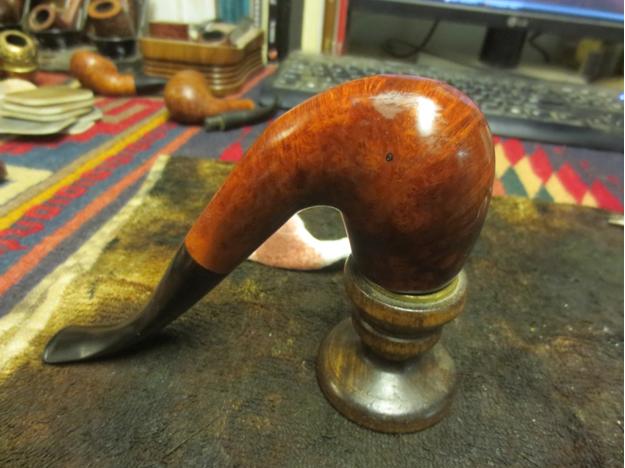
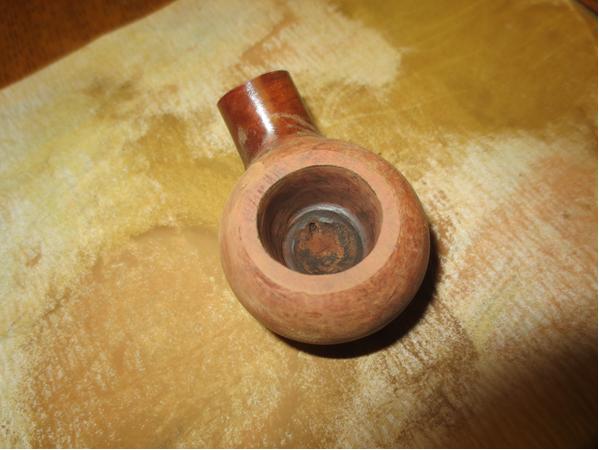
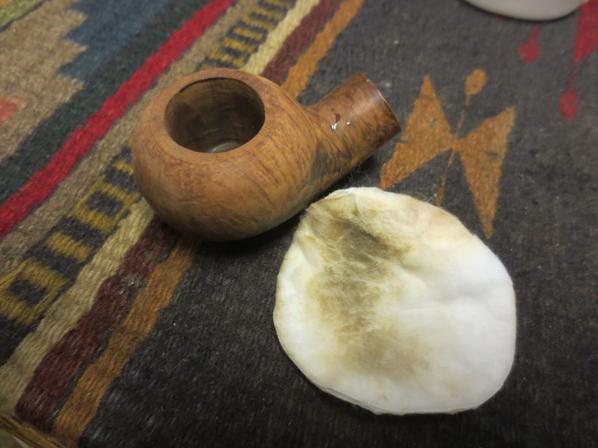
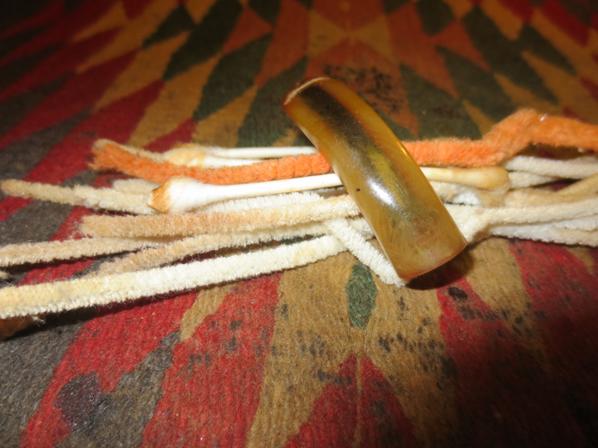
Not yet wanting to deal with the majority of the stummel’s outer area, I decided to start by removing the years of accumulated dirt and whatnot from the wood with small soft white pieces of cotton gun cleaner cloths and much of the rim char with wet micromesh pads and a light touch of superfine steel wool. I followed those tasks by clearing the small amount of excess carbon in the chamber with a 19mm reamer and 200- and 500-grit paper, swabbing with Everclear-soaked cotton cloth pieces, and a retort of the pipe.

The retort turned out to be the hardest part of these preliminary steps, as neither of the two rubber tubes that span the few inches from the boiling Everclear to the lip of the bit would fit the extra wide mouthpiece that was part of the GBD. And so, ad-libbing somewhat, I sought out another bit from my collection with a tenon that fit the GBD and a lip that matched the rubber tube. Of course, the last possible pipe I checked was a match – or closely enough. It was from a favorite Ropp. I had no trouble cleaning the metal inlaid GBD bit with a couple of alcohol-soaked bristly cleaners.GBD8

GBD9

GBD10 The photos above show the surprising cleanliness of the well-worn sitter, and by inference, the degree of care its fortunate owner once accorded the bijou. The later of two test tubes full of Everclear used in the retort was almost clear, with only a few small, solid pieces of flotsam at the bottom.

Here, alas, is where I erred, and will have to accept the consequences, until the day I die, for the heartbreaking lesson they provided. In hindsight, I suppose I might, at this critical stage, have sought the guidance of Chuck or Steve (my second if unofficial mentor in this ever-evolving process of learning). But, as Jesse Eisenberg’s character in “Zombieland,” Columbus (for the city in Ohio where he was born), repeated slowly as a sort of mantra: “Shoulda-coulda-woulda.” Much as Columbus had come up with rules for surviving a zombie apocalypse, so have I adopted a set of guidelines, from my own experiences and those of others, for pipe restoring.
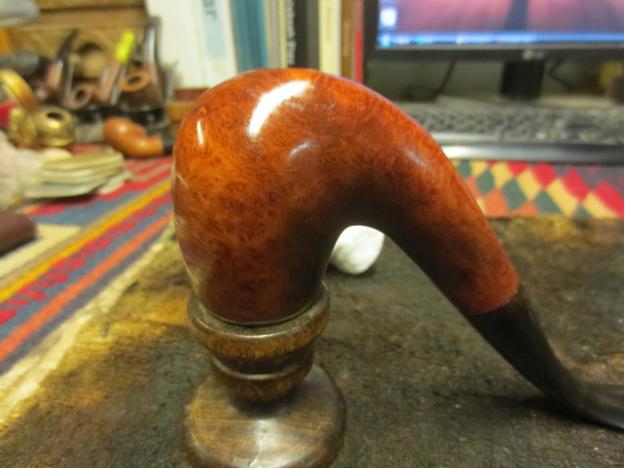
Sometimes I ignore one of these, for the most part with success, and sometimes I have to learn the hard way, on my own. Still, as I type this, I find myself experiencing emotions I prefer to avoid. Recognizing my harshness with the previous restorer, and my own share of fault for the apple’s present condition, I nevertheless tell myself I did my best, alone, to return the splendid pipe to its potential glory. My mistake, although unintentionally made in the pursuit of correcting one more egregious that I believed necessitated my next step, is on me.

To the point, and in spite of a note in my previous blog that I try my best to avoid full stripping of a pipe’s original stain and waxes with an Everclear bath, that is what I did.GBD11

GBD12

GBD13 These photos show two things: the wonderful success in removing the remaining rim char and reducing the wood to its natural smoothness, and, as an unexpected result of the latter, also eliminating almost every vestige of the remaining nomenclature. Anyone who loves pipes with all of his heart, as I do, will comprehend the complete hollowness, in the pit of my stomach and consuming my mind, I experienced upon seeing with my own eyes the gaff I had committed. I sat there on my couch awhile, stunned, until I forced myself to snap out of the melancholy reverie and get on with it.

Flashing on memories of a few pipes restored by Chuck, and which I bought despite the blemishes I detected and wondered why he let them remain, I knew the full answer he omitted, in his enigmatic way, when I asked him. Some flaws, as battles, are better left unfought. Before I reached this conclusion – as my mind was still rampaging with thoughts of how I should have approached the same notion of stripping the original stain and waxes from just the bowl and chamber, or could have accomplished the goal better, or would have saved the fragile markings that could now be visible – I had to suffer the unavoidable fact of my misdeed. Shoulda-coulda-woulda.

Thus I embarked on the only course of action I had left – to re-smooth and finish cleaning the chamber with 150-, 200- and 500-grit papers followed by small cotton cloths soaked with alcohol, and returning the sheen of the wood using superfine steel wool and then 3600-12000 micromesh pads. I then re-stained the briar, first trying Lincoln Medium Brown leather dye and flaming it before buffing with 6000 and 8000 micromesh.GBD14

GBD15

GBD16

GBD17

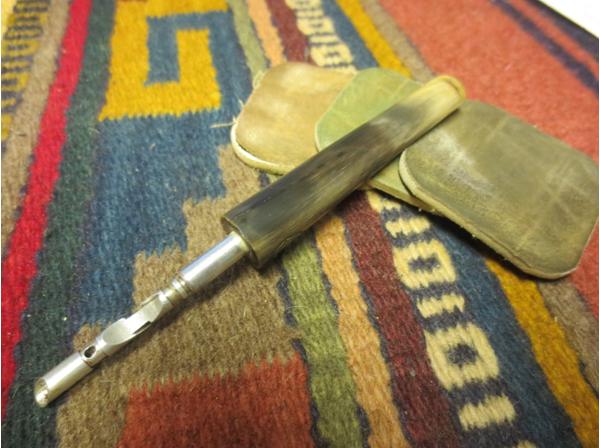
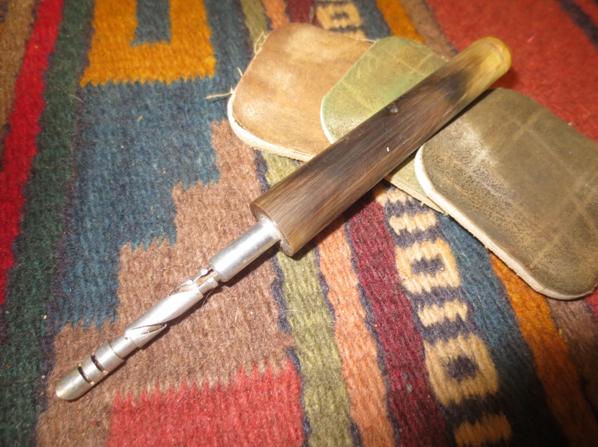
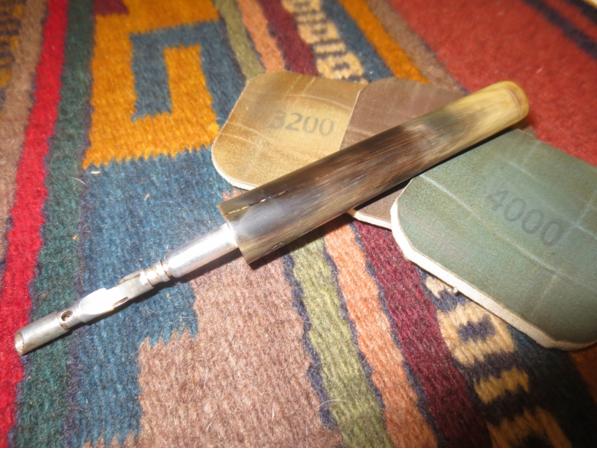
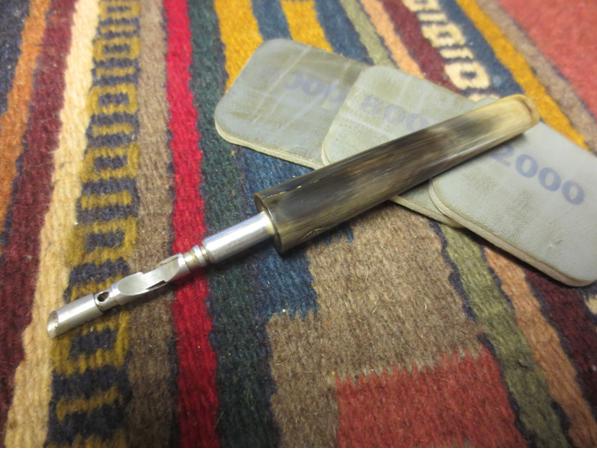
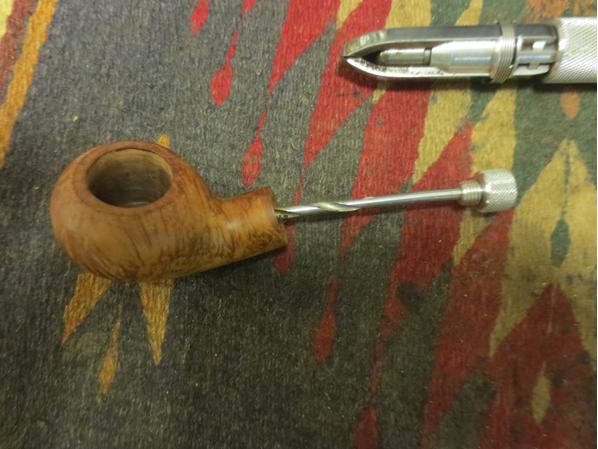
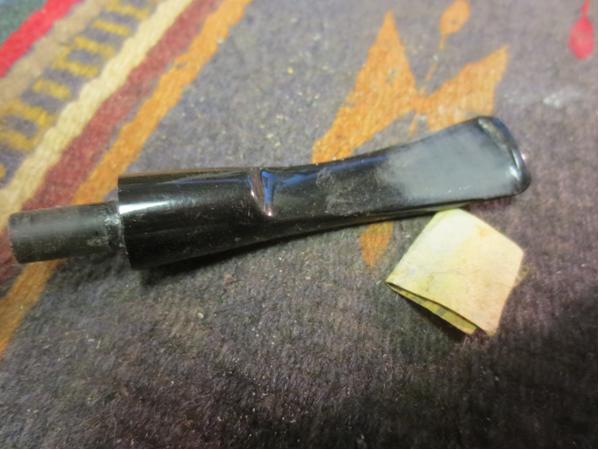
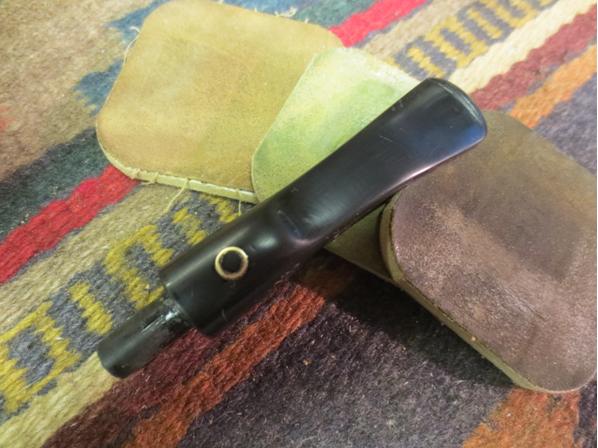
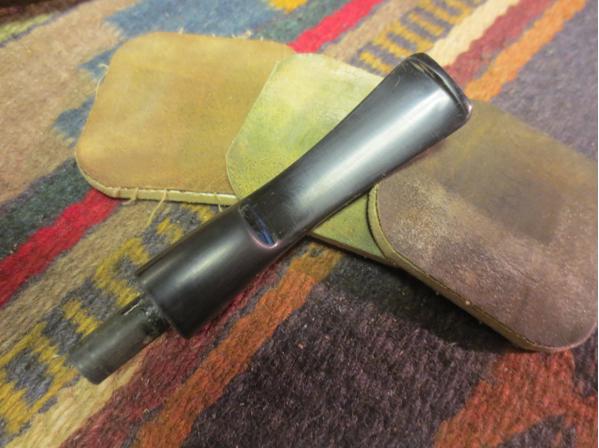
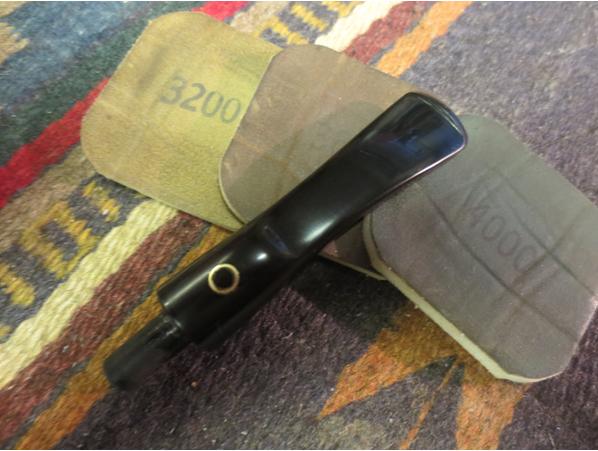
GBD18 I saw that the clear, pale half-oval shape, from the suspected attempt by the previous restorer to use an adornment band to fix the misperceived shank crack, remained stubbornly. And so, having nothing to lose, I sanded the open end of the shank with 150-, 200-, 320- and 500-grit papers before micro-meshing and staining again. I’ll tell you straight out, this was not the end of the struggle to fix the single blemish.GBD19 Of course, I buffed off the char from flaming the end of the shank with 6000 and 8000 micromesh, and reattached the bit to the shank with the band removed, to check the fit. The bit was still a match with the shank!GBD20 Grateful to have something go right, I turned in that direction and went after the bit. The photos below show before, as it arrived in the mail, and after I worked on it with the tools displayed.GBD21

GBD22 This blog is nothing if not a cautionary tale about the horrors of reversing someone else’s mistakes – of which mine, unfortunately, cannot be undone. I return to the battle of the pernicious, aborted oval pipe band, at the very moment I concluded that maybe a darker staining, adding Lincoln’s version of burgundy red to the medium brown I applied earlier, would help me be out, out with the foul spot. I was wrong, but here’s what it looked like after flaming the alcohol out of the stain.GBD23 However, this was, at least, a step in the right direction. I concluded that, despite my deepest desire not to be forced to re-shackle the apple sitter with the excellent but unnecessary sterling band that caused this ruckus in the first place, I had no choice. I Super Glued the band firmly back onto the shank, with the hallmarks on the left side, and it did serve to obscure most of the oval shape. Before I snapped the next photos, I added another spot stain using more of the medium brown, flamed it and buffed with 8000 micromesh. That was pretty much the end of the oval spot!GBD24

GBD25 At long last, I was ready for the final buffing on my electric wheels, which as always involved the clean buffer after each of the waxes. For the bit, I used the regular red and white Tripoli and White Diamond. Having let every other convention fly in the wind, the thought occurred to me to wax the stummel with the red Tripoli as well as white, followed by White Diamond and a slow double-coat of carnauba.GBD26

GBD27

GBD28
CONCLUSION
The foul spot still remains enough for a good eye to catch, if not the camera for once. I’m going to sum this up with the note that I sincerely hope I succeeded in creating a final result that, despite its one glaring disaster, reveals a more beautiful grain than the original darker version. And one more thing: I have decided to return the money the Englishwoman who gave me this fine GBD refunded to me last April, and then forward the link to this explanation. At this point in the whole experience with the cursed and enchanted apple sitter, I am happy to take a loss for once, and will try to sell the pipe for $25. I have no doubt the lady in England is lovely. How could she not be, given her obvious love of pipes that equals mine?

SOURCES
http://www.pipephil.eu/logos/en/logo-gbd.html
http://yeoldebriars.com/gbd013.html
https://www.youtube.com/watch?v=LPIuIfAywvY Zombieland Rules (AC, AL, GL, V)

UPCOMING RESTORES
GBD29

GBD30

GBD31

GBD32

Celebrating the Re-Opening of My Store with a Restoration


Guest Blog by Robert M. Boughton
Member, International Society of Codgers
Member, North American Society of Pipe Collectors
http://www.naspc.org
http://www.roadrunnerpipesnm.biz
http://about.me/boughtonrobert
Photos © the Author

“The people like to be humbugged.”
“Unless a man enters upon the vocation intended for him by nature, and best suited to his peculiar genius, he cannot succeed.”
“Nobody ever lost a dollar by underestimating the taste of the American public.”
“The noblest art is that of making others happy”

― Phineas Taylor Barnum (1810-1891), U.S. showman, businessman, politician, celebrated hoaxer and founder of the Barnum & Bailey Circus

INTRODUCTION
P.T. Barnum was a man of contradictions, as the quotes above suggest, making him an obvious two-time Republican candidate for state legislator in the Connecticut General Assembly, both of which races (at different periods of his eventful life) were successful. Business, however, was always his first love, and by the age of 12, in Bethel, Connecticut, he earned enough money selling snacks and homemade cherry rum to buy his own livestock. By 21, he owned a general store and a newspaper called “The Herald of Freedom,” and ran a small lottery.

The Greatest Showman on Earth, who insisted his customers were willing participants in his obvious pranks and hoaxes, never said the line most attributed to him: “There’s a sucker born every minute.” Hence the first quote above. Barnum’s fame began with the 1835 purchase of a blind slave named Joice Heth, whom he advertised, in one of his greatest hoaxes, as being 161 years old and the one-time nurse of George Washington. During her tour of New York City and New England, throngs of gawkers paid to hear the old woman spin tale of “dear little George.” To heighten the already wild frenzy around Heth, Barnum later spread the rumor that she was, in fact, an automaton manipulated by ventriloquists. At Heth’s autopsy in 1837 – to which Barnum sold tickets – medical examiners determined that she was probably 80 at the oldest.

Despite his purchase of a slave, to whom he no doubt gave far better treatment than her former owners, as a legislator in later years Barnum was a strong advocate of equal rights for African-Americans. And likewise, giving up all liquor, including the cherry rum that started his long run in business, Barnum became a devout supporter of the Temperance Movement and remained committed to it until he died.

Other than Heth, three of Barnum’s best-known “exhibits” were a child dwarf he called General Tom Thumb, who was even granted a royal audience by England’s Queen Victoria; the Fejee Mermaid [see “The X Files,” S2, E20, “Humbug”], or the top half of a dead monkey sewn to the lower part of a fish, and his giant, six-ton African elephant named Jumbo, which was bought under wide protest from the London Zoölogical Society and led to the adjective jumbo, or large.

There are far too many more titillating examples of Barnum’s contradictory exploits and far too little space to go into any of them here, but you get the point. At least I hope you do. In a market-driven economy, advertising, publicity and flair are everything, and they form the unabashed purpose of this blog: to celebrate the grand re-opening of my online pipe restoration and sales business with the latest addition to its stock.

The selection has diminished in size during the past few months that the webstore was down, due both to continuing sales the old-fashioned way – hand-to-hand – and a plethora of personal issues, including moving again and several pressing legal matters in which I am prevailing through appeals despite being up against real attorneys, that have until recently eaten away at the time I prefer to devote to pipe work.

As the Steve Miller Band might have sung had they been writing of my better spent daily life:

This here’s a story about Bobby Mike and his stew,
One young lover with nothin’ better to do
Than sit around the house, smoke his pipes, and watch the tube
And here is what happened when he decided to cut loose….

With no further ado, I am pleased to call out in a booming voice, though it be in written words, “La-dies and gen-tle-men, who are children of all ages, welcome to the greatest, most amazing, daring, thrilling and spectacular show on Earth! The circus known round the world as pipe restoration! And now…in the Center Ring…turn your eyes toward the wonderful and awe-inspiring silver-banded bulldog ! All the way from England, measuring an astonishing six inches in length and a 6/8” x 5-1/4” chamber diameter, and called the Atwood Hall of Fame Natural #5, of the world-renowned Comoy’s family!”

RESTORATION
Rob1

Rob2

Rob3

Rob4

Rob6

Rob7

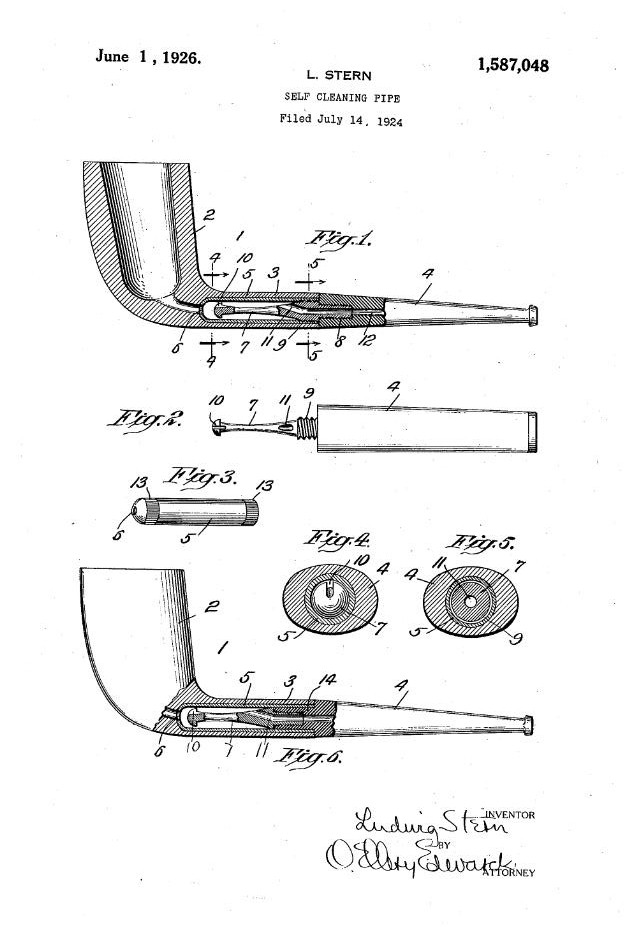
Rob8 Sixty-three years after it was made and, my intuition tells me, loved by a single owner, there are numerous signs of wear and tear. Still, scratches on almost every inch of the stummel and bit, not to mention a few outright dings, are the pith of the blemishes, not counting the almost inevitable loose sterling silver band. These flaws are negligible considering the venerable pipe’s age and obvious regularity of use. Even the band – which, given the thinness of the inherently fragile material itself, invites heavy tarnish, bending and total obliteration of any hallmarks or stampings – was almost pristine, and is once more, still showing showing the single word of its substance, STERLING, and by more careful examination three hallmarks – something I can’t make out following by a T and a 5. Here is the first page of the original (and apparently only) Atwood U.S. Patent, showing the same design of the Hall of Fame 1953 Brandy.

AtwoodAtwood pipes came with “a permanent aluminum cup at the base of the chamber, with a bore hole.” [http://www.pipephil.eu/logos/en/logo-a9.html] The cup and bore hole, after cleaning, indeed are intact.

Although, by virtue of Atwood being a Comoy’s second, I was not over-concerned with the possibility of finding fills in the wood if I were forced to strip the original polish and stain, but I nevertheless took every measure I could conceive to avoid that step. At worst, I was convinced, the reason for the oppressive stain was to hide unfortunate grain. As will be shown, this proved to be the case.

I began by removing almost all of the rim burn with concerted rubbing using 2400 and 3200 micromesh freshly cleaned by a long soak in purified water.Rob9 An unsuccessful but still incomplete attempt to fix the remaining rim burn and scratching led me to an acceptance at that point of the fact that, though I might otherwise rid the rim of the remaining char, the remaining scratches, not just on the rim but everywhere else on the stummel, were sufficient to necessitate a low enough grit of sandpaper to take it down to bare wood. Having learned that sandpapering the entire wooden surface of a pipe can and often does lead to more problems, I chose the more efficient and reparable measure of an Everclear bath.Rob10

Rob11

Rob12

Rob13

Rob14 The Everclear was a complete success in revealing that there were, indeed, no fills, but even finer scratches than even my minute examination of the briar beforehand, using a jeweler’s magnifier headset, had caused me to suspect could exist. And so I tried the superfine 0000 steel wool first, which at least took off the rest of the old artificial color and some of the less pernicious scratches. But 200-grit paper was unavoidable, in careful spot sanding, to banish the rest of the marks and pocks, followed by another soft buffing with the steel wool.Rob15

Rob16

Rob17 The next steps seemed to be an easy crank or two of a 21mm reamer in the chamber followed by 320-grit and 500-grit paper, and a retort.Rob18

Rob19

Rob20 The retort required two test tubes full of Everclear, but only because of the way the first tube-full always seems to remain in the pipe’s inner bowels after a few boils. At any rate, immediately following the retort, I ran a bristly cleaner through the bit’s air hole, which came out remarkably light, and used both ends of a fluffy pipe cleaner on the inner shank to soak up the wet residue of various accretions still in the shank. I removed the cotton ball from the chamber and swabbed it thoroughly with small white cotton gun cleaning cloths. Then I finished the chamber with a final wipe using 500 paper and more thin cotton swabs soaked in Everclear. The chamber was silky smooth.

“This pipe is clean!” I said to myself, out loud in fact, thinking of the tiny lady of “Poltergeist” fame, who sought out and did her best to dispel dead but still malicious souls.Rob21 At last, I turned my attention to the bit. It was in pretty good shape, but notice the bad scratch in the second photo below.Rob22 Every micromesh pad I have, still damp after the soaking from which I removed them some time earlier, was employed to make the bit shine again.Rob23

Rob24 The distinctive A for Atwood was perfectly ingrained and intact. I had made the rounded top of the bulldog bowl lighter than the rest of the stummel on purpose, and as the time for re-staining had come, I chose Fiebing’s Brown leather stain for the top and Lincoln Medium Brown (darker) for the rest.Rob25 Applying the Fiebing’s with care to the top, I flamed it with my Bic, then did the same to the rest of the stummel with the Lincoln.Rob26 After a short sit to cool off (both the wood and me), I gently buffed the whole surface with 3000 and 6000 micromesh.Rob27

Rob28

Rob29

Rob30

Rob31

Rob32 The final step before buffing was re-attaching the band to the shank, mindful of placing the STERLING/SILVER stamp in small letters on the upper left side, where it had been.Rob33 Oh, glorious moment! The time was nigh to retire to my office, wherein rests my electric buffers. Observing the clock on the wall, which told me it was already 2 a.m., I considered the neighbors opposite that side of the apartment and, understanding the way my building is laid out, realized they would hear nothing from their bedroom. I used the customary red and White Tripoli on the bit, with the clean buffer between each, and white Tripoli, White Diamond and carnauba on the stummel, again separating each with the clean buffer. For the band, I used a very fast turn on the clean buffer.Rob34

Rob35

Rob36

Rob37

Rob38

Rob39
SOURCES
http://www.history.com/news/10-things-you-may-not-know-about-p-t-barnum
http://www.azlyrics.com/lyrics/stevemillerband/takethemoneyandrun.html
https://en.wikipedia.org/wiki/Ringmaster_(circus)

UPCOMING RESTORES
Rob40

Rob41

Rob42Rob43Rob44

A Peterson’s Product 268 Zulu Restemmed and Restored


Blog by Steve Laug

This pipe came to me with the Meerschaum Sultan that I restemmed. It is stamped Shamrock on the top of the shank and “A Peterson’s Product” Made in the Republic of Ireland on the underside. On the right side near the bowl shank union it was stamped 268. I looked the number up and it is the shape number for a Zulu shape. The gentleman in Chile wrote: “I only have the bowl (I’m not acquainted with the minor brand) with an inappropriate mouthpiece which makes it impossible to smoke. I don’t remember how it got into my collection and certainly it’s not a pipe I purchased myself. It has a heavy cake and is a second-hand. If a proper mouthpiece could be made and a proper tune-up, it could make a fine pipe.” He included the following pictures.Shamrock1 When it arrived I took it out of the box to deal with when I had finished repairing the Sultan Meerschaum pipe. It was a nice piece of briar with mixed grain and a worn finish. The stamping on the top of the shank was clear and sharp. The stamping on the underside showed clearly on the left side as you read it but as you got to the right side it was fainter. The rim was dirty and had a flaky coat of lava overflowing from the inside of the bowl and the thick cake there. The inner and outer rim looked good with no dents or chips. The bowl sides, front and back had some light dents in the finish. The stem was a billiard stem that had been stuck in the shank. It fit snugly but absolutely did not match the oval shank.Shamrock2

Shamrock3

Shamrock4

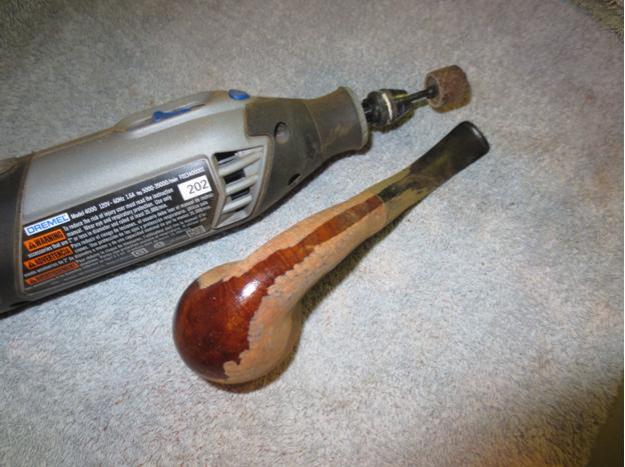
Shamrock5 I took a close up photo of the rim and the bowl to show the thickness of the cake. Toward the bottom of the bowl it got thicker and reduced the size of the bowl at the airway.Shamrock6 I looked at several Peterson shape # 268 Zulus to get an idea of what the stem looked like originally on this pipe. I went through my can of stems and found several that would work on this pipe. The one that was the closest to matching the diameter of the shank of the pipe was a brand new stem blank that still had the castings on the sides and end of the button. The slot was constricted but the length and shape would be easy to match to the shank.Shamrock7 I drilled open the airway to accept the rod of the PIMO tenon tool. And then set up the tenon tool on a cordless drill. The current tenon was too long for the tool to cut all the way to the end of the tenon so I used the Dremel and sanding drum to shorten the tenon. I put it on the tool and adjusted the set screws and took off the first round of material. I did three adjustments to turn the tenon down to a fit in the mortise. I fine tuned the fit with 220 grit sandpaper.Shamrock8

Shamrock9

Shamrock10 The fit in the mortise was snug. The diameter of the new stem was large on the sides and the bottom. The top would take the least adjustment to get the fit correct.Shamrock11
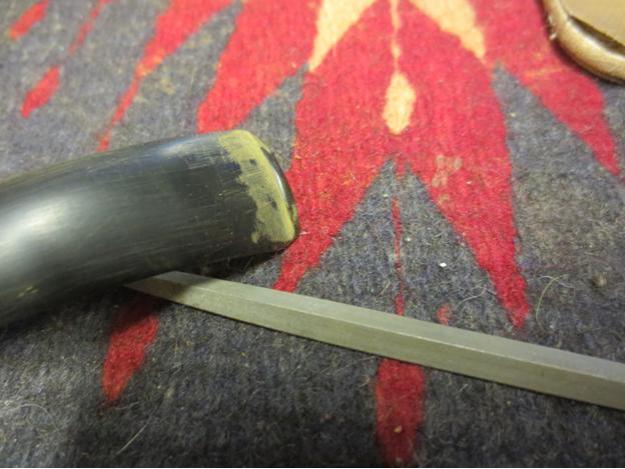
Shamrock12

Shamrock13 I took off the majority of the excess vulcanite with the Dremel and sanding drum. I put it back in the shank and the fit was better. The rest of the work would have to be done by hand sanding.Shamrock14 I hand sanded the stem until it was smooth and the transition between the shank and stem needed some fine tuning then set the stem aside and worked on the bowl. Contrary to my normal pattern I wiped off the outside of the bowl and shank with acetone on cotton pads to remove the finish and the grime that had been ground into the briar. Once it was gone there was some nice grain showing through.Shamrock15

Shamrock16

Shamrock17

Shamrock18 I put the stem in place and took a few photos so that I could see where I stood at this point in the process. The pipe was looking good and with a few tweaks would look even better.Shamrock19

Shamrock20

Shamrock21

Shamrock22 The top of the bowl was caked and the lava was very hard. I tried to scrape it carefully with a pen knife and gave up. I resorted to lightly topping the bowl on the topping board to remove the thick lava build up.Shamrock23

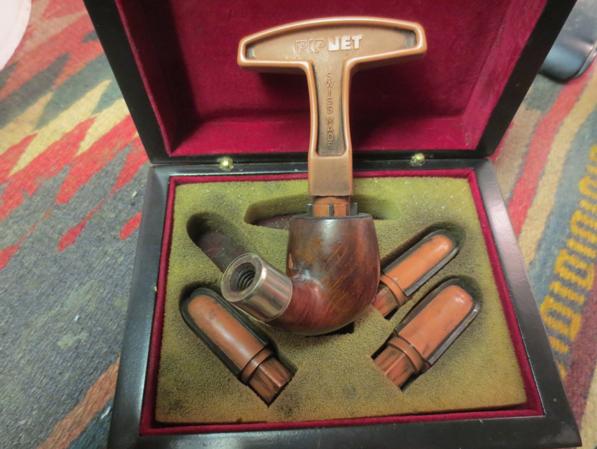
Shamrock24 I reamed the bowl with a PipNet reamer starting with the first cutting head. I finished with the second cutting head which was the same diameter as the inside of the bowl. I cut the cake back to bare briar so I could assess the inner bowl walls. They looked very good with little burn or damage. The cake had protected them.Shamrock25

Shamrock26 I fine tuned the sanding on the stem and shank fit with 220 grit sandpaper and shaped the stem to match the oval of the shank. The flow of the bowl and stem were looking really good at this point in the process.Shamrock27

Shamrock28

Shamrock29

Shamrock30 I cleaned out the inside of the mortise and the airway in the stem and shank with alcohol, cotton swabs and pipe cleaners.Shamrock31 I used the dark brown stain pen to touch up the rim and the end of the shank to match the stain colour on the rest of the pipe. I rubbed it down with a light coat of olive oil to give some life to the dry wood. I gave the bowl a quick buff with Blue Diamond and then gave it one coat of carnauba wax and hand buffed it with a microfibre cloth. The “new” look of the bowl is shown in the photos below.Shamrock32

Shamrock33

Shamrock34

Shamrock35 With the bowl stained and oiled I used a heat gun to bend the stem and get the proper angles that I had found online on the 268 shaped pipes. I heated the stem until it was pliable and then bent it over a round can to get a smooth angle. I took photos of the pipe with a bent stem to give a feel for the finished look.Shamrock36

Shamrock37

Shamrock38 I fine tuned the fit of the stem to the shank by beveling the inner edge of the mortise in the shank and then cleaning the area around the tenon stem joint. I wet sanded the stem with 1500-2400 grit micromesh and then rubbed the stem down with Obsidian Oil. I dry sanded it with 3200-4000 grit micromesh pads and gave it another coat of oil. I finished sanding with 6000-12000 grit micromesh pads and gave it a final coat of Obsidian Oil. I laid the stem aside to dry.Shamrock39

Shamrock40

Shamrock41 I put the stem on the pipe and buffed the entirety with Blue Diamond and then gave it multiple coats of carnauba wax. I buffed it with a clean buffing pad and then by hand with a microfibre cloth. The finished pipe is shown in the photos below. It is ready to go back to Chile. Sometime early this week I will pack the two repaired pipes up and make the trip to FEDEX to send them back. I look forward to hearing what the two of them smoke like for the Chilean pipeman. I like the new looks of both of these pipes and I think he will as well. But I have to tell you I am a sucker for the Zulu shaped Petersons. This one is a beauty!Shamrock42

Shamrock43

Shamrock44

Shamrock45

Shamrock46

Shamrock47

Shamrock48

Restemming and restoring an oval shank billiard with issues


Blog by Steve Laug

I was gifted an oval shank billiard with a broken tenon and no stem by a fellow pipe refurbisher. He knows I like a challenge so he thought that maybe this would be a fun one for me to fiddle with. I looked at it when I unpacked it and spent more time looking at it over the weekend. When I first picked it up I put it in the bin of pipe to be refurbished and pretty much figured it would be one of those that I picked up when I had nothing else to work on. I have a few of those sitting in the bottom of the box. On Sunday I was going through the box trying to decide which pipe I would work on next and picked it up. There was something about it that drew me to work on it next. I can’t tell you what that was; I have no words to describe it. I know though that those of you who refurbish pipes know the feeling and the call of certain pipes. This was one of those. So it came to my work table.

Now that I had made a decision to work on it I took time to look it over and assess it. That is what I always do when I work on a pipe. I look it over and list out what needs to be addressed if I am to bring this pipe back to life. I like to enter into the work with a clear idea of what needs to be done. Doing this keeps me from finding those issues that surprise you in the process – at least most of the time it does. There will always be exceptions to the rule. For this pipe it was pretty straight forward.
Here is a list of the issues:

1. The finish was very rough and the darkening of the briar around the middle of the bowl was worrisome. It was hard to tell if it was potential burnout starting to happen – thus darkening the briar or if it was dirt and grime. I was pretty sure it was just soiled and stained but could not tell for sure until I had reamed the bowl.

2. There were scratches and dents all over the surface of the bowl.

3. There was one large fill on the right side of the bowl, mid-bowl that would need some work. I would either need to pick it out and refill it or repair it.

4. There was a burn mark on the underside of the shank mid-shank.

5. There appeared to be a small crack on the bottom of the shank at the place the stem and shank meet. It extends inward about a quarter inch. It was hard to see as it was hidden in the dings on the bottom of the shank from when the pipe had been dropped and the stem broken.

6. The bowl had a thick cake in it to the point that the tip of my little finger was about all that would fit in the bowl.

7. The rim had nicks and damage to the surface as well as a lava overflow from the cake in the bowl.

8. The stamping was virtually nonexistent. All that remained was a faint stamp on the left top side of the shank near the end – it read Made in London. It would definitely disappear if I banded the pipe to deal with the crack.

9. The airway in the shank and mortise was dirty and clogged. I could push air through it but barely when I blew through the end of the shank.

10. There was a broken tenon stuck in the shank. Generally these are pretty straight forward so I was not too worried about removing it.

11. There was no stem to work from as a model and the oval shank would make matching it a challenge.

Here is what the pipe looked like when I brought it to the work table.Bill1

Bill2

Bill3

Bill4

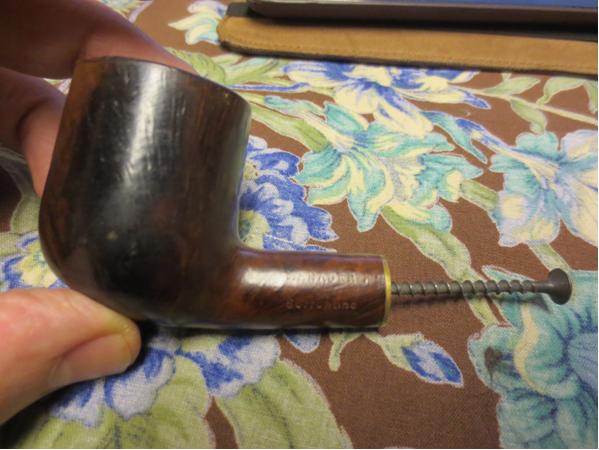
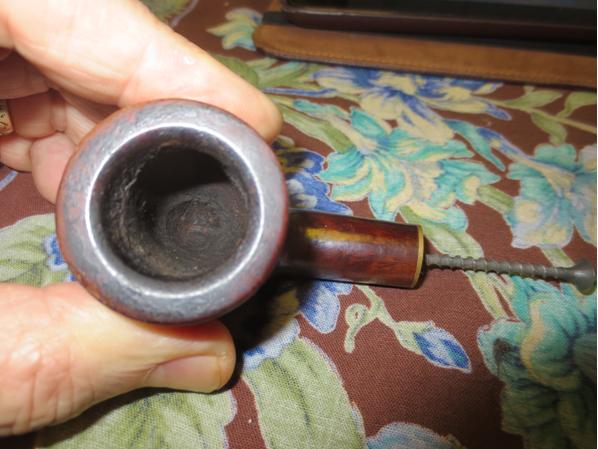
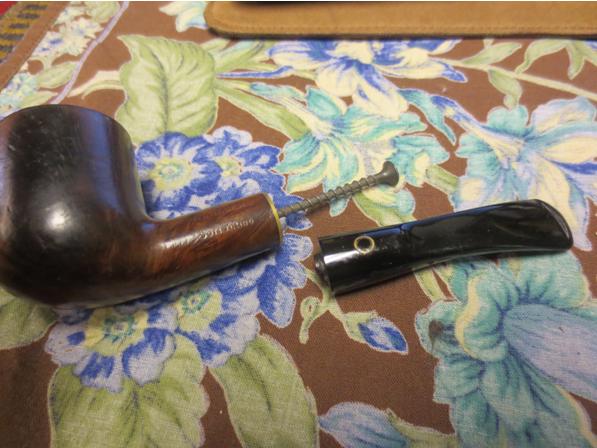
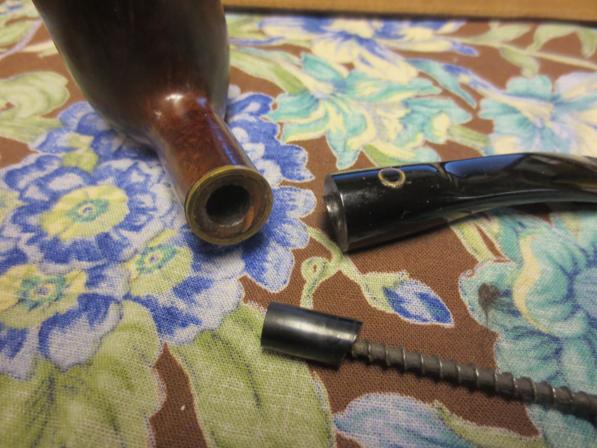
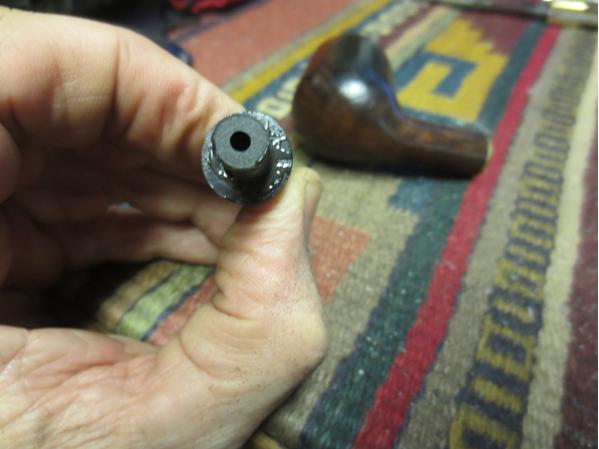
Bill5 I started the cleanup by pulling the broken tenon. I used the normal drywall screw and had the tools handy. In this case I threaded the screw in gently and was able to pull the tenon out by hand very easily.Bill6

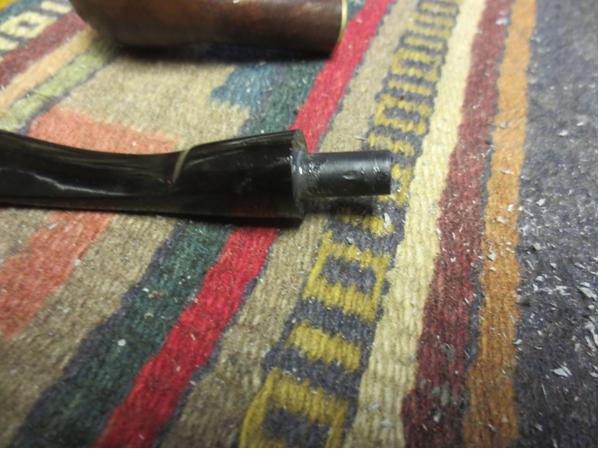
Bill7 I turned to my can of stems for a potential stem. I actually had one that was a decent fit. The tenon was perfect and the fit against the shank end was ideal. The diameter of the stem on the bottom of the oval was too big and would need to be sanded to a correct fit. It happened to be the only oval stem I had at the moment and it was a twin bore bite proof stem. I was careful in fitting the stem because of the small crack in the shank.Bill8

Bill9

Bill10

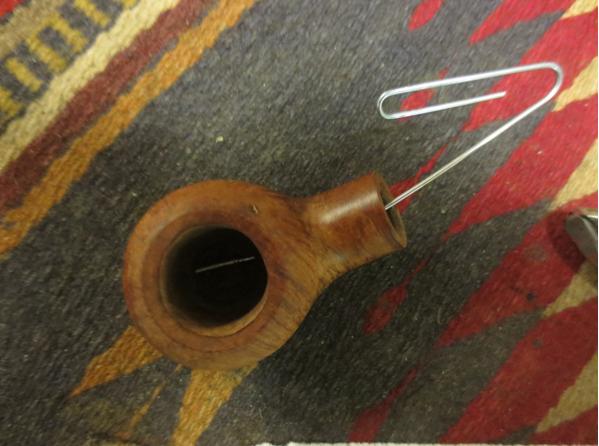
Bill11 I used the Dremel and sanding drum to take off the excess rubber on the bottom of the stem.Bill12 This may be a funny thing to say but as I examined the stem after I fit it to the shank I noticed it had a small hole near the button. When I turned it over to check it out then I noticed that I was dealing with a bite proof stem – a stem with two airholes coming out of the button from the single airway in the stem. Picture the letter Y and you have a good picture of the stem.Bill13 I inserted a greased pipe cleaner in the airway on left airhole and then repaired the hole in the underside of the stem. I used black super glue to fill it and built it up to give a good base. When it dried I sanded it smooth with 220 grit sandpaper to blend it into the surface of the stem.Bill14

Bill15 Reaming the bowl took some effort and several different reamers. I used the PipNet reamer to start and then worked on the bowl with a KLEENREEM reamer. I finished by using a pen knife to clean out the last remnant of carbon in the bowl. I cleaned out the airway in the shank and the stem with pipe cleaners, cotton swabs and alcohol.Bill16

Bill17 I topped the bowl on my sanding board and lightly sanded the cracked area and damage on the bottom of the shank end.Bill18

Bill19 I sanded the stem with 220 grit sandpaper and then with a medium sanding sponge to smooth out the scratches. I wiped the bowl down with acetone on cotton pads to remove the grime and the remaining finish. The new stem fit really well and I only wished that the shank did not have the small crack that mad banding a necessity.Bill20

Bill21

Bill22

Bill23 I cleaned the area around the fill on the right side and repaired it with super glue. I sanded it smooth and then sanded the bowl with a medium grit sanding sponge.Bill24 I heated the briar with a heat gun and then applied a coat of cherry stain to it. The stain took well and sat deeply in the grain of the bowl.Bill25

Bill26

Bill27 With the stain in place the crack on the underside of the shank was very visible. It was mid shank and extended about ¼ inch. At this point I had to decide how to address this crack. I could do a shank insert and do an internal repair or I could band it. In looking over the shank I realized that the tenon was already quite thin and I would be hard pressed to make it smaller to fit inside of a shank insert. I would need to band the pipe.Bill28 I had a round band that would fit once I flattened it. I opened the crack with a dental pick and filled it with glue to repair the crack and then pressed the band into place on the shank.Bill30

Bill31

Bill32 I lightly sanded the tenon as the band made the fit in the shank too tight. I put the stem in place and took the next photo to get an idea of the new look.Bill33 I set the bowl aside and worked on the stem. I sanded it with micromesh sanding pads. I did my usual routine with the micromesh pads – wet sanding with the 1500-2400 grit and dry sanding with the rest of the pads up to 12000 grit. I used Obsidian Oil as usual.Bill34

Bill35

Bill36 I buffed the nickel band with a jeweller’s cloth and buffed the pipe on the wheel with Blue Diamond polish. I gave the bowl and stem multiple coats of carnauba wax. I buffed it on a clean flannel buffing wheel and then by hand with a microfibre cloth to raise the shine. The finished pipe is shown below. I think that taking the time to recondition and restore this pipe paid off with a beautiful oval shank billiard. Thanks for looking.Bill37

Bill38

Bill39

Bill40

Bill41

Bill42

Bill43

Another Brewster That Looks Better Now Than When It Was Made


Guest Blog by Robert M. Boughton
Member, International Society of Codgers
Member, North American Society of Pipe Collectors
http://www.naspc.org
http://www.roadrunnerpipesnm.biz (Coming Soon)
http://about.me/boughtonrobert
https://roadrunnerpipes.wordpress.com/2016/01/13/about-the-author/
Photos © the Author

Everything has beauty, but not everyone sees it.
― Kong Qui (Confucius), 551-479 BC, Chinese philosopher, teacher and political figure

INTRODUCTION
This Brewster Billiard arrived in one of the many pipe lots I bought online the year before last, at which time I apparently dismissed it as a common Dr. Grabow that could be put off until I had nothing better to clean or restore. Nevertheless, despite the oppressive grime and weariness that lay upon the wretched pipe like a veil of black magic – or maybe because of this gloomy aspect, as a good friend once remarked with acerbic nonchalance that I seem to be attracted to wounded things (his exact words, all the more angering because I knew he was right) – my eyes returned to it many times since it came in the mail. On every occasion except the last, a week or so ago, I made the mental Dr. G. connection and passed it by.

I’m not saying all Dr. G. pipes are worthless; I just seem to be happier when they’re not cluttering up my own collection. But the two I do own are excellent and exceptional, not counting three unusual beauties that were given to me by my friend and mentor, Chuck Richards and which I expect to sell.Brew1

Brew2

Brew3

Brew4

Brew5

Brew6 There is a good reason for all of this talk about Dr. G. pipes, which might seem to some as nothing more than pointless rambling. As I already noted, all but the last time I considered this pipe, I was so certain it was a Dr. G. that I didn’t even bother with more than a glance. Then, not more than 10 days ago, for some reason I will never understand, I picked it up and squinted at the left side of the shank to check the brand. The pipe was so filthy and sticky (remember that last word) that it might have fallen out of a pig farmer’s bib overalls and smack into the trough. It was so bad, at any rate, that I had to take it into the living room where I keep my jeweler’s magnifier headset to begin to decipher the name, which I could see began with a B. Even then some hard rubbing with a thumb was necessary to break on through to the other side.
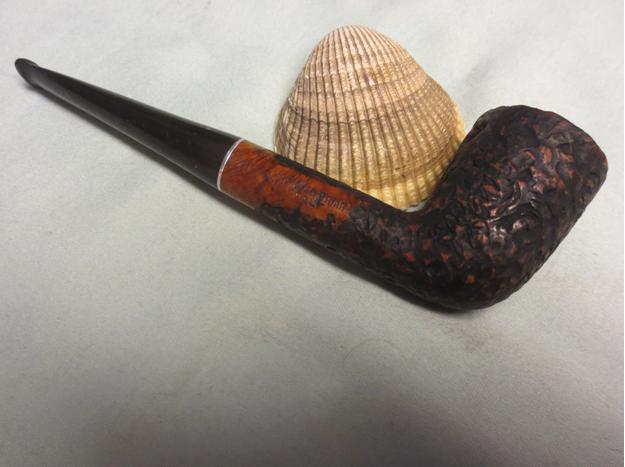
When I at last made out the word Brewster, all that came to mind was a great old movie, “Brewster’s Millions,” from 1945. Go figure! And so, of course, I took a seat on the couch and consulted my laptop, clicking the speed dial to pipephil.eu. There, sure enough, was Brewster. Made in Italy. Unknown maker. What kind of hogwash was this? I Googled “brewster tobacco pipes” and found only a few identical references. Well, I said to myself, I’m not about to let any lack of preliminary intel stop me from making this wounded or perhaps birth defected little thing better.

Only when I was gearing up for the restoration, and happened to visit my local tobacconist, did I chance to notice a new estate pipe put out by Chuck. You guessed it: a Brewster, made in Italy. What were the odds, I wondered, laughing so loudly that the young lady behind the counter, Candice, looked at me in surprise. I explained myself.

But the real shock came a few days later, when I was nearly done with the restoration and started wondering (worrying is more like it) how I was going to write a blog about a pipe with a clear name on it of which several experts in the pipe community had heard but still had no clue who made it. Being a somewhat persistent little bugger, however, I returned to Google, this time expanding my search to “brewster tobacco smoking pipes.” I will never cease to be amazed how sometimes the computer knows exactly where I’m going with a search and even comes up with the right suggestion, and others it’s a swing and a miss. This time it was out of the ballpark.

The very first link, at the top of the page, was to – where else? BREWSTER PIPES/ REBORN PIPES, https://rebornpipes.com/tag/brewster-pipes/. To say I was beside myself is an idiom that doesn’t begin to describe my sense of amazement. As I wrote to Steve in an email, the Brewster triangle was complete. And there, in the most vindicating black and white letters I have ever read, were the words, “The thread pattern and the look of the metal fitment looked exactly like a Dr. Grabow set up.”

Anyway, the bizarre connection between Brewster and Dr. G. is so thoroughly Italian (read “Machiavellian”) that I haven’t quite processed all of it yet. But it’s all there in Steve’s blog, blow by brutal blow, and as far as I can tell, it’s a Reborn Pipes exclusive. I’m sure those who are interested in the grizzly details will follow the link above. I am not about to try to paraphrase Steve’s incredibly detailed research. All I can say is that congratulations on an investigative job worthy of Woodward and Bernstein are in order. For once I will exercise the better part of valor in not going into details that already took up pages of Steve’s blog.

I will comment that Steve’s history of the Brewster includes one hilarious section on a blunder involving a large shipment of pipes to Mastercraft which were stained but not cured with a drying agent. Hence they remained sticky to the touch for years before they were eventually “fixed.”

RESTORATION
Brew7

Brew8

Brew9

Brew10

Brew11 The first order of business, if only so that I could handle the clinging pieces of wood and Vulcanite, was to clean the outside. I did this with a couple of white cotton gun cleaner cloths and purified water, and while I was at it applied 1800 and 2400 micromesh. Wetting the micromesh pads, I was able to remove all of the char on the rim. The stummel had so many scratches and dings that I doubted the micromesh would be enough, but the immediate difference was striking.Brew12

Brew13

Brew14 Next I chose a fixed, 21mm reamer, 320-grit and 500-grit paper for the chamber, and seeing I was correct about the scratches on the stummel, I tried super fine steel wool, the same sandpaper and steel wool again to work away more of the blemishes. This was an ongoing process.Brew15

Brew16

Brew17

Brew18

Brew19

Brew20

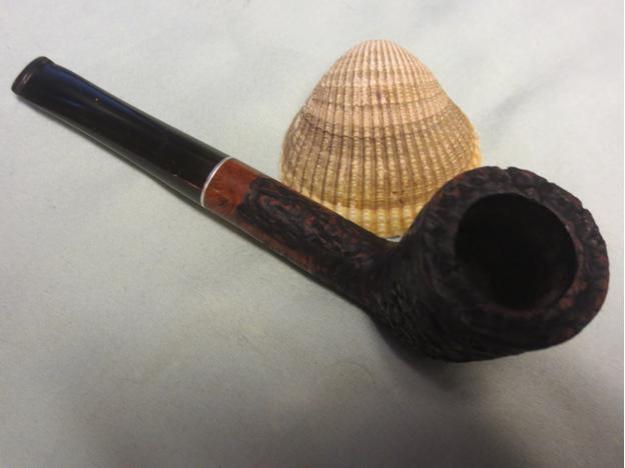
Brew21 An OxiClean bath, for the first time in my experience, was enough to work out all of the mess inside the bit air hole, which, judging from the used, sudsy, murky water, had been somewhat bad.Brew22 I used 320 paper followed by the full gamut of micromesh on the bit, and thought I was done.Brew23 Now, I didn’t actually notice the problem at this stage, but for the sake of uniformity I’ll add it here. In fact, only after I had completed the remainder of the restoration did I notice the turn of the bit was off. Examining the tenon end of the bit, which should have been flat, I saw it had a chip that I hoped – notice I don’t say thought – I could remedy with a little sanding. Luckily I stopped that madness before it was too late. Yes, I’ve utterly destroyed a few bits in my short experience with the treacherous objects, and I’ve learned my lesson! Turning to Black Super Glue, I dabbed a little over the weak spot and let it sit overnight.Brew24 Staining the stummel with Lincoln medium brown boot stain (which is really pretty dark), I flamed it, set it aside to cool, and buffed lightly with 4000 and 6000 micromesh.Brew25
Brew26

Brew27

Brew28 The next day, with the stummel already buffed on the wheels, I had to re-do the entire bit to remove scratches left from my aborted attempt to sand down the lip, and to even out the Black Super Glue. I also heated the tenon, threw a cotton rag over it and clamped it with my grip pliers and turned. It was close, but no cigar, so I repeated the process with less force, and the bit was flush with the shank.

Well, now I looked the two pieces over and was happy with the bit, but there were still fine lines on the wood that I didn’t care for at all. And so, not liking the idea, I used 1800 micromesh to smooth it out, then had to re-buff with white Tripoli, White Diamond and carnauba, and the clean wheel between each.  That did the trick.Brew29

Brew30

Brew31

Brew32

Brew33

Brew34 CONCLUSION
The most difficult part of this task, surprisingly, was the bit, from which, after bringing it to a high shine the first time, I didn’t expect any further problems. It’s taken some time, but I’m finally getting the hang of bits. The easy part of the restore was making the sweet little billiard look better than I expect it ever did out of the factory in Italy, with everyone involved in its creation doing his best to hide the fact!

Breathing New Life into a mystery pipe and in the process finding out that it is a GBD


Blog by Steve Laug

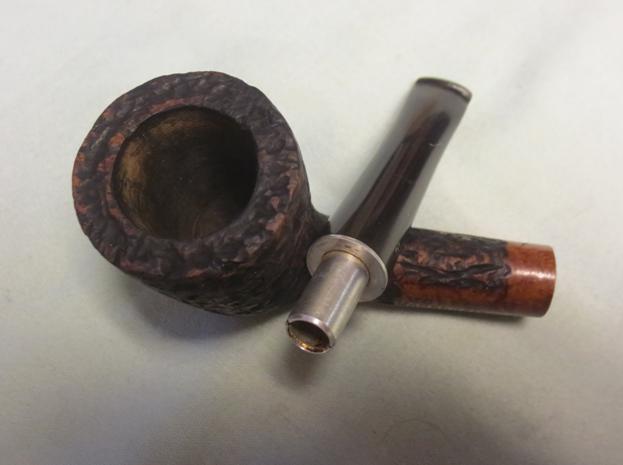
I picked up this bowl in a purchase of bowls on EBay recently. All of them had a broken tenon in the shank and this one was no different. All of the bowls had stamping that was pretty unreadable or not present at all. This one had very faint stamping. When I first looked at it I put it aside and was in no rush to restem another bowl. Yesterday I took it out of the box and had a look at it through a lens with a bright light. I was pretty surprised to see that there was a faint GBD in an oval and underneath that it was stamped PREMIER and under that London Made. The shape number on the other side of the shank and any other stamping was gone. In the next three photos below it is circled in red – in the first it is the second bowl down in the left hand column. In the second it is the second one down and in the third it is at the top of the photo in the middle.GBD1
GBD2

GBD3 It was in pretty rough shape but underneath the grime there was a classic shaped billiard that was just waiting to be reborn. The finish on the bowl was worn, tired and water spotted. The rim was very rough from tapping out and was rounded on the edges. The bowl was caked but it also had about a half bowl of unsmoked tobacco. It also had the tenon broken off in the shank of the pipe. It almost looked as if the owner had dropped it mid smoke and the stem broke off and he just laid it aside. There were some serious deep gouges in the bottom right side of the bowl. It looked as if it was part of the fallout when the pipe was dropped. The photos below show what the pipe looked like when I received it. You can also see why I missed the stamping on the side of the shank.GBD4

GBD5

GBD6 When it arrived I used my usual process and pulled the broken tenons from all of the shanks. I used a screwdriver, pliers and a drywall screw. I thread the screw into the airway on the broken tenon and then use the pliers to wiggle it free. You can see how it works in the photos below. I removed five broken tenons in a matter of moments.GBD7

GBD8 At this point I put all five bowls away and did not look at them for almost a month. The past two days I have been through them and already restemmed the tiny apple. This one came out next from the box. I wet the stem and looked at it through a lens with a bright light. That is when I discovered that the mystery pipe was a GBD. There was no shape number but it was a petite billiard. I had a stem in my stem can that was nearly perfect for the pipe. It did not have a GBD logo but it fit really well. I only needed to shorten the length of the tenon and the left side of the stem to get a perfect fit.GBD9

GBD10 I wiped down the bowl with acetone to see what I was working with under the grime. I took a few photos of the bowl to show what it looked like.GBD11

GBD14

GBD13

GBD12 I shortened the tenon and the fit was great against the shank. Now all that remained was to sand and clean the stem.GBD15 I used a dental pick to remove the dottle from the bowl. You can see the amount of unburned tobacco that remained in the bowl. I think my theory of being dropped mid smoke was pretty accurate. I reamed the bowl with a PipNet reamer and took the cake back to bare briar. The bowl was between the smallest sized cutting head and the second one so I could only do a part of the job with the reamer. The round bowl made it not feasible to work with the KLEENREEM reamer. I cleaned up what remained with a pen knife to smooth out the walls of the pipe.GBD16

GBD17

GBD18 In the photo above shows the damage to rim top and the inner and outer edge of the rim. I decided to top the bowl to clean up as much as possible of the rim damage.GBD19

GBD20 I repaired the deep gouges on the right side of the bowl with superglue and briar dust. I would have tried to steam them out but they had sharp edges on all of the marks and steaming would not have raised them. I sanded the dried repairs with 220 grit sandpaper to blend them into the surface of the briar. You will see in later picture what that looked like.GBD21 I started to clean out the shank and stem with pipe cleaners, cotton swabs and alcohol and soon began to realize that it was far dirtier than I initially expected.GBD22

GBD23 I put the stem on the shank and set up the pipe retort. I boiled three test tubes of alcohol through the bowl and stem until it finally came out clear. The second photo is a cool picture of the boiling alcohol. I had to include it!GBD24

GBD25 I ran pipe cleaners, a shank brush, cotton swabs and alcohol through the stem and shank to remove what was left behind by the retort and was pleased to see how clean it was. One surprise to me was the red stain that came out of the shank. Evidently the pipe had originally been stained with a oxblood stain. You would never have guessed that looking at what I started with. Now that the internals were clean I took a series of photos of the pipe to show where it stood at this point. In these photos you can see the repairs on the right side of the bowl.GBD26

GBD27

GBD28

GBD29 Now it was time to polish the stem and work on the finish of the pipe. I worked on the stem with 220 grit sandpaper and a medium and fine grit sanding sponge to remove the grime and the oxidation on the stem. I don’t know what was on this stem but it was tacky, gummed up the sandpaper and was hard to clean. I wiped it down with alcohol and then repeated the sanding. I was able to remove the oxidation and the tooth chatter at the button. I sanded the stem with micromesh sanding pads – wet sanding with 1500-2400 grit pads and then giving the stem a coat of Obsidian Oil. I dry sanded with 3200-4000 grit pads and gave it another coat of oil. I finished with 6000-12000 grit pads and gave it a final coat of the oil. I let that dry.GBD30

GBD31

GBD32 I sanded the bowl with 1500-4000 grit micromesh to smooth out the sanding marks. I wiped the bowl down with a tack cloth and then gave it a coat of Cherry stain mixed with Danish Oil. I buffed it by hand and gave it a second coat. I set it aside to dry. Once it was dry I buffed it by hand with a soft microfibre cloth.GBD33

GBD34

GBD35

GBD36 I put the stem on the pipe and then buffed the stem and bowl with Blue Diamond on the wheel and then gave the bowl and stem several coats of carnauba wax. I buffed it with a clean flannel buff to raise the shine. I hand buffed it with a microfibre cloth to give a deeper shine to the pipe. The finished pipe is shown in the photos below.The cherry stain brings out the grain and at the same time hides the repairs. While the pipe will never win any contests for beauty or perfection that must have once accompanied the PREMIER it is nonetheless fully functional and should deliver the next pipe man who owns a decent smoke at a decent price. Thanks for looking.GBD37

GBD38

GBD39

GBD40

GBD41

GBD42

GBD43

Cleaning an American Made Selected Bulldog


Blog by Steve Laug

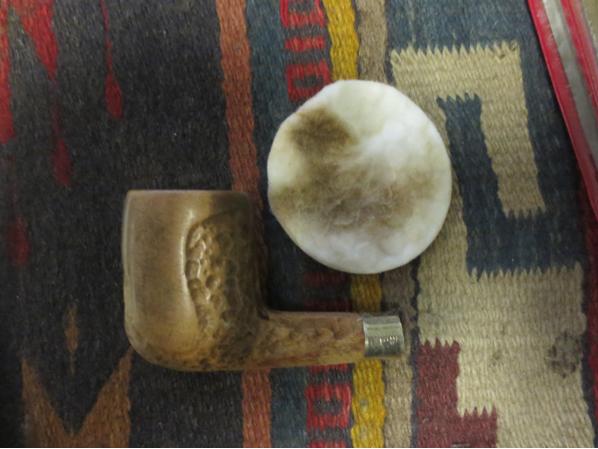
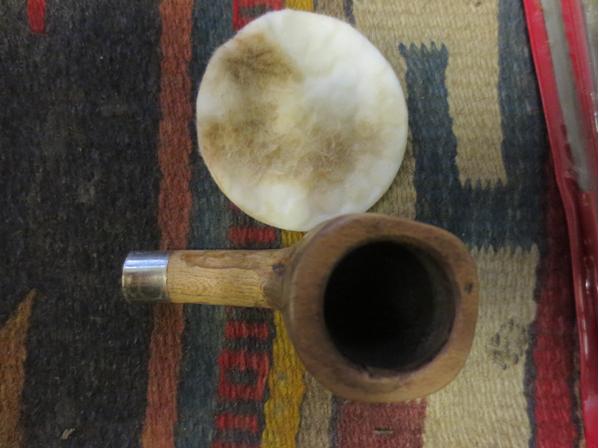
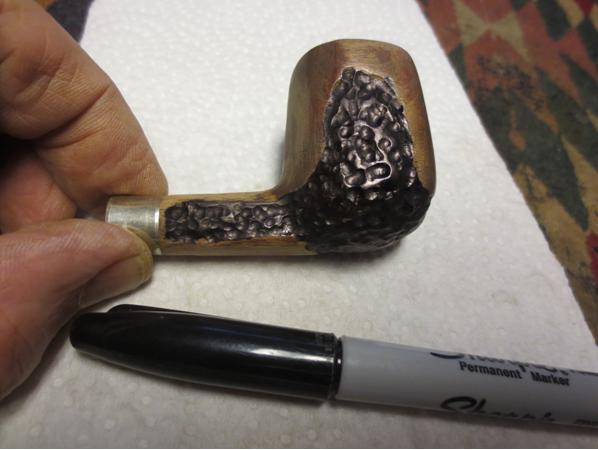
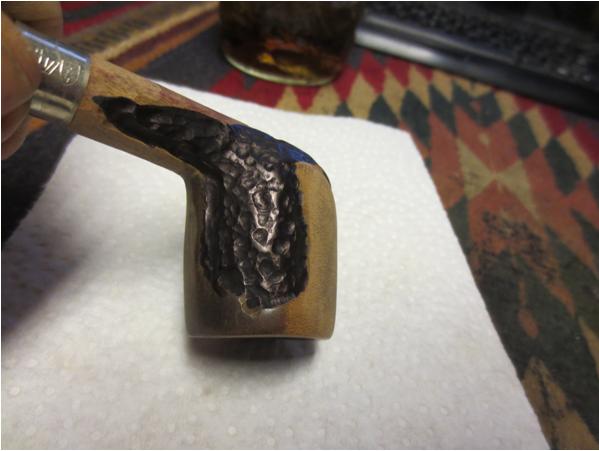
I have had a straight bulldog in the refurbishing box for a long time now. It is an interesting older pipe that has the characteristic worm trail rustication on the sides of the bowl and cap but total only 5 trails. The rest of the bowl is a nice piece of briar. The shank is smooth with no rustication. It appears to be unstained and natural or if stained a light tan colour. The trails on the bowl sides and cap are slightly darker in colour. The bowl was lightly smoked and the bottom half still clean briar. There was no cake in the bowl. There was some burning on the inner edge of the rim on the back left side of the bowl. The stamping on the shank of this bulldog is standing lion inside of a shield and next to that – SELECTED – over Imported Briar. I have searched on the web and in my books for this logo and cannot find it or the company it refers to. Any help would be appreciated. select1 The stem was in good shape with a little oxidation but no teeth marks except for two on top of the button itself. There was an internal stinger apparatus and a metal threaded tenon. The tenon screwed into a metal insert in the shank. The airway from the mortise to the back of the bowl was quite open to give room for the stinger apparatus. I took the following photos of the pipe when I brought it to the work table this morning.Select2

Select3

Select4

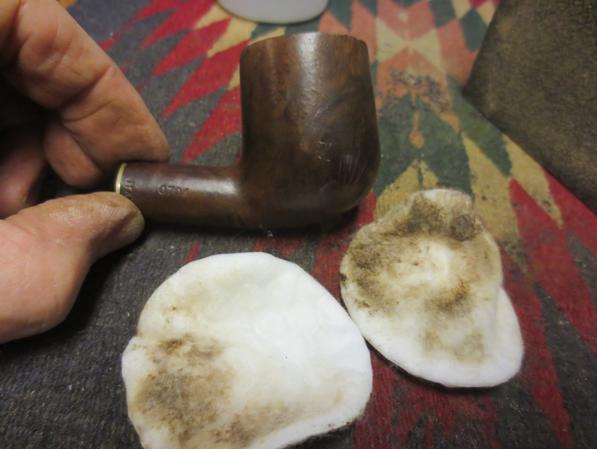
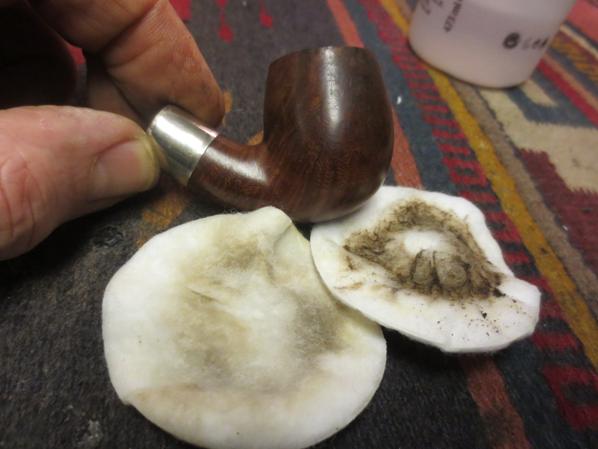
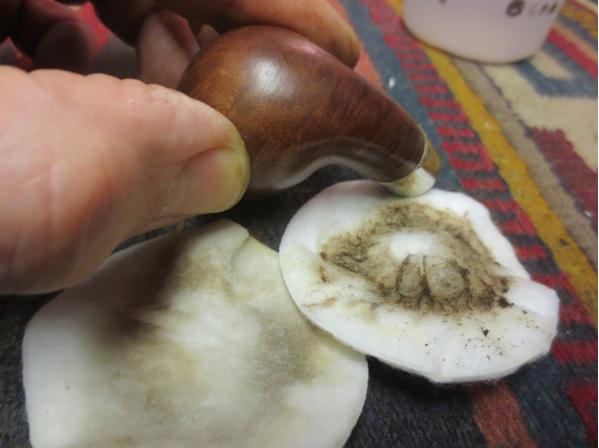
Select5 I took the pipe apart to show the inner apparatus on the stinger. It is unusual in terms of shape. The spear end is very sharp! It is pressure fit into the stem so it should come out for a thorough cleaning of the stem.Select6 The briar was dirty and had what appeared to be the gum from a price tag stuck to it in several places. I scrubbed the bowl and rim with a tooth brush and Murphy’s Oil Soap to clean off the grime.Select7 I wiped it down with a paper towel. A lot of grit and grime came off. I rinsed it with warm running water and dried it off with a towel. The photos below show the grime on the paper towel and the clean bowl.Select8

Select9

Select10

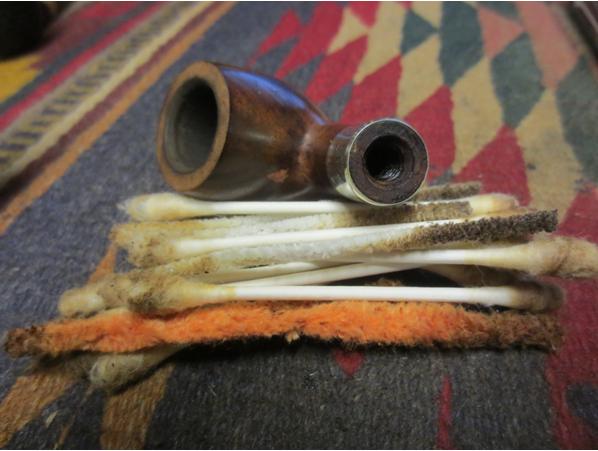
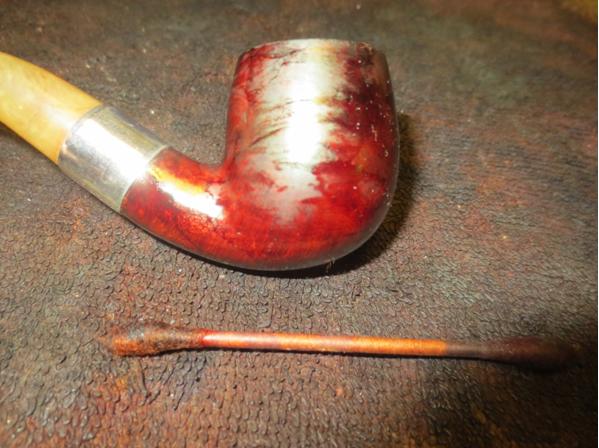
Select11 I heated the stinger with a lighter to soften the tars that held it in the threaded tenon. Once it was warmed I wiggled the stinger free and was able to clean it and the tenon.Select12 I scrubbed the inside of the tenon and the airway in the stem with pipe cleaners and alcohol. I used a brass bristle brush to clean the stinger and the threads on the tenon.Select13 The inside of the shank was wide open and served as a chamber for the stinger. It worked like a condensation chamber to collect the moisture before the smoke move through the holes and slot in the stinger and up the stem. Because of that it was very dirty. I cleaned the bowl and the shank with pipe cleaners, cotton swabs and alcohol until no more grime would come out. The photo below shows the first batch of swabs. There were about that many more used before it was clean.Select14 I lightly sanded the stem with 220 grit sandpaper to break up the oxidation and then with a medium and a fine grit sanding sponge. I wet sanded it with 1500-2400 grit micromesh sanding pads and then gave it a coat of Obsidian Oil. I dry sanded the stem with 3200-4000 grit micromesh pads and then gave it another coat of oil. I finished sanding with 6000-12000 grit pads and gave it a final coat of Obsidian Oil. I set it aside to dry.Select15

Select16

Select17 I put the pipe back together and buffed it on the wheel with Blue Diamond and gave it several coats of carnauba wax. I buffed it with a clean flannel buff to give it a shine. I brought it back to the work table and hand buffed it with a microfibre cloth. The finished pipe is shown below. Thanks for looking.Select18

Select19

Select20

Select21

Select22

Select23

A Tiny Apple Reborn – new stem and new finish


Blog by Steve Laug

This morning I decided to work on an interesting little pipe that I picked up in an eBay batch from England. All of the bowls in that batch had broken tenons stuck in the shank. All were no name bowls or so worn that the name had long since worn off. This one was the smallest pipe in the batch. The bowl and shank are 2 ½ inches long and 1 ½ inches tall. The bowl is drilled at 5/8 inches and I can insert my little finger. The shank was spliced somewhere along the way and done quite well. It is a smooth splice. I wonder if it was a repair or if it came out that way when briar was scarce during the war. The finish was spotty – varnish was peeling from the bowl and shank. The tenon appears to have had a metal tube in the middle of the vulcanite and both had snapped off when they broke. I have circled this bowl in red in the next three photos. The first shows the batch of pipes that I picked up. The second is an enlargement of the bowl itself and the third photo shows the snapped tenon in the shank.Apple1
Apple2
Apple3 The photos above came from the seller. I took the next series of photos before I worked on the pipe this morning. The rough finish is visible in the photos as are the fills on both sides of the bowl. They were shrunken and hard so they would have to be repaired. You can also see the splice in the shank about 2/3 of the way up the shank to the bowl. The bowl had a thick cake that was crumbly and rough. The bowl still was half full of tobacco that had been stuffed into it evidently before the stem broke. The rim had lava overflow and some damage to the inside edge and the top of the rim.Apple4
Apple5
apple6
apple7 For a stem for this pipe I turned to my stem can and found a long narrow stem that needed a little adjustment to the tenon and the diameter of the stem at the shank before it would fit. I turned the tenon with a Dremel and sanding drum and finished by sanding it by hand.Apple8 The photos below show the stem in the pipe. The diameter of the shank and the diameter of the stem do not match.Apple9 I used the Dremel and sanding drum to reduce the stem diameter to match the diameter of the shank. I always rough in the fit with the Dremel and then fine tune the fit by hand sanding.Apple10 I reamed the bowl with a PipNet pipe reamer and took the cake back to bare wood. I wanted to look at the inside of the bowl and rim to see what needed to be done at those points.Apple11
Apple12 I stripped the finish off the bowl with acetone on cotton pads. With all of the fills and dents in the no name bowl it was another candidate for sanding and refinishing. Looking down the shank with a light it appears that the splice of shank was done with a metal tube in the shank. The bowl and the added shank also appear to be different wood.Apple13 I topped the bowl to remove the rim damaged and to clean up the edges of the rim.Apple14 I tried to pick out the fills on the bowl but they were tight and were rock hard. I cleaned up around them and filled in the shrinkage with clear superglue.Apple15 I sanded the repaired areas and the rest of the bowl and shank with 220 grit sandpaper. I sanded the repairs smooth and followed up by sanding with a fine grit sanding sponge.Apple16
Apple17 I gave the bowl a black under stain to help hide the fills and the splice. They would always show but the dark under stain would blend them into the finish better. I applied the stain and flamed the bowl and repeated the process to get good coverage.Apple18
Apple19 I wiped down the bowl with alcohol and cotton pads to remove the black from the surface of the briar and leave it in the grain patterns.Apple20
Apple21
Apple22
Apple23 I sanded the bowl with a fine grit sanding block and the stem with the fine grit sanding sponge and fit it in the shank to get a feel for the new look. I took the next series of photos to see how the pipe was developing. I liked what I saw. The black stain had done a good job covering the fills and the splice. I used a black permanent marker to fill in some light spots and drew in some grain lines in the bald spots.Apple24
Apple25
Apple26
Apple27 I gave the bowl a top coat of Danish Oil with Cherry stain and then again used the permanent marker to fill blank spots and darken the fills. I wiped the Cherry stain over the bowl several times until the coverage was good and then set the bowl aside to dry.Apple28
Apple29
Apple30 While it dried I worked on the stem with micromesh sanding pads. I wet sanded it with 1500-2400 grit pads and gave it a coat of Obsidian Oil. I dry sanded with 3200-4000 grit pads and gave it another coat of oil. I finished with 6000-12000 grit pads, gave it a final coat of Obsidian Oil and let it dry.Apple31
apple32
Apple33 I buffed the pipe with Blue Diamond on the wheel and then gave it multiple coats of carnauba wax. I buffed it with a clean flannel buff and then by hand with a microfibre cloth to deepen the shine. The finished pipe is shown in the photos below. I like the looks of it with a long thin stem. It is a like a pencil shank Bing with an apple shaped bowl. Thanks for looking.Apple34
Apple35
Apple36
Apple37
Apple38
Apple39
Apple40

Wm Wales Billiard Restemmed and Restored


Blog by Steve Laug

Wm1This is yet another pipe that my brother Jeff picked up in Montana and sent my way. It is stamped Wm Wales on the left side of the shank and on the right side it is stamped Grecian in script. The stamping though a different script than that found on the Carey Magic Inch pipes is similar in the way it is stamped and the stamping of Grecian on the right side of the shank. I did some digging on the internet and found nothing about the brand other than several pipes with the same stamping for sale. There is nothing about the brand on the various pipe information websites. There is nothing about the brand on Who Made That Pipe or in Lopes book so I am left with a bit of a mystery.

The pipe has some pretty decent grain on it. The sides of the bowl have some interesting birdseye grain and the front and the back of the bowl have cross grain on them. The stem is a mix of grains. The finish was worn and dirty. The rim had a cake of tar and grit on the top of the bowl. The inside of the bowl had a hard, thick cake that almost filled the bowl. The rim itself was undamaged and showed no burn marks or damage to either the outside edge of the rim or the inside bevel of the rim. The stem was at first glance workable but upon examination it had a crack in the centre of the button on both the top and bottom sides. There were also tooth marks that were deep and one split the button. The surface of the stem was wavy and rippled from the way it had been buffed. The slot in the stem was clogged and no air would go through the airway.

In the photo above to the left the pipe is the second one down from the top. The next set of four photos show the pipe as was when it arrived at my work table.Wm2

Wm3

Wm4

Wm5 I took a close up photo of the bowl and rim to give a clear picture of what I started with in my clean up. The two photos following that give a good view of the stamping on the shank.Wm6

Wm7

Wm8 The next two photos show the damage to the stem. The more I looked at the damage the more I realized that a replacement stem would be less work than fiddling around with repairing the damage on that one.Wm9

Wm10 I tried to ream the bowl with a PipNet reamer and found that the cake was so hard that reamer did not even cut into the surface of the cake. I tried a KLEENREEM reamer and made no headway either so I dropped the bowl in an alcohol bath to soak. It would soften the cake and clean up the grime on the finish of the rim and bowl as a bonus.Wm11 While it soaked I looked for a new stem in my can of stems and found one that would work quite well. It was a little larger in diameter but once I fit it to the stem some sanding and shaping would take care of that.Wm12 In the morning I took the bowl out of the alcohol bath and worked on it to ream it. I used the PipNet and the KLEENREEM reamer on the bowl. I also used a pen knife to work at cutting away the hard cake. In the process of reaming I found that the bowl was conical in shape rather than U shaped. I used the drill bit from the KLEENREEM tool to open the airway in the shank.Wm13

Wm14

Wm15 Once I had cleaned out the shank and the bowl with alcohol, pipe cleaners and cotton swabs I fit the new stem to the shank. I sanded it with 220 grit sandpaper to clean up the tooth chatter and the oxidation. I sanded it with a medium and a fine grit sanding sponge to further remove the scratching and oxidation. I wiped the stem down with Obsidian Oil.Wm16

Wm17

Wm18

Wm19

Wm20 I scrubbed the briar with acetone on cotton pads to remove the finish and the remaining grime on the rim and bowl.Wm21

Wm22

Wm23

Wm24 I sanded the stem with micromesh sanding pads – wet sanding with 1500-2400 grit pads on the briar and the stem and then rubbed down the stem with Obsidian Oil. I dry sanded with 3200-4000 grit pads and gave it another coat of oil. I finished by dry sanding the stem with 6000-12000 grit pads and gave it a final coat of Obsidian Oil.Wm25

Wm26

Wm27 I buffed the bowl and stem with Blue Diamond polish on the wheel and then gave it multiple coats of carnauba wax. I buffed it with a clean flannel buff to raise the shine. The finished pipe is shown in the photos below. The grain really shines through in the photos. It is a beautiful piece of briar. I would love to know more about the history of the brand to give more depth to my understanding of the pipe.Wm28

Wm29

Wm30

Wm31 I took a few close-up photos of the stem and the bowl showing the grain of the briar and the shape and look of the stem. Thanks for looking.Wm32

Wm33

Wm34