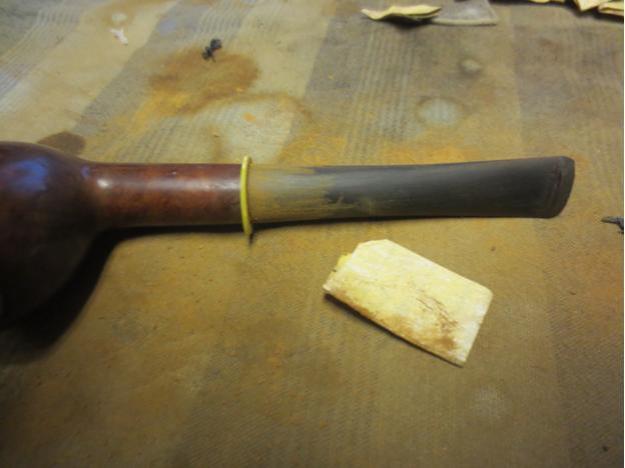
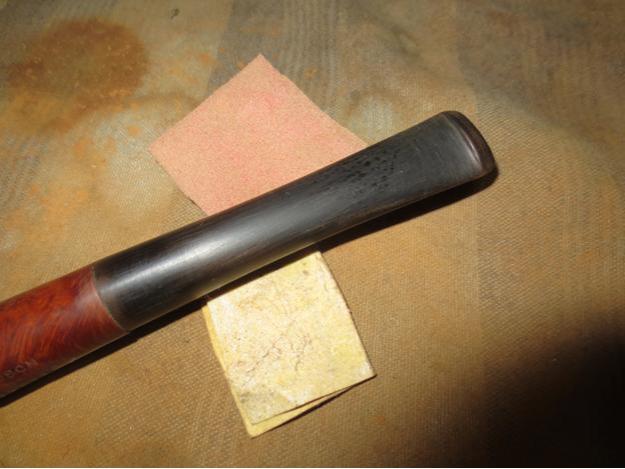
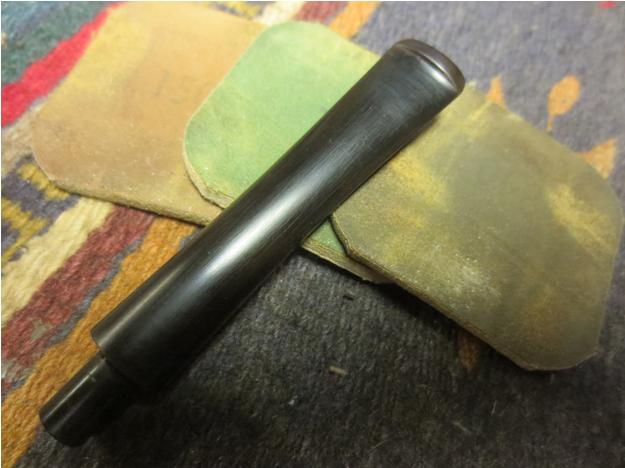
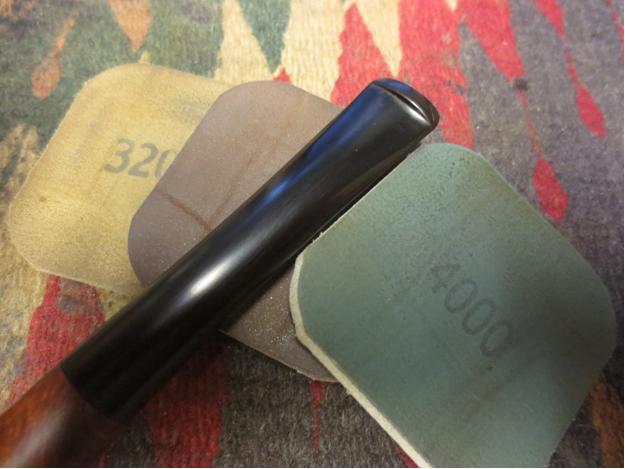
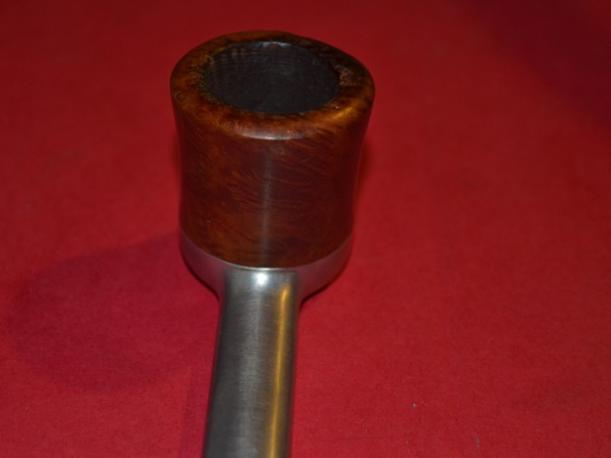
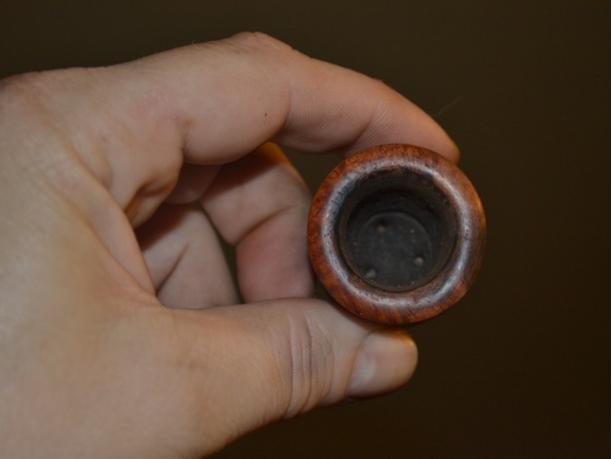
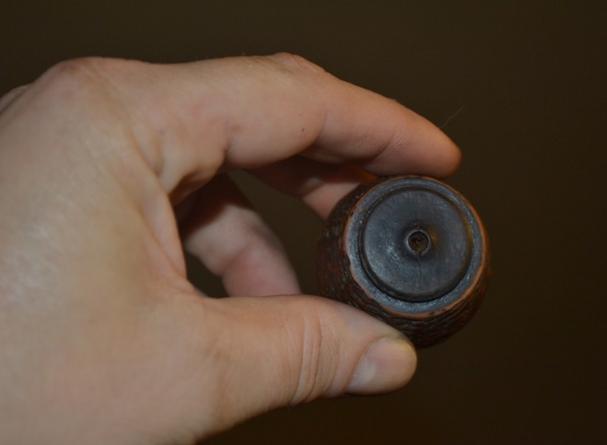
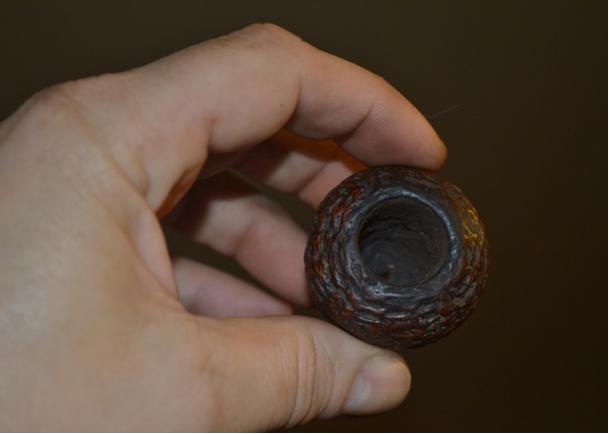
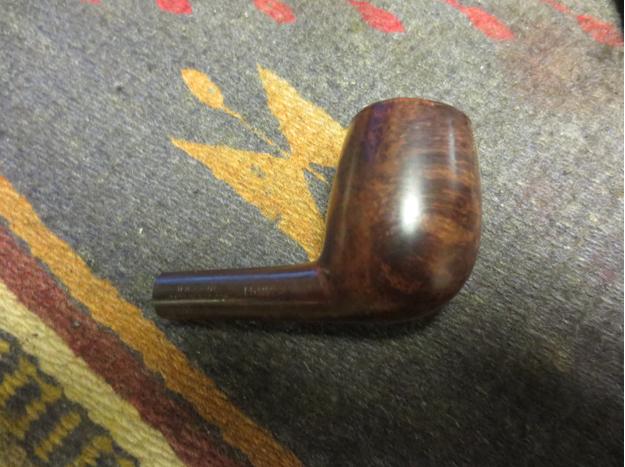
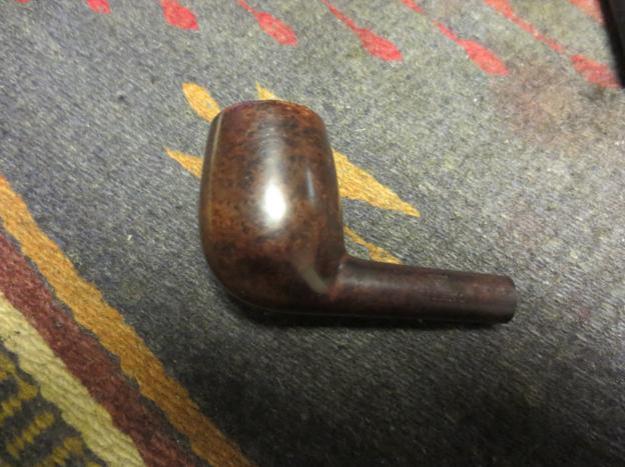
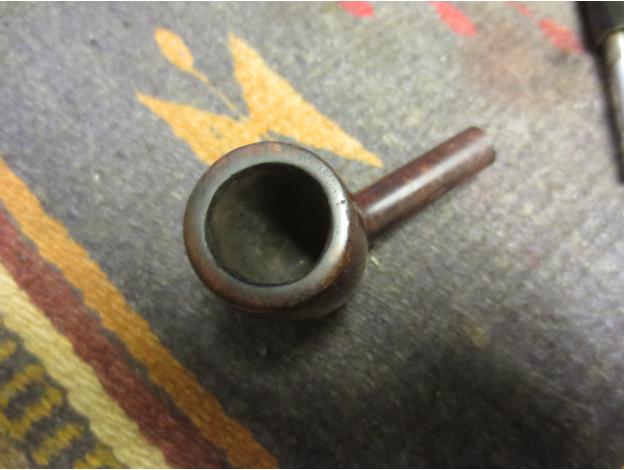
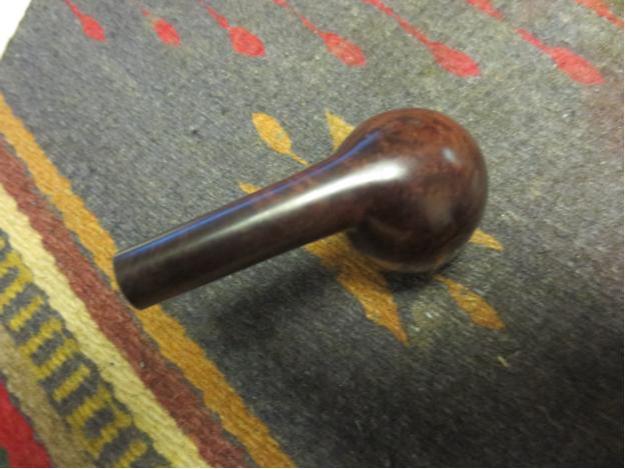
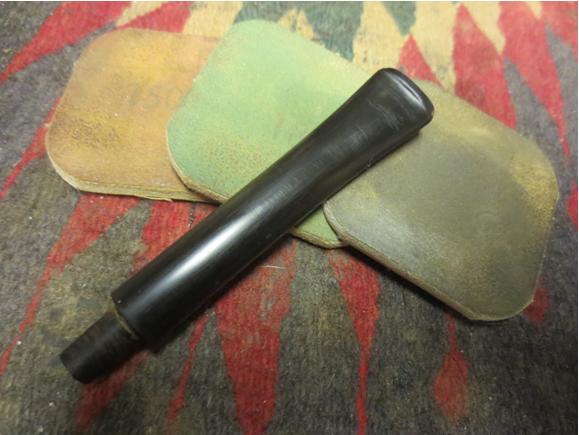
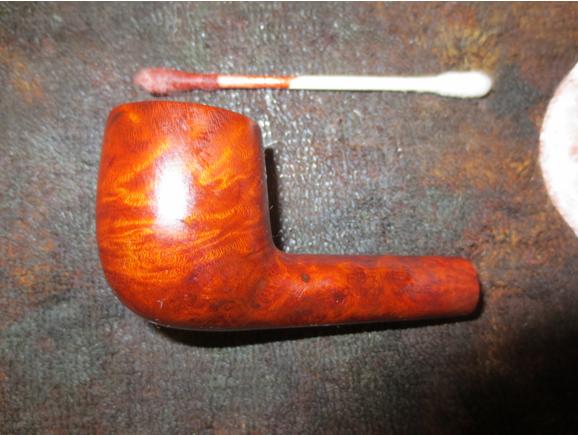
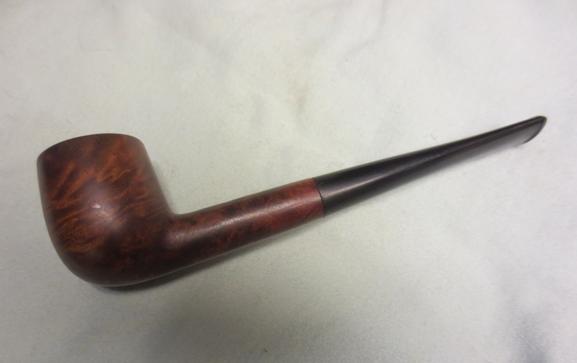
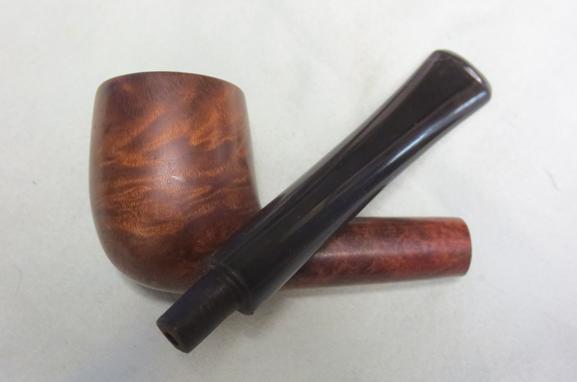
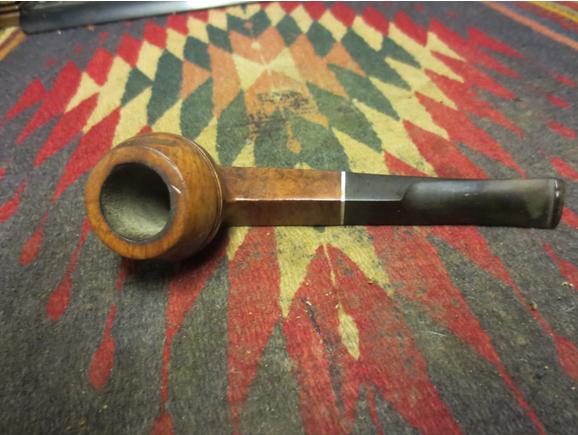
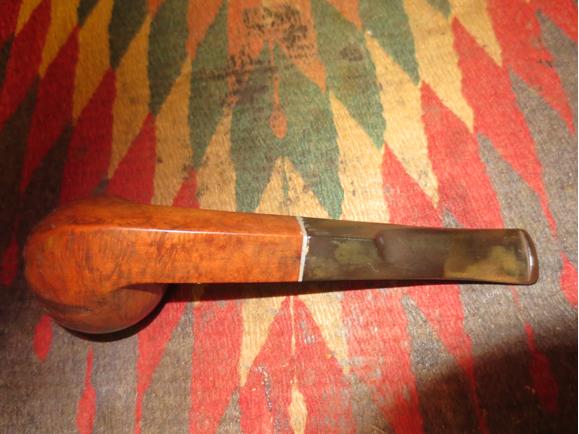
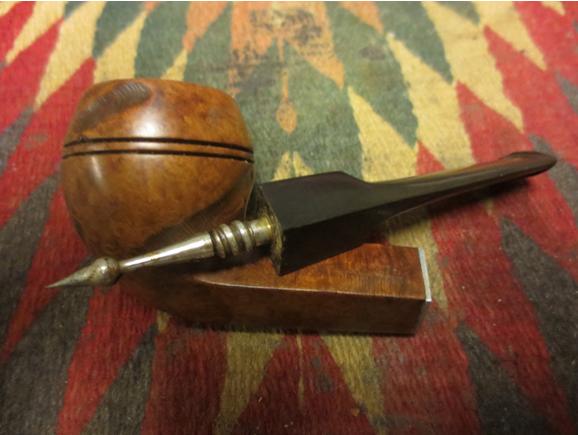
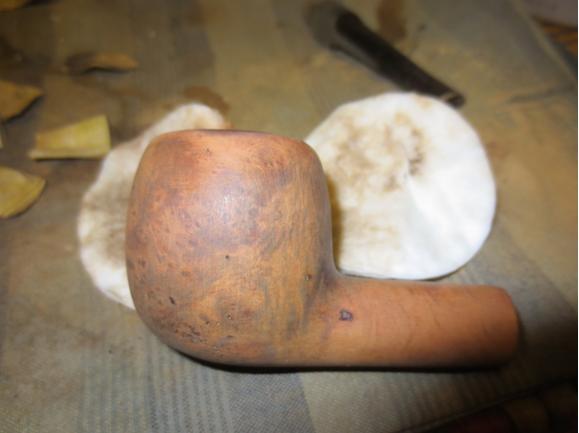
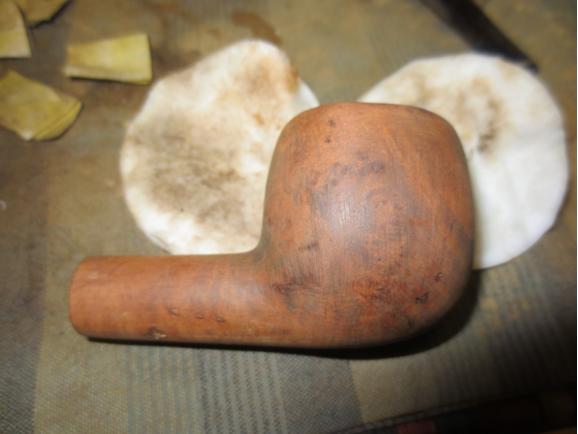
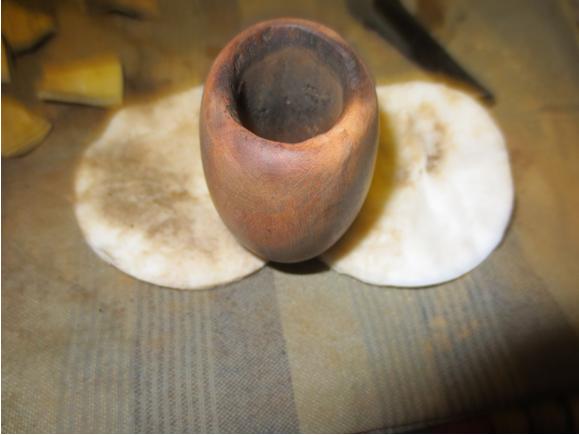
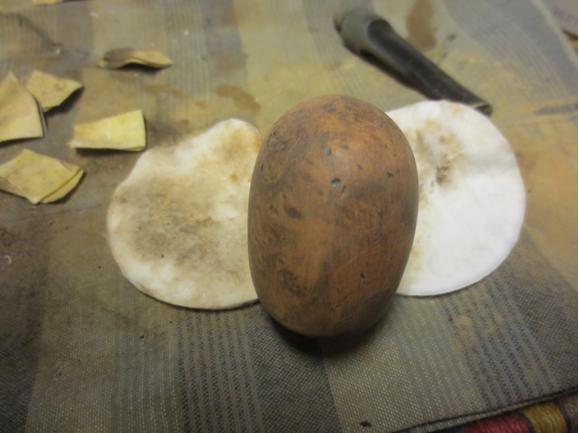
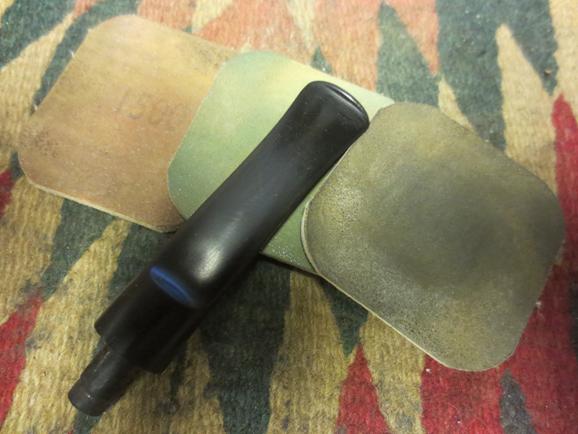
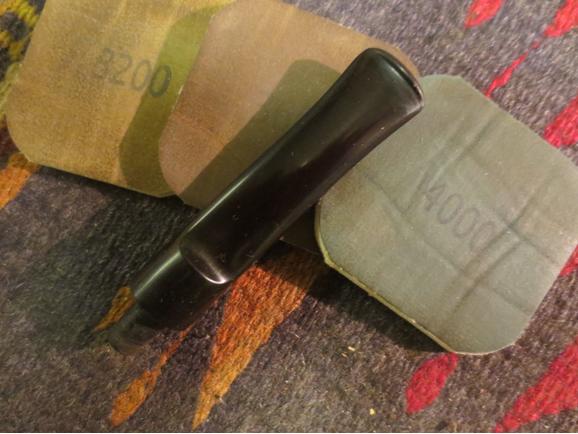
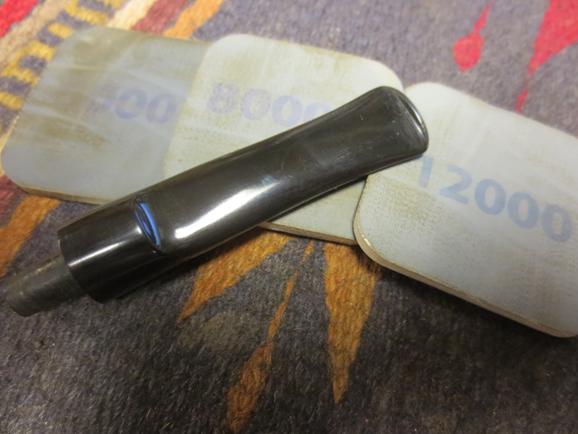
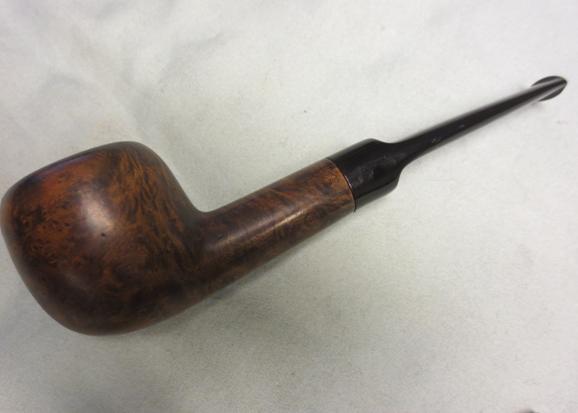
Tag Archives: Bowl – finishing

A Tale of an Ugly Duckling & His Virtually Invisible Swandom


Blog by Steve Laug

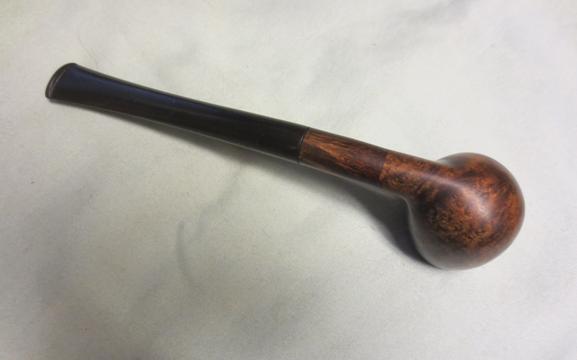
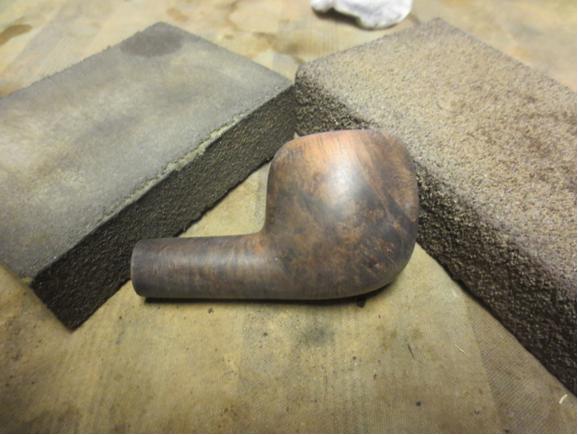
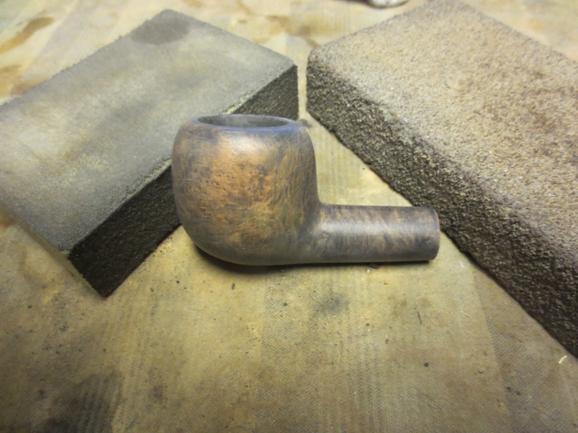
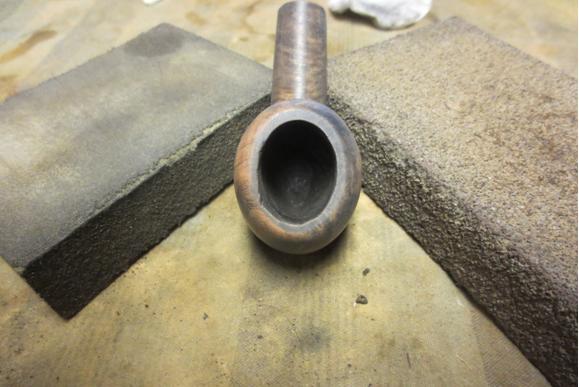
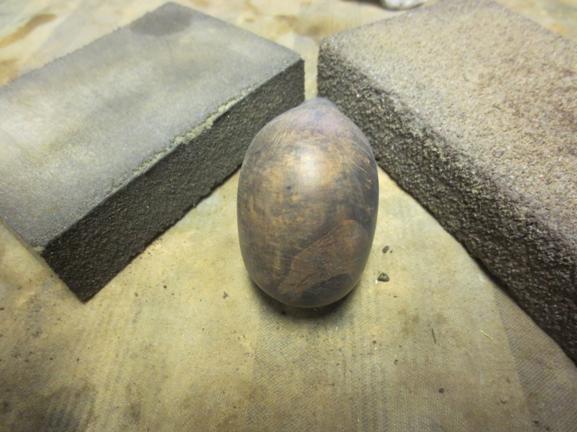
All of you are probably familiar with the tale of the ugly duckling. The poor bird hatched from a clutch of duck eggs that came out gangling and very unducklike. His appearance left much to be desired when he walked beside his siblings toward the pond following his “mom’. He was always laughed at and misunderstood. He sat with his head down in shame at how much he did not fit. Each day passed and the down of the ducklings was replaced by feathers. This went on until one day the duckling looked at his reflection in the pond and found that he was not a duck at all but a regal and majestic swan. He had always been a swan inside but the fact of his swandom was not visible to any who beheld him. Instead they saw what they wanted in the misfit duckling and wrote him off as ugly. They never once saw the swan inside until it came out in all of its glory. This tale really captures the pipe that I worked on next.

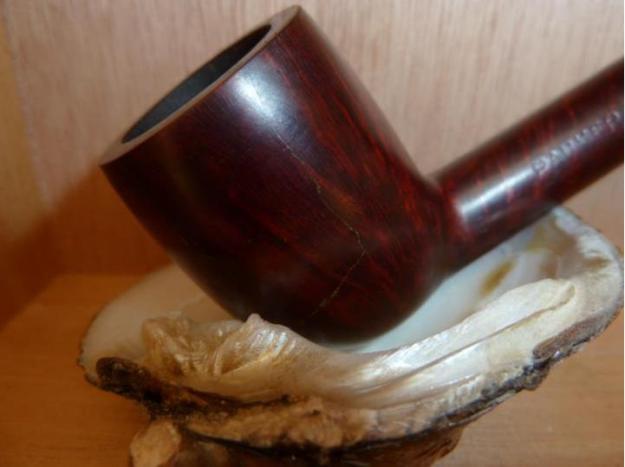
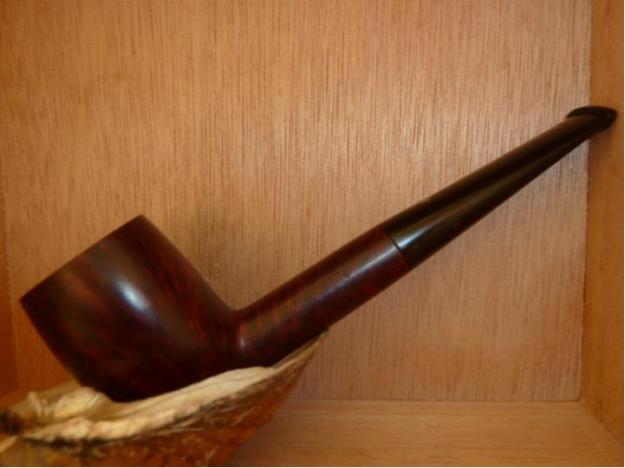
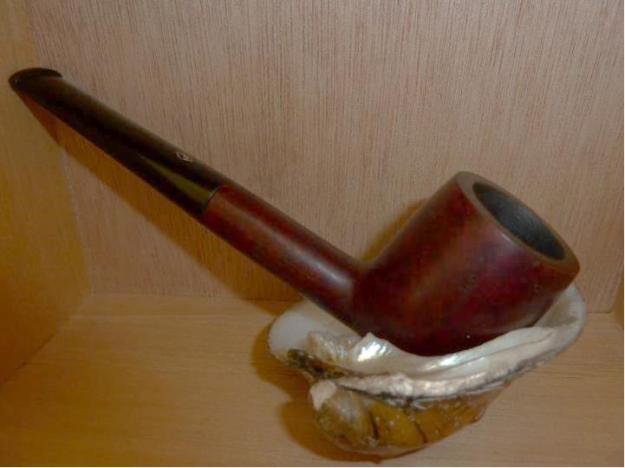
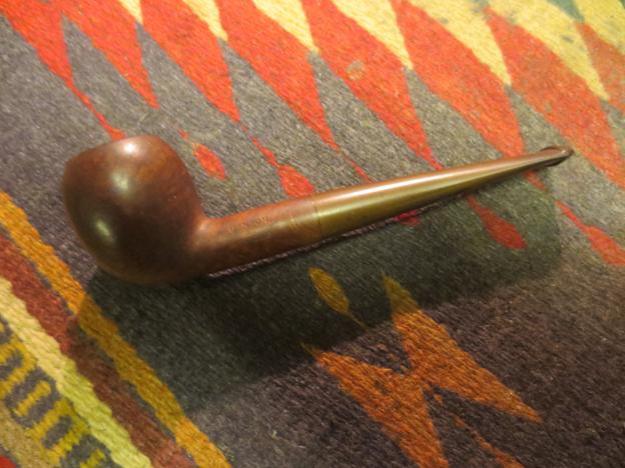
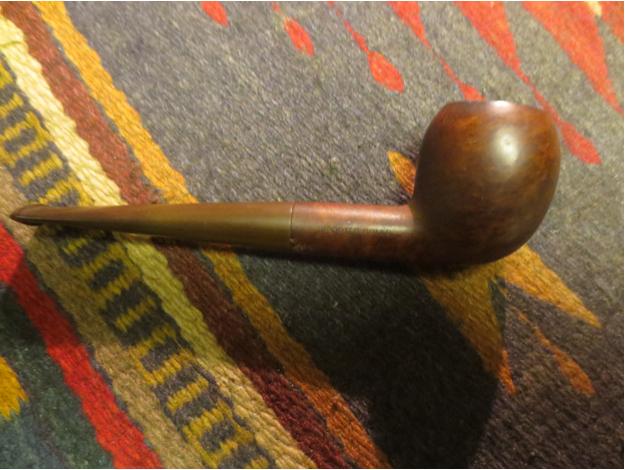
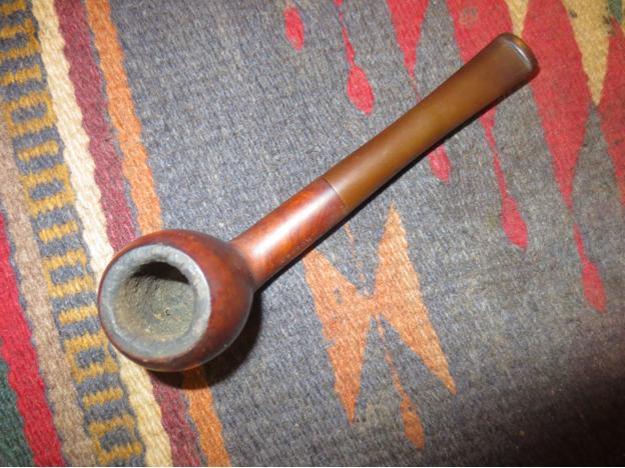
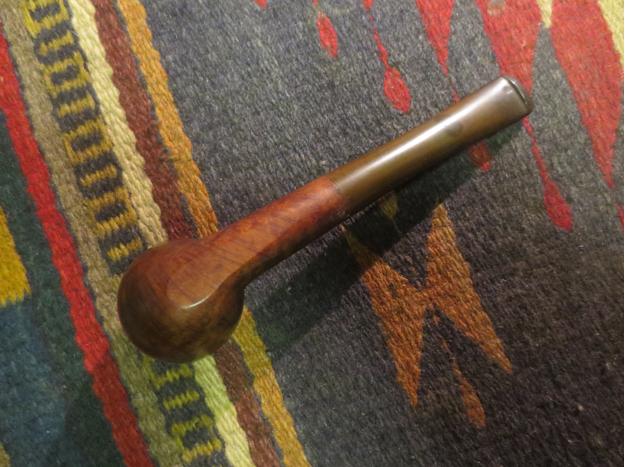
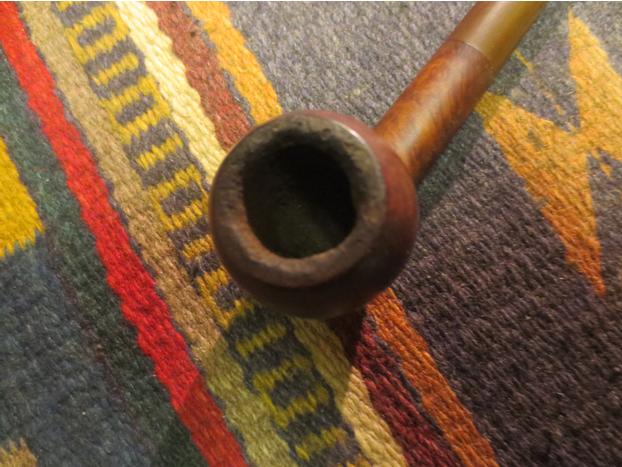
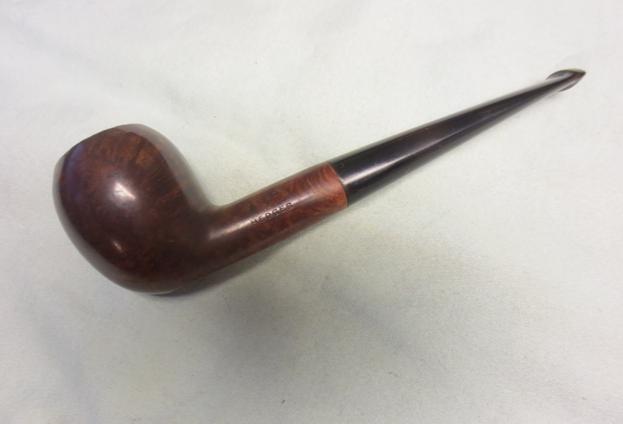
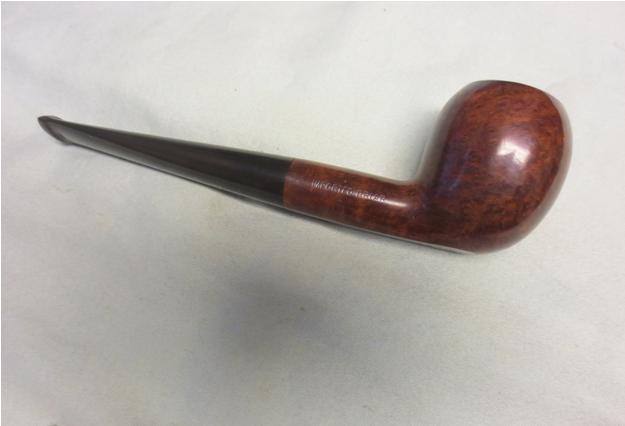
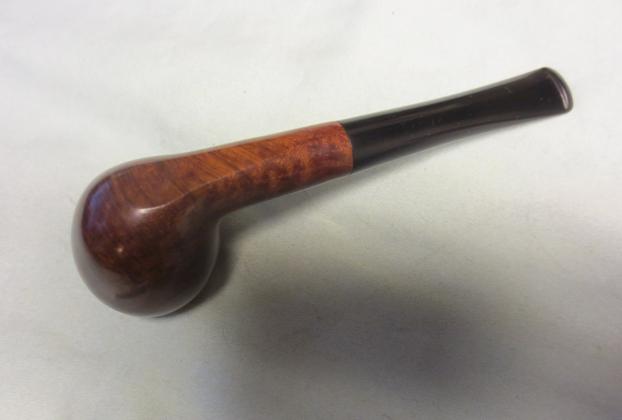
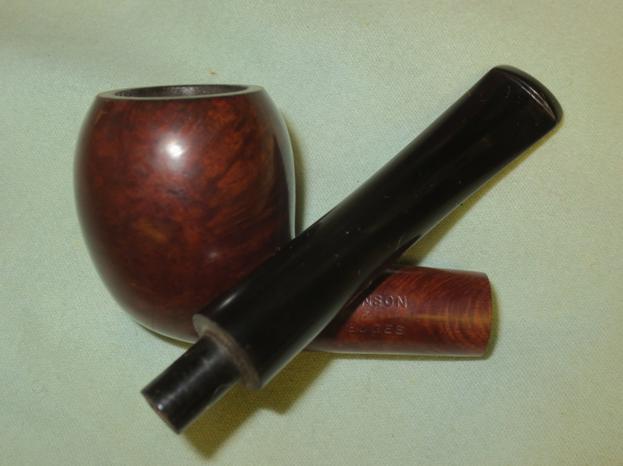
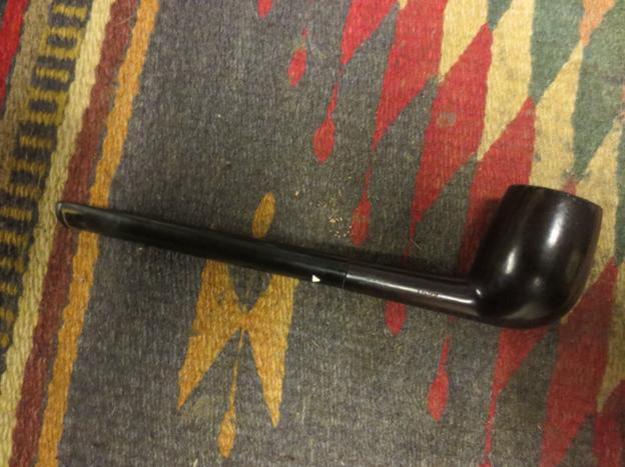
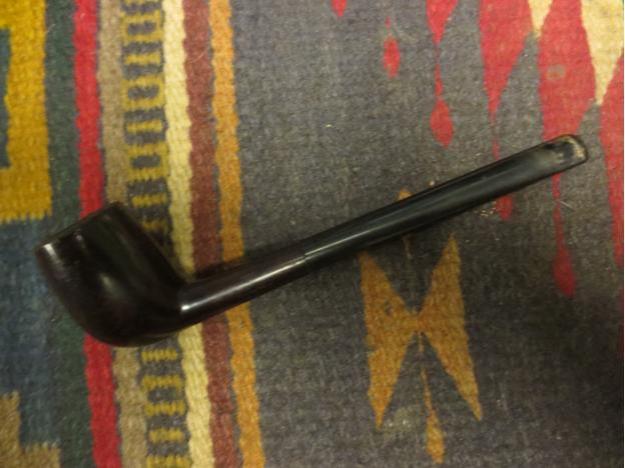
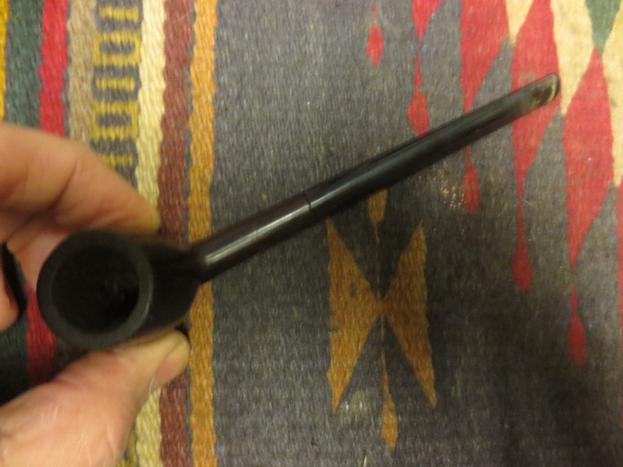
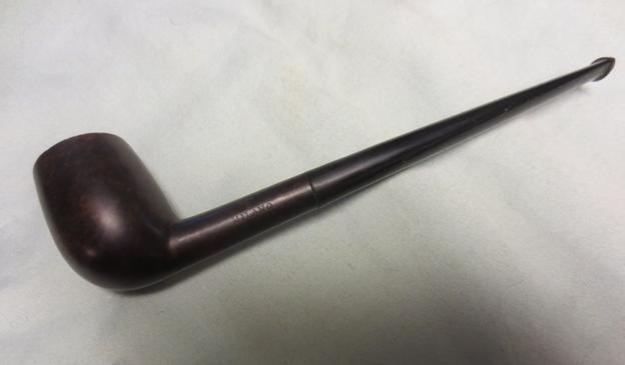
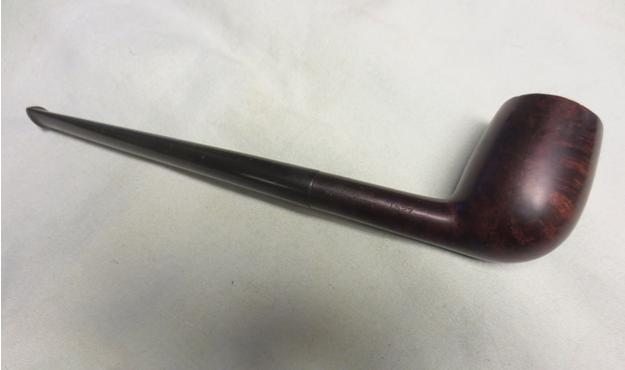
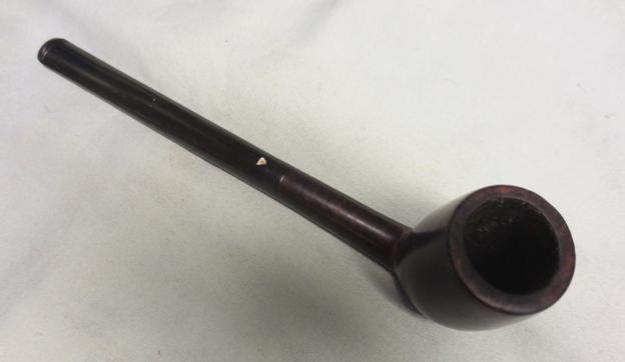
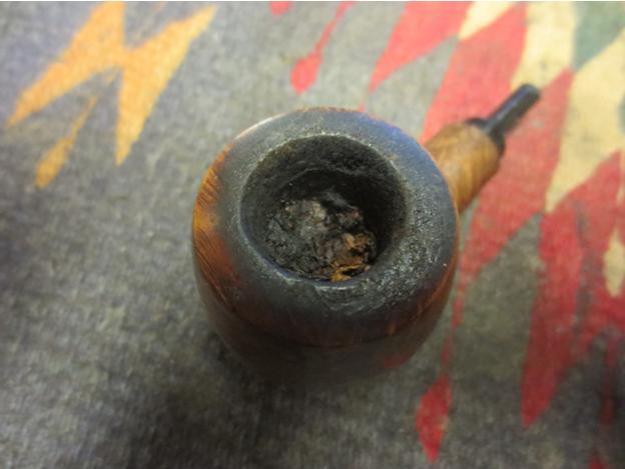
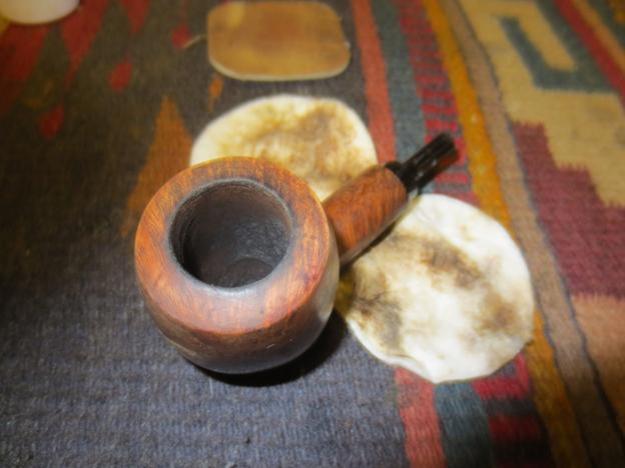
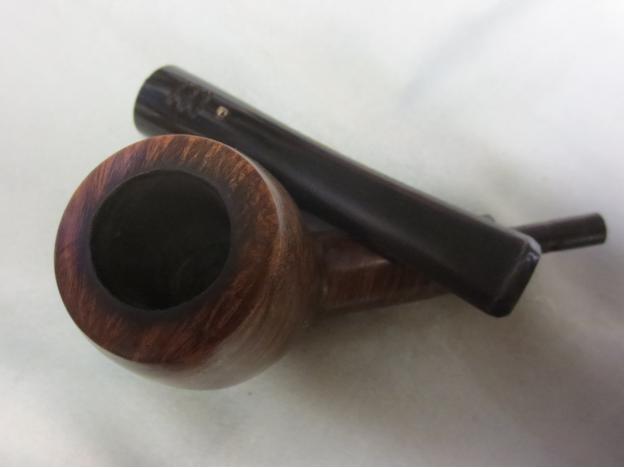
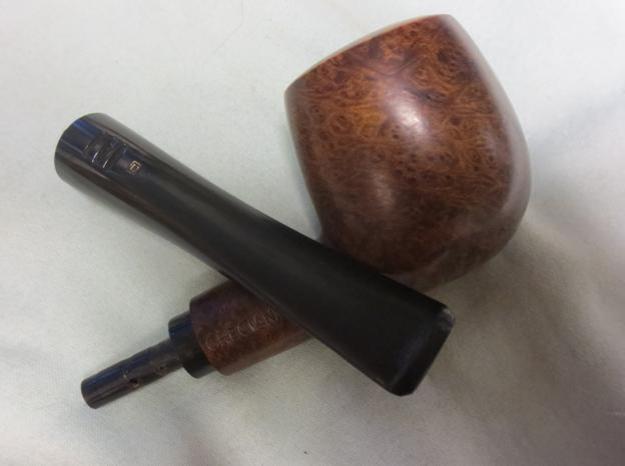
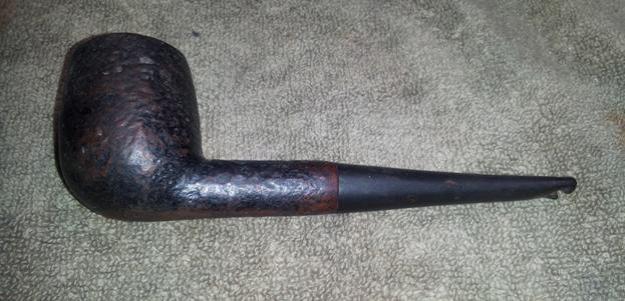
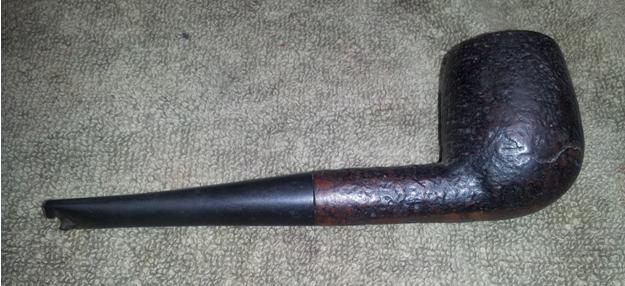
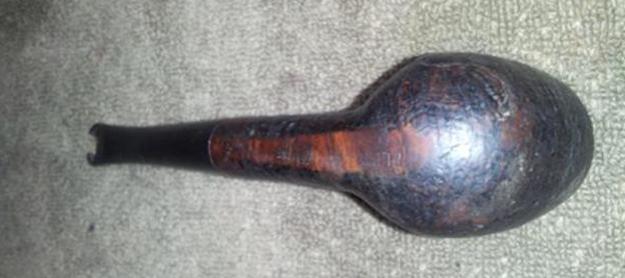
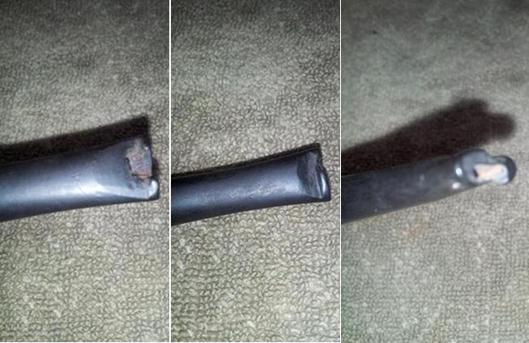
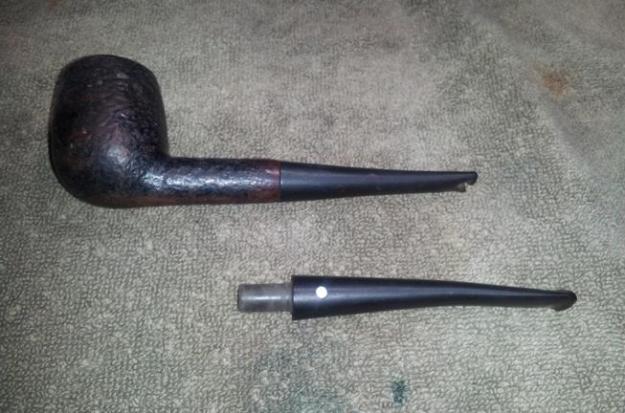
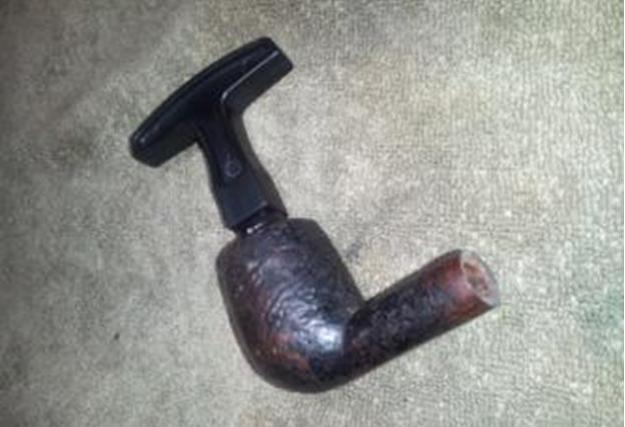
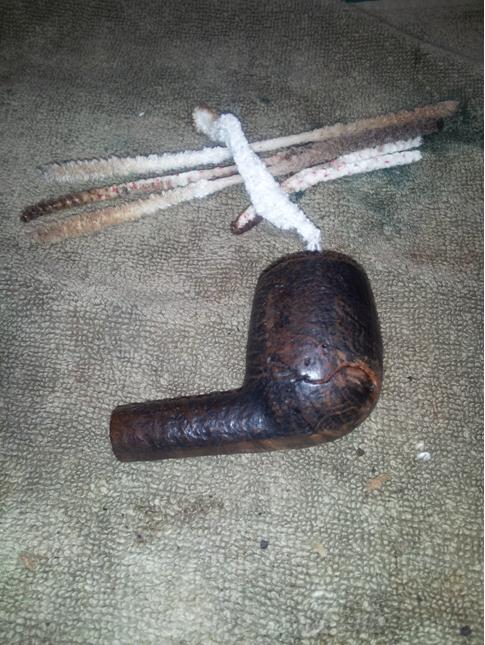
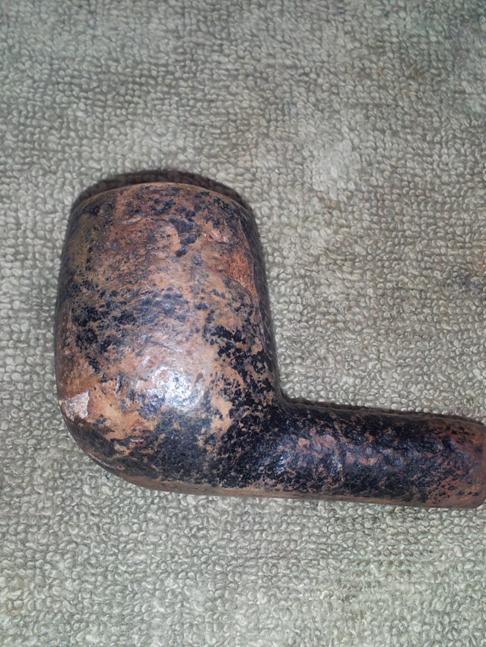
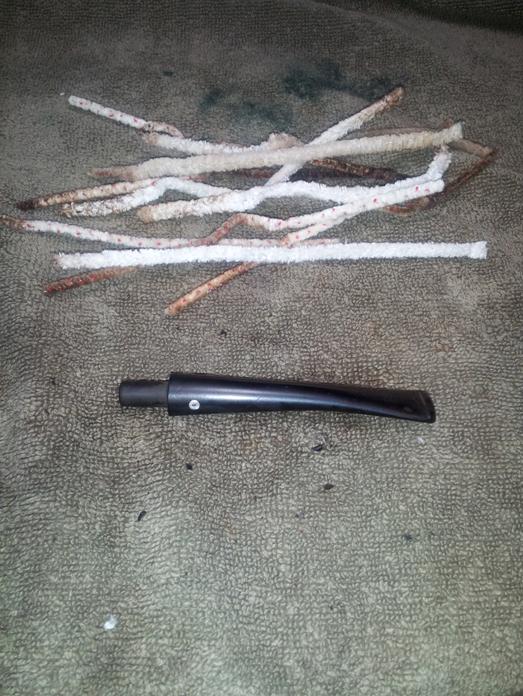
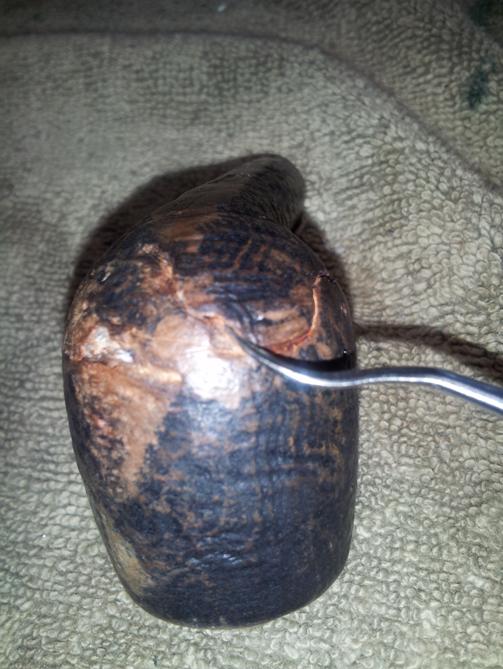
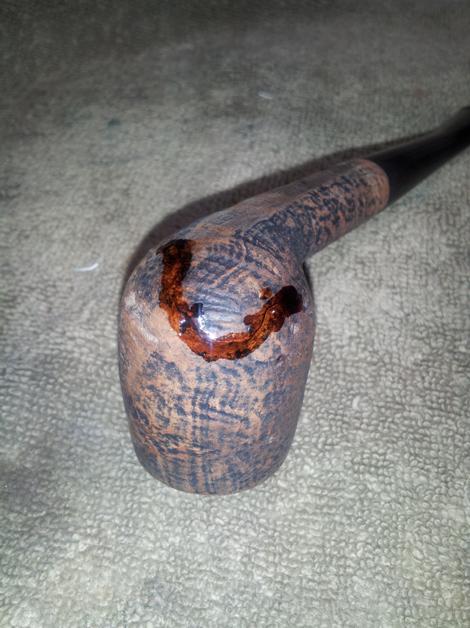
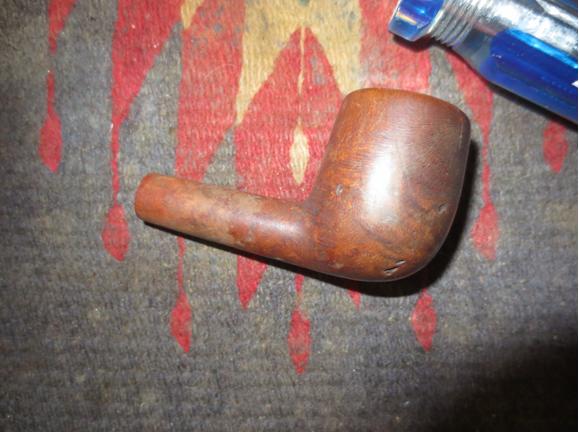
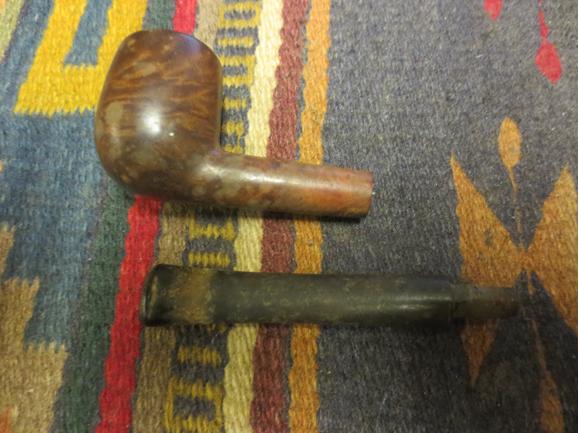
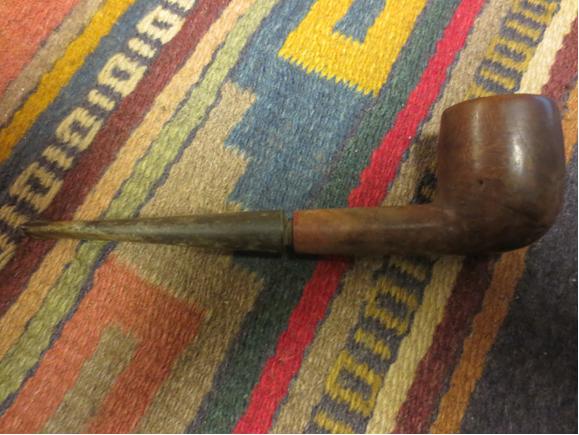
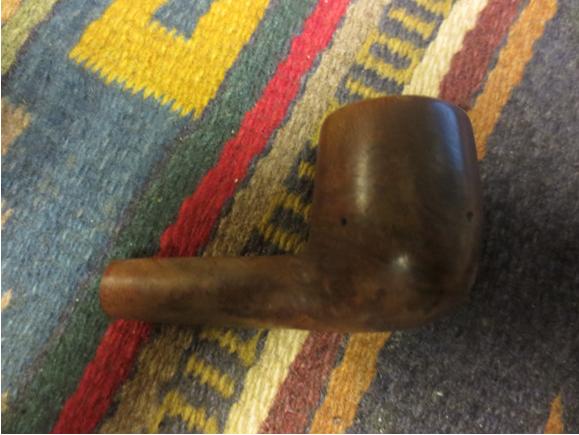
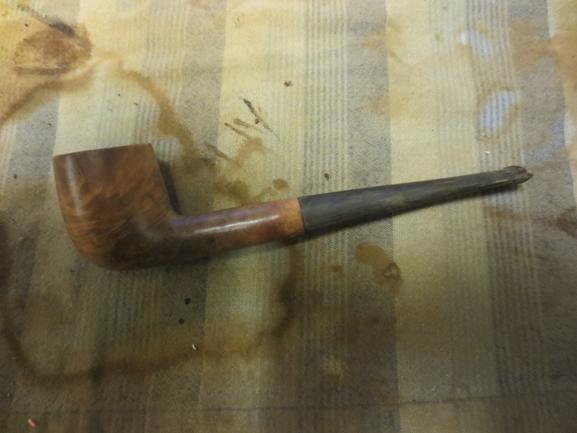
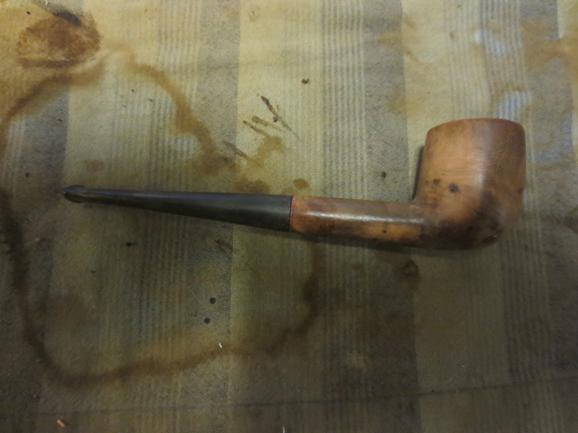
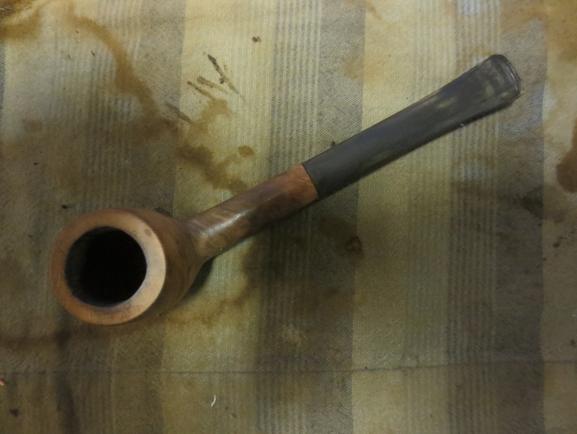
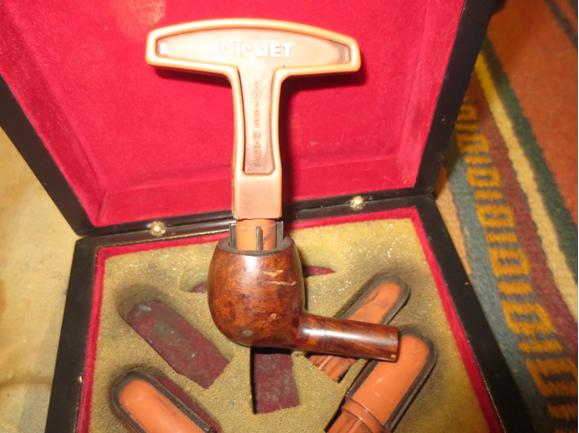
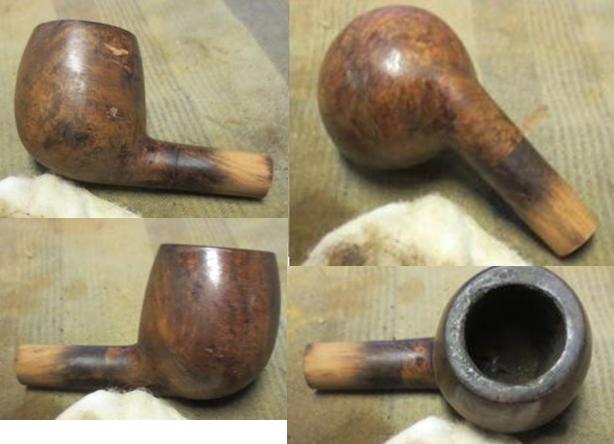
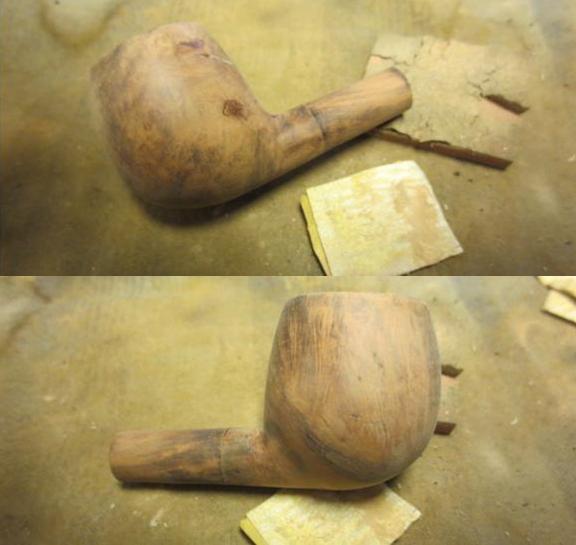
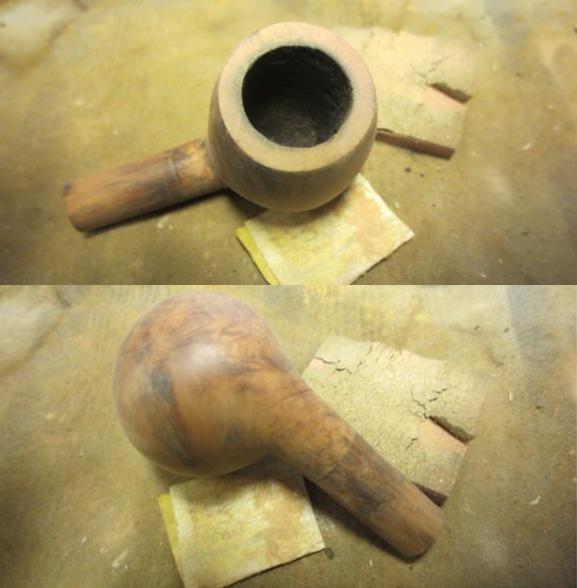
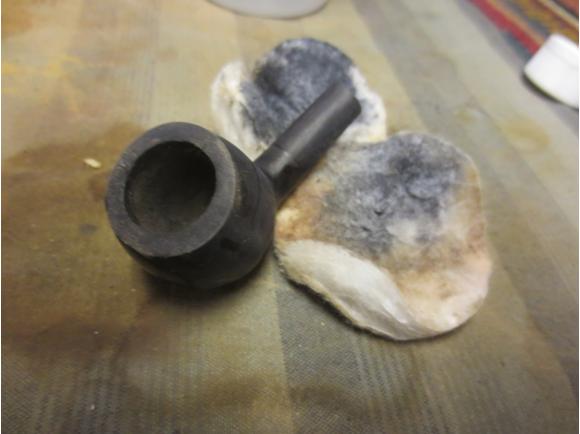
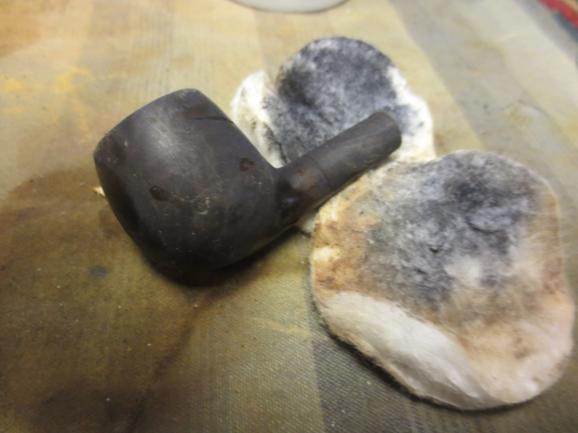
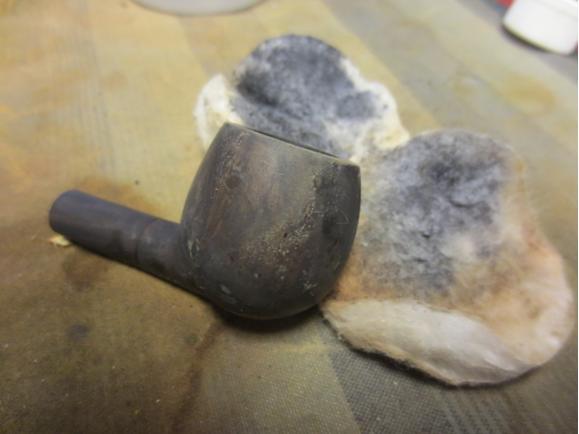
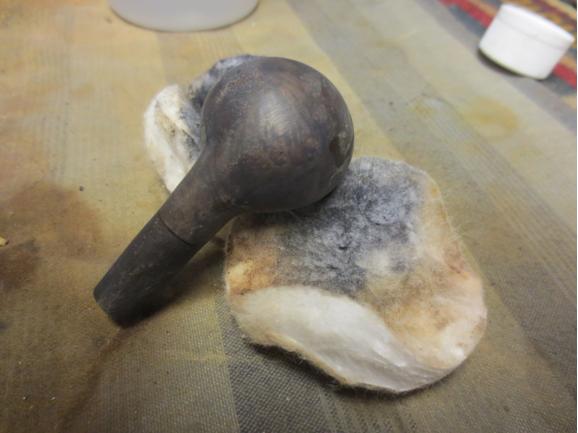
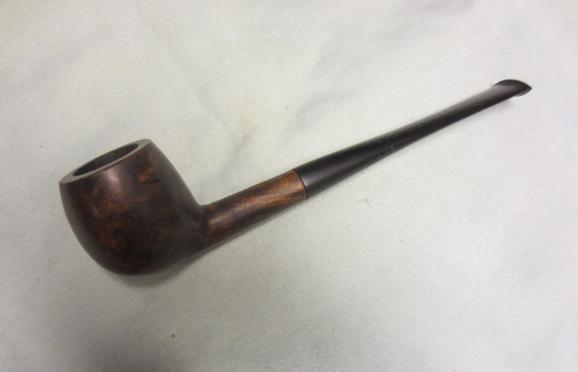
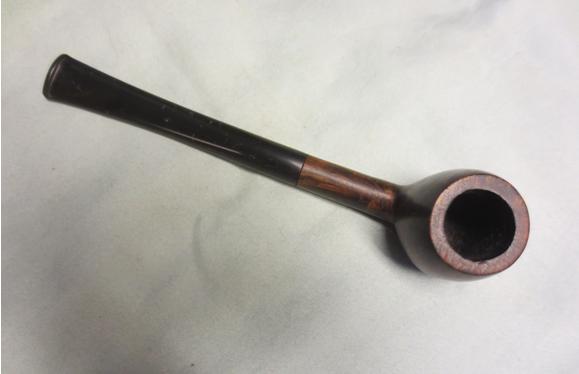
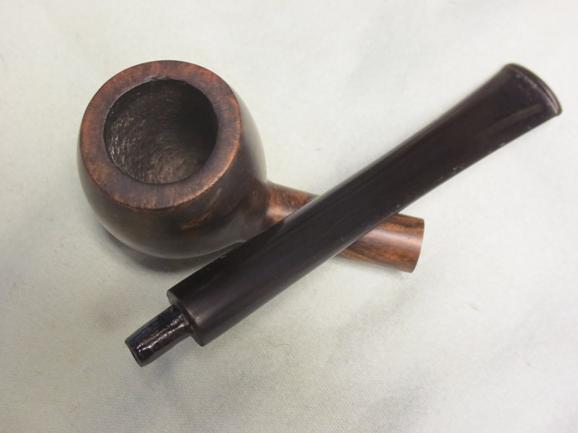
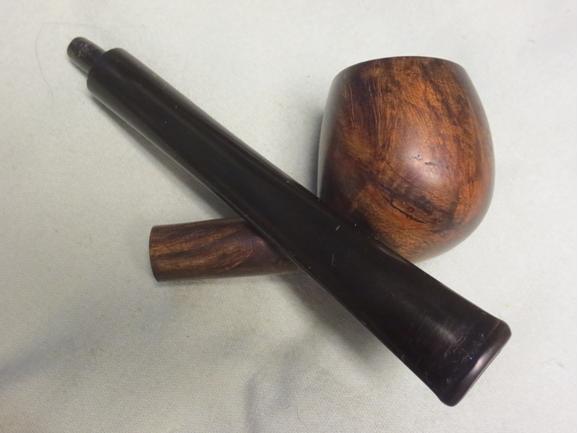
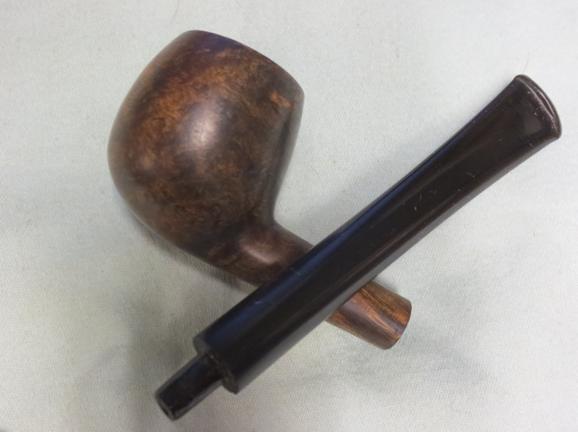
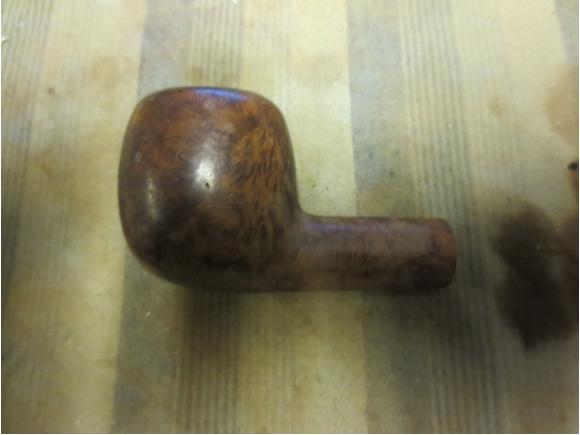
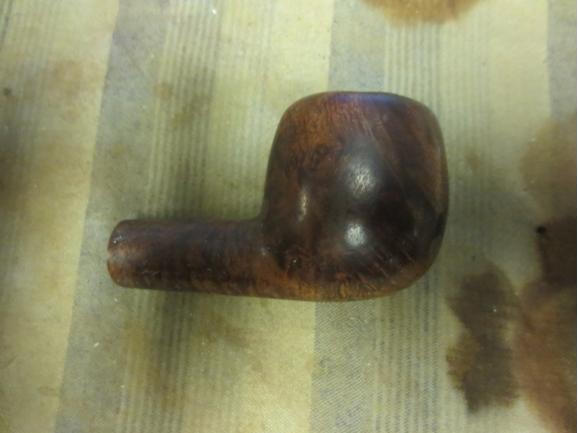
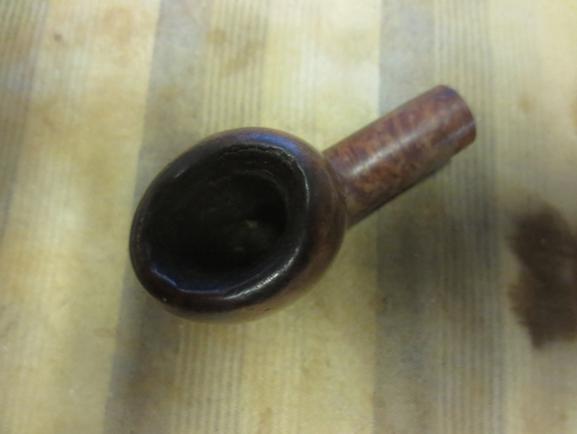
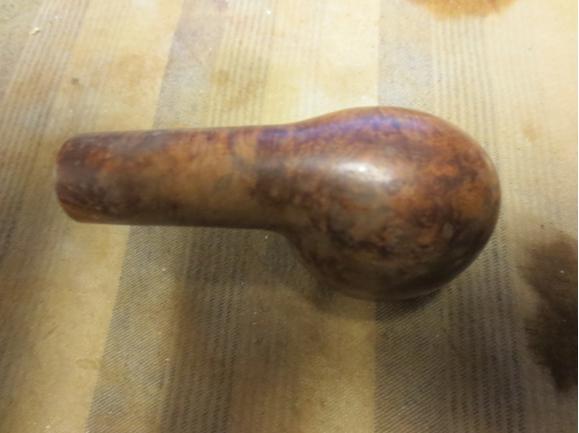
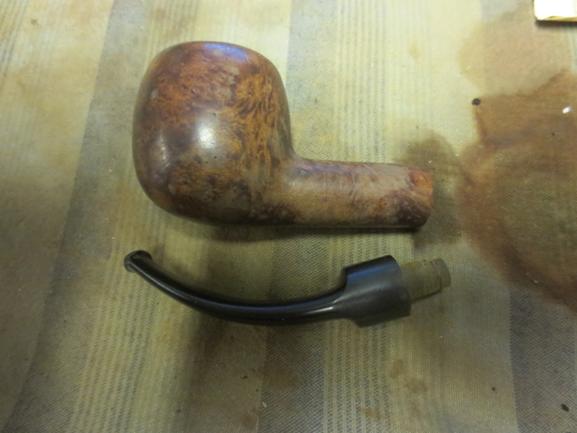
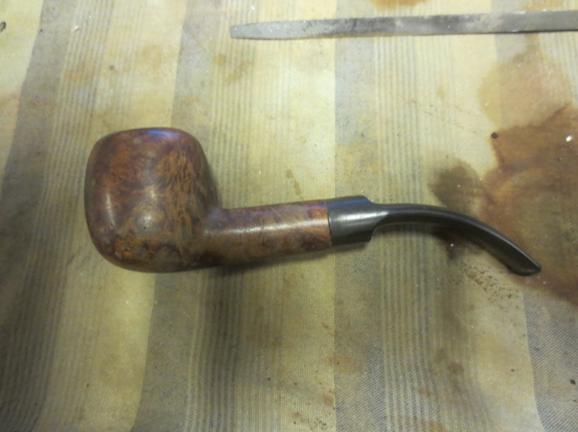
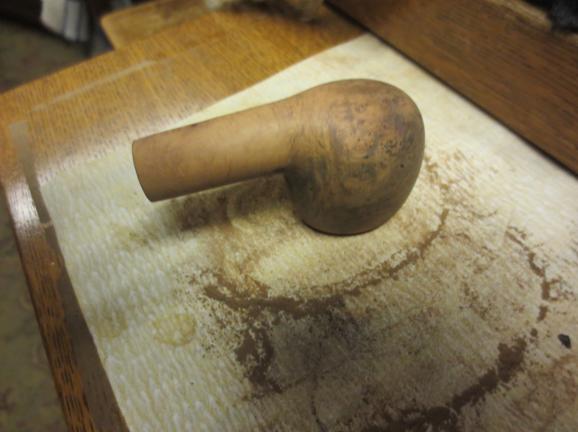
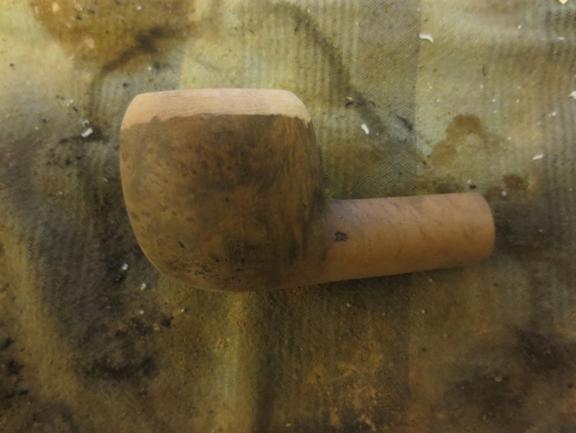
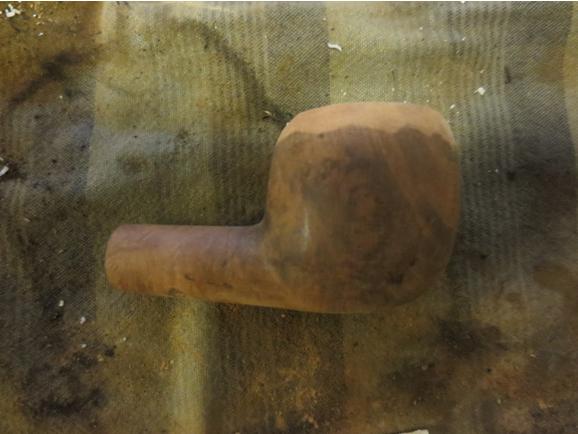
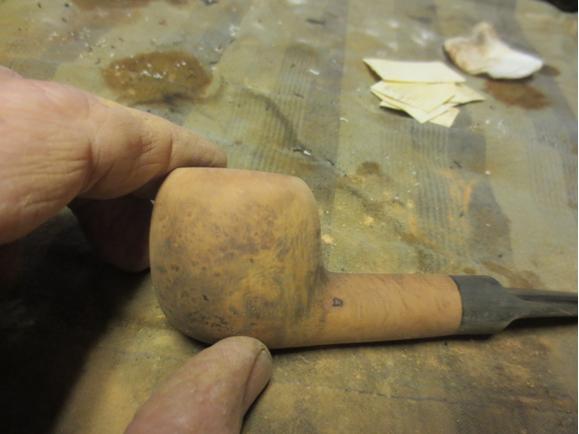
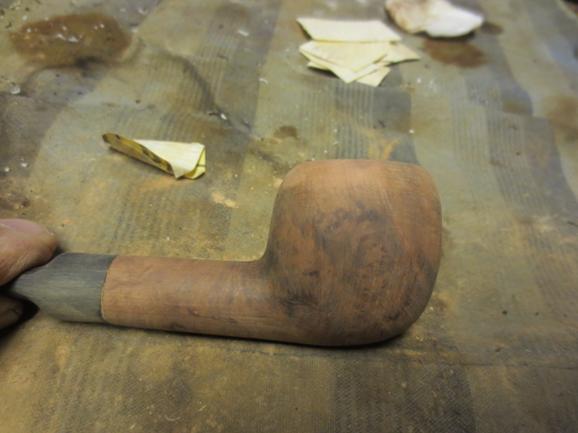
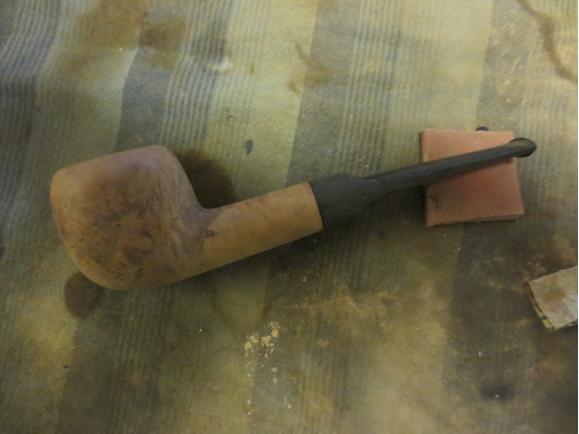
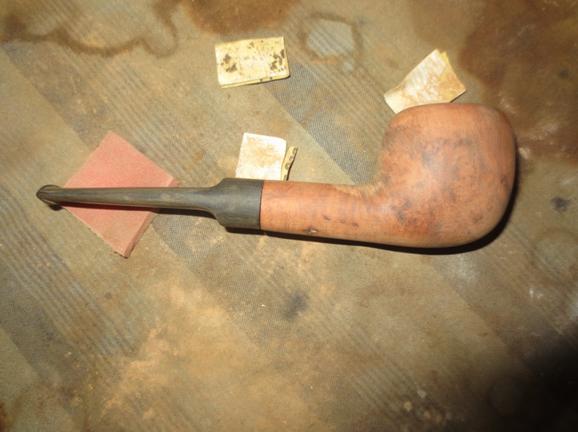
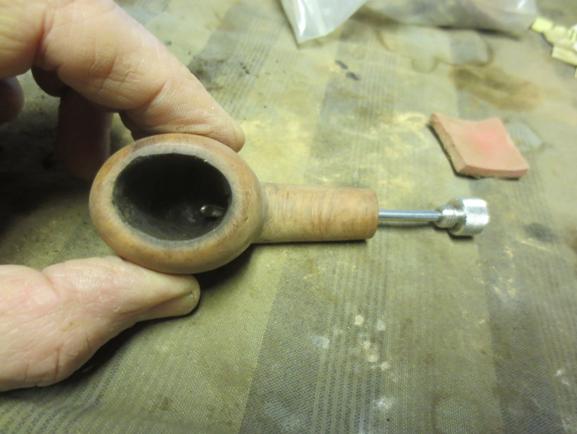
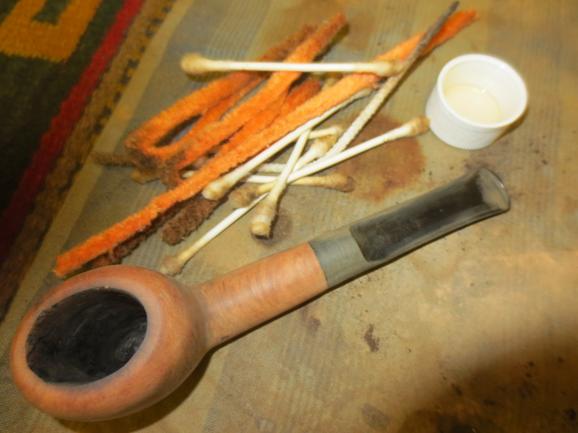
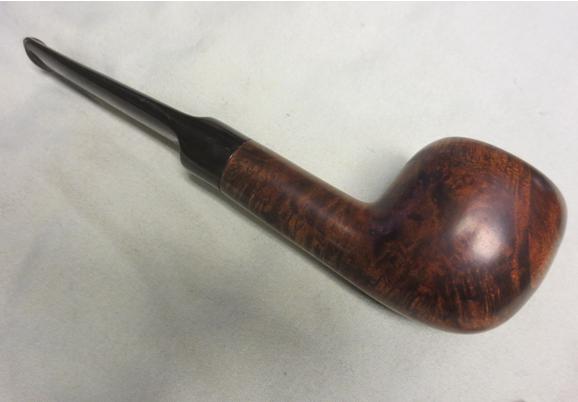
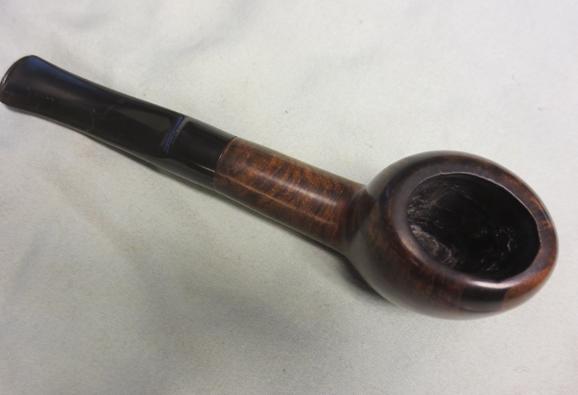
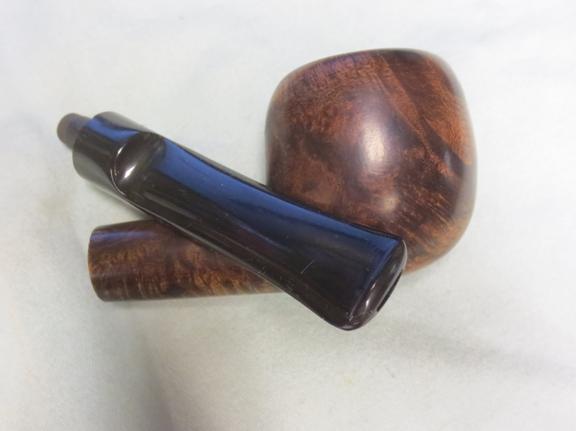
I have had a really rough older Canadian pipe sitting in the refurb box for a long time now. I have taken it out of the box and looked it over time and again but never took the step of cleaning it up. I have no idea who the maker of this old pipe is but it is a rough piece of wood. I say wood because it is clearly not briar. It is lighter and the grain pattern is quite different from briar. It has a Kaywoodie mortise insert and a Kaywoodie stem that has the stinger clipped off. I don’t know if it came that way or some creative soul made it happen. The wood was roughened and not sanded smooth. It looked as if it was rough shaped with a file or wood rasp and then just smoked. Somewhere along the way someone had put a coat of shiny urethane over the entire pipe. The shine hid none of the flaws but actually accentuated them. It had a significant fissure near the shank bowl joint on the left side that needed attention. The roughened finish had file marks going in every direction. The effect was a mess for a finish. The stem had some cardboard or thread pushed on to the threaded tenon that allowed the stem to line up correctly. I cut off the cardboard or thread washer and the stem was seriously overclocked. The bowl had a cake in it that was crumbly and uneven. The interior edge of the rim was not too badly out of round. The outer edges would need some work to smooth out before I could see if they were in round.Canada1

Canada2

Canada3

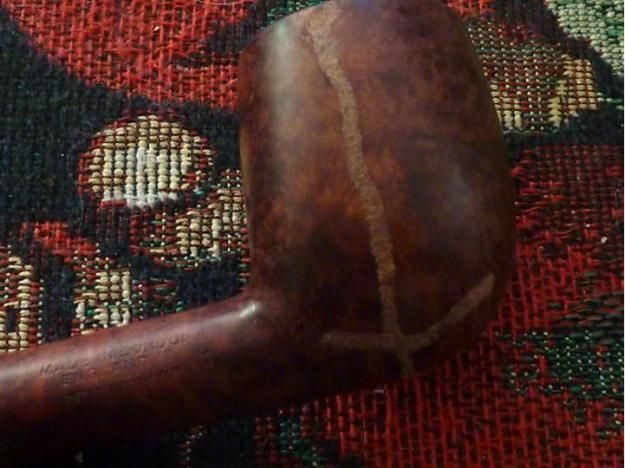
Canada4 I took some close-up photos of the bowl and the shank to give more of an idea of the kind of finish that the pipe had when I started. You can see the file marks and lines going in every which direction that were left behind in the initial shaping of the pipe. The overall look was very rustic and actually quite ugly. It was truly an ugly pipe. The beautiful Canadian that resided below the ugly exterior was virtually invisible. It would easily been put up there with “folk art” in terms of the rustic and rough finish to the pipe. Yet there was something about that seemed like raw charm that shone through the mess that sat on my table. This evening when I took it out I took more time to sit and look at it for a while before beginning to work on it. The more I looked at it the more I have to tell you that the second thoughts I was having almost caused me to put off working this old timer and just burying it in the box. I really was unsure whether I could do anything with it or that it would even be worth doing the work. I was not convinced that what I had when I was finished would be worth the time and energy that would go into reworking it.Canada5

Canada6

Canada7

Canada8

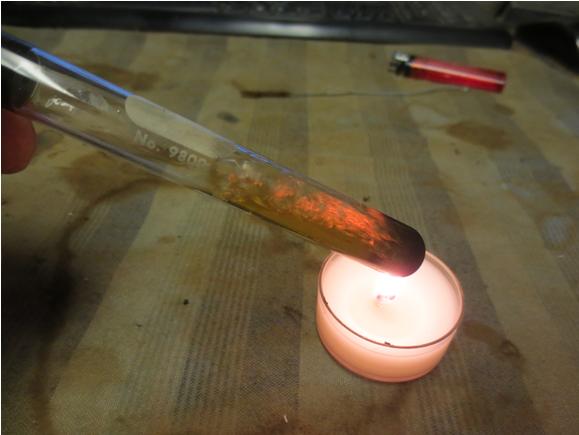
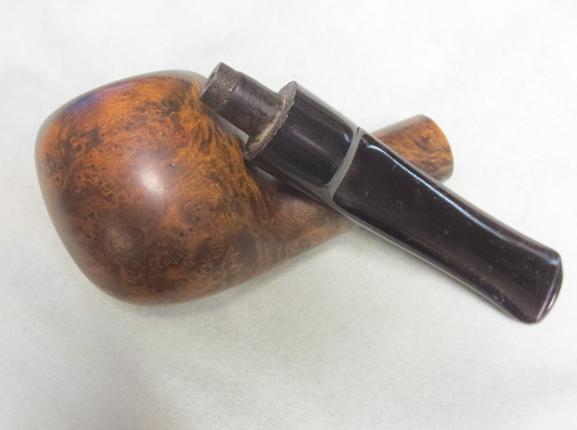
Canada9 I cleaned off the debris (cardboard or thread) that was on the tenon and then heated the tenon with a lighter to reclock the stem. I heated the metal carefully keeping the flame away from the vulcanite stem. It did not take long before the heat softened the glue that held the tenon in the stem and I was able to turn the stem back into the shank and twist it until it lined up correctly.Canada10

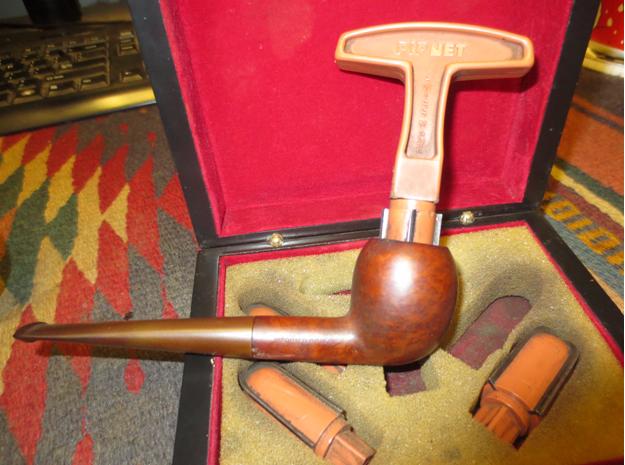
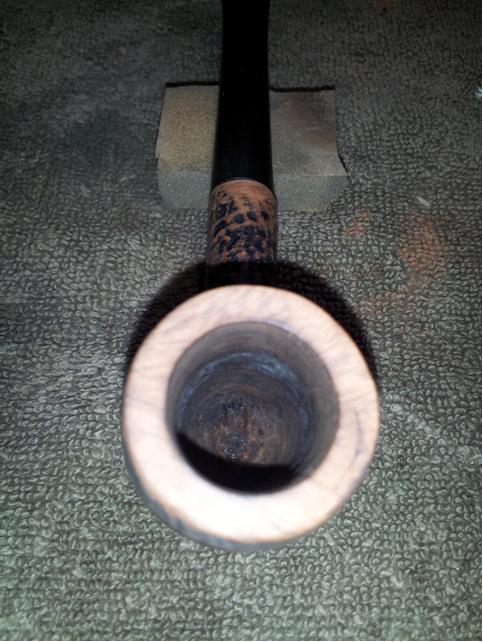
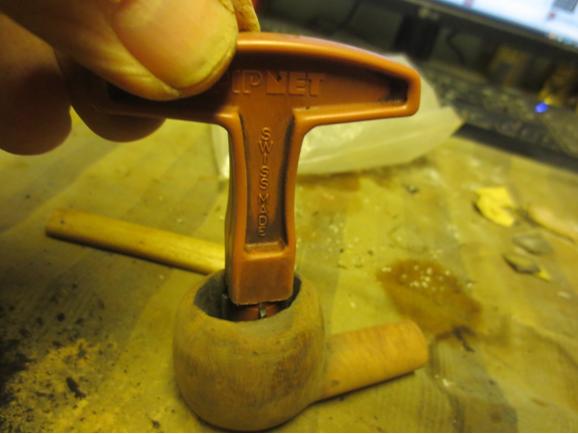
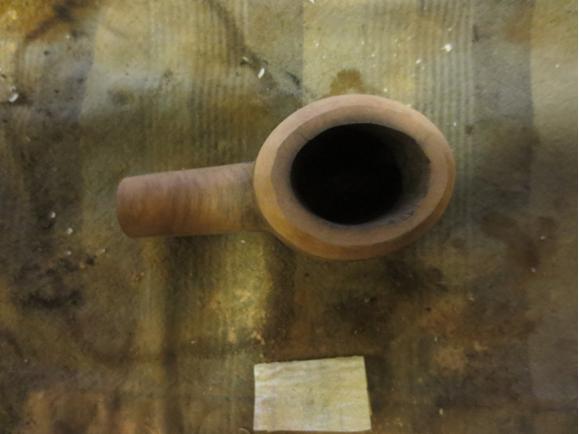
Canada11 I lightly sanded the bowl surface and then stopped to ream it with a PipNet reamer. I decided to take the cake completely out of the bowl so that I could check for cracks in the walls of the bowl.Canada12

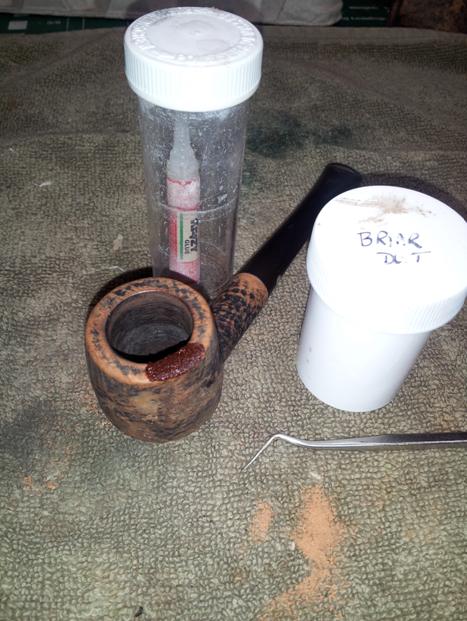
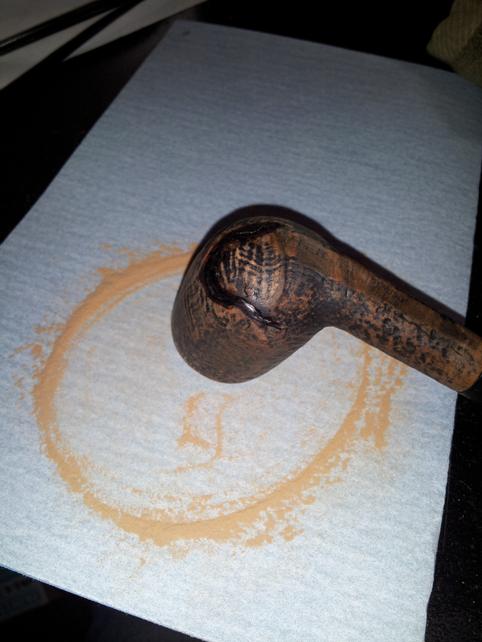
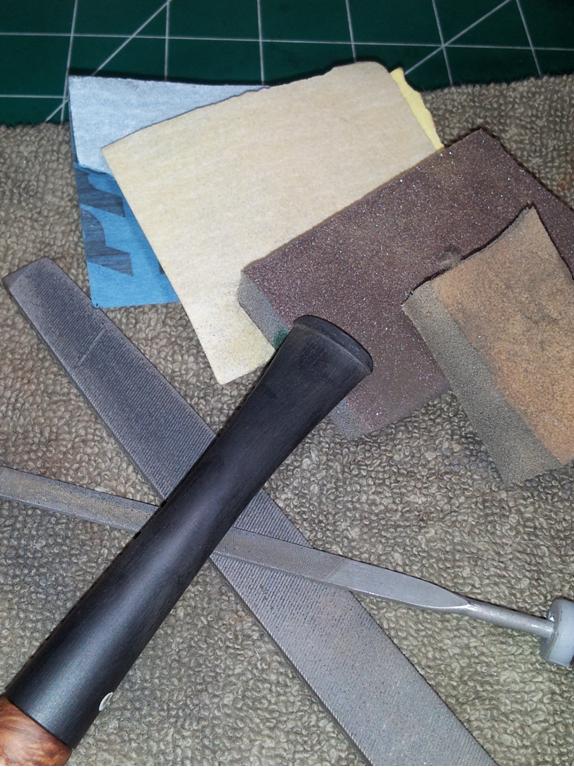
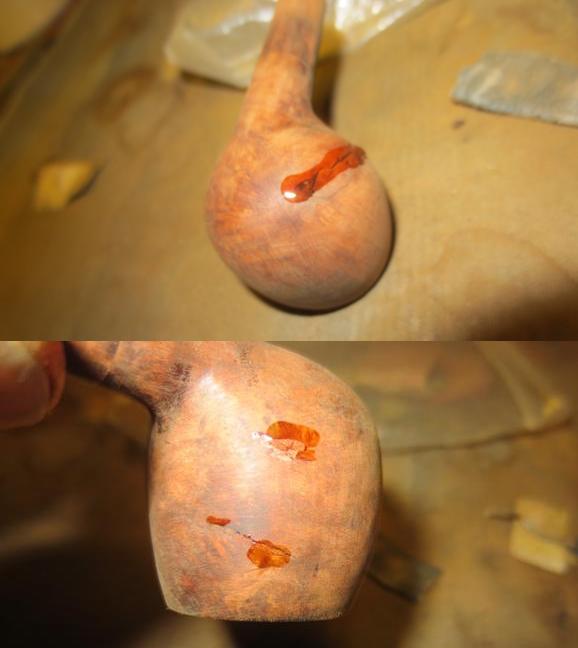
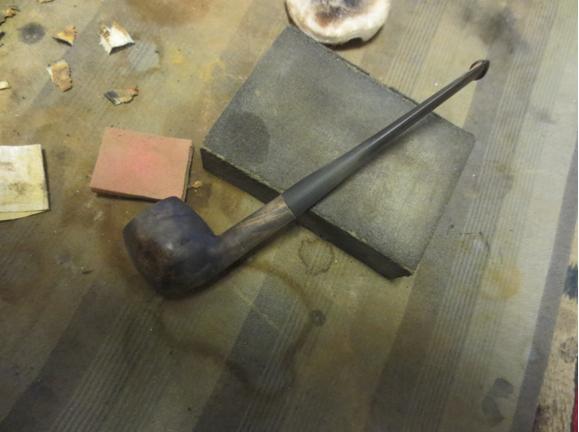
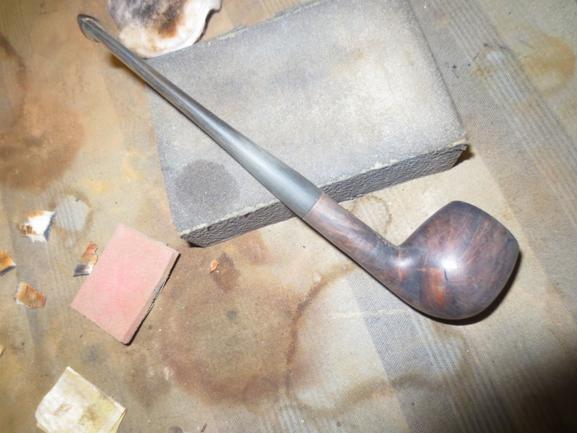
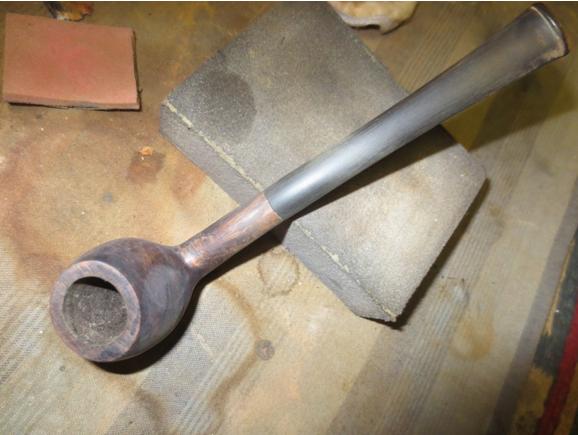
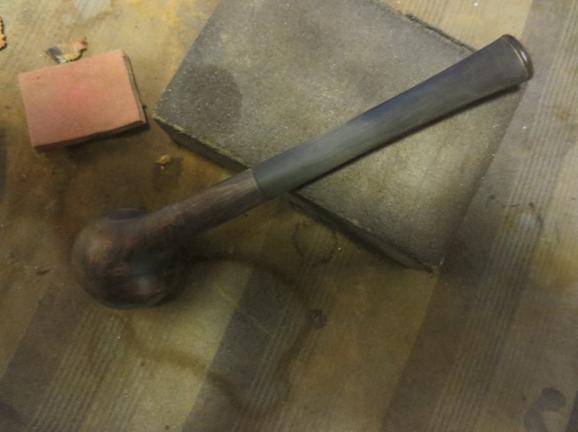
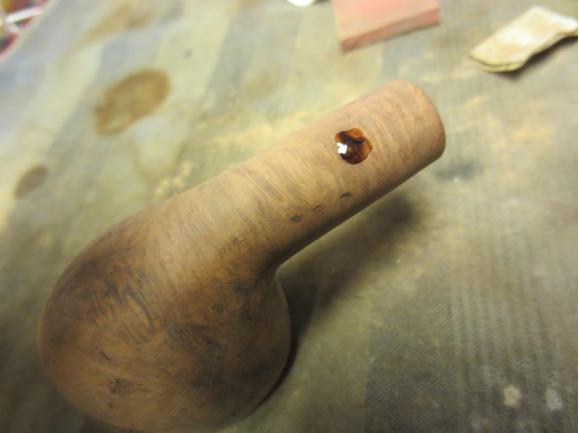
Canada13 With the bowl reamed out I turned my attention to the finish on the exterior. I sanded the bowl and shank with emery paper and with 180 grit sandpaper to remove the roughness of the finish and to sand out the file marks. I wanted to sand the bowl and shank smooth to address the generally poor appearance of the pipe. It took quite a bit of sanding to even start to make a difference in the surface of the pipe. I also sanded it with a rough sanding block to smooth out more of the scratches. I filled the flaw at the union of the shank and bowl on the left side with clear super glue and briar dust. I sanded that repair smooth with 220 grit sandpaper to blend it into the surface of the pipe. There was a dark spot on the outer right edge of the rim that did not seem like a burn. I had the appearance of a stain. It was hard and did not affect the shape of the bowl edge so I left it. I lightly topped the bowl to clean up and flatten out the rim surface.

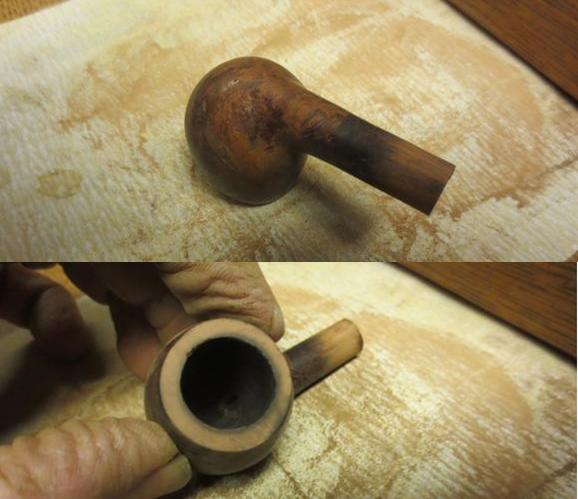
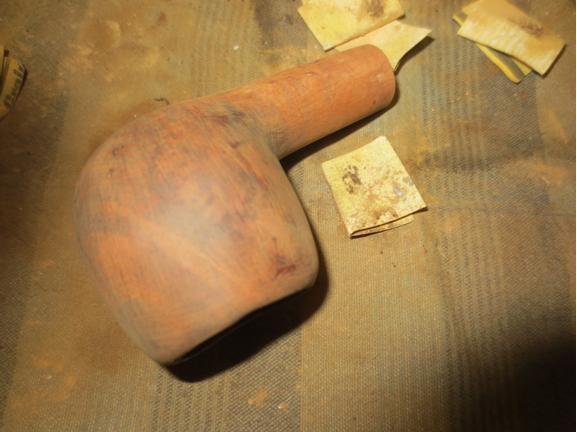
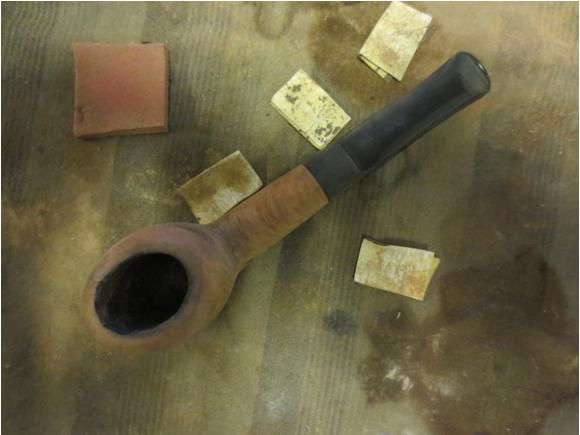
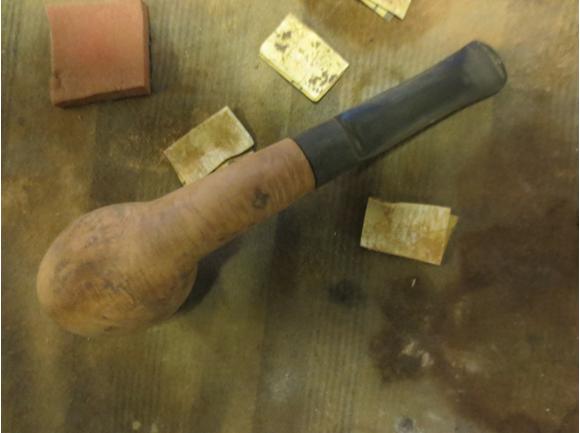
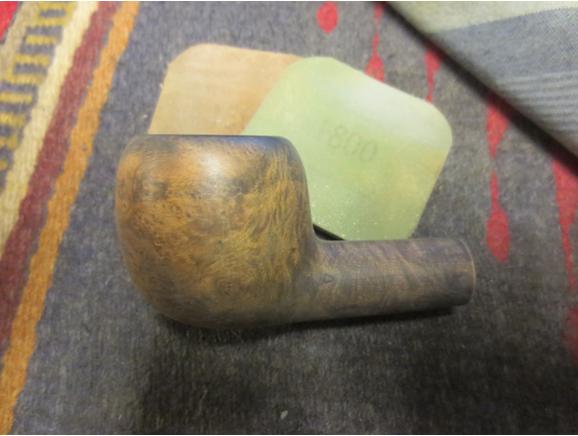
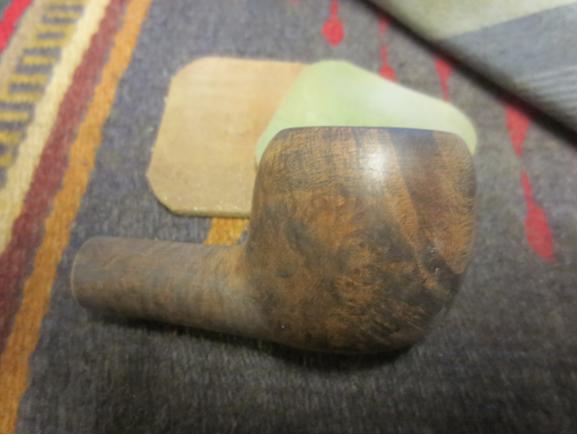
The more I sanded the grain began to come through the smoother finish of the pipe. It was clearly not briar. My guess is that it is Mountain Laurel or Manzanita. Once I get it sanded smooth and get a better look at the grain and colour I will be able to give a better assessment. The good thing was that a nicely shaped Canadian was emerging from the rough cut pipe that I started with. The shape was well executed and once I finished sanding and smoothing things out this alternative wood Canadian would look really good. My initial reticence gave way to curiosity to see what would emerge when the sanding was finished. You can see for yourself in the next set of photos below what is coming out as it is sanded.Canada14

Canada15

Canada16

Canada17 I continued sanding with 220 grit sandpaper and worked on the shank bowl junction. There were some deep cuts and file marks there that needed to be addressed. I sanded until the surface was smooth to touch. There were still a lot of scratches in the wood but the surface was getting smoother. I sanded it with a coarse and a medium grit sanding block to flatten out the shank and to smooth out the bowl sides, bottom and rim. I used a black permanent mark to cover the fill and line it up with the grain at that point. Once I sanded it more and blended it into the grain of the shank it would become less visible than it is in the photos below. I sanded more with the sanding blocks and then gave the pipe a light coat of olive oil to see what the grain would look like when I was finished. The wood had a red hue to it and some nice looking grain. There is a lot more sanding that needs to be done at this point but it is progressing.Canada18

Canada19

Canada20

Canada21 I have included a few more close-up photos to show the progress of the sanding on the surface of the bowl and shank. There is some nice looking grain coming through in the photos of the bowl sides and shank.Canada22

Canada23 At this point I sanded the bowl and shank with micromesh sanding pads and the oil to give me some traction while sanding. I find that the oil allows the micromesh to cut more deeply and work more effectively. I sanded with older 1500-2400 grit micromesh pads that I reserve for working with oil sanding. Unfortunately I got into the flow of things and did not take photos of this part of the process.

Once I had finished sanding the bowl to this point I worked on the stem. The same file marks went across and the length of the stem. There were gouges and marks and two deep tooth marks near the crease on both the top and bottom of the stem. The next two photos show the scratches and the tooth marks.Canada24

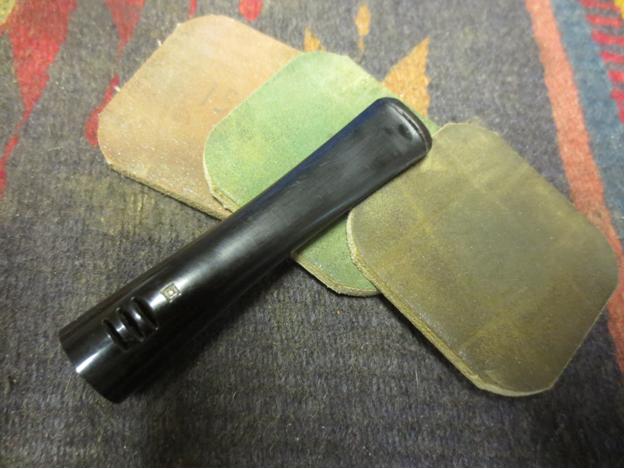
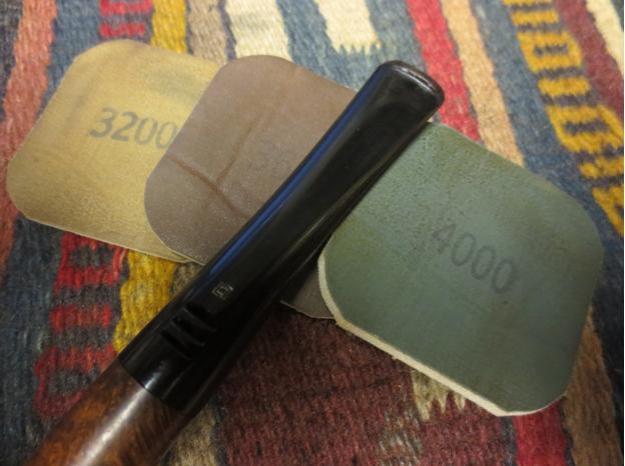
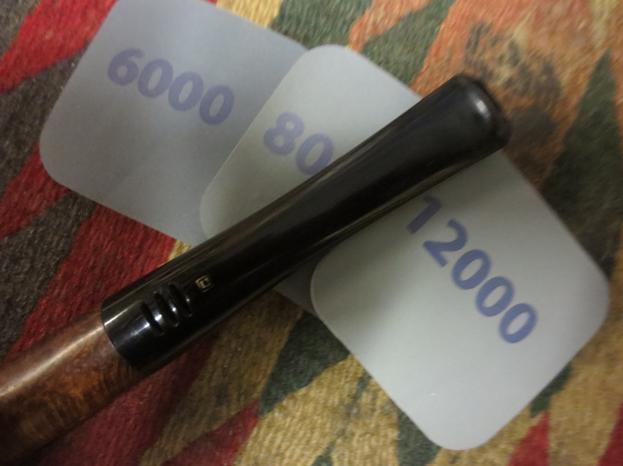
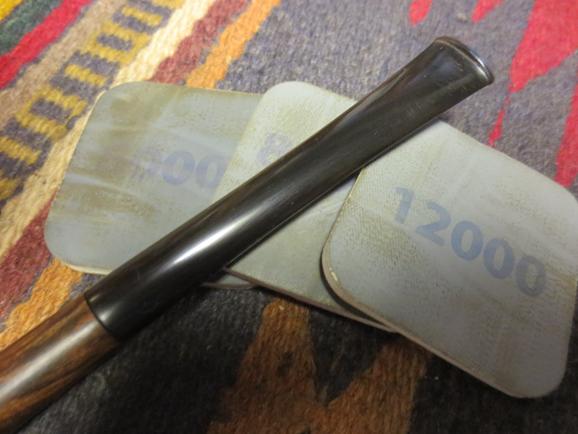
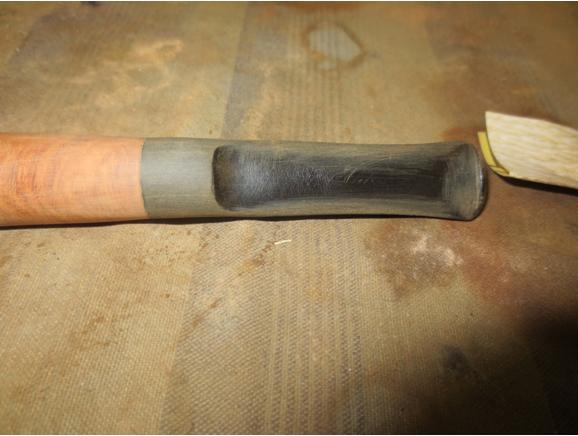
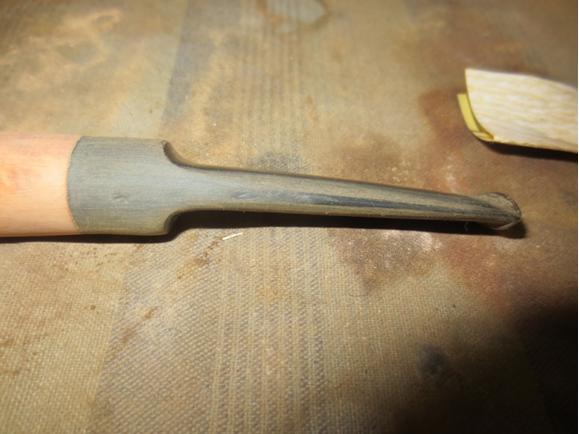
Canada25 I used an emery board to sand out the scratches and the tooth marks. I was able to remove most of the scratches and gouges with the board and then sanded the stem with 220 grit sandpaper to remove some of the deeper scratches and blend in the board marks. I also used the topping board to even out the end of the clipped stinger so that it was not rough.Canada26 The tooth mark on the top needed to be repaired. I cleaned up the sanded area and then filled the remaining tooth mark with clear super glue.Canada27 When the glue dried I used the emery board and the 220 grit sandpaper to blend in the repair with the surface of the stem.Canada28 Once the scratches and marks were gone and the patch smoothed into the surface I went on to wet sand the stem with 1500-2400 grit micromesh sanding pads. I rubbed the stem down with Obsidian Oil and then dry sanded with 3200-4000 grit pads before giving the stem another coat of oil. I finished with 6000-12000 grit pads and then a final coat of Obsidian Oil. I let it dry before taking the pipe to the buffer.Canada29

Canada30

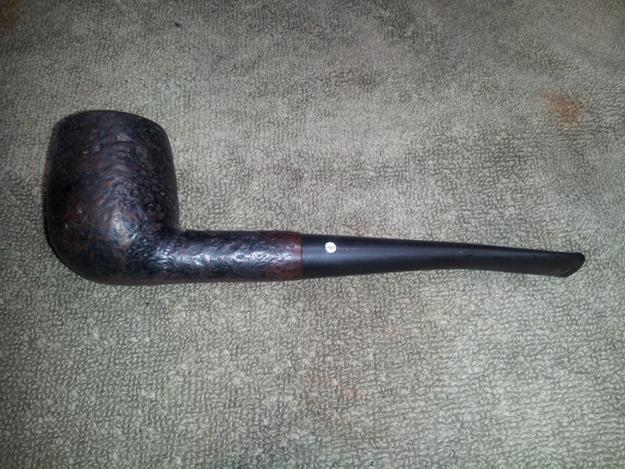
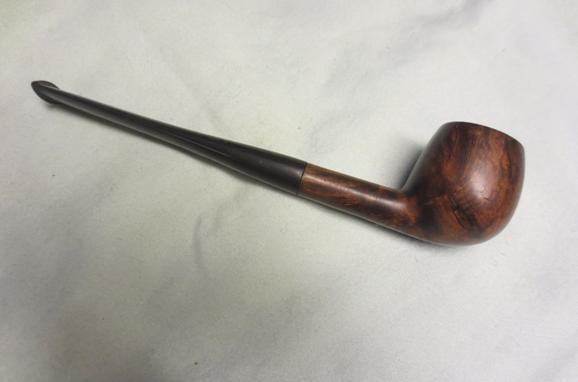
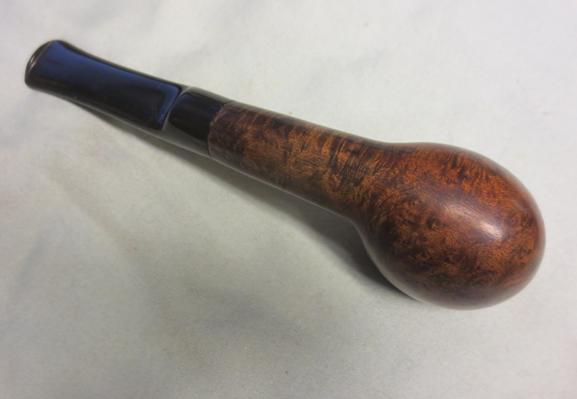
Canada31 I sanded the bowl and shank down with all of the grits of micromesh sanding pads from 1500-12000 grit. By the time I was finished the scratches were virtually gone. The repair on the shank/bowl junction though showing is smooth to the touch. The ugly duckling had become a swan. The Canadian hidden beneath the file marks and rough finish gave way to the beauty of the alternative wood. The finished pipe was truly a thing of beauty.

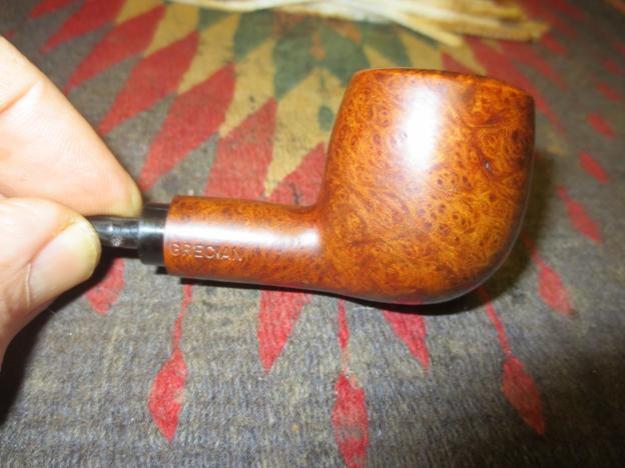
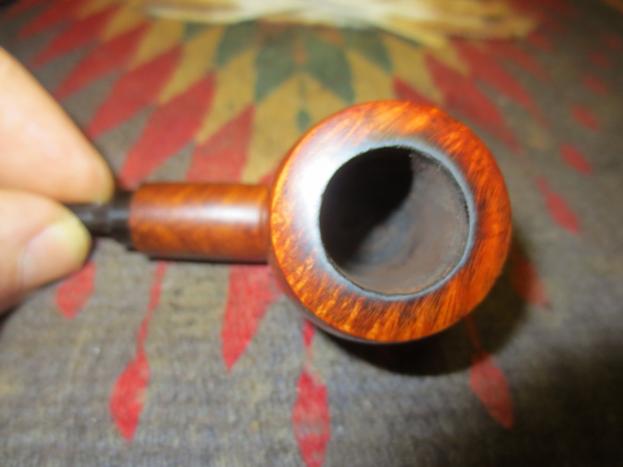
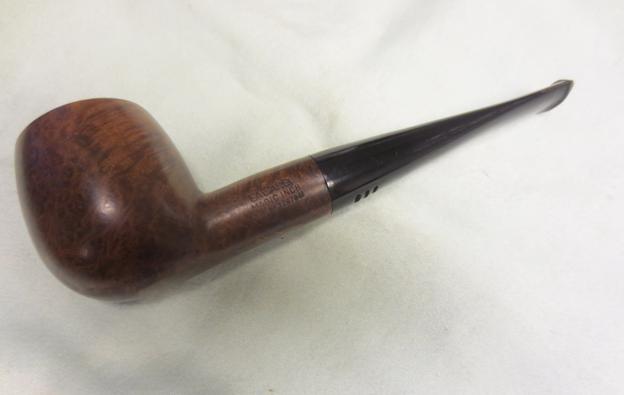
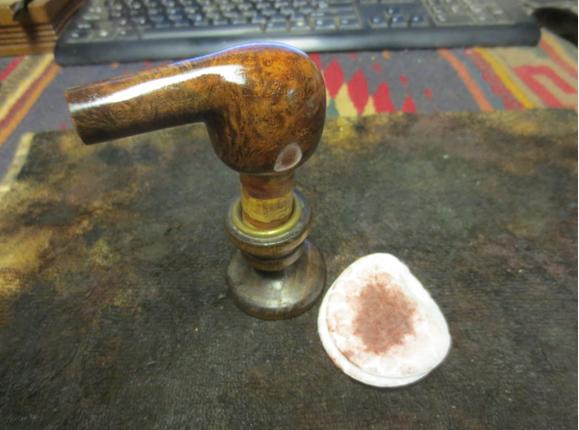
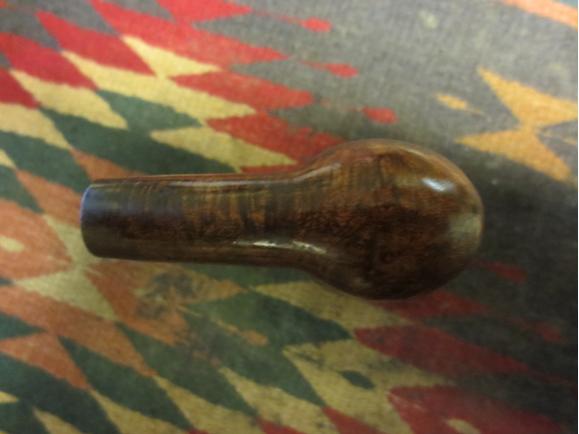
I buffed the pipe and stem with Blue Diamond Polish on the wheel. I worked it until the remaining scratches disappeared. I gave the bowl and stem several coats of carnauba wax and then buffed the pipe with a soft flannel buff. I finished by hand buffing it with a microfibre cloth. The finished pipe is shown in the photos below. The change in appearance is significant and the feel in the hand is much better. I am still pretty convinced the pipe is Mountain Laurel but could be convinced otherwise if some of you know. Thanks for looking.Canada32

Canada33

Canada34

Canada35

Canada36

Canada37

A Peterson 301 System Pipe Reborn


Blog by Steve Laug

I have this pipe and one other left to clean up of the donated pipes for the benefit of Smokers Forums. This one is a Peterson’s System Standard Bent Pot. It is stamped Peterson’s System Standard on the left side and on the right side it is stamped Made in the Republic of Ireland over 301 which is the shape number. The finish was shot, worn and stained with most of the colour faded out. The nickel ferrule was oxidized and dull. The rim was dirty and nicked on the top surface but undamaged on the inner or outer edge. There were some deep scratches on the underside of the bowl that went across the surface of the briar. They were ragged and I knew that steaming them would not raise them. There was also some road rash on the right side of the bowl where it looked as if the bowl was dropped on concrete. The bowl had a thick cake that was soft and crumbly. The stem was oxidized and dirty with some tooth chatter on the top side and the underside near the p-lip. The interior was also dirty with grit. The inside of the shank/mortise was surprisingly clean with dust and tobacco residue but little tar and oil. The inside of the stem was also dirty. The hole in the end of the button was in great shape.Pete1
Pete2 I took a close up of the rim and bowl to show the thickness of the cake. I reamed the bowl with a PipNet reamer and took the soft cake back to bare briar so that a new hard cake could be developed by the new owner of the pipe.Pete3

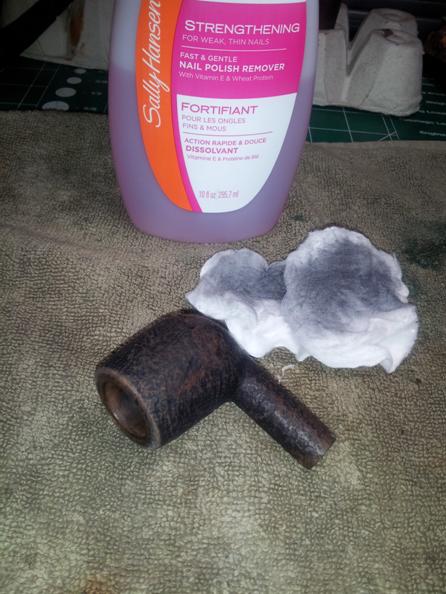
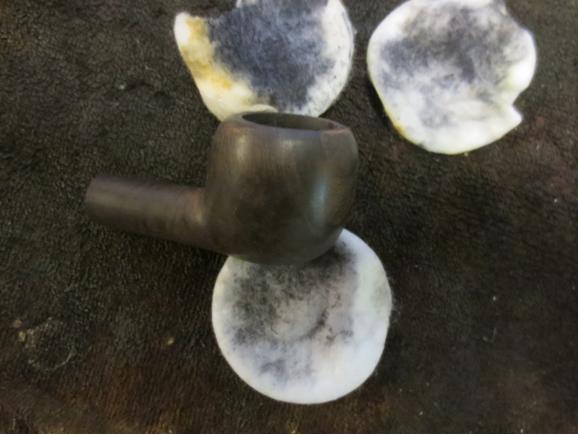
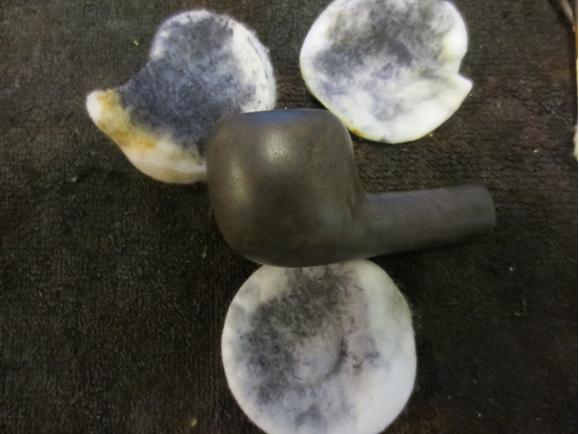
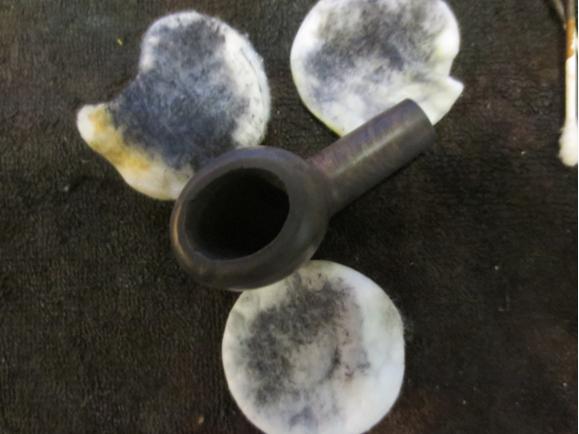
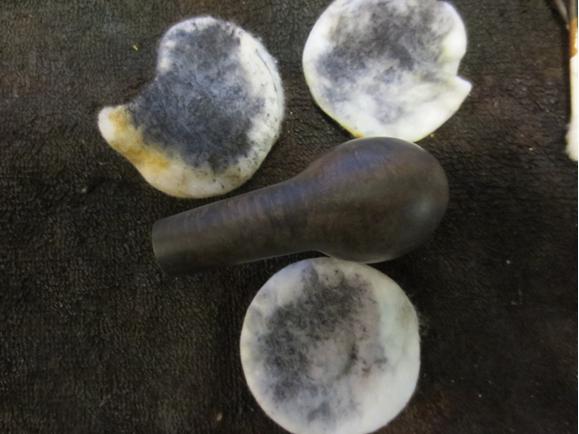
Pete4 I sanded out the bowl to remove the ridge that appears in the photo below. You can also see the dents and nicks in the surface of the rim.Pete5 I lightly topped the bowl with a topping board to take out the damaged surface of the rim and clean up the top.Pete6 I wiped down the bowl with acetone on cotton pads to remove the finish and the grime in the grain of the briar.Pete7

Pete8 I filled the deep scratches in the bottom of the bowl with clear super glue and also filled the road rash nicks on the right side of the bowl. I sanded them smooth with 220 grit sandpaper and then sanded them with a medium and a fine grit sanding sponge. I also sanded them with 1500-2400 grit micromesh sanding pads to smooth out the scratches. I stained the bowl with a dark brown aniline stain that I thinned with 3 parts alcohol to 1 part stain. I flamed the stain to set it deep in the grain.Pete9 To make the stain more translucent I scrubbed down the surface with alcohol to lighten the stain and make it more transparent.Pete10 I put a light coat of wax on the bowl to protect it while I cleaned the inside of the pipe. I used pipe cleaners, cotton swabs and alcohol to clean out the shank and mortise area. I polished the nickel ferrule with a silver polishing cloth and was able to remove the oxidation.Pete11

Pete12

Pete13 I let the stem soak in Oxyclean for several hours while I worked on the bowl and then gave it a vigorous rubdown with coarse cloth to remove the loose oxidation. I then sanded it with 220 grit sandpaper and a medium and a fine grit sanding sponge to further remove the oxidation. Once it was gone I buffed it with red Tripoli and then moved on to sand it with the micromesh sanding pads – wet sanding with 1500-2400 grit pads, rubbing it down with Obsidian Oil and then dry sanding with 3200-4000 grit pads and giving it another rub down. I buffed it with White Diamond and then finished with 6000-12000 grit pads before giving it a final coat of oil and letting it absorb into the stem.Pete14

Pete15

Pete16 I finished by buffing the pipe with Blue Diamond on the wheel and then giving the bowl and stem multiple coats of carnauba wax. I buffed it with a clean flannel buff and then hand buffed with microfibre cloth. The finished pipe is shown below.Pete17

Pete18

Pete19

Pete20

Get Me to the Church on Time: Restoring a Longchamp Billiard


Blog by Anthony Cook

I was browsing through Reddit’s /r/PipeTobacco sub-forum when I saw a post from a member looking for someone who could restore an old, leather-wrapped Longchamp pipe. He wanted it in time for his wedding day, which was a couple of weeks away. I could see in the accompanying photos that the pipe had a chip out of the rim and a bite through on the stem, but otherwise it appeared to be in good condition and both the leather and stitching looked solid. So, I contacted him and offered to take care of it.
The pipe arrived at my door a while later. I was happy to see that there were no hidden “gotchas” and the condition of the pipe was pretty much as it had appeared in the photos.

Here are a few photos of the pipe on arrival:Bride1

Bride2

Bride3

Bride4 Notice in the image below that the stem has almost no tooth chatter despite the massive bite through. What’s up with that? Weird.Bride5 The next image shows some detail photos of the stamping and the rim damage on the pipe.Bride6 The pipe needed to be cleaned up before I tackled any of the damage. This is my “getting to know you” time with the pipes that I work on. I learn a lot about the pipe as I’m cleaning it and I often discover things that I hadn’t noticed previously.

I used a very lightly damp rag to remove the tar and soot from the rim. It came away easily. You can see some light spots on the rim in the photos above. I had been afraid that they were fills (that would be a nightmare), but they turned out to be… something else. Whatever it was, it came off with the rest of the grime and I could see that the rim was in good condition other than the noted chip.

Then, I cleaned out the interior of the stem and stummel with a few cotton swabs, pipe cleaners, a shank brush and some isopropyl alcohol. The pipe was already pretty clean. So, it didn’t take much work.Bride7 I then gave the pipe a retort just to be sure and another quick scrub to remove anything that the retort had left behind.Bride8 To prevent any lingering tobacco ghosts, I stuffed cotton balls into the chamber and used a dropper to drip in alcohol until they were saturated. I then sat the stummel aside overnight to let the cotton balls and alcohol do their job. The image below shows a photo of the bowl just after adding the alcohol, another taken about three hours later, and another at about twelve hours (just before I removed the cotton).

Meanwhile, the stem had been soaking in a bath of Oxyclean and warm water. I removed it from the bath and scrubbed it with cubes cut from a Magic Eraser until all of the yellow-brown oxidation was gone and the stem was restored to a satin-black finish.Bride9 Using needle files, I cleaned up the edges of the bite through hole to remove any loose material and scored the surrounding surface to prep for the patch. Then, I inserted a wedge of thin cardboard wrapped in clear tape through the slot making sure that it completely covered the bottom of the hole. I applied several thin layers of black CA glue over the hole. I allowed each layer to dry and lightly sanded with 220-grit paper between layers to give the next one a good surface to bite into. The patch was ready to be blended in when it was slightly higher than the surrounding surface. I used needle files to carve a sharp transition at the back of the button and sanded back the patch and much of the tooth chatter with 220-grit paper.Bride10 I followed that with 320-grit and 400-grit paper to further smooth the surface, and then I lightly sanded the entire stem (carefully avoiding the logo impression) with 600-grit paper.

I wanted to repaint the stem logo to give the pipe a more complete look. So, I used a silver leaf paint pen to paint over the logo and fill the impression with paint. Once it was dry, I carefully sanded the paint from the raised surfaces with 1200-grit paper leaving behind only what was left in the impression. Some of the impression had been worn away until it was nearly level with the surrounding surface. So, I had to try to shape those by hand using a printed photo reference of the logo.Bride11 I lightly sanded the rest of the stem with 1200-grit paper, and then polished with Micro-Mesh pads 1500-grit to 12000-grit. Somehow, I forgot to get a shot of the completed stem, but you can see it in the photos of the finished pipe.

The stem was finished. So, it was time to take care of the stummel. I filled the chip in the rim with briar dust and CA glue, let it dry, and then sanded the patch back with 220-grit paper. It’s just about impossible not to sand away some of the surface surrounding a patch. So, there was a very slight depression in the patched area. To even the rim out, I lightly topped the bowl, first with 220-grit, and then with 320-grit paper.Bride12 To bring the color back and blend the patch, I applied Fiebing’s dark brown dye to the rim with a cotton swab, flamed it, and sanded the rim with 400-grit and 600-grit paper. Then I stained with medium brown and sanded with 1200-grit. I polished the rim with Micro-Mesh pads 1500-grit through 2400-grit before giving the rim a final buckskin stain, and then polished with the remaining Micro-Mesh grits. Again, I forgot to get photos of any of this. Sometimes, you just get caught up in the work, you know?

All that was left to do to get this pipe ready for the wedding day was to spiffy up the leather a bit. I used a hairdryer set to high heat and low flow to heat the leather and raise the dents. I used my fingers to knead and stretch the leather around the deeper ones to help lift them. Then, I used Fiebing’s buckskin dye to restain the scratches and a small tear on the right side of the bowl. The tear itself was then patched with a bit of leather glue. Finally, I used Fiebing’s 4 Way Care to clean and condition the leather wrapping before burnishing the ends of the leather and edging the seams.Bride13 The pipe work as finished and it was ready to be sent back for the big day. Here are a few photos of the finished pipe:Bride14

Bride15

Bride16

Bride17 Thanks for looking and CONGRATULATIONS, NATE!!!

Rejuvenating a Peterson’s System Premier 307


Blog by Steve Laug

The next pipe that is on my desk came to me from a friend on Smokers Forums who wants me to clean and sell them for the support of the forums. It is a nice Peterson’s Premier System Pipe in the 307 shape. It is stamped on the underside of the shank Peterson’s System Premier 307. The silver ferrule is stamped as normal with Petersons of Dublin on one side. Underneath it is stamped Sterling Silver and there are hallmarks that give the date of the pipe. The stamping of the hallmarks was as follows: Hibernia, Lion (denoting that the silver is .925) and the letter “b” which denotes that the pipe was made in 1969. I have included the Peterson’s Hallmark chart below as it is a very helpful tool that I have used repeatedly to date my Peterson pipes.Peterson Hallmarks The pipe was dirty and the silver was oxidized enough that the stamping was hard to see. The rim was darkened by in pretty decent shape. The sandblast finish had a lot of grime in the grooves and there was some white paint of dried wax in the grooves. There was a light cake in the bowl that was thicker toward the middle of the bowl than it was at the top or the bottom. The stem had a rough finish from the oxidation and there were some small tooth marks on the top and the bottom edge of the stem near the P lip. The airway on the button was in excellent shape and the crease was still well defined.Pete1

Pete2

Pete3

Pete4 I took a close up of the bowl to show the cake that was in the bowl. There was a small nick on one side of the inner edge of the bowl on the right side but it looked like it would clean up very nicely.Pete5 I reamed the bowl with a PipNet reamer and took the cake back to the bare wood. I wanted a good even base so that the new owner could build a solid hard cake evenly in the bowl. I used a folded piece of sandpaper to smooth out the nick on the right side.Pete6

Pete7 I took the stem out of the shank and removed the Bakelite/wood extension that screws into the tenon on Peterson Premier pipes. The photo below shows the pipe taken apart.Pete8 I took the next series of photos to show the grime and white wax in the grooves of the sandblast.Pete9

Pete10

Pete11

Pete12

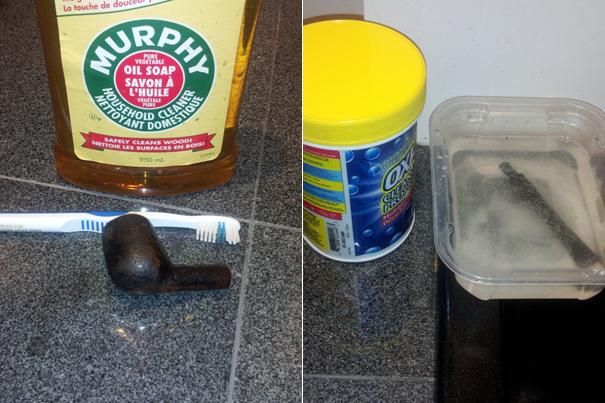
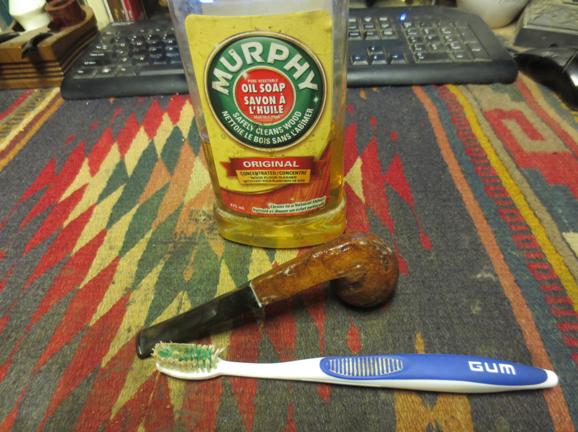
Pete13 I scrubbed the bowl with a tooth brush and Murphy’s Oil Soap to clean out the grooves of the blast. I worked on it until I was able to remove the grit. I followed up with a light scrub of the rim and the grooves with a brass bristle tire brush to finish the cleaning.Pete14 I rinsed the bowl under running water to remove the soap and the loosened dirt. I dried it off with a soft cloth and then took the next set of photos.Pete15

Pete16

Pete17

Pete18 I polished the sterling silver ferrule with a jeweler’s polishing cloth and was able to remove the tarnish. The silver began to shine and the stamping became very clear as I cleaned it.Pete19

Pete20

Pete21 I rubbed some microcrystalline Conservator’s Wax on to the bowl surface with my fingers and then buffed it with a shoe brush. The result was a warm shine on the bowl. I don’t like to use a buffer on deep blasts as it tends to flatten the blast and wear it down. Hand buffing it with a shoe brush preserves the blast.Pete22

Pete23 I cleaned the interior of the stem and shank with pipe cleaners, cotton swabs and alcohol. I was surprised at how clean the shank and the stem were. It took very few cleaners to clean up the interior of the pipe.Pete24 I soaked the stem in Oxyclean for about 30 minutes and then dried it off and sanded the oxidation with 220 grit sandpaper and also a medium and a fine grit sanding sponge to remove the loosened oxidation.Pete25 I wet sanded the stem with 1500-2400 grit micromesh sanding pads and then rubbed it down with Obsidian Oil. I dry sanded it with 3200-4000 grit micromesh and gave it another coat of oil. In each of these steps I did not let the oil absorb but rather used it to give traction to the micromesh pads. I buffed the stem with Red Tripoli and with White Diamond on the wheel to remove the stubborn oxidation that remained. I finished by sanding the stem with 6000-12000 grit sanding pads. I gave the stem a final coat of Obsidian Oil and let it absorb into the vulcanite.Pete26

Pete27

Pete28 I buffed the stem with Blue Diamond and gave it multiple coats of carnauba wax to protect and give it a shine. I then buffed it with a soft flannel buff and then by hand with a microfibre cloth. The finished pipe is shown in the photos below. It is a beautiful sandblast system pipe that will make someone a great addition to their rack. If you are interested in this pipe contact me via Facebook of comment on the blog. All proceeds will go toward supporting Smokers Forums.Pete29

Pete30

Pete31

Pete32

Pete33

Pete34

Pete35

A West German Mystery: Refurbishing a Merkur 2000 720


Blog by Anthony Cook

A friend from the Pipe Smoker Unlimited forums recently picked up a volcano-shaped Merkur 2000 pipe as a birthday gift to himself (we all know that those are the best gifts). He was drawn to the shape and the bit of nice grain that he could make out beneath the grime and dark stain. He mentioned in a comment that it was going to need a little cleaning up. So, I offered to take care of that for him and he accepted.

I gave the pipe a good look over when the pipe arrived some time later. I was immediately impressed by how light it was for its size. It appeared to be in good, clean condition too. The stem had barely any tooth chatter, but it had some reddish oxidation that almost matched the stummel stain and there were strange bands of raised vulcanite in some areas. My best guess is that something had lain across the stem for a very long time to cause the warping. The stummel appeared to have a few scratches, including one on the rim that was the most pronounced, but they were small and looked shallow. So, I was confident that they could be easily removed.

Here’s the pipe as it was on arrival:Merk1 In the photo below, I don’t know what that is in the chamber. It’s best not to think about it too much.Merk2

Merk3

Merk4 The actual manufacturer of this pipe is a bit of a mystery to me. It’s stamped “MERKUR 2000” along the left shank, “REAL BRIAR” along the right, “WEST-GERMANY” and “720” along the bottom, and there is a slanted “H” logo on the stem. Pipephil has a listing for a Blackwood pipe with a matching stem logo and “2000” in the same location and typeface. It’s my guess that neither Merkur nor Blackwood is a manufacturer brand name, but rather they are either model names or shop-branded names. Whatever the case may be, the “WEST-GERMANY” stamping is a clear indication of the country of origin and that the pipe was made sometime before the 1990 German reunification.

Here are a few detail photos of the stamping in question and also the Blackwoods pipe from pipephil:Merk5

Merk6 When I asked my friend what he wanted done with the pipe, he said that he would like me to lighten the color a bit and make the grain “pop.” So, to begin, I wiped the stummel down with acetone and cotton pads to remove the grime and lift some of the old stain.Merk7 I think a good, internal cleaning is the foundation of any estate pipe work. So, I scrubbed out the stem and stummel with a few pipe cleaners, cotton swabs, and a shank brush. Next, I set up the retort for some deep cleaning (kind of like steam cleaning the carpet). I flushed the stem and shank 10-12 times with the boiling alcohol, let the pipe rest for about 10 minutes, and the flushed it 10-12 times again with fresh alcohol. After the second retort the alcohol in the vial was almost as clear as when it was fresh (the debris seen in the photo is bits of carbon build-up on the outside of vial from the candle flame). So, I gave the pipe a final scrub to remove anything left behind from the retort.Merk8 The stem was dropped into a bath of Oxyclean and warm water for about an hour, and then I removed the softened oxidation by scrubbing with cubes cut from a Magic Eraser pad. I sanded down the tooth chatter and warped bands on the stem with a progression of 220, 320, and 400-grit paper and the entire stem was lightly sanded with 600-grit paper to get rid of the pitting and smooth the surface.

I already knew that I couldn’t completely restore the stem logo; the upper-right portion of the “H” was almost entirely worn away. I thought that it would look better with something there though. So, I painted over the logo with a grout pen, let the paint dry, and then very carefully sanded away the excess with 1200-grit paper to reveal the partially restored logo. Then, I sanded the rest of the stem with 1200-grit and polished with the full range of Micro-Mesh pads to wrap up the stem work.Merk9 The scratch on the rim didn’t seem too deep. I thought that I would be able to remove it with just a light topping. It didn’t take much sanding with 220-grit before I noticed that the “scratch” was widening and realized that it wasn’t a scratch at all, but a small pit. I thought that it might still be shallow enough that I could sand it out, but when the pit was still there after a bit more sanding I decided to cut my losses and patch it with a briar dust and CA glue patch. Then, I topped the bowl with 320-grit to even everything out.
Unfortunately, that pit wasn’t the last one that I encountered while working on this pipe. At least two more revealed themselves along the rim and a few more on the rest of the stummel.Merk10 Now, before I tell you about how I did the rest of the stummel I have to issue an apology. I failed to take any more photos before finishing up the pipe. I’ll lay the blame on the previously mentioned pits that kept cropping up, which caused me to backtrack at almost every stage and redo sections of the work. However, I’m sure that you can follow along with no problems. I won’t detail any of the pits, since they were all addressed in the same way as the one above.

In order to honor the request to make the grain “pop,” I heated the stummel with a heat gun to open the grain and applied a dark brown stain thinned to one part stain to three parts isopropyl alcohol. After flaming the stain to set it into the grain, I hand-buffed with a soft rag to remove the excess, and then sanded the stummel with 400-grit. This removed most of the light scratches as well as much of the surface stain, which gave the grain some nice contrast.
I heated the stummel again before applying a medium brown stain thinned the same as before. I flamed and hand-buffed again before lightly sanding with 600-grit and 1200-grit papers. I also began polishing with Micro-Mesh 1800-grit to 2400-grit.

Next, I applied a light brown stain, flamed, hand-buffed, and reattached the stem to give the stummel a Tripoli buff on the buffing wheel. I don’t buff the stem with Tripoli, but it’s good to have it in place to prevent the buffer from rounding the shoulders of the stem and shank faces. I use a rubber tourniquet tightly wrapped around the end of the stem to protect it from the wheel.

I polished the stummel with 3200-grit through 4000-grit paper before giving it one final stain of British tan thinned by eye until it was just weak wash. Then, I polished with the remaining Micro-Mesh grits before buffing the entire pipe with White Diamond and applying several coats of carnauba wax to finish up the pipe.

The final results are pictured below.Merk11

Merk12

Merk13

Merk14 I think the pipe will now be a proud addition to my friend’s collection and I’m sure that it will serve him well for many more birthdays to come. Thanks for looking.

Restoring a Savinelli Hercules Billiard


Blog by Steve Laug

This pipe came to me as a fund raising donation for Smokers Forums. The donor wanted this and other pipes he sent cleaned up and restored then sold for the support of Smokers Forums. This pipe is a large Hercules Billiard made by Savinelli. It is stamped Hercules on the left side of the shank and on the right it read 111EX over Italy. This big pipe had some stunning grain. It would clean up very well. The finish is dull and dirty with grime but the briar is in excellent condition with no dents or flaws. There was a thick and uneven cake in the bowl and the overflow of lava on the rim was also heavy. In my experience the thick lava on the rim generally protected the rim from damage. The inner bevel on the rim and the edge was also undamaged. The stem was oxidized. The stamping on the stem shows well in the photo below but it was actually very light and faint. It would be virtually impossible to save it once it soaked and was cleaned up. It was almost like a decal applied to the stem rather than stamping.Herc1

Herc2

Herc3

Herc4 I reamed the bowl back to bare wood to remove the crumbling and uneven cake with a PipNet reamer. I started with the smallest cutting head and worked my way up to the diameter of the bowl.Herc5

Herc6

Herc7 I worked on the buildup on the rim with 0000 steel wool. Working it around the rim I was able to remove all of the tar and lava without damaging the finish.Herc8 I scrubbed the exterior of the bowl with acetone on cotton pads to remove the grime and the wax buildup. I believe these pipes had an oil finish originally and were not stained. The grime came off easily and the grain just popped!Herc9

Herc10

Herc11

Herc12 I cleaned out the interior of the bowl and the shank with pipe cleaners, cotton swabs and alcohol until they came out spotless. I also folded each pipe cleaner and swabbed out the inside of the bowl to remove the dust and particles left behind by the reaming.Herc13

Herc14 I gave the stem a light sanding with 220 grit sandpaper and then with a medium and fine grit sanding sponge to remove the oxidation. I worked carefully around the stamping to see if I could preserve it. So far so good on that point.Herc15

Herc16

Herc17

Herc18 I worked on the stem with micromesh sanding pads to remove the rest of the oxidation and to polish the stem. The first 1500 grit micromesh literally obliterated the stamping. That kind of thing bugs me but I can’t go back and change it. The decal/stamping was gone. I wet sanded the stem with 1500-2400 grit micromesh pads and then rubbed the stem down with Obsidian Oil. I dry sanded with 3200-4000 grit pads and gave it another coat of oil. I finished with 6000-12000 grit pads and gave the stem a final coat of oil and let the oil dry before taking it to the buffer.Herc19

Herc20

Herc21 I gave the bowl a light coat of olive oil and rubbed it in. I let it absorb over night. In the morning I buffed the bowl and stem with Blue Diamond and then gave both multiple coats of carnauba wax to protect. I buffed it with a clean flannel buffing pad to raise the shine then finished by hand buffing with a microfibre cloth. The only flaw in the process was the removal of the stamp/decal on the stem. For that I apologize. Otherwise the pipe is a stunning piece of craftsmanship. The finished pipe is shown in the photos below. I think this pipe will be a great smoker for whoever decides to add it to their rack.Herc22

Herc23

Herc24

Herc25

Herc26

Herc27

Herc28

Herc29

Herc30

Herc31

First in Flight: Refurbishing and Restemming a Falcon #4


Blog by Anthony Cook

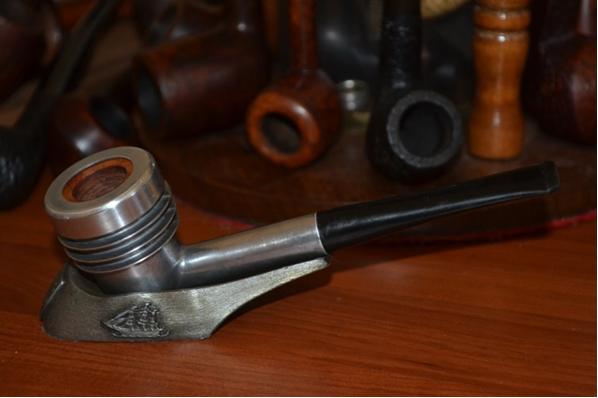
I had never smoked a metal pipe before, but I was curious. I liked the idea of interchangeable bowls, especially when dealing with stronger and “ghostlier” blends (I’m looking at you, Lakelands). So, when this Falcon #4 showed up on eBay I put in a low bid that luckily turned out to be the winning one. I knew from the seller’s photos that the pipe was going to need a bit of work to get it into shape, but I was still in for a few surprises.

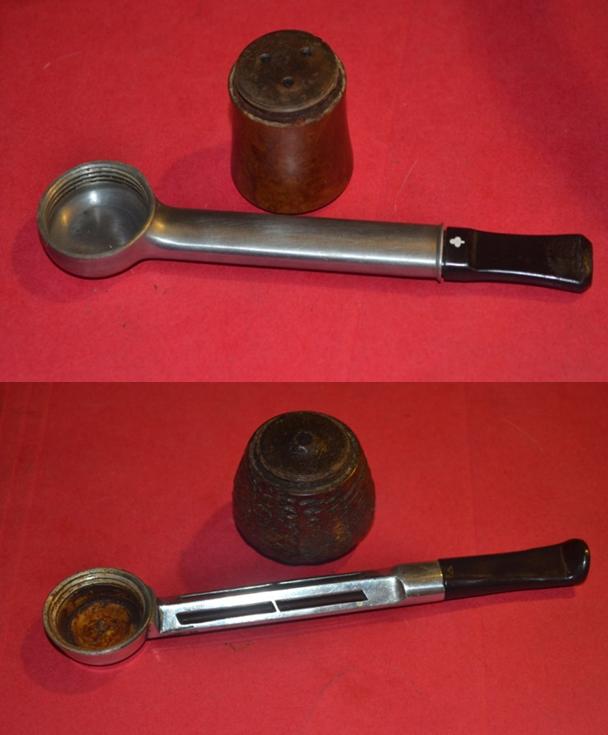
When it arrived, I could see that the aluminum frame was in good shape. There were several small dents and scratches, but nothing that would affect the smoking qualities of the pipe. The nylon stem (or, “bit” in Falconese), however, must have really suited someone’s taste because had been chewed so badly that it was crushed and the airway was almost completely closed. The larger, pot-shaped bowl was in fair condition with some tar build-up and a few scratches on the rim, but the smaller Dublin/apple-shaped bowl was charred and almost beaten to death around the rim. Luckily, the threads on both bowls were still in good shape and they would screw tightly to the frame.

Here are a few photos of the pipe as it was when it arrived:Falcon1

Falcon2

Falcon3 The first order of business was to remove the stem, since there was no way that it would work in its condition. Thankfully, Al (upshallfan) offered to send me another one that was in better shape. Removing a Falcon stem is easier said than done though. They’re intended to be a permanent part of the pipe.

I turned to the forums in the hope of finding someone who had done it before and had developed a reliable removal method. I received several suggestions and tried them all with no luck. In desperation, I decided to try to heat the stem in boiling water. I knew from past experience that nylon would blister and burn all too easily when exposed to high heat, but I thought that this method might heat the stem slowly and gently enough to avoid that risk. Surprisingly, it worked like a charm! After about 20 minutes of submerging the stem in boiling water, not only was I able to remove the stem, but the aluminum smoke tube came out as well. That would make cleaning and polishing the frame much easier.Falcon4 After soaking the frame in alcohol for about 30 minutes, I cleaned out the interior. Without a doubt, this was the easiest cleanup job that I have ever done on a pipe. That’s not to say that it wasn’t dirty. This was obviously a well smoked pipe, but the grime came away easily from the nonporous aluminum. It took only three pipe cleaners (two for the airway and another folded one to scrub the cup) and an old toothbrush (for the threads) to completely clean the frame.Falcon5 The bowls were next on my to-do list. I reamed them both back to bare wood so that I could see what I was dealing with, and then I placed them in a jar of isopropyl alcohol to soften the build up on the rim and strip the finish. An hour or so later, I removed them and used a soft cloth to scrub away the remaining finish and grime.

I set up my topping surface to sand out the scratches on the rim of the larger bowl and level the uneven rim of the smaller one. I lightly topped the larger bowl first with 220-grit paper, and then with 320-grit until the scratches were gone. I started to top the smaller on the smaller one, but the condition of the rim was so bad that chunks of it began to fall out as I worked. I could see that was going to be a losing battle and decided that if I couldn’t beat ‘em, I’d join ‘em.

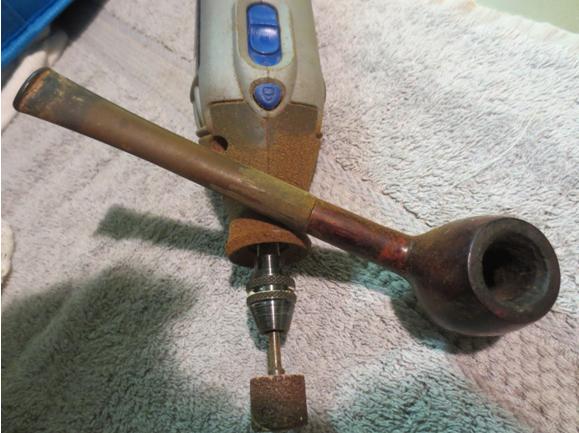
I used a Dremel with a sanding drum to bevel the inner rim of the smaller bowl back as far as the deepest gouge. I was only doing some rough shaping at that point to create the general depth and angle of the bevel. Then, I used 220-grit and 320-grit paper to clean things up and further refine the shape. After that, I lightly sanded the surface of both bowls with 220-grit and 320-grit paper to remove most of the scratches and dings.Falcon6 Once the heavy lifting was complete on the bowl cosmetics, I turned my attention back to the stem. The stem that Al had sent me was in much better shape than the original, but it was still badly chewed. It also wouldn’t pass a cleaner, which seems to be an issue with Falcon pipes in general. They make thinner cleaners specifically for Falcons, but I don’t like the idea of having to buy something else just to overcome a design flaw. So, I decided to try an experiment to see if I couldn’t open up the airway and remove much of the chatter all in one shot.

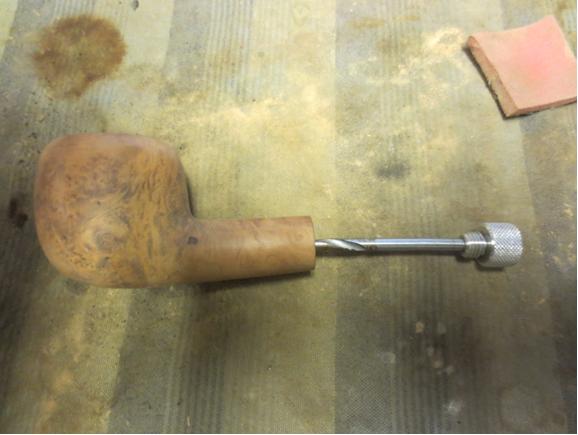
I had noticed earlier that the boiling water had not only loosened the original stem, but it also appeared to raise the dents to some degree. It wasn’t enough to save it, but I found it surprising all the same since I’d had no luck lifting dents in nylon with heat previously. I thought I’d try it again with the replacement stem. I rigged up a simple suspension mechanism with some string, a hex nut, and a wooden spoon, and then put the stem into a pot of boiling water. After nearly about 40 minutes of being submerged, there was some slight improvement but not enough to make much difference. So, I called an end to the experiment and decided that the method wasn’t worth the effort. I have a suspicion that there was some harm done to the stem with this method however, and I’ll talk more on that later.Falcon7 The constriction in the airway extended about ¼” behind the button. So, I decided to drill the airway out from the slot end. The airway was so tight that I had to start cutting through with a 3/64” bit and work my way up to a 3/32” bit. I tested the draw and it was good, and then I tested with a cleaner and it would pass, but it still needed a bit of force to get through the tight area. The stem wouldn’t take a larger bit, however, and I had to be satisfied with what I had. I finished up the work on the airway by cleaning up the slot and giving it a slight funnel with some sandpaper, needle files, and sanding needles.

In the photo below, you can see one of the drill bits chucked into a Dremel, but I never actually used the motor. That would likely have been a disaster. Instead, I used the Dremel to stabilize the bit while I turned the stem over it.Falcon8 The mechanics of the stem had been addressed and it was time to start working on the cosmetics. I used a course, flat needle file to score the surface of the stem, applied black CA glue to the indentations, and sanded it back with 220-grit paper once it was dry. Then, I began to rebuild the button. I wrapped clear tape around the area behind the button to create a sharp edge and applied more CA to the button to build up the surface. I used 220-grit paper to sand the CA back and start shaping the button after it had completely dried. When the shape was vaguely buttonish, I began to clean the edges and remove more chatter from the stem, first with 320-grit, and then with 400-grit paper.Falcon9 I lightly sanded the entire surface of the stem with 600-grit and 1200-grit paper to smooth it out and remove the seams and molding artifacts from the sides. Then, I polished the stem with Micro-Mesh pads 1500-grit through 12000-grit and used a drop of mineral oil to lubricate the stem between every three grits.

Remember when I mentioned something about the heat of the boiling water doing harm to the stem? This is where that comes into play. I had noticed that the stem felt different under the paper as I was sanding it. The higher the grit, the more noticeable it became. The surface felt normal to the touch, but it kind of grabbed at the sandpaper and pads and gave some resistance as they slid across, almost like it was gummy. It was unlike any nylon stem that I had ever worked with before and I believe that submerging it in boiling water changed the surface in some way. I’m just making a guess, of course, but in the end I wasn’t able to achieve the level of glossy shine that I had with previous nylon stems and I doubt that I’ll be trying the boiling method again. You can see the finished stem in the photo below.Falcon10 The stem was out of the way. So, it was time to get back to the bowls and start wrapping this pipe up. I wanted each bowl to have a slightly different color. So, I used a heat gun to heat the briar and open the grain, and then applied a 3:1 mix of isopropyl alcohol and Fiebing’s dark brown dye to the larger bowl and the same ratio with mahogany dye to the smaller bowl. After hand buffing with a soft cloth and sanding the surface of both bowls with 400-grit and 600-grit paper to remove most of the dye except for what was in the grain, I gave the larger bowl a medium brown stain and the smaller one an oxblood stain using the same ratio of stain to thinner as before. Then, I hand buffed again and sanded each bowl with 1200-grit and gave them both a light Tripoli buff. Both bowls received one final stain; buckskin for the larger one and British tan for the smaller. They were hand buffed again to remove the excess stain, and then polished with Micro-Mesh pads 3200-grit to 12000-grit.

Before reassembling the pipe, I polished the frame with Semichrome polish and buffed the stem and bowls with White Diamond compound on the buffer. I put everything back together (it went easily) and applied several coats of carnauba wax with the buffer. Finally, I applied a bowl coating to both bowls to give them some protection until they could build a little cake. You can see the completed pipe in the photos below.Falcon11

Falcon12

Falcon13

Falcon14 And here are a couple of shots of the other bowl…Falcon15 I’m still not happy with the stem on this one and I’m sure that I’ll be replacing it sometime in the future when there aren’t other pipes that need attention. For now, though, it serves its purpose well. I’ll admit that I was a little skeptical of the metal pipe concept, but this pipe smokes wonderfully and I can see many more Falcon bowls and a few more metal pipes in my future. Thanks for checking it out!

Cleaning up my Budapest Pipe Find – A Parker of London Earl 576 Bent Dublin


Blog by Steve Laug

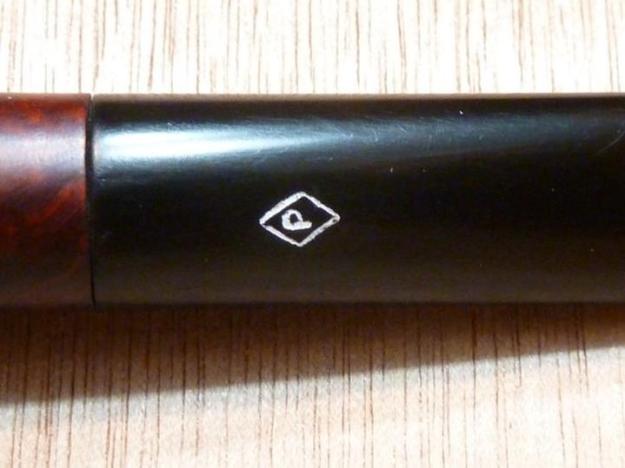
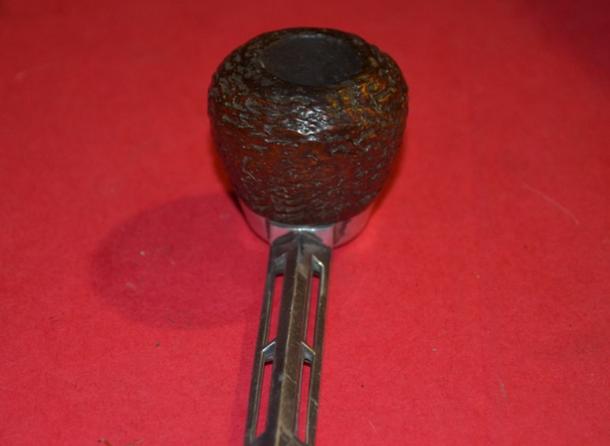
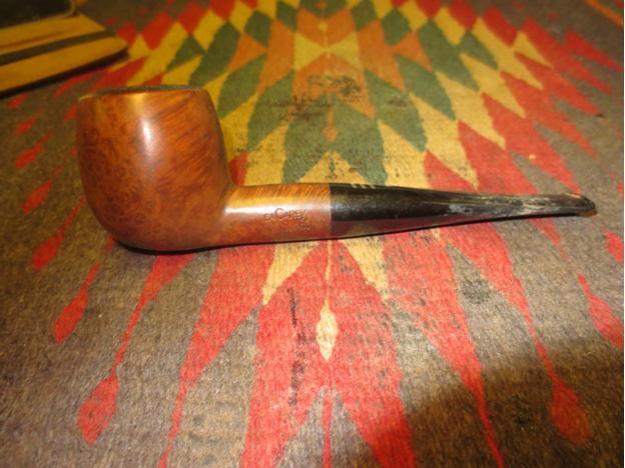
On my recent trip to Budapest I visited several of the pipe shops that I found when I was there five years ago. The experience was sad in that much has changed and the pipe and tobacco selection has greatly diminished. I was in the Gallwitz Shop and looked at their estate pipes. I turned several over in my hands before leaving and not buying any. I walked about a block before I got to thinking that this would probably be the last time I was in that shop and if the downward turn of pipeshops in Budapest continued it might not last. I turned around and went back to the shop and purchased a small bent Dublin that is stamped on the left side of the shank, Parker of London. On the right it is stamped Earl and on the underside it bears the shape number 576. I have included a photo I took on my phone of the pipe and some of my other finds that day.Find1 The pipe was in decent shape. It had quite a few fills on the right side of the bowl and a long narrow fill on the underside of the shank that had shrunk and left a groove. The rim had a lot of grooves and damage that had been waxed over. The bowl was out of round but was clean. The inside of the shank and stem were still pretty dirty. The original stem was loose but relatively clean with no tooth marks and the faint diamond P logo on the top of the saddle. There was some minor oxidation in the crease at the button and the surface of the stem had some scratches that had not polished out. On the underside of the stem there were some bits of metal that were in the mix of the rubber stem. I know that in the war years the rubber used for stems was recycled so I am thinking that this one may come from that era. When I got home from Budapest I took the following photos of the pipe to show what it looked like when I began.Parker1
Parker2

Parker3

Parker4 I also took a few close-up photos of the rim and the stamping on the shank. To me there is a quiet elegance to this shape. You can see the rim damage and the inner edge damage in the first photo below.Parker5

Parker6

Parker7 I worked on the inner edge of the rim with a folded piece of 220 grit sandpaper. I wanted to even out the inner edge and minimize the out of round look. I gave it a slight bevel to get rid of the damage. In doing so I did not particularly care that I scratched the surface of the rim because I planned on topping it lightly to remove the damage.Parker8

Parker9 I topped the bowl on a topping board to remove the deep scratches and damaged areas on the surface of the rim.Parker10

Parker11 I sanded the rim with a medium and a fine grit sanding sponge. I then sanded it with 1500-2400 micromesh sanding pads to polish the rim. I then stained it with the staining pens – starting with the lightest colour and gradually working my way up to the darkest colour. I worked to blend it into the same colour as the bowl and shank.Parker12 The long worm shaped fill on the bottom of the bowl needed to be refilled. I decided to use clear super glue and no briar dust as the groove was not very deep. I filled it and let it dry. I sanded the repair with micromesh sanding pads until it blended into the surface of the briar. It is smooth to the touch now and is better blended into the surface of the briar.Parker13

Parker14

Parker15 I rubbed down the bowl and shank with a light coat of olive oil and then buffed it with a microfibre cloth to raise a bit of a shine.Parker16

Parker17

Parker18 I worked on the oxidation on the stem in the crease with micromesh sanding pads. I wet sanded with 1500-2400 grit pads. I scraped the groove in the crease with a dental pick and then sanded it until it was smooth. I rubbed it down with Obsidian Oil and then dry sanded with 3200-4000 grit pads, reoiled it and then finished sanding with 6000-12000 grit pads. I gave it a final coat of Obsidian Oil and then let it sit until the oil had been absorbed into the vulcanite.Parker19

Parker20

Parker21 I buffed the pipe with Blue Diamond and then gave it multiple coats of carnauba wax. I buffed it with a clean flannel buff to raise the shine. I took it back to the work table and buffed it by hand with a microfibre cloth. The finished pipe is shown below. It is cleaned and ready to use. It should give many years of good service now that it is clean. Every time I pick it up I will think of the Gallwitz shop and the changes that it went through from the first time I visited until this past time. The sad changes will go through my mind for a long time.Parker22

Parker23

Parker24

Parker25

Parker26

Parker27

Repairing a Broken Shank on an LHS Park Lane DeLuxe — Lovat 12


Blog by Steve Laug

I came home from a two-week work trip to Berlin and Budapest to find a package from Troy Wilburn waiting for me. It contained a beautiful little LHS Park Lane De Luxe Lovat shape 12 that we had been speaking about before the trip. I am a sucker for LHS pipes and really like the Park Lane series as they have a quiet elegance about them. The shank on this one had broken near the bowl. Fortunately it was a clean break and not splintered or chipped. The repair on these has become pretty straight forward for me. I have learned a few tricks in joining the parts of a broken shank together from the Frankenpipes that I have crafted. That was their purpose and their schooling has paid off on quite a few of these shank repairs for me. The Park Lane had a Bakelite stem (at least I think it is Bakelite as it feels and acts different from Cumberland). The next two photos show the snapped shank.LHS1

LHS2 Just as I suspected I had a piece of brass tubing that was the perfect size and fit for the repair. I used a file to cut grooves into the tube and to roughen the surface for the glue to have something to hold onto when I glued it in the shank.LHS3

LHS4 I cleaned out the airway on both sides of the broken shank to remove debris and to give a good clean surface for the glue to bond with. To check the size and the fit of the tube in the two parts of the shank I inserted it in the bowl end of the break and then twisted the shank end onto it. The fit was perfect and once glued the repair should be solid.LHS5 I mixed some epoxy and applied it to the metal tube being careful to not get any inside of the airway. I inserted it into the bowl side of the break. I left slightly over half of the tube extending so that when I put the shank piece in place there would be enough of the metal tube to strengthen the repair on that end.LHS6

LHS7 When the epoxy set and the tube was solidly in place I painted some more of the epoxy on the opposite end of the tube and a little on the briar surface of each side of the break. I have learned not to overdo the glue on the briar as it is a pain to remove from the wood when it dries. I twisted the shank piece in place, lined it up and pressed it in place against the bowl side. I held it firmly until the quick set epoxy set and that portion of the repair was finished.LHS8

LHS9

LHS10

LHS11 I pushed some fine briar dust into the small space that remained around the surface of the crack and then filled it with clear super glue. I applied it with the point of a dental pick so as not to get too much glue on the briar.LHS12

LHS13

LHS14

LHS15 I sanded the repaired area carefully with a folded piece of worn 220 grit sandpaper to remove the excess glue and briar dust from the patch. Then I sanded with a fine grit sanding sponge to remove the scratches. I used a medium brown coloured stain pen to touch up the sanded area around the patch. I cleaned out the shank with a pipe cleaner to make sure that there was no glue in the tube.LHS16

LHS17

LHS18

LHS19 The stem was slightly under clocked. I heated the stinger with a lighter until the glue in the stem softened and then carefully screwed it into the shank while holding the shank. I was able to align it perfectly with the shank.LHS20 With that completed, the repairs to the pipe were finished. The stem was in the right position. The cracked shank repaired and strengthened with an inner tube. All that remained was to clean up the surface of the pipe and give it a coat of stain to blend in the sanded areas around the repairs. I also needed to do some work on the stem with micromesh to raise the shine and polish the Bakelite. (I rarely use the buffer on these older LHS stems as I do not want to risk it. I would rather polish them by hand than damage them.)LHS21

LHS22 I wiped the bowl and shank down with alcohol on a cotton pad to remove the grit and grime on the surface of the bowl and to remove the remaining finish.LHS23

LHS24 I cleaned off the tars on the stinger with 0000 steel wool. I wet sanded the stem with 1500-2400 grit micromesh sanding pads and then rubbed it down with Obsidian Oil. I continued to dry sand the stem with 3200-4000 grit pads and then gave it another coat of oil. I finished with the final three grits of micromesh – 6000-12000 – and gave it a final coat of Obsidian Oil. Once the oil dried I gave the stem some coats of Paragon Wax and hand buffed it with a microfibre cloth.LHS25

LHS26

LHS27 I gave the bowl a rubdown with some olive oil and then buffed it out. I touched up the light areas of the stain on the repaired shank with a dark stain pen and then rubbed a little more oil onto the shank. I buffed the pipe with Blue Diamond and then gave it several coats of carnauba wax. I buffed it with a clean flannel buff and then hand buffed it with the microfibre cloth. The finished pipe is shown below. I am hoping to put it in the mail later today or tomorrow to get it back to Troy.LHS28
LHS29 There was some light damage to the rim surface. I decided to leave it alone as it was not enough to top the bowl. It gives character to this old pipe.

LHS30

LHS31

A No-Account, Son-of-a-Gun, Sorry Excuse for a Bent Billiard


Guest Blog by Robert M. Boughton
Member, North American Society of Pipe Collectors
http://www.naspc.org
http://www.roadrunnerpipes.com
http://about.me/boughtonrobert
Photos © the Author

“Pipes are like dogs: the smokin‘ man’s best friend. Why, you can cuss at ’em, shout out loud about the state of the world to ’em, carry on all you like ’til yer blue in the face an‘ sore in the jaw about how great the whole place would be if only you was in charge, heck, even put ’em out of mind and ignore ’em altogether…for a while. In fact, a perfectly good, loyal pipe, same as an old coonhound, will even put up with a might mess of outright scandalous behavior an‘ never even consider turnin‘ on you – say, like as if the dog was to chomp off yer ignorant head or the pipe up an‘ went to dumpin‘ hot, burnin‘ ash in yer lap all on its own…But Heaven help the man that treats either his pipe or dog like garbage to be thrown in the dumpster or a bug to be stomped on. He’ll end up with a companion called Cujo if it doesn’t find a better master in time to escape. The pipe or the dog, that is.”
― The Author, in “Musings of a Mind Bored Silly by a Roommate with ADHD Who Just Doesn’t Know the Meaning of Silence Is Bliss,” today

INTRODUCTION
My friend, Phil, he’s a heck of a nice guy. He’s a real big fella – six-three, 280 pounds or right there in the ballpark – and one of the smartest dudes you could ever meet. Now by smart I’m not implicating he’s got some big old stuffy nansy-pansy degree from any of your fancy-schmancy Poison Ivy Universities, with a capital U, back east somewheres, or anyplace else, for all that matters. What would he need with some piece of paper, outside of hangin it one of his walls? Now that’s the day I’d like to see! And if he was the type to frame up a piece of paper all marked with gibberish scrawling like the tests I used to get back from my teachers when I was just a young buck, where do you suppose he’d hang it? I’ll tell you, I will! Right in the throne room, direct across from where he’d be sitting to ponder what the heck good it does him, and other earth-shaking notions and such.
No, boy! Phil’s smarts are part on account of he was born that way, with a genius IQ is my guess, and the other part from all the books and fancy magazines he reads. Plus old Phil, why, he never watches regular TV; doesn’t even own one, not counting this huge thin flat monster that rightly belongs on a wall like I’ve seen at some of the old-timey stores you can still find at the mall, only he connects it to his computer with nary a cord somehow, and that’s how he likes it. Hooks it up to his little old lap computer right through the air with what he calls Wi-Fi and something else that goes by Blue Teeth or Blue Fairy or whatever. Anyhow, whatever kind of magic it is he does to make all this confounded tech-nol-o-gy happen that bring all of his gadgets, not just the TV monster but his walk-around pocket phone and even this genuine Made in China nineteen-hundred and seventies-era Ghetto Blaster he has, work together – well, it’s something else, and how! Why, it’s like he’s at Carnegie Hall in New York City, or at least that’s what I hear tell. Personally, I went to the Grand Ole Opry in Nashville once when I was a kid, and that was good enough for me.

Now, to get to the meat and potatoes of this little fireside story, my friend Phil, he’s a good man, and he’s also one heck of a carpenter. When it comes to woodwork, why, there aint a thing he doesn’t know about all the woods ever grown, and how to build a custom home, with balloon walls and the works, from the ground up – and up and up – and pretty much all by himself. He’s as comfortable with his tools, from his cat’s paw and level to a pettibone, as he is with his own big mitts. And when it comes to the strength and soundness of the whole enchilada, Phil just pretends to listen to all the back-seat drivers, even if it’s the new owner! And you can bet all the money in your sock old Phil won’t take any guff from some pissant, oil-palmed CCI snagger with his eyes out for left-over parts to pilfer more than finding any real faults with the job. Yessir, Phil knows his stuff, from cripples to “A” Braces, trimmers, bearing walls and joists. But…

Ain’t there always a but? Well, Phil’s but is that for all he knows about wood and carpentry, he doesn’t have a bull pucket of a clue about restoring tobacco pipes, even if it’s a fair shake he could whip one up that would be right-on engineering-wise and even show his own, one-of-a-kind style. He’s even told me a few of his ideas, and they sound pretty clever and original. Only, as far as using a wood that wouldn’t give him rashes or boils or even the Big C, and staining the shapely wonder with something other than a nice, thick, shiny, Chinese-style lacquer that would leave the wood Code Red as far as breathing goes, he’s, well, clueless. And then there’s all the taking care not to forget to tuck it away all safe and sound instead of setting it on his work table with all of his sandpapers and rasps and drill bits and other implements of construction that are, what you might say, not Kosher to keep around a frail work of art, plus dropping it and all around banging the thing every chance he gets.

To put it nice, Phil is pretty dang bullheaded when it comes to thinking he can do, make or fix anything, and what’s more, that he’s better than the experts that are here to do it right. And he wouldn’t budge when I suggested he must have had something to do with the billiard’s condition when I got a gander of it. He held to the story that he had nothing to do with it; never touched it, he said, other than smoking it. So I’m sure you all can use whatever cents you had to rub together when you were born and come up with a notion of how dramatic it was for him to – well, ask ain’t the right word – oh, snap! He intimidated that he could use “some advice” on how to fix this no-name, no country but probably Italian bent billiard. Okay, okay, I’m a nice guy, too, and I knew what he was driving at, so when he said it was one of the first pipes I gave him and I said I made it myself, I didn’t want to be rude, but I almost couldn’t help it. One thing is, I’ve never made a pipe in my life nor said I did, even if I have plans to soon; I even bought a nice square block of walnut with grain that’s the bomb and is big enough for two pipes. I figure I’ll go vertical with both of them, seeing as how once I cut it in half I’ll be all-in one way or the other. Anyways, to get back to what I was saying, the other thing is, I did finish a few pre-formed pipes I got my hands on and even made them look pretty smart, if I say so myself, but this here bent billiard wasn’t one of them, no way, no how.

So Phil, he hands the thing to me, and from the second he picks it up from the Blitzkrieg debris that his apartment was full of that day, I saw it was totally FUBAR. I mean, it looked like it was all that could be dug from the rubble of some poor Englishman’s former place of commode during the Battle of Britain after a buzz bomb attack where one of those nasty suckers stopped its buzzing and fell out of the night sky right through his roof before it went off. Okay, so maybe I’m exaggerating, but you get the picture. I’ll tell you, the real shocker to me was that Phil had somehow let this happen when he took real good care of all the other pipes I remembered giving him, including a su-weet, smooth Peterson Aran B11 Bent Brandy I fixed up from my collection and gave to him on his birthday or something after he’d developed a real taste for pipe tobacco. I threw in a sleeve, and he’s kept it the same as the day I gave it to him.Phil1 Back to the sad billiard, while I’m turning it in my hands, forced to admire the almost total stripping of the wax I told myself had to be there when and if I actually gave him the once proud pipe, not to mention the unbelievable uniformity of scratches all over it that – I kid you not – looked to me to be the work of a man with a careful if twisted plan, Phil even uses that word, plan, just as I’m thinking it! I would have jumped if the awfulness of the billiard’s deformities hadn’t already made me numb all over, like. Here’s my favorite angle.Phil2 Phil’s going on how he has some plans for it, like re-staining it some special, unknown color and yada-yada-yada, but he’s real quiet like he never gets unless he’s embarrassed and wants to ask a favor, which he doesn’t ever quite get around to doing. Well, I wasn’t born yesterday, and I just keep it in hand until I’m set to leave, and then I ask him all casual, “Hey, Phil, mind if I hold onto this to look it over some more?” And of course he just has to put on like he doesn’t want to, when that was the plan all along, but in the end I walked out the door with the mysterious, thrashed pipe still in my hand.

RESTORATIONPhil3

Phil4

Phil5

Phil6

Phil7

Phil8

Phil9

Phil10 I really like three of the things you’ll notice in the first of those photographs: the peculiar piece of cork used for some reason I won’t go into, the chamber chock-full of some leaf and the little improvised piece of paper on the tenon to make it fit right like it did when he got it (whoever gave it to him in the first place).

First off I scooped out all the stuff in the chamber and peeled away the sticky paper on the tenon. Without the paper, here’s a good general idea of how it looked.Phil11 Now I don’t know about you, but I couldn’t abide with that ghostly remnant of stain, so I set to stripping all of it down to the bone and soaking the bit in an OxiClean bath.Phil12 I took the wood out of the Everclear after a couple of hours and saw it still need some help removing the old stain. I used 500-grit paper and made the bowl and shank a little better.Phil13

Phil14

Phil15

Phil16

Phil17 And back to the stem for a minute. For a number of reasons, it clearly didn’t fit the shank, and so the motive behind the cover-up with paper. The OxiClean didn’t do much other than get rid of a whole lot of dirt and other mess inside and out, but this is a better view of the tenon and how someone had undercut it at the bottom and generally made a mess of the whole try at making it fit right in the shank. I suppose Phil had nothing to do with that, too.Phil18

Phil19 Other than replacing the whole stem, a plan I wasn’t keen on seeing as how it was going to be for free, I figured I could mend it another way. I sanded it all over with 200-grit paper before putting the 400 to it and micro-meshing as far as I could go, from 1500-12000. With that a done deal, I put a liberal amount of Black Super Glue on the tenon, most of it on the undercut part, to make it all even again.Phil20 Meanwhile, back to the bowl and shank. The stripping ferreted out more cover-up: the front of the pipe, no big surprise considering it wasn’t proud enough of the results to put a name to it or even the country it came from, had a nice little weed-like patch of holes that needed wood putty.Phil21

Phil22 Since I had some time on my hands while the putty and Black Super Glue finished drying, I smoked my own pipe for a spell. Actually it was one heck of a long spell. But it came to an end, like everything else in this life.

I smoothed the putty real gentle with the old 12000 micromesh and used a brown indelible marker, then an orange one, to make it look a little more natural. Then I put just a thin coat of regular Super Glue over that. I had to get out of my place anyway, so while it dried I did some errands. Heck, yeah, even I have errands to run.

What with the swamp cooler on full-blast, by the time I got home again the Super Glue was good and hard and ready for a smoothing of its own. This time I needed something a little rougher and settled on 3200 micromesh with a respectful light touch. And I’ll be darned if it didn’t just do the trick! The rest of the wood I went the whole nine yards micro-meshing.

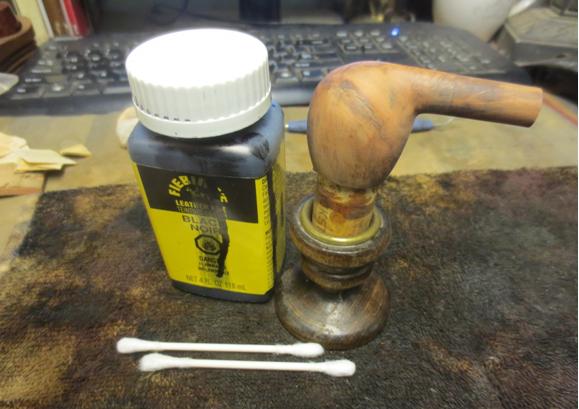
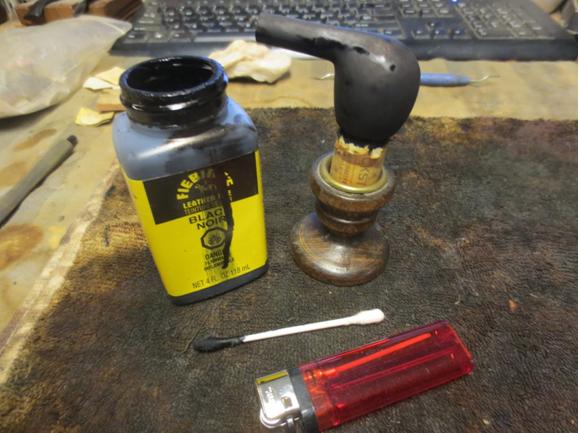
One of the ideas Phil had for doing it himself was to use a “different” color. After thinking on it a while, I came up with a mix of Lincoln Marine Cordovan and Fiebing’s brown boot stains – don’t ask me what was going through my head because I don’t remember. Anyways, it worked nice enough, so I flamed it and let it sit to cool before using the 3200 again to clear off the char.Phil23

Phil24

Phil25

Phil26

Phil27

Phil28 Alright, now, hold your water! I know it! The front view here shows a need for more attention, which you’ll just have to trust me when I say I gave it because I forgot to snap a shot after. Also I sanded down the shank opening so the stem would meet it better.Phil29 Again, I know it’s not perfect, but this was for free and besides, Phil was starting to breathe down my neck to get it back. Finally I just buffed it up on the wheels with a few waxes.Phil30

Phil31

Phil32

Phil33

Phil34

Phil35 CONCLUSION
Phil is happy with the job I did – and the replacement cork that fit.