Tag Archives: Bowl – finishing

One Quiet Sunday Afternoon – Finding an older KBB Yello-Bole Imperial Panel


Blog by Steve Laug

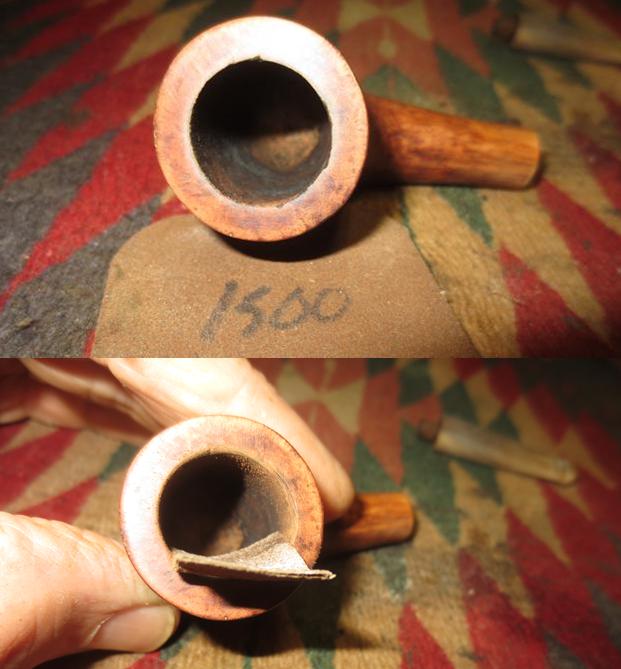
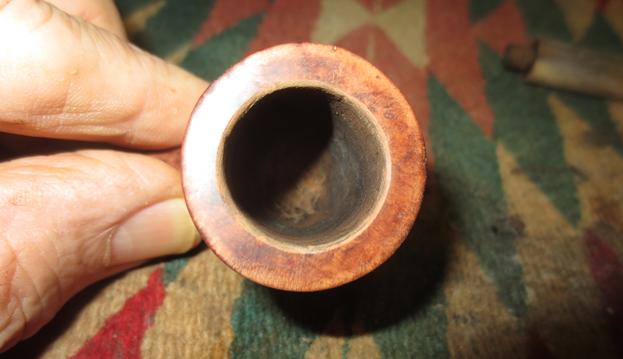
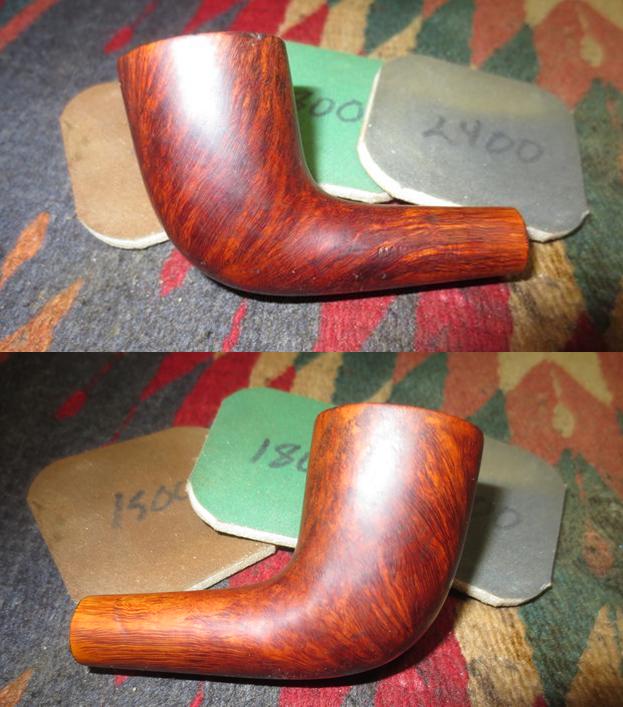
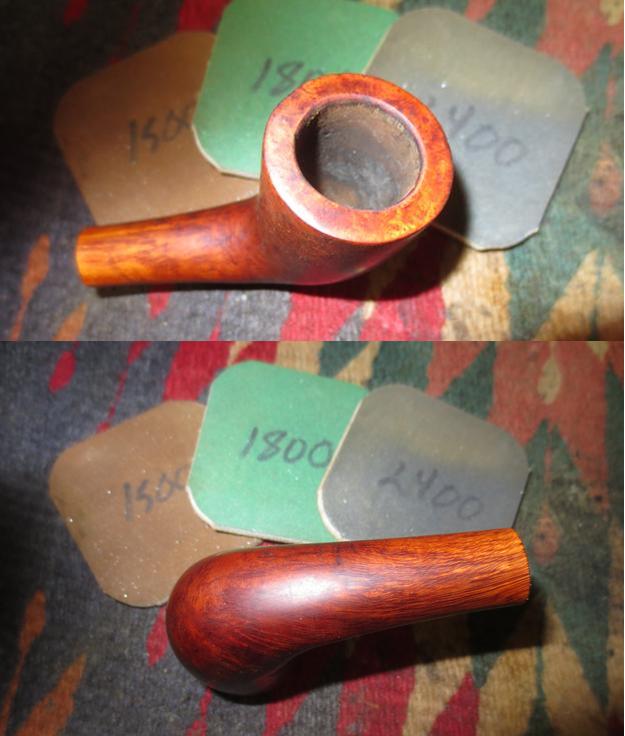
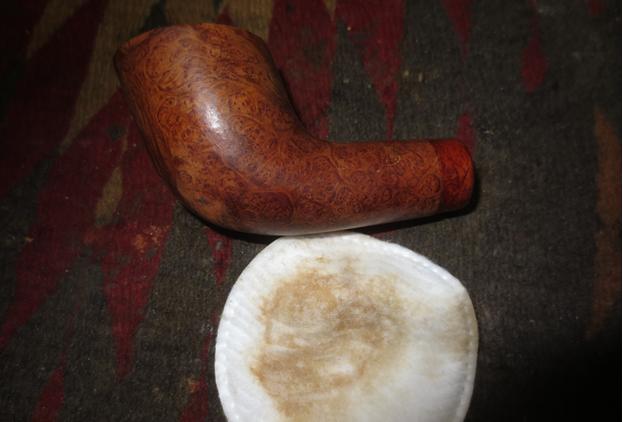
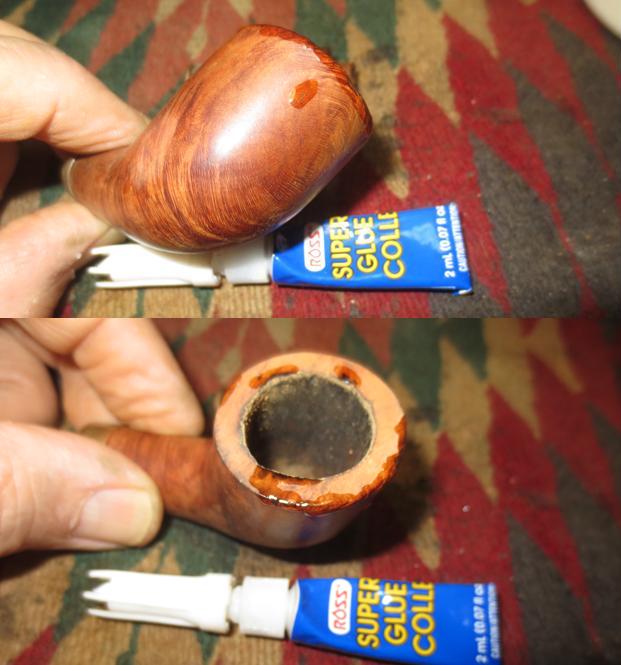
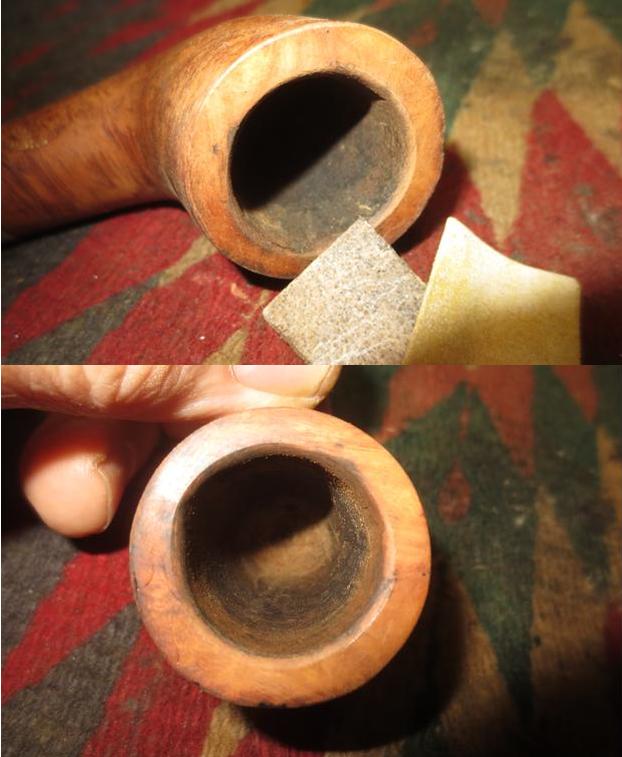
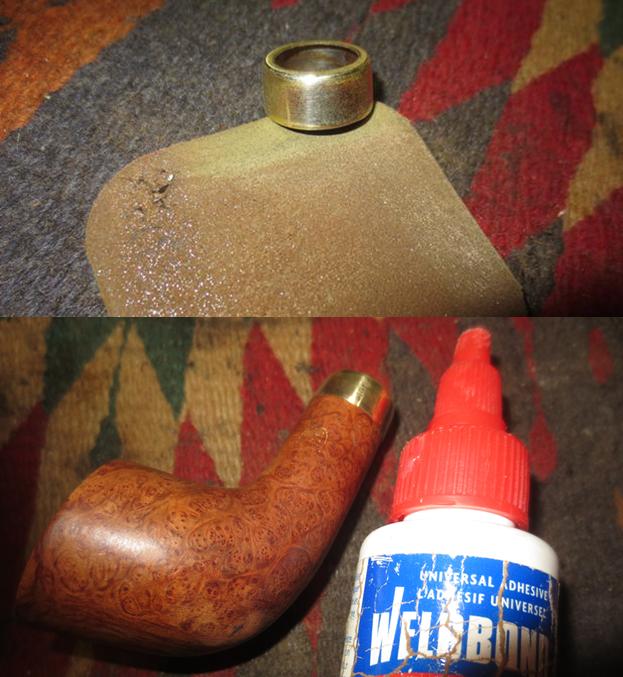
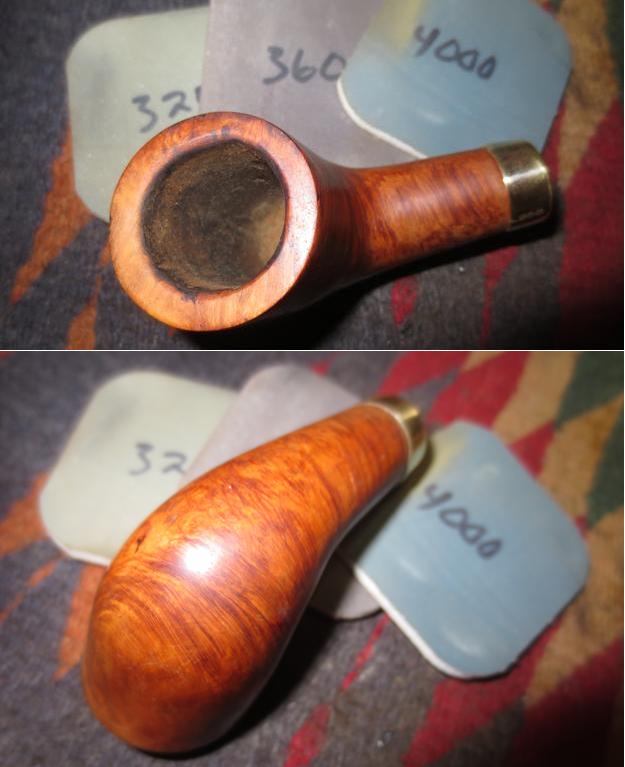
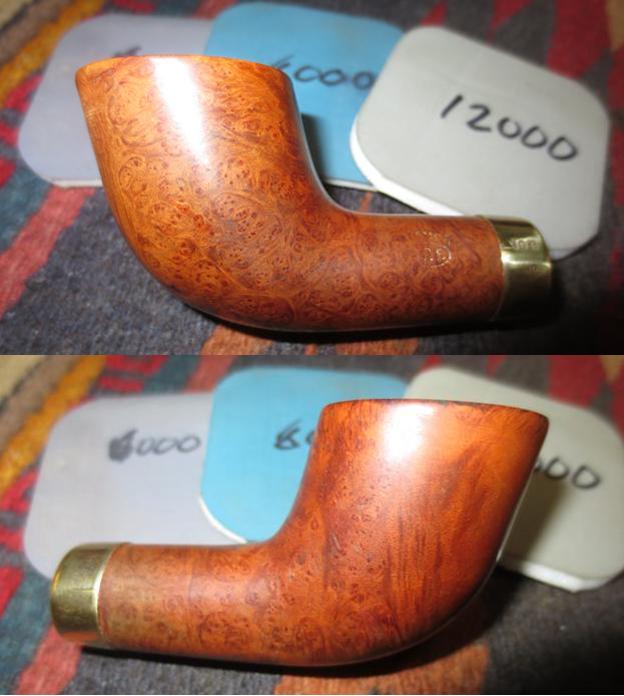
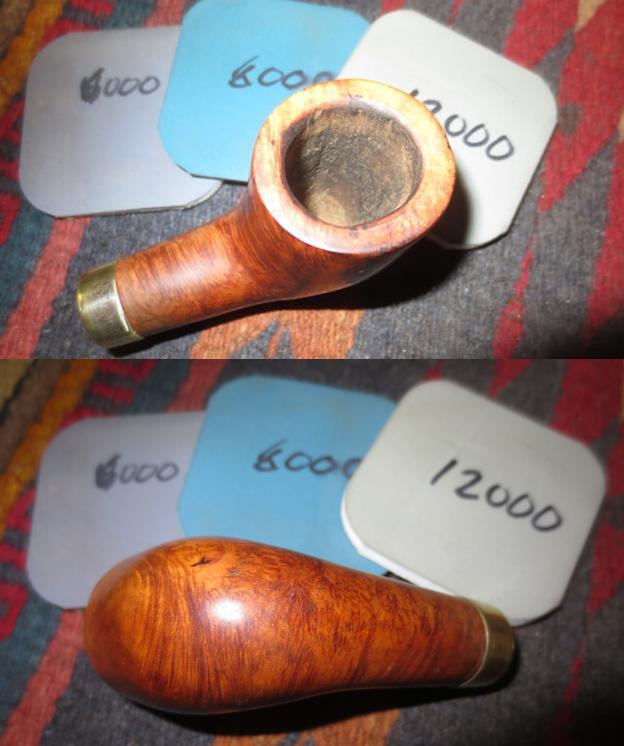
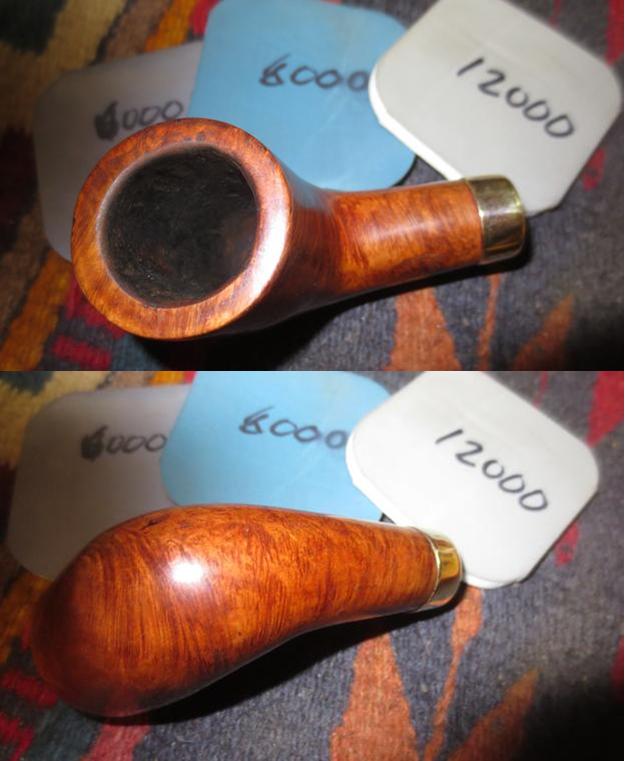
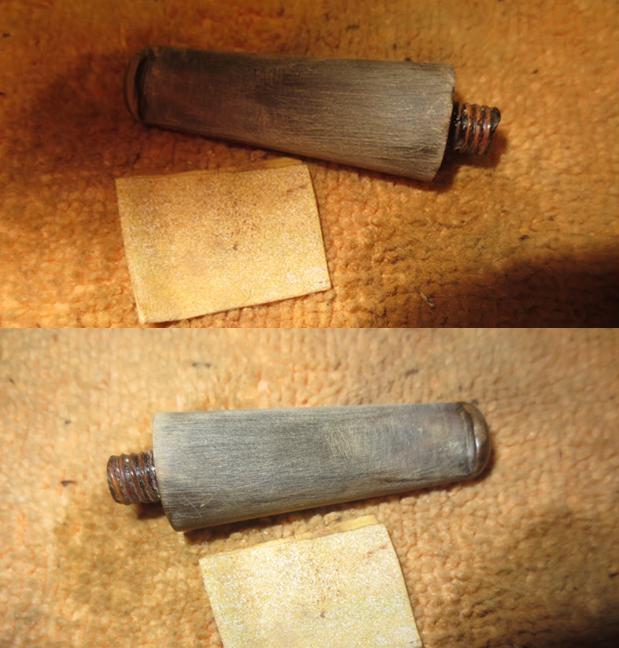
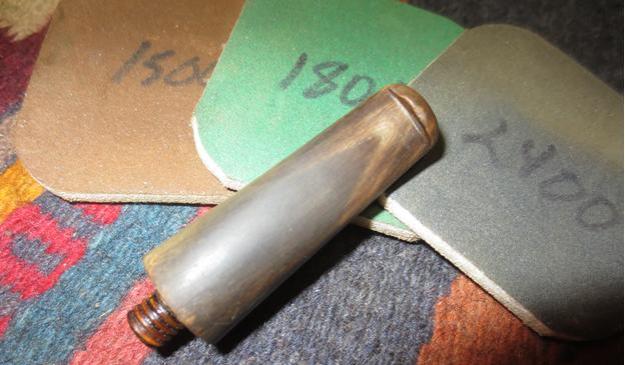
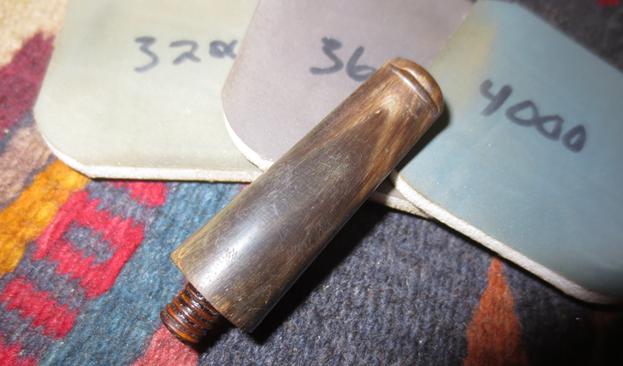
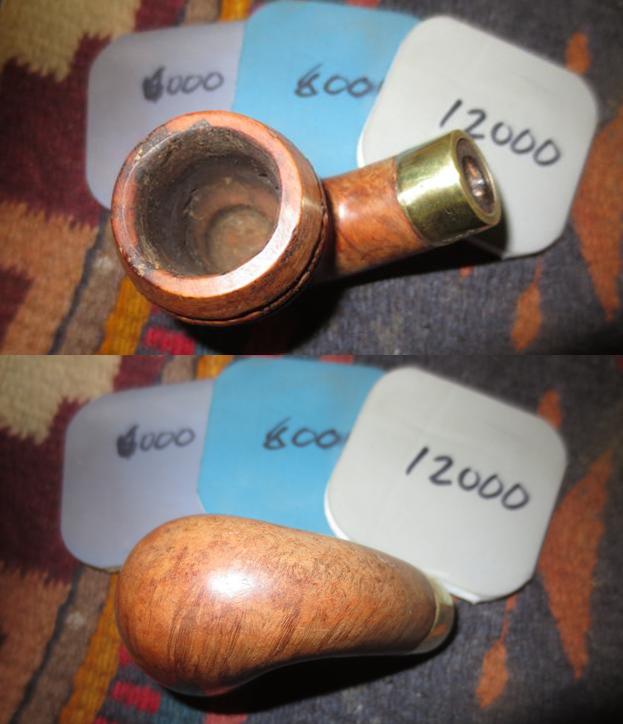
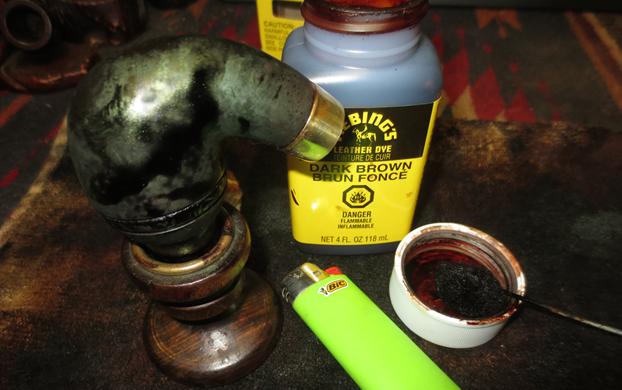
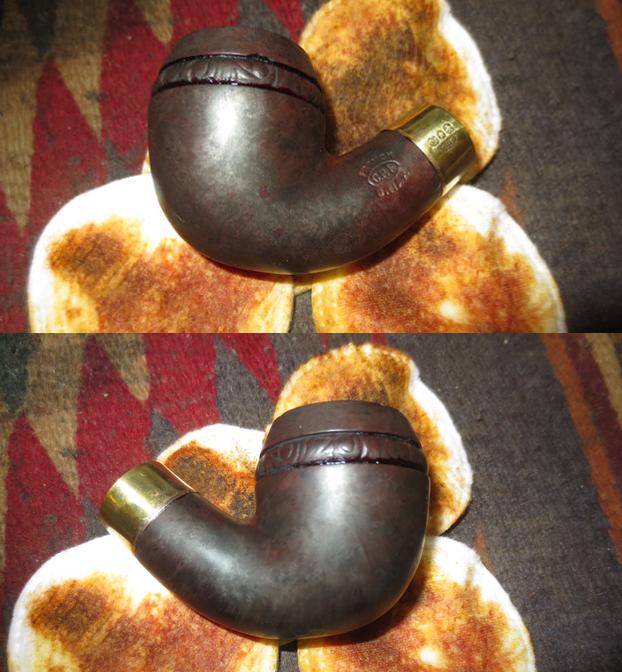
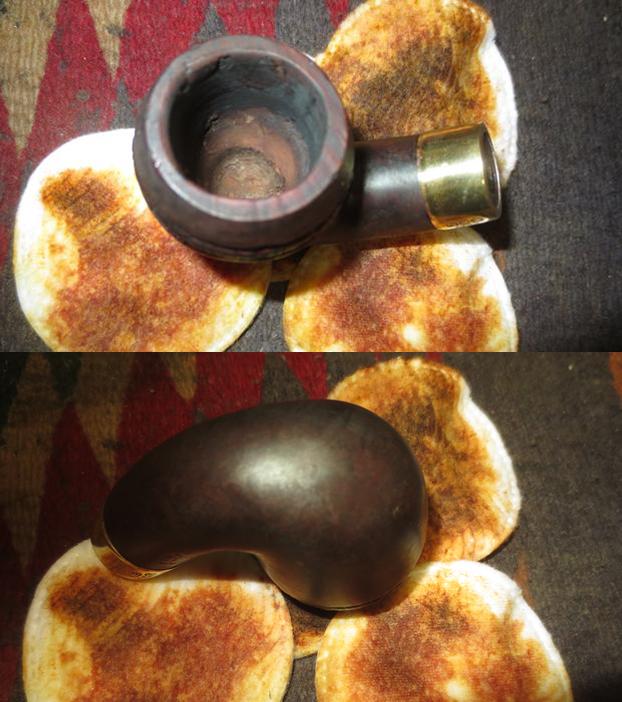
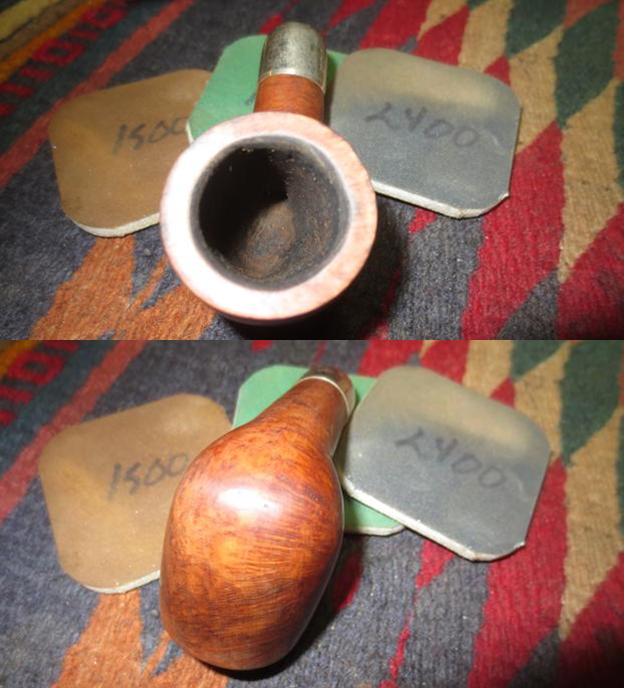
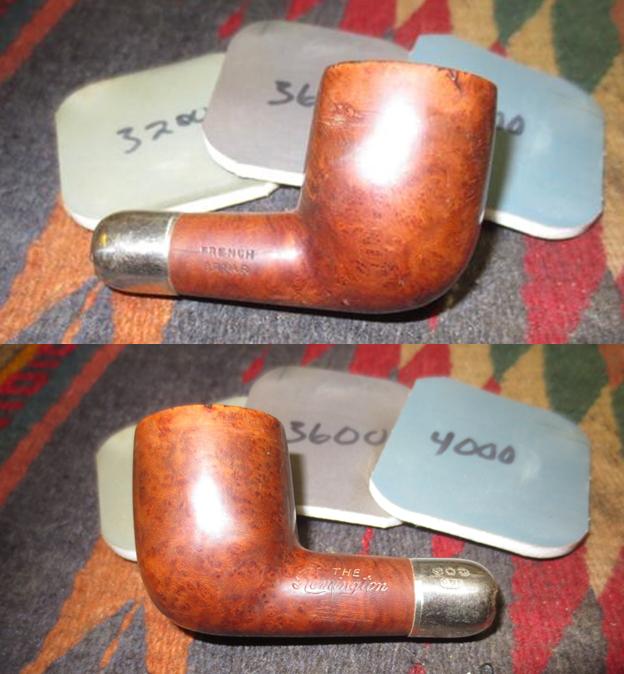
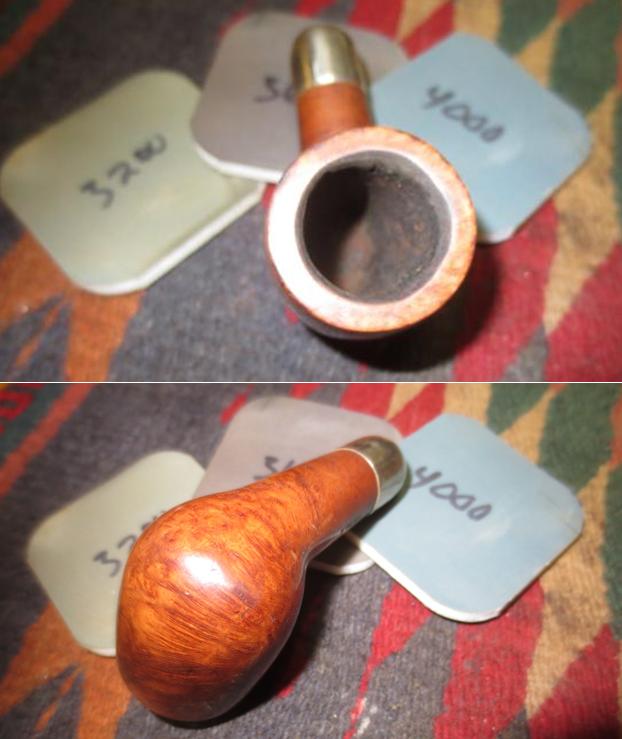
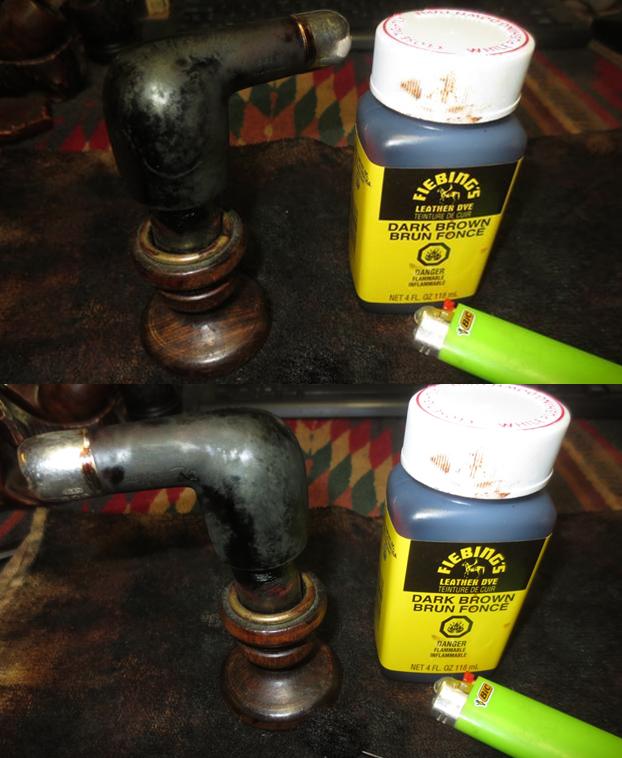
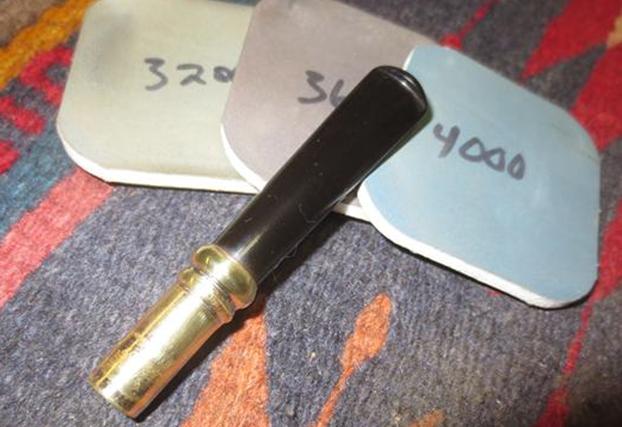
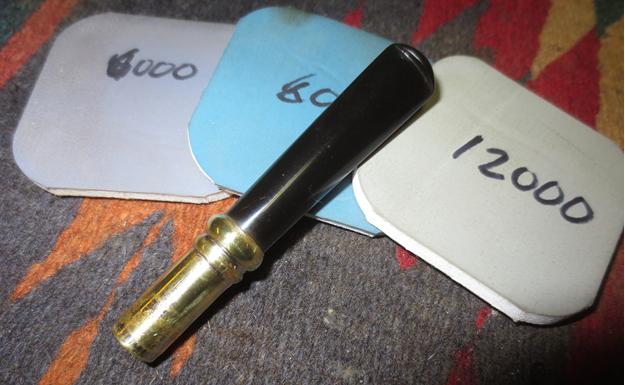
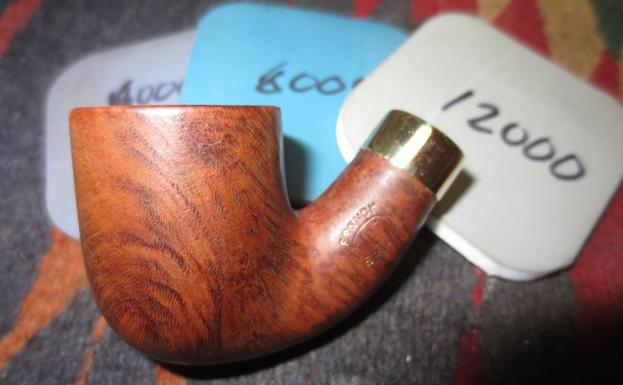
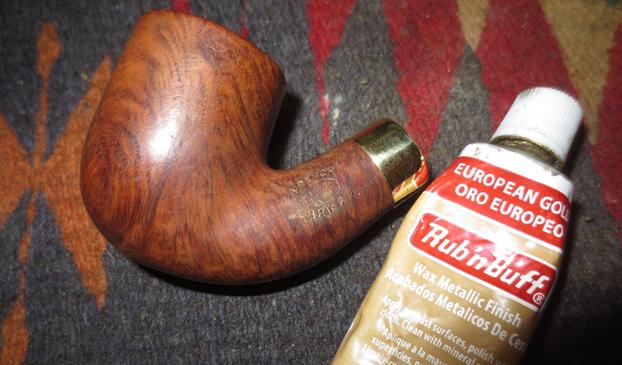
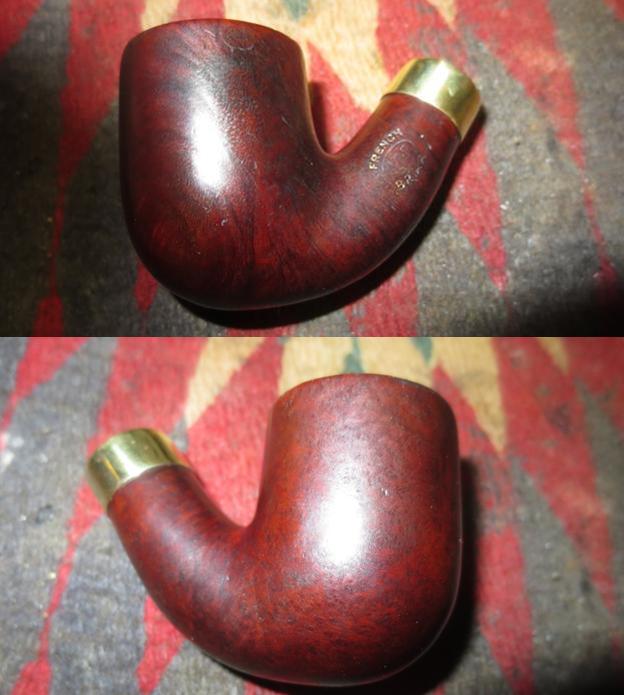
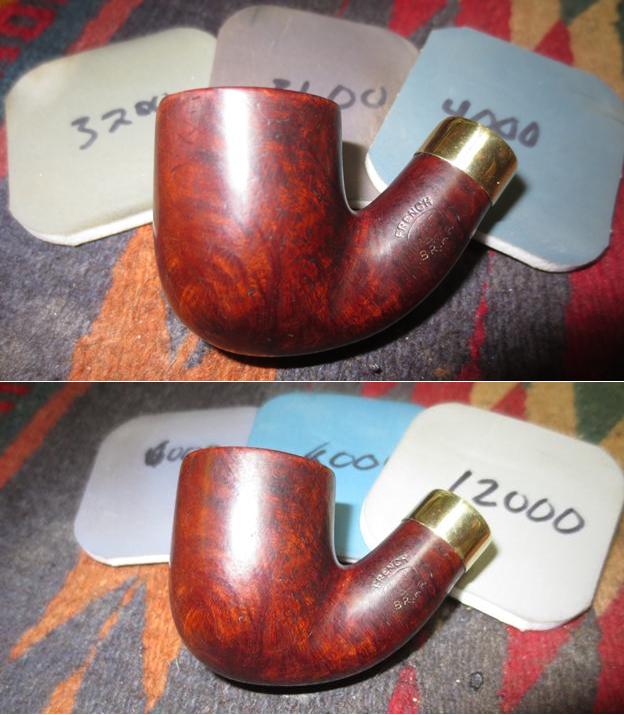
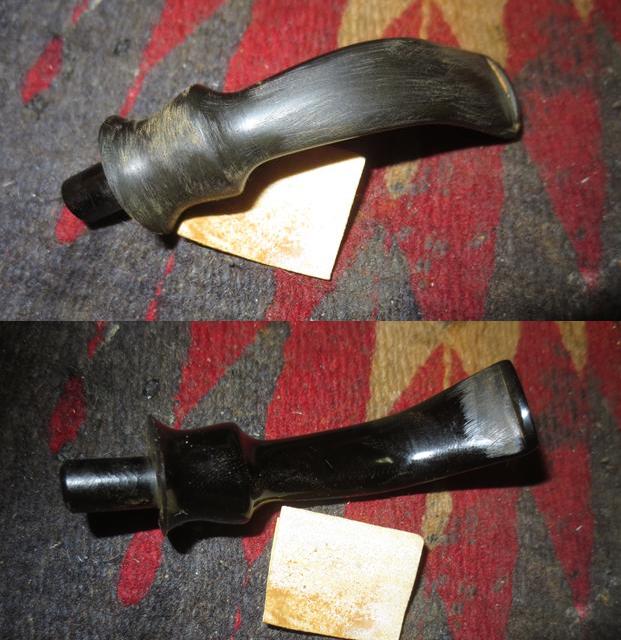
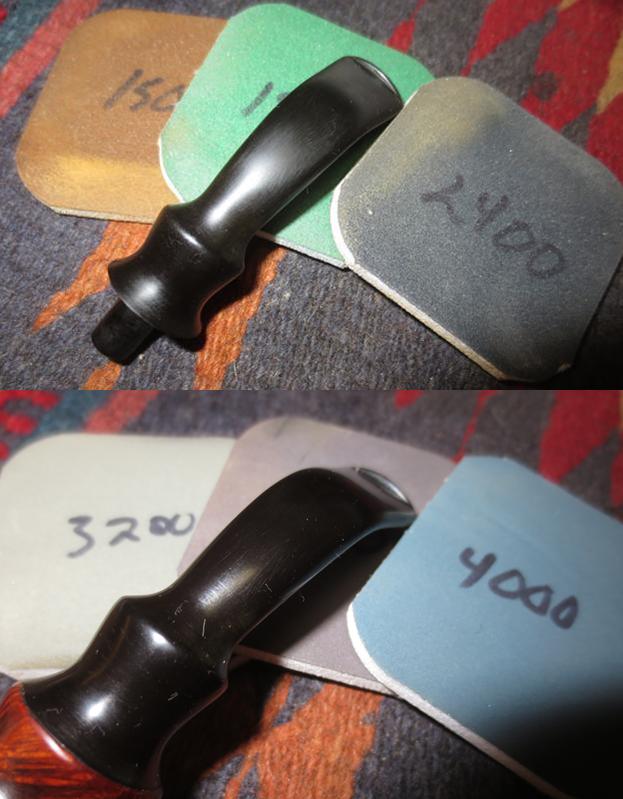
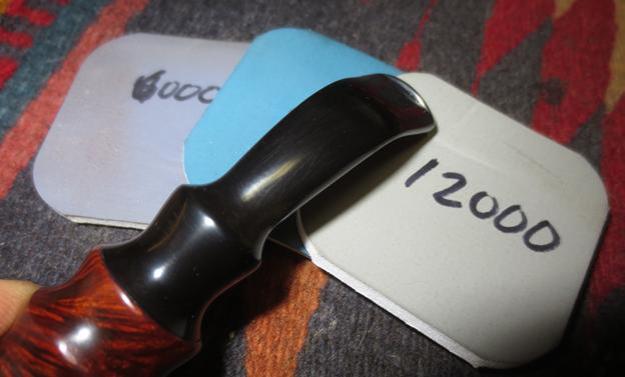
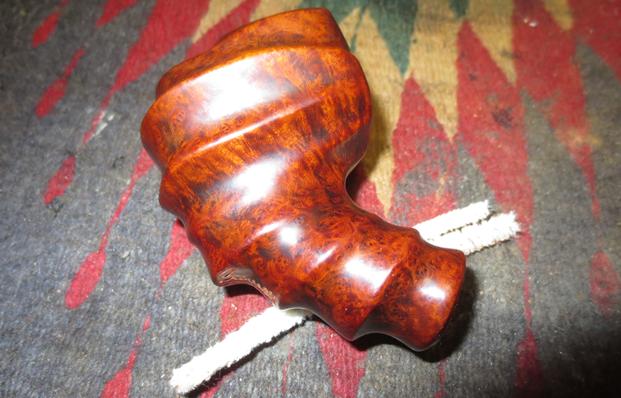
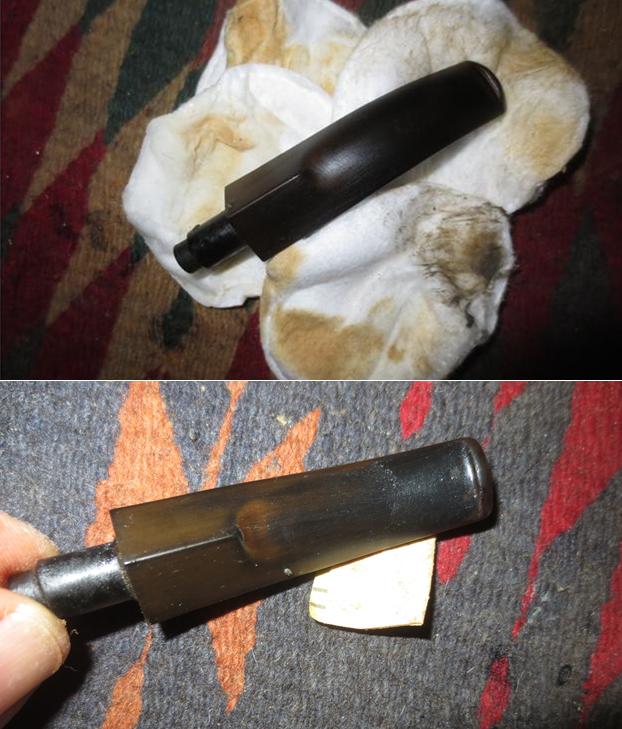
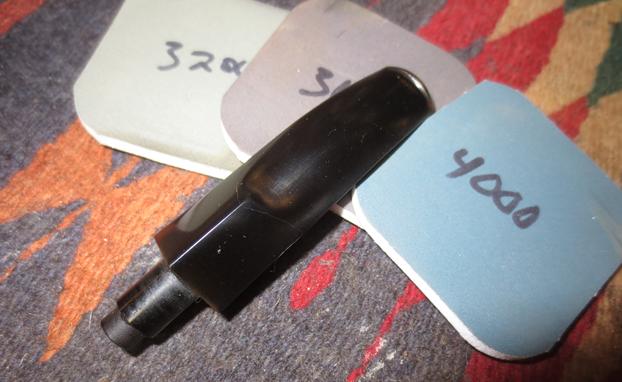
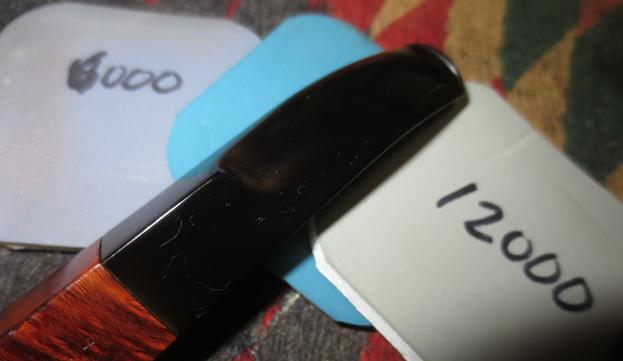
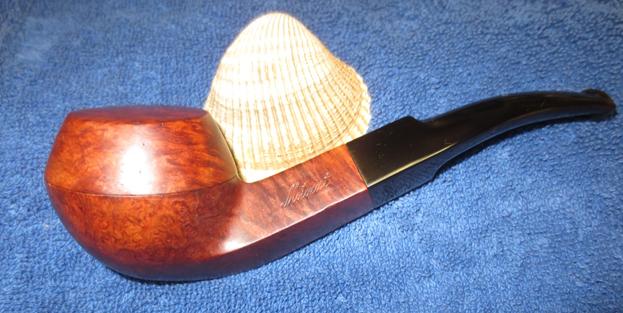
On a quiet Sunday afternoon the family and I drove to nearby Fort Langley for lunch. We visited a favourite pipe hunting site that in the past has yielded some good finds. I went through the shop and found a lot of assorted pipes that really did not interest me. In one booth there was a jar with a bouquet of pipe sticking out of the top. They looked interesting and the sales clerk who unlocked the case said they were from the owner, an older gentleman’s private collection. There were several that looked promising but the one that grabbed my attention was an older Panel shaped pipe with worm trail rustication. It has the classic Yello-Bole yellow circle on the top of the stem. The pipe was stamped on the left side of the shank with a KBB in a cloverleaf next to Yello-Bole over Cured with Real Honey ® over Imperial in script. Underneath it reads Imported Briar. The bowl had a thick cake inside and it had run over the top of the bowl. The finish was pretty well shot and it had deep grime in the rustication trails on the sides of the bowl. The stem was lightly oxidized and there was some calcification around the button on the top and underside. I took the stem off the shank to find a push tenon. I decided then and there to add this one to the lot. I took the following photos once I got the pipe home. The finish was worn and dirty with a lot of grit and dust in the worm trail grooves on the bowl. It would take some cleanup work to determine what needed to be done with that. I took a close up photo of the bowl and rim. There was a thick cake and an overflow unto the rim top. The overflow and cake made it hard to tell if there was any rim damage or outer edge damage on the bowl. I also took close up photos of the stem to show the condition – it was in great shape other than oxidation. I reamed the bowl with a PipNet reamer and cleaned up the remnants of the cake with a Savinelli Fitsall Reaming knife. I took the cake back to bare briar so that I could inspect the internals and the rim edges. I used a brass bristle brush and alcohol to clean the rim top of the buildup and grime that was there. I was surprised to see that it was undamaged.I scrubbed the remaining finish and the dirt off the exterior of the bowl with acetone on a cotton pad. I was able to remove the majority of the grime. The bowl sides, bottom and rim came out really clean. The scrubbed bowl is shown in the photos below.As you can see from the photo below the rim top still needed a lot of work to get it clean and the rustication patterns clearly visible again.I scrubbed out the internals of the mortise and airway into the bowl with alcohol, cotton swabs and pipe cleaners. I think it had been years since this old pipe had met a pipe cleaner. It took a lot of rigorous scrubbing to clear out the buildup and debris in those areas. I used a cotton swab, alcohol and a dental pick to work on the rim top some more as well.I scrubbed the bowl and rim with Murphy’s Oil Soap and a tooth brush. I rinsed it under running water and dried it off with a towel. I sanded the smooth surfaces of the briar with micromesh sanding pads to polish it – wet sanding with 1500-2400 grit pads and dry sanding with 3200-12000 grit pads. I used a black Sharpie Pen to stain the rustication patterns on the bowl and shank. I don’t worry too much about covering every small nook and cranny at this point because I am going to put a top coat of dark brown stain over the top. I just want the rusticated areas to be a bit darker than the rest of the bowl once I have finished. It provides an interesting contrast. I stained the bowl with a dark brown aniline stain and flamed it. I repeated the process until I was happy with the coverage over the entire bowl. I set the bowl aside and left for work. When I get home this evening I will “unwrap” as Dal says.When I got home in the evening I wiped the bowl down with alcohol on a cotton pad to make it more transparent and highlight the rustication trails. I buffed the pipe with Blue Diamond to polish the briar and give it a shine. The photos below show the pipe at this stage in the process. I broke up the oxidation and calcification on the stem with 220 grit sandpaper. There were some small tooth marks and chatter under the buildup that the sandpaper took care of as I worked on the stem.I cleaned out the airway in the stem with alcohol, bristle pipe cleaners and regular pipe cleaners. I picked out the debris in the slot with a dental pick. It did not take too long to get the stem clean.I polished the vulcanite with micromesh sanding pads – wet sanding with 1500-2400 grit pads and dry sanding with 3200-12000 grit pads. I rubbed the stem down with Obsidian Oil after each set of three pads. I gave it a final coat of oil after the 12000 grit pad and set it aside to dry. I put the stem back in place on the bowl and buffed the pipe with Blue Diamond to polish out the remaining scratches in the briar and the stem. I gave the bowl and stem multiple coats of carnauba wax. I buffed it on the wheel with a clean buffing pad to raise the shine on the briar and vulcanite. I hand buffed it with a microfibre cloth to deepen the shine. The finished pipe is shown in the photos below. I am uncertain of the age of the pipe but I figure that when Troy reads this he may be able to give me a clear picture of the age of the pipe. Thanks for looking.
A Simple Refresh – a GBD New Standard 9438 Rhodesian


Blog by Steve Laug

I chose a second easy pipe to work on – another of my favourite shapes, a GBD Rhodesian. It is stamped on the left side of the shank with GBD in an oval over the words New Standard in script. On the right side of the shank it is stamped London, England over 9438. The stamping is quite readable. The finish was in decent shape. There was a light cake in the bowl and overflowing onto the topside of the rim. There was a slight burn mark on the outer edge of the rim from repeated lighting in that spot. The stem has the brass roundel on the left side of the saddle. The stem was lightly oxidized and there was tooth chatter on both the top and underside near the button. The next series of photos show the pipe when my brother received it in Idaho. He sent along a few close up photos to show the rim top and cake in the bowl. It shows the thickness of the cake and the light build up on the top. The photos that follow show the stamping on the shank sides and the roundel on the stem side. The next two photos show the tooth chatter on the top and the underside of the stem at the button. There were a lot of tiny tooth marks that covered the first inch of the stem on each side.My brother did his usual exceptional job of cleaning the pipe on the inside and out before he sent it to me in Vancouver. I ran a pipe cleaner through it when it came and it was spotless. He was able to remove much of the grime from the finish and the tars from the rim top.In the next photo you can see the burn marks around inner edge of the rim and on the front left outer edge. These would take a bit of work to minimize.I took a close up photo of the rim top to focus in on the burn marks around the edges of the bowl and rim top. I also took some photos of the stem to show the oxidation and the tooth chatter. I worked on the rim top with 1500-2400 grit micromesh sanding pads to remove the burned areas. I was glad to see that they were only surface and did not go too deep. I was able to remove them for the most part. There is a small remnant of the mark on the front edge of the rim. I polished the entire bowl with the 1500-2400 grit micromesh while I worked on the rim to begin to bring a shine to the briar. I continued to polish the rim and the bowl with 3200-12000 grit micromesh sanding pads to deepen the shine and polish the briar. I buffed the bowl lightly with Blue Diamond on the buffing wheel and set it aside. I worked on the stem. I sanded the stem with 220 grit sandpaper to remove the tooth  chatter on both sides. They were not too deep so it did not take too much work to remove the marks in the vulcanite. I polished the stem with micromesh sanding pads – wet sanding with 1500-2400 grit pads and then buffed it with Red Tripoli on the buffing wheel to breakdown the oxidation further. I then dry sanded it with 3200-12000 grit pads. I rubbed the stem down with Obsidian Oil after each set of three pads to bring life to the rubber and to also give the micromesh something to bit in during the polishing. Once I finished with the 12000 grit pad I gave it a final coat of oil and set it aside to dry. I put the stem on the pipe and buffed the entire pipe with Blue Diamond on the buffing wheel to polish out the remaining scratches. I gave the pipe multiple coats of carnauba wax to protect it and buffed it with a clean buffing pad to raise the shine. I took it back to the work table and hand buffed it with a microfibre cloth to deepen the shine. The finished pipe is shown in the photos below. The grain is unique and a mix of grains – flame grain, cross grain and some straight grain. There is even birdseye on the bottom and on the rim. The stain that was on the bowl is a reddish-brown and it allows the grain to shine through. It is a beautiful example of the GBD 9438 shape Rhodesian and one that will grace the pipe rack. Thanks for walking through this simple refresher with me.  

Whew, finally a simple restore of an older Imported Briar Rhodesian


Blog by Steve Laug

After all the tough restoration jobs I have been doing lately I wanted to take a breather and do an easy restore. In the box of pipes, that my brother sent there was one that fit the need perfectly. It was one of my favorite shapes, had some interesting grain and needed minimal work. Thanks to my brother Jeff, it was astonishingly clean, and smelled the same! I have missed his help on the last batch I have been working on. When he does the cleanup, it cuts my work by 2/3’s and I have the pleasure of working on a clean pipe. This Rhodesian was very clean. The first set of photos is what the pipe looked like before he did his magic. When the pipe arrived in Vancouver I was really happy with what I found. The bowl was hardly darkened inside. The finish was gone, and though there were fills, they were not the ugly pink ones that I usually find in pipes of this era. There was some slight rim darkening on the rear left side of the rim. The stem was lightly oxidized and there were light tooth marks and chatter on both the top and underside of the stem near the button. The next photos show what the pipe looked like before I started my restoration. I took close up photos of the bowl and the rim top to show how clean it was. You can also see the fills on the front of the bowl. I actually started working on it this morning before I left for work. There was no dread attached to working on this one. There were no surprises under the grime or finish. There were no cracks of major issues with the bowl. It is a sweet pipe.The close up photos of the stem show the light oxidation and the tooth marks and chatter. They are not deep so they will not be hard to work on.I sanded the oxidation, tooth marks and chatter with 220 grit sandpaper until they were removed. It did not take too much sanding to smooth out the surface of the stem. There was a small nick on the top inner edge of the button that may need to be repaired.  I will look at that after I have polished the stem more.The nick in the button disappeared as I cleaned and reshaped the button. I polished the stem with micromesh sanding pads – wet sanding with 1500-2400 grit pads and dry sanding with 3200-12000 grit pads. After each set of three pads I rubbed the stem down with Obsidian Oil. After the 12000 grit pad I gave it a final coat of oil and set it aside to dry. I polished the briar with micromesh pads – wet sanding with 1500-2400 grit pads and dry sanding with 3200-12000 grit pads. The briar responded really well to the polishing and the fills began to disappear into the grain of the briar. They are still visible but they no longer stand out as they did when I started. At this point I think I will leave the finish natural and waxed instead of staining it. Just because it is a habit for me I did a cursory cleaning of the inside of the pipe and stem with alcohol, cotton swabs and pipe cleaners and it was as clean as I expected. There was nothing left to clean out. It was spotless.

Because the grain looked so good and I did not find the fills to be too distracting I decided to leave the pipe unstained. I liked the look of the briar and new it would colour with time and smoking. To give the bowl a little life I wiped it down with a light coat of olive oil and put the stem back on the shank.  I buffed the entire pipe with Blue Diamond polish on the buffing wheel to remove the last remnants of scratching. I gave it multiple coats of carnauba wax and buffed it with a clean buffing pad to raise the shine. I finished by hand buffing it with a microfibre cloth to deepen the shine. The pipe is shown in the photos below. I really like the way it looks. For a factory made pipe the way the shape follows the grain is pretty amazing. Thanks for looking.

Restemming and Restoring a Brigham Algonquin Dublin 247


Blog by Steve Laug

This pipe is the last of the nine that was dropped by my house for repairs. I was in rough shape for multiple reasons. The finish was dirty and spotty and the rim top was covered with overflow from the bowl. There was a thick cake in the bowl and there were some dark spots on the bowl sides toward the bottom of both sides at the bend. There were also some nicks in the heel of the bowl as well. The stem was missing a large chunk at the button on the right side. The Brigham hard rock maple filters come with an aluminum end and it had broken off deep in the shank near the entrance of the airway to the bowl. The mortise was very tarry and dirty. It would take some work to clean out enough to free the broken aluminum end piece. I took a close up photo of the rim and bowl to show the condition of the pipe when I started the cleanup. Underneath the grime on the bowl there was some nice cross grain and some birdseye on the front and back sides of the bowl.The stem was not salvageable as it stood. The missing chunk was large and the airway into the bowl was collapsed. I would need to fit a new stem on the shank. Fortunately for me the owner did not want a Brigham stem so I could use a regular push stem for the replacement.I went through my stem can, found a stem that was the same diameter, and close to the same length. I filed the diameter of the tenon with a file until it was close to fitting and finished with 220 grit sandpaper. I trimmed the edge of the tenon with my tenon turning tool by hand.When I finished smoothing out the tenon I inserted it in the mortise on the pipe bowl. The fit was snug. It looked good. I would need to do a few adjustments on the shank and stem as the shank was not perfectly round. I sanded the stem and the shank with 220 grit sandpaper to get a smooth transition between the two. I scrubbed the bowl with acetone on a cotton pad to remove the finish and the grime. I took photos of the cleaned exterior. I reamed the bowl with a PipNet reamer and the Savinelli Fitsall Knife. I removed the cake completely. I sanded the interior walls with sandpaper wrapped around my finger to smooth out the walls.I lightly topped the bowl with 220 grit sandpaper on the topping board to remove the rim damage and smooth out the nicks and scratches. I sanded it with 1500-2400 grit micromesh sanding pads to polish the surface.I stained the bowl with a dark brown aniline stain. I had found that once the finish was removed there were quite a few fills in the bowl sides and shank. I wanted to blend them into the surface of the briar and try to make them less visible. I flamed the stain and repeated the process until the coverage was even. I set the bowl aside for the day and went to work.When I returned from work that evening I wiped the bowl down with alcohol on cotton pads to make it more transparent. It was still too dark but I had plans to take care of that in a different way. In the photos below the fills are very visible against the dark brown stain. I cleaned up the face of the stem with the PIMO tenon turning tool at the tenon/stem angle so that the fit against the shank would be smooth. Sadly, my drill died so I had to turn the stem onto the tool by hand. It still worked well, just more slowly, and I was able to smooth out the surface.While the drill was out, I removed the tenon turning tool and put a drill bit in the chuck that was just slightly larger than the airway into the bowl. I wanted to be able to grab a hold of the broken aluminum filter tip with the drill bit and pull it out. Once again, I did it without the benefit of power. I just twisted the bowl onto the bit until the bit locked onto the aluminum end. I careful turned the bowl off the bit and the broken aluminum end came out stuck to the bit. Whew!I cleaned out the mortise and airway with alcohol, cotton swabs and pipe cleaners. I finally was able to get all of the tars and oils out of the extended mortise.I heated the new stem with a heat gun and bent it to match the broken stem. I took a photo of the two of them together. I took photos of the pipe with the new stem in place. Still a lot of work to do to polish both the bowl and stem but it is looking good. I set the stem aside and worked on polishing the bowl. I started by wet sanding it with 1500-2400 grit micromesh pads and dry sanding it with 3200-12000 grit pads. The photos below tell the story. I set the bowl aside and polished the stem. I wet sanded it with 1500-2400 grit sanding pads and rubbed it down with Obsidian Oil. I dry sanded it with 3200-12000 grit pads and rubbed it down after each set of three pads. After the last 12000 grit pad I gave it a final coat of oil and let it dry.I buffed the stem and bowl with Blue Diamond polish on the buffing wheel to polish out the last of the scratches on the stem. I gave the bowl and stem multiple coats of carnauba wax to protect the surface of both. I buffed it with a clean buffing pad to raise the shine and by hand with a microfiber cloth to deepen the shine. The finished pipe is shown in the photos below. I think the owner will be pleased with the finished stem and bowl. It looks like it was made to order. The contrasting stain on the bowl highlights the grain and hides the fills at the same time. Thanks for looking.

(function(i,s,o,g,r,a,m){i[‘GoogleAnalyticsObject’]=r;i[r]=i[r]||function(){
(i[r].q=i[r].q||[]).push(arguments)},i[r].l=1*new Date();a=s.createElement(o),
m=s.getElementsByTagName(o)[0];a.async=1;a.src=g;m.parentNode.insertBefore(a,m)
})(window,document,’script’,’https://www.google-analytics.com/analytics.js’,’ga’);

ga(‘create’, ‘UA-97027387-1’, ‘auto’);
ga(‘send’, ‘pageview’);

GBD Trafalgar London Made Calabash – An Unexpected Hole Repair


Blog by Dal Stanton

I’m calling this GBD Trafalgar a Calabash shape, and it’s been in my “Help me!” basket for some time.  I saw it on the US eBay auction block and I liked the shape and the way the grain was positioned in shaping of the flowing Calabash stummel.  From what I could make out from the few pictures the seller provided, the front and back of the bowl revealed horizontal straight grain.  These grain veins terminate on each flank with distinctive bird’s eye.  I liked it – I bid on it – and I was happy to bring it home to Sofia, Bulgaria, where it’s now on my work table.  Here are a few pictures from the seller. The markings on the Calabash on the left side of the shank show, “GBD” in the oval over “LondonMade” curved up.  The right side of the shank shows, “LONDON ENGLAND” over what I’m assuming is the shape number “K1978” only I couldn’t find this shape number listed for GBD pipes.  Under the shank is “TRAFALGAR”.  GBD (Pipedia’s article on GBD), was the handshake enterprise started by three French ‘Master Pipemakers’, Ganneval, Bondier and Donninger in Paris in 1850 to manufacture Meerschaum pipes, which was the primary material used in manufacturing pipes along with clay, until the discovery of briar in Saint Claude, France, a discovery that changed the pipe manufacturing world.  In 1902 Marechal and Ruchon sold GBD to A. Oppenheimer & Co. in London, which began the shift of GBD to being primarily a British enterprise, even though GBD pipes continued to be produced in Paris and Saint Claude, until 1981, with the closing of the French operation when the name, GBD, was merged with the Cadogan Group.  I enjoy rehearsing the historical developments of pipe names and companies because they add to the enjoyment and appreciation of restoring pipes.

The history of the ‘Trafalgar Campaign’ (see LINK) and what it would suggest I believe, is that this GBD pipe was manufactured and distributed across the channel in England, as the stampings indicate.  This is not always the case from my research on GBD.  Often, GBD pipes were manufactured in France, shipped to the UK, where they would be stamped “London Made” – or so my reading has indicated.  Yet, with the stamping of Trafalgar, my guess is that this GBD was manufactured in UK.  In 1805, ‘Trafalgar’ was the final battle engagement between the combined French and Spanish fleets and the Royal Navy to defeat Napoleon’s attempt to gain control of the English Channel, the first phase in his ultimate plan to invade England with his land forces.  To the British, Trafalgar will be commemorated as a victory thwarting the French invasion.  Fortunately, not too many years later, the economics of pipe manufacturing and the common love of pipe smoking, Brits would smoke French made pipes and the French, London made pipes.  Yet, I doubt if one will find this GBD Trafalgar London Made in the rotation of a Frenchman or Frenchwomen today!  I was anxious to integrate the Battle of Trafalgar into this restoration because of my love of tall ships.  Pictured is another of my hobbies in the same room as my pipe restoration work desk, a long-time project building the USS Constitution, now proudly anchored in Boston Harbor!

With a greater appreciation of this GBD’s history and name, I look more closely at the pipe itself and take more pictures on my work desk to look more closely and to fill in the gaps. Looking closer and assessing areas of need, the chamber has a light carbon cake, and the rim is nicked up significantly on the front outer lip and the lava flow of oils and grime need attention.  The finish on the stummel is dark and cloudy.  Oxidation on the stem is minimal but there are tooth dents on the bit, and the upper button lip has a clenching dent that will need attention.  Everything seemed straight-forward until my index finger detected a ridge where there shouldn’t be one.  I hadn’t seen it before (and I checked the eBay pictures and it wasn’t shown by the seller 😦 as sometimes is the case), but my index finger revealed what appears to be an impact fracture on the front heel of the stummel.  My first reaction is to insert my pinky finger into the chamber to see if I could feel any reciprocating activity on the internal side.  I feel nothing.  I take pictures to focus in on the fracture from different angles.  I use the sheen of the overhead lamp to see more clearly the little disaster now before me.  On the last picture below, I circled the only good news I can see at this point.  My forensic hypothesis assessing the scene of the crime: This piece of briar surface is what I assume is the impact point on a hard, unsuspecting surface.  The curvature of the stummel would have been abruptly flattened upon impact, and the expansion of this piece of impacted briar would have pushed out and then up, much like convergent tectonic plates in the earth’s surface.  The good news?  This small piece of briar is still attached to the stummel, though it appears the attachment may be tenuous.  The last two pictures below I placed arrows pointing to the terminus points of the trauma cracks which will most likely grow without intervention – what I thought would be a fairly slam dunk restore!  The pictures show the new challenge and opportunity to expand my skills! To recommission this GBD Trafalgar London Made Calabash, after inserting a pipe cleaner in the stem, I plop the stem in the Oxi-Clean bath to address the minor oxidation mainly in the bit area.  Cleaning the stummel is the next order of business.  Using the Pipnet Reaming Kit, after putting paper down on the work surface, I take out the smallest blade to use, but after eyeballing the angle of the chamber, the Calabash’s conical fire chamber is too tight to allow even the smallest blade to fit down to the lower area. Switching to the Savinelli Pipe Knife, I remove the light carbon build up down to the briar for a fresh start.  As often proves to be the case, as I proceeded with the reaming of the chamber, working the Savinelli Pipe Knife down into the foot of the chamber around the draft hole, the reality of the thinning of the briar was fully revealed.  The small piece of briar that was hanging on, on the external side, was dislodged, resulting in a hole through the stummel.  Technically, I think this is a burn through, as there is a hint of darkening of the briar indicating the heat.   As I’ve seen in other restorations, especially with the narrower drilled fire chambers, the briar at the floor of the chamber wears away with excessive reaming and digging and with time, the briar thins. After I salvage the dislodged piece of briar, not hopeful that it will be part of the solution, I take a couple pictures to record the break-through and continue cleaning the chamber.

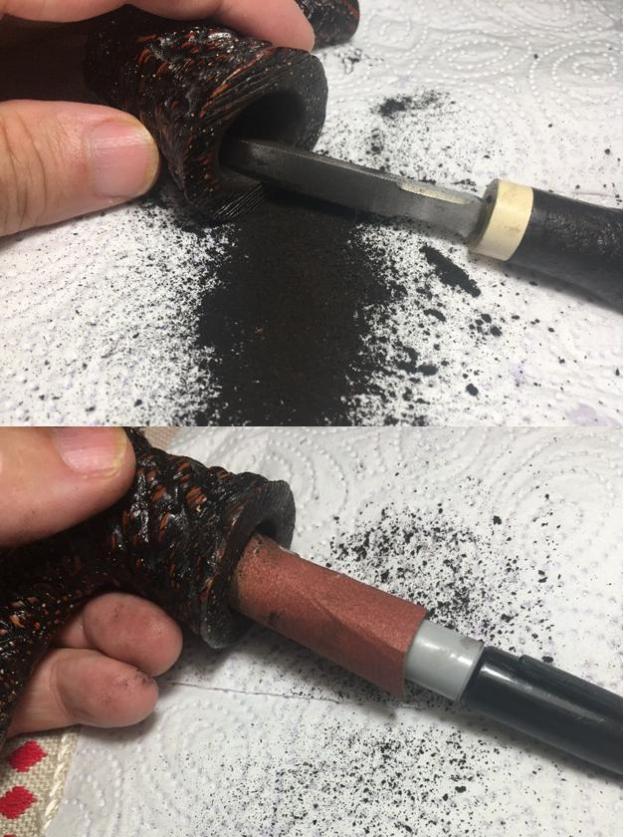
When I finished reaming with the Savinelli knife, I use a coarser, 120 grit paper wrapped around a Sharpie Pen to clean further the carbon, especially the floor of the chamber where repairs will be made.  I then follow with 240 grit paper and finally, I wipe the chamber with a cotton pad wetted with alcohol to deal with the residue dust.  The pictures show the progress. Continuing the cleaning process, I take pipe cleaners and cotton swabs and work on the internals of the stummel.  After some effort, the internals are coming clean. With the internal cleaning complete, I look to the external surface.  To address the grime on the rim and stummel I use undiluted Murphy’s Soap with a cotton pad to scrub the surface.  I also use a brass bristled brush to clean the rim and a bristled tooth brush for general stummel cleaning.  On the back side of the rim, I also use my straight knife blade to scrape the carbon off the surface.  After completing the clean-up of the rim, it is apparent that I will still need to top the stummel a small amount to remove the damage to front ‘bumper’ of the rim.  Pictures show the progress. I’m thinking about the stummel hole repair before me while I methodically move through the normal phases of the restoration until I come to the point of focusing on the needed repair.  The plan forming is that I need to build up the floor of the chamber to the entry of the draft hole.  This will reinforce the entire base of the stummel for a long time.  I’ll use JB Weld to do this build-up, a product and method that I learned from Charles Lemon, at Dad’s Pipes.  Yet, before doing the floor buildup, I will do the repairs on the cracks and hole in the stummel.  My thinking is that this order of repair is better so that the hole fill, instead of being built on the chamber floor rebuild, will instead be reinforced by it.  Or, so my thinking goes!  I’ll let the plan cook a little longer and I put the stummel aside and fish the stem out of the Oxi-Clean bath.  Using the plastic disc I fabricated to protect against shoulder rounding, I remount the stem and stummel with the disc in between.  Using 600 grit paper, I wet sand the stem to remove the oxidation – working on the bit – button area also to remove tooth chatter and dents.  Following this, I use 0000 steel wool to buff further the stem and to rid it of oxidation.  I move directly to cleaning the internal airway with pipe cleaners dipped in isopropyl 95%.  I also use a sharp dental probe to scrape the slot area pulling out some gunk.  Without too much resistance, the stem internals are clean.  The pictures show the stem progress. Again I turn my attention to the stummel arriving at the moment of truth.  I need to address the crack repair by drilling small holes at the terminus points of the cracks to keep the cracks from creeping – like a controlled fire set in a forest fire to stop its progress.  I take another closeup of the area and with the help of a magnifying glass, I identify where the ends of the two major cracks are with arrows.  The second picture, shows where I made a mark – where I will place counter-holes.  I add one at the bottom-left because with the laterally grain movement, I can easily imagine a crack spidering out in that direction eventually.  I use a 1mm drill bit and drill each hole.  The pictures show the progress. Now, to patch the hole.  I first clean the surface with a cotton pad and alcohol and I make sure the hole is free of debris and dust.  I then spot drop thin Hot Stuff CA Glue on the cracks themselves to allow the thin glue to seep into the cracks.  Before I mix the briar dust and super glue putty to fill the hole and the control holes I drilled, I need to create a backing on the inside of the chamber so that the putty will not simply push through the hole when applied.  To do this I simply put a piece of masking tape inside over the hole as it comes through.  I then mix briar dust and superglue with a toothpick to form a putty about the consistency of molasses. Using the toothpick as a trowel, I apply the putty liberally knowing that later, after it cures, I’ll be sanding it down to the surface and blending it. I put the stummel aside to cure overnight and I call it a day.  The pictures show the patching process. The next day, I move directly to the chamber floor repair by building it up and reinforcing it with J-B Kwik Weld.  This is my second go with JB Weld.  The first was repairing a burn through with a petite horn shaped, Short Snorter.  As I think about this repair, the challenge in my mind is how to deliver the JB Weld mixture directly to the floor of the chamber without smearing it where it’s not needed.  This is where a couple of disposable popsicle sticks would come in handy, if I hand any.  The idea that begins to shape up in my mind is to mix the JB Weld on an index card, when I’m ready to ‘pour’, I’ll create a cone with the index card, insert it into the chamber to the floor, and press out the JB Weld with my finger – I’ll put on a latex surgical glove that a medical team visiting us here in Bulgaria left behind.  I’ll then shape the mixture evenly around the floor of the chamber.  That’s the plan.  I insert a pipe cleaner into the mortise and through the draft hole so that the JB Weld does not weld the airway shut.  JB Kwik Weld comes in two parts – the ‘Steel’ and the ‘Hardener’ mixtures.  The directions say to mix them equally and that one has about 4 minutes before the mixture sets.  I take a picture of the setup and of the chamber with patched hole and pipe cleaner visible.  I mix JB Weld at 50/50 (as close as I can tell) on an index card, roll it, insert it, and press it out – it was a bit messy, but mission accomplished.  I set the stummel in an egg crate with it tilted forward, and let it cure.  Pictures show the progress. Home from work, I’m ready to return to the stummel and continue working on the repairs.  The internal chamber floor build up using JB Weld looks good and feels good as I put the pinky in and feel the contours.  I look now to the external briar dust – superglue patch and I begin the process of removing the excess putty using a flat needle file.  When I near being flush with the briar surface, I switch to using 240 grit paper to bring it down to the surface.  At this point I gently bring the patch down to briar surface.  I allow the paper to do the job without applying much pressure – I want as much briar to remain as possible.  After I remove the excess putty, the patch is looking good and will not be difficult to blend with the native briar with a dark stain.   I take pictures to show the progress. I turn back to the internal chamber.  I use a coarse 120 grit sanding paper wrapped around a Sharpie Pen to sand the chamber wall cleaning it up from JB Weld that adhered to the upper area of the chamber.  Following the 120, I use 240 grit paper wrapped around a Sharpie Pen as well.  With my finger, I feel the chamber and ridges are gone and it has smoothed nicely.  The pictures show the progress. Looking more closely at the draft hole (above) I see a pointed hanger left over from JB Weld at the 2 o’clock position.  To smooth this future pipe cleaner obstacle, I reach in with a rounded needle file and file off the pointed area and round off the entire draft hole area.  The pictures show the before and after.

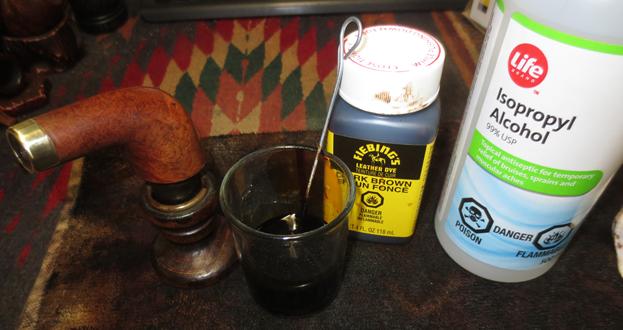
Before moving to the topping board, I remove all the old finish.  I use a cotton cloth pad wetted with acetone and wipe down the stummel.  It removes the old finish quickly.  Pulling out the chopping board, my topping board, I place a sheet of 240 grit paper on it.  I need only to remove enough briar to remove the damage/dents at the nose of the rim.  I take a picture to mark the progress.  I rotate the stummel evenly in a circle over the board checking the progress often.  I take just enough briar off so that I can finish removing the damaged rim lip by introducing a gentle bevel.  I do this with a rolled piece of 240 grit paper.  This removes the damage and gives the rim a classier, softer look which I like.  I do the same with the internal rim edge – I use 240 grit paper and create a gentle bevel.  This, again, removes damaged rim and creates the contoured soft look.  I follow by doing a very light, brief topping of the stummel on 600 grit paper, then follow with a rolled piece of 600 grit going over the external and internal bevel.  It looks good – this briar Calabash is picking up momentum!  The pictures show the progress from acetone to bevel. I put the stummel aside and turn my attention to the stem to do repairs.  The button area has tooth dents that I will attempt to raise using a lit candle to heat the vulcanite allowing it to regain its original contour as the heat expands it.  The upper button lip has a compression dent needing attention.  I take pictures to mark the progress.  Using the lit candle, I pass the stem end over the candle back and forth heating the vulcanite.  I repeat this on upper and lower areas and the vulcanite expands as hoped.  The dents are still visible, but now, will be more easily dispatched using sand paper.  I sand the bit area with 240 grit paper and freshen the button lip with the flat edged needle file.  On the upper button lip, I apply Starbond Black Medium KE-150 CA glue at the dent point as well as on the bit on a remaining tooth impression.  I spray the glue with an accelerator that shortens the curing time.  I use a flat needle file to remove the excess glue on the button lip and then sand it as well as the small fill with 240 grit paper.   I follow with sanding with 600 grit paper then with 0000 steel wool.  Button and bit repairs are completed.  The pictures show the progress. Turning back to the stummel, I sand with a medium grade sanding sponge followed by a light grade sanding sponge.  From here I go directly into the micromesh cycles by first wet sanding with pads 1500 to 2400.  I follow by dry sanding with pads 3200 to 4000 and then 6000 to 12000.  The grain is looking great! The horizontal straight grain on the front and back of the bowl terminates on each side with bird’s eye perspective.  The pictures show the progress. This GBD Trafalgar Calabash’s stummel is looking good and I apply Fiebing’s Dark Brown Leather Dye to the stummel to blend the crack and hole repair patch I did earlier.  After the sanding/micromesh pad cycles, the briar is its natural light color. I take a picture of the patch before the stain is applied to do a before and after – to see how well the patch blends.  I wipe the stummel with a cotton cloth wetted with isopropyl 95% to clean it.  Using a heat gun, I warm the stummel to expand the grain of the briar to more efficiently absorb the dye.  After the stummel is warmed, using a doubled over pipe cleaner, I apply the dye liberally to the stummel seeking full coverage.  When covered, I flame the aniline dye using a lit candle and the alcohol immediate combusts setting the hue of the dark brown leather dye in the briar.  In a few minutes, I repeat the process complete with flaming.  I set the stummel aside to rest. The pictures show the staining progress. With the staining process completed and the stummel resting I start the final phase of the stem polish.  Using micromesh pads 1500 to 2400 I wet sand the stem. Following this, with pads 3200 to 4000 and then 6000 go 12000 I dry sand the stem.  After each cycle of three I apply Obsidian Oil to the stem to revitalize the vulcanite. The stem looks great – the button repairs are fully blended.  The pictures show the progress. The next morning, with a cup of coffee in hand, I’m anxious to ‘unwrap’ the stummel from its fire crusting.  I mount the Dremel with a felt wheel set at the slowest RPMs, and apply Tripoli compound to remove the crust revealing the surface below.  This is one of my favorite parts of restoring pipes.  One never knows quite how the briar receives and displays the new dyes.  I first purge the felt wheel of old compound by engaging it and applying the sharp edge of the Dremel’s small metal adjustment wrench to the wheel.  I then apply Tripoli to the stummel surface in circular motions, not applying too much downward pressure but allowing the RPMs and the compound to do the work for me.  After completing the Tripoli cycle, I take a cotton pad wetted with isopropyl 95% and wipe down the stummel.  With the dye being aniline, alcohol based, I use the alcohol to lighten the dye and to blend it more fully. I record the alcohol wipe with a picture.  After the wipe, the finish clouds up reacting to the alcohol.  I then mount a cotton cloth buffing wheel to the Dremel, set at the same slowest speed, and apply Blue Diamond compound to the finish surface.  I take a set-up picture to show the Blue Diamond application. Boy, do I like what I’m seeing!!  I love briar grain – one of God’s gifts to broken people.  After completing the mild abrasion of the Blue Diamond compound, I hand buff the stummel with a flannel cloth not so much to shine it, but to remove compound dust residue from the surface before applying carnauba wax.  The pictures show the progress. There was one small light spot on the briar surface that I darkened using a fine-point black Sharpie Pen.  Before applying carnauba wax to the stem and stummel, I decide to apply a mixture of sour cream and activated charcoal dust to coat the chamber walls.  I do this for two reasons.  First, cosmetically, it will cover the lighter J B Weld patching in the chamber by giving the chamber a uniform dark color.  Secondly, this layer will aid the creation of a new cake for this GBD Trafalgar Calabash’s new pipe steward.  After it sets up and cures, the coating is very hard and sturdy, yet for the initial times of use, no scraping the chamber is allowed!  A folded over pipe cleaner is sufficient to clean the chamber, which is in fact, my practice with all my pipes.  I empty two capsules of activated charcoal into a dish and add some sour cream (you can use yogurt as well), and mix it with the stick.  I insert a pipe cleaner to keep the draft hole free, and apply the mixture throughout the fire chamber.  After letting the stummel sit for several hours to cure the final picture in the set below shows the results.  After reuniting stummel and stem, I mount the cotton cloth buffing wheel on the Dremel, up the speed by one notch and apply carnauba wax in the same manner as with the compounds – not apply much downward pressure, rotating methodically over the surface, allowing the RPMs and wax to do the work.  After applying about 3 cycles of carnauba wax to the stem and stummel, I give the pipe a rigorous hand buff with a micromesh cloth.

This GBD Trafalgar London Made Calabash was a bit of a challenge, but I’m very pleased with the results.  The hole patch and crack repairs on the stummel are virtually invisible.  The floor of the fire chamber is repaired and the pipe is ready for recommissioning.  The grain is striking and the Calabash shape is just classy.  If you would like to bring this GBD Trafalgar London Made home to add to your collection, he is ready for adoption!  Go to my blog site, The Pipe Steward, and leave me a note.  As always, profits for the sale of The Pipe Steward restorations benefit the Daughters of Bulgaria – women and their children who have been sexually exploited and trafficked here in Bulgaria and Europe.  Thanks for joining me!


Restemming and Reconditioning a Brigham Voyageur 165


Blog by Steve Laug

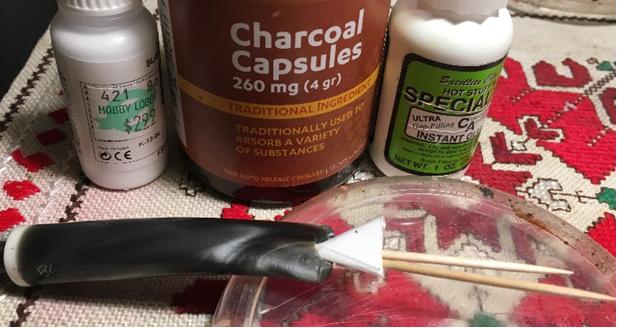
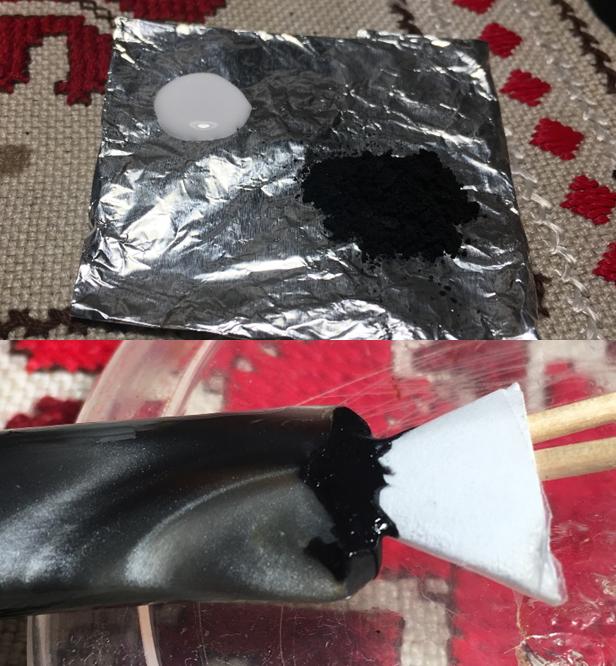
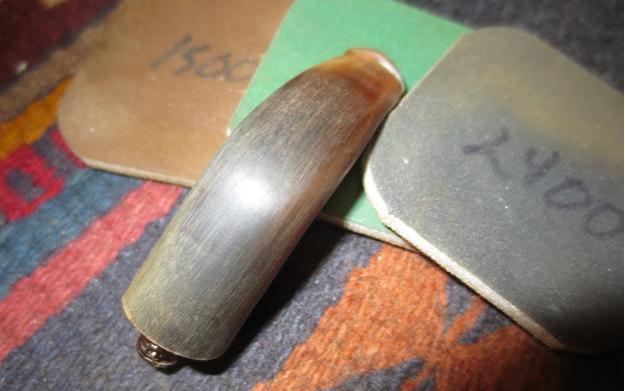
The eighth pipe from the lot of pipes that a pipesmoker dropped by for repair is a Brigham Voyageur. It is stamped on the left side of the shank with the Brigham name over Voyageur which is the model. The shape number is 165. It was rusticated in the classic Brigham style with a smooth rim, ring around the rim and the shank end and a smooth spot on the shank for the stamping. The pipe was dirty with dust and grime in the crevices of the finish on the bowl. The rim had a tarry buildup which had flowed from the cake in the bowl. The internals were very dirty with a lot of tar and grime. The overall condition of the bowl was good under the grime. The following photos show the pipe’s condition before I began to clean and restore it. I took a close up photo of the rim top and the bowl to show the condition of the cake and the overflow on to the rim top. I also took a photo of the stamping on the smooth left side of the shank. The pipe was a two dot Brigham. In talking with the owner he was not interested in preserving the Brigham system. He was only interested in having a pipe that he could fire up and enjoy. I would need to decide how I was going to fix this one but it was going to be another challenge for me.The stem was in rough shape. It had a split on the top side that ran from the edge of the button almost an inch up the stem toward the bowl. On the underside it had deep tooth marks and two cracks that ran through the button into the airway in the slot. The slot was compressed from the bit marks. There was a lot of oxidation on the surface and some calcification. The Brigham nylon tenon told me that the pipe is a newer one rather than those with the aluminum tenon. It was designed to hold the Brigham Hard Maple Filter tube that is specially designed for them. This one was clogged with tars. The end of the nylon tube was splitting and flared. It was ruined. The photos below show the damaged areas on the stem.I put the stem aside for a while and started on the bowl. I reamed the cake with a PipNet reamer and the Savinelli Fitsall pipe knife to scrape the cake back to bare briar. I rolled a piece of 220 grit sandpaper and wrapped it around my index finger to sand the walls of the bowl. The cake was so sticky and crumbling that I wanted a hard, clean surface so that the owner could build a new cake to protect the bowl.I scraped out the shank with a dental spatula to scrape away the hardened tars that were on the walls of the mortise and airway to the bowl. I scrubbed the surface with pipe cleaners, cotton swabs and alcohol until the shank and mortise was clean.To remove the hard buildup on the rim top and some of the damage to the front outer edge of the bowl I lightly topped it on the topping board using 220 grit sandpaper. I used a folded piece of 220 grit sandpaper to clean up the burn marks and damage on the inner edge of the rim. I finished by sanding the rim with a medium and a fine grit sanding sponge and 1500-4000 grit micromesh sanding pads to smooth out the rim and remove the scratches.I scrubbed the externals of the bowl with Murphy’s Oil Soap and a soft bristle tooth brush to clean out the crevices and grooves of the rustication. Once it was clean I wiped the bowl down with alcohol on a cotton pad to remove the dust on the finish to prepare it for a new coat of stain. I stained the bowl with a dark brown aniline stain and flamed it with a lighter. I repeated the process until the coverage on the bowl was even.Once the stain dried I wiped it down with a cotton pad and alcohol to make it more transparent. I wanted the grain to show through on the smooth portions and the ridges of the rustication. I lightly buffed the bowl with Blue Diamond on the buffing wheel. I gave it a light coat of Conservator’s Wax and hand buffed it with a shoe brush and a microfiber cloth. The buffed and restored bowl is shown in the photos that follow. The time between this picture and the next cannot be captured in photos as there were two days of work and time that went into trying various methods of repairing the original stem for the pipe. I cleaned out the split in the stem and roughened the surface with a file. I cleaned out the cracks on the button, the split on the top side and the tooth marks on the underside of the stem. It took a bunch of sanding and picking. I filled in the gaps with black super glue and charcoal powder to strengthen the repairs. I filed them smooth and sanded them to restore the finish. All was going well until I tried to slide a pipe cleaner into the airway. I pushed it through the airway and into the button only to have the repaired button fall off. The cracks gave way and the chunk fell free of the stem. No repairs would ever hold on this stem. It was finished. One day I may cut it off and use the shorter version for a different pipe but it is not worth a repair any longer.

That decision having been made for me I went through my stem can in search of a replacement. I knew the owner was fine with a non-Brigham stem so that was the way I was going to proceed. I found a stem that had the same dimensions as the original stem. It was a straight stem that I would need to clean up and bend the stem to match the original but it would look good on this old pipe.I sanded the stem with 220 grit sandpaper to clean off the oxidation and remove the light tooth chatter and tooth marks on the top and underside of the stem. I turned the tenon down with a Dremel and sanding drum and fine-tuned it with a file to reduce the tenon to fit the shank of the pipe. I heated the stem with a heat gun until I was able to bend it to match the original stem. I polished the stem with micromesh sanding pads. I wet sanded it with 1500-2400 grit pads and dry sanded it with 3200-12000 grit pads. I still had to work on the tenon to remove the file marks but the stem was beginning to shine. I polished the tenon with micromesh sanding pads to remove the majority of the file marks on the vulcanite. I buffed the tenon and then the stem and bowl with Blue Diamond polish on the buffing wheel to remove the final scratches on the stem. I gave the stem and the smooth portions of the briar several coats of carnauba wax on the wheel and then buffed it with a clean buffing pad to raise a shine. I hand buffed the bowl and stem with a microfiber cloth to deepen the shine. I think that the owner will really like the looks of his restored and restemmed Brigham. It looks really good to my eye. Thanks for looking.

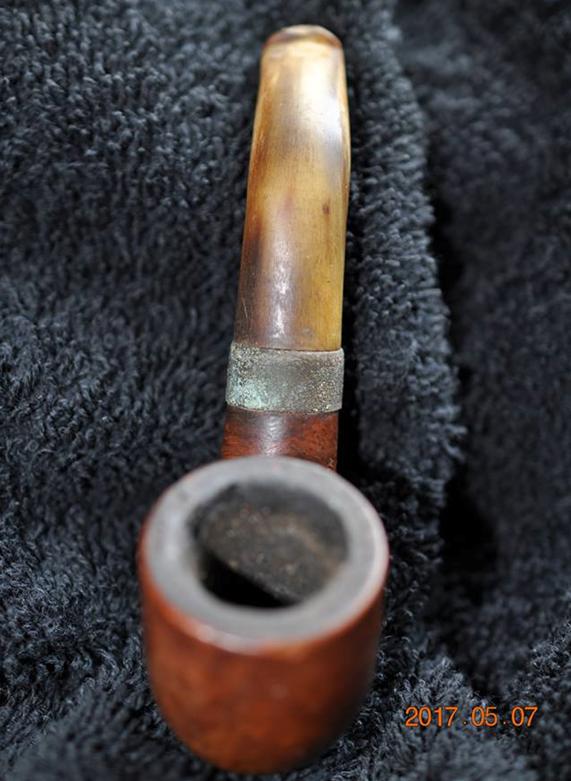
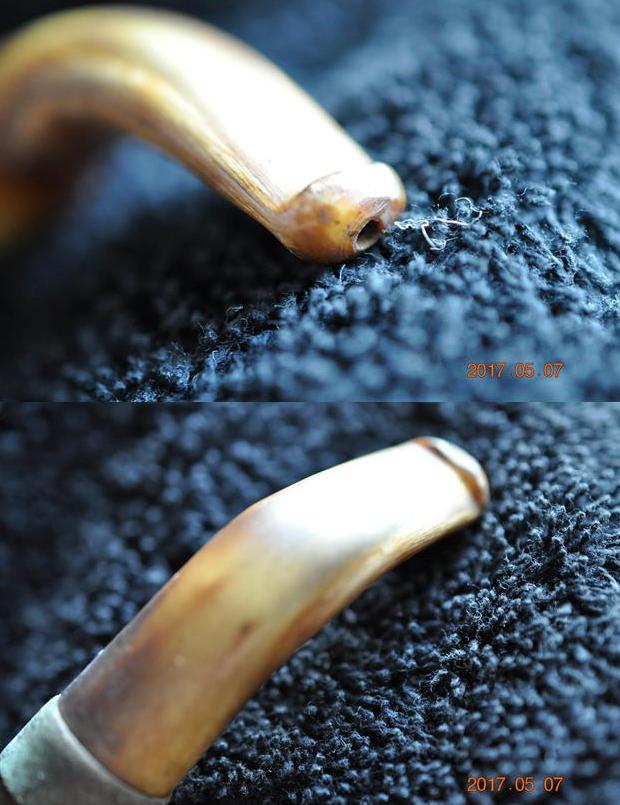
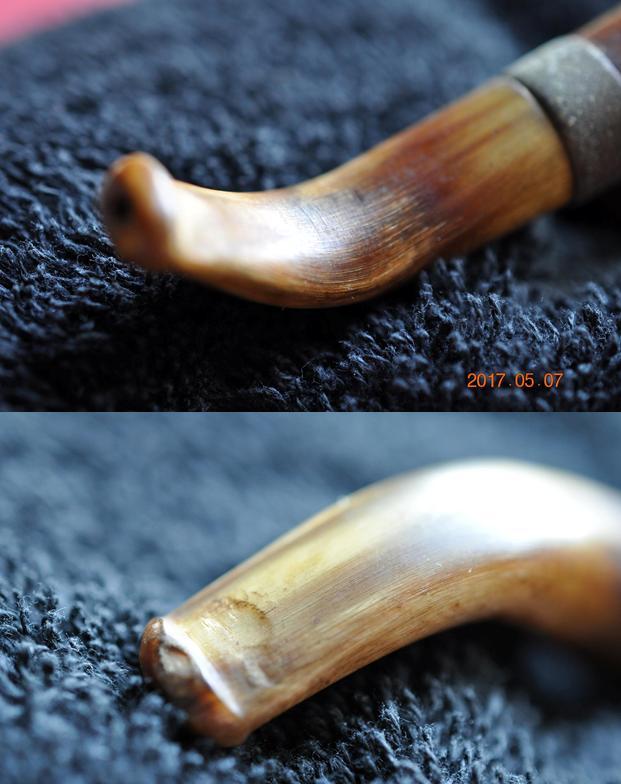
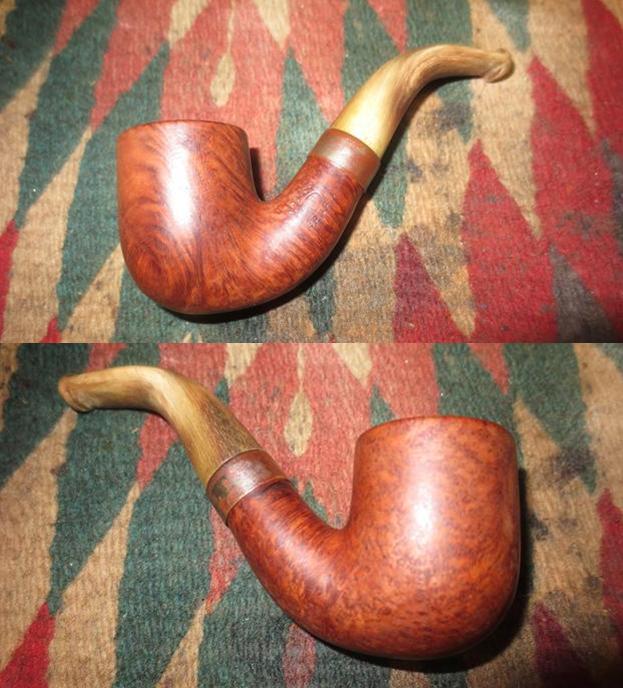
Repairing and Restoring a Walnut Folk Art Russian Pipe


Blog by Steve Laug

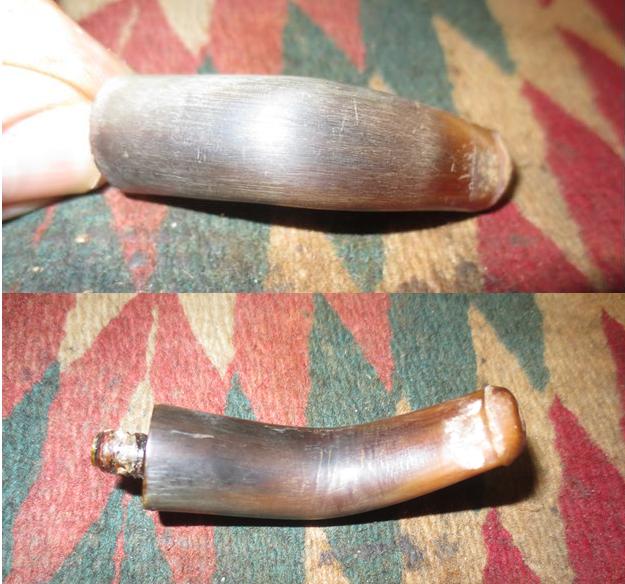
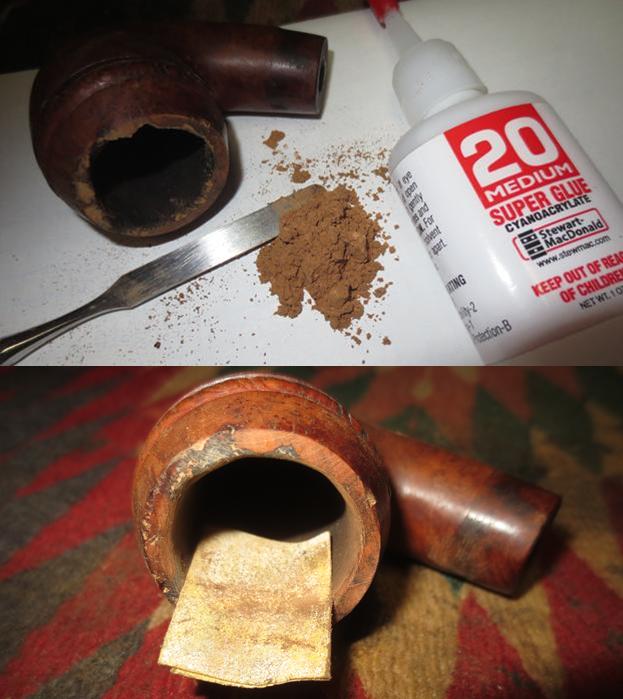
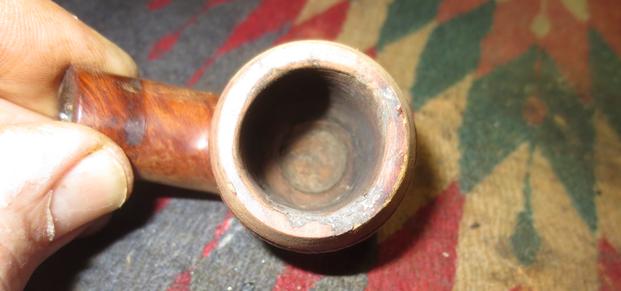
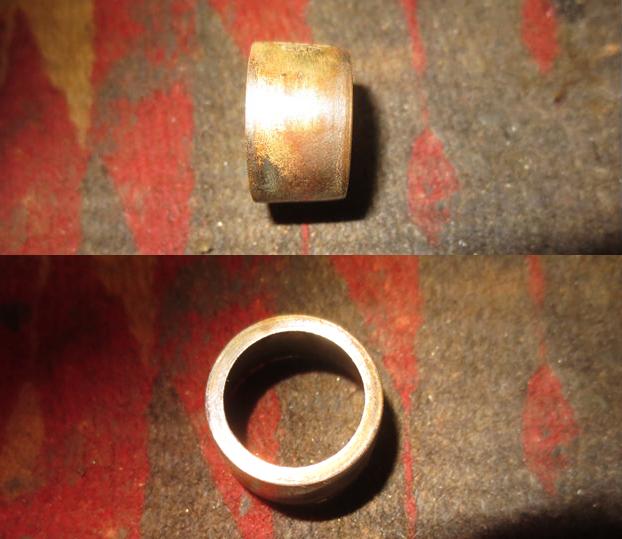
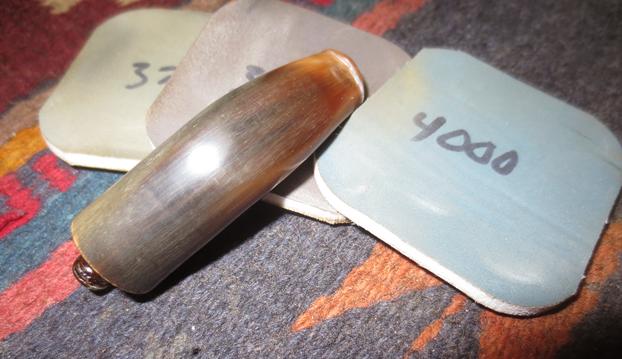
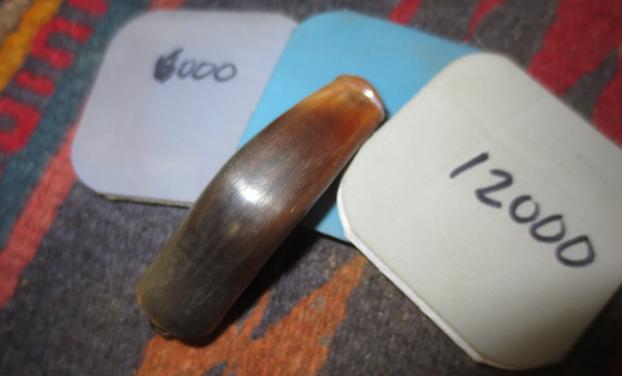
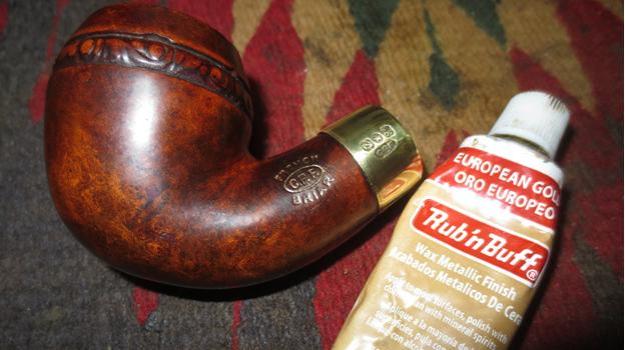
I started cleaning up and repairing this Russian Folk Art Walnut pipe before taking photos of it. It was truly a mess. The shank had been cracked off at an angle behind the copper band and had been repaired by gluing the two pieces together without a lot of care to align the parts. As it was the crack was quite wide open all the way around the shank and had been sealed together with epoxy. I heated it to see if I could take it apart and align the parts and the glue definitely softened. I could rebreak it without further damaging the shank parts so I settled for heating it enough to realign the two parts. I realigned the parts and cooled the shank so the glue hardened. I filled in the deep crevices in the shank with briar dust and clear super glue putty. It hardened and bound the parts together. There was no movement in the shank at all at this point in the process. The photos below show the pipe with the stem in place. The repairs to the shank with the putty mix looked pretty decent in the photos. The rest of the pipe was a mess. The rim was thickly caked with over flow from the thick bowl cake. The finish on the bowl was dirty and sticky. The copper band on the shank was covered with a thick buildup of hardened “gunk” that would not come off with a simple wash. The airway in the shank was dirty and almost closed off. The mortise was also clogged. The tenon on the stem had a rubberized cement buildup around the angles at the stem. The stem itself was horn and had tooth marks on the top and underside near the button. The rounded button had an orific entrance into the stem. It was so plugged that I could not push a pipe cleaner through it. I took some close up photos of the repaired shank to show the flow of the two parts and how the realignment had worked. They also show the super glue/briar dust putty filling the crack that went all the way around the shank. There was some glue from the previous glue job that ran up the shank toward the bowl and actually ran around the copper band edge. The third photo shows the rim and the cake in the bowl. There was damage to the front edge of the bowl from someone knocking it out against a hard surface. I took photos of the stem to show the damage at the button end on both sides. The horn surface was worn and the shine was gone.I sanded the roughness of the repaired area on the shank with 180 grit sandpaper. I wanted to smooth out the surface of the repair so that it matched the shank. I continued to sand it further with 220 grit sandpaper. I smoothed out the repair and the shank began to look like it would have originally. You can see the coating on the copper band. It is like someone painted the surface with a glue coat or with varnish. That coat would need to be removed so that the patina of copper would shine through. The front of the bowl had a brass and copper insert in the wood. It was a mix of thorns and vines that was nailed to the front of the bowl. I reamed the bowl with a PipNet pipe reamer and with a Savinelli Fitsall Pipe Knife until the walls were bare and all of the cake was gone.I topped the bowl on a topping board with 220 grit sandpaper to remove the hard cake and the damage to the front of the bowl. It was a light topping that did not remove much of the rim top but it left it clean, smooth and even.I wiped down the exterior of the bowl with alcohol on cotton pads to remove the finish and the grime that was built up on it. Once it was clean the grain of the walnut shone through the stain on the wood. The next photos show the clean bowl and shank with the repaired area shown clearly in the photos. I used a sharp knife to flare the aluminum insert in the shank. I topped the shank end with the topping board to smooth out the face of the shank. I sanded the bowl, shank and copper band with micromesh sanding pads – wet sanding with 1500-2400 grit pads and dry sanding with 3200-12000 grit pads. The pads removed the material that was built up on the copper band and gave it a shine. I cleaned out the airway in the shank and the mortise with cotton swabs, pipe cleaners and alcohol until the airway was clean.I stained the bowl and shank with a dark brown aniline stain, flamed it and repeated the process until I was happy with the coverage.I took the following photos of the bowl once it had dried. The dark brown was a little dark to my liking so I would have to wipe it down to make it a little more transparent. I wiped the bowl down with alcohol on a cotton pad and then buffed the bowl with Blue Diamond on the buffing wheel. The photos below show the colour of the bowl once I had finished with the buffing. I was really happy with the colour and the coverage of the stain on the repaired area. The stem was fairly clogged with tars and oils. It took a lot of work to clean out the gunk in the stem. Pipe cleaners were really hard to push through the buildup so I picked at it with a piece of wire bent to the angle of the stem. I finally was able to break through so the pipe cleaners and alcohol finally did their job on the stem. I also cleaned off the rubber buildup on the tenon next to the stem with a sharp knife and used the alcohol to scrub that area as well.I polished the horn stem with micromesh sanding pads – wet sanding with 1500-2400 grit pads and dry sanding with 3200-12000 grit pads. I rubbed the stem down with Obsidian Oil after each set of three pads. After the final set of pads I gave it a last coat of the oil and set it aside to dry. I buffed the bowl and stem a final time with Blue Diamond on the buffing wheel and then gave the pipe several coats of carnauba wax. I buffed it with a clean buffing pad to raise a shine and hand buffed it with a microfiber cloth to deepen the shine. The finished pipe is shown in the photos below. It is looking far better than it did when it arrived. I think the owner will be happy about this piece of his own pipe history being brought back to life. It joins the others that are finished of the nine he sent me. Only two more pipes to go and I will be down with this lot. Thanks for looking.


One more hard to clean up – a no name Meerlined Bulldog


Blog by Steve Laug

The fifth pipe from the lot left to me for cleanup by the fellow on holiday was this little no name Bulldog. When he showed it to me, it was later in the evening and in the twilight of my dim living room, I did not notice that it was a meerlined pipe and he neglected to tell me. Once I had the pipe on my worktable and examined it under the light I could see that it was meerlined and that the meerschaum lining extended all the way to the bottom and was thus a cup insert into the briar and not a lining that ended above the airway. Knowing that changed my cleanup routine in that I do not like reaming meerschaum lined bowls because it is too easy to damage the walls and the bottom of the bowl if they are soft or cracked. I use a Savinelli Pipe Knife to carefully scrape the walls clean and wipe it down with a wet paper towel.

The pipe really was a mess in more ways than even the photos show. The finish was a thick varnish/urethane coat that had bubble and cracked on the heel of the bowl. The rim had a thick dark cake of tar that almost hid the proverbial line that separates the meerlining from the briar that holds it. The rings around the bowl were almost filled in with grime and grit. Looking at the bowl in the light I saw more pink/red fills than I have ever seen on a pipe. It seemed like there were fills between every darkened line of grain on the front and left side of the bowl and there were spot fills on the right and backside of the bowl. The inside of the bowl was caked with a thick, sticky tar that made me think that it had never been cleaned. The stem was hard to remove from the shank the goop (technical term here) was so thick and sticky. The metal spacer was attached to the stem not to the shank and it was oxidized and dirty. The surface of the stem was as sticky as the bowl surface and the button end had been chewed to the point that button was almost non-existent and the slot was virtually pinched closed. I have no idea how the owner was able draw smoke from the bowl to his mouth with this pinched and clogged mouthpiece. The pipe was truly a mess and one that would take some time to clean up and restore. Sometimes when I work on a pipe like this one I seriously question whether it is worth restoring. The only thing that keeps me at it is not the worth or condition the pipe is in when I get it, but obviously, it was a favoured pipe and quite possibly a great smoker to the one who wanted it restored. That is what makes it worth it to me – perhaps I can bring it back to some of its former glory and make it smokeable once more.

I took some close up photos of the state of the pipe before I started the restoration process. The first one shows the telltale inner ring on the bowl that signaled a meerlined bowl to me. The build up cake that flowed out of the bowl and over the rim is visible. The only thing you cannot experience is touching the stickiness and smelling the stink of a very dirty pipe. The second photo shows the heel of the pipe with the bubbled finish, missing fills and partial fills that will need attention. The last two photos show the condition of the stem – note the tooth marks and collapsed button visible in both photos. What is amazing is that the stem did not have any bite marks going through into the airway. On the one hand this pipe is a mess, but on the other it provides me with a challenge.The urethane/plastic coat on the bowl was impervious to acetone and alcohol. All it did was remove the dirt and grime but it did not faze the finish – even in the bubbled area on the heel. So much for the easy route of stripping the finish. I would have to resort to a more intrusive approach and sand the bowl. Fortunately, there were no stampings on the shank so I could sand the entire pipe. I sanded the urethane finish off the pipe and used a dental pick and sharp penknife to scrape out the grime in the twin rings around the bowl cap (fortunately the plastic coat did not go into the rings). Once I had broken through the finish I scrubbed the surface of the briar with acetone on cotton pads to remove the stain that was underneath the plastic coat. The red/pink putty fills are evident now that the finish is removed. I scraped the cake out of the bowl with the Savinelli Fitsall Pipe Knife. I took the cake back to the meerschaum lining. The meerschaum was darkened from the tobacco stains and fire but it was solid and undamaged! I am thankful for that little bit of reprieve. I scraped some of the build up from the rim at the same time to see if there was damage underneath.I decided to lightly top the bowl to remove the damage to the briar on the front outer edge of the rim cap and some of the deeper gouges in the rim top. I topped it on the topping board using 220 grit sandpaper. I wanted to have a smooth transition between the briar and the meerschaum insert. The topping achieved that goal.I sanded the exterior of the bowl with 220 grit sandpaper to smooth out the rest of the finish in preparation for repairing the damaged fills on the bottom of the bowl and to assess the other fills to see what needed to be done with them. I wiped the bowl down with alcohol on a cotton pad before I took the following photos. With the externals cleaned up it was time to turn my attention to the internals. I blew air through the end of the shank and found that pipe was clogged with just a trickle of air slipping through the shank. I pushed a metal rod through the airway to the bowl and worked it around to remove the build up that constricted the airway. I used a dental spatula to scrape out the walls of the mortise and the end of the mortise and remove the hardened, sticky mess that had formed along the walls making the stem fit very tight. I scoured out the airway in the shank and the mortise with pipe cleaners, cotton swabs and alcohol until the shank and mortise were clean. At this point the pipe was smelling far better.The stem needed the same treatment. I could not push a pipe cleaner through because of the build up of debris and the pinched button and slot. I used a dental pick to scrape out the metal tenon that had been made for a paper filter. It was so full of thick black tars and oils that it took a while to get that part clean. I worked the pick around in the slot until I was able to open the slot and airway enough to be able to push a pipe cleaner through it. I scrubbed out the tenon and the airway with alcohol, cotton swabs and pipe cleaners until it was clean.I used a file to smooth out the top of the existing button and the area one inch in front of the button on both sides of the stem. Once I had cleaned up with the file I sanded it with 180 grit sandpaper to smooth it further. I wiped it down with an alcohol dampened pad to remove the dust. I filled in the tooth marks in the stem and button with black super glue and set the stem aside to cure.I filled in the damaged fills in the heel of the bowl with clear super glue and set it aside to dry. Once glue had dried on the fills on the heel and cap I sanded the repairs with 220 grit sandpaper and blended them into the surrounding briar surface. I wrapped a piece of 220 grit sandpaper around a dowel and then my finger and sanded out the rough spots on the interior walls of the bowl. I wanted the surface of the bowl to be smooth meerschaum so that I could encourage the owner to not allow the cake to build up in this one but to wipe it down with a paper towel after each smoke.I sanded the bowl with a medium and a fine grit sanding sponge and with 1500-4000 grit micromesh sanding pads. Once it had a shine I stained it with a new bottle of dark brown aniline stain undiluted. I was hoping to get some coverage or blend in on the dark red fills on the bowl. I flamed the stain to set it and repeated the process until the coverage was even.I let the stain dry overnight and once it was dry I took some photos of what Dal calls the crust of the fired stain covering the bowl. You can really see the fills stand out through the stain in these photos. I wiped off the crust coat with alcohol on a cotton pad to get it back to the stain coat so I could examine what I was going to work on. I sanded the bowl with 220 grit sandpaper and remove the dark coat. To me the dark really made the red fill material stand out on the bowl and the fact that there were so many of them it looked like freckles. I sanded it back with the sandpaper which left behind some sanding marks and scratches that would need to be worked on. I polished the sanding marks out by buffing it with red Tripoli and then sanding it with micromesh pads. I wet sanded the bowl with 1500-2400 grit pads (I opened a package of new pads to sand with). I dry sanded with 3200-12000 grit pads. The photos below show the progress. While the fills stand out to me the polishing tends to hide them a bit. The pictures below tell the story. The stem repairs had cured so I sanded the repaired areas with 220 grit sandpaper to smooth them out and blend them with the surface of the stem. I shaped the button with a needle file to make the edges cleaner and sharper. I touched up the repaired areas with a clear super glue and filled in the airholes in the cured super glue. I polished the stem with micromesh sanding pads – wet sanding it with 1500-2400 grit pads and dry sanding it with 3200-12000 grit pads. I rubbed the stem down with Obsidian Oil to enliven the stem surface. I hand buffed it with  a microfibre cloth to raise the shine. I filled in the stamping on the stem with White Acrylic Paint and when it had dried I sanded it off. I buffed the bowl with Blue Diamond polish to raise a shine. I buffed until the scratches were blended in to the surface. I gave the bowl and stem multiple coats of carnauba wax to protect the surface of the briar and stem. I buffed it with a clean buffing pad to raise the shine. I hand buffed it with a microfibre cloth to deepen the shine. I polished the metal decorative band on the stem with a silver polishing cloth.The photos below show the finished pipe. It looks far different from the pipe that I started with. The stain and wax blend the fills into the briar, and though still visible, they look far better than they did before. This is the seventh pipe I have restored and repaired for the gentleman who asked me to refurbish them for him. I look forward to seeing what he thinks when he sees this one.
Another L. J. Peretti of Boston – Square Shanked Rhodesian


Blog by Dal Stanton

When Jon put the L. J. Peretti out on the table I was excited.  I was in Oslo, Norway, where I met up with two colleagues who work in Ukraine – we were there watching a world class biathlon event and we had a great time.  Jon knew that I was restoring pipes for the Daughters of Bulgaria and had a couple pipes that he was no longer smoking.  He picked the Peretti up off eBay some time ago and he passed it on to me to restore for a new steward – a task I was more than willing to take on!  I grew a bit attached to the Boston-based Tobacconist L. J. Peretti Co., when I restored my first Peretti which my son had gifted me for Christmas.  It was a challenge as I salvaged the original Peretti stamp on the surviving squared saddle stem half and added the other half by cannibalizing another stem and accomplishing a stem splice.  For a look at this project look here:  Peretti Square Shanked Billiard.  I brought the ‘new’ L. J. Peretti home to Bulgaria and the first picture below shows the two Perettis – a remarkable resemblance in the sharp squared shanked style.In the interest of full disclosure, when I first saw the ‘new’ Peretti in Oslo, I really wasn’t sure what the shape classification would be.  The first indicator I cued on was the double groove – Bulldog?  Then, the classic Bulldog usually has a diamond shank/stem.  Rhodesian?  The squared shank didn’t fit.  Ok, a Billiard or Apple with a cool grooved ring going with the squared shank, which I think is very attractive.  My questions gave way to an email to Steve for his input and his response came very quickly.  His call is a squared shank Rhodesian.  My response, “Sweet!”  That works for me.  When I did my original research on the Peretti name I discovered the genesis of a significant story of Americana pipe history with the establishment of the L. J. Peretti Company of Boston in 1870, the second oldest tobacco shop in the US, second only to Iwan Ries & Co. of Chicago established in 1857 (See: Link).  It started in 1870, Libero Joseph Peretti arrived in Boston from Lugano, Switzerland, putting in motion the historical axis that exists today in an iconic tobacconist shop that continues to serve patrons by hand-blending tobaccos from around the world to taste.  One can take his empty bowl to the shop in Boston at 2 1/2 Park Square and test different blends under the watchful assistance of L. J. Peretti staff – total ‘old school’ and I like it! With an appreciation for the L. J. Perretti Squared Shank Rhodesian on my work table, I take more pictures to fill in the gaps. The left side of the shank is stamped “STRAIGHT GRAIN” and, interestingly, the right side is “L.J. Peretti”.  As is true of my other Peretti, usually the name is stamped on the left side.  This Peretti’s pedigree is on the right side of the shank.  The squared, tapered stem has the classic “P” stamped and in good shape. The chamber shows significant cake and will need to be cleaned down to the briar.  The rim has some significant damage on the right side and significant lava flow.  I will need to clean bowl and rim to see what might be lurking beneath.  The Rhodesian upper dome has cuts – one noticeably dissects the twin grooves.  There’s a good bit of grime in the grooves and at least one lightened fill on the heel – with the flat heel this Rhodesian is also a sitter – a nice feature for the table!  I also detect some dents on the squared shank corners – this old boy has taken a bit of bruising along the way.  The stem shows no oxidation but the button shows some biting and tooth dents – both upper and lower button lips have clench marks.  ‘Straight Grain’ is stamped on the shank and the grain has some striking features that will be visible once the grime is cleaned and things shined up a bit.

I work on the stummel first.  Taking the Pipnet Reaming Kit I use the two smallest of the four blades available to me and ream the chamber, removing the carbon cake build up to the briar. I then fine tune the ream by using the Savinelli pipe knife which enables me to remove residual cake in more difficult angles.  To clean the chamber further, I take a piece of 240 grit sanding paper and wrap it around a Sharpie Pen and sand the surface of the chamber then clean the left-over carbon dust with cotton pads wetted with isopropyl 95%.  The chamber walls appear to be in good condition.  The pictures show the progress. I now use undiluted Murphy’s Soap with cotton pads, a bristled tooth brush and a brass wired brush to clean the stummel surface, scrub the rim and clean the grime out of the twin grooves.  As I’m cleaning, it becomes evident that the left front of the upper dome is scorched from what appears to be the aftermath of using a lighter flame over the side of the rim to light the tobacco.  I do not use a lighter for this reason – it is difficult to angle the flame without bringing damage to the surface briar.  I use matches and bring the flame directly over the chamber and draw the flame directly to the tobacco.  I’ll need to send Jon a note about this!!!  After scrubbing with all available tools, I rinse the stummel with tap water without introducing water into the internals.  With the rim now clean, the extent of the damage is revealed.  The final picture in the set below, on the lower part of the picture shows this damage. Since my day is ending, I decide to hydrate the stummel surface with a light application of olive oil.  I also decide to use a kosher salt and alcohol soak to work on the internals overnight.  I twist a cotton ball and stuff it down the mortise to act as a wick to draw the oils and tars out.  I then fill the chamber with kosher salt and hold my palm over the top and give it a shake to displace the salt.  Using an eyedropper, I then fill the bowl with isopropyl 95% and leave the stummel in an egg crate for stability and turn off the lights.  The pictures show the progress.The next morning the salt, as expected had discolored somewhat and the cotton served as a wick drawing oils and gunk out of the stummel internals.  I follow with a barrage of pipe cleaners and cotton swabs to finish the cleaning job.  The pictures show the progress.I now face the most daunting part of the restoration of this L. J. Peretti Squared Shank Rhodesian.  I take more pictures for a closer look at the problems.  The burn and scorching damage on the rim and upper dome of the stummel are significant.  The rim at the 11:30 position is cratered severely and it appears that the rim burned and the charred part chipped off after becoming brittle.  From this area, down on the left side to the 7:00 position there is damage but not as severe.  My concern is whether there is healthy briar beneath what I’m seeing or has the wood charred more deeply?  If so, a lot of briar will need to be removed to repair the rim via topping, but this could impact the Rhodesian proportional balance between the upper and lower parts of the bowl – divided by the twin grooves.  This repair reminds me of a rim rebuild I did with a ‘Throw-Away Pipe’ that had little rim left.  With a desire to salvage as much of the rim as possible, I will very lightly top the pipe but only to gain the ‘high ground’ of the rim and then fill the craters and divots in the rim with a briar dust and superglue putty.  I want to ‘build-up’ the rim instead of losing it on the topping board and creating a squat-top, disproportionate Rhodesian.  The pictures show the damage and the challenges. It will be difficult to top the rim evenly with the soft spots created by the charred briar.  With the chopping block covered with 240 grit sanding paper, I very lightly begin to rotate the inverted stummel.  I take pictures to mark the gradual process.  When I arrive at the maximum topping progress, most of the rim has found it’s ‘high ground’ leaving the remainder of the damaged areas more visible.  This allows me to strategically apply patches on the rim.  I notice that there is additional carbon on the inside lip of the chamber so I take out the Peretti Pipe Knife once more and scrape the additional carbon exposed by the topping.  The pictures show the progress of the rim repair. The focus for the briar dust – superglue patch will be the 11:00 area (see above).  The remainder of the damage on the inner rim will be addressed by creating an inner rim bevel.  To prepare the area for the patch I clean it with a cotton swab dipped in isopropyl 95%.  Using Hot Stuff Special ‘T’ CA Instant Glue, I mix it with the briar dust until it reaches a viscosity like molasses.  Using a toothpick as a trowel, I apply the putty excessively over the area with the plan of sanding it down.  I put the stummel aside to allow the patch to cure.  I’ll give it a full 12 hours. The next day, the patch has cured well.  I begin sanding down the excess briar dust patch by using a half-rounded needle file to contour the inner chamber part of the patch.  My goal is to reestablish a round rim by blending the patch with the curvature of the inner rim.  After this I smooth and blend the area further with 240 grit paper.  When satisfied, I turn to the top of the rim using a flat needle file to bring the bump of the patch gently down to the briar rim surface.  The surrounding wood is softer and I avoid collateral filing as much as possible.  I follow to further smooth and blend the whole patch with 240 grit paper.  The pictures show the shaping progress. With the primary patch shaping complete, I want to introduce a bevel to the inner rim lip to remove damage as well as blend the entire rim contour – seeking a round rim.  I believe a bevel always ‘up-classes’ a pipe, too!  I use a coarser 120 grit paper to cut the bevel –  careful to remember the patch area is harder and it is easy to dig in to the surrounding softer briar.  After the 120 grit paper, I smooth and blend further with 240 paper. I complete the rim repair by returning to the topping board with a light topping first with 240 paper followed by 600 grit paper.  This ties things together.  The first picture shows the completed patch shaping to mark the progress of the bevel.  I think things are looking good at this point with the rim repair. Unfortunately, upon closer scrutiny, I discover that my topping inadvertently leaned toward the front of the stummel. This is very evident when comparing the twin grooves to the rim pitch (first picture below).  We do not have a parallel alignment which should be the case.  When I looked back at the pictures above showing the incremental topping process, this is confirmed when the front stummel part of the rim was sanding and the shank side less so.  The result I see is the Rhodesian’s dome lop-sided and that just won’t do.  Even though I’ll give up briar real estate, I take the topping board and hang the stummel over the edge of the 240 paper.  I work only the shank-side of the rim which needs to be lowered and leveled with the front side.  Gradually, I find greater alignment with rim and grooves, though there is still a bit of pitch but not as pronounced. It will work.  I reinstate the bevel and I’m satisfied with the progress.  The pictures show the progress. I put the stummel aside and turn to the stem.  I use 240 grit paper to smooth out the tooth chatter on the upper and lower bit and sand the upper and lower button lips.  By removing the superficial indentations in the vulcanite, I am then able to identify what needs to be filled.  After wiping clean the area, I use Starbond Black Medium KE-150 CA glue to drop fill tooth dents in both the upper and lower button lip as well as the upper bit area.  After application of glue, I spray an accelerator on the cosmetic fills.  I do not use accelerator when the strength of the glue is the issue as the use of an accelerator tends to weaken bonds – from my reading.  I follow with a flat needle file to freshen the button lines and then sanding with 240 grit paper to smooth out the file marks and fills and to blend. I then move to sanding the whole stem.  With some great input from Al Jones in a recent restoration regarding safe-guarding the crisp lines and edges of stems, I mount the stem to the stummel with a plastic disk I fabricated between the two.  This keeps the sanding from creating shoulders over the edge of the vulcanite.  I also wrap the 240, then 600 grit paper around a clothespin half to create a flat sanding surface to guard the sharp edges of the squared shank square and not rounding them.  After completing the sanding, careful to guard the Peretti ‘P’ stem stamp, I buff the stem with 0000 steel wool.  The pictures show the progress.Turning to the internals of the stem, I use pipe cleaners dipped in isopropyl 95% to clean the airway.  I notice that the pipe cleaners have difficulty passing through the slot so I widen it a bit using a rounded needle file against the upper and lower slot opening.  That did the trick.  Pipe cleaners move freely and now, cleanly.  Pictures show the progress.With the stem repairs completed and the internals cleaned, I’m ready to commence the micromesh pad cycle on the LJ Peretti’s squared shank.  Using pads 1500 to 2400 I wet sand the stem.  I follow by dry sanding with pads 3200 to 4000 and then 6000 to 12000.  With each set of 3 pads I apply Obsidian Oil to the stem which revitalizes the vulcanite.  The pictures show the amazing vulcanite ‘pop’ emerging. I put the stem aside to dry.With the stummel showing scorching damage on the upper dome extending downwardly over the grooves, I take another picture for a closer look.  I use a medium grade sanding sponge to address the damaged area.  I need to remove the charcoaled wood and get down to healthy briar beneath the surface.  To aim for uniformity throughout the stummel, I use the sanding sponge on the entire surface, careful to guard the nomenclature on both sides of the shank.  I follow the medium grade sponge with the light grade sanding sponge to finish addressing the charred wood and minor cuts and pits on the stummel surface.  It looks good.  The shank stamping, STRAIGHTGRAIN, is starting to show itself as the grain shows through the once scorched dome area.Taking micromesh pads, I now wet sand the stummel using pads 1500 to 2400.  Following this, I dry sand using pads 3200 to 4000 then 6000 to 12000.  Wow.  I cannot believe the grain making an appearance on this L. J. Peretti Rhodesian.  The pictures show what I watch emerge through each micromesh pad cycle. To get a big picture look at the Peretti, I reunite the stummel and stem.  As with my last Peretti restored, I like the squared shank’s flow from stummel as it tapers out through the stem.  This Rhodesian’s stem tapers whereas my other Peretti Billiard has a squared saddle stem.  Both, very nice variations of the same concept – a classy shank style. Because of the beauty of the grain I’m seeing, I’m tempted to stop at this point, and finish up with carnauba – I like the natural briar that much.  The only issue is that I would like to apply a darker brown shade of dye to better blend the patch and repair of the rim which stands out as is.  The pictures show the story.In preparation for the staining phase, I use a sharp dental probe and run it through the grooves to dislodge any briar dust from the sanding process.  There is a good bit of compressed residue coming loose.  I follow by wiping down the stummel with a cotton pad wetted with isopropyl 95% to clean the surface.  On the stummel heel, I detect one lightened fill.  I darken it with a stain stick to encourage blending.  I also touch up the patch fill on the rim to help blending and masking the patch after dye is applied.  Pictures show the preparation steps. To stain, I use Fiebing’s Dark Brown Leather Dye mixed with isopropyl 95% at 50/50.  I use a large dropper to do the mixing in a shot glass.  With the mixture ready, I heat the stummel using the air gun expanding the briar making a better receptor for the dye.  When heated, I use a doubled-over pipe cleaner to apply the dye to the stummel surface.  I apply the dye liberally seeking to achieve 100% coverage.  When completed, I fire the wet dye which immediately ignites the alcohol in the dye, setting the hue in the grain.  I repeat the above application of dye and flaming after a few minutes.  I put the stummel aside to rest for several hours before removing the fired dye crust.  The pictures show the set-up and the progress.  With the stummel resting, I restore the Peretti’s classic stem ‘P’ with white acrylic paint.  Restoring the stem stamping for me is special, along with guarding the nomenclature – and is why I went through a stem-splice with my first Peretti restore – to save the surviving saddle stem piece with the old, warn ‘P’ stamp.   I apply white acrylic paint to the ‘P’ in a large gob over the area to allow the paint to fully saturate the ‘P’ imprint.  I allow it to dry fully.  Later, when dried (it doesn’t take long), I use the edge of a toothpick and gently scrape the area removing the excess but leaving the paint in the stamp imprint.  Using the side of the toothpick has worked for me as it is a harder surface, yet soft as it’s wood.  The flat area of the toothpick passes over the stamp and does not disturb the paint.  I’m pleased with the results.The next morning, the stummel is waiting to be unwrapped of the flamed crust.  Using the Dremel high speed rotary tool, my tool of choice given the tight quarters of my work table on the 10th floor of a former Communist block apartment building, I mount a felt buffing wheel set at the slowest speed, and use Tripoli compound to apply the gentle abrasion to begin the final buffing stages.  I first purge the wheel of old compound running it against the metal adjustment wrench, then with new compound on the wheel, I apply it to the surface.  I do not use much downward pressure but allow the speed of the wheel’s RPMs and the compound to do the work.  I methodically move over the stummel surface in areas with the sheen of the overhead lamp providing the ‘headlights’ letting me know to spread the compound or apply more to the wheel.  I take a picture to show the felt wheel application of Tripoli compound – I had to stage it because I don’t have enough hands to take a picture and hold stummel and Dremel!  After completing the Tripoli cycle, I lightly wiped the stummel with a cotton pad wetted with isopropyl 95%, not wanting to lighten the hue but to blend certain areas on the heel and shank.  I avoid wiping down the bowl area – it looks good.  Dark enough to mask repairs but on the lighter side to show the striking straight grain definitions.Following the Tripoli compound, I mount a cotton cloth buffing wheel dedicated to Blue Diamond compound.  With the Dremel remaining at its slowest speed I apply the lesser abrasion of Blue Diamond compound to buff the surface preparing it for the carnauba wax application.  I reunite the squared tapered stem to the stummel and apply Blue Diamond compound to both.  I know this borders on eccentricity, but as I was finishing the Blue Diamond cycle, I notice that the rim patch done earlier was showing a ridge around the patch, and not flush with the rim.  A bit late in the game to notice this, but it won’t do.  Very strategically, I roll a piece of 600 sanding paper and address the ridging.  I follow with the full set of 12 micromesh pads folded and strategically addressing the area.  Finally, I apply a dark brown stain stick and lightly wipe a cotton pad wetted with isopropyl 95% to blend the area.  Finally, I run the Blue Diamond wheel over the rim and I’m back to where I started.  The patch is visible, but now without the ridges that draw attention to the repair.  Now, the rim is smooth to the touch.  Much better.  Before and after pictures follow this small detour! With detours behind, I hand buff the stem and stummel with a flannel cloth to remove compound dust from the surface before applying carnauba wax.  I then mount a cotton cloth buffing wheel on the Dremel and increase the speed of the RPMs to 2, a bit faster than the slowest speed, and I apply carnauba wax to both the stummel surface as well as to the mounted stem.  After 3 cycles of applying carnauba wax, I hand buff the pipe with a micromesh cloth to bring out the depth of the grain further.
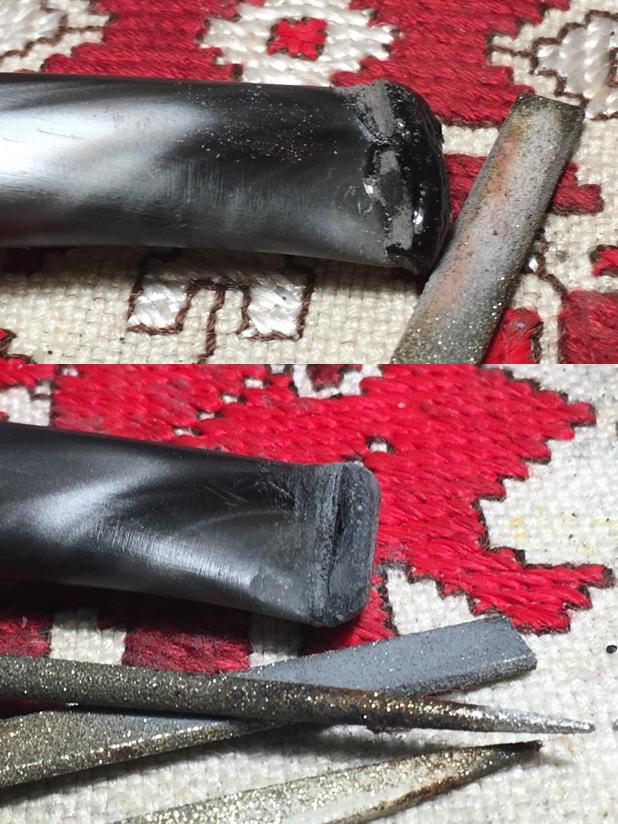
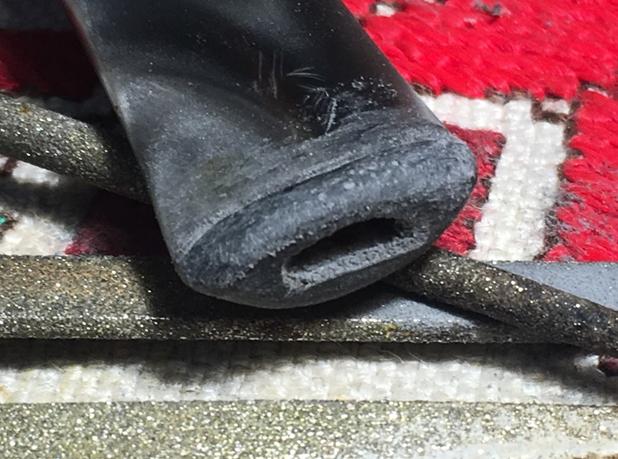
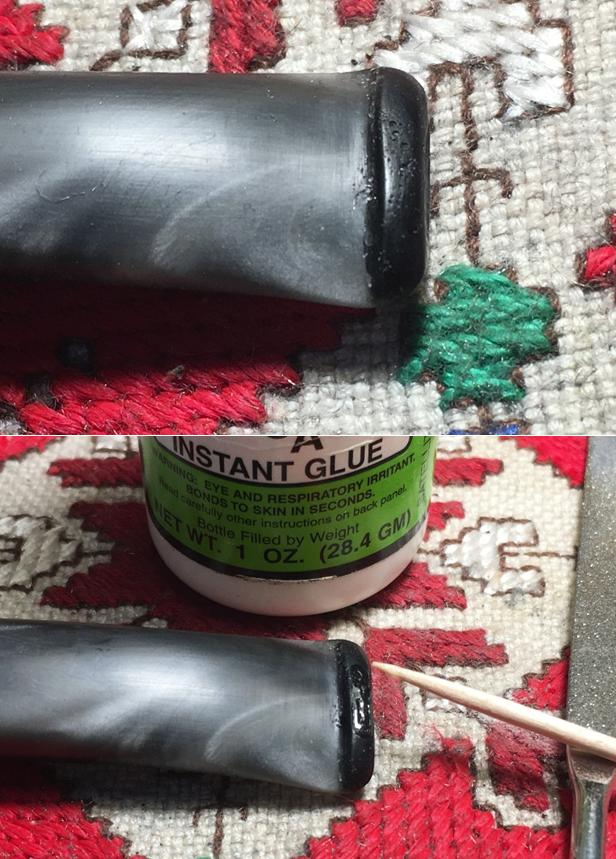
I appreciate Jon giving me this L. J. Perretti while we were in Oslo.  I’m happy to recommission this very attractive Square Shanked Rhodesian – the grain is exceptional and I like the square shank style of both Peretti’s I’ve restored.  The squared shank, not a common Rhodesian configuration, allows this Rhodesian to function like a ‘table sitter’ as well while one plays their card or board games.  If you are interested in adopting the L. J. Peretti Square Shanked Rhodesian, take a look at my blogsite, The Pipe Steward.  As always, all the profits of the sales from my restorations go to help the Daughters of Bulgaria.  Thanks for joining me!


Resurrection for a Hand Made Pipa Croci Bent that was dropped


Blog by Steve Laug

The next pipe up for repairs and restoration (from nine from the fellow who brought them for repair) is a Hand Made Pipa Croci. It is stamped on the left side and continuing to the underside of the shank with the words Pipa Croci (long-tailed P) over fatta a mano over Mantova, Italia and dal 1983. On the right side is stamped PC in a circle with a tail over A3 (shape number for a bent billiard). Next to that is stamped *True*. Fatta a mano means Hand Made. It would have been a great looking pipe when purchased. I am pretty sure that it is the nicest one that he left for me to work on and the one with the most issues. Somewhere along the way he dropped the pipe on concrete and the tenon snapped. If that had been all then that was a simple fix. It was not all! The bowl cracked two places on the bottom, not deep cracks but cracks nonetheless. There was a crack on the left side mid bowl that ran from close to the bottom up to a ½ inch below the rim and a small one on the top of the rim on the left toward the front of the bowl. I took a close up photo of the rim and bowl to show the condition. The cake is thick and the rim has a lava overflow from the bowl and some damage on the outer edge near the front.The next two photos, though a little out of focus show the crack in the bowl bottom circled in red. I will continue to show them in the photos as I clean up the bowl.The Lucite/acrylic stem was rough. There were tooth marks on both the top and underside of the stem in front of the button and a deep bit mark on the top of the button. The broken tenon would need to be replaced and there were some nicks in the sides of the stem close to the button end.I reamed the bowl with a PipNet pipe reamer and took the cake back to bare briar. I cleaned up the reaming with a Savinelli Fitsall Pipe Knife. There would still need to be more work done to smooth things out but the bowl was clean and I could see that the cracks did not go all the way through to the inside walls.I topped the bowl to remove the rim damage, particularly that on the outer edge. I also wanted to expose the crack on the rim top and see how bad it was. This pipe really took a beating when it was dropped – fissures all over the place in the briar. I have circled the crack on the bottom to show the largest one. There is a small one next to it that is hard to see in this picture though it will show in later pictures.I scrubbed the bowl down with acetone to remove the finish and reveal more clearly the cracks on the bowl. I have circled them in the next set of photos and drawn arrows to the points of origin that will need to be drilled. The number of cracks is amazing to me – all from a drop on concrete. This briar is quite stunning with some birdseye and cross grain. I drilled with a microdrill bit in the Dremel at each terminus of the cracks. Some of them had spidered a bit so they took multiple holes. I clean out the cracks with a dental pick and wiped the bowl down with alcohol on a cotton pad. I filled in the holes with briar dust and clear super glue. I sanded the repairs with 220 grit sandpaper to blend the repairs into the rest of the bowl. I sanded them with a medium and fine grit sanding sponge to polish the scratches away. I set the bowl aside for a while and worked on the stem. I flattened out the broken tenon on the face of the stem with a Dremel and sanding drum. Once it was smooth I used a drill bit about the same size as the airway in the stem to start the process of opening the airway to take the new tenon. I put the drill bit in a stationary drill and turned the stem on to the bit by hand. I increased the size of the bit incrementally so as not to split the stem and to keep things aligned. I put a tape on the bit that marked the depth of the threaded tenon. Once the airway was opened to the diameter of the tenon I used a tap to thread the inside walls of the newly drilled opening. I turned the stem onto the tap carefully to keep it straight and aligned.The next two photos show the newly tapped stem and the new tenon that was going to be turned into the stem. The tenon was slightly larger than the mortise so I used the Dremel and sanding drum to take it down to the right size. I dabbed some slow drying glue on the threads of the new tenon and turned it into the stem until it sat tight against the face of the stem. With that done the stem repair was complete. There were some nicks and scratches in the stem around the junction area with the shank that needed to be sanded and cleaned up. I used some 220 grit sandpaper to do that. The stem was ready for the fit and all that remained was to push it into the mortise and check it out once the glue set.I put the stem in place in the mortise to check the alignment and was happy with the overall results. As normal there were some slight adjustments that needed to make to the stem and shank but nothing radical so I was happy with the fit. Now all I had to do was finish the fit and repair the stem. I noticed in the photos below that there was some roughness to the inside of the bowl so I would also need to sand that smooth. I wrapped a piece of 220 sandpaper around my finger and sanded the inside walls of the bowl until I had smoothed them out.I cleaned out the airway in the stem and the bowl as well as the mortise with pipe cleaners, cotton swabs and alcohol until they were all clean. I also scrubbed the darkened end of the shank to remove the stain that was there.I stained the bowl with a dark brown aniline stain thinned 50/50 with alcohol and flamed it to set it in the grain. I repeated the process until the coverage was even around the bowl.  I wanted it to be dark enough to blend the repairs into the sides and bottom of the bowl and hide the drill holes and cracks. I set the bowl aside to let the stain dry overnight and called it a day.In the morning I started the polishing process on the bowl. I sanded it with 1500-2400 grit micromesh and a small amount of olive oil to help the grit cut into the briar. I wiped it down afterwards and inserted the stem to see what was happening. The alignment of the stem was slightly off to the left in the photos so it appears not to fit. However, the fit is actually quite good. I still need to polish and clean up the stem. I continued polishing the bowl with the micromesh pads using 3200-12000 grit pads to really add to the shine of the briar. Each successive grit of micromesh raised the shine more on the briar. The grain really pops on this one… I turned back to the stem. I adjusted the fit with 220 grit sandpaper until the transition was smooth. When the fit was correct I polished the stem with micromesh sanding pads – wet sanding with 1500-2400 grit pads and dry sanding with 3200-12000 grit pads. I wiped the stem down after each grit of pad to clean off the sanding debris and gave it a final wiped down after the 12000 grit pad. I buffed the pipe and stem with Blue Diamond on the buffing wheel to remove any remaining scratches or marks and raise a shine. I gave the bowl and stem multiple coats of carnauba wax and buffed the pipe with a clean buffing pad. I hand buffed it with a microfibre cloth to deepen the shine. The finished pipe is shown in the photos below. The cracks are all sealed and since they do not go all the way through into the interior of the bowl I think that they will hold up well. The pipe has a lot of life in it still and I know that the owner will be glad to get it back in far better nick than it was when he left it here. Thanks for journeying with me on this resurrection.