Guest Blog Addendum by Robert M. Boughton
Member, International Society of Codgers
Member, North American Society of Pipe Collectors
http://www.roadrunnerpipes21.biz (under construction)
http://www.naspc.org
http://about.me/boughtonrobert
Photos © the Author except as noted
INTRODUCTION
I have only offered a free pipe to readers of my blogs on two occasions, both times as rewards for answering questions related to restorations I chronicled as homages in the styles of great writers I admire and wish I could even emulate. The other time, Chris Chopin (Flatticus, who has made many fine contributions to this forum) came up with all 13 Ernest Hemingway titles to the Pulitzer Prize winning author’s original books I added to the text of “The Young Man and the Pipe” two years ago. Chris therefore scored a surprise that was much better than the Thinbite I restored for that homage.
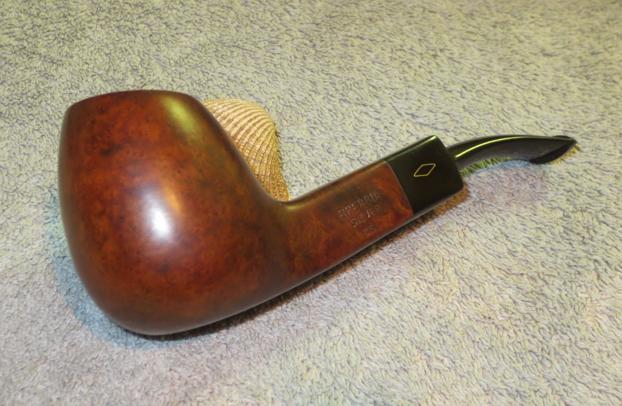
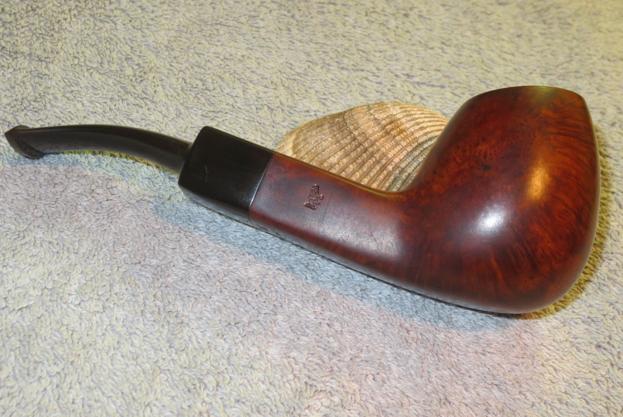
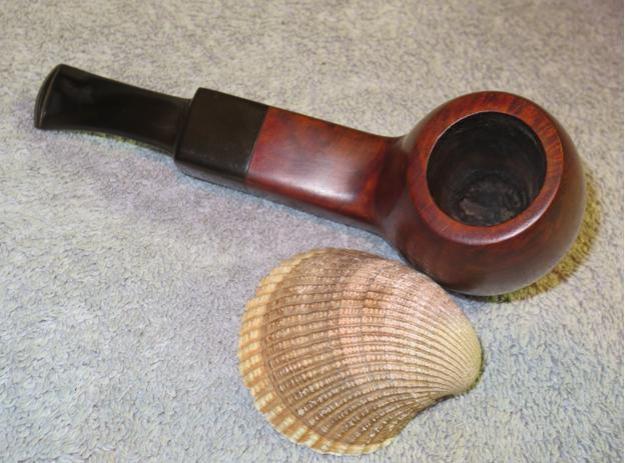
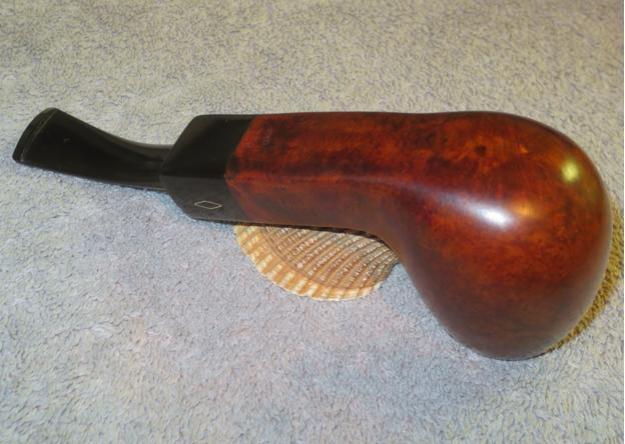
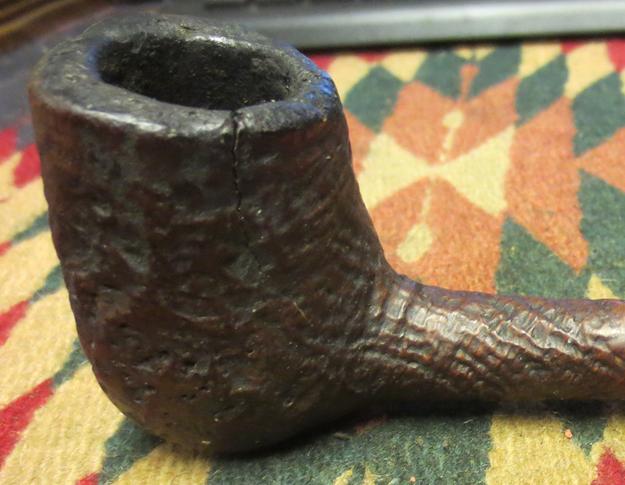
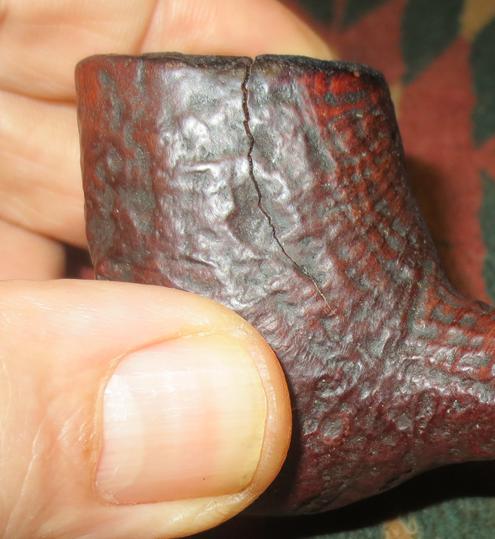
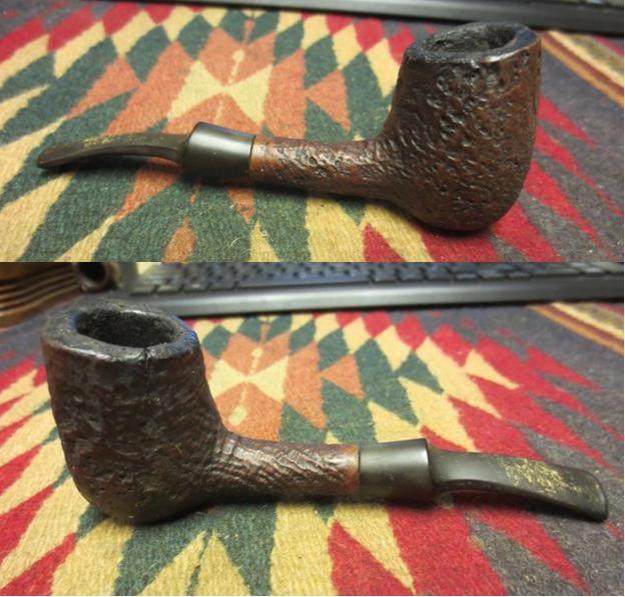
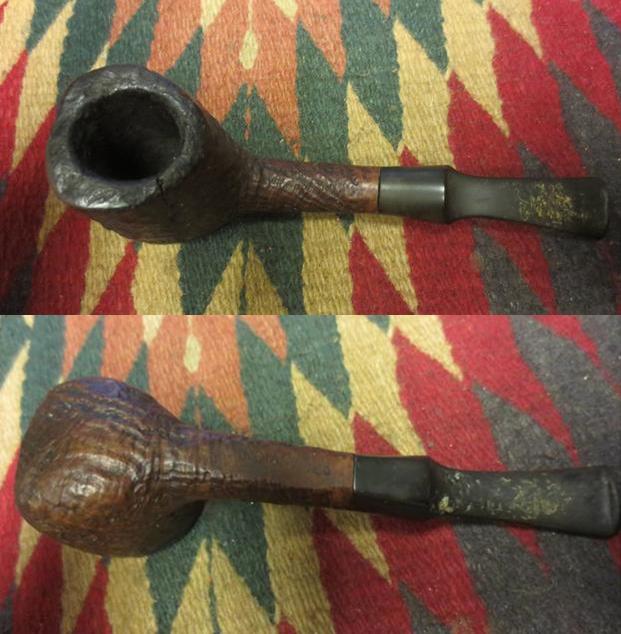
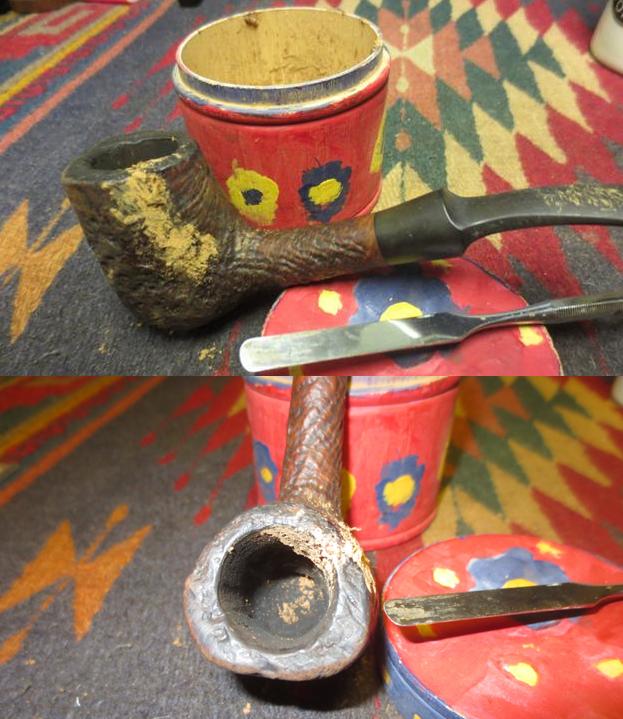
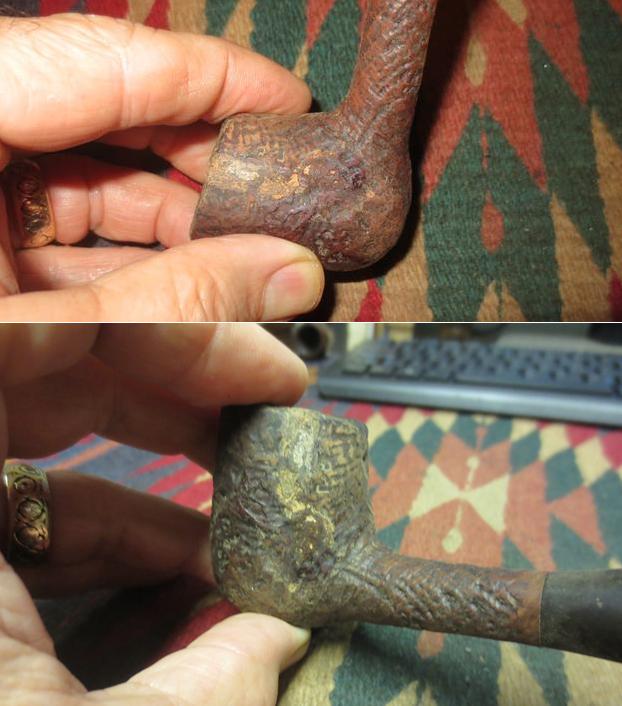
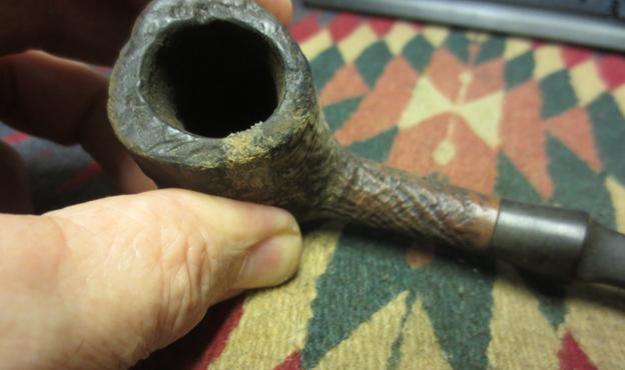
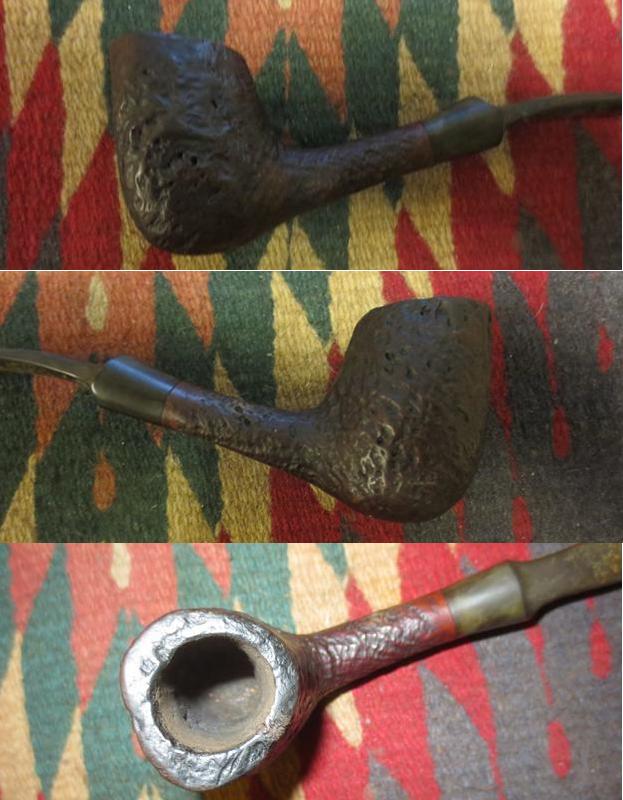
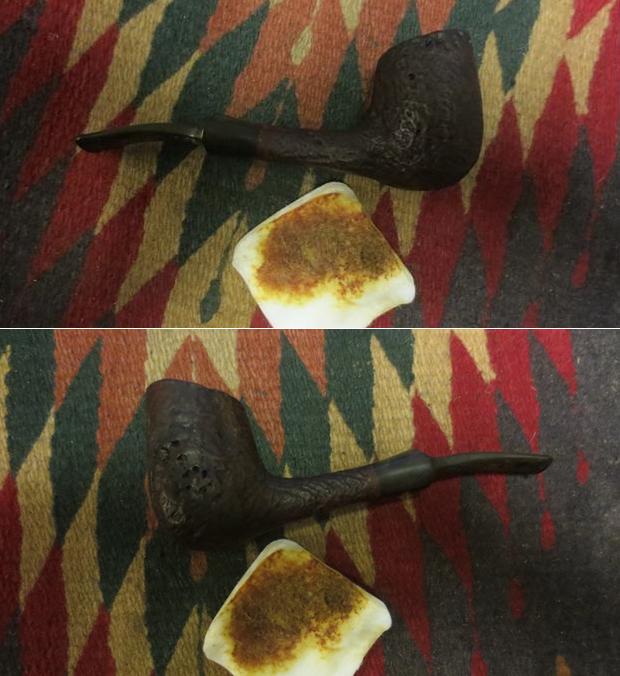
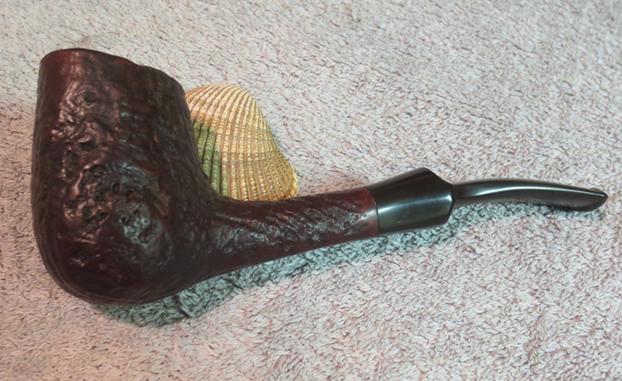
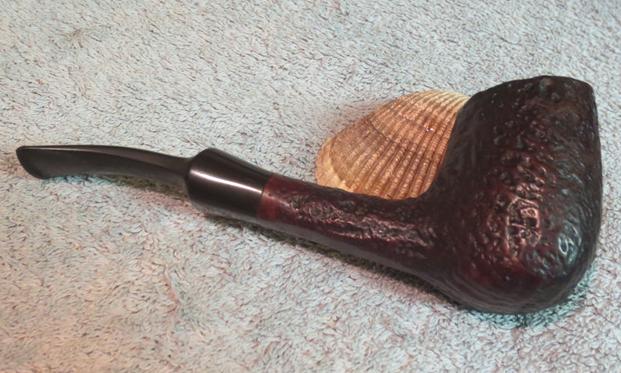
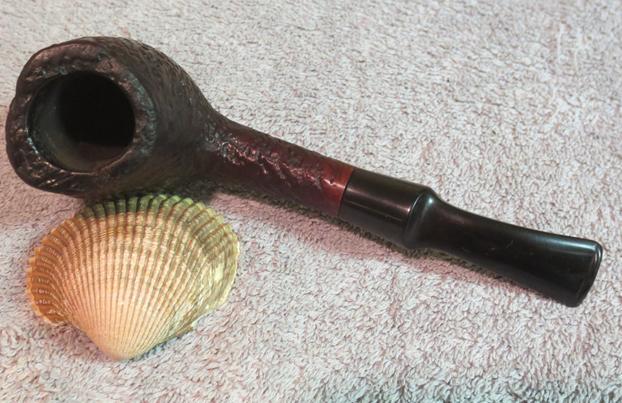
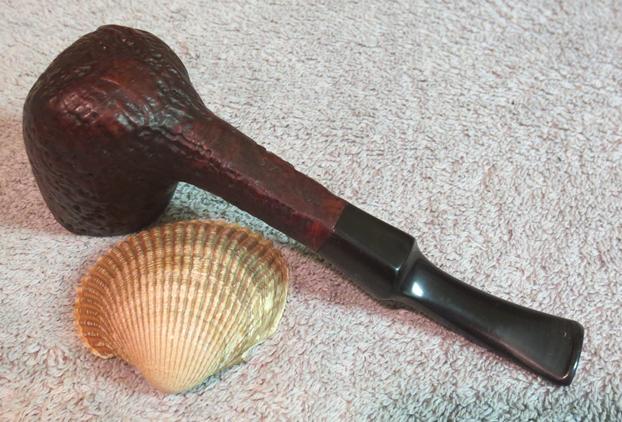
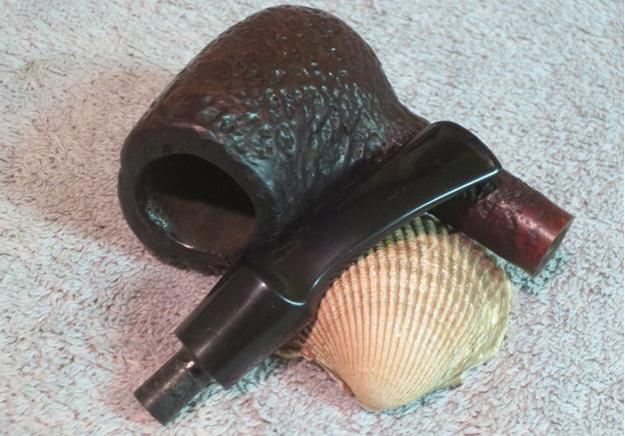
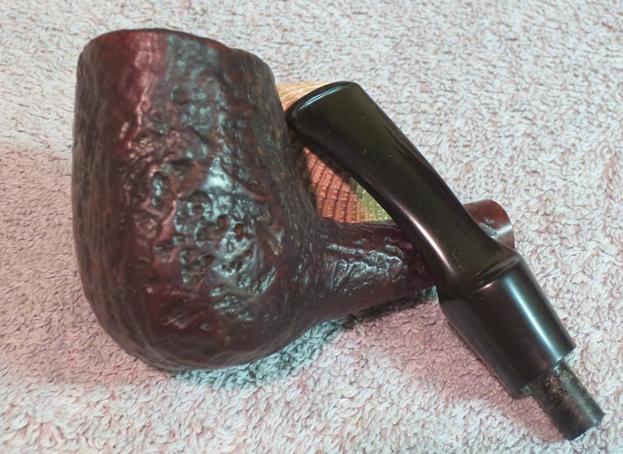
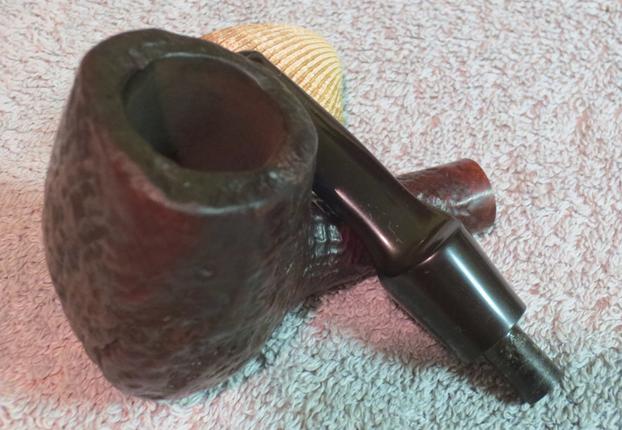
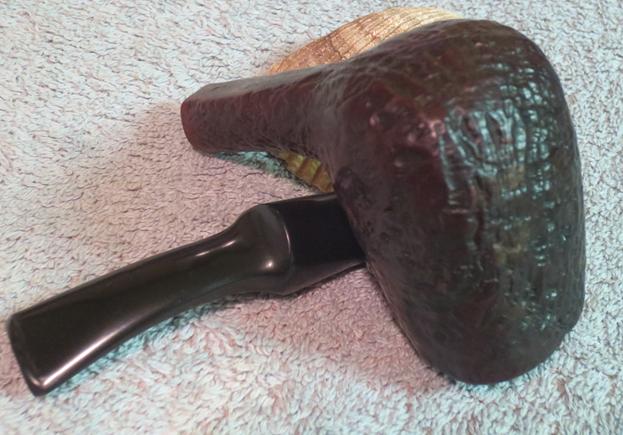
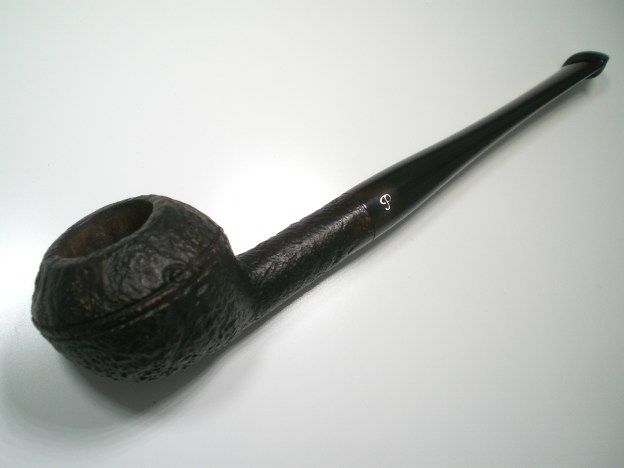
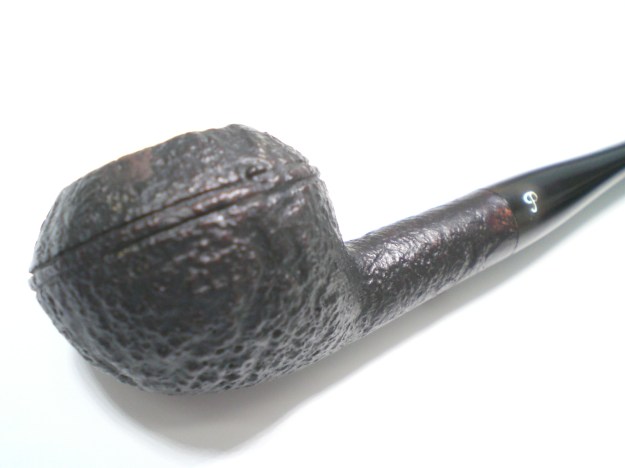
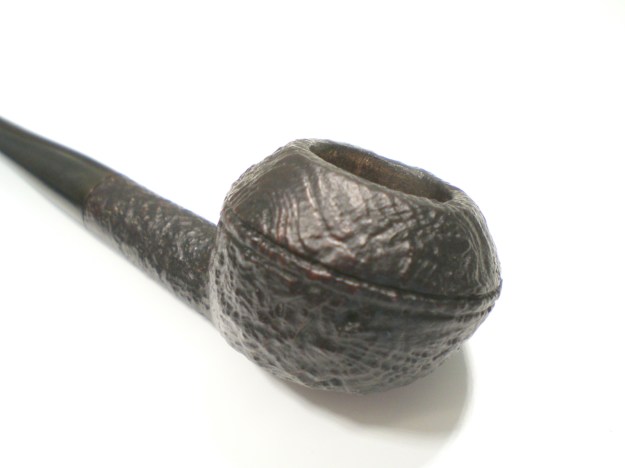
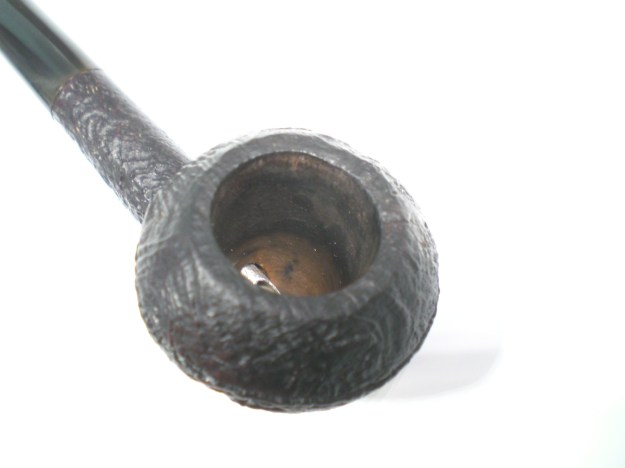
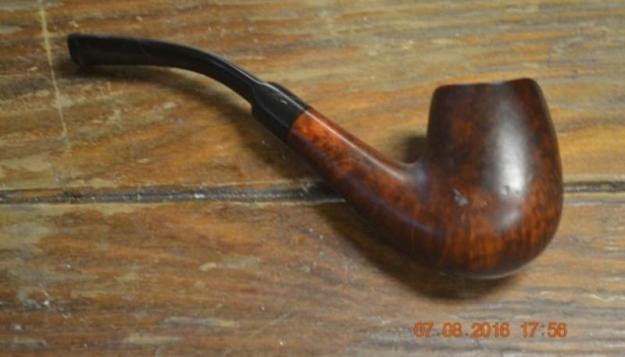
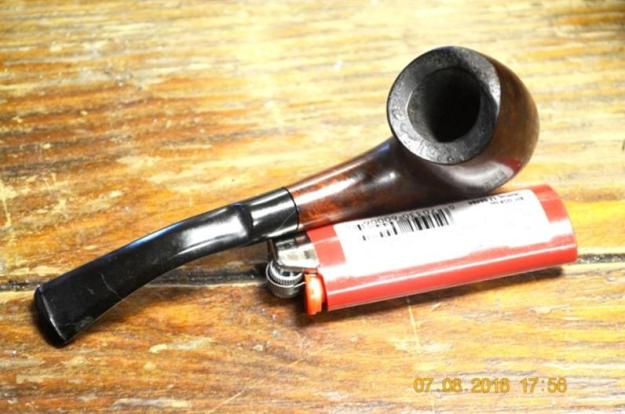
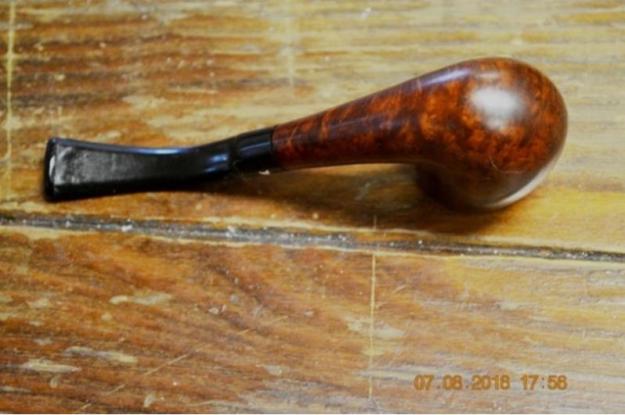
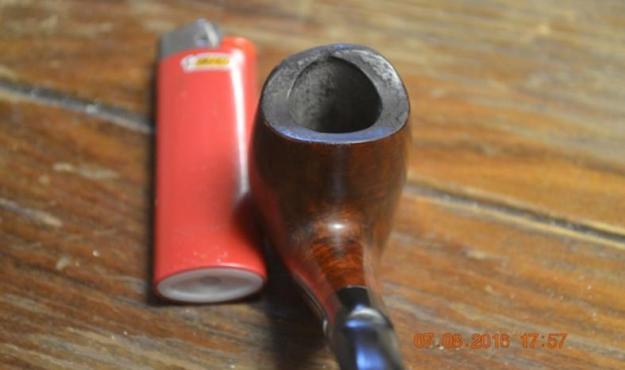
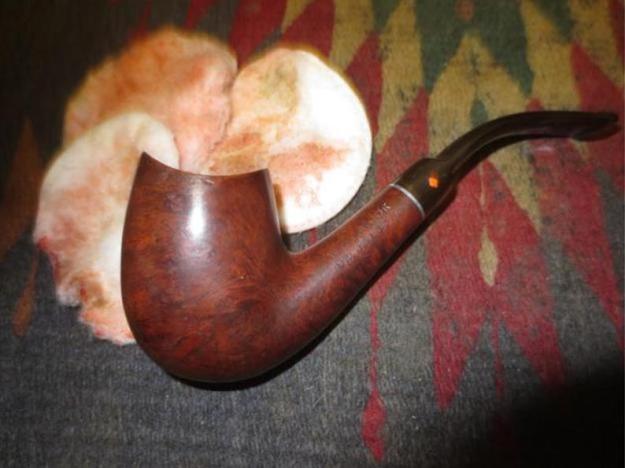
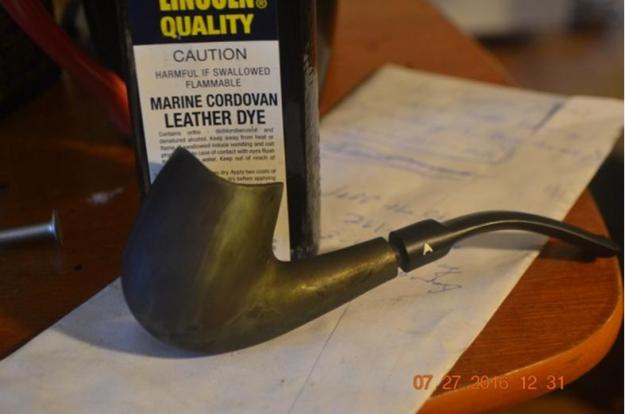
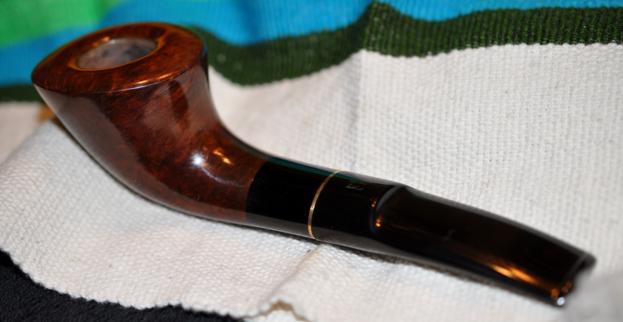
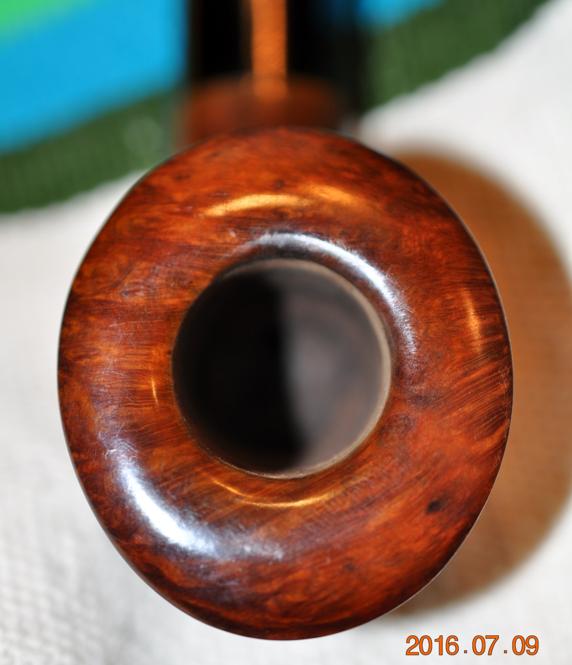
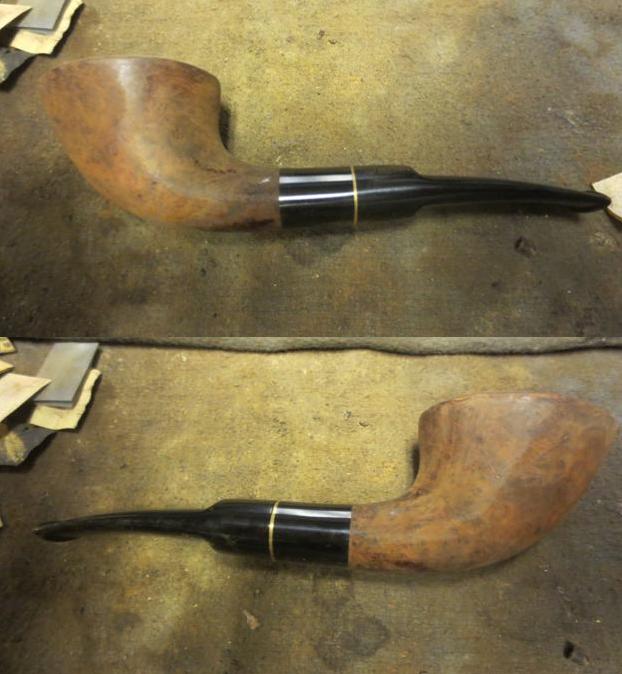
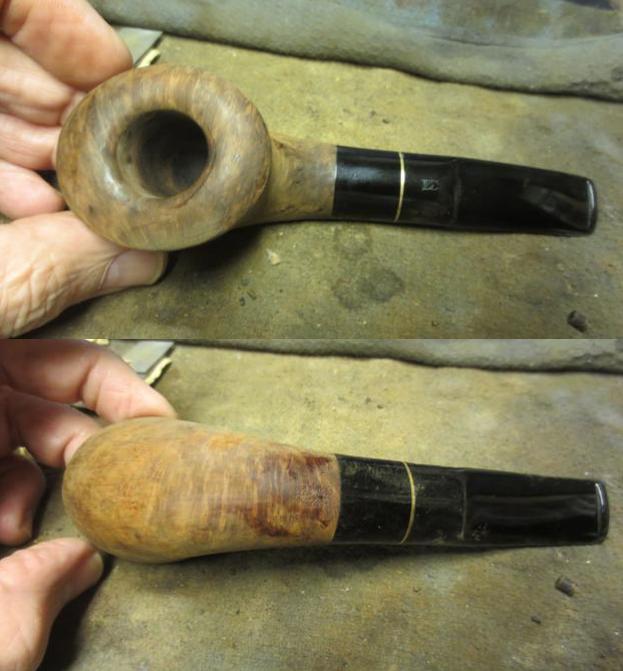
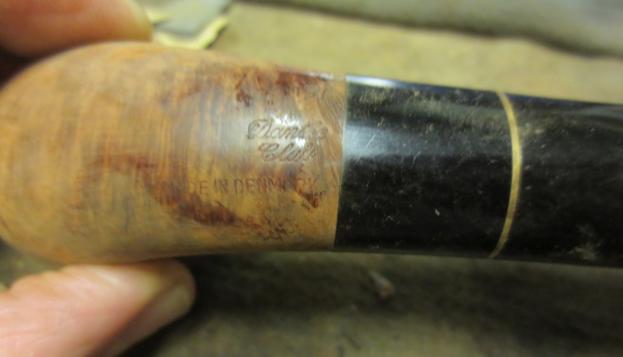
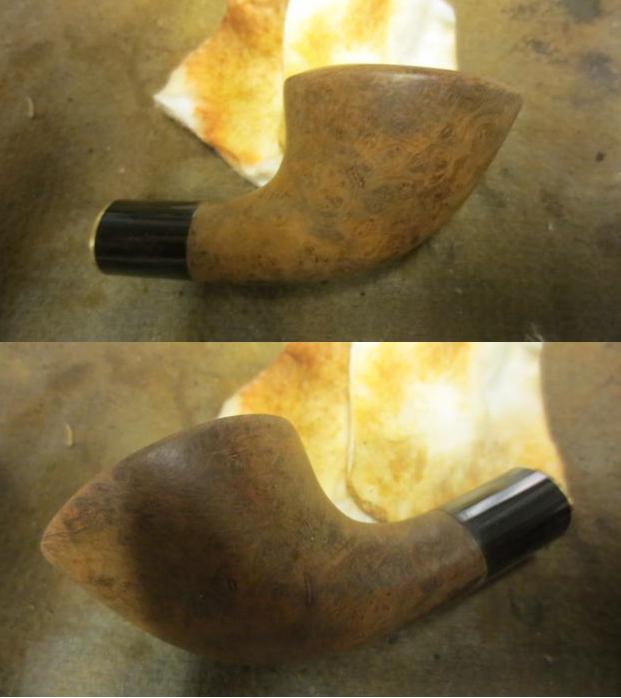
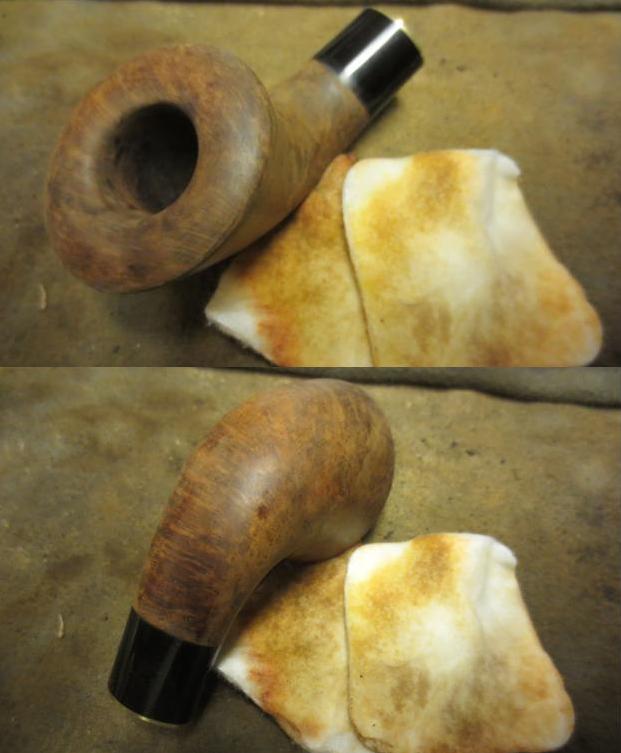
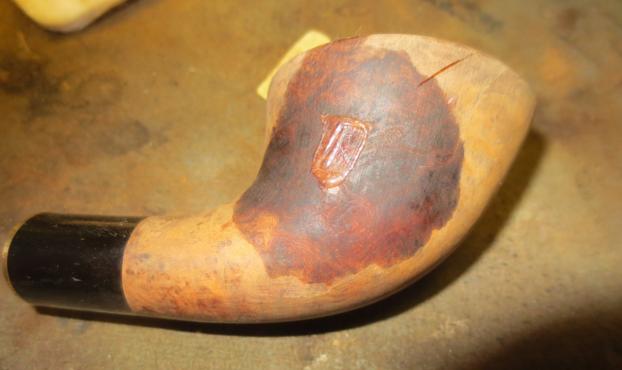
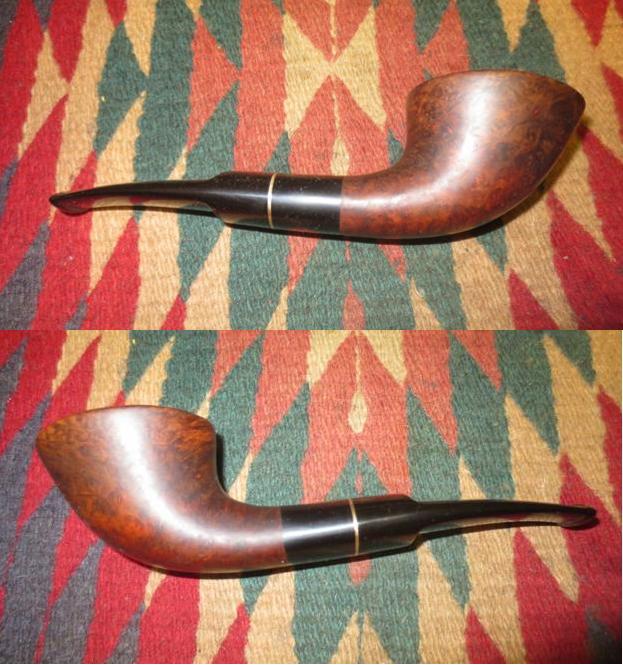
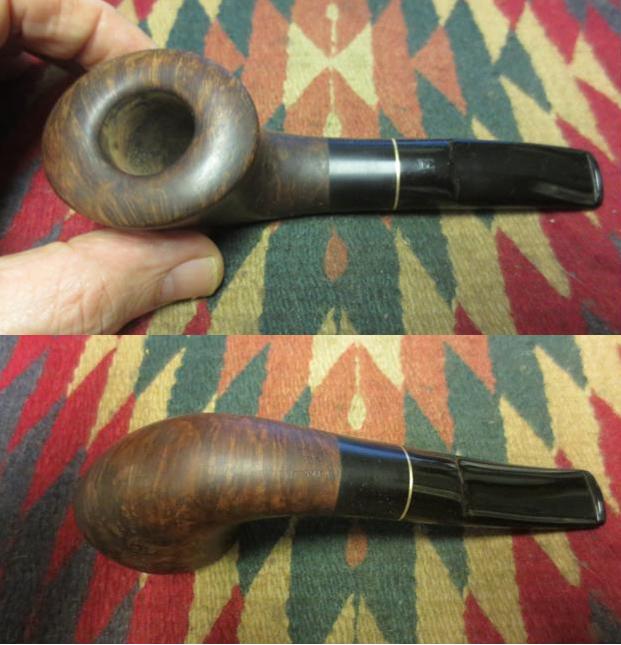
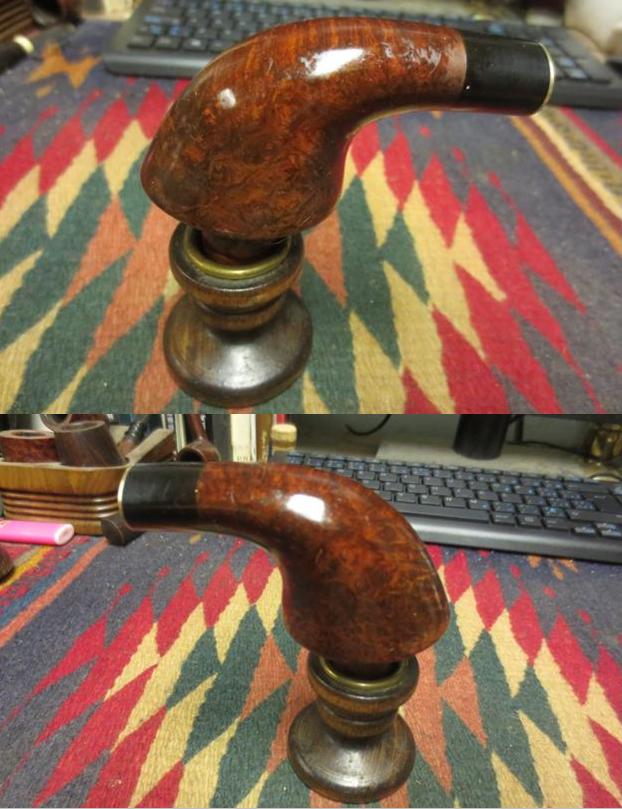
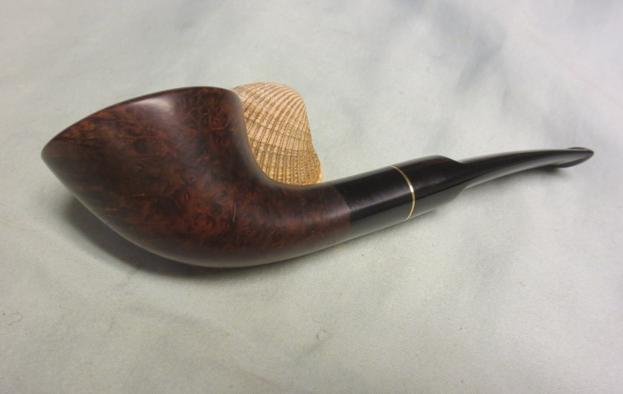
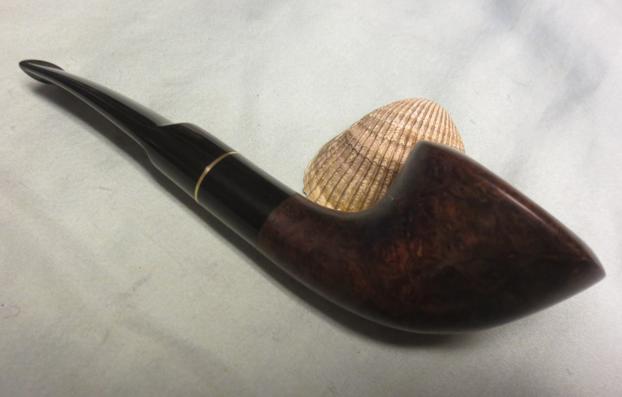
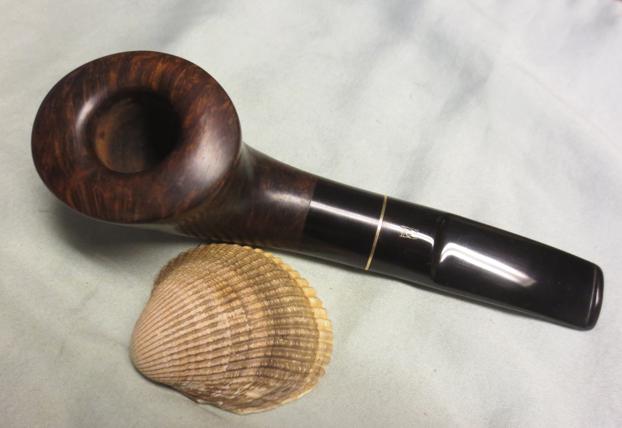
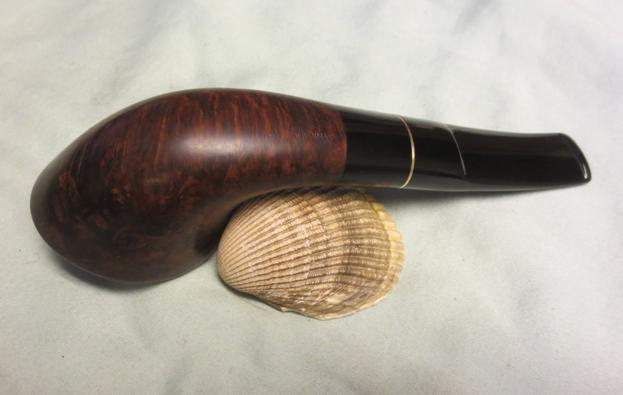
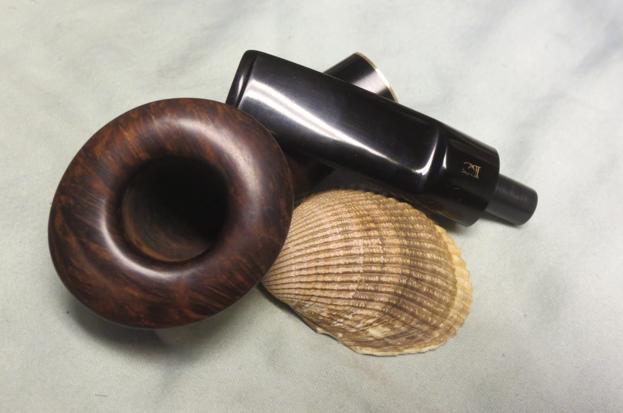
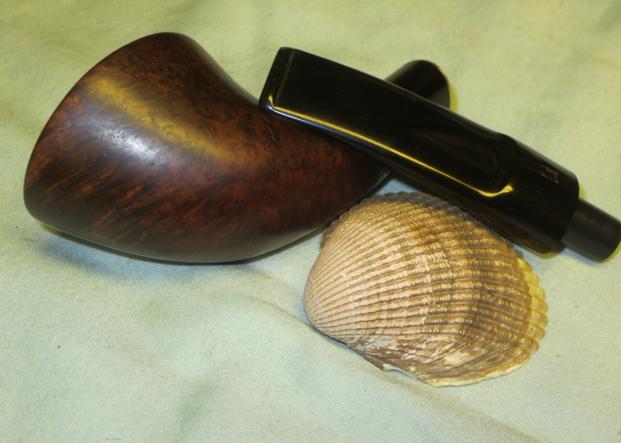
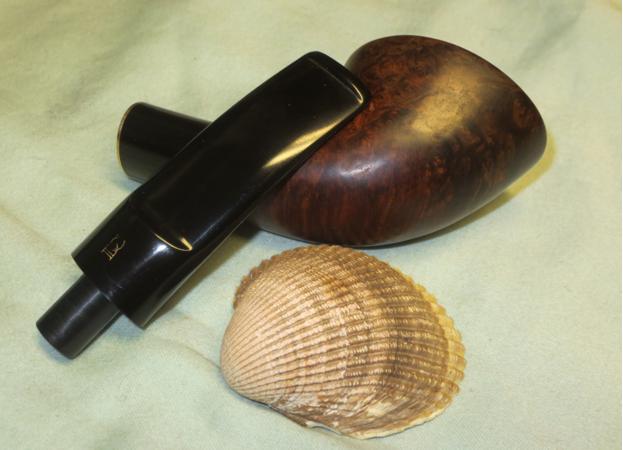
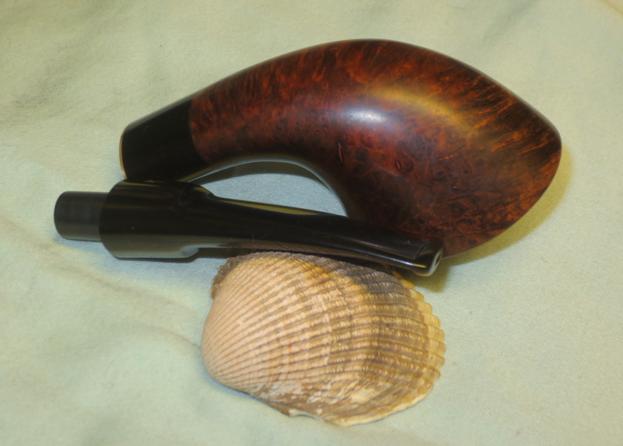
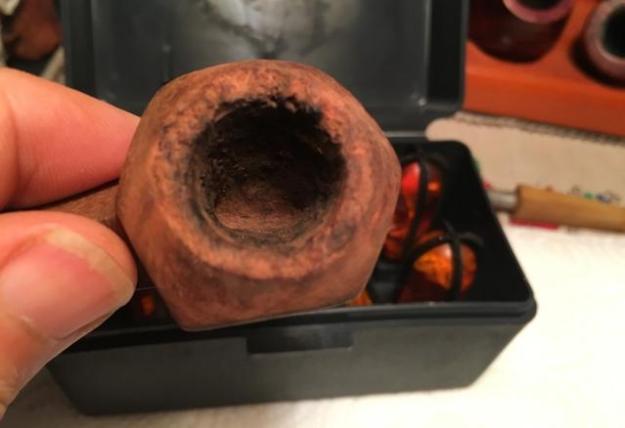
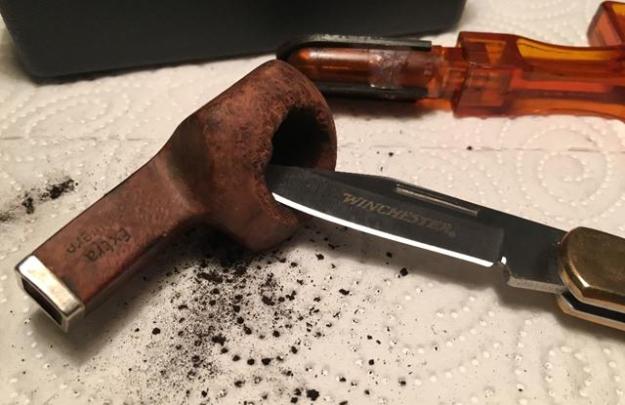
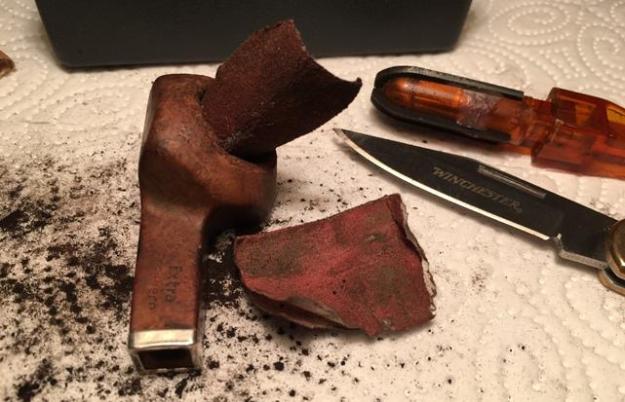
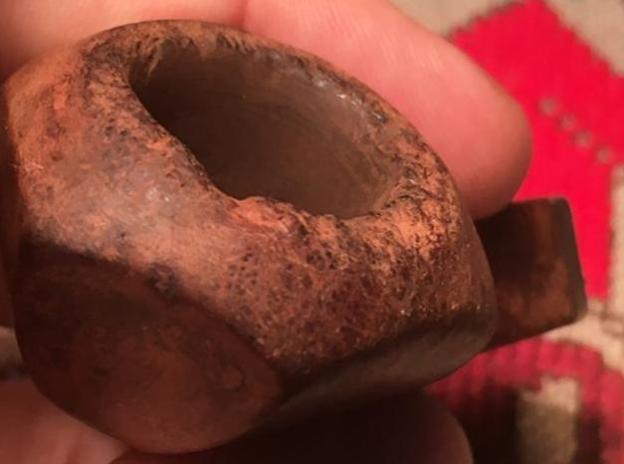
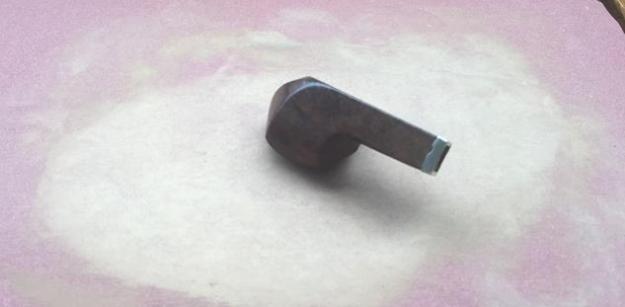
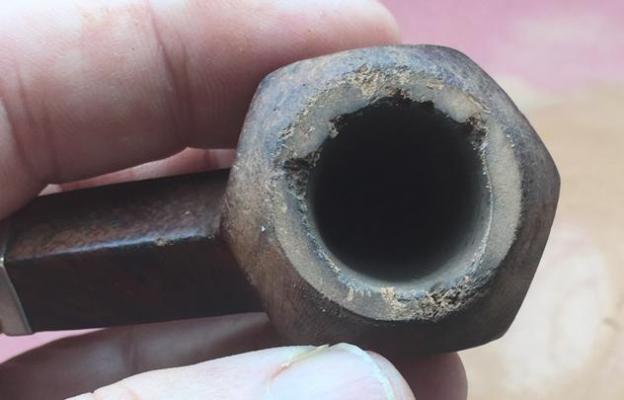
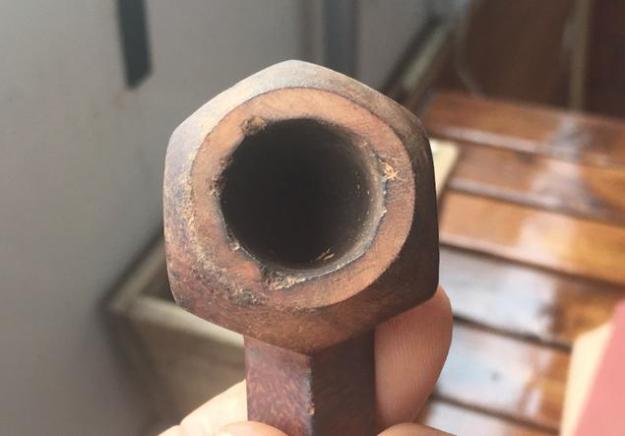
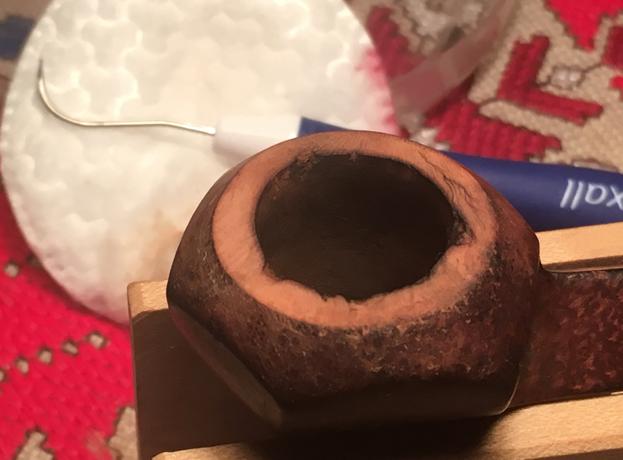
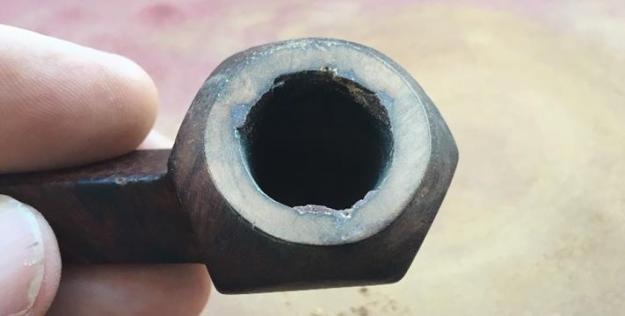
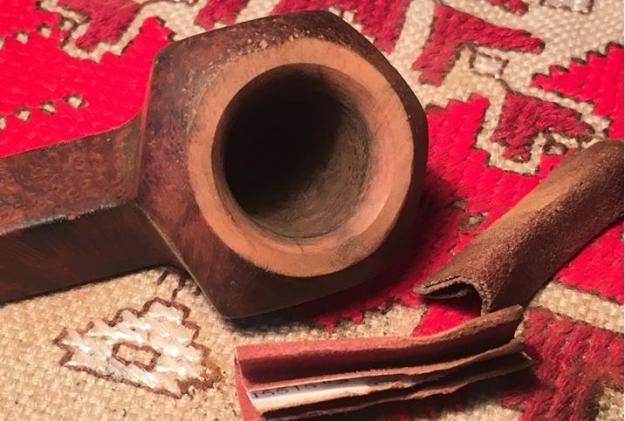
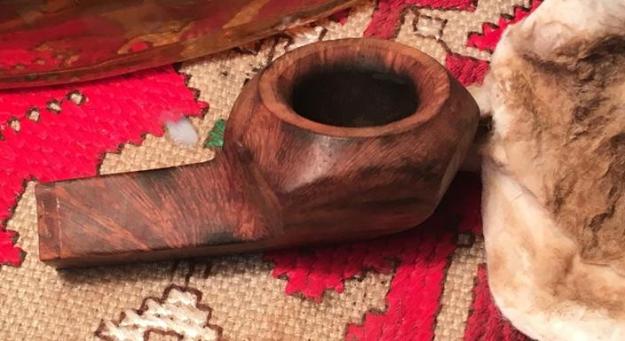
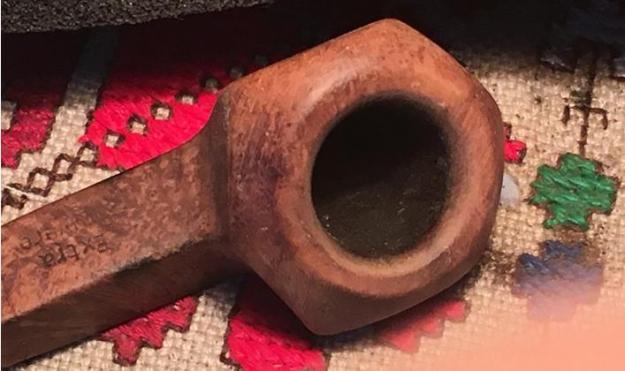
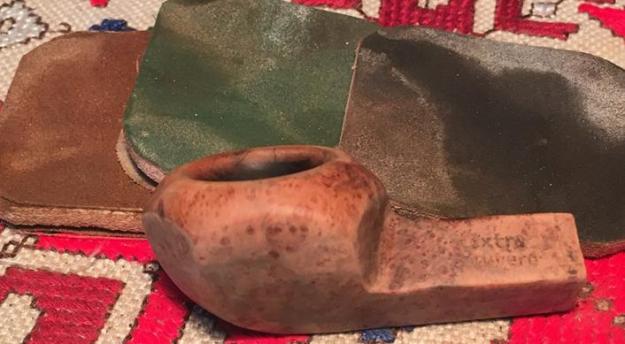
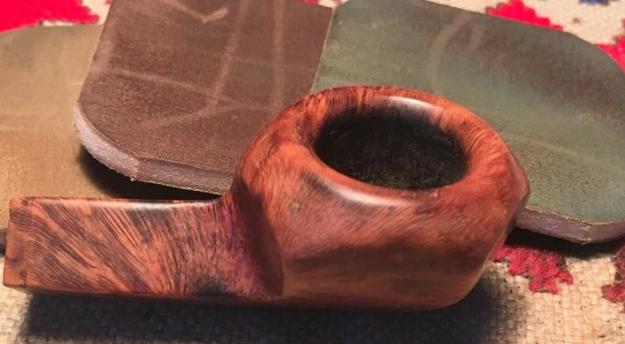
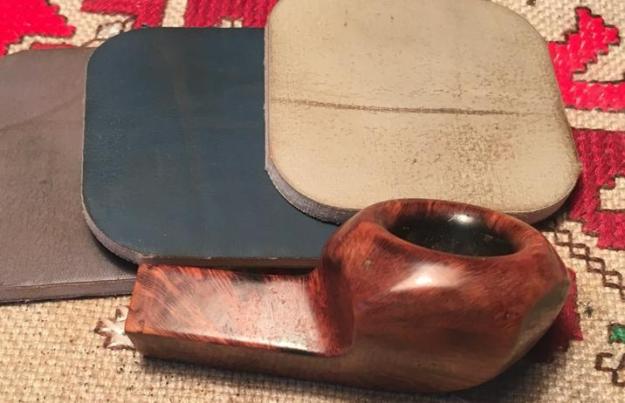
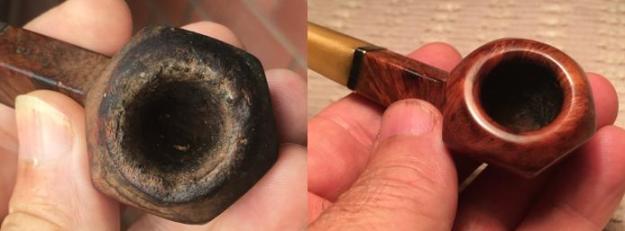
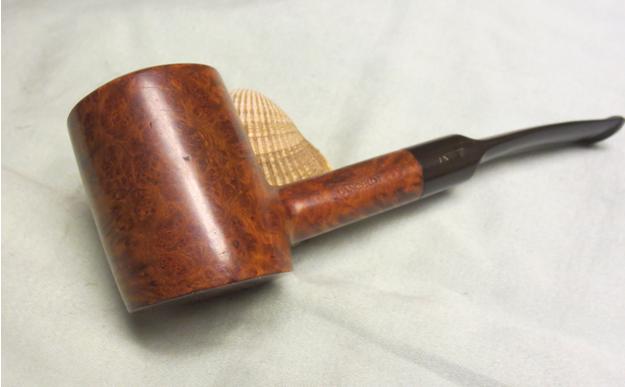
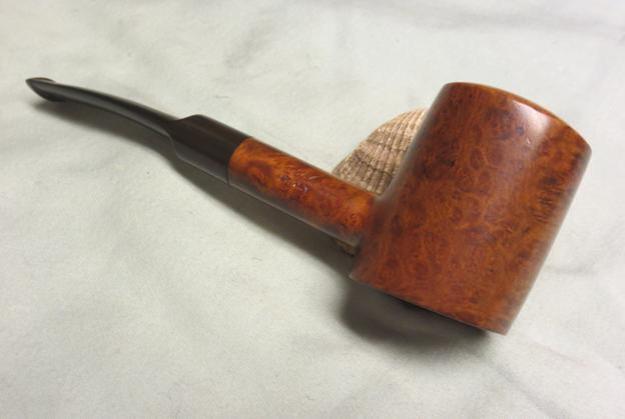
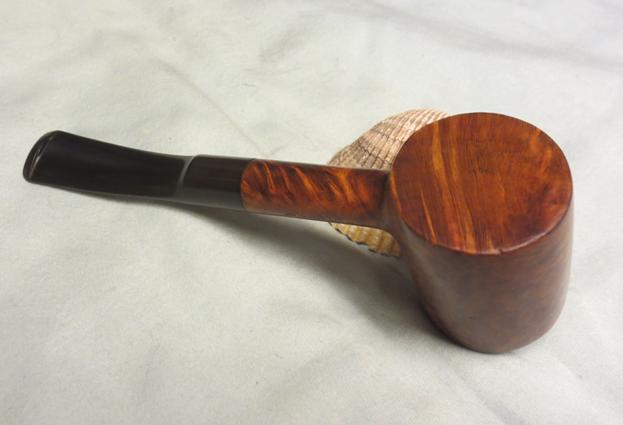
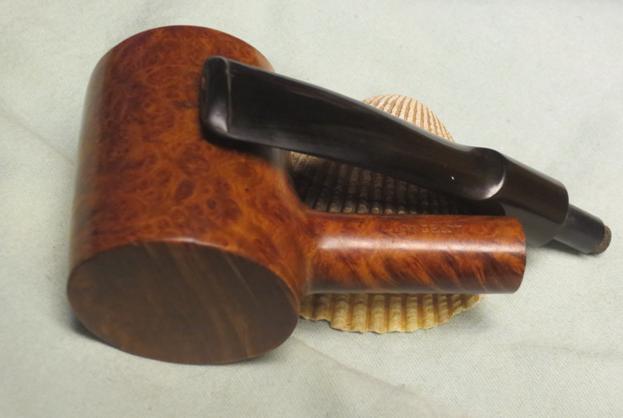
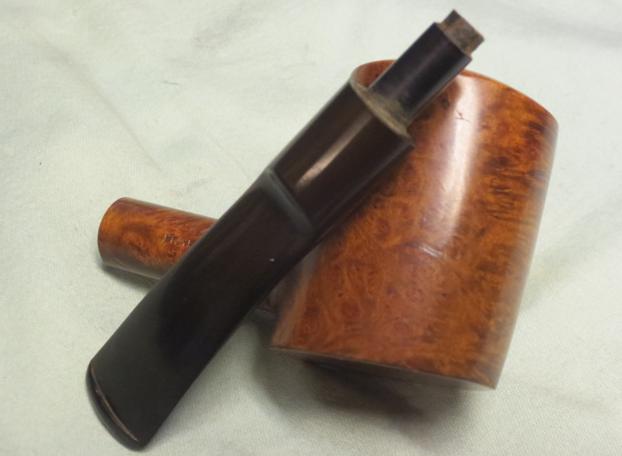
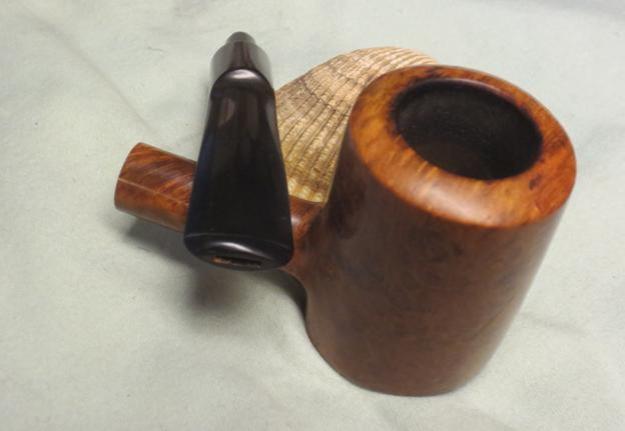
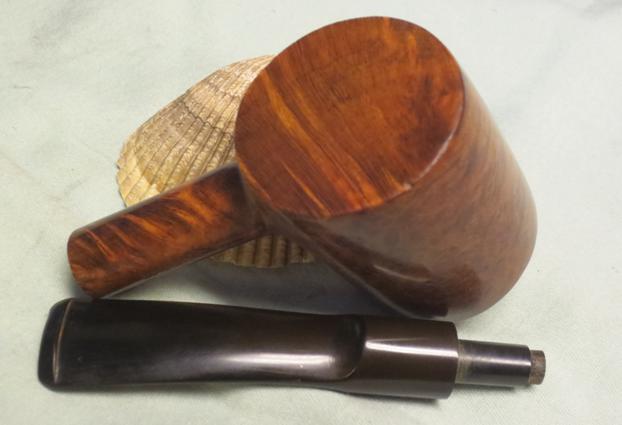
My latest homage – counting a bizarre tribute to “The Twilight Zone” TV series a little more than a year ago that didn’t include a prize – concerns an Amphora bent billiard with an unusual elliptical curve from the front of the rim continuing to the back. The front side had such a bad gash that I had to file the inside curve to fix the damage, which as a consequence left the full original contour uneven on either side – but only a tad. The rest of the pipe was in pretty bad shape, also, in particular the sedimentary-like layers of grime and other overuse, if not downright abuse, resulting in obscured nomenclature.
Uncovering the identity and origin of the pipe therefore required serious uncovering of the truth, or “detective” work, inspiring me to write the blog in as close to the style of the great British-American hard-boiled detective writer, Raymond Chandler, as I could manage. At first intending to put the Amphora up for sale, I decided to offer it as a prize to the reader who could identify the most names of Chandler’s six novels and/or “certain less obvious references” specific to The Big Sleep.
ABOUT THE WINNER
The winner of the Amphora bent billiard is David J. Martin, a Reborn Pipes reader and relative newcomer to pipe restoration from Hinton, Virginia. David aced all six titles of Raymond Chandler novels (including the best best known, to which I admit “The Big Sleeplessness” is a very rough tribute). The titles, in the order they appeared in my blog, are:
The Little Sister, 1949
The High Window, 1942
Farewell My Lovely, 1940
The Long Goodbye, 1953
Playback, 1958
The Big Sleep, 1939
David also had the correct answers to five of the ten character names, without the benefit of knowing what he was supposed to be looking for. They were either spelled out – one as a phonetic slang word from the 1940s that was close enough to the actual name for David to recognize it – or alluded to in various degrees of difficulty. I did not expect anyone to crack all ten of the character name hints, and David found these:
3. “Carmen was okay, come to think of it.” – On the surface, Carmen brings to mind the music of the opera written for the most part by Georges Bizet, in which a gypsy dancer/singer seduces a naïve soldier only to abandon him for another man. She is murdered by the young soldier. It is also an allusion to Carmen Sternwood, General Sternwood’s younger daughter in the novel, who is salacious, toys in the attic crazy and prone to considerable alcohol, drugs and sex.
5. “My biz was to fix the brodie….” – Brodie was ’40s slang for an accident or injury, and is similar enough to Joseph Brody, a petty criminal who tries to blackmail Carmen’s older sister Vivian with embarrassing photos of Carmen’s pornographic endeavors, that David noticed. Brody ends up dead, also.
8. “It’s not like I had a Geiger counter tuned to a man’s sweat….” – Harry Gwynne Geiger is the gay lover of Carol Lundgren and a purveyor of pornography, which was illegal in those days. Geiger’s attempted blackmail of the General, which led to the old man hiring Marlowe, ended with his murder early in the novel but starts the chain of events that keeps the P.I. searching for answers but coming up with more and more stiffs.
9. “I kept her wrapped up like I found her and got her safe and sound to my office on Agnes Avenue.” – Agnes Lozelle is Geiger’s front woman at his “rare bookstore” and a grifter with a big drug problem.
10. “I don’t buy a word of the stories that some fellow named Marlowe wrote any play credited to another Brit.” – A reference to Christopher Marlowe, a Shakespeare contemporary believed by some to have penned many if not all of the Bard’s plays, and a nod to our protagonist, private detective Philip Marlowe.
David’s inclusion of the last connection to the book seems to be almost reluctant, but he got it. In his answer, he wrote, “Philip Marlowe is our detective but this is a literary reference to Christopher Marlowe and Shakespeare.” I tried to make some easy, others more difficult and one or maybe two real challenges. The digression in the blog’s “storyline” to the theories about Christopher Marlowe’s alleged part in penning what is almost without doubt the most significant and vast contribution in the history of literature, and its placement as the last clue, were deliberate attempts at one of the second types. I am very happy that David went with his instinct.
In hindsight, I suspect I should have included a hint that there were ten special connections to make their discoveries more possible. But I stand by my decision not to reveal that they were clues to character names. Well, maybe that’s being too harsh, also.
David gave seven answers in all, two of which were wrong. However, they were very clever. At the end of the story-blog, I paraphrased William Blake’s famous poem, “The Tyger,” which begins
Tyger, Tyger, burning bright,
In the forests of the night;
What immortal hand or eye,
Could frame thy fearful symmetry?
As David noted, I might have added that part because of the fact that Chandler “also wrote [quite a bit of] poetry.” I think the narrator’s somewhat lascivious comment about “a long, full-bodied, folksy Ukrainian tiger” and “feeling her fearful symmetry that only the Master Craftsman Himself could dare frame” was in fact a subconscious attempt at a fourth category of connections, one of a misleading variety. Still, Chandler’s prolific poetry writing had nothing to do with the story of the novel to which I tried to pay tribute. The observation was nevertheless an astute observation on David’s part.
I have to say the most amazing mistake David made was his almost psychic interpretation of a part I wrote and then edited because, as first written, it referred to one of Chandler’s short stories, “The Simple Art of Murder,” rather than novels. I had written, “ It’s not like I had a Geiger counter tuned to a man’s sweat, and the simple art of murder is about as simple as common sense is common.” Catching the mistake, I edited the sentence to end, “and murder is about as simple as common sense is common.” The fact that David was so well attuned to Chandler’s complete works, and the reason for my altered line, astounds me.
Now, I will reveal the five undiscovered clues, in order of their appearances in the blog, and starting with the most difficult of all.
1. “At night the blood red color of the fourth planet from the sun, and the fact that it was closer to our little world than it had been in eleven years, only made the air outside seem hotter.” – The red fourth planet is suggestive of Eddie Mars, the antagonist and leader of a gambling racket who is both corrupt to the bone and the indirect cause of many of the murders in the novel.
2. “…I hadn’t seen any since the part of the year I liked best, what the locals called the monsoon season with the kind of cock-eyed, soppy buzz that got under my skin, right after the mere sound of a Christmas carol.” – Referring to Carol Lundgren, a young gay man who kills the wrong person in retaliation for the murder of Carol’s lover. Carol’s poor vocabulary also gets under Marlowe’s skin.
4. “…every one of my flannel uniforms was at Owen’s, my tailor.” – The most obvious reference to a character, Owen Taylor, the Sternwood’s chauffeur. Taylor is also one of the many killers in the story, murdering Anthony Geiger for the love of Carmen.
6. “Briar is a stern wood….” – An obvious reference to the Sternwood family in general, the patriarch of which hires Marlowe in the first place. [I WAS SURPRISED DAVID MISSED THIS ONE, CONSIDERING IT WAS IN THE SAME PARAGRAPH MENTIONING “THE BRODIE,” OR BRODY.]
7. “I’m not one to lash out unless I’m threatened to my face….” – Referring to Lash Canino, Eddie Mars’ sadistic, uncontrolled and hair-trigger hired gun who kills one person with cyanide and tries to kill Marlowe.
Given David’s extraordinary knowledge of Raymond Chandler’s varied works, and in particular that singular “wrong” answer, I can say that even in the improbable event of anyone else finding all 16 correct answers, I would still restore something special for David as a well-deserved consolation prize. But as it stands, he gets The Big Prize, as it were, and it’s not in consolation but respect.
As I’m sure Steve would write, well done, David. (ed. Well done David – Steve)
ABOUT AMPHORA PIPES
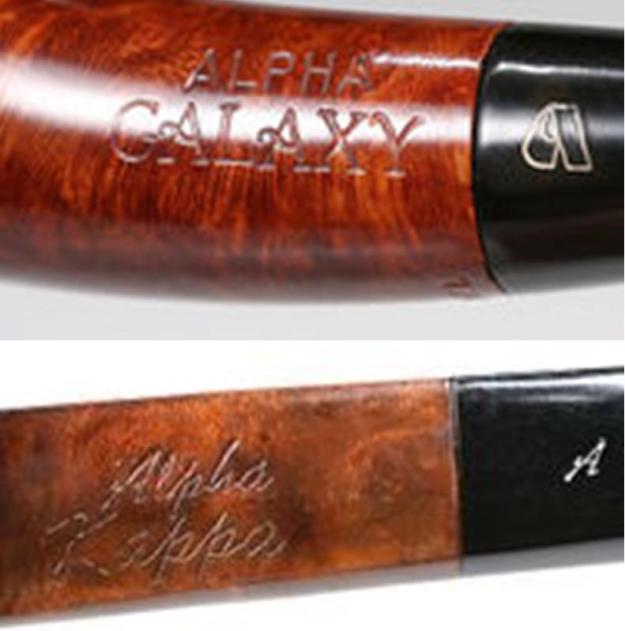
Steve clued me to the definite comparison of the unique rim curve of the pipe I had (which later proved to be an Amphora despite some of my local friends’ shared belief that it was an Israeli Alpha) to the Dr. Grabow Westbrook. Steve had restored a Westbrook #42 and, for lack of a better name for the design oddity, referred to it as a Westbrook.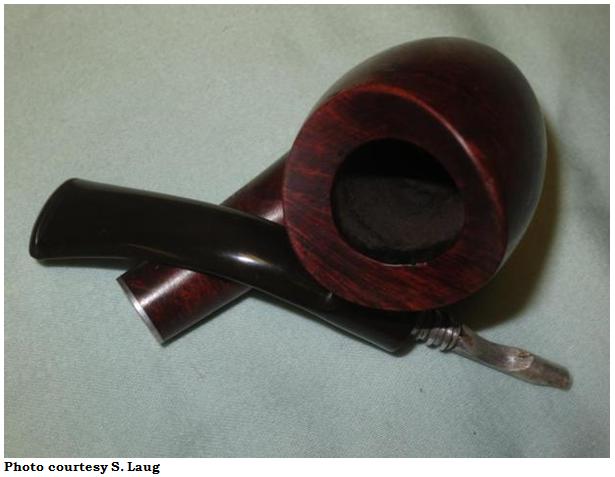 I had no problem confirming the Dr. Grabow lead with the following chart showing the ubiquitous, All-American pipe company’s 1981 line of X Series/Continental pipes.
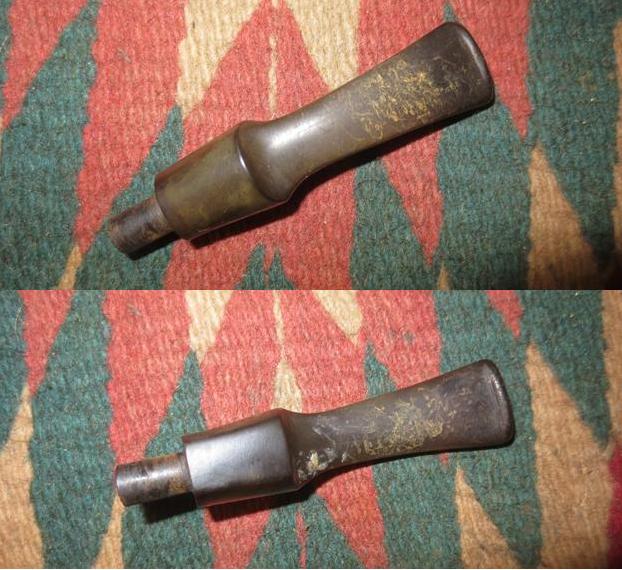
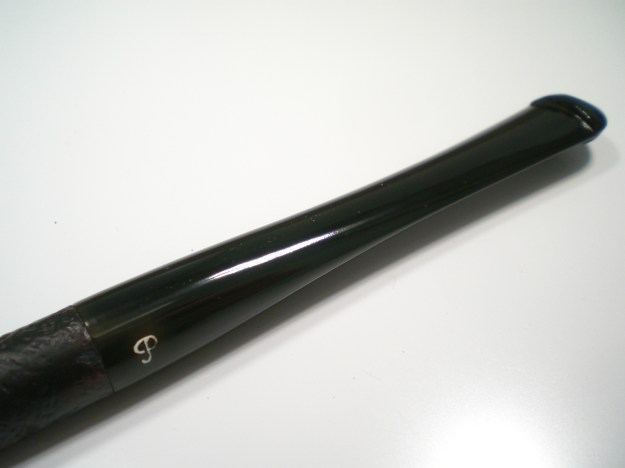
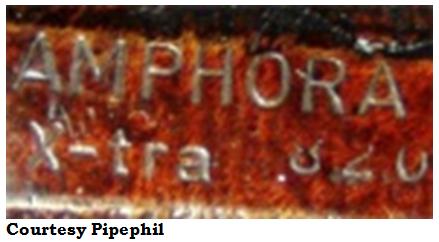
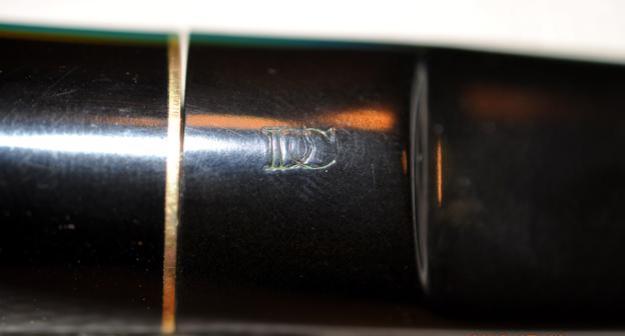
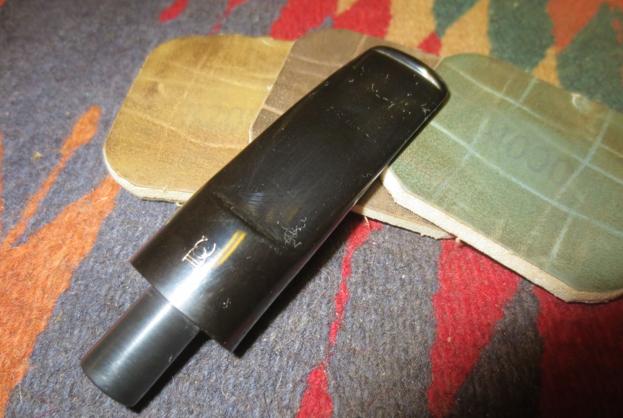
 Still unable to make out the full name on the left side of the pipe I was restoring, I turned to pipephil.com to track down the distinctive mark on the bit that resembled a sort of A in the form of a spaceship. That search ruled out Alpha and turned up two possibilities, the Douwe Egbert Company and Elbert Gubbels & Sons, both Danish makers.
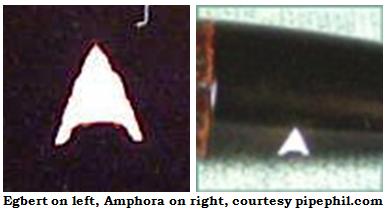 As it turned out, they were related, and the latter was further connected to the Royal Dutch Pipe Factory that went bankrupt in 2012. Gubbels & Sons made Amphora. That makes Amphora a Royal Dutch Pipe Factory second, or to be more precise, perhaps a Douwe Egbert “third.”
That was as far as I got until I posted a thread on the Smokers Forums UK offering the free Amphora pipe to the reader of my rebornpipes blog who came up with the best response to the stated contest rules. A friend on Smokers Forums (SF) named Ed posted this initial and most pertinent of several comments in the thread.
“Nice job on the Amphora and an enjoyable read on the restoration! As you found out there is a connection to Dr. Grabow. They made several shapes of Amphora for Douwe Egbert as the attached copy of an Amphora coupon shows. The easiest way to tell a Grabow made Amphora is the shape number–all were 800 series I believe. They also made the Douwe Egbert ‘Color’ pipes which were painted like the Grabow Color Viscount and Color Dukes. Also, if I remember correctly the ‘A’ on the stems of the Grabow made pipes were embossed, not inlaid.”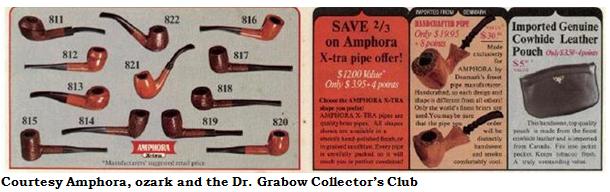 In response to my query as to where he found the documentation (a single photo of the two items), Ed later added, “I got that photo from the Dr. Grabow Collectors Forum… There is quite a bit of info on the Amphora pipes there. One of the members is a retired president of the company and he has posted quite a lot of info on them – as well as many other pipes made by Grabow. He’s also very knowledgeable about Mastercraft as he was VP [at] Mastercraft after it was merged with Grabow. That forum and R.J. McKay’s website are the two best sources of Grabow and related pipes info. http://drgrabow-pipe-info.com/ RJ’s site is ‘under construction’ and has been for some time but there is a ton of info especially on the Linkman Grabows.
“A lot of folks don’t realize that Grabow made pipes for several companies – tobacco companies as well as pipe companies. Ever see an Elsinor pipe made by Grabow for Edgeworth. If you see [a] Grabow that looks like an Alpha – there is a reason –and a connection. If I remember correctly they even furnished Carey at times with unfinished stummels.”
My interest in the Gubbels & Sons, founded in 1870, spiked like the average price of dot com stocks just before the collapse of that infamous period of financial history, although in a good way. Returning to Pipephil’s entry for Amphora, I noticed again the peculiar mention of pipes known as Porsche Designs and discovered that they were all conceived and manufactured in Germany by Ferdinand Porsche but apparently crafted, to the point where they were ready to be finished, by none other than E. Gubbels & Sons of the Netherlands, not Denmark as I claimed in error in my previous blog.
I have known the name Porsche for almost as long as I can remember and tried to dismiss the preposterous notion that the legendary sports car could be associated with a line of tobacco pipes by anything more substantial than a licensing agreement. My dad owned and drove two while we were still talking, a 911t from 1968, as I recall, and a 1973 914s. The second was made the year my dad turned 40 and I 11, and I now know from experience long past that men do crazy things around that age. Still, I always preferred the little red ’68 rocket.
And so, Googling Ferdinand Porsche, I was shocked to see that Herr Porsche of the cars was the same man who designed the pipes. But no,David, as good as the Amphora may be, it is no Porsche. I am sorry, but I must be honest. Gubbels, by the way, also makes the Bugatt, Hilson and Big Ben.
I did find the following charts of Dr. Grabow pipe shapes and numbers for various years and/or periods.
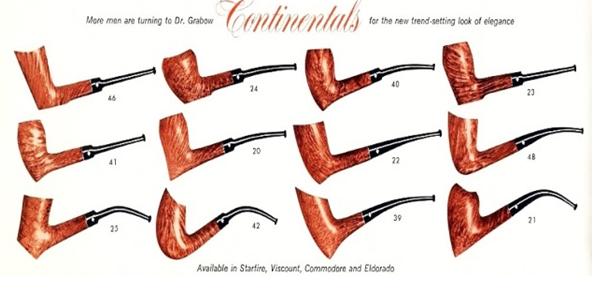
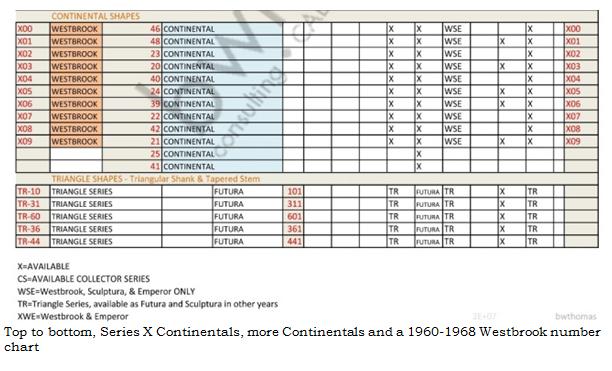 The information about Amphora pipes included here should – hint-hint – pique Steve’s insatiable curiosity enough to do a little more searching. I will, of course, continue to see what I can come up with to add to the data collected so far. As I see it, all I’m missing is a clear Grabow-Mastercraft-Amphora connection, which I have no doubt is to be found in the cacophony of online conversations in Ed’s fifth link below.
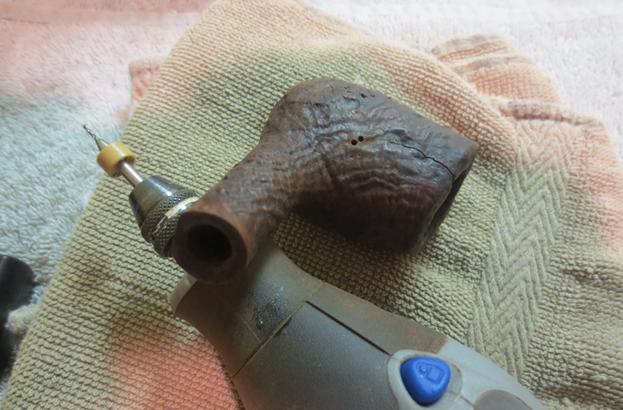
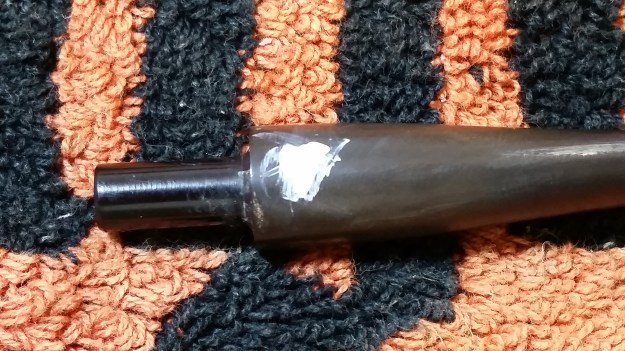
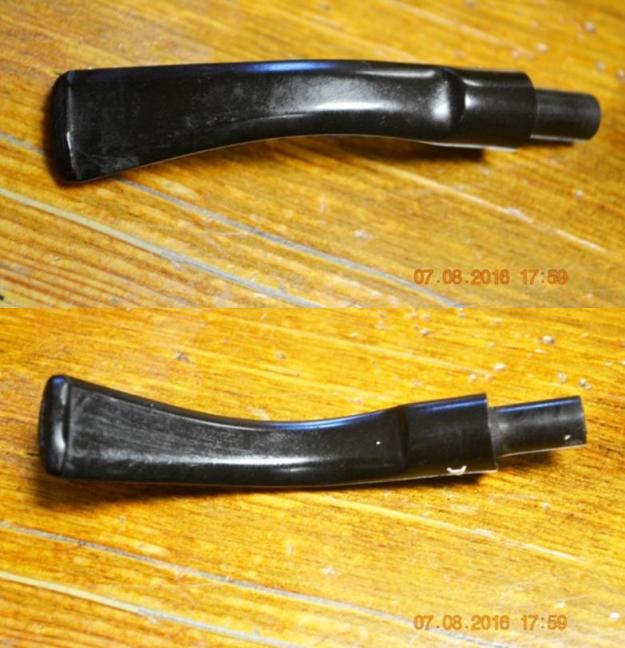
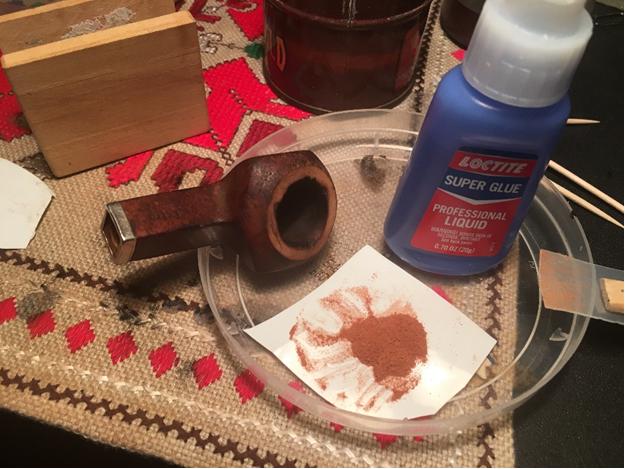
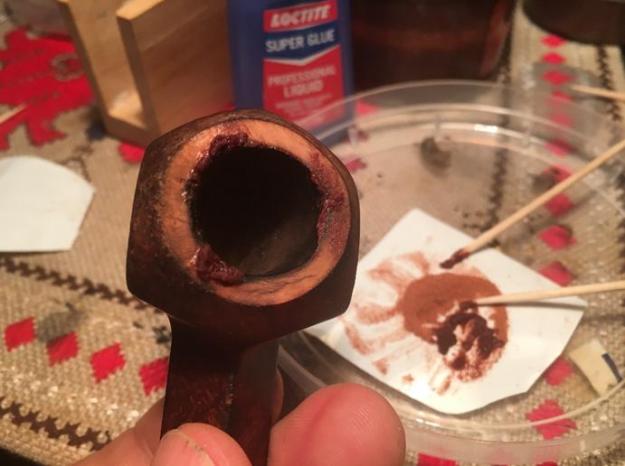
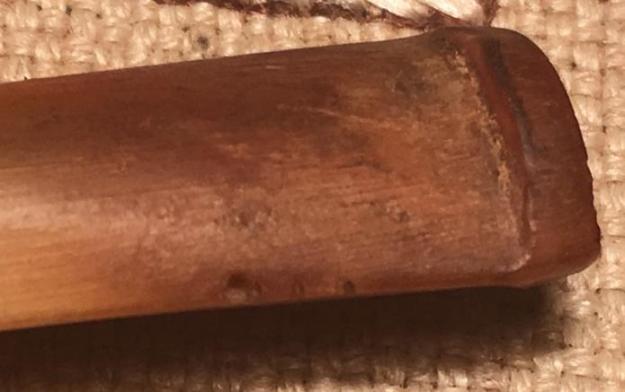
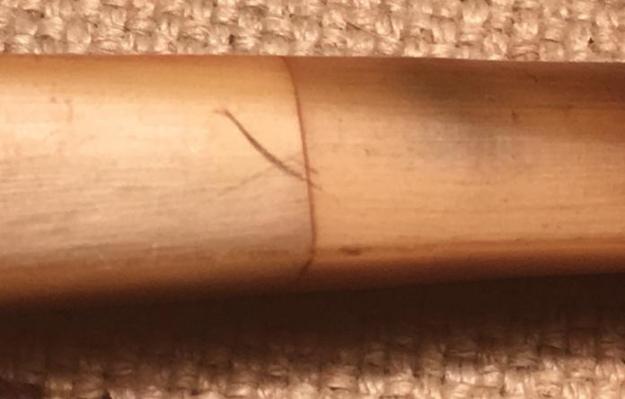
By the way, Ed was correct about the Amphora bit logo being embossed rather than inlaid – which accounts for the main reason I didn’t let it have an OxiClean bath. Given the frail, weathered and abused condition of the rest of the pipe, I had serious reason to doubt the etching
The Big Sleeplessness
Restoring a Dr. Grabow Westbrook 42
http://www.pipephil.eu/logos/en/logo-d7.html#douweegbert
http://www.pipephil.eu/logos/en/logo-a5.html#amphora
http://drgrabows.myfreeforum.org/index.php?sid=c13a84f8440dc5de0af48b4afec89e6c
http://www.pipephil.eu/logos/en/logo-p4.html#porschedesign
http://www.gubbelspipes.com/

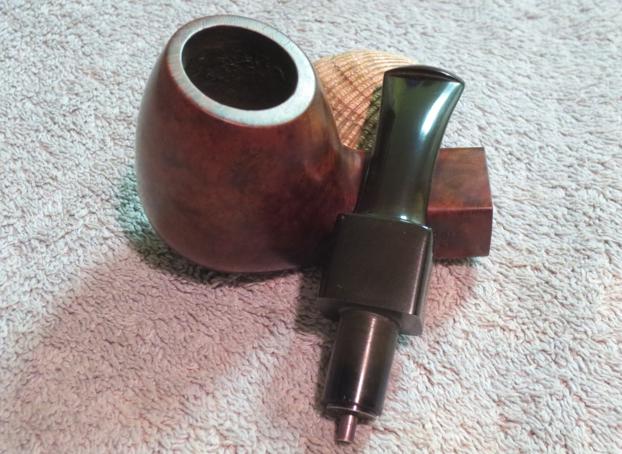
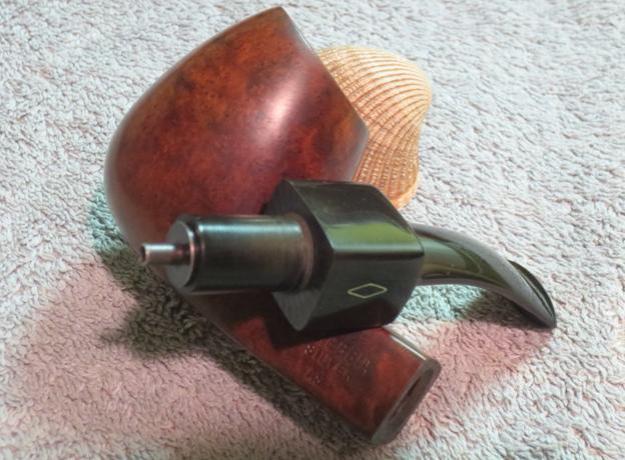
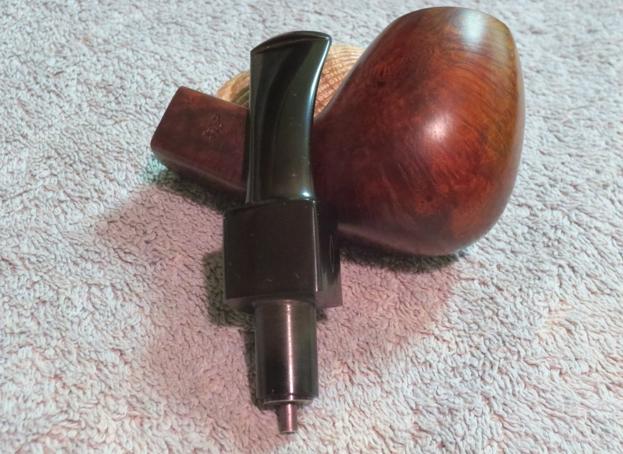
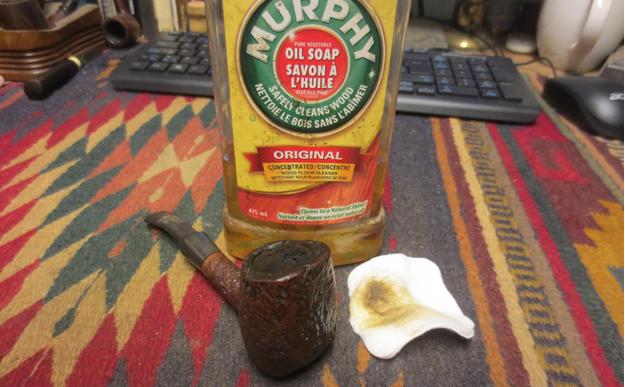
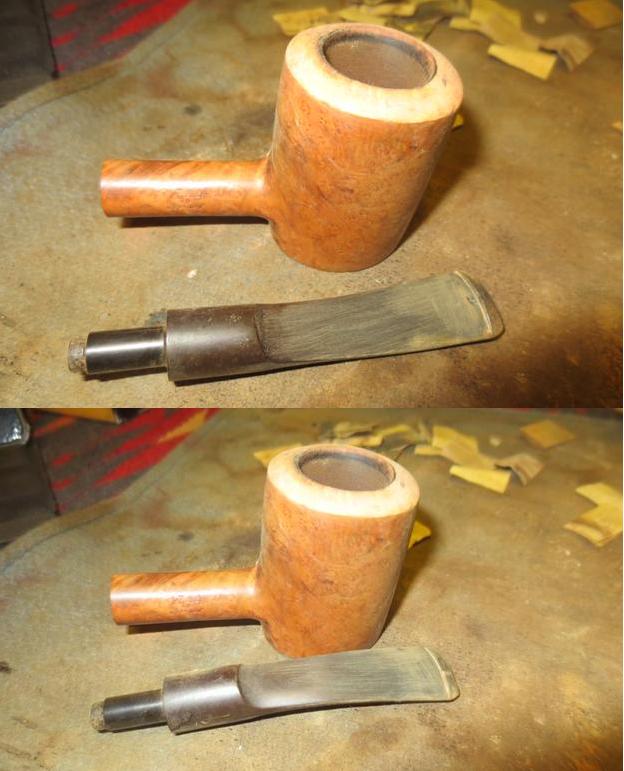
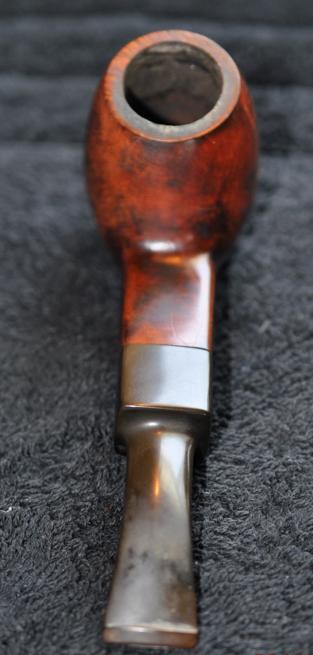 My brother scrubbed the bowl with Murphy’s Oil Soap and removed most of the finish but the stubborn spots on the shank. The stem was lightly oxidized and had some light tooth chatter on the top and bottom near the button. The next set of four photos show the pipe when it arrived here in Canada. Once again my brother did a great job cleaning this one up. I can’t believe how much time it saves to be able to begin with finishing rather than cleaning. Thanks Jeff.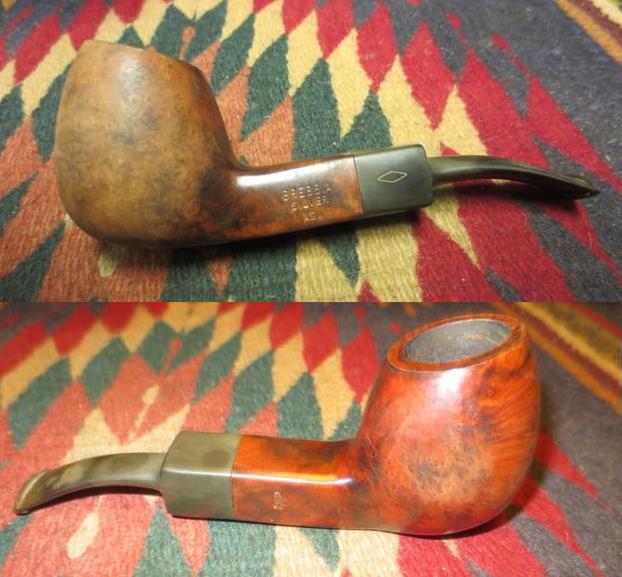
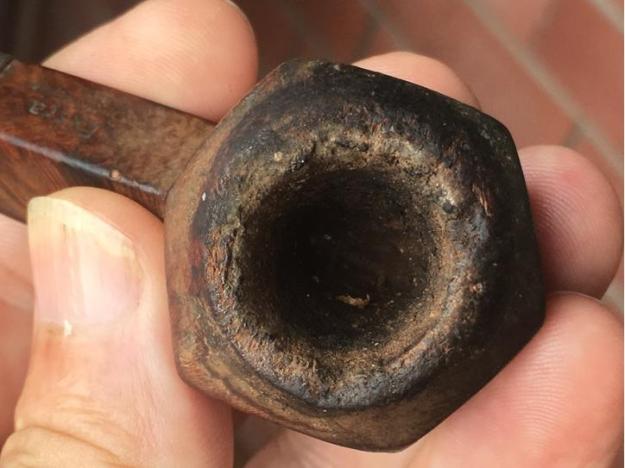
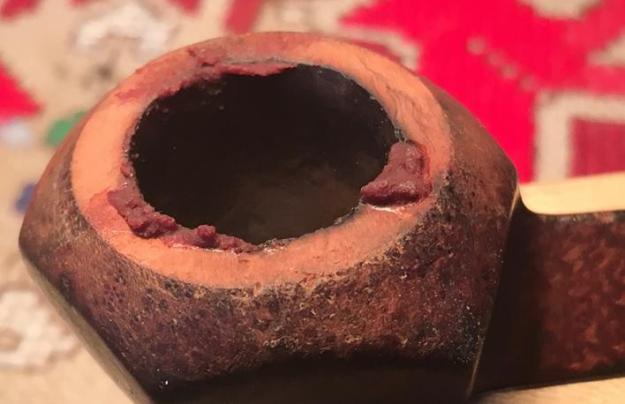
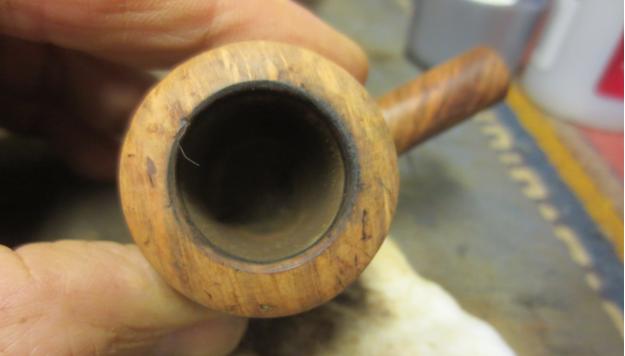
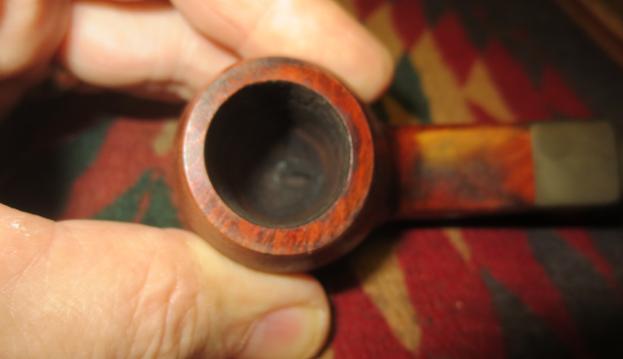
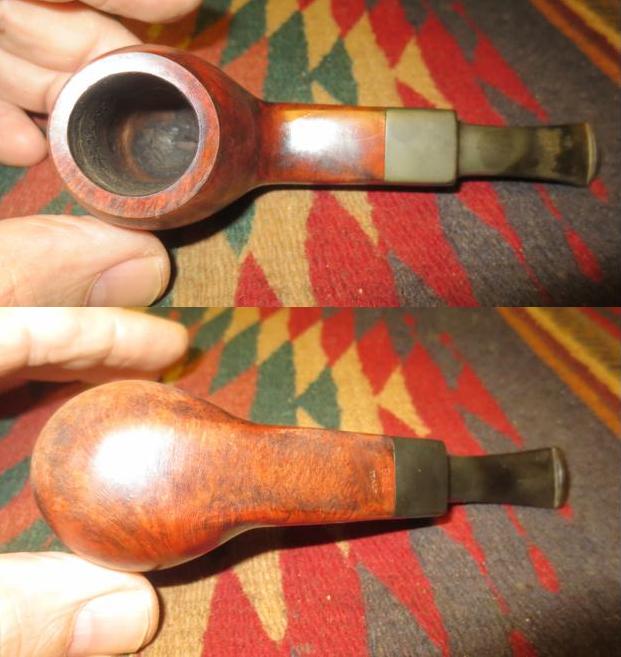 I took a close up photo of the rim to show how clean it was and how the bowl was in round and the edges were not damaged.
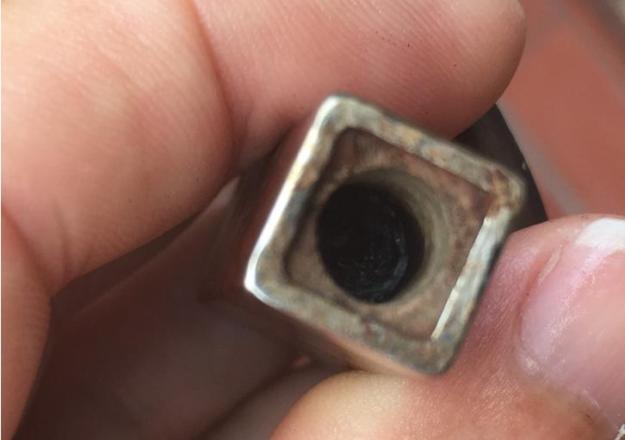
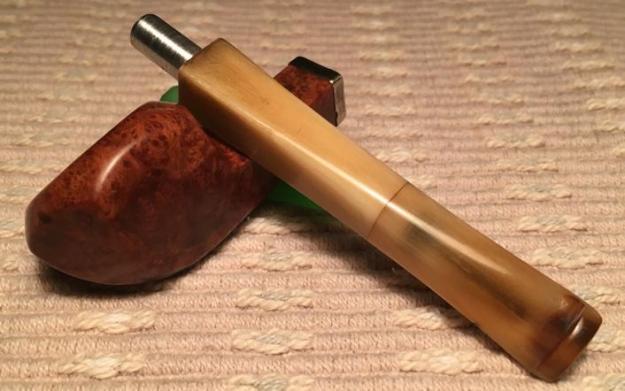
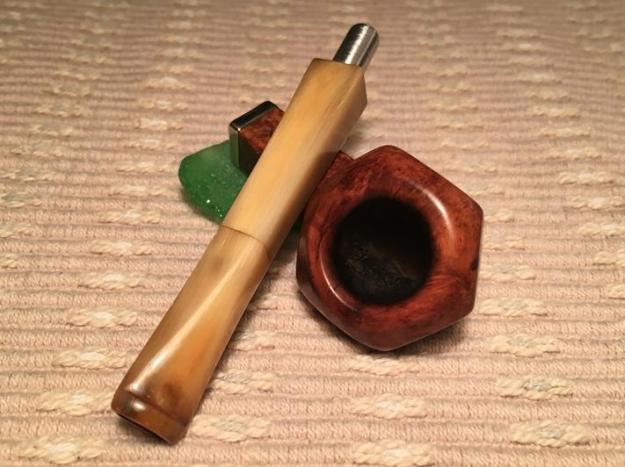
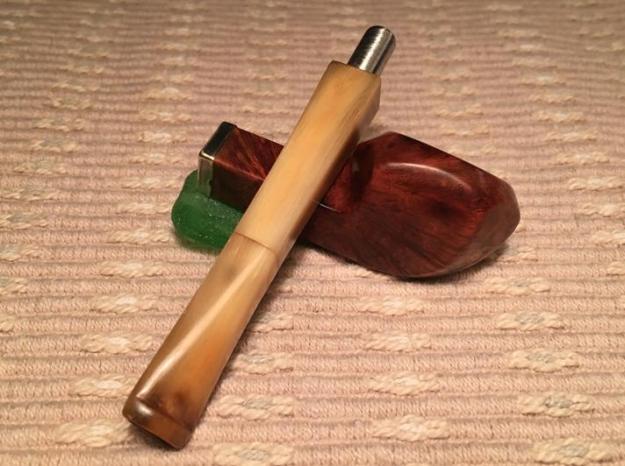
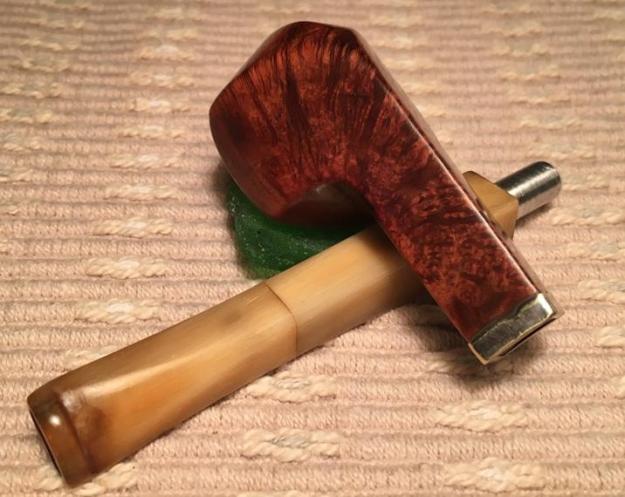
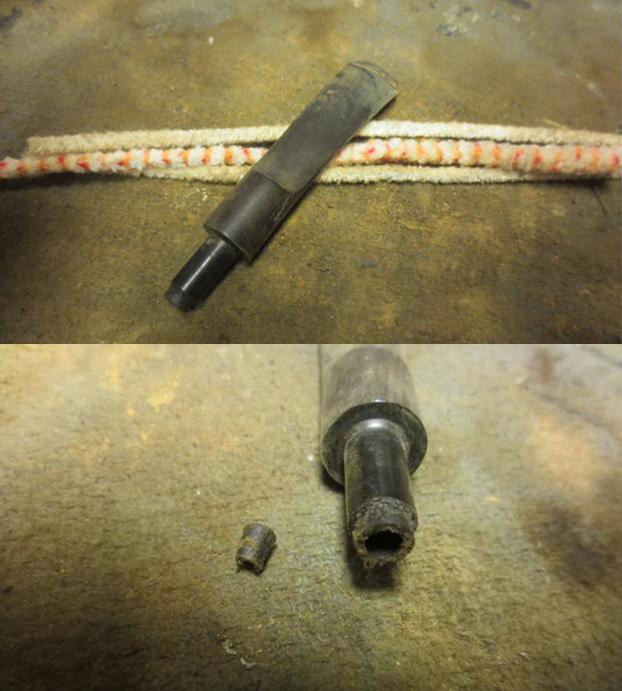
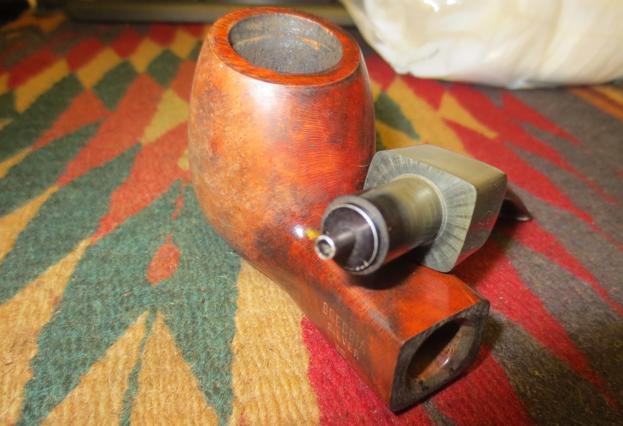
 The stem was a bit of an oddity to me. I have not seen a stem with the kind of built in tube that this Brebbia sported. There is an end cap on the tenon with the tube protruding out. When the stem is in the shank the tube sits in the airway between the mortise and the bowl.
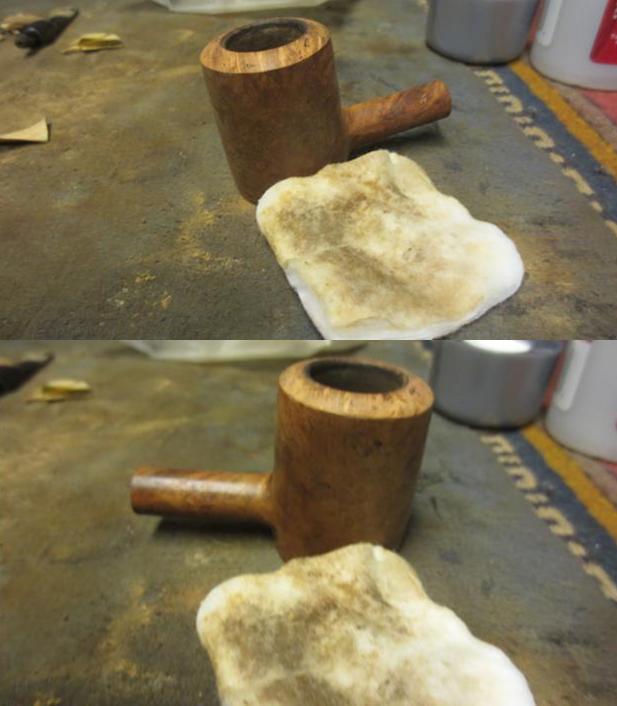
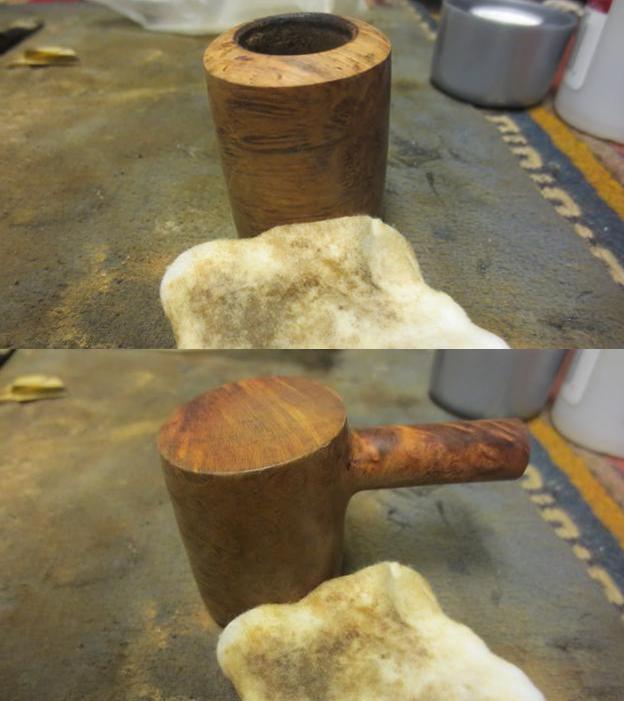
 To remove the stubborn finish on the shank I scrubbed the bowl and shank with acetone on cotton pads. It took a bit of elbow grease but the shank finally let loose of the finish.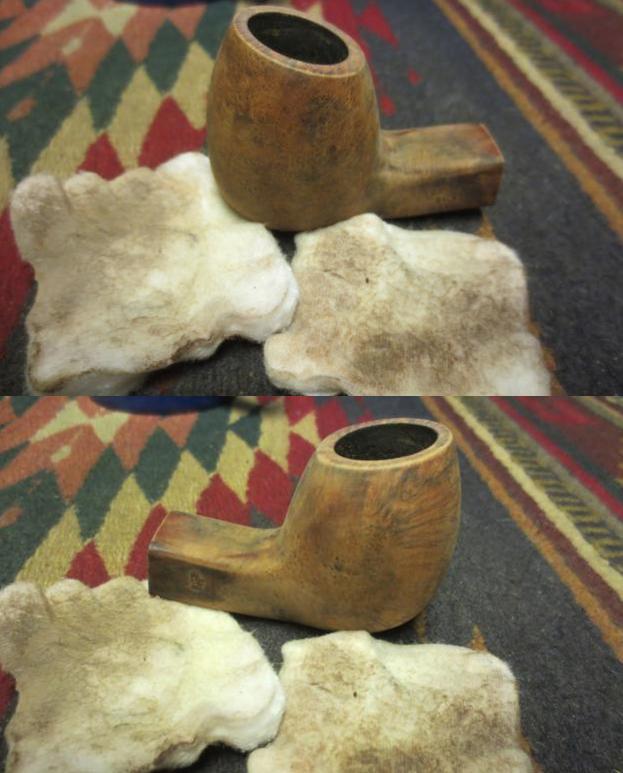
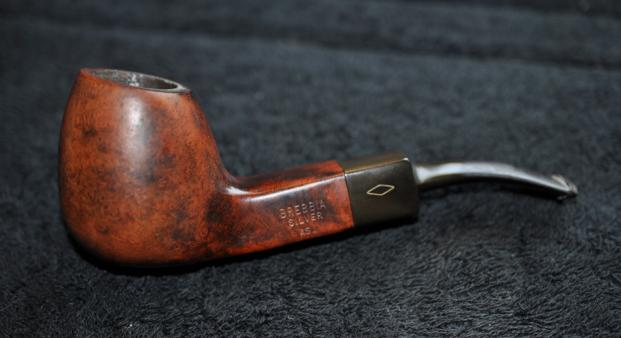
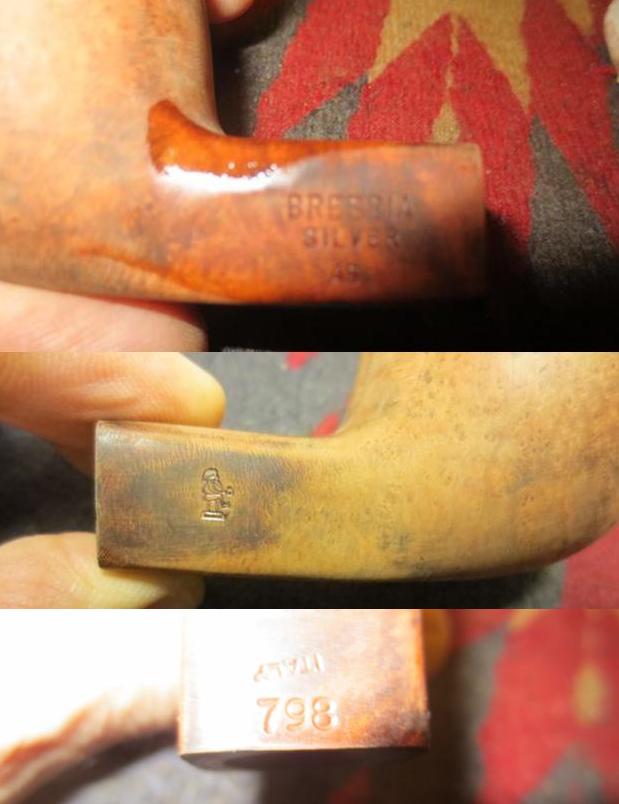
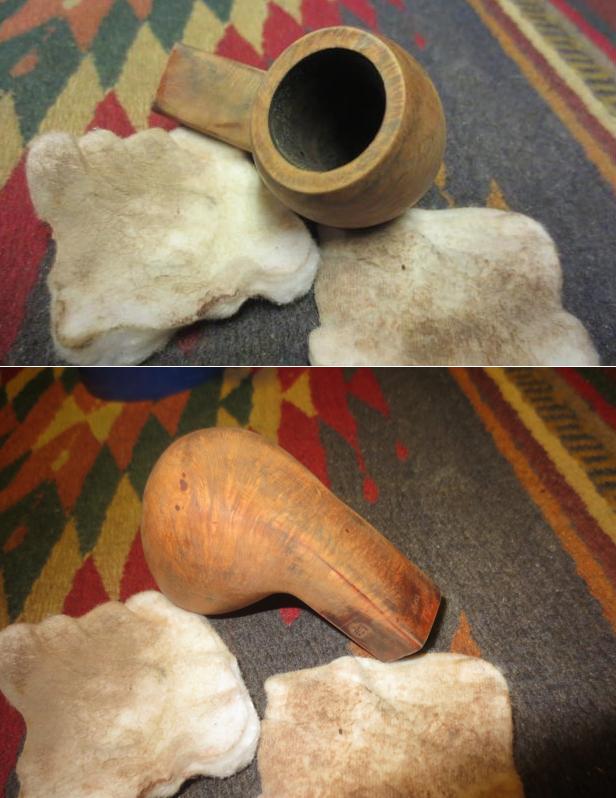 I took some close up photos of the stamping on the shank as they were very clear. The left side of the shank reads Brebbia over Silver over AS_. I am assuming that the AS_ was probably AS1. The right side of the shank has a gnome stamped on it. The gnome was the logo Brebbia used to put on its stems from 1953 to 1956. On the underside it is stamped Italy 798.
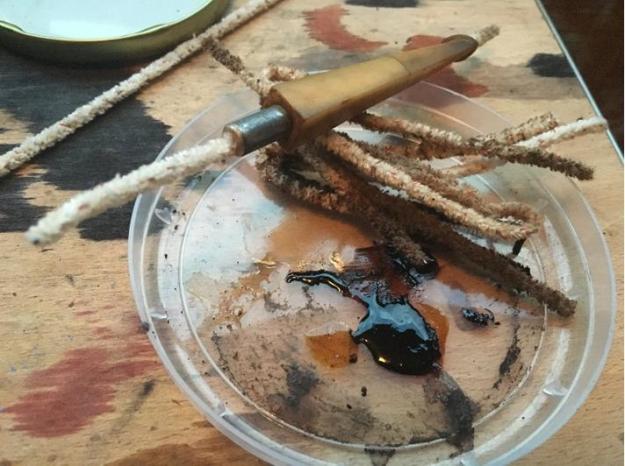
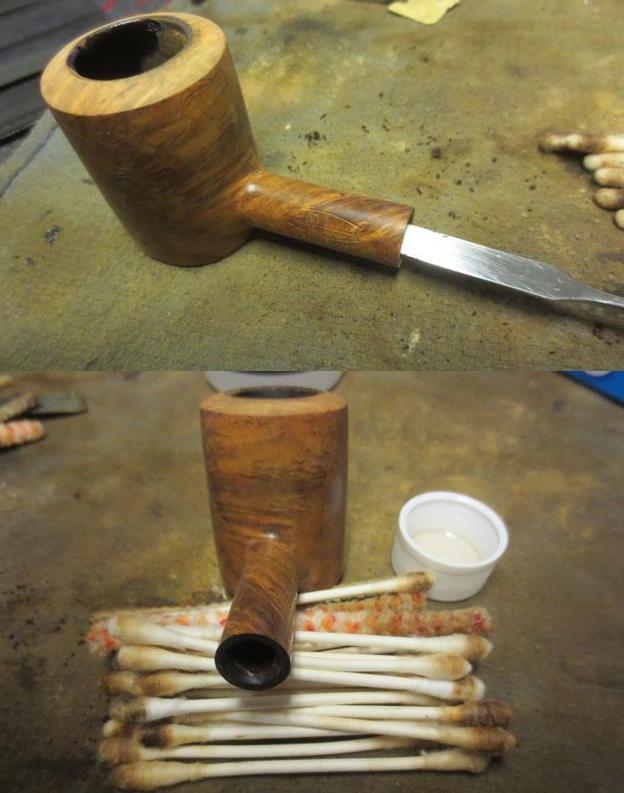
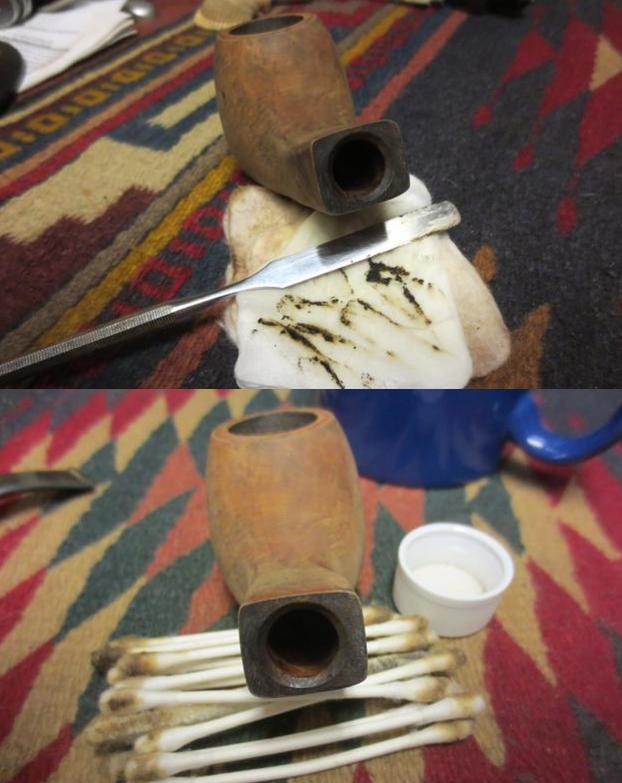
 The stem was very tight in the shank so I examined it with a light and saw that there was a thick hard coat of tars on the walls of the mortise. I scraped the mortise with a dental spatula and removed the heavy coat of tars and then scrubbed it with pipe cleaners, cotton swabs and alcohol.
 I put the stem back in place and it fit snugly but the tightness was gone. I took some photos of the pipe at this point in the restoration.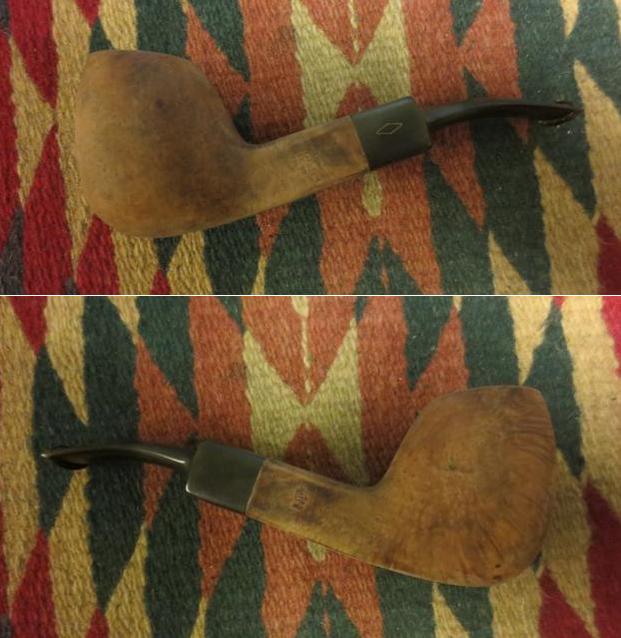
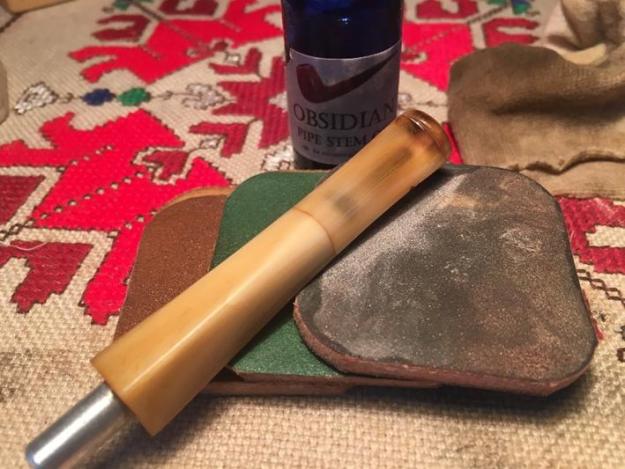
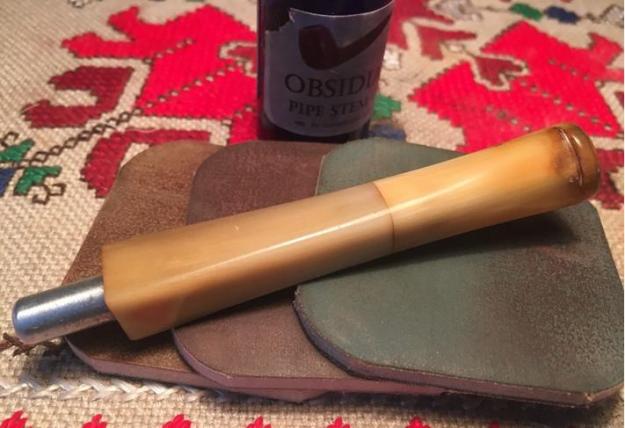
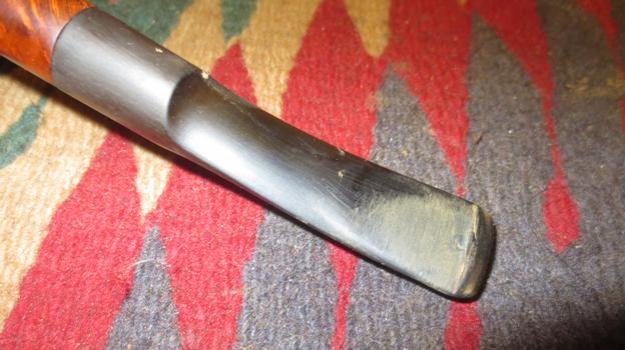
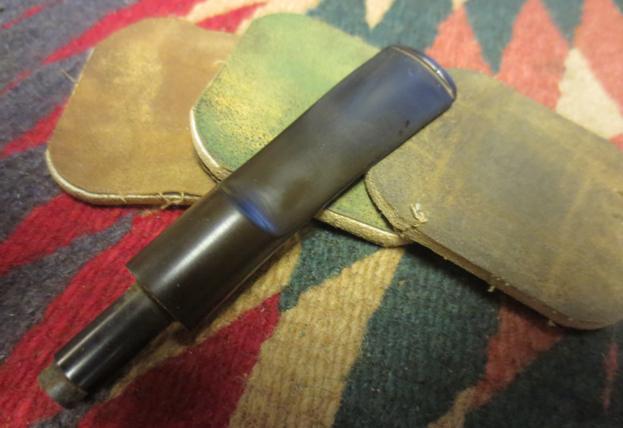
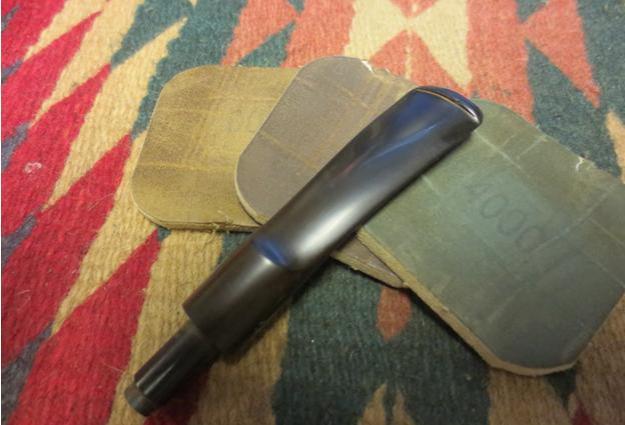
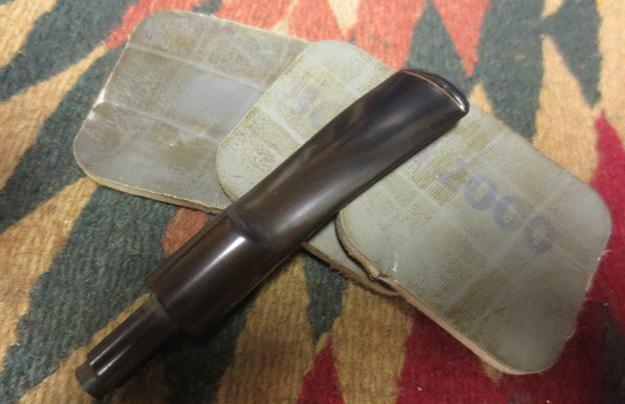
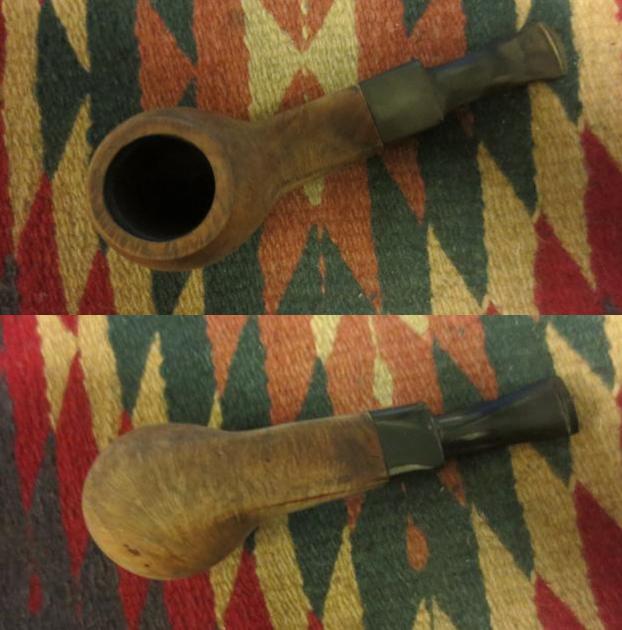 I removed the stem again and worked on it with micrmesh sanding pads – wet sanding it with 1500-2400 grit pads and dry sanding with 3200-12000 grit pads. Between each set of three pads I rubbed the stem down with Obsidian Oil and also gave it a final rubdown after the 12000 grit pad. I set the stem aside to dry while I worked on the bowl.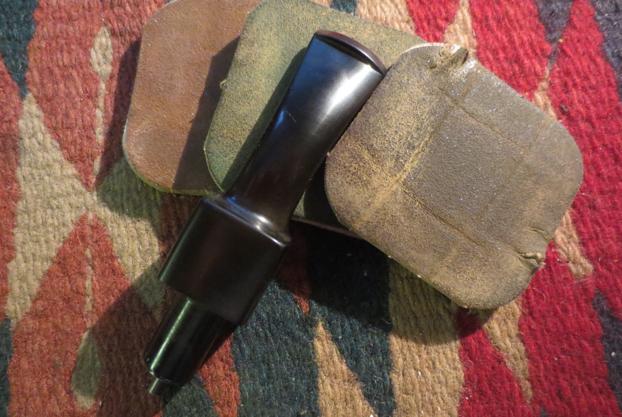
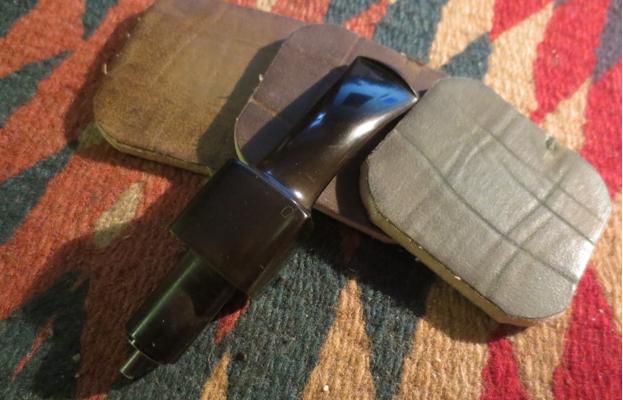
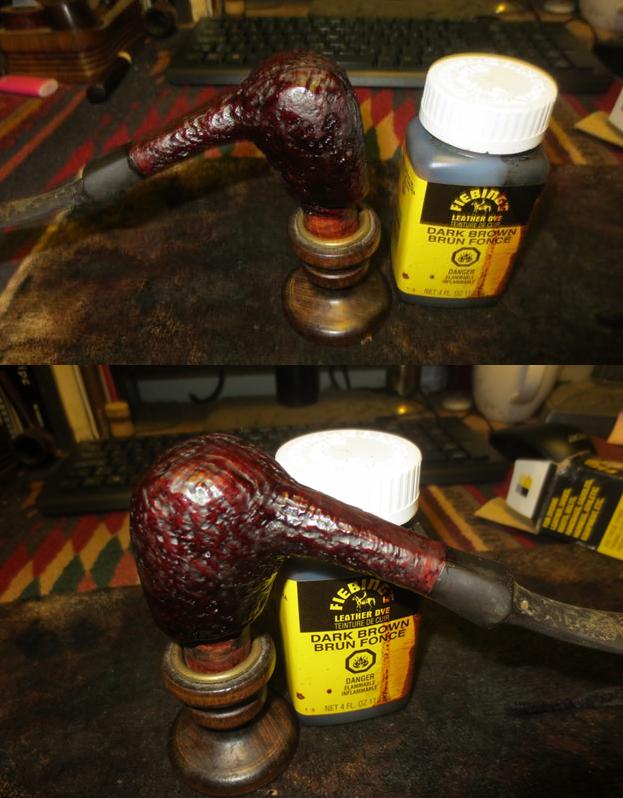
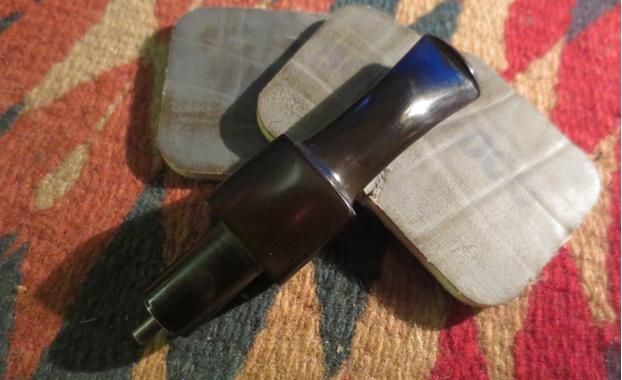 I stained the bowl with a dark brown aniline stain thinned by 50% with isopropyl alcohol. I applied it to the bowl with a folded pipe cleaner and flamed it with a lighter. I repeated the process until the coverage was even.
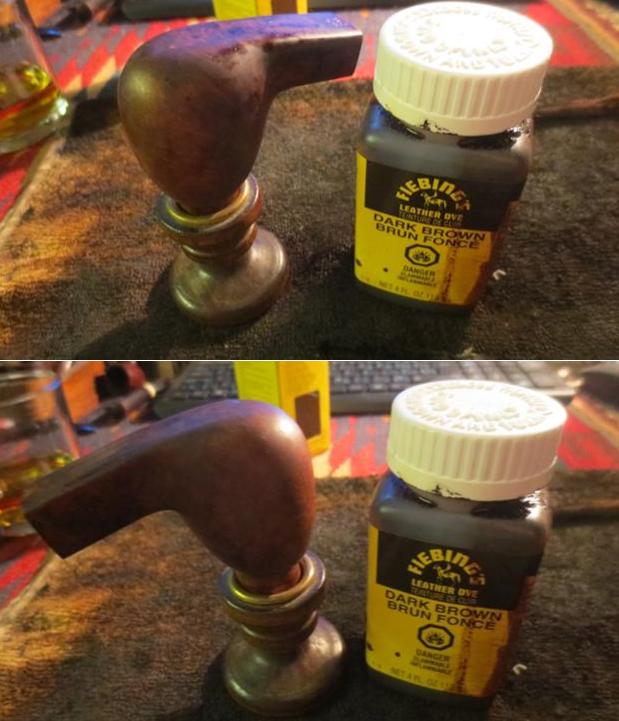 I hand buffed the bowl with a microfibre cloth to polish the stain and even out the look of the finish.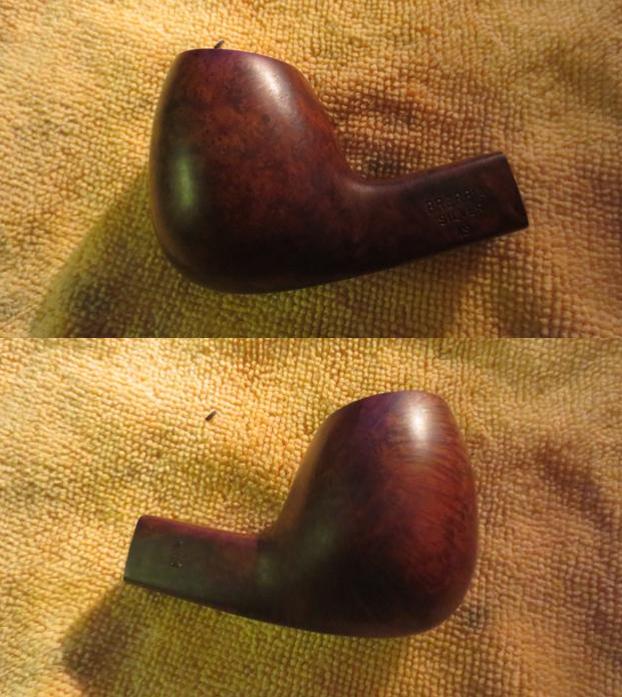
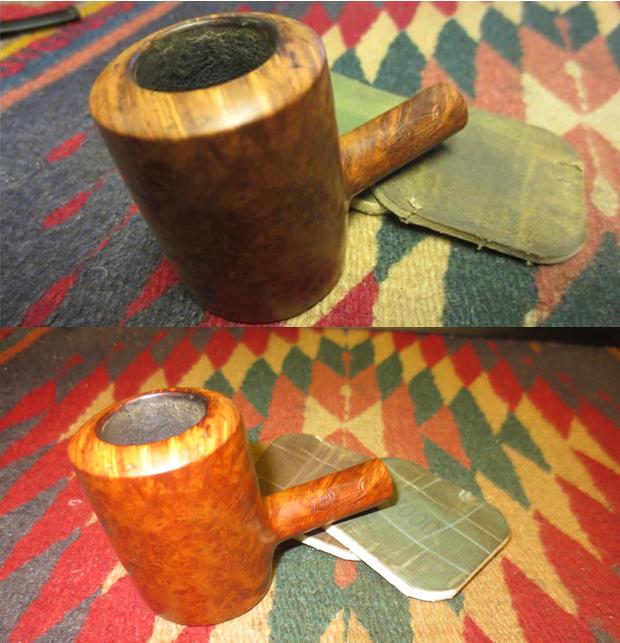
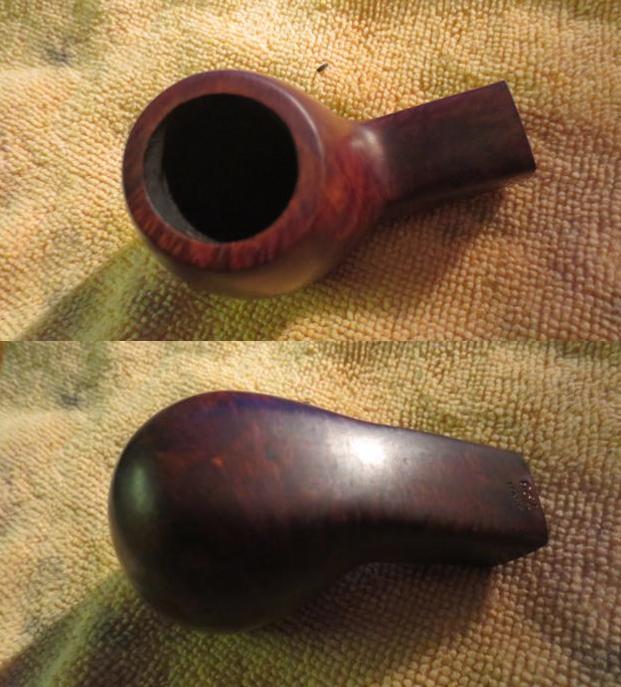 I put the stem back on the bowl and buffed the bowl and stem with Blue Diamond on the buffing wheel. I gave the entire pipe several coats of carnauba wax and buffed it with a clean buffing pad to raise the shine. I finished by hand buffing the pipe with a microfibre cloth to deepen the shine. The finished pipe is shown in the photos below. Thanks for looking.