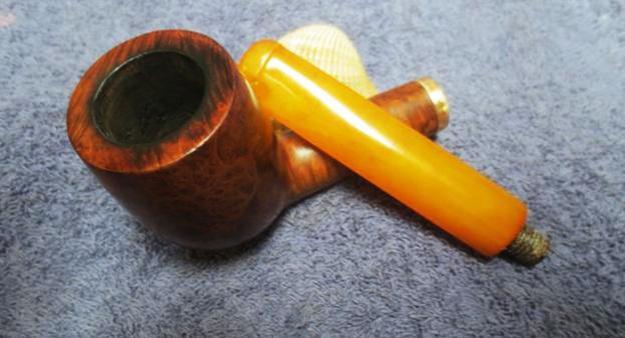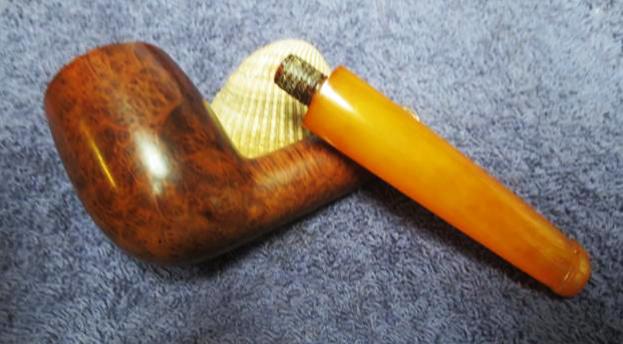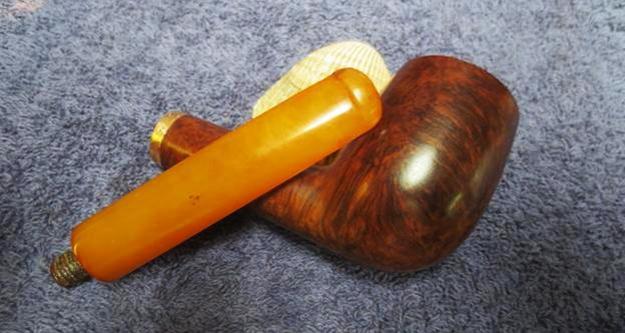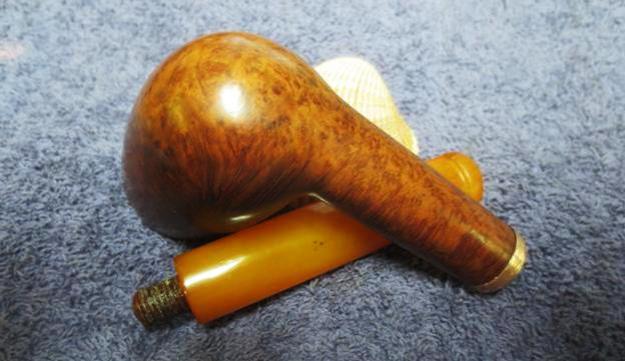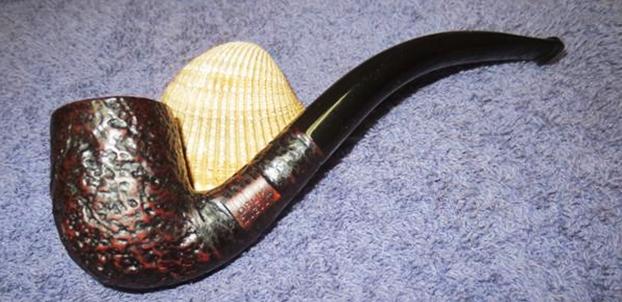
Restoring an older Orlik Dugout Bent Billiard


Blog by Steve Laug

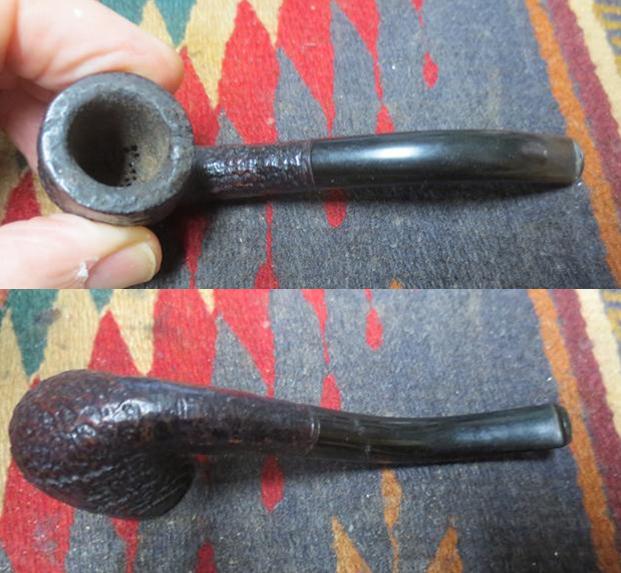
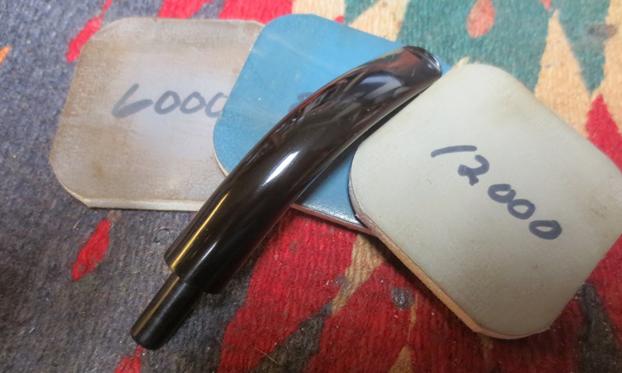
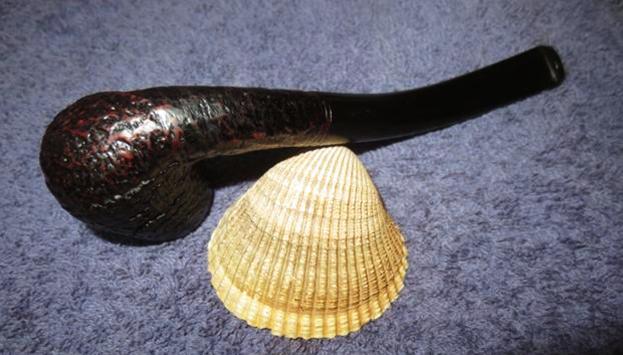
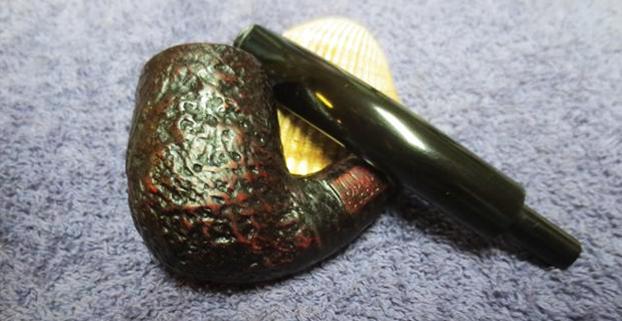
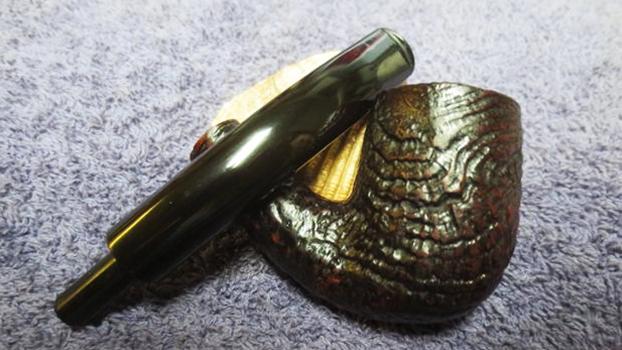
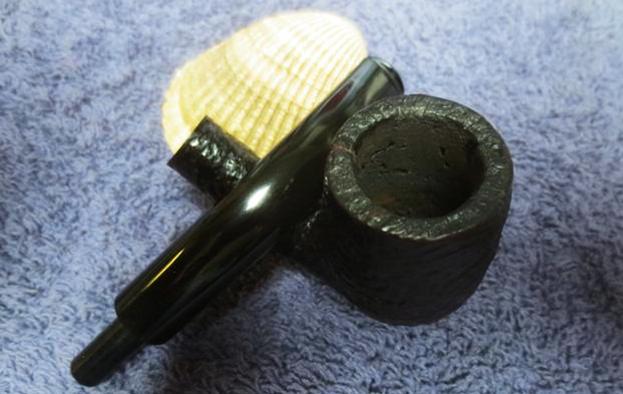
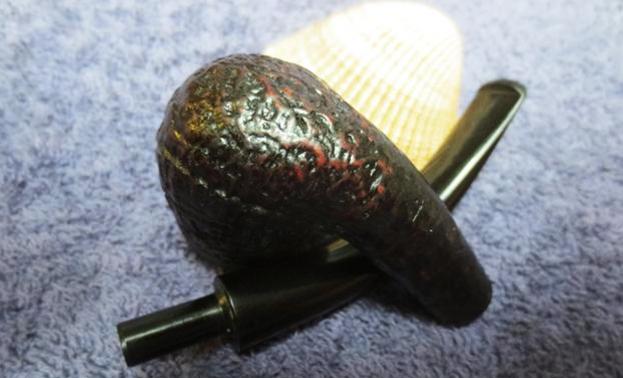
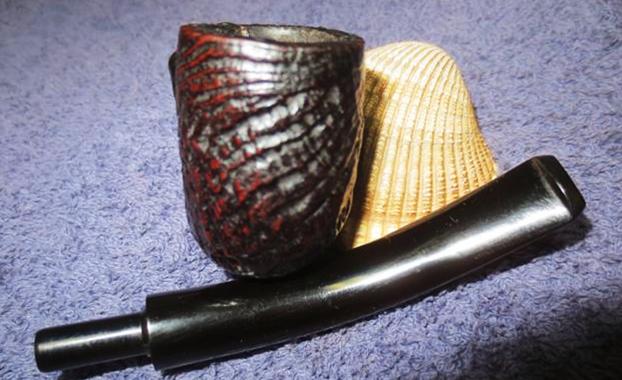
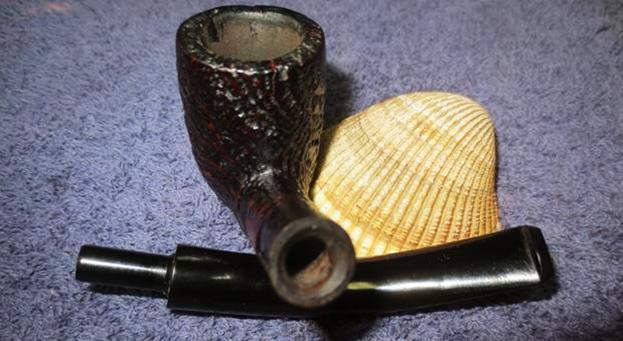
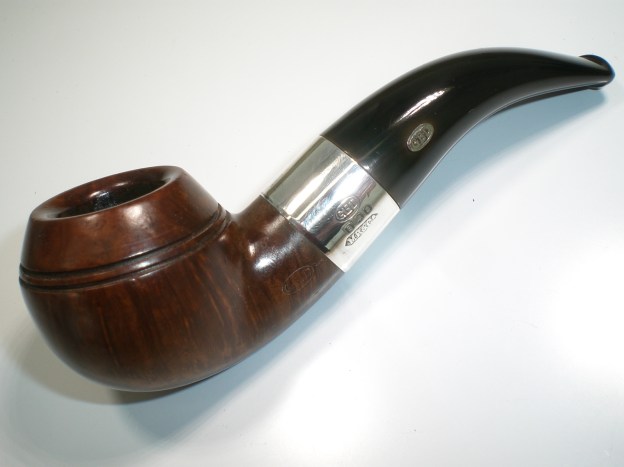
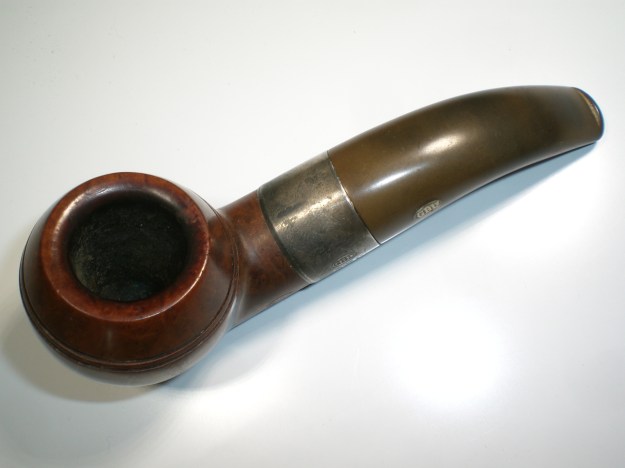
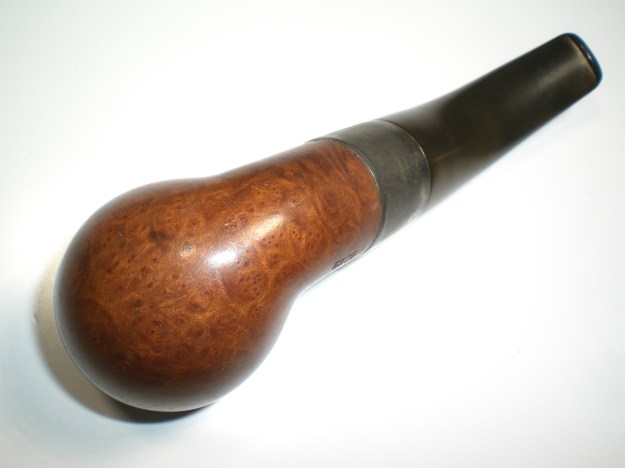
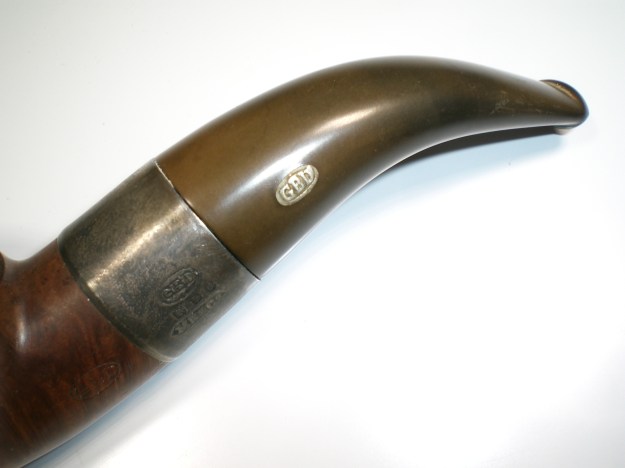
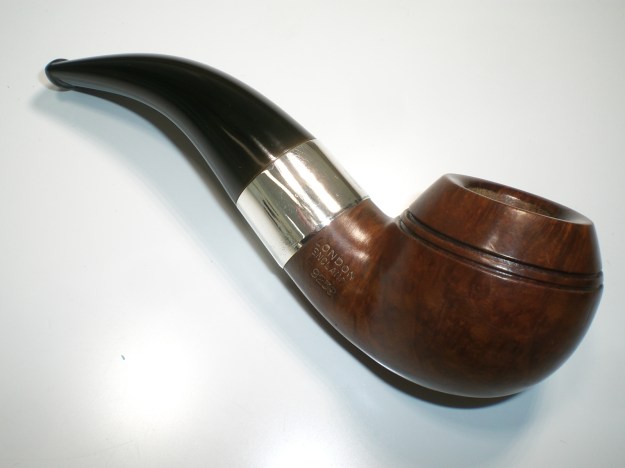
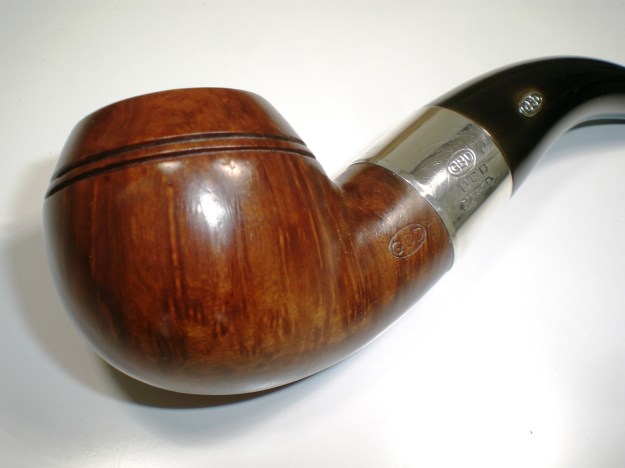
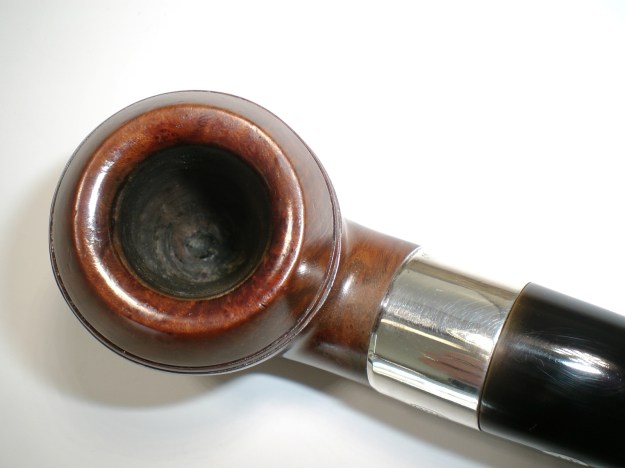
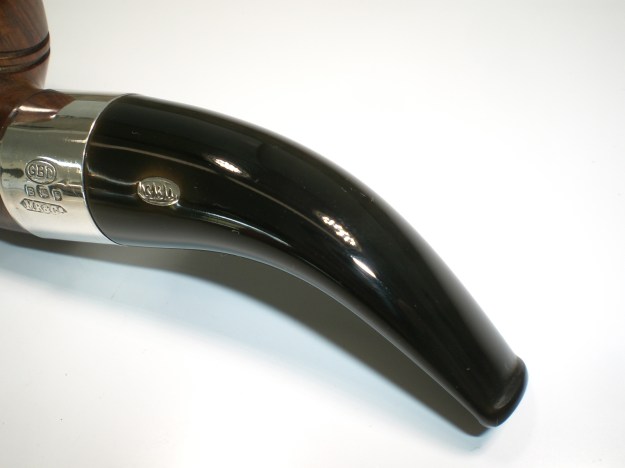
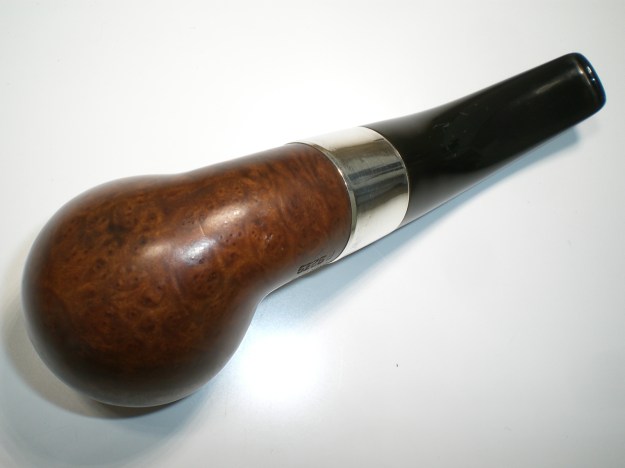
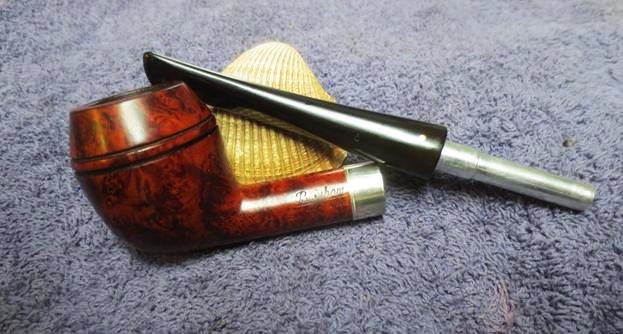
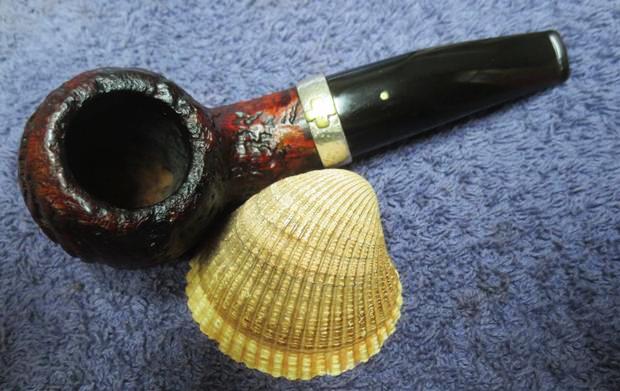
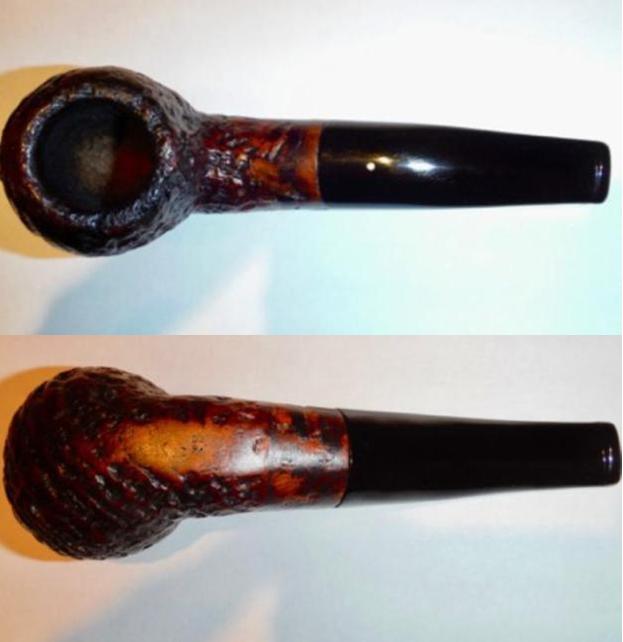
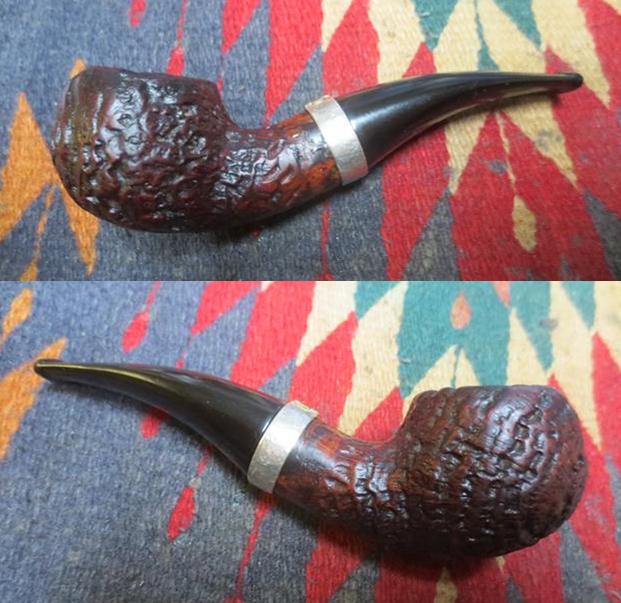
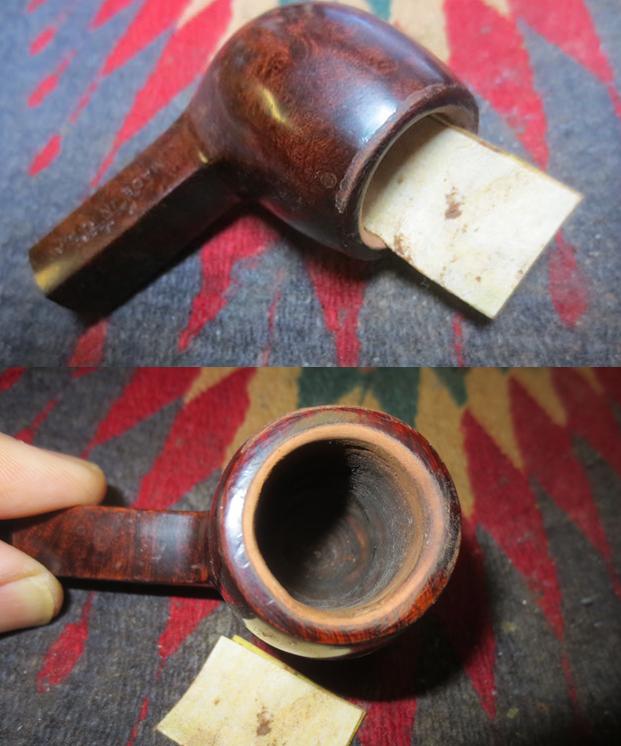
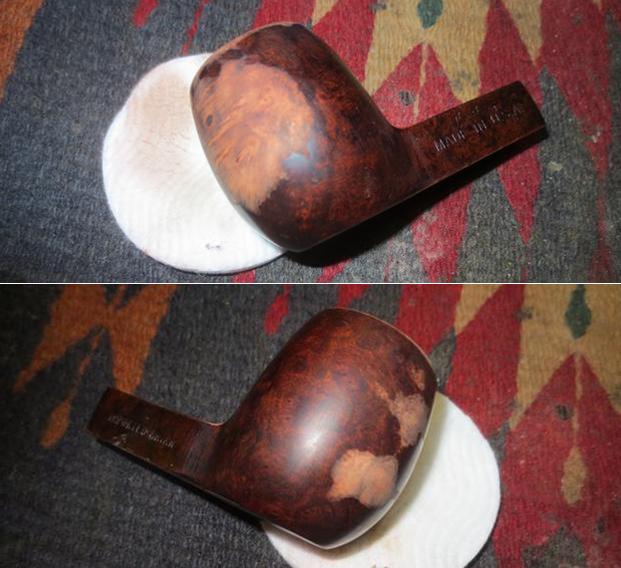
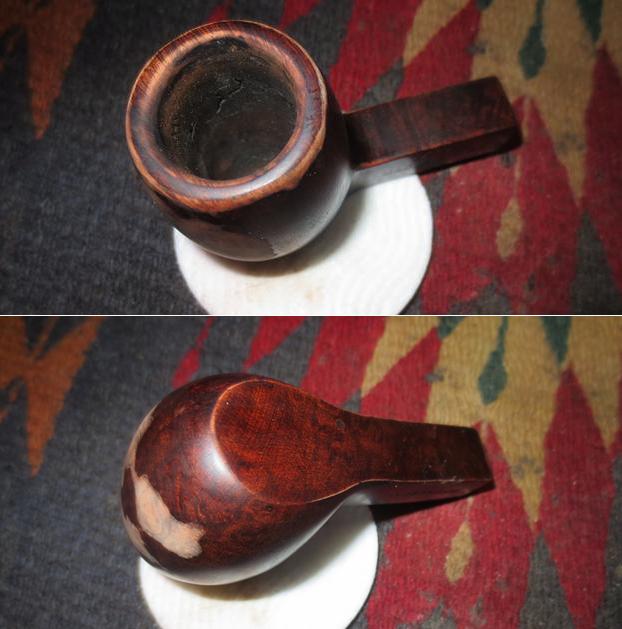
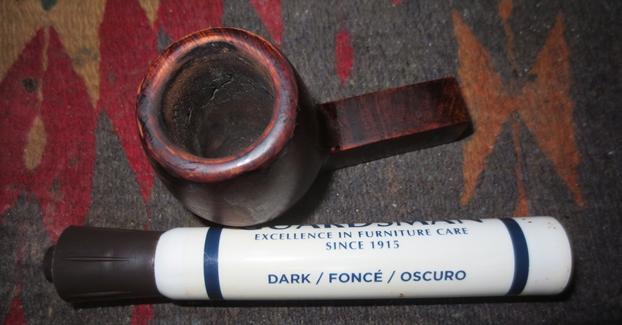
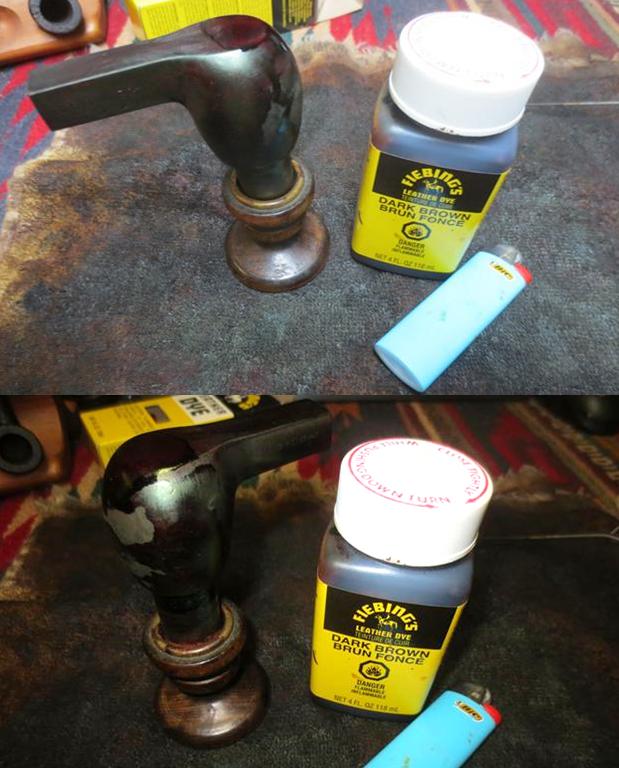
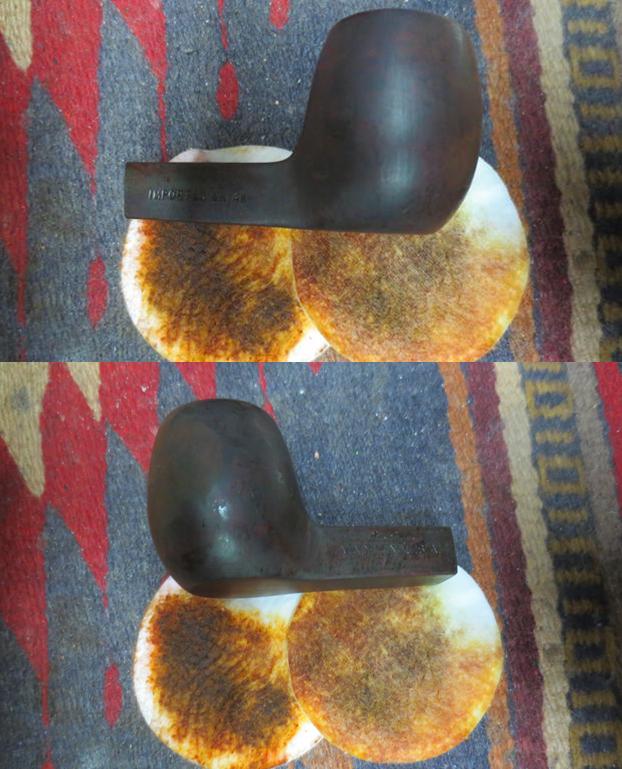
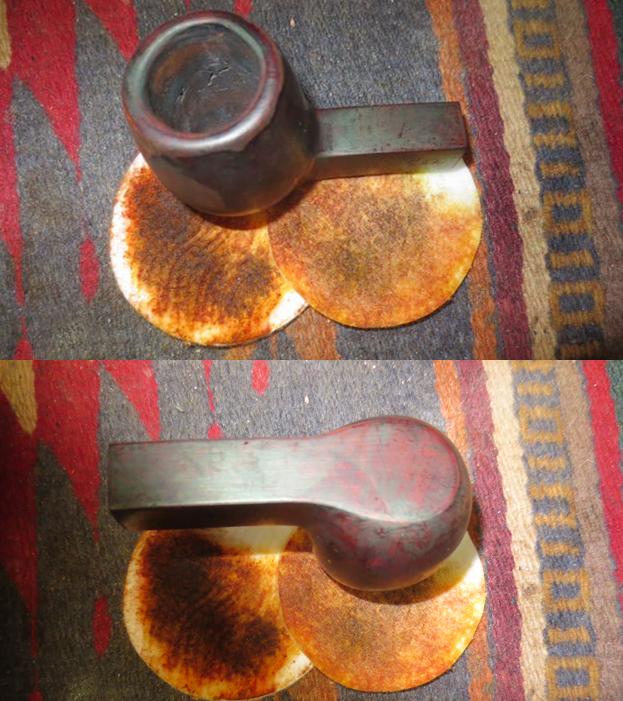
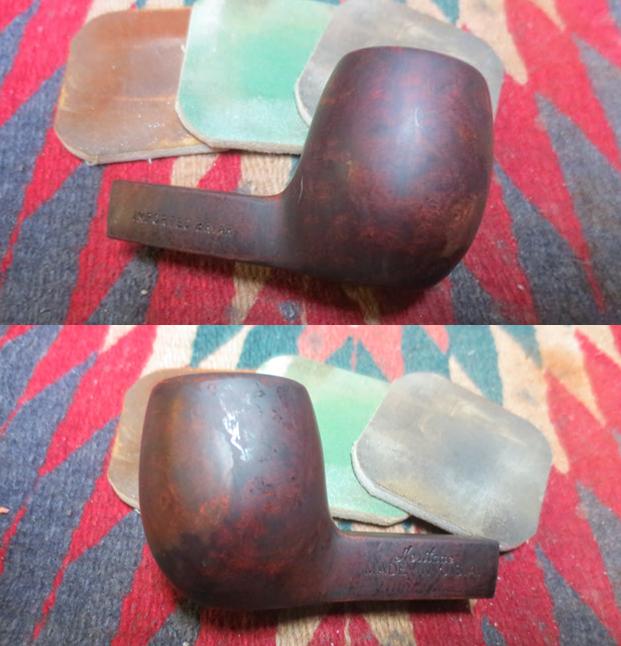
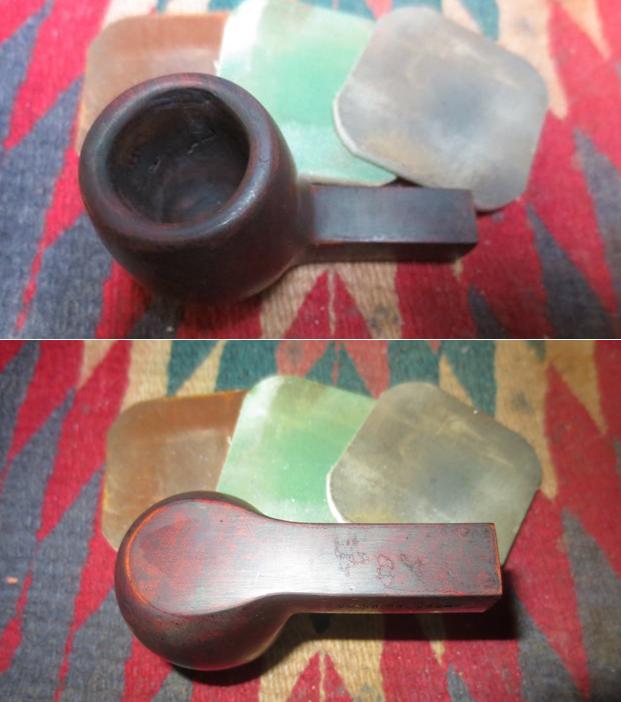
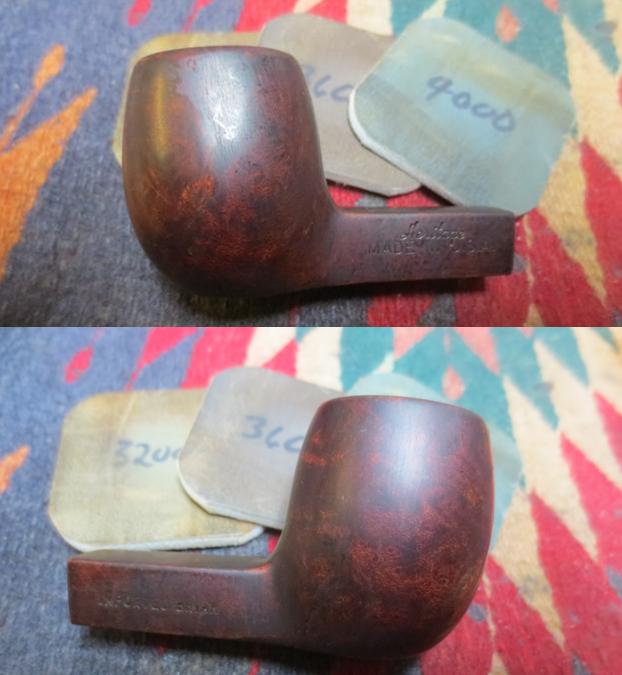
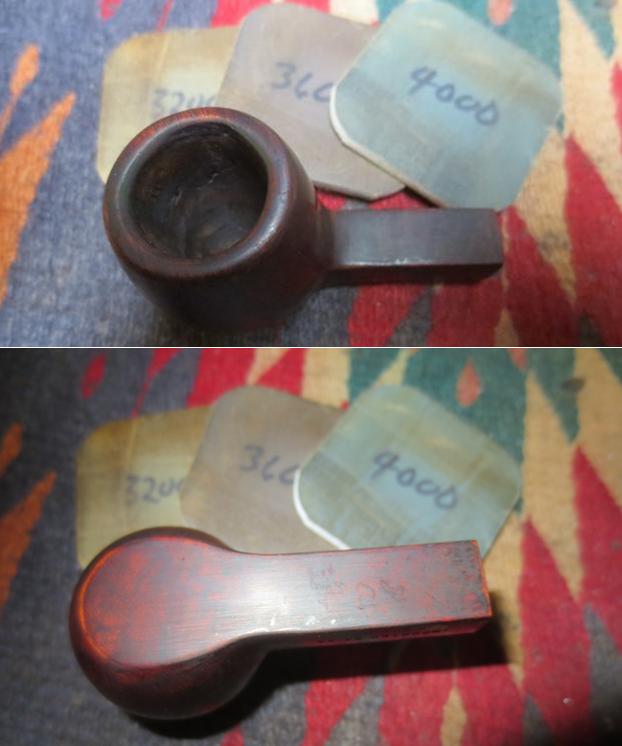
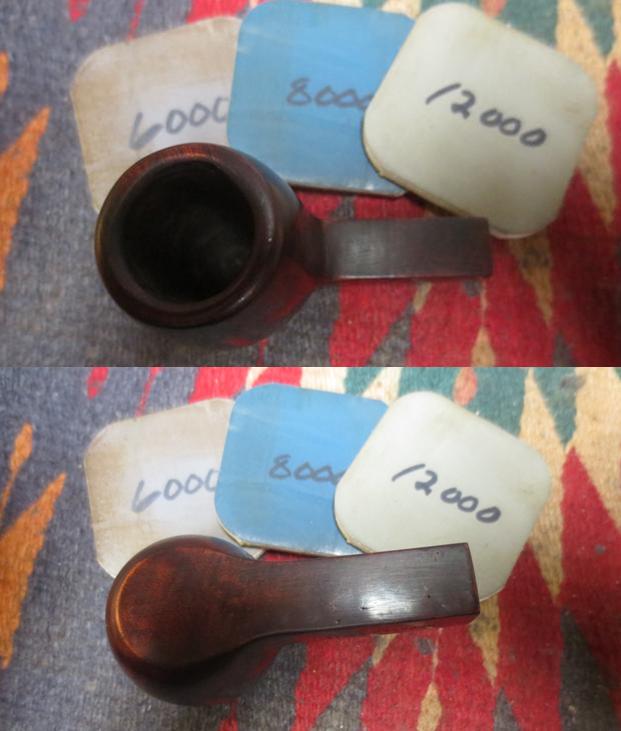
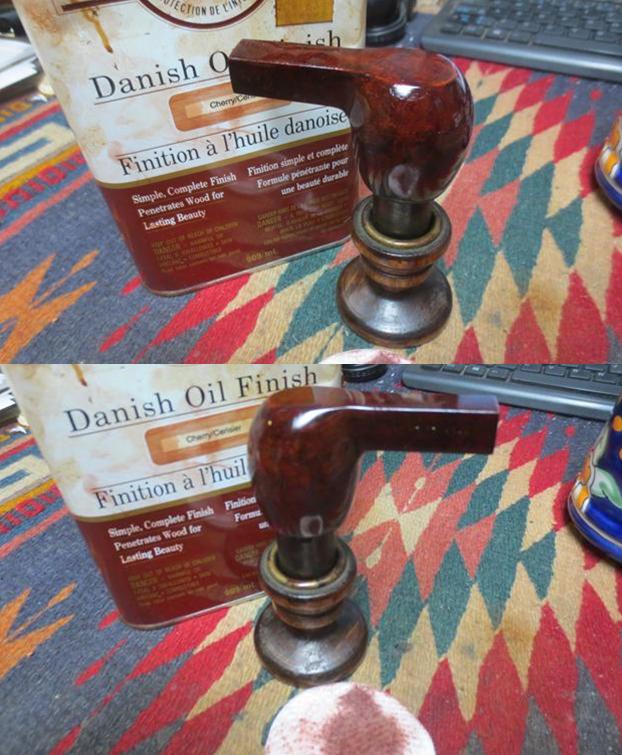
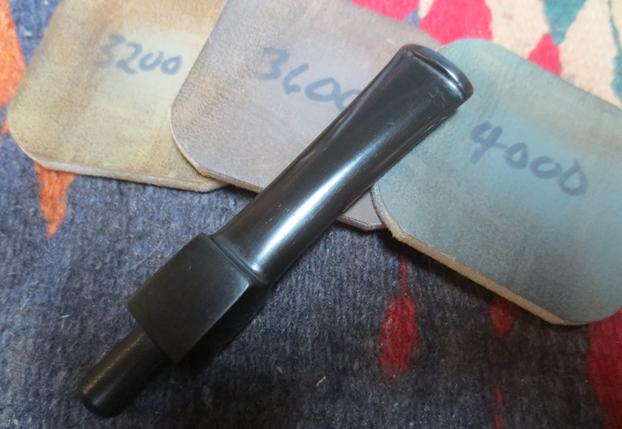
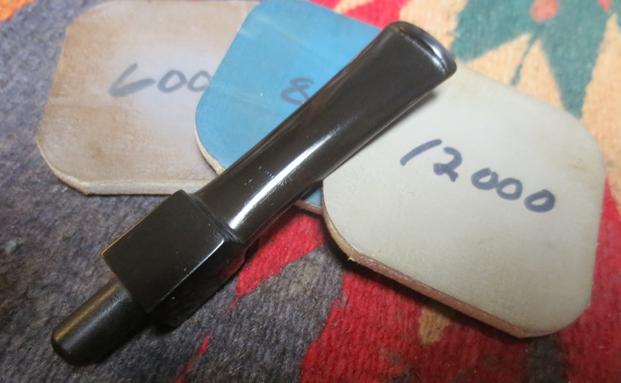
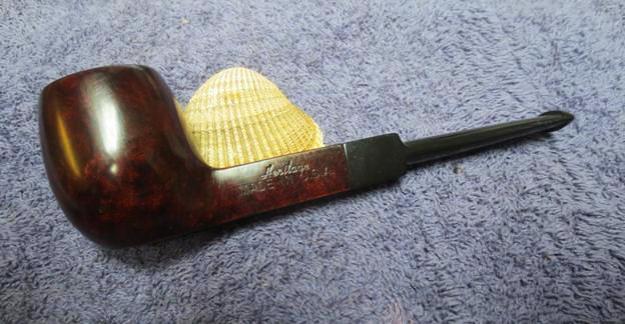
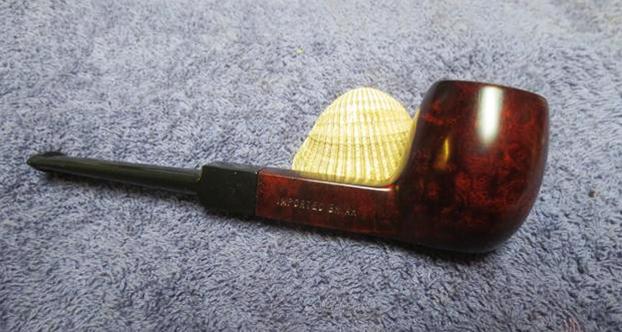
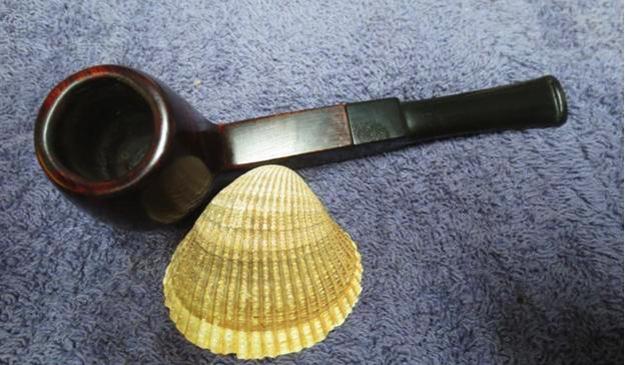
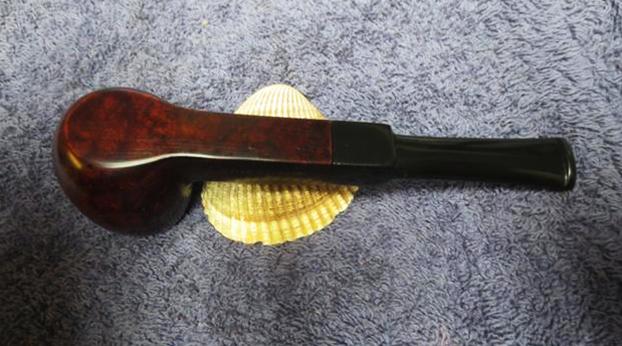
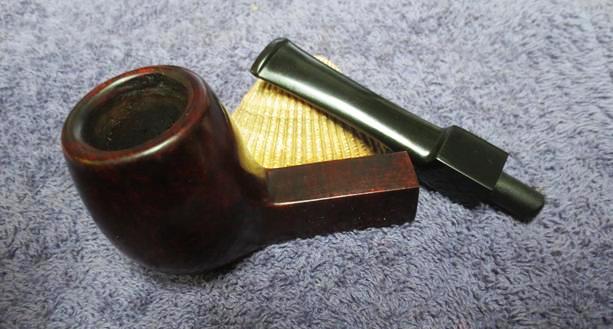
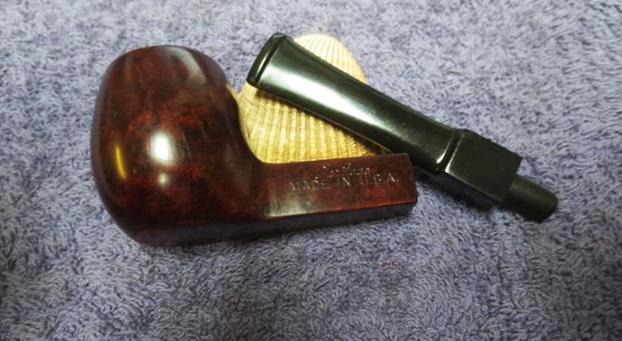
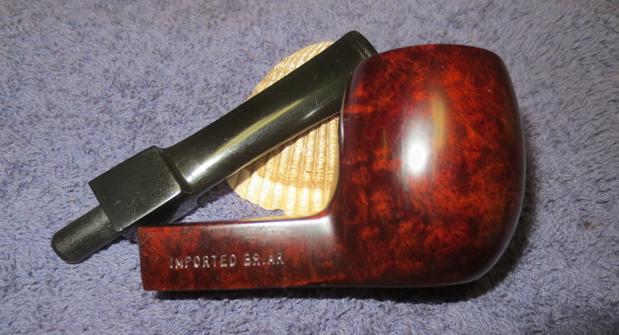
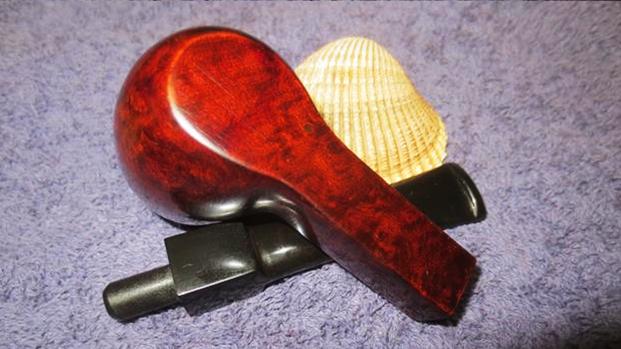
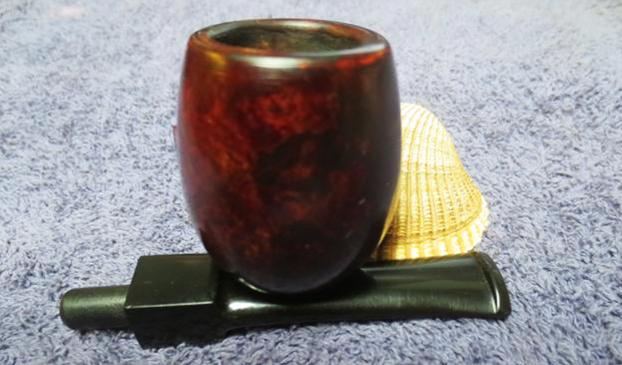
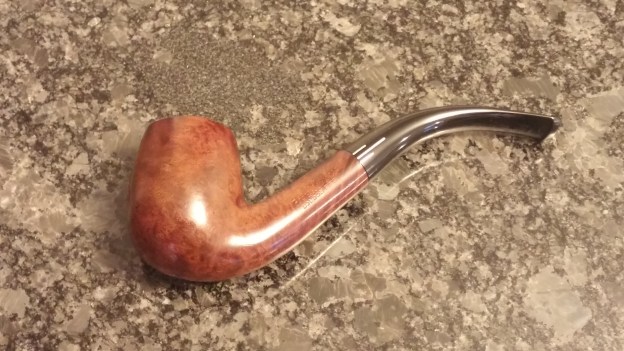
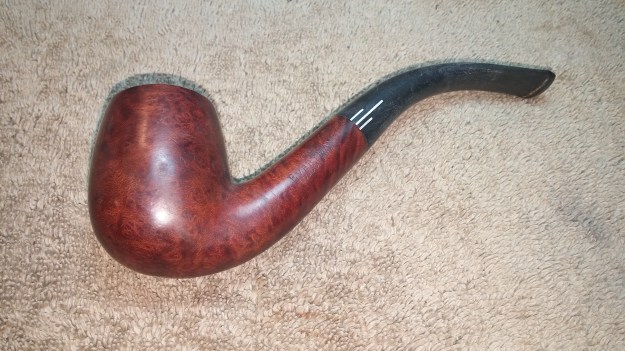
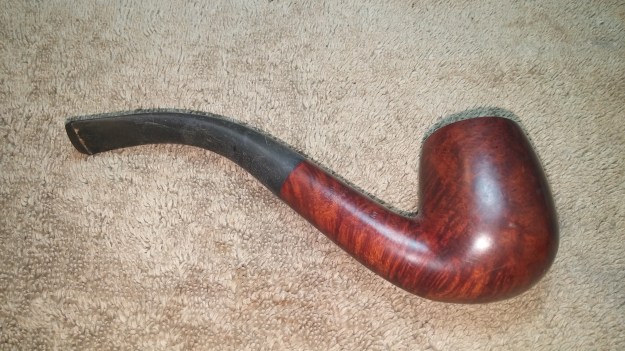
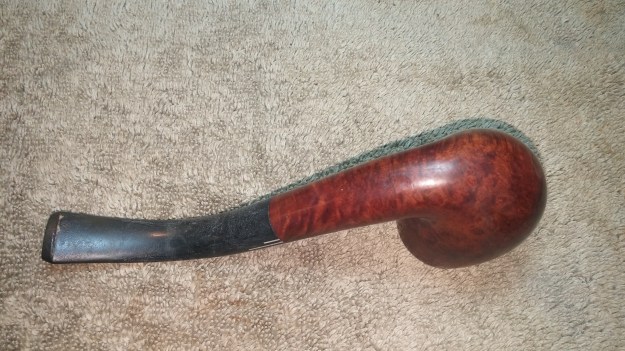
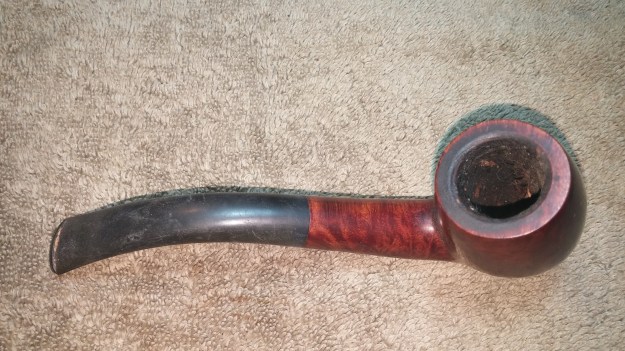
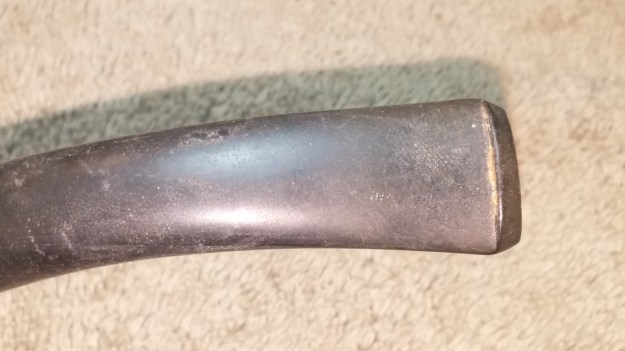
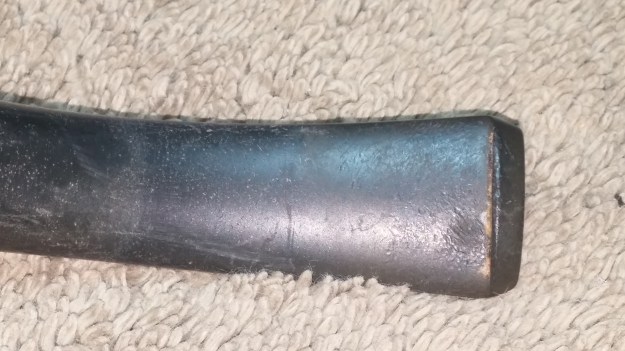
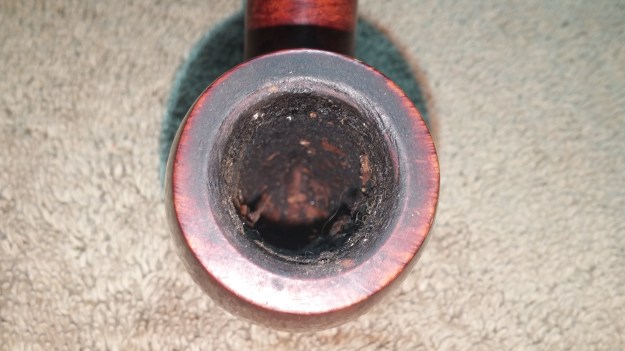
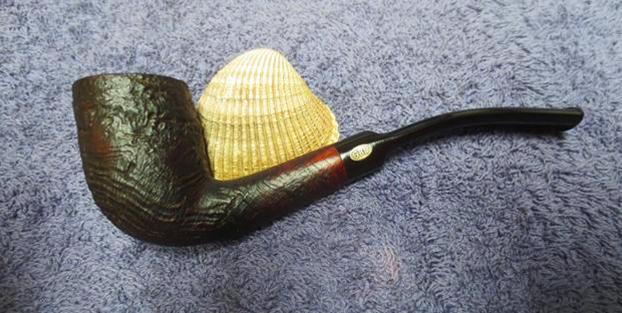
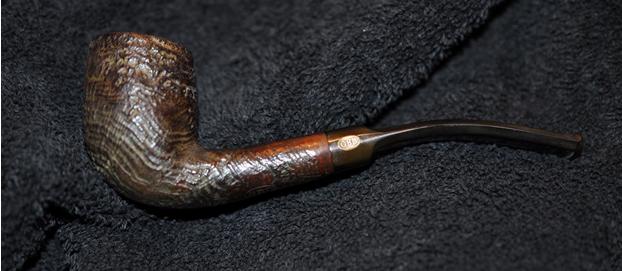
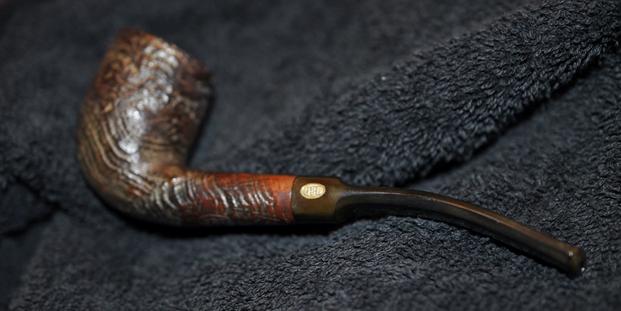
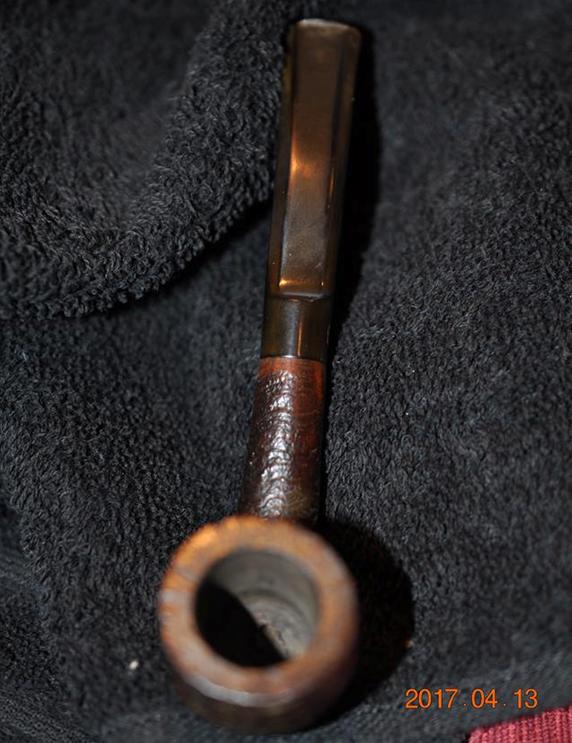
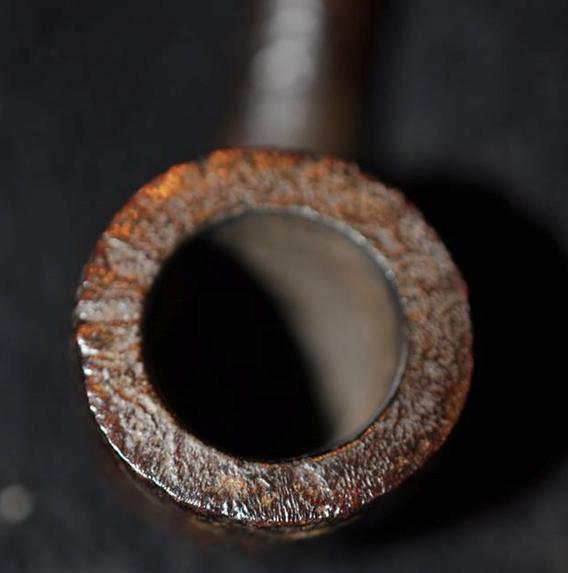
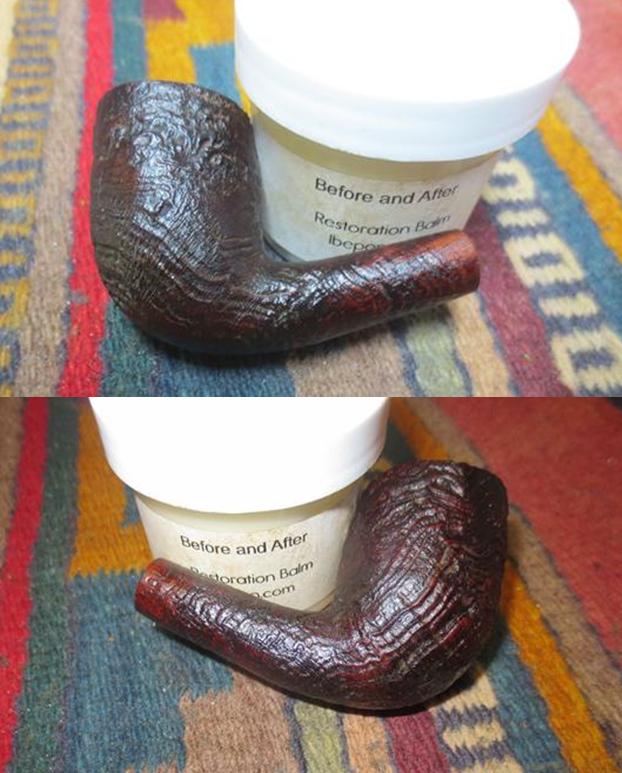
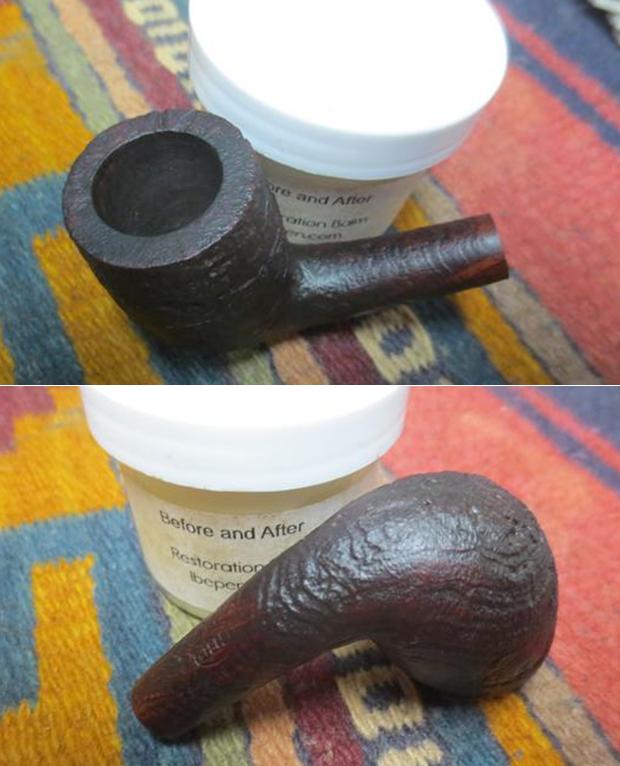
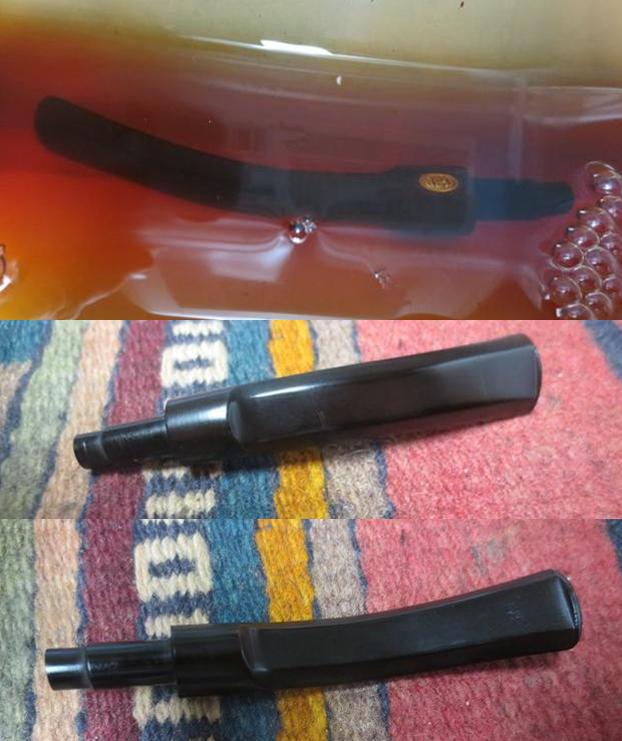
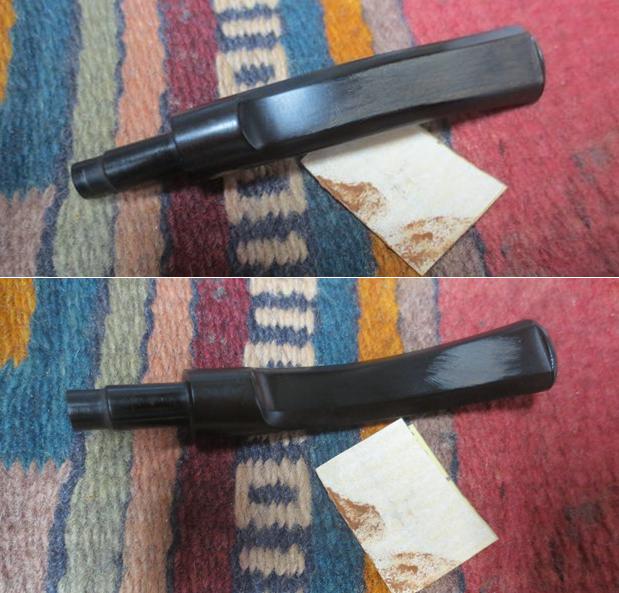
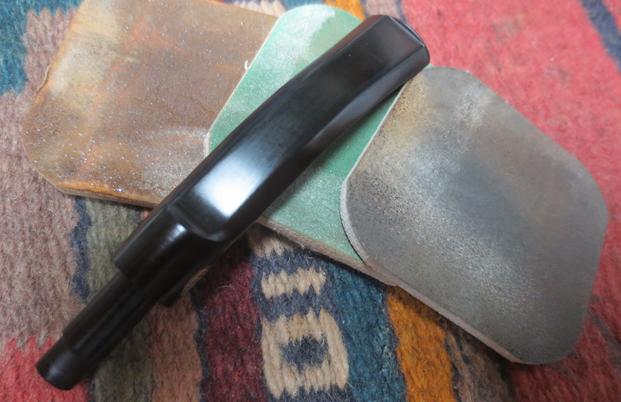
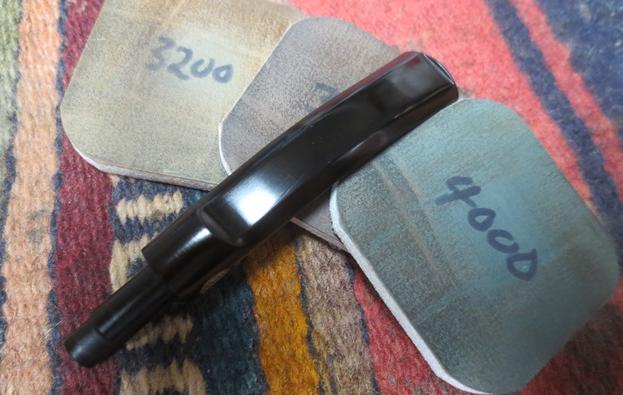
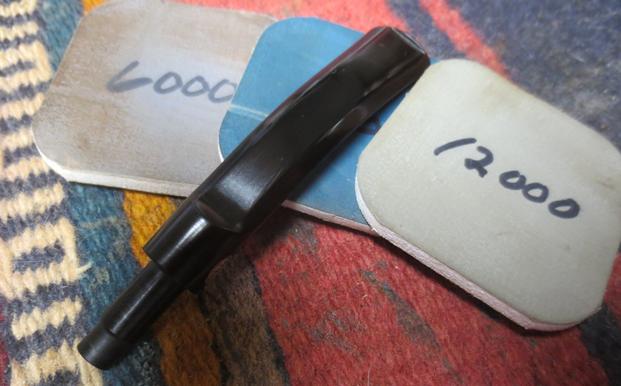
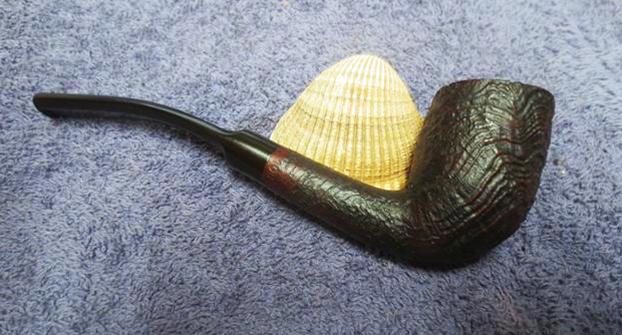
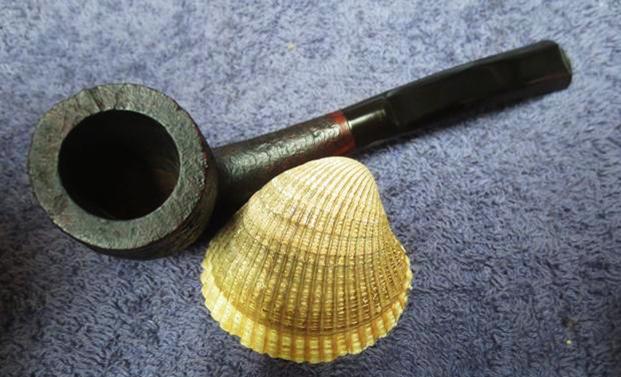
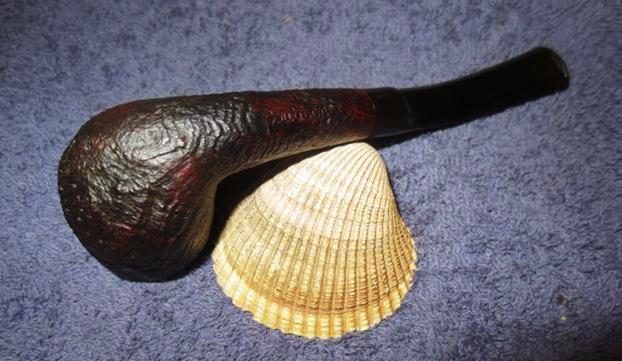
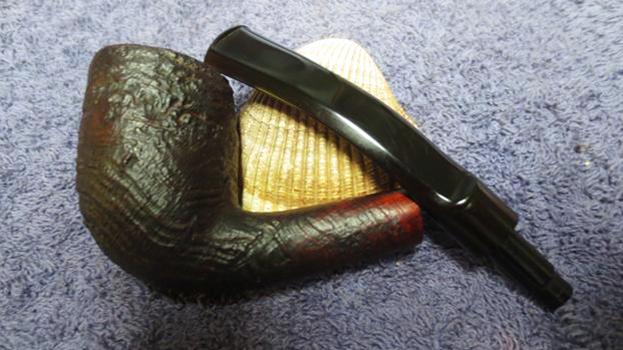
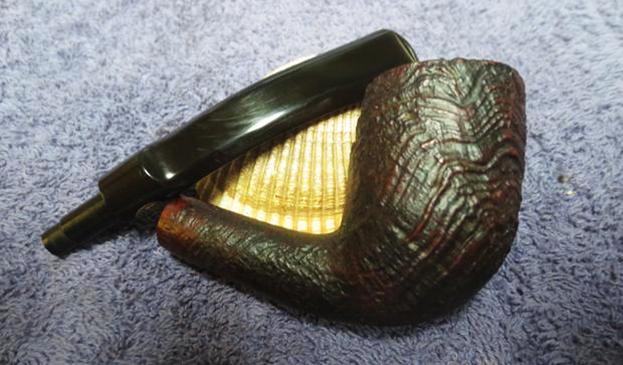
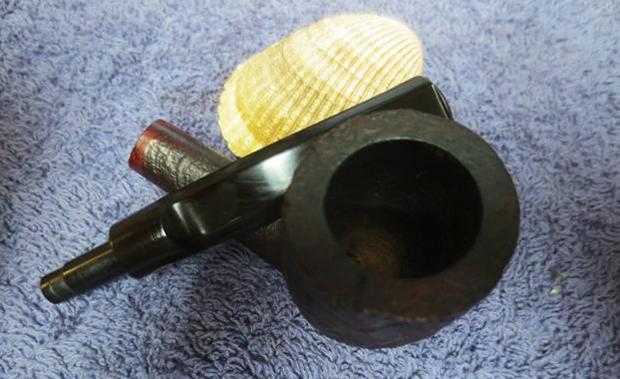
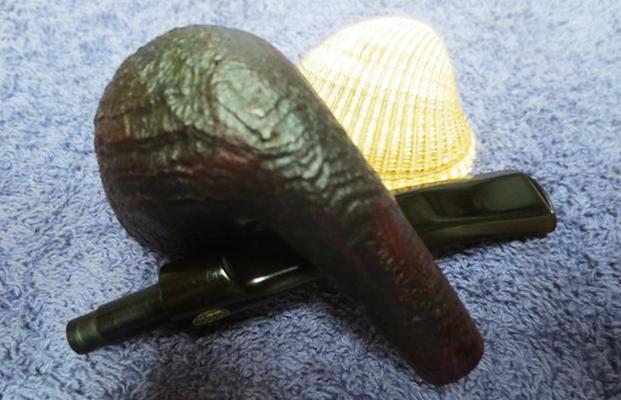
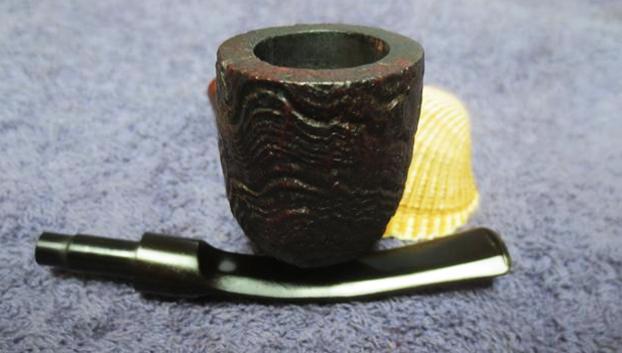
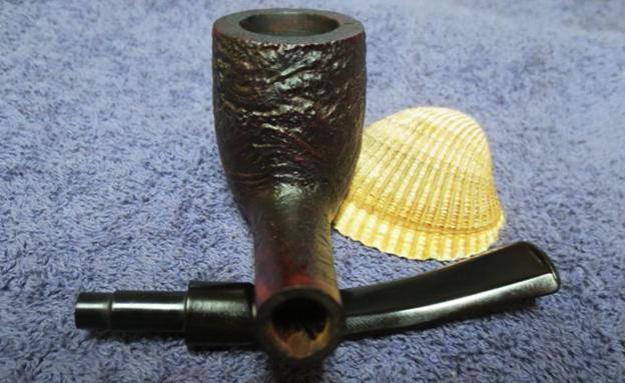
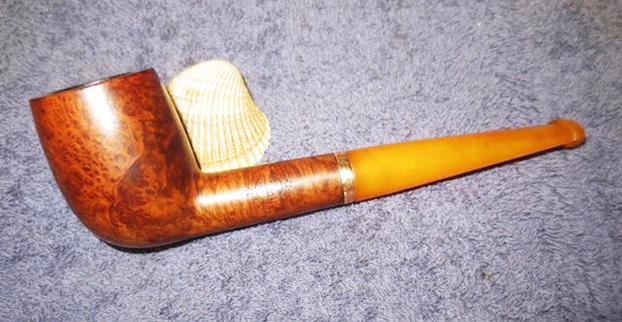
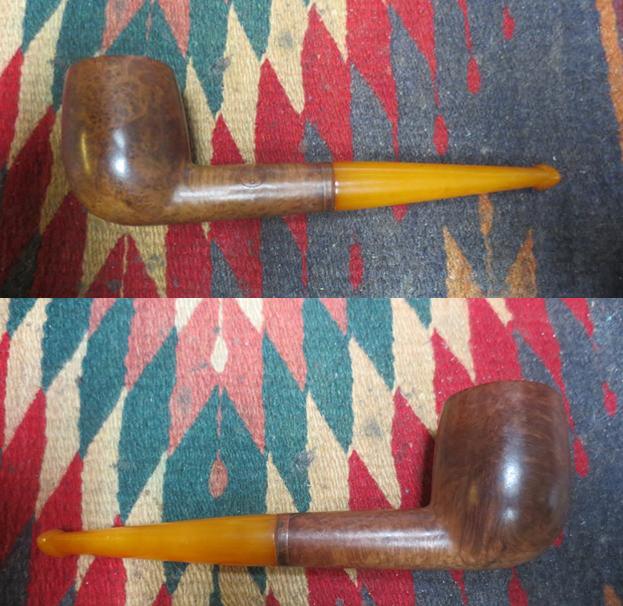
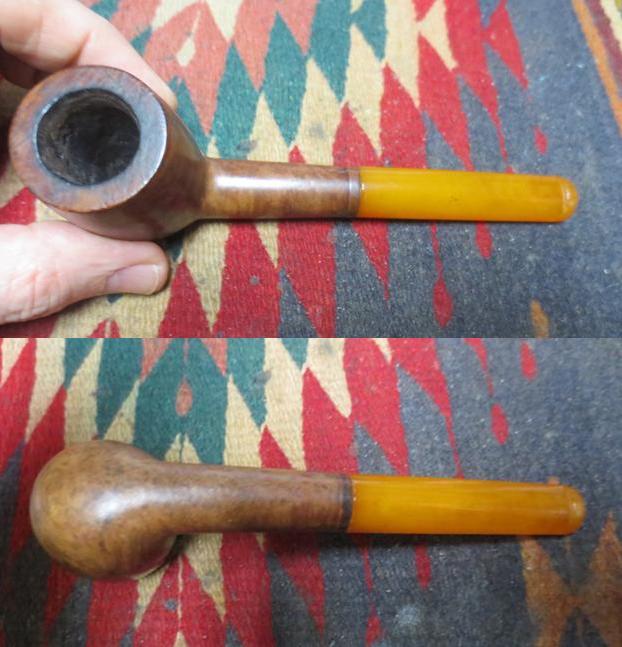
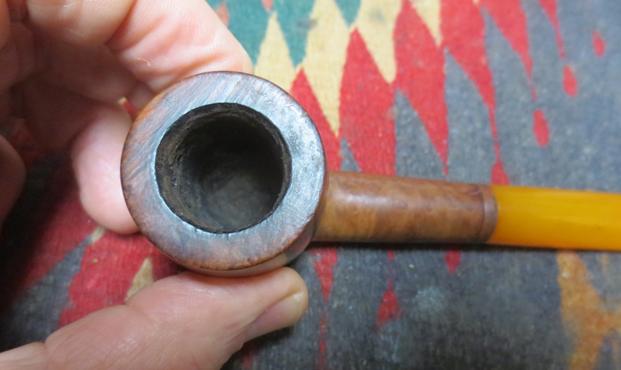
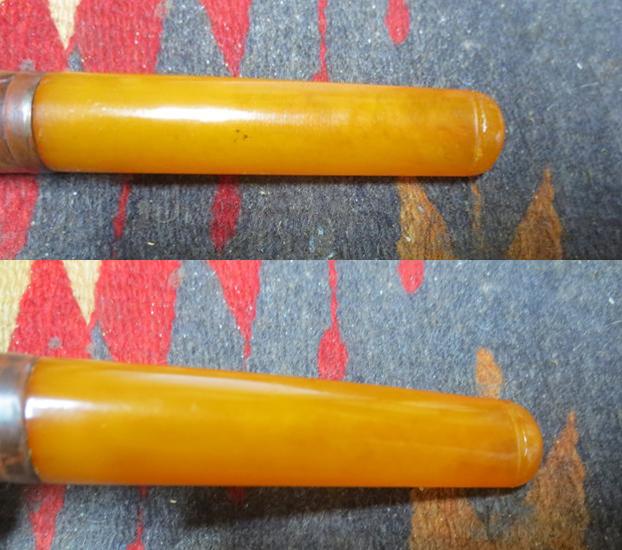
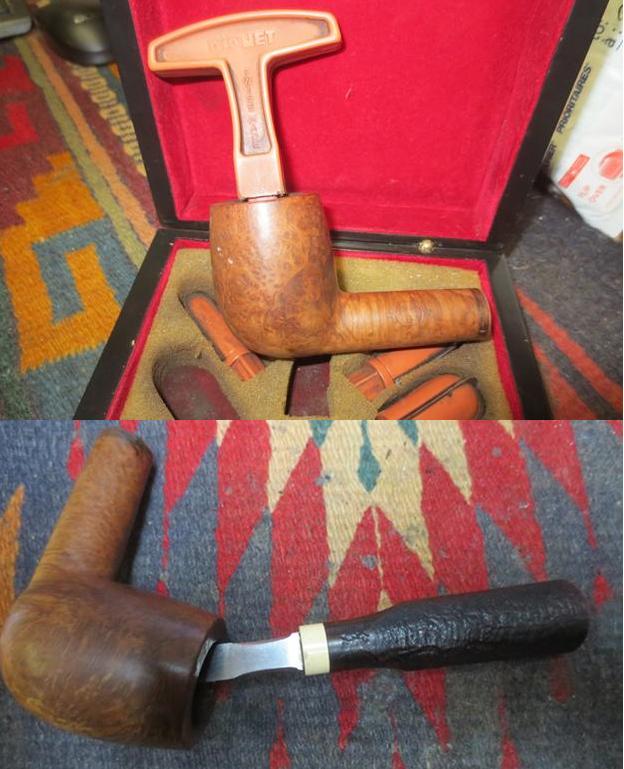
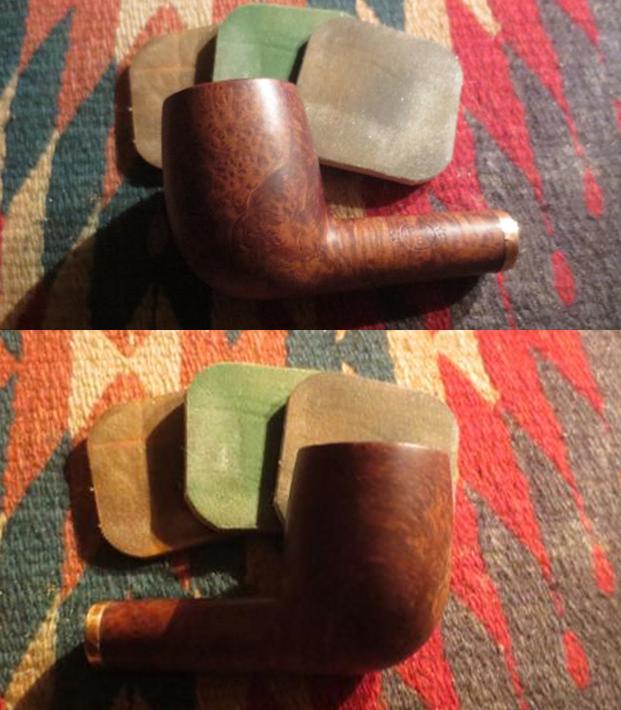
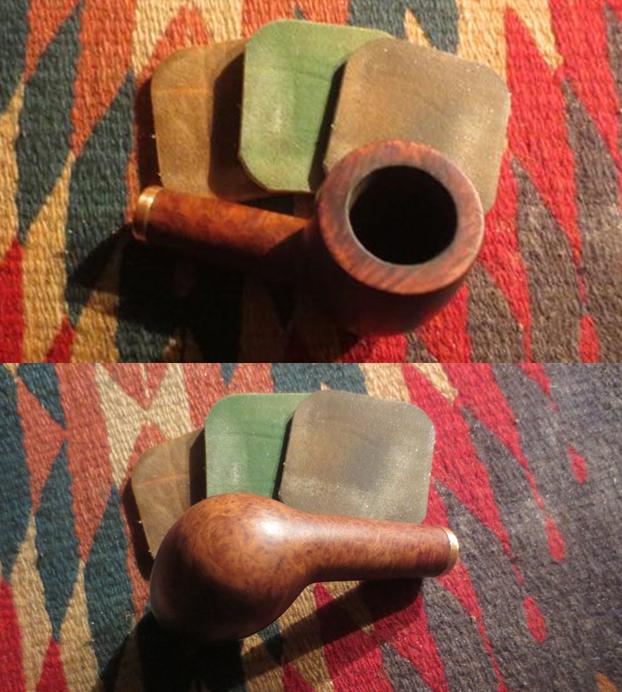
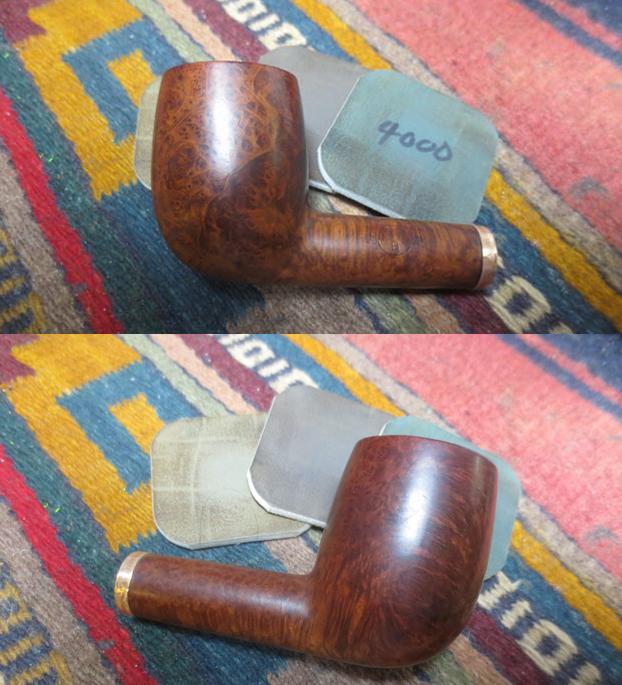
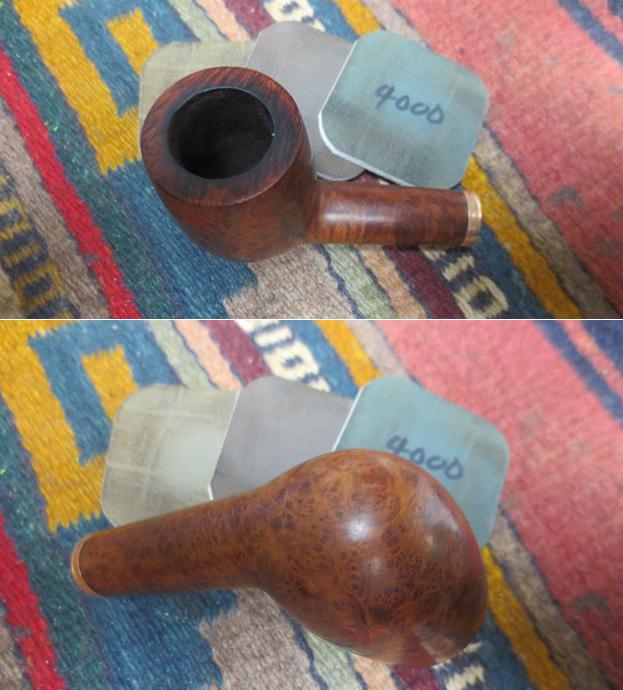
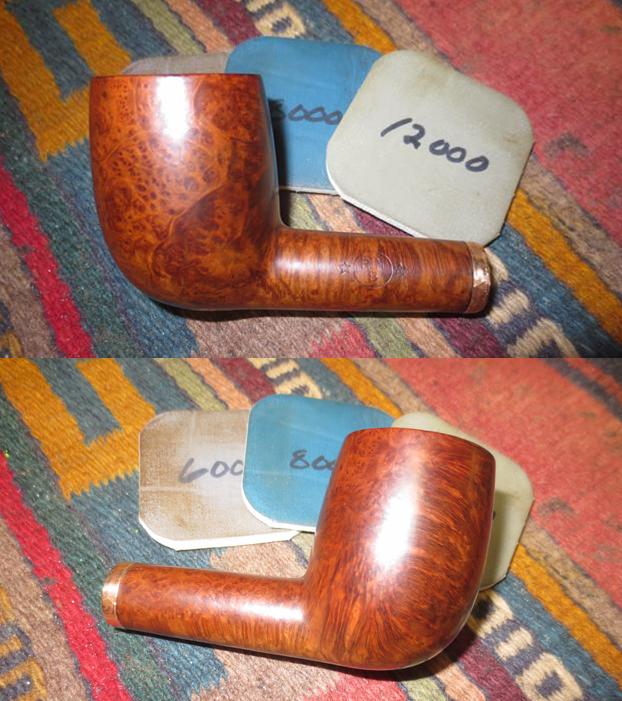
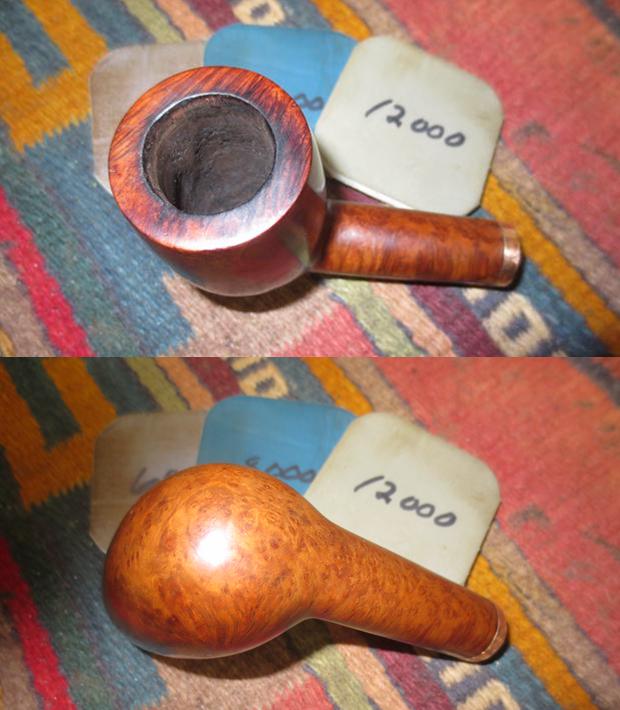
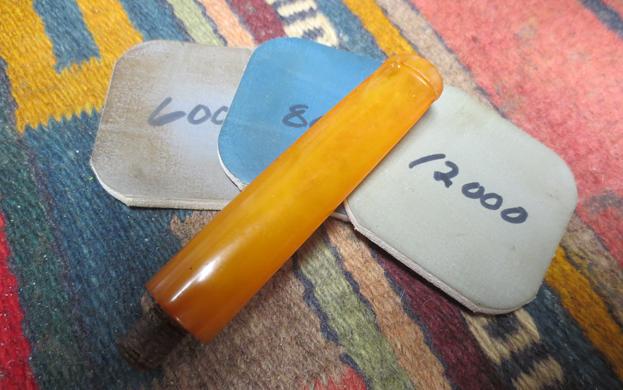
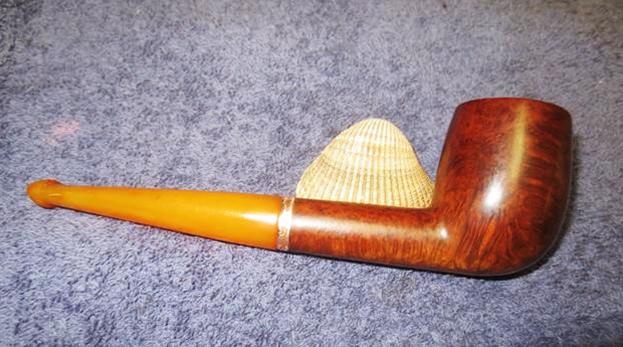
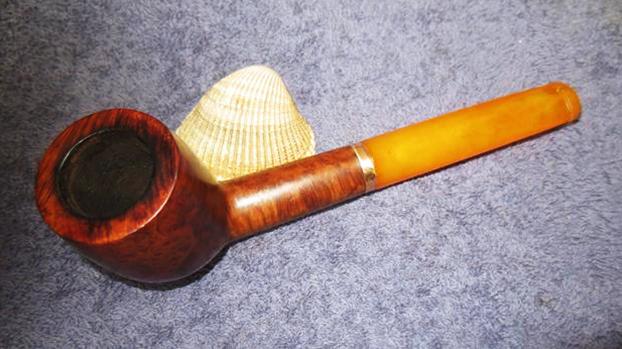
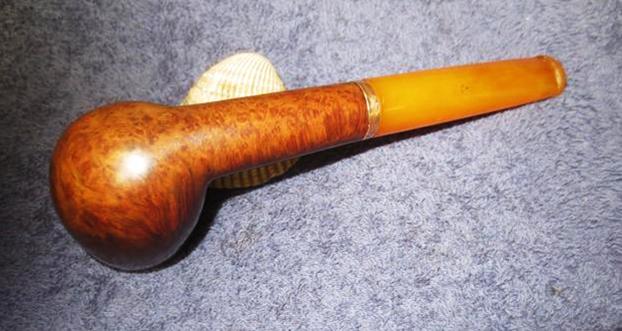
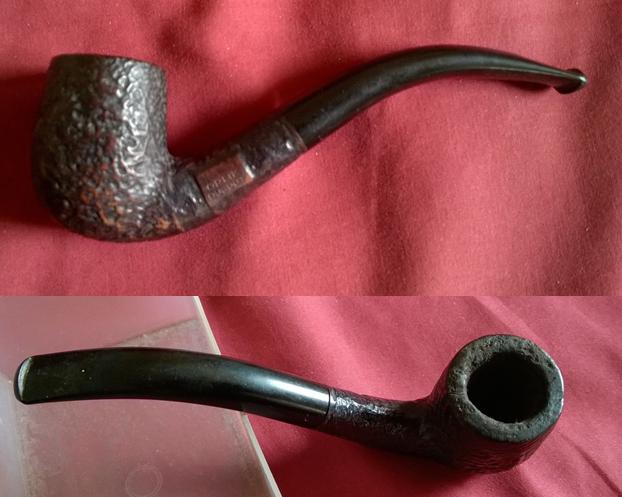
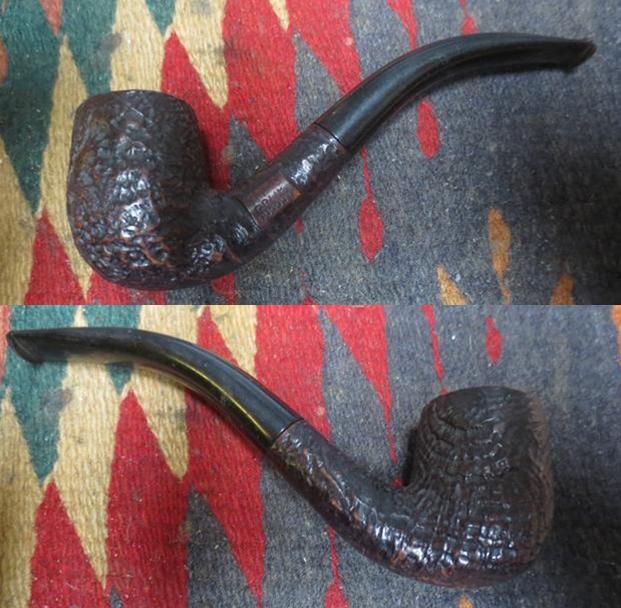
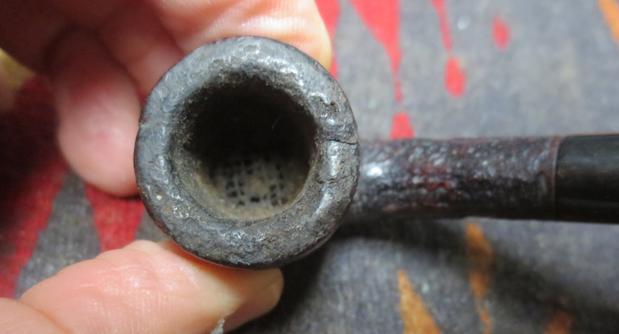
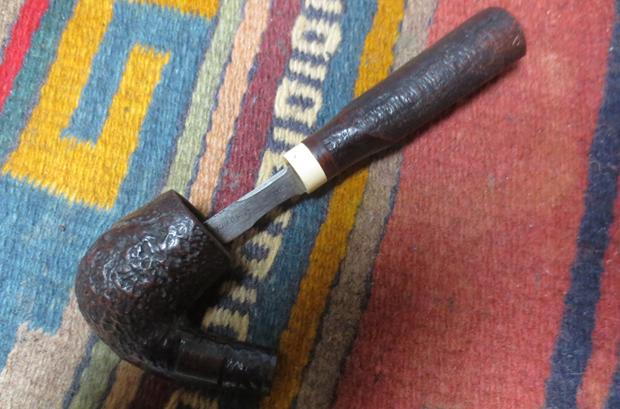
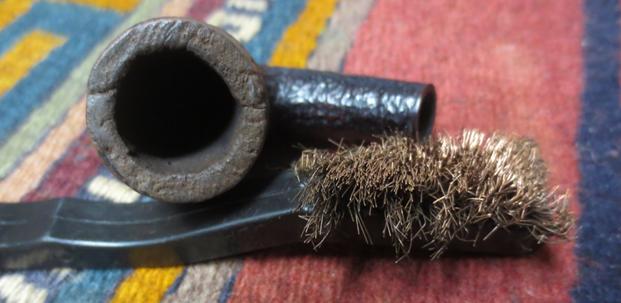
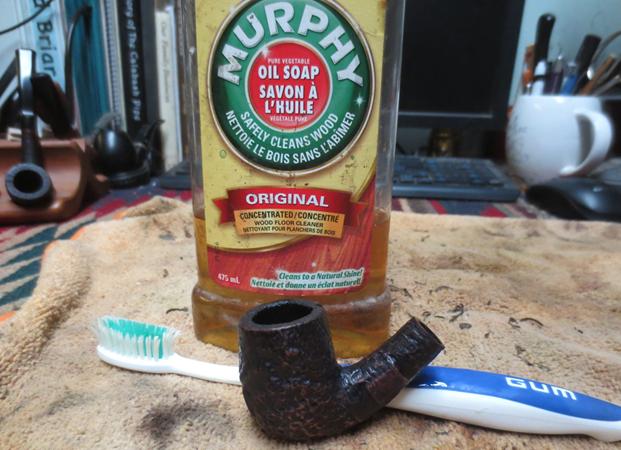
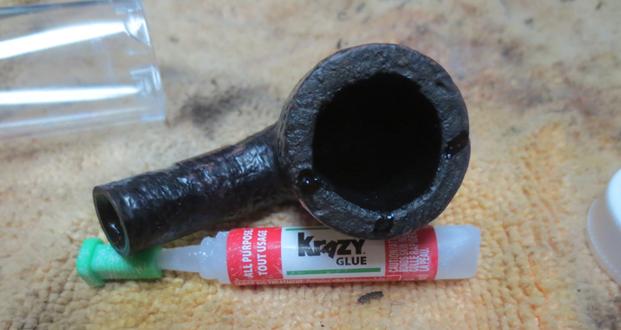
There are a few eBay sellers that I follow and check out their shops regularly. One of my favourite sellers in England seems to regularly put up pipes that I really like. I don’t have any idea how many of them I have purchased from him but this one caught my eye. It is a small Orlik that I would have called a featherweight. Its diminutive size and delicate shape with a thin pencil shank and well-formed bowl caught my eye. The sandblast finish was rugged and the contrast of dark and medium brown stains really worked well with the shape of the pipe. The pipe was stamped in a smooth box on the left side of the shank and read ORLIK over DUGOUT. There was no other stamping on the shank but I was familiar with the brand as I have another DUGOUT that I have written about previously. The pipe is definitely older and a good companion to this pipe (https://rebornpipes.com/2015/03/28/a-restored-orlik-dugout-billiard/). The photos below are the seller’s photos. They show the overall condition of the pipe and what it was that caught my eye. When the pipe arrived and I brought it to my worktable I took photos of it to show its condition before I began to work on it. The finish looked to be in good repair under the grime and dust that was in the grooves of the sandblast. The rim top was covered in a lava that had overflowed from the cake in the bowl. The cake was quite thick and there appeared to be something in the bottom of the bowl because I could see many small perforations on the bowl bottom (seen in the third photo below). The stem was in good condition and there was very little oxidation. There were a few nicks and scratches in the vulcanite. The fit of the stem to the shank was tight and it did not sit against the shank end. That told me that the interior of the shank must be quite dirty with tars and oils. I took a close up photo of the rim top to show the thick cake in the bowl and the heavy overflow of lava on the rim itself. There appears to be some small cracks on the back right side of the rim but I will not be able to tell for sure until the rim is clean and the bowl is reamed. The perforations at the bottom of the bowl look like a screen. I wonder if there is a screen ball that was placed in the bottom of the bowl in order to deal with moisture during the smoke. Cleaning it will reveal what is there.The stem seemed to have been made out of very high quality vulcanite or hard rubber. It did not show oxidation and the marks and scratches on the surface seemed very minor.I reamed the bowl with the smallest cutting head on the PipNet pipe reamer. I took the cake slowly back to the bare briar. I wanted to see if there was cracking in the inside of the bowl. I was also interested in figuring out what was in the bottom of the bowl. After I reamed the bowl I used a dental pick to pick out the screen ball in the bottom of the bowl. It was dirty and there were some worn areas on the screen. It obviously was not original to the pipe but was added by the pipeman the pipe had belonged to in ages past.With the screen removed I finished reaming the bowl with the PipNet reamer and cleaned up the remaining cake with a Savinelli Fitsall Pipe Reaming Knife. I took the cake back to smooth, bare walls. I scoured the rim top with a brass bristle brush to clean off the lava buildup. I wanted to get it all off and be able to see the condition of the rim top. I wanted to know if there were indeed some cracks in the rim top that did not show.I scrubbed the briar with a tooth brush and Murphy’s Oil Soap to remove the dust and grime on the surface of the bowl and the grit that I had loosened on the rim top. I rinsed the bowl under warm water to remove the dust and scrubbed it with the brush under water. The results are shown in the photo below.There were indeed some small surface cracks in the rim top that followed the flow of the sandblast. They did not seem to go down the outside of the bowl though it appeared that they may well extend slightly into the interior of the bowl. I dried off the surface of the briar and used some minute drops of clear super glue to fill in the cracks along the rim top and the small, short hairline cracks along the first 1/8 inch of the inside of the bowl.I cleaned out the inside of the shank with cotton swabs, pipe cleaners and alcohol to remove all of the tars and oils on the inside walls of the mortise. I cleaned out the airways in the shank and in the stem with pipe cleaners and alcohol.I polished out the scratches and marks in the vulcanite with micromesh sanding pads – wet sanding it with 1500-2400 grit pads and dry sanding it with 3200-4000 grit pads. I wiped the stem down with Obsidian Oil after each sanding pad. I buffed the stem with Blue Diamond on the buffing wheel. I brought it back to the table and sanded it with the final three 6000-12000 grit pads. After the final pad I gave it a final coat of oil and set it aside to dry. I put the stem back on the bowl and worked the pipe over on the buffing wheel using Blue Diamond to polish the bowl and shank. I used a gentle touch on the briar when I was buffing it so that the grooves of the sandblast would not be filled in. I buffed the stem with a harder touch to raise the gloss of the rubber. I gave the bowl multiple coats of Conservator’s Wax and gave the stem multiple coats of carnauba wax. I buffed the pipe with a clean buffing pad to raise the shine. I hand buffed it with a microfiber cloth to deepen the shine. The finished pipe is shown in the photos below. It looks better than it did in the beginning. It is a beautiful pipe. The dimensions of the pipe are: Length: 5 inches, Height: 1 1/2 inches, Diameter of the bowl: 1 inch, Diameter of the chamber: 5/8 inches. Thanks for looking.
 

A Surprise awaited when I visited Smitty’s Cigar & Tobacco in Gainesville, Georgia


Blog by Steve Laug

This past weekend I was in Gainesville, Georgia, near Atlanta for work. It was a long weekend and we put in a lot of hours doing an assessment for a new project. We arrived on Friday, worked all day Saturday, Sunday and Monday. Then on Tuesday we took the day off to kind of catch up on rest and also check out some of the places in the area on my list. We went to a couple of antique malls looking for pipes – I found a few. But I also had it on my list visit a local pipe shop. On a previous trip my friend had taken me to visit Smitty’s Cigar and Tobacco, located at 975 Dawsonville Hwy. I really wanted to go back and pick up some tobacco for a friend and add a few tins to my own cellar. Since they are open from 10am-8pm Monday through Saturday I was hoping to find some additions.

I was a bit worried about the shop still being there. The last time I was in town I visited the shop and met with Smitty. He had been proudly open for more than 20 years – serving the local people of Gainesville, Georgia, and those passing through. We had a great visit and chatted for over an hour as the shop was empty. We enjoyed a great visit and talked about the past age of pipe glory, the great time we had at pipe shows and all of the common friends we have had and still have in the hobby, both dead and living. He showed me photos with quite a few of the noteworthy pipe makers – Eric Nording, Jess Chonowitsch and others who he had hosted in his shop over the years. He showed me some of his Chonowitch pipes and a few of his others from his collection that he was selling. Looking around that day I honestly thought that the shop would be closed the next time I visited. The shop was worn and tired looking, the stock was dwindling, the tobacco options were low and the cigar market was no longer sustaining the shop. It had the look of a place heading toward closure in the very near future. I purchased several pouches of Smitty’s own blends – a Virginia/Cavendish and his own English tobacco. I enjoyed them throughout the past year and was hoping to replace them on this visit – if the shop still was open.

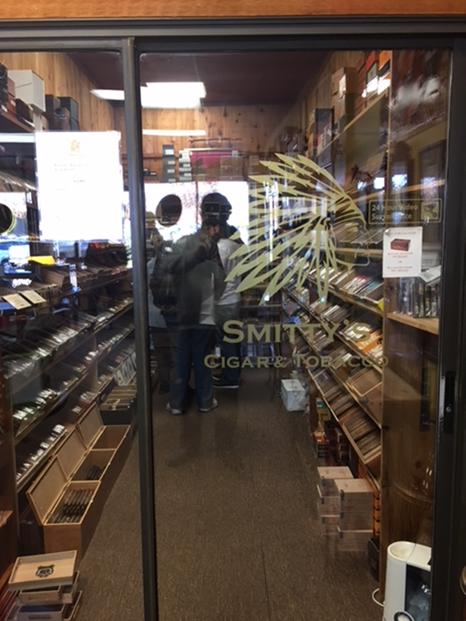
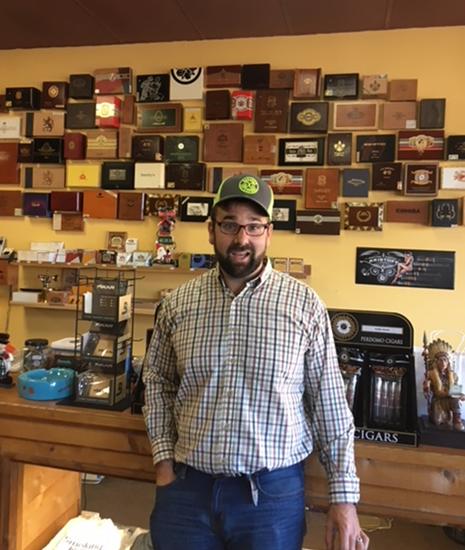
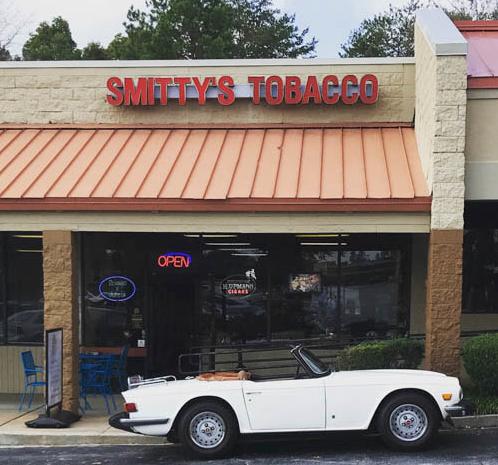
Can you imagine my surprise when we pulled into the parking lot on Tuesday afternoon? I sure did not know what to expect when we drove up. I am a bit of a pessimist so I was prepared to find the place either empty, a new business in the building or a For Lease sign in the window. What I was not prepared for was what sat in the strip mall parking lot. We drove into the McEver Shopping Plaza past Kohl’s and Bed Bath & Beyond and were greeted with the sight shown in the photo to the left. There were some blue tables and chairs on the patio outside the shop providing a spot for smokers to relax and enjoy a bowl or cigar. There were lights on in the shop, an open door and lots of folks visiting and staff serving them. The place was a living and thriving entity.

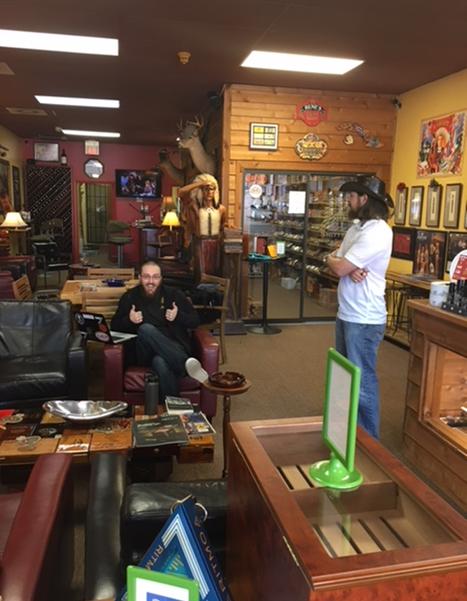
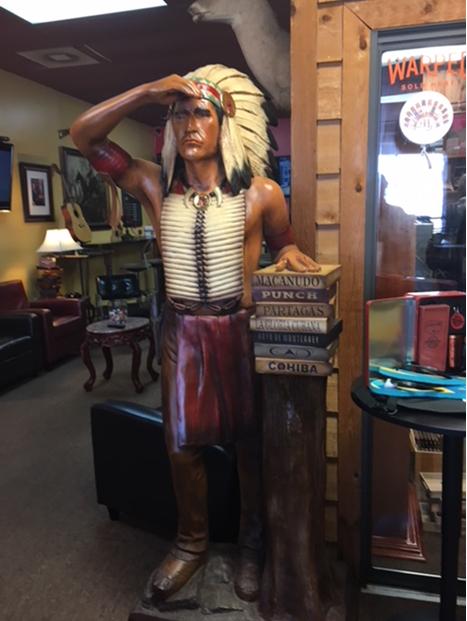
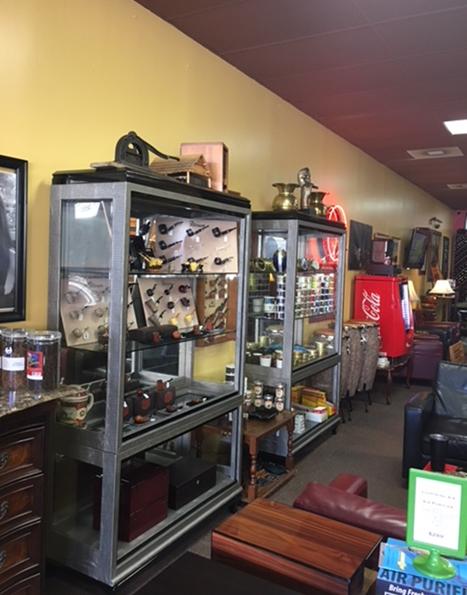
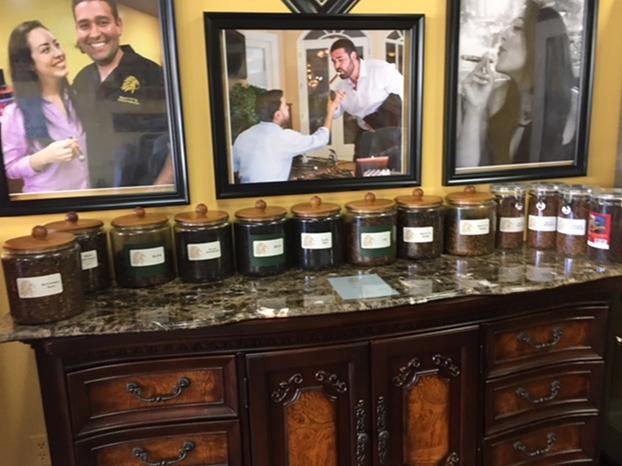
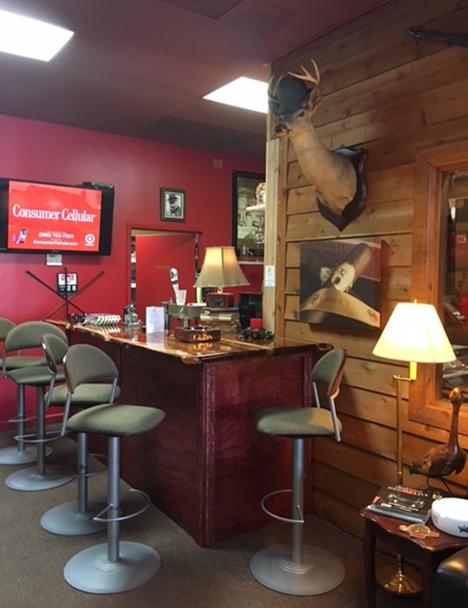
We went through the open door into the shop and were immediately greeted by the staff and the customers. The interior had been redecorated and it had a warm inviting look. My friend commented that he loved the smell of the shop. The folks smoking cigars laughed and blew some smoke towards him. They were standing, or sitting in the comfortable chairs along the window. We walked in on some story telling of some sort that always fills the air of pipe shops no matter where they are. The staff and guests welcomed us and continued to smoke their cigars and visiting.In the centre of the shop they had some soft leather chairs and tables for smokers to sit comfortably and enjoy a pipe or cigar. There was an old cigar store Indian standing next to the humidor on the right side of the shop. He had his hand on various boxes of cigars and was a great reminder of days long gone when these figures stood outside the shops welcoming guests into the respite of the tobacco shop. In today’s anti-tobacco/anti-smoking climate walking into the shop was like stepping back into time. Folks were sitting comfortably in chairs smoking cigars and the aromas of the smoke filled the place. My friend commented that the shop smelled good.  To me the smells and the sight of the place reminded me of how much we have lost in our anti culture. These old time tobacco shops are becoming things of history. On the right as you walked past some of the chairs there was a counter with a variety of cigar cutters, pipe racks and humidors. There were magazines and of course the cash register. Just past that was the humidor – it was a large room lined with a wide range of cigars. I am not much of a cigar guy but from what I could see there was a large variety of top cigar brands that included Davidoff, Arturo Fuente, Opus X, Tatuaje, Illusione, La Flor Dominicana, Aging Room, Casa Magna Domus Magnus Montecristo, Royal Butera Vintage, Padron, Griffin, Ashton, and Diamond Crown. Across from the humidor, on the left wall were the display cases of pipes and tobaccos. In terms of pipes they carried both lower end shop pipes and a full range of Peterson pipes. They no longer had the estate pipes that were present the last time I visited the shop. There were some other brands but I did not pay a lot of attention to them as I was looking for tobacco this time around.I looked through the bulk tobaccos on the sideboard to the left of the door and made my way to the jars and tins. They had a full range of Briarworks tobaccos in the small 2 ounce canning jars. They had an assortment of McClelland Virginias – numbers 22-27 and Frog Morton blends. They had a lot of Gregory Pease’ tobaccos and some Dunhill and C&D blends. The prices on the tins averaged around $15-17 dollars which is still cheaper than what I pay in Canada. The clerk and I laughed over the taxes in Georgia on tobacco as compared with those in Vancouver.In the back of the shop along the right wall they had added a bar with wine and craft beers as well as soft drinks to accompany the smoke and add to the experience. I made my way to the back of the shop to have a look at it. They had done a great job on it. The top of the bar was made of a slab of polished and sealed wood. The wall behind was lined with the options that were available for libations and there was a stock cooler filled with craft beers.

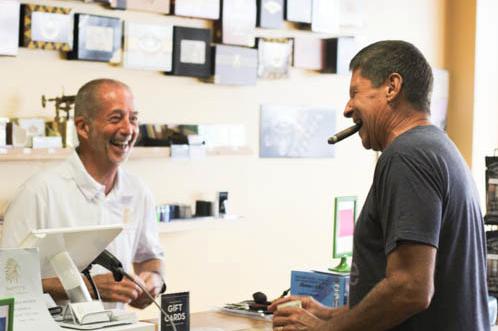
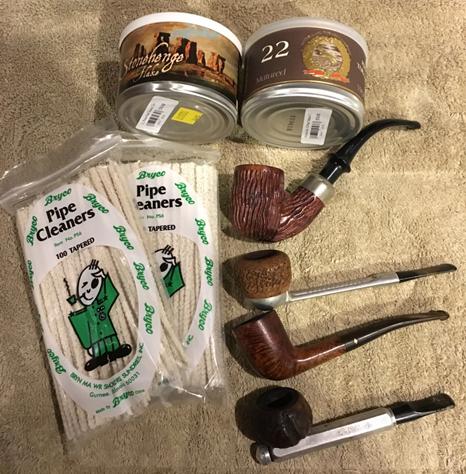
I went to use the washroom in the back and on the way saw a rack of the clerk’s pipes, some of the tobaccos that he was smoking and a full buffing kit with buffers, polishes and wax. It seemed that they did some pipe polishing. I did not see any restoration tools so I am guessing they send that out. I went back to the front part of the shop and visited with two of the younger staff that day and we talked a lot about the various tobaccos they carried. One of the guys smoked a pipe and had some recommendations on the tobaccos they carried. I revisited the jarred and tinned tobacco and went through the various shop blends they had available to see what I would take home. The limitations on my purchase were two fold – dollars and the amount of tobacco I was allowed to carry back to Canada with me. I sorted through some of the tins and asked questions of the young pipeman who was sitting in the chair next to the tobacco. I picked the tobaccos I wanted to purchase as well as pipe cleaners took them to the counter on the front right side of the shop.I stood and talked a bit with one of the customers who was enjoying a nice Cuban Cohiba cigar. He was a friendly guy who helped give the shop a welcoming air.I took a photo of my purchases – they were put in a nice cord handled shopping bag and the clerk threw in a few pens, a sticker and a business card. I bought two bags of pipe cleaners, a tin of Pease Stonehenge Flake and a tin of McClellands Virginia No. 22. The photo also shows the pipes I picked up earlier that day at the antique malls. It was a great day of pipe hunting and the shop visit was a bonus. We ended our day with a great meal at Ted’s for Bison burgers, meatloaf and drinks. All in all it was a great end to our trip to Gainesville.When I got home I read through their website (http://www.smittyscigars.com/) and enjoyed the way it was set up and the photos. The site gives a great view of the shop and I can only say that it truly represents what is there. I also found this short video and have included it here as it introduces the new owner and gives a good idea of what the shop looked like the day I visited. Have a look.

As I close this shop visit blog I want to encourage you to visit this great tobacco shop that will bring back memories of an old time tobacconist you won’t want to miss this place. If you are too young to remember the old time tobacco shops then a visit here is even more important. Shops like this are becoming a thing of the past as time goes on. If you are in the Gainesville area for a visit or live nearby be sure to check them out. Plan on sitting and enjoying a cigar or a pipe, sip your favourite libation and jaw a while with the guests and staff. It is a great place.

1937 GBD Chubby Rhodesian (R9239) Restored


By Al Jones

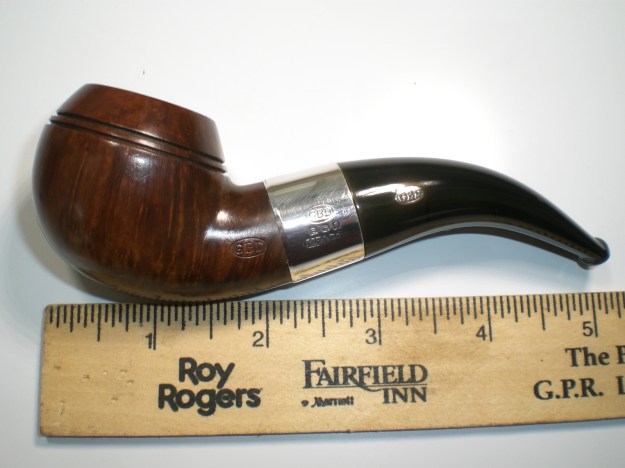
I’ve had a great year for acquiring GBD pipes. I started the year in January by finding a 9242 Sandblast at the NYC Pipe Show.  And later, another 9242 New Standard. I can’t think of a better way to cap off 2017 than with this hallmarked R9239.

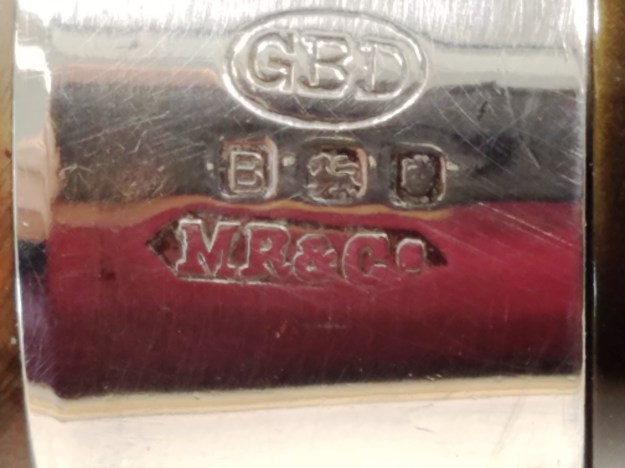
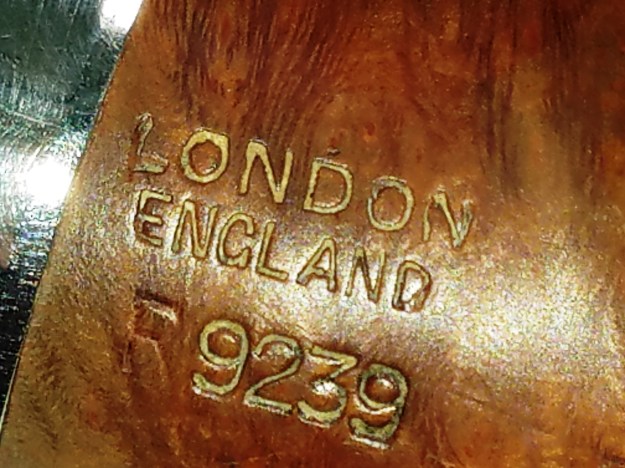
This shape is a bit of a GBD mystery. In the past six years, I’ve seen three of these come up on Ebay (one was unsmoked!). All of them have the R9239 designation, with a London hallmarked band that dates to 1937 (B date code). I have two other hallmarked 1930’s era GBD’s and each has the R code in front of the four digit shape number. The 9239 is referenced no where else in any GBD catalogs or literature that I’ve encountered. I speculate that the R must have signified a silver hallmarked band, but unfortunately that detail is lost to time.

Winning this auction was a battle with 12 other bidders and I eked out a victory by a few dollars. I studied the sellers photos carefully before bidding and I had plenty of apprehension until it was delivered. As you can see below, the photos were either altered digitally or the flash made some odd patterns on the briar. The rest of the pipe looked solid enough to allow me to bid. On delivery, all of my fears disappeared. The briar and vulcanite were in terrific condition. The stem fitment was snug with zero bite marks on the oxidized stem. The odd shadow was just that, a flash mark or other.

Below are my photos of the pipe as it was received. The stem was mildly oxidized and there were several handling marks on the bowl. The bead lines were mint and the bowl and shank interior showed little use.

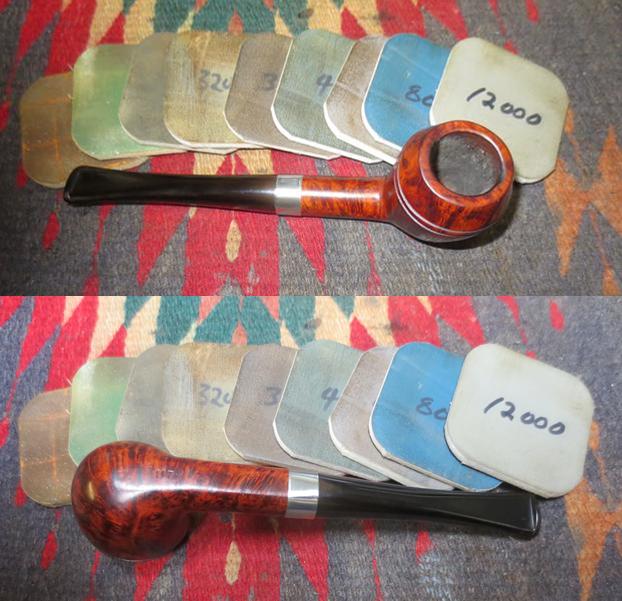
I reamed the very slight cake from the bowl and soaked it with alcohol and sea salt. After the soak, I used a silver polish to remove the tarnish on the silver band, which was a bit stubborn. I mounted the stem with a plastic collar and removed the first layer with 400 grit, then 800 grit wet paper. This was followed by 1,500 and 2,000 grade paper, then 8,000 and 12,000 micromesh sheets. The stem was then buffed with White Diamond and Meguiars Plastic Polish.

I was able to remove several of the handling marks on the bowl with an electric iron and a wet cloth. The bowl was then buffed with White Diamond and several coats of Carnuba wax.

Below is the finished pipe.

?

?

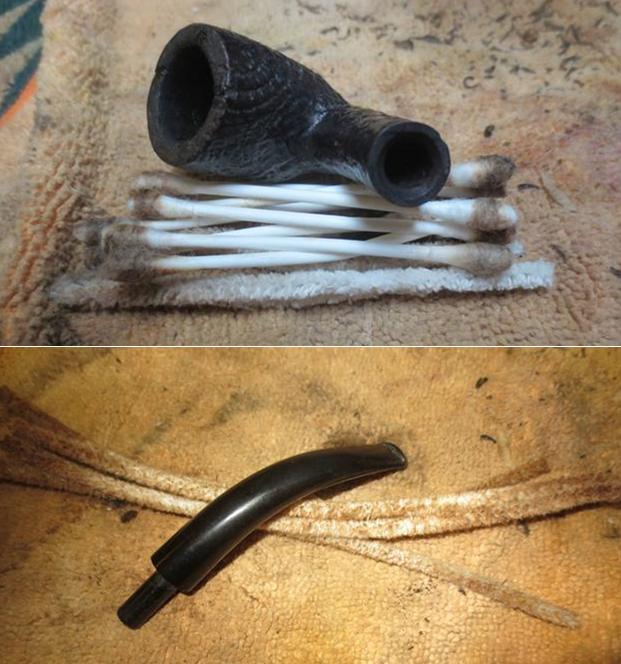
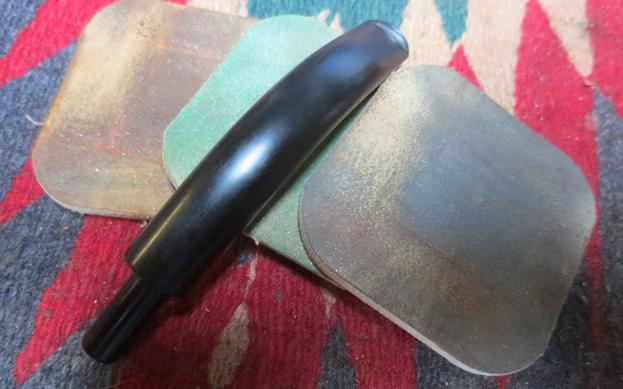
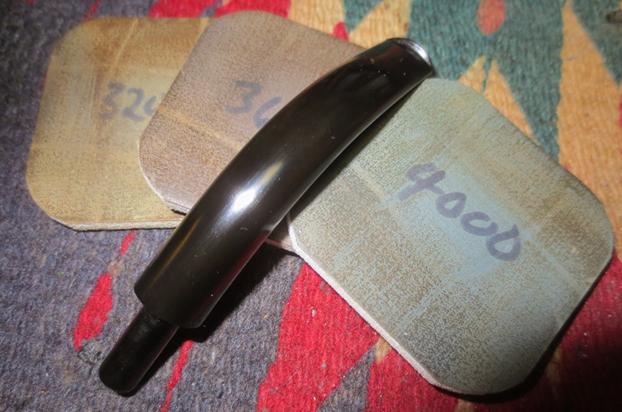
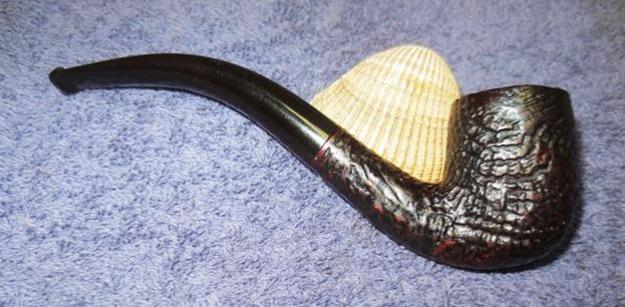
Creating a Churchwarden from a Stanwell Rustic Paneled Horn


Charles offered a creative use of stems to convert this paneled horn into a beautiful churchwarden. Well done. Let’s see if some of you have also done the same…

Charles Lemon's avatar

I thought I’d squeeze another pipe onto the DadsPipes Store shelves in time for the Holiday buying season. This Stanwell is one of the last survivors of the Danish Lot of 30 or so estate pipes I purchased about a year and a half ago. It had been sitting in the refurb box for quite some time as I prioritized other projects ahead of what I figured would be an easy cleanup.

When I brought the pipe to the worktable, it was in decent overall shape. I was dirty, of course, and the stem and vulcanite shank extension were well oxidized, but the chamber had only a thin layer of cake and some debris to contend with. There was a bit of lava flowing from the chamber onto and over the crowned rim, but the stem was free of larger tooth dents, with only a little bit of chatter visible.

View original post 791 more words

Repairing a cracked shank on an older Brigham 117 Patent Rhodesian


Blog by Steve Laug

Not long ago I received a message on the blog from a pipeman in Alberta regarding an older Brigham pipe that he had that was in great shape and had a long hairline crack in the shank from the bottom of the left side up through the stamping into the middle of “i” in Brigham. It caused the stem to be loose and he was worried about it continuing to crack across the rest of the shank. I was pretty certain it could be fixed but would need to be banded. The pipe is stamped Brigham over Can. Pat. 372982 on the left side of the shank and shape number 117 on the flattened underside of the shank near the bowl/shank junction. He sent me the following three photos to show the position of the crack in the shank. He circled them in red to make them clear. He took photos of the side of the shank against a green and a black background to make the crack very visible. He also sent an end shot to show the crack from that vantage point. Almost incidentally he also did made the patent number also visible in his photos. I wrote Charles Lemon of Dadspipes as he is my go to source for all things Brigham and asked him about the pipe. He said that the patent stamp dates it between 1938-1955. Based on it being a one dot and a smooth finish, he said it was probably closer to 38 than 55. He also said that the shape 17 (or in this case 117) is what Brigham called a round Bulldog. I took photos of the pipe when I took it out of the box. It was well restored and very clean. The finish was in great shape. The stamping was very clear with a little wear at the middle of the Brigham stamp. The single brass dot on the stem side was clear. The vulcanite stem looked very clean and polished. There was a little rounding to the side of the stem at the stem/shank union but it was really pretty clean. There were some small tooth dents in the stem but the stem looked good. The rim top was clean and the entire pipe was clean and ready to smoke. I took photos of the bowl/rim top and the stem to show the condition it was in when it arrived. It really looks good. You can see the damaged areas on the inside edge of the rim and the marks on the stem but it still is very nice. I took two photos to show the crack as it appeared without a lens. The first shows the end of the shank. It is on the lower left side of the photo. The second shows it on the side of the shank. I circled them in red to highlight the location.Looking it over in a bright light with a lens I knew that I would need to drill a small hole at the end of the crack. The hard thing was that the end of the crack was in the letter “i” on Brigham. I would also need to band the shank to keep it from splitting and fortify the shank when the stem was inserted. I took a band that was the right diameter for the shank out of my box of bands.I used the end of a small screw, pressed into the end of the crack to mark the pilot hole for the drill. I inserted a tiny microdrill bit in the chuck of my Dremel and set the speed to 5. I started the drill and slowly drilled the hole in the middle of the letter to stop the crack from spreading further.I used the tip of a dental pick to place a small drop of Krazy Glue (CA) in the hole I had drilled in the shank. It was a tiny hole so it did not take too much glue to fill in the hole. I put a tiny drop of glue on the crack that was going to be covered by the band and pressed it together to bind the crack and seal it.I used a very small sanding stick to spot sand the repair on the shank. I was able to smooth out the repair without damaging the surrounding letters on the stamping. I put a little all-purpose glue on the surface of the shank that would be covered by the band and pressed the band in place. I pressed it far enough onto the shank to provide the strengthening of the shank but did not cover up any of the stamping on the side of the shank. I used the Dremel and sanding drum to sand the excess length of the band back until it extended just beyond the end of the shank. I topped the band edge with the topping board to smooth it out. I used micromesh sanding pads to smooth out the sharp edge of the band and to polish the band. I took a photo of the shank end and repair after the band had been pressed in place. The crack on the shank end is invisible now. The crack on the shank side and up into the Brigham stamp is pressed tightly together making it less visible.The repair was finished. The stem now fit snug in the shank. The new band on the shank looked really good and dressed up the pipe. I polished the pipe on the buffing wheel using Blue Diamond to remove scratches on the bowl, shank, band and stem. I gave the bowl and stem multiple coats of carnauba wax and buffed the pipe with a clean buffing pad to raise the shine. I hand buffed it with a microfiber cloth to deepen the shine. The finished pipe is shown in the photos below. It looks better than it did in the beginning. The pipe is finished and I will be sending it back to Alberta a little later this week. I am hoping the pipeman there enjoys it. Thanks for looking.

Banding a Dunhill CK 12 Patent Era Author


Blog by Steve Laug

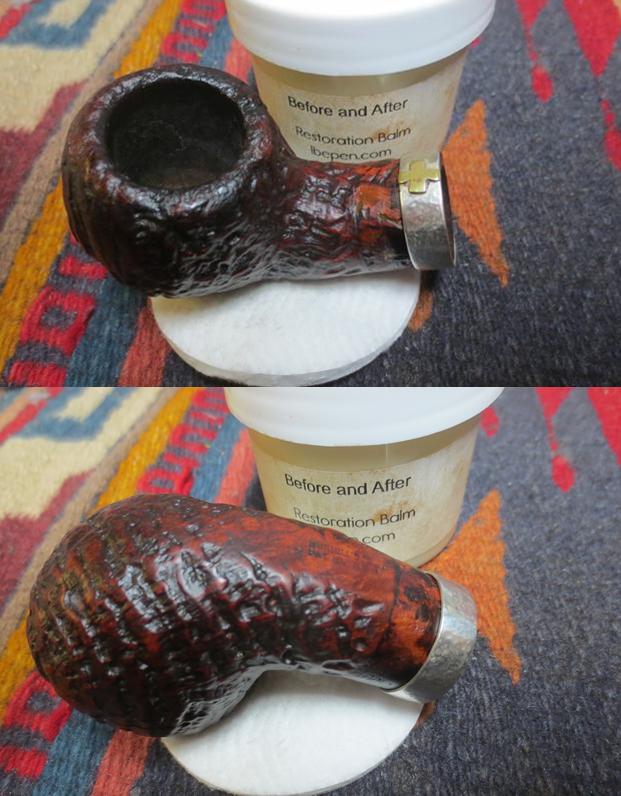
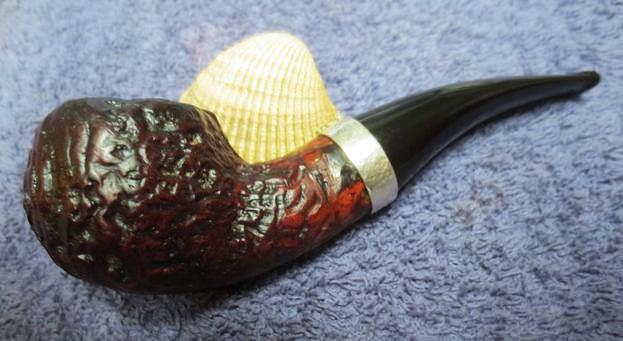
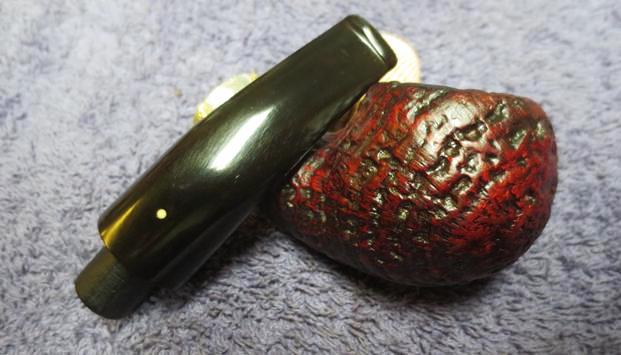
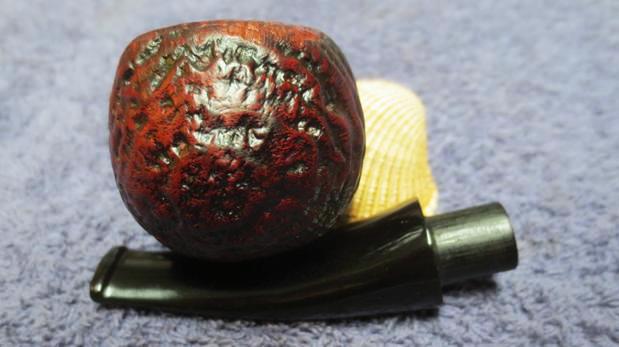
Henry Ramirez and I emailed back and forth over the past year about pipe repair. He had repaired a cracked shank on a Dunhill CK Patent Era Author that I found quite compelling. It was a pipe that I wanted to add to my collection. The deep sandblast and the unique repair that Henry had done on the shank lent something special to it. He had drilled and pinned it using some of the tricks he had used in his dental practice. He has written up the repair to the pipe on the following blog: https://rebornpipes.com/2017/06/01/cracked-shank-repair-on-a-dunhill-ck12-author/. He wrote in the blog that the underside of the shank was faintly stamped with Dunhill Shell over an incomplete patent number starting with 116(989/17) which would place this pipe from 1925-1934. The pipe had been fitted with a gold-plated or at least gold coloured band to hold the cracked shank together. Henry kept the band but decided to leave it off the pipe. Henry took the photos below to show the finished pipe. It is a beauty. Henry and I corresponded and I made him an offer for the pipe. We dickered back and forth and he surprised me recently by giving it to me. He sent it to me with the old split band included. I am pretty certain that the band was not original to the pipe and was added in an earlier repair. I spoke with several jewelers to see if I could find someone to solder the band and repair it. None of them were willing to take a risk with the thin metal. I ordered several gold bands from Vermont Freehand to see if I could find a replacement band but none of them were large enough to fit. I was looking for a thinner band to fit the shank and still leave the briar exposed as much as possible. I found a thinner band in my box of bands that looked like it might work. It was hammered silver and had a brass cross (gold coloured) on the top of the band. I slipped it on the shank to see what it would look like and took the following photo.I liked the look of the new band so I heated it and pressed it onto the end of the shank. I pressed it down on a hard board until it was even with the end of the shank. I scrubbed the surface of the briar with Before & After Restoration Balm to clean off the surface of the briar to preserve and deep cleanse the crevices and high spots of the rugged patent era sandblast. I applied it to the briar with my finger and rubbed it into the briar. I scrubbed it with a tooth brush to get it deep in the grooves. I buffed the bowl with a soft cloth and then buffed it with a shoe brush to raise a shine. The next two photos show the end of the shank with the band pressed on the shank until the edge was flat against the shank end.I put the stem back on the shank and buffed the pipe with Blue Diamond on the buffing wheel. I used a light touch on the sandblast bowl. The finish came alive with the Balm and I gave the pipe several coats of Conservator’s Wax and buffed it with the shoe brush. I gave the stem multiple coats of carnauba wax. I buffed with a clean buffing pad to raise the shine and then hand buffed it with a microfiber cloth. I buffed the band on the shank with a silver polishing cloth to raise the shine and polish it. The hammered finish on the band and the brass cross on the top of the band works really well with the old sandblast. The finished pipe is shown in the photos below. The new band looks good on the pipe and gives it a classic look with a personal touch of class. Thanks for looking.

Something is different about this Heritage Square Shank Apple


Blog by Steve Laug

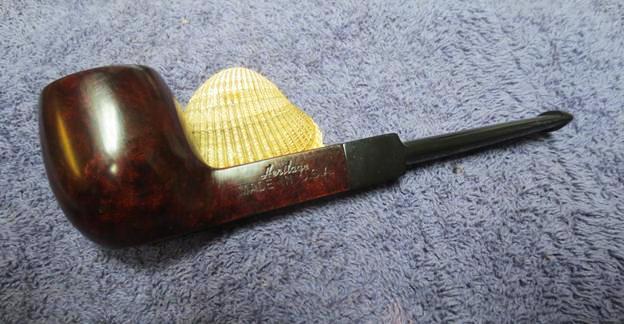
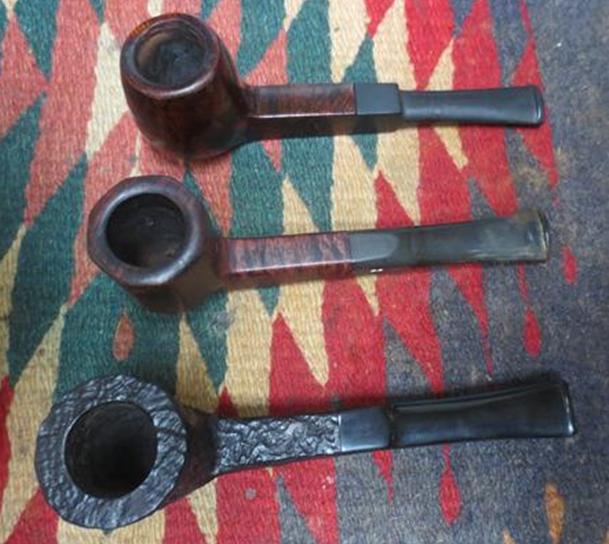
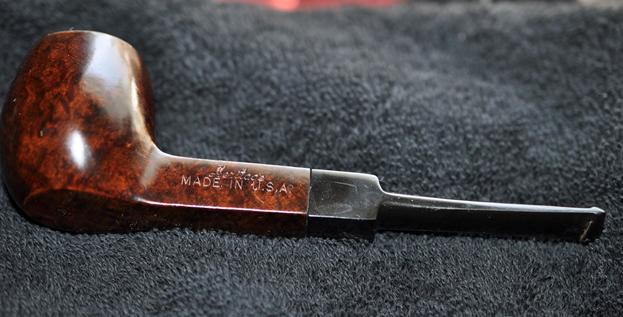
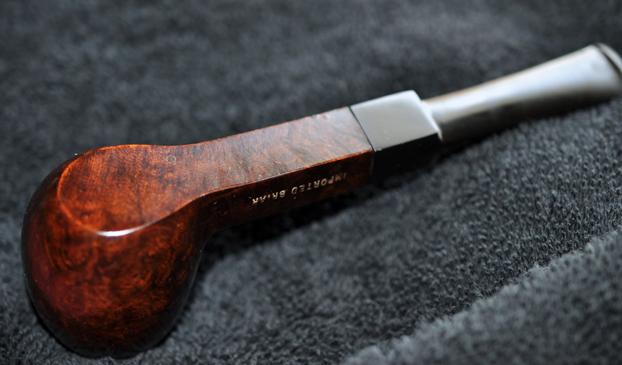
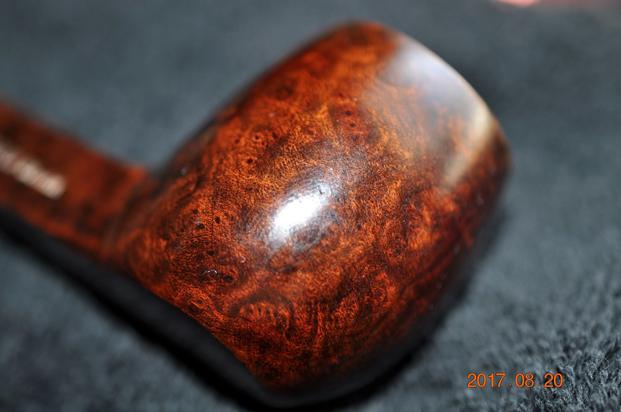
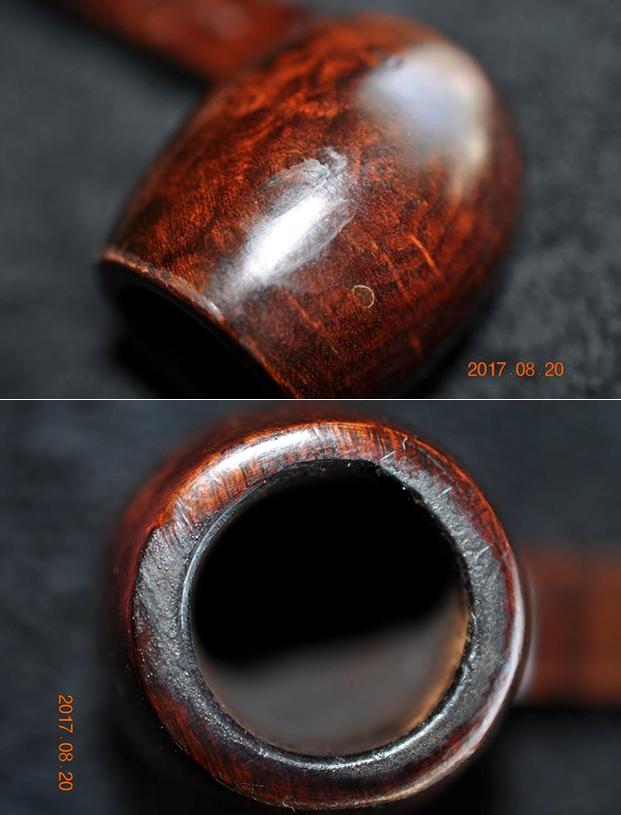
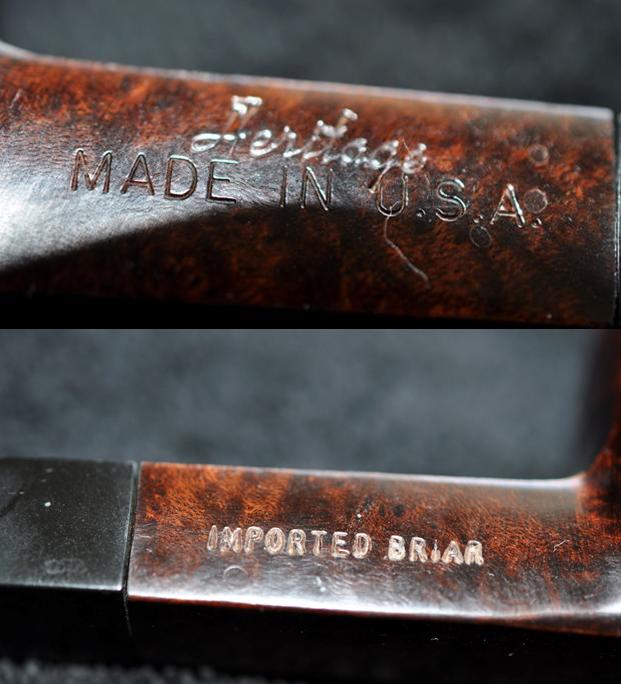
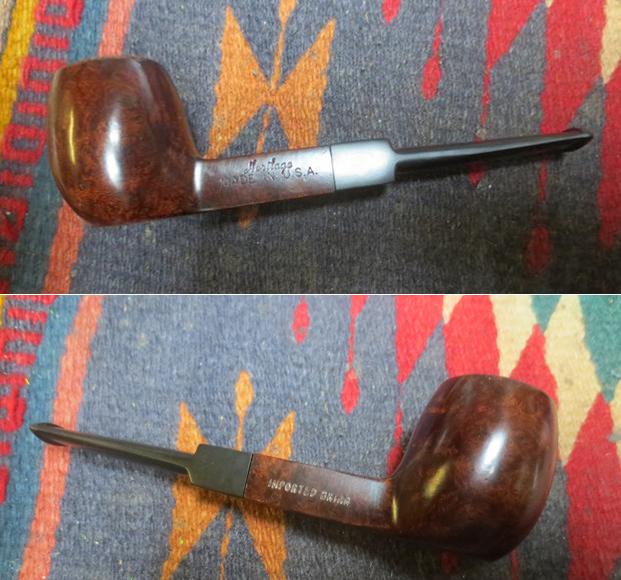
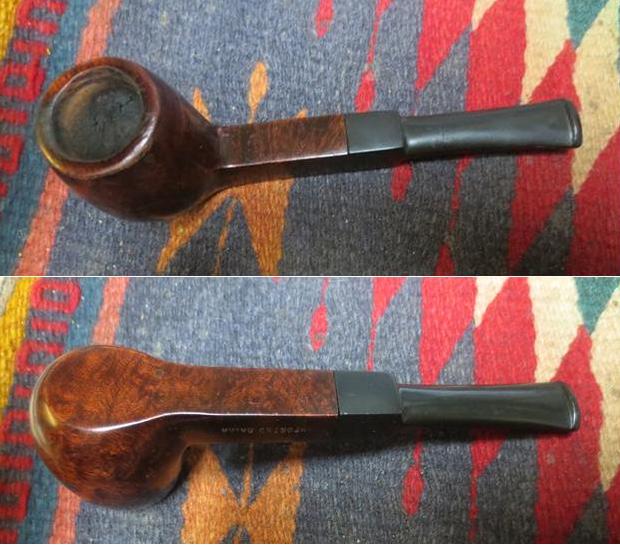
As I mentioned in the first blog I did on the Heritage threesome – the 45S Antique, earlier this summer I was relaxing and surfing Ebay on my iPad and I came across three listings for Heritage Pipes. All were square shank pipes and all were in decent condition. Two of them had original stems while the third had a stem I was not sure about. Several years ago I had learned about the brand through Andrew Selking who writes for rebornpipes. Since then I have kept an eye out for them. There do not seem to be too many showing up on Ebay but every so often there is one. This time there were three. I contacted my brother with the links and he bid and won the threesome. I have finished the middle and bottom pipe and have written blogs about them (The Heritage Antique – https://rebornpipes.com/2017/10/08/cleaning-up-the-first-of-three-heritage-pipes-45s-dublin/, The Heritage Diplomat – https://rebornpipes.com/2017/10/14/new-life-for-heritage-diplomat-8-panel-billiard/). The last of the threesome is what is on the work table now. It the top pipe in the photos below. When I got to looking carefully at this pipe I immediately saw some differences from the other two Heritage pipes. Though it is stamped Heritage with a similar font on the left side of the shank, it also is stamped Made in USA under that. The stamping is more like the Kaywoodie pipes I have worked on. The right side of the shank is stamped Imported Briar. The finish on this pipe is nowhere near as nice as the other two pipes. The quality is good but not stellar like the others. The stem fit and shape is different from the other two and seems to be a stem blank rather than a custom made stem. It is not a replacement as I first thought but is the original stem. I also cannot find it on the Heritage Brochure that Andrew provided. The overall look and feel of the pipe leads me to think that this pipe was made later than the other ones and is probably a Kaywoodie of lesser quality. Even though that is true I think it has value in that it is a historical piece that may be transitional in nature. I am including the next two photos as they show the condition of the pipe when my brother received it and the stamping on the shank. For your reference if you are interested I am including a summary of the history of the brand that Andrew wrote on a previous blog on rebornpipes. I find that it is helpful and clear. There is not a lot of information on the brand available on-line so anything helps fill the gap. Here is the link: https://rebornpipes.com/2014/12/23/refurbishing-a-heritage-heirloom/.

Heritage pipes were Kaywoodie’s answer to Dunhill. According to one of their brochures, Heritage pipes were made from “briar burls seasoned and cured for up to 8 months,” with only “one briar bowl in over 300 selected to bear the Heritage name.” “Heritage stems are custom fitted with the finest hand finished Para Rubber stems. Mouthpieces are wafer thin and concave.”

The Heritage line began in the early 1960’s, with the trademark issued in 1964. The line was started at the request of Stephen Ogdon, (who worked for Kaywoodie in 1962). Mr. Ogdon had previous experience working for Dunhill, either running the New York store or working for Dunhill North America. Mr. Ogden was made President of Heritage Pipes, Inc., Kaywoodie Tobacco Co.,Inc. and Kaywoodie Products Inc. as well as a Vice President of S.M. Frank & Co. Heritage Pipes were produced from 1964 until 1970 (Source Kaywoodie.myfreeforum.org).

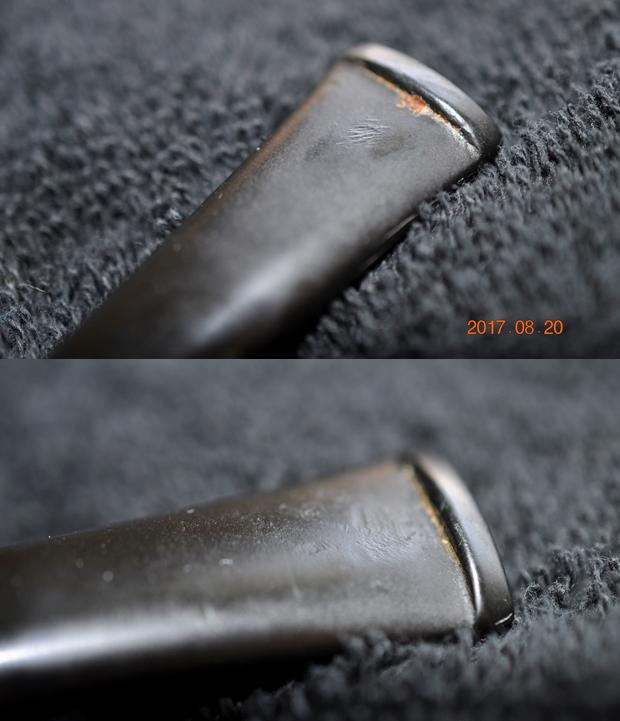
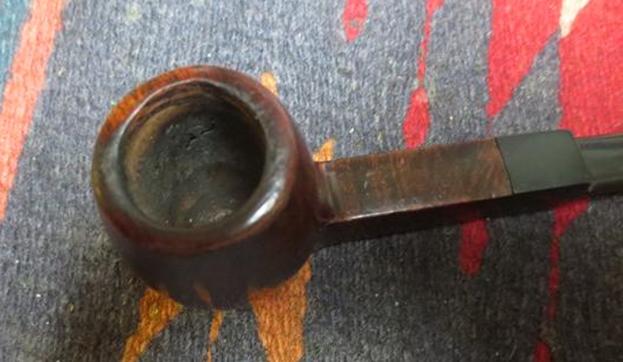
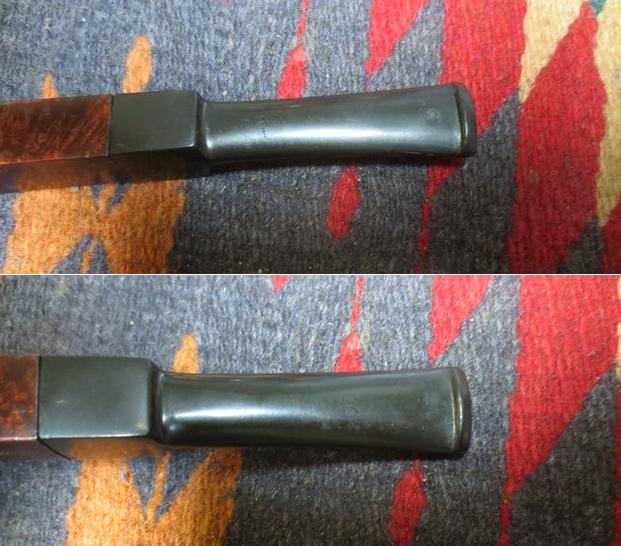
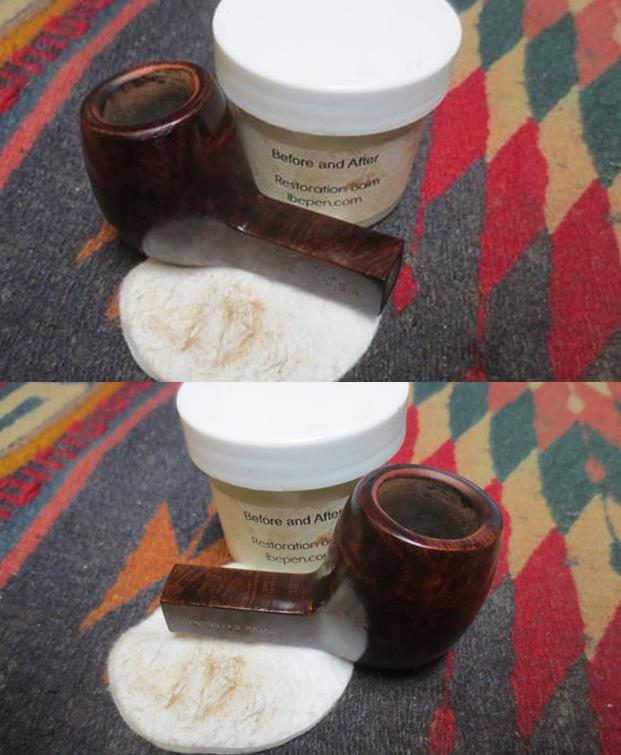
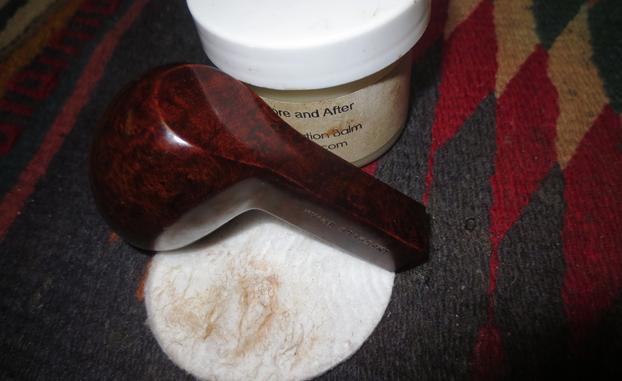
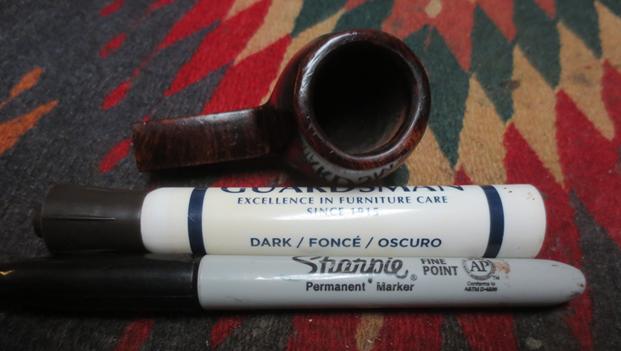
From Andrew’s helpful blog I would put a 1970s date on this one. It may well have been done after the closure of the line. Jeff took photos of the grain around the bowl to give an idea of the quality of the briar. While it was dirty and scratched there was some nice grain on the pipe. The photos show some slight wear on the outer edge of the rim and on the inner edge. The rim top shows some wear and some lava buildup. It is hard to know from these photos how much damage there is to the inner edge of the rim. I will know more once the grime and lava are removed. Time will tell. The next two photos show the stamping on the shank. There are some subtle differences to the Heritage font and the not so subtle differences of the Made in USA and Imported Briar stamp that were not present on the other two pipes of this threesome. The stem did not have the PARA Hard Rubber stamping of the other two and did not bear the Heritage logo on the left side of the saddle. This could either point to a replacement stem (which is possible) or to a later version of the brand that did not include those items. I am not sure which is the case. The stem was good quality rubber and did not show too much oxidation. There was tooth chatter and some tooth marks on both sides of the stem near the button. There was also some wear on the sharp edge of the button on both sides.Jeff worked his magic in cleaning up this pipe. He reamed it with a PipNet reamer and smoothed the walls of the bowl with a Savinelli Fitsall pipe knife. He scrubbed out the mortise and the airway in the shank and the stem with alcohol, cotton swabs and pipe cleaners. He scrubbed the exterior of the bowl, rim and shank with a tooth brush and Murphy’s Oil Soap to the oils and tars on the bowl, rim and shank. He rinsed it under running water. He dried it off with a soft cloth. Once the grime was removed the finish seemed to be coated with a varnish coat. It was peeling around the outer edges of the rim and also there were some damaged spots on the sides of the bowl where the finish was slightly peeling. There was some wear around the edges of the rim top and the inner edge showed some burn damage on the right side. The cleaning of the stem did not raise any oxidation in the vulcanite. The tooth marks were clean but visible. I took photos of the pipe to show its condition before I started my work on it. I took some close up photos of the rim top and the stem to show the condition of both before I worked on them. The photo of the rim top shows the damage on the inner edge of the right side of the rim and the wear on the outer edge around the bowl. Other than the tooth chatter and tooth marks the stem was in good condition with no oxidation that I would need to worry about. I decided to start on the bowl and address the rim damage. I used a folded piece of 220 grit sandpaper to slightly bevel the inner edge of the rim and blend in the damaged area with the rest of the bowl. I wanted to bring it back to round as much as possible and remove the damage. The second photo shows the reshaped rim edge. I think the process worked pretty well!I decided to use Mark Hoover’s Before & After Restoration Balm. I have written a review about the product in an earlier blog. I rubbed it into the surface of the briar and scrubbed it with a cotton pad. Mark has said that the product was designed to pull the dirt off of the briar as well as polish it. He added some anti-oxidants to keep the briar from getting damaged from both UV rays and water. It worked very well as you can see from the following photos that show the cleaned briar and the grime on the cotton pad. Remember that this pipe had already been scrubbed with oil soap and rinsed. It appeared to be clean for all intents and purposes but it still had residual grime in the pores of the briar. I blended black Sharpie Marker and a Dark Brown Stain pen to colour the inner edge of the rim and the repaired area on the rim top. The combination matched the colour of the stain on the bowl perfectly.It is at this point a couple of things caught my eye. There were what looked like water spots on the front and the left side of the bowl. I looked closely and they were very odd. Almost like some of the varnish finish had bubbled and been removed. The longer I looked at it the more ugly it looked. What had looked like an easy restore suddenly looked a lot harder. I was going to have to remove the varnish coat and restain the entire pipe. Just a little discouraging when things were moving ahead so well. But, chin up and do the job!

I wiped the bowl down with acetone to try to cut through the finish. It did not budge! Oh man, that meant I was dealing with some kind of plasticized coating and it would be a bit more difficult to remove. I sanded the bowl and shank with 220 grit sandpaper to break through the surface of the topcoat. I wiped it down repeatedly with the acetone to see if I was making progress.  It was slow going. I sanded it with a medium and a fine grit sanding sponge and was able to make more progress. I wiped it down again. The photos below show the pipe when I had removed all of the plastic coating. It was odd in that there were two large spots on the front of the bowl and around the rim edges where the finish came off as well as the plastic. The rest of the finish was deeply set in the grain. I have only seen that on pipes where there was some oil in the briar that was not properly removed before staining and finishing. I wiped the bowl down with acetone a final time scrubbing the unstained portions with extra care. I wiped it down with alcohol in those areas and heated the briar to see if I could open the pores before staining. I used a dark brown stain pen to precolour the briar before restaining the entire pipe. I wanted to get deep coverage on the briar. I warmed the briar once again by painting it with the flame of a lighter. I stained the entire bowl with dark brown aniline stain and set it in the grain with a lighter. I repeated the process particularly on the front, sides and rim top until the coverage was even all around the bowl. I set the bowl aside to cure overnight.Work and general busyness kept me from working on the pipe again for several days. When I finally got a moment I wiped the bowl down with alcohol and cotton pads to even out the finish and give it a bit more transparency. I sanded the newly stained bowl and shank with micromesh sanding pads – wet sanding with 1500-2400 grit pads and dry sanding with 3200-12000 grit pads. I wiped the bowl down after each pad with an alcohol dampened cotton pad. I buffed the pipe with Blue Diamond to further polish out the scratches and then gave it several coats of Danish Oil with a Cherry Stain to give the bowl a rich finish similar to the one on the Heritage Diplomat that I restored earlier. The pipe is beginning to look really good in my opinion and in many ways is far better than when I started. I buffed the bowl with a soft cotton cloth to polish the Danish Oil. I took the following pictures to show the bowl at this point in the process. I still need to buff it again on the wheel and give it multiple coats of carnauba wax. I set the bowl aside and turned my attention to the stem. I sanded out the tooth marks and chatter with 220 grit sandpaper. I carefully blended them into the surface of the vulcanite. I also worked over the sharp edges of the button to clean up the marks that were left behind there. The sanding dust left behind on the sandpaper was a rich, dark black which spoke well of the quality of the vulcanite that was used on this stem. To me it also was further proof of the stem being original rather than a later poor quality replacement.The one oddity to the pipe was that the shank was thinner on the right side than the left. The mortise was drilled straight but it was definitely not centered in the shank. Due to that the tenon on was slightly off to the right side of the shank to match. I polished the stem with micromesh sanding pads. I wet sanded it with 1500-2400 grit pads and wiped it down with Obsidian Oil after each pad. I dry sanded with 3200-12000 grit pads and again wiped it down with Obsidian Oil. I finished the polishing with the pads and gave it a final coat of the oil and set it aside to dry. I put the stem back on the bowl and worked the pipe over on the buffing wheel using Blue Diamond polish to further remove scratches on the bowl and shank. I gave the bowl and stem multiple coats of carnauba wax and buffed the pipe with a clean buffing pad to raise the shine. I hand buffed it with a microfiber cloth to deepen the shine. The finished pipe is shown in the photos below. It looks better than it did in the beginning. I still think it is a transitional piece between the classic higher end Heritage line and the later line that came out when the classic line ended. It is still a beautiful pipe. The finish is good but not nearly as well done as the classics. The dimensions of the pipe are: Length: 5 ½ inches, Height: 1 ¾ inches, Diameter of the bowl: 1 1/8 inches, Diameter of the chamber: ¾ inches. Thanks for looking.
Quick Refresh of a Comoy’s “The Everyman” 42 Bent Billiard


Great job on this Everyman. Good info on Com stamp dating. Thanks Charles

Charles Lemon's avatar

I’ve worked on several Everyman pipes over the last few years, and I’m always impressed with the build quality of these Comoy’s “seconds”. This shape 42 Bent Billiard is no exception.

The pipe had been quite gently used before it came to my worktable. The exterior of briar and stem were greasy and dirty, and a film of lava covered most of the rim. It was hard to tell how much cake was in the bowl as the chamber walls were lined with a fair bit of the last tobacco smoked.

The stem was in exceptional estate condition under the grime – very little oxidation, and almost no tooth marks at the bit. The top side was slightly rough, and the bottom side had just a hint of one shallow tooth dent. Compared to most of the stems I deal with, this one was nearly pristine.

20170909_17115220170909_17115820170909_17120520170909_17121420170909_17125120170909_17125720170909_171314

The superb condition extended…

View original post 844 more words

Cleaning up a Delicate French Made GBD Sablee 106 ¼ Bent Billiard


Blog by Steve Laug

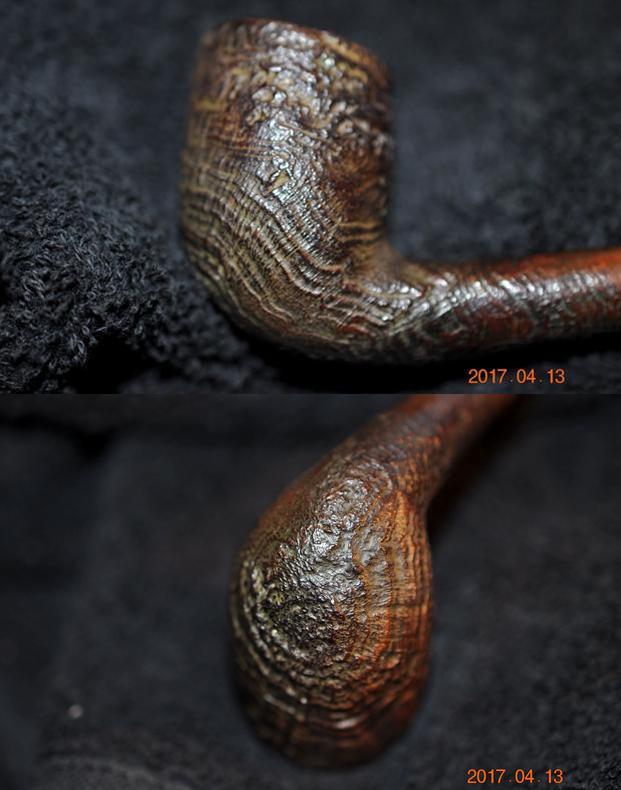
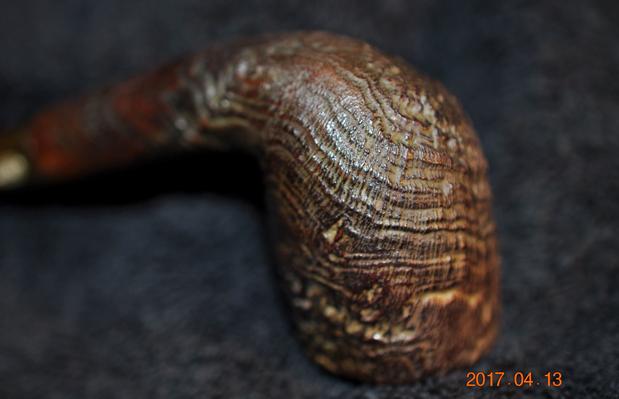
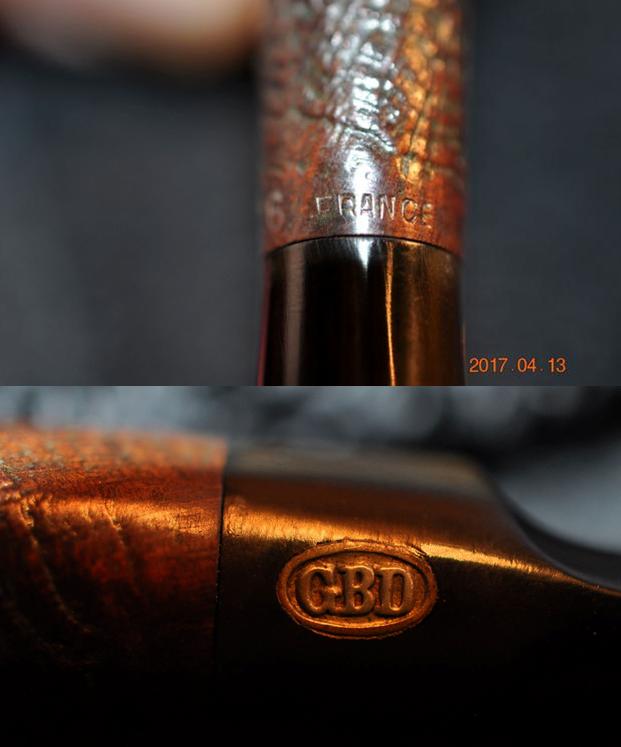
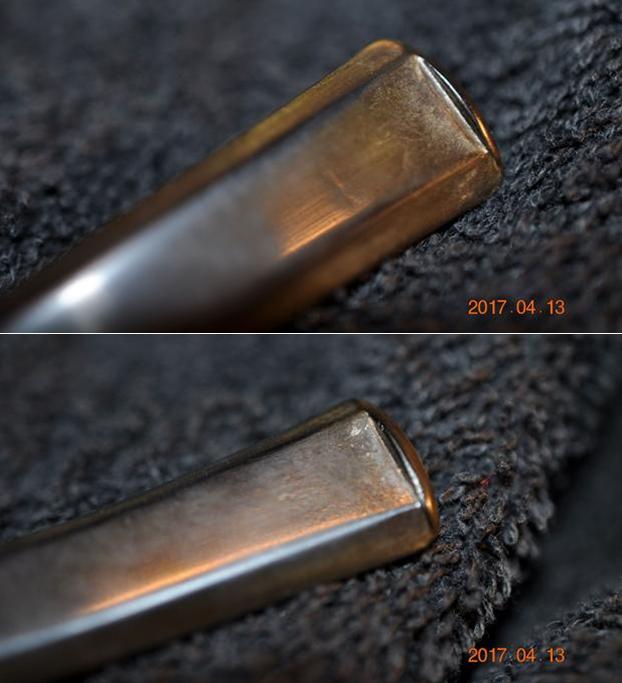
There is something about early GBD pipes that always gets my attention. I don’t know if it is clearly identifiable shapes and finishes or the attention to detail that is obvious in each pipe. Whatever it is I am hooked when I see them. I do know that this one caught my eye the minute I opened the box from my brother Jeff. He found it somewhere along the way in his travels.It is a delicate pipe with a deep sandblasted finish. The rich contrast brown stain works well with the sandblast to give it a touch of elegance. The saddle stem is also delicate and the GBD rondel on the left side of the saddle nicely sets off the black and the browns of the stem and bowl.When Jeff received it the finish was dirty but underneath the grime it appeared to be in good condition. The bowl had a light cake and the rim top was clean. There did not appear to be any damage to the rim edges and there was no lava over flow on the rim top. The stem was lightly oxidized and had some minor tooth chatter on both sides near the button.The next series of photos show the bowl and rim and the beautiful sandblast finish around the sides and bottom of the bowl. The variety of ring grain and birdseye and how it responds to the blasting medium can be seen in these photos. I never tire of spending time turning a sandblast pipe over in my hands looking at the blast from every angle. This is one of those blasts that just demands the time and observation. The shank bears the brand stamping on various sides. The GBD oval and Sablee name is stamped on the underside of the shank in a smooth portion of the briar. It is stamped FRANCE along the stem/shank union on the underside leading me to conclude it is a French made GBD. It has the shape number 106 stamped in the smooth ring around the shank on the right side. The brass rondel inset on the left side of the saddle stem is in excellent condition. The stem shows light oxidation on both sides and some tooth chatter and marks on both near the button. Fortunately there are no deep tooth marks that will need attention.Jeff did a great job cleaning off the debris and grime in the crevices of the blast on this old bowl. He reamed it with a PipNet reamer and smoothed the walls of the bowl with a Savinelli Fitsall pipe knife. He scrubbed out the mortise and the airway in the shank and the stem with alcohol, cotton swabs and pipe cleaners. He scrubbed the exterior of the bowl, rim and shank with a tooth brush and Murphy’s Oil Soap. It removed all of the grime and dust on the bowl, rim and shank. He rinsed it under running water. He dried it off with a soft cloth. Once the grime was removed the finish underneath was in stellar condition. The rich patina of the contrast brown stains in the sandblast looked great. He scrubbed the exterior of the stem and was able to remove the remnants of a price tag from the seller. He cleaned out the airway with pipe cleaners and alcohol until it was clean. When it arrived it looked really good – just dull. I took photos of the pipe to show its condition before I started my work on it. I took some close up photos of the bowl and rim as well as the stem to give an idea of the condition of both before I started my restoration process on the pipe. I put the stem in a bath of Before & After Pipe Stem Deoxidizer and picked up the bowl to begin working on it. I used the Mark Hoover’s Before & After Restoration Balm on the briar. I rubbed it into the nooks and crannies of the sandblast on the bowl sides with my fingers. I wanted it to go deep in the crevices. As I have mentioned in previous blogs, Mark had said that the product can be used on briar or stems – whether vulcanite, acrylic or horn. He said it was designed to pull the dirt off of the briar as well as polish it. I figured this interesting sandblasted GBD would once more put those claims to a test. He said that he had added some anti-oxidants to keep the briar from getting damaged from both UV rays and water. Once I had all the nooks and crannies in the sandblast of the bowl covered I wiped it down with a clean cotton pad and then buffed it with a shoe brush. It seemed to work very well and I took the following photos to show the results. The stem had been soaking in the Before & After Deoxidizer for over three hours while I worked on the bowl and did a few other things around the house. It was time to pull it out and see what the aging soak had done to the oxidation. I removed it and scraped off the excess soak. I pushed pipe cleaners through the airway to remove the soak from the inside of the stem. I dried it off with a cotton cloth to dry off the surface and rub off the oxidation that was now on the surface of the stem. If there had not been tooth chatter on the stem it would have been really clean and ready to polish.I sanded out the tooth chatter and scratches in the vulcanite on both sides of the stem with 220 grit sandpaper. It did not take a lot of sanding to smooth them out.I polished the stem with micromesh sanding pads – wet sanding it with 1500-2400 grit pads and wiping it down after each pad with Obsidian Oil to give the next pad more bite when I sanded. I dry sanded it with 3200-12000 grit pads and again wiped it down with the oil after each pad. After the final pad I wiped it again with the oil and set it aside to dry. I put the stem back on the bowl and buffed it with Blue Diamond on the buffing wheel to polish the stem and lightly polish the briar. I gave the stem multiple coats of carnauba wax buffed it with a clean buffing pad to raise a shine. I gave the bowl multiple coats of Conservator’s Wax and rubbed it into the sandblast finish. I buffed it with a shoe brush and then with a clean buffing pad to raise the shine. I hand buffed the pipe with a microfiber cloth to deepen the shine. The contrast brown finish on the bowl and the black of the stem combine to present a beautiful pipe. The dimensions of this pipe are Length: 5 1/2 inches, Height: 1 3/4 inches, Bowl diameter: 1 1/4 inches, Chamber diameter: 3/4 inches. The finished pipe is shown in the photos below. I will soon be adding it to the rebornpipes store if you are interested in adding to your collection. It is a beauty and will serve someone very well. Email me at slaug@uniserve.com or send me a message on Facebook. Thanks for looking.

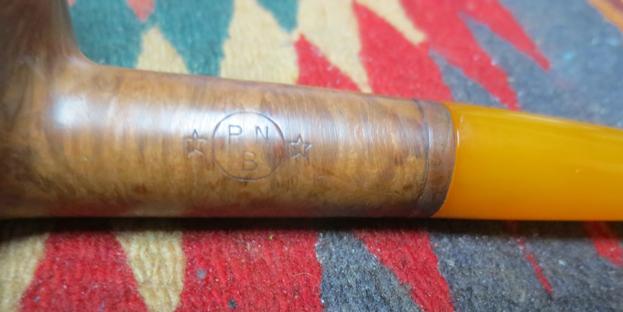
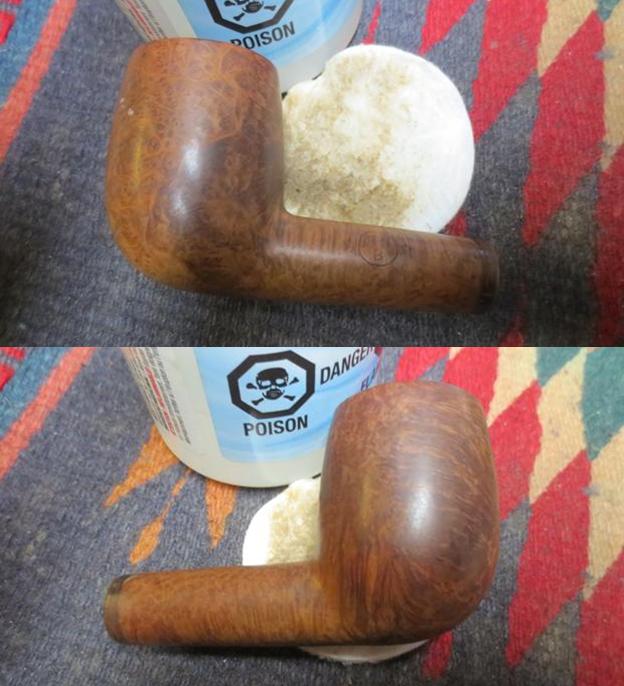
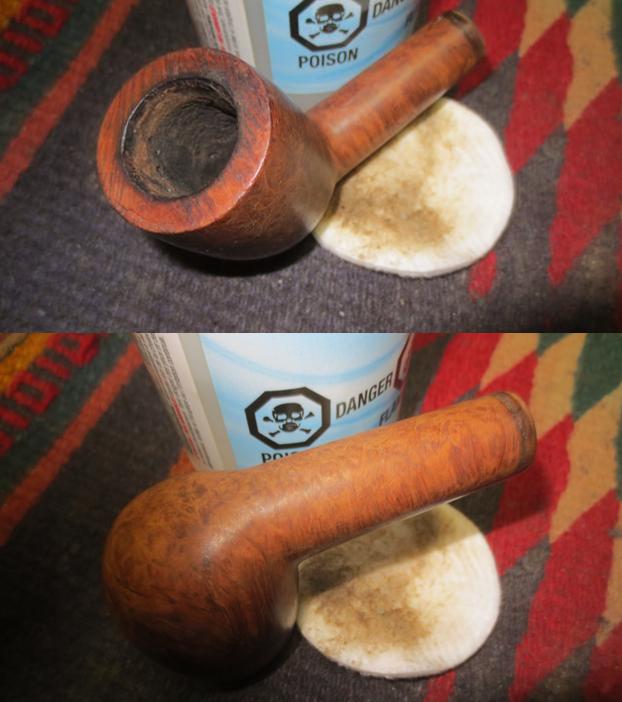
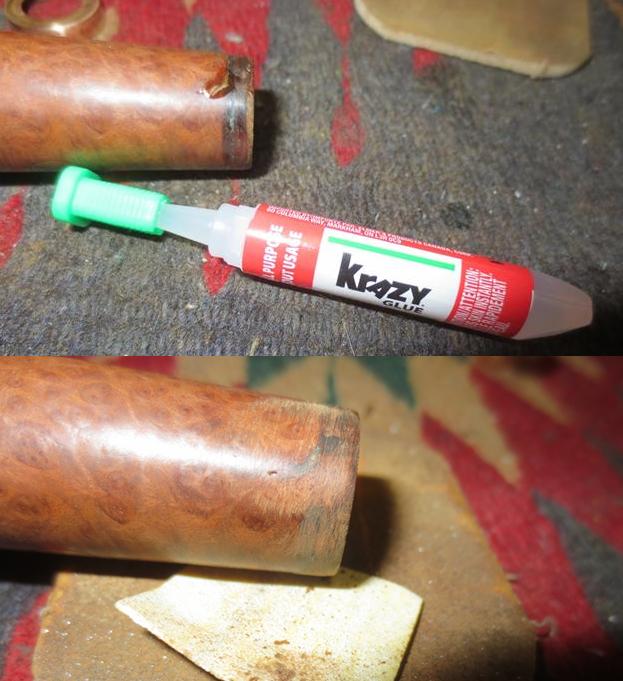
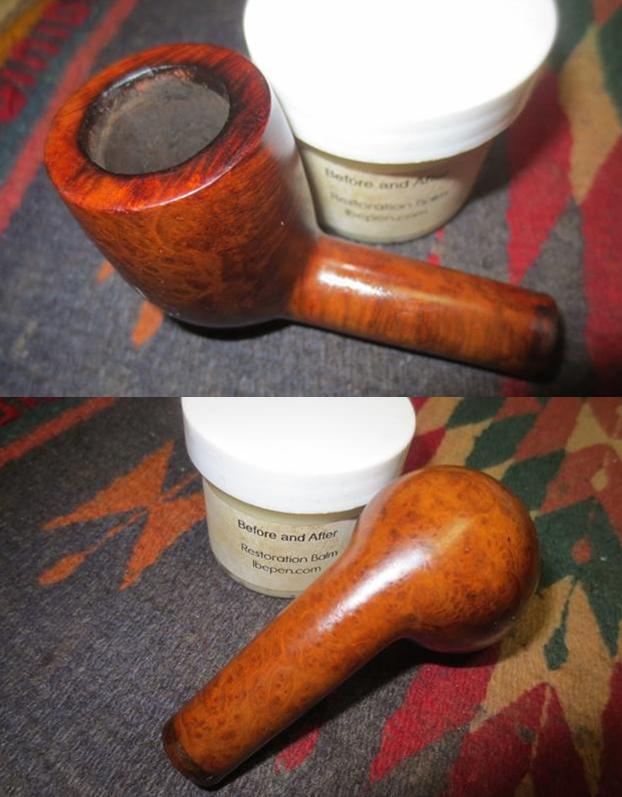
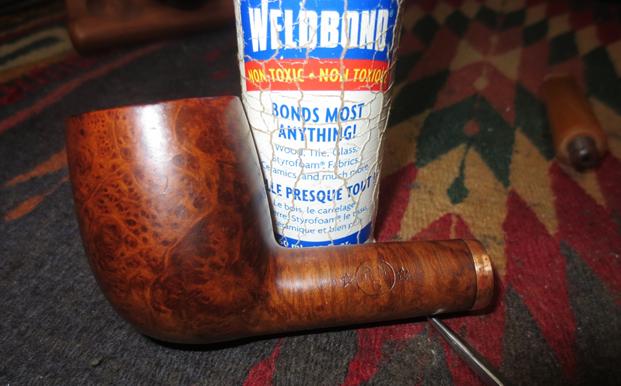
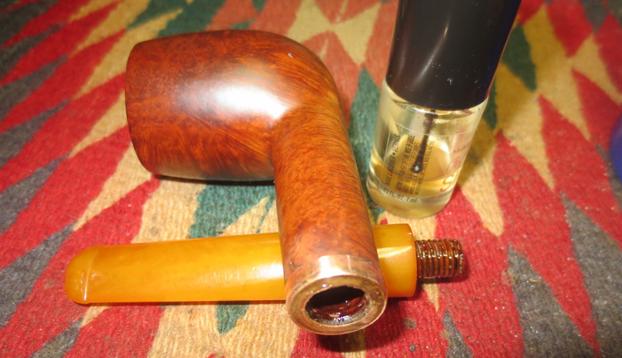
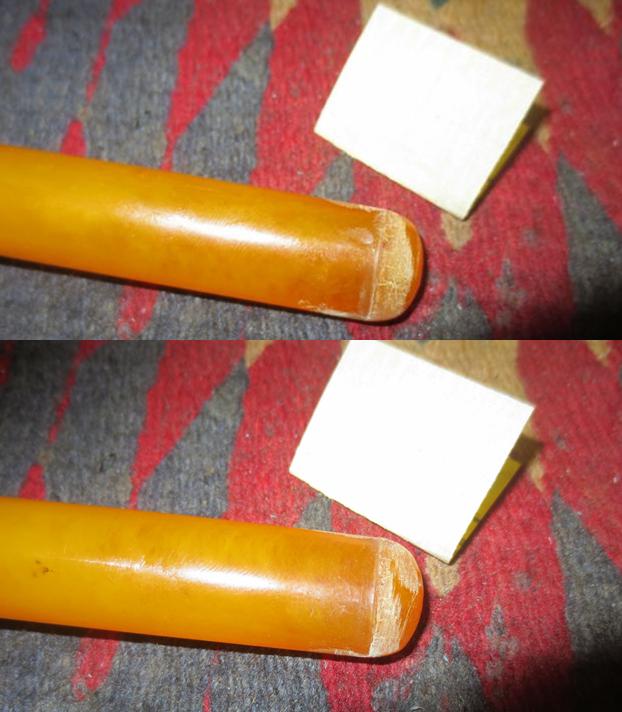
Pipe Hunting in the Portabello Market, London – Found a PNB Pipe


Blog by Steve Laug

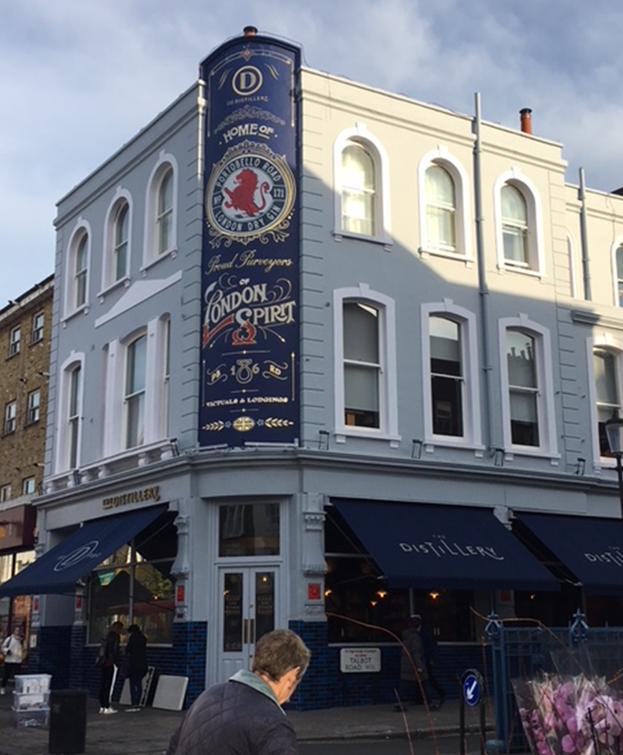
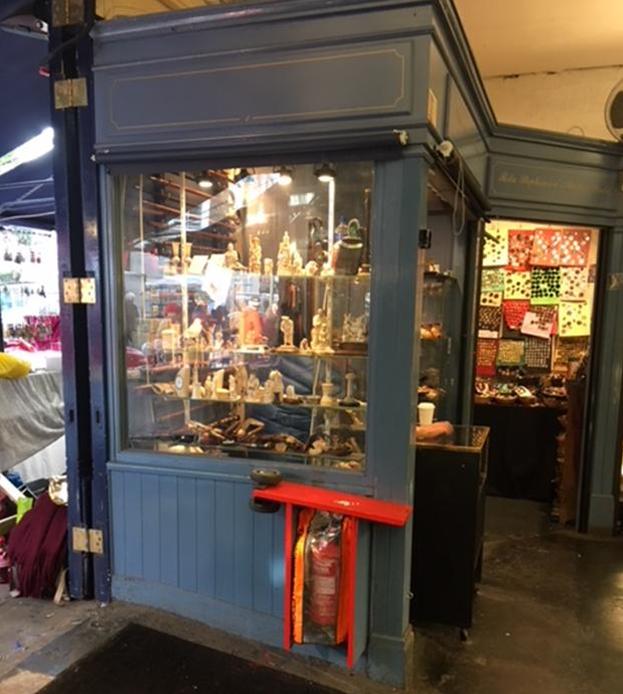
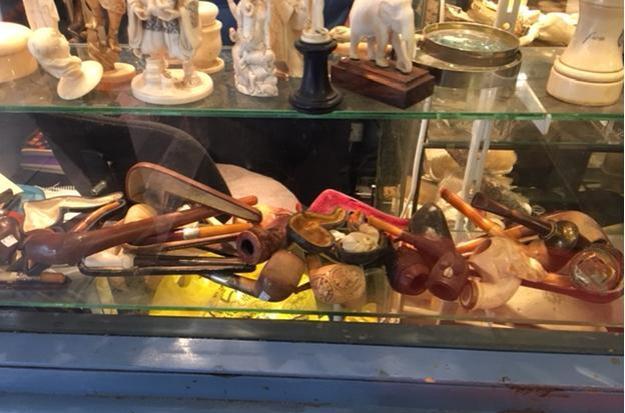
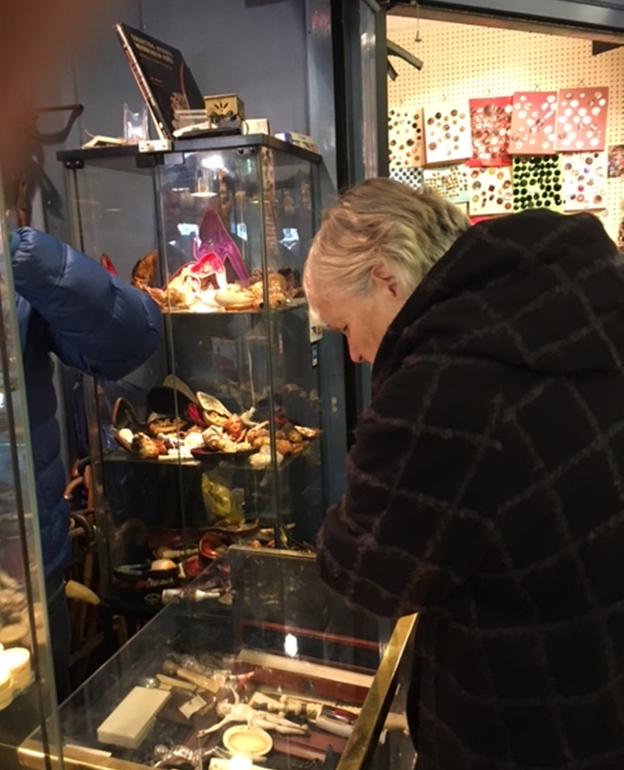
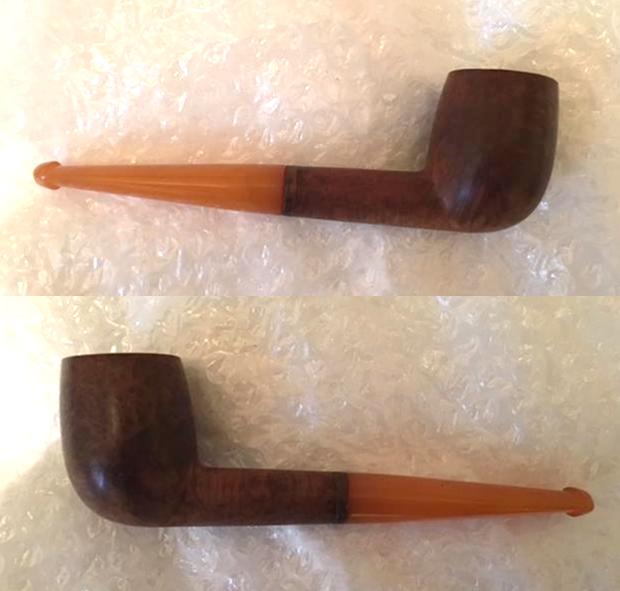
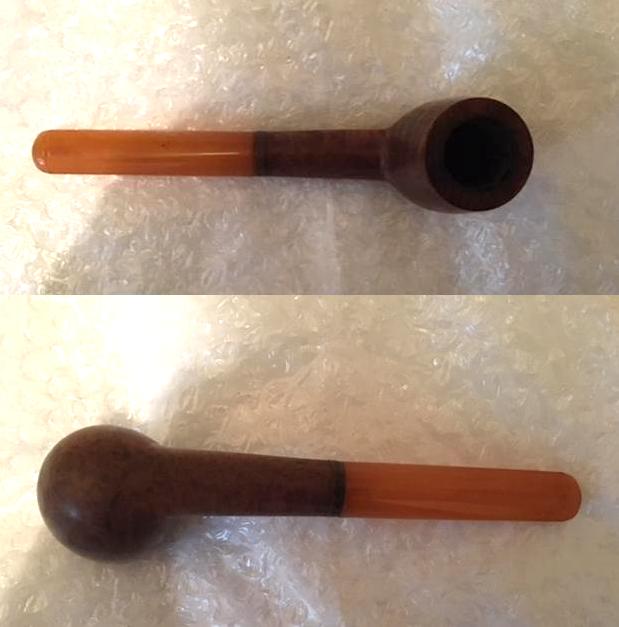
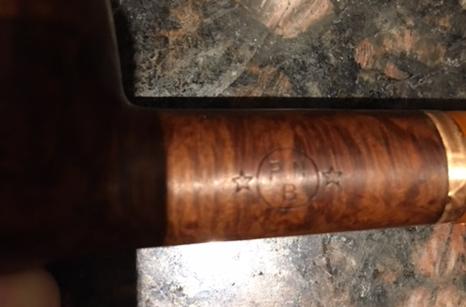
Over the years I had heard and read about the Portobello Road Market – the world’s largest antique market with over 1,000 dealers selling every kind of antique and collectible. On past trips to England I had not been able to take the time to go have a look. On the current trip it looked like I would have time and to top it off we had rented an Air BNB apartment within walking distance of the market. I looked up information about the market so I could be prepared. I want to know what to expect when I went walked to it on the weekend. But I have to tell you, all the preparation I did was not enough to prepare me for what the reality would be like once I turned the corner in the Nottinghill neighbourhood and came out on Portabello Road. The next two photos give you a bit of a feel for what I saw on that Saturday morning. The streets were crowded with people of every size, shape and ethnicity. There were booths lining both sides of the street. There were shops with a variety of wares to sell. I wandered up and down the street of the market looking at the booths and shops along sidewalks and street. As mentioned above, the market is known for its antique sellers and shops so I was hoping to find a few pipes in the windows and shop cases. I walked through several of the antique shops (really like our Canadian antique malls) looking quickly at the cases to identify the ones I would come back to and spend more time at. In one particular shop there was a small corner booth by the door that had display cases around the front and side of the spot. The cases were full or pipes and cheroot holders carved out of meerschaum. There were many old carved meerschaum pipes with shapes of animals and faces. There were some briar pipes as well with different stems – varying from amber to horn to rubber. This was a booth where I needed to take some time to go through the pipes.In the next two photos you can get a bit of an idea of how the pipes were displayed in the cases. They were really a jumble and it would take time to go through them. You can see meerschaum pipes with and without cases and stems. You can see oddly shaped bog oak pipes with amber stems and old pipes with metal shank and bowl caps. There were long pipes and shot pipes and many in between. The prices were surprisingly high so it would be a matter of narrowing the field down to one or two that I would add to my bag.I moved from the side case to the front of the booth to look through some of the pipes displayed there. These too were a jumble and mixed through displays of figurines, crucifixes and antique cutlery. There were even books on collectible meerschaums on display on top of the cases.I finally narrowed down the pipes I was interested in to the one below. It was a large billiard that was in fairly good condition. There was a light cake in the bowl, the rim top had some lava and the stem had tooth marks. The stem had a piece of paper wrapped around the threaded bone tenon to give it enough bite to hold onto the threads in the mortise. The pipe was stamped on the left side of the shank with the letters PNB or PBN in a circle with a star on the right and left, outside of the circle. It also had a thin oxidized brass/gold band on the shank end that would clean up nicely. The stem looked to be Bakelite or Amberoid and had some light tooth marks on the top and underside near the button. I took the photos below when I returned to the apartment after the shopping adventure. The next photo shows the stamping on the left side of the shank. I cannot find any information on the brand either as PNB or PBN. I posted the logo on the Gentlemen’s Pipe Smoking Society on Facebook and Mike Hagley had a suggestion that was a possibility. He said the pipe looks like a Belgian made pipe, so he suggested that PNB stands for Pipier Nationale Belgique. Another friend on the same GPSS group Neville van Niekerk from Germany wrote that the pipe was a Bernstein pipe from Vienna, Austria. He went on to say that they were originally Meerschaum pipe makers until the Turks decided that Meerschaum could not be exported in blocks any more. Thank you both for your suggestions.I wrapped the pipe in bubble wrap and put it in my suitcase until I returned to Vancouver three weeks later. I was looking forward to working on the pipe. When I got home I unwrapped the pipe and brought it to my work table. I took some photos of it to chronicle what it looked like before I started. The photos below show the pipe when I started. I took a close up photo of the bowl and the rim to show the cake and the rim darkening. The inner and outer edge of the rim was in good condition. There was some light scratching on the rim top and some darkening all around the inner edge but it would clean up nicely.The stem was in pretty good condition. There was some light tooth chatter on the button surface and a tooth mark on the right side of the top of the button. There was a deep tooth mark on the underside of the stem near the button as well. I took another photo of the stamping on the shank and was able to get a clearer photo.I unscrewed the stem from the shank and the paper wrapping on the tenon came off easily. The band on the shank was also loose so it fell off as well.I wiped the outside of the bowl and shank down with 99% isopropyl alcohol on cotton pads. I wanted to remove any remnants of the finish and also the grime that was ground into the briar on the sides of the bowl and rim. The pipe has some beautiful grain – a mix of birdseye, cross and flame grain. I polished the brass band with micromesh sanding pads to remove the oxidation that had darkened it. The shine returned and it was a nice golden colour that would work really well with the amber coloured stem and virgin briar.With the band removed from the shank a flaw in the briar was revealed on the right side of shank near the shank end. I filled it in with clear super glue and when it dried sanded it smooth with 220 grit sandpaper and would later polish it with micromesh sanding pads to blend it in with the rest of the briar.I reamed the bowl back to bare briar with a PipNet pipe reamer and finished cleaning it up with a Savinelli Fitsall pipe knife.I pressed the band on temporarily so that I could polish it in place while polishing the briar. I wet sanded the briar and band with 1500-2400 grit micromesh sanding pads and dry sanded it with 3200-12000 grit pads. I wiped it down with a damp cotton pad after each pad. Each micromesh pad brought a deeper shine to briar and band. I removed the band and wiped the briar down with Before & After Restoration Balm. I rubbed it into the briar with my fingers, let it sit for about 10 minutes and then buffed it off with a soft cloth. It really brought the grain to life. I buffed it lightly with a shoe brush and a soft cloth. I wiped down the shank end with some alcohol on a cotton pad to clean it off so that I could reglue the band. I used a dental pick to put glue on the shank end and the inside of the band. I pressed it in place and lined it up. I held it until the glue set.Once the glue dried I decided to address the worn threads in the mortise. The threads on the old bone tenon would not hold onto the threads in the mortise. I painted the threads in both with clear fingernail polish and let them dry.Once the glue dried I decided to address the worn threads in the mortise. The threads on the old bone tenon would not hold onto the threads in the mortise. I painted the threads in both with clear fingernail polish and let them dry.When the fingernail polish had dried I worked on the tooth marks on the stem. I sanded the tooth chatter with 220 grit sandpaper and reshaped the button to remove the tooth marks.  I filled in the tooth marks with amber super glue. I purposely overfill the areas so that as the glue dries and shrinks it still fills in the dent. I set the stem aside to let the glue cure.Once the repairs had dried I sanded them smooth with 220 grit sandpaper. I polished the stem with micromesh sanding pads – wet sanding with 1500-2400 grit pads and dry sanding with 3200-12000 grit pads. I rubbed the stem down with Obsidian Oil after each sanding pad. I cleaned up the threads a bit on the old bone tenon and turned it in place into the mortise. It fit snuggly and held tightly in the shank. I buffed the pipe and stem with Blue Diamond on the buffing wheel and then gave the bowl and stem multiple coats of carnauba wax to shine and protect. I buffed the pipe with a clean buffing pad to raise the shine and hand buffed it with a microfiber cloth to deepen the shine. The finished pipe is shown in the photos below. It is quite a large pipe. The dimensions are, Length: 6 ½ inches, Height: 2 inches, Diameter of the bowl: 1 3/8 inches, Chamber diameter: 7/8 inches. I am pleased with the way the pipe turned out. Thanks for looking.