by Steve Laug
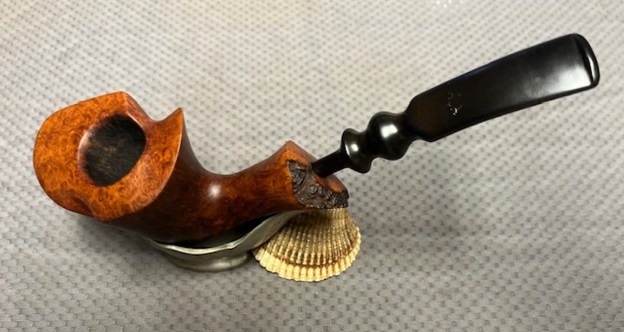
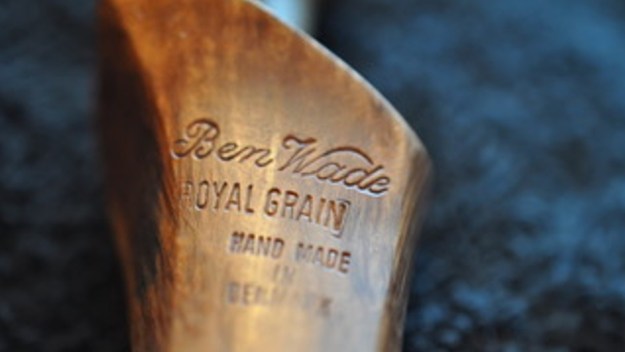
The next pipe on the table is another pipe that was a beautiful freehand briar pipe. It came to us on 05/08/2024 from a seller in Santa Cruz, California, USA. The briar is a piece of smooth briar with a spot of plateau on the shank end. The rim top is smooth and the shank end included both smooth and plateau on the end of the shank. The pipe was stamped on the underside of the shank and read Ben Wade in script [over] Royal Grain [over] Hand Made [over] in [over] Denmark. The smooth finish was very dirty and had oils and grime ground into the briar. There was a thick cake in the bowl and lava on the rim top and inner edge of the bowl. The stem was oxidized and had deep teeth marks on the top and the bottom of the stem near the button edge. Jeff took photos to below show what the pipe looked like when he received it.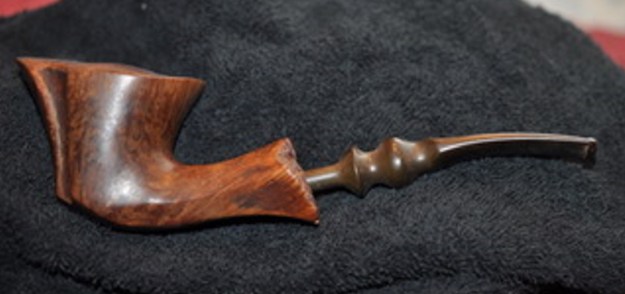
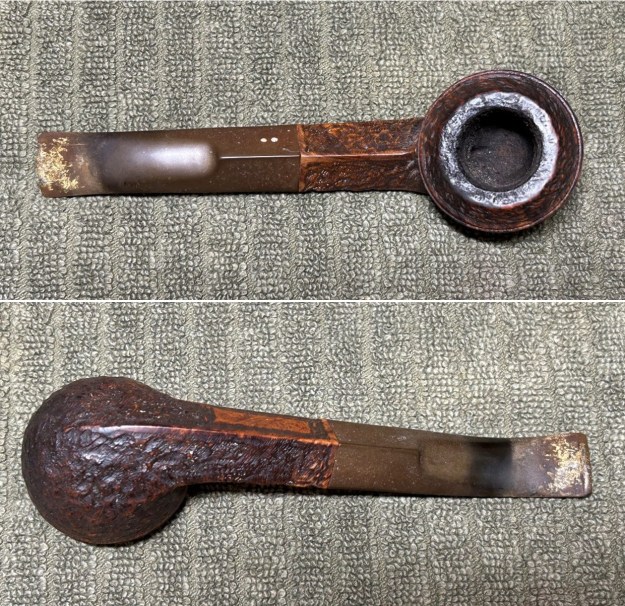
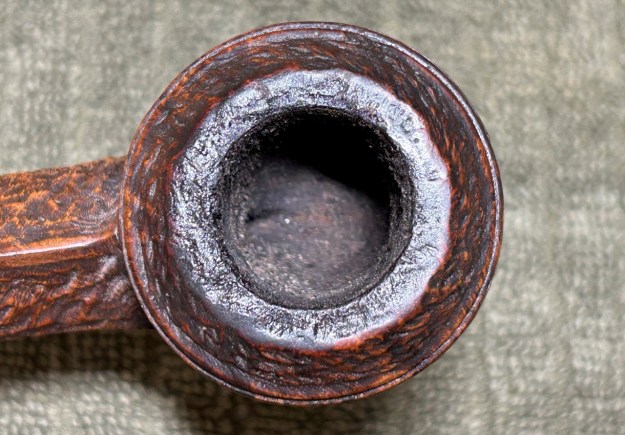
 Jeff took photos of the bowl, rim top and the stem to show the condition of the pipe when we received it. You can see the cake in the bowl and the lava on the rim top and inner edge of the bowl. The stem was dirty and had chatter and tooth marks on both sides near the button.
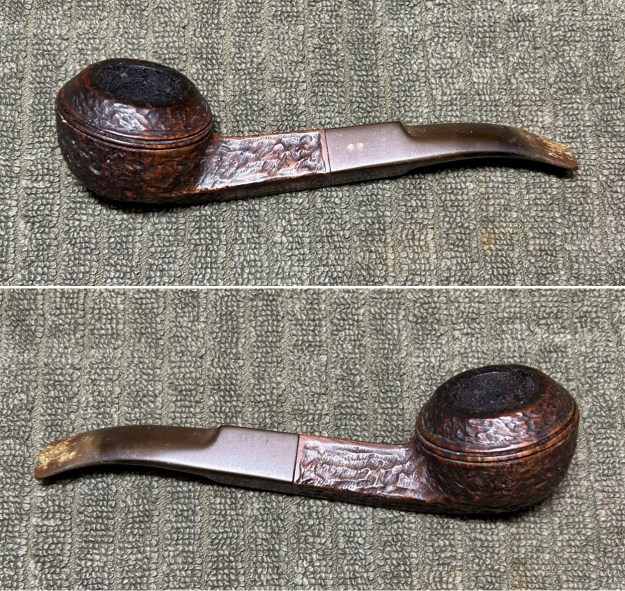
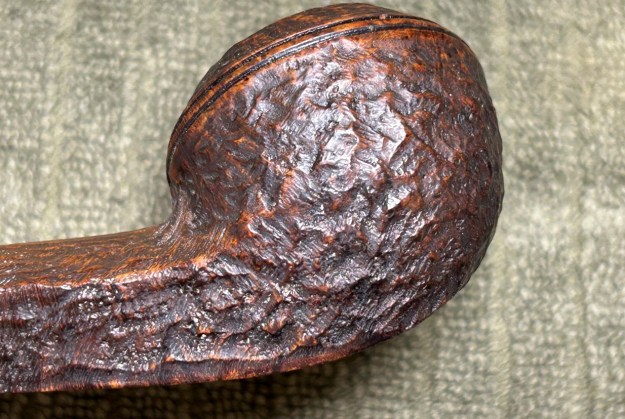
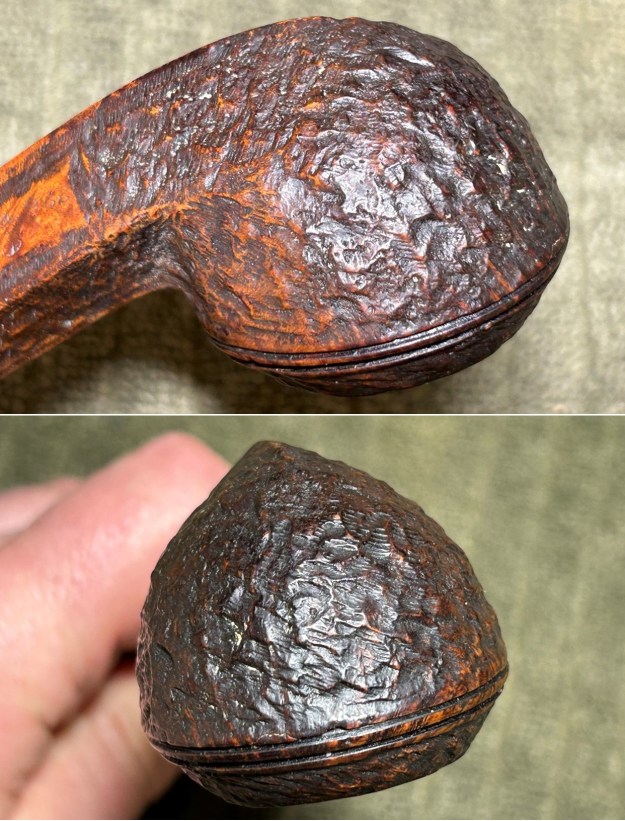
 He took photos of the sides of the bowl and the heel to give an idea of the shape and the condition of the briar around the bowl. It really is a nicely shaped pipe that has the classic look of a Freehand carved by Preben Holm.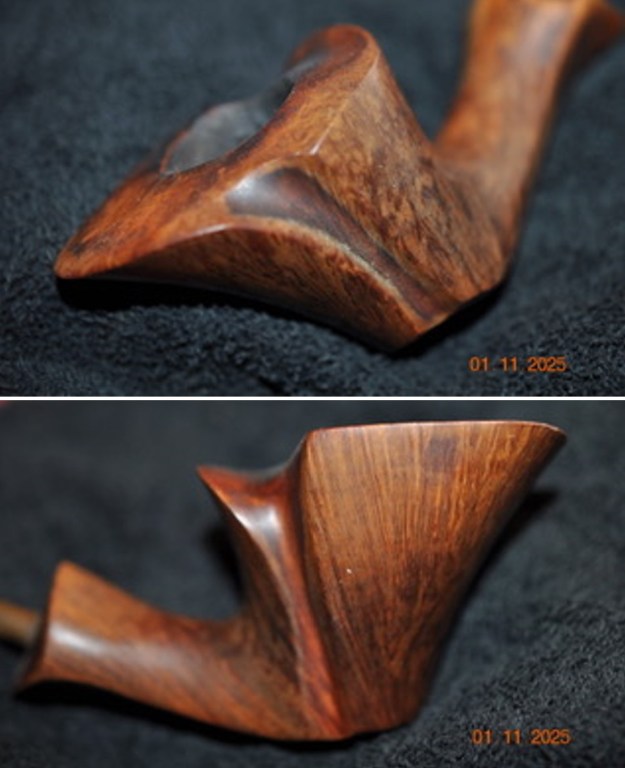
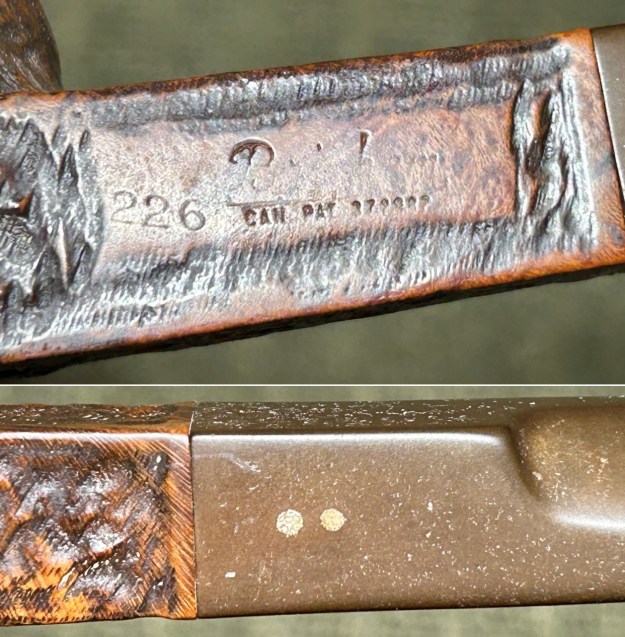
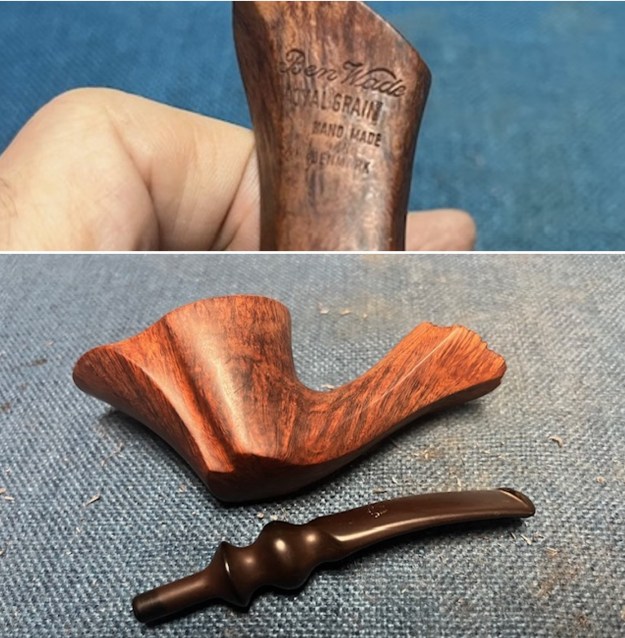
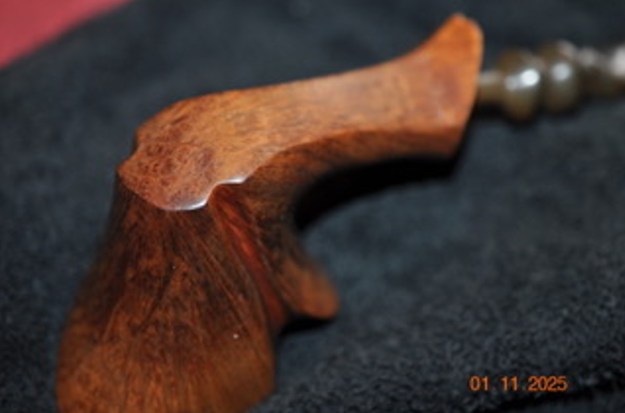 The next photo Jeff took shows the stamping on the underside of the shank. The stamping is clear and readable as noted above.
 I turned to PipePhil’s site and went through the listings under Preben Holm and Ben Wade. There was nothing in either section that had information on the Royal Grain stamping. So the mystery remained. I turned to Pipedia to see if there was anything listed with the Royal Grain stamp (https://pipedia.org/wiki/Ben_Wade#Ben_Wade_turns_Danish). There was nothing listed on the stamping in the text of the article. However, I did find a photo of the shank stamp and one of a freehand pipe with that stamping. It is a beautiful smooth freehand and like the one I am working on.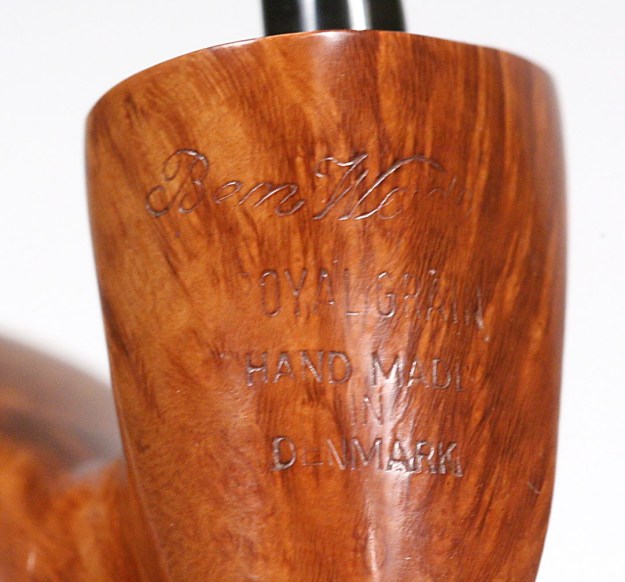
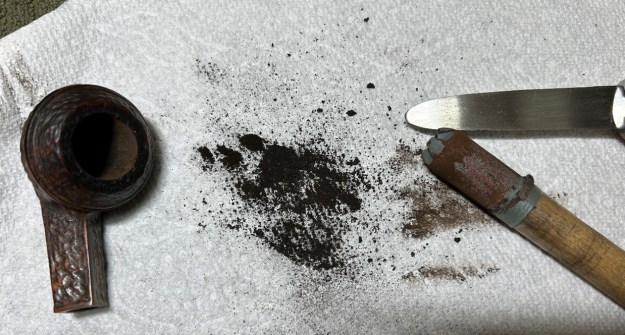
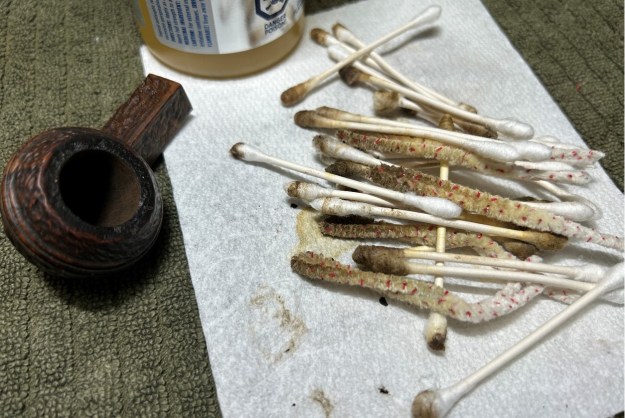
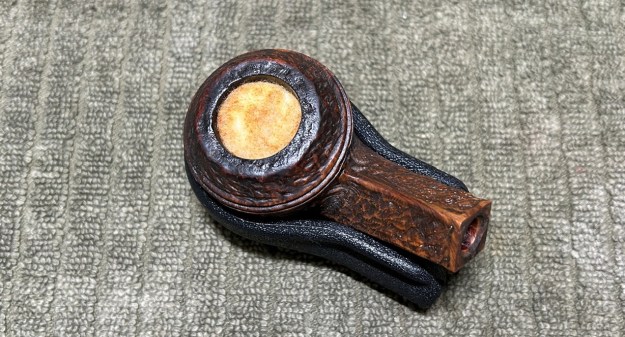
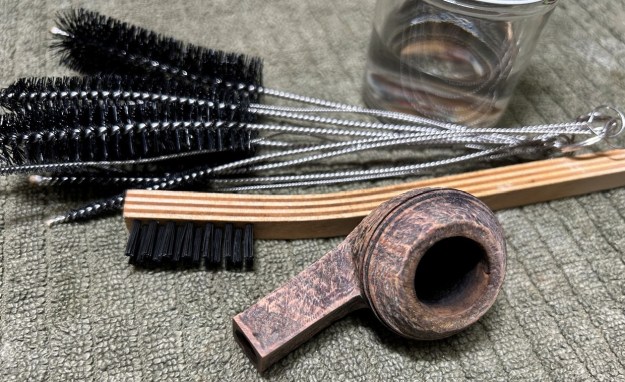
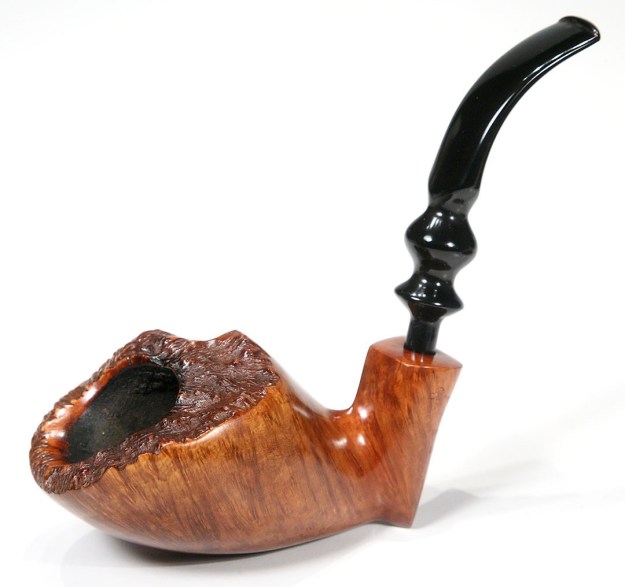 Now it was time to work on the pipe. Jeff had cleaned up the pipe following his normal cleaning process. In short, he reamed the bowl with a PipNet pipe reamer and then cleaned up the reaming with a Savinelli Fitsall Pipe Knife. He scrubbed the exterior of the bowl with undiluted Murphy’s Oil Soap with a tooth brush. He worked over the lava and debris on the plateau rim top and shank end and was able to remove it. He rinsed it under running warm water to remove the soap and grime. He cleaned out the inside of the shank and the airway in the stem with alcohol, cotton swabs, shank brushes and pipe cleaners. He scrubbed the stem with Soft Scrub and cotton pads to remove the debris and oils on the stem. He soaked it in Briarville’s Pipe Stem Deoxidizer to remove the remaining oxidation. He rinsed it with warm water and dried it off. I took photos of the pipe once I received it. It looked much better at this point.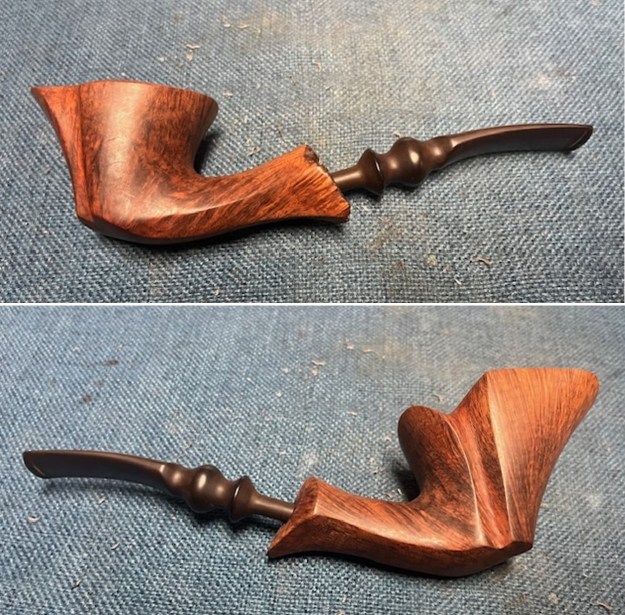
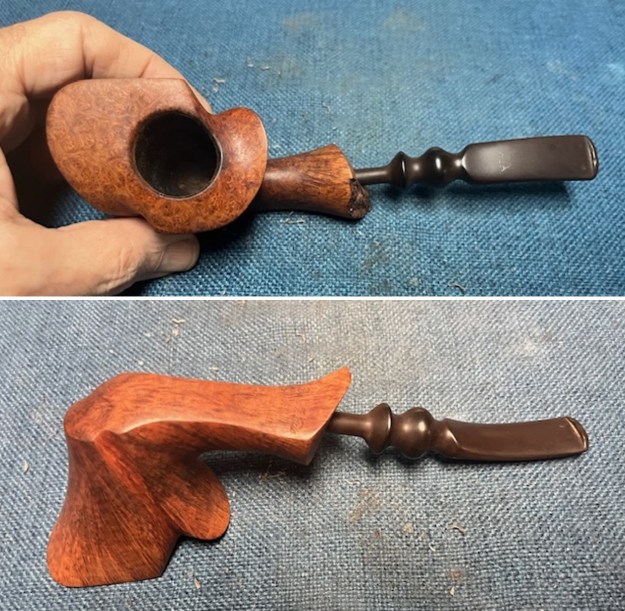 I took close up photos of the stem and the rim top to show both how clean they were and what needed to be addressed with both. The rim top and bowl look good. The stem looked better and the tooth marks and chatter were still present. I would need to remove those to bring the stem back.
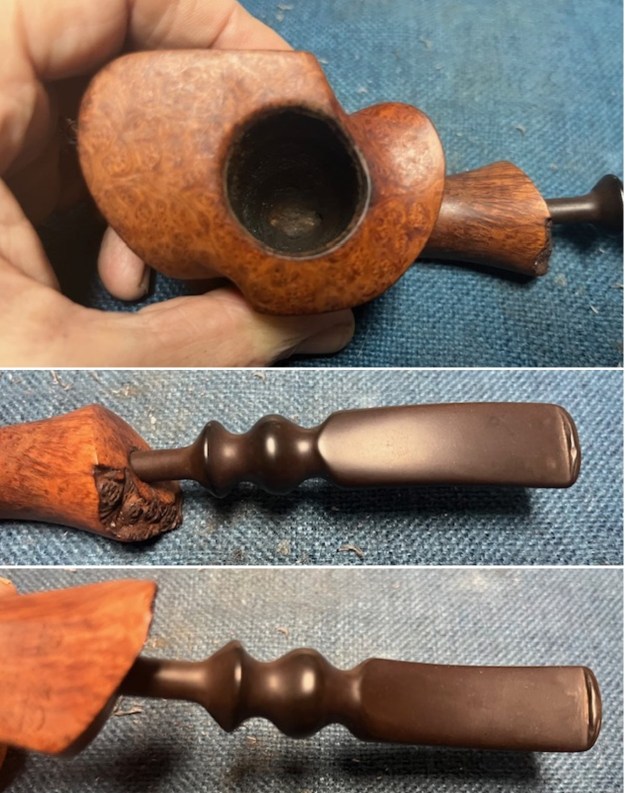 I took a photo of the stamping on the underside of the shank. It is clear and readable as noted above. I removed the stem from the bowl and took a photo of the parts to give a sense of the beauty of the pipe.
  I started my work on the pipe by sanding the bowl and shank with 320-3500 grit 2 x2 inch sanding pad. I wiped the bowl down after each sanding pad with a damp cloth. The grain began to show through the finish.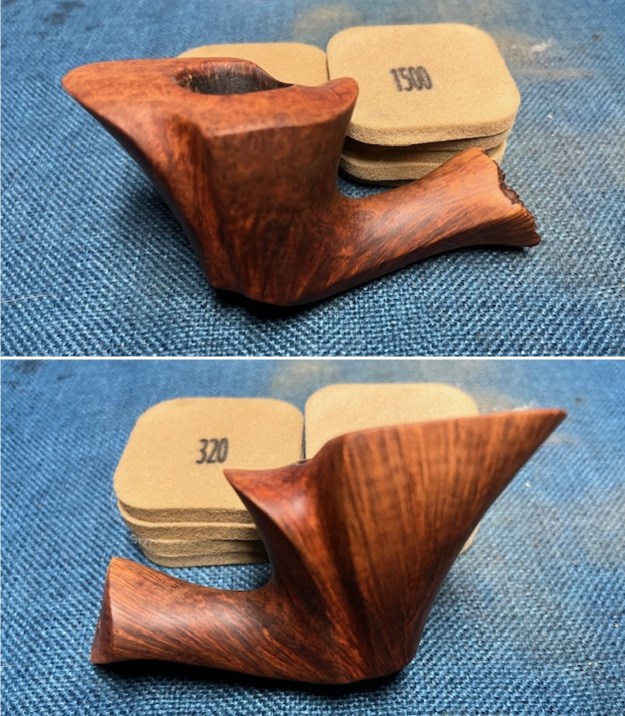
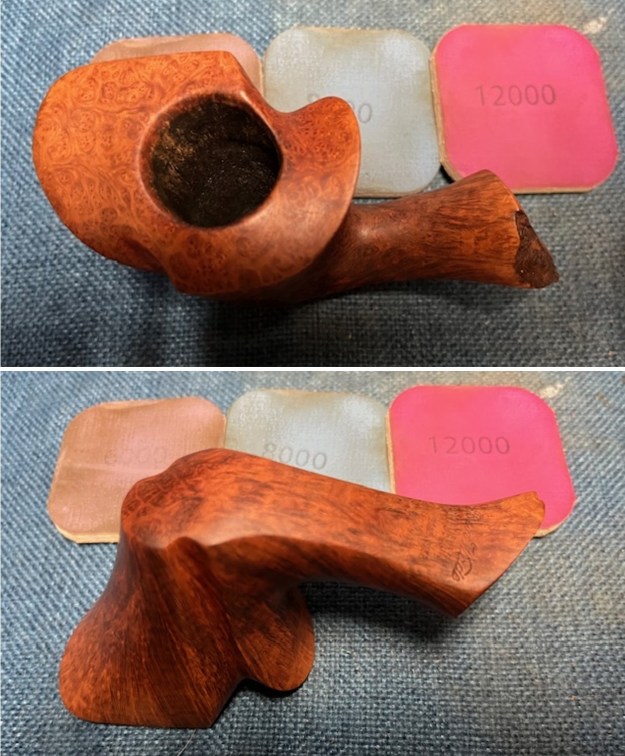
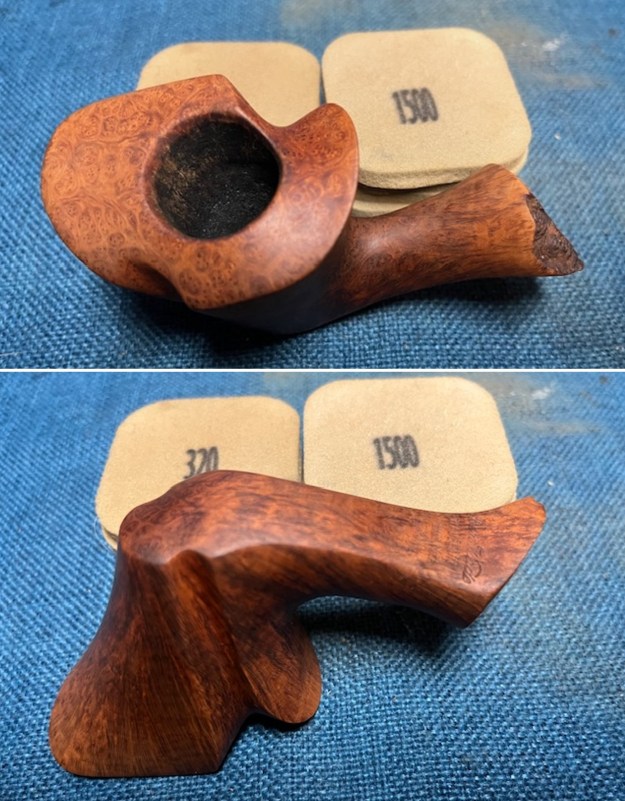 I polished the bowl and shank with 1500-12000 grit micromesh sanding pads. I wiped the bowl down after each sanding pad with a damp cloth. The pipe is beginning to look very good.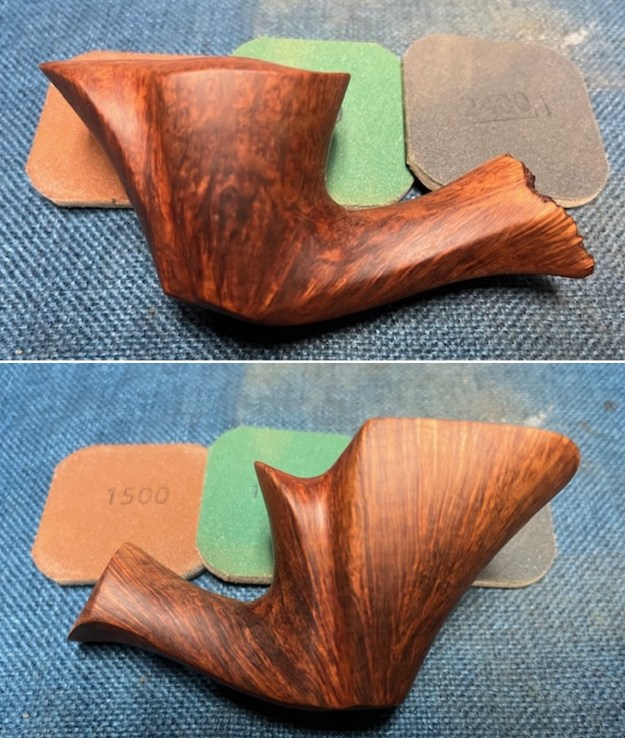
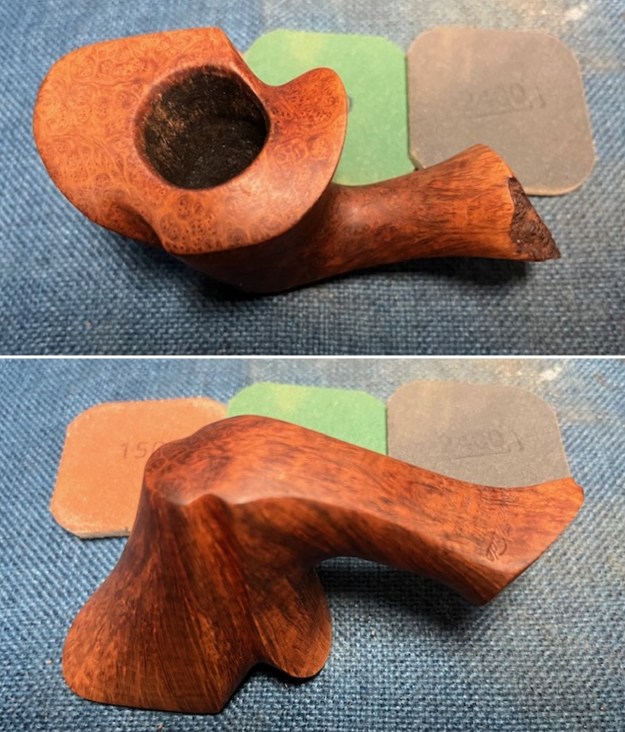
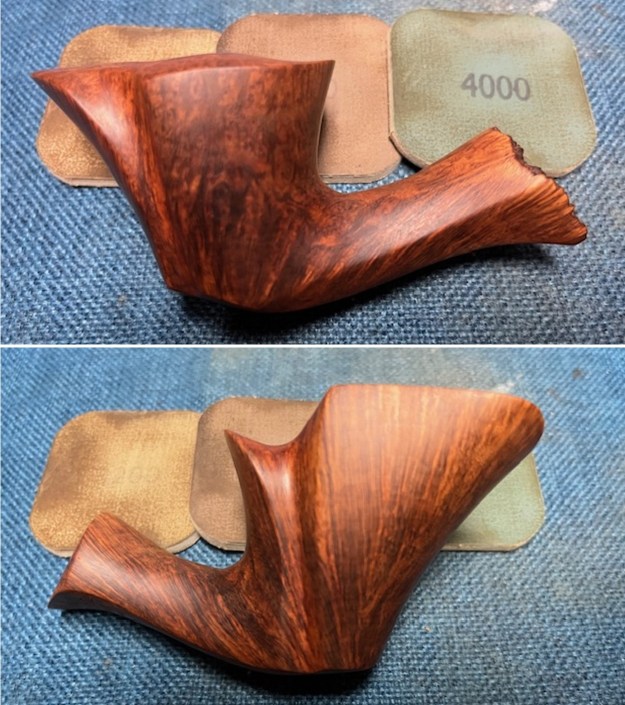
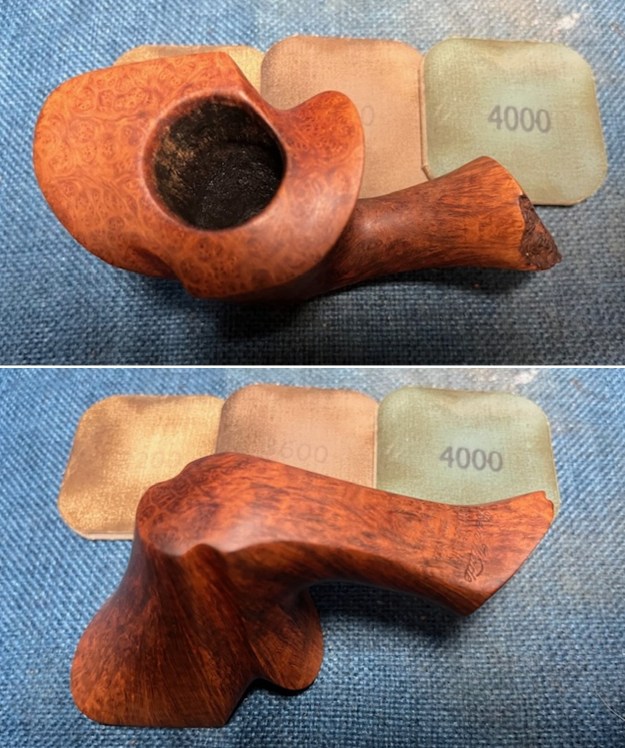
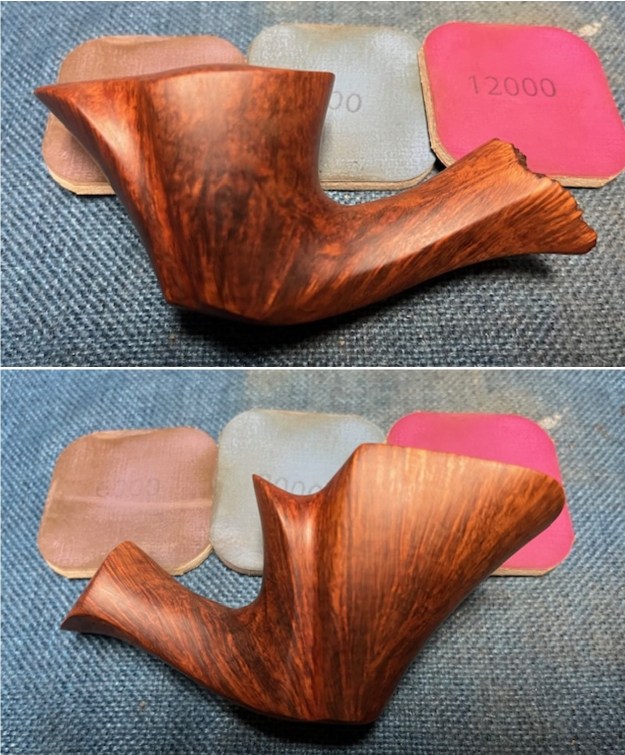
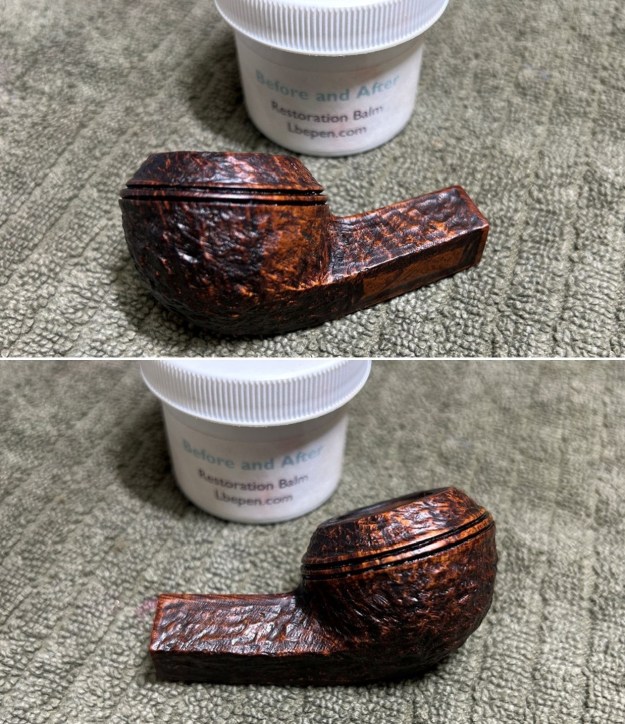
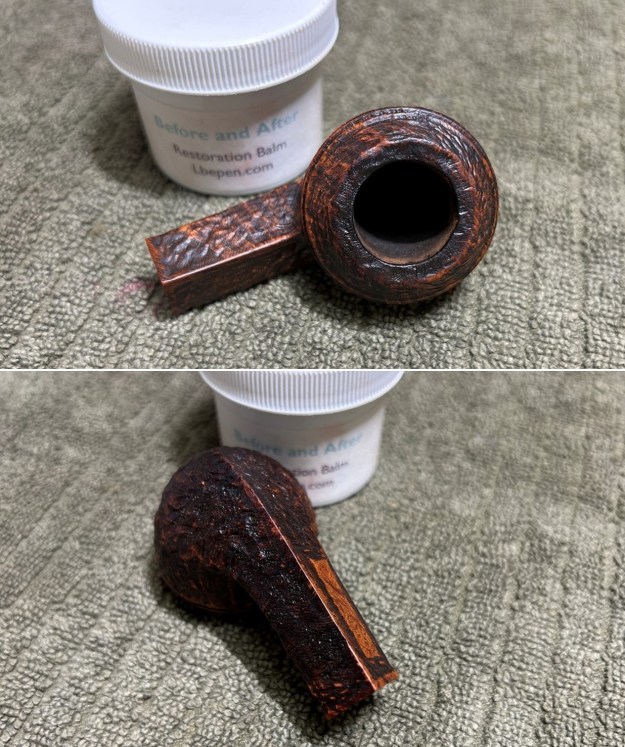
 I worked some Before & After Restoration Balm into the surface of the briar with my finger tips and a horse hair shoe brush to get into the crevices of the plateau portions. The product is incredible and the way it brings the grain to the fore is unique. It works to clean, protect and invigorate the wood. I worked some Before & After Restoration Balm into the surface of the briar with my finger tips and a horse hair shoe brush to get into the crevices of the plateau portions. The product is incredible and the way it brings the grain to the fore is unique. It works to clean, protect and invigorate the wood.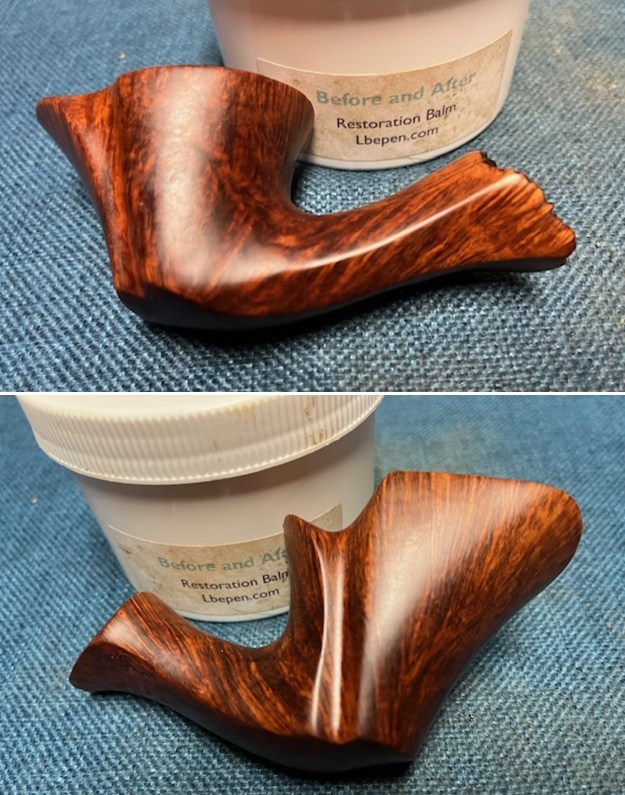
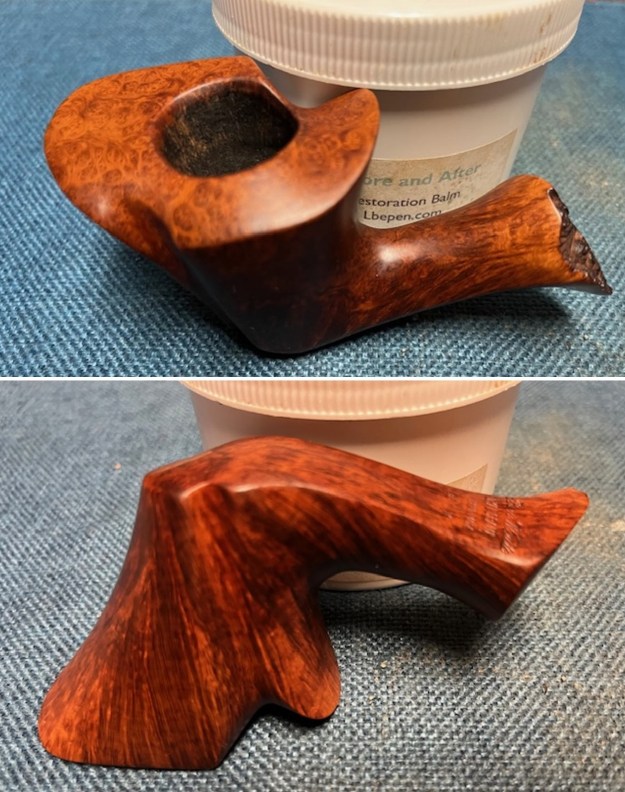
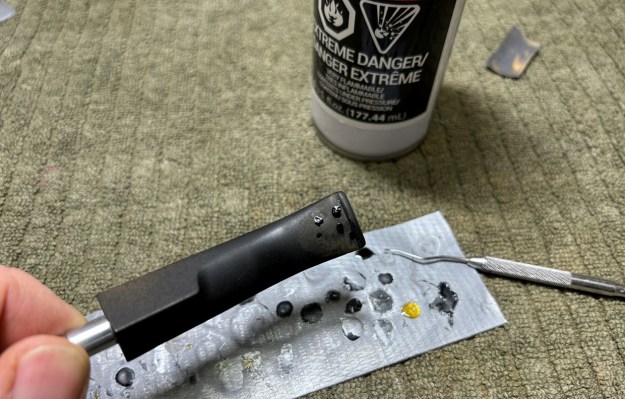
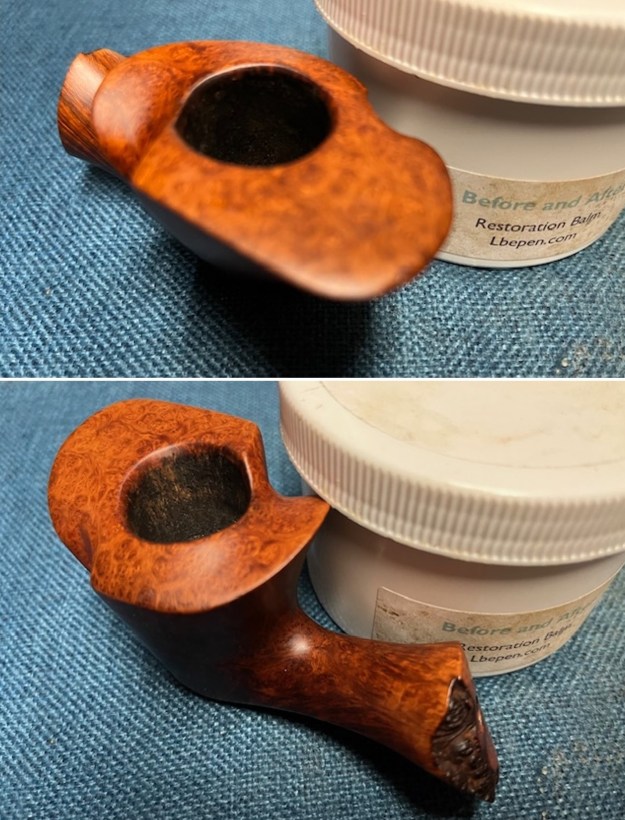 I set the bowl aside and started working on the stem. I “painted” the tooth marks with the flame of a lighter to lift them. It worked well and what was left I filled in with black, rubberized CA glue. Once it cured, I used some small flat files to flatten out the repairs. I cleaned up the flattened spots with a folded piece of 220 grit sandpaper to finish blending it into the surface of the stem.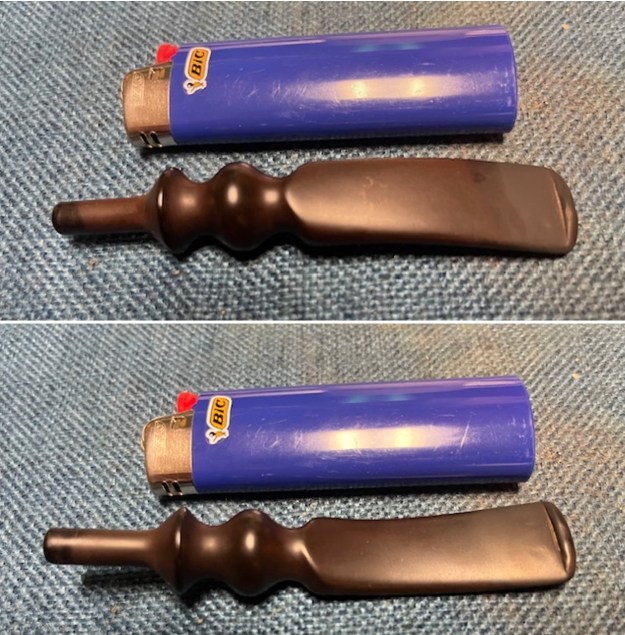
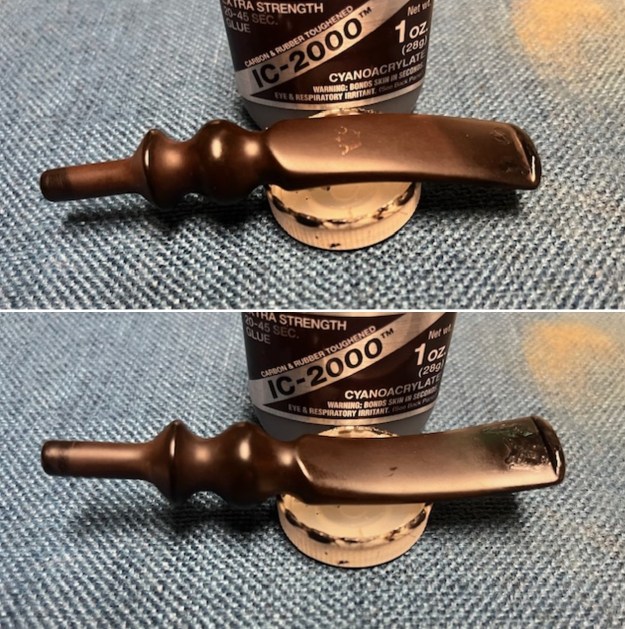
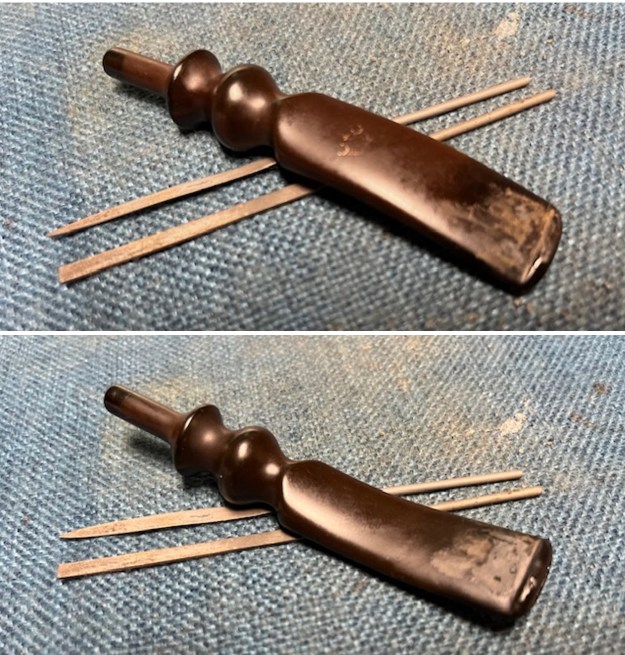
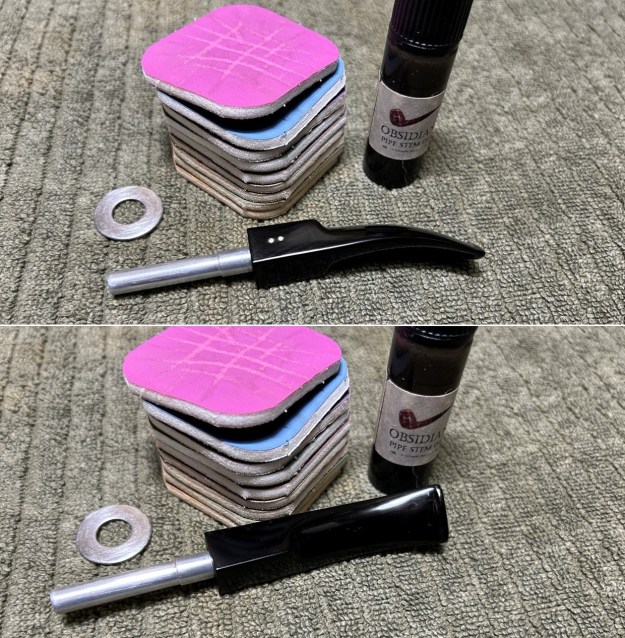
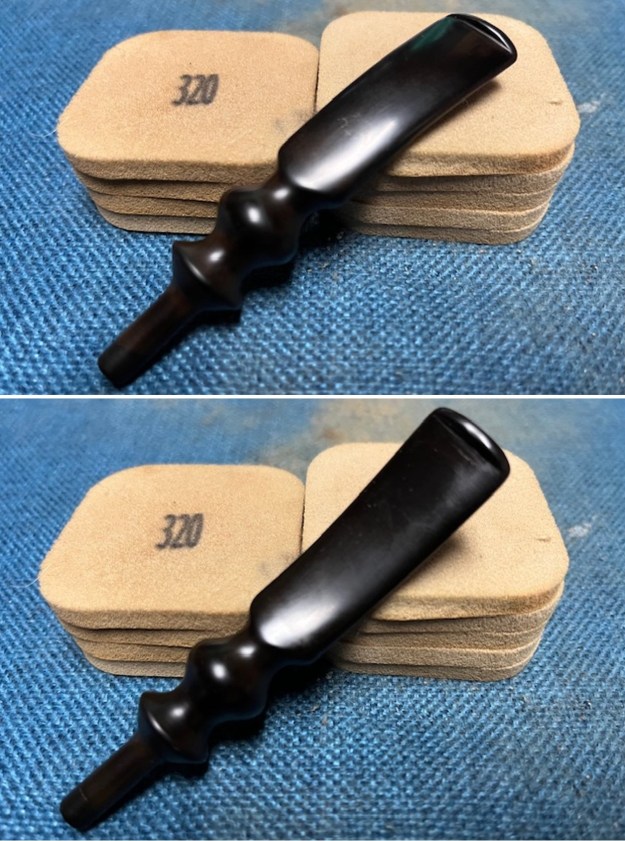
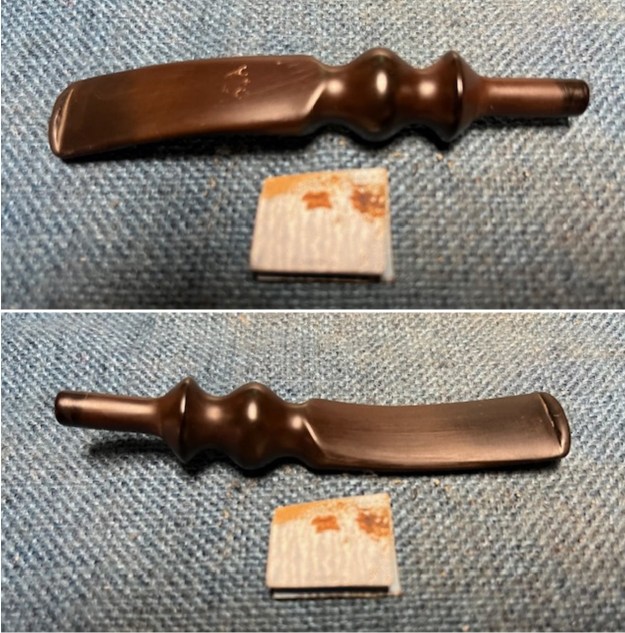 I sanded the stem with 320-3500 grit 2×2-inch sanding pads. I wiped the stem down after each sanding pad with an Obsidian Oil cloth.
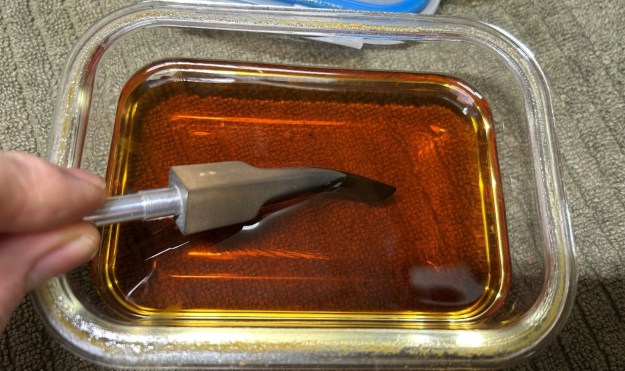
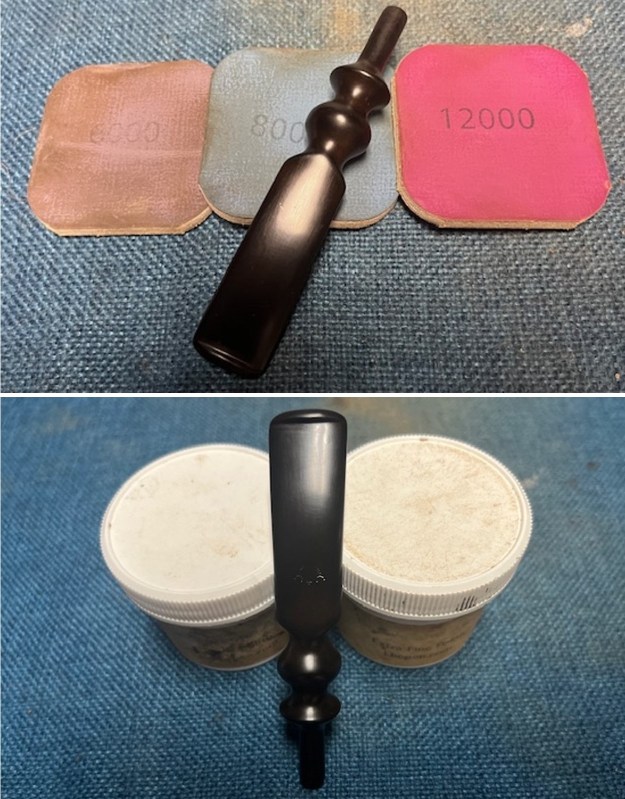
  I polished the stem with micromesh sanding pads – dry sanding it 1500-12000 pads. I wiped it down with Obsidian after each pad to remove the dust and polishing debris. I polished it with Before After Pipe Polish – both Fine and Extra Fine. I gave it another coat of Obsidian Oil.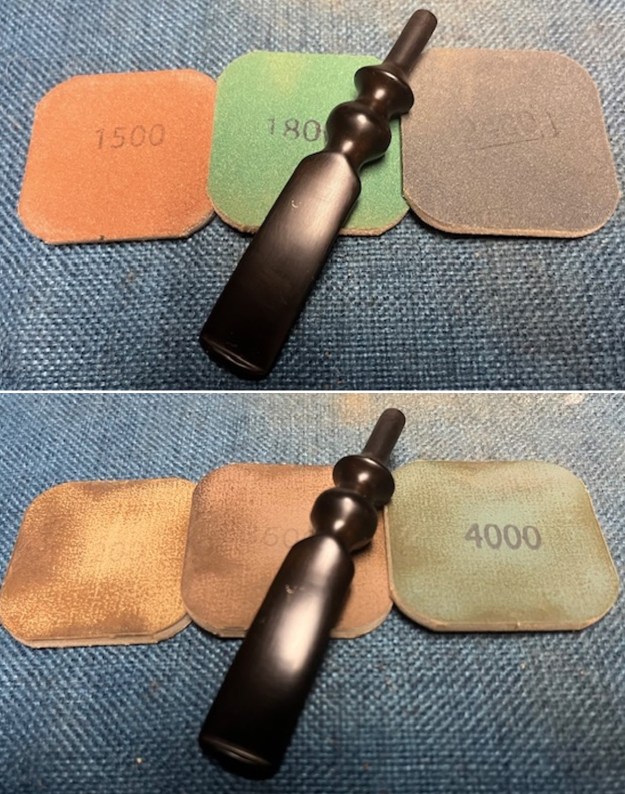
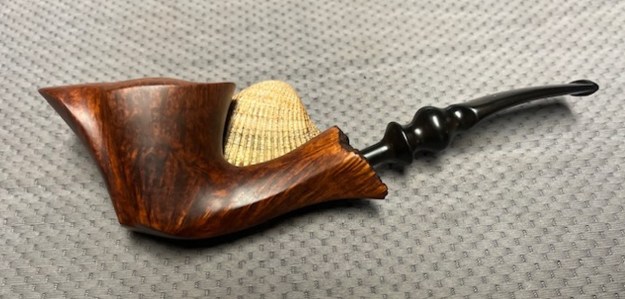
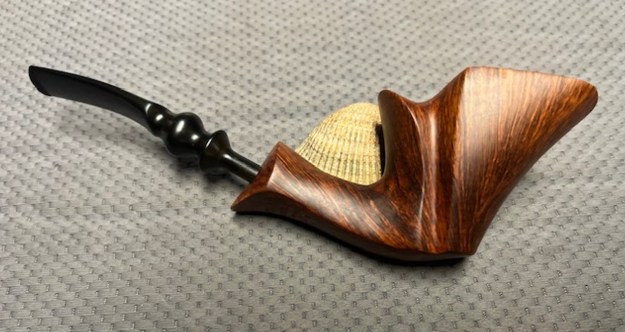
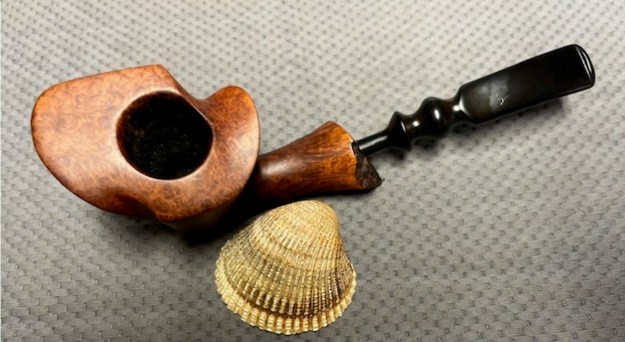
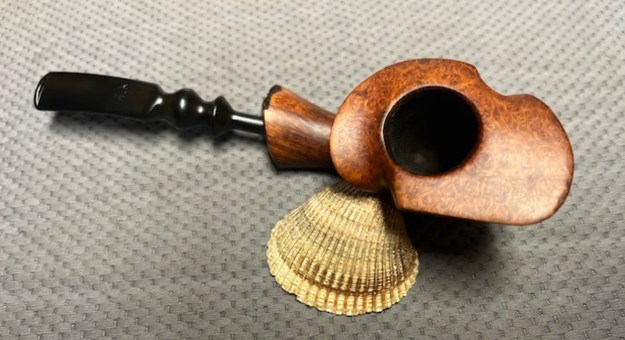
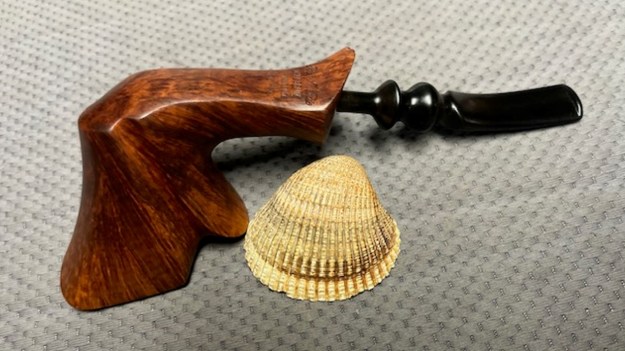
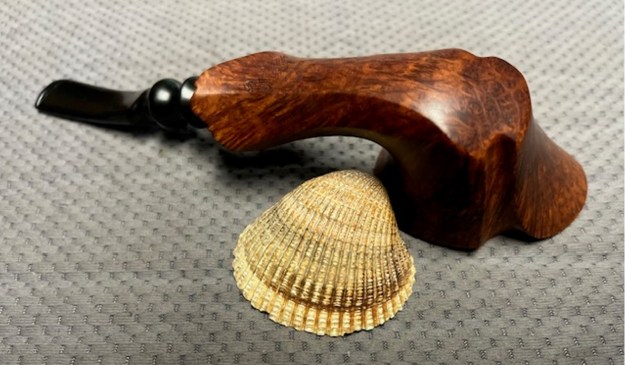
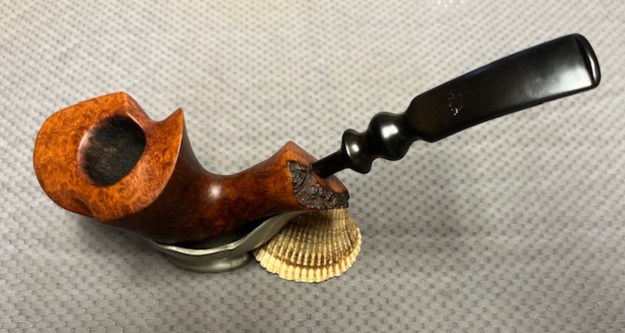
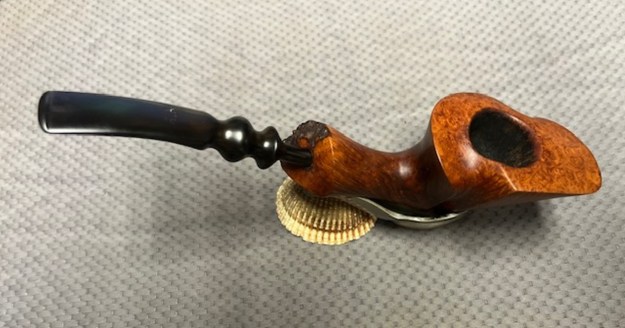
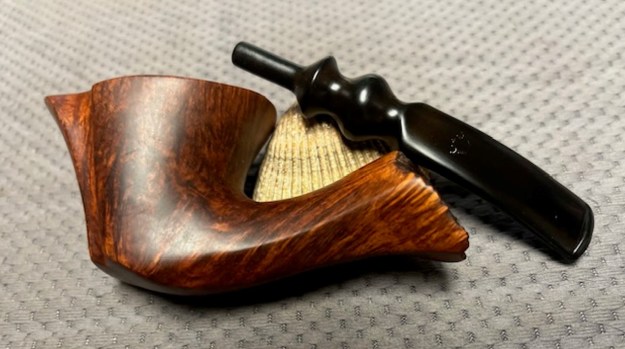
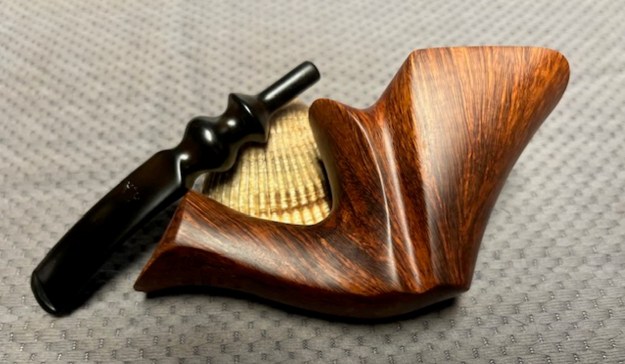
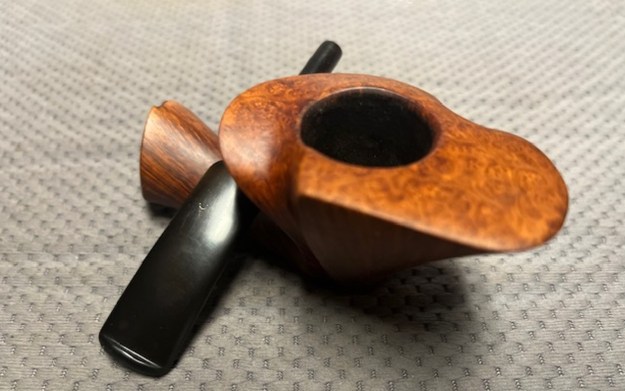
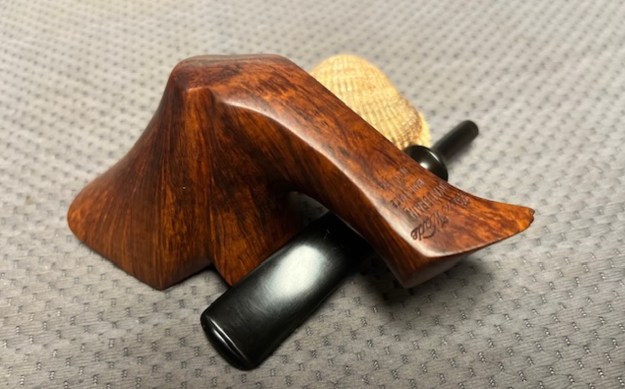
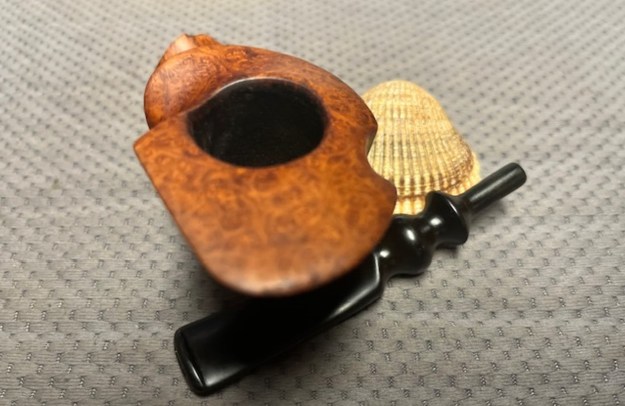
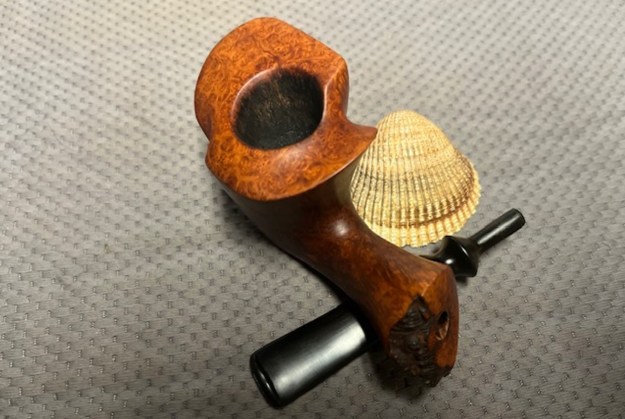
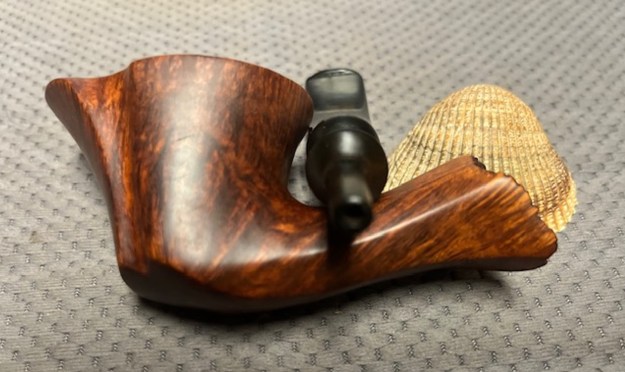
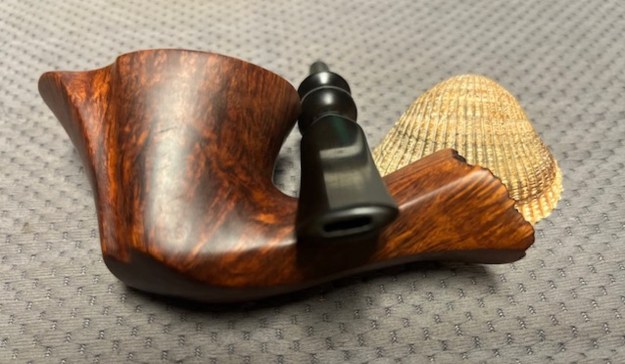
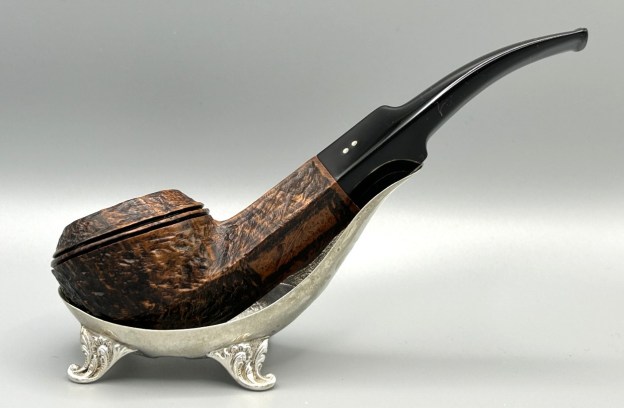
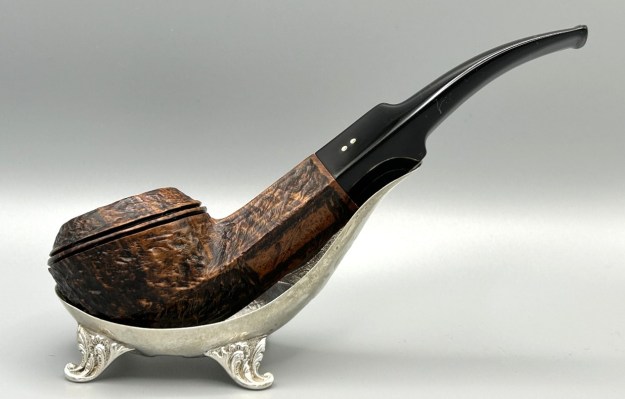
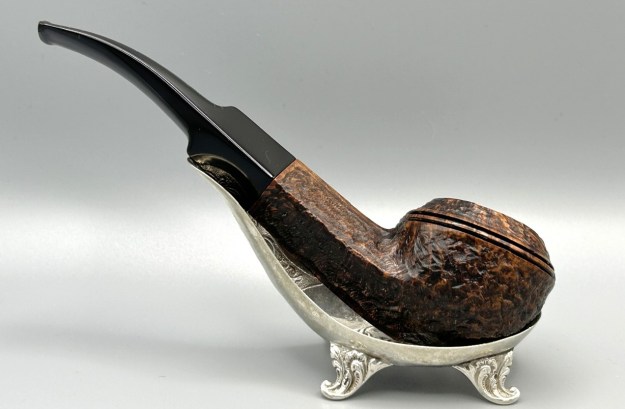
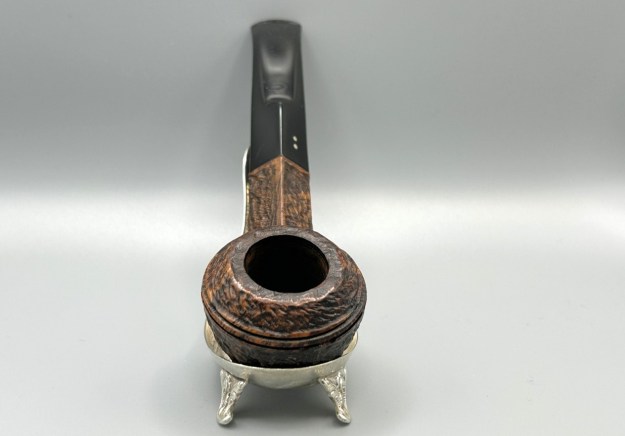
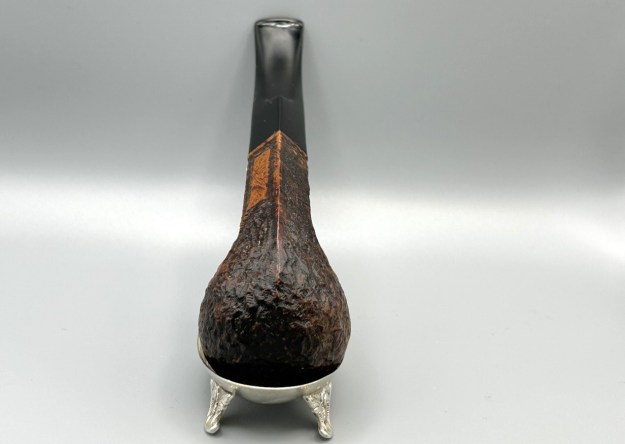
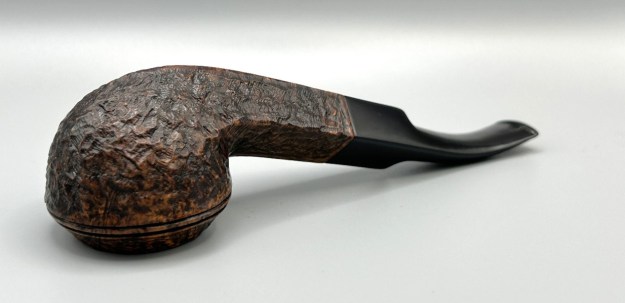
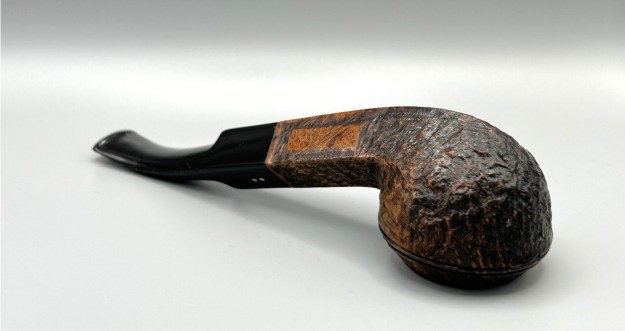
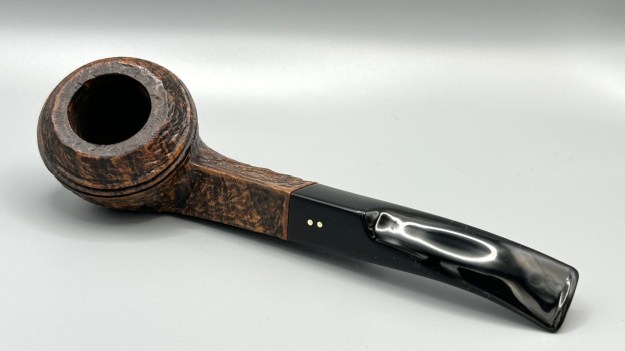
 I am happy with the way that this Preben Holm made Ben Wade Royal Grain Hand Made Freehand turned out. It really is a beautiful looking pipe with a great shape and mix of smooth and plateau on the rim top and shank end. The rugged plateau on the rim top and shank end are beautiful. The fancy original vulcanite saddle stem works well with the black and brown of the stained mystery wood. The pipe really came alive with the buffing. The rich stains of the finish gave the pipe a sense of depth with the polishing and waxing. I put the stem back on the bowl and carefully buffed the pipe with Blue Diamond on the buffing wheel using a light touch on the briar. I gave the bowl and the stem multiple coats of carnauba wax on the buffing wheel. I buffed the pipe with a clean buffing pad to raise the shine. I hand buffed the pipe with a microfiber cloth to deepen the shine. The finished Ben Wade Royal Grain Hand Made in Denmark Freehand really is a beauty and feels great in the hand and looks very good. Give the finished pipe a look in the photos below. The dimensions of the pipe are Length: 7 ½ inches, Height: 2 inches, Outside diameter of the bowl: 2 inches wide x 2 ½ inches long, Chamber diameter: 1 inch. The weight of the pipe is 67 grams/2.33 ounces. The pipe will be going on the rebornpipes store in the Danish Pipe Makers Section if you would like to add it to your collection. Thanks for reading this blog and my reflections on the pipe while I worked on it. It was a fun one to work on!