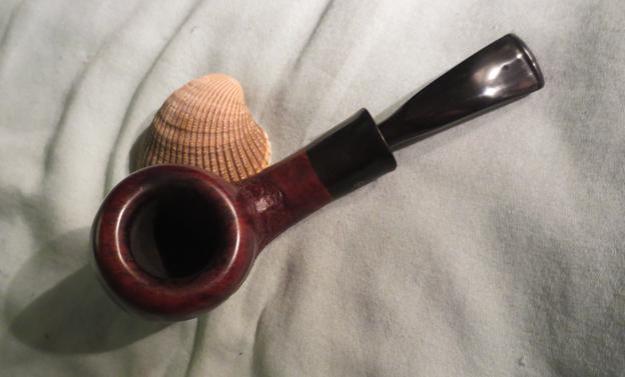
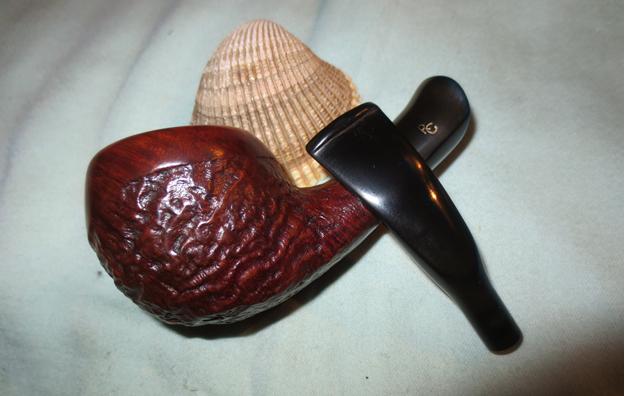
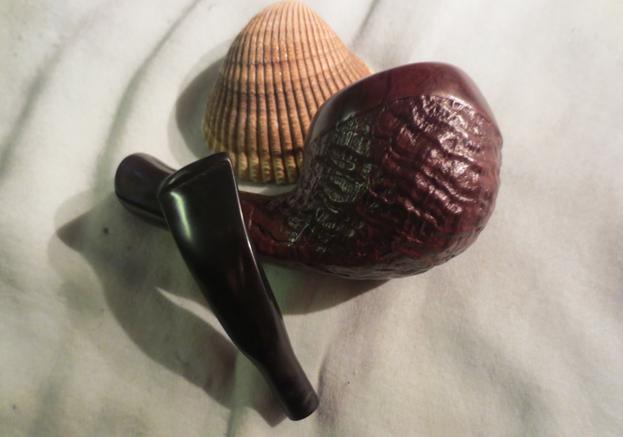
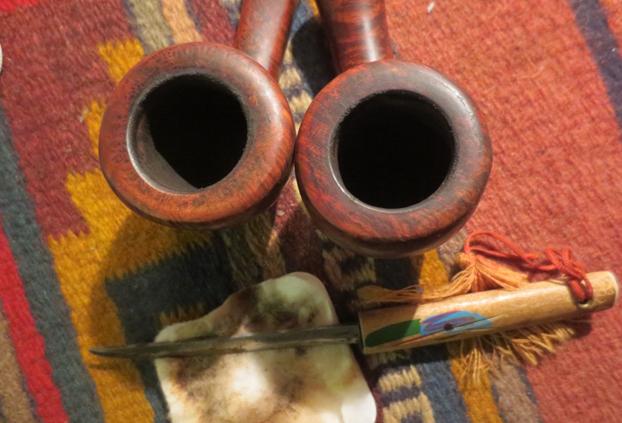
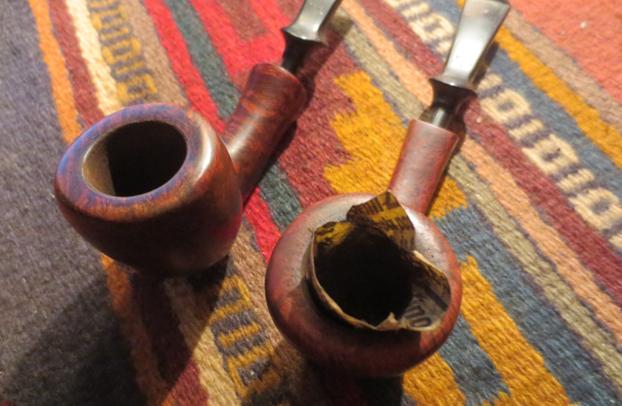
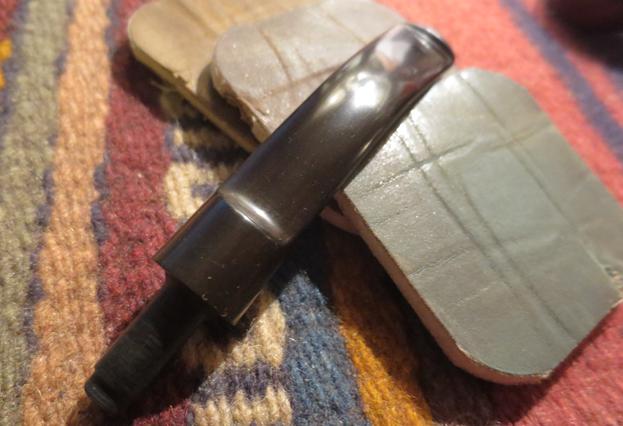
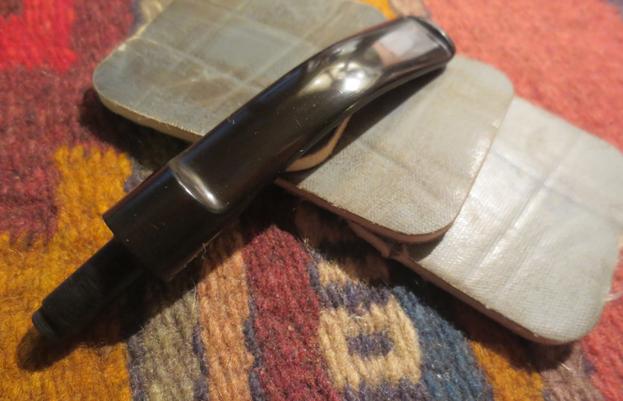
Monthly Archives: September 2016

Kirsten “Stinger” Ram Rod Intake Tube as designated, is it really necessary?


Blog by Samuel R. Vior

I have been reading Sam’s posts on the Gentlemen’s Pipe Smoking Society Group on Facebook since I joined the group some time ago. He always has some interesting posts on pipes and tobaccos and I enjoy reading them. Today he posted a piece with the title “Kirsten “Stinger” Ram Rod Intake Tube as designated, is it really necessary.” With that title I assumed his answer would be a categorical NO. I was right! He did a masterful job not only explaining how he removed the ram rod but his rationale for doing so. I wrote him a private message and asked if he would write it up for rebornpipes as I thought you all might enjoy it! He said he would be glad to do so.  Thanks Sam and welcome to rebornpipes. It is a pleasure to have your writing here. Here is his story in his own words.  — Steve

Here´s my little story as requested. My name is Samuel R Vior; got into pipes around 10 years ago, as to have a personal pastime, by trade I manage a small fleet of oil support vessels in the Gulf of Mexico, SE Mexico side.

Since I move a lot because of work, I needed to get something to allow me to leave my precious pieces at the house and still have the versatility of pipe smoking and after a thorough review of the options; I was convinced that a metal pipe was what I needed. I got a Falcon and a Jima but both seemed fragile, while Kristen’s are sturdier in construction.

I must say, that I never thought I would fall in love with them, and since my work world is metal, aluminum was just right. The very first one I purchased I had restored by Jason Bard of Bards Vintage Briar and the rest all by me.

I have bought and restored in between 60 to 70 pieces, mostly from EBay, Etsy, Pipestud and some Antique Stores and Flee Markets hunts, when possible. I got them in all sorts, sizes, shapes, as to learn the system and when needed, restore or repair them myself, having my pipes restored by others is troublesome (S&H costs and customs) and lengthy process.

As for the “stinger” article, I will start with the repair of a shattered one, since that is how I stumbled onto it.

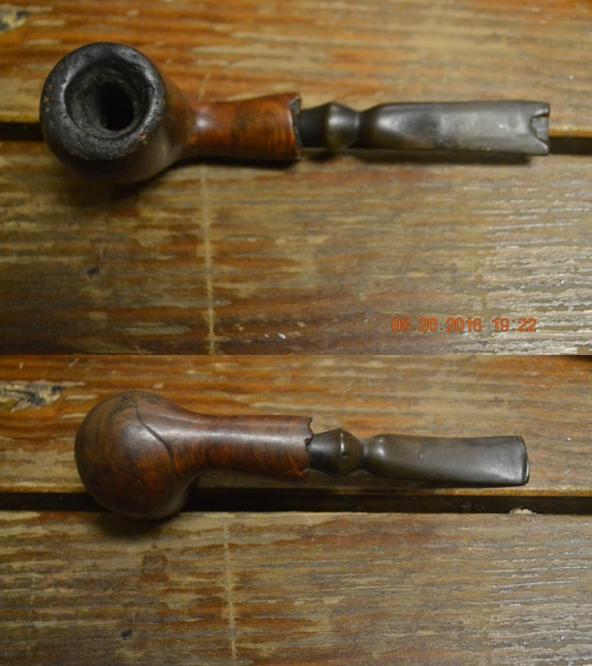
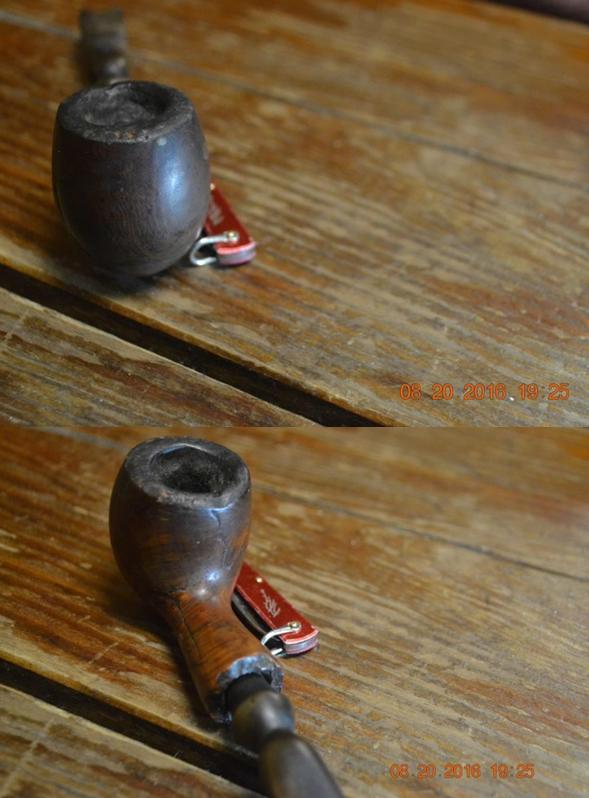
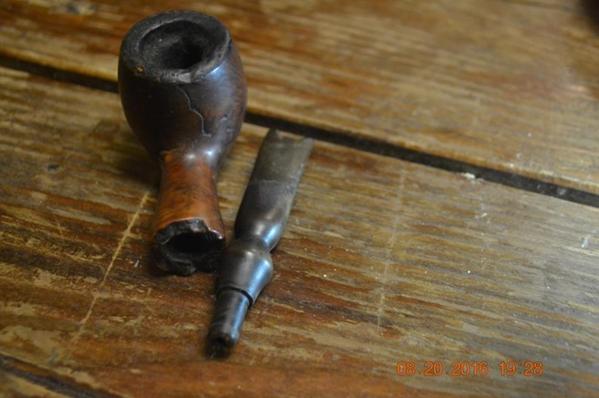
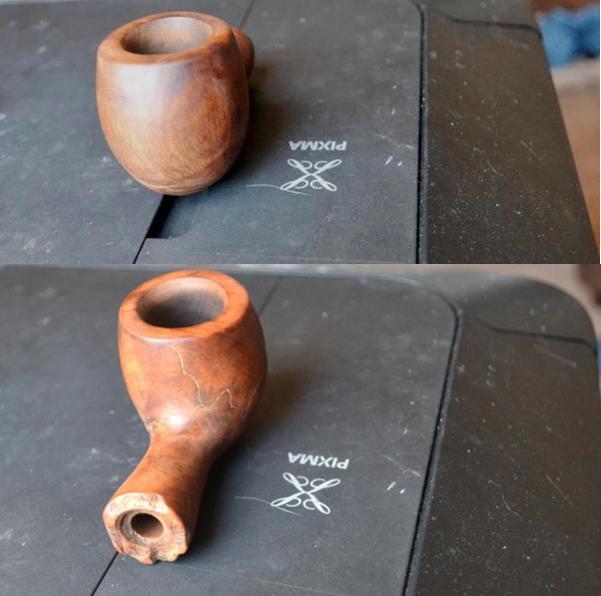
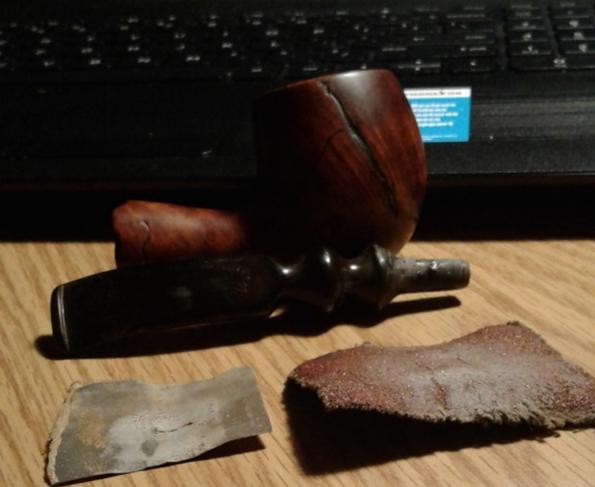
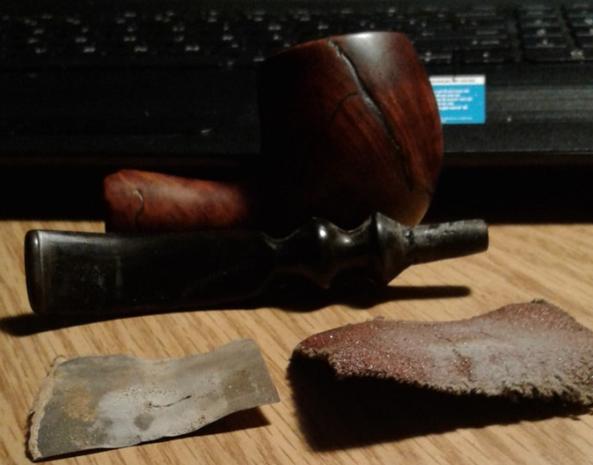
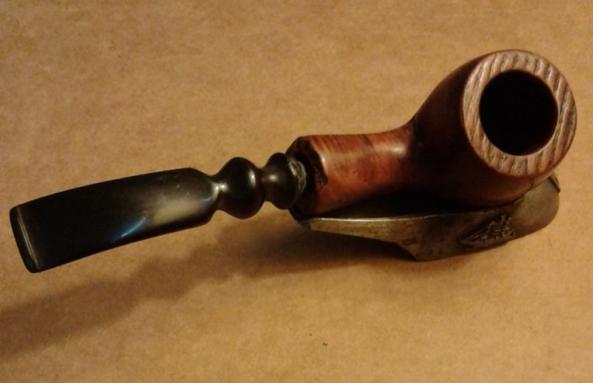
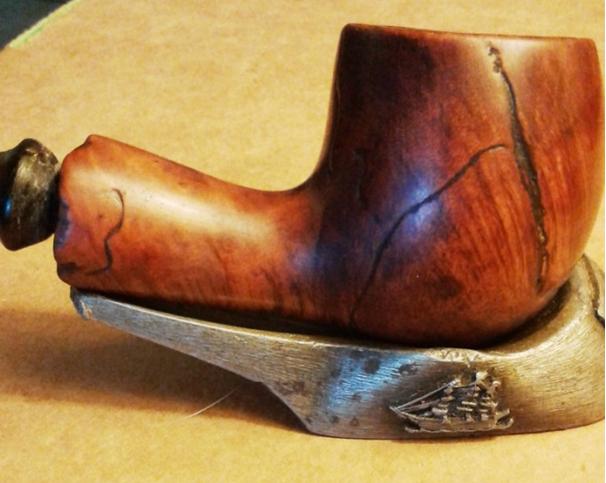
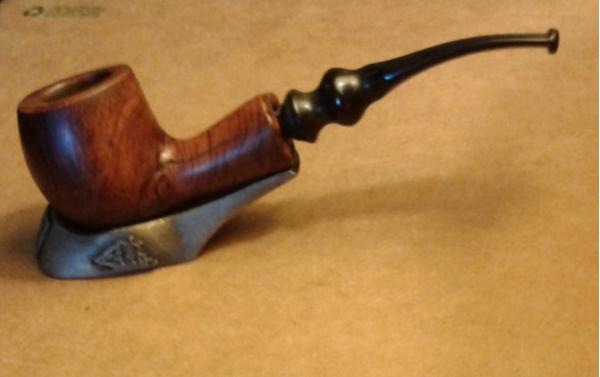
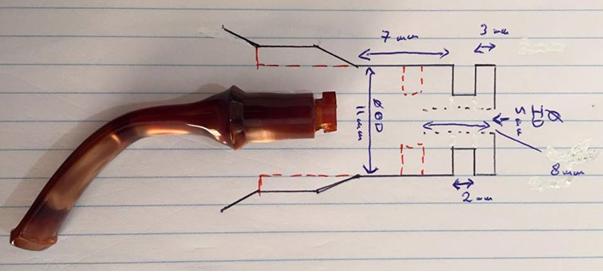
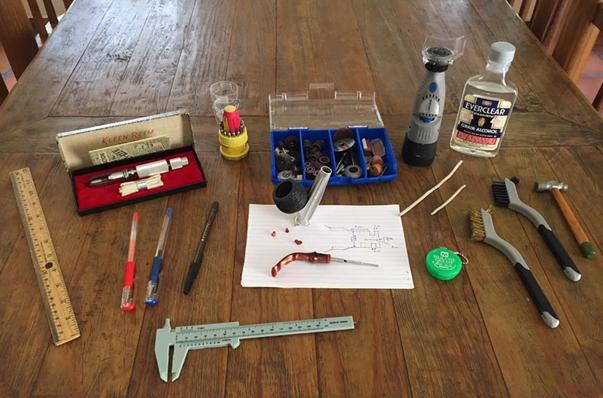
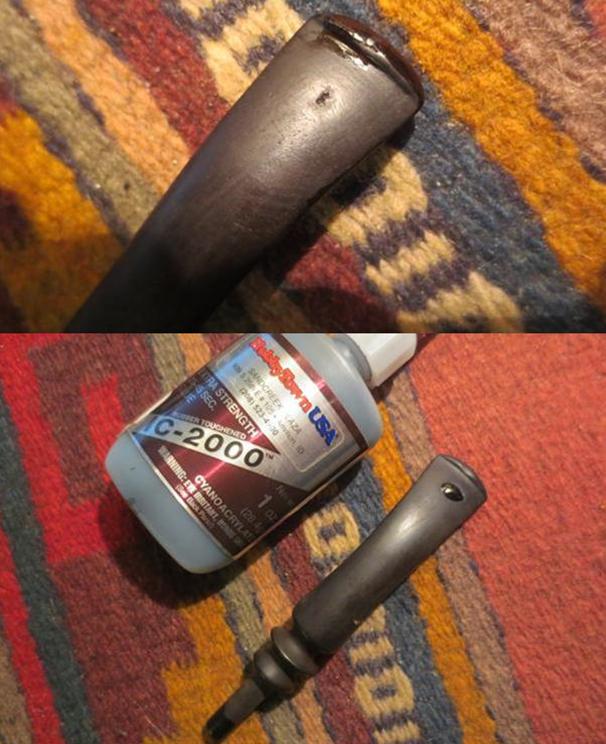
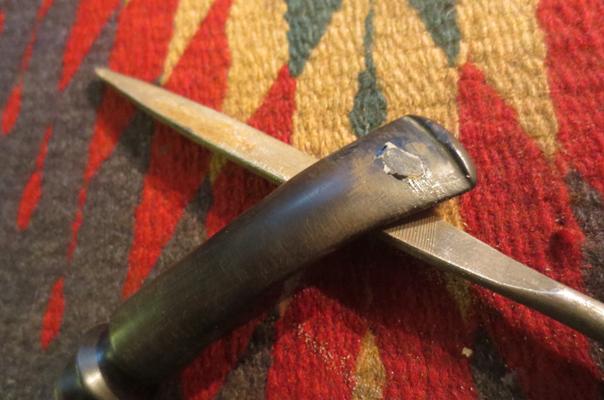
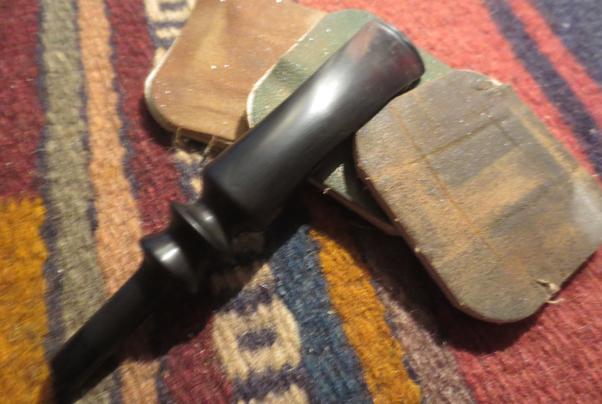
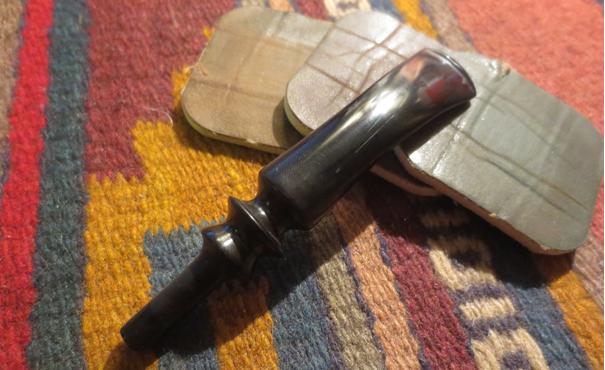
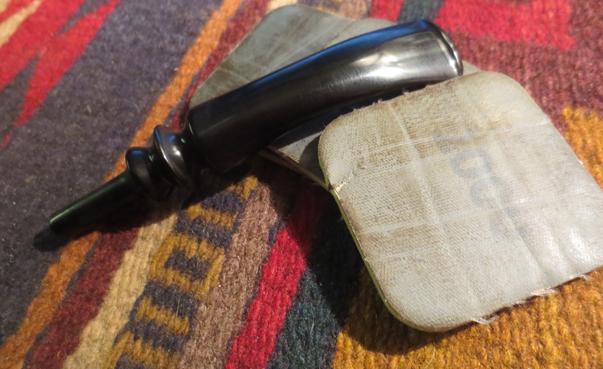
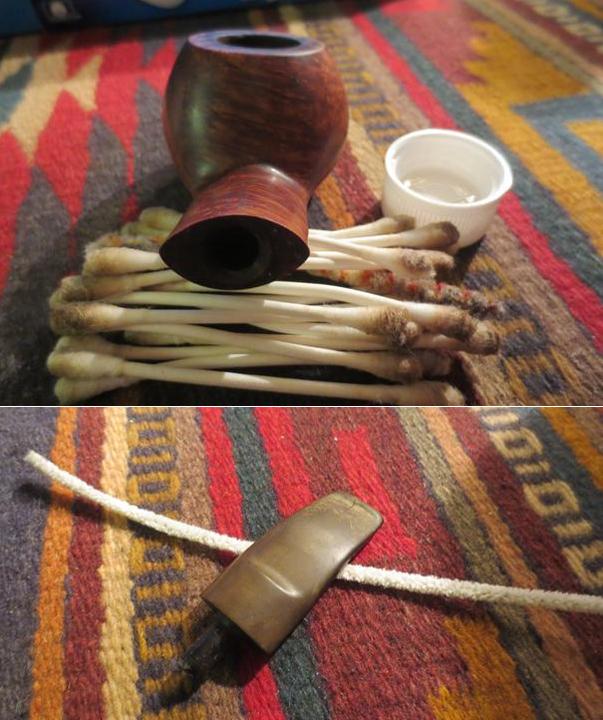
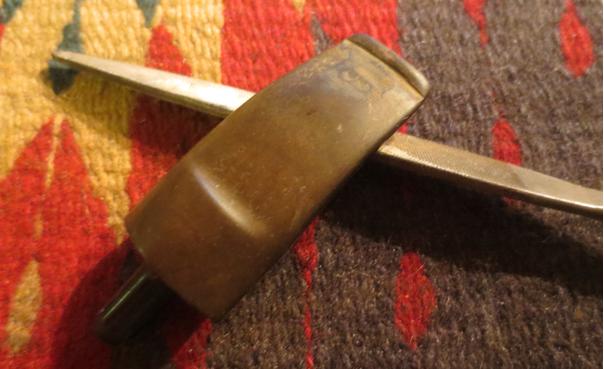
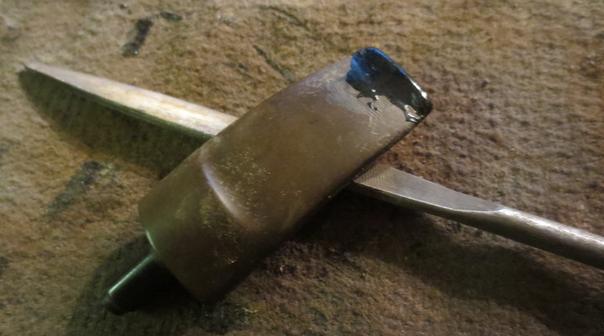
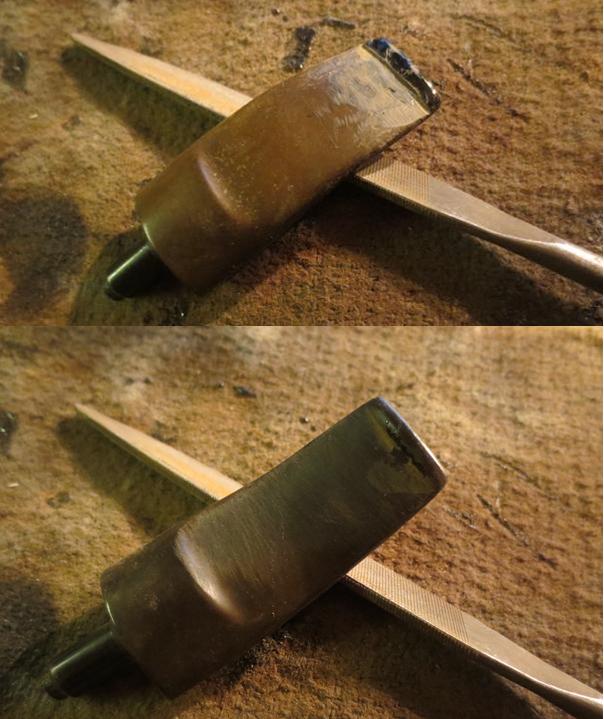
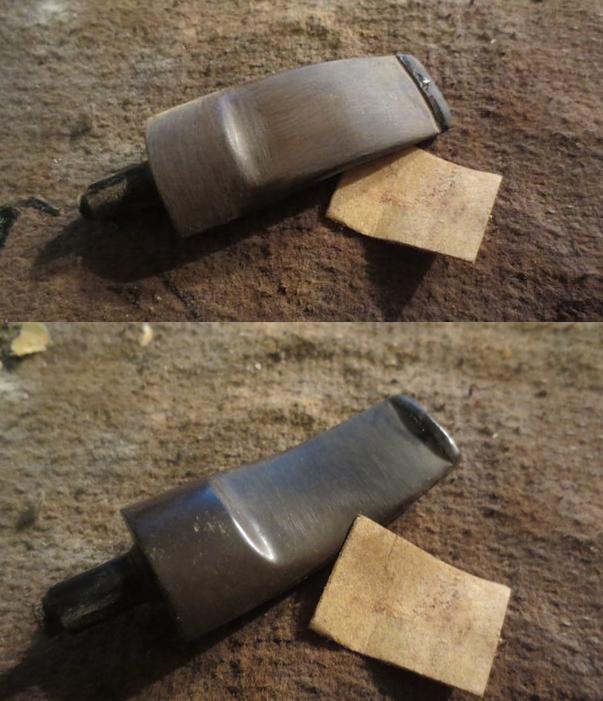
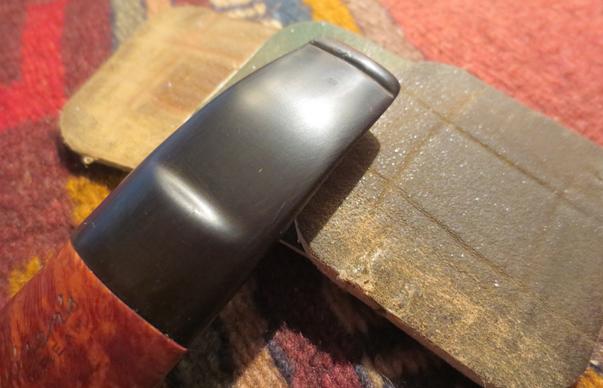
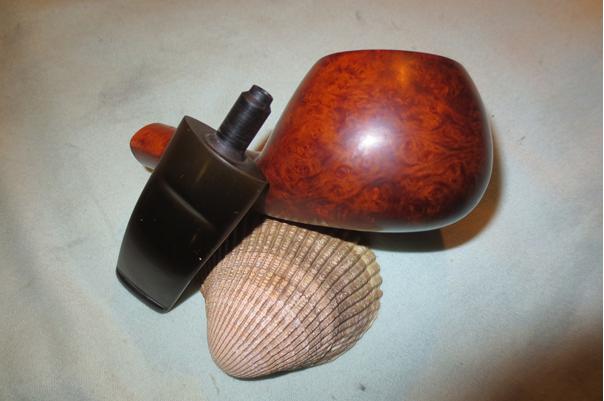
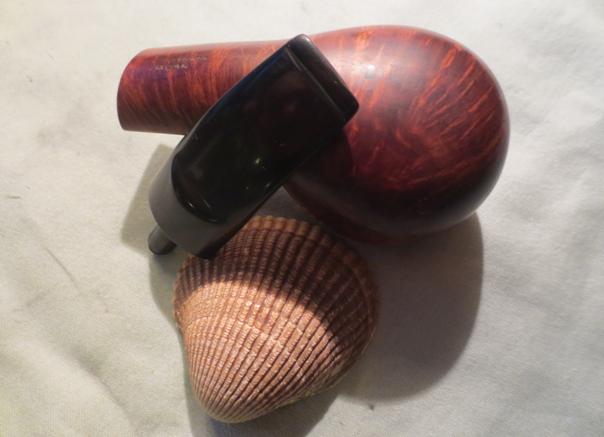
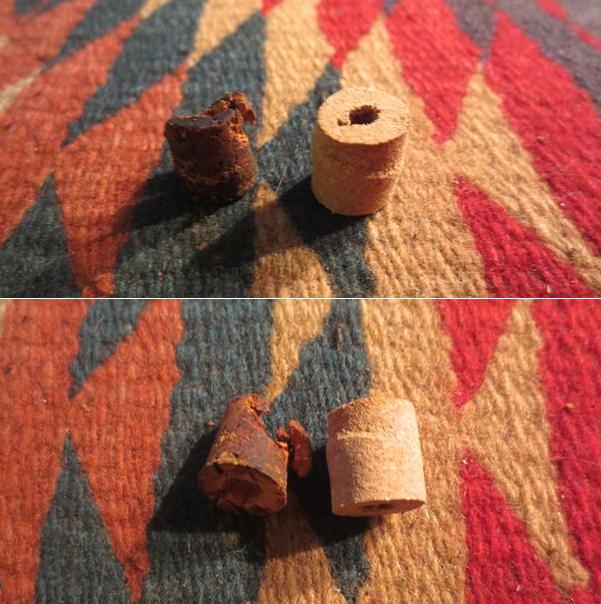
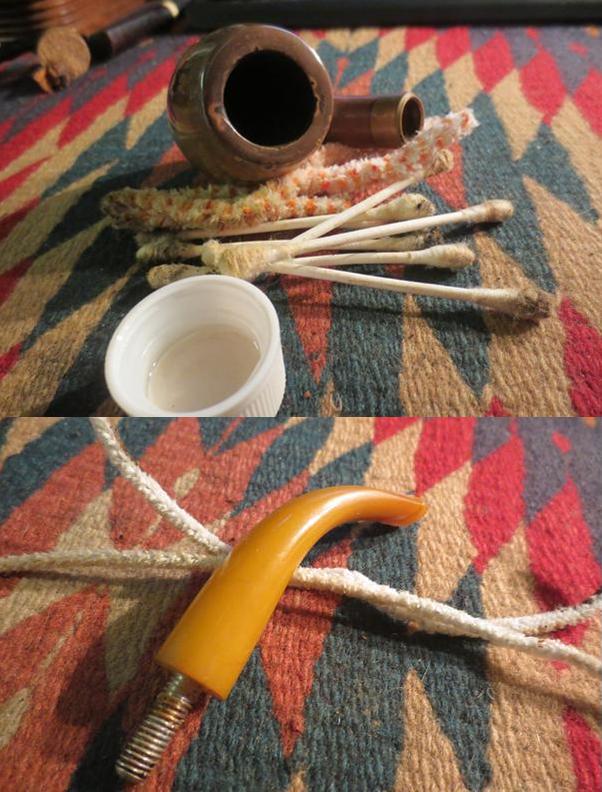
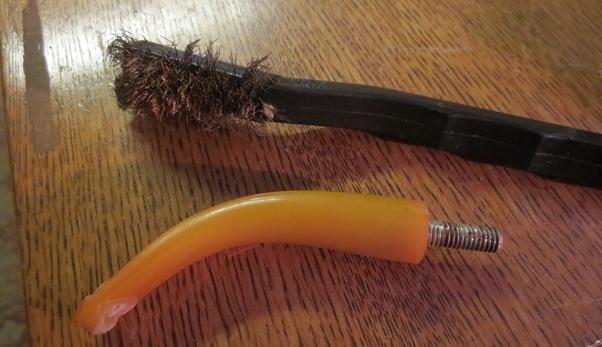
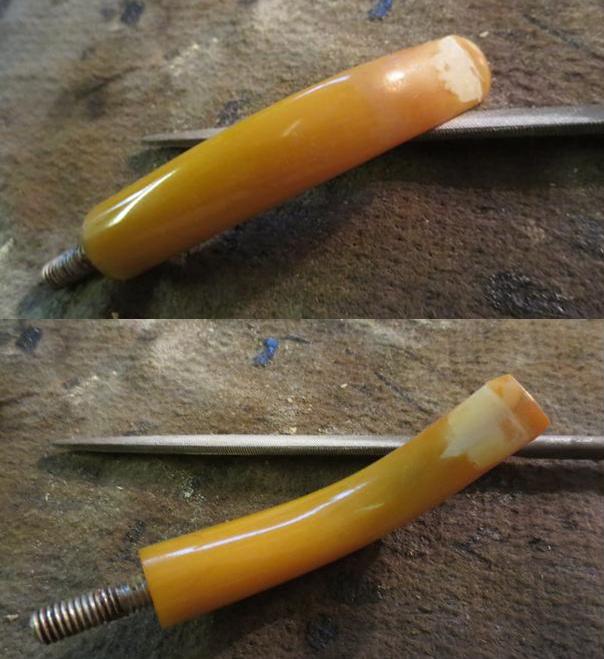
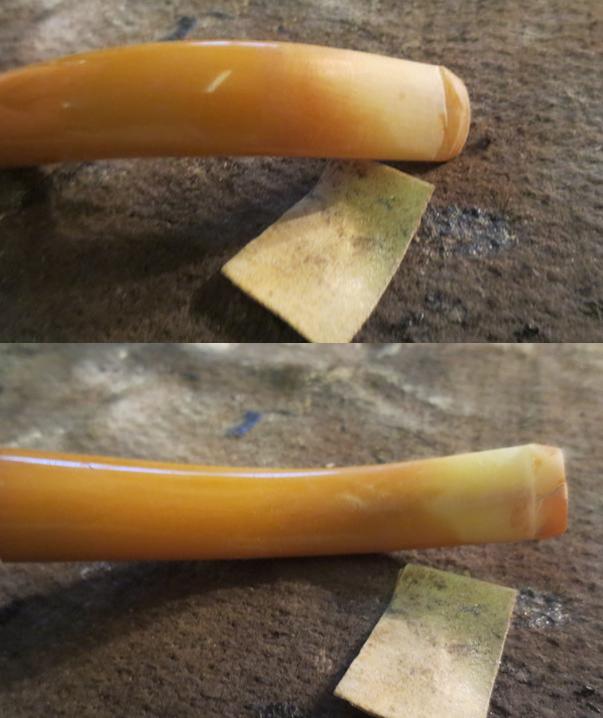
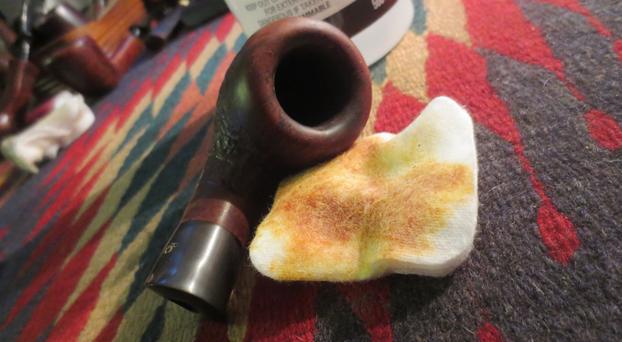
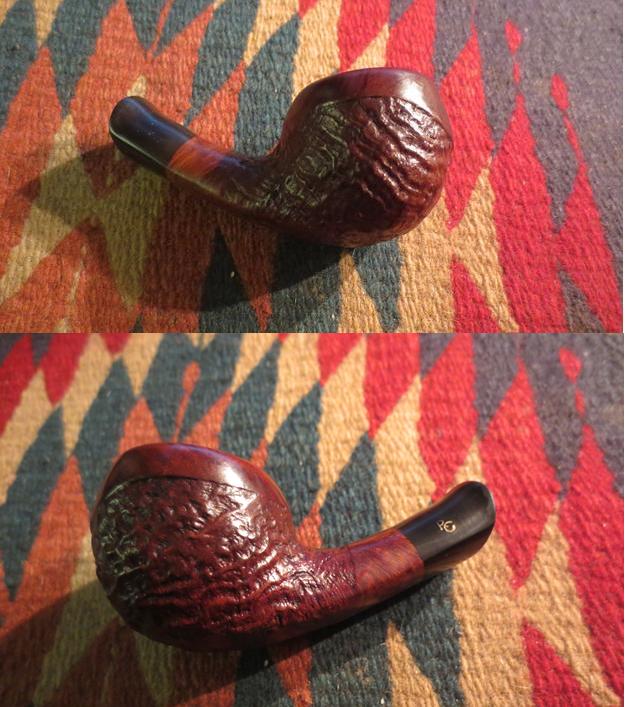
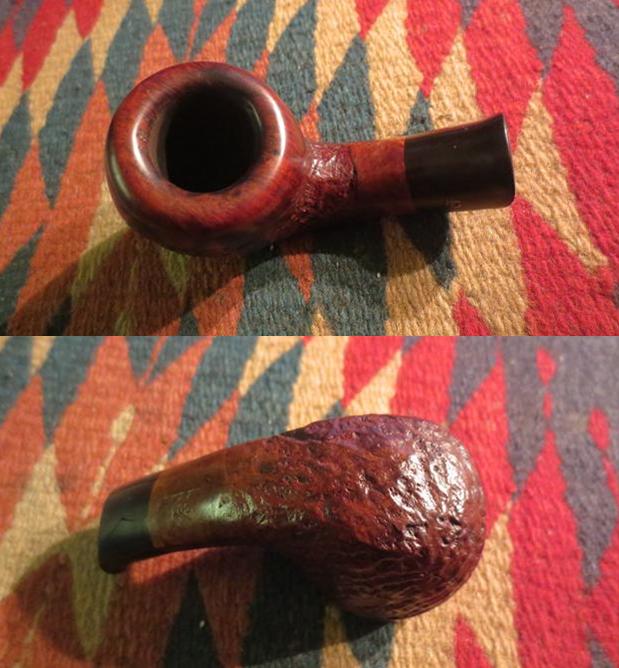
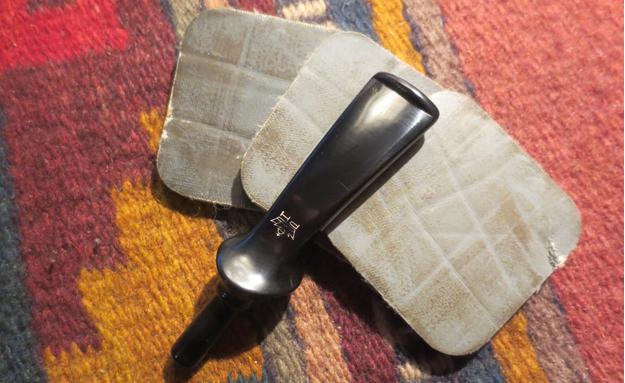
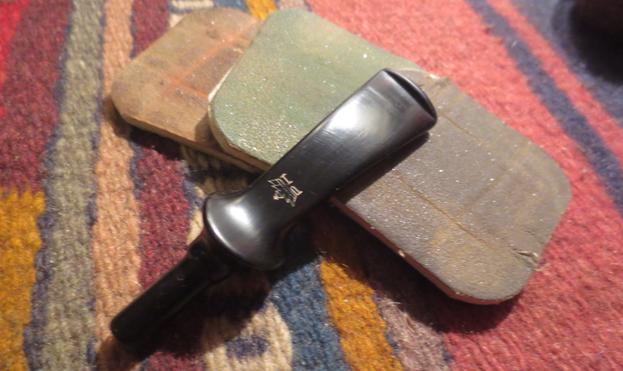
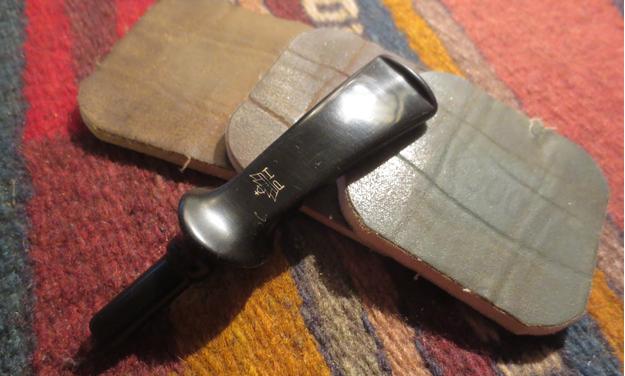
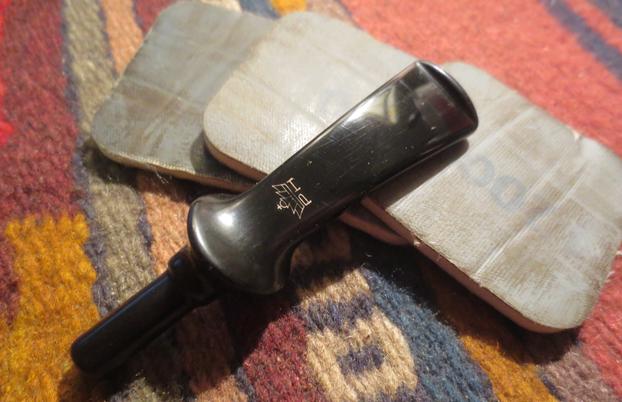
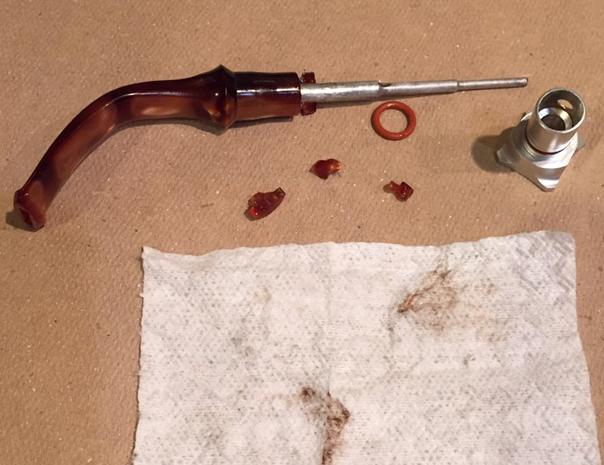
After the stem mouth piece had shattered, I thought of gluing it together, but I knew it would not hold permanently. I took advantage of the material left in the stem and removed the breakage area. I recessed the tenon hole, made the groove around the end of the stem for the rubber O ring and narrowed the stem as to be able to fit into the shank radiator body upper hole.sam1 sam2 sam3 sam4And that brings me to the post that Steve read on Facebook – The Kirsten “Stinger” Ram Rod Intake Tube as designated, is it really necessary? Not in my book!

A few of months ago, I had posted about the repair of a Stem/Mouth-bit which had shattered while cleaning the inside of a valve. This made me “discover” that removing the stinger was a far more enjoyable smoking experience.

I also suspected that the Ramrod Intake Tube, was not glued or permanent attached to the stem/mouth-bits. But until I recently obtained a 4th generation brand new pipe all of my previous experiences were to have the “stinger” stuck to the mouthpiece.

Anyway, since returning from Summer holidays I have removed all Stinger, Ramrod Intake tubes from my Kirstens and smoke them without a single issue and again much better smoking condition.

Disclaimer: Attempting to remove your “stinger” (ramrod intake tube) is dangerous and should only be done by trained professionals and under controlled environment conditions.

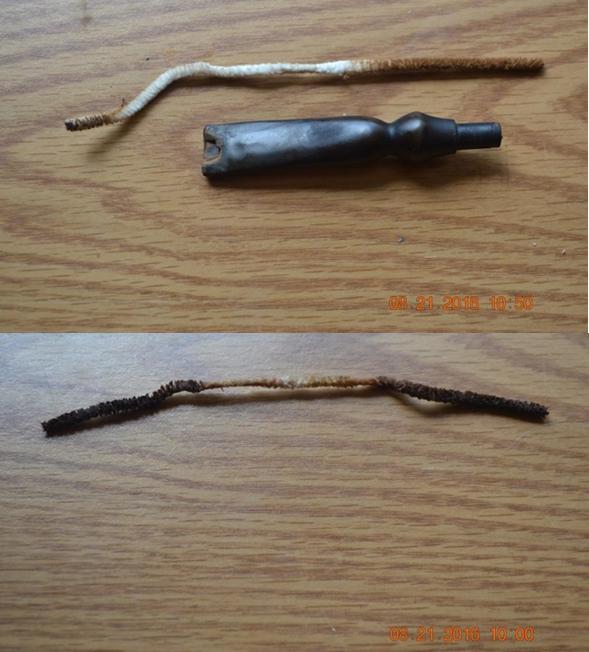
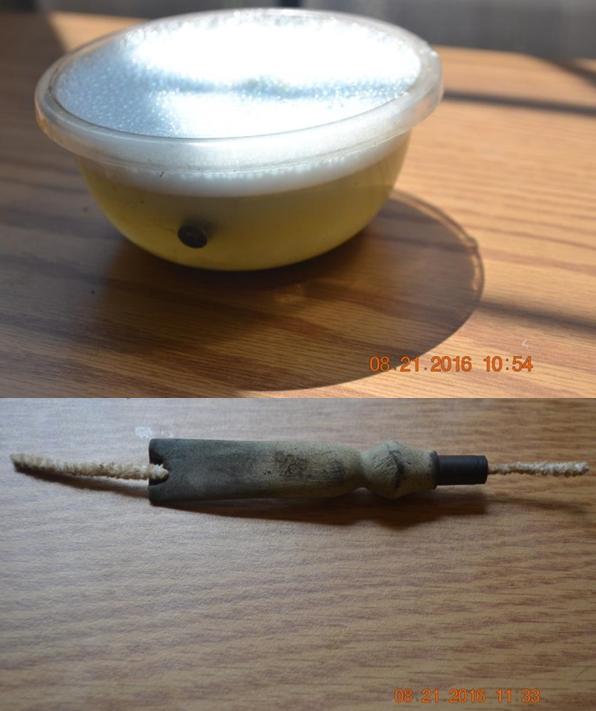
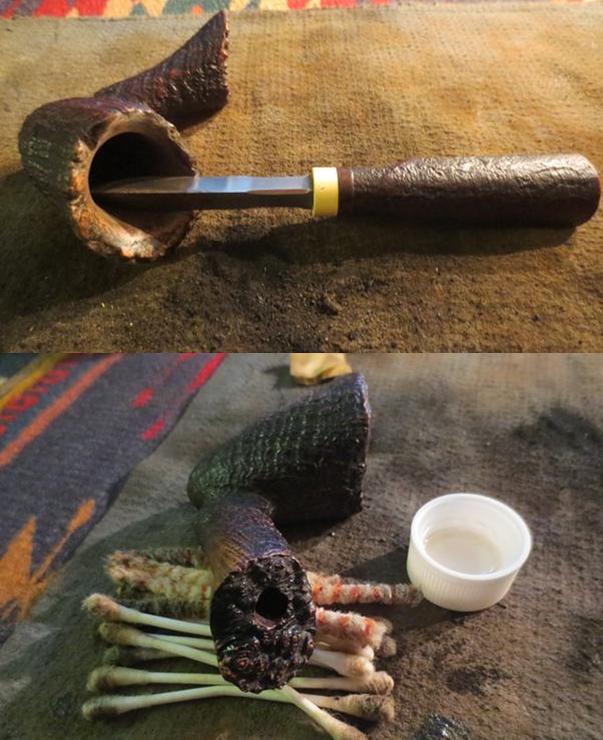
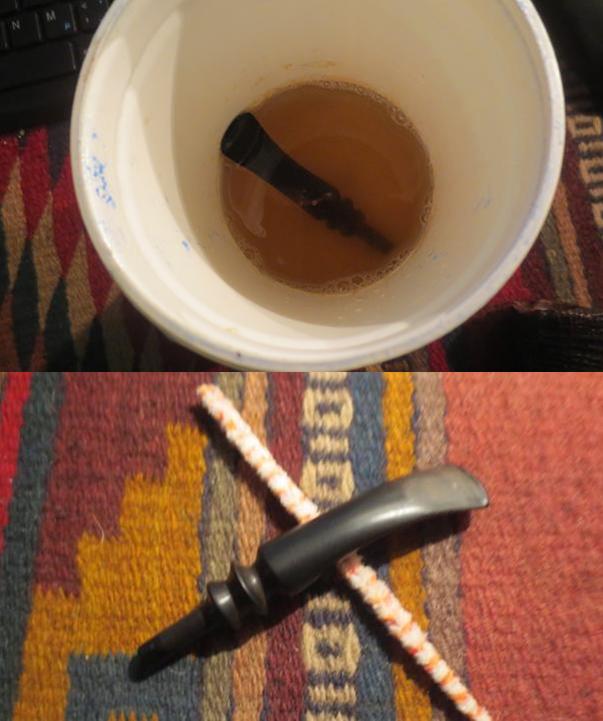
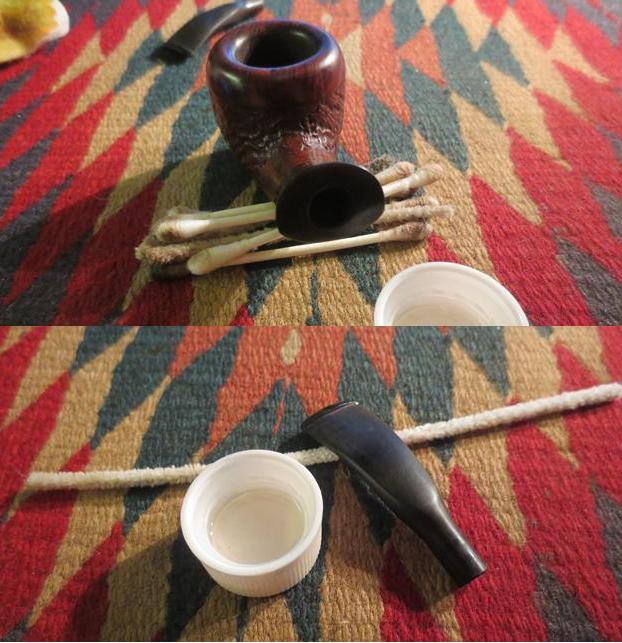
But if you want to give it a try anyway here’s how I removed mine. Spray a bit of dielectric fluid at the base of the acrylic and let it rest for 20 minutes. After that remove the o-rings and submerge stingers and mouth-bits in a soapy water mixture made of warm water and Bar Keepers Friend Soft. After that scrub the inside if the mouth-bits with Everclear pipe cleaners and let them dry.

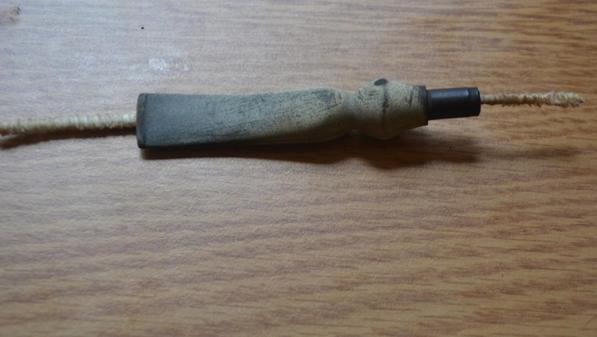
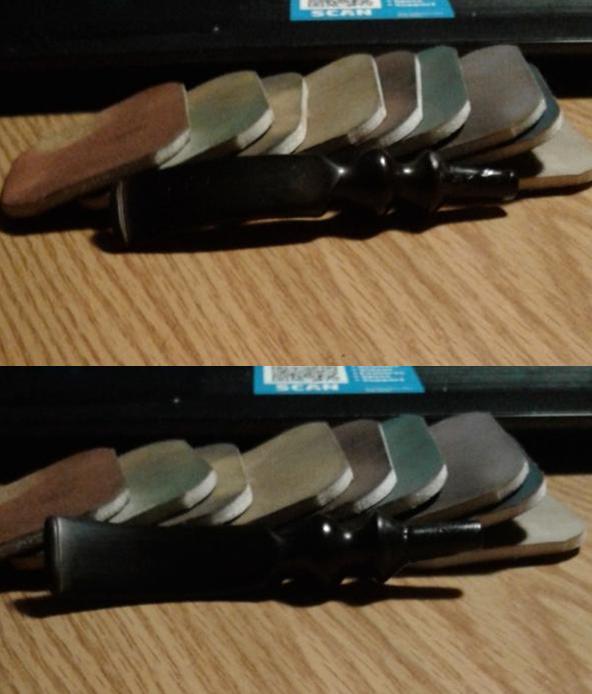
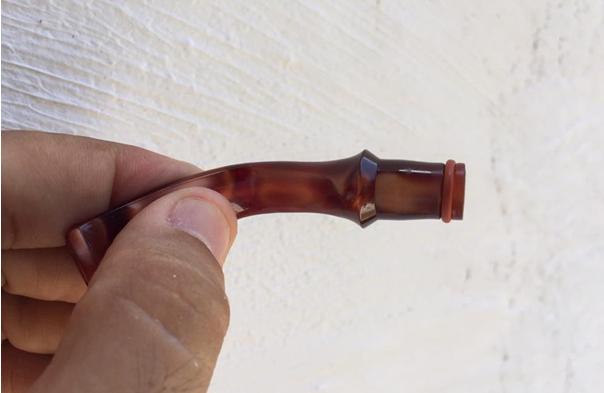
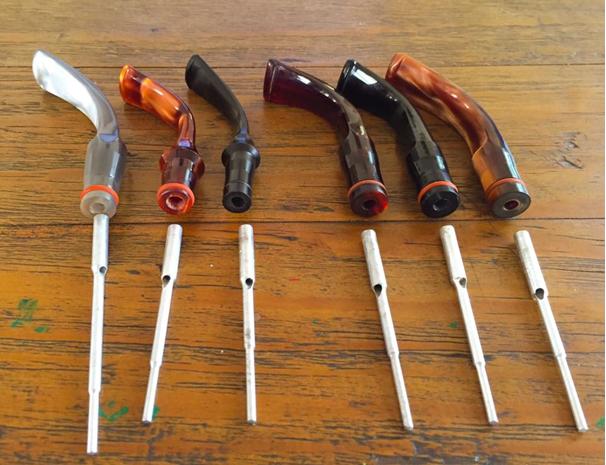
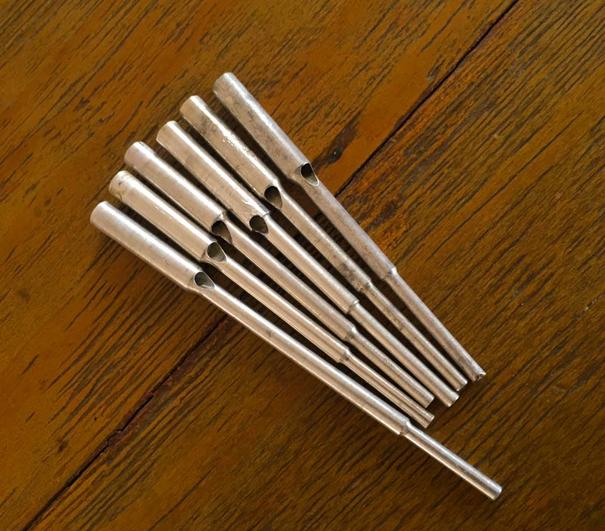
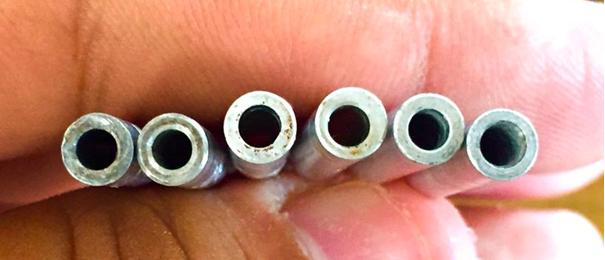
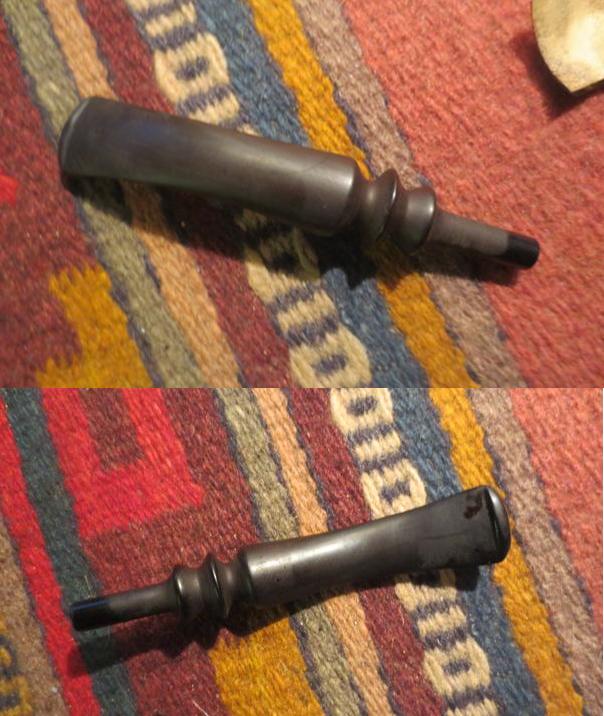
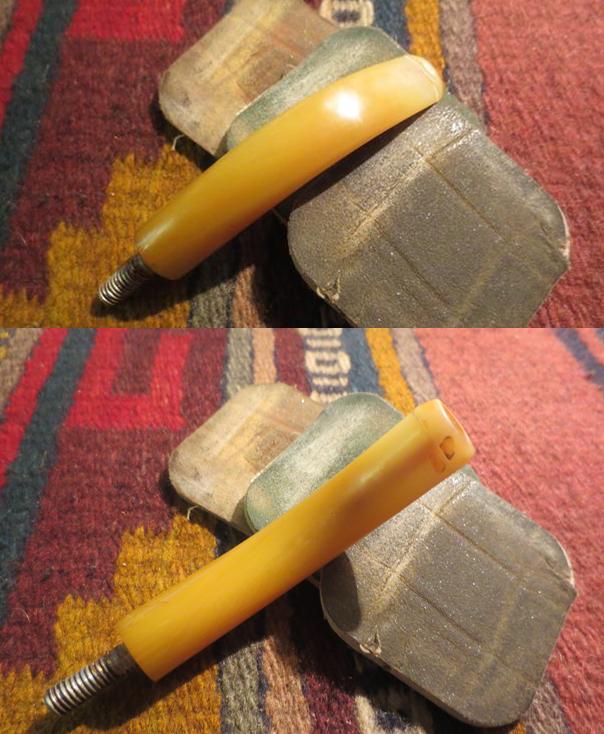
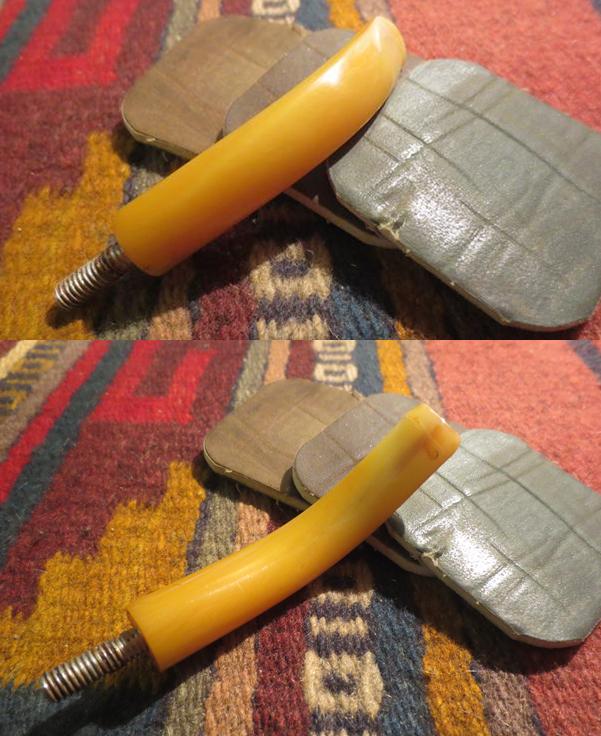
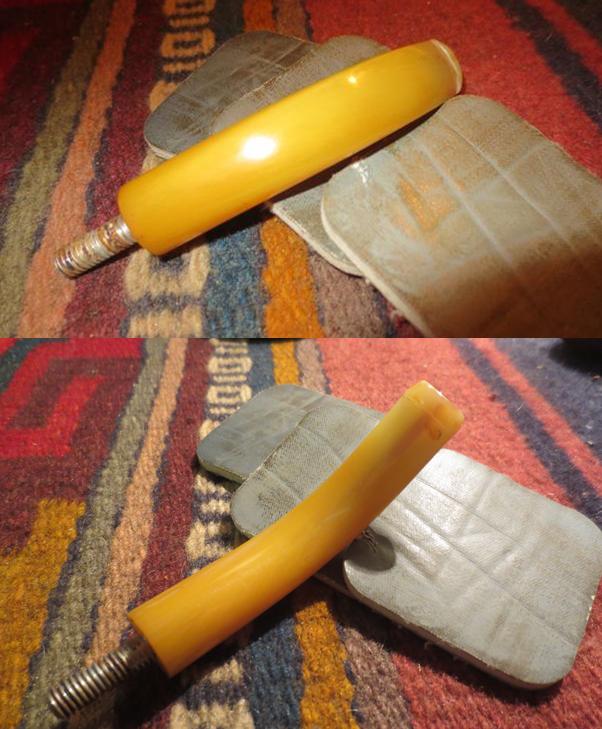
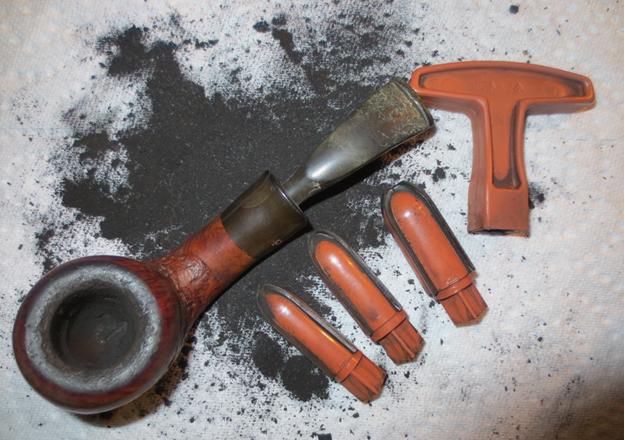
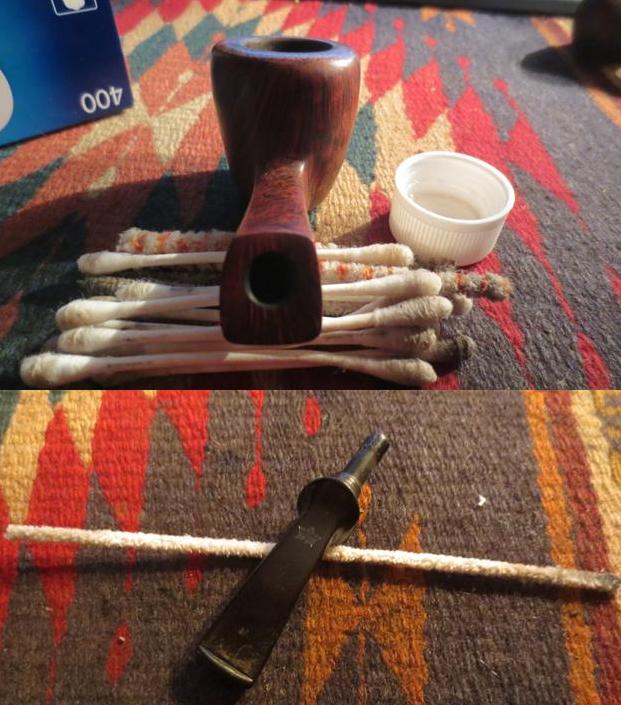
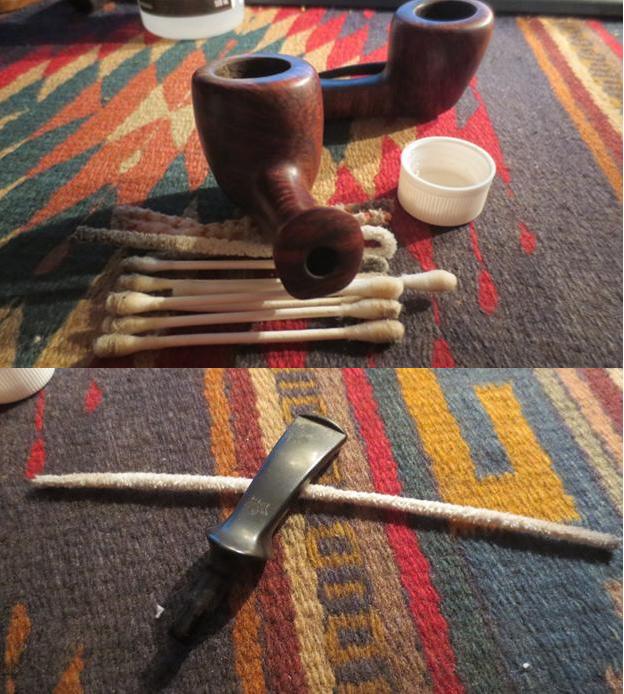
Use plastic wrapped pliers if possible and twist left to right until the Stinger, Ramrod Intake Tube comes off.  The photos below show six of my stems with the tube removed and the tubes themselves. They came out pretty easily. I am enjoying smoking my Kirstens without the contraption in the barrel. Thanks for looking. sam5 sam6 sam7

I don’t know who made it but this LS Handmade Danish Freehand is a beauty.


Blog by Steve Laug

The brand is unknown to me but many things about it look like a Preben Holm or Ben Wade pipe to me. The flow and lines of the bowl and stem, the well done sandblast, the smooth internal rim top all point that way to me. But I have not heard of nor have I been able to find information on the LS. The pipe is stamped Hand Made in Denmark over LS on the underside of the shank.dan1 dan2The pipe was in great condition in terms of the finish of the bowl. It had dust in the grooves of the deep lines of the sandblast. The stain was in good shape. The smooth underside of the shank was very clean and did not have scratches. The plateau in the shank end was dirty but in good condition. The interior surface of the smooth rim top was covered in a very thick and dirty cake that flowed up from the bowl and over top. The next photo shows the flaking cake on the top of the rim and in the plateau areas around the outer edge.dan3I reamed the bowl with a PipNet pipe reamer using the first three cutting heads to trim back the cake into the heel of the bowl. I followed that up with a Savinelli Pipe Knife to smooth out the transitions between the various cutting heads. I remove the cake back to bare briar. I also used the pipe knife to cut back the cake on the inner edges of the rim.dan3aI sanded the inner smooth portion of the rim with 220 grit sandpaper to remove the tars and lava that I could not get off otherwise. I  picked at the grooves, nooks and crannies in the plateau portion with a dental pick. I wiped it down with isopropyl alcohol and sanded some more until the surface was smooth.dan4I scraped the last remaining edges of cake with the Savinelli Pipe Knife. I cleaned out the mortise and the shank with pipe cleaners, cotton swabs and alcohol.dan5The stem had been sitting in an Oxyclean soak overnight. Once I had the bowl cleaned I took the stem out of the bath to begin working on it. I ran a pipe cleaner through the airway in the stem to clean out any remaining debris and the oxy solution.dan7I scrubbed it once more with the oxy solution and then rubbed the stem dry with a coarse cotton cloth. It removed a lot of the oxidation from the grooves in the stem and the surface of the stem.dan8There was a deep, troublesome tooth mark on the top of the stem. It looks like it goes through to the airway but it does not. I probed it with a dental pick to clean out the debris in the mark and then cleaned it with some alcohol on cotton swabs to get rid of any oxy solution that might be in the hole.dan9I waxed the sandblasted bowl and the plateau on the shank and the rim edges with Conservator’s Wax. I also waxed the smooth inner edge of the rim top with the wax. I buffed it with a shoe brush and then with a clean buffing pad to raise the shine.dan10 dan11 dan12 dan13Once the glue cured on the stem I filed it with a needle file to smooth out the patch to match the surface of the stem.dan14I sanded it with 220 grit sand paper to remove the scratches and smooth out the surface of the patch and the tooth chatter on the underside of the stem.dan15I polished the stem with micromesh sanding pads – wetsanding it with 1500-2400 grit pads and dry sanding it with 3200-12000 grit pads. I rubbed it down with Obsidian Oil between each set of three pads. After the final set of three I rubbed it down one last time and set it aside to dry.dan17 dan18 dan19I buffed the stem with Blue Diamond polish on the buffing wheel and gave the stem multiple coats of carnauba wax. I buffed the stem and bowl with a clean buffing pad to bring a shine to the pipe. I hand buffed it with a microfibre cloth and deepened the shine. The finished pipe is shown in the photos below. The look of the internal smooth rim with the plateau edges and the deep sandblast finish make this a beautiful pipe. I think Steve in Dawson Creek will like the way this one turned out as well. It should serve him for many more years to come. Thanks for looking.dan20 dan21 dan22 dan23 dan24 dan25 dan26 dan27ee

Restoring a Long Diamond Shank Aldo Velani Grande 39


Blog by Steve Laug

This pipe came to me through my brother. I am not sure if it was one of his eBay finds or his pipe hunting adventures. Either way it is a unique and unusual pipe. It has a long diamond shaped shank ending in a tapered diamond shaped stem with a slash of briar inserted into the Lucite. The bowl is a variation on a Dublin shape with the diamond shape of the underside of the shank carrying through to the bottom of the bowl. The rim had been obviously tapped out on some hard surface and the top and the outer edges of the rim had nicks and dents. Somewhere along the way someone had cracked the shank and put on a poorly installed Sterling silver band. The stem had some slight tooth chatter on the top and the bottom near the button and there were several small tooth marks on the underside.aldo1It is stamped Aldo Velani Grande on the left side of the shank. The centre portion of the top line of the stamp is faint. It is stamped on the right underside of the shank with the shape number 39. There was no other stamping on the shank. The stem bore an AV stamp that had originally been gold in colour but had faded. In the second photo below you can see the glue from the band oozing out onto the shank. It was that way all the way around. Someone had carelessly used the glue and not cleaned up the overflow. You can also see that the stem does not fit properly against the shank end.aldo2The stem listed to downward and to the left side of the shank and was crooked. Once I pulled the stem out I could see that the tenon was no longer straight.aldo3The next two photos show the top of the rim and the bottom of the bowl respectively. You can see the light cake and the rounding of the outer edges of the rim in the first photo. The underside of the pipe looked pristine. The finish was dirty and a bit spotty.

aldo4My brother, Jeff cleaned up the pipe. He scrubbed out the internals and the external of the pipe. When it arrived in Canada it was very clean and the finish had basically been removed. I am really growing to like having these pipes arrive cleaned and ready to restore. Thanks Jeff!aldo4a aldo4bThe next photo shows the rim after he had cleaned up the surface. There was a burn mark on the front edge of the rim that would need to be addressed. You can clearly see all the nicks and chips in the rim edges in this photo.aldo4cOnce I removed the stem the band fell off in my hands. I could see the band covered a sloppy crack repair. Though the repair held and the crack was sealed there was a lot of glue. I am not sure whether it was for the crack or for the band. Either way it was over kill. The glue had hardened and somewhere along the way the silver band had picked up the ridges and valleys of the hard glue underneath.aldo4dI sanded the glue until it was smooth on the shank end. I squared up the band and made the angular corner of the diamond shape more sharp. I smoothed out the dents in the band as much as possible from the inside of the band. I slid band on the shank and used a small ball-peen hammer to carefully tap the band flatter from the outside. I was able to remove much of the damage to the silver band with this process. I used a small bit of glue to hold the band snug on the shank.aldo4eTo take care of the rim damage and to reduce the damage to the outer edge of the rim I topped the bowl on a topping board with 220 grit sandpaper. I sanded until the edge was clean and then worked on the outer edge of the rim with sandpaper. In the second photo below you can see the area where the burn has affected the outer edge at the front of the bowl.aldo5I wrapped a KleenReem pipe reamer with 220 grit sandpaper and used it to sand the interior of the bowl and clean up the inner edge of the rim.aldo6On the right side of the bowl there were two larger chips in the outer edge. I used crazy glue and briar dust to fill in the divots. Once the repair dried I sanded it with 220 grit sandpaper to reshape it.aldo7I heated the tenon with a Bic lighter until the tenon was flexible and then carefully inserted it into the mortise and aligned it with the shank. I held it in place until the tenon cooled. That repaired the fit of the stem to the shank.aldo8Since I was working on the stem I decided to finish polishing it. I sanded out the tooth marks and tooth chatter with 220 grit sandpaper. I polished it by wet sanding with 1500-2400 grit micromesh sanding pads. I dry sanded it with 3200-12000 pads. I wiped the stem down with a damp cloth. Once the pipe was finished I would buff the stem and pipe together.aldo9 aldo11 aldo12I used European Gold Rub n’ Buff to touch up the AV stamp on the side of the stem and hand buffed the stem.aldo13I stained the bowl with a dark brown aniline stain cut by 50% with isopropyl alcohol. I flamed it and repeated the process until I got an even coverage.aldo14I took the next set of photos to show the bowl after the stain had dried. It was too opaque for me and hid the grain on the pipe but I would deal with that in the morning. I set the pipe aside of the night and let the stain dry.aldo15 aldo16In the morning I wiped the bowl down with alcohol on a cotton pad to thin the stain coat and make the grain stand out.aldo17 aldo18With the stain looking good and the stem finished I buffed the pipe with Blue Diamond on the buffing wheel and gave it multiple coats of carnauba wax. I buffed it with a clean buffing pad to raise the shine and then by hand with a microfibre cloth. The finished pipe is shown in the pictures below. It is a beautiful pipe. It is ready for whoever wants to add it to their rack. Send me a message or an email at slaug@uniserve.com if you are interested in this beauty. Thanks for looking.aldo19 aldo20 aldo21 aldo22 aldo23 aldo24 aldo25 aldo26 aldo27


Charatan Made Knudsen’s Pipe Dream Oval Shank Banker brought back to life


Blog by Steve Laug

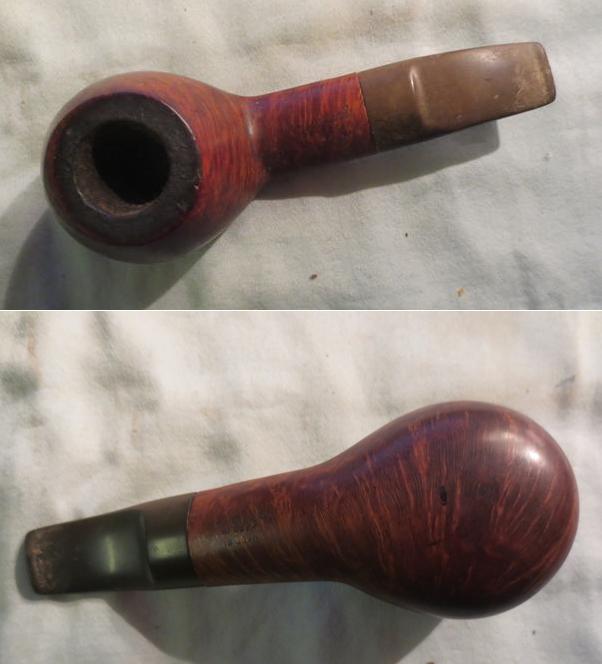
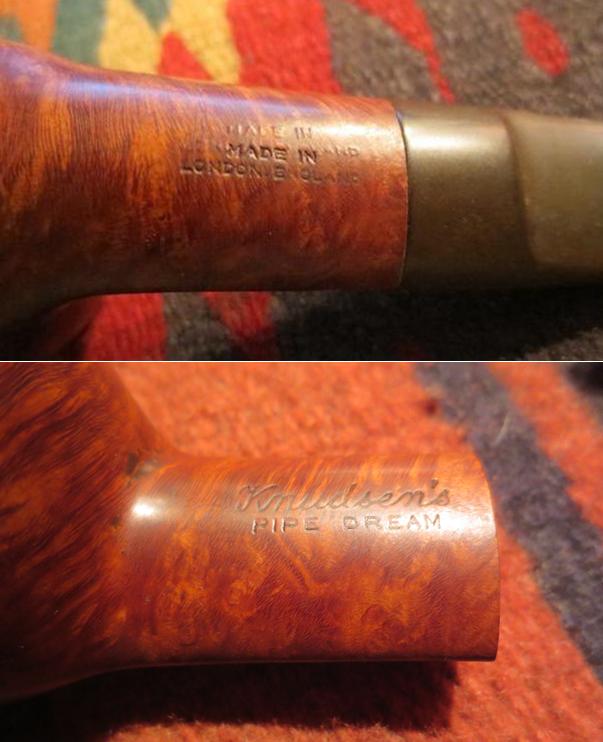
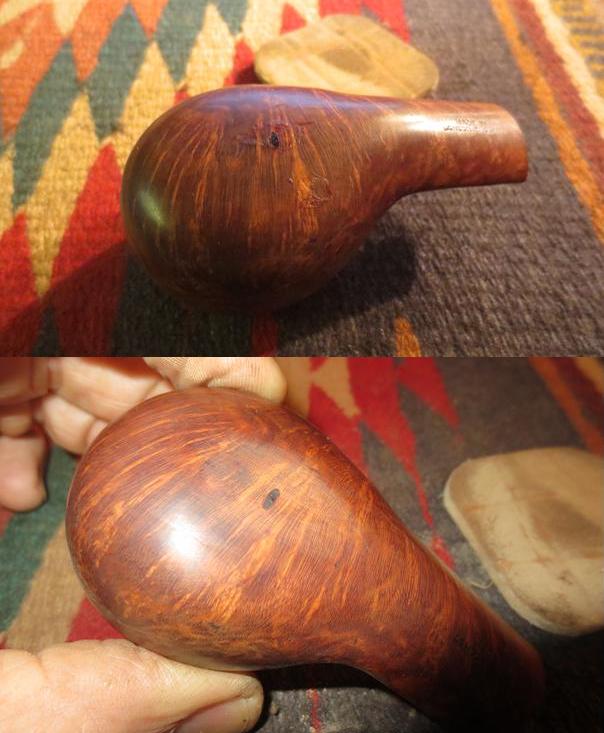
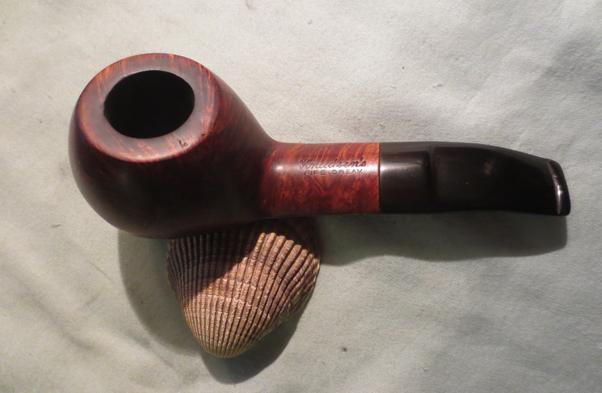
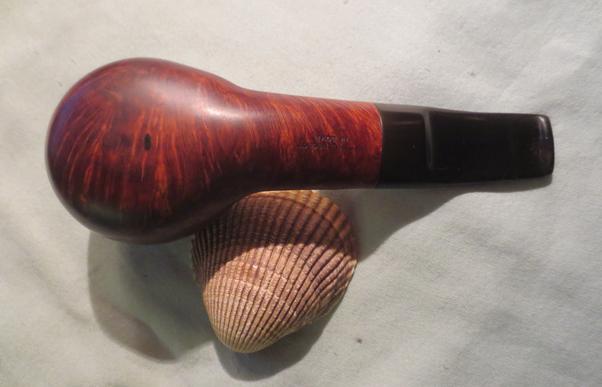
This great looking Banker shaped pipe is another one from the pipe man up in Dawson Creek, British Columbia. I am not sure if it was also one of his Grand dad’s pipes but it definitely has some age. It is stamped Knudsen’s Pipe Dream on top of the shank and Made in London England on the underside. From my research I am pretty confident that the pipe was made by Charatan as the shape is on their shape charts. However, it does not have the Banker shape number. I took the photos below to give an idea of the shape and the condition of the pipe when it arrived at my work table. The first thing that stood out to me is that there is a lot of promise under the grime – the birdseye grain and cross grain are peaking through. There was one fill on the underside of the bowl that was chipped but otherwise tight in the sandpit. The finish appears to be really good under the grime with no dings or dents in the briar. There was a thick cake in the bowl that runs like lava runs over the rim of the bowl. It is hard to know for sure if there is damage to the rim underneath the thick cake. The stamping is readable and the Made in London England stamp on the underside of the shank appears to have been done twice though one of them is quite faint and slightly above the other. The stem is worn and has deep tooth marks on the top and bottom sides and the button is worn. I was looking forward to working on this pipe.

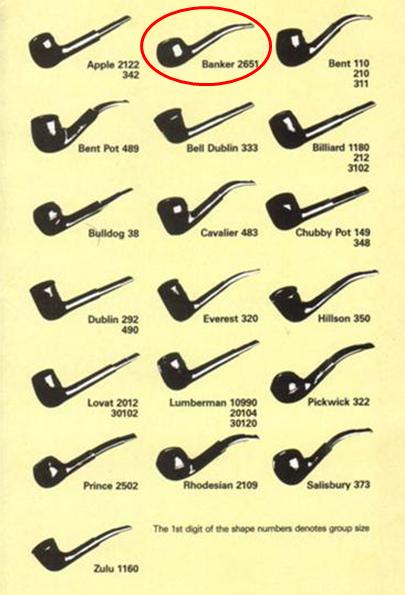
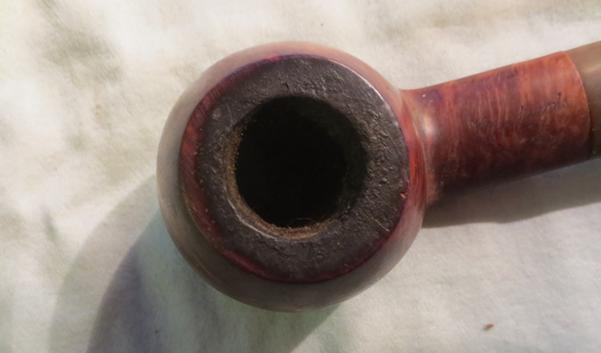
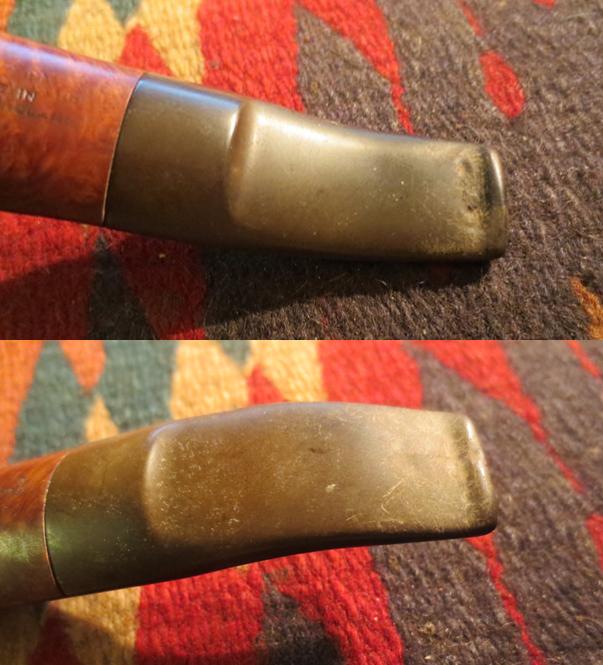
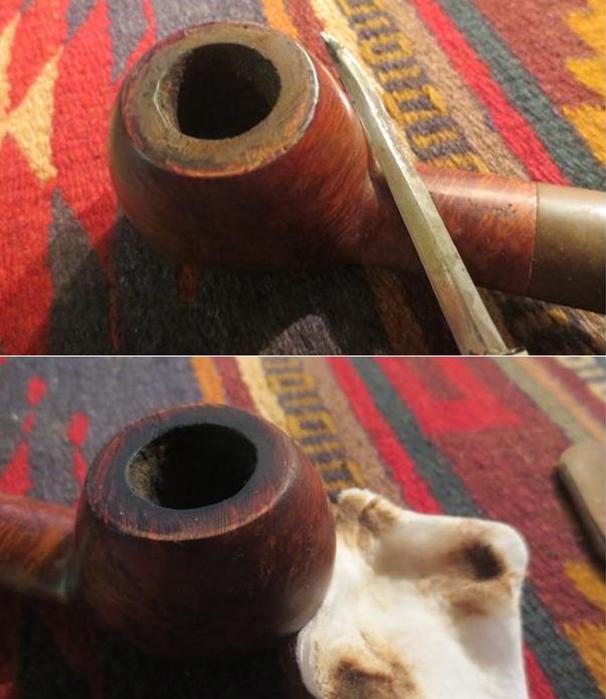
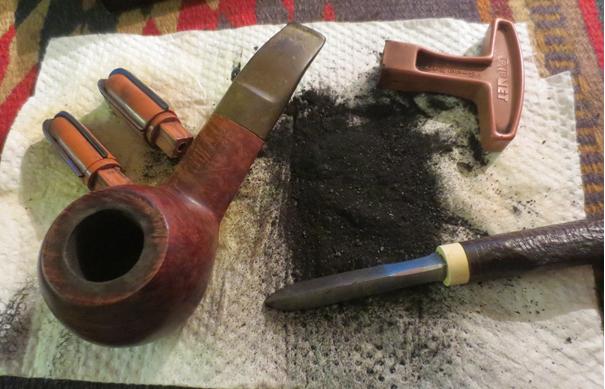
I did some digging to see if I could find anything out about the brand stamp on the top of the shank. I found that there is a Knudsen’s Pipe Dream Pipe Shop in Regina, Saskatchewan. The address and phone number is as follows: 4621 Rae St, Regina SK S4S 6K6, Phone: 306-585-1616. There was also a Knudsen’s Pipe Dream sandblasted Dublin that had sold on the smokingpipes.com website. The web address and link to the pipe is https://www.smokingpipes.com/pipes/estate/england/moreinfo.cfm?product_id=132697. They list it as an English made pipe. To me it also looks like a Charatan shape.bank1 bank2I found this page from a Charatan Catalogue online. The link said that it was Charatan even though the page does not say so. I have circled the Banker shape in red in the picture below. It is in the middle column at the top of the page. The shape would thus be a 2651.bank16I took a close up photo of the rim top to show the thickness of the cake on the rim and in the bowl. You can see why it is hard to assess what is going on with the inside of the bowl and the rim from this photo. A lot of work will need to be done before I can actually know the condition of the bowl and the rim.bank3I also took close up photos of the stem showing the bite and tooth marks on the top and bottom near the button.bank4I wanted to photograph the stamping as well. You can see the faint double stamping of Made in London England in the first photo and you can clearly see the name Knudsen’s Pipe Dream in the second photo.bank5I scraped the rim with a sharp pen knife to scrape off the thick buildup. I generally do this to try to preserve the stain coat on the rim. In this case I also wanted to see if there was damage under the cake on the rim top before I topped the bowl. Once I had it scraped off I wiped it down with alcohol on a cotton pad.bank6I reamed the bowl with the PipeNet reamer and the Savinelli Pipe Knife and took the cake back to bare briar. I wanted to assess damage to the interior wall of the bowl. Thankfully there was none this time around.bank7I repaired the chipped fill and the deep nick on the underside of the bowl with clear superglue. I did not use briar dust this time as neither repair was deep. I lightly sanded the spot with 220 grit sandpaper and then with 1500-2400 grit micromesh sanding pads.bank8

I cleaned out the mortise and airways in the bowl and stem with pipe cleaners, cotton swabs and alcohol until they were clean.bank9I needed to repair the small groove (looks like a crack but does not go through the surface) in the button and on the surface of the stem as well as the tooth marks but before I could do that I needed to redefine the button edges. I used a needle file to recut the sharp edge and smooth out the ridges and bumps on the stem. With the file I was able to smooth out the groove on the button surface and the stem. With this done it was clear that there was not a crack. I wiped the stem down with alcohol and then built up the damaged areas with black super glue. I also repaired the spots on the underside of the stem with the black super glue.bank10 bank11When the glue had cured I filed the repairs back until they were even with the surface of the stem. I also recut the edge following the path I had previously cut.bank12I sanded the repaired areas and the entire stem with 220 grit sandpaper to smooth out the surface and to remove the oxidation.bank13I wiped down the bowl with a light coat of olive oil to make the grain stand out and to see if there was any glaring light spots that needed to be touched up with a stain pen. It looked good. Once I polished and waxed the bowl I think it would be good to go. The photos below show the bowl at this point in the process. It really is a beautiful piece of briar.bank14 bank15I polished the repaired stem with micromesh sanding pads – wet sanding with 1500-2400 grit pads and dry sanding with 3200-12000 grit pads. I tried something new this time to try to defeat the frustrating oxidation on the stem. Instead of wet sanding with water I wet the stem with a light coat of olive oil and sanded it with the pads. It worked really well to cut through the oxidation. I wiped the stem dry after wet sanding and dry sanded without the oil. The finished shine is deep.bank17 bank18 bank19I buffed the bowl and stem with Blue Diamond on the buffing wheel to raise the shine. I gave it multiple coats of carnauba wax and buffed it with a clean buffing wheel. I hand buffed it with a microfibre cloth. I am hoping Steve enjoys this one. It is one beautiful old pipe. It helps that it carries a family story with it. Thanks for looking.bank20 bank21 bank22 bank23 bank24 bank25 bank26 bank27

Restoring a Well-Aged Double Walled Ceramic Baronite Pipe


Blog by Steve Laug

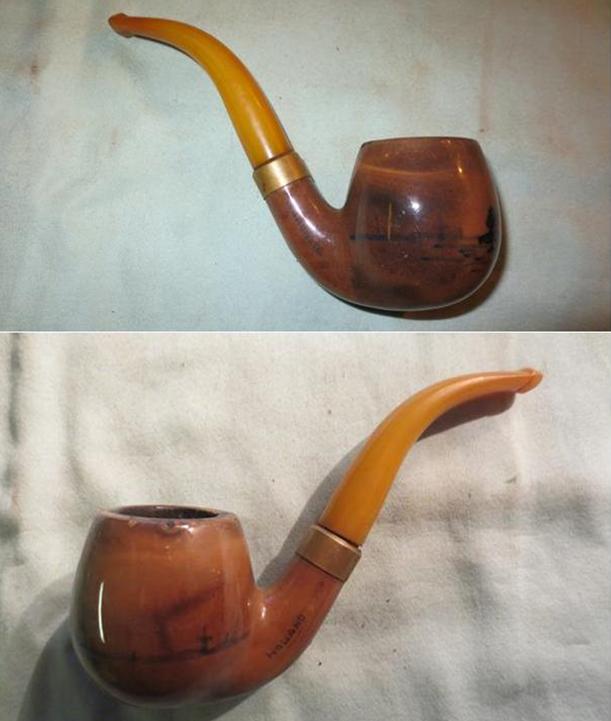
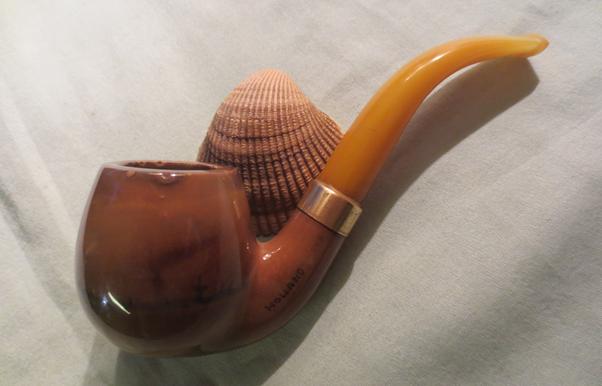
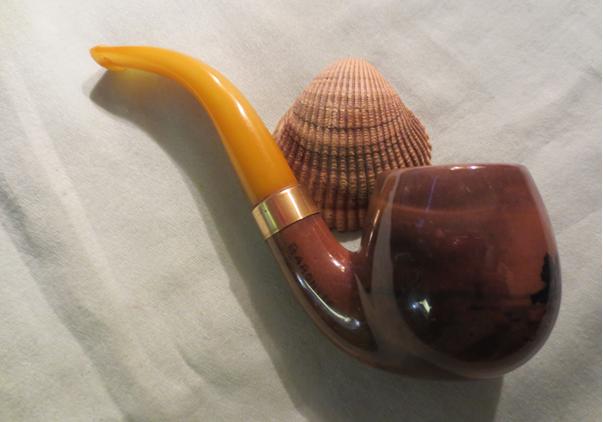
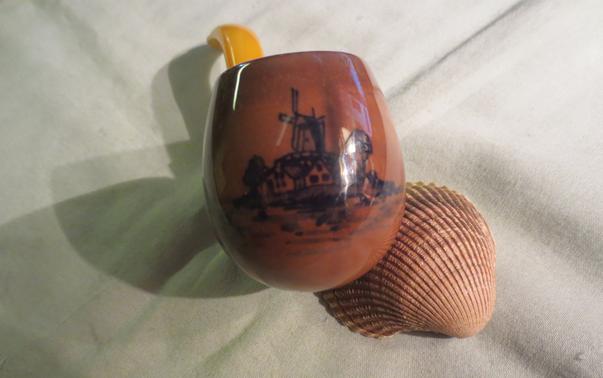
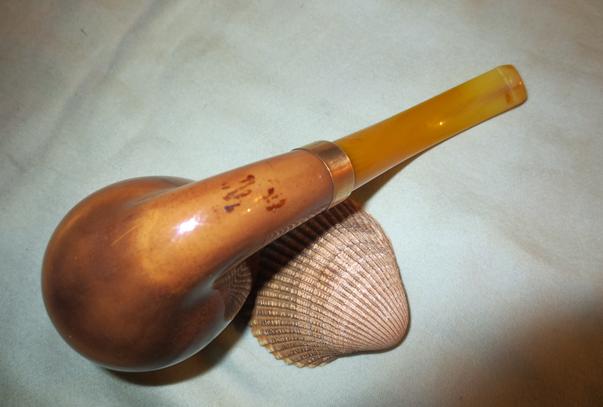
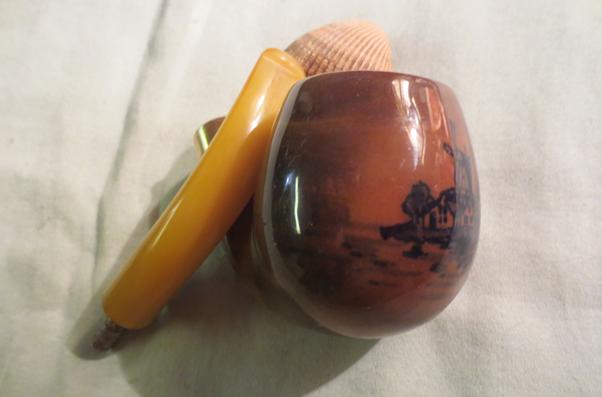
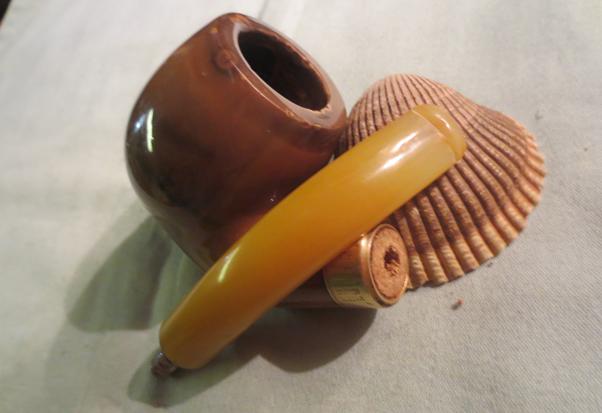
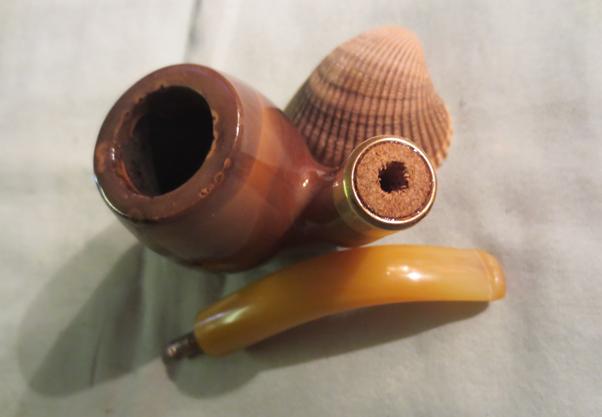
Steve, a pipe man in Northern British Columbia who sent me this old Baronite pipe said it belonged to his grandfather. That makes sense to me looking at the patina on this old double walled ceramic pipe. It is darkened with age like a well cured meerschaum. I have cleaned up quite a few of these but I have not seen one darkened to this degree. It is basically a bent apple shaped pipe with a windmill and canal scene on the front of the bowl wrapping slightly onto each side. On the left side of the shank it reads Holland and on the right side Baronite. I had a memory of the Baronite stamping referring to a line of pipes from a Dutch company called GoedeWaagen. I looked it up on Pipedia: https://pipedia.org/wiki/GoedeWaagen. I found the following information that confirms that the Baronite was a line of Double Walled Ceramic pipes produced by GoedeWaagen. I quote the short article in full:

Dirck GoedeWaagen became a master pipemaker on January 1, 1779 and took on his first assistant the following month. Soon after Dirck’s grandson fell in love with and married a girl from the illustrious De Jong family, legendary in the ceramic pipemakers guild in Gouda. He built a workshop in the Keizerstraat in Gouda, which continued for two generations until his grandsom Abraham GoedeWaagen moved the company to a new location.

In 1853, Pieter Goedewaagen purchased his father-in-law’s factory “De Star”, which becomes the basis of the modern GoedeWaagen company. In approximately 1880, Abraham’s grandson Aart GoedeWaagen persuaded his father Pieter to expand the business with an eye towards more models of pipes, and P. GoedeWaagen & Sons was founded in response. Within ten years the firm had hundreds of models and P. GoedeWaagen & Son was exporting pipes around the globe.

GoedeWaagen continued to make pipes, but also began acquiring other ceramics firms, including ‘De Distel’ in 1923, and in so doing acquiring the expertise to make decorated ceramics other than clay pipes. It is at this time that the company is granted a Royal charter and by the 1930’s Royal Goedewaagen is one of the top names in dutch ceramics.

While Goedewaagen pipes were originally traditional and figural clays, after the invention of the double walled clay pipe by Zenith, also a Gouda company, Goedewaagen began producing pipes in that commonly seen style, which they marketed as The Baronite Pipe, advertised for its clean smoking and health benefits. Since the company’s bankruptcy in 1982, however, they have made only the occasional souvenir pipe, including a line commemorating Holland’s monarchs.

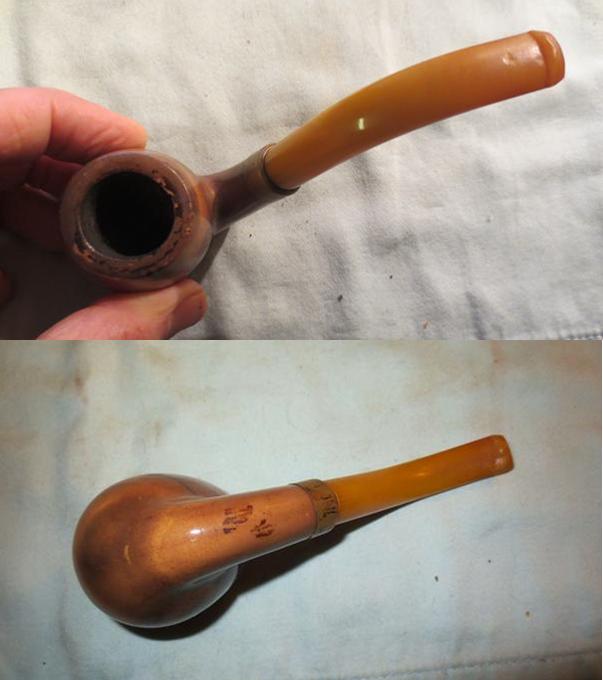
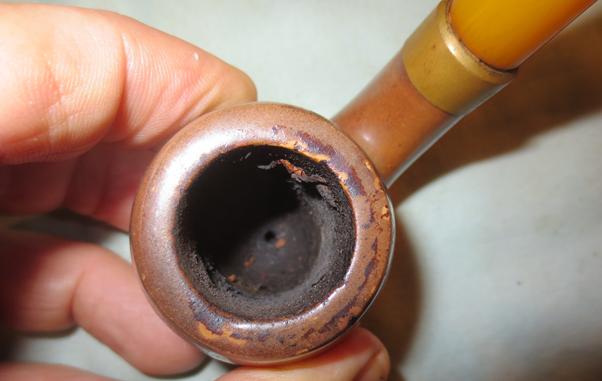
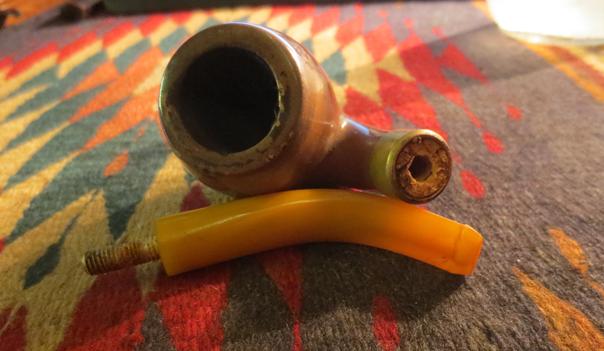
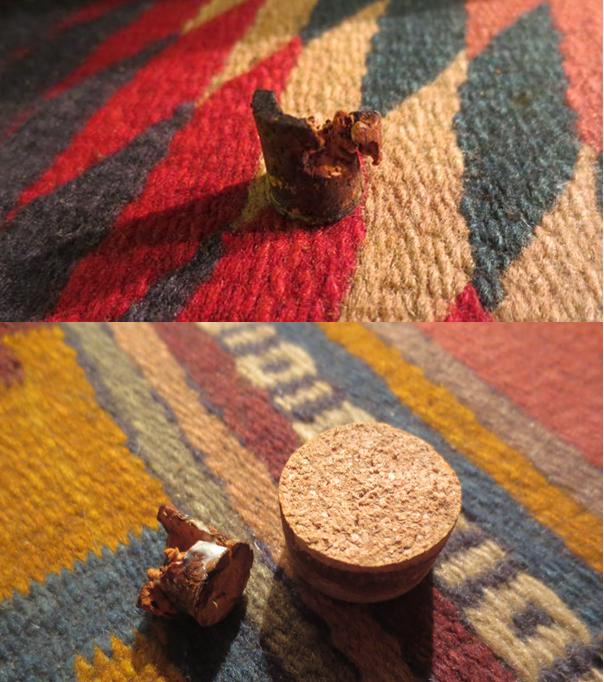
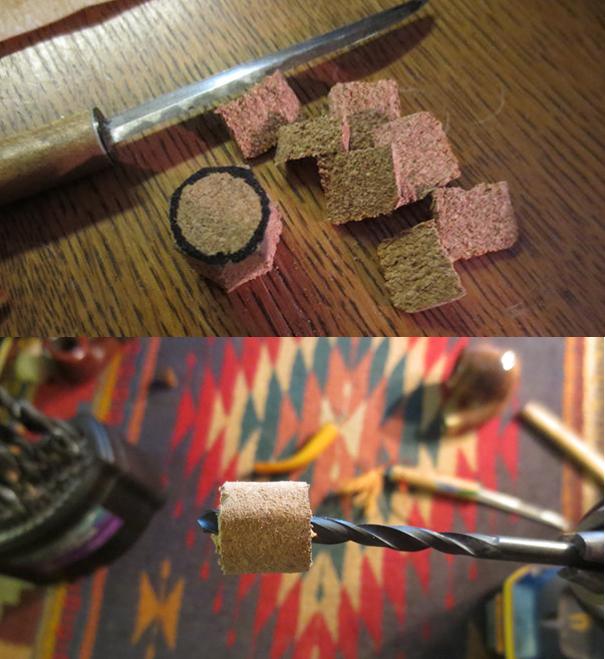
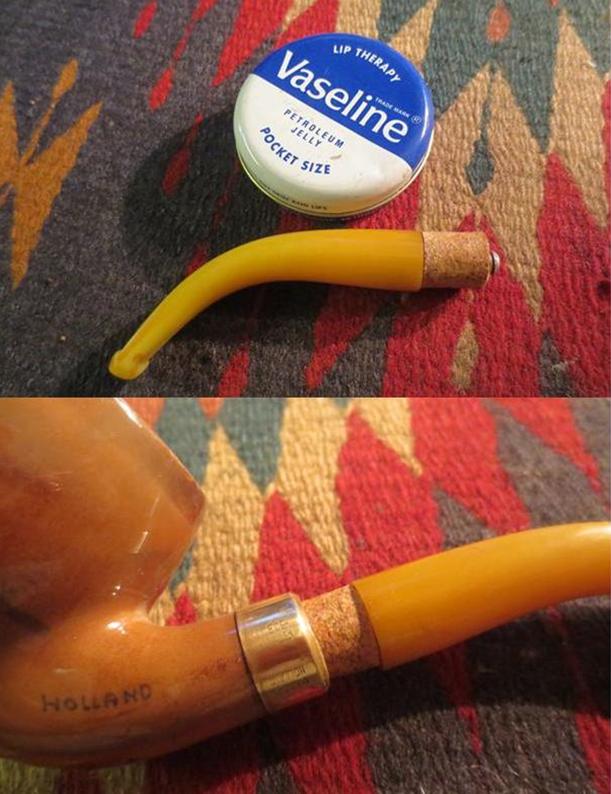
I have no idea when this pipe was made but at least we now know who made it and where it was made. The stem is yellow Bakelite with a threaded metal tenon. I don’t know if that is original but it is in excellent shape. It is screwed into a cork insert in the shank of the pipe. It had deep tooth marks on the top and bottom sides near the button and into the top of the button edges. The bowl in this case had a fairly thick cake of carbon built up inside. The exterior of the bowl had a lot of dirt and debris stuck to the surface of the bowl and shank. The pipe reeked of strong tobacco. The rim seemed to have some spots of either damage or flaws from the original manufacture. There was also some tar buildup on the rim top. The brass band on the shank was oxidized and dull. Overall it was a dirty pipe in need of TLC.delft1 delft2I took this close up photo of the interior of the bowl and the rim. Note the airway at the bottom of the bowl that drops into the inner space between the two ceramic walls. The rim is also dirty with tar. In the second photo I removed the stem and you can see the crumbling cork insert.delft3 delft4I sanded the top of the bowl with a 1500 grit micromesh sanding pad to remove the tar and buildup without damaging the glaze on the ceramic. I reamed the bowl with a Savinelli Pipe Knife to scrape the cake back to the bare ceramic walls. Just a note – ceramic bowls like meerschaum bowls should be wiped out after each smoke to make sure that a cake does not build up in the bowl.delft5 delft6I pulled the cork insert out of the shank and it was dry and deteriorated. I wanted to try to rejuvenate the cork but it was too far gone and crumbled in my hands. A new cork could have been purchased from a pharmaceutical supply but I have always cut and shaped my own cork inserts for these from old wine corks. I cut a piece of cork the same thickness as the insert.delft7I traced the diameter of the old insert on the new piece of cork and cut off the excess with a sharp pen knife.  I shaped it with a Dremel and sanding drum until it was round. I twisted the cork onto a drill bit the sized of the tenon.delft8I sanded the diameter of the insert with the Dremel and sanding drum until the diameter was the same as the old insert and could be compressed into the shank of the pipe. In the photo below you can still see a slight ridge in the middle of the cork. I would need to smooth that out before I inserted it in the shank.delft9I scrubbed out the shank and the airway in the stem with pipe cleaners, cotton swabs and alcohol. I was able to get a lot of the grime and grit out of the shank. I was not able to clean in the airspace between the walls using this method.delft10I remembered reading somewhere that you could rinse out the inside of the shank and the airspace with water. I ran warm water in the shank and plugged the bowl with my thumb and vigorously shook the bowl. The warm water loosened the buildup in the airspace and soon chunks of dark tar fell out of the shank. I continued to shake and rinse the bowl until the water came out clean. The pipe began to smell fresh again.delft11Before I left for work this morning I repaired the deep tooth marks on the stem with clear super glue and let the stem cure all day. When I got home I cleaned the threads on the metal tenon with a brass bristle brush to remove the rust and oils that had accumulated there as well.delft12I filed the patches on the stem and recut the edges of the button and took the repairs down until they were even with the surface of the Bakelite stem.delft13I sanded the patched areas of the stem with 220 grit sandpaper and reshaped the button as well. The surface of the patch blended in on both sides of the stem. There is a slight problem in sanding the yellow Bakelite stem in that the sanded areas are lighter than the rest of the stem. Polishing the stem will minimize this but it is definitely lighter. To me a smooth stem is far better than a rough, tooth marked stem so I am willing to live with the slightly lighter stem at that point. I have also found that as the pipe is used the colour eventually blends in.delft14I polished the stem with 1500-12000 grit micromesh sanding pads – wet sanding with 1500-2400 grit pads and dry sanding with 3200-12000 grit pads. I rubbed the stem down with Obsidian Oil between each set of three pads. I am pretty sure that it does nothing for the Bakelite but it does give the micromesh pads more bite and add to the quality of the polishing.delft15 delft16 delft17With the stem polished it was time to twist the cork insert onto the tenon. I have inserted them directly into the shank before but find that this method works easier and keeps the cork from breaking in the process of inserting it.delft18Before I inserted it into the shank I rubbed the cork down with Vaseline Petroleum Jelly to soften the cork and make it easier to slip into the shank. Once the cork was greased I carefully pushed it into the shank.delft19I hand buffed the bowl and stem with Conservator’s Wax and a soft microfibre cloth to polish it and give it a shine. I was able to clean off the grime and leave behind the rich reddish-brown patina on the bowl. I polished the brass band with 6000-12000 grit micromesh sanding pads. I waxed it as well. The finished pipe is shown in the photos below. It is ready for another long life of enjoyment. It looks and smells great. The polishing of the stem minimised the lightning of the yellow so that it almost is unnoticeable. I am hoping that Steve enjoys his grand dad’s pipe and lets his mind travel to the times he remembers him smoking it. Cheers. Thanks for looking.delft20 delft21 delft22 delft23 delft24 delft25 delft26 delft27


Bewitched, Bothered and Bewildered by a Mastersen


Robert M. Boughton
Member, International Society of Codgers
Member, North American Society of Pipe Collectors
Member, Facebook Gentlemen’s Pipe Smoking Society
http://www.roadrunnerpipes21.biz (under construction)
http://about.me/boughtonrobert
Photos © the Author except as noted

I’m wild again, beguiled again
a simpering, whimpering child again
bewitched, bothered and bewildered am I.
I couldn’t sleep and wouldn’t sleep
when love came and told me, I shouldn’t sleep
bewitched, bothered and bewildered am I.
— “Bewitched (Bothered and Bewildered,” 1940), lyrics by Lorenz Hart (1895-1943), music by Richard Rodgers (1902-1979), a great American musical team

INTRODUCTION
Since the song “Bewitched” was introduced by Vivienne Segal in the 1940 Broadway musical “Pal Joey,” there have been many covers. Written for a woman, quite a few have made it “their” song, from Ella Fitzgerald to Lady Gaga. Men have taken their shots, also, from Frank Sinatra to Rod Stewart. But when I was a teenager, I had the enduring privilege of seeing Lena Horne at the Mark Taper Forum in Los Angeles, and she did it, as the Chairman of the Board would say, her way. She sang some parts like a choir mistress in Heaven and spoke others in the husky asides of a barfly, keeping the audience enthralled and on the befuddling edge of tears and laughter. And so to hear the song in my mind is to relive the gruff silkiness of the lady’s inimitable voice.

My mother has always been a devotee of Freudian psychology. Being more agnostic regarding the Austrian neurologist who pioneered psychotherapy, my father tended toward dismissing all of the man’s work despite the lasting innovations. Therefore, in general, I began to take my mother’s view of the matter, until I was older and found a balance between my parents that they, alas, did not.

Now, bear with me, there’s a point coming. My dad told me one day that the songs people whistle or hum, without even thinking about it, reveal their subconscious moods. He was in the frequent habit of popping out such tidbits of knowledge, and for that I am forever grateful. I realized I had stopped listening to anything else he said maybe a half-hour earlier, having dissociated deep into myself, as far away from my dad as I could get. In fact, at least on a conscious level, I forgot my dad was there until he made the casual comment, and I stopped humming. I had to stop everything, including the gardening and general cleanup work we were doing on the patio, to figure out what was the tune, and I still remember now: “Cat’s in the Cradle,” by the late great Harry Chapin.

That’s right, I was humming about a father and son who never take the time to sit down together and have serious talks. I was not aware I even knew the story of the lyrics that well, but liked the tune. My dad and I had both heard it countless times, no doubt, as the spring afternoon I’m describing was in 1978, when I was 16, and the song came out in 1974 and won the Grammy for Best Male Pop Performance. Snatches of the words came to me: “I’m gonna be like you, Dad, you know I’m gonna be like you,” and “But we’ll get together then, you know we’ll have a good time then,” and “He’d grown up just like me, my boy was just like me.” The smirk on my dad’s face, with its annoying and condescending twist of the lips, said everything. He knew he had figured me out at last, although not his own contribution, and he was right, so I grinned, my own expression of false pride I learned from my father. I could see it stung my dad, and I’m now sad to say I was happy.

Thinking back on that encounter with my dad, as I began to find my own twisted path in the world, I consider it odd that he so berated basic Freudian theory of deep subconscious conflicts influencing our conscious actions. After all, humming a Harry Chapin tune that summed up my subconscious feelings at the time seems to me nothing less than proof of a simple variation on what we still refer to as a Freudian slip. Had my conscious mind picked the song, it would have been “”Don’t Think Twice, It’s Alright,” by Bob Dylan.

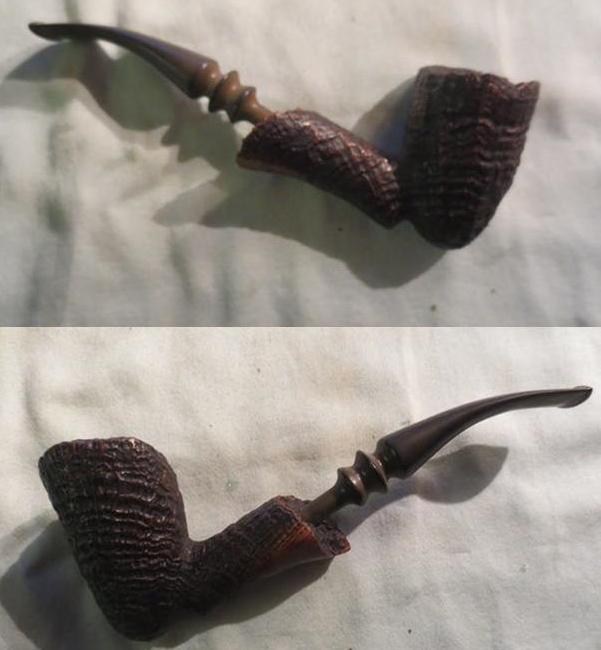
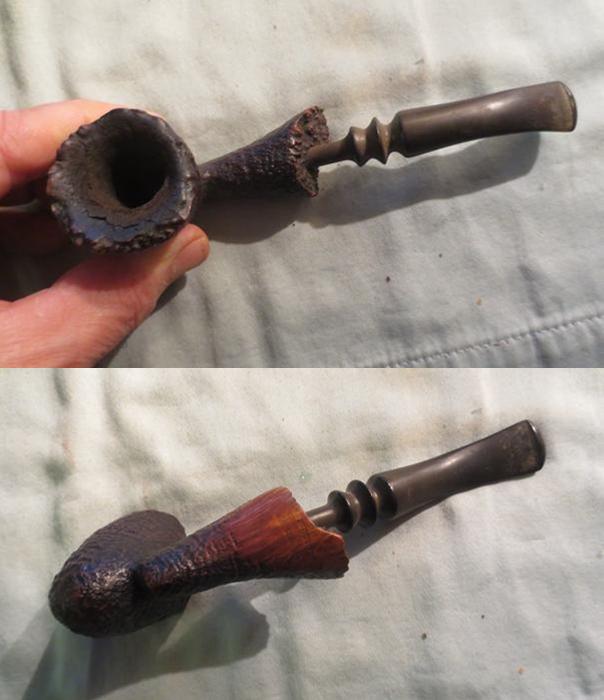
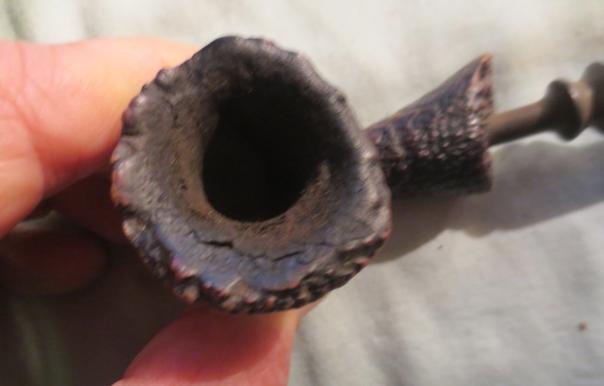
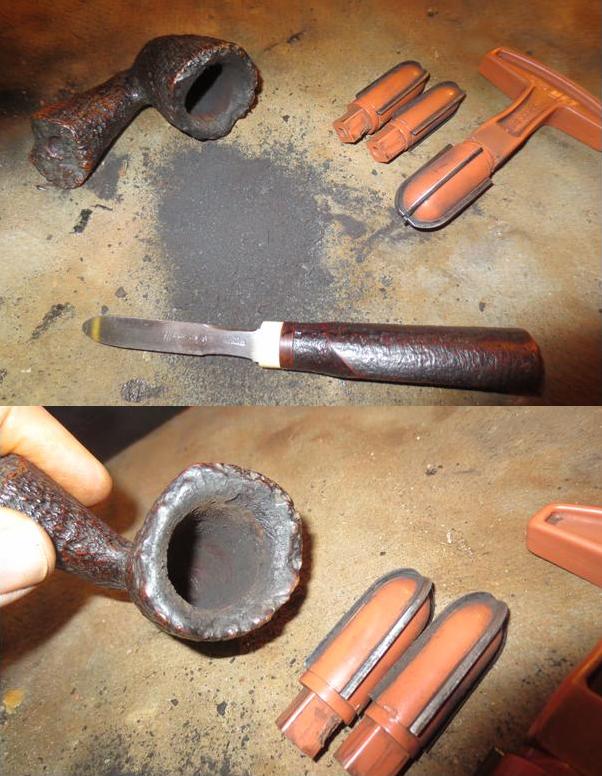
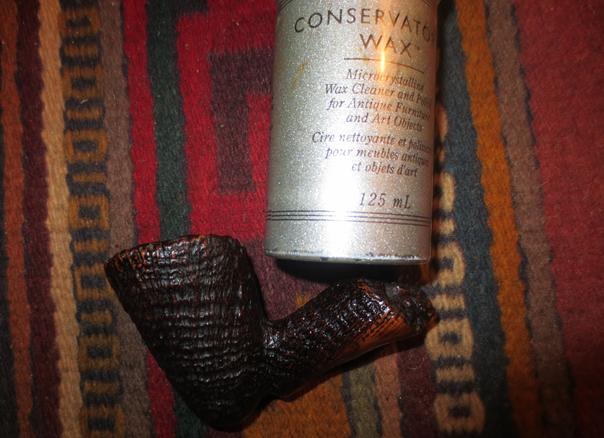
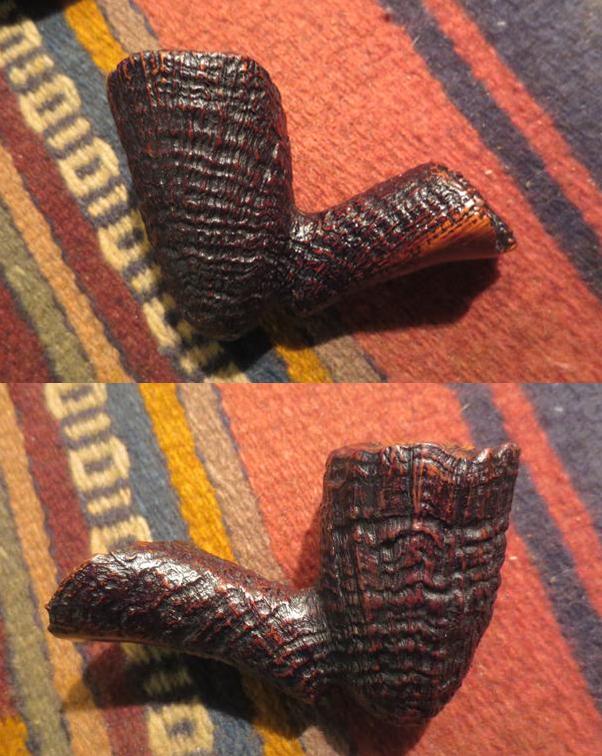
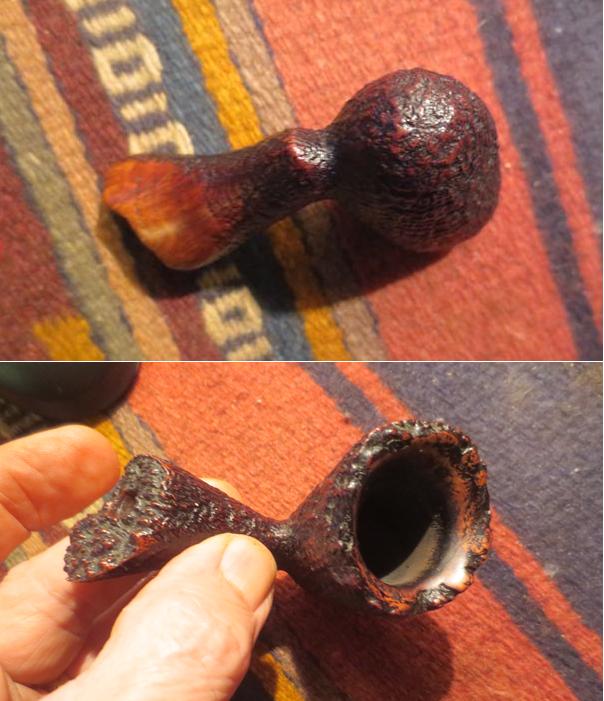
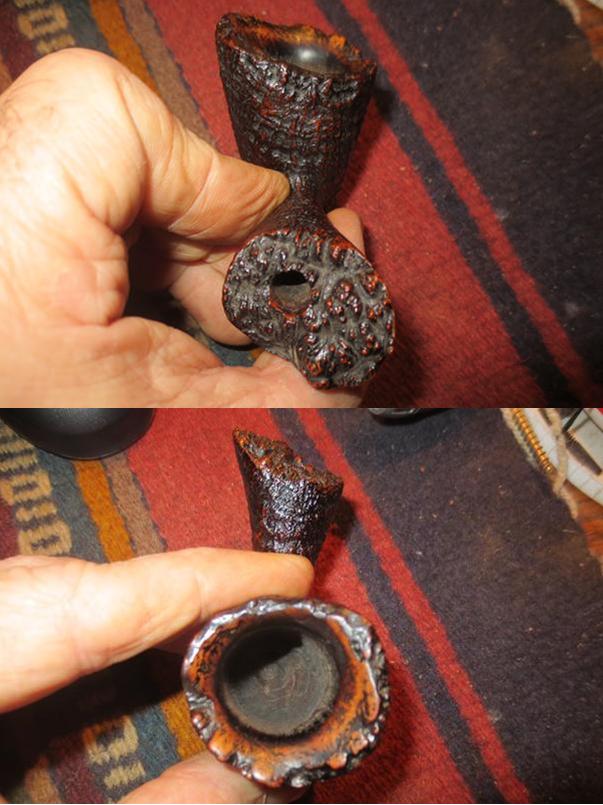
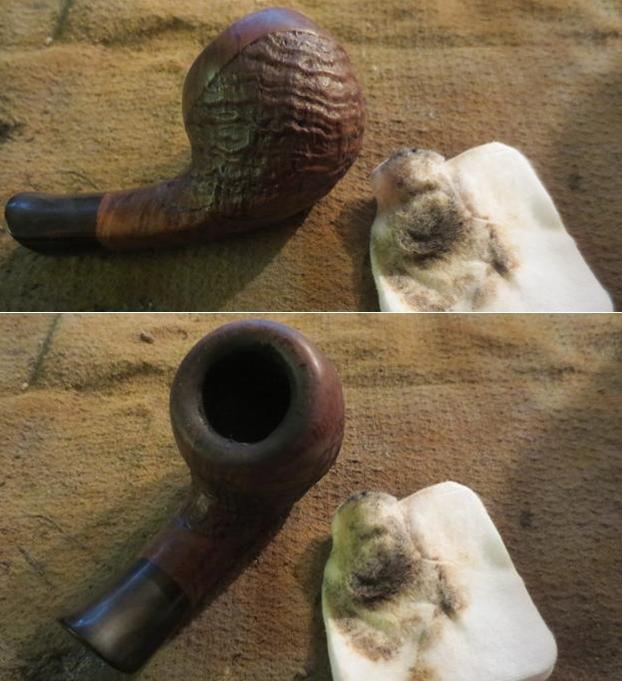
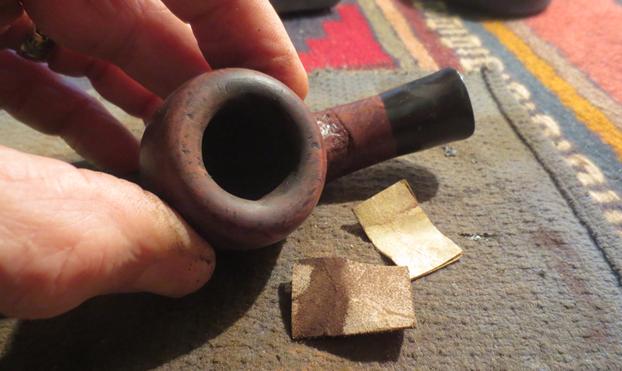
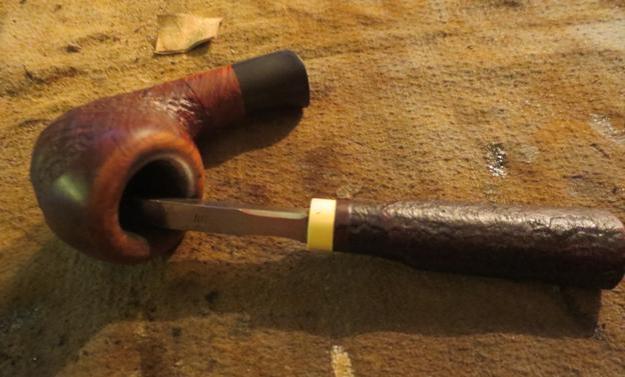
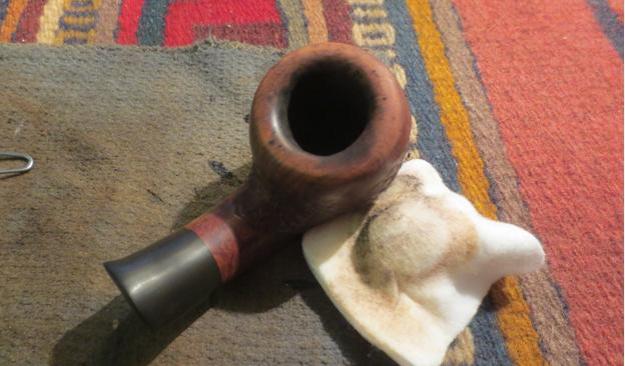
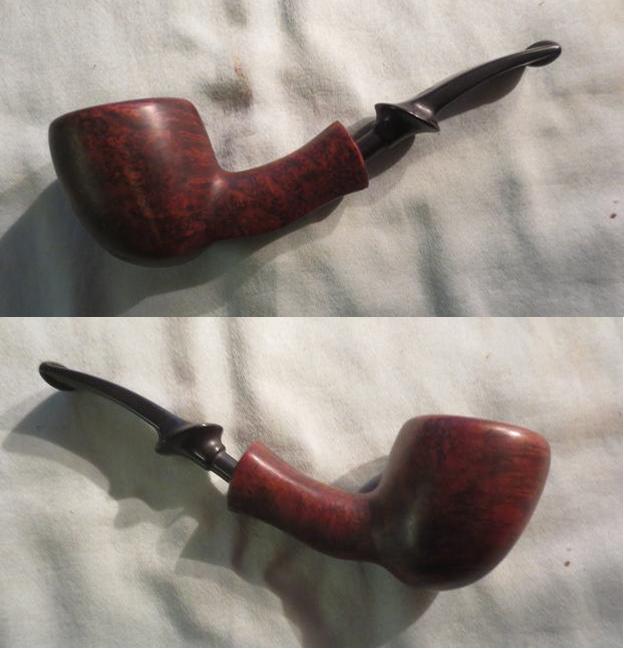
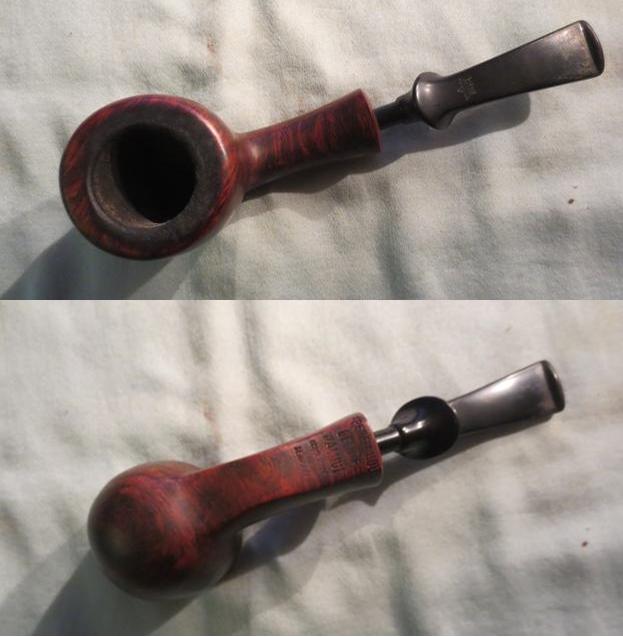
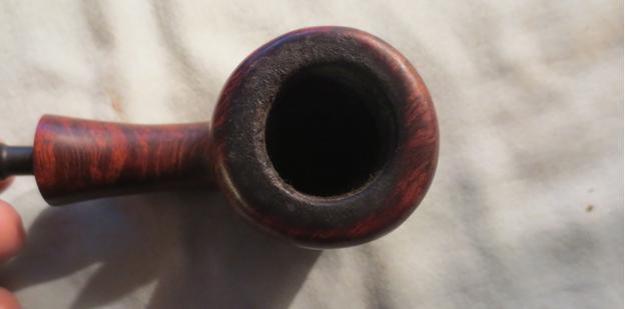
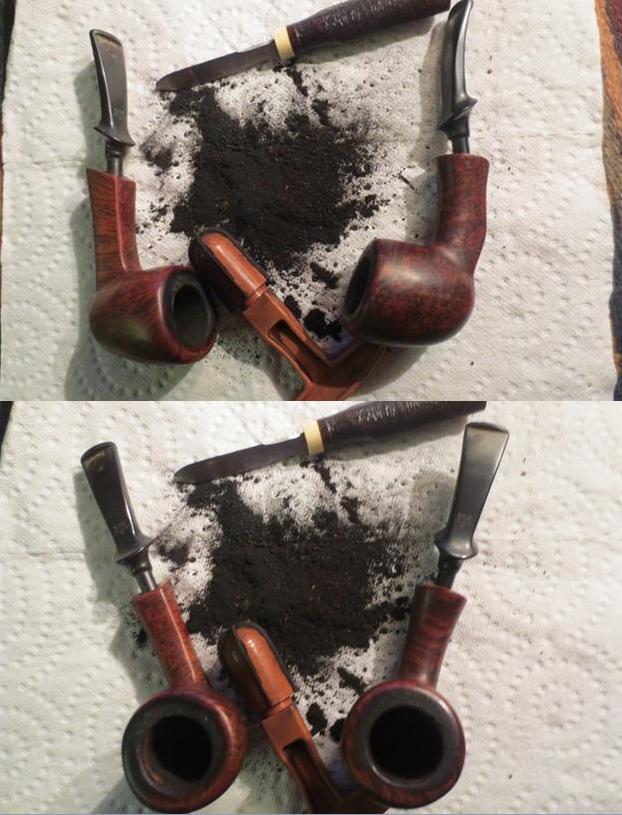
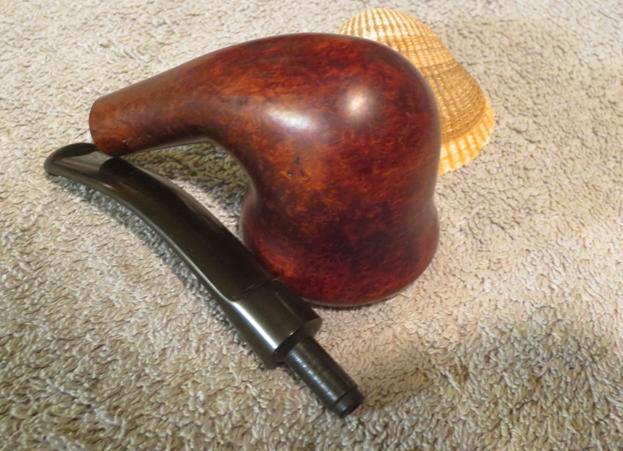
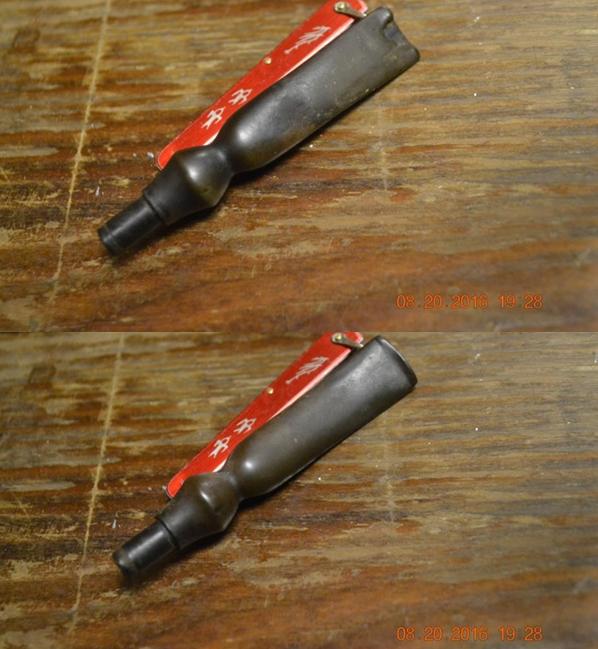
As I began work on this ornery, perplexing pipe 16 days ago, and continuing through to its completion, I found that I was humming the refrain from “Bewitched.” Sometimes I even broke out into the repetition of words that came back to me. And so I understood I was making a musical Freudian slip of sorts. The Mastersen freehand had many flaws to overcome, and I was indeed bewitched, bothered and bewildered at the challenge of removing them. I had also come to love the pipe without ever having tried it and, like the story of “Bewitched,” despite its presenting difficulties.mas1 mas2 mas3 mas4So blackened and grungy was its bowl, so almost thorough the filling of the chamber with cake, so worn and grimy the shank, and so ruined the once typical Danish freehand plateau style rim as well as the reparable-but-not-worth-the-work bit, I did not even know what brand of pipe I had.

That is, until a happy coincidence that occurred at the monthly Moose Lodge meeting of my pipe club on the third Thursday of last month, August 18. One of my fellow pipers, Daryl (for whom I cleaned up an antique KB&B Redmanol socket pipe not long ago), showed me a beautiful Mastersen of which I snapped a photo with my Nikon. Due to the increasing instability of that camera, which is cheaper to replace than repair, the photo is nowhere to be found. At any rate, I handed my dingy and as yet unknown pipe to Daryl, who said, “Ah, another Mastersen!”

That was how I learned what I had. I ask you, what are the odds? Bestowed with a vision of the potential for a real beauty if restored with the necessary attention and care, I experienced a sudden sense of urgency to fast-track my Mastersen. I still did not even know how it was spelled, thinking it was the same as Bat Masterson, the famous TV dandy, gambler and lawman played by Gene Barry, who preferred his wits and cane to his gun for four seasons from 1958-1961. The same error by other pipe collectors and sellers accounts for the reason more examples can be found online using the spelling of Bat’s last name.

I did, however, pick up a few pieces of information along the way about Mastersen pipes. According to pipephil.com, and suggesting the brand is still in production, “Mastersen is [emphasis added] a brand of the former Shalom Pipe Co. [of Israel] which was later bought by Mastercraft.” Mastercraft, in turn, was taken over by Lane Ltd. A contributor to the Dr. Grabow Collector’s Forum (DGCF) noted the Shalom connection but added that Mastersen pipes were manufactured from the late 1960s to the mid-1970s as redemptions for Brown and Williamson’s Sir Walter Raleigh tobaccos. In this case, I suspect Pipephil was correct but meant to make clear that Mastersen was made by Shalom only, and the DGCF man had it right about the time period and redemption points.

Here are two shots of Mastersens I found online, the first with nice vertical grain, and the second showing the plateau rim type natural to the brand’s freehand pipes. Neither is anywhere near the quality of the specimen Daryl is so lucky to own, with its exquisite, perfect, vertical grain and strawberry blonde shade.mas5RESTORATION
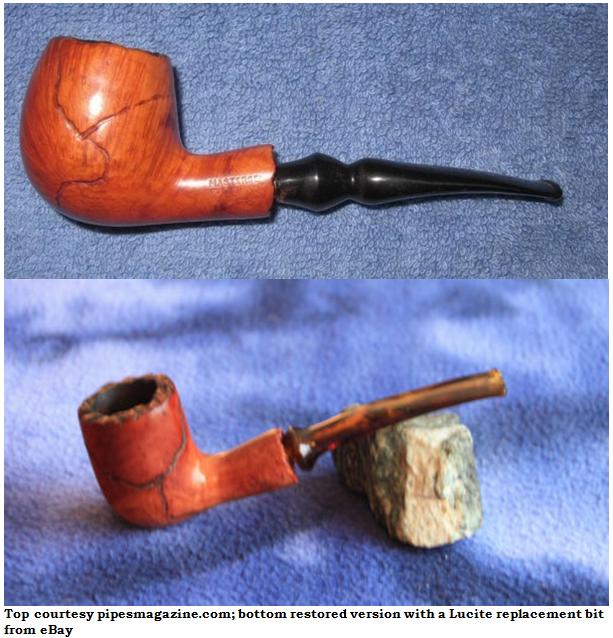
Daryl’s beautiful example of what a Mastersen freehand could look like served as a wondrous counter-spell to the initial bewitchment that froze my thoughts of starting the job. Still, I was bothered by the apparent lack of any plateau remaining on the rim and the resulting need to do something about that dilemma. And of course the stem bewildered me more than a bit. (Ha-ha.)

Setting the bit aside for the time being, I began my assault on the stummel by soaking it in Everclear and then giving the still-caked chamber a 40-minute preliminary reaming, as that single good, long one proved insufficient to mend the old ways of the small space. The next pictures show before, during and after. mas6 mas7 mas8I continued the corrective measures with both my Senior Reamer and a new “one size fits all” type I found online. The little thing was so inexpensive I couldn’t help getting one to see if it worked. I have to say it has its uses, which are limited, but this chamber of horrors was one of them. I suppose the best way to describe the only function I’ve found for the less powerful reamer is by comparison to micro meshing after sanding. The small reamer has a certain precision that smooths away some of the rough edges left by its Senior counterpart. Maybe for those of you who have seen real combat on the battlefield, it would be like sending in the Army Corps of Engineers to clean up the devastating work of Marines.
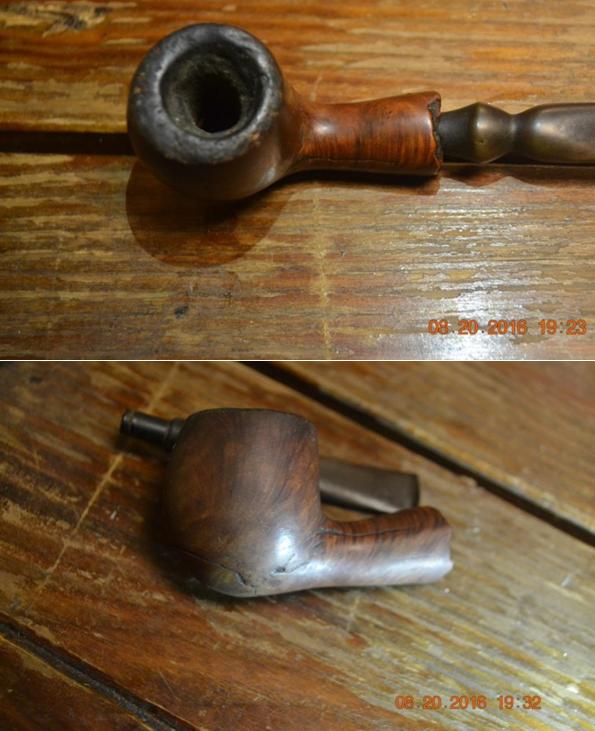
The reaming complete, I turned to sandpaper, first on the rim and chamber with 150-grit, then working up the fine line to 180, 220 and 320.mas9I used the same progression of paper, minus the 150-grit, on the bowl and shank. That was enough for the first night.mas10 mas11 mas12The next day, Saturday, I slept late, meaning 9 or so in the morning, for the only time my cerebral RAM can access. I arose in an excellent mood made better by starting my first giant mug of strong, rich French Market coffee mellowed with chicory. Since I was in such a clear, positive frame of mind, I savored the moment more by turning to the bit that was wrecked by the havoc of some poor soul who must have suffered from a sort of waking temporomandibular joint disorder, even though there is no such malady since the real thing occurs while one sleeps. It’s called everyday teeth grinding when one is cognizant, and if a pipe smoker is that angry he ought to give up the best known form of relief from stress altogether. I ran a couple of cleaners through the air hole, first a dry run and then soaked with Everclear, and used the last of my supply of OxiClean to give the bit a bath. And now I’m gonna show you some 8×10 color glossies of that ordeal. You see, I was still of the mind that I might take the time to salvage the heinous wound to the mouthpiece of this bit.mas13 mas14 mas15 mas16By this time I already knew I was going to find a replacement somewhere, but once I start something I have to see it through. Therefore, I used more of the fine steel wool and then micro meshed from 1500-12000, just for the sake of it. Be all you can be (for now), mighty bit!mas17 mas18I did find a replacement in a bag from my recent move to better digs that I’ll show you later, because I’m sick of the entire idea of bits for now and it’s out of order, and I did keep the original for some unknown pipe I will restore for my own use rather than to sell to a trusting and hapless buyer.
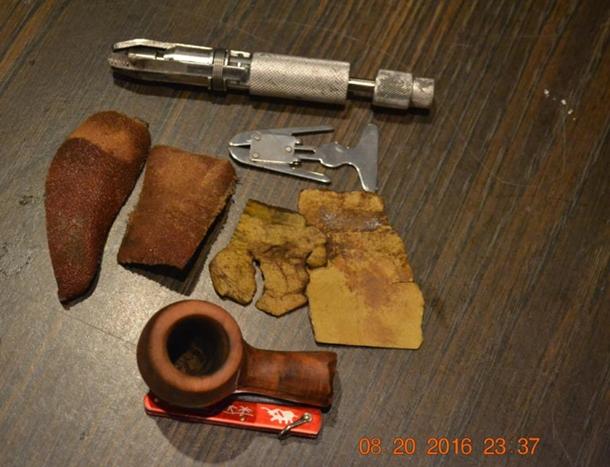
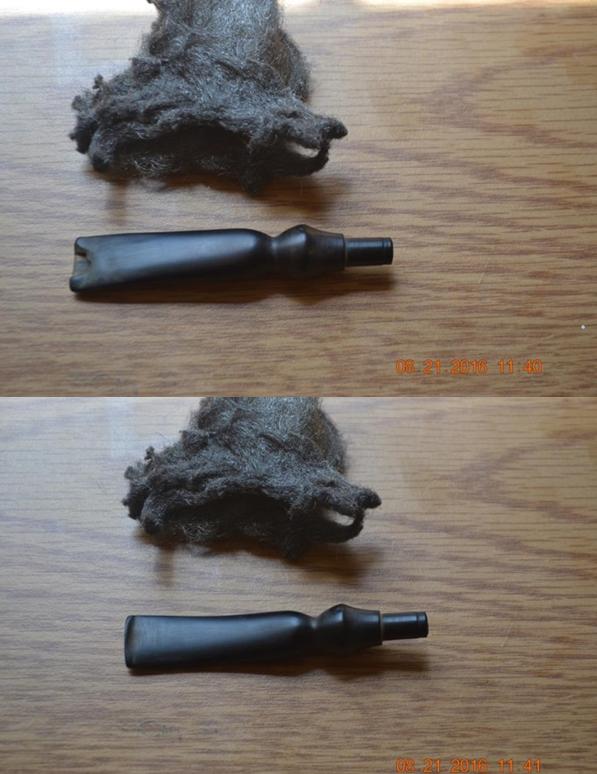
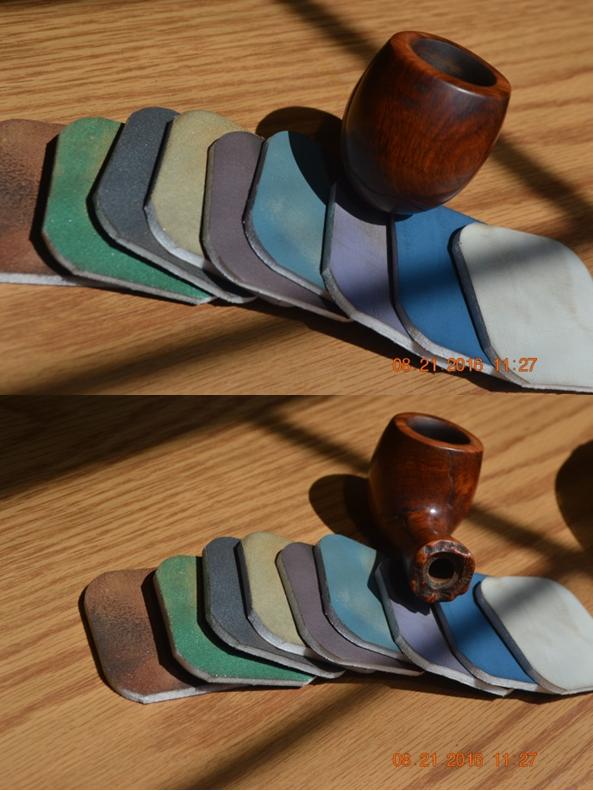
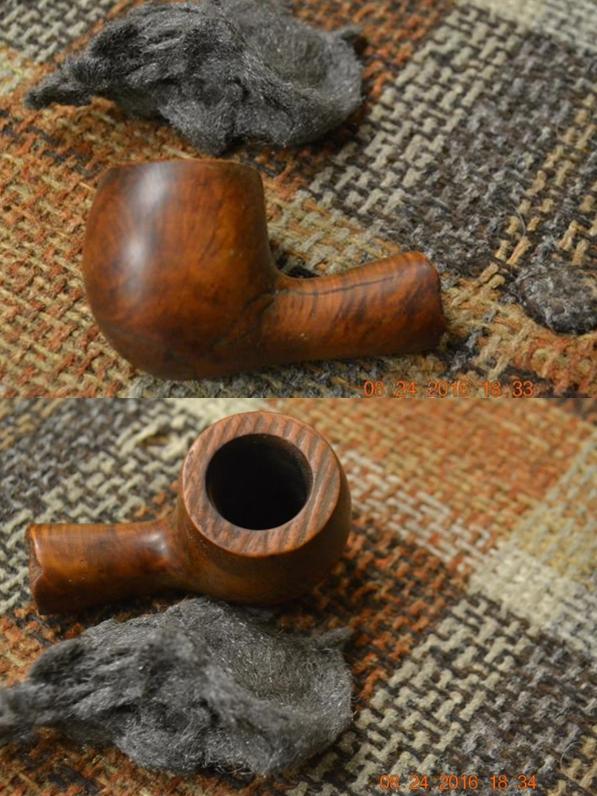
Grabbing the steel wool again, I put it to better use on the stummel, with gentle rubbing.mas19 mas20 mas21Lo! How a simple micro mesh progression from 1500-12000 will change the hue of briar!mas22 mas23 mas24Three days almost to the hour after I began this project, there was no more putting off the inevitable: doing something to make the rim rough rather than the usual desired velvety smooth. Part of me that had no trouble adapting to the rule “If it isn’t broken, don’t fix it,” one of my dad’s many maxims, hated the notion of touching a rim that was “perfect” the way it was.
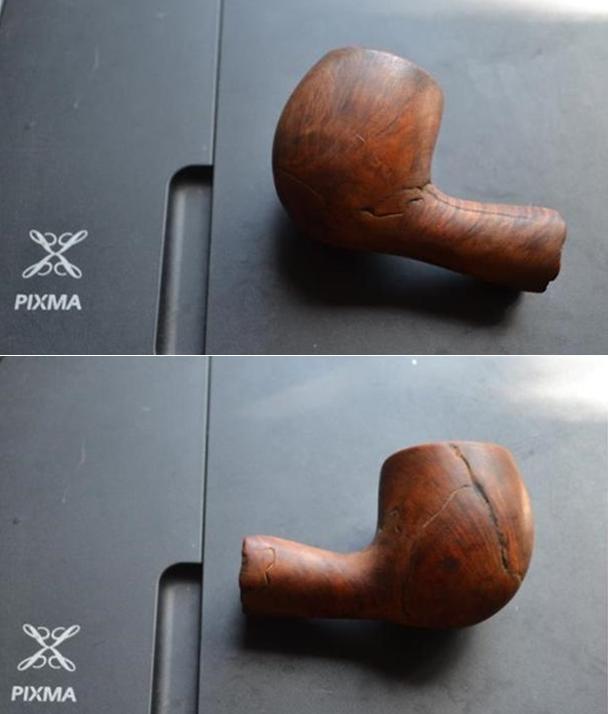
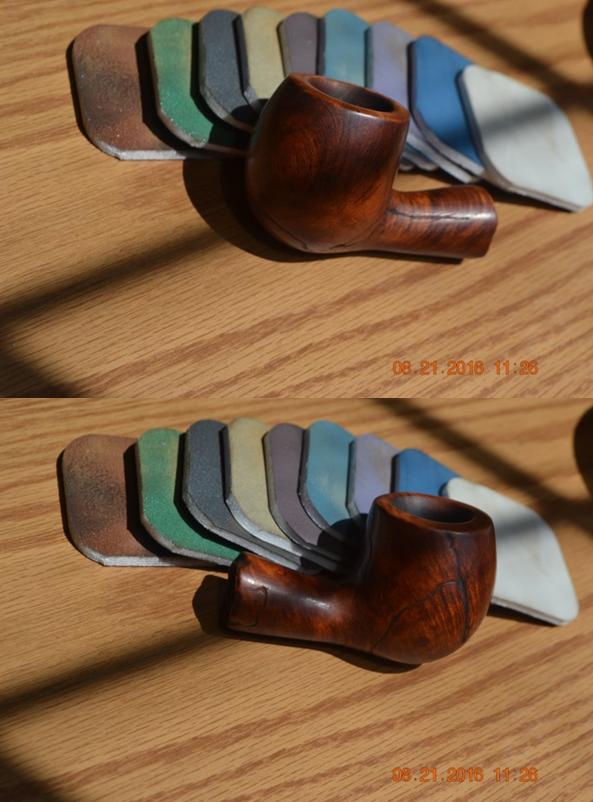
In the end, I knew that a smooth rim on a Danish freehand style pipe was anything but perfect, and I considered my options, which seemed to me to number three. 1) I could rusticate the circular top, but the Mastersen freehand is not a rustic pipe. 2) I could reshape the top and try to roughen it up, but I’ve never done that before, to be honest. 3) I could leave it flat but give it some sort of texture.

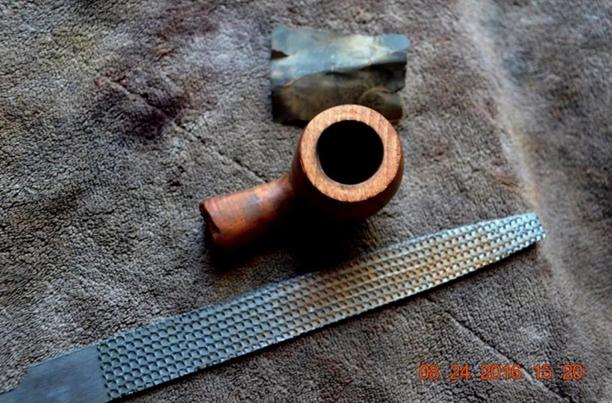
The last choice seemed the best way to go, and that’s what I did. Starting out with a couple of level but tentative strokes of a wood file, I succeeded in making the following beginning, which I later gave more depth. mas25I came across a surprising number of other Mastersen freehand restorations, and two of them recounted the same obliteration of the rim and chamber stuffed with carbon char. The common rim problem suggests to me a straight, shallow plateau that lends itself to being burned away by the average pipe enjoyer. I don’t know what to make of the mystery of the overflowing chambers. The two reviews of these pipes’ level of smoking quality are very high, one coming from a regular participant in an online pipe forum and the other from my friend Daryl. Given my run on inexplicable coincidences, maybe both Mastersens were smoked close to death by the same perp.
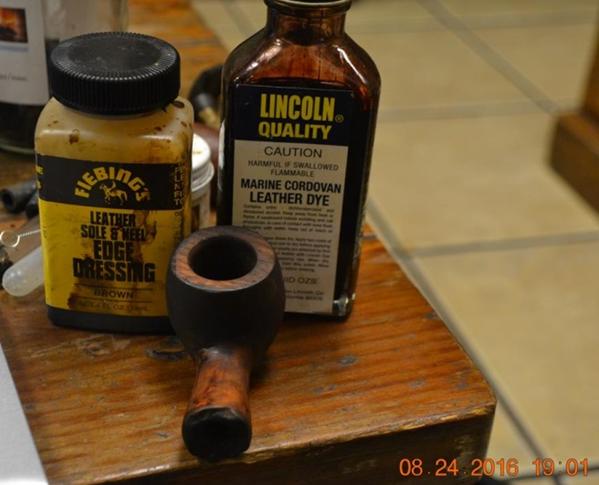
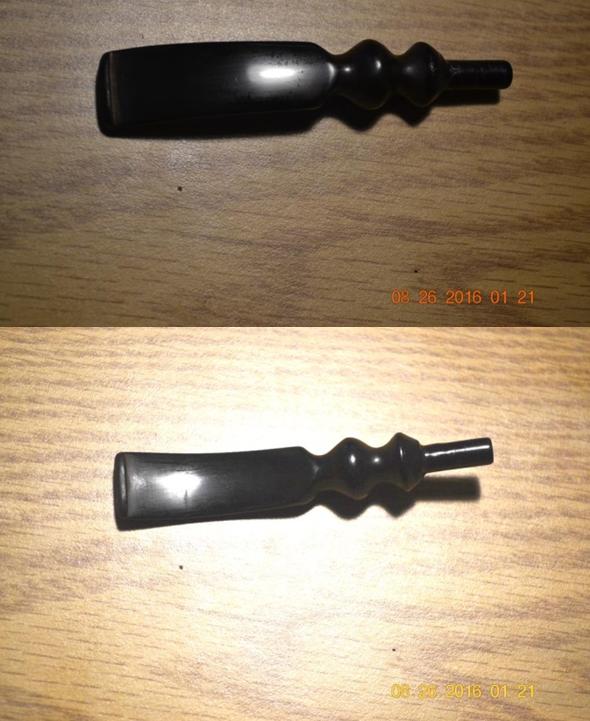
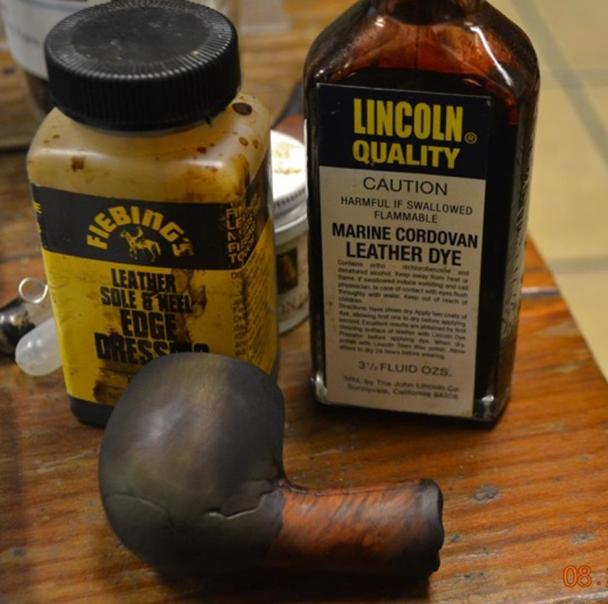
But on with the restore I must go. The beautiful briar needed a light stain, and I didn’t want to overdo that part of the task. The only problem was that I wanted the bowl to be a tad darker than the shank, and the darker stain I had was very dark, Lincoln Marine Cordovan (deep maroon) alcohol-based leather conditioner. Taking a wild chance, I used that on the bowl and rim and Fiebing’s Brown on the shank. I was surer than the first people to test the A-Bomb were with the risk they took that I could remove enough of the excess darkness from the bowl without scratching it. The scheme still must sound plain crazy. Anyway, after flaming out the alcohol with a Bic, I set it aside for 10 minutes. mas26 mas27The father of my best friend in high school used to wake up or snap out of a reverie, stretch, yawn and say, “Well, hell!” Those are the words that came to my very conscious mind as I chose 500-grit paper to begin eliminating the ash-like residue and over-darkness from the stain. mas29I applied Halcyon II wax and let it sit for 20 minutes before rubbing the stummel with the same soft cotton cloth shown above.mas30The next photos don’t quite show the subtle difference, but it is there, as I think the final shots will reveal. I was almost done, I thought. All that was left with the stummel was to make the color still lighter. Using the finest third of my micro mesh pads, I gave it a strong buff with 4000, 8000 and 12000, and even then resorted once more to the super fine steel wool. My rim work is clear here.mas31 mas32The stummel finished, I looked for the bit and remembered I had not yet built up the tenon that was too narrow to fit the Mastersen shank. With other more pressing business to tend, I did not begin that stage for another two days. When the other matters were caught up for the time being, I considered the discolored replacement bit and gave it an OxiClean bath with a scoopful from a new tub of the powdered detergent and bleach and removed the resulting crud that was leeched out of the Vulcanite/Ebonite with 320- and 220-grit paper. I also buffed with the full range of micro mesh. As a point of interest, did you know if you Google Ebonite, almost all of the links are to bowling balls? It seems that is now the primary material for the balls used by serious participants in that sport, as it can be given color. mas33 mas34I started the process of building up the tenon with Black Super Glue. This part took several more days. After the first layer, I added fine scrapings of Vulcanite from an old bit thrashed beyond hope of repair.mas35 mas36 mas37 mas38At last the two pieces of the puzzle fit together, and I connected them.mas39 mas40 mas41 mas42 mas43 mas44 mas45 mas46CONCLUSION
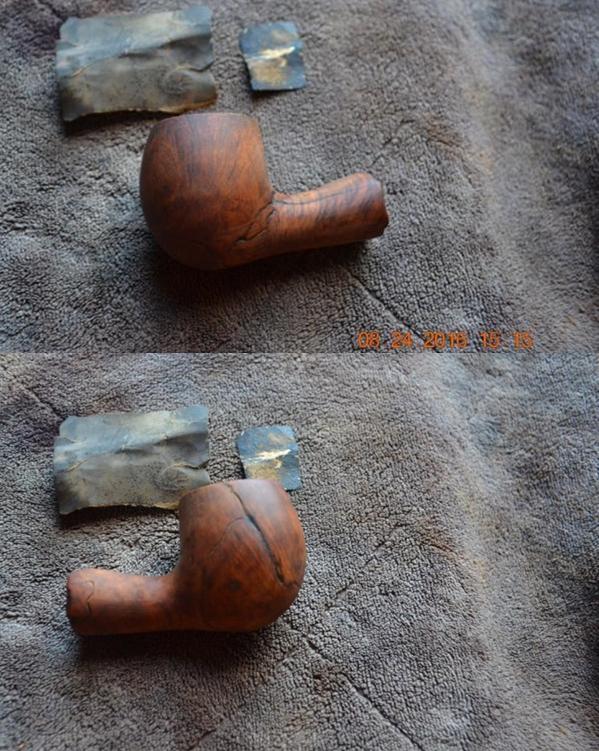
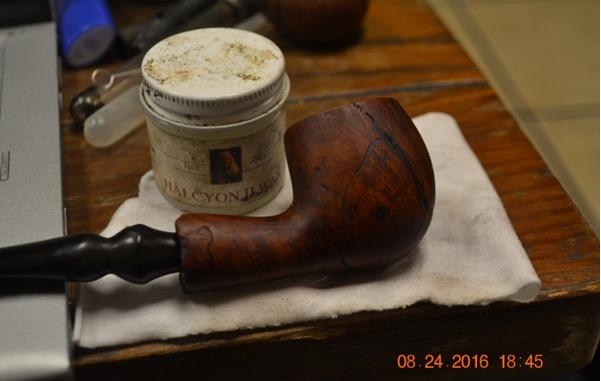
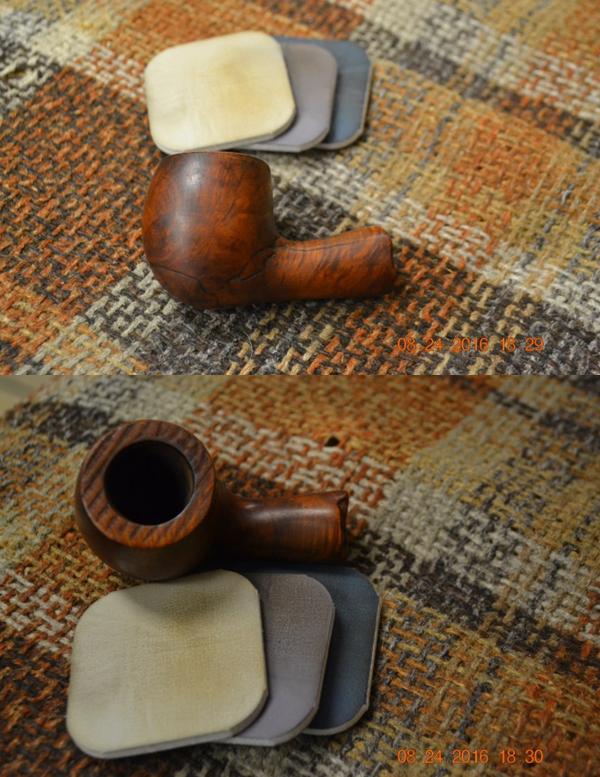
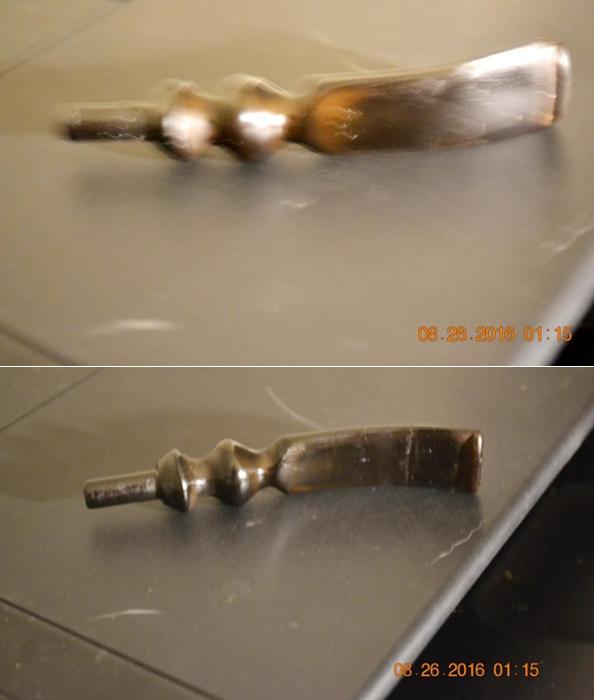
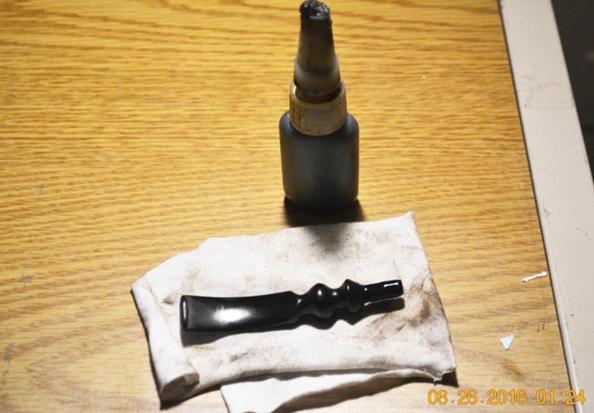
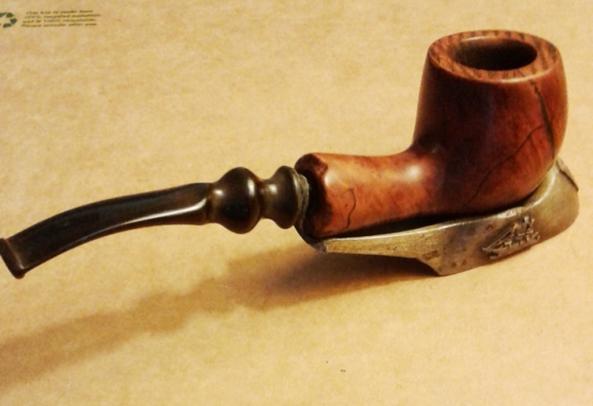
Although the grain does not have the same uniform, vertical tightness and the color is not as light as I hoped to achieve, I can say without hesitation the task was worth every bit of bewitchment, bother and bewilderment I encountered. But this seems like the perfect way to celebrate Labor Day, although this was a labor of love, not work.

But in all honesty I should add that Daryl’s recent fine acquisitions are beginning to get on my nerves.

SOURCES
http://articles.latimes.com/1991-04-17/news/vw-125_1_head-music
http://drgrabows.myfreeforum.org/archive/mastersen__o_t__t_502.html
http://www.pipephil.eu/logos/en/logo-m3.html
http://drgrabows.myfreeforum.org/viewtopic.php?t=502&start=0
http://piperestorer.com/home/318-masterson-freehand-made-in-israel.html
http://pipesmagazine.com/forums/topic/by-request-the-restoration-of-my-masterson-freehand
https://www.bowling.com/shopping/ebonite/bowling-balls?gclid=Cj0KEQjwr7S-BRD96_uw9JK8uNABEiQAujbffJTXbPGJnkV_ebKRiCbi6AG7xKzy_Nd0Q5G2OeTLs3gaAoV-8P8HAQ#all

Underneath the Grime lay a beautiful Royal Guard 504


Blog by Steve Laug

I have a box of pipes from a friend in Dawson Creek to clean up. In trade for a few restorations he was the one who gave me the Preben Holm Pair. I asked him to prioritize which pipes he wanted me to tackle first. Number one on his list was a Stanwell made Royal Guard 504 that combines smooth and sandblast areas into the finish. It was in rough shape. The finish was dirty and worn with the brown top coat worn down. The vulcanite shank extension was oxidized and the RG stamp on the left side was faded. The bowl was thickly caked and the lava overflow on the top of the bowl was also very thick. I was a bit concerned that underneath the cake I would find burn. You can never tell – sometimes a thick cake protects the rim top and sometimes it hides a lot of rim damage. Once I got into the cleanup I would be able to tell better with this one. The stem was lightly oxidized and there was tooth chatter and bite marks on the top and the bottom sides near the button. The top edge of the button had a small dent as well. The deepest tooth mark was on the topside of the stem and would need to be repaired. But even under all the grime I could see that this pipe would be a thing of beauty once it was finished.RG1 RG2I took a closeup photo of the rim to show how thick the cake was in the bowl and the extent of the overflow on the rim. It was very thick and quite hard.RG3I reamed the bowl with the first three cutting heads on the PipNet reamer and then cleaned it up more with the Savinelli Pipe Knife. The amount of carbon that came out of the bowl was amazing.RG4I used a pen knife with a thin stiff blade to carefully scrape off the buildup on the rim. It was pretty thick and hard so I slowly and carefully flaked it off with the knife.RG5I scrubbed the bowl and rim with acetone on a cotton pad and was able to remove the grime and the buildup of wax and oils in the grooves of the sandblast.RG6There were some scratches and nicks in the curved top of the rim that needed to be sanded out. I also sanded the inner bevel on the rim. I used 180 and 220 grit sandpaper to remove most of the damaged areas. The photo below shows the rim after quite a bit of work. There was still more sanding to do at this point.RG7I did some more work on the rim with sandpaper and on the inner edge of the rim with the Savinelli Pipe Knife and was able to smooth out some more of the damage.RG8I wiped down the inner edge of the bowl and the rim with alcohol to see where I stood with the rim resurfacing. It was starting to look really good.RG9I used black super glue to repair the deep tooth mark on the top side of the stem. When it dried I sanded it and filed it smooth the surface of the stem.RG10I sanded the shank extension with micromesh sanding pads. I wet sanded it with 1500-2400 grit pads and dry sanded it with 3200-6000 grit pads. I rubbed it down with Obsidian Oil. I used some European Gold Rub n’ Buff on the stamping on the stem to refresh it.RG11I restained the bowl with a dark brown aniline stain cut by 50% with alcohol. I applied the stain and flamed it with a lighter. I repeated the process until I was satisfied with the coverage.RG12I wiped the bowl down with isopropyl alcohol to even the stain coat and make it more transparent. The combination of grains in the sandblast and underneath is beautiful.RG13 RG14I scrubbed out the internals with alcohol, pipe cleaners and cotton swabs until the airways in the shank and the stem and the mortise in the shank were clean.RG15I buffed bowl with Blue Diamond on the buffing wheel and then gave it multiple coats of carnauba wax. I buffed it with a clean buffing pad to raise the shine.RG16 RG17Once I had the repair smoothed out and blended into the surface of the stem top I polished the stem with micromesh sanding pads. I wet sanded it with 1500-2400 grit pads and dry sanded it with 3200-12000 grit pads. I rubbed the stem down with Obsidian Oil after each set of three pads. Once I had finished I set the stem aside to dry.RG18 RG19I forgot to take a photo of the stem after sanding it with the 6000-12000 grit pads. I took the pipe to the buffer and buffed the stem with Blue Diamond and then gave the pipe multiple coats of carnauba wax. I buffed it with a clean buffing pad and with a microfibre cloth to deepen the shine. The finished pipe is shown in the photos below. I am hoping the pipe man in Dawson Creek likes the new look to this old pipe. It is truly a beauty. Thanks for looking.RG20 RG21 RG22 RG23 RG24 RG25 RG26 RG27

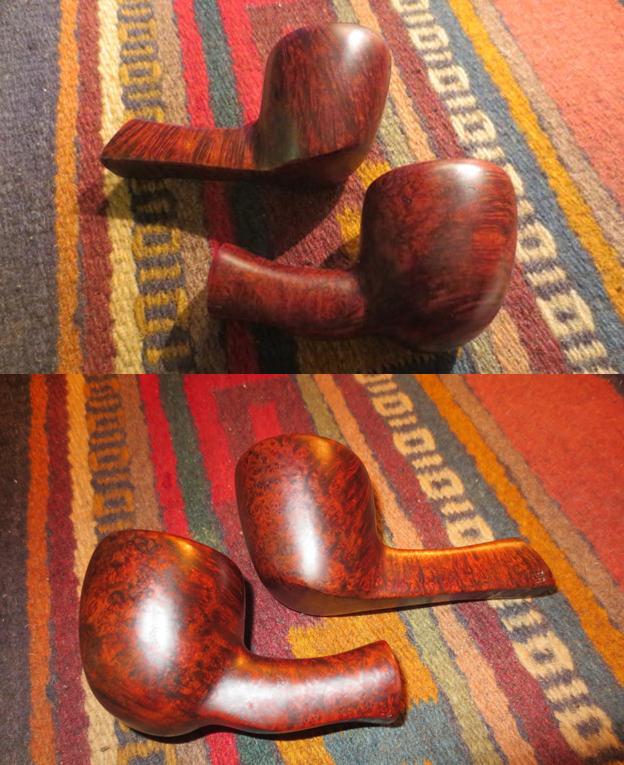
Restoring a Pair of Preben Holm Deluxe Walnut Pipes


Blog by Steve Laug

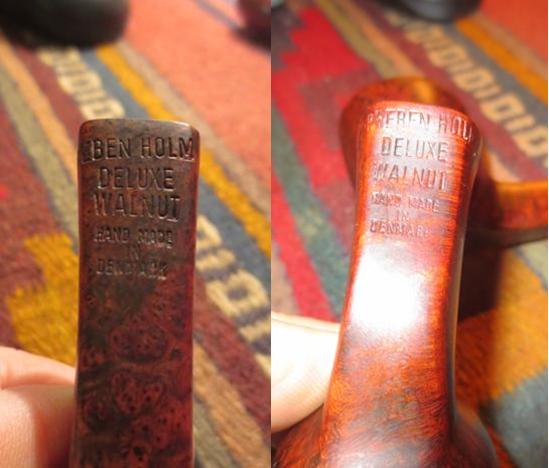
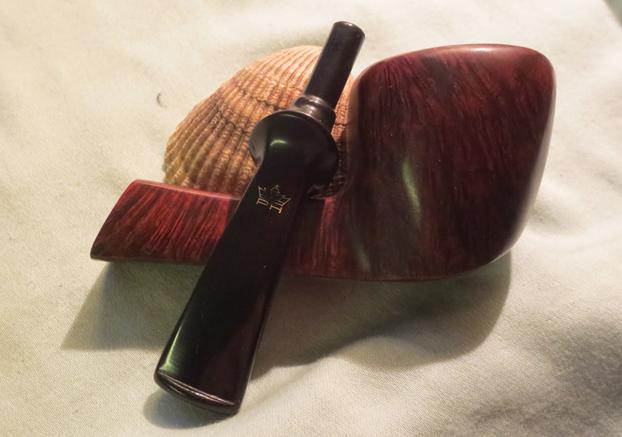
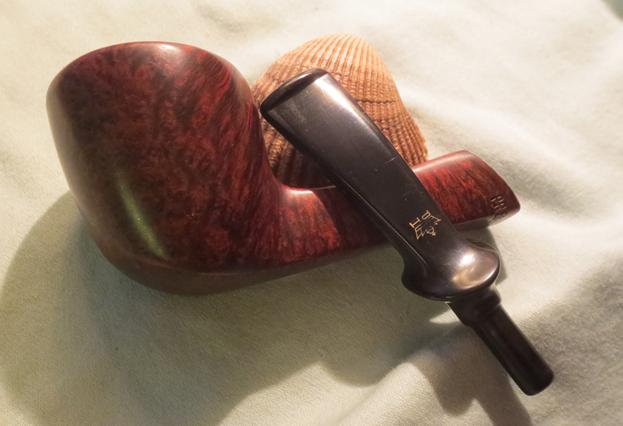
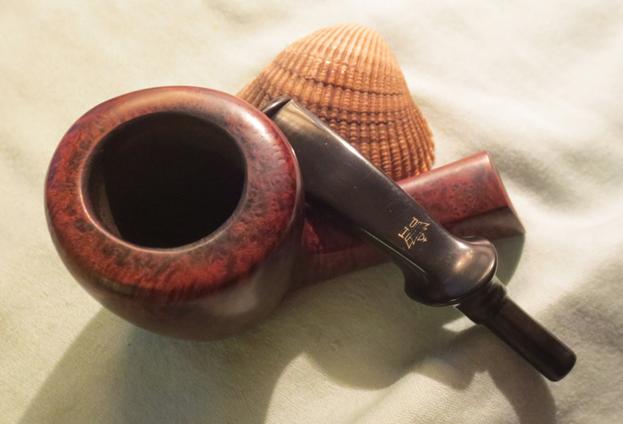
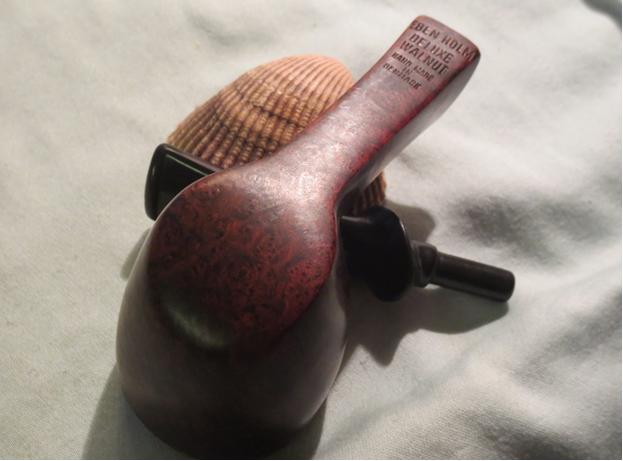
I picked up this pair in a trade for a pipe I was selling plus some restoration work credit. They are really an interesting pair of Preben Holm pipes. I have no idea of the age or where they fall in the line of Preben’s pipes but I liked the look of the two of them. Both of them are stamped Preben Holm over Deluxe Walnut over Hand Made in Denmark on the underside of the shank. Both had a matte finish dark reddish-brown stain with identical stems. Both pipes were sitters.

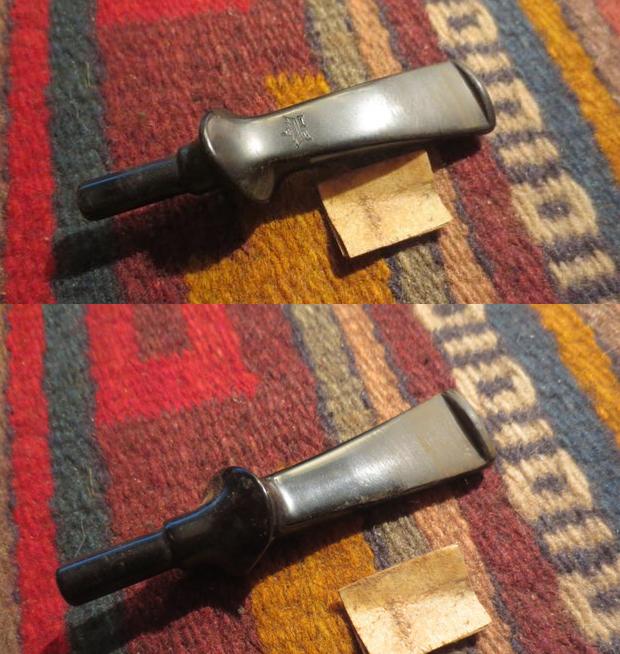
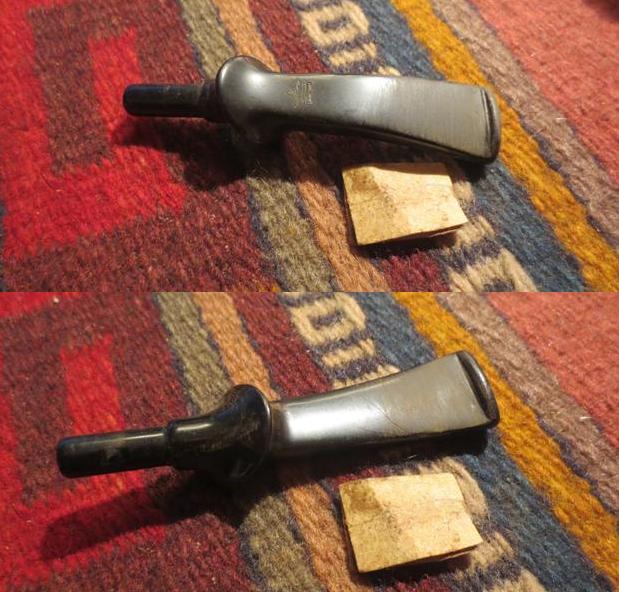
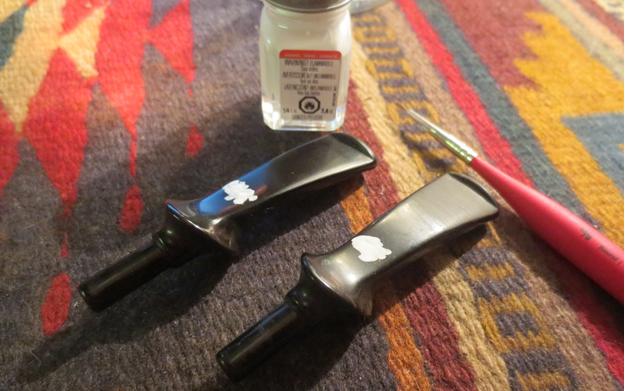
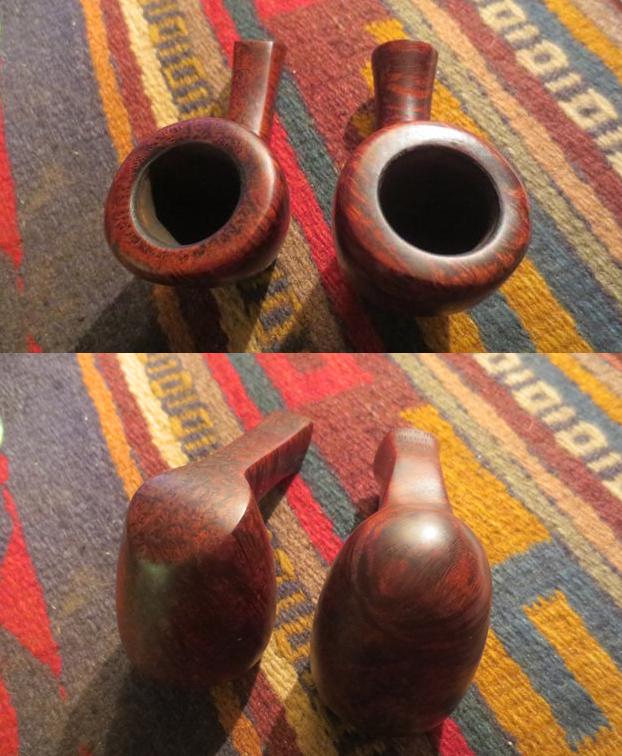
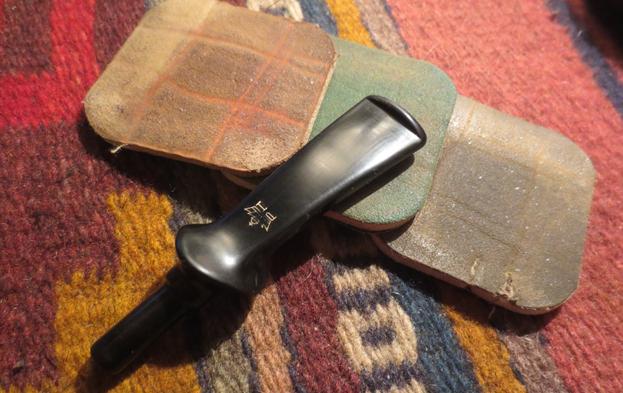
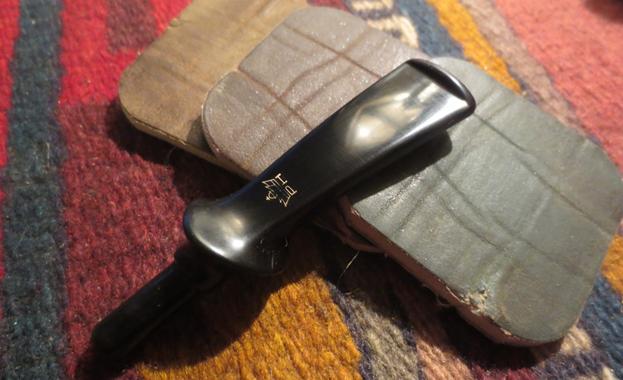
The first of them was a square long shanked Dublin freehand with rounded outer edges to the bowl. The grain looked quite good on the briar but it was dirty. The rim had some heavy cake buildup on it and the bowl was thickly caked. The stamping on the underside of the shank was very sharp and clear. The stem was lightly oxidized and there was lots of tooth chatter and tooth marks on the top and bottom sides near the button. The crown logo with the PH below it on the stem was faint but legible. Here are some pictures of the first pipe when it arrived.Deluxe1 Deluxe2I took a close up photo of the bowl rim to give you a clear picture of what the rim and the cake looked like. It would take some careful scrubbing to remove the build up without damaging the finish.Deluxe3The second of the pair had a more rounded edge semi-square shank and was also a more squat Dublin freehand with rounded outer edges to the bowl. The grain on the briar looked just as good as that on the first and was just as dirty. The rim on this one also had some heavy cake buildup on it and the bowl was thickly caked. The stamping on the underside of the shank was very sharp and clear. The stem was lightly oxidized and there was lots of tooth chatter and tooth marks on the top and bottom sides near the button. The crown logo on the stem was faint but legible. Here are some pictures of the second pipe when it arrived.Deluxe4 Deluxe5I took a close up photo of the bowl rim to give you a clear picture of what the rim and the cake looked like. It would take some careful scrubbing to remove the build up without damaging the finish.Deluxe6I reamed both pipe with a PipNet pipe reamer starting with the smallest cutting head and working up to the third head. I cleaned up the transitions with a Savinelli Pipe Knife.Deluxe7I scraped the tarry build up on the rims of the pipes with a pen knife I used for that. It is sharp and thin so with it I can carefully scrape the cake off the rim. I wiped the rims down with alcohol on cotton pads.Deluxe8I sanded the inside of the bowls with a rolled piece of sandpaper around my index finger. I was able to smooth out the inside of both of the bowls.Deluxe9I scrubbed out the mortises and airways in the bowls and stems with alcohol, cotton swabs and pipe cleaners.Deluxe10 Deluxe11I sanded the tooth chatter and tooth marks on both sides of both stems. All the marks were identical on both pipe stems so I am guessing that they belonged to the same smoker. The first two photos are of the first pipe’s stem and the next two are from the second pipe.Deluxe12 Deluxe13I used a small brush and some white acrylic paint to touch up the crowns on the top of each stem.Deluxe14I waxed both bowls and buffed them on the buffing wheel. The photos below show the bowls after the cleanup and buffing.Deluxe15 Deluxe16 Deluxe17I polished the stem on the first pipe with micromesh sanding pads – wet sanding it with 1500-2400 grit pads and dry sanding it with 3200-12000 grit pads. I rubbed down the stem with Obsidian Oil between each set of three pads. When I got through with the 12000 grit pads I gave it another coat of oil and set it aside to dry.Deluxe18 Deluxe19 Deluxe20I repeated the polishing practice spelled out above on the second stem. The photos below show the progress of the work.Deluxe21 Deluxe22 Deluxe23I buffed the pipes with Blue Diamond on the wheel and gave them both multiple coats of carnauba wax. I buffed it with a clean buffing pad to raise the shine. I hand buffed it with a microfibre cloth. The finished pipes are shown in the photos below. These two came out looking really nice. The shape and the finish of both are eye catching. Thanks for looking.Deluxe24 Deluxe25 Deluxe26 Deluxe27 Deluxe28 Deluxe29 Deluxe30 Deluxe31 Deluxe32 Deluxe33 Deluxe34 Deluxe35 Deluxe36 Deluxe37 Deluxe38 Deluxe39

A Fine Couple of Days Hunting


Blog by Steve Laug

A few weekends ago my friend John came to visit Vancouver from Calgary. When he visits we usually used the weekend to catch up and also do some pipe hunting at the same time. He brought a couple of pipes he wanted me to repair and also some tobaccos to sample and share. He arrived on a Friday afternoon and we had a great evening chatting with a mutual friend at an Irish Pub near the airport where we were dropping him off. On Saturday morning after breakfast we drove down to Bellingham and visited a few of the antique shops and malls that I check for pipes. I happened to find a bowl for a Custom-Bilt Billiard and he found a pipe that had a 14K gold band that we needed for a repair on a Stanwell pipe with a cracked shank that he brought along for me to fix. We also visited Mike at Senate Smoke Shop and each of us picked up some pipe cleaners and a tin of tobacco. After a great Mexican Lunch at Mi Mexico we headed home. We got their later in the afternoon and I repaired his pipe with the cannibalized band and fixed a second one that had a small drill hole in the bottom of the bowl.

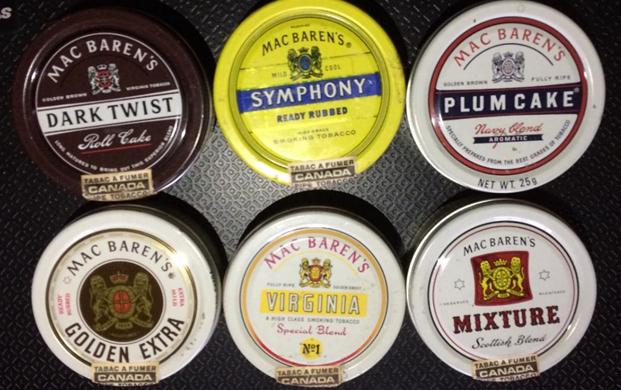
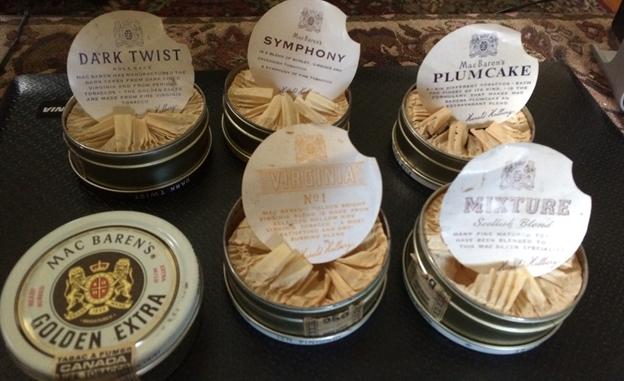
On Sunday we went to a Flea Market here in Vancouver that I generally find pipes and pipe paraphernalia at. We looked at quite a few beat up old Grabows and Medicos with chewed stems and rough bowls and walked away wondering if we would be skunked. There is one booth that I almost always find something at. I have found Peterson pipe bowls, collections of stems and parts and a few Brigham pipes. I went to the part of the Market where that booth was only to find that it was gone. We wandered a bit more and low and behold we stumbled upon the guy. We chatted a bit and he said that he had been cleaned out of his pipes by a fellow who comes through often and buys everything that he can find. While we talked I happened to look in a glass display case that he had on the wall. On the bottom shelf I saw a stack of small Mac Barens tins. I have gotten into the habit of always checking tins to see if they had any tobacco left in them.find1I asked to see them and carefully shook the tins. To my surprise several of them seemed to have tobacco in them. The Dark Twist had enough for a few samples as did the Plum Cake. Both tobaccos were dry but could easily be rehydrated and sampled. The Golden Extra Tin was not even opened yet and was sealed with a tax stamp. I opened each of the tins and took out the insert that was in each one and took a photo of the paper liner and the insert.Find2I wrote to Brian Levine who is the Mac Baren Representative in the US and also the radio host of Pipes Magazine Podcast. I asked if he could give me any information on the dating of the tins to get a bit of an idea of the age of the tobacco we were dealing with. He wrote back and said that his guess was that they were part of a sampler that was sold in the 1980s. So we were dealing with some age on the tins in the neighbourhood of 30 +/- years. Not too bad. John and I loaded out pipes with the Dark Twist and breathed into the bowl to rehydrate the tobacco enough for a good pipe. It was a nice flavourful smoke.

The next two photos show the tax stamp on the sealed tin of Golden Extra. It is a Canada Tax stamp for 25g tin. It is issued in the name of Harald Halberg of Denmark who was the president of Mac Baren in those days. I sent the tins home to Calgary with John to share with his Saints and Sinners Pipe Club. They had a meeting and these would provide some interesting smokes and conversation for them as they examined the tins.Find3

Thanks for looking!

Breathing new life into a Chippendale 276 Cauldron made by Charatan


Blog by Steve Laug

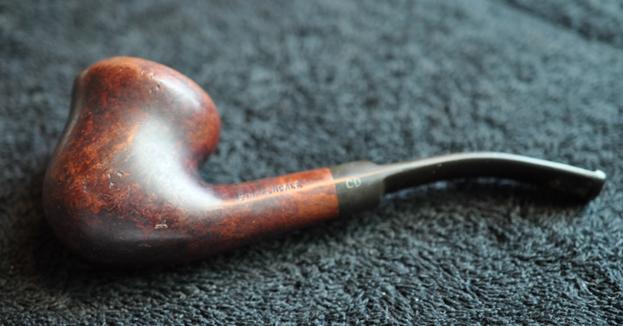
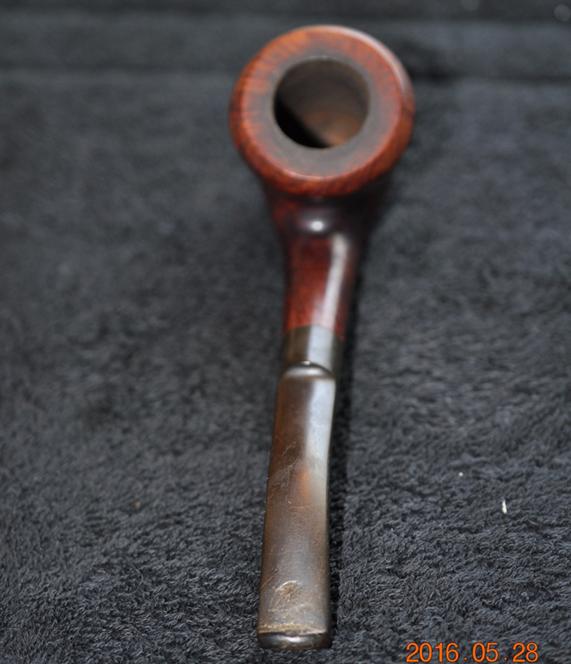
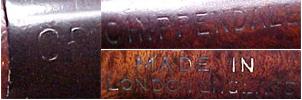
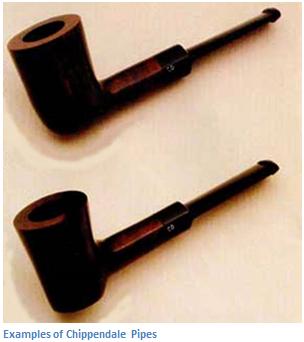
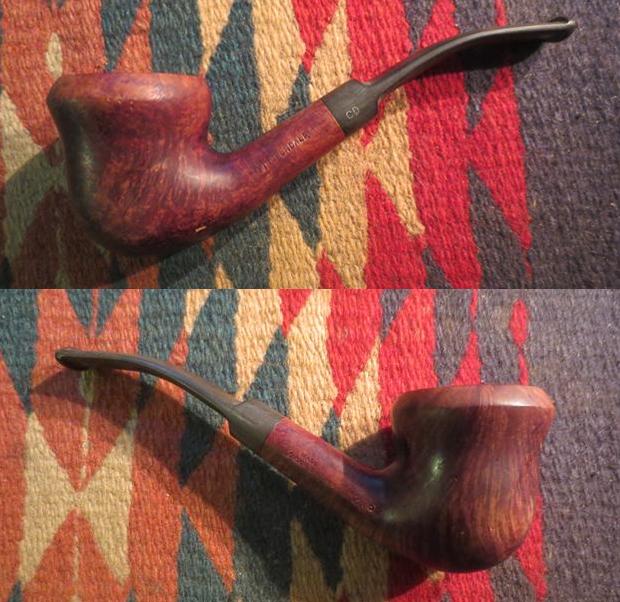
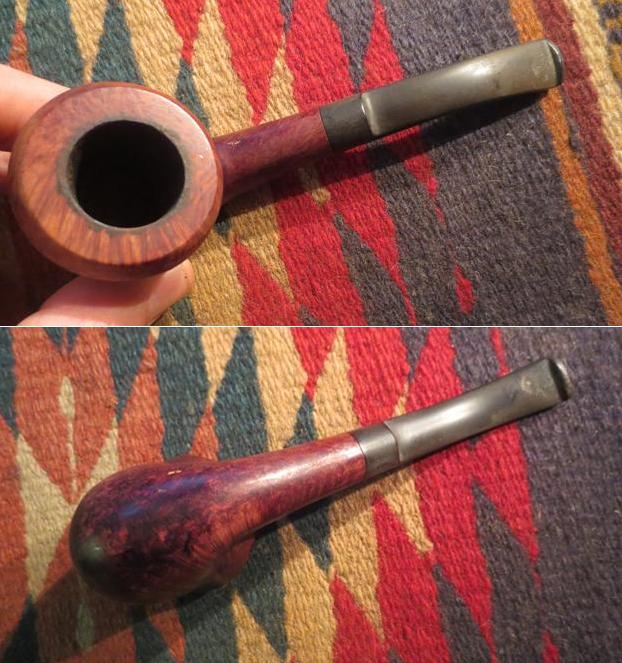
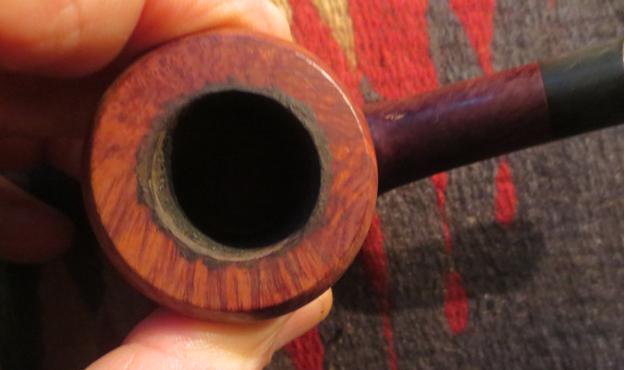
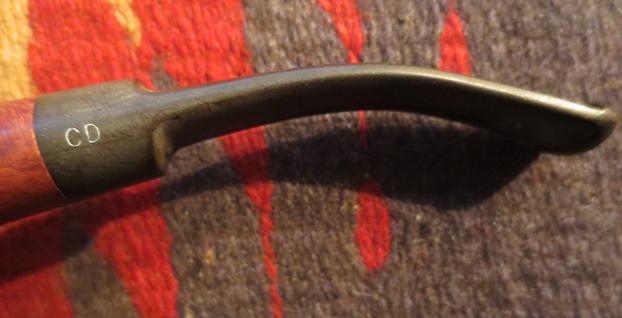
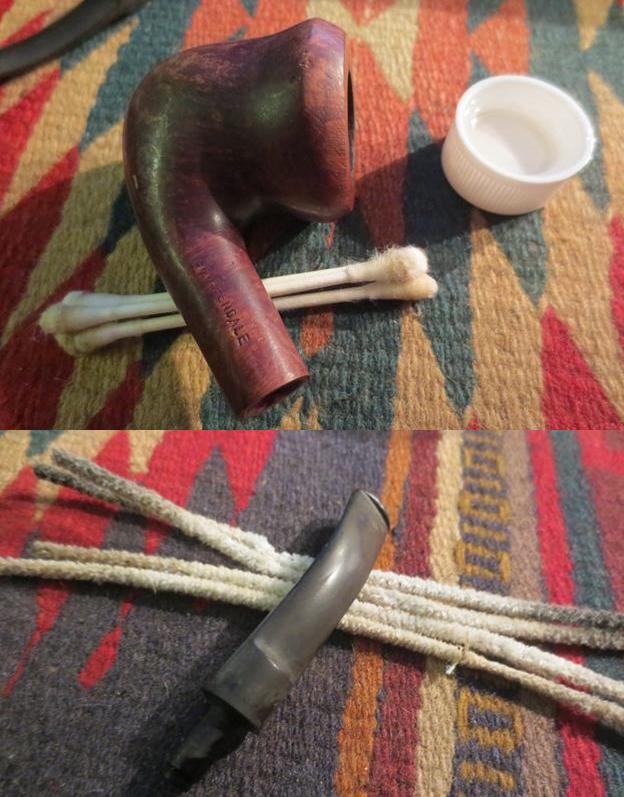
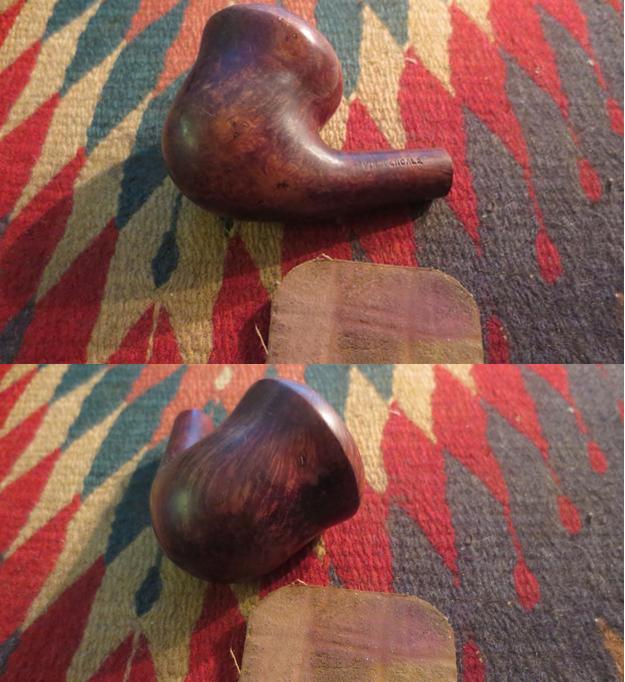
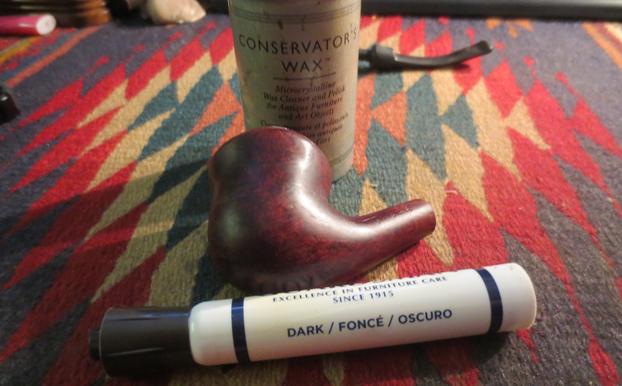
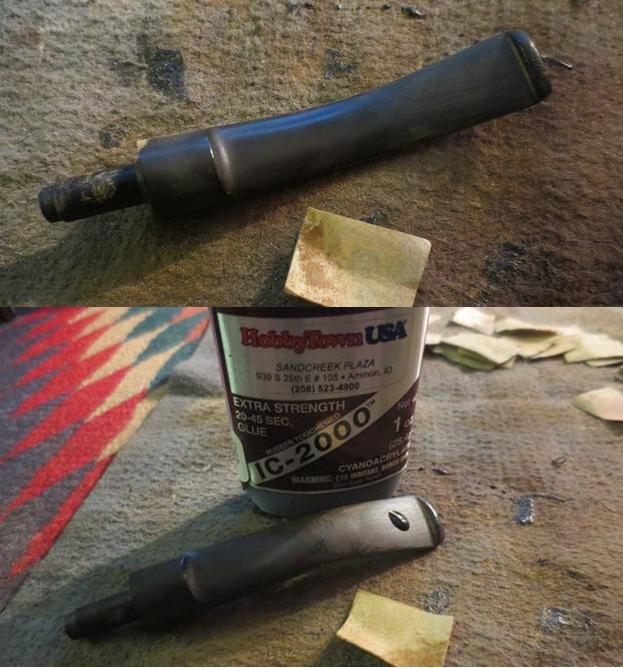
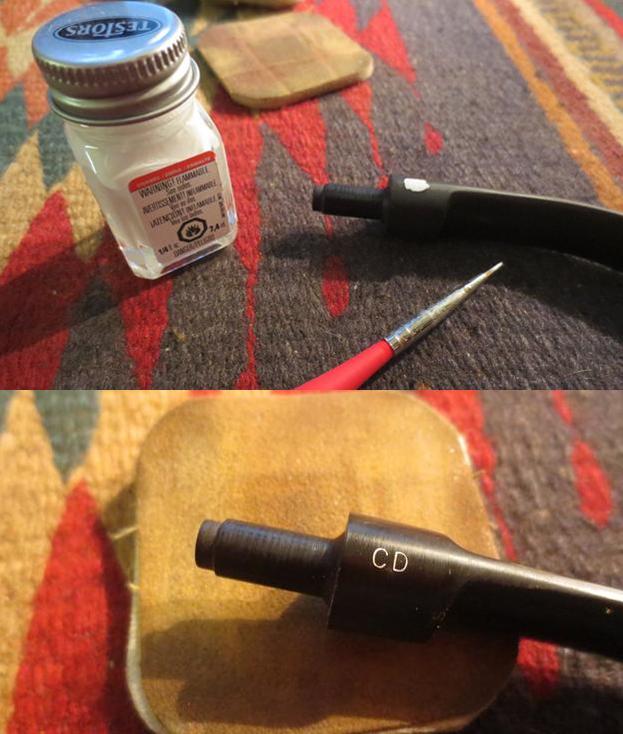
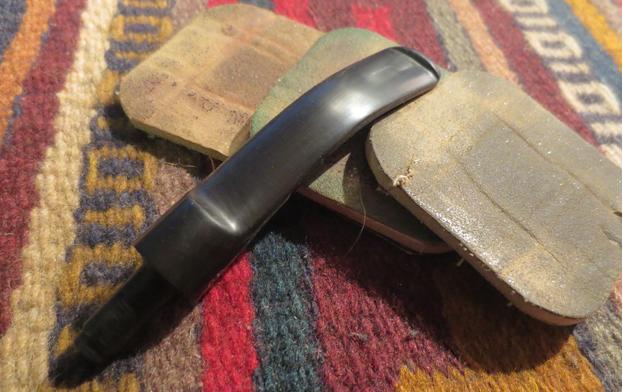
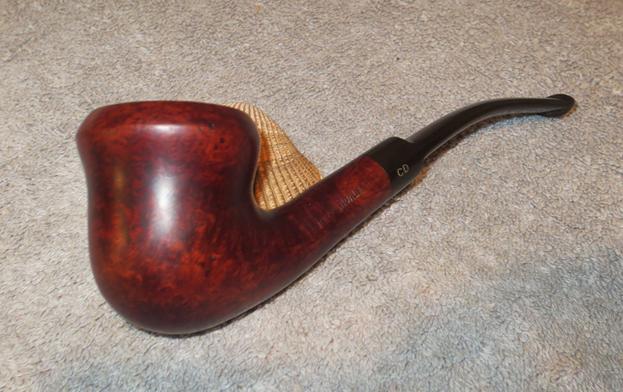
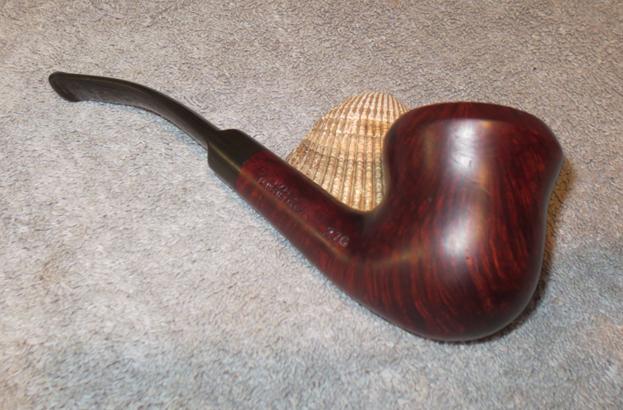
My brother sent me this interesting old pipe to clean up and restore. He included some photos of what it looked like when he received it from the eBay seller. The stain colour was really nice and showed the contrast to highlight the grain. There were some nicks and dents in the briar on the bowl sides and bottom. The rim had a thin lava coat on the top. The inner and outer edges were in excellent condition. The bowl was darkened with a light cake on the bowl sides. The bottom quarter of the bowl was still light unsmoked, undarkened briar. The bowl seems to have never been smoked to the bottom. The stem was lightly oxidized with tooth marks and chatter on both the top and the bottom sides near the button. The stamping on the side of the stem was readable but looked like it was worn.Chip2 Chip3Chip1This unusual old pipe is stamped on the left side of the shank with the block letters CHIPPENDALE. On the right side it is stamped Made in over London England and a shape number 276. On the saddle portion on the left side of the stem it bears a CD stamp. I looked for the brand on the pipephil site and found that the brand was listed there with photos of stamping identical to the one that I had. I have included the photo of the stampings courtesy of pipephil’s site.

I did some more research at the pipephil site did not give any information regarding the maker. I looked in one of my go to references, Who Made That Pipe and found that the Chippendale brand was made by Ben Wade in London. I use WMTP regularly and one of the limitations of the book is that it gives no other information. In the back of my head I had a memory of a link between Ben Wade and Charatan. That sent me on a further hunt.Chip4Further research lead me to an article on Pipedia entitled Dating of Charatans by Fabio Ferrara. The article definitively links the Chippendale pipes to Charatan. I quote from the section on Pipedia entitled Identification of Fifth Era Pipes in full with the information the Chippendale stamping highlighted in bold and underlined. Here is the link: https://pipedia.org/wiki/Dating_of_Charatans

Identification of a fifth era pipe (First Dunhill era, 1977-1981)

Dunhill finally acquired Lane Ltd. in April 1976. To be honest this era should begin that year, however to clarify matters, knowing that during the first months everything changed in the production, I assume the beginning of this era to be 1977.

The characteristics of this era are close to the previous one, except for the absence of the LANE symbol (approx. ending of 1980).

In this very first period Dunhill didn’t change the production site and the original methods, making plans for the future, and the real revolution took place in 1982.

You may come across a pipe of the ‘old generation’, it is important to note that if the DC has been added later, it is often out of line with the shape code.

The Belvedere series is sold as a special, named the Chippendale brand, exclusively for Tinderbox.

1) The mouthpiece is frequently double comfort, rarely saddle without the double comfort, never tapered. If the stem is not a double comfort but a saddle one, it is characterized by the letter X on the right of the shape code (e.g. 2502X), naturally in this case the letters DC are not displayed.

2) In the CP logo, the C enters the P (until approx. 1980).

3) Absence of £ on the shank (from the end of 1980 approx., this is because during the first period Dunhill kept the £, as Lane Ltd was property of Dunhill that could use its trademark).

4) Presence of the letter DC just after the shape number (e.g. 2502 DC) or of the letter X only if the stem is not a double comfort one.

5) Presence of the writing “Made by Hand – In – City of London” (until 1979).

6) The pipes marked Chippendale are just a Belevedere series, On the mouthpiece, instead of the CP they display CD.

From the above information it appears that the Chippendale stamping was put on pipes that were made Charatan and sold by Tinderbox in the US. They are essentially Charatan Belvedere series pipes. Now that I knew that it was time to work on the pipe. I took the next four photos to show what the pipe looked like after my brother cleaned it up with his usual thoroughness and I received it here in Vancouver.Chip5 Chip6I took some close up photos of the rim and the stem to show the condition of both. The rim is very clean except for a light build up on the front and the back side of the rim top. The photos of the stem show the tooth chatter on both sides and a deep tooth mark on the top side and underside of the stem.chip8 chip9I also took a close up photo of the stamping on the stem. The logo is a CD instead of the CP for Charatan just as was noted in the research. It was faint so it would need to be touched up after the stem was cleaned.Chip10I ran some cotton swabs and alcohol through the shank and the mortise. It was very clean as my brother had done a great job cleaning it. I ran some pipe cleaners through the stem. The slot in the button had some hardened tars in it. I picked the slot open with a dental pick before cleaning the inside of the stem.Chip11There were some deep nicks and divots in the surface of the briar on the front and the left side of the bowl. I filled them with drops of clear super glue.CHip12Once it dried I sanded the repairs even with the surface of the briar using 220 grit sandpaper. I then sanded it with 1500-2400 grit micromesh sanding pads.Chip13I touched up the sanded repairs with a dark brown stain touch up pen. I gave the bowl two coats of Conservator’s Wax. When it dried I buffed the bowl by hand.Chip14I sanded the stem with 220 grit sandpaper. I was able to remove the tooth chatter and the tooth mark on the underside of the stem. I also sanded the rest of the underside to remove the oxidation. I sanded the topside tooth marks. I was able to remove the tooth chatter but the deep tooth mark needed to be repaired. I cleaned the tooth mark with a cotton swab and alcohol and then filled it with black super glue.Chip15I painted the logo on the stem with a white acrylic paint and a small paint brush. I sanded the excess paint off the side of the stem and left the paint in the stamping.Chip16I polished the briar with micromesh sanding pads – wet sanding with 1500-2400 grit pads and dry sanding with 3200-12000 grit pads. I wiped the bowl down with a light coat of olive oil and hand polished it.Chip17 Chip18I polished the stem after sanding it with 220 grit sandpaper with micromesh sanding pads – wet sanding it with 1500-2400 grit pads and dry sanding with 3200-12000 grit pads. I rubbed it down with Obsidian Oil between each set of three pads. When I finished sanding with the 12000 grit pad I gave it a final coat of oil and set it aside to dry.Chip19 Chip20 Chip21I buffed the stem and bowl with Blue Diamond on the buffing wheel to polish it. I gave the bowl and the stem multiple coats of carnauba wax and buffed it with a clean buffing pad to raise the shine. I hand buffed it with a microfibre cloth. The finished pipe is shown in the photos below. To me it has the look of a Charatan and with the history I found it turns out it is one. The pipe was made for Tinderbox to be sold in the US. This one is available to anyone who wants to add it to their rack. Send me a message or an email to slaug@uniserve.com. Thanks for looking.Chip22 Chip23 Chip24 Chip25 Chip26 Chip27 Chip28 Chip29