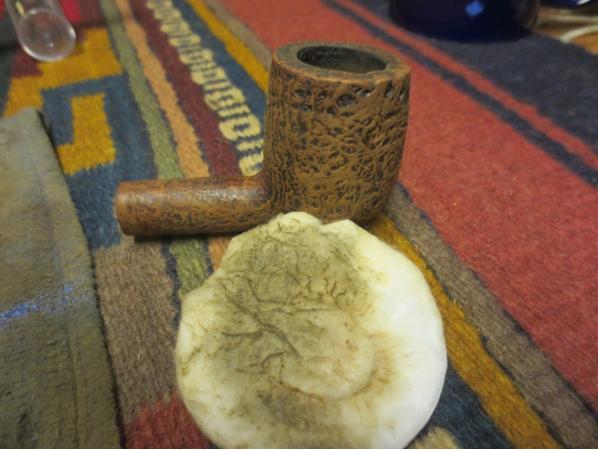
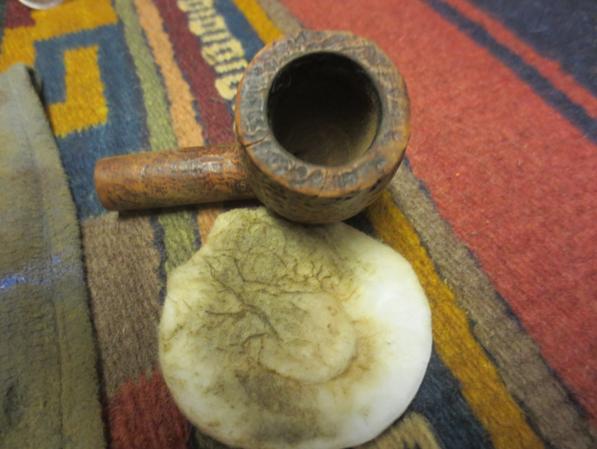
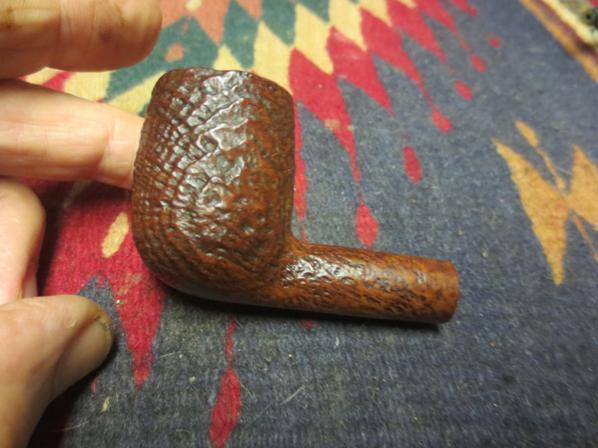
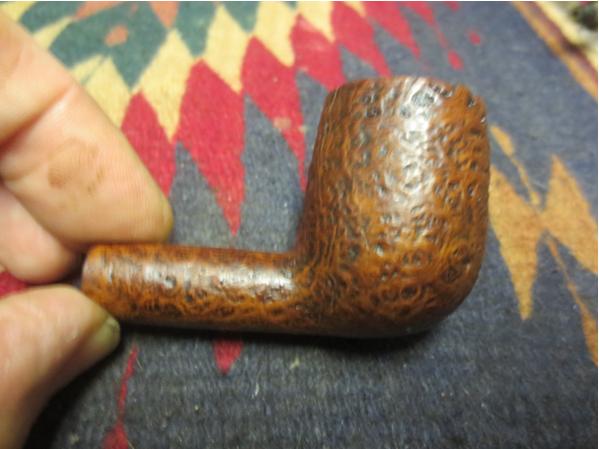
Monthly Archives: April 2016

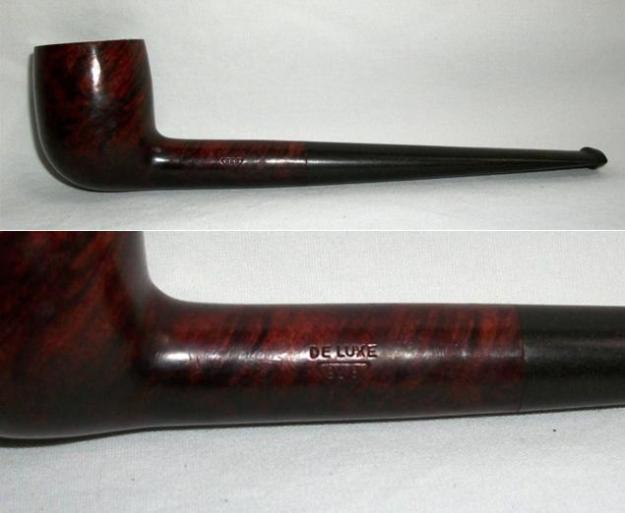
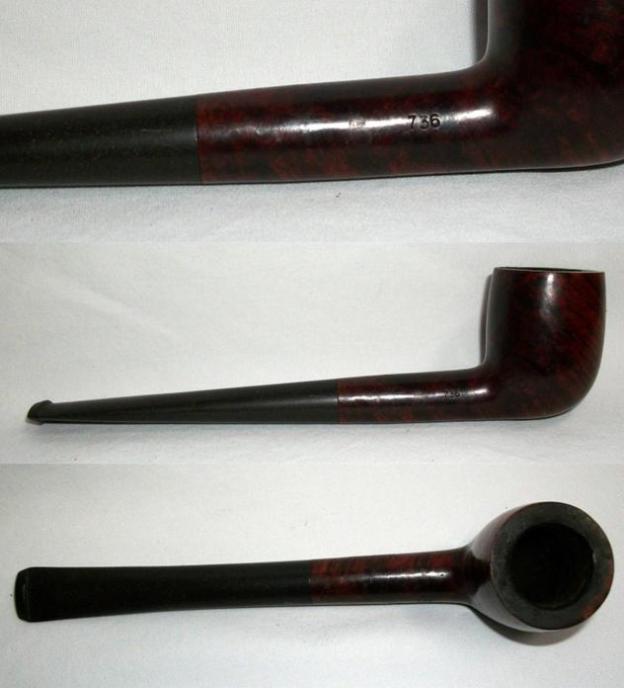
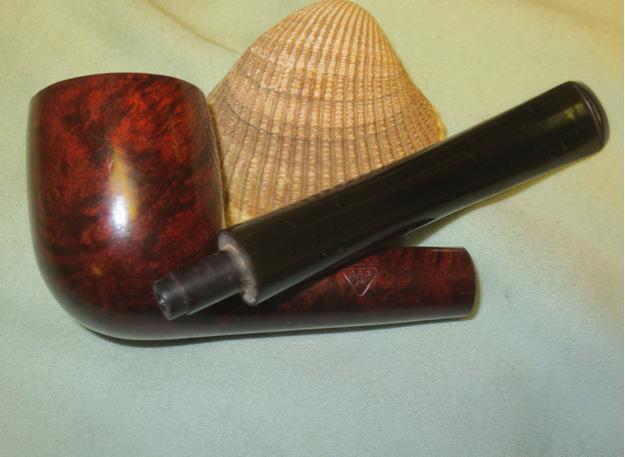
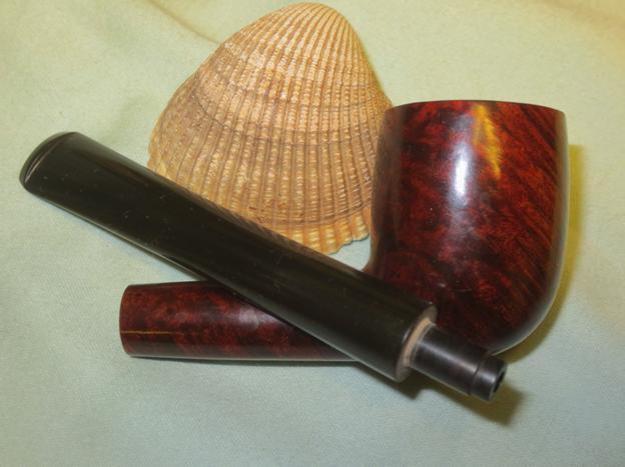
Freshening up an old BBM 736 Billiard


Blog by Steve Laug

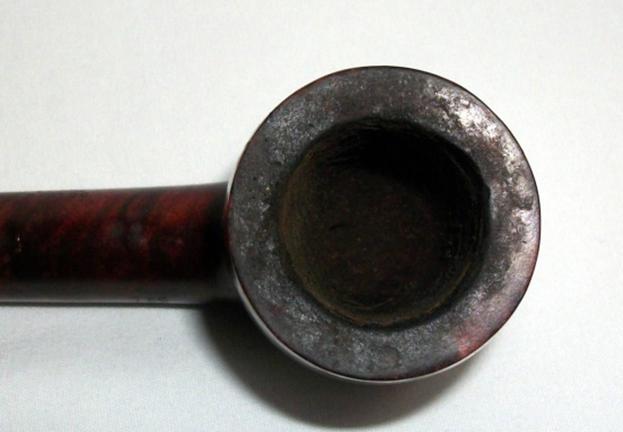
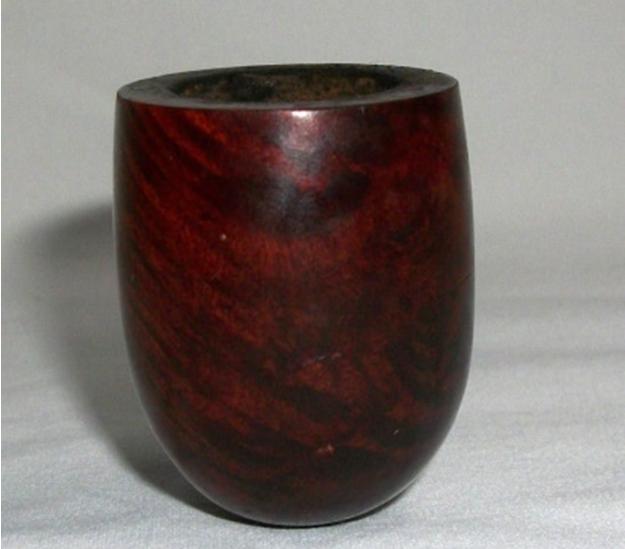
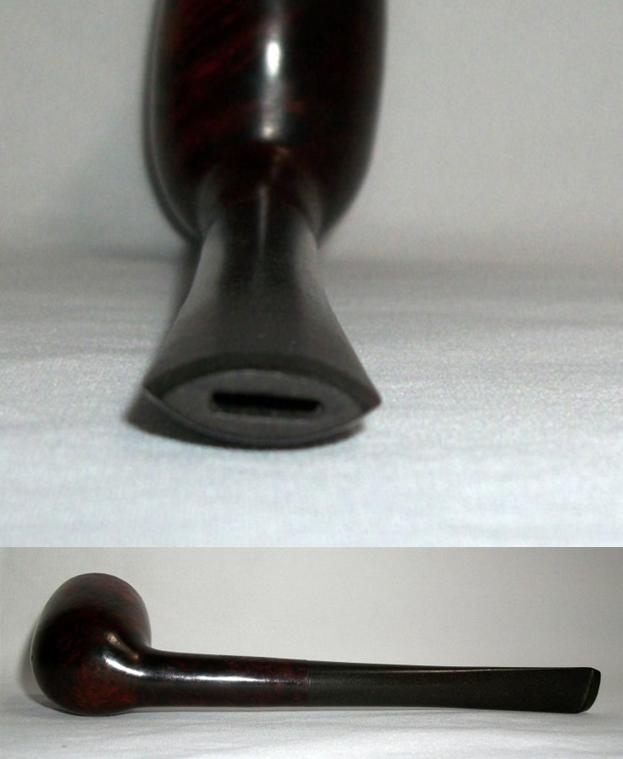
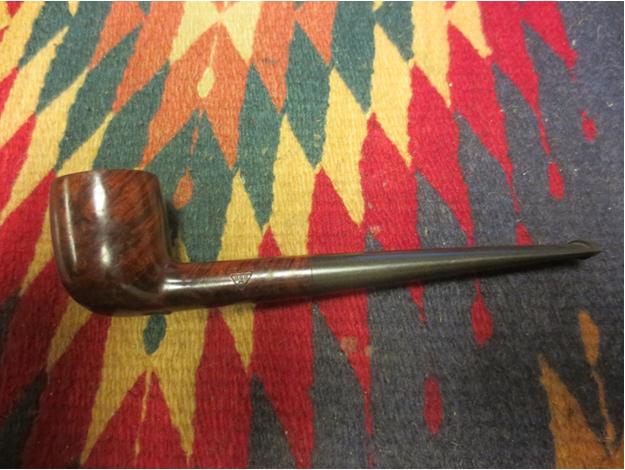
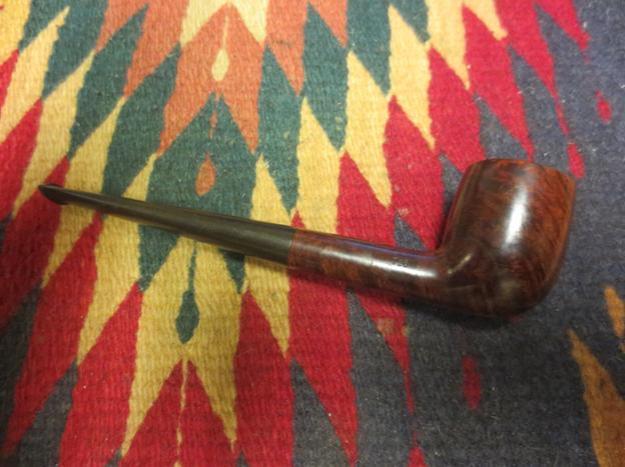
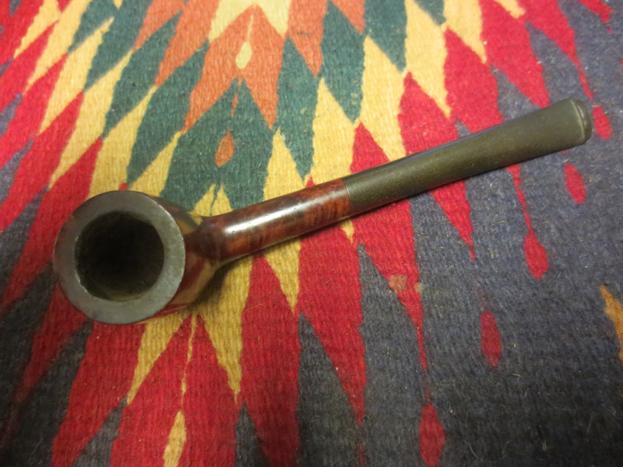
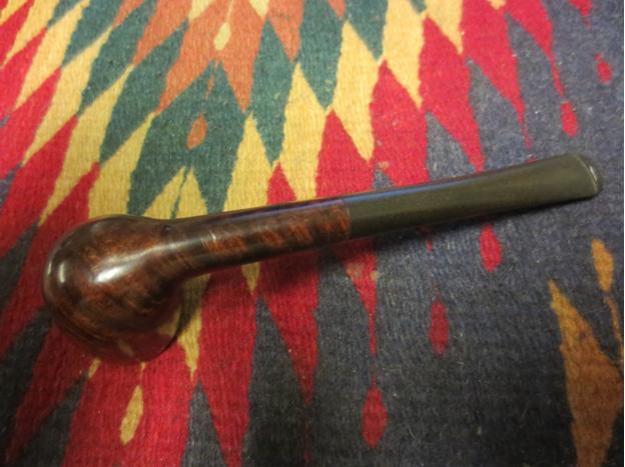
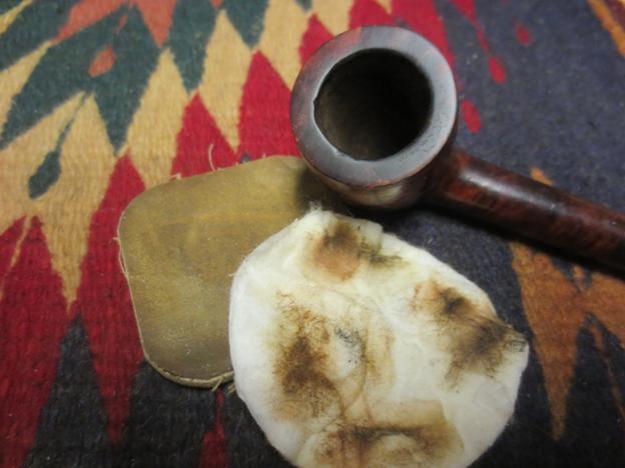
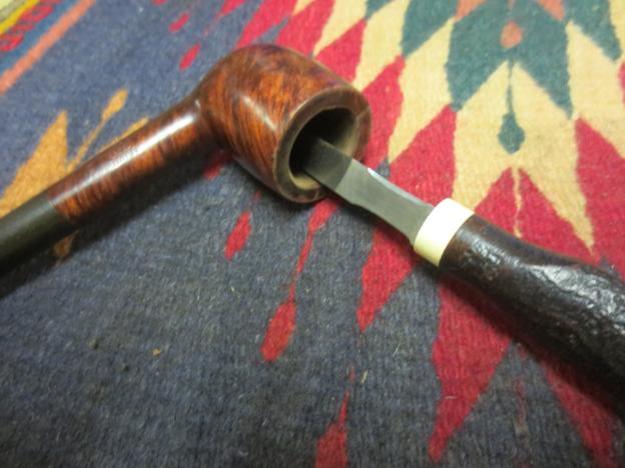
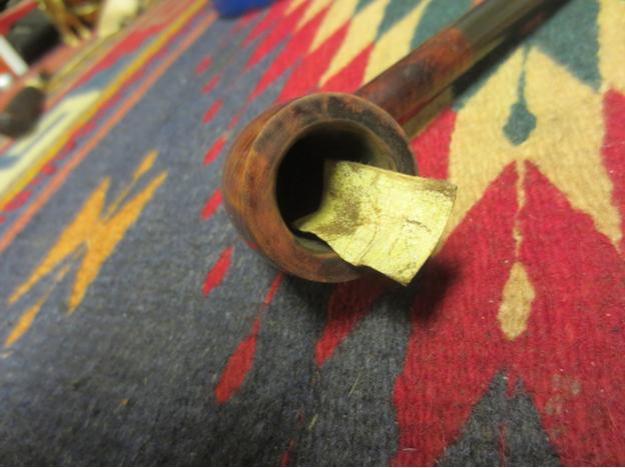
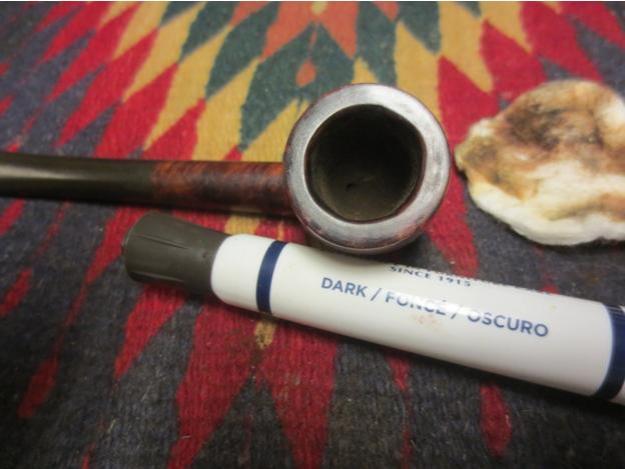
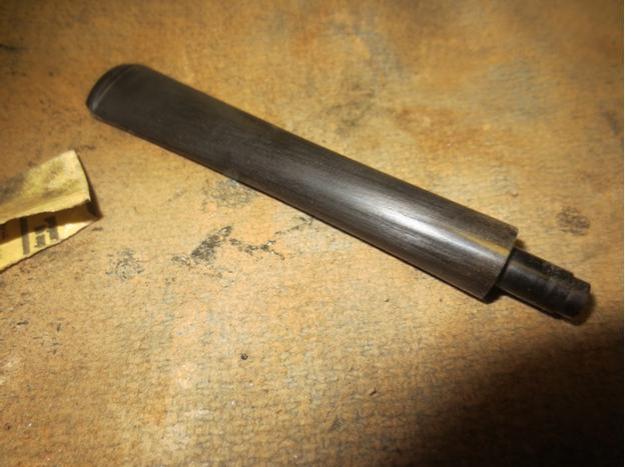
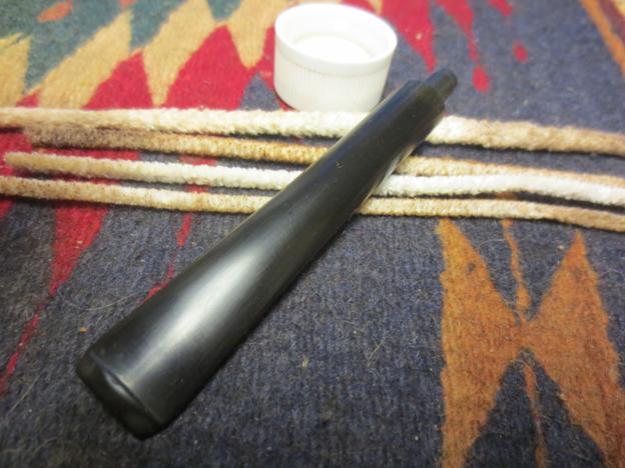
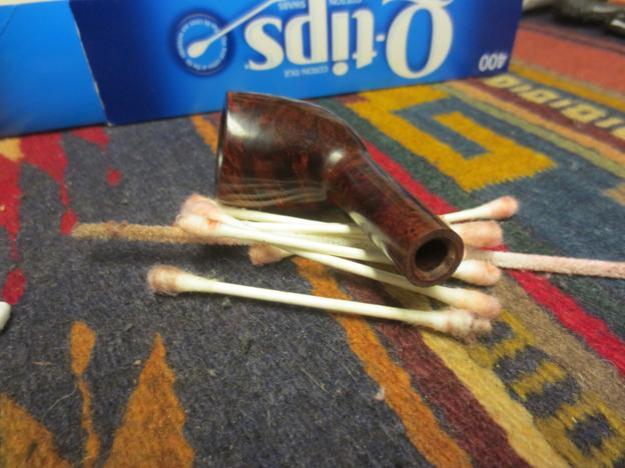
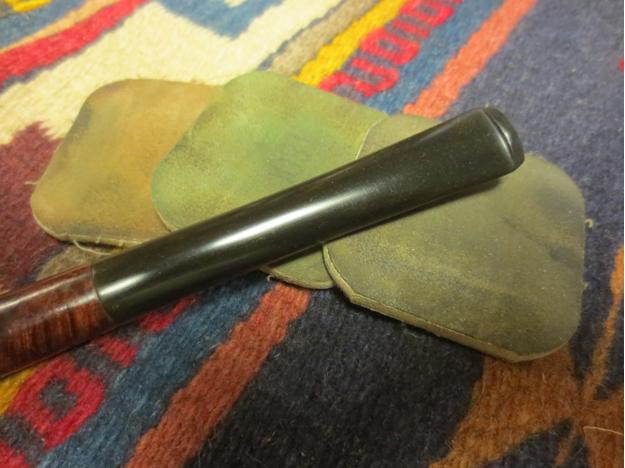
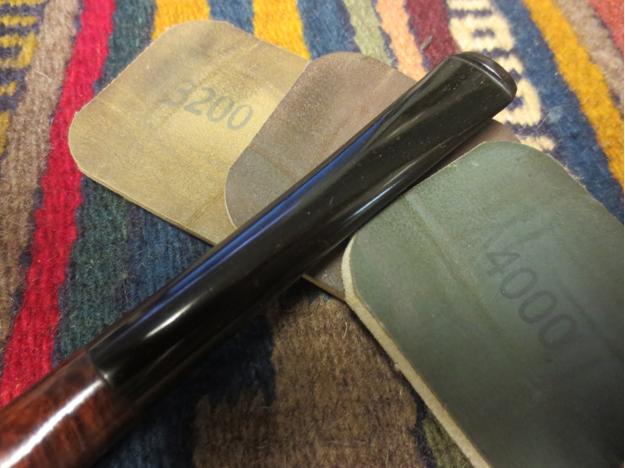
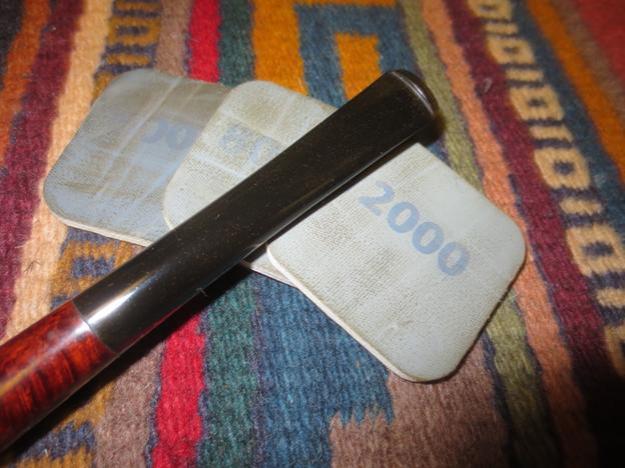
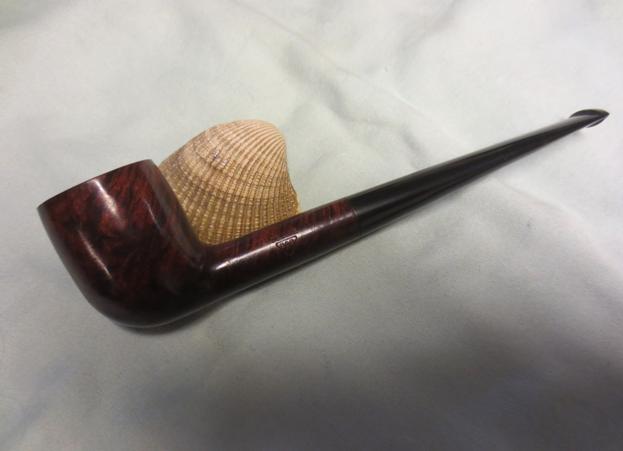
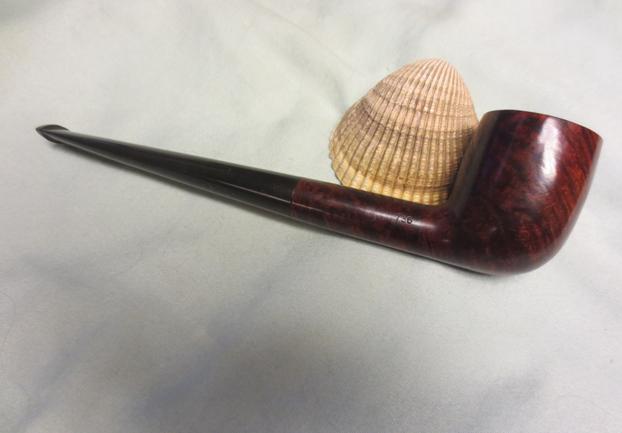
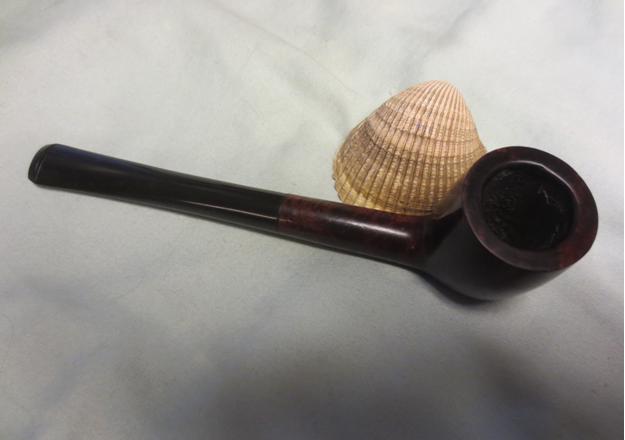
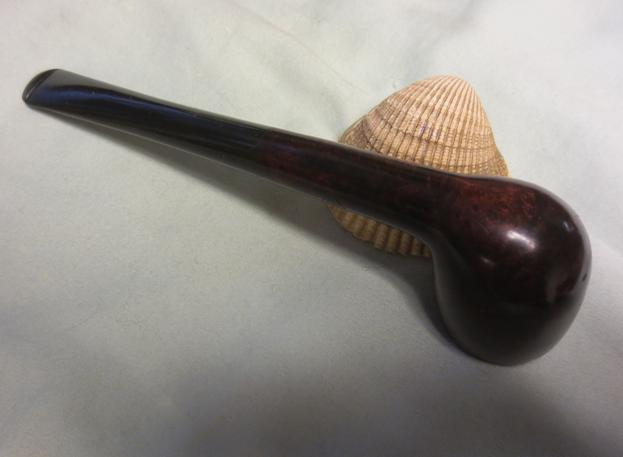
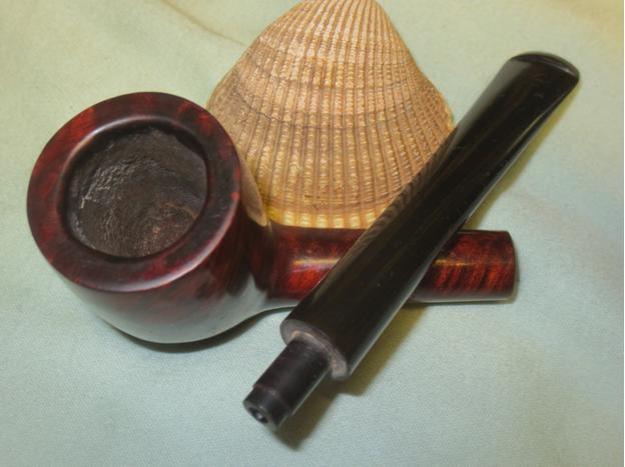
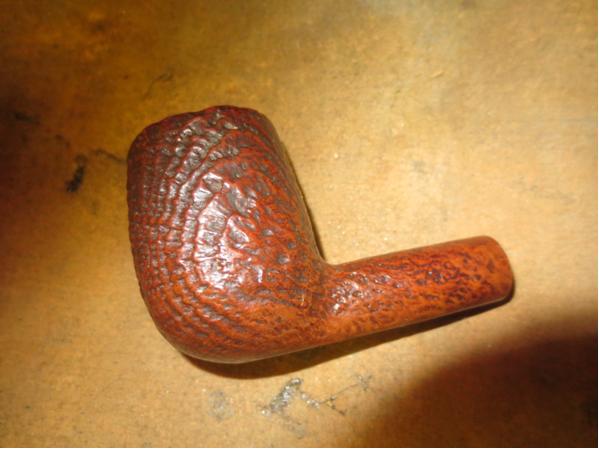
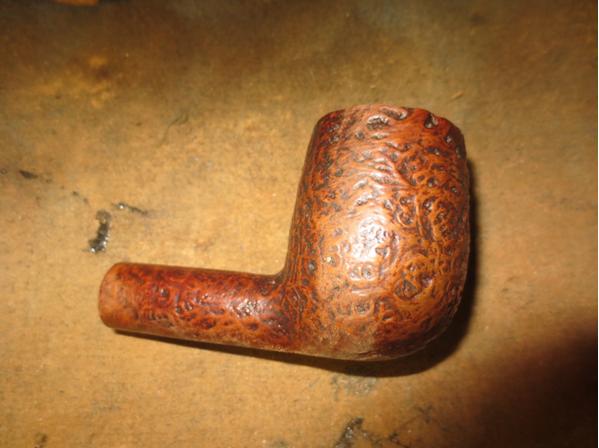
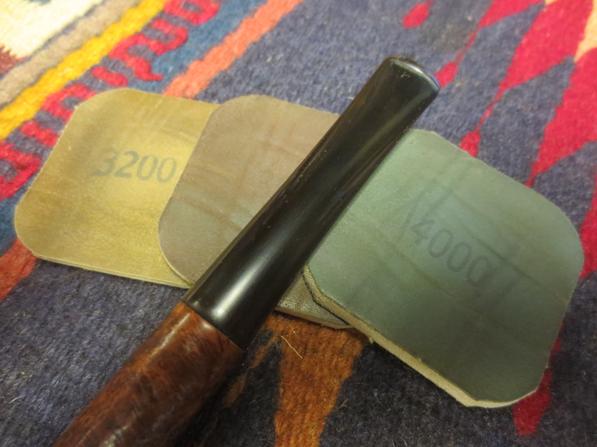
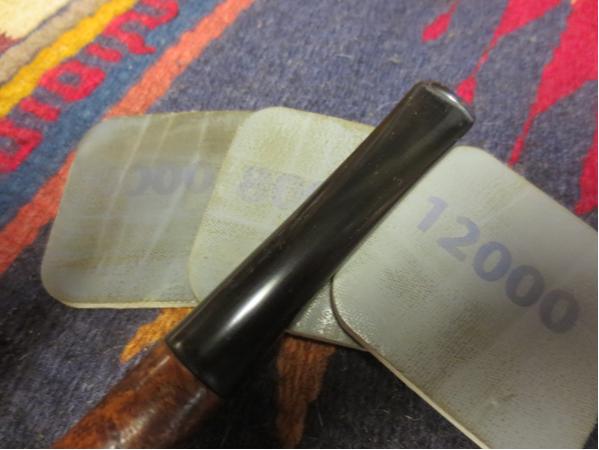
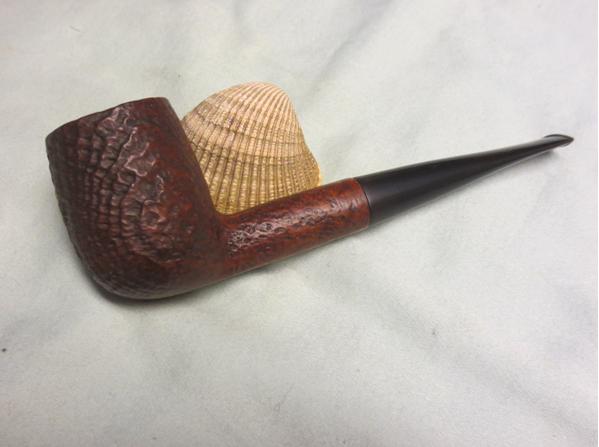
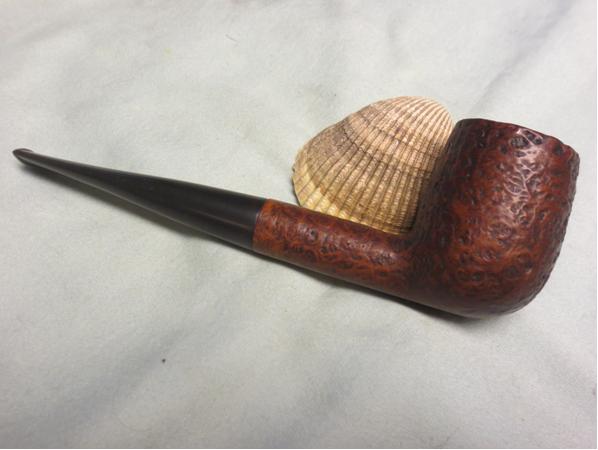
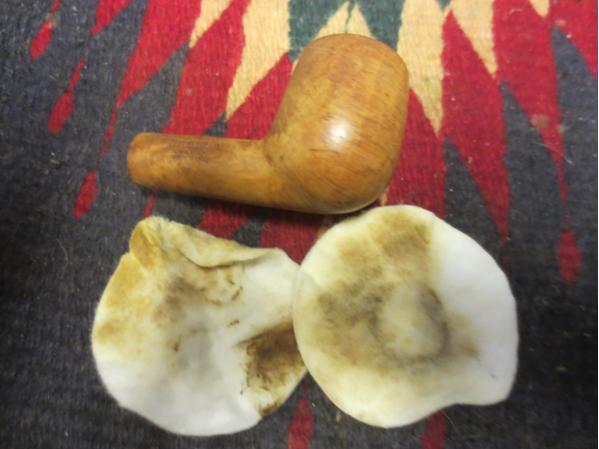
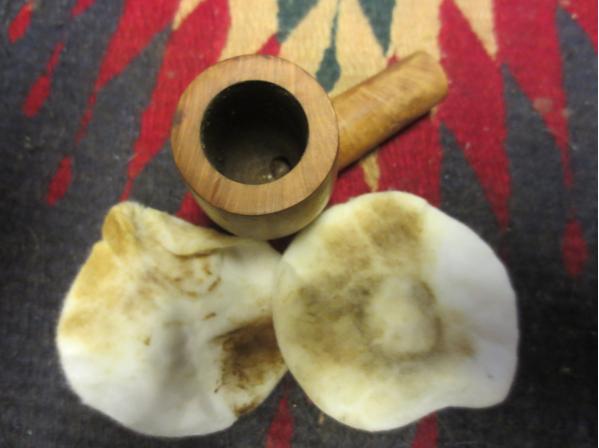
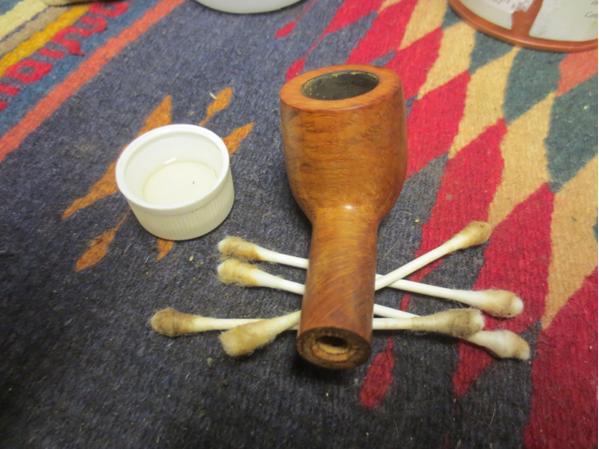
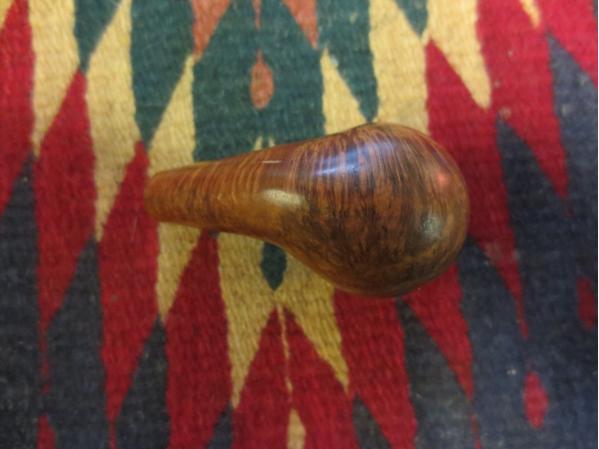
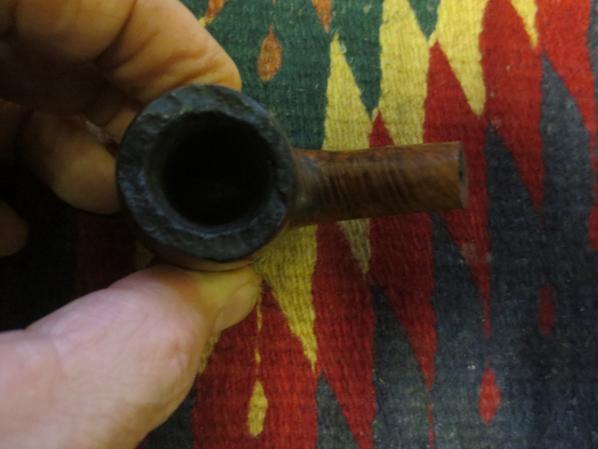
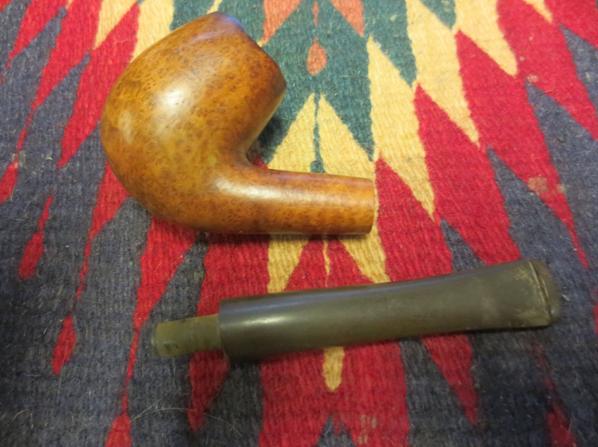
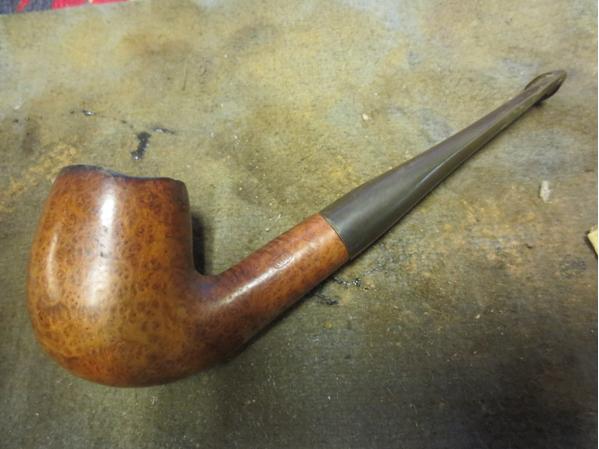
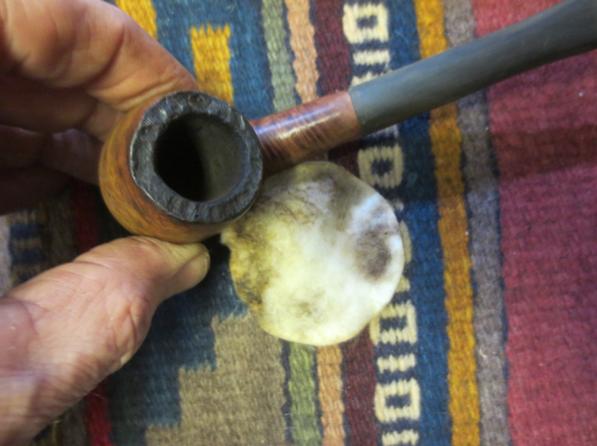
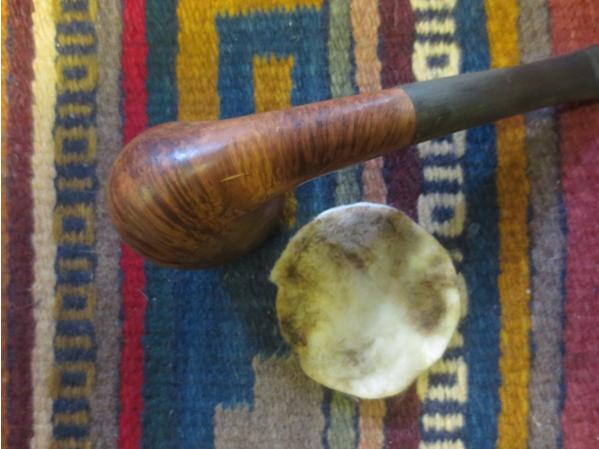
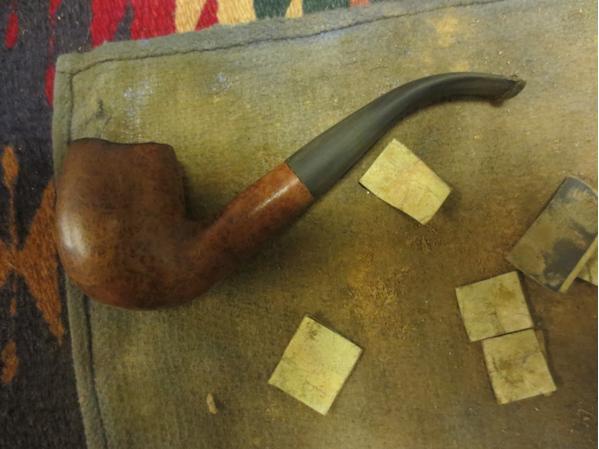
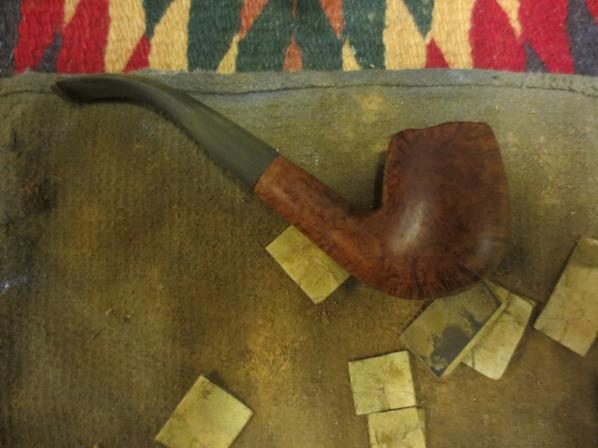
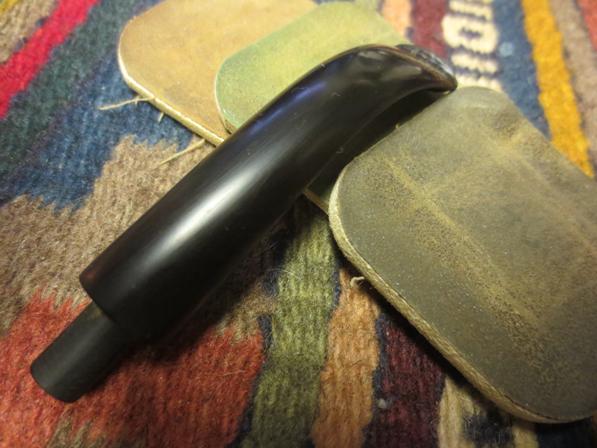
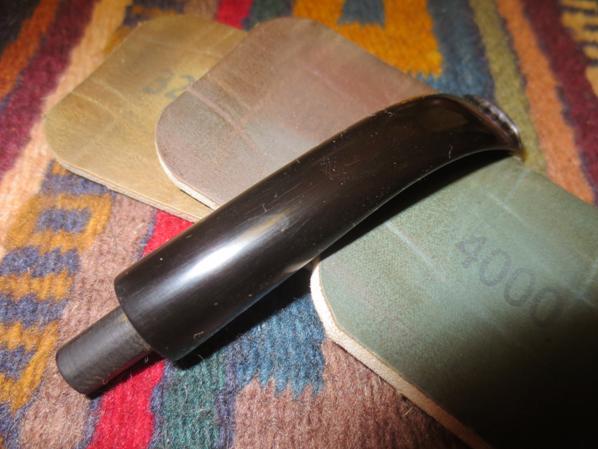
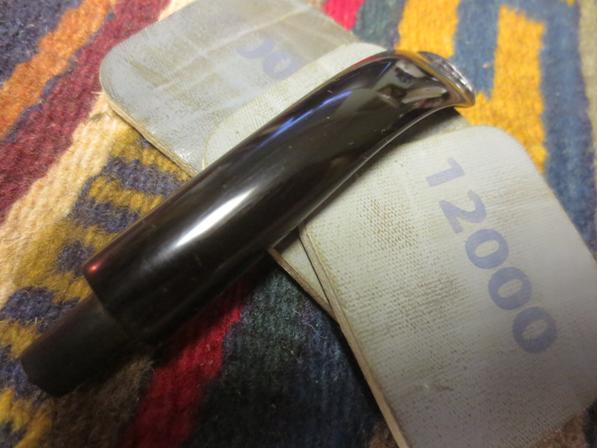
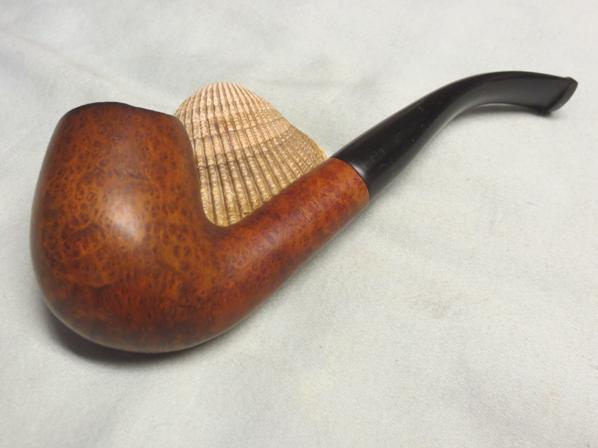
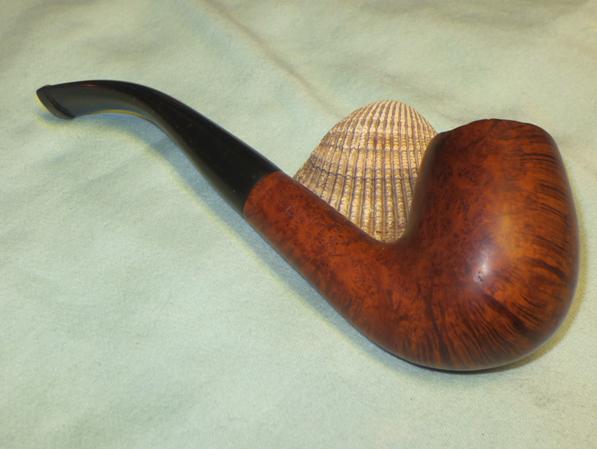
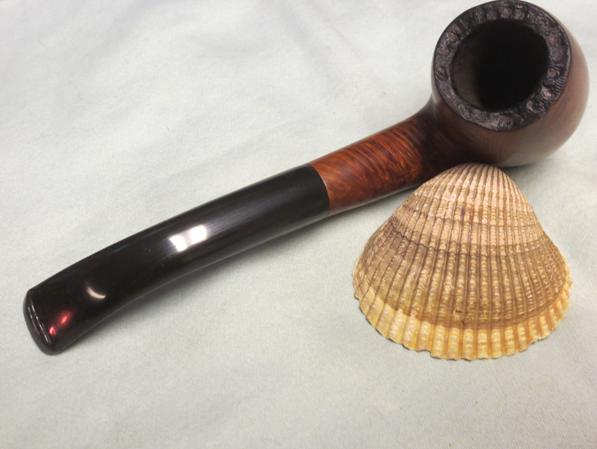
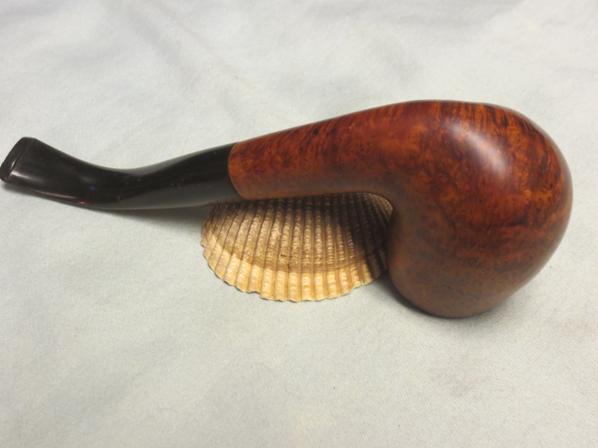
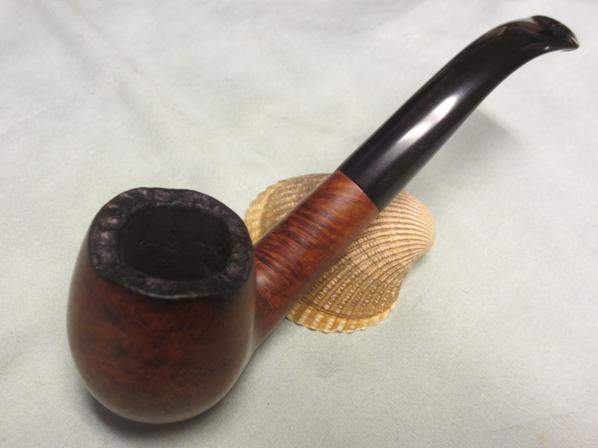
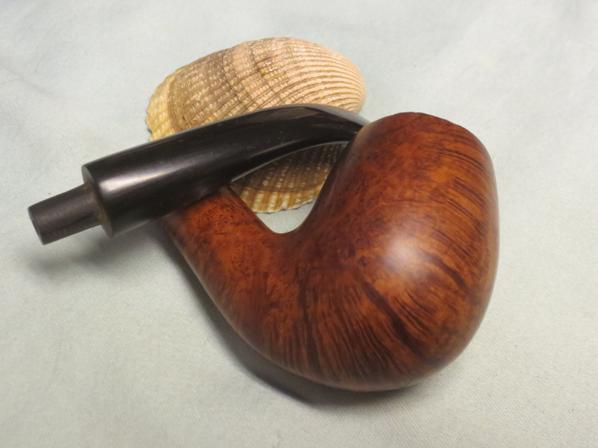
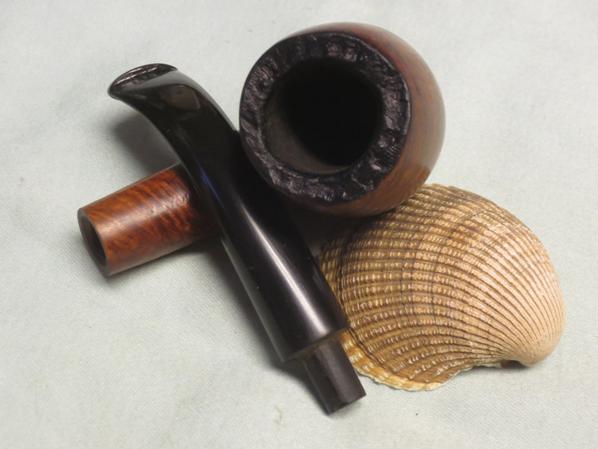
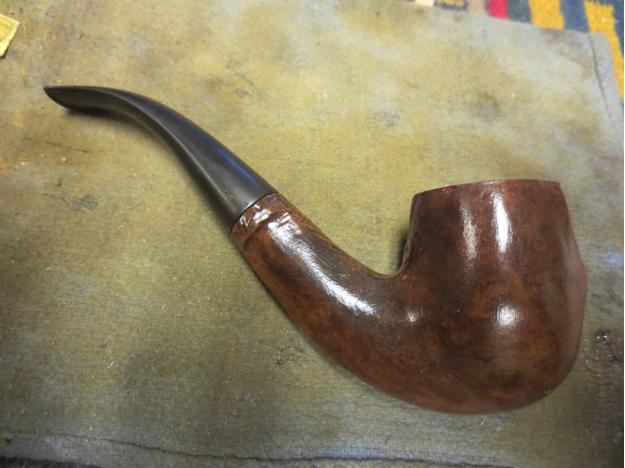
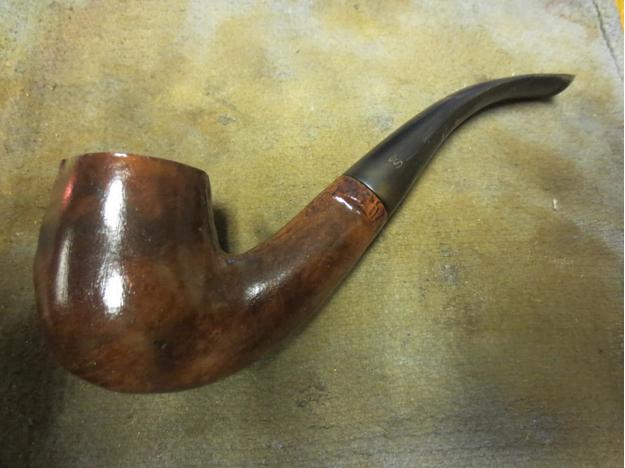
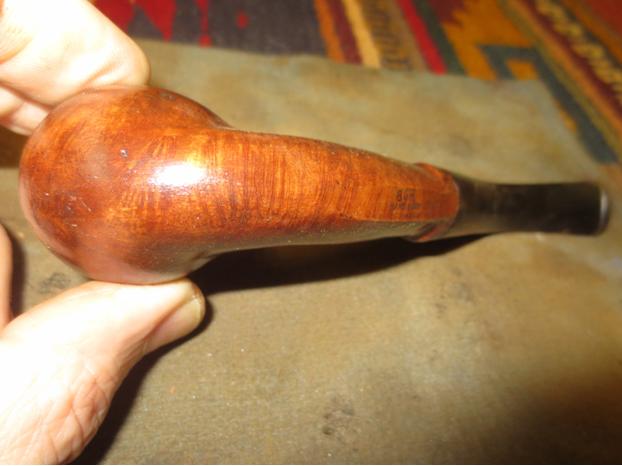
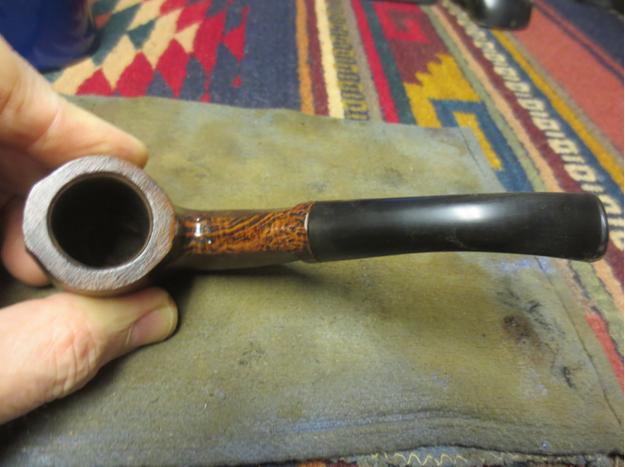
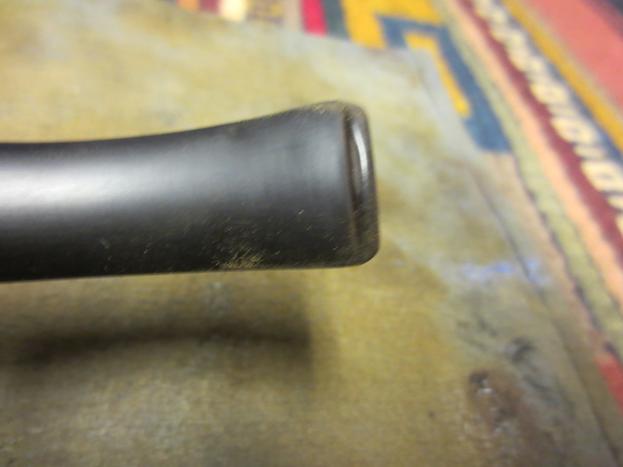
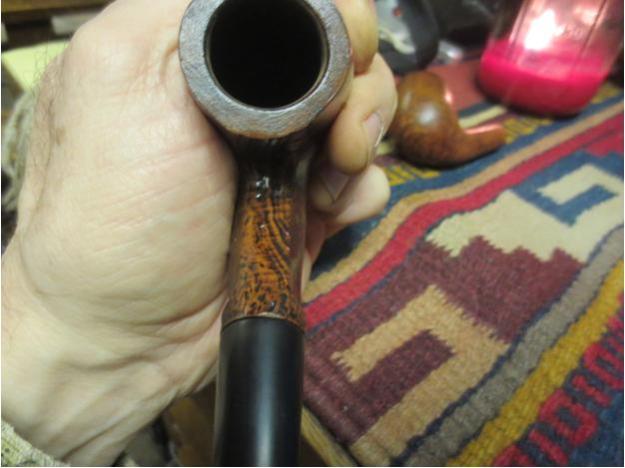
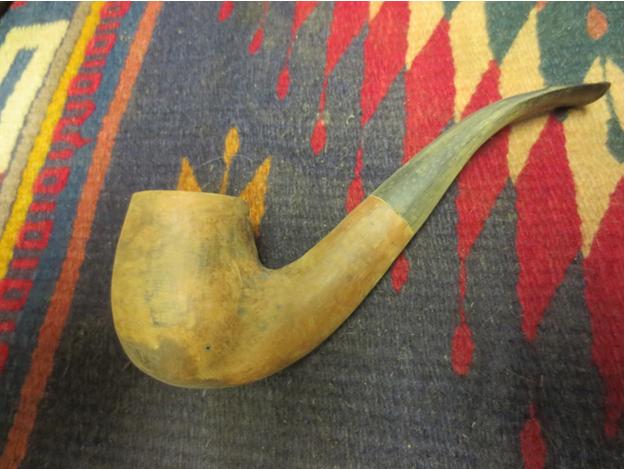
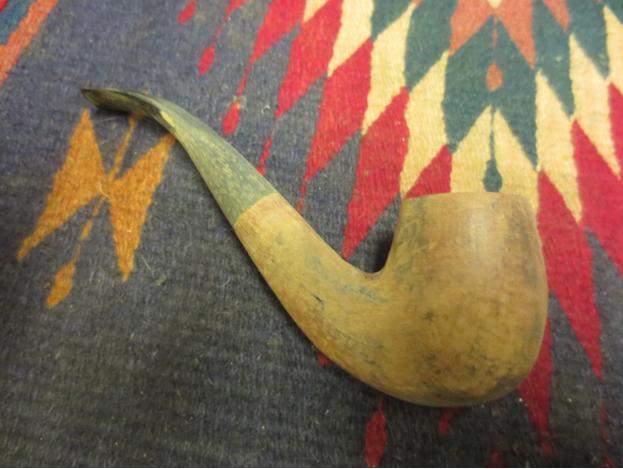
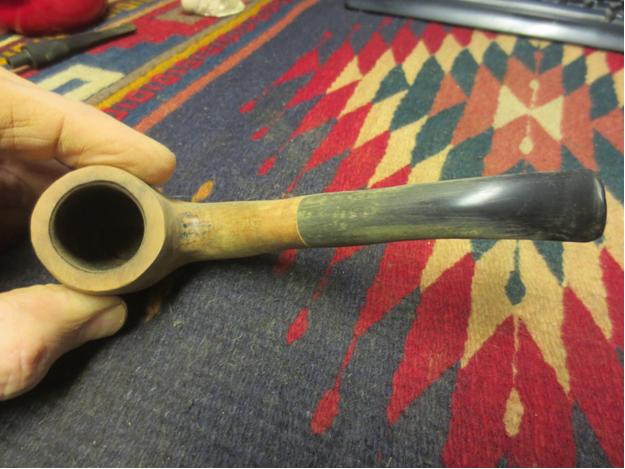
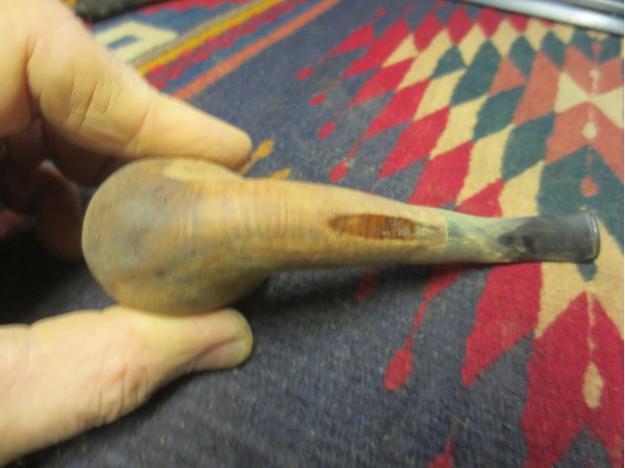
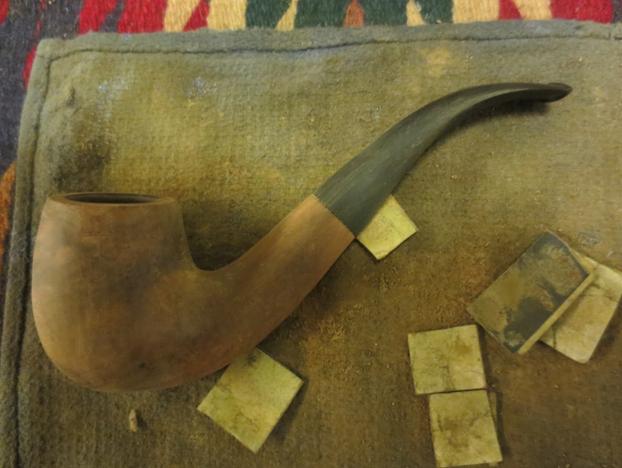
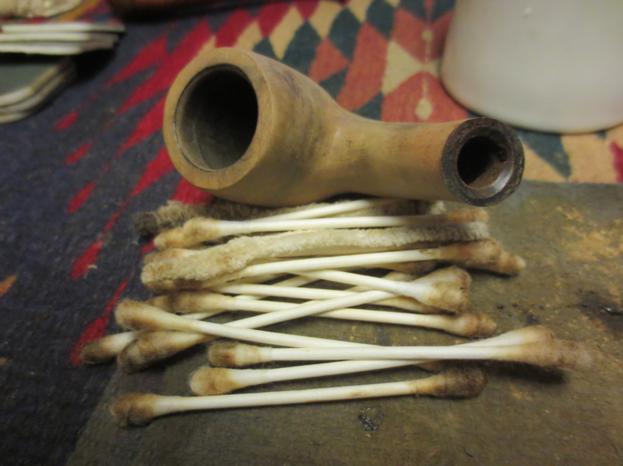
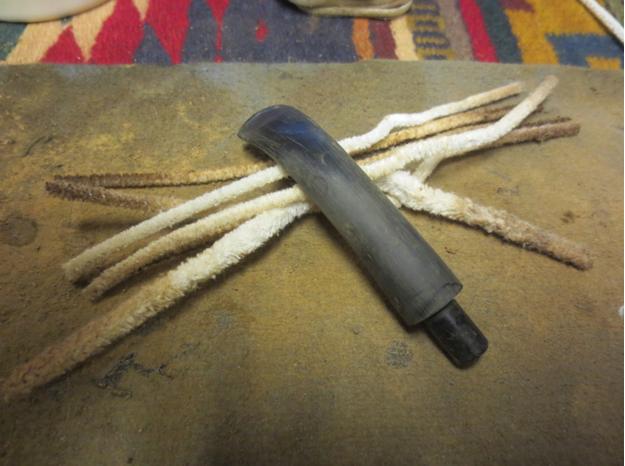
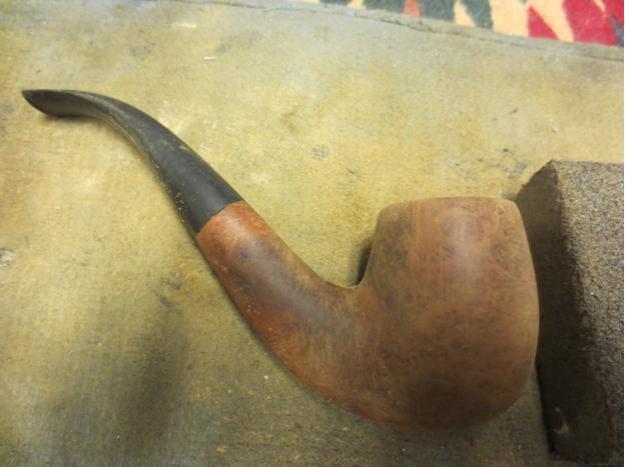
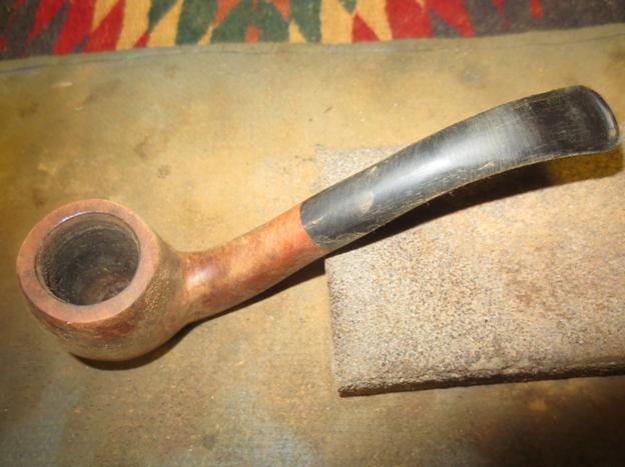
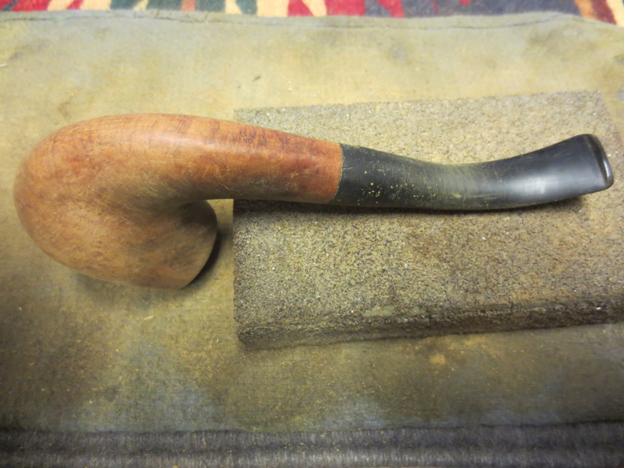
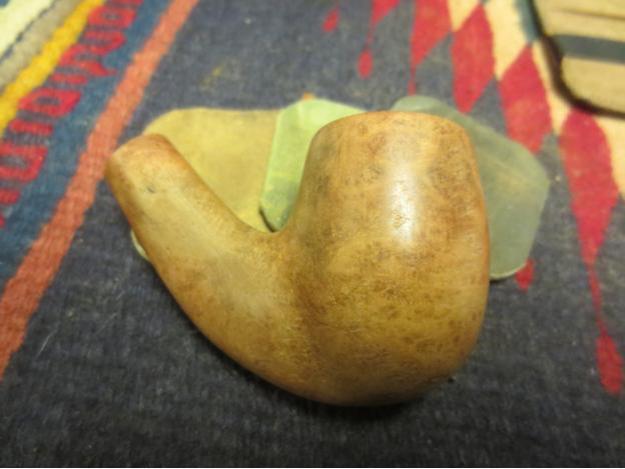
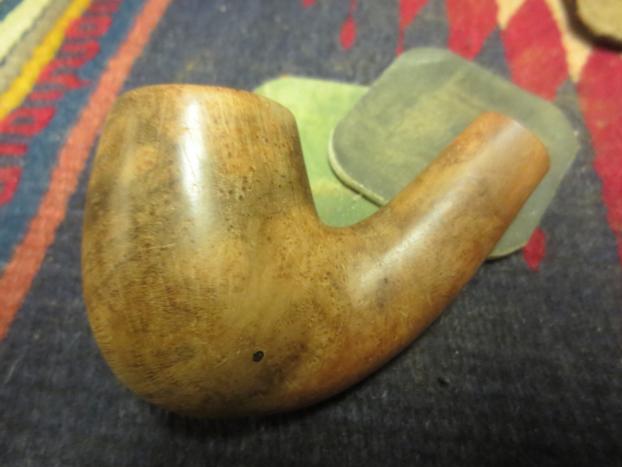
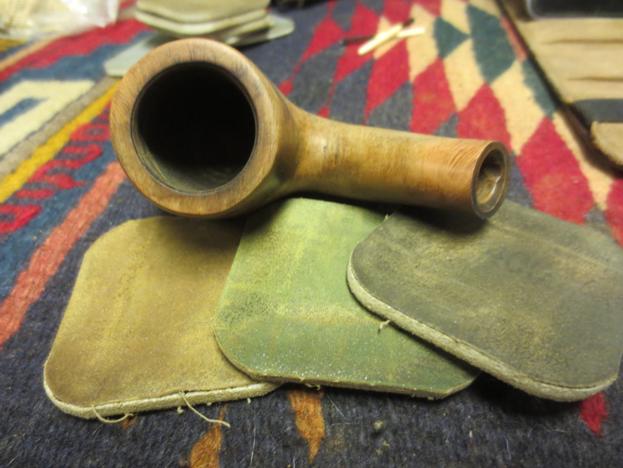
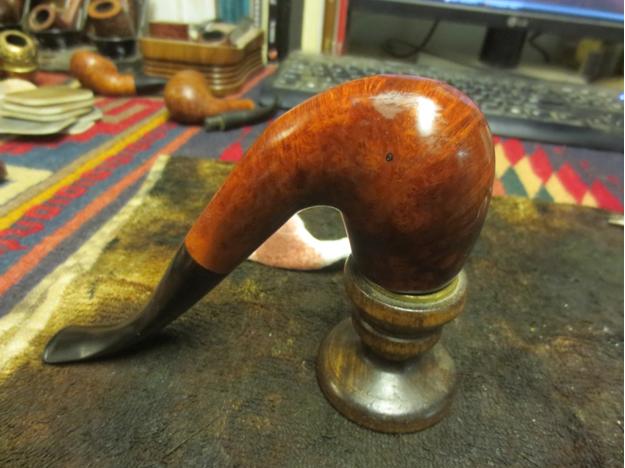
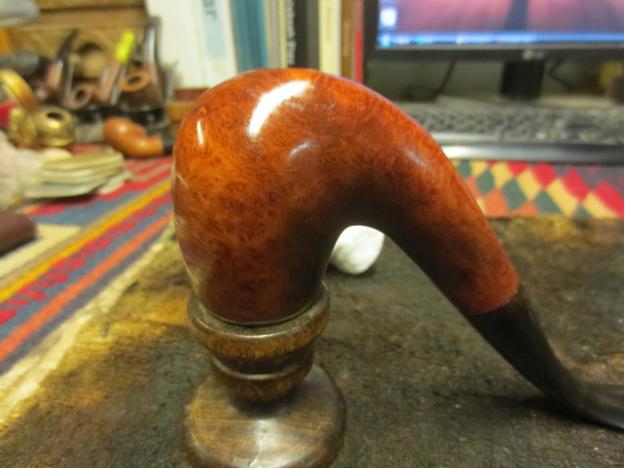
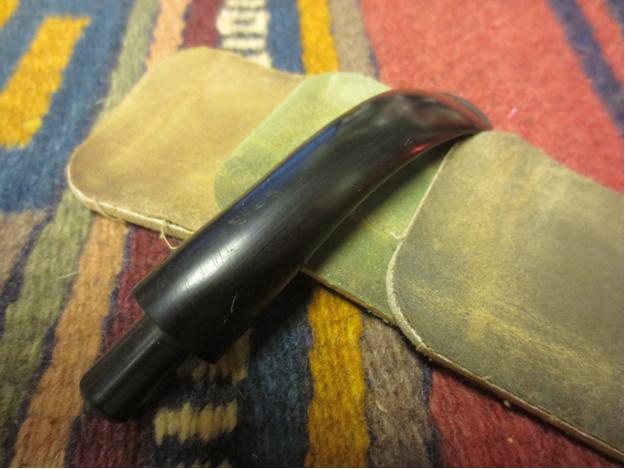
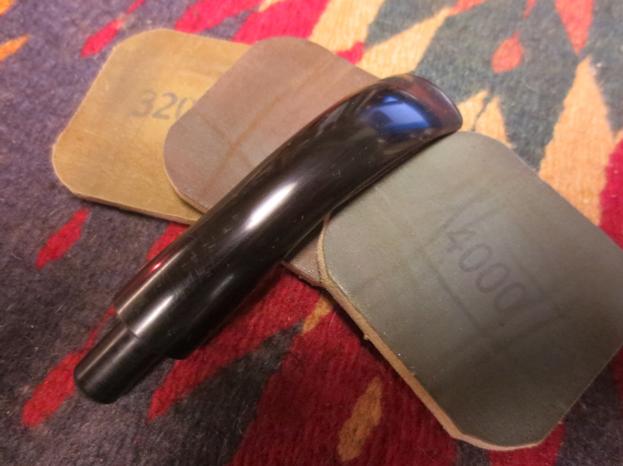
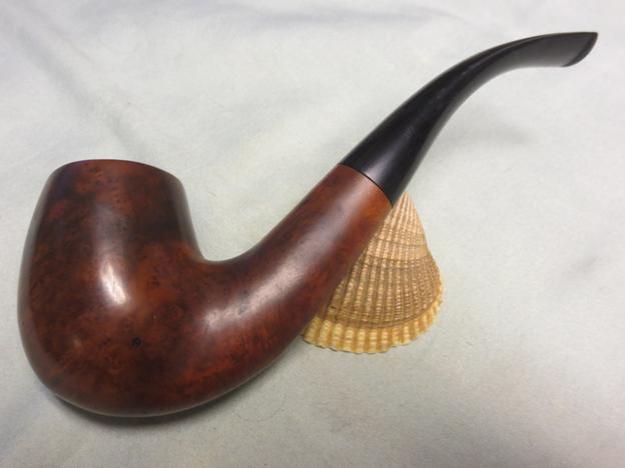
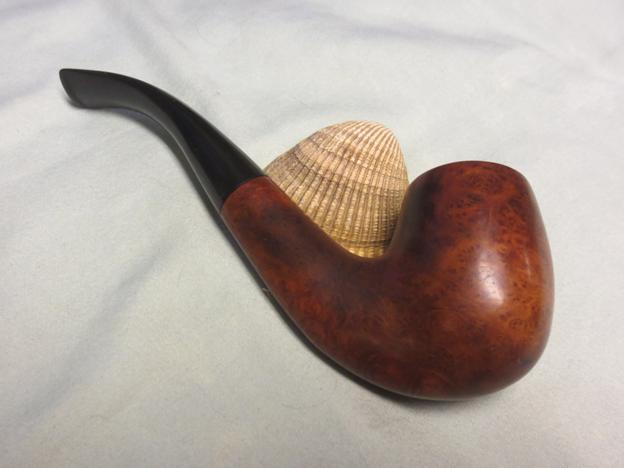
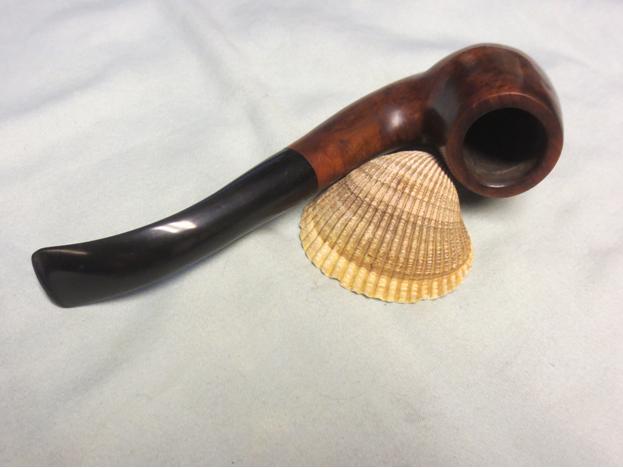
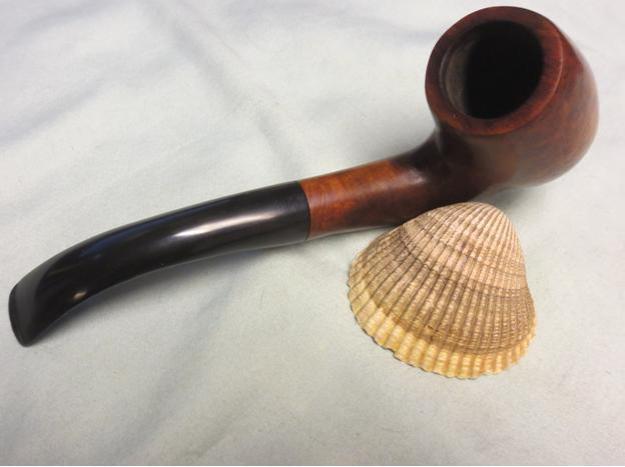
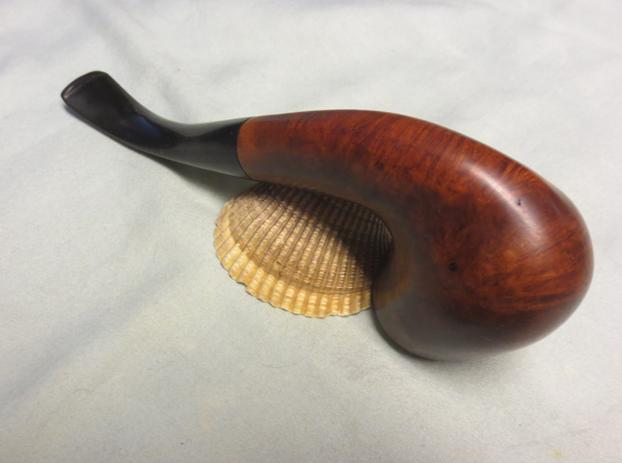
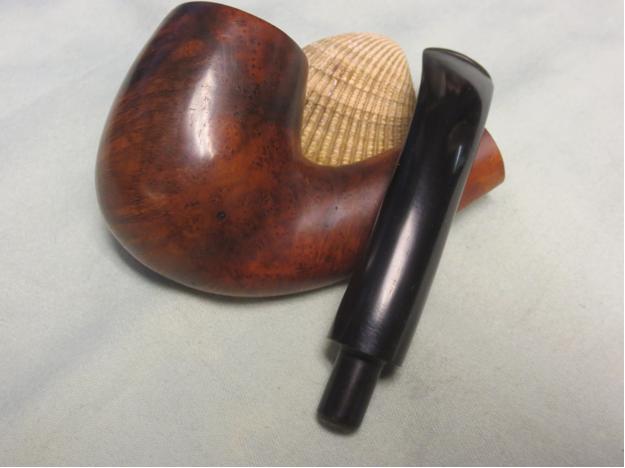
This one came to me through my brother. It seems like he is on a roll finding some nice old pipes. This one is in really good shape. I will need to clean it up and remove some tars on the rim but the finish is in great shape. The inner rim edge has some damage at the front. There are some small scratches and wear on the bowl but nothing significant. The bowl is dirty and lightly caked but otherwise in good shape. The stem is lightly oxidized but should clean up pretty easily. The stamping on the shank is clear. On the left side it reads De Luxe over BB&M in a triangle. On the right side it reads 736 which is the shape number. I can find nothing on any of my usual web sources or Who Made That Pipe or Lopes that gives me any information on the brand. So it is another unknown brand to me. Any help would be greatly appreciated. The photos below were included in the eBay ad and were taken by the seller. They show the state of the pipe very well and when it arrived there were no surprises.BBM1 BBM2 bbm3 bbm4 bbm5When I got it to the work table I took my usual pre-work photos. They were probably not necessary but I am working on keeping the habit so that I do not forget to document the work I am doing on pipe restoration.bbm6 bbm7 bbm8 bbm9I worked on the rim of the pipe with saliva and cotton pads and a 1500 grit micromesh sanding pad. I was able to remove the build up on the rim. The damage on the inner edge at the front is very visible.bbm10I lightly topped the bowl with micromesh pads. I then used my new Savinelli Pipe Knife to ream the bowl and clean out the buildup.bbm11I worked on the inside of the rim edge with a folded piece of 220 grit sandpaper and beveled edge inward.bbm12Even though the stain on the bowl was a dark oxblood colour it also had some dark brown overtones. I used a dark brown stain pen to touch up the rim top and edges. I buffed the rim with Blue Diamond to blend the stain into the rest of the briar.bbm13I sanded the stem with 220 grit sandpaper to remove the oxidation and also the slight pitting on the surface of the vulcanite. bbm14I cleaned out the stem with alcohol and pipe cleaners to remove the tars and oils. I also cleaned out the shank and mortise with alcohol, pipe cleaners and cotton swabs. I was surprised to see that what came out was the red stain. It appears that the pipe may well have been dipped in stain. It took quite a few cotton swabs to remove the stain.bbm15 bbm16I wet sanded the stem with 1500-2400 micromesh sanding pads to smooth out the pitting on the surface and to remove the oxidation. I rubbed it down with Obsidian Oil and then dry sanded it with 3200-4000 grit pads and gave it another coat of oil. I continued to sand it with 6000-12000 grit pads and gave it a final coat of oil. I let it dry.bbm17 bbm18 bbm19I buffed the pipe with Blue Diamond on the buffing wheel and then gave it multiple coats of carnauba wax. I buffed it with a clean buffing pad and then by hand with a microfibre cloth to raise the shine. The finished pipe is shown in the photos below. It is a beauty with a long stem – almost a Bing Crosby style pipe. The grain is beautiful and it was great to have an easy pipe to work on for once. Thanks for looking.bbm20 bbm21 bbm22 bbm23 bbm24 bbm25 bbm26

Got a New Pipe Reamer – A Savinelli Pipe Knife


Blog by Steve Laug

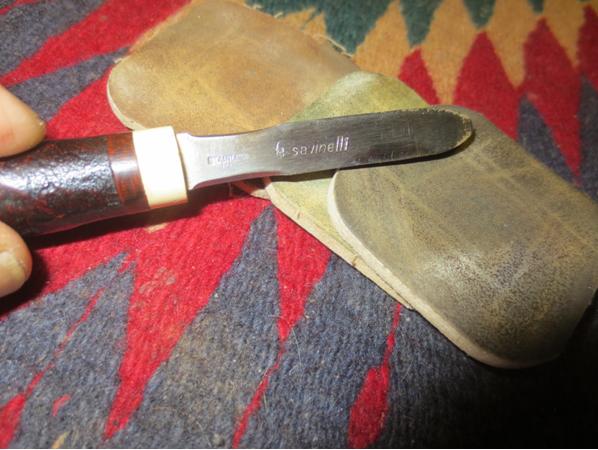
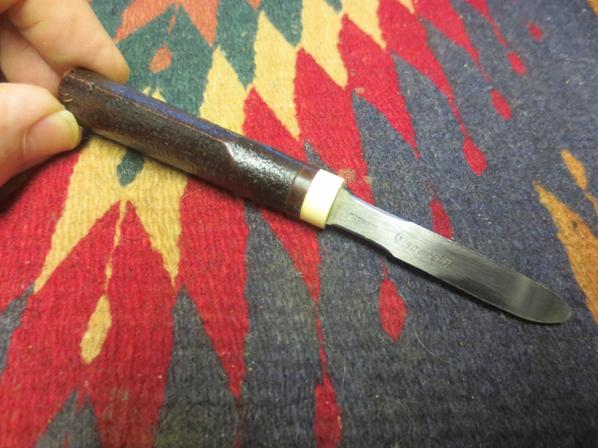
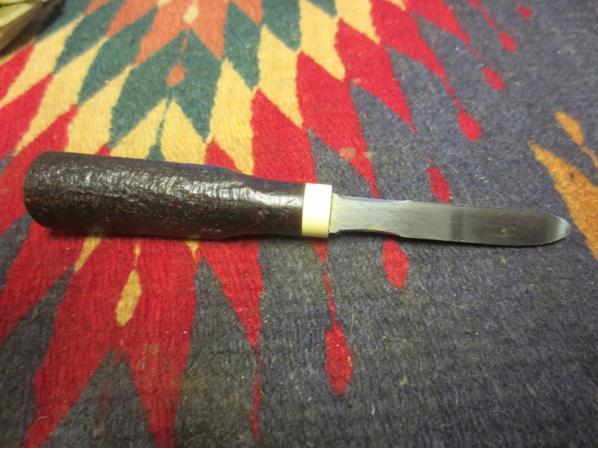
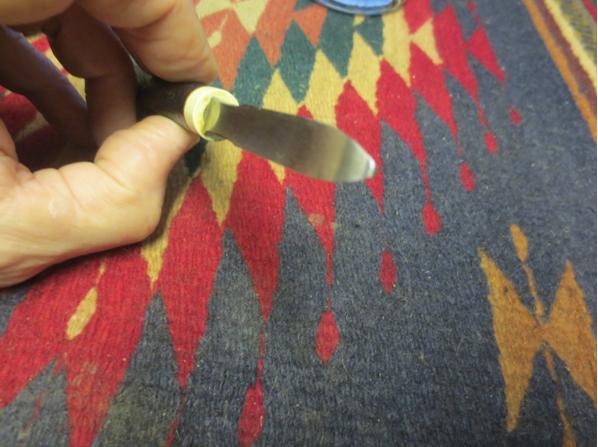
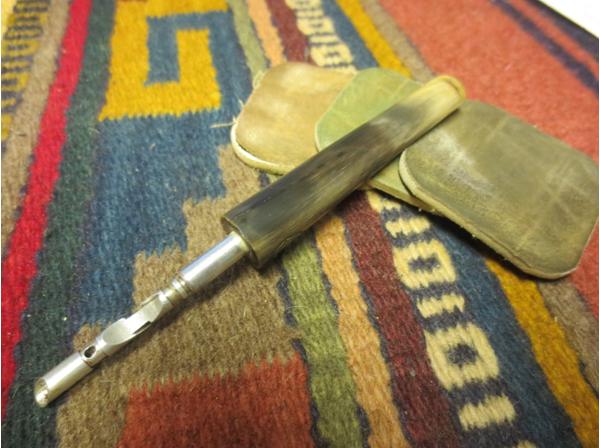
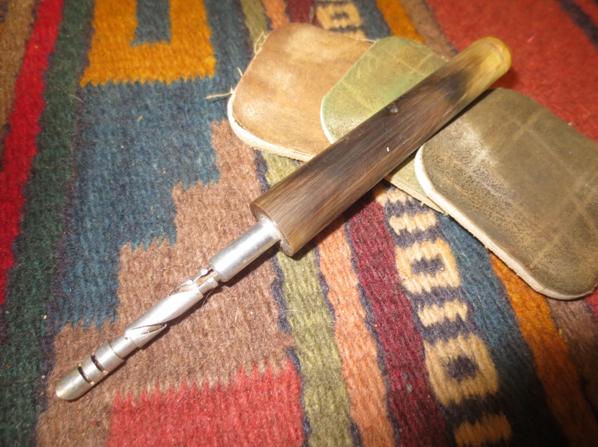
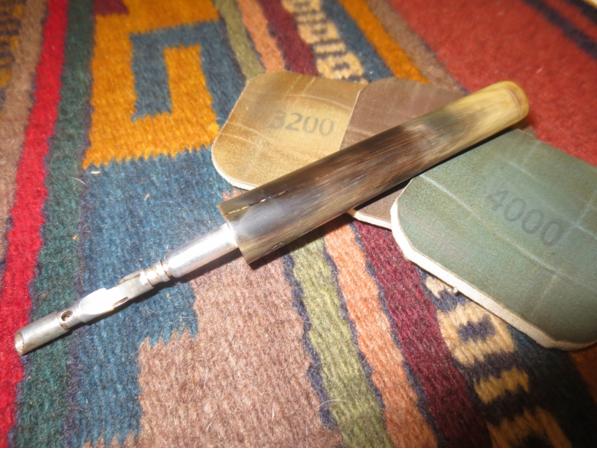
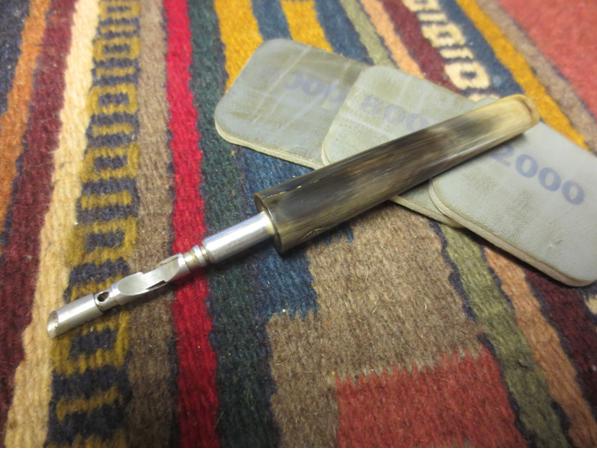
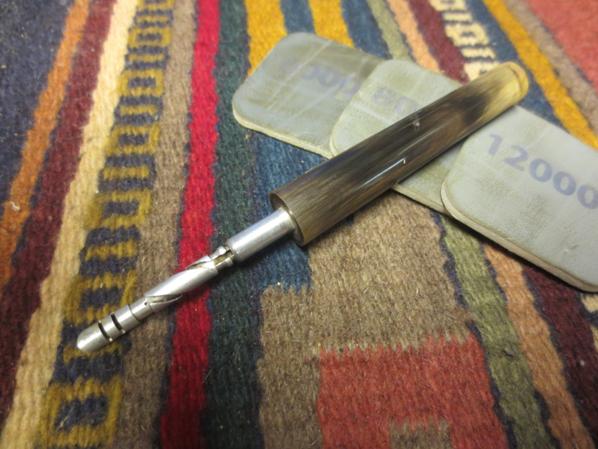
I don’t know how long I have been looking for a Savinelli Pipe Knife but I have had an eye out for one for quite a while. Not too long ago I found this one on eBay and asked my brother to put a bid in on it for me. He won the knife. It came in the mail today. I unpacked the box of pipes he sent and in the lot was this beauty. It has a triangular stainless steel blade that is sharp on three edges. The point is slightly angled inward and neatly fits the bottom a bowl. The blade was dirty with some dried oils and carbon. It did not take too much to clean it up and freshen the cutting edges on the blade. The blade is stamped Savinelli with the Shield logo next to the name. Next to the handle it is stamped stainless steel. I lightly sanded the blade with 1500-2400 grit micromesh to polish the steel and also to clean up the edges as there were small nicks in the blade. Sav1The handle on the knife is round where the blade enters it. There is a small round piece of acrylic that separates the blade from the briar handle. The body of the handle is sand blasted briar and is oval and fits neatly in my hand. There is a smooth round band of briar next to the acrylic end so the contrast is really quite beautiful.Sav2 Sav3 Sav4 Sav5I am looking forward to putting this knife to good use on the next pipes I work on. I can’t wait to see if it is as good to work with as many have said. But you know what? Even if it isn’t it is still a beautiful looking, well made tool.

Restemming a Comoy’s Sandblast Goldenbark 6 Billiard


Blog by Steve Laug

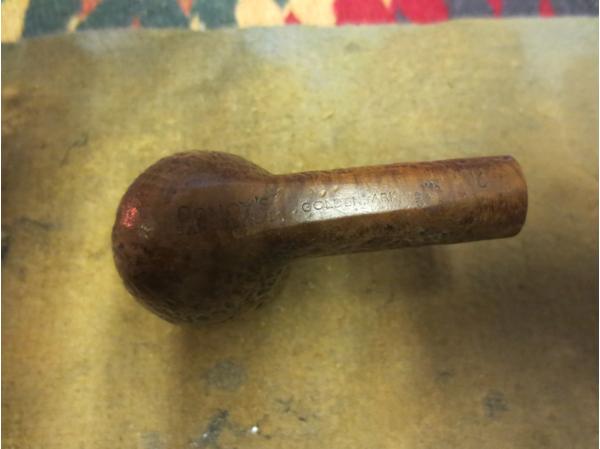
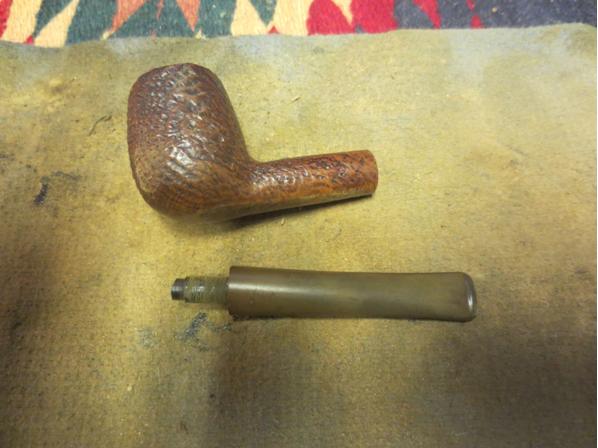
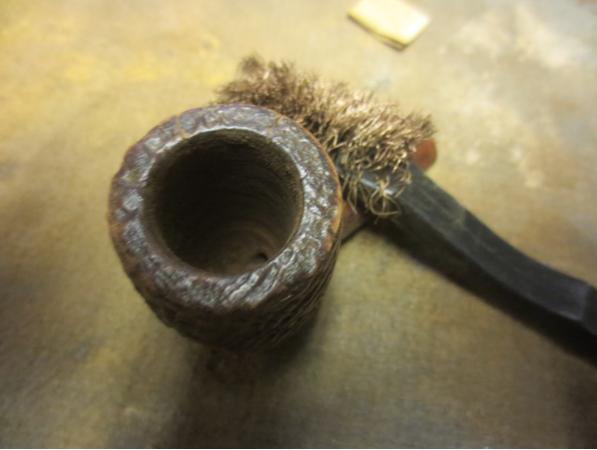
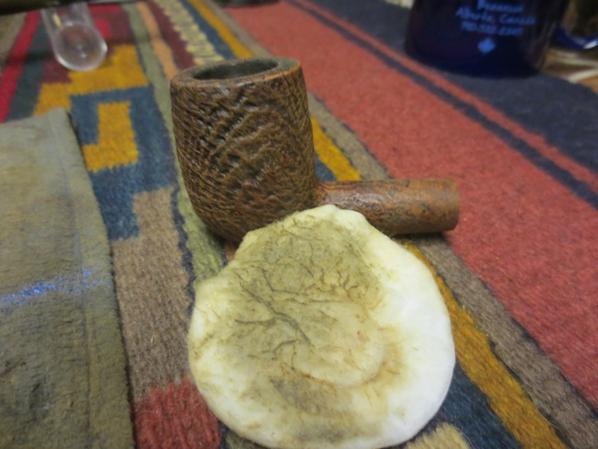
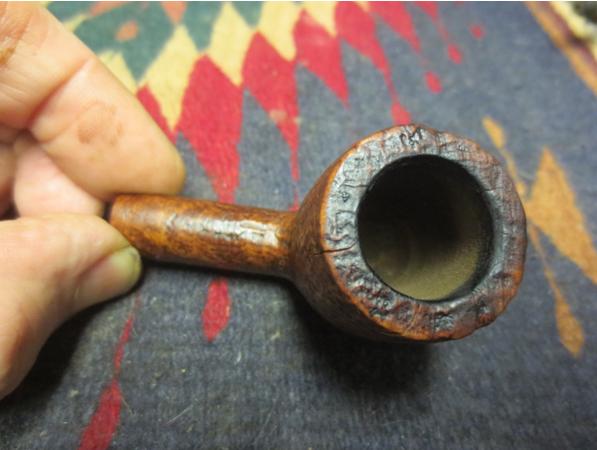
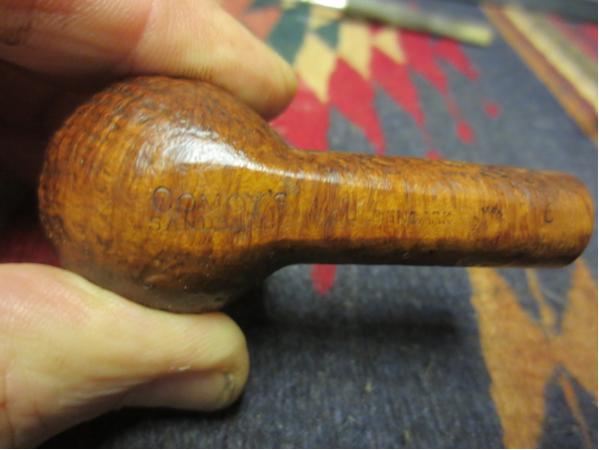
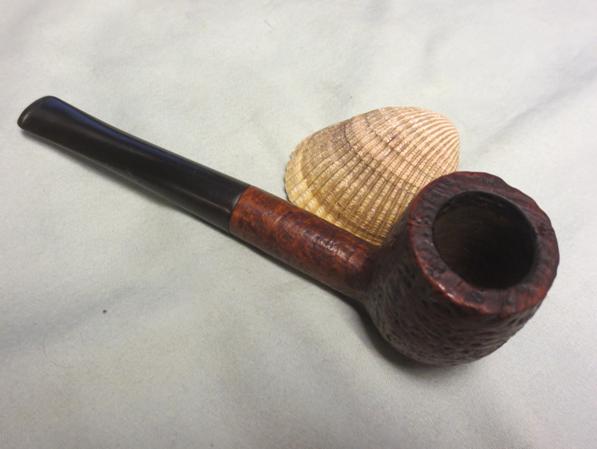
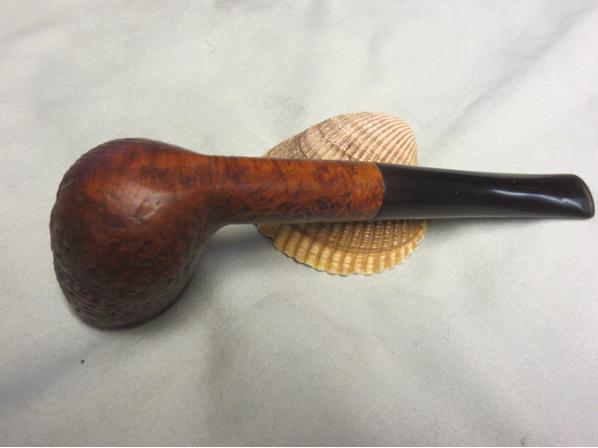
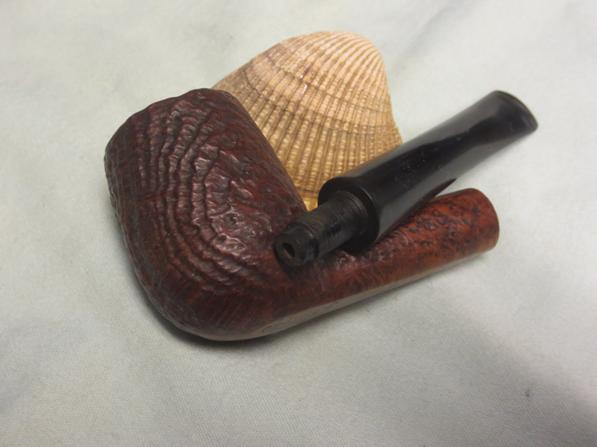
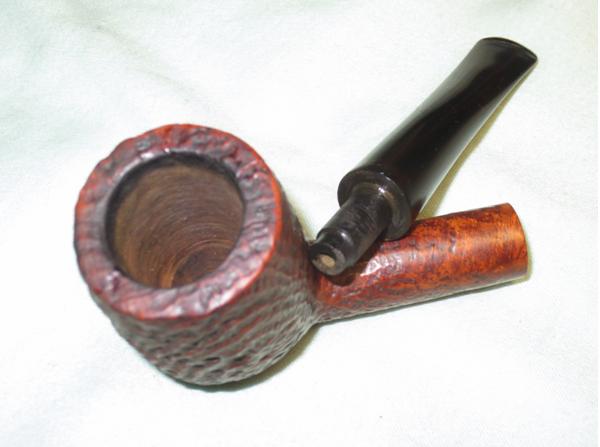
This sandblast bowl came to me in a lot of pipes from eBay. When I saw it I was pretty excited about refurbishing it. It had a great blast and really appeared to be a decent looking pipe. With a little bit of elbow grease it would be a beauty. It is stamped on the on the underside of the shank in a smooth flat base. It reads COMOY’S over SANDBLAST on the bottom of the bowl. Next to that is stamped GOLDENBARK followed by the Com Stamp – a circle composed of MADE ENGLAND with IN stamped in the middle of the circle. Following that it is stamped with the number 6. The finish was dirty but underneath there was some great grain showing through the blast. Someone had reamed the bowl before I got it so it was really quite clean. Once the grime was cleaned out of the swirls and ridges in the blast it would look really sharp. I would need to fit a stem to the shank to complete this pipe but it had a lot of promise.Comoy1 Comoy2 Comoy3 Comoy4I went through my can of stems and found this one. It took very little sanding on the tenon to get a snug fit in the shank.Comoy5 Comoy6I scrubbed the top of the rim with a brass bristle brush to remove the tars and grit in the sandblast in that area. The blast looked really good under the grit. So far so good!Comoy7I scrubbed the finish with acetone on cotton pads to remove the finish and the grit.Comoy8 Comoy9 Comoy10With the grime cleaned off the rim I found three disturbing looking cracks on the rim. One of them was small and was on the top with minimal cracking down the side of the bowl. One of them was cracked down the inside of the bowl about ½ of an inch and the third was cracked down the outside of the bowl almost an inch. This was a huge disappointment. I figured I had a nice example of a Comoy’s Sandblast and while it was the cracks gave me serious pause. This one would clean up and be good basket pipe but never one that is stellar. It would probably last longer than me but I was choked.

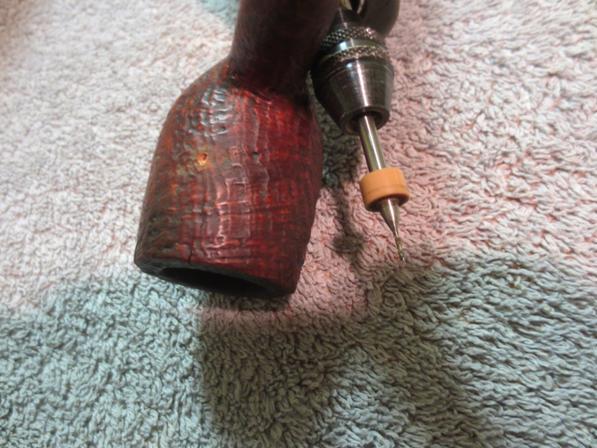
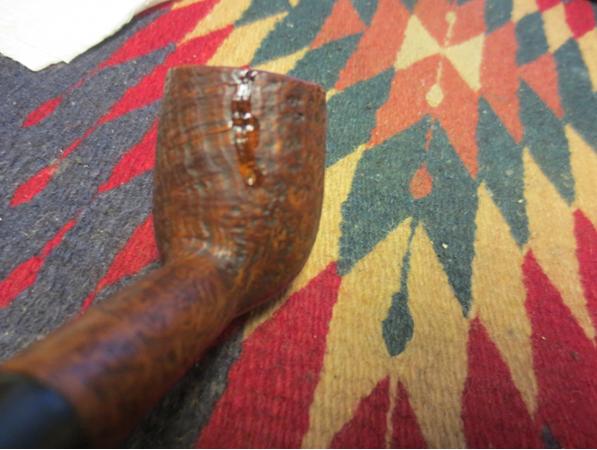
I almost stopped working on it at this point and pitched it back in the refurb box but I decided since I was so close to finishing it I would complete the task. I rubbed the bowl down with a light coat of olive oil and dried it off. I buffed the bowl with a shoe brush.Comoy11 Comoy12The photo below of the top of the rim shows the crack toward the back of the bowl that ran down the back side for almost an inch. I would need to drill the end of the crack and repair it. The other cracks are not as visible but they are at about 10 and 4 if the front of the bowl is 12.Comoy13 Comoy14I used a micro drill bit on the Dremel to drill a small hole at the bottom end of the largest crack. The crack on the inside of the bowl was irreparable at this point and I drilled a small hole at the end of the small crack as well. Comoy15I used a tooth pick to push super glue into the holes and then pushed super glue into the cracks on the bowl sides. At the top of the rim I also used the tooth pick and pressed the glue down into the cracks.Comoy16 Comoy17Once the glue had dried I used a sanding stick to gently sand the glue that was on the surface of the rim and in the cracks on the bowl sides to remove the excess.Comoy18 Comoy19The repairs to the cracks were as complete as I could make them so I set the bowl aside and worked on the stem. I have to tell you the pleasure of fitting this stem and making it shine had pretty much dissipated. This is one of the frustrating things about pipe restoration. You find what appears to be a great pipe only to run into unforeseen issues in the restoration. For me this one had move from a pleasure to a “get it done” pipe! I wet sanded the stem with 1500-2400 grit micromesh sanding pads and then rubbed it down with Obsidian Oil. I dry sanded with 3200-4000 and gave it another coat of oil. I finished with 6000-12000 grit pads and gave it a final coat of oil. I set it aside to dry.Comoy20 Comoy21 Comoy22I buffed the pipe with Blue Diamond on the buffing wheel – careful to have a light touch on the bowl. I then gave the pipe several light coats of carnauba wax. I buffed the pipe with a clean buffing pad to raise the shine. I then buffed it by hand with a microfibre cloth. The look of the blast is quite beautiful it is only a shame that the bowl had the cracks in it. The repairs are quite invisible but I know that they are there and to me it diminishes the beauty of the pipe. It will likely smoke well and last longer than me. One day I will likely gift it to a friend. Until then it will reside in my collection. The photos below show the finished pipe. Thanks for looking.Comoy23 Comoy24 Comoy25 Comoy26 Comoy27 Comoy28 Comoy29

Restoring a William Demuth Co. Wellington


Blog by Alan DP

I was going through files on my computer the other evening and came across an article I picked up somewhere on the web back in October 2008. Alan DP wrote this and posted it February 25, 2008 for one of the Pipe Forums or online pipe communities. I have always liked WDC pipes and have had many over the years that I kept for my own collection or repaired and restored for others. The vast array of styles, shapes and designs may contribute to my like of the brand. I have older ones from the late 1800’s and later ones as well. When I came across this post of Alan’s I read with interest his work on the Wellington and his helpful information and thought I would share it here. Alan if you happen to read this thank you for your post. It is a great read. Here are Alan’s own words.
–Steve

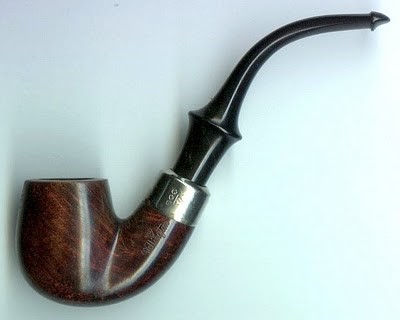
Here’s a scannergraph of the old Wellington not long after I brought it back from the brink of oblivion. It was part of an eBay lot and I immediately decided it was a keeper, because I had no other pipe like it.WDC1

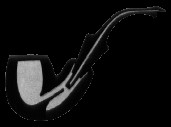
The Wellington is the WDC copy of the Peterson System pipe. Here’s a cutaway diagram that I snagged from Pipe & Pouch to help explain this pipe’s design.WDC2

The bit, rather than connecting directly to the bowl via the shank, fits into a sort of pocket or reservoir where the air sort of swirls around as it goes into the bowl. The upper air passage goes on into the bowl, and the bottom reservoir collects moisture. This looks like another odd gimmick, but in my opinion, this one works very well. Of course, it requires additional attention when cleaning. I use a cotton swab to clean out the reservoir, and pipe cleaners as usual to clean the air passage.

WDC3

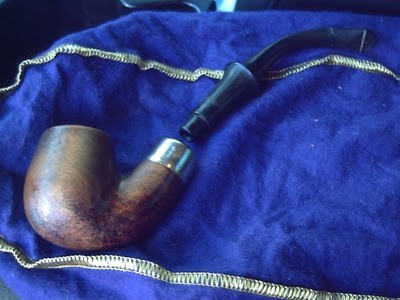
Another thing about the Wellington (and other Peterson copies) is the military bit. Rather than the traditional tenon/mortise arrangement, the bit simply tapers down slightly and wedges into the shank, remaining in place from the pressure of insertion. This design makes it safe to remove the bit while the pipe is still warm–something that is not a good thing with a tenon/mortise design.

A third thing that sets the Wellington/Peterson pipes apart is the button on the bit. Go back and look at the first photo as well as the cutaway graphic and pay attention to the end of the bit. This is a bit design created by Peterson and is called the P-lip. The hole is on top of the button rather than in the very end, and is angled upward to direct smoke toward the roof of the mouth rather than straight into the tongue. Also, the curved underside of the bottom helps to prevent the tongue from touching the opening of the air passage. The upward-pointing opening is supposed to help prevent tongue-bite, and the curved “tongue shield” helps keep saliva from getting into the stem by being touched with the tongue (something that is a troublesome unconscious reflex for some pipe smokers).

Some people hate the P-lip because it feels different. I have no special preference nor objection to it, at all. To me it’s just another bit. The P-lip bit does have a more rounded shape than most bits, and it does feel somewhat different, but it’s nothing that anyone shouldn’t be able to get used to.

This old Wellington has become one of my favorite pipes. Its size and deep bend gives it an impressive appearance and a comfortably low center of gravity. As you can see in the second photo, I have managed to wear off some of the finish since it came into my hands, and I will eventually be refinishing this one. Meanwhile, this is one of my regular truck pipes and I often smoke it on the long commute home in the afternoon. If I manage to come across any more of these pipes in my eBay adventures, I will probably keep them all–at least until I build up a good week’s worth of pipes for rotation.

FYI, Kaywoodie also had a copy of the Peterson System pipe, called the Chesterfield. Unfortunately, I haven’t been able to acquire one of those yet.

A New Brand for me – A Riff 221 Horn Stem Billiard


Blog by Steve Laug

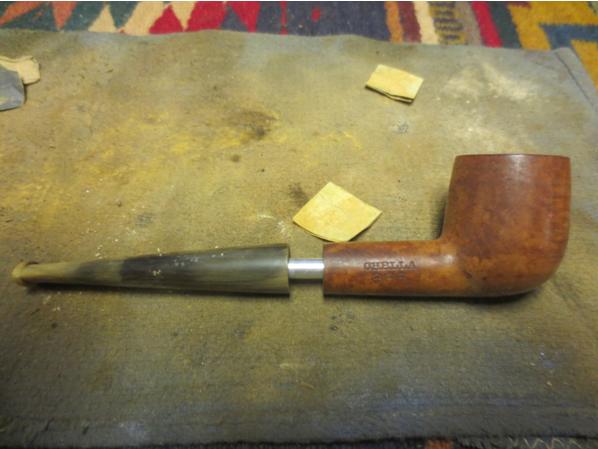
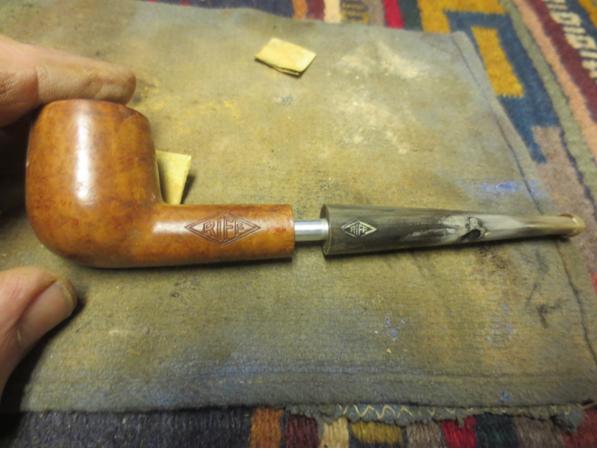
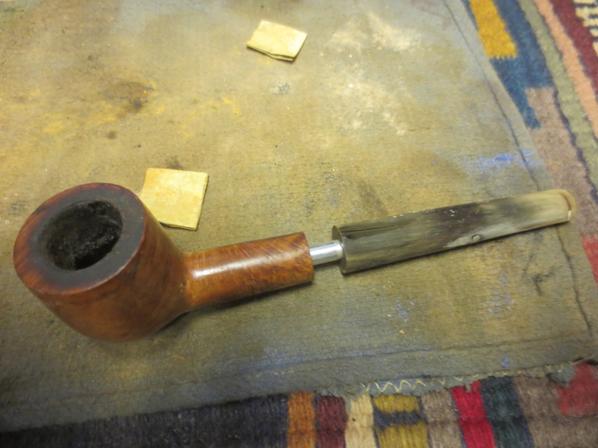
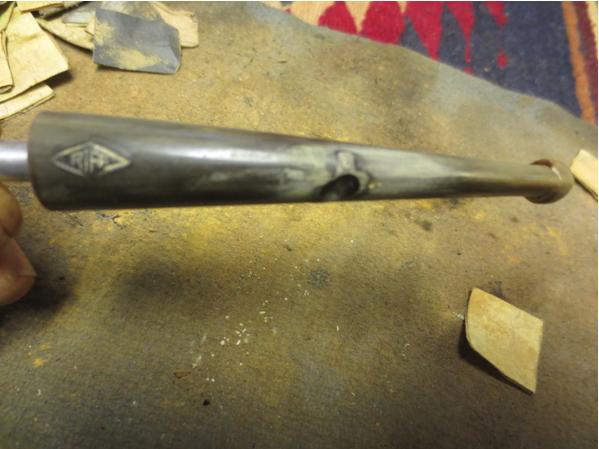
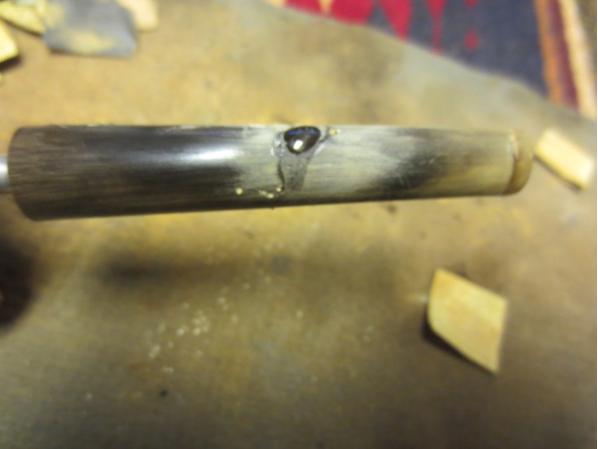
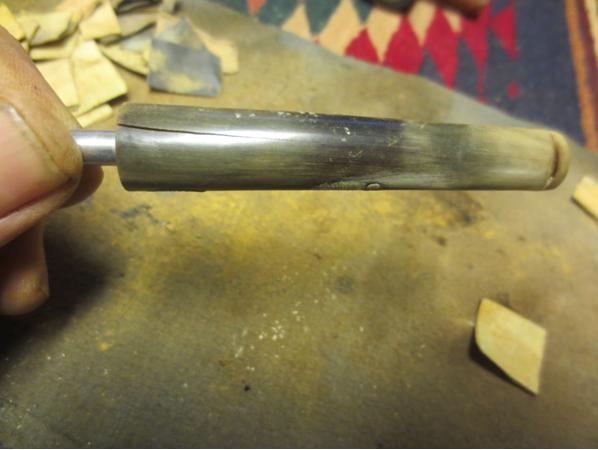
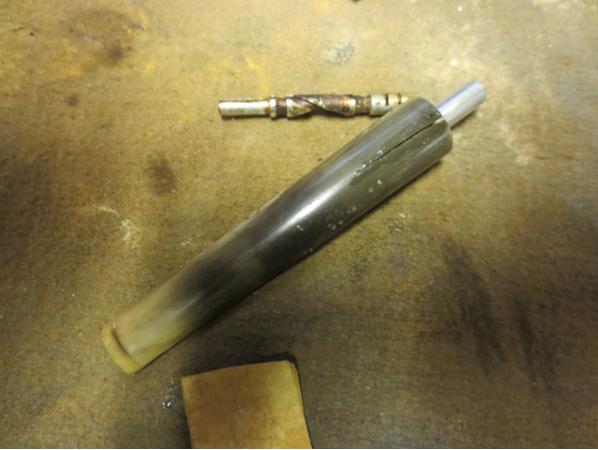
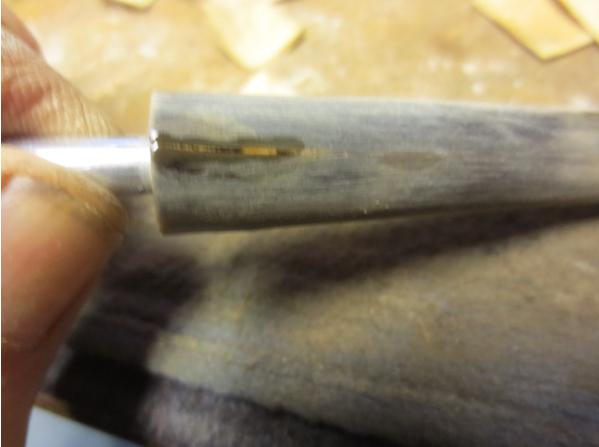
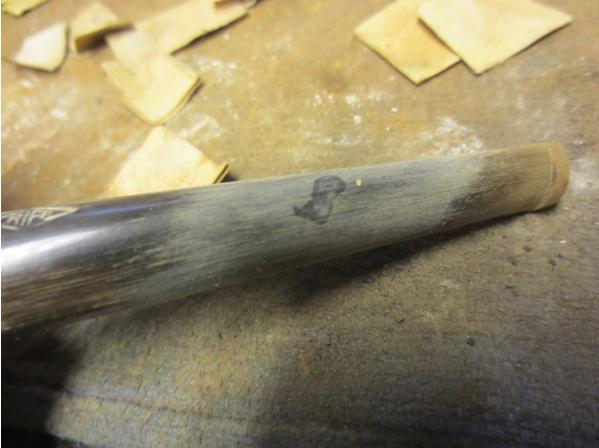
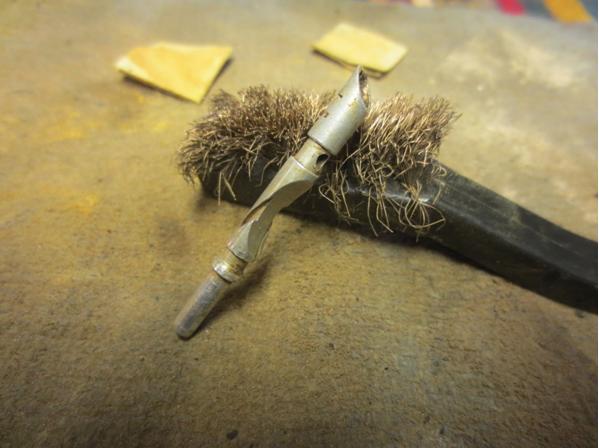
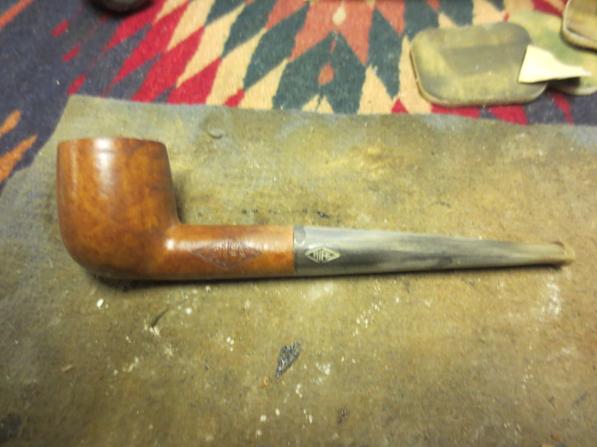
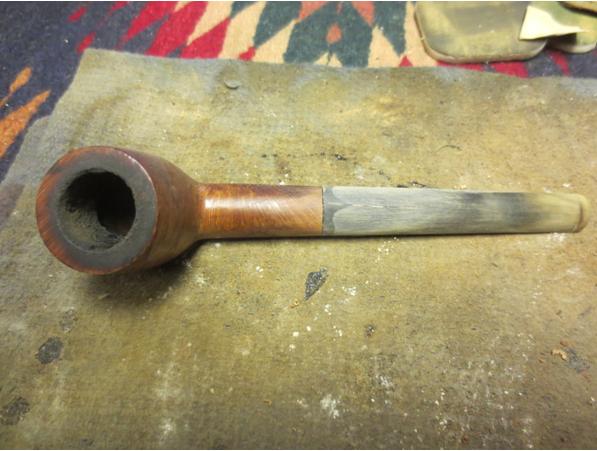
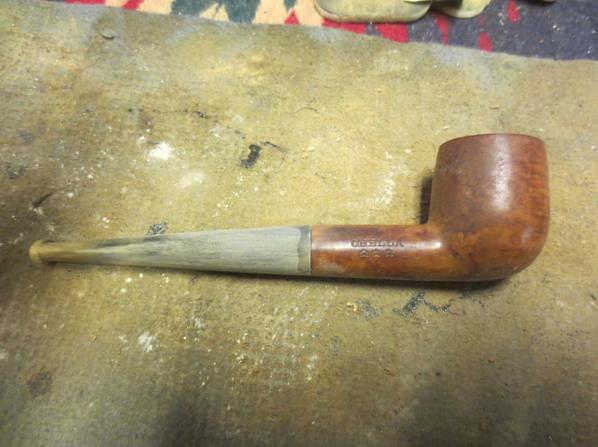
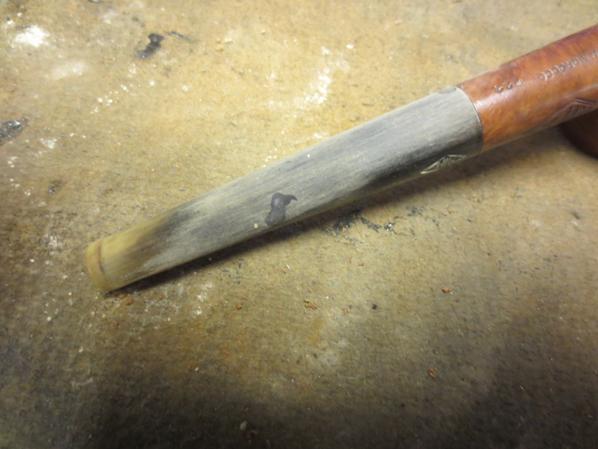
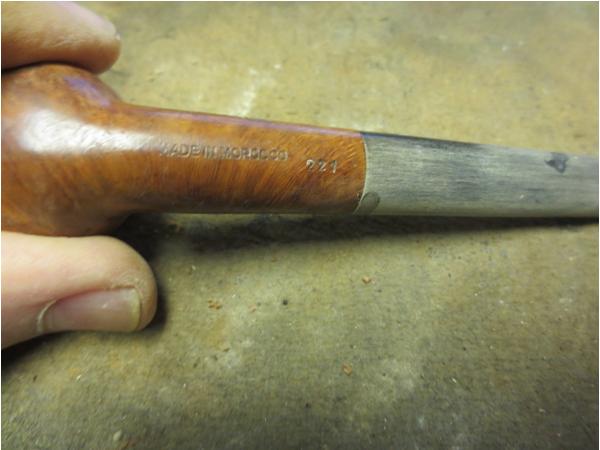
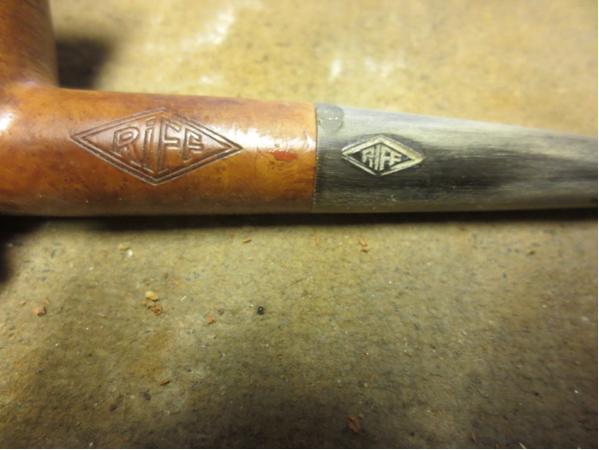
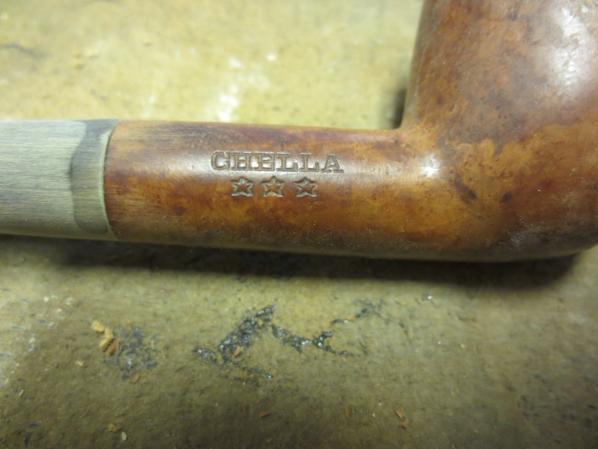
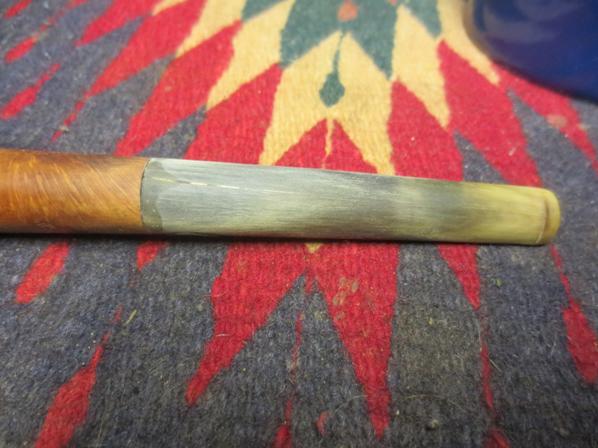
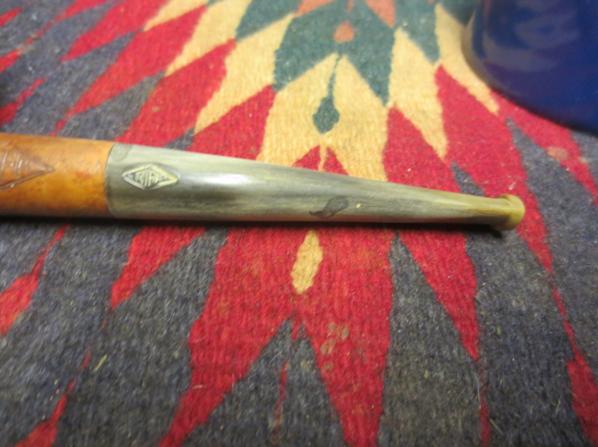
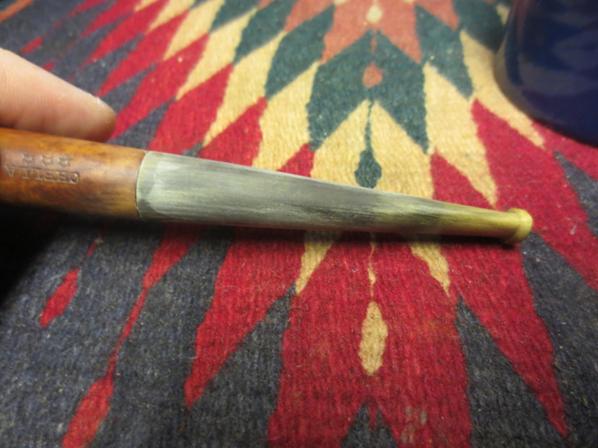
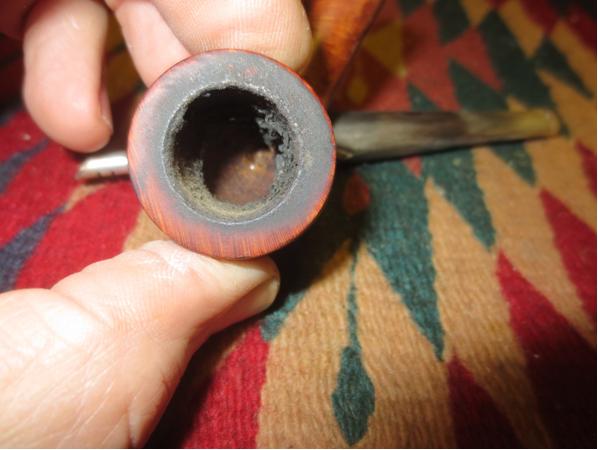
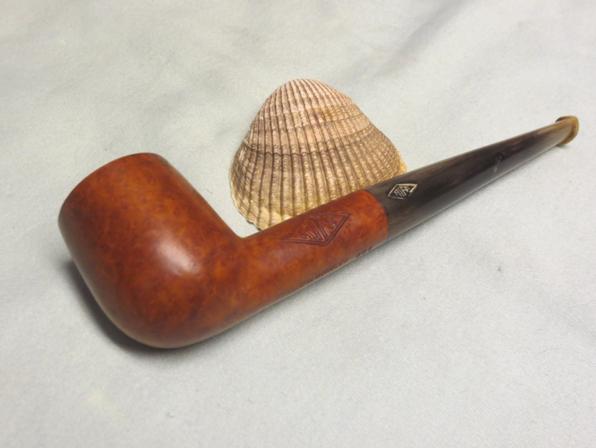
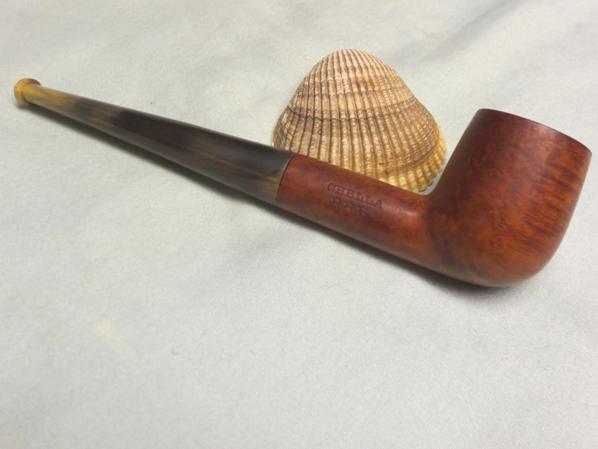
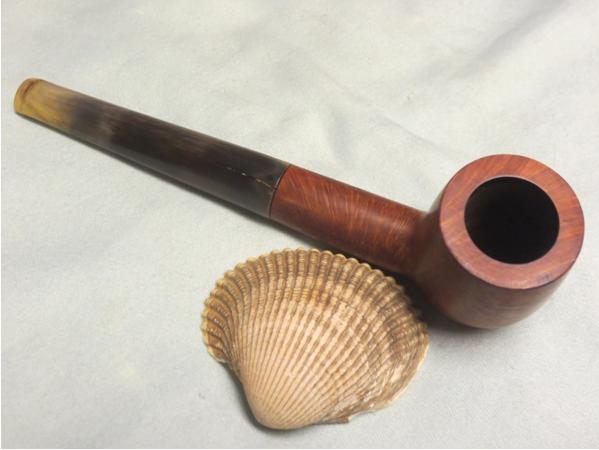
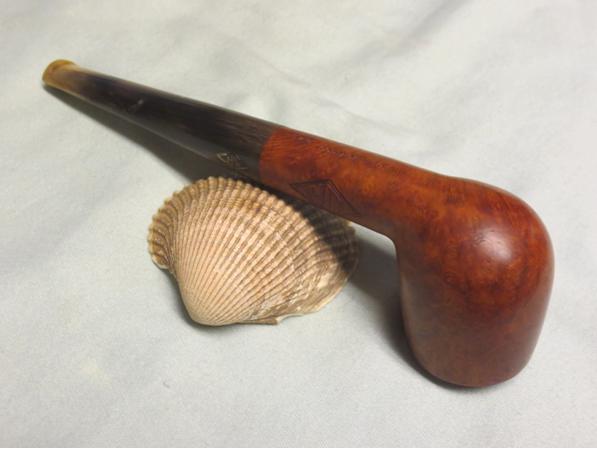
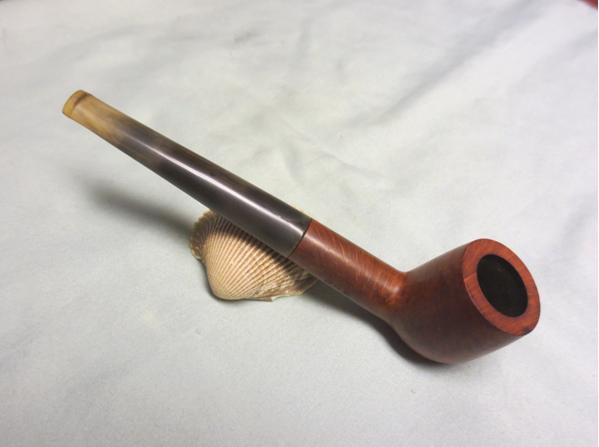
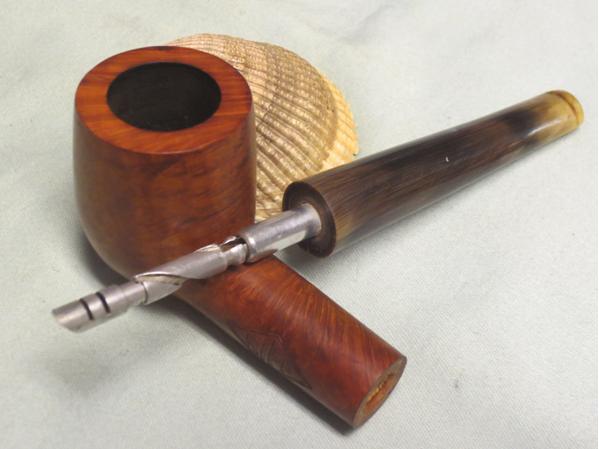
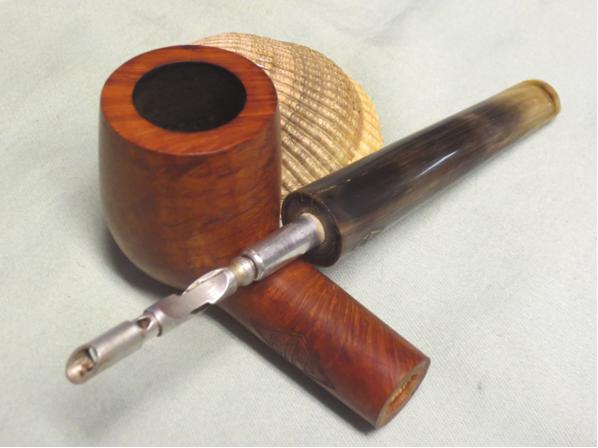
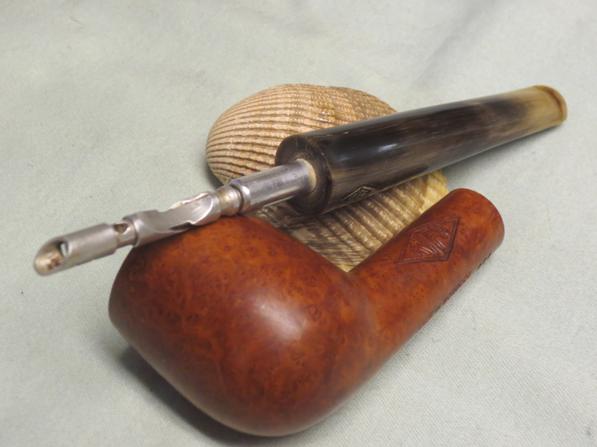
This was a new pipe brand for me. It is stamped RIFF in a double lined diamond on both the left side of the shank and on the horn stem. On the right side it is stamped CHELLA over *** (3 stars). On the underside of the shank it is stamped Made in Morocco and the shape number 221. This has to be the first Morocco made pipe that I have worked on. It was in pretty decent shape in terms of the bowl. There was a shiny shellac coat over a natural finish. The rim had some tars and oils built up on the back top side but inner and outer edge was in perfect shape. There was a slight burn mark on the front right top of the rim. The bowl had a slight cake that was uneven around the inside. The problem lay in the stem. There was a large crack in horn on the top that traveled half way down the stem. There was also a large chunk of horn missing on the underside of the stem. It was a very smooth scooped shape chunk that made me wonder how it had happened. When I pulled the stem out of the shank there was a large stinger apparatus that extended the length of the shank and ended in the bottom of the bowl. The tenon was metal. The internals of the shank and stem were quite clean.Chell3 Chello1 Chello2I was jazzed to work on this stem as it provided several challenges to me. I forgot to take pictures before I started but caught myself just after I started to work on the underside of the stem. I wiped the stem down with a cotton pad and alcohol to clean off the surface. I began to fill in the edges of the missing chunk with clear super glue. I layered the glue in place on the area until it was filled. Once it had cured overnight I would sand it down smooth with the surface of the stem.Chello4 Chello5I cleaned out the crack with a dental pick. I drilled a tiny hole with a micro-drill bit at the end of the crack – toward the button. I filled in the crack and the drill hole with clear super glue and squeezed the crack together. I repeated the fill process until it formed a ridge along the crack. Once it cured I would sanded it smooth as well.Chello6 Chello7 Chello8 Chello9While the repairs on the stem dried I worked on the stinger. I used the brass bristle brush and alcohol to scrub off the oils and tars.Chello10In the morning I sanded the stem with 220 grit sandpaper. I had built up the edge that faced on the shank to fill in the gap caused by the crack. In the photo of the top view of the stem it is the darkened band around the edge of the stem next to the shank. I sanded the stem smooth and blended the repairs into the surface of stem.Chello11 Chello12 Chello13 Chello14I took some close-up photos of the stamping to show it to you. It was unique to me. The first photo shows that the underside of the shank reads Made in Morocco 221. The second photo shows the stamping on the left side and the horn stem – RIFF in a double diamond. The third photo shows the stamping on the right side of the shank – CHELLA ***. At this point you can see the repairs have blended into the surface quite well. They are darker than the stem material but most of that will disappear as the stem is polished. The stem is smooth on the top and the bottom and the crack and the missing chunk are no long detectable to touch.Chello15 Chello16 Chello17I continued to sand the stem until the repairs were very smooth.Chello18 Chello19 Chello20 Chello21With the initial work done on the stem I worked on the bowl. I reamed it with a PipNet reamer and took the cake down to bare wood.Chello22 Chello23 Chello24The rim top was damaged with heavy tarring and a small burn mark on the front right side. I topped it lightly with a topping board to remove the damage and the build up.Chello25 Chello26I scrubbed the shellac off the bowl with acetone on cotton pads to get down to the natural briar.Chello27 Chello28 Chello29I cleaned the stem with pipe cleaners and alcohol and the shank with the same using cotton swabs along with the pipe cleaners. It did not take much to remove the grime on the inside.Chello30 Chello31I wet sanded the stem with 1500-2400 grit micromesh sanding pads to begin to polish it. The first photo below shows the top of the stem and the second shows the underside.Chello32 Chello33I rubbed it down with Obsidian Oil and then dry sanded with 3200-4000 grit pads. The cracked area on the top of the stem is visible when you look for it but it is smooth to touch. It is interesting to see the striations begin to show in the polished horn.Chello34I gave it another coat of oil and then finished sanding it with 6000-12000 grit micromesh pads. The crack is definitely less visible on the top side of the stem (first photo below) and the filled in area on the underside is almost invisible (second photo).Chello35 Chello36I rubbed the briar down with a light coat of olive oil and then buffed the stem and bowl with Blue Diamond on the wheel. I gave the pipe multiple coats of carnauba wax and buffed it with a clean buffing pad. I had buffed it with a microfibre cloth. The finish pipe is shown in the photos below. I tried to give a variety of photos and angles so that you can see the repaired areas. Chello37 Chello38 Chello39 Chello40 Chello41The photo below shows the underside of the stem and the repaired area mid stem near the spot in the photo.Chello42The next two photos below show the repaired crack in the top side of the stem from various angles. While it is visible to the eye it is smooth to the touch. The crack has been stabilized and the drilled spot at the far end has stopped it from spreading further. I am happy with the finished pipe. Thanks for looking.Chello43 Chello45

1947 Parker Super Briar Bark Prince


By Al Jones

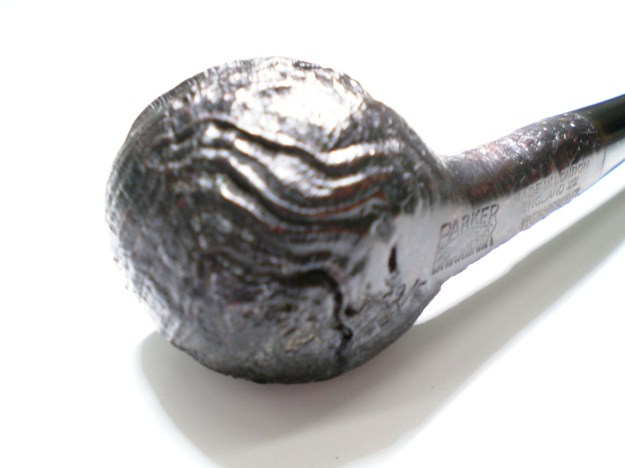
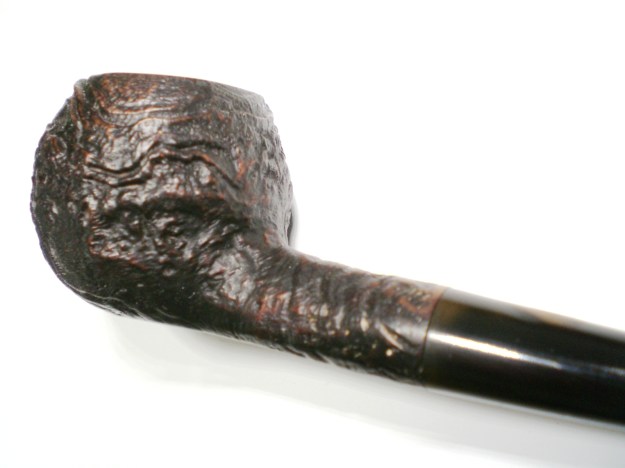
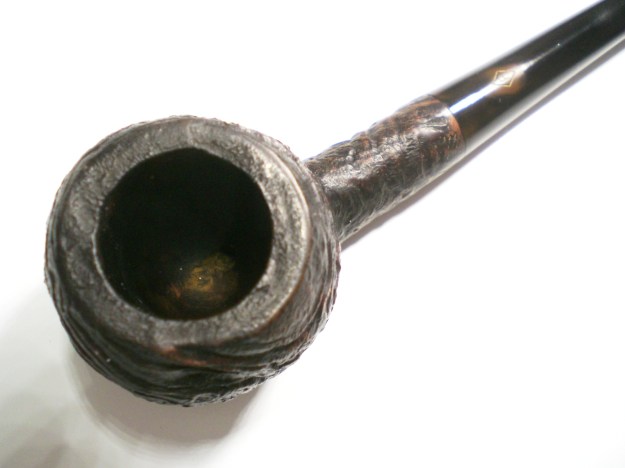
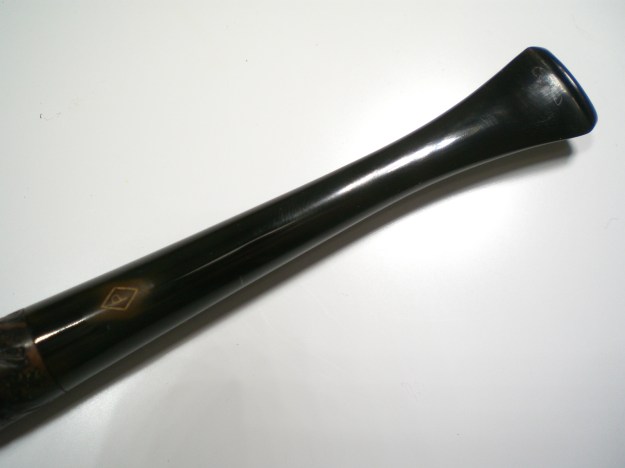
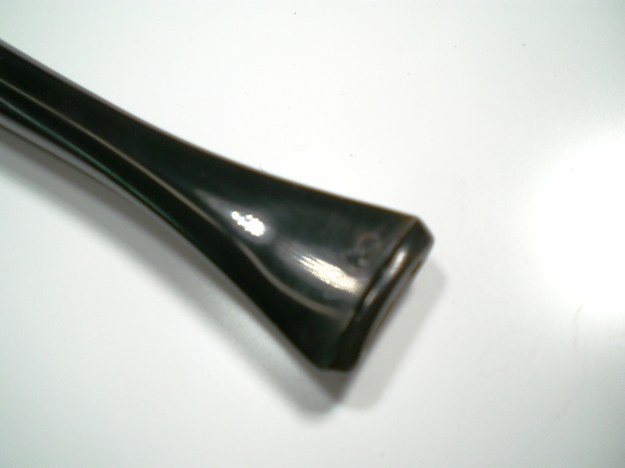
It has been a while since I’ve been so excited to work on a pipe. This Parker Super Briar Bark was snagged by my friend Dave. He always has a good eye for a great pipe and asked me to restore this for him. The blast on the pipe is hard to believe and I was thrilled to open his package and handle the pipe. The pipe had a thick cake,but the briar looked magnificent. The stem was heavily oxidized and had a hole in the stem and some teeth intentions. Overall, it didn’t look like a difficult restoration. George Dibos reminded me that removing all of the oxidation would decrease the stem dimensions.

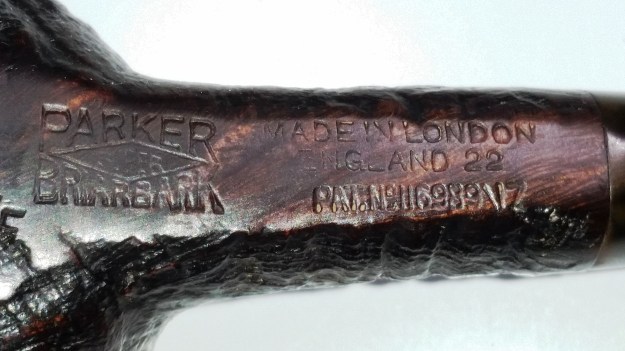
The pipe is stamped with the Patent number and a two-digit “22” (not underlined). I’ve learned that the dating for this pipe starts with the number 20 in 1945, making this pipe a 1947 manufacture.

Below is the pipe as received.

Parker_Super_Bark_Before (1)

Parker_Super_Bark_Before (3)

Parker_Super_Bark_Before (5)

Parker_Super_Bark_Before (6)

I reamed the bowl and found what appeared to be a heavy cake was only loose tobacco that was never removed from the last time it was smoked. The bowl interior was in outstanding condition. The tars on the bowl top were removed by rubbing with a cloth dipped in Oxy-clean solution.

The biggest issue and a huge concern was that the stem was stuck fast to the bowl. The pipe is so small, and stem so slim, I had to be careful to not break the tenon. Typically, a pipe can be placed in the freezer, which allows the briar to expand and release the stem. This also makes the tenon incredibly brittle. I decided to first try filling the bowl with alcohol and plugging the button end. After an hour of soaking, I was able to remove the stem without damage.

I put a dab of grease on the stamped “P” stem log and soaked it in a mild Oxy-clean solution for several hours. After the soak, I started removing the oxidation with 800 grit wet paper. Once the heavy layer was removed, I started to work on the hole near the button. I put packing tape on an index card, then cut that into a shape that would slip into the stem. I put a light coat of grease on the taped piece of index card to keep glue from sticking to it. I used the Black Super glue product to slowly fill the hole. Here is the stem with several layers of super glue, then sanded smooth.

?

?

Parker_Super_Bark_Before (10)

Parker_Super_Bark_Before (11)

The oxidation on the stem was removed starting with 800 grit paper, moving thru 1500 and 2000 grade. 8000 and 12000 micromesh was used and the the stem was buffed with White Diamond and Meguiars Plastic Polish. I covered the P stem logo with a small piece of masking tape.

Parker_Super_Bark_Before (12)

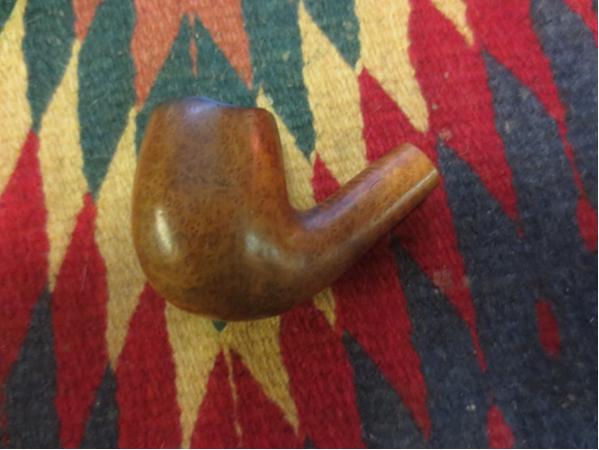
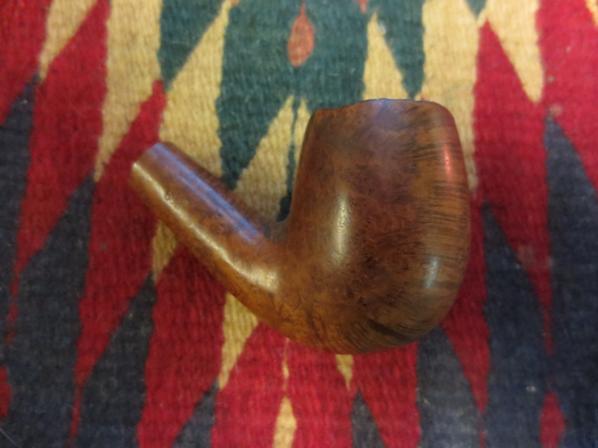
Below is the finished pipe.

Parker_Super_Bark_After (1)

Parker_Super_Bark_After (6)

Parker_Super_Bark_After (2)

Parker_Super_Bark_After (7)

Parker_Super_Bark_After (10)

Parker_Super_Bark_After (9)

Parker_Super_Bark_After (5)

Parker_Super_Bark_After (3)

Parker_Super_Bark_After (4)

Parker_Super_Bark_After (8)

?

?

Parker_Super_Bark_After (1)

Restemming a GBD International London Made – 508 Bent Billiard


Blog by Steve Laug

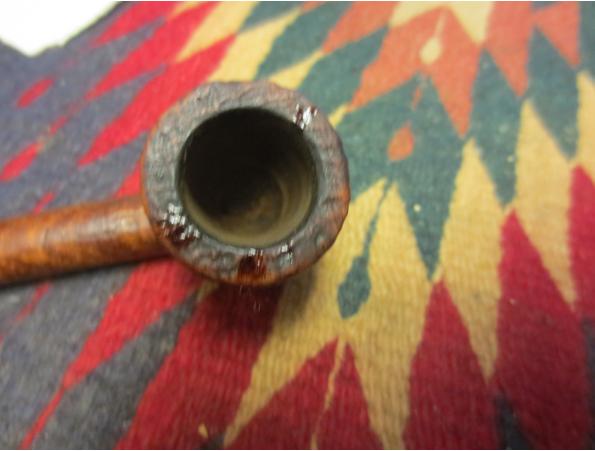
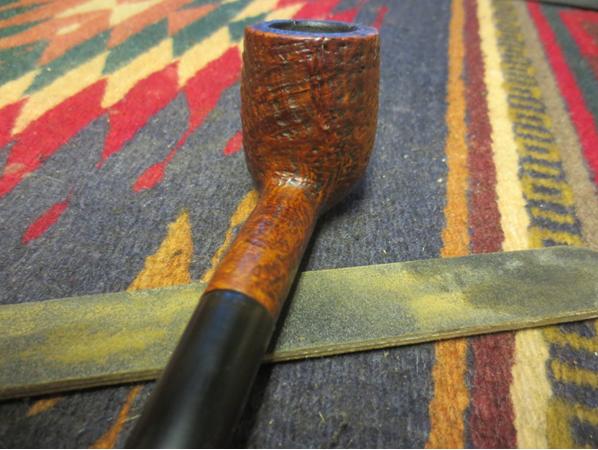
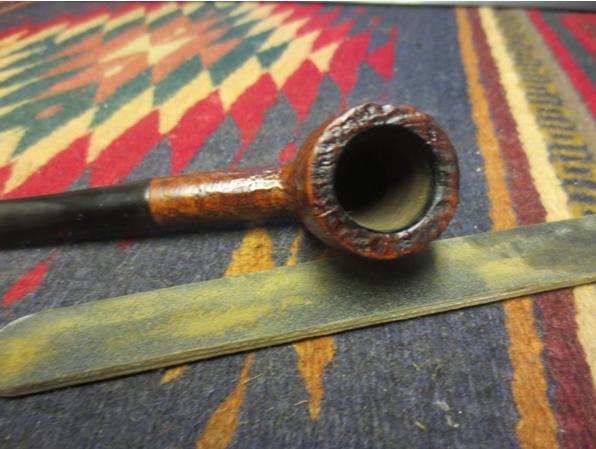
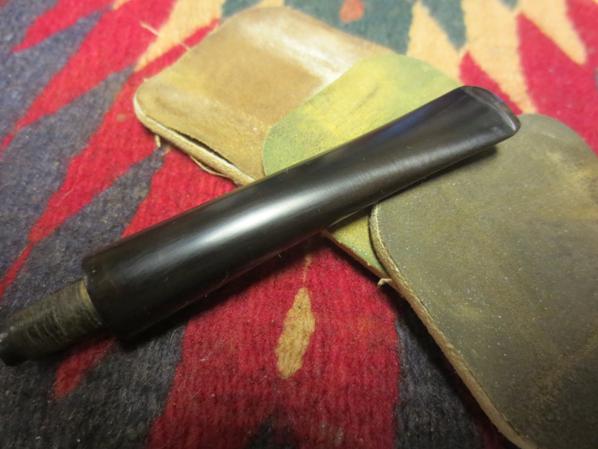
Quite a while ago now my brother Jeff picked up a handful of pipes from an antique shop in Montana. There were quite a few GBD pipes in the lot. One of them was this GBD International bent billiard. It came with a gnawed off stem that was irreparable. The bowl was caked and dirty and the rusticated/plateau top was filled with grime to the point that it was almost smooth. The bowl looked good under the grime and the finish looked salvageable. The pipe was stamped GBD in an oval over International over London Made on the left side of the shank. On the right side it was stamped with London England over the shape number 508. I failed to take photos of the bowl before I cleaned it up as I was on a roll with about four bowls going at the same time. Here is what it looked like after I had wiped it down with alcohol. I scrubbed the plateau top with a brass bristle brush and some Murphy’s Oil Soap. I rinsed it down with cool water and dried it off. It is in very good shape. I had reamed the bowl with a PipNet reamer and cleaned out the shank and the bowl. GBD1 GBD2 GBD3 GBD4I went through my stem can and had several potential stems there. I chose one that was slightly larger in diameter than the shank. I had to shorten the tenon as it was too long to sit correctly in the shank.GBD5 GBD6With the tenon shortened the stem fit nicely in the mortise. The diameter was close and I would adjust it to fit.GBD7The stem was a used one that I recycled and it had one deep bit mark on the top side near the button. I sanded it smooth and cleaned it before I filled it in with black super glue. Once the glue cured I sanded the repair with 220 grit sandpaper to smooth it out.GBD8 GBD9I used the Dremel and sanding drum to reduce the diameter of the stem. I sanded it with 220 grit sandpaper until the transition was smooth. I wiped down the bowl with acetone on cotton pads to clean off the remaining grime before restaining the rim with a Black Sharpie.GBD10 GBD11 GBD12 GBD13I heated the stem over a heat gun until it was pliable and bent it to the proper angle. I set the bend with cold water. I sanded the stem with 220 grit sandpaper to remove the scratches left behind by the Dremel and smooth out the flow of the stem.GBD14 GBD15I sanded the stem with micromesh sanding pads – wet sanding with 1500-2400 grit pads. I rubbed the stem down with Obsidian Oil and then dry sanded it with 3200-4000 grit pads. I gave it another coat of oil and then finished sanding it with 6000-12000 grit pads. I gave it a final coat of oil and let it dry.GBD16 GBD17 GBD18I buffed the bowl and stem with Blue Diamond on the buffing wheel and then gave the pipe multiple coats of carnauba wax. I buffed it with a clean buffing pad and then hand buffed it with a microfibre cloth. The finished pipe is shown in the photos below. The grain on this pipe is spectacular – great birdseye on the sides and cross grain on the front, back and bottom. The plateau or rustication on the rim that I stained black gives it a unique look. I think it is a beauty! Thanks for looking.GBD19 GBD20 GBD21 GBD22 GBD23 GBD24 GBD25 GBD26 GBD27

My Reluctant Journey into Pipe Repair


Blog by Steve Laug

I decided to take some time to reflect on my slide into pipe repair work. I figured it would be good to process the slide a bit and try to wrestle with my reticence. I have been reluctant to take on pipe repairs for other people because I really like doing the work as a hobby and I don’t really want to deal with all the potential people issues. I find it relaxing to move at my own pace and when I feel like doing the work. To add the desires and wishes of another person with their own expectations and times lines to the mix was something that I avoided for the longest time by just repairing pipes for close friends or pipe club members when I felt like it. I just did not want to ruin a perfectly good hobby and put myself at the mercy of others who exacted such a variety of forms of torture and suffering on briar and meerschaum. I wanted to be able to sit at my work table with some nice music playing, no pressure sip some coffee or a beer and just putter away. Working that way there were no deadlines or phone calls checking up on the status of a pipe. There was just the predictable ability of pipework to de-stress me. With my job I actually am never finished; each day marches on and the work is never done. With pipework I can often finish working on one or two pipes in an evening and even more on a weekend if I choose to do so. I have the immediate satisfaction of not only finishing something but bringing a worn and tired old pipe back to life – hence the name rebornpipes.reborn logoProbably the beginning of the downward slide into pipe repair can be associated with the start of my blog. A little over three years ago I started the rebornpipe blog as an online storage site for the documentation I had done over the years of learning the art of pipe refurbishing. I have been on Smokers Forums for many years and about that time the server was hacked and all of the posts and archived material that I had written there on pipes and repairs disappeared into cyberspace. Fortunately I had saved copies of every post with pictures included on my hard drive. But to add insult to injury the next thing that happened was that my hard drive crashed. I took it to the shop and they were able to rescue my files including the posts. That was enough for me. I found the WordPress site and signed up for the free version of the blog. I put everything on the web and breathed a sigh of relief. Now I have the blog plus I backed it up on DVDs and have them in storage and I keep the current years’ work on my new hard drive. I am convinced that one can never be prepared enough!
Over the years the blog has grown to include more than me – there are now many folks who have joined me in posting their work. I bought the domain name and upgraded the storage space and capacity of the sight. It did not take too long before I began to get emails from folks who wanted advice on how to repair their pipes or wanted to send them to me for a repair. In those early days I generally did the work for barter. A tin of tobacco, a box of pipe cleaners or even pipes were often the form of payment. All of these were ways I tried to keep from crossing the line and make my hobby into work. I still had an aversion to that and wanted to keep the line very clear.

Well the bartering took a turn – more of a slow and steady slippage into doing the work for others. Looking back I can see how it happened and when it took a turn. It seems like friends of friends wanted a new stem or a repair or a tenon replacement. There was no end in sight so I sought yet another way to keep the hobby just a hobby. I still did not want to step into the doing repairs for a fee. I did a bit of research to see what others charged to do what I was doing. My thinking at that point was truly to set a price and discourage the knocks on the door, the emails and the phone calls. However, it did not do that. Slowly but surely the stream increased. I still did some of the repairs in exchange for a tin of tobacco or something else that would be worth bartering. In my head I kept trying to at least postpone the inevitable day that would come when I would have to charge.

But the slippage into doing repairs for others continued and soon the postie was delivering boxes from all over the world for repairs. Sometimes I wonder what he thinks when he rings the bell and hands me yet another small box that says pipe for repair. I could still rationalize to myself that I was just helping friends I had met online in the various pipe forums or through the blog. But my rationalization was more a form of denial as the repairs kept coming. My wife and daughters soon raised the question that I had sensed was coming, “When are you going to come up with a price list for your repairs? You should get some compensation other than more pipes and tobacco for the work you are doing.” I tried to ignore them for as long as I could but one day I sat down and figured out a price list for what I do and designed a business card to match.
Business cardI should have figured out that the line was crossed with these two creations – a price list and a business card. The first iteration of the card only said Used and Estate Pipes Bought and Sold so I was still able to live in the wonderful world of denial. But even that soon gave way as with the next iteration of the card I added the word Repaired between Pipes and Bought.

The question is clear for me, “Did this signify the beginning of the end for my hobby – at least at some level?”. I continue to work on pipes I find and the ones my brother supplies me with as a hobbyist. The trouble is that I now have to fit them in between the ones that I am fixing for others. I cling tenaciously to the hobby aspect of refurbishing and refuse to let go of it! However, no matter how hard I tried the slippage became a full out free fall not long ago.

I know the precise moment that it happened. I can tell you the date but that really does not matter. I do know that when it happened it was a dark rainy Vancouver evening. After work I took my daughter to an eye specialist for an appointment. When I dropped her off I remembered that there was a cigar/pipe shop just down the hill from the clinic. So instead of paying a garage parking fee or feeding a meter I drove down the hillside to shop and parked in their lot. My thinking was I could park there for free and do a bit of shopping at the same time. It could be a win win for me – no meters or parking fees and I could pick up refurbishing supplies. I needed some pipe cleaners and I wanted to see what pipes the shop had available.

I had not been there for a long time so I was looking forward to checking it out. I had heard that they had a good selection of pipes and tobaccos. It had originally been just a cigar shop with nothing pipe related so this would be interesting. I parked in their lot and went inside. I greeted the two women who were running the shop and went into the pipe area. They had indeed made a lot of changes and carried some beautiful pipes. I was looking at the Peterson pipes in the display case when one of the women asked if I would like a coffee. I accepted her offer and was soon chatting with her about the pipes and tobacco they carried. As I we talked I asked her for different items and began to build my purchase pile. These included two packages and an additional six bundles of pipe cleaners and a tin of Escudo. She asked me what I needed that many pipe cleaners for so I told her that I worked on estate pipes. I even went out of my way to make it clear that restoring and repairing old pipes was a hobby that I really enjoyed.

That was where things got interesting. She wanted to know what kind of restoration work I did so I summarized what I did. I told her about my blog and suggested she check it out to see what kind of work I did. Up to this point I was pretty oblivious to where this was going. We were just having a conversation so I did not think too much about it. She asked for an email and a link for the blog so I gave them to her. You might think I was a little dense at this point and you are probably right in your assumption. When I am in a pipe shop I am pretty focused on pipes and tobaccos and not thinking about much else. I went through the various display cases and enjoyed the Dunhills, Chacoms, Butz Choquins, Brighams and several baskets of inexpensive pipes and cobs. Time was flying by while I waited to pick up my daughter.

Finally, I made my way to the cash register to pay the bill and collect my purchases. They ladies asked me if I had a price list of the work I do. I laughed and said yes I did. She then told me that the pipe repairman that they referred people to had retired. He lived in Toronto and was no longer working on pipes. They were in need of a new repairman. Then came the question – “Would I be willing to have them refer people to me with their repairs?” Unthinkingly, truly I did not think too much about it, I said sure. Well the slippage was over and I was free falling into repair work. I did not think much about it and went to pick up my daughter, quite oblivious to what would transpire.

It was not long before I began to get phone calls asking if I would repair a stem, a broken tenon, a damaged finish or a dent in a bowl. People began to drop off pipes at my door for me to repair. I think this is more than my family was expecting. Not too long ago my wife asked me when our home had become a pipe shop… fortunately she was laughing but I got the point. But what could I do, I was caught in the free fall and was doing repairs. I have met some interesting people in the last few months of this adventure. I had no idea the number of pipe smokers in Vancouver. I know a few from the pipe club here but the ones stopping by for repairs are people I have never met before of a variety of ages. It is great to see that our hobby is alive and well even in the anti- smoking climate of Vancouver.

I will see where this aspect of pipe refurbishing and repair takes me. But one thing I know is that I still have a huge box of pipes of my own to refurbish so the hobby will continue. I am just going to have to learn to pace myself so I can still enjoy my hobby while fixing other people’s pipes. pipes
A Ruined Stanwell Handmade 80R Bent Billiard – another ugly duckling


Blog by Steve Laug

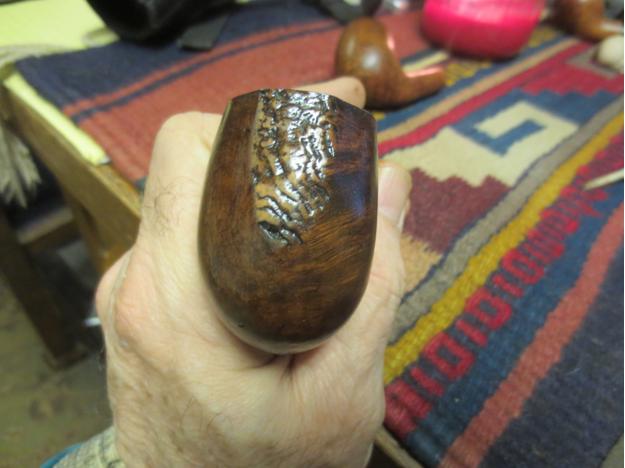
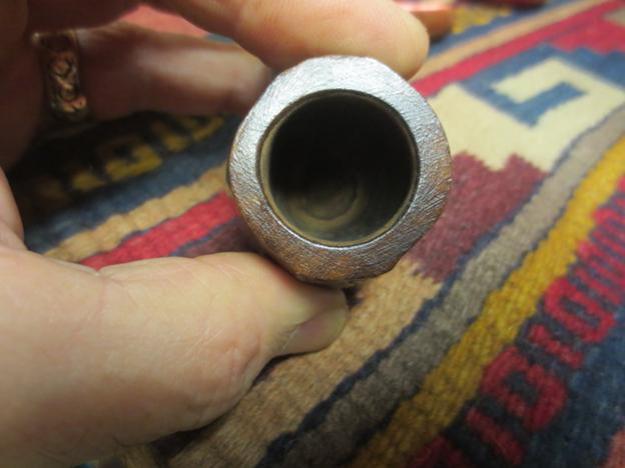
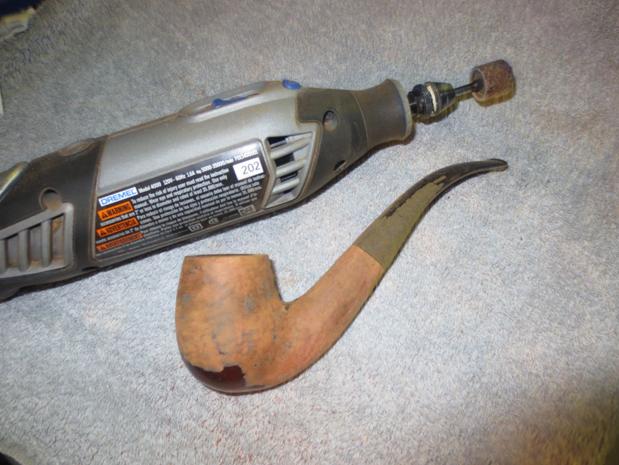
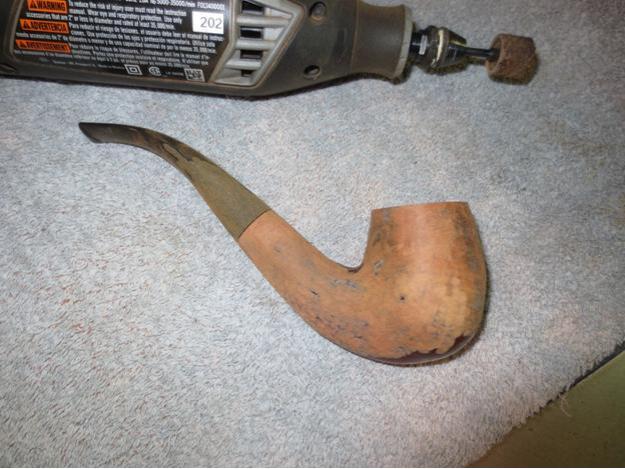
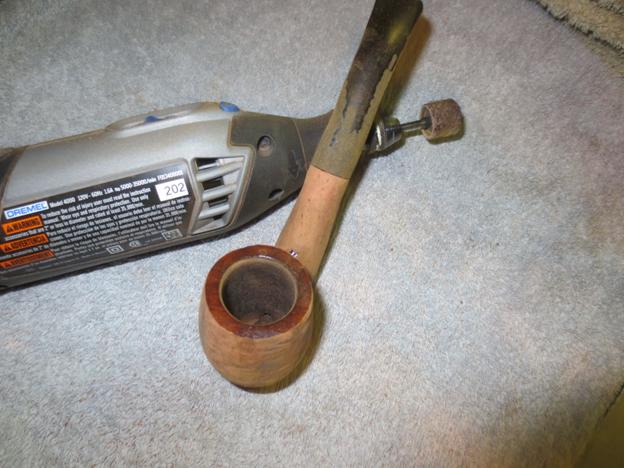
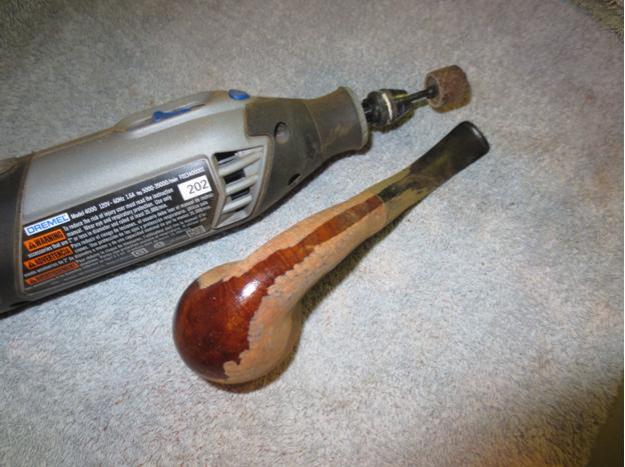
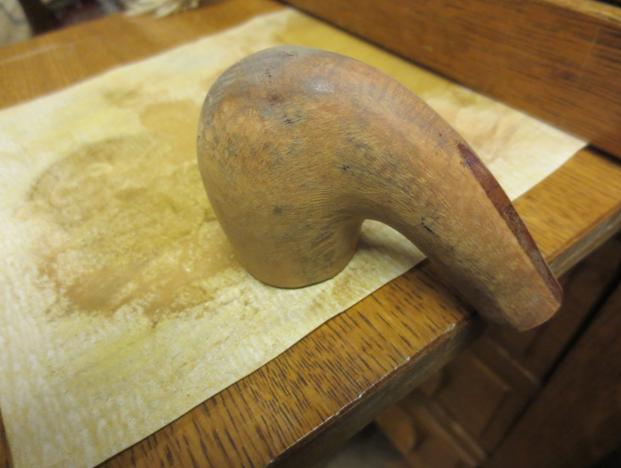
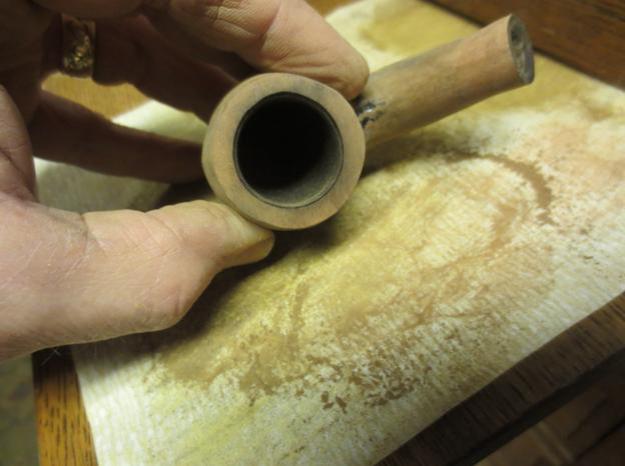
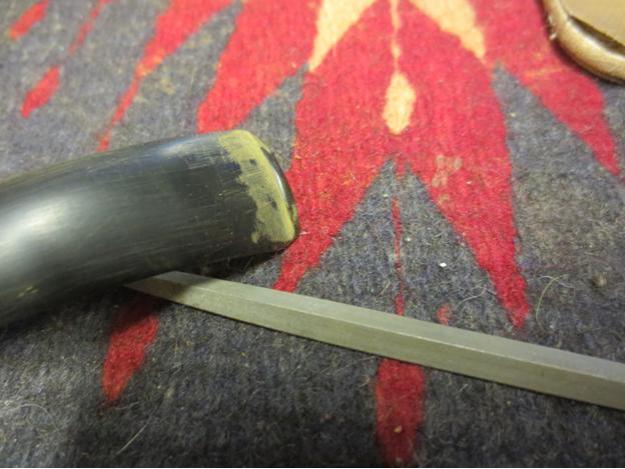
Out of the three pipes from the “hackster” – the cut off Rhodesian, the coffee grounds Dublin and this Stanwell 80R Bent Billiard I have to say that the work he did on this one was by far the worst abomination. This pipe is stamped Stanwell Hand Made 80R Made in Denmark on the underside of the shank. It was a sandblast brown contrast bent billiard that would have been beautiful when it was made. The “hackster” decided to improve upon the finish and believe it or not he desecrated the pipe. He used a Dremel or sander to remove the majority of the sandblast finish leaving a dab of it on the back of the bowl at the joint of the shank and the bowl and a dab on the front side about 1 inch long from the rim. In removing the blast he completely ruined the shank leaving a thick band near the stem and the two thick sandblasted dabs. He sanded off the blast on the shank leaving it looking anemic and awful. He ruined the shape of the bowl and left it totally out of round on the outside. He also over reamed the bowl with what looked like a Dremel and sanding drum and took the bottom of the bowl almost ¼ inch below the entrance of the airway.
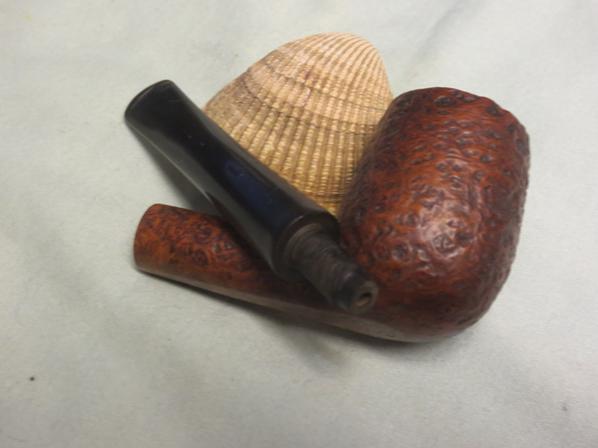
He did not leave the stem safe either he reshaped the button by removing the majority of the sharp edge. Then to add insult to injury he left the stamping intact on the bottom of the shank giving credit to Stanwell for the ruination of this fine briar pipe. It went from handmade to hand ruined. Over the entire bowl and slopping onto the stem was a thick coat of shellac. Runs and drips had hardened. The file and Dremel marks were held in perpetuity under a thick coat of shellac. That is where I started with this abomination. The question was could I do anything to redeem this mess.blast1 Blast2 blast3 blast4I took some photos of the stem and the left over sandblast sections. There is also a photo of the rim shows the out of round condition of the outer edge of the rim.blast5 blast6 blast7 blast8 blast9I sanded off the remaining sandblast sections on the bowl and shank and rounded the bowl with a Dremel and sanding drum. I used the Dremel to reshape the shank and the bowl and shank. The damage done to the shank made it necessary to shape the stem into an oval instead of a round.blast10 blast11 blast12 blast13With the rough shaping work done there was a lot of fine tuning to be done to the shape of the bowl. I topped the bowl with a topping board and 220 grit sandpaper to remove the deep saw and file marks and to flatten the surface. I sanded the areas on the bowl where I left the shellac and existing finish until they were smooth as well. I left the band on the bottom of the shank where the faint stampings that the “hackster” had left behind remained. I had still not decided whether to remove them as the pipe was certainly not a Stanwell any longer and when I was finished reclaiming it the pipe would be two times removed from the pipe that came out of the Stanwell factory.blast14 blast15I hand sanded the bowl and shank with 220 grit sandpaper to further shape it. I sanded the stem as well to remove the damage that had been done to it and also to reshape it to the oval shank.blast16 blast17 blast18 blast19I worked on the outer edge of the rim and shaped the bowl with 220 grit sandpaper. Fortunately, the inner beveled rim was undamaged. The bottom of the bowl was a mess that I would need to fill with pipe mud to restore the depth of the bowl to the bottom of entry of the airway into the bowl.blast20I sanded the bowl and shank with a coarse grit sanding block to smooth out more of the curves. The larger surface of the block ensures and evenness to the contours of the bowl and shank.blast21 blast22 blast23 blast24I used the heat gun to bend the end of the stem to the angle that would have originally been present when the pipe left Denmark. I sanded the stem and bowl further with sandpaper and gradually the pipe was taking shape. The swan was beginning to appear. During the sanding process I found that there were several flaws in the briar and at least one fill. During the course of the sanding these may well disappear. Overall this is a nice piece of briar with enough meat on it that I can still end up with a nice pipe.blast25I cleaned out the shank and the airway to the bowl and in the stem with alcohol, pipe cleaners and cotton swabs. It was amazingly dirty for a pipe that had been “refurbished”. The “hackster” had left the inside absolutely filthy while destroying the outside of the bowl and stem.blast26 blast27I continued to sand the bowl and stem with a coarse grit sanding block to remove the remaining scratches left behind by the Dremel and sanding drum. Gradually the swan was beginning to emerge. I was getting excited about what this one was going to look like when it was finished. There was some nice grain emerging as I sanded.blast28 blast29 blast30 blast31I sanded the bowl with micromesh sanding pads to further remove the scratches. I wet sanded the bowl with 1500-2400 grit pads and sanded until the grain began to shine.blast32 blast33 blast34I dry sanded with 3200-12000 grit pads and then rubbed on a coat of Danish Oil Cherry stain. I gave the bowl several coats of the finish and then set it on a cork stand to dry over night.blast35 blast36I cleaned up the sharp edge of the button with needle files to redefine it as the shape was blurred into the body of the stem. I shaped the button with 220 grit sandpaper at the same time to give it definition.blast37 blast38I sanded the file marks out with 220 grit sandpaper to blend the edge of the cut into the surface of the stem. I wet sanded the stem with 1500-2400 grit micromesh sanding pads and then gave the stem a coat of Obsidian Oil. I dry sanded with 3200-4000 grit pads and gave it another coat of oil. I finished by sanding with 6000-12000 grit pads and giving it a final coat of oil. I set the stem and pipe aside for the night.blast39 blast40 blast41In the morning I buffed the bowl and stem with Blue Diamond on the wheel to bring out the shine and then gave the pipe several coats of carnauba wax. I buffed it with a clean buffing pad and then by hand with a microfibre cloth. The finished pipe is shown in the photos below. To me it looks far better than the mess I started with but what is your verdict? Did a swan emerge? The pipe certainly has some nice grain and the flaws are small in comparison to the overall look of the pipe. Thanks for looking.blast42 blast43 blast44 blast45 blast46 blast47 blast48 blast49