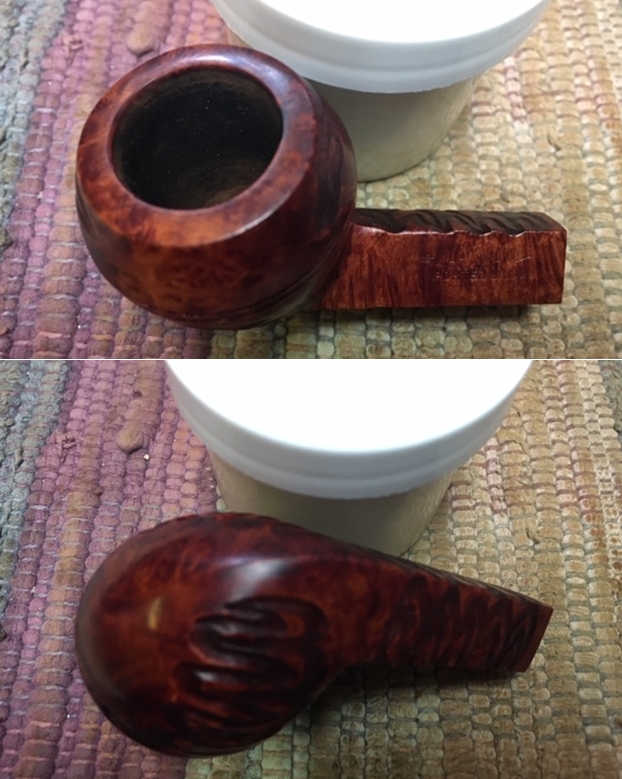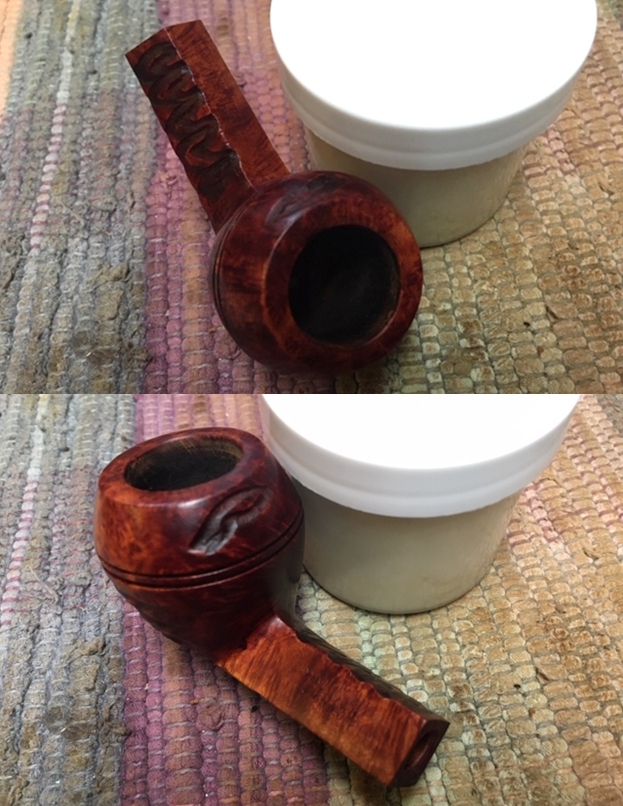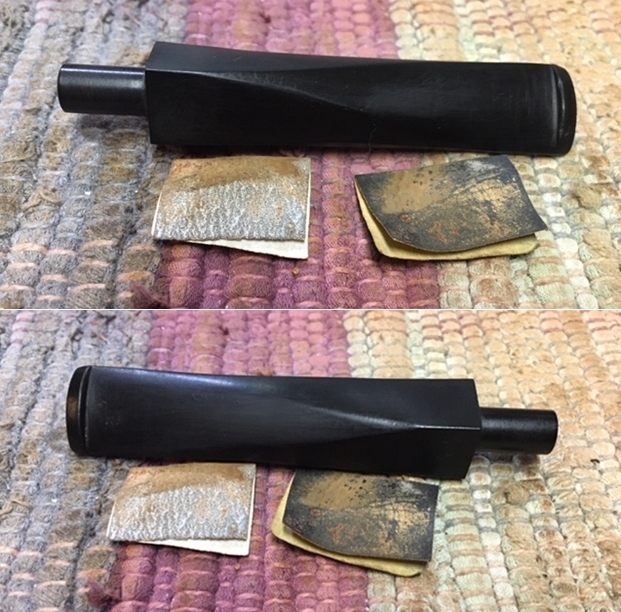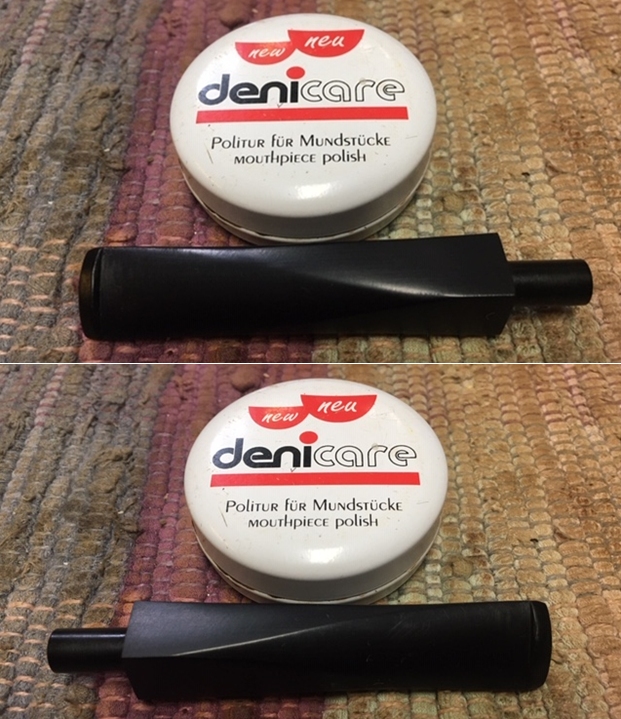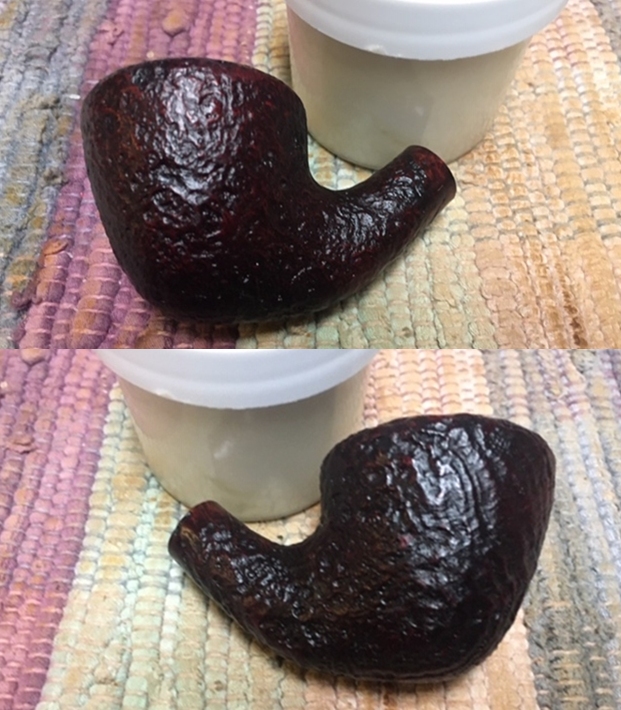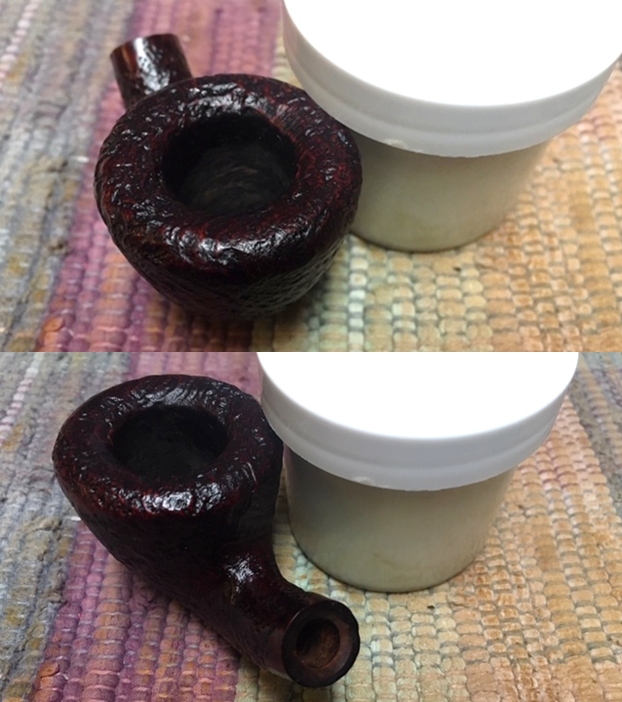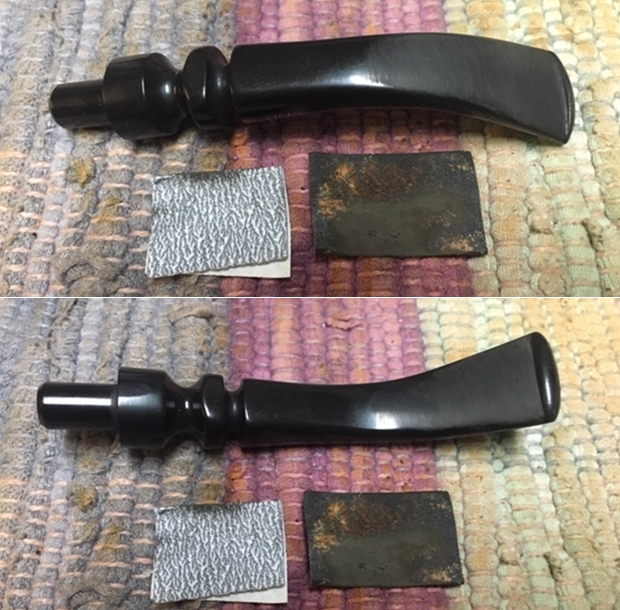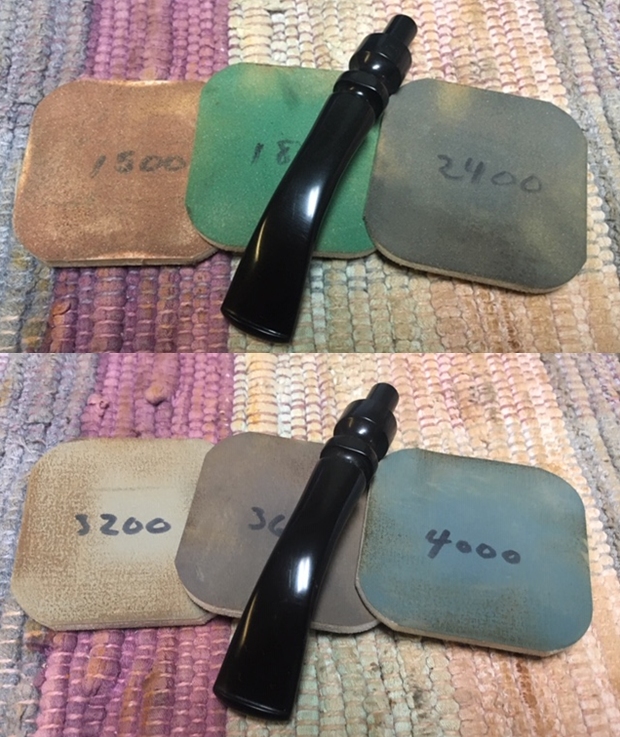
Tag Archives: vulcanite

Repairing and Restoring a John Bessai Flat Bottom Rhodesian


Blog by Steve Laug

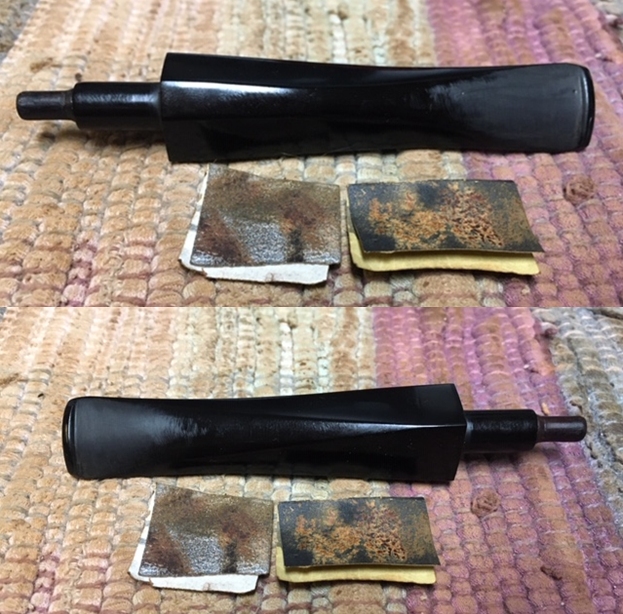
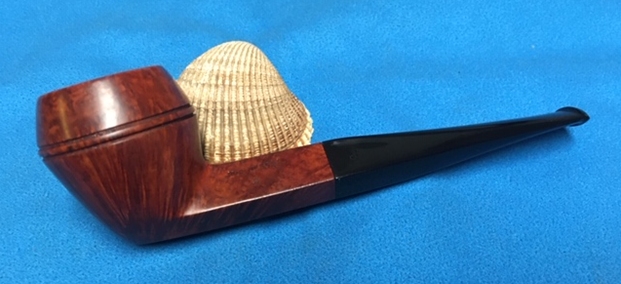
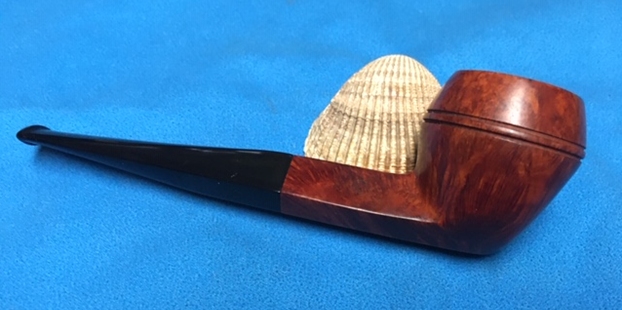
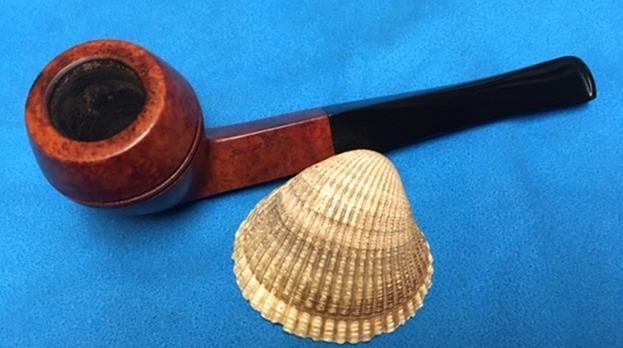
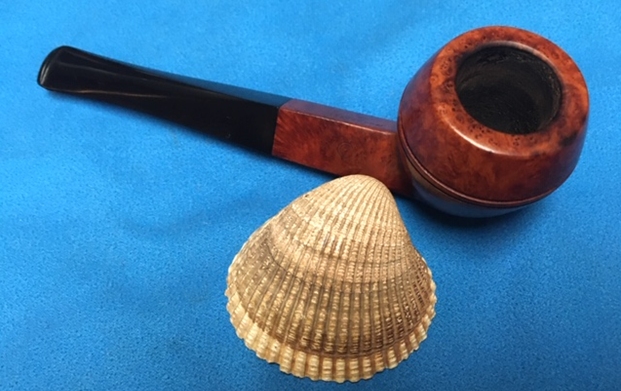
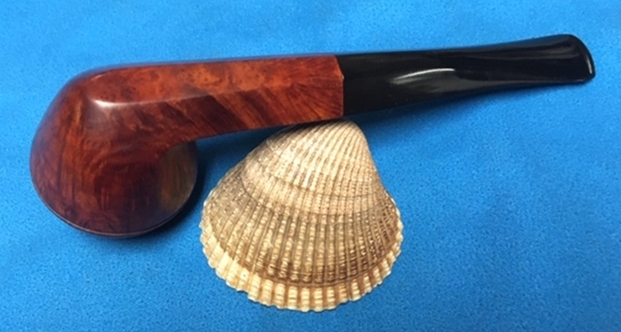
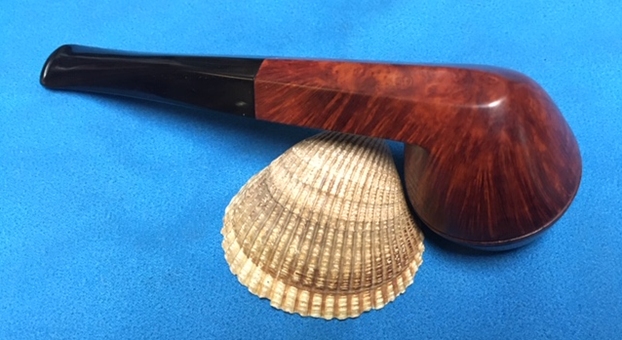
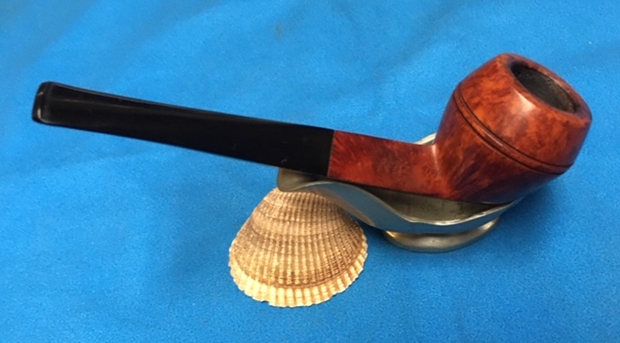
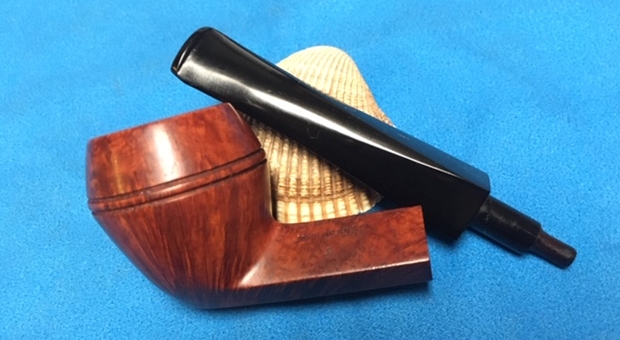
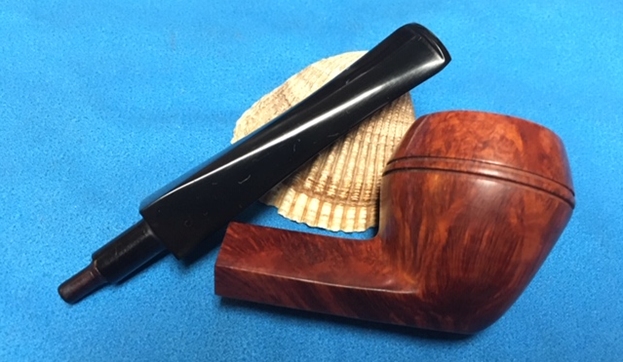
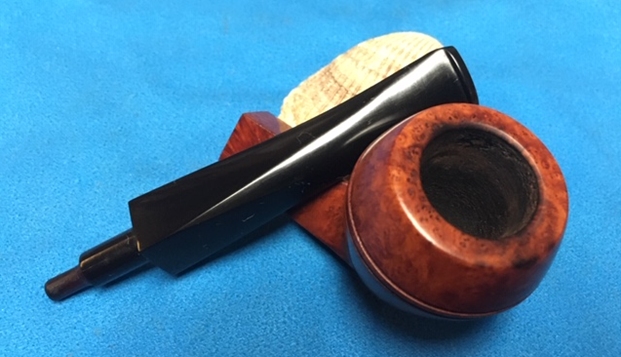
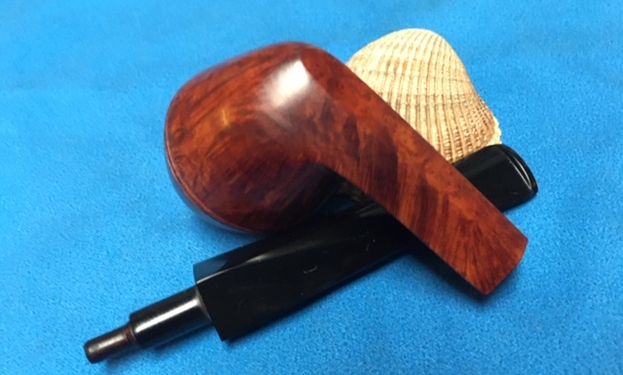
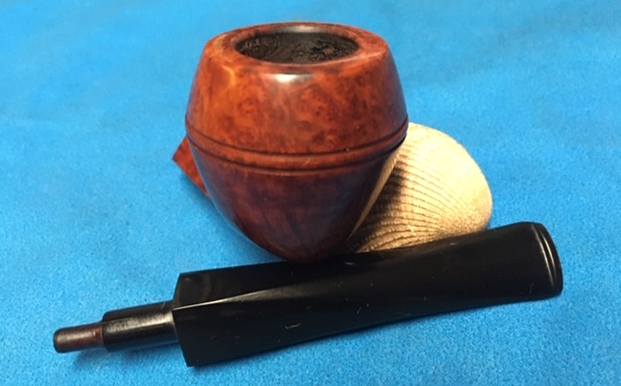
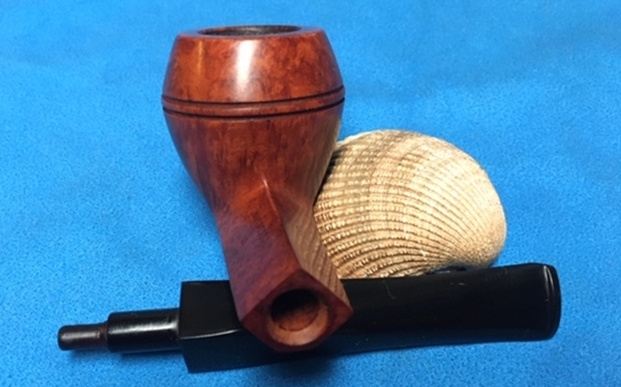
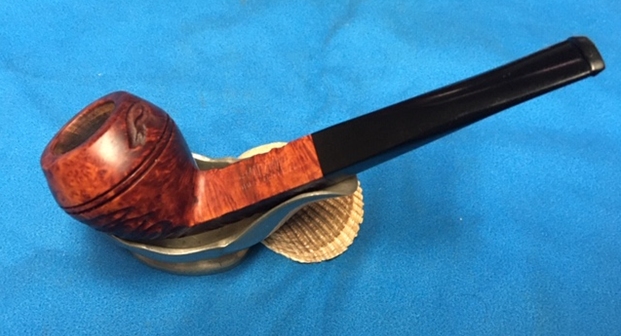
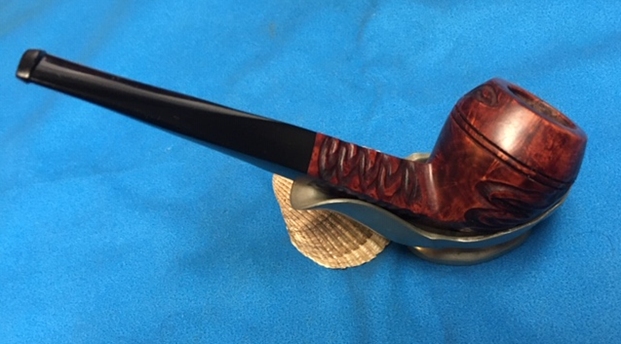
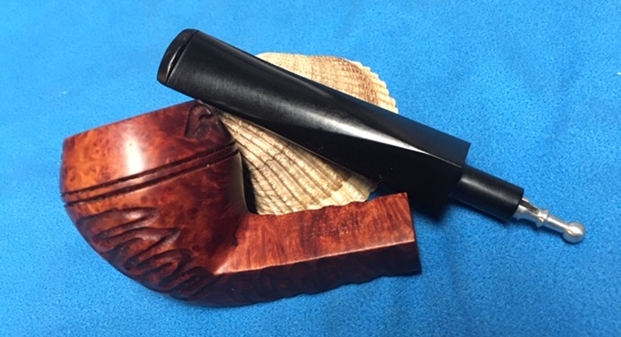
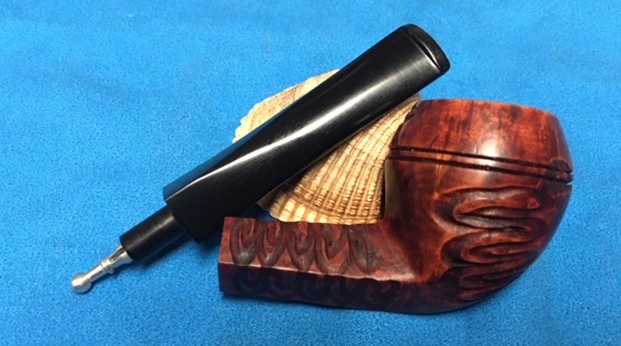
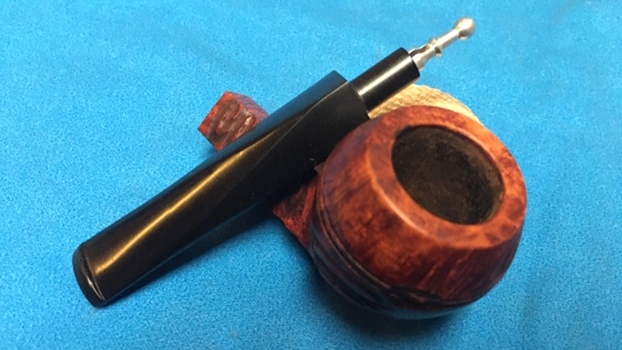
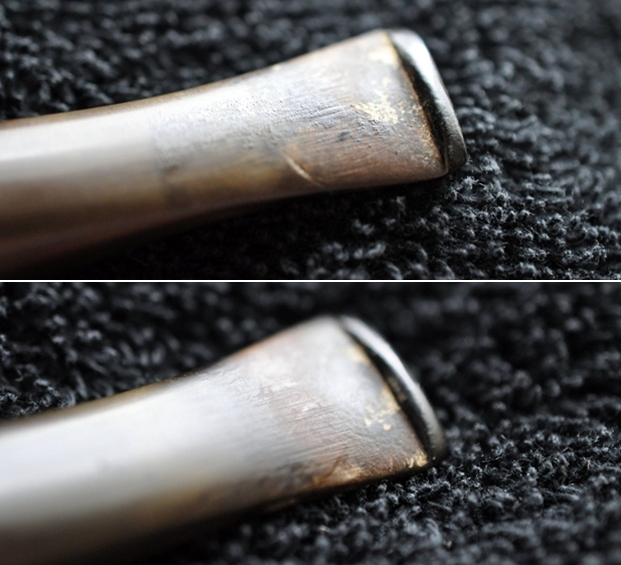
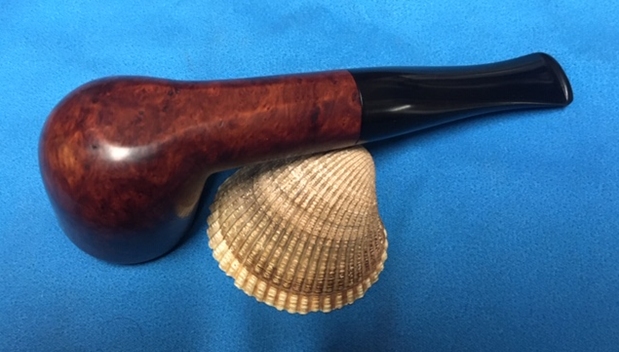
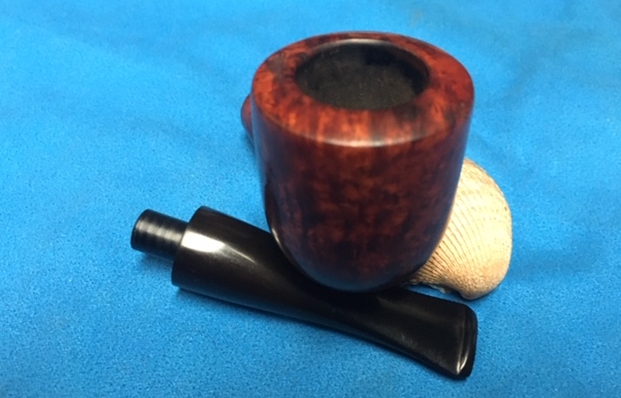
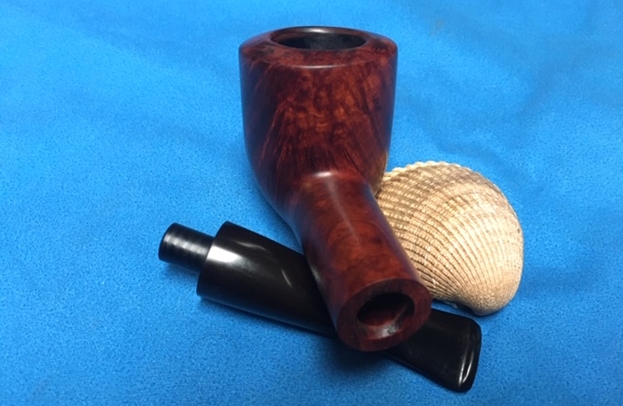
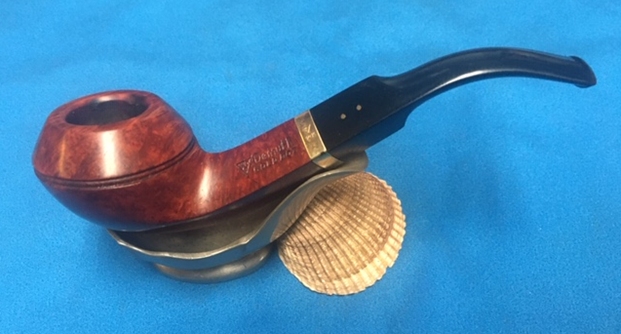
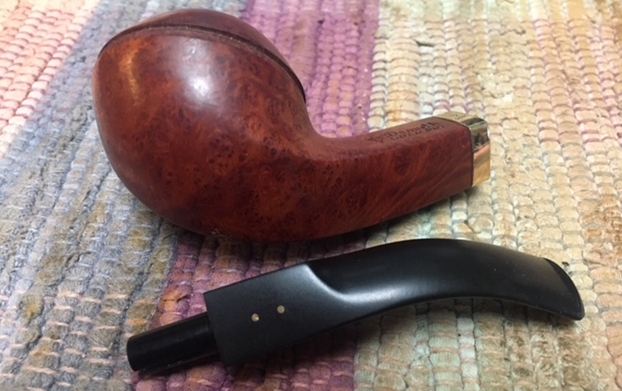
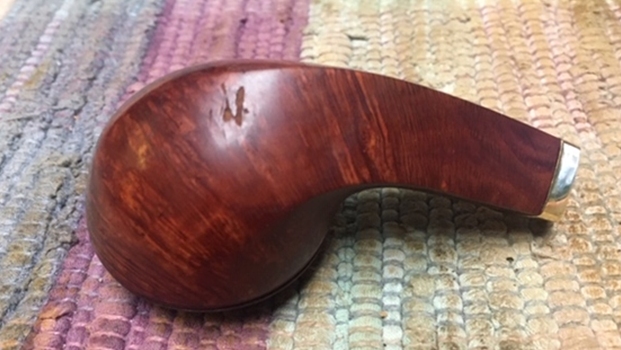
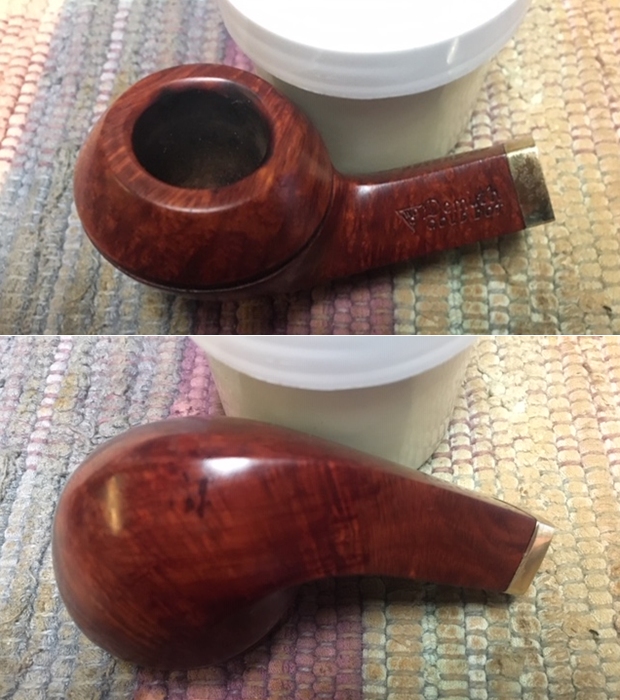
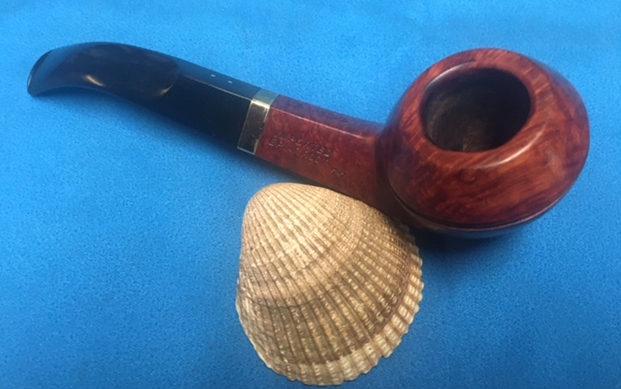
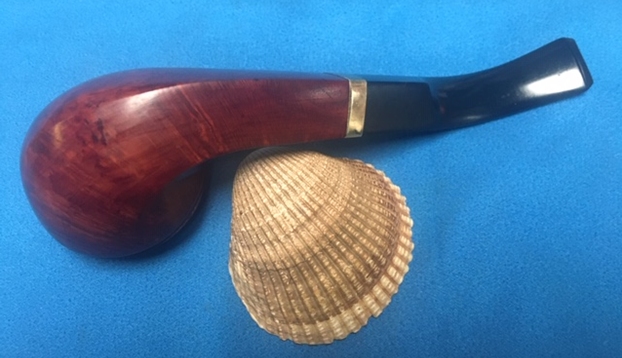
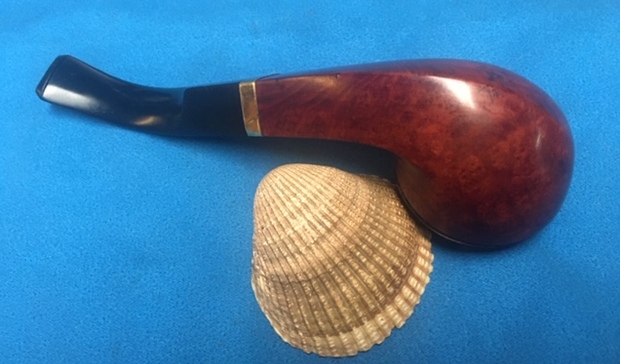
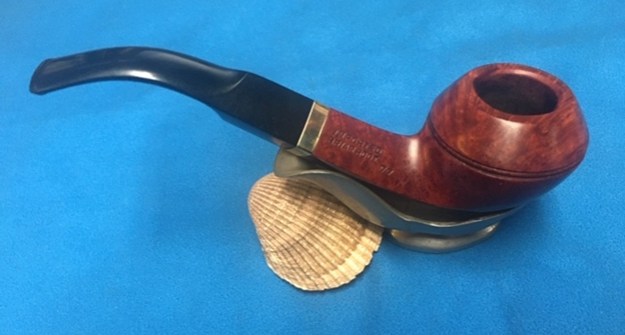
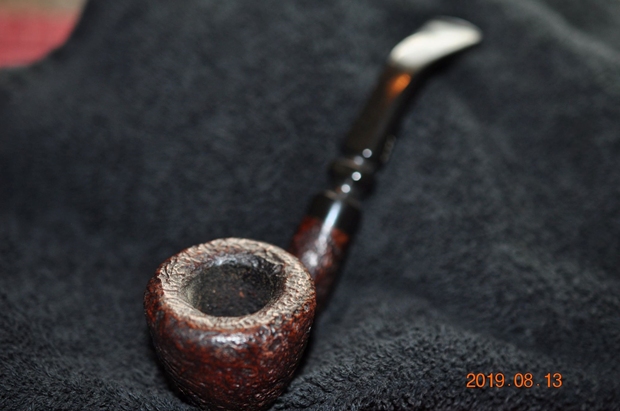
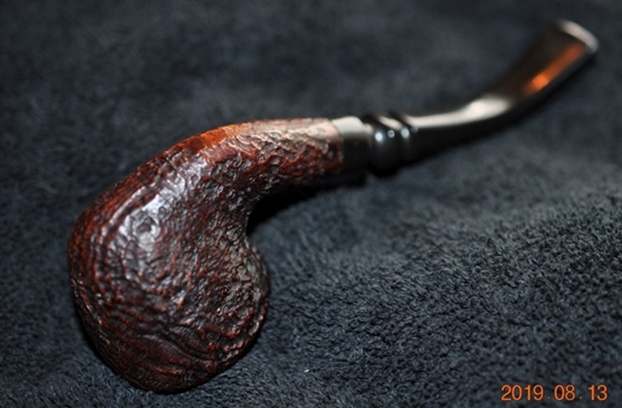
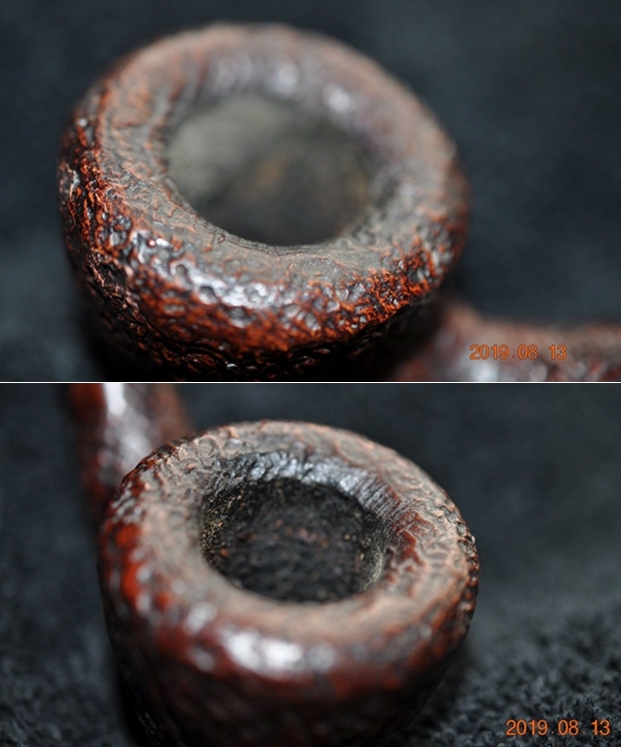
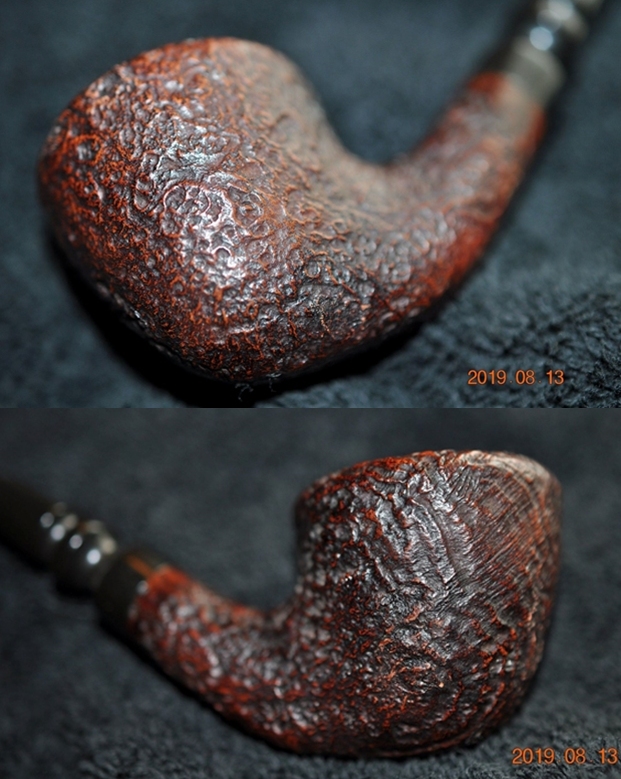
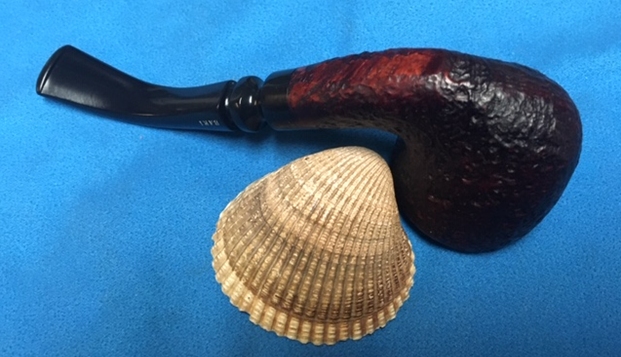
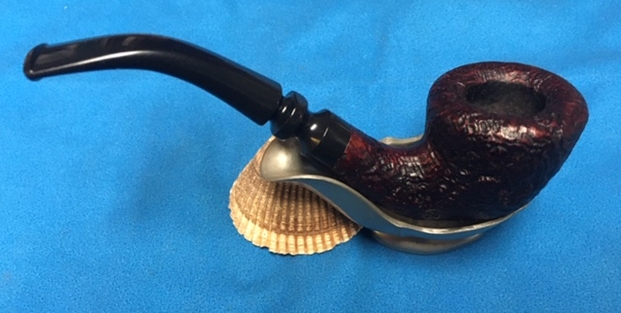
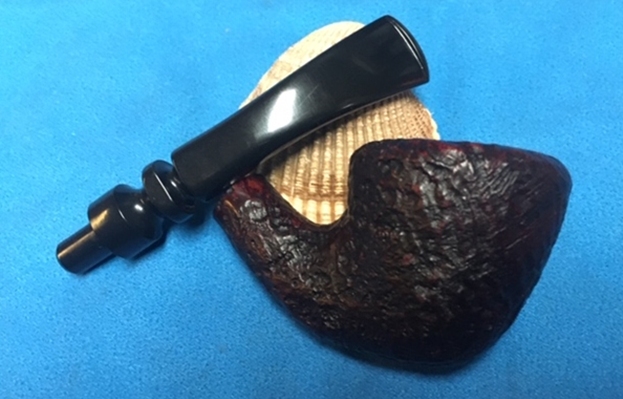
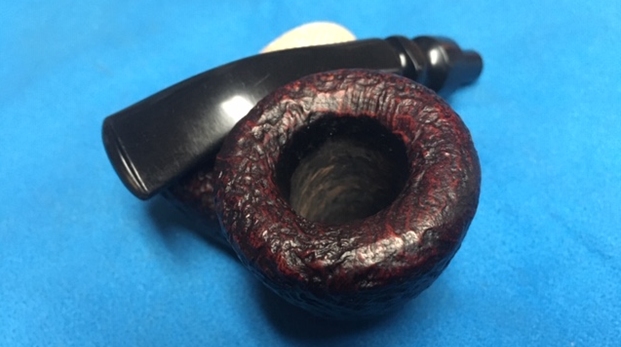
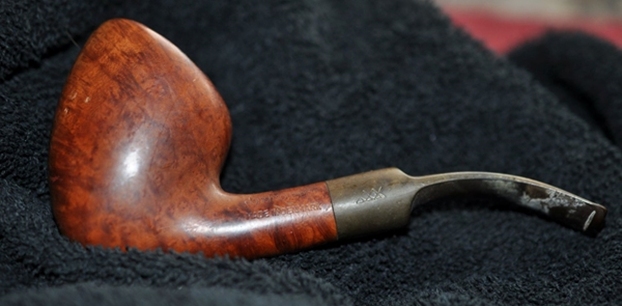
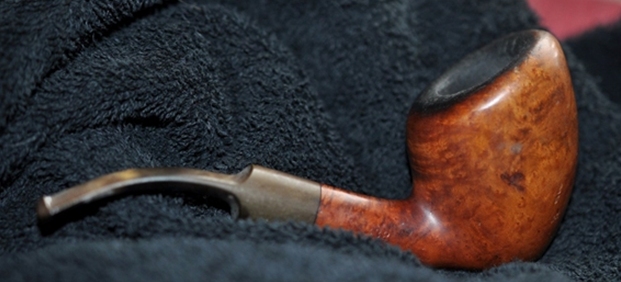
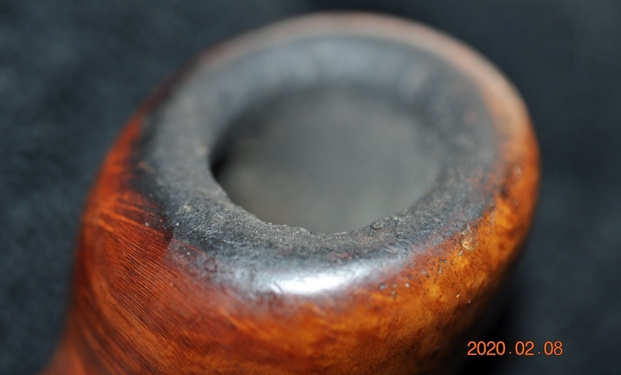
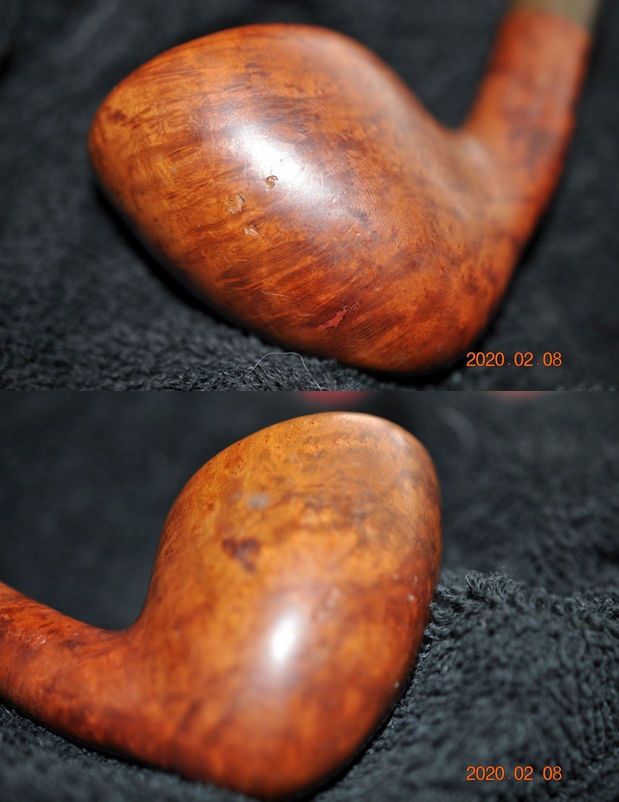
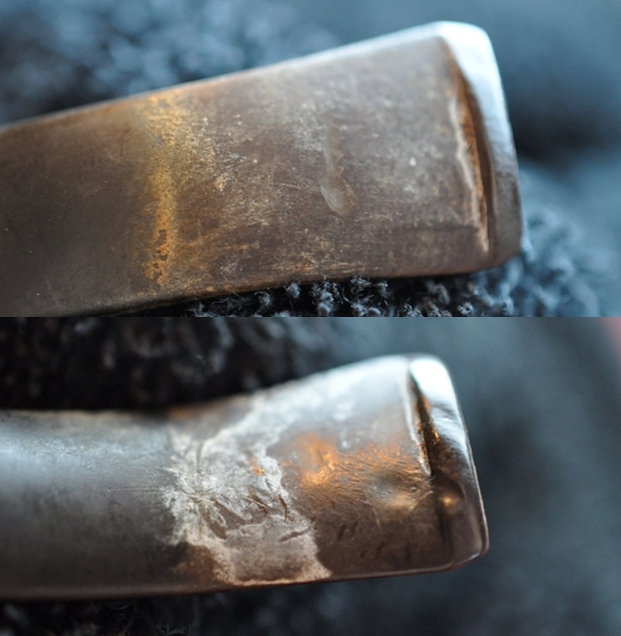
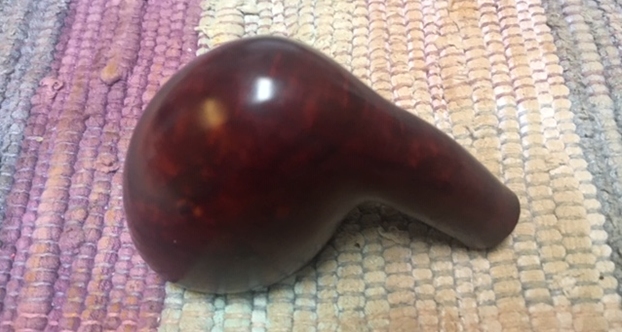
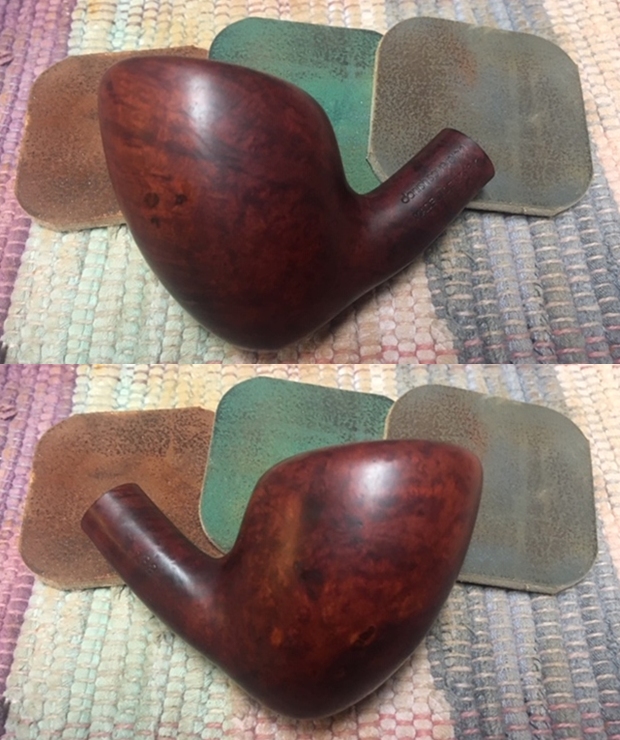
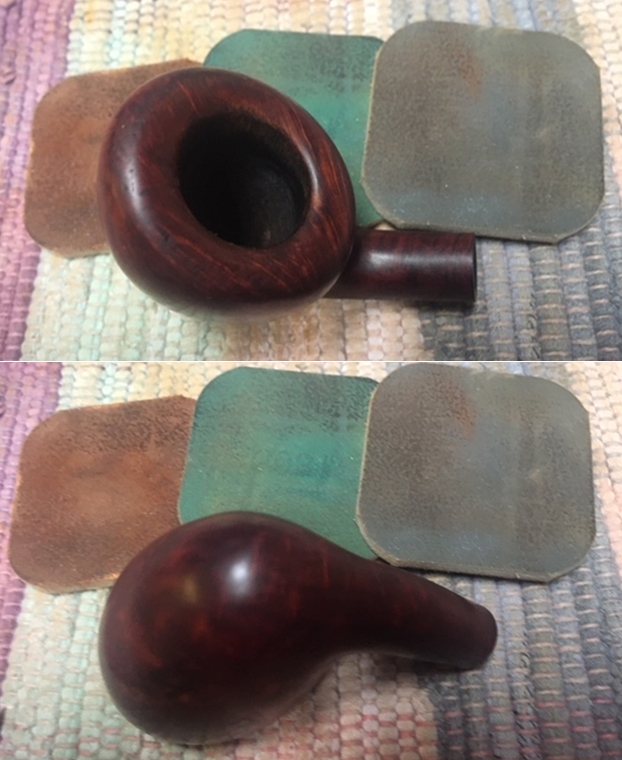
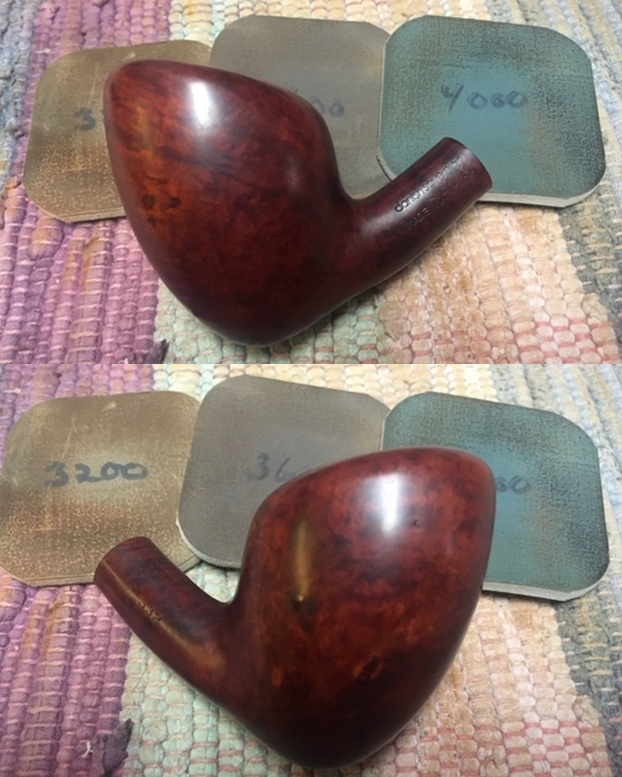
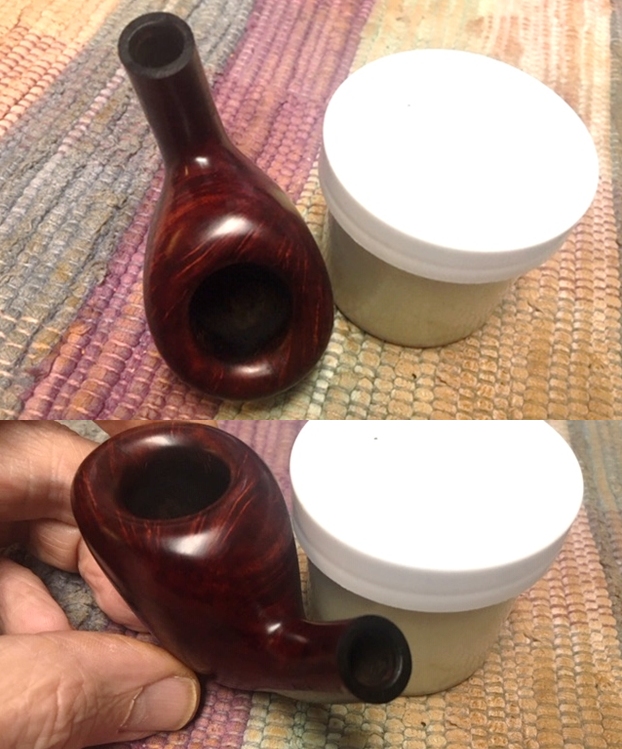
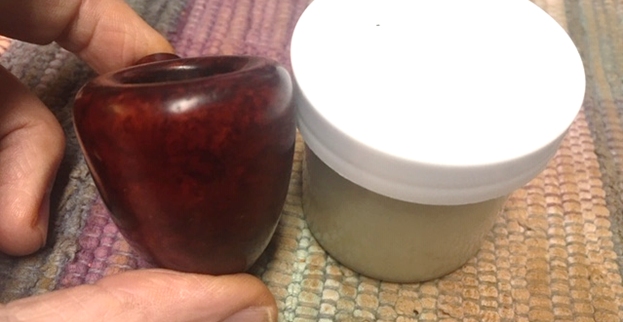
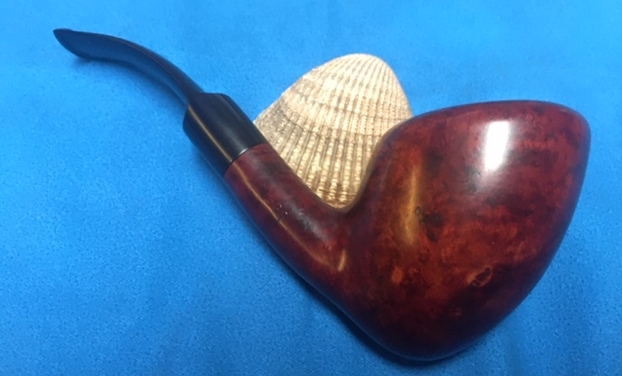
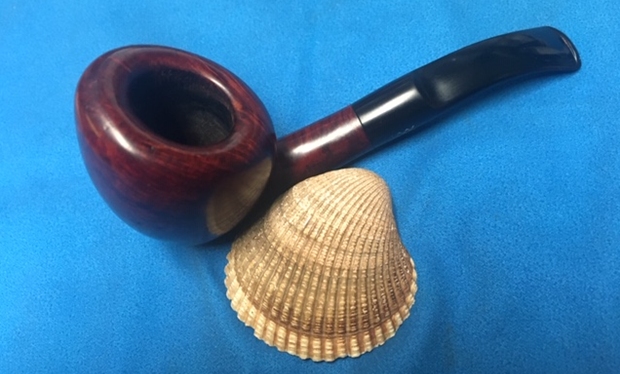
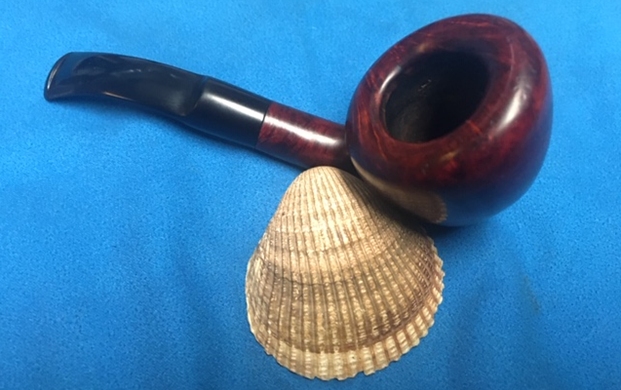
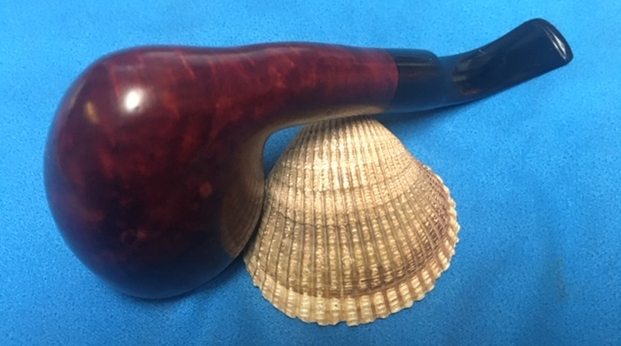
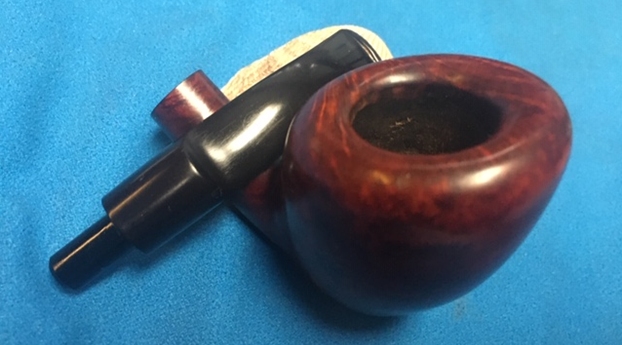
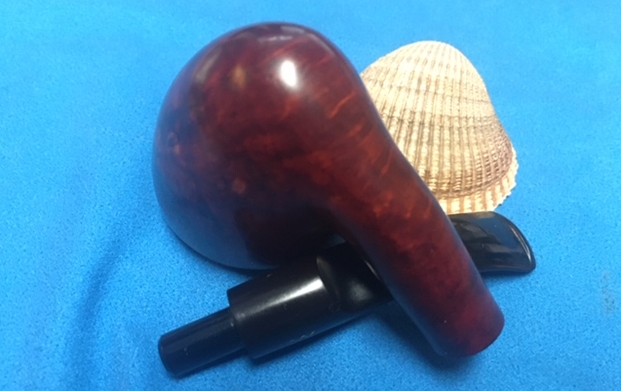
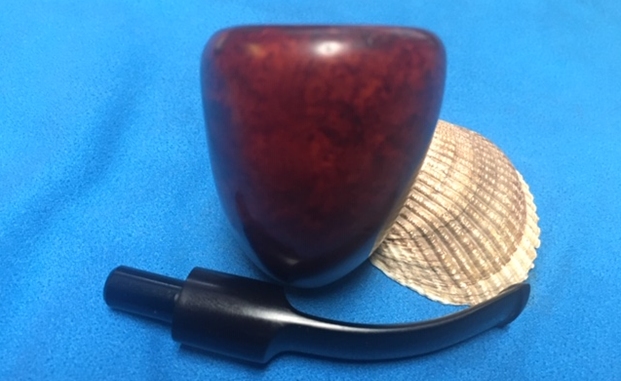
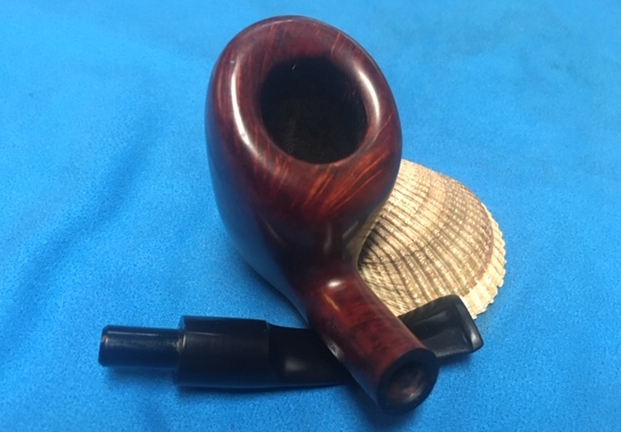
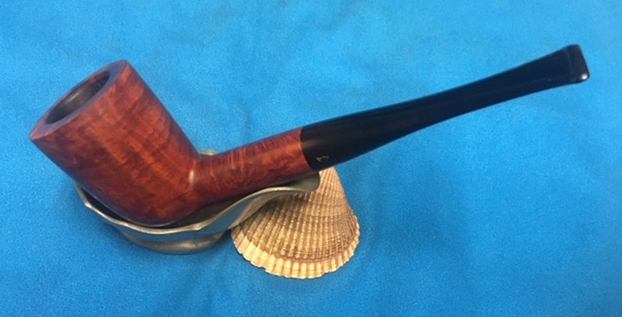
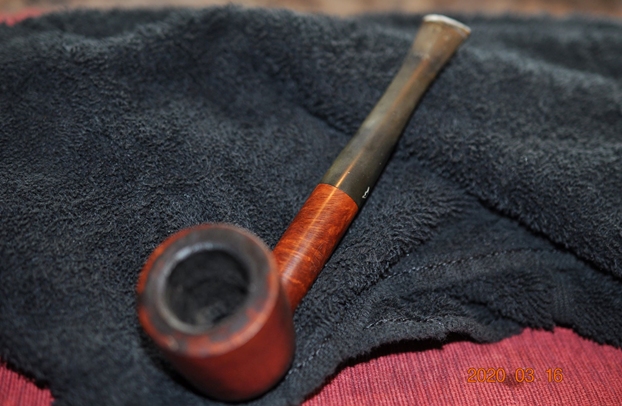
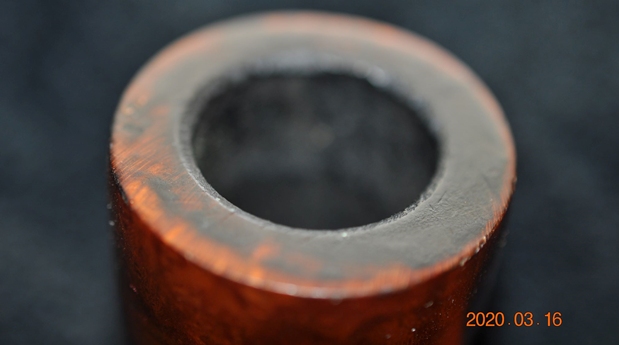
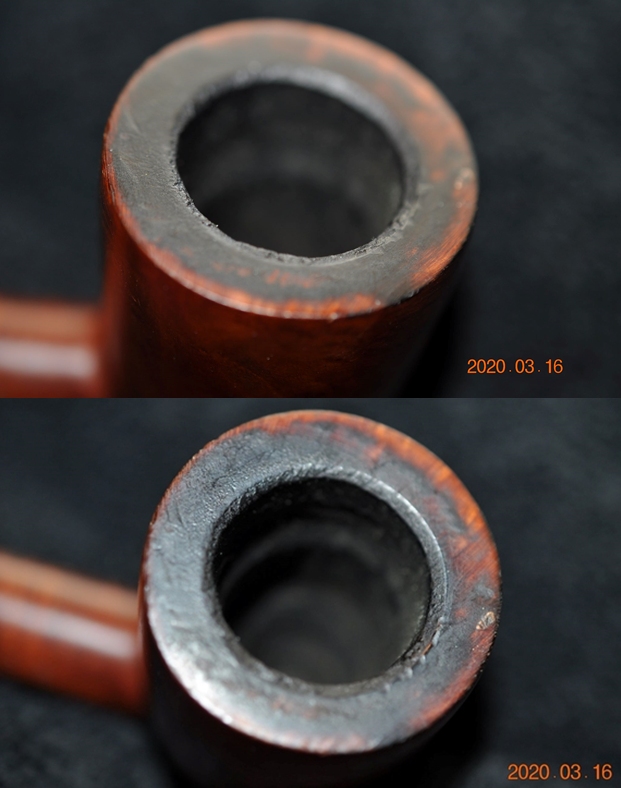
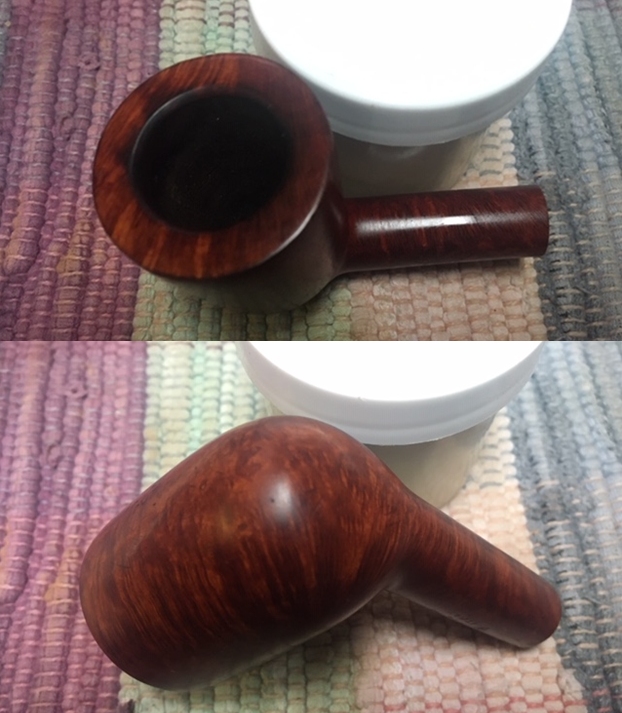
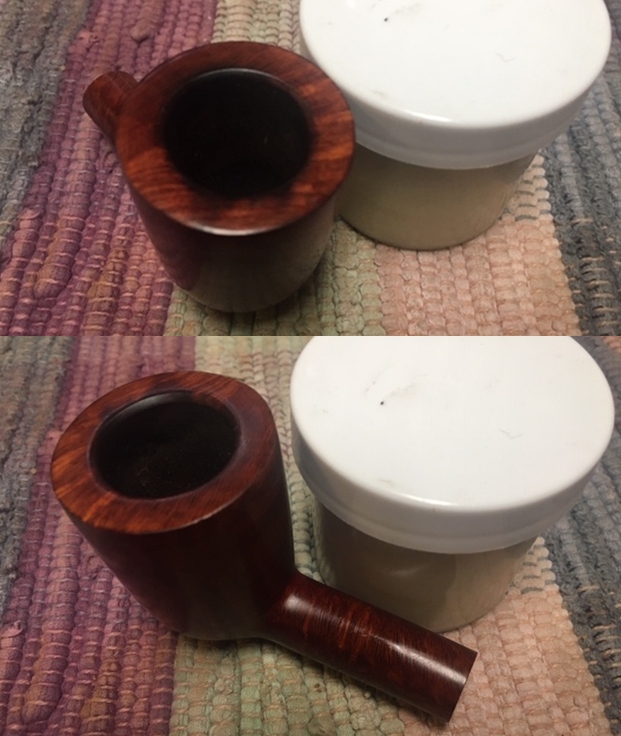
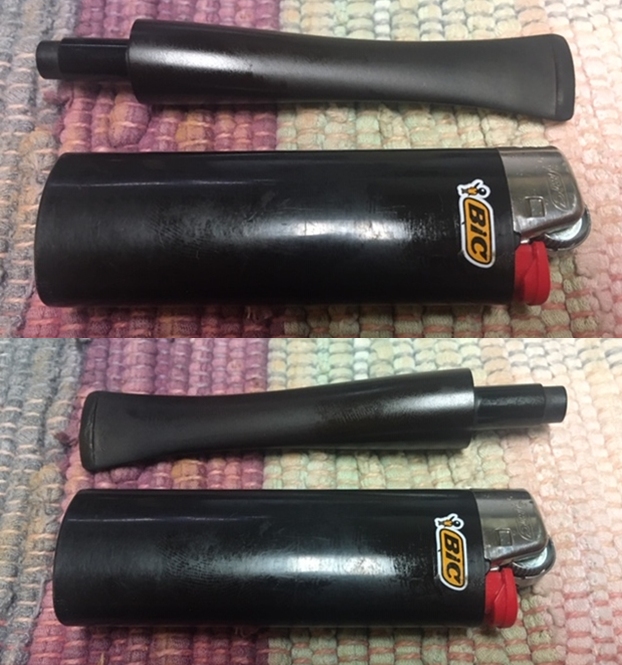
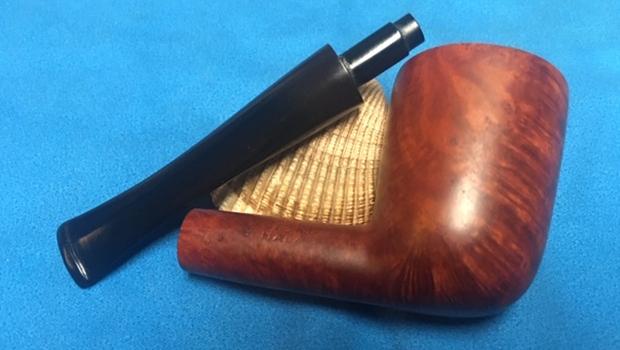
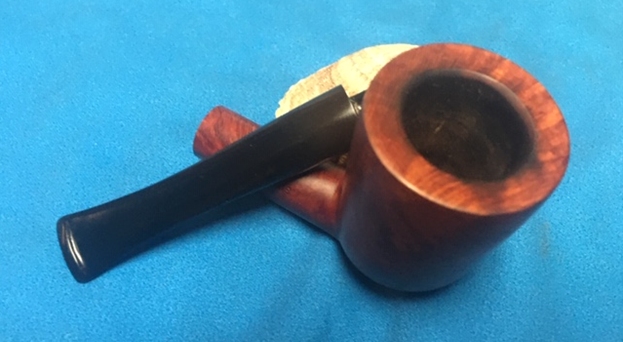
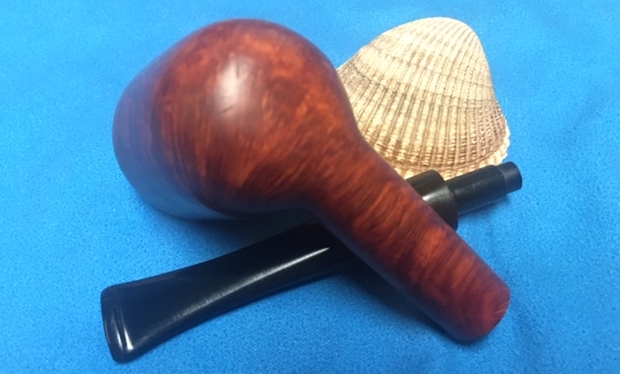
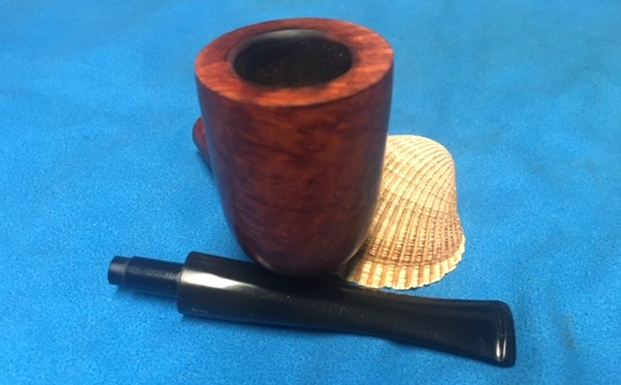
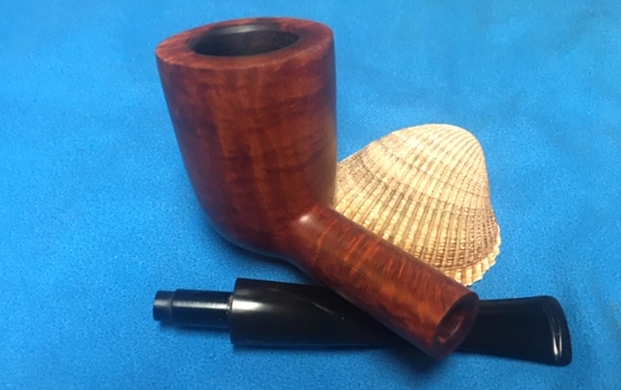
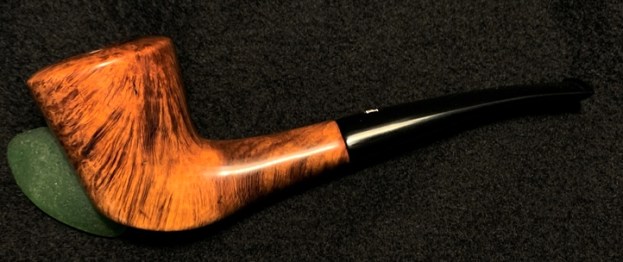
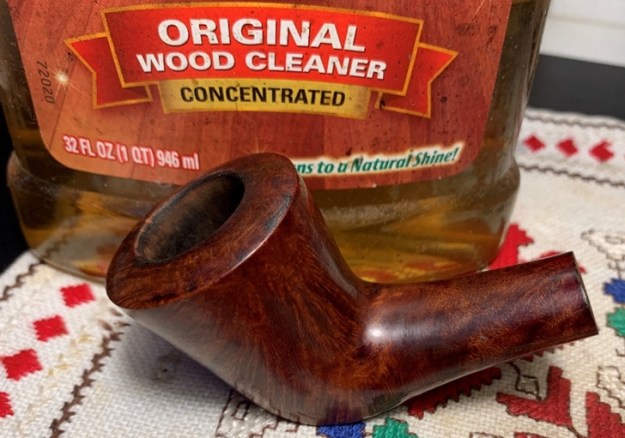
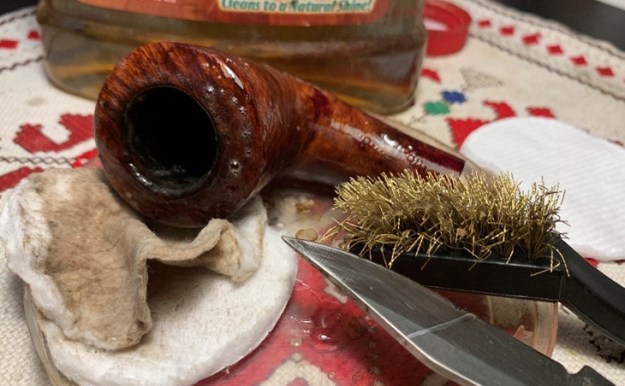
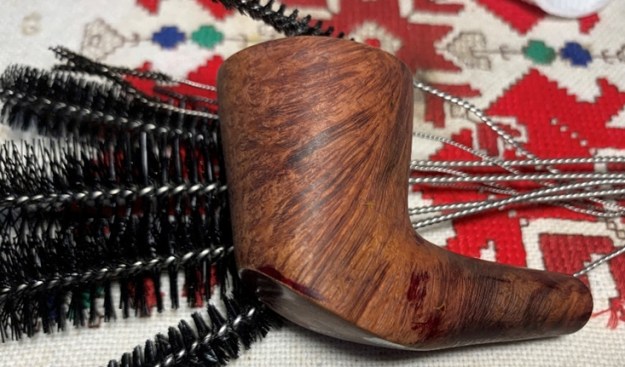
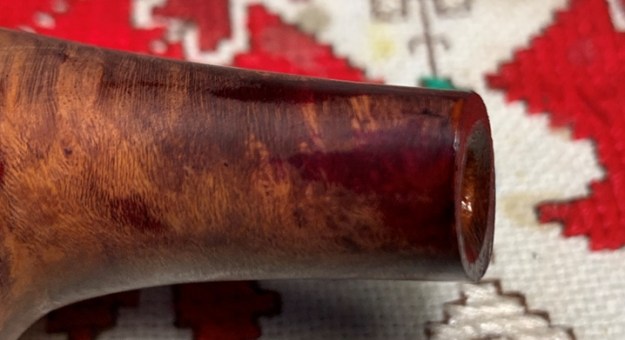
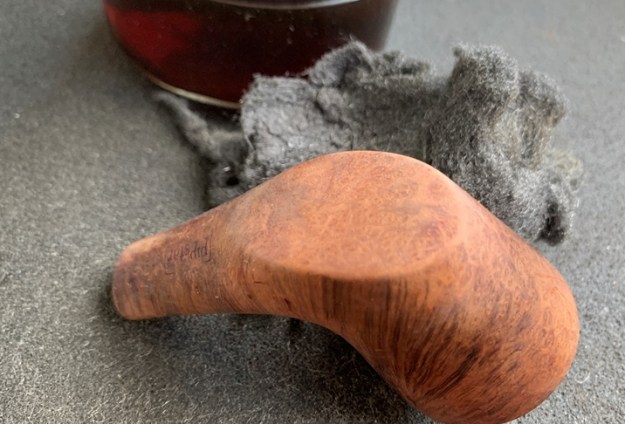
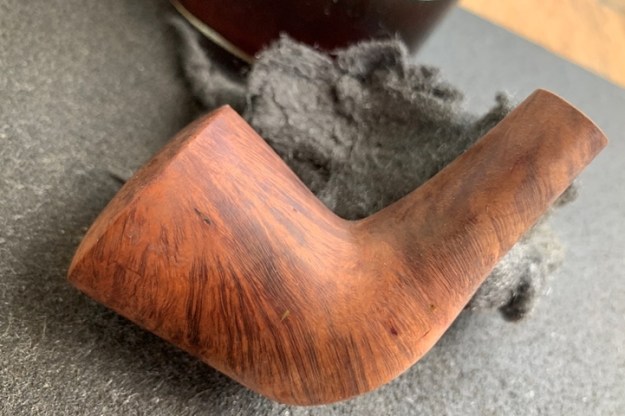
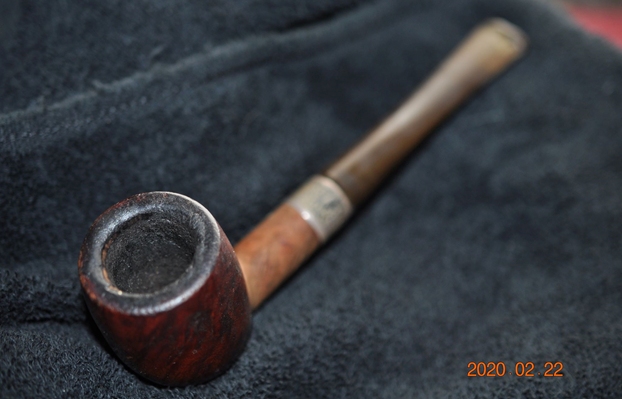
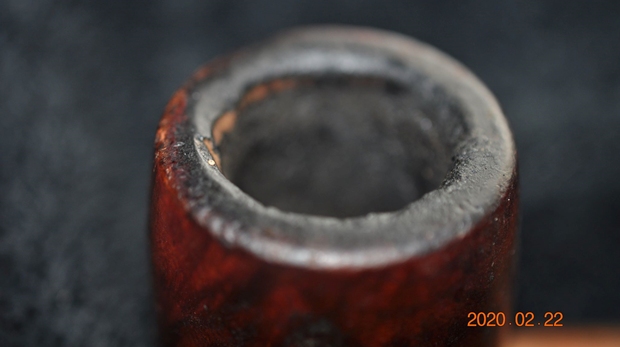
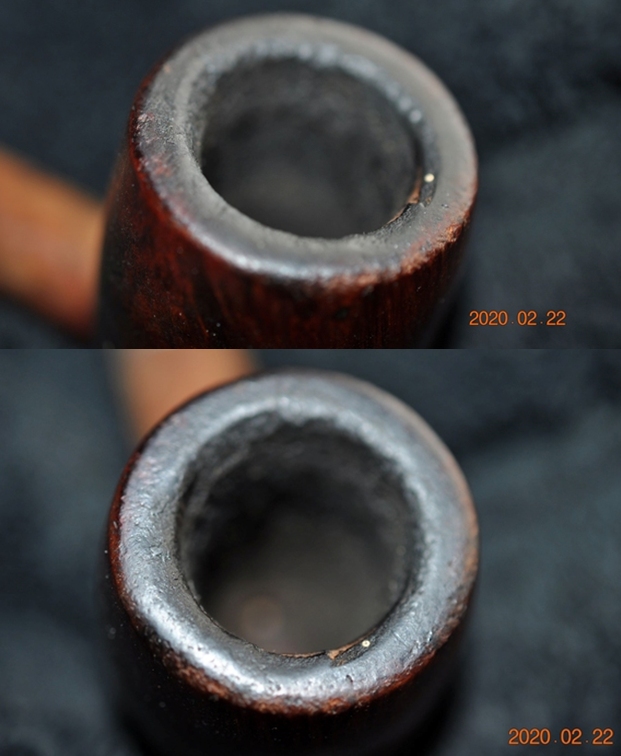
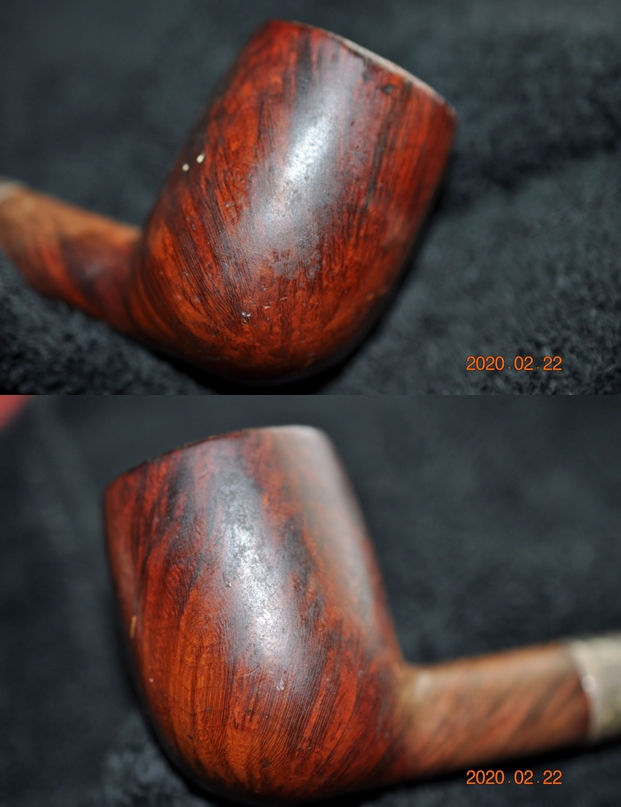
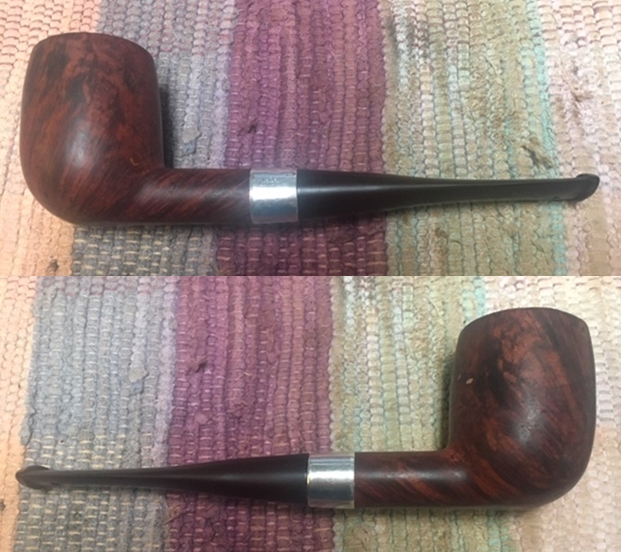
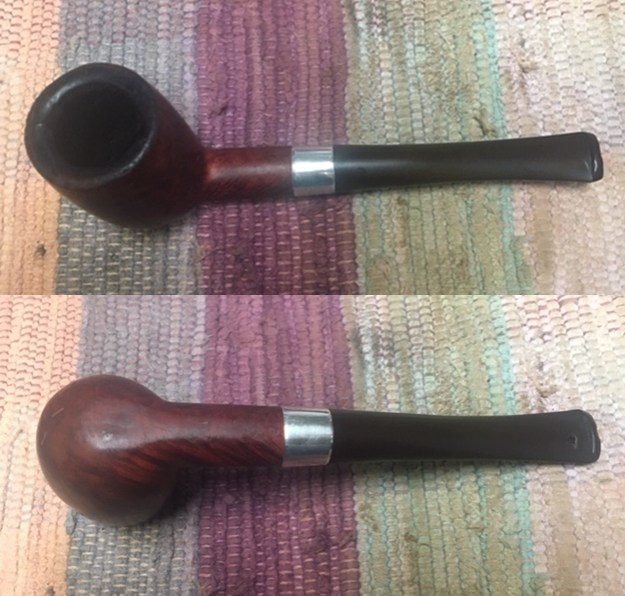
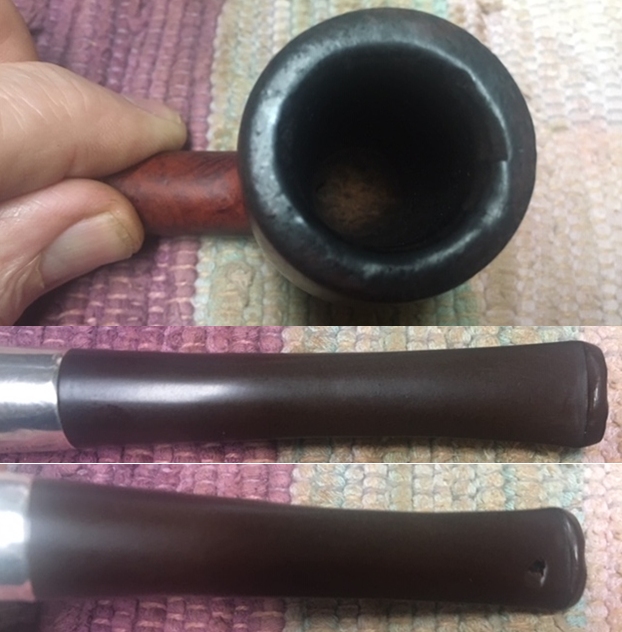
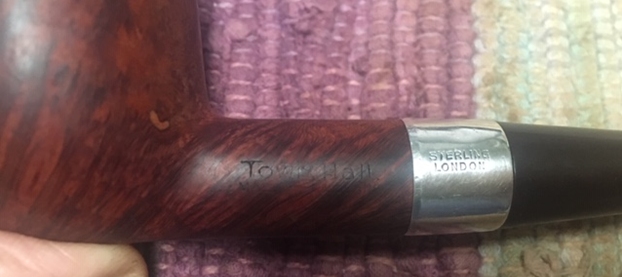
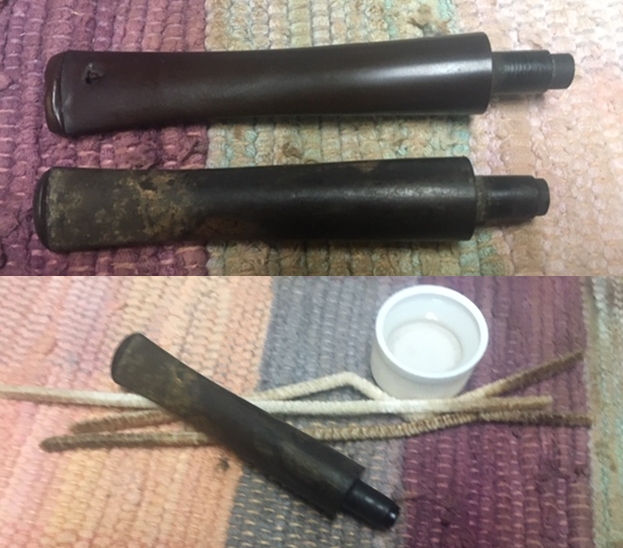
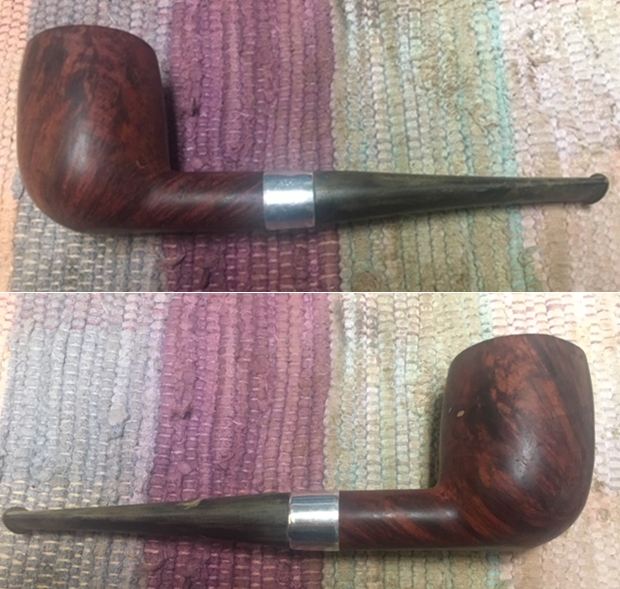
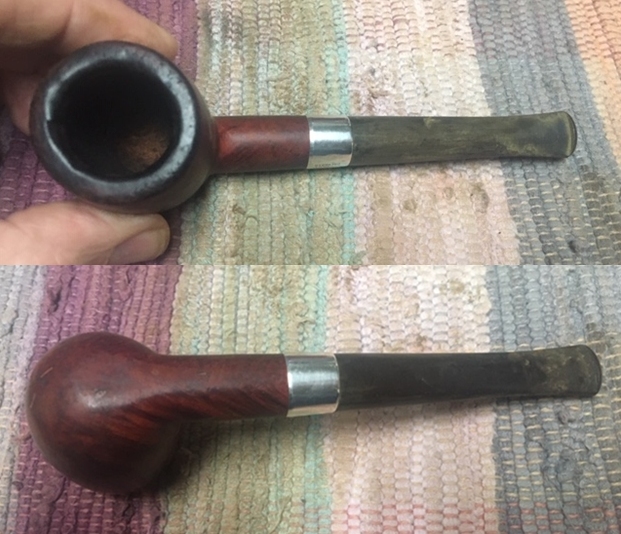
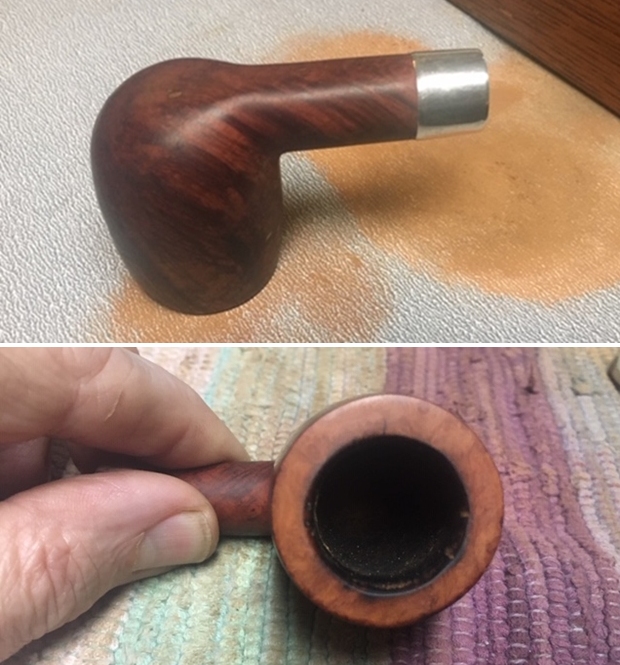
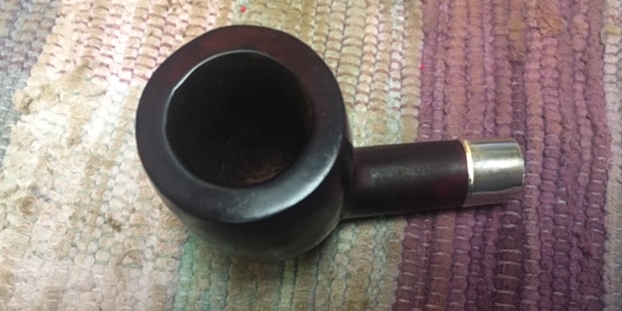
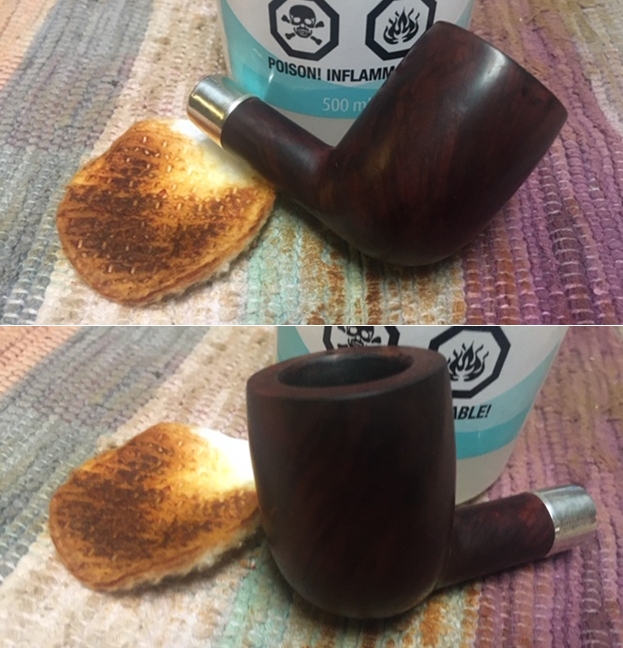
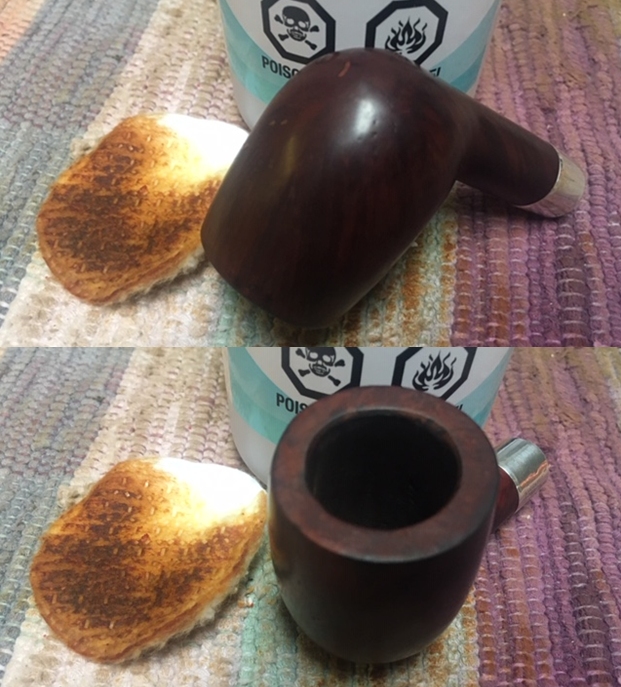
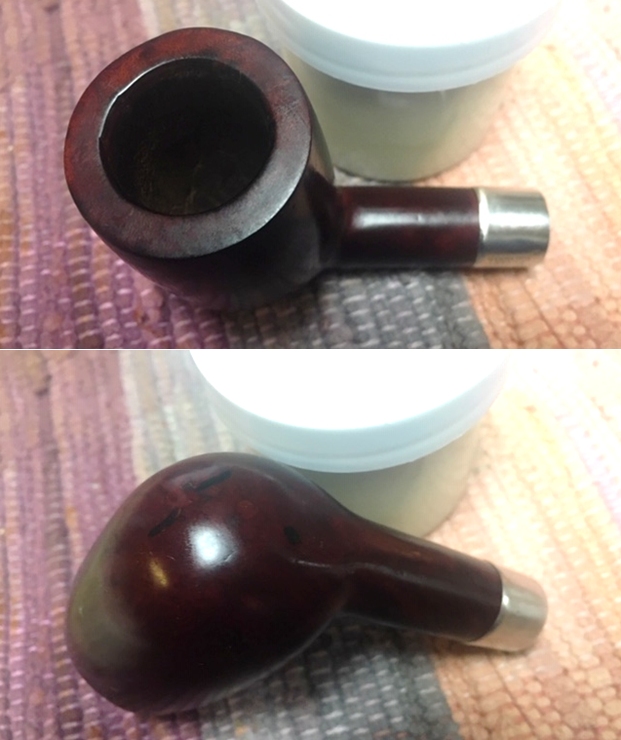
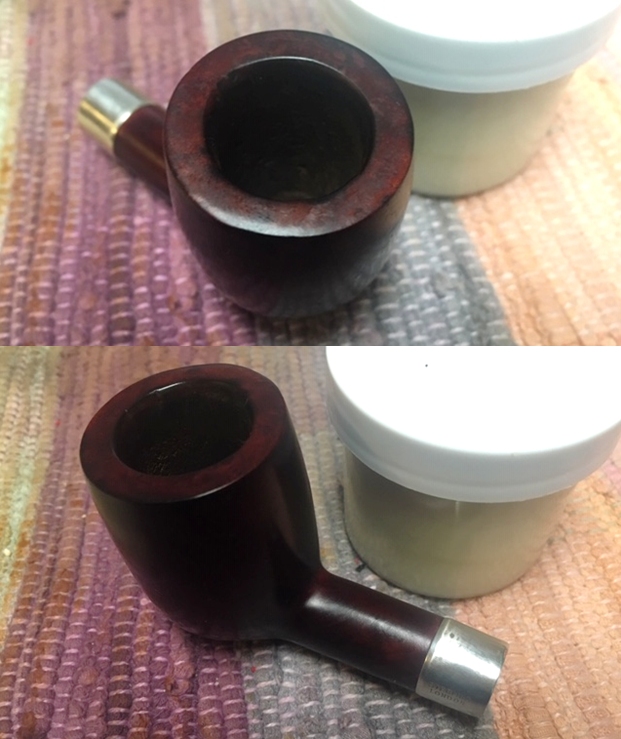
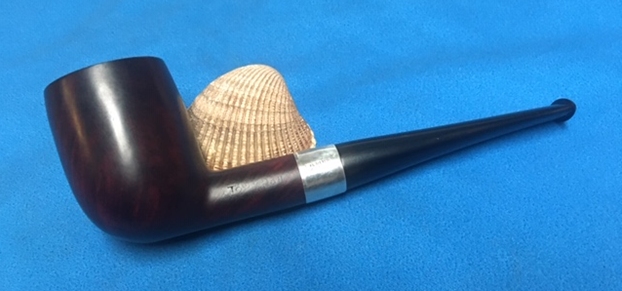
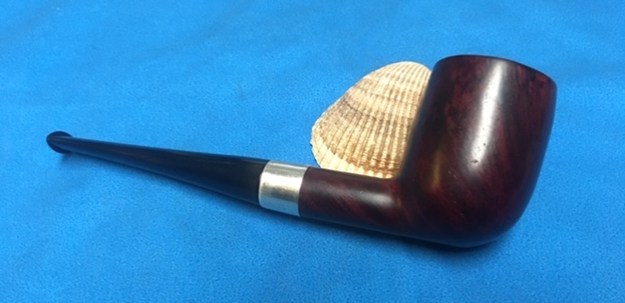
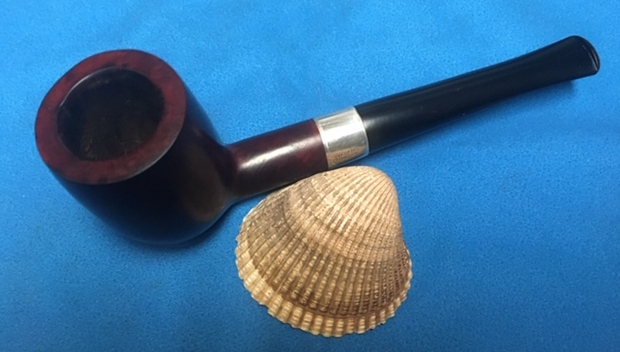
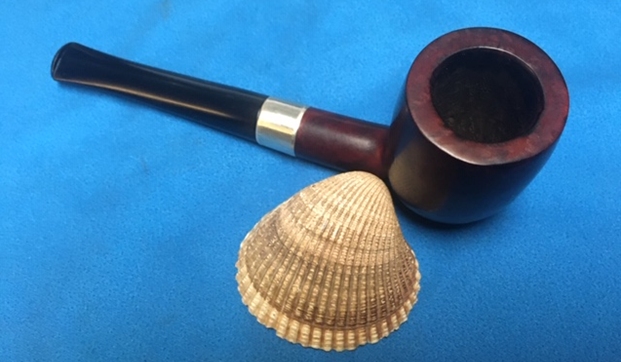
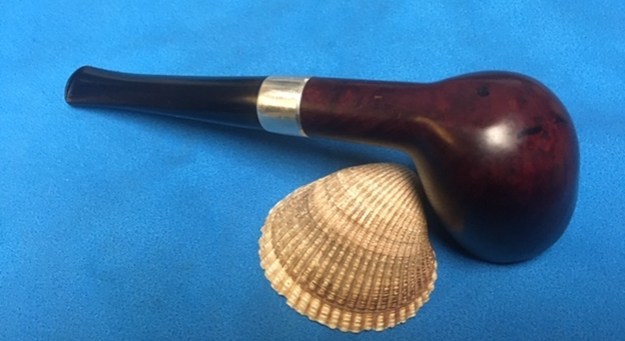
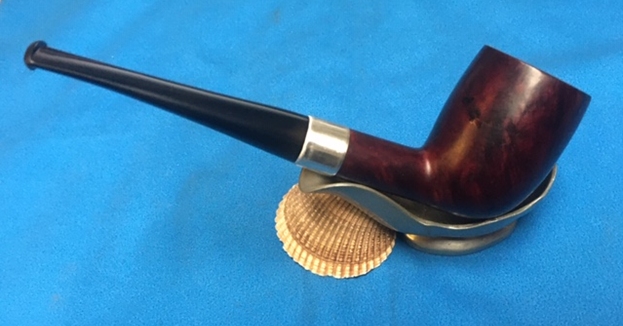
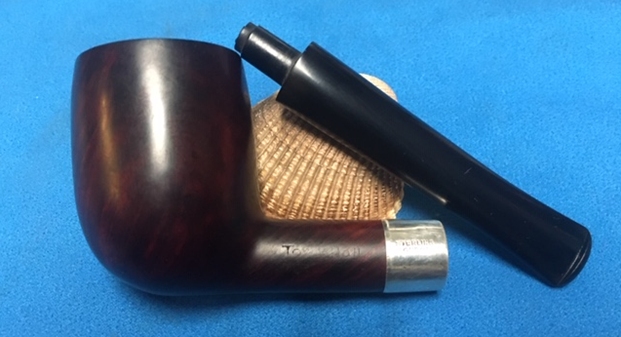
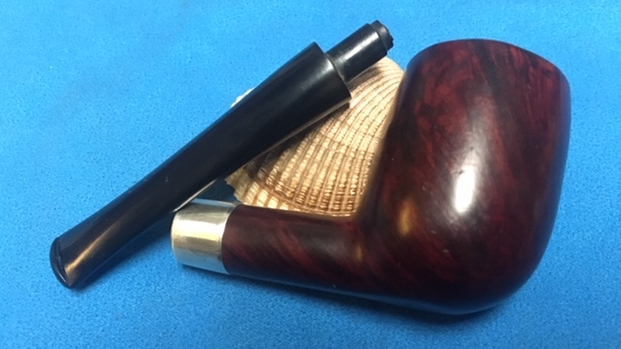
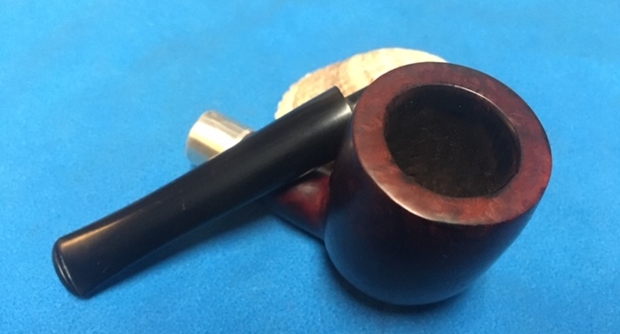
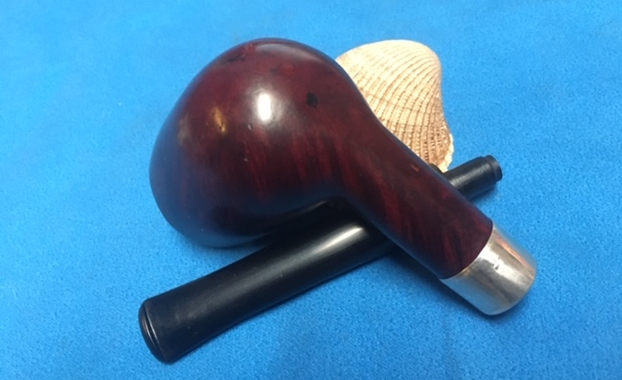
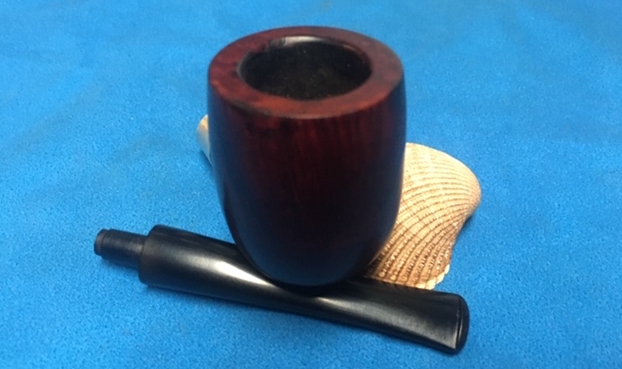
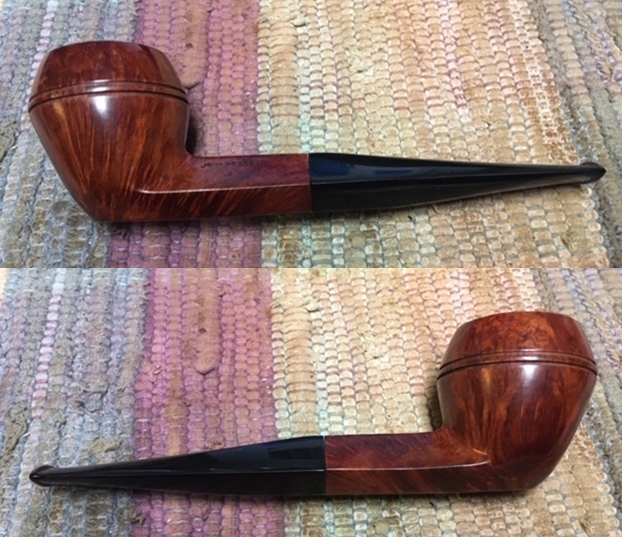
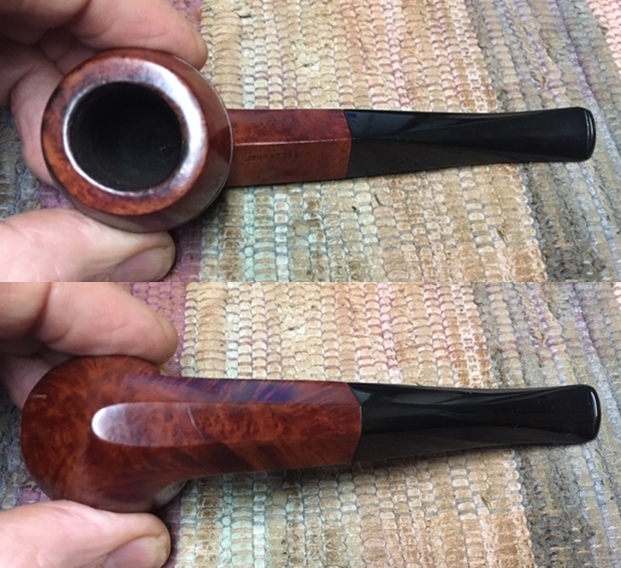
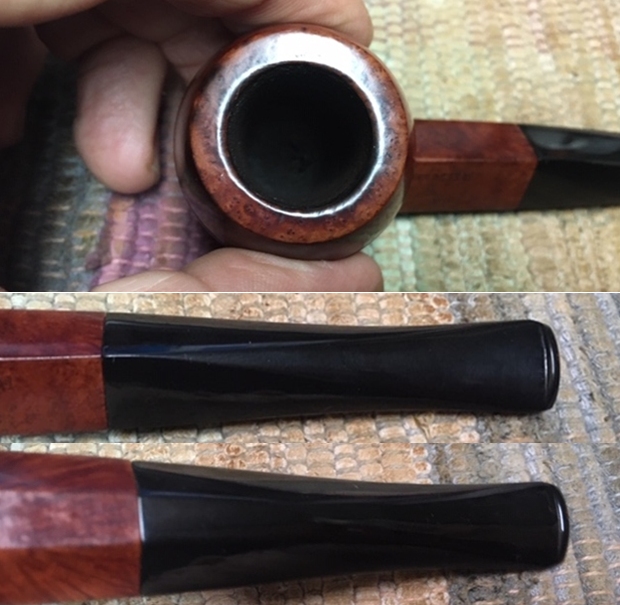
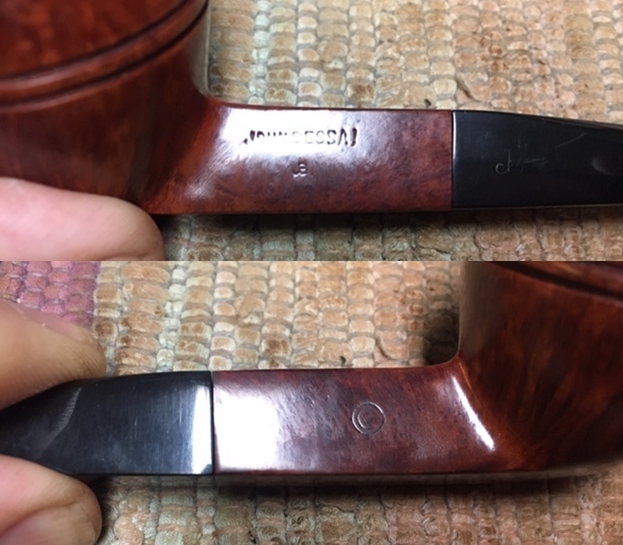
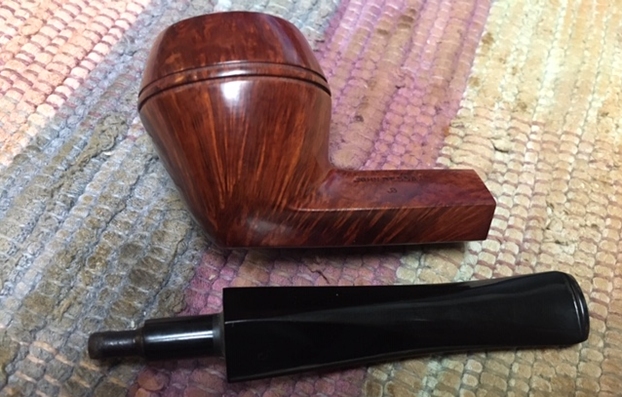
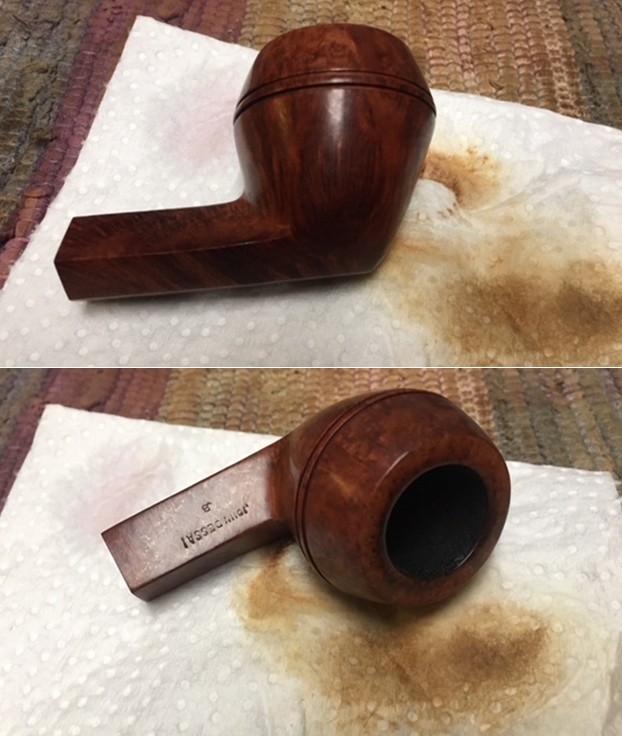
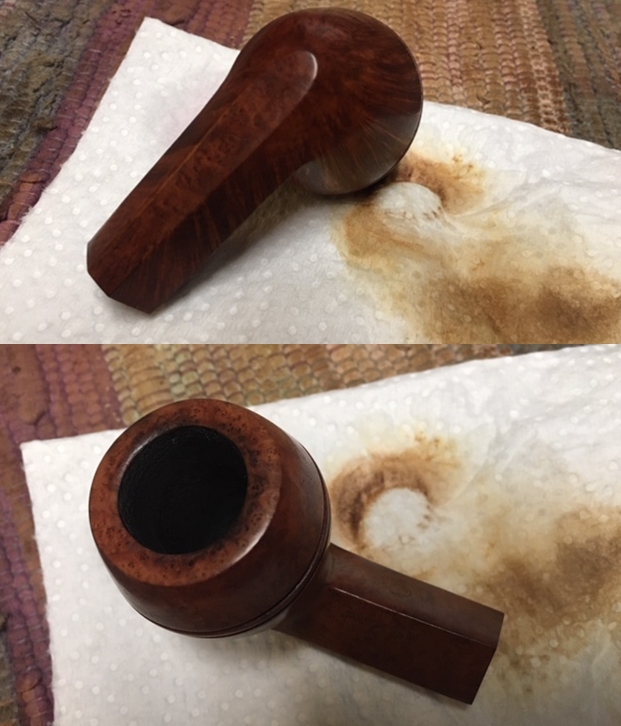
The next pipe on the worktable comes from Alex’s box of pipes. It is nicely shaped John Bessai pipe in a shape I would call a Rhodesian sitter. Looking at the photos below you might wonder what Alex wants to have done with this pipe. I have learned to not be fooled by appearance. The pipe had a top coat of shellac or varnish to give it a stellar shine – probably done by the seller. The rim top was dirty and had the shine coat on top of that. The bowl was out of round and the edges were dirty. The pipe reeked of stale tobacco which told me that the internals had not been cleaned. The airway was very tight and there was little airflow. The shank had no obstruction but the stem had a nozzle tip that was closed off but for a pin hole. The stem looked good from a distance but under the shine was tooth chatter and marks – things I don’t like on a restored pipe. On the underside of the shank was a small hairline crack. It went across the flat base about mid shank. It did not go up the sides it was like a small flaw in the briar. So you can see there was more to work on with this pipe than initially meets the eye. It was a polished dirty pipe! I took some photos of it before I started my work. I took close up photos of the rim top, bowl and stem to show the condition. You can see the damaged areas on the inner edge of the bowl and the bits of debris in the shellac coat on the rim top. The tooth damage is hardly visible in the photos but it is on both sides next to the button edge.I took a photo of the over buffed stamping on the shank sides. The left side reads John Bessai with a JB stamped underneath. The right side has the remnants of what looks like two circles. The rest is unreadable. There is also a JB on the left topside of the stem that is very faint.I took the stem off the shank and took a photo of the pipe to show the overall look. You can also see the buildup of tars and oils on the nozzle end of the stem.I have worked on quite a few Bessai pipes over the years and back in 2014 I restemmed a bowl. I wrote a blog on the pipe and did quite an extensive amount of research on the brand (https://rebornpipes.com/2014/07/14/restemming-and-restoring-a-john-bessai-special-diamond-shank-bent-brandy/). I am including that information here for ease of reference.
HISTORY & BACKGROUND

I started out with what I had found previously and written about on the blog. I quote the following paragraph from Pipedia http://pipedia.org/index.php?title=Bessai

 John Bessai was a long time pipemaker, repairman and tobacco shop owner who operated his pipe shop at the “Old Arcade” in Cleveland, Ohio. The shop was opened in approximately 1898. It was a small 2-room shop where he hand-crafted his own pipes in the back room and could work when customers were not there. Like so many other shop made brand, John Bessai’s limited production was quickly acquired by regular customers and thus his craftsmanship remained little known outside of Ohio and the Midwest. While his name is known by pipe collectors in the Midwest, his work is seldom seen elsewhere! He died before 1969. Nevertheless, John Bessai left behind a small number of classic shaped pipes; all were made on-site. They are praised worthy of collecting and reflecting skills well beyond most American pipe makers. John Bessai’s logo “JB” appeared as one letter as the “back” of the “J” and the “back” of the “B” share a single line. The logo was stamped on the stem and on the left side of the shank. His son Herb Bessai took over the business and also continued making pipes. He closed the shop in about 1978.

I suspected that there would be more information three years later. I did some further research and came across the information found in the paragraph below on one of the pipe forums.

John Bessai was located in the Colonial Arcade at least into the late 1980s. After his death, his son Herb ran the shop. It was taken over after Herb’s retirement by a male and then name was changed to “Old Erie Pipes”. This was then located in the Erieview Plaza and when that mall closed, taken over by Cousin’s Cigars which has a store on Euclid Avenue near CSU, and a store on Chagrin Boulevard in Woodmere Village.

That small quotation gave me a bit more information of the state of the store after John’s death and Herb’s retirement. But I still wanted more information. I wanted to know about the history of the brand and if there was any information on the various grades in the brand and the stamping on the pipes. I wanted to know a bit of a timeline for the brands. Finally my digging paid off. ON one of the pipe forums I came across a link that led me to a gold mine of information gathered by a man after my own heart, Andrew Hross. He has a blog called Classic Pipe Shop on Blogspot. I have included the link below for those who want more information. Andrew has done an amazing job of gathering information on the Bessai Brand so rather than rewrite the history I am quoting portions of Andrew’s work on The John Bessai Pipe Clinic. (http://classicpipeshop.blogspot.ca/2014/04/the-john-bessai-pipe-clinic-information.html)

The John Bessai Pipe Clinic, 35 Colonial Arcade, Cleveland, OH 44115 – by Andrew Hross

Owner(s): **John Bessai 1920s until his passing in 1969, **Herb Bessai ~1962-1983, **Daniel Gottschall 1984-~1993, **Purchased by Dad’s Smoke Shop / Cousin’s Smoke Shop and rolled into the Old Erie Smoke Shop about 1993. Cousin’s Cigars purchased the remaining stock of Bessai pipes near after Herb Bessai passed away in 2002.

Years of Operation: 1920s (unkown specific date at this time) – 1983. After 1983 the business was sold to Daniel Gottschall who later sold it to Cousin’s Cigar (Euclid Ave) around 1993. The name was changed to “Old Erie Tobacco Company”. They were forced to move to the Galleria when all the tenants of the Old Arcade were cleared out to make room for renovations. Their new address was The Galleria at Erieview, 1301 East 9th Street in Cleveland.

After this move the location wasn’t as busy as they had hoped and Cousin’s moved all the Old Erie Tobacco assets to their Euclid Avenue Store. The store has since moved to a St. Clair location after Cleveland State forced them out due to anti-smoking regulations on campus. Their St. Clair location offers many of John Bessai Pipe Clinic’s old tobacco blends.

Their new store opened in the Merriman Valley area in Akron, Ohio where the store manager John Coleman oversees the day to day operations. John was instrumental in helping me piece together a lot of loose ends during Bessai Pipe Clinic’s transition years.

My father visited their shop several times in the early 60s as he attended Fenn College (now Cleveland State University) as an undergrad before moving on to Ohio State University for his Masters. He’s way smarter than I am so I just go with the flow…

He mentioned meeting John at that time who quickly gave my father some pointers on smoking a pipe and how to take samples from the shop’s expansive sample jar collection. His pipes were on display in the shop although I don’t believe he had a lot of pipes on display at any given time due to production in-shop.

John’s son Herb took over the shop in the early 60s after he graduated from Cleveland State University / Fenn College (unclear) as he is listed as having played Basketball for CSU. Herb was also a helpful, informative and friendly individual. Articles exist from the Herald in 1962 where they interviewed Herb (with photograph) about the state of smoking in the new age of the early 60s. I visited the shop in the late 70s / early 80s with my father during a trip to Cleveland and couldn’t tell you much about the shop other than the guy working was very friendly. Back then it wasn’t unusual to be a kid and walk into a smoke shop with your father. Clearly I didn’t purchase anything but my father probably picked up some tobacco but I remember him looking at pipes displayed on a back wall. The shop was small but impressive.

If anyone has any pictures of the shop or old catalogs, I would love any additional information as it’s tough to come by 30+ years later!

Pipes offered by John Bessai Pipe Clinic: Most of the pipes that were offered by the John Bessai Pipe Clinic were fairly standard in shape… I would say most of the pipes Bessai offered were smooth pipes. My assessment would be 90% smooth and 10% rusticated / sandblasted…

…The story is that John crafted pipes in the back room or off site and finished them in house while the store wasn’t busy. Very little information is available on the accuracy of this statement. Some of his pipes from the late 1960s through the 1970s (John passed away in 1969) I feel were left over stock from previous turnings and sometimes showed fills or sand pits. Some of these pipes even carry Herb’s markings (see below). These pipes still smoke very well but are not as eye-appealing as other earlier pipes from the store’s career.

Stampings and rough dating of John Bessai Pipe Clinic Pipes: Which pipes did John make and which ones did Herb make/finish? All Bessai pipes carry his standard large JB stamp either on the stem or shank or both. Typically the JB on the stem is within a circle.

All pipes created by John Bessai’s hands reportedly contain the miniscule ‘jb’ stamp on the shank or body of the pipe. I have older pipes in my possession that do not contain this stamp (condenser, old stamps, etc) that were clearly shop made pipes. I feel he started using the tiny ‘jb’ stamp in the 50s to early 60s.

An interesting note about John Bessai’s stems – they always clean very nicely and aren’t prone to as much oxidation (that brownish / green color) as most dunhill and Charatan pipes tend to oxidize. His cuts to his stems were very impressive and often transitioned from diamond-shaped shanks almost architecturally. Very comfortable to smoke.

John Bessai Special Pipes:

… I have a couple Bessai Special pipes. These stand out either by large size, graining or possibly shape. Most Specials are unique pipes and are rare to find in comparison to his regular issue pipes.

John Bessai Special X pipes:

I only have one of these and it’s a beauty. This one is a larger bowl (around a group 4 dunhill) with deep colored grain and a hefty substantial shank. Special X pipes are probably the rarest of John Bessai pipes and should be sought out if possible. I’ve smoke mine roughly 4 or 5 times and it performs with the best of my pipes…

Herb Bessai Pipes:

Unfortunately none of these pipes that I’ve seen have astounded me with grain or general appearance. Having said this, these pipes smoke nicely and are a great value if you can find them. I have one that my father found at an Antique Show in the South. There’s another author shape on reborn pipe’s blog that someone refinished because of the amount of fills in the pipe. He also states it’s a wonderful smoker (Editor’s note: This is my pipe and the write up I did on the blog). These pipes are likely from the late 60s through the early 70s. I believe many pipes after this period were created en masse at a factory in the US. It is unclear what stamp was used on these later pipes…

Dating / Circa era Bessai Pipes: If the pipe carries a stamp stating Cleveland, O U.S.A. it’s considered an older production pipe (pre1960s). I’ve not seen any newer pipes with that stamp.

Bullseye stamping usually indicates an earlier pipe as that stamp seems to have been abandoned pre1960 as well.

Most of the earlier Bessai pipes have an unusual ‘stinger’ or condenser at the end of the tenon which is unique to Bessai pipes. They are either a hard plastic or created out of wood. They are typically easy to remove and could have been easily lost if misplaced. These pipes I would consider pre-1960 and possibly 1940s-early 1950s production based on their stamps and patina of the pipes.

1970s 1980s and beyond: My feeling on these pipes after John’s passing is that they purchased finished pipes from a large manufacturer and stamped them with the John Bessai or Bessai stamp (on shank and/or stem). Most of these shapes are standard among many stores from that period and offer less than spectacular grain (and sometimes fills). Stamps on these pipes are probably fairly plain and don’t have the tiny ‘jb’ stamp on the shank indicating it was produced by John Bessai.

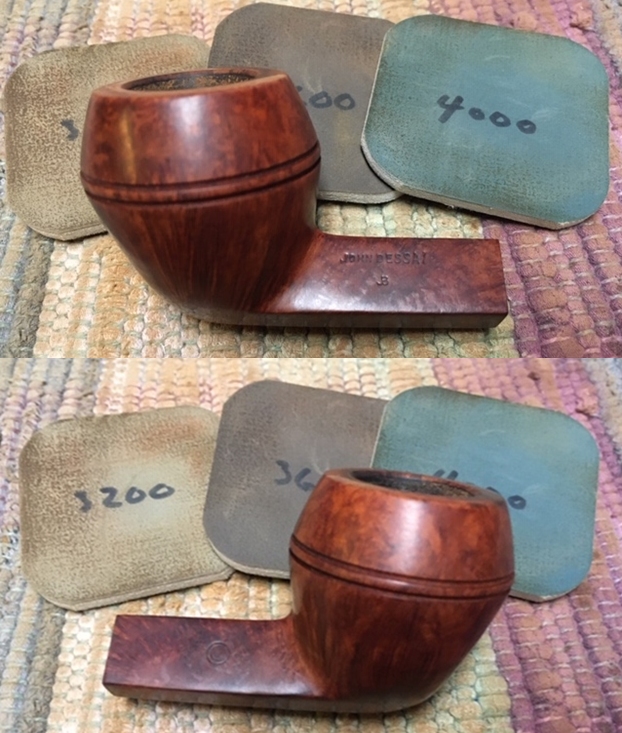
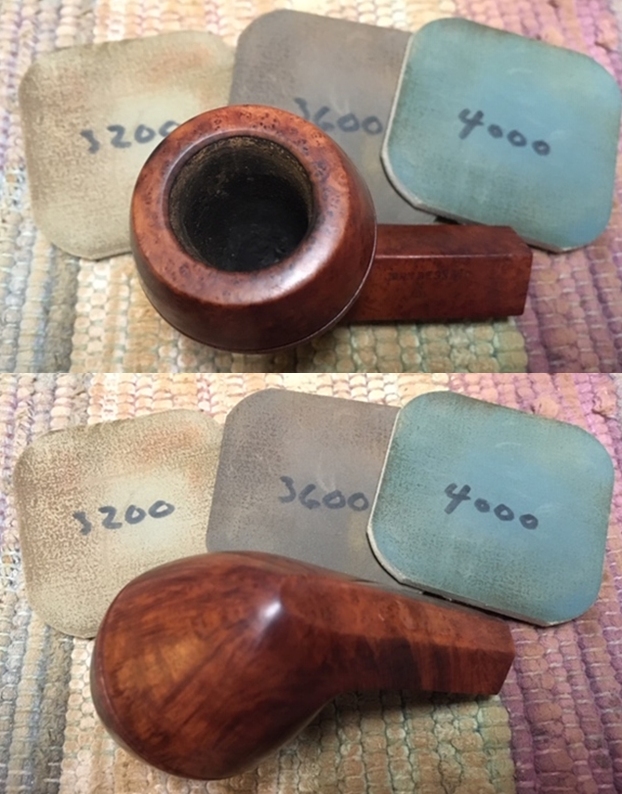
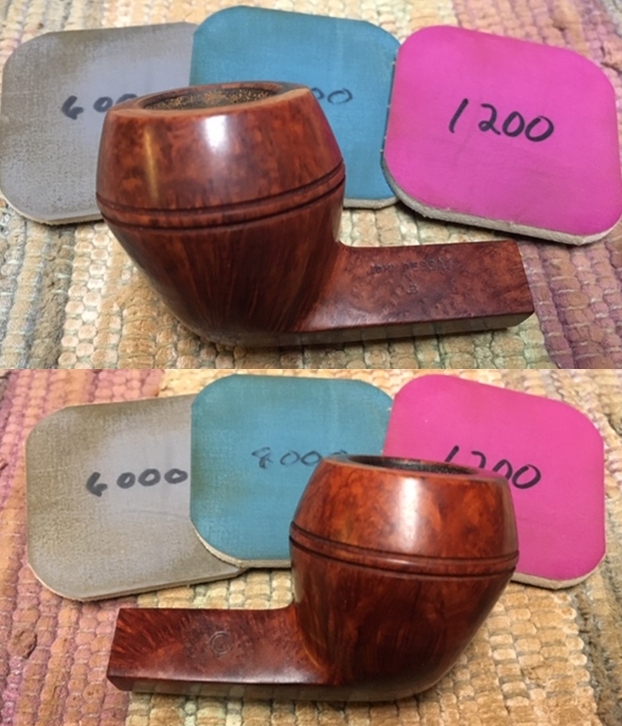
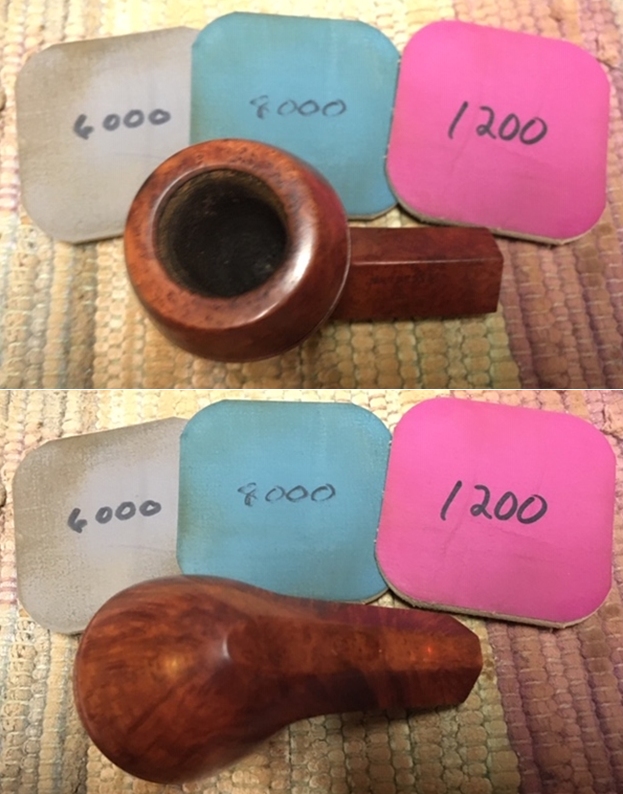
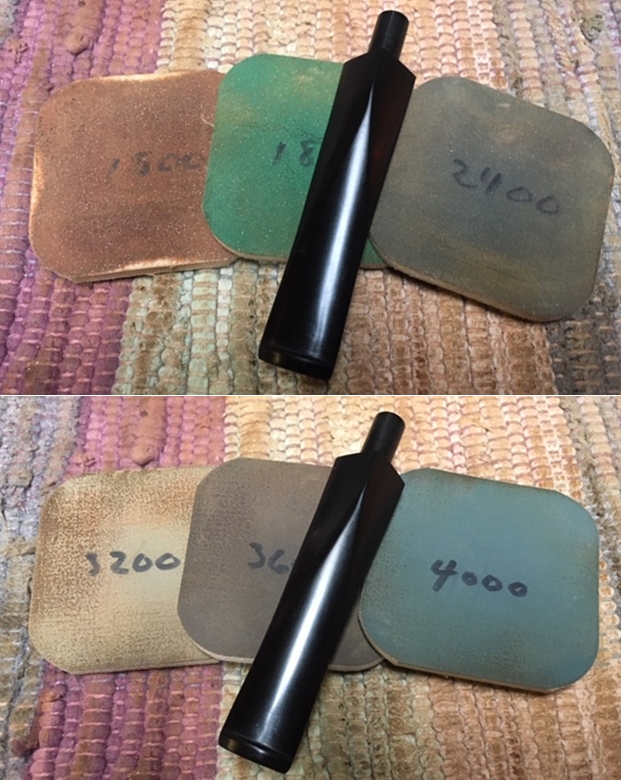
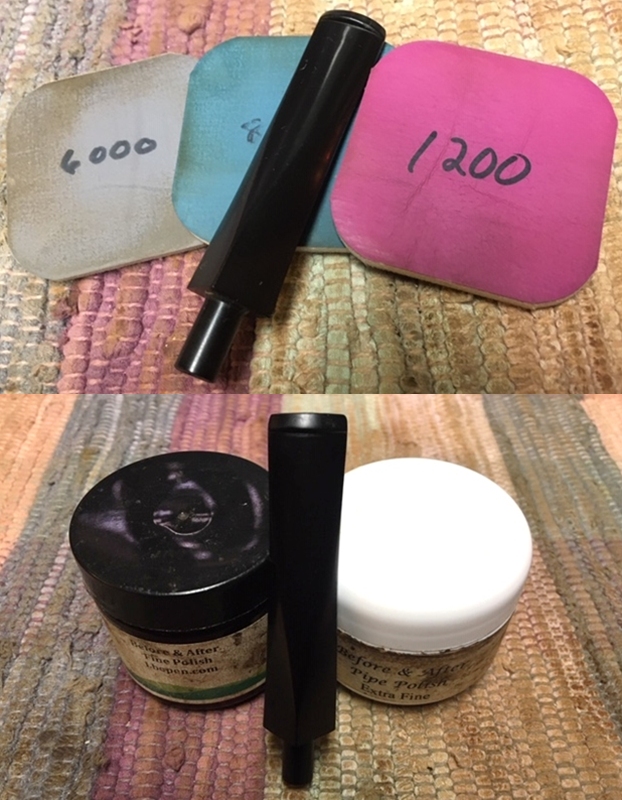
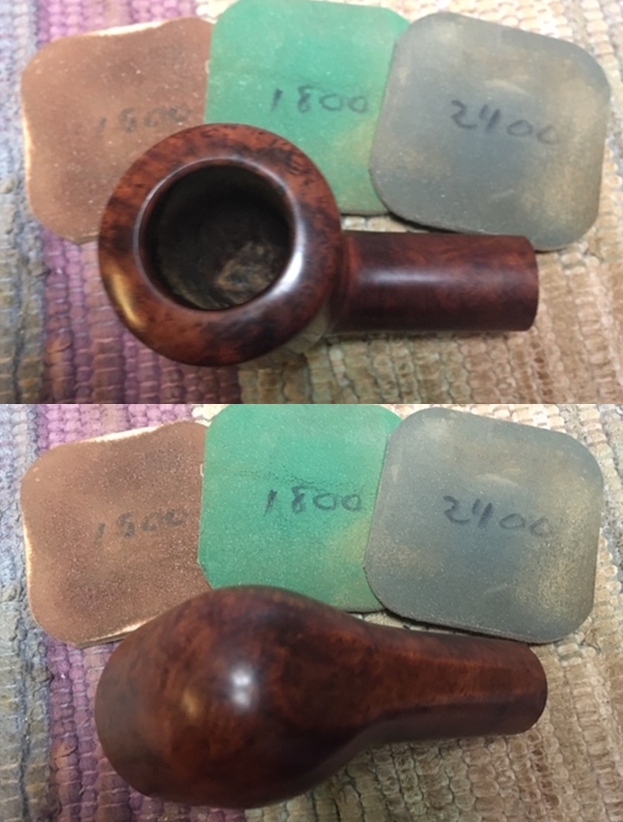
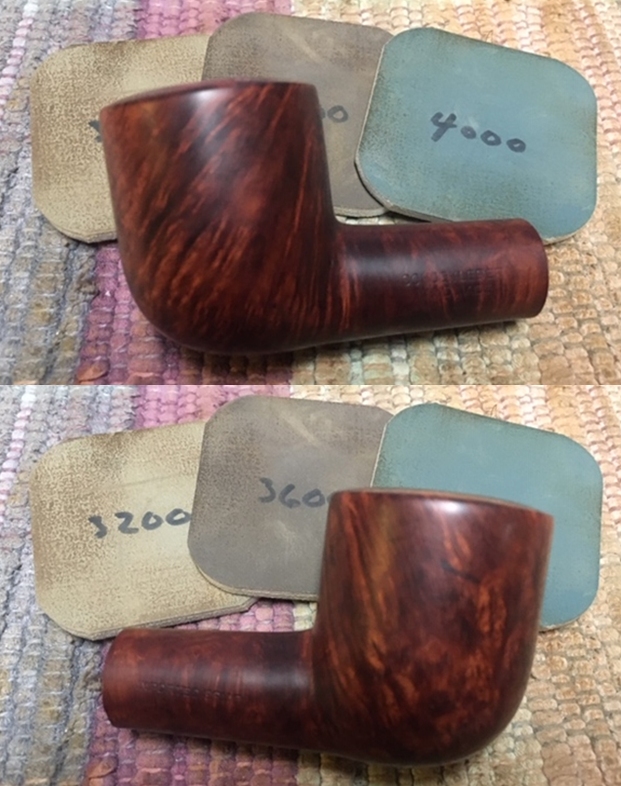
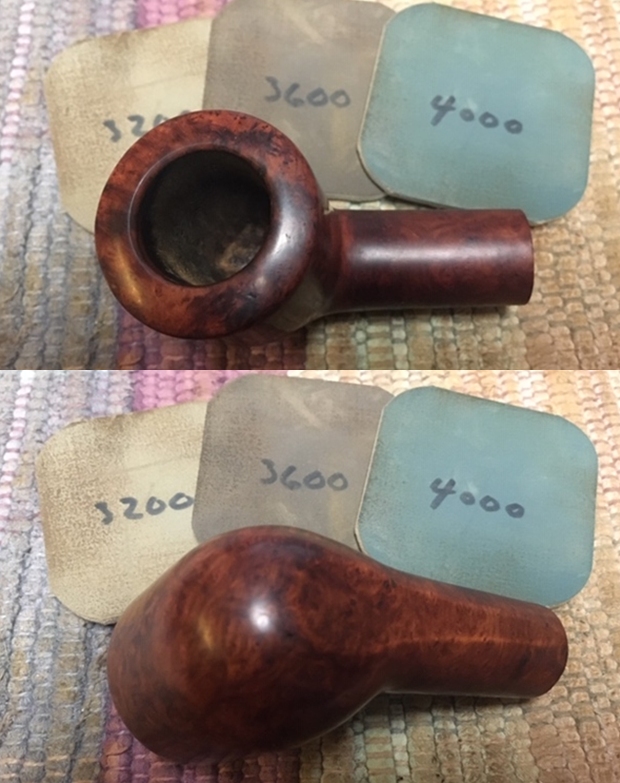
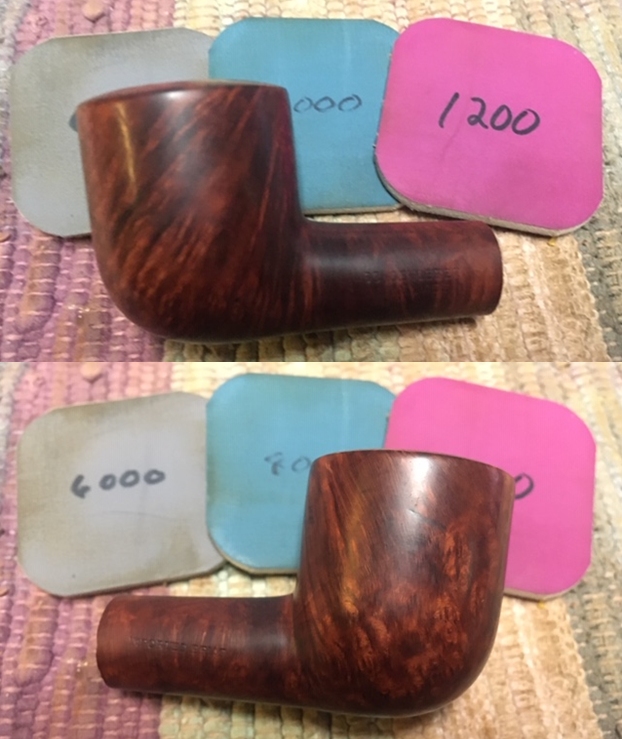
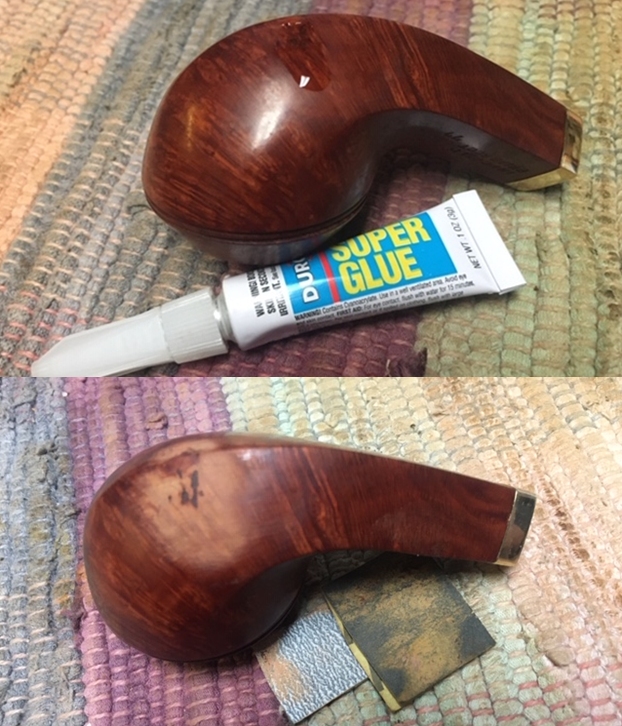
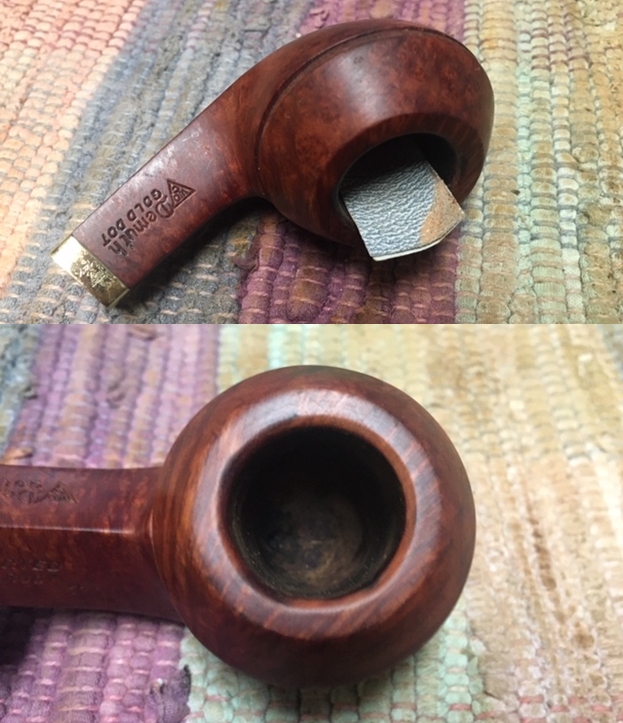
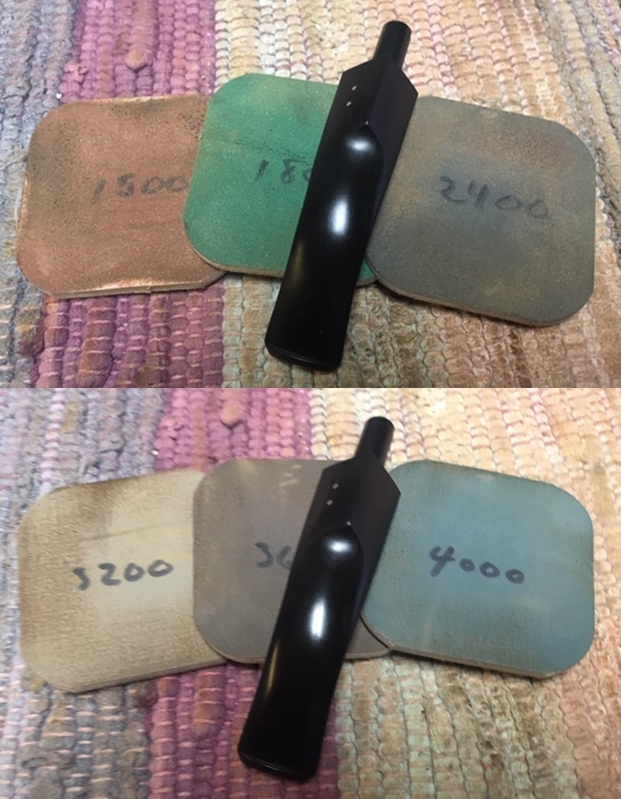
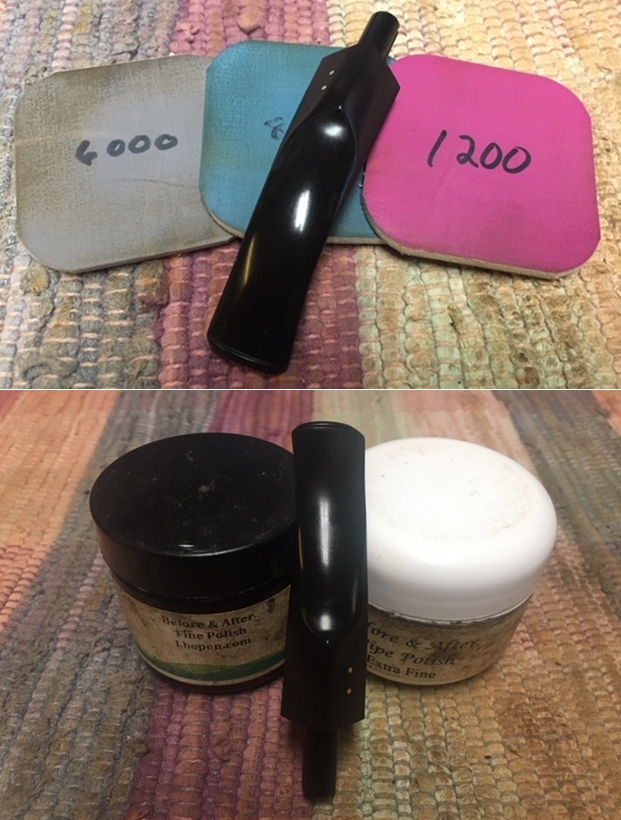
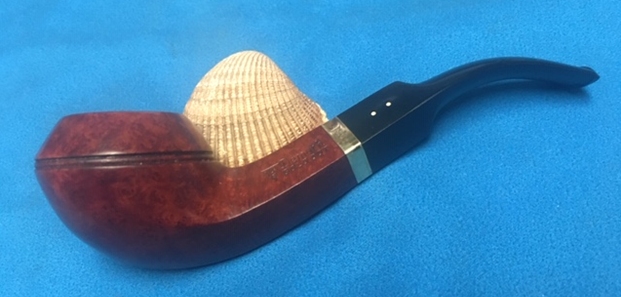
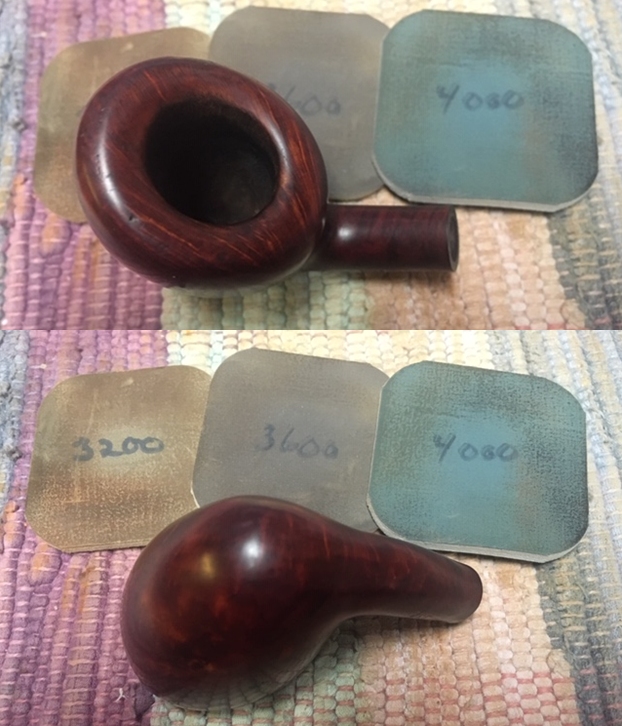
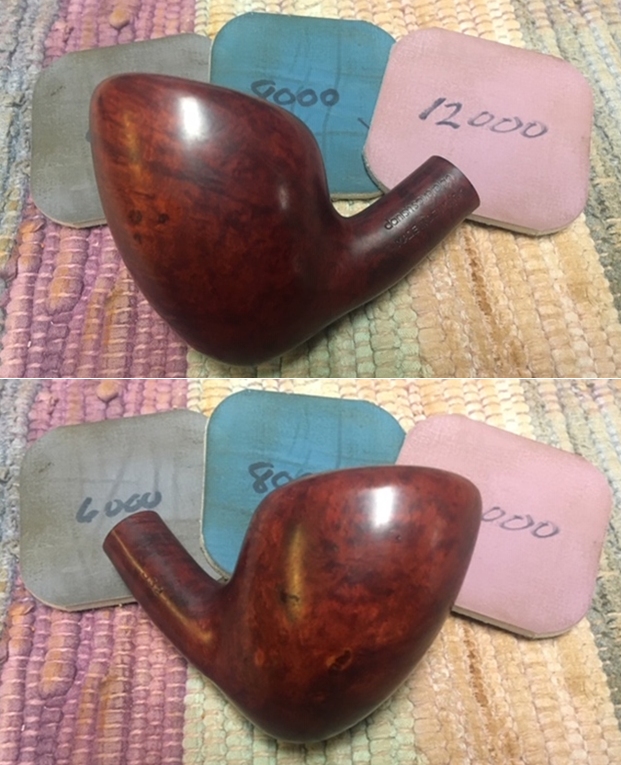
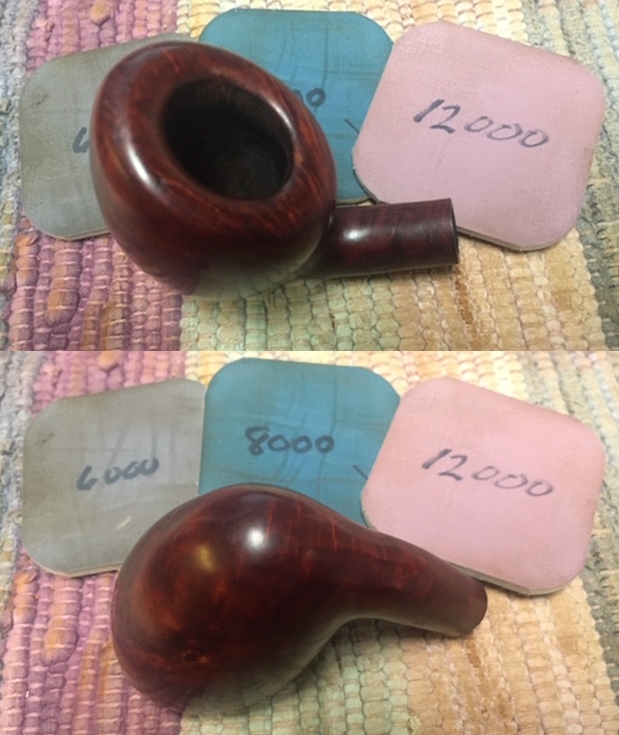
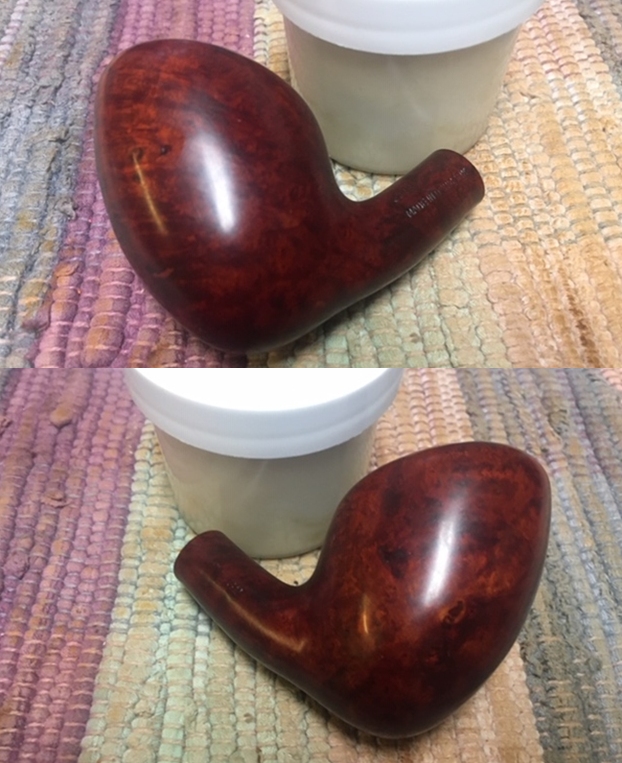
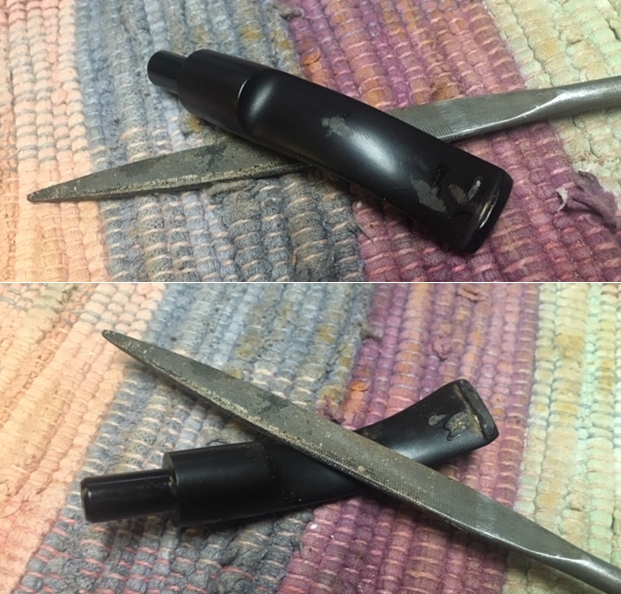
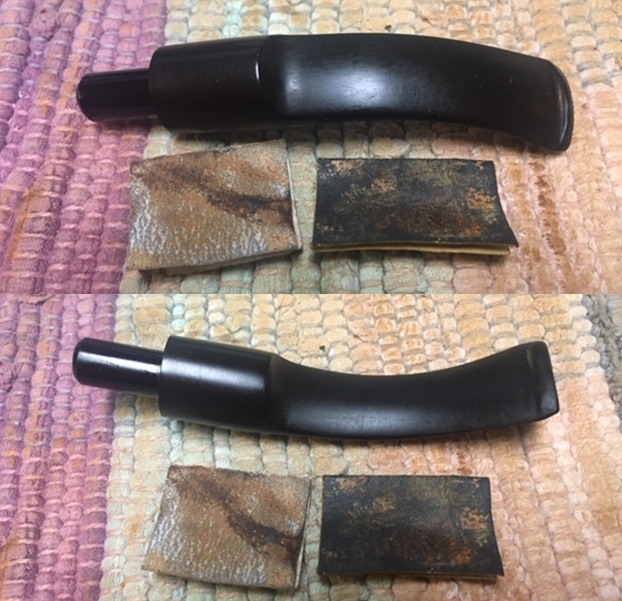
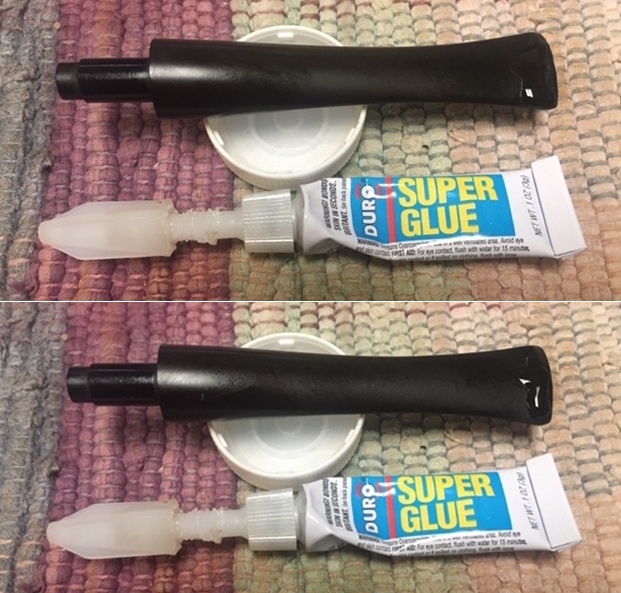
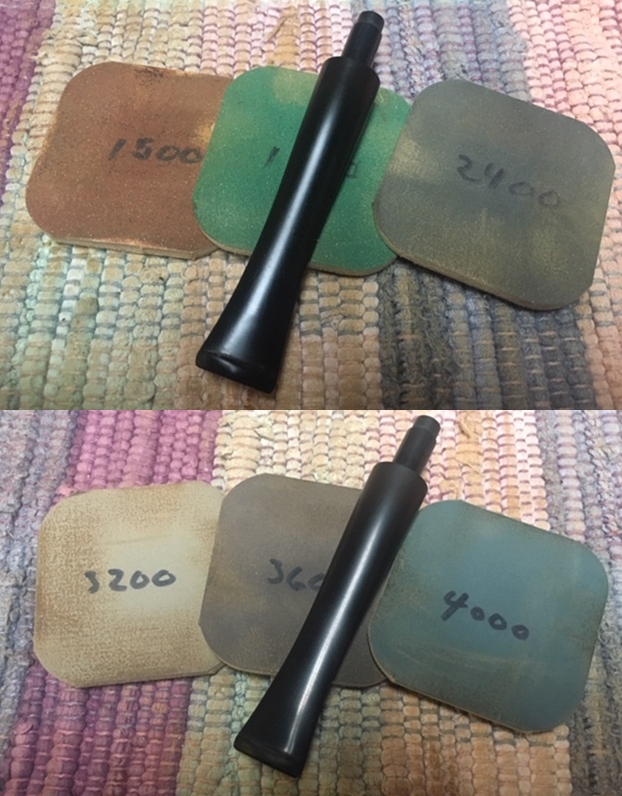
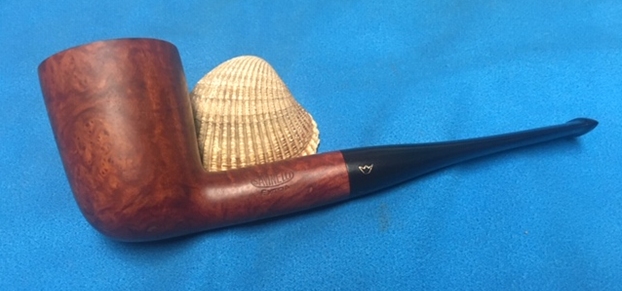
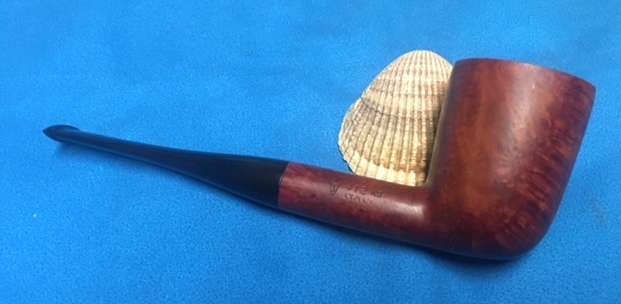
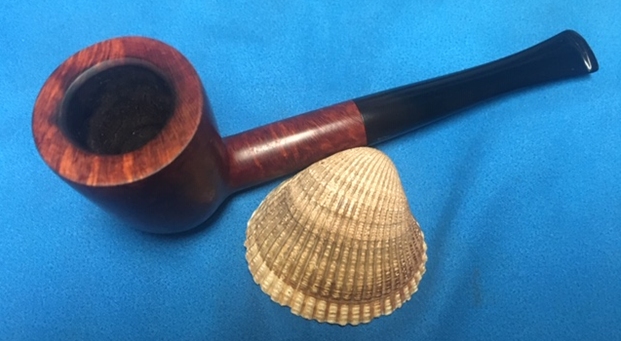
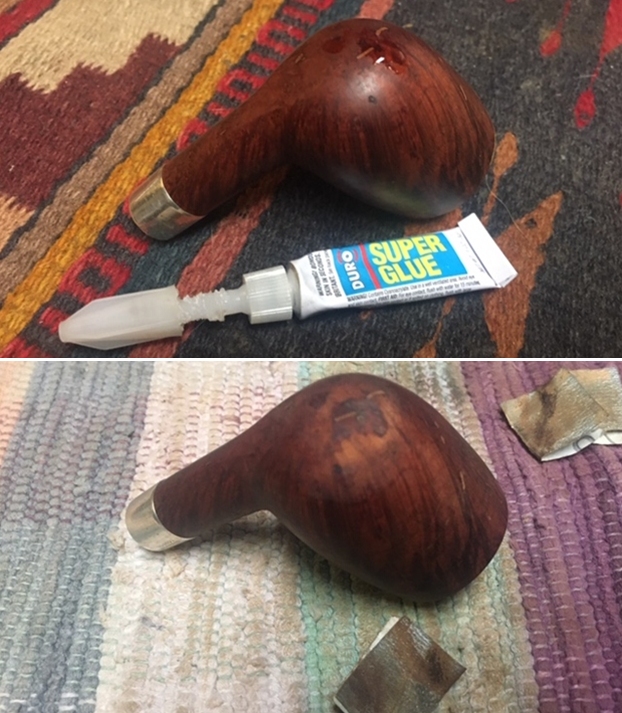
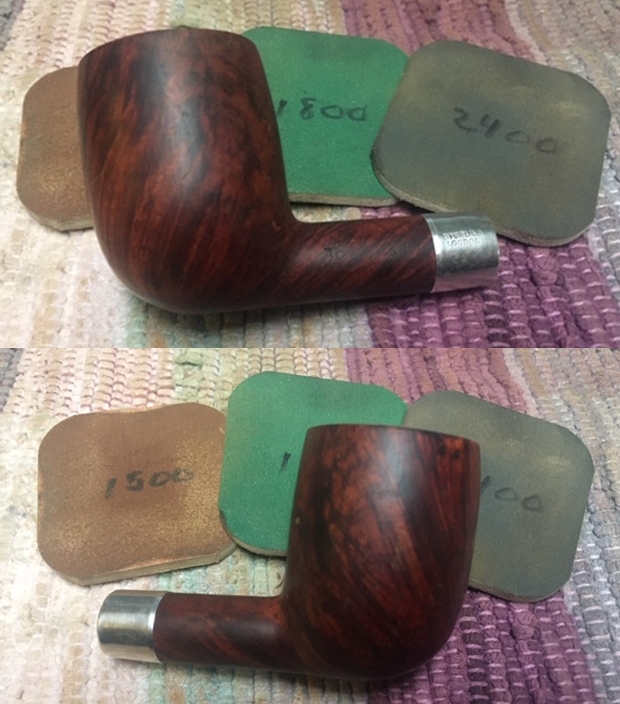
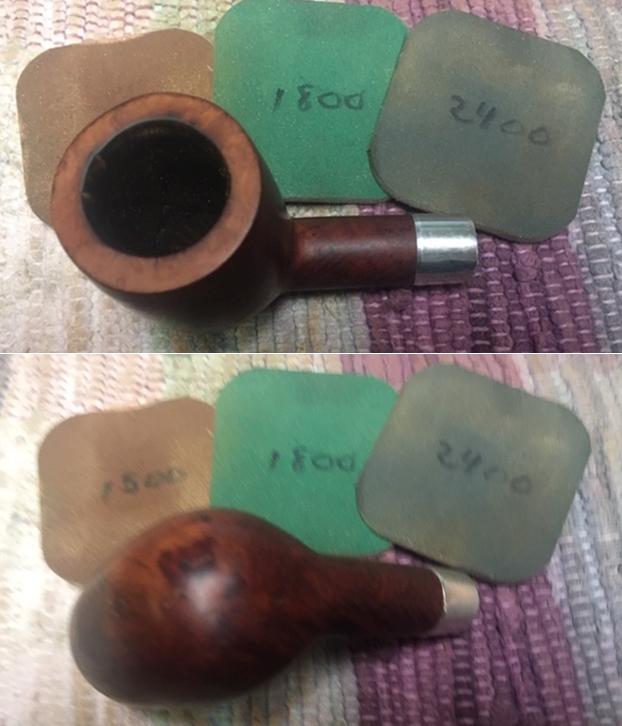
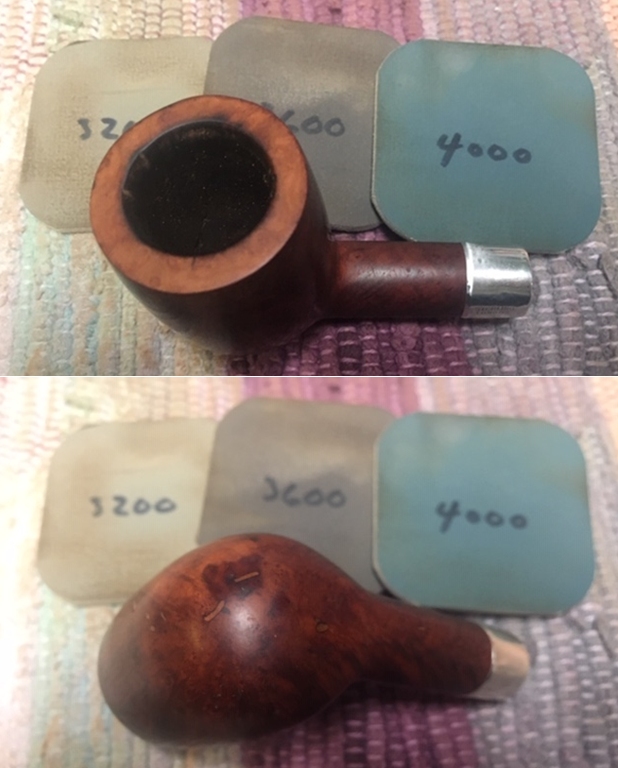
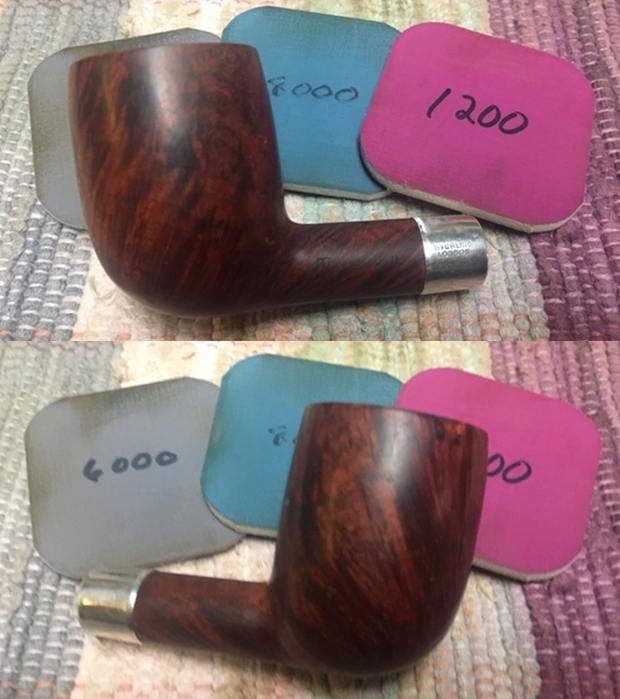
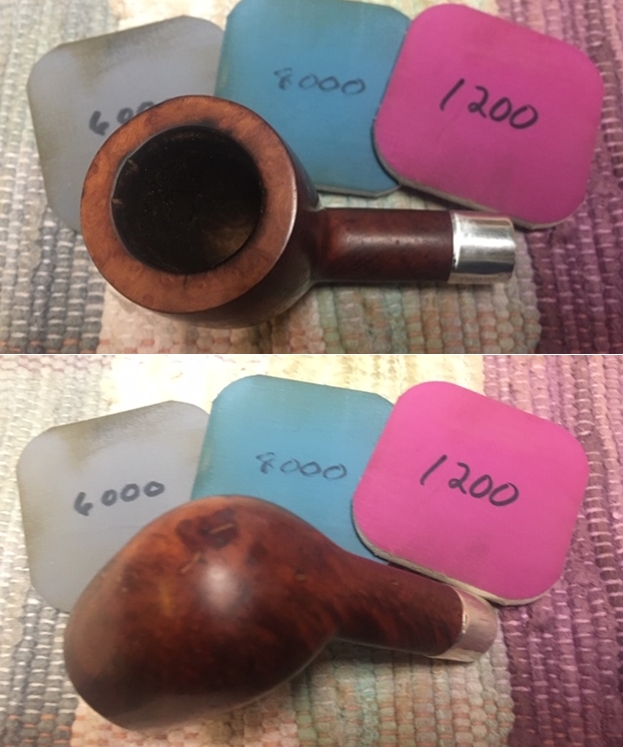
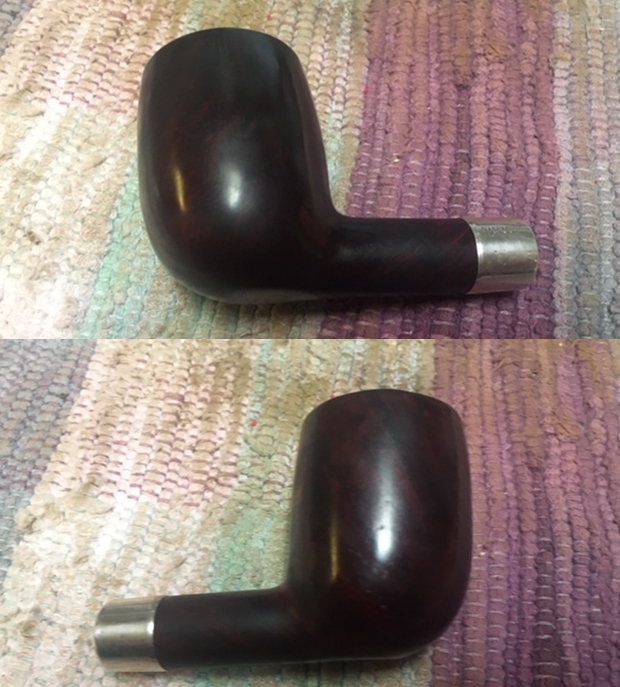
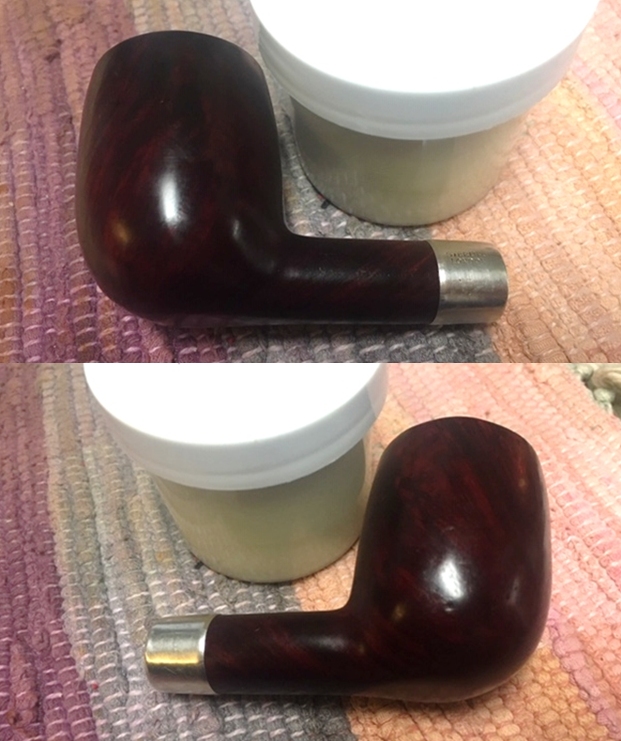
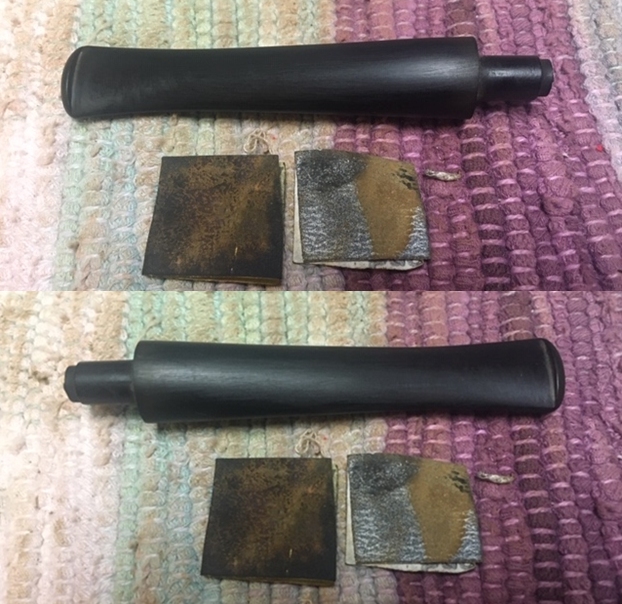
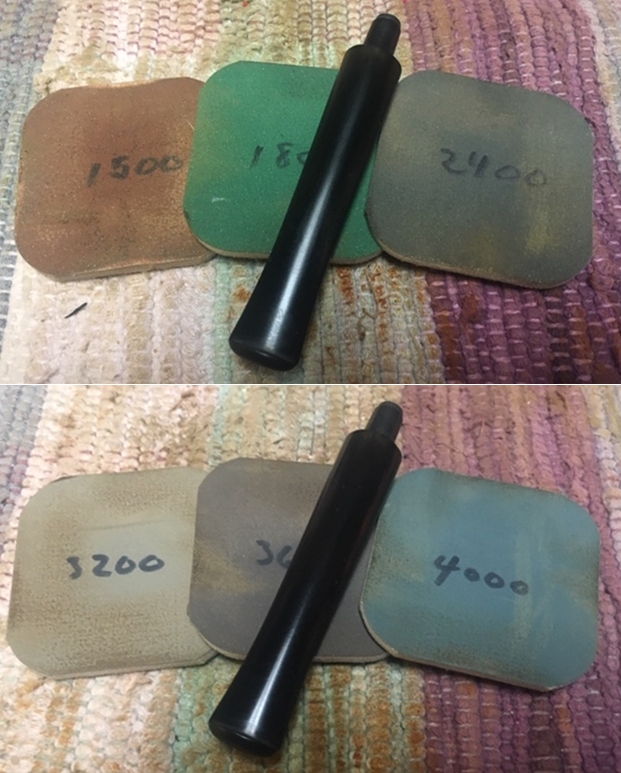
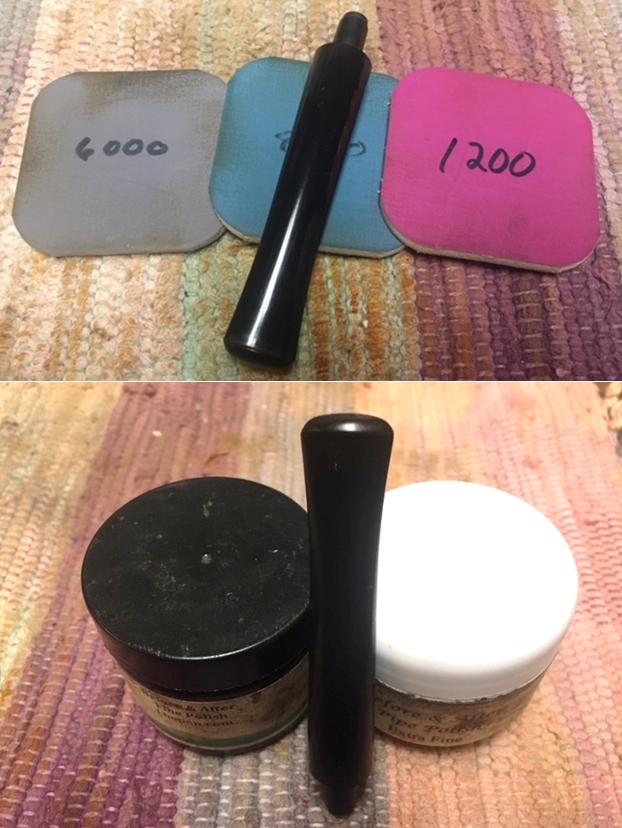
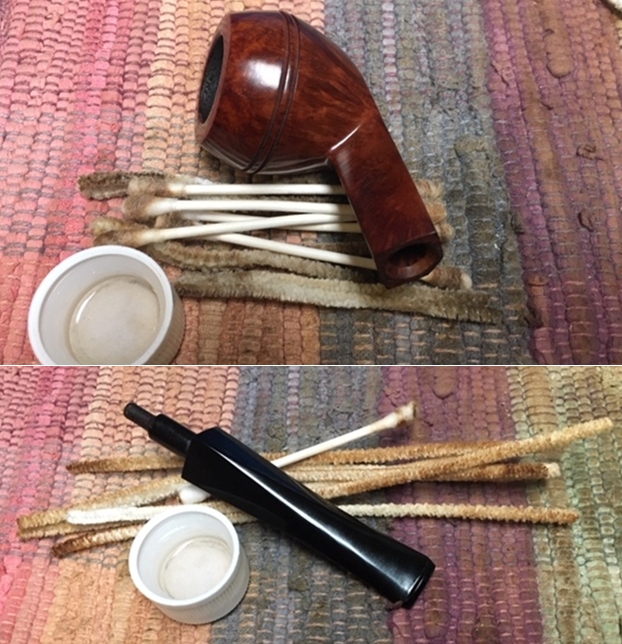
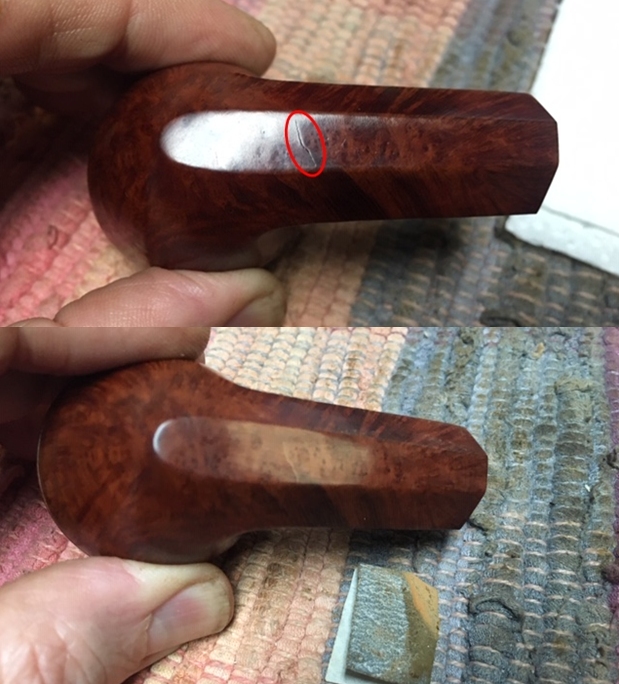
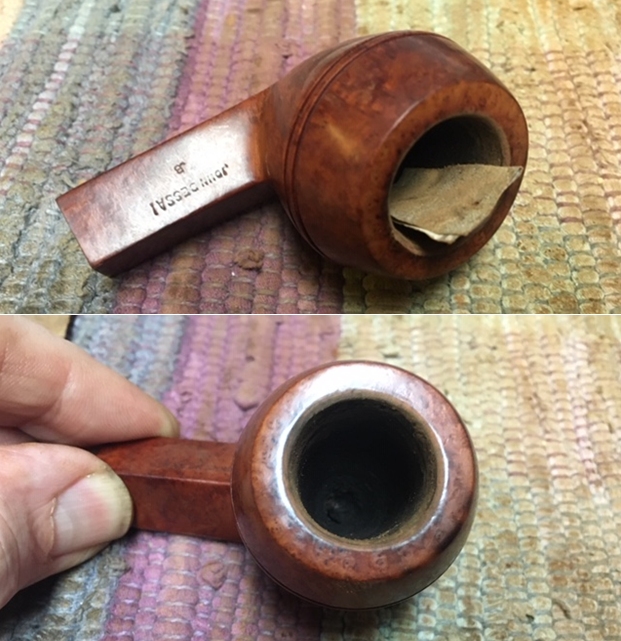
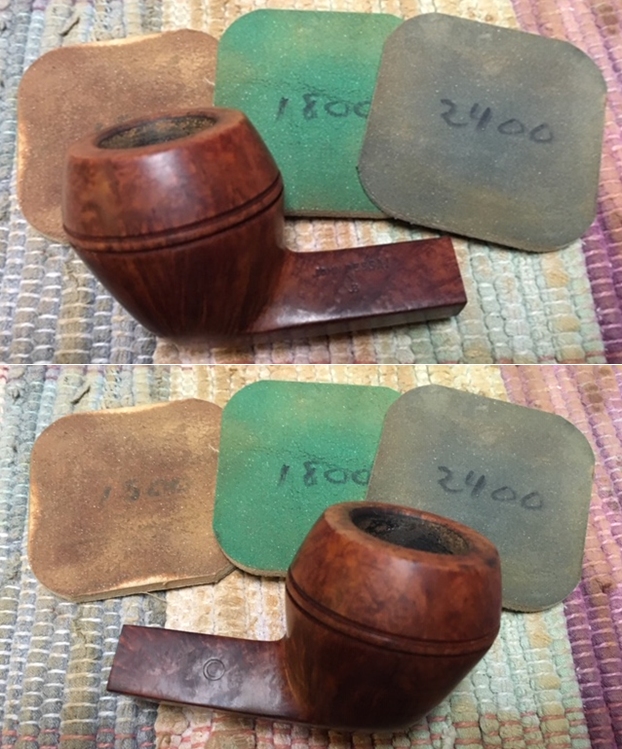
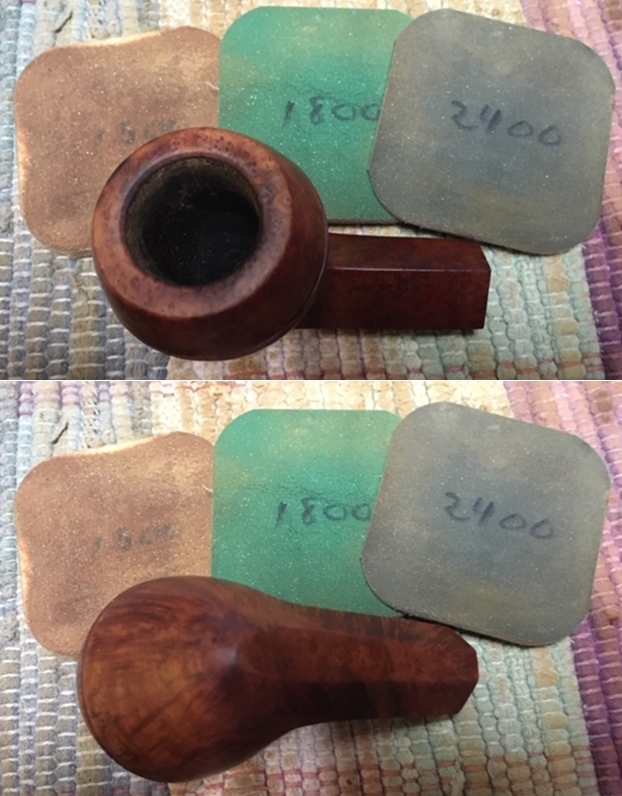
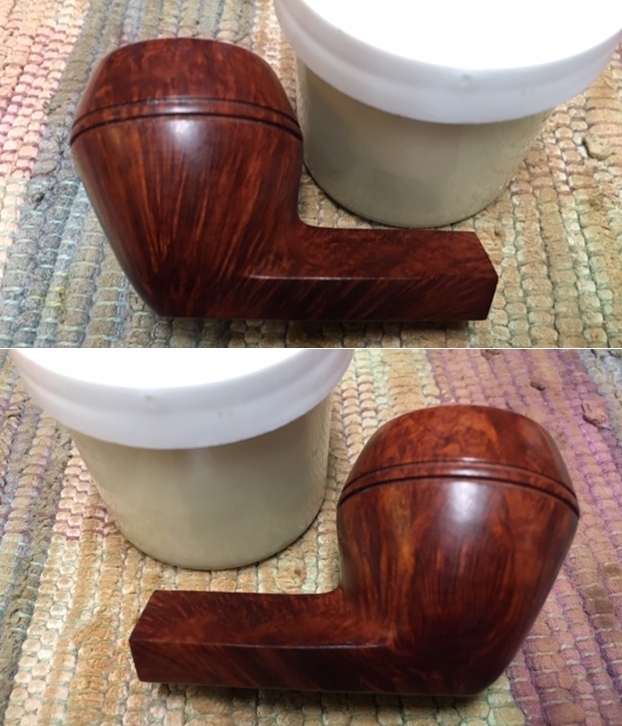
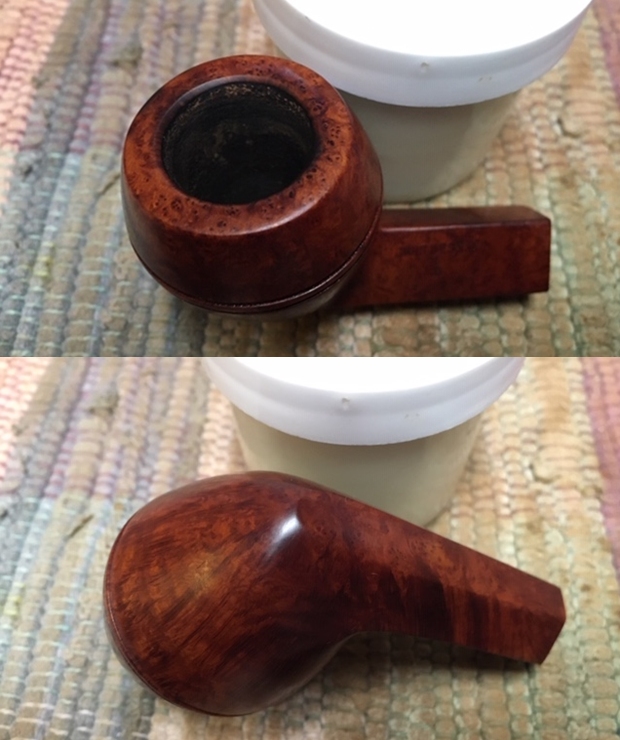
I know that is a lot of information and if you want to you can skip ahead to read about the restoration. I started my restoration with cleaning the internals and the externals of the pipe. I cleaned out the inside of the pipe with pipe cleaners, cotton swabs and alcohol. It was a filthy pipe on the inside.I scrubbed off shellac coat with acetone on paper towel. It came off really well and left the bowl dull but removed the shine coat and let me get the grime off the briar. I decided to address the flaw in the bottom side of the shank. I have circled the area in red. Under a lens the flaw does not go up the sides of the shank but rather stops just before each edge. I scrubbed that area with acetone to clean up the shellac or varnish that was in the crack or flaw. Once it was clean I put a spot of clear super glue on the crack and worked it into the crack with a tooth pick. I let it harden/cured the sanded it smooth with a folded piece of 220 grit sandpaper. While it is still present it is less visible and smooth. I cleaned up the damages to the inner edge of the rim and the beveled area. I used a folded piece of 220 grit sandpaper to smooth it out and improve the look of the edge and the top. The finished work looks a lot better.I polished the bowl, rim top and repaired shank with micromesh sanding pads – wet sanding with 1500-12000 pads. I wiped it down with a damp cloth. The photos of the process shows the developing shine. I rubbed the briar down with Before & After Restoration Balm. I worked it into the surface of the briar with my fingertips. The product works to clean, enliven and preserve the even that material. The balm is absorbed by the briar and gives it real life. I buffed it with a cotton cloth to deepen the shine. I used a folded piece of 220 grit sandpaper to minimize the tooth damage next to the button and up the stem. It did not take a lot of work to clean it up as most of it was not too deep. I also cleaned up the buildup on the nozzle end of the tenon.I polished the vulcanite with micromesh sanding pads – 1500-12000 grit pads. I wiped it down with Obsidian Oil after each sanding pad. I used Before & After Pipe Polish – both Fine and Extra Fine to further polish the stem.  With both parts of the pipe finished, I polished the bowl and the stem with Blue Diamond polish on the buffing wheel. I gave the bowl and the stem multiple coats of carnauba wax. I buffed the pipe with a clean buffing pad to raise the shine. I hand buffed it with a microfiber cloth to deepen the shine. The pentagon shank Rhodesian by John Bessai polished up pretty nicely. The rich browns of the finish and the grain came alive with the buffing. The finish on the briar works well with the polished black vulcanite stem. The finished pipe is a well-proportioned, well-made Rhodesian that is a functional sitter. Have a look at it with the photos below. The dimensions are Length: 5 ¾ inches, Height: 1 ¾ inches, Outside diameter of the bowl: 1 ½ inches, Chamber diameter: ¾ of an inch. This Bessai Rhodesian will be going back in the box of Alex’s pipes awaiting the opening of restrictions so we can enjoy a pipe and go through the lot. Thanks for walking through the restoration with me on this American Made pipe. 
 

Cleaning up a piece of Pipe History – a Marxman Imported Briar Rusticated Bulldog


Blog by Steve Laug

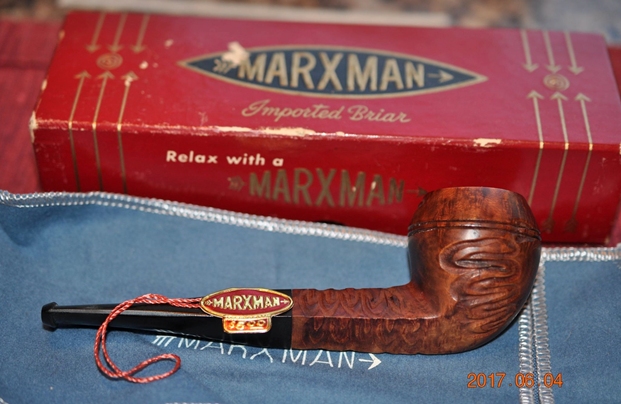
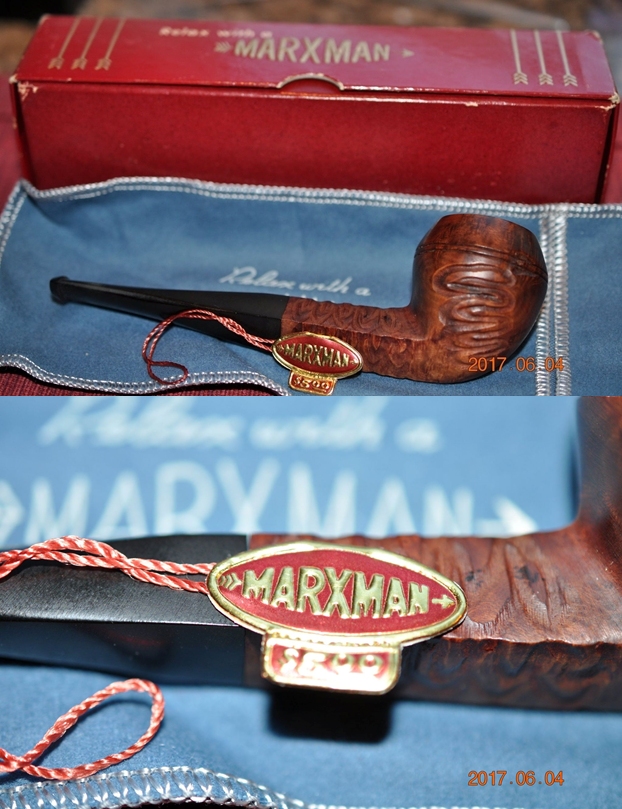
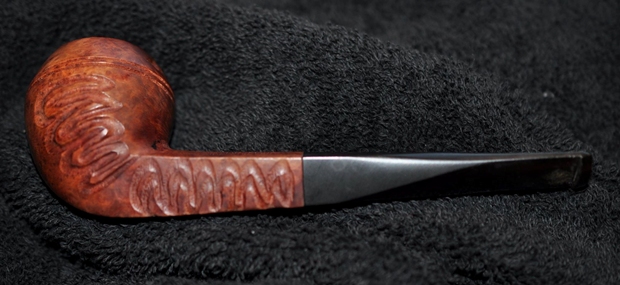
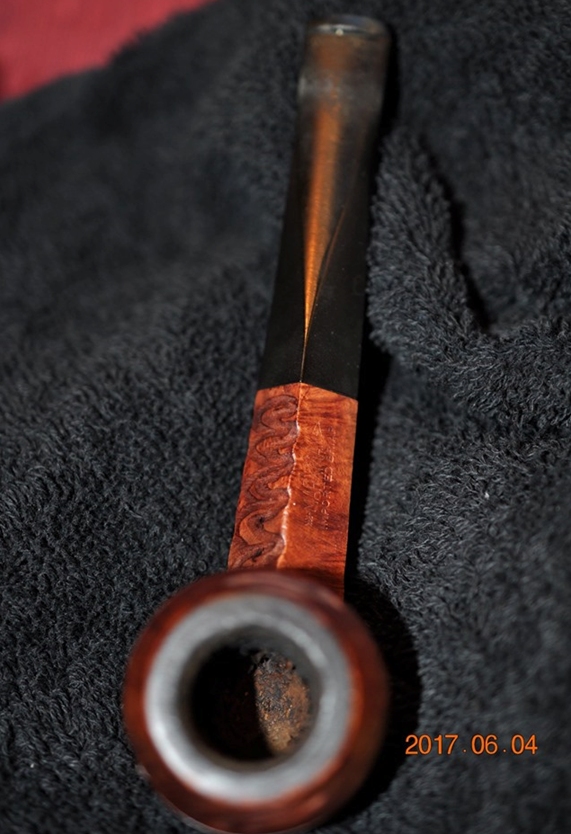
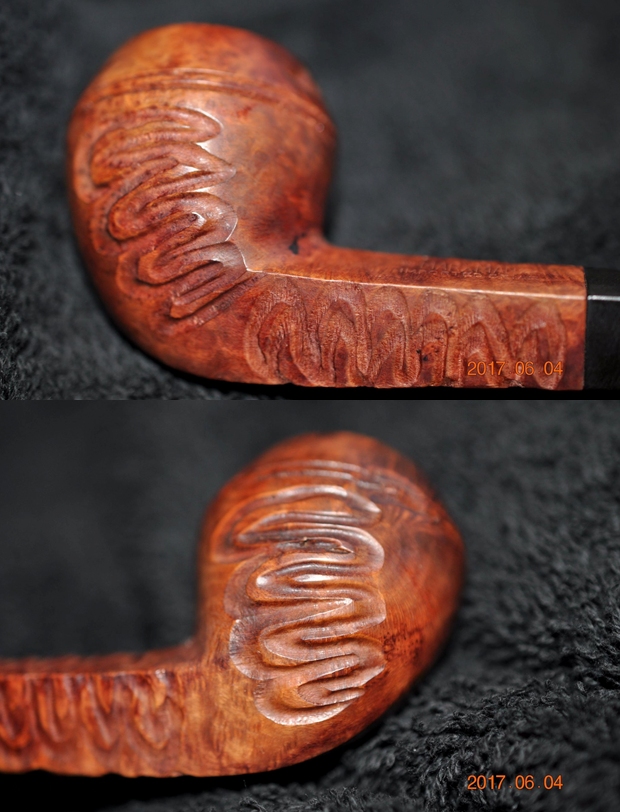
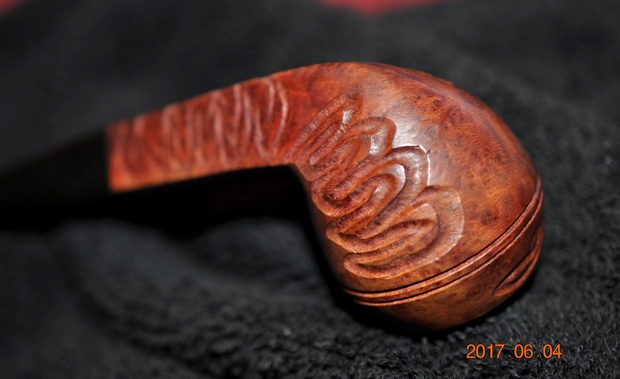
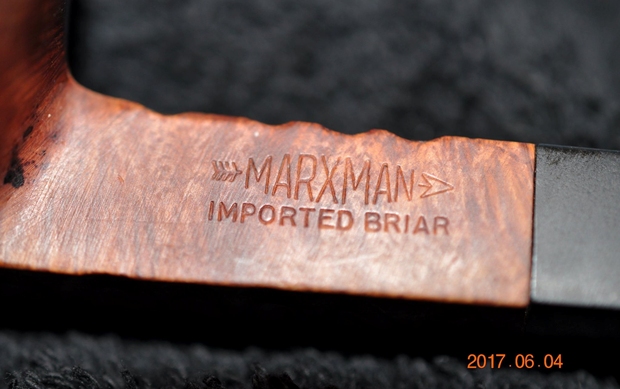
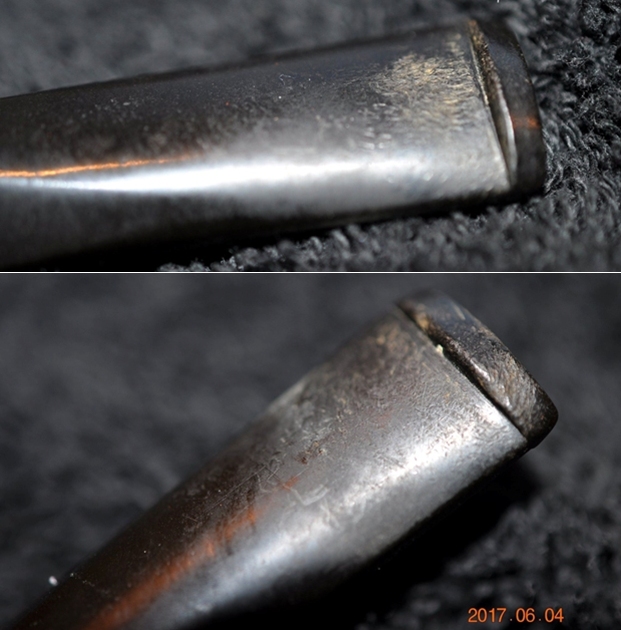
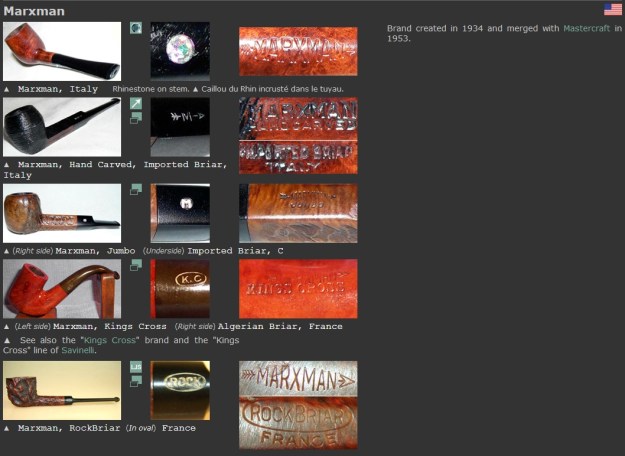
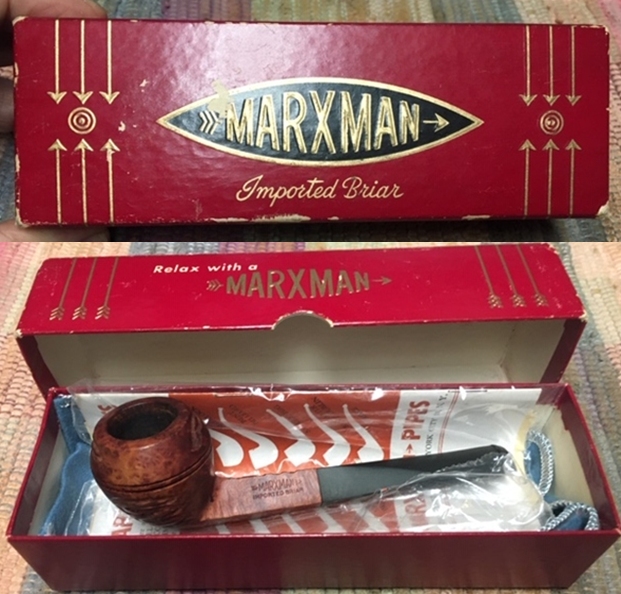
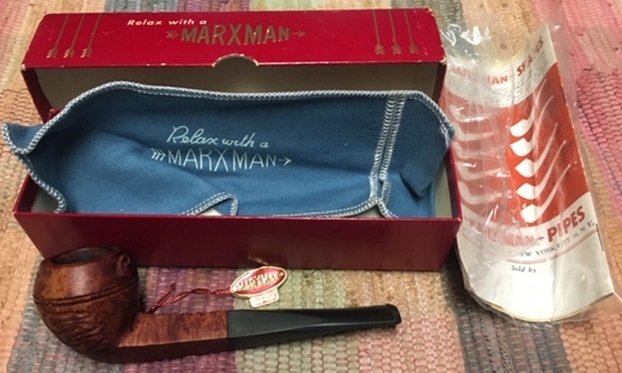
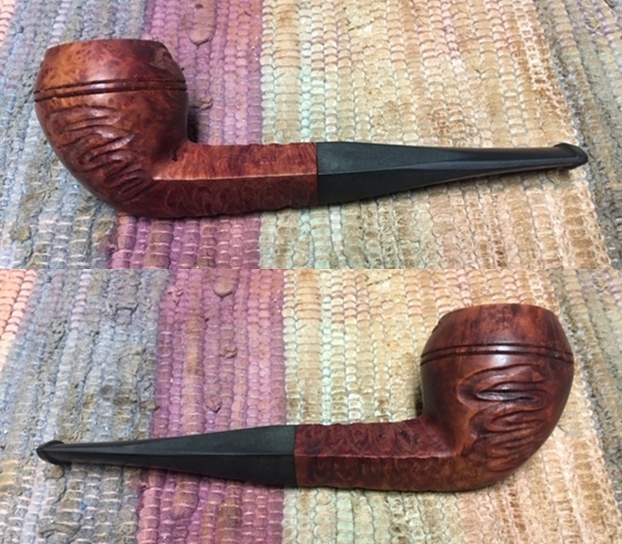
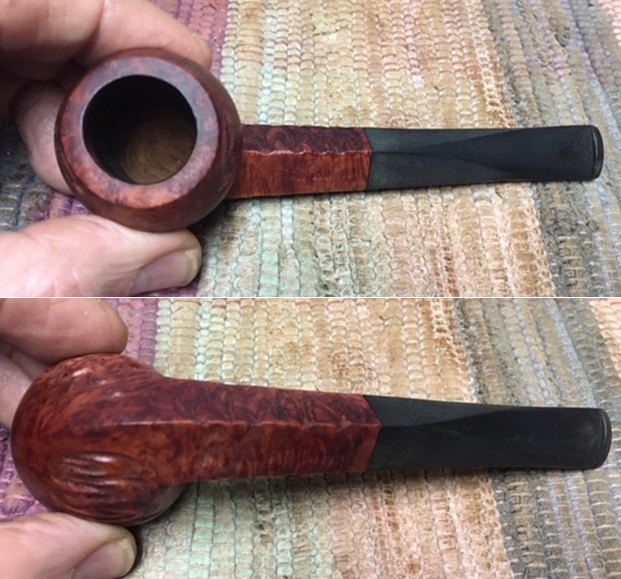
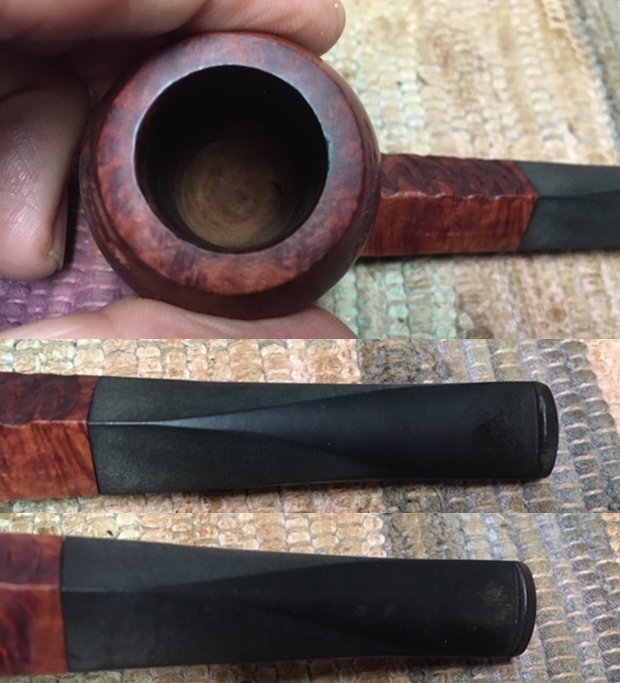
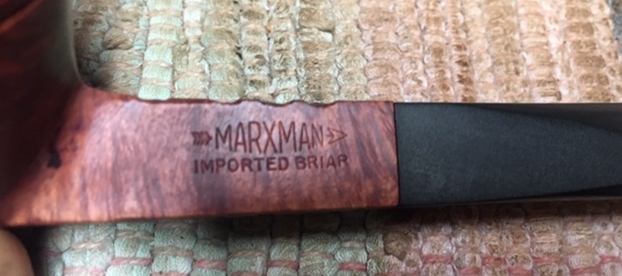
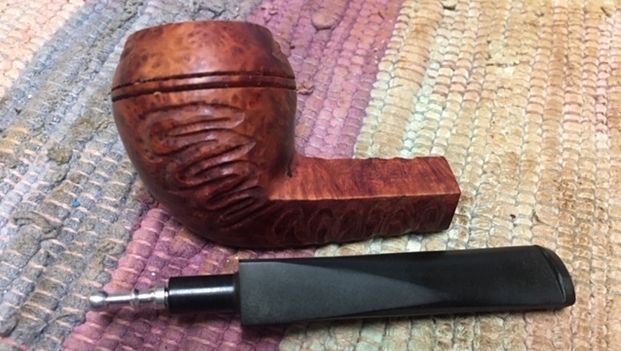
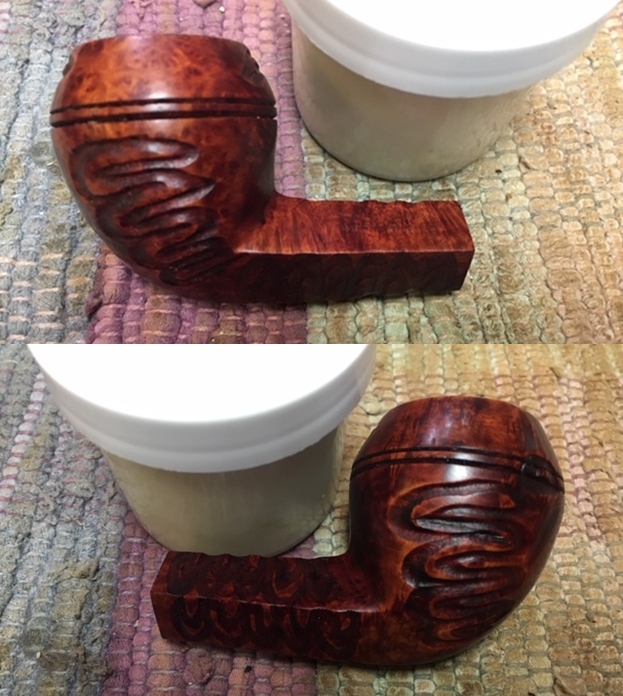
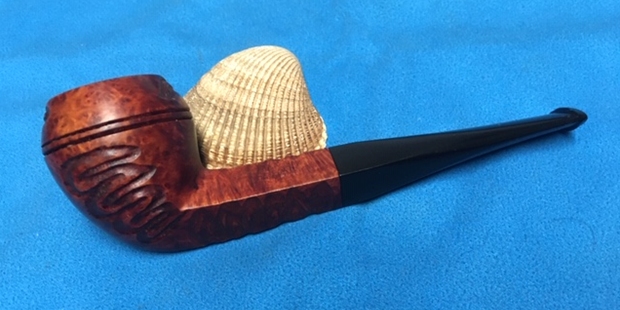
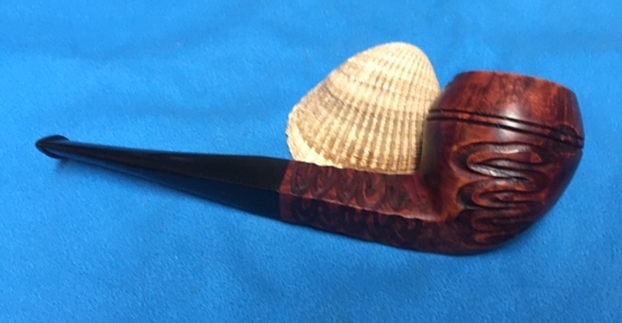
The next pipe on the table is a piece of American Pipe History. It is a well smoked Marxman Bulldog that came with the box, pipe sock and literature that was in the original package. The previous pipeman had even kept the $5 price tag that had come with the pipe. I don’t know it I would call it a pretty pipe but it is an interestingly rusticated classic Bulldog with worm trails around the bowl and shank and large spot of smooth briar as well. The pipe was very dirty with a thick cake in the bowl and some tobacco remnants from the last bowl smoked. There was some darkening and lava around the rim top and inner edge of the bowl. The rusticated areas have a lot of grime and debris ground into them but should clean up nicely. There are no visible fills around the bowl which is also a nice bonus. The finish looks good under the grime. The taper vulcanite stem is in good shape with some small tooth marks and chatter on both sides. It is lightly oxidized as well. Jeff took some great photos of the pipe, the box and sock as well as the price tag that came with the original pipe. He took it out of the box and took pictures of the pipe itself to show its general condition before he started his cleanup. Jeff took a photo of the rim top to show the thick cake in the bowl and the lava overflow all over the rim top. It is quite thick toward the back of the bowl. It is hard to know what the inner edge of the rim looks like until we remove the cake and the lava. While the bowl has a thick cake it interestingly does not go all the way to the bottom of the bowl. The last third of the bowl is raw, clean briar with no darkening. This means that the previous pipesmoker did not smoke the pipe to the bottom of any of his bowls.He took photos around the sides and heel of the bowl to show the condition. You can see the grime in the finish and the worm trail rustication all over the bowl sides. He took a photo of the stamping on the left topside of the shank. You can see that it is clear and readable. It has the classic Marxman arrow logo over Imported Briar. There is no other stamping on the pipe.The next two photos show the condition of the stem. You can see that it is lightly oxidized and has some tooth chatter and marks on both sides near the button. There is also some wear on the button surfaces on both sides.I turned to the listing on Pipephil on the Marxman brand (http://www.pipephil.eu/logos/en/logo-m2.html) to gain some insight. The side bar noted that the brand was created in 1934 and merged with Mastercraft in 1953. I did a screen capture of the section and have included it below.I turned next to Pipedia to gather a more detailed history of the brand and see if I could find any information on this particular pipe (https://pipedia.org/wiki/Marxman). The brief article there was taken from Pipes, Artisans and Trademarks, by José Manuel Lopes. I quote a portion of that article below.

Marxman (Marxman Pipe Company) was created by Robert (Bob) L. Marx in 1934, when he was 29, and after he had worked for the William Demuth Company. His pipes were not outstanding because of the quality of their wood (probably Algerian), but Bob started making unique sculpted pieces, which brought the brand fame in the World of Hollywood cinema. Actors like Zachery Scott, Dennis Morgan, Jack Carson, Alan Hale, Joel McRae, and Ronald Reagan were some of the faces that appeared on the bowls. Bob knew how to innovate and took full advantage of marketing and press advertising in order to sell the brand–one of his slogans being “Relax with a Marxman”.

Bob also produced other brands, such as the “Bench Made”. The company lasted until 1953, the year in which it merged with Mastercraft, then the USA’s biggest pipe importer. Marxman Pipes Inc., was located at 27 West 24th St. New York 10, NY.

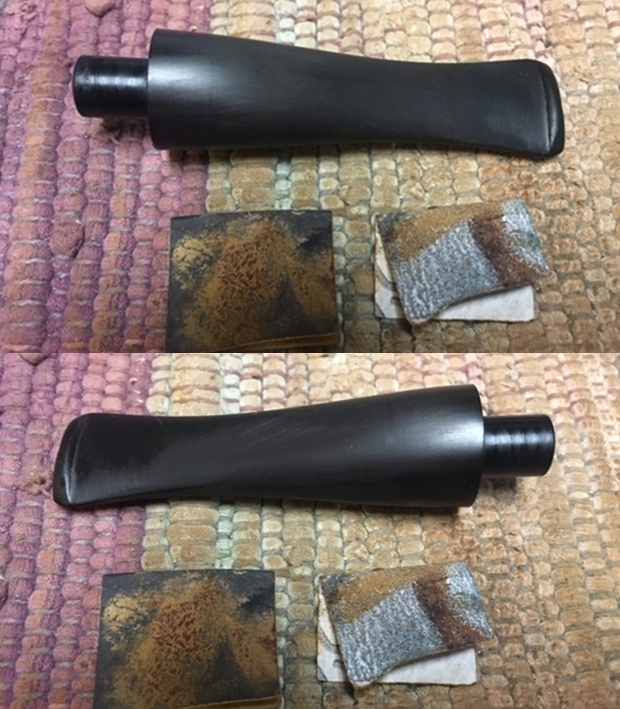
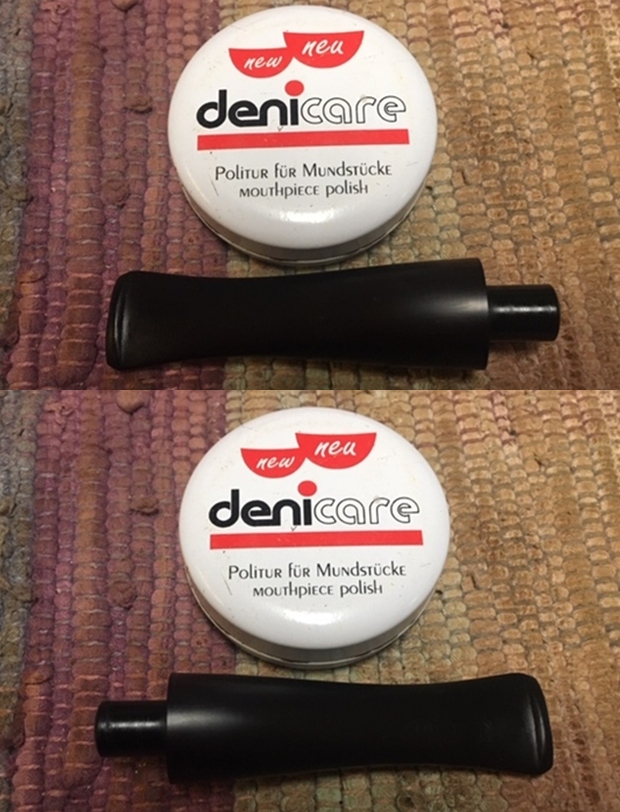
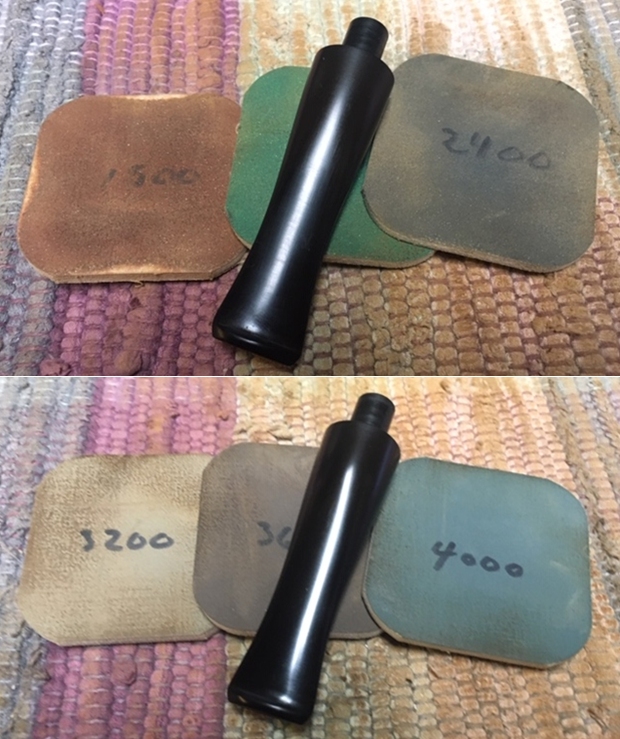
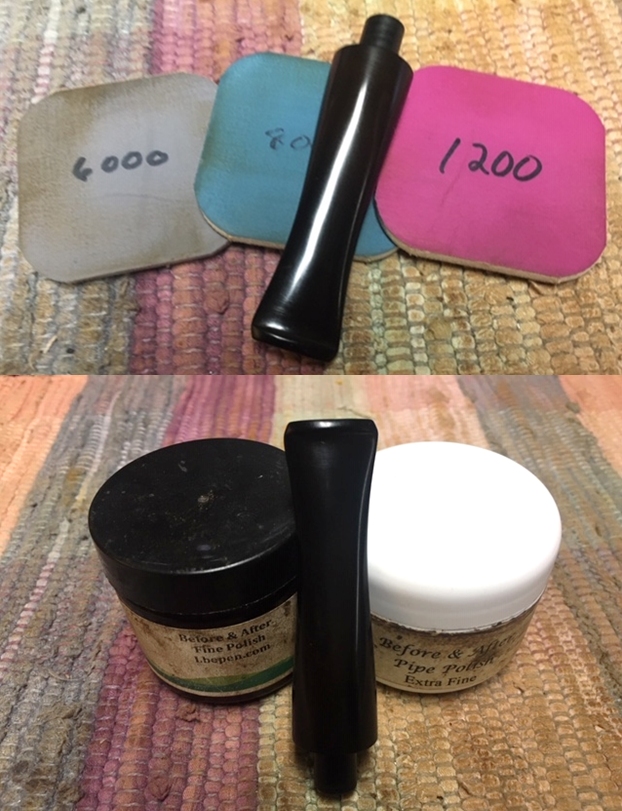
It is definitely an interesting piece of pipe history. It was also a pipe that had been sitting here since 2017 so it was high time to work on it. Armed with the brand information I turned to work on it. I opened the Marxman box and unpacked the pipe and the other things in the box. The photos below show what I found as I went through the box. Jeff had done a great job cleaning up the pipe as usual. He reamed the pipe with a PipNet reamer and cake from the walls of the bowl. He cleaned up any remnants of cake with a Savinelli Fitsall Pipe Knife. He scrubbed the interior of the bowl and shank with pipe cleaners, cotton swabs and alcohol to remove the tars and oils. He scrubbed the exterior of the pipe with Murphy’s Oil Soap and a tooth brush to remove the grime from the rim top. He worked on the rim edge lava and darkening with the soap and tooth brush. He scrubbed the inside of the stem with alcohol and pipe cleaners. He scrubbed the exterior with Soft Scrub and washed it off with warm water to remove the cleanser. The pipe looked far better. I took photos of the pipe when I received it before I started working on it. I took photos of the bowl and rim top as well as the stem to show how clean they were. You can the roughness on the inner edge of the rim on the backside of the bowl. The bowl and rim looks much better without the thick lava and cake. The stem looked better. There was light oxidation and the tooth chatter and marks were very visible.  I took a photo of the stamping on the left side of the shank. The stamping is clear and readable and it reads as noted above.I took a photo of the pipe with the stem removed to show the overall look of stem, tenon and profile of the pipe. I noted that there was a small stinger apparatus that is removable in the tenon.I decided to start my work on the pipe by dealing with the damaged inner edge of the bowl. I used a folded piece of 220 grit sandpaper to smooth out the damaged area bring the bowl back into round. It came out really well.I polished the bowl and base unit with micromesh sanding pads – wet sanding with 1500-12000 grit pads. I worked over the rim top and edge of the bowl with the pads. I wiped the bowl down with a damp cloth after each pad to remove the sanding debris.    I rubbed the briar down with Before & After Restoration Balm. I worked it into the surface of the briar with my fingertips and a horse hair shoe brush. The product works to clean, enliven and preserve the even that material. The balm is absorbed by the briar and gives it real life. I buffed it with a cotton cloth to deepen the shine. I set the bowl aside and turned my attention to the stem. I sanded it with 220 grit sandpaper to remove the oxidation and tooth chatter on both sides of the stem. I started the polishing of the surface with 400 grit wet dry sandpaper.  I rubbed the stem down with Denicare Mouthpiece Polish – a red, gritty Tripoli like substance that is a paste. I rubbed it into the surface of the stem and polished it off with a cotton pad. I have found that is a great intermediary step before polishing with micromesh pads. I am not sure what I will use once the final tin I have is gone! I polished the vulcanite with micromesh sanding pads – 1500-12000 grit pads. I wiped it down with Obsidian Oil after each sanding pad. I used Before & After Pipe Polish – both Fine and Extra Fine to further polish the stem.  With both parts of the pipe finished, I polished the bowl and the stem with Blue Diamond polish on the buffing wheel. I gave the bowl and the stem multiple coats of carnauba wax. I buffed the pipe with a clean buffing pad to raise the shine. I hand buffed it with a microfiber cloth to deepen the shine. The old Marxman Bulldog polished up pretty nicely. The rich browns of the finish and the grain came alive with the buffing. The finish on the briar works well with the polished black vulcanite stem. The finished pipe is a well-proportioned, well-made Marxman Imported Briar Bulldog. Have a look at it with the photos below. The dimensions are Length: 5 ½ inches, Height: 1 ¾ inches, Outside diameter of the bowl: 1 ½ inches, Chamber diameter: ¾ of an inch. This Marxman Bulldog will be going on the rebornpipes store in the American Pipe Makers shortly. Thanks for walking through the restoration with me on this older American Made pipe.
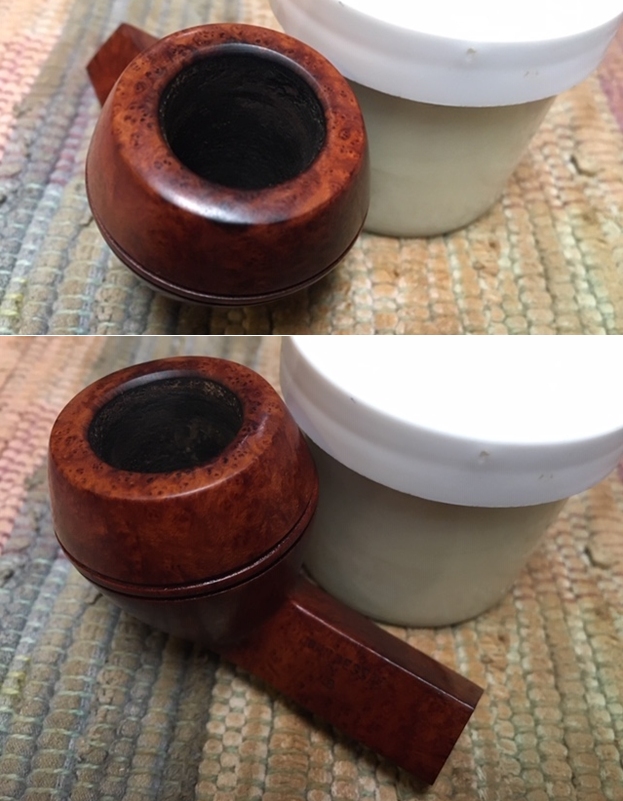
Rebirthing a Schoenleber Hand Made Crowned Billiard


Blog by Steve Laug

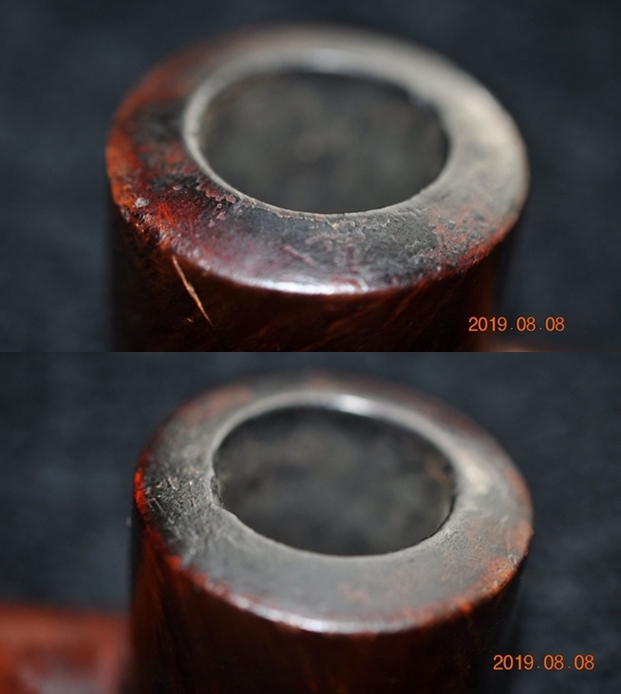
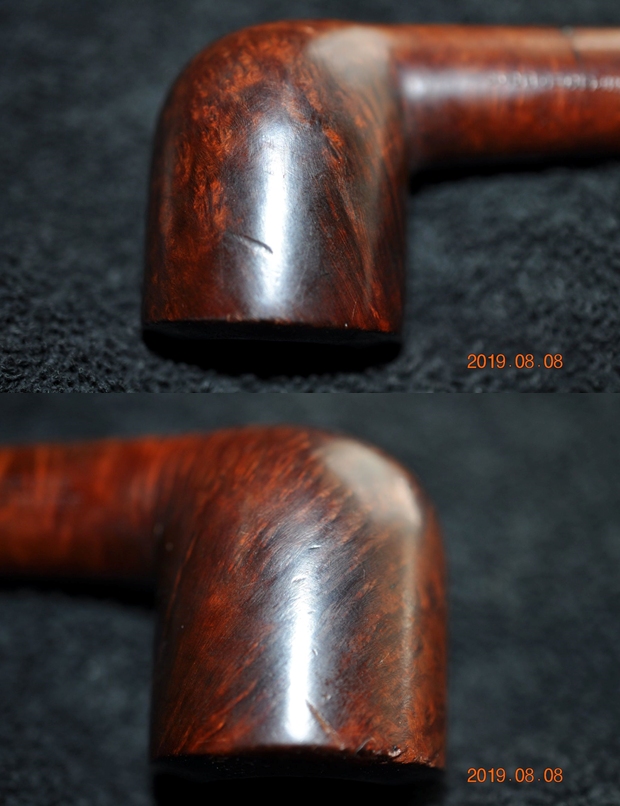
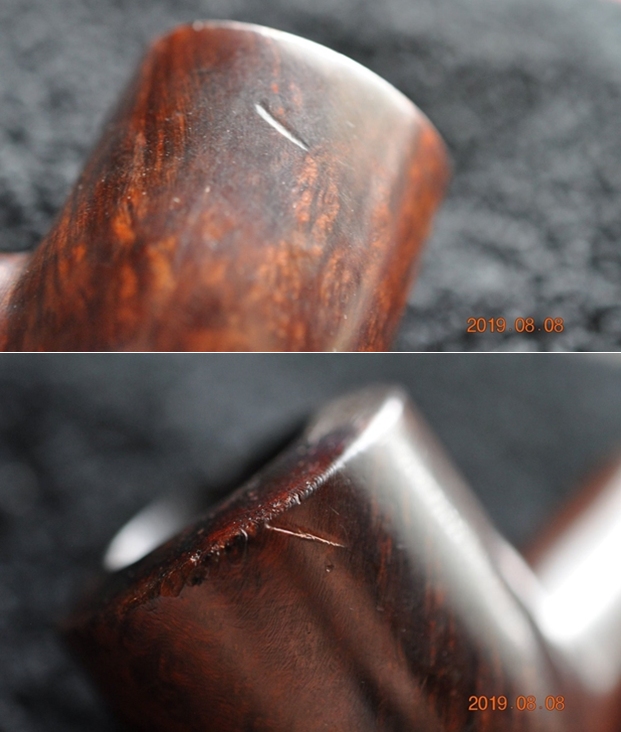
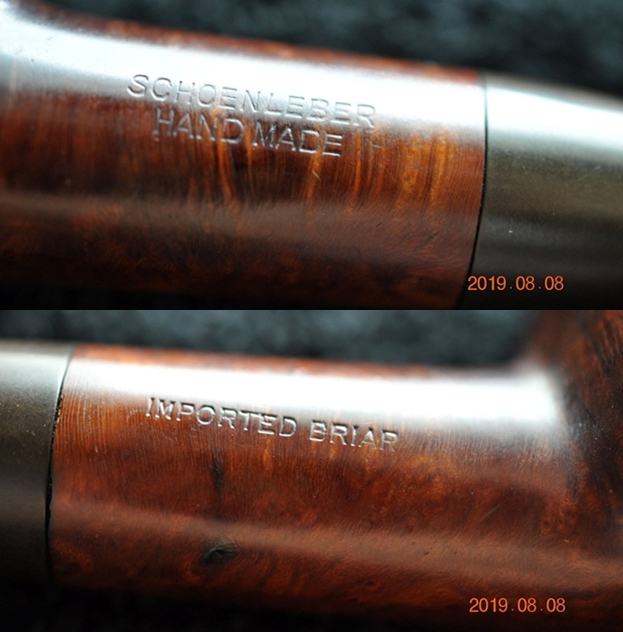
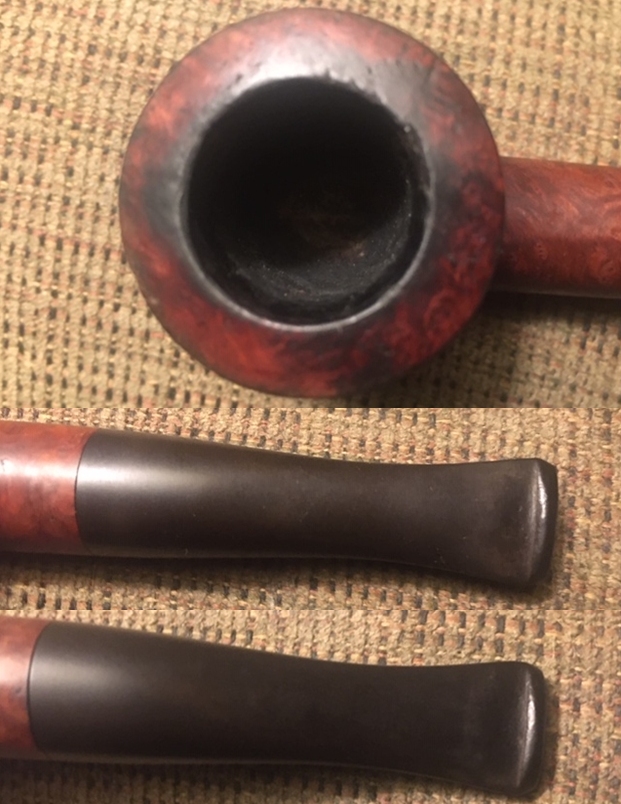
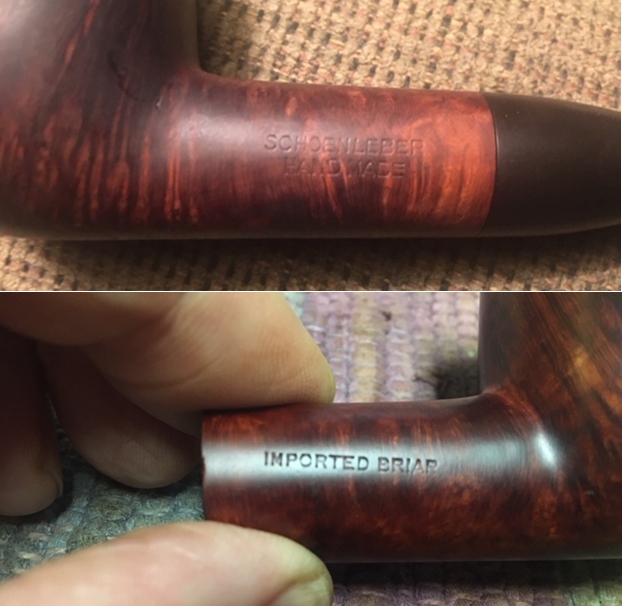
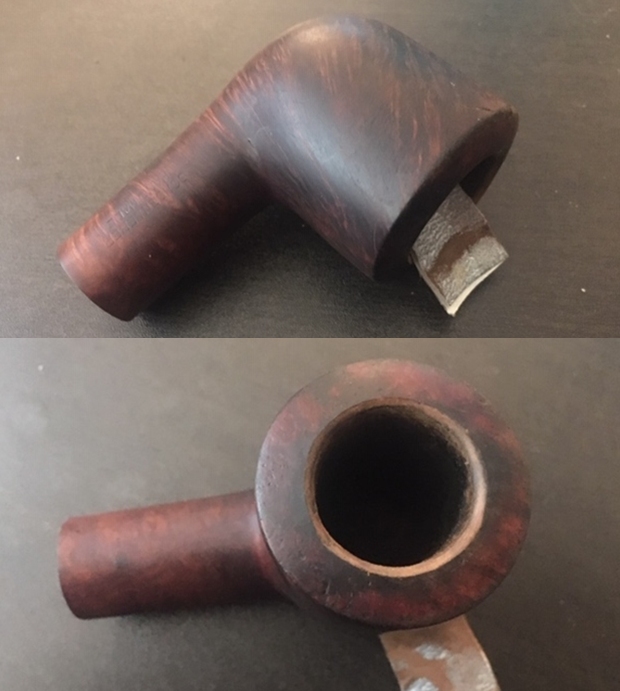
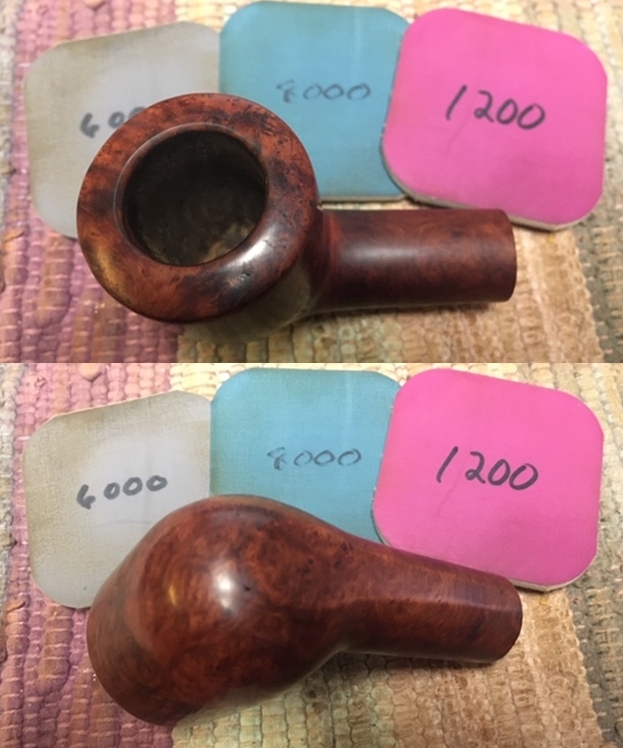
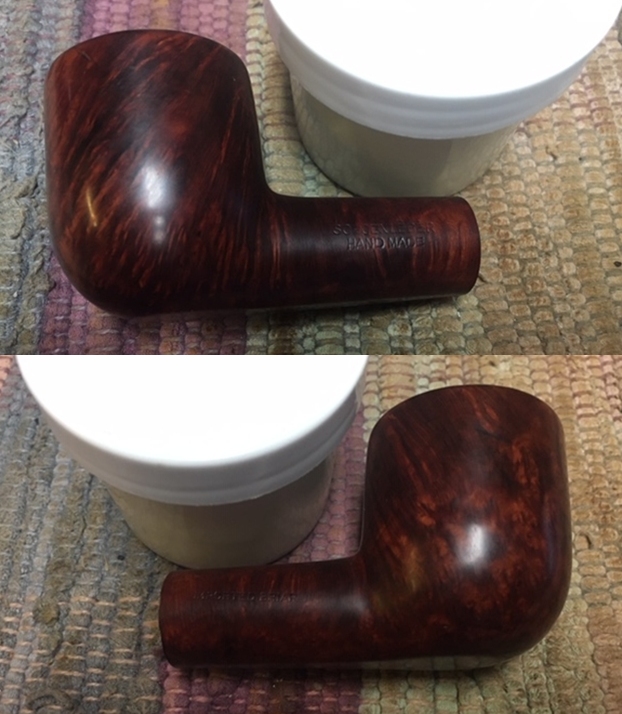
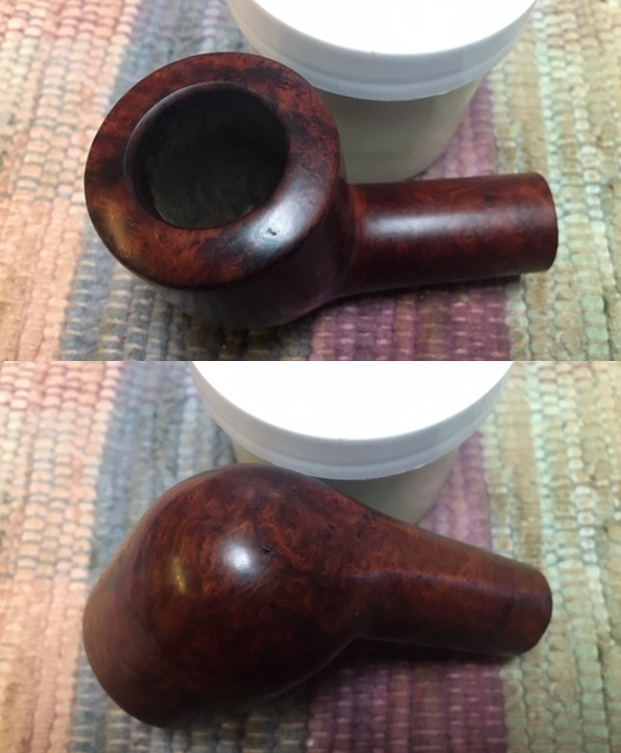
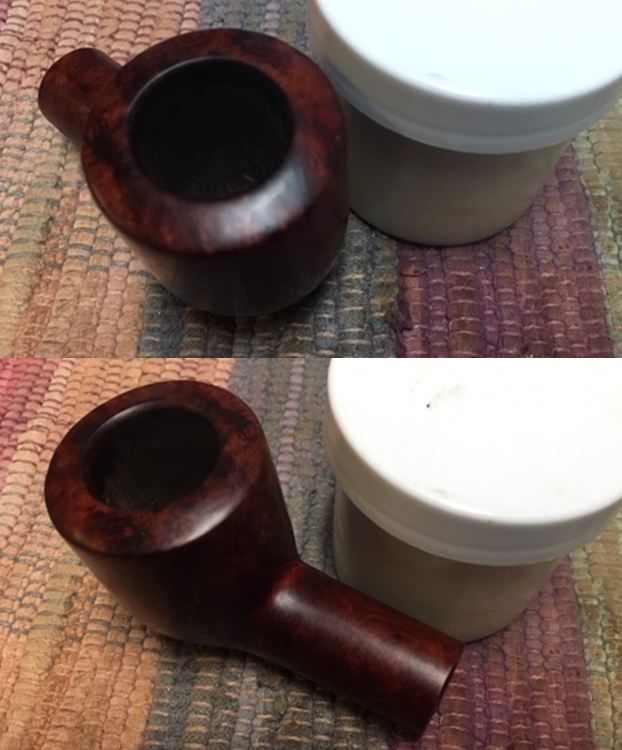
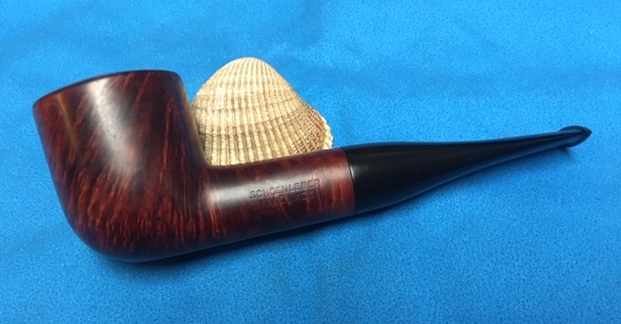
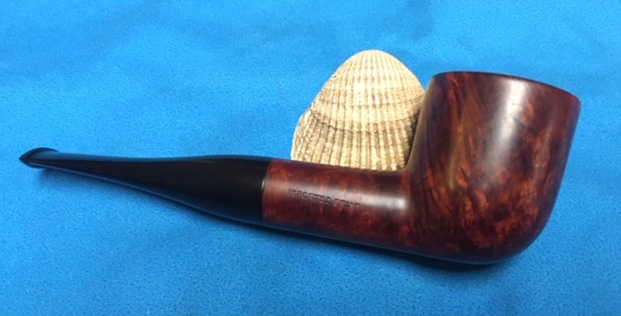
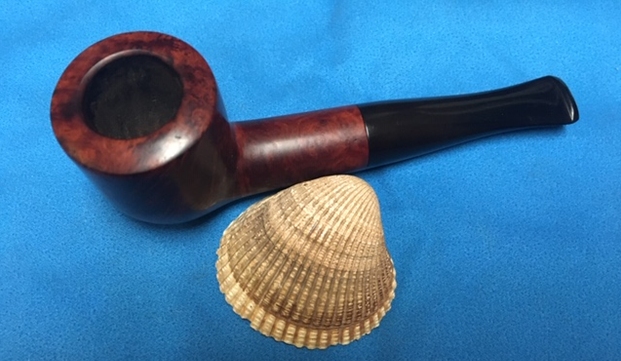
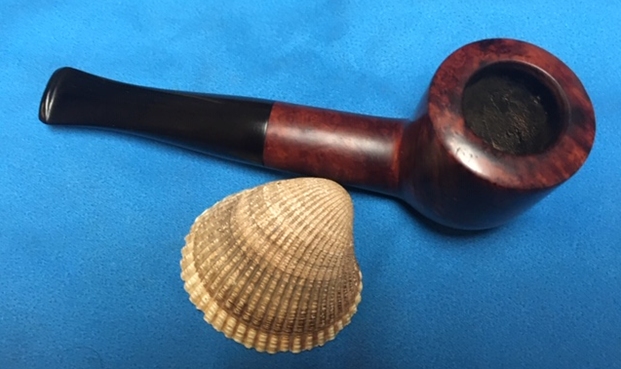
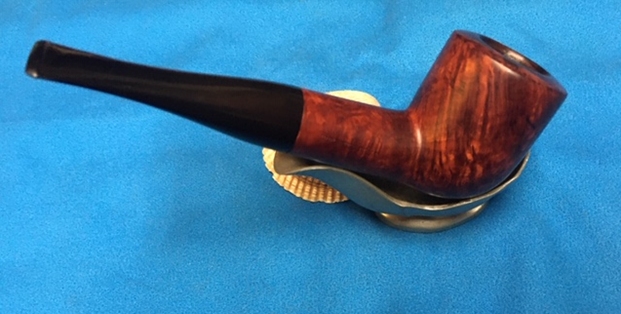
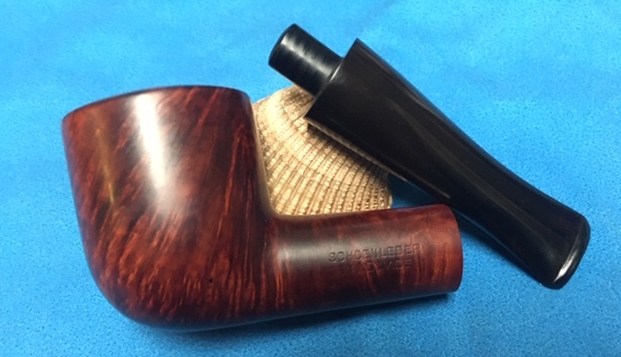
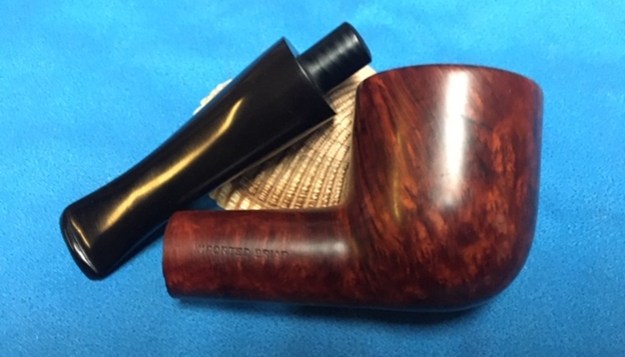
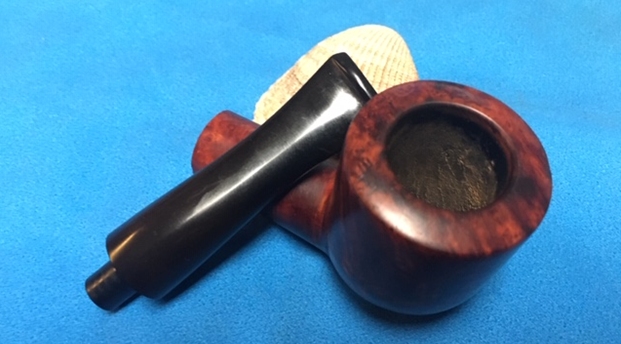
The next pipe in the queue is another one that Jeff picked up – this one is a Schoenleber Hand Made – a straight shank Crowned Rim Billiard with some beautiful grain around what appears to be an oil cured bowl and shank. The entire pipe has some beautiful mixed birdseye, flame, cross and swirled grain around the bowl and shank. But it is under a thick coat of oils, grime and dirt. The carver did a great job utilizing the block of briar to maximize the grain. The pipe is stamped on the left side of the shank. It reads Schoenleber over Hand Made. On the right side of the shank it is stamped Imported Briar. The thick taper stem is vulcanite and is unmarked. I think that this will be another nice looking piece once it is cleaned up. The bowl is thickly caked with a thick overflow of lava on the crowned rim top. The exterior of the briar was dirty with grime and dust. The stem has light tooth marks and chatter on both sides. It is lightly oxidized and has some calcification. Jeff took photos of the pipe before his cleanup work. They tell the story and give a glimpse of the promise that we see in this pipe. Jeff took some close up photos of the rim top to show the thick cake in the bowl and the lava overflow on the crowned rim top and inner edge.  It appears that there is some damage on the inner edge of the rim at the back of the bowl.He took some photos of the bowl sides and heel to show grain that was around this bowl. In the photos you can also see some of the dents in briar that will need to be dealt with. It is a nice looking pipe. He took photos of the sides of the shank to show the stamping. The stamping is clear and readable in the photos below and is as noted above. On the left side it reads Schoenleber Hand Made and on the right it reads Imported Briar.The stem was a very good fit to the shank. It was oxidized, calcified and had debris stuck to the surface of the vulcanite. It also shows the tooth marks on the stem and on the button surface. When I worked on a Schoenleber pipe for Alex in the past I had done the research on the brand. I knew that the pipe had been made for a shop in New Jersey but went back and reread the previous blog I had written on the brand. I have included the information from Pipedia that I included before. I quote the article in full (https://pipedia.org/wiki/Schoenleber).

Louis Schoenleber lived in North Arlington N.J. and was an Austrian immigrant and skilled artisan in pipe making. His hand carved pipes were available in his shop, ‘Schoenleber’s Newark Pipe Shop’, at 26 Branford Pl., Newark NJ, thought to open in the 1920’s. Schoenleber’s carried a full line of tobaccos as well as related pipe smoking accessories. It’s thought the shop operated until the late 1960’s, and Louis Schoenleber died in 1976. It’s also fairly certain they may have sold to other brands such as Jelling, also in Newark and are very similar in design and finish.

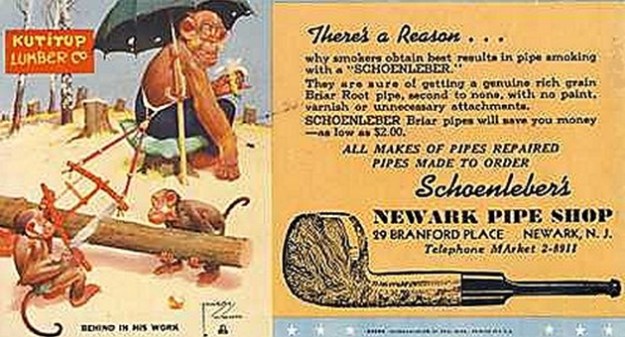
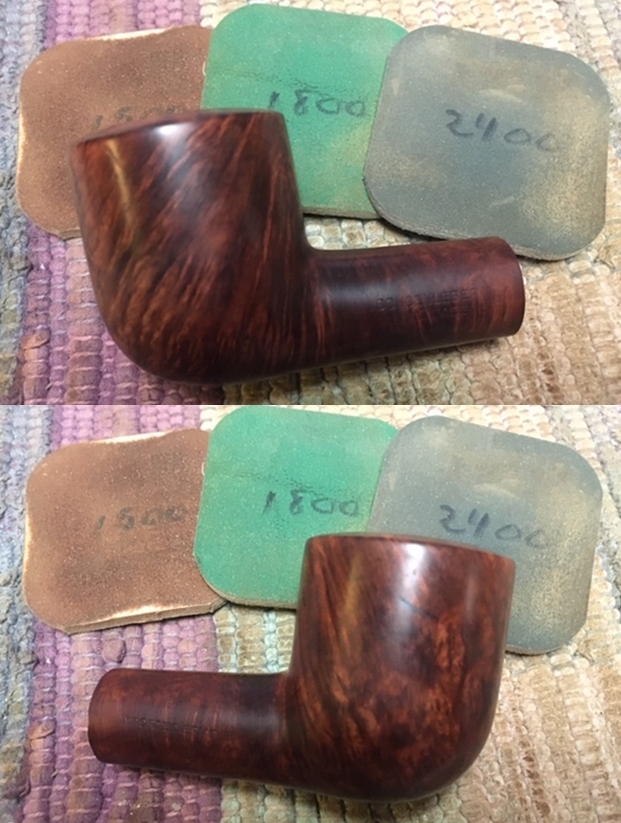
There was also an advertising card on the site that I have included below. It speaks to my assumptions about the curing process and the finishing process on the pipe. It also connects the pipe to Schoenleber’s Newark Pipe Shop in Newark, N.J. It also has a comment on the fact that pipes were made to order.Armed with those reminders about the brand I turned to work on the pipe itself. Jeff had done a great job cleaning up the pipe as usual. He reamed the pipe with a PipNet reamer and cut back the cake back to the bare briar. He cleaned up the walls with a Savinelli Fitsall Pipe Knife. He scrubbed the interior of the bowl and shank with pipe cleaners, cotton swabs and alcohol to remove the tars and oils. He scrubbed the exterior of the pipe with Murphy’s Oil Soap and a tooth brush to remove the grime from the finish. He worked on the rim top lava and darkening with the soap and tooth brush. He scrubbed the inside of the stem with alcohol and pipe cleaners. He scrubbed the exterior with Soft Scrub and then soaked it in Before & After Deoxidizer. He washed it off with warm water to remove the Deoxidizer. The pipe looked far better. I took photos of the bowl and rim top as well as the stem to show how clean they were. You can see some damage and darkening on the inner edge and crown of the bowl.  The stem looks clean of oxidation and the tooth marks and chatter are almost invisible in the photos.I took photos of the stamping on the sides of the shank. The stamping is faint but readable as noted above. I started my part of the restoration by working over the inner edge of the rim with a folded piece of 220 grit sandpaper. I worked on it until the chamber was round again. I sand out the damage on the outer edge and the rim top at the same time.I polished the bowl and rim with micromesh sanding pads – wet sanding with 1500-12000 grit pads. I worked over the rim top and edge of the bowl with the pads. I wiped the bowl down with a damp cloth after each pad to remove the sanding debris. I worked some Before & After Restoration Balm into the surface of the briar with my fingertips to clean, enliven and protect it. I let the balm sit for a little while and then buffed with a cotton cloth to raise the shine. I set the bowl aside and turned my attention to the stem. I sanded it with 220 grit sandpaper to remove the oxidation and tooth chatter on both sides of the stem. I started the polishing of the surface with 400 grit wet dry sandpaper. I rubbed the stem down with Denicare Mouthpiece Polish – a red, gritty Tripoli like substance that is a paste. I rubbed it into the surface of the stem and polished it off with a cotton pad. I have found that is a great intermediary step before polishing with micromesh pads. I am not sure what I will use once the final tin I have is gone! I polished the vulcanite with micromesh sanding pads – 1500-12000 grit pads. I wiped it down with Obsidian Oil after each sanding pad. I used Before & After Pipe Polish – both Fine and Extra Fine to further polish the stem.   With both parts of the pipe finished, I polished the bowl and the stem with Blue Diamond polish on the buffing wheel. I gave the bowl and the stem multiple coats of carnauba wax. I buffed the pipe with a clean buffing pad to raise the shine. I hand buffed it with a microfiber cloth to deepen the shine. The pipe polished up pretty nicely. The rich oil cured finish and the grain came alive with the buffing. The finish on the briar works well with the polished black vulcanite stem. The finished pipe is a well-proportioned, nicely grained Schoenleber Crowned Billiard. Have a look at it with the photos below. The dimensions are Length: 5 ¼ inches, Height: 1 ½ inches, Outside diameter of the bowl: 1 ¼ inches, Chamber diameter: ¾ of an inch. This Schoenleber Hand Made Crowned Billiard will be going on the rebornpipes store in the American Pipe Makers shortly. Thanks for walking through the restoration with me on this older American Made pipe.
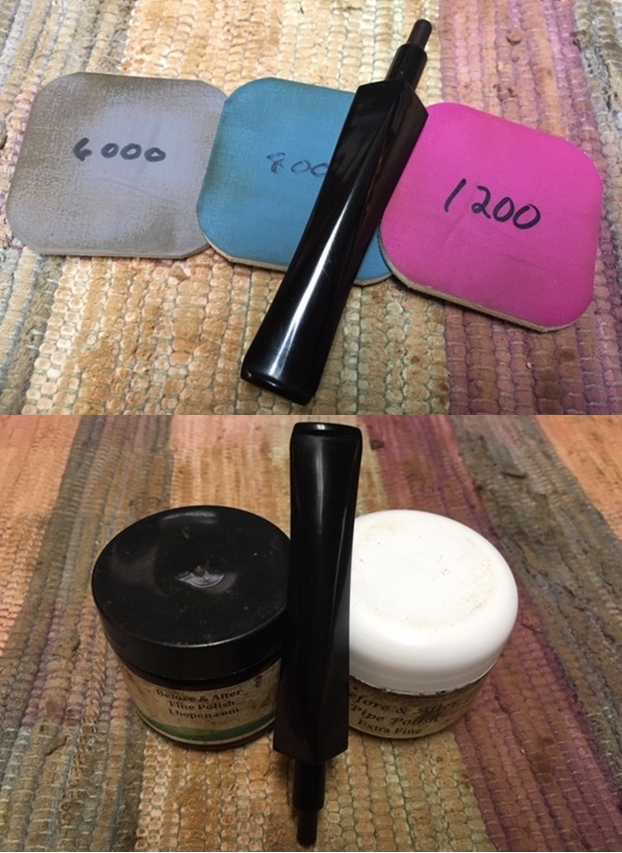
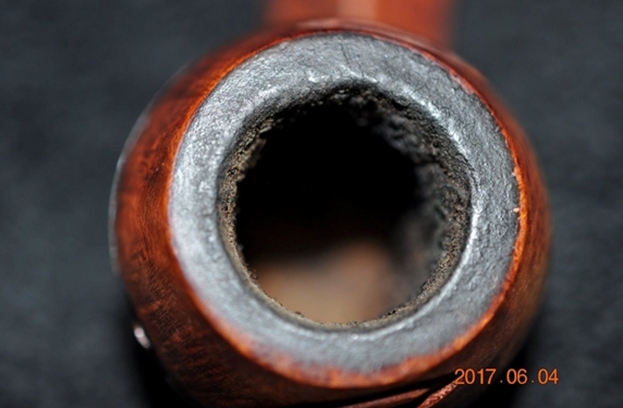
 

Bringing Life to a WDC Demuth Gold Dot 77 Bulldog


Blog by Steve Laug

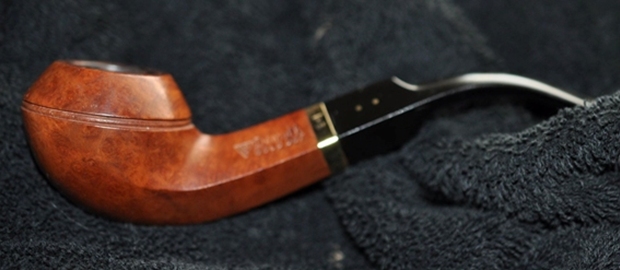
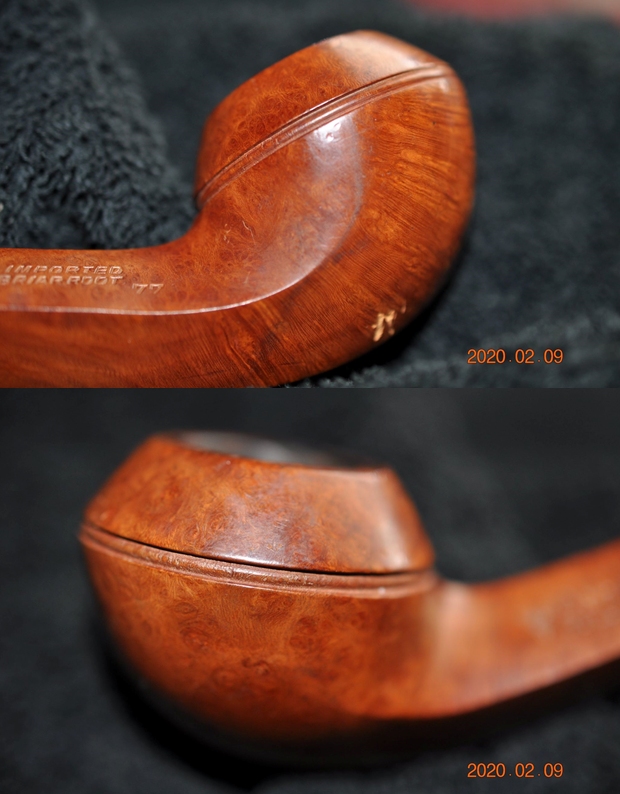
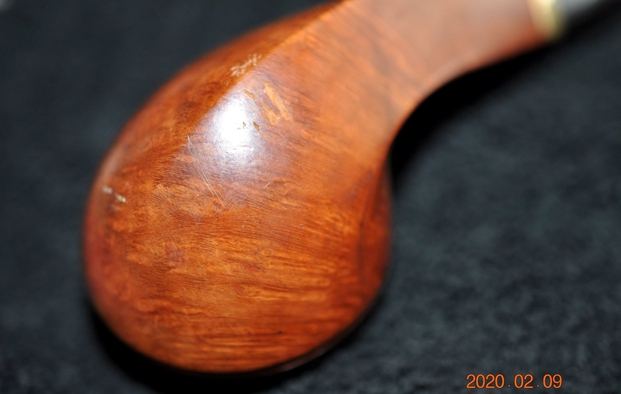
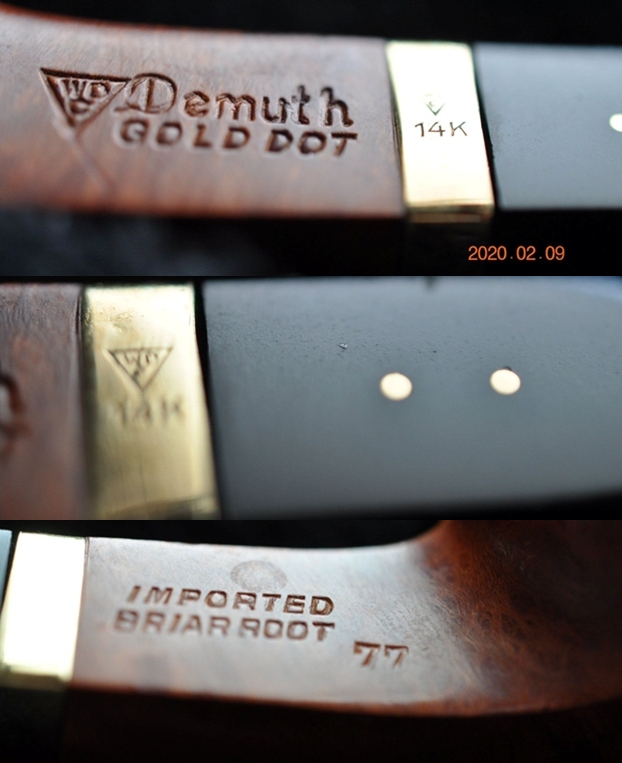
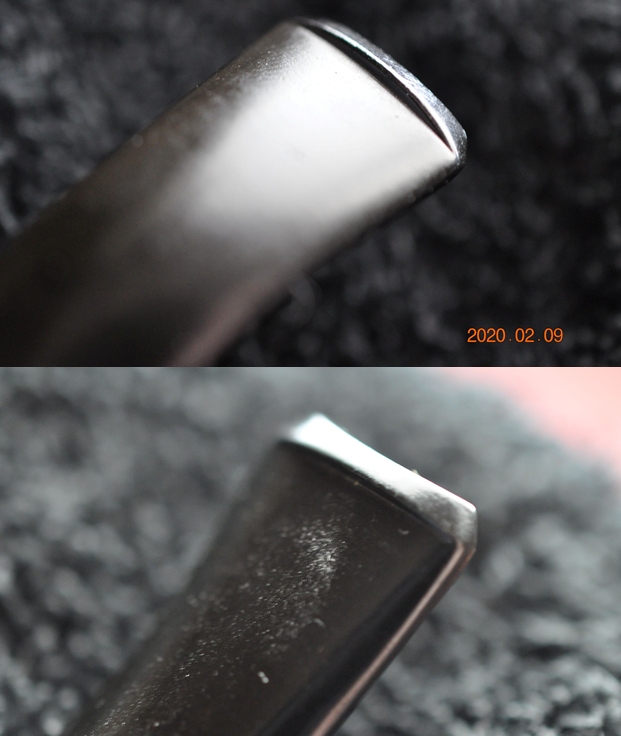
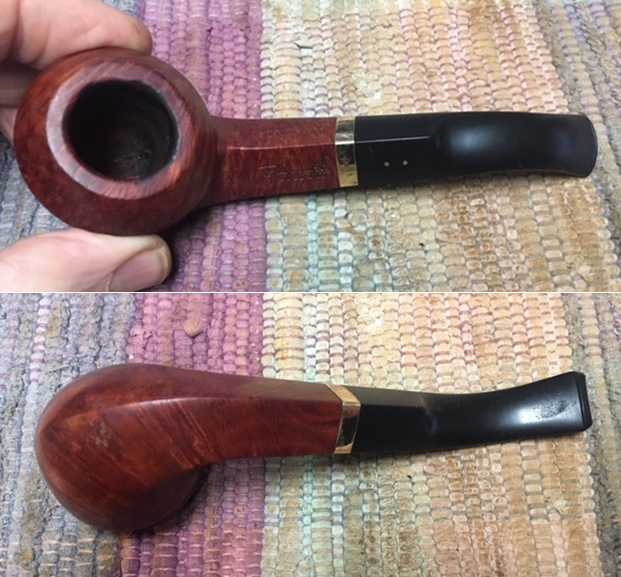
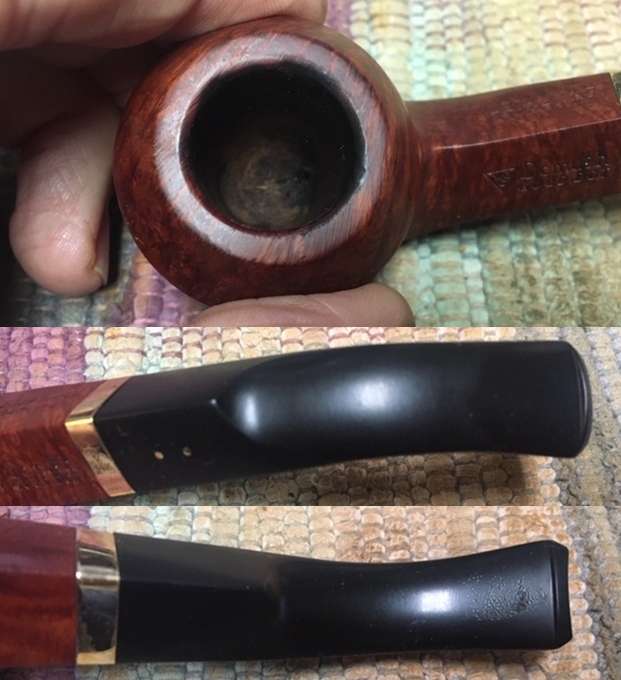
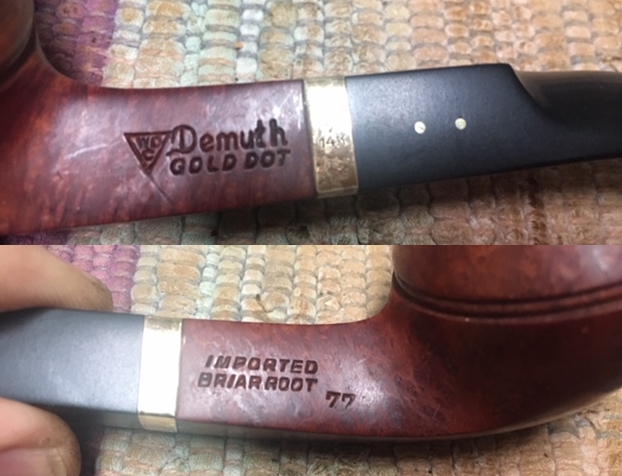
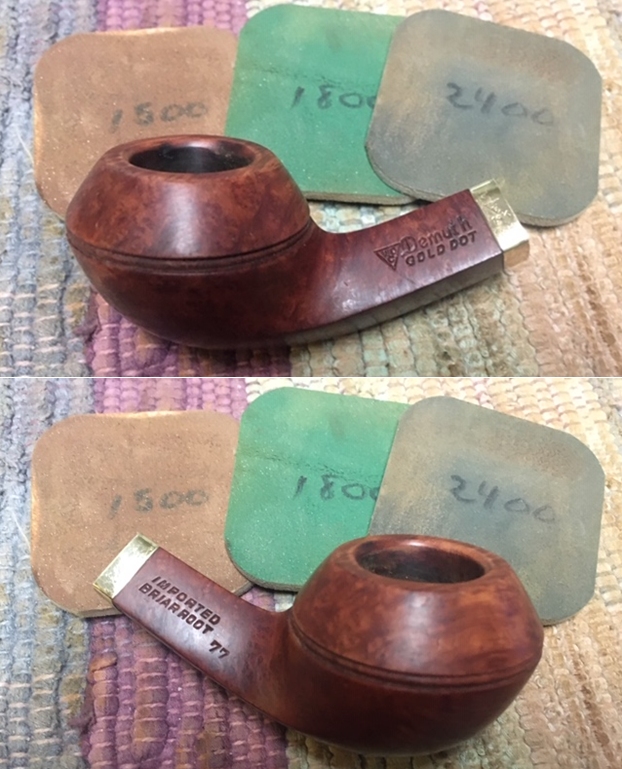
The next pipe on the table is a WDC Demuth Gold Dot Bulldog. It is a pretty pipe with a great shape. The condition is very dirty with a thick cake in the bowl and some darkening around the beveled inner edge of the rim. The previous pipeman took good care of this one. It is well smoked and other than dusty and grimy it is in decent shape. The pipe is stamped on the left side of the shank with the logo inverted equilateral triangle with letters “WDC” enclosed in it. This is followed by “Demuth” over “GOLD DOT” in block capital letters. On the right side of the shank is stamped “IMPORTED” over “BRIAR ROOT” followed by the shape number “77” towards the bowl and shank joint. A quarter inch wide gold band is on the shank end and is stamped on the left with the trademark WDC triangle over “14 K”, indicating the purity of the gold band. The ¾ bent saddle stem has two gold dots on the left side of the saddle stem. Jeff took photos of the rim top to show the condition of the bowl, rim top and edges. The cake is quite thick and there are a few spots of grime on the edges and around the cap on the bowl.He took photos around the sides and heel of the bowl to show the condition. You can see the grime in the finish and the damage on the heel. It is primarily on the right side but goes across the ridge. He included a close up photo of the damaged areas on the heel it has some deep gouges in the briar that look like it has been dropped.He took photos of the stamping on the sides of the shank and the band. You can see that it is clear and readable. You can see the 14K stamp on the band and the two dots on the stem side.The next two photos show the condition of the stem. You can see that it is lightly oxidized and has some tooth chatter on the underside. Otherwise the stem is in very good condition.I was going to do a bit of research on the brand and line but then I remembered that Paresh had worked on an identical pipe from his grandfather’s estate. I turned to the blog on rebornpipes to read what he had discovered (https://rebornpipes.com/2019/01/18/sprucing-up-the-first-of-my-wdc-a-demuth-gold-dot-77-bulldog/). I quote:

I searched pipedia.com for more information on this pipe and attempt at estimating the vintage of this pipe. Here is what I have found on pipedia.

William Demuth. (Wilhelm C. Demuth, 1835-1911), a native of Germany, entered the United States at the age of 16 as a penniless immigrant. After a series of odd jobs he found work as a clerk in the import business of a tobacco tradesman in New York City. In 1862 William established his own company. The William Demuth Company specialized in pipes, smoker’s requisites, cigar-store figures, canes and other carved objects.

The Demuth Company is probably well known for the famous trademark, WDC in an inverted equilateral triangle. William commissioned the figurative meerschaum Presidential series, 29 precision-carved likenesses of John Adams, the second president of the United States (1797-1801) to Herbert Hoover, the 30th president (1929-1933), and “Columbus Landing in America,” a 32-inch-long centennial meerschaum masterpiece that took two years to complete and was exhibited at the World’s Columbian Exposition in Chicago in 1893.

The Presidential series was the result of Demuth’s friendship with President James A. Garfield, a connoisseur of meerschaum pipes. Demuth presented two pipes to Garfield at his inauguration in 1881, one in his likeness, the other in the likeness of the President’s wife. Later, Demuth arranged for another figurative matching the others to be added to the collection as each new president acceded to the White House, terminating with President Hoover.

In early 1937, the City of New York notified S.M. Frank & Co. of their intent to take by eminent domain, part of the land on which the companies pipe factory was located. This was being done to widen two of the adjacent streets. As a result of this, Frank entered into negotiations to purchase the Wm. Demuth Co.’s pipe factory in the Richmond Hill section of Queens. It was agreed upon that Demuth would become a subsidiary of S.M. Frank and all pipe production of the two companies would be moved to DeMuth factory. New Corporate offices were located at 133 Fifth Avenue, NYC.

Demuth pipes continued to be made at the Richmond Hill plant till December 31. 1972. Then the Wm. Demuth Company met its official end as a subsidiary company by liquidation.

I came across an interesting advertisement on the same page on pipedia.com which shows the exact same pipe that I am now working on. It is the same pipe as the first pipe on the left. A close scrutiny of the picture confirms the following:

(a) The Gold Dot line of WDC pipes was offered sometime before 1941 as inferred from the bottom line of this flyer which encourages readers to “WRITE FOR NEW 1941 STYLE BOOKLET”, implying that this flyer was published prior to 1941!!

(b) The Gold Dot line of WDC pipes was at the time their top of the line product as it is the most expensive of all the pipes advertised in the flyer, retailing at $10!!Pipephil.eu too has the same pipe shown with shape # 77. Here is the link; http://www.pipephil.eu/logos/en/logo-w1.html

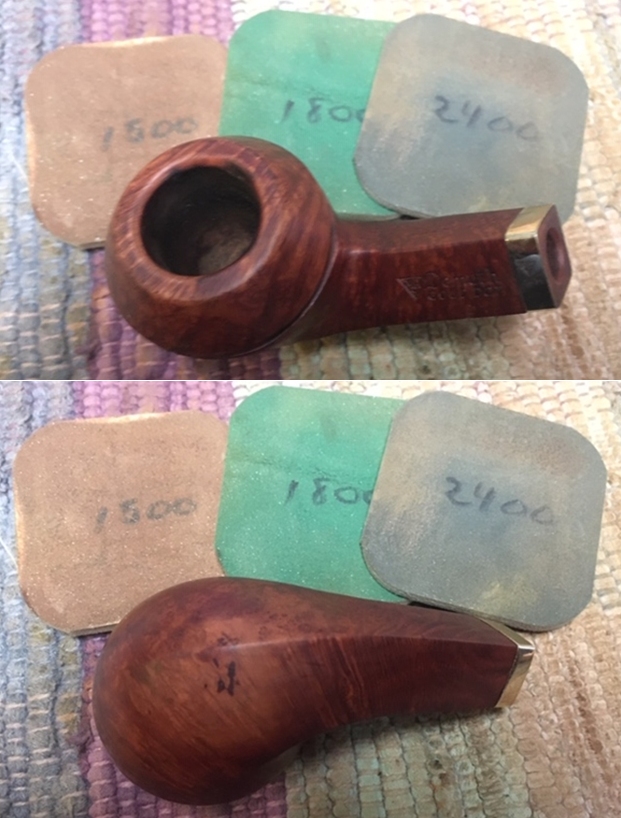
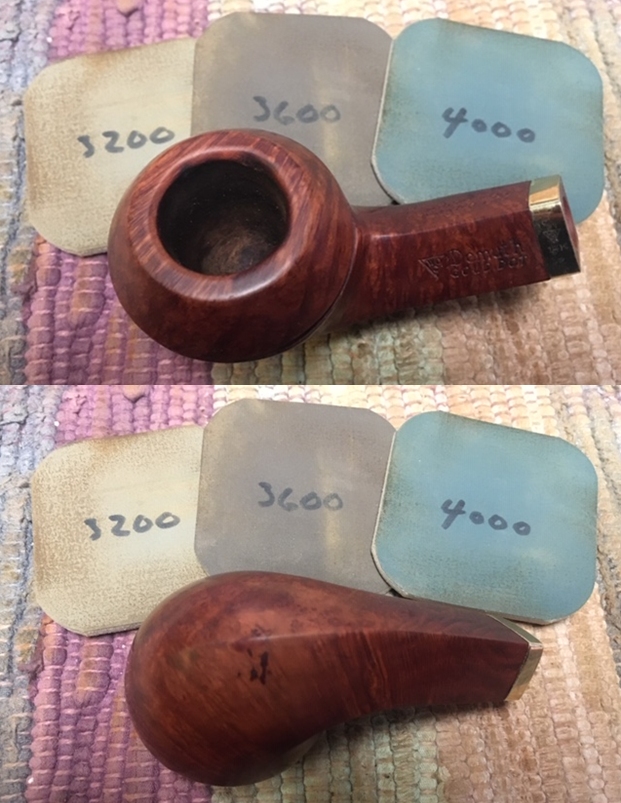
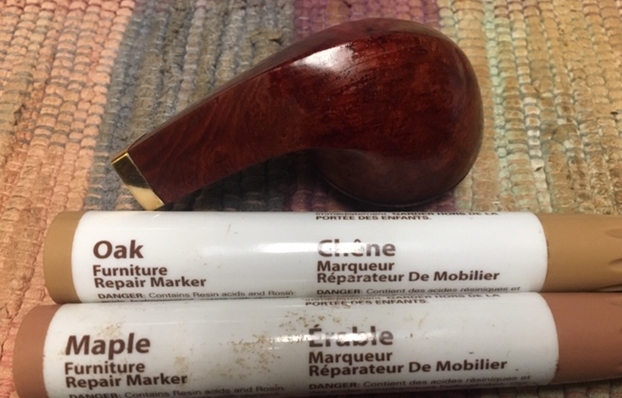
From Paresh’s research I confirmed that this WDC Gold Dot was WDC’s top tier of pipes and was made in 1940s. It is definitely a good looking pipe. Armed with that information and a clearer picture of the original pipe I turned to work on the pipe on my work table. Jeff had done a great job cleaning up the pipe as usual. He reamed the pipe with a PipNet reamer and cut back the cake back to the bare briar. He cleaned up the walls with a Savinelli Fitsall Pipe Knife. He scrubbed the interior of the bowl and shank with pipe cleaners, cotton swabs and alcohol to remove the tars and oils. He scrubbed the exterior of the pipe with Murphy’s Oil Soap and a tooth brush to remove the grime from the finish. He worked on the rim edge lava and darkening with the soap and tooth brush. He scrubbed the inside of the stem with alcohol and pipe cleaners. He scrubbed the exterior with Soft Scrub and then soaked it in Before & After Deoxidizer. He washed it off with warm water to remove the Deoxidizer. The pipe looked far better. I took photos of the pipe when I received it before I started working on it. I took photos of the bowl and rim top as well as the stem to show how clean they were. You can see the damage on the inner edge on the rear of the bowl. The stem looks clean of oxidation and the tooth marks and chatter are fairly light. I took photos of the stamping on the sides of the shank. They are clean and readable and read as noted above.    I took a photo of the pipe with the stem removed to show the overall look of stem, tenon and profile of the pipe. I noted that the tenon is metal and is made for a paper filter. I think it would fit a Medico paper filter.I decided to start my work on the pipe by addressing the damage to the heel of the bowl. I filled in the damaged areas with clear super glue. Once the repairs cured I sanded them smooth with 220 grit sandpaper and also began the polishing with 40o grit wet dry sandpaper. I turned to work on the rim top and the inner edge. I used a folded piece of 220 grit sandpaper to work on the inner edge to remove the darkening and bring it back into round. I cleaned up the beveled edge. It took a bit of work but I was able to remove the majority of it and the end product looked much better.I polished the bowl and rim with micromesh sanding pads – wet sanding with 1500-12000 grit pads. I worked over the rim top and edge of the bowl with the pads. I wiped the bowl down with a damp cloth after each pad to remove the sanding debris.       I used an Oak and a Maple stain pen to blend the repaired area on the heel of the bowl into the colour of the rest of the bowl. The match worked very well.I rubbed the briar down with Before & After Restoration Balm. I worked it into the briar with my fingertips. The product works to clean, enliven and preserve the briar. I let it sit for 10 minutes while I worked on the stem. After the time passed I buffed it with a cotton cloth to deepen the shine. The briar really comes alive with the balm.  I worked over the light oxidation on the stem and blended the tooth marks into the stem surface with 220 grit sandpaper. I started polishing the stem with 400 grit wet dry sandpaper. At this point it is starting to look much better.  I polished the vulcanite with micromesh sanding pads – 1500-12000 grit pads. I wiped it down with Obsidian Oil after each sanding pad. I used Before & After Pipe Polish – both Fine and Extra Fine to further polish the stem.   This beautiful WDC Gold Dot 77 Bulldog is a great looking pipe. The mix of brown stains highlights the mix of grain around the bowl sides, top and bottom. The finish on the pipe is in excellent condition and the contrasting stains work well with the polished black vulcanite saddle stem. I put the stem back on the bowl and carefully buffed the pipe with Blue Diamond on the buffing wheel using a light touch on the briar. I gave the bowl and stem multiple coats of carnauba wax on the buffing wheel and followed that by buffing the entire pipe with a clean buffing pad. I hand buffed the pipe with a microfiber cloth to deepen the shine. The finished WDC Gold Dot Bulldog is quite nice and feels great in the hand. Give the finished pipe a look in the photos below. The dimensions of the pipe are Length: 5 ½ inches, Height: 1 ¾ inches, Outside diameter of the bowl: 1 ¾ inches, Chamber diameter: ¾ of an inch. Thanks for walking through the restoration with me as I worked over another beautiful pipe. This pipe will be added to the American Pipe Makers section of the rebornpipes store soon. If you want to add it to your collection send me an email or a message! Thanks for your time.
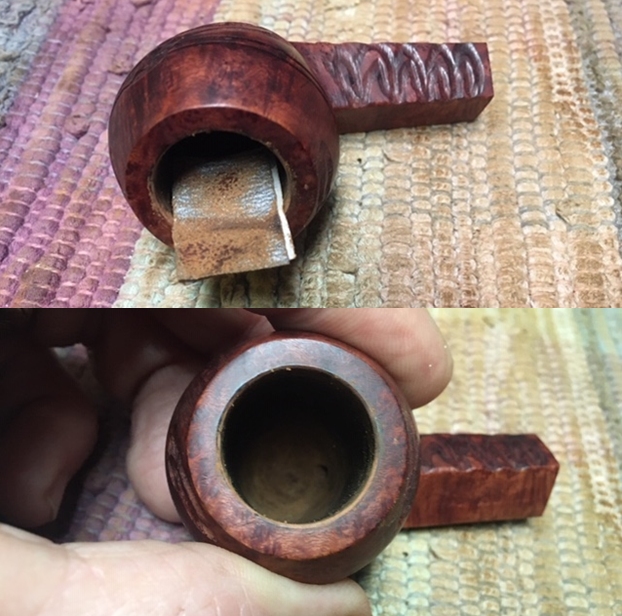
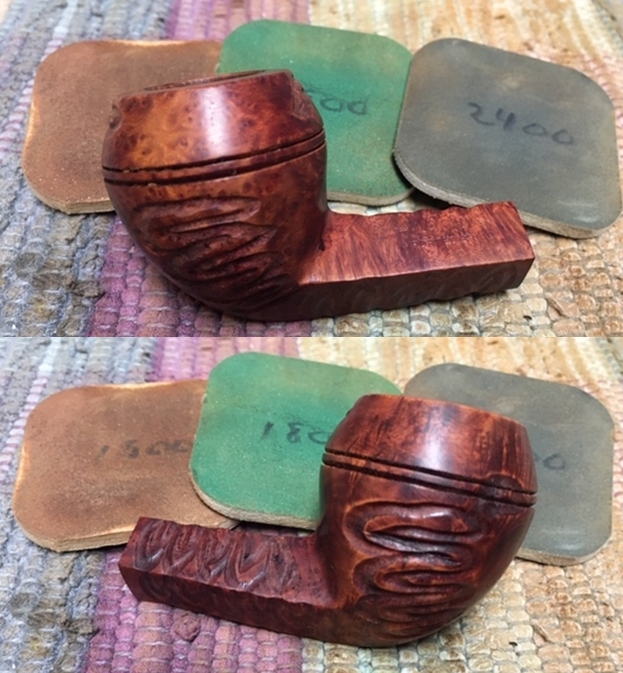
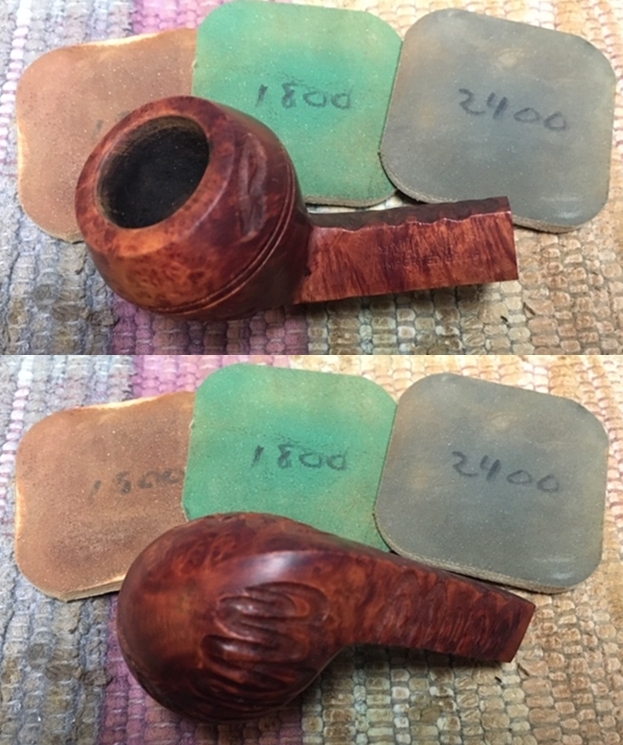
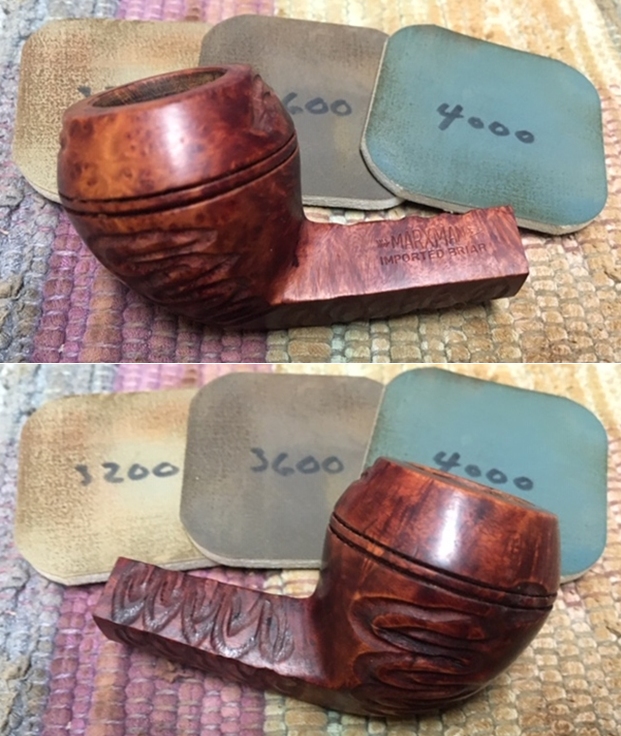
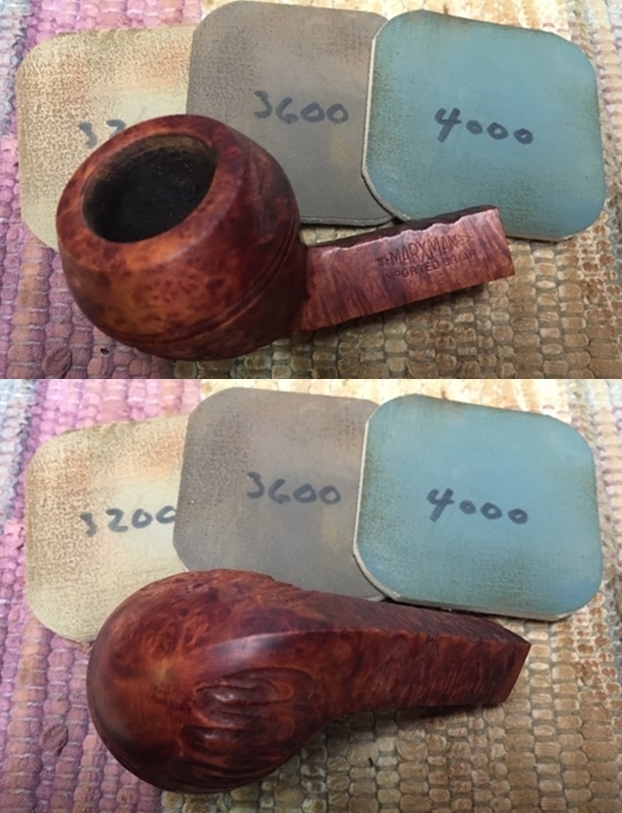
Restoring another Jobey Dansk 3 Freehand


Blog by Steve Laug

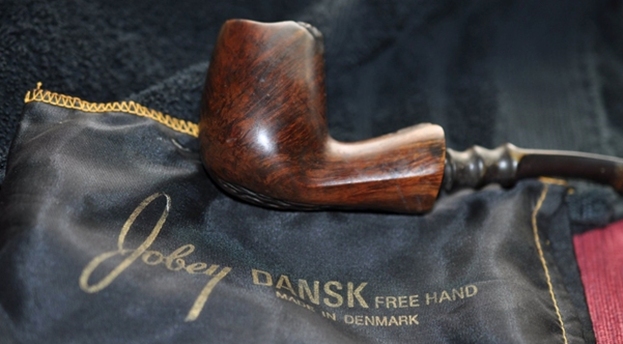
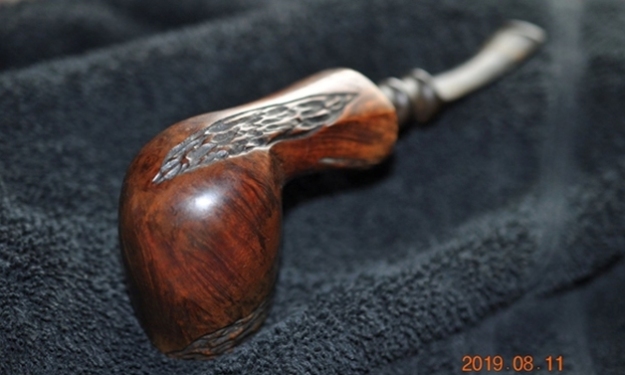
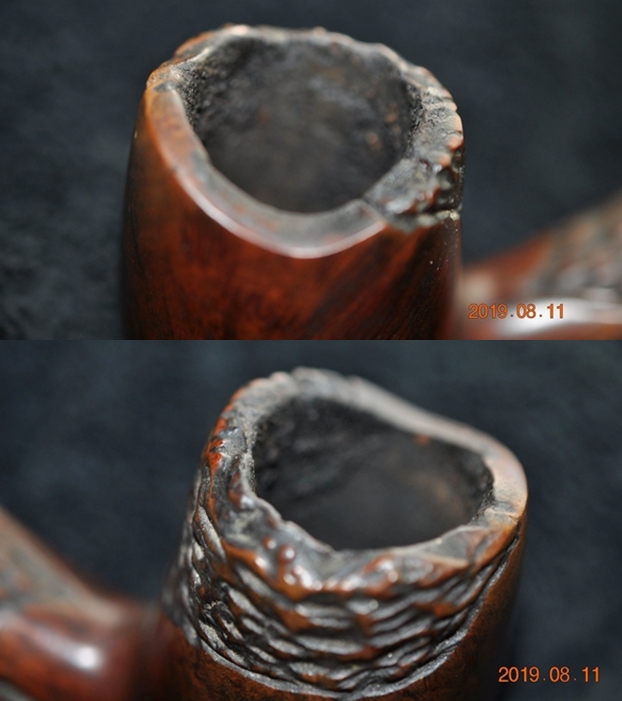
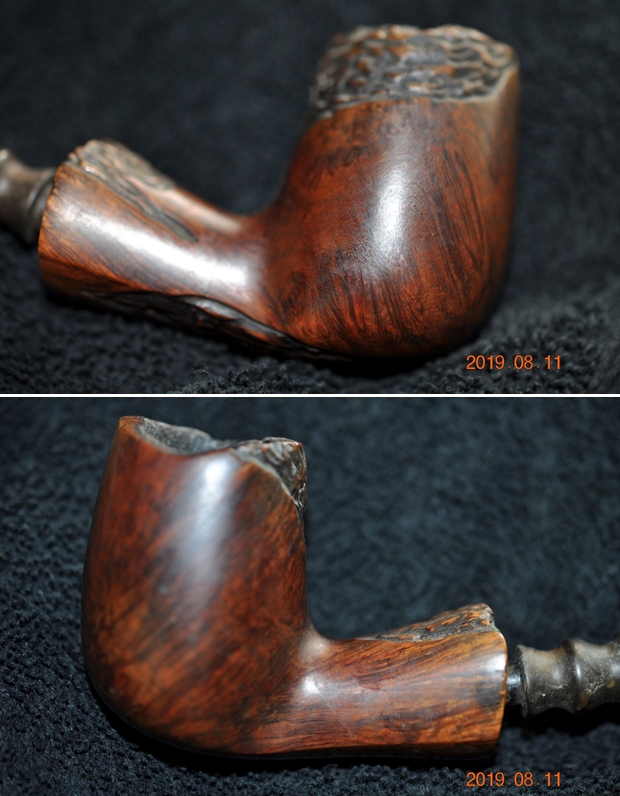
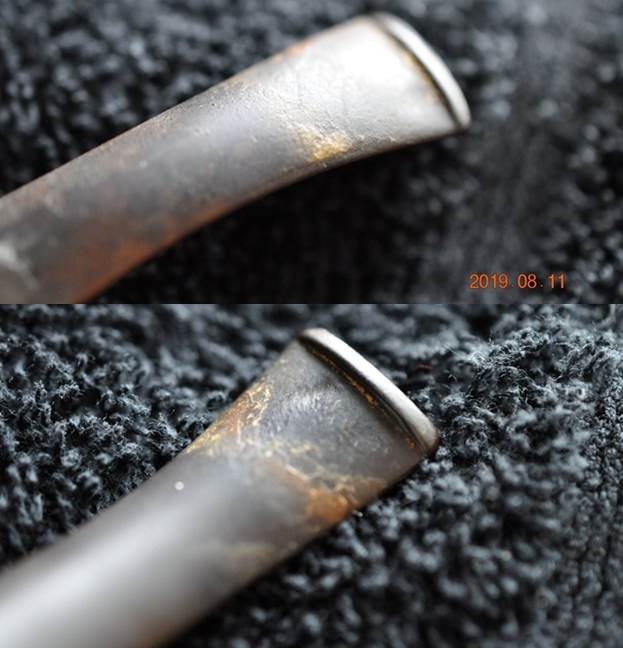
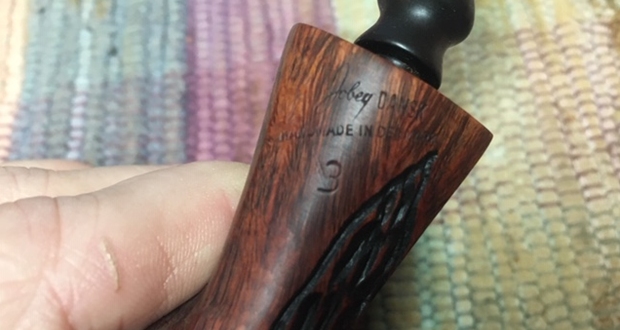
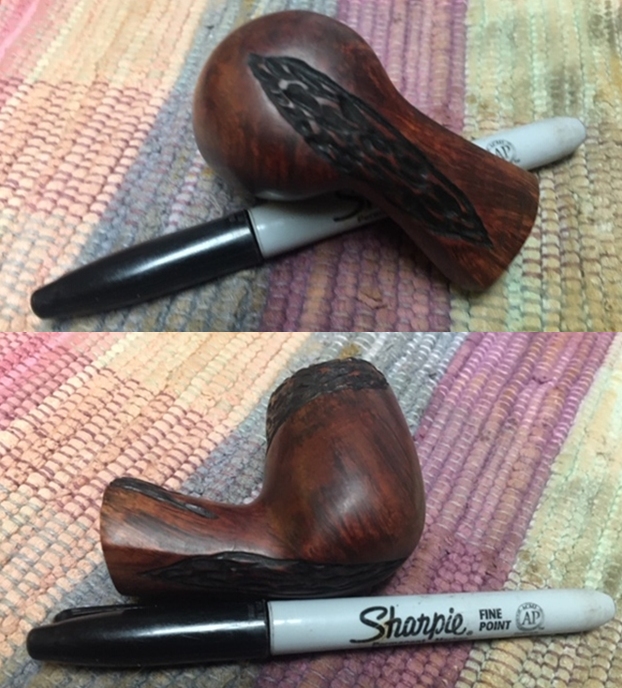
My brother Jeff picked up another Jobey Dansk 3 freehand pipe on one of his adventures pipe hunting. It had really nice grain and plateau on the top of the rim and on the end of the shank. It came with a Jobey Dansk Pipe Sock. There were rusticated spots on the right side and back of the bowl and top of the shank as well as the heel of the bowl. There was something familiar about the style of carving that reminded me of other Danish Freehand pipes I have worked on. I seemed to remember that Jobey Dansk pipes were carved by Karl Erik. The finish on this pipe was dirty with dust and lava on the plateau top. The bowl was lined with a thick cake. There was thick dust in the rustication around the bowl and shank as well as the plateau on the shank end. The smooth finish was also dirty and dull looking. The stem is a turned fancy turned vulcanite stem. The fit of the stem to the shank was snug. There were tooth marks on both sides of the stem at the button and on the smooth parts of the button on both sides. Otherwise it was a very clean stem. Jeff took of the pipe to show the overall condition of the bowl and stem. He took close up photos of the bowl and rim top from different angles to show the condition of the plateau finish. You can see the lava and build up on the rim top and the lava flowing over the inner edge of the bowl onto the plateau. It is hard to know if there is damage or if the lava protected it. The bowl has a thick cake that lining the walls and overflowing into lava.He took photos of the sides and heel of the bowl to show the lay of the grain and the rustication around the pipe. It is a nice piece of briar. The top of the bowl is craggy and rugged looking. Unique!Jeff took a photo of the stamping on the underside of the shank to capture it. It was clear and read Jobey Dansk at the top. Under that it read Handmade in Denmark followed by a large number 3.The next photos show the condition of the vulcanite stem. The first photo shows flow of the stem as a whole. You can see the tooth marks and damage both on the surface of both sides. I wanted to look at who had carved the Jobey Dansk line to confirm some suspicions I had about it. I had a feeling that the pipes were carved by a Danish carver known as Karl Erik. I looked up the Jobey listing on Pipedia (https://pipedia.org/wiki/Jobey) and found the following information. I quote a portion of the article that is pertinent as follows.
English – American – Danish – French… Information about the brand Jobey are only to be found in form of smithereens…

Probably established in England around 1920(?) the brand hiked into the USA later. In the course of time owner, distributor and manufacturer changed repeatedly. As far as known:

George Yale Pipes & Tobacco, New York (1942)

Norwalk Pipe Co., New York (1949)

Arlington Briar Pipes Corp., Brooklyn (when?)

Hollco International, New York (1969).

Weber Pipe Co., Jersey City, NJ (1970’s)

The Tinder Box, (1970’s – 80’s).

Throughout decades Jobey pipes were mainly sold in the USA, Canada and England but remained almost unknown in continental Europe. The bulk of Jobeys was predominantly made according to classical patterns and mainly in the lower to middle price range. The predominant judgment of the pipe smokers reads: “A well-made pipe for the price.” So there is hardly anything very special or exciting about Jobey pipes although a flyer from ca. 1970 assures: “The briar root Jobey insists upon for its peer of pipes is left untouched to grow, harden and sweeten for 100 years. […]Jobey uses only the heart of this century old briar and only one out of 500 bowls turned measures up to the rigid Jobey specifications.” 99.80% of cull… that makes the layman marveling!
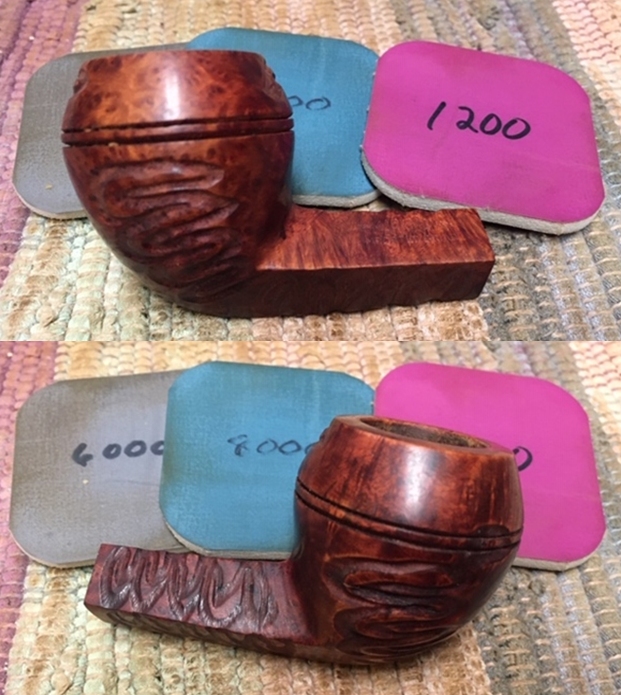
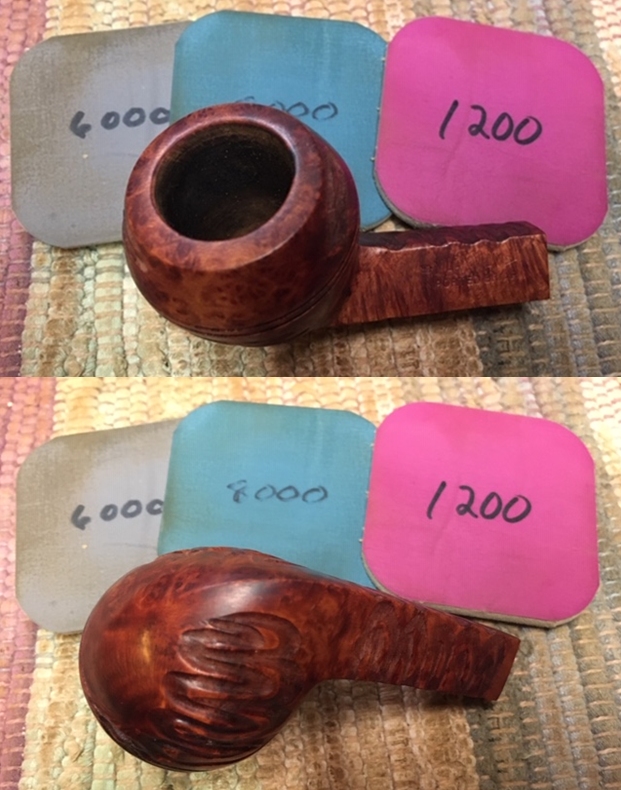
From that information, my suspicions were confirmed. The pipe that I was working on was carved by Karl Erik Ottendahl. There were some similarities to the Karl Erik pipes that I have worked on in the past. The dating of the pipe line in the 70s fits well with the pipe I have in hand. I took some photos of the pipe before I started my part of the restoration.

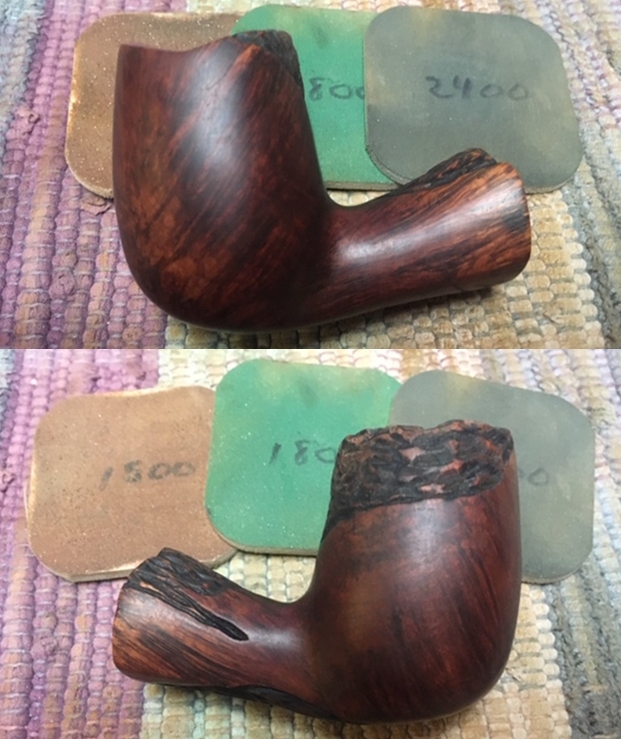
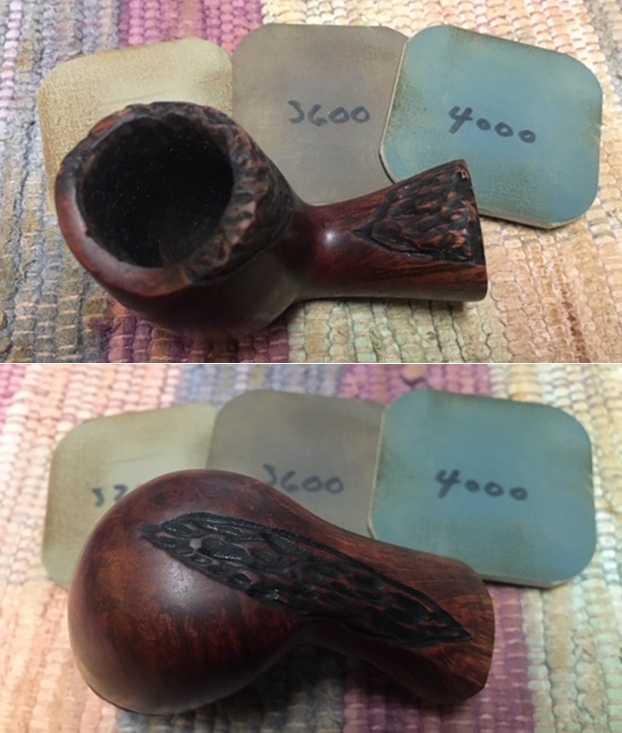
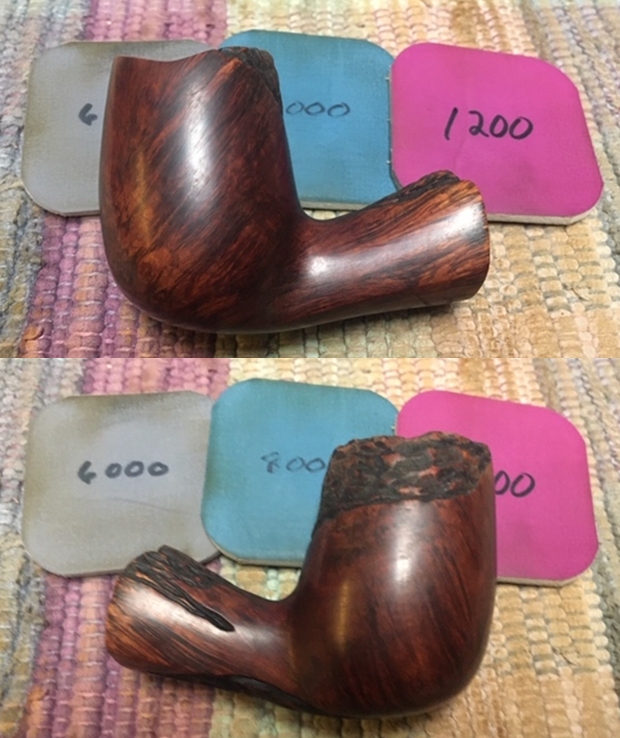
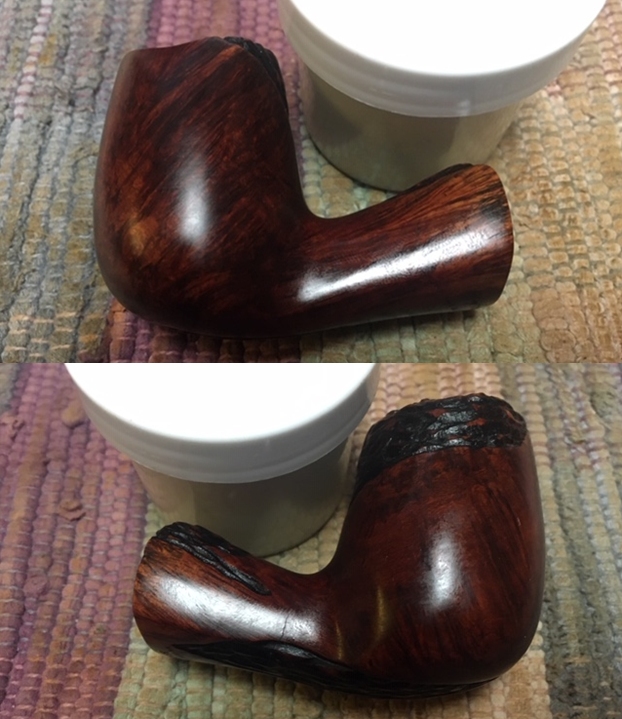
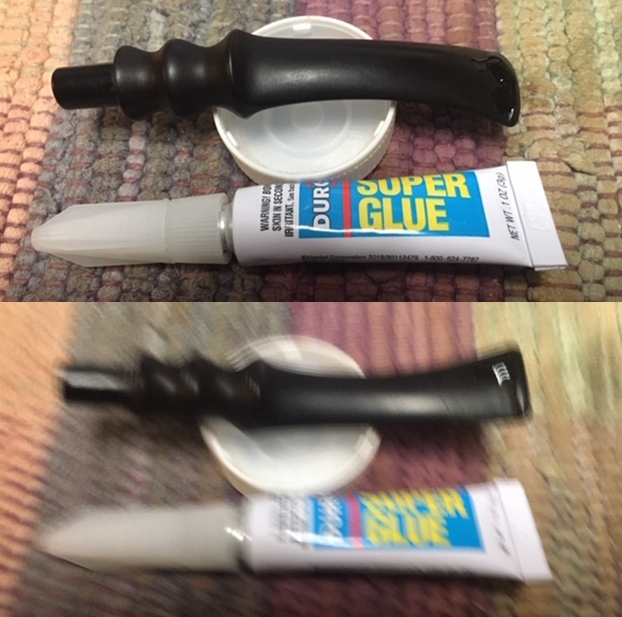
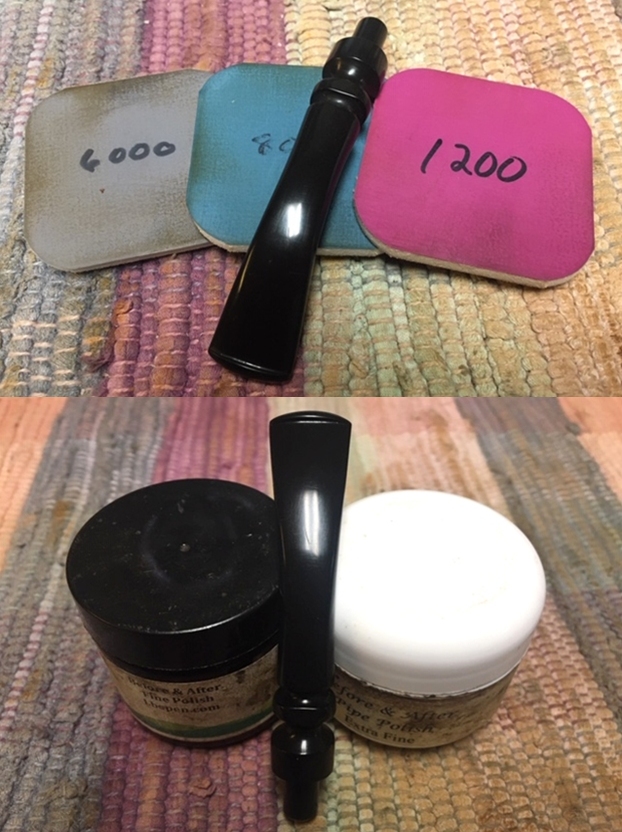
Now that I was reminded about the Karl Erik Ottendahl connection it was time to work on the pipe on my end. When I received it Jeff had once again done an amazing job cleaning the pipe. He reamed it with a PipNet pipe reamer and got rid of the cake. He cleaned up the reaming with a Savinelli Fitsall Pipe Knife so that we could see the walls of the bowl and assess for damage. He cleaned the internals of the shank and stem with alcohol, pipe cleaners and alcohol. He scrubbed the exterior with undiluted Murphy’s Oil Soap and a tooth brush. He rinsed the pipe under warm water. He dried it off with a cloth and then let it air dry. The stem was scrubbed with Soft Scrub and soaked in Before & After Deoxidizer. It came out looking very good. The finish on the bowl and the rim top cleaned up nicely. I took pictures of the pipe to show how it looked when I unpacked it. I took some photos of the rim top and stem to show the condition of them both when the pipe arrived. Overall it looked good. There is some darkening and damage to the inner edge of the bowl. The stem had some deep tooth marks ahead of the button and on the button surface on both sides.I took a photo of the stamping on the underside of the shank. It is readable and in great condition.I removed the stem from the shank and took a photo of the pipe to show the look of the pipe.I polished the bowl with micromesh sanding pads – wet sanding with 1500-12000 grit pads. I wiped the briar down after each pad with a damp cloth. The bowl is starting to look very good. With the polishing finished I used a Black stain pen to fill in the crevices of the plateau top and give some contrast to the smooth high spots. I like this look as it give the pipe a sense of dimensionality. I worked some Before & After Restoration Balm into the surface of the briar with my fingertips and into the plateau rim top and shank end with a horsehair shoe brush to clean, enliven and protect it. I let the balm sit for a little while and then buffed with a cotton cloth to raise the shine. The photos show the bowl at this point in the restoration process. I set the bowl aside and turned my attention to the stem. The stem was very clean so I filled in the tooth marks and built up the button with clear super glue and set it aside to cure. The second photo is blurry but still is clear enough to see the filled in area. Once it had cured I flattened out the repairs and sharpened the edge of the button with a needle file. I sanded out the tooth chatter and blended in the repairs with 220 grit sandpaper and started to polish it with a folded piece of 400 wet dry sandpaper. Once it was finished it began to shine.I polished the stem with micromesh sanding pads – wet sanding with 1500-12000 grit sanding pads. I wiped it down after each sanding pad with some Obsidian Oil. I finished polishing it with Before & After Pipe Stem Polish – both Fine and Extra Fine and buffed it off with a cotton cloth. This is a beautiful Jobey Dansk Hand Made by Karl Erik with a fancy, turned, black vulcanite stem. It has a great look and feel. The shape fits well in the hand with the curve of the bowl and shank junction a perfect fit for the thumb around the bowl when held. I polished stem and the bowl with Blue Diamond polish on the buffing wheel. I gave the plateau on the rim top and shank end multiple coats of Conservator’s Wax. I gave the bowl and the stem multiple coats of carnauba wax. I buffed the pipe with a clean buffing pad to raise the shine. I hand buffed it with a microfiber cloth to deepen the shine. The pipe polished up pretty nicely. The rich combination of browns and black in the smooth finishes and the plateau areas took on life with the buffing. The rich colour of the briar works well with the polished vulcanite stem. I like the grain and finished look of this Jobey Dansk pipe. Have a look at it with the photos below. The shape, finish and flow of the pipe and stem are very well done. The dimensions are Length: 5 ½ inches, Height: 2 inches, Outside diameter of the bowl: 1 ¼ wide, Chamber diameter: ¾ of an inch. This Danish Freehand is a real beauty. Thanks for walking through the restoration with me as I worked over another beautiful pipe. This one will be going on the rebornpipes store in the Danish Pipe Making Section shortly if you would like to add it to your collection. Thanks for your time.
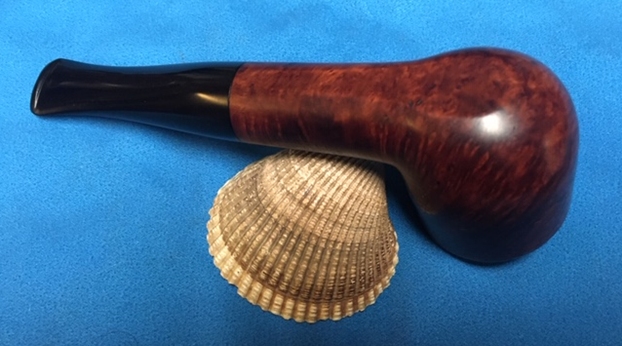
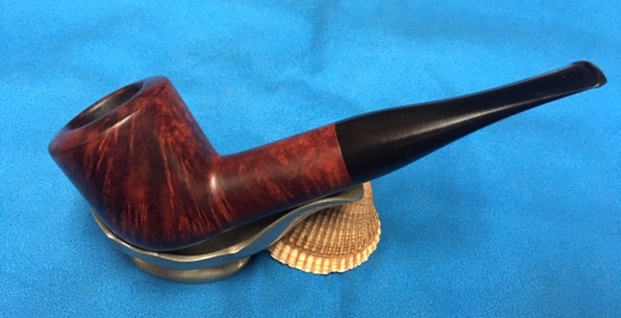
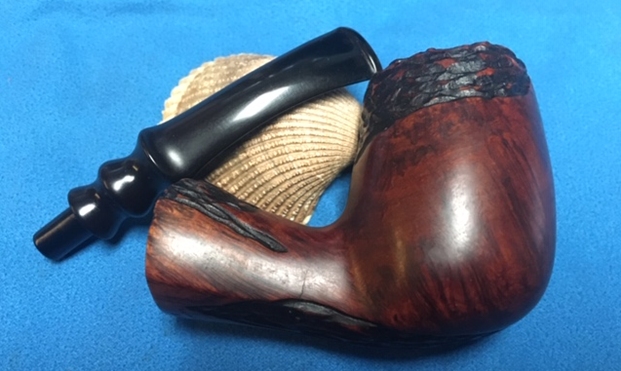
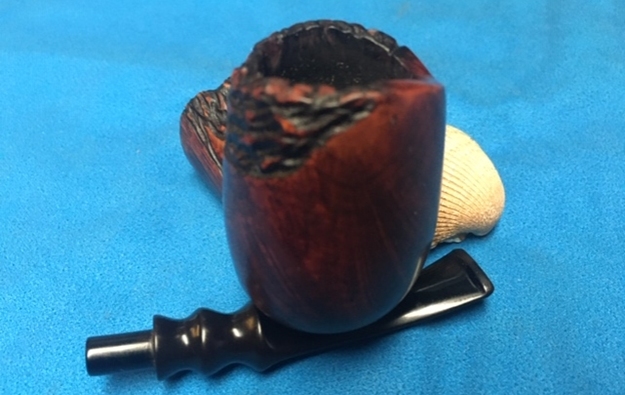
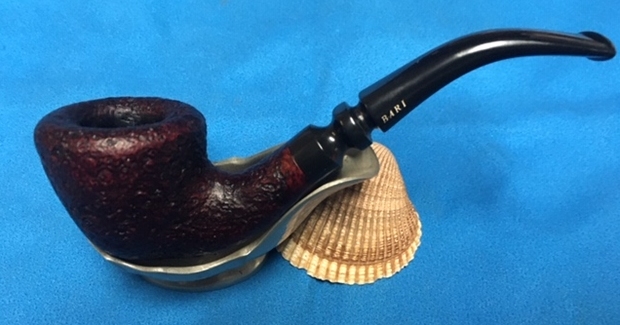
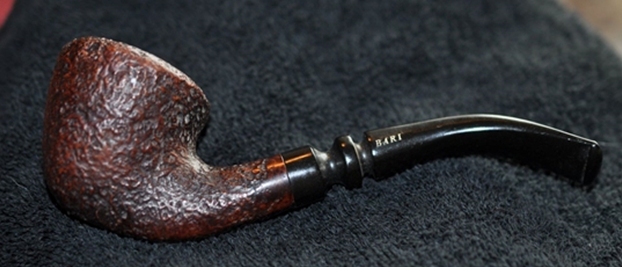
Fresh Life for a Bari De Luxe 9763 Bent Dublinesque Freehand


Blog by Steve Laug

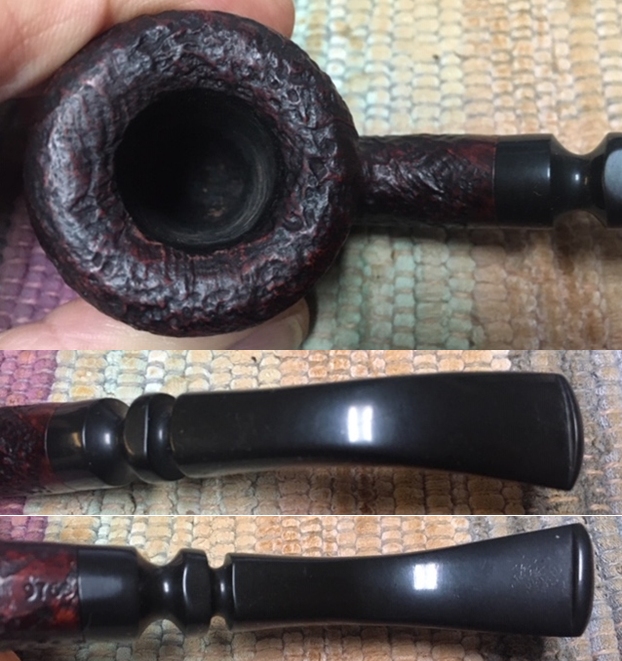
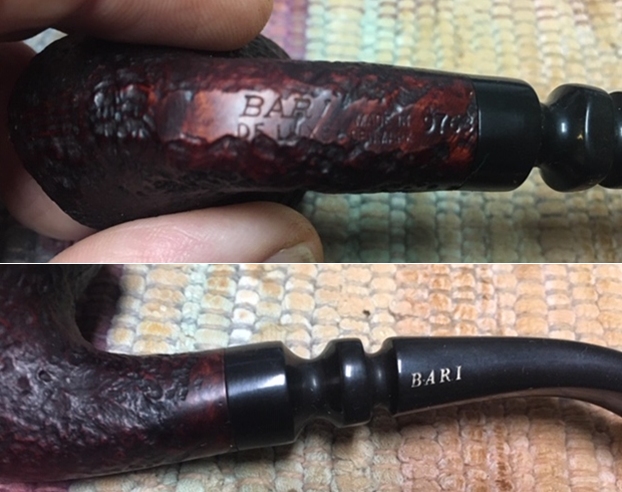
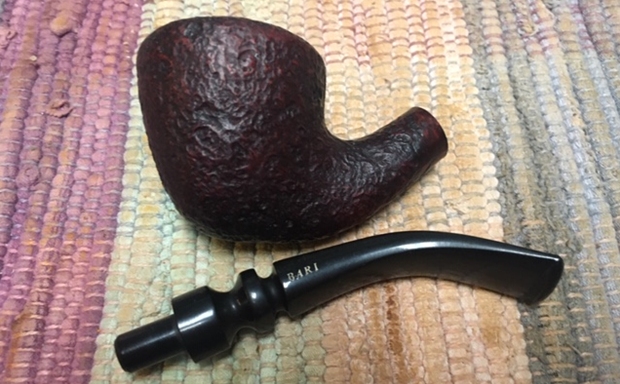
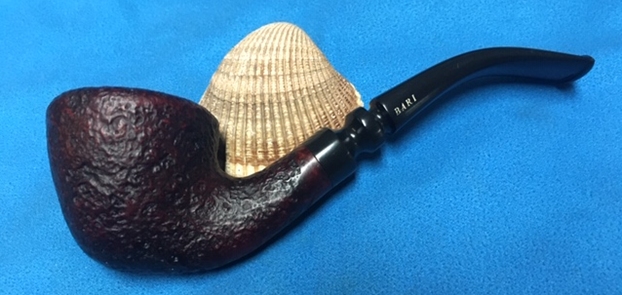
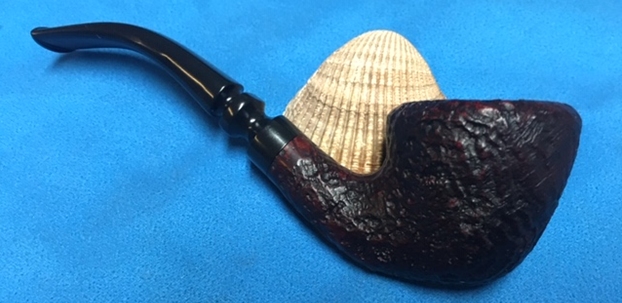
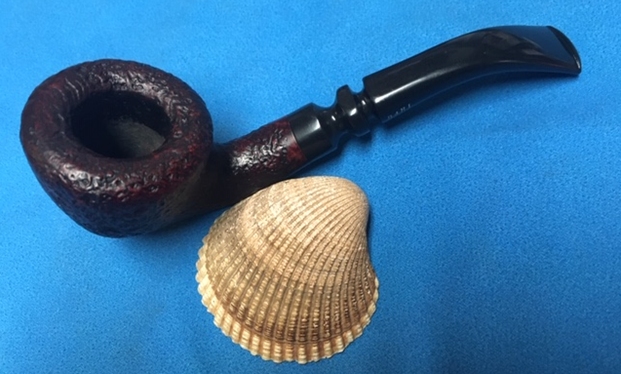
The next pipe on the work table is a sandblast bent Dublin shaped Bari, at least that is my description of it. The bowl is round with a crowned rim top. On the underside of the shank it reads Bari over De Luxe followed by Made In Denmark and ends with the shape number 9763. The finish is sandblasted on the entire bowl and the blast is deep and tactile with some great grain as well. The rim top is sandblasted and crowned. The pipe was dirty and the oxblood finish flat but otherwise the pipe was in good shape. The bowl had a thick cake and the inner edge of the rim looked to be in good condition. The shank is round and flows out the bowl with a slight bend. The stem is vulcanite and has a fancy round turning before second round edged rectangular bead. The blade of the stem is also a round edge rectangle. It is stamped on the left side of the stem and reads Bari. The stem had tooth marks and chatter on both sides near the button. It was oxidized and had some calcification on the end. Jeff took some photos of the pipe to show the general condition of the pipe before he started his clean up. Jeff took some close-up photos of the rim top and bowl to show the overall condition. There is some light lava in some of the grooves but overall it is just dusty. The edges look very good.He took some photos of the sides and heel of the bowl to show the condition of the finish on the pipe. The photos show the beautiful grain around the bowl. Under the dust and grime it was a nice looking bowl. I think it will be a beautiful pipe once it is restored.He took a photo of the stamping on the underside of the shank. It was stamped Bari over De Luxe followed by Made in Denmark and the shape number 9763.The next two photos show the top and underside of the stem. It is dirty and has calcification on both sides at the button. There is also some tooth chatter and some light tooth marks.I have worked on quite a few Bari’s in the past and did the work on the brand information so rather than rework all of that I am including the information I found while working on a Bari De Luxe Freehand. I quoted a section from Pipedia on Bari pipes (https://pipedia.org/wiki/Bari). I am including the material that I found previously on the brand. It is good to be reminded of the fact that Viggo Nielsen was the pipe maker. I quote:
Pipedia states that Bari Piber was founded by Viggo Nielsen in Kolding, Denmark around the turn of 1950/51. His sons Kai and Jørgen both grew into their father’s business from a very young age and worked there till 1975. Both have become successful pipe makers.

Bari successfully adapted the new Danish design that had been started mainly by Stanwell for its own models. Bari was sold in 1978 to Van Eicken Tobaccos in Hamburg, Germany though the pipes were still made in Denmark. From 1978 to 1993 Åge Bogelund and Helmer Thomsen headed Bari’s pipe production.

Helmer Thomson bought the company in 1993 re-naming it to “Bari Piber Helmer Thomsen”. The workshop moved to more convenient buildings in Vejen. Bogelund, who created very respectable freehands of his own during the time at Bari got lost somehow after 1993. Bari’s basic conception fundamentally stayed the same for decades: series pipes pre-worked by machines and carefully finished by hand – thus no spectacular highgrades but solid, reliable every day’s companions were what they turned out. The most famous series are the smooth “Classic Diamond” and the blasted “Wiking”.

Now that I was reminded about the Viggo Nielsen connection it was time to work on the pipe on my end. When I received it Jeff had once again done an amazing job cleaning the pipe. He reamed it with a PipNet pipe reamer and got rid of the cake. He cleaned up the reaming with a Savinelli Fitsall Pipe Knife so that we could see the walls of the bowl and assess for damage. He cleaned the internals of the shank and stem with alcohol, pipe cleaners and alcohol. He scrubbed the exterior with undiluted Murphy’s Oil Soap and a tooth brush. He rinsed the pipe under warm water. He dried it off with a cloth and then let it air dry. The stem was scrubbed with Soft Scrub and soaked in Before & After Deoxidizer. It came out looking very good. The finish on the bowl and the rim top cleaned up nicely. I took pictures of the pipe to show how it looked when I unpacked it. I took a close up photo of the rim top to show how clean the sandblast was. The inner edge of the rim and the ridges and valleys of the blast looked good. The stem looked good just some light tooth chatter and light tooth marks near the button.I took a photo of the stamping on the underside of the shank and the Bari stamp on the left side of the saddle stem.I took the stem off the bowl and took a picture of the pipe to show the flow of the bowl and the angles of the stem and shank. It is a great looking pipe.The pipe was in excellent condition so I started with the bowl. I worked some Before & After Restoration Balm into the smooth briar with my fingertips and a horsehair shoe brush. The product is a great addition to the restoration work. It enlivens, enriches and protects the briar while giving it a deep glow. I appreciate Mark Hoover’s work in developing this product. I set the bowl aside and turned my attention to the stem. I sanded the surface of the stem with 220 grit sandpaper to remove the tooth marks and chatter. I started the polishing process with 400 grit wet dry sandpaper.I polished the stem with micromesh sanding pads – wet sanding with 1500-12000 grit sanding pads. I wiped it down after each sanding pad with Obsidian Oil. I polished it with Before & After Pipe Stem Polish – both Fine and Extra Fine. I buffed the stem with a soft cloth to raise the shine. I am on the homestretch with this Bari De Luxe. As always I am excited to finish a pipe that I am working on. I put the pipe back together and lightly buffed it with Blue Diamond on the buffing wheel. I used a gentle touch on the sandblast portion of the bowl. I gave the bowl multiple coats of Conservator’s Wax and the stem multiple coats of carnauba wax. I buffed the pipe with a clean buffing pad and hand buffed it to raise the shine. It is fun to see what the polished bowl looks like along with the polished vulcanite stem. This Bari De Luxe 9763 is a nice looking pipe. It is quite comfortable in hand and should be so when smoking. It is quite light and well balanced. Have a look at it with the photos below. The dimensions are Length: 5 inches, Height: 1 ¾ inches, Outside diameter of the bowl: 1 ½ inches, Chamber diameter: ¾ of an inch. It is another beautiful pipe and one that will be residing in my rack at least for a while. I like the shape and feel of this one and I am looking forward to firing up a bowl of Virgina/Perique in it later today! Thanks for walking through the restoration with me as I worked over this pipe. Thanks to each of you who are reading this blog.
What a Mess – Restoring a Stanwell Made Danish Sovereign 332


Blog by Steve Laug

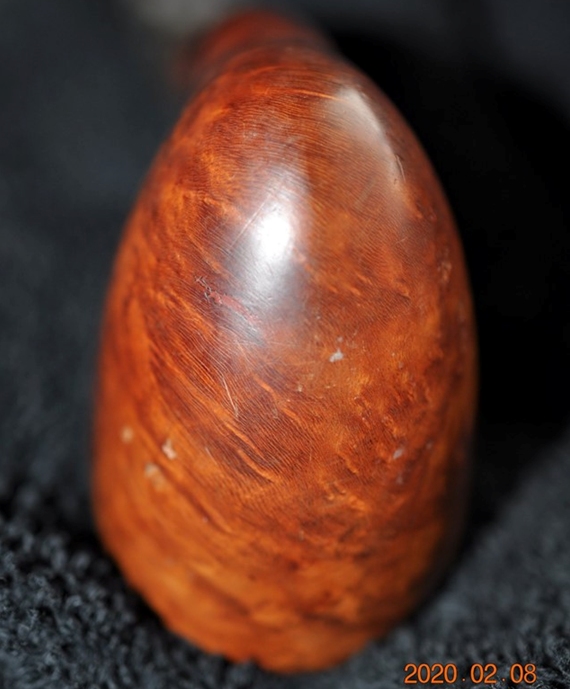
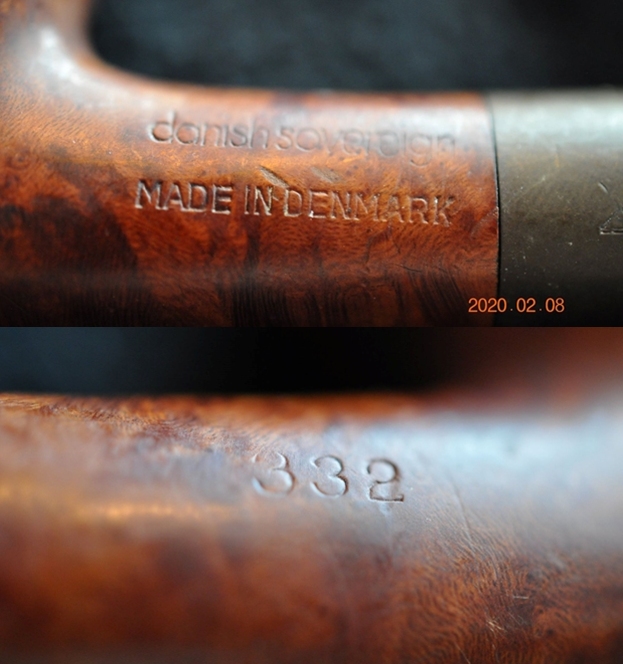
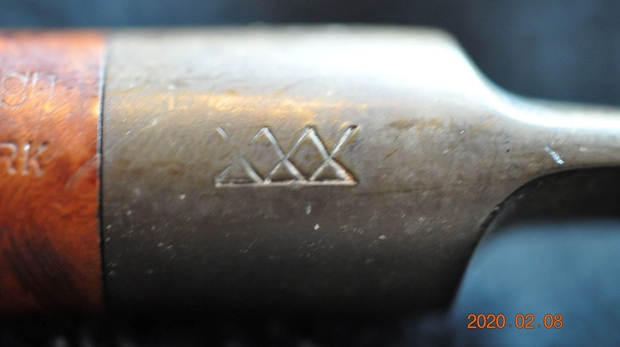
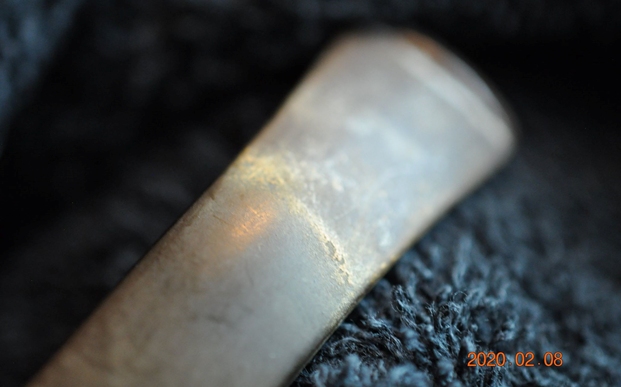
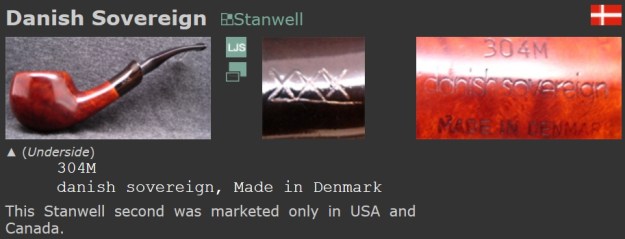
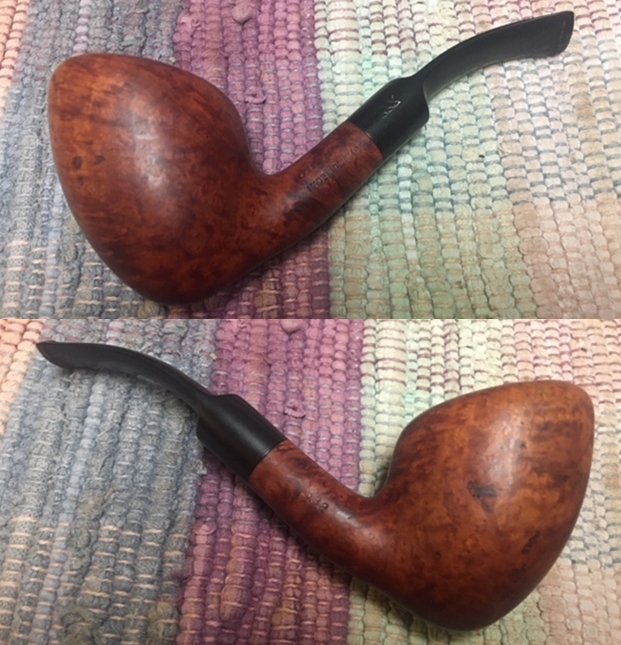
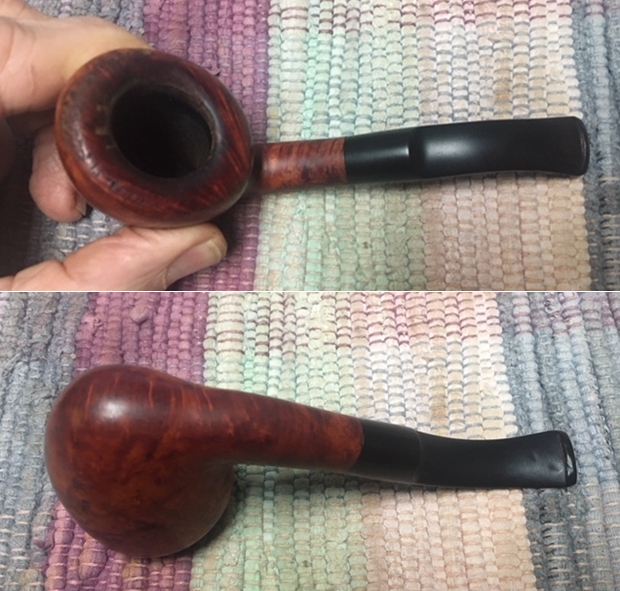
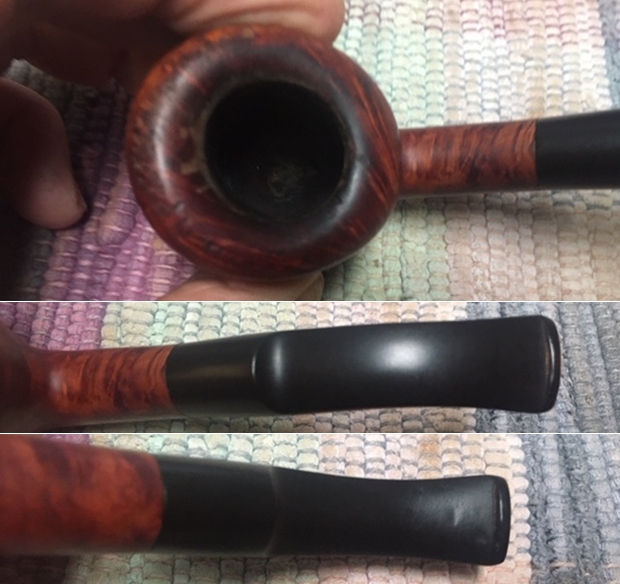
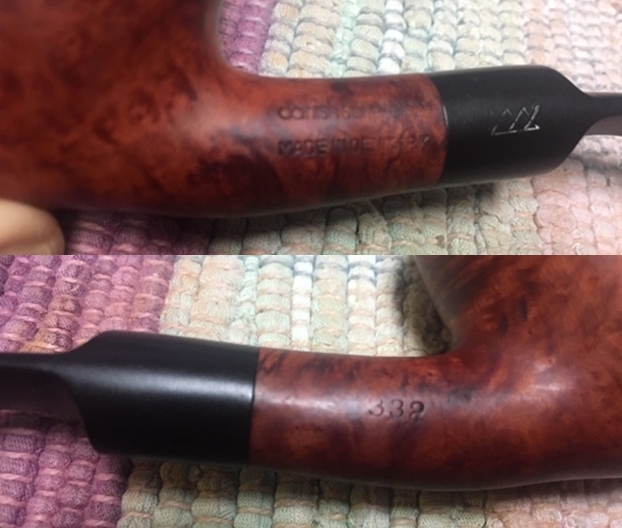
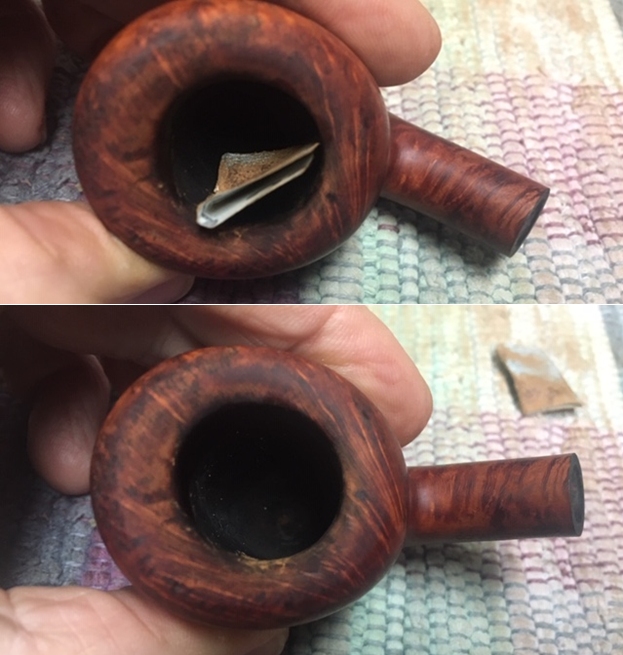
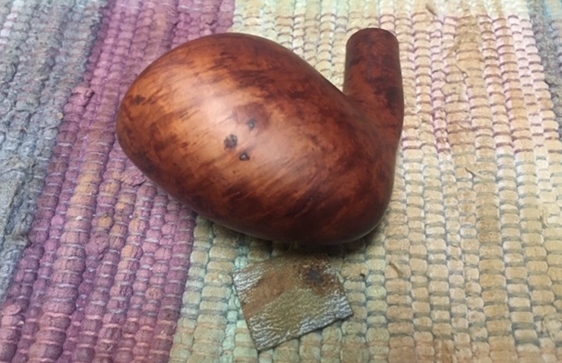
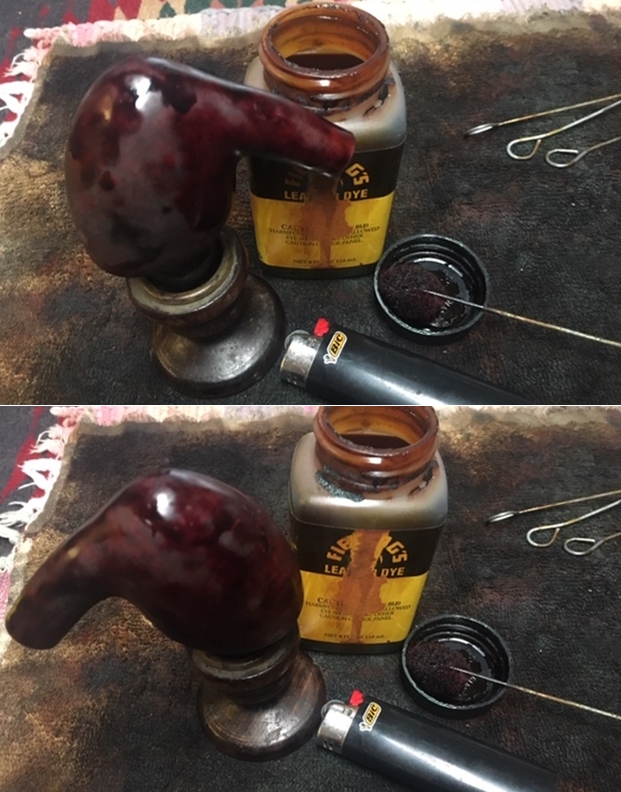
The next pipe on the table is from the next box of pipes I am working through. It is a Stanwell Made Danish Sovereign 332. The acorn/pear shaped bowl, round shank and saddle stem made up a nicely made pipe in a classic Danish shape. The smooth finish showed great grain through the ground in dirt and grime. There are also quite a few fills and deep gouges in the surface of the briar. It was stamped on the left side of the shank and read Danish Sovereign over Made in Denmark. On the right side it had the shape number 332 stamp. The finish was very dirty with a heavy coat of grime ground into the bowl and rim top as can be seen in the photos. The bowl had a thick cake with a lava overflow onto the rim top and the inner edge of the bowl. There were hash marks on the top front of the rim top and nicks around the edges. The stem was oxidized, calcified and there were tooth marks and chatter on both sides and on the top and bottom edges of the button. It was also stamped with three XXX marking it as a second. Jeff took photos of the pipe before he cleaned it up so you could see what we saw. Jeff took photos of the rim top to show lava build up around the rim, the edges and cake in the bowl.  This one was obviously someone’s favourite pipe and it was a mess. You can also see the hash marks on the front edge and top of the bowl. Jeff took some photos of the bowl sides and heel to show the absolutely dirty finish ground into the briar. It was a dirty pipe but I think it will be a beautiful one once we are finished. You can see all the damaged areas and fills on the bowl in these photos. The bowl is really quite dirty. The stamping on the sides of the shank is shown in the photos below. It is clear and read as noted above.  There was a triple XXX stamped on the left side of the stem. The stem was a good fit to the shank. It was oxidized, calcified and had debris stuck to the surface of the vulcanite. It also shows the tooth marks on the stem and on the button surface.  I turned first to Pipephil’s site (http://www.pipephil.eu/logos/en/logo-d2.html) to see what information I could find there. On the site was a pipe similarly stamped to the one that I am working on. It is clearly identified as a Stanwell second that was marketed only in the USA and Canada.I turned to Pipedia to read more about the brand (https://pipedia.org/wiki/Danish_Sovereign). There was nothing definitive there only a statement that it may be a Stanwell second line.

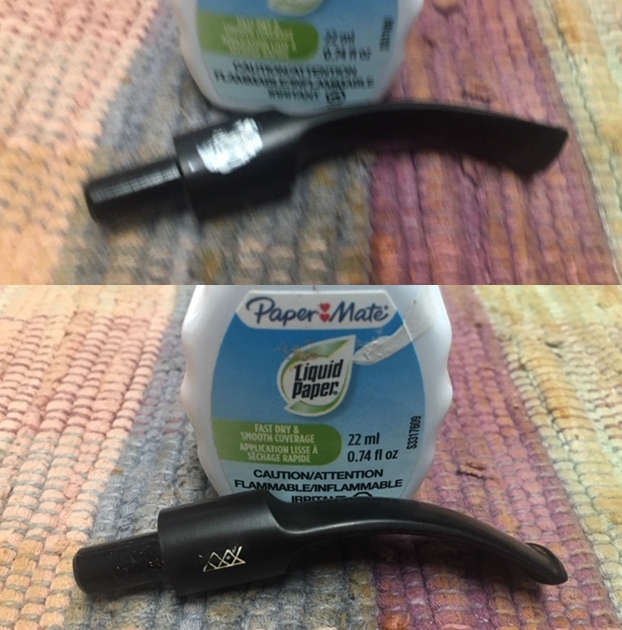
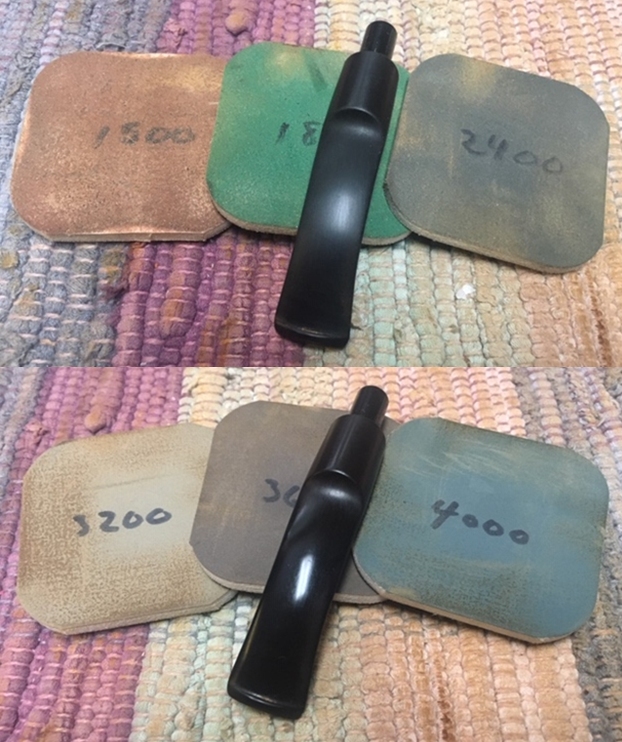
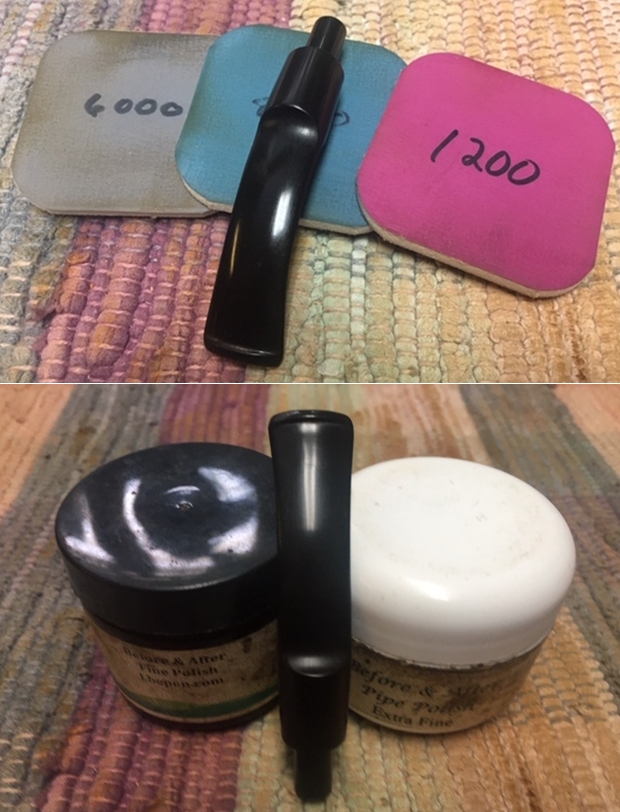
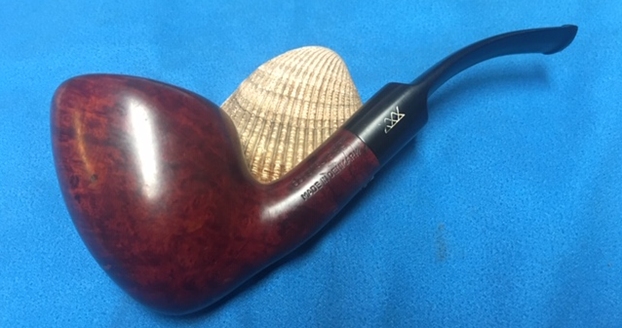
It looks I am dealing with a pipe made especially for the American and Canadian market by Stanwell. Now it was my turn to work on the pipe now. I was really looking forward to what the pipe would look like once Jeff had worked his magic. What would the rim top look like? What would the dirty bowl look like? I had no idea. When I took it out of the box I was struck great job cleaning up the pipe Jeff had done. It was impressive! He had reamed the pipe with a Pipnet piper reamer and taken the cake back to bare briar. He cleaned up the remaining cake with a Savinelli Fitsall Pipe Knife. He scrubbed the interior of the bowl and shank with pipe cleaners, cotton swabs and alcohol to remove the tars and oils. He scrubbed the exterior of the pipe with Murphy’s Oil Soap and a tooth brush to remove the grime from the finish. He worked on the rim top lava and darkening with the soap and tooth brush. He scrubbed the inside of the stem with alcohol and pipe cleaners. He scrubbed the exterior with Soft Scrub and then soaked it in Before & After Deoxidizer. He washed the stem off with warm water to remove the Deoxidizer. The pipe looked far better. I took photos of the pipe when I received it before I started working on it. I took photos of the bowl and rim top as well as the stem to show how clean they were. You can see the hash marks on the front of the rim top and the darkening and damage to the inner edge of the rim. There are nicks on the top all the way around. The stem is clean and the tooth damage on the button top and bottom edges.   I took a photo of the stamping on the underside of the shank. The stamping is readable as noted above.    I decided to start my work on the pipe by addressing the damage to the rim top and edges. I used a folded piece of 220 grit sandpaper to smooth out the inner edge and sand the darkening on the top and smoothing out the nicks and scratches and minimizing the hash marks on the front top and outer edges.    I filled in the deep gouges and nicks in the briar on both sides of the bowl with clear super glue and when the glue cured I sanded them smooth to blend them into the surrounding briar.    I stained the briar with a tan stain. I applied it to the stummel with a dauber and then flamed it with a Bic lighter. I repeated the process as often as needed until I was happy with the coverage on the briar. I set it aside to cure for several hours.    I wiped the bowl down with alcohol on a paper towel to make the stain a bit more transparent. I buffed the bowl on the buffer with Red Tripoli to polish it and get a sense of what the bowl looked like at this point in the process.    I polished the briar with micromesh – wet sanding with 1500-12000 grit micromesh sanding pads. I wiped the bowl down after each sanding pad with a damp cloth.  I rubbed the briar down with Before & After Restoration Balm. I worked it into the briar with my fingertips. The product works to clean, enliven and preserve the briar. I let it sit for 10 minutes while I worked on the stem. After the time passed I buffed it with a cotton cloth to deepen the shine. The briar really comes alive with the balm.      I set the bowl aside and turned my attention to the stem. I filled in the indentations on the button edge and built it up with clear super glue. Once the repair cured I used a needle file to reshape the button edges and also flatten the repaired areas.    I sanded the stem with 220 grit sandpaper to finish the shaping and to remove the remaining oxidation. I started polishing the stem with 400 grit wet dry sandpaper. I wiped the stem down with Obsidian Oil before further polishing it.   I used some Paper Mate Liquid Paper to touch up the white that remained in the XXX stamp on the left side of the stem.   I polished the vulcanite with micromesh sanding pads – 1500-12000 grit pads. I wiped it down with Obsidian Oil after each sanding pad. I used Before & After Pipe Polish – both Fine and Extra Fine to further polish the stem.    This Danish Sovereign 332, made by Stanwell with a saddle vulcanite stem turned out very nice. The mix of brown stains highlights the grain around the bowl sides and bottom. The rim top and edges look very good. The finish on the pipe is in excellent condition. I put the stem back on the bowl and carefully buffed the pipe with Blue Diamond on the buffing wheel. I gave the bowl and stem multiple coats of carnauba wax on the buffing wheel and followed that by buffing the entire pipe with a clean buffing pad. I hand buffed the pipe with a microfiber cloth to deepen the shine. The finished Bent Acorn is very nice and feels great in the hand. Give the finished pipe a look in the photos below. It is a nice pipe whose dimensions are Length: 5 inches, Height: 2 ¼ inches, Outside diameter of the bowl: 1 ½ inches, Chamber diameter: ¾ of an inch. Thanks for walking through the restoration with me as I worked over another beautiful pipe. This Stanwell made Danish Sovereign 332 will be going on the rebornpipes store shortly. If you are interesting in adding it to your collection let me know! Thanks for your time.

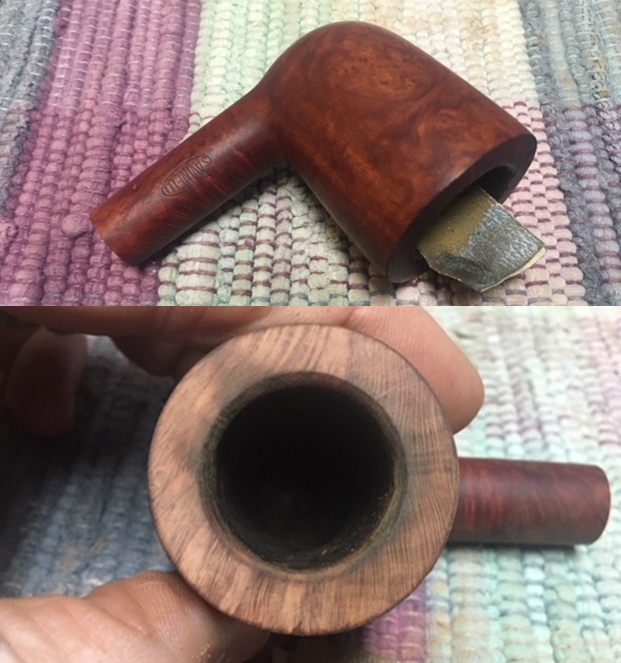
New Life for a Savinelli Extra 412KS Dublin


Blog by Steve Laug

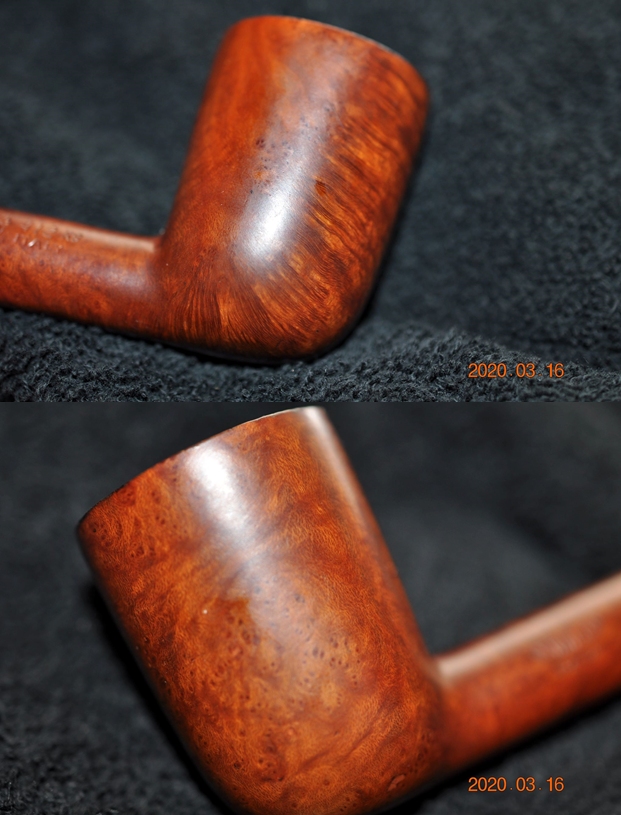
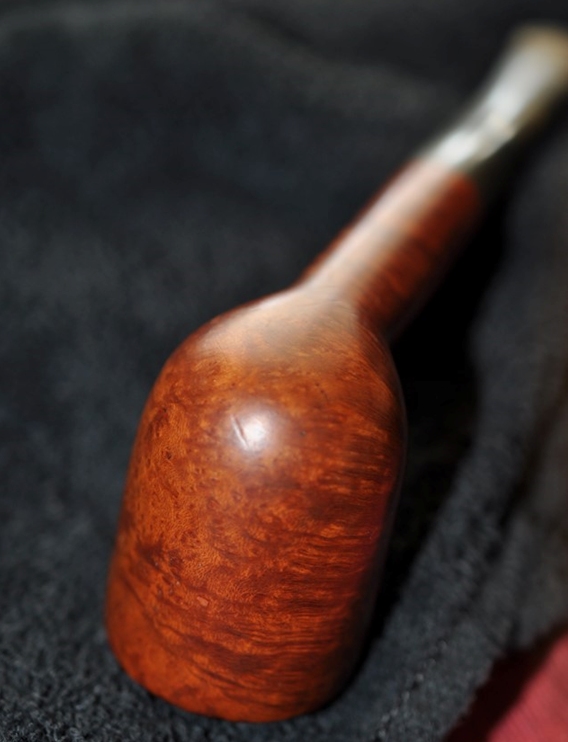
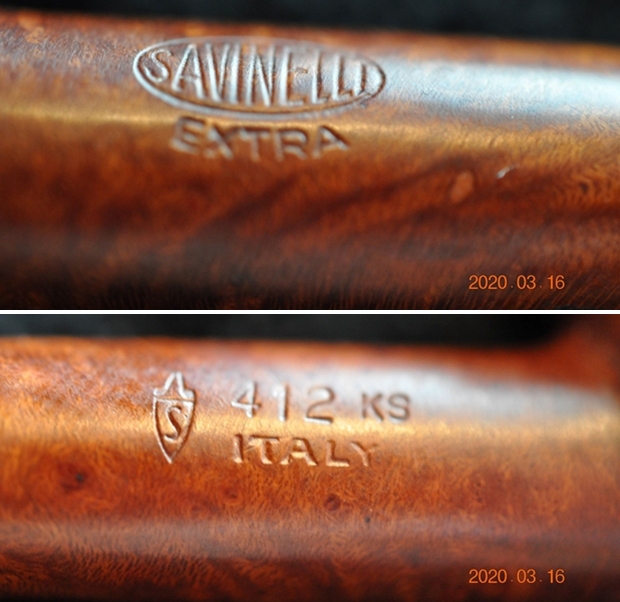
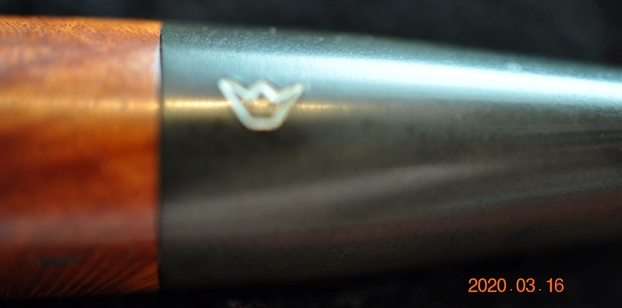
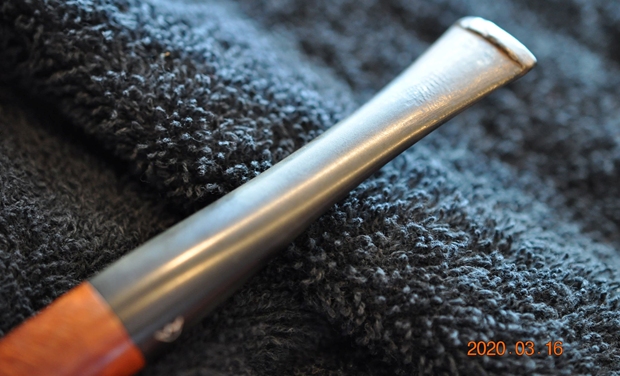
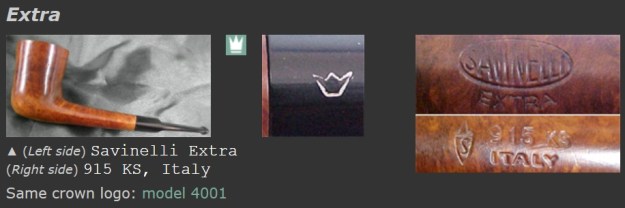
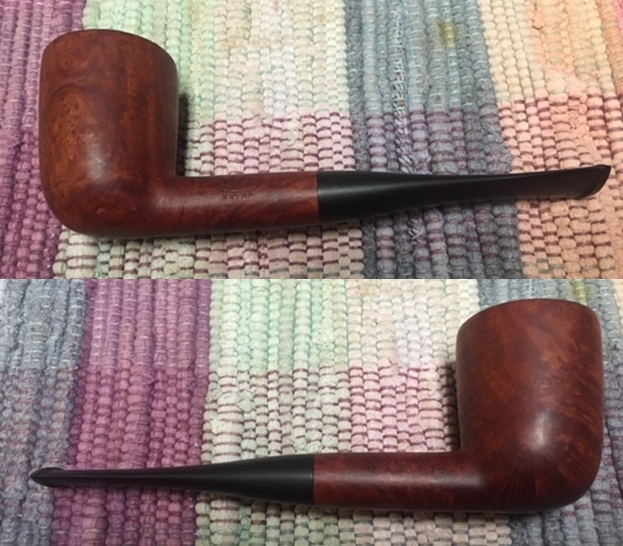
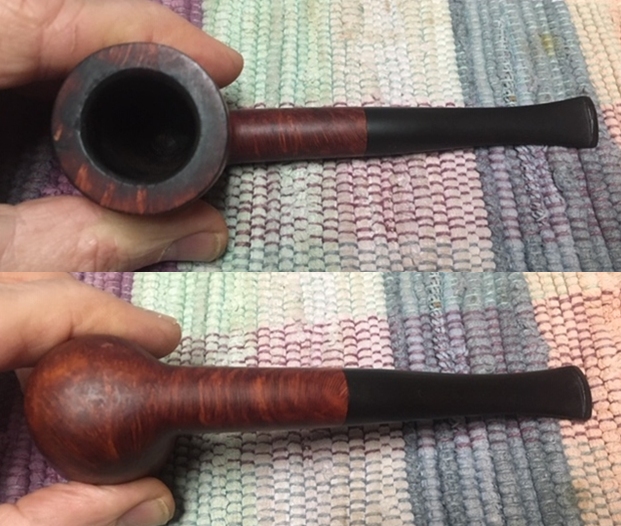
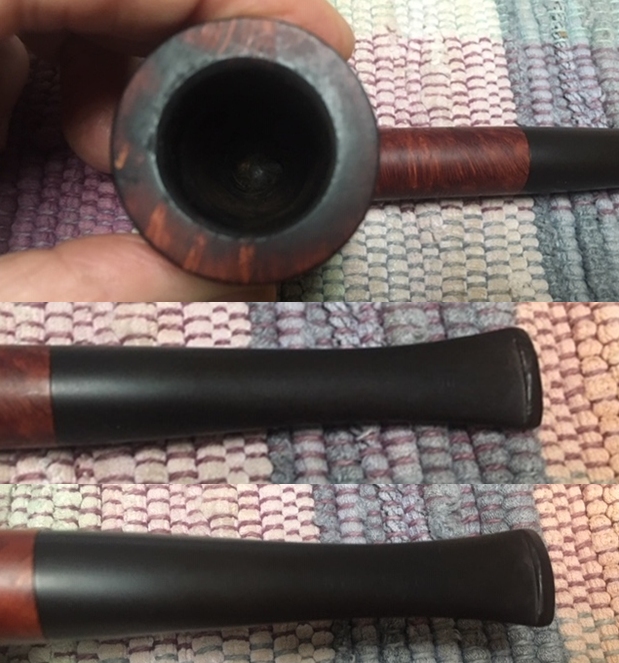
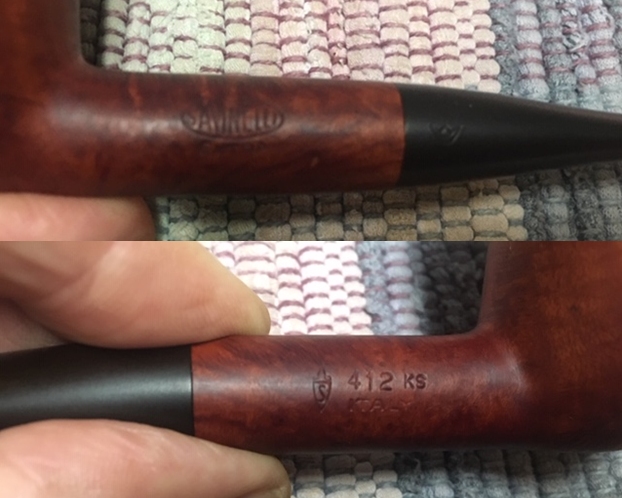
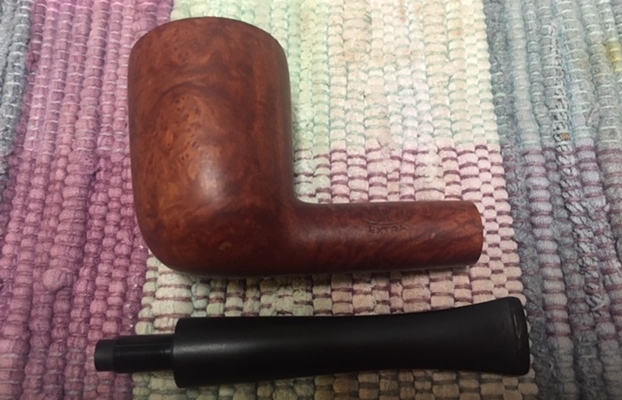
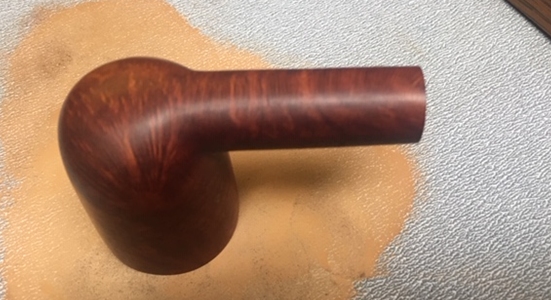
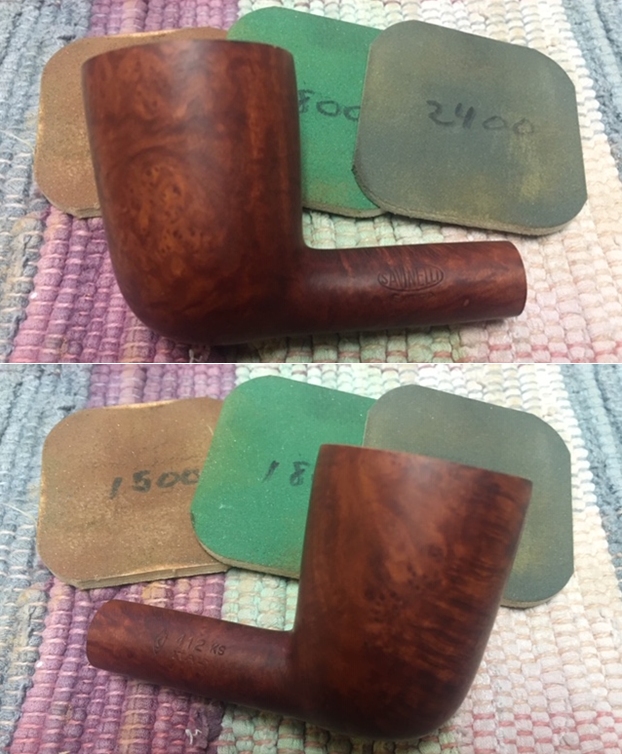
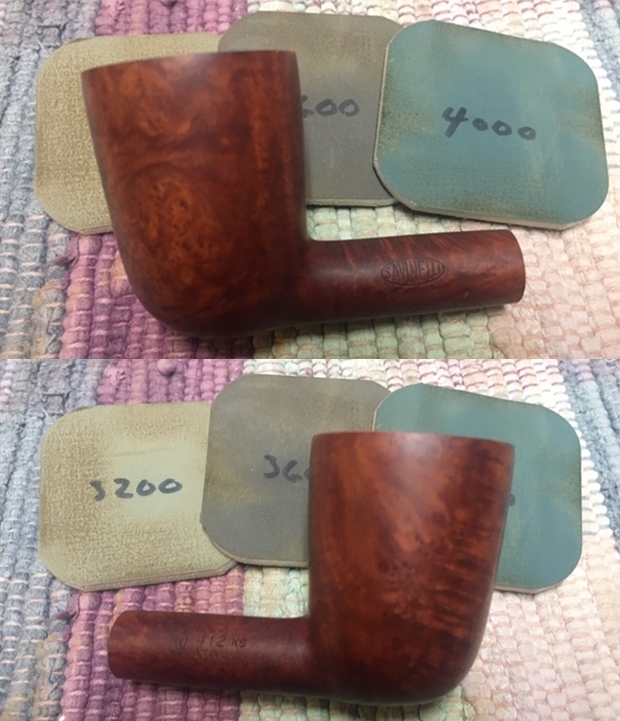
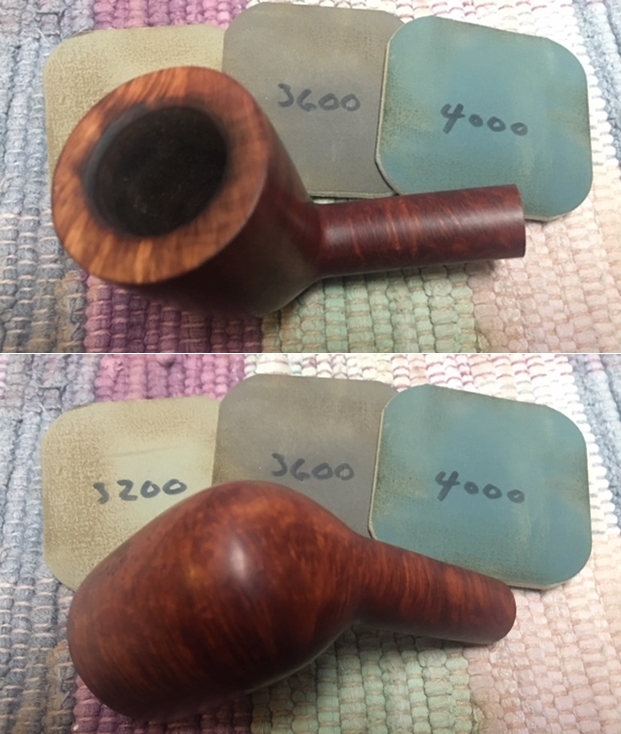
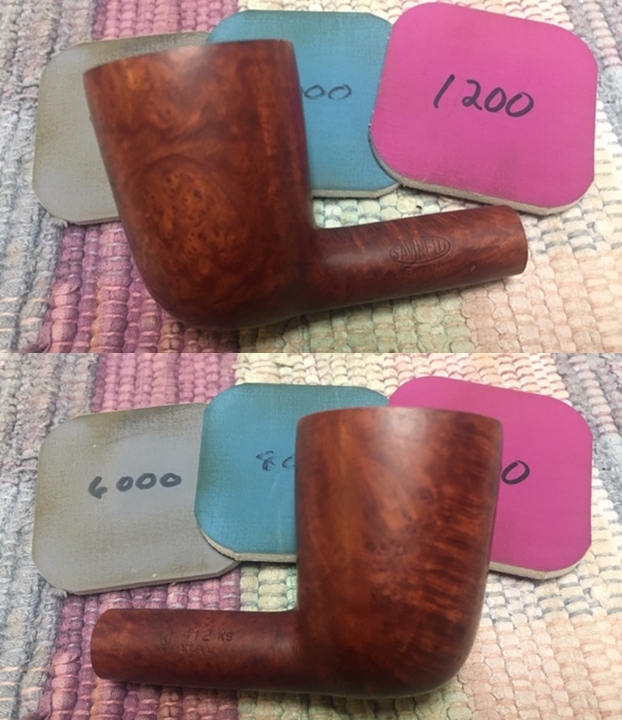
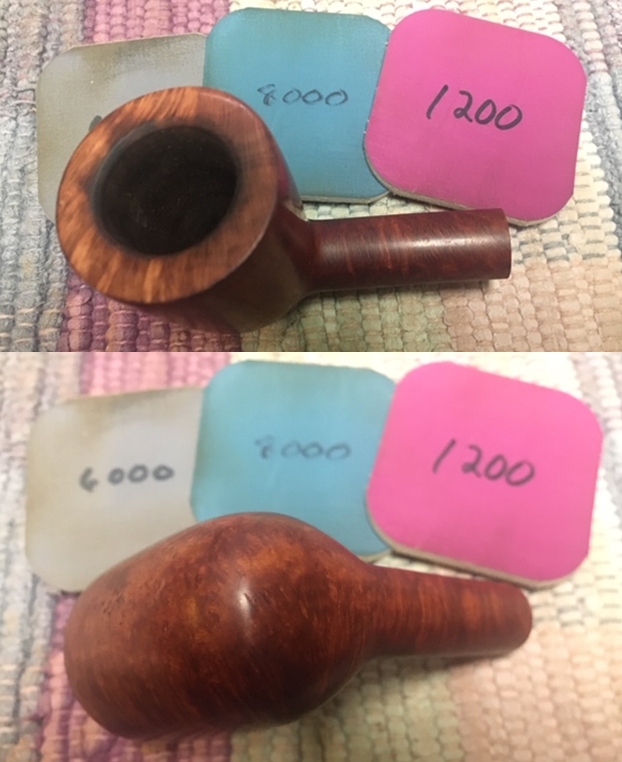
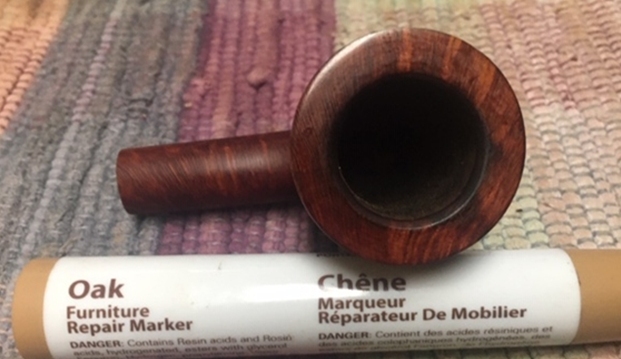
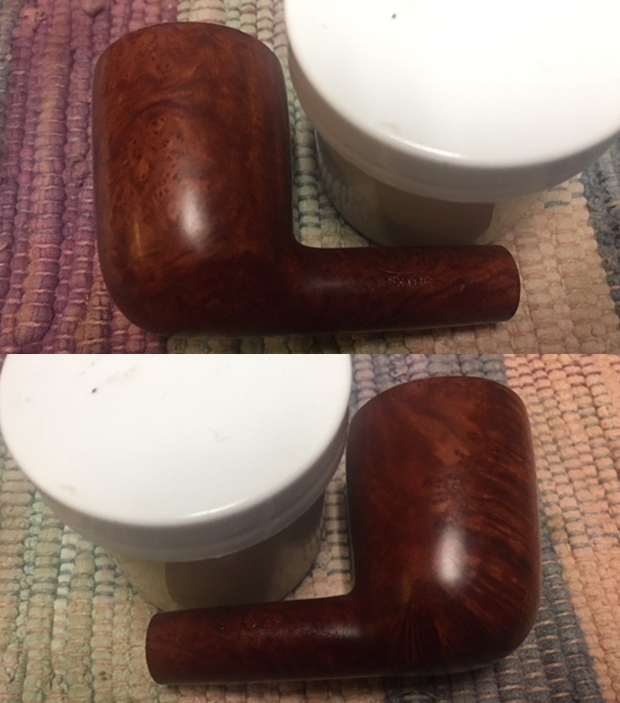
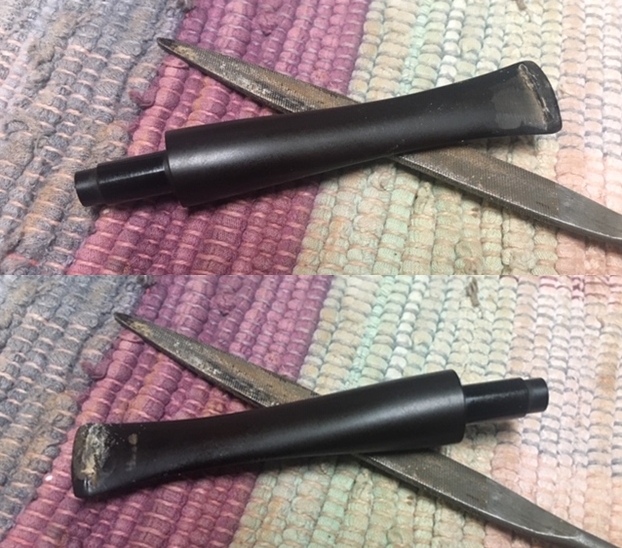
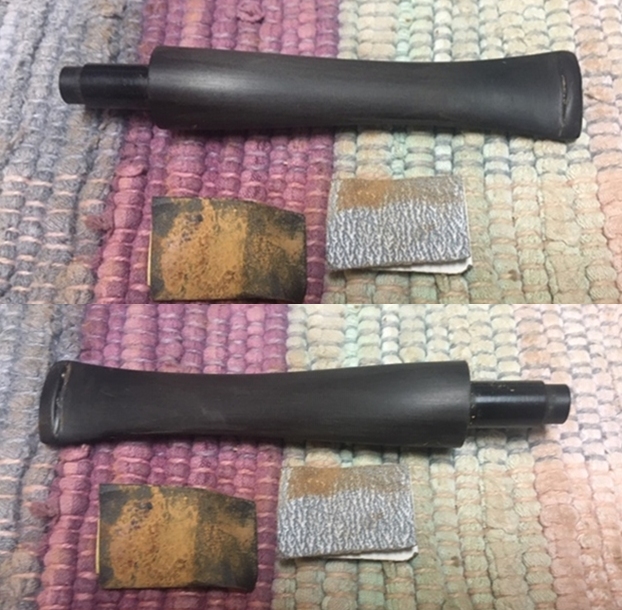
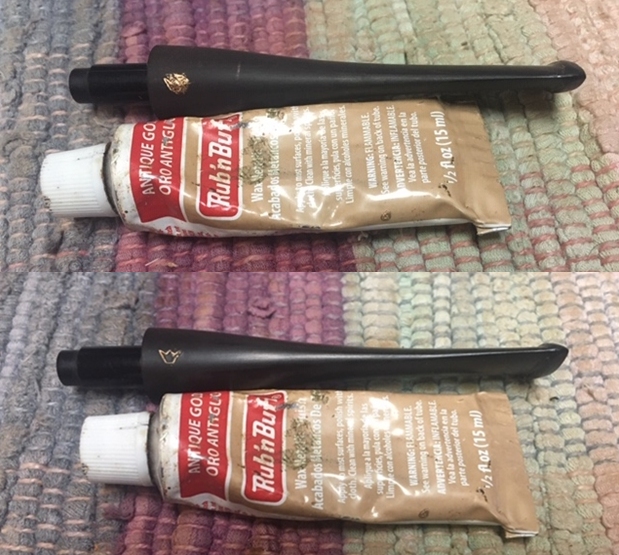
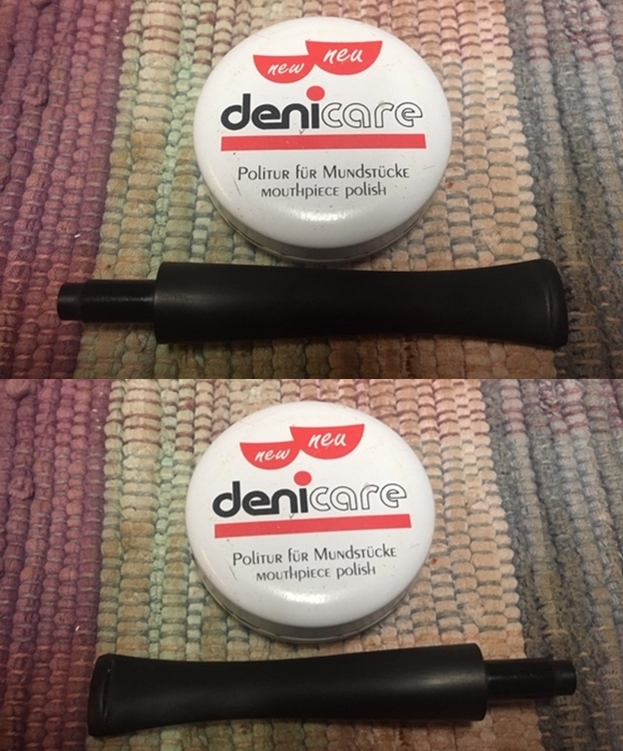
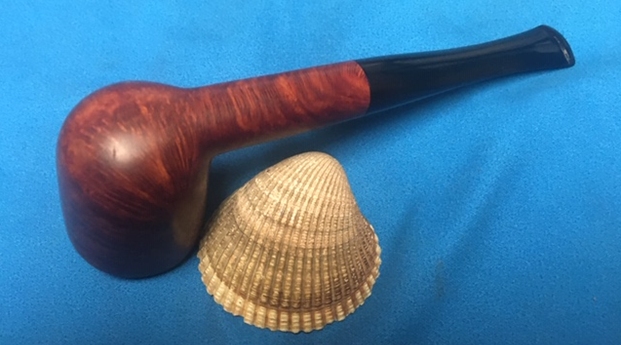
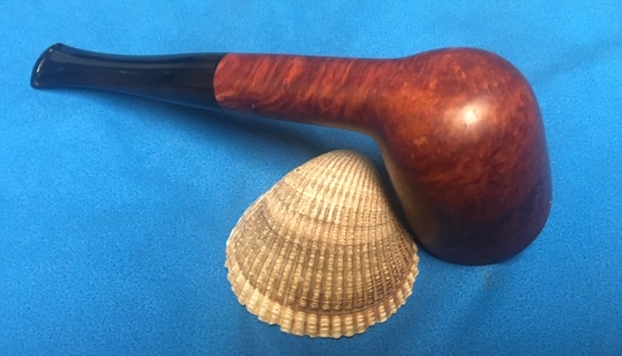
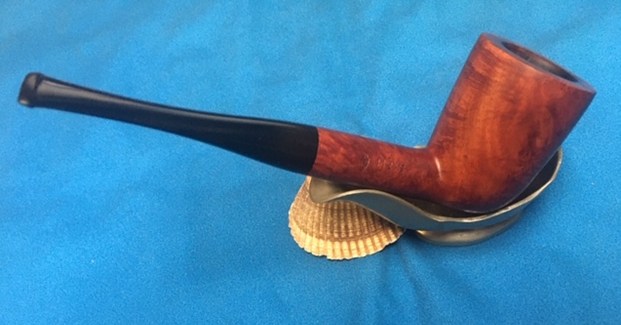
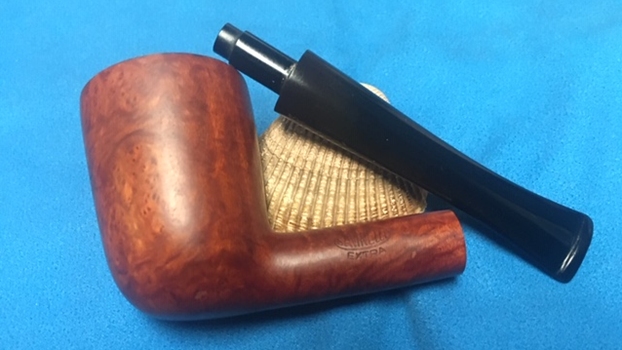
The next pipe on the table came to us from one of Jeff’s pipe hunts. It is an interesting straight Dublin shaped pipe with darkening and lava around the rim edge and top. It is stamped with a oval with SAVINELLI inside and EXTRA below that on the left side of the shank. On the right side of the shank it was stamped with the Savinelli “S” shield and the shape number 412KS over Italy. The stamping is clear and readable. The pipe has a combination of brown stains that highlighted some nice mixed grain around the bowl sides. The finish was very dirty with grime ground into the bowl. The bowl had a thick but even cake in the bowl and a heavy lava overflow on the inner edge of the top and beveled edge all around the bowl. It was hard to know what was underneath the lava and grime in terms of damage to the inner edge and the top of the rim. The taper stem was oxidized and there were tooth marks and chatter on both sides and on the top and bottom edges of the button. There was gold crown stamped on the stem. Jeff took photos of the pipe before he cleaned it up. Jeff took photos of the rim top to show the thick cake in the bowl and the lava overflow on the rim top and the beveled inner edge of the rim.  Jeff took some photos of the bowl sides and heel to show the great looking grain around the bowl. It is actually a nice looking pipe.  The stamping on the sides of the shank is shown in the photos below. They look very good and readable.  There is also a crown on the left side of the taper stem. The stem was a very good fit to the shank. It was oxidized, calcified and had debris stuck to the surface of the vulcanite. It also shows the tooth marks on the stem and on the button surface.  I turned to Pipephil (http://www.pipephil.eu/logos/en/logo-savinelli2.html) to read about the Extra Line. It is a smooth finished pipe with the same stamping on the shank and on the stem as the one that I am working on. I have included the screen capture from the site below.Armed with that information and a clearer picture of the original pipe I turned to work on the pipe on my work table. Jeff had done a great job cleaning up the pipe as usual. He reamed the pipe with a PipNet reamer and cut back the cake back to the bare briar. He cleaned up the walls with a Savinelli Fitsall Pipe Knife. He scrubbed the interior of the bowl and shank with pipe cleaners, cotton swabs and alcohol to remove the tars and oils. He scrubbed the exterior of the pipe with Murphy’s Oil Soap and a tooth brush to remove the grime from the finish. He worked on the rim top lava and darkening with the soap and tooth brush. He scrubbed the inside of the stem with alcohol and pipe cleaners. He scrubbed the exterior with Soft Scrub and then soaked it in Before & After Deoxidizer. He washed it off with warm water to remove the Deoxidizer. The pipe looked far better. I took photos of the pipe when I received it before I started working on it. I took photos of the bowl and rim top as well as the stem to show how clean they were. You can see the damage and the darkening on the inner edge and the top on the right front and the rear of the bowl. The stem looks clean of oxidation and the tooth marks and chatter are fairly light.  I took photos of the stamping on the sides of the shank. They are clean and readable and read as noted above.    I took a photo of the pipe with the stem removed to show the overall look of stem, tenon and profile of the pipe.I decided to start my work on the pipe by addressing the darkening on the rim top and the inner edge. I topped the bowl on a topping board with 220 grit sandpaper on a board. I used a folded piece of 220 grit sandpaper to work on the inner edge to remove the darkening. It took a bit of work but I was able to remove the majority of it and the end product looked much better. I polished the bowl and rim with micromesh sanding pads – wet sanding with 1500-12000 grit pads. I worked over the rim top and edge of the bowl with the pads. I wiped the bowl down with a damp cloth after each pad to remove the sanding debris.      I used an Oak stain pen to blend the cleaned rim top into the colour of the rest of the bowl. The match was perfect.I rubbed the briar down with Before & After Restoration Balm. I worked it into the briar with my fingertips. The product works to clean, enliven and preserve the briar. I let it sit for 10 minutes while I worked on the stem. After the time passed I buffed it with a cotton cloth to deepen the shine. The briar really comes alive with the balm.   I set the bowl aside and turned my attention to the stem. I decided to “paint” the stem surface to raise the dents in the vulcanite. The process worked very well.     I built up the edges of the button and filled in the small dents in both sides of the stem. Once the repairs had cured I used a needle file to recut the edge of the button. I worked over the oxidation on the stem and blended the repaired area of the button with 220 grit sandpaper. I started polishing the stem with 400 grit wet dry sandpaper. At this point it is starting to look much better.   I touched up the gold crown on the stem side with Rub’n Buff Antique Gold. I pressed the gold into the stamp and buffed it off with a cotton pad.   I rubbed the stem down with Denicare Mouthpiece Polish – a red, gritty Tripoli like substance that is a paste. I rubbed it into the surface of the stem and polished it off with a cotton pad. I have found that is a great intermediary step before polishing with micromesh pads. I am not sure what I will use once the final tin I have is gone!     I polished the vulcanite with micromesh sanding pads – 1500-12000 grit pads. I wiped it down with Obsidian Oil after each sanding pad. I used Before & After Pipe Polish – both Fine and Extra Fine to further polish the stem.   This Savinelli Extra 412KS Dublin is a great looking pipe. The mix of brown stains highlights the mix of grain around the bowl sides, top and bottom. The finish on the pipe is in excellent condition and the contrasting stains work well with the polished black vulcanite taper stem. I put the stem back on the bowl and carefully buffed the pipe with Blue Diamond on the buffing wheel using a light touch on the briar. I gave the bowl and stem multiple coats of carnauba wax on the buffing wheel and followed that by buffing the entire pipe with a clean buffing pad. I hand buffed the pipe with a microfiber cloth to deepen the shine. The finished Savinelli Extra 412KS Dublin is quite nice and feels great in the hand. Give the finished pipe a look in the photos below. The dimensions of the pipe are Length: 5 ¾ inches, Height: 2 inches, Outside diameter of the bowl: 1 ½ inches, Chamber diameter: 7/8 of an inch. Thanks for walking through the restoration with me as I worked over another beautiful pipe. This pipe will be added to the Italian Pipe Makers section of the rebornpipes store soon. If you want to add it to your collection send me an email or a message! Thanks for your time.


A Fresh Start for a Pipstar Standard Dublin Sitter of Saint Claude, France


Blog by Dal Stanton

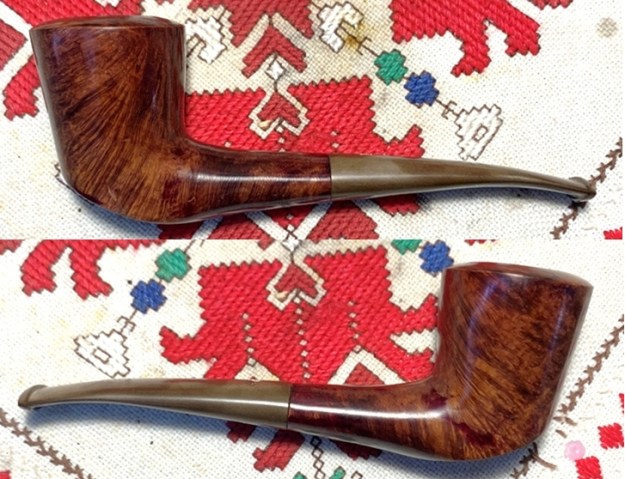
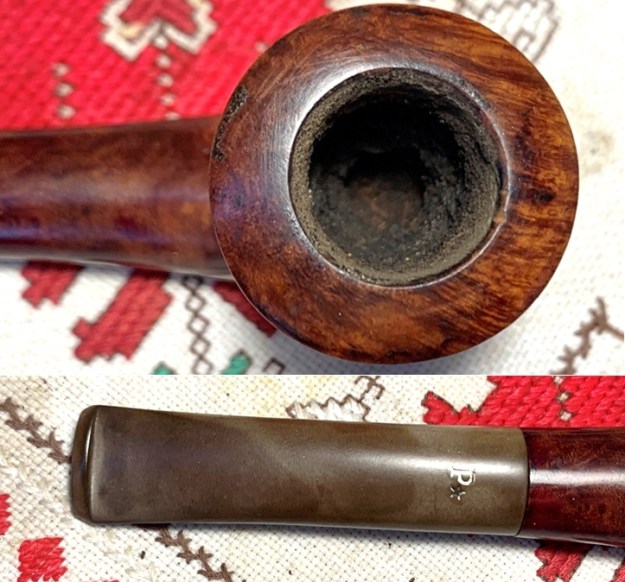
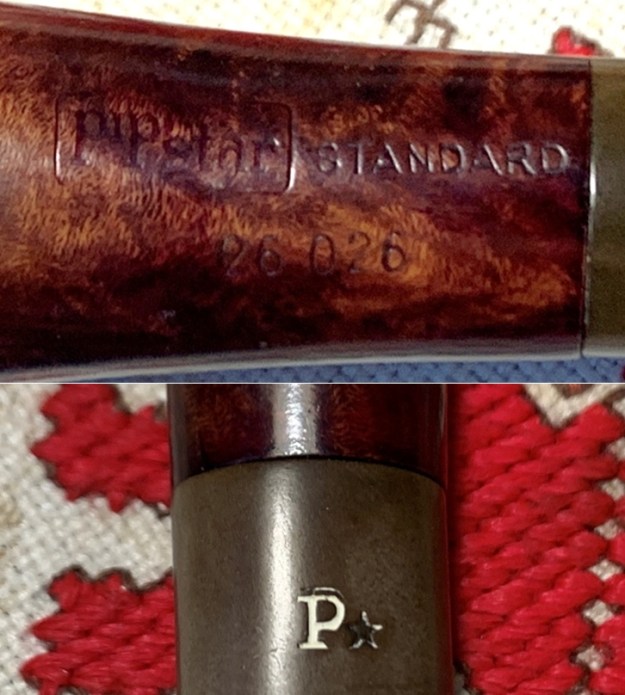
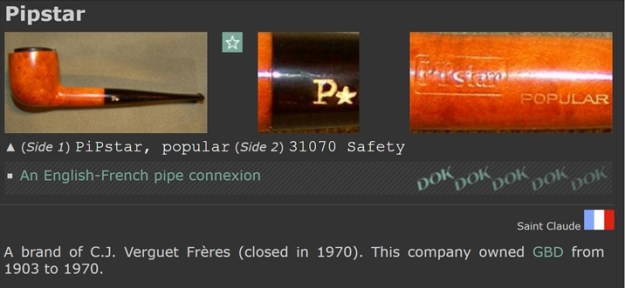
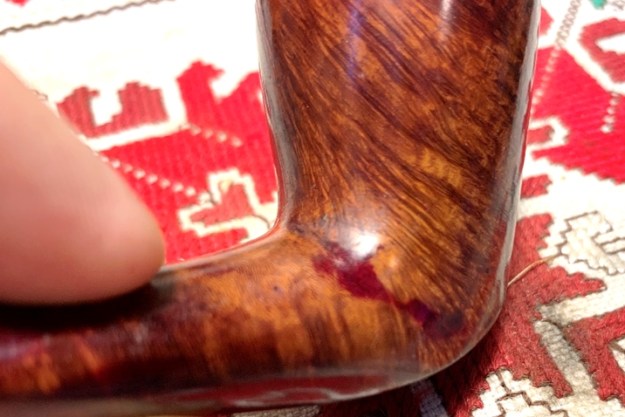
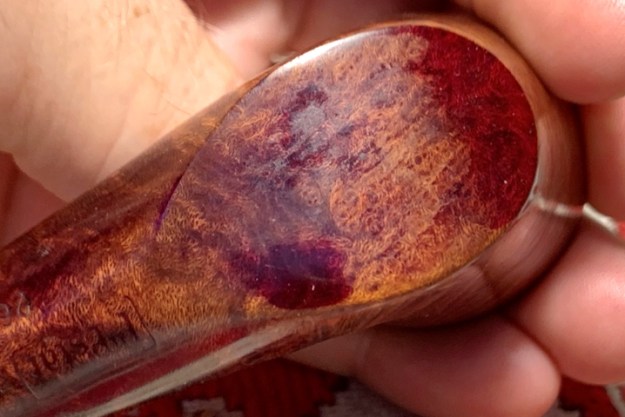
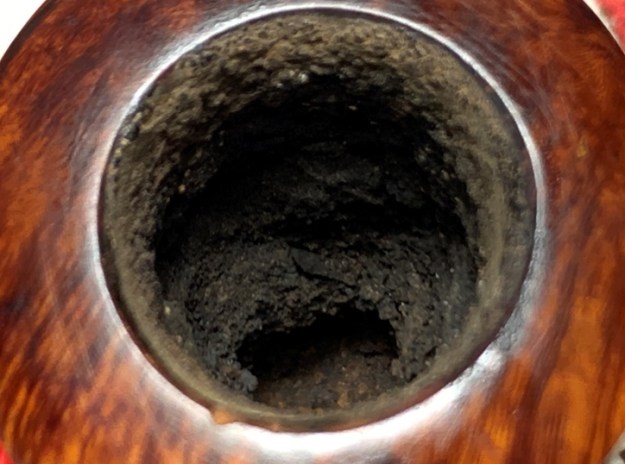
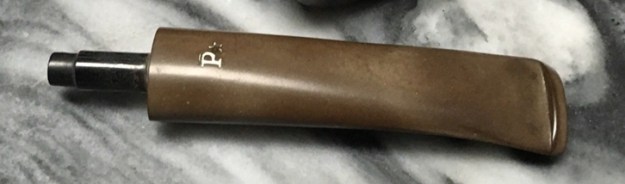
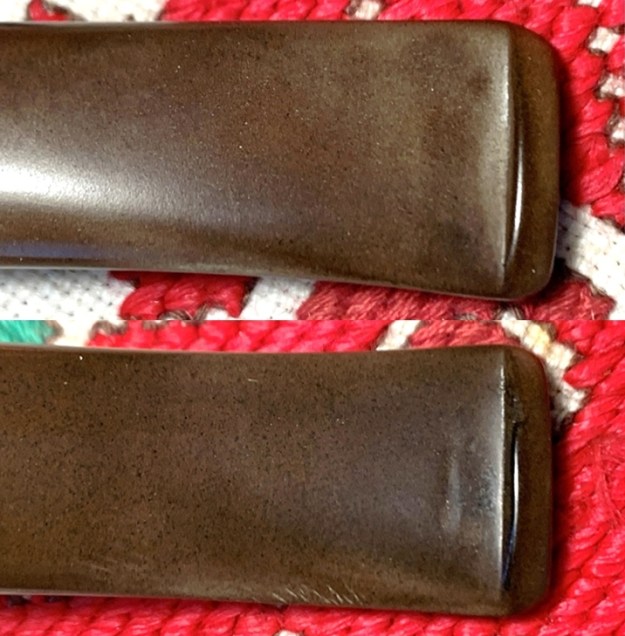
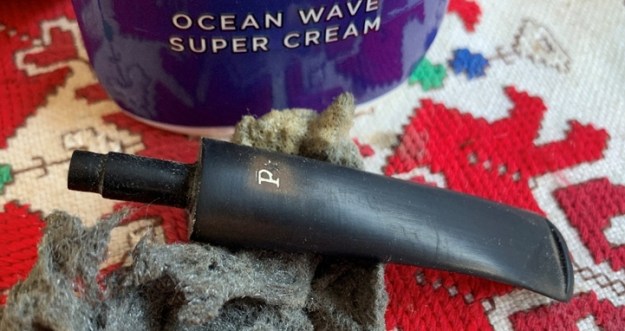
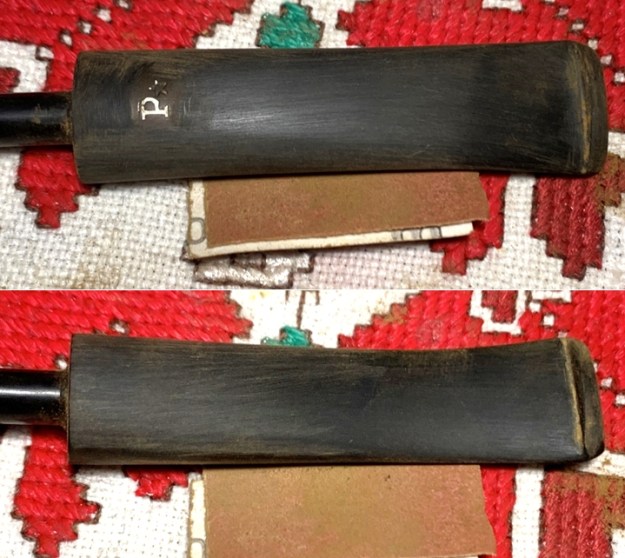
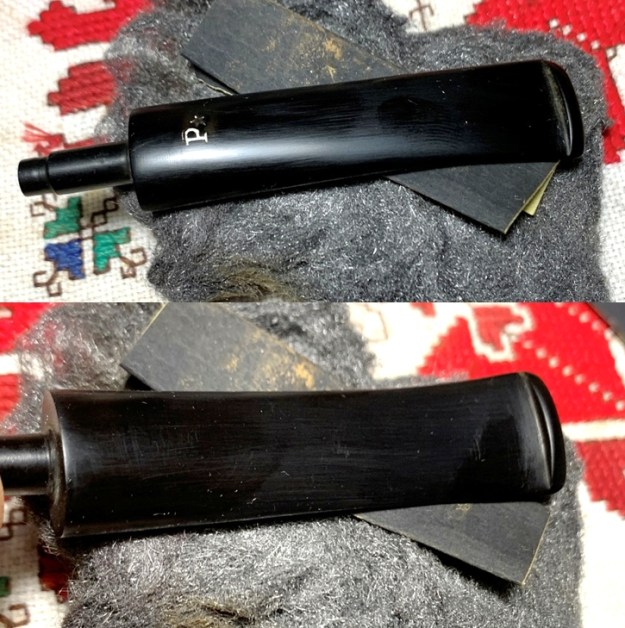
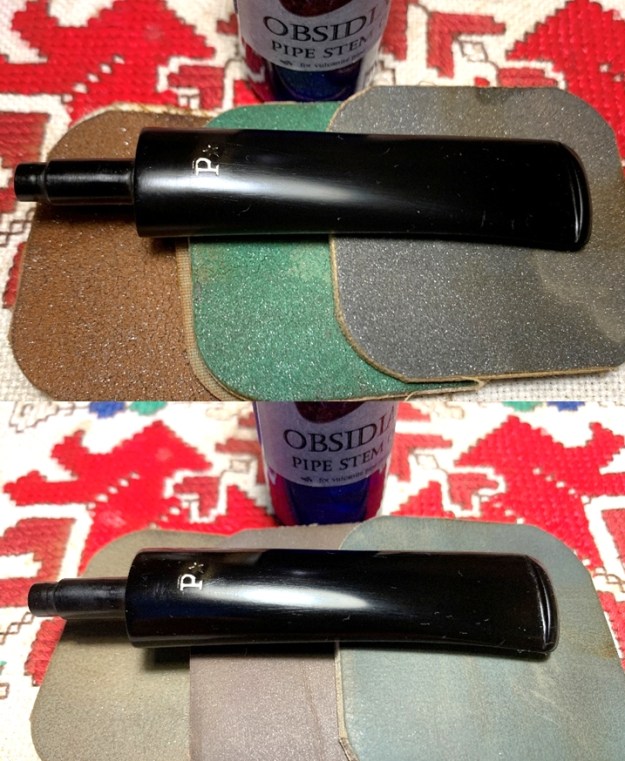
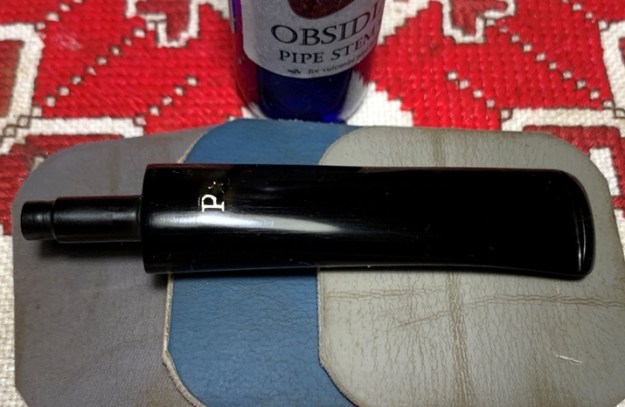
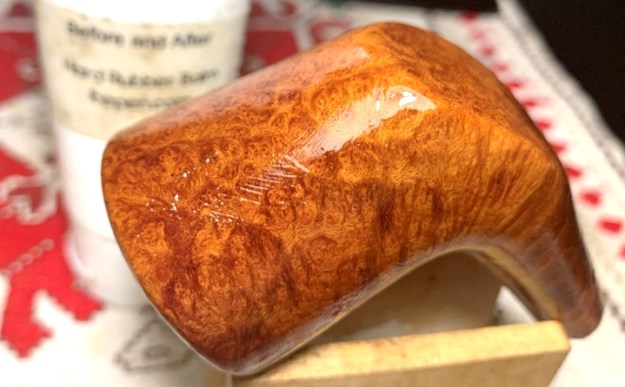
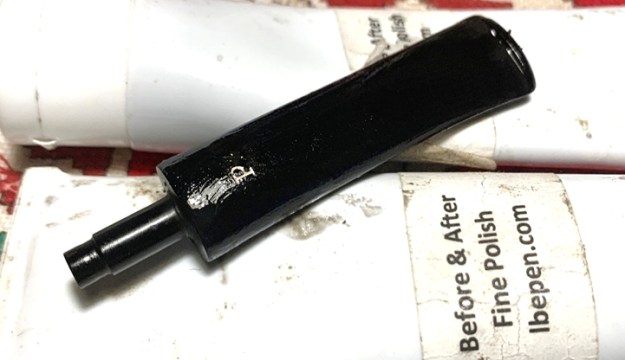
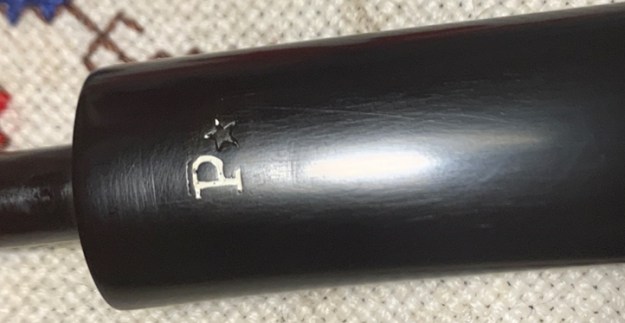
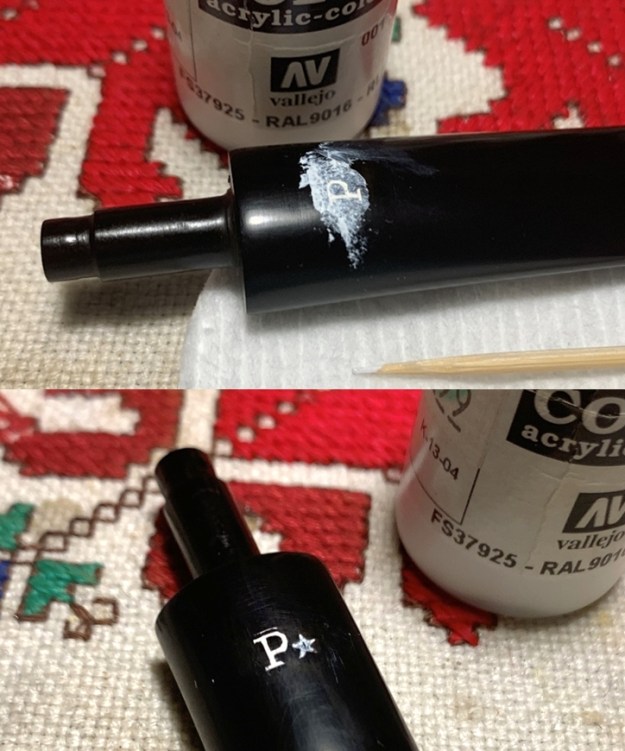
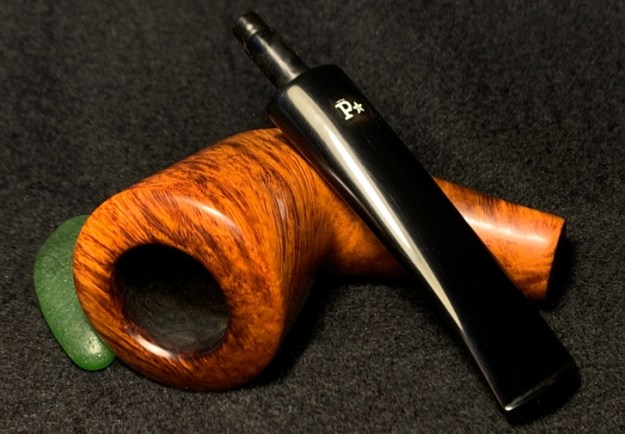
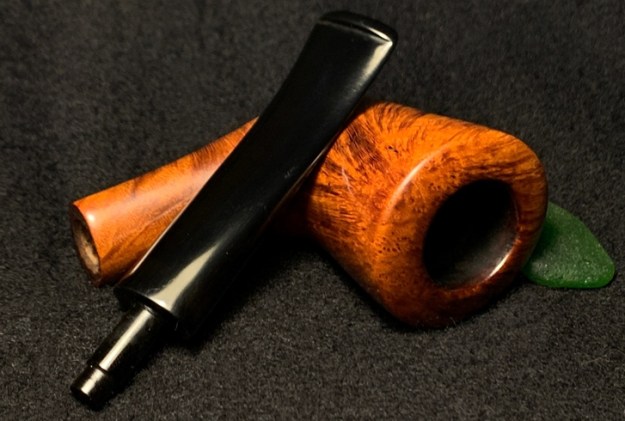
The Pipstar Standard 06 026 Dublin Sitter now on my worktable, is simply a cool looking pipe.  I was attracted to it because of the Dublin Sitter shape eBay description and the grain had great potential. I like the lines and the very gentle bend of the stem flowing out of a rounded sitter heel.  The pipe really doesn’t sit well as a sitter, but the flat rounded bottom is more for artistic consideration (as a French pipe) than utilitarian.  I saw it on the eBay auction block from a seller in Akron, Ohio.  My bid held true and the Pipstar Standard Dublin made its way to Bulgaria where I posted it in the ‘For “Pipe Dreamers” Only! online virtual ‘Help Me!’ baskets where pipe men and women commission pipes to be restored.  These hopeful restorations benefit the Daughters of Bulgaria, the work in Bulgaria helping women and girls who have been trafficked and sexually exploited.  This is where Nathan saw the Pipstar along with 3 other pipes he commissioned to benefit the Daughters.  Here are pictures of the Pipstar Dublin Sitter that got his attention. The nomenclature is found stamped on the underside of the shank.  The stamping reads ‘PiPstar’ bracketed, followed by ‘STANDARD’.  Underneath this is stamped ’26 026’ which I assume is a shape number that I’m sure, will remain a mystery.  The stem bears an interesting stamp of a ‘P’ and a miniature star to its right.There isn’t much information about the Pipstar name.  Pipedia shows it to be a brand of C.J. Verguet Frères – a French factory in St. Claude that began in the 19th century.  It also cites that,

In 1906, its merger with Sina & Cie., gave rise to a large company within the Oppenheimer Pipe group and run by Lucien Verguet.  In 1917, the factory produced 4.8 million pipes and bowls.

More information was offered on pipephil.eu with a Pipstar panel stating that the company closed it’s doors in St. Claude in 1970.  This let’s me know that the dating of the Pipstar on the table is at least that old. Now looking at the St. Claude, France, made Pipstar Dublin Sitter on the worktable, it appears to have originally had an Oxblood or red finish.  Looking at the stummel there are a few blotches of what appears to be dye hanging on from former days.  What’s interesting to me is that the brown leftover is attractive.  I’ll be interested to see how the stummel cleans up. There are also nicks and scratches on the stummel from normal wear and usage. The chamber has thick cake buildup which will need to be cleaned out to allow fresh briar to emerge.  This also allows inspection of the chamber walls to detect heating problems.The stem has thick oxidation which needs addressing.  The picture from the eBay seller shows this very well.  There is a bite compression on the lower bit, but overall, not in bad shape.Beginning the process of restoring and recommissioning this French Pipstar Standard, I clean the airway with pipe cleaners dipped in isopropyl 95%.Next, to begin addressing the deep, heavy oxidation on the entire stem, a ‘Soft-Scrub-like’ product called CIF, available here in Bulgaria, is used along with 000 steel wool.  I use the steel wool and CIF to break up the oxidation with the hope that it enables the Before & After Deoxidizer soak to follow to be more productive. After a few hours, I fish out the Pipstar stem and clear the liquid from the airway with pipe cleaners wetted with isopropyl 95%.  Cotton pads wetted with alcohol are also used to wipe away oxidation that has been raised.To help begin the conditioning process, paraffin oil, a mineral oil, is applied to the vulcanite stem.  The stem is then put to the side to absorb the oil.After putting the stem to the side, I start the work on the stummel by cleaning the chamber of the cake build-up.  I take a starting picture and using the Pipnet Reaming Kit, I go to work starting with the smallest blade head.  I discover quickly that the conical Dublin chamber angles too sharply for a ‘regular’ reaming blade to traverse.  Instead of pressing down on the blade head, which will cause a ‘reaming ridge’ I simply press toward the walls of the chamber to remove cake buildup.  I use two blade heads in this manner and then switch to the Savinelli Fitsall tool to reach the narrower areas of the chamber.  I also utilize an older, vintage Kleen Reem Pipe Tool which can close and expand the cutting blades orientation.  It works well in the Dublin chamber! After cleaning the cake buildup, I wipe the chamber with a cotton pad wetted with isopropyl 95% to clear the carbon dust and examine the chamber.  The chamber is healthy regarding heating and burning issues, but I detect what I was mindful of earlier – what I call a ‘reaming ridge’.  Overzealous reaming when the chamber narrows to a tighter angle than the reaming blade can pass results in the blades cutting into the chamber wall above the floor of the chamber. Moving on to the cleaning of the external surface, undiluted Murphy’s Oil Soap is used with a cotton pad to scrub the smooth briar surface.  I’m interested to see how the Oxblood spots fair in the cleaning. A brass bristled brush is also employed to clean the rim as well as my Winchester pocketknife to scrape some hard gunk carefully off the rim. Next, the stummel is transferred to the kitchen sink where the cleaning commences on the internals.  Using shank brushes and anti-oil liquid dishwashing soap with warm water, I work on the internals of the pipe, scrubbing the mortise.  After a thorough rinsing, the pipe is back on the worktable.After the cleaning, the Oxblood stained spots are as firm as ever hanging on while the rest of the briar surface is cleaning nicely.  I’ll need to address these spots. I continue with the internal cleaning regimen using cotton buds and pipe cleaners wetted with isopropyl 95%. I also utilize a small dental spoon to scrape the internal walls and excavate old tars and oils.  This helps a great deal.  After some time, the buds and pipe cleaners begin to emerge lighter.  I stop cleaning now to continue at the end of the workday with a kosher salt and alcohol soak to continue to clean and freshen the internal briar.I take another look at the Oxblood stains on the stummel.  I first try rubbing alcohol on the spots, but this does not phase them. Next, using a cotton pad, acetone is applied to the stains and some color was raised on the cotton pad.  In the end, I decide to put the stummel in a soak with acetone to break down the old dye. With the stummel soaking, I return to the stem.  The lower bit has a small bite compression which I address using the heating method.  I use a Bic lighter to paint the lower bit and as the vulcanite heats, the compression expands to regain its original condition, or closer to it.  This compression responds well as the comparison of the pictures shows.  Sanding should easily dispatch the compression.Next, using a flat needle file, the button lips on the upper and lower sides are refreshed.  With 240 grade paper, the bit is sanded and the remaining compressions are dispatched.Using 240 grade paper, sanding is expanded over the entire stem to address latent oxidation.  Not shown is the plastic disk I use to sand against to prevent shouldering the stem facing.Next, 600 grade paper is used to wet sand the stem followed by applying 000 grade steel wool.  Throughout the sanding I’m mindful of the Pipstar stem stamping.Moving now to apply the full regimen of micromesh pads, using pads 1500 to 2400, I wet sand followed by dry sanding with pads 3200 to 4000 and 6000 to 12000.  Between each set of 3 pads Obsidian Oil is applied to further condition and to prevent the development of oxidation.  The stem pops! The stummel has been soaking in an acetone bath for a few hours.  After fishing the stummel out of the acetone, steel wool helps in removing the Oxblood stain spots that lingered.  It continued to need quite a bit of sanding from the steel wool but in the end, the stummel is now clean, natural briar.  Due to this soak, there is no need to further soak the stummel with alcohol and kosher salt. To clean the stummel of the minor nicks and dents that comes through normal wear, and to freshen the surface, sanding sponges are used starting with the coarser sponge and graduating to the finer sponges.  In total, 4 sponges are applied in sanding the briar surface.  The pictures show the results after 4 sponges.  The grain has started to make a nice appearance! Continuing with the external briar sanding and polishing, the full regimen of micromesh pads is applied.  Beginning by wet sanding with pads 1500 to 2400, then dry sanding follows with pads 3200 to 4000 and 6000 to 12000. I reunite the St. Claude made Pipstar Standard Dublin stem and stummel to get a fresh look at the progress. It’s looking great!  I’m at the point in the process where a decision is needed regarding whether to apply a dye to the briar surface or to leave the natural briar hue that is emerging through the process.  The purpose of applying a dye, probably Light Brown, would be to bring more distinction to the dark grains and the lighter wood.  Yet, the natural grain is rocking by itself.  I decided to ask the expert – my wife.  Without hesitation she said that this pipe needed no dye to help it.  Decision made!Staying with the natural briar hue, next Mark Hoover’s (www.ibepen.com) Before & After Restoration Balm is applied.  This is an excellent product Mark has produced that teases out and deepens the natural hues of the briar.  Applying it now, I place a small amount on my fingers and word it into the briar.  At the start, it has a cream-like texture but thickens as it’s worked into the briar surface.  After applied, I set the stummel aside for 15 or so minutes while the Balm does its thing – the picture below is during this period.  I then use a microfiber cloth dedicated to wiping off the excess Balm (and I use the cloth to refresh other pipes with a quick buffing) and then buff the surface.  The results are as good as hoped!While the Restoration Balm was working on the stummel, the Pipstar stem also receives the treatment of Before & After Fine and Extra Fine Polishes.  Starting with the Fine Polish, I apply the black oily liquid to the stem and work it in well.  After some minutes, the excess polish is wiped off.  Following this, the same process with the Extra Fine Polish is done.  After some minutes, the excess is wiped off and the stem is buffed up with a microfiber cloth.  These polishes continue the removal of oxidation and conditions the stem according to Mark’s billing.Before moving on to apply compound and wax, the Pipstar stem stamping needs refreshing.  To do this, white acrylic paint is used.  I place a small amount of paint onto the stamping and then I dob it dry using a cotton pad.  Following this, the flat side of the toothpick is used to scrape the excess gently from the stem surface.  The stamping is left refreshed with new paint.  The star looks good! On the home stretch – after rejoining stem and stummel and mounting a cotton cloth buffing wheel on the Dremel set and 40% full power, Blue Diamond compound is applied to the pipe.  After completing this, the pipe is wiped/buffed with a felt cloth to clean it of compound dust in preparation for application of the wax.Next, another cotton cloth buffing wheel is mounted on the Dremel at the same speed.  A few coats of carnauba are then applied to stem and stummel.  After application of the wax, a microfiber cloth is used to give the pipe a rigorous hand buffing to raise the shine and to disperse any wax that was not distributed.Wow!  I’m pleased with the results!  The French Pipstar Standard’s grain is beautiful as it climbs the Dublin bowl and swirls here and there with bird’s eye and flame formations.  The original presentation of this pipe was with an Oxblood or reddish stain, but I believe the natural grain is much more appealing when the grain is as expressive as on this gently bent Dublin semi-Sitter.  The rounded rim and the rounded heel complement each other and the gentle slight bend of the oval stem create an extremely attractive ensemble.  This is the third of the 4 pipes that Nathan commissioned from the For “Pipe Dreamers” Only! online collection.  He will have the first opportunity to acquire the French Pipstar Standard in The Pipe Steward Store benefitting the Daughters of Bulgaria – women and girls who have been trafficked and sexually exploited.  Thanks for joining me!

New Life for a Comoy’s Second – A Town Hall Made in England 136 Billiard


Blog by Steve Laug

I am getting to the bottom of the current box of pipes for restoration. I think there were probably 40+ pipes in the box when I started. I am down to the last two. I took out an interesting older billiard that Jeff and I had picked up on our Oregon Coast Pipe Hunt. It was a well-shaped billiard that was absolutely filthy but there was something about it that ticked the boxes for me. The exterior of the bowl was coated with sticky oils and grime around the walls. The rim top was beat up pretty badly and there was a thick coat of lava and burn marks on the rim top and inner edge. There was a thick cake in the bowl. Between the lava and the cake overflowing the bowl it was hard to know what the inner edges looked like. The exterior edge was nicked and chipped with quite a bit of damage. The stem was oxidized and had tooth marks and chatter on both sides near the button. There was also a large hole in the underside of the stem – a large bite through that covered about half of the area ahead of the button. Jeff took photos of the pipe before he started his work on it. Jeff took some photos of the rim top from various angles to show the condition. You can see the thick lava on the top and the dust and debris as well as some damage on the rim. There is a thick cake in the bowl and lava on the inner edge. The next photos show the bowl sides and heel. The finish around the bowl was very worn and tired looking. There were spots of paint on the briar as well as quite a few fills on the heel and the front of the bowl. There was some amazing grain showing through the thick grime on the finish. The next photos capture the stamping around the shank and band. Jeff did not get a good photo of the shape number and worn stamp on the right side of the shank so I have not included that. The stamping read as noted above and they are faint but readable with a light and lens. The silver band is also stamped Sterling London.The stem was oxidized and calcified and the photos below show the tooth marks and chatter on the surface. The second photo shows the large bite through on the stem surface ahead of the button. This stem will need to be replaced.  I turned to Pipephil to try and figure out any information regarding the Town Hall brand. I was not familiar with and was hoping I would get some info (http://www.pipephil.eu/logos/en/logo-t7.html). I did indeed find out that it was a Comoy’s Second. The photo of the stamping looks like what I have. The stamp on the right side of the shank in the photo below is very faint on the pipe I am working on. I have included the screen capture of the section on the brand below. I then turned to the Pipedia article on Comoy’s pipes (https://pipedia.org/wiki/Comoy%27s). I read through the article until I came to the section entitles “Seconds made by Comoy’s”. I scrolled through the list of brands and the Town Hall was listed. (There is a typo in the name in the list as it runs the two words together.) I have emboldened and underlined the name in the list below.

Ace of spades, Ancestor, Astor, Ayres, Britannia, Carlyle, Charles Cross, Claridge, Coronet?, Cromwell, Dorchester, Dunbar, Drury Lane, Emerson, Everyman, Festival of Britain, Golden Arrow, Grand Master, Gresham, Guildhall, Hamilton (according to Who Made That Pipe), Kingsway, Lion’s Head, Lord Clive, Lumberman, Hyde Park, Lloyds, Mc Gahey, Moorgate, Newcastle, Oxford, O’Gorman, Rosebery Extra, Royal Falcon, Royal Guard, Royal Lane, Scotland Yard, St James, Sunrise, Super Sports, Sussex, The Academy Award, The Golden Arrow, The Mansion House, The Exmoor Pipe, Throgmorton, Tinder Box Royal Coachman, Townhall, Trident, Trocadero, Westminster, Wilshire

I knew that I was working on a Comoy’s Made pipe and once I read that I could see the classic Comoy’s Billiard shape and the shape number confirmed that. Armed with that information and a clearer picture of the original pipe I turned to work on the pipe on my work table. Jeff had done a great job cleaning up the pipe as usual. He reamed the pipe with a PipNet reamer and cut back the cake back to the bare briar. He cleaned up the walls with a Savinelli Fitsall Pipe Knife. He scrubbed the interior of the bowl and shank with pipe cleaners, cotton swabs and alcohol to remove the tars and oils. He scrubbed the exterior of the pipe with Murphy’s Oil Soap and a tooth brush to remove the grime from the finish. He worked on the rim top lava and darkening with the soap and tooth brush but it was in rough condition. He scrubbed the inside of the stem with alcohol and pipe cleaners. He scrubbed the exterior with Soft Scrub and then soaked it in Before & After Deoxidizer. He washed it off with warm water to remove the Deoxidizer. The pipe looked far better. I took photos of the pipe when I received it before I started working on it.  I took a photo of the rim top showing the damage to the rim top and the damage on the inner edge of the bowl. It was in rough condition. There was some darkening and nicks around the outer edge of the bowl and some burn areas on the inner edge. The stem was also in rough condition with a large bite through on the underside.I took a photo of the stamping on the shank. The stamping is clean and still readable.I decided to start with finding a new stem for the pipe. I took the stem off and looked for a replacement. I have so many pipes to work on that I am not bothering with filling in bite throughs at this point. I am leaving this to the master Paresh Deshpande to do! I found a suitable estate stem that was the right diameter and right tenon size. It is slightly shorter and a bit less tapered than the one that was on the bowl but it would work. I cleaned the airway in it with alcohol and pipe cleaners to get a good start on it then put it in place on the shank and took some pictures of the new stem. I decided to address the damage to the rim and the edges of the bowl – both outer and inner. I topped the bowl with a piece of 220 grit sandpaper. I sanded the inner and outer edges with a folded piece of 220 grit sandpaper to remove them and to remove the damages. Once it was finished it looked a lot better. There were a lot of fills around the sides and heel of the bowl. I checked them for soundness and filled in some of the more damaged ones with clear super glue. Once the repairs cured I sanded them with a piece of 220 grit sandpaper to smooth them and blend them into the surrounding briar.I polished the rim top and bowl with micromesh sanding pads – wet sanding with 1500-12000 grit pads and wiped the bowl down after each sanding pad. The fills were very obvious on this pipe and to me they were just ugly enough to bother me. I could have stained just the rim top to match but figured I would try to mask the fills a bit with a darker stain. I used what is labeled as a Light Brown stain to cover the bowl and rim. I applied the stain and then flamed it to set it in the grain of the bowl. It was dark but I think it will look good once I am finished. I let it sit for several hours then buffed it off with Red Tripoli on the buffing wheel to get a feel for what it looked like at this point. I wiped the bowl down with isopropyl alcohol to make the stain coat a little more transparent and show the grain on the bowl. I rubbed the briar down with Before & After Restoration Balm. I worked it into the briar with my fingertips. The product works to clean, enliven and preserve the briar. I let it sit for 10 minutes while I worked on the stem. After the time passed I buffed it with a cotton cloth to deepen the shine. The briar really comes alive with the balm. I set the bowl aside and turn to address the issues with the stem. The stem was in decent condition with no bite marks. It was dirty and oxidized as could be seen in the photos above. I sanded out the oxidation with 220 grit sandpaper and started polishing it with 400 grit wet dry sandpaper.I polished the stem with micromesh sanding pads – wet sanding it with 1500-12000 grit pads. I wiped it down after each pad with some Obsidian Oil to preserve the stem and to give some bite to the sanding. I finished the polishing with Before & After Pipe Polish – both Fine and Extra Fine polishes. I rubbed the stem down with the polishes and buffed it with a cotton pad. I gave it a final coat of Obsidian Oil. This Comoy’s made Town Hall 136 Billiard was one I was looking forward to seeing come together. The new light brown stain hides the fills nicely while still highlighting the grain around the bowl – sides, top and heel. The polished black vulcanite taper stem that I fit to the shank works very well with the look of the pipe. I put the stem back on the bowl and carefully buffed the pipe with Blue Diamond on the buffing wheel. I gave the bowl and stem multiple coats of carnauba wax on the buffing wheel and followed that by buffing the entire pipe with a clean buffing pad. I hand buffed the pipe with a microfiber cloth to deepen the shine. I polished the silver band with a jeweller’s cloth. The finished Billiard is quite nice and feels great in the hand. Give the finished pipe a look in the photos below. The dimensions of the pipe are Length: 5 ¾ inches, Height: 2 inches, Outside diameter of the bowl: 1 3/8 inches, Chamber diameter: ¾ of an inch. Thanks for walking through the restoration with me as I worked over another beautiful pipe. This pipe will be added to the British Pipe Makers section of the rebornpipes store soon. If you want to add it to your collection send me an email or a message! Thanks for your time.