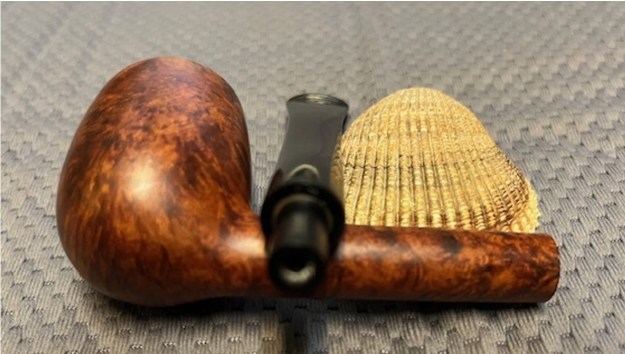
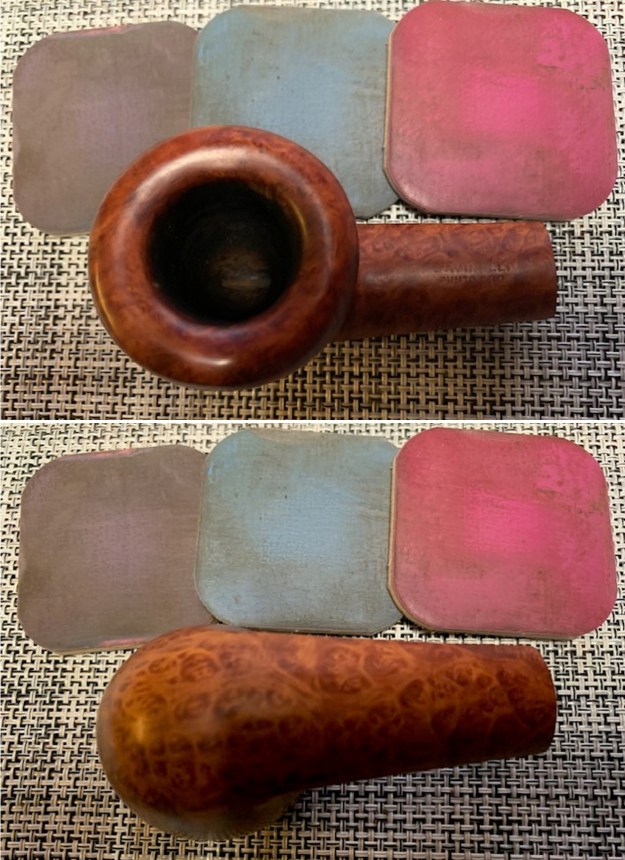
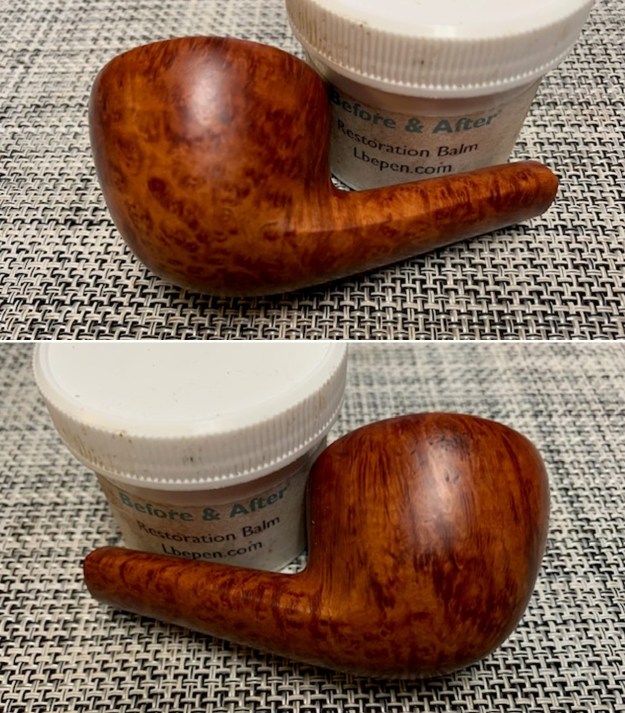
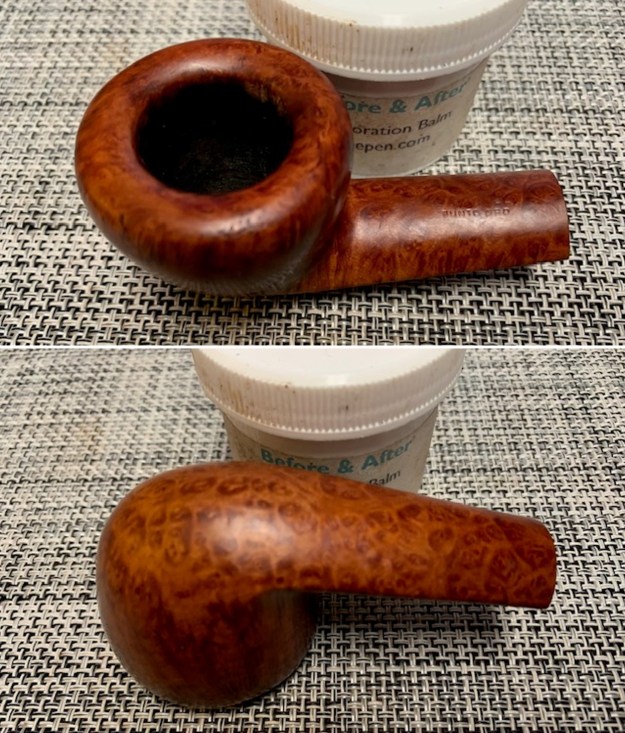
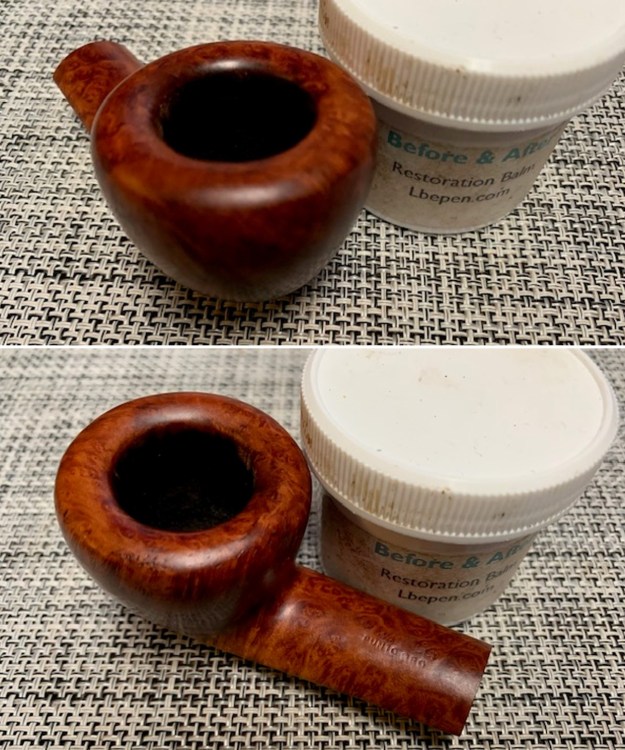
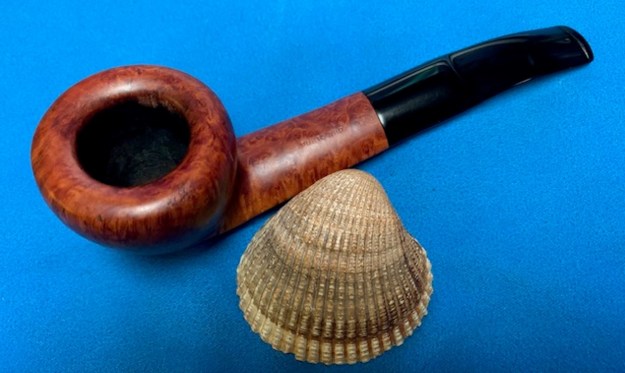
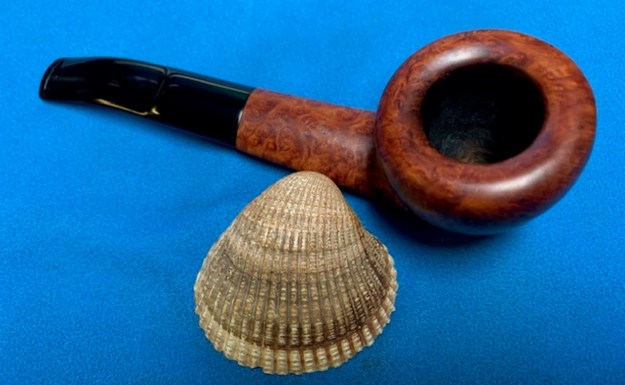
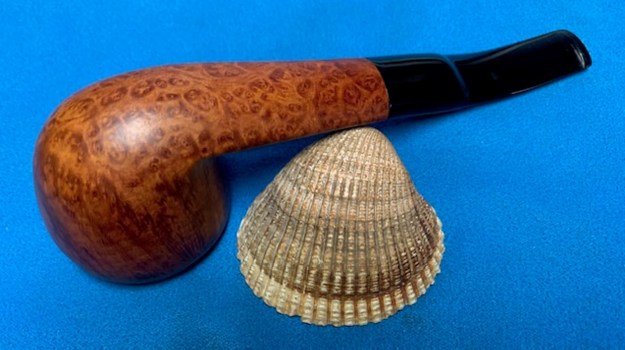
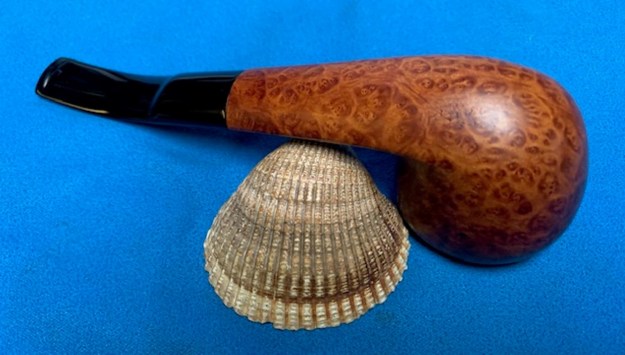
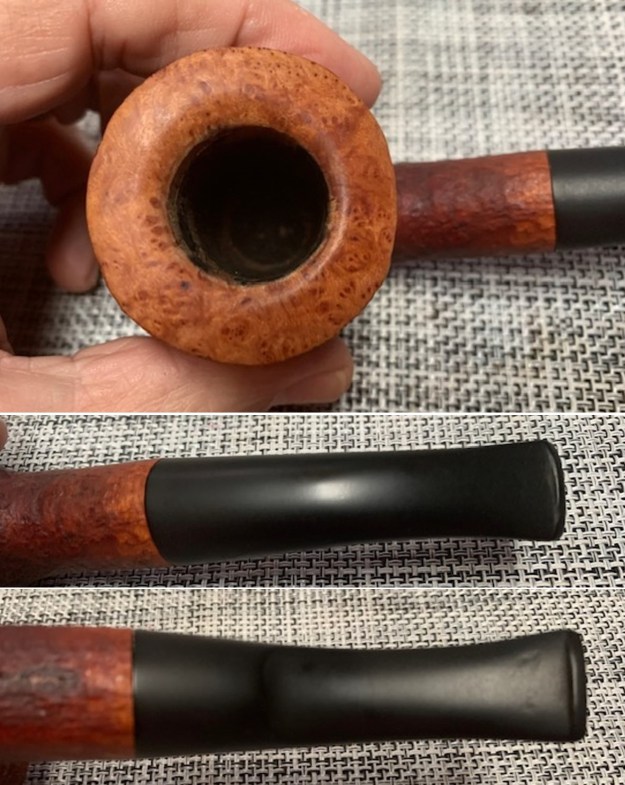
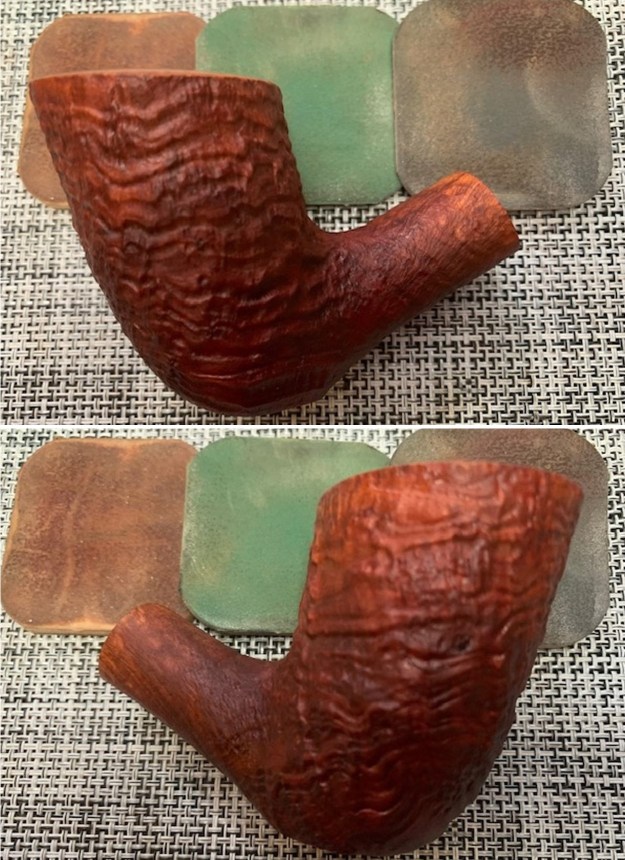
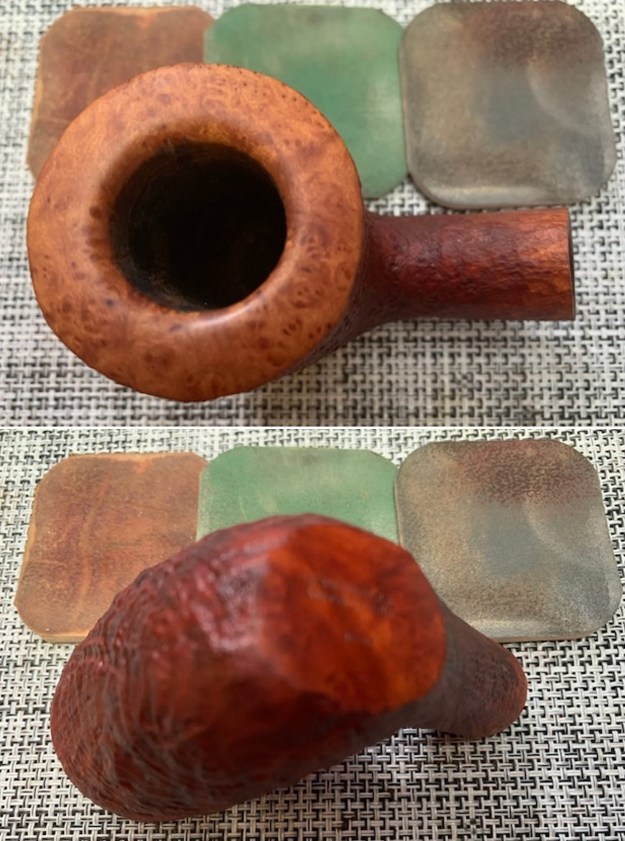
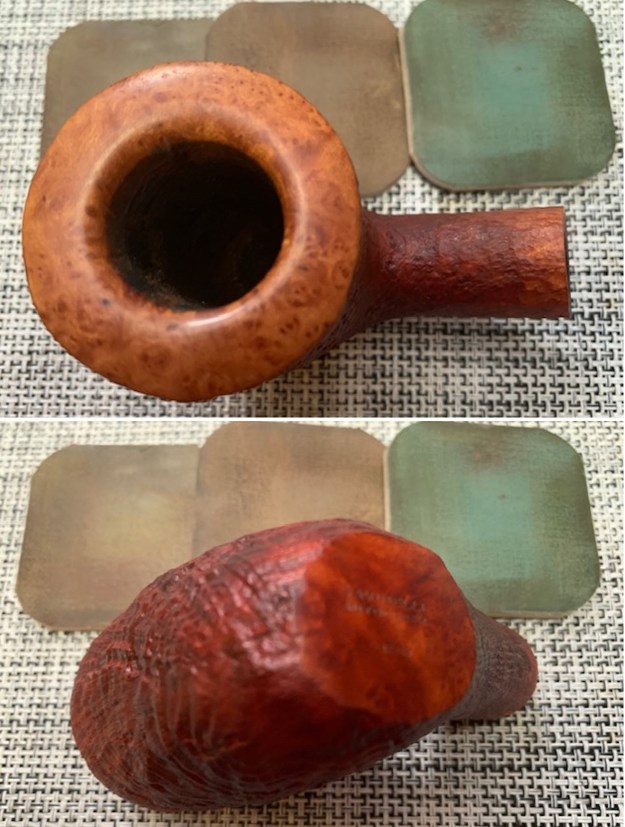
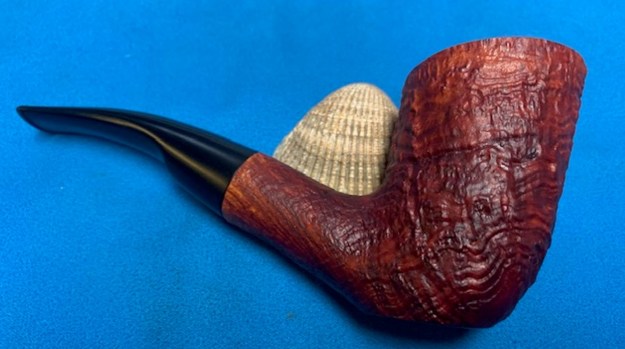
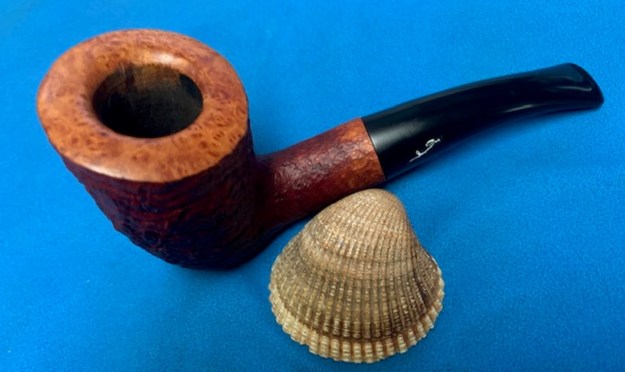
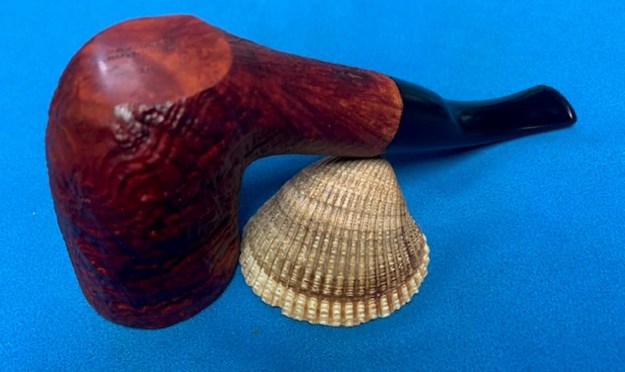
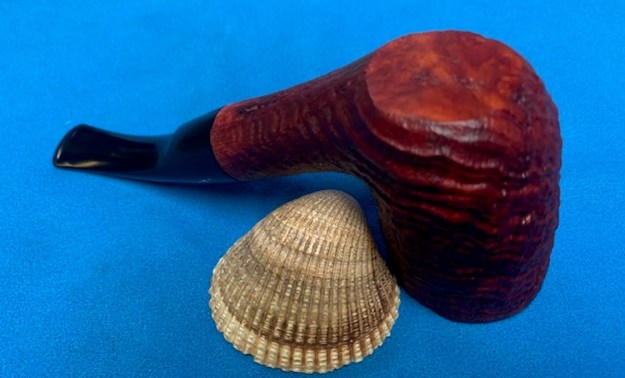
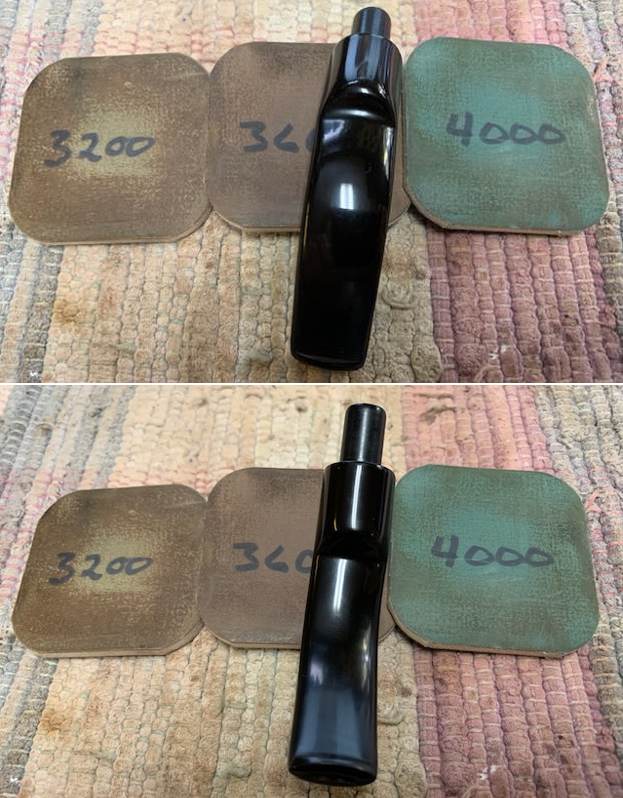
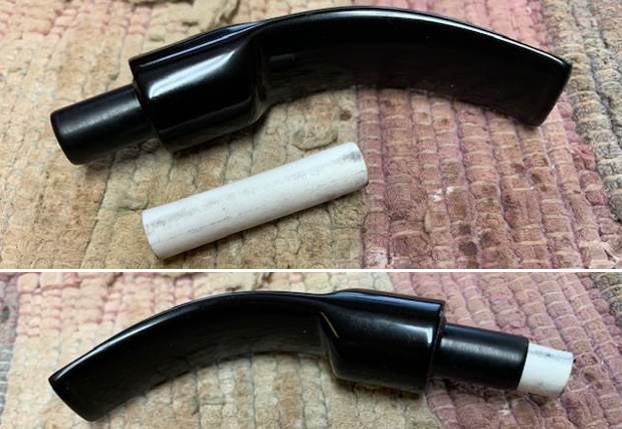
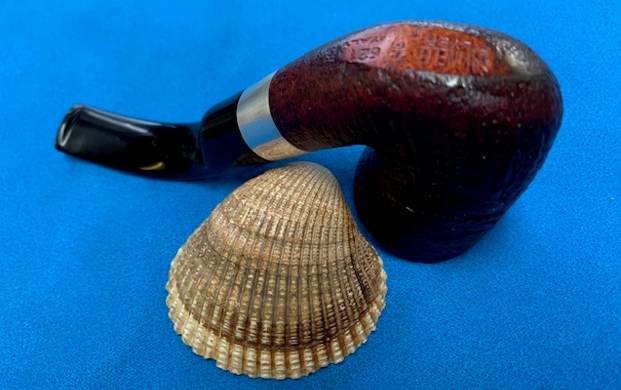
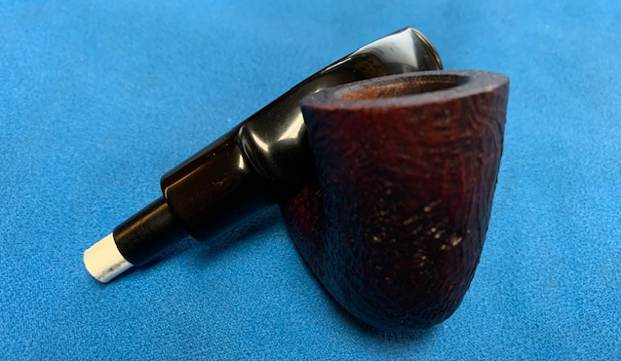
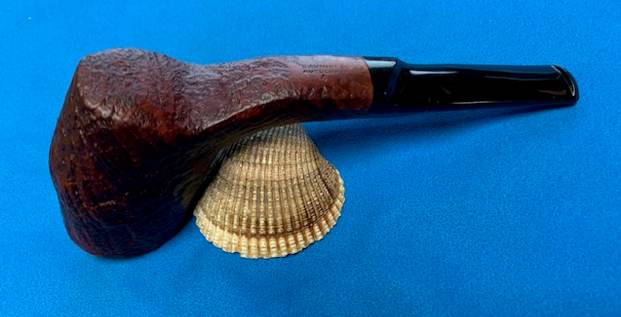
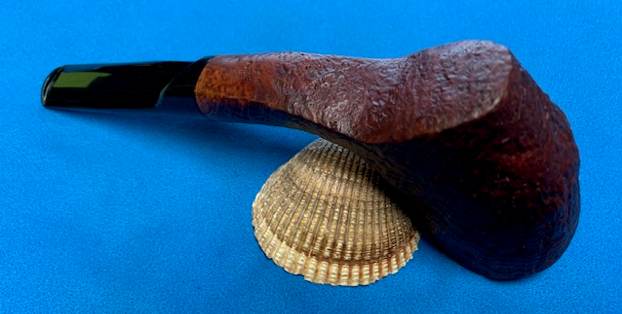
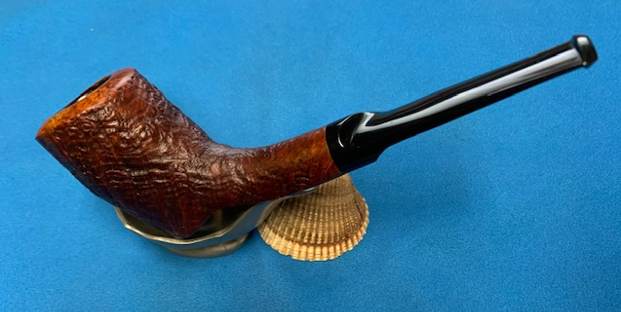
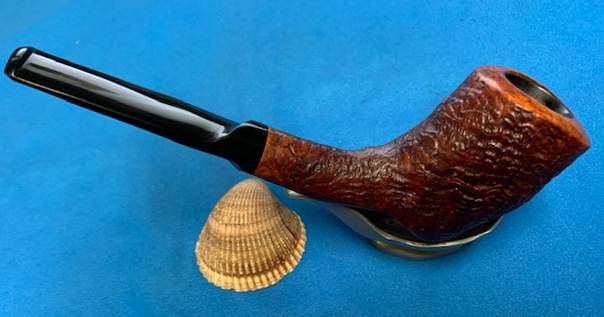
Tag Archives: Savinelli Pipes

Resurrecting a Savinelli Dry System


by Kenneth Lieblich

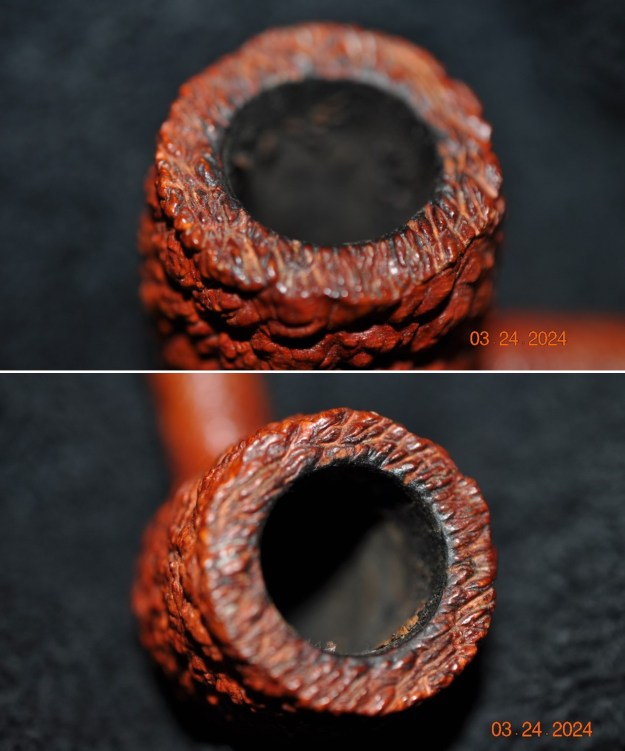
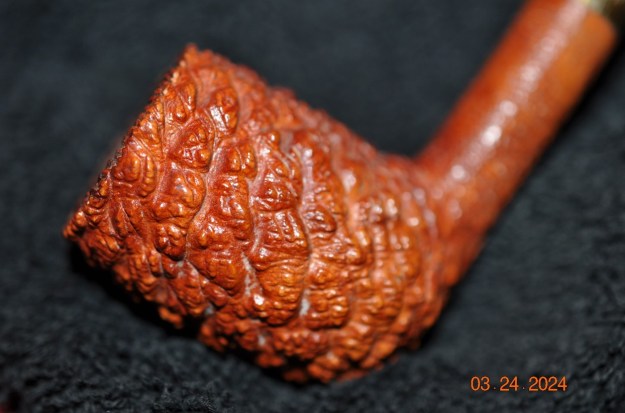
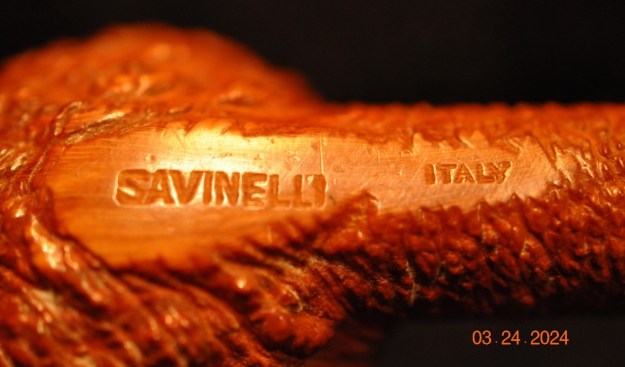
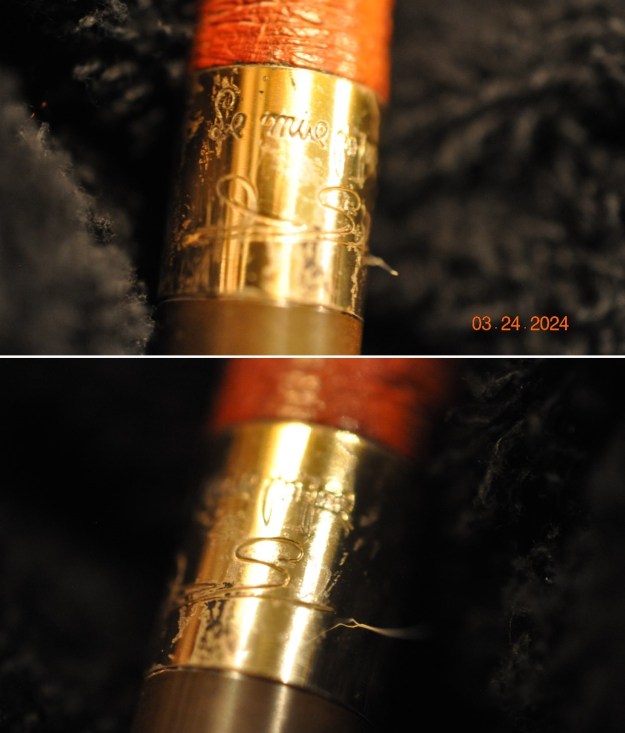
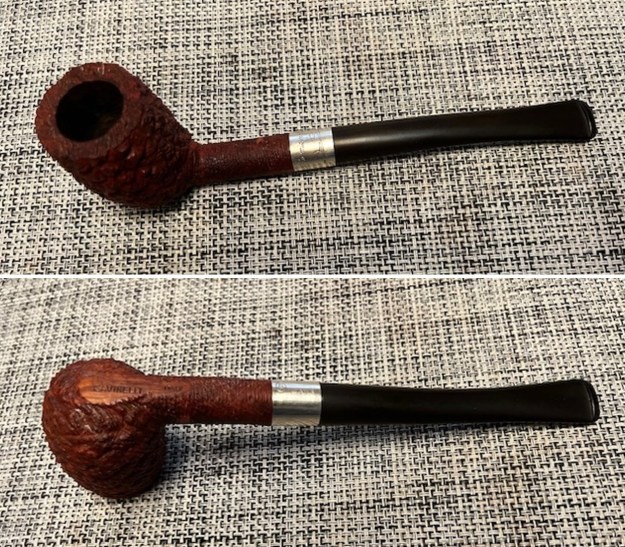
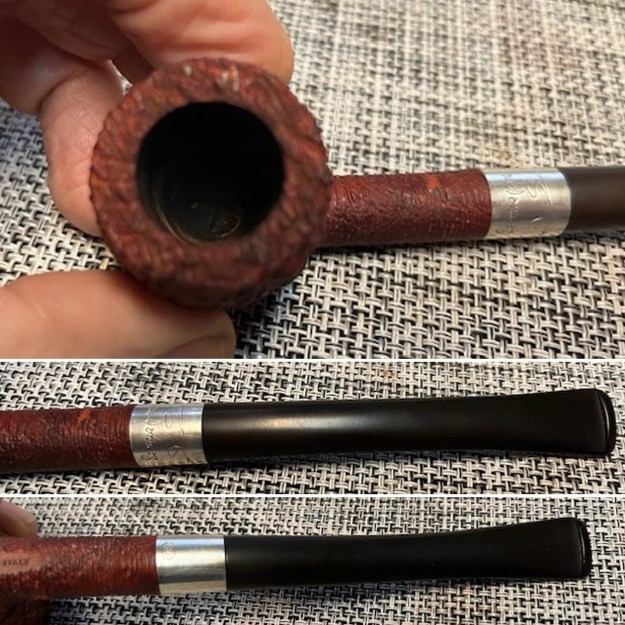
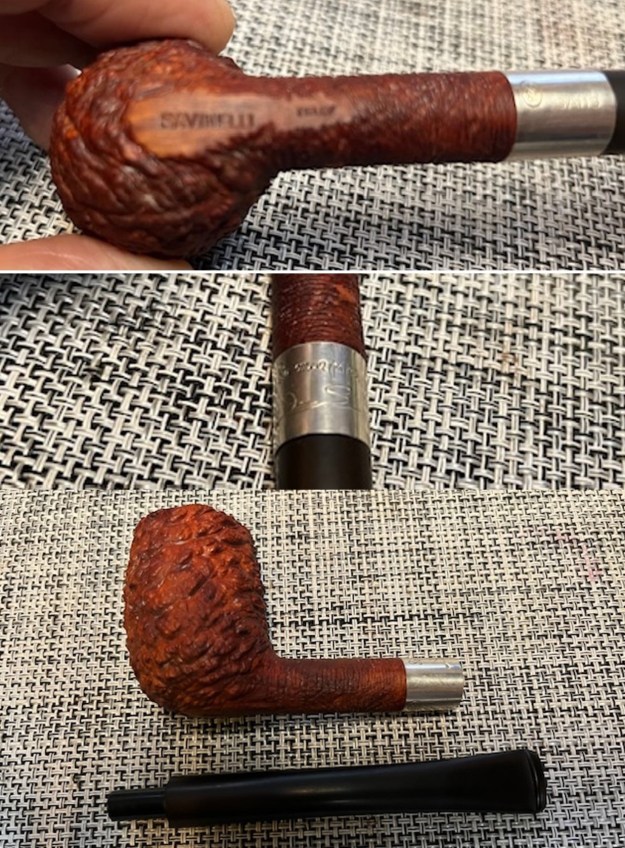
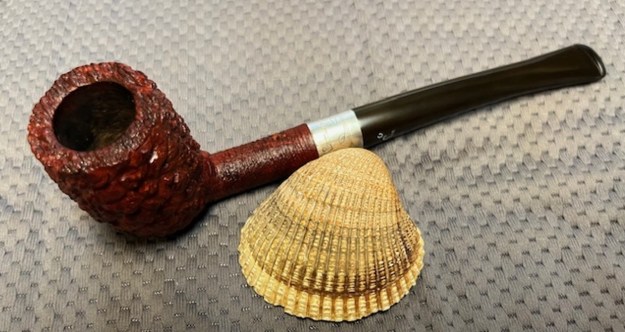
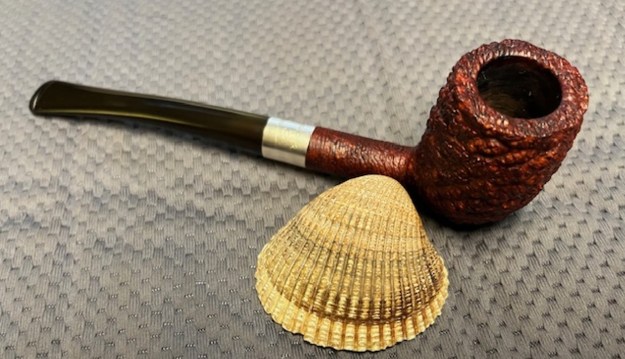
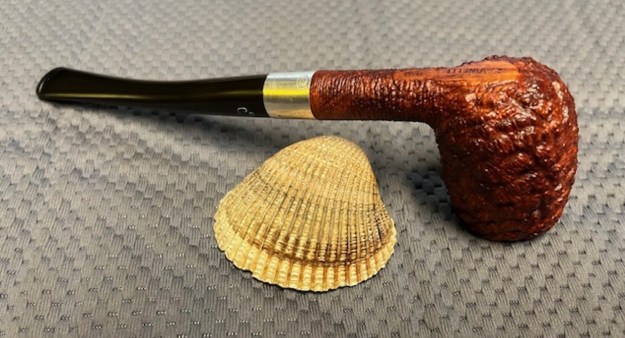
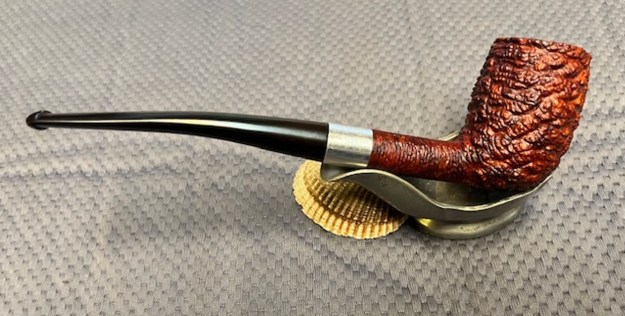
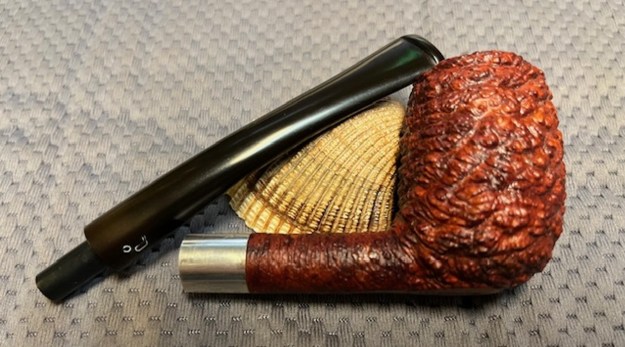
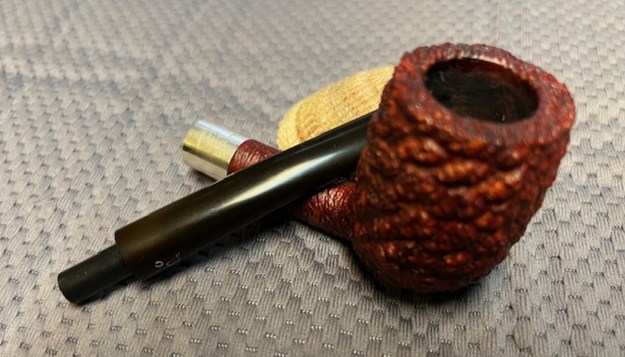
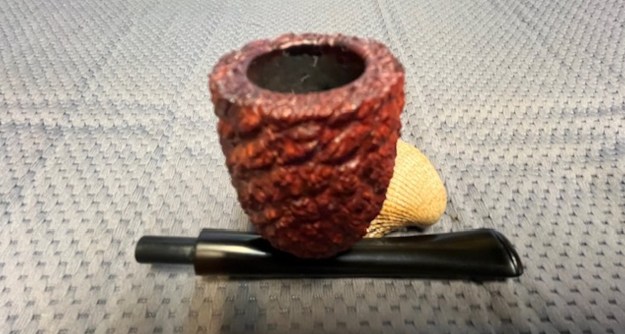
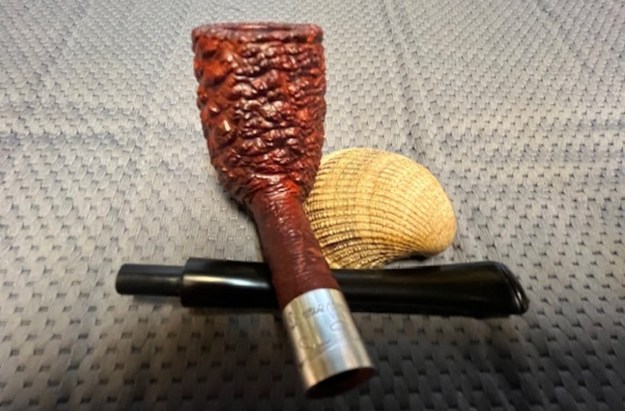
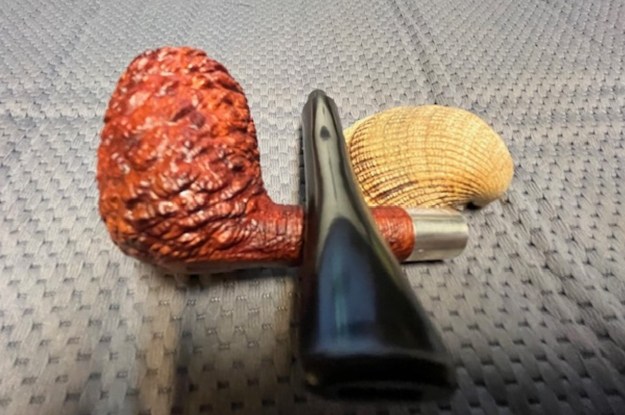
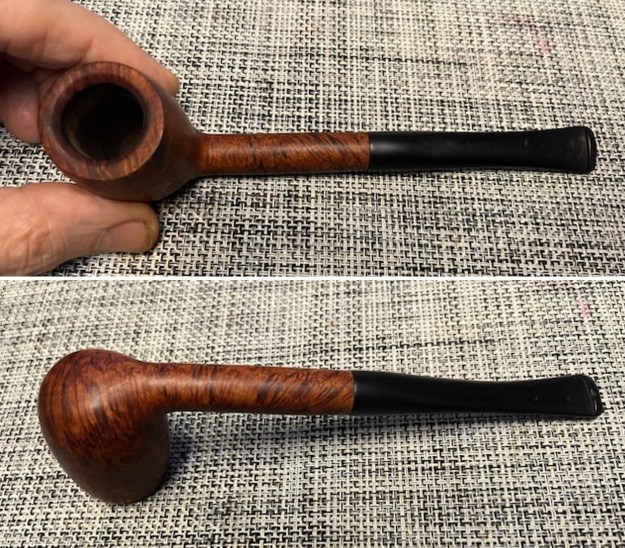
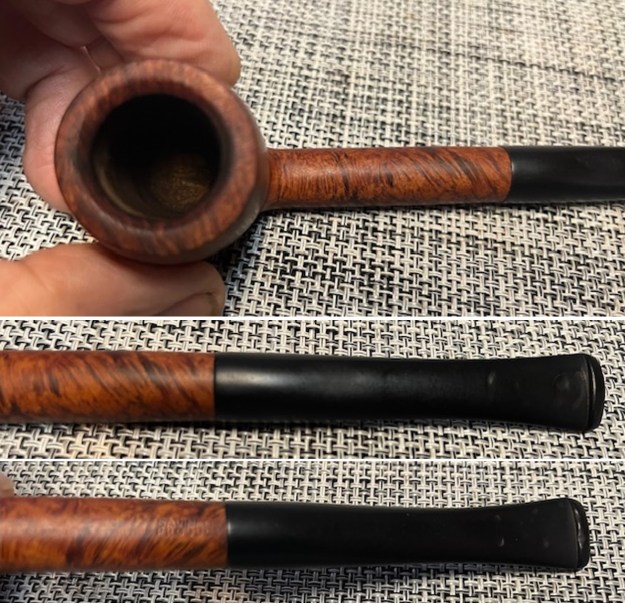
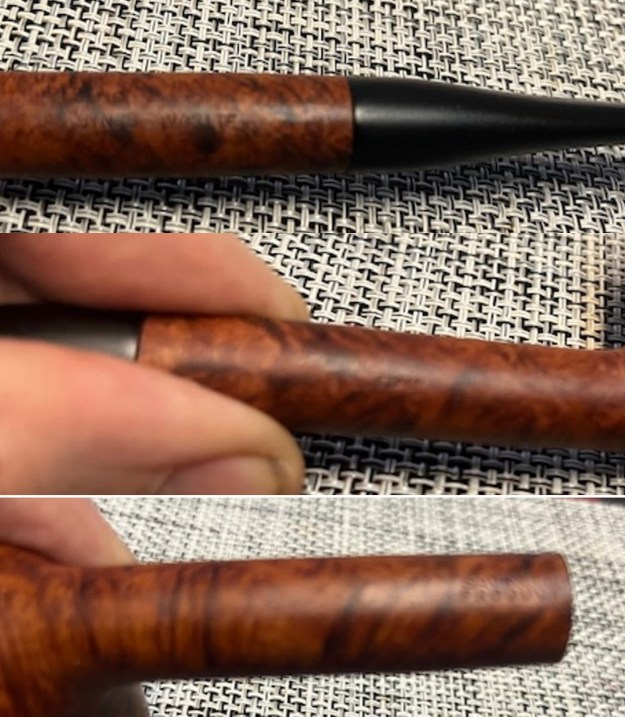
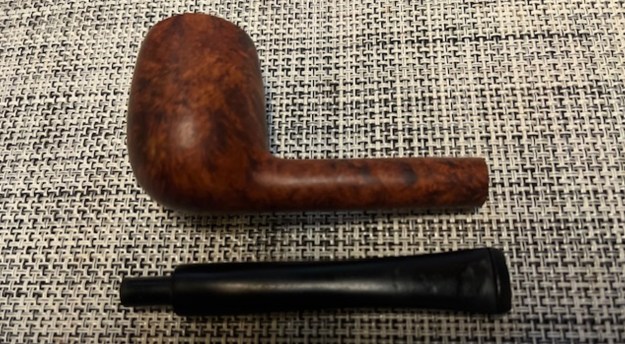
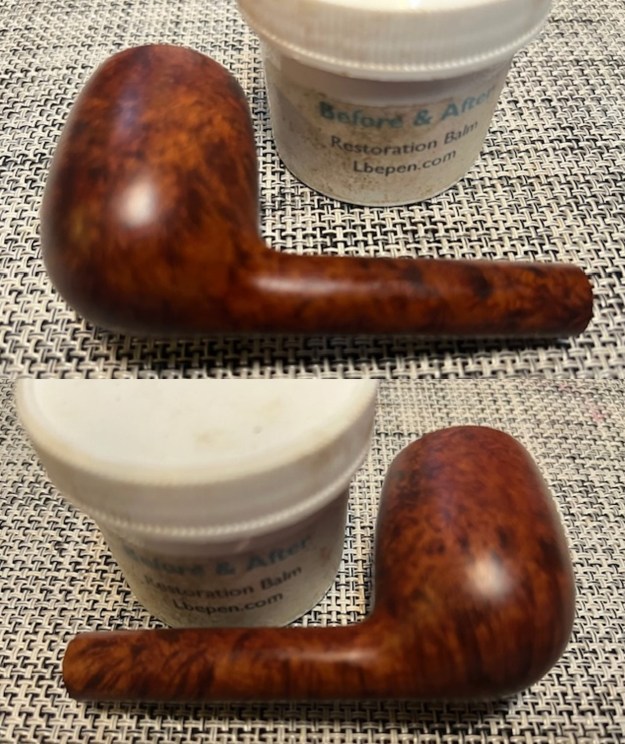
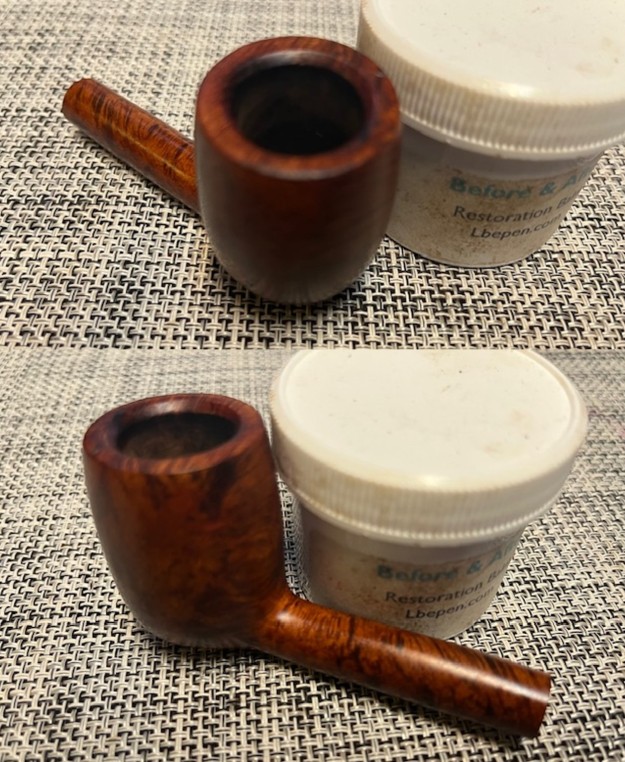
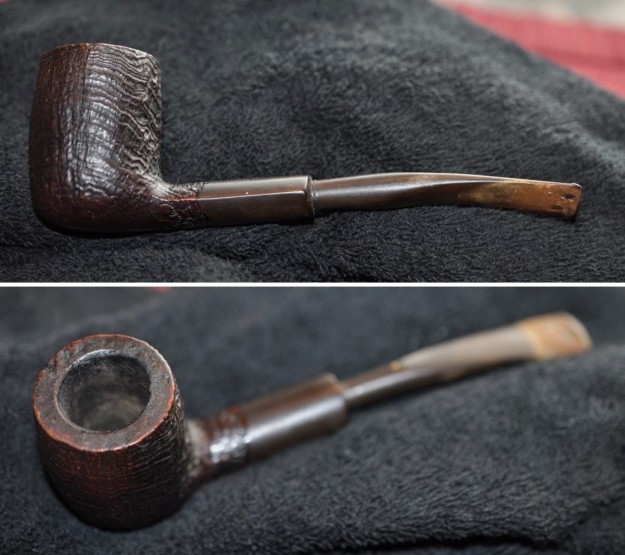
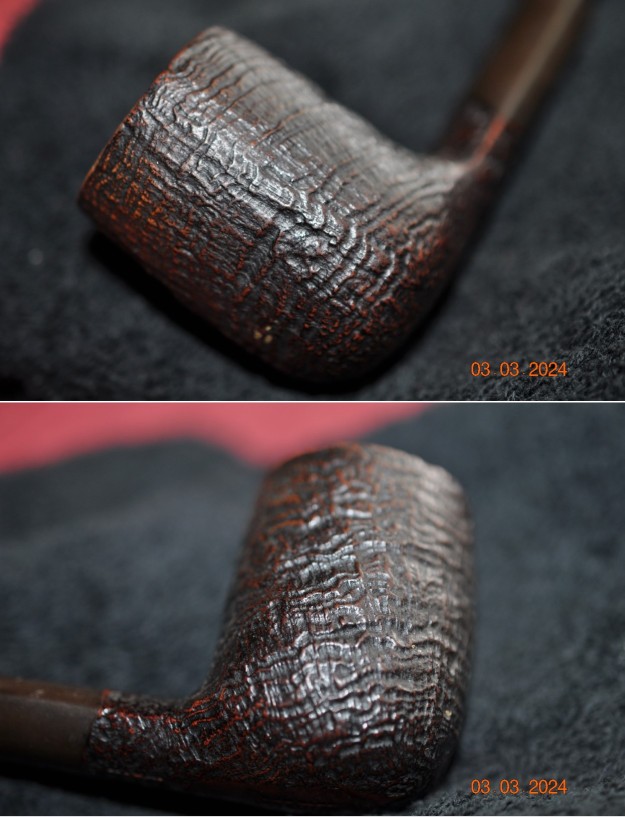
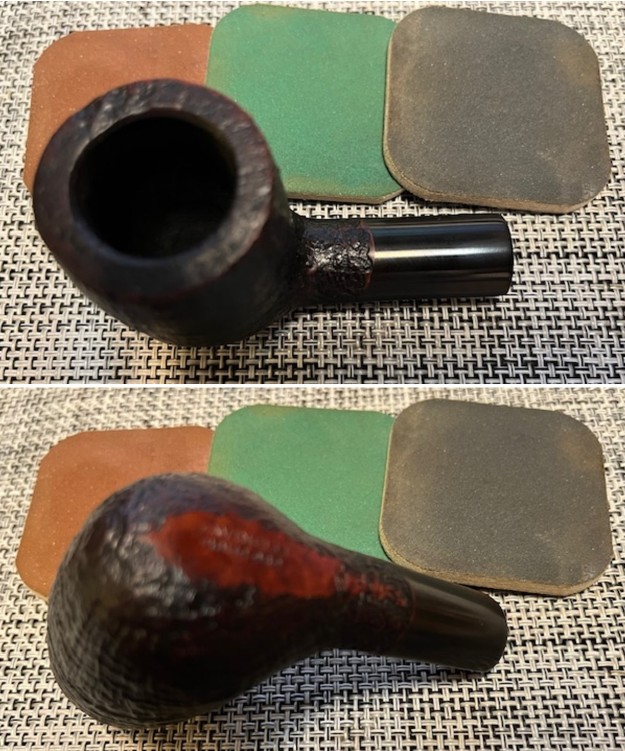
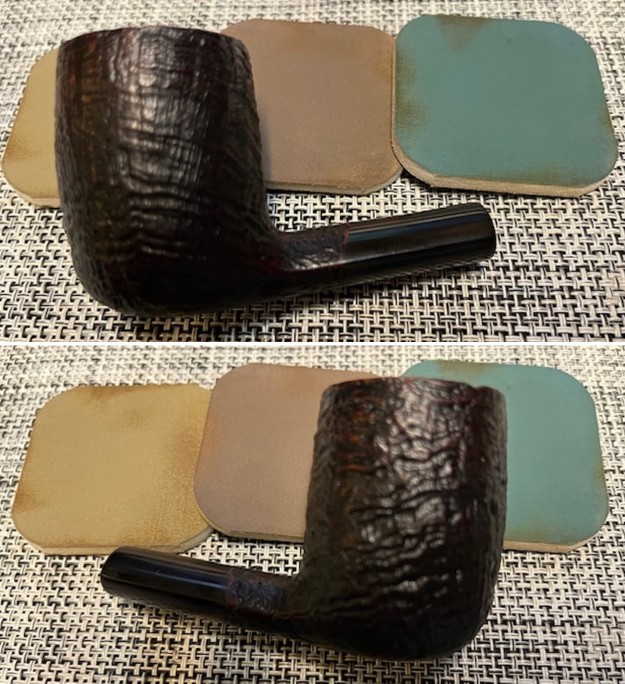
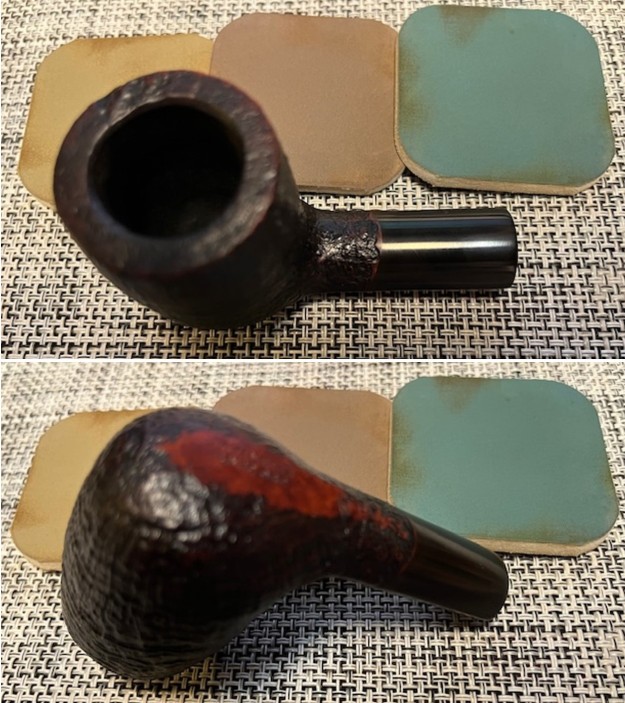
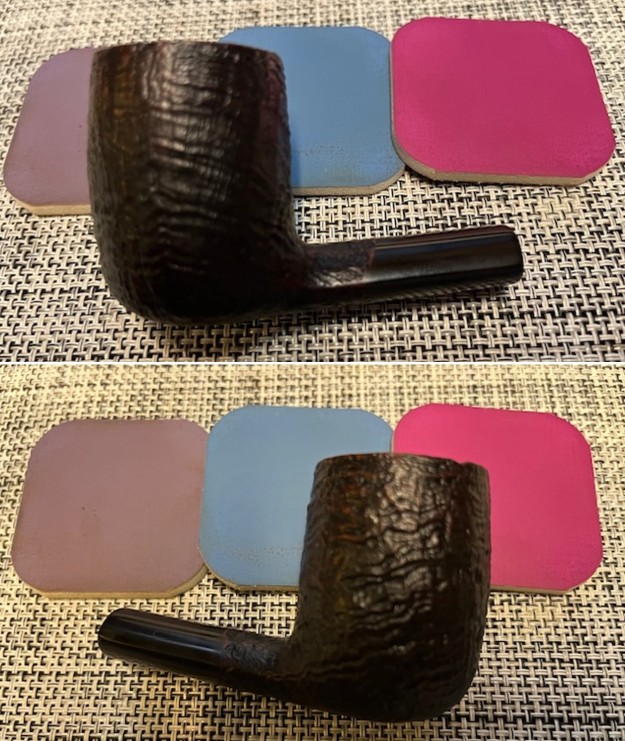
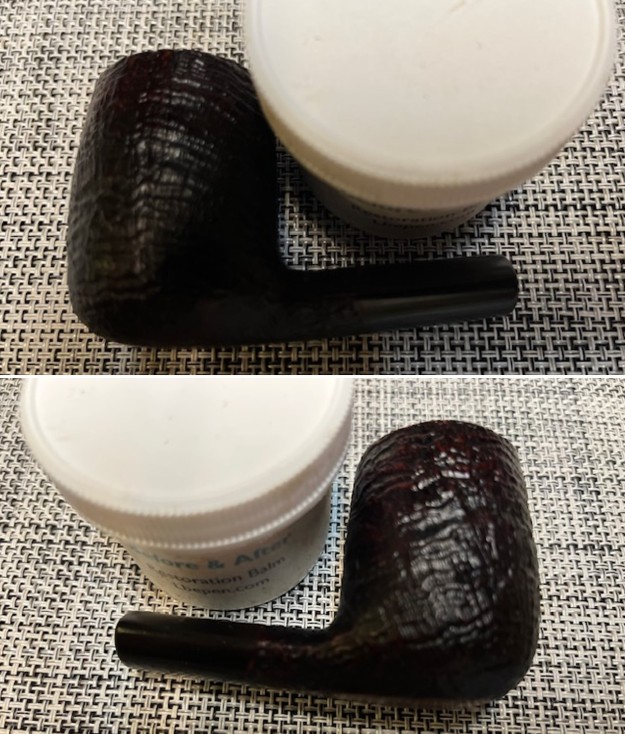
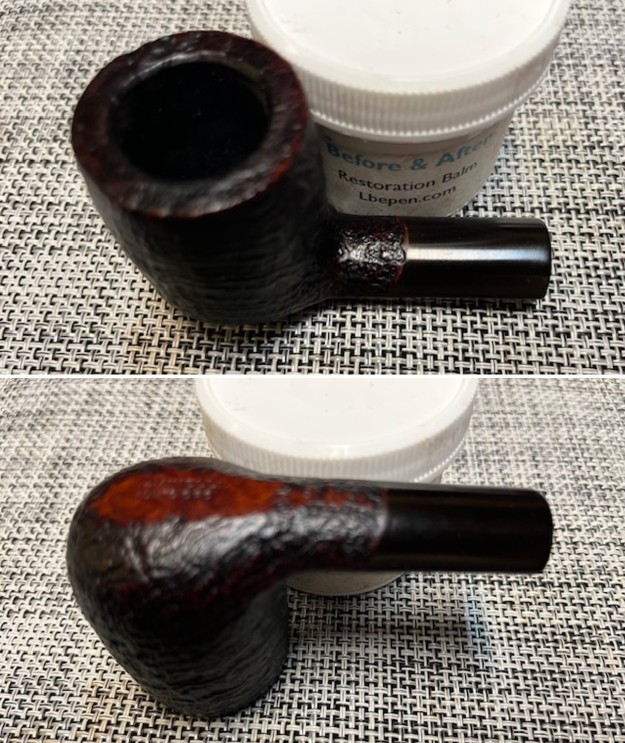
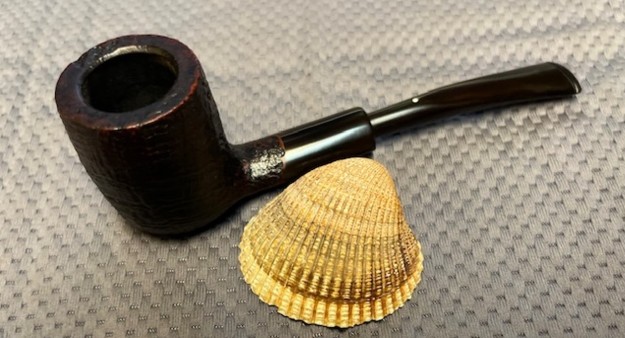
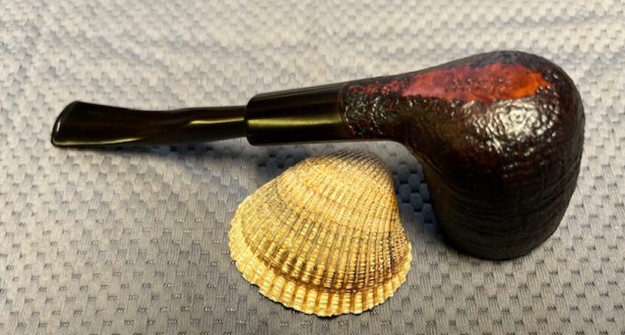
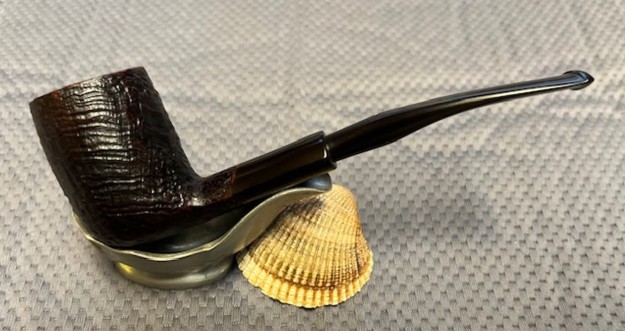
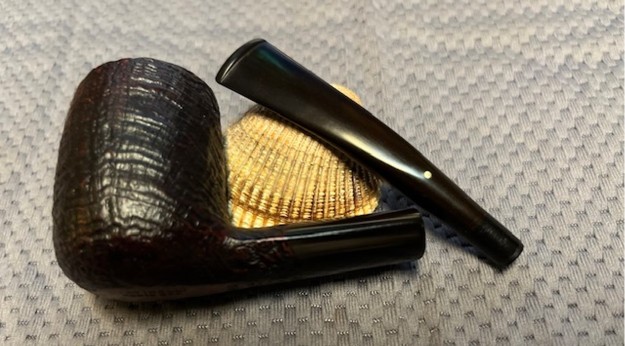
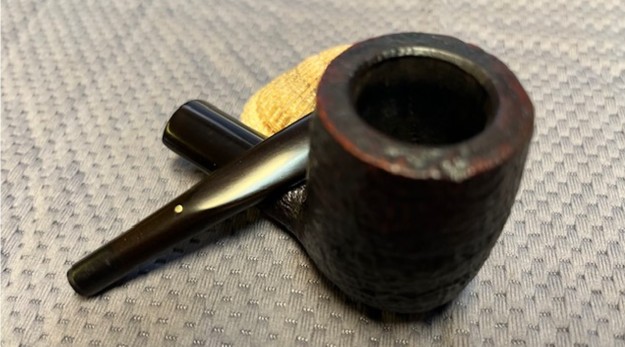
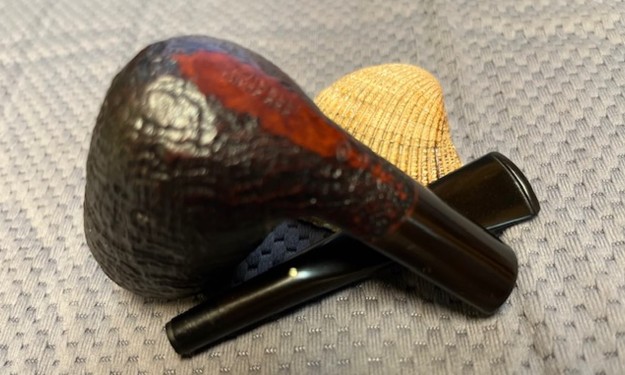
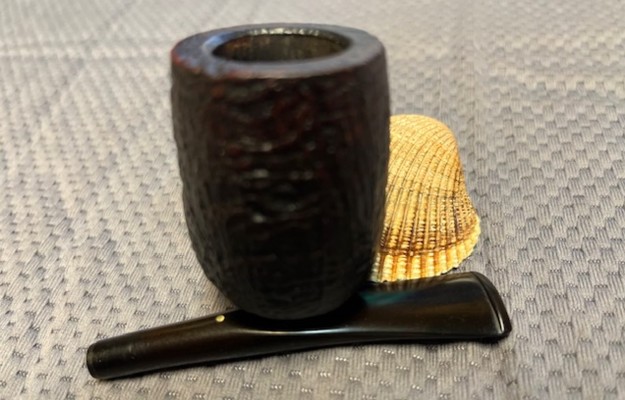
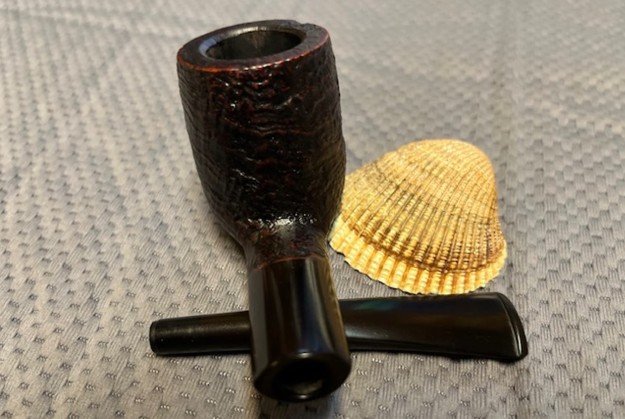
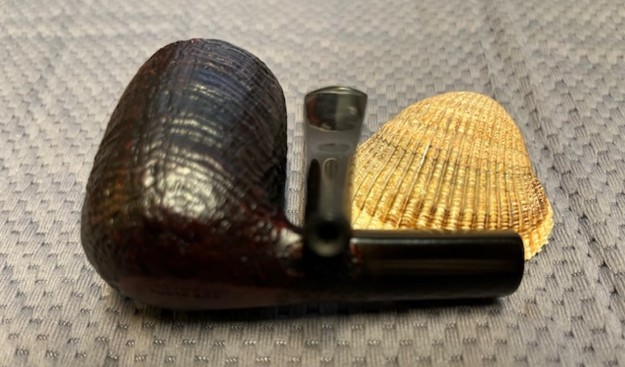
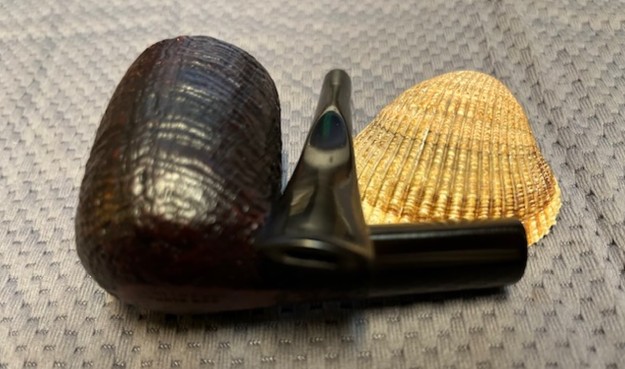
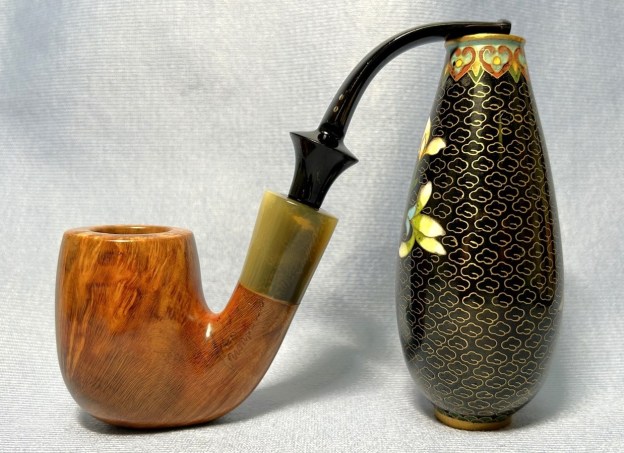
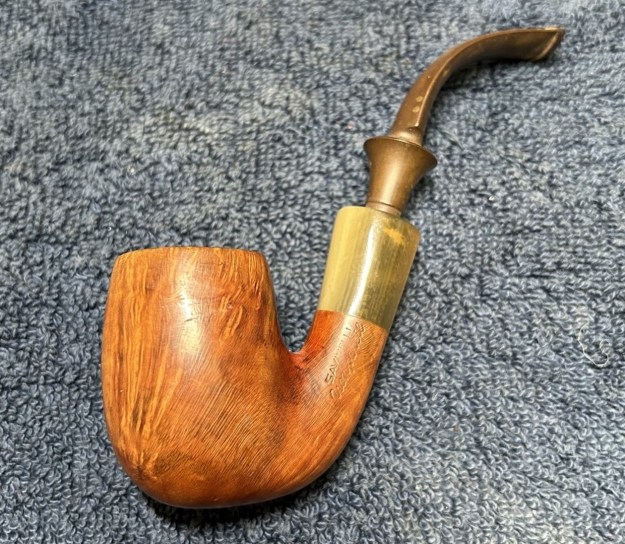
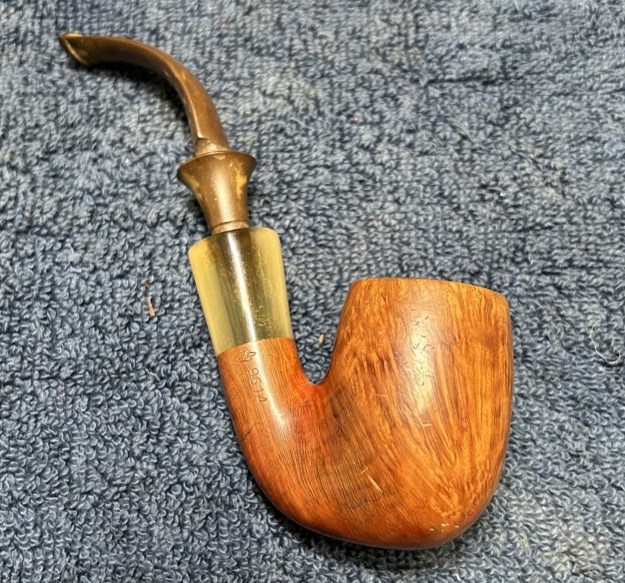
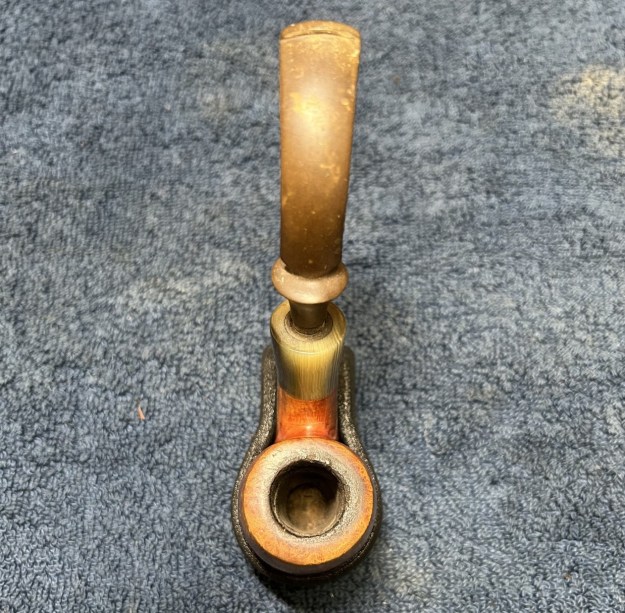
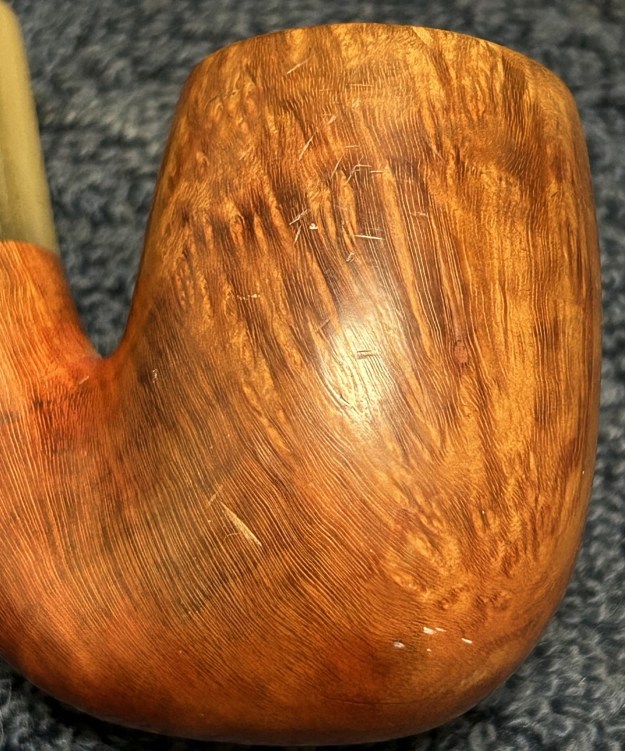
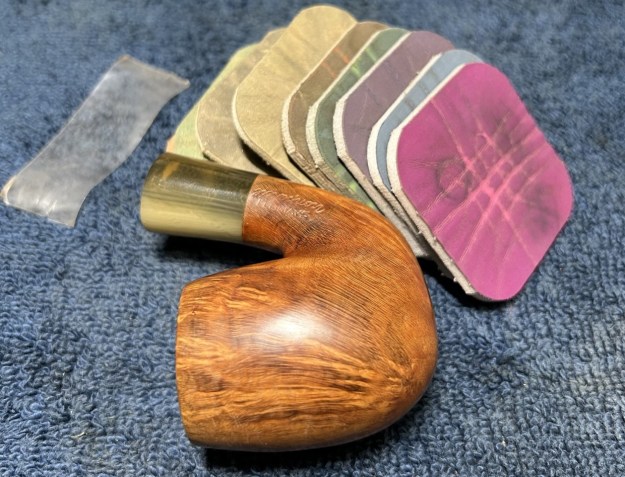
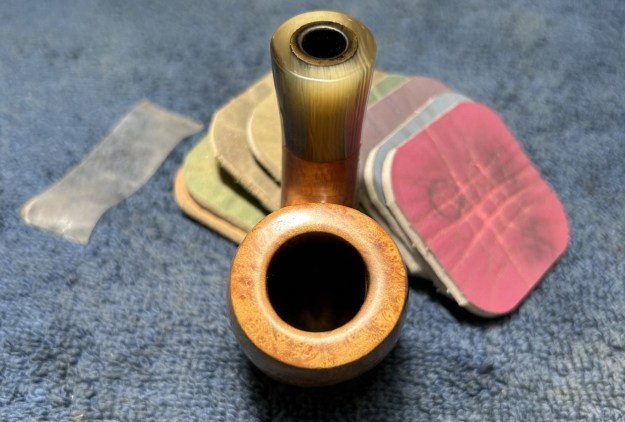
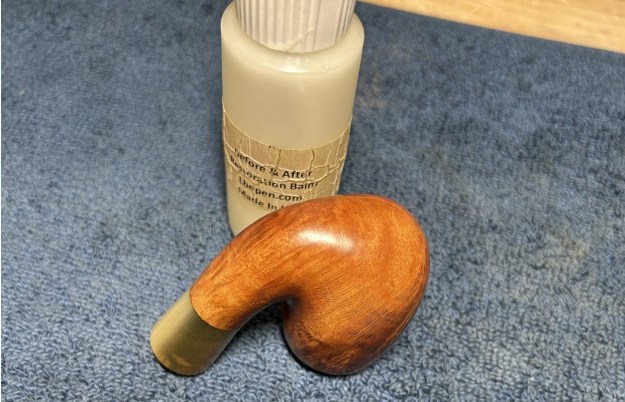
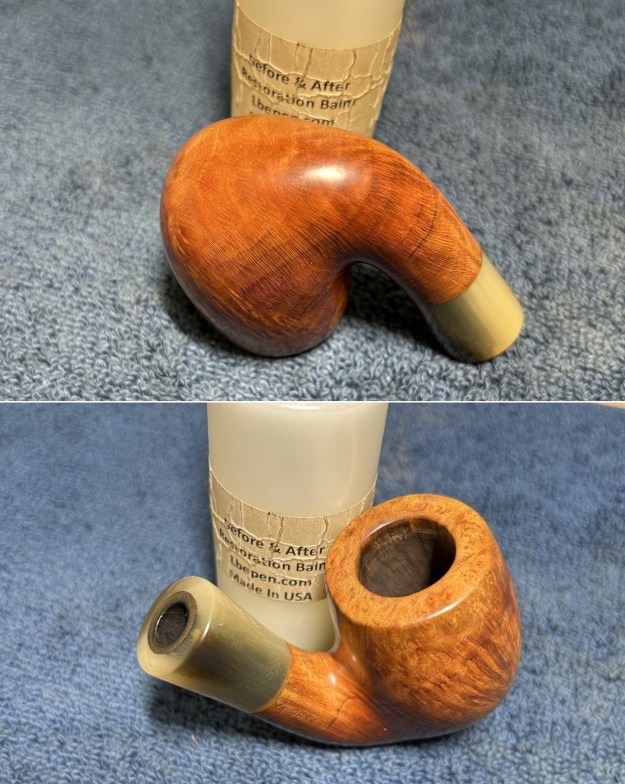
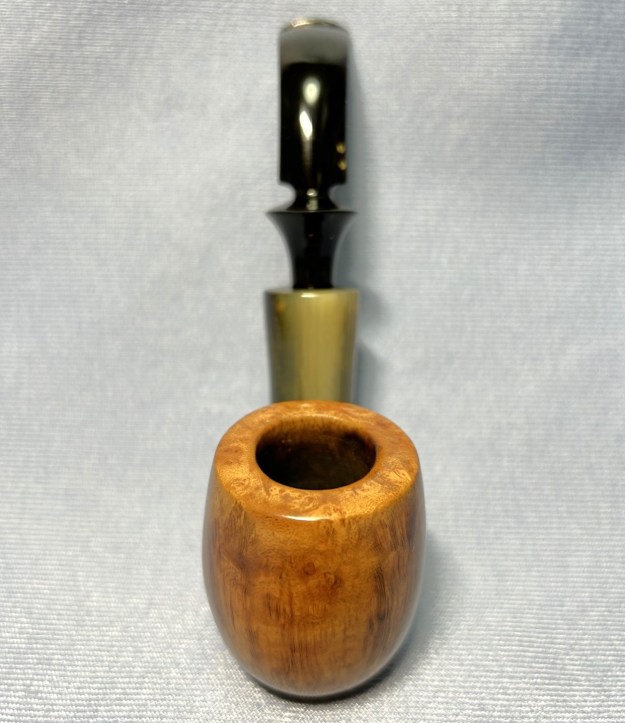
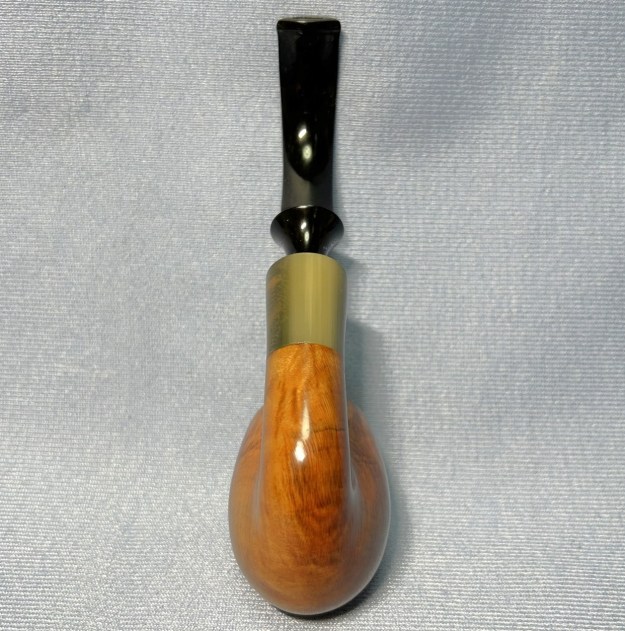
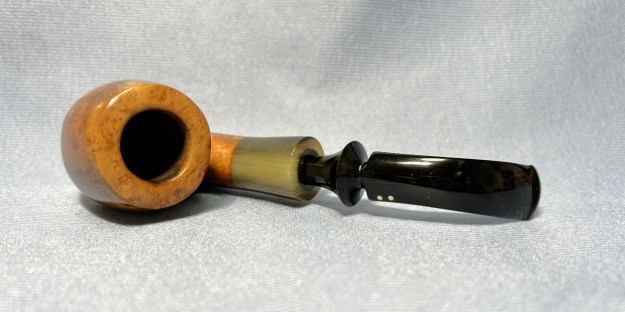
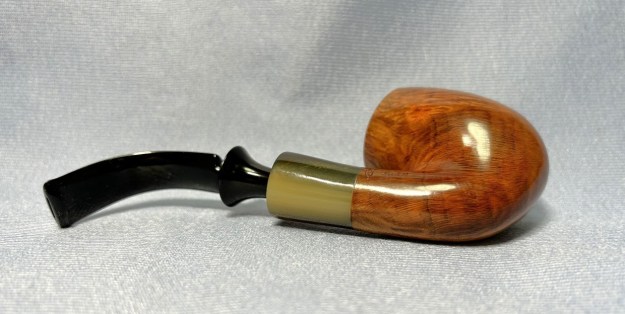
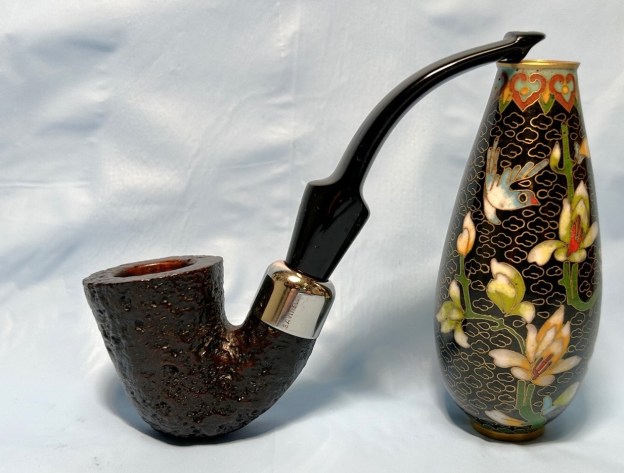
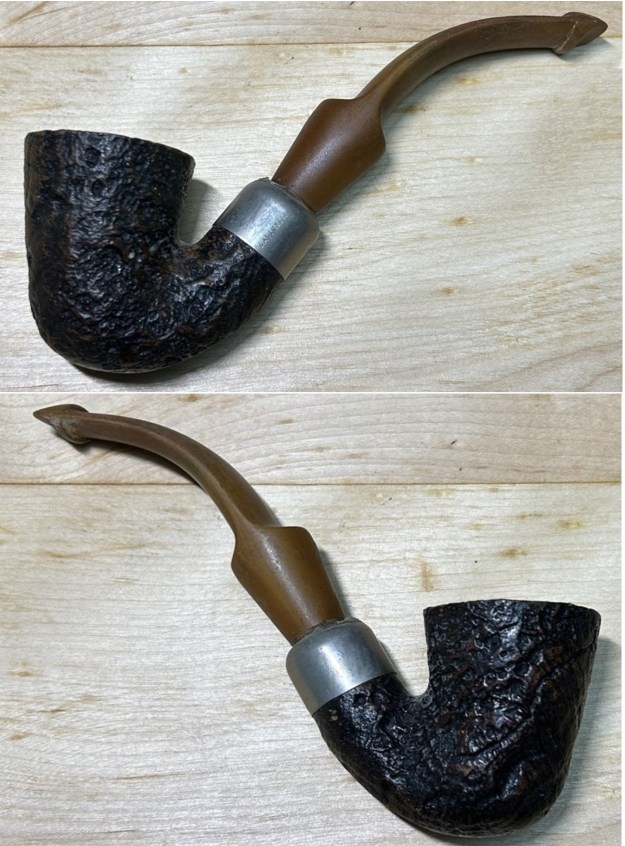
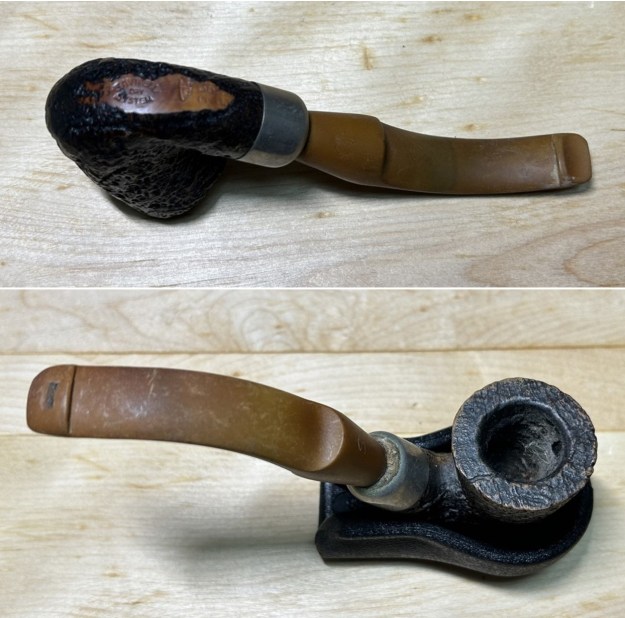
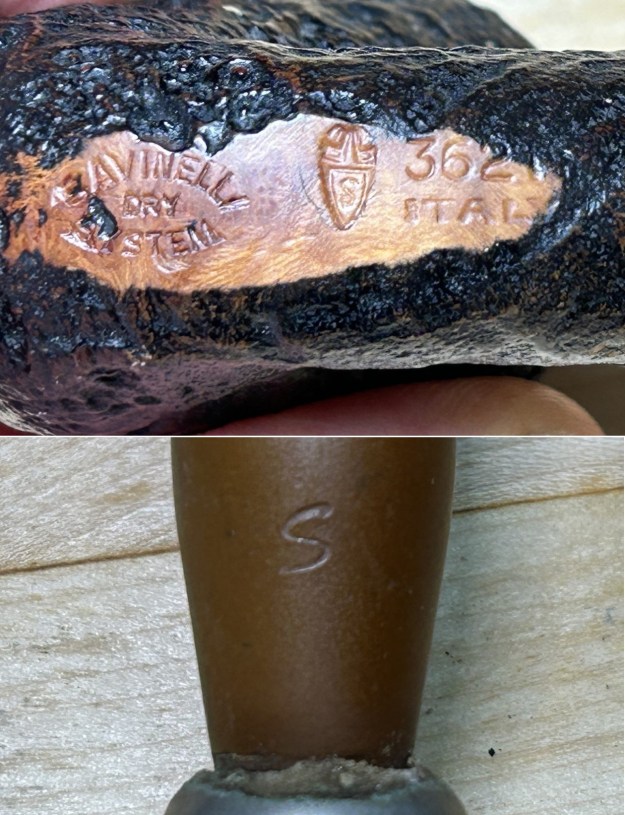
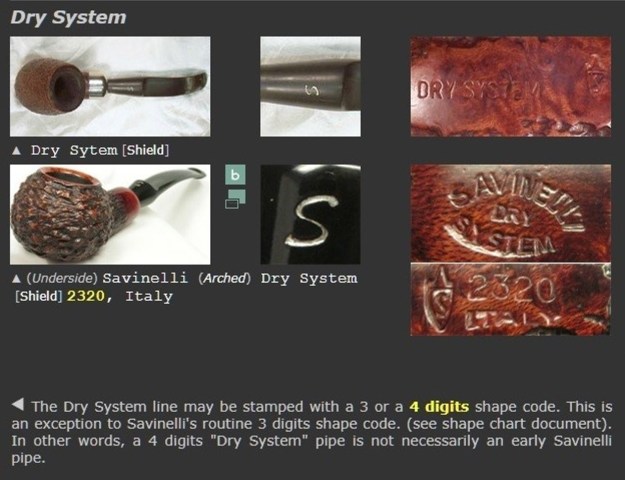
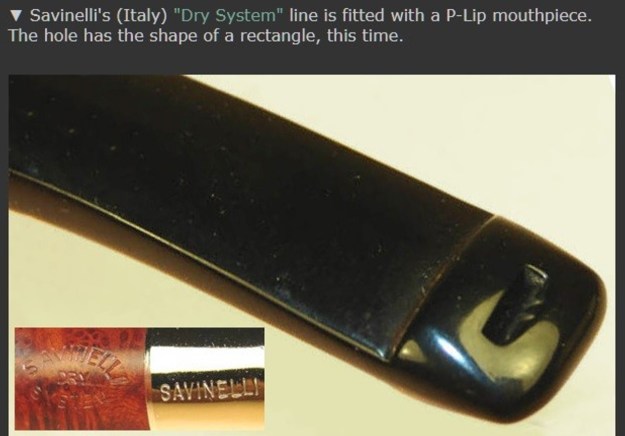
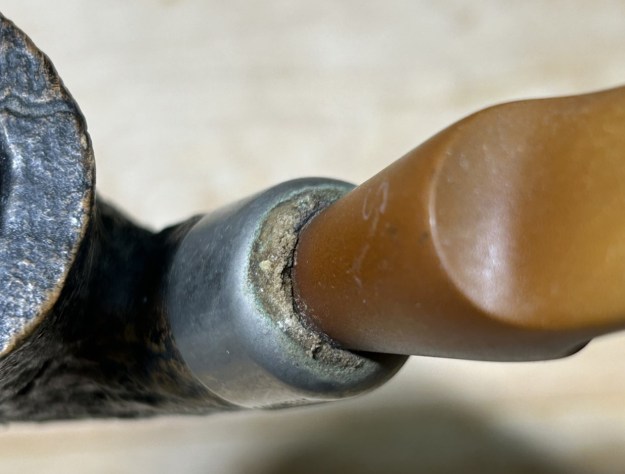
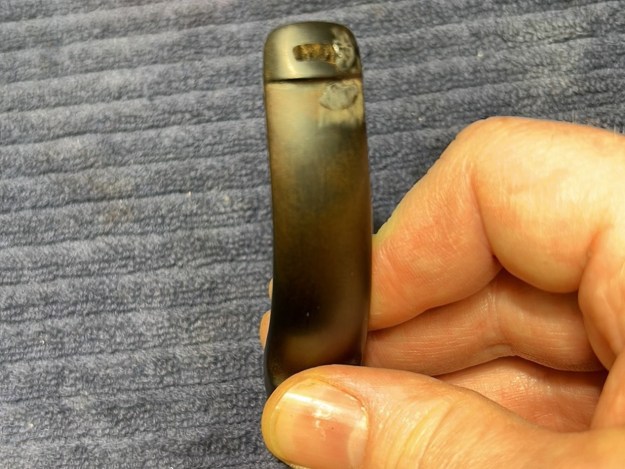
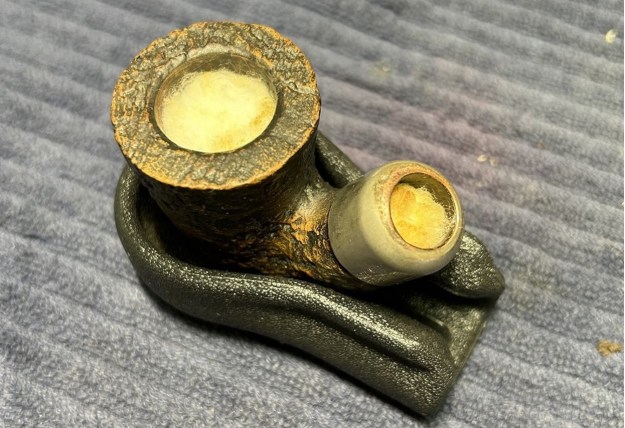
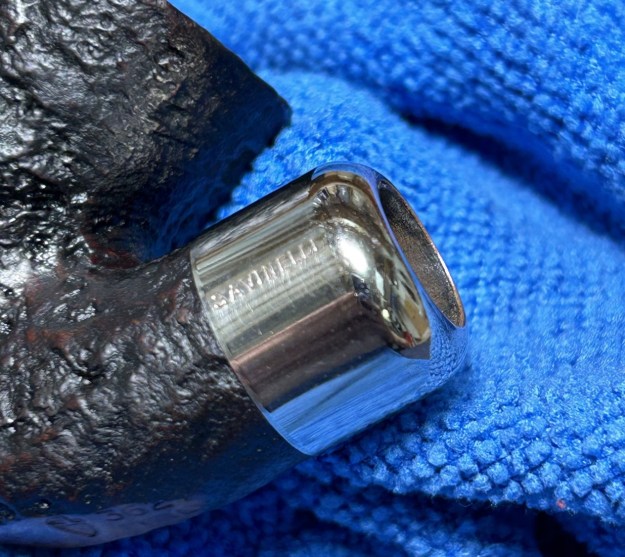
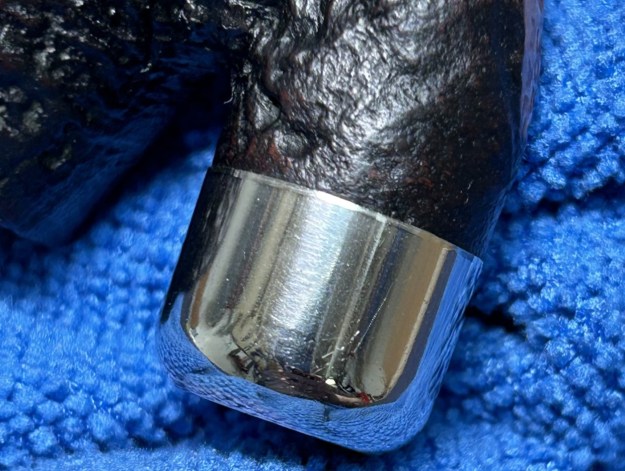
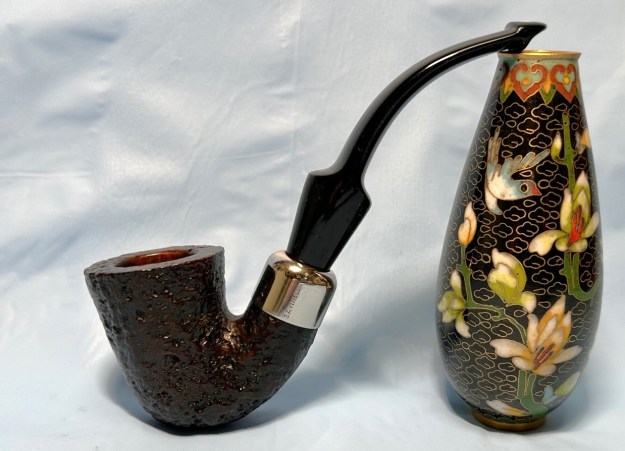
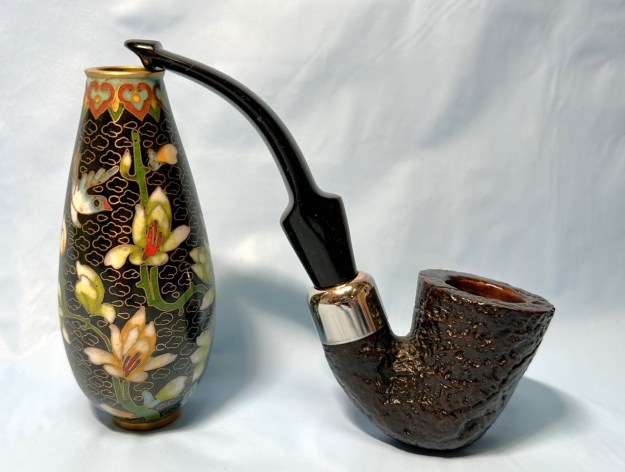
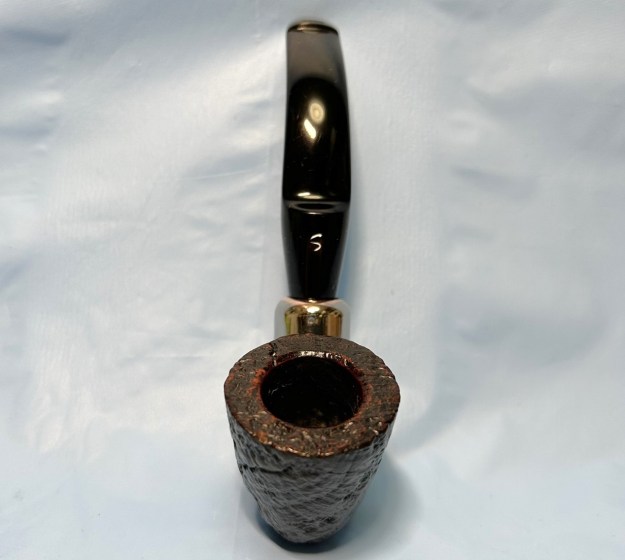
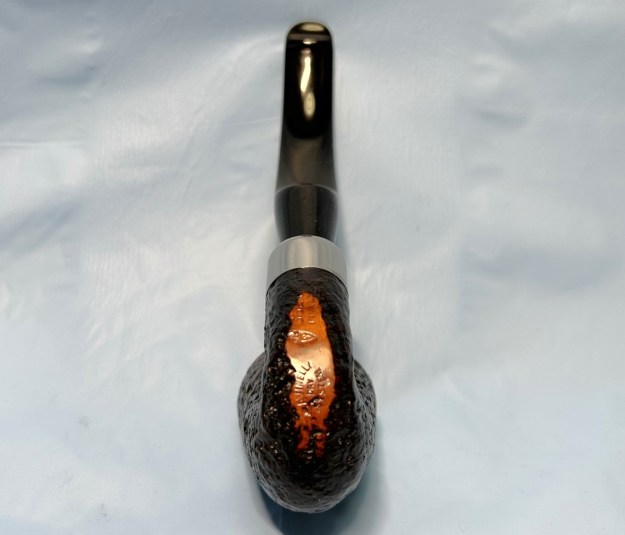
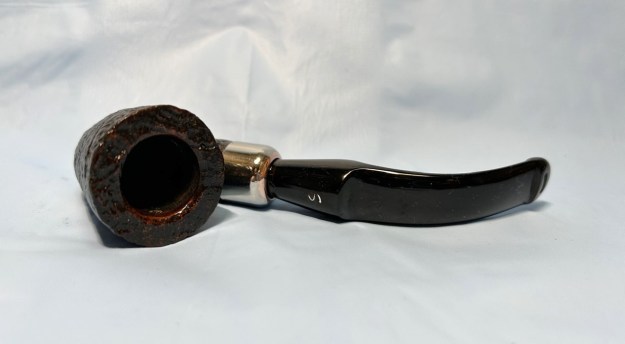
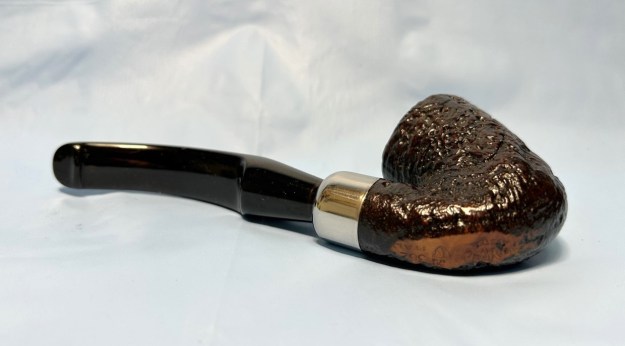
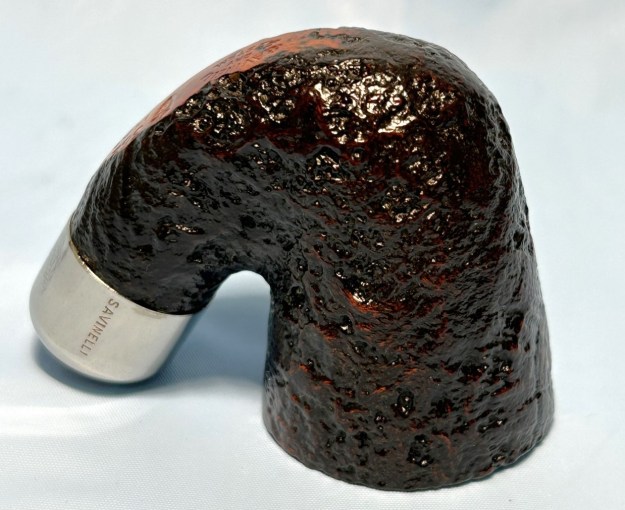
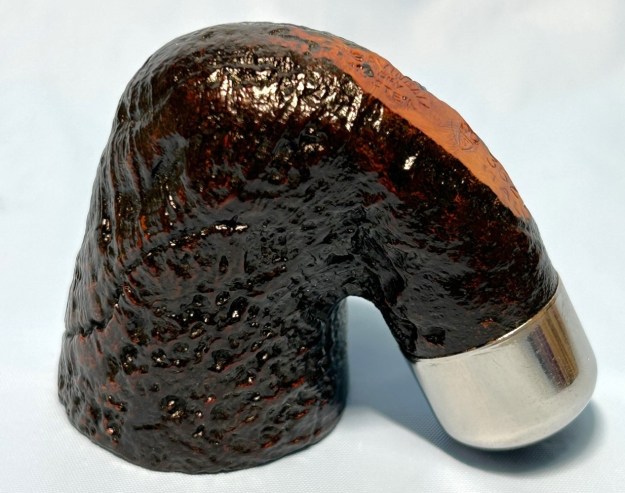
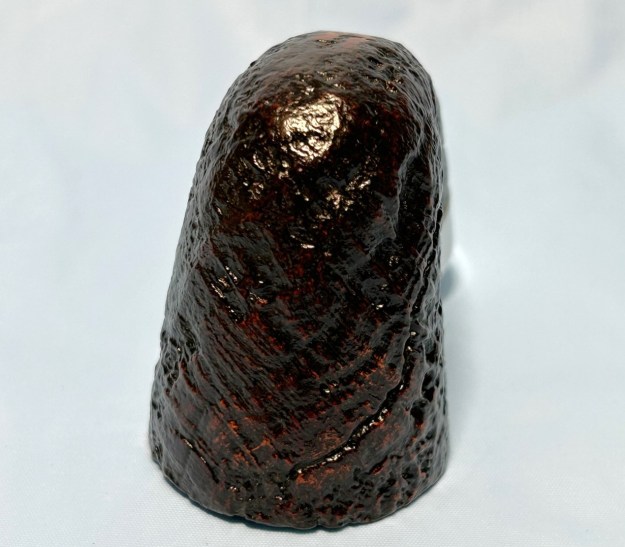
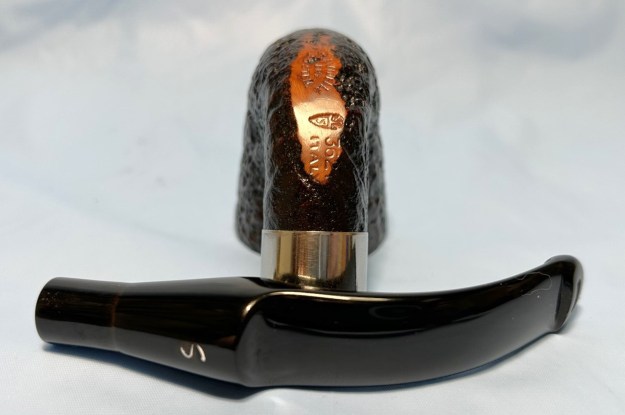
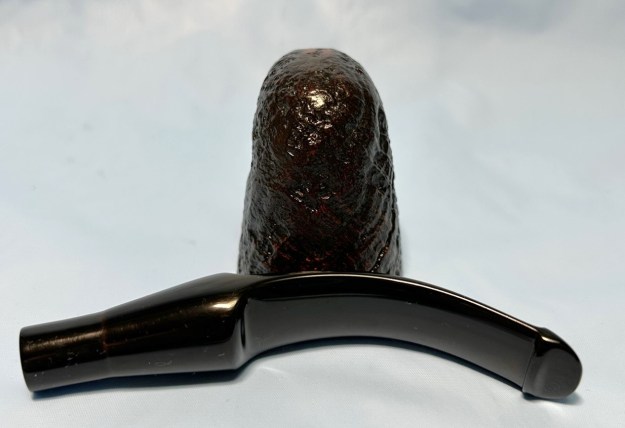
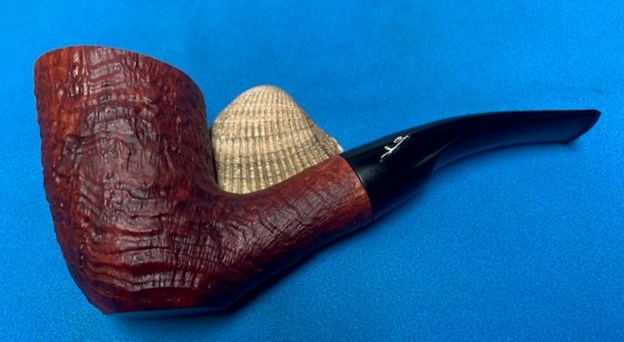
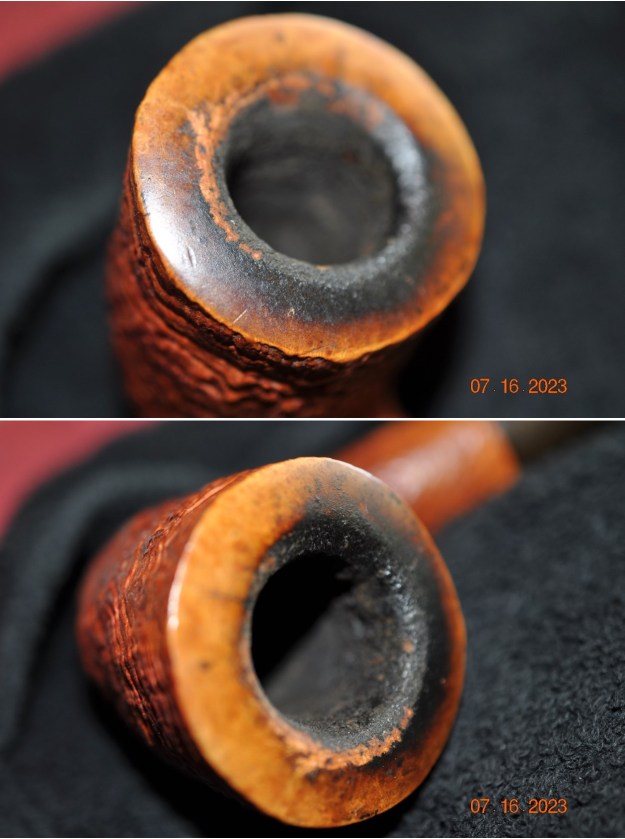
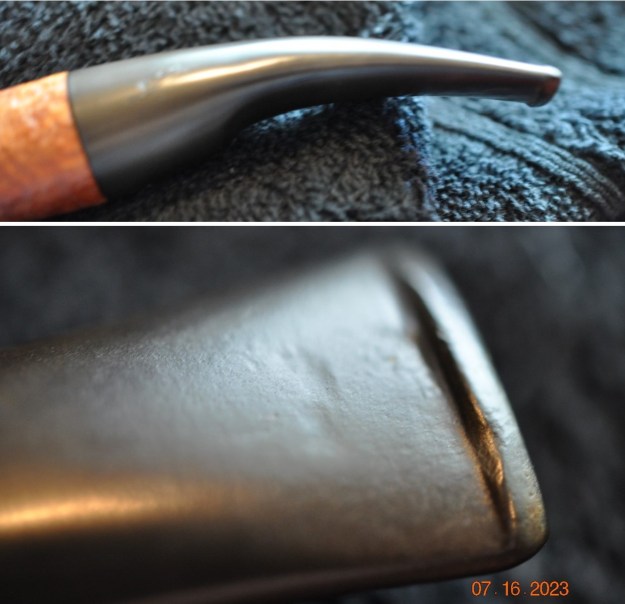
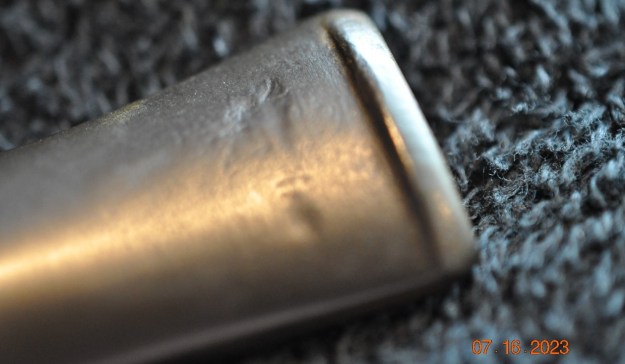
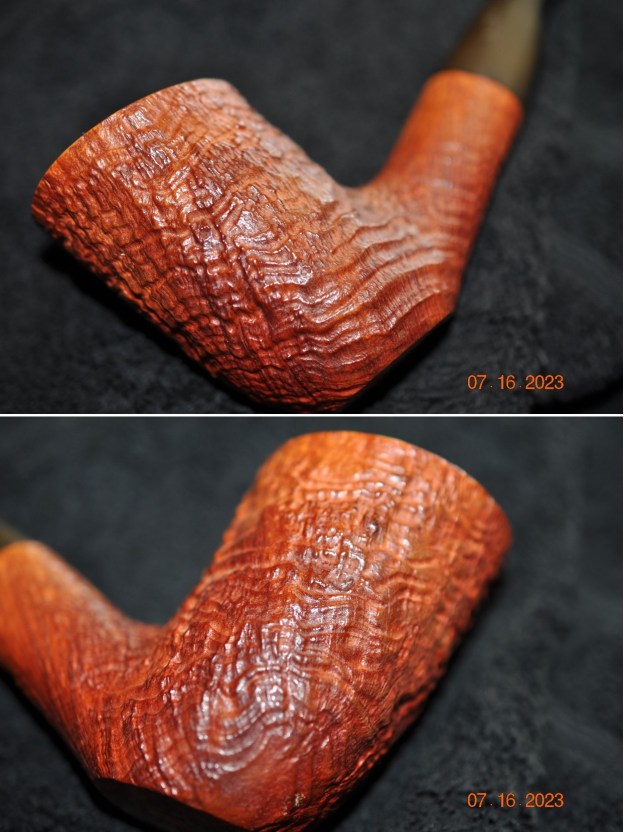
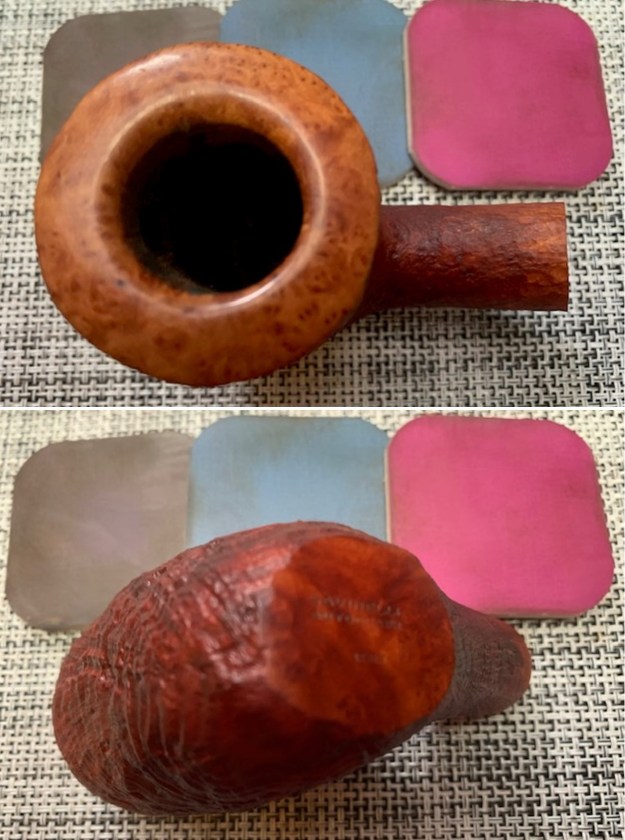
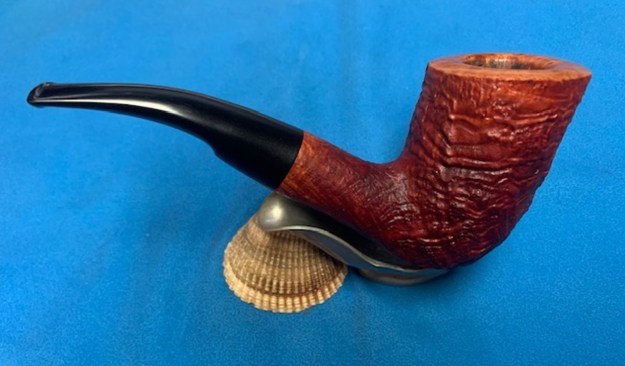
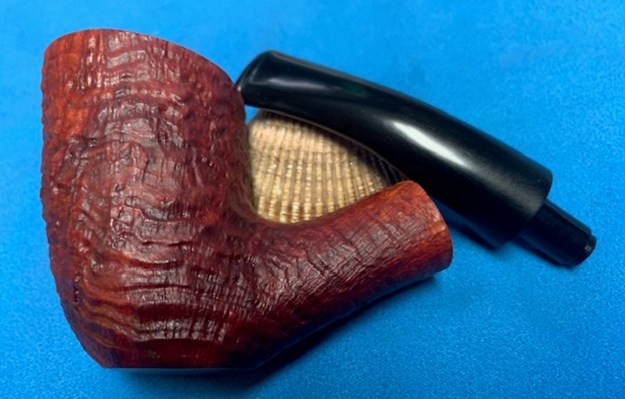
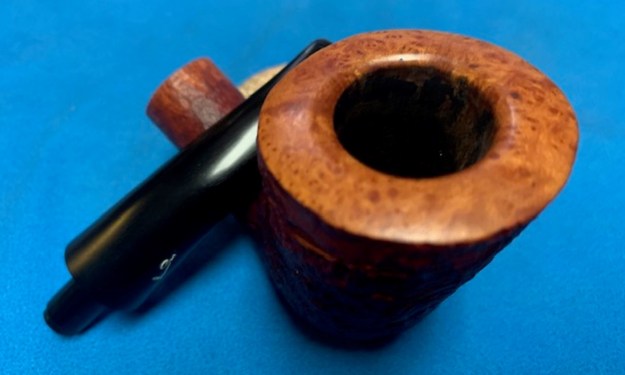
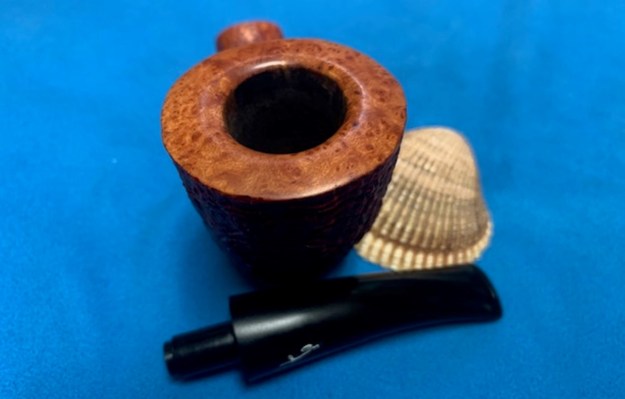
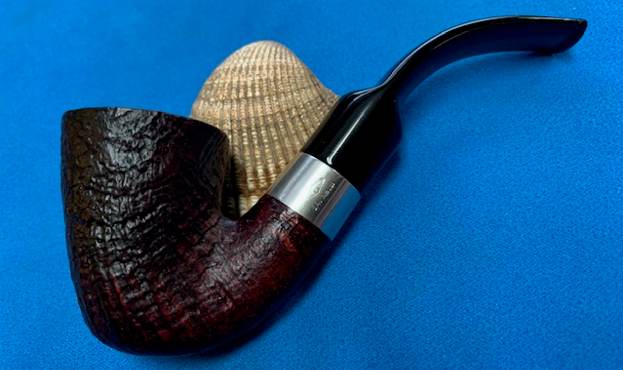
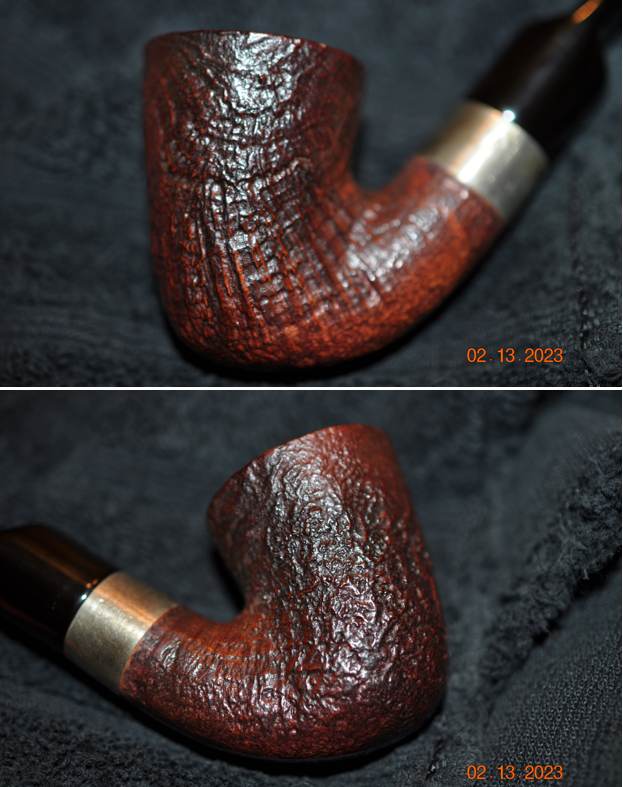
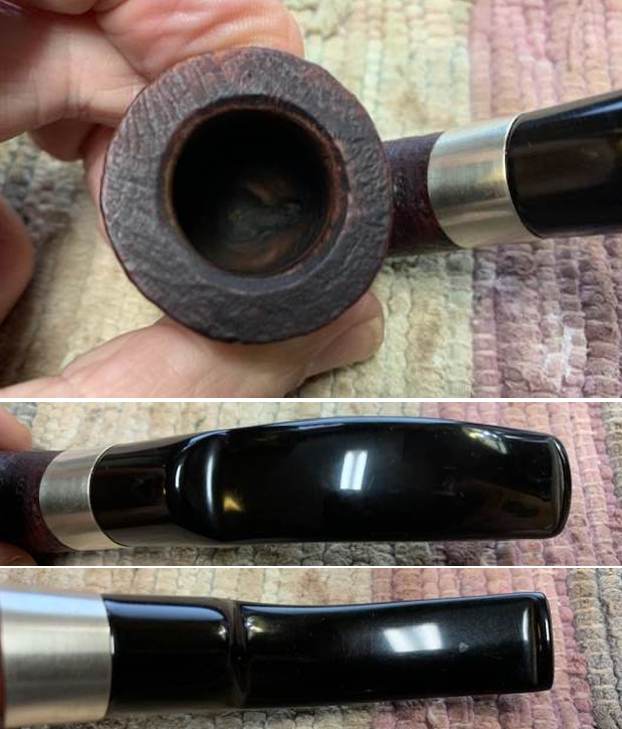
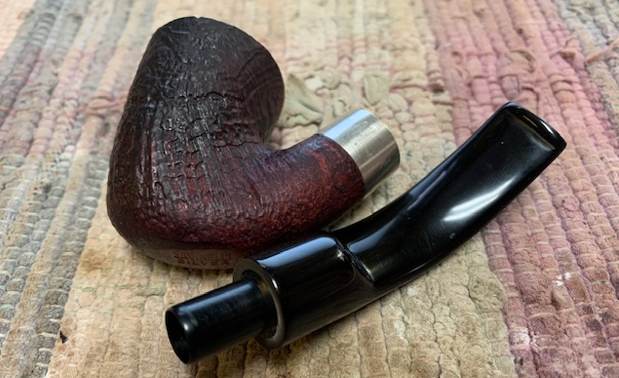
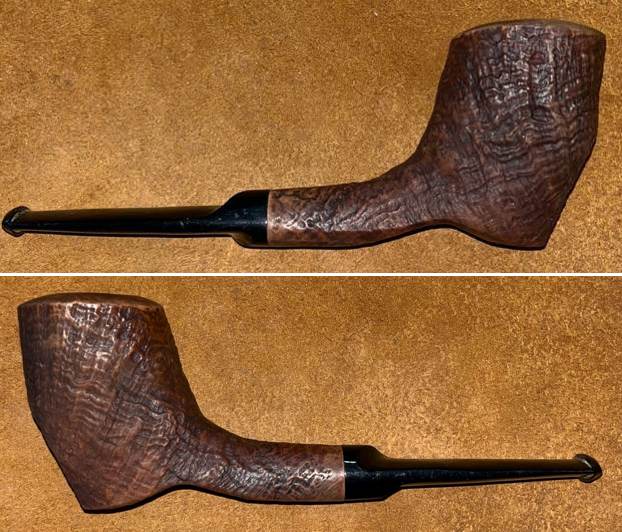
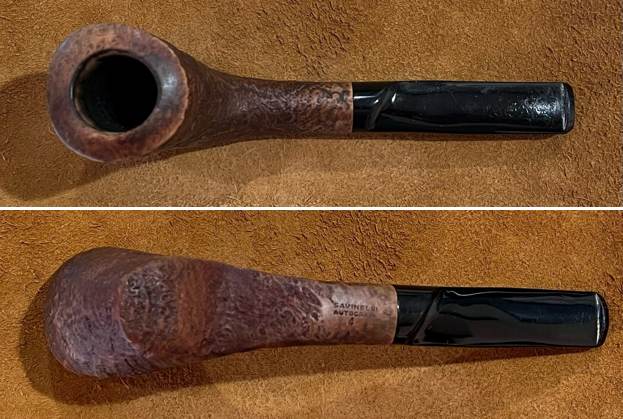
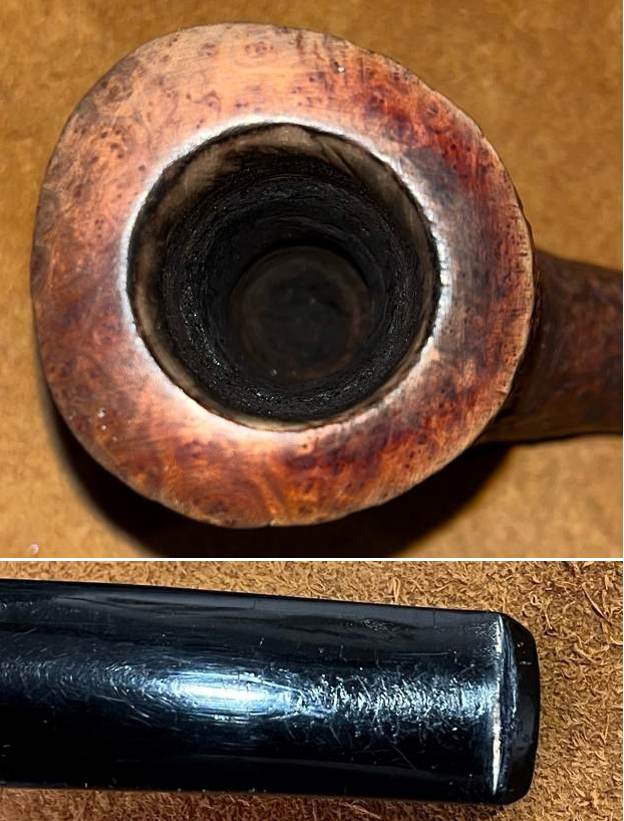
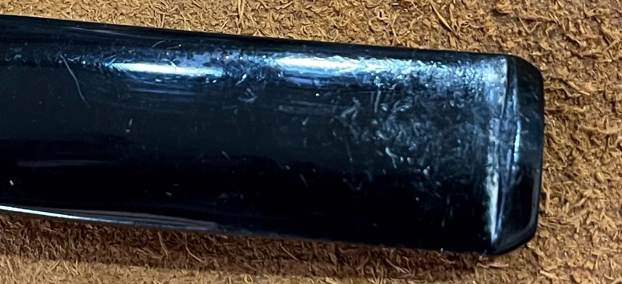
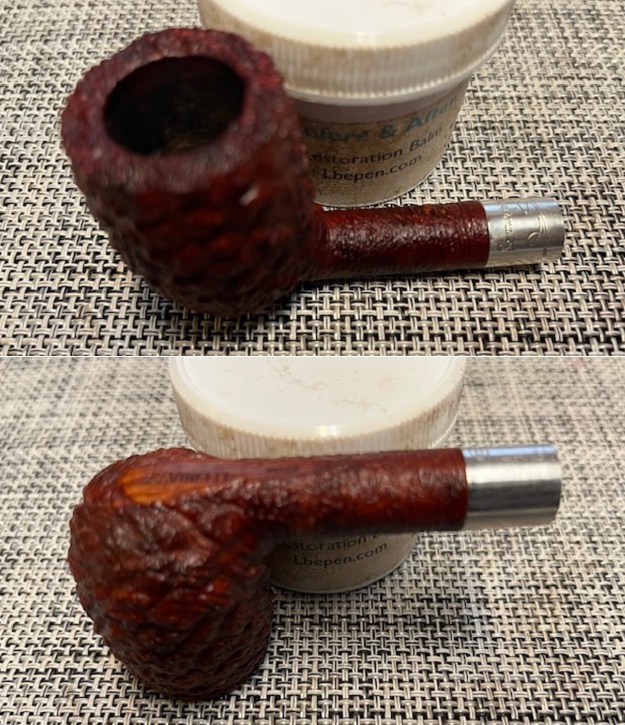
Next on the old chopping block is a wonderful Savinelli Dry System 3621 Bent Dublin. It’s a really good-looking pipe and I understand that this is a popular and well-loved series. I got it recently in a lot of pipes and it called out to me for some help. I suppose this pipe is meant to be reminiscent of the Peterson system pipes – it even has a sort of P-lip button! It’s a terrific-looking pipe, with a bit of a rough history. The main markings of the pipe are on the underside of the stummel. On the left it reads Savinelli [over] Dry [over] System. Next to that is the Savinelli crown and “S” logo. And next to that is 3621 [over] Italy.  The shank has a nickel cap with Savinelli stamped on it. Finally, the stem has a worn, but still readable, stylized “S” on the top.Savinelli is one of the most recognized names in pipe smoking and they have a long and storied history. You can read about them from their own website or from Pipedia’s article about them. However, I was particularly interested in learning more about the Dry System. Sadly, Pipedia had nothing on this subject. I checked with Pipephil and they did have a bit of information which I provide here below:However, the definitive word on the Dry System comes from Savinelli’s own website. It provided some very useful information.

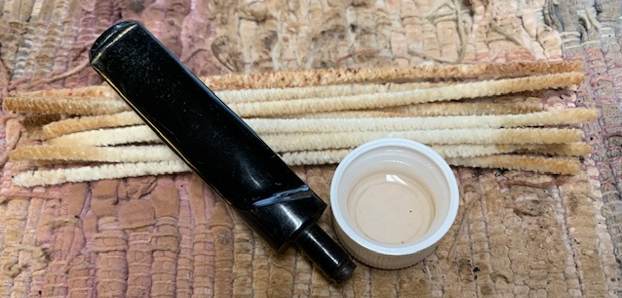
In 1981, after several years of research, Savinelli launched the “Dry System”, combining trap and filter. The name “Dry” comes from the introduction of the balsa “filter” into the traditional system pipe – the “System” being the presence of the built-in moisture trap in the shank. The balsa mops up the moisture in the smoke hence the term “Dry” system, and if the pipe is smoked without the balsa all that will happen is that this moisture will condense and collect in the trap. It can then either be mopped up with a folded pipe cleaner, or flicked out.

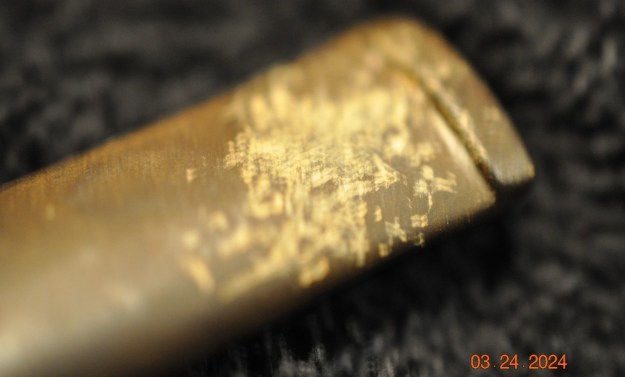
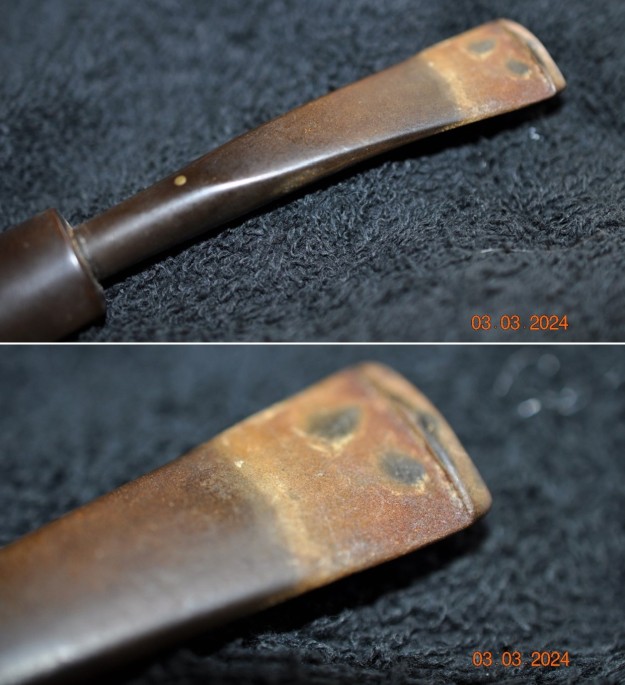
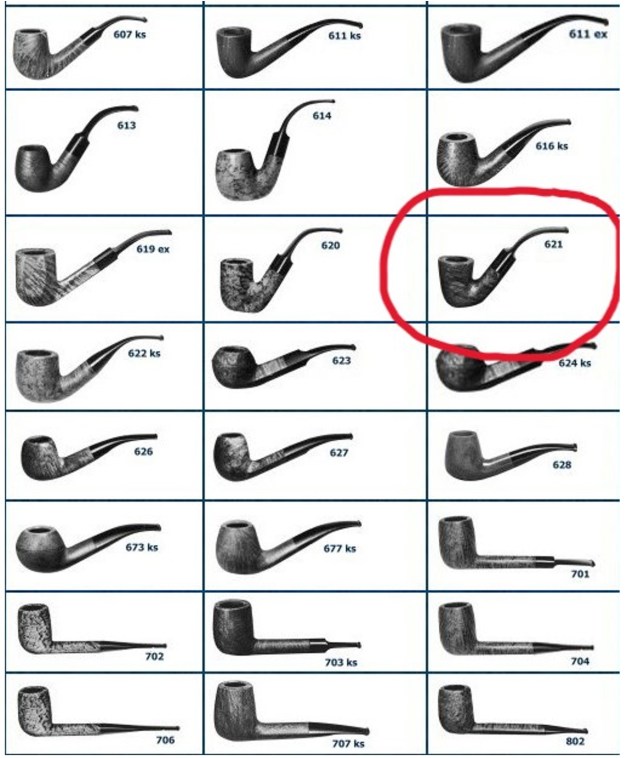
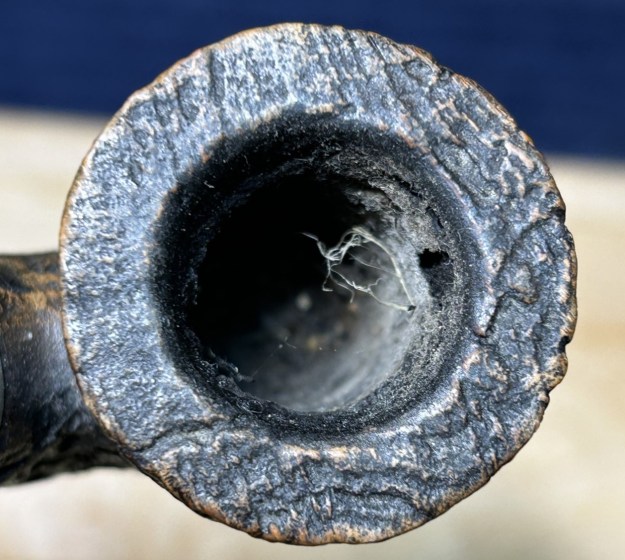
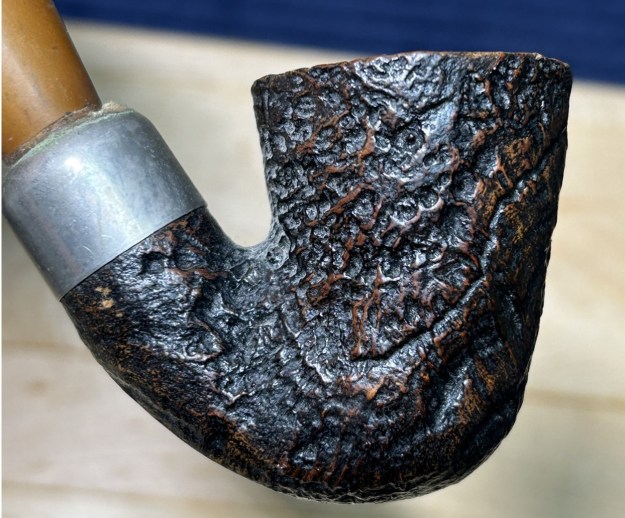
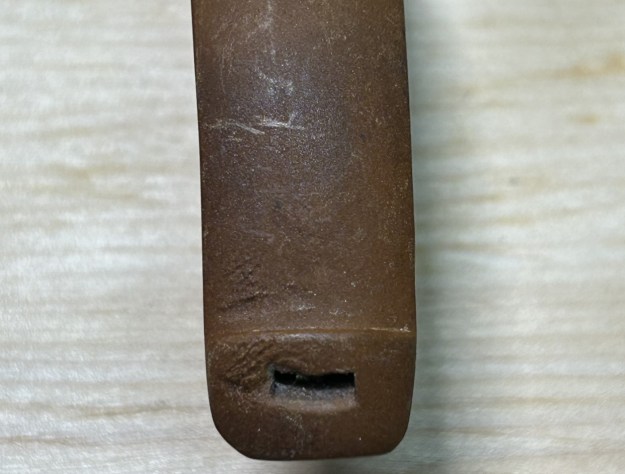
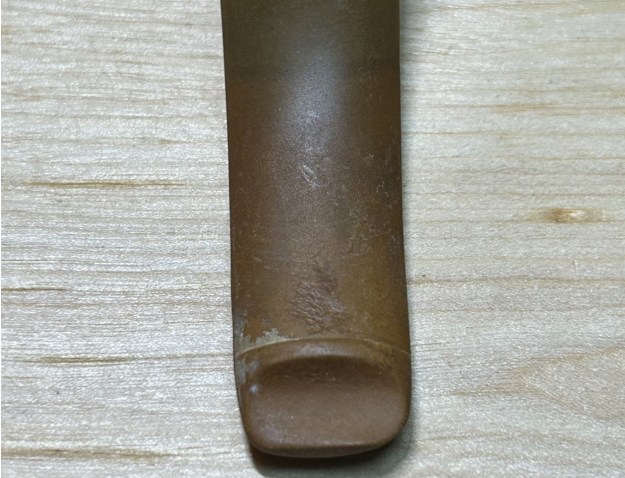
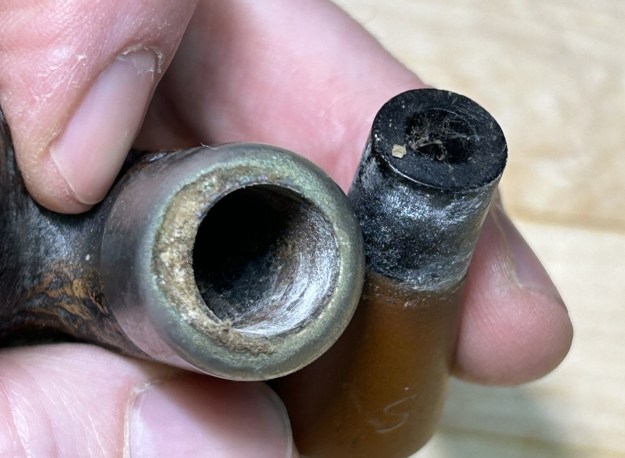
Finally, here’s an image of the pipe from an old Savinelli shape chart:This was obviously a terrific smoker, as the wear and tear on this pipe shows. The stummel was quite dirty – both inside and out – and even appeared to have some dust-bunnies inside the bowl (not to mention all the cake). The finish was well worn and would need to be addressed. The nickel cap had some mess on it too. The stem, however, was from another planet. Have you ever seen such oxidation on a pipe stem? In fact, my wife asked me if the stem was actually meant to be brown. “No” was my emphatic answer! Aside from that, the stem had some tooth marks and nicks. I could tell that this stem was going to be a bear to deal with. This pipe is always going to retain some marks from its hard life, but it is my job to make sure this pipe looks as good as possible. It’s a wonderful pipe and it deserves to be part of someone’s collection again.

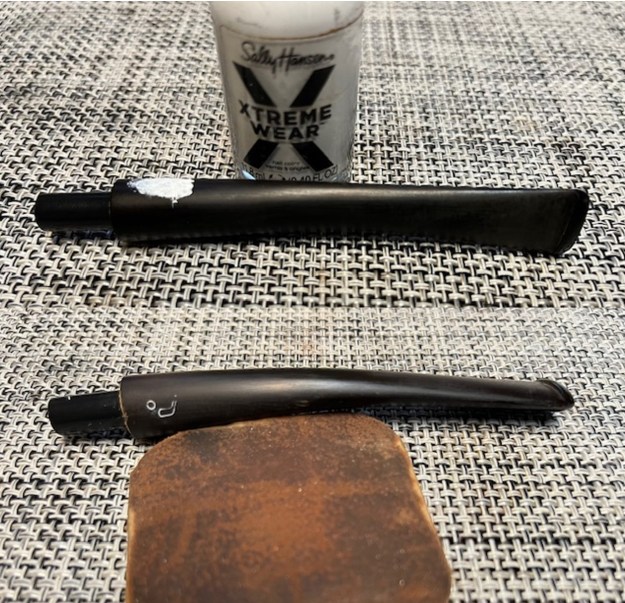
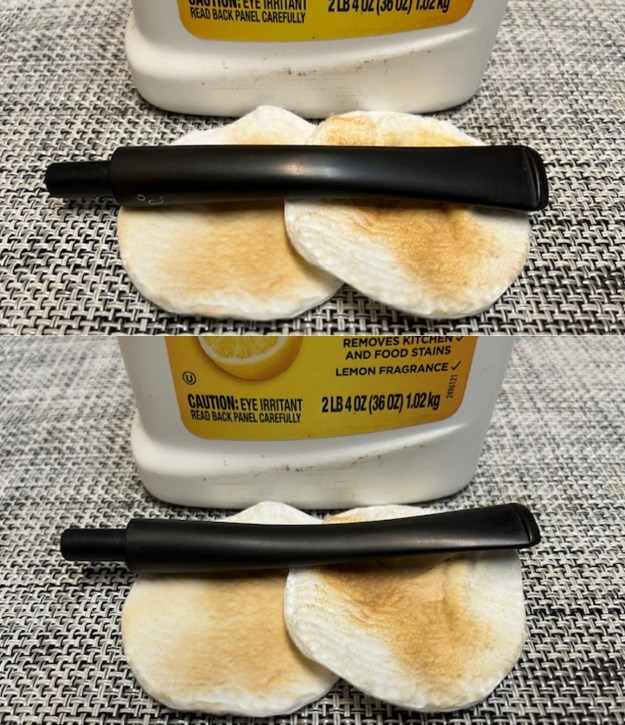
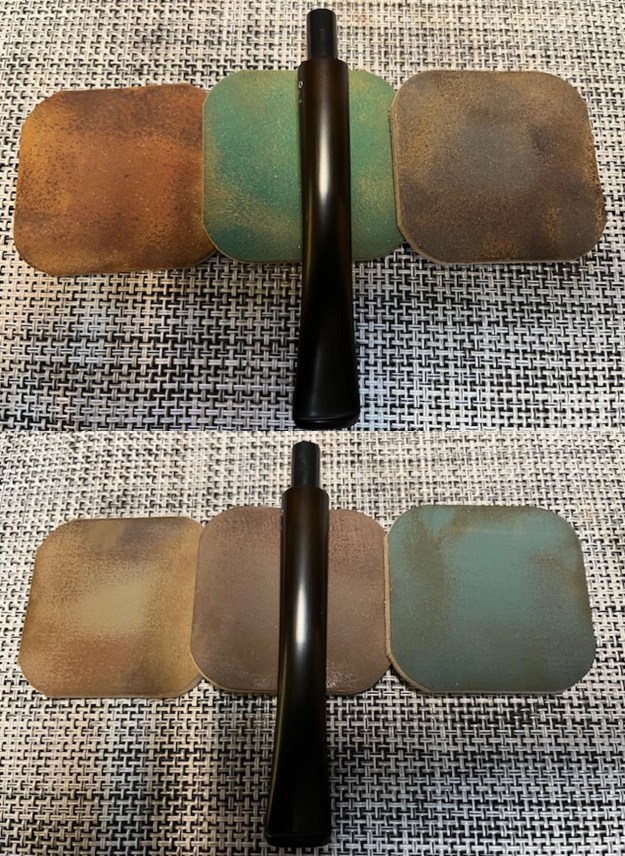
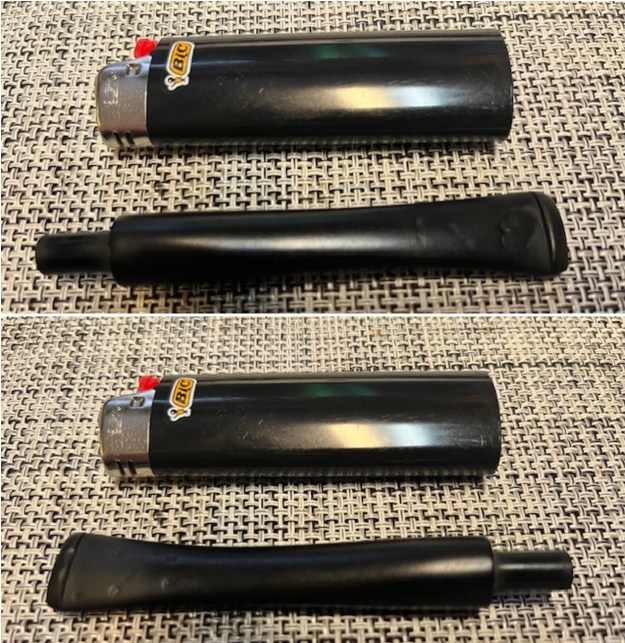
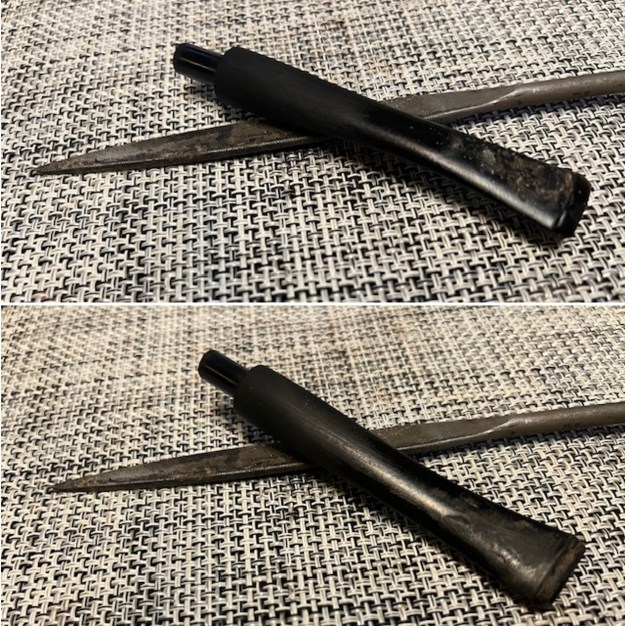
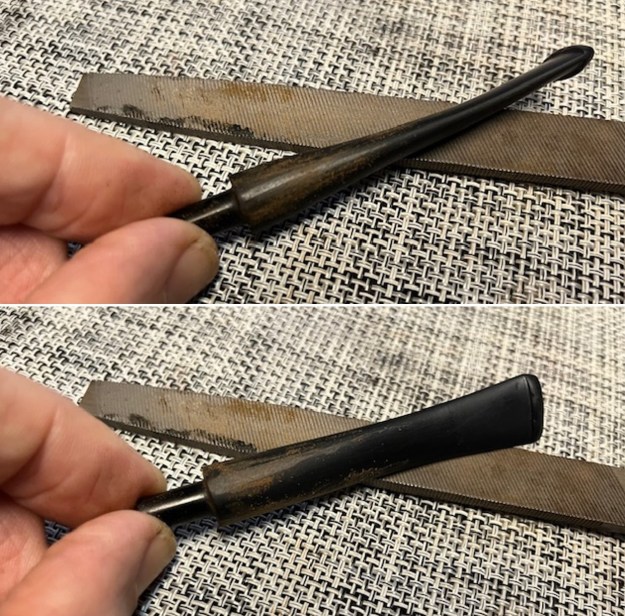
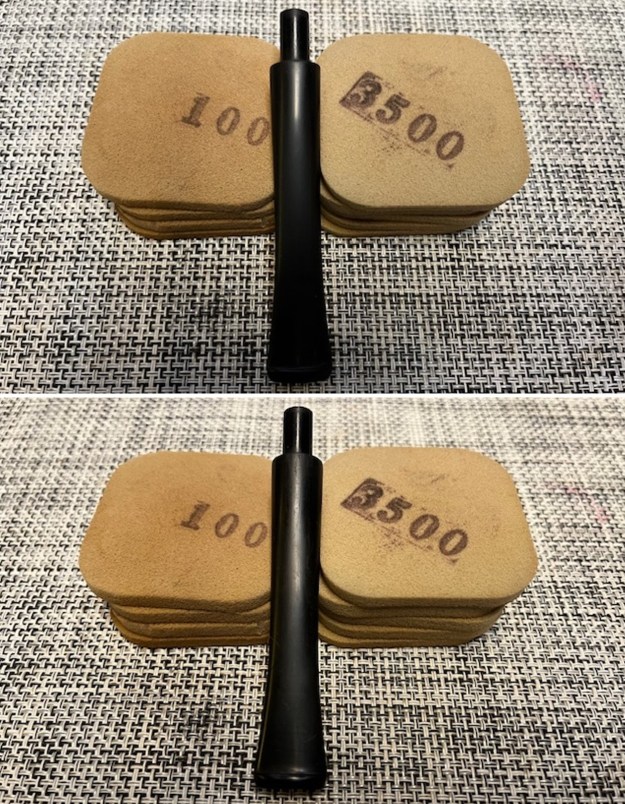
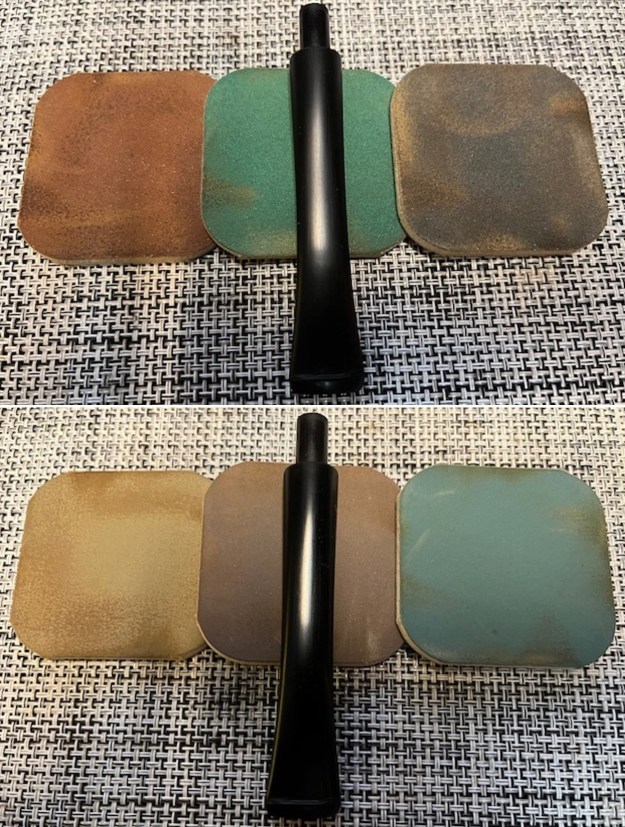
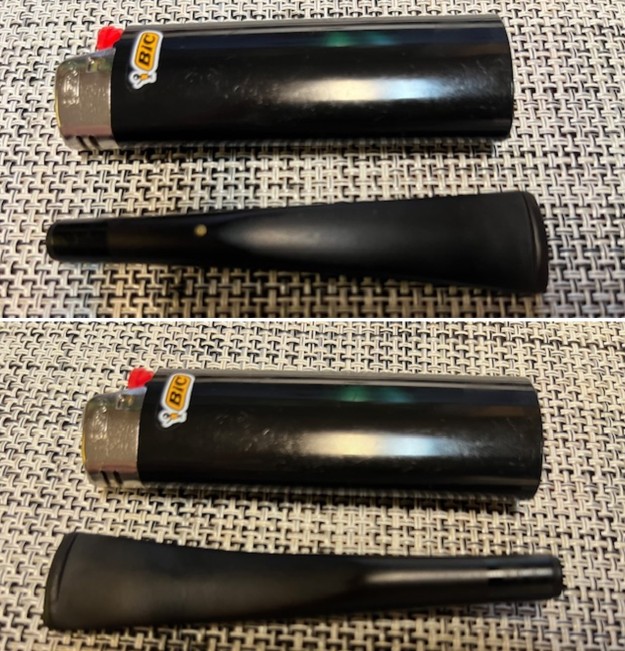
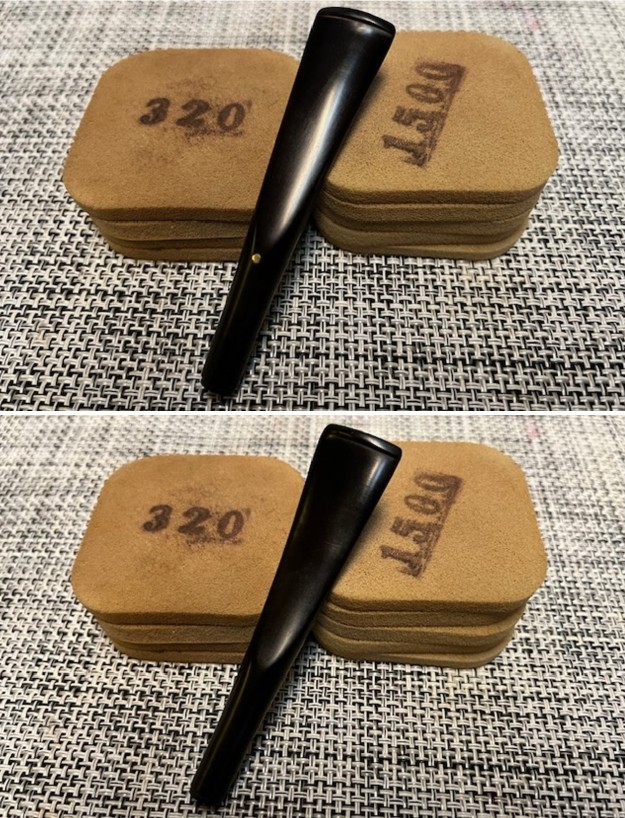
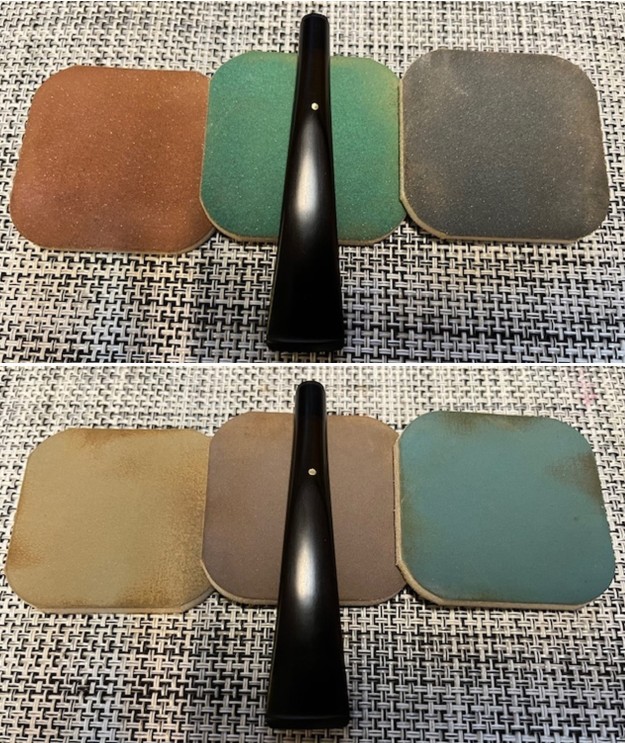
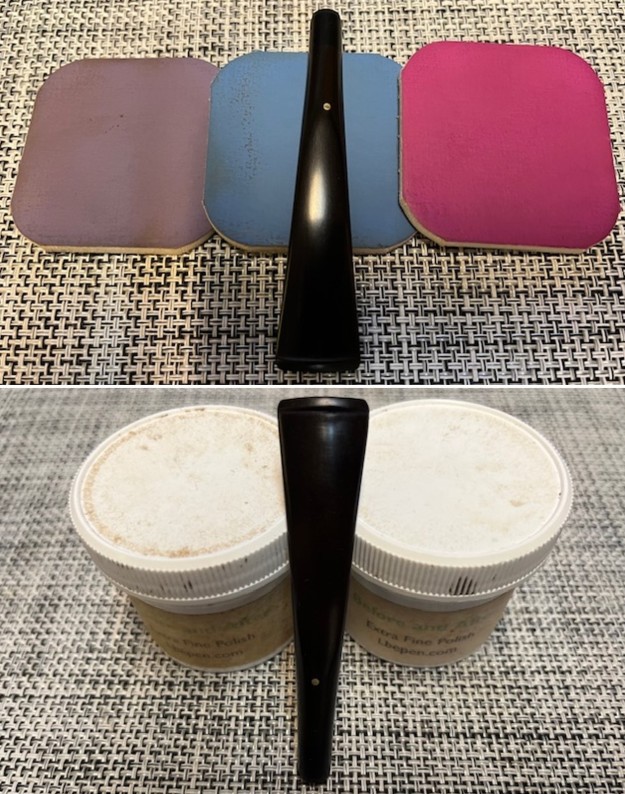
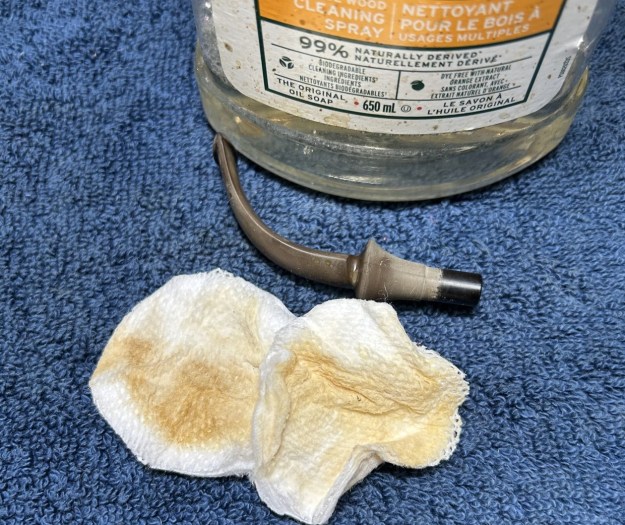
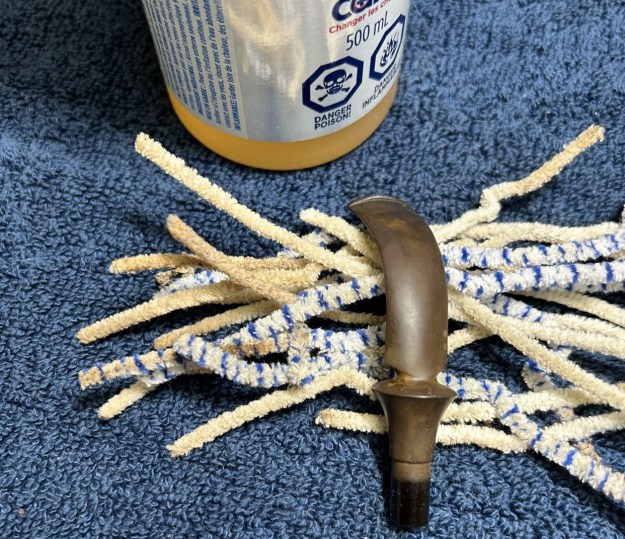
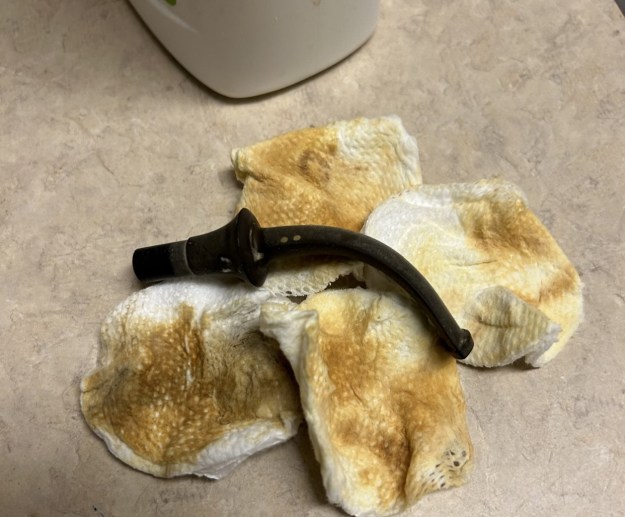
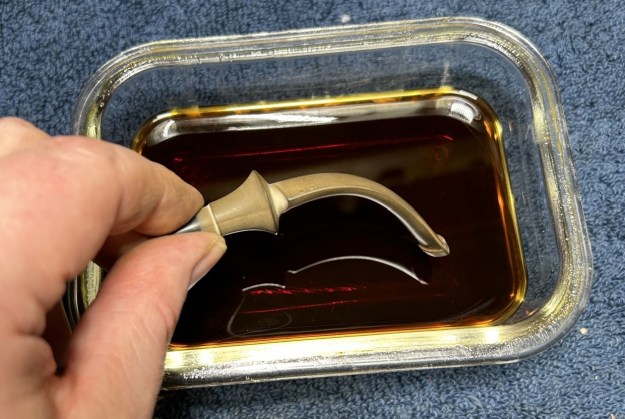
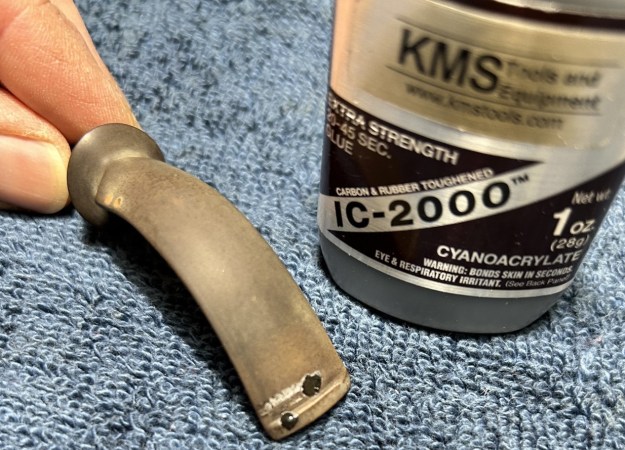
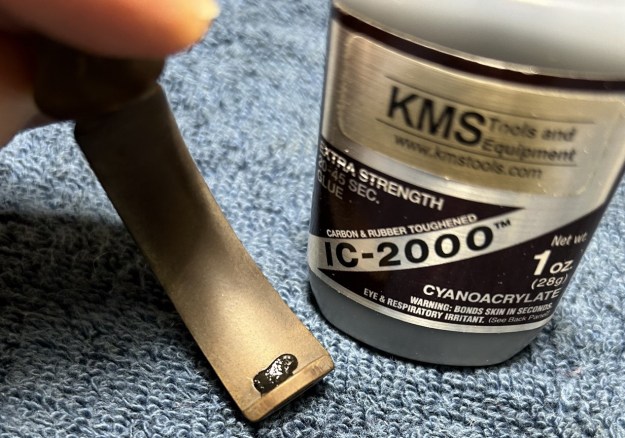
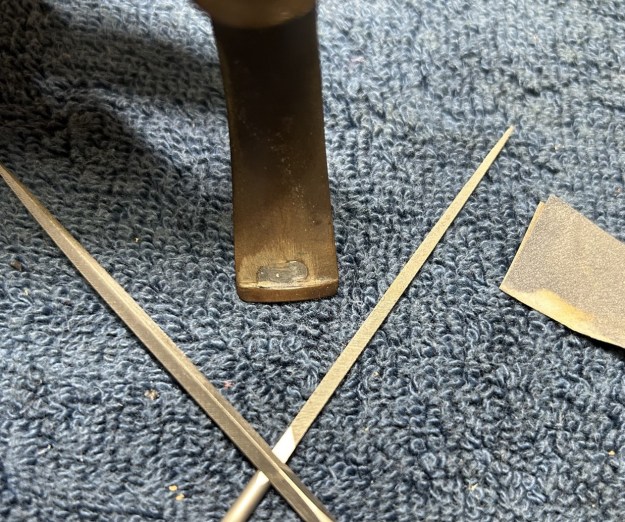
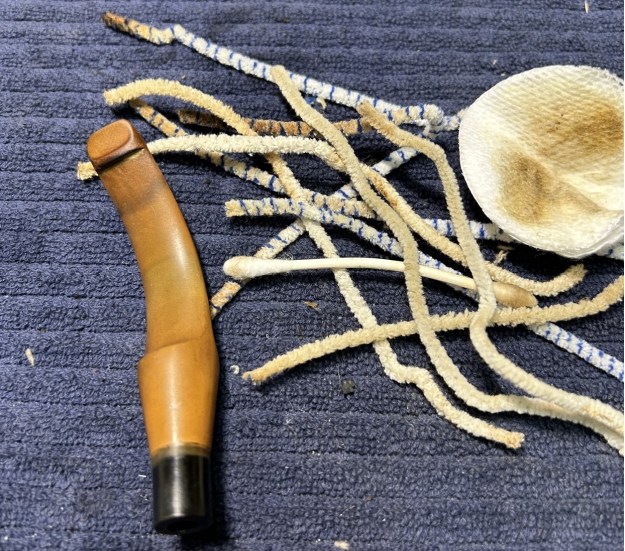
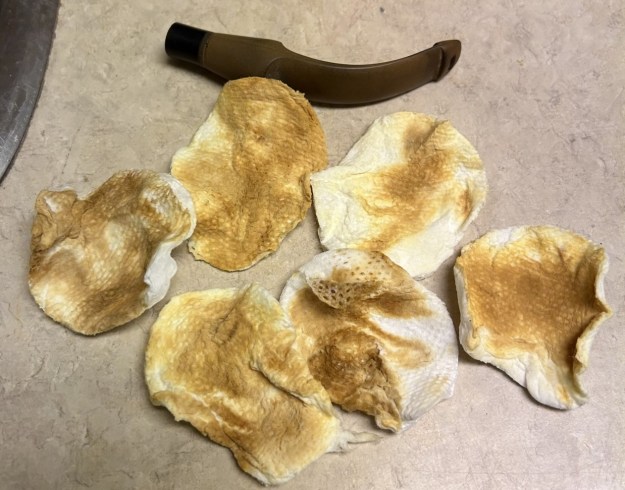
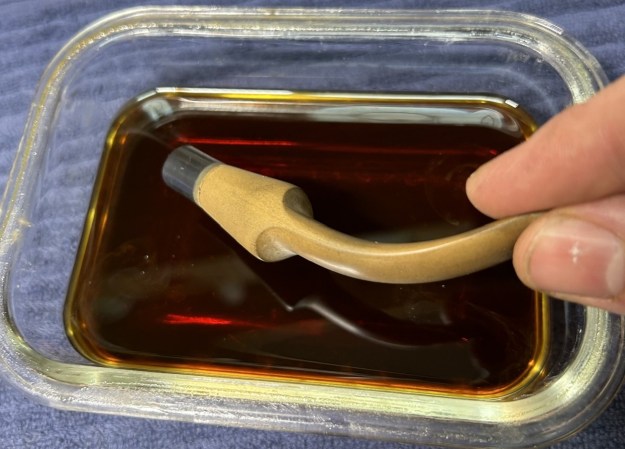
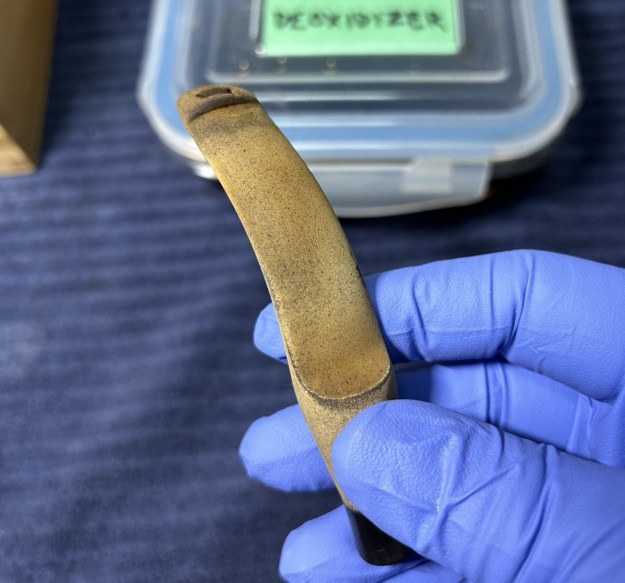
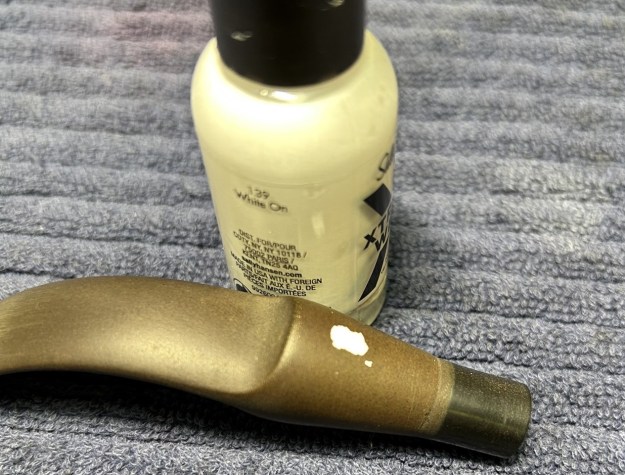
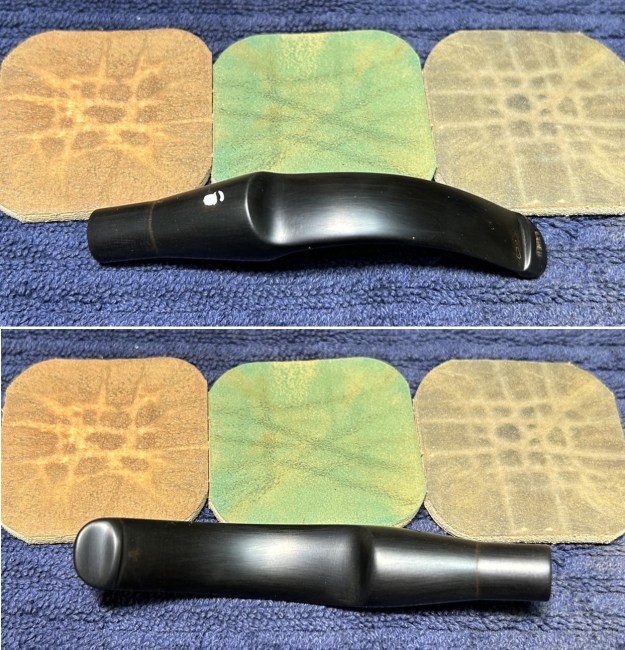
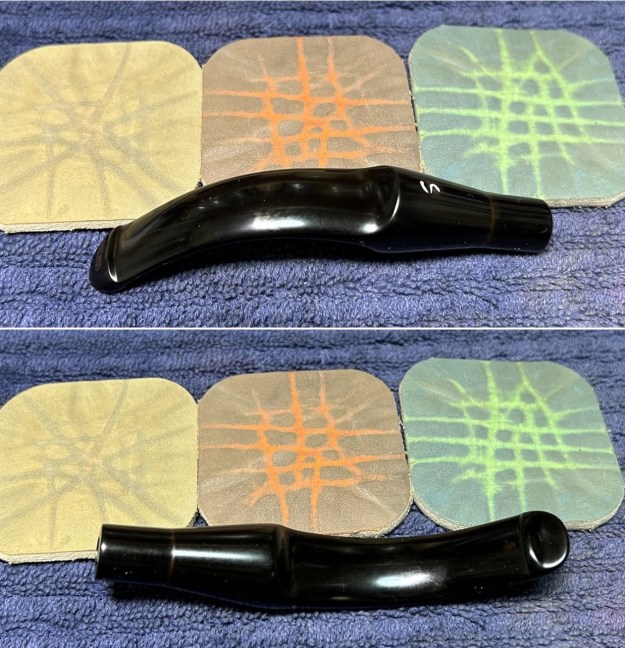
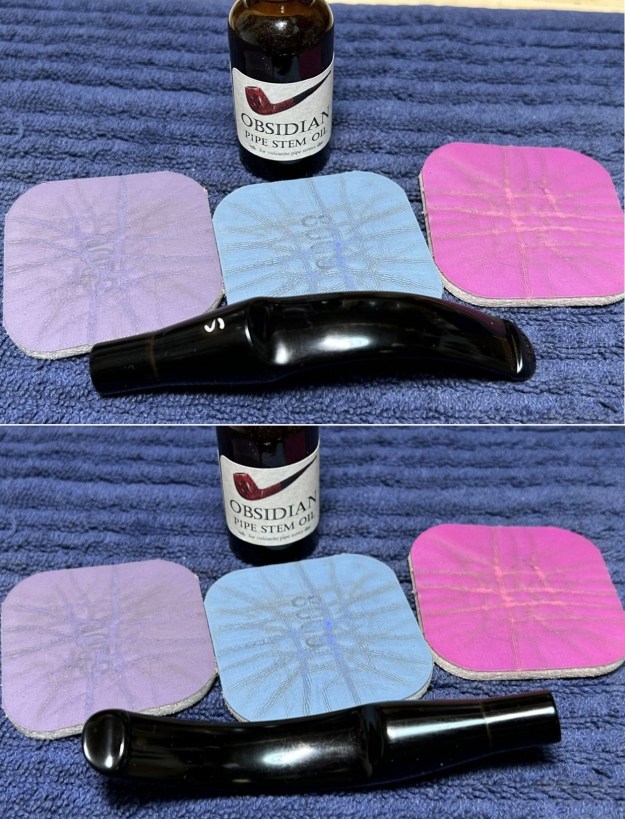
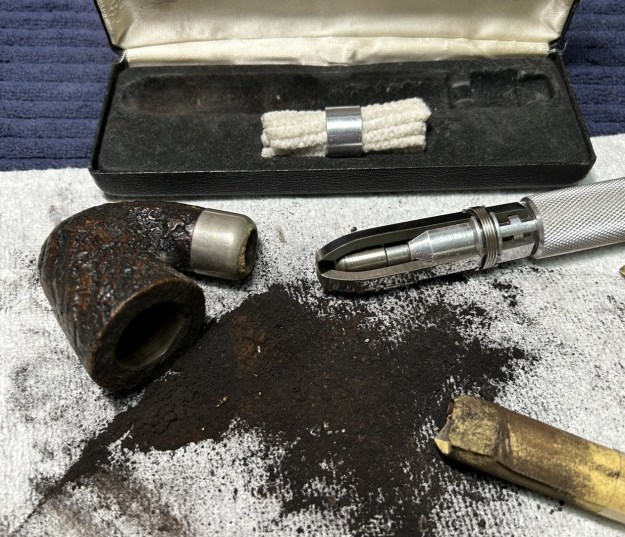
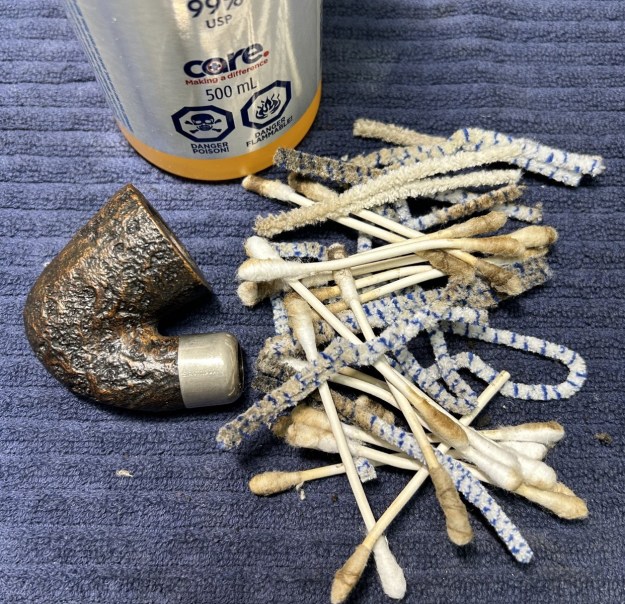
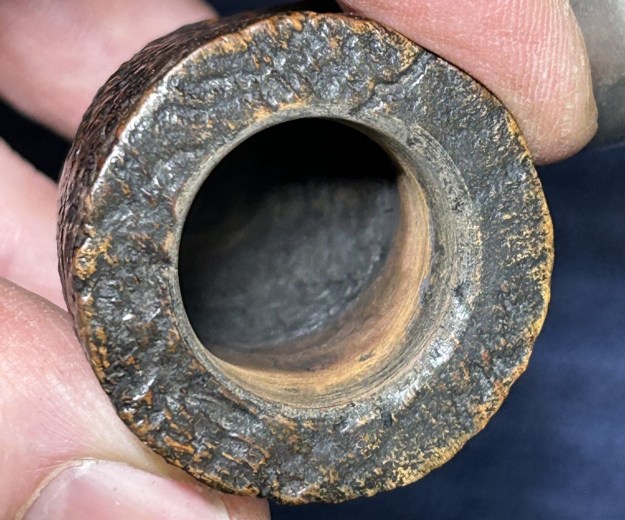
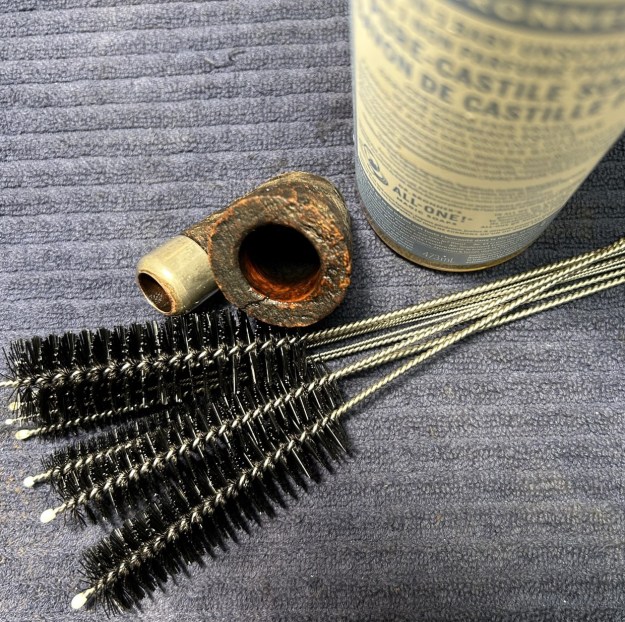
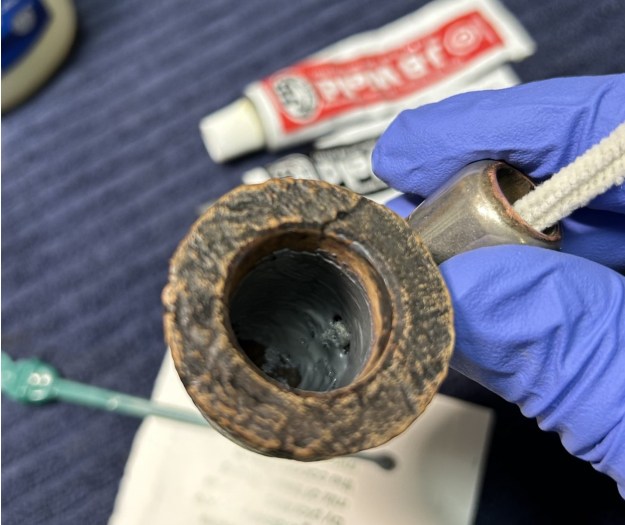
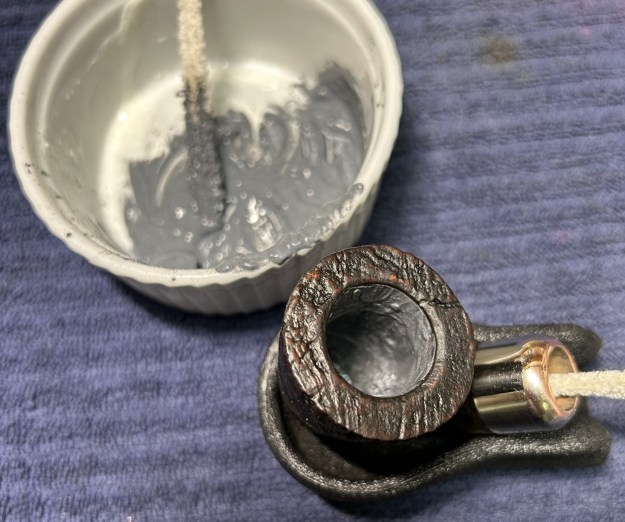
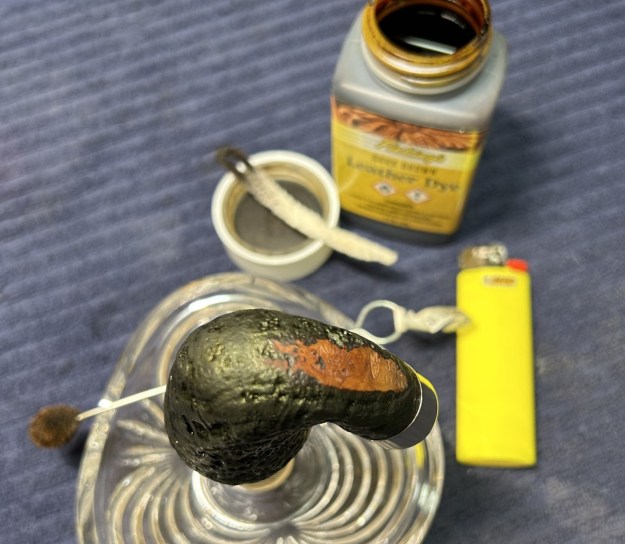
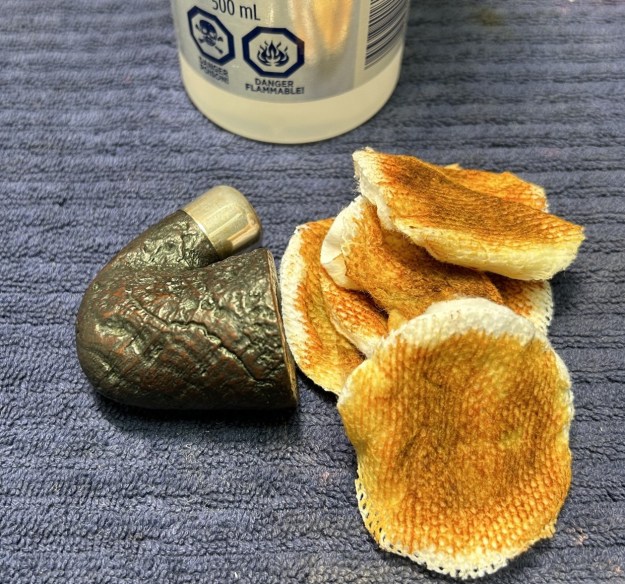
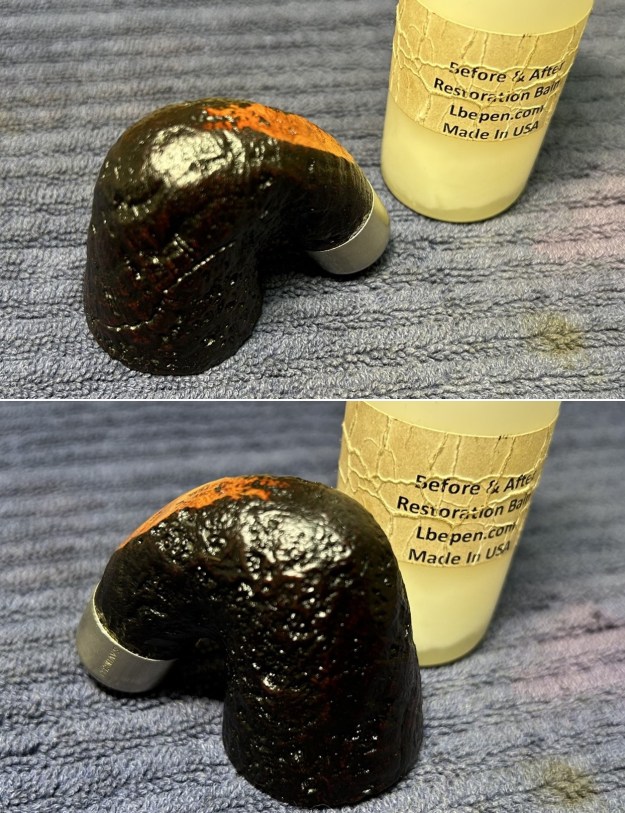
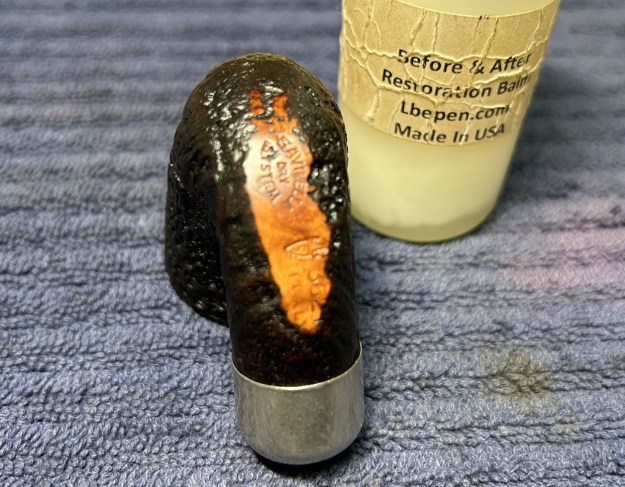
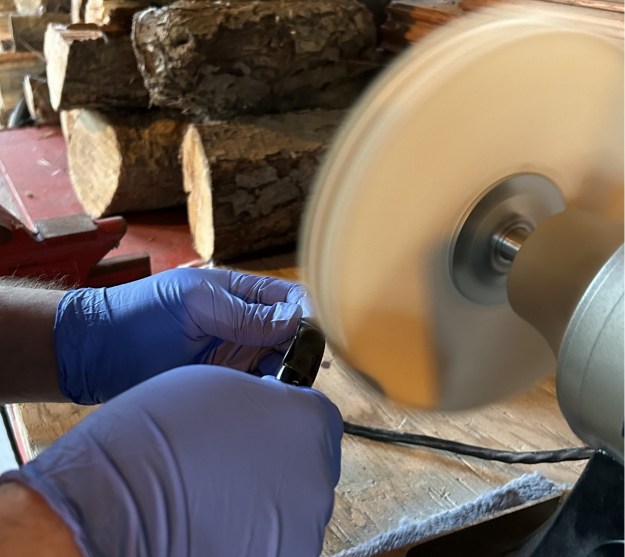
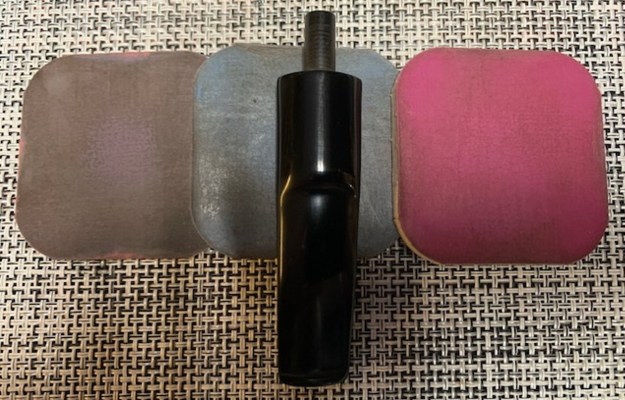
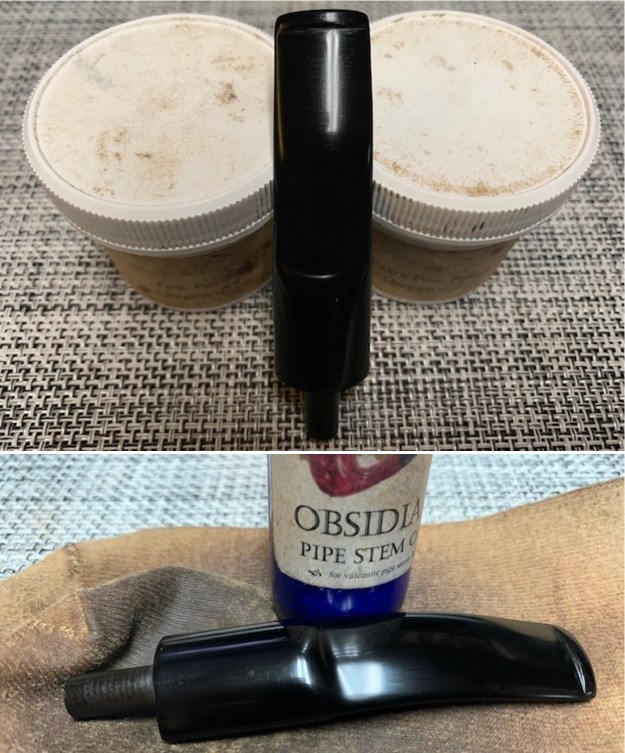
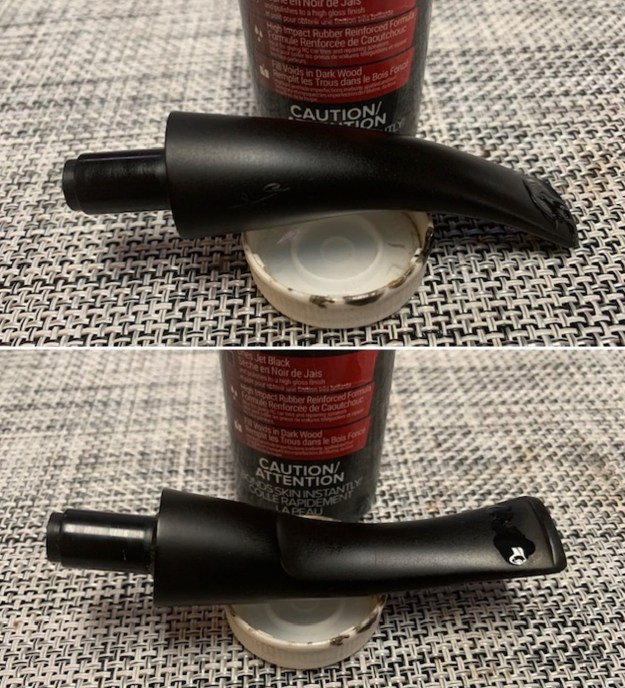
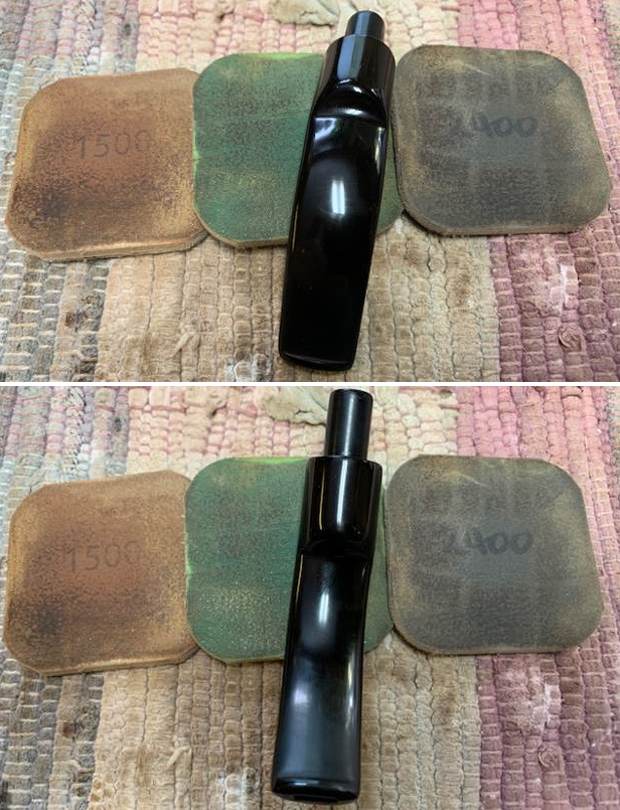
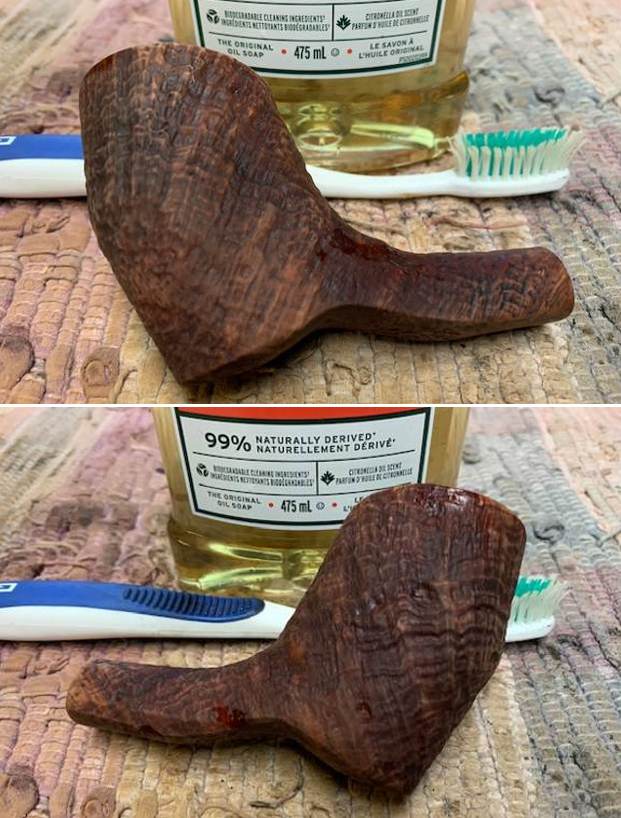
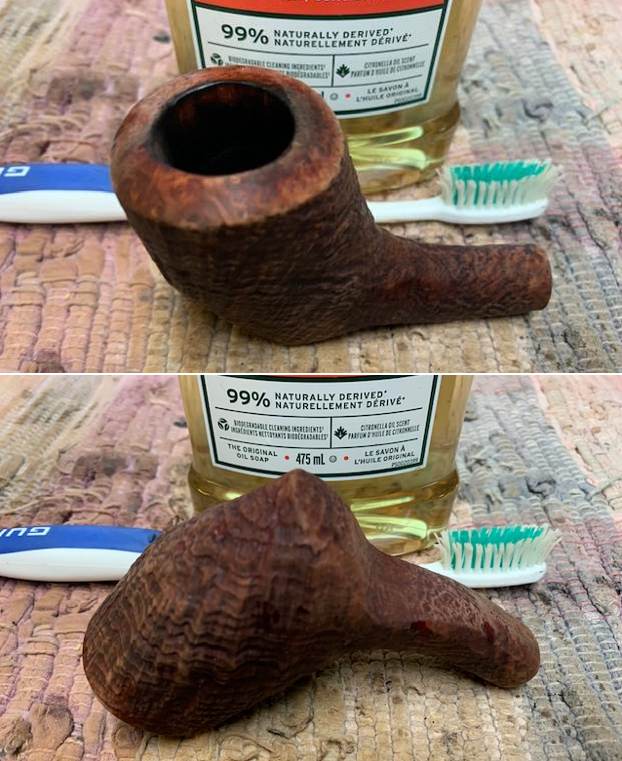
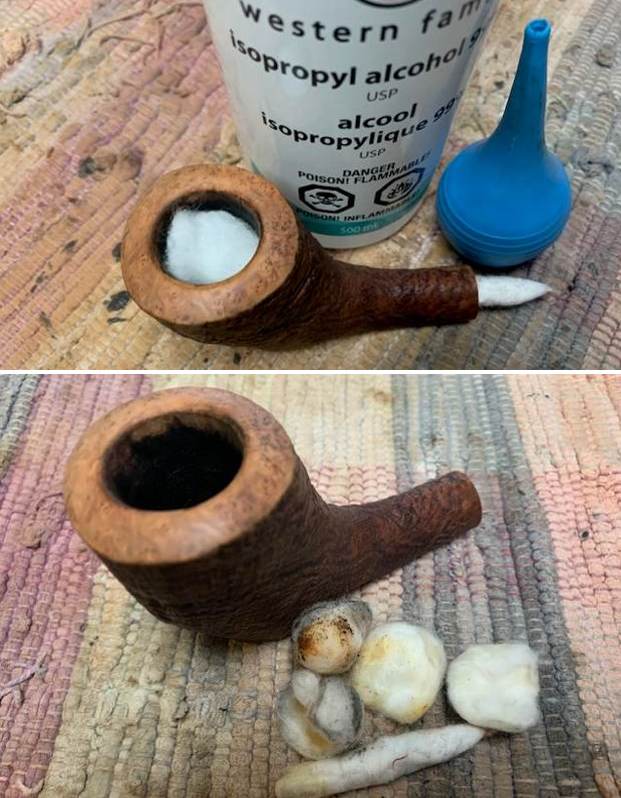
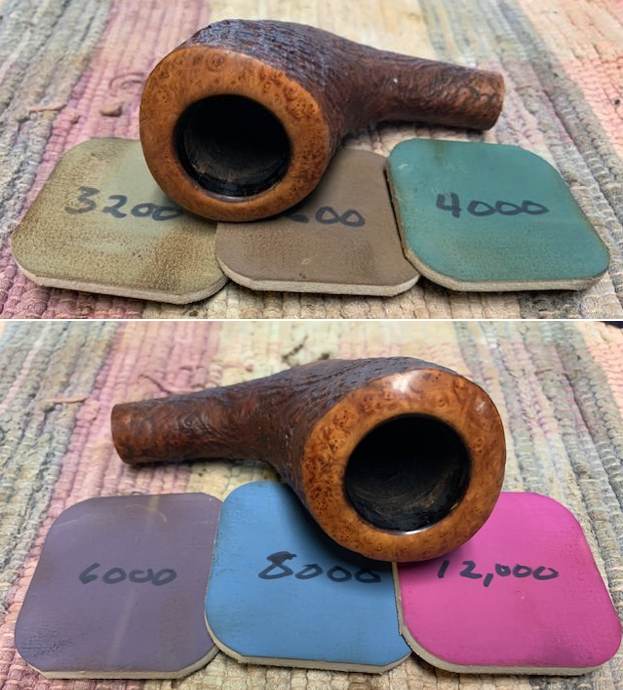
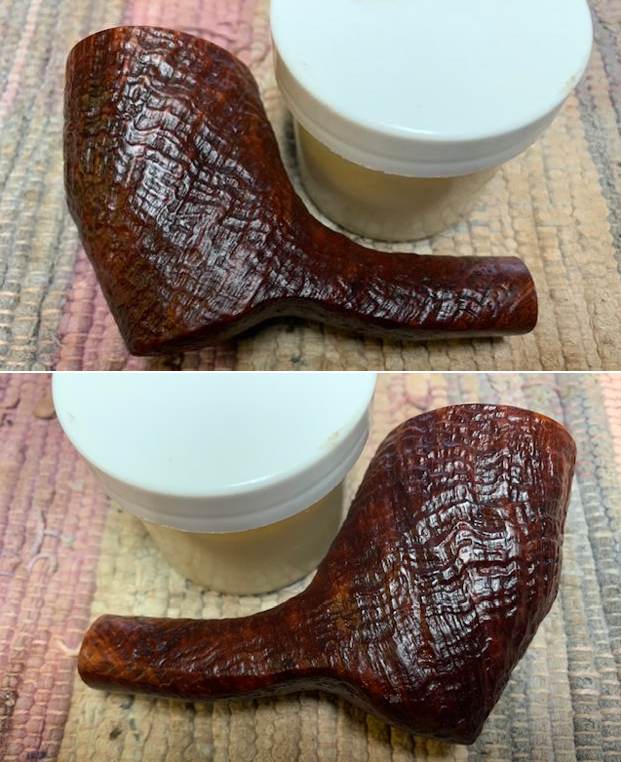
The stem is going to take a lot of work, so let’s get started. I took up the stem and cleaned it off with Murphy’s Oil Soap. It was quite dirty and needed some scrubbing. I then cleaned out the insides of the stem with pipe cleaners and lemon-infused isopropyl alcohol, and, as you can see, if was pretty dirty inside. I also took a BIC lighter and ‘painted’ the stem with its flame in order to lift the tooth marks. This was only moderately successful in raising the dents.Now to tackle the epic oxidation. Next, I scrubbed (and scrubbed and scrubbed) the stem with some SoftScrub cleanser and then put the stem in my container of deoxidizing fluid overnight. This works to draw the oxidation to the surface of the stem, so that it can be cleaned off again with more SoftScrub. As you can see, this worked in the sense that it drew out the oxidation, but there remained a lot of labour ahead. In fact, I repeated the process of scrubbing and soaking overnight, because the situation was so dire. Eventually, I got to a point where the stem was something I could work with. Before I moved on to sanding, I built up the tooth marks on the stem with black cyanoacrylate adhesive and let them fully cure. I then sanded them down with sandpapers to merge a bit better into the stem. I also added some nail polish to the ‘S’ on the stem. At this point, it was clear that more than the ‘usual’ sanding was going to be required here. I took two sanding sponges (220- and 320-grit) and worked the stem hard. I needed to sand out the remaining oxidation to get this stem the best chance of looking decent again. I then used all nine Micromesh pads (1,500 through 12,000 grit) to bring out the lovely black lustre. I also used Obsidian Pipe Stem Oil in between each pad scrubbing. As I mentioned before, there are still hints of its past life, but I’m pretty pleased with how the stem came out. On to the stummel and the usual cleaning procedures were in order for this pipe. I used the KleenReem to remove the cake in the bowl and I followed up by sanding the walls down with some 220-grit sandpaper attached to a wooden dowel. I took it down to bare briar, as I wanted to see if there were any issues in the walls of the bowl. There was some charring and some slight fissures, but nothing serious. I then proceeded to clean out the insides of the shank with Q-tips, pipe cleaners, and isopropyl alcohol. There was some nastiness inside this stummel and it took a lot of cotton to get this thing clean. I decided to de-ghost the bowl to be on the safe side. I thrust some cotton balls into the bowl and the shank and saturated them with 99% isopropyl alcohol. I let the stummel sit overnight. This caused any remaining oils, tars and smells to leach out into the cotton. I then moved on to cleaning the outside of the stummel with Murphy’s Oil Soap and a toothbrush. What a difference that made! I followed that up by cleaning the insides with some dish soap and tube brushes. As I mentioned earlier, there were some minor issues to fix inside the bowl. The solution to this problem is an excellent one: epoxy. I prepared some J.B. Weld epoxy and smeared the walls, ensuring that the epoxy was evenly spread. Once done, a good 24 hours was needed to ensure that the epoxy was properly cured. After that, I gently sanded the inside of the bowl to provide a rough surface for what was to come later. I coated the entire inside of the bowl with a mixture of activated charcoal and my wife’s homemade yogurt. Once hardened, this provides a good, slightly rough surface for a new cake to build. Due to the pipe’s hard life, it was clear to me that the pipe needed to be stained. I applied some Fiebing’s Dark Brown Leather Dye. I flamed it with a BIC lighter and let it set. I then removed the excess with isopropyl alcohol on a cotton round. It looked so much better after this. I then rubbed some Before & After Restoration Balm into the wood. I gently brushed it into the rustication grooves and let the balm sit for fifteen minutes or so. The BARB works so well at bringing out the best in the wood. I brushed it with a horsehair brush and buffed it with a microfibre cloth. Beauty! I rubbed the nickel band with 0000 steel wool. This is the least abrasive grade of steel wool and I wouldn’t use anything harsher than that. I then used a few MicroMesh pads to make the metal shine. Later, I went to the bench buffer and applied some White Diamond to the stummel and stem. Then the final polish! The rusticated surface meant that I didn’t use carnauba wax – it gets gummed up in the grooves. Instead, I used Lee Valley Conservator’s Wax which worked like a charm. This was a nifty restoration and I had fun with it. I think the result is terrific and it’s a very handsome pipe once again. I am pleased to announce that this pipe is for sale! If you are interested in acquiring it for your collection, please have a look in the “Italy” pipe section of the store here on Steve’s website. You can also email me directly at kenneth@knightsofthepipe.com. The approximate dimensions of the Savinelli Dry System 3621 Bent Dublin are as follows: length 5 in. (126 mm); height 4 in. (101 mm); bowl diameter 1⅜ in. (36 mm); chamber diameter ¾ in. (19 mm). The weight of the pipe is 1⅛ oz. (35 g). I hope you enjoyed reading the story of this restoration as much as I enjoyed restoring it. If you are interested in more of my work, please follow me here on Steve’s website or send me an email. Thank you very much for reading and, as always, I welcome and encourage your comments.

Restoring a Savinelli Punto Oro 316KS


Blog by Steve Laug

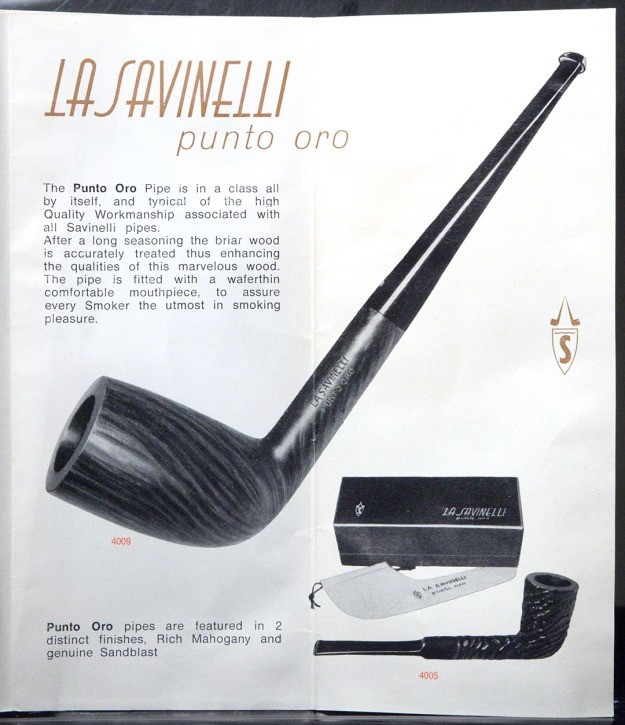
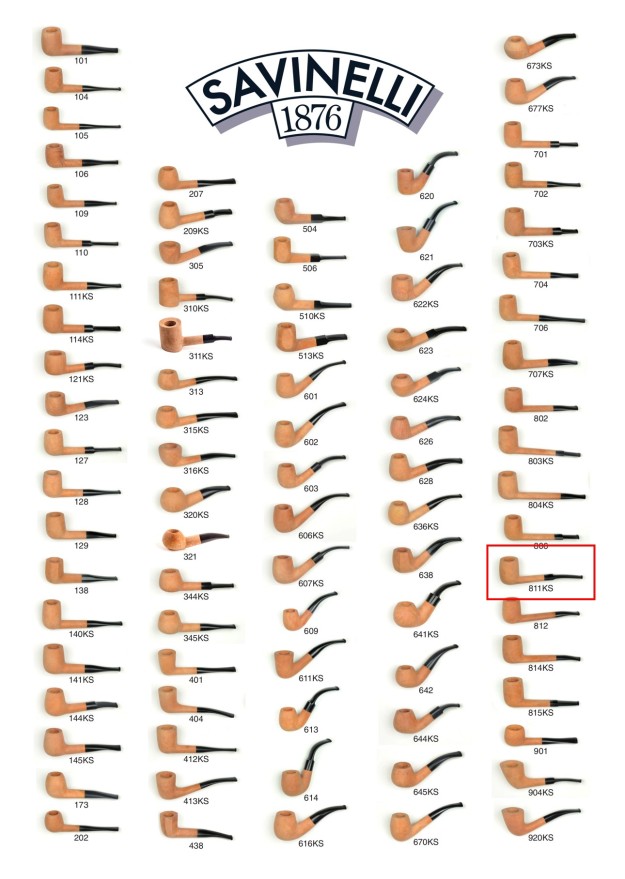
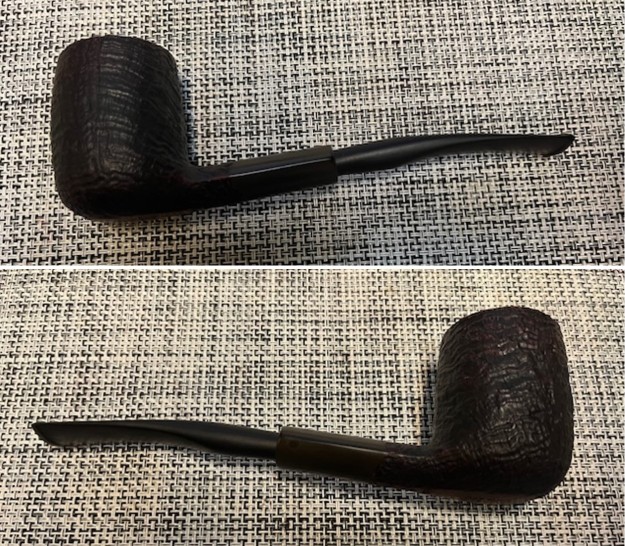
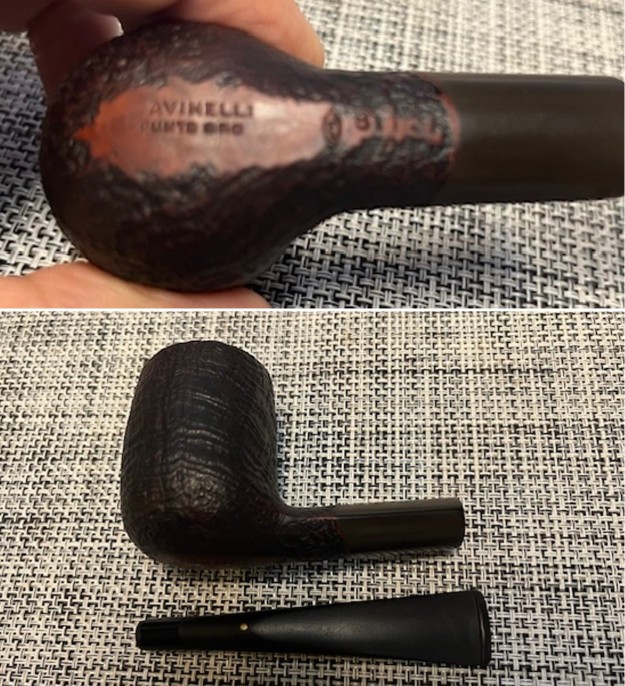
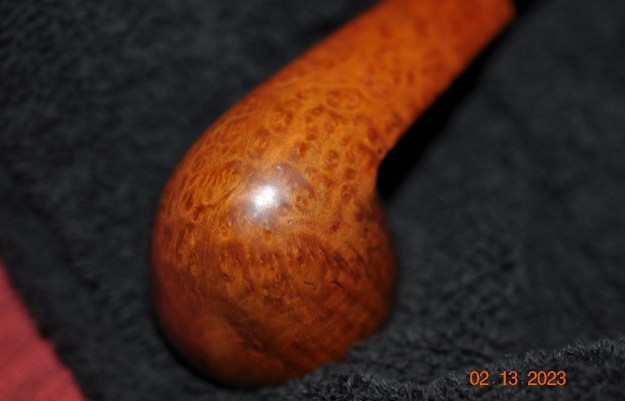
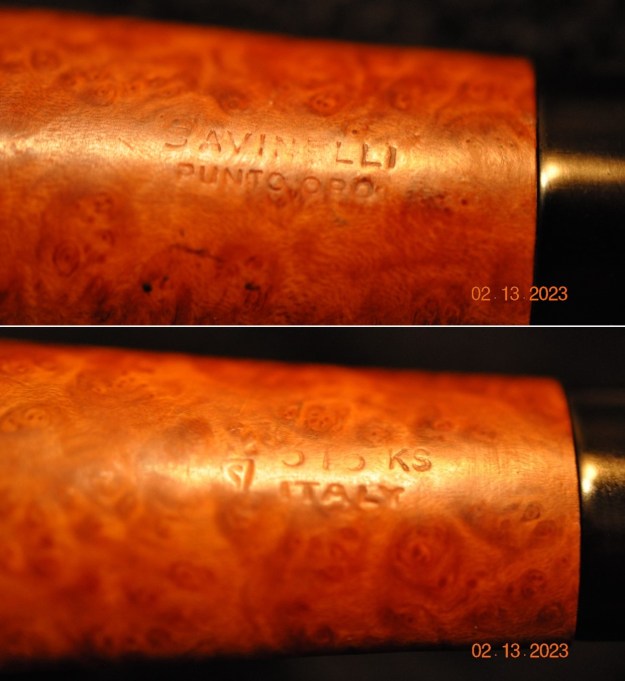
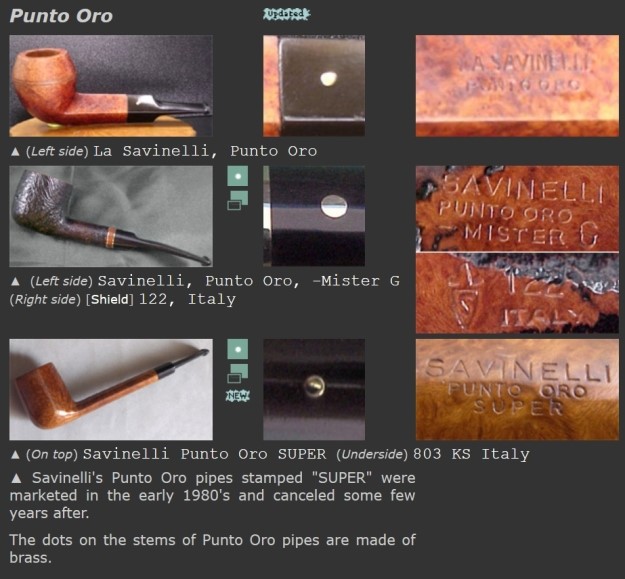
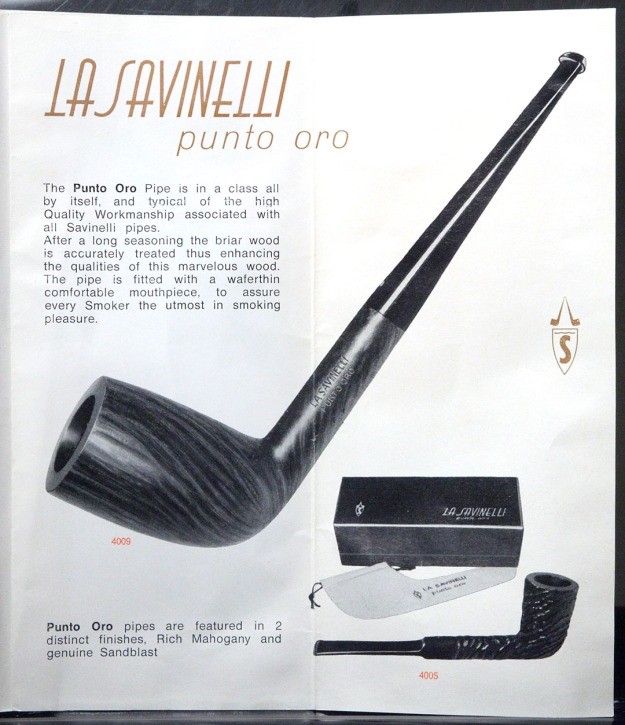
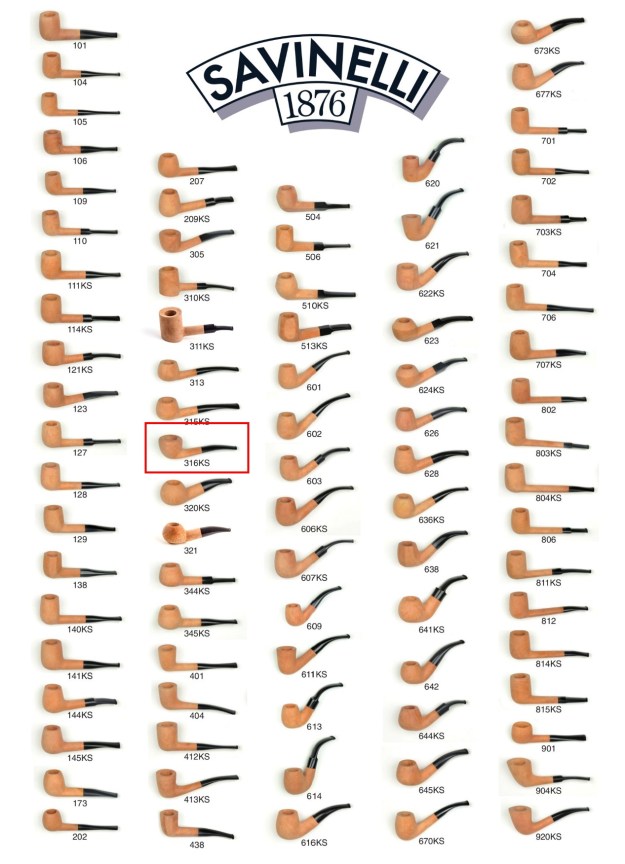
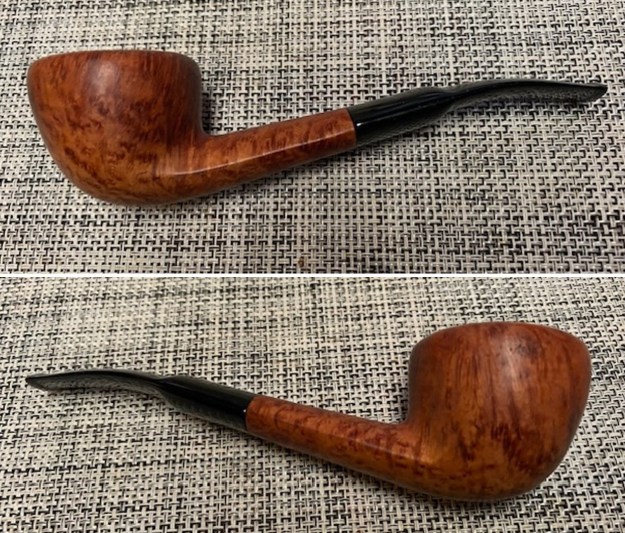
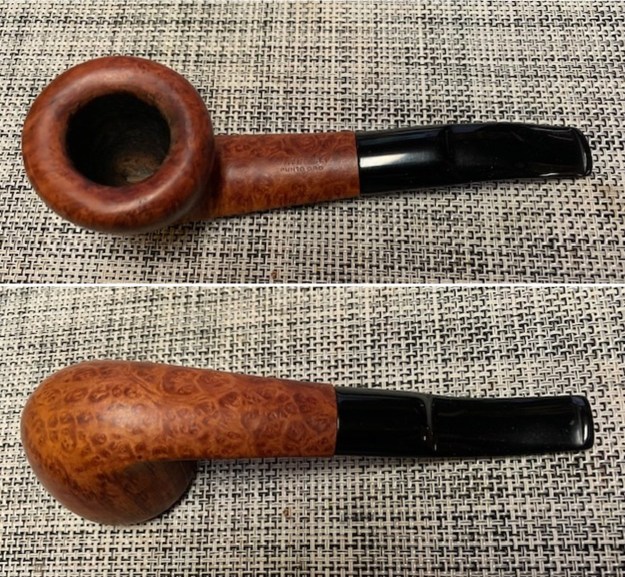
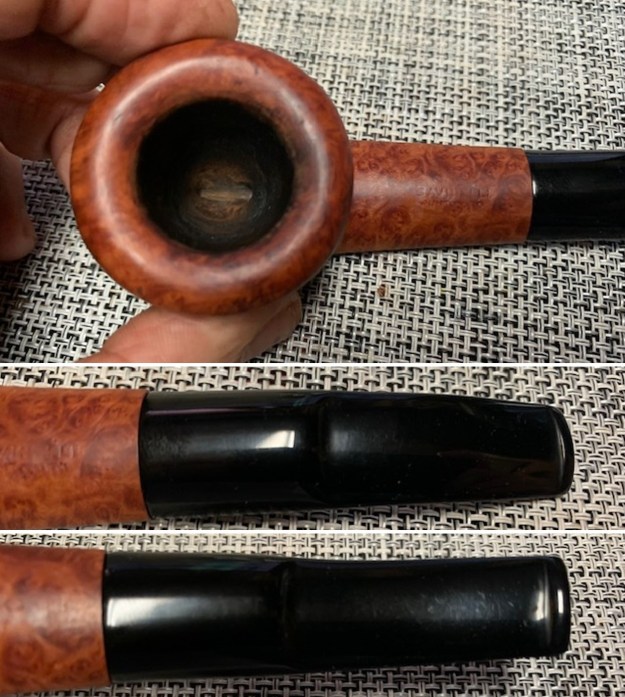
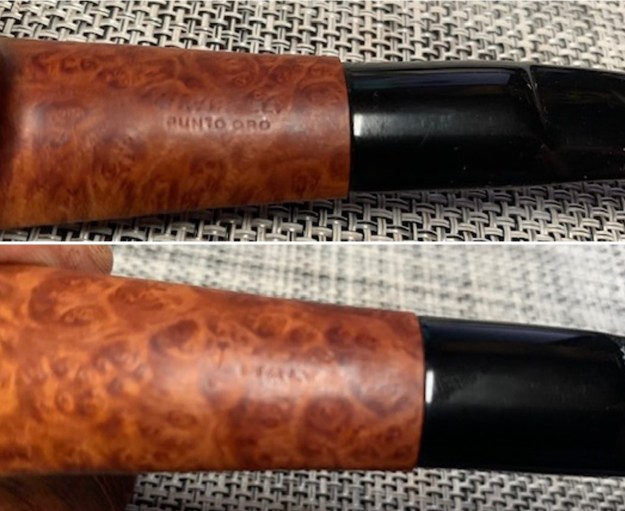
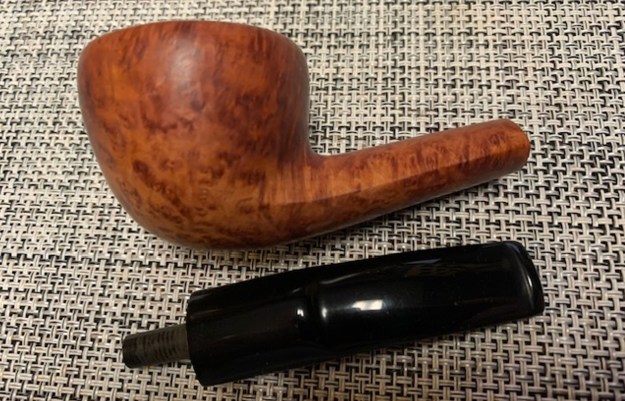
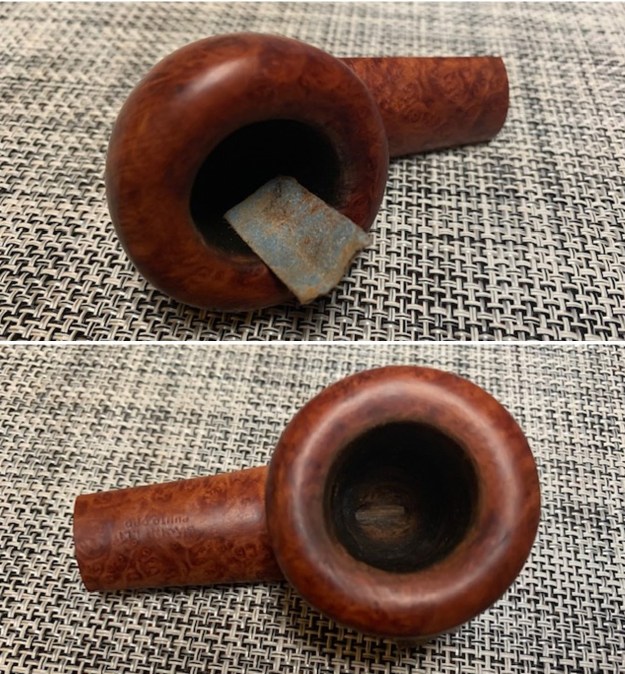
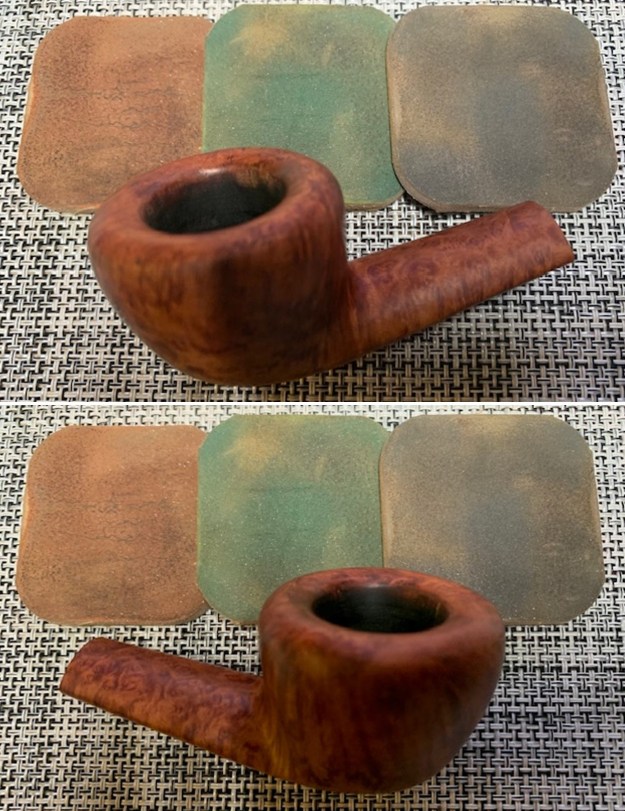
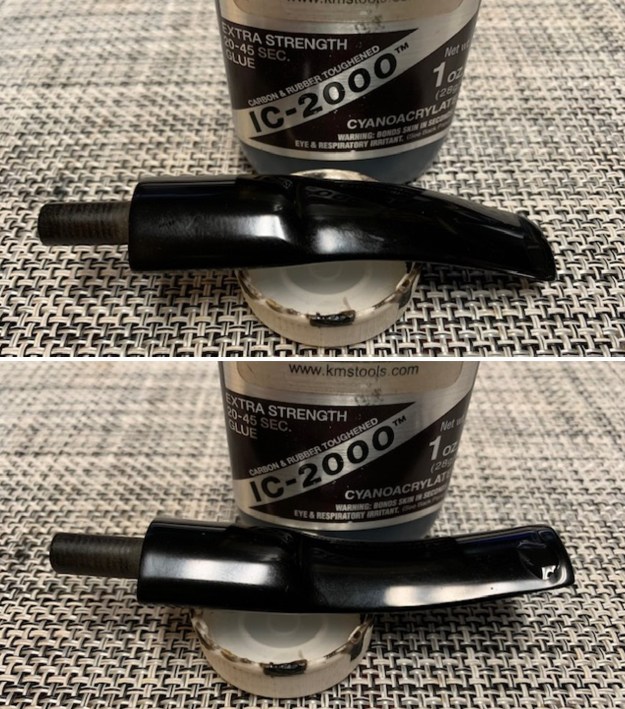
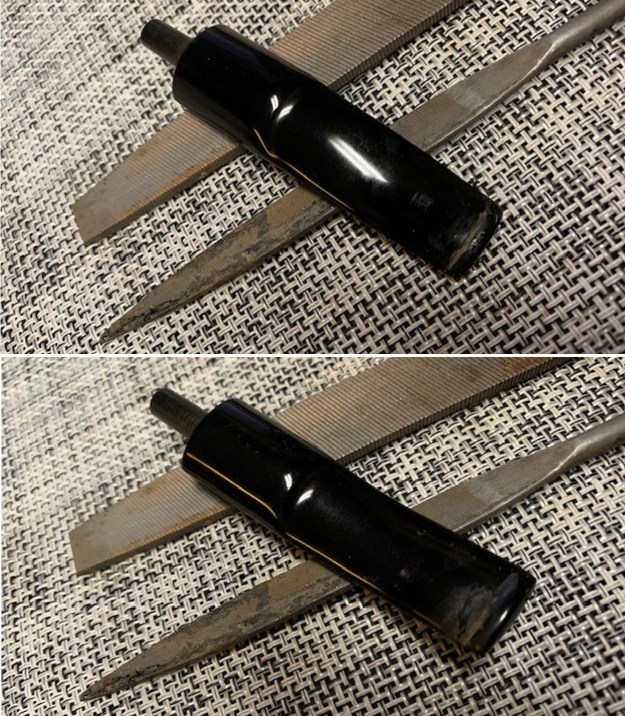
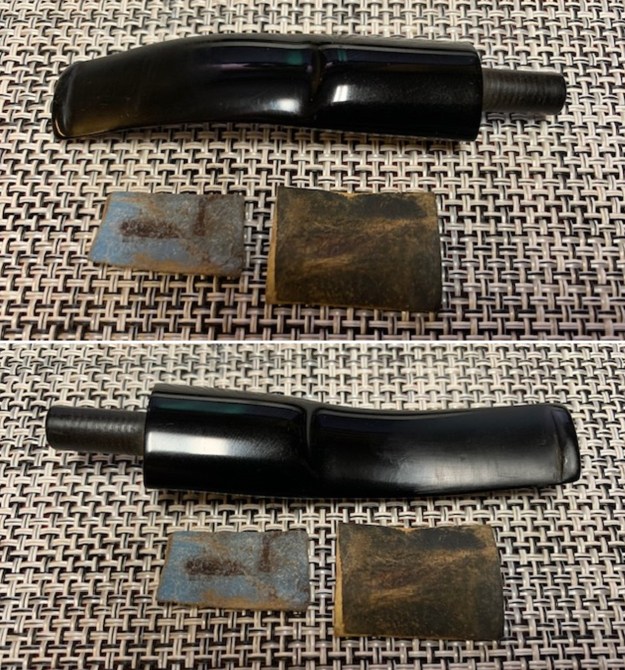
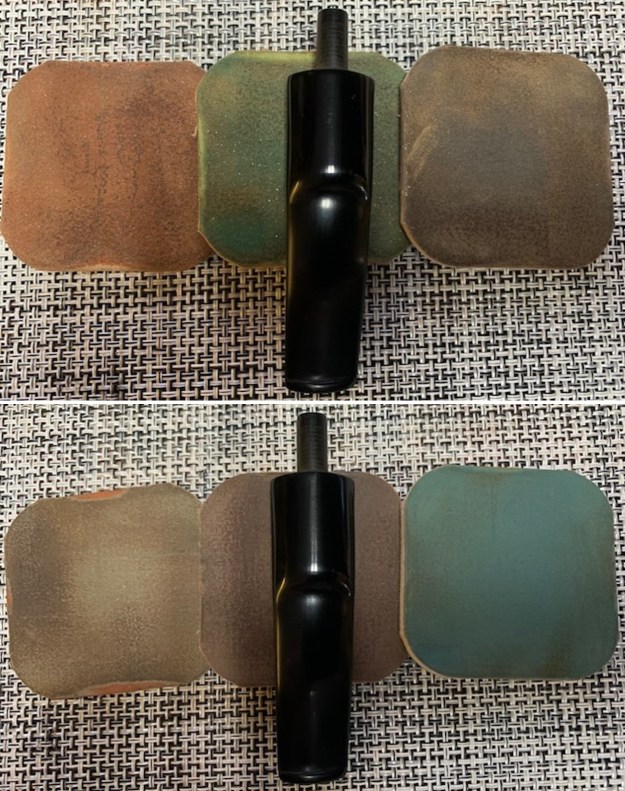
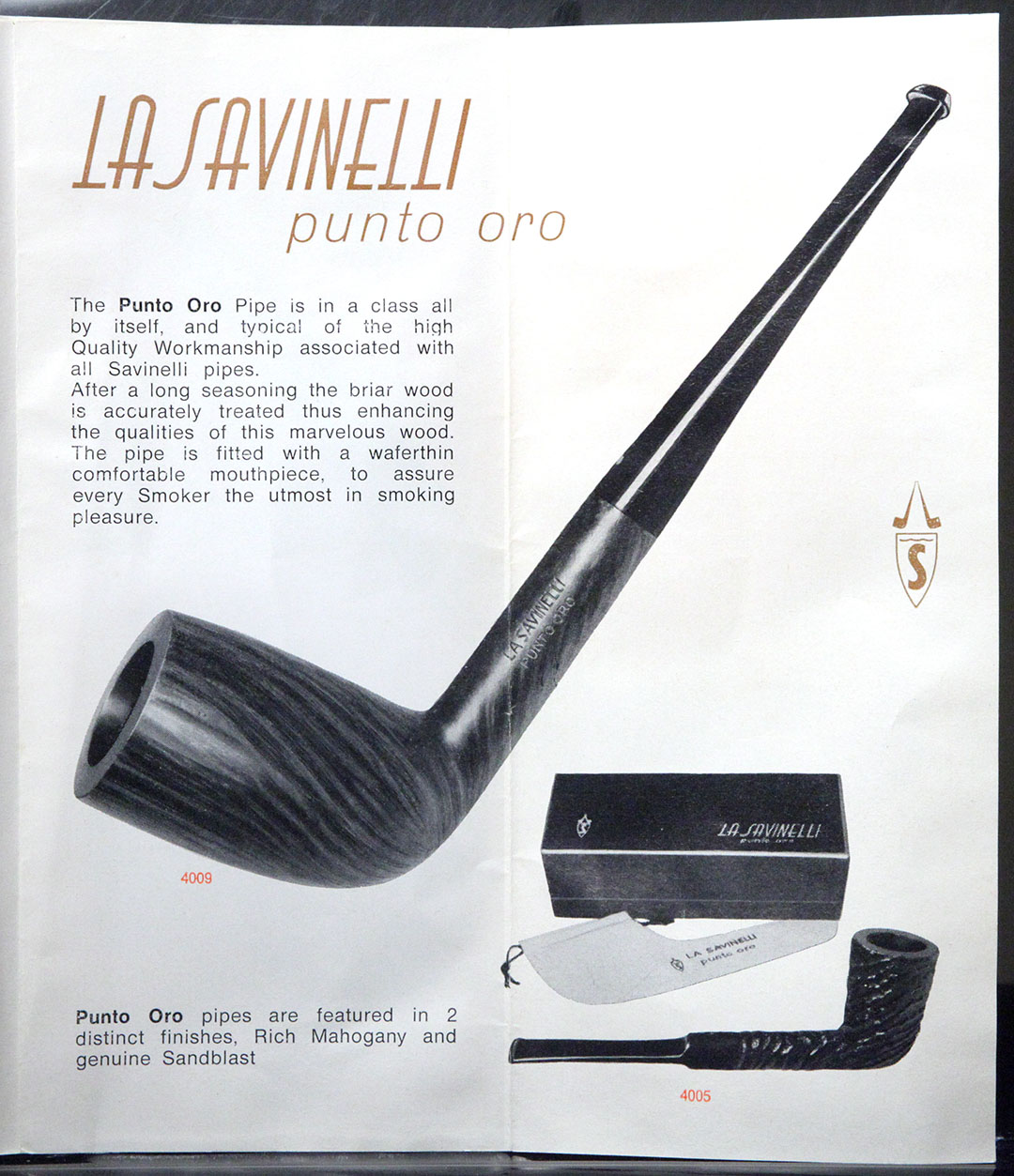
The next pipe on the work table is an interesting Diplomat shaped pipe that we obtained in a trade from a fellow in Japan 01/12/2023. It was stamped on the top side of the shank and read Savinelli [over] Punto Oro. On the underside of the shank it was stamped with a Savinelli S shield followed by the shape number 316KS [over] Italy. It has a smooth finish with beautiful grain patterns around the bowl and shank that is covered with a lot of oils, debris and grime. The bowl was quite clean and appeared to have been recently reamed and cleaned. The top and edges of the rim looked very good with some light darkening on the back inner edge of the crowned rim top. There was a very beautiful pipe underneath all of the buildup of years of use. The stem was an acrylic replacement that was not a perfect fit to the shank with a slightly smaller diameter crosswise to the shank so it would not be changed in the restoration. As it was acrylic there was no issue with oxidization or calcification on the stem. There were light tooth marks and chatter on both sides near the button. Jeff took photos of the pipe before he started his cleanup work on it. Jeff took photos of the bowl and rim top to show the condition of the bowl and the rim top. It looked very good and there was some darkening on the back inner edge of the crowned rim top. Jeff took photos of the top and underside of the stem showing the light tooth marks and chatter on both sides. Jeff took photos of the sides and heel of the bowl to show the condition of the finish. You can see the grime around the sides of the bowl and shank. Even under the dirt and debris of the years it looked very good. Jeff took photos of the stamping on the top and underside of the shank. The stamping was faint but readable as you can see from the photos. It read as noted above. I turned to Pipephil’s site to get a feel for the Punto Oro line. All of the previous Punto Oro pipes that I have worked on were smooth finish with great grain. This was a sandblast one and I do not recall working on one before. Here is the link (http://www.pipephil.eu/logos/en/logo-savinelli3.html). I have included a screen capture of the pertinent information on the line below. It appears the line came out in both smooth and sandblast finishes.I turned to Pipedia to look at what information they had on the brand. I found a catalogue page on the Punto Oro which confirmed what I had surmised about the line having both smooth and sandblast finished pipe (https://pipedia.org/images/d/db/Sav_Punto_Oro.jpg). I have included a screen capture of the page below. It says that the line was available in 2 distinct finishes – a rich Mahogany smooth finish and a genuine sandblast.The Savinelli shape number was 310KS so I turned to the Savinelli Shape Chart on Pipedia and included a screen capture (https://pipedia.org/images/4/41/Sav_Shape_Chart_2017.jpg). I have drawn a red box around the 316KS shape in the photo below. Armed with that information I turned to work on the pipe itself. Jeff had done a great job cleaning up the pipe as usual. He cleaned up the inside of the bowl with a PipNet reamer and a Savinelli Fitsall Pipe Knife. The bowl walls looked very good. He scrubbed the interior of the bowl and shank with pipe cleaners, cotton swabs and alcohol to remove the tars and oils. He scrubbed the exterior of the pipe with Murphy’s Oil Soap and a tooth brush to remove the grime from the finish. He worked on the rim top lava and darkening with the soap and tooth brush. He scrubbed the inside of the stem with alcohol and pipe cleaners. He scrubbed the exterior with Soft Scrub and then soaked it in Briarville’s Pipe Stem Deoxidizer. He washed it off with warm water to remove the deoxidizer. The pipe looked far better. I took photos of the pipe when I received it before I started working on it. I took photos of the bowl and rim top to show how clean it was. You can see the darkening on the inner edge of the rim and the top.  The stem looks clean of oxidation and the tooth marks and chatter are very clear in the photos.I took photos of the stamping on the top and the underside of the shank. The stamping is faint in spots but it is still readable. I took a photo of the pipe with the stem removed to show the overall look of stem, tenon and profile of the pipe. I decided to start my work on the pipe by cleaning up the rim top and inner edge of the bowl with a folded piece of 220 grit sandpaper. I removed the darkening and nicks on the inner edge. It looked significantly better.  I polished the briar with micromesh sanding pads – dry sanding it with 1500-12000 grit sanding pads. I wiped it down with a damp cloth after each sanding pad to remove the dust. The briar was really shining by the final pad. I rubbed the bowl and rim down with Before & After Restoration Balm. I worked it into the surface of the briar with my fingertips to clean, enliven and protect it. I let the balm sit for 10 minutes and then buffed with a cotton cloth to raise the shine. I really like watching the Balm do its magic and bring the briar alive. There are still small nicks in the briar but I have decided to leave them as part the pipe’s story. I built up the rounded edge of the button on the top side with black, rubberized CA glue. I filled in the deep marks on the stem with clear CA glue and set it aside to cure. Once it cured I used a file to flattened the repairs and redefine the button edge. I sanded the stem with 220 grit sandpaper to further blend in the repairs. I started polishing it with 600 grit wet dry sandpaper. I polished the stem with micromesh sanding pads – wet sanding with 1500-12000 grit pads. I wiped the stem down after each sanding pad with Obsidian Oil. I polished it with Before & After Pipe Stem Polish – both Fine and Extra Fine. I gave it a coat of Obsidian Pipe Stem Oil. It works to protect the stem from oxidizing. I set it aside to dry. I put the stem back on the Savinelli Punto Oro 316KS Oval Shank Dublin and buffed the pipe with Blue Diamond on the buffing wheel. I polished the briar and the vulcanite of the stem until there was a rich shine. This classic Savinelli shape and finish really highlights a proportionally well carved pipe. Once I buffed the pipe the briar came alive as the grain just popped with polishing. The black acrylic saddle stem has a rich glow. This Punto Oro 316KS fits well in the hand and sits right in the mouth. Have a look at it with the photos below. The dimensions are Length: 6 inches, Height: 1 ½ inches, Outside diameter of the bowl: 1 ¾ inches, Chamber diameter: 7/8 of and inch. The weight of the pipe is 1.66 ounces/47 grams. This beauty will be going on the rebornpipes online store in the Italian Pipemakers Section. If you are interested let me know. Thanks for walking through the restoration with me as it was a pleasure to work on.

As always, I encourage your questions and comments as you read the blog. Thanks to each of you who are reading this blog. Remember we are not pipe owners; we are pipe men and women who hold our pipes in trust until they pass on into the trust of those who follow us.

Restoring a large Savinelli Autograph 5 Freehand Sitter


Blog by Steve Laug

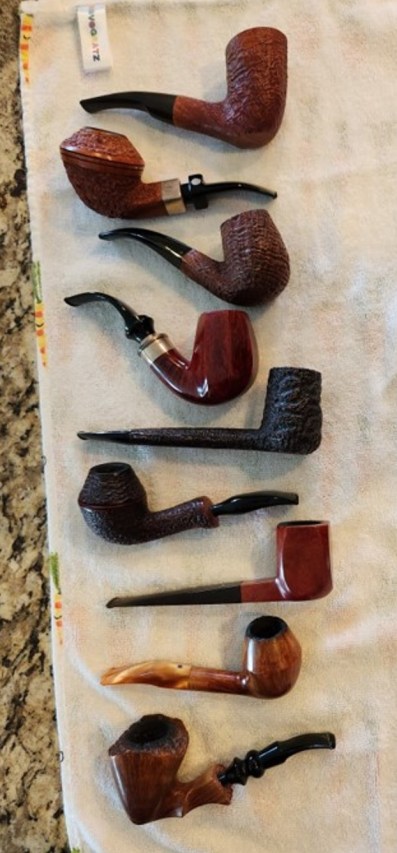
A few weeks ago I was contacted from a fellow in Montana who was selling his pipes as they had not been used for quite a few years. I asked him for a picture and he sent me the one to the left. It included the following brands (from the top to the bottom of the photo): Savinelli Autograph 5 Freehand, Mastro de Paja Ciocco 0C Bulldog, Mastro de Paja Media 1B Bent Billiard, Ser Jacopo Delecta Octagonal Bent Billiard, Caminetto Business KS 118 Canadian, Radici Rind Rhodesian, Dunhill Bruyere ODA 836 Panel Billiard, Barontini Straight Grain B3 Freehand and a Ben Wade Martinique Hand Made in Denmark Freehand.

Almost all of them were higher end pipes and all were hand made pipes. They were a mix of finishes – smooth, sandblast and also rusticated. They were a mix of shapes as well and the majority of them were Italian Made other than the Dunhill and the Ben Wade Martinique. They were beautiful pipes and after exchanging quite a few photos of the pipes from various angles to get a sense of what was there we struck a deal. We sent him the payment and the pipes arrived in Idaho a few days after I left for Vancouver.

Jeff cleaned them all and this week I received them in Vancouver. I am impressed with the way they cleaned up and the beauty of the brands. They truly are some beautiful pipes. I just need to put the final touches on each of them and address minor issues on the bowl rims and the stems and they should be good to go. I am really looking forward to working on each of them in the days ahead.

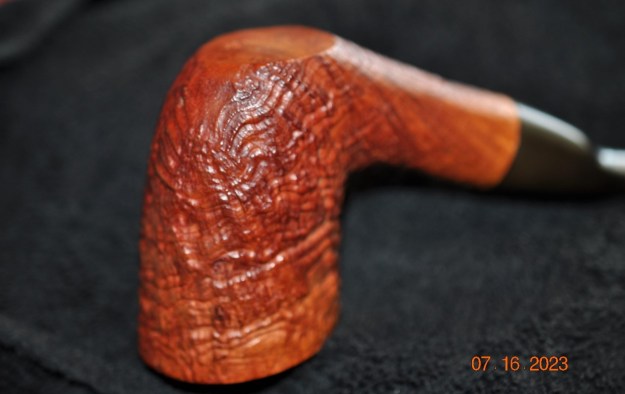
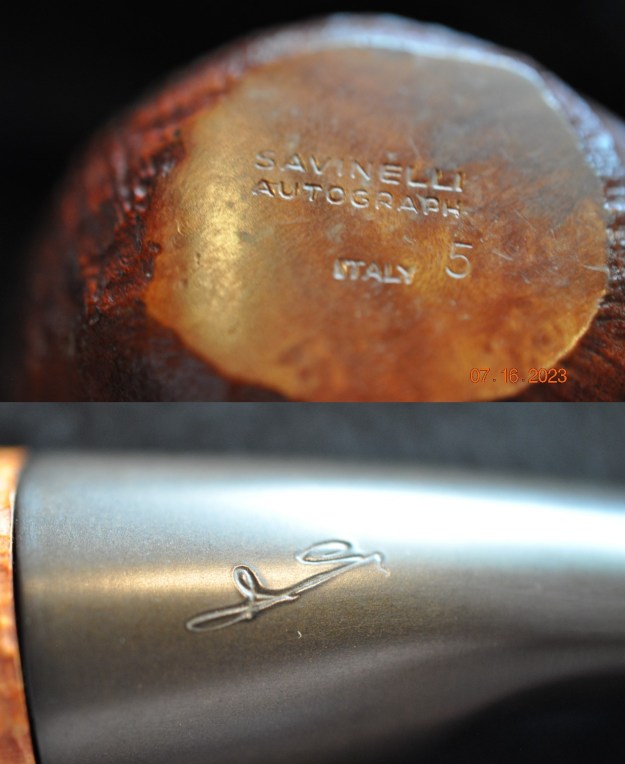
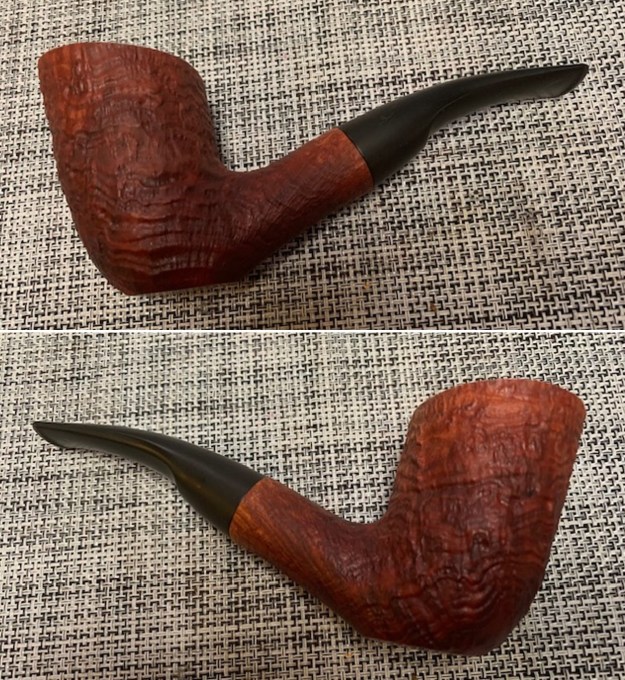
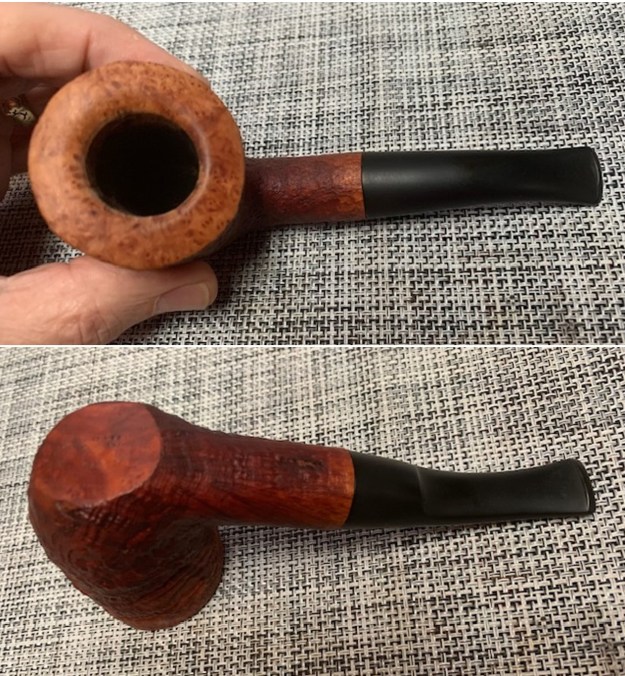
This afternoon after work I decided to continue working on the lot. I chose to work on the sandblast Savinelli Autograph Freehand. To me Savinelli Autographs have an easily recognizable look to them. This one had a great sandblast finish and a smooth rim top and bowl base so it functioned as a sitter. The pipe is stamped on heel of the bowl. It was clear and readable and says Savinelli [over] Autograph [over] 5. There is an autograph on the left side of the stem. The stamping is clear and readable. The medium brown stained finish was very dirty with grime ground into the valleys of the sandblast briar. The bowl had a thick cake and the rim top/inner edge had thick lava flowing up from the bowl. It was heavier on the back side of the bowl and rim than the rest. The inner edge of the bowl was covered enough with lava that it was hard to know its condition with certainty. The taper stem is black vulcanite and was dirty, oxidized and had tooth marks and chatter on both sides ahead of the button. Jeff took photos of the pipe before he started his clean up work on it. Jeff took photos of the bowl and rim top to show what they looked like before the clean up. You can see the thick cake in the bowl overflowing as lava on the inner edge and rim top. He also took some photos of the stem to show the condition of both sides. You can see the tooth marks and chatter on the top and underside next to the button. The photos of the sides and heel of the bowl show the beautiful sandblast finish around the bowl and shank. The stain adds depth finish on the pipe. Even under the grime it is a real beauty. The stamping on the heel of the bowl is shown in the photos below. It is clear and readable as noted above. The second photo shows the autograph on the side of the stem. I wanted to remind myself a bit about the Autograph line from Savinelli so I reread a blog I had written on a previous Autograph restoration (https://rebornpipes.com/2019/01/05/restoring-a-savinelli-autograph-3-rhodesian-dublin-long-shank/). I quote a portion of the blog now:

I turned first to the Pipephil website (http://www.pipephil.eu/logos/en/logo-savinelli1.html) to get a brief overview of the Autograph line. There I found out that the Autographs were hand made and unique. The Autograph Grading system is ascending: 3, 4, … 8, 0, 00, 000.

I turned then to Pipedia to get a more background on the Autograph line. I had the outline I needed from pipephil for the pipe but wanted more (https://pipedia.org/wiki/Savinelli). I quote in part from the article on that site.

While Savinelli’s serially produced pipes account for around 98% of annual production, the marque also creates a number of artisanal, handmade pieces as well. The Autographs, the Creativity line, and the Mr. A. line are all the result of Savinelli’s unique handmade process, with the Autographs reflecting the larger Freehand aesthetic, the Creativity line delving into more complex hand carving, and the Mr. A. line sidestepping the standard shape chart for remarkable and unusual pipes.

All of the briar for Savinelli’s Autographs and other freehand pipes is sourced specifically for those pieces. While the majority of the marque’s serial production is made from extra grade ebauchon blocks, Savinelli keeps a separate supply of Extra Extra plateau blocks for Freehands. This variety of briar is much larger, and of a higher quality, which explains why so many Autographs and Savinelli handmades are naturally larger designs.

These handmade pieces are shaped much like traditional Danish Freehands: they are shaped first and drilled second. Using this method, Savinelli’s team of artisans is able to showcase their own creativity, as it maximizes flexibility and facilitates a more grain-centric approach to shaping. The resulting Freehand designs are at once both a departure from the marque’s classical standard shapes, yet very much still “Savinelli” in their nature—i.e. proportioned so that the bowl is the visual focus when viewed from the profile, juxtaposed by the comparatively trim lines of the shank and stem. To provide a little more insight into the differences between Savinelli’s standard production and freehand lines, Luisa Bozzetti comments:

“When we choose to make Freehand pipes we must stop production on the standard shapes. The process for Freehands is much more involved and takes much more time. Finding the best people from the production line and pulling them to make Freehands is challenging since it’s not an assembly line, but rather a one or two man operation.

After the rough shaping of the stummel, we must get together and brainstorm which style of stem will be paired before the pipe can be finished since we do not use pre-shaped stems. All accents and stems for the Freehands are cut from rod here in the factory. A lot of care goes into the few pieces lucky enough to make the cut; to end up with a certain number of Autographs, for instance, means that many, many more will be made, and only the few will be selected.”

The quality control process for Savinelli handmades is even more rigorous than that employed in the standard lineup. Many blocks are started and later discarded because of pits or defects. While Savinelli’s briar sourcing is a constant process, working with some of Italy’s top cutters to ensure only the finest and most suitable blocks make their way to the factory, it’s impossible to source plateau briar that’s completely free from flaws. That’s just nature. Savinelli creates the standard for quality by working through the rough (a very high-quality rough, mind you) to find that shining diamond with the potential to become a Savinelli handmade.

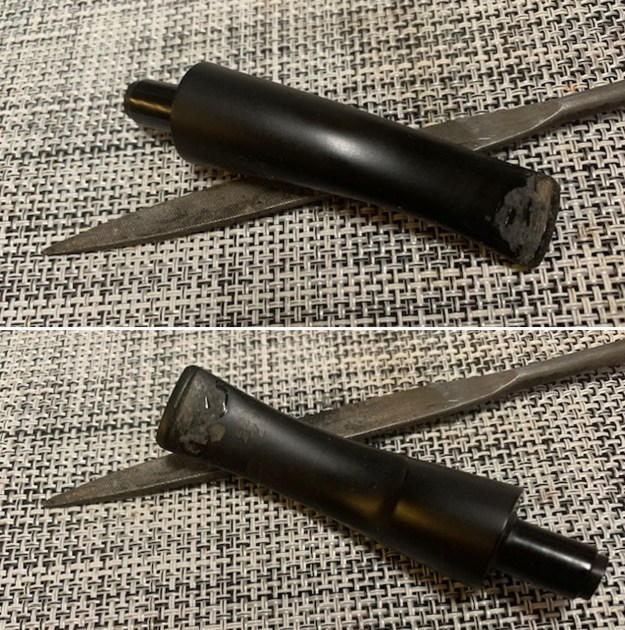
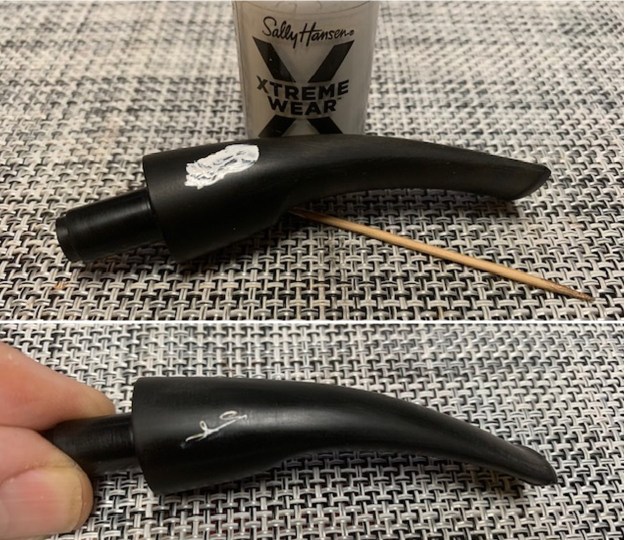
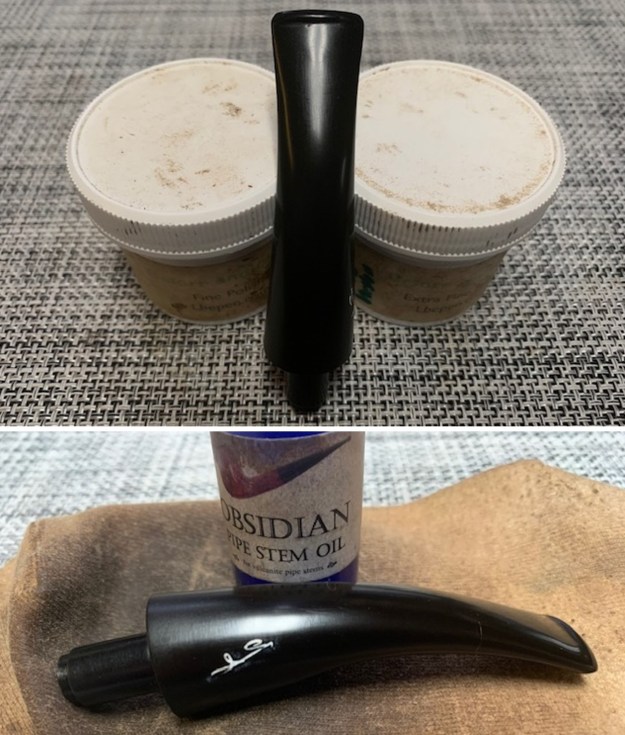
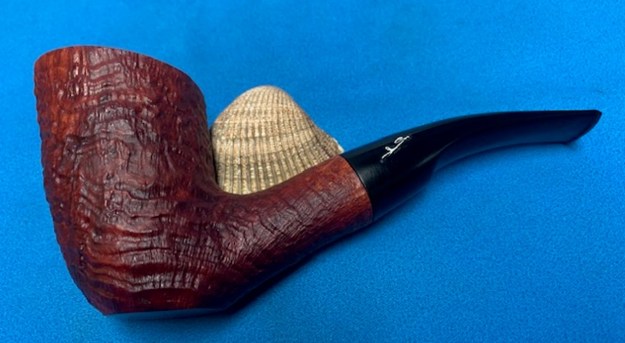
It looks like the Autograph 5 I am working is pretty high in the hierarchy of the line. Like other autographs I have worked on in the past this one has a signature on the left side of the vulcanite stem. Jeff once again did an amazing job cleaning the pipe. He reamed it with a PipNet pipe reamer and cleaned up the bowl walls with a Savinelli Fitsall Pipe Knife. He got rid of the cake so that we could see the walls of the bowl and assess for damage. He cleaned the internals of the shank and stem with alcohol, pipe cleaners and alcohol. He scrubbed the exterior with undiluted Murphy’s Oil Soap and a tooth brush to get into the grooves and valleys of the rustication. He rinsed the pipe under warm water. He dried it off with a cloth and then let it air dry. The stem was scrubbed with Soft Scrub and then soaked in Briarville’s Pipe Stem Deoxidizer. It came out looking pretty good with a light coat of oxidation still present. The finish on the bowl and the rim top cleaned up pretty good. I took pictures of the pipe to show how it looked when I unpacked it.    I took close up photos of both the rim top and the stem. Jeff had been able to get the grime and lava off of the rim top and it looked very clean. The stem looked very clean. The tooth marks and chatter were predominantly near the button. The stamping on the sides of the shank was readable as noted above. I took photos of the stamping on the heel of the bowl to show the condition and readability. I also took a photo of the autograph on the left side of the stem. I took a photo of the pipe with the stem removed to give an idea of the perspective and design of the pipe. I polished the smooth heel of the bowl and rim top with micromesh sanding pads using 1500-12000 grit sanding pads and wiping it down after each sanding pad with a damp cloth to remove the sanding dust and debris. I worked some Before & After Restoration Balm into the finish of the bowl and shank with my fingers and a horsehair shoe brush. I want the product to go deep into the finish because it works to clean, enliven and protect the briar. Once I was confident that it was deeply worked into the finish I wiped it off and buffed it with a soft cloth to polish it. The pipe really began to have a rich shine. I took some photos of the bowl at this point to mark the progress in the restoration. The grain really stands out on the pipe in the photos below. I set the bowl aside and turned to work on the stem. I painted the surface of the vulcanite with the flame of a lighter to lift the bite marks. I was able to lift them significantly. What remained I filled in with black CA glue. Once the repairs cured I flattened the repairs with a small file. I sanded the surface of the stem with 220 grit sandpaper and started the polishing with a folded piece of 600 grit wet dry sandpaper. I touched up the autograph stamp on the left side of the stem with white acrylic fingernail polish. I worked it into the stamp with a tooth pick and cleaned off the excess with a worn 1500 micromesh sanding pad.I polished the vulcanite stem with micromesh sanding pads – wet sanding it with 1500-12000 grit pads. I wiped it down with Obsidian Oil after each sanding pad. I polished it with Before & After Pipe Polish – both the Fine and Extra Fine polishes. I gave it a final coat of oil and set it aside to dry.I put the Savinelli Autograph 5 bowl and stem back together. I polished the smooth part of the bowl and stem with Blue Diamond to polish out the scratches in the briar and the vulcanite. I gave the sandblasted bowl and shank several coats of Conservator’s Wax and the stem multiple coats of carnauba wax. I buffed the pipe with a clean buffing pad to raise the shine. I hand buffed it with a microfiber cloth to deepen the shine. The pipe polished up pretty nicely. The medium brown stains and the smooth and sandblast finish worked amazingly well with the polished black vulcanite stem. The sandblast was deep and craggy on the bowl and shank and looks quite remarkable. This is truly a beautiful Freehand pipe. The finished pipe is shown in the photos below. The dimensions of the pipe are Length: 6 inches, Height: 2 ½ inches, Outside diameter of the bowl: 1 ¾ inches, Chamber diameter: 7/8 of an inch. The weight of the pipe is 2.89 ounces/82 grams. I have restored quite a few Autographs over the years and this estate is another rare beauty. I will be putting it on the rebornpipes store shortly in the Italian Pipemakers Section. Thanks for walking through the restoration with me. Cheers.

As always, I encourage your questions and comments as you read the blog. Thanks to each of you who are reading this blog. Remember we are not pipe owners; we are pipe men and women who hold our pipes in trust until they pass on into the trust of those who follow us.

Cleaning Up a Nice Looking Savinelli Silver 621 Bent Dublin with an acrylic 9MM Filter Stem


Blog by Steve Laug

The silver came as a trade from Japan on 01/12/23… Bret Gross

The next pipe I chose to work on was a newer one in my box of pipes to restore. We took it in on a trade for some pipes we had to sell. It is a great sandblast that really shows the grain around the sides and shank. It is stamped Savinelli [over] Silver on a smooth panel on the underside of the shank. That is followed by a Savinelli S shield followed by the shape number 621 [over] Italy. There was a Sterling Silver band on the shank that was stamped with a flattened triangle reading 925 [over] Savinelli. On the right side of the band it is stamped Sterling Mounted. The bowl had been cleaned and reamed by the fellow we received it from. The rim top looked very good with some slight darkening on the back and on the beveled inner edge of the bowl. The acrylic saddle stem was made to hold a 9MM filter and was in great condition. The stem was free of tooth marks or chatter both sides and the button. Jeff took some photos of the pipe before he did his clean up work. He took some photos of the bowl and the rim top to show the remnants of the cake left behind when it was reamed and the darkening on the rim top and beveled edge on the back of the bowl. The stem photos show the condition of the stem surface and confirm the description given above. It was in excellent condition. There was a slight trough along the underside edge of the button that showed up in the photos he took that will need to be dealt with. He took photos of the sides and heel of the bowl to show the patterns in the sandblast on the briar. It really shows the grain through the finish. He took photos of the stamping on the smooth panel on the underside of the shank to capture what was stamped there. It is clear and readable as noted above. He also took  a photos of the stamping on the silver band. Jeff had done a great clean up of the pipe. He had cleaned up the reaming with a PipNet reamer and took the remaining cake back to bare briar. He cleaned up the remnants with a Savinelli Fitsall Pipe Knife. He scrubbed internals of the shank and stem with alcohol, cotton swabs and pipe cleaners. He cleaned the exterior of the pipe with undiluted Murphy’s Oil Soap and a tooth brush was able to remove the darkening on the rim top and beveled edge. He scrubbed the stem with Soft Scrub to remove the debris that had accumulated on it. The stem was soaked in Briarville’s Pipe Stem Deoxidizer and then rinsed clean. The pipe looked clean and ready for the next step in the process. Here are some photos of it when I brought it to the table. I took photos of the rim top and the top and underside of the stem. You can see the clean bowl and rim top. The stem looks very good.The next photo shows the stamping on a smooth panel on the underside of the shank. It is clear and readable as noted above. You can also see the stamping on the silver band.I removed the stem from the shank and took a photo of the parts to give a sense of the overall look of the pipe. It is really a nicely looking pipe that will look great once it is cleaned up. (Note the 9MM filter tenon in the photo below.)The bowl was in great condition so started my work by rubbing it down with Before & After Restoration Balm to deep clean the nooks and crannies of the sandblast finish, enliven and protect the briar. I hand rubbed it with my fingers and into the finish with a horsehair shoe brush. I let it sit for 10 minutes to let it do its work. I wiped it off with a soft cloth. I buffed the bowl with a cotton cloth. It really began to have a deep shine in the briar. I took some photos of the bowl at this point to mark the progress in the restoration. I set the bowl aside and turned my attention to the stem. I worked on the slight dip in the acrylic ahead of the button on the underside of the stem with 220 grit sandpaper to smooth it out and level it. Once it was smooth I polished it with 600 grit wet dry sandpaper.I polished the stem on both sides using micromesh sanding pads. I dry sanded the stem with the 1500-12000 grit pads, then wiped it down with a cloth impregnated with Obsidian Oil. I finished polishing it with Before & After stem polish – both Fine and Extra Fine. I gave it a final coat of Obsidian Oil and set it aside to dry. I fit a new charcoal 9MM filter in the tenon of the stem and took photos.This is another pipe I am excited to finish. It is a Savinelli Silver 6211 Bent Filter Stem Dublin. I put the pipe back together and buffed it lightly with Blue Diamond on the buffing wheel. I gave the bowl and the stem multiple coats of carnauba wax. I buffed the pipe with a clean buffing pad to raise the shine and hand buffed it with microfiber cloth to deepen the shine. It is fun to see what the polished bowl looks like with the polished acrylic stem. It really was a beautiful pipe. The sandblast finish surface show the grain shining through the rich browns/black stain on smooth portions of the finish of this Savinelli Silver Bent Dublin. It is nice looking and the pipe feels great in my hand. It is light and well balanced. Have a look at it with the photos below. The dimensions are Length: 5 inches, Height: 2 ¾ inches, Outside diameter of the bowl: 1 ¼ inches, Chamber diameter: 7/8 of an inch. The weight of the pipe is 1.27 ounces/37 grams. It is a beautiful pipe and one that I will be putting on the rebornpipes store in the Italian Pipe Maker section. Thanks to each of you who are reading this blog. Remember we are not pipe owners; we are pipemen and women who hold our pipes in trust until they pass on into the trust of those who follow us.

Restoring a Unique Savinelli Autograph 4 Freehand


Blog by Steve Laug

The next pipe on the table is one that was sent to me for a restoration. I am not taking on too many more pipes from outside Canada but the shape and finish of this one caught my eye. It is a Savinelli Autograph 4 with an unusual shape and a great sandblast finish. It is dirty but still very eye catching. It is stamped on the underside of the shank and reads Savinelli [over] Autograph [over] 4. The shank is round but has a flat bottom that allows the pipe to be a sitter. The bowl had been partially reamed and the top half had scraped away some briar on the inner edge of the bowl. The bottom half was very full of a thick cake that had not been touched with the reamer. The pipe smelled of old tobacco but did not seem to be a heavy aromatic. The shank was dirty with oils and tars. The acrylic stem is almost certain a replacement. It does not have the characteristic autograph/signature on the side of the saddle though it is very well made and the fit to the shank is perfect. There were light tooth marks and chatter in the surface on both sides. The button surface was clean but the slot had been filled in with debris leaving a very small airway. I am including the photos of the pipe that were sent by the person who is the steward of the pipe below. I think that you can see what attracted me to this one. The email also included photos of the rim top to show its condition. There was some damage to the finish on the rim top and some damage to the inner edge of the rim. The acrylic stem photos show the scratches, chatter and tooth marks. Overall the pipe looked impressive even in its unrestored state. I wanted to remind myself a bit about the Autograph line from Savinelli so I reread a blog I had written on a previous Autograph restoration (https://rebornpipes.com/2019/01/05/restoring-a-savinelli-autograph-3-rhodesian-dublin-long-shank/). I quote that portion of the blog now:

I turned first to the Pipephil website (http://www.pipephil.eu/logos/en/logo-savinelli1.html) to get a brief overview of the Autograph line. There I found out that the Autographs were hand made and unique. The Autograph Grading system is ascending: 3, 4, … 8, 0, 00, 000.

I turned then to Pipedia to get a more background on the Autograph line. I had the outline I needed from pipephil for the pipe but wanted more (https://pipedia.org/wiki/Savinelli). I quote in part from the article on that site.

While Savinelli’s serially produced pipes account for around 98% of annual production, the marque also creates a number of artisanal, handmade pieces as well. The Autographs, the Creativity line, and the Mr. A. line are all the result of Savinelli’s unique handmade process, with the Autographs reflecting the larger Freehand aesthetic, the Creativity line delving into more complex hand carving, and the Mr. A. line sidestepping the standard shape chart for remarkable and unusual pipes.

All of the briar for Savinelli’s Autographs and other freehand pipes is sourced specifically for those pieces. While the majority of the marque’s serial production is made from extra grade ebauchon blocks, Savinelli keeps a separate supply of Extra Extra plateau blocks for Freehands. This variety of briar is much larger, and of a higher quality, which explains why so many Autographs and Savinelli handmades are naturally larger designs.

These handmade pieces are shaped much like traditional Danish Freehands: they are shaped first and drilled second. Using this method, Savinelli’s team of artisans is able to showcase their own creativity, as it maximizes flexibility and facilitates a more grain-centric approach to shaping. The resulting Freehand designs are at once both a departure from the marque’s classical standard shapes, yet very much still “Savinelli” in their nature—i.e. proportioned so that the bowl is the visual focus when viewed from the profile, juxtaposed by the comparatively trim lines of the shank and stem. To provide a little more insight into the differences between Savinelli’s standard production and freehand lines, Luisa Bozzetti comments:

“When we choose to make Freehand pipes we must stop production on the standard shapes. The process for Freehands is much more involved and takes much more time. Finding the best people from the production line and pulling them to make Freehands is challenging since it’s not an assembly line, but rather a one or two man operation.

After the rough shaping of the stummel, we must get together and brainstorm which style of stem will be paired before the pipe can be finished since we do not use pre-shaped stems. All accents and stems for the Freehands are cut from rod here in the factory. A lot of care goes into the few pieces lucky enough to make the cut; to end up with a certain number of Autographs, for instance, means that many, many more will be made, and only the few will be selected.”

The quality control process for Savinelli handmades is even more rigorous than that employed in the standard lineup. Many blocks are started and later discarded because of pits or defects. While Savinelli’s briar sourcing is a constant process, working with some of Italy’s top cutters to ensure only the finest and most suitable blocks make their way to the factory, it’s impossible to source plateau briar that’s completely free from flaws. That’s just nature. Savinelli creates the standard for quality by working through the rough (a very high-quality rough, mind you) to find that shining diamond with the potential to become a Savinelli handmade.

It looks like the Autograph 4 I am working is pretty high in the hierarchy of the line. Like other autographs I have worked on in the past this one has a unique twist to the stem.

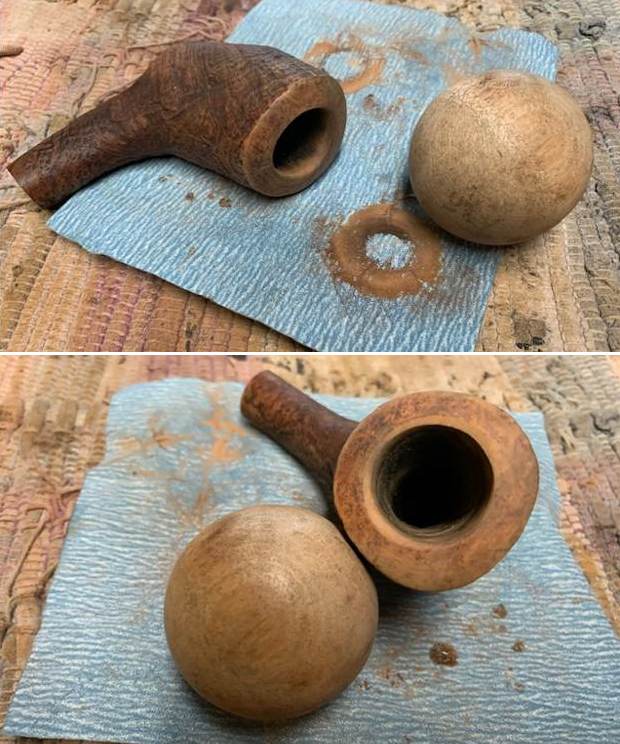
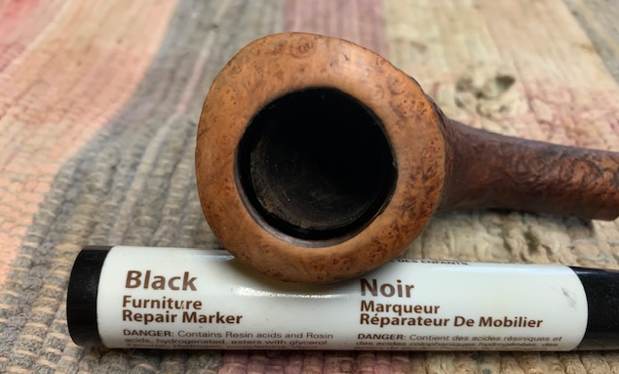
I started my work on the pipe by reaming it with a PipNet pipe reamer and got rid of the cake. I cleaned up the reaming with a Savinelli Fitsall Pipe knife. I then sanded the walls smooth and wiped it down with a cotton pad so that I could see the walls of the bowl and assess for damage. I scraped the mortise walls with a pen knife and was able to remove a lot of tarry/oily buildup. Once I had scraped it clean, I scrubbed the internals of the shank, mortise and the airway in the shank and stem with alcohol, pipe cleaners and alcohol. It smelled considerably cleaner at this point in the process. I scrubbed the exterior with undiluted Murphy’s Oil Soap and a tooth brush to get into the grooves and valleys of the sandblast. I worked on the rim top and edges of the bowl to remove some of the tars and darkening there. I rinsed the pipe under warm water. He dried it off with a cloth and then let it air dry. I decided to address the damage to the inner edge of the rim. I used a wooden ball and a piece of 220 grit sand paper to give the inner edge a slight bevel to take care of the damage and burn marks. I cleaned it up lightly with a folded piece of 220 grit to smooth out the notches from the reaming work done before it arrived here. I was able to minimize the damaged area. Before I called it a night I stuffed the bowl with some cotton bolls, plugged the shank end and filled it with 99% isopropyl alcohol to leach out the oils and tars in the bowl and shank that gave it a bit of a funky smell. I set it aside for the night to do its magic. When I came back to the work table in the morning the cotton had darkened all the way down the bowl and the plug. The pipe smelled considerably better.I ran some pipe cleaners through the shank and dried the bowl edges. I used a black stain pen to stain the inner edge of the bowl to blend it into the bowl and give definition to the rim top. I like the way this looks on a cleaned pipe.I polished the rim top with micromesh sanding pads – wet sanding with 1500-12000 grit pads. I wiped the bowl down after each pad with a damp cloth. The grain really began to pop and stand out on the polished briar. I worked some Before & After Restoration Balm into the briar with my finger tips and a horsehair shoe brush. The product is a great addition to the restoration work. It enlivens, enriches and protects the briar while giving it a deep glow. It is a product I use on every pipe I work on. I set the bowl aside and turned to address the stem issues. I sanded out the tooth marks and chatter on the acrylic stem with a folded piece of 220 grit sandpaper to blend them into the surface of the stem. I polished out the scratching and marks left behind from the 220 grit sandpaper by wet sanding it with a 600 grit wet dry sandpaper.I polished the acrylic with micromesh sanding pads – 1500-12000 grit pads. I wiped it down with Obsidian Oil after each sanding pad. I used Before & After Pipe Polish – both Fine and Extra Fine to further polish the stem. This Savinelli Autograph 4 Sitter with a Fancy Acrylic Stem has a beautiful sandblast finish around the bowl and shank and a smooth rim top that has some great grain. The polished light briar highlights some great grain around the pipe. The polished black acrylic fancy stem adds to the mix. I put the stem back on the bowl and buffed the pipe with Blue Diamond on the buffing wheel being careful to not buff the stamping. I gave the bowl multiple coats of Conservator’s Wax and the stem multiple coats of carnauba wax on the buffing wheel and followed that by buffing it with a clean buffing pad. I hand buffed the pipe with a microfiber cloth to deepen the shine. The finished Savinelli Autograph 4 Sitter is quite nice and feels great in the hand. Give the finished pipe a look in the photos below. The dimensions of the pipe are Length: 6 ½ inches, Height: 2 ½ inches, Outside diameter of the bowl: 1 ½ inches x 1 ¾ inches, Chamber diameter: 1 inch. The weight of the pipe is 2.43 ounces/70 grams. I will be boxing it up and shipping it to its current steward to enjoy and care for. Thanks for walking through the restoration with me as I worked over another beautiful pipe.

New Life for a Savinelli de luxe Milano Sandblast 607KS Bent Billiard


Blog by Steve Laug

I have a few pipes that I am working on for local folks who either have dropped them off or who are friends that I am catching up with. The next pipe on the worktable belongs to an old friend of mine who is in the process of moving. He stopped by and asked me to clean up a couple of his favourite pipe. This first one I have chosen to work on is a deep craggy, sandblast Bent Billiard. It is stamped on the underside of the shank Savinelli [over] de luxe [over] Milano. That is followed by the Savinelli S shield then the shape number 607KS [over] Italy. I believe the vulcanite saddle stem is a replacement. The pipe was in good condition with a light cake in the bowl and some darkening on the back side of the rim top. The stem was lightly oxidized and had some tooth chatter and tooth marks on both sides of the stem at the button.  I took photos of the rim top and the stem to show their condition. The top looked quite good with some light to moderate cake in the bowl and some darkening and grime on the back top side. The stem had oxidation and light tooth chatter on both sides near the button. I took photos of the stamping to capture the clarity and readability. The brand and the shape number are very readable. I removed the stem from the bowl and took a picture of the pipe to show the general look and proportion of the pipe.The interior and exterior of the bowl was clean and in good condition when my friend dropped the pipe off. I decided to give the rim top a good scrubbing with a dry brass bristle brush to knock of some of the darkening in the valley’s of the sandblast on the rim top. I was able to get it a little bit cleaner and ready for the next step.I scraped out the ragged thin cake with a Savinelli Fitsall Pipe Knife and wiped out the bowl with a pipe cleaner and alcohol and cleaned out the shank and the airway in the stem with the same. Both were quite clean so I moved on to treat the finish. I rubbed the bowl and shank down with Before & After Restoration Balm to deep clean the finish on the bowl and shank. The product works to clean, enliven and protect the briar. I worked it into the sandblast finish with my fingers to get it into the nooks and crannies. After it sat for a little while I wiped it off with a soft cloth. I buffed the bowl with a horsehair shoe brush to polish it. The briar really began to have a rich shine. I took some photos of the bowl at this point to mark the progress in the restoration. It is a beautiful bowl. I set the bowl aside and worked on the stem at this point in the  process. I sanded tooth chatter and all of the oxidation with folded pieces of 220 to remove the marks and the brown colouration on the stem surface. I sanded them with 400 grit sandpaper until the marks were gone and the oxidation was gone.  I polished the stem with micromesh sanding pads – wet sanding with 1500-2400 grit pads and dry sanding with 3200-12000 grit pads. I wiped the stem down after each pad with a damp cloth to remove the sanding dust. I used the Before & After Pipe Polish to remove the small minute scratches left in the vulcanite. I finished by wiping the stem down with a final coat of Obsidian Oil and set it aside to dry.   I put the stem back on the pipe and worked the stem over with Blue Diamond to polish out the remaining small scratches. I gave the bowl several coats of Conservator’s Wax and the stem several coats of carnauba wax and buffed the pipe with a clean buffing pad to raise the shine. I hand buffed it with a microfiber cloth to deepen the shine. The pipe polished up really well with the repairs disappearing into the new finish. The finished pipe is shown in the photos below. The style of the blast and the look of the stain colours remind me of some of the Dunhill Shell Briar pipes or Tanshell pipes that I have repaired and restored over the years. It is quite stunning. The photos just do not capture the textures. The polished black vulcanite looks really good with the browns of the briar. The dimensions of the pipe are Length: 5 ½ inches, Height: 2 inches, Outside diameter of the bowl: 1 ¼ inches, Chamber diameter: ¾ of an inch. The weight of the pipe is 1.48 ounces/42 grams. I have a second pipe to clean up for my friend then they will be going back to him to enjoy in his new place. Thanks for walking through the restoration with me as I worked over this beautiful sandblast billiard made by Savinelli. It was a fun one to work on.

Restoring a Antique Show Find – a Savinelli Made King’s Cross Featherweight 402A Cutty


Blog by Steve Laug

This morning two of my daughters and I met Kenneth and went on a hunt for pipes at an Antique and Collectible sale not far from here. We arrived when they opened the doors and the girls went off on their own hunt. Kenneth and I wandered row by row through the sale. We saw a lot of pipes for sale on the tables and the majority of them were worth far less than the seller was expecting. There were Kaywoodies, Grabows, Lorenzos and other odds and ends all priced between $50-70 dollars. It was discouraging to say the least. We finally came to one table where the seller was far more reasonable. Kenneth picked up two old timers – a Boer War trench art pipe and a Custombilt bent. I picked up a Kings Cross Cutty. We met my daughters and they had found a nice Brigham they took me to see. It had a shape number for a Billiard but it was preceded by the letter “P”. It also had an oval shank but all those made me want to add it to my list. With a bit of negotiation I picked up that Brigham as well. That closed out our hunt and we came home with our finds.

The sandblast bowl looked good on the outside and was clean. The sandblast finish was not deep but it was very tactile. The rim top and edges were in very good condition and showed no damage. The bowl was stamped on the underside of the shank and had the shape number and brand information clear and readable. It reads 402A (shape number) followed by Kings Cross [over] Featherweight [over] Italy. The stem had a sticky taped on price tage that left a lot of debris and “goop” on the stem surface. There were 2 white bars on the left side of the stem. There was light tooth chatter and marks on both sides near the button. I took photos of the pipe when I brought it home. I took some closeup photos of the rim top and the stem to show the condition. The rim top and edges are in good condition. They are dirty but still look good. There is a light bevel to the inner edge of the bowl and looks good. The stem had a lot sticky goop on it from the sales label that was on the stem. There was no oxidation and minimal tooth chatter or marks on the surface ahead of the button. It looked quite good underneath the goop. I took a photo of the stamping on the shank and the white bars on the left side of the stem. The stamping is clear and readable as noted above. I removed the stem and took a photo of the pipe to give a sense of the side view. It is a great looking pipe from this vantage point. The canted bowl and pencil shank and taper stem look good. It has been awhile but I believe I have worked on one of these in the past. It is a lighweight that I am pretty certain was made by Savinelli. I decided to turn to Pipephil’s site and see what was listed there under Savinelli (http://pipephil.eu/logos/en/logo-savinelli2.html). Sure enough there was a listing for Kings Cross Featherweight. I have included a screen capture of the section below.I then turned to Pipedia to find more (https://pipedia.org/wiki/Savinelli#Savinelli_made_sub-brands.2C_seconds_.26_order_productions). I found the listing under the section entitled Savinelli made sub-brands, seconds & order productions. I have included a section of the list of brands below. It says that the Kings Cross was Distributed in the US.There was also an advertisement for the Kings Cross Featherweights that has a great description of the brand. It reads:

Time out for that Coffee Break. Not too large and not too small. Just right for that short enjoyable smoke.

Fitted with comfortable mouthpiece. Ideal for the Young in Heart or the Old Timer having troubles with his dentures.I reamed the pipe with a PipNet pipe reamer using the smallest cutting head to take the cake back to bare briar. I cleaned up the bowl walls with a Savinelli Fitsall Pipe Knife and removed the remaining spots of cake. I sanded the bowl walls with a piece of 220 grit sandpaper wrapped around a piece of briar. The bowl interior looked very good and the walls showed no damage. I cleaned out the interior of the shank and the stem with alcohol, pipe cleaners and cotton swabs. I worked over the interior until the cleaners came out clean. The pipe smelled and looked clean.  I worked some Before & After Restoration Balm into the briar with my finger tips. The product works to clean, revive and protect the briar. I let it sit on the pipe for 10 minutes then buffed it off with a soft cloth.   I wiped the stem down with isopropyl alcohol to remove the sticky label substance on the stem surface.I touched up the two white bars on the left side of the stem with white acrylic fingernail polish. Once the acrylic dried I scraped off the excess and polished it with a 1500 micromesh pad. I polished out the tooth marks and chatter on the stem with micromesh sanding pads – dry sanding it 1500-12000 pads. I wiped it down with some Obsidian Oil each pad to remove the dust and polishing debris. I polished it with Before After Pipe Polish – both Fine and Extra Fine. I gave it a final coat of Obsidian Oil and set it aside to dry.  This is another pipe that I am really happy about the look of the finished restoration. This reborn Savinelli Made Kings Cross Featherweight 402A Cutty turned out really well. I think that it is a great looking pipe with a great sandblast. The polished black of the stem works well with the rich dark stains of the finish. Buffing makes the finish come alive with the polishing and waxing. I put the stem back on the bowl and buffed the pipe with Blue Diamond on the buffing wheel. I gave the bowl and the stem multiple coats of carnauba wax on the buffing wheel. I buffed the pipe with a clean buffing pad to raise the shine. I hand buffed the pipe with a microfiber cloth to deepen the shine. The finished Kings Cross Featherweight Cutty really feels great in the hand and it looks very good. Give the finished pipe a look in the photos below. The dimensions of the pipe are Length: 6 inches, Height: 1 ½ inches, Outside diameter of the bowl: 1 inches, Chamber diameter: ¾ of an inch. The weight of the pipe is 25 grams/.88 ounces. The pipe will be going on the rebornpipes store soon. It will be in the Italian Pipe Makers Section if you would like to add it to your collection. Thanks for reading this blog and my reflections on the pipe while I worked on it. It was a fun one to work on!

New and Almost New for You


Blog by Kenneth Lieblich

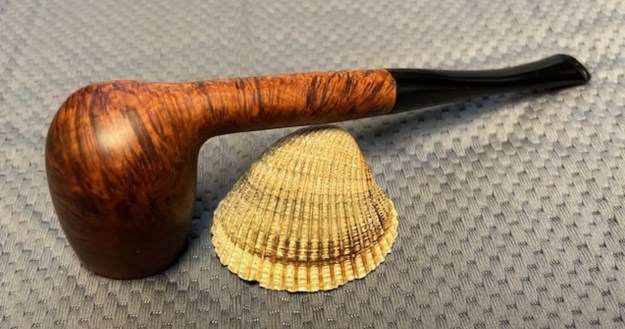
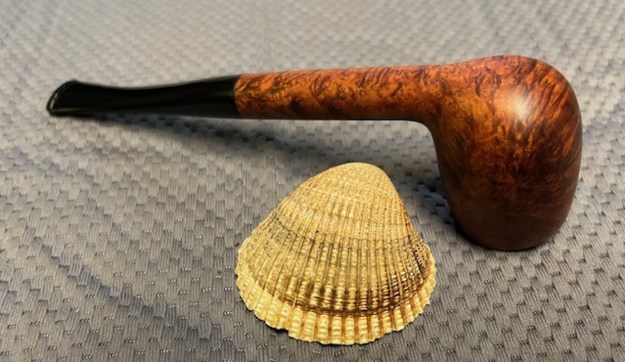
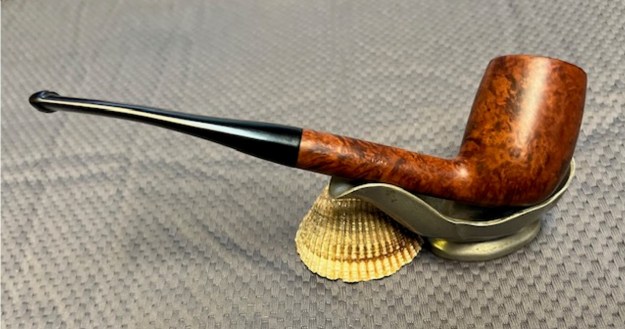
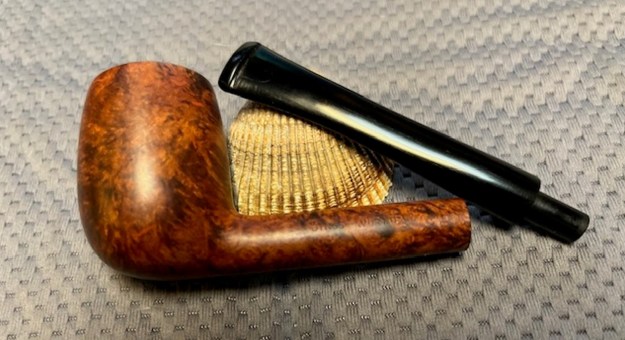
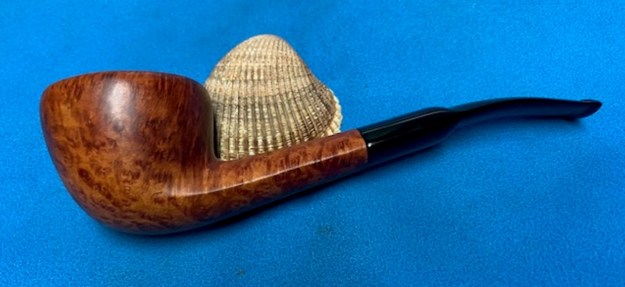
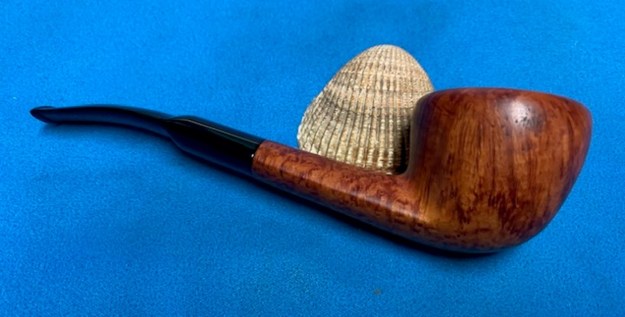
I have two pipes that came my way recently and I am happy to offer them to you for sale. No restoration story on these ones – just two beautiful pipes. I gave them a quick (but thorough) once over and now it’s time to turn them over to you. One pipe has never been smoked and the other has only been smoked once or twice by the look of it.

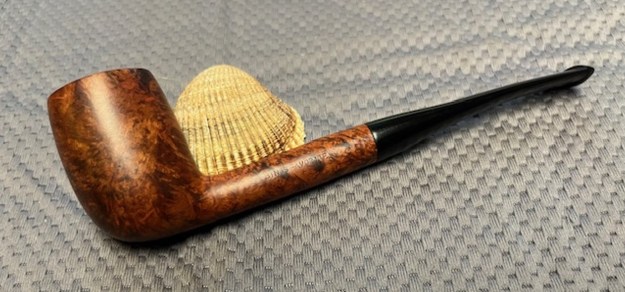
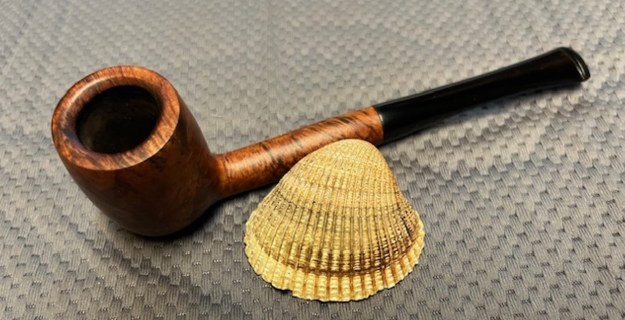
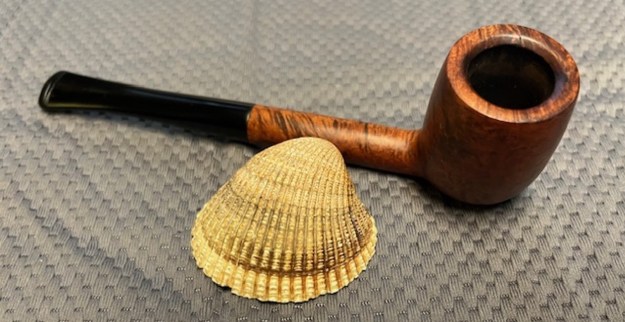
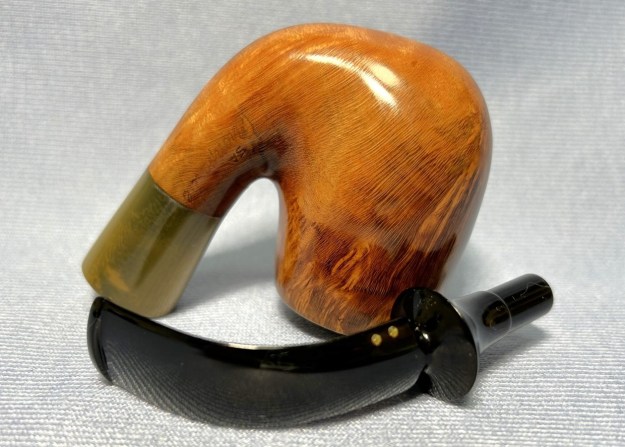
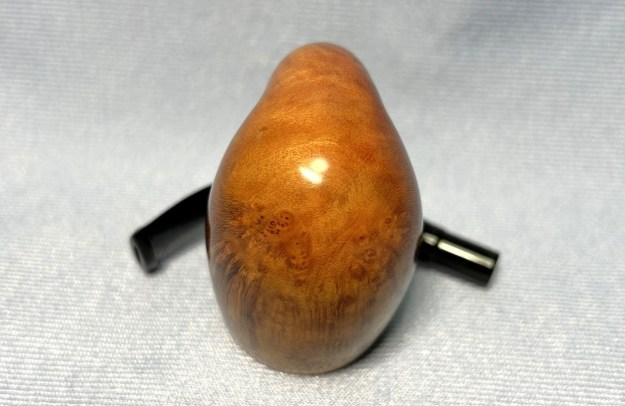
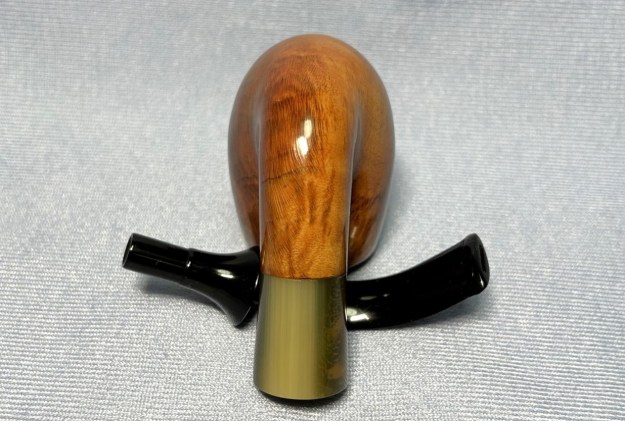
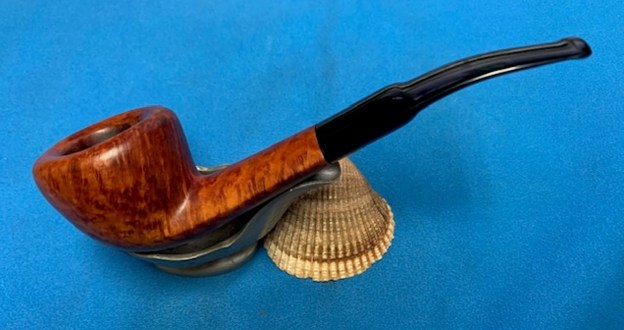
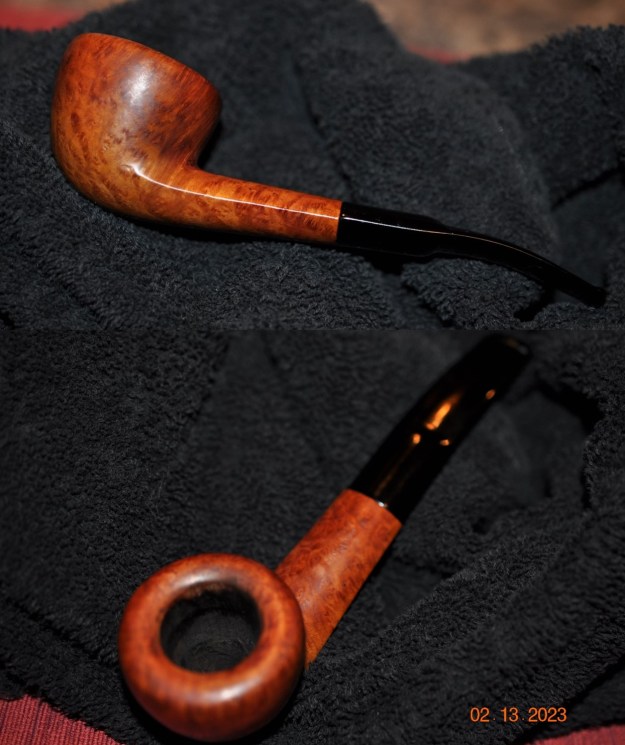
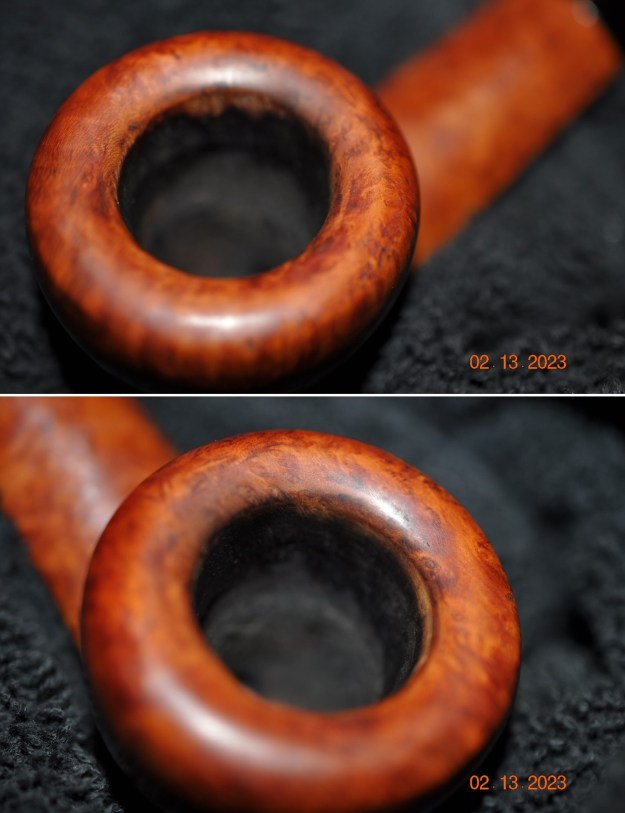
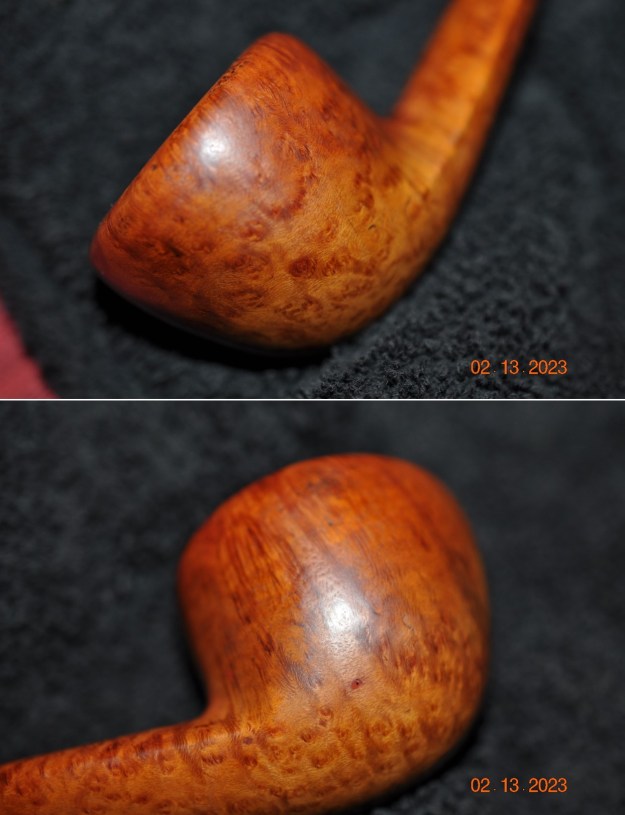
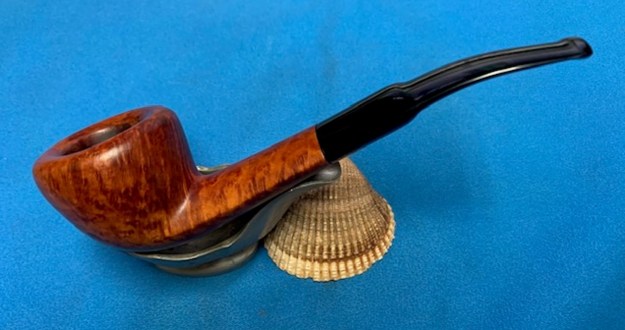
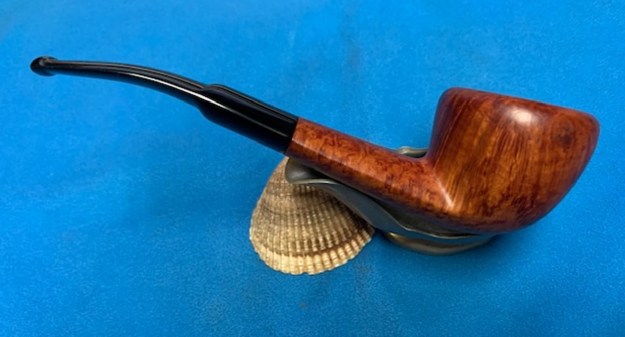
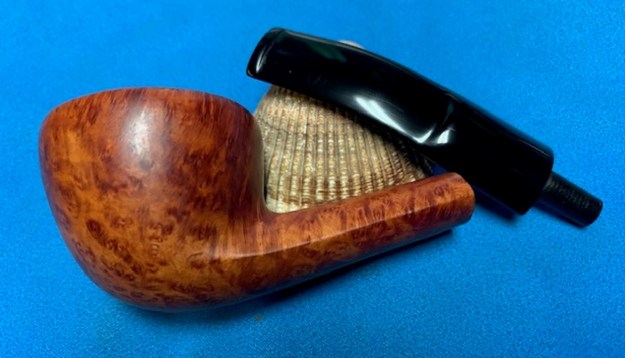
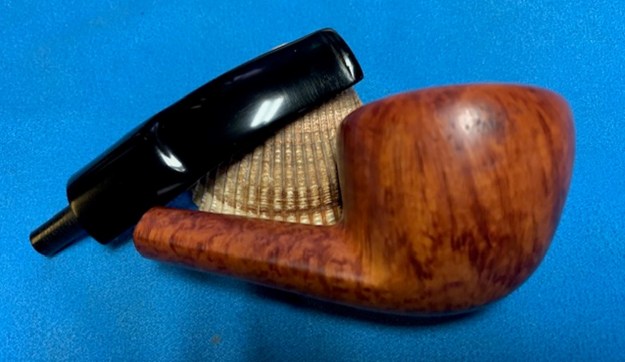
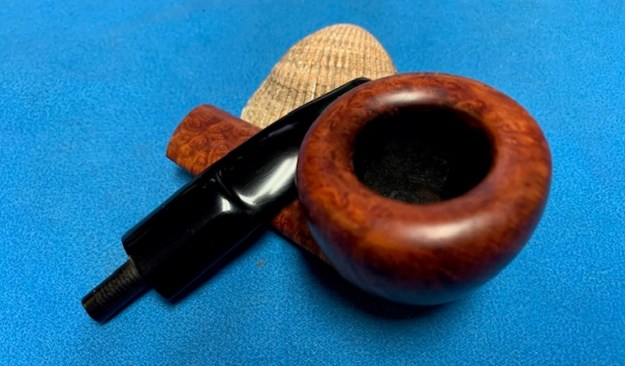
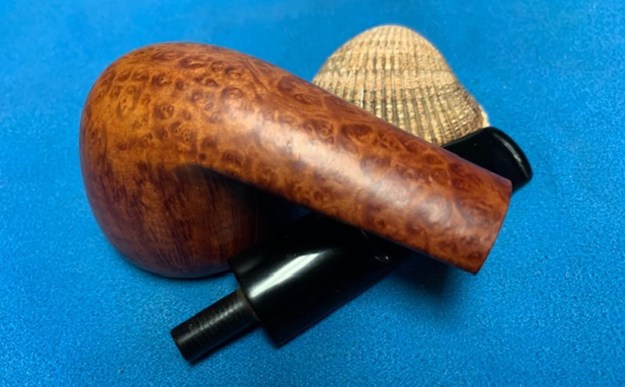
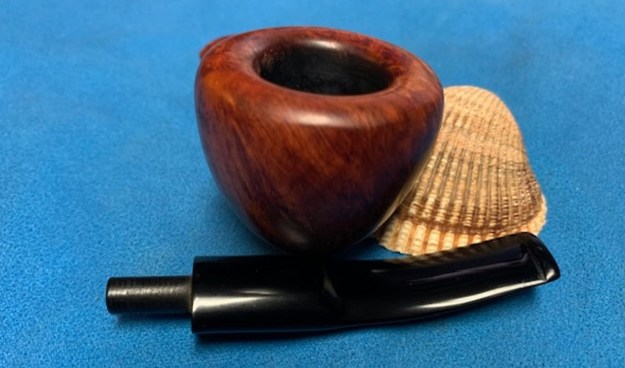
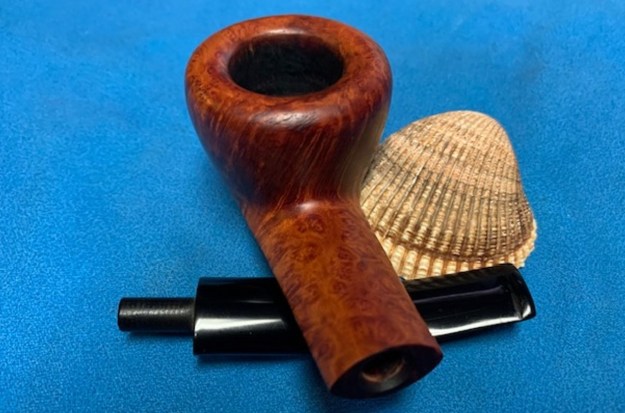
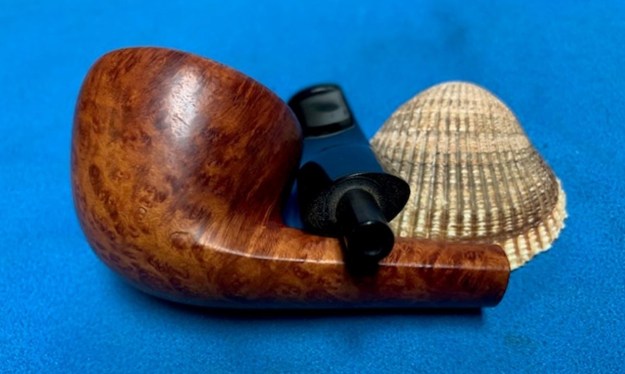
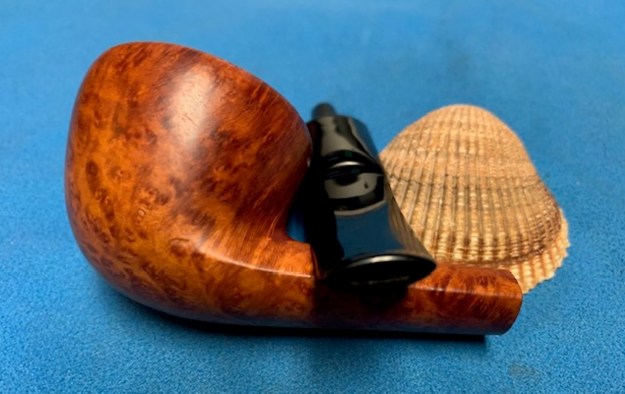
First, is a Savinelli Arcobaleno 606KS bent billiard filter pipe. This one is very close to new. It was smoked once, maybe twice at the most, I’m guessing. Gorgeous pipe. If you are interested in acquiring it for your collection, please have a look in the “Italian” pipe section of the store here on Steve’s website. You can also email me directly at kenneth@knightsofthepipe.com. The approximate dimensions of the Savinelli Arcobaleno 606KS are as follows: length 6 in. (152 mm); height 3 in. (76 mm); bowl diameter 1¼ in. (32 mm); chamber diameter ¾ in. (19 mm). The weight of the pipe is 1⅝ oz. (48 g). Have a look below. Thanks. Next is a French oldtimer – never smoked, brand new. It is beautiful bent acorn from the Courrieu company in Cogolin, France. Lovely, elegant pipe. If you are interested in acquiring it for your collection, please have a look in the “French” pipe section of the store here on Steve’s website. You can also email me directly at kenneth@knightsofthepipe.com. The approximate dimensions of the Courrieu Cogolin are as follows: length 5½ in. (140 mm); height 2¼ in. (57 mm); bowl diameter 1⅛ in. (29 mm); chamber diameter ¾ in. (19 mm). The weight of the pipe is 1⅛ oz. (33 g). If you are interested in more of my work, please follow me here on Steve’s website or send me an email. Thank you very much for reading and, as always, I welcome and encourage your comments.

Fresh Life for a Savinelli Punto Oro Bent Billiard


Blog by Steve Laug

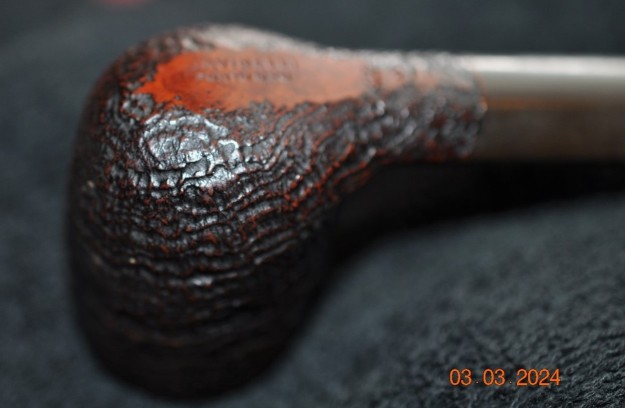
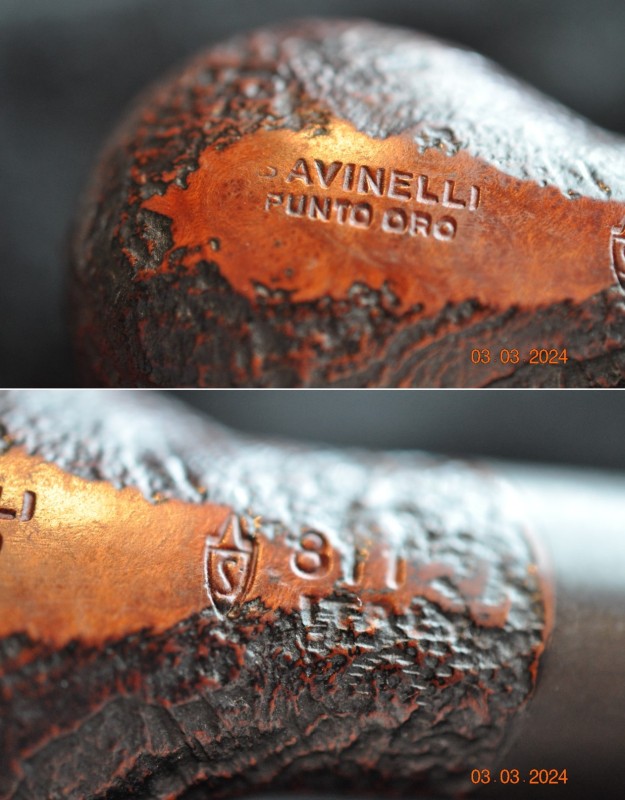
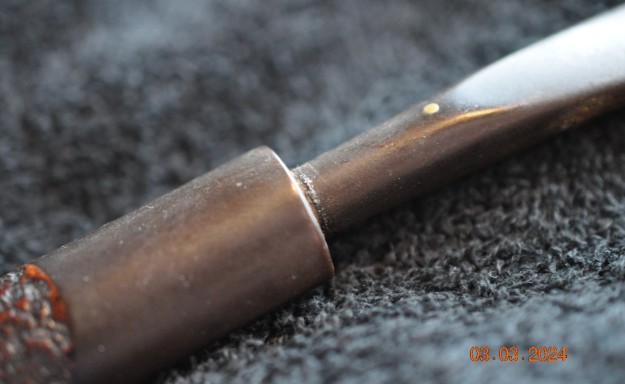
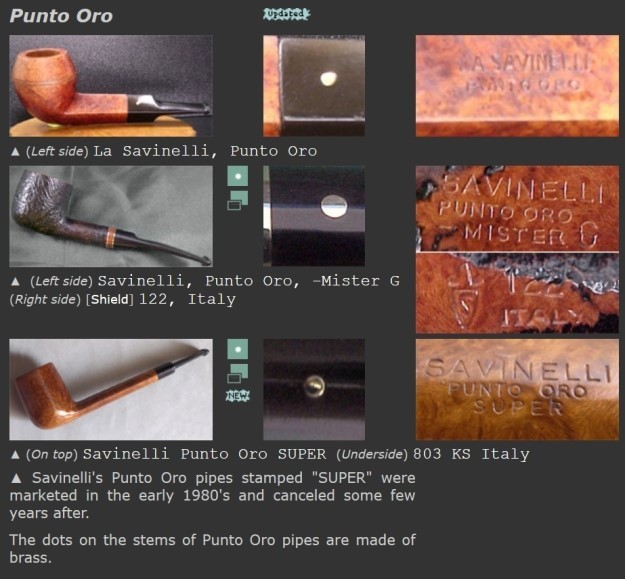
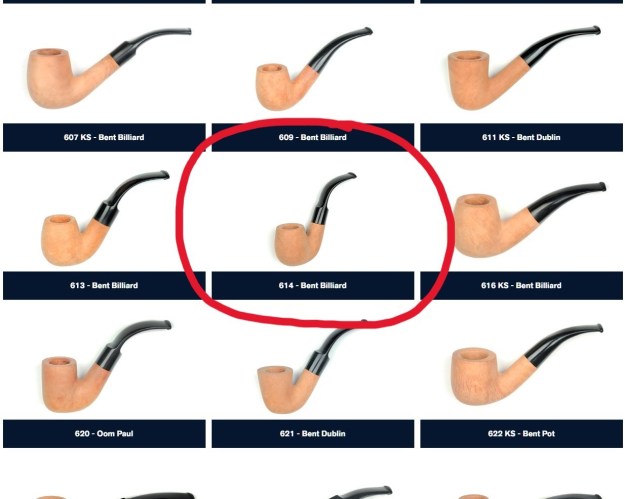
The next pipe on the table was purchased on 05/24/22 from an antique mall in Aurora, Oregon, USA. This Savinelli Full Bent Punto Oro has a rugged, swirling sandblast finish with lots of nooks and crannies in the briar. It is a beauty! The pipe is stamped on a smooth panel on the underside of the shank and reads Savinelli over Punto Oro. That is followed by the shape number that has a 6 but the other numbers are not clear [over] Italy. The shape number is buried in the sandblast finish so I will need to do some hunting online to identify the shape number. The valleys and ridges of the sandblasted grain showing through the grime and dirt are a mixture that leaves a rich texture. It had rich dark and medium contrasting brown stains that do not look too bad. There was a thick cake in the bowl with remnants of tobacco stuck on the walls. There was a lava overflow filling in the blast on the rim and covering the inner edge. It looked quite good. It was a beautiful pipe that was dirty and tired looking. The stem was oxidized and calcified toward the end. There were tooth marks and chatter on the stem near the button on both sides and some on the surface of the button as well. There is a small gold dot on the top of the stem identifying it as a Savinelli Punto Oro. Jeff took photos of the pipe before he cleaned it up. He took photos of the bowl and rim top to show the cake in the bowl and the lava build up on the rim top and edges of the bowl. It was thick and hard but hopefully it had protected the rim and edges from damage. It was hard to know for sure from the photos. Jeff took photos of the top and underside of the stem showing the tooth chatter, scratching and oxidation on the stem surface and wear on the edges of the button. Jeff took photos of the sides and heel of the bowl to show the condition of the finish. You can see the beautiful swirls of the sandblast. There is a lot of dust and grime filling in the valleys. There was also some dark strips of stain along the joint of the horn and the briar. It looked a bit ragged. He took a photo of the stamping on the smooth panel on the underside of the bowl and shank. The stamping was readable as you can see from the photos and read as noted above.   I turned to Pipephil’s site to get a feel for the Punto Oro line. I have worked on both smooth and sandblast finish Punto Oro pipes in the past. This was another sandblast one – this time a dark one rather than natural. Here is the link (http://www.pipephil.eu/logos/en/logo-savinelli3.html). I have included a screen capture of the pertinent information on the line below. It appears the line came out in both smooth and sandblast finishes. I turned to Pipedia to look at what information they had on the brand. I found a catalogue page on the Punto Oro which confirmed what I had surmised about the line having both smooth and sandblast finished pipe (https://pipedia.org/images/d/db/Sav_Punto_Oro.jpg). I have included a screen capture of the page below. It says that the line was available in 2 distinct finishes – a rich Mahogany smooth finish and a genuine sandblast. The shape of the pipe matches most closely to the Savinelli shape number 614 on the Savinelli Shape Chart on Pipedia. It is close but the pipe in the chart is a standard mount with a saddle stem so my identification is not certain. I have included a screen capture of the chart below (https://pipedia.org/images/4/41/Sav_Shape_Chart_2017.jpg). I have drawn a red box around the 614 shape in the shape chart below.However the shape chart did not have one with a military style bit in full bent pipe with a horn shank extension (whether faux or genuine horn is not clear to me. I did a bit of further digging and found a pipe that was very similar on the smokingpipes.com site and have included the link (https://www.smokingpipes.com/pipes/estate/italy/moreinfo.cfm?product_id=44171). The description reads:
Italian Estates: Savinelli Punto Oro Sandblast Bent Billiard (615) Tobacco Pipe

The noble Savinelli Punto Oro (Gold Dot). This “615” is a decently sized, rather English shape chart oom-paul…

From the pipe pictured on the link I am pretty certain I am dealing with a Savinelli 615 Oom Paul shaped pipe rather than a 614. The shape matches the one I am working on and the stem and shank extension are similar.

Now it was time to work on the pipe. Jeff reamed it with a PipNet pipe reamer and cleaned up the reaming with a Savinelli Fitsall Pipe Knife. He scrubbed out the internals with alcohol, pipe cleaners and cotton swabs until the pipe was clean. He scrubbed the exterior of the bowl with Murphy’s Oil Soap and a tooth brush to remove the grime and grit on the briar and the lava on the rim top. The finish looks very good with good looking sandblast around the bowl and shank. Jeff scrubbed the stem with Soft Scrub and soaked it in Briarville’s Pipe Stem Deoxidizer to remove the oxidation on the vulcanite and rinsed it with running water. He dried it off with a coarse cloth to further help remove the remaining oxidation. When the pipe arrived here in Vancouver for the second stop of its restoration tour it looked a lot better. The stem still had some light oxidation. I took photos before I started my part of the work. I took some close up photos of the rim top and also of the stem surface. I wanted to show what cleaned bowl and rim top looked like. The rim top and edges looked very good. There was some wear on the stain on the right front rim top but otherwise the sandblast finish is very nice. I also took close up photos of the stem to show the light tooth marks and the remaining oxidation on the stem surface. Both are hard to see in the photos but they are present and will need to be dealt with in the restoration process.I took a photo of the stamping on the underside of the shank and it is clear and readable for the most part. As noted above the shape number is stamped in the sandblast and therefore is very hard to read. My work above notes that the shape is a 615 though so that is good.I took the stem off the shank and took a photo to give a clear picture of the pipe from the left side profile and the top looking down. It is a really pretty pipe.I decided to start my work on the pipe by dealing with the dark stain that was on the edge of the horn/acrylic shank extension where it joined the briar. It was sloppy and there were spots that you can see in some of the earlier photos that make it very apparent. I sanded the horn with a 1500 grit micromesh sanding pad and was able to remove all of the sloppy stain on it. Here are some photos of the polished extension. Is it horn or acrylic? I polished the extension with micromesh sanding pads – dry sanding with 1500-12000 grit pads. I wiped the surface off after each pad to remove sanding debris. It is becomes more shiny with each sanding pad.  I rubbed the bowl down with Before & After Restoration Balm. I worked it into the surface of the briar with my fingertips and a horsehair shoe brush to clean, enliven and protect it. I let the balm sit for 10 minutes and then buffed with a cotton cloth and shoe brush to raise the shine. Mark Hoover’s Balm is a product that I have come to appreciate and one I use on every pipe I have been working on. I set the bowl aside and turned my attention to the still oxidized stem. I worked over the rest of the remaining oxidation and the tooth marks with 220 grit sandpaper. I started polishing the stem with 400 grit wet dry sandpaper. At this point it is starting to look much better.I polished the vulcanite with micromesh sanding pads – 1500-12000 grit pads. I wiped it down with a damp cloth after each sanding pad. I used Before & After Pipe Polish – both Fine and Extra Fine to further polish the stem. This Savinelli Punt Oro 615 Full Bent Sandblast turned out to be a great looking pipe. The mix of dark stains highlights the sandblasted grain around the bowl sides, top and bottom. The “horn” shank extension works very well with the dark finish on the bowl and the polished vulcanite military style bit. I put the stem back on the bowl and carefully buffed the pipe with Blue Diamond on the buffing wheel using a light touch on the briar. I gave the bowl multiple coats of Conservator’s Wax and the stem multiple coats of carnauba wax on the buffing wheel. I buffed the entire pipe with a clean buffing pad followed by hand buffing with a microfiber cloth to deepen the shine. The finished full bent Savinelli Punto Oro fits nicely in the hand and feels great. Give the finished pipe a look in the photos below. The dimensions of the pipe are Length: 5 ½ inches, Height: 1 ¾ inches, Outside diameter of the bowl: 1 ¼ inches, Chamber diameter: ¾ of an inch. The weight of the pipe is 1.59 ounces/45 grams. If you are interested in carrying on the pipeman’s legacy with this pipe send me a message or an email. Thanks for reading this blog and my reflections on the pipe while I worked on it.

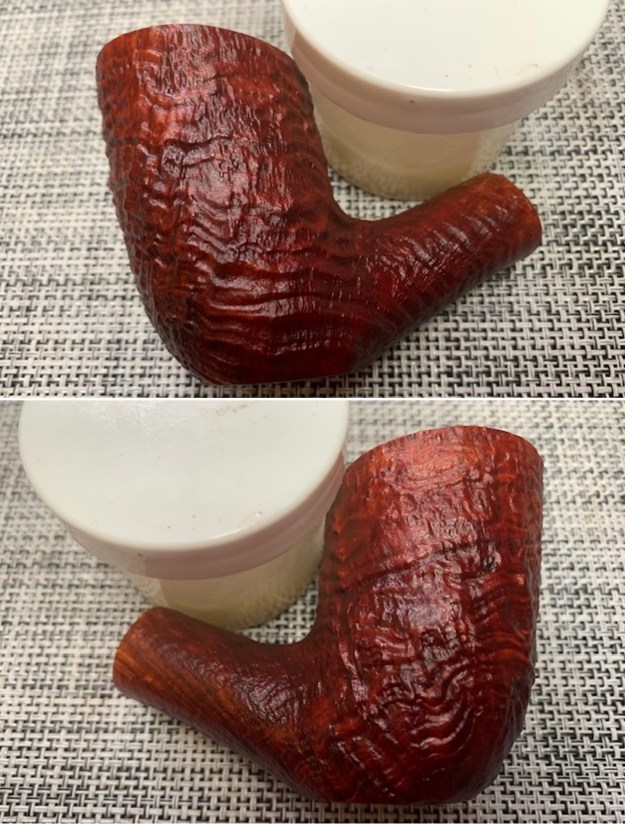
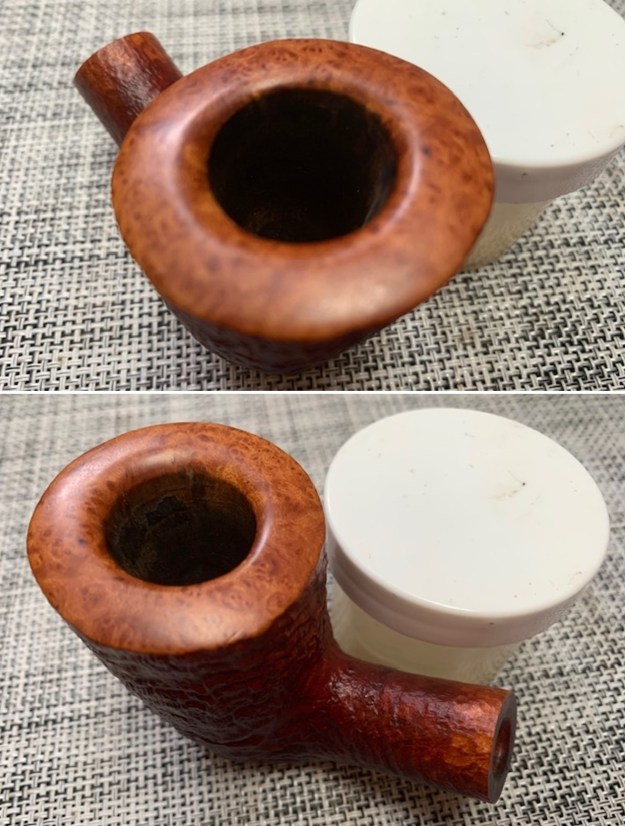
A Rebirth for a Savinelli Capri Root Briar 411 Zulu


Blog by Steve Laug

The next pipe on the table has one of my favourite finishes – a deeply rusticated one with what appears to have originally been a natural finished. We purchased this one on eBay on 10/06/16 from a fellow in Onalaska, Washington, USA. It is a Savinelli Capri Root Briar Zulu with a rusticated finish (looks a lot like the Castello Sea Rock finish). The coral like rustication around the bowl and shank was filled in with dust and debris. The natural finish was dirty and the high spots are darkened by hand oils and grime ground into briar. The pipe was stamped on underside of the shank. It is stamped Savinelli Capri [over] Root Briar followed by Savinelli “S” shield logo followed by Italy over the shape number 411. There was a thick cake in the bowl and lava overflow on the inner edges and the rim top. The vulcanite stem was oxidized and had tooth marks and chatter ahead of the button on both sides. Jeff took photos of the pipe to show its general condition before he did his cleanup.As I mentioned above the exterior of the pipe was very dirty – grime and grit ground in from years of use and sitting. The rim top was covered with a coat of thick lava that overflowed from the thick cake in the bowl. It was hard to know what the rim edges looked like because of the lava. The stem was dirty, calcified and oxidized with tooth chatter and marks on the top and underside of the stem at the button. Jeff took a photo of the right side and the heel of the bowl to give a better feel for the condition of the briar around the bowl. It is a great looking piece of briar with a deep rustication.The next photo show the stamping on the underside of the shank and it is very readable. It reads as noted above.I have always like the Savinelli Capri Root Briar finish so I was glad to be working on this one. Jeff had reamed it with a PipNet pipe reamer and cleaned up the reaming with a Savinelli Fitsall Pipe Knife. He scrubbed out the internals with alcohol, pipe cleaners and cotton swabs until the pipe was clean. He scrubbed the exterior of the bowl with Murphy’s Oil Soap and a tooth brush to remove the grime and grit on the briar and the lava on the rim top. The finish looks better but there is still darkening on the sides of the bowl and shank. There is also some darkening on the rim top as well. Jeff scrubbed the stem with Soft Scrub and soaked it in Before & After Deoxidizer to remove the oxidation on the rubber. When the pipe arrived here in Vancouver for the second stop of its restoration tour it looked a lot better. I took photos before I started my part of the work.  I took some close up photos of the rim top and the stem surface. I wanted to show what cleaned bowl and rim top looked like. The rim top and the inner and outer edges of the bowl were in excellent condition. The top of the bowl was quite dark around three sides. I also took close up photos of the stem to show the tooth marks and the remaining oxidation on the stem surface.  I took photos of the stamping on the underside of the shank and it is clear and readable. It is stamped as noted above.I removed the stem for the shank and took a photo of the bowl and stem to give a picture of what it looked like. The remaining oxidation is very visible.I started my work on the pipe by addressing the darkening of the rim top. I used a brass bristle wire brush and some common dish soap to de-grease the bowl and the rim top. I worked over the bowl and the top with the brush and was able to remove the grime and much of the darkening.  I rubbed the bowl down with Before & After Restoration Balm. I worked it into the surface of the briar with my fingertips and a horse hair shoe brush to clean, enliven and protect it. I let the balm sit for a little while and then buffed with a cotton cloth and shoe brush to raise the shine.     I set the bowl aside and turned my attention to the stem. I used a Bic lighter to “paint” the surface of the stem with the flame to lift the tooth marks on both sides of the stem. The heat lifted many of the marks. I filled in what remained with clear CA glue and set it aside to harden.   Once the repairs cured on the top and underside of the stem I filed them flat and recut the button edge with a small file. I sanded them with a folded piece of 220 sandpaper. I started polishing the stem with 400 grit wet dry sandpaper.   I polished the vulcanite with micromesh sanding pads – 1500-12000 grit pads. I wiped it down with a damp cloth after each sanding pad. I used Before & After Pipe Polish – both Fine and Extra Fine to further polish the stem.  I left a little oxidation around the stamp so as not to damage it more.  This Savinelli Capri Root Briar 411 Zulu cleaned up really well and looks very good. The Before & After Restoration Balm brought the colours and grain out in the rusticated finish on the pipe. It works well with the polished oval vulcanite taper stem. I put the stem back on the bowl and carefully buffed the pipe with Blue Diamond on the buffing wheel using a light touch on the briar. I gave the bowl multiple coats of Conservator’s Wax and the stem multiple coats of carnauba wax on the buffing wheel. I followed that by buffing the entire pipe with a clean buffing pad. I hand buffed the pipe with a microfiber cloth to deepen the shine. The finished Capri Root Briar 411 Zulu fits nicely in the hand and I think it will feel great as it heats up with a good tobacco. The tactile finish will add to the experience. Give the finished pipe a look in the photos below. The dimensions of the pipe are Length: 6 inches, Height: 1 ¾ inches, Outside diameter of the bowl: 1 ½ inches, Chamber diameter: ¾ of an inch. The weight of the pipe is 1.20 ounces/34 grams. If you are interested in carrying the previous pipeman’s legacy with this pipe send me a message or an email. I will be adding it to the rebornpipes store in the Italian Pipe Makers Section. Thanks for reading this blog and my reflections on the pipe while I worked on it.