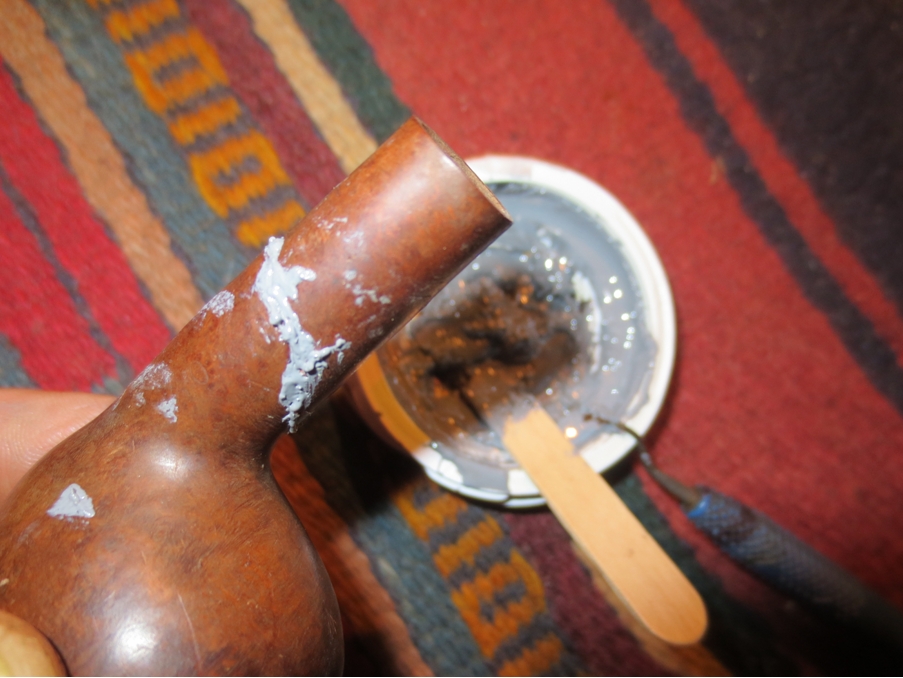
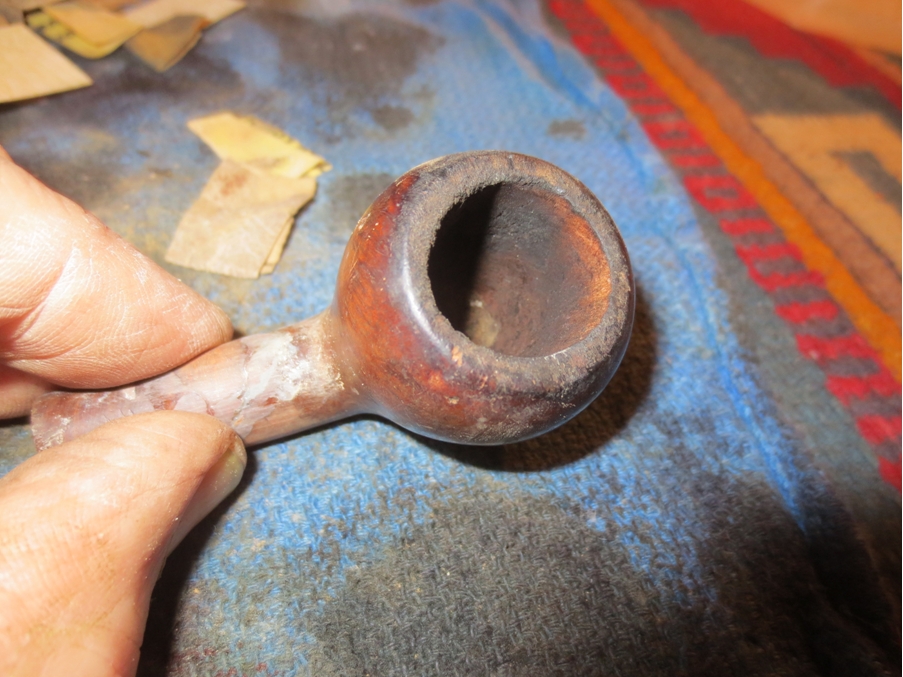
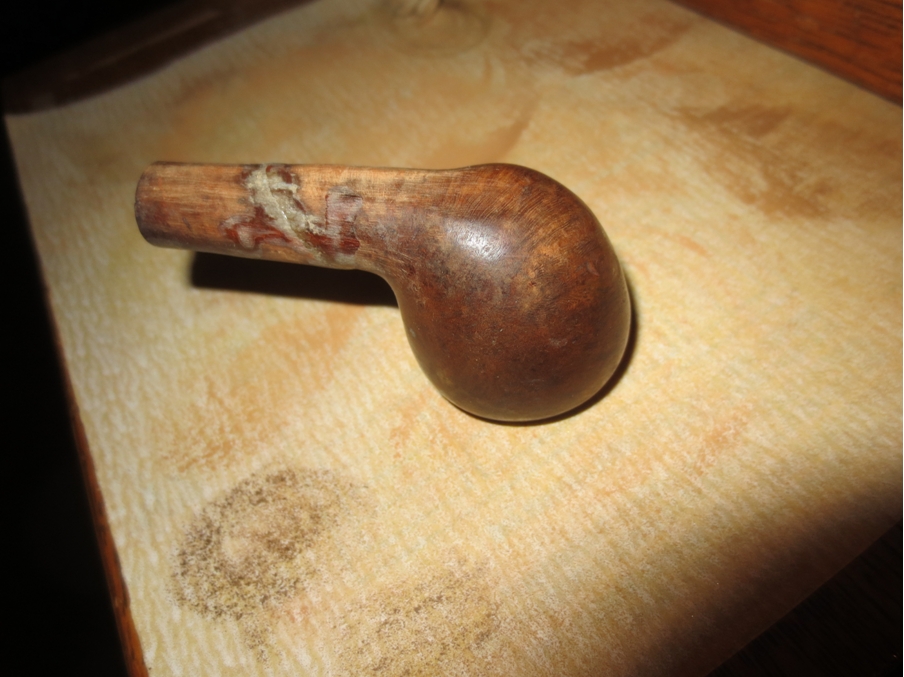
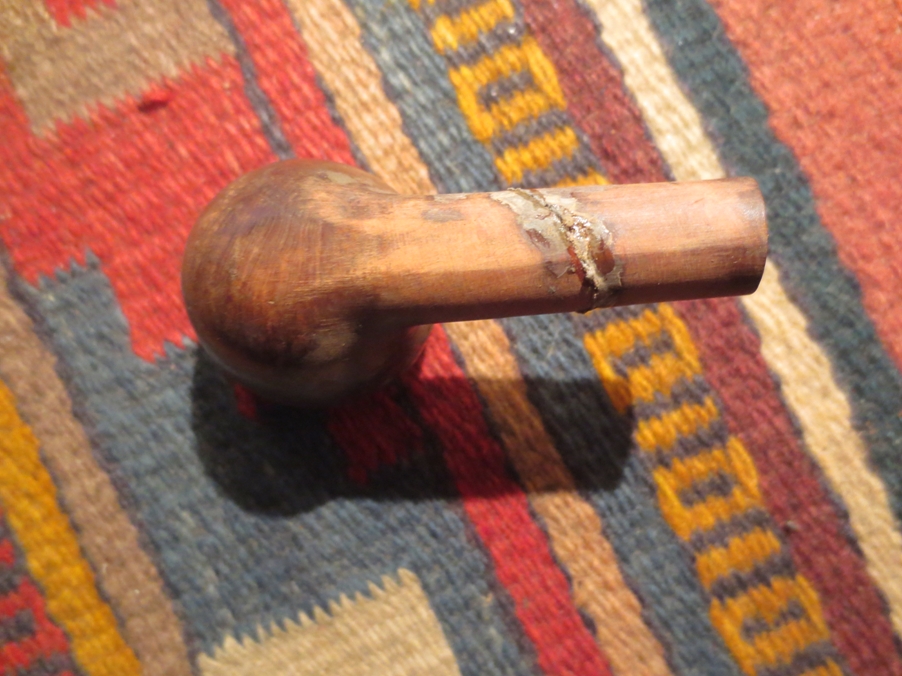
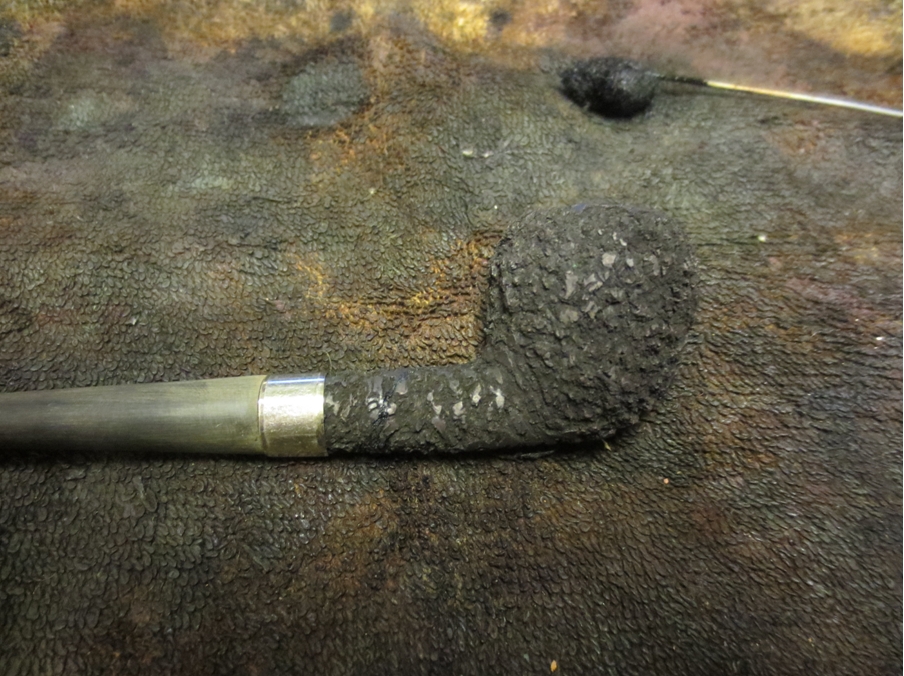
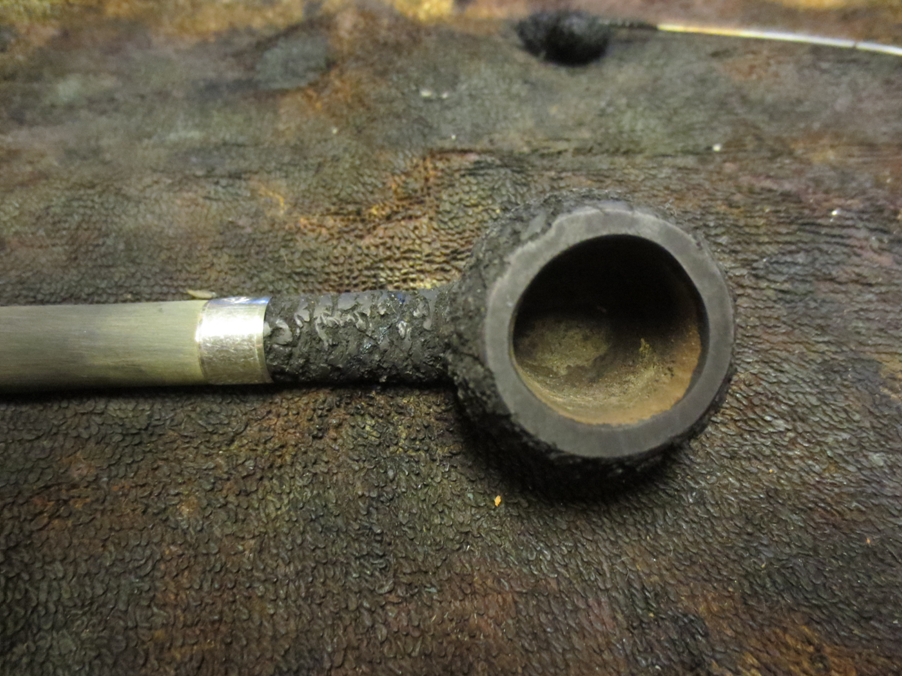
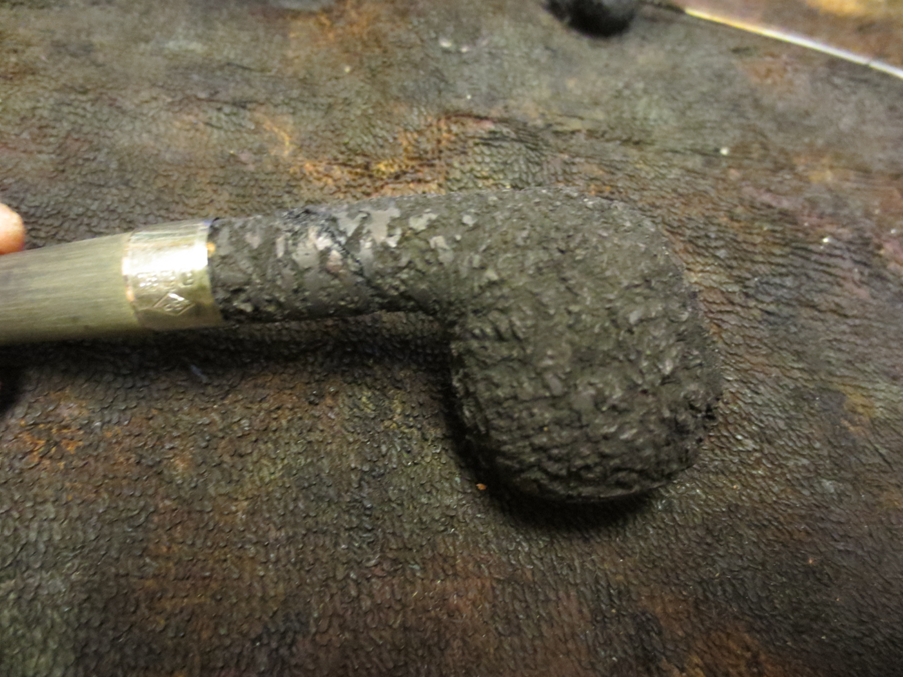
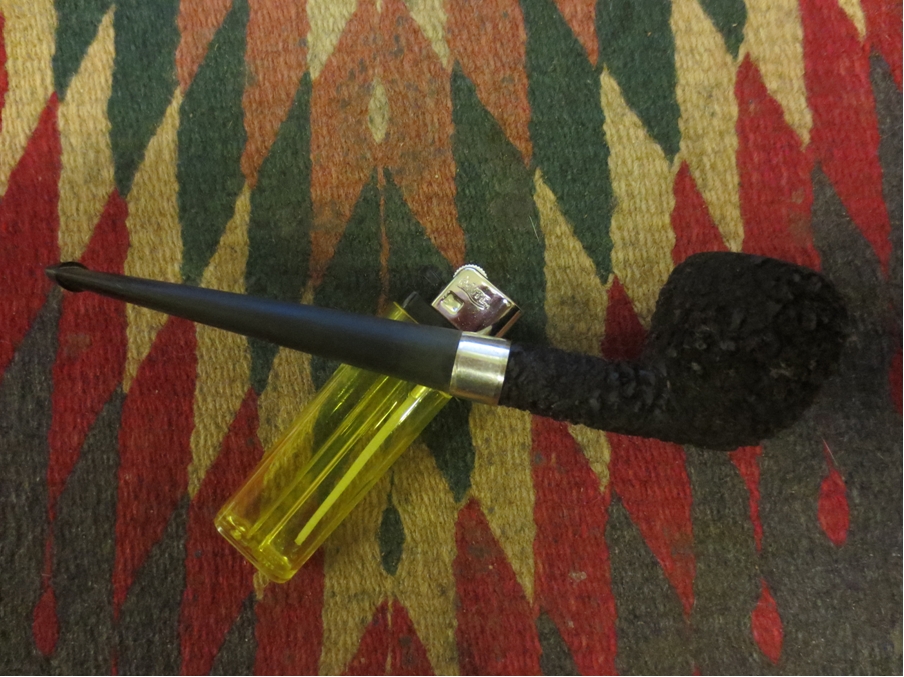
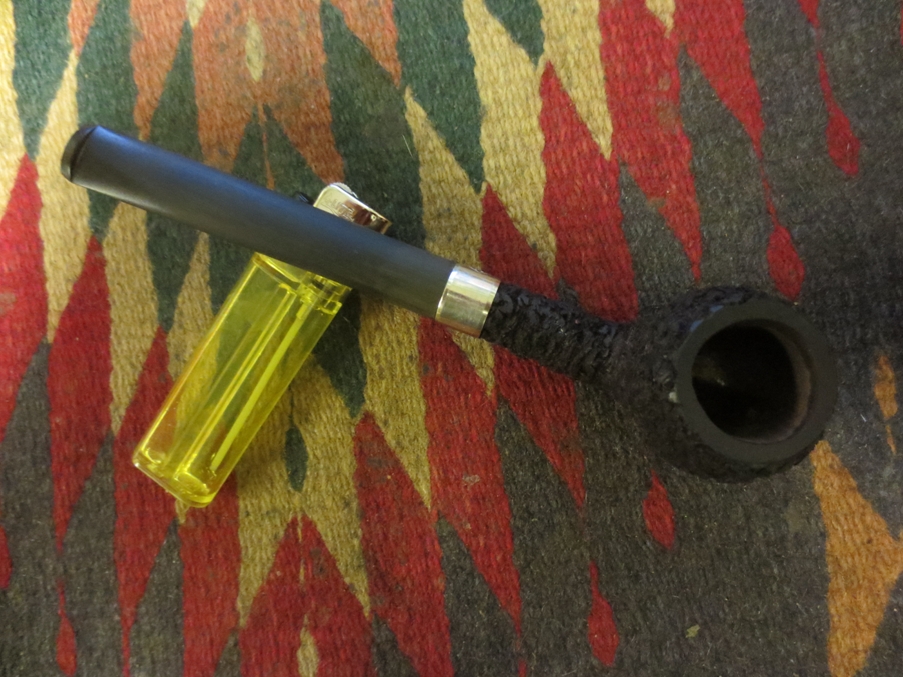
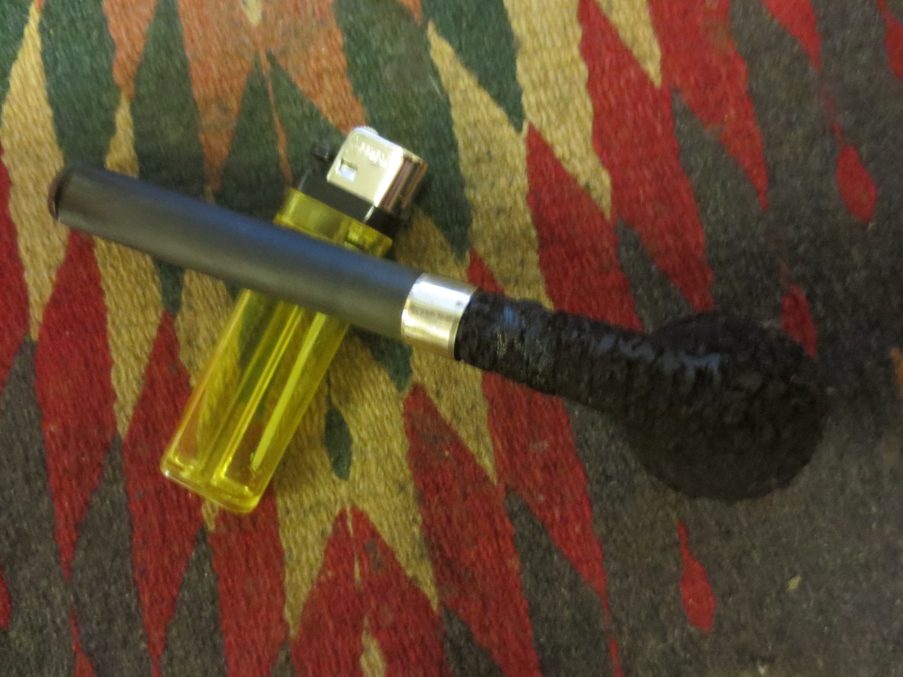
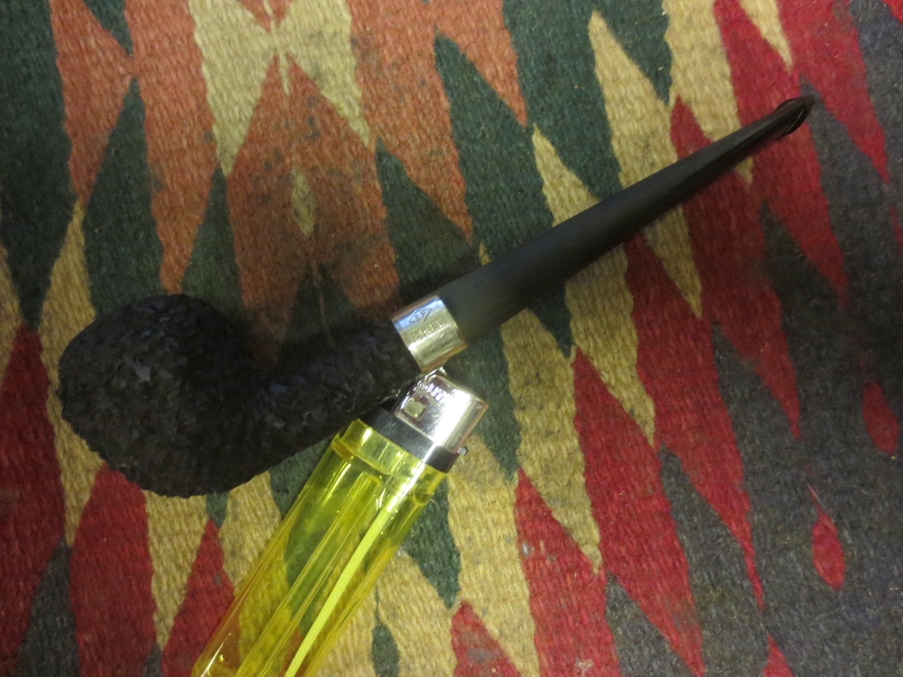
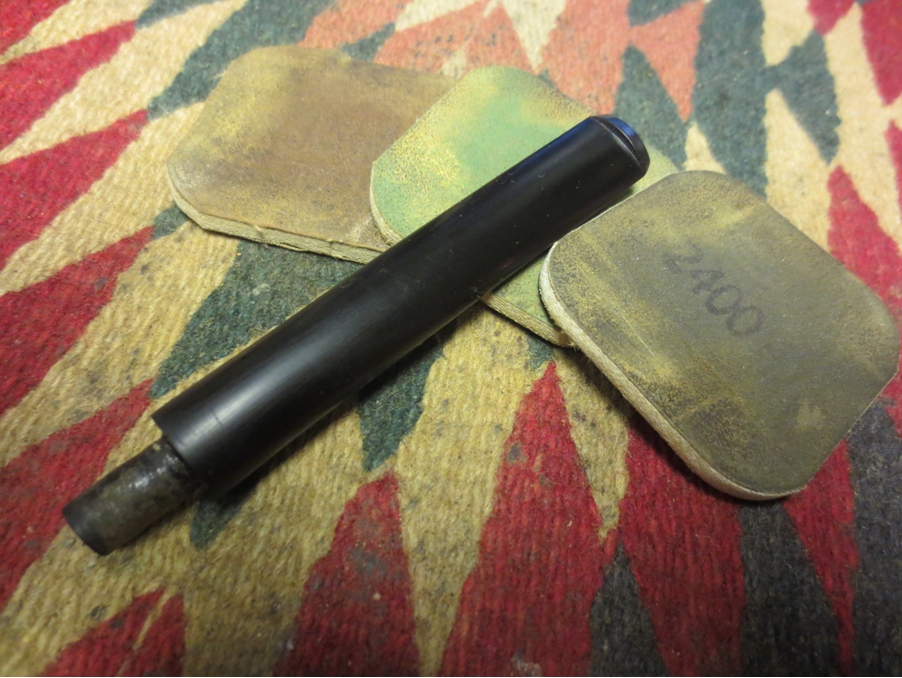
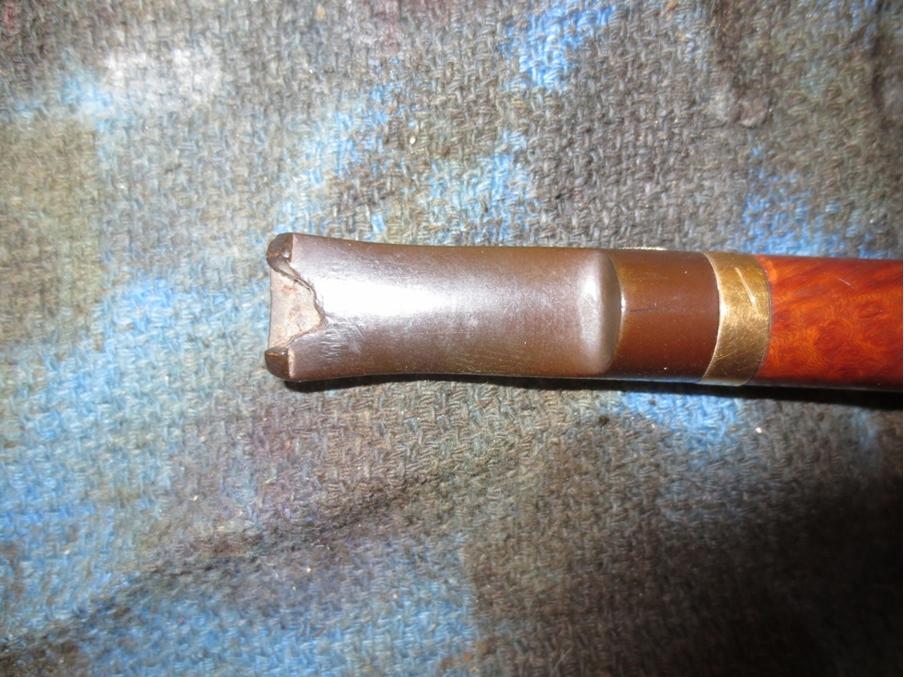
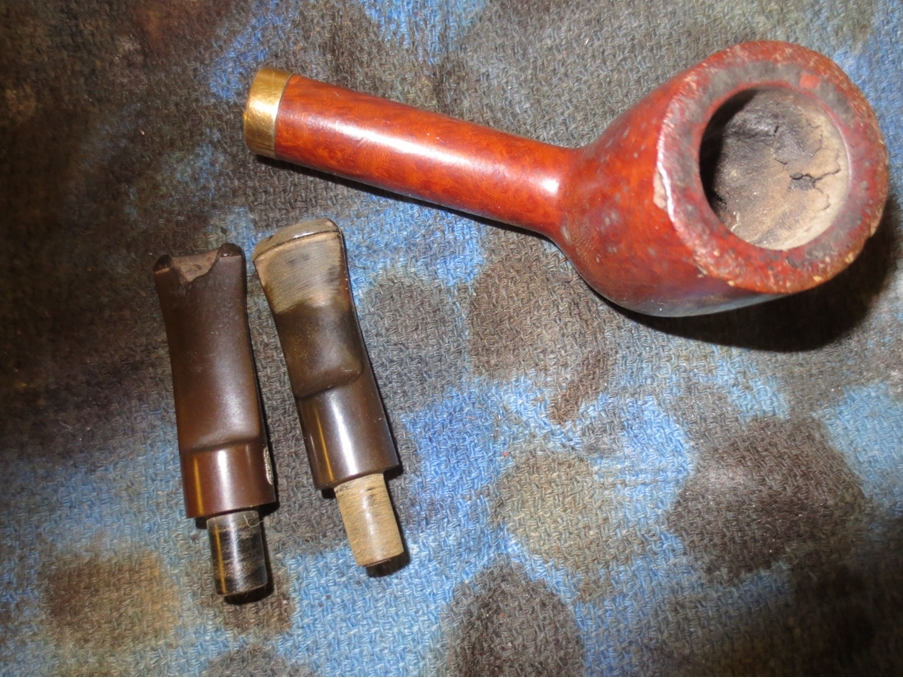
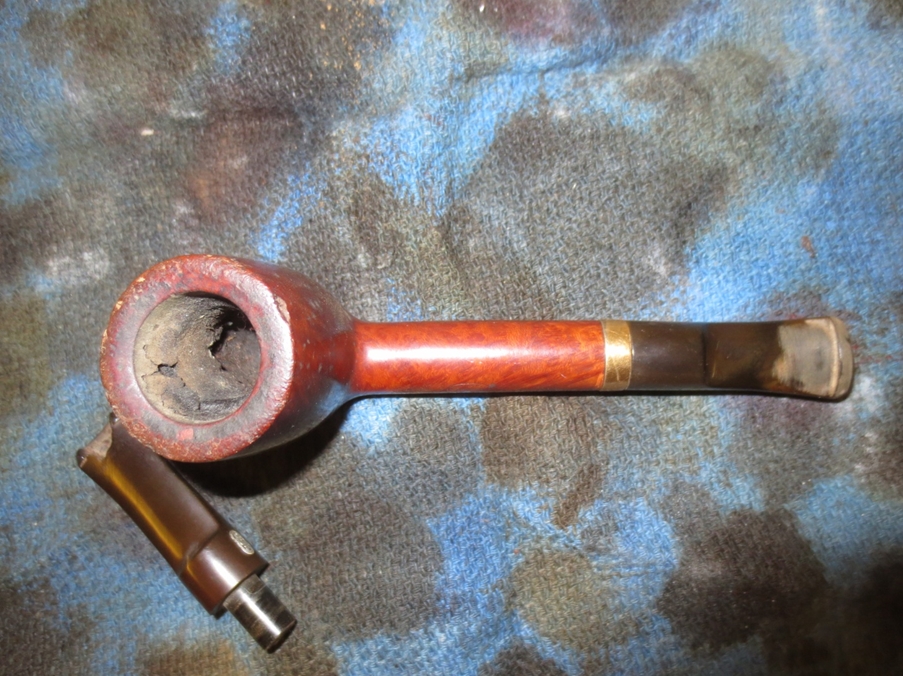
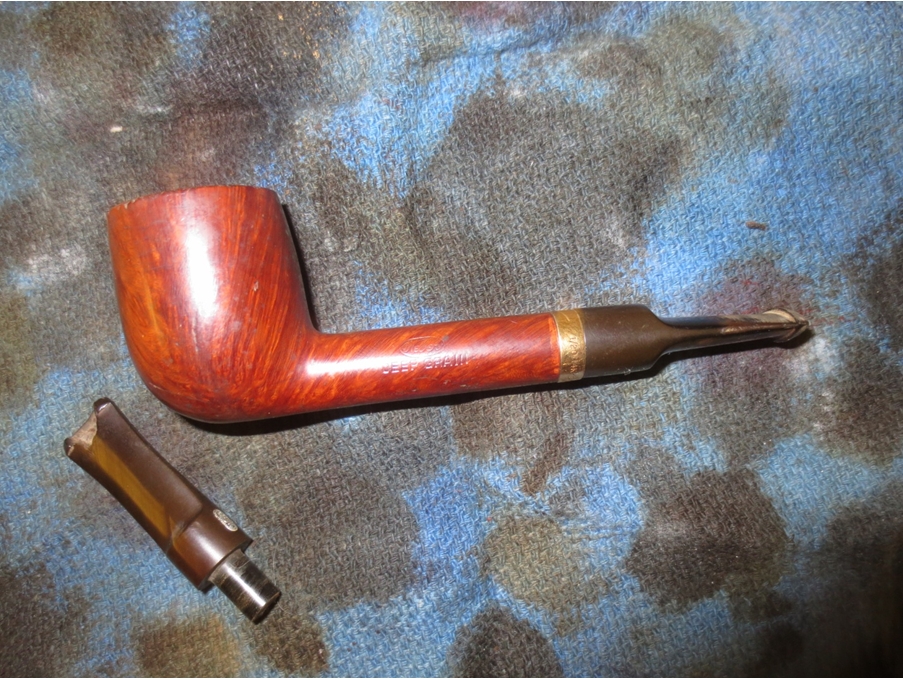
Tag Archives: sanding a stem

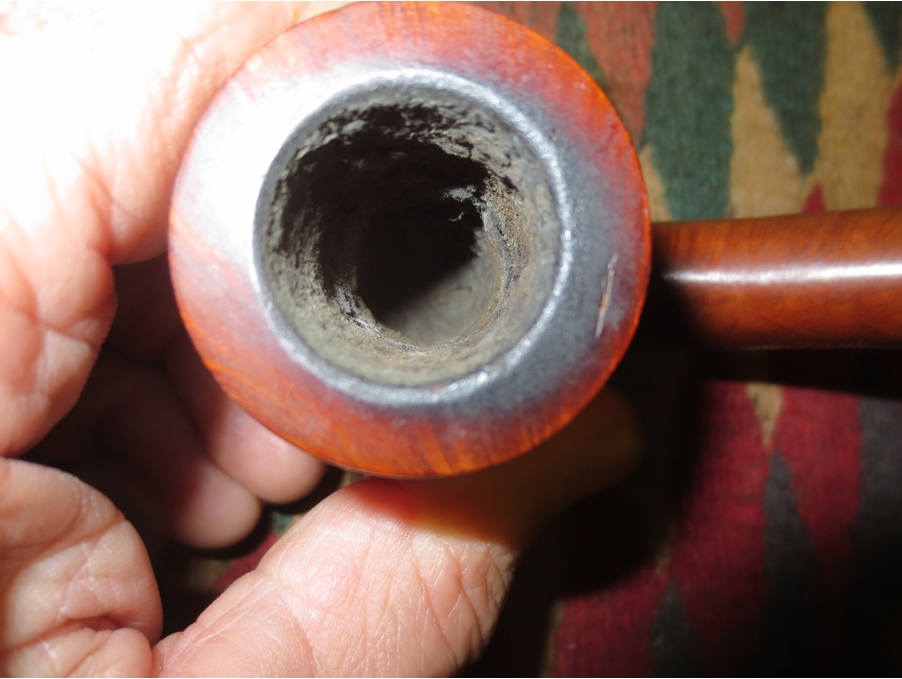
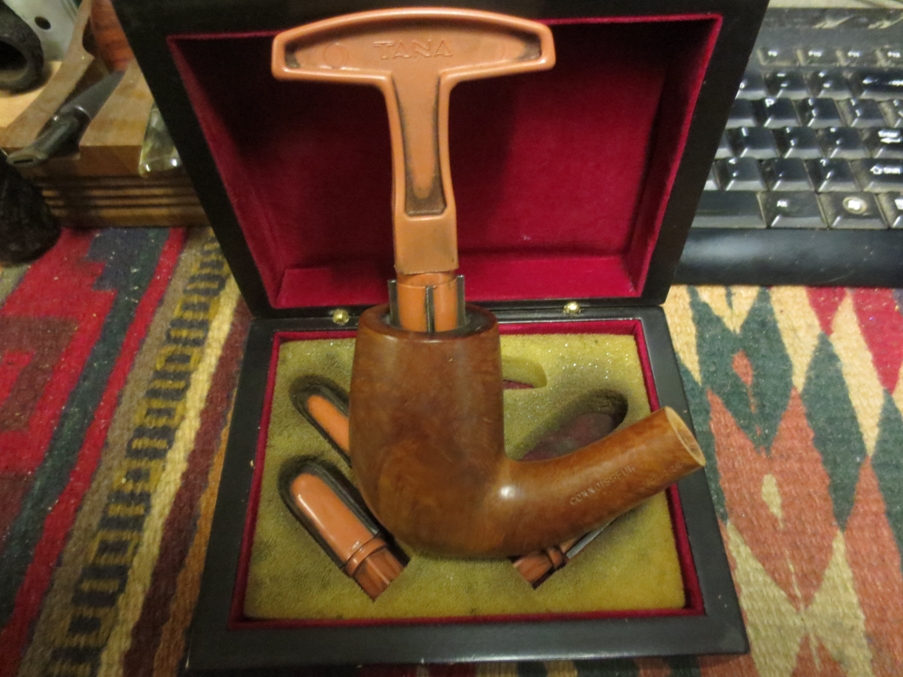
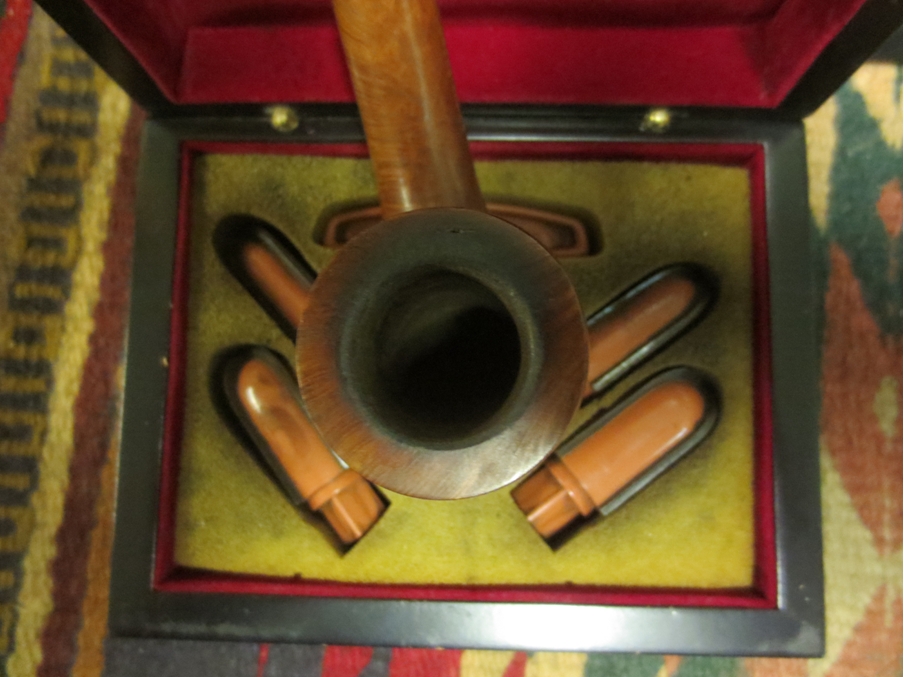
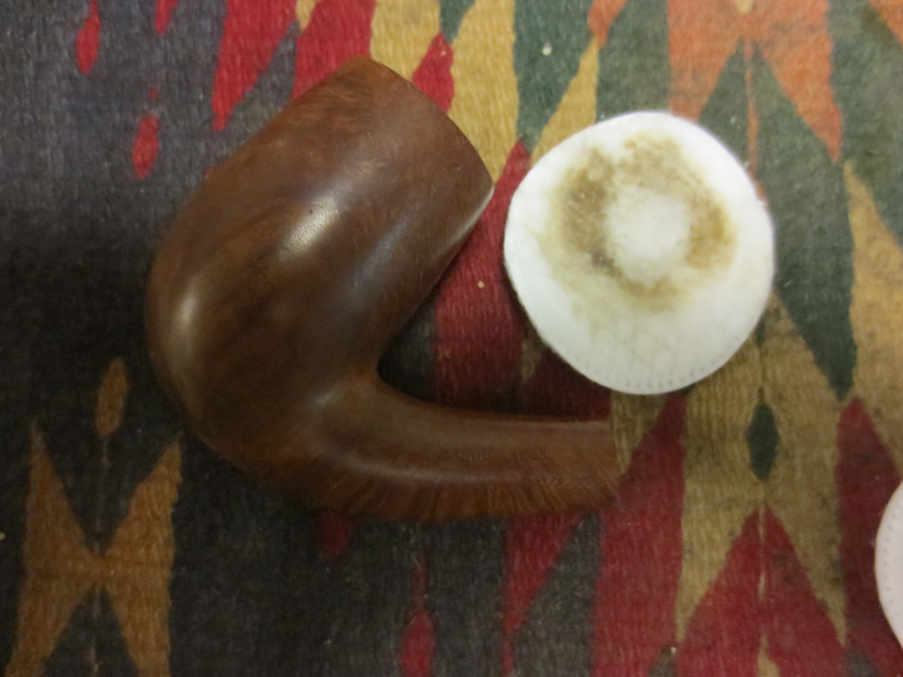
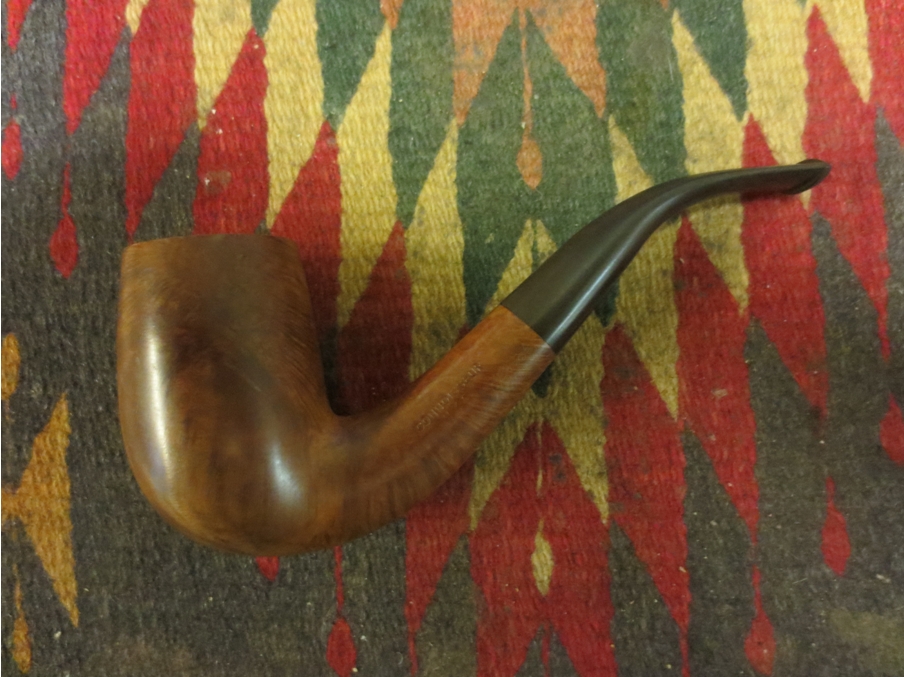
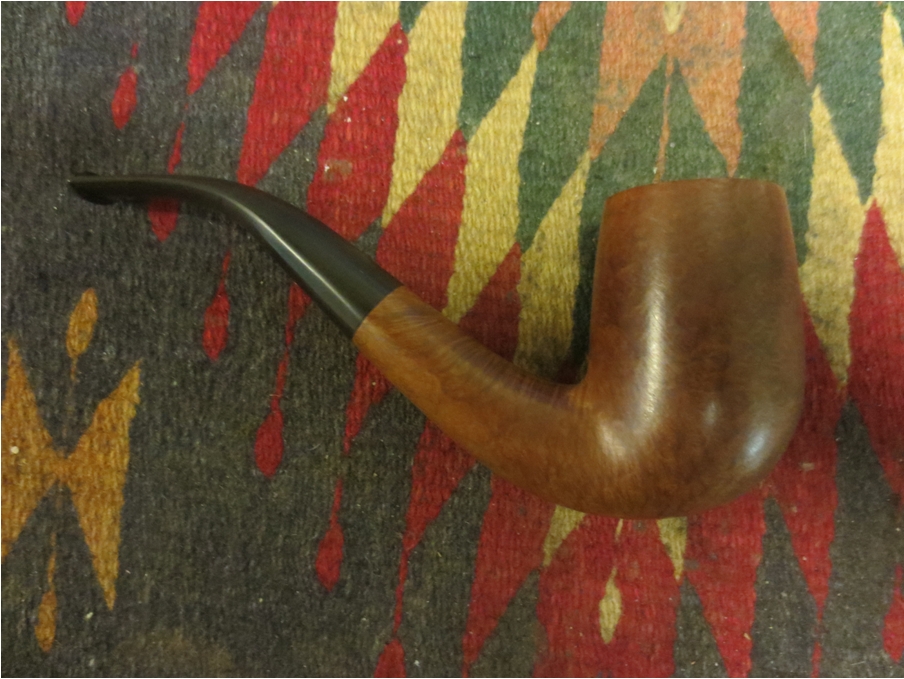
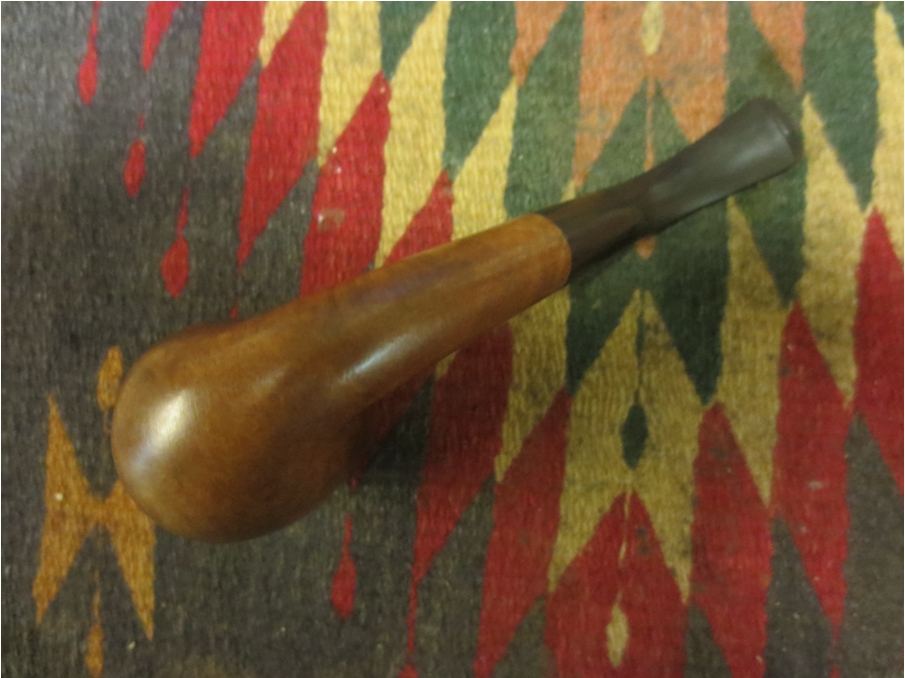
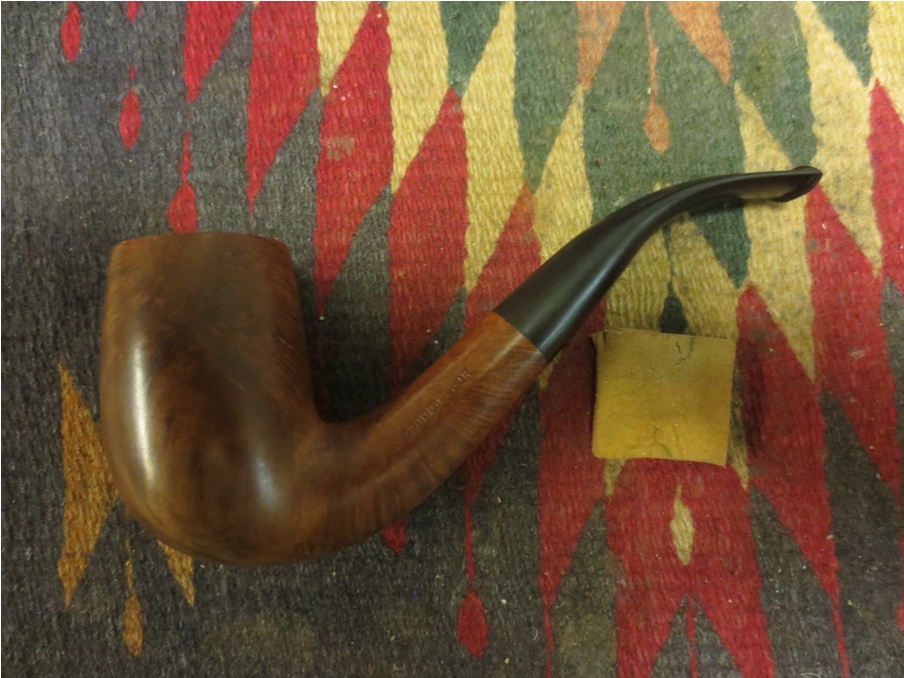
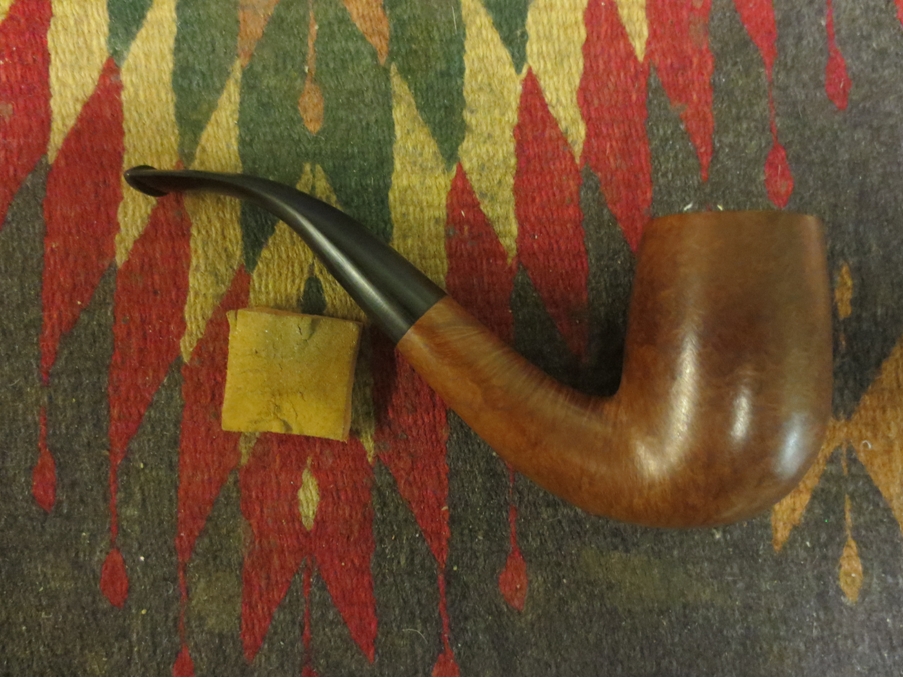
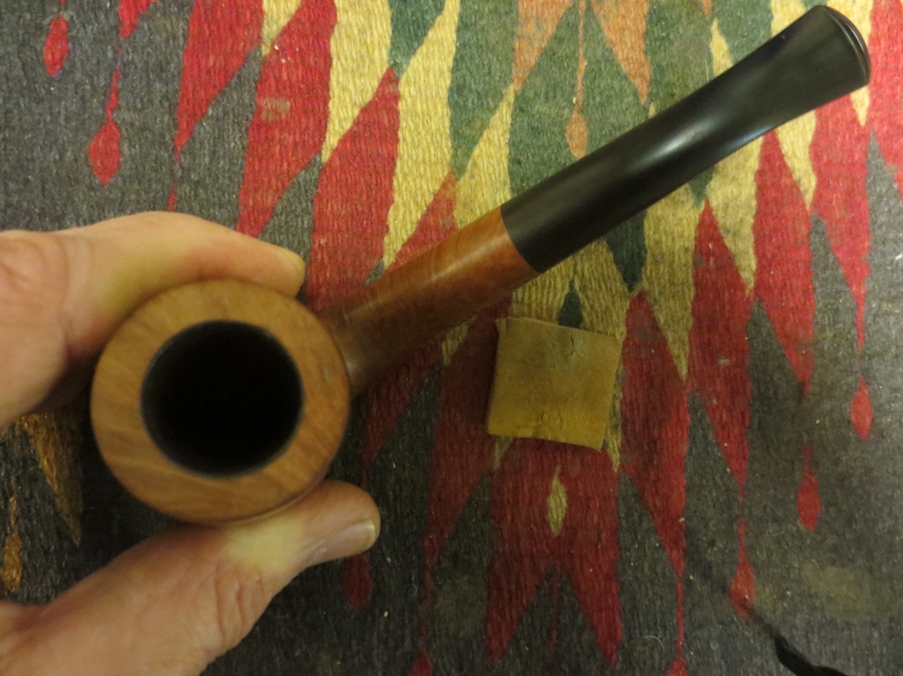
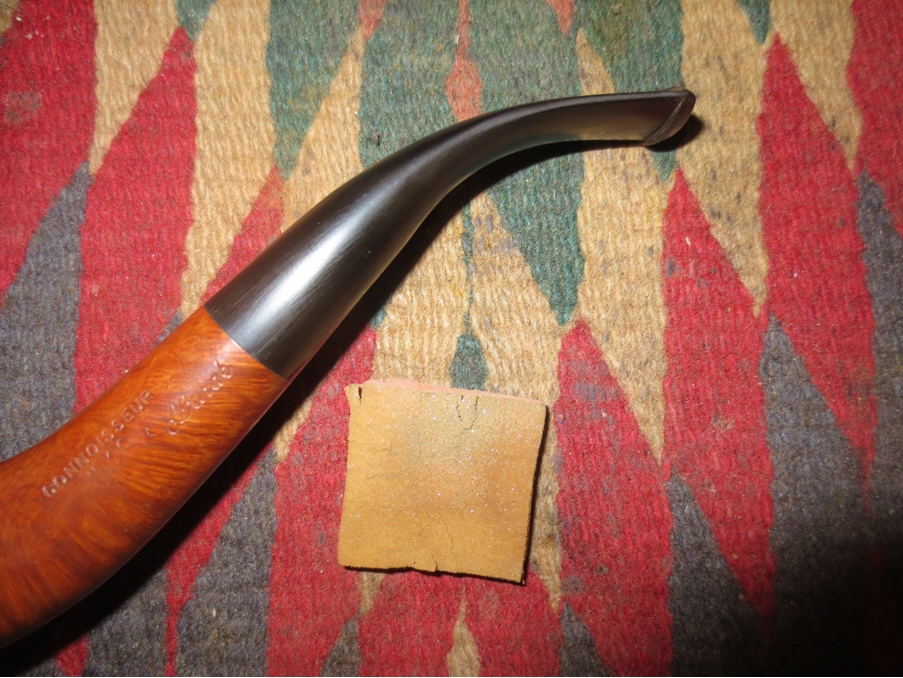
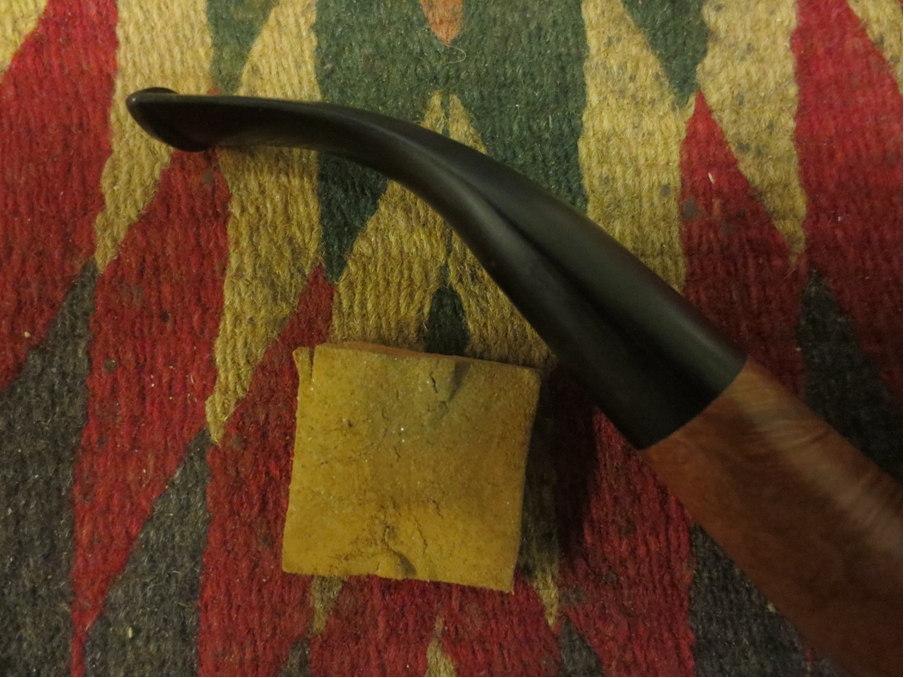
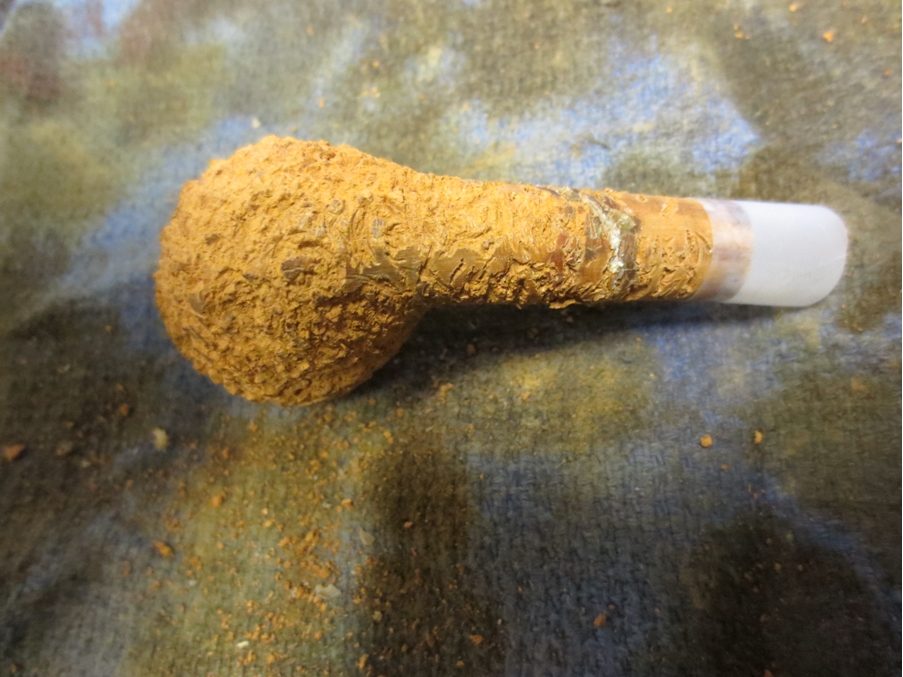
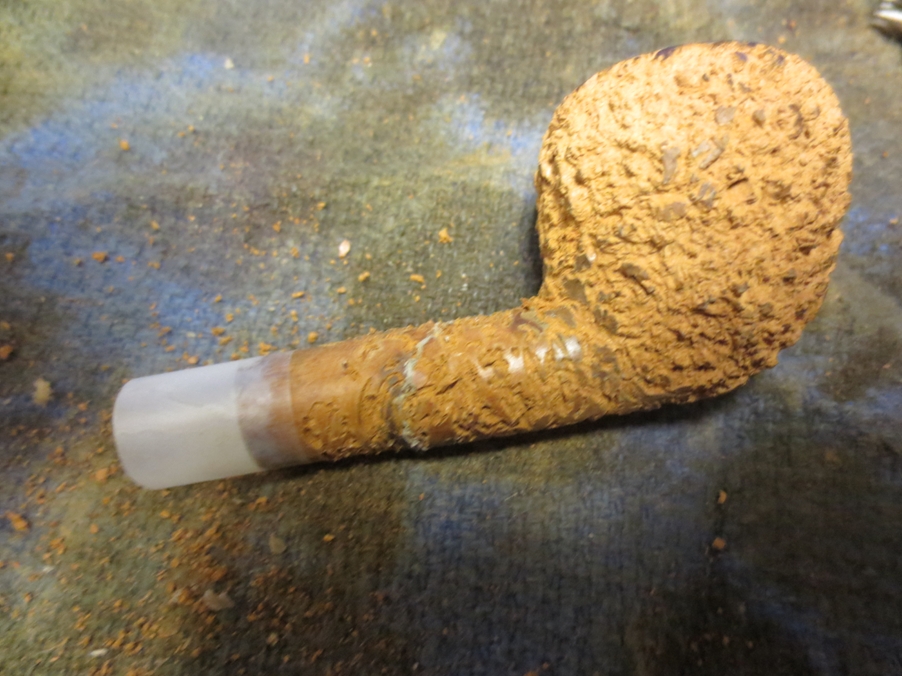
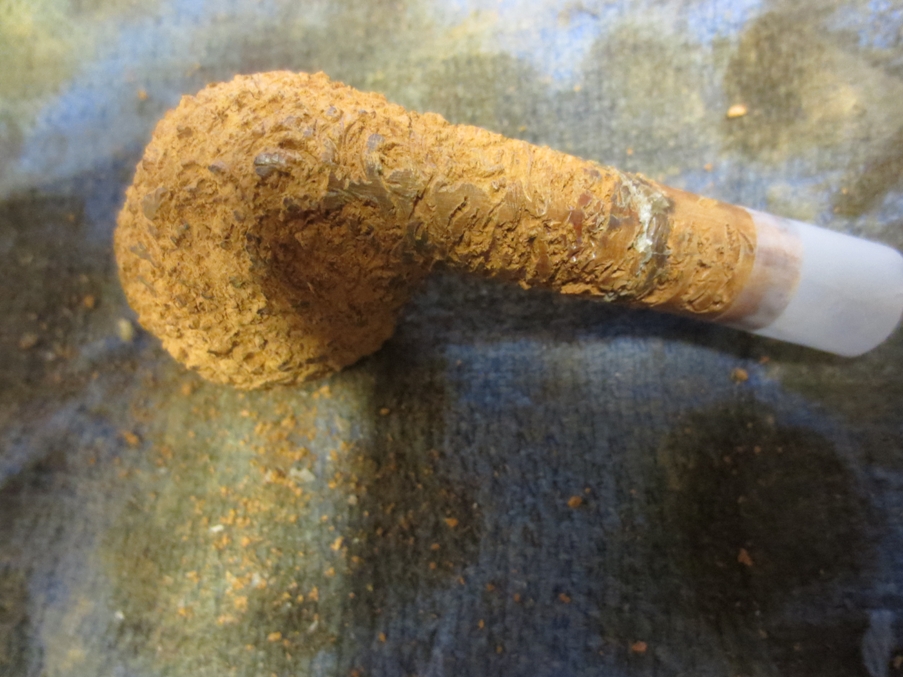
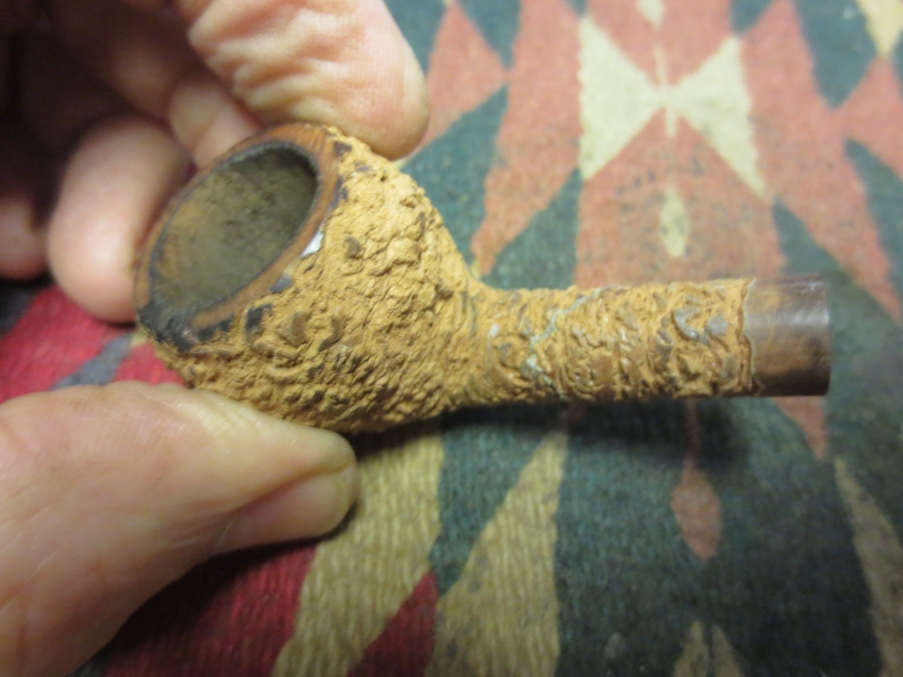
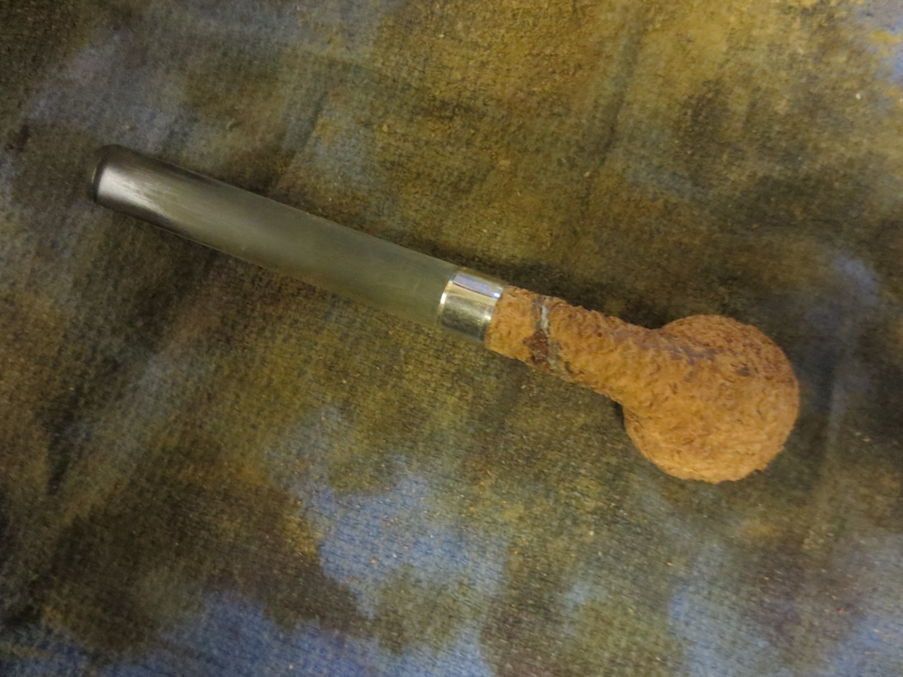
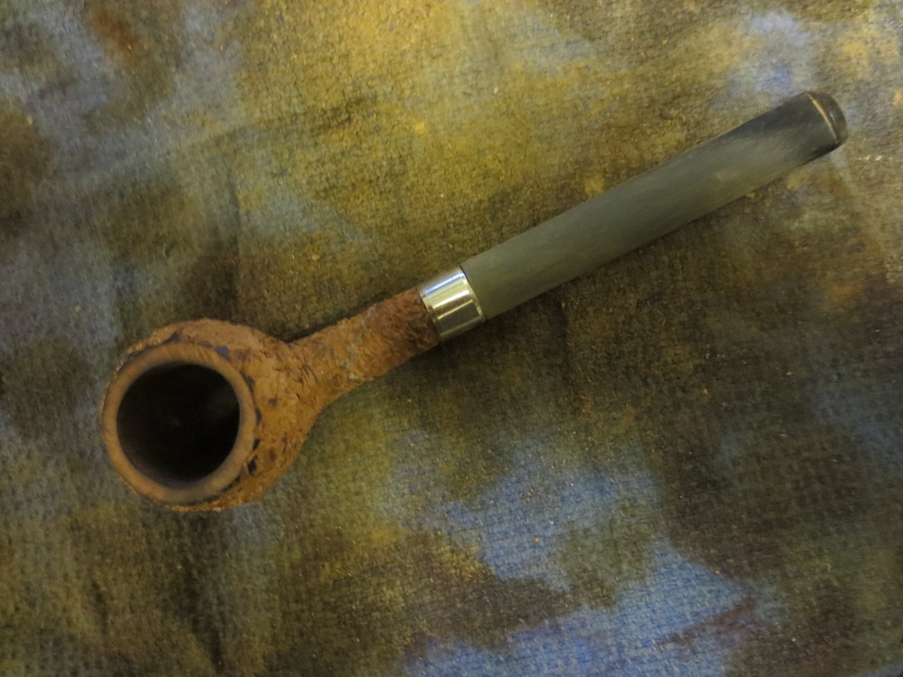
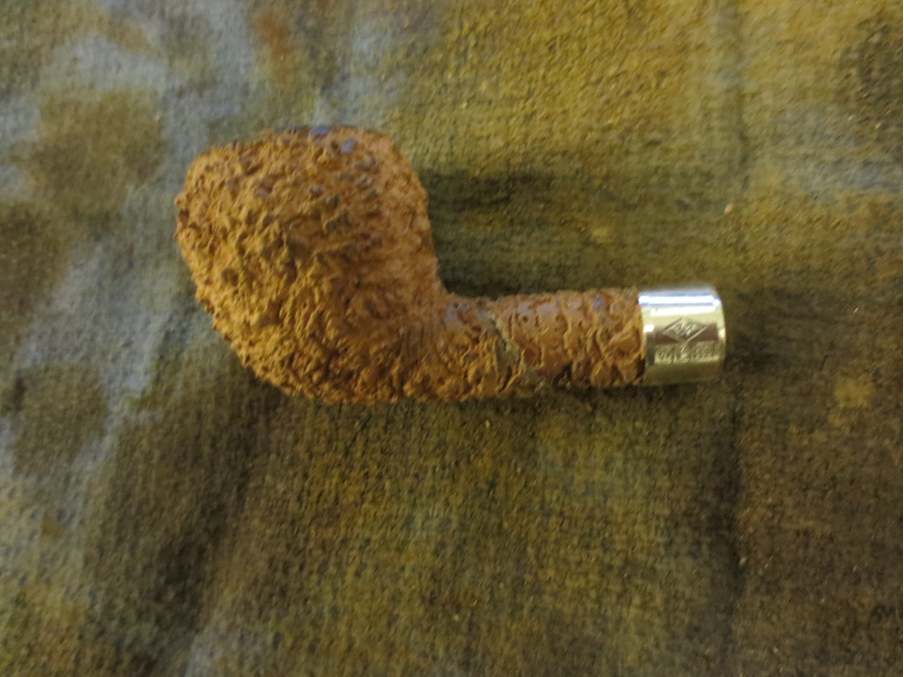
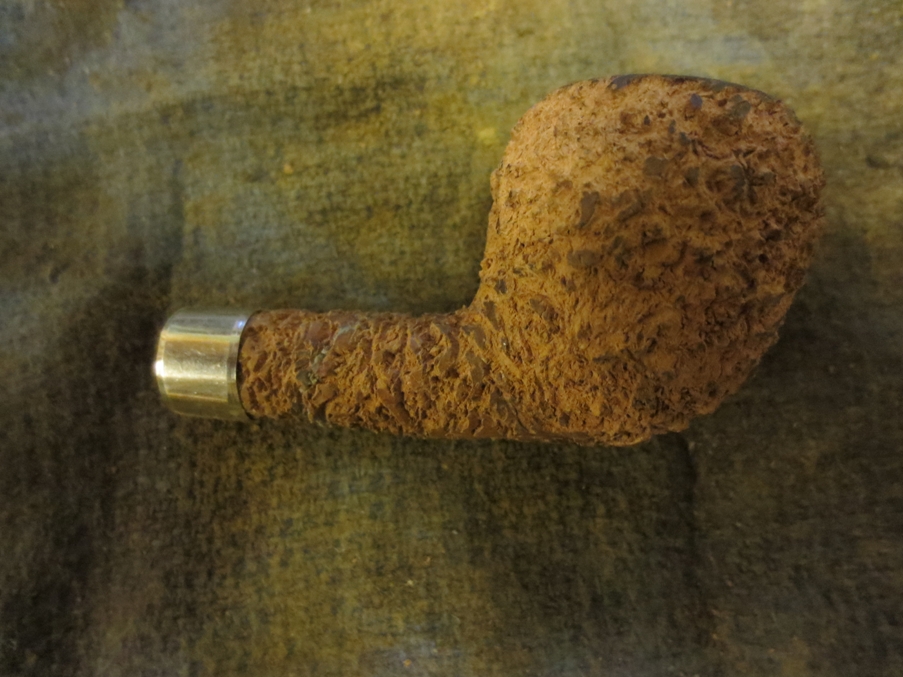
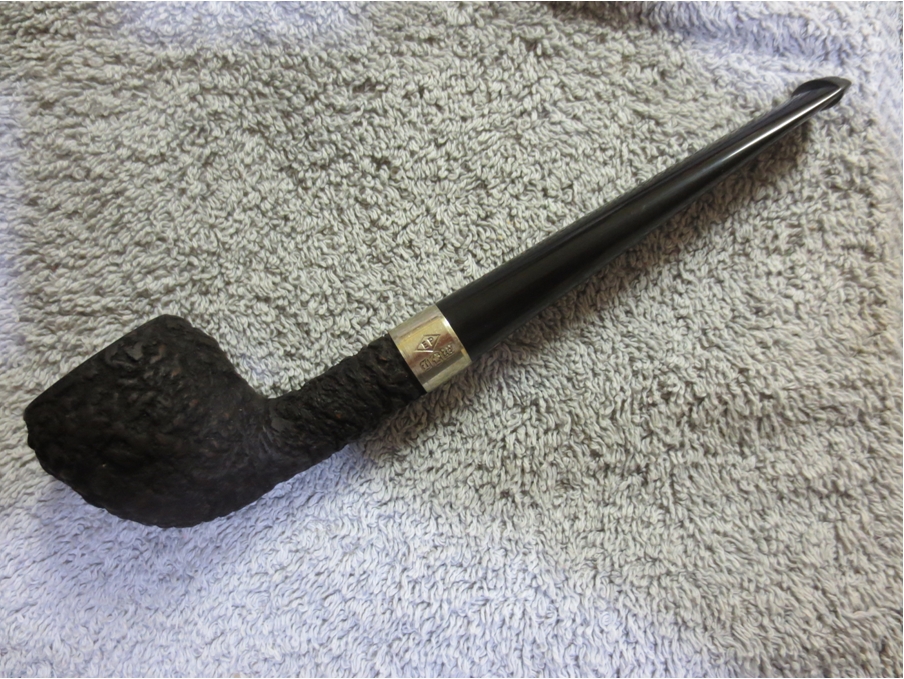
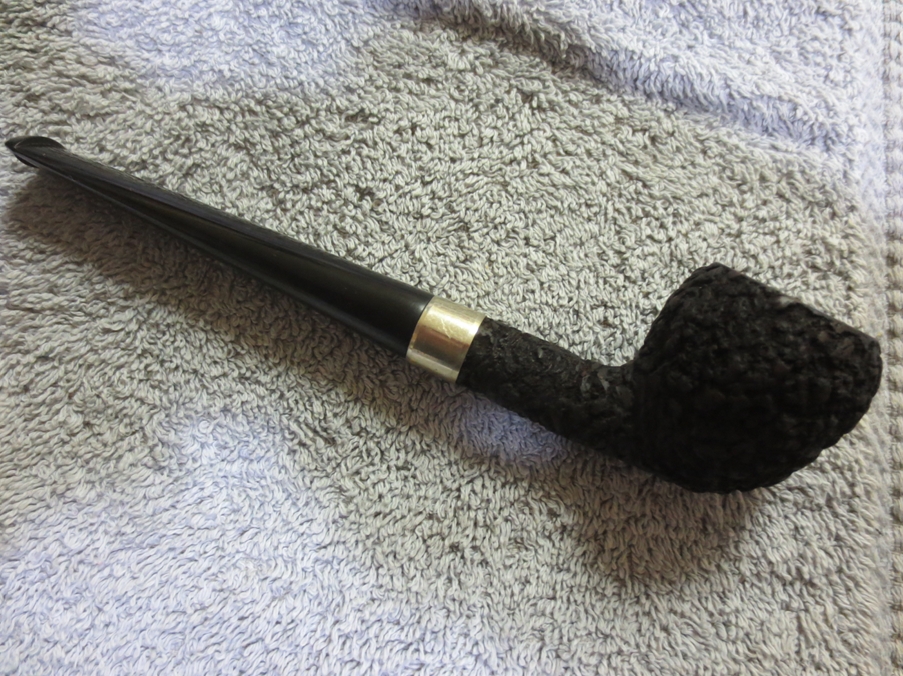
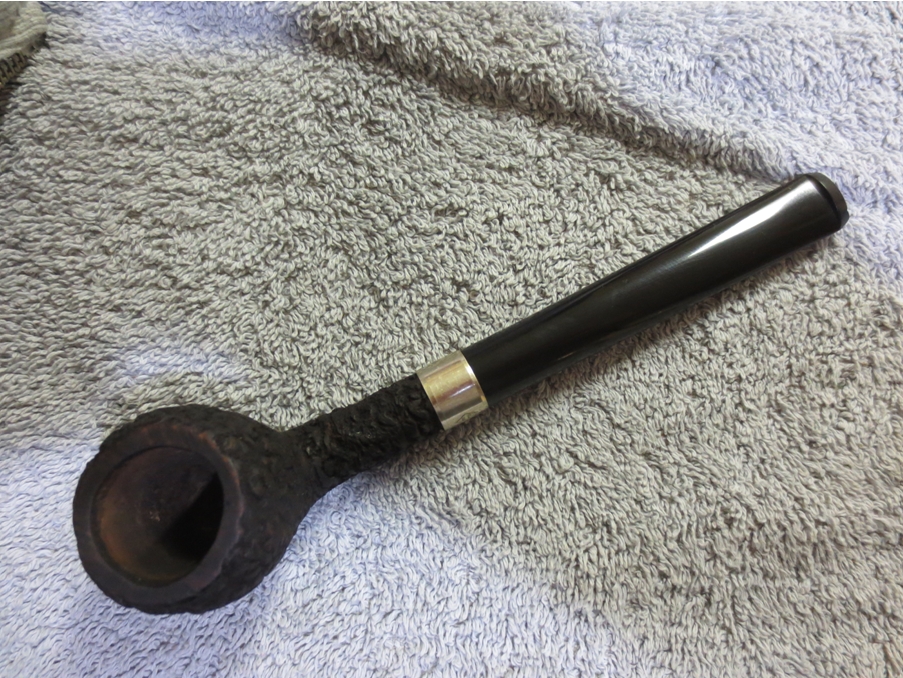
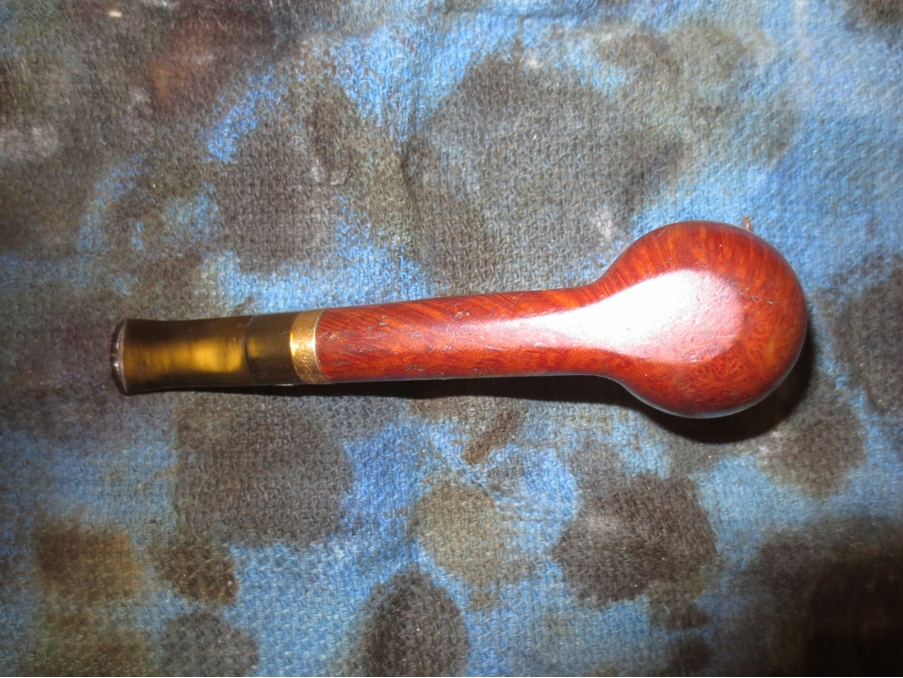
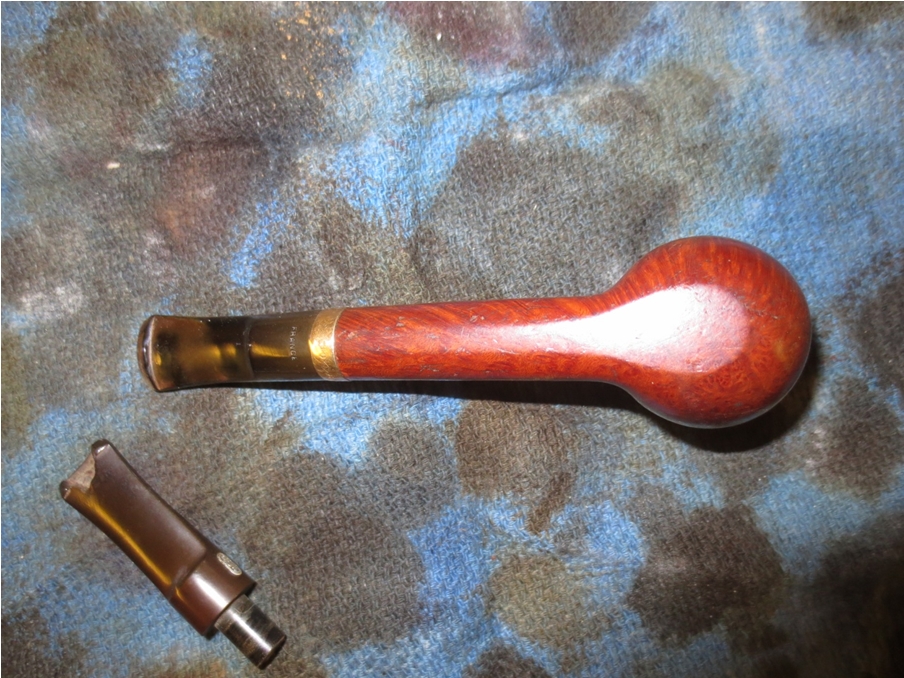
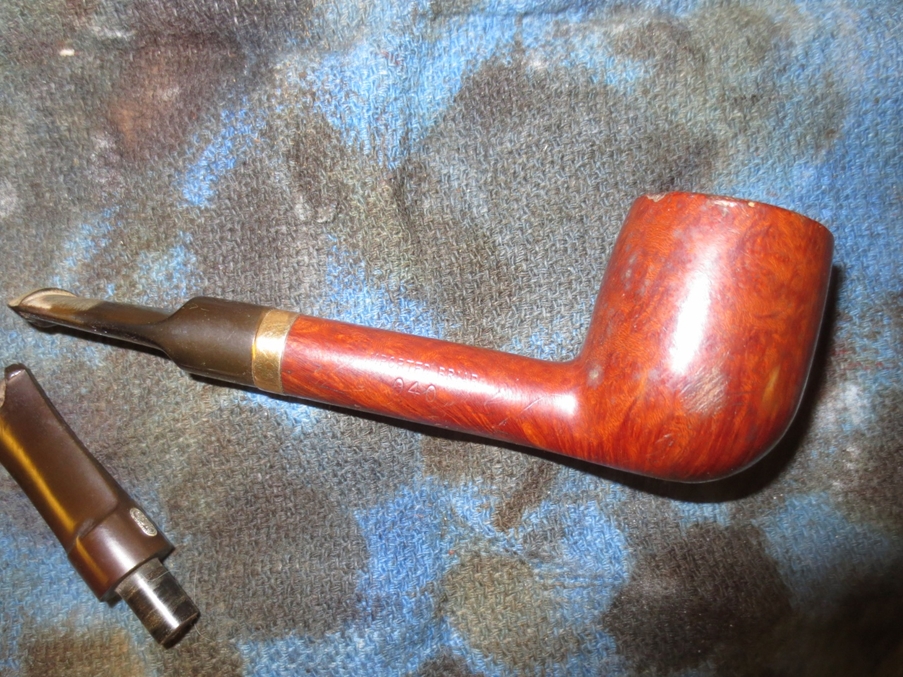
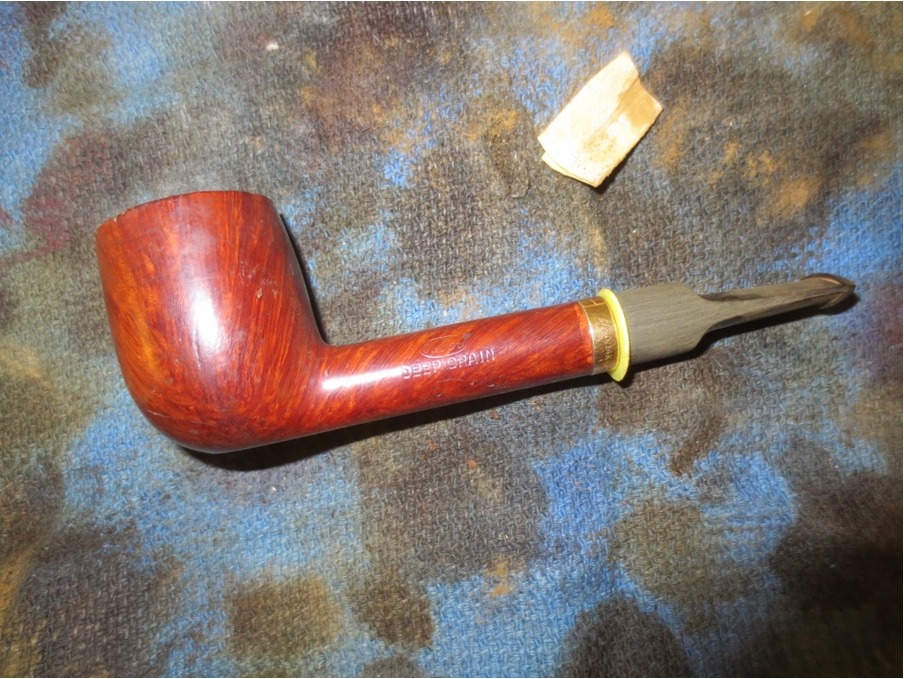
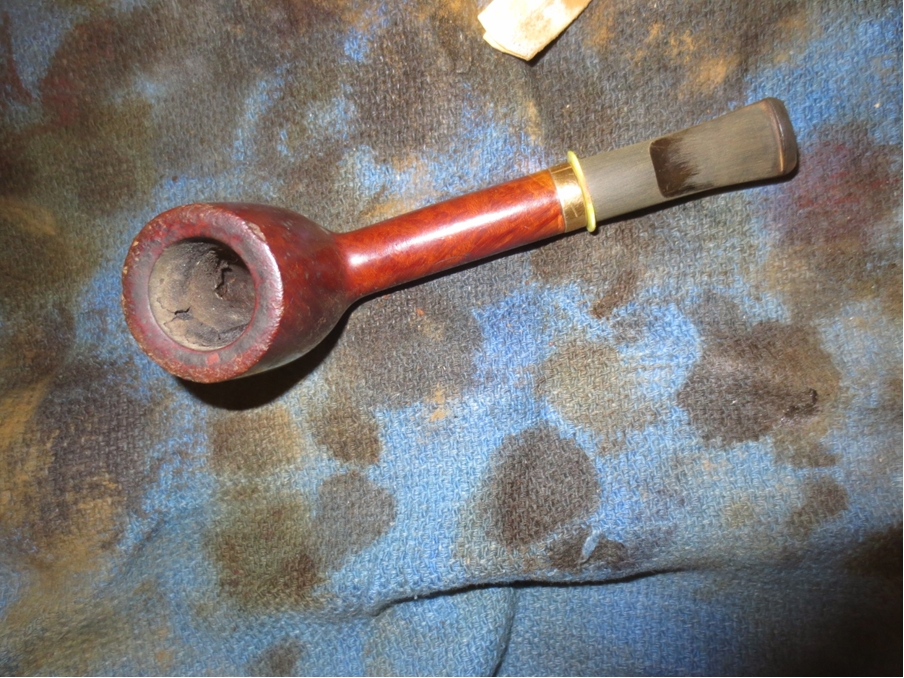
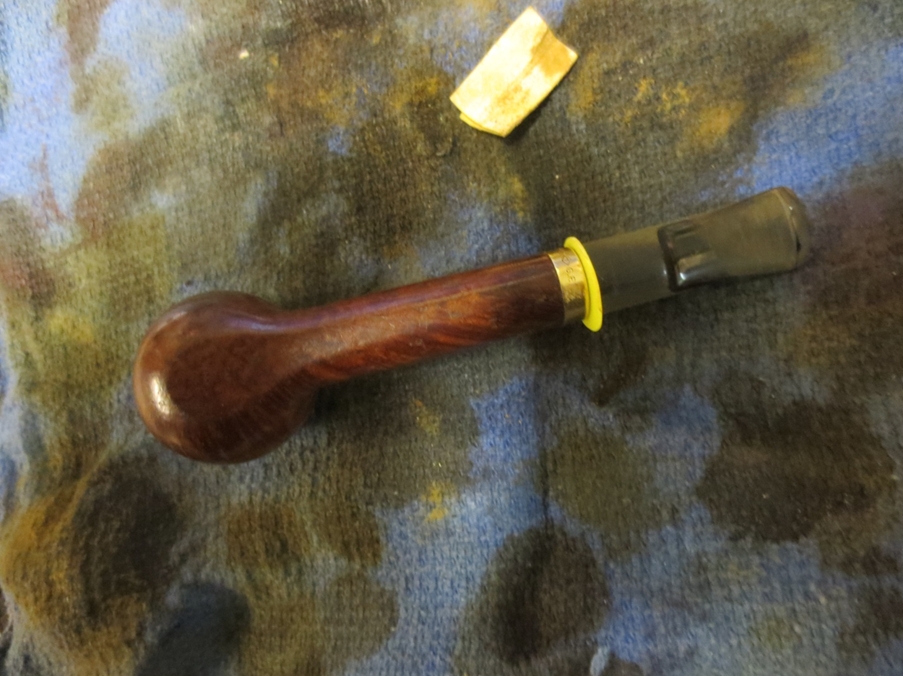
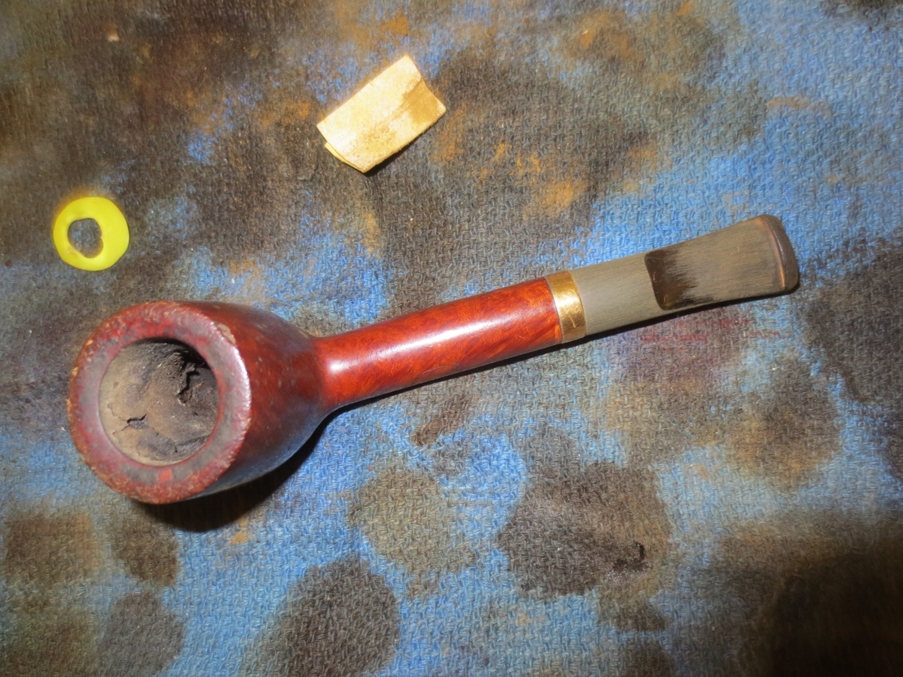
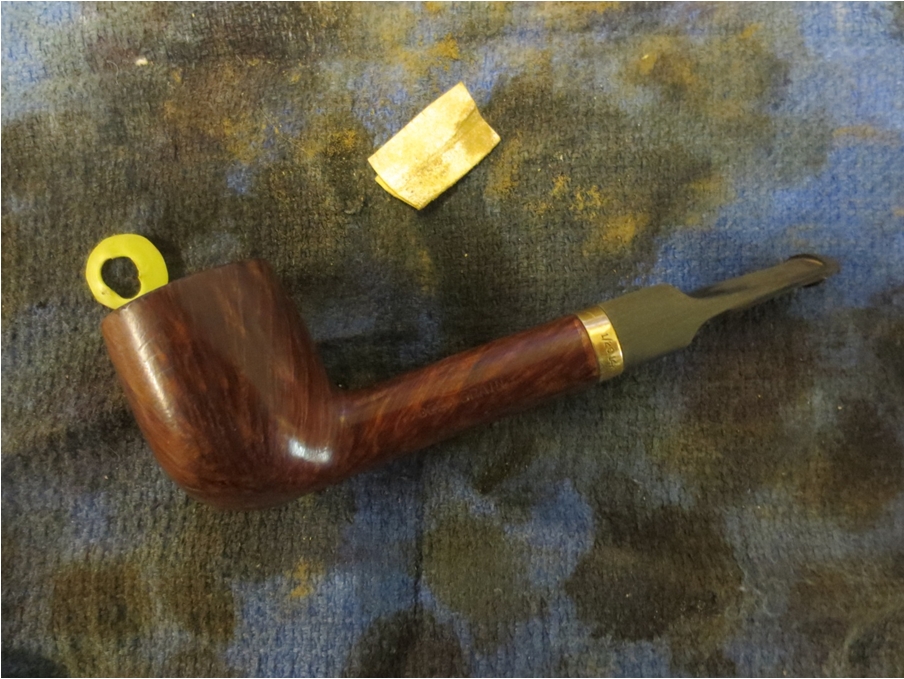
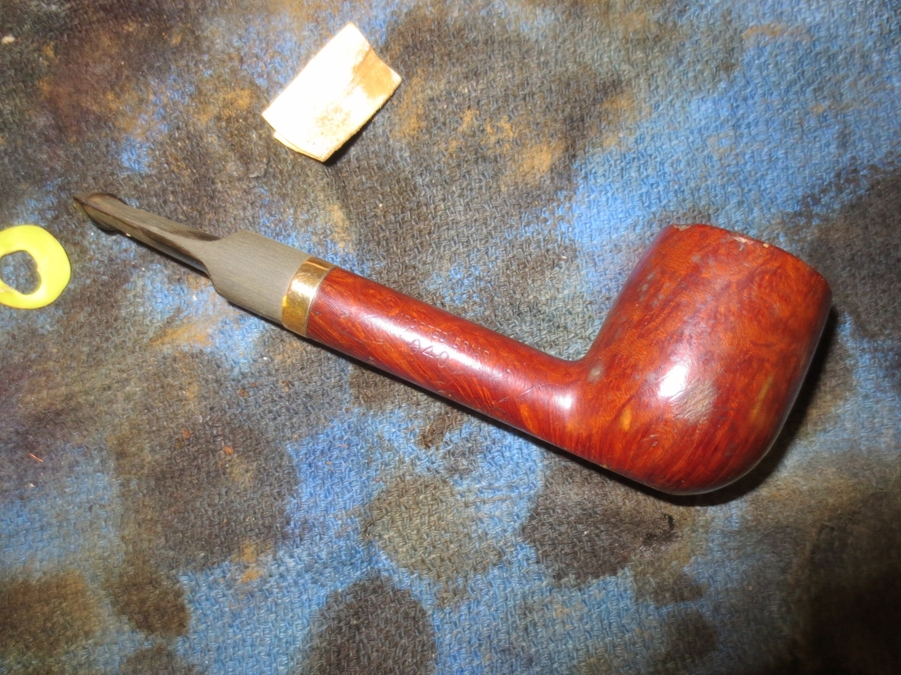
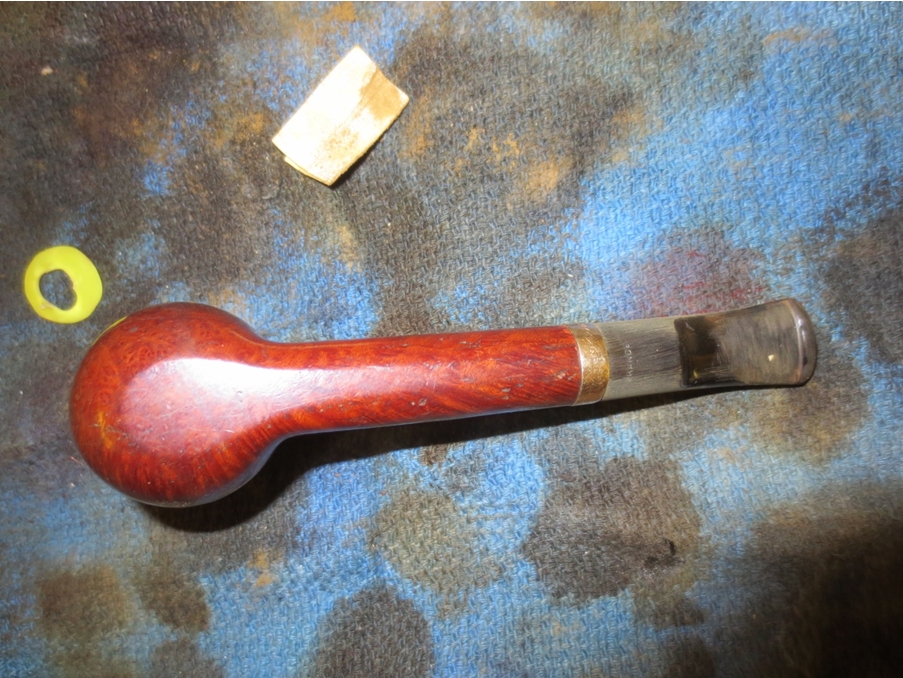
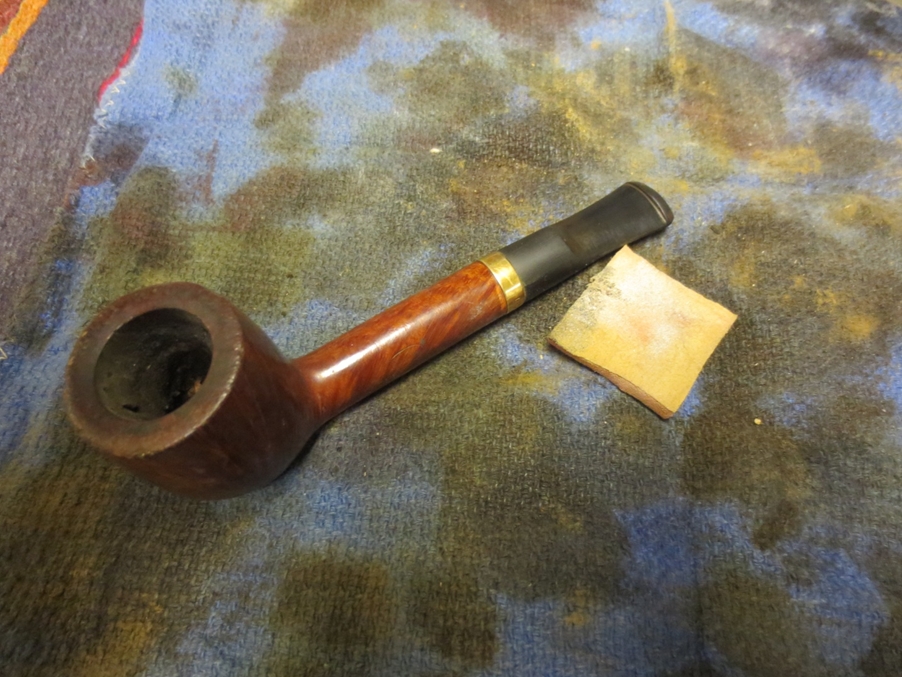
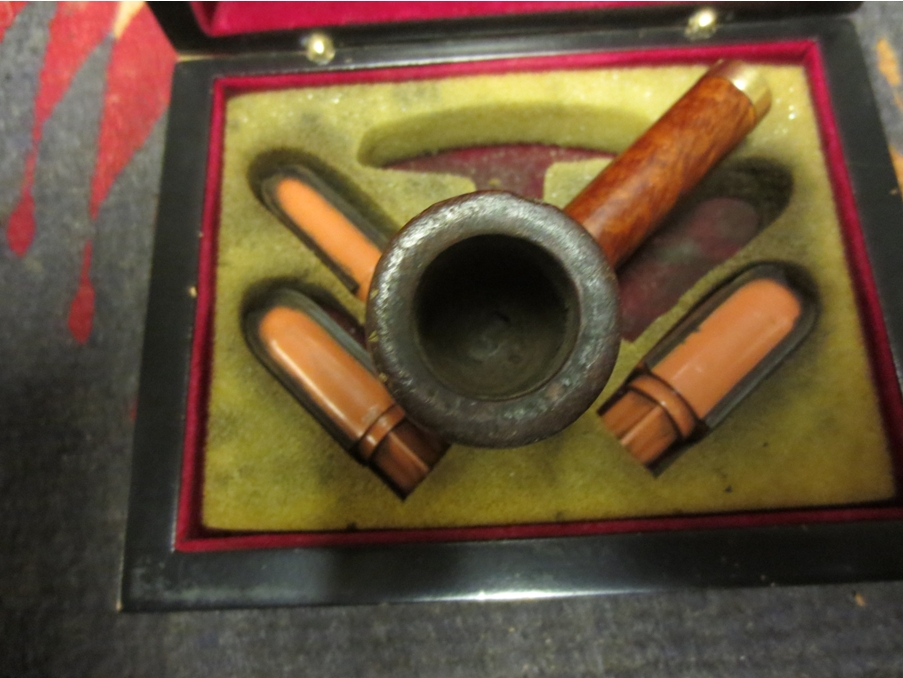
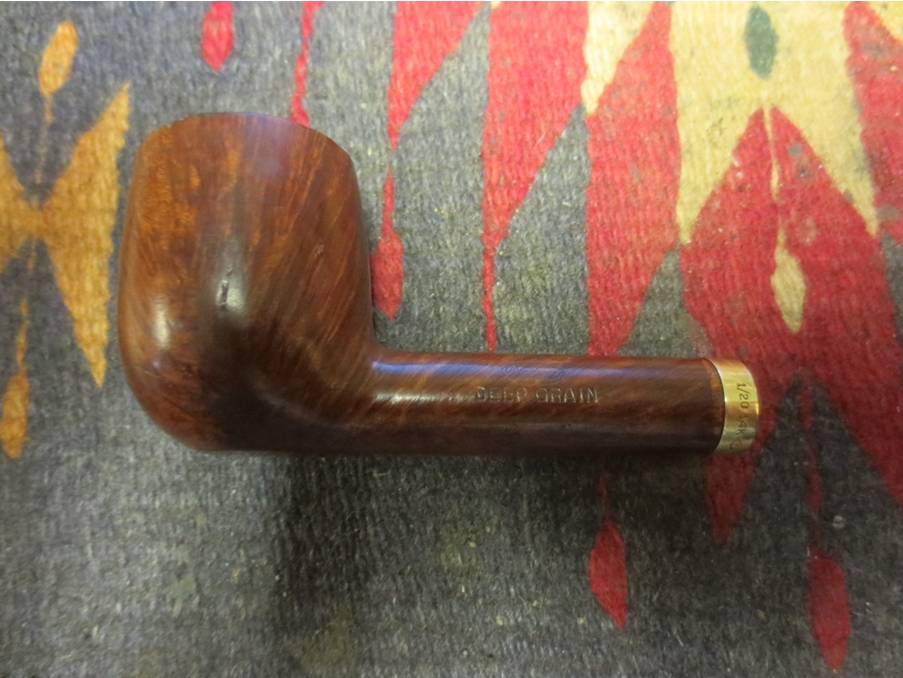
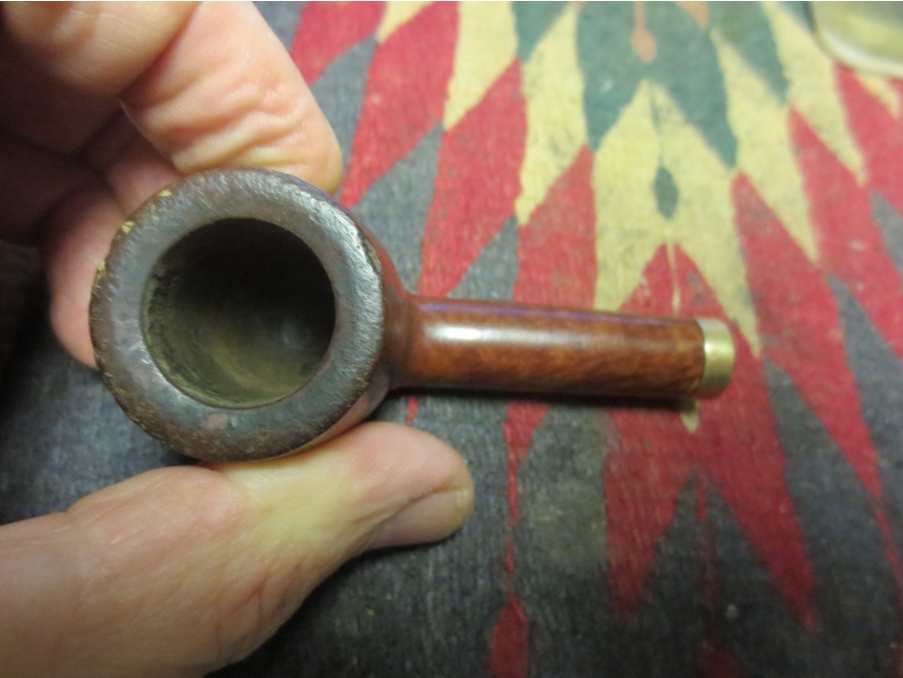
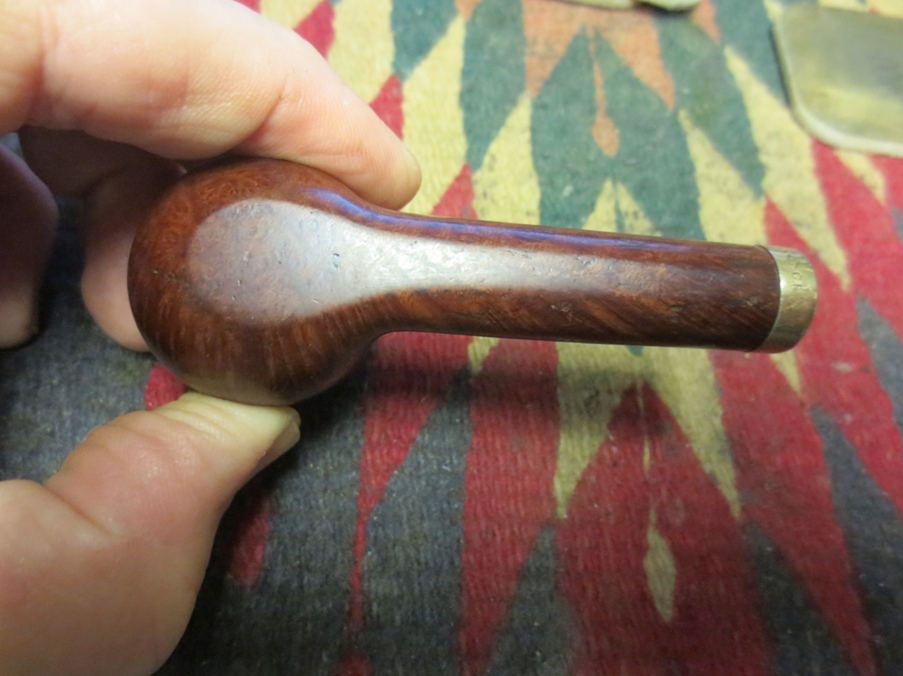
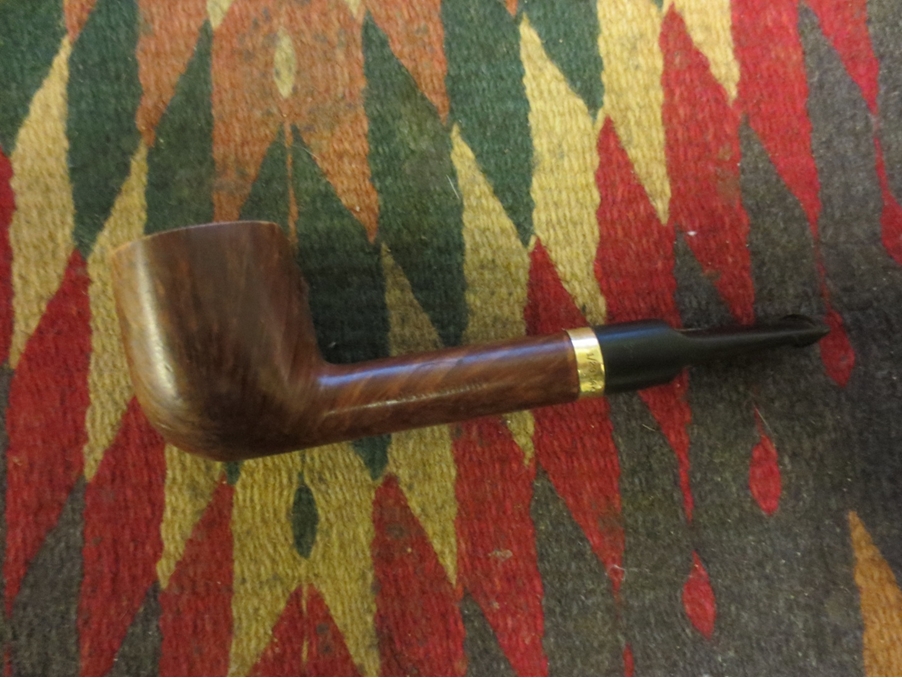
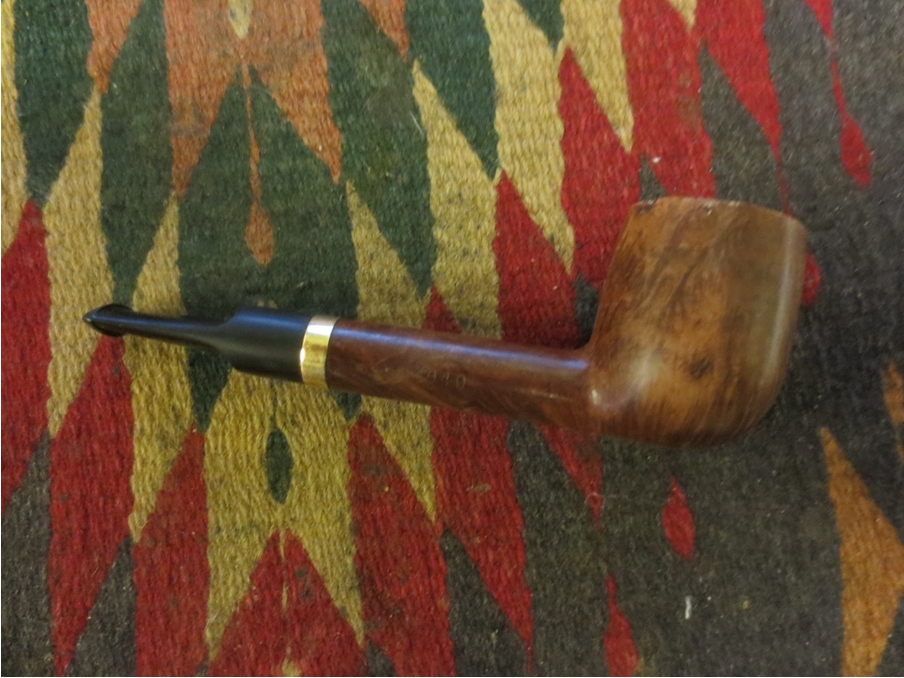
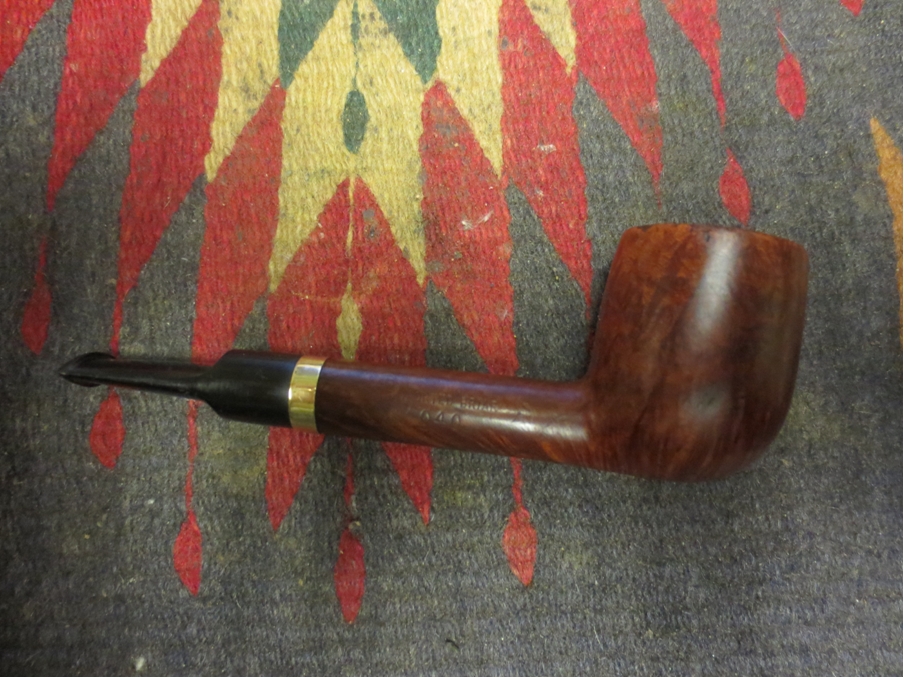
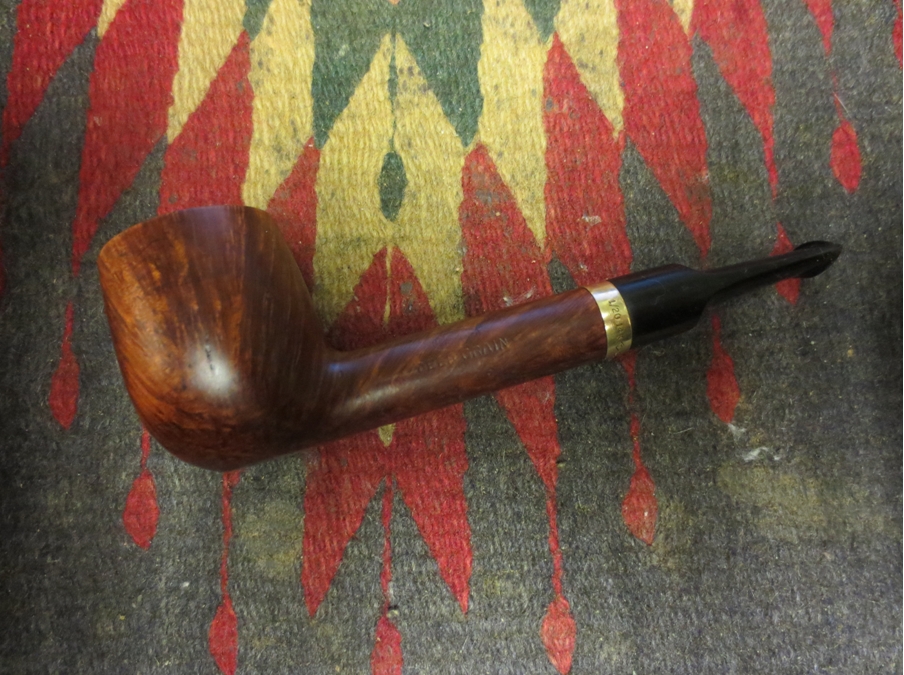
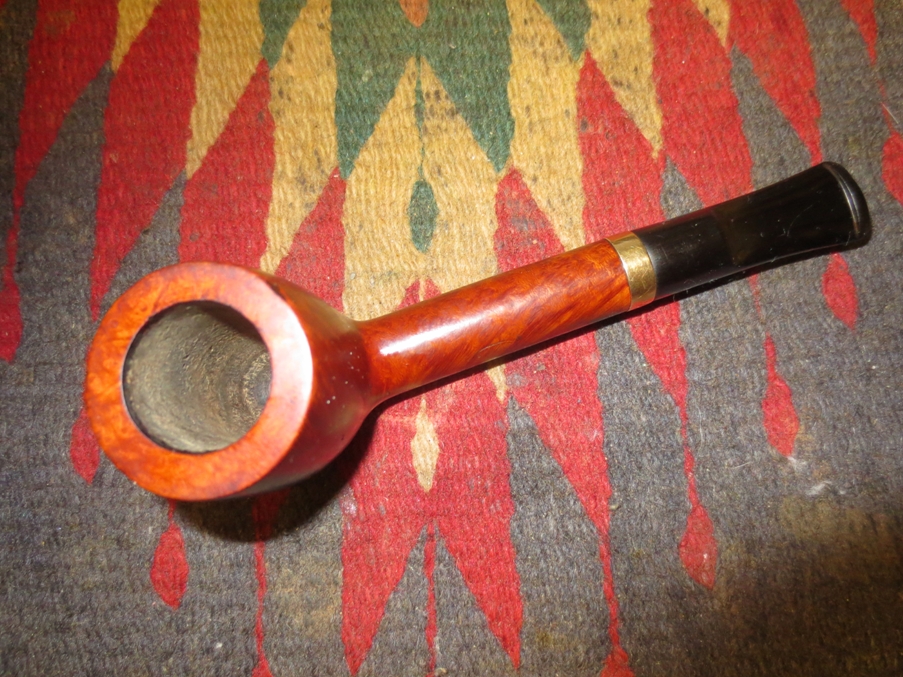
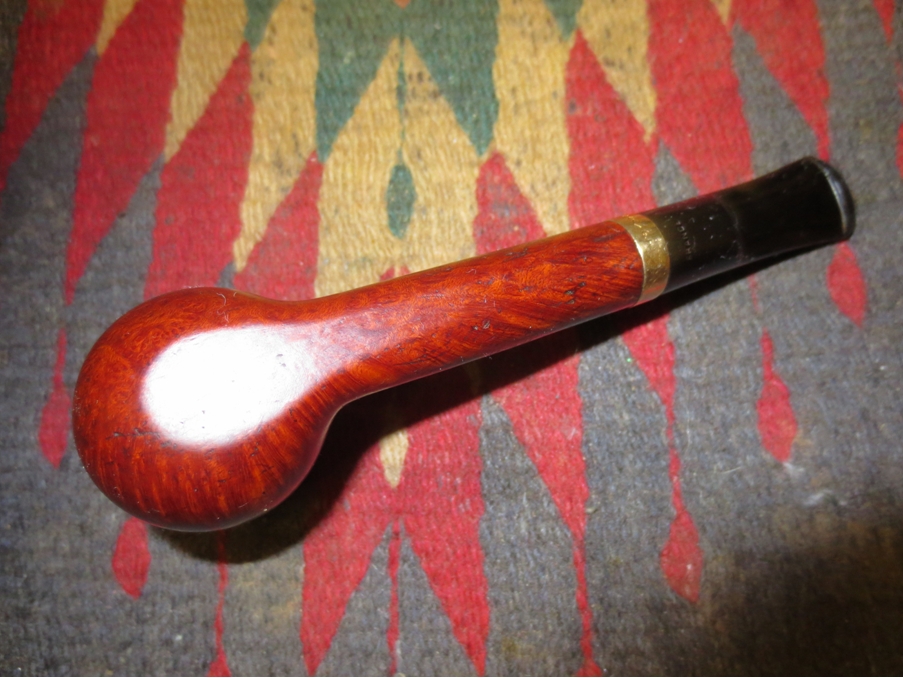
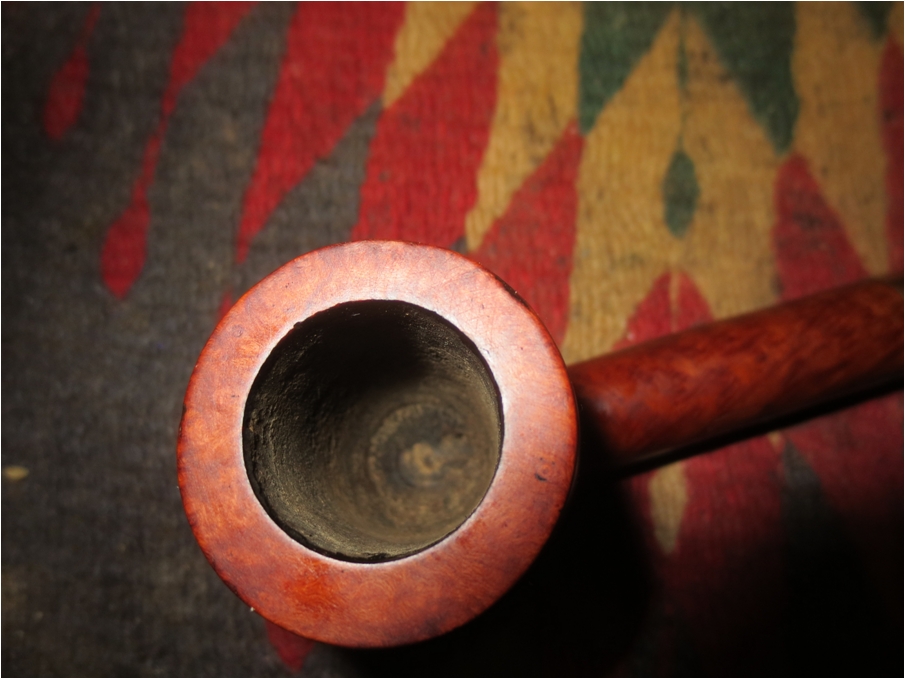
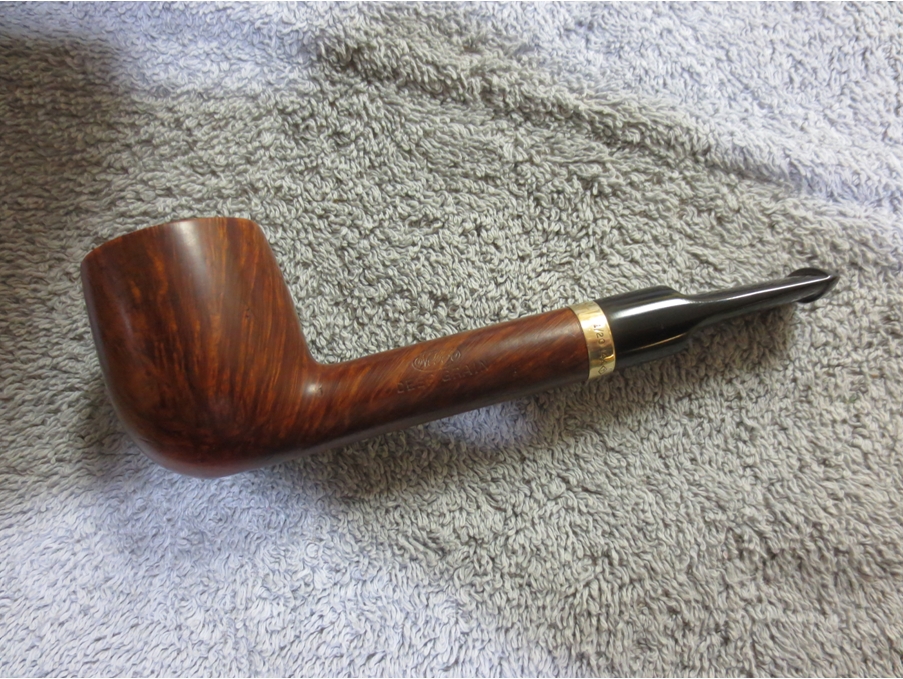
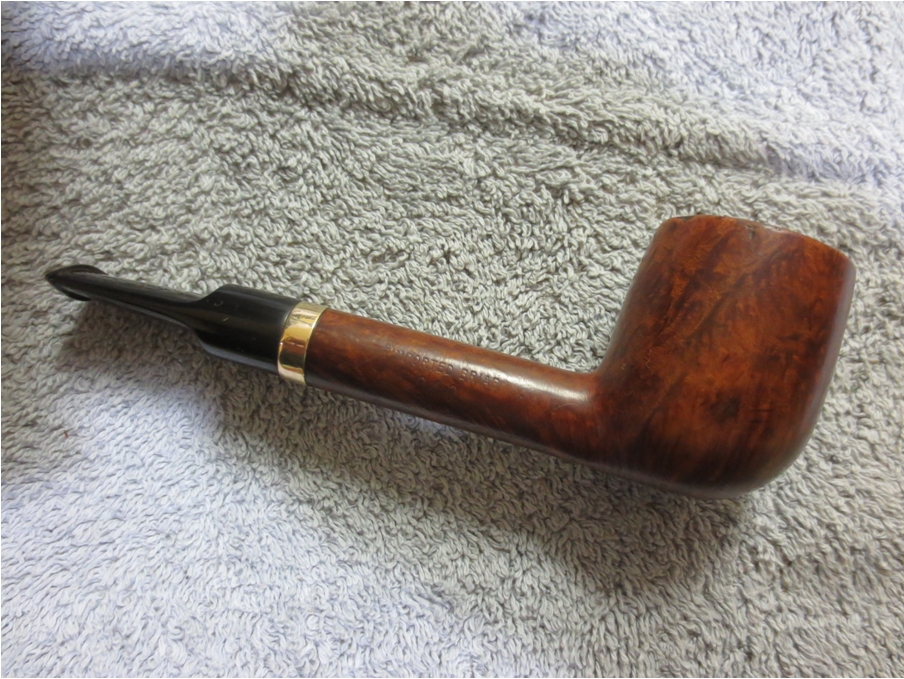
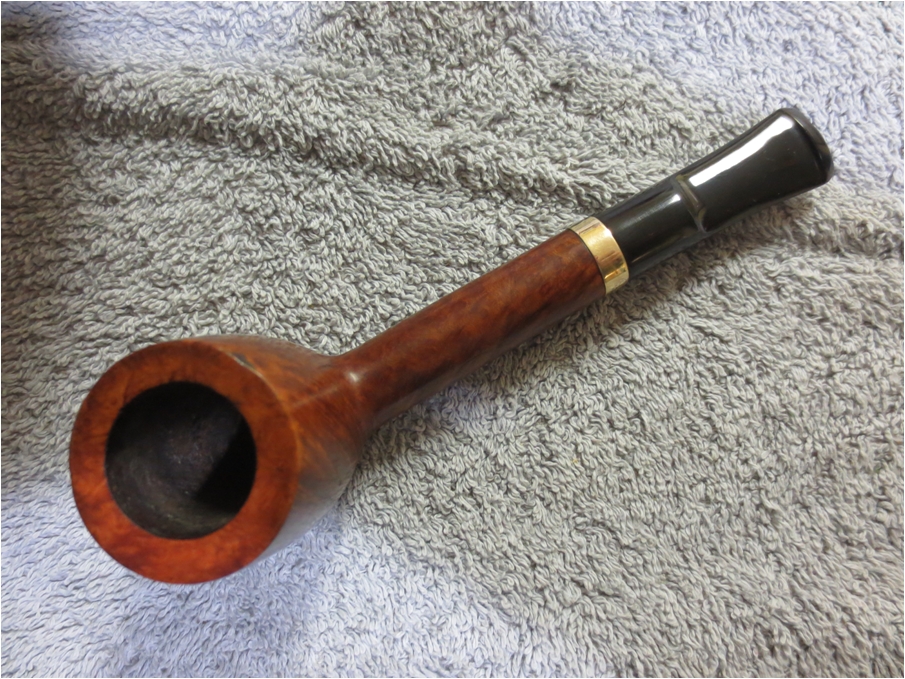
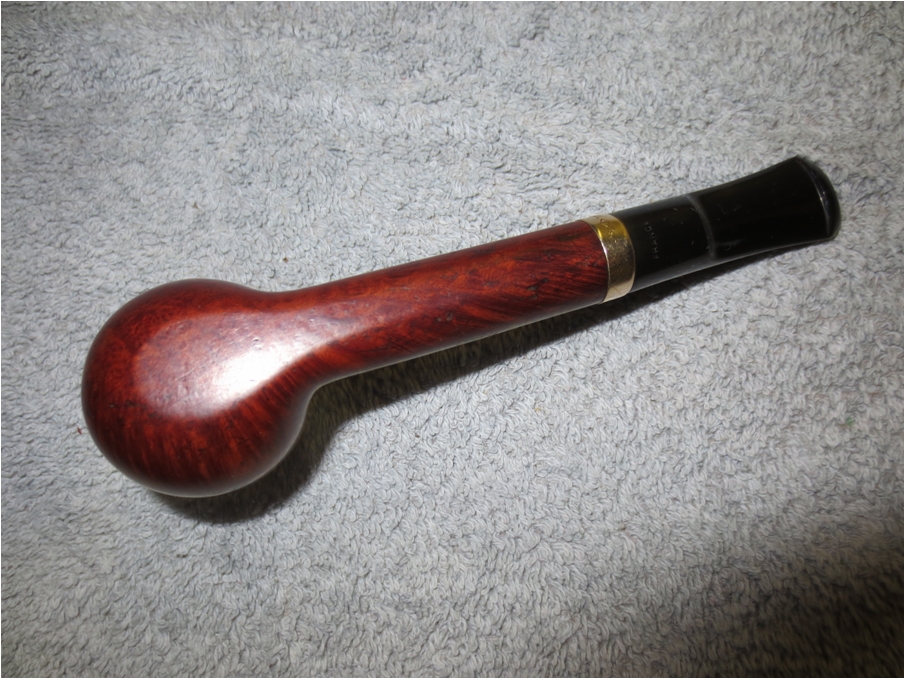
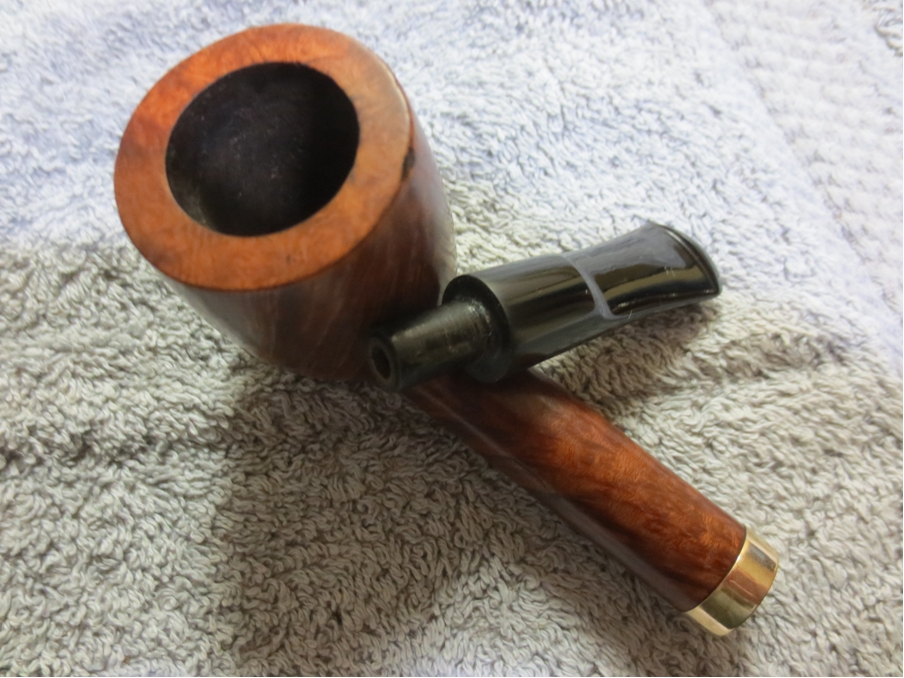
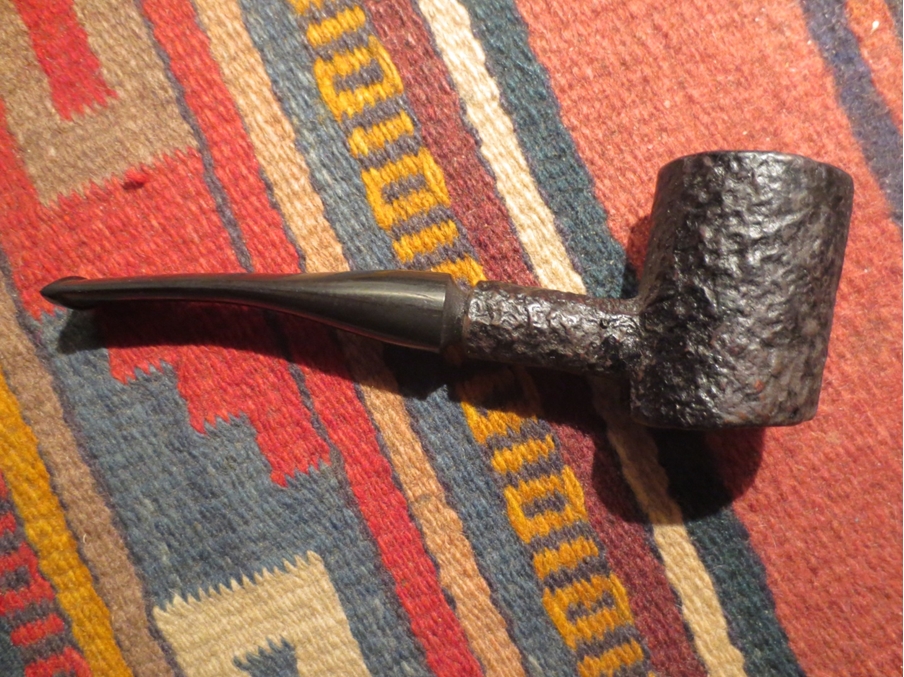
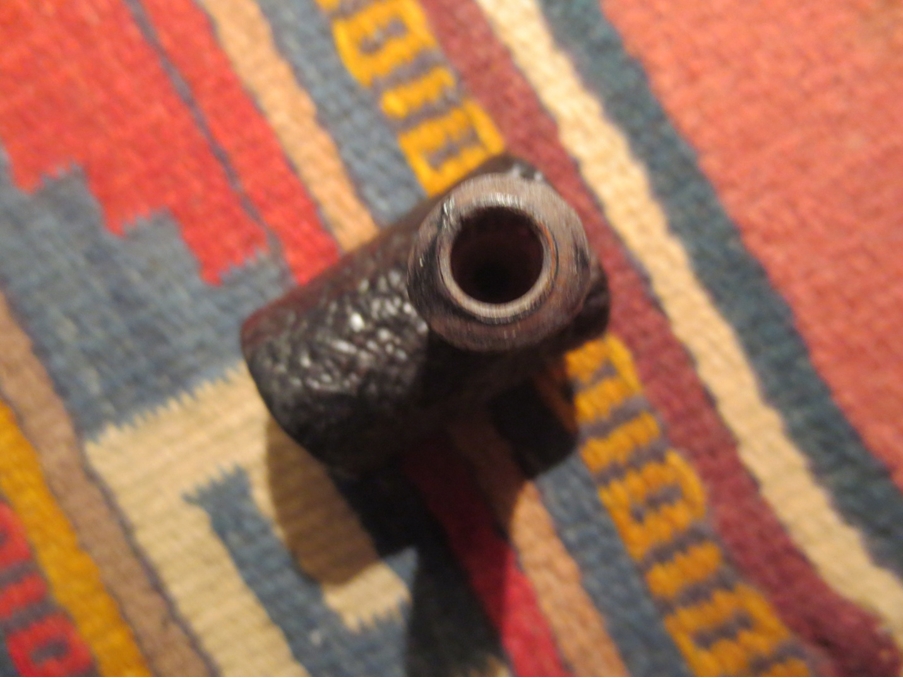
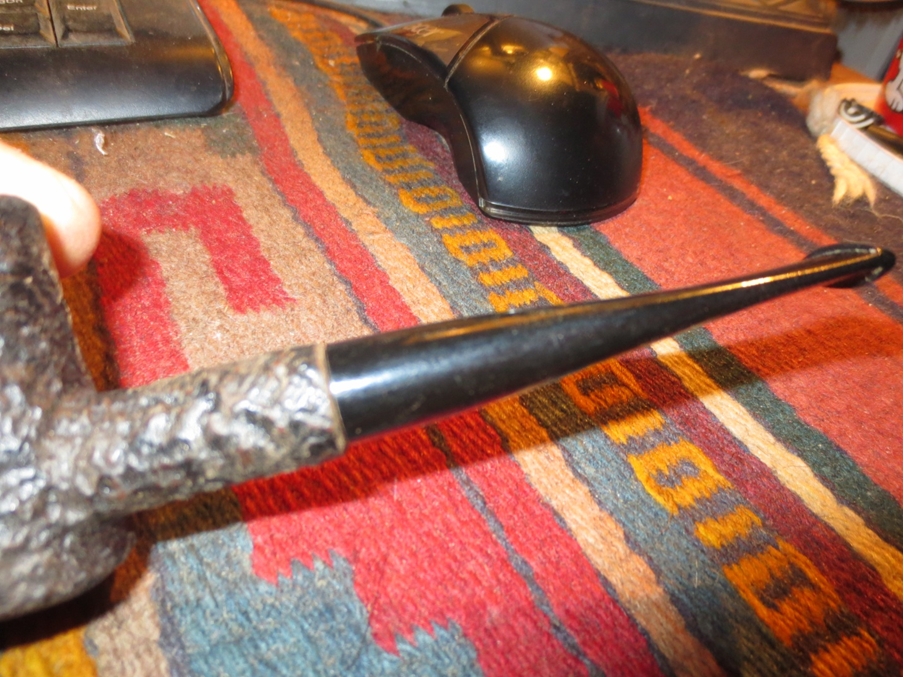
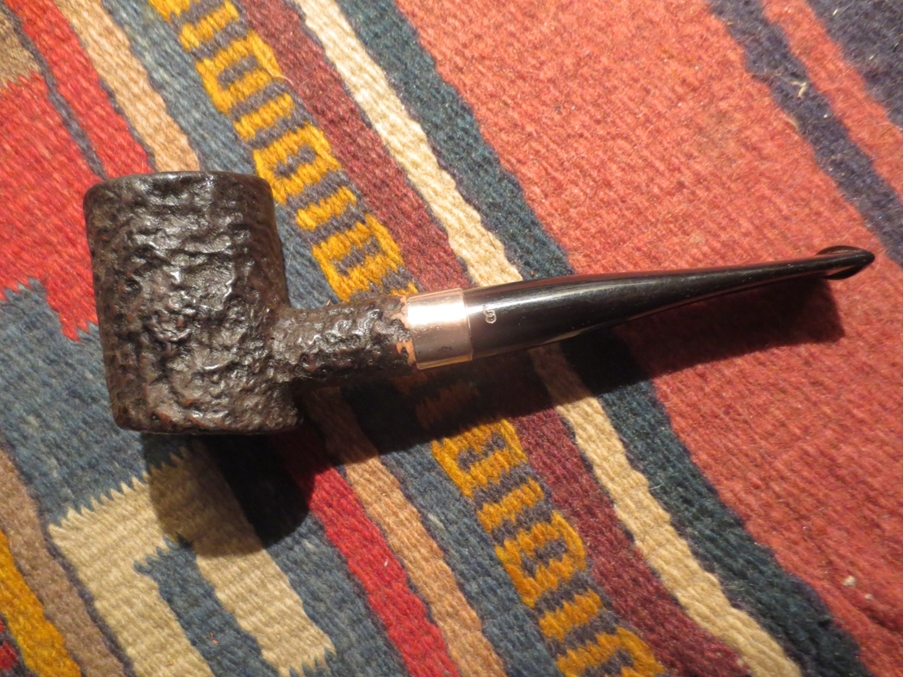
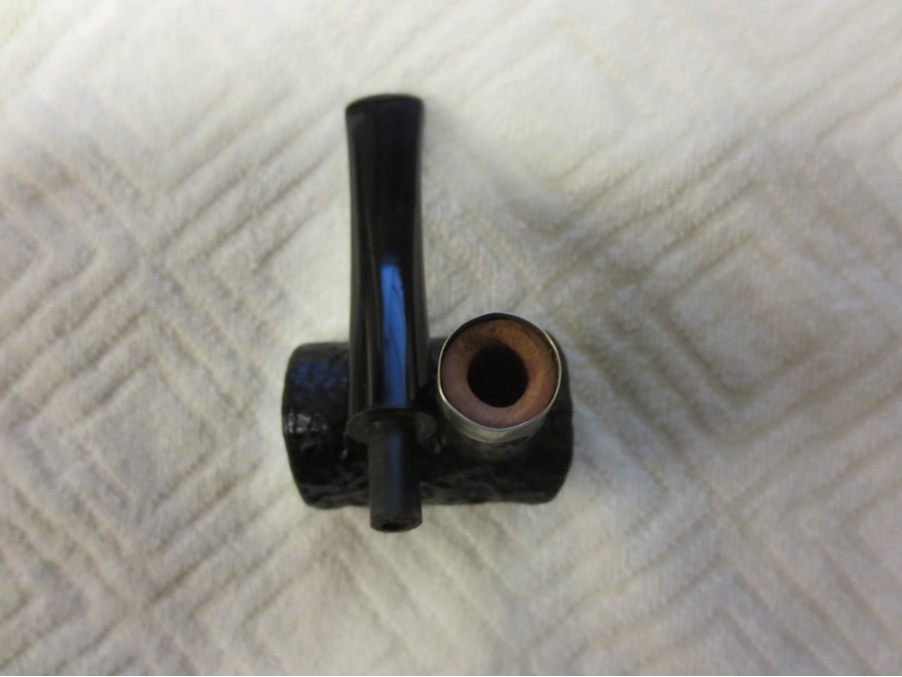
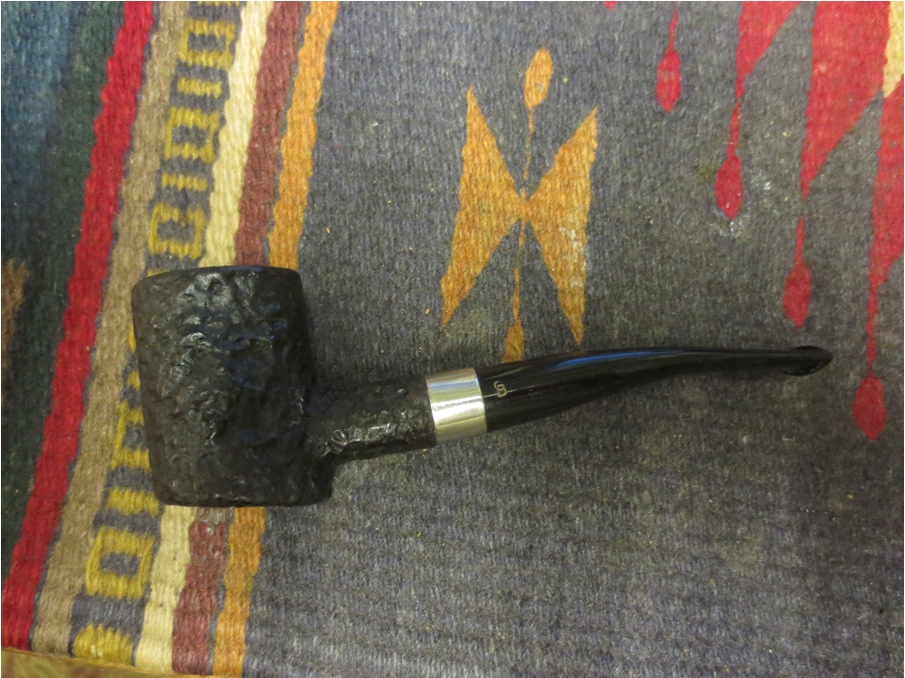
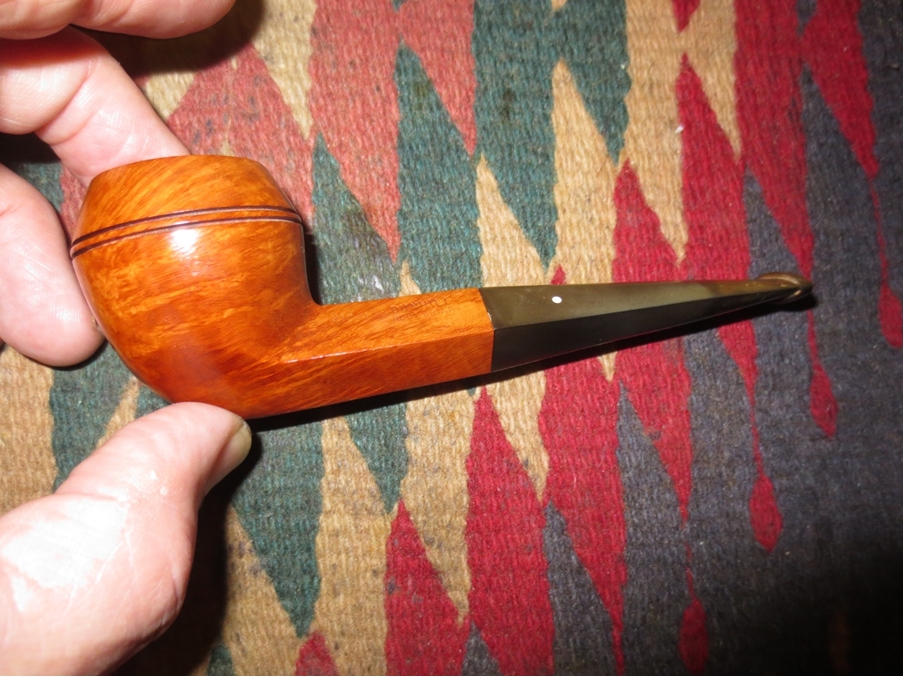
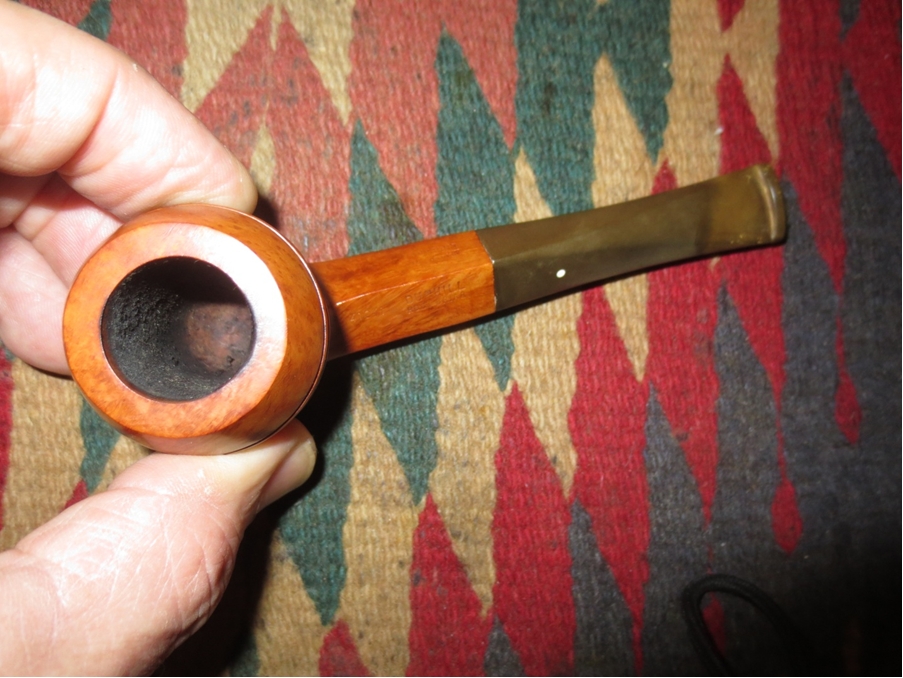
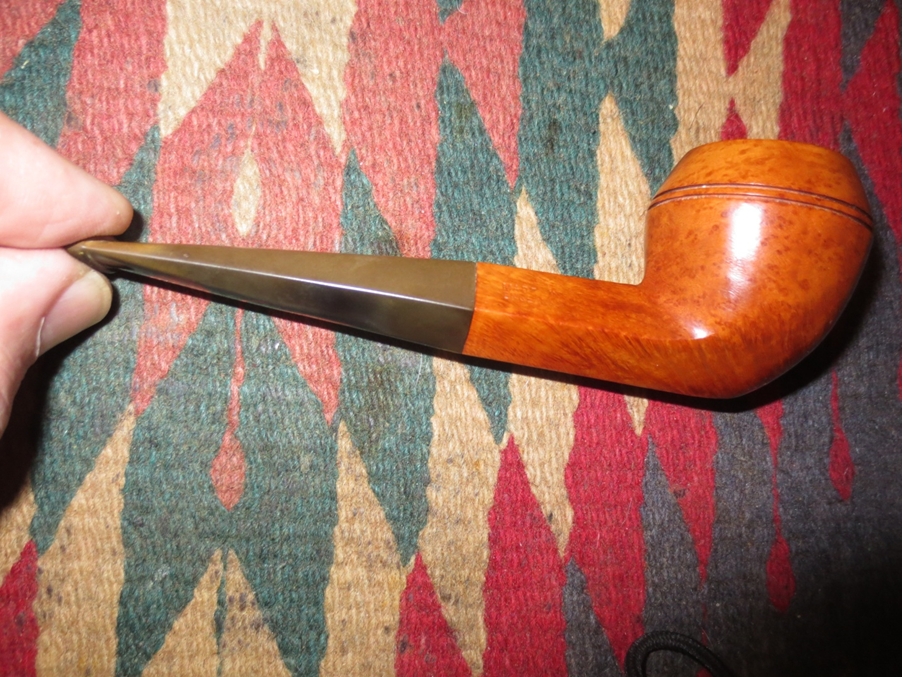
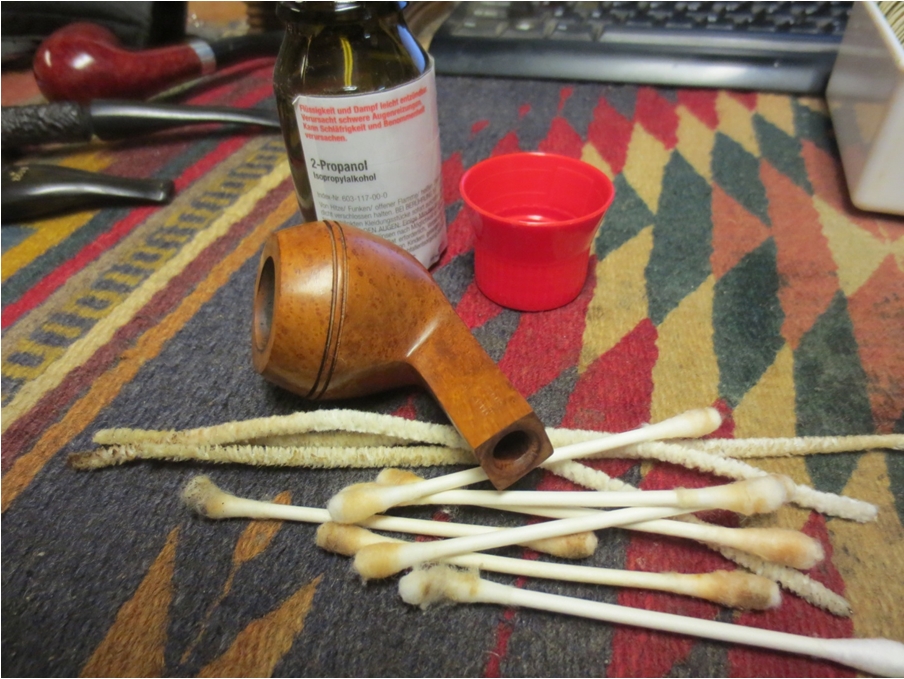
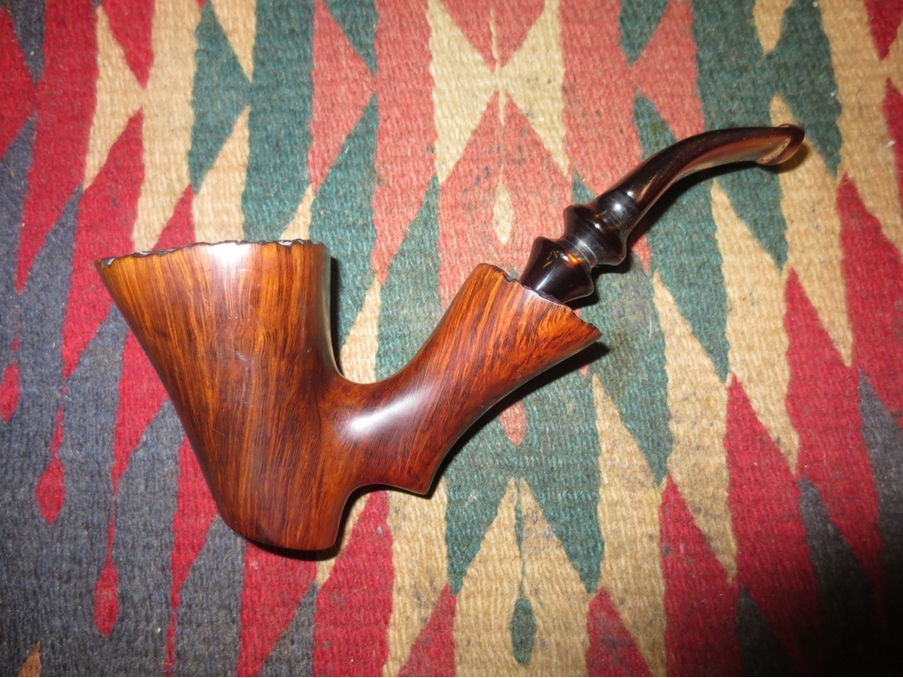
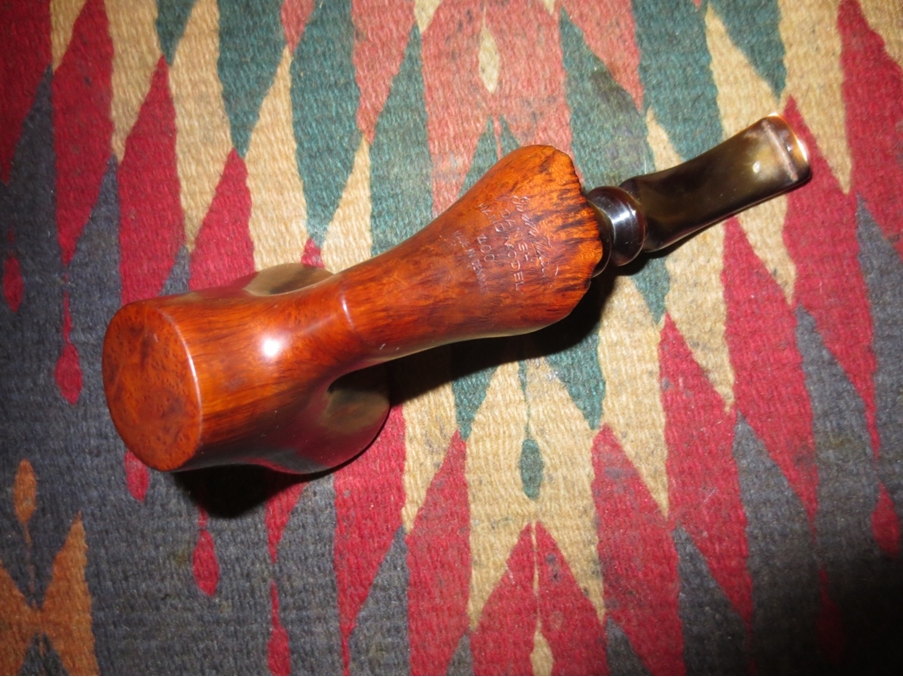
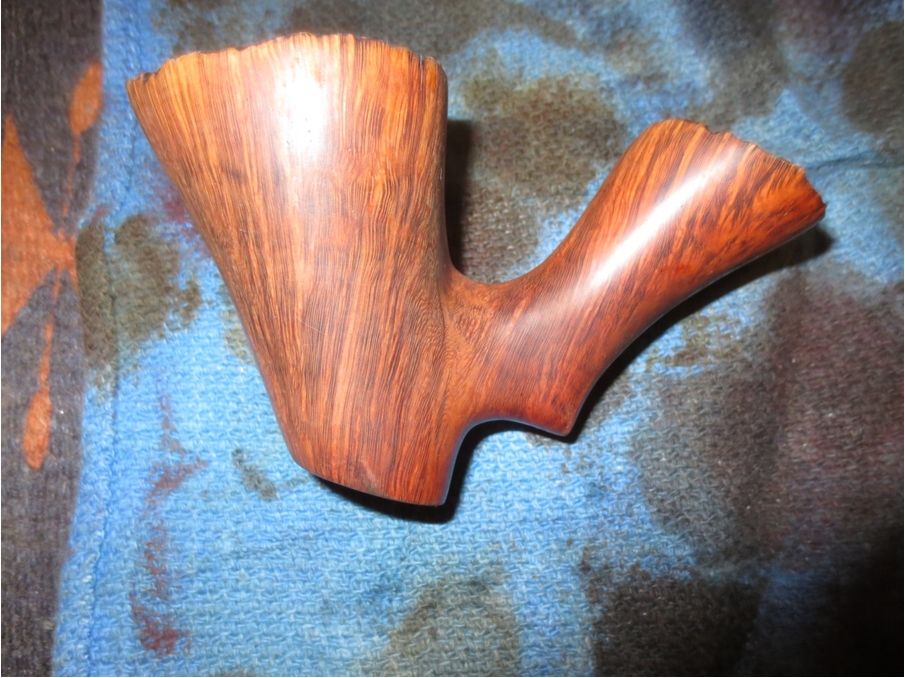
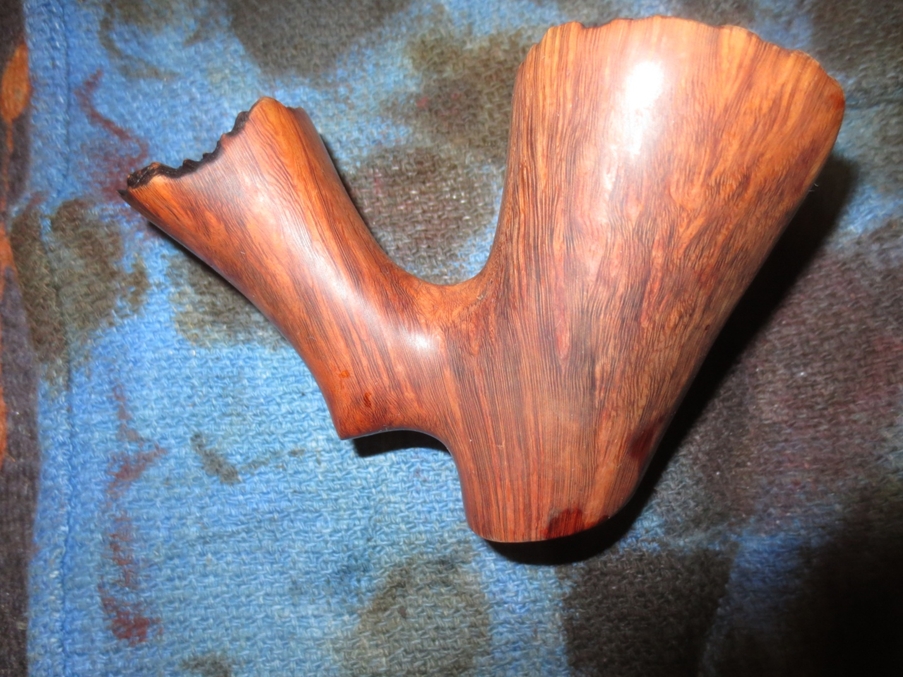
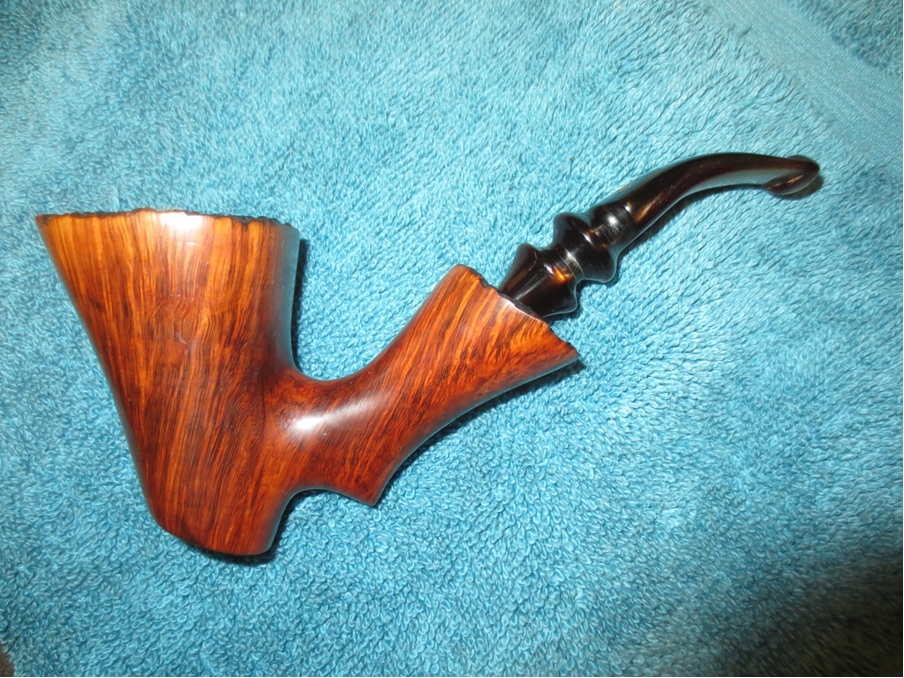
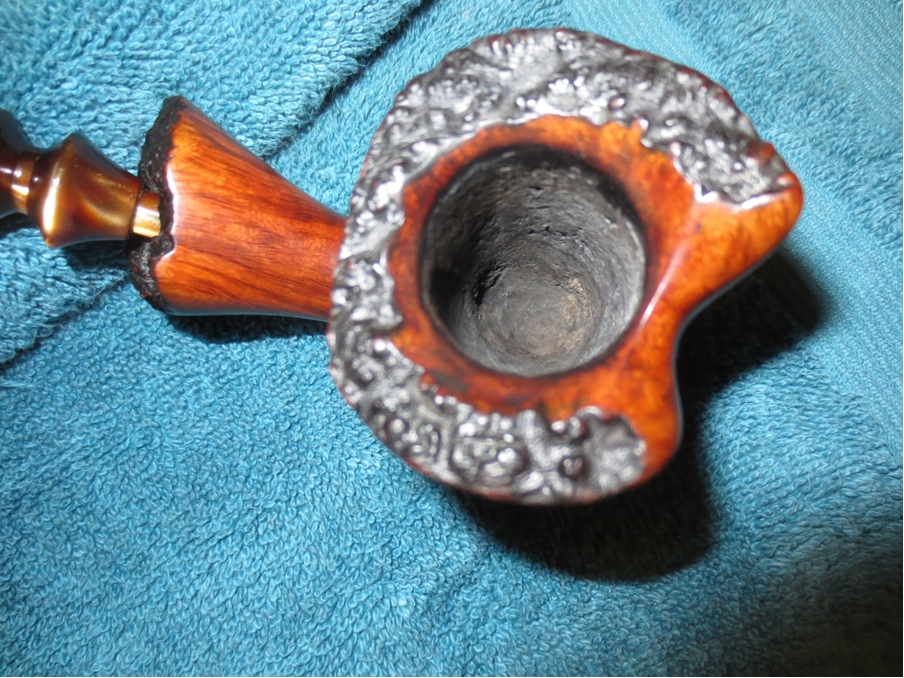
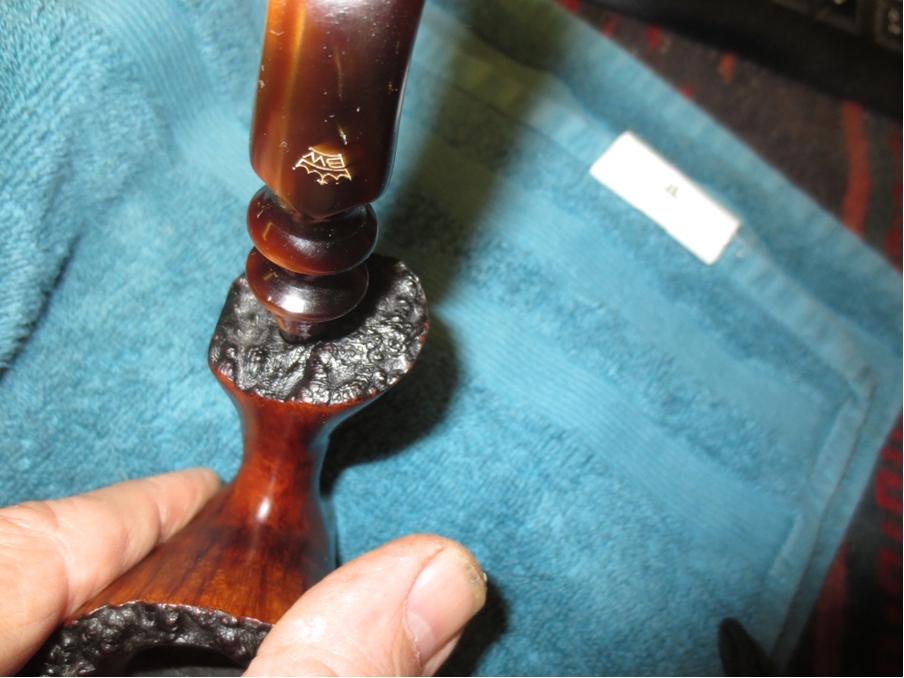
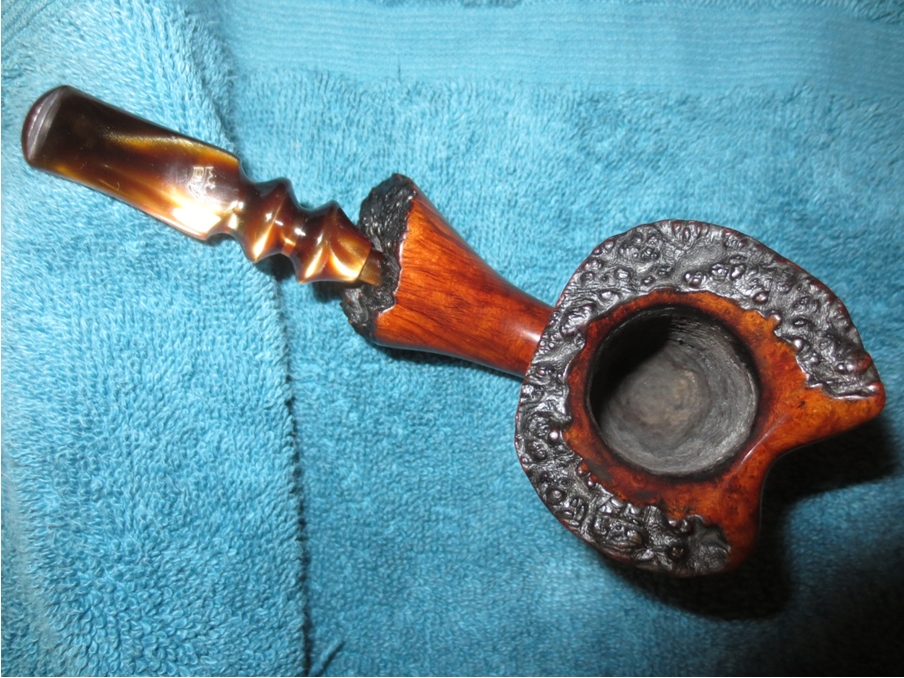
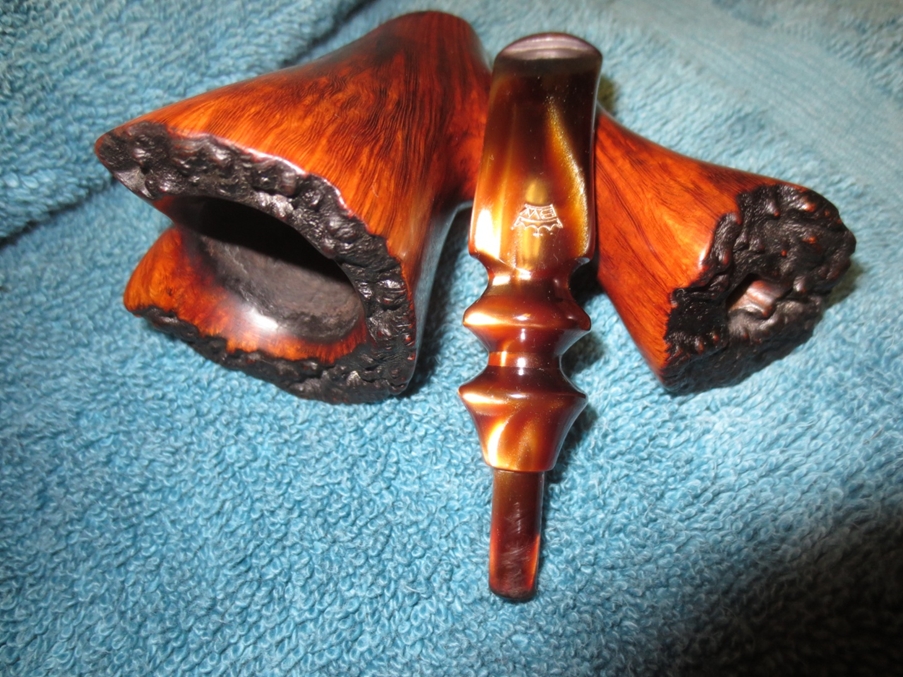
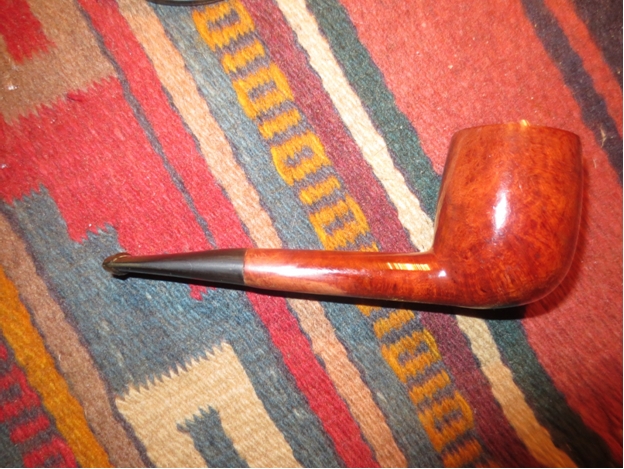
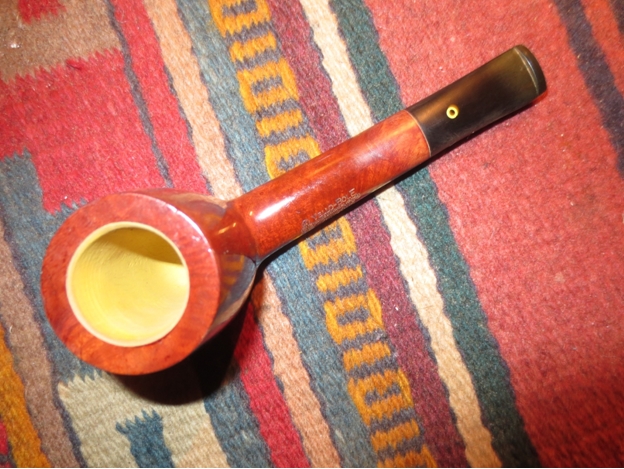
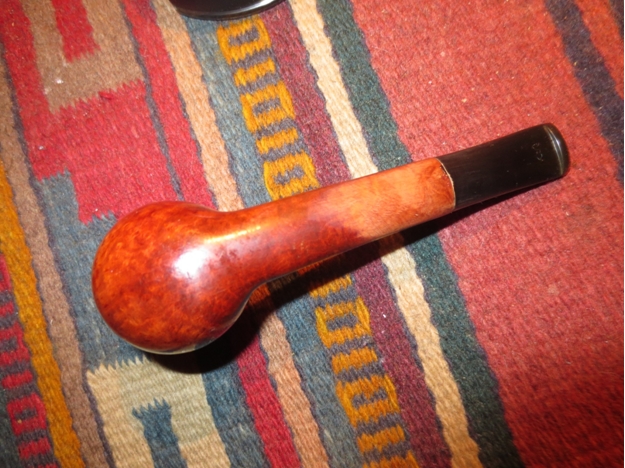
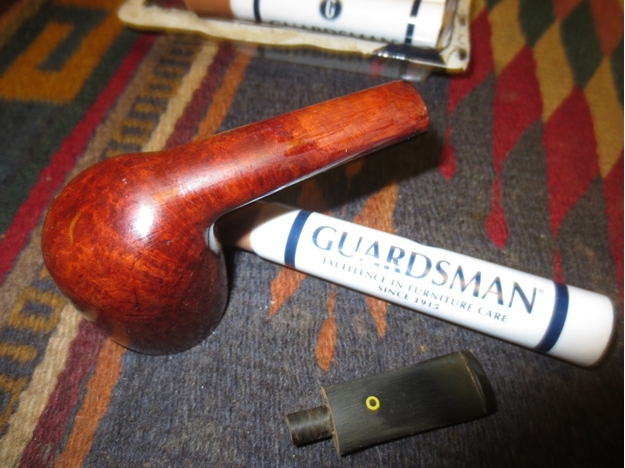
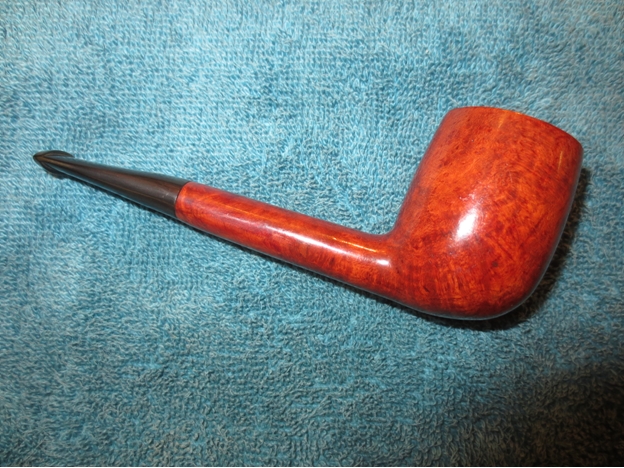
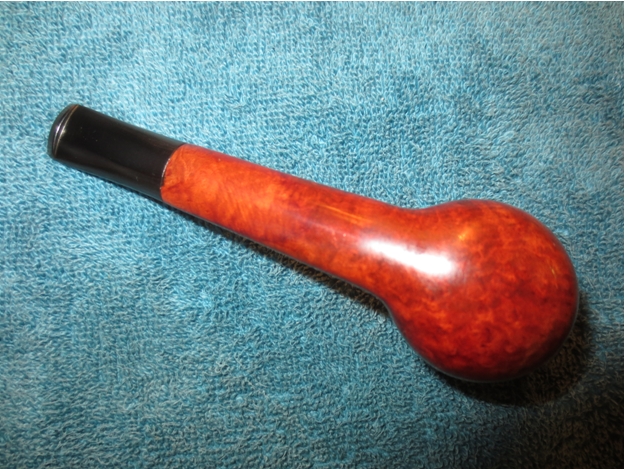
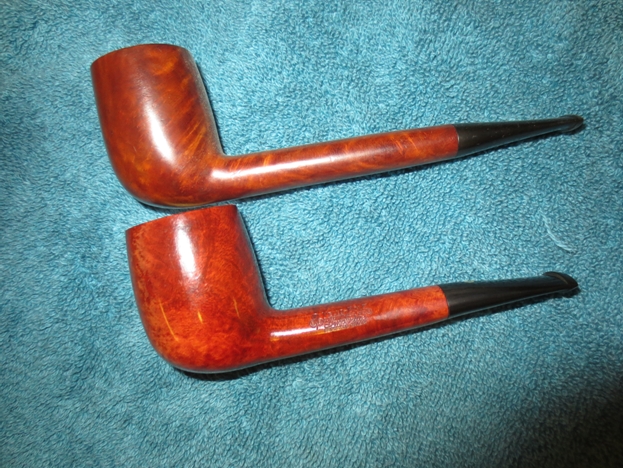
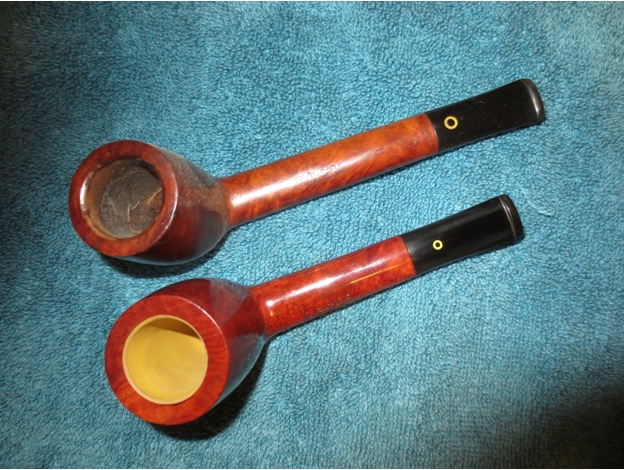
Grooming a Ben Wade Golden Walnut Danish Freehand


Guest Blog by Robert M. Boughton
Member, North American Society of Pipe Collectors
http://www.naspc.org
http://www.roadrunnerpipes.com
http://about.meboughtonrobert
Photos © the Author

“There is nothing like being left alone again, to walk peacefully with oneself in the woods. To boil one’s coffee and fill one’s pipe and to think idly and slowly as one does it.”
― Knut Hamsun (1859-1952), Pulitzer Prize winning Norwegian author

INTRODUCTION
When, a few years back, I became serious about collecting pipes, it was for the most part all about anything made by Peterson’s and Savinelli in particular and meerschaums in general, with an emphasis on the latter. While these pipes formed the basis for what has become a rather large, P.A.D.-fueled assemblage, I have, since those earliest days, branched out, so to speak, into many other fine brands.

Some of the brands of which I have various models greater than one include Barling, Butz-Choquin, Comoy’s, Dunhill, GBD, Karl Erik, Kaywoodie, V. Rimkus, Ropp, Stanwell and Don Warren, which do not include the large selection of individuals such as a Cavicchi 4C Silver Band Freehand, Burgundy Falcon, Charatan Make Deluxe Prince and Stefano FX Bean Pot. In short, I have become, as time passes, more attuned to the endless variety of great pipes out there, not to mention a few of more dubious origin such as a “The Pipe” (which nevertheless, in my opinion, no true collection should lack at least one sample) and a recent, still to be restored but excellent example of the odd but unique Doodler.

To use a term I recently coined in a previous blog, I am an omnitobacarius-phile, or lover of all things tobacco-related, at least as far as smoking pipes are concerned.

And, of course, there is my growing assortment of Ben Wade pipes, the latest addition to which this blog concerns.

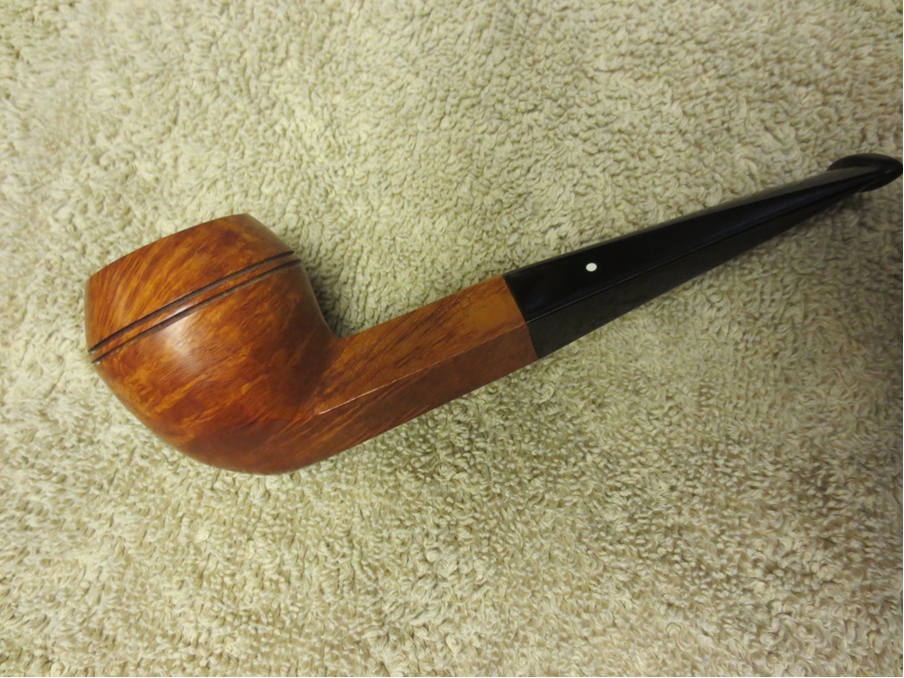
Here are my other BW pipes, in order: a Town and Country Bent Dublin London Made with a 14K gold “Barling” band (don’t ask me how), Cheltenham Straight Billiard, Selected Grain Short Apple, London Made Dublin, Blue Diamond and Tall Canted Poker. There is also a BW that was once a Tall Straight Billiard but, due to extreme abuse by some unknown villain, suffered a large and fatal crack from the top of the bowl about halfway down, requiring a radical change in shape to a squat pot, as I call it. The result of that surgery is now a very special shop pipe.Ben1

Ben2

Ben3

Ben4

Ben5

Ben6

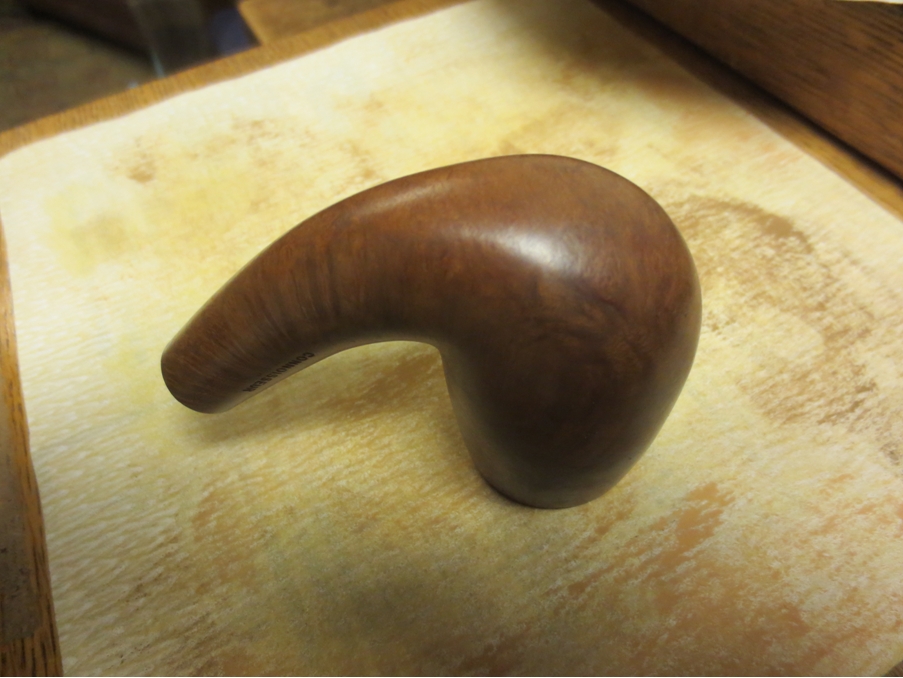
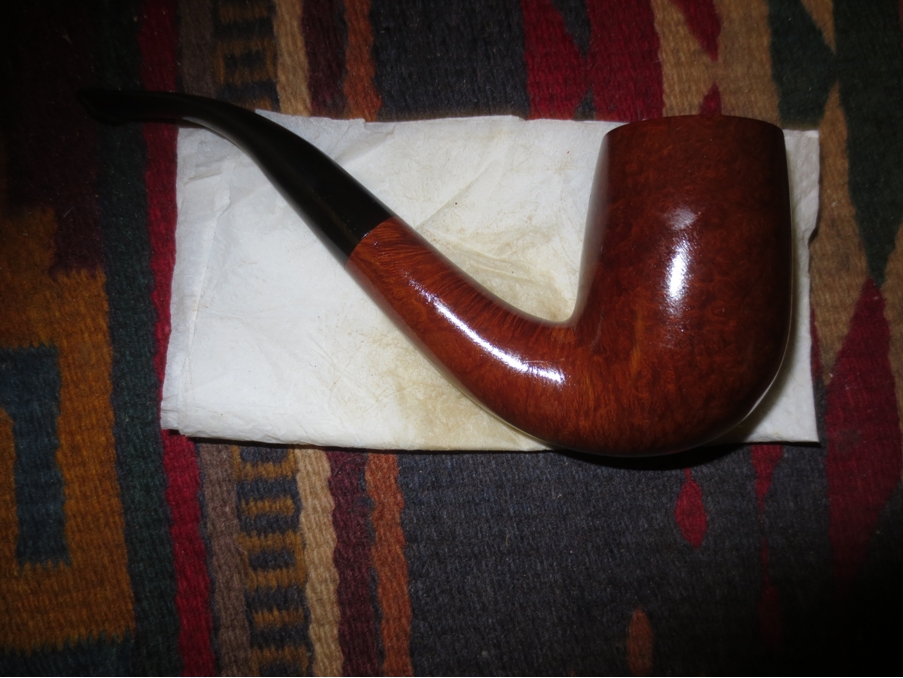
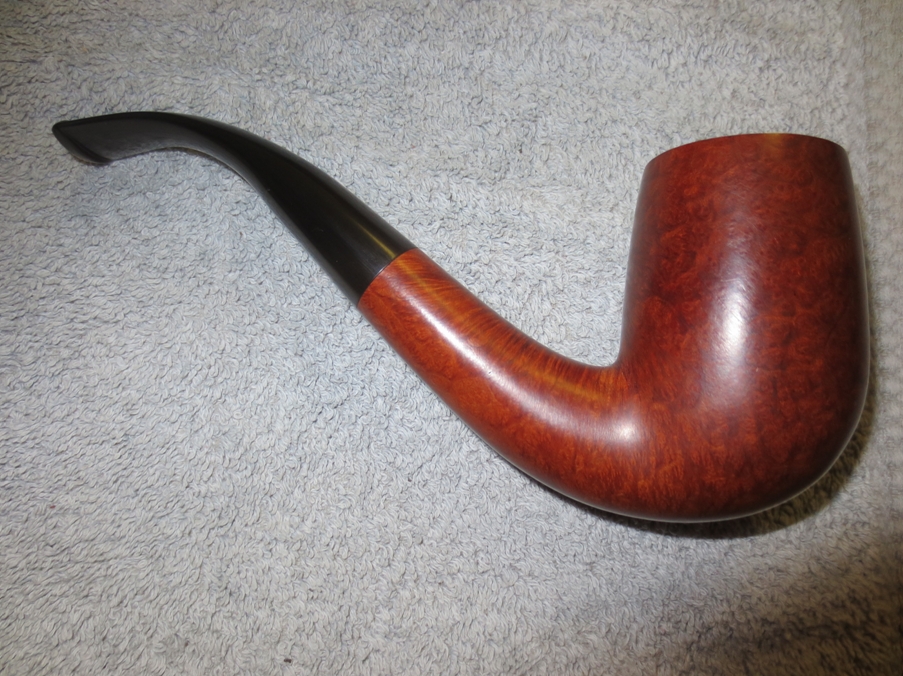
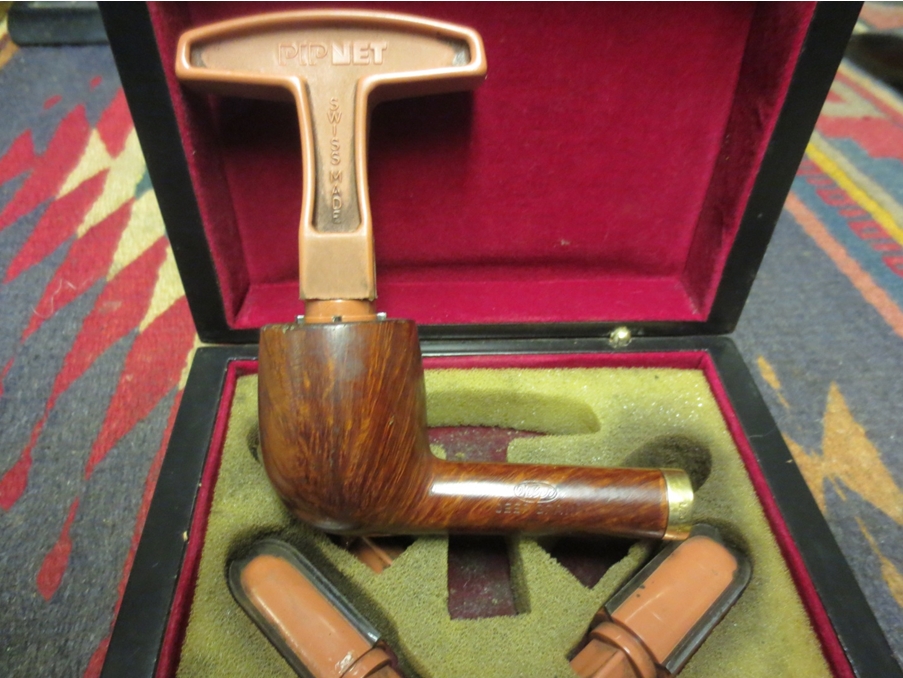
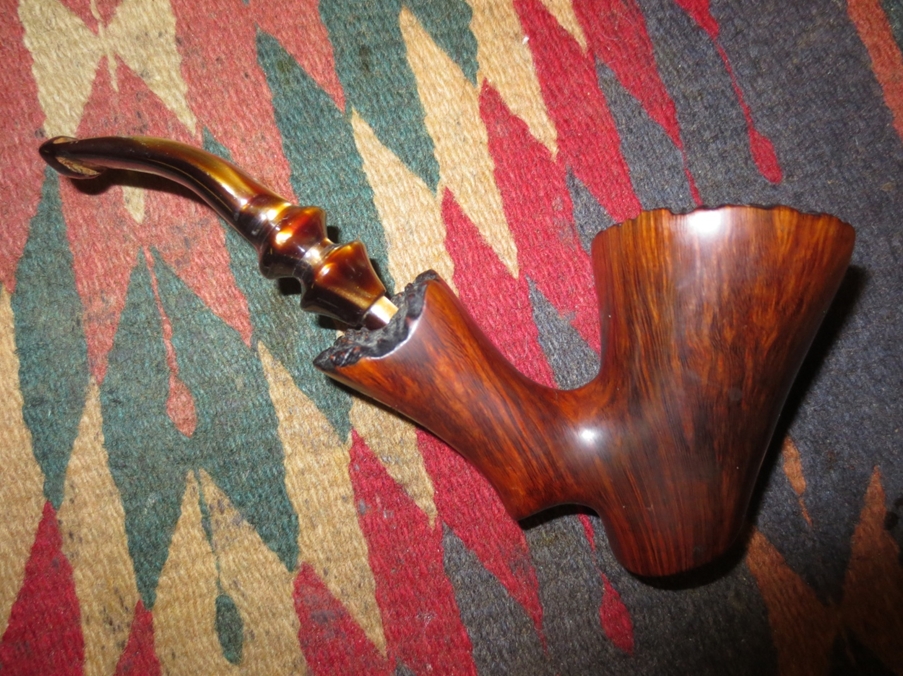
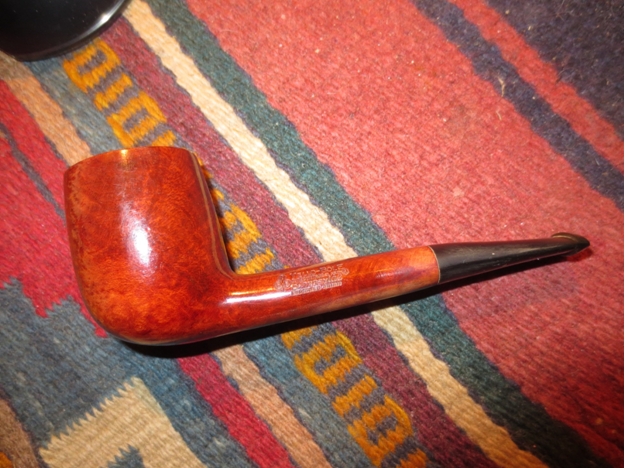
Ben7 What, you might well ask, do all of these pipes have in contrast to the one of which I will describe the light refurbish in this blog? They were all made in England, where BW is best known for its production, although it has also made pipes in France and Denmark. The uncommon country of origin, the unusual wood and the beauty of the freehand itself wangled my mind around the idea that I truly needed this fine specimen. Of course, I was also very strongly attracted to the Danish golden walnut freehand.

Of an incidental reason for my appreciation of this pipe, I came to suspect, during the research phase, that the beauty was crafted by the late great pipe maker, Preben Holm, who sometimes made his services available to BW. One reason is the inclusion of “Hand Made” in the nomenclature of another golden walnut freehand that Hr Holm just happened to make for BW, while a briar plateau freehand the master carver created for BW bore only the stamp “Made in Denmark.” For the rest of my reasoning, see http://www.pipephil.eu/ logos/en/logo-benwade.html to start, and click on the link to Preben Holm for more examples of his distinctive work and style.

THE GROOMING

Honestly, this was one of the few almost ready to enjoy pipes I have ever bought online. The only completely restored, cleaned and sanitized pipe I purchased by this medium was a Ropp Deluxe Cherrywood #901. I sold it for less than my cost to a prospective basic cleaning customer in Scottsdale, Arizona whose #815 of the same brand and general look was delivered to another Post Office Box holder who seems to have the deficient morals needed to abscond with it. What can I say? It seemed to be the right business thing to do, and the buyer of the 901 wrote that its condition upon arrival was “fantastic” and promised to send me future estate pipes he finds for cleaning. He will not, however, be sending them via USPS. And yo! To the deadbeat out there who stole the 815, if you’re reading this, feel free to let me do the cleaning it likely still needs, and I’ll give you the deal you deserve.

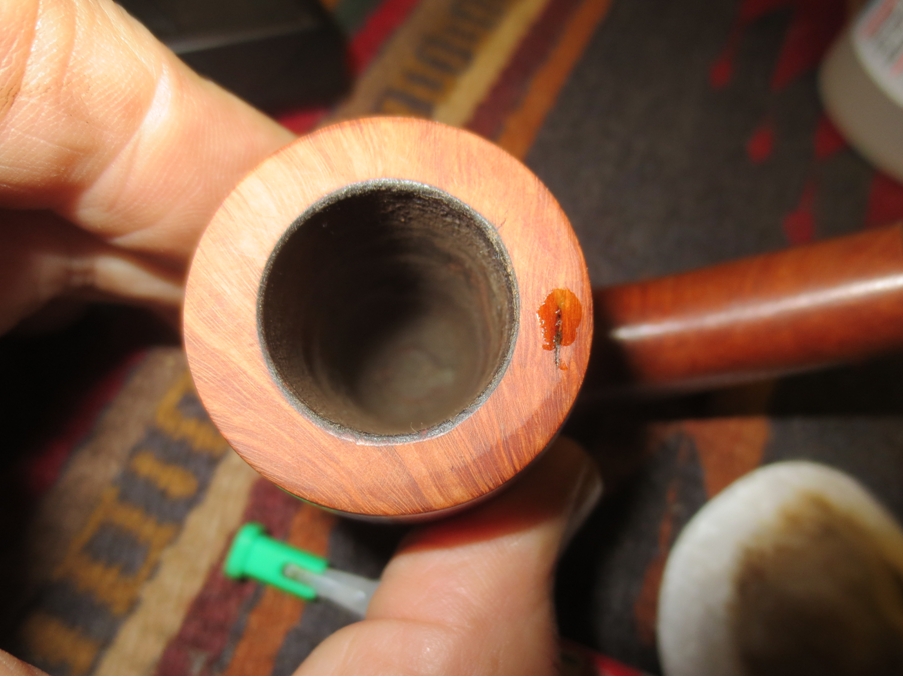
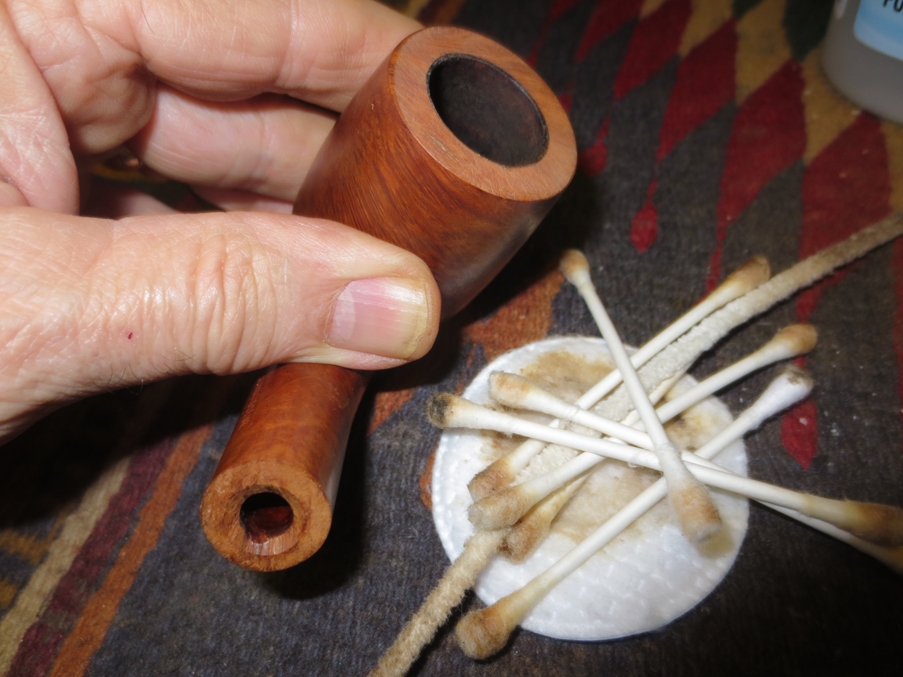
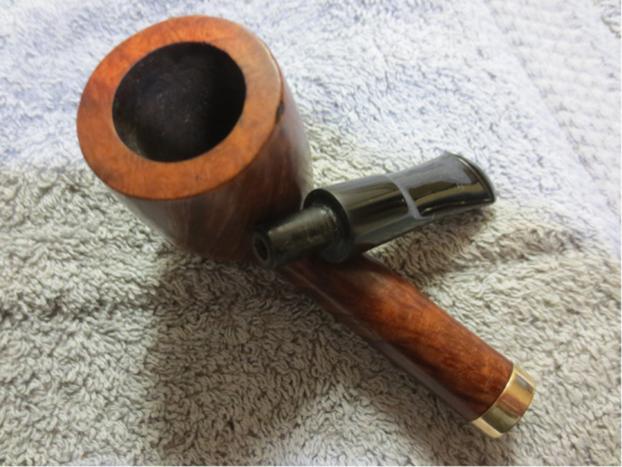
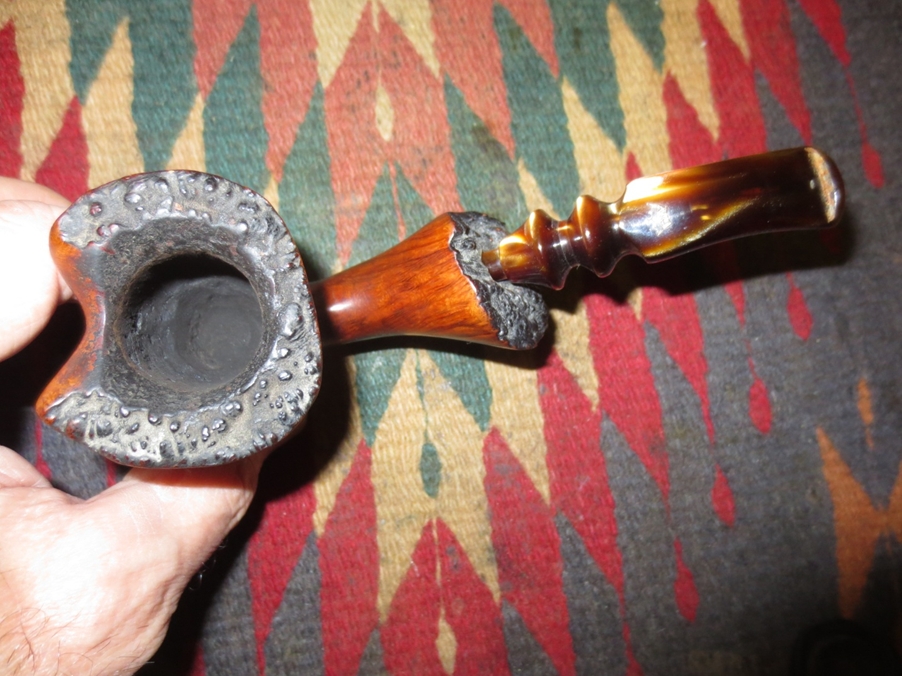
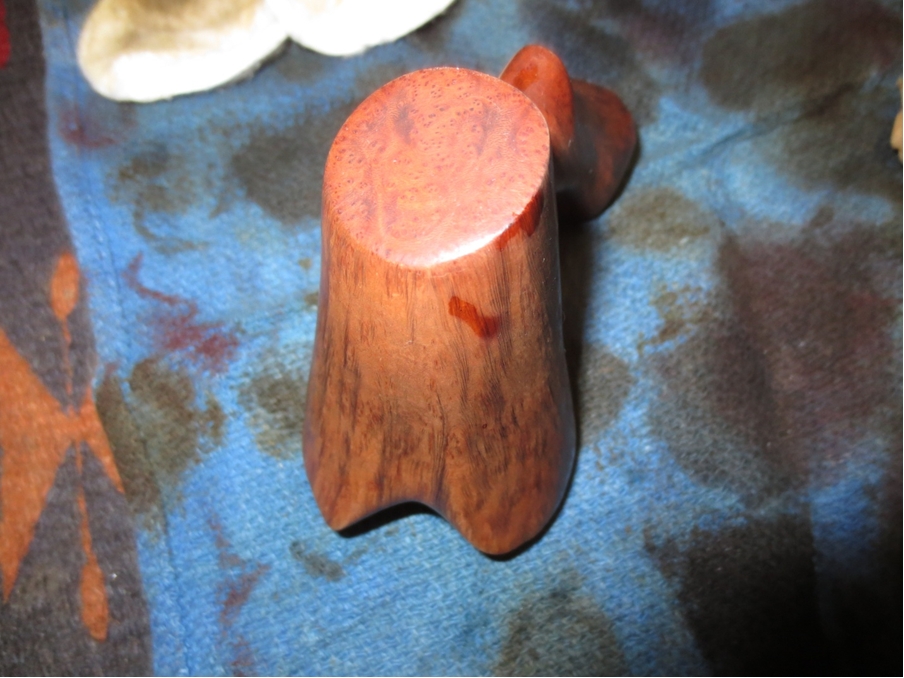
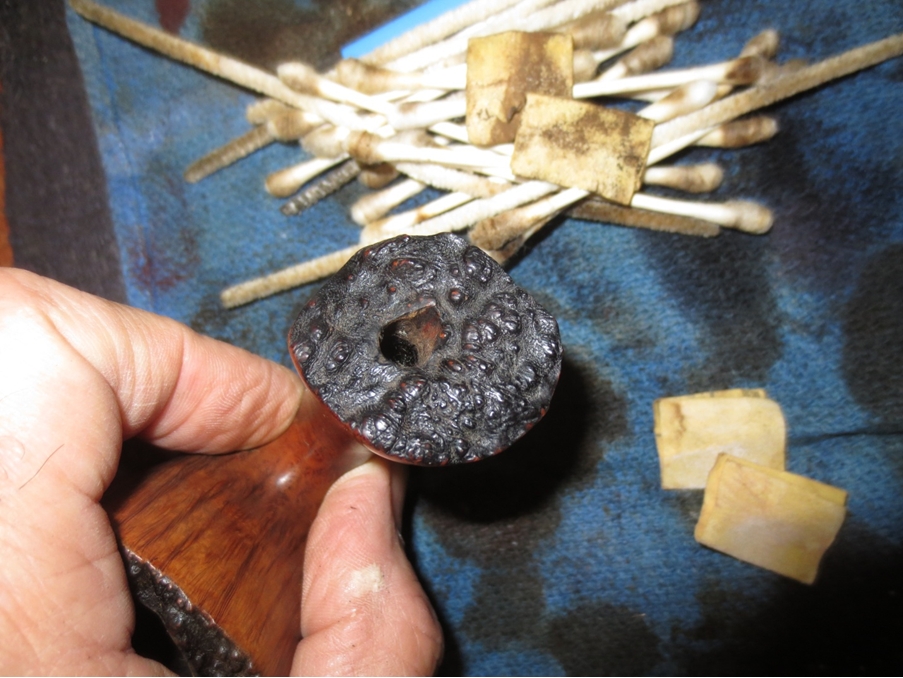
But returning to my subject, had our excellent host, Steve, not wanted to see what became of the pipe he explained was made from a piece of plateau walnut, so simple was the “refurbishing” process that I never would have bothered with a blog on it. Still, given that the Danish freehand did need slight chamber work, re-staining of the plateau rim and shank opening, minor scratch removal, retorting and stem shining, I could not help giving the pipe attention I have to rank even below refurbishing: what I call here a grooming, much as an unruly lad sometimes needs his face wiped, hair combed and shirt tucked in.Ben8

Ben9

Ben10

Ben11

Ben12

Ben13

Ben14

Ben15

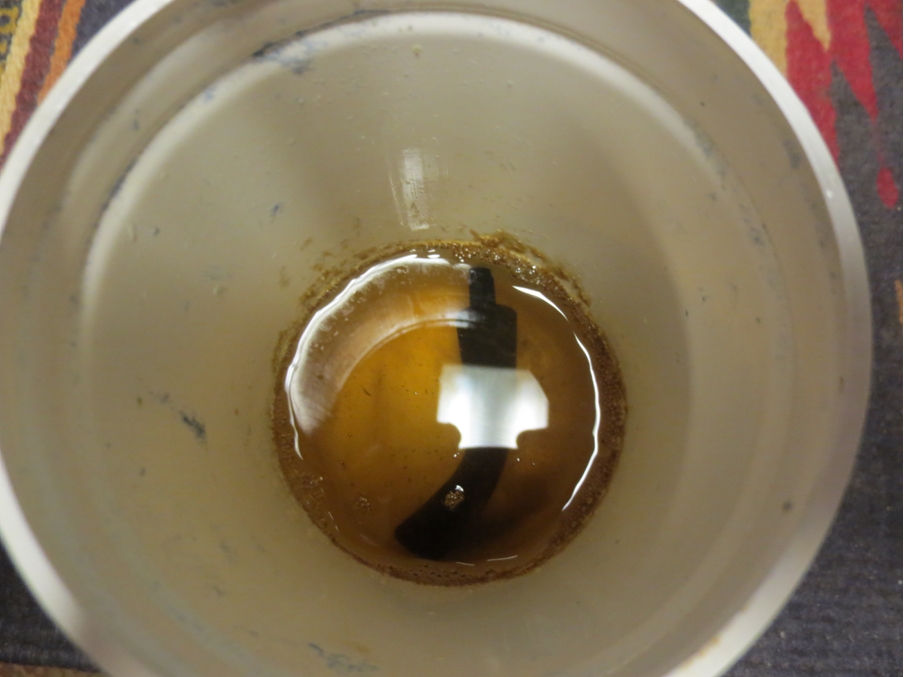
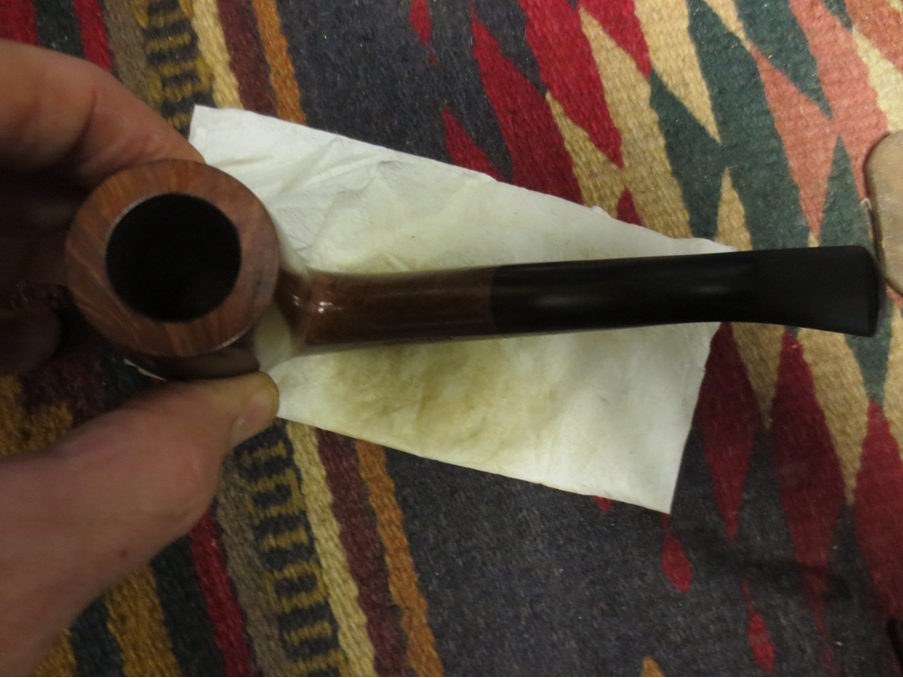
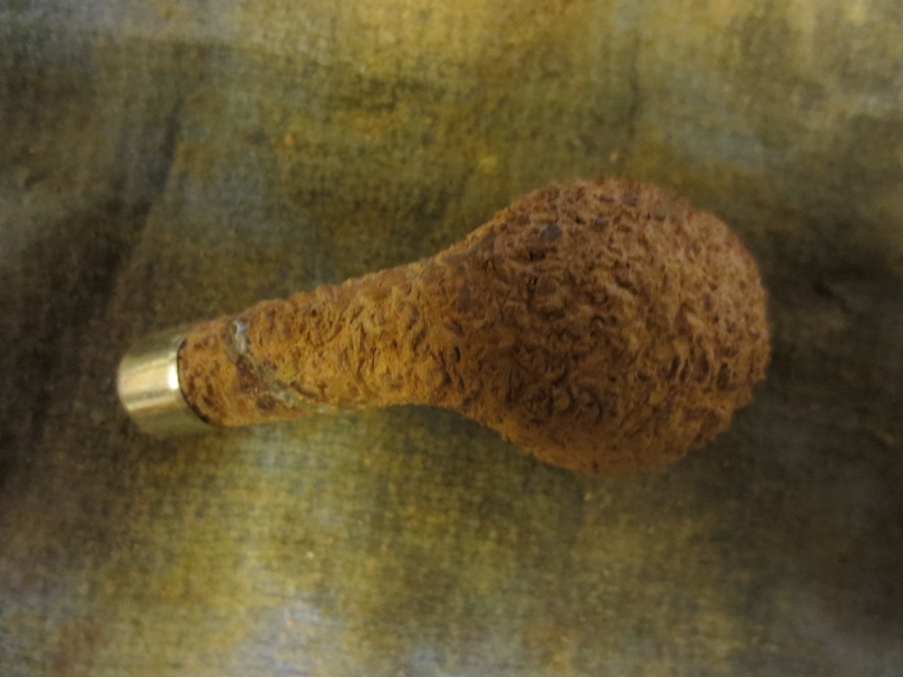
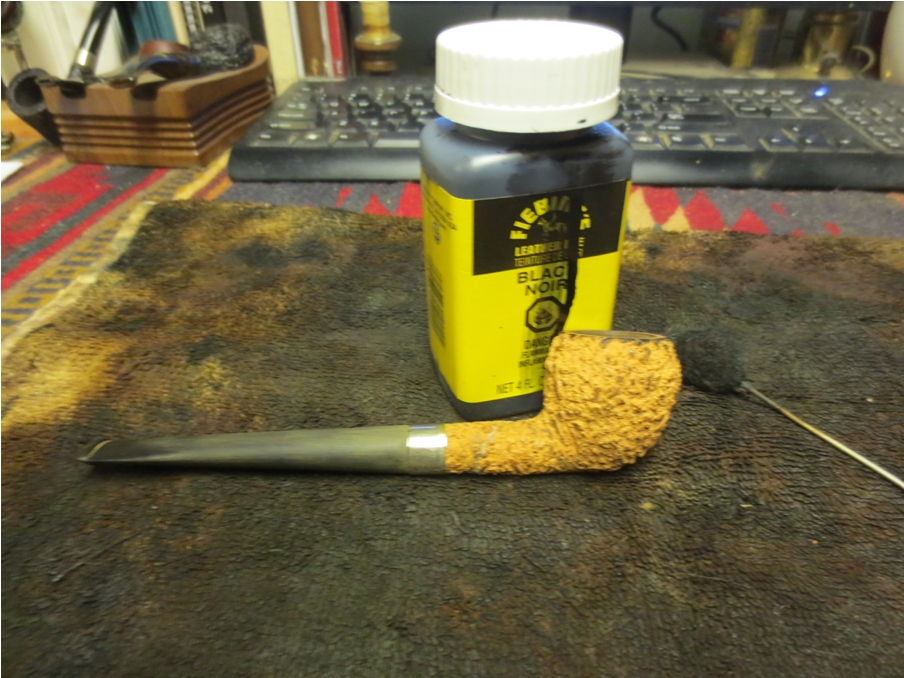
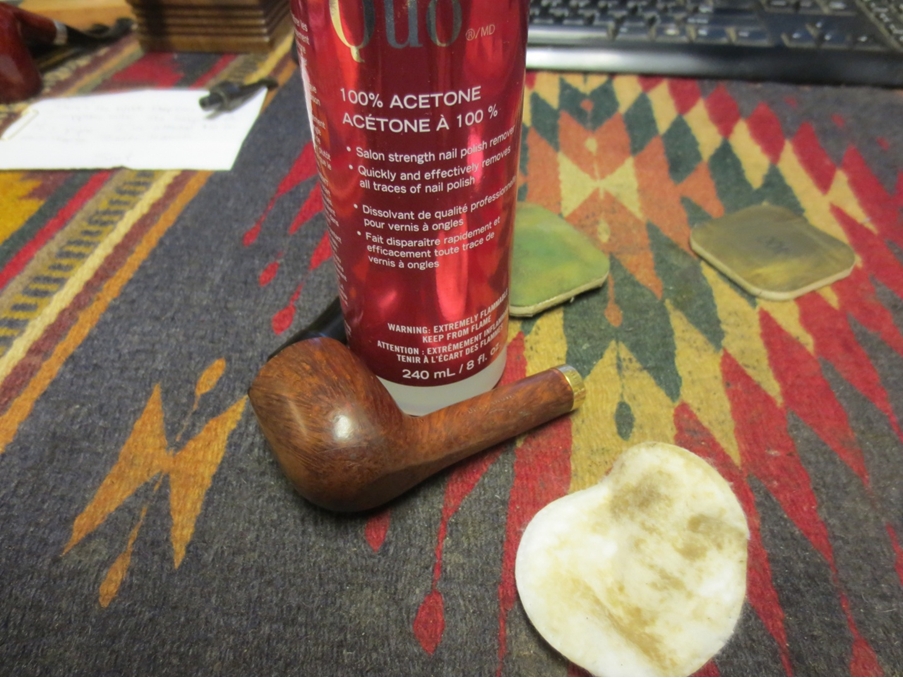
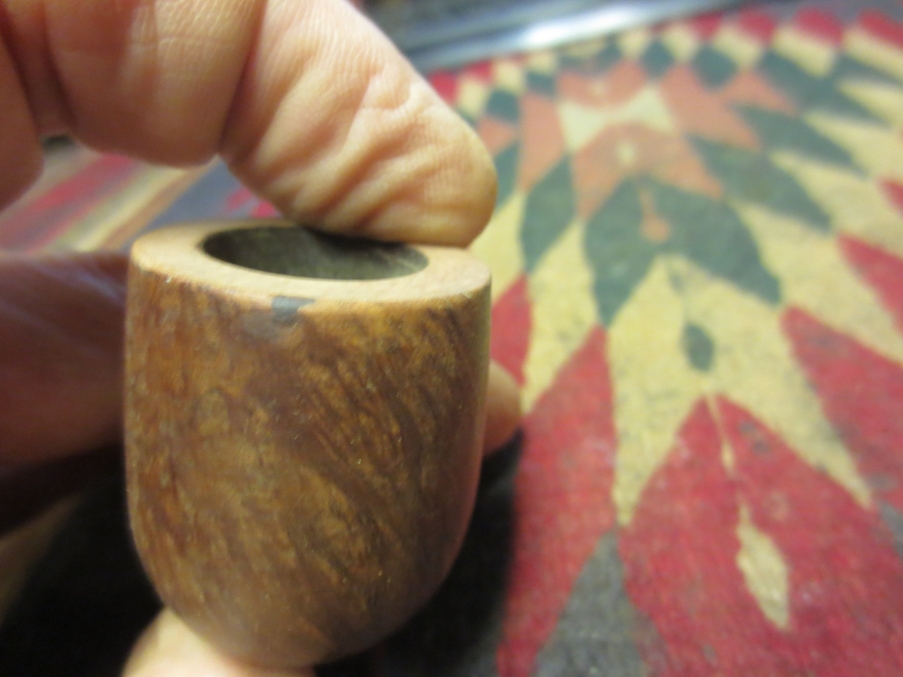
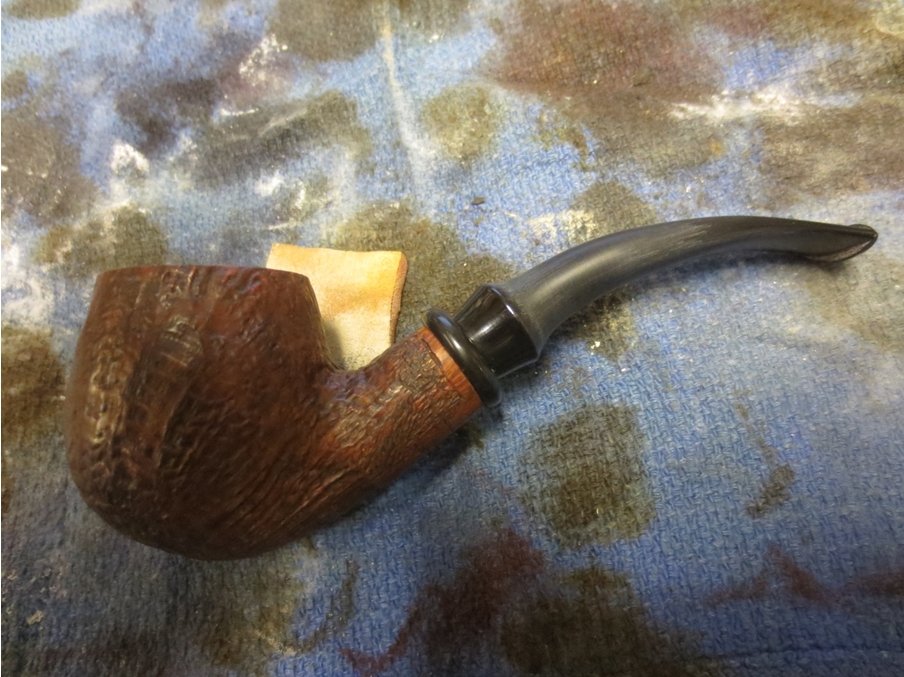
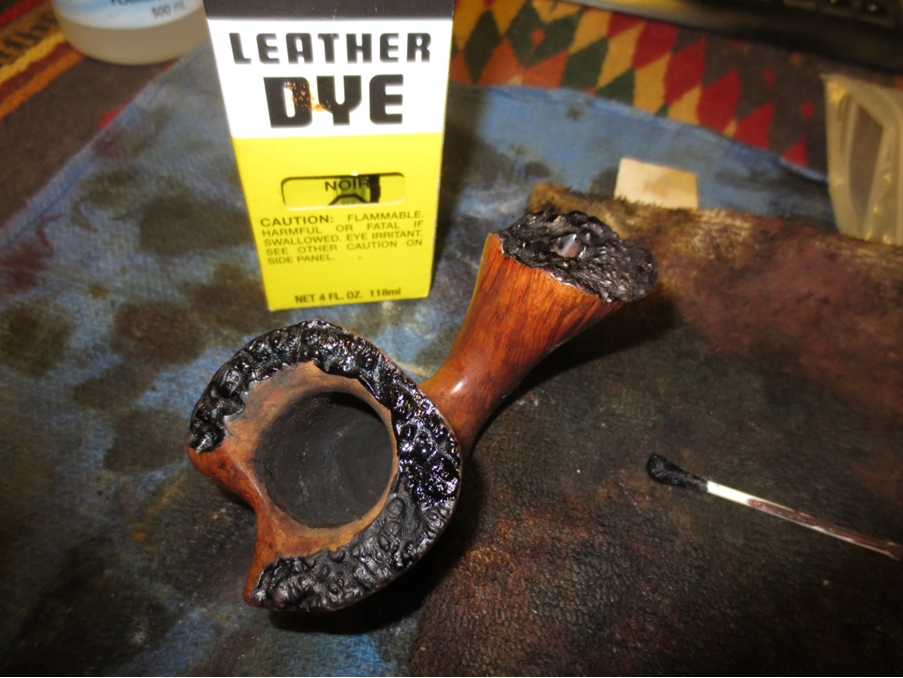
Ben16 Making the dulled black stain of the plateau rim and shank opening the first order of business, I decided to remove the stain with a localized soak in Everclear.Ben17 I had hoped that removing the old plateau stain would reveal a rim suitable for buffing in its natural state and color, but such was not the case. And so I re-stained it.Ben18

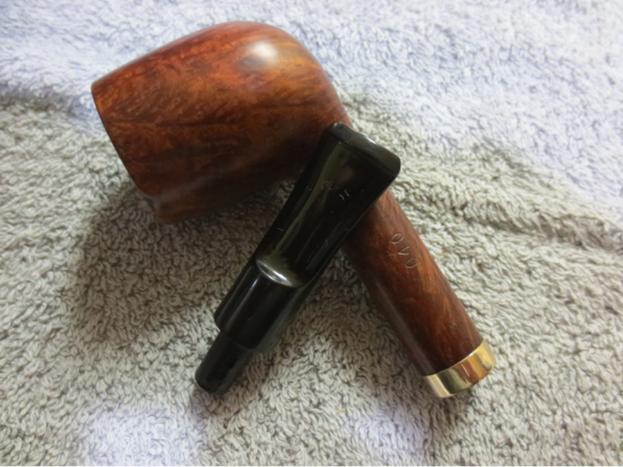
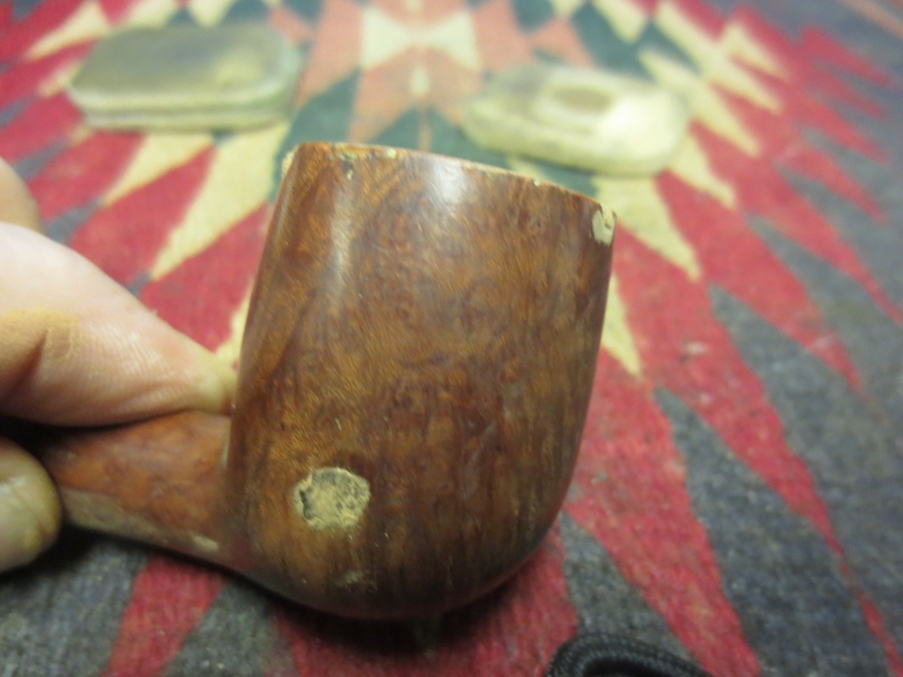
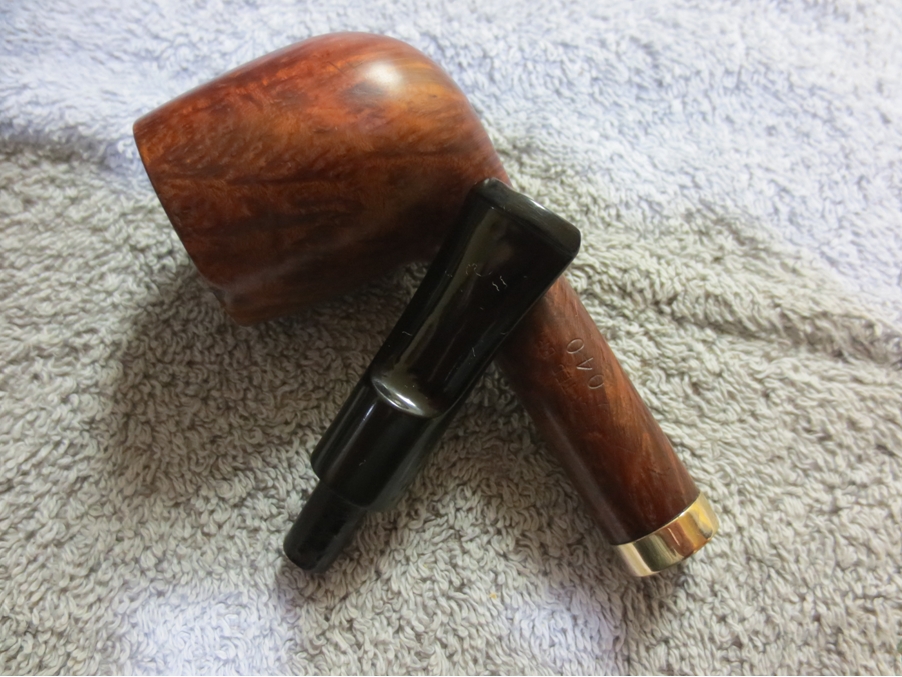
Ben19 A small but clear rectangular pattern of black pits near the upper right area of the right side of the bowl annoyed me.Ben20 Trying 1500 micromesh, I was able to lessen the downgrade the presence of the pits to dots, but 800 was needed to get rid of them altogether. A quick buff with superfine steel wool returned the natural golden glow of the walnut.

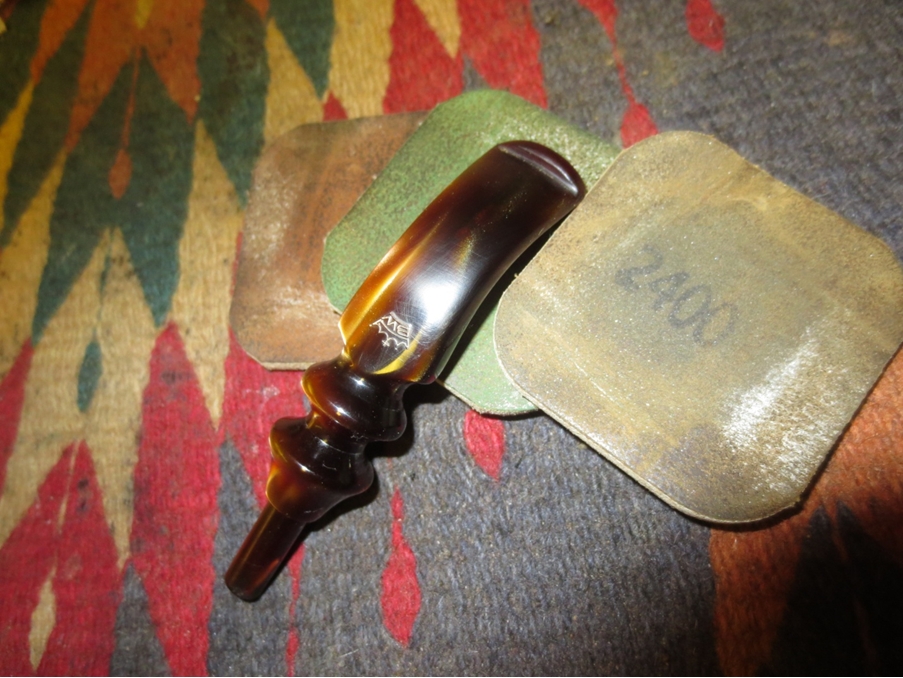
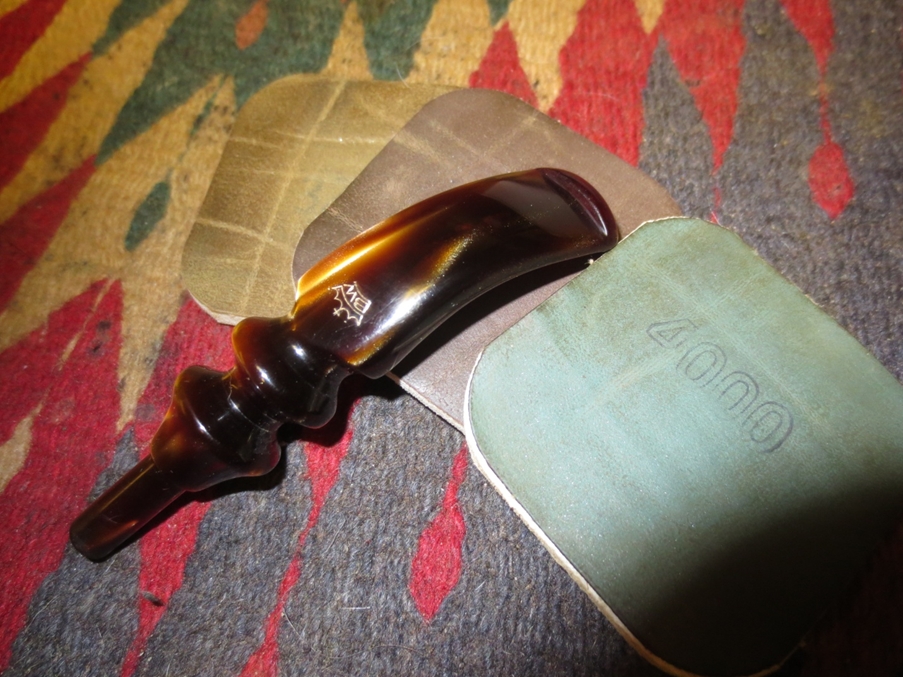
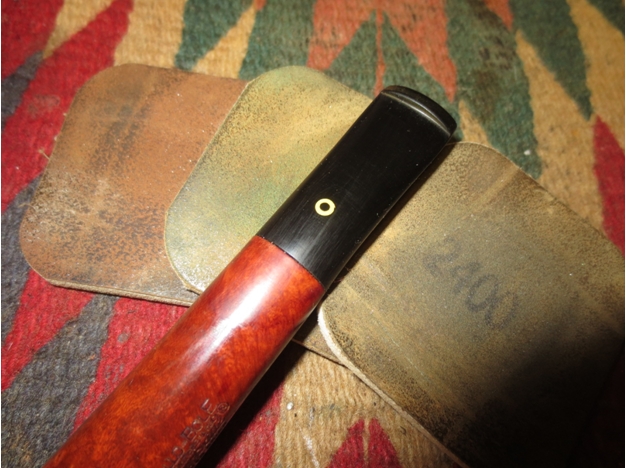
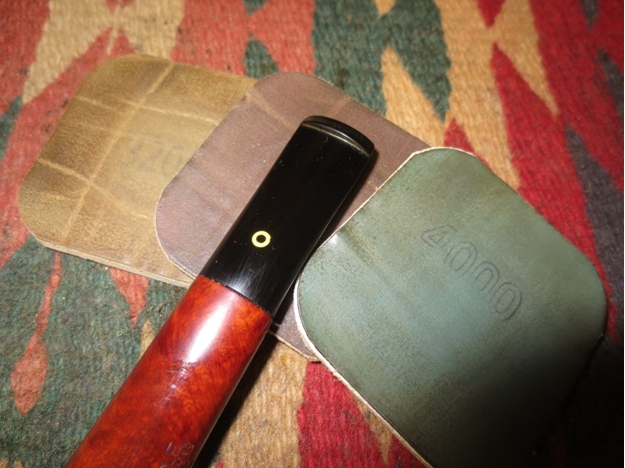
There were other small defects on the bowl too small even to show up in photos, but my eye saw them, and that was what mattered. I gave the entire bowl a going over with micromesh from 2400 through 4000 and found the walnut as smooth and fresh as could be.

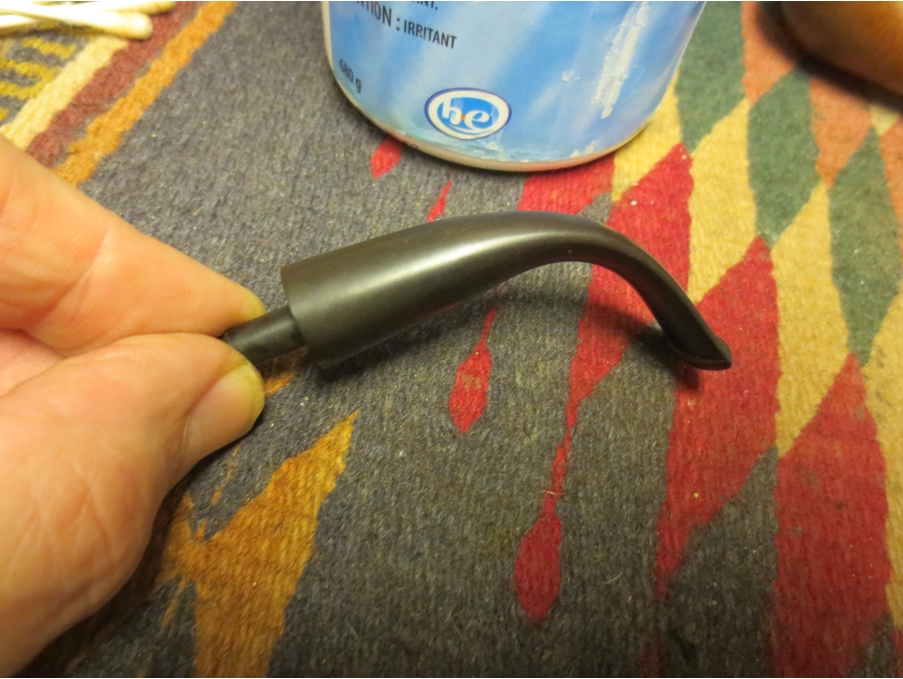
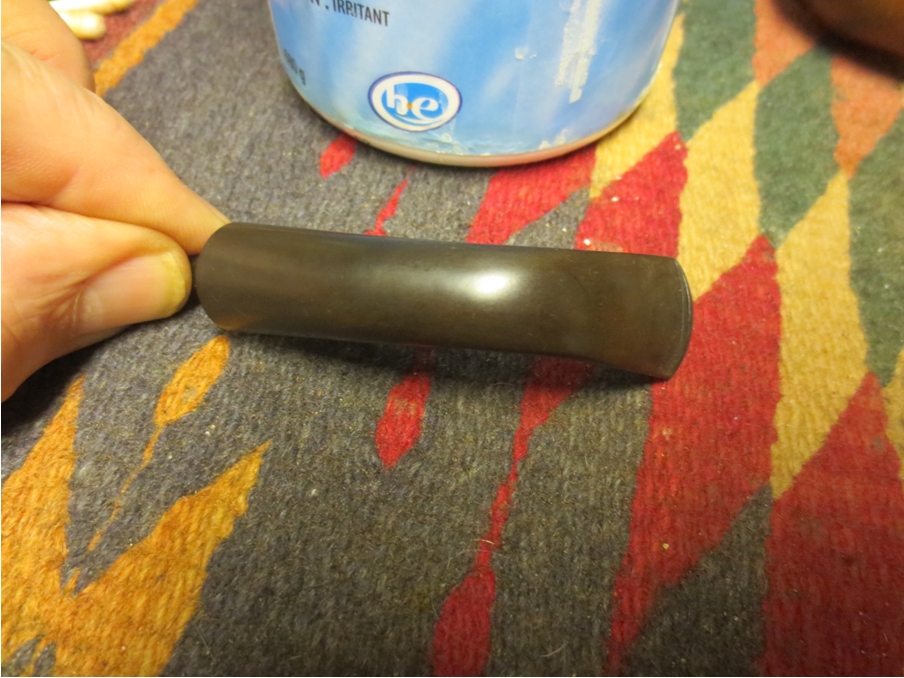
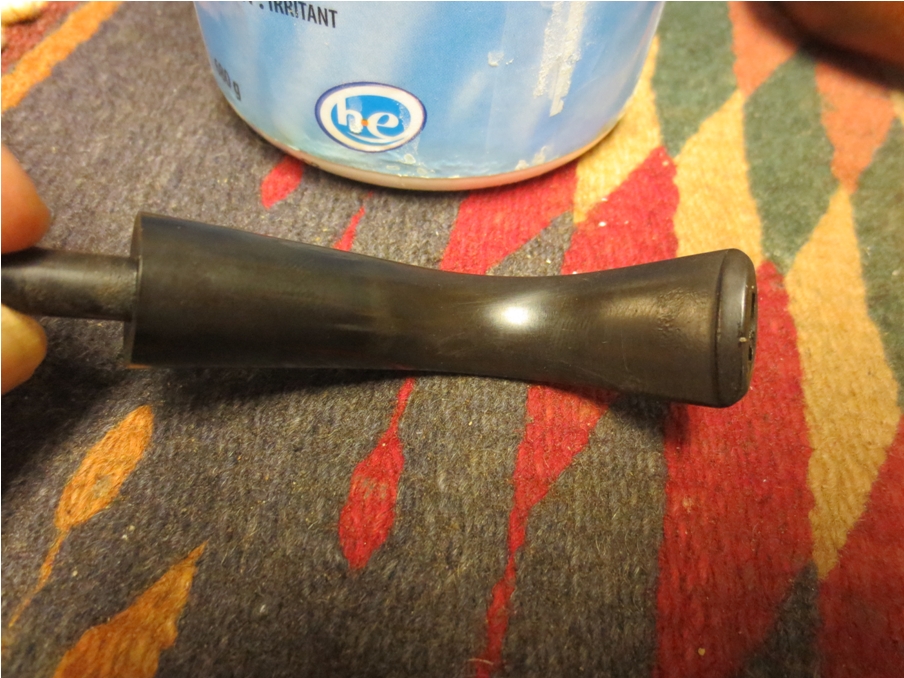
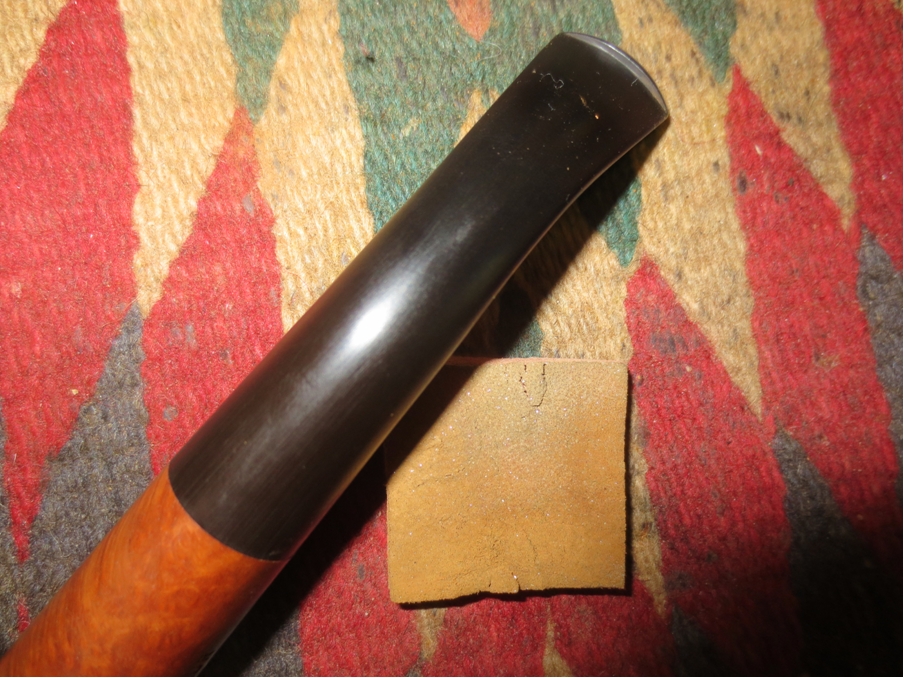
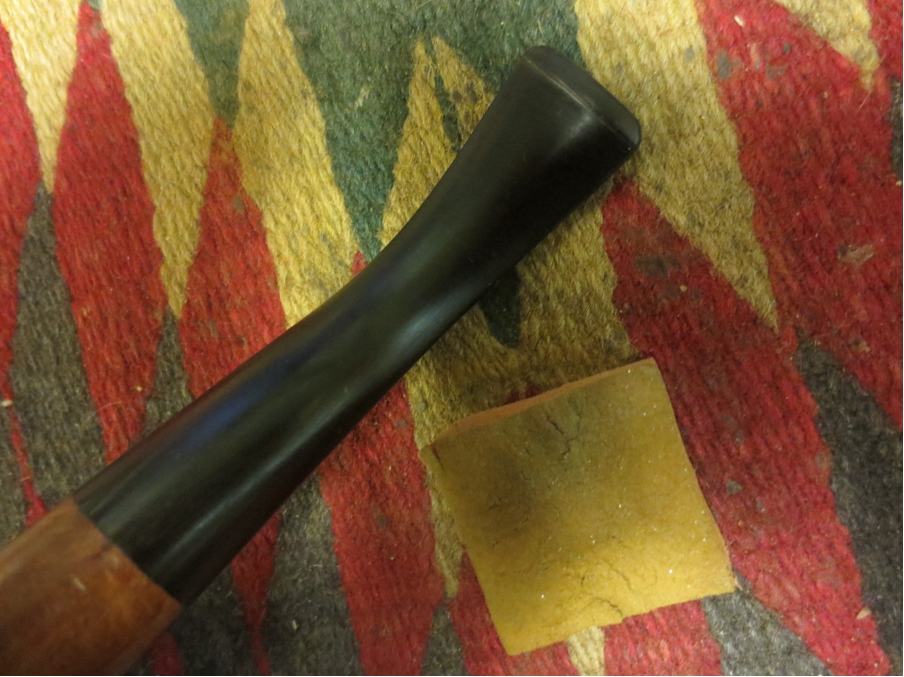
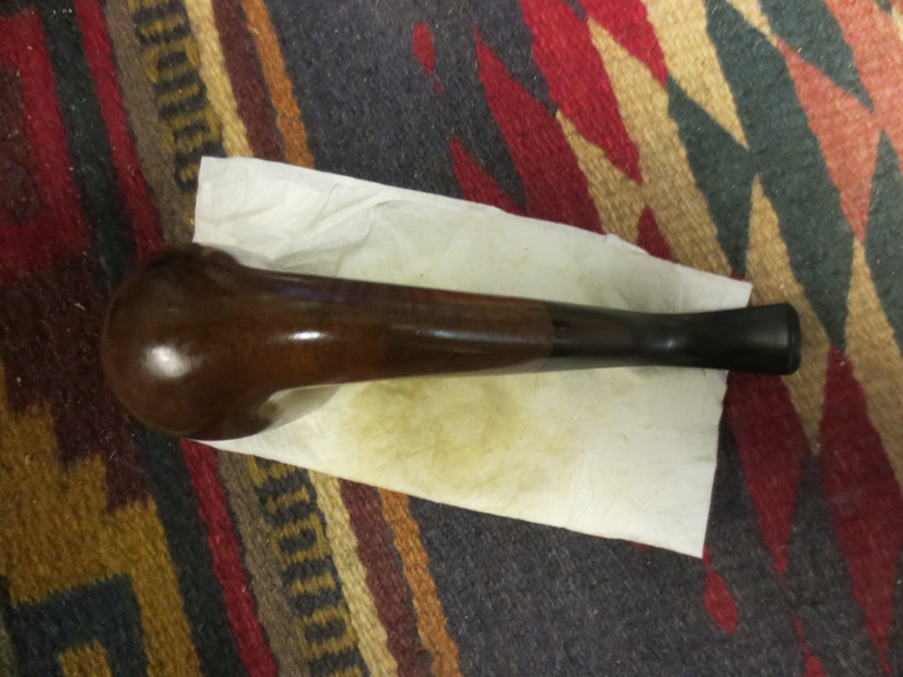
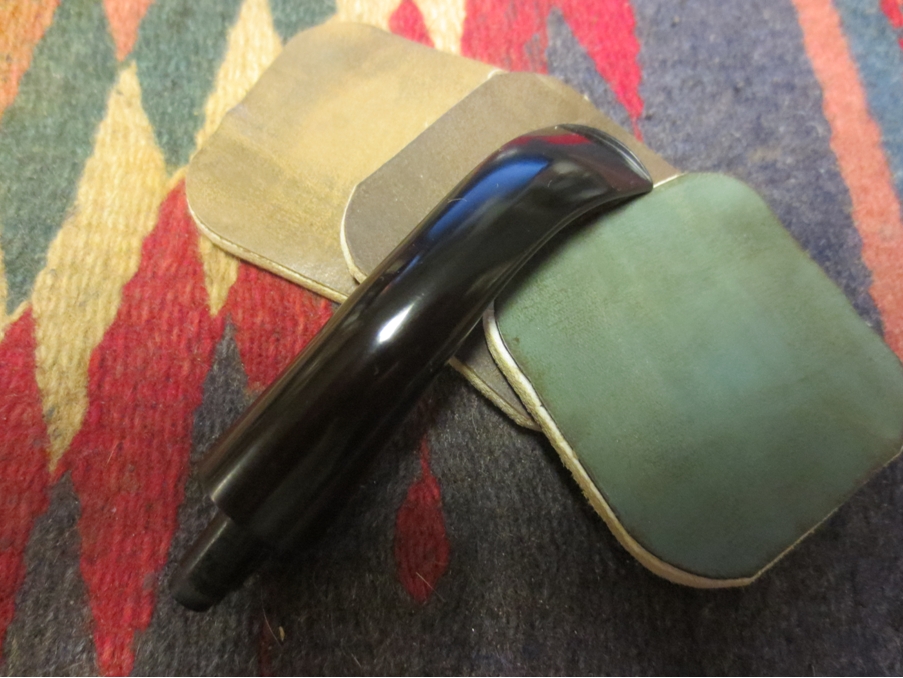
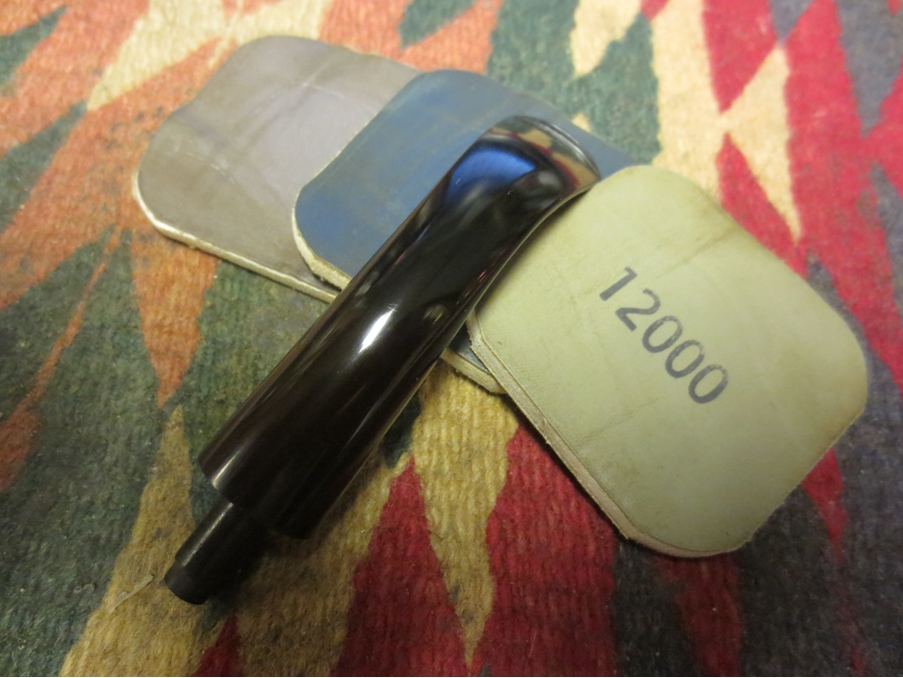
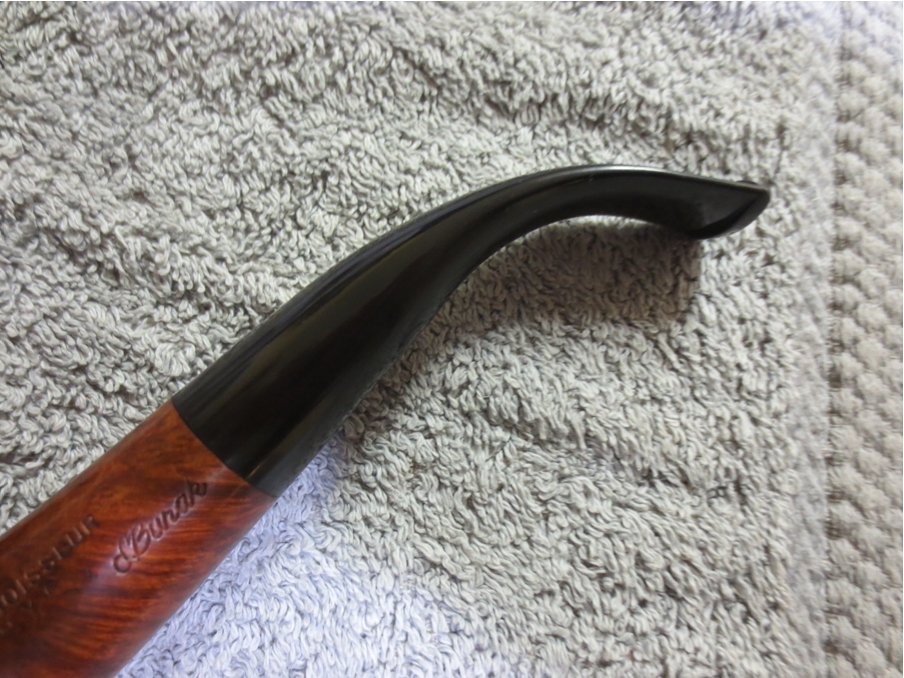
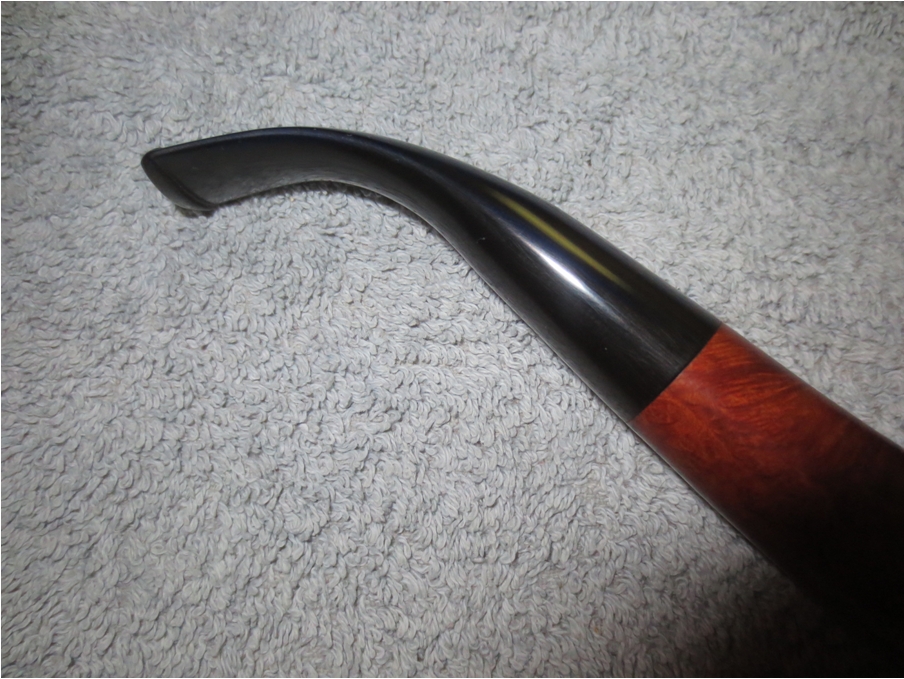
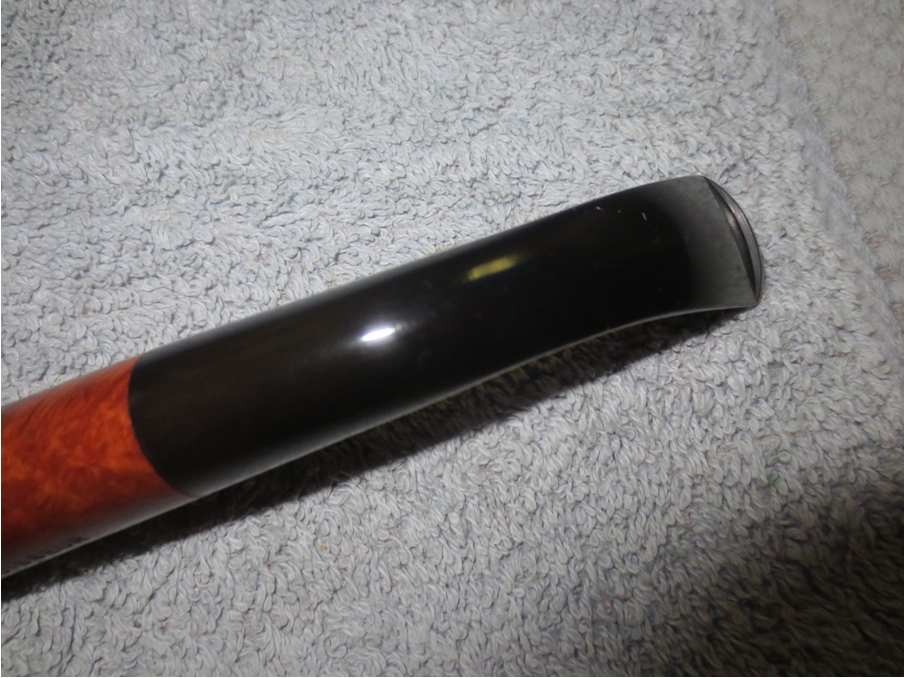
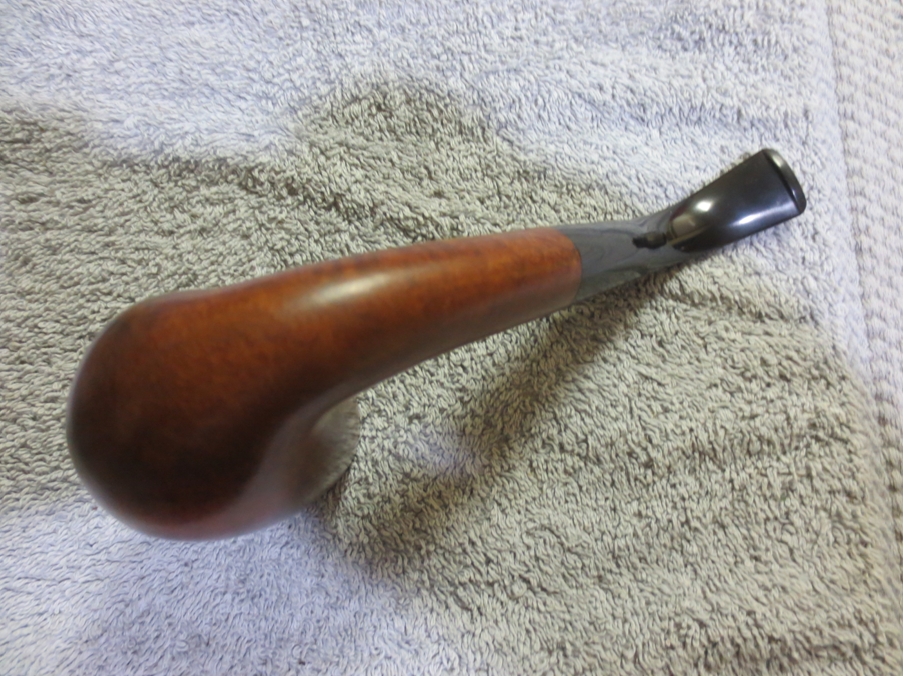
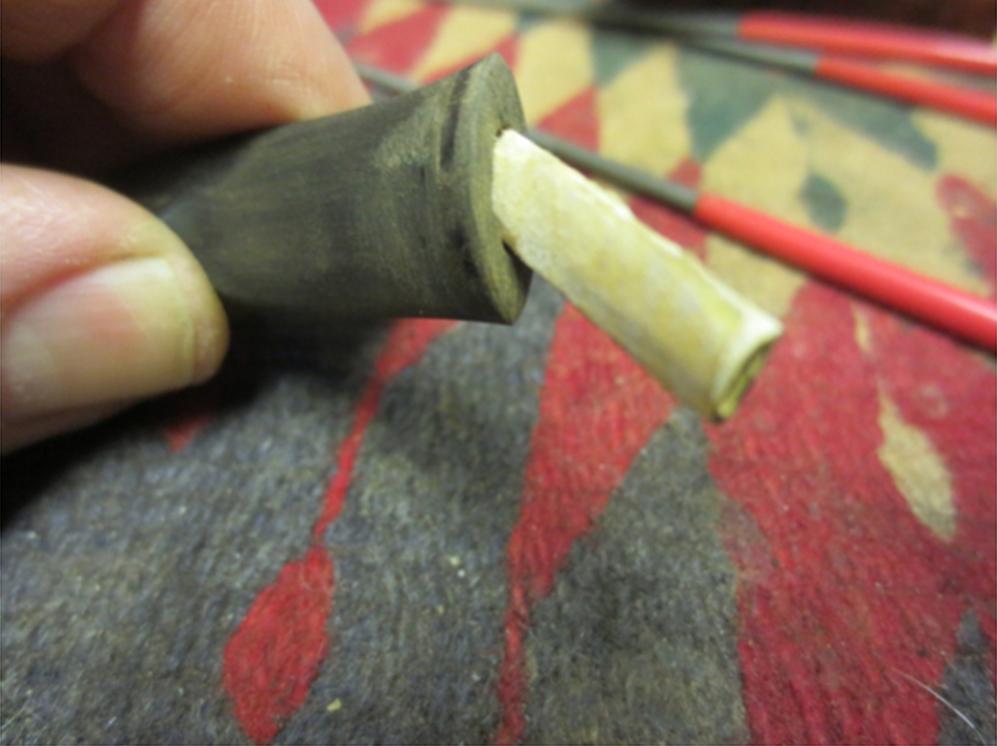
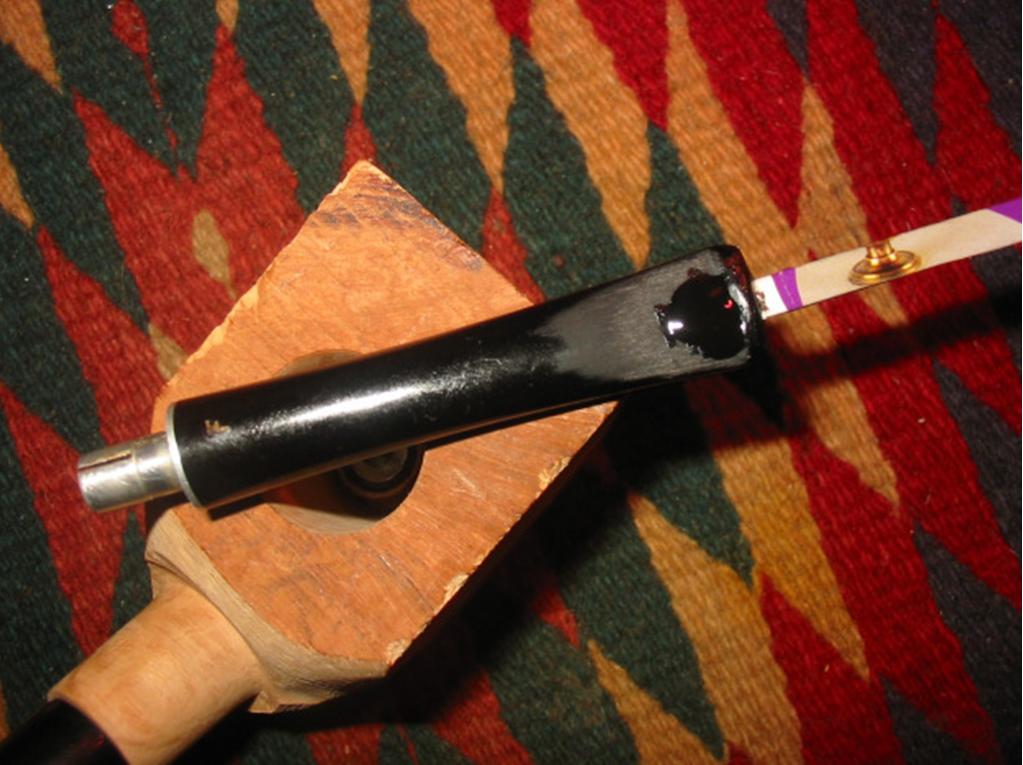
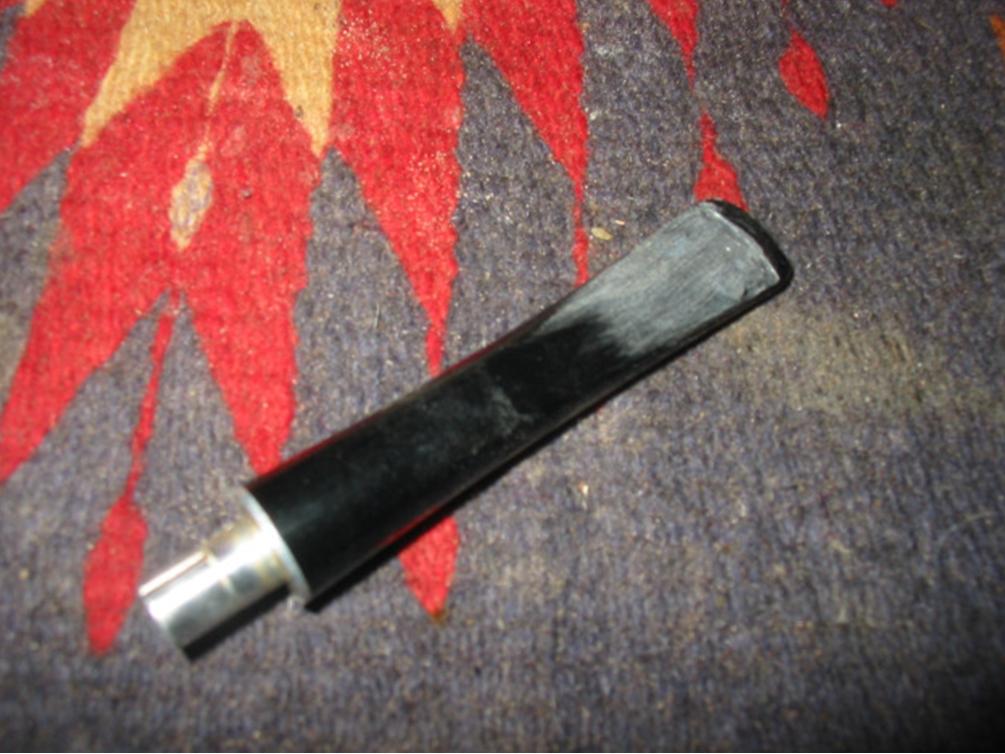
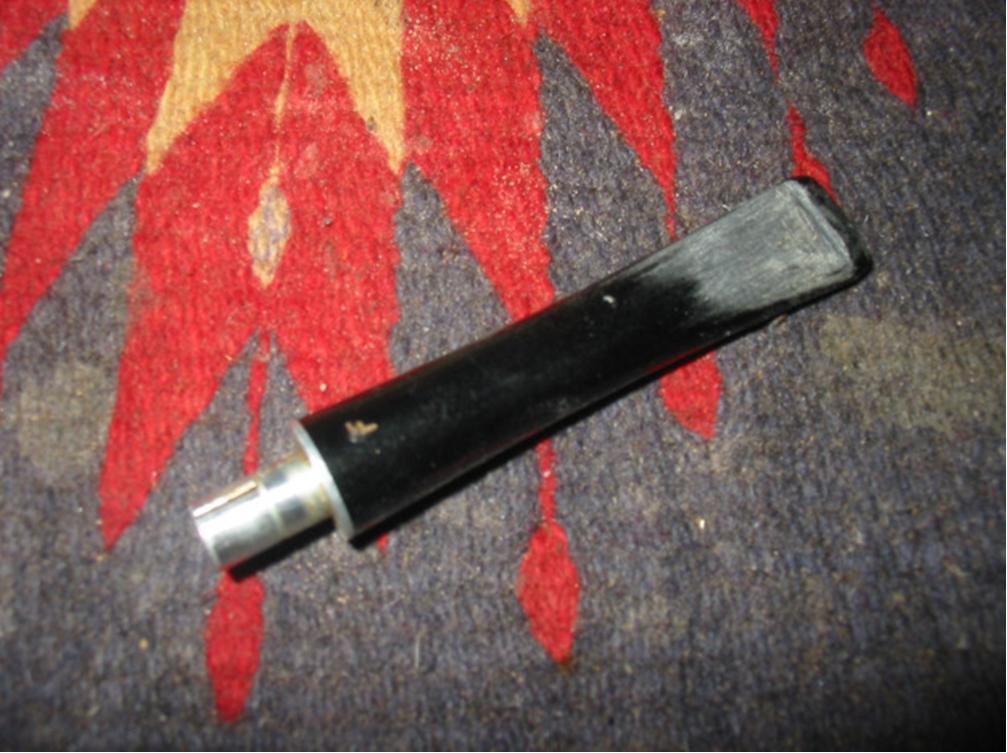
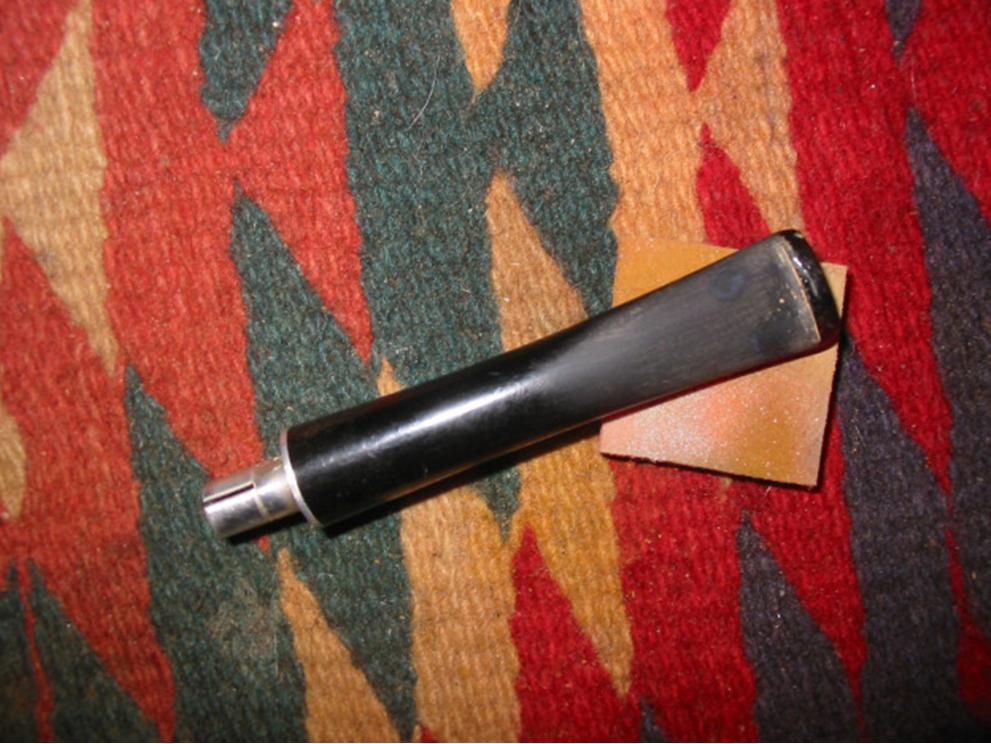
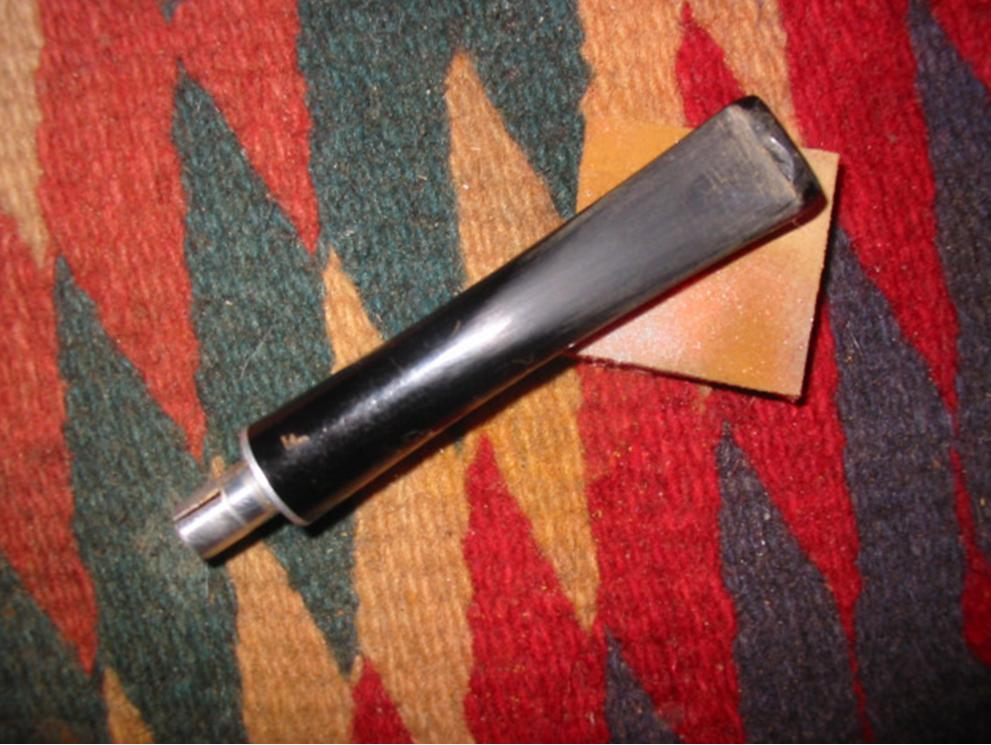
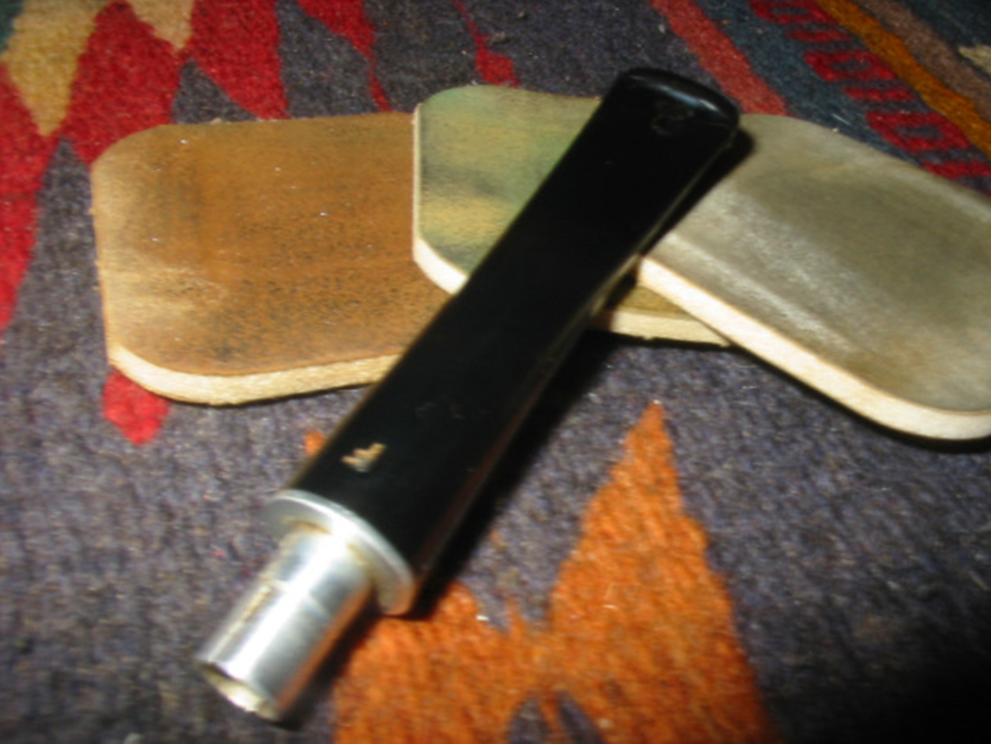
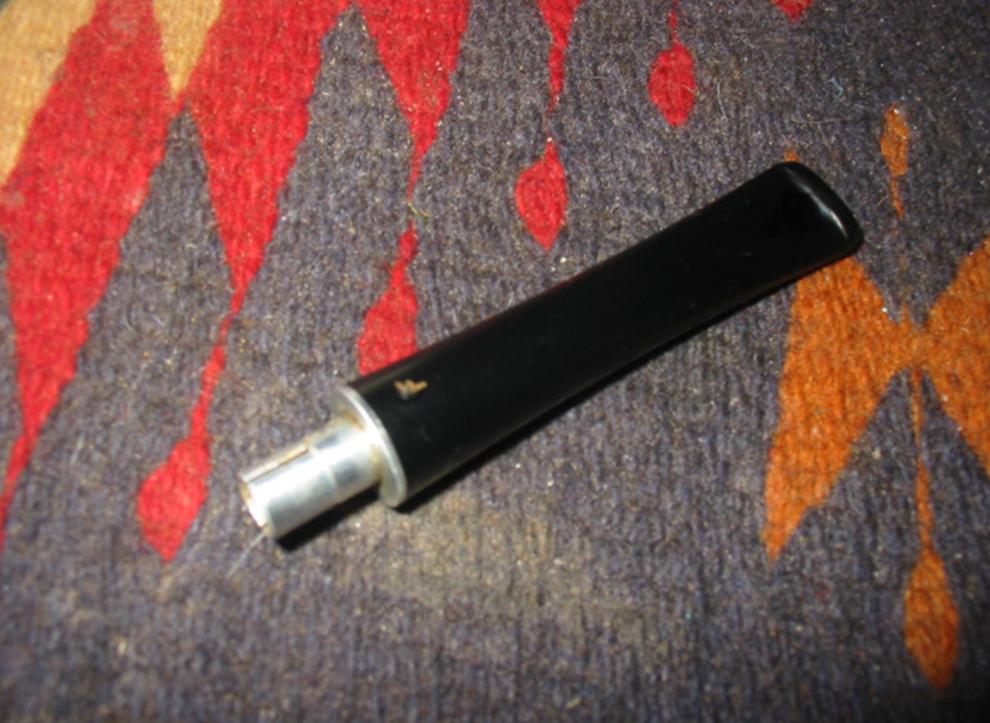
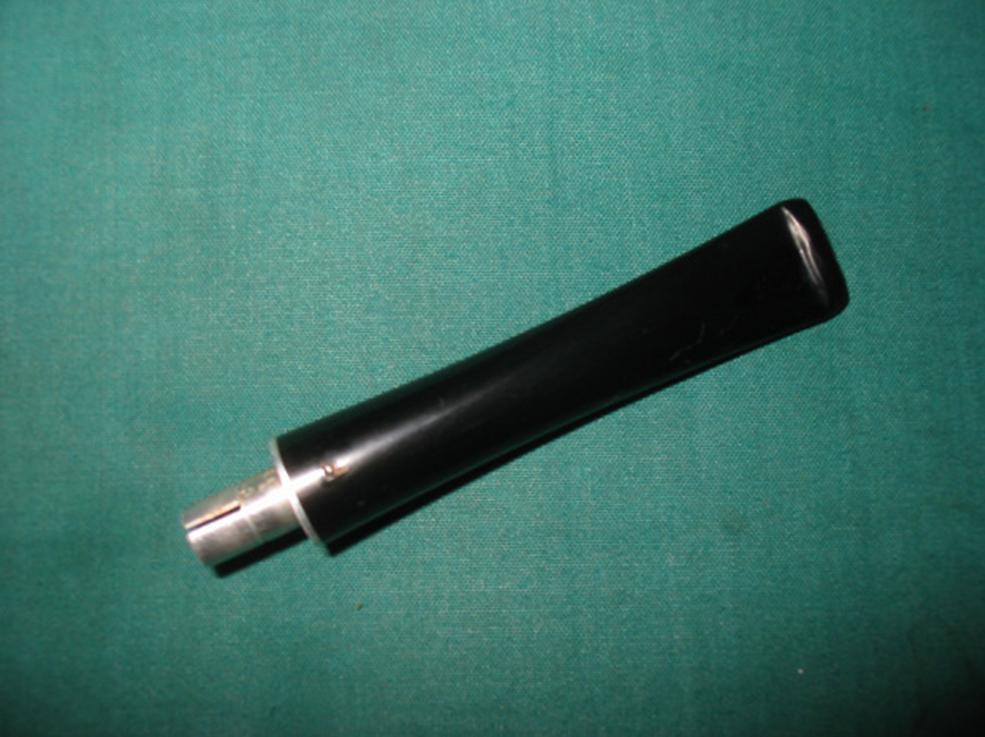
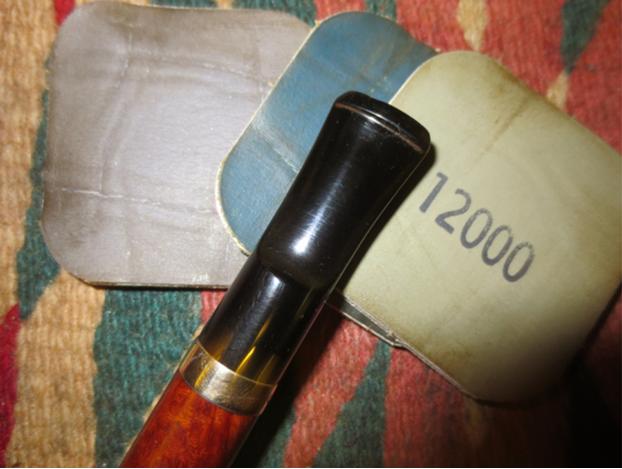
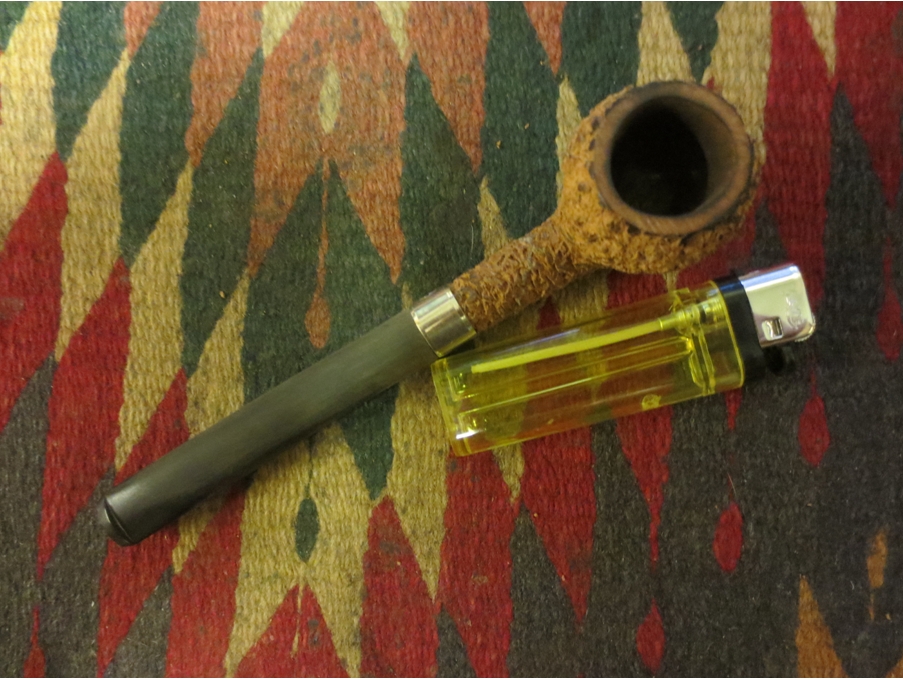
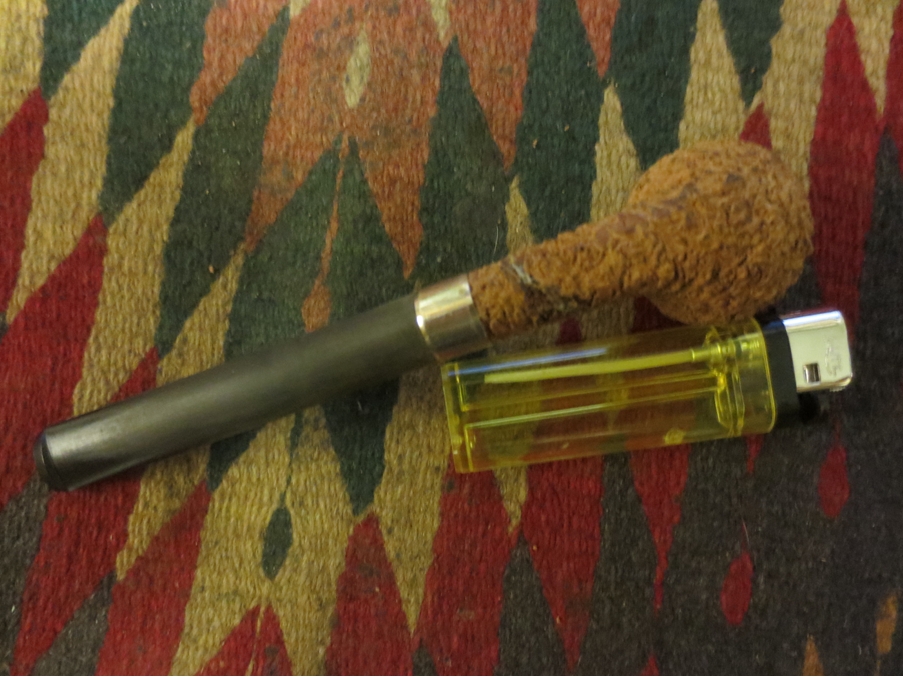
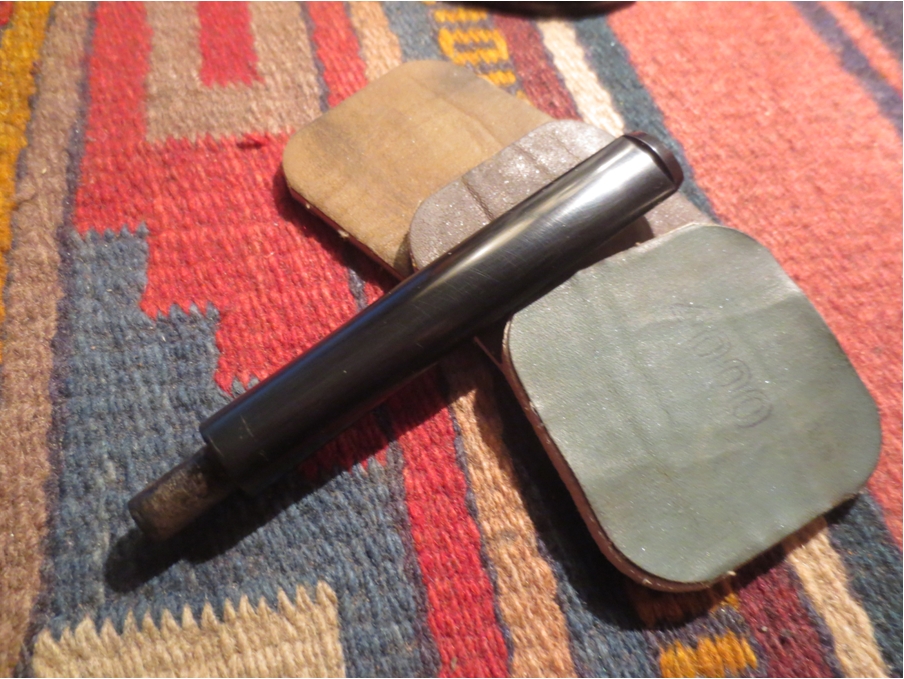
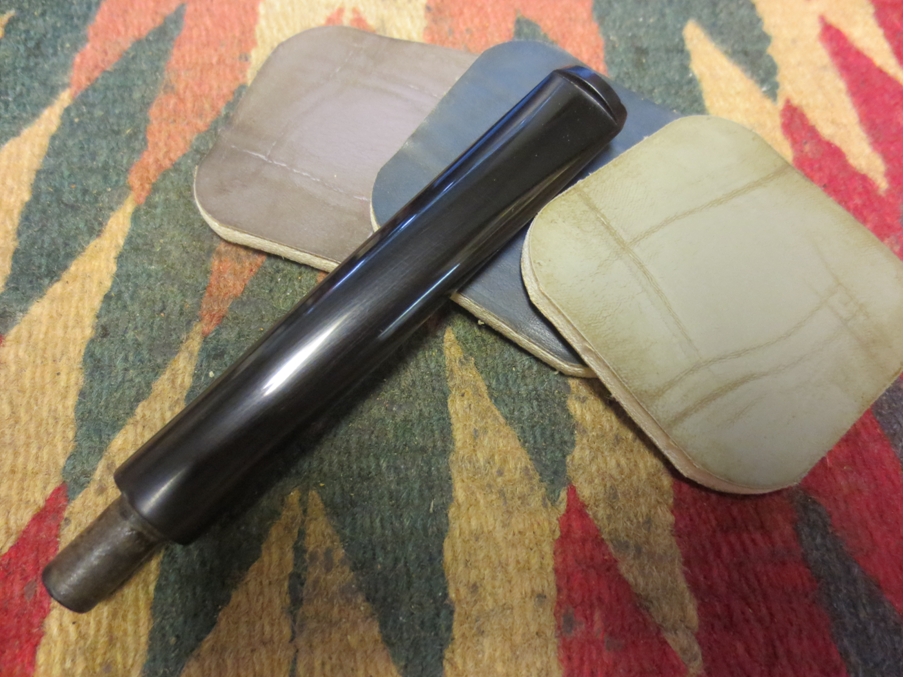
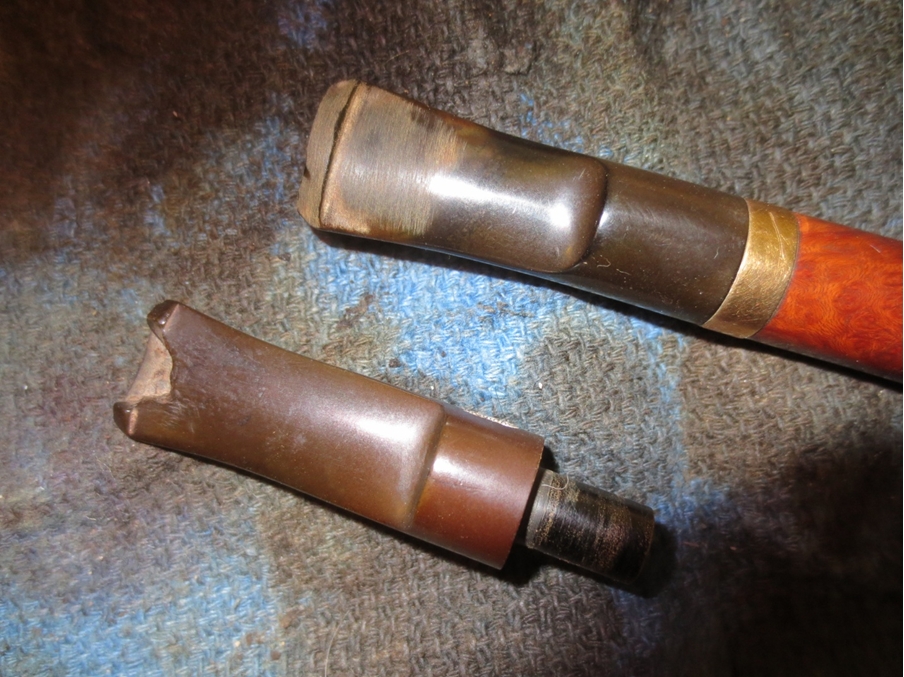
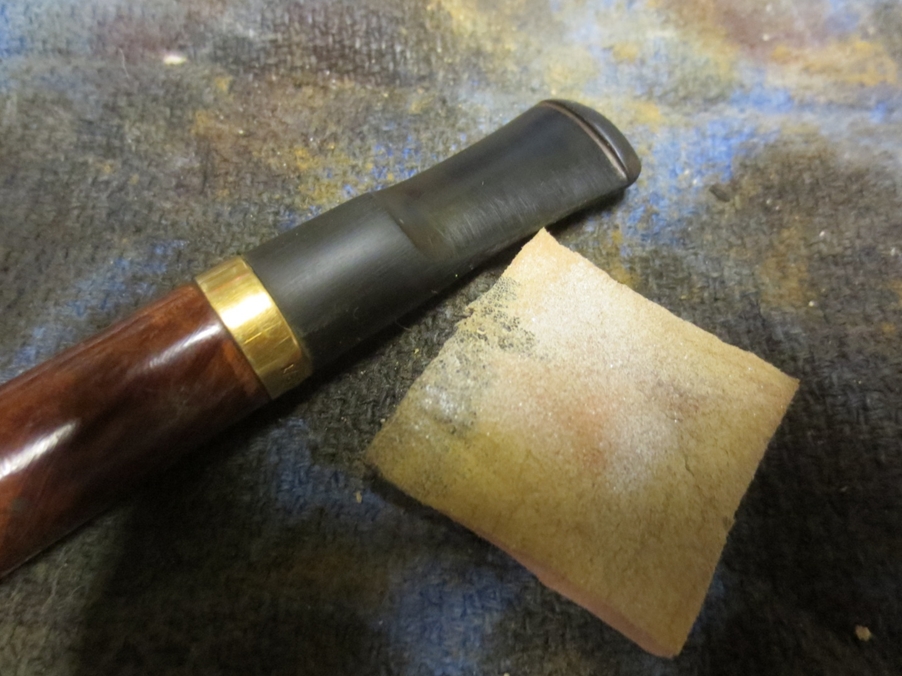
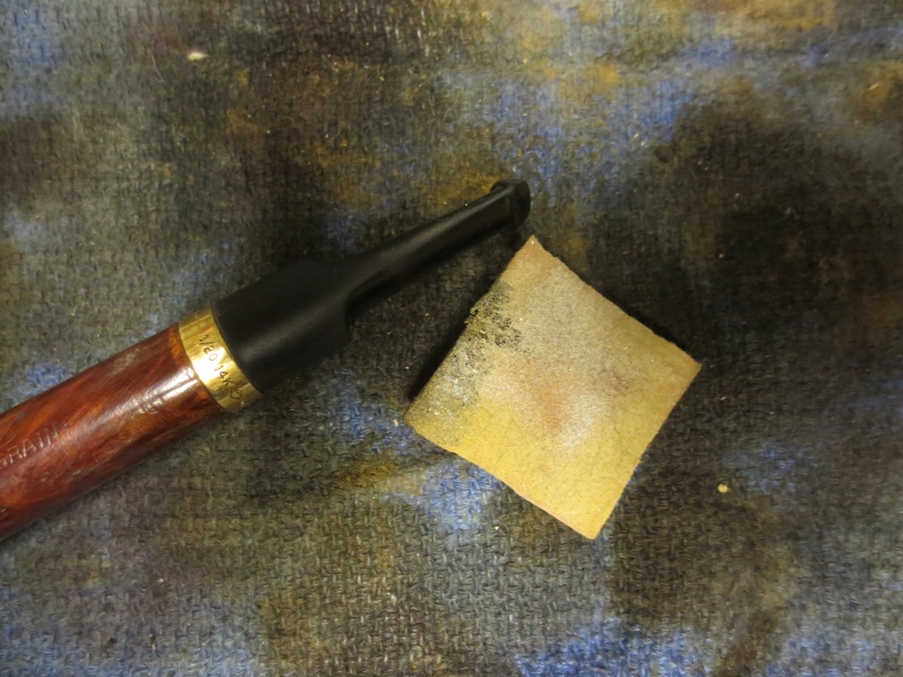
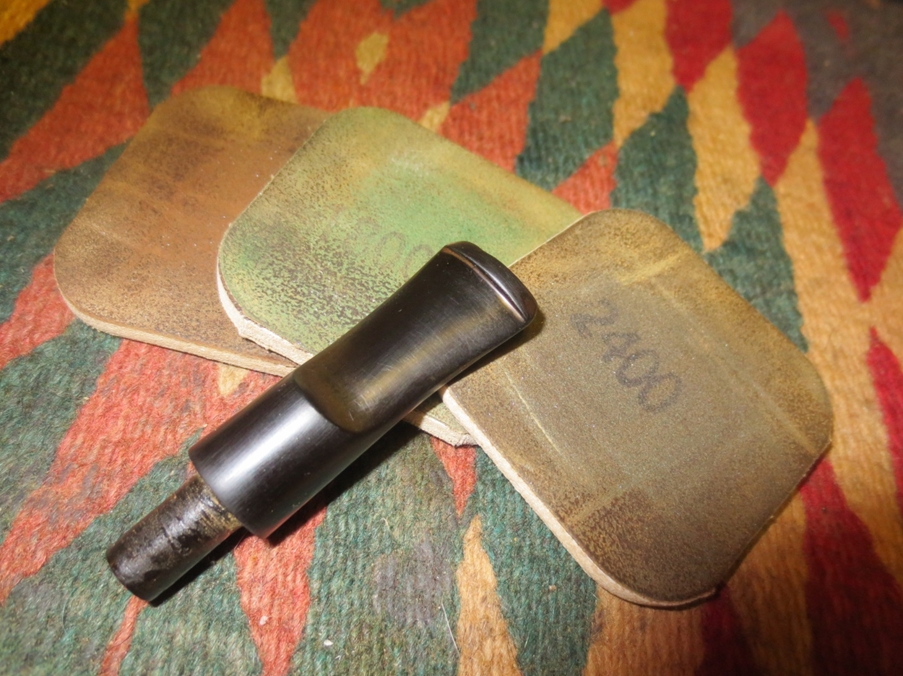
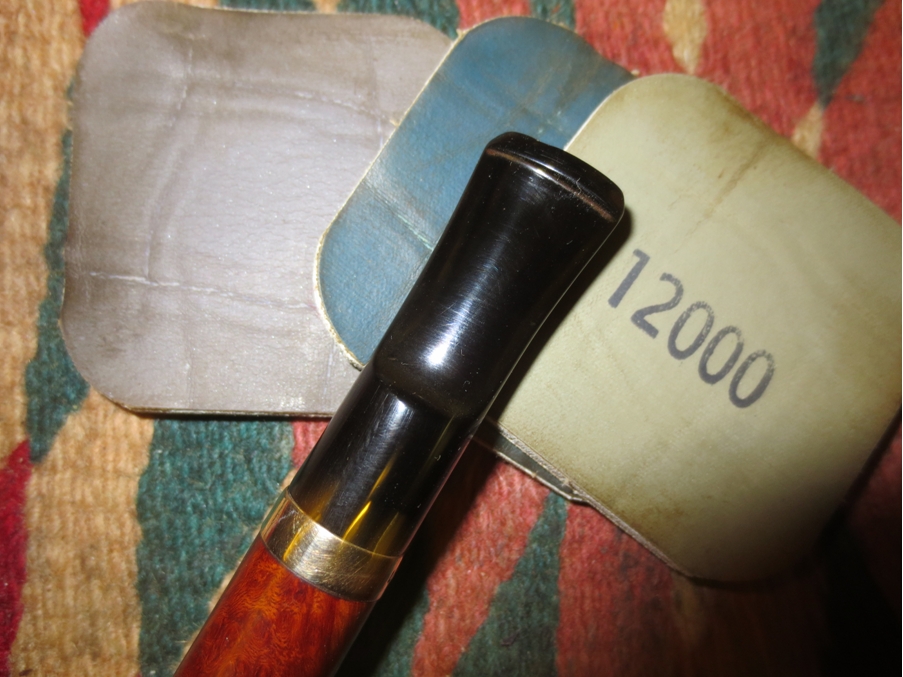
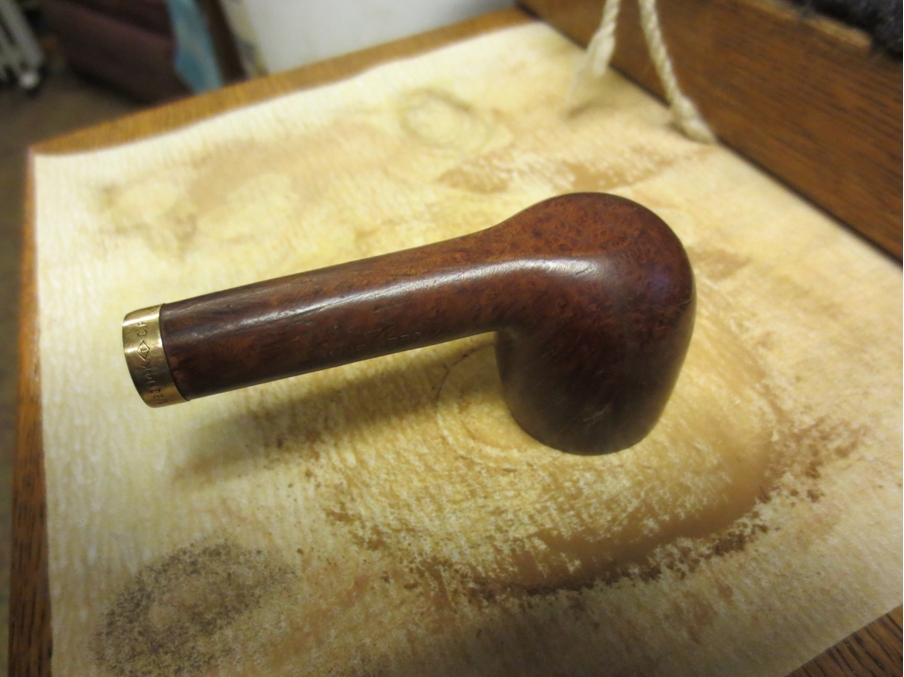
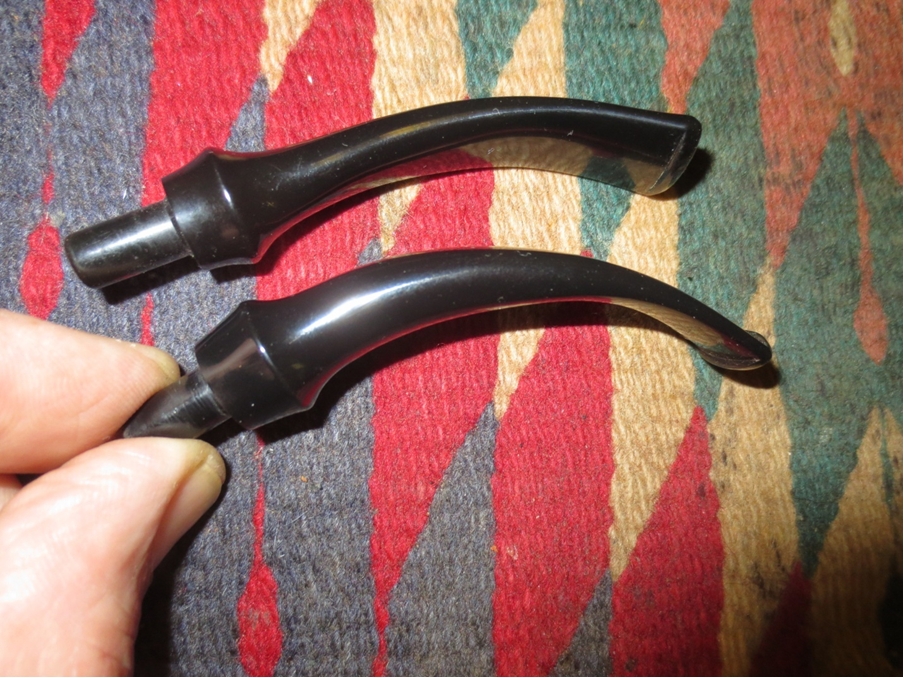
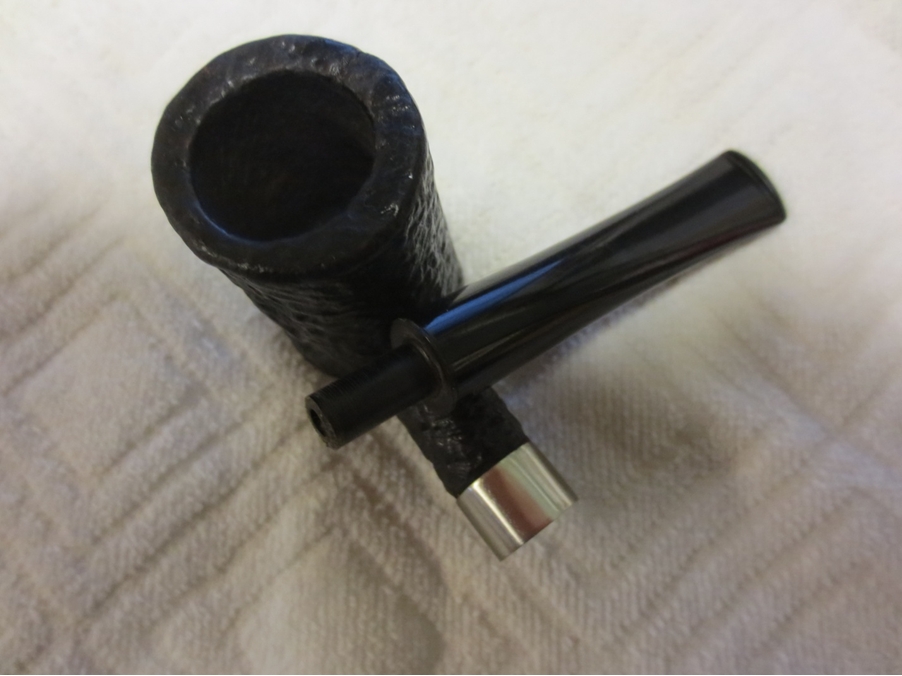
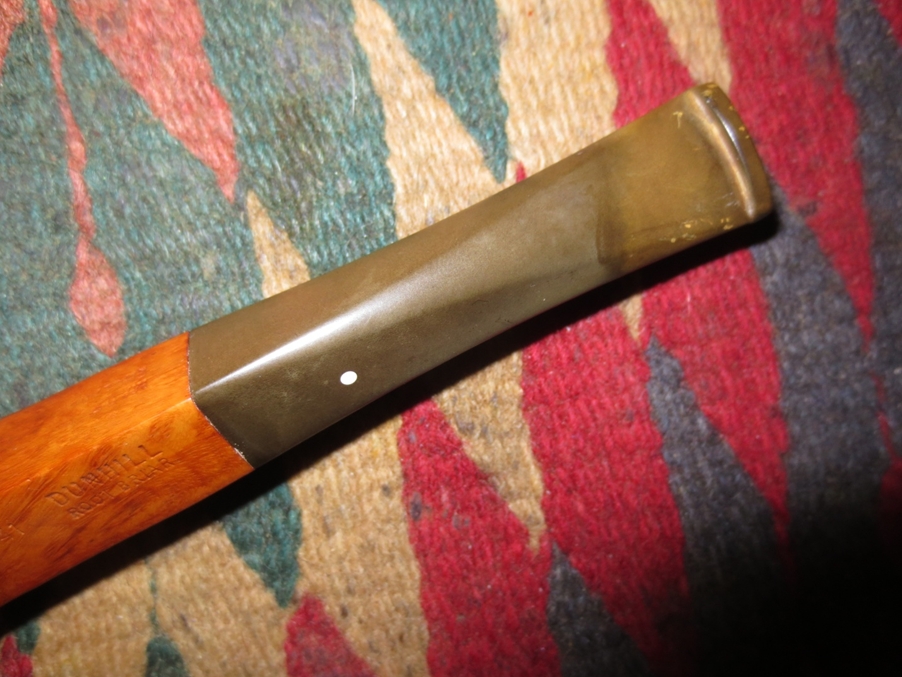
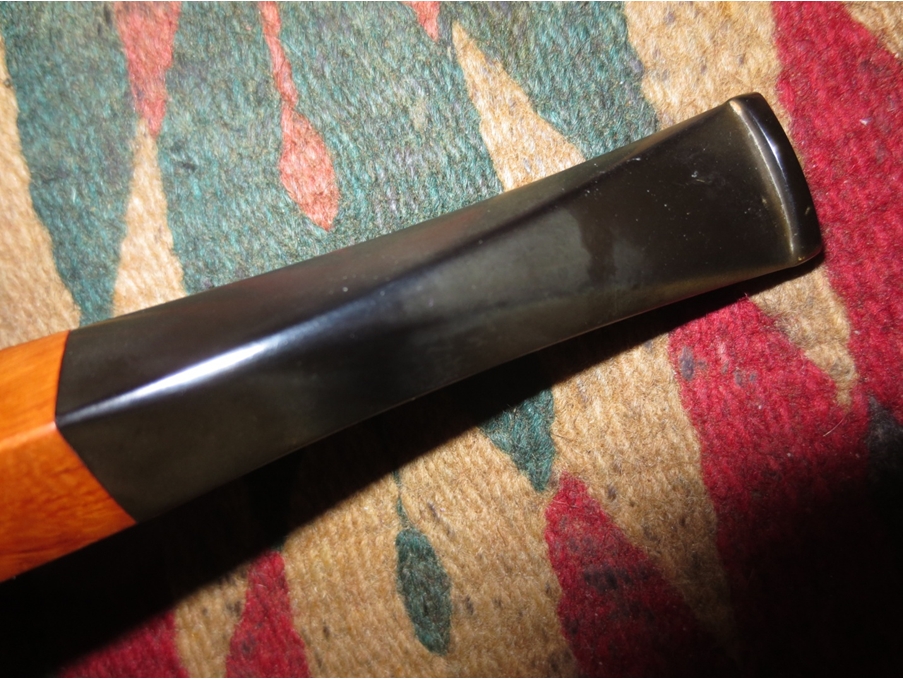
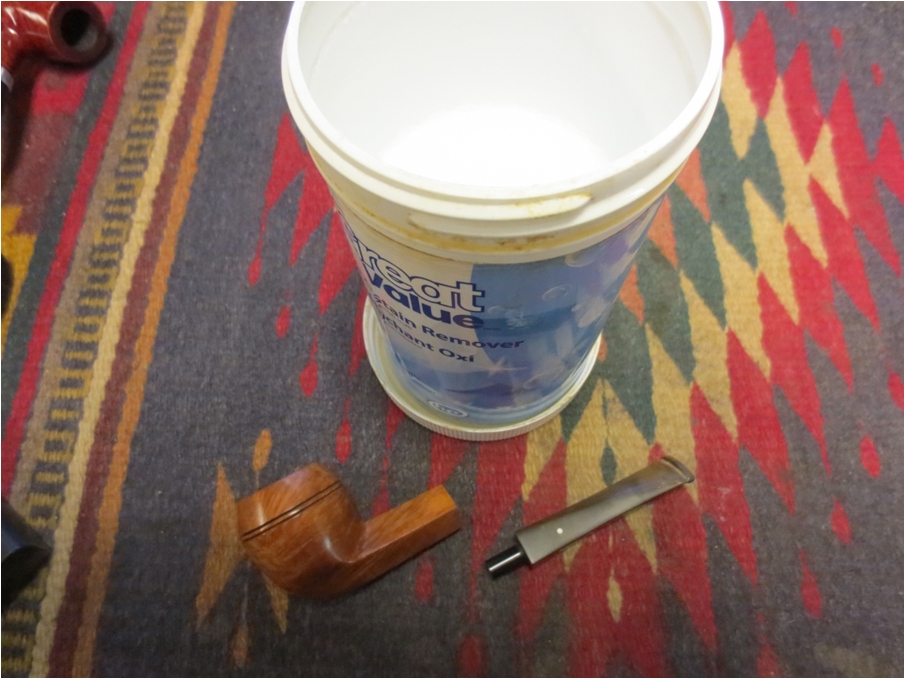
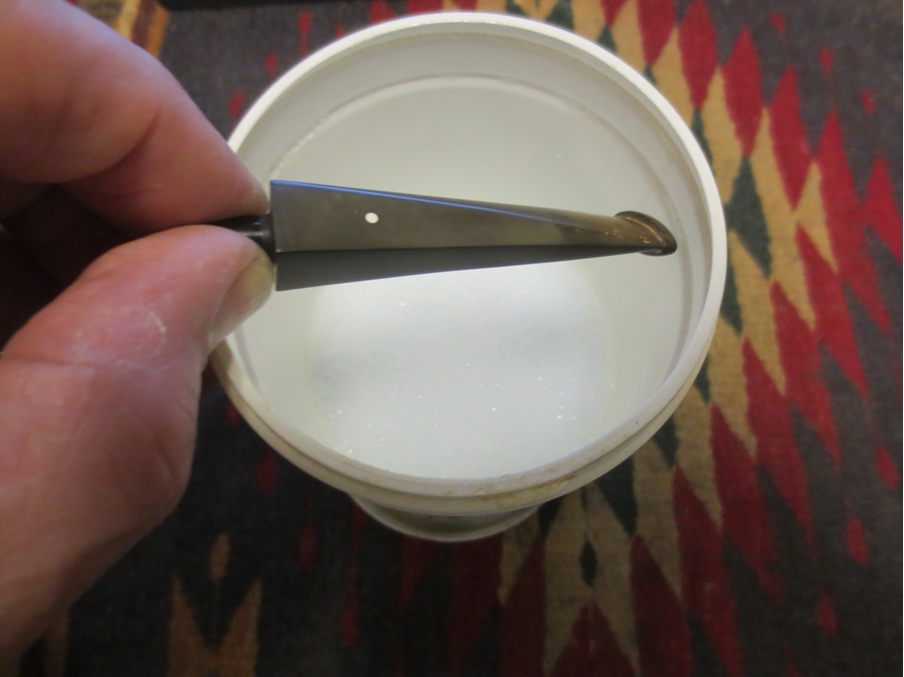
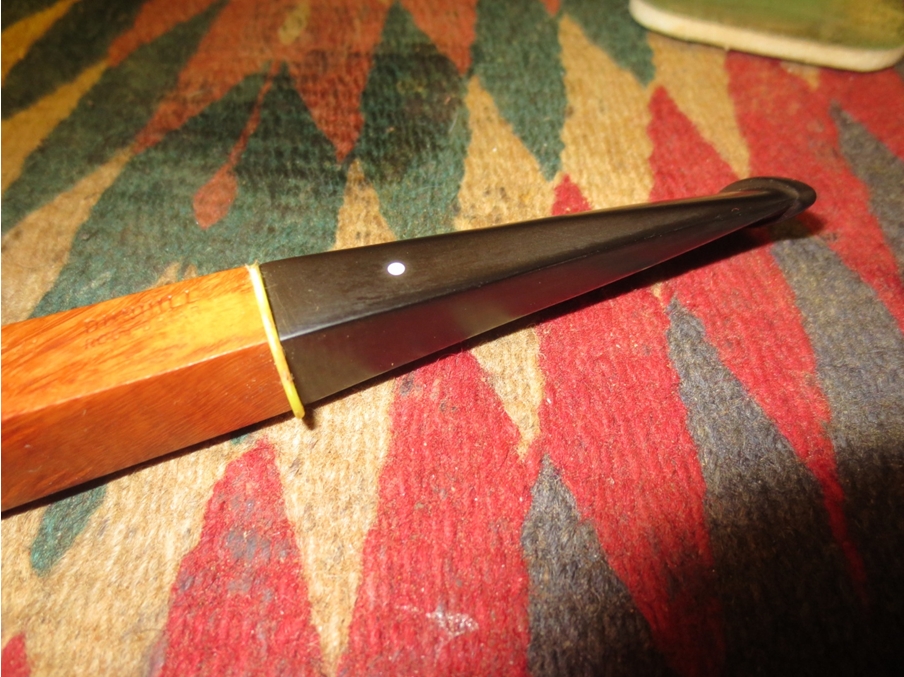
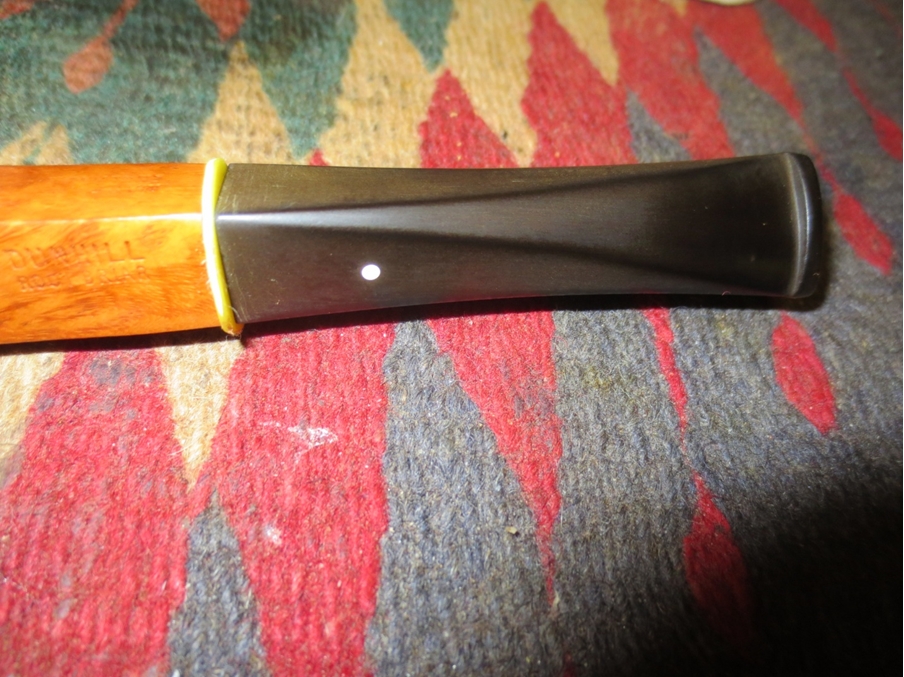
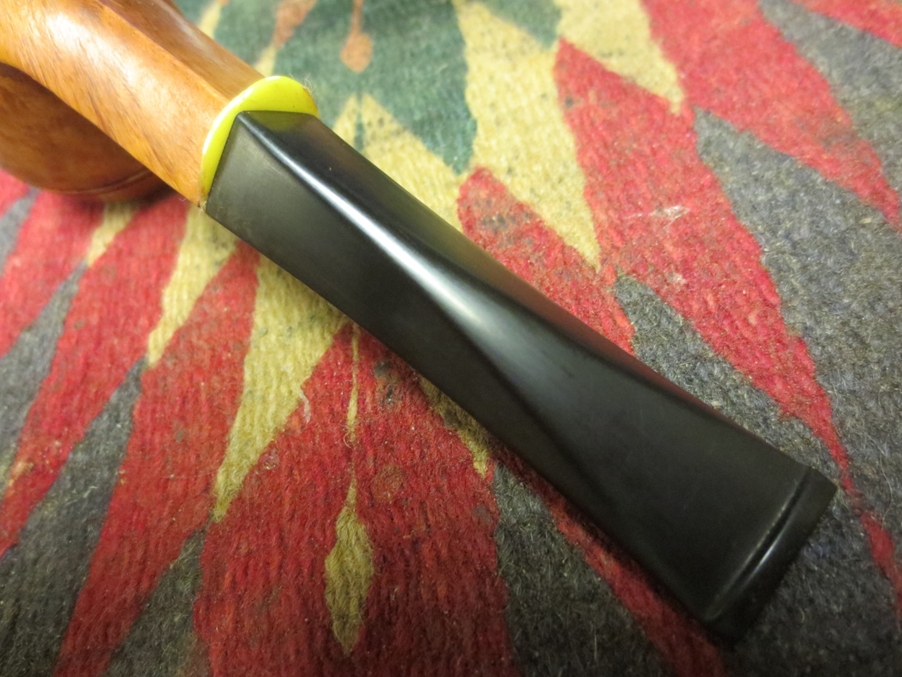
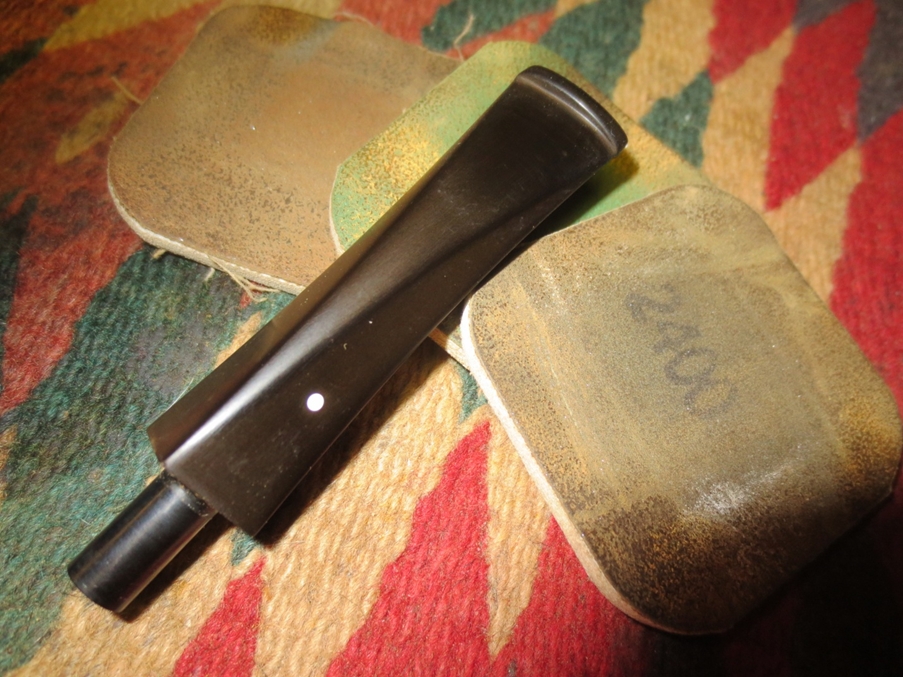
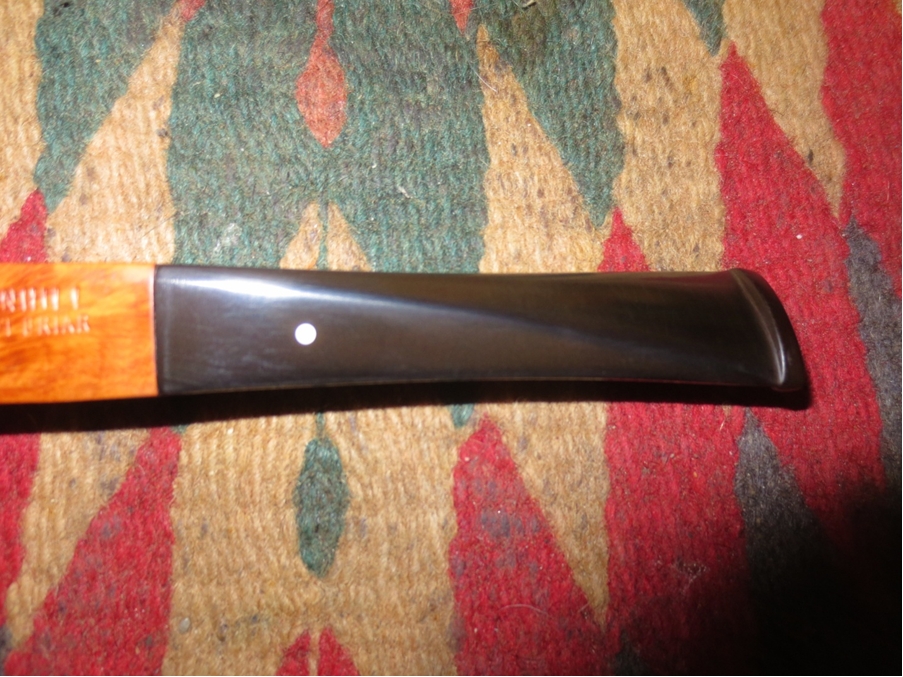
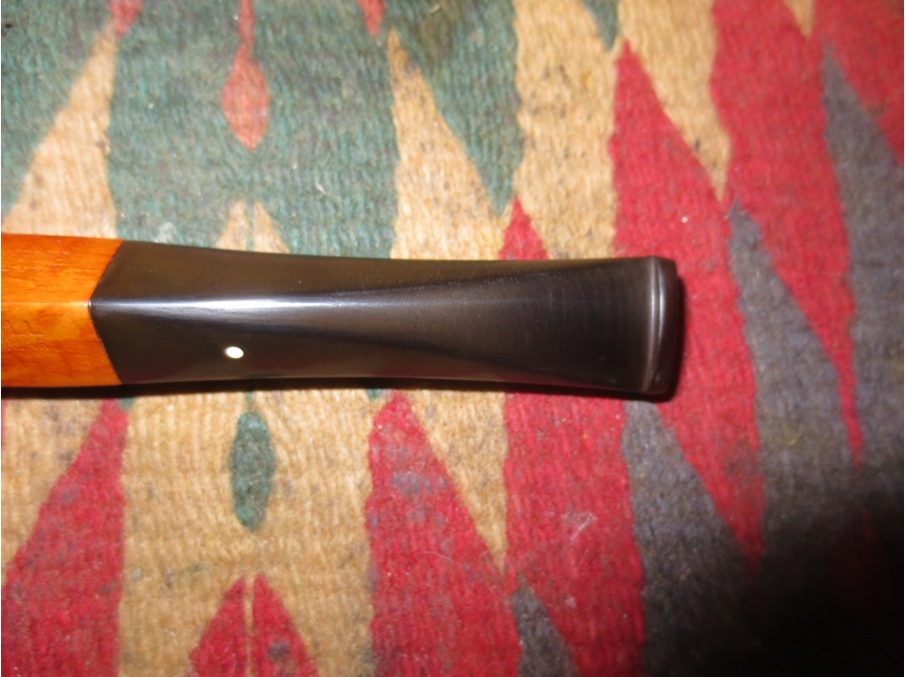
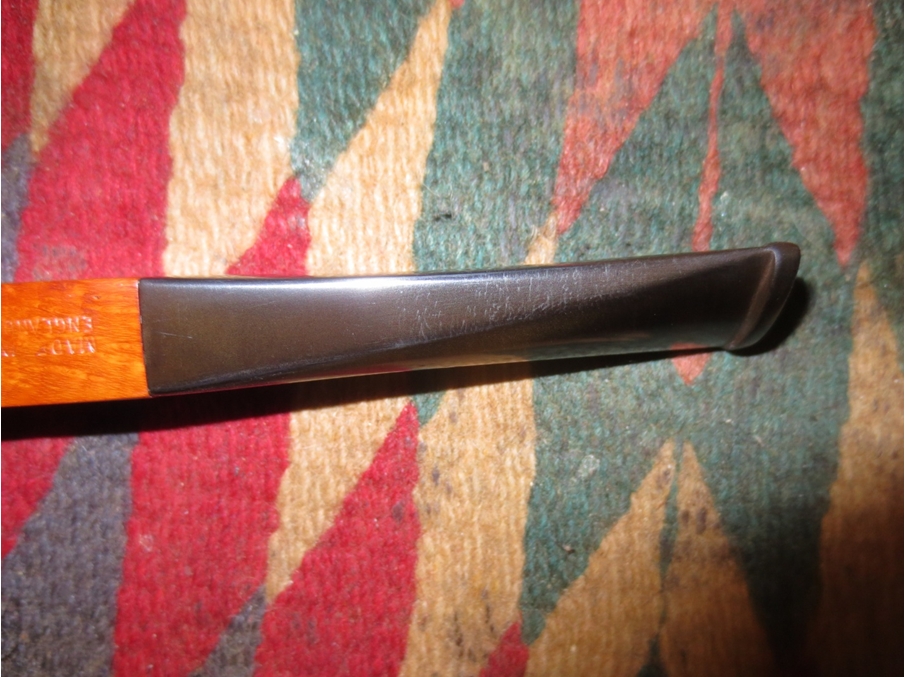
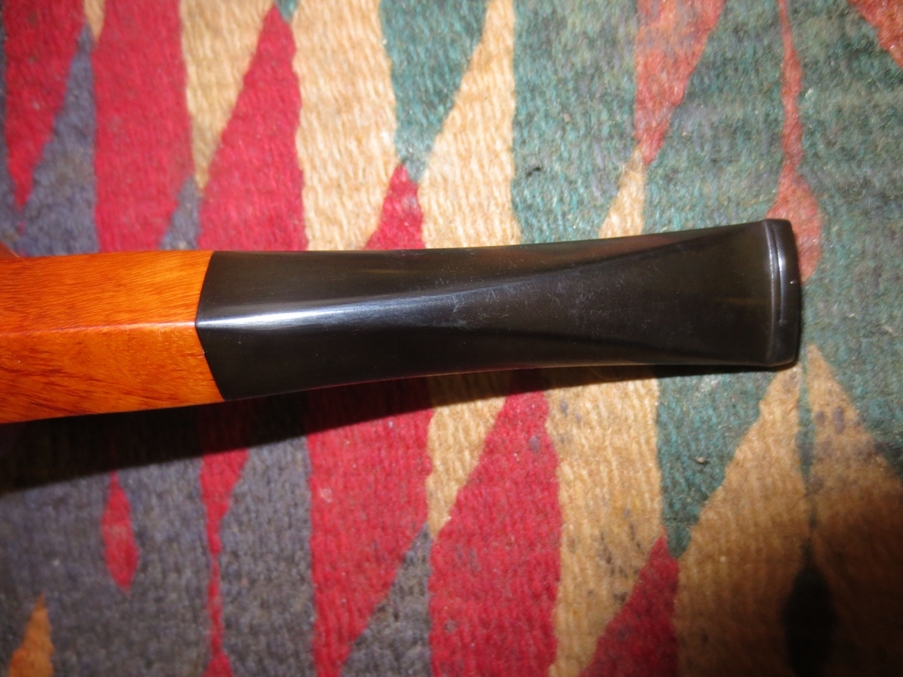
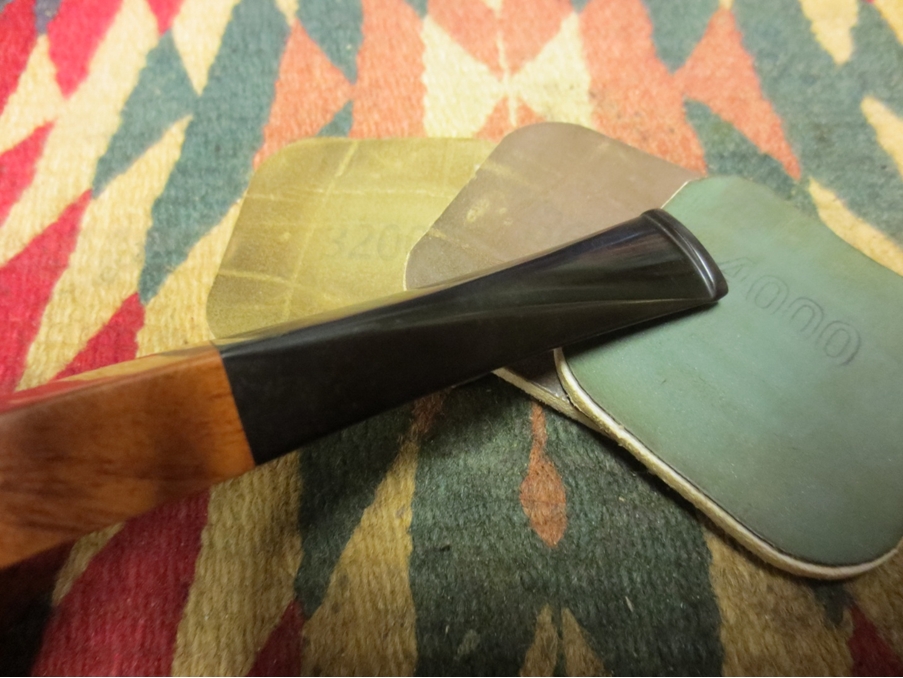
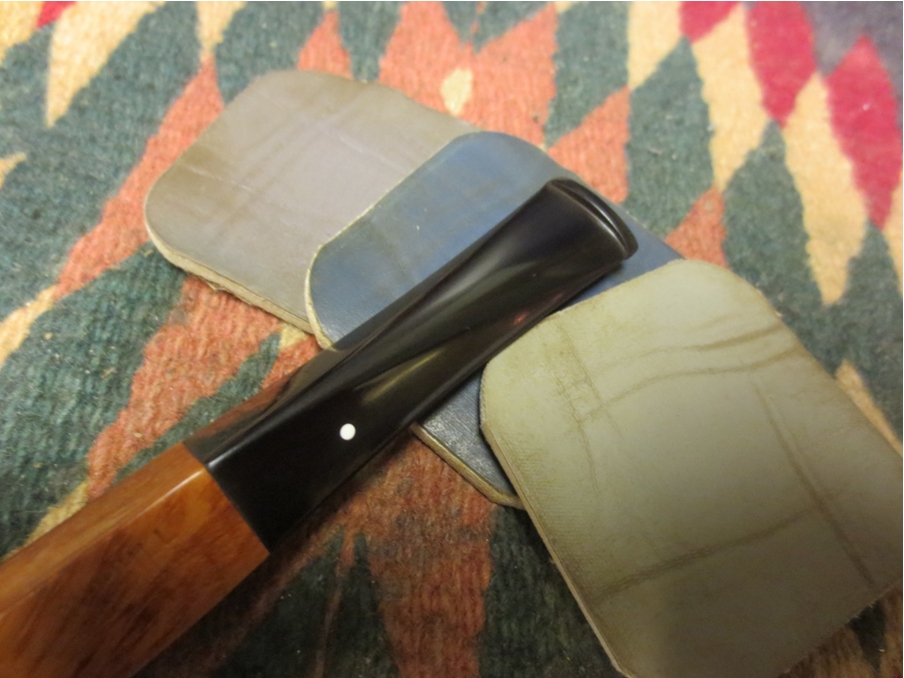
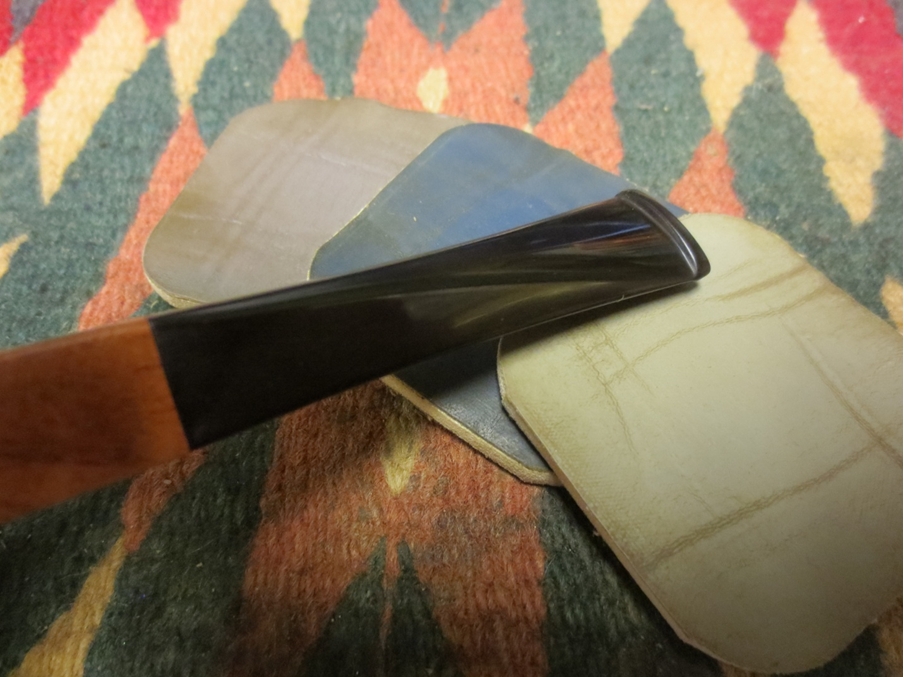
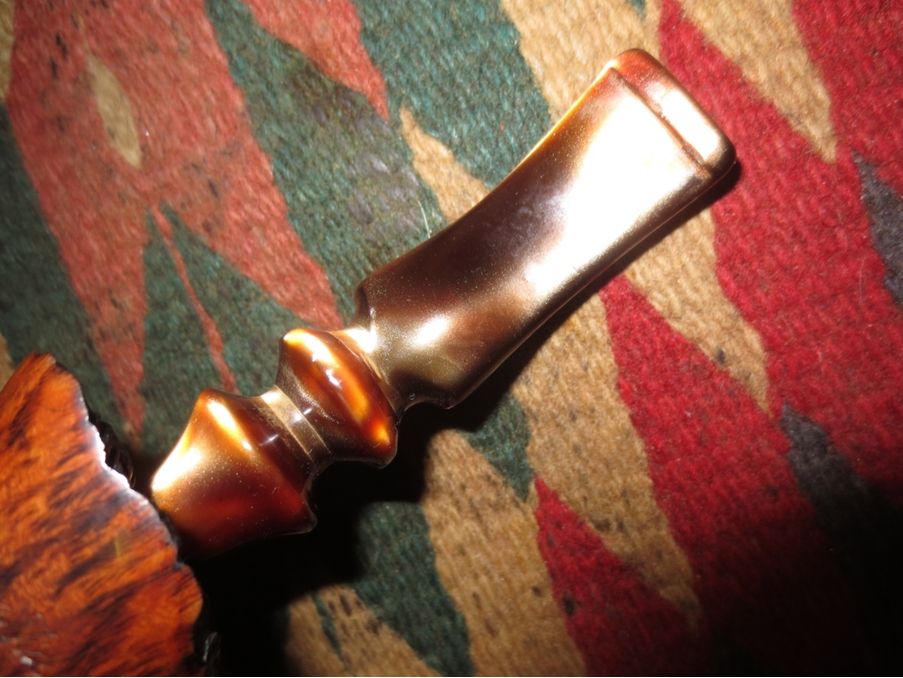
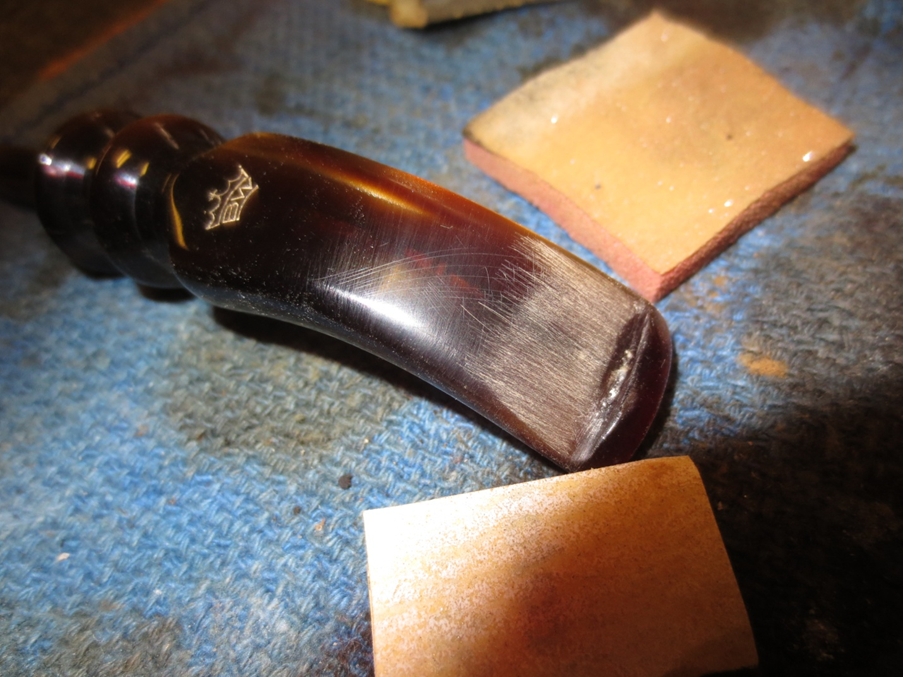
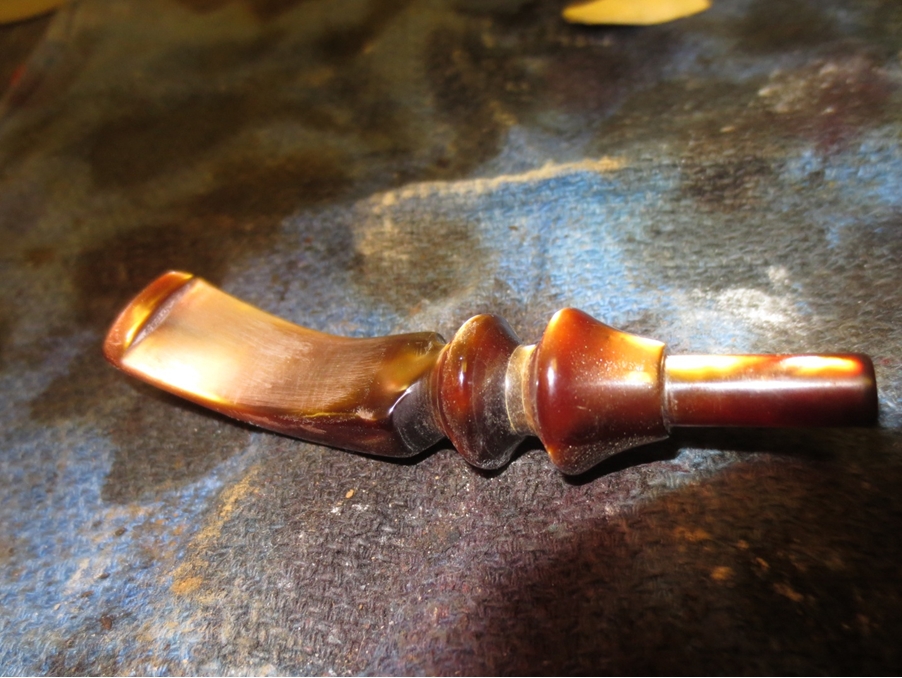
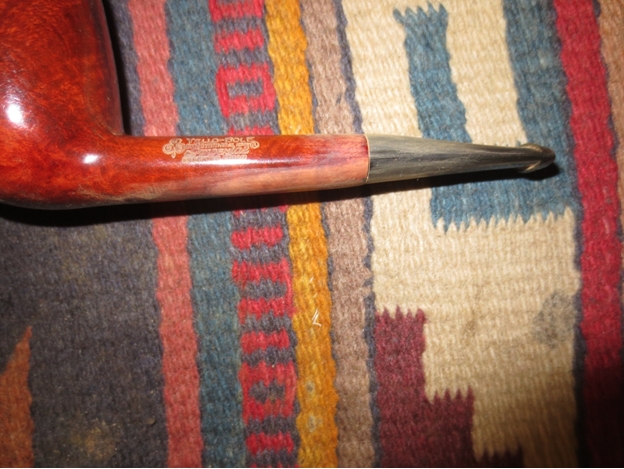
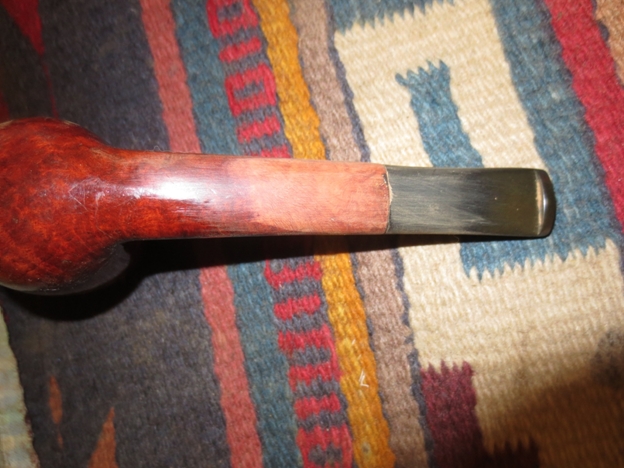
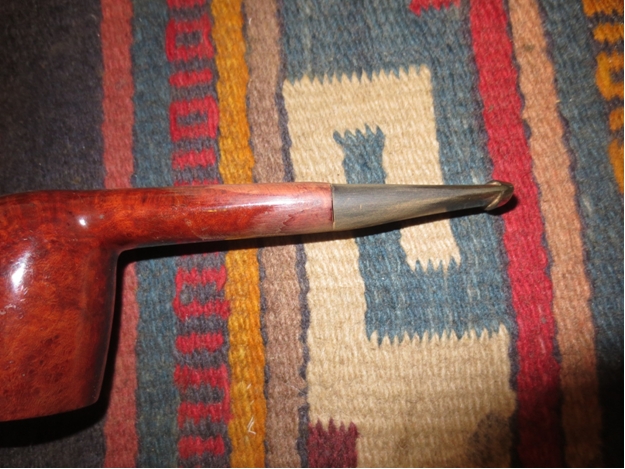
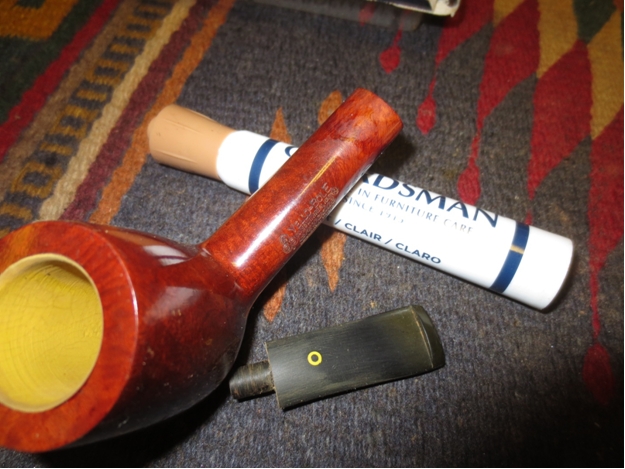
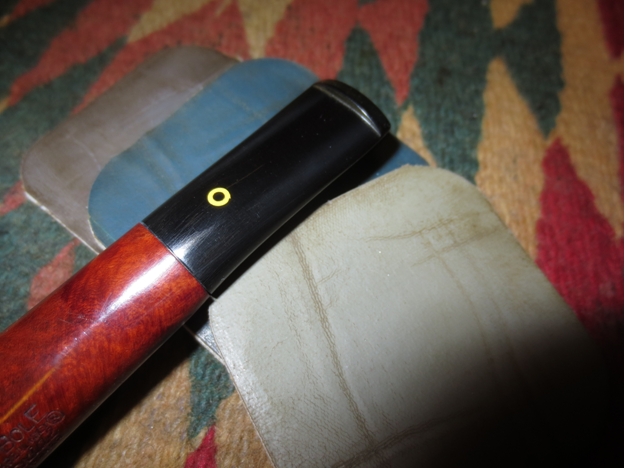
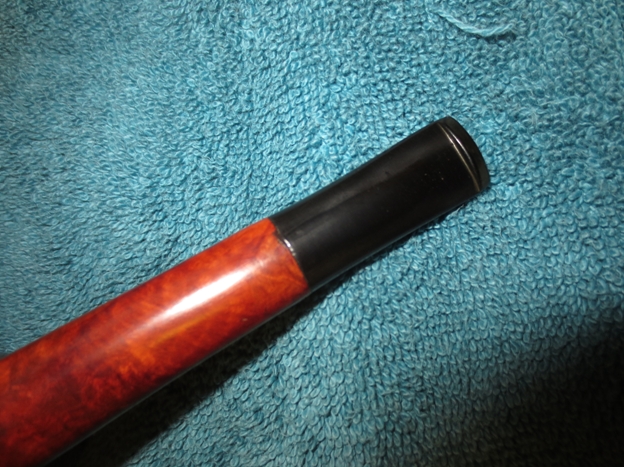
Last of all, I attacked the stem. Although I like the look of the freehand style stem, in particular this one with two rounded bulges, for lack of a better term at the moment, near the shank opening, they are always more of a bother to sand away discoloration. I always have to do the process in stages, sanding the entire stem with 200-grit paper, wiping it down with a soft cloth, then focusing on the harder areas, sometimes three or even four times until the color is uniform. Then I apply the micromesh, starting with 1500 and progressing upward to 4000.

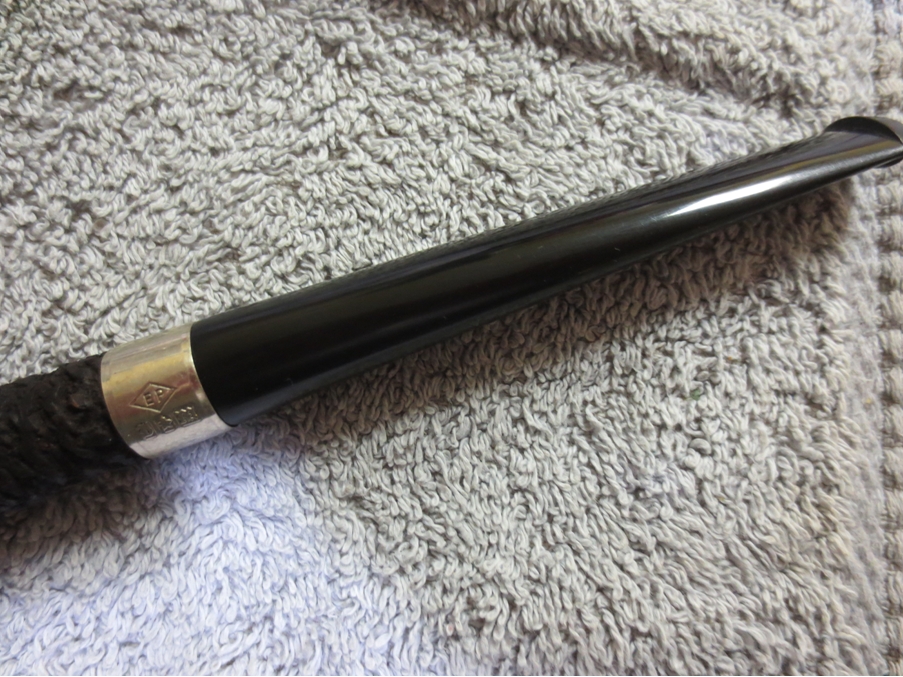
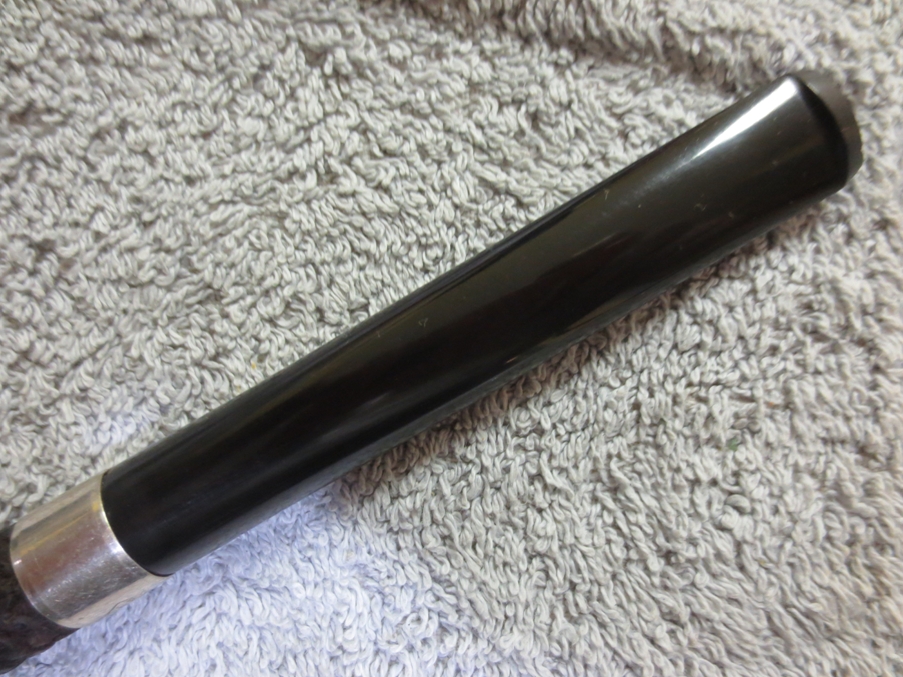
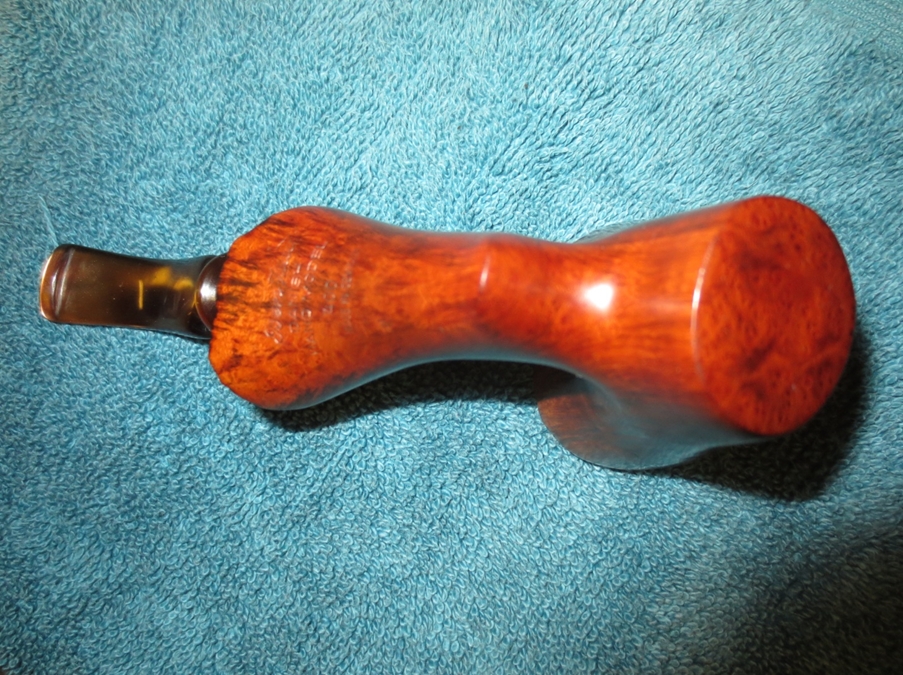
Ready for the final buffing, I used red and white Tripoli followed by White Diamond on the stem and those waxes plus a final coat of carnauba on the bowl and shank, including the black plateau spaces. I worried – as I perhaps too often do – that the resulting shininess of the plateaus was a bit much, but that’s my nature.Ben21

Ben22

Ben23

Ben24

Ben25

Ben26 CONCLUSION
So there it is. After writing this up, I realize there was more work than I remembered, but then this pipe presented itself to me in such glory that I never considered the task as anything more than that.

I kept this one, as you might have surmised. I have come to have a genuine respect and weakness for the wonderful variety of pipes made by Ben Wade and their consistent quality of engineering, grace and high-grade pleasure of smoking.
ADDITIONAL PHOTOS AND INFORMATION

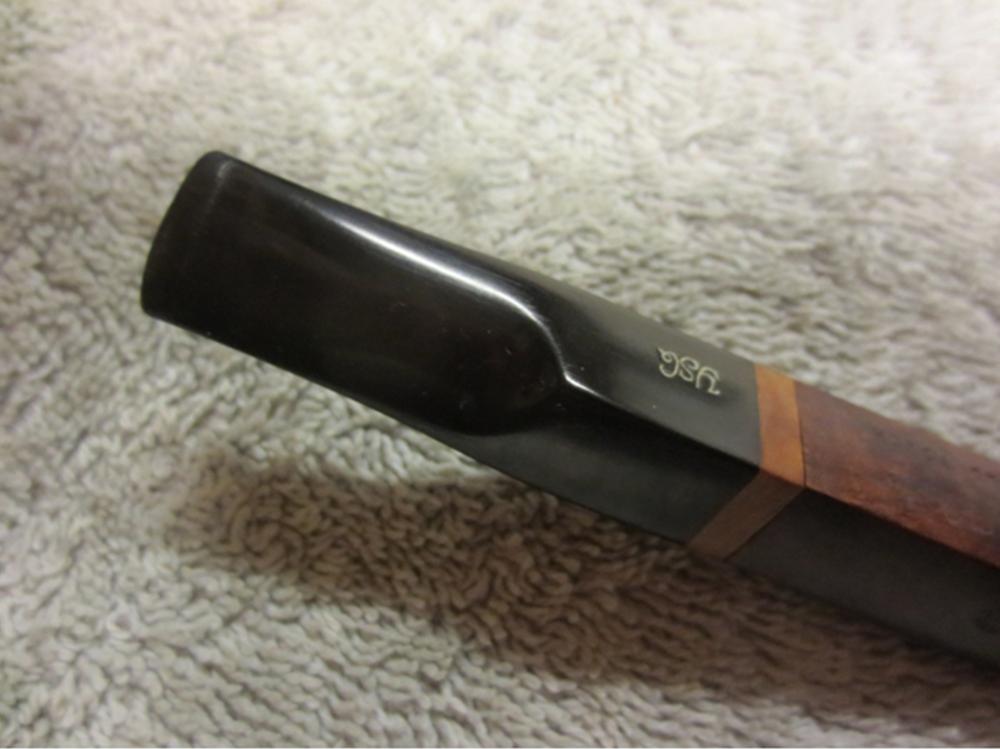
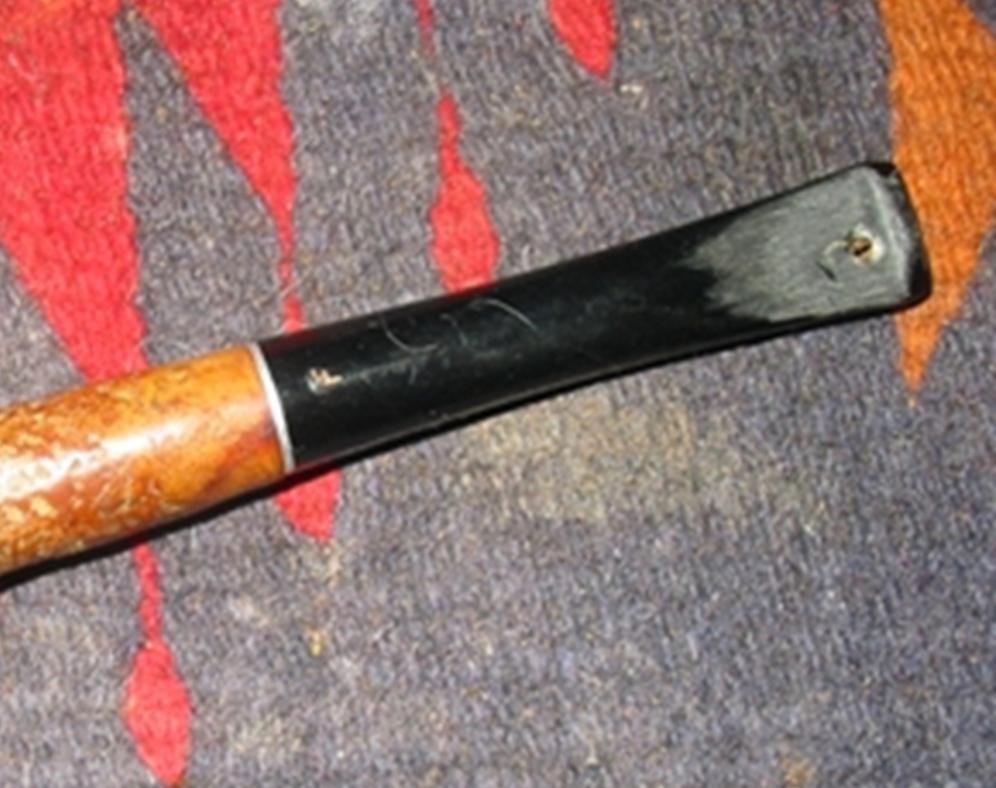
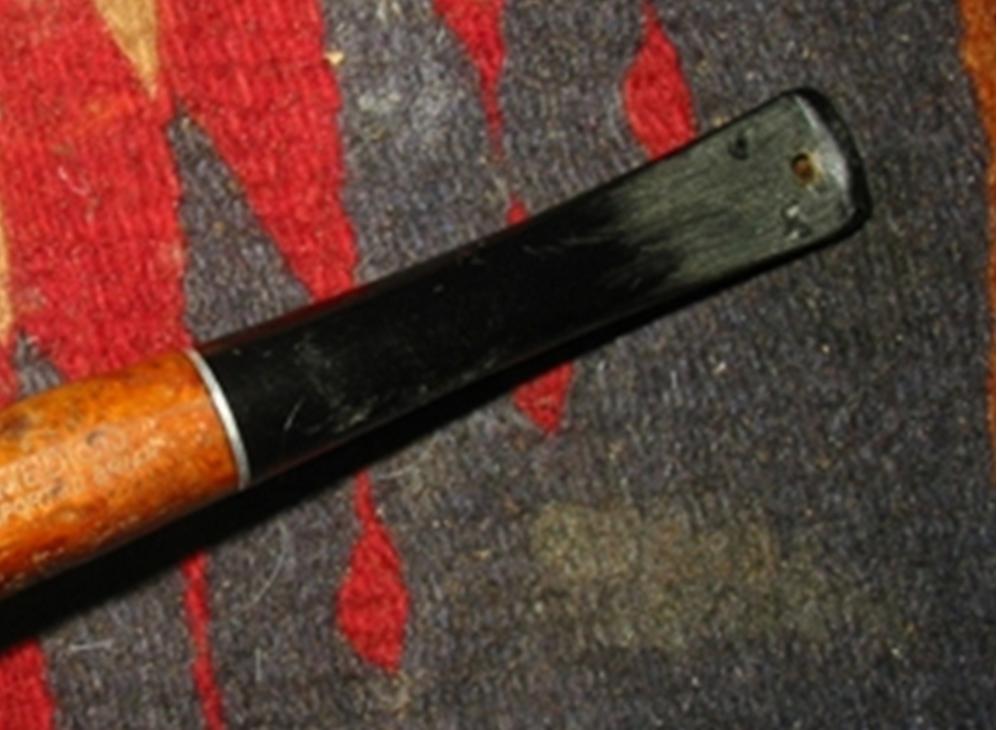
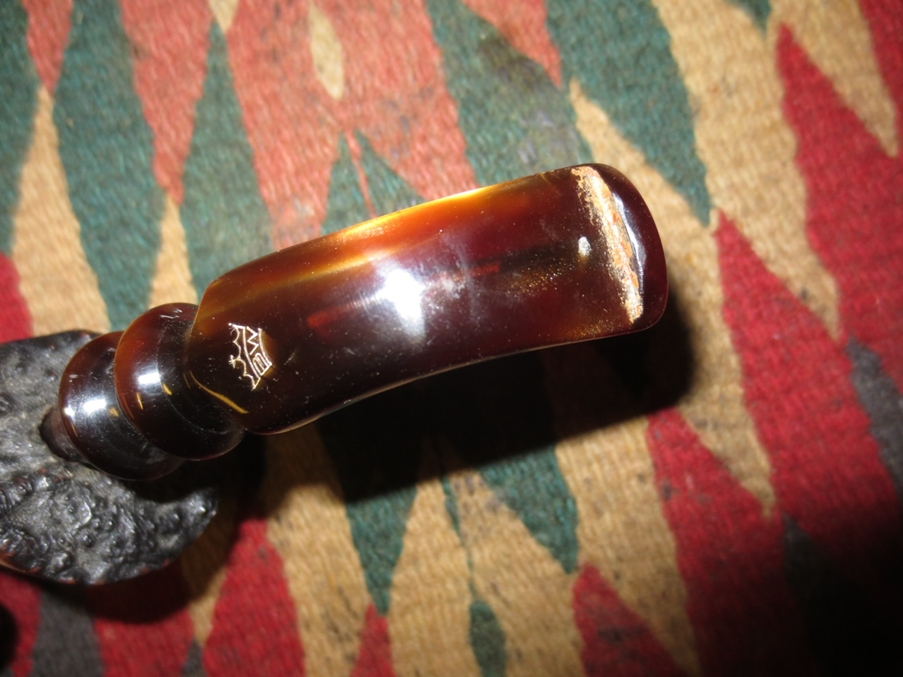
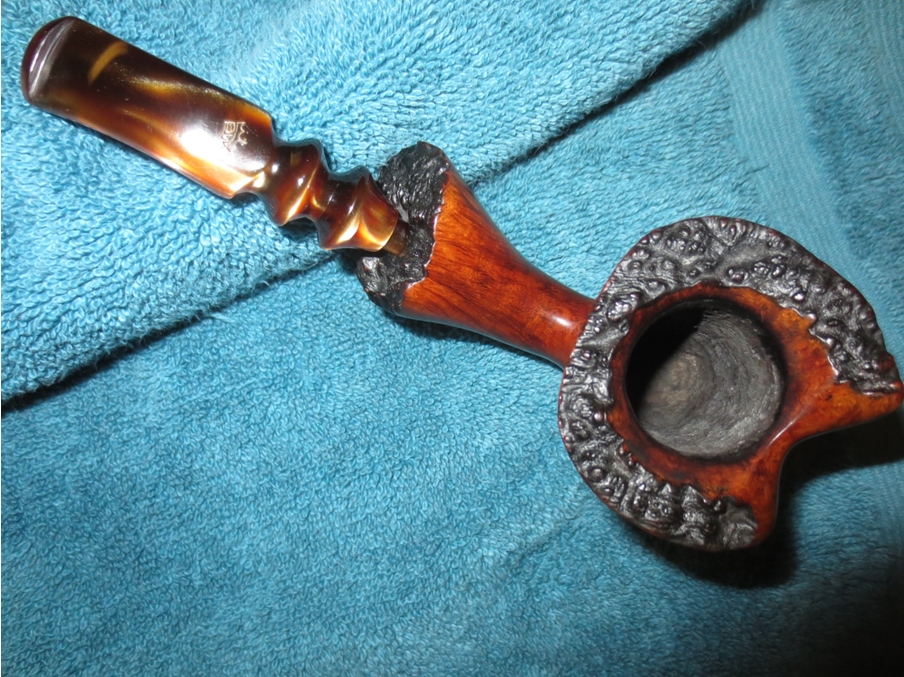
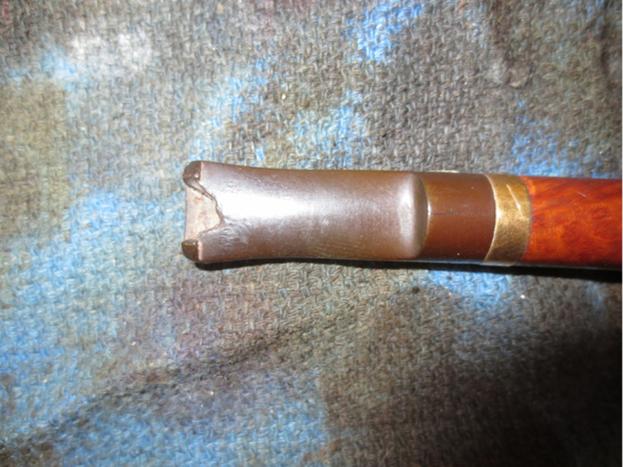
I made a comment on the blog thanking Steve for the great history he emailed me and the confirmation of the Preben Holm connection. I was troubled by not seeing the stem etching the pipephil.eu photos showed and then noticed on the pictures of the stem in my blog that the etch was still there! After filling in with a marker, I was able to make out the mark better. Here are the new before and after photos (the after shot, obviously, being before cleaning up the stem again):Robert1 Robert2

Bringing a Herbert Love of Edinburgh The Queensferry Billiard 422 back to life


Blog by Steve Laug

I received a gift box of pipes from a friend on Smokers Forums this week and it contained 23 pipes that presented a variety of challenges for repairs. Looking them over, I found that there were quite a few pipes with stampings that I was unfamiliar with. There were brands and sub-brands that were new to me. I chose to work on one of those I knew nothing about first. I had never heard of the Herbert Love Shop of Edinburgh. The stamping intrigued me. On the left side of the shank it was stamped Herbert Love of Edinburgh and on the right side it was stamped The Queensferry. On the underside of the shank it was stamped horizontally along the shank with the shape number 422. On the left side of the saddle portion of the stem it had a faint HL stamping.
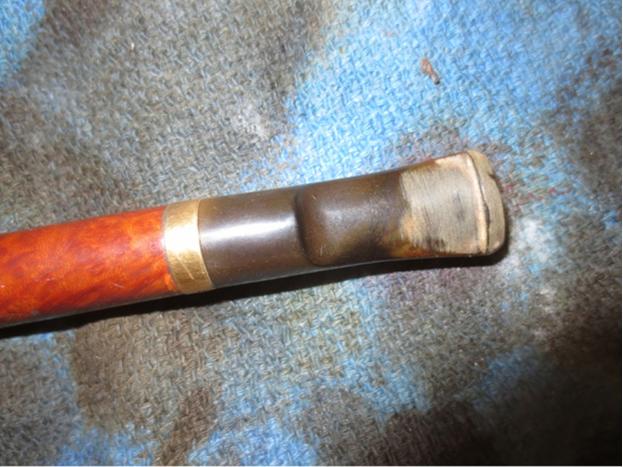
I did my normal search on Pipedia and Pipephil’s site to see if I could find the stampings or the cursive HL on the saddle of the stem. There was nothing to be found. I posted a request for information on Pipe Smoker’s Unlimited Forums specifically asking several of the members there that are from Edinburgh to see if they had any information. I received a response from a collector of English pipes that included the photo and article on another Herbert Love Tobacco Shop in Glasgow. I also received a response from one of the Edinburgh folks, Chris with this information: … it closed down many years ago. It was on Queensferry St. (the road to the old ferry across the Forth before the rail and road bridges were constructed) at the West End, handily situated next to the iconic ‘Old Man’s Pub’, “Mather’s Bar”. At that time there were three pipe shops in Edinburgh (HL’s, one on George 1V Bridge and another in Leith); now only the latter exists… All I remember about the shop itself, apart from it being very old-fashioned, was that they used some interesting old scales for weighing out the loose tobaccos.

Here is the link to the article that I received about the closure of the Glasgow shop. http://www.heraldscotland.com/last-smokers-paradise-closes-1.828258 Sadly I could find no photos or information online regarding the now close Edinburgh shop to include in this post. If anyone reading has information be sure to let us know in the comments section below. Thank you.

When I brought the pipe to the worktable it is in pretty rough shape. The finish was damaged and spotty. The rim had a burn spot on the inner edge and the top at the front of the bowl. This damage also made a dip in the surface of the top of the rim. The bowl was filled with a crumbling cake that was uneven. The stem was oxidized and looked greenish yellow in colour. There were bite marks and tooth chatter on the top and bottom sides of the stem next to the button. The internals of the stem and shank were not too dirty and would clean up quite easily. There was no sweet smell of aromatics or the smoky smell of Latakia in the bowl so ghosting would not be an issue. Love1

Love2 I took close-up photos of the shank on both sides to show the stamping. The left side bore the Herbert Love of Edinburgh and the right side the Queensferry. From my queries I had learned that the Queensferry was actually the street the shop was located on. Herbert Love Tobacconists seemed to be quite widespread in Scotland – I found them in Aberdeen, Glasgow, Aylesbury, and Edinburgh. There were also hints of it being found in other locations as well.Love3

Love4 I scraped some of the oxidation away on the left side of the saddle stem and found that underneath was some faint stamping that read HL in script. I checked the right side and top and bottom for further marks and found none.Love5

Love6

Love7

Love8 I took a close up photo of the rim and bowl to show the damage from the burn on the surface. You can see that it is deeper than the surface of the rim and extends from the inner edge to the outer edge of the rim.Love10 I reamed the bowl with a PipNet reamer using the cutting head that fit the bowl properly. I took the cake back to bare wood on all sides of the bowl so that I could address the rim damage on an even and hard surface.Love11 The next photo shows the cleaned up bowl and further shows the damage to the inner edge and top of the rim.Love12 The first step in addressing this kind of rim damage is to top the bowl to even out the dip from the burn. I wanted the top surface to be smooth so that I could then chamfer the inner edge of the rim with a slight bevel to deal with the burned front edge. I used a flat board and a piece of 220 grit sandpaper to top the bowl. I sanded until the top of the rim sat flat against the board. As usual I collected the briar dust in my box for repurposing on fills and repairs.Love13 The next photo shows the top of the bowl after sanding and smoothing out the rim. It really shows the extent of the damage on the rim.Love14 I decided to keep topping the bowl until I had evened out the rim and removed as much of the top damage as possible without dramatically changing the profile of the bowl. The next photo shows the bowl rim after I had finished topping it with the 220 grit sandpaper. It still would be sanded with 400 grit wet dry and fine grit sanding sponges before the surface was finished. While I worked on the bowl the stem was soaking in a bath of OxyClean to soften the oxidation.Love15 With the top of the rim smoothed out I worked on the inner edge with a folded piece of 220 grit sandpaper. I chamfered or beveled the inner edge to minimize the damage and to give the entire inner edge a similar look.Love16 The next photo shows the beveled inner rim and how that process served to minimize the effect of the burn mark.Love17 With the repair to the rim finished I wiped down the bowl with acetone on cotton pads to remove the finish and facilitate matching the restain on the rim with the colour of the rest of the bowl. It also removed the damage and spotty finish that covered the bowl. It appeared to have a thin varnish coat over the stain that came off quite easily with the acetone.Love18

Love19

Love20

Love21 I used the Guardsman stain touch up pens to stain the rim. I chose the lightest coloured stain to get a proper match for the first coat of stain. When it dried I would then stain the entire pipe with a medium walnut aniline stain. The stain pen was the first step in matching the colours of the bowl.Love22 I cleaned out the shank with pipe cleaners, cotton swabs and isopropyl alcohol to remove the tars and oils in the shank. It was an easy clean up so I decided not to use a retort on this one. It took very few swabs and pipe cleaners before the mortise and airway was clean.Love23 With the bowl at this point in the process I set it aside and took the stem out of the OxyClean bath. It had been soaking for several hours while I had worked on the bowl. The bath had done its magic and when I rubbed it down to dry it much of the surface oxidation came off and the deeper oxidation would easily be removed with a light sanding.Love24 I put the dried stem back on the bowl so that I could finish staining the bowl. I used a medium walnut aniline stain, applied it and flamed it. I lightly buffed the bowl with White Diamond to even out the stain coat. I took some photos to show the progress. Note in the first photo the HL cursive stamp that is on the surface of the stem.Love25

Love26

Love27

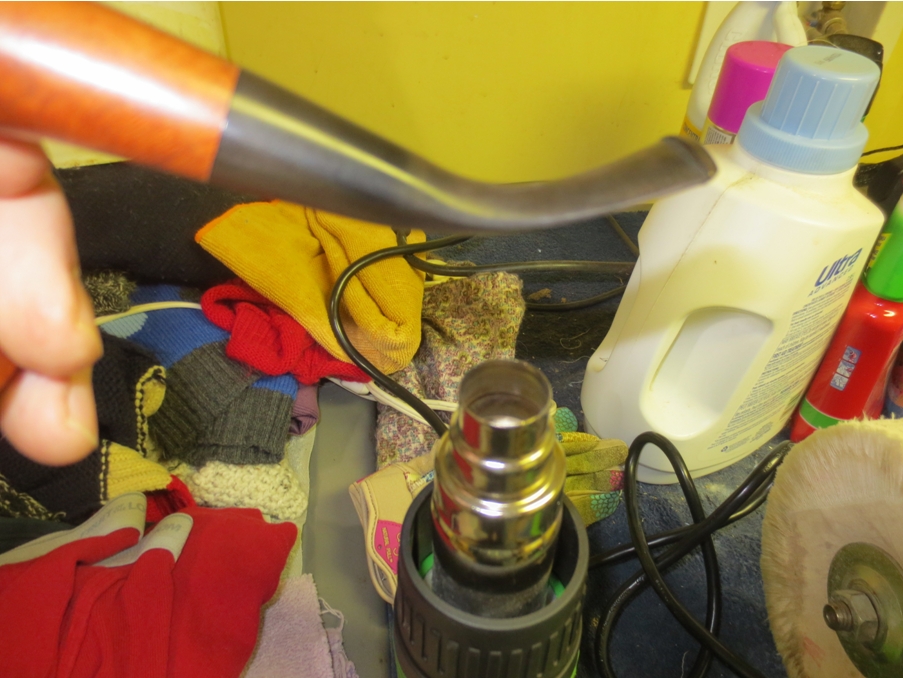
Love28 I decided to use the Bic lighter trick that I have written about in other articles on the blog and painted the stem with the flame of the lighter to burn off more of the oxidation. It also helped to raise the tooth dents on the top and bottom of the stem next to the button.Love29 I put the plastic washer on the tenon between the stem and shank so that I could sand the stem and not damage the shoulders of either shank or stem. I lightly sanded the stem with 220 grit sandpaper and then with a medium and a fine grit sanding sponge to remove the remaining oxidation and tooth chatter.Love30

Love31

Love32 I sanded the stem with my usual micromesh sanding pads – wet sanding with 1500-2400 grit pads and dry sanding with 3200-12,000 grit pads. I rubbed the stem down with Obsidian Oil between each set of three pads. When I finished sanding with the 12,000 grit pad I rubbed it down one last time with the oil.Love33

Love34

Love35 I buffed the pipe with White Diamond and then gave it multiple coats of carnauba wax and buffed it with a soft flannel buffing pad to raise the shine. The stamping on the stem was very faint to begin with and when I removed the oxidation it is still present but is not deep enough to repaint.Love36

Love37

Love38

Love39 The last three photos give a closer picture of the top of the pipe – showing the rim edges and surface more closely. In comparison with where I started with this pipe the new look is dramatically better. The burn mark is much less visible and the grain on the rim looks sharp. The outer and inner edge are clean and crisp.Love40

Love41

Turbulence: Rusticating a Medico Jet Stream


Blog by Anthony Cook

I recently completed work on another pipe in the batch that was sent to me by an online friend. This time, it was a Medico Jet Stream. These were produced by Medico from sometime around 1965 until 1971. There were a couple of shapes in the line and each was quite a departure from the classic forms. This one is by far my favorite. I think it has a nice, streamlined flow to it. The pipe is right at six inches long with a small bowl that is barely more than inch tall. Mechanically it was sound but it was obvious that it had let itself go cosmetically in its 44 years (at minimum) of existence.

There were no deep dents or scratches in the stummel, but it did have some light charring and a few nicks around the rim. It was coated with a thick layer of deeply tinted lacquer that had been worn to bare wood in spots. It looked like there might be some interesting grain under there, but the fills… Oh, Jeeze! The fills!!! It was so riddled with them that it looked like it had the pox. The nylon stem was in predictable shape for a pipe of this age with jagged chatter and tooth dents on both sides. You can see the condition of the pipe when it arrived in the following photos.Jet1

Jet2

Jet3

Jet4 I began by cleaning the internals of the pipe. The cake in the bowl was light and reamed out easily enough. I think removing the old cake really helps to eliminate any ghosting issues that a pipe may have. So, I took it down to bare wood. I made a surprising and disappointing discovery at that point. The fills did not stop on the outside of the bowl. There were at least two fills in the inside of the chamber. Oh, Medico, say it ain’t so!

I took the opportunity to sand out a few of the nicks on the inner rim while I was working in the area, and then moved on to the rest of the pipe. There turned out to be quite a bit of residue inside the shank and stem. I took care of that by running a variety of alcohol soaked pipe cleaners, cotton swabs, and shank brushes through until they came out clean.Jet5 When I was satisfied that the internals were clean, I gave the stummel an acetone wipe-down to get rid of the spotty lacquer coat, and then dropped it into an alcohol bath to remove the remaining of the finish. Usually, there’s a satisfying Ker-Plink! when I do this and the stummel goes right to the bottom. Not this time. This one actually floated belly-up like a dead fish. I had to put tweezers in to hold it down to make sure the entire thing was submerged. I’m guessing that it was the fault of the fills, but it’s a good thing that we weren’t in Salem, Massachusetts. If we were, I would have had to get out the pitchfork and call the Witch Finder General.Jet6 While the stummel enjoyed a pleasant soak, I went to work on the nylon stem. The first step was to clean the surface with citrus cleaner and cubes cut from a Magic Eraser. There really wasn’t very much filth to remove and it cleaned up quickly. The photo below shows the stem after the surface cleaning.Jet7 Next, I set out to remove the dents and chatter around the button. I began by roughing up the area around the dent with the point of needle file to give the patch a better surface to cling to, and then filled the dents with a drop of black CA glue (seen in the first picture below). When the glue had dried, I sanded it back with 220-grit paper and refilled the area with glue. I did this on both sides of the stem until the dents were filled and level with the rest of the stem surface. I then sanded out the high spots of the chatter with 320-grit paper (seen in the second picture below) and followed that with 400-grit, then 600-grit to give the area a completely smooth surface.Jet8

Jet9 With the dents filled and the chatter removed, I lightly sanded the entire stem with 1200-grit paper to even out the surface. Then, I used the full complement of micromesh sanding pads 1500-12,000 to polish the stem. You can see the results of the finished stem in the photo below.Jet10 The stem work was all wrapped up. So, I pulled the stummel out of the alcohol bath to see what I had to work with. The bath had done an excellent job of removing the old finish and exposing the briar wood. Unfortunately, it has also done an excellent job of exposing all of the fills. I counted fifteen of them in all and that’s not counting the ones in the chamber.Jet11 After using a pick set to remove all of the pink fill material on the outside stummel surface, it looked like a block of Swiss cheese. At that point, I had to admit that I didn’t see any way that I could fill all of those pits and hope to have them blend them into the final pipe without the benefit of the tinted lacquer to cover them.Jet12 Rustication seemed like my best way forward, but I really didn’t want to go that way. I felt that it would really break up the great flow of the shape and stop the movement. I know when I’m whipped, though, and with all of the pits it appeared to be partially rusticated already.

I decided to leave the rim, the shank end, and the area around the stamping smooth. That meant that I would have at least one pit on the rim to fill. I packed it with briar dust that I have gathered from work on other pipes, and then dripped a small dab of clear CA glue into the dust. When the glue was dry, I sanded it level with the surface. With that out of the way, I prepared to rusticate the surface.

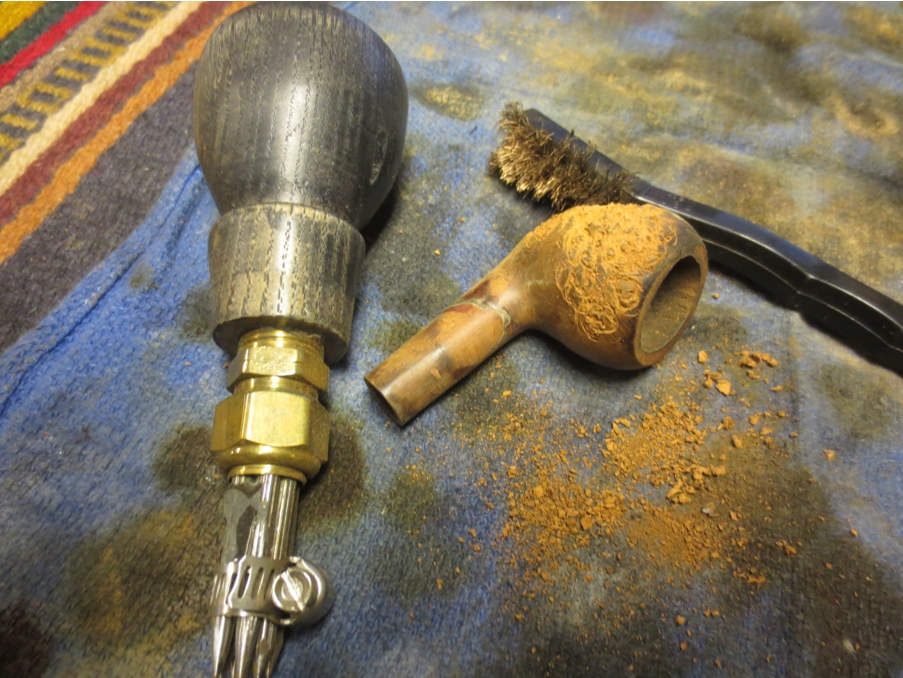
I have a variety of tools that I use to carve into the briar. Some of them are handmade and others are off-the-shelf tools, but my favorite is an old Craftsman T-handle tap wrench. It has a chuck on the end that will accommodate any ¼”–½” bit. It makes it very easy to switch out any of the several bits of various sizes and shapes that I have modified for carving different textures. The chuck provides a tight grip without any of the “wobble” that I’ve encountered when using a bit in a standard driver.

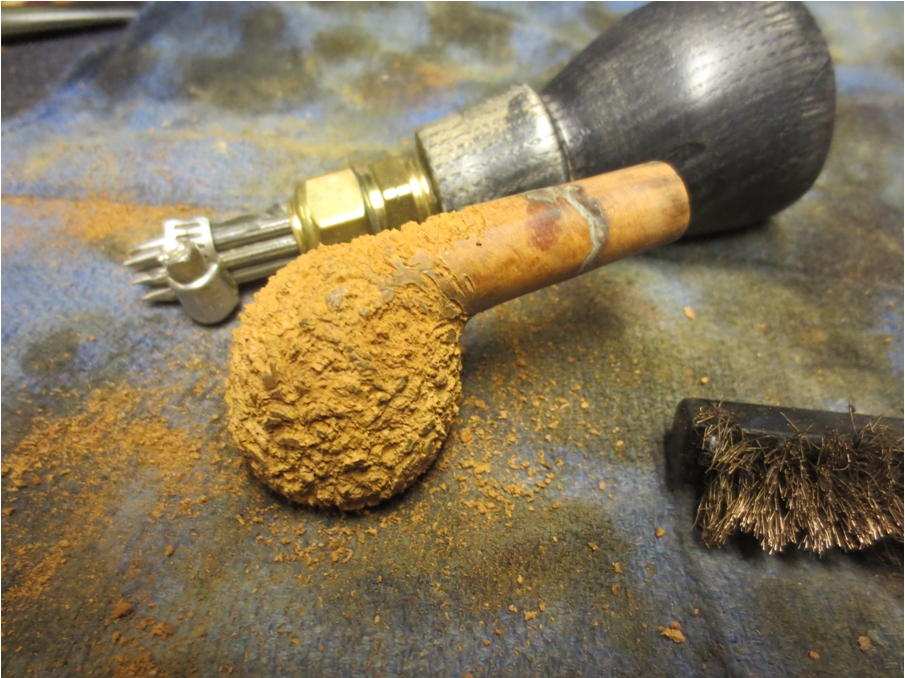
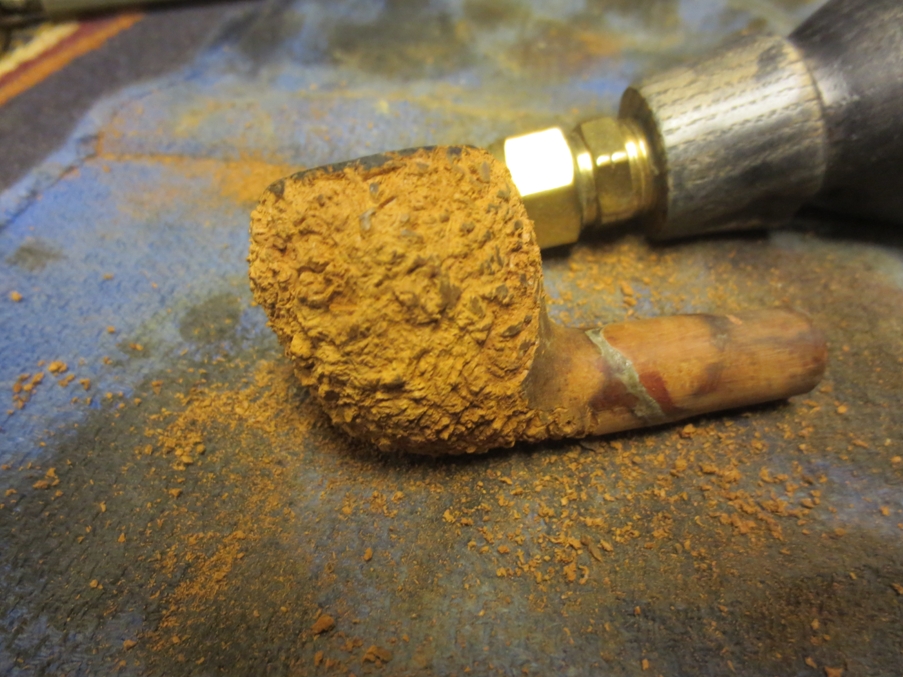
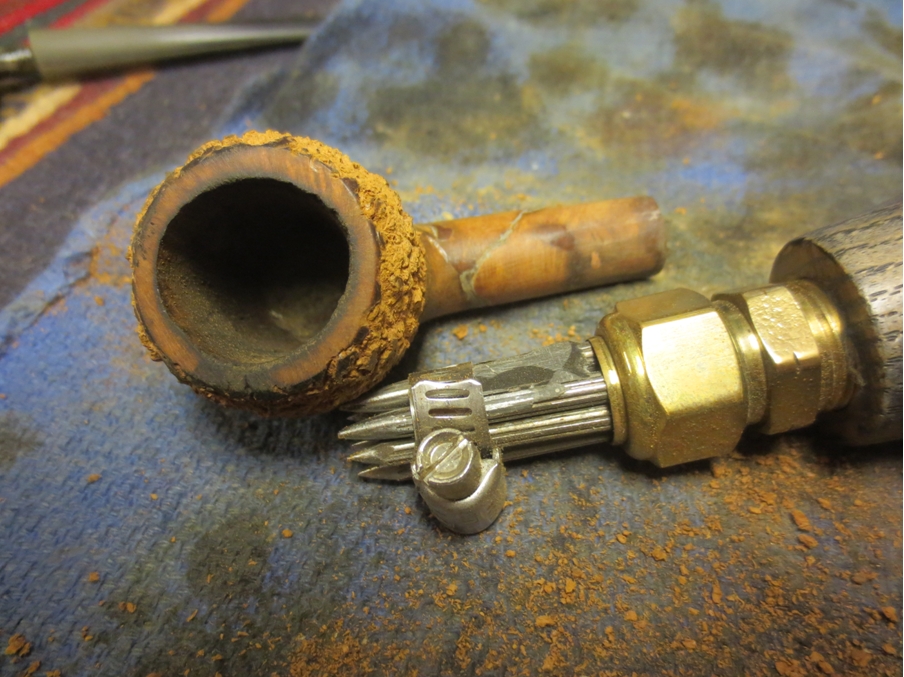
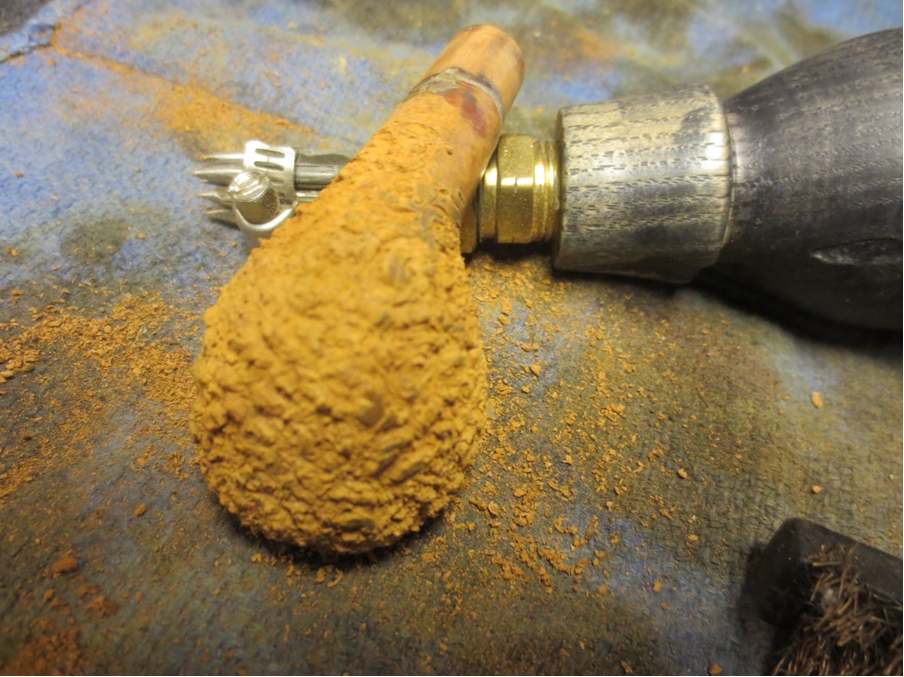
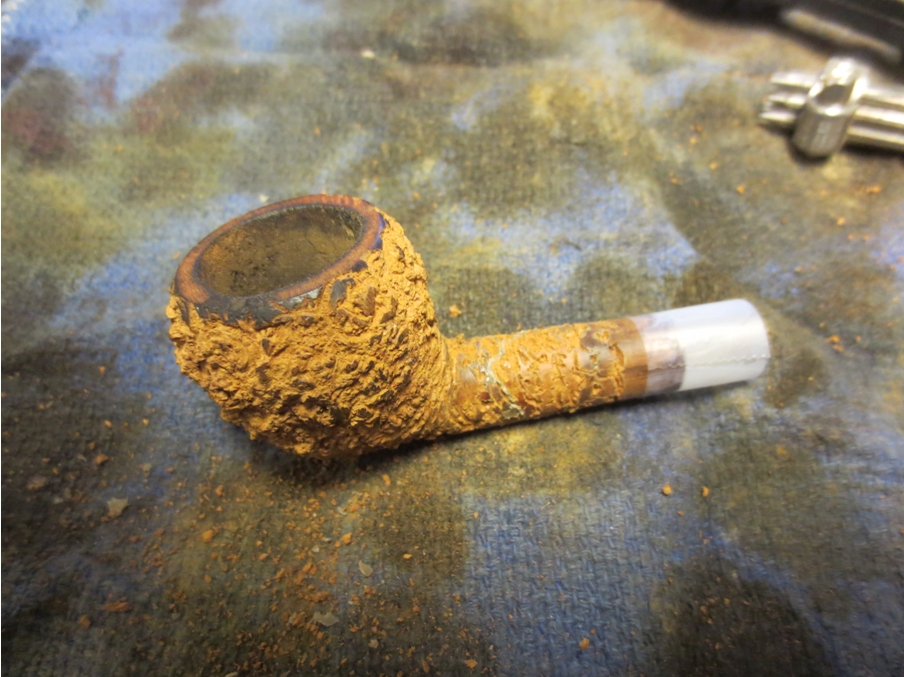
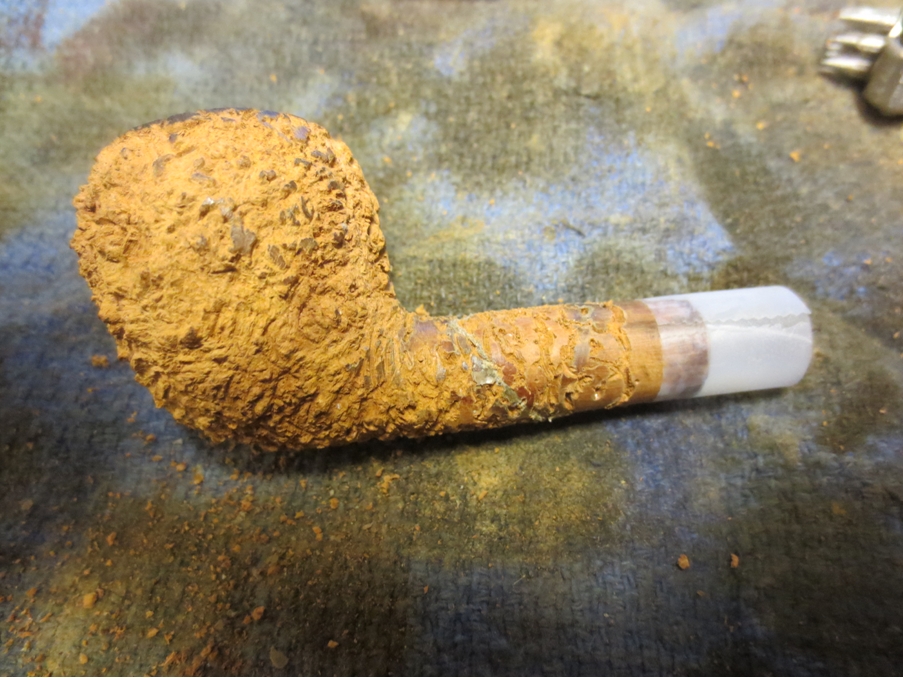
For this project, I began by using modified Phillips bits similar to what Steve has previously detailed here. First, I taped off the end of the shank with painter’s tape to make sure that I didn’t carve into that area. Then, I used a #2 bit to carve around the stummel, twisting and turning as I went. I wanted a deep, craggy texture to give some good contrast with the smooth areas. I switched to a smaller #1 bit for a little more control while I edged up to the smooth areas. The photo below shows the tool and the stummel after I had just started carving.Jet13 After carving with the bits, I used a wire brush to remove any loose material in the texture. Then, I had the idea that I might be able to restore some of the movement in the shape by carving a few deep “waves” into the rustication. I used a Sharpie pen to sketch some curved lines onto the texture to test out my idea and to give me something to follow should I choose to go that way. I liked it well enough and decided to go ahead. I never pass up an opportunity to break out my trusty Dremel (it really is an addictive tool). So, I fitted it with a #107 engraving bit and etched in the lines that you see in the following photo.Jet14 I then used a smaller #108 engraving bit to etch a few divergent “cracks” off of the curved lines. This was followed up with some more work with hand carving tools to give it a more natural, less machined, look. I went over it again with the wire brush, and then used 400-grit paper to slightly smooth the peaks for a better tactile feel. You can see the final rustication texture in the photo below (the dark spots are the remains of my Sharpie lines).Jet15 Then it was time to stain. I used isopropyl alcohol to thin some black Fiebing’s leather dye 3 to 1, applied it to rusticated area with a cotton swab, and flamed it. Then, I heated the wood with a heat gun until it was very warm to the touch and used a 20/0 liner brush to paint the dye across the grain in the smooth areas.Jet16 After allowing the stain to set, I lightly sanded the entire stummel with 600-grit paper. This included sanding the surface of the rusticated areas to give it some highlights to accent the darker crevices. I then gave the entire stummel two coats of dark brown stain thinned with alcohol, and flamed it between each one.Jet17 The stummel was hand-buffed with a cotton cloth. The smooth areas were then lightly sanded with 1200-grit. I also lightly and strategically sanded a few of peaks in the rustication around the smooth areas to allow one texture to fade into the other a bit. I then used micromesh pads 1500-2400 in the same manner.

Another couple of stain coats were then applied to the stummel using the same mix and technique that I had used earlier. This time, it was an ox blood stain to add some brightness. Then, I continued with the remaining grits of the micromesh pads. When done with the pads, I gave the stummel a couple of coats of Halcyon wax to wrap up the work.

I think the rustication worked out fairly well and it has a great feel in the hand. You can judge for yourself from the photos of the completed pipe below. I’ll always wonder what could have been if I had left it smooth, though. I guess I’m on the hunt for another Jet Stream so that I can find out!Jet18

Jet19

Jet20

Jet21

Jet22

Jet23

Repairing a Bite Through on a Vulcanite Stem with Black Super Glue


Blog by Steve Laug

I recently posted about an old BBB 701 Rhodesian that I restored. It was quite a mess and needed a lot of attention to both the bowl and the stem. In the process I took some photos of the stem repair I did and thought I would write a blog on the process. The first three photos below show the state of the stem when I started. The top and bottom sides of the stem at the button had significant tooth chatter. The top of the stem had the bite through at the button and a much worn edge on the button. The underside of the stem had deep bit marks next to the button and small chatter up the stem about 1 inch. There was oxidation on the stem as well. In the photo there appears to be a crack from the bite through hole into the button and to the edge. That mark is more tooth marks but the stem material is not cracked in that way. The red arrow in the first two photos highlights the apparent crack. In the third photo the arrow points to the tooth marks on the surface of the stem.Stem1

Stem2

Stem3 The first step in preparing to patch the hole in the stem is to clean up the surface and remove any loose or damaged portions of the stem. I use a dental pick to pick at the edges of the hole and the cracks and broken spots on the stem. I also probe other potential thin spots on the top and the bottom of the stem. I particularly probed the tooth marks on the underside to see how thin the vulcanite was in those areas. Once I had picked away the damage I wiped down the areas with a cotton pad and alcohol. The surface needs to be free of wax or dirt before the patch is applied because these will cause the patch to not bind to the surface of the stem.

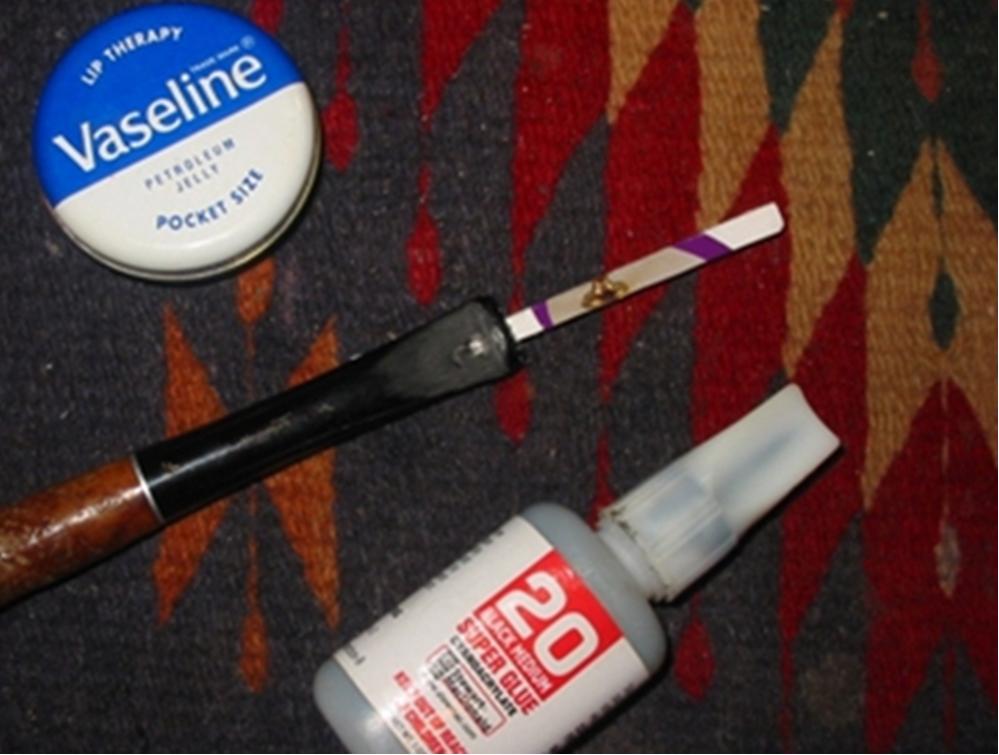
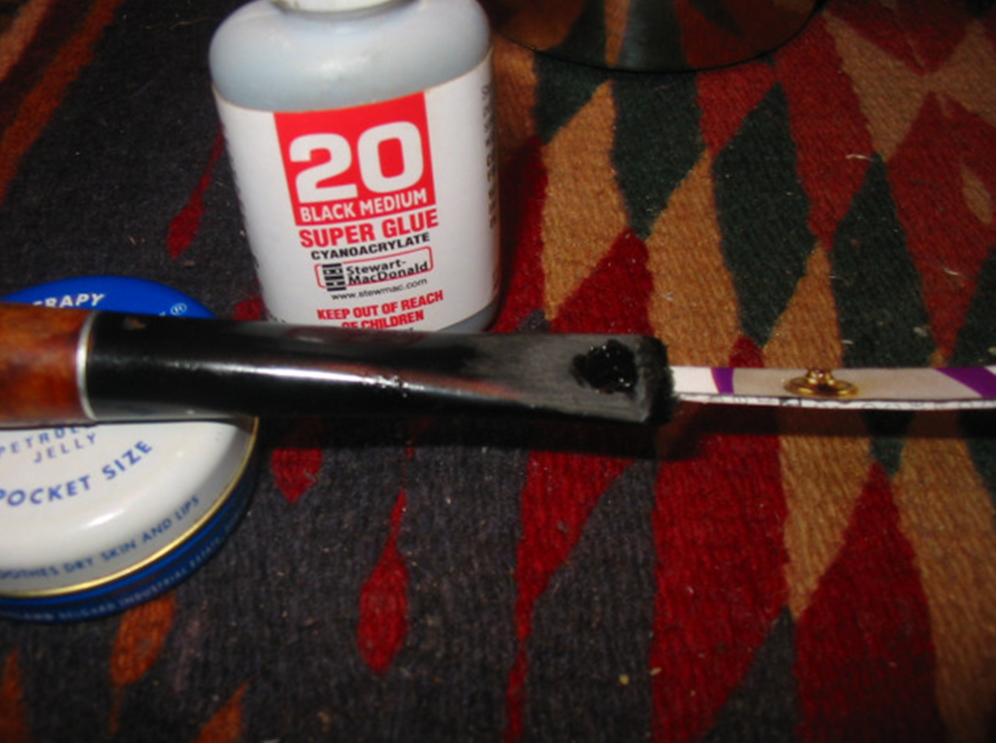
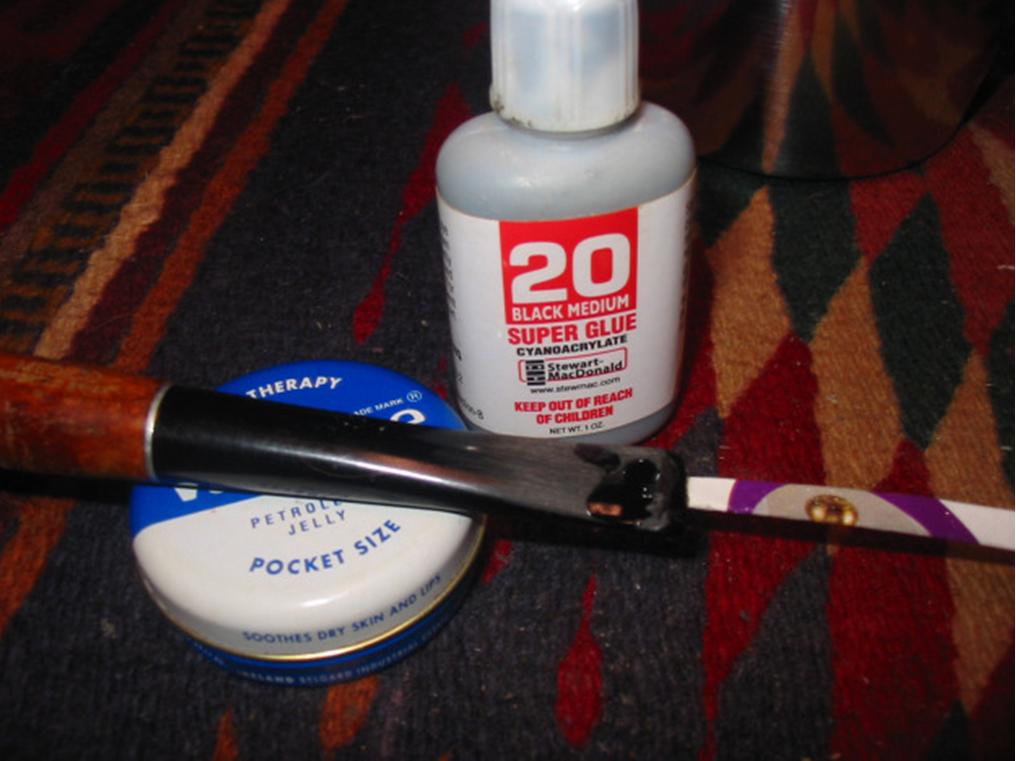
I have a nail file that I “stole” from my daughters that is a perfect fit in the slot of most pipe stems that I work on. It is tapered and pointed so that it fits deep into the airway underneath the hole in the stem. I want a hard surface under the patch for the glue to puddle against. In order to not glue the file into the stem permanently I apply a thick coat of Vaseline petroleum jelly to the end of the file before I insert it. I only put enough of the jelly on the file that it does not squeeze out of the hole and soil the repair area. This took time to get the hang of. Too much jelly makes a mess of the repair area and too little makes the super glued file the next problem you will need to address in repairing the stem. It takes practice to get it just right – don’t get frustrated and remember too much jelly is better than too little!

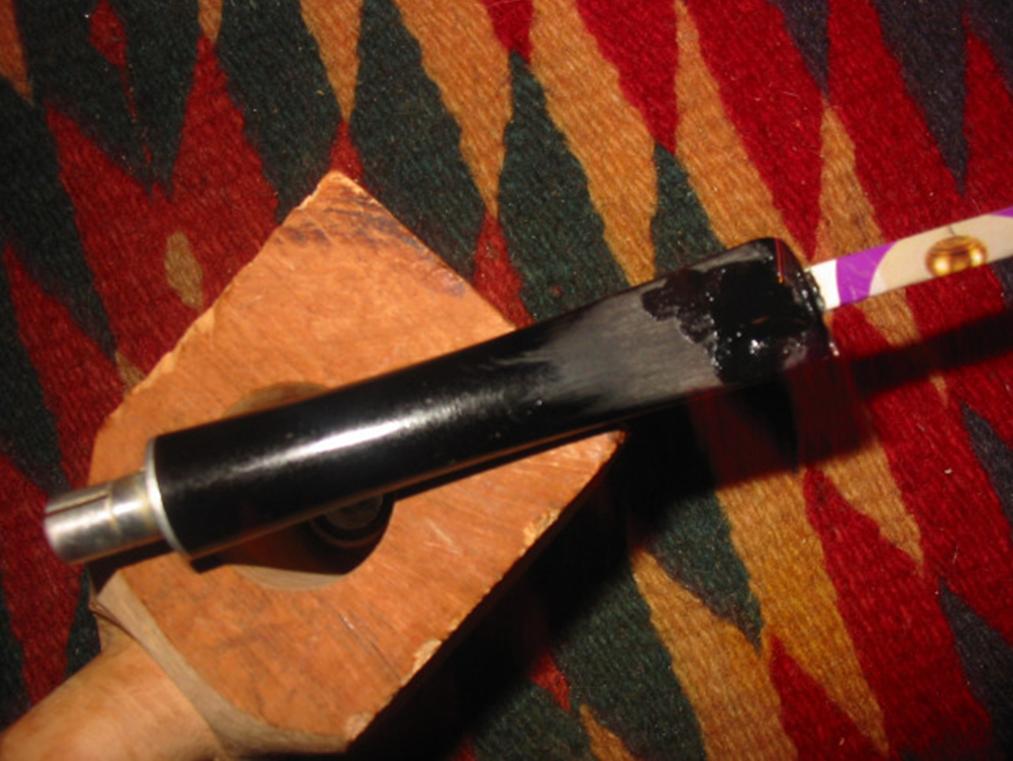
With the file inserted in the airway it is time to start the patch. I drip black super glue around the edges of the hole first to solidify the broken edges and provide a live edge to build on when I fill the hole. I let that first coat of glue dry hard to touch before adding the next layer of glue. I have used an accelerator in the past to quick dry the patch. This time I decided to do it the long way and let the patch cure between coats. In the photo below you can see the ring around the bubble of the patch that is that first layer of the repair. The arrow in the picture points to the cured edge of the repair that surrounds the bubble in the centre. I apply several more coats to the edge to build it out toward the middle. The final coat I purposely overfill because as the glue cures it shrinks. It is a bit more work to sand out the excess material but in the end it makes for a thicker and stronger patch. I also filled the tooth marks on the underside of the stem next to the button with the superglue. These took two coats to build it up enough to reshape the button with files and sandpaper. I set the stem aside overnight to give the glue patch time to cure and harden.Stem4 The next morning, when the glue had hardened I sanded the patch with a folded piece of 180 grit sandpaper followed by more sanding with 220 grit sandpaper. I work to blend the edges of the repair into the surface of the stem and feather out the surface of the repair to match the surface of the surrounding stem material. In the photo below the arrow points to the patch. It is a slightly different colour of black to the rest of the stem at this point in the process. More sanding and working on the patch will change that.Stem5 On the underside of the stem I sanded the patches until they were smooth as well. On this particular repair there were two small air bubbles that showed up when I sanded the patch. They are shown by the arrows. I refilled these small holes with a drop of black super glue and let it cure until hard then resanded the patched areas.Stem6 When repairing the surface of the stem I always check the profile of the stem to make sure that I am not creating bulges in the surface of the stem. I want to maintain the flow and lines of the stem and not change the profile. When I sand the repairs I repeatedly look at the profile and often take pictures to make sure the flow and lines are smooth. The photo below shows the smooth profile of the stem after the repairs and initial sanding.Stem7 I sanded the stem with 400 grit wet dry sandpaper with a spot of water on the stem. I sanded to remove the oxidation and to blend the patch into the surface of the stem on both the top and the bottom sides. As can be seen in the photos below the patch on the top side is smooth and blended into the stem. It is still a slightly different black colour but more sanding will remedy that. The patch on the underside is well blended. More work needed to be done with the two air bubble repairs to blend them further.Stem8

Stem9 I sanded the stem further with a medium and a fine grit sanding sponge. 3M makes this product and it is very flexible. I find that it allows me to follow the curves of the stem and the sharp edges of the button with little effort. The top and bottom of the stem are shown after sanding in the next two photos. The patches are now little more than small spots on the stem that will further disappear after sanding with micromesh sanding pads.Stem10

Stem11 I wet sanded the stem with 1500-2400 grit micromesh pads to smooth out the repair and further blend the patches. In the photo below you can see that the patch has all but disappeared on the top side of the stem. The one on the underside looks similar at this point in the process.Stem12 I dry sanded the stem with 3200-12,000 grit pads. The surface of the stem began to shine and have a rich glow in the surface. Each successive grit of pad deepened the shine and the richness of the black stem.Stem13

Stem14 I buffed the stem with White Diamond and gave it multiple coats of carnauba wax. I buffed it with a soft flannel buff to raise the shine. The final two photos show the top and underside of the stem the shine is rich enough that the flash is shown reflected in the surface of the stem. The hole is solidly repaired and the tooth marks on the underside of the stem no longer show. The edge of the button has been sharpened as well to distinguish between the stem surface and the button. The finished stem looks as if it was never damaged though under a bright light the spots are slightly visible if you know what you are looking for. The stem is now ready to be put into service. The proof of the durability of the patch will be seen over time as the pipe is smoked and used. On other stem repairs like this I have never had a problem with durability and I am hoping for the same with this stem.Stem15

Stem16

Reshaping the airway slot in the stem button


Blog by Steve Laug

I use this process repeatedly when I am reworking or restemming a pipe. It is a simple procedure for opening up the airway/slot in the end of the button. In the precast stems the slots are often narrow and it is a fight to get a pipe cleaner through them. They also constrict the airflow and make it less than optimal. In some of the older stems the airway in the slot are also constricted. In both cases the simple procedure below will create a smooth smoking pipe.Bertram11 I start with small flat oval needle file (the centre file in the photo below) and work it along the top and bottom edges of the slot to begin to open the airway. The next photo shows the airway when I have finished with this flattened oval needle file. I still need to work the ends of the slot and open it further but this is the first step.Bertram12 I move to the second file in the set (the top file in the photo above). It is a fatter oval file that I work on the top and bottom edges and also on the ends of the slot. The idea is to begin to slope the edge inward and open the ends of the slot. I want to make the slot more of a Y – wide on the edges sloping inward and also sloping the top and bottom of the slot inward. The photo below shows the stem after I have worked it over with the second file.Bertram13 I finished with the third file (the bottom one in the first photo) which is a round needle file. I use this file to clean and open the slot more and work on the tapers on the sides of the slot and the top and bottom. The airway is wide open at this point and only needs to be cleaned up with sandpaper to remove the marks on the face of the button and the inside of the airway.Bertram14 I folded a piece of 220 grit sandpaper into a strip that I worked inside of the slot smoothing out the file marks in the airway and on the surface of the button. I worked it until the slot was smooth inside and the oval airway was open. At this point a pipe cleaner easily slides in and out of the slot making clean up a breeze. If you want a more open slot you can continue to file the opening and make it larger. Always work the top, bottom and sides of the slot to make it as uniform in shape as you can. I like a nice oval slot that gives a smooth delivery of smoke and also a wide open airway to receive the pipe cleaner.Bertram25

Restoring pleasant lines on a damaged stem – home grown hack job repaired


Blog by Steve Laug

I have wanted to focus a blog on reshaping a damaged stem for a while now but did not have either the stem or examples I needed to document the process. The Everton pipe I restored recently provided the example and it was a matter of documenting the process in a broad way that was applicable to whatever stem you may have that needed to be reworked. So while the photos may be the same as those used in that blog on the Everton the documentation regarding the stem reshaping and restoration is a newly written blog.
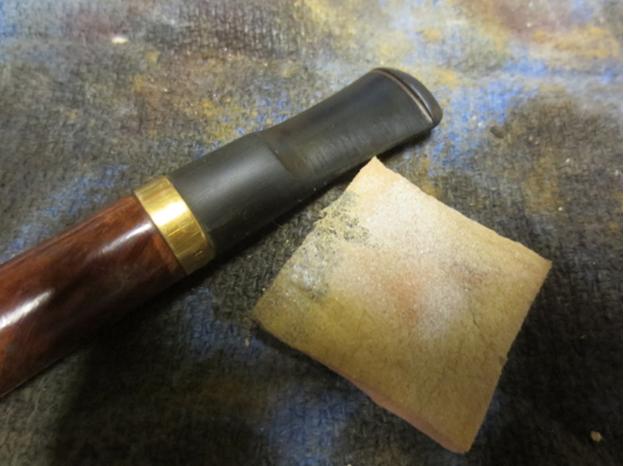
If a stem is too thick to your liking please don’t afflict the kind of horror on it that this older BC pipe experienced at the hands of a previous owner. Obviously the stem felt too thick to his liking and he took matters into his own hands. Hey, what’s to lose? It is just a matter of cutting back the thickness to the degree it meets the expectations right? Wrong! In many, many ways that is just wrong. It is far more than just hacking off material to get the “right” thickness. The taper needs to be adjusted, the flow and lines of the pipe stem need to be considered in the process. Trying to keep the surface smooth and not rippled are just some of the challenges. Well, this individual figured that cosmetics, flow and appearance made no difference whatsoever as long at the thing felt better. In my mind the cosmetics are not mere accoutrements to the functionality they actually facilitate the functionality. A smooth surface in the mouth feels better and is far more sanitary that the rough ridged and hacked surface visible below.Everton6 The stem “surgeon/hacker” had inflicted far more damage to the underside of the stem that he had to the topside. But both bore marks of his inordinate attention. The top of the stem had a flattened appearance that ruined the crowned look of the old vulcanite stem. It had deep gouges and marks from files and knives but the “hacker” had partially smoothed these out. Against the button there were some deep marks. It was a sheer miracle that the hard rubber was high quality and did not oxidize over time.Everton7 To address this kind of issue with a stem looking at repair you are left with two options – repair or reshape. To repair would involve filling the surface grooves with black superglue or epoxy and vulcanite dust. To reshape would involve more work in changing the profile of the stem to remove the damage, to retaper the stem and flow to make the transitions smooth. The choice of method really is affected by the thickness of the stem material. Would there be enough meat to the stem to allow for reshaping and reinventing the stem without compromising the strength and integrity of the stem?
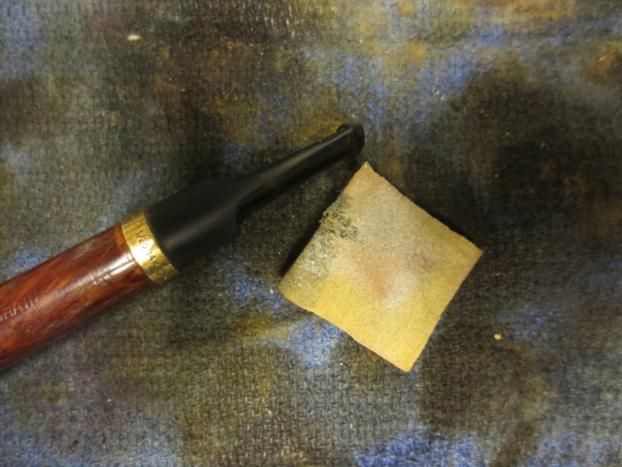
Because of the thickness of this stem I decided to reshape it rather than repair it. Even the deepest gouges could be removed and the look and flow of the stem adjusted to look very close to the original. The adjustments would also make the thickness in the mouth better. I started the process with 180 grit sandpaper. Some would think that grit was overkill but the overall damage to the stem surfaces demanded this drastic grit to cut deeply enough to remove the damage. I sanded it enough to remove the surface cuts on the top and bottom sides. In the photos below of the underside and topside of the stem the deep gouges remain and are visible. You can see the angularity and randomness of the cuts that had been made. Add to that the lighter cuts that are gone with the initial sanding and you have some idea of the ugliness of this hack job.Everton9

Everton10 I continued to sand with the 180 grit sandpaper until the majority of the gouges were smoothed out. There were still several that would require more work with a higher grit of sandpaper.Everton11 I moved on to sanding the stem with 220 grit sandpaper. I moved up this amount because there was still significant damage to remove but also because that incremental step up in grits really minimizes the scratches left behind by the 180 grit paper. The next two photos show the change after sanding with the 220 grit paper. The grooves on the underside have all disappeared save one deep gouge that will soon disappear. The ones on the topside are all gone and the surface is once again curved, tapered and smooth.Everton12

Everton13 I worked on the groove on the underside of the stem with the 220 grit paper until it was gone. I also worked on the tapered edges of the stem to remove the cuts and gouges along the edges and smooth out the taper. The two photos below show the transition from the groove being gone and the edges being rough to a smooth flowing underside of the stem – gouge-less and well tapered.Everton14

Everton21 With the rough shaping done it was time to fine tune the reshaping. In the next step of the process I use a medium and fine grit sanding sponge to smooth out the flow and lines of the stem. I cut the sanding sponges into 1 inch squares to allow me to work closely against the button and follow the curve of the stem. These sanding sponges remove the scratching left behind by the 220 grit paper and move the stem a step closer to polishing. While I only show one photo of this step it is probably one that I spent the most time on. It is important to work the surface to remove as much scratching as possible before polishing the stem with micromesh sanding pads. The initial reshaping took about 45-60 minutes. This sanding took 60-80 minutes to complete. It is easy to remove damage but hard to not create more damage in the process of its removal.Everton22 With reshaping completed and the surface scratches minimized with the sanding sponges it was time to move to the polishing phase of the process. For this I use micromesh sanding pads. I wet sand with 1500-2400 grit pads. This involves a small bowl of water near at hand when I am sanding with the pad. I used to dip the pad in the water and then sand with the wet pad. Now I dip the stem itself into the water and sand the wet stem. I shifted the method as I found that with repeated dipping the pads began to fall apart and separate from the foam core centre. I rubbed the stem down with Obsidian Oil before moving to the dry sanding step of the polishing.Everton37 I dry sanded the stem with 3200-12,000 grit micromesh sanding pads. Each successive grit of pad really heightens the polish and shine on the vulcanite. I rubbed the stem down with Obsidian Oil after using the 4000 grit pad. I then sanded it with the final four pads and finished with a final coat of the oil. Everton38
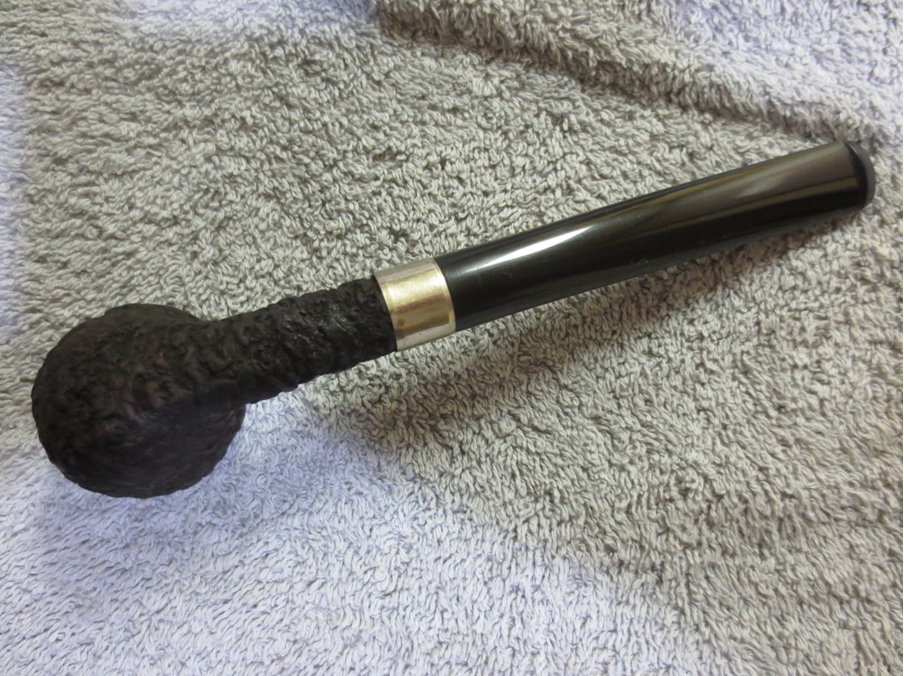
Everton39 Once it had been absorbed and the stem was dry I buffed the stem with White Diamond. In the bright light of the flash several scratches are still visible from the sanding process on the underside of the stem. I buffed this section with red Tripoli and then back to White Diamond to further erase these scratches. The final photos of the stem show a stem whose taper has been reshaped, whose lines and flow restored and whose stem has been given a finished look. It took patient sanding and reshaping to move the stem from its original corrugated shape to this final polished look but in my mind it was definitely worth the effort. It is also clear that the proper choice or reshaping had been made.Everton40

Everton41 If you should decide to reshape a stem why not aim for doing even better work in shaping and polishing the stem. Never leave a stem in the condition this one was in when I received it. While it was terrible I have seen worse and in the back of mind are residual memories of having inflicted terror to a lesser degree on several of my early restemming jobs. Work hard to reshape a stem to a place where it looks like it was made that way at the factory.

Bringing an Everton Big-Boy 1025 Rhodesian back from the brink


Blog by Steve Laug

I saw the Everton Big-Boy pipe on a website and the shape hooked me. In the photos the bowl seemed squat and wide and the shank was thick. The bend in the stem appeared similar to an earlier Sina pipe that I picked up; in fact the entire shape was similar. I searched and could find nothing on the brand. There was nothing in any of the books that I usually check out and nothing on the various websites that I use when researching a brand. The brand was a mystery to me and that made me want the pipe even more. I could find Everton Tobacco which is a Danish pipe tobacco. I could find the Everton Football Club (Everton is a District of Liverpool) but no Everton tobacco pipes. I figured that when it arrived I might be able to see why the seller had labeled it an English made pipe.Everton Big Boy When the pipe arrived I checked the stamping and it was stamped Everton over Big-Boy on the left side of the shank. On the right side of the shank it was stamped 1025. The shape in hand is not as wide and squat at the above photo led me to believe it would be. It is actually very close to a GBD 9438 though I had never seen a GBD stamped with this number. This sent me on a hunt for potential English makers that had a similarly shaped Rhodesian. I looked through many of the Comoy’s charts and again could not find any reference to the number. On a lark I just typed in the shape number in a Google search and immediately had a hit for a 1025 shaped pipe made by the French pipe making company, Butz Choquin (BC). I opened the link from Google to find that it was indeed the pipe I was looking for. BC still makes the 1025 shape in several of their lines. The stamping is slightly different in terms of the name on the left side of the shank. All of them have the BC name and the Line underneath. The right side has the 1025 stamp and also a Made in France. I have included the next two photos from Tobacco Pipes.com. The first is the Bistro line 1025 Rhodesian, while it has the thick shank the stem shape is slightly thinner that the one I have. The second one is from the Manoir line. It has the same thick stubby stem as the one I have. From this exploration I can see that the pipe is an older BC pipe. I have no idea what the Everton stamping is – though it may well be a Liverpool tobacconist.BC_Bistro_1025_Left_Side_WM__79374.1409501055.1280.1280

BC_Manoir_Old_Root_1025_Right_Side_WM__27194.1409495504.120.120 As I examined the pipe upon taking it out of the box I was troubled by the state of the pipe. There were no noted issues with the pipe either on his site or in email exchanges regarding billing and shipping. The trouble was that there were many issues with the pipe. All together they add up to a question mark for me regarding this pipe. The bowl was over reamed and out of round. There appears to be a sandpit in the inner edge of the bowl toward the front. There is a small crack on the underside of the bowl (the heel) directly below the over reaming. The top of the shank near the stem has a large pit that appears to have small spider web cracks that radiate from it. They are not deep but they are present. The stem is a mess. Evidently the previous owner found the stem to thick to his liking and had performed a butcher job trying to remedy that. It had been hacked with a knife blade on the underside from about mid stem to the button leaving the surface corrugated looking with a lot of file and knife marks. The top of the stem had also been hacked and filed in an attempt to thin it down. It is wavy and rippled. I think that most of the damages to the stem can be fixed as the stem is beefy and I should be able to smooth them out. In terms of the over reaming and the crack – time will tell what I can do with it. Needless to say I was disappointed when I opened the package from the seller.
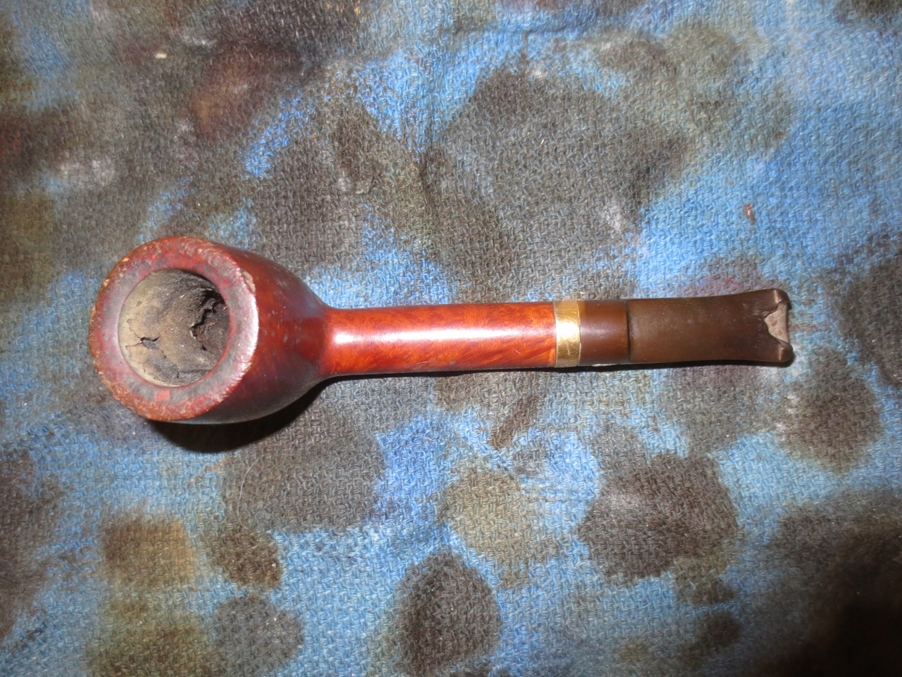
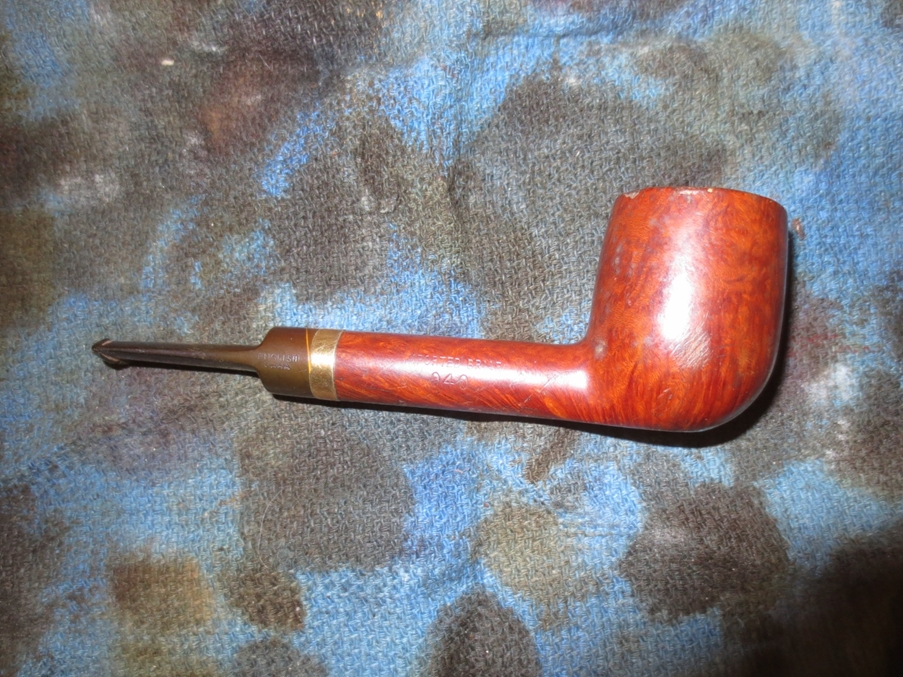
From first appearance the pipe does not appear all that deficient. It seems like it is in pretty good nick. You can see the similarity in shape to the GBD 9438 Rhodesian in the photos below.Everton1

Everton2

Everton3

Everton4 It is only when the pipe is viewed more closely that the problems become obvious. The first photo below shows the crack in the bottom of the bowl and the dents and scratches around that crack.Everton5 The next photo shows the underside of the stem. The underside had been carved with a knife and with files and left maimed and decimated. The gouges were deep and crossed each other leaving a corrugated surface.Everton6 The next photo shows the topside of the stem. It had much the same issues as the underside but was nearly as drastic. It had grooves, scratches and flattening. There were ripples in the surface of the vulcanite that left it marked. The filing had left grooves and damage and had been done at angles that destroyed the flow of the stem.Everton7 The bowl was out of round and the rim had damage to the inner front edge of the bowl. There was a pit in the edge that had opened up. There was burn damage to the bowl edge and rim top.Everton8 I started working on the stem to smooth out the ridges and corrugations on the top and underside. I used 180 grit sandpaper to begin the process and reduce the ridges. The next series of photos show the stem after this initial sanding.Everton9

Everton10

Everton11 I continued to sand with 220 grit sandpaper to reduce the scratches and smooth out the surface. I followed that by sanding with a medium and a fine grit sanding sponge. The next two photos show the progress in the shaping of the stem. The top side worked quite well. The underside still had one horizontal groove that would take more work but the overall look was getting better.Everton12

Everton13 I continued to sand the underside with the 220 grit sandpaper to remove the groove and reshape the edges of the stem.Everton14 Once I had the stem shaped and smoothed out I sanded the bottom of the bowl to clean up the glue and bumps on the bottom of the bowl. I sanded with 220 grit sandpaper to smooth out the surface. Once I had removed the glue I could see that the damaged area, the crack had been repaired with epoxy mixed with briar dust. I was glad to see that the crack had been repaired and that the repair while rough, nonetheless was solid and had stopped the crack. The round area in the center of the crack made me wonder if there was potential burnout that had been cleaned out and repaired. Examining the bowl interior I could not see evidence of a burnout though it was severely over reamed.Everton15

Everton16 I topped the bowl to remove the sandpit in the surface and smooth out some of the out of round shape of the bowl. The rim was damage so a light topping would take care of the problems.Everton17 I used a folded piece of sandpaper to smooth out the inner rim of the bowl. I cleaned the shank with cotton swabs, pipe cleaners and isopropyl alcohol.Everton18

Everton19 On the top of the shank there was a sandpit at the shank/stem junction that had spidering cracks around it. I sanded it smooth and refilled it with super glue and briar dust. I sanded the junction with 220 grit sandpaper to smooth out the flow of the stem and shank.Everton20

Everton21 I sanded the stem and shank with a medium and a fine grit sanding sponge and wiped the bowl and stem down with a cotton pad.Everton22 I wiped the bowl down with acetone and cotton pads to remove the finish from the bowl and prepare it for staining.Everton23

Everton24

Everton25 I sanded the bowl and stem with a fine grit sanding sponge to smooth out the finish and remove the wear and tear that had come with the bowl.Everton26

Everton27

Everton28

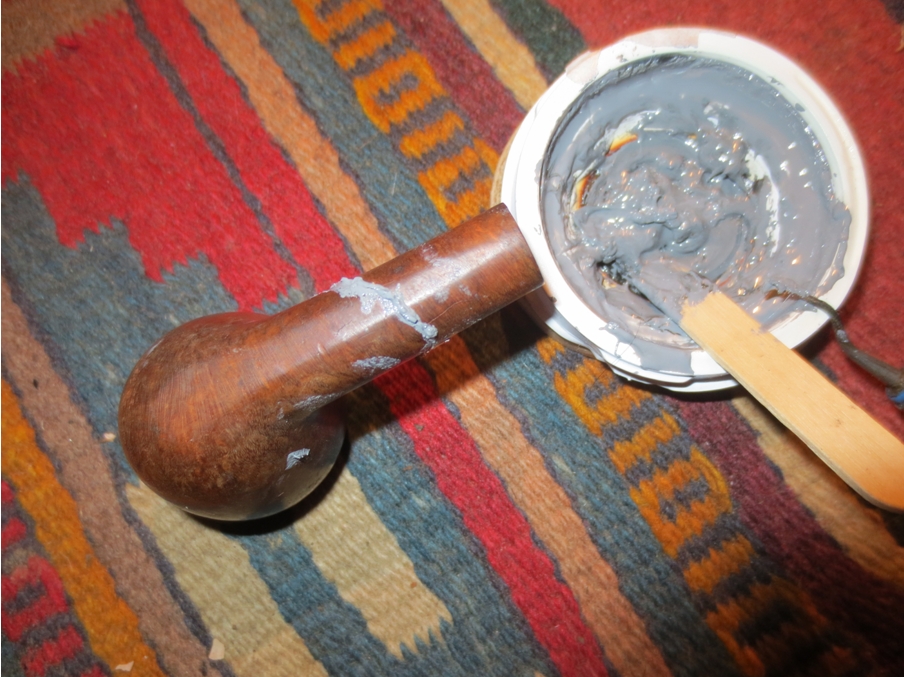
Everton29 I mixed a small batch of plaster of Paris to repair the over reamed bowl. I inserted a pipe cleaner in the shank and then pressed the plaster into the bowl bottom under and around the pipe cleaner. I raised the bottom of the bowl to the bottom of the airway.Everton30

Everton31 I sanded the inner edge of the rim some more to bevel it inward and try to work in more into round. I finished that shaping and then prepped the bowl to restain. I stained it with a dark brown aniline stain and flamed it. I restained and reflamed it until I had an even coverage on the bowl.Everton32 I wiped the newly stained bowl down with alcohol on a cotton pad to lighten the bowl and make it more transparent. I wanted the grain to show through once the bowl was polished.Everton33

Everton34

Everton35

Everton36 I sanded the stem with my usual pattern of micromesh sanding pads – wet sanding with 1500-2400 grit pads and dry sanding with 3200-12,000 grit pads. I rubbed it down with Obsidian Oil between each set of three pads. Once the final rub had dried I buffed the stem with White Diamond.Everton37

Everton38

Everton39 The newly shaped stem is shown in the next two photos. The shine and polish came out well and the reshape of the stem took care of the ridges and cuts on the surface. The sanding had taken care of the issues with the stem.Everton40

Everton41 After I put the stem on the pipe I buffed the entirety with White Diamond and then gave it multiple coats of carnauba wax. I buffed with a soft flannel buffing pad. The finished pipe is shown below. Once I shed this chest cold I intend to christen this one with a bowl of Black Parrot. I am looking forward to giving this old timer a re-entry into pipedom.Everton42

Everton43

Everton44

Everton45

Trash to Treasure – Restoring a KBB Yello-Bole Billiard


Blog by Aaron Henson

Last evening I received an email from Aaron to which he attached this writeup on his restemming of an older KBB Yello-Bole. It is great to have the various readers of the blog submit articles to the blog to share with others. The dream of rebornpipes when I started it was just that – to provide a platform where those of us engaged in refurbishing tobacco pipes could share our methods, successes and failures. This community would provide ongoing education for anyone who wanted to try their hand at restoring estate pipes. With that background here is Aaron’s restoration and the explanation of his process. Welcome to rebornpipes Aaron.

By way of introduction, let me begin by saying that I am relatively new to pipe restoration. This write up details my third restoration and I thought I would submit it for two reasons; 1) I have gotten so much help from the regulars posting here at rebornpipes and from forums elsewhere I felt that I would like to share my experience for others to glean from, and 2) although it is not very different from some of the other restorations that Steve has catalog for us here, some of my tools and techniques may be a little different. I also hope to get some feedback on ways to improve my process.

I was at local second-hand shop with my family around Thanksgiving and was looking for pipes when my son found a stemless KBB Yello-Bole stummel. After looking it over for cracks in the bowl and stem I realized that the briar was in relatively good condition. I noted a few chips on the edge of the rim and some blackening of the rim but no fills and not much cake in the bowl. The stem was clearly stamped with the KBB logo in a clover leaf just to the left of:YB

YB1 I did not know much about the Yello-Bole brand but I thought I should be able to find a stem easily enough (aren’t they somewhat universal in size?). Besides, with a $4 price tag I figured I would not be out anything if it didn’t work out.YB2

YB3

YB4 I jumped on my computer as soon as I got home and found some interesting history on the Yello-Bole brand. I won’t go into it here because Steve has done a nice job summarizing it in one of his posts: Narrowing Down a Date for Kaufman Brothers & Bondy’s KBB and KB&B Pipes. From the data available I had to guess that this pipe was form the late 1950’s or 60’s.

After reading up on the history of the pipe I began looking online for a new stem. I quickly learned that not all pipe stems are created equal, nor are they interchangeable. For a while, I considered sending the stummel to someone to have a stem made but that kind of defeated the whole spirit of restoring the pipe myself.

It took a while to find a stem that I thought would look right on the pipe. I settled on a stem from Vermont Freehand (ebay vt_freehand), a 2½” tapered stem – No. 547. I ordered 3 of them, figuring that I would need at least one for practice.

While I waited for the stems to arrive I began working on the stummel. There was not a lot of cake in the bowl so I started there – low hanging fruit. Now, I don’t own a reamer, but I have found that a ½” dowel wrapped with 60 grit sandpaper answers very well. What cake there was came out cleanly.

Besides the chip there was some charring on the rim. The chip was not very deep so I thought I would take care of both issues by taking the top of the bowl down to clean briar. Using 120 grit sand paper mounted on a flat surface, I carefully worked the bowl in a circular motion trying to keep it level. I didn’t want to take off too much of the top so I gave the outside lip of the bowl a slight chamfer to remove the bottom part of the chip.YB5 I then gave the stummel a soak in a 91% isopropyl alcohol bath. This was for the dual purpose of removing the existing finish and loosening the crud in the shank. I removed the stummel after about 24 hours and wiped off the existing stain. I then cleaned the shank with a bristled brush, bristled cleaners and cotton swabs. I wanted to make sure the mortise was thoroughly cleaned before I began to size the tenon on the new stem.YB6 When the stems arrived, I realized that I probably could have been a little more attentive to the size I purchased. I was going to have to remove a lot of material to get the tenon to fit the mortise as well as flushing the stem to the shank. The best way to shape a stem is on a lathe, but not having a lathe I turned to my drill press.YB7 I found that a bamboo skewer fit very snugly into the air hole of the stem.YB8 Leaving about 1 inch of the skewer protruding out of the air hole, I chucked the stem into my drill press.YB9 I started out a little timidly, removing material with 120 grit sand paper but the vulcanite is so soft that it gums up the paper very quickly. I switched to 60 grit and still was not seeing much progress. I tried a metal file next and when that did not answer I rummaged around the tool box and found a rasp. A bit aggressive I admit, and I would not recommend it unless you are removing a lot of material, and I was.

The drill press method worked great but was not without its problems. Pressing too hard with the file or rasp would cause the stem to slip on the skewer. The stem would then have to be reseated before I could resume. The other problem happened about half way through the rough shaping; the skewer broke off flush with the end of the tenon. I admit I panicked a little when I could not get a hold of the skewer with my needle nose pliers. But using a small drill bit I was able to carefully drill out the wedged skewer.

Back on track I, stopped often to check the fit. As I neared the correct size I switched back to the file then to the sand paper again. I finished the tenon with 320 grit sand paper.YB10 I thought fitting the tenon to the mortise was going to be the hard part but shaping the stem to get that perfect flush fit with the shank turned out to be the big challenge. You can see in the picture above that I have a ways to go to get the taper from the shank to the button. I have also started to get a bit of a wave about a quarter of the way from the tenon.

To fix this I stapled a piece of 240 grit paper to a 3” sanding block and went to town. The sanding block kept the contact surface flat and helped to eliminate the wave. It took about an hour of work stopping often for fit checks. In the end I was rewarded with nice taper. Somehow I had rounded over the shoulder of the stem ever so slightly. This formed a little groove at the stem/shank connection. It was not terrible and I felt could live with it for now.

I finished the stem with 600, 1000, 2000, 4000, 6000 grit sand paper. Then set it aside to buff with the stummel once it was complete.YB11 I stained the stummel using one part Fiebing’s light brown diluted with 2 parts isopropyl alcohol. I applied two coats, flaming each coat. Once dry, I wiped it down with a clean cloth and attached with stem.YB12 I set my drill press up with an inexpensive Sears buffing system and started with the white buffing compound. I found on previous projects that gearing down the drill speed to 1200 rpms was important to maintain control of the pipe and not overheat the pipe.YB13 I finished with two coats of carnauba wax and buff with a soft cloth.YB14

YB15 I needed a tooth pick to remove some of the wax from the sand blasted areas. And that little groove between the stem and shank collected some wax too. Overall I am very happy with the outcome of this restoration. I am looking forward to smoking my first bowl in it.

Looking back, I am glad that I tried shaping my own stem. It was not without its challenges but the result was very rewarding. I now have two spare stems in my tool box, so I will be keeping an eye out for another stemless billiard.

A Student Pays Tuition with a Reborn Suffolk


Blog by Anthony Cook (Piffyr from Reddit’s /r/PipeTobacco forum)

It is a pleasure to put Anthony’s first blog on rebornpipes. His work on this tired old Suffolk pipe is well done. His ability to adjust and flex to deal with the challenges presented by this old pipe is really enjoyable to read about. I did a little digging and found that Suffolk pipes were made by two companies – one in England (Tyler & Co.) and one in the US (Whitehall Products). My guess would be that this is the American made pipe – thus made by Whitehall. It has a look that is very similar to some of the Whitehall pipes that I have restored over the years. Welcome to the blog Anthony. We look forward to reading about more your work in the year ahead. Thanks for being willing to post here. Without further introduction here are Anthony’s own words.

I think when I first spoke with Steve near the end of last year over on Reddit’s /r/PipeTobacco forum that I was actually a bit starstruck. You see, I’m a new guy at the art of pipe restoration, but since discovering Reborn Pipes around mid-2014, I have fallen madly and deeply in love with the site. I have read every post going back to October 2012. Steve, Al, Greg, and the other contributors here have been unwittingly providing me a free education for months and I have great admiration for the excellent work that they do.

So, when Steve invited me to share some of my work on the site I quaked in my Nikes a little. At the time, I had restored a sum total of six pipes to varying degrees of success. None of them had exploded, but I did partially dissolve one (more on that later). Still, when you are invited up to the Country Club, you go even if you’re not dressed for it.

It so happens that another member of that same forum was kind (or possibly foolish) enough to send me a few pipes to practice with around that same time. The pipe in the following picture was part of that group. It was described by him as one of two in the lot that were “as basket pipey as basket pipes get.” It had a few issues that I had not dealt with previously and had rarely seen covered. Since Lady Fortuity seemed to have spoken, I decided to document the restoration of this one and contribute it to the site to pay back some of the tuition that I owe.Suf1 I’ve had no luck digging up anything on the origin of this pipe, but the stamping reads “SUFFOLK” over “ALGERIAN BRIAR”. The first thing that struck me when I pulled this one out of the packaging was the interesting and varying grain pattern. I thought it would be fun to work with to bring up to its full potential. Two small fills on the side of the bowl that were barely more than scratches and another that peeked out from under the band on the shank were the only factory flaws that I could find. There was clear evidence that it had suffered through an abusive relationship in its past though.

The stummel was dented and well scratched with a worn and uneven stain. The rim, as you can see in the photo below, was tarred, charred, deeply scratched, and there was a large gouge on the front edge from being knocked on a hard surface. Worse yet, the bottom of the bowl chamber had been reamed within five millimeters of its life and it was just begging for a burnout. Clearly, the wood was going to need some intensive therapy.Suf2 The ABS stem was largely in good shape on the bit end with only light tooth chatter and a small amount of material missing from the upper portion of the button. On the other end though, the edge of the stem face had been roughly chiseled away in what I could only imagine to be an attempt to create a faux military mount fit. There was also an abrasion along the side that was deep enough to take the stem out of round.Suf3 Once the ailments were cataloged, I went to work cleaning and sanitizing the internals. I started by reaming the bowl to bare wood to prepare it for the necessary repairs. Since I was unsure of the condition of the bottom of the chamber, I used my T-handle reamer only in the top 2/3 of the bowl. Then, I sanded out the remaining cake in the bottom by hand with 400-grit, then 600-grit sandpaper.Suf4 The bowl, mortise, and airway were scrubbed clean with several cotton swabs and pipe cleaners until they came out as white as they were when they went in. Then, I ran a pipe cleaner through the shank into the bowl and filled the chamber with cotton balls and alcohol and set it aside in a container of rice (to keep it upright) and let it leech out any remaining tars. I know that some people prefer to use kosher salt instead of cotton balls for this treatment. I’ve tried both and haven’t seen any difference in the end results. Cleanup is easier with the cotton balls, though. So, that’s the method I choose. In any case, I’ve since figured out that this step is unnecessary for pipes like this, because it’s going into an alcohol bath anyway and that will accomplish pretty much the same thing. Sometimes, it takes me a while, but I get there eventually.Suf5 I then turned my attention to cleaning the stem. I don’t like working with ABS stem material. Some experience has taught me that some of the cheaper ones will begin to dissolve when exposed to alcohol. You’ll think (or at least I did) that you are removing thick tar build-up, but the sticky sludge on the pipe cleaner is actually disintegrated stem material. I speak with no exaggeration when I tell you that this is a horrifying revelation when you are faced with it. So now, I make sure to always test them first by dipping the pad of a finger in alcohol and pressing firmly against the surface of the stem for 20-30 seconds while it’s lying on the work surface. If the stem sticks to my finger when I lift it away and needs to be “peeled” off, then I know that the material is no good for alcohol cleaning. If that’s the case, like it was here, I use a citrus cleaner instead. It doesn’t work as well for breaking down tar build-up, but it’s non-toxic and doesn’t cause harm to the stem material. It just takes more a bit more elbow grease and I always keep a good supply of that on hand.

Roughly 24 hours later, I removed the tar-stained cotton balls and pipe cleaner from the bowl. Then, I dropped the stummel into a jar of isopropyl alcohol to bathe overnight to remove the old stain and soften the tar around the rim to make removing it easier.

I removed the stummel from the bath the next morning. I was surprised to see that not only had it performed well at removing the stain, but it had done a fantastic job of removing the crud from around the rim too. A lot of what I had taken to char was actually heavily caked soot and tar that had dissolved away in the alcohol. It still looked like it had been through a thresher, but this time at least, the machine hadn’t been on fire.Suf6 My first step in repairing the damaged rim was to remove the surface scratches. I clamped 220-grit sandpaper to a sheet of glass from and glass-top table (the glass looks dimpled in the photo below, but that’s actually the opposite side) to set up a topping surface. 220 is more course than what I would normally start with, but the scratches were deep and it helps to speed things up when you’re removing that much material. I placed the bowl rim-down on the paper, firmly gripped the bottom of the bowl, and slowly sanded in a circular motion. While sanding, I made sure to check my progress often and to change the position of my hand frequently to avoid putting too much pressure on the same side.Suf7Once the worst of the scratches were about half of their original depth, I switched to a 320-grit paper. I continued sanding until the scratches were barely visible. Then, I swapped the paper to 400-grit and sanded until the scratches and majority of the charring were gone.

The top surface of the rim was smooth and scratch-free but there were still several small nicks remaining along the inner and outer edges. Also, the gouge along the front had barely been touched. So, I decided to chamfer the outside edge of the rim at an angle and depth that matched the gouge. The chamfer would have to be deep. So, this decision was going to take the project outside of the realm of pure restoration and into modification, since it was going to change the shape of the pipe. I’m never completely happy with a choice like that, but in my opinion, it was the only way to give the pipe a truly refinished look.

Starting at the front of the rim, I first sanded the rough surface of the gouge smooth, and then worked my way around the rim to create the chamfer. I used the same progression paper that I had when topping the bowl. I roughed in the shape with 220-grit and then refined it as I moved to the higher grits. I also put a narrow chamfer on the inside edge to remove most of the nicks there. You can see the end results in my admittedly poorly lit photo below.Suf8The major issues of the rim were taken care of. So, I began to work on the rest of the briar surface using a little steam power. To free up my hands, I secured the stummel in my bench vice using a bit of foam rubber to protect it. I then heated the end of an old, flat-head screwdriver over a tea candle, placed a dampened cotton cloth over the dents, and pressed the hot metal into it. If there’s no material missing inside the dent and the edges aren’t too sharp, this method does a fine job of raising the wood to the surface. There were still scratches when I finished, but I would take care of those in a later step.Suf9 I gave the stummel a good wipe-down with acetone after working on the dents, and then dropped it into a short alcohol bath to further remove the original stain. I wanted this one as bare as possible to give the grain the chance to do what it so badly wanted to do.Suf10 I let the stummel completely dry out overnight. Then, I patched a few scratches on the front of the bowl that were too deep to be sanded out. I used an artist’s palette knife as a trowel to pack briar dust into the scratches until they were slightly overfull and dripped CA glue into the dust.Suf11 Once dry, I sanded back the hardened glue. I began sanding with 320-grit until the “bumps” of glue were about half their original height. Then, I used 400-grit until the glue was just barely a ridge above the surface. Finally, I sanded with 600-grit to sand the patch flush and remove any of the shiny glue that remained on the surface around the patch.Suf12 At this point, the bowl was looking much better, but it was still heavily scratched and needed more work. However, I also needed to pay some attention to the stem. So, I sat it aside for later.

It seems that even these ABS stems will oxidize over time. Perhaps not at the rate or to the severity of vulcanite, but I’ve noticed a brownish hue on the surface of some of the older stems like this one. So, I applied a bit of Vaseline to the metal tenon and dropped it into a Oxyclean bath for an hour or so (the Oxyclean dulls the finish on polished metal, thus the Vaseline). Once removed, it was ready for a scrub with a Magic Eraser. When I use these, I cut each pad into eight cubes and rotate the cubes as I work to get a clean surface. Lightly oxidized stems might need only one or two cubes before they’re finished. Here’s the stem with a matte black finish after the scrub.Suf13 Heating a stem is a great method for raising deep tooth dents in most materials. I’ve found that it also works well for leveling out even normal chatter. The more that I accomplish with the application of heat, then the less material I will have to remove and the less work I will have to do in sanding them out. So, it’s become part of my regular routine for stem maintenance. My high-tech stem heating apparatus consists of a paint stripper secured by a large, weathered c-clamp with a jar of cold water by the side. I run a pipe cleaner through the stem to hold it and move it back and forth over the heat source to keep it from burning. As soon as I can smell the hot material I know that I have done all that I can do. I either immediately dip it in the cold water to set it, or re-bend if necessary, and then dip.Suf14 Most bent stems like this one tend to straighten out at least a little during heating. So, before I begin, I print a photo reference of the stem, trace the inside edge of the bend on paper, and find a hard, smooth, rounded surface that fits well inside the bend. If it’s required, I’ll grasp both ends of the pipe cleaner and bend the warm, pliable stem over the rounded surface and let it cool for a few seconds. Then, I set it with cold water, wipe it dry and compare it to my tracing. If it’s still off a bit, it usually takes only a couple of minutes to reheat the stem enough to give it another try. The following picture shows the stem after heating and re-bending.Suf15 It was time to address that chiseled chamfer along the stem face. I considered cutting the damage off and reseating the tenon, but decided against it because I didn’t want to shorten the stem. The only other option, aside from replacement (and that wasn’t going to happen – this was for practice after all), was to replace the missing material. I began by applying several layers of black CA glue to create a sort of collar around the edge. I allowed each layer to dry and sanded them back a bit to keep it smooth and prevent bubbles from forming between each layer. I also applied a couple of layers of CA glue to the abrasion that had taken the stem out of round and on the top of the button where a bit had been worn off. The picture below shows the collar once it was completely built-up.Suf16 To ensure that the stem was without gaps when attached to the shank, I needed a way to evenly sand out a smooth surface on the face of the stem. My solution was to take a piece of scrap wood and drill a hole in it only slightly larger than the tenon. Then, I tightly clamped a strip of sandpaper over the wood and used an X-Acto blade to carefully cut a hole in the paper to match the bore. I inserted the tenon into the hole, then twisted and rotated to sand out any lumps and bumps created by the CA glue. I began sanding with 320-grit paper, and then progressed to 400-grit and 600-grit to finalize.Suf17 When the stem face was smooth and even, I reattached it to the stummel to do the final work on the stem patches. I put a strip of painter’s tape around the end of the shank to prevent any scratching. It’s much easier to match the shape of this sort of patch with the stem attached. Still, care has to be taken not to remove material from outside of the patch, which would give it a fluted appearance. I used the same progression of grits to sand as I did on the face.Suf18 It took a long time to get the collar, abrasion, and button patches shaped to my satisfaction. Once they were, I sanded out what tooth chatter remained after the heat treatment with 400 and 600-grit paper. Then I lightly sanded the entire stem with 1200-grit to smooth the dimpled surface. I followed with the full range of micromesh pads from 1500 to 12,000 to polish it. I don’t have a currently working buffer. So, that was going to have to be it for this stem. I gave it a wipe down with Obsidian oil and two shots of Paragon wax to achieve the results you see in the two pictures below. Also, it is obvious from those pictures that I am not working in a lint-free environment.Suf19

Suf20The stem was complete. So, I could get back to work on the stummel, which is where I have the most fun. There were still all of those scratches to address, but before removing them, I applied a quick layer of dark brown stain thinned with about three times the amount of isopropyl alcohol. I heated the wood to open the grain, and then I used a cotton swab to “paint” the stain along the grain. I didn’t want to cover the whole piece. I just want to add a bit of contrast and variation to the grain. The stain is very uneven and blotchy in the picture below, but that’s fine. Most of it was to be removed in the next step anyway, leaving only what had set in the grain.Suf21 After letting the stain set, I sanded out the scratches with 600-grit paper. I also took the opportunity to further refine the shape of the rim chamfer and soften the edges a little. You can see in the picture below that the contrast stain has done its thing and the grain is really starting to “pop”. Even the minor grain has some definition now.Suf22 Once again, I painted the bowl with another contrast stain. This time, I got fancy and used a size 20/0 liner brush. I again heated the wood, and then used a black stain to paint over only the thickest and tightest areas of the grain. The last staining gave the grain definition. I was hoping that this one would give it depth.Suf23 Next, I sanded the stummel with 1200-grit paper. Then, I used micromesh pads 1500, 1800, and 2400 to arrive at the results you see in the picture below. It’s difficult to tell from the picture, but the lighter grain seems to recede a bit behind the darker stained grain to add some subtle intensity.Suf24 I then applied a final stain to the wood. I used a medium brown to even everything out and add some warmth. I used micromesh pads 3200-12,000 to give it a polish. The following picture gives you an idea of the final finish.Suf25 There was still the issue of that over-reamed bowl that needed to be addressed. So, I mixed up a batch of pipe mud to fill the bottom of the bowl. The recipe that I use consists of activated charcoal, powdered pumice and sodium silicate (water glass). I use the spoon on my pipe tool to “measure” out roughly equal parts activated charcoal and powdered pumice. Then, I use a toothpick to stir them together in a glass candle jar top. When they are well mixed, I level out the powdered material, and then use a pipette to drip a few drops of sodium silicate into the mix near the edge. I then begin stir the sodium silicate into the mix with the toothpick and “shovel” in more dry material as needed. Once it reaches a thick, tar-like consistency, it’s ready to be applied.

Once mixed, the patch material begins to set up very quickly. So, it’s important to work with a bit of haste. I use the toothpick to load the spoon of my pipe tool with the gooey “tar”, and then transfer it to the pipe bowl where I have already ran a pipe cleaner through the airway and slightly into the bowl to seal it. When the patch is in the bowl, I use the tamper to press it into place just below the draft hole. After a minute or two, the patch material has set up enough that it is no longer sticky but still pliable. I use this opportunity to refine the shape of the patch with my fingertip.Suf26 I put the stummel aside for three days to give the bowl patch a chance to fully cure. When I returned to it, the material had become dark gray and very hard to the touch. I’m sorry, but I didn’t get a picture of it after it cured. I was excited to be in the home stretch with this pipe and plunged ahead without thinking about it. So, I probed around the edges of the patch a bit with the spoon of my pipe tool, and then turned the bowl upside-down and gave it a few firm taps into the palm of my hand. I wanted to make sure that the material was fully adhered to the bottom surface of the chamber. Once I was satisfied that it was, I sanded the patch a bit with a piece of 600-grit paper to smooth the edges along the slope of the chamber and the patch was complete. This repair should last a long time and eliminate any chance of a burn-through in the bottom of the bowl.

Then, I prepared a batch of bowl coating. I know that bowl coatings are a controversial subject among pipe smokers, but to me it just makes sense when a chamber has been badly damaged like this one. To me, any extra protection that I can provide is a benefit. Personally, I can’t detect any taste from it, but I won’t argue with those who say that they can. In any case, my simple recipe is a mixture of sour cream and activated charcoal. I don’t measure. I just mix by eye until it becomes a deep charcoal gray. I then apply it to the inside of the bowl with a cotton swab. Suf27 After six hours, the coating was dry and I smoothed it out with a paper towel wrapped around my finger.

Again, I’m currently working without a buffer. So, instead of carnauba, I gave the bowl several coats of Paragon wax to finish the work. You can see the completed pipe in the pictures below.

Thanks again to Steve and the rest of the contributors at Reborn Pipes for taking the time to teach me the skills to get this done. I still have a lot of learning to do. So, I’ll be around for a good while. Until next time… Suf28

Suf29

Suf30

Suf31

Suf32

Suf33

Restoring a Burned Beveled Rim on an Algerian Briar Pot


Blog by Steve Laug

This morning I finished working on the second pipe from my recent pipe hunt – the small pot shaped pipe on the right in the two photos below. It is a natural finish, virgin pot shaped pipe. The left side of the shank has no stamping and the right side is stamped Algerian Briar over Made in France. It is a pretty decent piece of briar and had a beveled/chamferred rim that caught my eye. Not a bad pickup for $10USD.MC1

MC2 When I took it to the work table to examine it I found that the stem was very tight and would not go all the way into the shank. There was no oxidation on it and not a bite mark on the stem. The finish was clean and there were no fills or dents in the bowl. The left side had some great birdseye grain and the right side had a mix of grains. The rim was dirty and had a buildup of tars and oils that would need to be removed. There was also a burn mark on the outer edge at the front of the bowl and potential inner edge burn damage at the back side of the bowl.AB1

AB2

AB3

AB4

AB5 I removed the stem carefully as it was very tight in the shank. It is a delicate stem so I did not want to snap the blade. I reamed the bowl with a PipNet reamer to remove the light cake that was buildup in the bowl. I was surprised to see that the bowl was almost unsmoked from midway down to the bottom of the bowl. The briar did not show any burn or darkening in the bottom of the bowl.AB6 The shank was very clean. I scrubbed it down with isopropyl alcohol, pipe cleaners and cotton swabs to remove the little debris that was in the shank and made the tenon fit so tight.AB7 Once the shank was clean, I waxed the tenon with beeswax and it fit the shank with no problems. That was a very simple fix.

The burned area on the front of the rim was another story. I have detailed the repairs on the rim in a separate blog. If you want to read the details have a look at this link https://rebornpipes.com/2015/01/04/repairing-and-minimizing-a-burn-mark-on-a-bowl-rim/ After sanding, reshaping and polishing the rim I rubbed the natural finish down with a light coat of olive oil to blend it with the bowl. I buffed it by hand and then gave the bowl several coats of carnauba wax to seal and protect the briar. The finished rim is shown in the photo below. At this point I still needed to buff the pipe on the buffer and give it a final polish but the reworked rim is visible.AB8

AB9

AB10

AB11 The stem was one of the simplest I have worked on in a long time. There were no bite marks, tooth chatter or even oxidation. I lightly sanded it with a fine grit sanding sponge and wiped it down with a soft cloth to remove the debris that was stuck on the surface of the stem. I then sanded it with my usual array of micromesh sanding pads – wet sanding with 1500-2400 grit pads and dry sanding with 3200-12,000 grit pads. I rubbed the stem down with Obsidian Oil between each set of three pads and then gave the stem a final coat of oil and let it dry before buffing and applying the wax.AB12

AB13

AB14 I buffed the bowl and stem with White Diamond and gave them multiple coats of carnauba wax. I gave it a final buff with a soft flannel buff to raise the shine and polish the pipe. The finished pipe is shown in the photos below.AB15

AB16

AB17

AB18

AB19

AB20