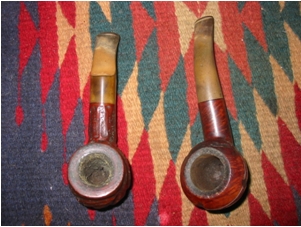
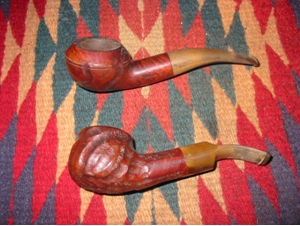
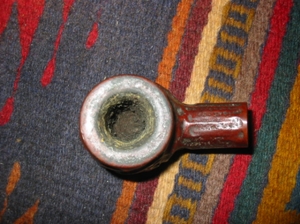
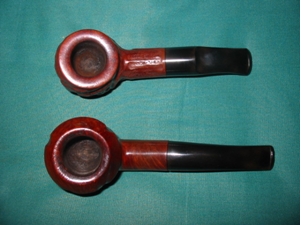
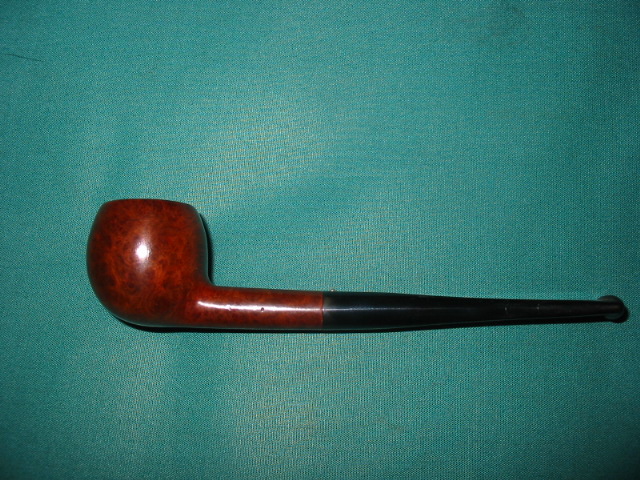
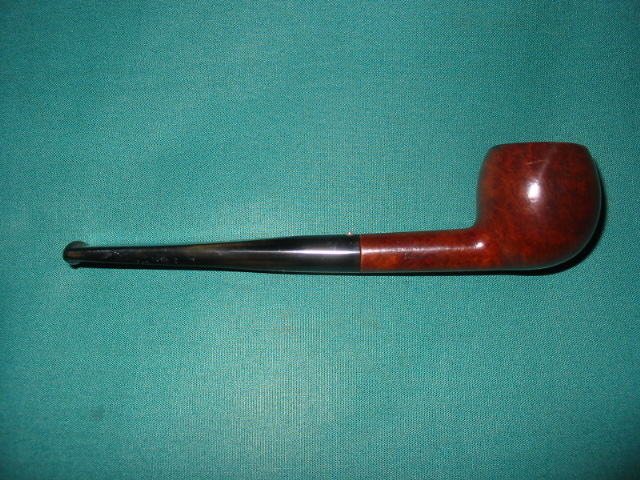
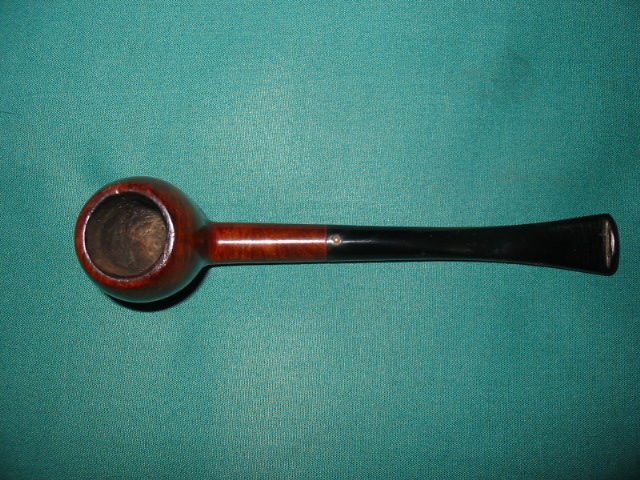
Tag Archives: restaining

Stem Bite through repair – Savinelli Punto Oro Prince


Blog by Steve Laug

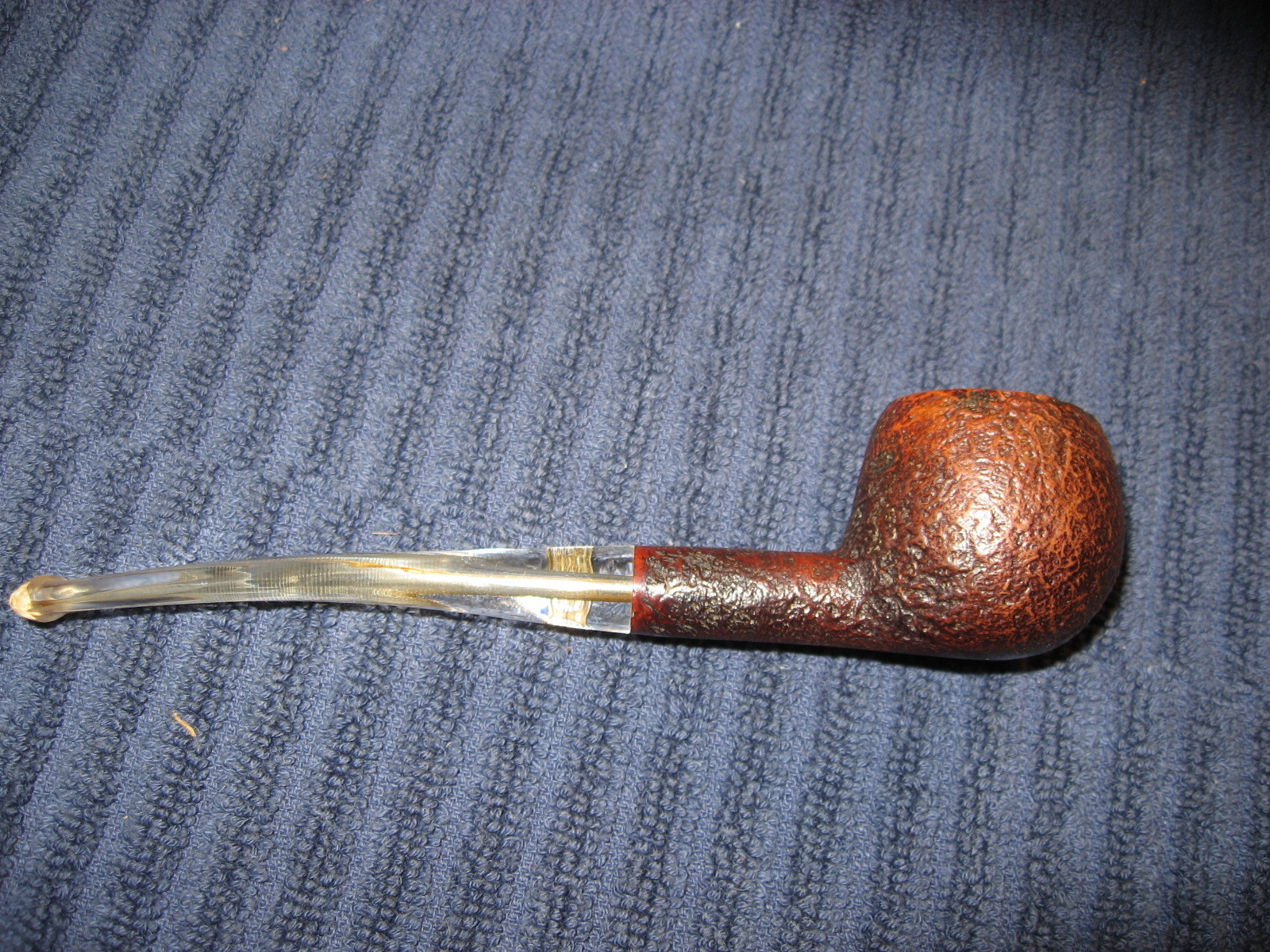
I picked up this little Savinelli Prince because I really like the shape of the pipe and the spigot style stem. I bid knowing full well that the stem had a bit through on it. Once it arrived I could have replaced the stem but decided to do a stem patch on it. The pipe itself was in great shape other than the bite through near the button on top of the stem. The underside of the stem was clean with no tooth marks or chatter. As I examined it I also noticed that the previous owner seemed to have done a halfway patch on it and in the process had broken a chunk out of the button and repaired with white glue. The white glue may have been applied by the seller to keep the pieces together while he sold it. I will never know for sure, but the glue would not hold for long as it is water soluble. The two pictures below show the extent of the damage in the stem and give a good idea of the state of the pipe as a whole. It was a great pipe with some unfortunate damage to the stem.

ImageImage 

I cleaned off the broken chunk with a dental pick, which was surprisingly easy and makes my above assertion about the seller doing a quick patch up more likely. I cleaned off the debris on the chunk (it was not very big, but was an essential piece of the button). I washed it with Isopropyl alcohol. Then I re-glued it with clear super glue. I purposely over filled the crack and pushed the piece in place until it held. I would sand off the excess glue once I had dealt with the bite through on the stem.

The bite through was a mess as well. There was oxidation in the hole as well as some built up dust and dirt. I picked the hole clean with the dental pick (by now you know that this is one of my indispensable tools in the refurbishing process). I wiped it down with a cotton swab and Isopropyl alcohol to get a good clean hole. By this point it was black and clean. I used a small round needle file to clean up the rough edges on the hole as I wanted a solid surface to work with. I washed it yet again with the alcohol to remove the grit from filing.

This time, instead of using the greased pipe cleaner in the slot I used a small nail file that fit the slot perfectly and gave a base to the glue. The hole was too big for just a pipe cleaner to provide the coverage. I greased both surfaces of the file and inserted it in the slot in the button. I gradually built up the hole with repeated applications of super glue. I let the layers dry before adding a new coating of glue. I have found that if I build it slowly around the edges it gives a better repair. Once it was built up I over filled the hole to make sure it is well covered and the hole is no longer visible. On this particular pipe I used clear super glue because I was out of the black super glue. Both versions work exceptionally well but the black has the benefit of being the same colour as the stem and is a little less visible.

After the glue was dried I used the flat blade needle file to rework the button back into shape and give it the nice sharp edges that it should have. I sanded the stem smooth, removing the excess glue and the roughness of the glue. I went on to sand it with 400 and 600 wet dry sandpaper and a bit of water to remove the scratches left by the 240 grit paper. Then I used the full range of micromesh pads, 1500, 1800, 2400, 3200, 4000 and 6000 grit to smooth it out. As usual I had a bowl of water near at hand to dip the pads as I sanded and to wash them of the slurry that comes as I sanded. Once they were smooth and shiny, the last three grits of micromesh really do a nice job giving the stem a sheen, I took the pipe to my buffer I finished it with White Diamond polishing compound.

ImageImageImageImage

I have been asked in the past how long the stem patches hold up and the durability of the patch. I have no long term proof of their durability but I have had this pipe for about two years and have smoked it quite a bit and the patch shows no sign of giving way. I clean it as I would any other pipe with pipe cleaners after use and then periodically breaking it down to give it a thorough cleaning inside and out. I would say that is a pretty good track record for a patched pipe. Time will tell but in the meantime it is very smokeable and looks great in my opinion.


Rebuilding a Button on a BBB Bulldog


Blog by Steve Laug

I picked up this older BBB Bulldog on EBay because I liked the shape of it. The bowl definitely needed some work as the lava had erupted over the front rim and down the contours of the pipe. The pictures below show the state of the bowl when it arrived. But that was not why I am writing about this pipe. That kind of refurbishing is part and parcel of buying older pipes on EBay. They always are pretty much in the state that this one was in. All of them require the same kind of procedures to clean them up and return them to a state of readiness for the new owner. But have a look at the button on the last three pictures below. It was virtually gone. I could have fit a new stem on the pipe but I wanted to retain the brass BBB logo and did not want to move it to a new stem. I also wanted to try to build up the button and see what I could do with it.

ImageImageImageImage

I have used Super Glue or Krazy Glue to repair bite throughs in the stem but had not use it to do repairs this extensive. I love the process of trying to devise a workable fix and so I decided to give it a go. I greased a fluffy pipe cleaner with olive oil and inserted it in the airway at the button. I do this so that the glue does not fill the airway and grease it so that the pipe cleaner is not a permanent feature of the stem as the super glue will stick to anything including your fingers if you get it on them. (By the way there is a solvent that is available should that happen to you.) The surface of the button was dirty and oxidized so I cleaned that with my dental pick and some acetone. I clean the surface before putting in the glue. I also sanded it to roughen the surface so the glue would bond well. In the top picture of the stem you can see that the top of the button is indented and the lip is worn smooth. The second stem photo shows the underside and you can see the major dent that needed work and the lip that was pretty well gone. I filled the hole on the underside first so that it would bond. Then I gradually built up the dent, letting it dry between applications of the glue. I believe it took 5 or 6 applications of the glue. Once it was filled I added more to build it up so that I could re-cut the button. In the picture below the patch is clear. It is a very rough surface but it is ready for the sanding and filing that will go into restoring the stem to normal. I built up the deep dent and also built up the missing portion of the button. On the top side of the stem I also built up the button in the same fashion.

Image

I set the stem aside to dry until the glue patch was very hard and turned my attention to the bowl. You can see in the pictures below that I took off the lava and tars on the top and cleaned the inside and outside of the entire bowl. By the time I was finished with the exterior of the bowl and shank and cleaned out the bowl and the inside of the shank with pipe cleaners and a reamer the stem was ready to work on. I reassembled it for the picture below.

ImageImage

You can see from the two profile pictures above that the button is present once again. The idea is to build up the end of the stem to the degree that the profile shows the button as it would have been on a pipe of this age. It took a layering process with the super glue to get it to the point it is in the above pictures.

The two photos below show the bottom of the stem as I worked on it with the files and the sandpapers. I used my small files, both the flat and the wedge file to cut away the material that I had built up to give a sharp button edge as differentiated from the surface of the stem. In the first picture you can see the initial cuts and the smoothing that I did to the surface of the stem with the files. I used 220 and 240 grit sandpaper to remove the rough surface of the glue on the stem and bring it to the right profile. The glue is very hard and it takes quite a bit of sanding to smooth it out. In the second picture you can see the final shaping that was done to the button and the surface of the stem is once again smooth. From this point all that remained was to sand it with 400 and 600 grit wet dry sand paper and then use the micro-mesh pads 1500, 1800, 2400, 3200, 4000 and 6000 grit on the stem. As usual I kept a bowl of water next to me to keep the pads wet as I sanded the stems. Each progressive grit polished the stem and button to a more clean and shiny stage. I also reworked the surface of the entire stem. Once that was done I took it to the buffer and used the Tripoli buff followed by the White Diamond buff to bring it to a sheen.
ImageImage

The last three pictures show the finished pipe – both the bowl which had been cleaned and polished with White Diamond and a light touch and then finished with some carnauba wax to complete it. The stem is completed in terms of bringing back the button and the stem profile. The area around the logo on the stem will need to be worked on with the edges of the micro-mesh pads to get in close and remove the remaining oxidation. Then the entirety will need to be lightly buffed and waxed. The main reason I posted these pictures is to show that the profile is now clear and the new button is clearly visible. The last picture shows the top of the stem and the button is clearly visible. There is a bit of oxidation in the button that I will need to work on with the pads as well but at least the old BBB Bulldog is now very smokable.

ImageImageImage

Reworking the button on a Perspex Stem on a GBD Prehistoric


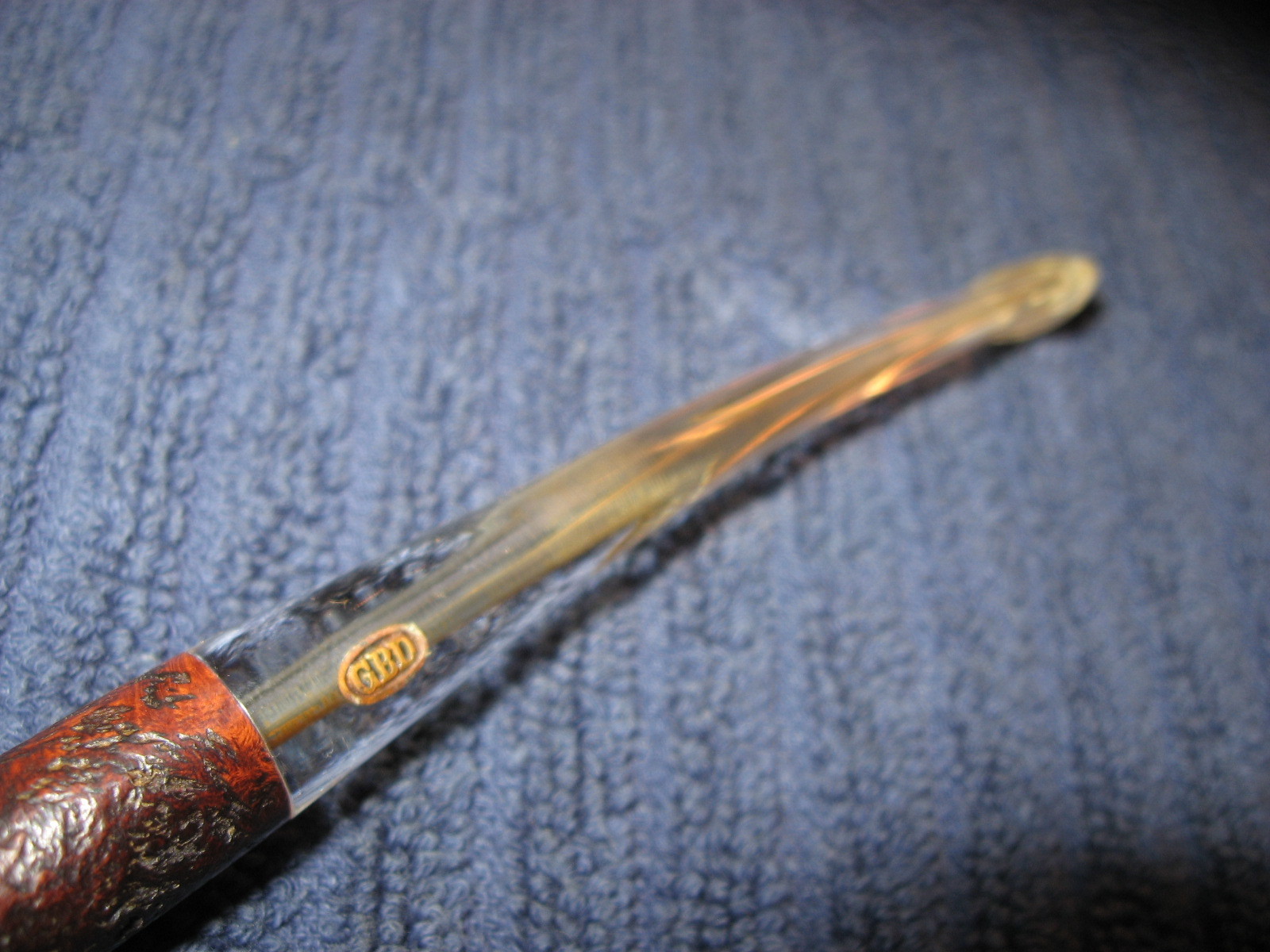
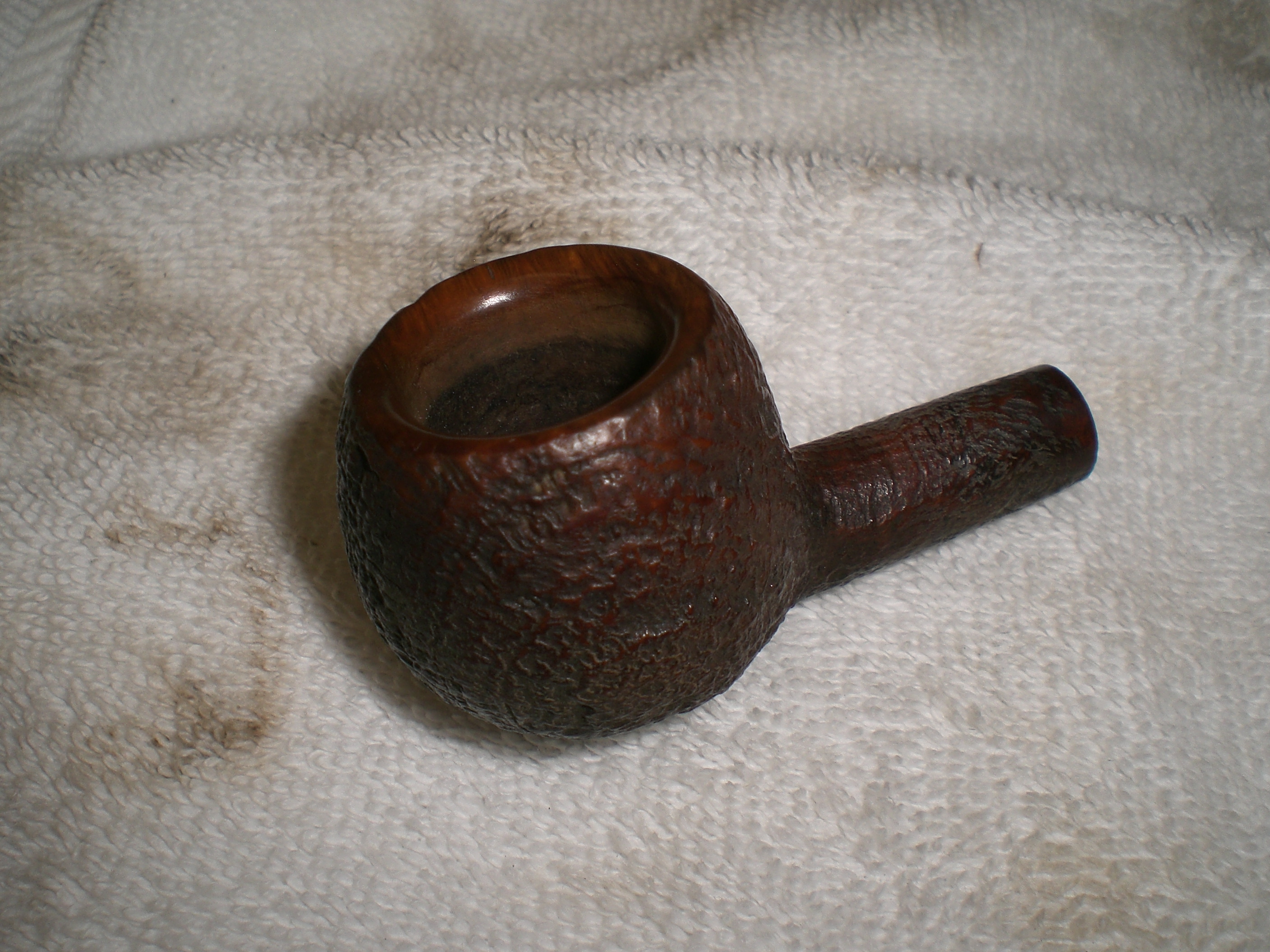
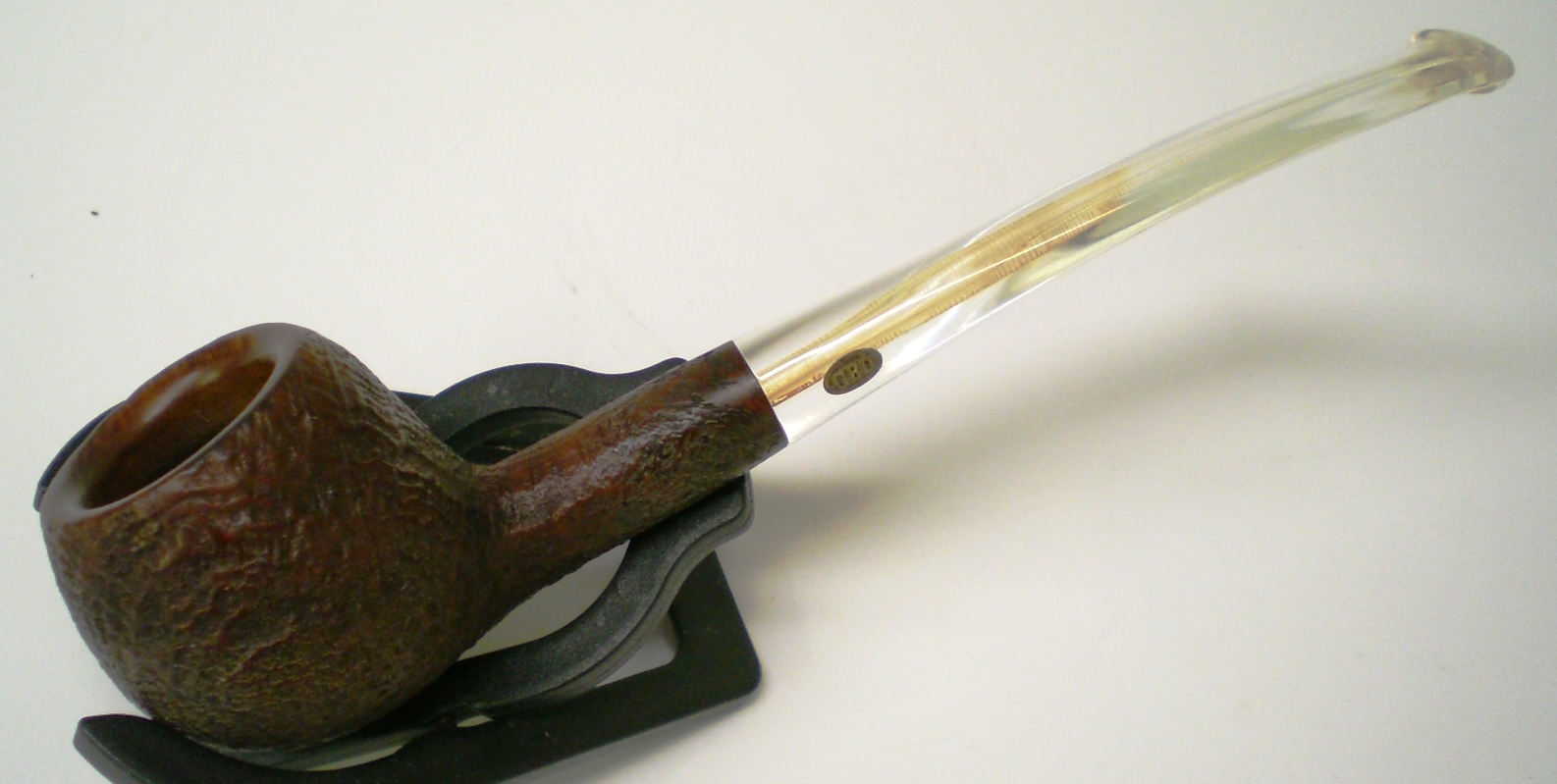
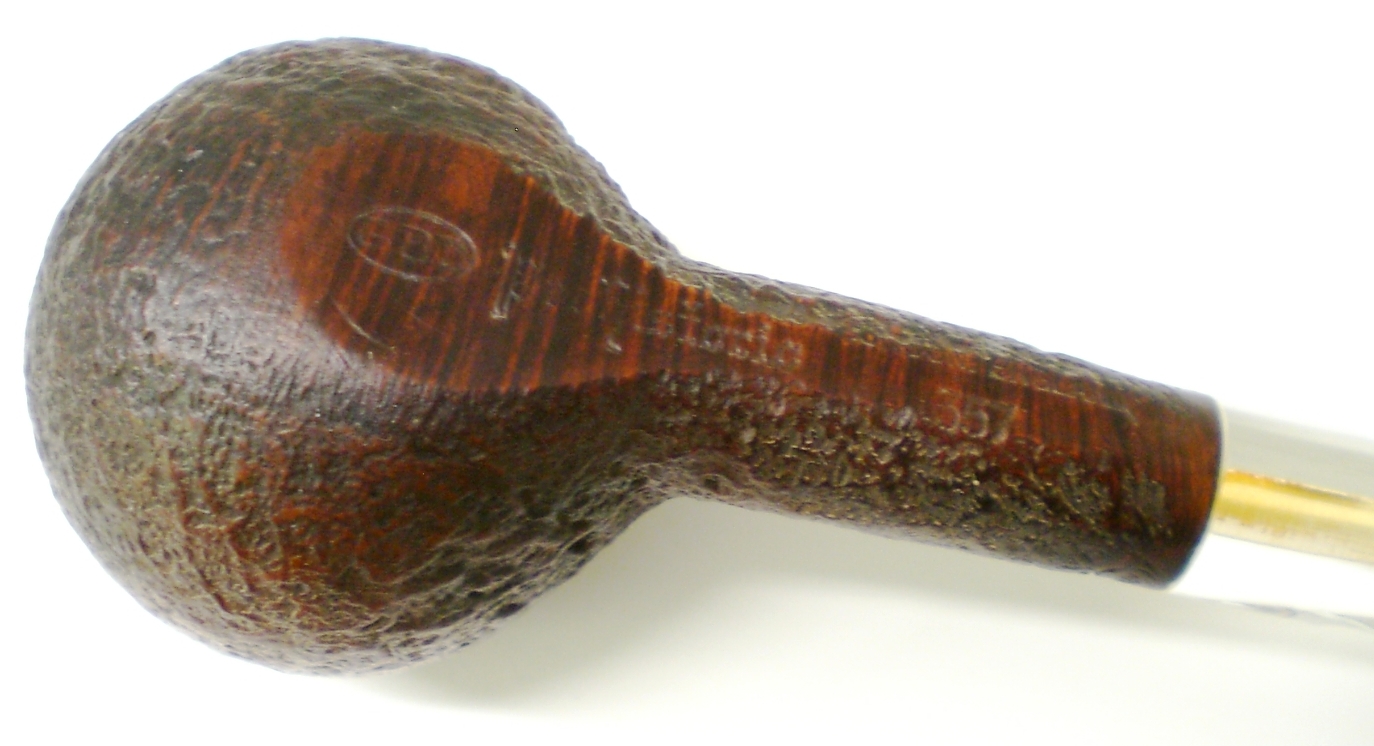
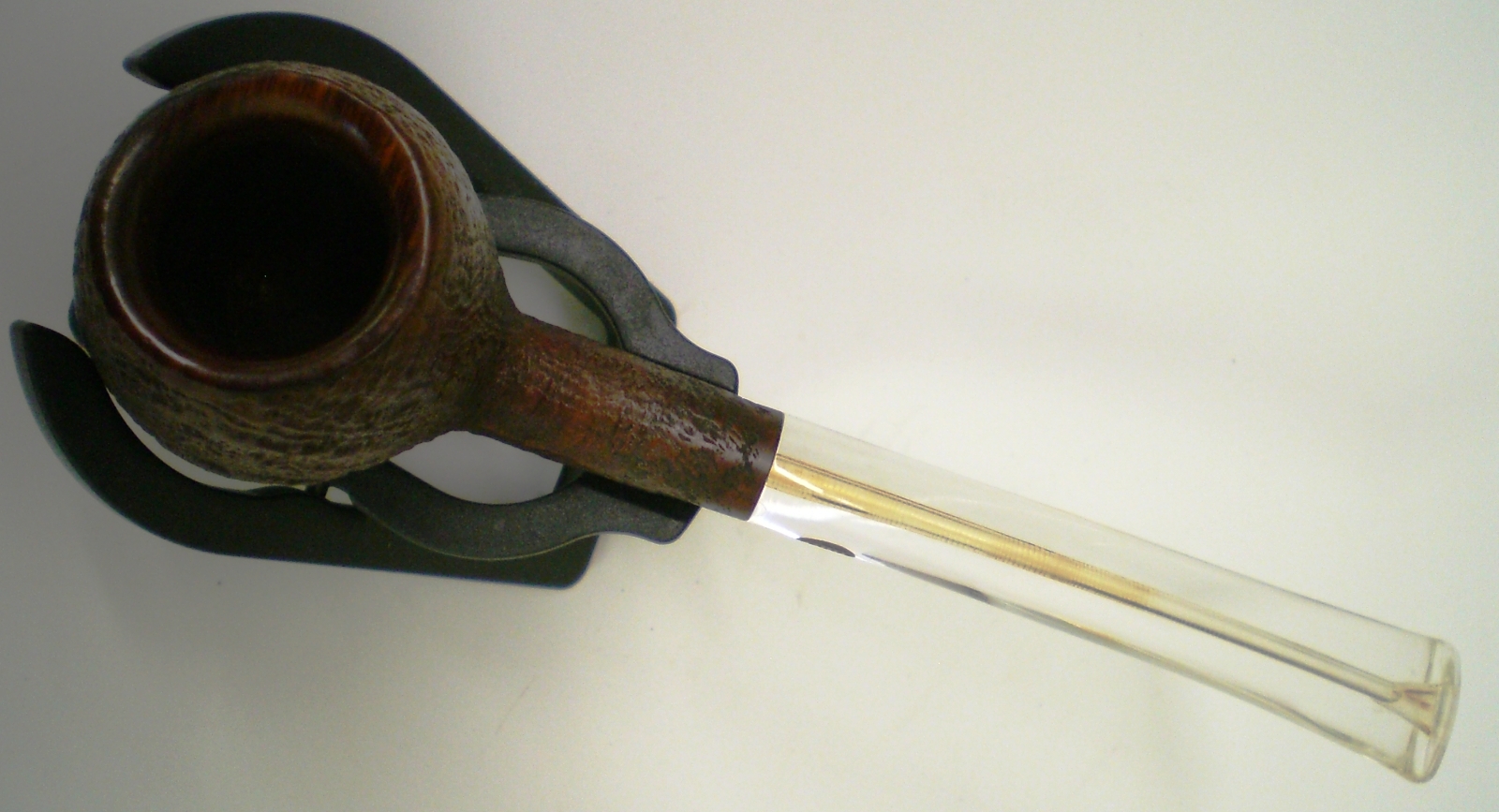
I was gifted this older GBD Prehistoric by a good friend who knows I like working on seeming irreparable pipes.  He knows that I enjoy the challenge and that I work to get them back to a workable condition. The stem was truly a mess as can be seen from the photos below. It had bite through holes on both the top and the bottom of the stem. The button was destroyed by the bite marks. This one would prove to be a bit of a challenge. My usual method of repairing bite throughs with Super Glue would not work as the hole was on both sides of the stem. You can tell by the three pictures below the size of the hole. I included even the blurry ones to show the extent of the problem that needed to be addressed.

ImageImageImage

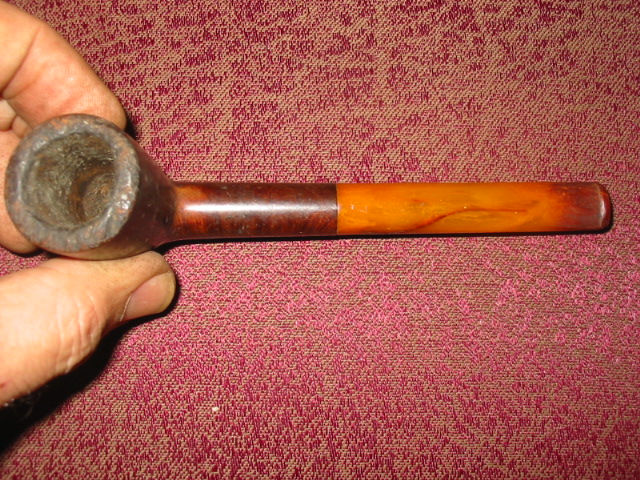
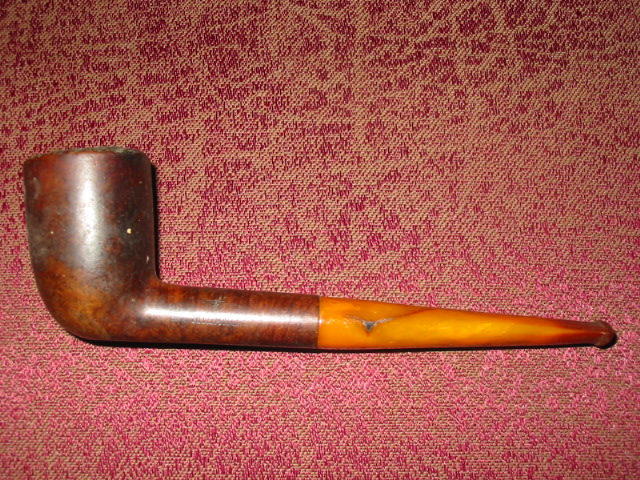
After carefully picking at the holes with my dental pick I could tell that the surrounding Perspex material around the holes was compromised and pieces continued to come off with very little pressure on the dental pick. It was clear then that I would have to shorten the stem back to the point on the stem where there was solid material to work with. To do this involved cutting off almost a ¼ inch of the stem. The two photos below show the stem after the material has been removed. I used my Dremel with a sanding drum on it to take back the stem to this point. Care must be exercised to keep the finished surface straight and level. But I have found that this is fairly easy to do with the Dremel set at the lowest speed.
ImageImage

Once the stem is cut back to the solid material a new button has to be carved. I use a series of needle files to do this. Note in the picture below the three files that I used the most. The top one is a flat rectangular one that does a great job on the top and bottom of the stem to cut a straight 90 degree edge into the Perspex. The oval and the round file I used to open the slot in the button to match the shape of the one I cut off. Once the stem has been cut the airway at the end is merely a round hole or as in this case was barely flared. I like an oval slot in the button and the files do a great job in that process. I have two sets of needle files that I use. I clean the teeth on the files with Isopropyl alcohol and a brass tire brush. It keeps them from getting clogged with the Perspex dust.

Image

In the three pictures below you can see the button that has been cut in the stem. I also used sandpaper to thin the stem profile forward of the button to give it the proper slope and give the button some depth. Note the rough surface of the stem is caused by the use of 240 grit sandpaper to accomplish this task. The top photo is the top side of the stem at the button, the second is the underside of the stem and the bottom photo is a profile shot to show the look of the button. When the stem was at this point it still needed quite a bit of sanding to smooth out the new button and shape the stem. The edges in the profile are a bit sharp and needed to be rounded to match the part of the stem that remained untouched. I rounded the edges with the 240 grit sand paper to match the shape of the stem.

ImageImageImage

The next two photos below show the stem after that reshaping has been done. I then had to polish the stem to get it back to it clear sheen. I started that with some 400 and 600 grit wet dry sandpaper that was used with water to give it the bite to cut through the scratches of the files and the sandpaper. The first photo shows the pipe next to another GBD Rhodesian for comparison sake. You can see in that photo how much of the Perspex stem I removed to cut the new button. The second photo shows the shaping and flow of the stem once I have finished with the polishing with the wet dry sandpaper.

ImageImage

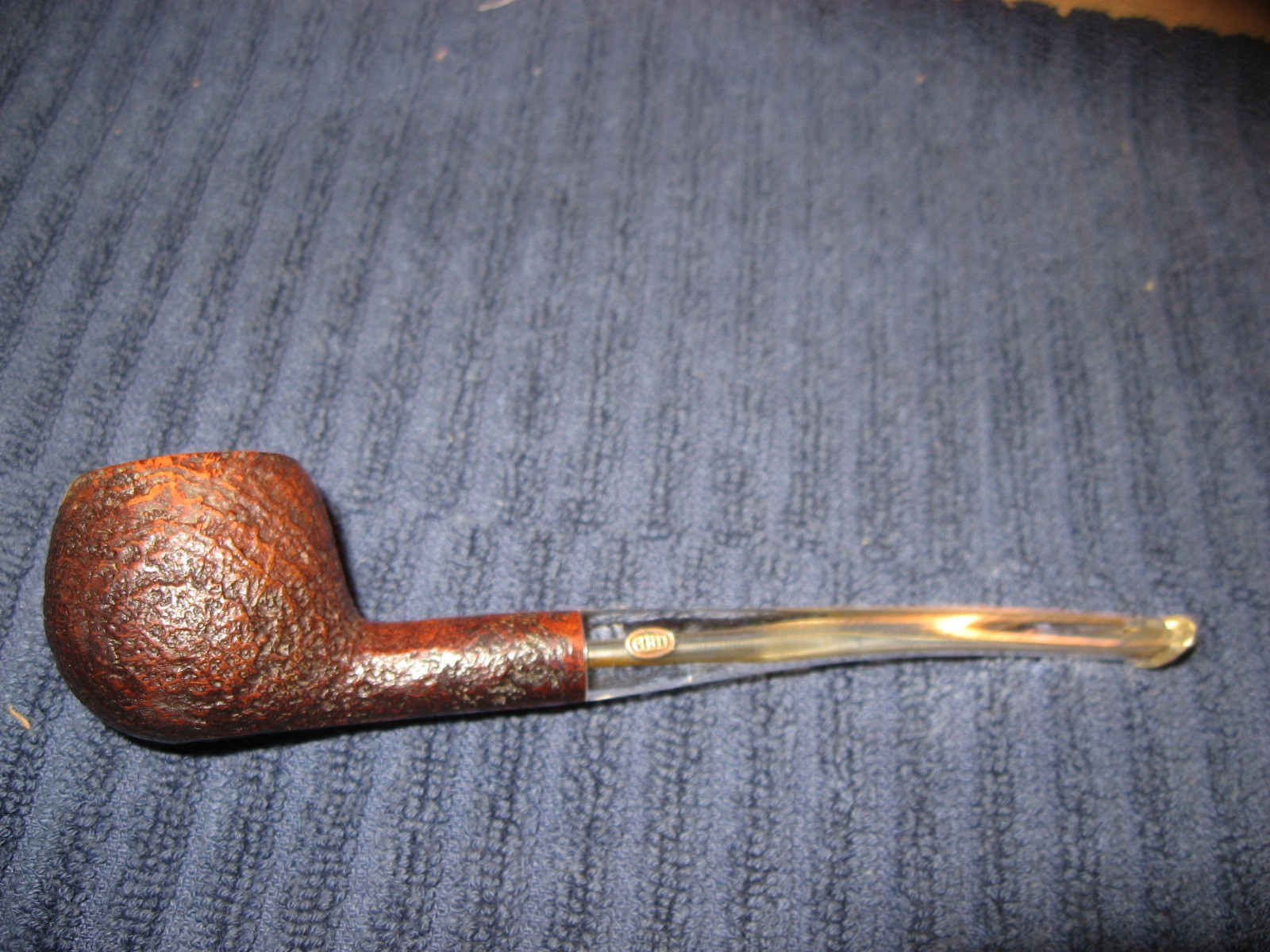
The last three photos show the finished pipe. The bowl was polished and the polishing on the stem was done with the micromesh pads through the 1500, 1800, 2400, 3200, 4000 and 6000 grits soaked in water to facilitate a good polish. Each grit level of micromesh took out more of the scratching that remained after the sanding. By the 3200 grit the surface was smooth and shiny. The last two grits gave it a thorough polishing and then I finished it on the buffer with White Diamond and carnauba wax.

Refurbed Piece of pipe smoking history – A Brittish Buttner Billiard


Blog by Steve Laug

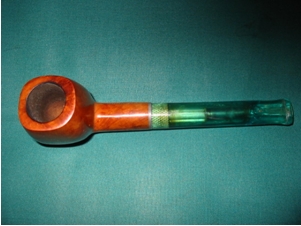
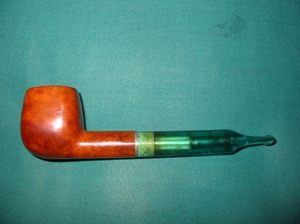
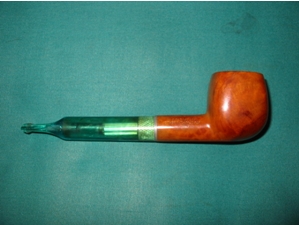
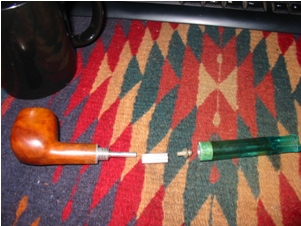
I picked this pipe up on Ebay awhile back solely for my historical interest in this kind of pipe. I am drawn to creative pipe manufacturers and the search for a drier and cooler smoke. It is that interest that attracted me to the gadgetry of the British Buttner pipes. This is the second one that I have purchased on Ebay. The first one is older (patent is earlier)and has a yellow Bakelite stem and is a pot in terms of shape. I have also collected a Bakelite canister that holds an extra clay insert bowl. I saw this one and added it to the collection. It looks like a briar billiard but is not. It is a Bakelite bowl and Vulcanite stem. The tenon is long and extends to the air hole in the bowl. There is a clay insert that sits in the bottom of the Bakelite bowl. This one has a few chips out of it but is still workable. The rim unscrews and holds clay bowl (much like a gourd calabash. It is mounted on the rim and screws into the bowl. I cleaned the inside of all three parts and cleaned the stem and shank. I have polished it with wax and since have smoked it several times. It is a very different smoke – very similar to a calabash smoke; very cool and dry.

Here are some pictures of it taken apart before cleaning:

ImageImage

Here it is cleaned and polished.

ImageImage

Here are some pictures of the older British Buttner


Refurbed Breezewood Acorn


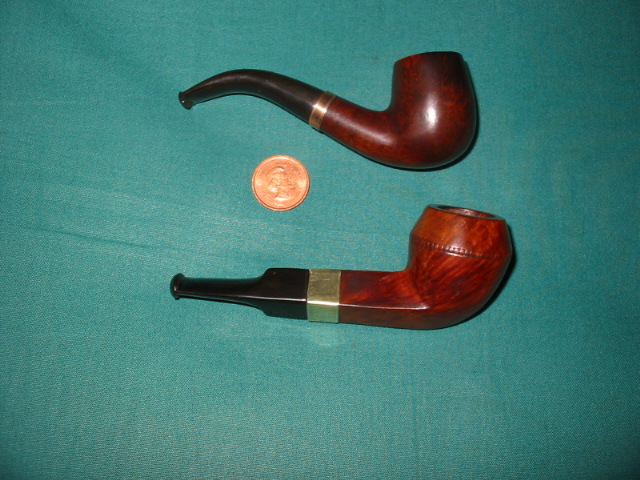
I picked this old timer up in the ebay purchase that included the Bertrams author. It was almost black it was so dirty. It is incredibly light weight. Once I got the grime off I could see a wee bit of the stamping left and it read Breezewood. I reamed and cleaned the inside. The stem is a screw mount like the old Kaywoodies. It has been clipped of stinger contraption but it is a good open draw. I cleaned the stem and used the micromesh sanding disks on it. The bowl was soaked in an alcohol bath to remove the finish and grime and then sanded with 220, 400, 600 sand paper and then micromesh 1800, 2400, and 4000 grit pads. Here are the before and after shots. Below the pictures I have posted a write up of the history of Breezewood pipes by the late Mike Leverette (a friend and historian of things pipe).

The pipe is pictured in the top photo below of the two pipes.

Image

Here is a series of photos of the refurbished pipe.

Image

ImageImageImage

Here are some informational ads on Breezewood pipes

ImageImage

I wanted to include this brief article by Mike Leverette as it gives background history that is not commonly known or available regarding these early alternatives to briar that came out during the war years.

“There were at least three pipe brands made from the Mountain Laurel; Trapwell, Breezewood and Custombilt. Trapwell pipes were made by D & P Pipe Works beginning on or before 1943. D & P Pipe Works, owned by D. P. Levitas (Ross 2005), began making pipes in 1938 (Wilczak and Colwell 1997) probably in New York City but relocated to Sparta, Alleghany County, North Carolina in 1943 (Sparta/Alleghany CoC 2006), in order to be closer to the huge population of Mountain Laurel in the area. Later, this company changed their name to Sparta Pipe Works and still later to Sparta Industries. I have one Trapwell World’s Best Briar pipe in my collection, a small billiard, and here again; it is a great little smoker. World’s Best Briar was their marketing ploy for Mountain Laurel. Trapwell’s ‘trap’ is a highly complicated condensing system when compared to most regular metal condensers. After the war, Trapwell pipes were made from regular briar wood, or “imported briar” until their demise.

According to a 1942 Life magazine advertisement, Breezewood pipes were made by The Breezewood Pipe Company, located at 630 Fifth Avenue, New York City, though Wilczak and Colwell state the Breezewood pipes were made by Kaufmann Brothers & Bondy (KB&B) beginning in 1941 (Wilczak and Colwell 1997). The Breezewood Pipe Company may have been a subsidiary of KB&B. To quote the 1942 Life magazine advertisement; “There, deep in the Great Smoky Mountains, they found it – found an uncharted virgin forest of burls, great old burls that had been growing there uncounted years. And from these old burls, pipes of astonishing lightness of weight are made – their name: Breezewood.”

At the present time, this is all I have been able to find on the history of Breezewood pipes. Here again, the one Breezewood pipe, a small billiard, I have in my collection is a great little smoker. I am not overly fond of metal condensers and this Breezewood pipe has a simple tube condenser similar to Dunhill’s “inner tube”.


Refurbed Social by Comoy’s


This afternoon late the postie delivered the Social pipe made by Comoy’s that I picked up off Ebay a few weeks ago. I took it apart and went to work. The bowl was pretty caked and broken up inside… cake falling off the walls. The The top was tarred. I reamed and cleaned it. Interestingly this is an old timer. It has the old orific button as I show in one of the before shots of the stem. It has some kind of reservoir between then end of the stepped tenon and the the airway into the bowl. It is below the airway and the tenon is drilled with the airway high to match up.

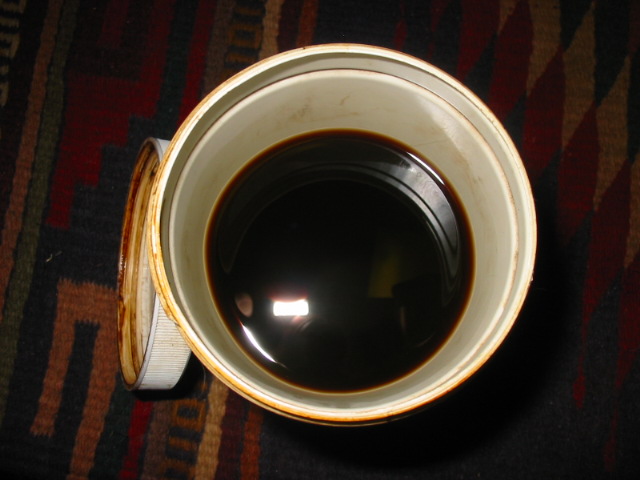
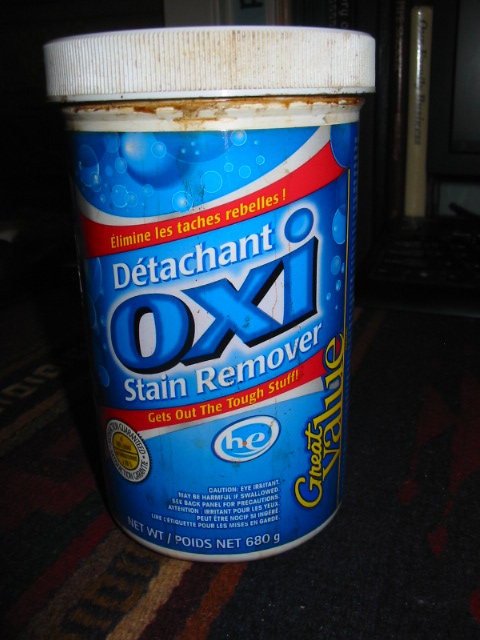
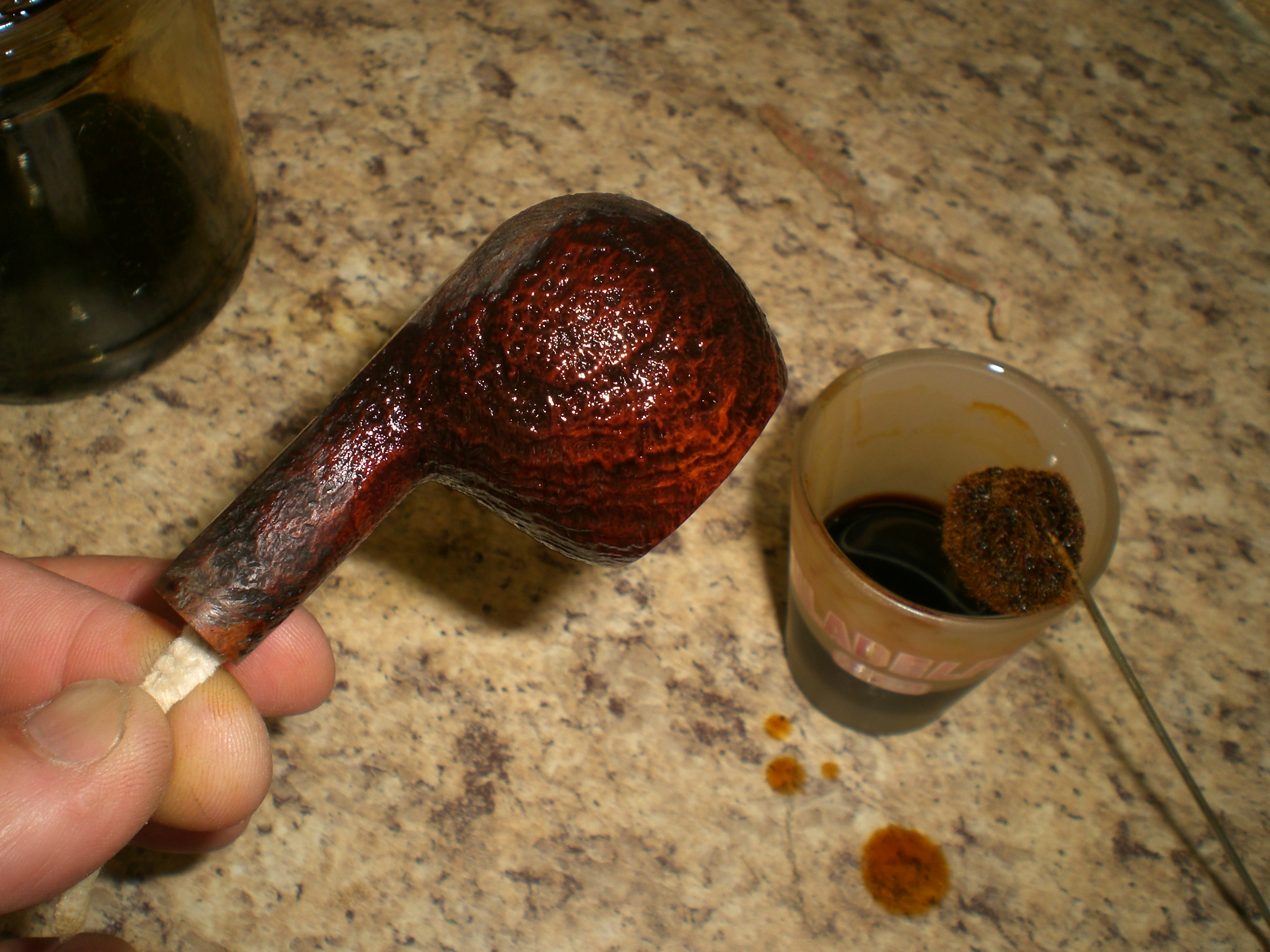
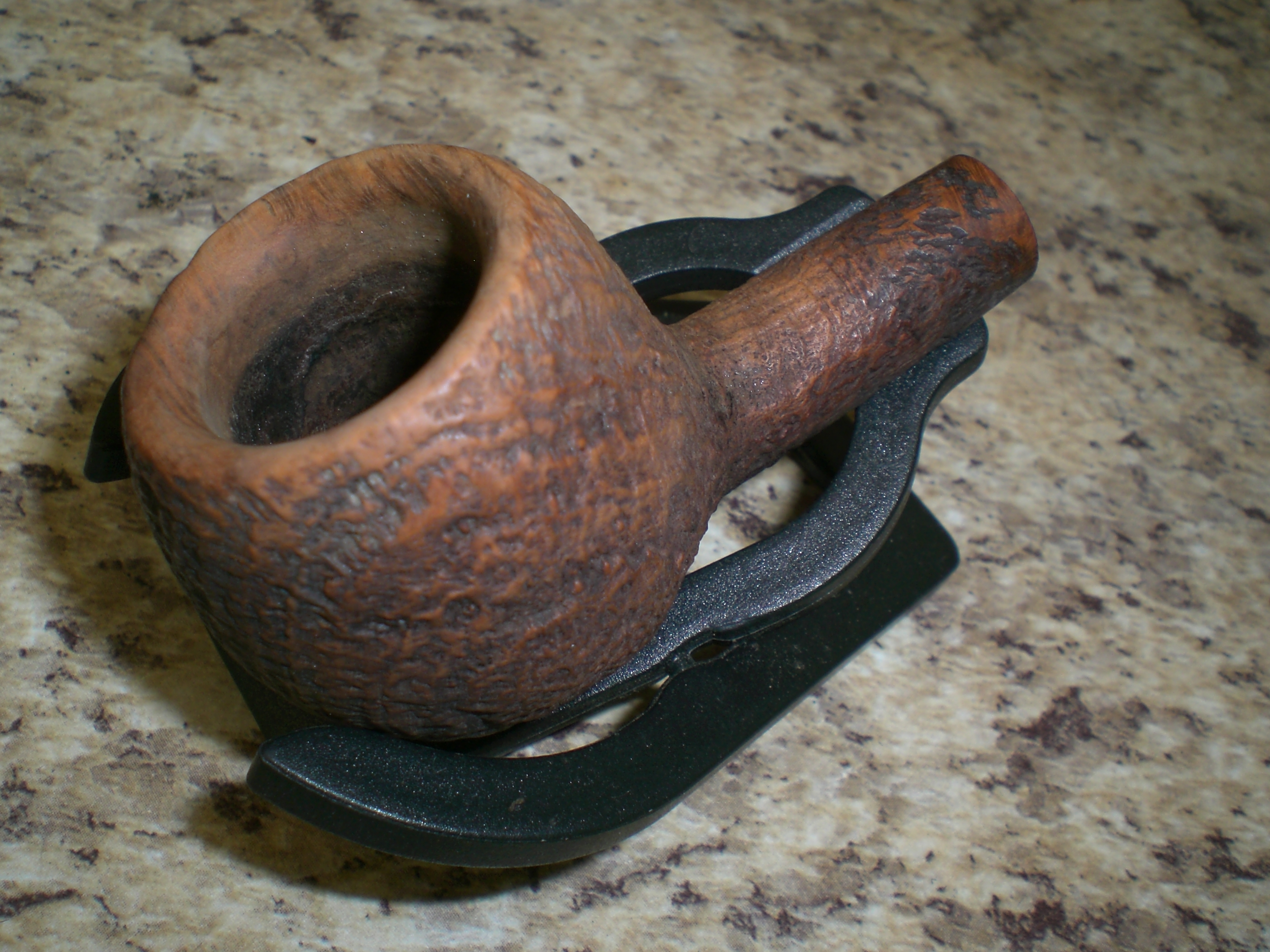
I put the bowl in an alcohol bath and cleaned it up. The mess came off really well. I then sanded the bowl with 600, 1800, 2400 and 4000 grit and then restained it with a medium brown stain. The Stem was soaking in Oxyclean and when I removed it I cleaned the grime off of it. It was a bit oxidized so that came off no problem. I then buffed the entirety with white diamond and then Carnuba. Here are the before shots:

ImageImageImageImage

You will note there are some pretty deep dents in the side of the bowl. These came out a bit but they remain as character marks. There were some on the underside of the shank as well. They too remain.

After refurbishing:

ImageImageImageImage

Refurbed and old timer – WDC Bakelite


I finished up a pipe that is stamped WDC in a triangle and Bakelite on the shank. The bowl is briar and by the way the stem is put together it is clear that it is an old timer. It has a screw mount stem with a bone tenon and the red Bakelite stem has an orific button.

The bowl was caked and had cob webs! (no kidding). The bowl and shank were cleaned and reamed as usual. The stem had bite marks and needed to be sanded and then finished with micro-mesh pads and finally a trip to the buffer and Tripoli and White Diamond. The bowl was re-stained with cherry and then buffed and polished. The stem was over turned a bit so heated the tenon water and it seemed to expand (?) a bit and loosen so I was able to straighten it out on the shank and it fit perfectly. I wonder if on these old bone tenons that the hot water may actually expand them a bit – not sure how that works but it certainly worked with both of the ones I did today.

Thanks for looking and all of your comments. It made for a great day and it is good to look back and see the work completed today!

Before:

ImageImage

After:

ImageImageImage

Refurb on a Irwin (GBD Second) Saddle stem Billiard


The 1976 GBD Catalogue says this about the Irwin pipes: “The warm dual-tone brown finish deepens with repeated smoking. Finest Rum is used in the special process of maturing these fine pipes. Its smooth flavour complements the natural taste of fine tobacco.” Knowing that when I came across this old timer I put in the pile to recondition while I was off this week. It is stamped Irwin over London England on the left shank. On the right side is the shape number 1207. It was caked a bit so I reamed the bowl and wiped it down with alcohol. The shank was dusty and dirty so it was cleaned as well. The bowl then went into the alcohol bath and sat for a half hour while I worked on the stem. It was in pretty good shape with a minimum of teeth chatter. I sanded out the tooth marks and sanded the residual oxidation on the stem. I then buffed the stem and polished it.

Once I was finished I took the bowl out of the bath and wiped it down. It was clean and once it dried was ready for sanding in preparation for a new coat of stain. I wiped it down with clean alcohol to remove any dust and then stained it with a cherry stain to bring out the brown highlights in the finish. I then buffed the entirety and waxed it with carnauba. I am very happy with the results. Thanks for looking. Here are the before shots:

Image

Image

Here are the pictures after refurbishing

ImageImageImage

Refurb on a 3 part horn


Just finished up this unique piece. It is three part horn. The bowl screws off the shank and has a briar thread connection. The stem is also a screw on with a metal connection into briar. The stem is also an orific button. There is no stamping on this old timer. I really like the uniqueness of it.

I reamed and clean the bowl. I took apart the three parts and cleaned each on separately. The outside was wiped down with alcohol to get off the grime. The insides were scrubbed with a bristle pipe brush and pipe cleaners and alcohol. The stem was oxidized so it was sanded with 400, 600, wet dry sandpaper and 1800, 2400, 4000 micromesh pads and then hit with red tripoli and white diamond before being given a coat of carnuba. I sanded and restained the bowl with a cherry stain and then buffed and waxed it as well. This one will be a fun one to smoke!

Before shots:

ImageImageImage

and after shots:

ImageImage

An Interesting Wellington Straight Billiard


Just finished researching a bit on WDC Wellington Pipes. Yet in all of the research I cannot find the one that I picked up. It is a straight billiard. It is chunky and 5 1/2 inches long. It is a system pipe like the Wellington Bent pictured below but it is a standard P-lip stem with a regular tenon. The band is sterling silver and has the WDC triangle and hallmarks stamped in it – an anchor, a five point star, and an eagle. The shank is also stamped WDC in a triangle under a script Wellington. The stem is stamped the same way. The bowl is U shaped with draft hole at the shank side as usual. From there it drops down into the shank where there is a chamber – a bit different than the well in the picture below. It is more of a wide open chamber that tapers a bit to receive the end of the tenon. Very interesting design.

It was rough so I reamed and cleaned the bowl. Cleared out the reservoir and the shank with pipe cleaners folded in half and then gave the bowl an alcohol bath. I left it in for about a 1/2 hour and then took it out and cleaned it again. It did not need to be re-stained as it retained its colour. I buffed it with White Diamond and then gave it a coat of carnauba wax. The stem needed a buff as well. It was a bit oxidized. The stem is unique as well in that the tenon end is very open and tapering back to the whole in the Plip. Here are the after pics.

ImageImageImage

I have also included a couple of adverts that I came on that are interesting bits of history of the brand.

ImageImageImageImage