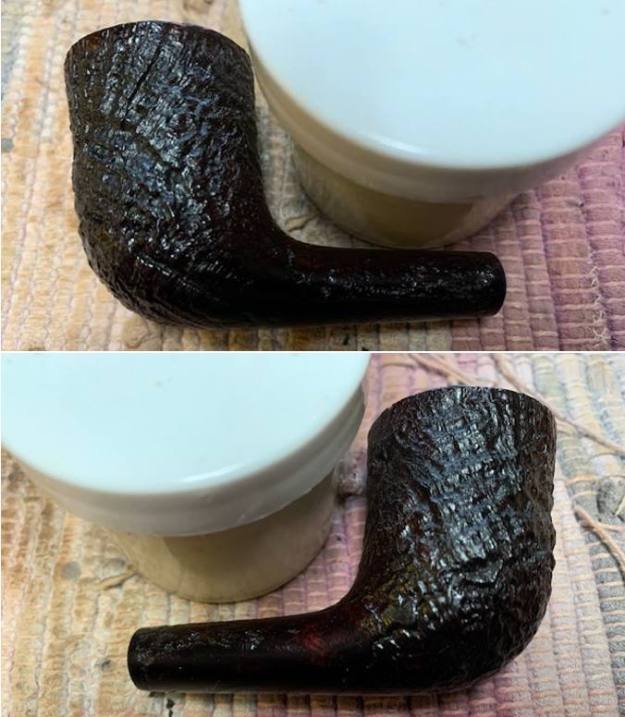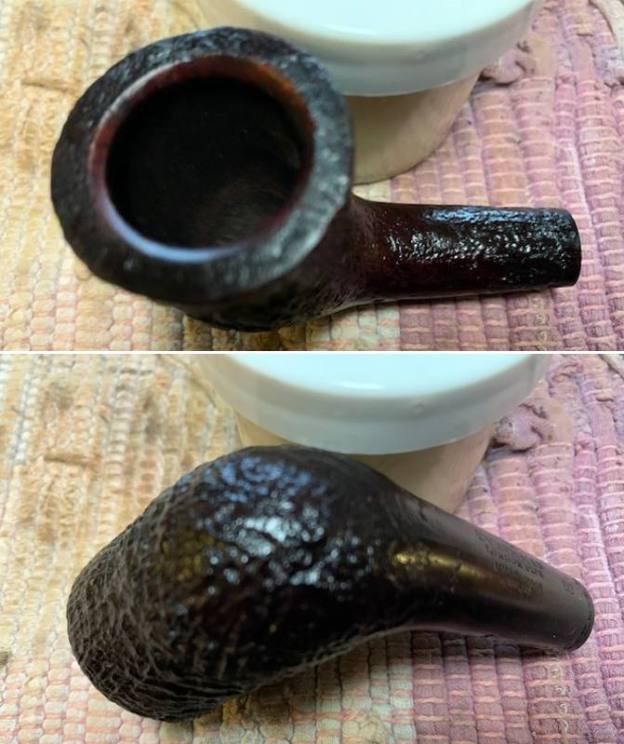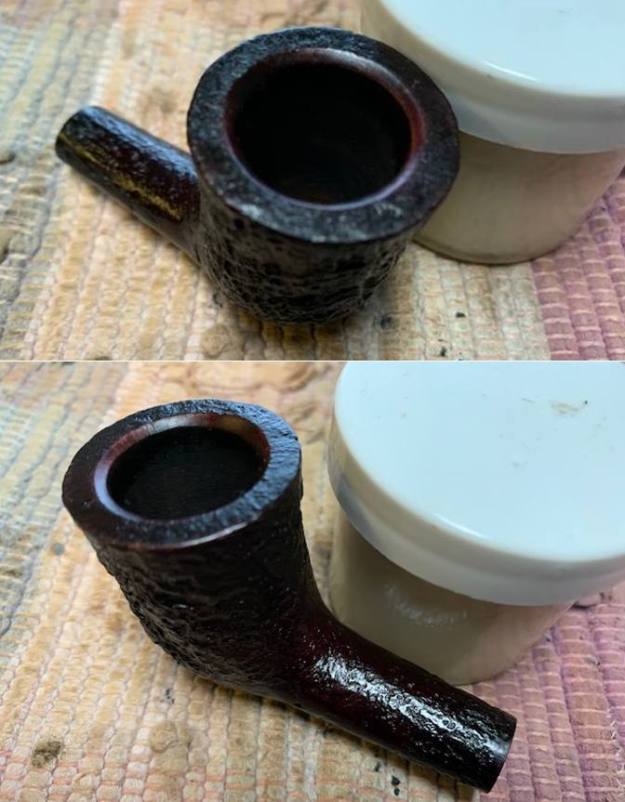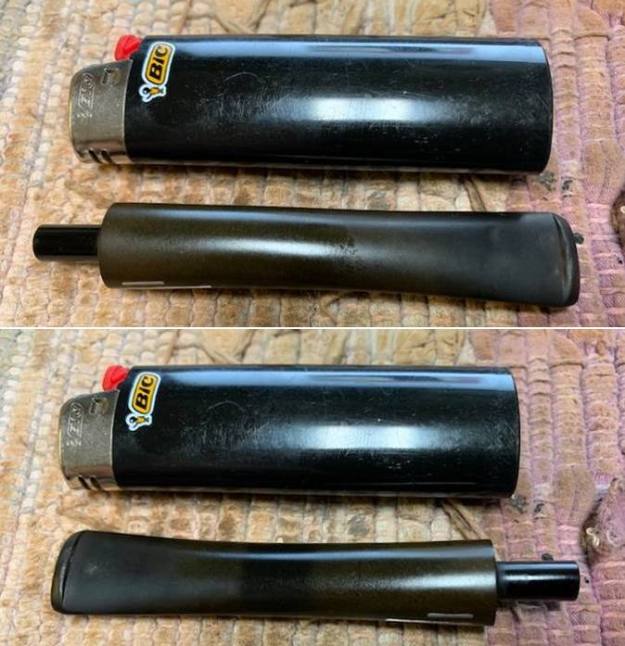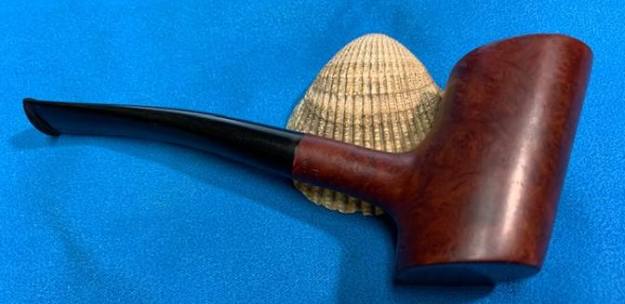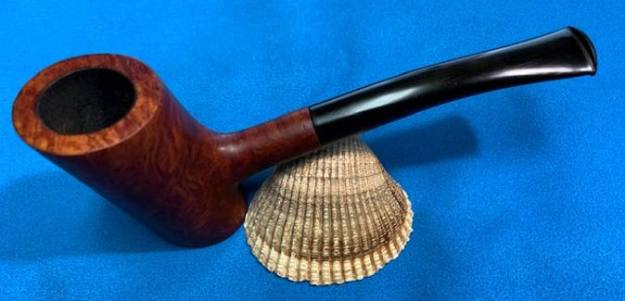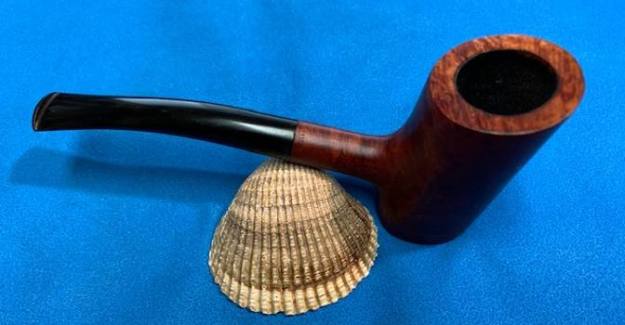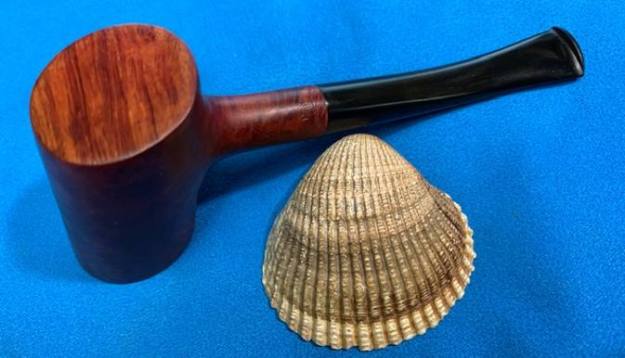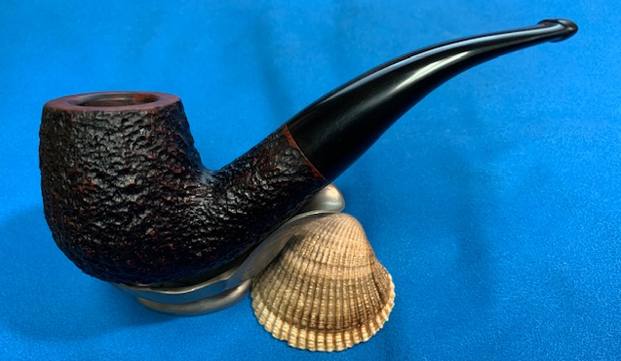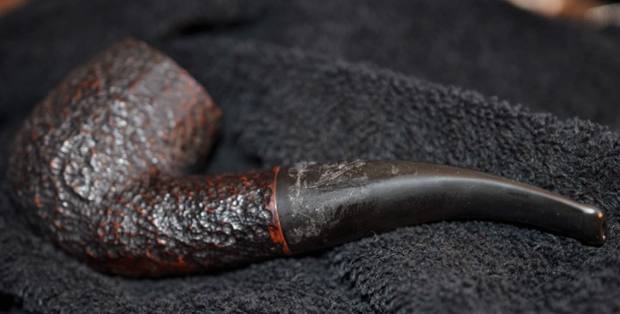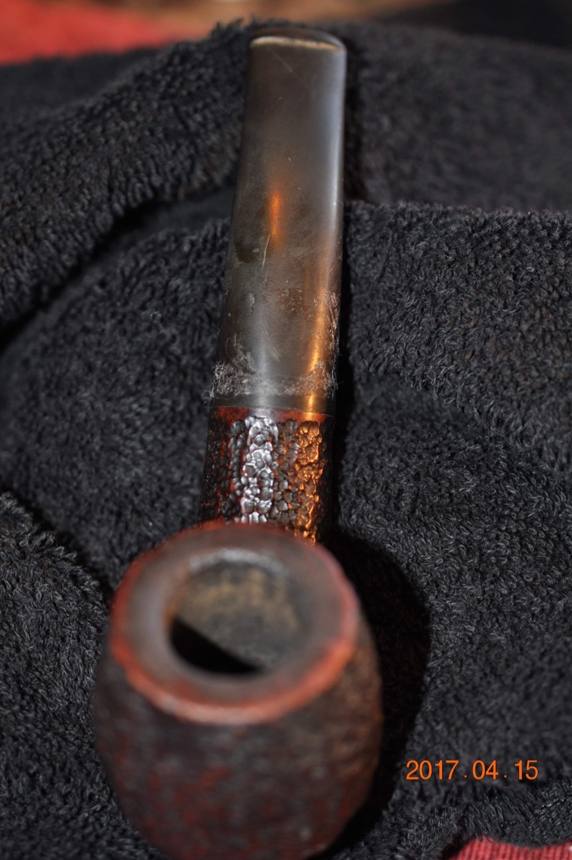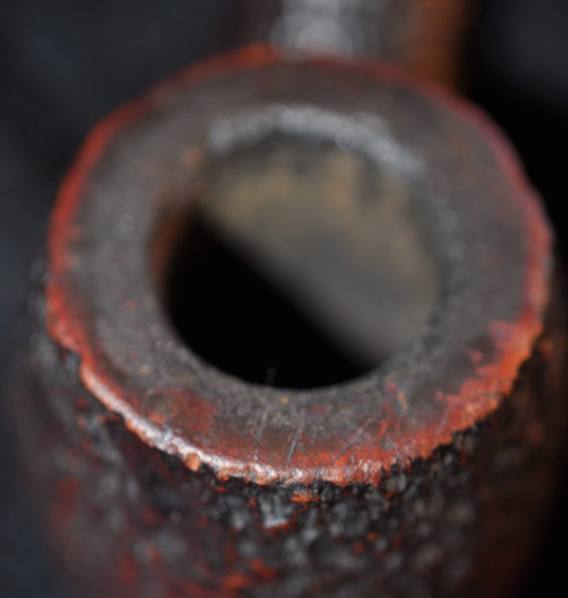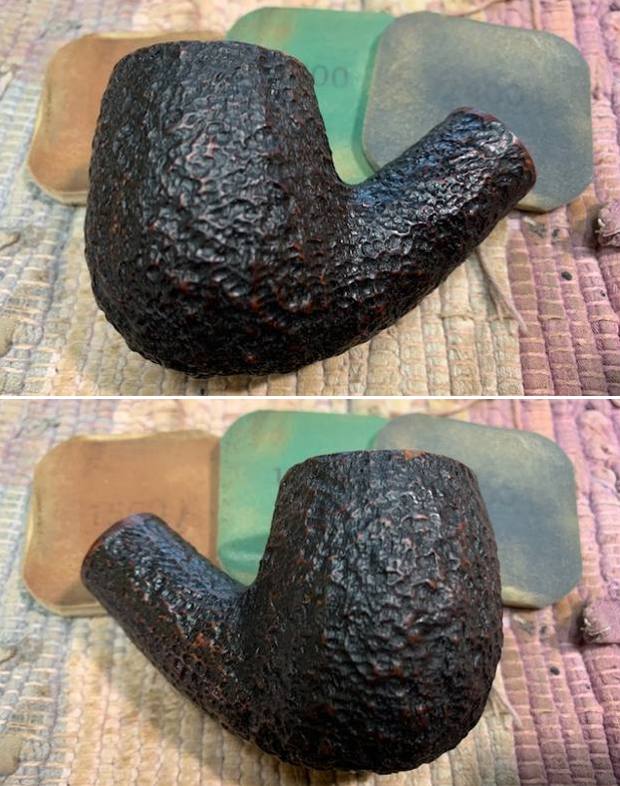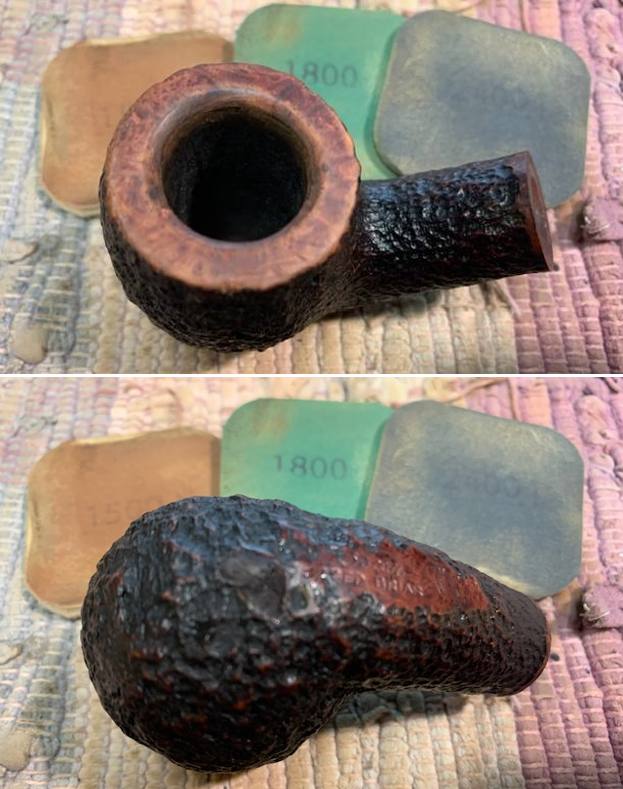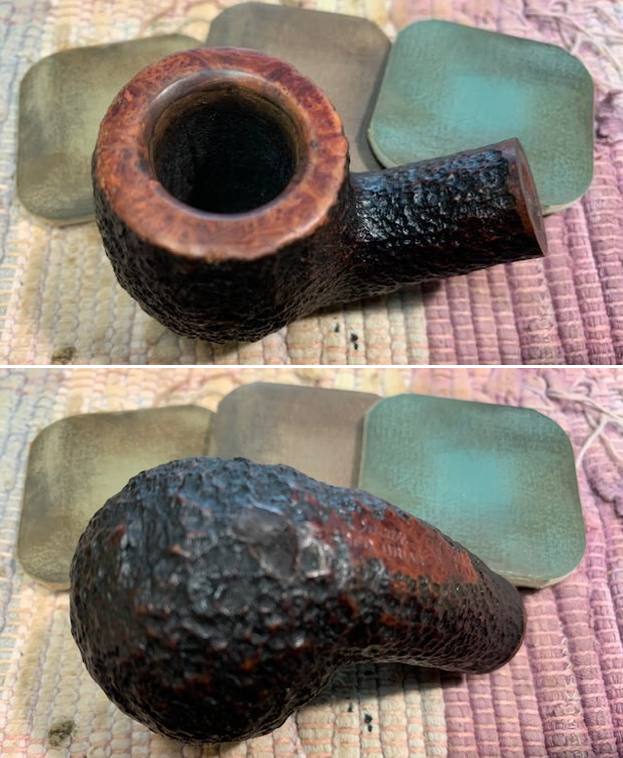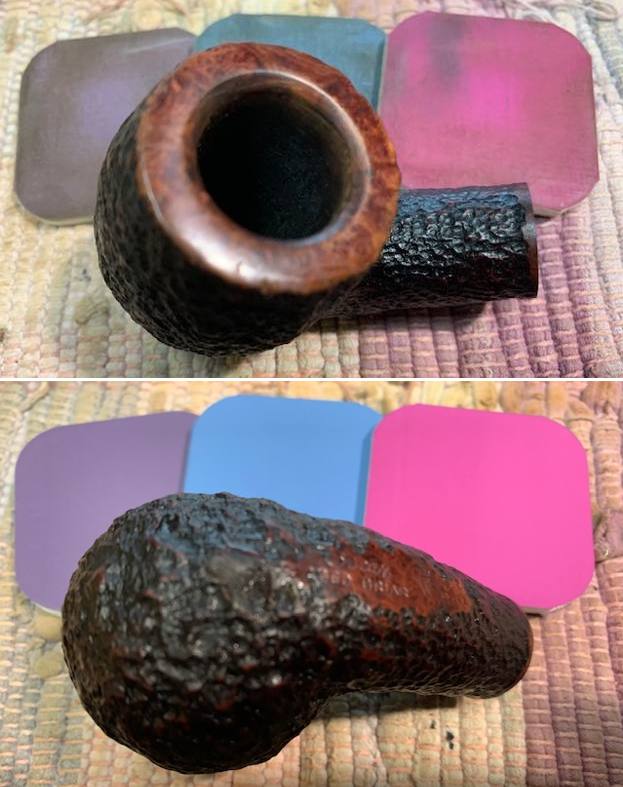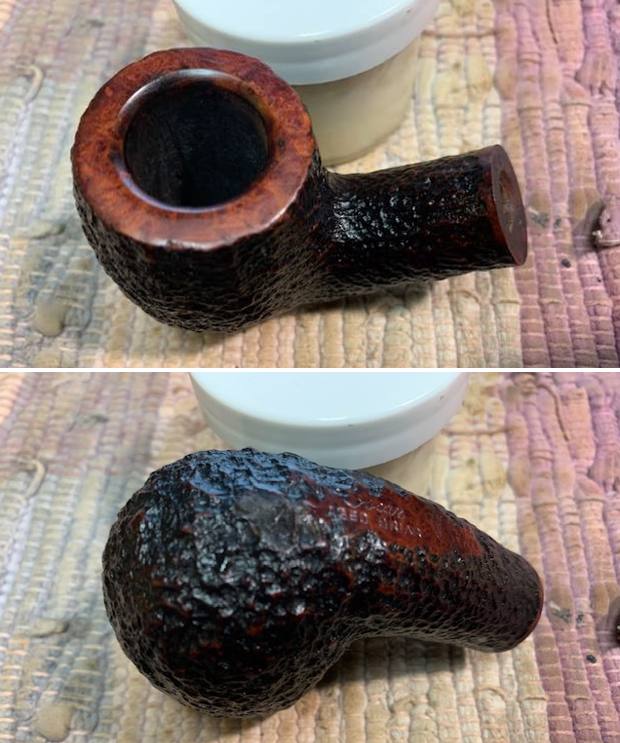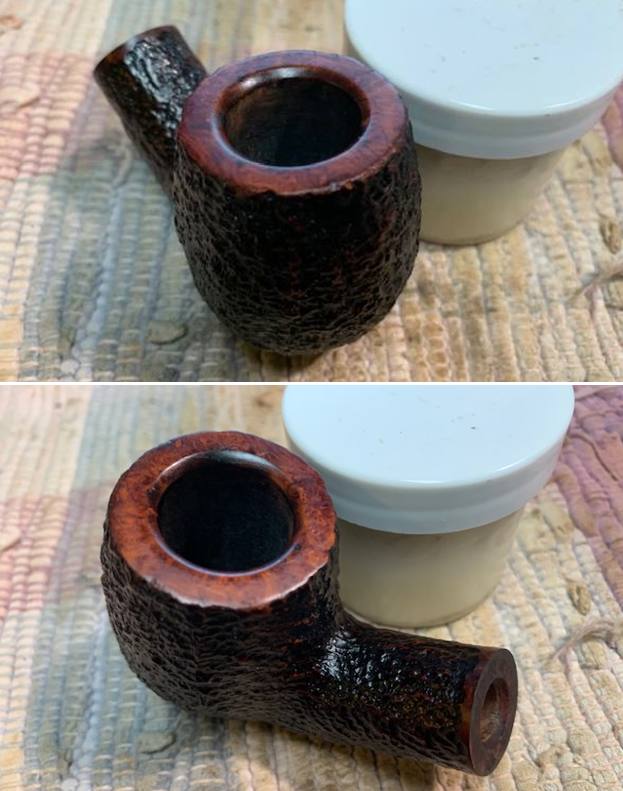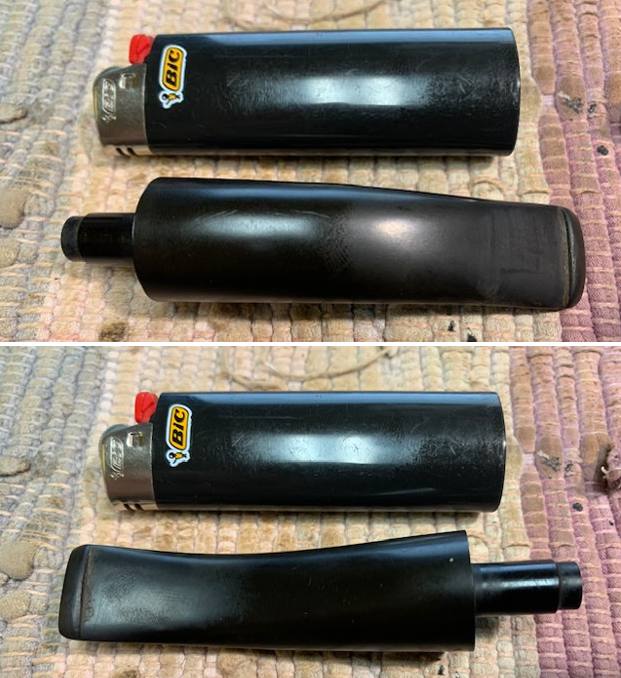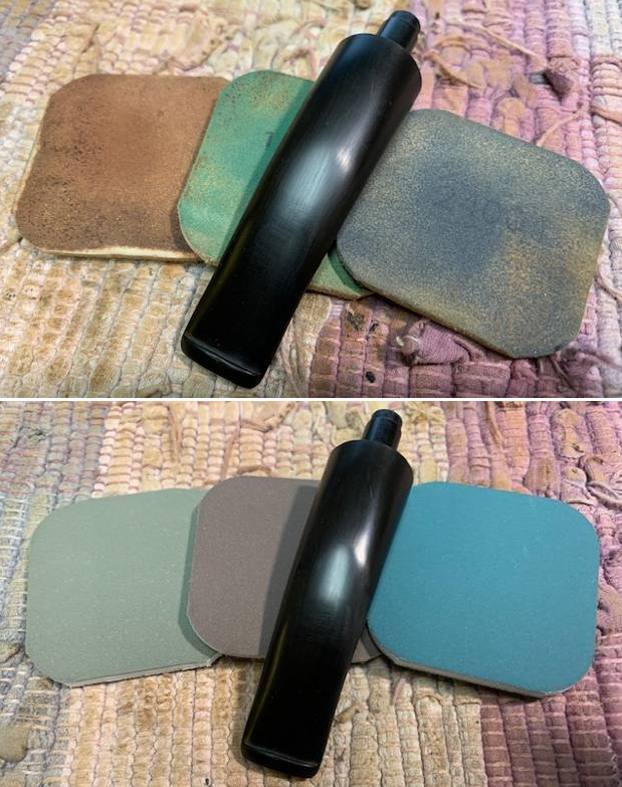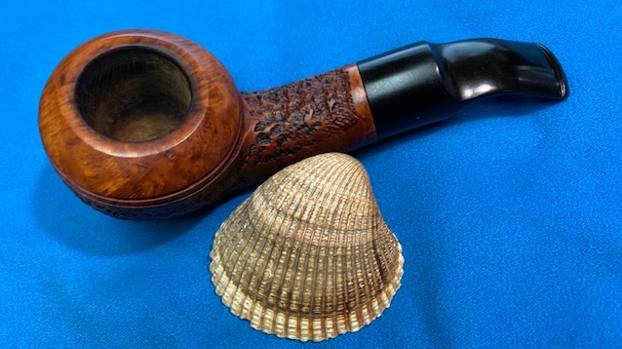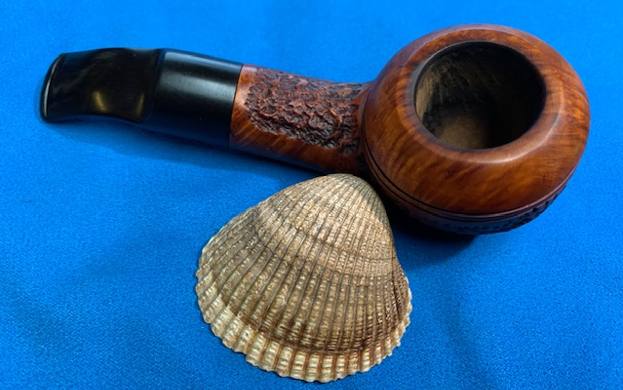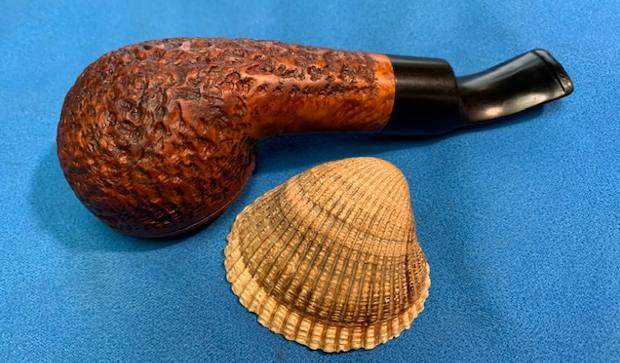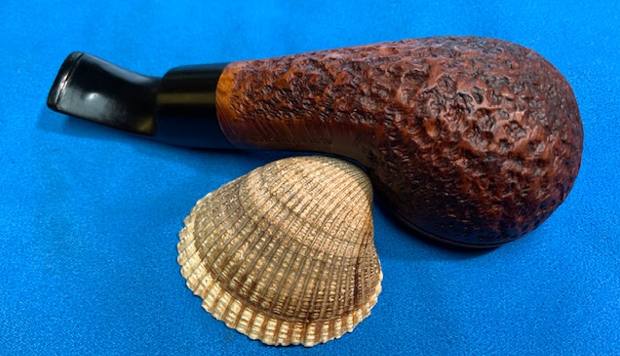
Tag Archives: refurbishing

A Labour of Love


Blog by Kenneth Lieblich

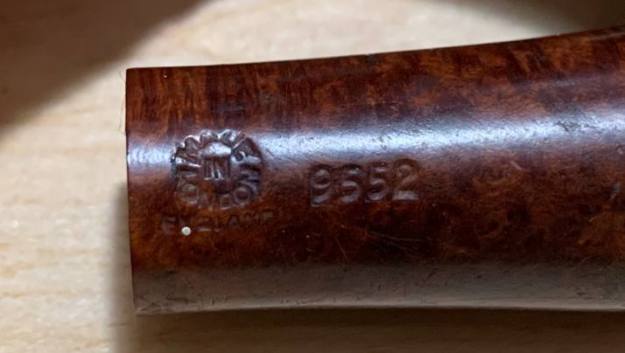
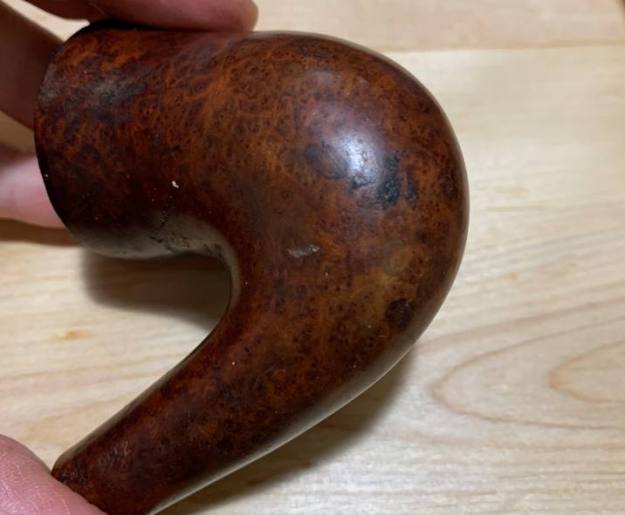
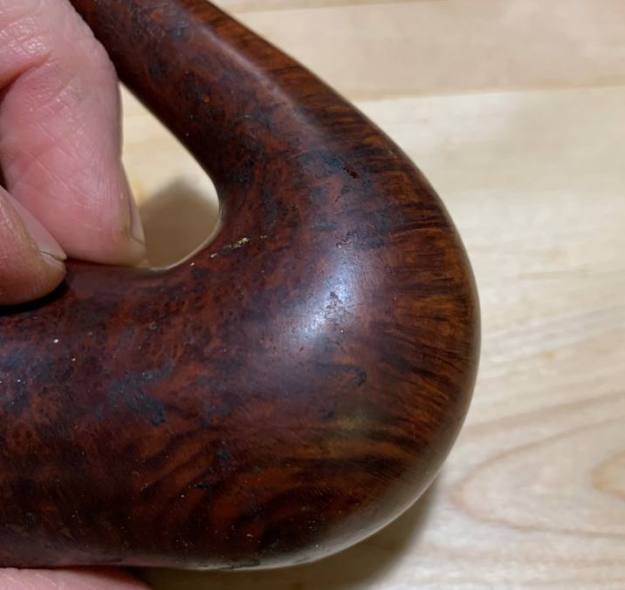
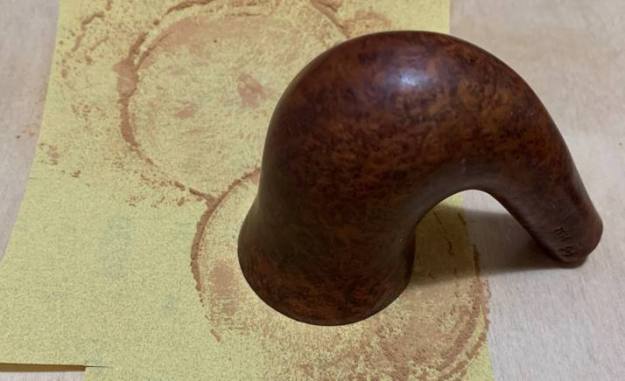
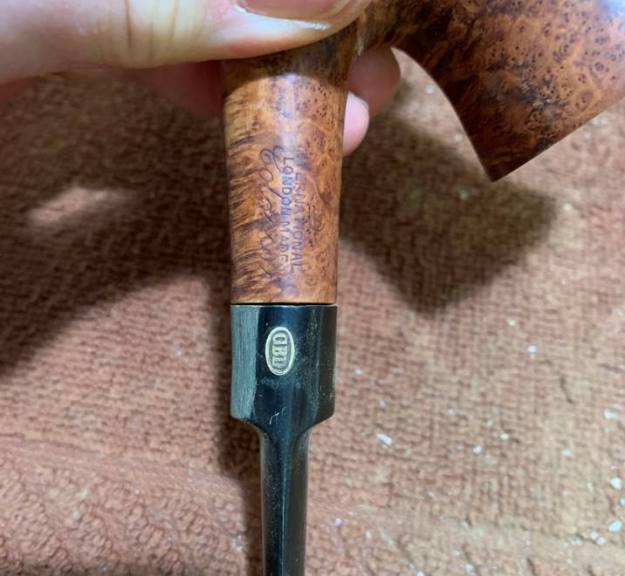
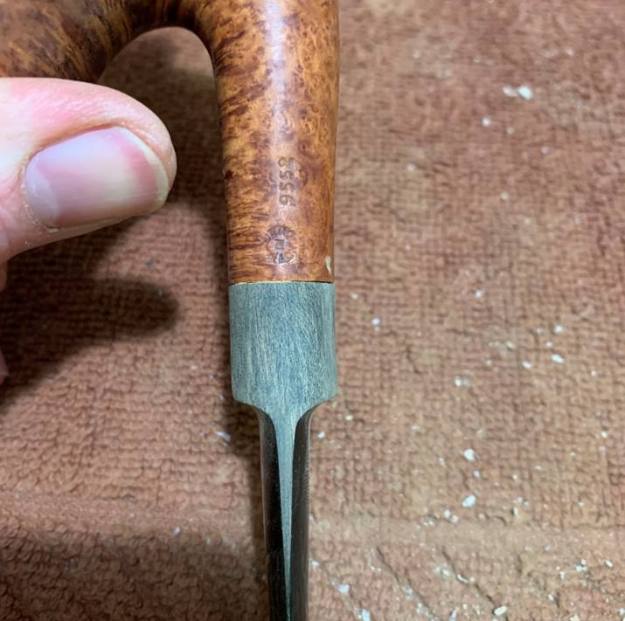
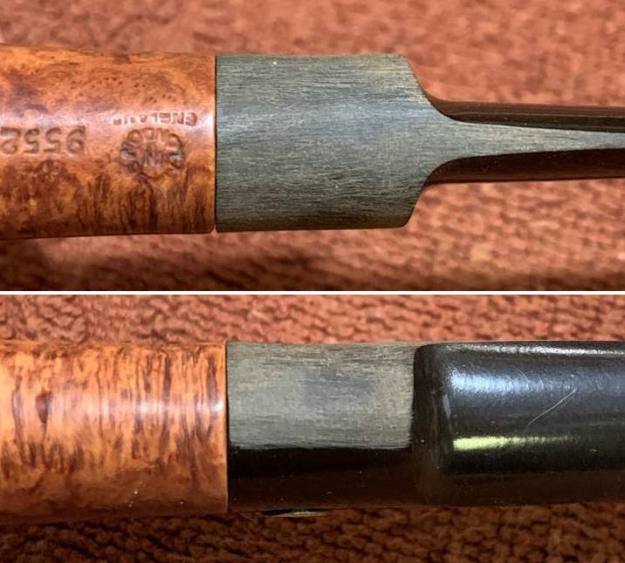
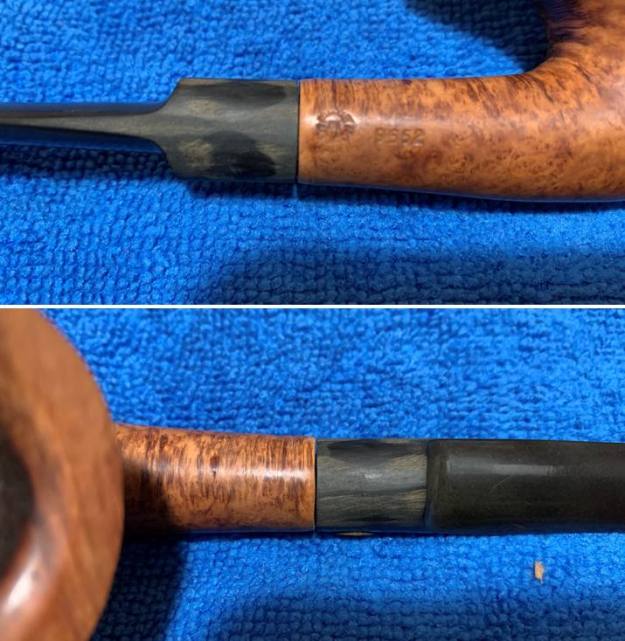
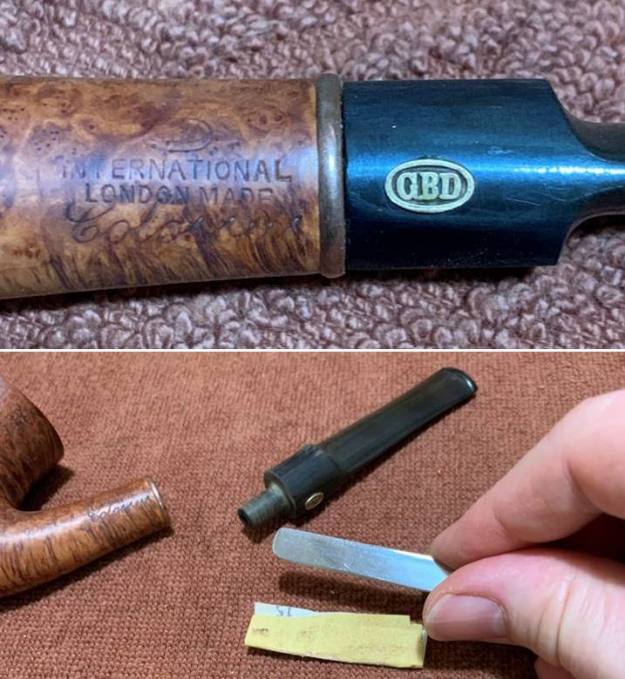
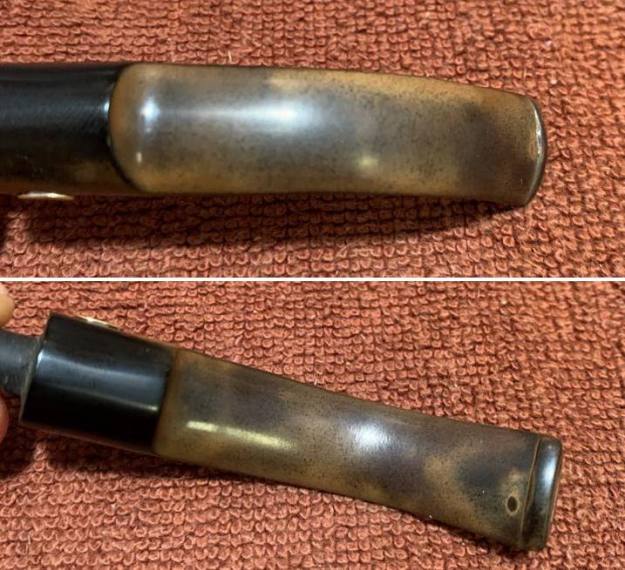
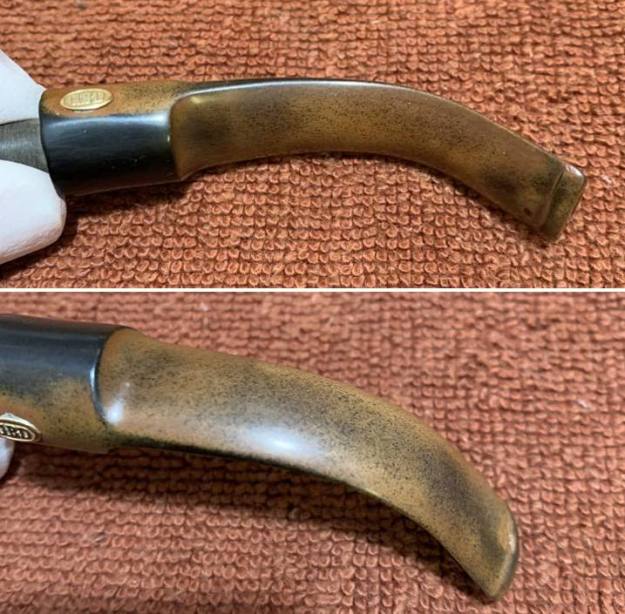
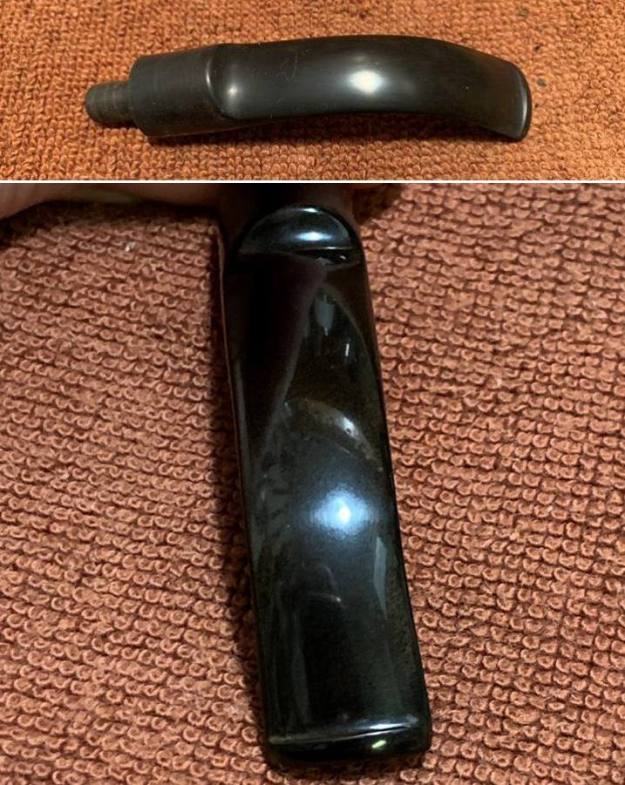
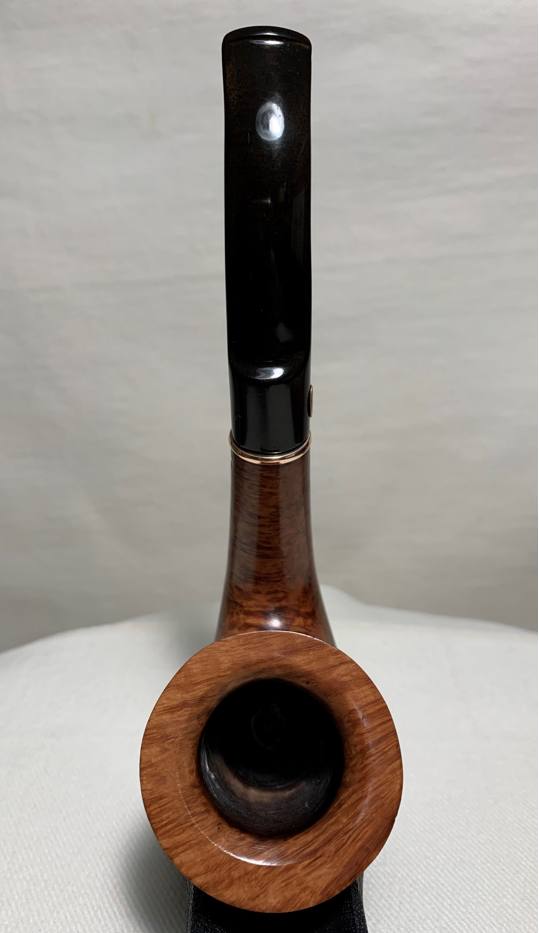
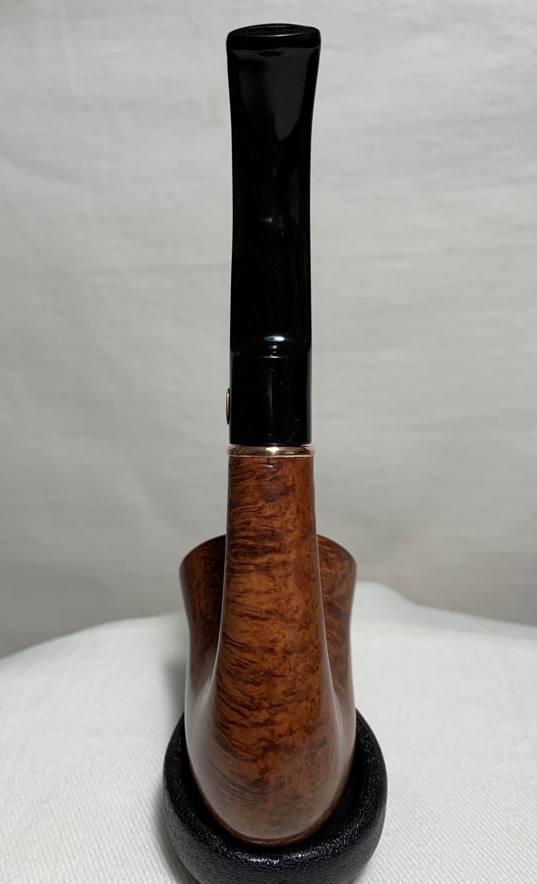
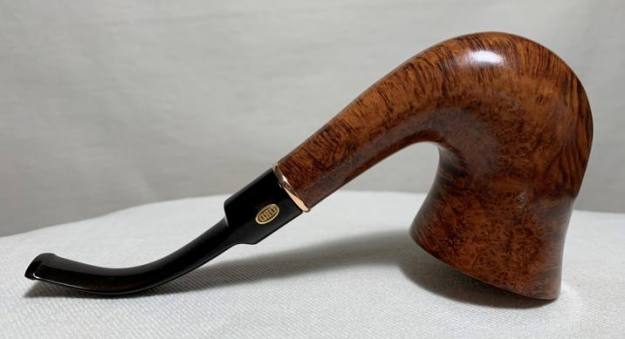
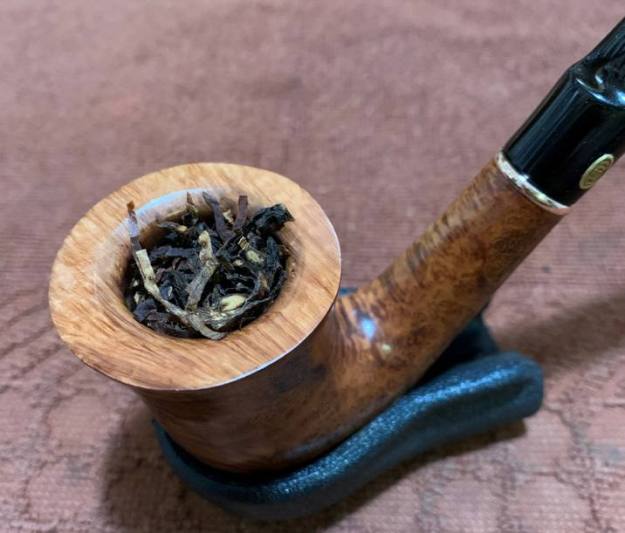
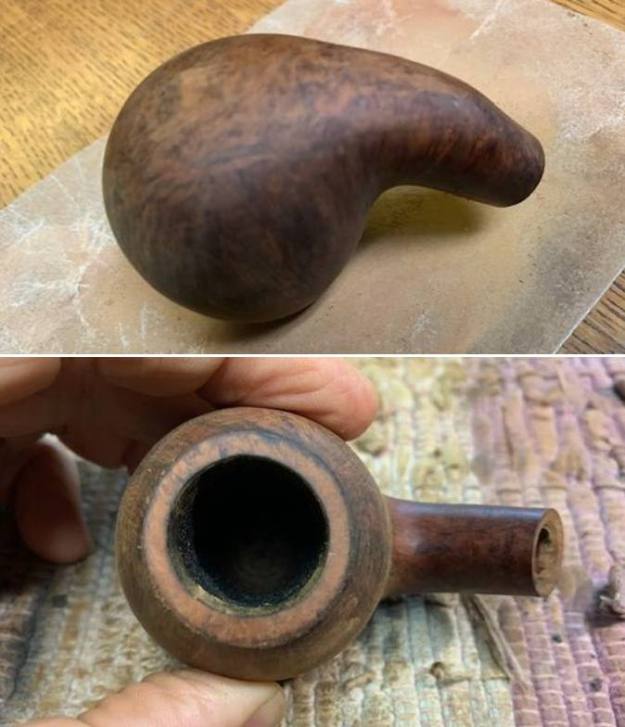
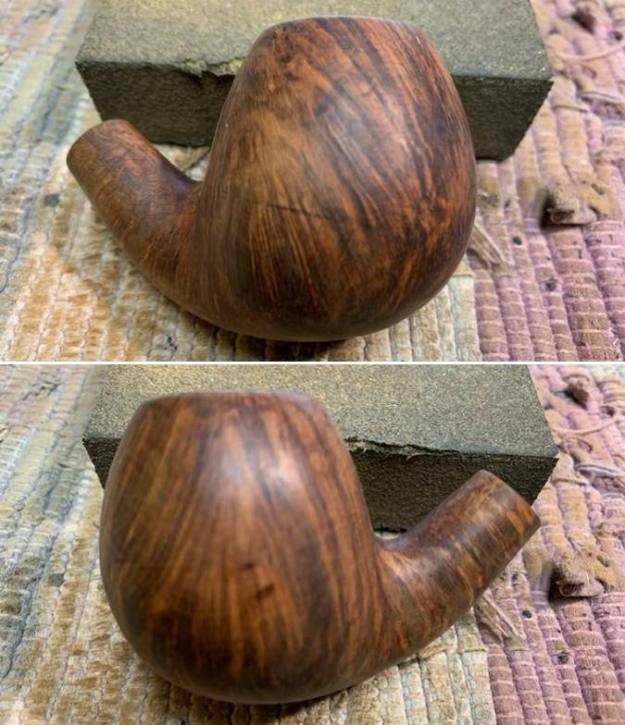
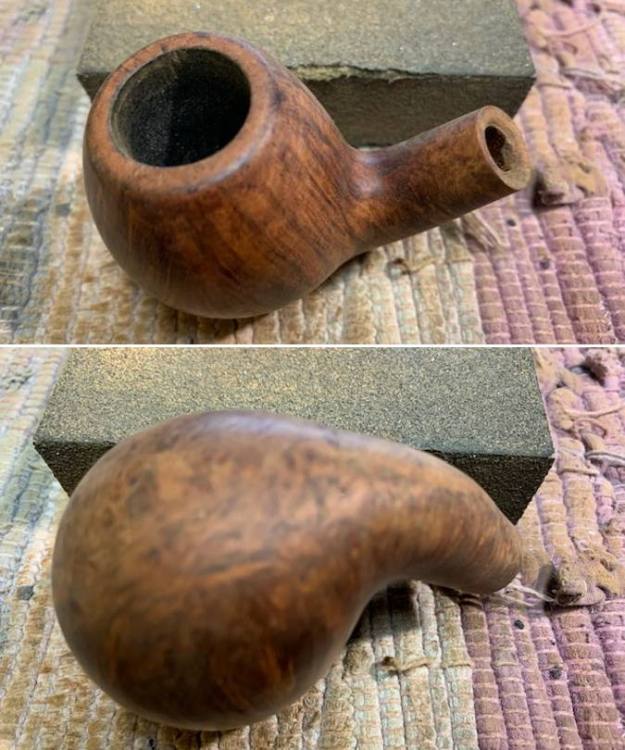
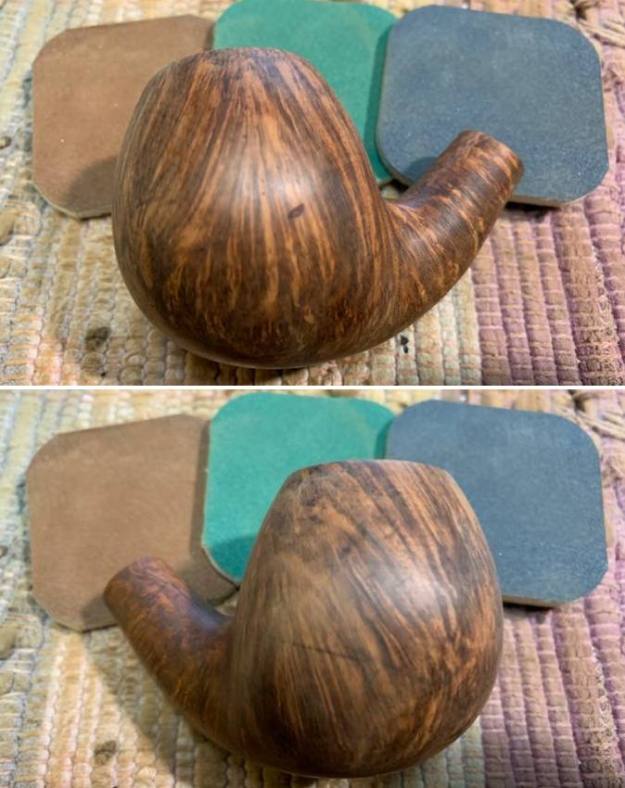
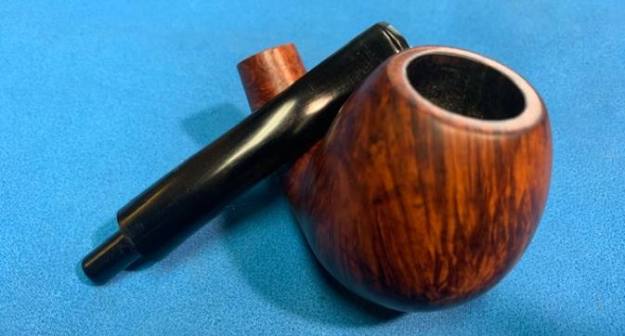
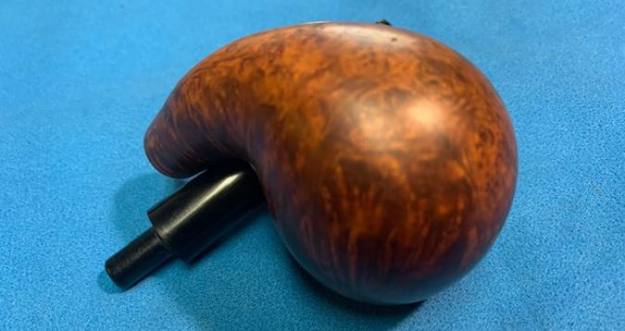
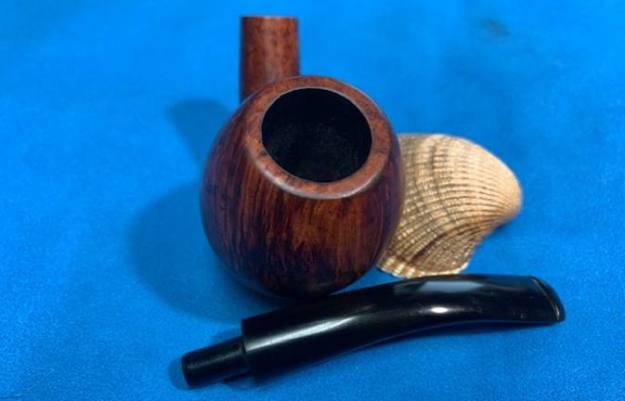
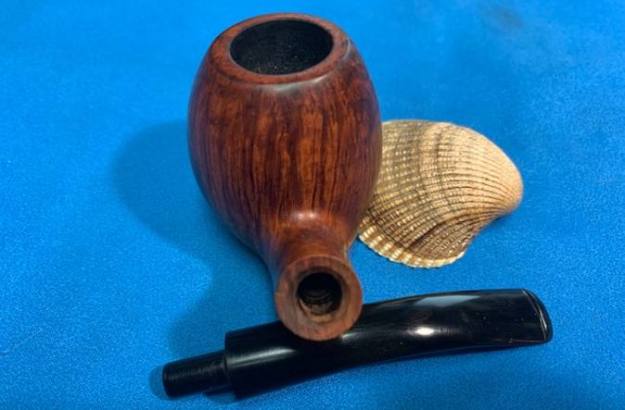
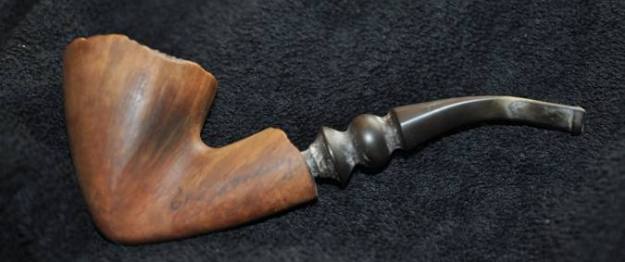
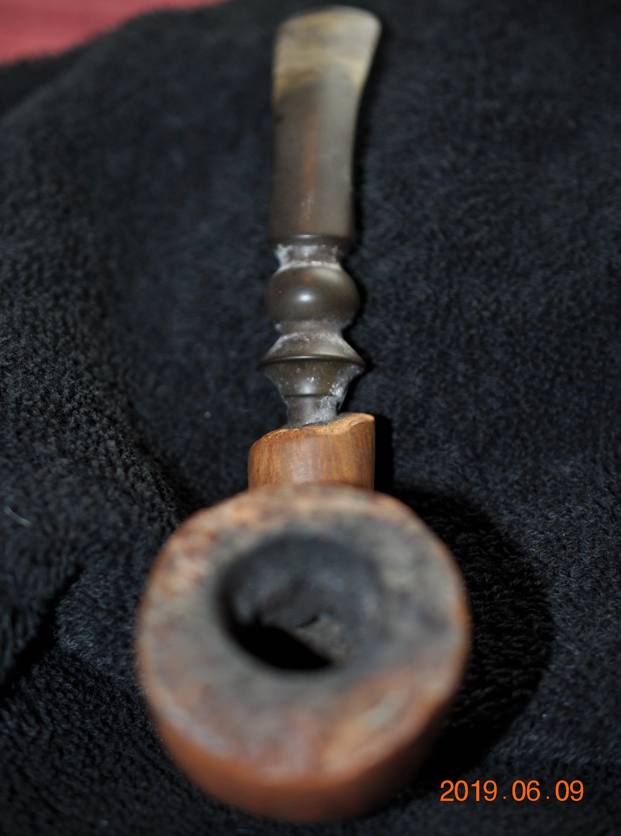
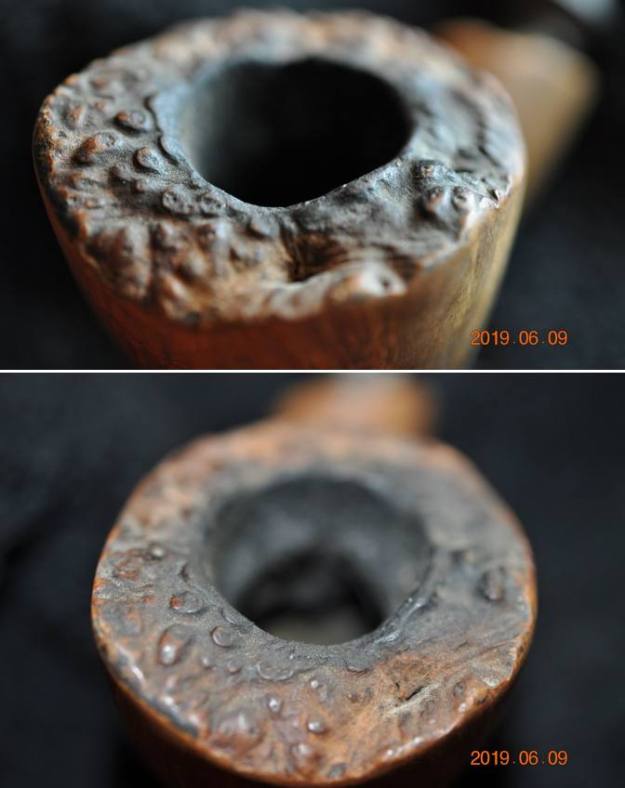
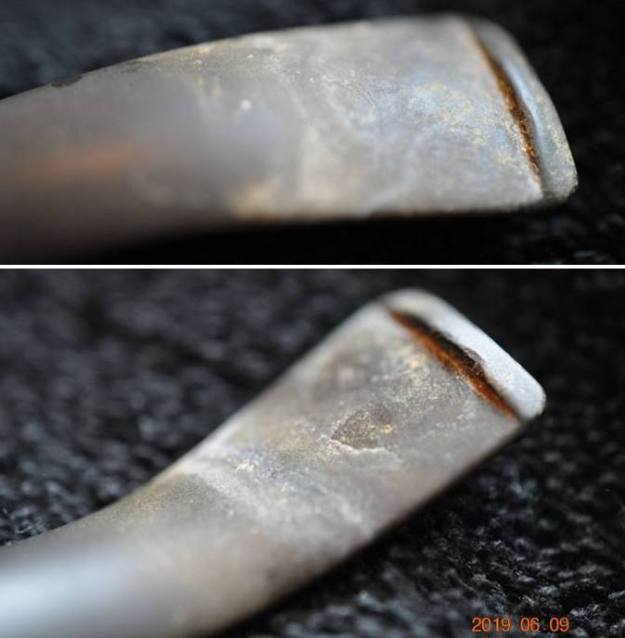
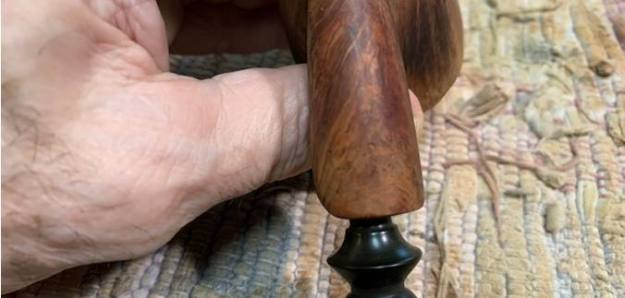
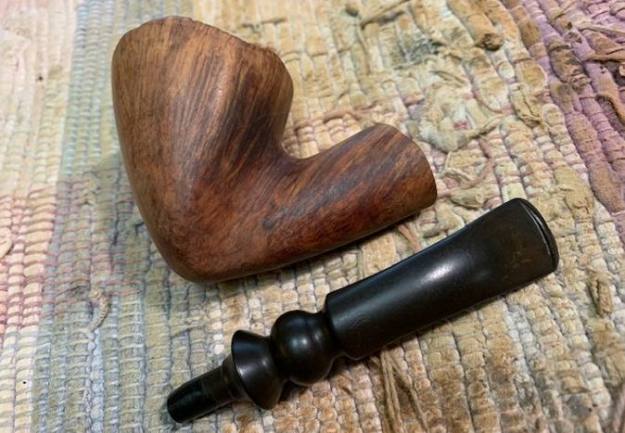
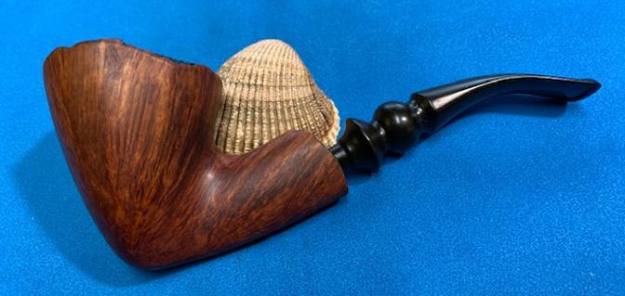
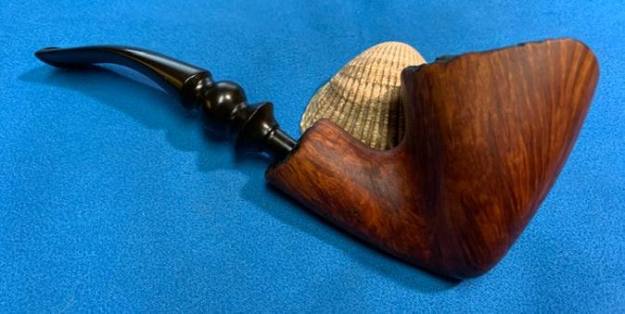
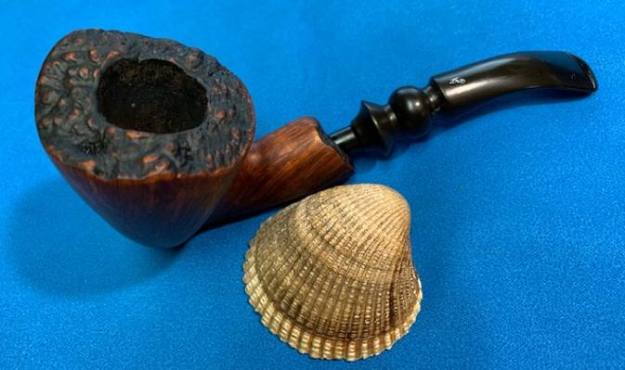
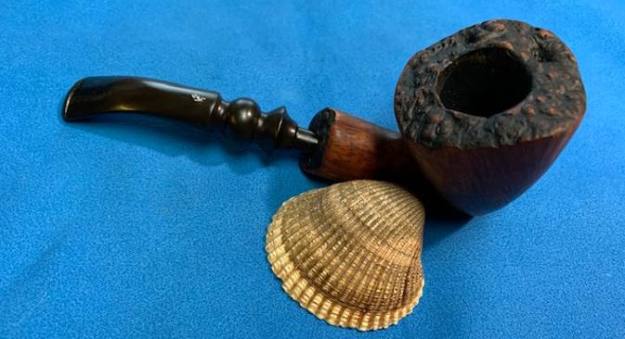
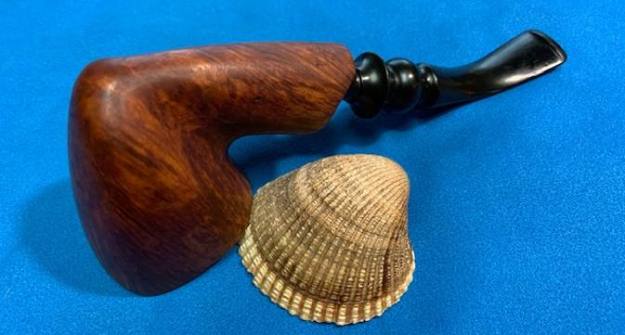
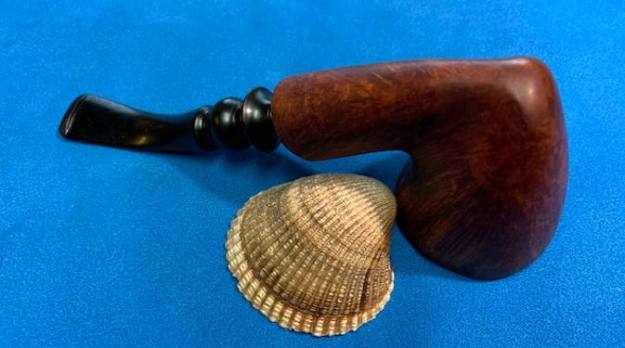
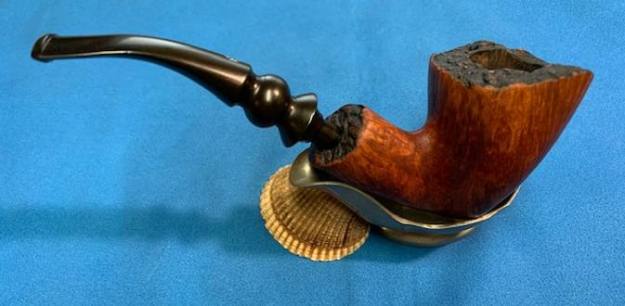
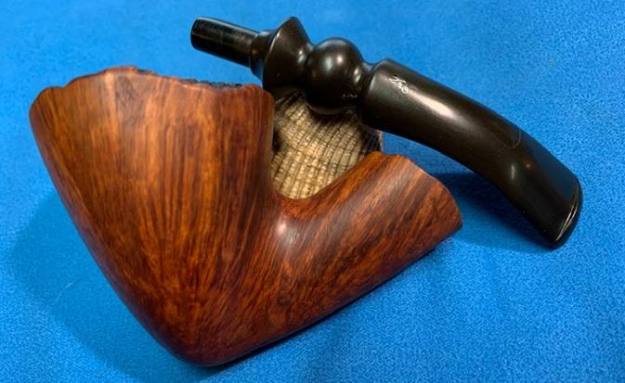
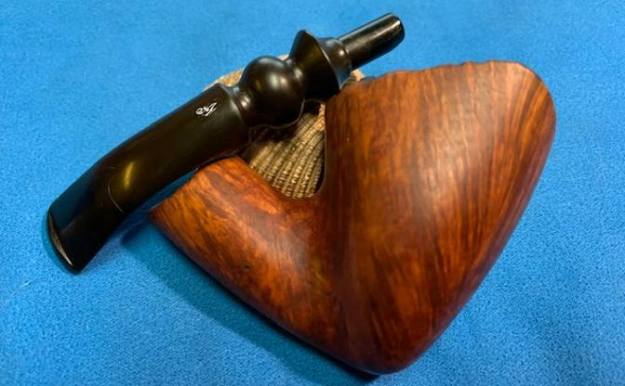
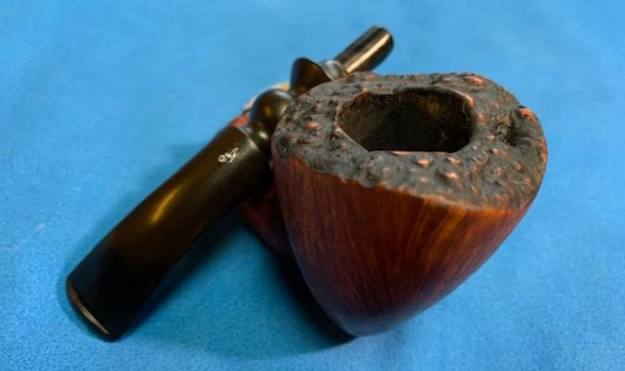
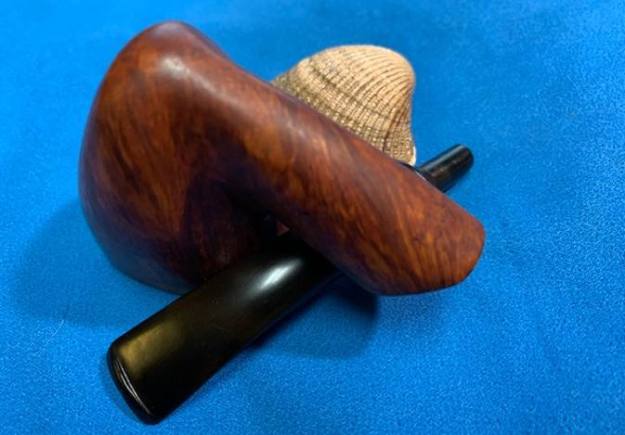
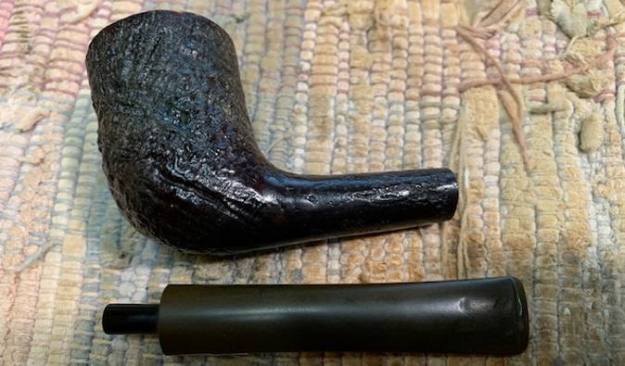
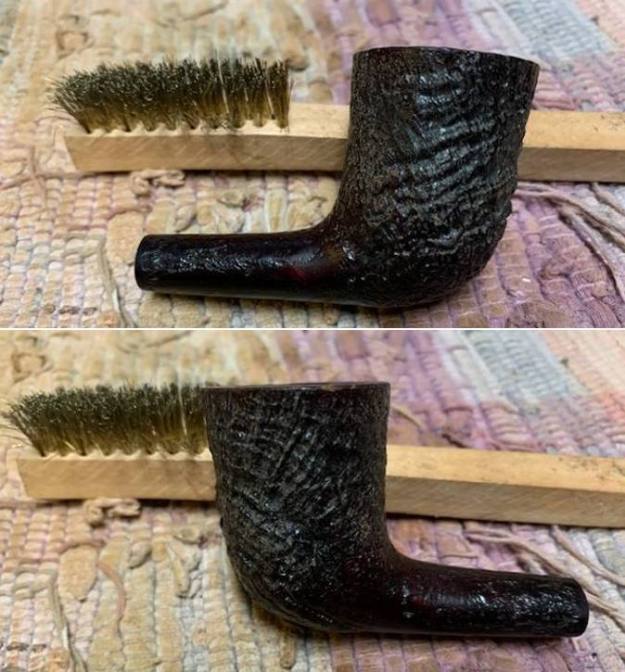
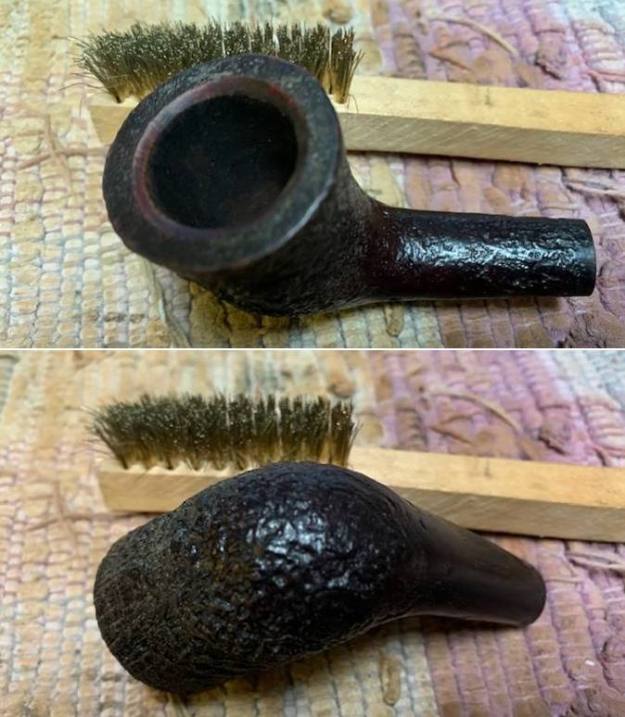
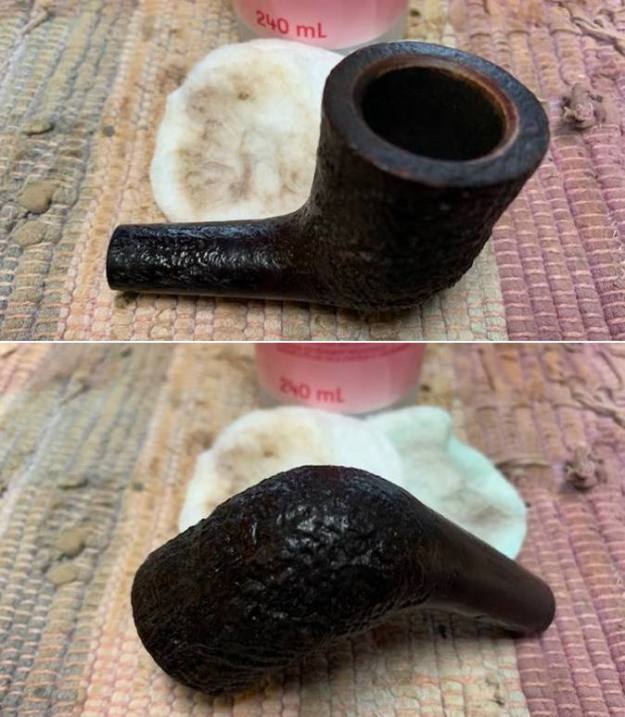
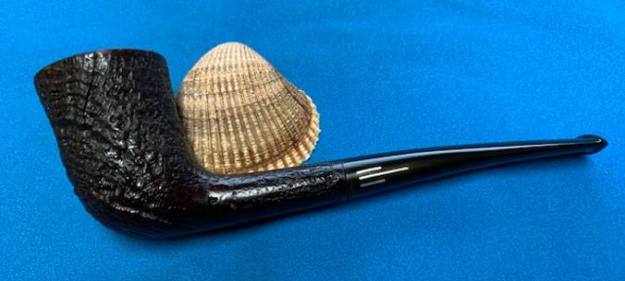
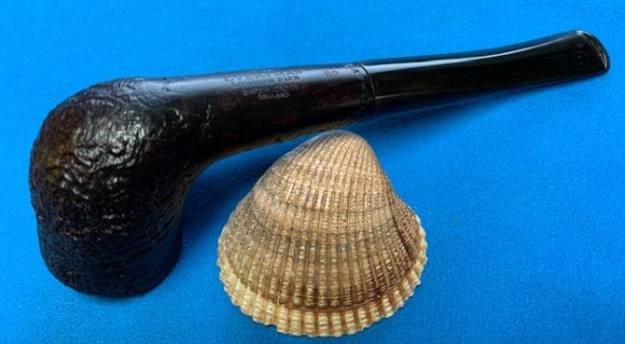
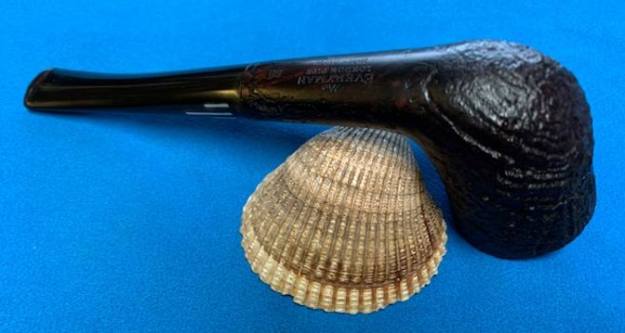
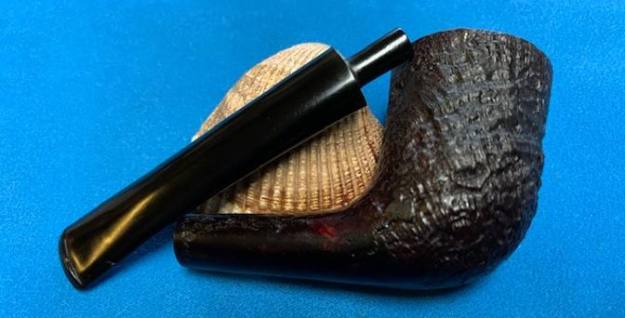
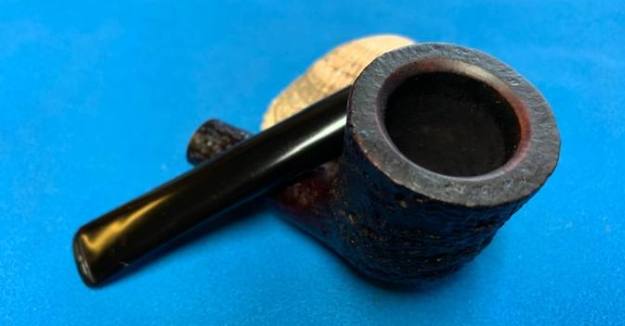
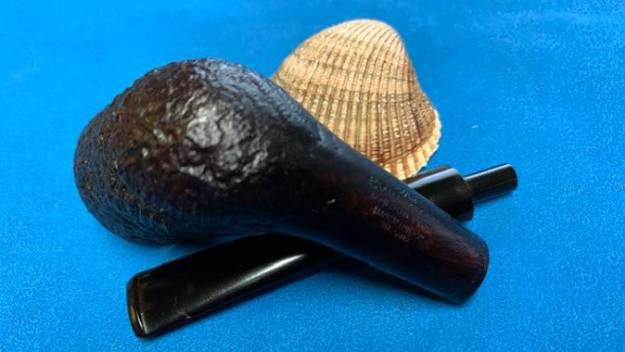
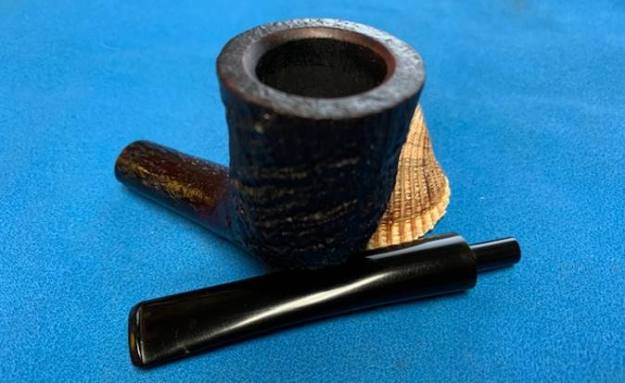
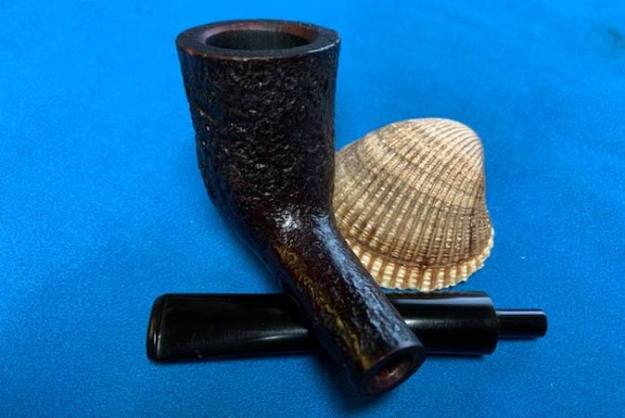
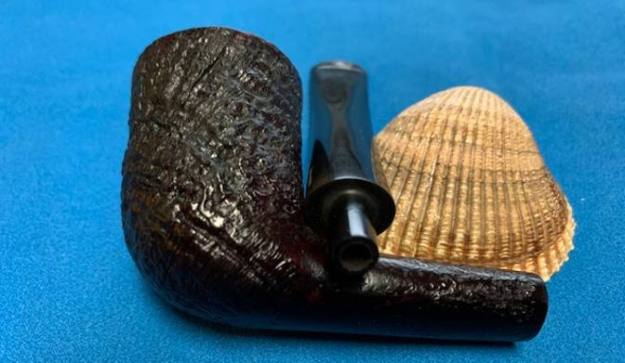
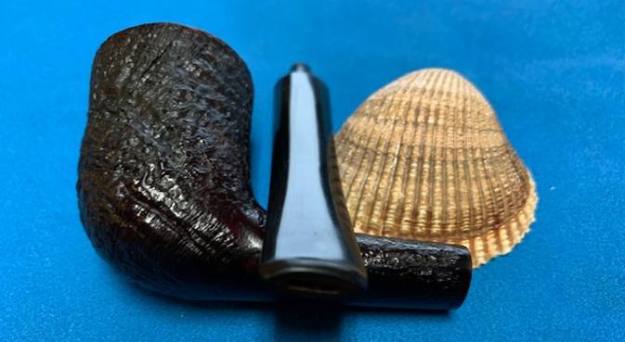
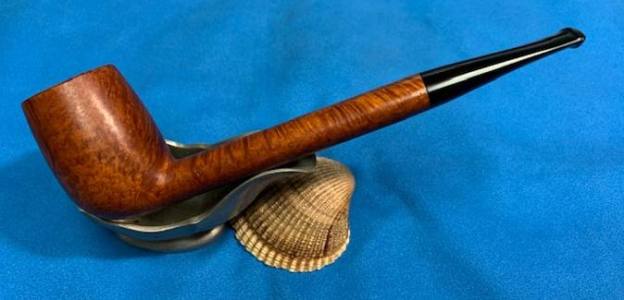
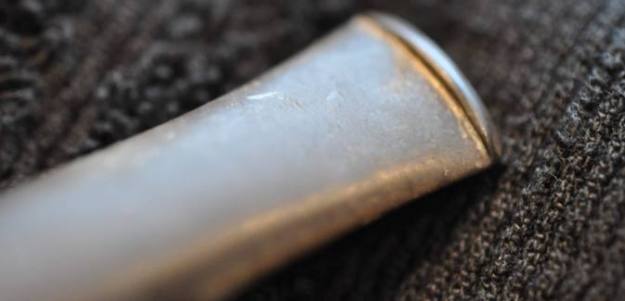
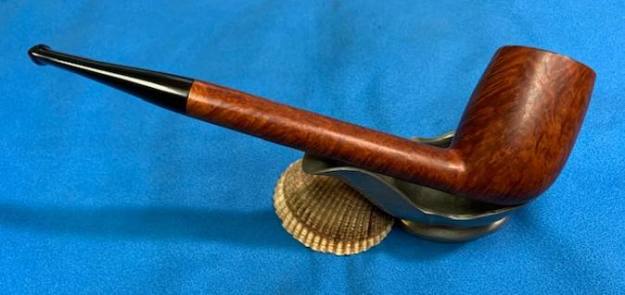
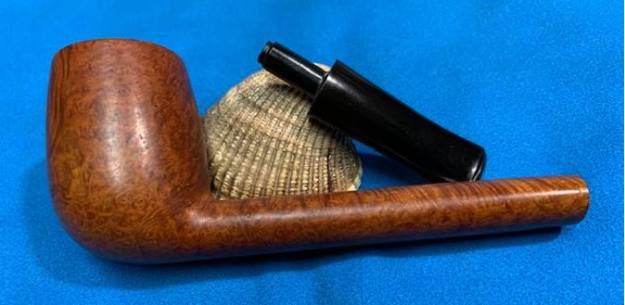
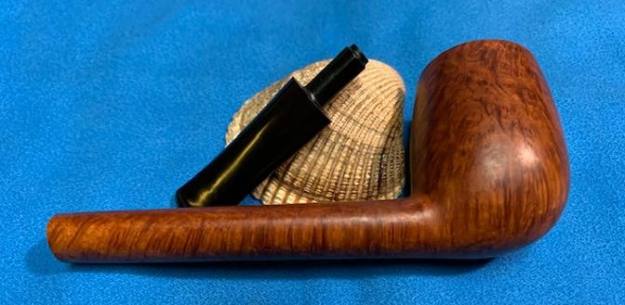
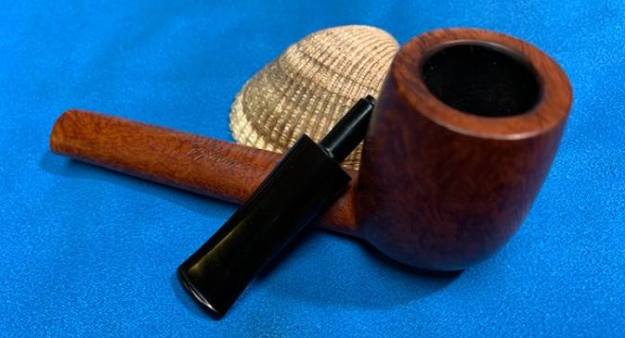
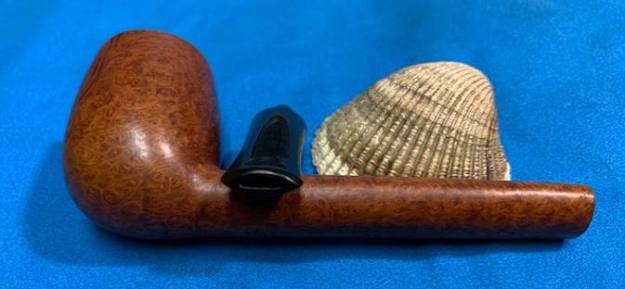
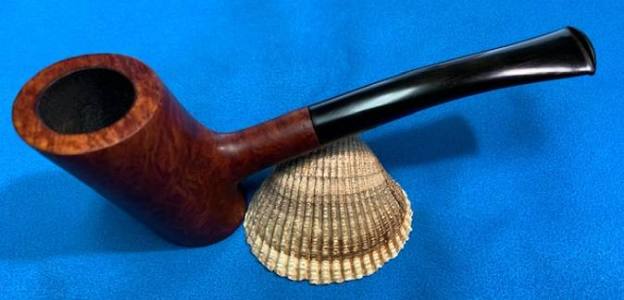
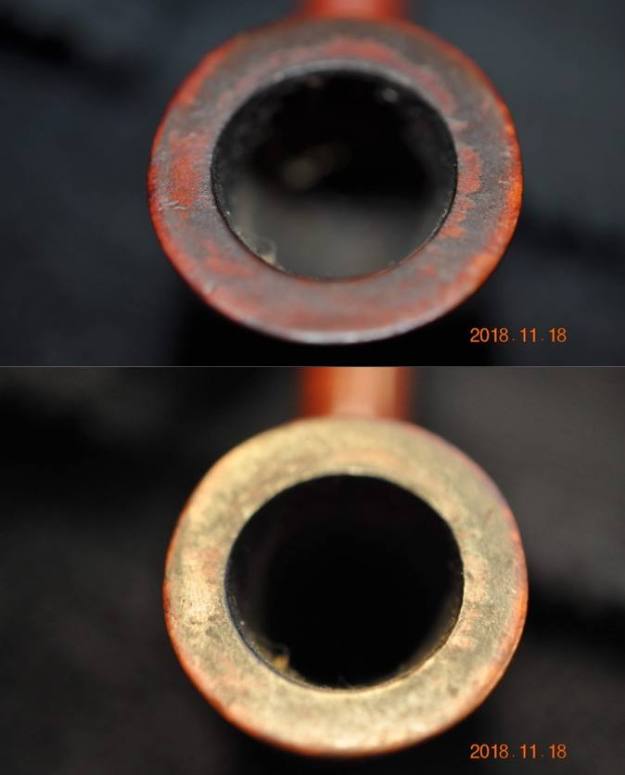
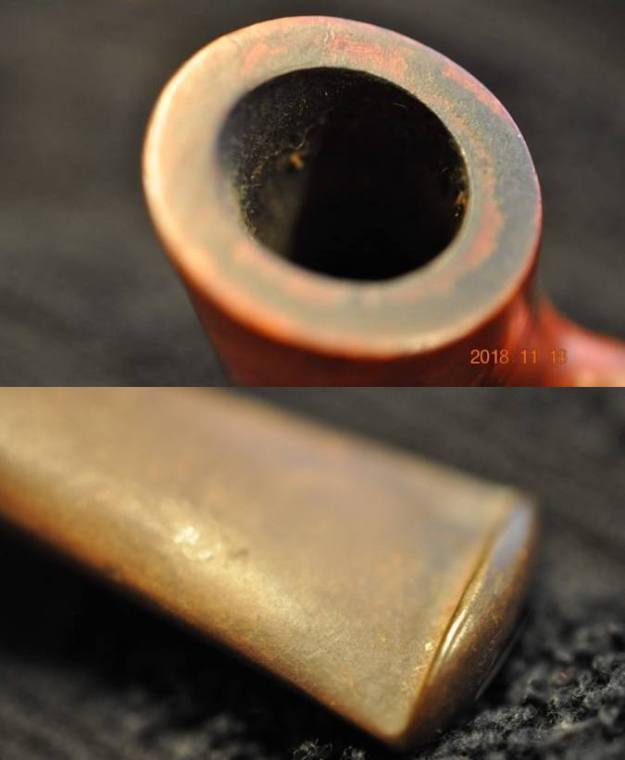
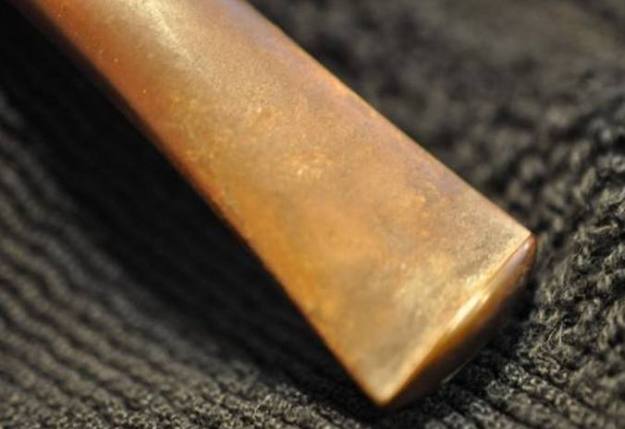
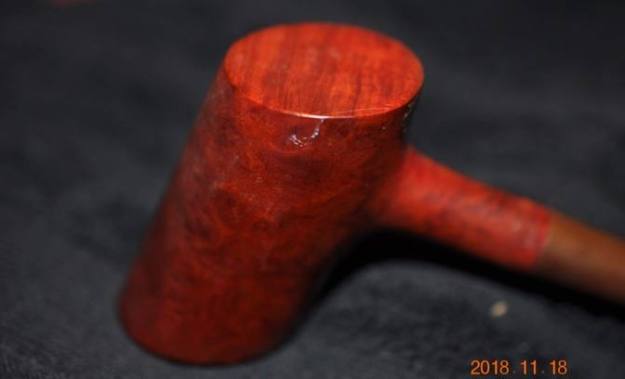
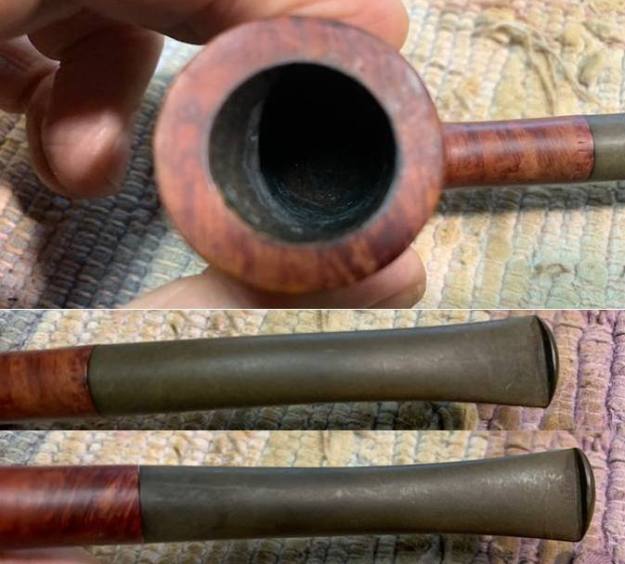
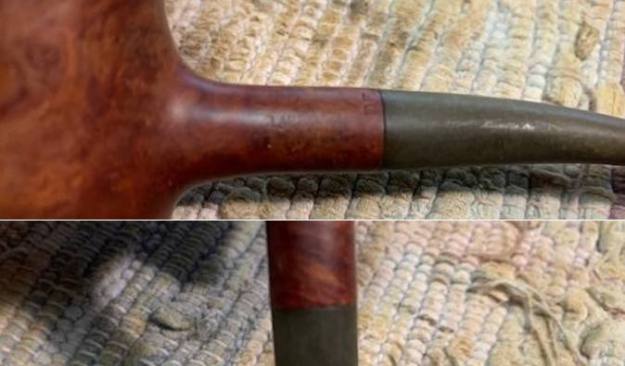
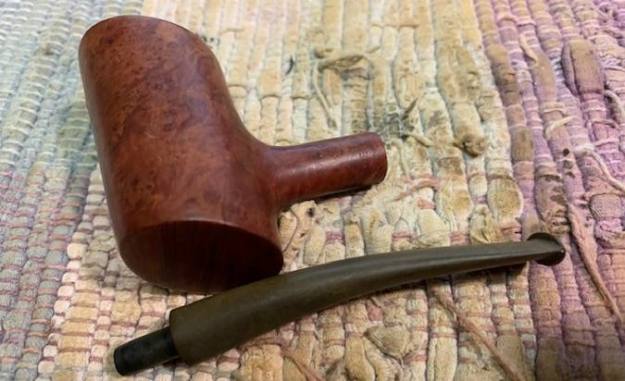
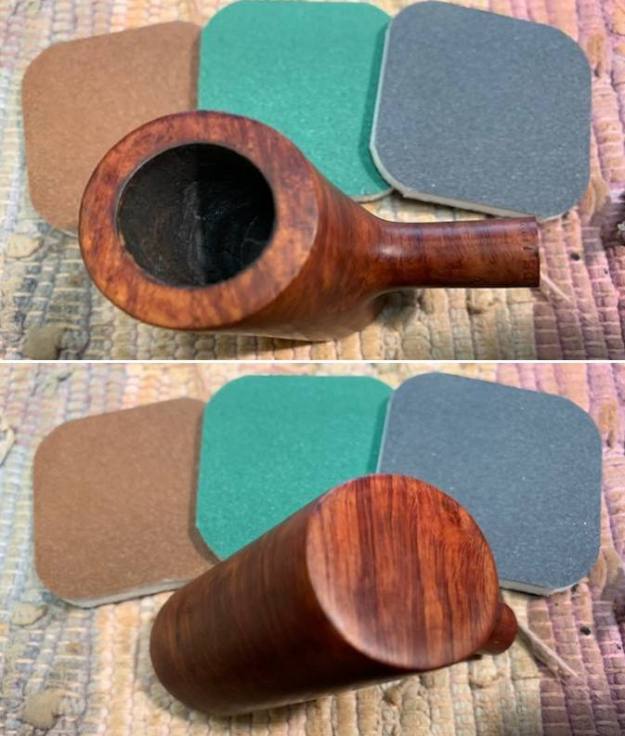
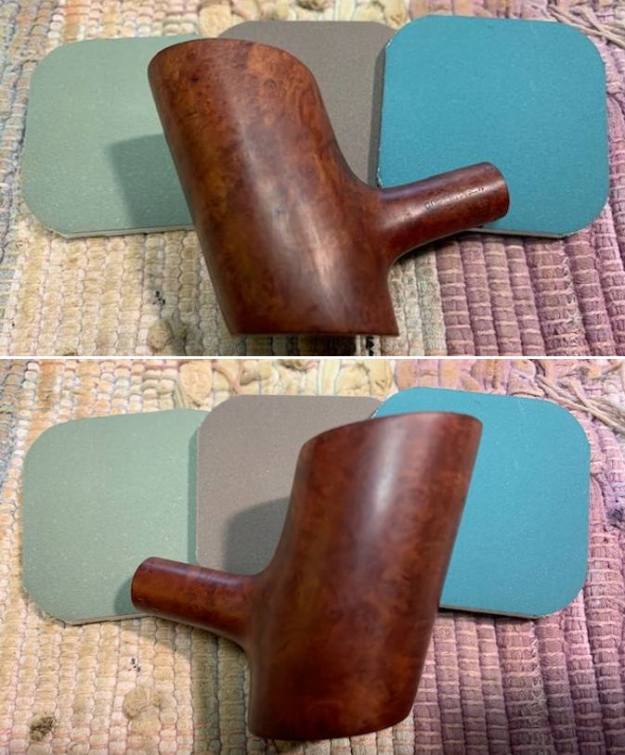
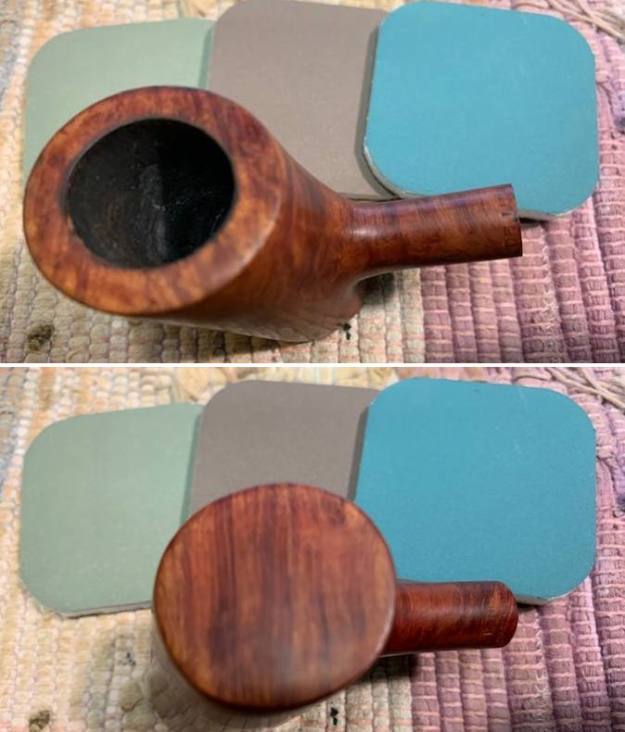
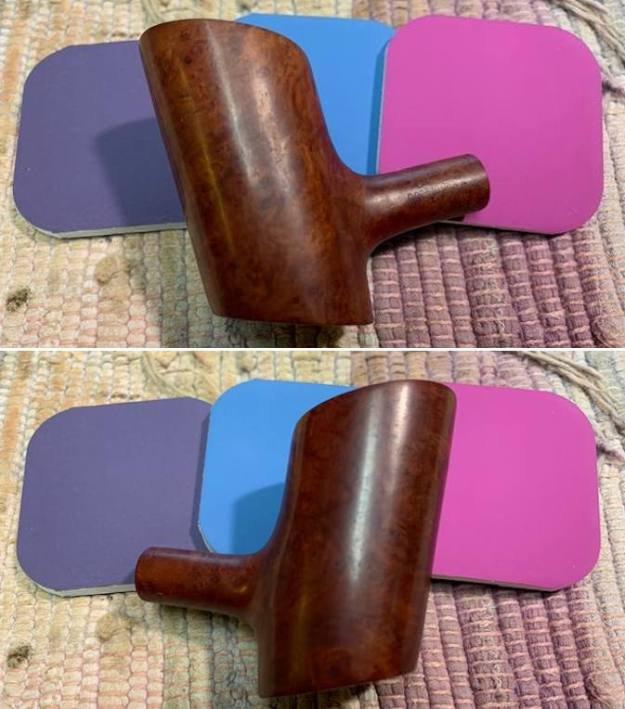
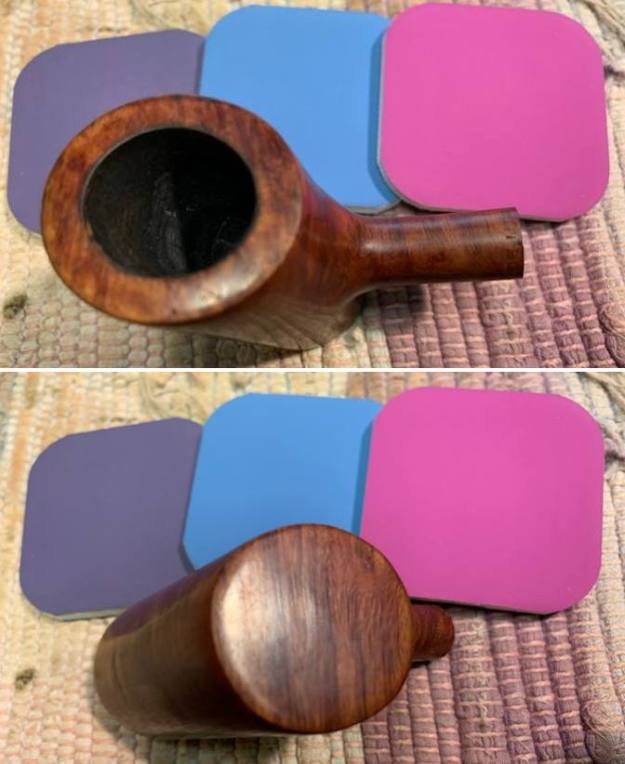
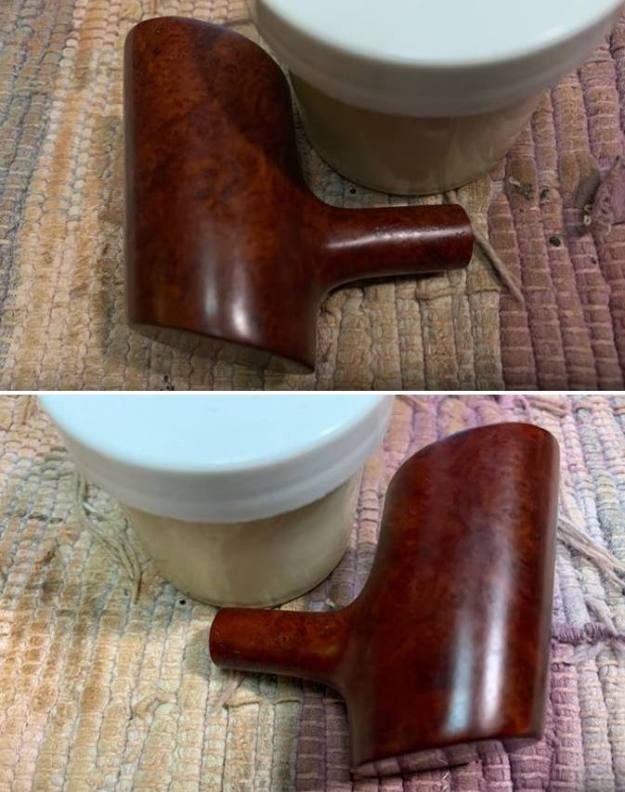
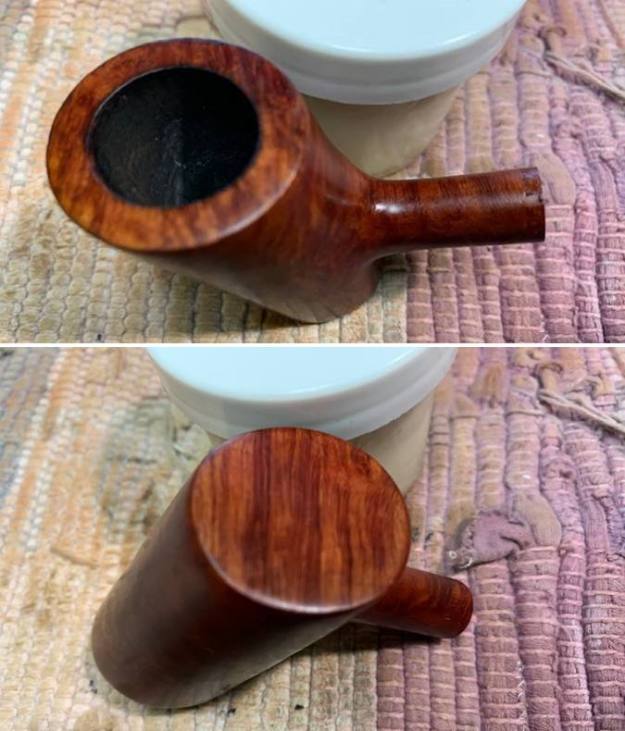
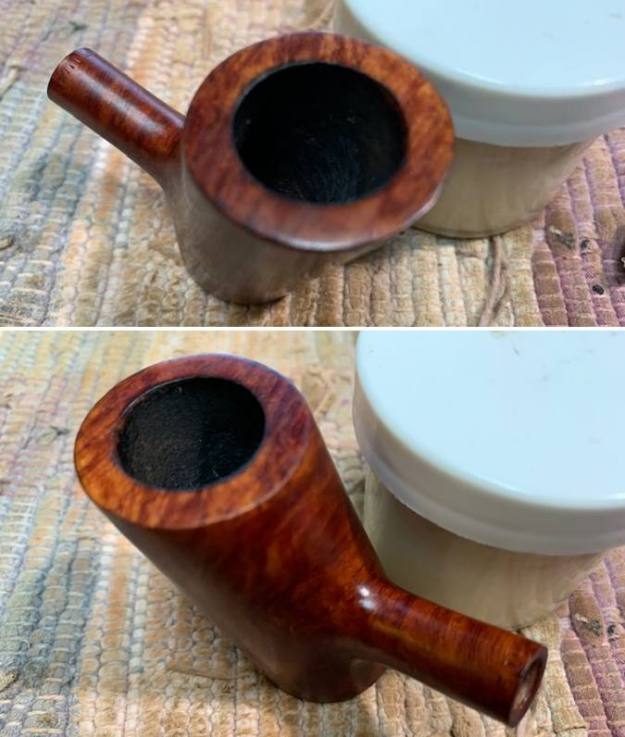
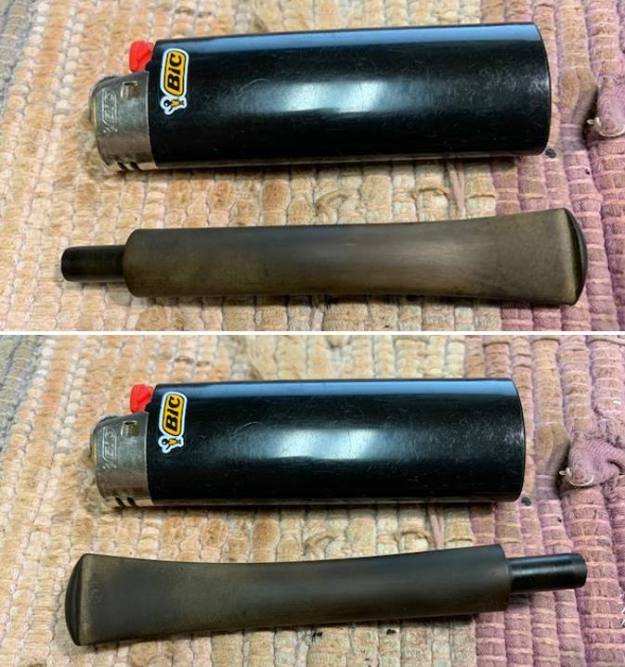
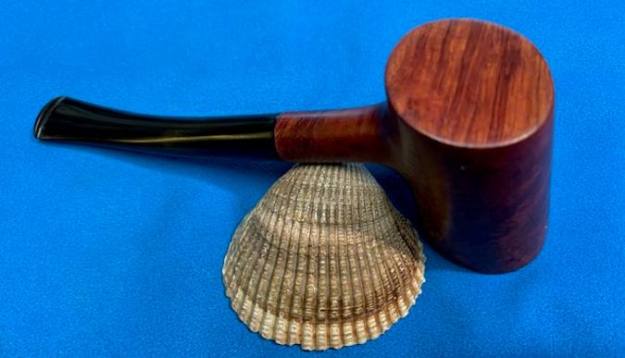
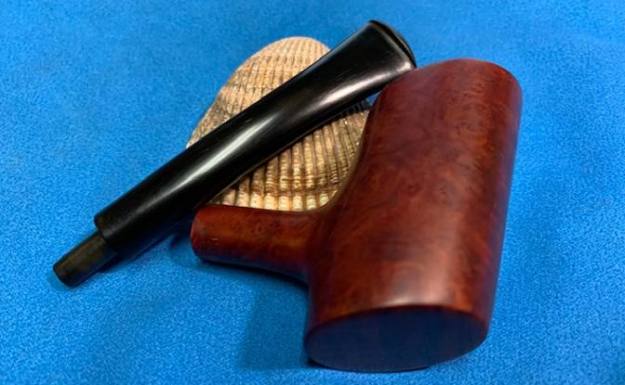
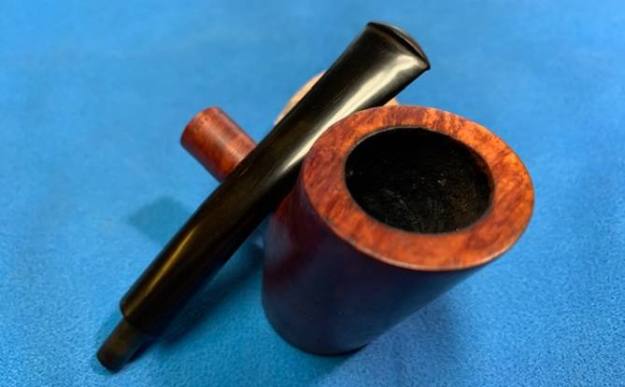
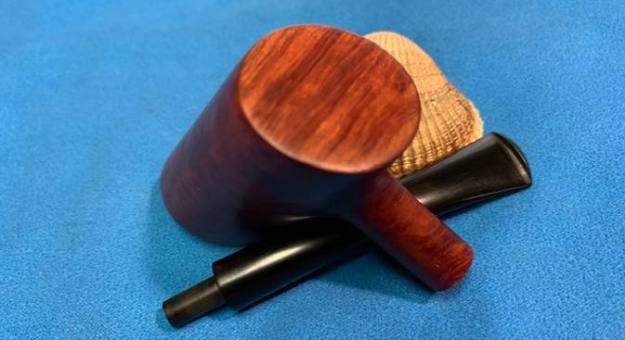
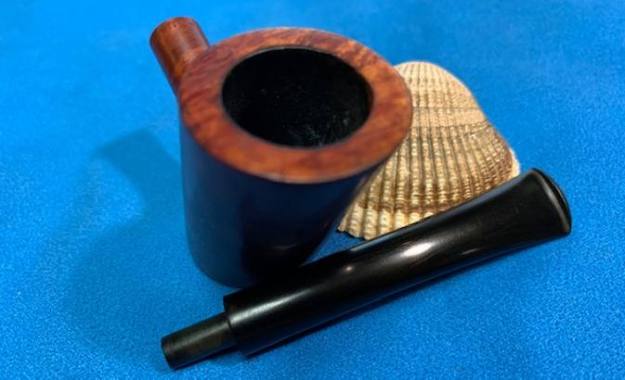
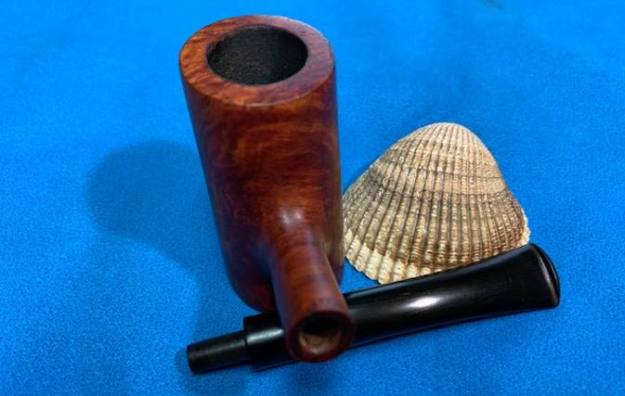
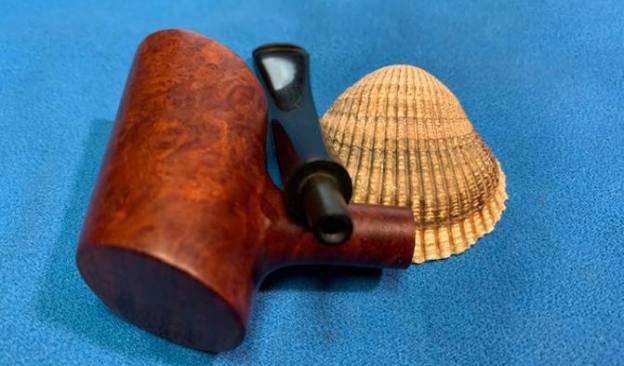
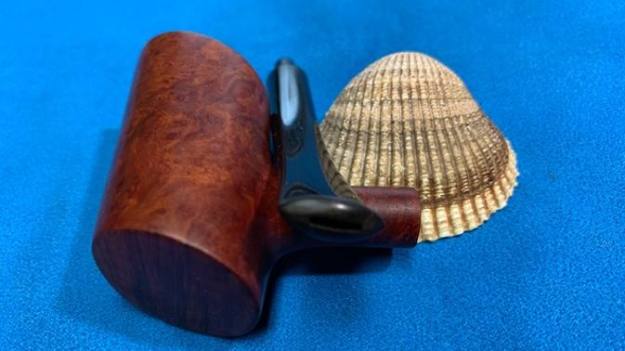
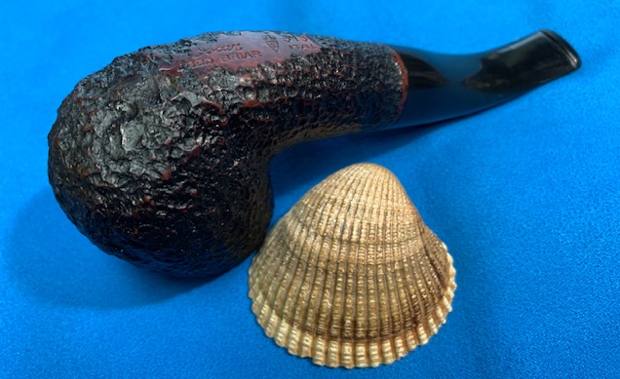
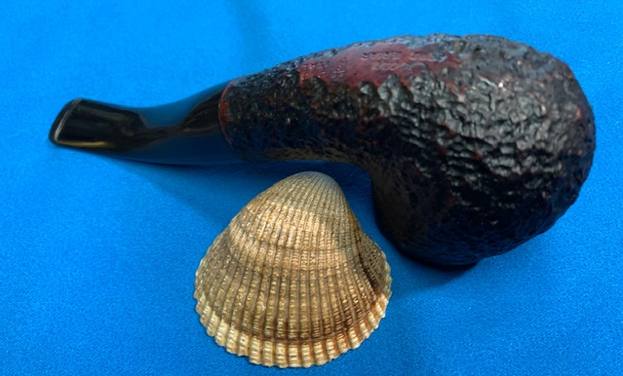
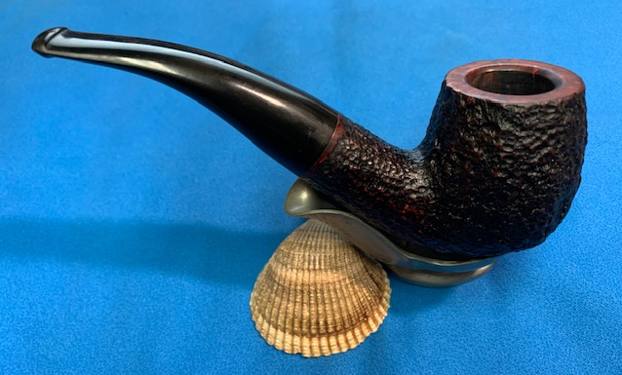
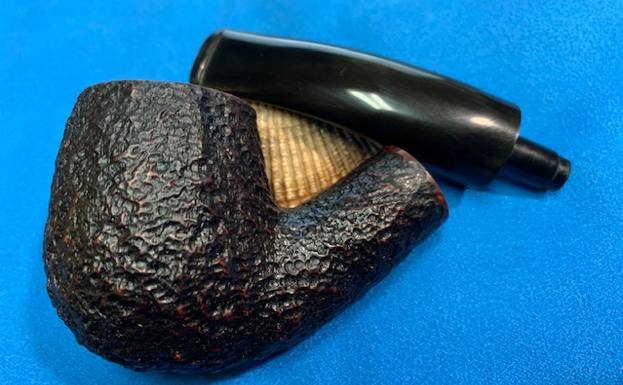
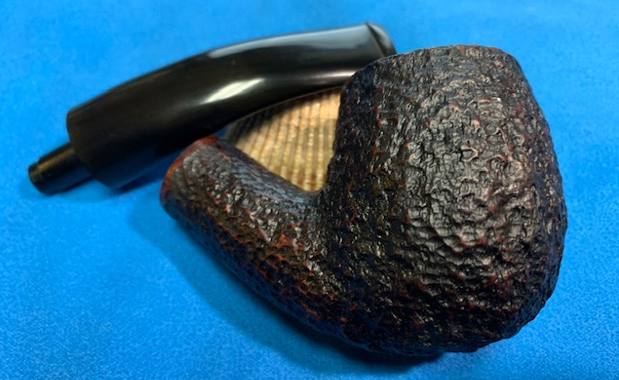
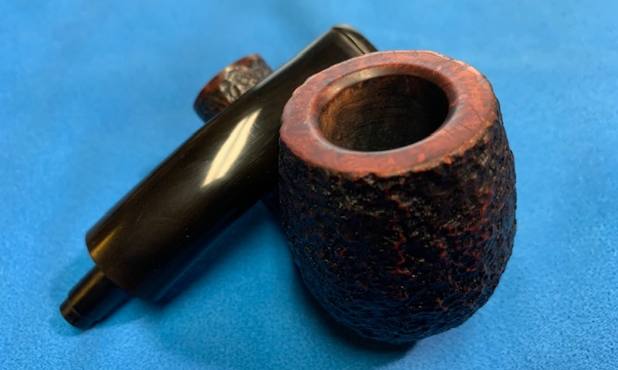
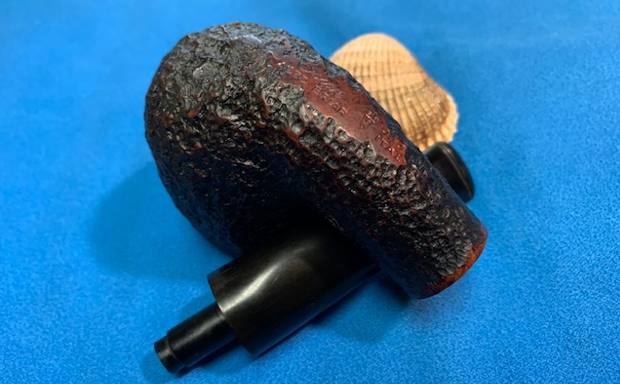
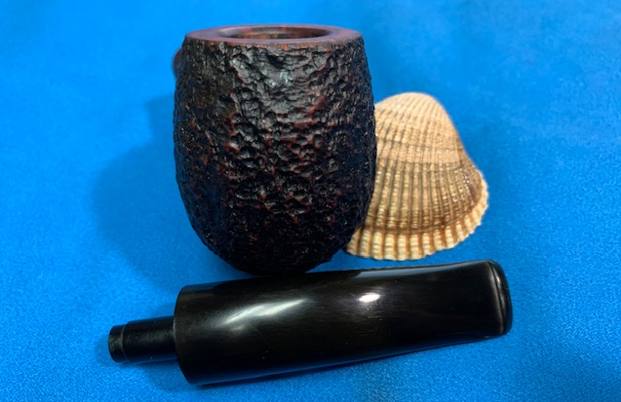
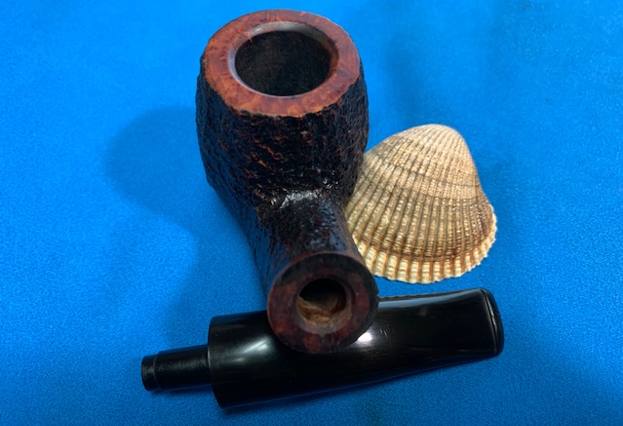
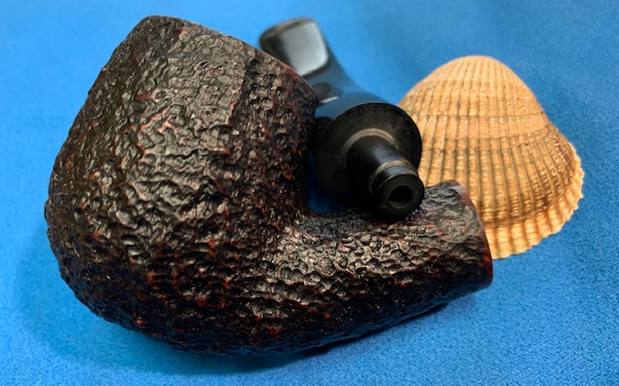
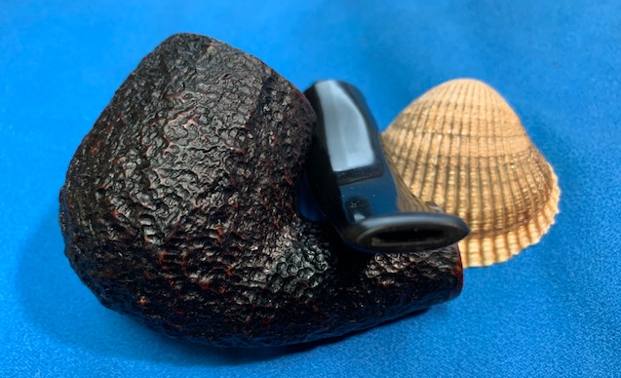
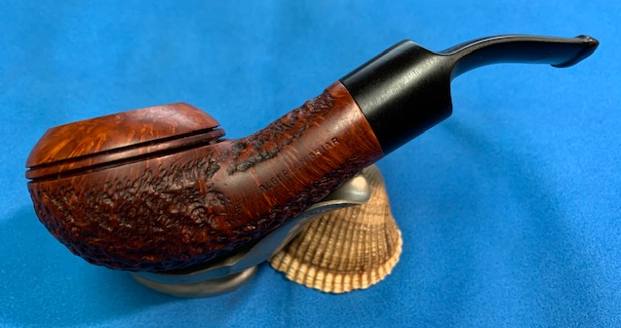
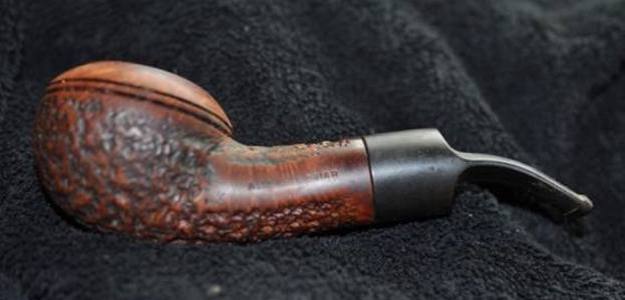
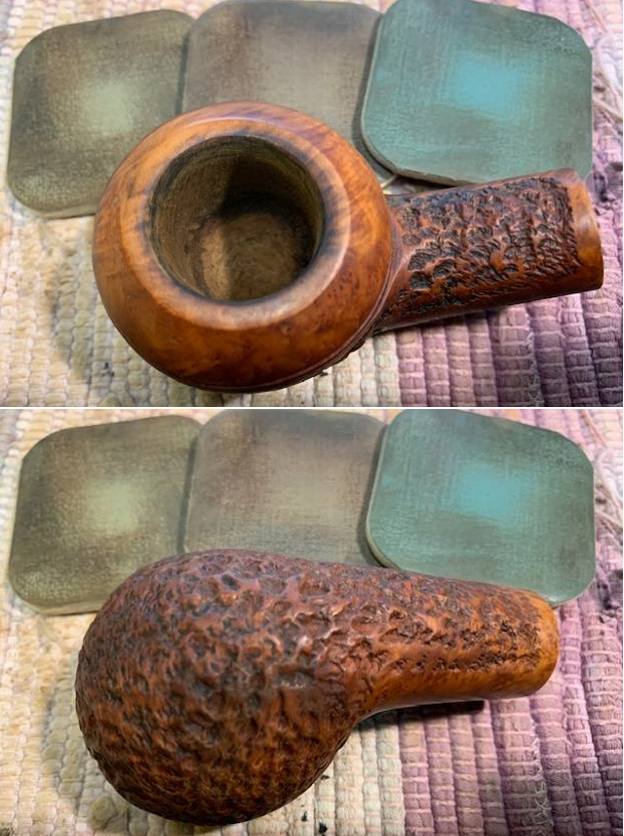
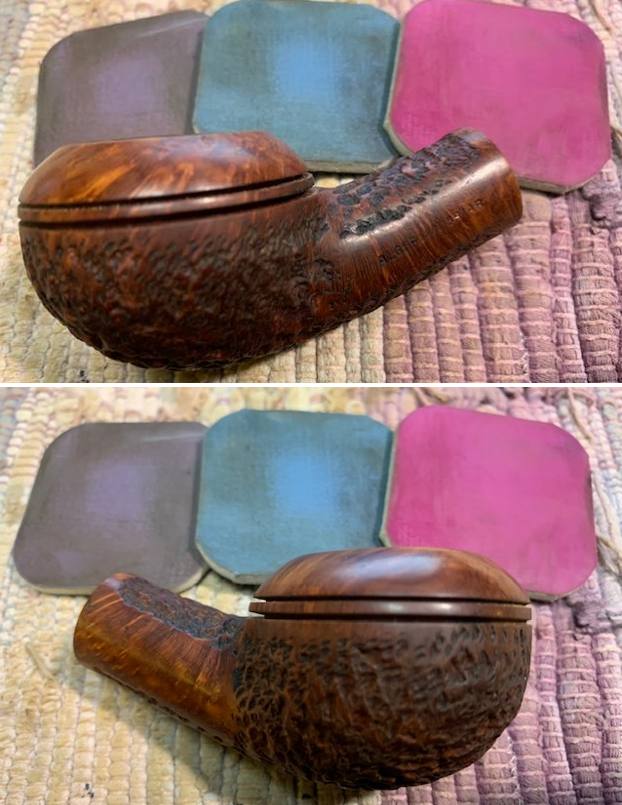
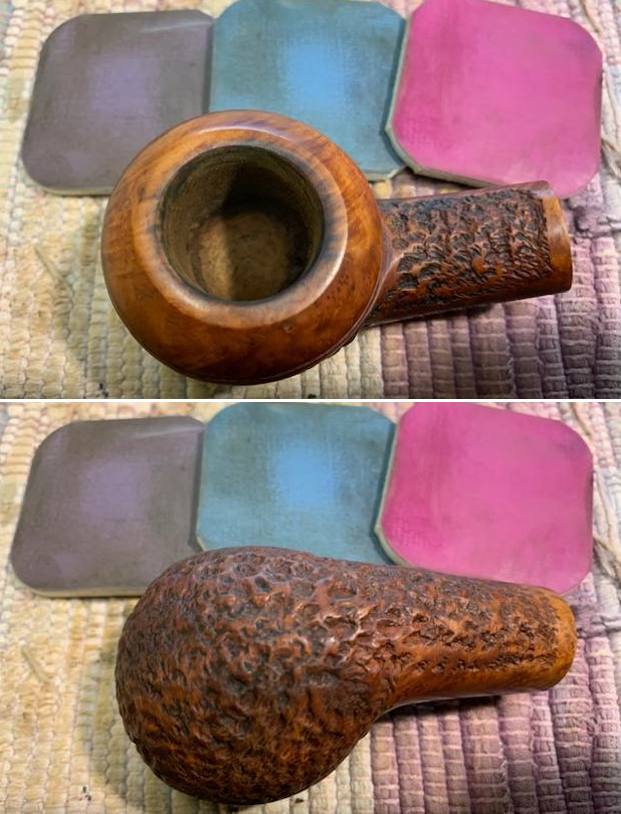
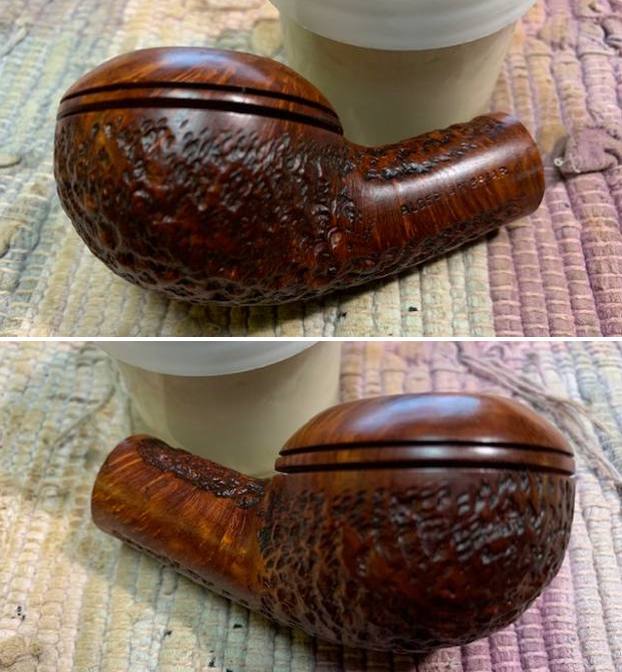
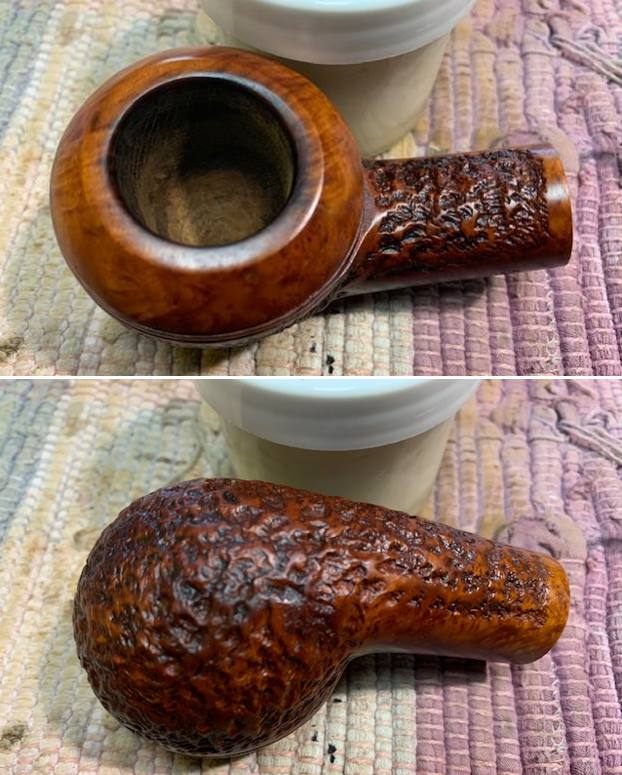
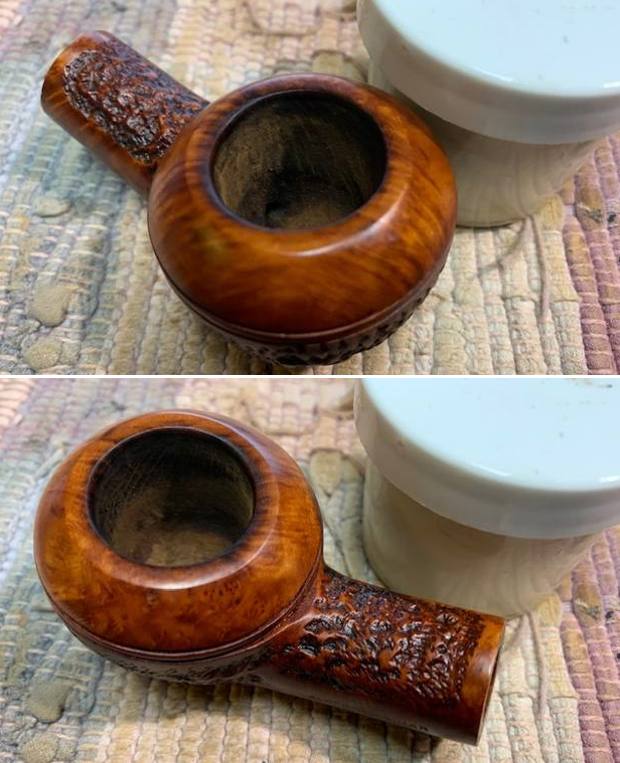
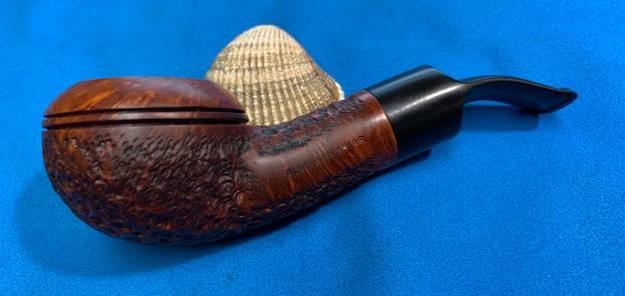
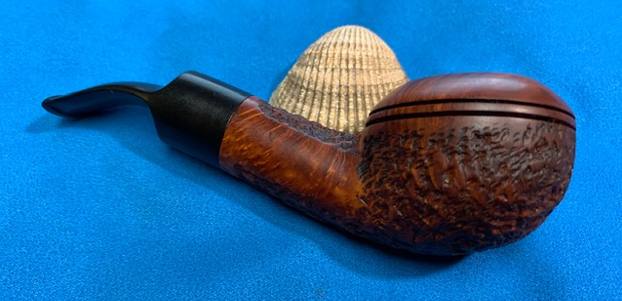
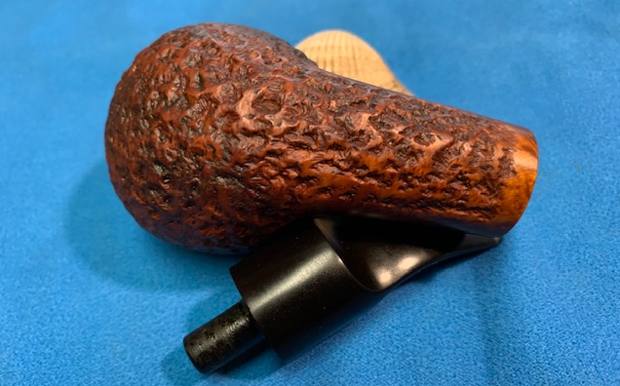
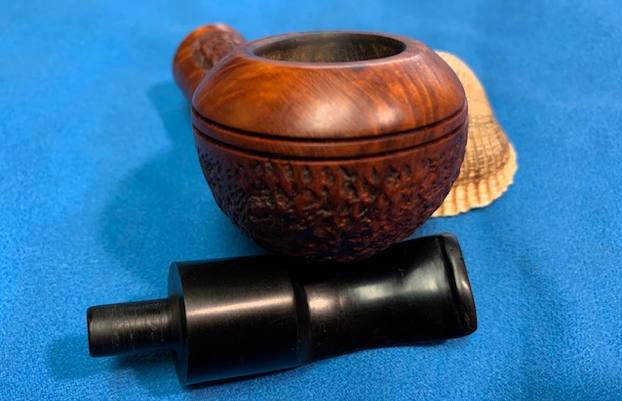
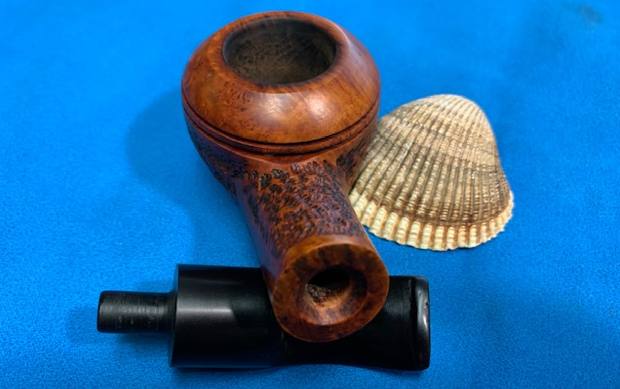
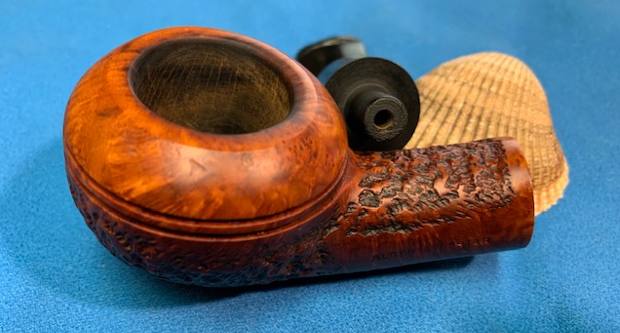
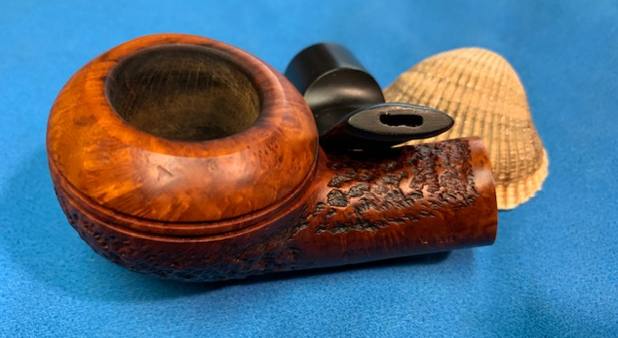
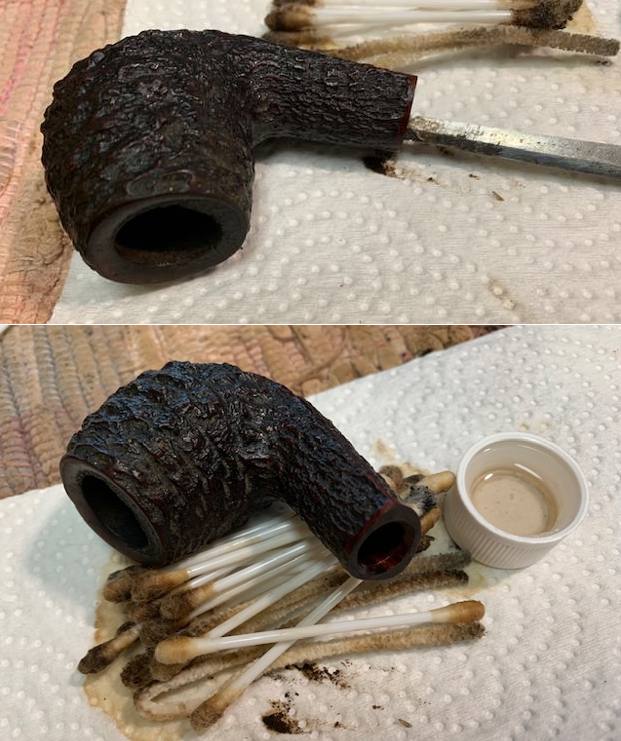
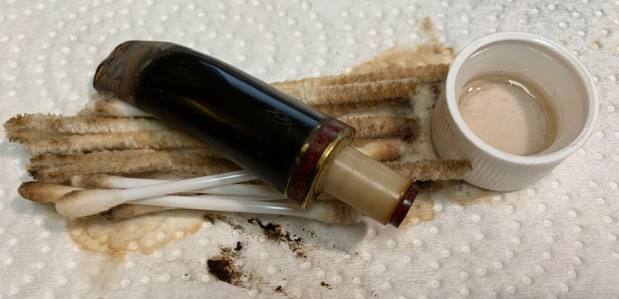
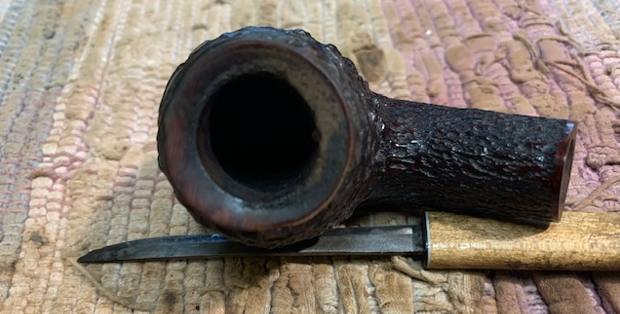
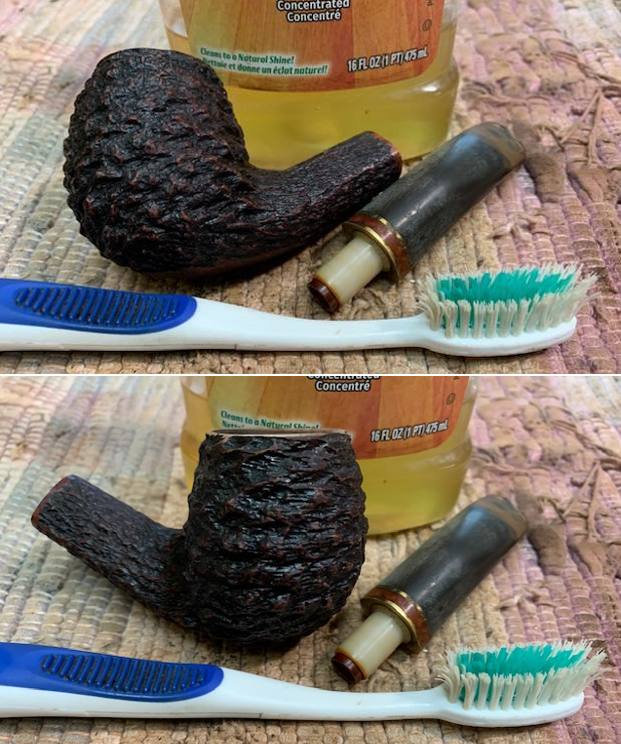
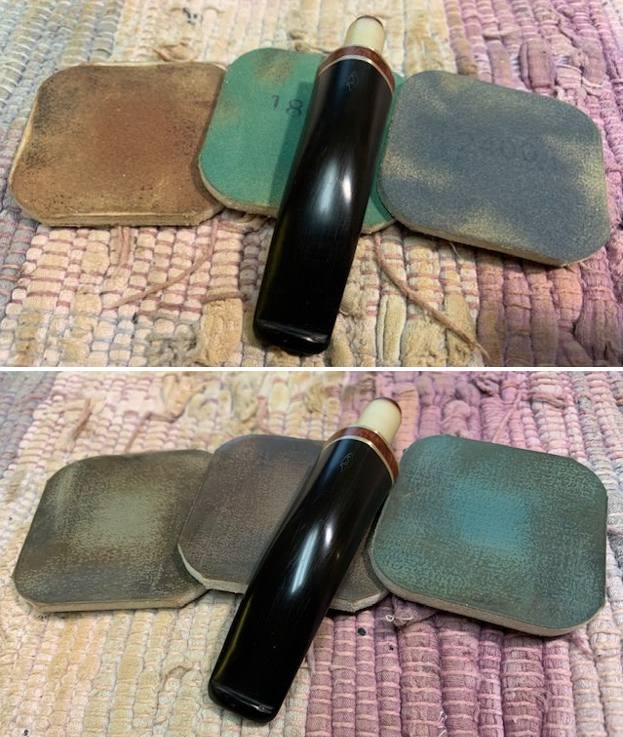
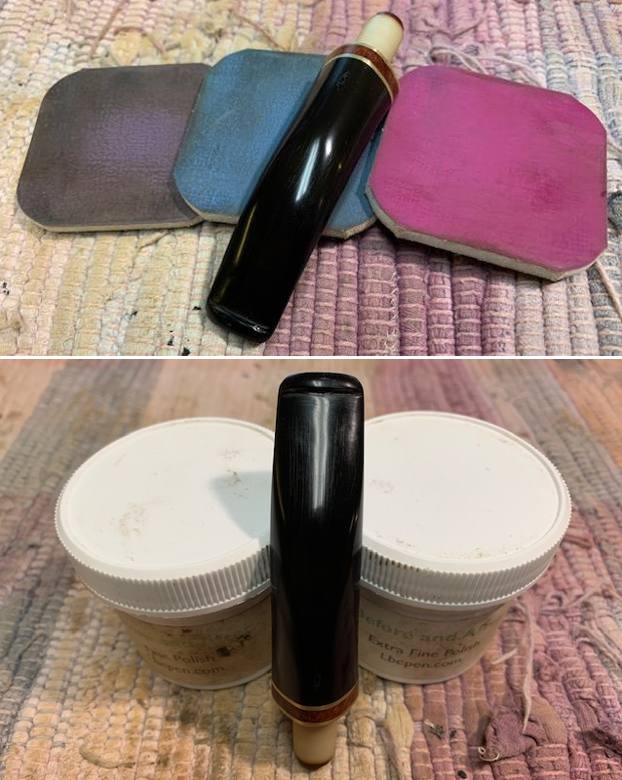
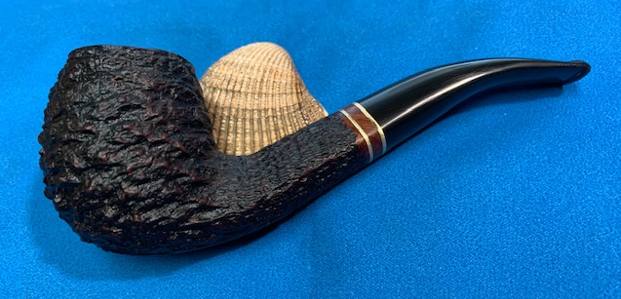
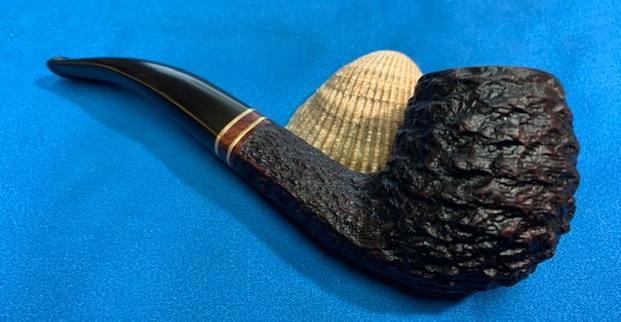
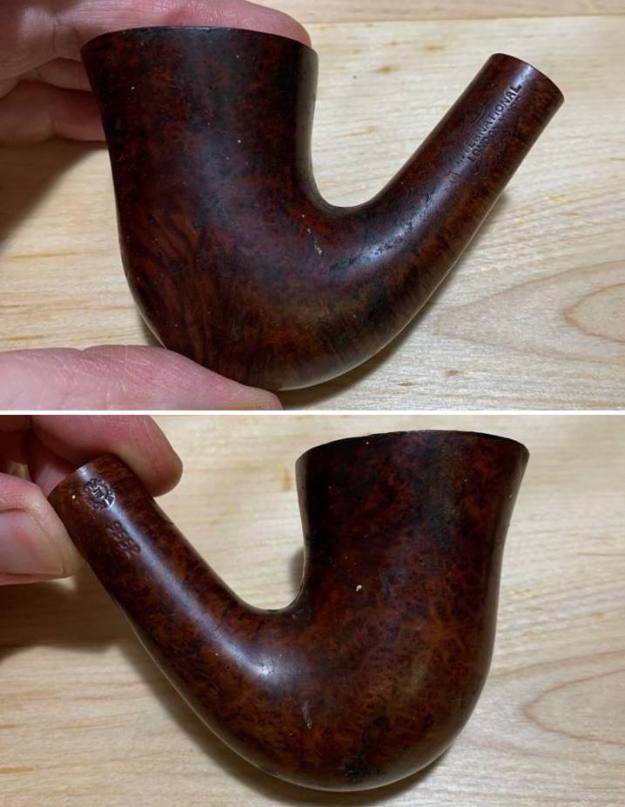
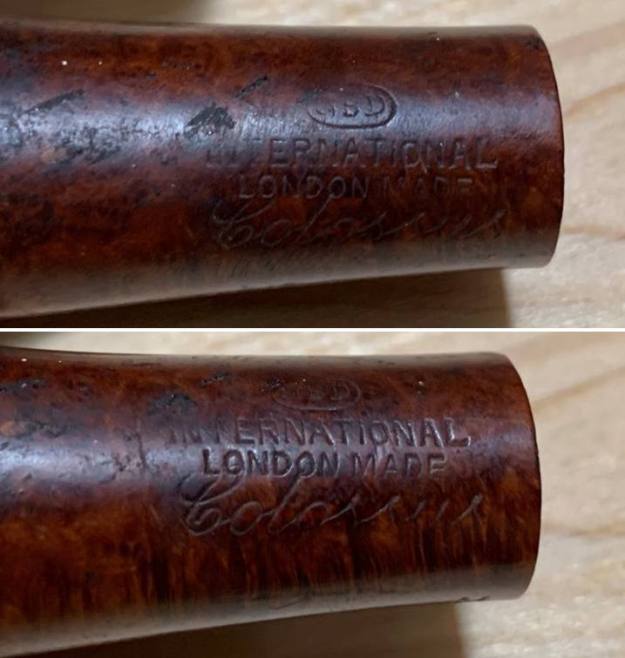
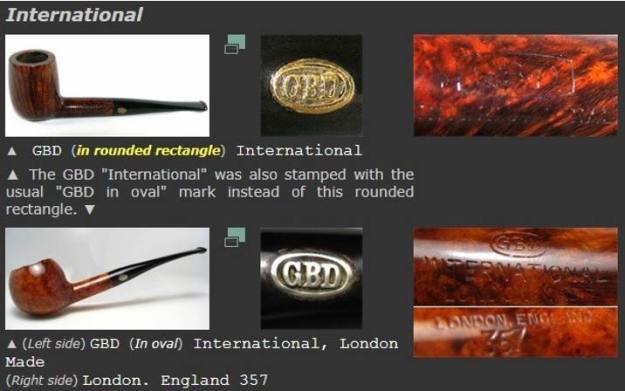
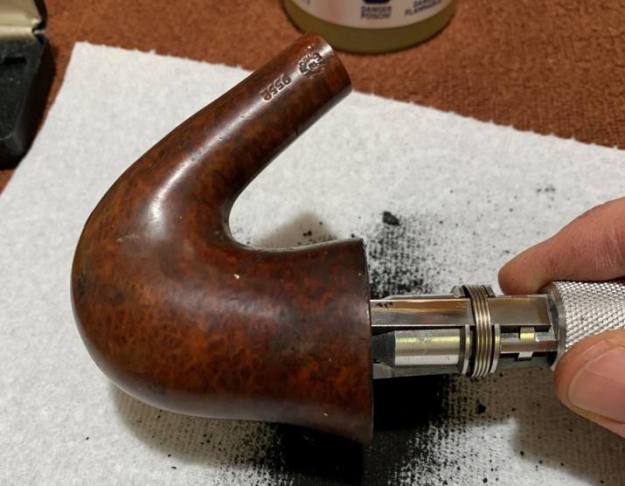
Next on the chopping block is the very first GBD I have had the pleasure of restoring. I titled this story A Labour of Love because the work involved was far more than I could have imagined for such a beautiful pipe. The pipe is a GBD Colossus and I acquired it in a group of pipes I purchased from a fellow in the Eastern US. It was definitely a mixed bag of very good and very bad. Some pipes were destroyed beyond repair, some pipes were filthy but repairable, some stems were missing their stummels, and some stummels were missing their stems. This was one of those – a stummel without a stem. Makes it a bit tricky to smoke, methinks. This pipe is a calabash-shaped GBD Colossus. As the photos show, it is stamped on the left side of the shank with GBD [over] International [over] London Made [over] Colossus. On the right side it is stamped Made in London [over] England [next to] 9552 – this, of course, is the shape number. There is quite a bit of information on GBD on the Internet – they have a long and storied history in pipemaking. In this case, I was curious about International and Colossus. The main Pipepedia article on GBD tells us about their origins:
In 1850 three gentlemen got together in Paris to establish a firm dedicated to the fabrication of Meerschaum pipes – a courageous step in politically restless times. Ganneval probably came from the area of Saint-Claude where he had learned making wooden pipes. Bondier’s family obviously came from Paris and had emigrated in 1789 to Geneva. He himself had worked as a wood turner in the clay and china pipe industry in and around Saint-Claude making stem extensions etc. Donninger was an Austrian or Swiss and had worked in Vienna, the world’s center of the Meerschaum pipe. They agreed on the acronym GBD selecting the initials of their surnames.

The Pipedia article provides a lot more information on their interesting history. I would encourage you to read on here. The shape number 9552 corresponds correctly with GBD’s identification of this pipe as a calabash. The page on GBD models states the following concerning the International line and the Colossus size:

International – France and England made: medium brown smooth, carved top rim, rim stained black. In addition to the pipe line and shape information stamped on the pipe, GBD also had codes for plus sized pipes. These codes in ascending order of size were Conquest, Collector, Colossus.

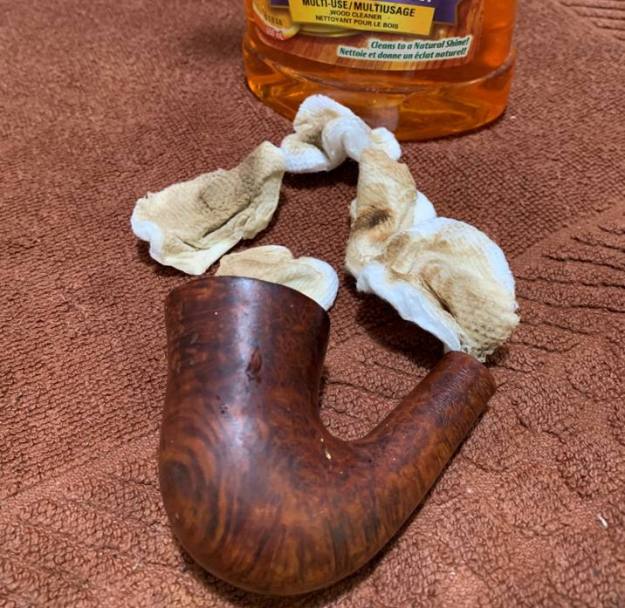
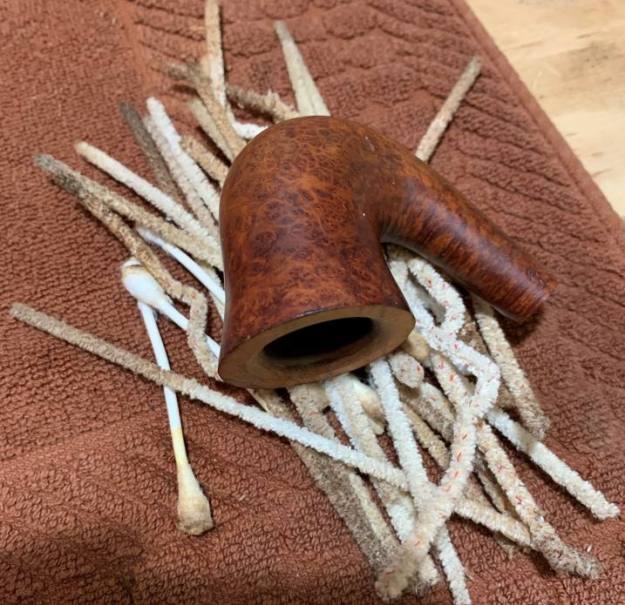
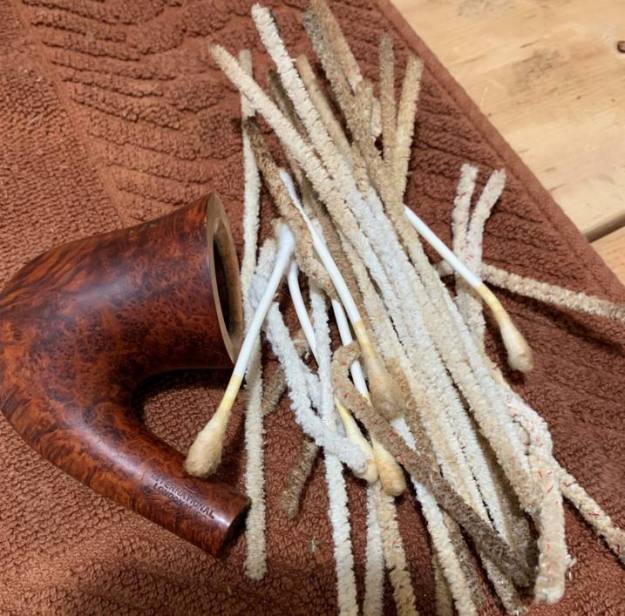
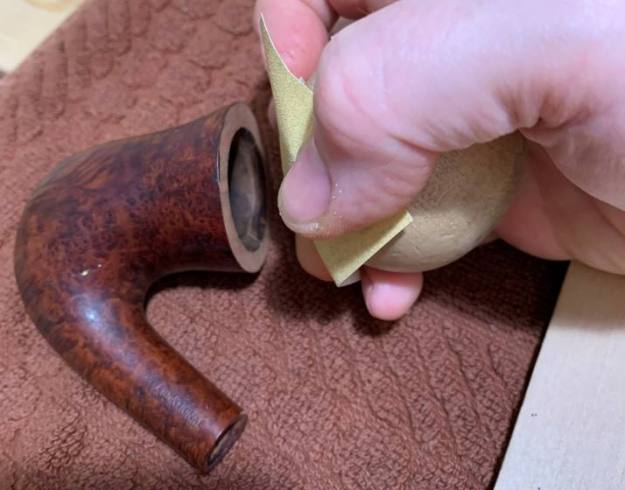
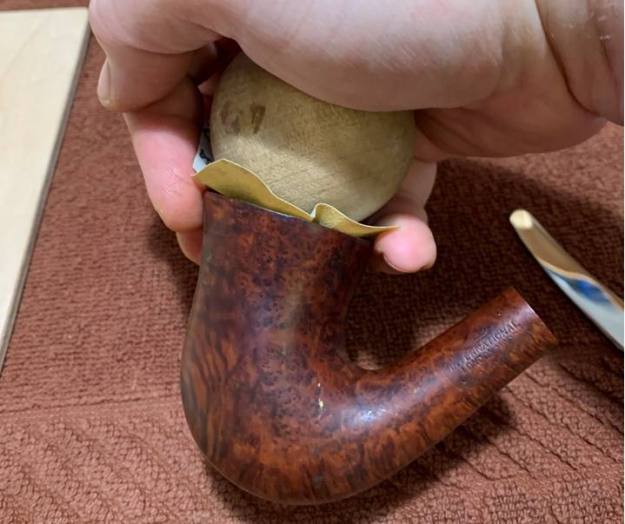
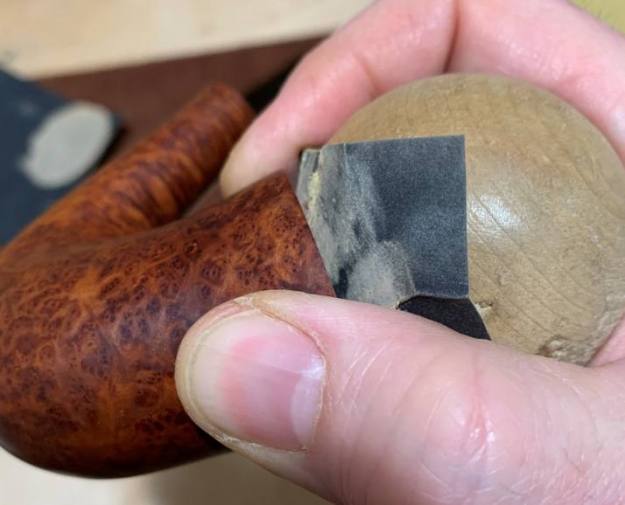
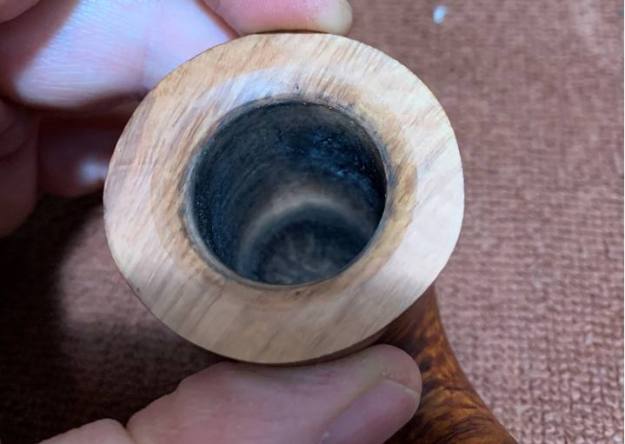
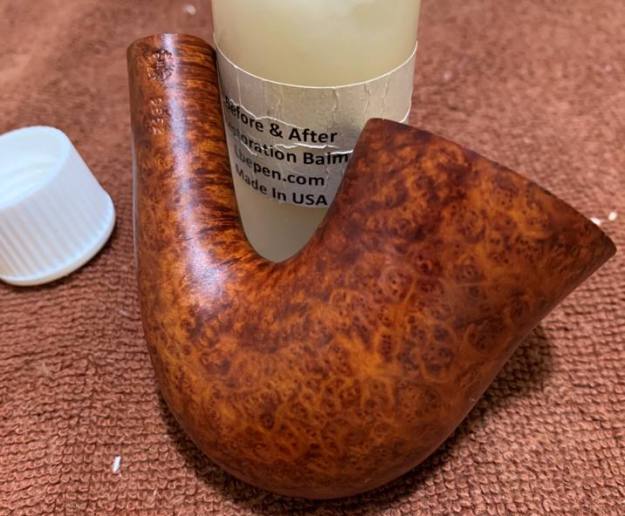
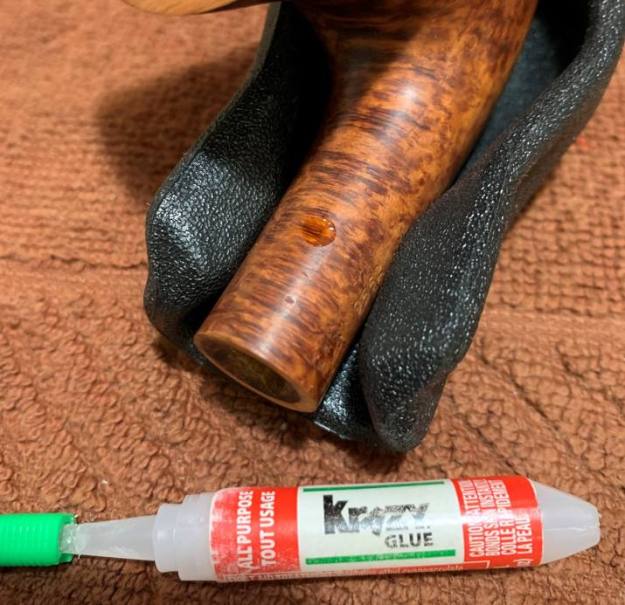
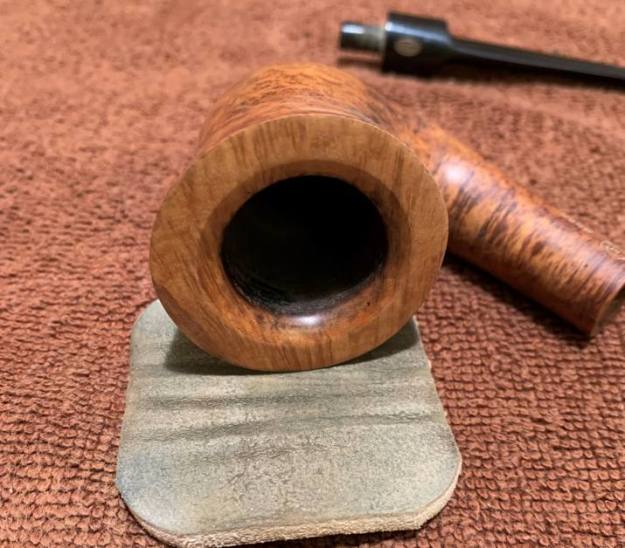
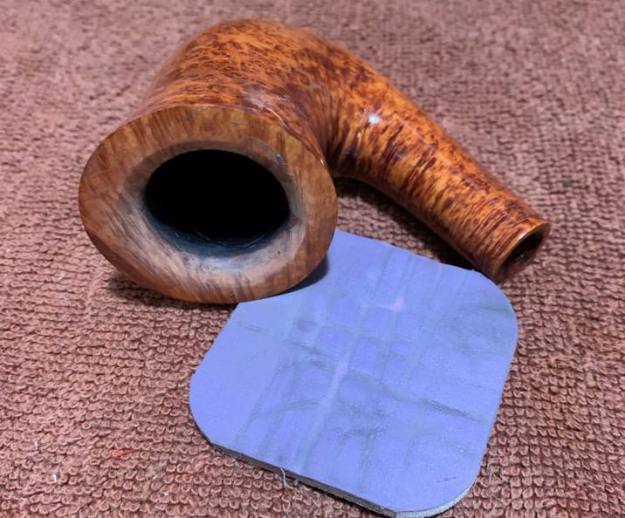
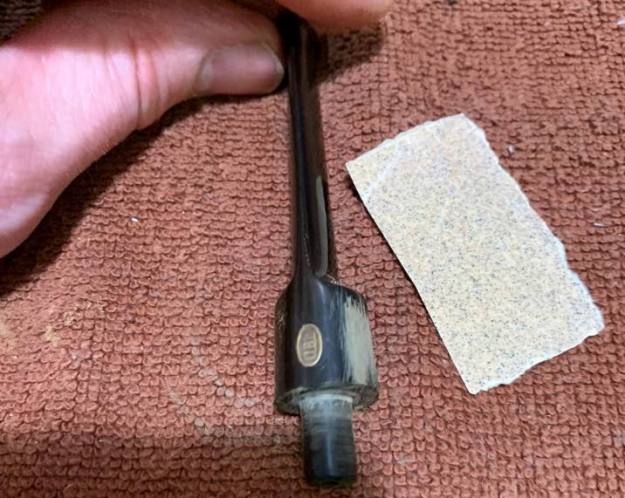
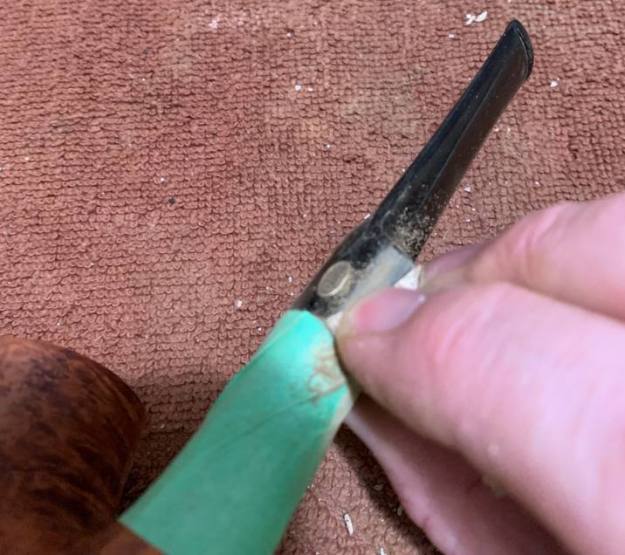
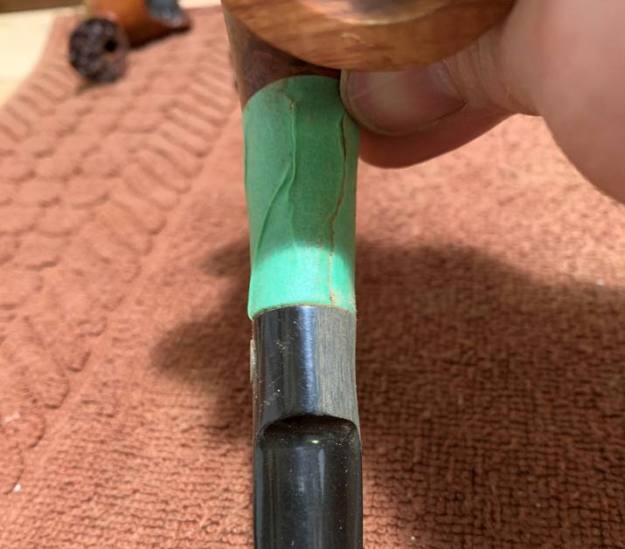
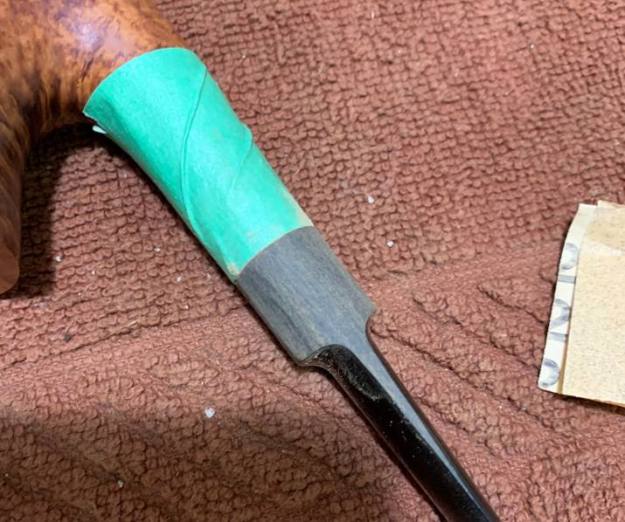
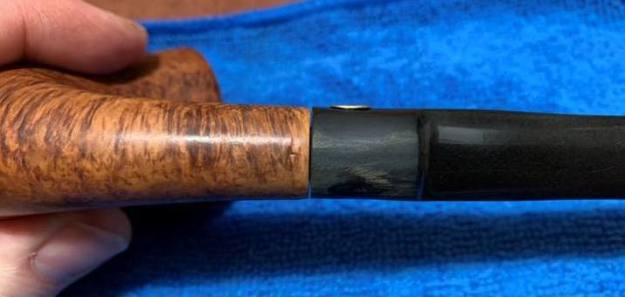
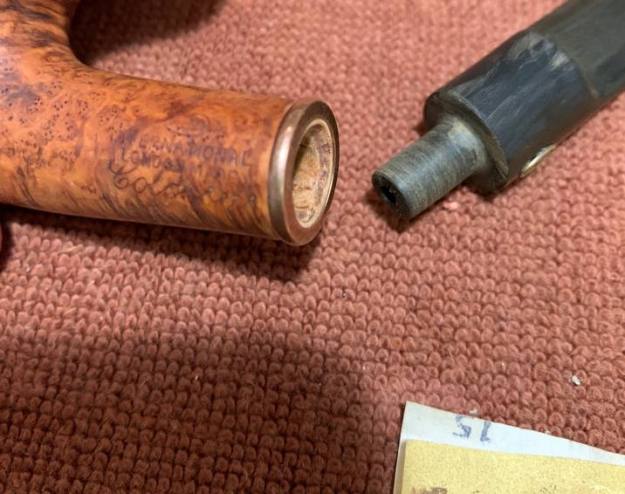
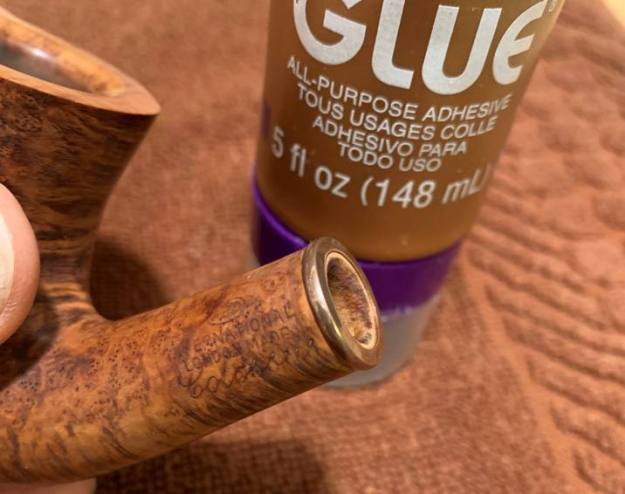
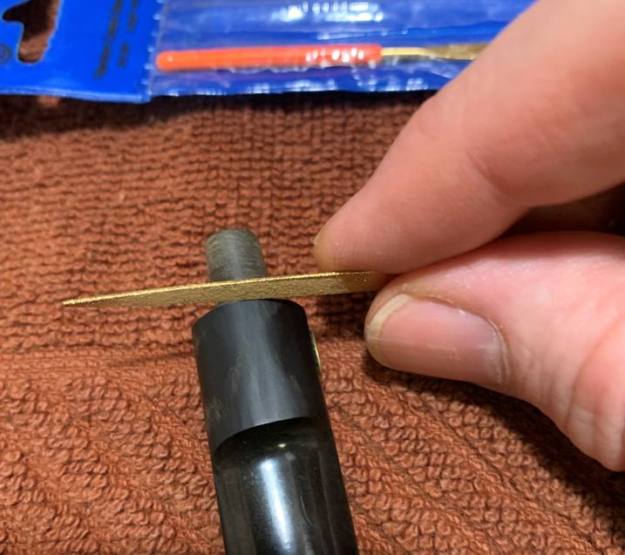
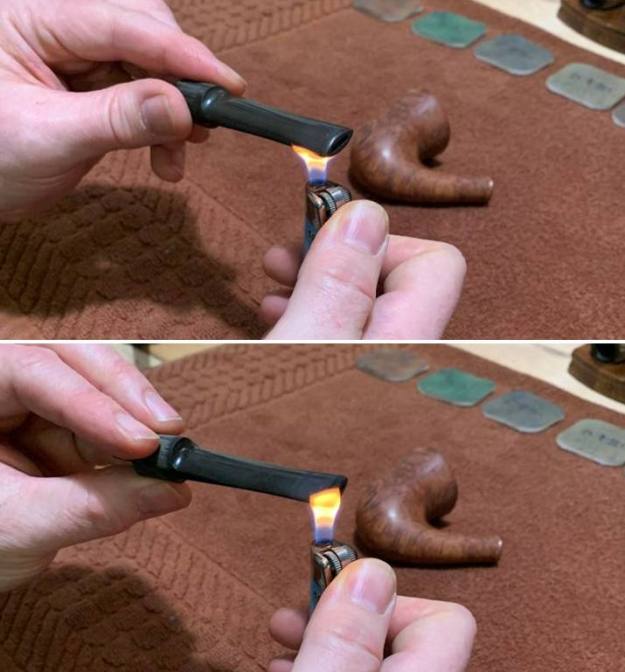
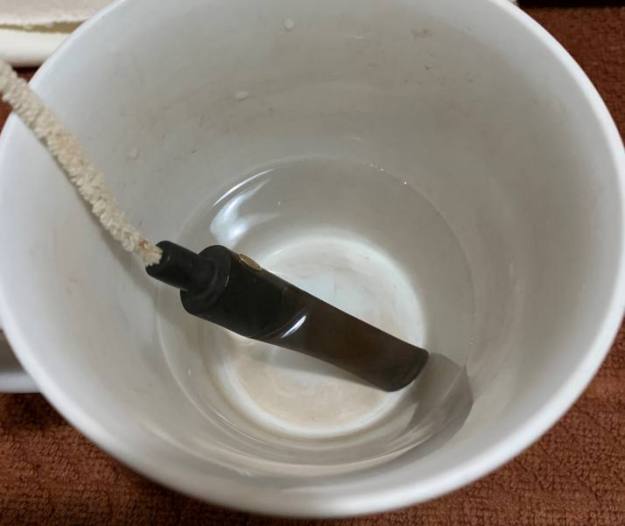
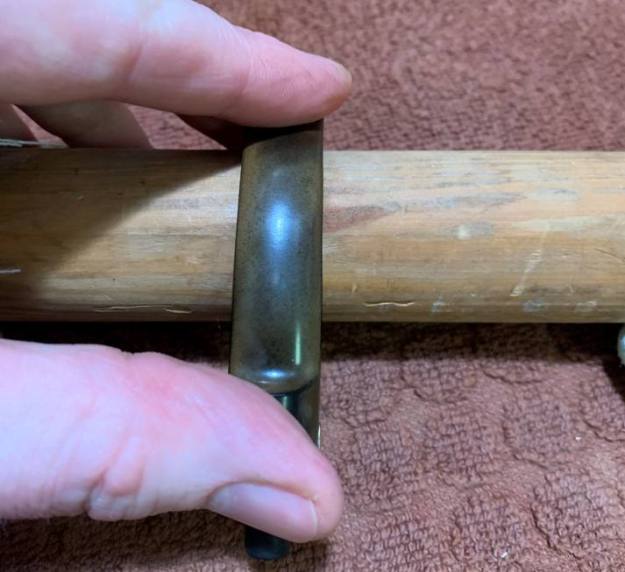
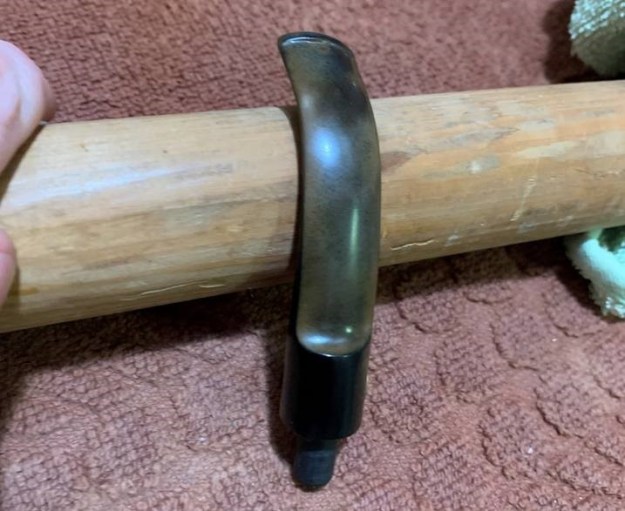
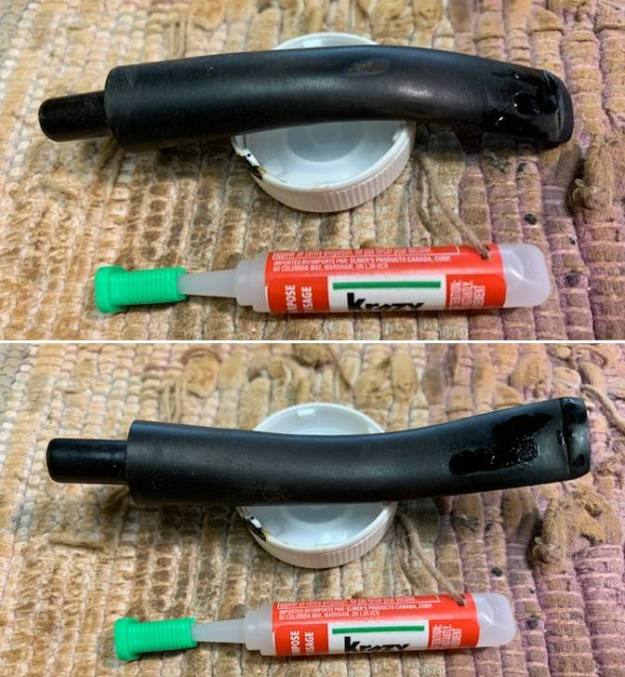
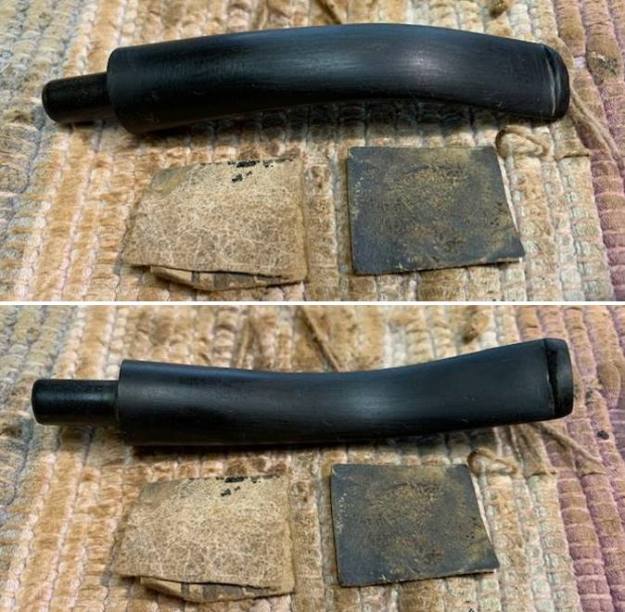
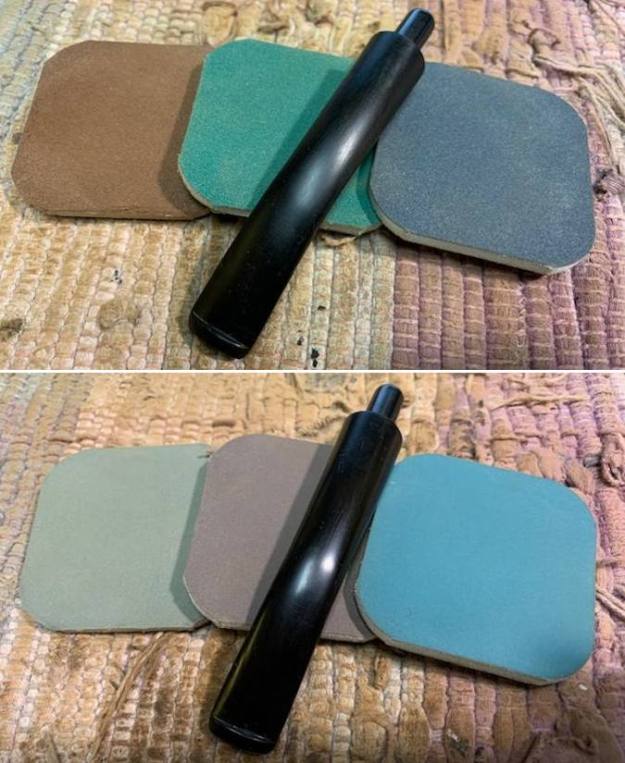
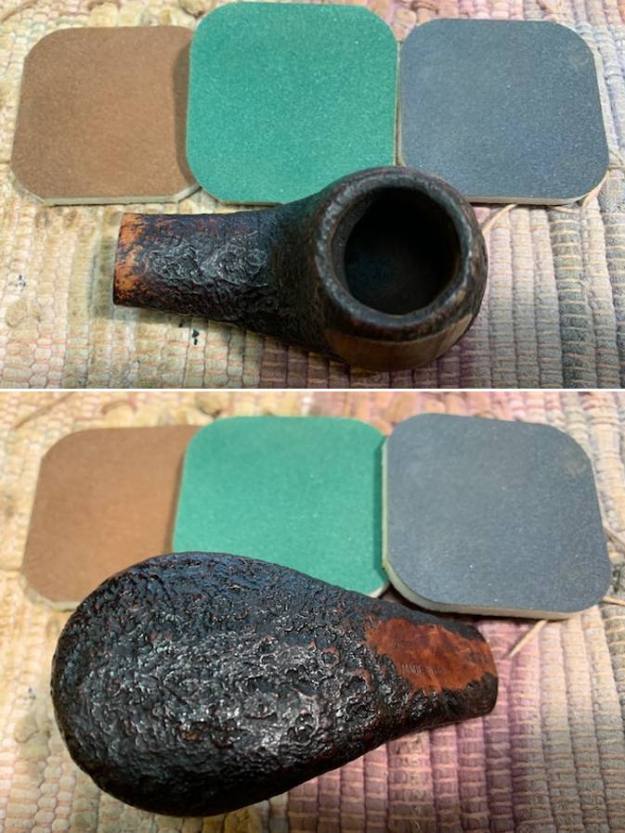
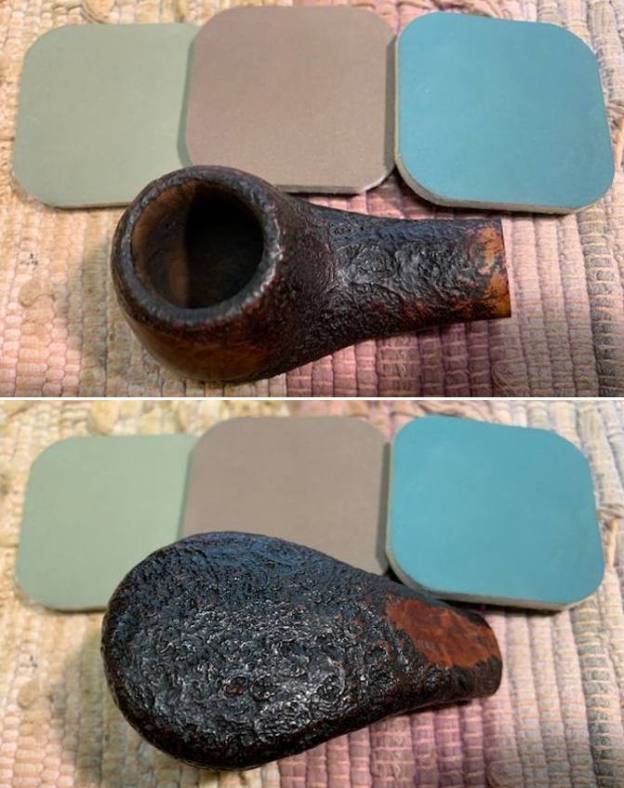
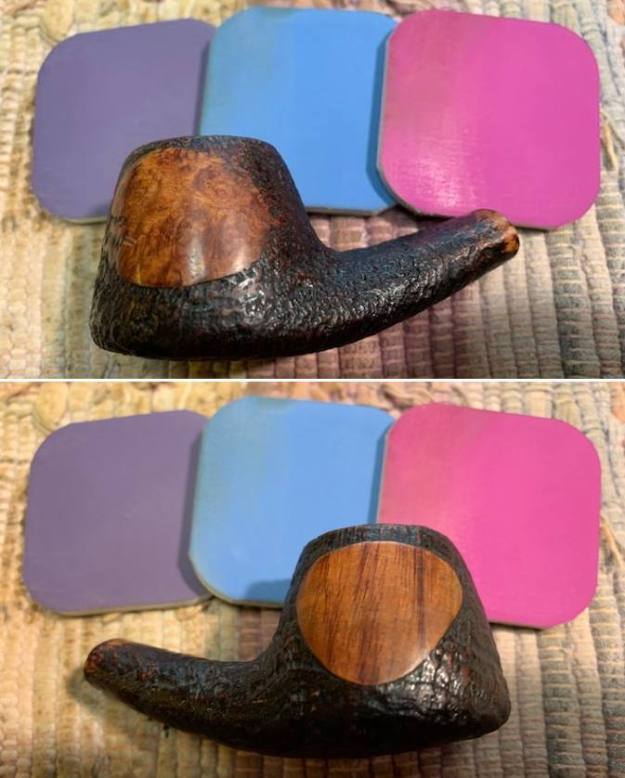
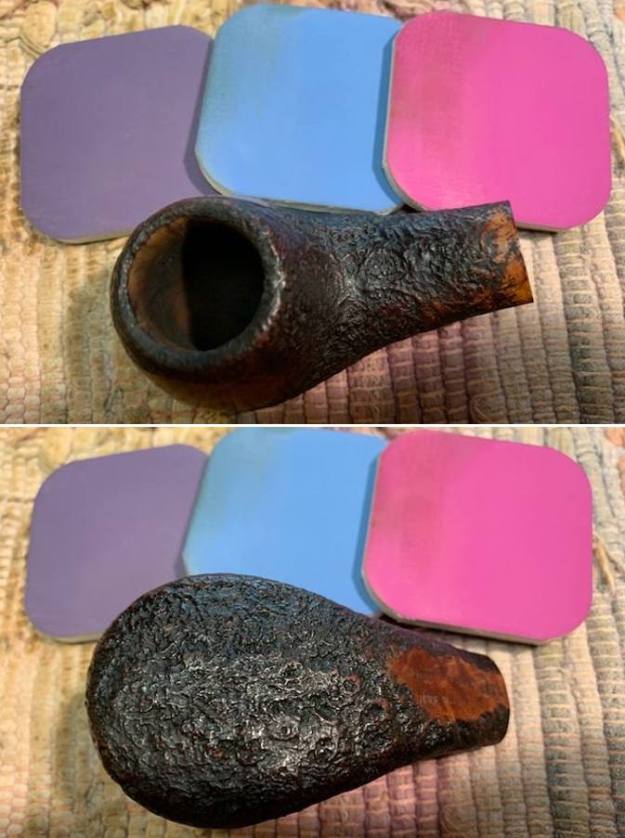
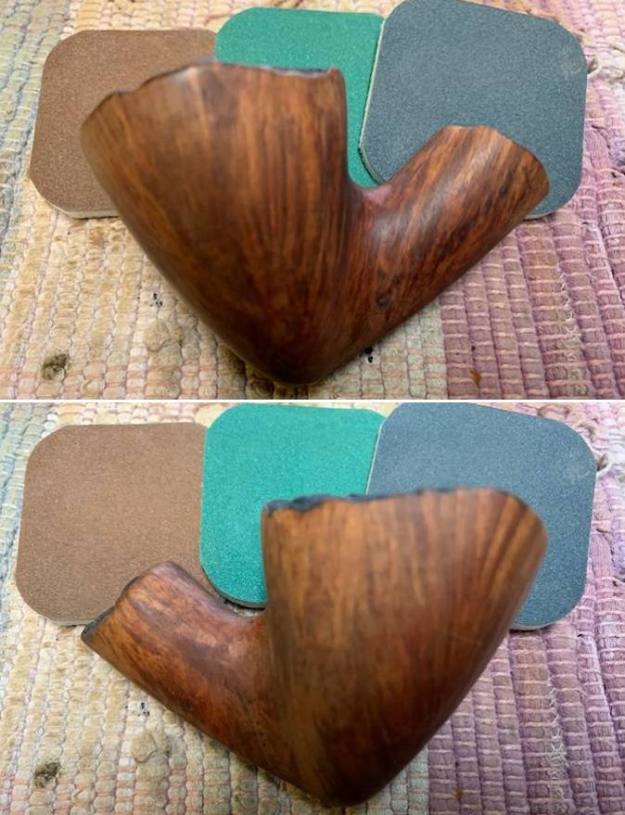
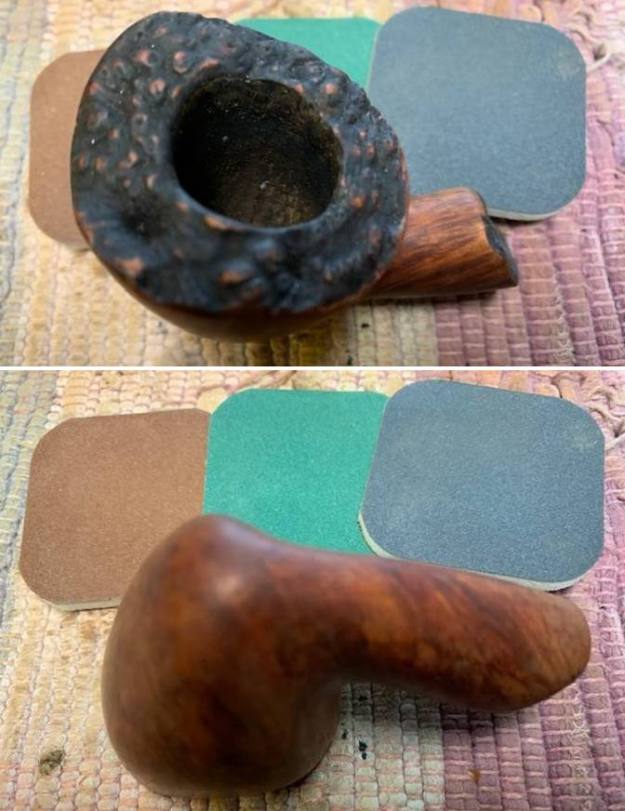
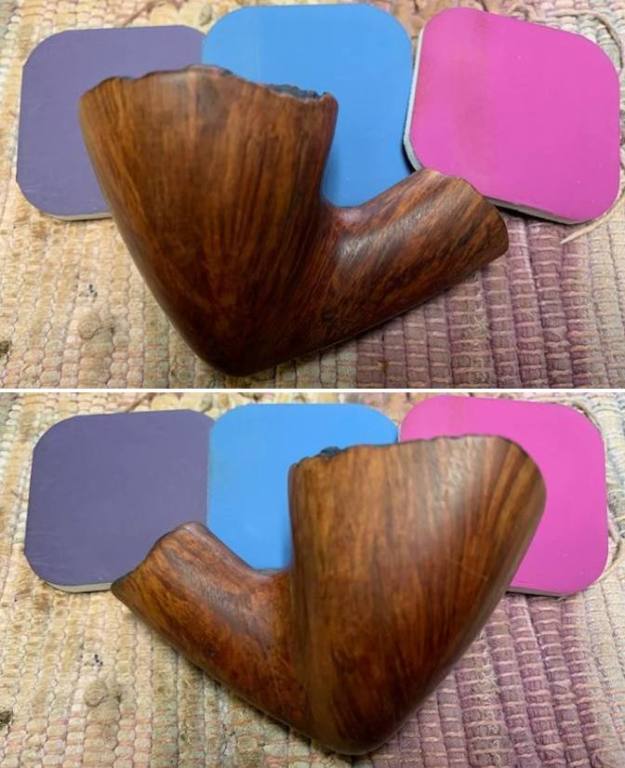
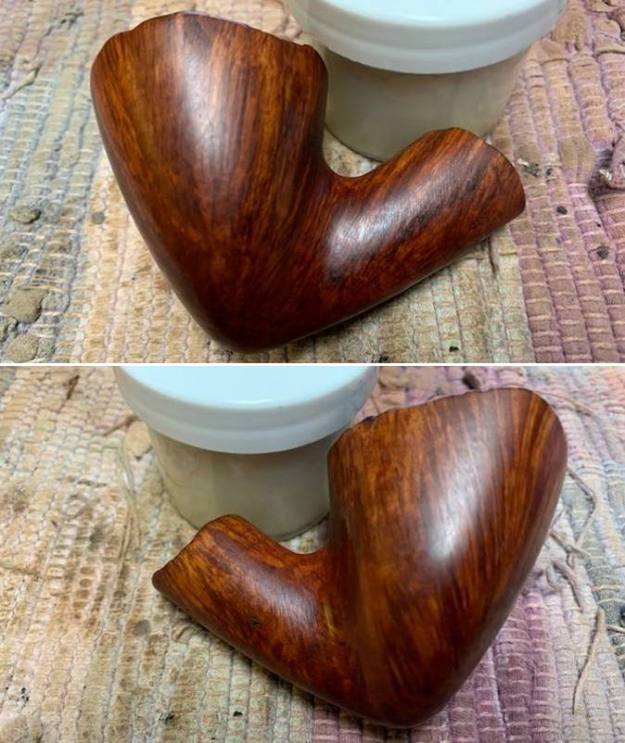
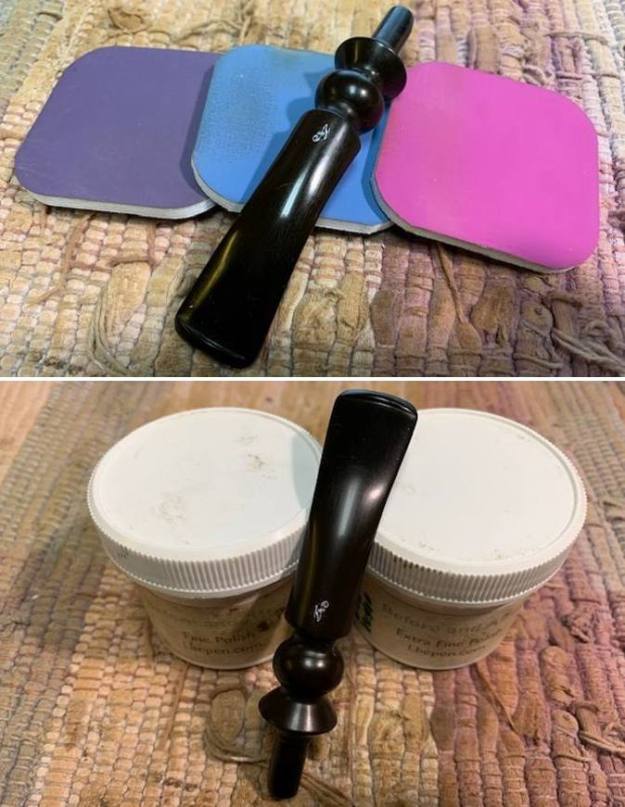
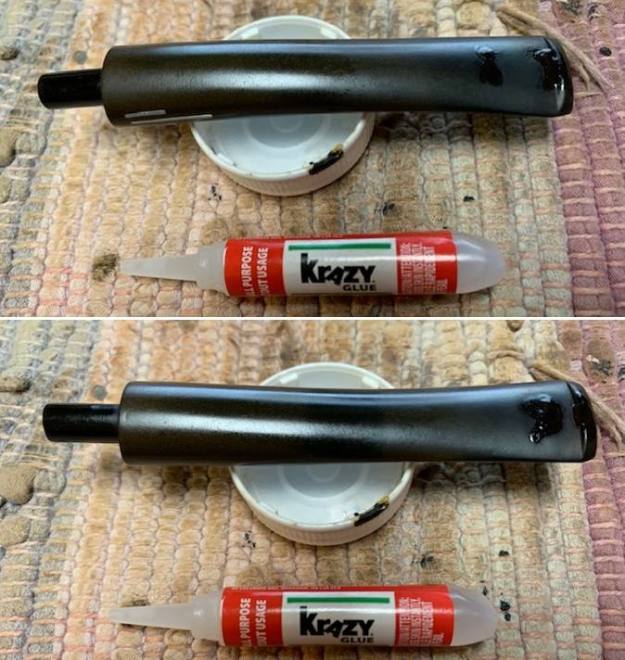
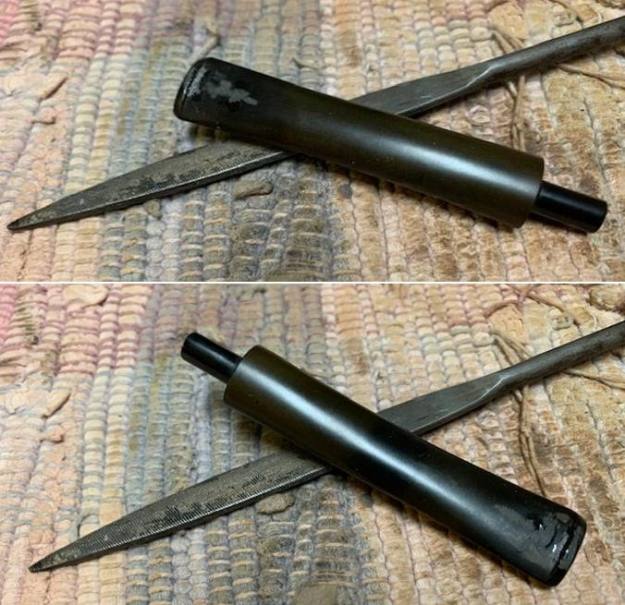
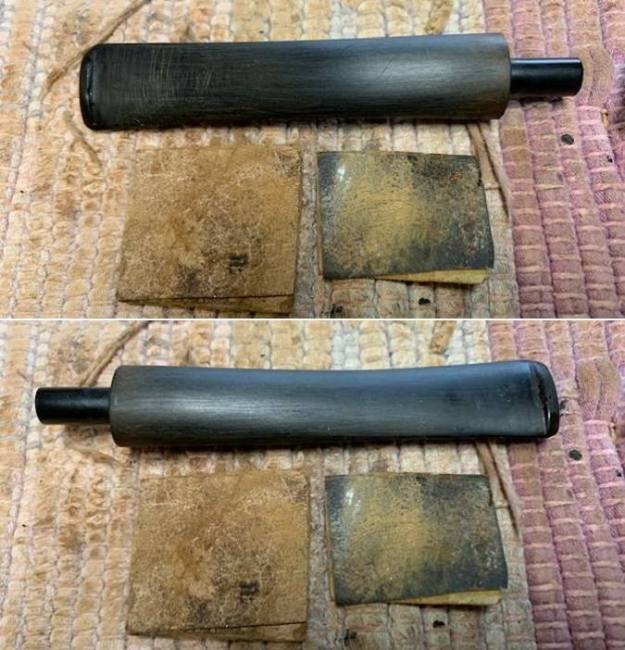
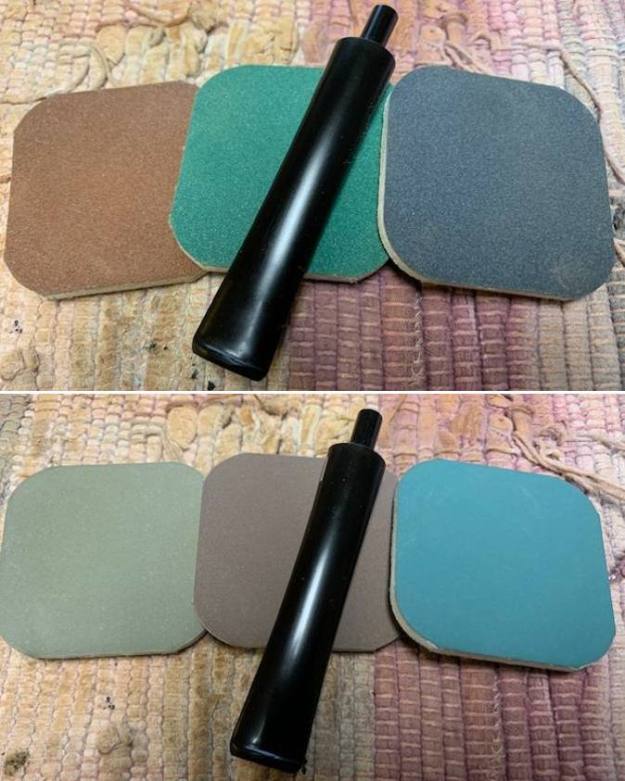
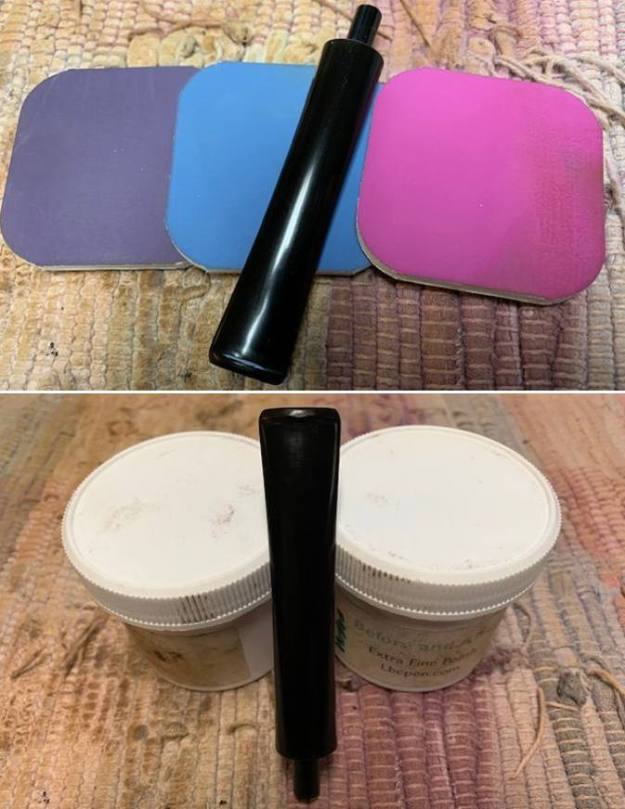
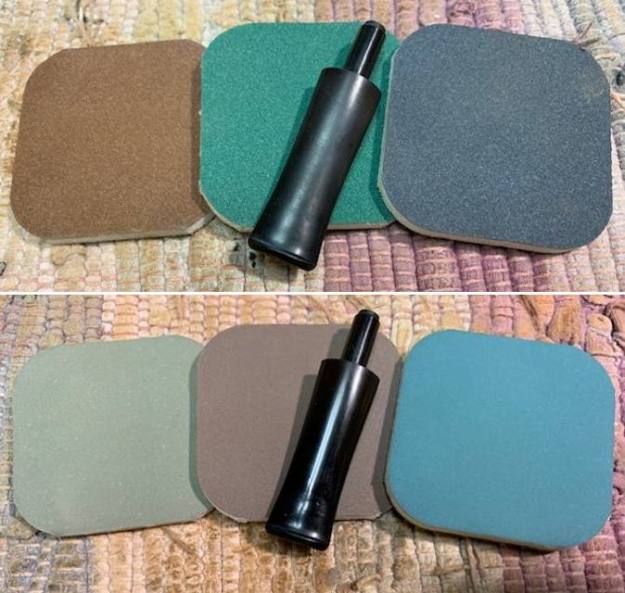
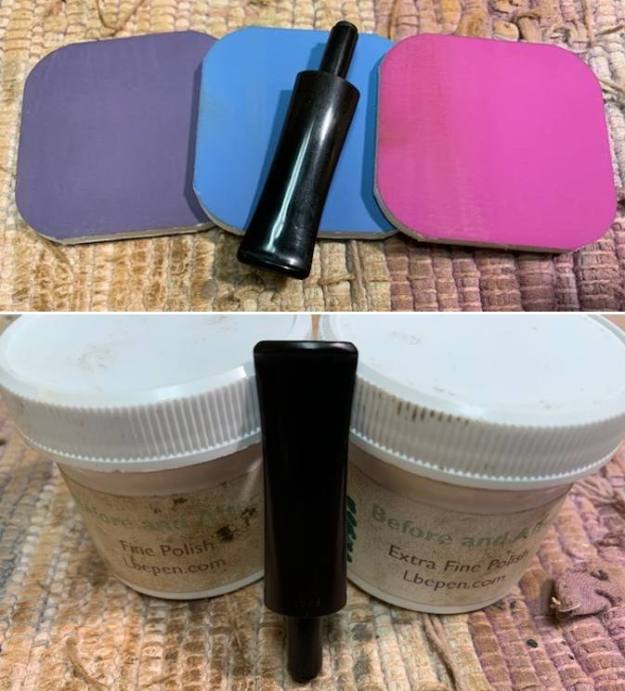
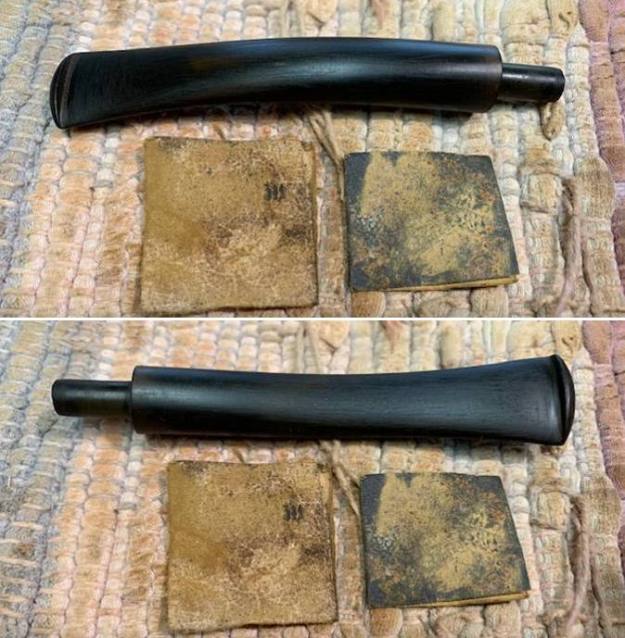
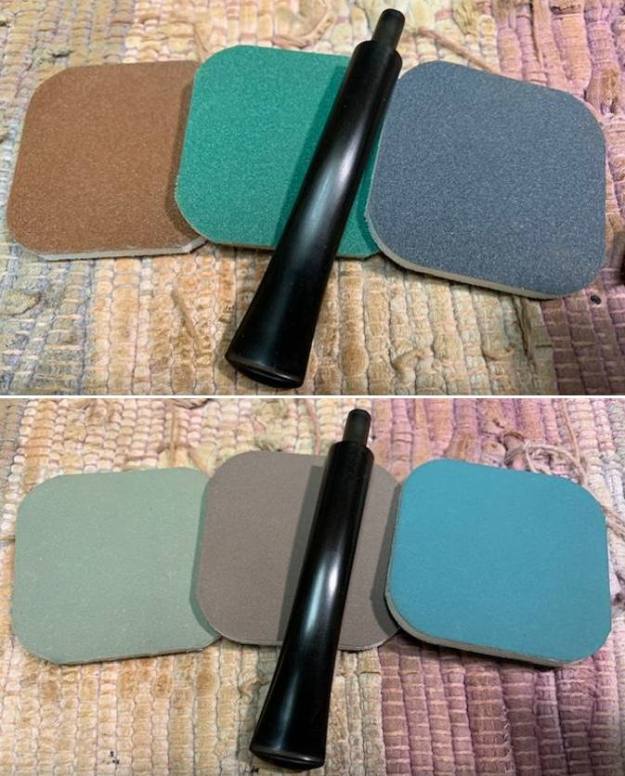
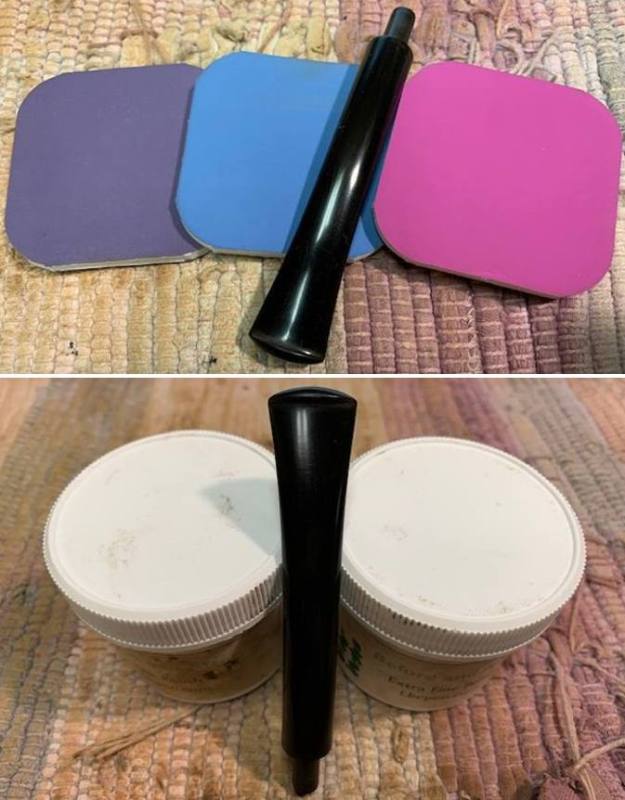
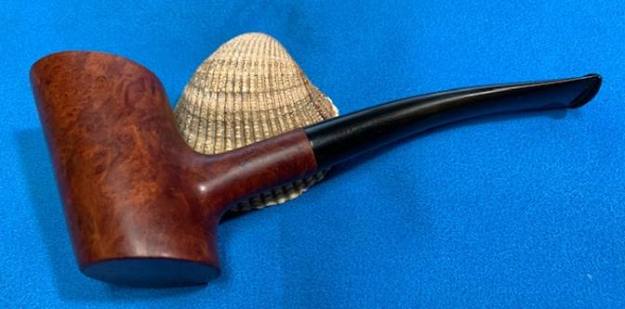
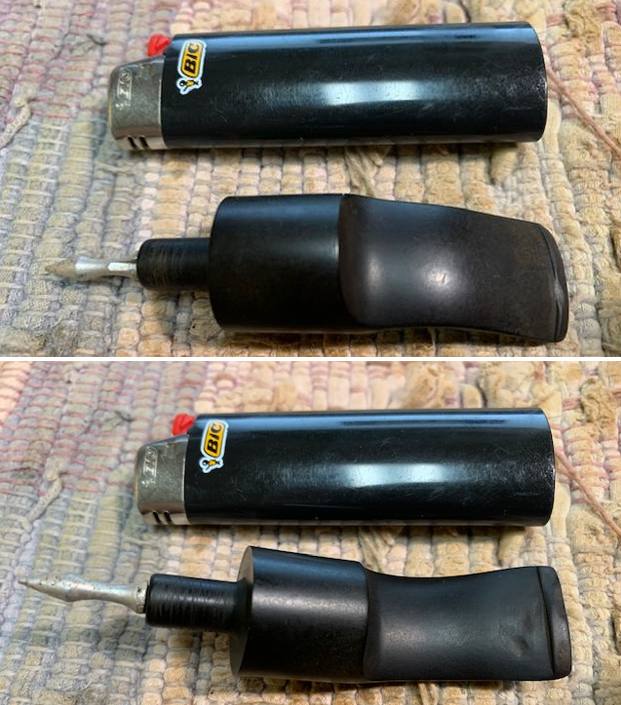
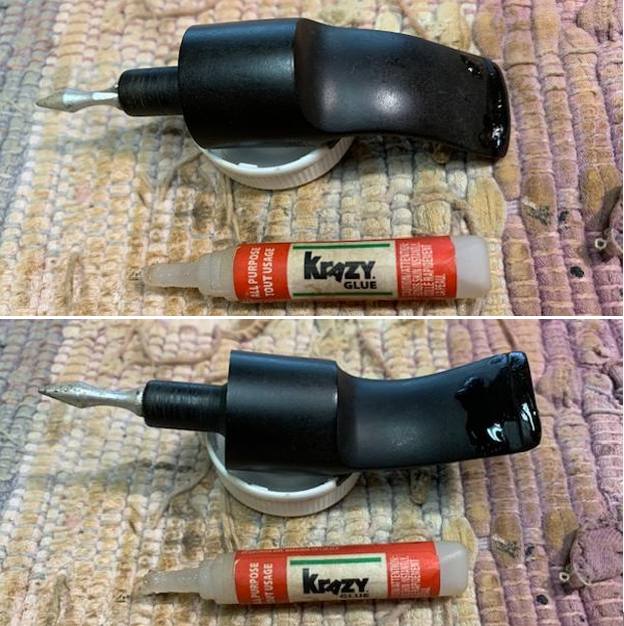
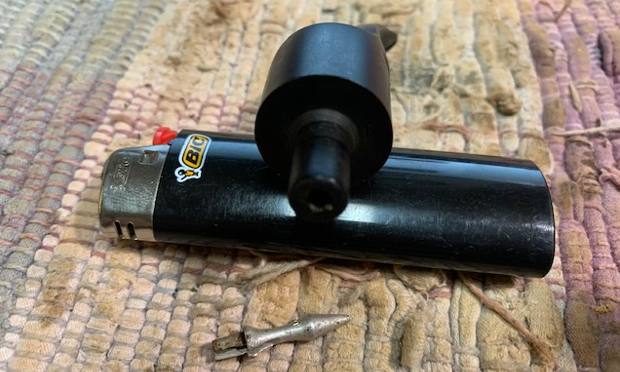
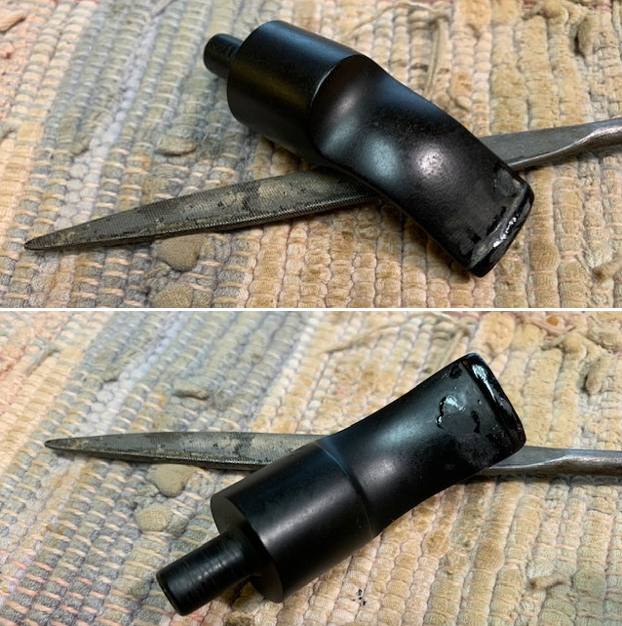
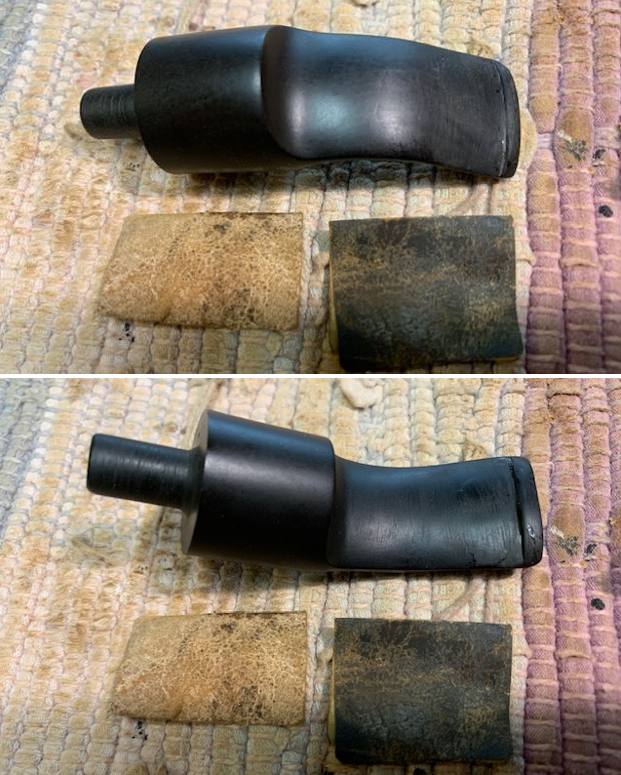
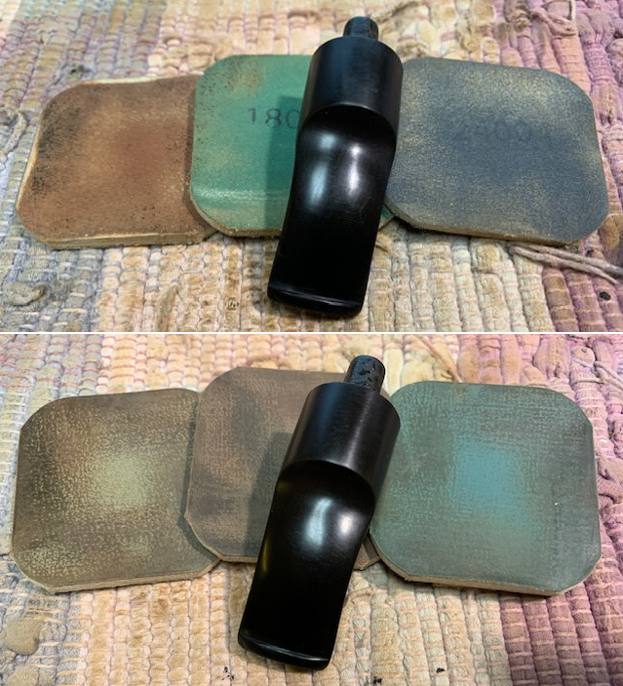
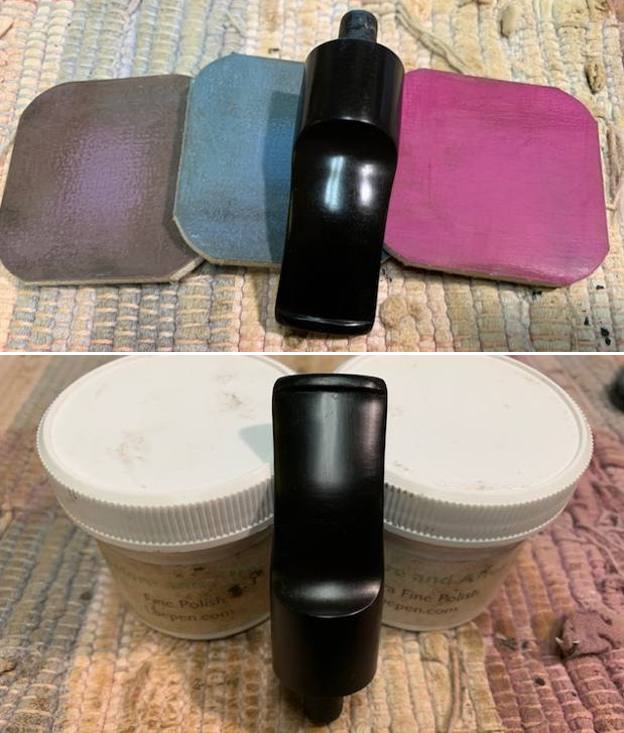
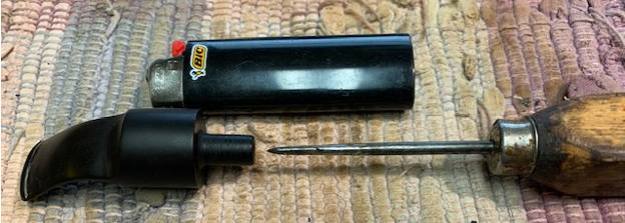
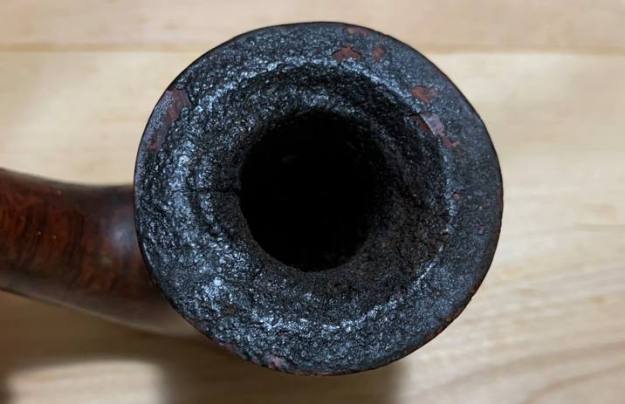
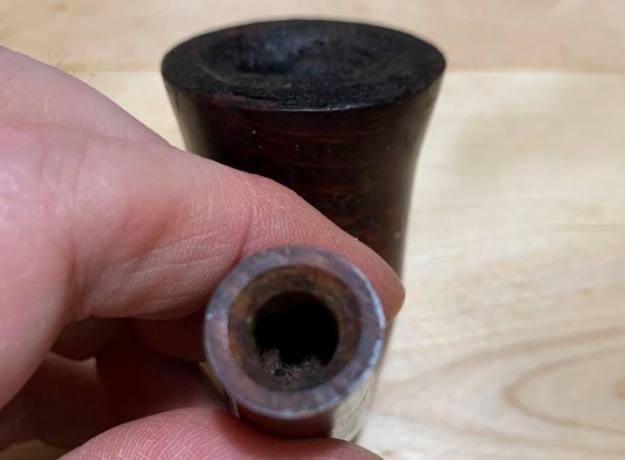
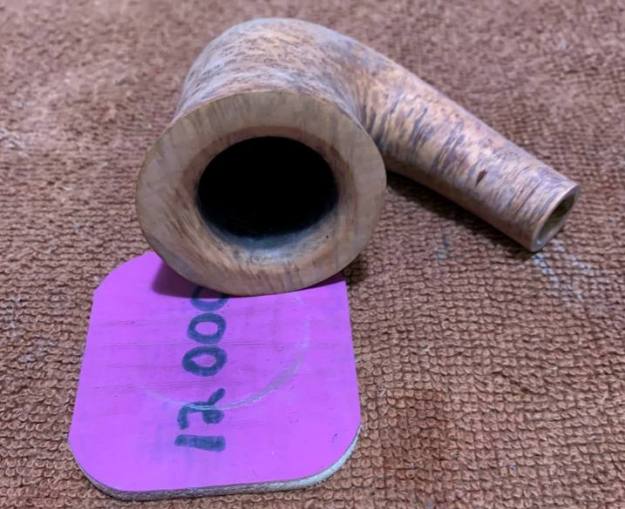
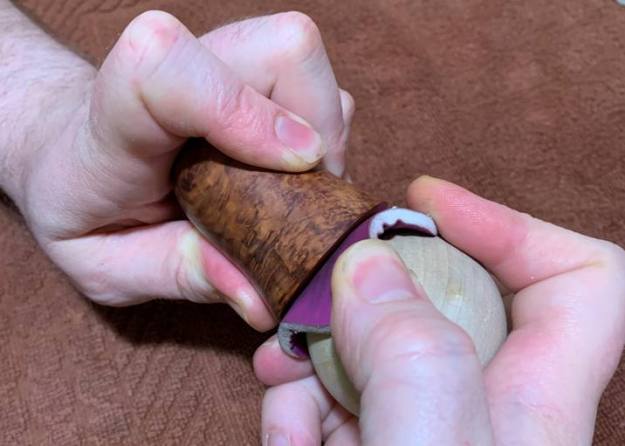
I also took this screenshot from Pipephil:Anyway, on to the pipe – and what a gorgeous pipe it was (and such a big bowl)! However, it was absolutely filthy and had a few issues. The stummel had the following problems: tons of lava on the rim, notable greasy/sticky stains to the bowl and shank, plenty of cake in the bowl, a few scratches here-and-there, and a few small burns on the rim. Meanwhile, the stem had a few problems of its own. Oh wait. No stem. Umm, yeah, that is going to be an issue. This pipe was going to require some considerable work, but I was really looking forward to restoring this one. Well, suffice it to say that first on my list of tasks was to find a stem for this beauty. However, GBD stems are not just lying around, sad to say. In this case, Superman Steve came to my rescue. He had a spare GBD stem that suited my pipe very well. I was (and still am) deeply grateful to him for getting that stem for me. I will come back to the story of how I fit the stem a bit later. By the way, here is a photo of Superman Steve:This stummel was quite a mess. I first decided to ream out the bowl. I used both the PipNet Reamer (which I broke in the process) and the KleenReem to remove the built-up cake and followed that with 220-grit sandpaper to eliminate as much as I could. I took it down to bare briar, as I wanted to ensure there were no hidden flaws in the walls of the bowl. Fortunately, there were none. I then proceeded to clean out the insides of the shank with cotton swabs, pipe cleaners, and lemon isopropyl alcohol. There was a lot of nastiness inside this stummel and – boy-oh-boy – it took a lot of cotton to get this thing clean! As I mentioned earlier, the rim of the stummel was pretty ugly and also needed to be addressed. A combination of techniques was used to sort this out. In order to remove the lingering bits of lava and fix the nicks, I “topped” the pipe – that is to say, I gently and evenly sanded down the rim on a piece of 220-grit sandpaper. This effectively removed the lava and the damage, without altering the look of the pipe. I then took a solid wooden sphere, wrapped sandpaper around it, and sanded the inner bevel thoroughly. This was to achieve on the inner part of the rim the same thing that I achieved by “topping” the rim on sandpaper. A de-ghosting session seemed in order, so I thrust cotton balls in the bowl and the shank, and saturated them with 99% isopropyl alcohol. I let the stummel sit for 24 hours. This caused the oils, tars and smells to leech out into the cotton. Finally, a relatively clean and fresh-smelling bowl emerged. I followed that up by cleaning the insides with some dish soap and tube brushes. I then moved on to cleaning the outside of the stummel with Murphy’s Oil Soap and some cotton pads. Some stains were pretty stubborn and I had to scrub hard, but this did eventually remove the remaining dirt. After that, a light application of Before & After Restoration Balm brought out the best in the stummel’s grain. Having completed that, I was able to address a small nick on the shank. I dug out my iron and a damp cloth to try and raise the nicks. The hot and moist steam created can often cause the wood to swell slightly and return to shape. There was some movement – not a lot, but it was better than doing nothing. I filled the remaining divot with cyanoacrylate adhesive and let it cure. Now, with the nick filled, it was time to sand down the stummel. I used all nine Micromesh pads (1,500 through 12,000 grit) to wet/dry sand everything smooth. Then I added a bit more Before & After Restoration Balm. On to the stem, and what a trial it was. As mentioned, Superman Steve got me a GBD stem and that was terrific: the stem was clean and in nice shape. So what is the problem? Well, its width did not quite match the width of the shank. The stem was slightly wider. So, with 200-grit sandpaper in hand, I began removing the excess vulcanite. As silly as it sounds, this took a couple of hours of work to get this right. The photos below detail the lengthy process to both remove the excess and ensure evenness all around the stem face. At long last, I managed to get the size and shape just right, but the faces of both the shank and stem were not matching in the way that one would want. I took the decision that this pipe would benefit from a thin – emphasis on thin – band around the end of the shank. My jar of bands proffered a lovely, thin band that perfectly suited this pipe. With a quick application of glue, the band was on and things were looking much improved. I used some of my Micromesh pads to give that extra shine. In order to finish up the stem, I took a BIC lighter and ‘painted’ it with its flame in order to lift the slight tooth marks. This was reasonably successful in raising the dents. Before I moved on to the Micromesh pads, I built up the small dents on the stem with cyanoacrylate adhesive and let them fully cure. I then sanded it down with 220-, 400-, and 600-grit sandpapers to meld the repair seamlessly into the stem. This ensures that it keeps its shape and looks like it should. I then used all nine Micromesh pads (1,500 through 12,000 grit) to bring out the lovely black lustre on the stem. I also used Obsidian Pipe Stem Oil in between each pad scrubbing. Of course, since the stem was straight, it did not suit the pipe and needed to be bent. The end of the stem needed to be parallel with the rim of the bowl. I did not have a heat gun at the time, so I brought out a hair drier and heated the vulcanite stem in order to make it malleable. After heating it for 90 minutes (yes, you read that correctly), it became obvious that the hair drier just did not generate enough heat to bend the stem. I then realized that I was going to have to use the nuclear option: dipping the stem in boiling hot water. This is a nuclear option because the water added an horrific oxidation to the stem – the worst I have ever seen. When it was finally soft, I gently curved the stem over a wooden dowel. The dowel provided a firm surface and a proper curve. Once I had the bend I wanted, I left the stem to cool and set itself in place. I then had to go back and use all nine Micromesh pads (and the Obsidian Pipe Stem Oil) again to restore the black lustre. A few four-letter words might have been silently uttered in the process, but I digress… Then it was off for a trip to the buffer. A dose of White Diamond and a few coats of carnauba wax were just what this pipe needed. The lovely shine made the wood look absolutely beautiful.

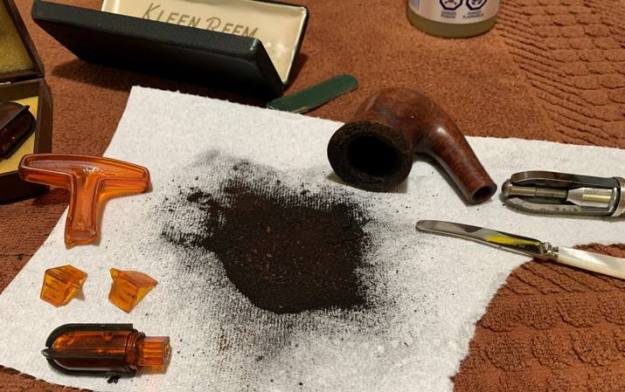
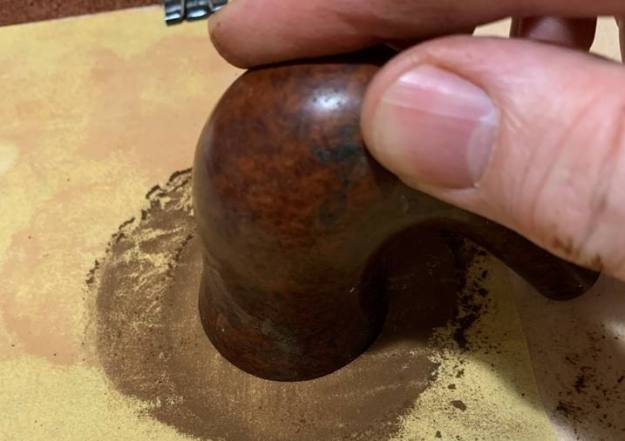
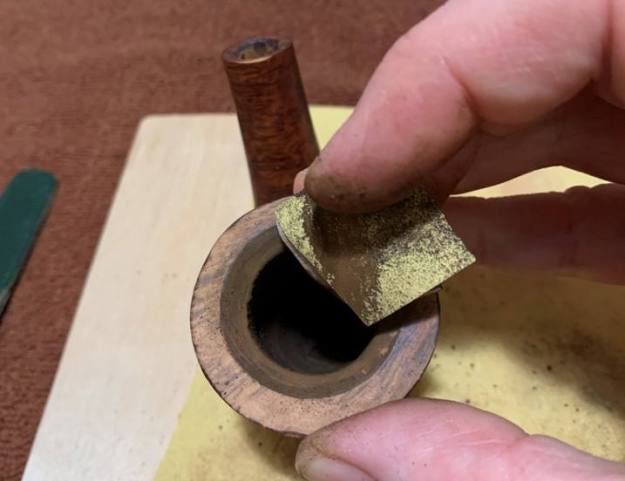
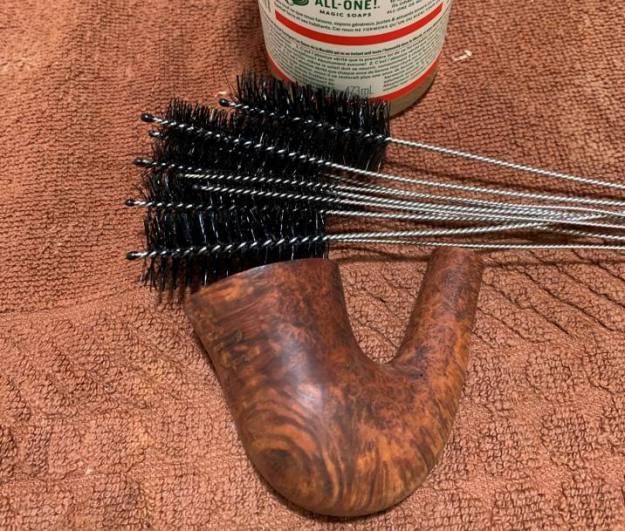
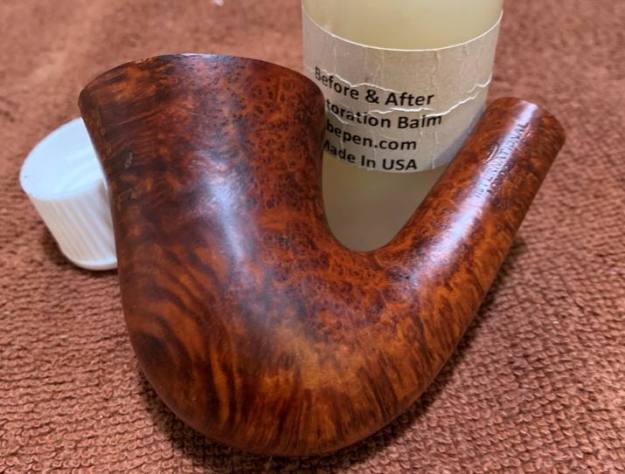
This is a wonderfully crafted pipe and has a very elegant feel to it. Steve told me from the beginning that this was a pipe I should keep for myself. So, this one is being added to my collection – and I am pleased to say that it smokes beautifully. I am sure that I will be enjoying this one for many years to come. I hope you enjoyed reading the story of these pipes as much I as I did restoring them. If you are interested in more of my work, please follow me here on Steve’s website or email me directly at kenneth@knightsofthepipe.com. Thank you very much for reading and, as always, I welcome and encourage your comments.

Restoring a Mysterious Bent Egg with some stunning grain


Blog by Steve Laug

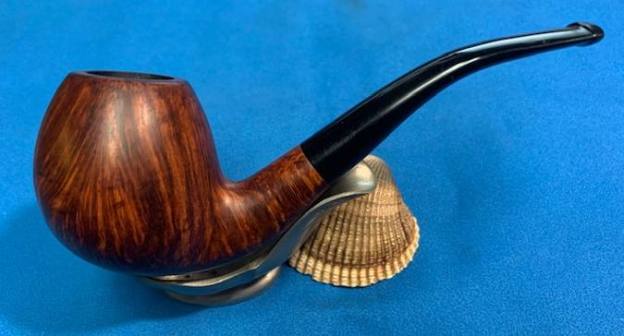
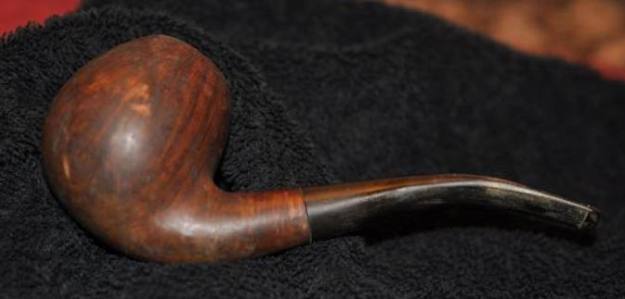
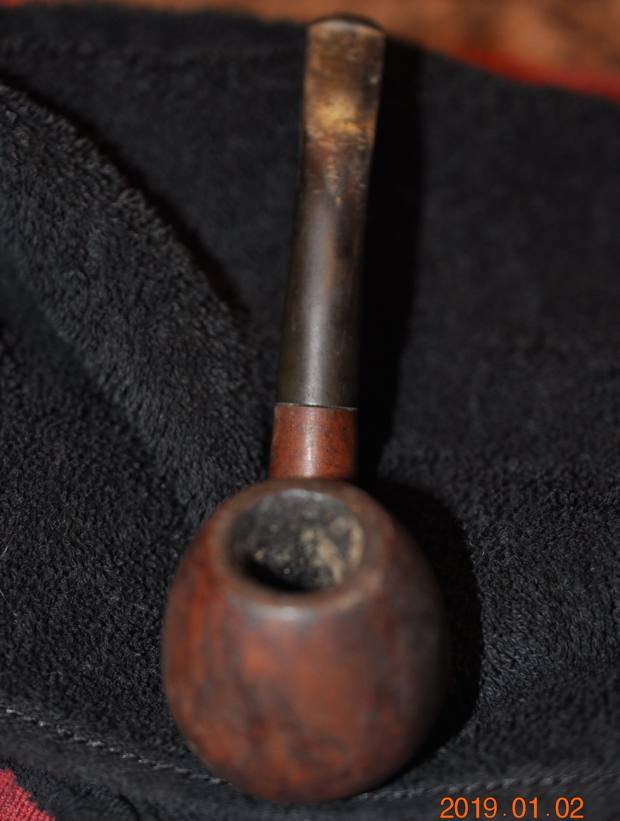
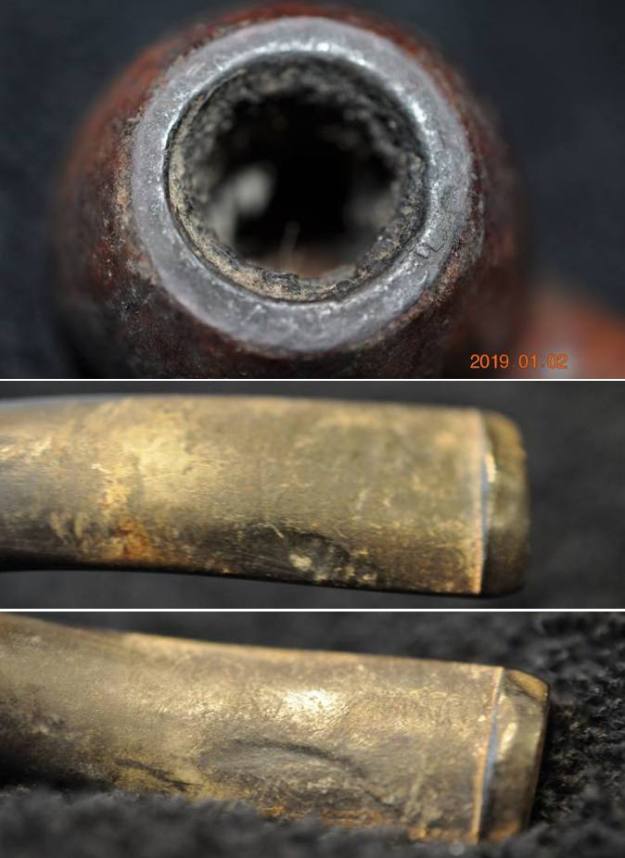
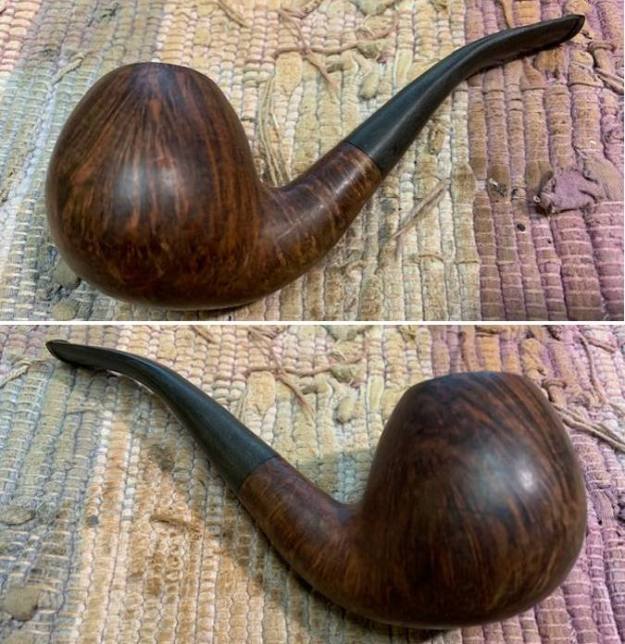
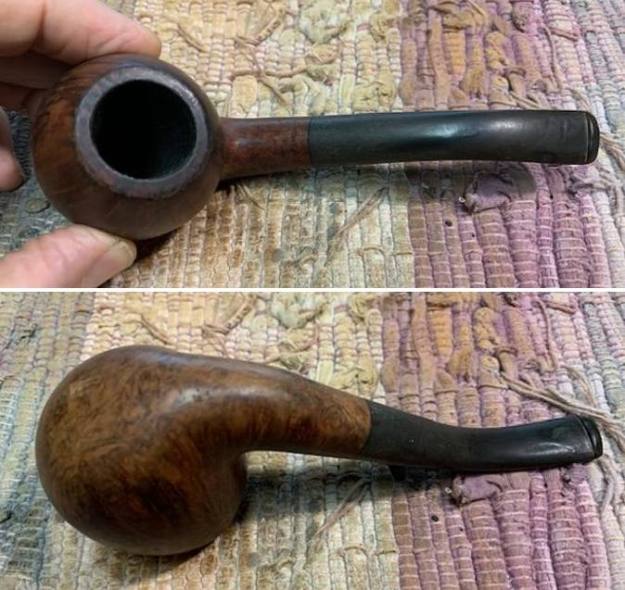
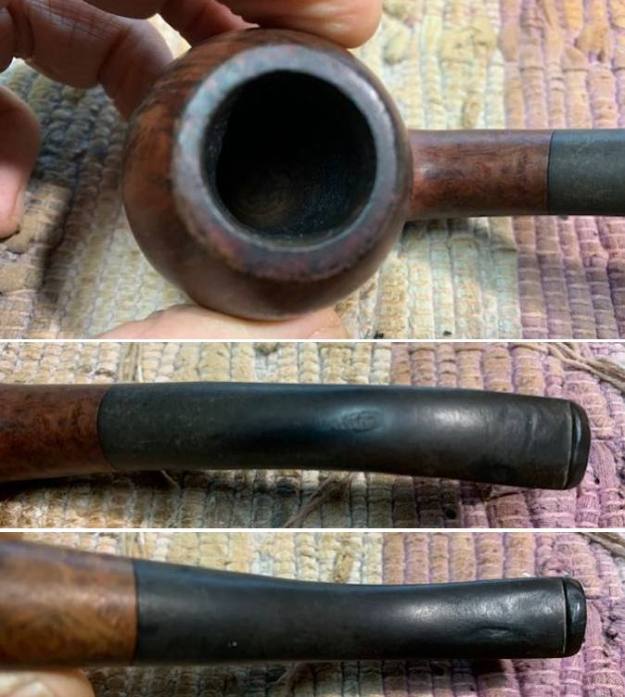
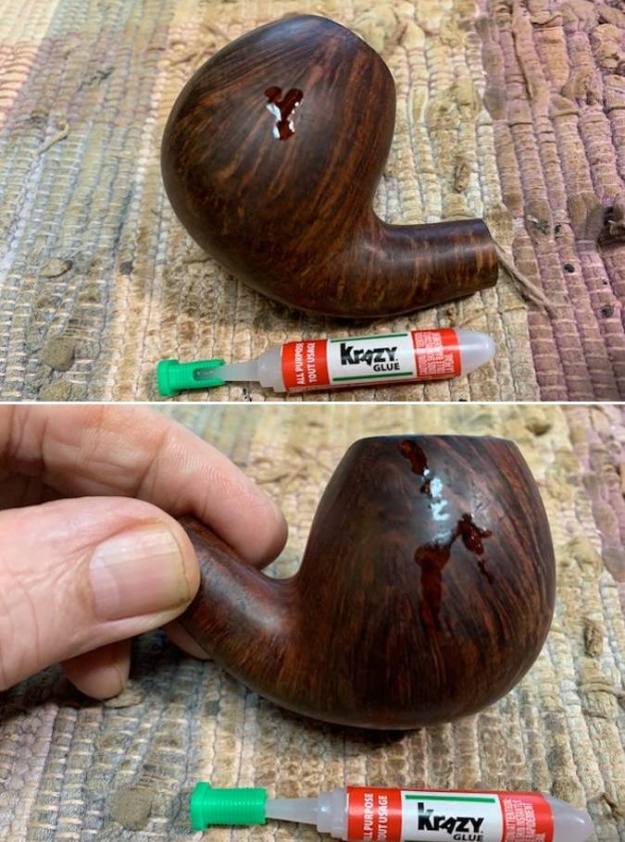
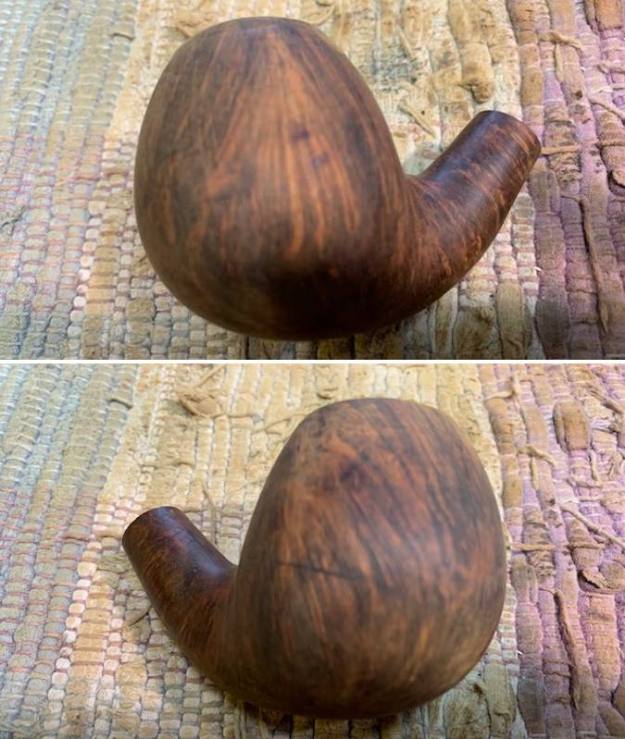
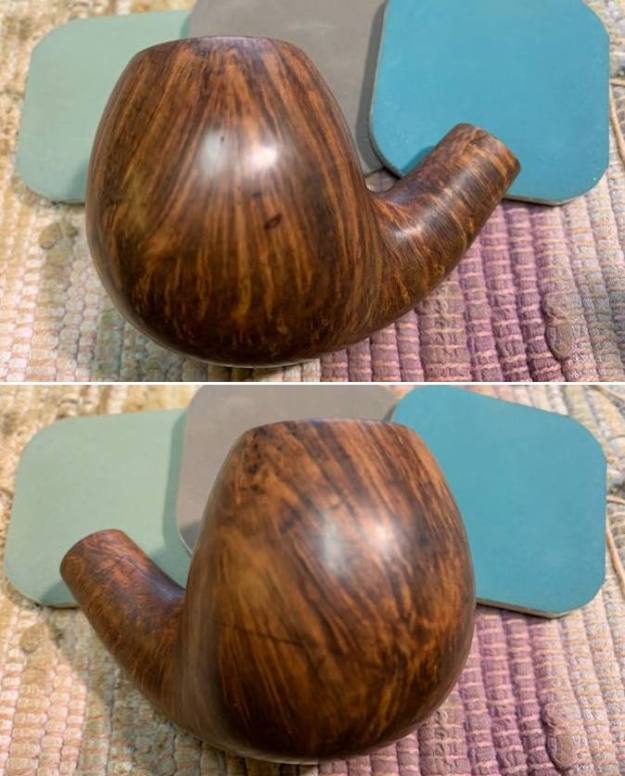
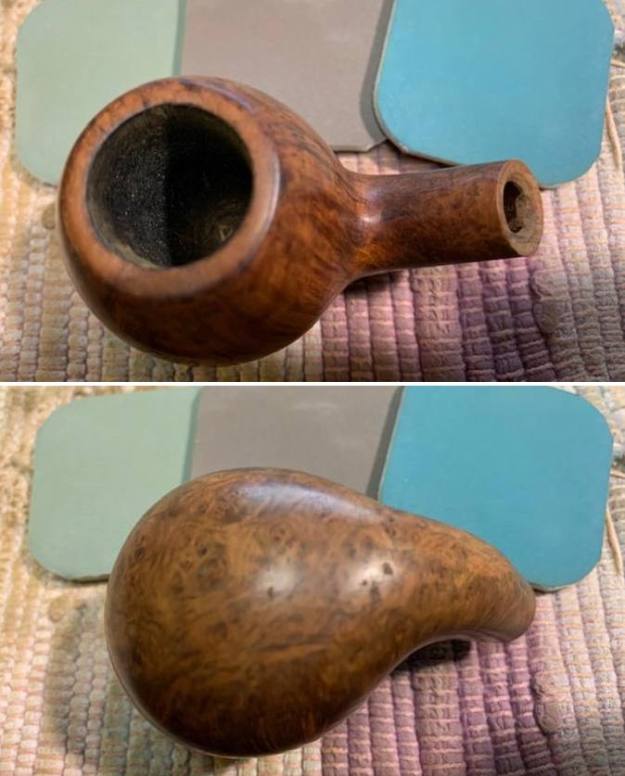
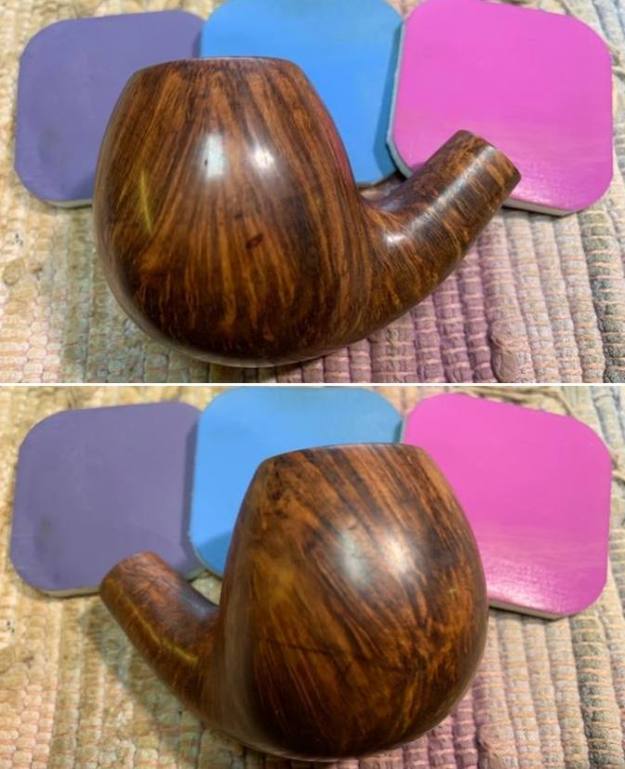
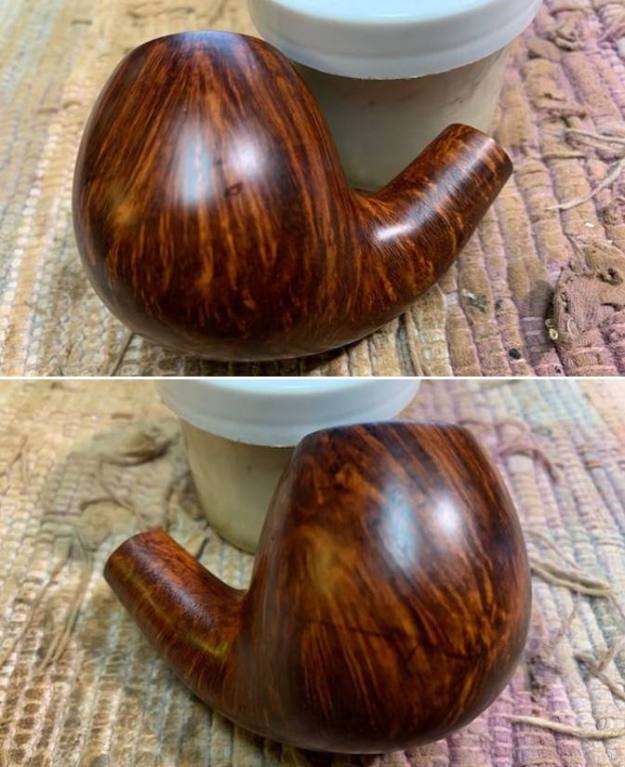
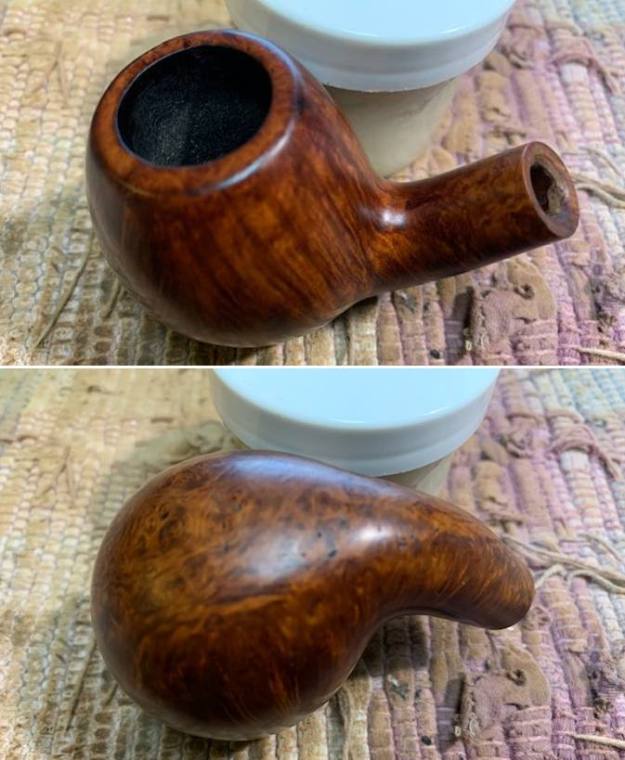
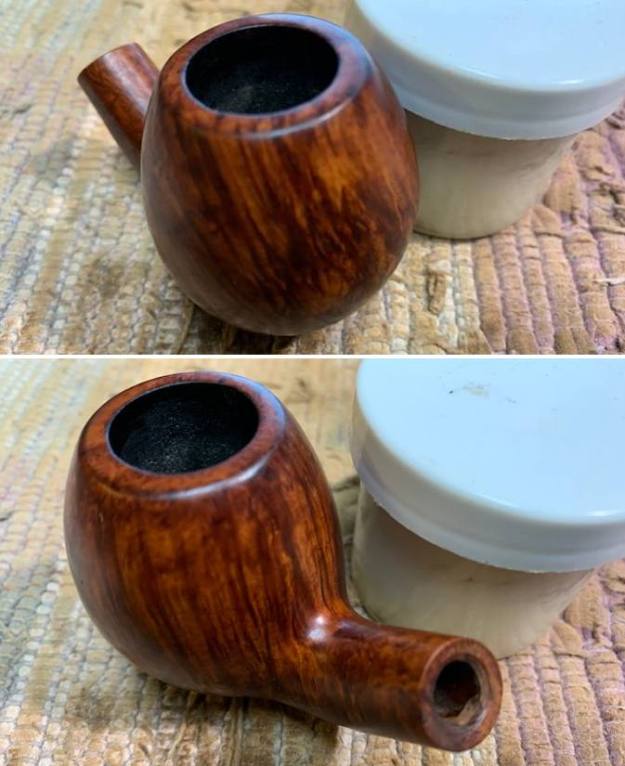
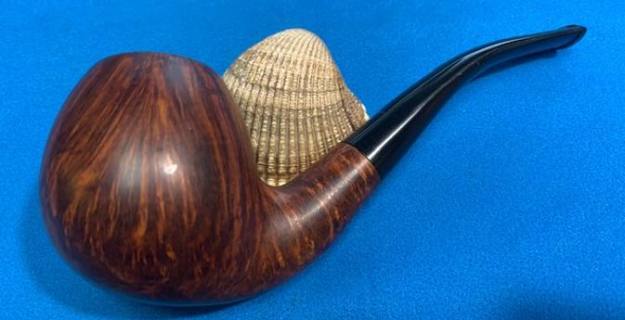
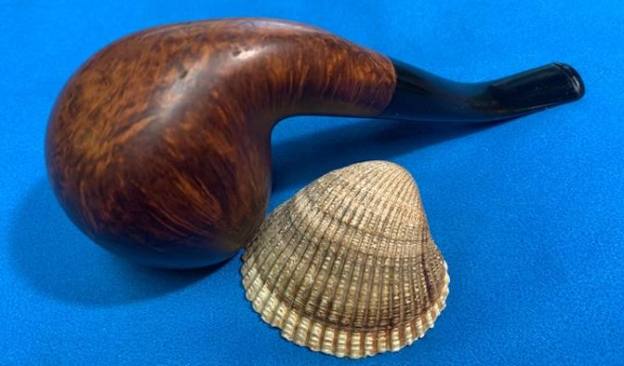
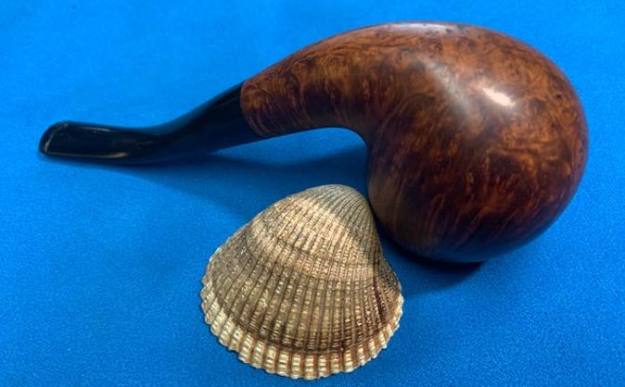
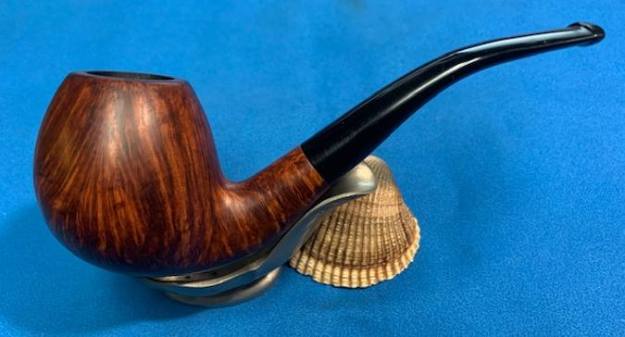
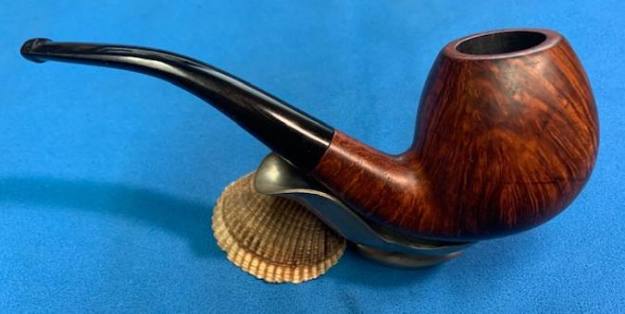
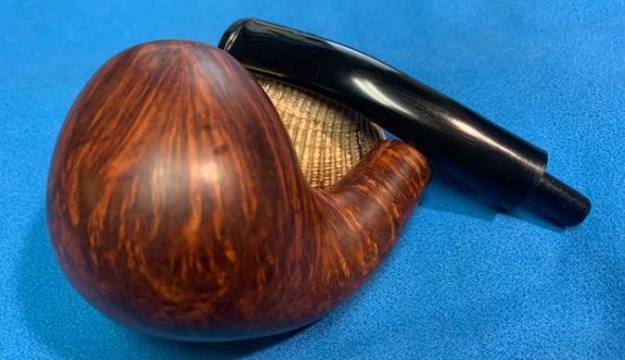
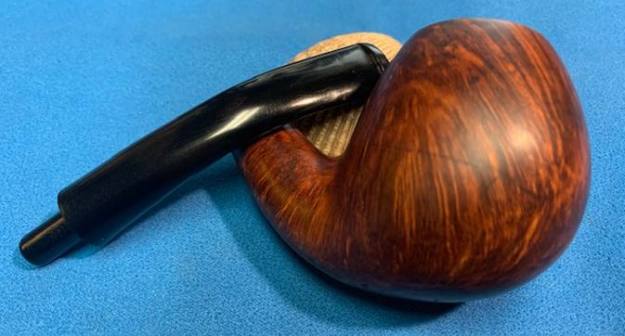
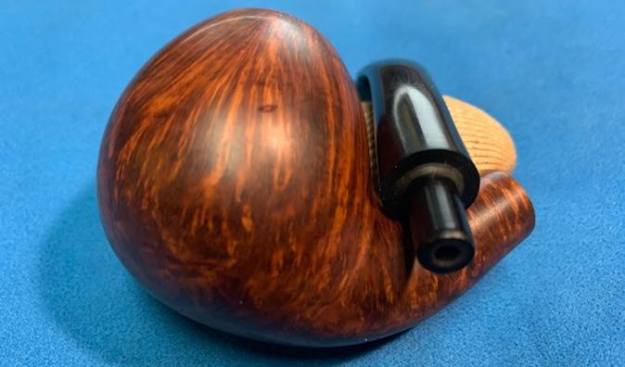
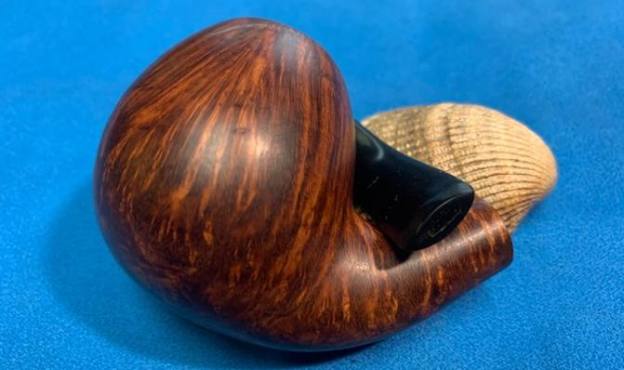
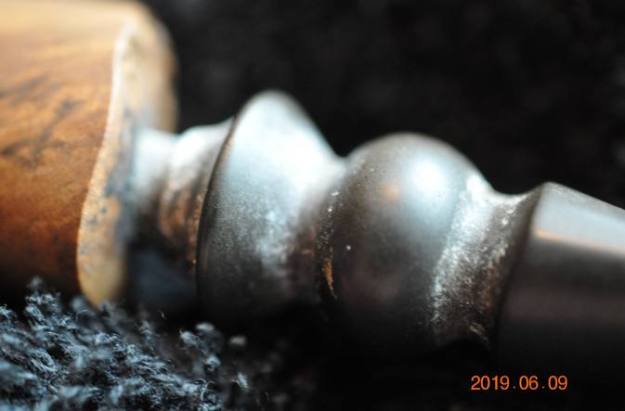
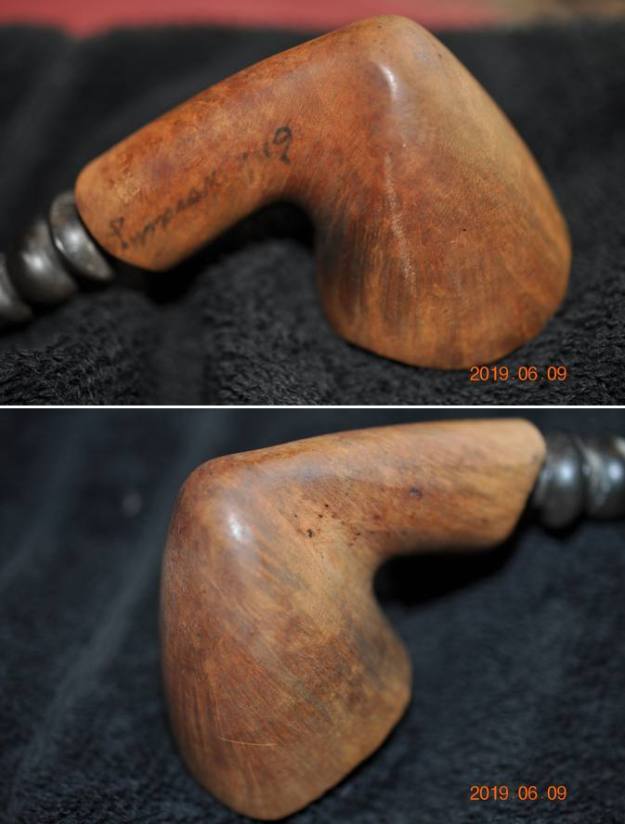
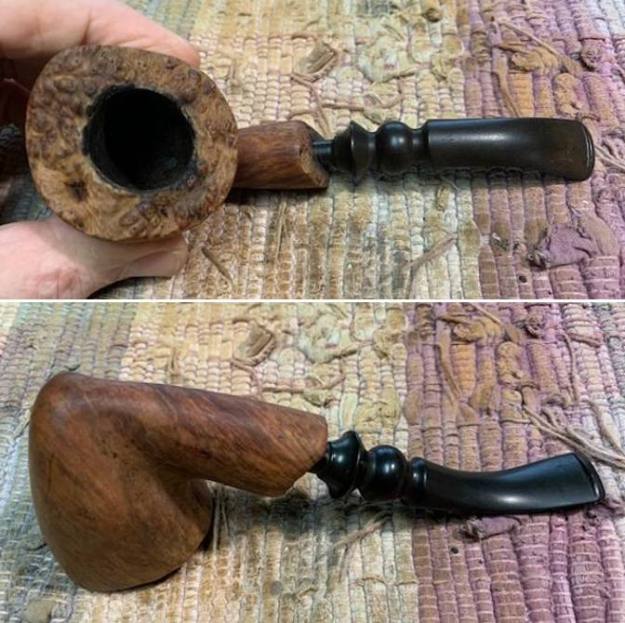
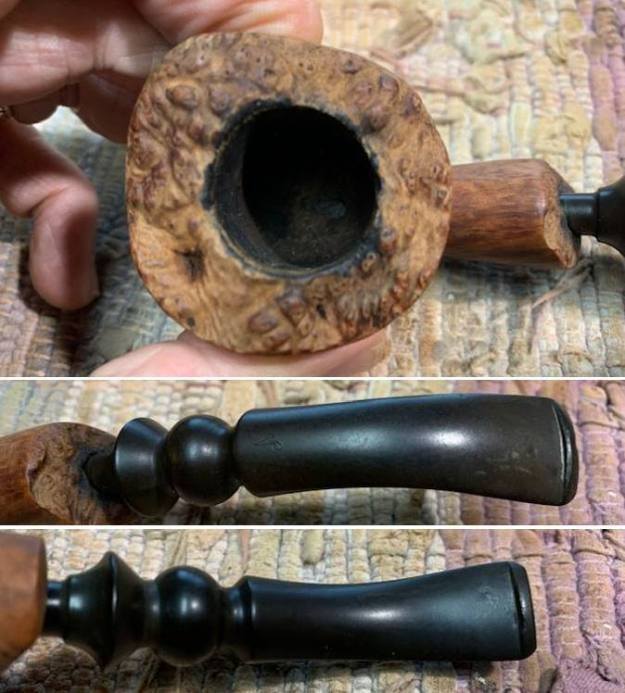
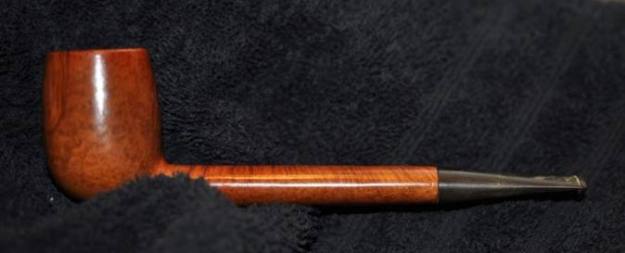
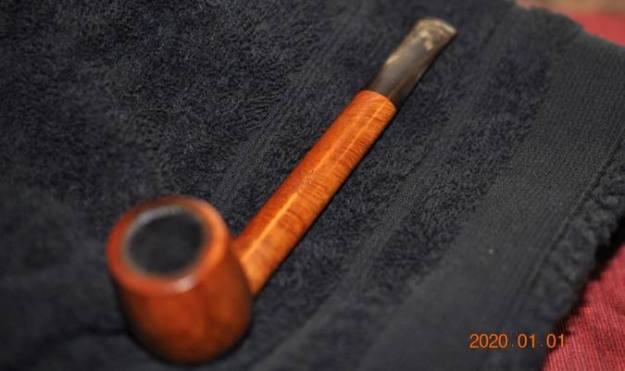
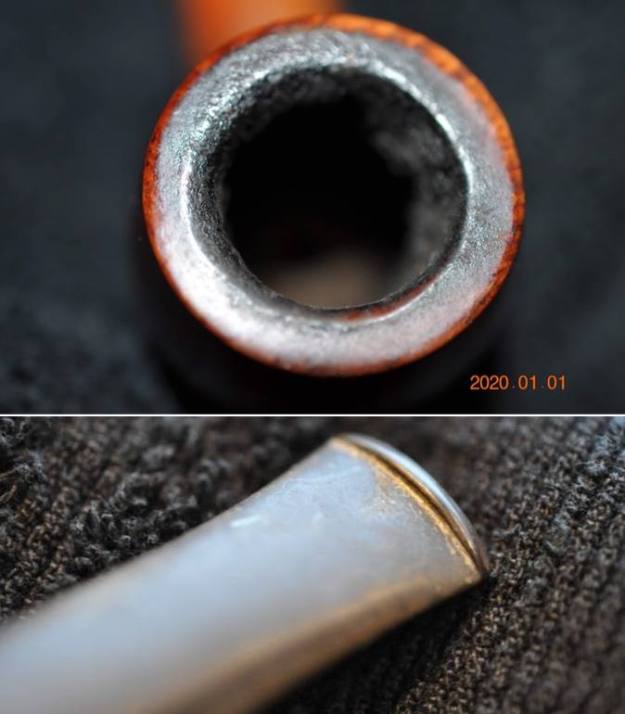
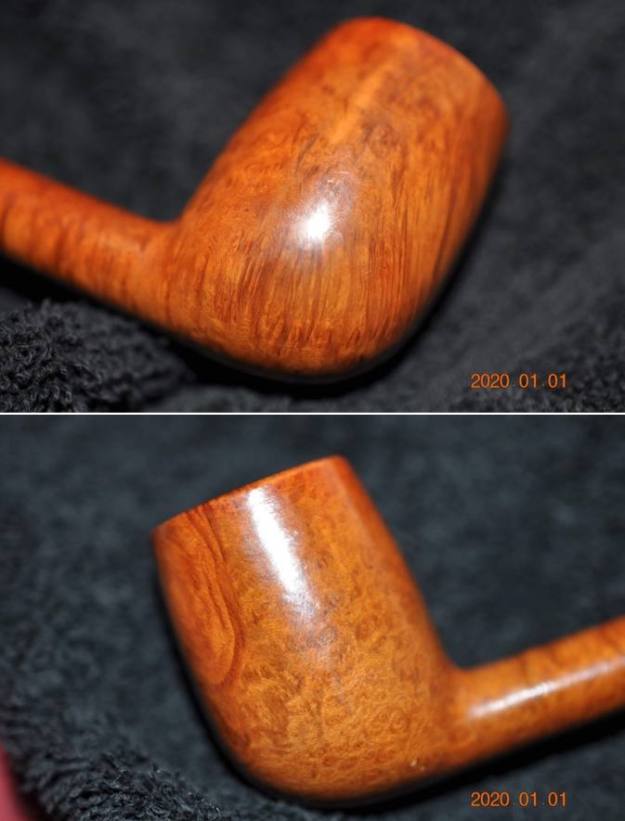
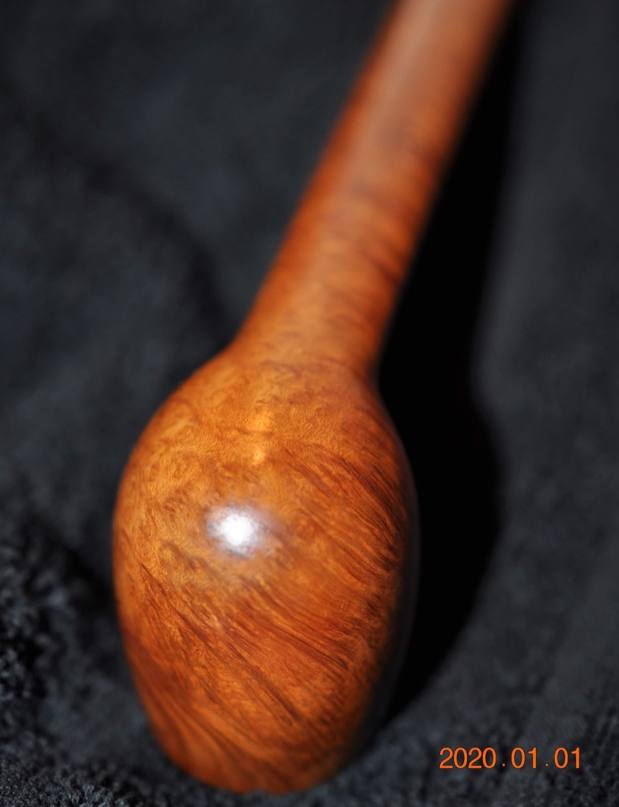
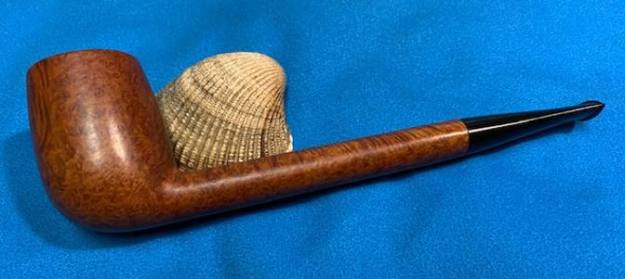
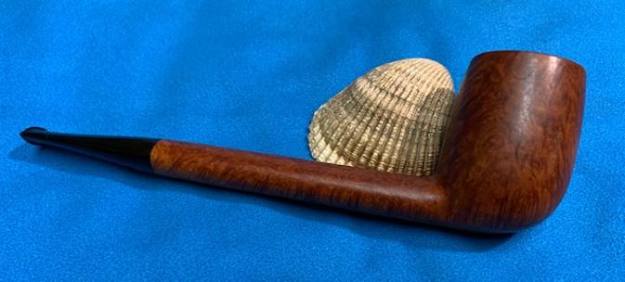
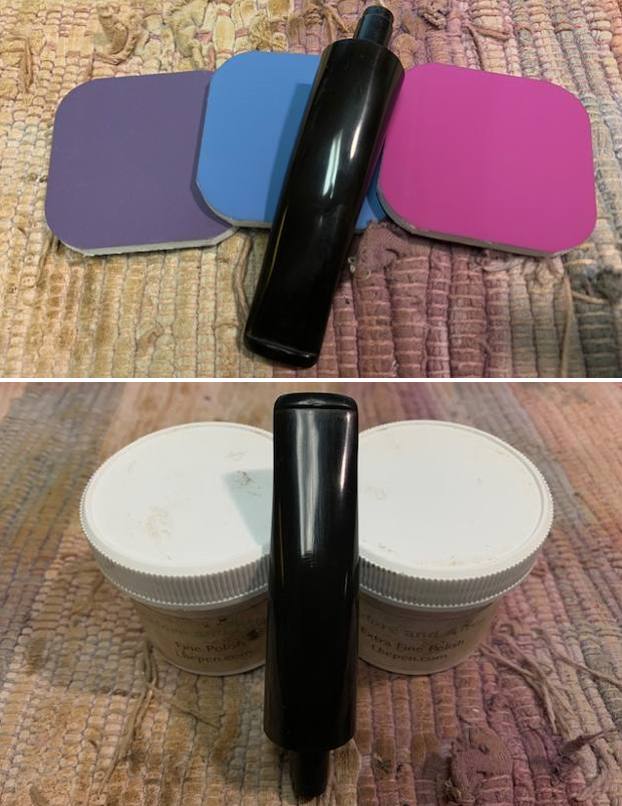
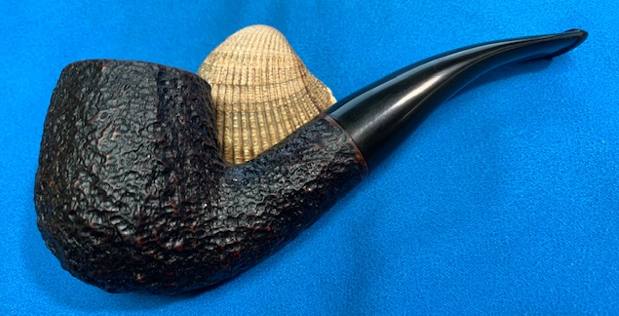
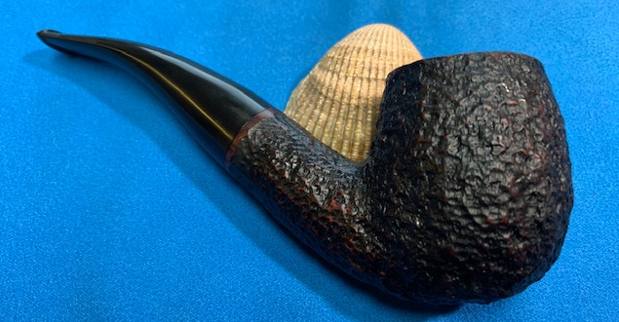
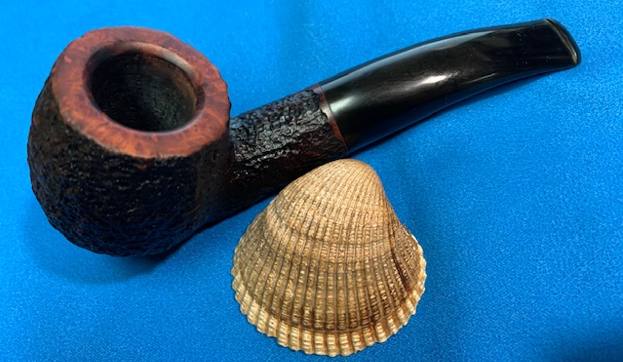
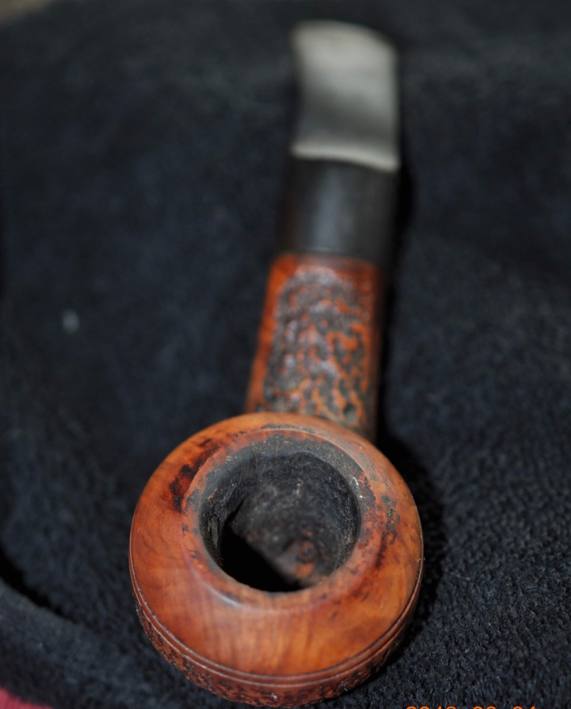
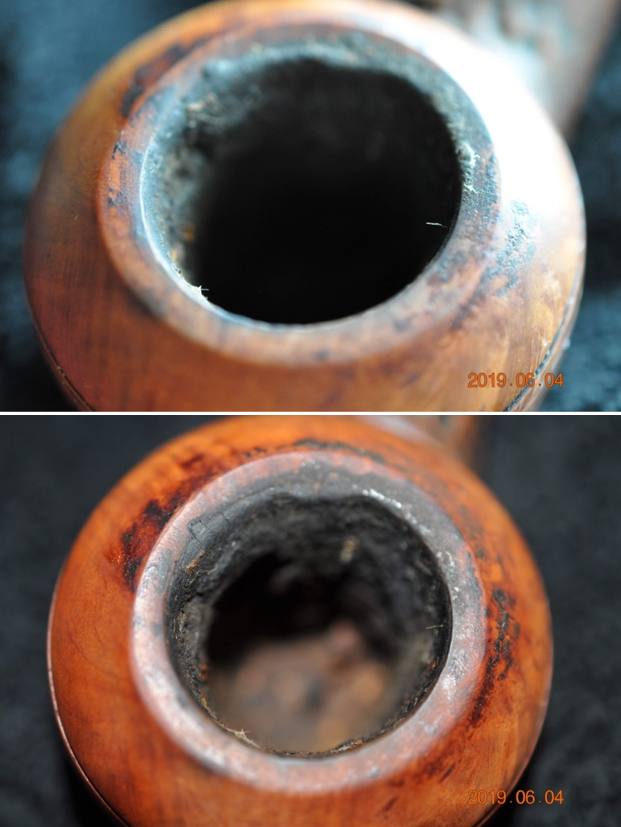
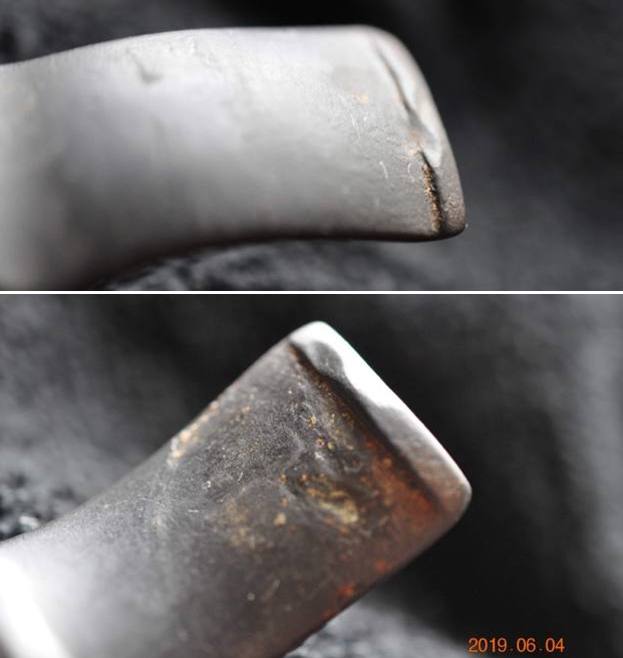
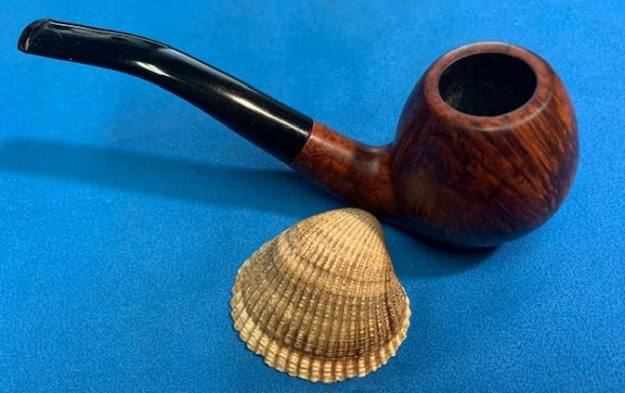
Neither Jeff nor I remember where we picked up this egg shaped pipe. We have no idea where it came from – whether the US or Canada. We have no idea when we purchased it or who we purchased it from. We have no idea what we paid for it. To top off all the unknowns about this pipe it is also not stamped with any identifying marks on the briar or on the stem surface. So the pipe is a mystery – no known maker, no location where it was found and no sense of time when we picked it up. But all of that does not deal with the fact that it is a stunning piece of briar underneath all of the nicks, scratches and ground in grime that covered it. Jeff took these photos of the pipe back in 2019 before he started his clean up work on it. Have a look at the photos he took and you will hopefully see through the debris and grime on the briar and gouges in the vulcanite stem. There is something remarkably graceful about the pipe. The next photo gives a glimpse of the overall condition of the pipe. You can see the thick cake in the bowl and tobacco shards in the cake. You can see the thick lava build up on the rim top and even some grain poking through. The stem is calcified, oxidized and had a lot of bite marks and tooth chatter on both sides that made the stem surfaces pitted and awful looking. But…He took close up photos of the bowl, rim top and the sides of the stem to help us see the mess even more clearly. Look at the thickness of the cake in the bowl and the fuzz and tobacco debris in the bowl sides. The rim top is buried under a thick lava coat and it is impossible to know what the inner or outer edges looked like. One can only hope they were protected but the armor coat. The stem was in brutal shape. You can see the deep tooth marks – gouges really in the surface on both sides almost halfway up the stem from the button. You can see the thick calcification and oxidation as well. Either you can say that the pipe was well loved or it was abused. The choice is yours. But I think we can all agree that it is a mess.Jeff captured the filth that was ground into the briar around the bowl sides and heel well but do not miss the grain that pokes through or you will miss something spectacular.  The next photos show the pipe after Jeff worked a miracle in getting all of the cake, lava and grime of the exterior of the pipe. You can only imagine what it looked like on the inside once he opened it up. It really was a disgusting pipe and one that truly only a pipe restorer could love. He reamed it with a PipNet reamer and cleaned that up with a Savinelli Fitsall Pipe Knife. He scraped the lava with a knife and then scrubbed the exterior with a tooth brush and undiluted Murphy’s Oil Soap. He scrubbed the stem with Soft Scrub to remove the debris. He scoured out the internals with isopropyl alcohol, cotton swabs and pipe cleaners. He soaked the stem in Before & After Pipe Stem Deoxidizer and then rinsed it with warm water. He left the pipe looking surprisingly good. Here is what I saw when I received it. I took a photo of the rim top and bowl to show the condition more closely. Amazingly, considering its condition on arrival, it looked very good. The walls of the bowl were smooth and the edges looked good. There was some darkening on the rim top but otherwise it was in good condition. The photos of the stem show that it was very clean but the tooth marks and grooves/gouges in the stem surface were deep on both sides quite a way up the stem. It was a mess on both sides. I took some photos of the shank to show their unstamped condition. It is truly a nameless pipe by an unknown maker.I removed the stem from the shank and took a photo of the parts. I wanted to give a idea of the delicate feel of the stem and the shank to the size of the bowl. It really does remind me of some of the Nachwalter pipes that I have worked on in the past.I decided to start my work on the pipe by addressing the gouges in the briar on the left and right sides of the bowl. I tried steaming them and it was a useless effort as the nicks and gouges had sharp edges and did not lift at all. I filled them in with clear CA glue. Once the repairs cured I sanded them smooth with 220 grit sandpaper to begin to blend them into the surrounding surface area. To clean up the rim top I lightly topped it on a topping board with 220 grit sandpaper. My goal was not to take off much of the top but merely to reduce the darkening on the top and edges.I sanded the entire bowl and shank (with the stem in place for the shank portion) with  a medium and fine grit sanding sponge. I wanted to remove as much of the scratching on the surface of the pipe as possible and further blend in the repaired areas. Keeping the stem on during the sanding of the shank guaranteed that the transition would remain smooth. The grain began to really stand out as I sanded it. I continued to polish the briar with micromesh sanding pads – dry sanding with 1500-12000 grit pads. I wiped the bowl down after each pad with a damp cloth to remove the sanding debris. The bowl and shank really began to take on shine and the grain is stellar. I rubbed the bowl down with Before & After Restoration Balm and worked it into the briar with my finger tips. I let it sit and work its magic for 10 minutes then buffed it off with a soft cloth. The grain really came alive with the Balm. This is a really beautiful looking pipe. I set the bowl aside and turned to work on the stem issues. I “painted” it with the flame of a lighter and was able to lift the tooth marks and grooves some. I filled in the remaining marks and gouges with clear CA glue and set them aside to cure.Once the repairs had cured I flattened them out with a small file. I sanded them and the rest of the stem with 220 grit sandpaper to further smooth them out and remove damage on the stem and button. I started polishing the stem with 400 grit wet dry sandpaper. I polished the stem with micromesh sanding pads – dry sanding with 1500-12000 grit pads. I wiped the stem down after each pad with a cloth impregnated with Obsidian Oil. I finished polishing the stem with Before & After Stem Polish – both Fine and Extra Fine and then wiped the stem down a final time with the cloth and Obsidian Oil. I set it aside to dry. This Mystery Maker Bent Egg is a really nice looking pipe. The finish is smooth and the flow of the cut of the briar follows the grain. I put it back together and buffed it with Blue Diamond on the buffing wheel. I gave the bowl and the stem multiple coats of carnauba wax. I buffed the pipe with a clean buffing pad on the wheel to raise the shine and hand buffed it with a microfiber cloth to deepen the shine. It is fun to see what the stunning grain looked like with the polished black vulcanite stem. The pipe really is beautiful. This egg shaped No Name Pipe is nice looking and the pipe feels great in my hand. It is light and well balanced. Have a look at it with the photos below. The dimensions are Length: 5 ½ inches, Height: 2 inches, Outside diameter of the bowl: 1 1/8 inches, Chamber diameter: ¾ of an inch. The weight of the pipe is 65 grams/ 2.29 ounces. It is a beautiful pipe and one that will soon be on the rebornpipes store in the American Pipe Makers section (though I am not sure where it was made). If you are interested in adding it to your collection let me know. Thanks for walking through the restoration with me as I worked over this pipe. Please we are not pipe owners; we hold our pipes in trust until they pass on into the trust of the next in line. 

New Life for a Stanwell Made Royal Danish 970 Volcano


Blog by Steve Laug

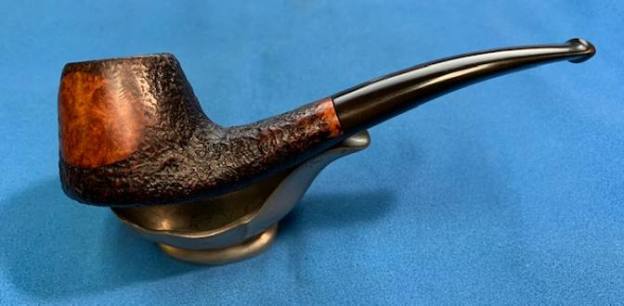
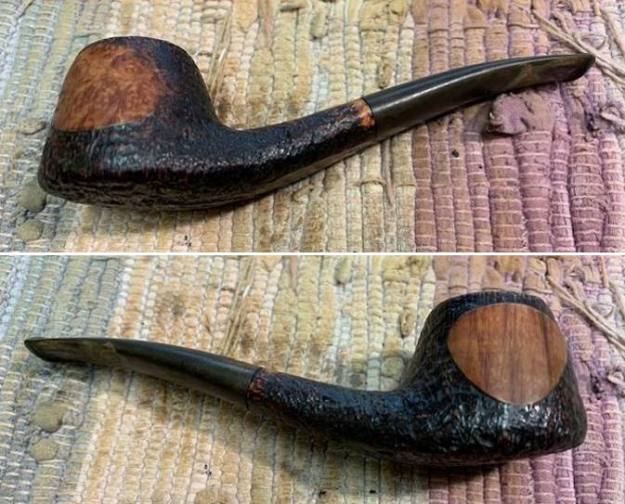
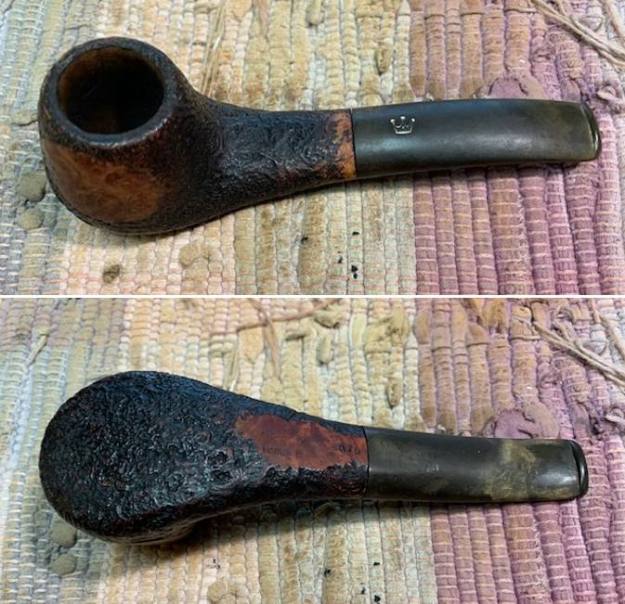
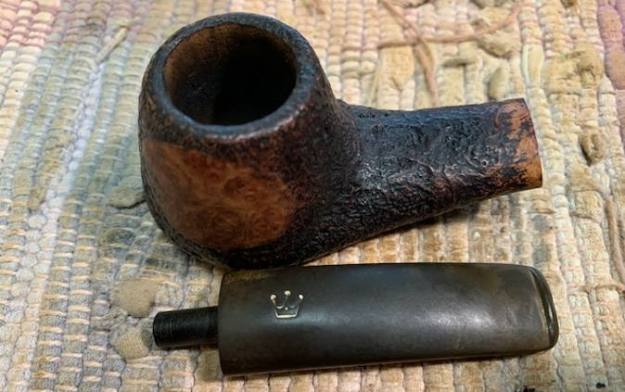
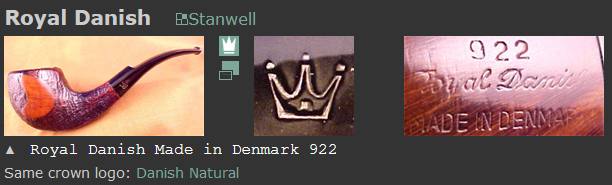
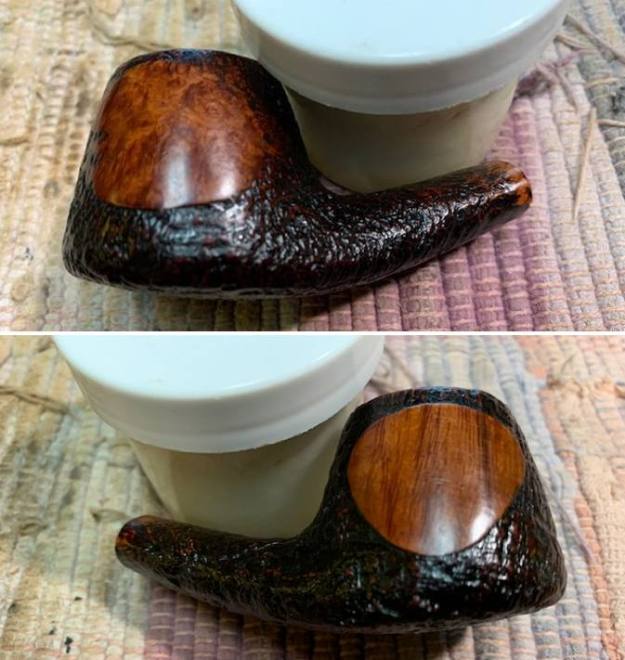
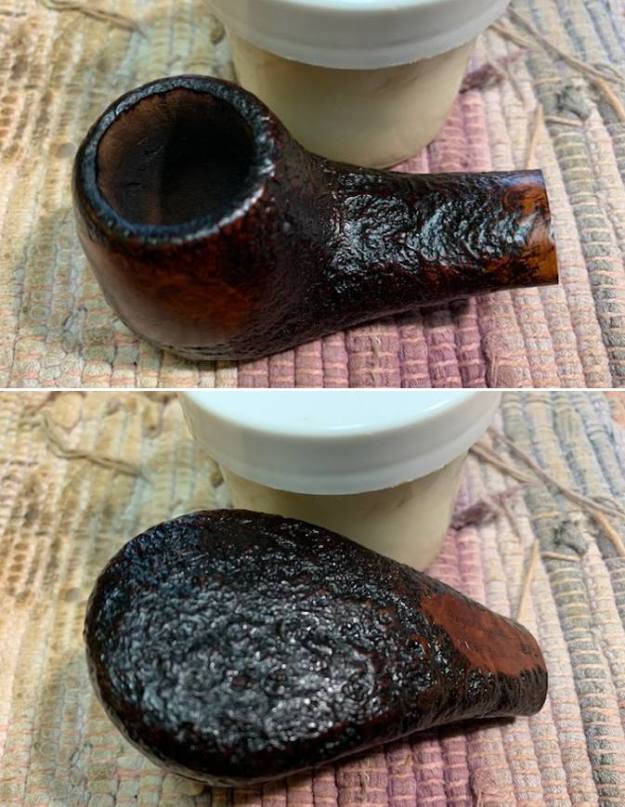
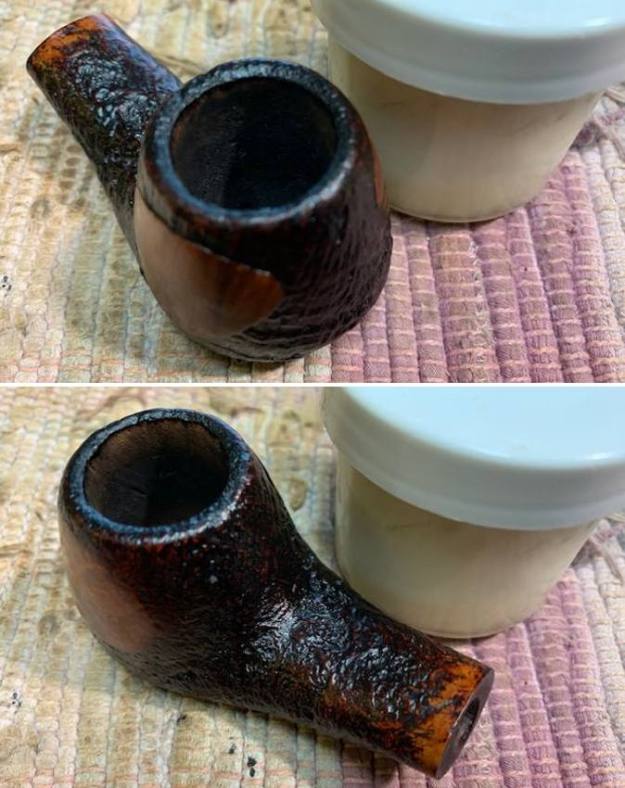
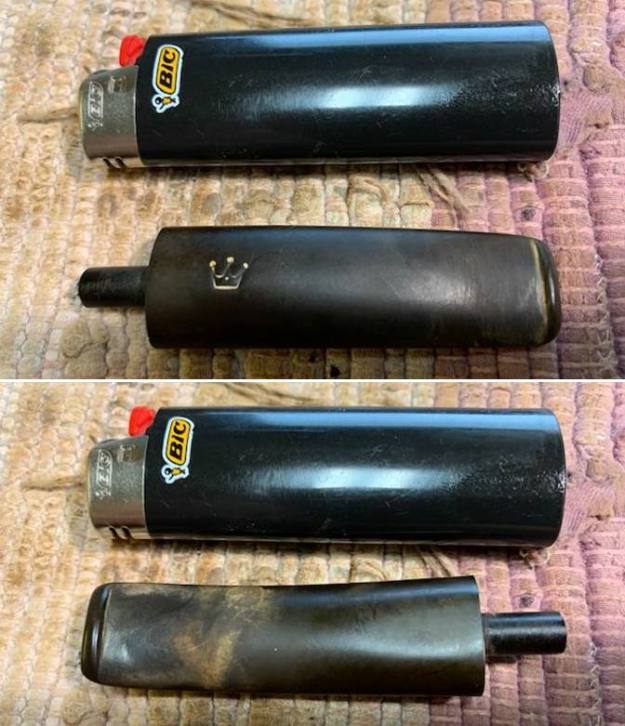
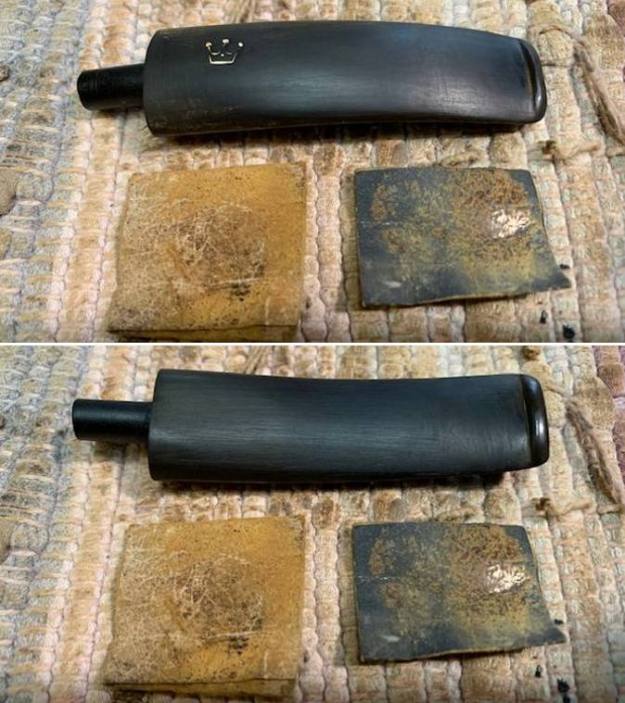
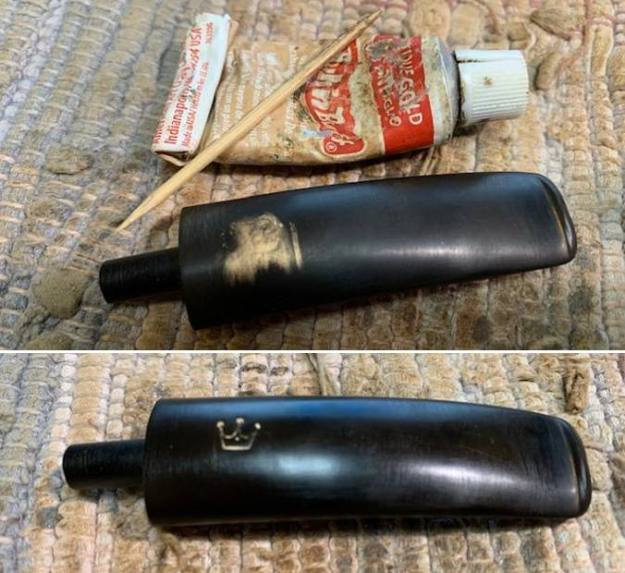
The next pipe on the table is a mixed finish – both sandblast and smooth panels on a shape I would call a volcano. We are not sure where we picked this one up. I took in on a trade or else found on one of my long ago pipe hunts. I cannot remember to be honest with you all. Sometimes I just put the pipes in a box to work on at a later date and forget about them. Strange I know but it is the truth. The pipe had been reamed and cleaned as had the internals. The pipe is stamped on a smooth panel on the underside of the shank and reads Royal Danish [over] Made in Denmark. Next to the shank/stem union it was stamped with the shape number 970. The bowl had been reamed and cleaned somewhere along the way. The finish was clean but dull and lifeless. The stem was still lightly oxidized and there was some calcification on the underside that remained. The stem had light tooth marks or chatter. There was a gold crown logo on the topside of the taper stem. The pipe smelled clean but I would run some pipe cleaners through it for good measure. I took photos of the pipe before I started my cleanup work on it. I took a close up photo of the bowl and rim top to show the cake in the bowl. The sandblasted rim edge were worn but looked good. The bowl was clean and the reaming nicely done. I took photos of the top and underside of the stem surface and button to show its general condition. It was lightly oxidized and had some calcification on the underside. There were some light tooth marks on the stem ahead of the button.The stamping is faint in parts but it readable as noted above. The stem had the Royal Danish logo on the stem top that was missing some of the gold stamping.I removed the stem from the shank and took a photo to give a sense of the over all look of the pipe.I turned to Pipephil’s site (http://pipephil.eu/logos/en/logo-r6.html) to see what information I could garner that linked the brand to Stanwell like I assumed. It made the link definitive to the brand. I have included a screen capture of the information as well as the side bar information below.It gives a list of Stanwell seconds: Christian, Danish Natural, Danish Sovereign, Danske Club, Henley, Majestic, Royal Danish, Royal Guard, Scandia

I turned also to Pipedia’s section regarding Royal Danish pipes to see what I could learn about  it (https://pipedia.org/wiki/Royal_Danish). There was one short line that connects the brand to Stanwell as a second. You could also read the article on Stanwell pipes for history.

I knew I was dealing with a Stanwell made pipe in the shape number 970 – a mixed finish volcano shape.

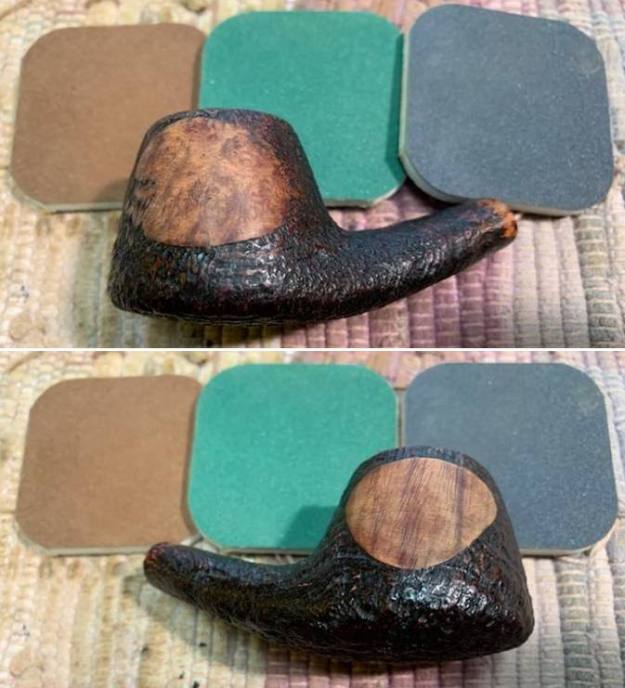
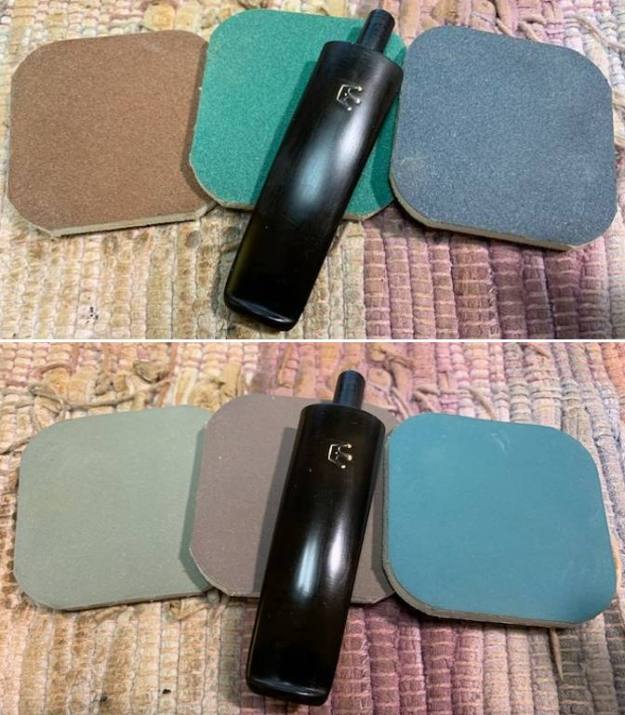
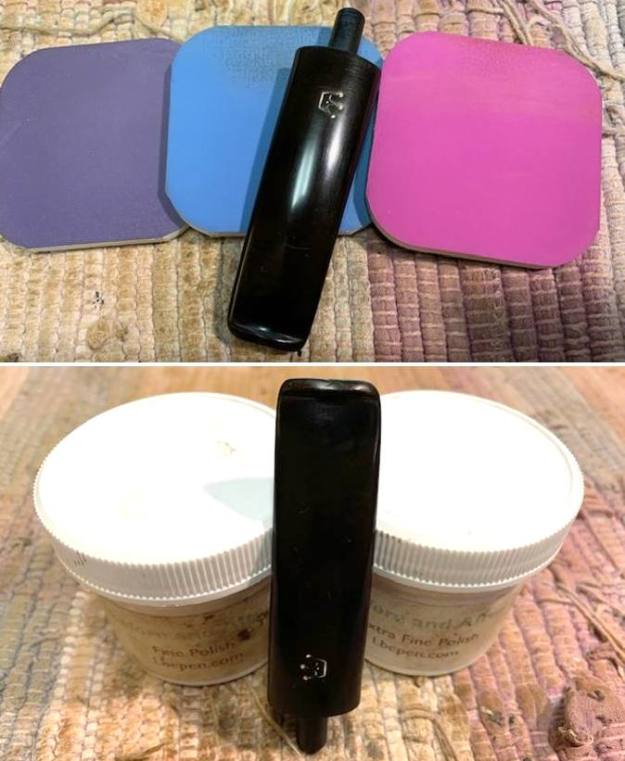
I began my work by polishing the edge of the rim top and the smooth panels on the bowl sides and the top of the shank. I used 1500-12000 grit sanding pads and wiped the bowl down with a damp cloth between each pad. It is a great looking pipe. I worked some Before & After Restoration Balm into the surface of the briar with my fingertips and a horsehair shoe brush to clean, enliven and protect the briar. I let the balm sit for 15 minutes and then buffed with a cotton cloth to raise the shine. The photos show the bowl at this point in the restoration process. With that done the bowl was finished other than the final buffing. I set it aside and turned my attention to the stem. I “painted” the stem surface with the flame of a lighter and was able to lift all of the tooth marks on the surface. I sanded the stem surface smooth with 220 grit sandpaper to remove the small scratches and nicks in the stem surface. I started polishing it with 400 grit sandpaper.  I paused and touched up the Gold Crown logo on the top of the stem with Rub’n Buff Antique Gold. I  pressed it into the stamping and buffed off the excess with a soft cloth. While it was better it was not flawless.Though the pipe smelled and looked clean it had been sitting in a drawer here for quite a few years and I figured it would need a cleaning. I ran pipe cleaners and isopropyl alcohol through the shank, airway in the shank and stem. It cleaned up nicely. There was dust as well as stain that came out on the pipe cleaners.I polished the stem with micromesh sanding pads – wet sanding with 1500-12000 grit sanding pads. I wiped it down after each sanding pad with Obsidian Oil. I polished it with Before & After Pipe Stem Polish – both Fine and Extra Fine. This Stanwell Made Royal Danish 970 Volcano is a really nice looking pipe. The finish is what I have found on 60s-70s era pipes – a mix of sandblast finish around the bowl and shank with smooth panels on the sides of the bowl and end of the shank. I put it back together and buffed it with Blue Diamond on the buffing wheel. I gave the bowl multiple coats of Conservator’s Wax and the stem multiple coats of carnauba wax. I buffed the pipe with a clean buffing pad on the wheel to raise the shine and hand buffed it with a microfiber cloth to deepen the shine. It is fun to see what the polished finish looks like with the polished black vulcanite stem. The pipe really is beautiful. This volcano shaped Royal Danish 970 Volcano is nice looking and the pipe feels great in my hand. It is light and well balanced. Have a look at it with the photos below. The dimensions are Length: 5 ½ inches, Height: 1 ½ inches, Outside diameter of the bowl: 1 1/8 inches, Chamber diameter: ¾ of an inch. The weight of the pipe is 42 grams/1.48 ounces. It is a beautiful pipe and one that will soon be on the rebornpipes store in the Danish Pipemaking Company section. If you are interested in adding it to your collection let me know. Thanks for walking through the restoration with me as I worked over this pipe. Please we are not pipe owners; we hold our pipes in trust until they pass on into the trust of the next in line. 

Rejuvenating a Nording Made in Denmark Natural Finish Signature Freehand


Blog by Steve Laug

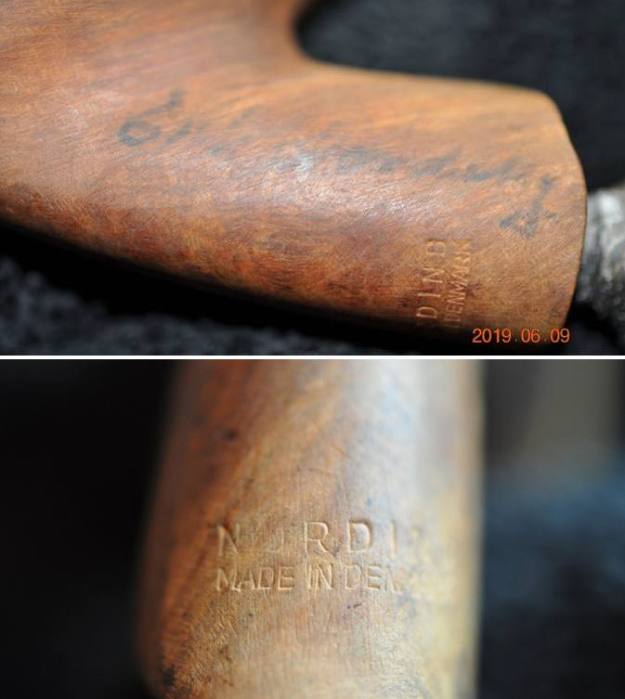
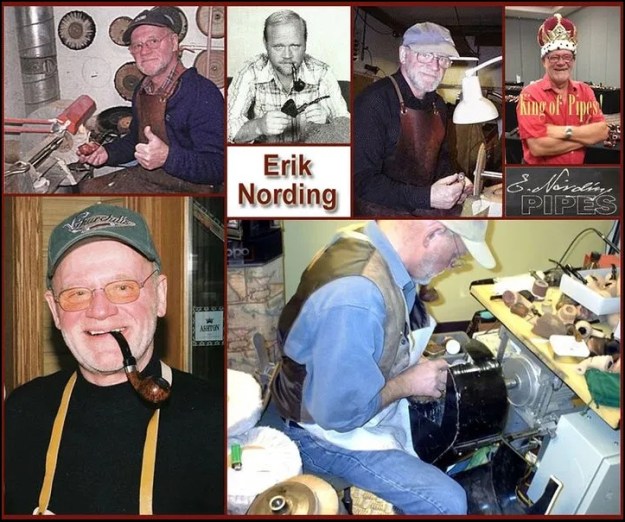
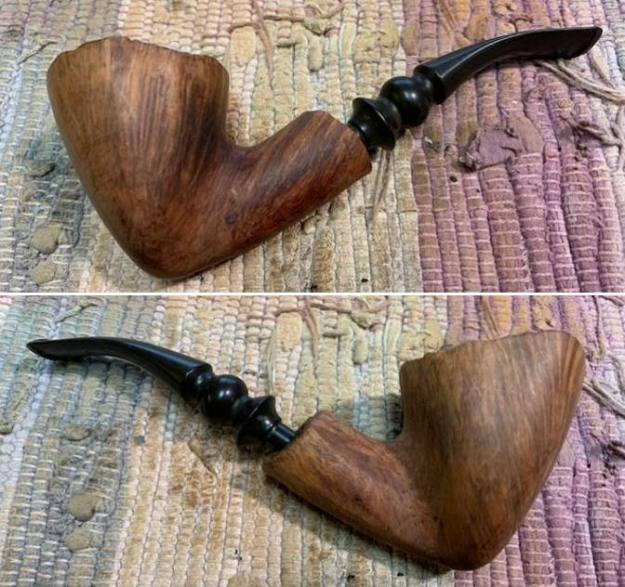
The next pipe on the table came to us This pipe was purchased from an antique store on 05/30/19 in Metaine, Louisiana, USA. It is a classic Freehand with a unstained, natural finish around the bowl and shank. It has a plateau on the rim top and shank end. It had a fancy turned vulcanite stem. The rim top is plateau and shank end were originally stained black. The shape follows the grain of the block of briar very well. It is stamped on the underside of the shank reads NORDING over Made in Denmark near the stem/shank union. There is no other stamping on the pipe. There is a faded signature on the left side of the shank that reads Eric Nording. It is almost worn off from use The stem has a faint Nording N on the topside of the stem. The pipe was very dirty with dark oily stain on the sides mid bowl. There was a thick cake in the bowl and some lava overflowing onto the plateau rim top filling in the plateau. It was hard to know what the inner edge of the rim looked like because of the lava and cake. Other than being dirty the finish appeared to be in good condition. The stem was oxidized and had come calcification. There was some tooth chatter and tooth marks on both sides of the stem at the button and on the button surface. Jeff took photos of the pipe before he started working on it. He took a photo of the rim top to show the thick cake in the bowl and the overflow of lava. The cake is thick and hard. The lava overflow fills in the plateau. The bowl is a real mess but it must have been a great smoking pipe. The stem looked dirty, calcified and oxidized with bite marks and tooth chatter on both sides of the stem ahead of the button. The shank end and fancy turned stem are also dirty. The next photos show the sides and heel of the bowl to give a clear picture of the beauty of the grain around the bowl of the pipe. Under the grime there is some great grain peeking through. Jeff took photos of the stamping to capture the clarity of it even under the grime. There is a faint signature on the left side of the shank that reads Eric Nording. It is quite faded and worn looking. The stamping on the underside of the shank readable as noted above.  Before I started my work on the pipe I wanted to learn more about where this pipe fit into the Nording lines so I turned to the first of two sites that I always check to gather information on a brand. I turned first to Pipedia (https://pipedia.org/wiki/N%C3%B8rding). Nording’s were exclusively freehand shapes. There were quite a few photos and a longer history of the brand. It is well worth reading. I also found a collage of photos of Erik Nording included below. I turned to the second information site – Pipephil’s (http://www.pipephil.eu/logos/en/logo-n2.html) and found a great history of the brand in brief form and many photos of different pipes by Nording.

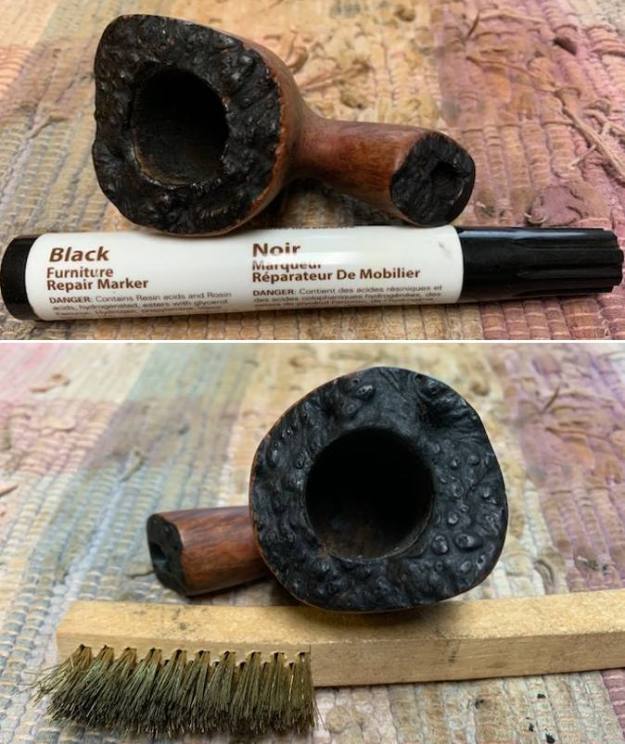
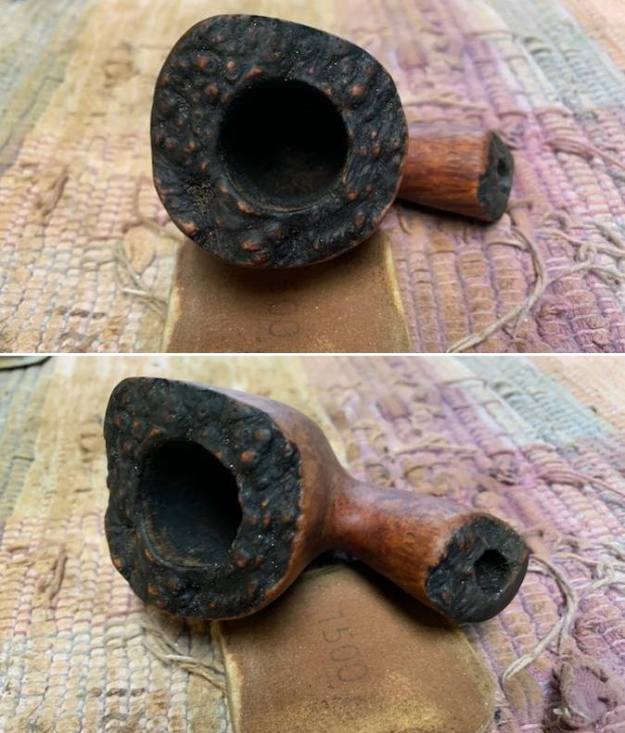
Armed with the information on the Nording Freehand I turned to address the pipe itself. Jeff cleaned up the pipe for me. He reamed the bowl with a PipNet pipe reamer and cleaned it up with a Savinelli Fitsall Pipe Knife. He scrubbed the exterior with Murphy’s Oil Soap and a tooth brush to clean off the grime off the finish and the heavy overflow of lava on the rim top. The cleaning had removed some of the black stain on the rim top. He cleaned up the internals of the shank, mortise and stem with pipe cleaners, cotton swabs and alcohol to remove all of the oils and tars in the pipe. He soaked the stem in Before & After Deoxidizer and was able to remove much of the oxidation. When it arrived here in Vancouver it was a clean pipe. The Nording signature had become even more faint with the clean up. I knew what I had to work with. I took photos of it before I started my part of the restoration.     I took photos of the rim top and the stem to show their condition once it arrived in Canada. Jeff was able to clean up the incredibly thick cake and lava overflow that was shown in the rim and bowl photos above. You can see that almost all of the black stain had been removed from the plateau top and shank end. He was also able to get rid of the grime and grit in the surface of the briar. The inner edge of the bowl was in very good condition and was smooth to the touch. The rest of the rim top and edges looked very good. The stem looked very good and was much cleaner. The faintly stamped N is visible on the stem top. There were tooth marks and chatter on both sides near the button. I took a photo of the stamping on the underside of the shank. It is faint but readable as noted above. The dark ink Erik Nording signature was totally faded away. It is faintly visible but basically it is gone.I removed the stem from the pipe and took a photo to show the look of the parts.I decided to start the restoration by restaining the plateau rim top and shank end with a Black Stain pen. I worked to carefully get into the grooves and crannies of the plateau on both. Once it was finished I used a brass bristle wire brush to start removing the black from the high point. I then polished the high points on both with 1500 grit micromesh to get the contrast back. I polished the briar with micromesh sanding pads – dry sanding the briar with 1500-12000 grit pads. I wiped the bowl down with a damp cloth after each sanding pad.   I rubbed the bowl and shank down with Before & After Restoration Balm to deep clean the finish on the bowl and shank. The product works to clean, enliven and protect the briar. I worked it in with my fingers to get it into the briar. I used a horsehair shoe brush to work it into the plateau top and shank end.  After it sat for 15 minutes I wiped it off and buffed it with a soft cloth. The briar really began to have a rich shine. I took some photos of the bowl at this point to mark the progress in the restoration. It is a beautiful bowl. I set the bowl aside and worked on the stem at this point in the process. I “painted” the surface of the stem with the flame of a lighter to lift the dents in the vulcanite as much as possible (I failed to take photos of the stem before I filled them in but the photos show the process). I filled in the remaining marks with clear super glue. Once the repairs cured I used a file to reshape the button and flatten the repairs. I sanded the repairs with folded pieces of 220 to remove the file marks as well as the remaining oxidation. I started polishing the stem with 400 grit wet dry sandpaper.     I started sanding out the file marks and took a pause to touch up the N stamp on the stem surface. I wanted to make sure that I did no inadvertently sand it out during the polishing process. Once that was finished I finished sanding out the tooth marks and scratches with 220 grit sandpaper. I also started the polishing with 400 grit paper. I polished the stem with micromesh sanding pads – dry sanding with 1500-12000 grit pads. I wiped the stem down after each pad with a damp cloth to remove the sanding dust. I used the Before & After Pipe Polish to remove the small minute scratches left in the vulcanite even after the micromesh regimen. I finished by wiping the stem down with a final coat of Obsidian Oil and set it aside to dry.   I put the stem back on the Nording Signature Freehand and took it to the buffer. I buffed the bowl (carefully avoiding the stamping and signature remnants) and stem with Blue Diamond to polish the briar and the vulcanite. Blue Diamond does a great job on the smaller scratches that remain in both. I gave the bowl and the stem several coats of carnauba wax and buffed the pipe with a clean buffing pad to raise the shine. I hand buffed it with a microfiber cloth to deepen the shine. The pipe polished up really nicely with a great contrasting stain look to the briar. The finished pipe is shown in the photos below. This Nording Freehand turned out looking very nice. The polished black vulcanite stem looks really good with the natural oiled finisn and blacks of the plateau top and shank end. The dimensions of the pipe are Length: 6 inches, Height: 2 ¼ inches, Outside diameter of the bowl: 1 ¾ inches, Chamber diameter: ¾ of an inch. The weight of the pipe is 60grams/2.12oucnes. This is another pipe that I will be putting it on the rebornpipes online store in the Danish Pipe Makers section shortly, if you are interested in adding it to your collection. Thanks for walking through the restoration with me on this beauty!

A Beautifully Blasted Comoy’s Made The Everyman London Pipe 88 Woodstock


Blog by Steve Laug

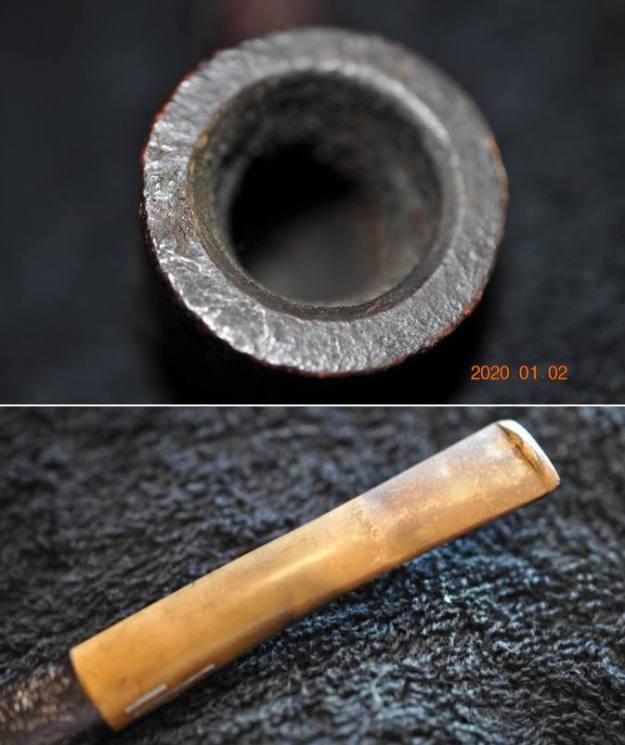
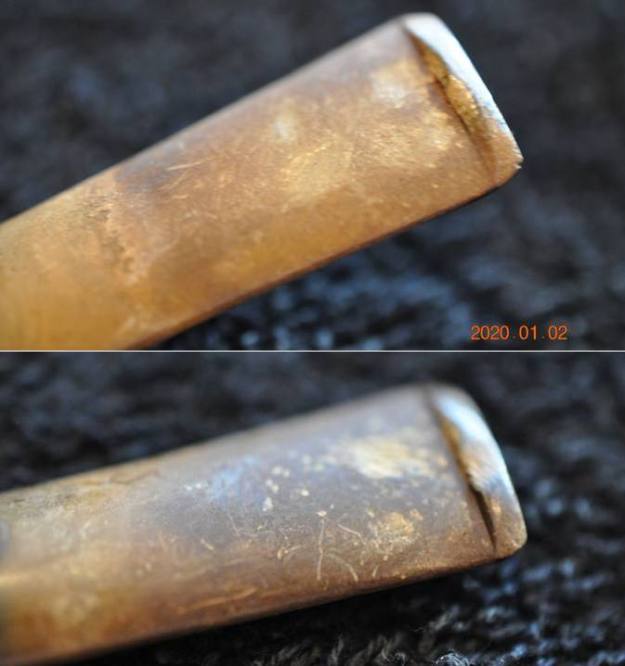
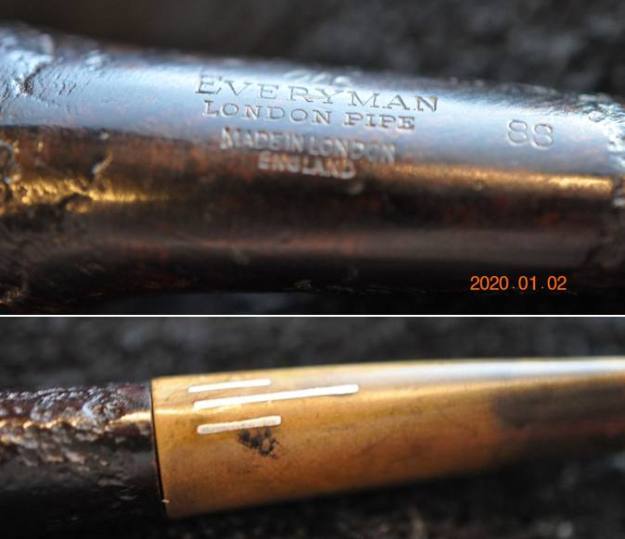
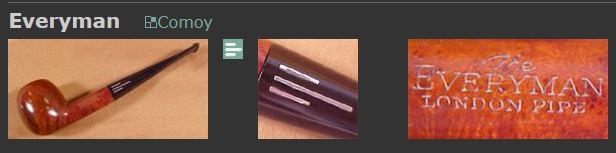
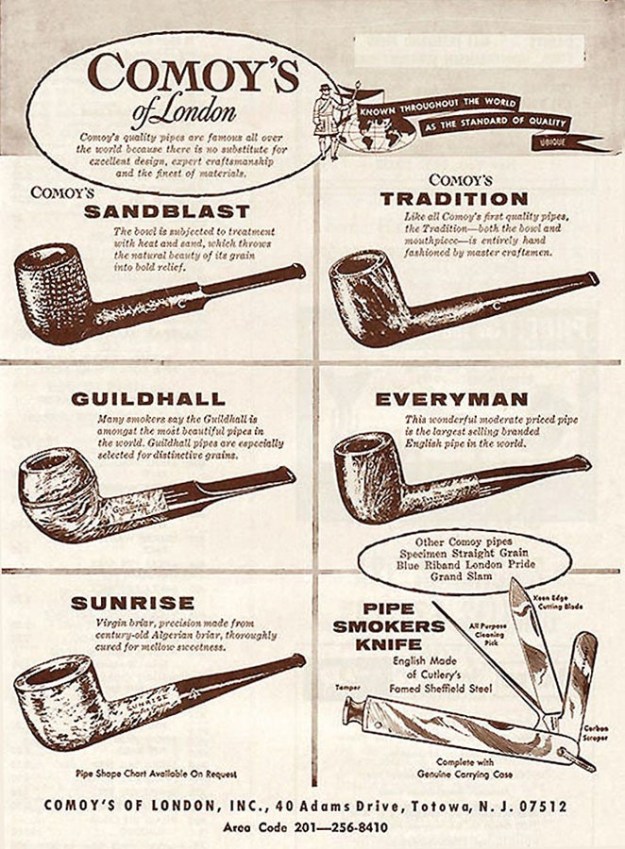
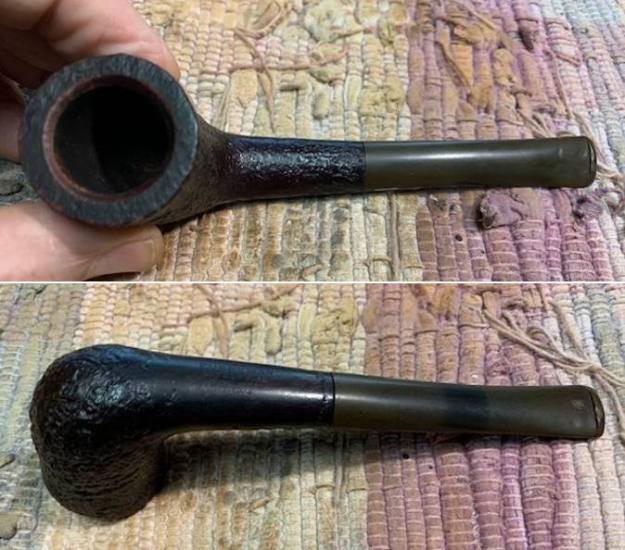
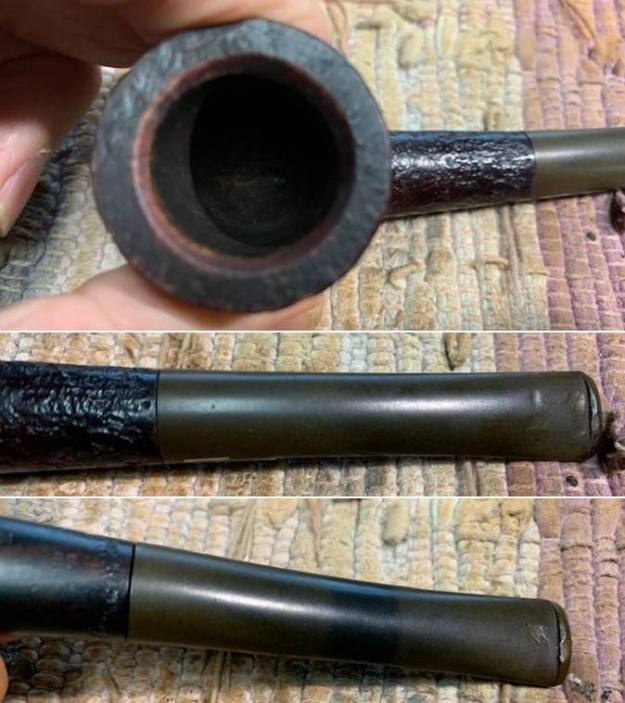
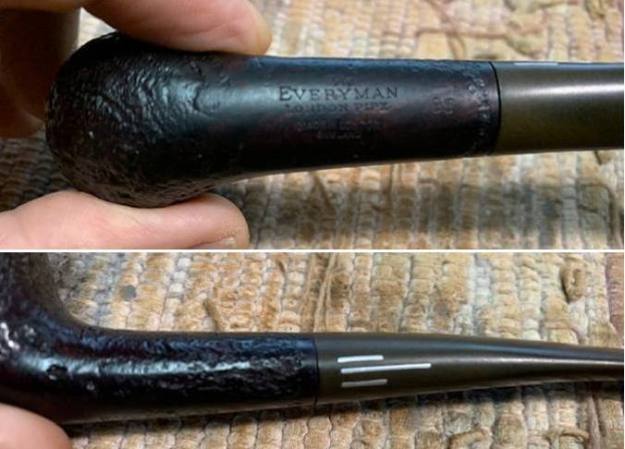
The next pipe is a really neat looking deeply sandblasted Comoy’s Made Woodstock (Zulu) with a vulcanite taper stem. The angle of the bowl, shank and stem on the pipe made it one that was made to hold in your hand. It is quite light weight for its size and the blade on the stem is thin and looks comfortable. We picked up this pipe in a group of pipe we purchased from a fellow in Los Angeles California. It is stamped on a smooth panel on the underside of the shank and reads The [over] Everyman [over] London Pipe [over] Made in London[over] England. Toward the shank/stem junction it is stamped with the shape number 88. The exterior of the bowl looked clean and way too shiny. There was definitely a coat of varnish on the briar. There was a heavy cake in the bowl and an eruption of thick lava on the rim top and beveled inner edge of the bowl. It was hard to know the condition of the rim top and rim edges because of the grime and thickness of the cake and lava. The cleaning would make it very clear! The stem was dirty, oxidized and calcified with deep tooth marks and chatter on both sides and on the underside of the button surface. Jeff took photos of the pipe to give a clear picture of what we were up against with this pipe. He captured the cake in the bowl and the thick eruption of lava on the rim top and edges exceptionally well in the next photos. It was very clear that it was an exceptional smoker! The stem is lightly oxidized and shows the tooth marks and chatter on both sides ahead of the button.Jeff captured some of the beauty of the shape and the rugged sandblast grain in the next photos. It is quite stunning.He took photos of the stamping on the underside of the shank. It is clear and readable as noted above. He also capture the three bar logo on the left side of the taper stem.I turned to pipephil’s site (http://pipephil.eu/logos/en/logo-e4.html) to confirm what I knew about the brand being made by Comoy’s. It did but did not give a whole lot of other information.I turned then to Pipedia (https://pipedia.org/wiki/Comoy%27s). I found a catalogue page there that listed the Everyman. It reads: “This wonderful moderate priced pipe is the largest selling branded English pipe in the world.”I turned to the shape chart that was also linked on the Comoy’s article to see how they describe a 88 (https://pipedia.org/index.php?title=Comoy%27s_Shape_Number_Chart). There was no 88 listed, only an 87 which was described as a Woodstock with an oval stem and a slight bend.

Now it was time to work on the pipe. It is really a beautiful piece. Jeff had done a great cleanup on the pipe. He reamed the bowl with a PipNet pipe reamer and followed up with a Savinelli Fitsall pipe knife to remove the cake. He scrubbed out the mortise and the airway in the shank and the stem with alcohol, cotton swabs and pipe cleaners. He scrubbed the bowl exterior with a tooth brush and Murphy’s Oil Soap to remove the grime on the finish of the bowl and the lava from the rim top. He rinsed it under running water. One of the benefits of this scrub is that it also tends to lift some of the scratches and nicks in the surface of the briar. He dried it off with a soft cloth. He cleaned the internals and externals of the stem with alcohol, pipe cleaners and cotton swabs. He soaked the stem in Briarville’s Pipe Stem Deoxidizer and rinsed it off with warm water and cleaned out the airway in the stem with alcohol, pipe cleaners and cotton swabs. I took photos of the pipe as I saw it when I put it on the table. There is definitely a varnish coat on the bowl that makes the briar very shiny and to me obscures the nooks and crannies of the deep sandblast finish.  I took photos of the rim top and stem to show the condition. The rim top and beveled edge looked amazing. The stem was vulcanite and there were tooth marks and chatter on both sides ahead of the button and on the button surface as well. The stamping on the underside of the shank is clear and readable. It reads as noted above. The three silver coloured inset bars on the left side of the taper stem are also visible.I removed the stem from the shank and took a photo to give a sense of the proportions. You can also see the bubbling in the varnish coat on the sandblast side of the bowl. I used a brass bristle wire brush to work over the bubbly finish on the bowl and rim. Once it was loosened I wiped it down with acetone on a cotton pad to try and remove the varnish coat from the depths of the finish. I was able to remove it from the surface and the crevices in the blast for the most part. It looked better. I rubbed the bowl and shank down with Before & After Restoration Balm. I worked it into the surface of the bowl sides and shank with my fingertips and a horsehair shoe brush to clean, enliven and protect the briar. I let the balm sit for 10 minutes, then buffed with a cotton cloth to raise the shine. The Balm did its magic and the grain stood out on the briar. I set the bowl aside and turned to the stem. I “painted” the surface of the stem with the flame of a lighter and was able to raise most of the tooth marks. I filled in those that remained with some clear CA Glue. I set the stem aside to let the repairs cure.When they had cured I used a small flat file to flatten out the repairs and reshape the button edge on both sides. I sanded the repaired areas and the rest of the stem with 200 grit sandpaper to blend them in and to remove the remaining oxidation. I started the polishing with 400 grit wet dry sandpaper. I polished the stem with micromesh sanding pads – 1500-12000 grit pads. I wiped it down with Obsidian Oil after each sanding pad. I finished the polishing with Before & After Polishes – both Fine and Extra Fine. I gave it a final rub down with Obsidian Oil and set it aside to dry. This Comoy’s Made The Everyman London Pipe 88 Woodstock with a vulcanite taper stem is a rugged sandblast pipe with a flowing shape that looks great. The rich browns of the contrasting stain makes the nooks and crannies of the blast come alive with the polishing and waxing. I put the stem back on the bowl and carefully buffed the pipe with Blue Diamond on the buffing wheel using a light touch on the briar. I gave the bowl multiple coats of Conservator’s Was and the stem multiple coats of carnauba wax on the buffing wheel and followed that by buffing the entire pipe with a clean buffing pad. I hand buffed the pipe with a microfiber cloth to deepen the shine. The finished The Everyman London Pipe Woodstock really is a beauty and fits nicely in the hand and looks very good. Give the finished pipe a look in the photos below. The dimensions of the pipe are Length: 5 ½ inches, Height: 1 ¾ inches, Outside diameter of the bowl: 1 ¼ inches, Chamber diameter: 7/8 of an inch. The weight of the pipe is 1.09 ounces/31grams. This pipe will soon be on the British Pipe Makers section of the rebornpipes store if you would like to add it to your collection. Thanks for reading this blog and my reflections on the pipe while I worked on it. There are many more to come!
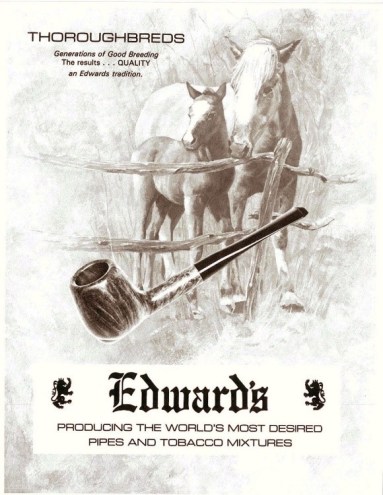
Next on the table is an Edward’s Virgin Algerian Briar 721 Canadian


Blog by Steve Laug

Photo, Courtesy of Doug Valitchka

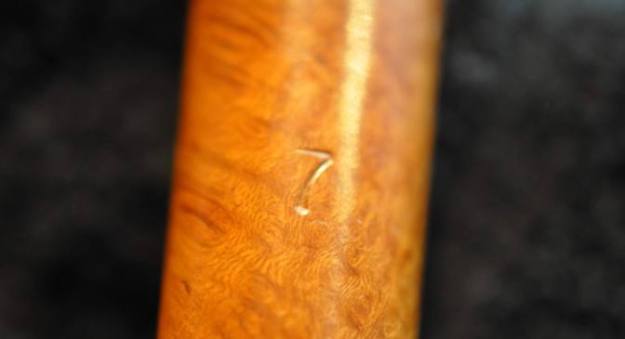
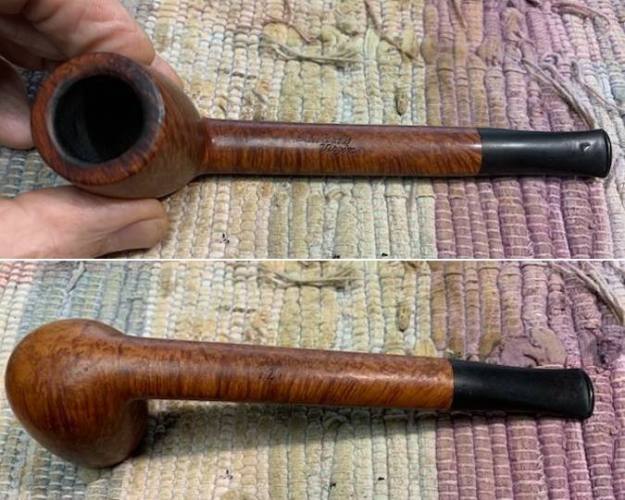
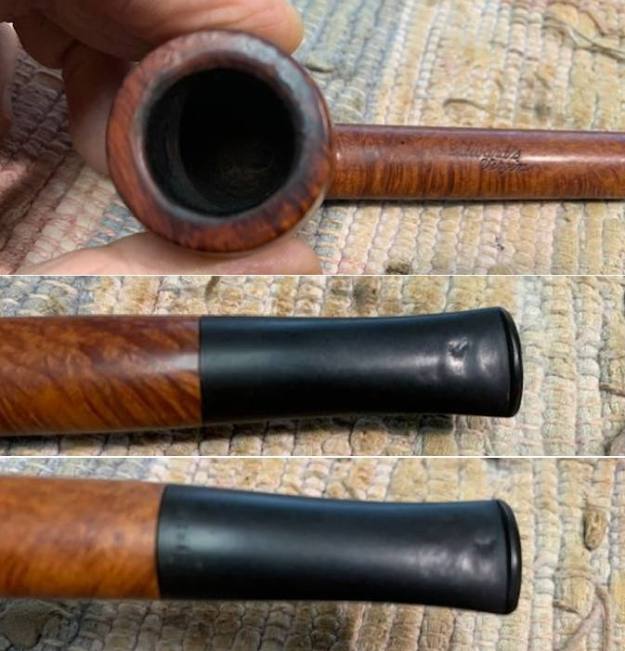
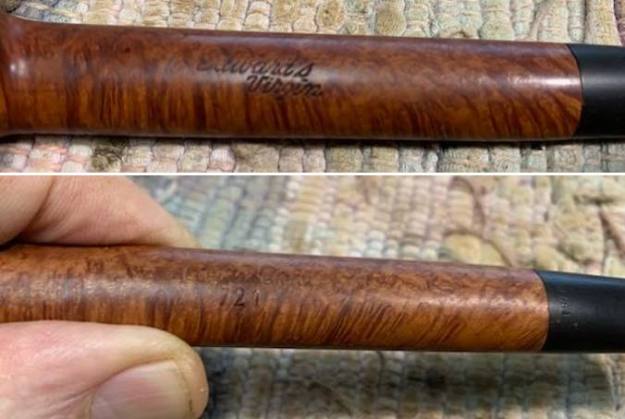
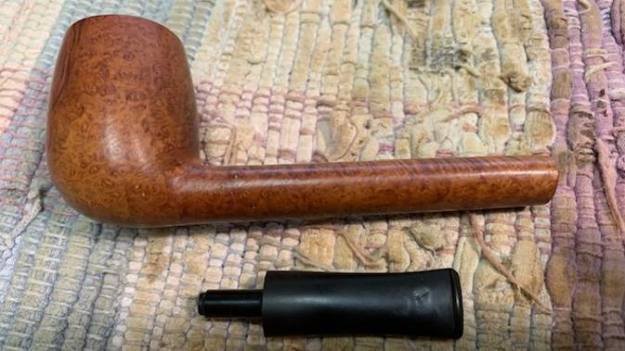
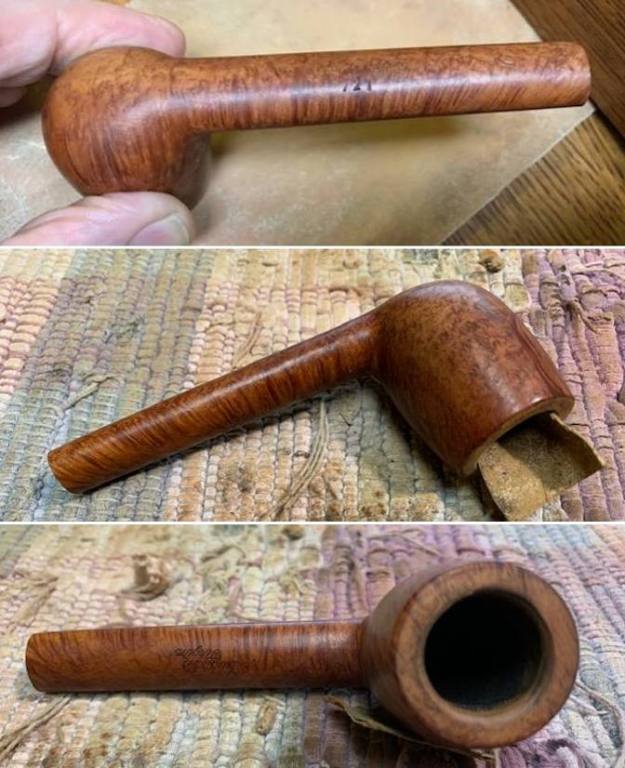
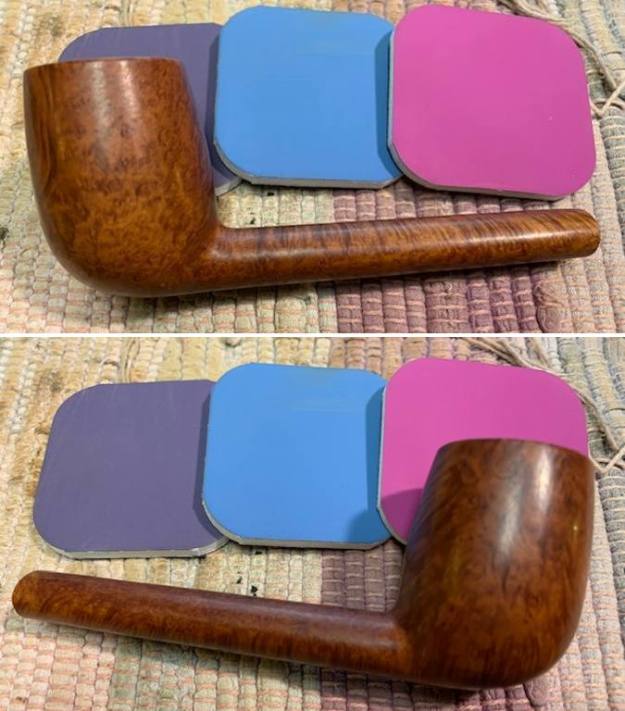
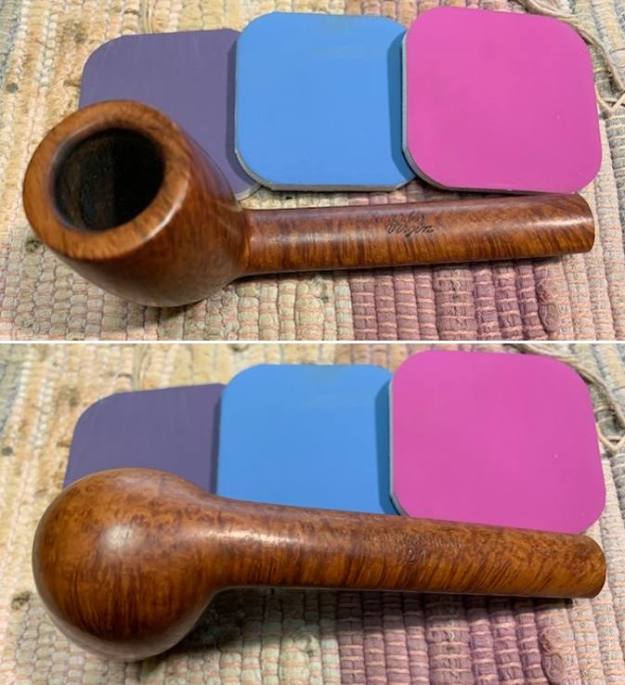
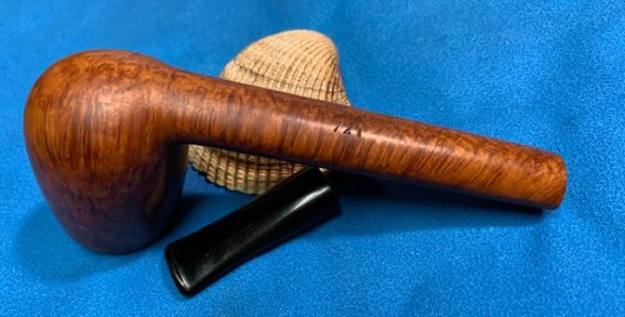
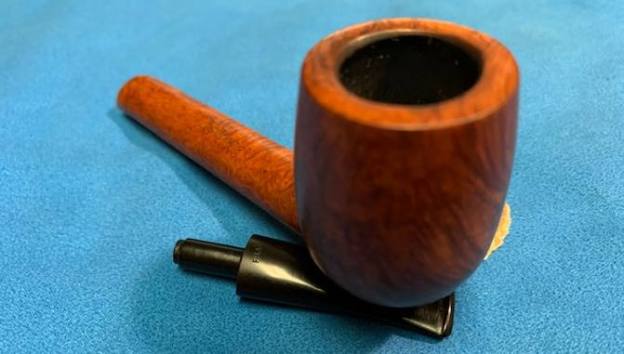
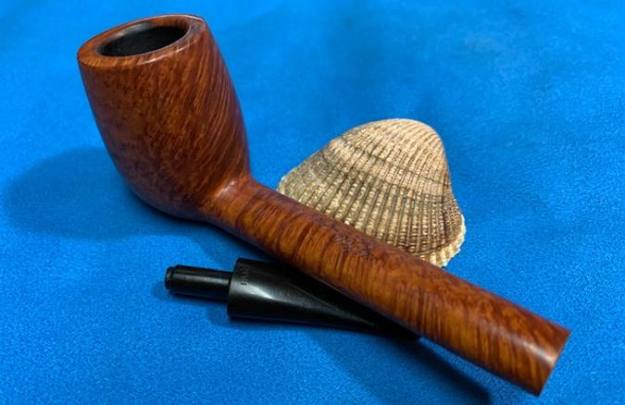
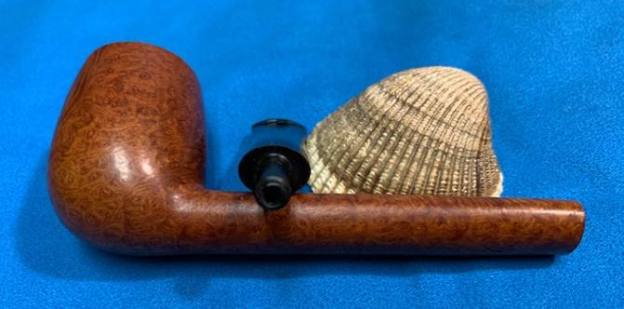
The next pipe on the work table is an Edward’s pipe that we bought in a group of pipes from a fellow in Los Angeles, California, USA. It is a classic looking Canadian in terms of the flow of the stem and shank. The bowl had a thick cake and lava overflow on the rim. It was hard to estimate the condition of the rim top and the edges of the bowl with the cake and lava coat but I was hoping it had been protected from damage. The bowl was smooth and a natural finish. The finish was dusty and tired but had some nice grain under the grime and the finish appeared to be in good condition. The pipe was stamped on the top of the shank and read Edwards [over] Virgin. On the underside it was stamped Algerian Briar [over] the shape number 721. On the underside near the shank end it is vertically stamped with the number 7. I am guessing this is a quality or grade stamp. A lot would be revealed once Jeff had worked his magic on it. The stem was dirty, oxidized, calcified and had some tooth chatter and deep tooth marks near the button on both sides. Jeff took photos of the pipe before he started his cleanup work. Jeff captured the condition of the bowl and rim top with the next series of photos. You can see the work that is ahead of us in the photos. The cake is very thick and heavy. The rim looked like it might have some damage on the back inner edge of the bowl. The last two photos of the stem show the top and underside of the stem. It is oxidized and calcified an you can see the tooth marks and chatter on the surface of both sides. Jeff took some great photos of the sides of the bowl and heel showing what is underneath the grime and debris of time and use. You can see the fills in briar on the right side. It will be interesting to see what happens as the pipe is cleaned and restored. He captured the stamping on the top and underside of the shank. They are clear and readable as  noted above. I turned first to Pipephil’s site for a quick review of the brand (http://pipephil.eu/logos/en/logo-e1.html). I did a screen capture of the information that was there.I also am including the sidebar information below.

Edward’s Pipes, headquartered in Tampa, FL, got its start importing pipes from France and continued to do so from 1958 to 1963 when it started producing pipes in Florida from prime Algerian Briar, a practice they continue to this day (2010). Randy Wiley, pipe carver in the USA, got his start at Edward’s.

The Edwards Canadian I am working on bears a stamp on the underside of the stem that reads FRANCE which makes sense with the information given above. It also helps to date the pipe to the time period of 1958-1963.

I the turned to Pipedia to have a look at a bit of history on the brand and gain more information on the pipe line (https://pipedia.org/wiki/Edward%27s). I quote the article in full below.

Edward’s pipes were originally produced in Saint-Claude, France when France actually was a world-class pipe maker with longstanding business & political connections to Colonial Algeria that allowed them to obtain the finest briar.

During the tumultuous 1960’s, Edward’s created a business model to offer the finest briar available in both Classic and Freehand shapes – all at a fair price. They bought the company & equipment and cornered the market on the finest, choice Algerian Briar just before the supply vanished in political turmoil of Algeria’s independence. Edward’s packed up both machinery and briar-treasure to America, safely caching the essentials to create a new pipe-making dynasty. This was a coup, for the 70’s and 80’s were grim years for pipe smokers as quality briar all but disappeared.

Edward’s Design Philosophy is hard to pin down, think of their style as the “American Charatan” with unique & clever twists all their own. Today, they fashion pipes in several locations across the USA. All of Edward’s pipes are Algerian Briar – a fact very few pipe companies can claim, and all are oil-cured utilizing natural finishes – no strange concoctions are used to interfere in your tastebud’s dance with the briar. Algerian, Calabrian, Sardinian, Corsican – take your pick, but Algerian Briar is generally considered the finest smoking briar ever used. When combined with oil-curing, Algerian takes on a magical quality that even Alfred Dunhill recognized as far back as 1918 as the choice for both his Bruyere and Shell.

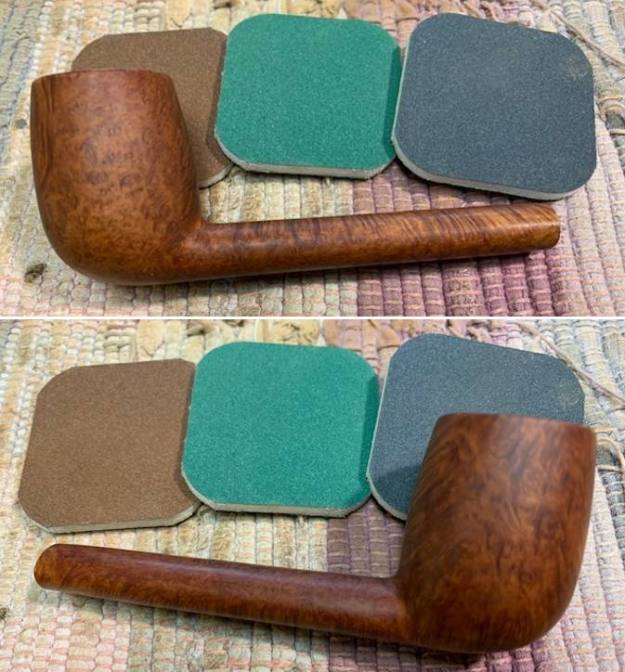
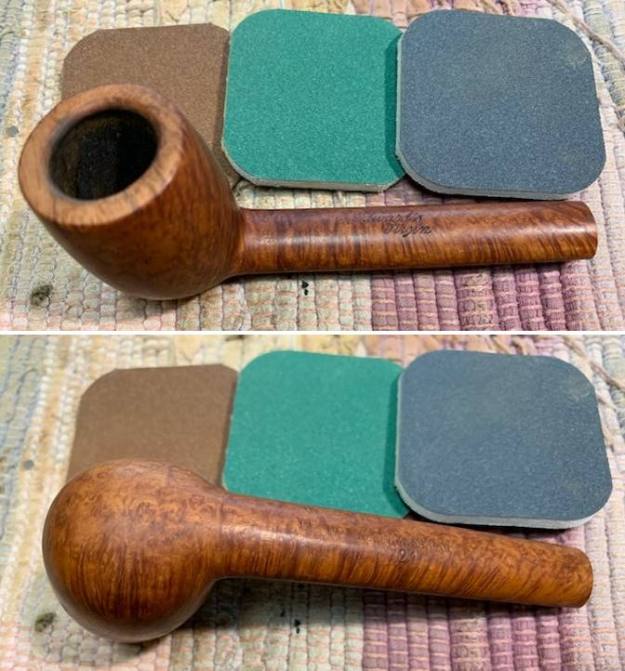
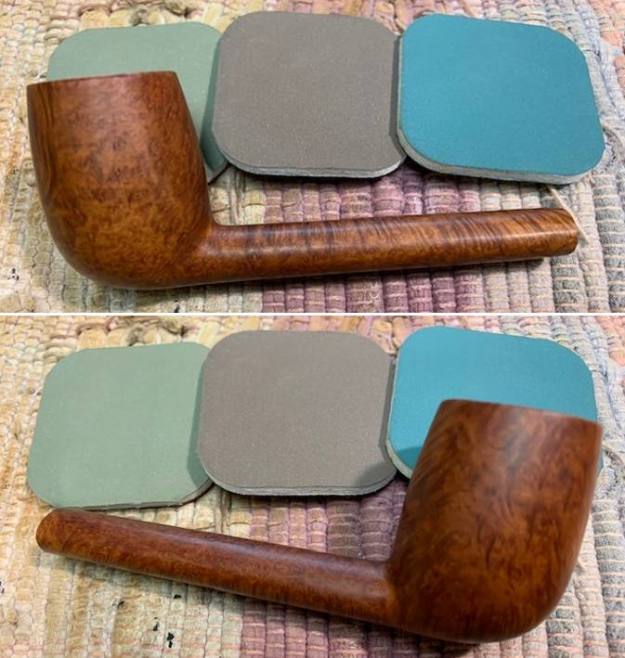
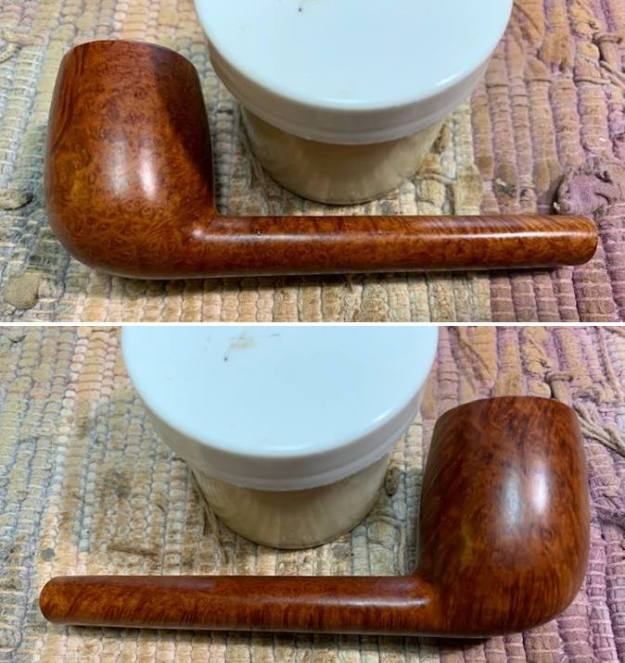
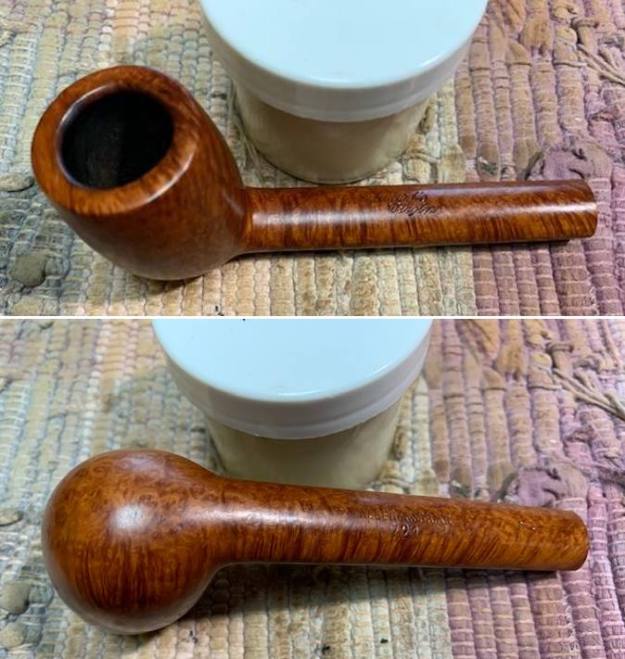
Now it was time to work on the pipe. I took it out of the box of pipe and looked it over. It was amazingly clean and looked like a different pipe. Jeff reamed it with a PipNet pipe reamer and cleaned up the reaming with a Savinelli Fitsall Pipe Knife. He scrubbed out the internals with alcohol, pipe cleaners and cotton swabs until the pipe was clean. He scrubbed the exterior of the bowl with Murphy’s Oil Soap and a tooth brush to remove the grime and grit on the briar and the lava on the rim top. The bowl looked very good. He scrubbed the stem with Soft Scrub to remove the grime and soaked it in Before & After Deoxidizer. When he took it out of the soak it came out looking far better. I took photos before I started my part of the work. I took some photos of the rim top and stem. The rim top is clean but there is damage to the inner edge on the front, back and right half of the bowl. The bowl itself looks very clean. The close up photos of the stem shows that is it very clean and the deep tooth marks are very visible. I took photos of the stampings on the shank because they had cleaned up very well. I missed a clear photo of the 7 on the shank near the stem. If you look closely you can see FRANCE on the stem in the second photo.I removed the stem from the shank and took a photo of the bowl and to give a sense of the proportion of the pipe. It is a classic looking Canadian for sure.I decided to take care of the damage on the rim top and inner edge first. I lightly topped the bowl on a topping board with 220 grit sandpaper. I worked over the inner edge with a folded piece of 220 grit sandpaper and cleaned up the existing bevel. Once I had finished the bowl looked very good. I polished the briar and the shank with micromesh sanding pads – dry sanding with 1500-12000 grit pads. I was able to blend in the repairs into the side of the bowl. I wiped the bowl down after each pad with a damp cloth. The grain really began to stand out and the finish took on a shine by the last sanding pad. The photos tell the story! I worked some Before & After Restoration Balm into the surface of the smooth briar with my fingertips. The product works to clean, enliven and protect the briar. I let the balm sit for about twenty minutes and then buffed with a cotton cloth to raise the shine. The photos show the bowl at this point in the restoration process. I set the bowl aside and turned to deal with the stem. I “painted” the surface of the stem with the flame of a Bic lighter to lift the tooth marks. I was able to lift most of them significantly. The few that remained I filled in with clear CA glue. Once it had hardened I flattened the repairs with a file. I sanded smooth with 220 grit sandpaper to blend them into the surrounding surface of the vulcanite. I then sanded it with 400 grit wet dry sandpaper to further blend it into the vulcanite. I polished the vulcanite stem with micromesh sanding pads – dry sanding with 1500-12000 grit sanding pads. I wiped it down after each sanding pad with a cloth containing some Obsidian Oil. I finished polishing it with Before & After Pipe Stem Polish – both Fine and Extra Fine and buffed it off with a cotton cloth. This oil cured Edward’s Virgin Algerian Briar 721 Canadian was another fun pipe to work on and I really was looking forward to seeing it come back together again. With the grime and debris gone from the finish it was a beauty and the grain just pops at this point. I put the stem back on the bowl and buffed the pipe with Blue Diamond on the buffing wheel. I carefully avoided the stamping on the shank during the process. I gave the bowl and the stem multiple coats of carnauba wax on the buffing wheel and followed that by buffing it with a clean buffing pad on the buffer. I hand buffed the pipe with a microfiber cloth to deepen the shine. The rich natural finish on the bowl looks really good with the polished black vulcanite stem. It is very well done. Give the finished pipe a look in the photos below. I can only tell you that it is much prettier in person than the photos capture. The dimensions of the pipe are Length: 6 inches, Height: 1  ¾ inches, Outside diameter of the bowl: 1 1/8 inches, Chamber diameter: ¾ of an inch. The weight of the pipe is 35grams/1.23oz. This is truly a great looking Edward’s. Thanks for walking through the restoration with me as I worked over another beautiful pipe. I will be adding it to the American Pipe Makers section of the rebornpipes store soon. If you want to add it to your collection send me an email or a message! Thanks for your time.

What an interesting looking Larsen De Luxe Handmade Cherrywood


Blog by Steve Laug

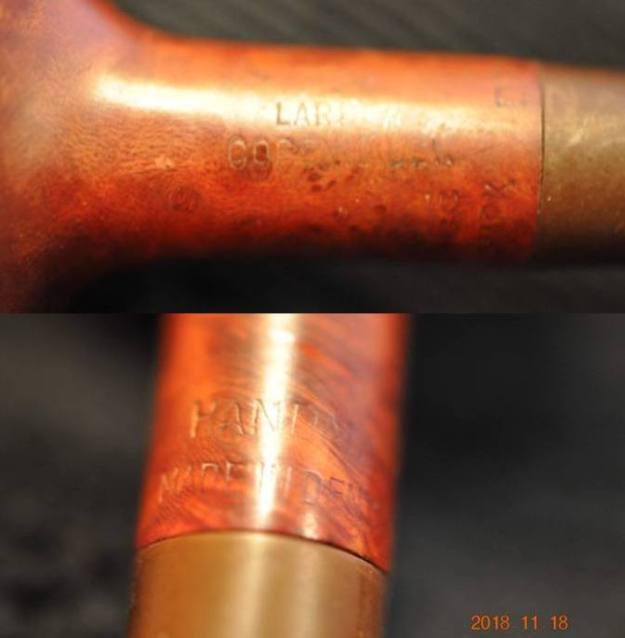
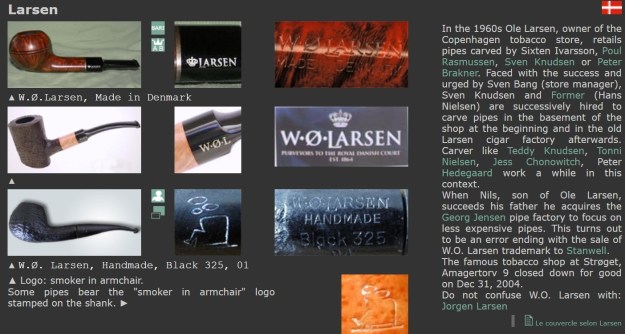
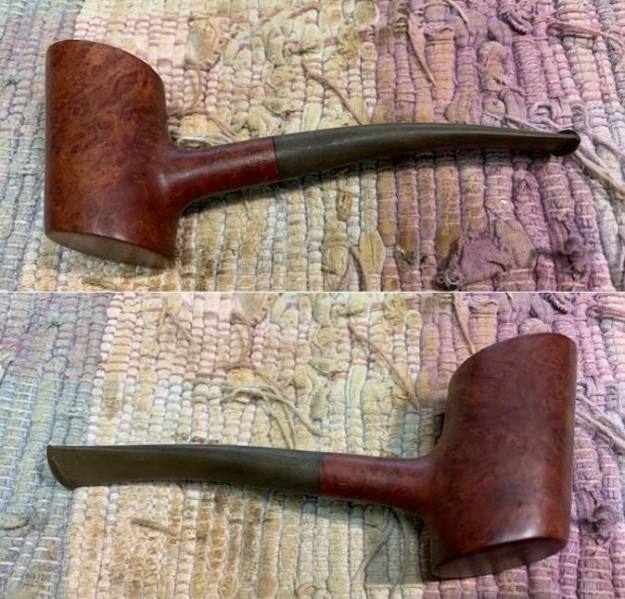
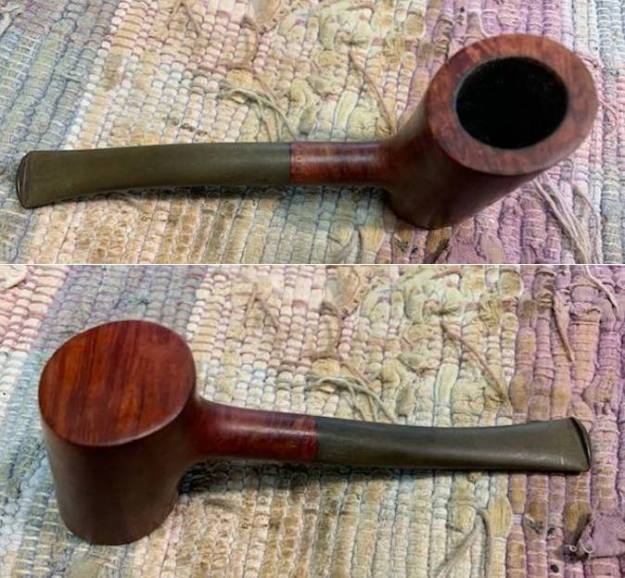
The next pipe on the work table came to us from an online auction on 11/09/18 in Corning, New York, USA. The pipe is an interesting Danish looking take on a Cherrywood or Poker shaped pipe. The pipe is well shaped and has nice grain around the bowl. The pipe is stamped on the left side of the shank and reads Larsen [over] Copenhagen. At the stem shank union it is stamped around the shank end and reads De Luxe on the top side. On the underside it reads Handmade [over] Made in Denmark. There was a lot of grime ground into the smooth and finish on the briar. The bowl was heavily caked with an overflow of lava on the top and inner edge of the rim. The inside edge looks quite good and the outer edge in good condition. The thin vulcanite taper stem was oxidized and dirty with tooth chatter and marks on the top and underside near the button. It had promise but it was very dirty. Jeff took some photos of the pipe before he started his cleanup work. He took photos of the rim top and bowl to give a clear picture of the thickness of the cake and debris as well as the lava on the rim top and inner edge of the rim. The photos also shows some scratching on the outer edge of the bowl. He also took photos of the top and underside of the stem to show the condition. The photos show the overall condition of the stem.Jeff took a photo of the side and heel of the bowl to give a picture of what the briar looked like. It truly has some nice grain – birdseye and cross grain around the bowl and shank. The stamping on the left side of the shank and the shank end is faint but readable and read as noted above. I turned to Pipephil (http://www.pipephil.eu/logos/en/logo-l2.html) to get a quick view of the brand once again. I did a screen capture of the site’s information and have included that below. From what I can figure out the pipe I am working on is a WO Larsen as it is stamped similarly to the ones in the photos though it does not have the WO in front of the Larsen. It also has the Copenhagen stamping on the shank and the Handmade stamp that is the same. Nothing definitive here but that is what I surmise.

I turned to Pipedia (https://pipedia.org/wiki/W.%C3%98._Larsen) for a quick read. The site is worth reading the history of the shop and the brand and its influence on Danish pipe carving.

I wonder if it could also be a pipe from the Larsen and Stigart pipe shop in Copeonhagen though the stamping does not include the Stigart part (https://pipedia.org/wiki/Larsen_%26_Stigart). I quote below.

Larsen & Stigart was a Copenhagen pipe shop which at point sold pipes stamped with their shop name and made by Karl Erik Ottendahl, including the Champ of Denmark line. They also employed their own in house carvers, including Søren Eric Andersen, for approximately a decade. Among others they are said to have supplied Danish shapes to Dunhill.

What I learned from the research is that in all likelihood the pipe is a WO Larsen made pipe. I am uncertain as the stamping does not include the WO stamp. It is a beauty though.

Armed with that information I turned to work on the pipe itself.  Jeff had reamed the pipe with a PipNet pipe reamer and removed the rest of it with a Savinelli Fitsall Pipe Knife.  He scrubbed the bowl with undiluted Murphy’s Oil Soap with a tooth brush. He rinsed it under running warm water to remove the soap and grime. He cleaned out the inside of the shank and the airway in the stem with alcohol, cotton swabs and pipe cleaners. He soaked the stem in a Before & After Deoxidizer bath and rinsed it off with warm water. I took photos of the pipe before I started my part of the restoration work.    The rim top cleaned up really well. The rim top, inner and outer edge of the bowl show some scratching but otherwise look good. The stem surface was oxidized but looked good with a few tooth marks and chatter on both sides near the button. The stamping on the left side of the shank and shank is faint but readable. It is stamped as noted above.    I removed the stem and took a photo of the pipe to give a sense of the whole. The thin taper stem is nice and the photo gives a sense of what the pipe looks like. I decided that I would begin the work on the pipe by polishing rim top, edges and sides of the bowl with micromesh sanding pads – 1500-12000 grit pads. I wiped the bowl down after each pad with a damp cloth.      I rubbed the bowl and shank down with Before & After Restoration Balm. I worked it into the surface of the bowl sides and shank with my fingertips to clean, enliven and protect the briar. I let the balm sit for about 10 minutes and buffed with a cotton cloth to raise the shine. The grain came alive and the single fill on the front of the bowl blended into the briar well. I set the bowl aside and turned to work on the stem. I “painted” the stem surface with the flame of a lighter and was able to lift out all of the tooth marks and chatter on the surface. The little that remained I sanded out with 220 grit sandpaper. I started polishing it with 400 grit wet dry sandpaper.    I polished the vulcanite stem with micromesh sanding pads – 1500-12000 grit pads. I wiped it down with Obsidian Oil after each sanding pad. I used Before & After Pipe Polish – both Fine and Extra Fine to further polish the stem.    This Larsen De Luxe Handmade Pencil Shank Cherrywood is a great looking pipe now that it has been restored. The shape is elegant and flowing with a thin tapered vulcanite stem. I put the stem back on the bowl and carefully buffed the pipe with Blue Diamond on the buffing wheel using a light touch on the briar. I gave the bowl and the stem multiple coats of carnauba wax on the buffing wheel and followed that by buffing the entire pipe with a clean buffing pad. I hand buffed the pipe with a microfiber cloth to deepen the shine. The finished Larsen De Luxe Cherrywood fits nicely in the hand and feels great. Give the finished pipe a look in the photos below. The dimensions of the pipe are Length: 5 inches, Height: 2 inches, Outside diameter of the bowl: 1 ¼ inches, Chamber diameter: ¾ of an inch. The weight of the pipe is 32 grams/ 1.13 ounces. I will be putting it on the rebornpipes store shortly in the Danish Pipe Maker Section. If you are interested in adding this pipe to your collection send me a message or an email. Thanks for reading this blog and my reflections on the pipe while I worked on it. There are many more to come!
This Dirty Savinelli Oscar Aged Briar 616 Came Alive During the Restoration


Blog by Steve Laug

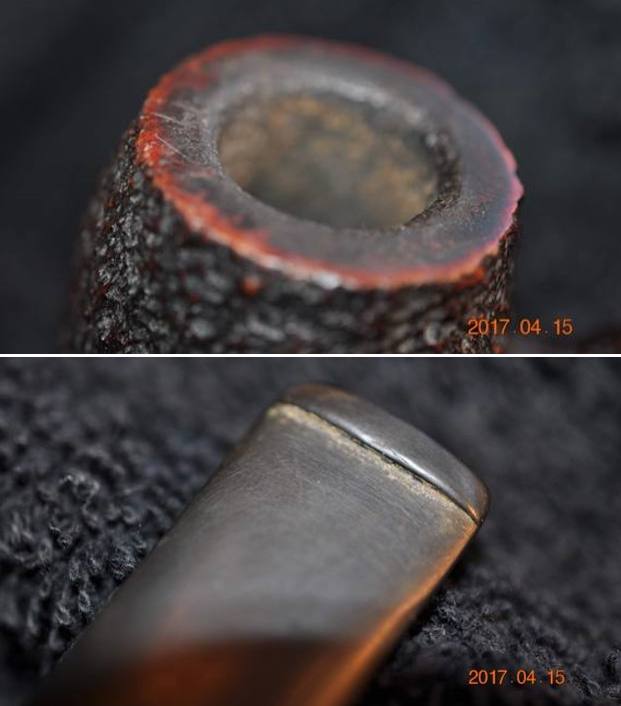
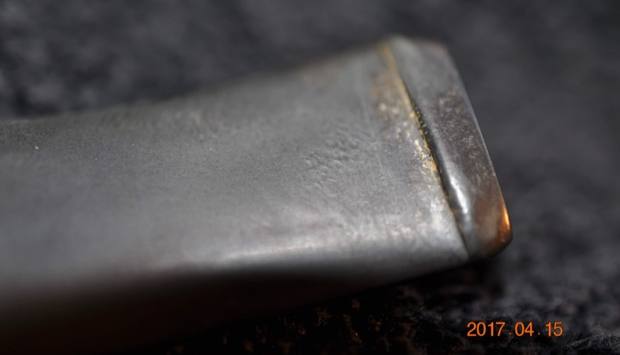
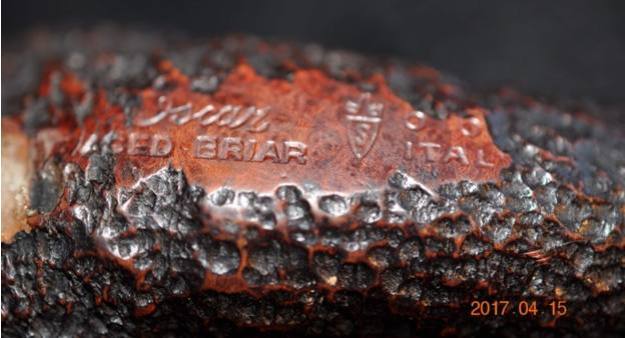
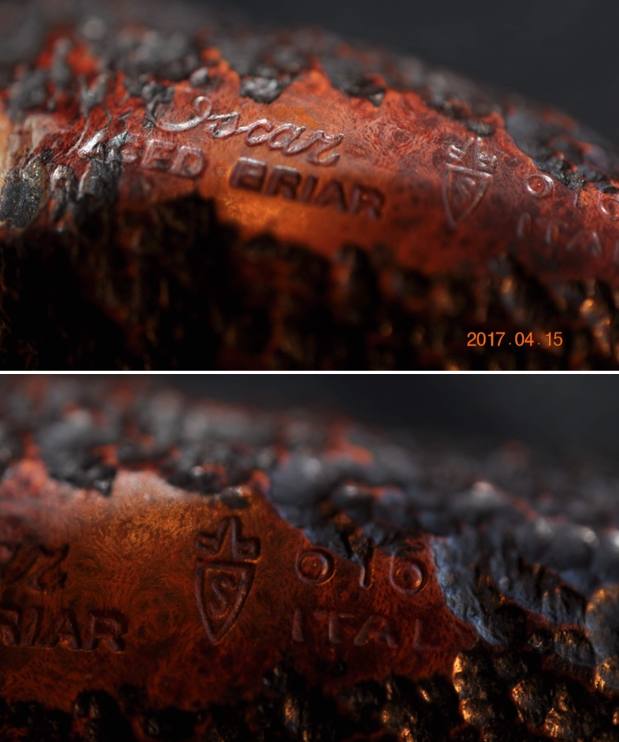
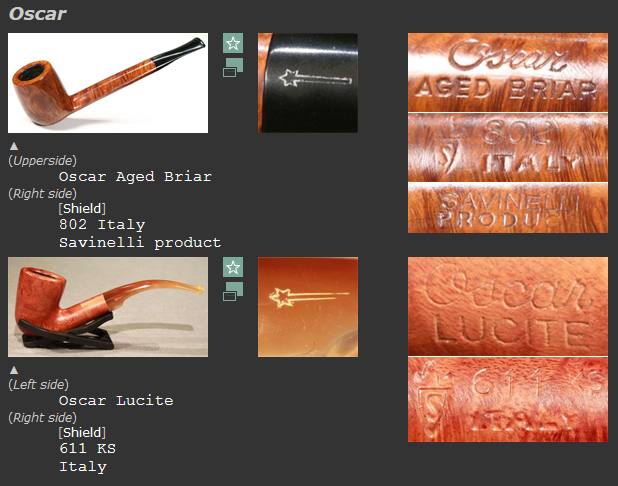
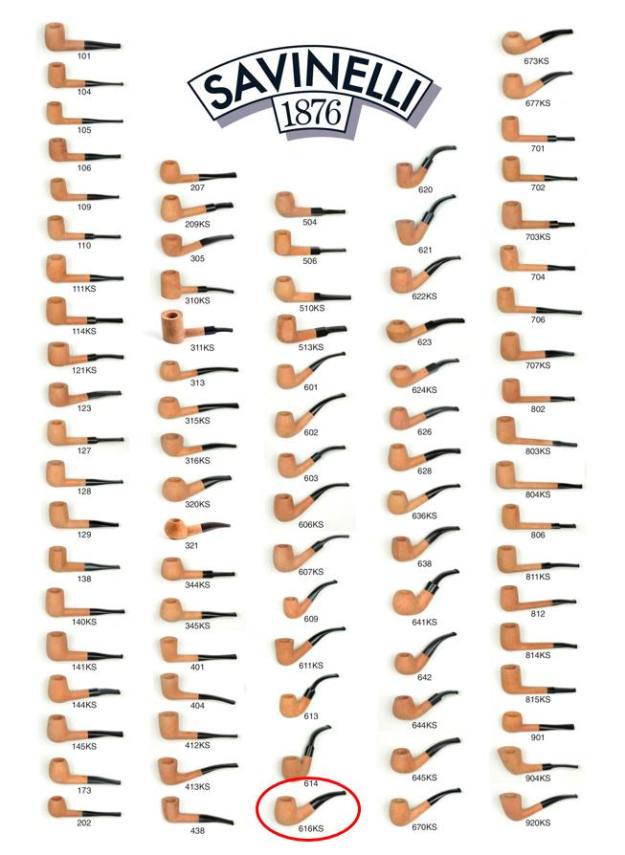
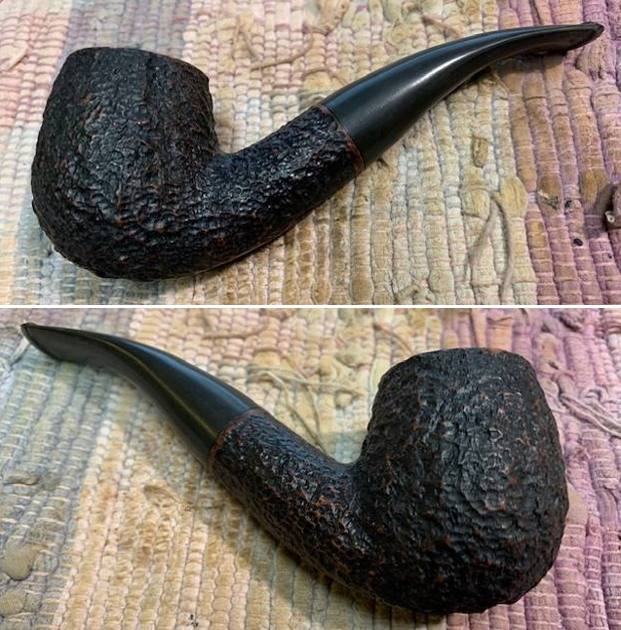
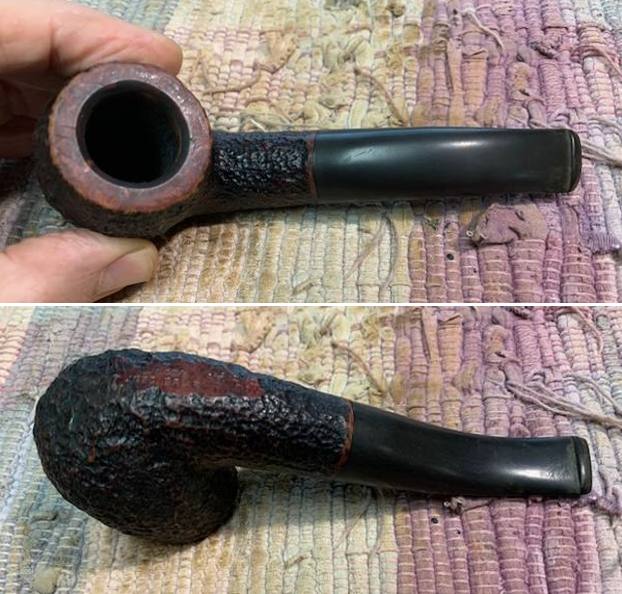
I went through my box of pipes that needed to be restored and came across this interesting looking chunky Bent Billiard with a smooth rim top. The bowl and the shank were rusticated with a tight pattern approximating a sandblast finish that feels great in the hand. I was really interested in what it would look like once it was finished. The pipe came to us back in 2017 from an antique store in Stevensville, Montana, USA. It was stamped on a smooth panel on the underside of the shank. It read Oscar [over] Aged Briar. That was followed by a Savinelli S shield and the shape number 616 [over] Italy. The finish was very dirty with ground in oils and dirt. At the junction of the heel of the bowl and panel with the stamping there was some thick putty like substance that was almost like dried wood glue and nasty looking. The bowl had a thick cake in it that overflowed with lava on the rim top and down the sides of the cap. The thick vulcanite taper stem was lightly oxidized and had tooth marks on the surface of the stem and the button itself on both sides. There was also some sticky residue around the stem next to the shank. It was a dirty pipe but it had some amazing potential that shone through the dirt and debris. Jeff took photos of the pipe before he started his clean up. Jeff took a photo of the rim top to show the thick cake in the bowl and the thick lava coat and scratches on the rim top. The exterior looked dull and lifeless but still we both saw something. He took photos of the top and underside of the stem to show the oxidation, calcification and tooth damage on both sides of the stem surface and button. He took photos of the dirty rustication on the heel and sides of the bowl to show the pattern of the finish and the beauty of the briar. It really is very nice.He captured the dried wood glue on the heel of the bowl on the area between the smooth panel and the heel. It is hard to know what is going on there. We will know more once it is cleaned.He took photos of the stamping on the pipe. It was on the underside of the shank and was clear and readable as noted above. I turned to Pipephil’s site (http://pipephil.eu/logos/en/logo-savinelli3.html) to have a look at the Savinelli Oscar. There was no new information there however I did learn that the Oscar often had fills in the briar so it helped to clarify the patch on the bottom of the bowl/shank.Pipedia has a great history of the brand that is worth a read if you have not already read it (https://pipedia.org/wiki/Savinelli). It is brief and pointed. There is also a great shape chart on the site. I have circled the 616 in red in the chart below.

Armed with that information it was time to work on the pipe. Jeff had reamed the pipe with a PipNet reamer and cut back the cake back to the bare briar. He cleaned up the walls with a Savinelli Fitsall Pipe Knife. He scrubbed the interior of the bowl and shank with pipe cleaners, cotton swabs and alcohol to remove the tars and oils as well as the residue on the bottom of the bowl/shank junction. He scrubbed the exterior of the pipe with Murphy’s Oil Soap and a tooth brush to remove the grime from the finish. He worked on the rim top lava and darkening with the soap and tooth brush. He scrubbed the inside of the stem with alcohol and pipe cleaners. He scrubbed the exterior with Soft Scrub and then soaked it in Before & After Deoxidizer. He washed it off with warm water to remove the Deoxidizer. The pipe looked far better when it arrived.   I took some close up photos of the rim top and also of the stem surface. I wanted to show how well it had cleaned up. There was some darkening on the beveled inner edge of the rim and some scratches on the smooth rim top. I also took close up photos of the stem to show the light tooth marks on the surface near the button and on the button itself on both sides. I took a photo of the stamping on the underside of the shank. You can see that it is stamped as noted above. It is clear and readable. You can also see the fills on the bottom of the bowl near the stamping in the photo below. It is a solid fill and there are no cracks internally or externally at this point.    I removed the stem from the shank and took a photo of the parts. It is really a great looking chunky Bent Billiard.I started the work on the pipe by cleaning up the scratching on the rim top and the darkening on the beveled inside edge of the bowl first. I used a folded piece of 220 grit sandpaper for both. It looked better when I was finished.I polished the smooth rim top with micromesh sanding pads. I dry sanded it with 1500-12000 grit pads and wiped it down with a damp cloth after each pad. I worked some Before & After Restoration Balm into the surface of the briar with my fingertips and a horsehair shoe brush to clean, enliven and protect the briar. I let the balm sit for 15 minutes and then buffed with a cotton cloth to raise the shine. The photos show the bowl at this point in the restoration process. I set the bowl aside and turned my attentions to the stem. I “painted” the tooth marks on the stem surface and the button with the flame of a lighter. I sanded out the remaining tooth chatter and marks on the stem surface 220 grit sandpaper. I started the polishing with 400 grit wet dry sandpaper. I polished the stem with micromesh sanding pads – wet sanding with 1500-12000 grit sanding pads. I wiped it down after each sanding pad with Obsidian Oil. I polished it with Before & After Pipe Stem Polish – both Fine and Extra Fine.    I am excited to finish this chunky Savinelli Oscar Aged Briar 616 Bent Billiard. I put the pipe back together and buffed it with Blue Diamond on the buffing wheel. I gave the bowl and the stem multiple coats of carnauba wax. I buffed the pipe with a clean buffing pad to raise the shine. I also hand buffed it with a microfibre cloth to deepen the shine. It is fun to see what the polished bowl looks like with the grain on the rim top and the depth of the brown/black rustication popping all around it. Added to that the polished  black vulcanite taper stem was beautiful. This shapely Rusticated Oscar Bent Billiard is nice looking and the pipe feels great in my hand. It is light and well balanced. Have a look at it with the photos below. The dimensions are Length: 5 ½ inches, Height: 2 inches, Outside diameter of the bowl: 1 ½ inches, Chamber diameter: ¾ of an inch. The weight of the pipe is 68 grams/2.40 ounces. It is a beautiful pipe and one that I soon put on the rebornpipes store in the Italian Pipemakers Section. If you are interested in carrying on the pipeman’s legacy. Thanks for walking through the restoration with me as I worked over this pipe. Thanks to each of you who are reading this blog.
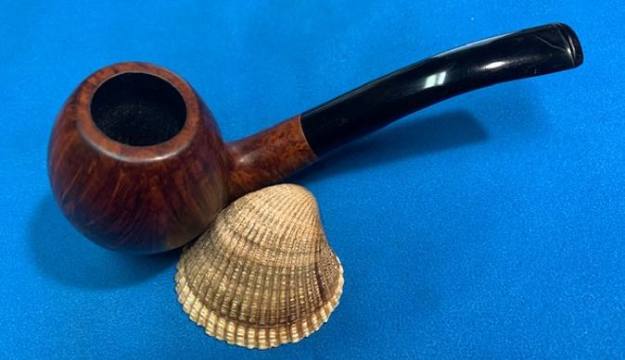
This Dirty Algerian Briar Rhodesian with Amazing Potential Blossomed in the Restoration


Blog by Steve Laug

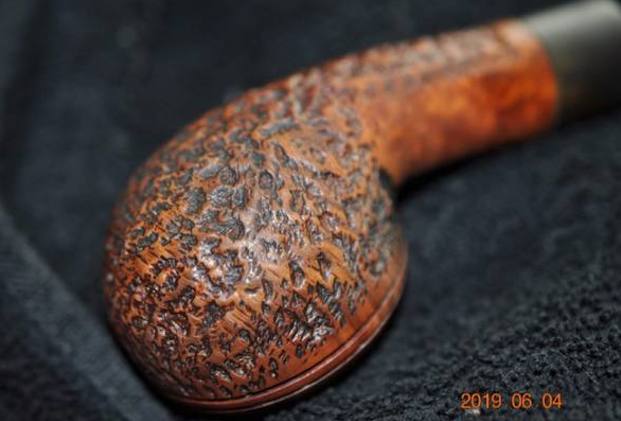
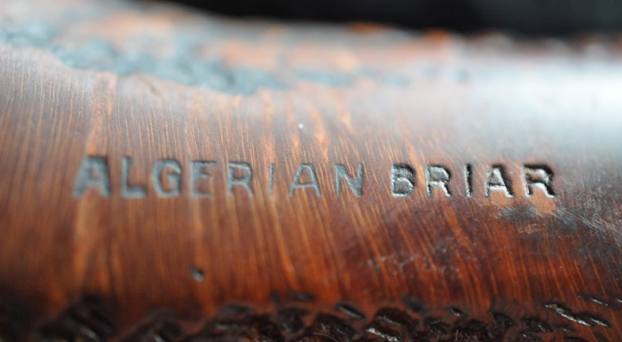
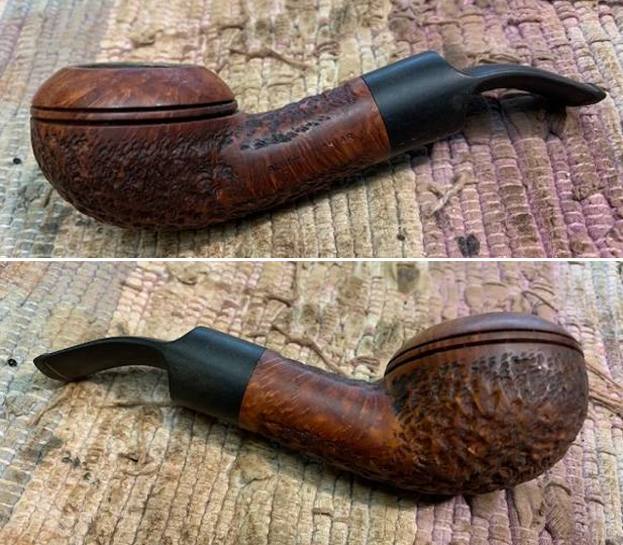
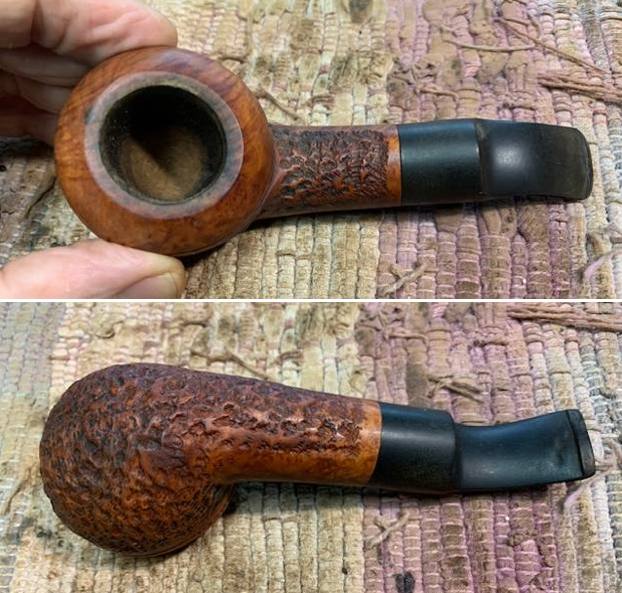
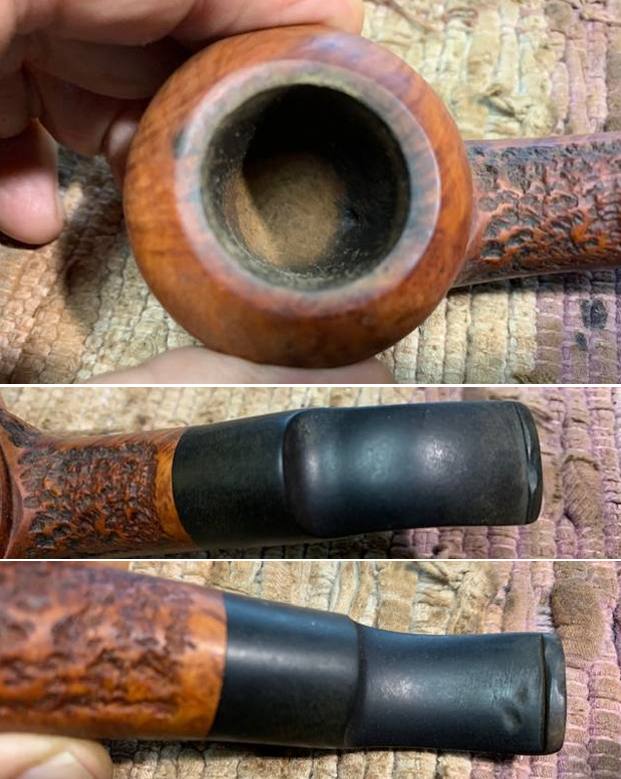
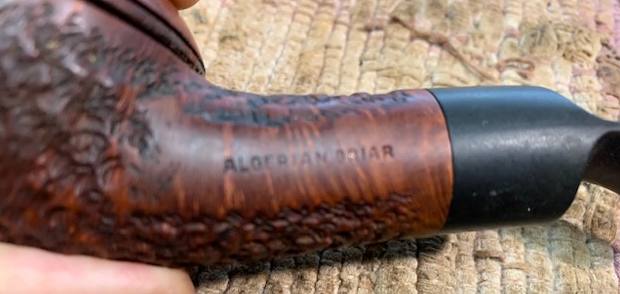
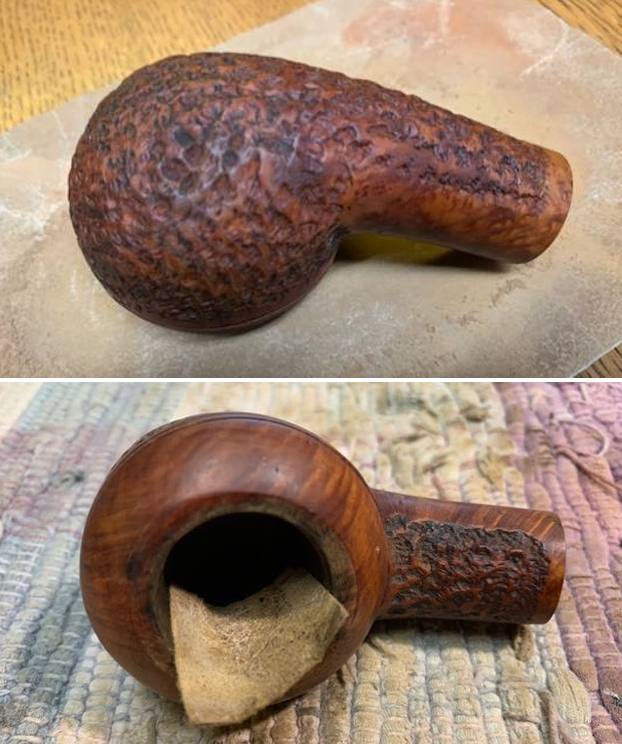
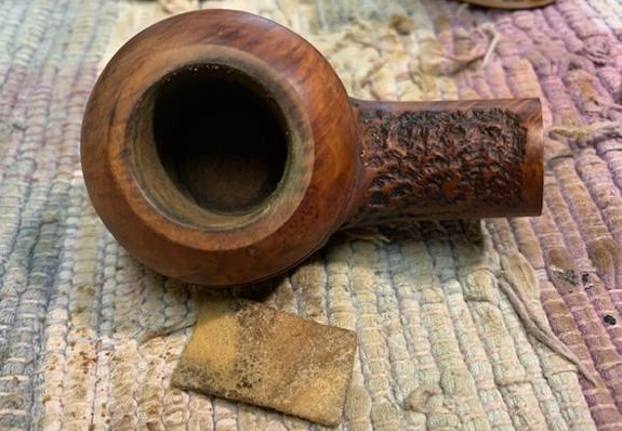
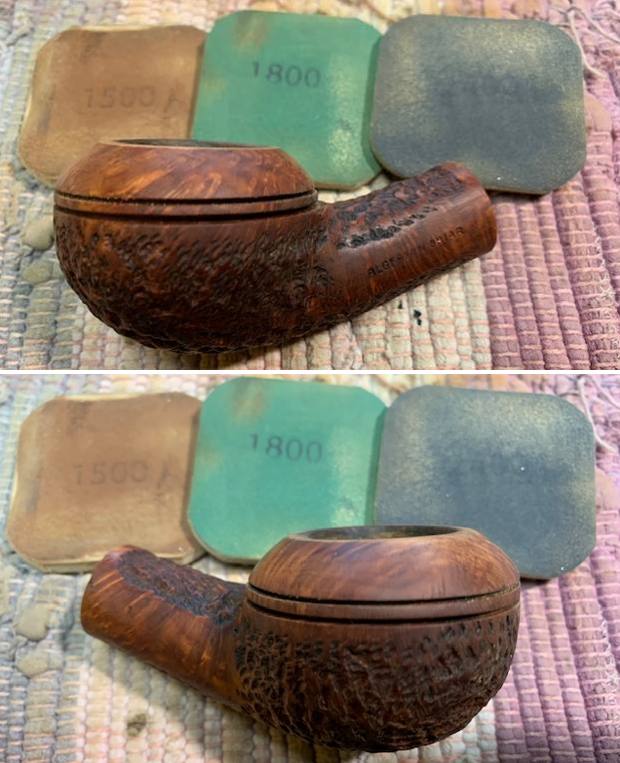
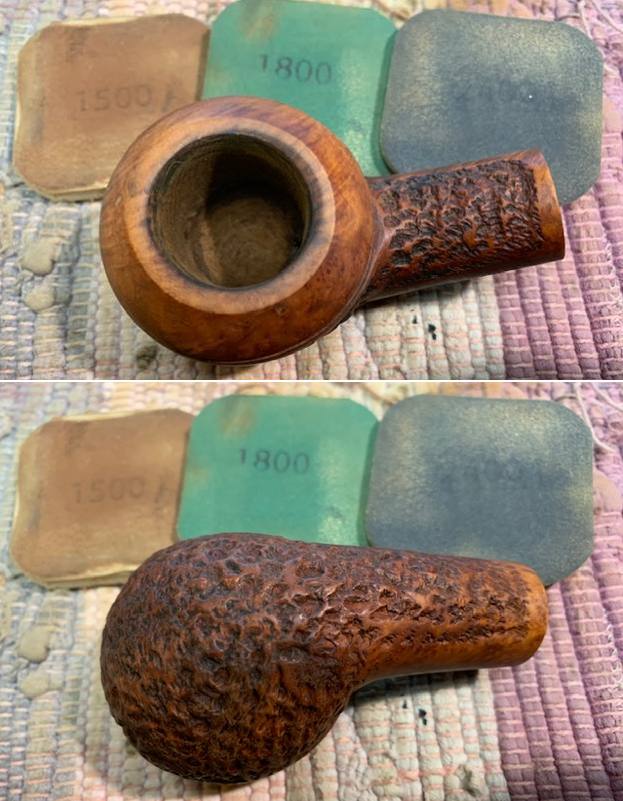
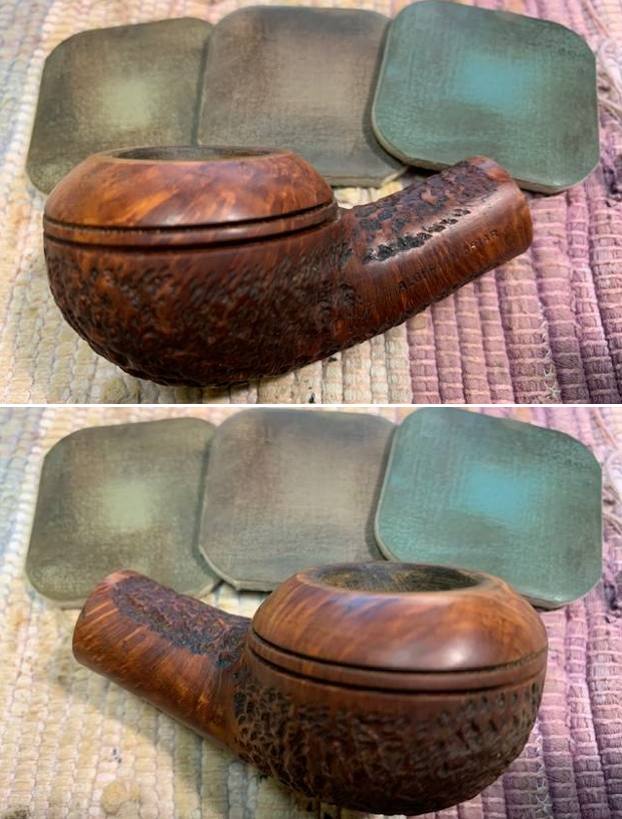
I went through my box of pipes that needed to be restored and came across this interesting looking Rhodesian with a smooth rim cap and patches on the shank. There was a smooth ring around the shank end. The lower half of the bowl and the shank were rusticated with a unique pattern that feels great in the hand. I was really interested in what it would look like once it was finished. The only stamping on the left side of the shank was stamped ALGERIAN BRIAR in a smooth panel. There was no other stamping on the shank sides. The finish was very dirty with ground in oils and dirt. The twin rings around the smooth rim top were filled with debris. The bowl had a thick cake in it that overflowed with lava on the rim top and down the sides of the cap. The thick shank ended with a vulcanite saddle stem that was lightly oxidized and had tooth marks on the surface of the stem and the button itself on both sides. It was a dirty pipe but it had some amazing potential that shone through the dirt and debris. Jeff took photos of the pipe before he started his clean up.Jeff and I have no idea where we fond this one but he started a spreadsheet of the pipes we have found since January of 2016 and this one was not on the spreadsheet. So we know that the pipe was found prior to that date and was photographed in June of 2019. Jeff took a photo of the rim top to show the thick cake in the bowl and the thick lava coat on the rim  top. The exterior looked dull and lifeless but still we both saw something. He took photos of the top and underside of the stem to show the oxidation, calcification and tooth damage on both sides of the stem surface and button. He took a photo of the dirty rustication on the heel and sides of the bowl to show the pattern of the finish and the beauty of the briar. It really is very nice.He took a photo of the only stamping on the pipe. It was on the left side of the shank and was clear and readable as noted above. I knew nothing about the brand of the pipe as the Algerian Briar stamping is used on a lot of different brands. I have seen it on a lot of different American made pipes – Bertram, National Pipes and A. Garfinkel pipes for example. I could not garner any other information on it so it was time to work on the pipe.

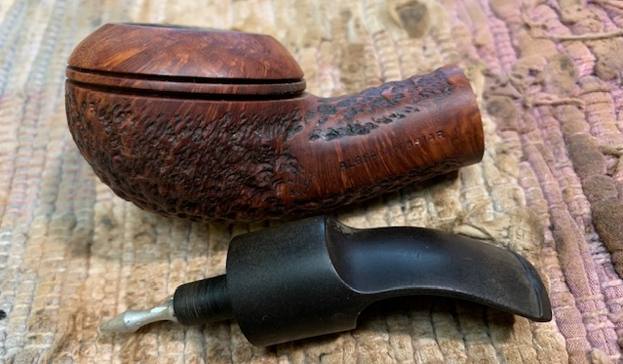
Jeff had done a great job cleaning up the pipe as usual. He reamed the pipe with a PipNet reamer and cut back the cake back to the bare briar. He cleaned up the walls with a Savinelli Fitsall Pipe Knife. He scrubbed the interior of the bowl and shank with pipe cleaners, cotton swabs and alcohol to remove the tars and oils. He scrubbed the exterior of the pipe with Murphy’s Oil Soap and a tooth brush to remove the grime from the finish. He worked on the rim top lava and darkening with the soap and tooth brush. He scrubbed the inside of the stem with alcohol and pipe cleaners. He scrubbed the exterior with Soft Scrub and then soaked it in Before & After Deoxidizer. He washed it off with warm water to remove the Deoxidizer. The pipe looked far better when it arrived.   I took some close up photos of the rim top and also of the stem surface. I wanted to show how well it had cleaned up. There was some darkening on the back of the rim top and a dark spot on the front outer edge of the bowl. The inner edge of the bowl looked very good. I also took close up photos of the stem to show the light tooth marks on the surface near the button and on the button itself on both sides. I took a photo of the stamping on the left side of the shank. You can see that it is stamped as noted above. It is clear and readable.       I removed the stem from the shank and took a photo of the parts. You can see the aluminum stinger in the tenon end. It is pointed and removable.I started the work on the pipe by cleaning up the darkening on the rim top and the darkening to the inside edge of the bowl and the burn spot on the outer edge first. I topped the bowl on a topping board with 220 grit sandpaper. I then worked on the darkening on the inner edge of the bowl with a folded piece of 220 grit sandpaper. It looked much better. I polished the smooth briar bowl cap and smooth patches on the shank with micromesh sanding pads. I dry sanded it with 1500-12000 grit pads and wiped it down with a damp cloth after each pad. I worked some Before & After Restoration Balm into the surface of the briar with my fingertips and a horsehair shoe brush to clean, enliven and protect the briar. I let the balm sit for 15 minutes and then buffed with a cotton cloth to raise the shine. The photos show the bowl at this point in the restoration process.   I set the bowl aside and turned my attentions to the stem. I “painted” the tooth marks on the stem surface and the button with the flame of a lighter. I was able to raise them significantly. I filled in the remaining marks with clear CA glue and set it aside to cure. I tried to blow air through the stem and found that the air flow was restricted and the draw was really not good. I heated the aluminum stinger with a lighter and was able to remove it from the tenon. I ran some pipe cleaners through the stem and cleaned it and tried the airflow once more. It was perfect.Once the stinger was removed and the repair had cured I used a small file to flatten the repairs on the surface of the stem. I also reshaped the button shape. I sanded it smooth with 220 grit sandpaper. I also sanded out the tooth chatter and marks on the stem surface near the button. I started the polishing of the stem with 400 grit wet dry sandpaper. I polished the stem with micromesh sanding pads – wet sanding with 1500-12000 grit sanding pads. I wiped it down after each sanding pad with Obsidian Oil. I polished it with Before & After Pipe Stem Polish – both Fine and Extra Fine.  The tenon was loose in the shank after I removed the stinger. I heated the metal pick end of an old ice pick with a lighter and inserted it in the tenon to expand it slightly. Then the fit of the tenon in the shank was much more snug.I am excited to finish what turned out to be a beautiful Algerian Briar Rusticated Rhodesian. I put the pipe back together and buffed it with Blue Diamond on the buffing wheel. I gave the bowl and the stem multiple coats of carnauba wax. I buffed the pipe with a clean buffing pad to raise the shine. I also hand buffed it with a microfibre cloth to deepen the shine. It is fun to see what the polished bowl looks like with the grain and the depth of the rustication popping all around it. Added to that the polished  black vulcanite saddle stem was beautiful. This shapely Rusticated Rhodesian is nice looking and the pipe feels great in my hand. It is light and well balanced. Have a look at it with the photos below. The dimensions are Length: 5 ½ inches, Height: 2 inches, Outside diameter of the bowl: 2 inch, Chamber diameter: 1 of an inch. The weight of the pipe is 70 grams/2.47 ounces. It is a beautiful pipe and one that I soon put on the rebornpipes store in the American Pipemakers Section. If you are interested in carrying on the pipeman’s legacy. Thanks for walking through the restoration with me as I worked over this pipe. Thanks to each of you who are reading this blog.
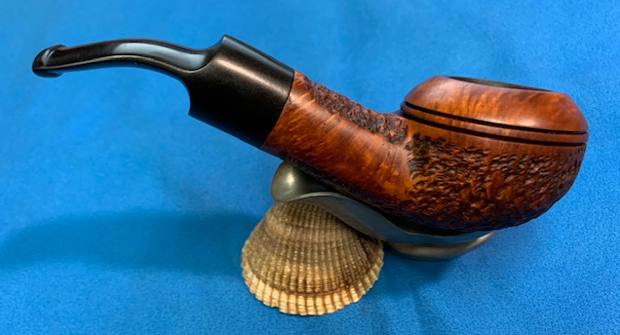
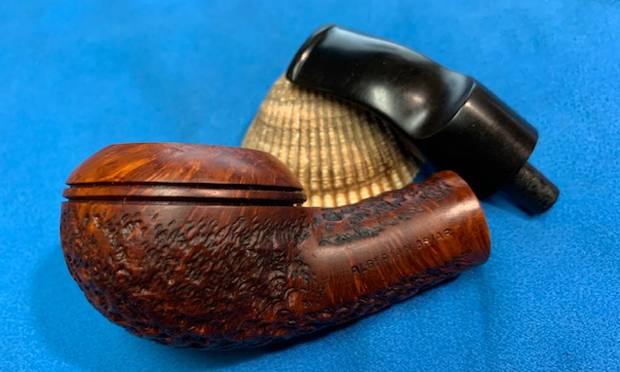
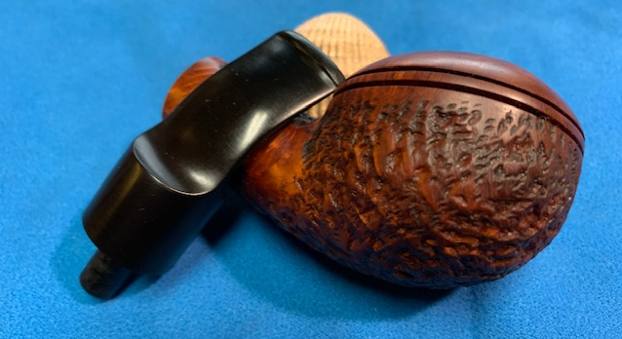
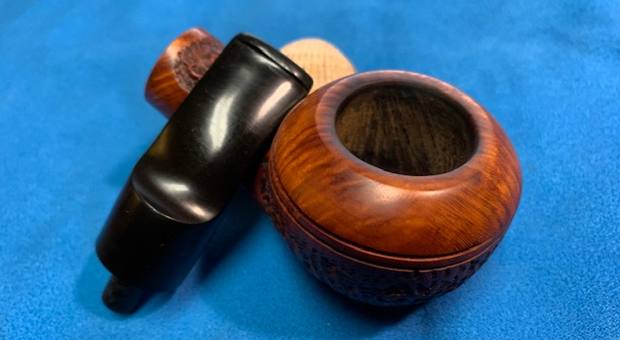
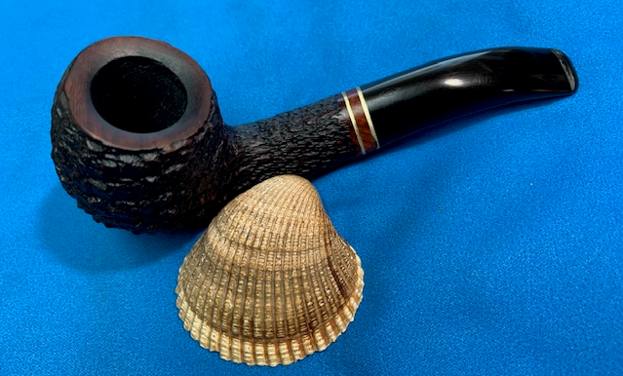
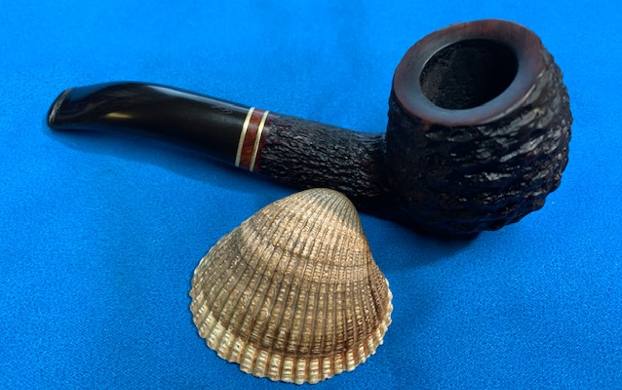
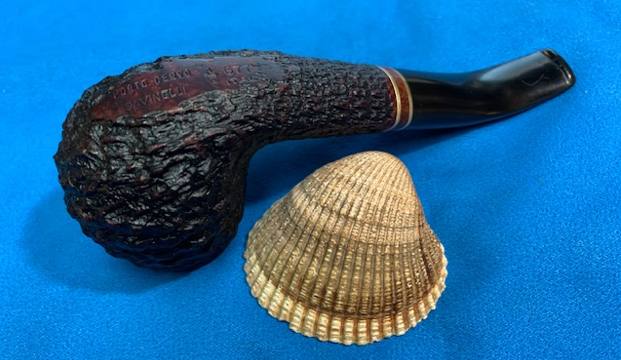
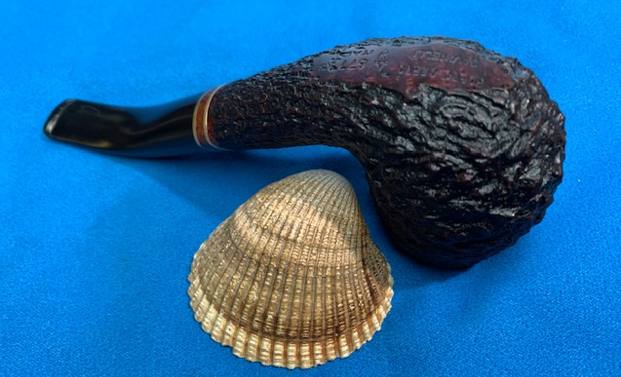
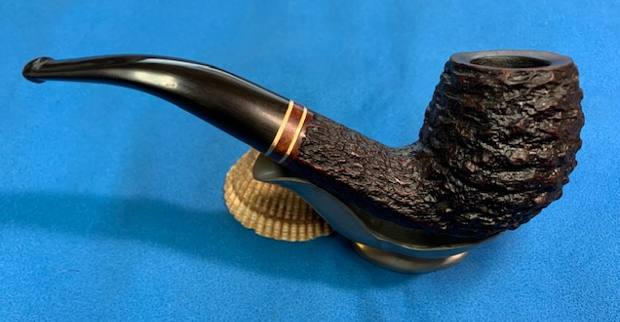
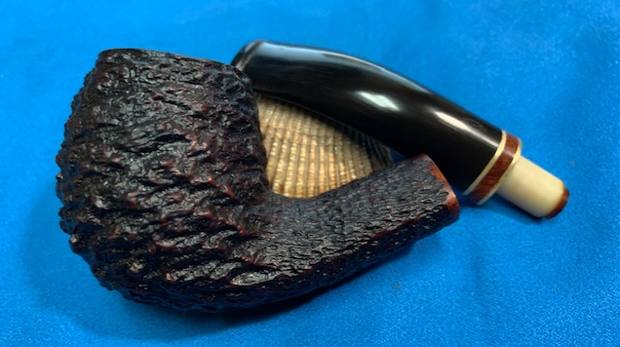
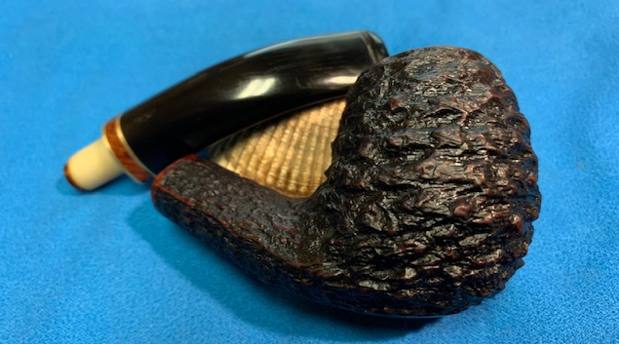
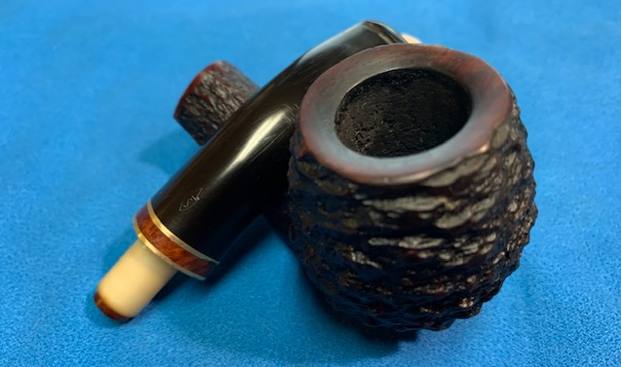
Restoring a Savinelli Porto Cervo 677KS Rusticated Bent Brandy


Blog by Steve Laug

Not long ago a good friend of mine here in Vancouver wrote me an email about a repair on one of his pipes. Pre- COVID we used to have lunch together at least every other month and go for pipe walks after the meal. Since COVID hit we have met a couple of times for me to fix his pipes and enjoy a bowl on my front porch. So I am always glad to hear from him because it means at least on one end of the repair we will have a visit and a few bowls. Here is the email he sent me.

Hi Steve – I’ve a Savinelli that has the top centre of the button worn away — could you find time to fix it for me, please?

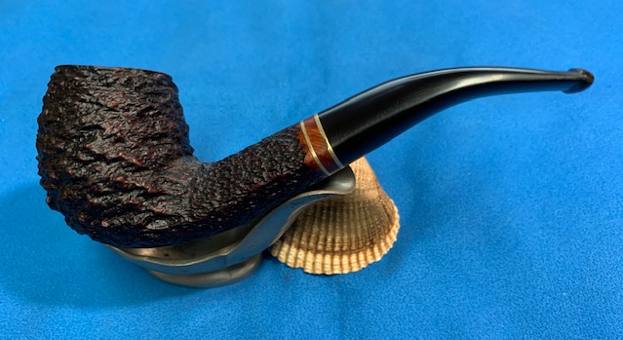
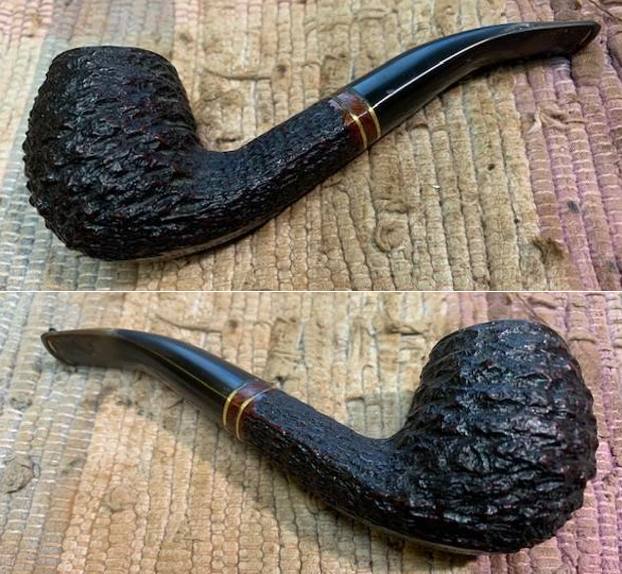
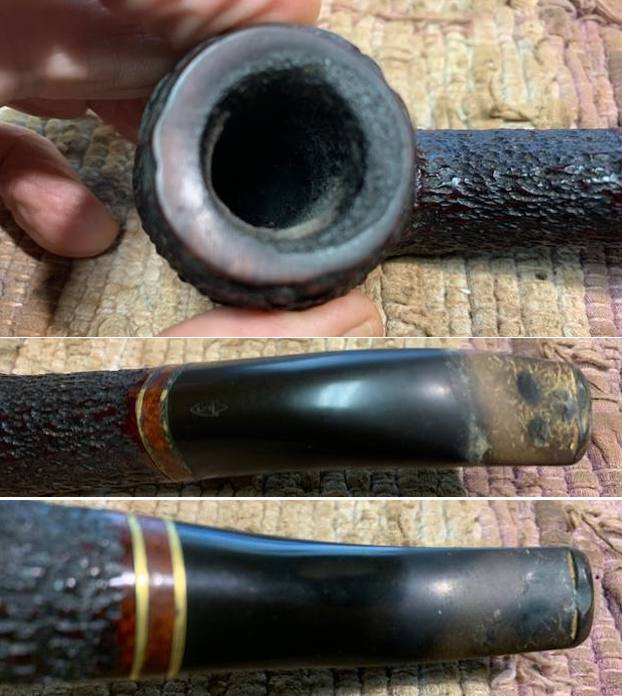
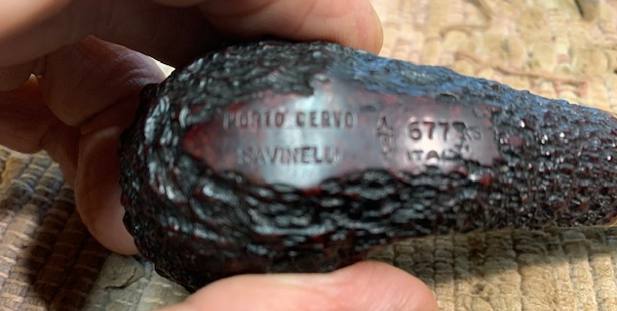
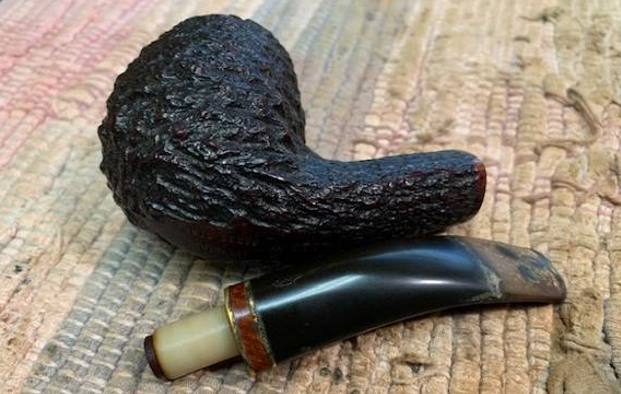
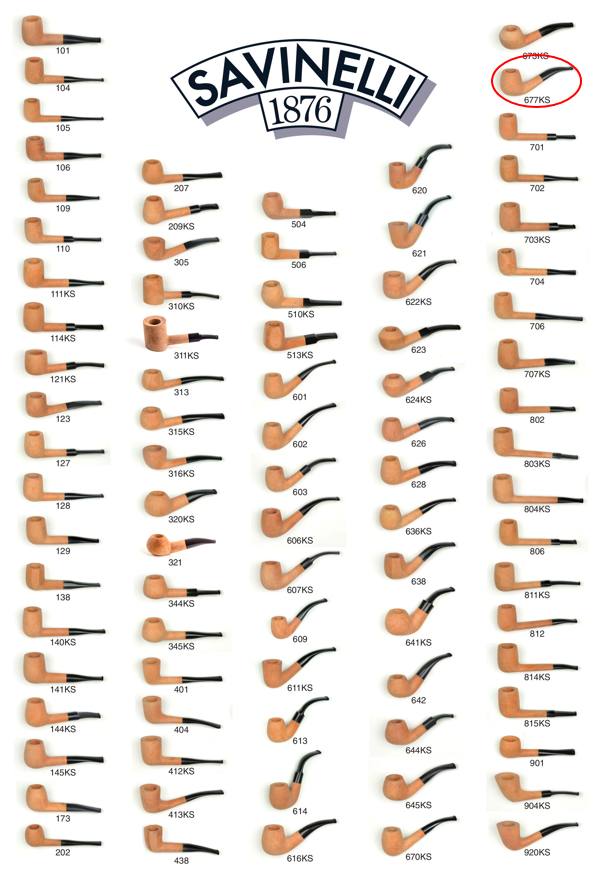
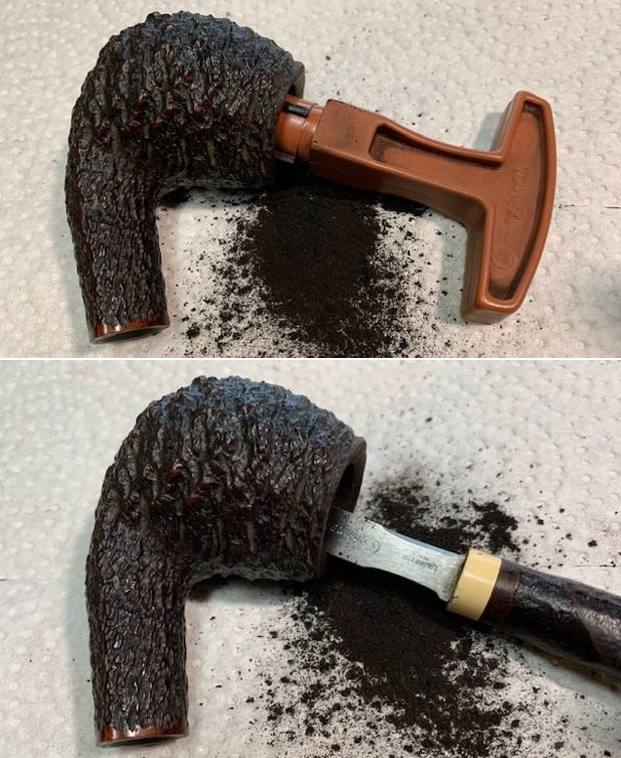
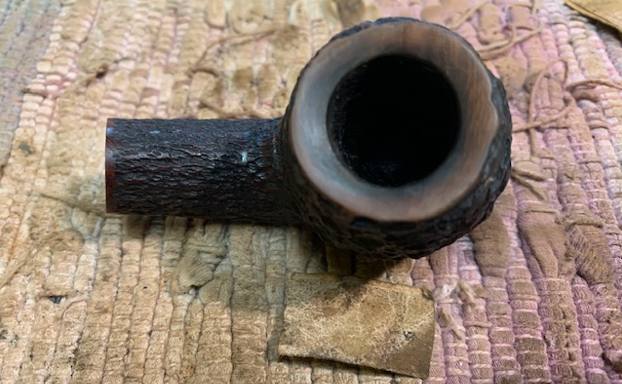
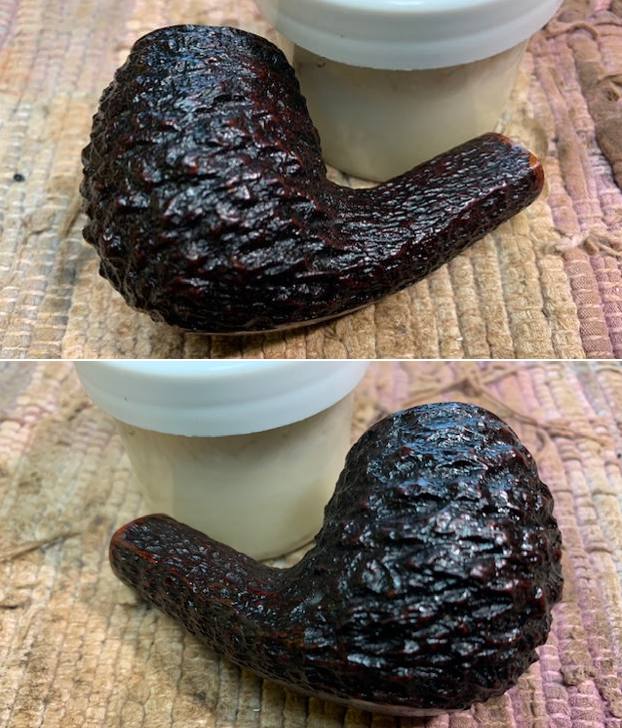
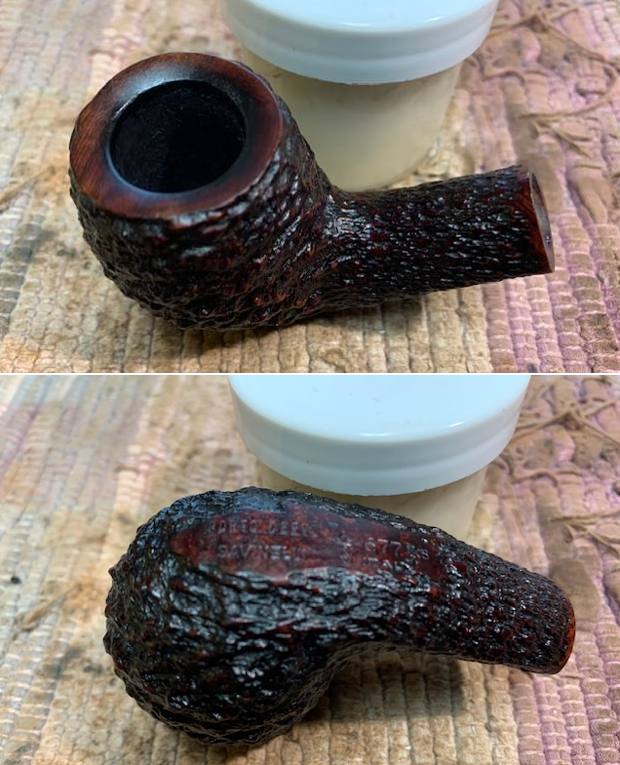
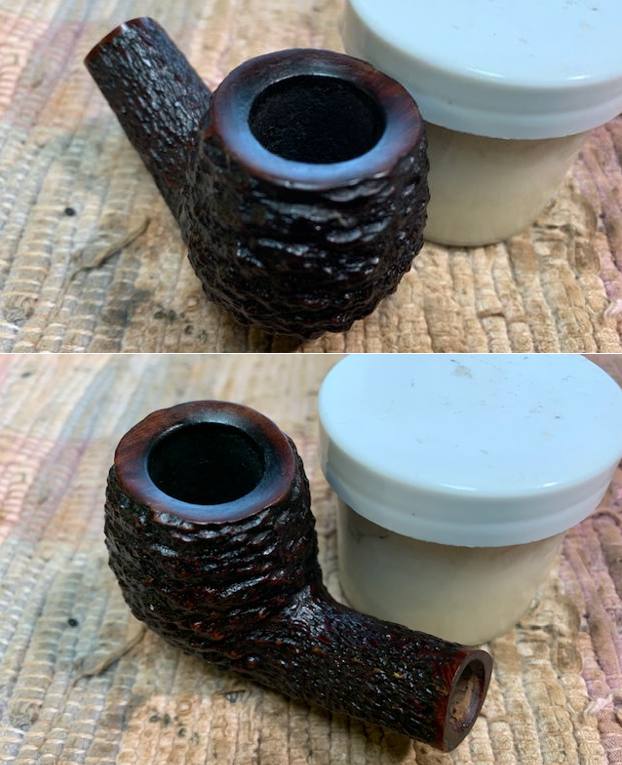
I wrote him back and told him I would gladly repair the pipe for him. He dropped it by a few days later and it joined the queue of four others that I had to work on. Today though is the day to work on his pipe. The pipe is a Savinelli Porto Cervo in a Rusticated Brandy 677KS shape with a triangular shank and stem. It has coral like rustication on it and it is a nice looking pipe. When I work on repairing his pipe’s I generally do a thorough ream and clean job on them. This had a thick soft cake in the bowl as he generally smokes aromatics. The rim top had a very thick coat of lava. The pipe was a filter pipe but he rarely uses a filter. The internals were also dirty and sticky with the tars and oils. The stem was oxidized, calcified and had tooth marks on the button and on the surface of the stem on both sides. The button was worn down in the top middle. I took some photos of the pipe before I started my clean up.  I took a photo of the rim top to show the thick, soft cake and the thick lava coat on the rim top. It was sticky. The exterior was also sticky and a bit dull in spots. I like to work on clean pipes so I decided that would be the first order of business on this one before I address the issues with the stem button. I took photos of the top and underside of the stem to show the oxidation, calcification and tooth damage on both sides of the stem surface and button.I took a photo of the heel of the bowl and the underside of the shank to show the stamping. It reads Porto Cervo [over] Savinelli on the heel of the bowl. That is followed by the Savinelli shield S logo then 677 KS [over] Italy. It is clear and readable.I removed the stem from the shank and took a photo to give a sense of the look of the pipe. It is a nice looking pipe and the two brass rings separated by a piece of briar on the stem is a nice touch.If you would like to read about the history of Savinelli, Pipedia has a great article and some amazing photos of different pipes, lines and catalogue pages. Here is the link – check it out (https://pipedia.org/wiki/Savinelli).  I also have included a Savinelli Shape Chart from the site for reference to the 677 KS Shape. I have circled it in red (https://pipedia.org/images/4/41/Sav_Shape_Chart_2017.jpg).Now it was time to start the clean up work on the pipe. I mentioned above that I like to work on clean pipes so I began by reaming the sticky, soft cake back with a PipNet pipe reamer and the second cutting head. I cleaned up the reaming with a Savinelli Fitsall Pipe Knife. It began to look and smell better! With the bowl reamed I turned to clean out the tars and oils in the shank and in the airway in the bowl and the stem. I scraped the airway clean with a pen knife as the first few cotton swabs told me that there was a ridge of tar mid shank. I scrubbed the shank and airway in the stem with isopropyl alcohol (99%) and cotton swabs and pipe cleaners and the pipe smelled clean with just a hint of my friend’s pipe tobacco of choice. Now it was time to work on the externals. I carefully scraped off the thick lava coat with a small pen knife. With that finished I scrubbed the briar and the surface of the stem with undiluted Murphy’s Oil Soap and a tooth brush. I was able to remove the dust and debris from the rustication and more of the tars on the rim top. I used a folded piece of 220 grit sandpaper to further clean up the rim top. I gave it a quick polish with 1500 grit micromesh.I worked some Before & After Restoration Balm into the surface of the briar with my fingertips and a horsehair shoe brush to clean, enliven and protect the briar. I let the balm sit for 15 minutes and then buffed with a cotton cloth to raise the shine. The photos show the bowl at this point in the restoration process. I set the bowl aside and turned my attention to the stem. I gave the surface a quick sand with 220 grit sandpaper to knock of the oxidation and the calcification. It was quite dirty so I needed to clean it before rebuilding the button. I “painted” the surface of the stem with the flame of a Bic lighter and was able to lift the tooth marks on the top side. I was able to lift the majority of those on the underside as well. I then scrubbed the stem with Soft Scrub to remove the rest of the oxidation from the stem. It worked quite well. I built up the deep tooth marks on the button with a Black Rubberized Super Glue. I layered it and sprayed it with an accelerator before adding another layer and repeating the process until the surface was where I wanted it. I set it aside to cure overnight.In the morning the repair had hardened. I used a file to flatten the repairs and to recut the edge of the button on both sides. I also flattened the top and underside of the button and reshaped it with the files. I sanded the repaired areas smooth with 220 grit sandpaper and reshaped them further. I started the polishing with 400 grit wet dry sandpaper.I polished the stem with micromesh sanding pads – wet sanding with 1500-12000 grit sanding pads. I wiped it down after each sanding pad with Obsidian Oil. I polished it with Before & After Pipe Stem Polish – both Fine and Extra Fine. I am excited to finish this Savinelli Porto Cervo 677KS Rusticated Bent Brandy. It turned out to be a nice looking Bent Brandy. It has a rusticated finish around the bowl with a smooth rim top. I put the pipe back together and buffed it with Blue Diamond on the buffing wheel. I gave the bowl multiple coats of Conservator’s Wax and the stem multiple coats of carnauba wax. I buffed the pipe with a clean buffing pad to raise the shine. I hand buffed it with a microfiber cloth to deepen the shine. It is fun to see what the polished bowl and the black vulcanite stem the twin rings of brass with briar sandwiched between them. Have a look at it with the photos below. The dimensions are Length: 5 ½ inches, Height: 1 ¾ inches, Outside diameter of the bowl: 1 ¼ inches, Chamber diameter: ¾ of an inch. The weight of the pipe is 57 grams/2.01 ounces. It is a beautiful pipe and one I am sure my friend will pick up and reacquaint himself with soon. Thanks for walking through the restoration with me as I worked over this pipe. Thanks to each of you who are reading this blog.