Tag Archives: pipe restemming

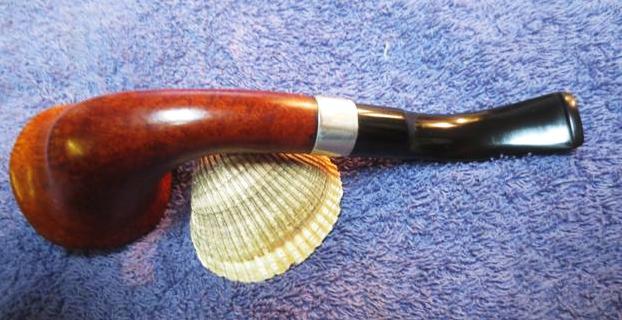
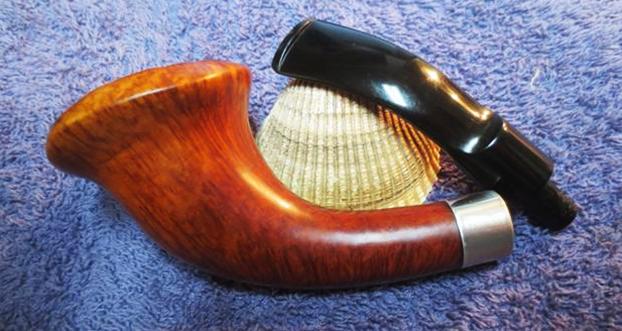
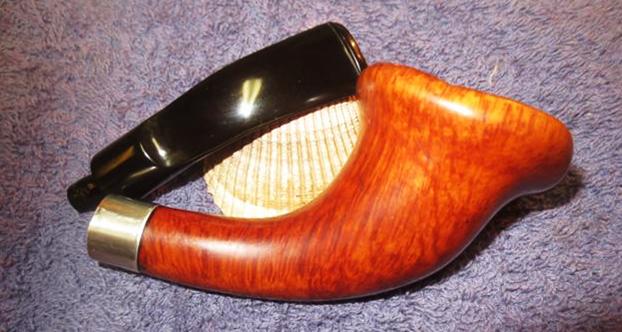
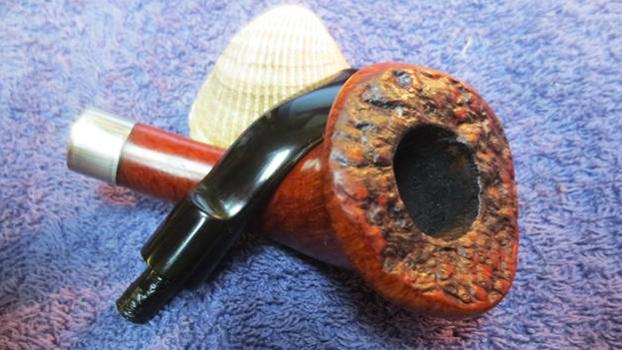
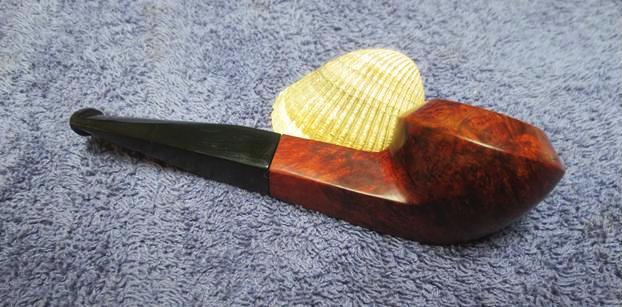
Replacing a Broken Tenon & Restoring an Old Italian Bulldog


Blog by Steve Laug

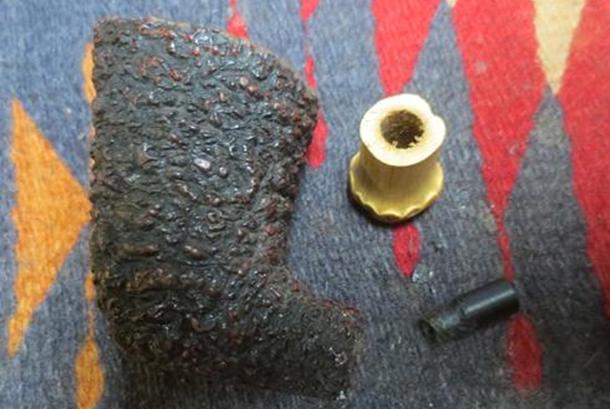
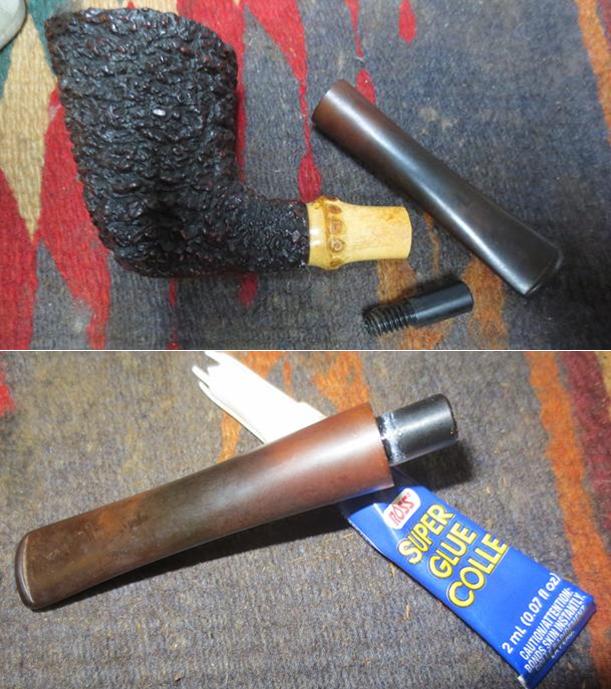
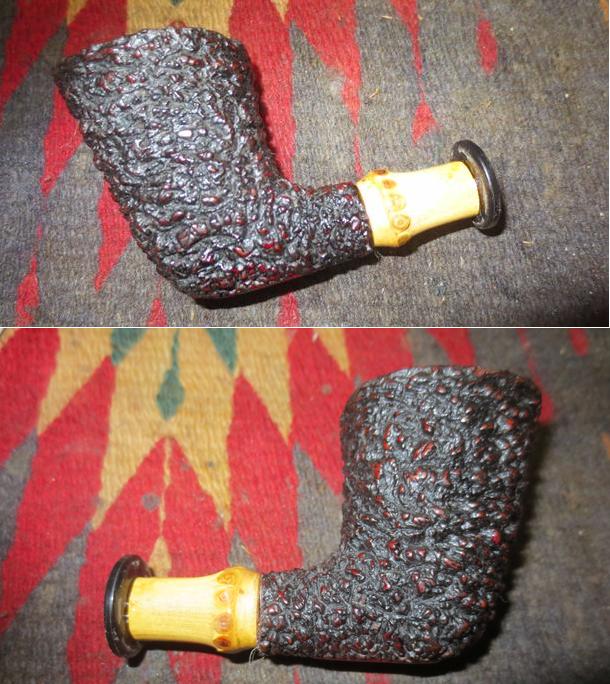
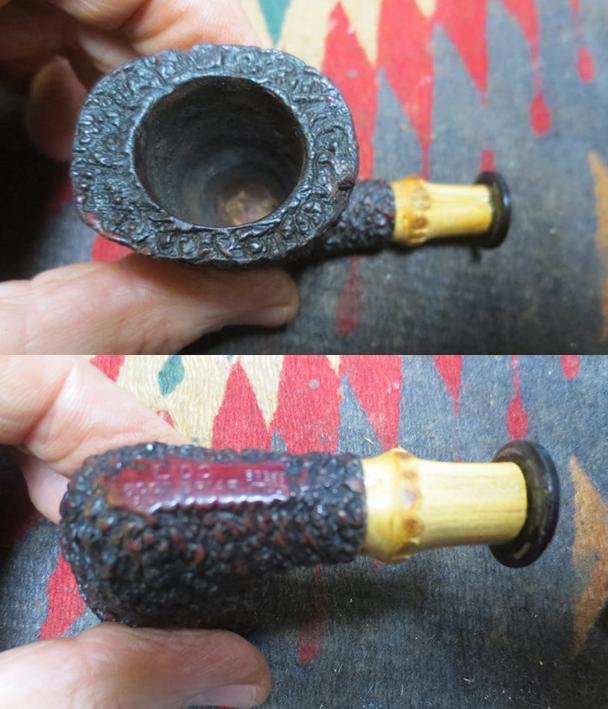
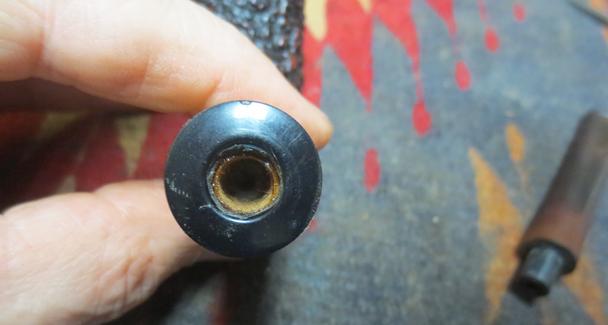
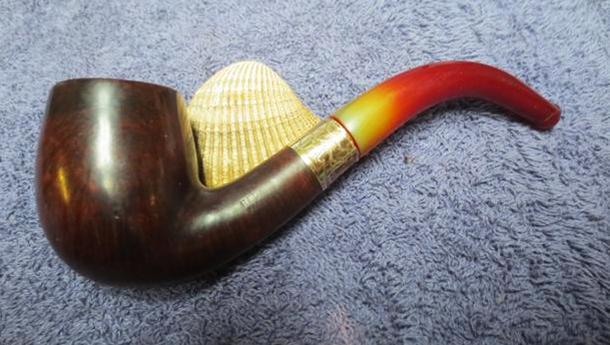
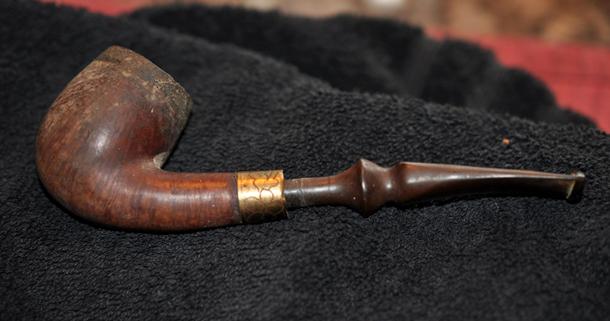
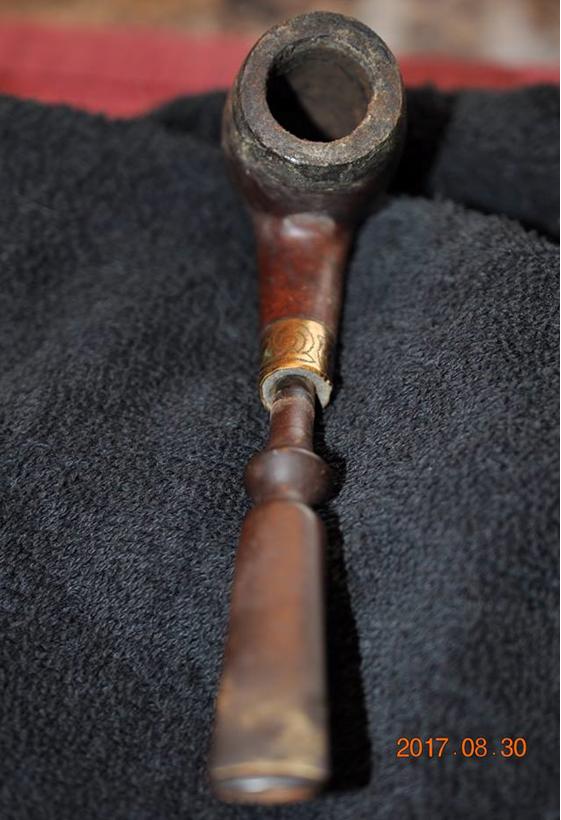
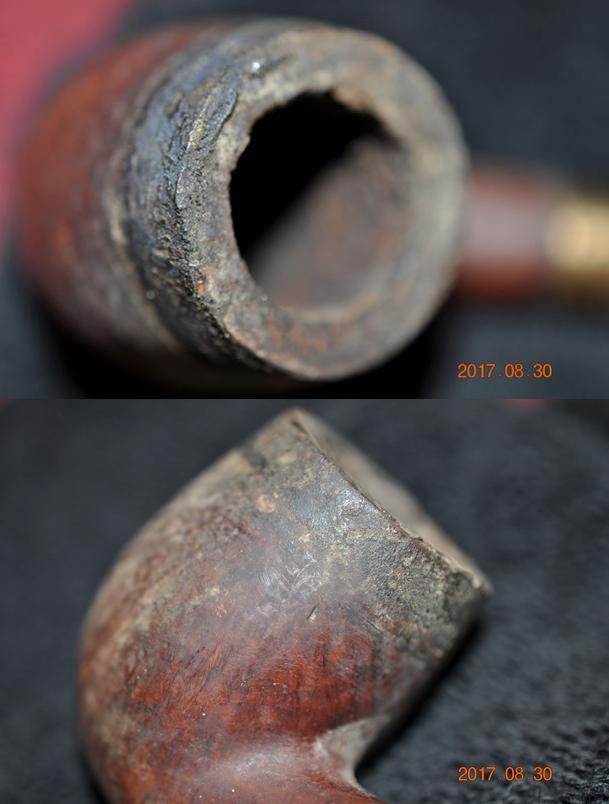
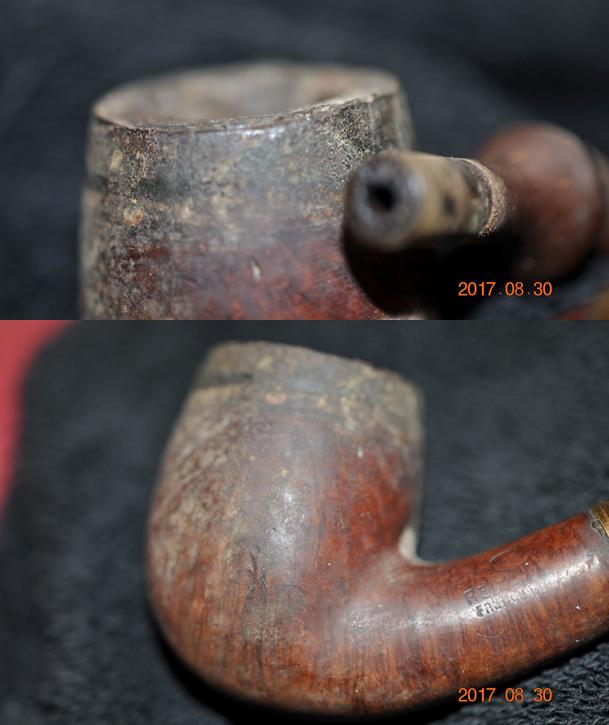
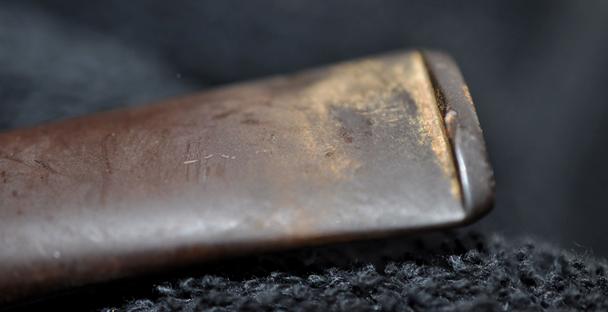
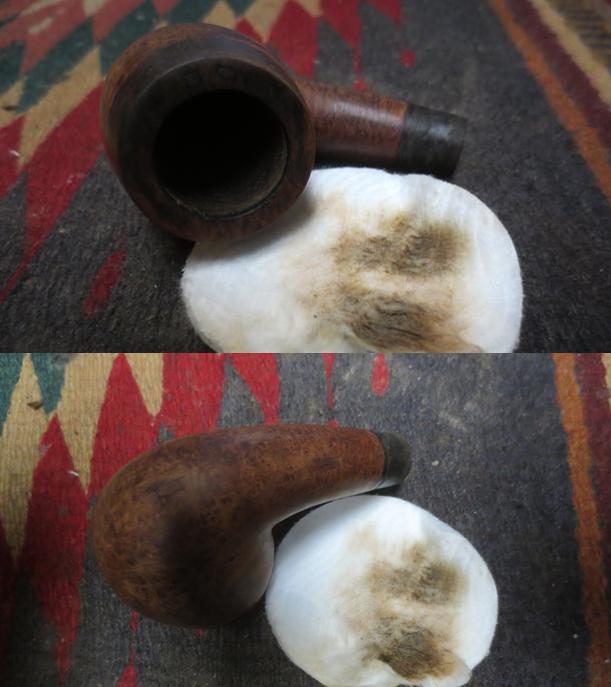
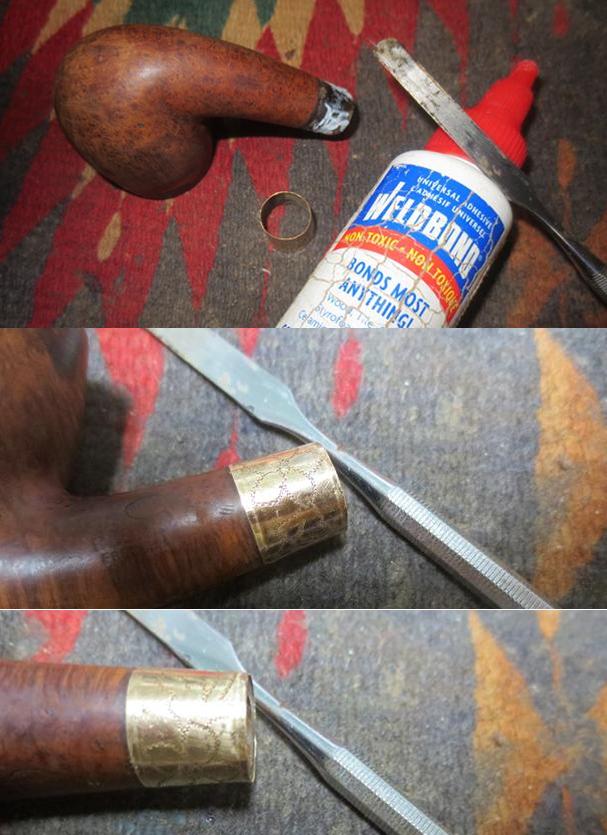
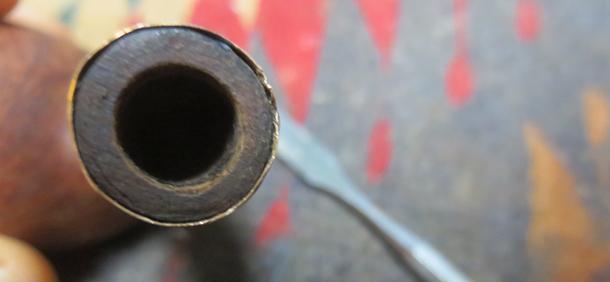
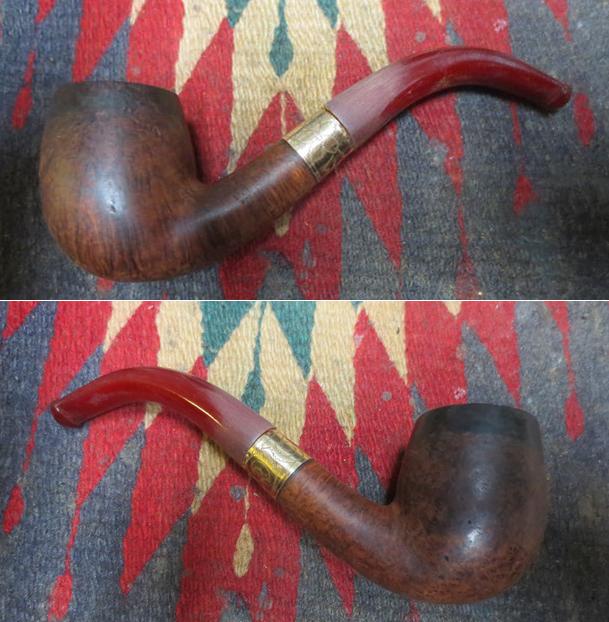
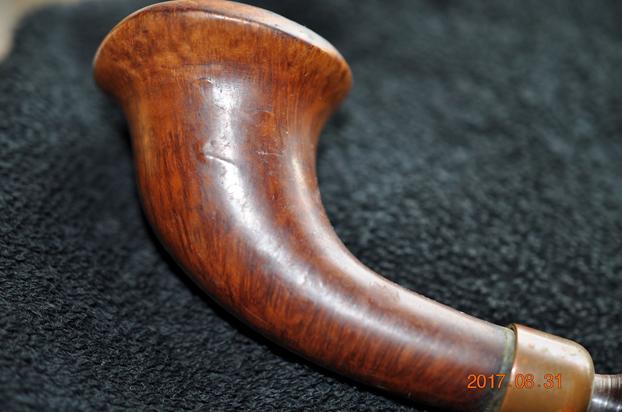
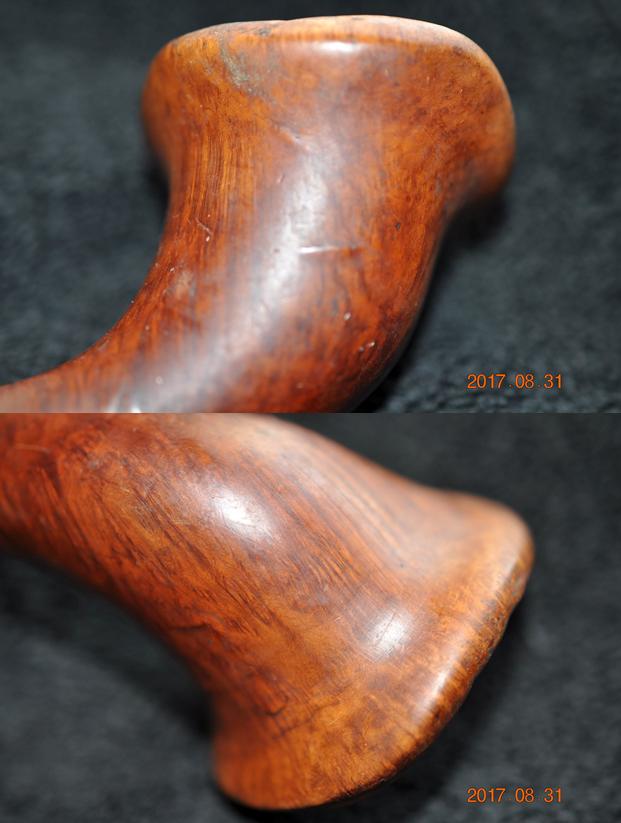
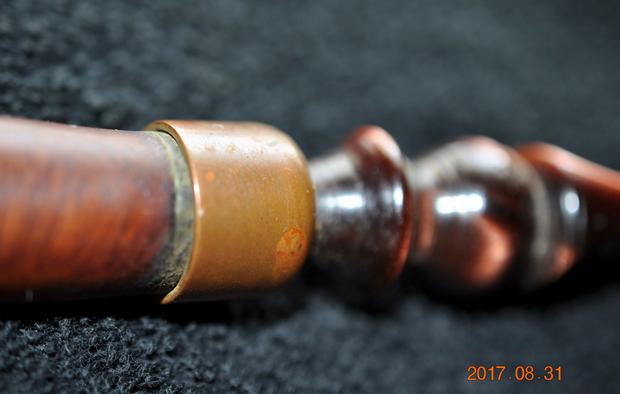
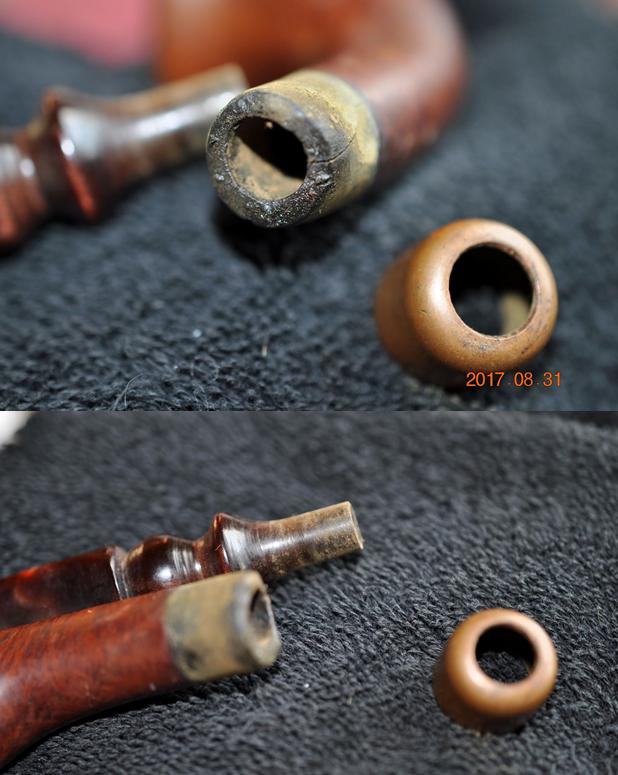
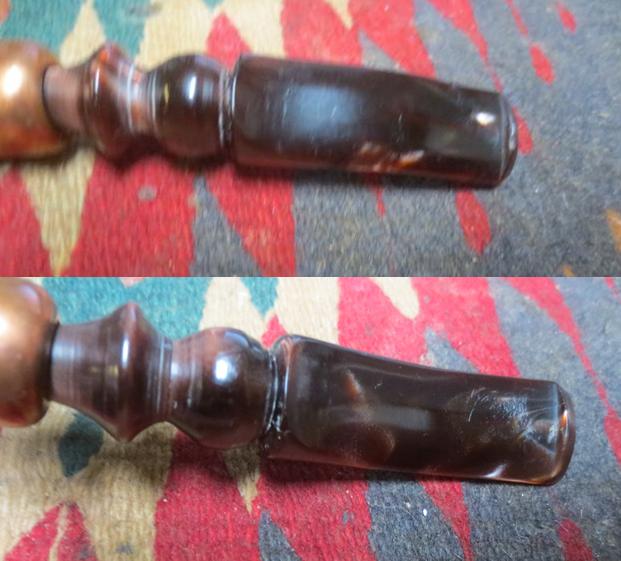
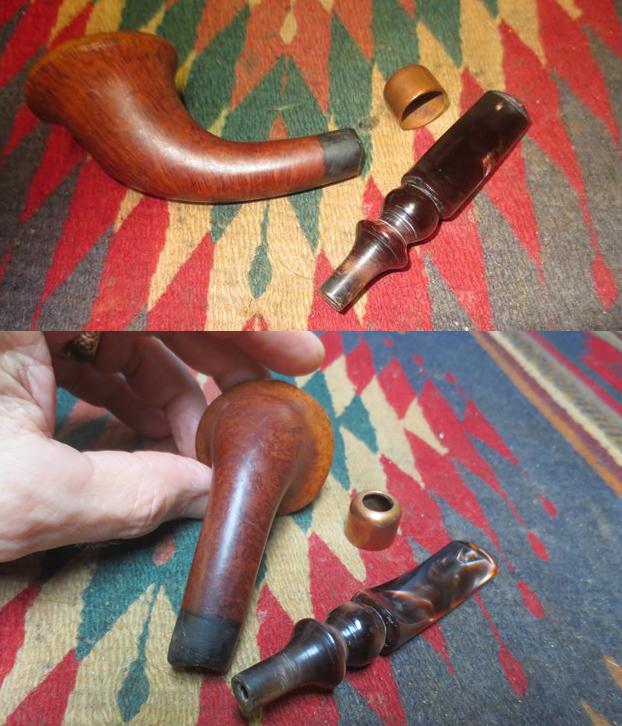
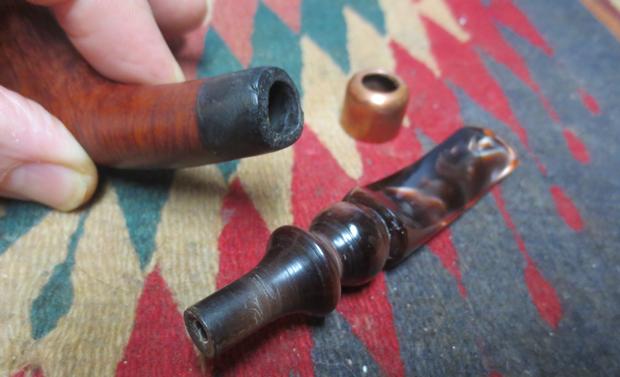
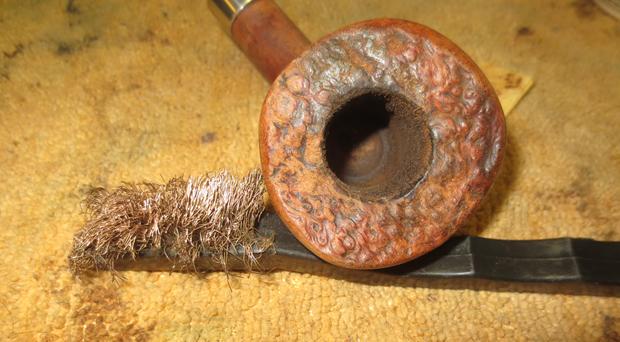
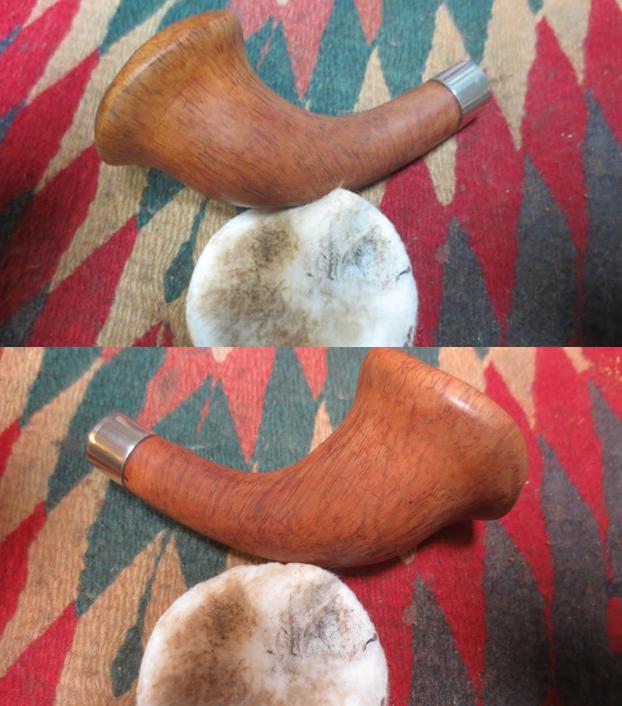
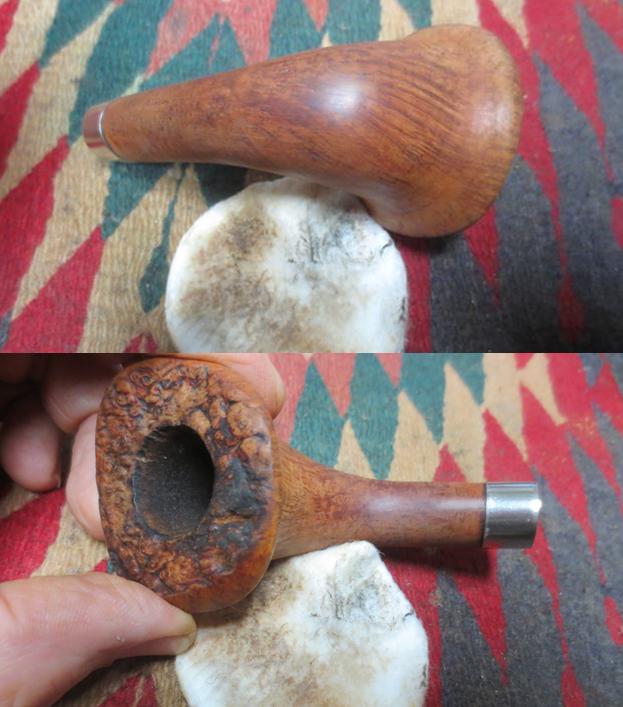
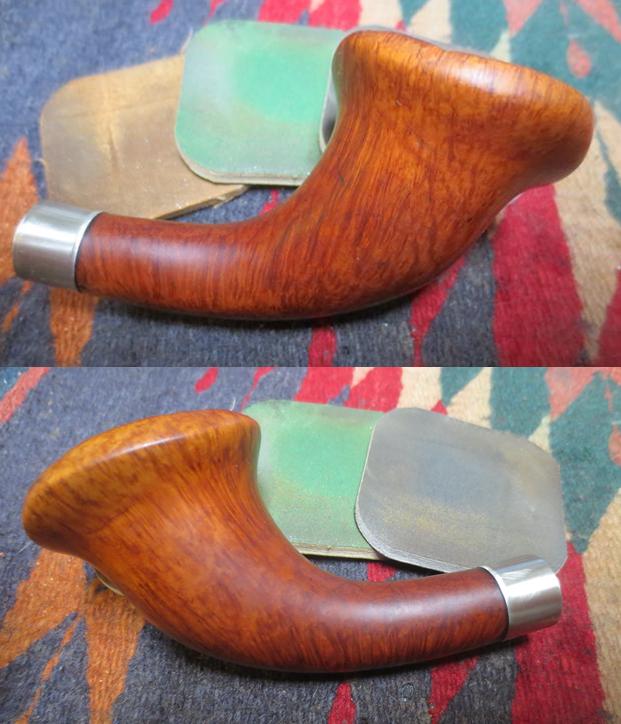
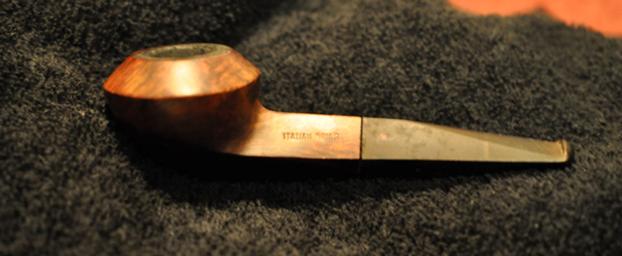
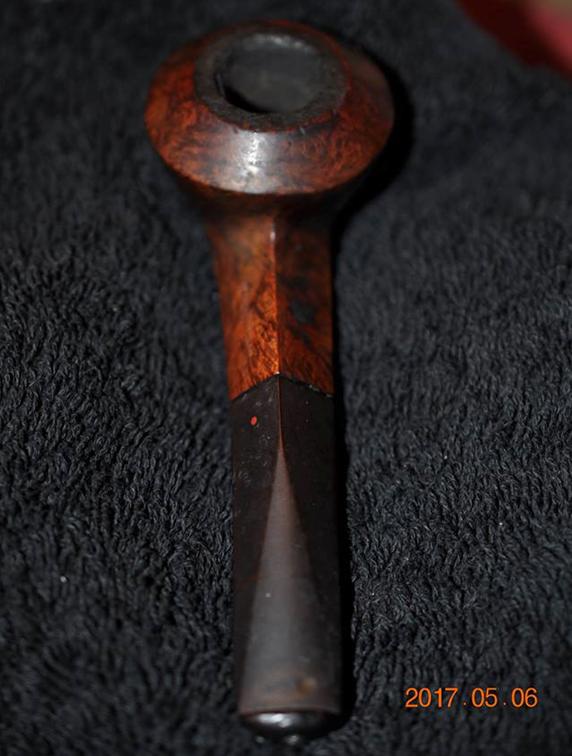
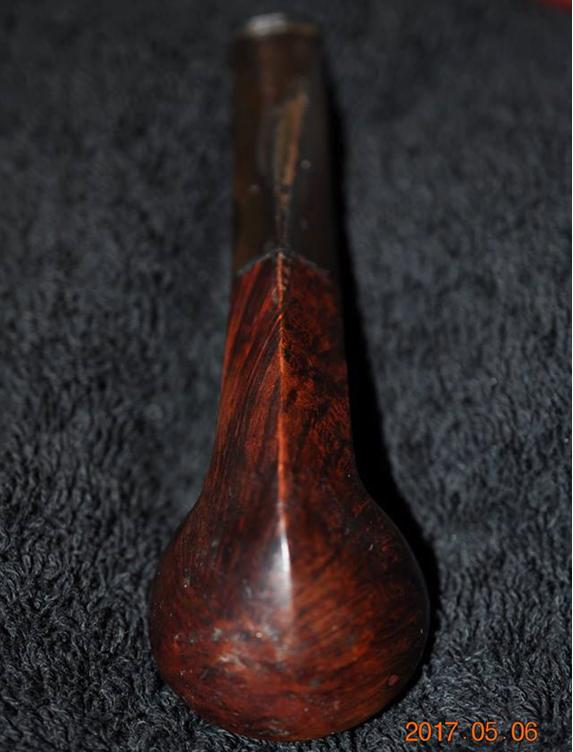
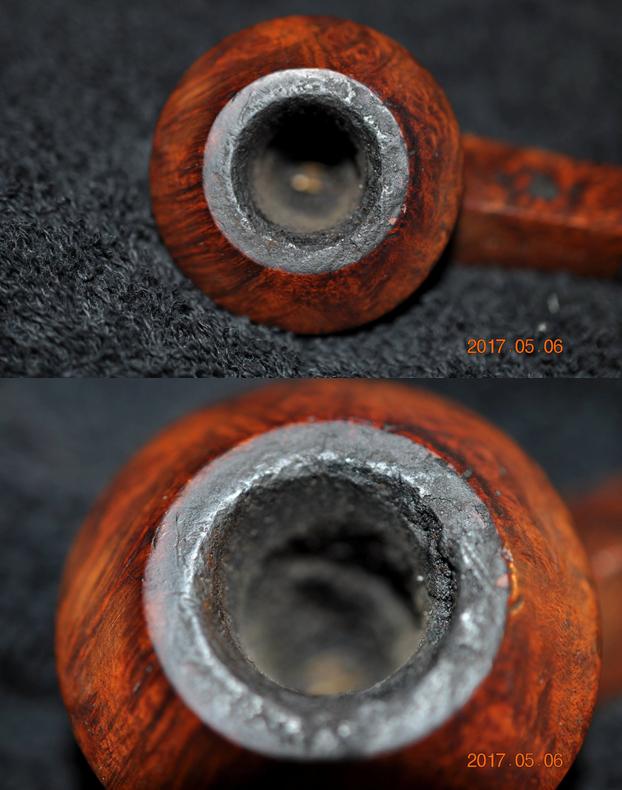
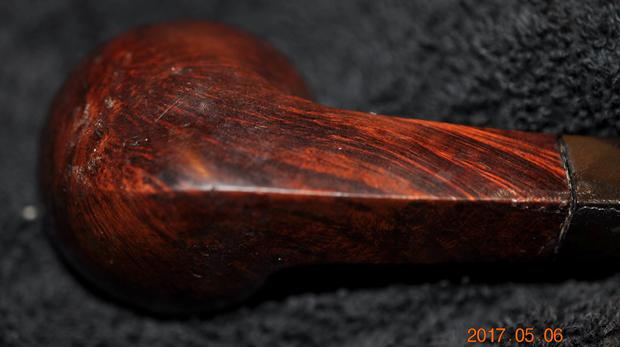
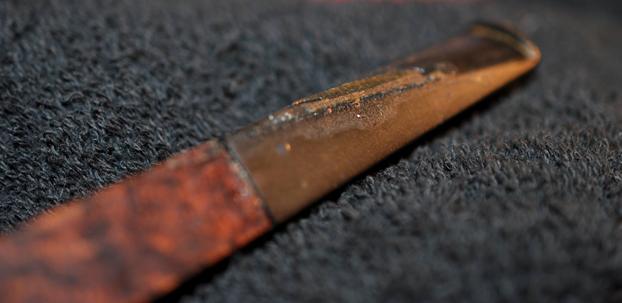
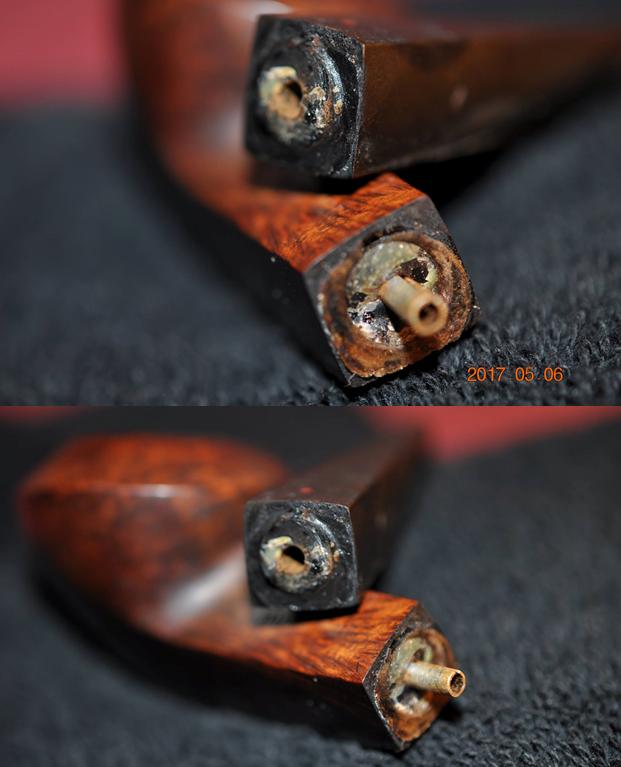
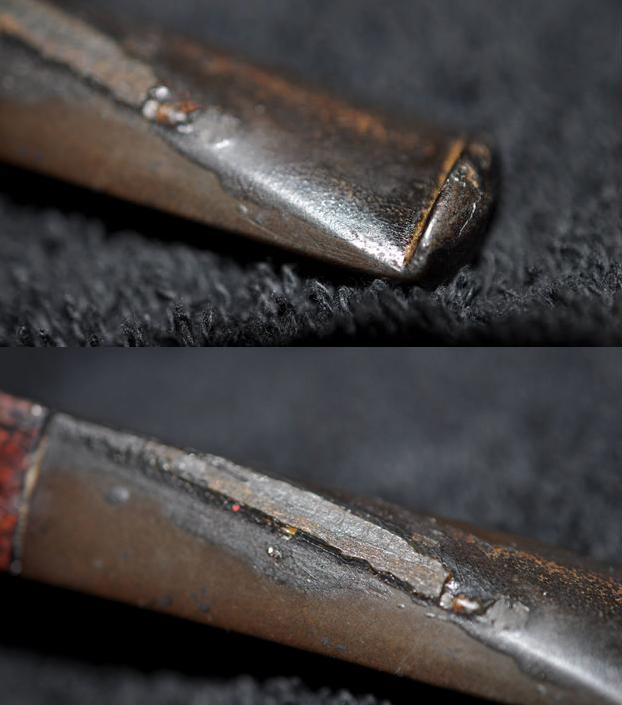
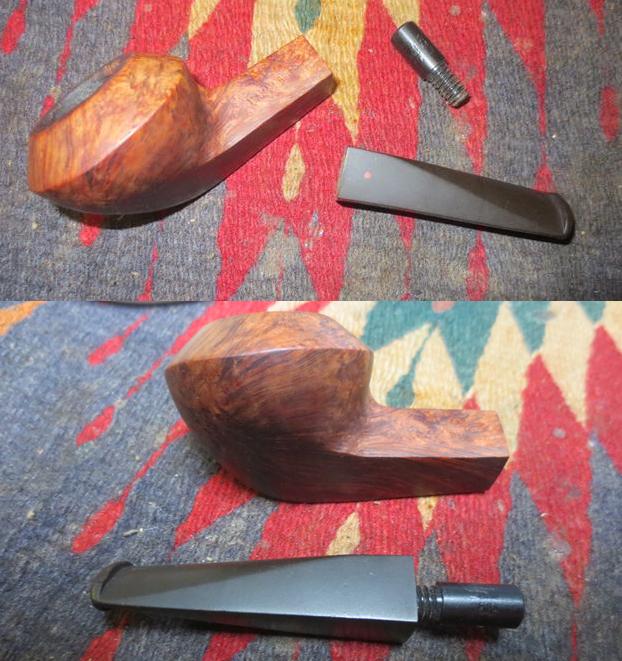
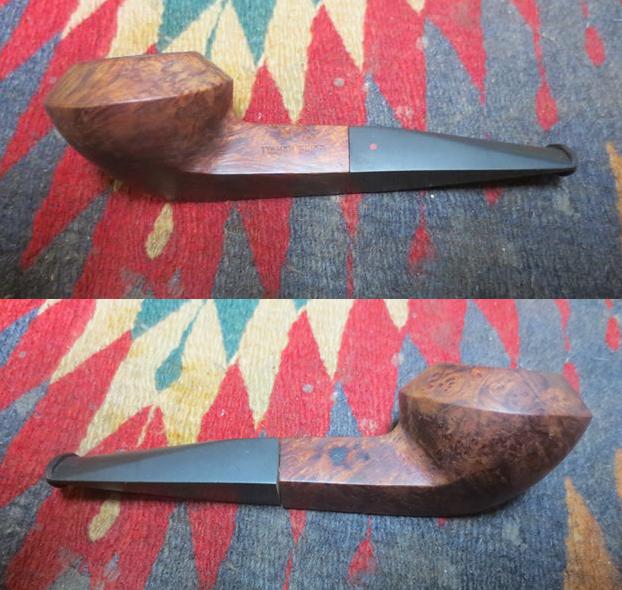
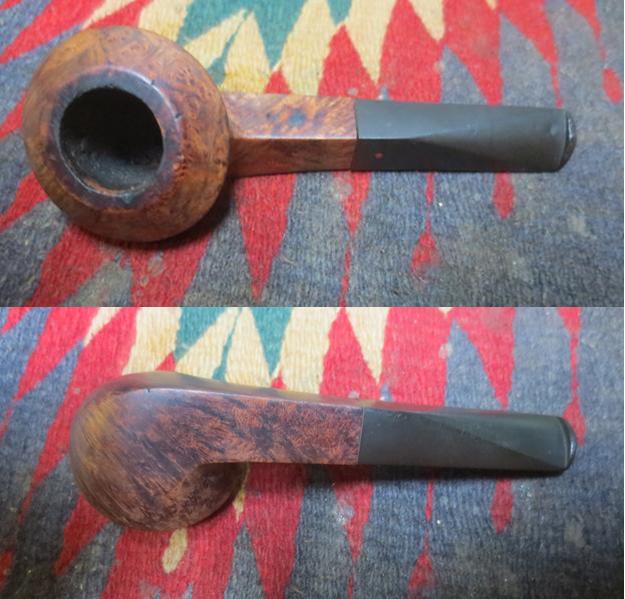
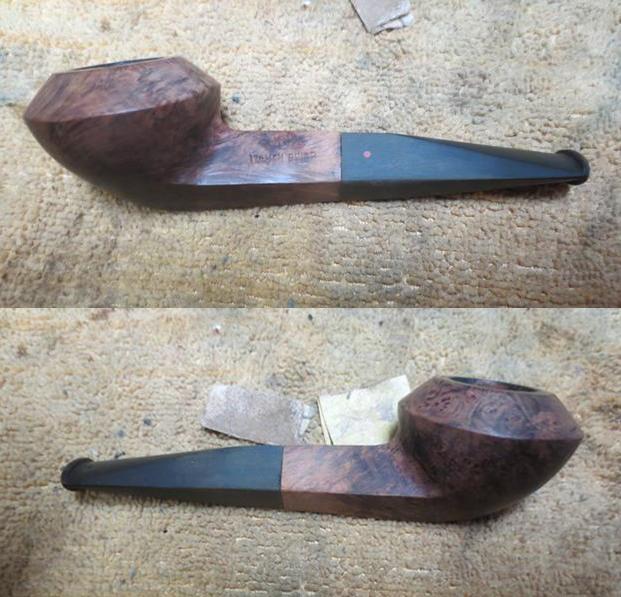
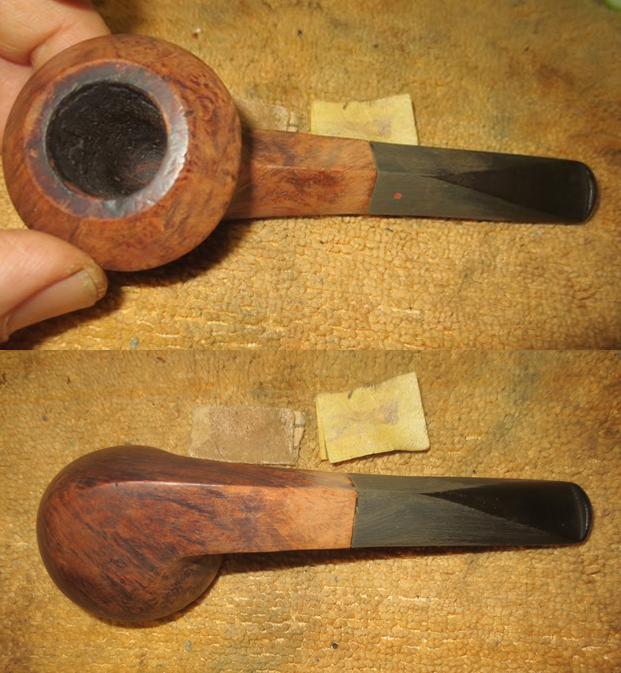
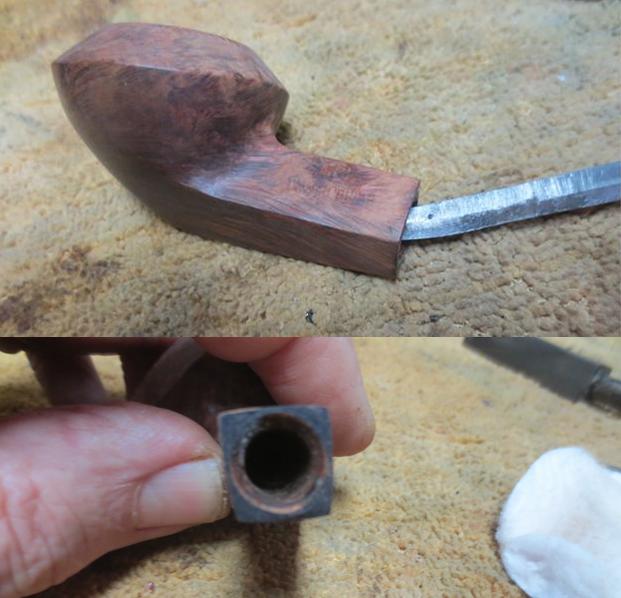
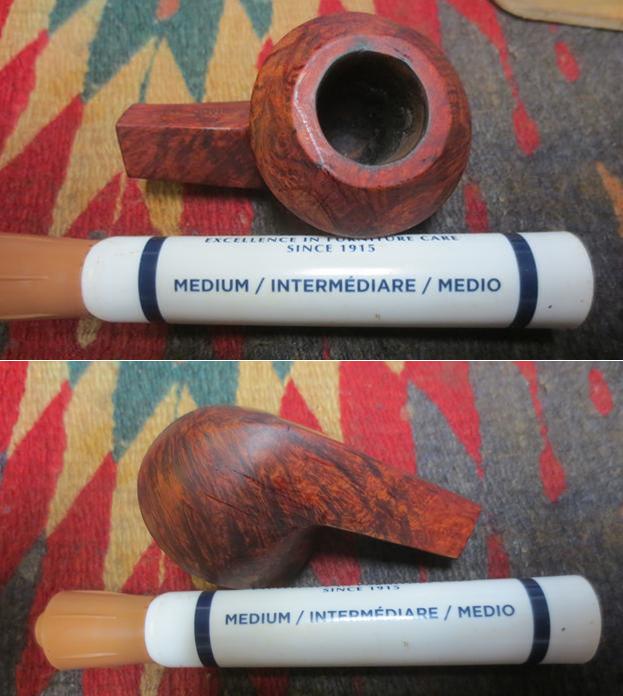
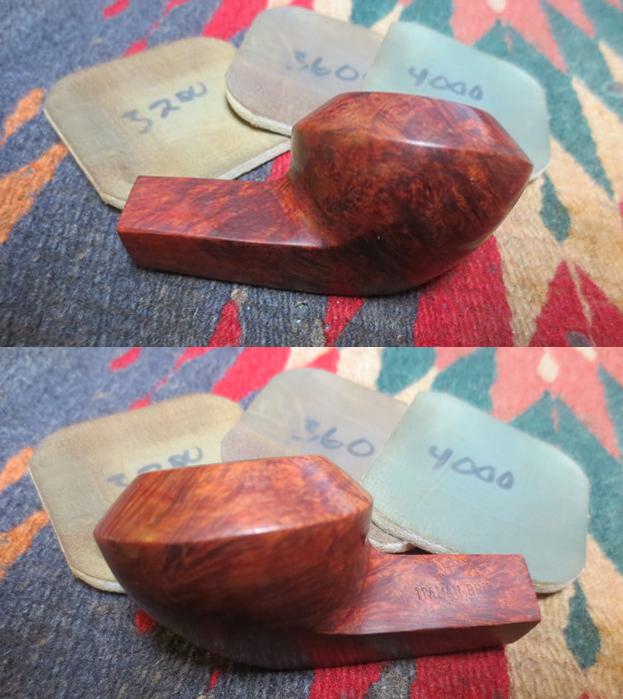
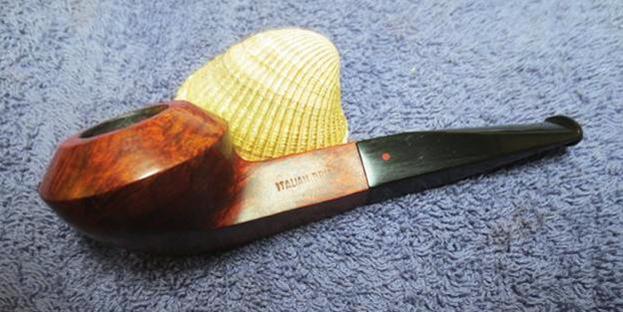
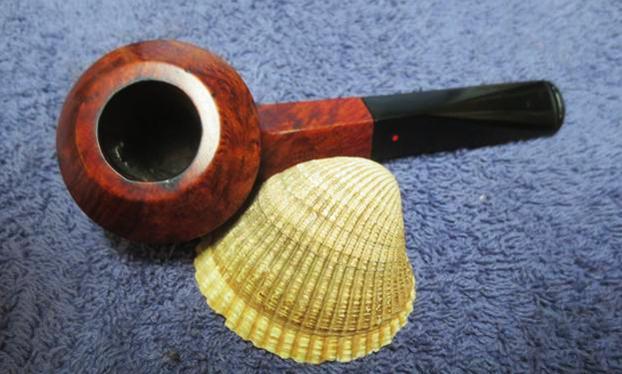
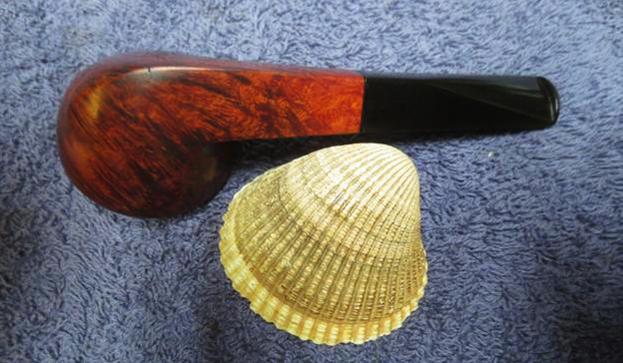
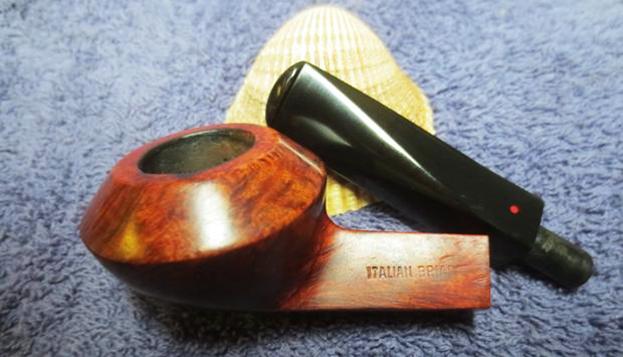
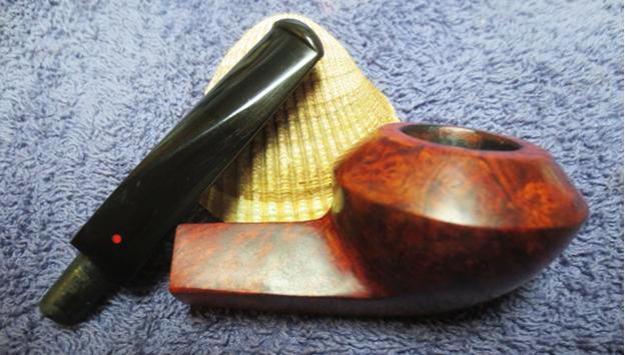
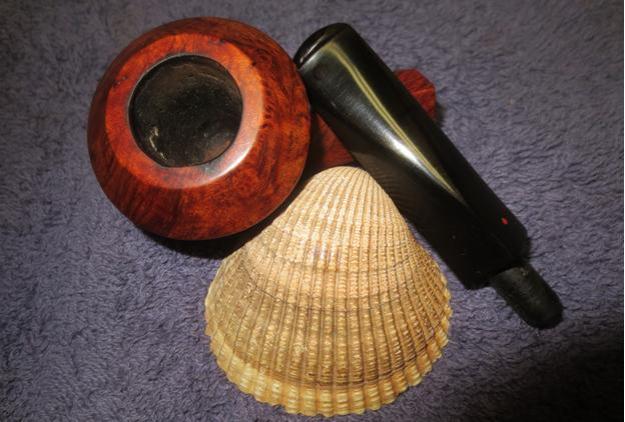
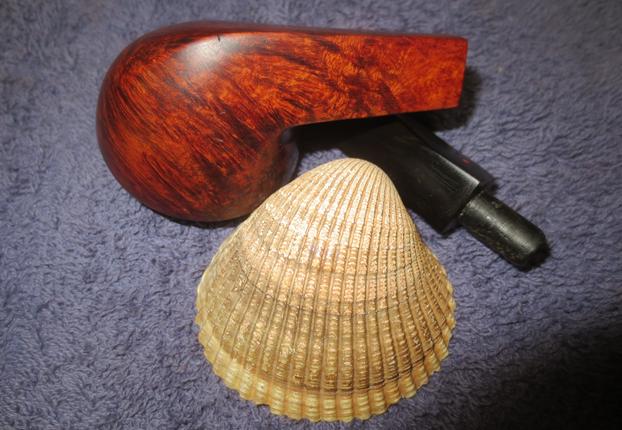
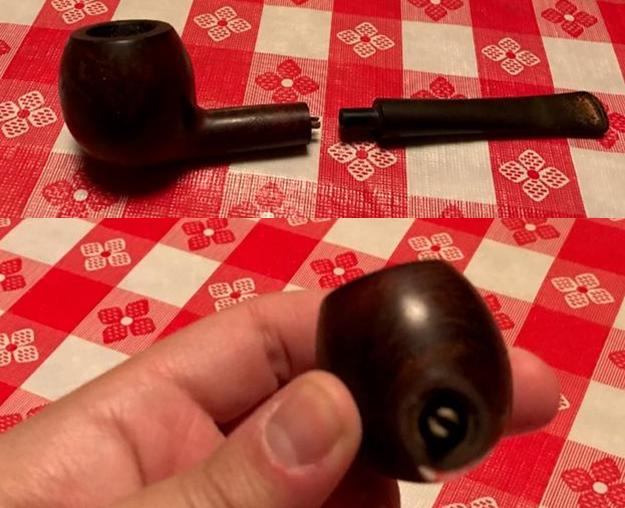
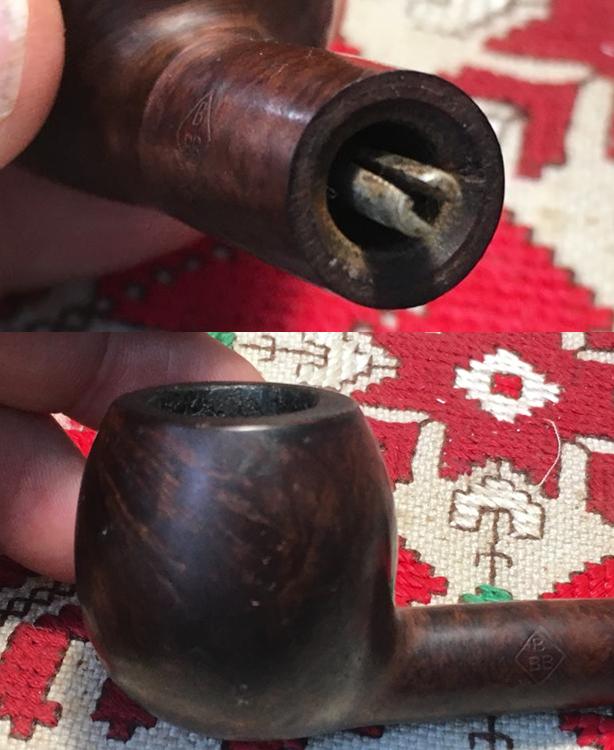
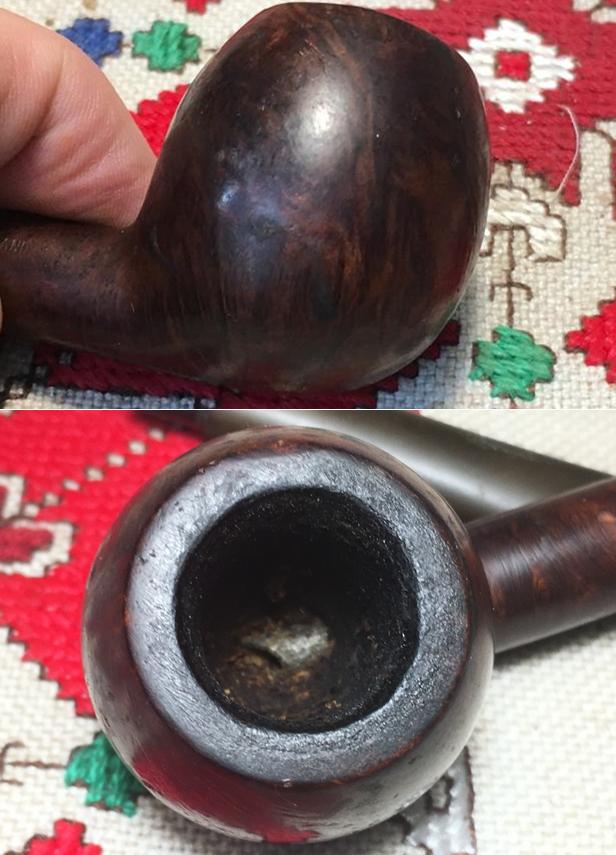
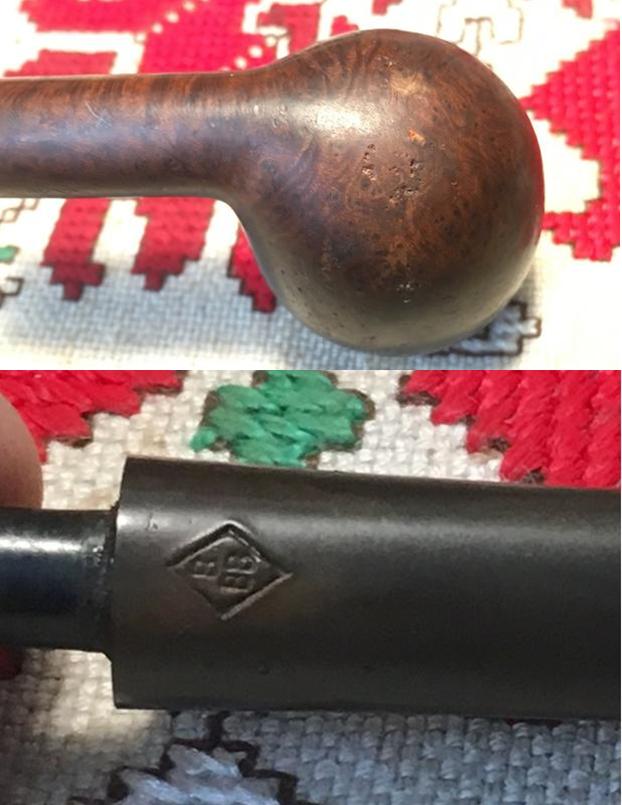
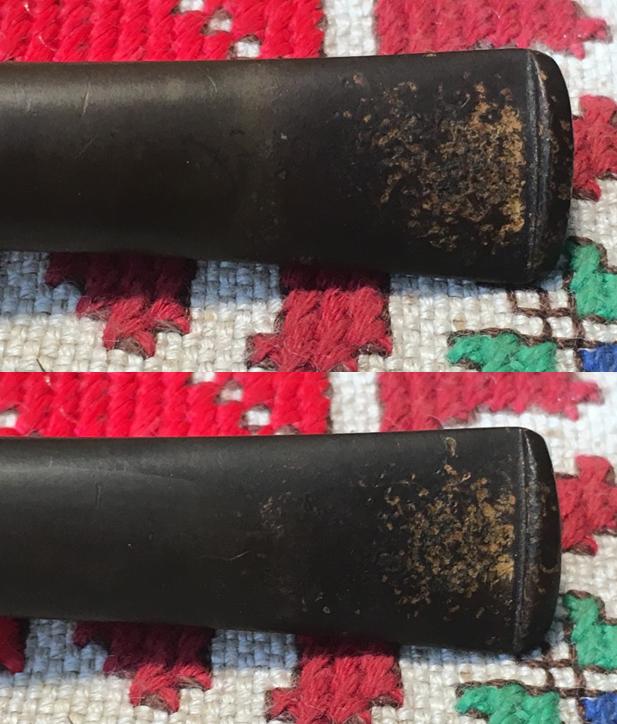
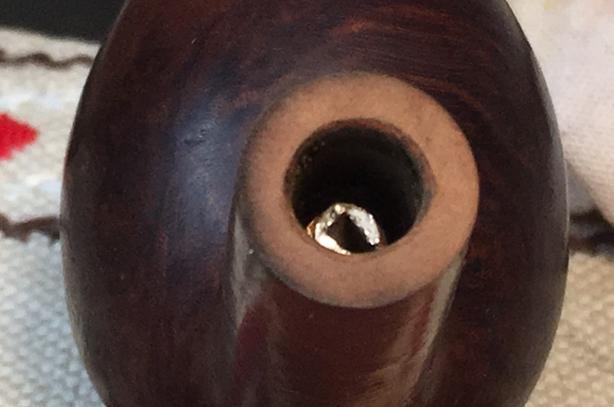
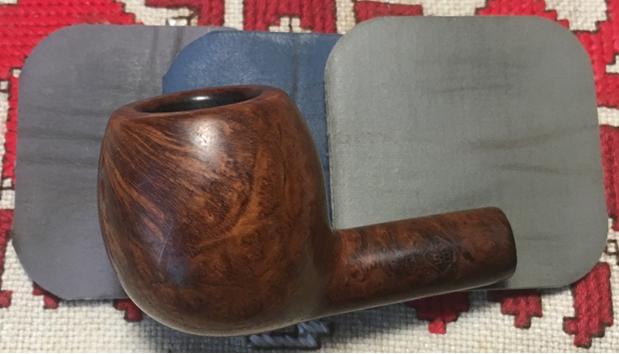
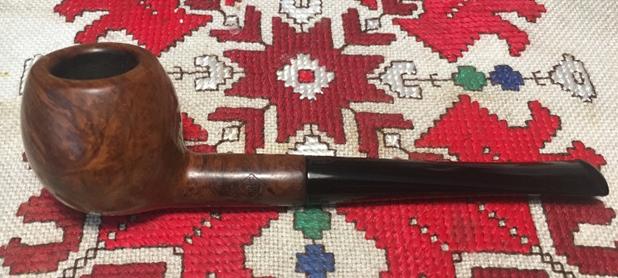
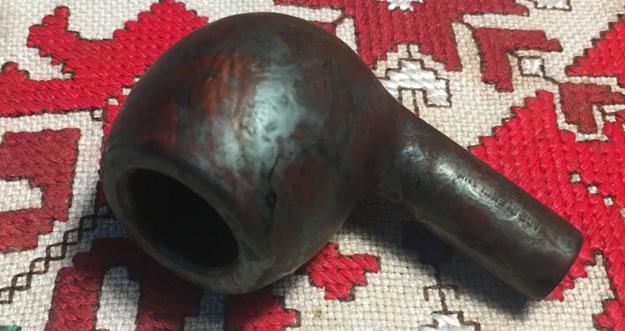
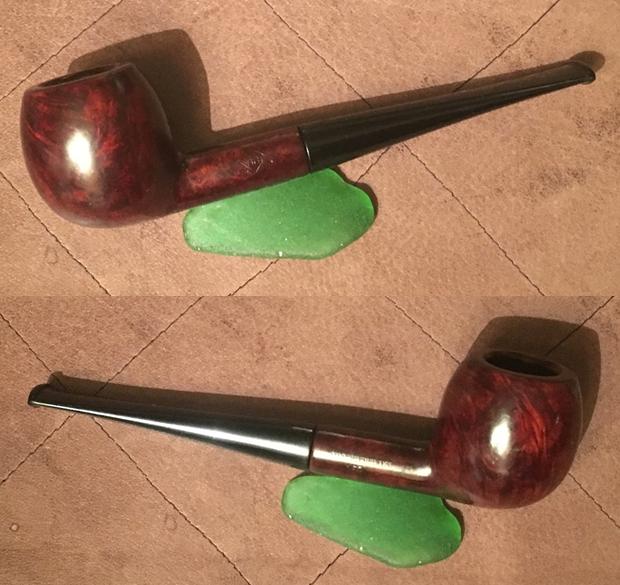
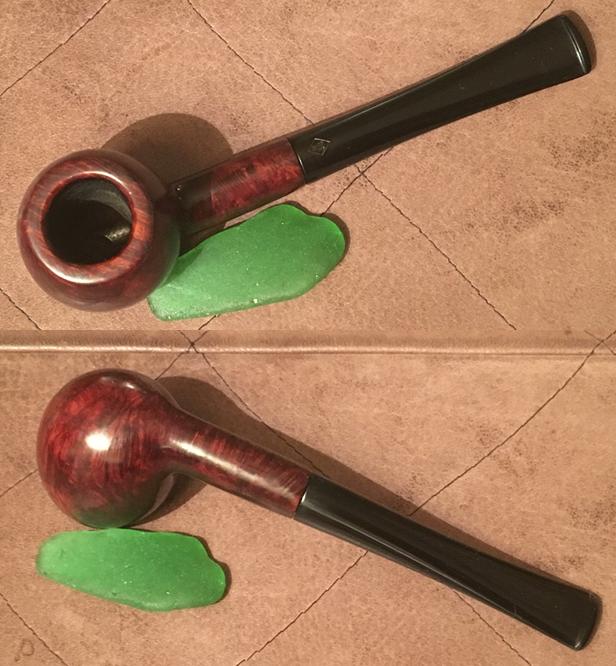
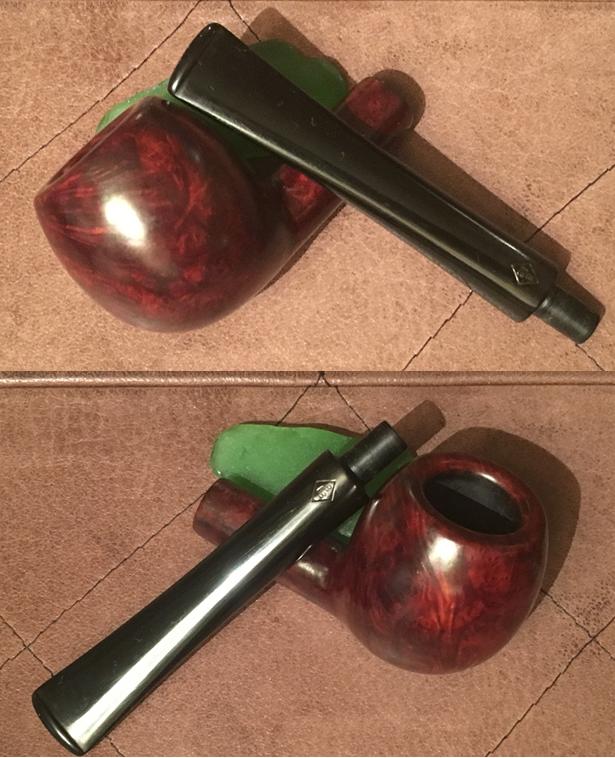
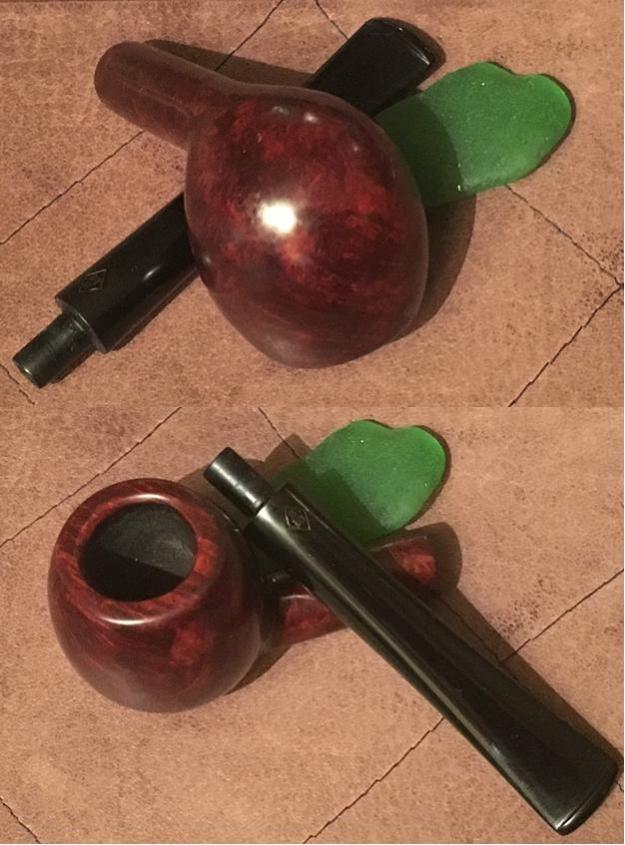
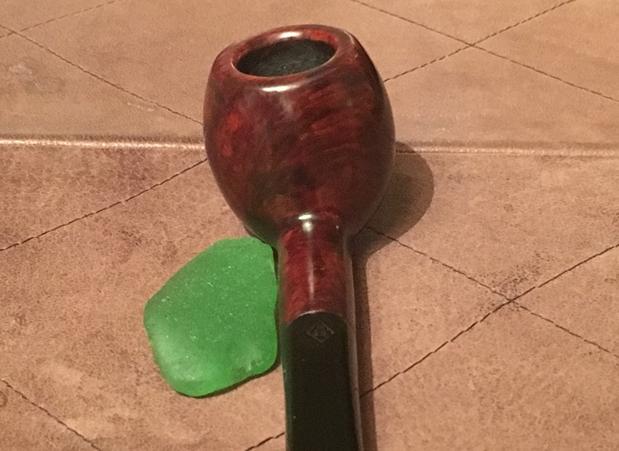
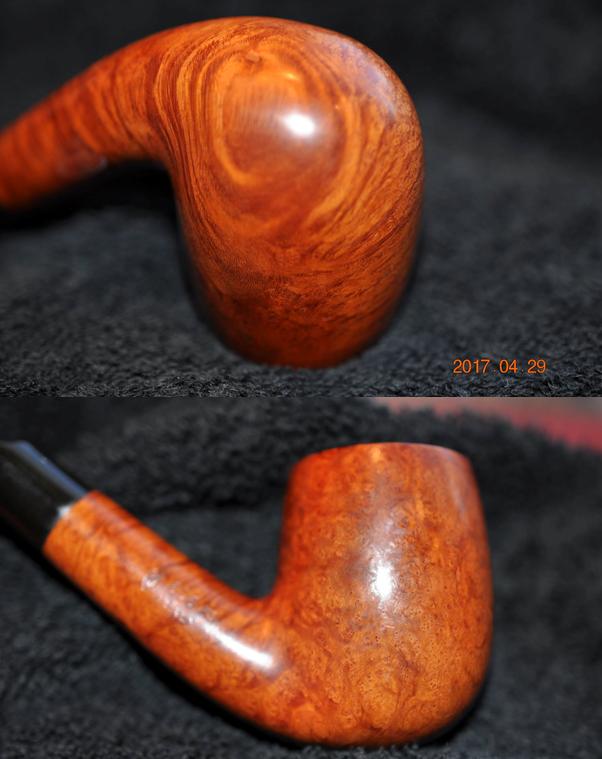
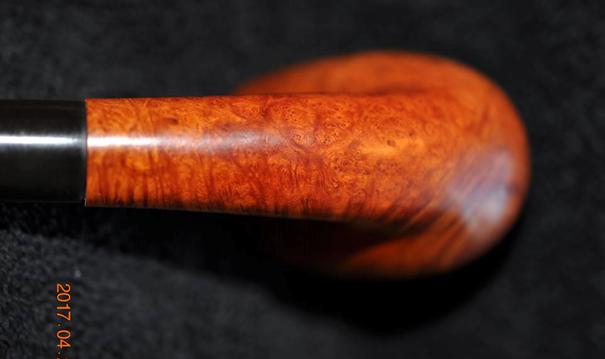
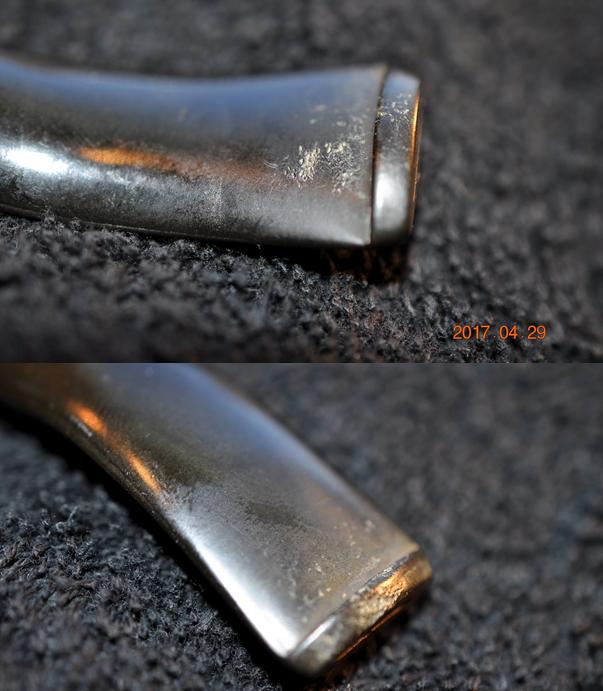
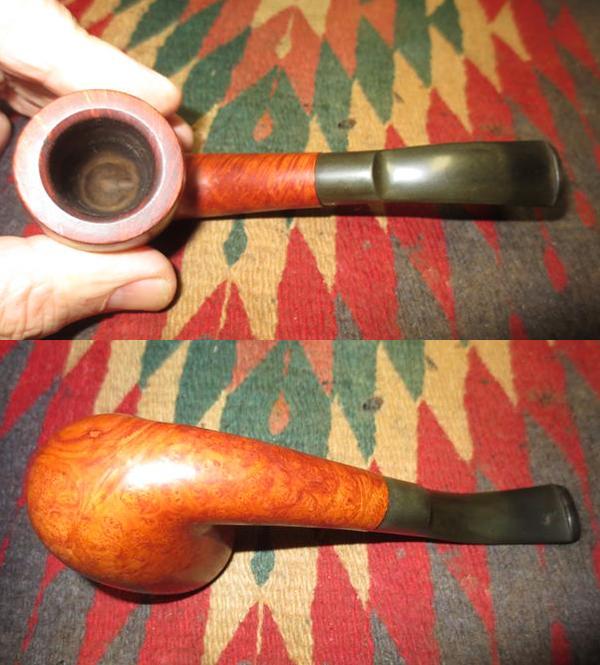
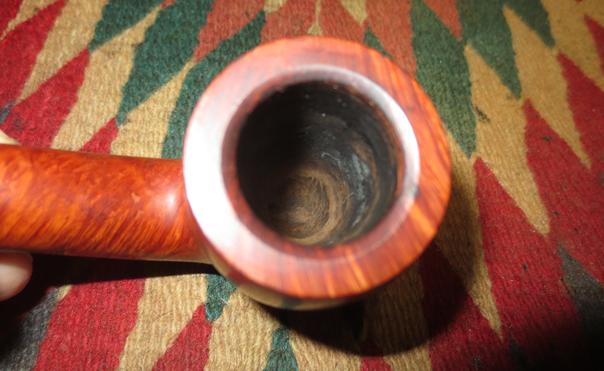
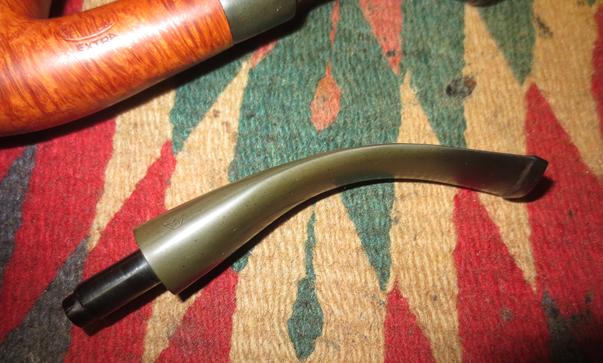
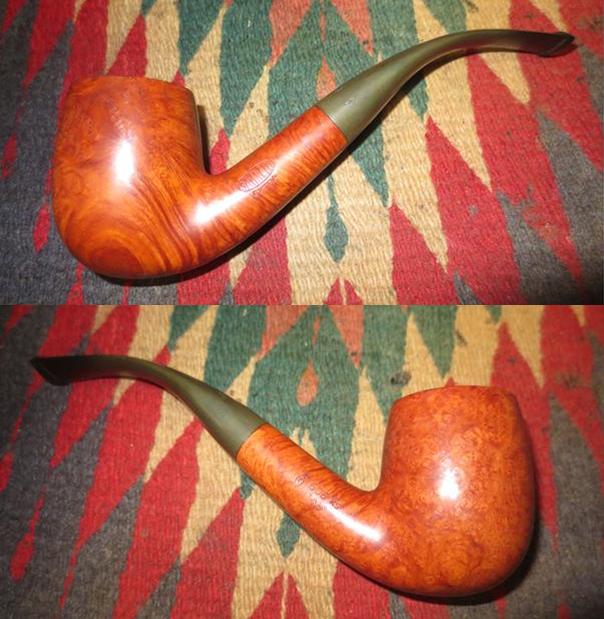
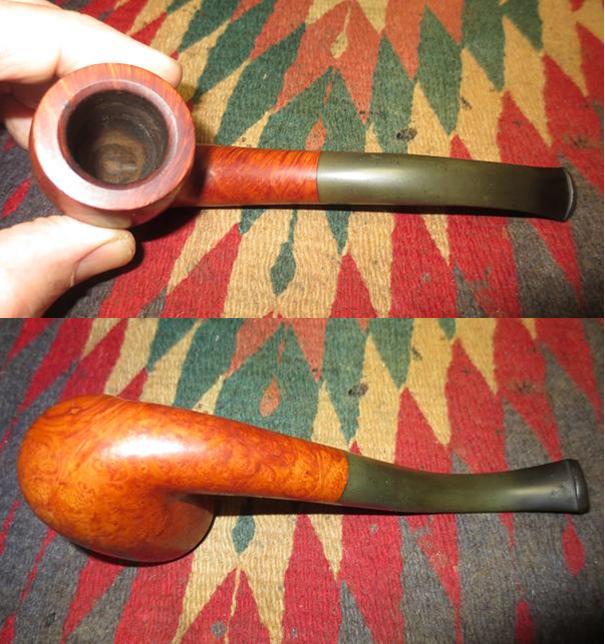
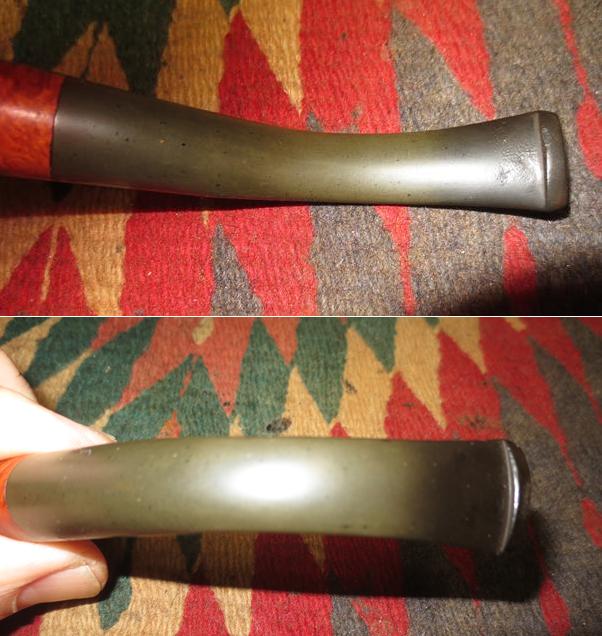
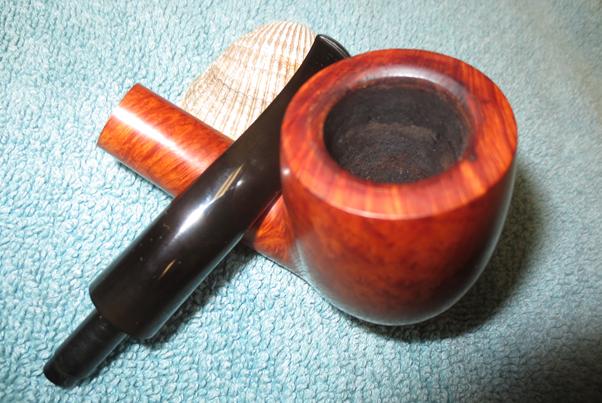
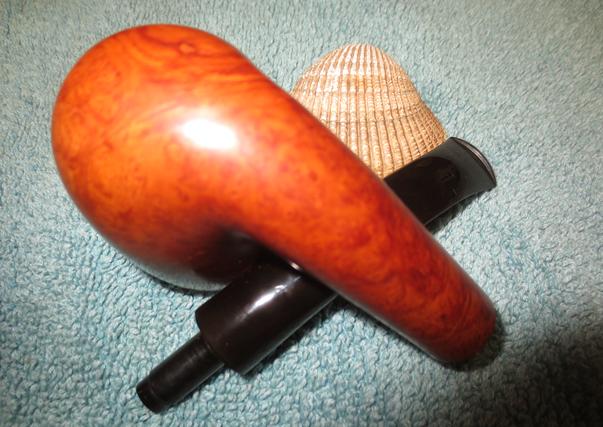
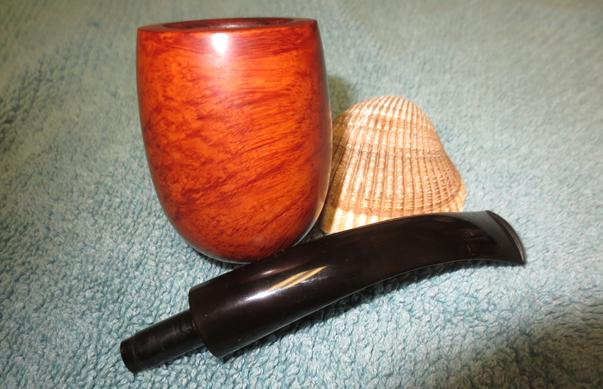
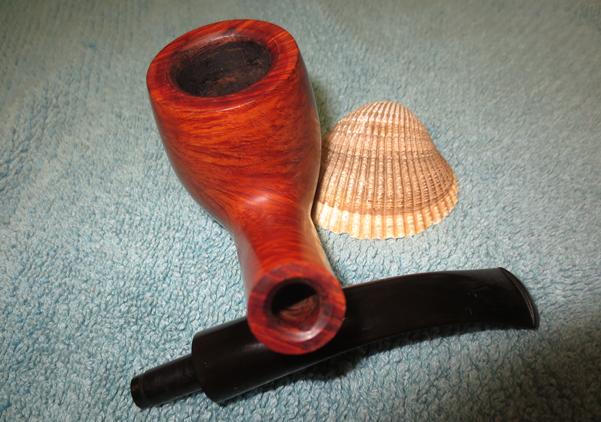
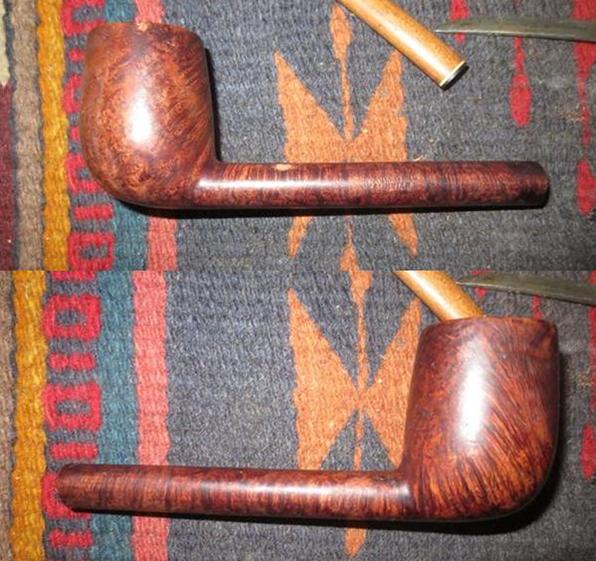
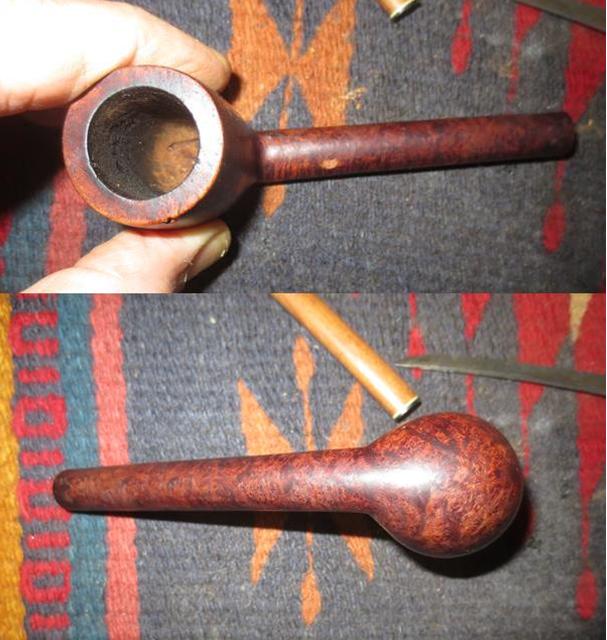
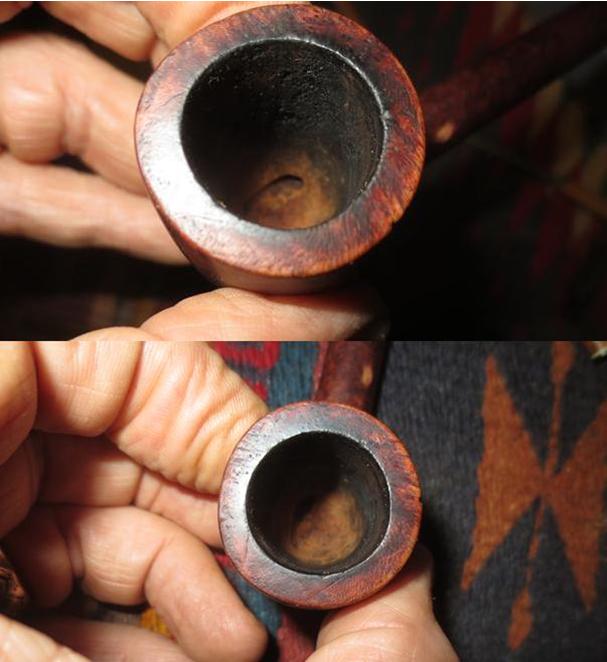
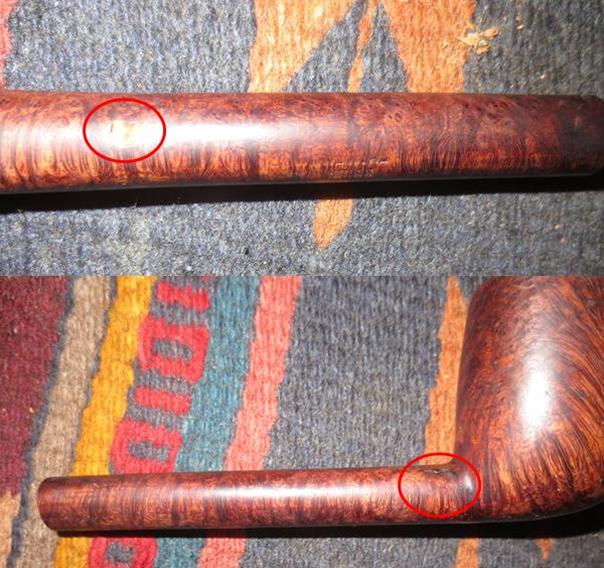
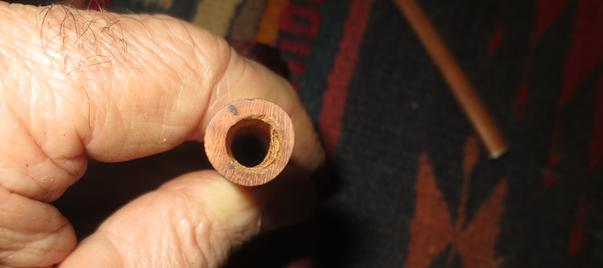
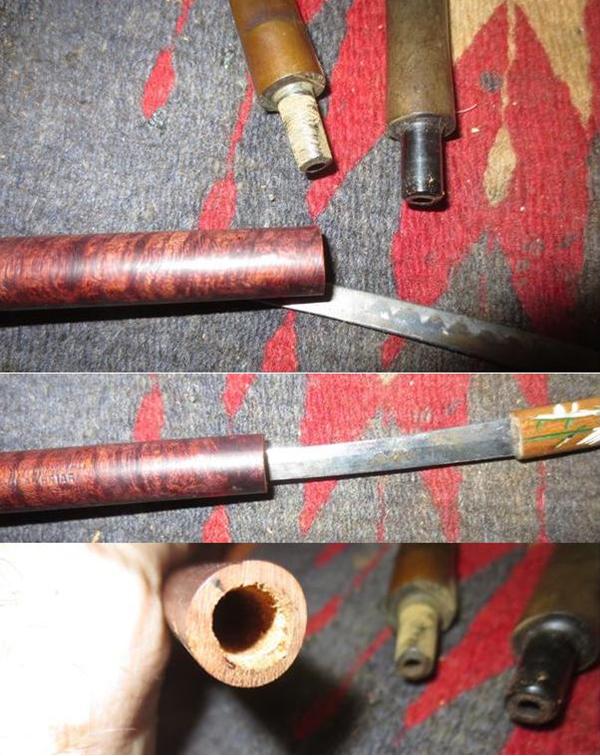
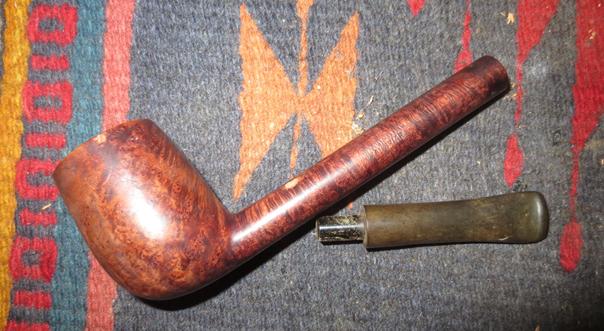
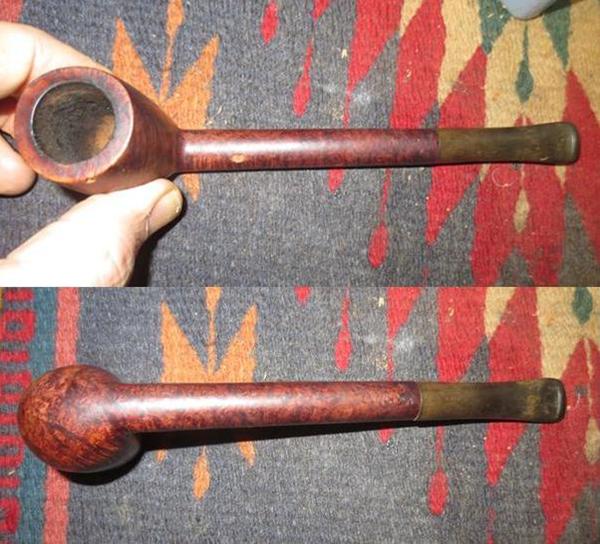
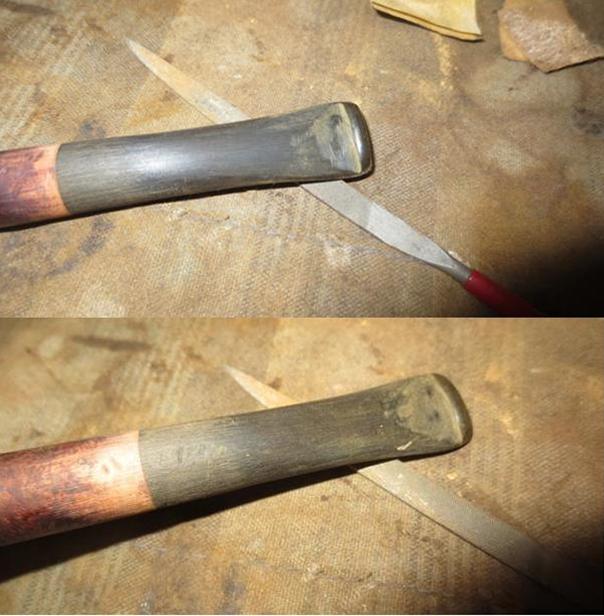
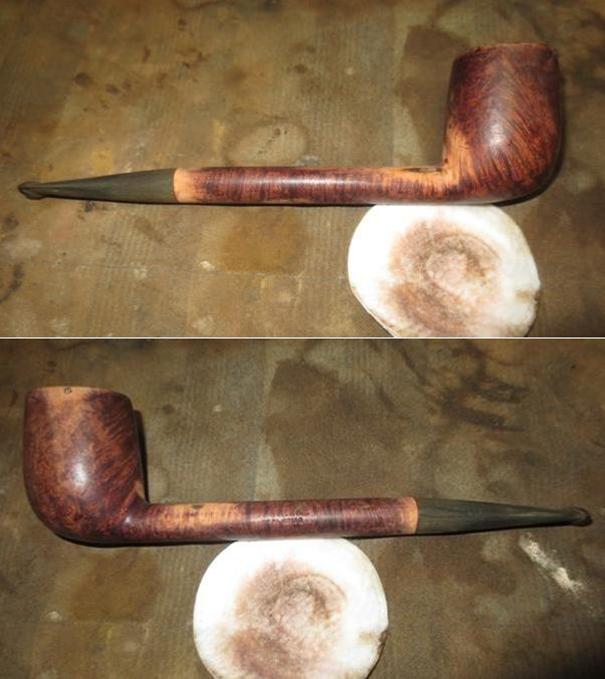
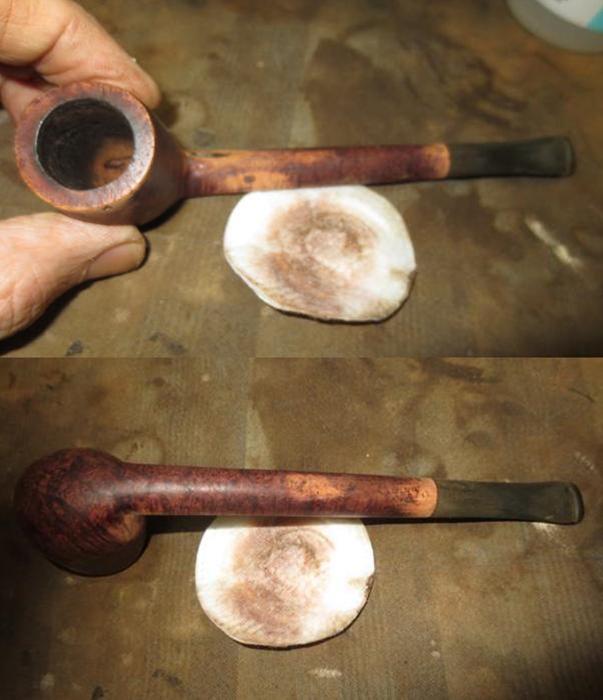
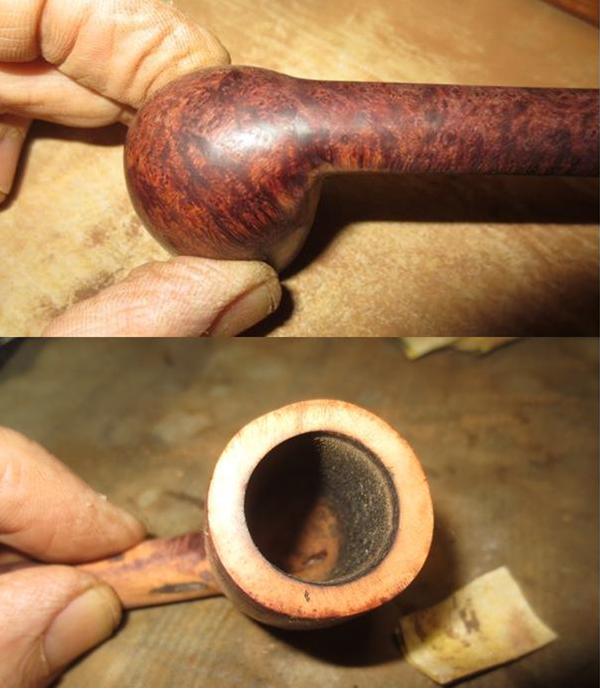
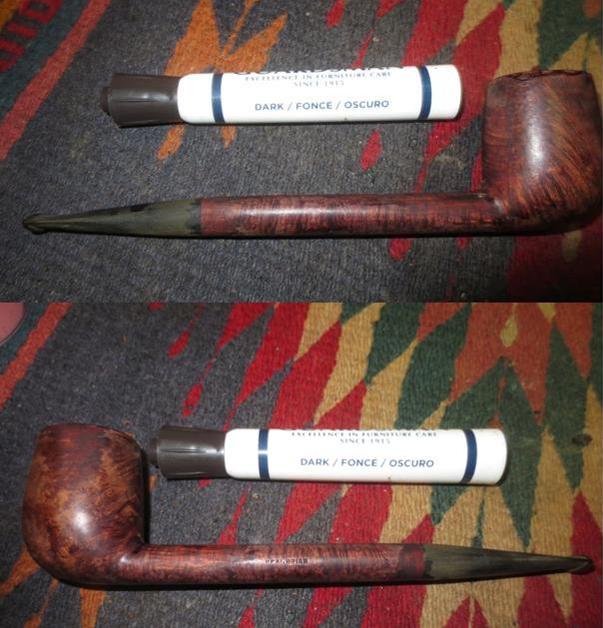
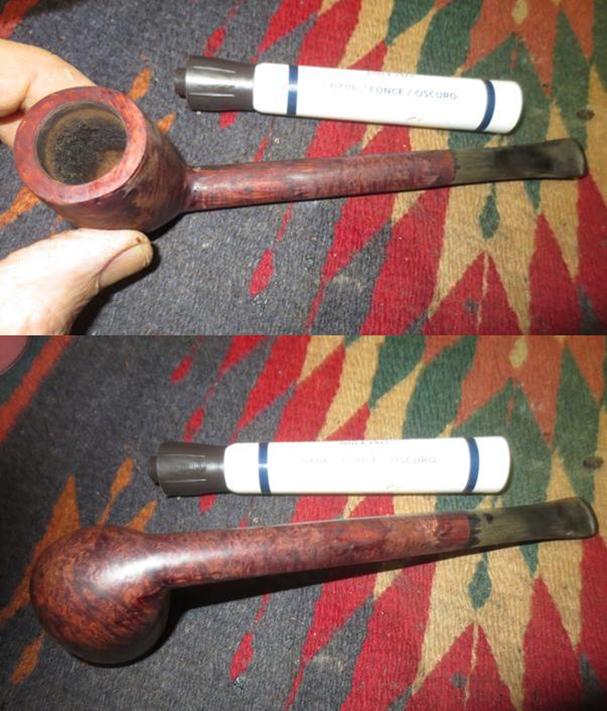
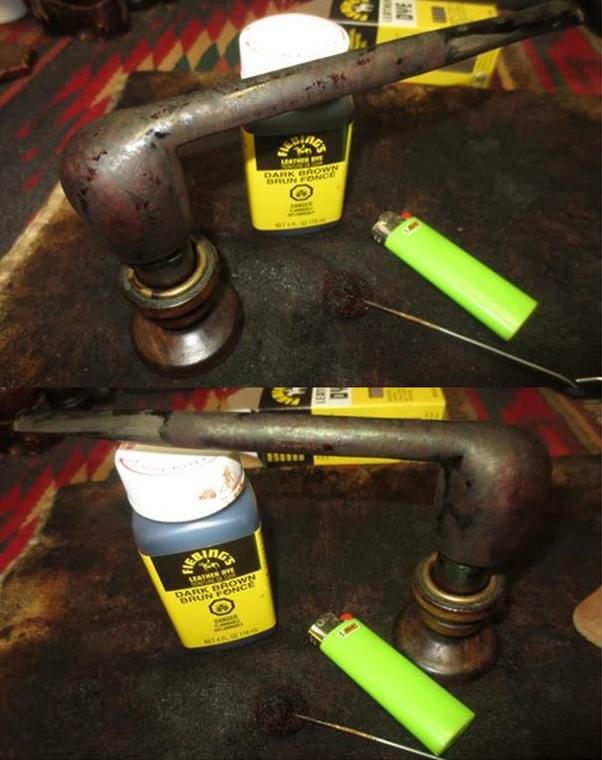
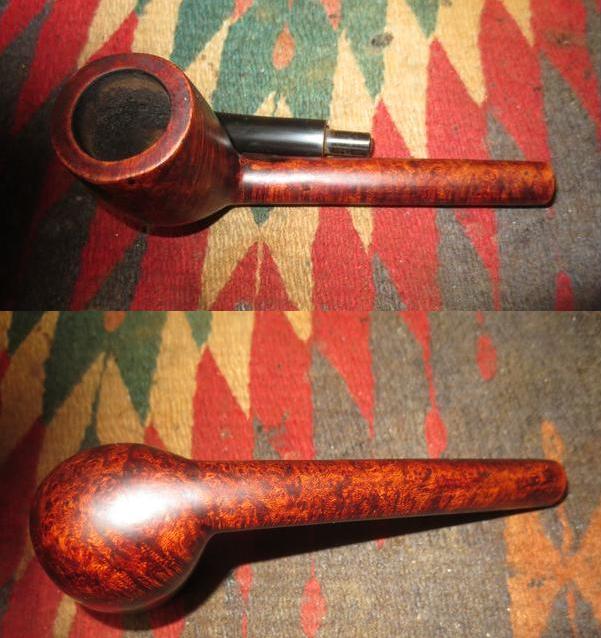
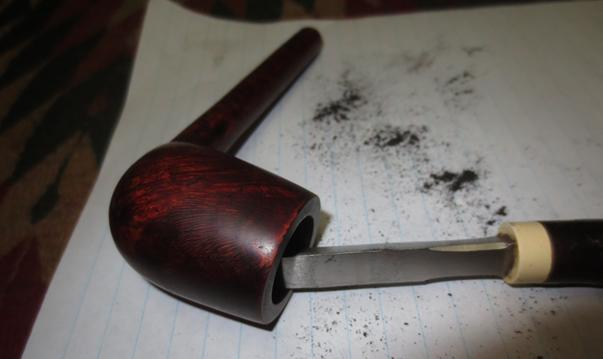
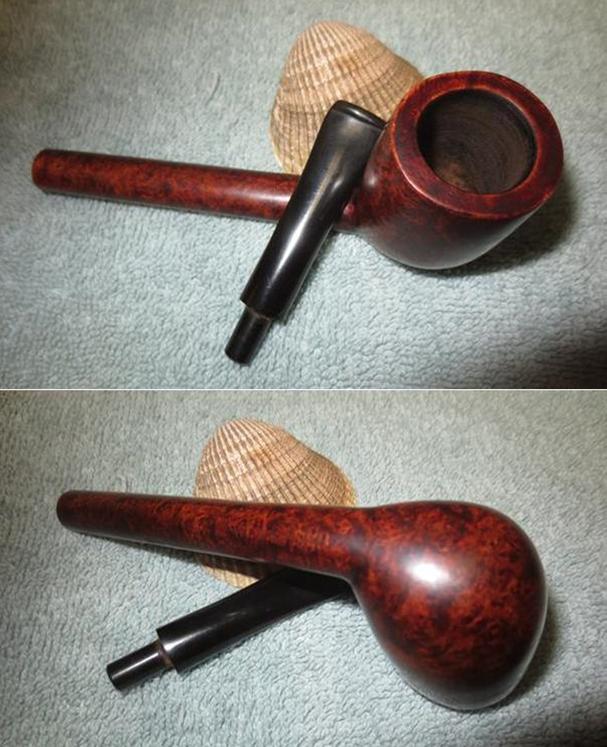
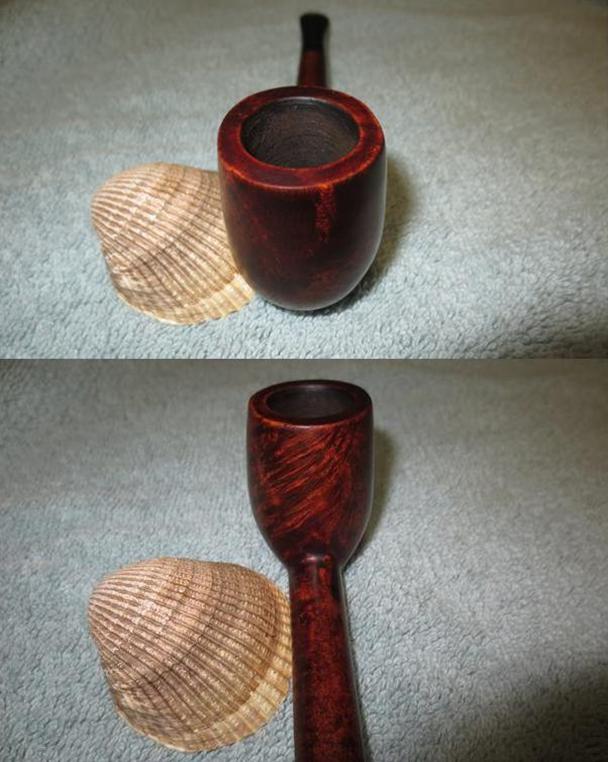
I am just about finished cleaning up and restoring the pipes my brother and I picked up on our Virtual Pipe Hunt in Montana. The next pipe that I brought to my work table was from that hunt. I think I may have two or three left two work on but this is one that I have picked up and put back several times since they arrived in Vancouver. As I mentioned in my last blog I have written several blogs about that hunt as it was one of those once it a life time finds. It contained a lot of late 1890s and early 1900 era pipes. These included C.P.F., W.D.C. and some no name pipes from the same era. Again if you are interested in reading about any of the restorations, a quick search on the blog for “Virtual Pipe Hunt” will give you the links to a blog about the hunt and to other pipes that were included. This particular little Bulldog shaped pipe had something about it that caught my eye. It combined some interesting grain (birdseye, swirled and cross grain) on the bowl and a diamond shaped taper stem with an orific button. The finish was worn and the stem was glued onto the shank. At this point in the process the stem would not move as the glue held it tightly in place. The top of the shank was stamped ITALIAN BRIAR in block print and no other stamping on the pipe on either side. The stem had a red dot on the left top side of the diamond. There were tooth marks and the stem was really dirty with an overflow of glue that was on both sides. My brother took photos of the pipe before he started the cleanup process.The next two photos show the pipe from the top side and the underside of the pipe. The topside shows the wear and tear to the finish. There were a lot of scratches and nicks in the briar and a cake in the bowl with lava overflow on the rim top. The underside of the bowl showed the nicks and scratches that went down both sides and the bottom of the bowl and shank. He took some photos of the rim top and bowl. Both photos show the thick cake in the bowl and a thick lava coat on the rim top. It is hard to know if there was any damage to the inner edge of the bowl or on the top surface of the rim.The close up of the underside of the bowl and shank shows the glue buildup in the gap between the shank and the stem.The stem looked like it was in rough shape. There were some peeling flakes on the surface of the stem. They could either be glue or damage to the stem.I was really surprised that my brother was able to get the stem off the shank. It turned out that the broken tenon was glued in the shank and a piece of inner tube was glued into the broken tenon. About an inch of the tube extended beyond the shank and the stem fit on the tube. The glue was painted onto the end of the shank and the end of the stem and the two parts were held together until the glue set. Jeff used some acetone to eat through the glue in the gap between the stem and the shank and was able to pry the pieces apart.The next photos show the damaged stem. It looked like the repair had also included painting the surface of the stem with glue. The glue had bubbled, cracked and peeled leaving behind a messy chipped finish. The orific button on the rounded stem end was in good shape. It appeared that the glue mixture had protected the stem from a lot of tooth marks and chatter. Jeff did his usual thorough cleanup of the pipe. I am coming to expect nothing less when he sends me pipes that have gone through his cleaning process. He reamed the bowl with a PipNet reamer, scraped the bowl and the rim top with a Savinelli Fitsall Pipe Knife to clear off the lava build up. He cleaned out the internals in the airway in the shank as much as possible with the broken glued in tenon in the way. He used alcohol, cotton swabs and pipe cleaners. He cleaned out the airway in the stem with alcohol and pipe cleaners. He scrubbed the exterior of the briar and the stem with Murphy’s Oil Soap and a tooth brush to remove all of the grime on the briar and the hardened, chipped glue on the finish of the stem. He rinsed the parts under running water and dried it with a soft cloth. He soaked the stem in OxyClean to clean off the glue on the surface. When the pipe arrived in Vancouver it looked different than it did when we picked it up in Montana. I forgot to take photos of the pipe before I started on it because I was excited to pull the broken tenon from the shank. You can see the clean bowl and stem in the photos.

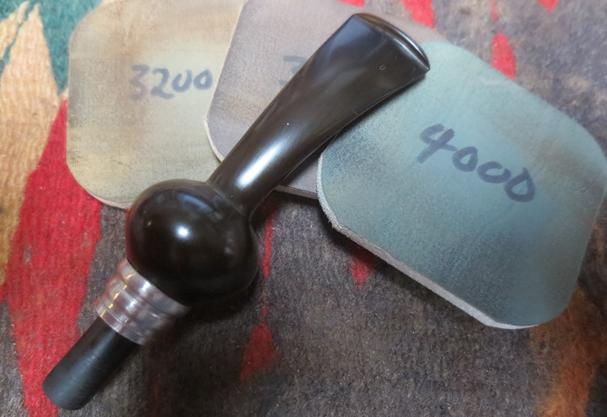
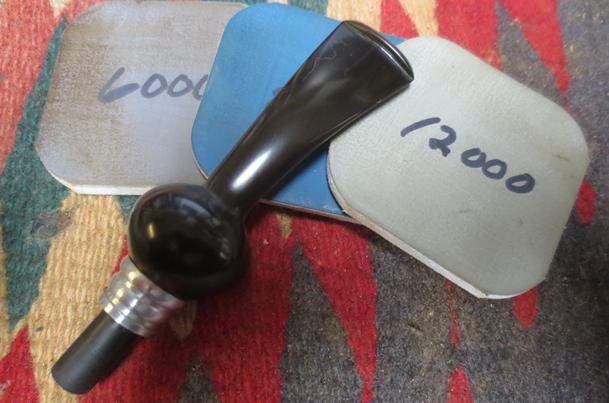
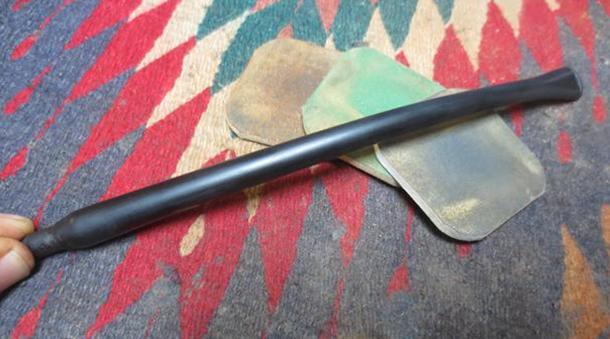
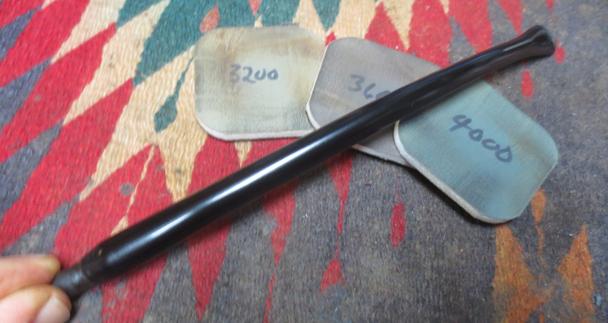
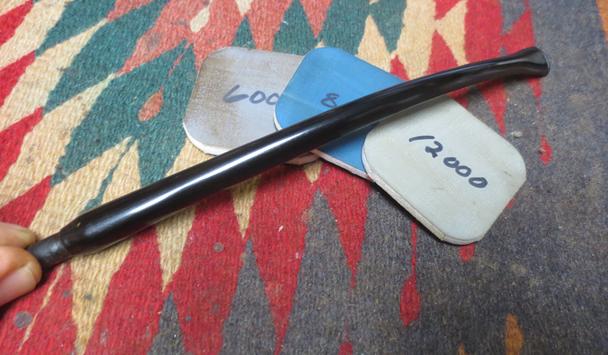
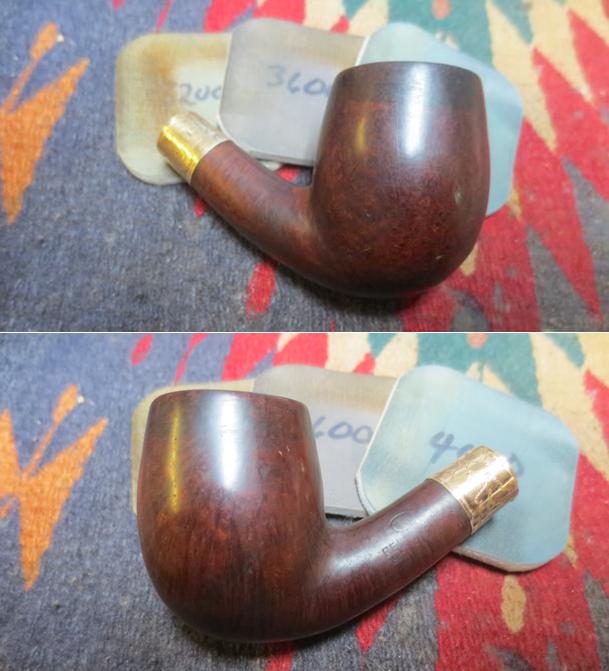
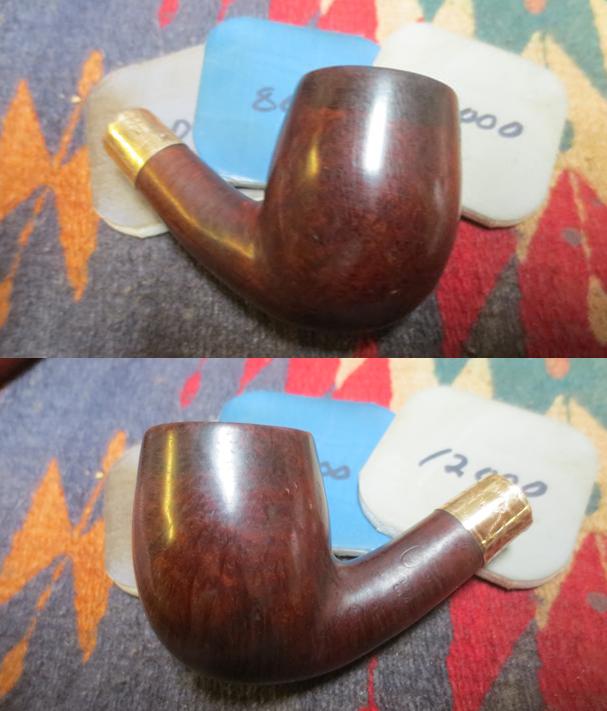
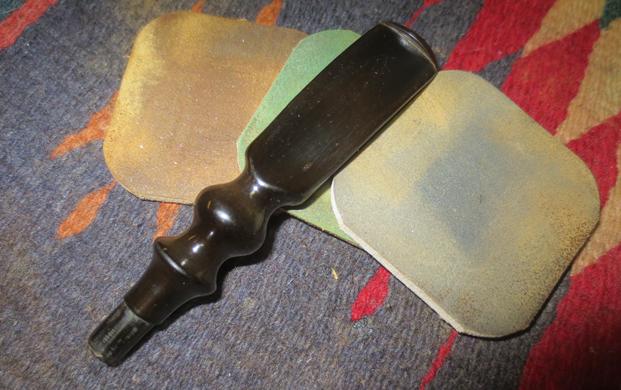
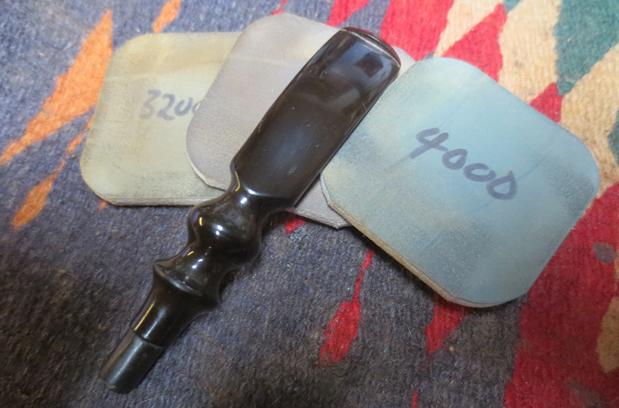
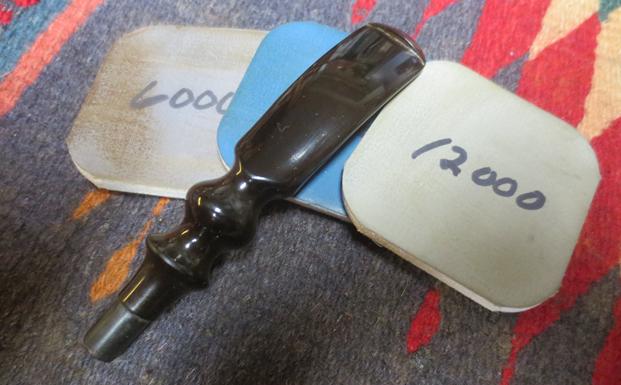
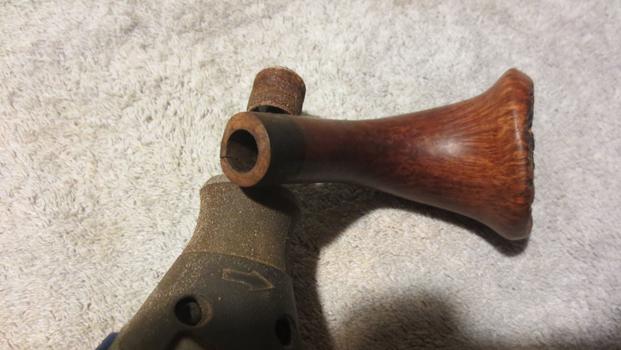
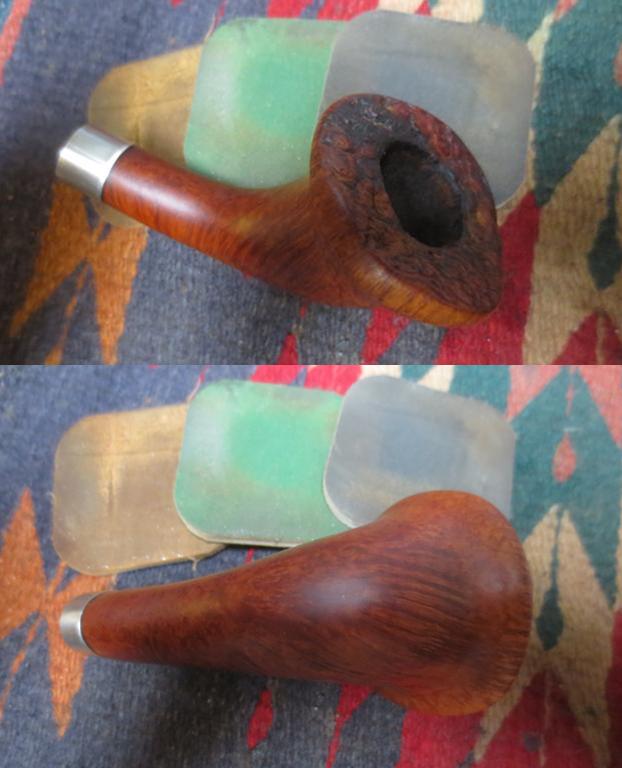
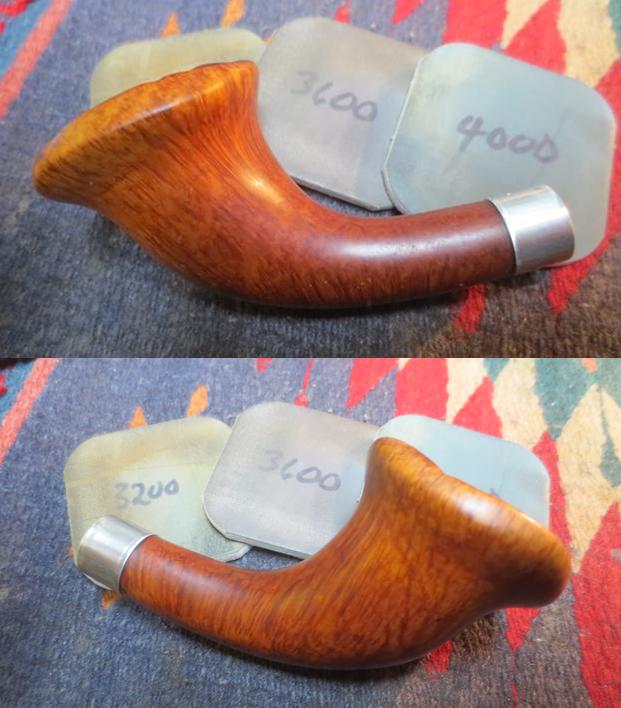
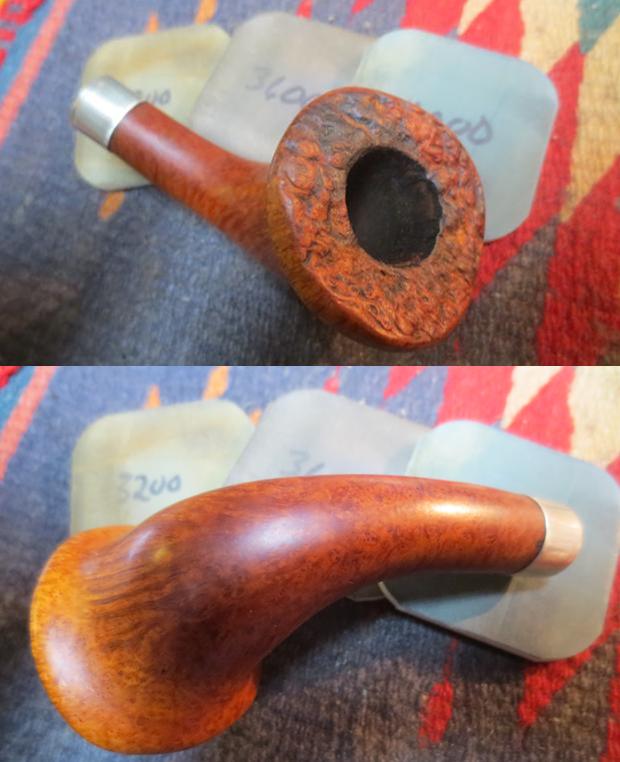
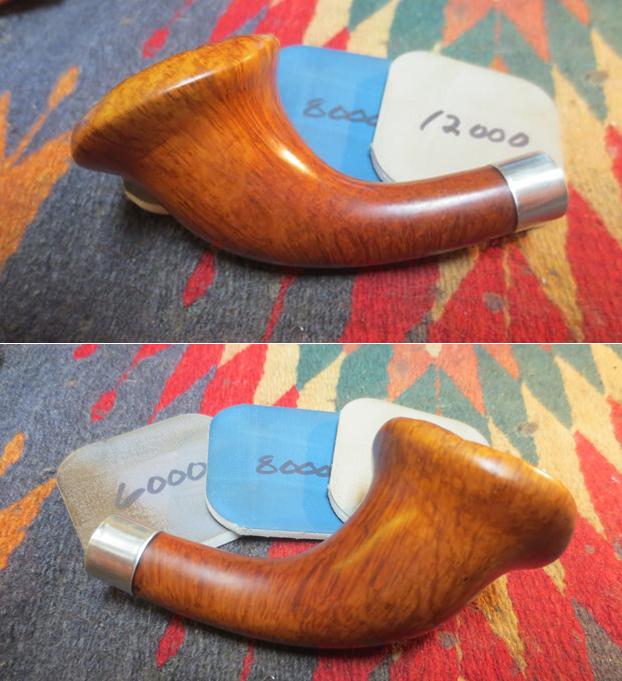
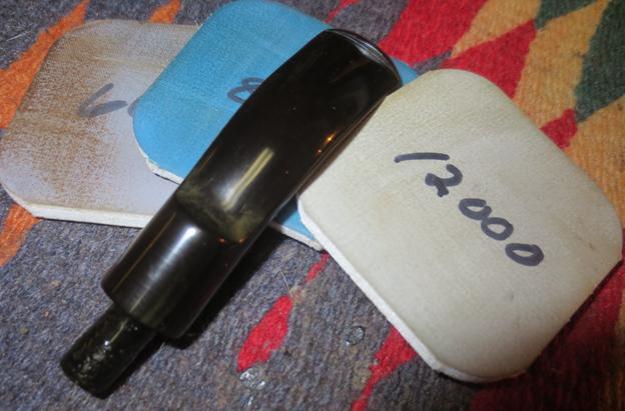
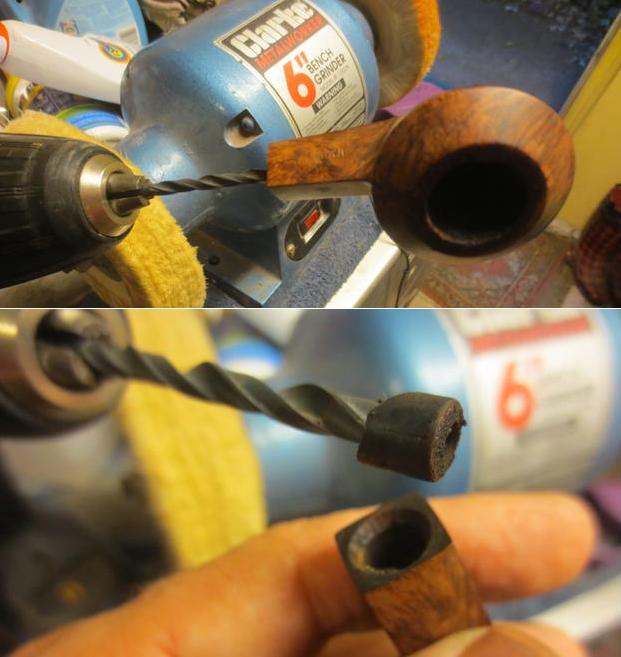
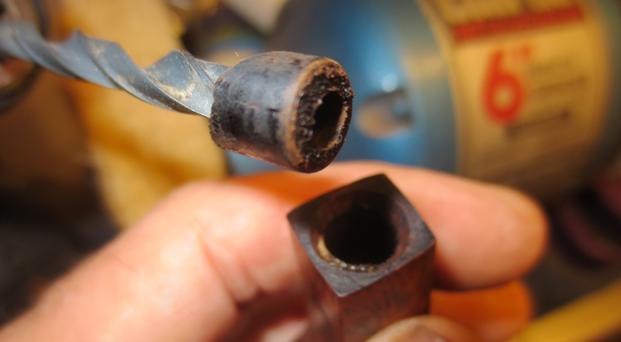
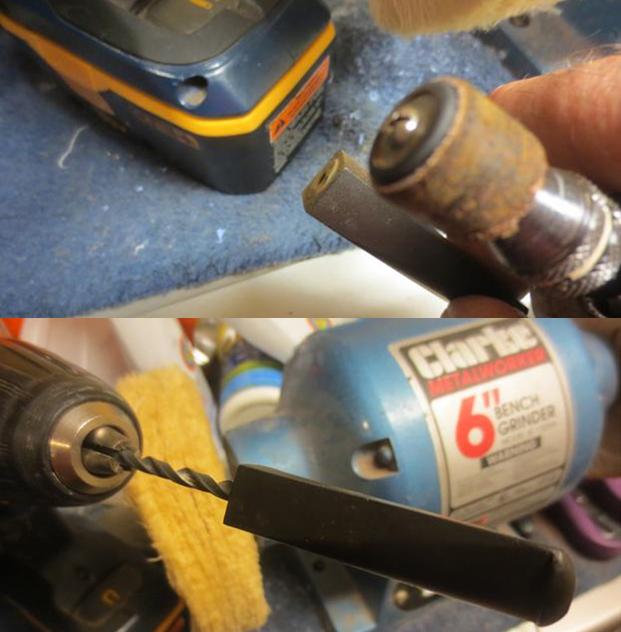
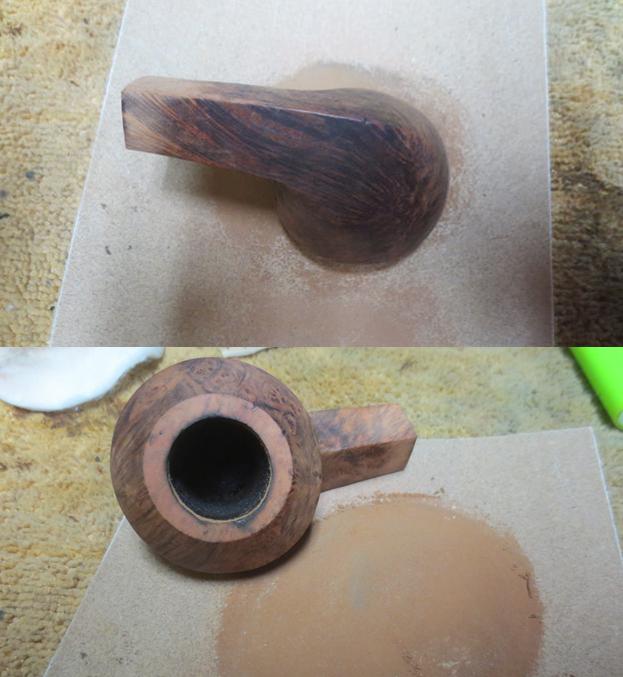
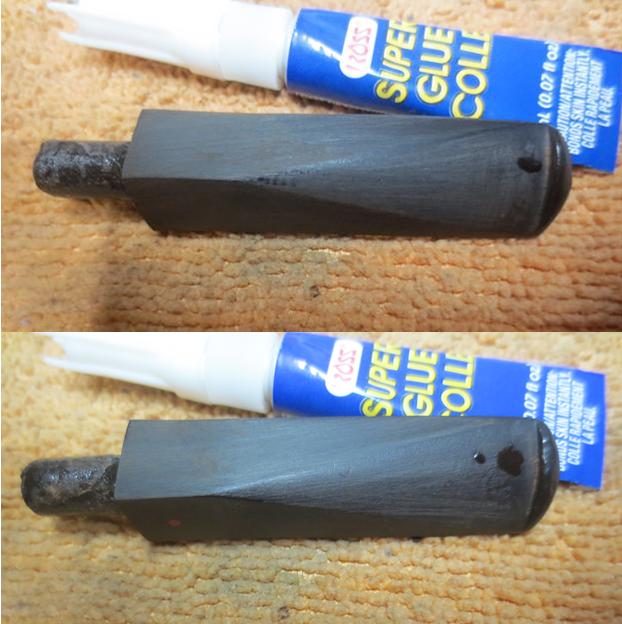
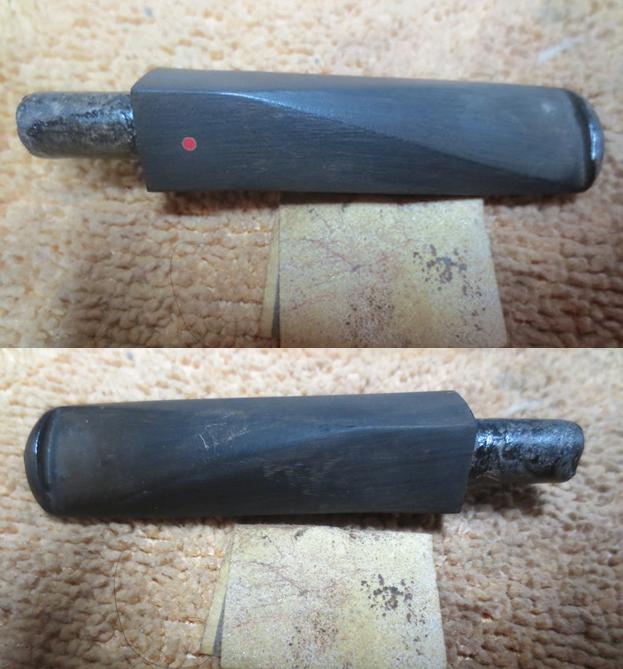
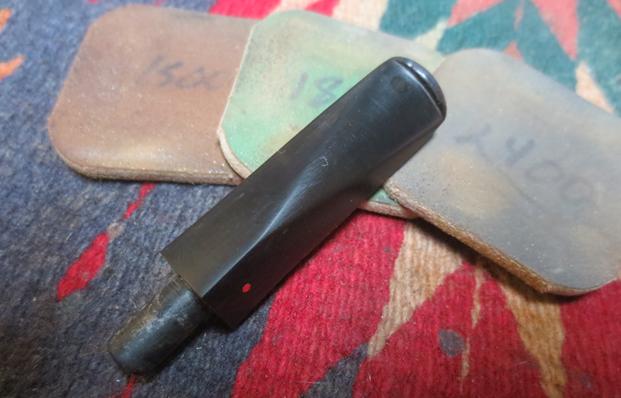
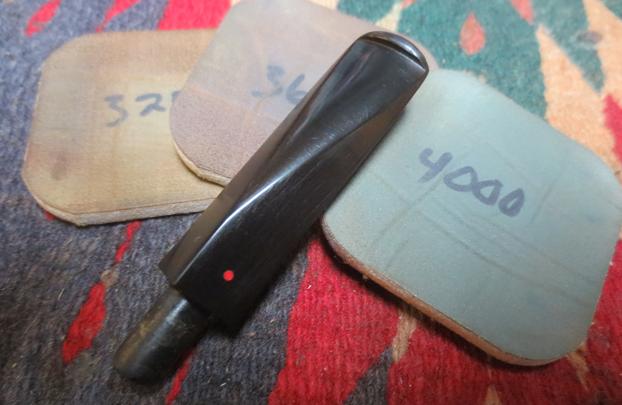
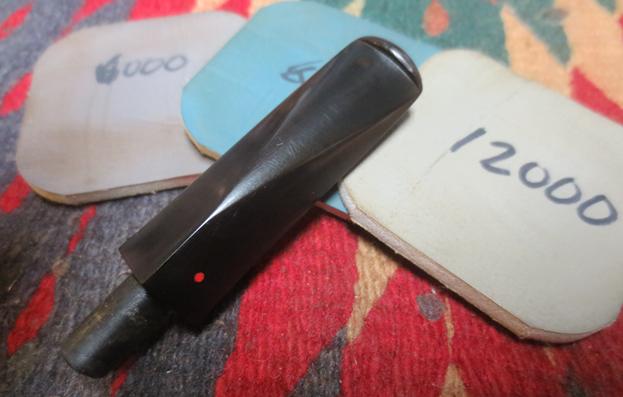
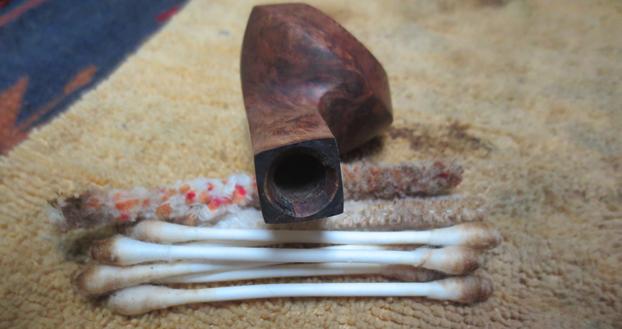
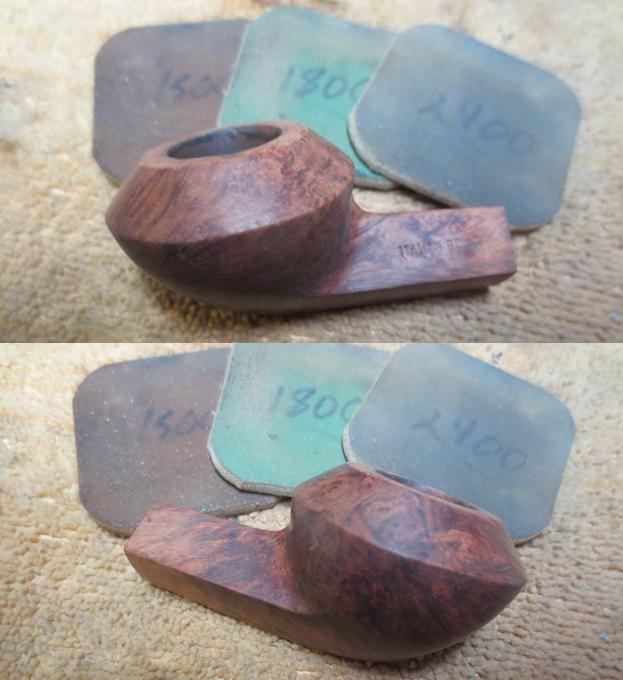
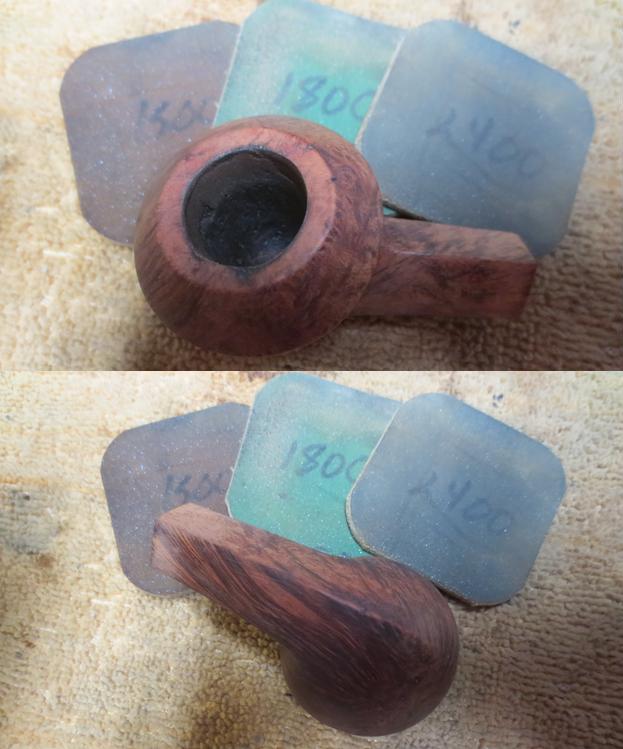
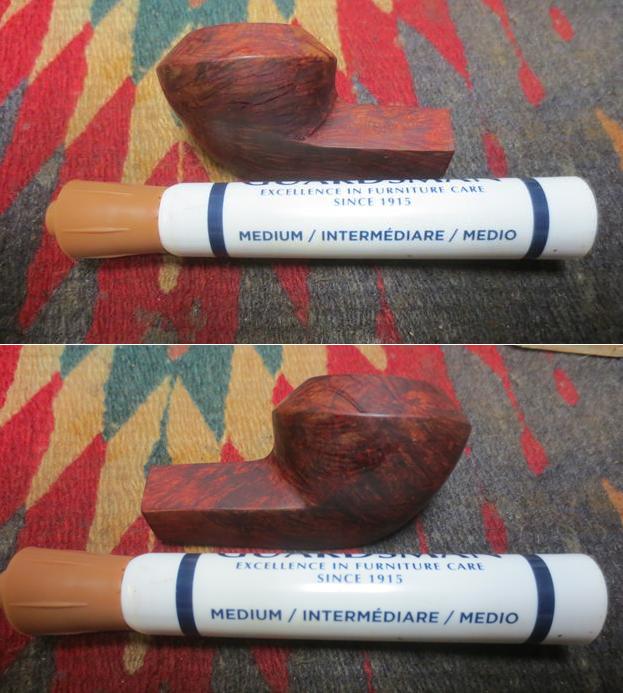
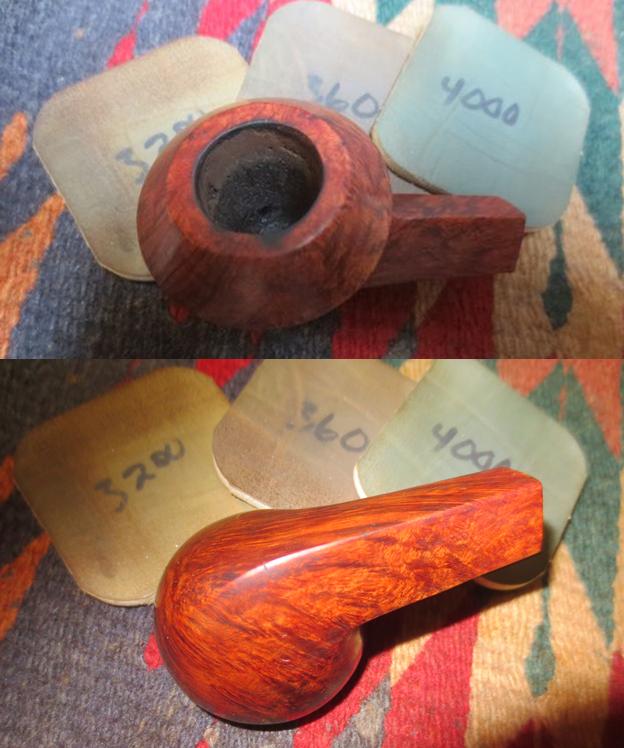
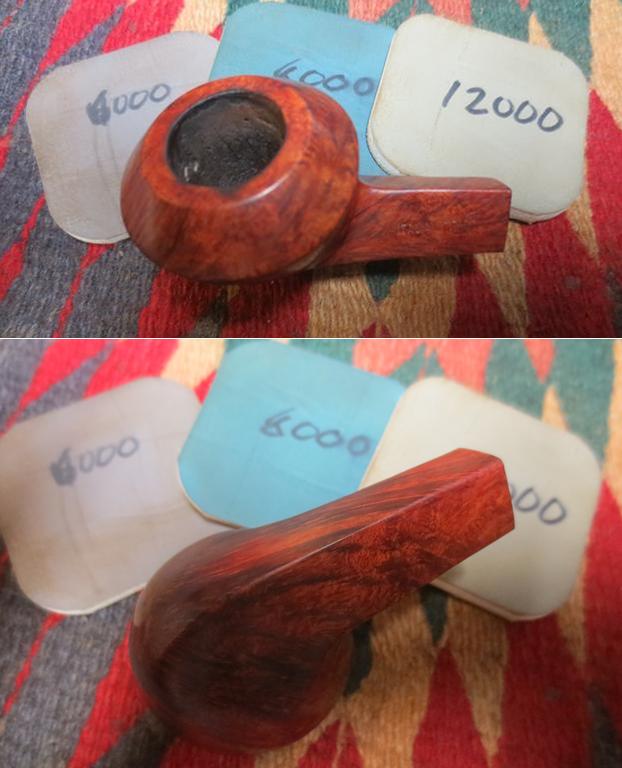
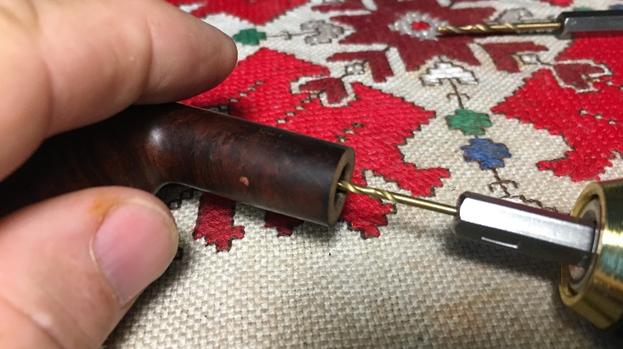
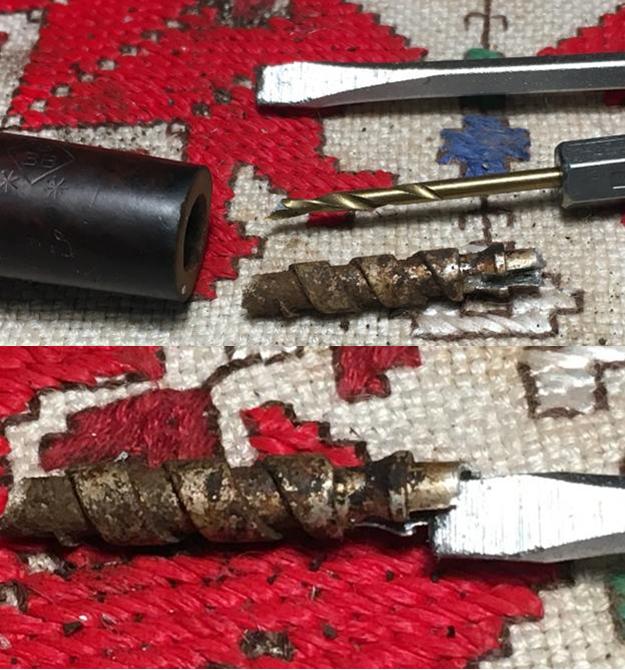
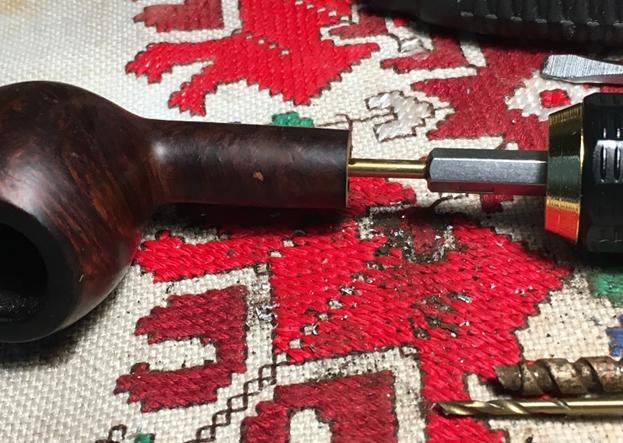
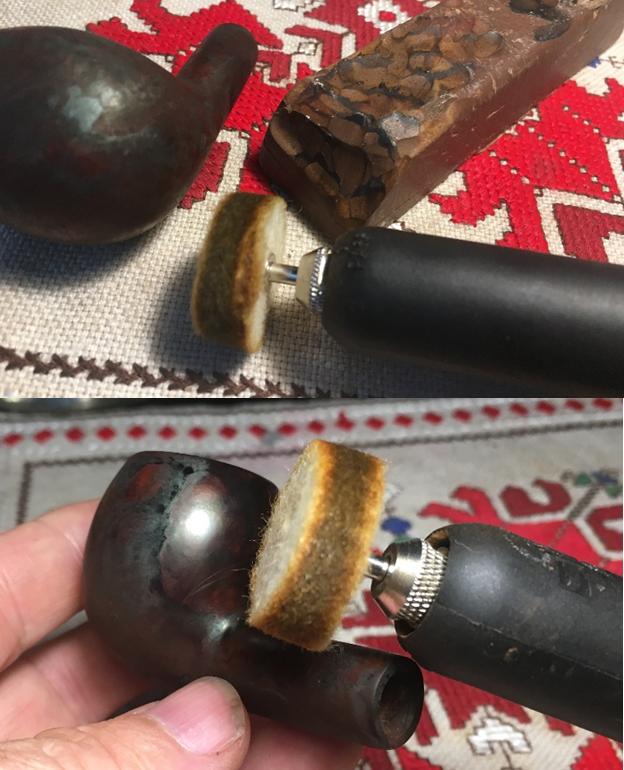
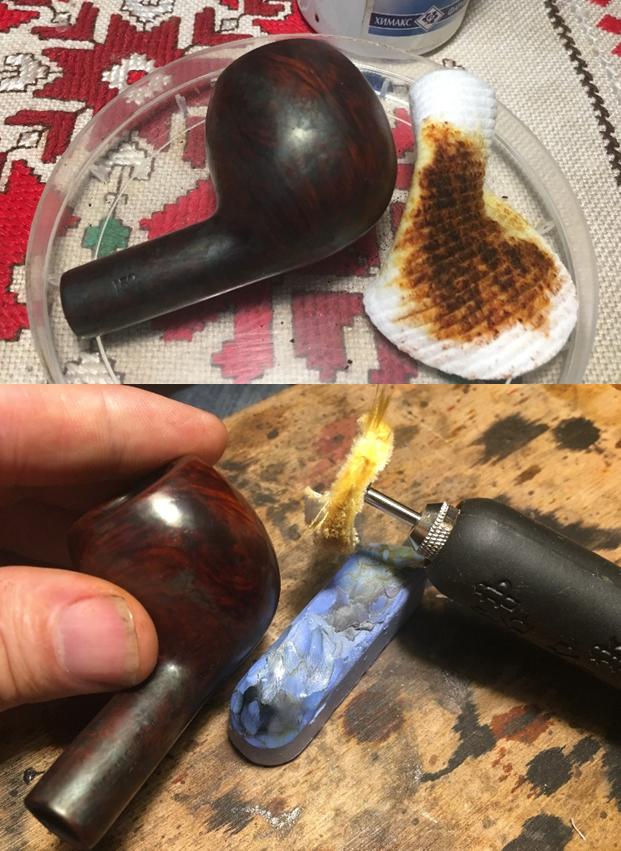
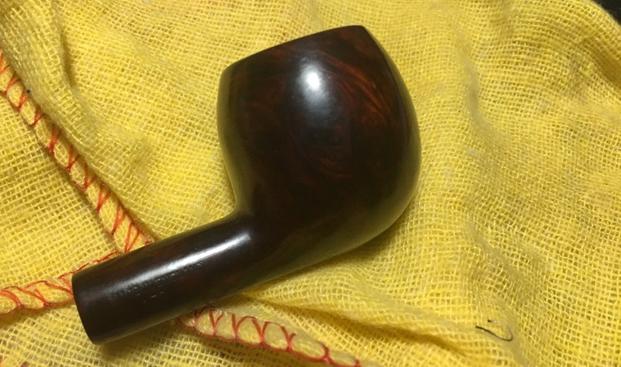
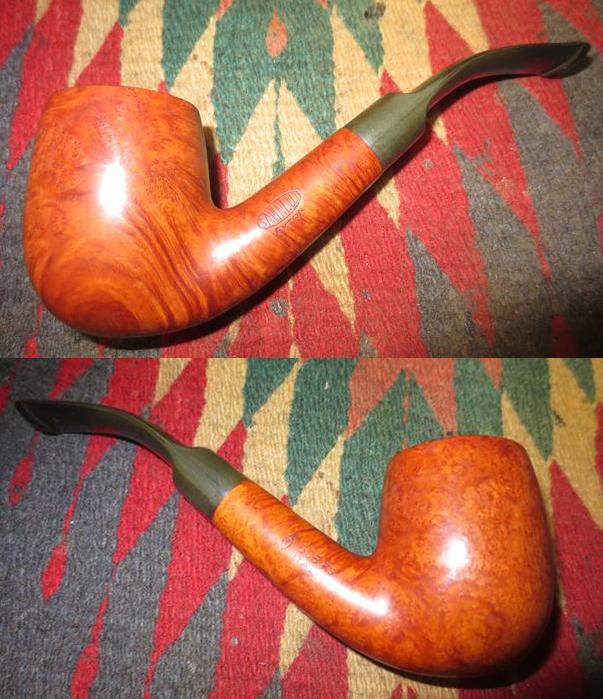
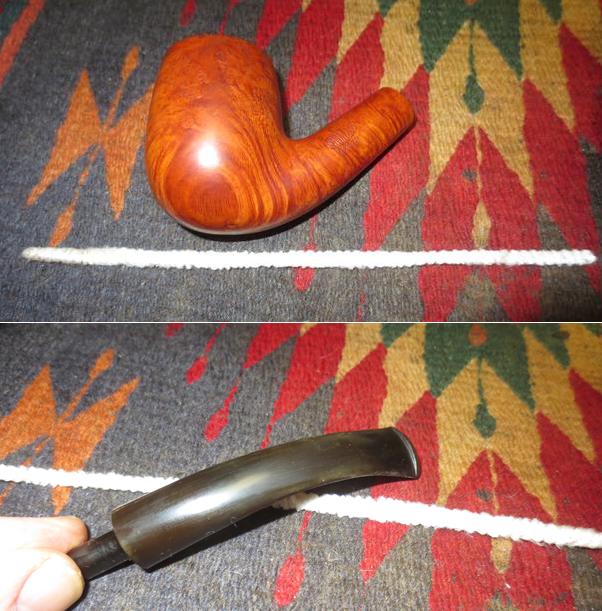
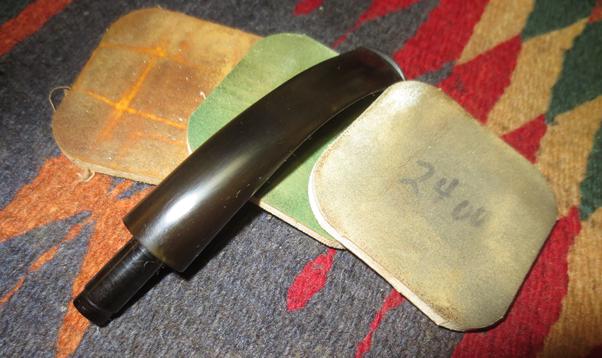
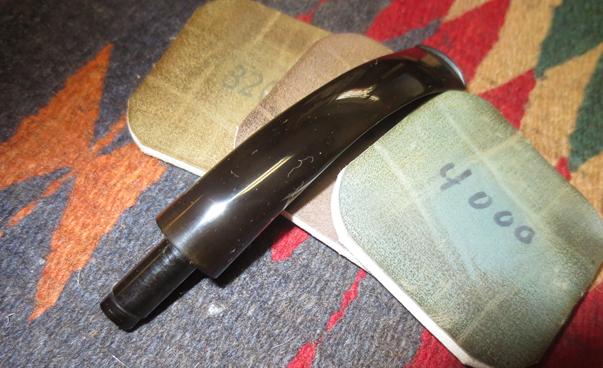
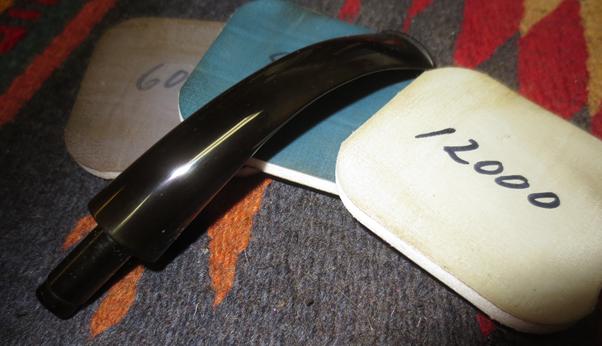
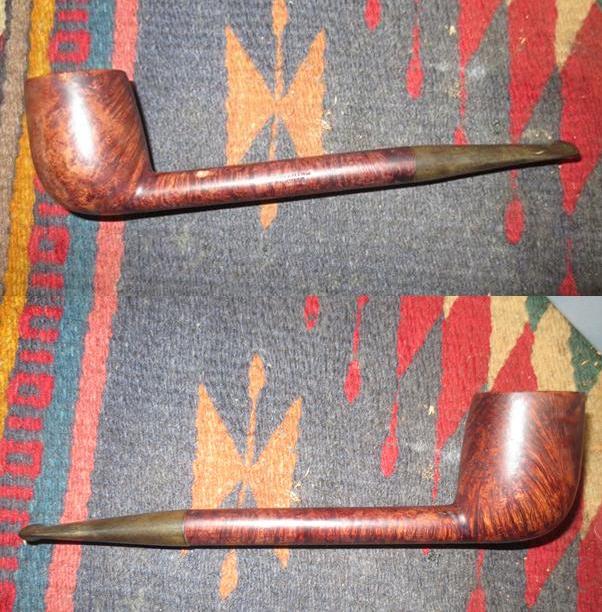
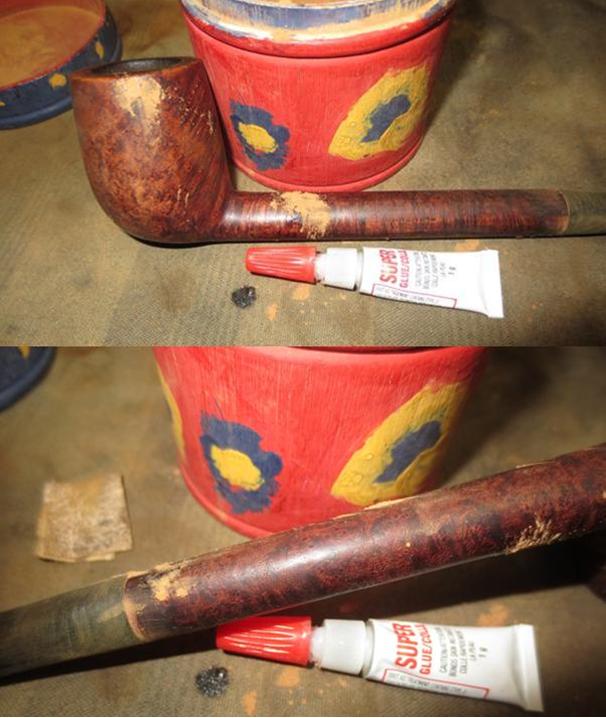
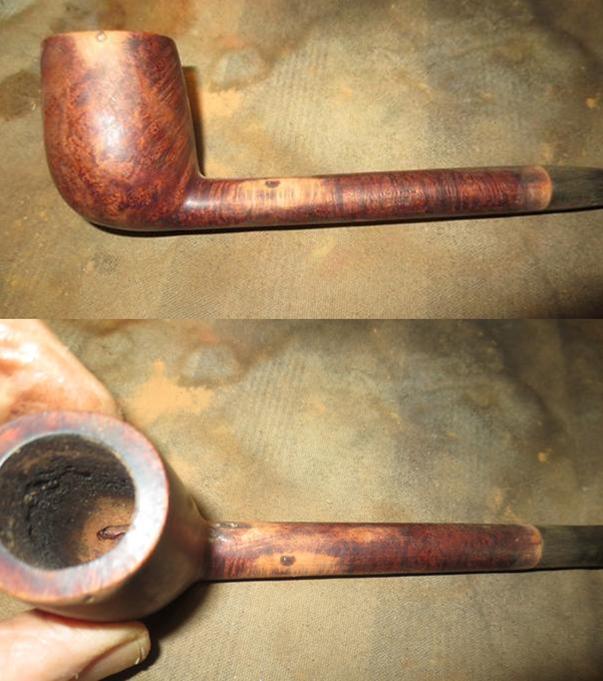
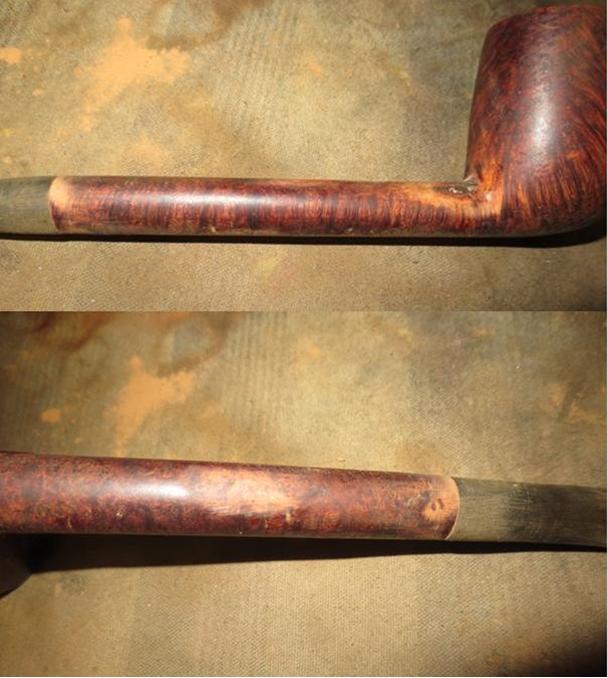
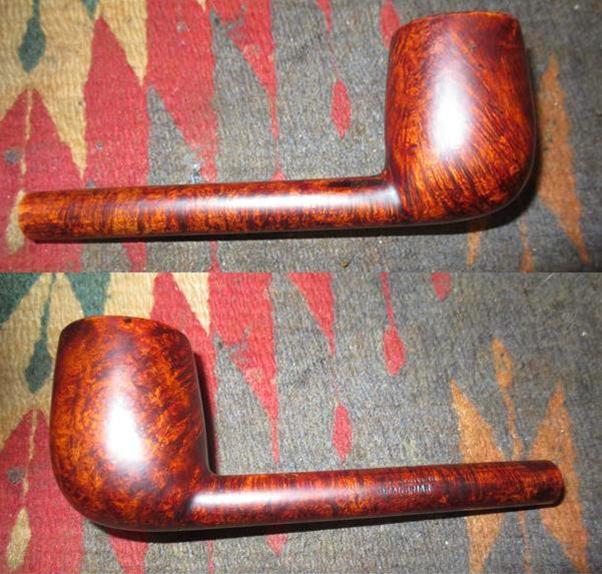
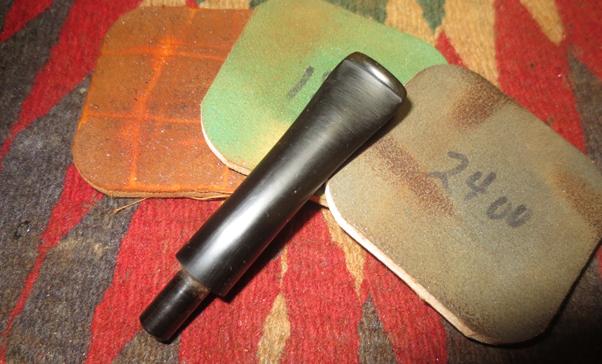
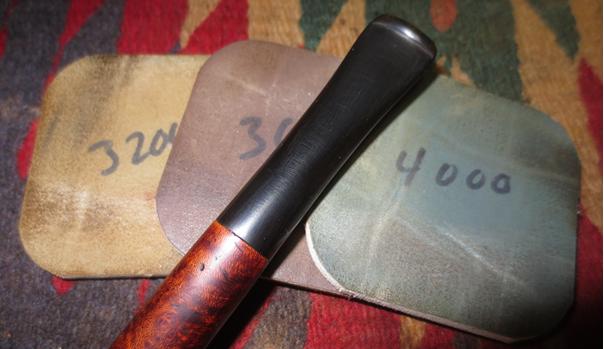
I put a drill bit in the chuck of my cordless drill and turned the bowl as the bit went into the airway on the broken tenon. I used one that was slightly larger than the airway and worked my way up to the one in the second photo. Some of the tenon crumbled away and the remainder stuck on the drill bit. I pulled it out of the shank and that part of the process was complete. The shank was clear. I used a Dremel and sanding drum to smooth out the broken edges of the tenon on the end of the stem. I smoothed it out until the broken tenon was smooth against the end of the stem. I put a drill bit in the chuck of my cordless drill and turned the stem onto the bit to open the airway for the new threaded Delrin tenon. I increased the size of the bit until it was the same size as the threaded tenon end. I cleaned up the newly drilled airway with a dental burr on the Dremel.I took the stem back to the work table and took pictures of the process of inserting the new tenon in the stem. The photos show the progress. I turned the tenon into the stem and put glue on the final few threads and use a pair of pliers to turn it into the stem until it was seated against the flush end. I put the stem in the shank and took some photos. The alignment is always a little off when the stem is first inserted. In this case the fit against the shank was perfect. The sides on the old stem and shank were just a little bit off. The left and top side aligned almost perfectly but the right and underside of the stem need some minor adjustments to fit properly. I sanded the stem/shank connection with 220 grit sandpaper to smooth out the transition and make it smooth to touch. I wiped the bowl down with acetone on a cotton pad to remove the remaining finish from the bowl. When I was finished I took photos of the fit and it was looking really good. I topped the bowl with 220 grit sandpaper on a topping board. I topped it until the surface was smooth and the damaged areas were removed. I used a folded piece of sandpaper to smooth out the inner edge of the bowl.I sanded the stem surface to remove the scratches and damage to the flat sides of the diamond and also the flat angle to the button. I wiped the stem down with alcohol on a cotton pad and removed the debris left behind by the sanding. I filled in the tooth marks with clear super glue and when the glue dried I sanded the repairs smooth with 220 grit sandpaper. I put some clear super glue on the tenon to build it up so that the fit in the shank would not be too loose. When the glue dried I sanded the surface of the tenon until it was smooth. I polished the stem with micromesh sanding pads – wet sanding it with 1500-2400 grit pads and dry sanding it with 3200-12000 grit pads. I rubbed the stem down with Obsidian Oil after each pad and after the final pad I gave it a final coat of oil. I set it aside to let it dry. I scraped out the inside of the mortise with a pen knife to remove the glue build up on the walls. I cleaned up the bevel with the blade of the knife at the same time to make sure that it did not interfere with the fit of the stem against the shank. I cleaned out the airway and mortise with pipe cleaners, cotton swabs and alcohol to remove the debris that remained once I pulled the old tenon. It took a few pipe cleaners and swabs but it did not take too long to clean it up. I polished the briar with micromesh sanding pads – wet sanding it with 1500-2400 grit sanding pads.  I worked around the stamping so I would not damage it in the process. I decided to stain the bowl with a medium brown stain pen rather than my regular aniline stain. I covered the sanded rim top, bowl sides and the shank with the stain. I continued to polish the bowl with micromesh sanding pads – dry sanding it with 3200-12000 grit sanding pads. I wiped it down after each pad with a damp cotton pad. The briar began to really shine as I worked through the micromesh sanding pads. I put the stem back on the bowl and buffed it with a carnauba wax buffing pad. I gave the stem and bowl multiple coats of wax. I buffed the completed pipe with a clean buffing pad to raise the shine. I hand buffed the pipe with a microfibre cloth to deepen the polish. The finished pipe is shown in the photos below. It turned out to be a pretty pipe. The black vulcanite stem with the red dot works well with the reddish colour of the briar. The grain stands out well with the colours of the stain. I like the look of finished pipe a lot. This one will probably stay in my own collection. Thanks for following along with me on this refurbishing journey.

Fanfare for the Everyman Pretender


Blog by Robert M. Boughton

Member, International Society of Codgers
Member, North American Society of Pipe Collectors
Member, Facebook Gentlemen’s Pipe Smoking Society
Website Roadrunner Restored Pipes
Blog RRP
Falderal About Me
Photos © the Author except as noted

From their inception, Kapp & Peterson’s goal was to make a good smoking pipe that the ordinary, common working man could afford and we believe they have, very admirably, lived up to this.
— From A Peterson Dating Guide: A Rule of Thumb, by Mike Leverette

INTRODUCTION

The restoration this blog recounts has nothing to do with Peterson’s pipes.  Still, the litany of near fabled proportions in pipe lore, that Charles Peterson and the Brothers Kapp, Friedrich and Heinrich, experienced a mutual epiphany of good will toward all, even the less fortunate commoners, still rings forth in perfect, ever-flowing three-part harmony.  The more probable truth, after all – that the good men of K&P had a capital brainstorm in the form of a simple but revolutionary merchandising notion to market early designs of Peterson’s System pipes starting sometime in the last quarter of the 19th century – lacks a certain universal, perpetual attraction, as it were.

Now, I should at least attempt mitigation of the foregoing critique I ’am sure will be perceived by some as an unwarranted attack on one of the last bastions of master pipe craftsmanship, as some readers may misinterpret the kind of remarks I’m prone to make after I’ve spent a good deal of time thinking a matter through.  No kind of disrespect on my part for Peterson of Dublin could be farther from the truth.  One fellow on the Smokers Forums UK who had never met me other than a few cursory cyber comments back and forth once made me the butt of a snarky but harmless jab after I posted a brief description of my restoration of a nice though common System Pipe that I decided to offer for sale given the number of finer samples in my collection.  So far, I’ve bought about 33 Petes I kept, not counting those I passed on to others with the gleam of love in their eyes I know so well.  As I recall the unhappy SF member’s words in typed reply, they were: “Wonders never cease!  I didn’t think I’d live to see the day you would say you could have enough Petersons!”  The member in question warmed up quite a bit after I began flooding his posts with compliments, and they were even genuine.

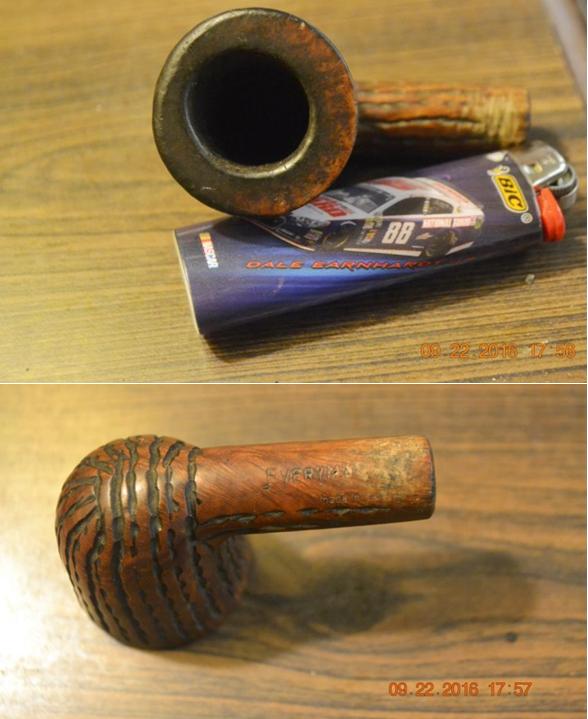
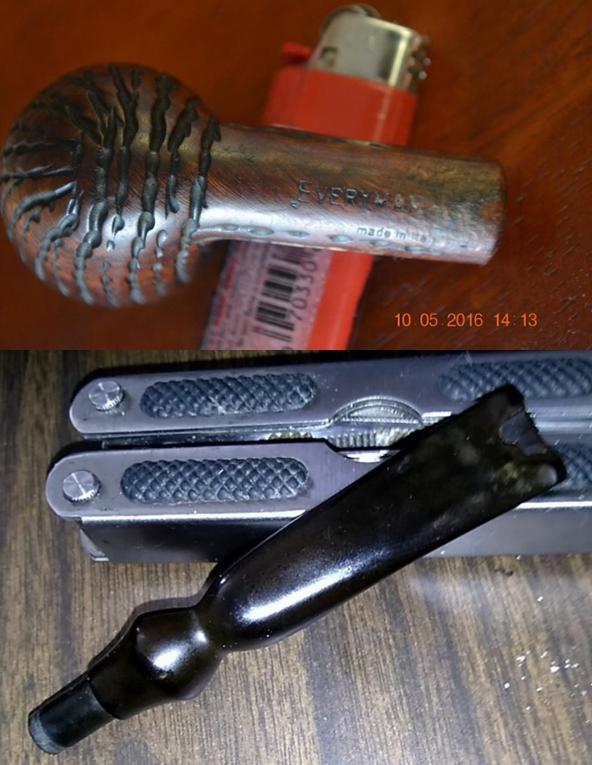
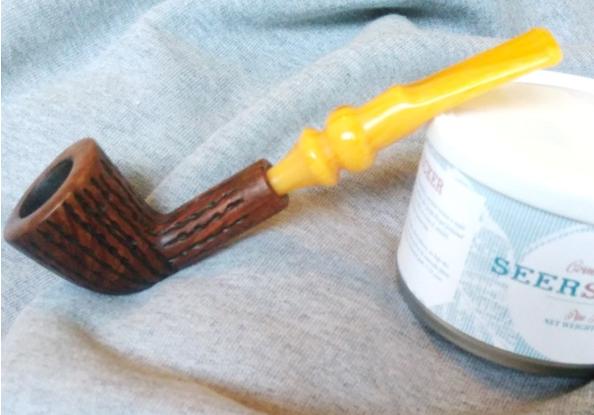
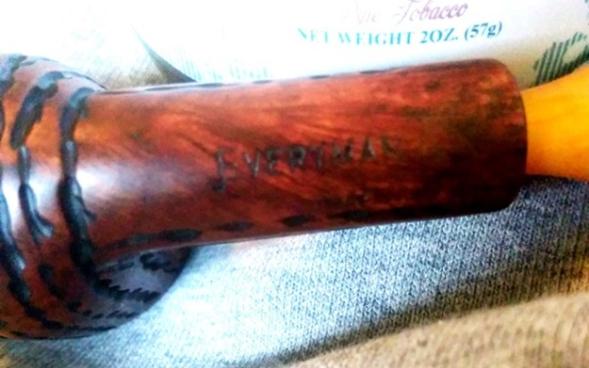
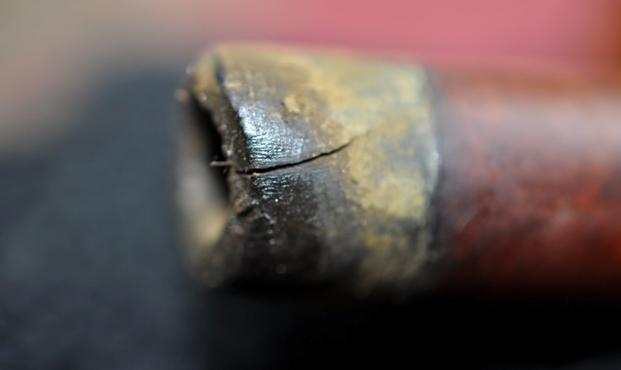
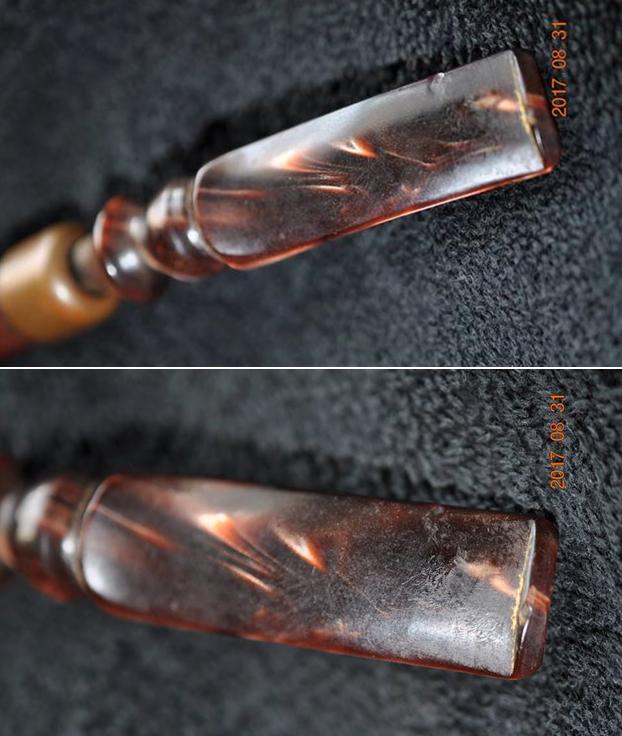
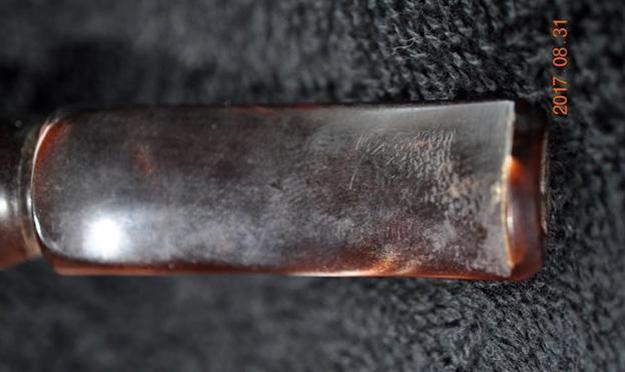
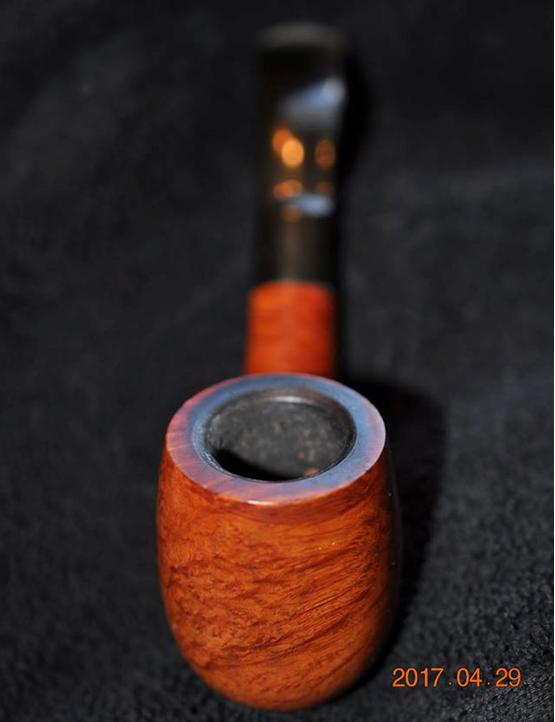
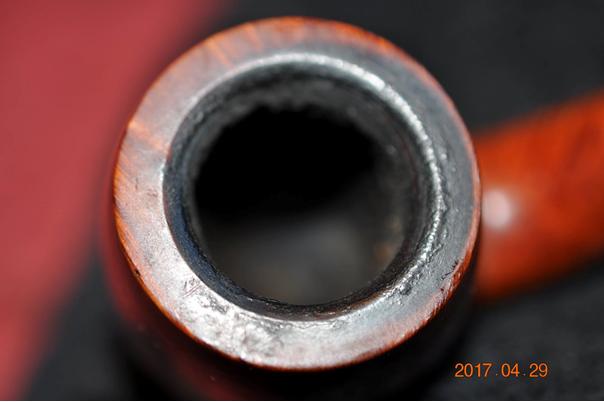
The real mystery of this blog is the single mark of nomenclature on the entire pipe, even counting the original black Vulcanite/Ebonite bit of the style called “fancy,” but which proved to be broken beyond my time and patience if not ability to repair.  Even the relative ease of the kind of work needed by the likes of Steve to mend a gap in the upper lip of the mouthpiece as gaping as that shown below requires, as our host notes in the blog cited under Sources, much practice.  Also – and this is an important factor, not an excuse – I intend to sell the pipe, not keep it for the shop, and at times have different standards for the two choices.See the date and time stamps?  I worked on the infernal bit from then until a couple of weeks ago before settling on the better part of valor.  As can be seen from the stummel, the pipe is called, with somewhat disingenuous simplicity and similarity to the well-known The Everyman London Pipe by Comoy’s of London (with all of that and more stamping packed onto even the sandblasted versions of the latter).  From the beginning, when I acquired the bedraggled waif in an estate lot at least two years ago and sat on it until late September last year, I had one of those uneasy feelings in my stomach at the mere idea of committing myself in print to the conclusion that it was in fact somehow part of the Comoy’s brood.
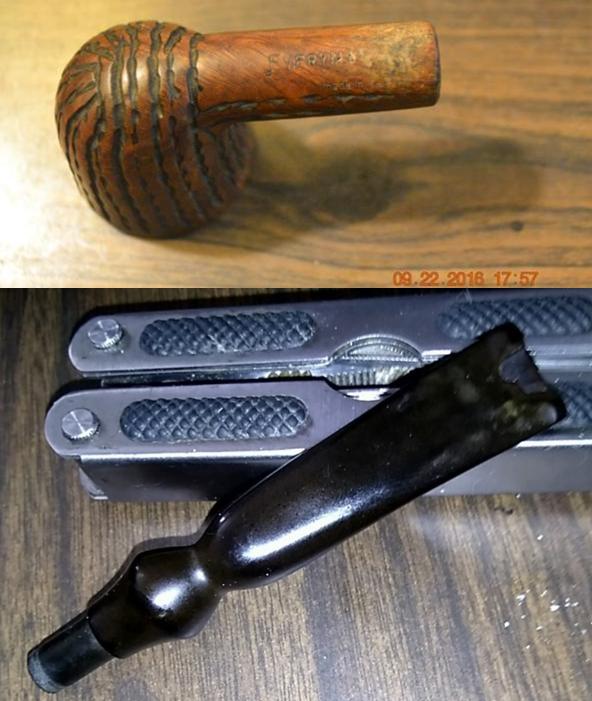

Before I snapped my habitual first seven shots of the pipe as it presented in O.R.  with more worthy candidates ahead of it in triage, I began my online search that only further clogged the veritable obstruction in my intestines.  Having made some genuinely heroic efforts on real Everyman and Guildhall London Pipes in my limited time learning this wonderful tradecraft, in the combined senses of the words as well as the more clandestine meaning of the singular, I knew just what to expect from Pipephil and Pipedia but visited both once again anyway.  Variations on this theme continued off and on during the interim period until a few days ago when I took the

Google approach of “I’m feeling lucky” and again entered the terms “Everyman Pipes.”  I swear I typed the same simplest of many search terms I had tried for two years, but this time, in one of those inexplicable flashes of serendipity, the top listing was for P&K Everyman Pipes at JR Cigar!

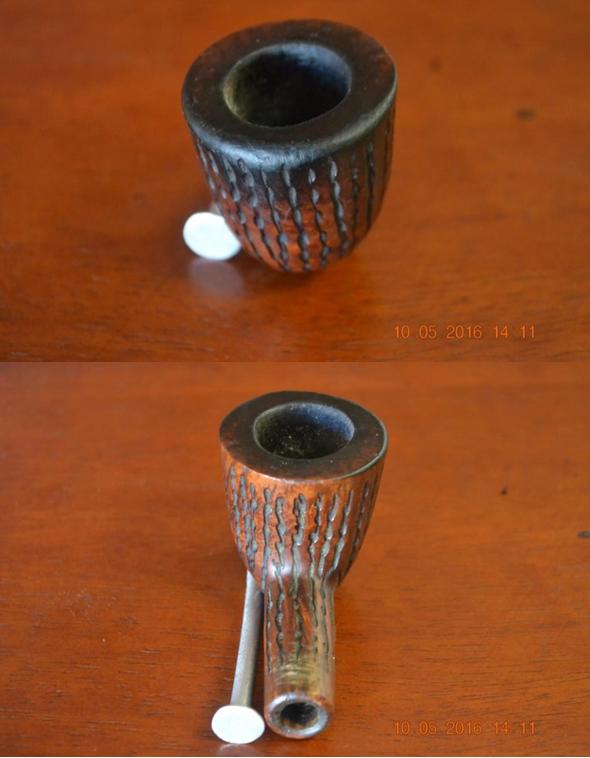
Growing breathless, I clicked on the link and saw, more or less, my pipe in two other shapes but with the same distinctive fancy bits and rugged vertical striations around the bowls, and both were straight.  One was a billiard, the other a pot, and both, marked down $10, were still, to me, listed at an outrageous $31.95.  Despite all that, I was quite pleased with myself to read the blurb at the top of the page:

“A true example of eye-catching yet economical handcrafted tobacco pipes, the P&K Everyman selection by the famed Comoy’s of London promises a premium pipe-smoking experience at prices that can’t be beat.”

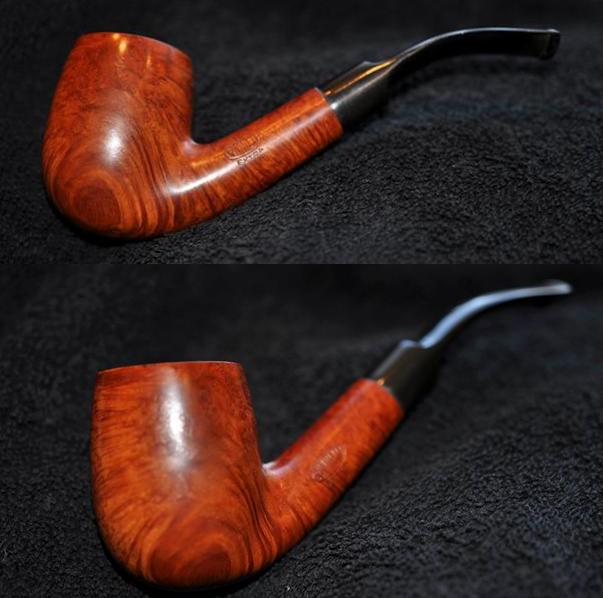
 I scanned further down the search result page, spotting a listing for the same pipe brand at Santa Clara Cigar, possessed of a remarkable resemblance to JR but with the Comoy’s blurb, ahem, omitted.  Nevertheless, at the fourth of five shapes down, there was my pipe, the P&K Straight Rustic #9, a Dublin.  Better later than never, the idea of looking up P&K Everyman pipe images occurred to me and at the top I saw the following, being the perfect factory image of my pipe.

OK, then.  As supremely pleased with myself as I was at this morsel of intel, even if some faiths that consider pride a sin could be right, I am not now nor have I ever been a member of the Nitwit Party, whose followers believe everything they read on the Internet or hear on TV is the truth.  There are many reasons for my worldview, not the least of which being my years as a newspaper journalist and photographer, as opposed to a photojournalist.  I sold my first news article when I was 15, and when I was 17 became credentialed by the Los Angeles County Sheriff’s Office as an official police and justice beat reporter for a community paper.  My publisher, editor and I tried the year before, and although there was no real age clause at the time (1978), the powers-that-were in the L.A.S.O. were too – well – pig-headed to relent until I gave everyone in the issuing bureau a major headache re-applying on the first of every month.

I try, no joke, not to pester Steve with questions to which I can find or – OMG! – figure out on my own using the brain that was between my ears at birth and, operating best on the right side of it, form a working plan to press on.  One of my best qualities is the willingness to admit at once when I am wrong, which in fact is a very good thing because I have had much more experience with that than, say, repairing bits with outlandish holes gnawed through them by people with Intermittent Explosive Disorder or tardive dyskinesia.  And no, I’m not making fun of people with disabilities, in particular schizophrenics, who seem to have been drawn to me all of my life, other than most of those in my family for some reason.  It’s sort of Cole Seer’s dramatic need in The Sixth Sense, having to be like a shrink to dead people. At any rate, Steve is one of the busiest, most productive persons I know, traveling the world almost non-stop, it seems at times,  doing good works while never letting on that his constant other full-time “job” writing and publishing mostly his own pipe restoration adventures and posting those of other contributors online.  All of this last part is by way of a drum roll of sorts.

You see, had I not called and left a brief message on Steve’s phone before emailing him more than the full details, as par for the course, I never would have received back the following concise words of wisdom as to the possibilities of who really made the Everyman Rustic Dublin on which I’m so very close now to describing all of the work I did!  Yes, I am!  Steve’s reply, in pertinent part, read:

I got your message when I got home late last evening and then read the email this morning.  I have not heard of the P&K brand and Everyman pipe does not at all look English to me. I am wondering if it could  possibly be from one of two original makers.

1. Alpha pipes Israel made for the cigar shop – the finish, style of the bowl and the stem make it look very much like many Alpha Israel pipes ) pre-Grabow ownership.

2. Lorenzo pipes Italy as they made many basket pipes for different shops.

That is as much as I would hazard to guess.

If I’ve ever needed Steve’s direction in research for a restore, this was it!  There is no way I would have reached those conclusions with such apparent ease and speed, in fact not ever, no how, no way, because I just don’t have his experience.  I mean, if there were a way I could get him to donate me a spare kidney or maybe his spleen so I could, like, grow all of his knowledge, why, I’d lie down on the table and do it in a heartbeat.  For now I guess I just need to get busy buying up and devouring and going back to again and again all of the great reference books out there, such as Who Made That Pipe?  The bottom line here is that Steve’s tip came back so fast my head spun like Linda Blair’s in The Exorcist, not to overdo the whole movie thing.

All I had to do was figure out how to look up the Lorenzo and Alpha possibilities, which I knew I could manage, and I did a few minutes after reading Steve’s email.  The funniest place the Lorenzo idea led me was to some images of my own restoration of a gigantic Spitfire by Lorenzo Mille I restored and blogged just before Hallowe’en 2014.  The money card turned out to be with the pre-DrG Alphas made in Israel.  I found the following oddly familiar-appearing Burl Briar Freehand Pipes on eBay, complete with the same fancy bits curved just so.
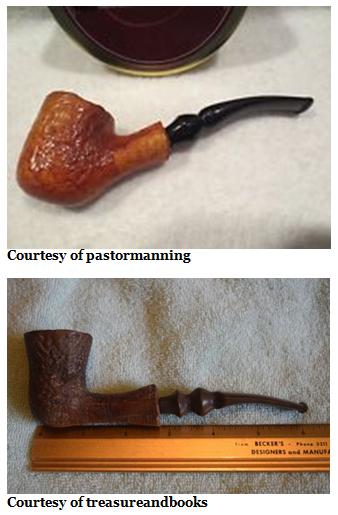
Case closed.

RESTORATION
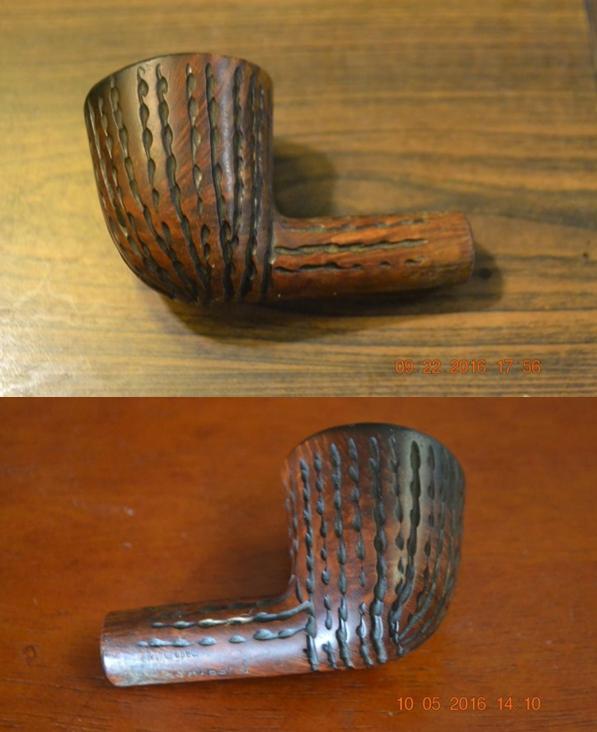
The bit aside, the only real problem with the pipe, and it was a real problem to be sure, was the rim.  Char and even the worst blistering from a close call with full-blown combustion, which so far I’ve had the opportunity to witness only with homemade corncobs, have often occasioned rise to heated anger but never cold feet.  (I – tender my apologies for all three puns.)  My mother for many years rose in the nursing world and enriched my vocabulary with terms the likes of crispy critter, with all of their brio, and sometimes spread cat cadavers across the dining room table, both extenders in place, on a single large thermo scientific wrap-around cover.  Thus I looked at the “easy” heat damage and the acute and problematic jagged rim edge and unequal width of the bowl’s peak with a logical, methodical approach that began to form.

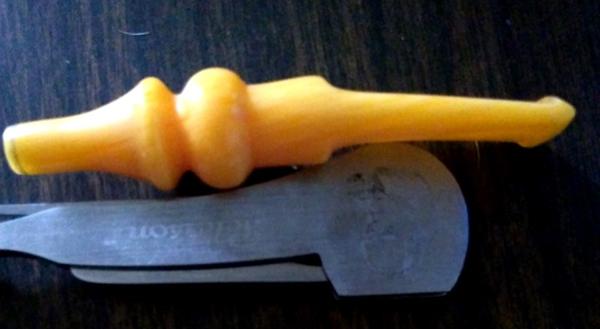
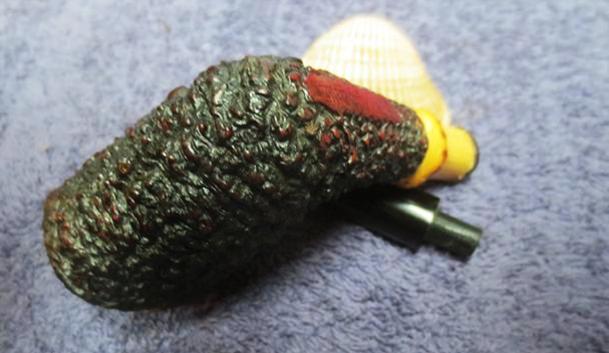
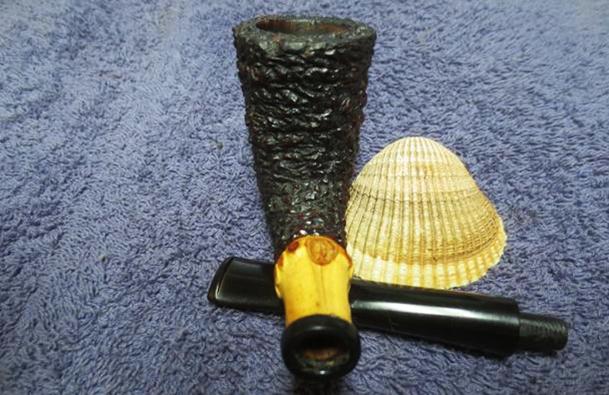
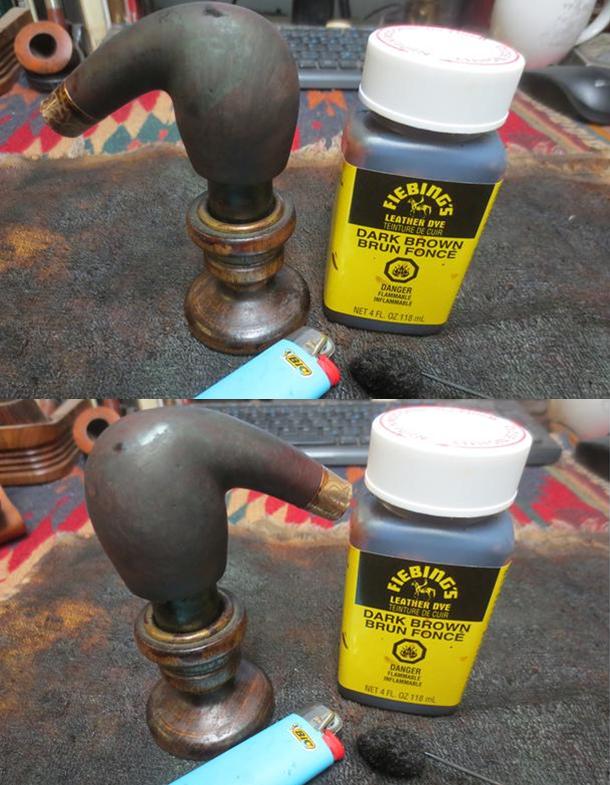
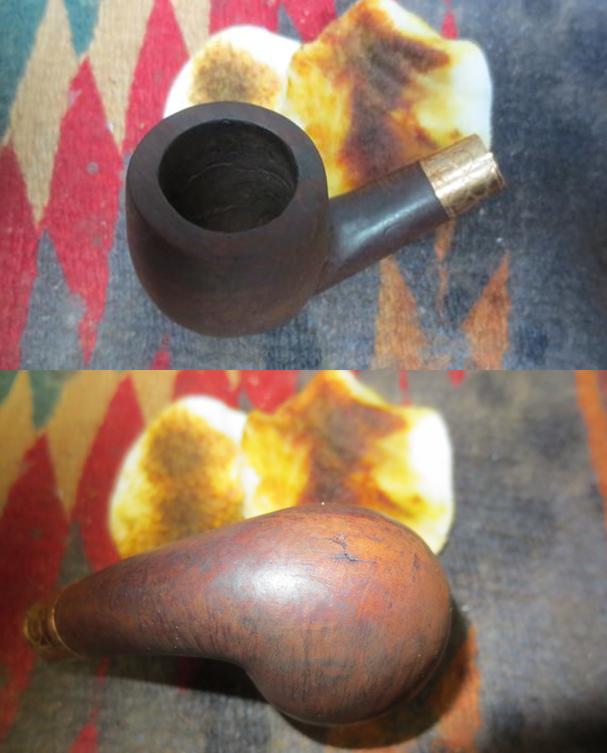
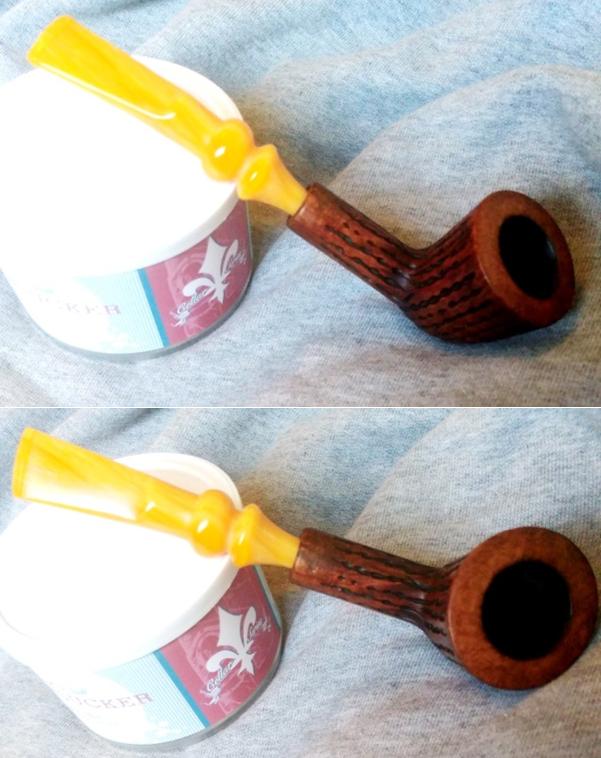
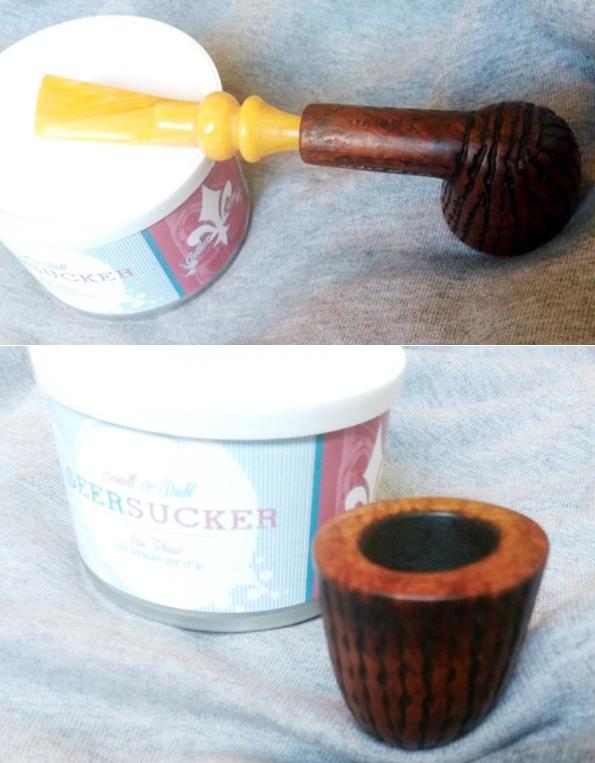
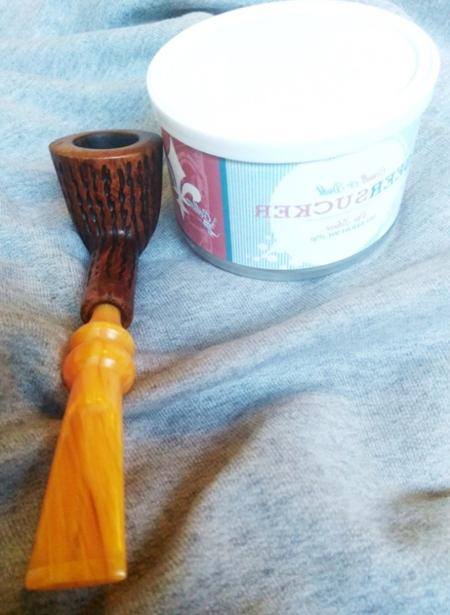
I expect to blog my restores with the methods fresh in my mind.  There are even some of the jobs I hold special from the past few years that I’m sure I’ll never forget a single detail.  Not to suggest this was common or insignificant, but after nine months I can’t remember the specifics of how I accomplished the result of the first shot below.  The chamber had to be reamed, and when I do that I always follow up with 150-, 220- and 320-grit paper, so that’s a given.  I’m guessing I started with micro mesh on the rim just for the sake of trying and found it ineffective.  Then I would have turned to sandpaper and chosen 220 with the same rationale as the micro mesh but opted for 180 with the usual progression up to 400 before starting in on micro mesh and stopping when I realized I would have to solve the other obvious problems with more drastic steps.  Here are the results I just described, and after the drastic measure of a file.Healing the wounds of a procedure I consider radical enough that I have only used it less than the number of fingers I have on a hand (or, rather, considering the thumb is not technically a finger, the same number), in fact is not all that difficult in most cases, and seeing the result of the steps is always a great pleasure.  I used 180-, 220-, 320- and 400-grit paper, and then 1500-12000 micromesh on the rim.Then, I began the rest of the outer stummel.  Starting with super fine “0000” steel wool to lighten the color of the wood and easily get between the grooves, I switched to the full micro mesh.It was time for the retort.  As always, I was glad I did it, because this little stummel was filthy!  I have done as many as six retorts on a single pipe, and this one “only” needed three, all of them clearer.  I had no bit to connect to the shank and therefore had to stretch the rubber connector over the opening.  I show only the first round below.  I also followed the final retort with three cleaners dipped in alcohol alternated with three dry, all of which came out clean.Applying alcohol-based leather stain and flaming it is always fun, and I used Fiebings Medium Brown on all but the rim to leave a definite two-tone.  When it cooled, I wiped away the char and a little extra darkness with 8000 micro mesh. I hand-rubbed a sparing amount of Halcyon II Wax into the wood and crevices of the rusticated pipe for which it is made, not to be frugal but because a little goes a long way.  In most cases, I let it dry or set or whatever as much as it can, in general 20 minutes or so but sometimes a considerable time longer, and wiped the excess off with a soft cotton rag while rubbing more into the pores of the wood.  Other times, I let the setting process go on for a considerable time longer, but not often.  I was then almost finished with the long project and was more than prepared to accomplish the final main task,  filled with joy to tackle (thinking of football) the key part of the  experience: fitting one of two fancy Lucite stems, an orange and a yellow, that arrived in the mail – eight months after I finished the stummel.  In case anyone wondered at my persnickety comments regarding the amount of time I spent on a certain bit of work trying to repair a part of the original Everyman that I will now leave unnamed, in my own way, that’s why.
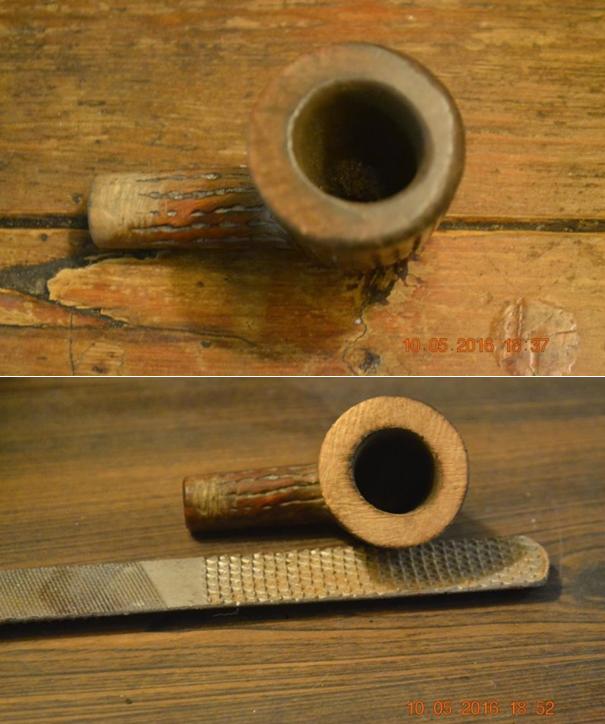
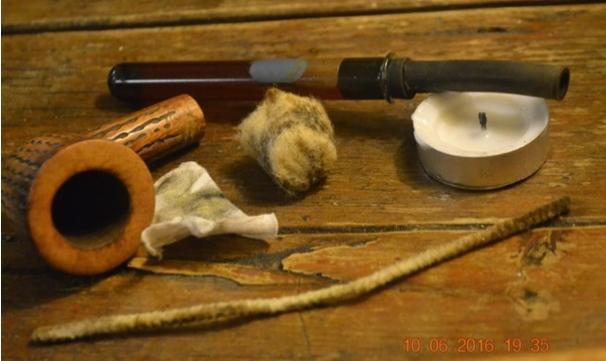
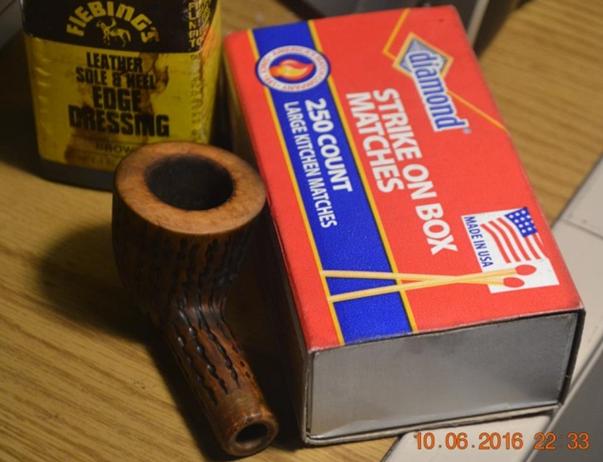
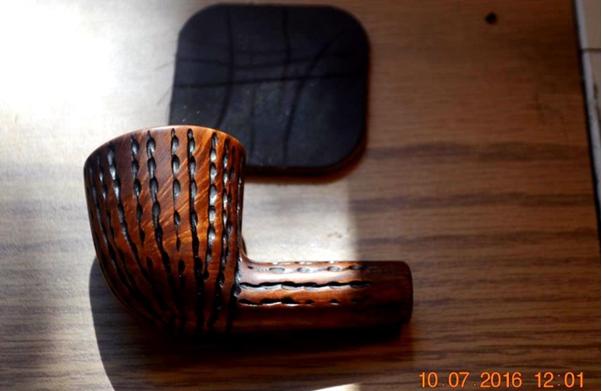
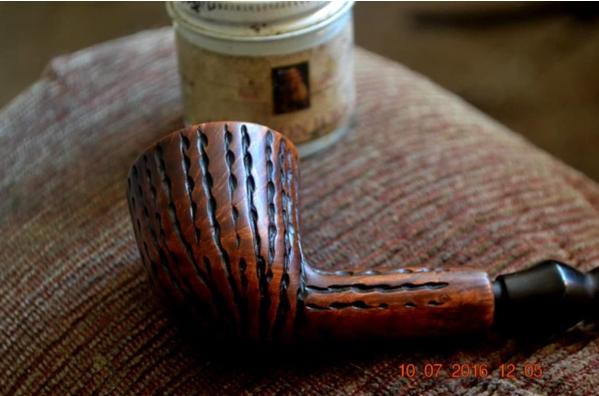
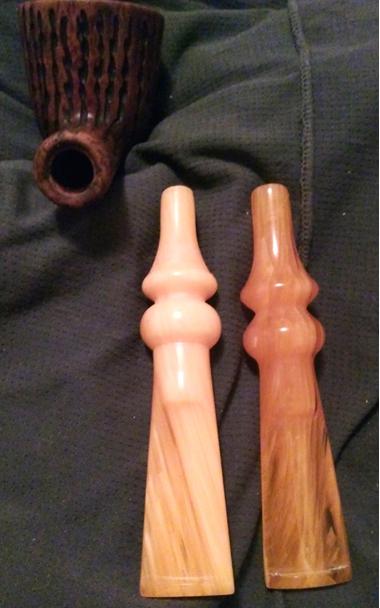
I went with the golden bit to the right.  As a point of interest, the popular online site where I bought a total of three bits in one order listed these two as gold, but the system is a touch odd, to me at least, and also the viewing system for the product you in fact get wasn’t working that day for all items, including the yellow bit.  But I can use it, and it was inexpensive!  Having none of the finer and more expensive equipment for tenon cutting, I hand-sanded the shank insert end down to where it had a nice, tentative fit for the time being.  That task took another day.  Making use /of another of Steve’s blogs, on bending stems, I chose the oven method because it had worked so well on several occasions in the past with Vulcanite.  BTW, I doubt the Lucite was the problem.  I always take a look in the mirror before pointing a finger lest I see three others pointed right back at me.  I say, go figure!  After that mishap, I switched to the boiling water method that worked better but I’m sure was spoiled by already having baked the bit. I repeated the boiling method and achieved the desired bend.  Halcyon II was is meant to be used in place of regular buffing wheel waxes and compounds, but I wanted a slightly brighter finish, and so I ended with spins of Red Tripoli and carnauba.
CONCLUSION

Even regardless of its look, and by that I mean nothing rude, the likelihood of this pipe being of British make – lacking any indication of such origin, whether the city or country of manufacture, a line name, or the often top secret coded markings of which our friends across the Pond are so fond – is so paltry as to end any further debate lacking official admissible documentary evidence.  WikiLeaks might suffice, in particular if the disseminator were to flee his country or be arrested or renditioned or still more conclusively, become the subject of cover page stories of the world’s tabloid toilet wipes.  On the other hand, and here I am not being facetious, if my already stated conclusion that the simple but honorable Everyman is a blast from the past of the pre-Dr. Grabow Alpha days of Israel, made by the Shalom Pipe Factory, and I am in fact wrong, I would as always appreciate input from any authorities or scholars among us.

SOURCES

https://www.jrcigars.com/brand/pipes-accessories/p-k-everyman-pipes

https://www.santaclaracigars.com/brand/pipes-accessories/p-k-everyman-pipes

https://rebornpipes.com/2015/07/18/bringing-new-life-to-a-gift-pipe-a-gasparini-mgm-elegante-brandy/comment-page-1/#comment-21243

https://pipedia.org/wiki/Stanwell_Shape_Numbers_and_Designers

http://www.ebay.com/itm/ALPHA-Burl-Briar-Freehand-Estate-Tobacco-Pipe-Made-In-Israel/332252221412?_trksid=p2047675.c100011.m1850&_trkparms=aid%3D222007%26algo%3DSIC.MBE%26ao%3D1%26asc%3D41376%26meid%3D0c2217f15e5f4850ad0061cb84cc5850%26pid%3D100011%26rk%3D1%26rkt%3D12%26sd%3D121269666970

http://www.ebay.com/itm/Vintage-Shalom-Select-Imported-Tobacco-Pipe-Vintage-smoking/322513288986?_trksid=p2047675.c100011.m1850&_trkparms=aid%3D222007%26algo%3DSIC.MBE%26ao%3D1%26asc%3D41376%26meid%3D0c2217f15e5f4850ad0061cb84cc5850%26pid%3D100011%26rk%3D5%26rkt%3D12%26sd%3D121269666970\

https://rebornpipes.com/2012/07/15/bending-vulcanite-stems/


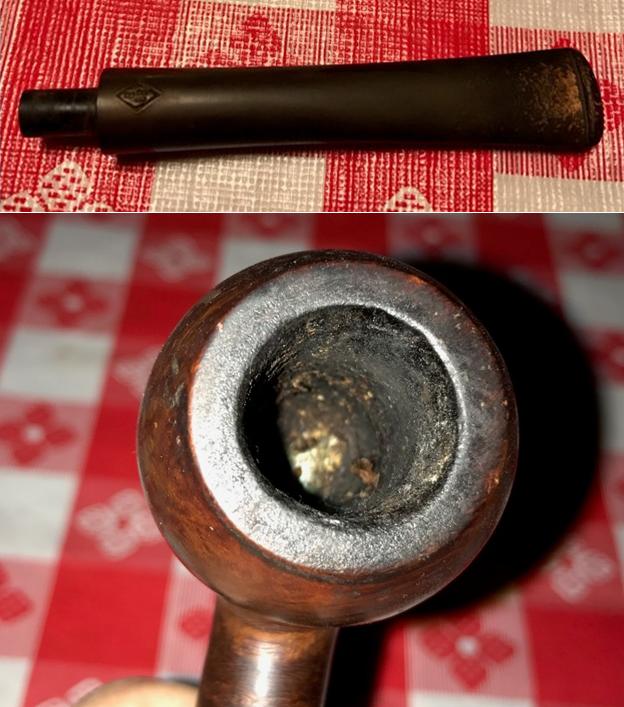
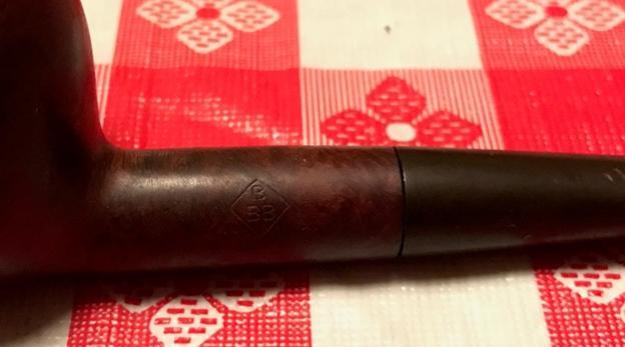
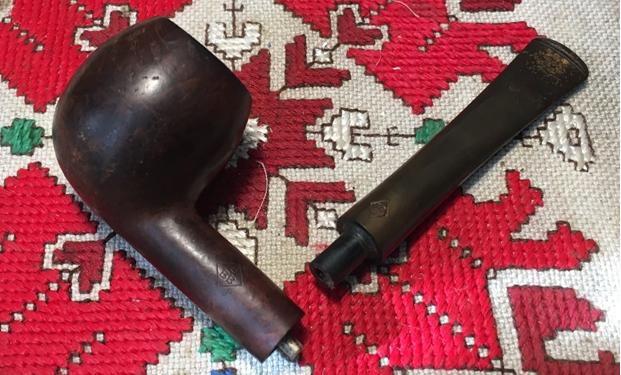
A difficult trust: Gift of a Grandfather – A BBB Double Star Made in England


Blog by Dal Stanton

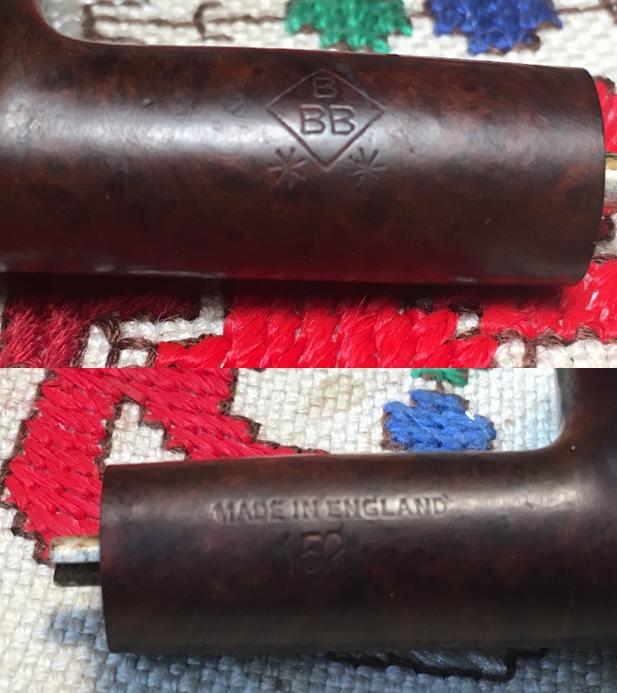
When I study the venerable pipe on my work table, it is not a glamorous display of briar and silver bands.  Some might call it a basket pipe.  The two stars imprinted on the shank were an indication of a working man’s pipe – not high quality, but among those pipes accessible to normal, if not common, people who work, live, love and as is the case with us all, die.  This unremarkable Apple shaped, BBB [diamond over] Double Star, MADE IN ENGLAND [over] 152, is remarkable because of the story it represents.   I enjoy restoring ‘estate’ pipes because they were left to others and these pipes carry with them stories and memories of loved ones who once befriended and valued them.  Greg heard from my son, Josiah, who are college buddies, that Josiah’s old man (my words not theirs!) restored ‘old’ pipes.   This ‘old’ pipe came to Greg from his grandfather through his mother.  Josiah’s email came to me asking what I could do with these pictures from Greg. My understanding is that Greg was a bit reluctant at first to send his pipe off to Bulgaria to be restored, but after Josiah directed him to some of the restorations I’ve done, he felt he could trust me with the heirloom that had come to him.  Knowing that this pipe was from his grandfather I asked that Greg send me information about his grandfather so that I not only could place the pipe better in history, but Greg’s grandfather as well.  This is the letter he sent me:

Hi Mr. Stanton,

Thank you so much for agreeing to restore my grandfather’s pipe. I am sorry for the delay in getting you the below information, but it’s been a crazy couple of weeks.

My mother inherited the pipe from my grandfather when he passed away in 1998. I saw it in the china cabinet one day and asked her if I could have it, since I had taken up pipe smoking. She kindly agreed. She doesn’t really know when my grandfather got the pipe, but she said he must have bought it in Hong Kong.

My grandfather was from Hong Kong, and only emigrated to the United States in the 1980s. He was a malaria inspector for the Hong Kong government for his entire working career. He must have gotten the pipe at the latest in the late 1940s or early 1950s, as my mother remembers him having it when she was a child. He never smoked the pipe when I knew him, but from its condition, I assume it was well used at an earlier period in his life.

Having graduated from the University of Georgia Law School in Athens, Georgia, passed his bars and currently serves as a law clerk to a federal magistrate judge in Augusta, Georgia, AND as a young married man, I can understand why Greg “took up” smoking pipes!  Pipes are wonderful companions for blooming attorneys!  His letter concluded with an agreement to the cost of the restoration would benefit our work with the Daughters of Bulgaria!  Thank you, Greg!

The information Greg received from his mother was invaluable for placing this BBB in time and space.  Pipedia’s article about BBB is helpful.  BBB in the mid-1800s originally stood for “Blumfeld’s Best Briars”, but after the death of Blumfeld, the Adolph Frankau Company took over the company and BBB gradually became “Britain’s Best Briars”.

The “BBB Two Star” rating also is referenced in the same article in a discussion of quality descriptors for BBB pipes:

In the Thirties, the top-of-the-range one becomes “BBB Best Make” with alternatives like “Super Stopping” and “Ultonia Thule”. The BBB Carlton, sold with the detail with 8/6 in 1938, is equipped with a system complicated out of metal, system which equipped the BBB London Dry too. Blue Peter was not estampillées BBB but BBB Ultonia, and the BBB Two Star (* *) become the bottom-of-the-range one. 

When Greg’s pipe arrived in Bulgaria, thanks to a visitor’s willingness to carry it across the Atlantic and European continent, I unwrapped it and put it on my work desk and took these pictures to fill in the gaps. At PipePhil.eu an example of the BBB Two Star marking is pictured along with the stinger/tube style extending into the chamber as Greg’s grandfather’s BBB does ( as seen above).In Pipes Magazine, I found a thread discussing the dating of the BBB Two Star.  One threader’s opinion, ‘jguss’ corroborates Greg’s mother’s recollections:

My guess is that the Two Star line started at the end of WWII; the first mention I’ve found so far is dated 1945, which at least gives a tpq (that is, an approximate dating). I know the line lasted at least into the early sixties.

It is not too difficult to speculate about the provenance of Greg’s pipe.  During WW2, briar became a scarce commodity throughout Europe and pipe manufacturing companies made do with what they could acquire.  Two Star BBBs would be lower end but more than likely during this time, a very close second when rations were short.  Added to this backdrop is the origin of our story in Hong Kong.  Hong Kong, a British holding since 1841 (see LINK), lost control of Hong Kong during WW2 to Japan in 1941 during the Battle of Hong Kong.  Undoubtedly, Greg’s grandfather would have experienced this first hand.  When Japan unconditionally surrendered in 1945, the British regained control of Hong Kong, but to counter Chinese pressures to control Hong Kong, reforms were introduced that broadened and increased the stake of local inhabitants of Hong Kong:

Sir Mark Young, upon his return as Governor in early May 1946, pursued political reform known as the “Young Plan“, believing that, to counter the Chinese government’s determination to recover Hong Kong, it was necessary to give local inhabitants a greater stake in the territory by widening the political franchise to include them.[19] (Link)

During the years following the Second World War, the same article describes unprecedented economic development which resulted in the economic powerhouse that Hong Kong became.  This period would have been while Greg’s grandfather was working as a malaria inspector for the government of Hong Kong and during which he acquired this BBB Two Star.  The smaller Apple shape would have served him well as he performed his inspection duties but given the ‘stem forensics’ pictured above, he probably chewed on it a bit as well while he worked!

With a greater sense of the story that this BBB Two Star tells, from England, to Hong Kong, to America, and now to Bulgaria, I’m anxious to restore this precious family gift from Greg’s grandfather.  At Greg’s request, he’s hoping for a pipe that is as good as new and ready for a new lifetime of service.  Yet, with all restorations, undoubtedly there will be some marks and blemishes remaining – these an ongoing testament to the memory of those who those who went before.

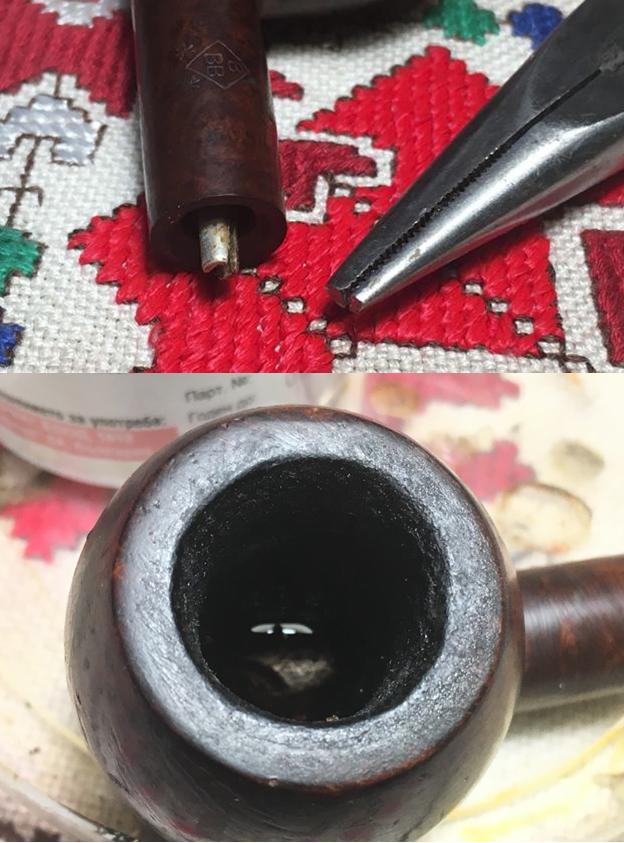
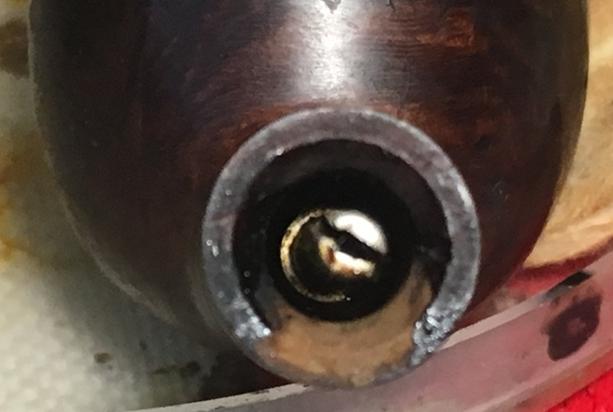
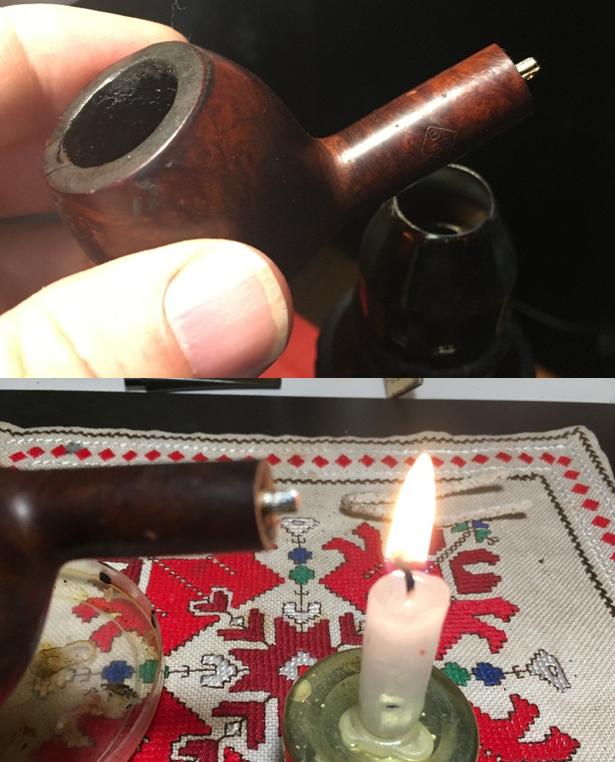
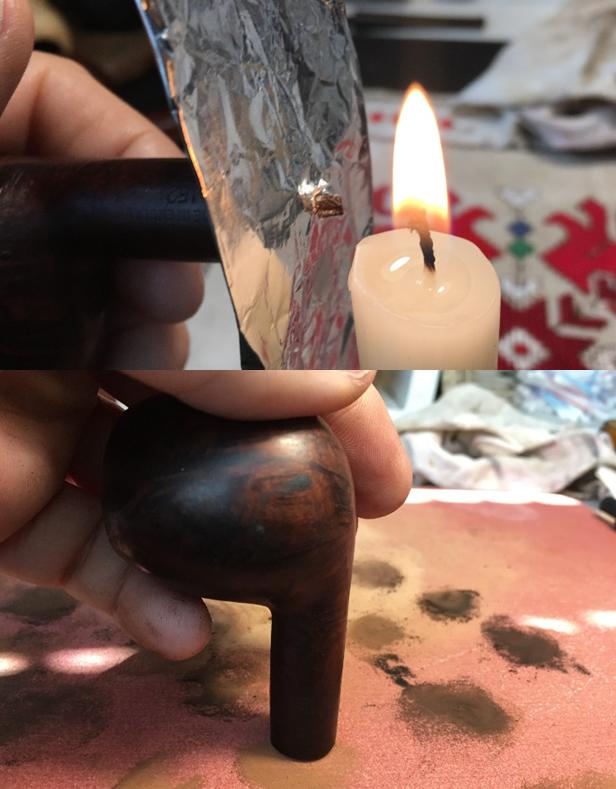
The first order of approach is with the stinger.  When the pipe arrived, the stinger was already separated from the stem.  The stinger extends from the stem through the mortise into the chamber itself through a metal tube air draft hole.  Using a pair of plyers, I wrap a piece of cloth around the end to pull gently to dislodge the stinger from the mortise.  I can see in the mortise that there appears to be a metal sheath that the stinger is lodged in – at least, that is what it appears to be.  The stinger is not budging and I do not want to break the stinger off.  To try to loosen things up, I pour some isopropyl 95% in the chamber to allow it to soak into the draft hole.  Hopefully, in time, this will loosen the stinger. The alcohol soak did not work.  In fact, a few weeks have transpired since writing the words above.  This stinger has given me quite the challenge.  In the back of my mind constantly, is the concern that I not leverage too much pressure pulling on the stinger.  I’m concerned about damaging the shank.  After soaking the internals for some time with alcohol, I pulled with plyers hoping to break the grip.  I also attempt heating the stummel with a heat gun in hope of dislodging the stinger.  I also heat the protruding part of the stinger with a candle, hoping that this would break the bond.  It did not.   I also was concerned about the candle flame close to the briar while trying to heat the stinger.  I craft a tinfoil shield, but this was not successful.  Unfortunately, I singed the end of the shank and had to remove the damage by ‘topping’ the shank end, which leads to a bit of work lining up the stem and shank later.  As you might expect, the protruding end of the stinger did not hold up under the pressure and eventually broke off. After the stinger protrusion broke off, and after a second email to Steve for input, I’m at the point of using a drill bit in another attempt to remove the bonded stinger.  Starting with a very small bit, I hand turn the bit to allow the drill to find the center of the stinger and gradually, remove the stinger introducing the next larger drill bit.  The end of the broken stinger begins at about 1/4-inch-deep into the mortise.  Unfortunately, this method is not working either because the drill bit will not bite into the metal and remain straight.  At the end of the stinger slot that I’m boring into with the drill bit, my efforts are flummoxed by the stinger’s design.  It has a slanted metal airflow deflector that causes the drill bit to veer off mark.  After breaking the end of the drill bit in the slot (ugh!), and digging it out with needle nose pliers, I sit and begin to think I was facing failure.  Nothing was working.  I’m introducing more problems to the restoration as I try unsuccessfully to solve the stuck stinger problem.  I can’t move forward and I’m stuck and begin to compose an apology letter to Greg in my mind.  UNTIL, on a fancy, I insert a small flat head screw driver into the slot at the end of the broken stinger 1/4-inch-deep in the mortise and I twist it gently counter-clockwise, and it snaps.  Suddenly, it was loose and I easily extract the ‘middle’ of Grandpa’s old stinger – I’m sure he was the last one to see this artifact!  I see daylight through the mortise and I’m hoping that it might also be a metaphoric ‘light at the end of the tunnel’!  I’ve not forgotten that the other end of the stinger remains lodged in the draft hole tube at the foot of the chamber.  Thankfully, a larger drill bit was the perfect size and it reaches into the mortise and hand turning the bit, it clears the rest of the stinger shrapnel.  Finally!  Oh my….  I’ll be saving the stinger debris for Greg.  This BBB will continue without difficulty stingerless.  The pictures show the results. In the interest of full disclosure, these words are coming weeks after.  Why the hiatus?  Life’s normal twists and turns, work, some wonderful travel to Crete for an organizational conference, to Athens (not in Georgia) for a consultation on the Eastern Orthodox Church, AND my growing frustration with Greg’s grandfather’s pipe’s restoration as more complications arrived!  I’ll try to catch you up to the present:

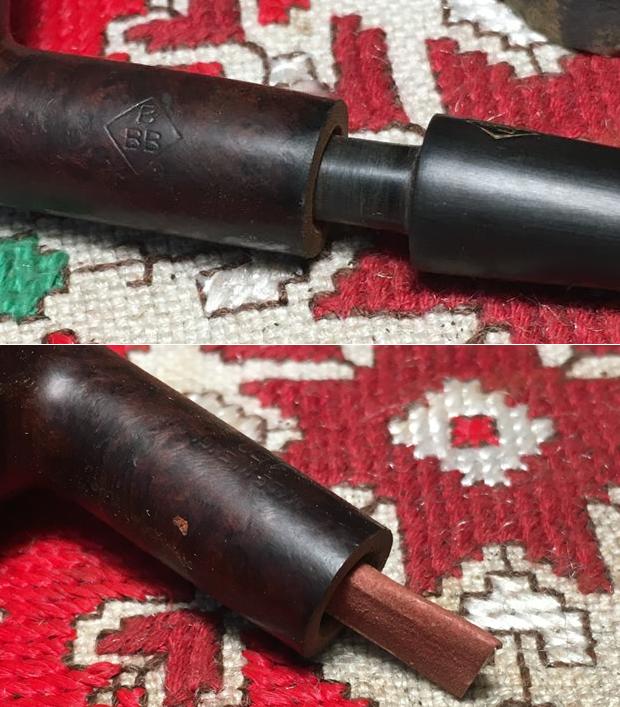
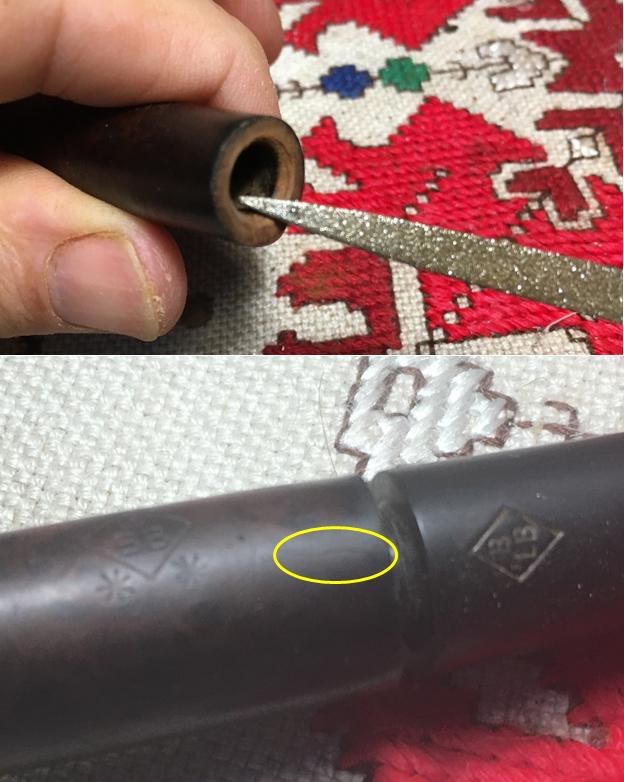
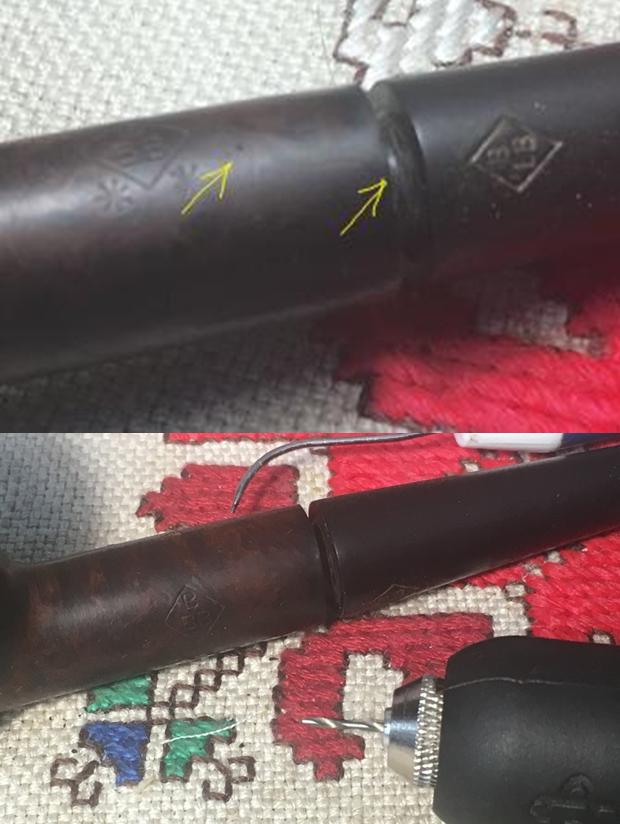
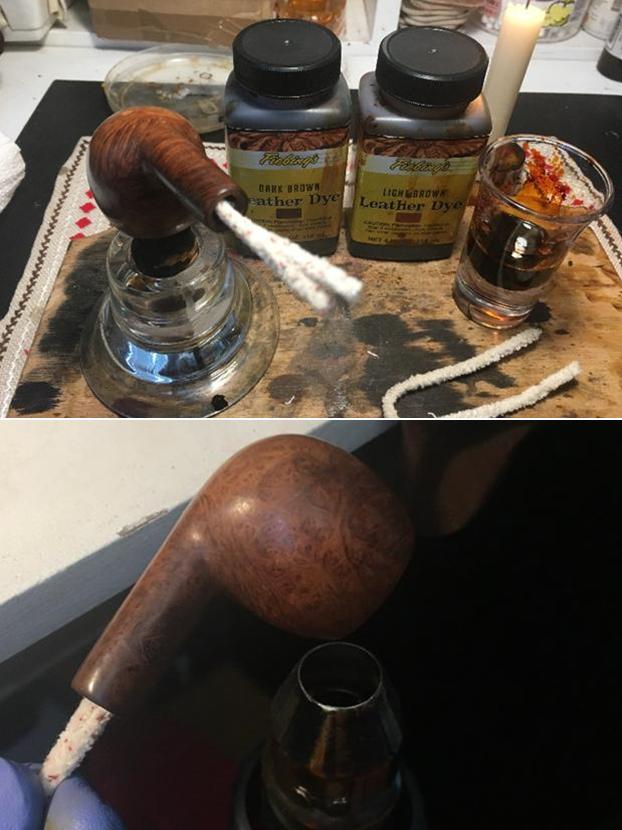
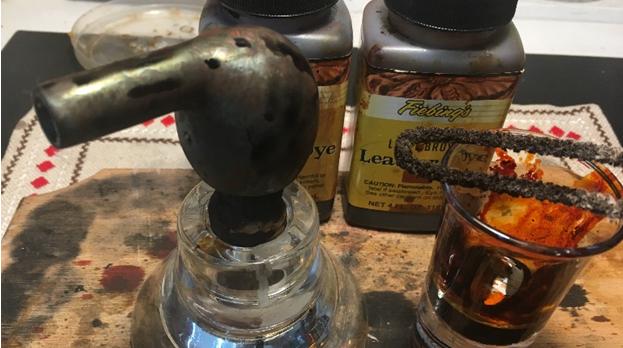
With the stinger removed, I was anxious to continue the restoration with a ‘normal’ pattern – the stem goes into the Oxi-Clean bath to deal with the oxidation in the stem.  After some hours, the stem is removed from the bath and I wet sand with 600 grade sanding paper removing the raised oxidation followed by 0000 steel wool. To clean and protect the BBB stamping on the stem, I use a non-abrasive Mr. Clean ‘Magic Eraser’ sponge.  The pictures show the progress.The next step is to re-seat the tenon into the mortise.  After the arduous process of removing the stinger, and after singing the shank end with a candle flame, and after ‘topping’ the shank to remove the damaged briar, the tenon and mortise needed to be re-wedded with the new realities.  The tenon was too large for full insertion into the shank.  Using a combination of reducing the tenon size with sanding paper and steel wool, sanding and filing the throat of the mortise, and using a rounded needle file to cut a new internal mortise openning bevel to accommodate the broader tenon base, I patiently, slowly, methodically worked to re-seat the tenon in the mortise which included working and then testing the new fit – GENTLY!  I suppose the fact that I said to myself, ‘Dal, careful, don’t crack the shank’, at least a 1000 times only made the sinking feeling more intense when I heard the sickening sound during what proved to be my last, ‘gentle testing’ of the tenon inserted into the mortise.  The hairline crack is pictured below that I took only a day ago – I couldn’t bear to take it then, when it happened.  I was sickened and put Greg’s pipe aside.  I needed some time to work through my own sense of failure of the trust given me to restore this family heirloom.  Now, after several weeks, I’ve regrouped and have taken up Greg’s pipe again.  The travels that I described above during this time in some ways felt more like Jonah running from Nineveh not wanting to face the scene of his calling and his sense of failure!  Though, my trip did prove beneficial – I sold some of my finished pipes to colleagues to benefit and raise the awareness of the Daughters of Bulgaria that The Pipe Steward supports.  I’ve included my Nineveh travels below for you who may not be familiar with ‘my world’, the Balkans – Sofia to Crete to Athens and back. Before moving forward, I needed to repair the cracked shank.  With the help of a magnifying glass, I locate the terminus of the crack and mark it by creating an indentation with a sharp dental probe.  The arrow to the left below marks this.  Using the Dremel tool, I mount a 1mm sized bit and drill a hole at that point – but not going through!  This hole acts like a controlled back-fire to stop the progress of a forest fire.  This will not allow the crack to continue creeping.  With the use of a toothpick, I spot-drop Hot Stuff CA Instant Glue in the hole and along the line of the crack which I expanded microscopically by partially inserting the tenon into the mortise.  This allows the CA glue better penetration to seal the crack.  I remove the stem immediately after the application of CA.  With the CA glue still wet, I apply briar dust to/in the hole and along the crack to encourage better blending.  The pictures show the progress. After some hours allowing the CA glue to cure on the shank repair, using a round grinding stone bit mounted on the Dremel, I reestablish an adequate and uniform internal bevel on the end of the shank to accommodate the base of the tenon when it is fully inserted into the mortise.  My theory is this is what caused the crack – lack of a sufficient internal bevel giving room for the slightly enlarged tenon as it merges with the stem proper.  With the Dremel engaged at the slowest setting, I’m careful to apply minimal pressure as I rotate the ball a bit to make sure it’s centered.  It looks good – the pictures show the progress.Due to a lapse of sorts and the intensity of my focus on re-seating the stem again without re-cracking the shank, I failed (or perhaps, had little desire) to take any pictures.  The short of it is, the stem and stummel have been reunited after some difficult times.  Also, not pictured are some of the basic steps: reaming the fire chamber of carbon cake buildup, cleaning the internals of the stummel and stem with cotton swabs and pipe cleaners wetted with isopropyl 95%, and cleaning the externals of the stummel with Murphy’s Soap.  Again, picking up the trail, pictured below is the micromesh pad process with the stem.  Using pads 1500 to 2400, I wet sand the stem, followed by dry sanding with pads 3200 to 4000 and then 6000 to 12000.  I follow each cycle with an application of Obsidian Oil to revitalize the vulcanite.  The stummel surface shows quite a bit of pitting in the first picture shown again below.  The rim also shows nicks. On the larger pits shown below on the heel of the stummel, I spot-fill with a toothpick using CA glue and shorten the curing time by using an accelerator spray on the fills.  After filing and sanding the fills to the briar surface, using a progression of 3 sanding sponges from coarse, medium to light, I work out most the remaining pitting over the stummel surface.  Using 600 grit paper on the chopping block, I also give a light topping to the rim to remove nicks and create fresh lines for the rim.  Following the topping, I introduce an internal bevel to the rim, first using a coarse 120 paper rolled tightly, then with 240 and 600.  The internal rim bevel to me, always adds a touch of class but also helps create softer lines which enhances this Apples shape.  The pictures show the unhindered progress! I now take micromesh pads 1500 to 2400 and wet sand the stummel followed by dry sanding with micromesh pads 3200 to 4000 and then 6000 to 12000 taking a picture after each set to mark the progress.  I am careful to guard the BBB nomenclature on the shank sides.  As I move through these cycles, I realize that I have been so wrapped up in the technical aspects of this restoration for Greg, that I failed to see the beauty of this diminutive Apple shape.  The grain that emerges from Grandpa’s old timer is truly beautiful. Flame grain and swirls, with a few bird’s eyes accenting the whole – totally eye-catching for a Two Star sub-mark BBB I would say! To see the big picture to help determine the next steps, I reunite stem and stummel and stand back and take a good look.  This BBB Made in England is looking real good – in spite of everything!  I can see by the way the BBB Apple naturally sits on the surface, leaning slightly like a listing ship, but remaining upright, provides some clues regarding the significant pitting on the heel of the stummel – just off center. Greg’s grandfather undoubtedly and conveniently placed his pipe on a table or counter surface, or perhaps on a nearby crate, as he made his rounds as a malaria inspector for the province of Hong Kong.  The original BBB coloring leaned toward the favored darker hues of English pipe makers and client proclivities. I decide not to go that dark, but to stain the stummel using a light brown base with a touch of dark brown to tint it down that track a bit.  This will make for better blending, especially for the darker briar around the nomenclature on the shank.  Using Fiebing’s Light Brown Leather Dye as the base, I add a touch of Fiebing’s Dark Brown.  Using a folded pipe cleaner in the shank as a handle, I begin by warming the stummel with a hot air gun to expand the briar making it more receptive to the dye.  After heated, I apply the dye mixture to the stummel generously aiming for total coverage.  I then fire the wet stummel with a lit candle igniting the aniline dye, burning off the alcohol and setting the pigment in the grain.  After a few minutes, I repeat the process concluding with firing the stummel.  I put the stummel aside to rest for several hours.  The pictures show the staining process – yes, you can see my blue fingers – I’ve started wearing latex gloves when I’m staining. After some hours, I’m looking forward to ‘unwrapping’ the fired stummel to reveal the stained briar beneath.  Using a felt buffing wheel mounted on the Dremel, set at the slowest speed, I use Tripoli compound to remove the initial layer.  Moving in a methodical, rotating pattern, I work my way around the stummel not apply a great deal of down-pressure on the wheel, but allowing the RPMs of the felt wheel and the compound to do the work. After removing the crusted layer with Tripoli, I wipe the surface with a cotton pad wetted with isopropyl 95%.  I do this not so much to lighten the finish, but to blend and even out the stain over the surface.  Following this, I mount a cotton cloth wheel on the Dremel, increase the speed slightly, and apply Blue Diamond – a slightly less abrasive compound.  After both compounds, I use a clean towel to hand buff the stummel to remove excess compound dust before applying the wax.  Pictures show the progress. Reattaching the stem and stummel, I apply several coats of carnauba wax to both.  Using a cotton cloth wheel, I set the speed of the Dremel to 2 with 5 being the fastest, I apply the carnauba and I like what I see.  With the carnauba wax applied, I mount a clean cotton cloth buffing wheel on the Dremel and again buff the stummel and stem.  Finally, I apply a rigorous hand buff using a micromesh cloth to raise the shine more.

This BBB Double Star Apple has come a long way from England to Hong Kong to the US to Bulgaria, and now it’s ready to return to its new steward.  This restoration was a bit bumpy, but then, so is life.  I’m glad to help give this pipe a new lifetime and I hope Greg not only enjoys it, but that it provides a special connection with his past.  I’m sure Grandpa would be proud.  Thanks for joining me!

Restoring a Savinelli Extra 606KS with an Accidental Stem


Blog by Steve Laug

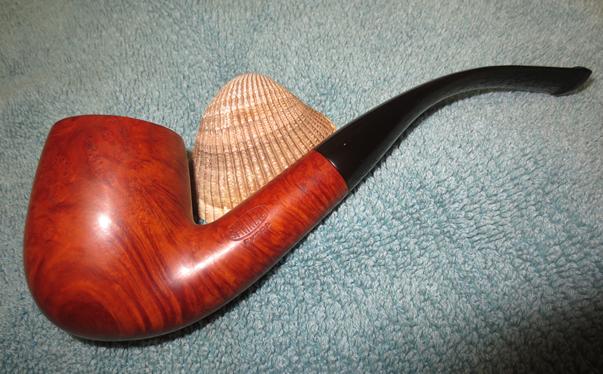
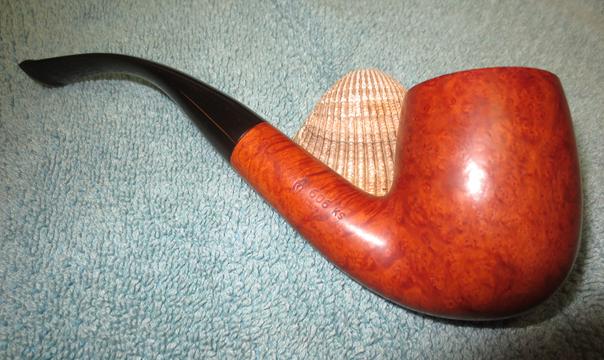
The next pipe from the estate lot that I brought to my work table was a Savinelli Extra Bent Billiard. It is stamped Savinelli in an oval over Extra on the left side of the shank and on the right side was the Savinelli shield with an S inside and to the left of that was the shape number 606KS over Italy. It was a great looking piece of briar with swirled grain on the left side of the bowl and birdseye on the right side and cross grain and mixed grain around the shank and the front and back of the bowl. Even the rim has some nice grain.

The odd thing was that the stem that was on the pipe was obviously not the right one. The diameter of the shank and the stem did not match. It was a saddle stem and was a little shorter than the original one. It was obvious that the estate owner had put the stem in place on the shank and used it on this pipe because it had the same tooth chatter and marks as the rest of the lot.

My brother took photos of the pipe before he cleaned it up. I have included those here. There was a cake in the bowl and the lava had overflowed onto the rim top. The lava was heavier on the back side of the rim top. The inner bevel and the outer edge of the bowl were protected and they looked to be in good shape under the grime.He took some close up photos of the bowl sides and bottom of the bowl to show the grain and the condition of the pipe. The next photos show the tooth chatter and tooth marks on both sides of the stem near the button. Even though it was the incorrect stem it was definitely the one that had been used by the owner of the rest of the pipes.My brother did a thorough cleaning of the pipe – the bowl had been reamed and the finish scrubbed with Murphy’s Oil Soap to remove the grime and the tarry build up on the rim top and beveled inner edge. The inside had been scrubbed clean as well. When the pipe arrived in Vancouver it was very clean. I took the next four photos to show the condition of the pipe when it arrived here. I took a close up photo of the rim and the inside of the bowl to show how clean both were. He had really done a great job on the bowl and rim.The next two photos show the condition of the stem but what you should notice is how the diameter of the shank and the stem do not match. The stem is slightly smaller in diameter than the shank. The joint is circled in red in both photos below. Look at the difference in the shank and the stem diameter inside the red circle.My brother has picked up my habit of picking up loose stems along with pipes and he saw a stem sitting at the sale. It was priced high so he left it and went back the next day to pick it up half price. He bought it, cleaned it and put it in the box of cleaned pipes that he sent to Vancouver. When I unpacked the box I put the stem on the top of my work table. When I was working on this pipe I happened to glance at the stem on the table. It looked like it was the correct diameter stem for the Savinelli. There was a faint Savinelli Crown stamp on the left side of the stem. I was pretty sure that this was the right stem for the pipe. I removed the incorrect stem from the shank and put the new stem in place there. The fit was perfect and it looked really good. The new stem also had the characteristic tooth chatter and marks as all of the other stems. They are on both sides of the stem near the button. The stem was also lightly oxidized.I sanded the tooth marks and chatter with 320 grit sandpaper to remove them from the surface of the vulcanite. Fortunately like the other stems the tooth marks and chatter were not too deep in the stem surface.I ran a pipe cleaner and alcohol through the airway in the shank and stem and folded it and wiped the inside of the mortise clean. The pipe was spotless on the inside.I cleaned up the remnants of cake in the bowl with a Savinelli Fitsall Pipe Knife. I scraped the cake back to bare briar and smoothed out the bowl walls.I polished the stem with micromesh sanding pads – wet sanding with 1500-2400 grit pads. I rubbed the stem down with Obsidian Oil. At this point the light of the flash revealed more oxidation on the stem.I put the stem in the shank and buffed the pipe with red Tripoli to remove more of the oxidation from the stem surface. I polished it again with 3200-4000 grit micromesh pads and rubbed it down with another coat of Obsidian Oil. It is definitely improving but there is still oxidation that is showing through in the flash.I buffed it hard with Blue Diamond with the stem in the shank and was able to remove the remaining oxidation. I polished it with 6000-12000 grit pads and gave it another coat of Obsidian Oil.I buffed the bowl and stem with Blue Diamond a final time to polish it and remove the small minute scratches. I gave the bowl and stem multiple coats of carnauba wax and buffed it with a clean buffing pad to raise the shine. I hand buffed it with a microfibre cloth to deepen the shine in the stem and briar. The finished pipe is shown in the photos below. It is a beautiful grained piece of briar and with the correct stem it looks much like it must have looked the day it left the factory. The dimensions of the pipe are Length: 6 inches, Height: 2 inches, Outer bowl diameter: 1 ¼ inches, Chamber diameter: ¾ inches. This beauty will also be going on the rebornpipes store and can be added to your collection. If it interests you contact me by email at slaug@uniserve.com or by private message on Facebook.

Rebirth: a Liverpool Stummel with Beautiful Grain and Miserable Drilling


Blog by Steve Laug

I found this long shank Liverpool pipe sans stem at an antique mall in Idaho when I was visiting my brother. I did not look at it too closely but noticed it was lightly smoked and had some really nice looking grain. I bought it as I figured it would not be too big a deal to make a stem for it. Besides the price was only $4. Looking at the next four photos you can see why the grain got my attention. It is a mix of birdseye, flame and cross grain. The stain that was used really highlights the grain. In the first photo you can see the chip out of the top of the bowl on the left side as well as the chip out of the shank top between the bowl junction and the stamping on the shank side. When I got back to my brother’s place he looked it over and just shook his head. He pointed out the issues with the bowl. The airway entered the bowl at the far right side. The bowl was hardly smoked and this may well have been a reason. Externally the bowl was not round it was entirely lopsided. It was wrong both inside and out in more ways than I had noticed in my quick decision to purchase it. This one was going to be a challenge in more ways than one to restem and make usable once more. I was looking forward to seeing what I could do. The next two photos show the misdrilling and the misshapen out of round external bowl.There were some deep gouges on the left side of the pipe – one had the top of the bowl and one on the shank just ahead of the stamping. There were also some pits and gouges on the underside of the shank and on the end on both top and bottom. I have circled the large one in the first photo below. It is a bright spot circled in red. Then I looked closer at the overall bowl and shank. What a mess. It had been drilled at quite an angle. It appeared that the drill had gone through the right side of the shank just before the bowl. It had been repaired with a fill that was pitted. It is circled in red in the second photo below. The third photo shows the shank from the mortise end. It is obvious that the shank was not round and the mortise was off to the right. This was going to be an interesting pipe to restem. As I looked at the left side of the shank with a magnifying lens I could see that first line of stamping (faint on the top and better at the bottom side of the words read CONTINENTAL. The second line of stamping was clearer and read REAL BRIAR. In examining the rest of the shank, I could see that it was all that was stamped on the pipe. I did some searching for the brand name and found one on Pipedia. The Continental Briar Pipe Co. Inc. manufactured briar pipes in Brooklyn, New York. The address on York and Adams Streets was taken from a letter sent to a Henry T. Rice dated July 28, 1941.

I went through my stem can and found two prospects for stems. Because the shank was misdrilled and out of round and the mortise was also off to the side I needed to have a stem slightly larger in diameter than the shank.  One of the stems was a saddle stem and the other a taper stem. The saddle stem was not quite large enough so I opted for the taper. I used a pen knife to open the mortise and make it more round. I worked to remove briar from the left side of the mortise and make the shank end round. In the third photo below you can see the finished mortise.When I finished the work on the mortise I sanded it with a rolled piece of sandpaper to smooth things out.I pushed the taper stem into the mortise and the fit against the shank was a good fit. The right side where the shank was out of round needed to have some vulcanite removed to make the flow of the stem and shank correct but it would work. The taper stem makes the pipe a Liverpool. If I had used the saddle stem it would have been a lumberman. I like the promising look of the new pipe. There were many on the top and the bottom of the shank and along the right side of the top of the bowl. There was also a place on the right side of the shank at the bowl shank junction that had been filled to repair a drill through. It had been patched with putty but was pitted and rough. I wiped the shank and bowl edge down with alcohol. I filled all of the pits and the repaired area with briar dust and then put drops of super glue on top of the dust fills. The photos below show the patched and repaired areas.When the repairs dried I sanded the repairs smooth to match the briar around them. The photos below show the freshly sanded areas on the pipe. The repairs are dark spots in the middle of the sanded areas. They will be blended in once I stain the bowl and shank. I used a needle file to reshape the button edges on both sides of the stem. They were worn down and the sharp edge was indistinct. I redefined the edges and smoothed out the surface in front of the button.I wiped the bowl and shank down with alcohol to remove the remaining finish on the bowl and to clean off the dust in preparation for restaining the pipe. I sanded the surface of the stem with 220 grit sandpaper to remove the oxidation and smooth out the file marks and tooth marks that remained. I lightly topped the bowl on the topping board to remove the damaged areas on the rim and created a smooth well defined edge on both the inner and outer parts of the bowl. I used a folded piece of 220 grit sandpaper to clean the inner edge and remove the darkening there.I wiped it down another time to clean off the rim and the edges of dust. I used a dark brown stain touch up pen to stain the sanded areas on the rim, bowl side, shank top and bottom and shank end. I was not too worried about coverage at this point rather providing a base coat before I stained the bowl in its entirety. My thinking was that the base coat would blend in with the existing stain and then the top coat would tie it all together. I stained the pipe with a dark brown aniline stain and flamed it with a lighter. I repeated the process of staining and flaming until the coverage was even around the bowl. I set the pipe aside to dry for a few hours and worked on the stem.I wiped the bowl down with alcohol on cotton pads to remove the dark crusty finish. I wanted the stain to be more transparent to let the grain show through. I sanded it with micromesh sanding pads to polish the bowl and shank. The grain really shown through now and the flame grain, birdseye and cross grain were beautiful. The fills have blended in on most of the bowl while the repair on the right side of the shank at the bowl is dark but smooth. I scraped out the remnants of cake that remained inside of the bowl with the Savinelli Fitsall Pipe Knife and sanded the walls with 180 grit sandpaper to smooth them out.I polished the stem with micromesh sanding pads – wet sanding with 1500-2400 grit pads and dry sanding with 3200-12000 grit pads. I rubbed the stem down with Obsidian Oil between each set of three pads. I took it and buffed it with Tripoli after the 2400 grit pad and followed that with Blue Diamond. Then I went on to continue polishing it with the higher grits of micromesh pads. I buffed the pipe and stem with Blue Diamond on the buffing wheel and carefully buffed around the stamping. I did not want to damage it any further than before. I gave the pipe and stem multiple coats of carnauba wax and buffed the pipe with a clean buffing pad. I hand buffed it with a microfibre cloth to deepen the shine on the briar and the vulcanite. The finished pipe is shown in the photos below. It is a long pipe that is just under 7 inches long and the bowl is 1 ¾ inches tall. The bowl exterior is 1 1/8 inches in diameter and the bowl chamber is ¾ inch in diameter. What started out as a major mess came out looking like a fine pipe. Even though the airway enters the bowl on the far right the draw is still very good. I think it should smoke fairly well and provide a decent looking long pipe for someone who wants to add it to his collection. Thanks for walking through the challenge with me.

Restemming and Restoring a Brigham Algonquin Dublin 247


Blog by Steve Laug

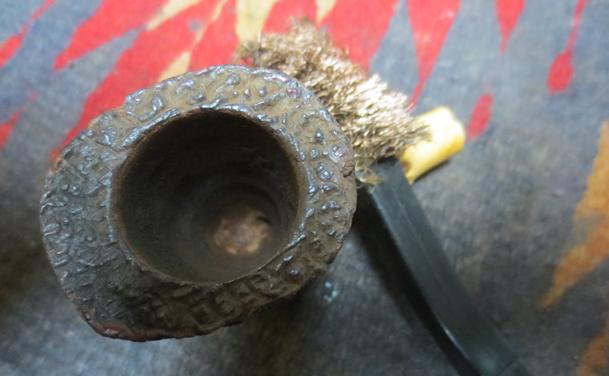
This pipe is the last of the nine that was dropped by my house for repairs. I was in rough shape for multiple reasons. The finish was dirty and spotty and the rim top was covered with overflow from the bowl. There was a thick cake in the bowl and there were some dark spots on the bowl sides toward the bottom of both sides at the bend. There were also some nicks in the heel of the bowl as well. The stem was missing a large chunk at the button on the right side. The Brigham hard rock maple filters come with an aluminum end and it had broken off deep in the shank near the entrance of the airway to the bowl. The mortise was very tarry and dirty. It would take some work to clean out enough to free the broken aluminum end piece. I took a close up photo of the rim and bowl to show the condition of the pipe when I started the cleanup. Underneath the grime on the bowl there was some nice cross grain and some birdseye on the front and back sides of the bowl.The stem was not salvageable as it stood. The missing chunk was large and the airway into the bowl was collapsed. I would need to fit a new stem on the shank. Fortunately for me the owner did not want a Brigham stem so I could use a regular push stem for the replacement.I went through my stem can, found a stem that was the same diameter, and close to the same length. I filed the diameter of the tenon with a file until it was close to fitting and finished with 220 grit sandpaper. I trimmed the edge of the tenon with my tenon turning tool by hand.When I finished smoothing out the tenon I inserted it in the mortise on the pipe bowl. The fit was snug. It looked good. I would need to do a few adjustments on the shank and stem as the shank was not perfectly round. I sanded the stem and the shank with 220 grit sandpaper to get a smooth transition between the two. I scrubbed the bowl with acetone on a cotton pad to remove the finish and the grime. I took photos of the cleaned exterior. I reamed the bowl with a PipNet reamer and the Savinelli Fitsall Knife. I removed the cake completely. I sanded the interior walls with sandpaper wrapped around my finger to smooth out the walls.I lightly topped the bowl with 220 grit sandpaper on the topping board to remove the rim damage and smooth out the nicks and scratches. I sanded it with 1500-2400 grit micromesh sanding pads to polish the surface.I stained the bowl with a dark brown aniline stain. I had found that once the finish was removed there were quite a few fills in the bowl sides and shank. I wanted to blend them into the surface of the briar and try to make them less visible. I flamed the stain and repeated the process until the coverage was even. I set the bowl aside for the day and went to work.When I returned from work that evening I wiped the bowl down with alcohol on cotton pads to make it more transparent. It was still too dark but I had plans to take care of that in a different way. In the photos below the fills are very visible against the dark brown stain. I cleaned up the face of the stem with the PIMO tenon turning tool at the tenon/stem angle so that the fit against the shank would be smooth. Sadly, my drill died so I had to turn the stem onto the tool by hand. It still worked well, just more slowly, and I was able to smooth out the surface.While the drill was out, I removed the tenon turning tool and put a drill bit in the chuck that was just slightly larger than the airway into the bowl. I wanted to be able to grab a hold of the broken aluminum filter tip with the drill bit and pull it out. Once again, I did it without the benefit of power. I just twisted the bowl onto the bit until the bit locked onto the aluminum end. I careful turned the bowl off the bit and the broken aluminum end came out stuck to the bit. Whew!I cleaned out the mortise and airway with alcohol, cotton swabs and pipe cleaners. I finally was able to get all of the tars and oils out of the extended mortise.I heated the new stem with a heat gun and bent it to match the broken stem. I took a photo of the two of them together. I took photos of the pipe with the new stem in place. Still a lot of work to do to polish both the bowl and stem but it is looking good. I set the stem aside and worked on polishing the bowl. I started by wet sanding it with 1500-2400 grit micromesh pads and dry sanding it with 3200-12000 grit pads. The photos below tell the story. I set the bowl aside and polished the stem. I wet sanded it with 1500-2400 grit sanding pads and rubbed it down with Obsidian Oil. I dry sanded it with 3200-12000 grit pads and rubbed it down after each set of three pads. After the last 12000 grit pad I gave it a final coat of oil and let it dry.I buffed the stem and bowl with Blue Diamond polish on the buffing wheel to polish out the last of the scratches on the stem. I gave the bowl and stem multiple coats of carnauba wax to protect the surface of both. I buffed it with a clean buffing pad to raise the shine and by hand with a microfiber cloth to deepen the shine. The finished pipe is shown in the photos below. I think the owner will be pleased with the finished stem and bowl. It looks like it was made to order. The contrasting stain on the bowl highlights the grain and hides the fills at the same time. Thanks for looking.
(function(i,s,o,g,r,a,m){i[‘GoogleAnalyticsObject’]=r;i[r]=i[r]||function(){
(i[r].q=i[r].q||[]).push(arguments)},i[r].l=1*new Date();a=s.createElement(o),
m=s.getElementsByTagName(o)[0];a.async=1;a.src=g;m.parentNode.insertBefore(a,m)
})(window,document,’script’,’https://www.google-analytics.com/analytics.js’,’ga’);

ga(‘create’, ‘UA-97027387-1’, ‘auto’);
ga(‘send’, ‘pageview’);

Restemming and Reconditioning a Brigham Voyageur 165


Blog by Steve Laug

The eighth pipe from the lot of pipes that a pipesmoker dropped by for repair is a Brigham Voyageur. It is stamped on the left side of the shank with the Brigham name over Voyageur which is the model. The shape number is 165. It was rusticated in the classic Brigham style with a smooth rim, ring around the rim and the shank end and a smooth spot on the shank for the stamping. The pipe was dirty with dust and grime in the crevices of the finish on the bowl. The rim had a tarry buildup which had flowed from the cake in the bowl. The internals were very dirty with a lot of tar and grime. The overall condition of the bowl was good under the grime. The following photos show the pipe’s condition before I began to clean and restore it. I took a close up photo of the rim top and the bowl to show the condition of the cake and the overflow on to the rim top. I also took a photo of the stamping on the smooth left side of the shank. The pipe was a two dot Brigham. In talking with the owner he was not interested in preserving the Brigham system. He was only interested in having a pipe that he could fire up and enjoy. I would need to decide how I was going to fix this one but it was going to be another challenge for me.The stem was in rough shape. It had a split on the top side that ran from the edge of the button almost an inch up the stem toward the bowl. On the underside it had deep tooth marks and two cracks that ran through the button into the airway in the slot. The slot was compressed from the bit marks. There was a lot of oxidation on the surface and some calcification. The Brigham nylon tenon told me that the pipe is a newer one rather than those with the aluminum tenon. It was designed to hold the Brigham Hard Maple Filter tube that is specially designed for them. This one was clogged with tars. The end of the nylon tube was splitting and flared. It was ruined. The photos below show the damaged areas on the stem.I put the stem aside for a while and started on the bowl. I reamed the cake with a PipNet reamer and the Savinelli Fitsall pipe knife to scrape the cake back to bare briar. I rolled a piece of 220 grit sandpaper and wrapped it around my index finger to sand the walls of the bowl. The cake was so sticky and crumbling that I wanted a hard, clean surface so that the owner could build a new cake to protect the bowl.I scraped out the shank with a dental spatula to scrape away the hardened tars that were on the walls of the mortise and airway to the bowl. I scrubbed the surface with pipe cleaners, cotton swabs and alcohol until the shank and mortise was clean.To remove the hard buildup on the rim top and some of the damage to the front outer edge of the bowl I lightly topped it on the topping board using 220 grit sandpaper. I used a folded piece of 220 grit sandpaper to clean up the burn marks and damage on the inner edge of the rim. I finished by sanding the rim with a medium and a fine grit sanding sponge and 1500-4000 grit micromesh sanding pads to smooth out the rim and remove the scratches.I scrubbed the externals of the bowl with Murphy’s Oil Soap and a soft bristle tooth brush to clean out the crevices and grooves of the rustication. Once it was clean I wiped the bowl down with alcohol on a cotton pad to remove the dust on the finish to prepare it for a new coat of stain. I stained the bowl with a dark brown aniline stain and flamed it with a lighter. I repeated the process until the coverage on the bowl was even.Once the stain dried I wiped it down with a cotton pad and alcohol to make it more transparent. I wanted the grain to show through on the smooth portions and the ridges of the rustication. I lightly buffed the bowl with Blue Diamond on the buffing wheel. I gave it a light coat of Conservator’s Wax and hand buffed it with a shoe brush and a microfiber cloth. The buffed and restored bowl is shown in the photos that follow. The time between this picture and the next cannot be captured in photos as there were two days of work and time that went into trying various methods of repairing the original stem for the pipe. I cleaned out the split in the stem and roughened the surface with a file. I cleaned out the cracks on the button, the split on the top side and the tooth marks on the underside of the stem. It took a bunch of sanding and picking. I filled in the gaps with black super glue and charcoal powder to strengthen the repairs. I filed them smooth and sanded them to restore the finish. All was going well until I tried to slide a pipe cleaner into the airway. I pushed it through the airway and into the button only to have the repaired button fall off. The cracks gave way and the chunk fell free of the stem. No repairs would ever hold on this stem. It was finished. One day I may cut it off and use the shorter version for a different pipe but it is not worth a repair any longer.

That decision having been made for me I went through my stem can in search of a replacement. I knew the owner was fine with a non-Brigham stem so that was the way I was going to proceed. I found a stem that had the same dimensions as the original stem. It was a straight stem that I would need to clean up and bend the stem to match the original but it would look good on this old pipe.I sanded the stem with 220 grit sandpaper to clean off the oxidation and remove the light tooth chatter and tooth marks on the top and underside of the stem. I turned the tenon down with a Dremel and sanding drum and fine-tuned it with a file to reduce the tenon to fit the shank of the pipe. I heated the stem with a heat gun until I was able to bend it to match the original stem. I polished the stem with micromesh sanding pads. I wet sanded it with 1500-2400 grit pads and dry sanded it with 3200-12000 grit pads. I still had to work on the tenon to remove the file marks but the stem was beginning to shine. I polished the tenon with micromesh sanding pads to remove the majority of the file marks on the vulcanite. I buffed the tenon and then the stem and bowl with Blue Diamond polish on the buffing wheel to remove the final scratches on the stem. I gave the stem and the smooth portions of the briar several coats of carnauba wax on the wheel and then buffed it with a clean buffing pad to raise a shine. I hand buffed the bowl and stem with a microfiber cloth to deepen the shine. I think that the owner will really like the looks of his restored and restemmed Brigham. It looks really good to my eye. Thanks for looking.
Resurrection for a Hand Made Pipa Croci Bent that was dropped


Blog by Steve Laug

The next pipe up for repairs and restoration (from nine from the fellow who brought them for repair) is a Hand Made Pipa Croci. It is stamped on the left side and continuing to the underside of the shank with the words Pipa Croci (long-tailed P) over fatta a mano over Mantova, Italia and dal 1983. On the right side is stamped PC in a circle with a tail over A3 (shape number for a bent billiard). Next to that is stamped *True*. Fatta a mano means Hand Made. It would have been a great looking pipe when purchased. I am pretty sure that it is the nicest one that he left for me to work on and the one with the most issues. Somewhere along the way he dropped the pipe on concrete and the tenon snapped. If that had been all then that was a simple fix. It was not all! The bowl cracked two places on the bottom, not deep cracks but cracks nonetheless. There was a crack on the left side mid bowl that ran from close to the bottom up to a ½ inch below the rim and a small one on the top of the rim on the left toward the front of the bowl. I took a close up photo of the rim and bowl to show the condition. The cake is thick and the rim has a lava overflow from the bowl and some damage on the outer edge near the front.The next two photos, though a little out of focus show the crack in the bowl bottom circled in red. I will continue to show them in the photos as I clean up the bowl.The Lucite/acrylic stem was rough. There were tooth marks on both the top and underside of the stem in front of the button and a deep bit mark on the top of the button. The broken tenon would need to be replaced and there were some nicks in the sides of the stem close to the button end.I reamed the bowl with a PipNet pipe reamer and took the cake back to bare briar. I cleaned up the reaming with a Savinelli Fitsall Pipe Knife. There would still need to be more work done to smooth things out but the bowl was clean and I could see that the cracks did not go all the way through to the inside walls.I topped the bowl to remove the rim damage, particularly that on the outer edge. I also wanted to expose the crack on the rim top and see how bad it was. This pipe really took a beating when it was dropped – fissures all over the place in the briar. I have circled the crack on the bottom to show the largest one. There is a small one next to it that is hard to see in this picture though it will show in later pictures.I scrubbed the bowl down with acetone to remove the finish and reveal more clearly the cracks on the bowl. I have circled them in the next set of photos and drawn arrows to the points of origin that will need to be drilled. The number of cracks is amazing to me – all from a drop on concrete. This briar is quite stunning with some birdseye and cross grain. I drilled with a microdrill bit in the Dremel at each terminus of the cracks. Some of them had spidered a bit so they took multiple holes. I clean out the cracks with a dental pick and wiped the bowl down with alcohol on a cotton pad. I filled in the holes with briar dust and clear super glue. I sanded the repairs with 220 grit sandpaper to blend the repairs into the rest of the bowl. I sanded them with a medium and fine grit sanding sponge to polish the scratches away. I set the bowl aside for a while and worked on the stem. I flattened out the broken tenon on the face of the stem with a Dremel and sanding drum. Once it was smooth I used a drill bit about the same size as the airway in the stem to start the process of opening the airway to take the new tenon. I put the drill bit in a stationary drill and turned the stem on to the bit by hand. I increased the size of the bit incrementally so as not to split the stem and to keep things aligned. I put a tape on the bit that marked the depth of the threaded tenon. Once the airway was opened to the diameter of the tenon I used a tap to thread the inside walls of the newly drilled opening. I turned the stem onto the tap carefully to keep it straight and aligned.The next two photos show the newly tapped stem and the new tenon that was going to be turned into the stem. The tenon was slightly larger than the mortise so I used the Dremel and sanding drum to take it down to the right size. I dabbed some slow drying glue on the threads of the new tenon and turned it into the stem until it sat tight against the face of the stem. With that done the stem repair was complete. There were some nicks and scratches in the stem around the junction area with the shank that needed to be sanded and cleaned up. I used some 220 grit sandpaper to do that. The stem was ready for the fit and all that remained was to push it into the mortise and check it out once the glue set.I put the stem in place in the mortise to check the alignment and was happy with the overall results. As normal there were some slight adjustments that needed to make to the stem and shank but nothing radical so I was happy with the fit. Now all I had to do was finish the fit and repair the stem. I noticed in the photos below that there was some roughness to the inside of the bowl so I would also need to sand that smooth. I wrapped a piece of 220 sandpaper around my finger and sanded the inside walls of the bowl until I had smoothed them out.I cleaned out the airway in the stem and the bowl as well as the mortise with pipe cleaners, cotton swabs and alcohol until they were all clean. I also scrubbed the darkened end of the shank to remove the stain that was there.I stained the bowl with a dark brown aniline stain thinned 50/50 with alcohol and flamed it to set it in the grain. I repeated the process until the coverage was even around the bowl.  I wanted it to be dark enough to blend the repairs into the sides and bottom of the bowl and hide the drill holes and cracks. I set the bowl aside to let the stain dry overnight and called it a day.In the morning I started the polishing process on the bowl. I sanded it with 1500-2400 grit micromesh and a small amount of olive oil to help the grit cut into the briar. I wiped it down afterwards and inserted the stem to see what was happening. The alignment of the stem was slightly off to the left in the photos so it appears not to fit. However, the fit is actually quite good. I still need to polish and clean up the stem. I continued polishing the bowl with the micromesh pads using 3200-12000 grit pads to really add to the shine of the briar. Each successive grit of micromesh raised the shine more on the briar. The grain really pops on this one… I turned back to the stem. I adjusted the fit with 220 grit sandpaper until the transition was smooth. When the fit was correct I polished the stem with micromesh sanding pads – wet sanding with 1500-2400 grit pads and dry sanding with 3200-12000 grit pads. I wiped the stem down after each grit of pad to clean off the sanding debris and gave it a final wiped down after the 12000 grit pad. I buffed the pipe and stem with Blue Diamond on the buffing wheel to remove any remaining scratches or marks and raise a shine. I gave the bowl and stem multiple coats of carnauba wax and buffed the pipe with a clean buffing pad. I hand buffed it with a microfibre cloth to deepen the shine. The finished pipe is shown in the photos below. The cracks are all sealed and since they do not go all the way through into the interior of the bowl I think that they will hold up well. The pipe has a lot of life in it still and I know that the owner will be glad to get it back in far better nick than it was when he left it here. Thanks for journeying with me on this resurrection.
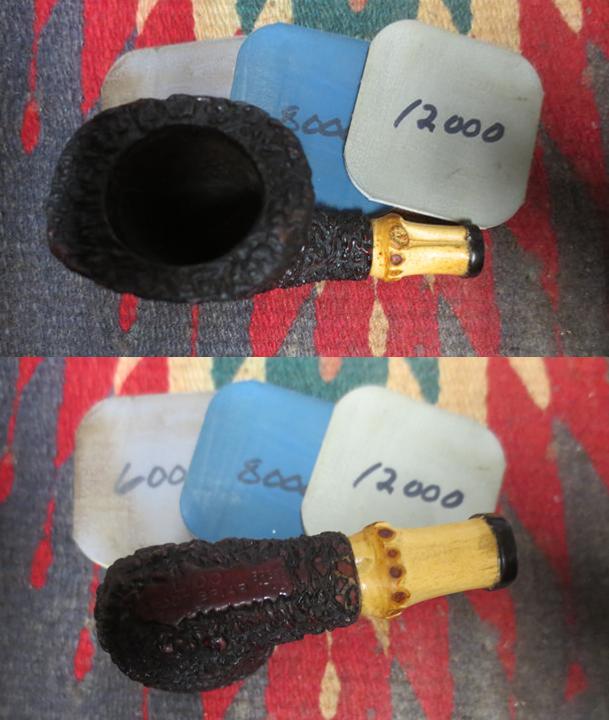


One from the Bizarre and Unsuccessful: An LHS LiteAPipe Patent Apple


Blog by Steve Laug

This pipe is one that never seems to have made a real impact on the market. I have never seen another one and I really like LH Stern or LHS pipes. I have had quite a few cross my work table over the years. It is an oddity to my mind. It is an apple shaped pipe with a contraption on the bottom that is a part of the bowl. My brother sent me a link to the eBay sale and it was one that I wanted to have for the collection. I have nothing like it and I wanted to see if I could figure out how the contraption on the bottom worked. The seller included some photos of the condition of the pipe. The finish had a thick varnish coat that was peeling and the seller seemed to wipe it down with furniture polish or wax to make it shine. The metal contraption on the bottom was dirty and the knurled handle on the front was intriguing and the bullet shaped cap on the back of the bowl was also interesting. The pipe is five inches long and very light weight. The rim top was pretty beat up from knocking it out on a hard surface. The nicks and chips in the surface while not deep were numerous and made the surface rough. There was a thick cake in the bowl and the lava had run over the bowl onto the rim top. The bowl had a flat panel on each side that had the finish worn off around the edges. The stamping on the pipe was very clean and strangely it was opposite of most other pipes that I have seen. The name is stamped on the right side and the patent information is on the left. It is stamped on the left side of the shank Pat Apl’d For and on the right side it is stamped with the LHS Diamond and under that LiteAPipe. I did some searching on the US Patent website and could find no information on the brand or the design. I also searched for the series name and found nothing either. The pipe was a mystery. I could not wait to get a hold of it and take it apart and see what I could figure out.While I waited for the pipe I broadened my search for self lighting pipes to see if I could find anything with a search that wide. I found three patents for the same kind of concept – two from the 1940s and one from the 1920s. They have the same basic idea of combining a lighting mechanism within the pipe itself to lessen the tools that the pipeman needs to carry. While there are similarities none of them are really close to the design of this old pipe. I think though that these links help establish a time period.
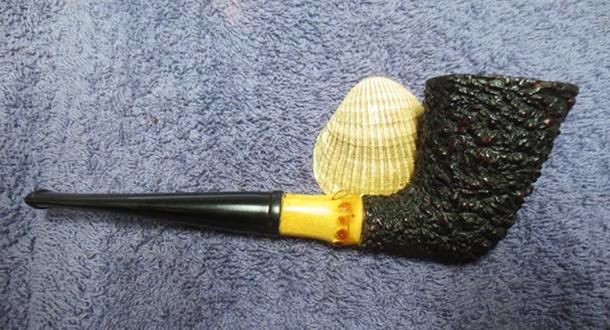
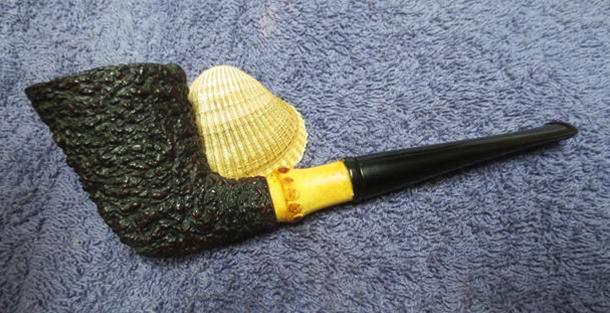
Here are the links and the patent drawing photos:

https://www.google.com/patents/US2532820https://www.google.com/patents/US2595534https://www.google.si/patents/US1938874The first picture below shows the end cap removed and the knurled cap pulled out as well. There is what appears to be a spongy end sticking out of the back of the contraption. The knurled end seems like it has a flint or some such end sticking out of the end of the tube. The side plate looks rough and could be a striker. The concept seems pretty straightforward – a single unit that contains the fluid, flint, wick and the striker on the base of a briar pipe. The pipe man simple fills the reservoir wool with lighter fluid. He sticks the striker/wick in the unit at the bottom of the bowl and when he wants to light his pipe he pulls out the striker/wick. He strikes it on the coarse bar on the right side of the unit.My brother took some photos of the pipe when it arrived in Idaho. You can see the flaking and speckled finish of the varnish on the pipe. The aluminum is oxidized and dirty. The stem is oxidized. Later photos will show that it is missing a large chunk on either the top or the underside of the stem at the button. The next photo shows the contraption on the bottom of the bowl and how it is fitted into a slot on the bottom.The next two photos show the pipe from the front end. You can see the striker/flint on the end of the knurled tube. The second photo shows the rim top.The next two photos show the condition of the stem. It had a lot of tooth chatter and was missing a large chunk next to the button. The seller had turned it to the underside of the pipe so it was less visible.My brother did his usual stellar job of cleaning up the pipe before he sent it to me. He reamed and cleaned out the airway in the stem and the shank and mortise. He scrubbed the externals with Murphy’s Oil Soap and rinsed it with warm water. The crackling varnish coat and the furniture polish the seller had used rinsed off with the scrubbing. He was able to get the bowl cleaned and most of the lava on the rim was gone leaving behind the beat-up rim top. The following photo shows the rim top and the damage there.I wiped down the finish with acetone on cotton pads to remove the remaining damaged finish. The pads came off with a red colour stain. The grain stood out on the bowl and it was a beautifully grained pipe. I debated for a bit about topping the bowl but because it was so rough I decided to lightly top it and remove the damaged areas on the rim. I did not take off much briar but worked to smooth out the rim top.I took apart the contraption on the bottom of the bowl. I unscrewed the bullet cap from the back end of the pipe and pulled out the striker unit. Once those were removed the insert slid free of the bowl bottom. The striker end had a wick that surrounded the flint post in the middle. Under the end cap there was a felt tube that was pushed into the tube and the end cap. I believe the felt was wet with lighter fluid and then the put back together. The right side bar looked to be a striker bar that the end was struck against to get a spark and flame. The burning wick then would be held above the tobacco and the flame pulled into the bowl.I went through my stem can and found almost a twin stem to the original. The taper is virtually the same. There were no tooth marks and only light oxidation and a few nicks in the vulcanite that needed attention.  I fine-tuned the fit of the tenon in the mortise and the new stem was ready to go. I put in place on the stripped down bowl and took some photos to get a good look at what the finished pipe would be like. I am happy with the flow of the shank and stem and the look of this short nosewarmer. I sanded the rim with a medium and a fine grit sanding sponge and then polished it with 1500-4000 grit micromesh sanding pads. I tested the stain pens I had and the medium brown stain pen was a perfect match to the colour of the stain on the rest of the pipe. I touched up the stain on the bowl sides and the shank. After all of the touch up work I took the photo below to show the match of the rim to the bowl.I touched up the stain on the bowl sides and shank and gave the bowl several coats of carnauba wax to have a look at the grain. It is a beautiful pipe. The combination birdseye and flame grain makes a great looking combination. The rich reddish brown stain makes the grain stand out. I also polished the aluminum on the insert and the bullet cap on the lighter contraption. I polished the stem with micromesh sanding pads – wet sanding with 1500-2400 grit pads and dry sanding with 3200-12000 grit pads. I rubbed the stem down with Obsidian Oil after each set of three pads. After the final pad I gave it a last coat of oil and set it aside to dry. I buffed the pipe and stem with Blue Diamond polish on the buffing wheel to take out all of the scratches on the stem and to polish it. The plastic polish works really well with vulcanite stems. I gave the bowl and stem multiple coats of carnauba wax to protect it. I buffed it with a clean buffing pad to raise a shine. I hand buffed it with a microfibre cloth to deepen the shine. The finished pipe is shown below. It is one that I will keep in my collection of tobaciana because of its uniqueness. If any of you know any information about it please send a message in the comments below.


Who would have guessed that there was a Beauty in this Beast


Blog by Steve Laug

Sometimes you have to look past the state of a pipe to really see what could be present underneath all of the layers of dirt and grime. You have to have the right perspective as well. You need to be able to see these pipes as well loved rather than abused; as a favourite pipe rather than a neglected one. This the context in which the next pipe that crossed my worktable is to be viewed. Here is the back-story. Not too long ago I received an email from a friend of mine named Jim, whose pipes I have worked on in the past. He had an interesting story to tell me and a request. I thought rather than tell the story for him I would let him tell it himself. Here is his email in full:

Hey Steve,

I have been hunting about 1200 acres of Farm and Woodland Property owned by an area farmer and old friend of mine named Stephen Lehner. Steve knows I am a pipe aficionado, and approached me the other day with a pipe that had belonged to his father. I was able to get a little history of how this pipe came to be in this abysmal condition. Steve’s father was rather hard on his pipes. As the original owner of this pipe, Steve said his dad, in the latter years of his life, was not given to cleaning his pipes. His cleaning routine, if you could call it that, consisted of digging any ash and unburnt tobacco from the bowl with a pocket knife, then grasping the pipe by the stem, toward the mouthpiece/lip area, and banging it violently against any nearby hard object – trees, brick walls, car mirrors. It was hard enough that Steve’s son, Shawn, remarked that the old man actually damaged the mirrors on his trucks! Mr. Lehner’s pipes were so abused, that he routinely broke stems, necessitating that he acquire new stems – some of which were not well fitted.

In any case, Steve handed me this pipe, stating that it is one of a very few connections he has to his late father, and asked if I could do a cursory cleaning so he could display it as a keepsake (He is not a pipe smoker). I thought the pipe was interesting, if in bad condition. I cannot clearly make out any markings. On one side, there is a partially legible stamping, “…vage” with some cursive writing below it which I cannot make out. On the other side, I can read the number “75.”  I think it is a bulldog style. The tenon will not enter all the way into the mortise, and I am not sure if that is because there is so much crud inside or because it is not the correct bit.  The bowl is heavily caked and cracked. It also looks as though there was some ad hoc rustication on the bowl, as well. The bowl shows a distinct area of impact where it was banged during cleaning as well.

I attached some pix so you could behold this wonder:Once I saw the pictures I was quite taken back by the sheer beastly look of this old pipe. It had quite literally been beaten to death. The bowl was cracked on the outside of the bowl that started at the front of the bowl and extended to almost the back side. There was a second crack below that on the front of the bowl extending from the bottom of the first crack and extending toward the other side of the bowl. The bowl was so badly caked that I could not even get my pinky finger in the bowl. I tried to blow through the end of the shank and I was unable to get any air through the bowl. The finish was dirty and sticky to touch. The worm trail rustication ran over the bowl surface but was filled in with dirt and grit. From the photos it appeared that the shank inside was incredibly dirty. I think that it is fair to say this pipe was a stranger to pipe cleaners. The stem that was in the shank was not a fit. It was of smaller diameter than the shank. The slot in the stem was almost clogged.

After reading his email and looking over the photos I wrote back to my friend. I was pretty certain from the look of the rustication and the shape number he gave me that the pipe was a GBD. The three letters that he could read on the left side of the shank were age. That led me to look in the GBD list I have and concluded that the pipe was a GBD Sauvage. I looked up some information on a chart I have of GBD lines and knew that the pipe was originally sold with a light brown stain, smooth bowl with deep carved lines to hide flaws. It was similar to a Savinelli Sherwood, but much deeper carved lines. The GBD shape number 75 was a Rhodesian with a1/4 Bent Saddle stem. While this old pipe was a mess it was awfully hard to tell if it ever was a Rhodesian. I sent him this information in my reply.

He wrote back and said he wondered if I would be willing to tackle the restoration on this one. If so he would send it to me. I wrote back and said I would do the work. I guess I will find out if my guesses on the brand of this pipe were correct. I would know more once it arrived.

The pipe arrived and it was indeed a mess. On top of the beat up old pipe, the reek of Middleton’s Cherry pipe tobacco filled the room when I opened the box. My daughters immediately commented on how strong the smell was. I examined the pipe with a lens to see if I could identify the pipe. It was stamped on the left side of the shank with the GBD logo in an oval over Sauvage over Collector in script. On the right side of the shank it is stamped Made in England over 75 which is the shape number. The next photos show what the pipe looked like when I received it. I took a close up photo of the rim to show the absolute dreadful condition this pipe was in when it arrived. The bowl had a thick cake that still reeked of the aroma of burnt Middleton’s Cherry pipe tobacco. The rim had been hammered to what looked like the point of no return – though I would not know for sure until I had removed the cake and the buildup on the rim top. The stem was a replacement one and it was obviously a poor fitting one. The diameter of the stem and the shank were not a match and the tenon could not be pushed into the shank because of the grit and tar built up inside. The button had been flattened by biting and there were tooth dents on it and also on the top and bottom sides. I would definitely need to make a new stem for the pipe. I decided to start by reaming the bowl back to bare wood. I wanted to see if the cracks on the outside continued into the bowl. I fully expected the bowl to fall apart once the carbon was removed and ceased to hold everything together. I started reaming with the smallest cutting blade on the PipNet pipe reamer and worked up to the largest cutting head. I finished reaming the bowl with a Savinelli Fitsall Pipe Knife.I rolled a piece of 80 grit sandpaper on my index finger and sanded the inside of the bowl. I wanted to be able to clearly see if the cracks on the outside continued into the bowl. The second photo below shows the inside of the bowl. The crack on the left side of the bowl did not seem to show through inside. The one on the front of the bowl still needed some more work to be certain but it also looked like it did not show through. Notice the buildup on the rim it probably protected the top of the bowl to a large degree.I scraped the rim with a pen knife to peel off the cake that overflowed on the top. I carefully held the blade against the surface of the rim and scraped it slowly until all of the buildup was gone. Underneath all of the buildup the rim was in rough shape. It had been beaten pretty hard and the damage was quite extensive. The rim top showed signs of being knocked about hard against that truck mirror mentioned above. If this pipe could have talked I would love to hear the stories it could tell.I topped the bowl on the topping board using 220 grit sandpaper. I decided that I would sand it until the top of the rim was smooth and the damage on the outer edge of the rim was minimized.With the rim topped and smooth I wiped the bowl down with acetone on cotton pads to remove the grime and clean up the surface so I could assess the next steps in dealing with the external cracks on the left side and bowl front. I used a microdrill bit on my Dremel to drill pin holes at each end of the cracks in the bowl. The length of the bit ensures that I will not be able to drill too far and go into the bowl itself. There were five distinct ends to the series of cracks in the briar.I used a dental pick to clean out the cracks with surprisingly had closed tighter once the cake was removed from the bowl releasing the pressure. Once they were clean I pressed briar dust into the crack surfaces and the drill holes in the bowl. I dripped clear super glue on the cracks and into the plugs in the drill holes. I gave the repair several more coats of briar dust and super glue until the surface was filled. The pictures tell the story. I sanded the dried repair and the rest of the bowl with 220 grit sandpaper to remove the excess briar dust and glue. I wiped the bowl down with alcohol on a cotton pad. I used a Black Sharpie pen to colour in the worm trail rustication around the bowl sides. I had done some research and found that the rustication on the Sauvage line had been darker than the stain on the bowl.I used the drill bit from the KleenReem Pipe reamer to drill out the buildup in the airway from the mortise to the bowl. It was thick and hard so the drill bit took several passes through the airway to clean it out. I used a dental spatula to scrape out the thick, hard tars that lined the walls of the mortise. I scrubbed out the mortise and airway with alcohol, cotton swabs and pipe cleaners until the internals were clean.I stuffed the bowl with cotton balls until they were just below the edge of the rim. I put a pipe cleaner in the airway to wick the alcohol into the shank. I used an ear syringe to fill the bowl and shank with alcohol. I set the bowl upright in an ice cube tray and let it sit over night to draw the oils out of the briar. In the morning I took a photo of the darkened cotton balls. I used a dental pick to pull them out of the bowl. I cleaned out the shank and the bowl with cotton swabs to remove all the excess alcohol. I let the bowl dry.I stained the bowl with a dark brown aniline stain thinned 50/50 with alcohol to make it more transparent. I flamed the stain and restained it. I repeated the process of staining and flaming the surface until the briar had even coverage. I buffed the bowl with Blue Diamond on the buffing wheel and then took the following photos to send to Jim to show him the state of the bowl at this point in the process. There were still scratches in the finish that would need to be polished out but the bowl was showing promise and beauty was emerging from the beast. I left the pipe on my work table while I traveled to Idaho for my mom’s 90th birthday. I stay with my brother Jeff when I am there and as usual he had a batch of pipes for me. There were some amazing pipes there but what caught my eye this time was the stem I needed for this Sauvage. It was slightly bigger in diameter than the shank but it would not take much to fit it to the pipe. When I got home I lightly sanded the tenon with a Dremel and sanding drum until it fit snugly into the mortise. I took the photo below to show the new stem and the one that was with the pipe when it arrived. I took photos of the stem to show the difference in diameters of the shank and the stem. You can also see the deep tooth marks in the top and bottom sides of the stem near the button.I sanded the diameter with a sanding drum on the Dremel. I do this with the stem inserted in the mortise so that I can remove as much of the excess vulcanite as possible without damaging the briar on the shank. I nicked the edged of the briar but fortunately the nick was not deep. I also lightly sanded the top and underside of the stem with the Dremel and minimized the tooth marks. I sanded the areas on the stem where the tooth marks had damaged the vulcanite with 180 grit sandpaper and smoothed out the surface damage. What remained were the deeper tooth marks. I wiped down the surface of the stem with alcohol on a cotton pad to remove the debris and dust from the tooth marks. I filled the remaining tooth marks with black super glue and set the stem aside to dry.When the repairs had cured I sanded them with 180 grit sandpaper to blend them into the surface of the stem. I sanded the saddle portion of the stem to remove the marks left behind by the sanding drum.I put the stem in the shank and sanded the stem and shank with 220 grit sandpaper to make the transition really smooth. I could have done this differently but there was enough damage to the shank that the sanding would smooth out the briar as well. I wet sanded the stem and shank with 1500-2400 grit micromesh sanding pads to smooth out the scratches on the briar and the vulcanite. I was able to remove most of the scratches. The rest would come out with more elbow grease. I cleaned out the inside of the stem with pipe cleaners and alcohol until they came out clean. I used a sharp knife to bevel the airway into the stem. I have found that doing this directs the airflow from the bowl to the button. I put the stem in the shank and took the following photos. There is still a lot of polishing to do but the pipe is beginning to look pretty decent. I continued sanding with the 3200-12000 grit micromesh sanding pads to polish the stem. After each set of three pads I rubbed it down with Obsidian Oil and sanded some more. After the last pad I gave it a final coat of the oil and let it sit to dry.I buffed the bowl and stem with Blue Diamond on the buffing wheel and then gave both the bowl and the stem multiple coats of carnauba wax. I buffed it with a clean buffing wheel to raise the shine and hand buffed it with a microffibre cloth to deepen it. The finished pipe is shown in the photos below. I am repairing and refitting the original stem to send back with the pipe as well. Once it finished I will buff the two stems and finish removing any scratches that can still be seen in the pipe and then send it back for the surprise that Jim has in mind for it. Thanks for looking.