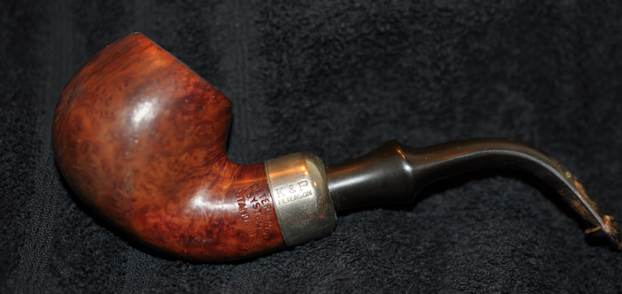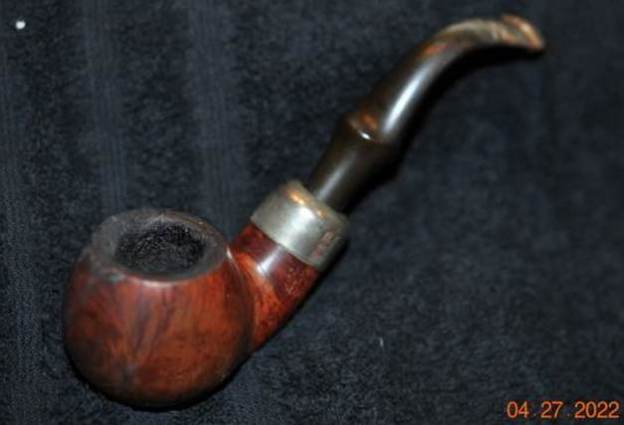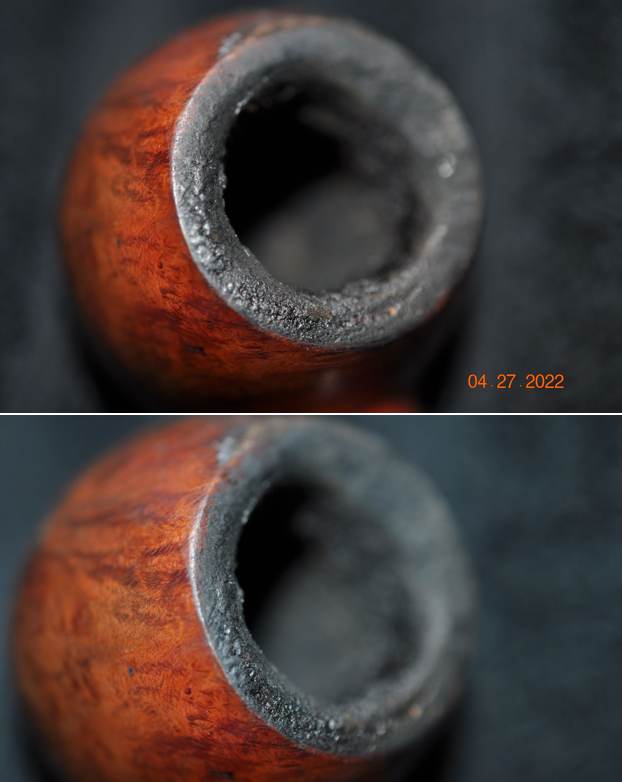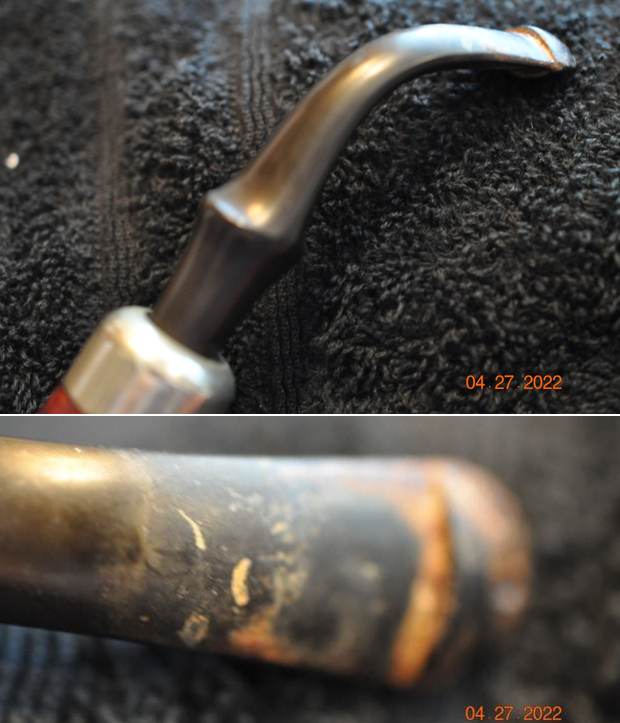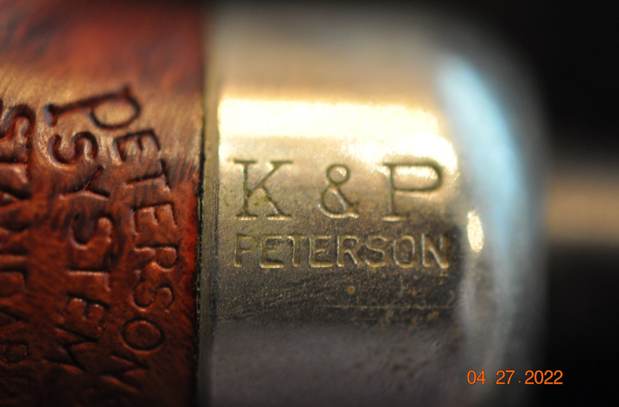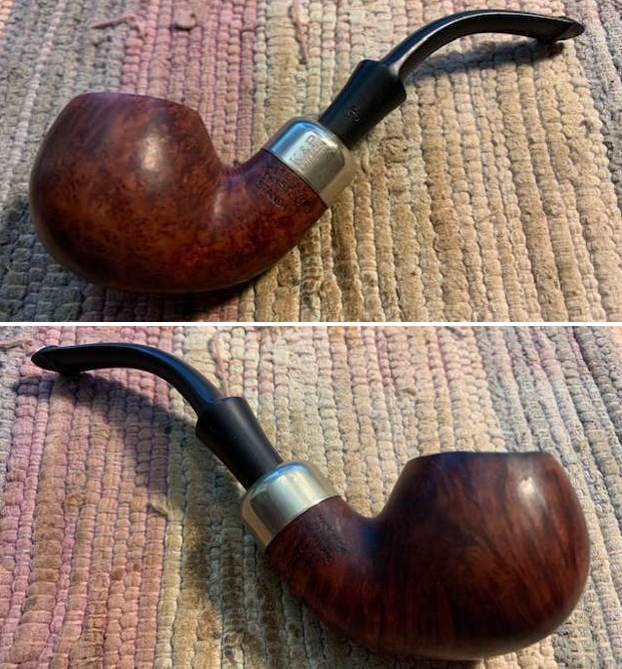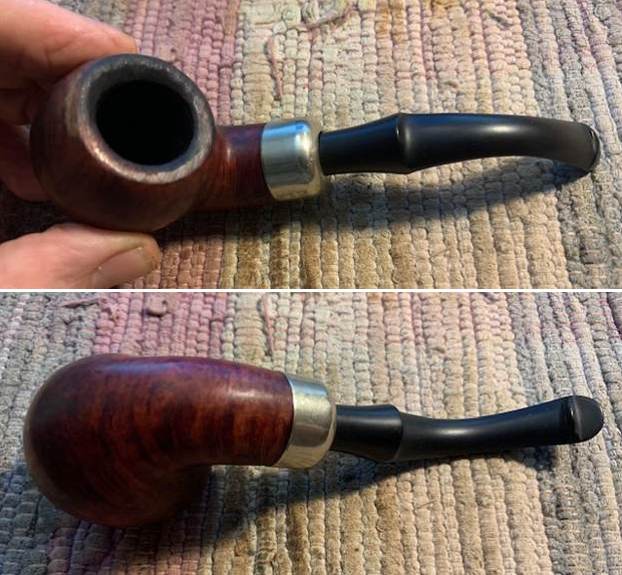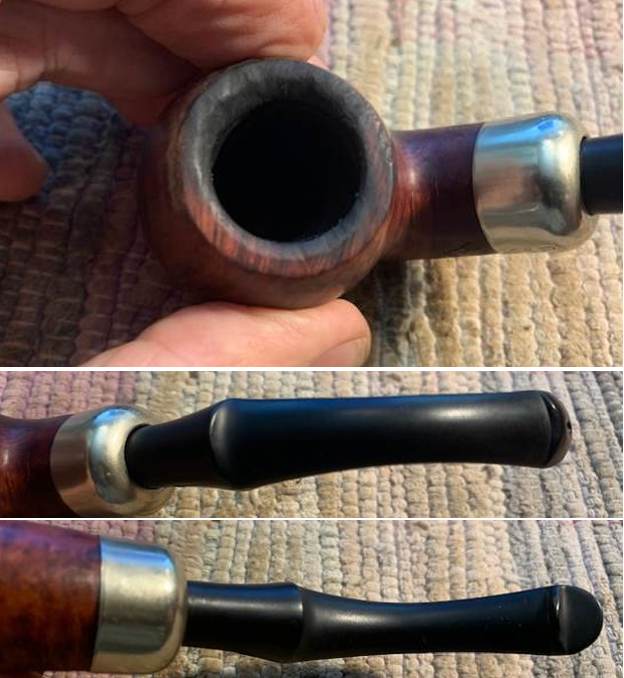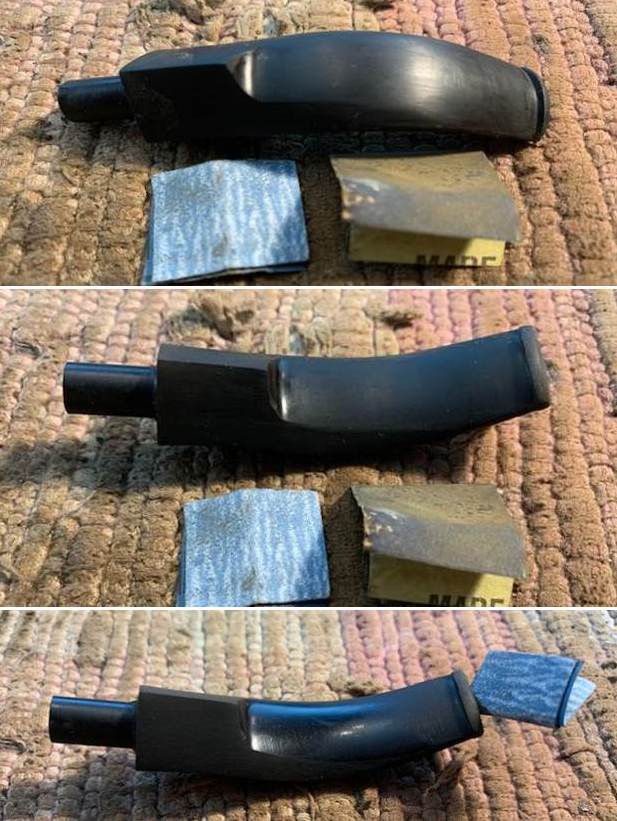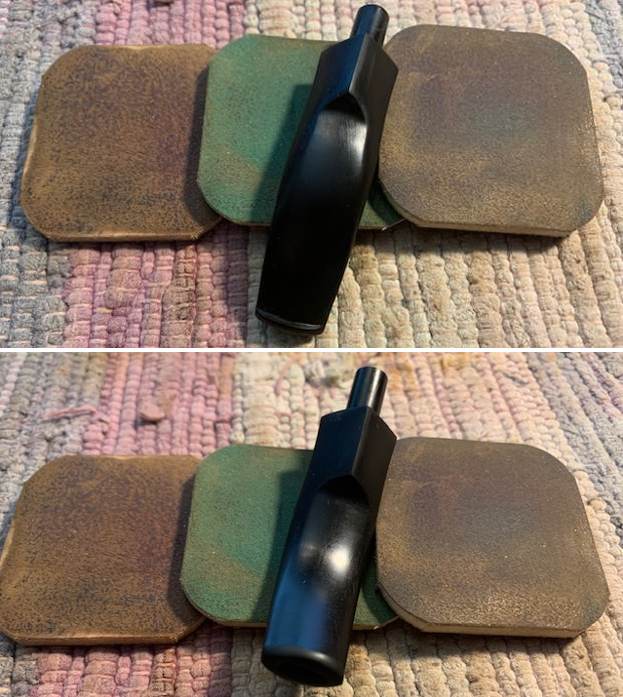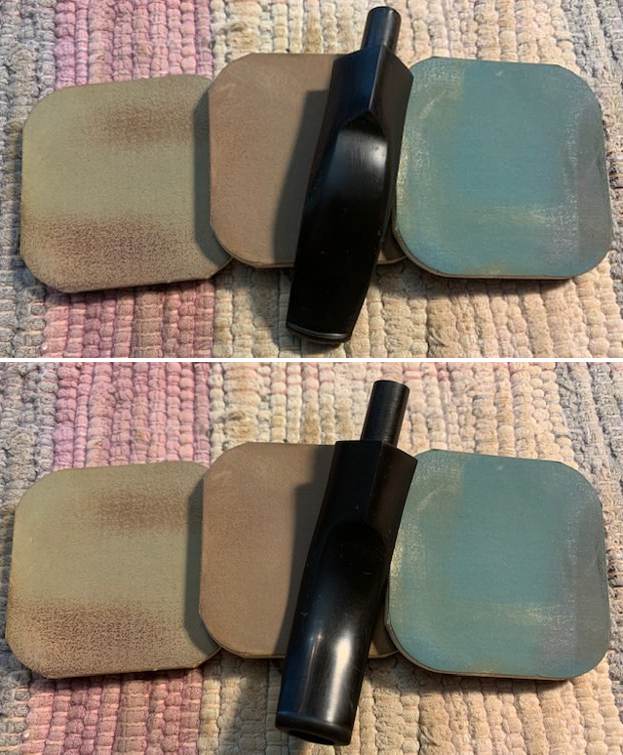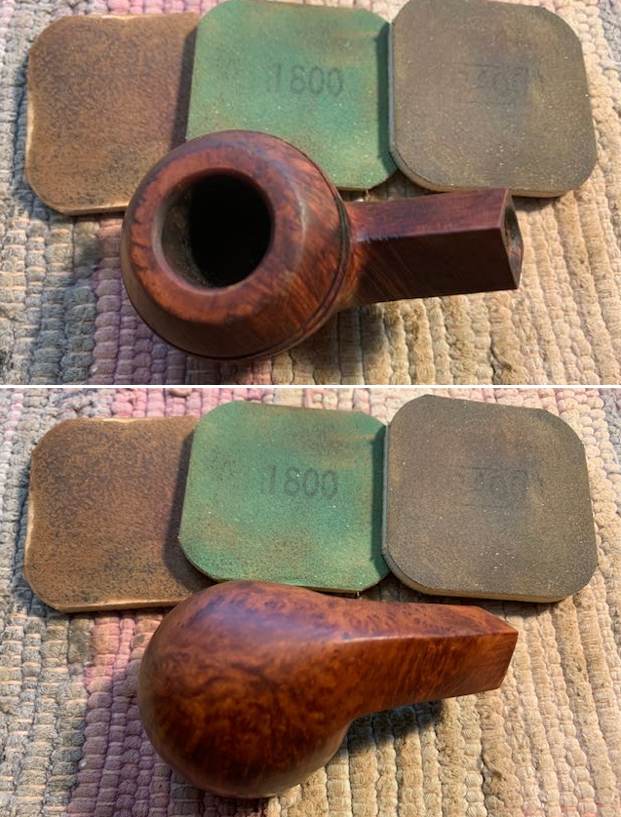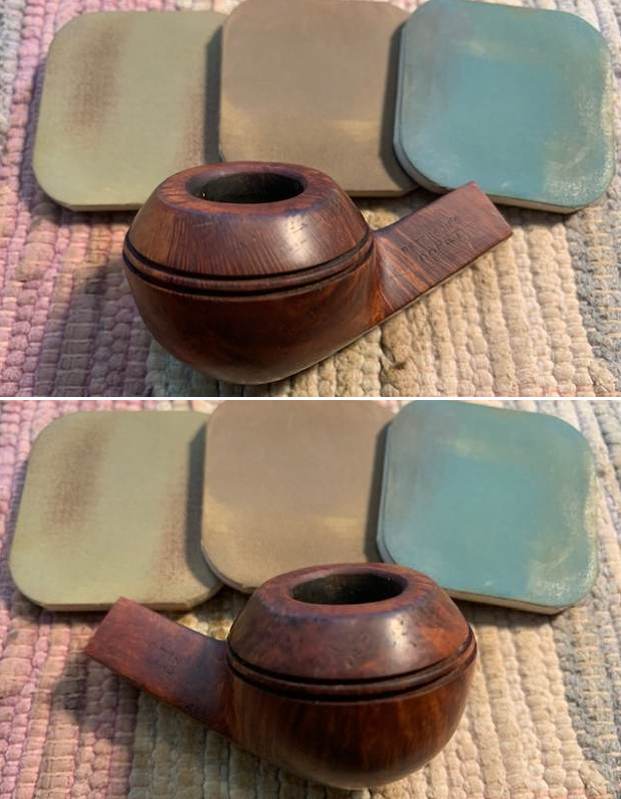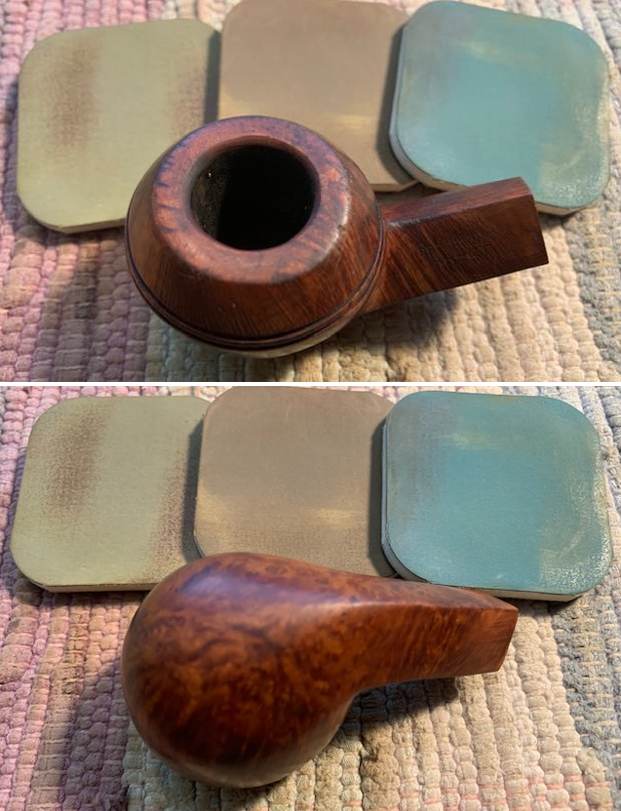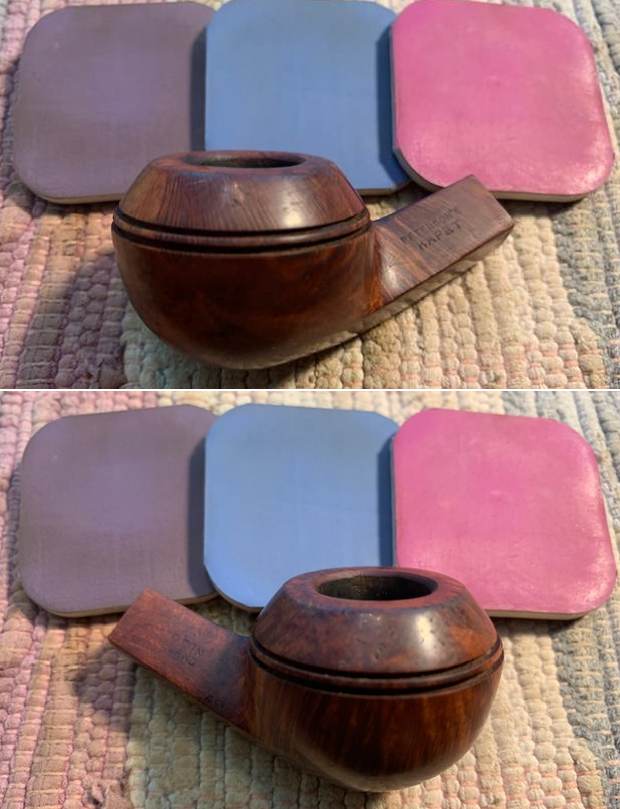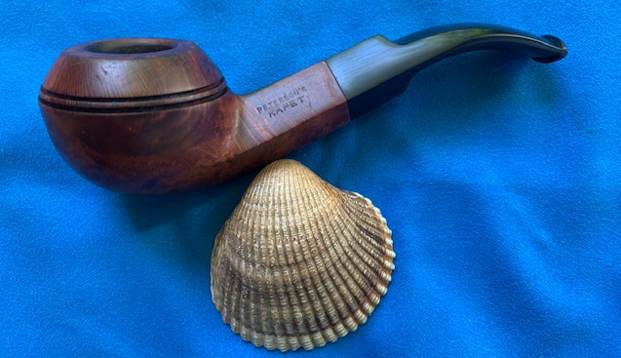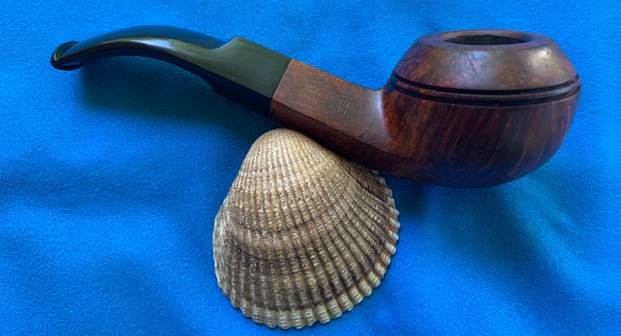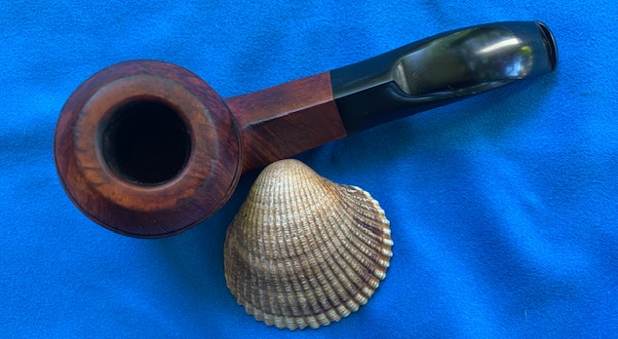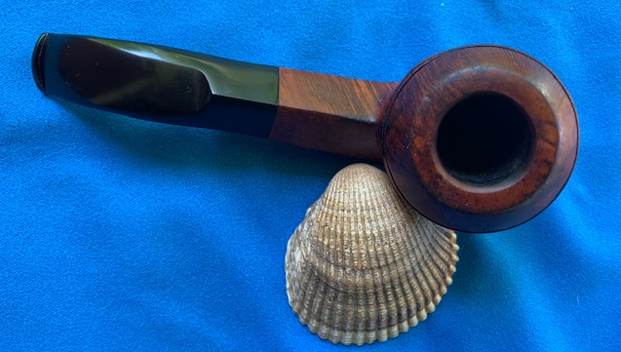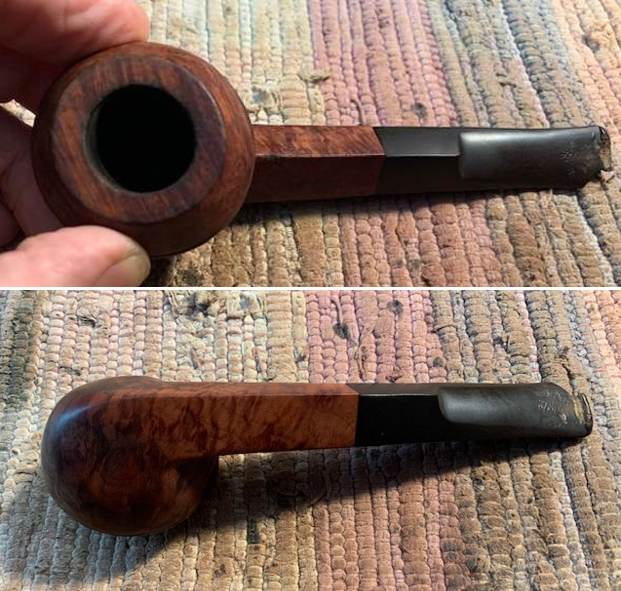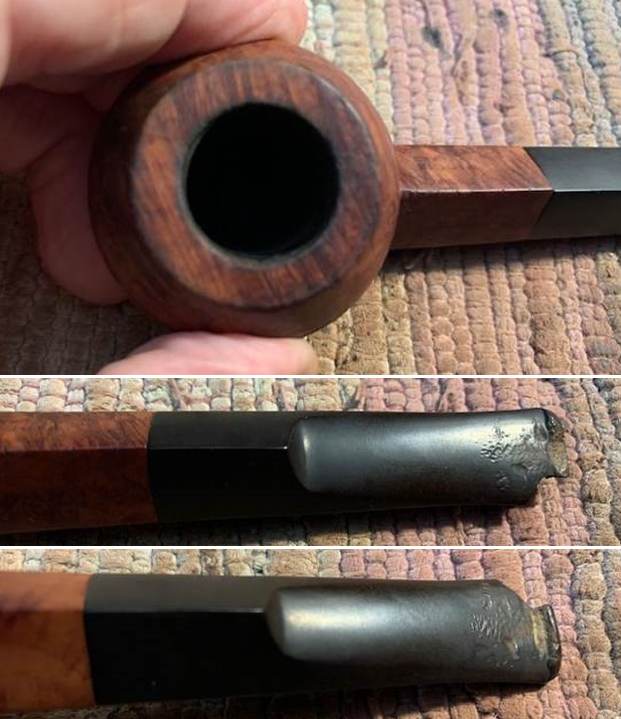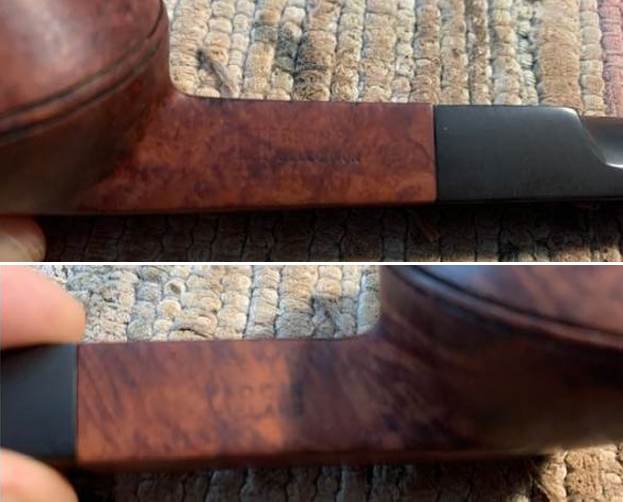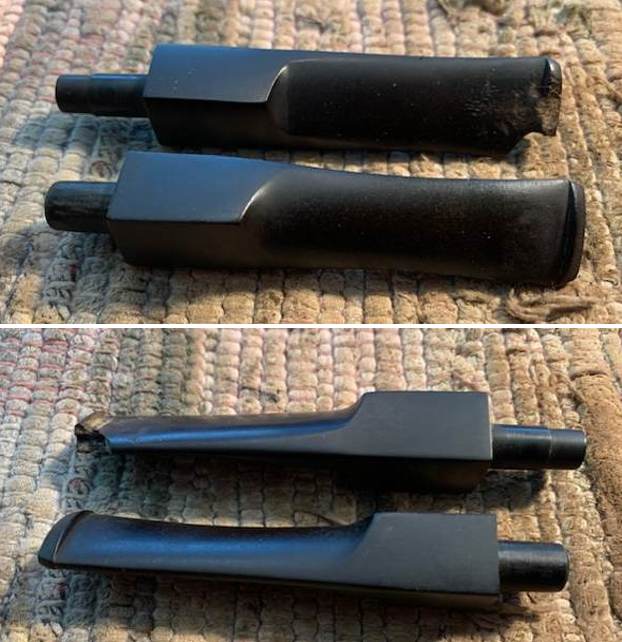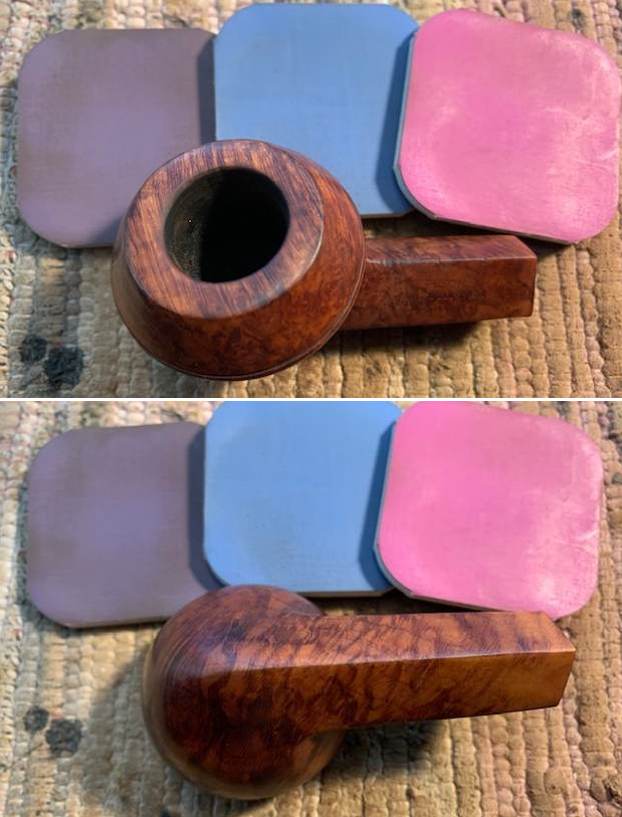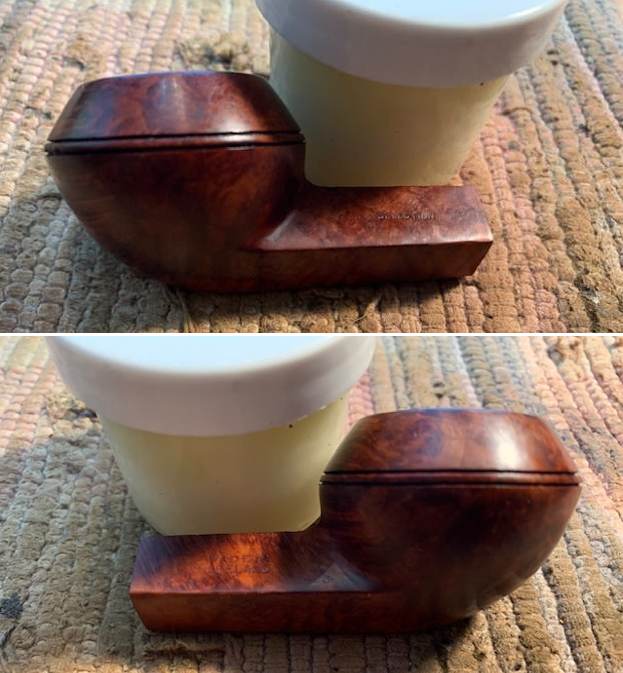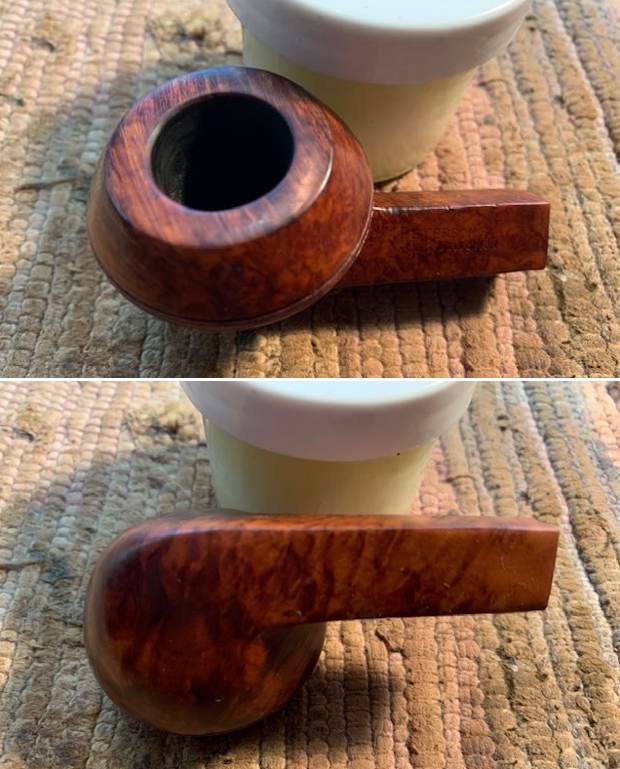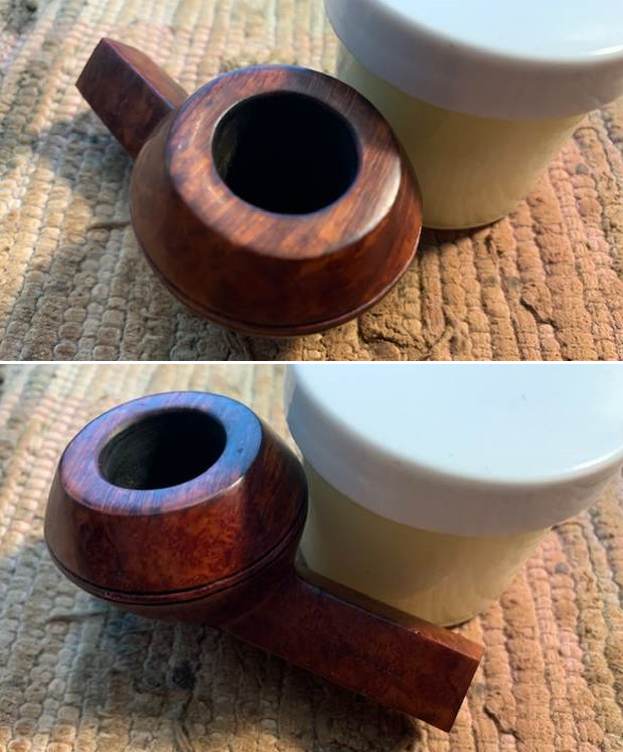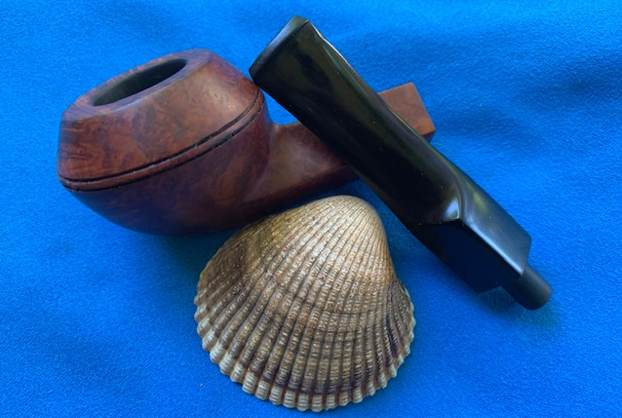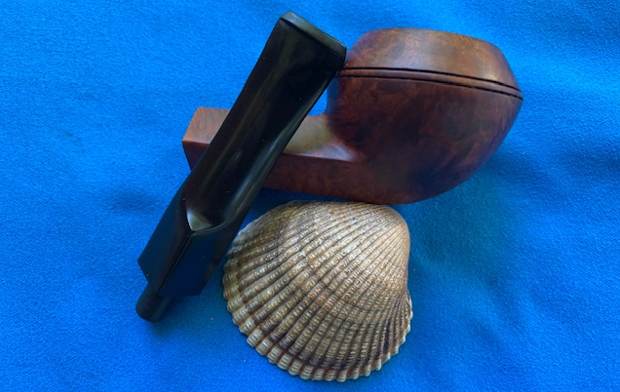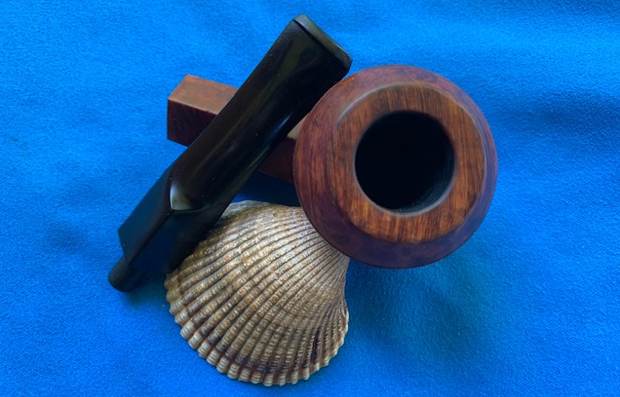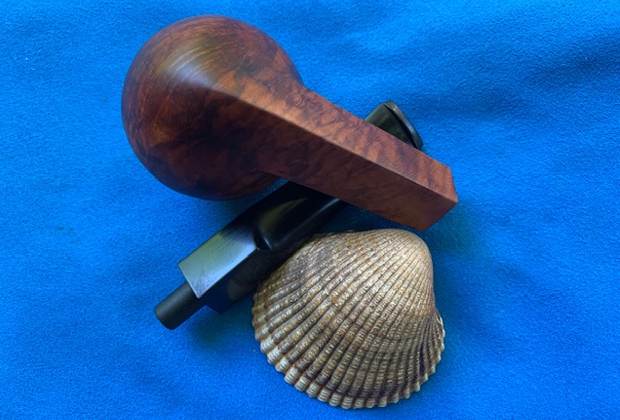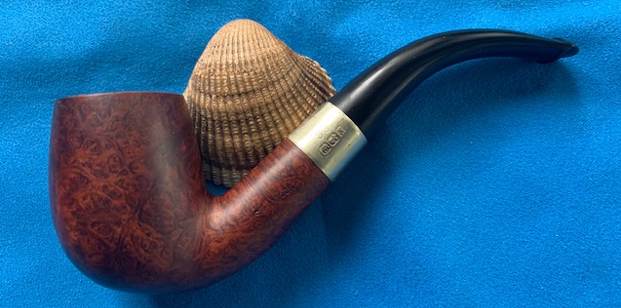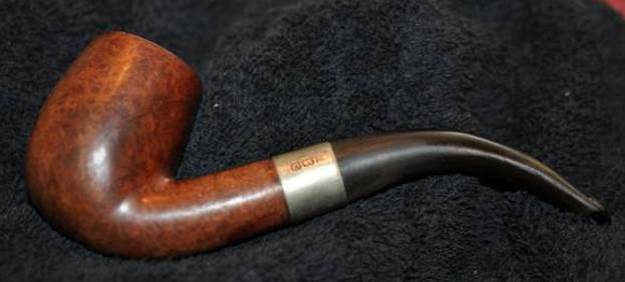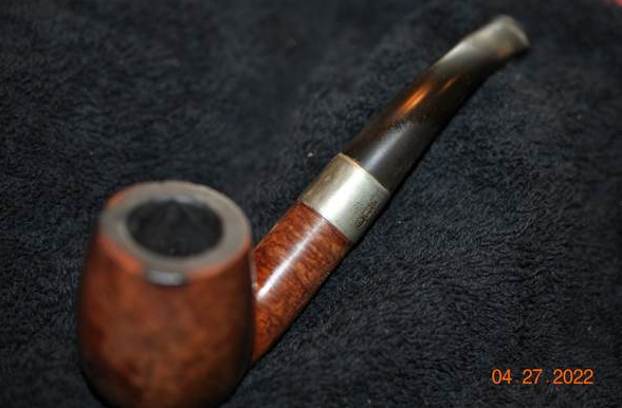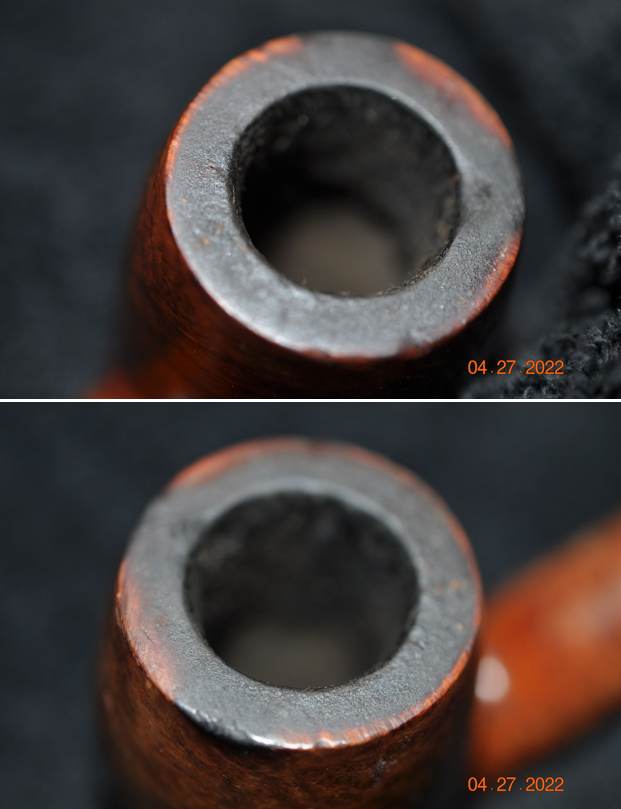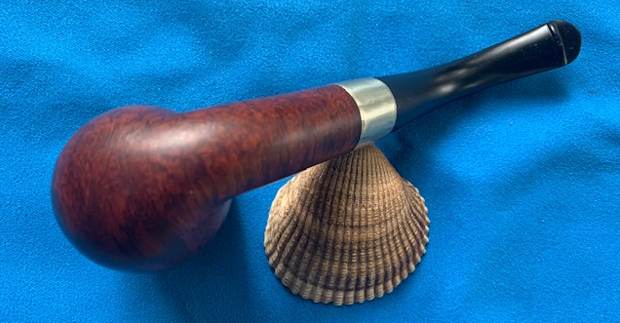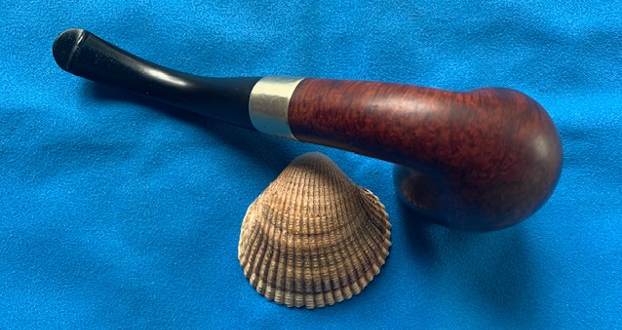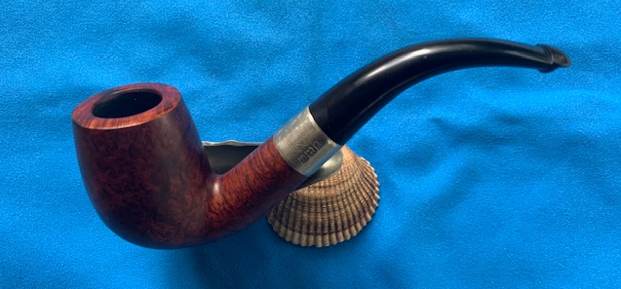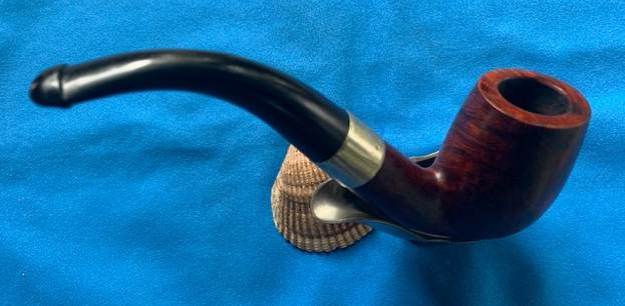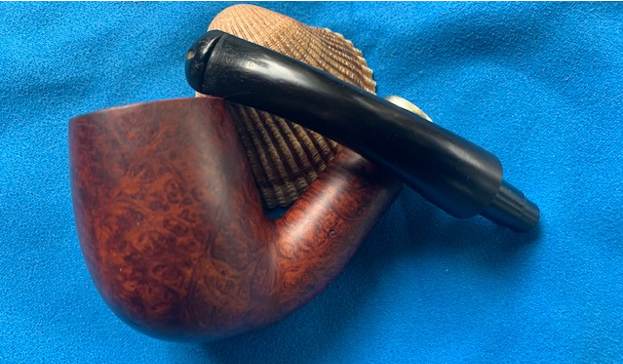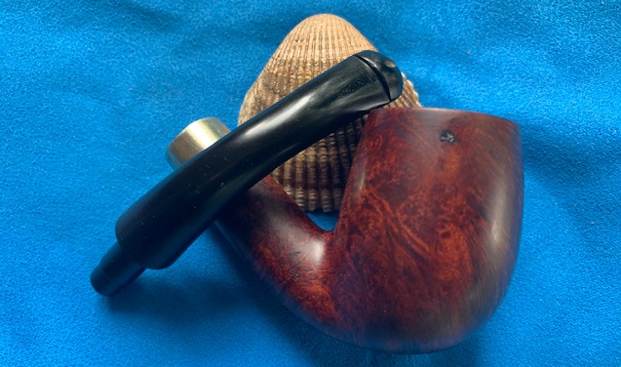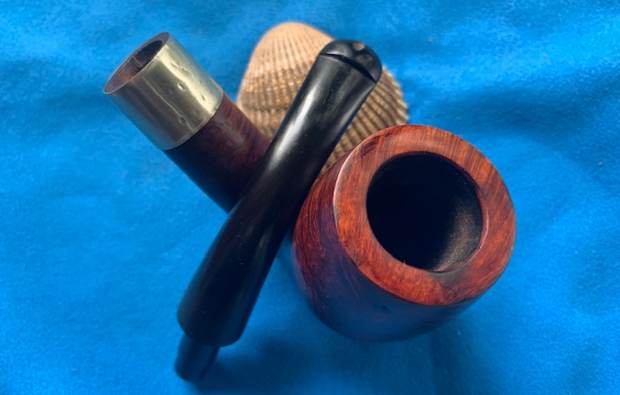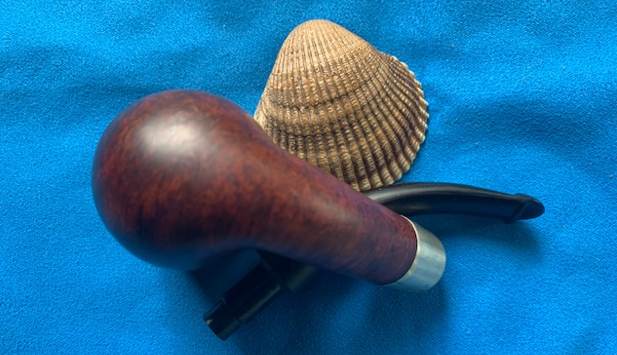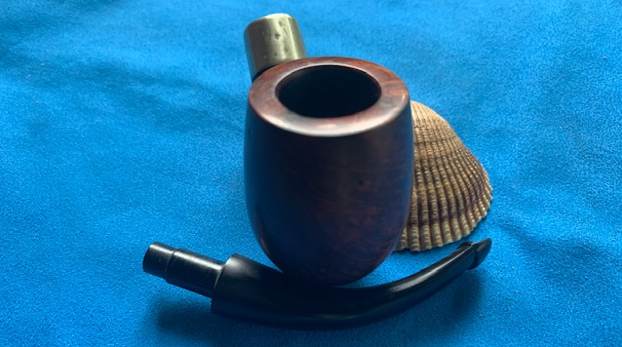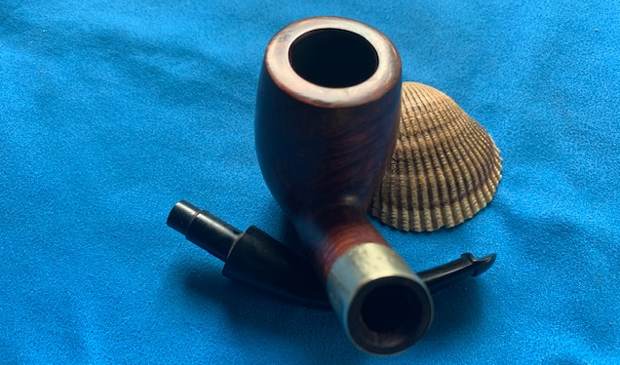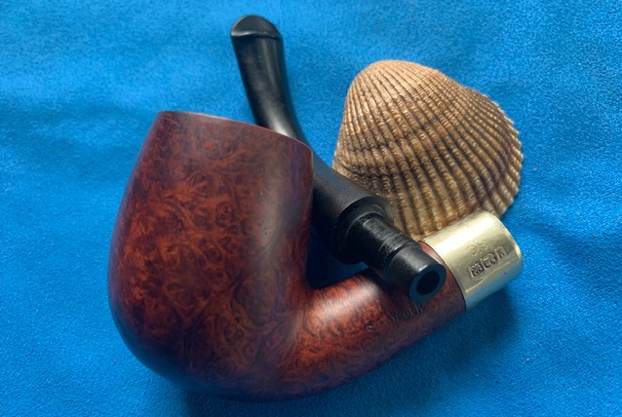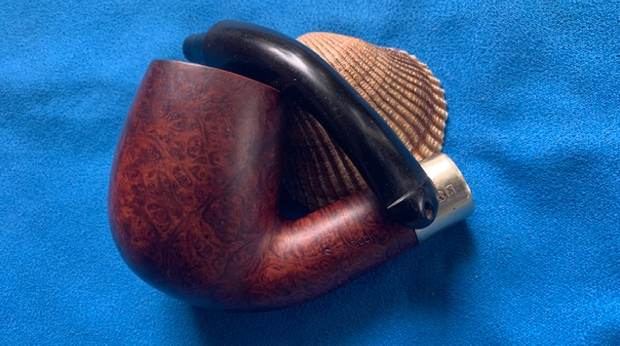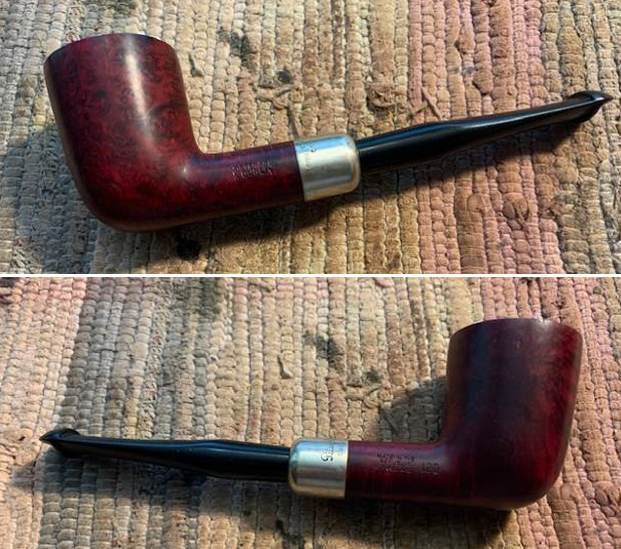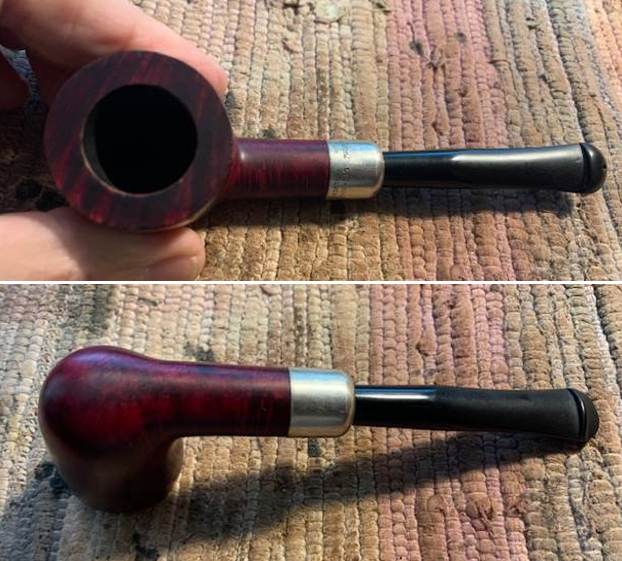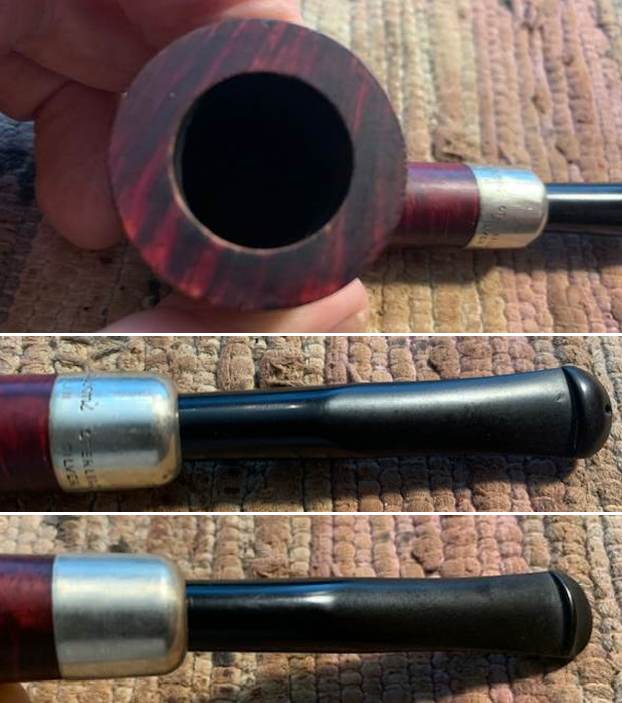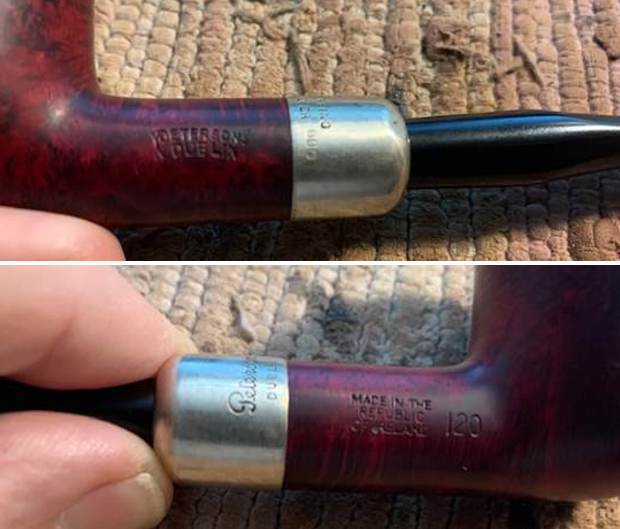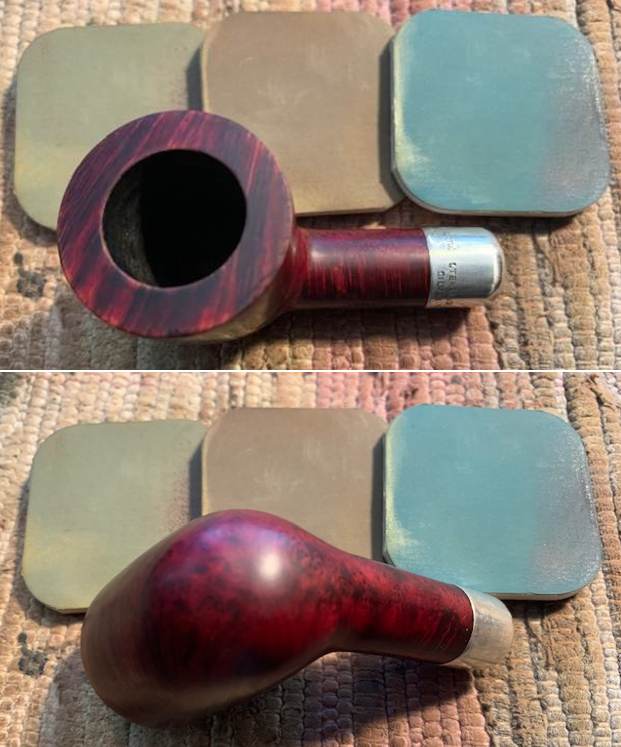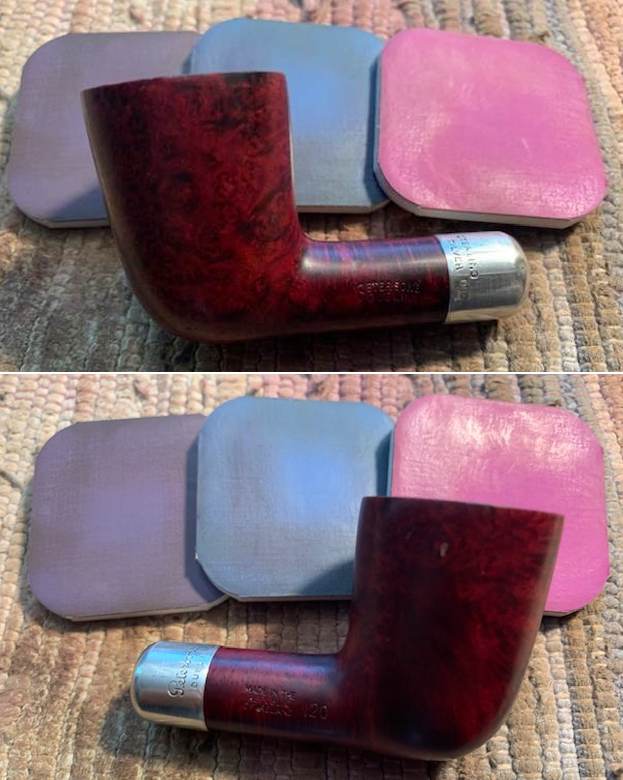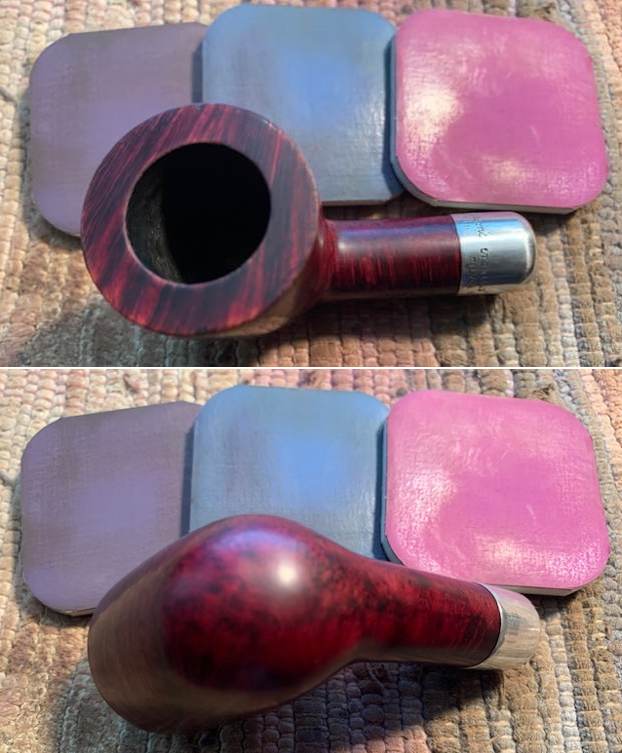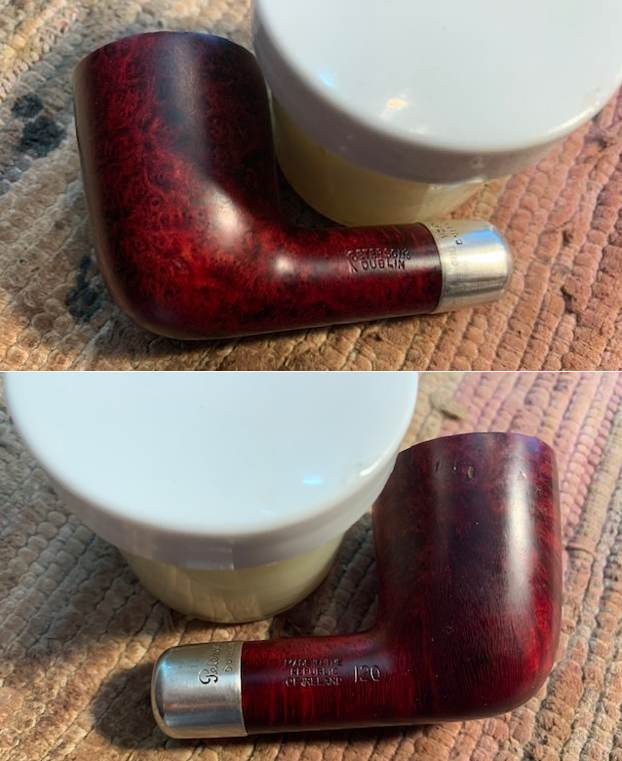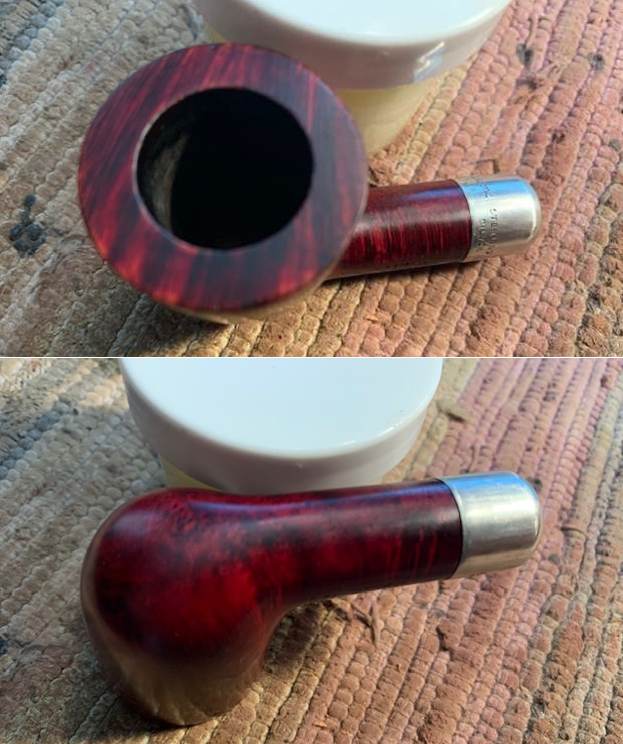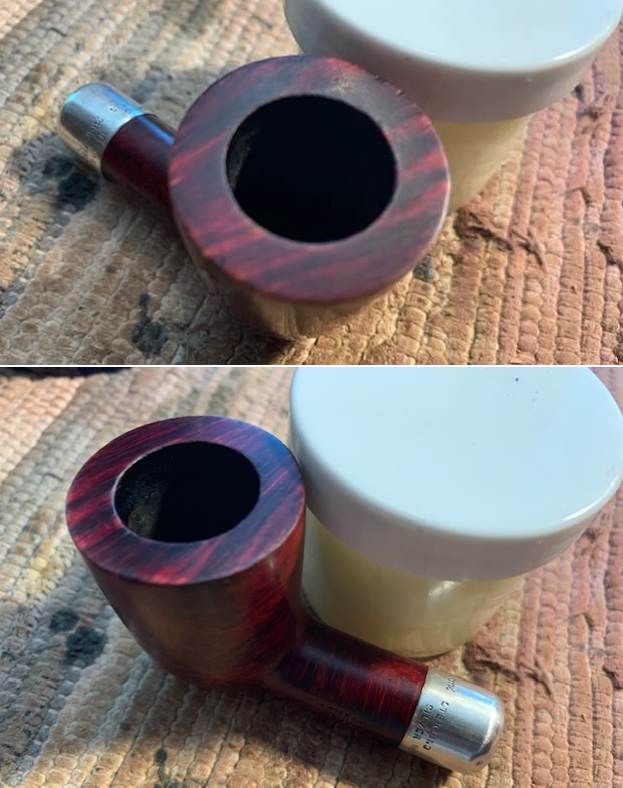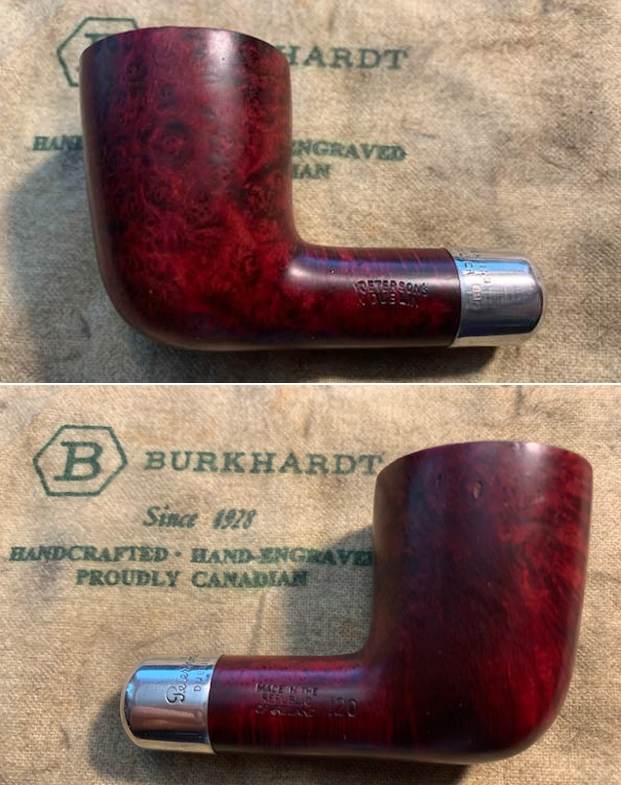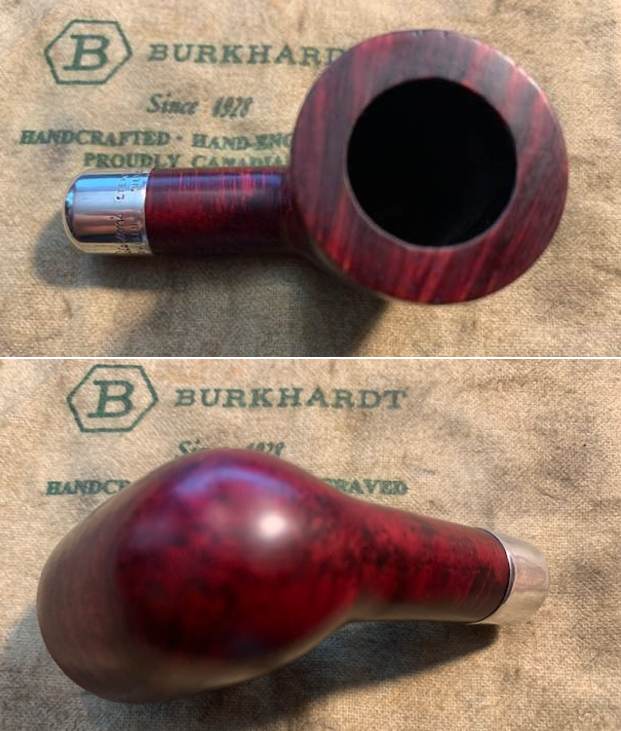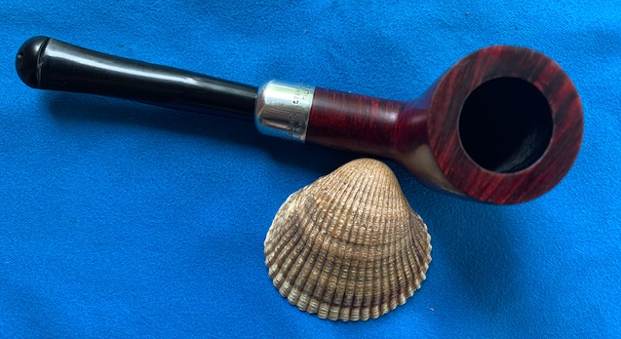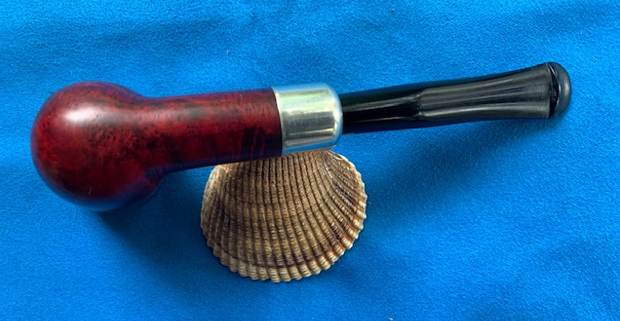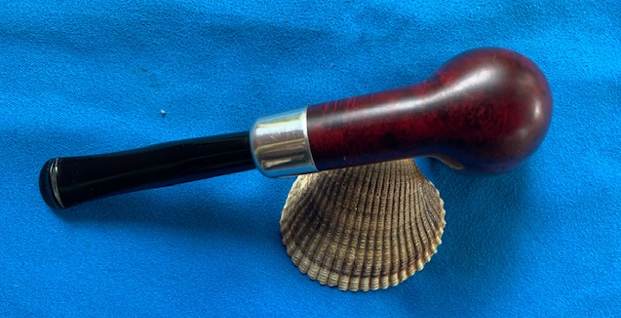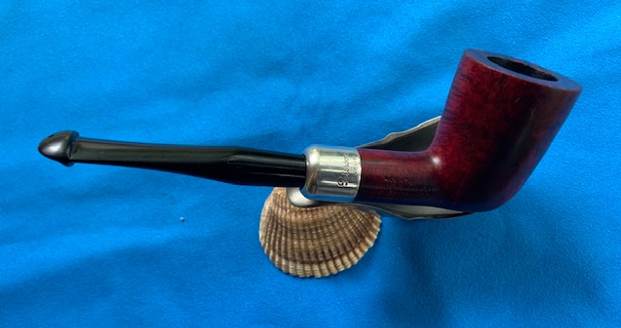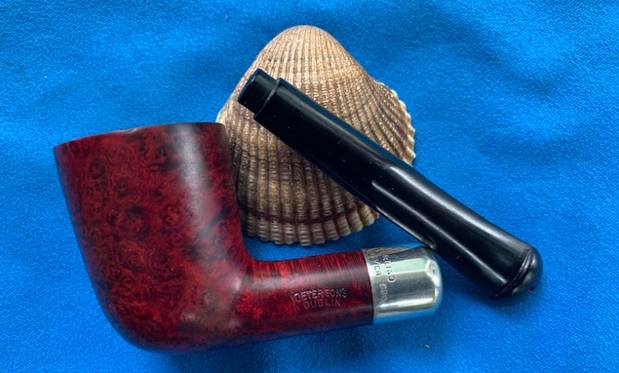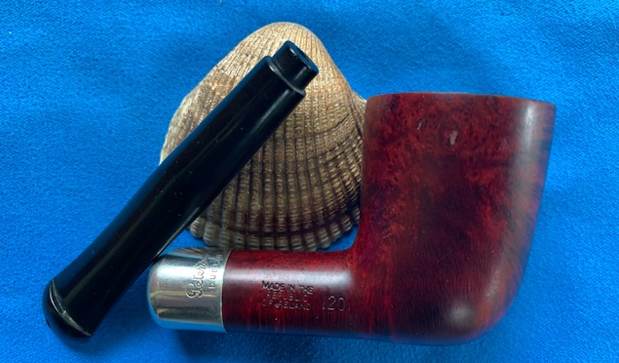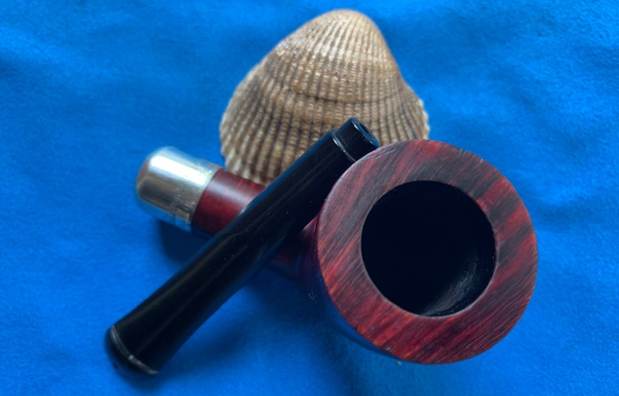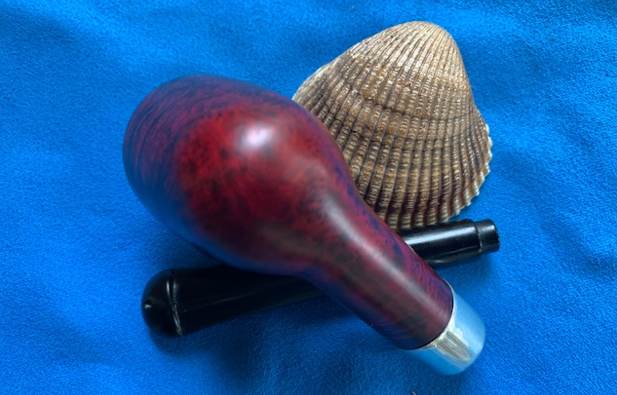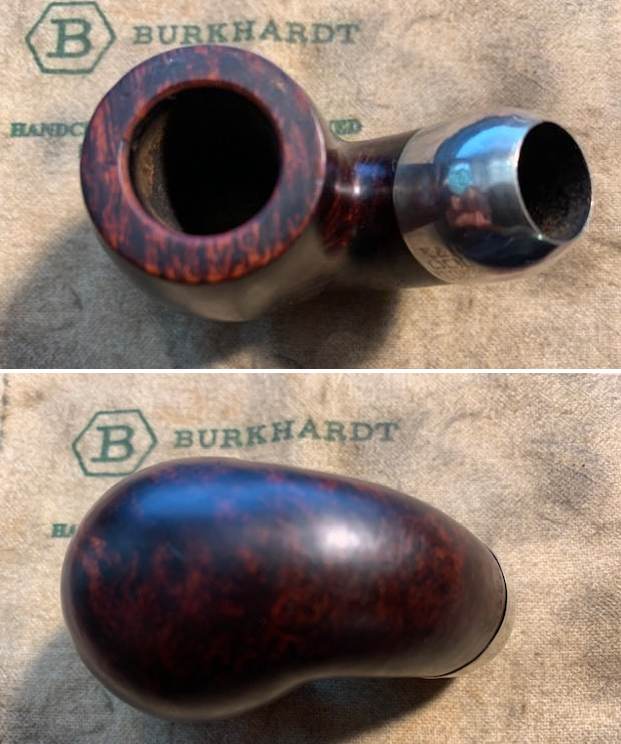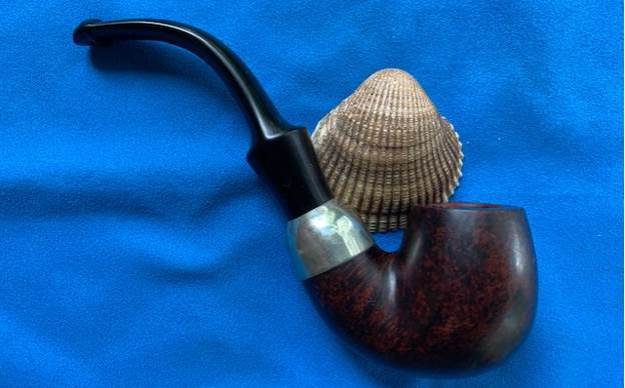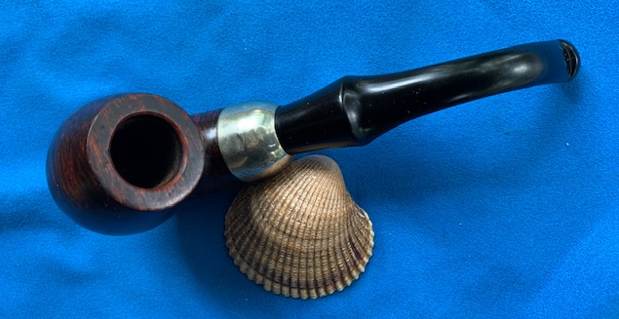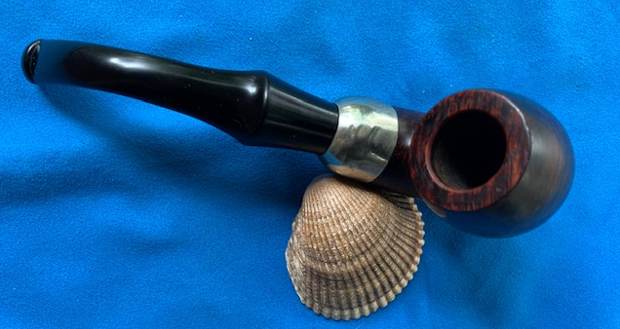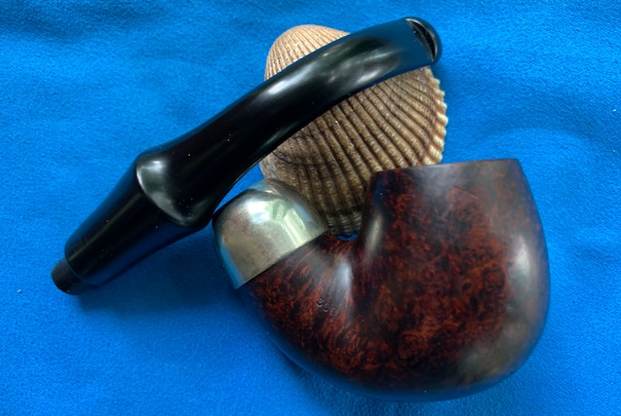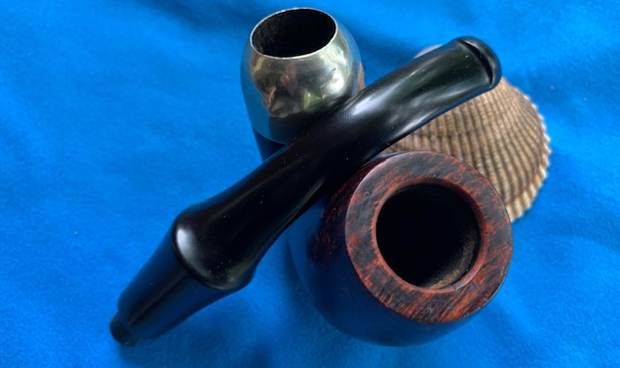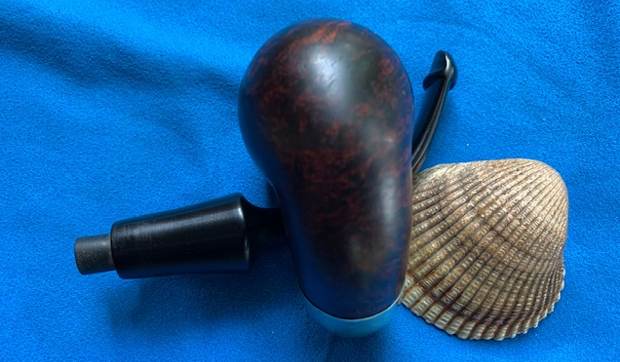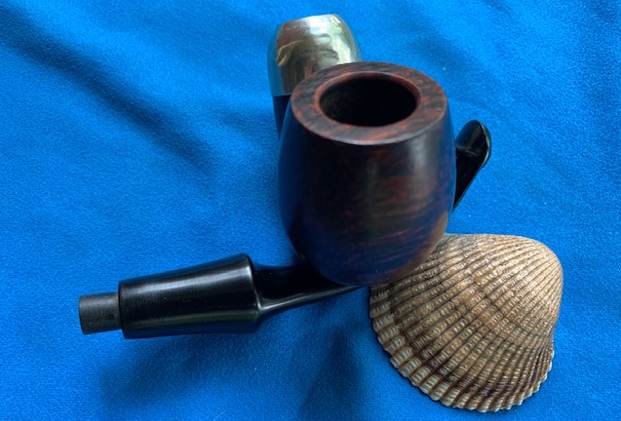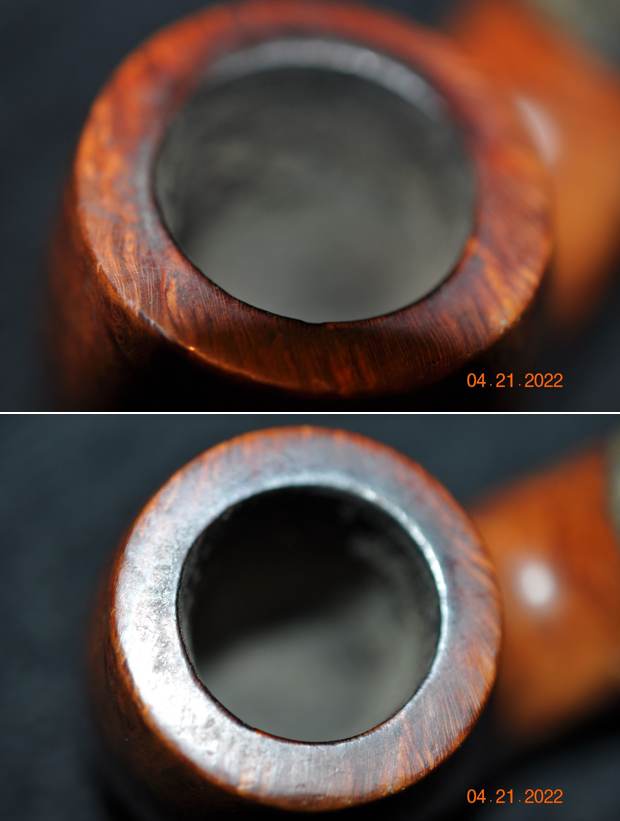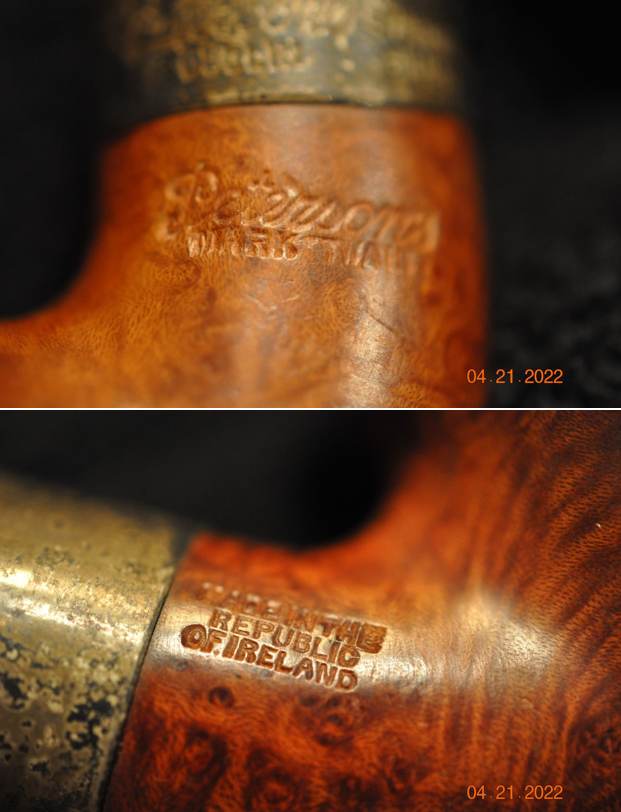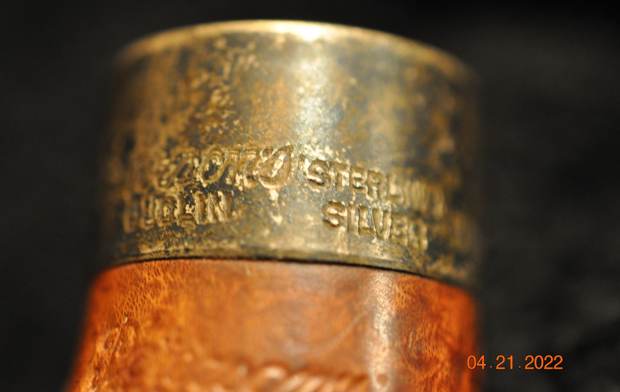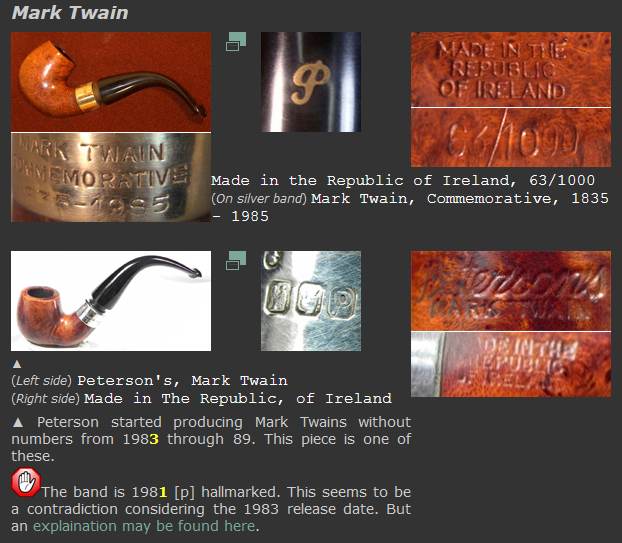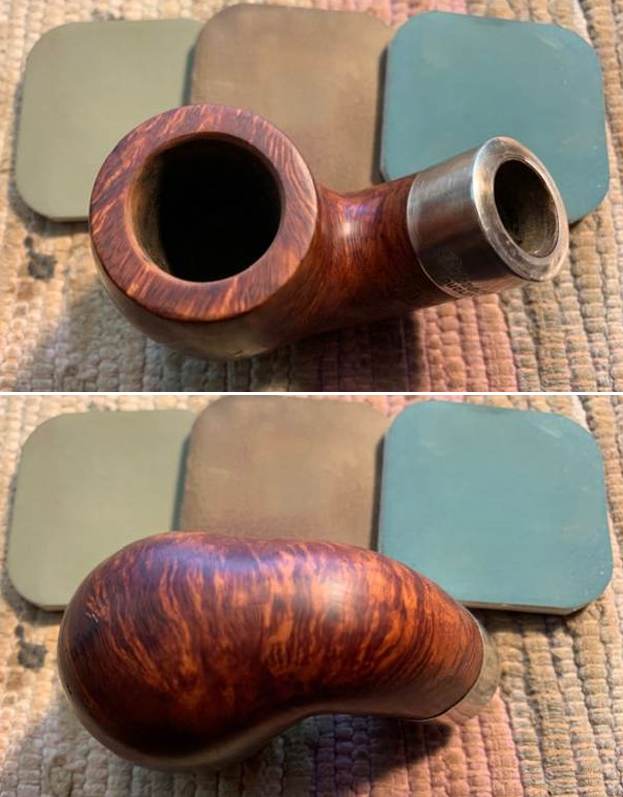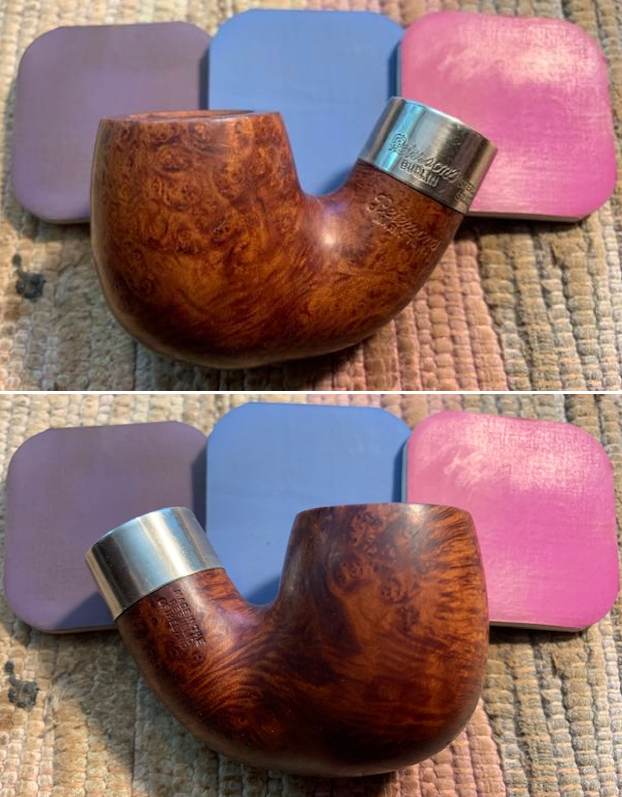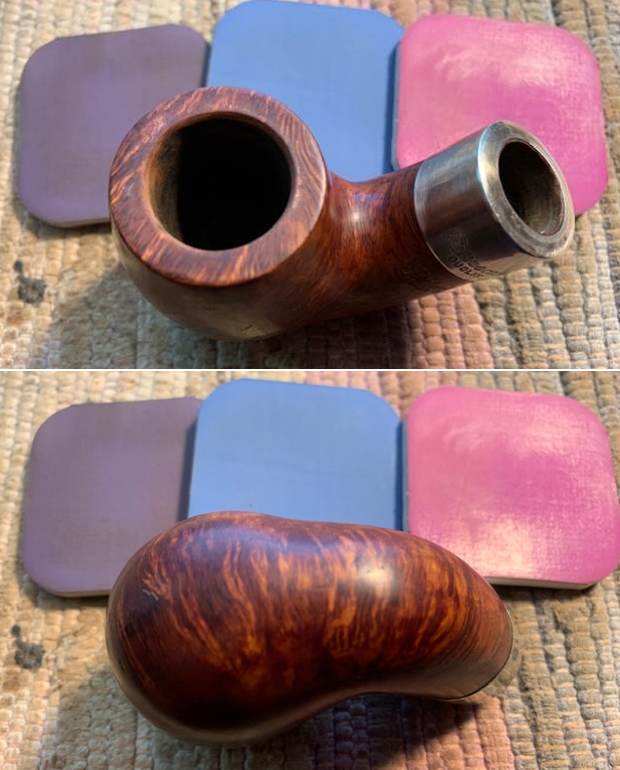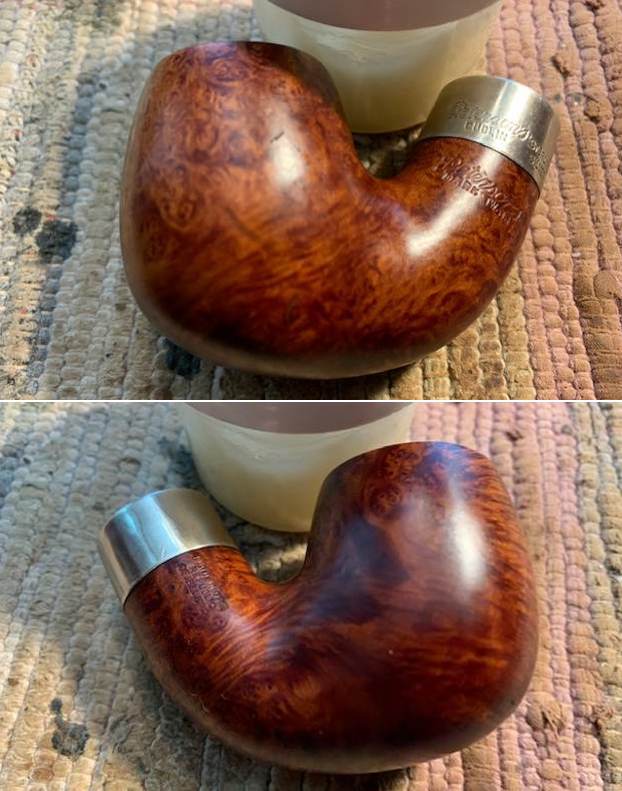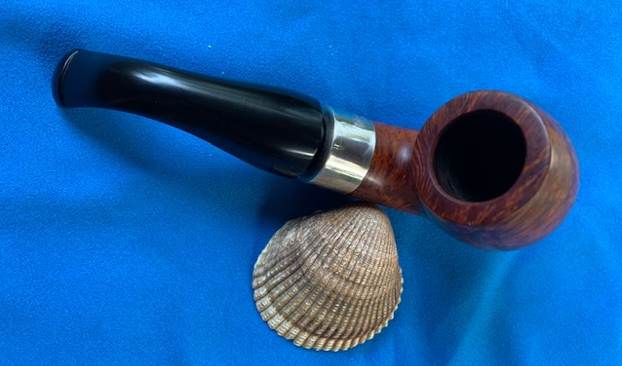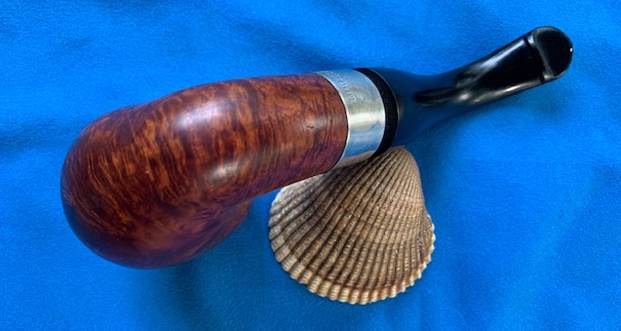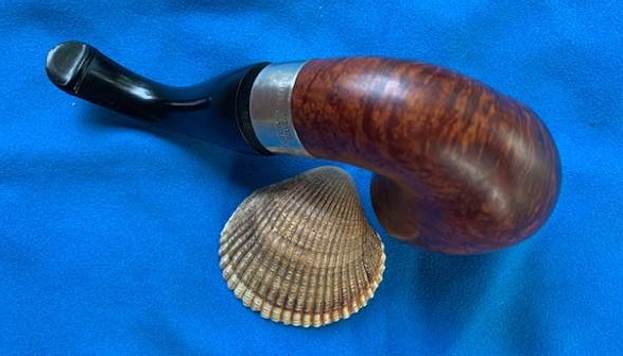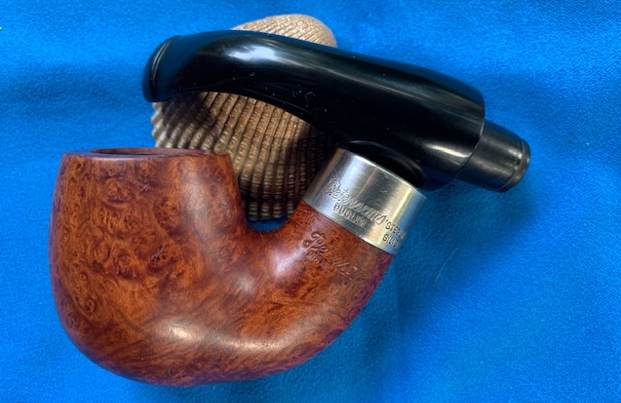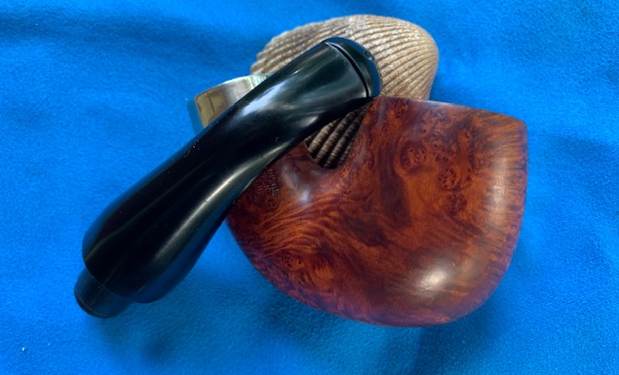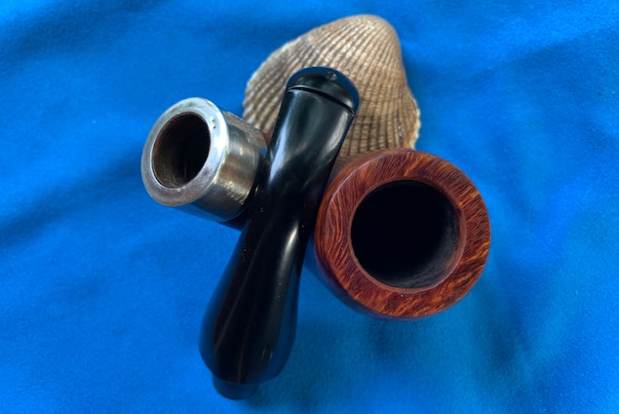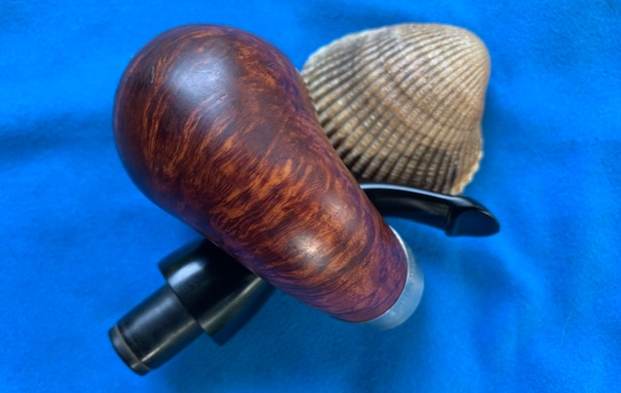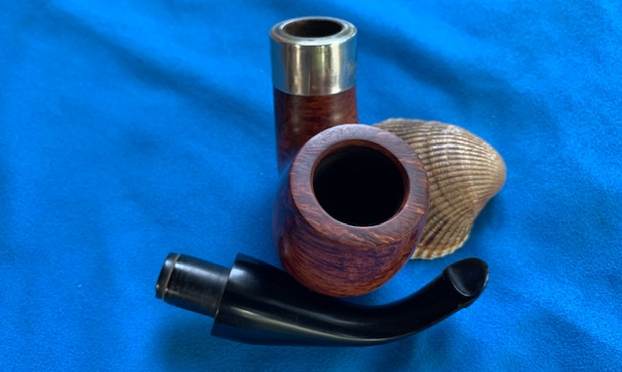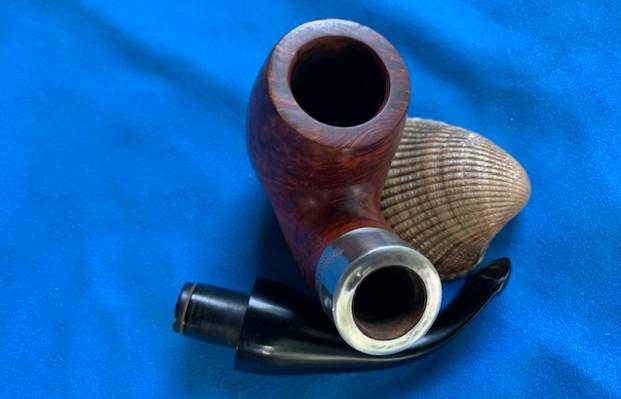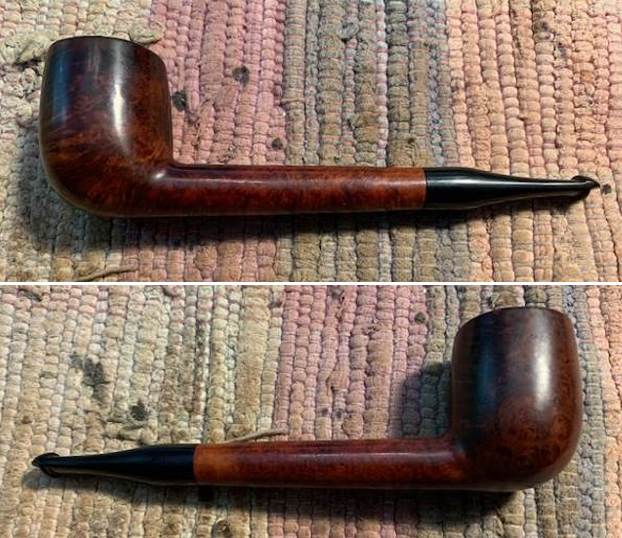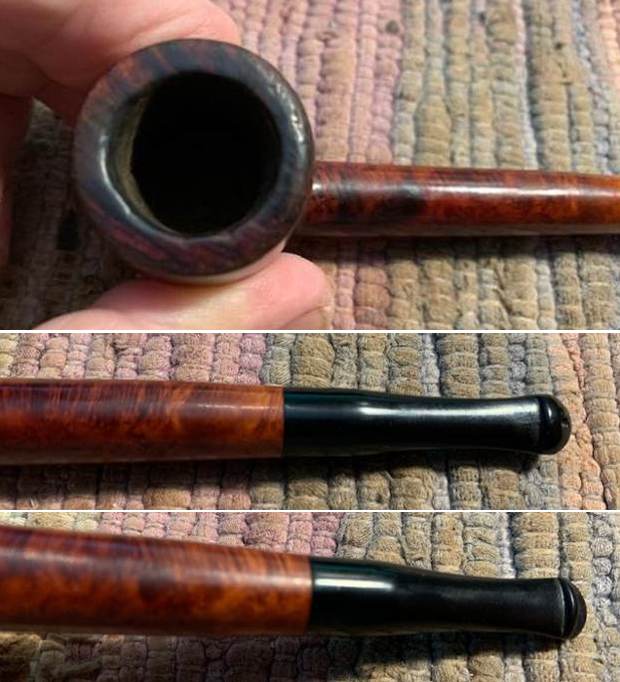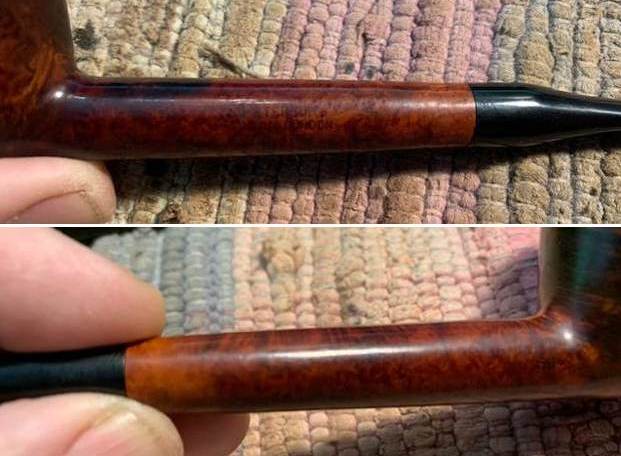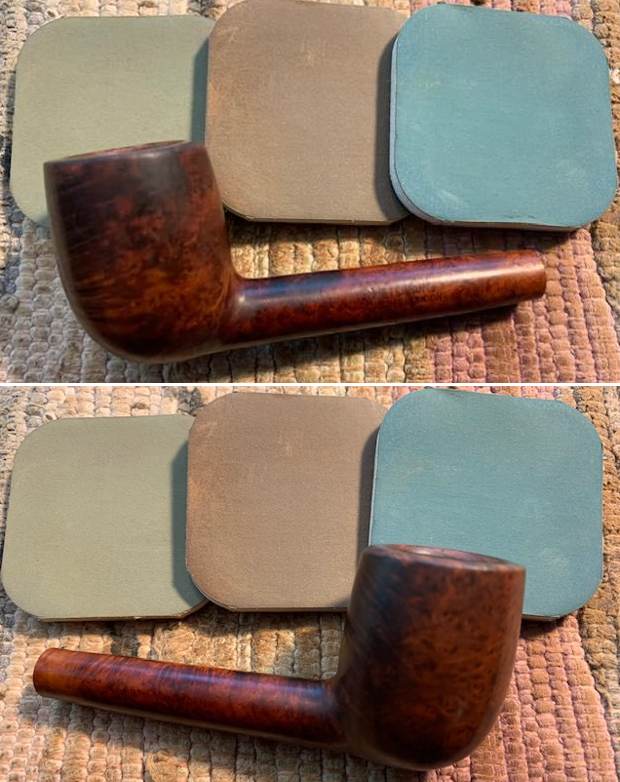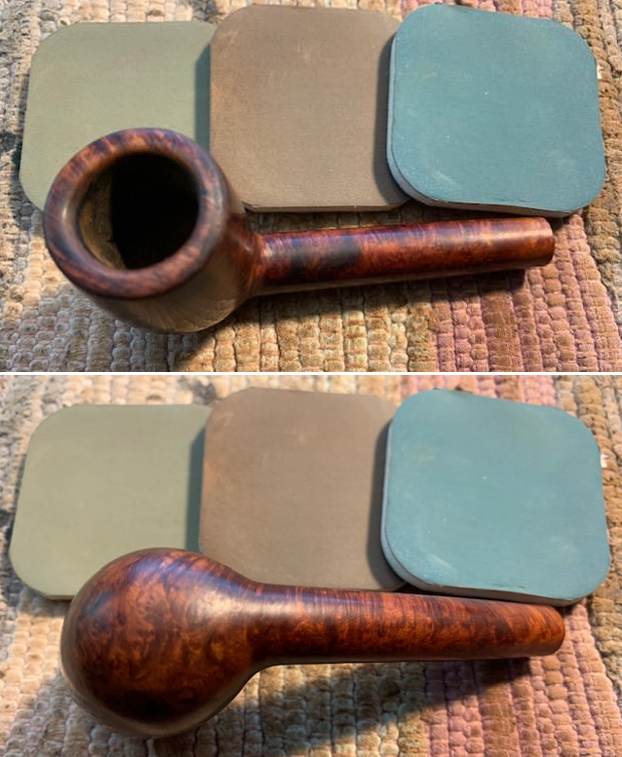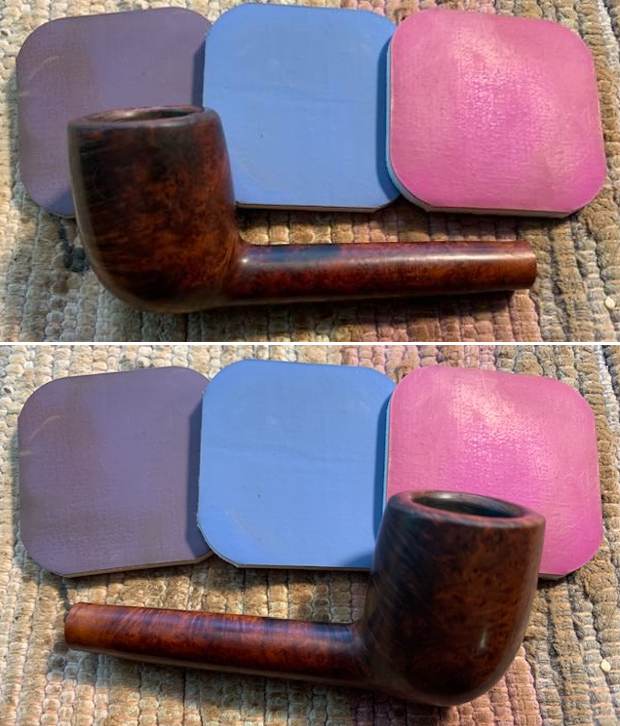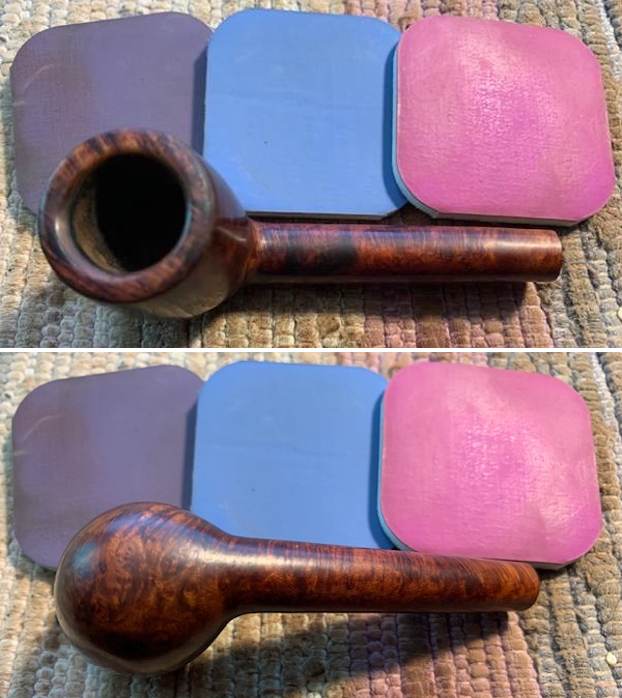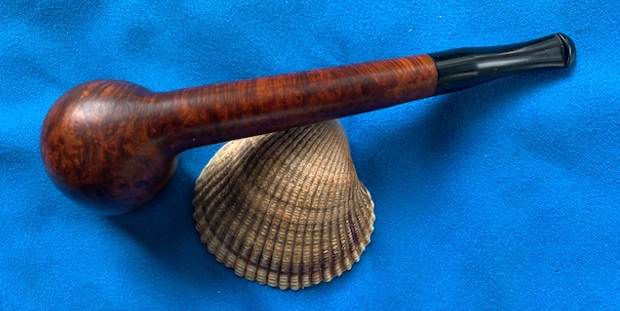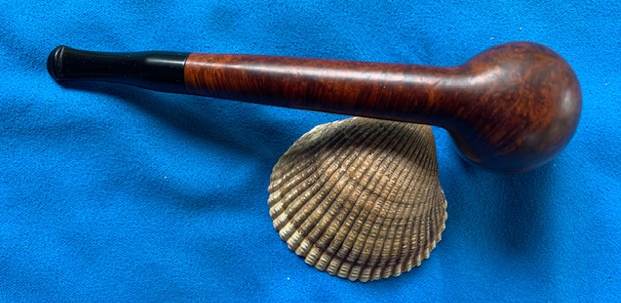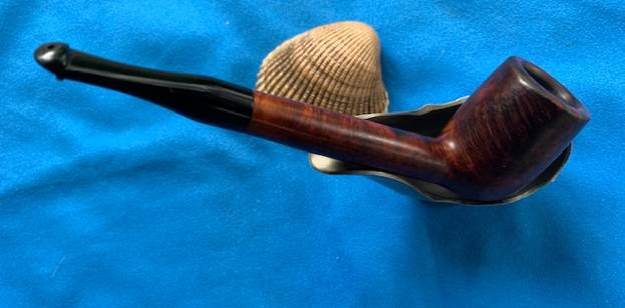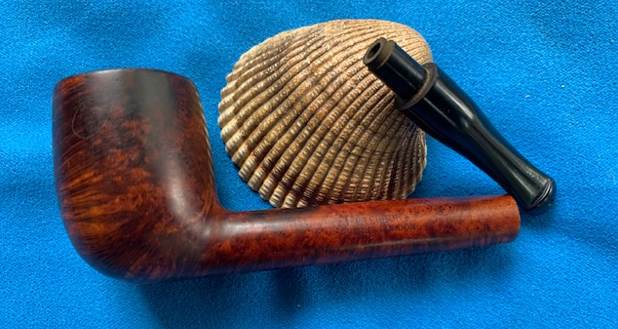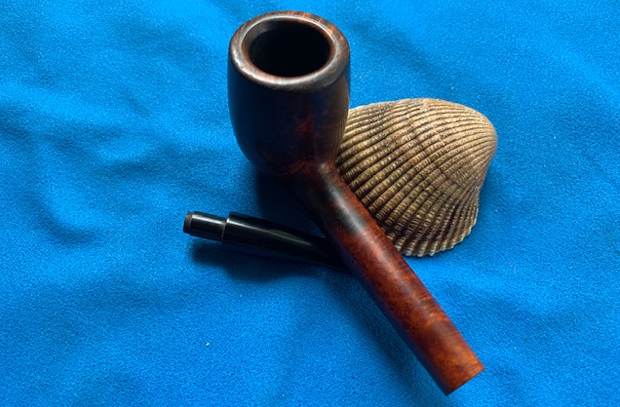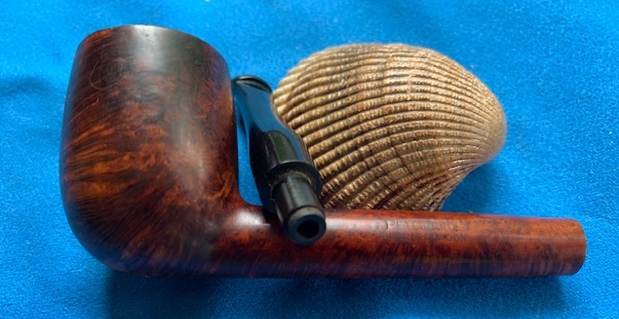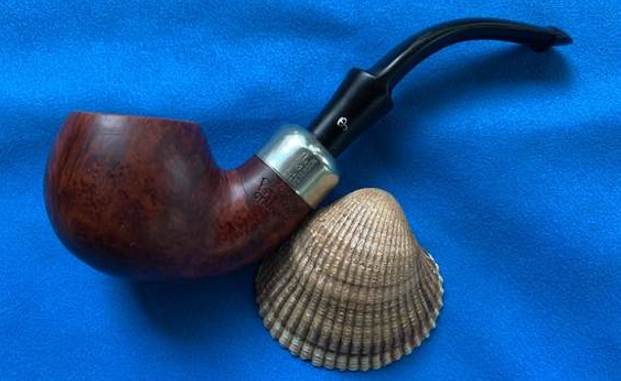
Tag Archives: Petersons Pipes

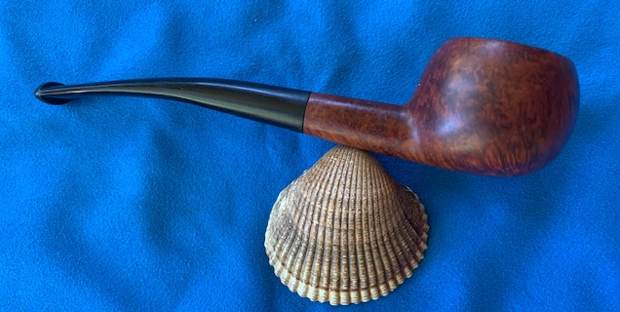
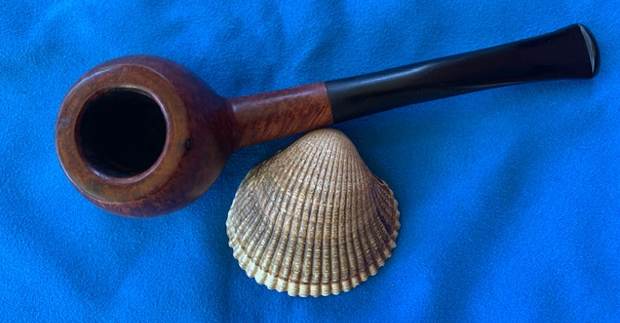
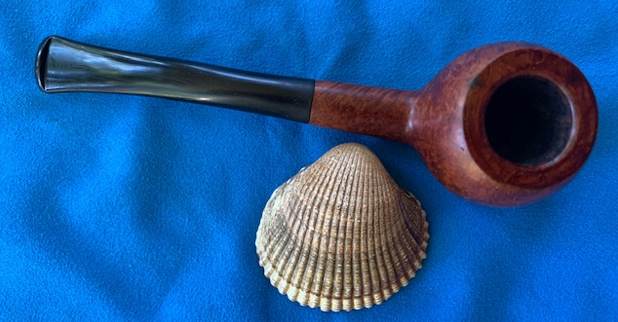
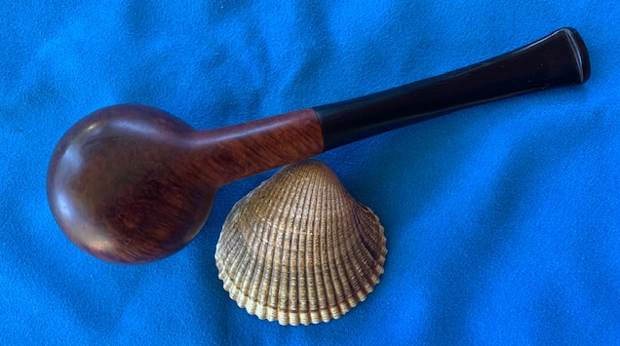
Restoring and Restemming a Made in Ireland Peterson’s “Sports” 6 Pot


Blog by Steve Laug

Jeff and I often purchase pipe bowl/stummels of brands that we like and want to restore. These have included a lot of different bowls. If you have followed us for long you know that some of these have included Peterson’s, Dunhill’s, and a wide range of Danish and English pipes. Awhile ago Jeff and I were sorting through the bowls in our collection and pulled out eight Peterson’s bowls that were dirty and stemless. A friend referred us to a contact named Silas Walls, of Walls Pipe Repair in Wallace, Idaho, USA as he seems to have a good supply of original Peterson’s stems. Our friend has had him fit stems for some of his Petes and was very happy with the work. We made contact with him and sent him eight bowls for restemming.

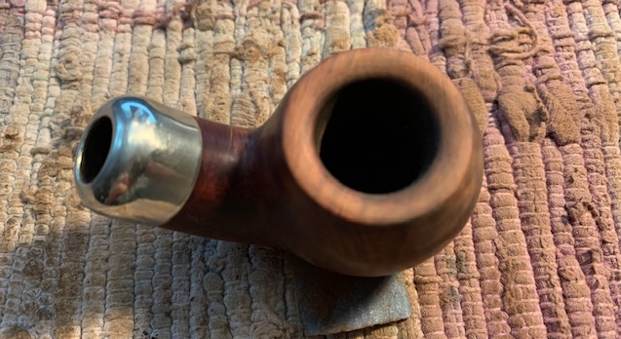
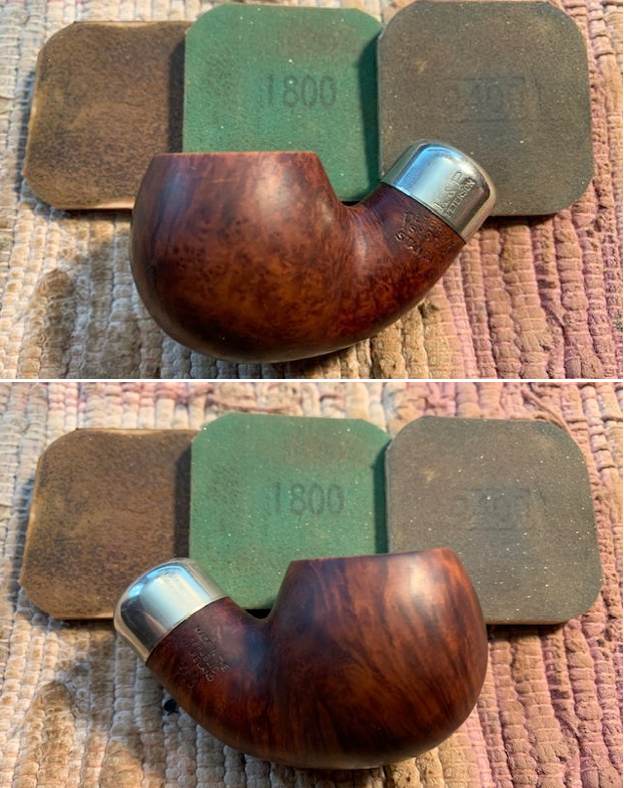
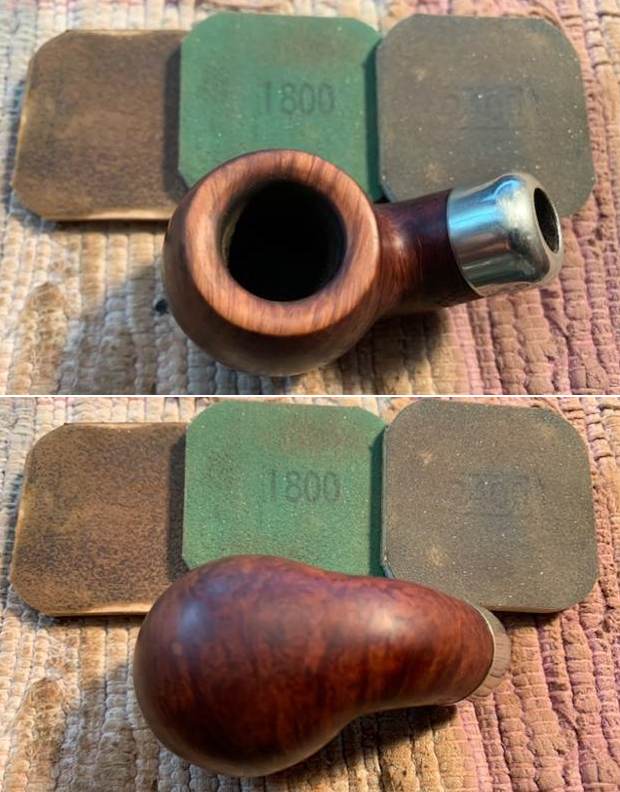
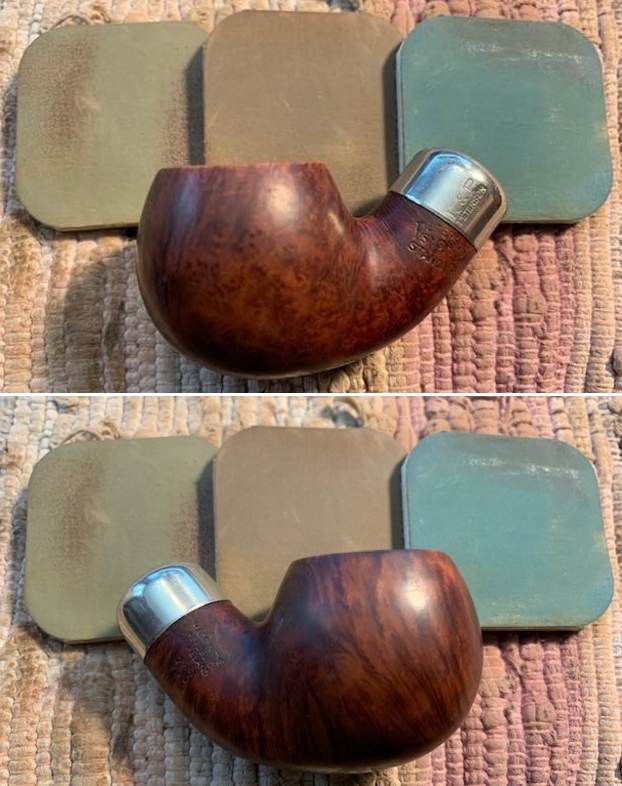
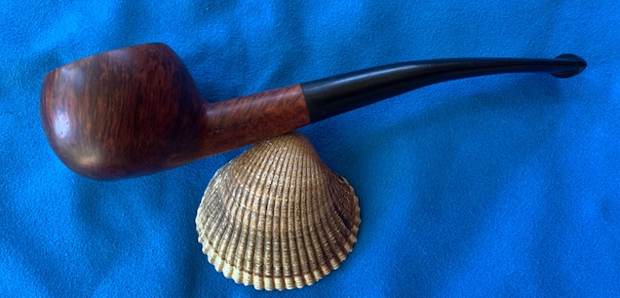
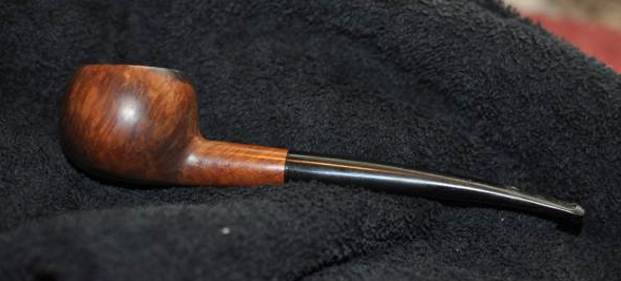
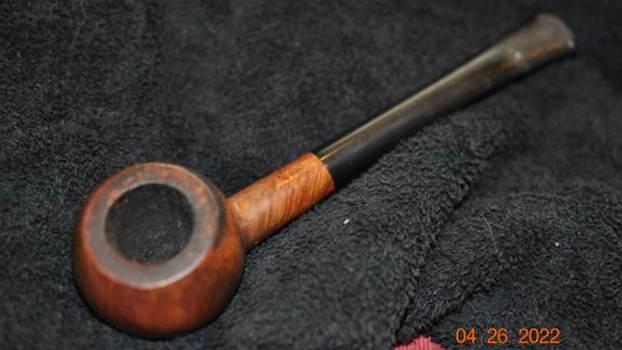
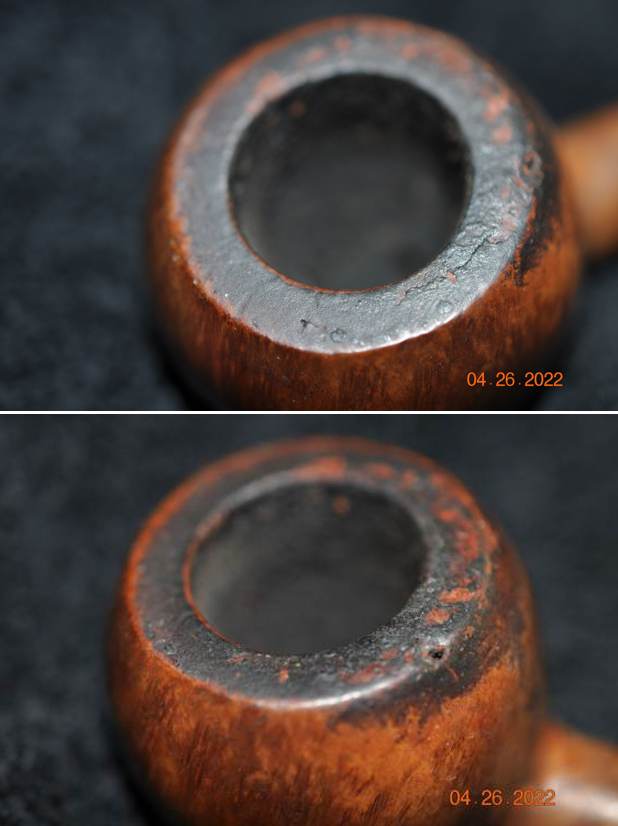
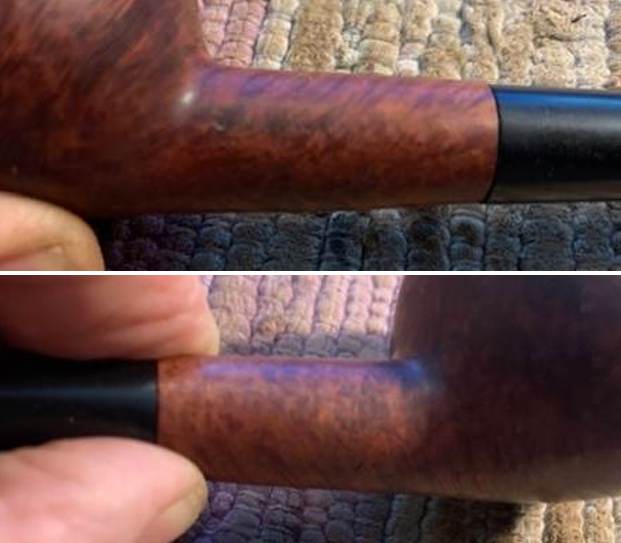
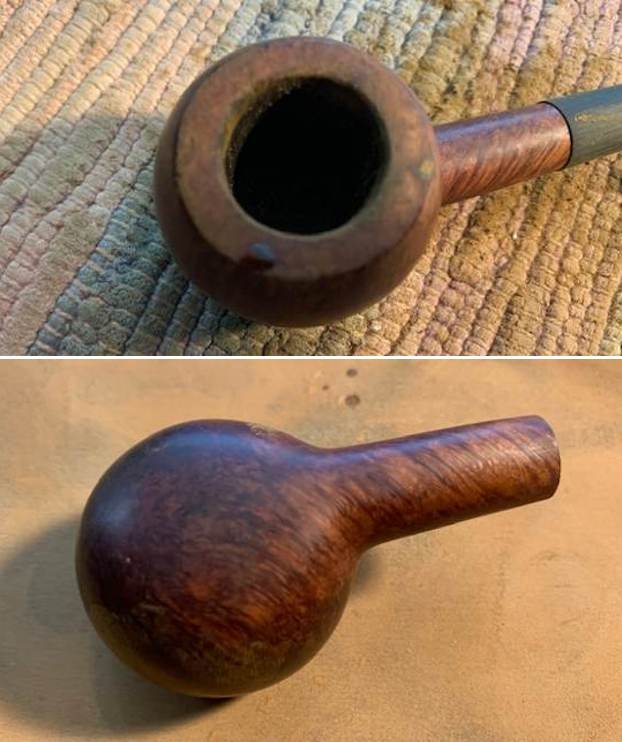
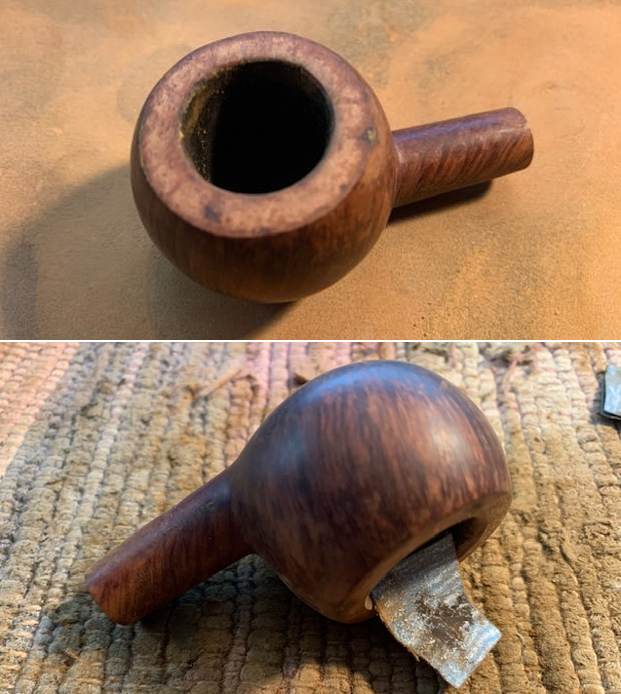
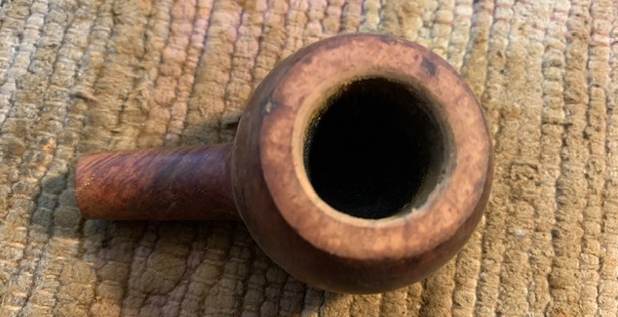
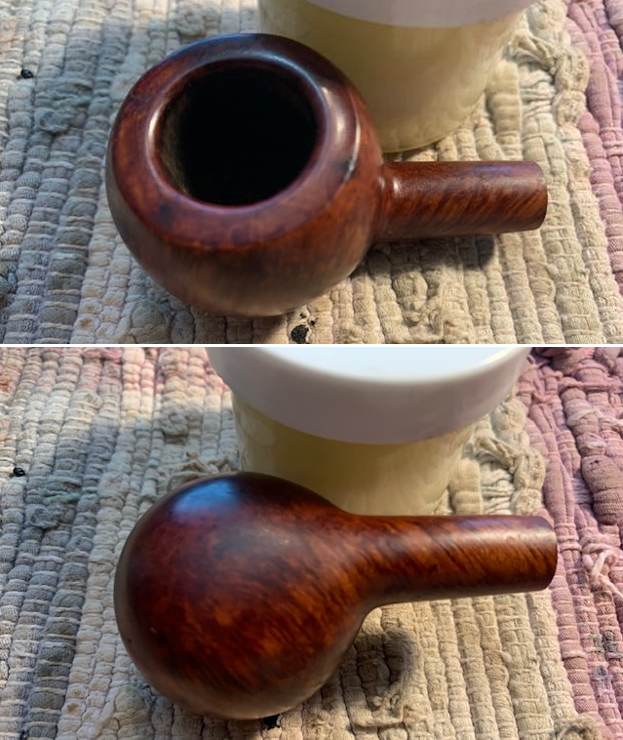
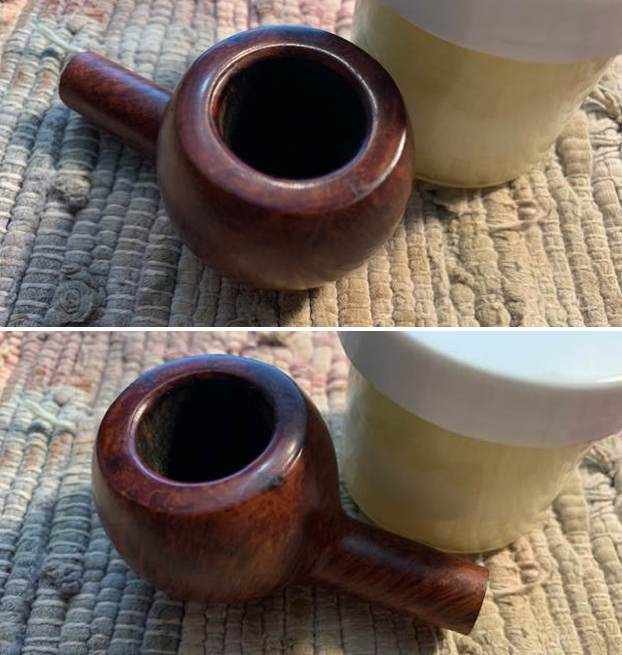
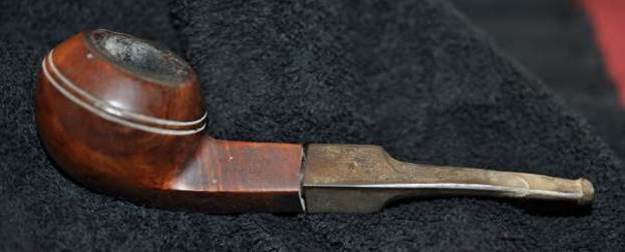
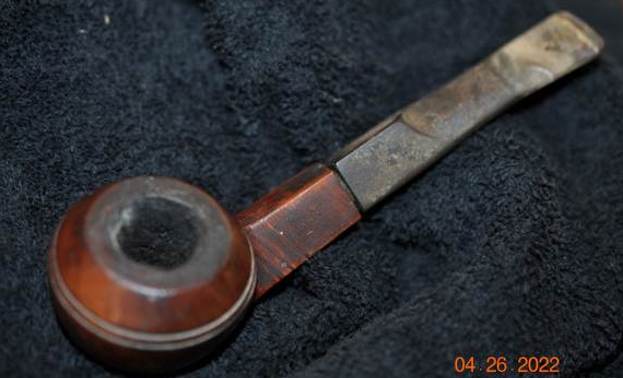
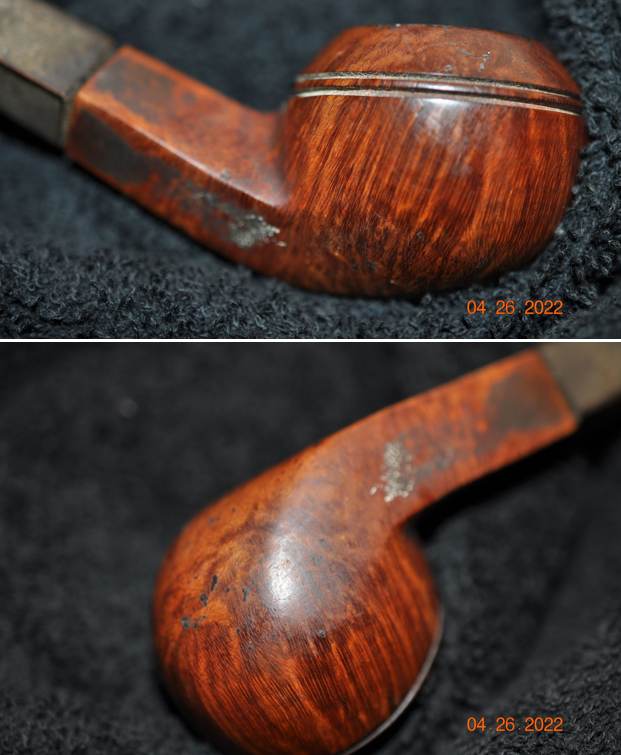
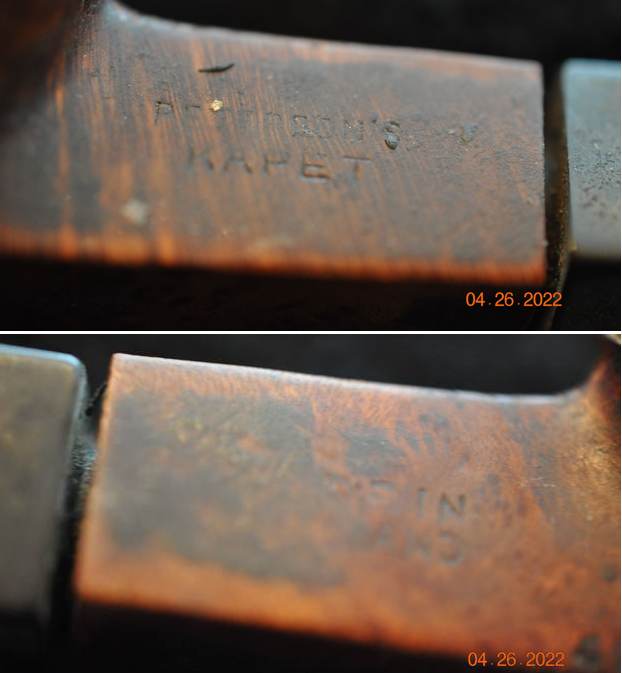
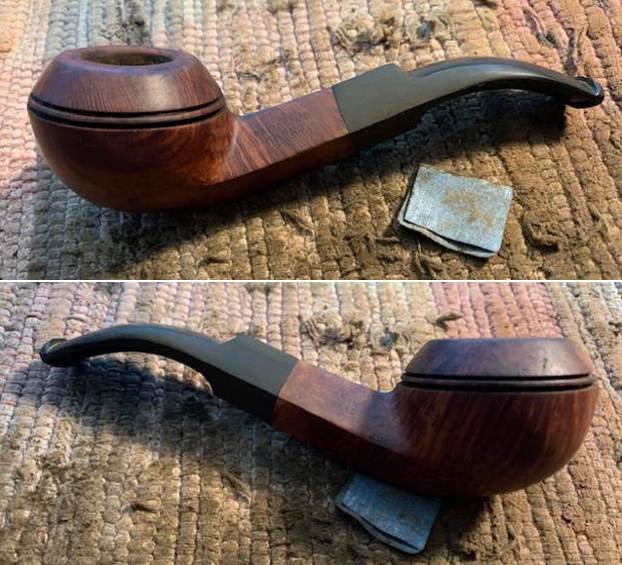
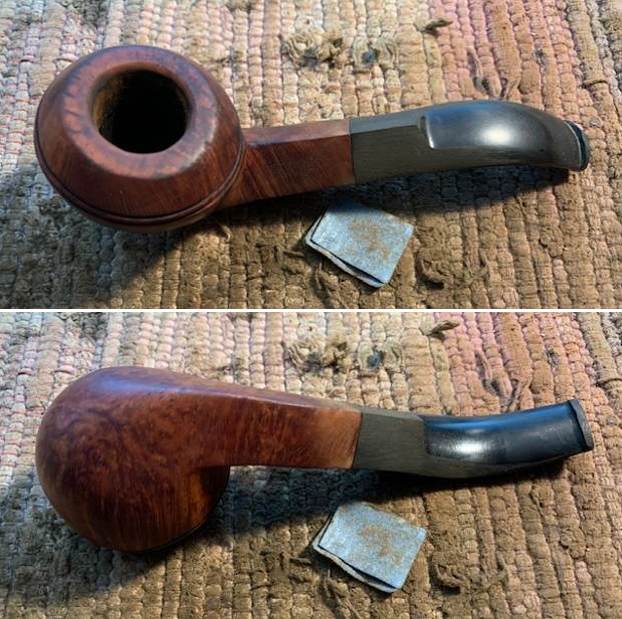
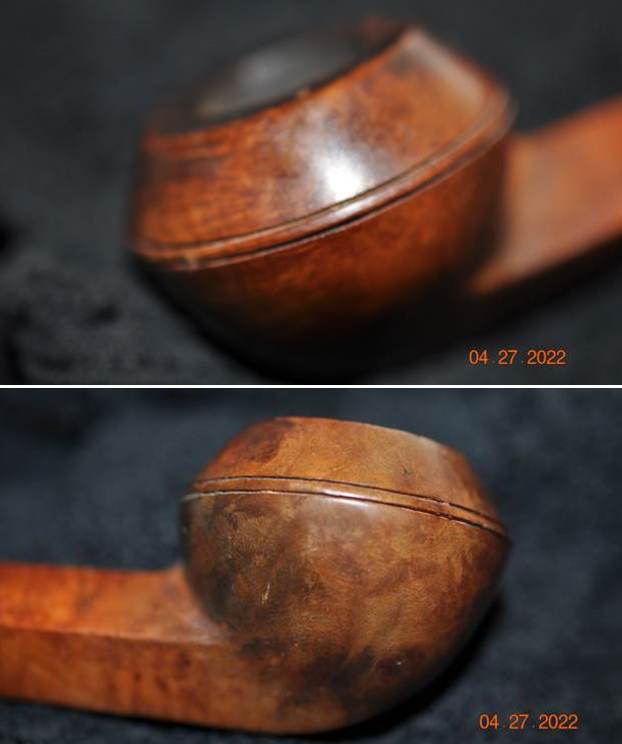
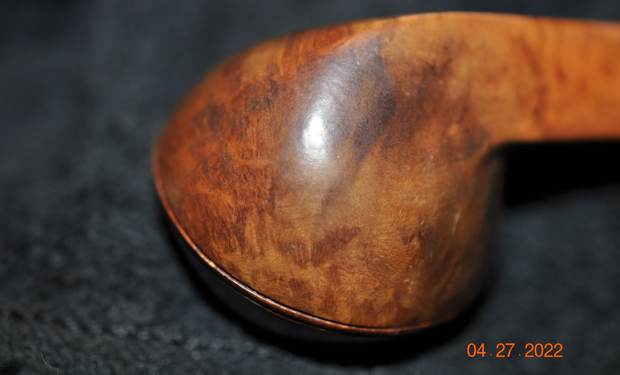
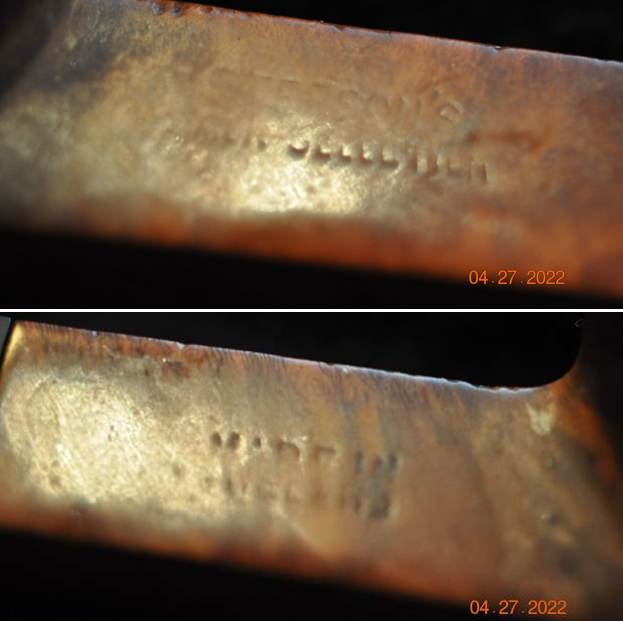
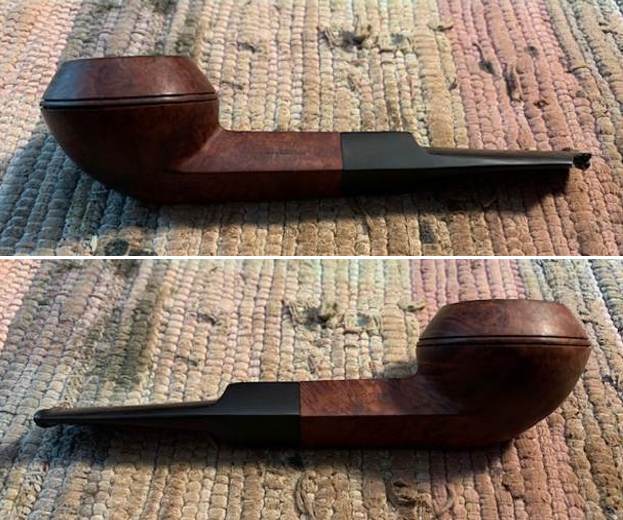
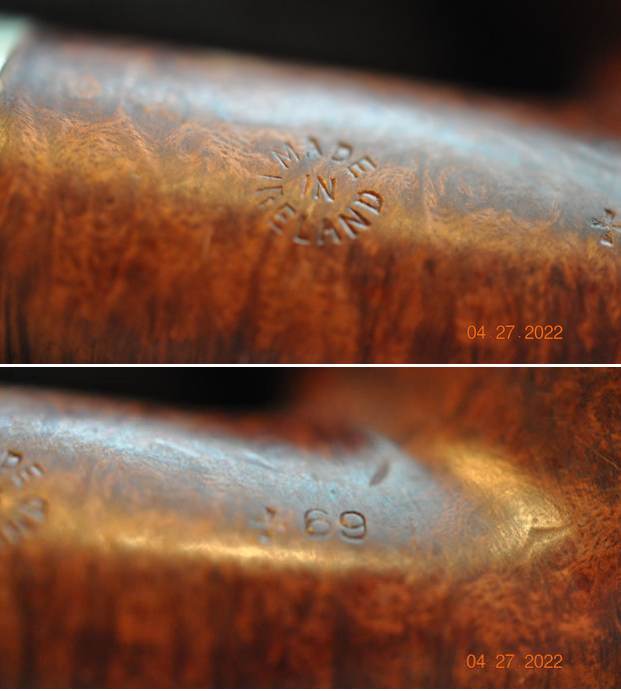
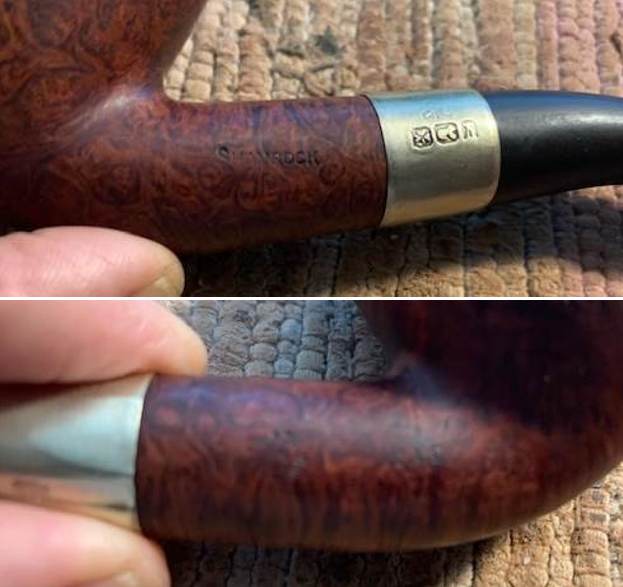
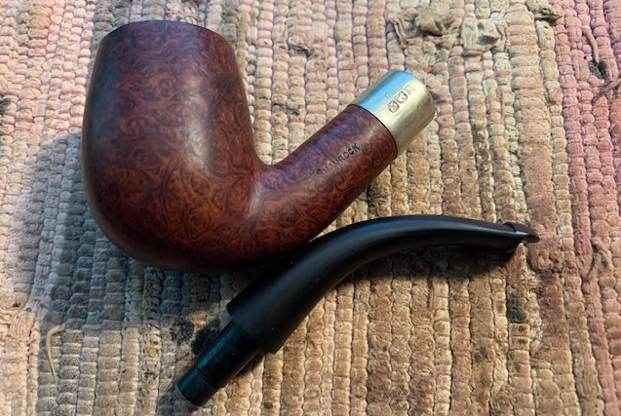
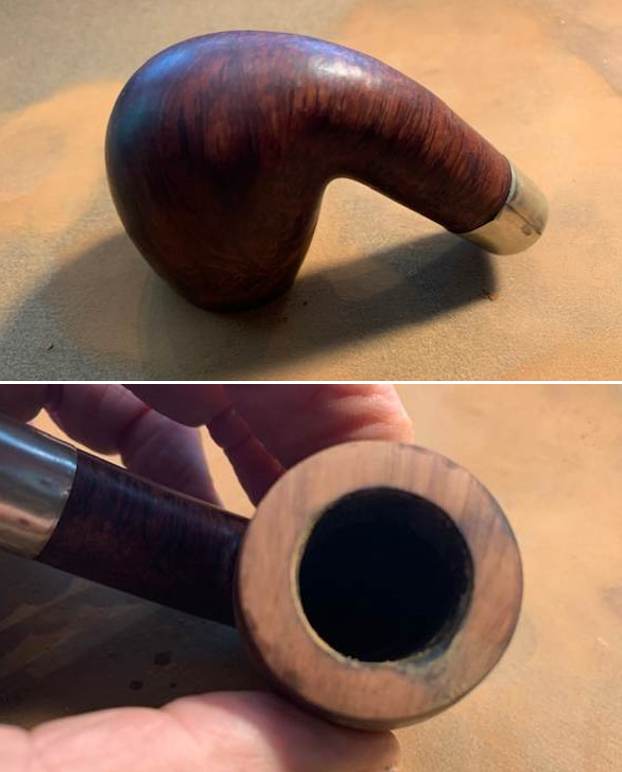
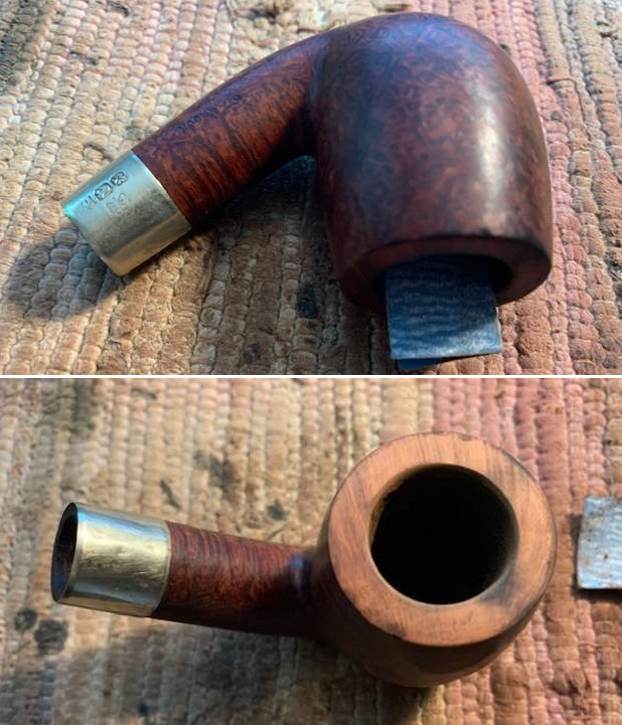
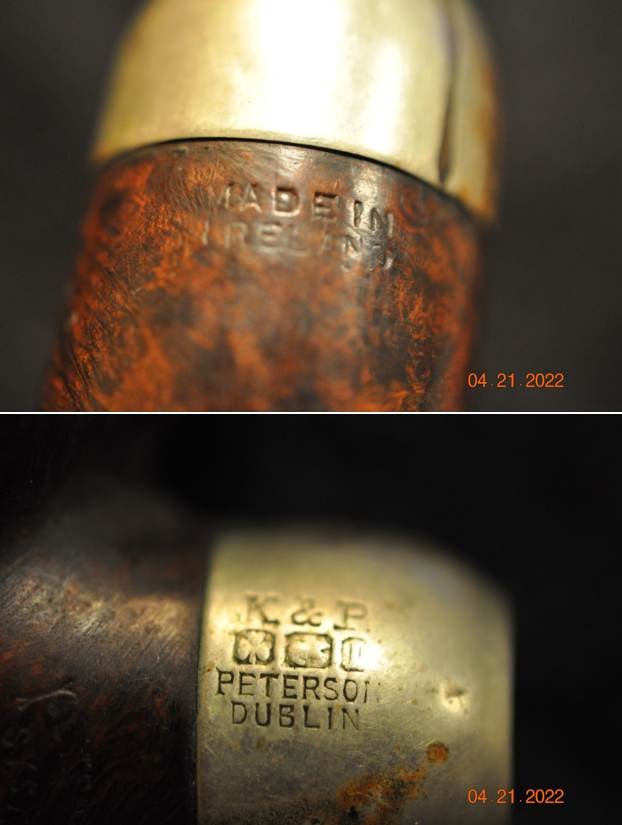
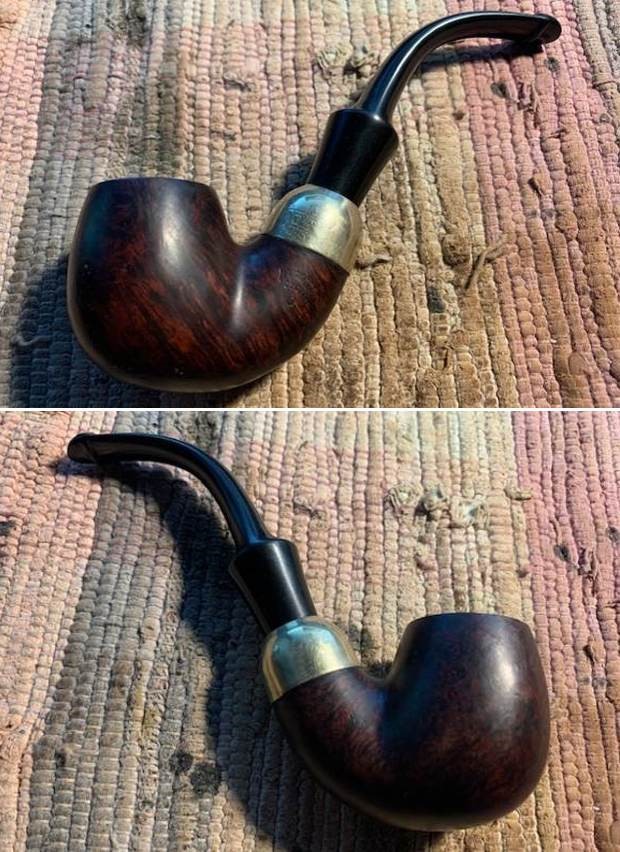
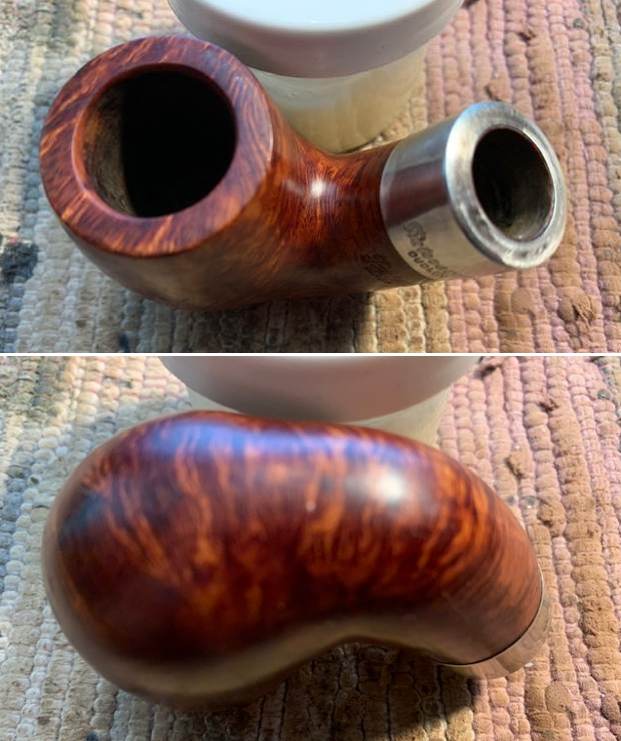
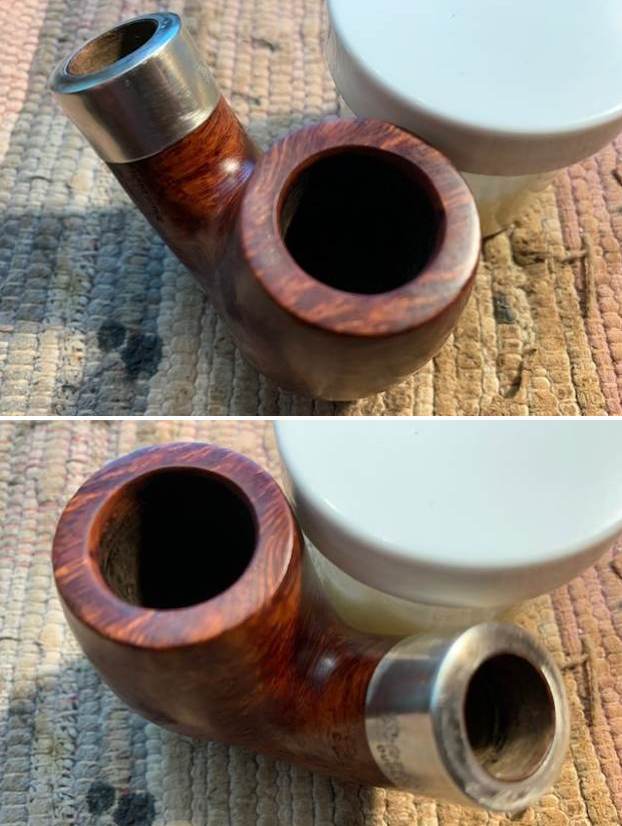
This second of them that we cleaned up before mailing them out was a bowl that we purchased on 05/22/21 from Facebook Marketplace. It came from Fruitland, Idaho. It is stamped on the left side of the shank and reads Peterson’s [over] “SPORTS”. On the right side of the shank there is a number 6 stamped next to the bowl shank junction followed by a circular Made in Ireland stamp with the “in” in the center of the circle mid shank. The bowl was dirty with lava on the rim top and a thick cake in the bowl. The finish had a lot of grime ground into the surface of the finish but some nice grain peeked through. Jeff took photos of the bowl before he did his cleanup work in preparation for sending them to Walls Pipe Repair for their new stem. The photos of the thick cake in the bowl and the lava build up and nicks/scratches in the surface and edges of the rim top. It showed a lot of promise.Jeff took photos of the stamping on the sides of the shank. It is clear and readable as noted above. There is also some great grain around the bowl and shank. I have restored a few Peterson’s “SPORTS” in the past so I turned to my blog to have a look at the background information that I included in those blogs. I found the following link to a “SPORTS” pipe (https://rebornpipes.com/2021/01/08/restoring-a-republic-era-petersons-sports-4-apple/). I also am including the background information I had gathered on the “SPORTS” line from the previous blog. I quote:

I am including the link to the Pipedia’s article on Peterson pipes. It is a great read in terms of the history of the brand (https://pipedia.org/wiki/Peterson).

I turned to “The Peterson Pipe” by Mark Irwin and Gary Malmberg to get some background on the Peterson’s Sports. On page 313-314 it had the following information.

“SPORTS” (1947-) A “Sport” is traditionally a compact pipe made for smokers engaged in athletic pursuits, most notably equestrian riders who do not want the bowl to bounce up and down. Six shapes described in 1947 shape chart. Occasional later catalogs show as many as 11 shapes. Last  appeared in shape chart in ’98, but still made in small numbers. Recorded specimens are stamped MADE IN IRELAND (forming a circle) or MADE IN THE over REPUBLIC over OF IRELAND. See Outdoor and Outdoor Sportsman.

The information was very helpful. I have highlighted the pertinent reference to the circular Made in Ireland stamp in the paragraph above. I also knew that my memory of it being a shorter “pocket” pipe was correct.

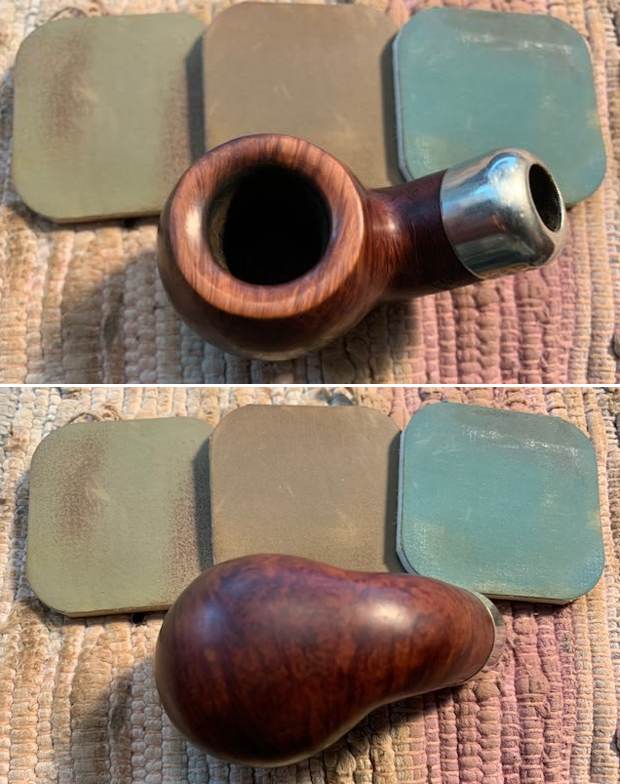
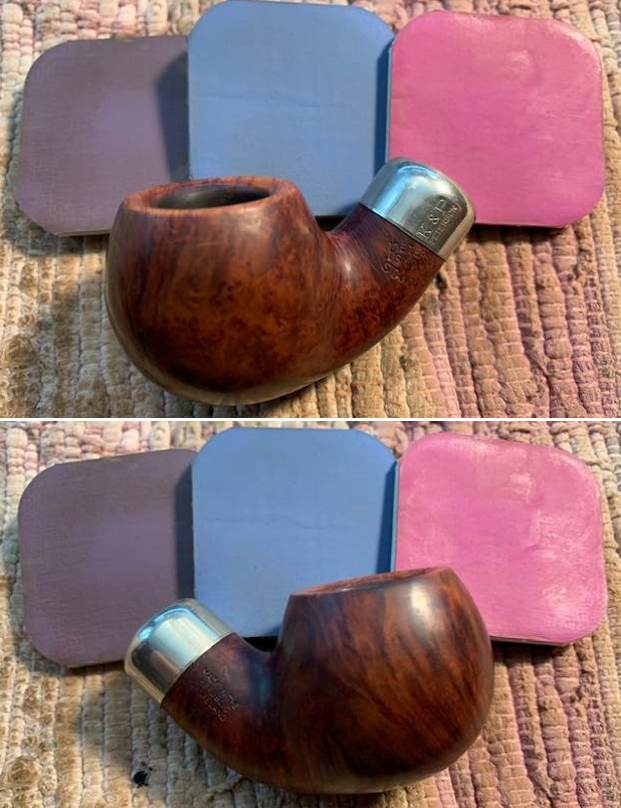
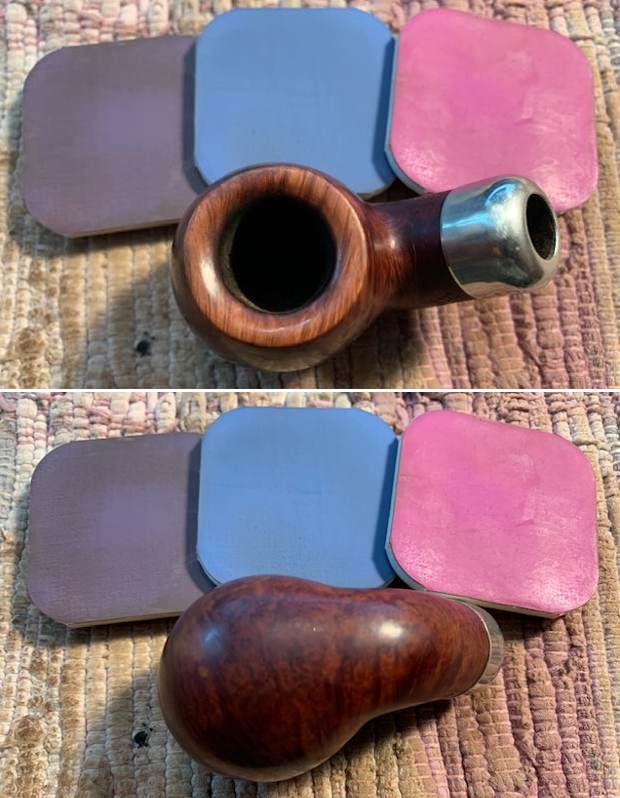
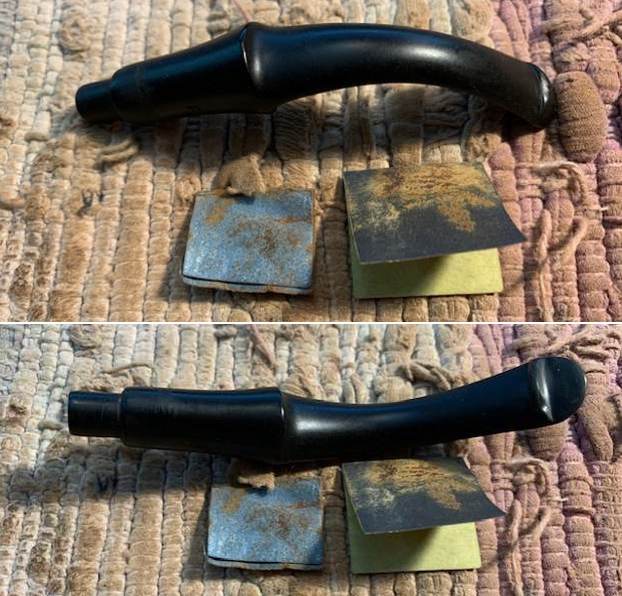
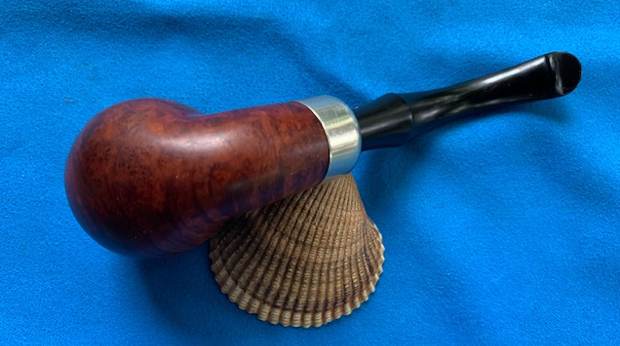
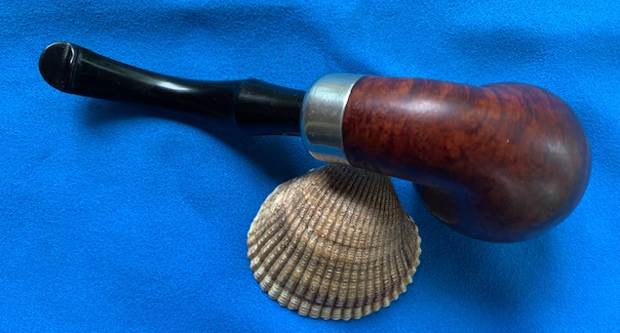
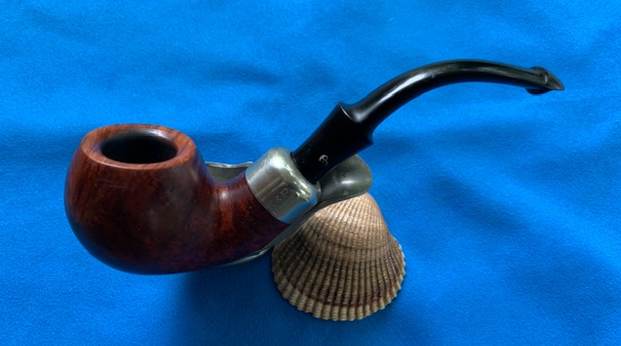
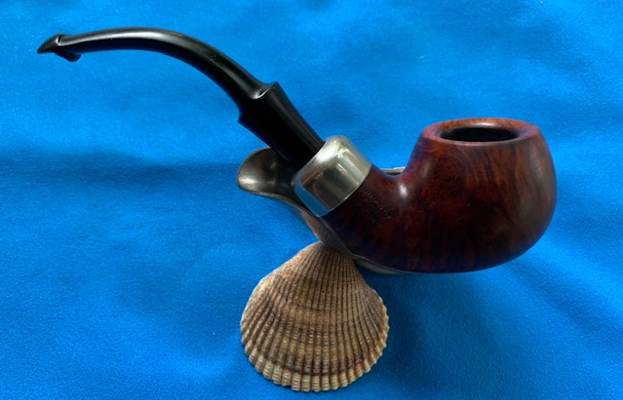
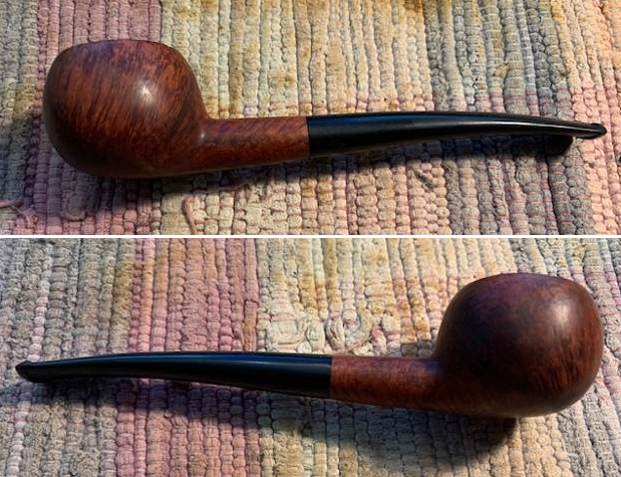
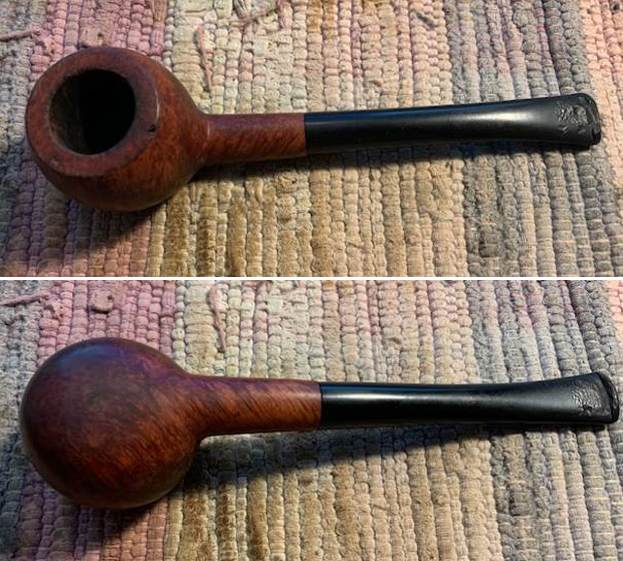
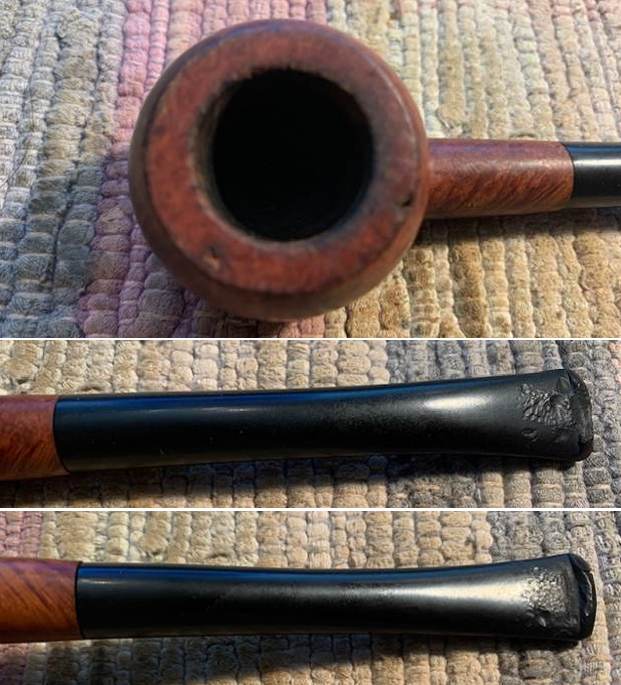
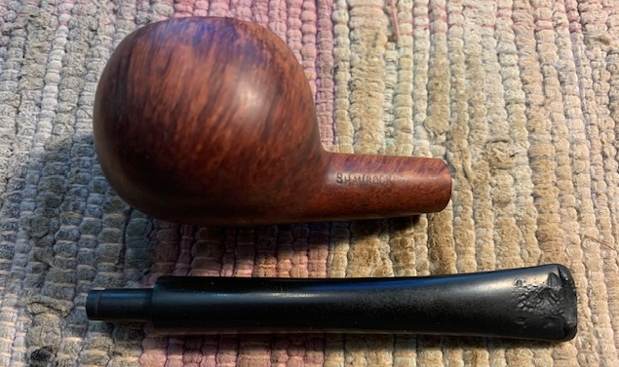
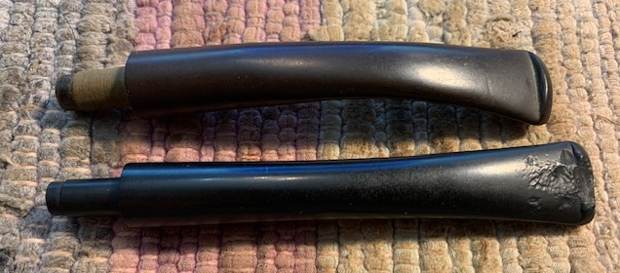
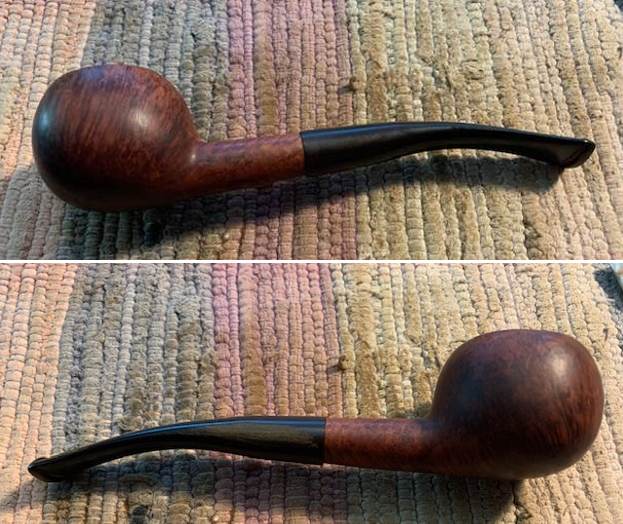
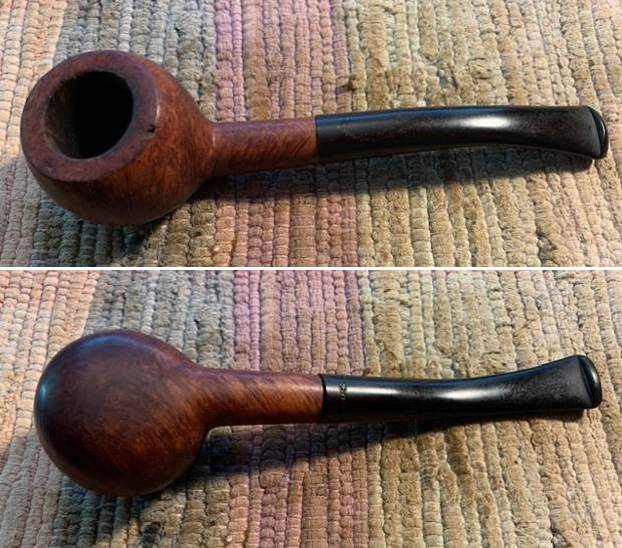
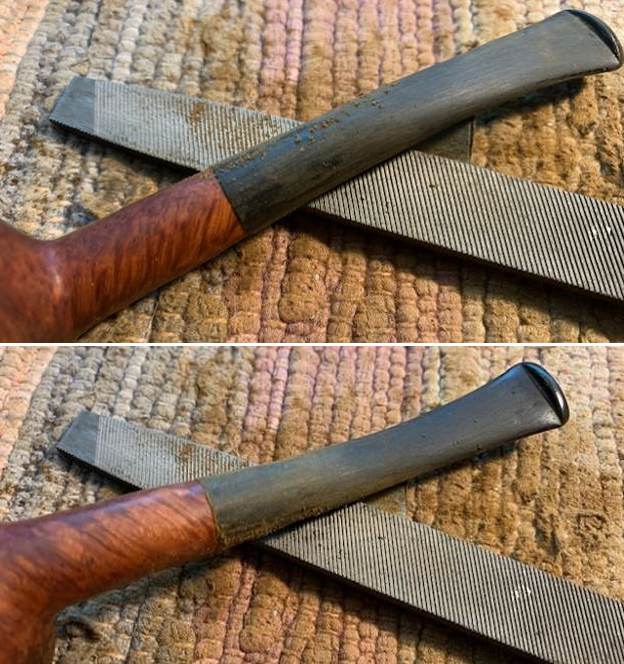
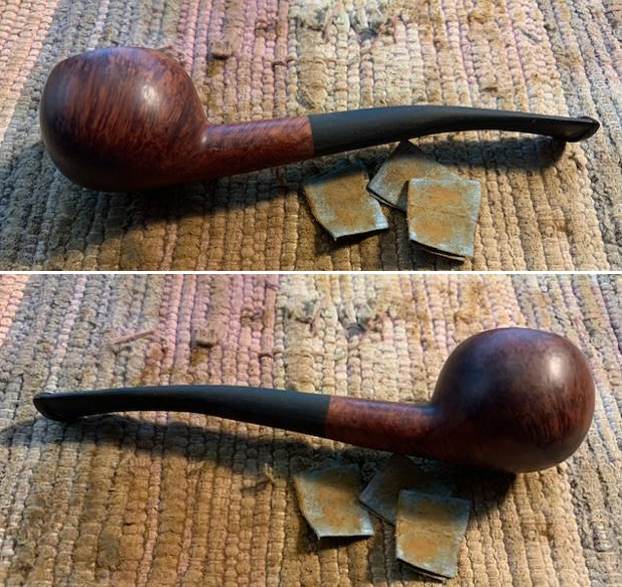
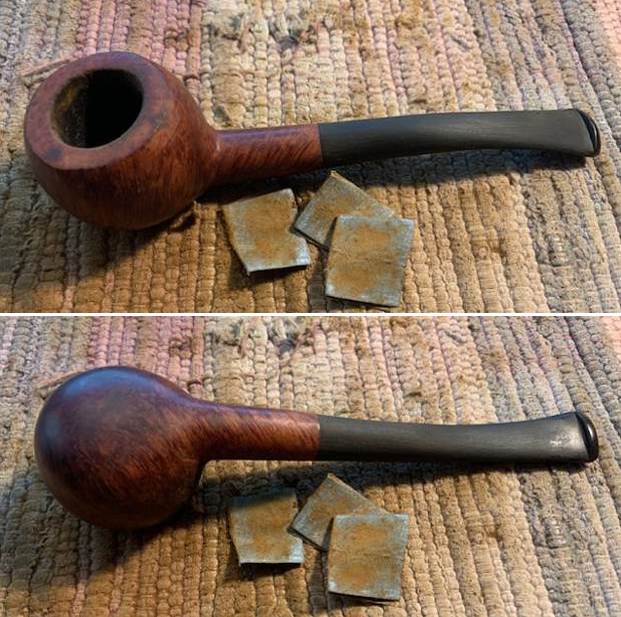
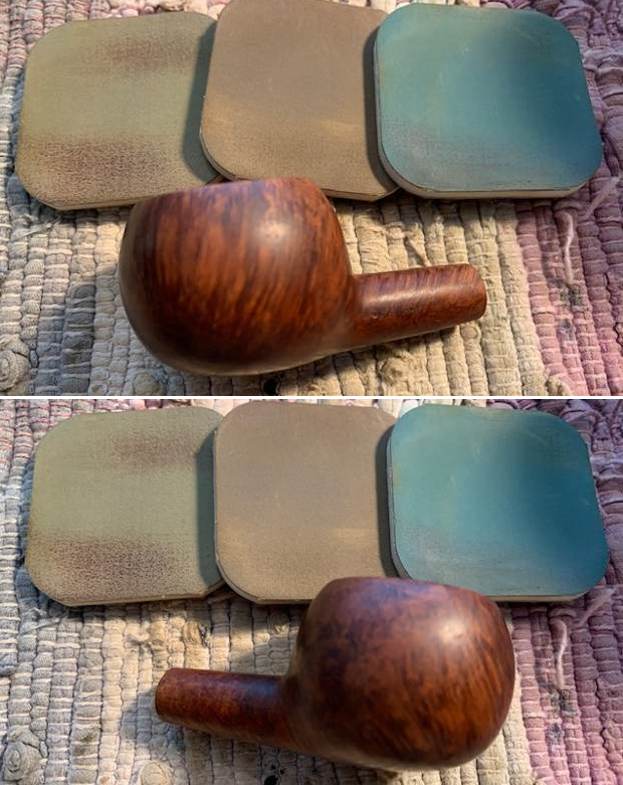
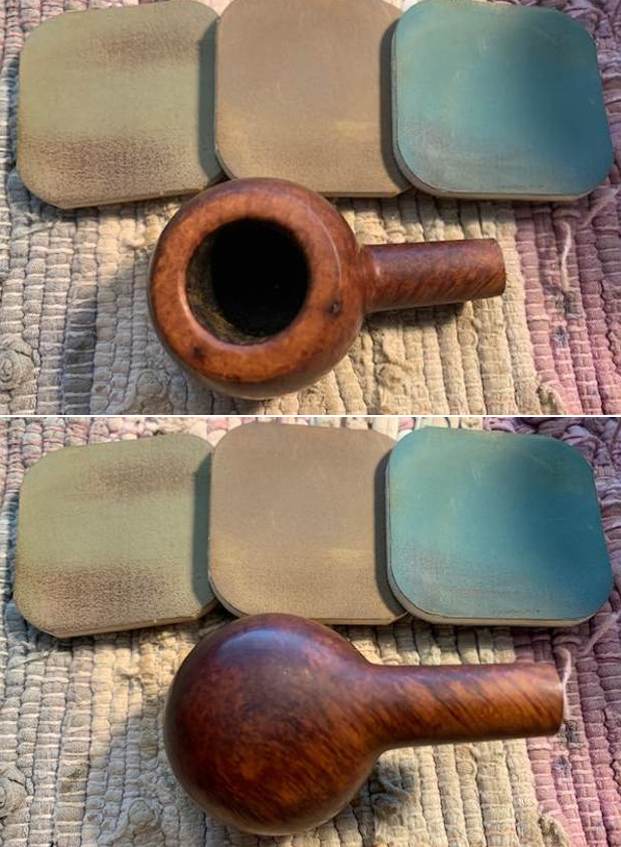
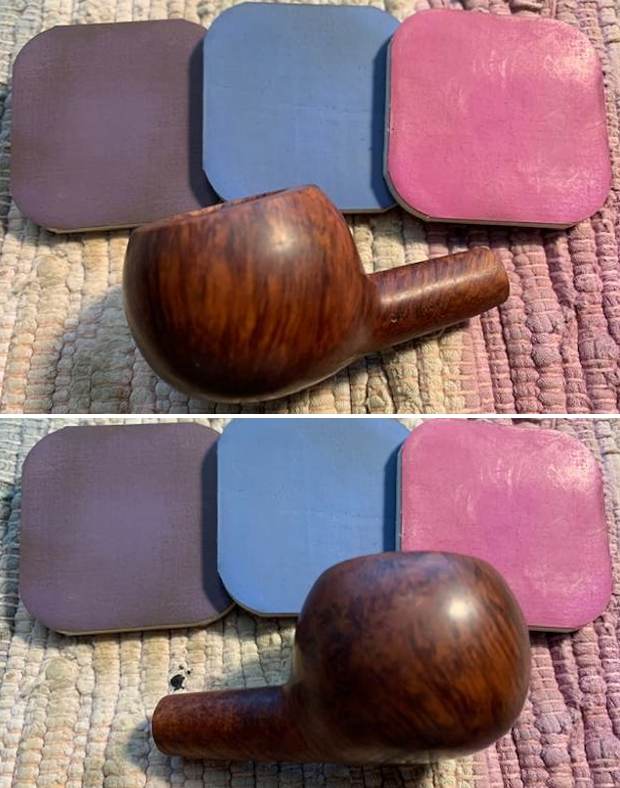
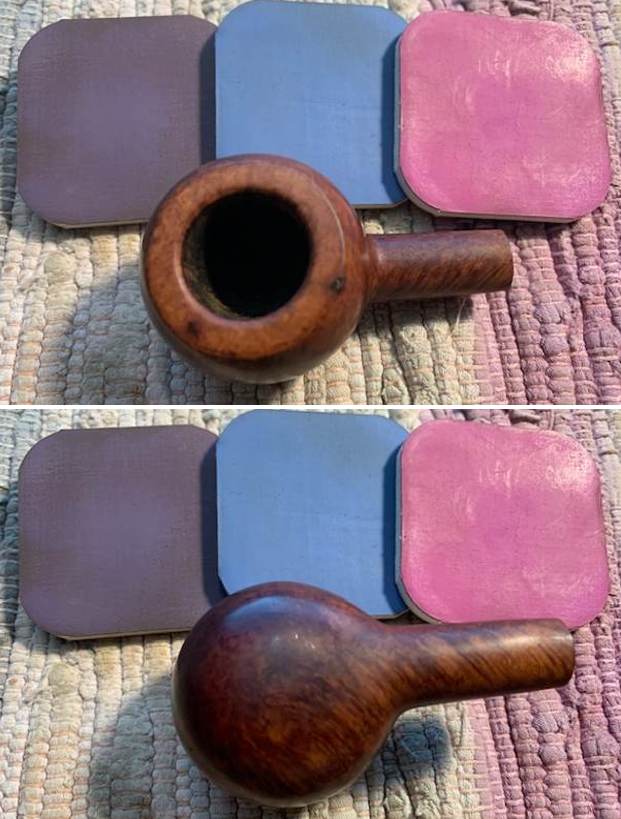
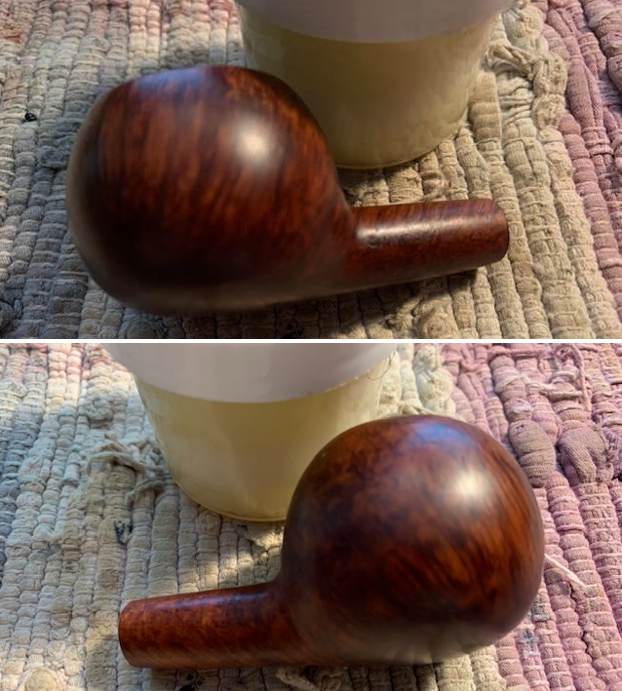
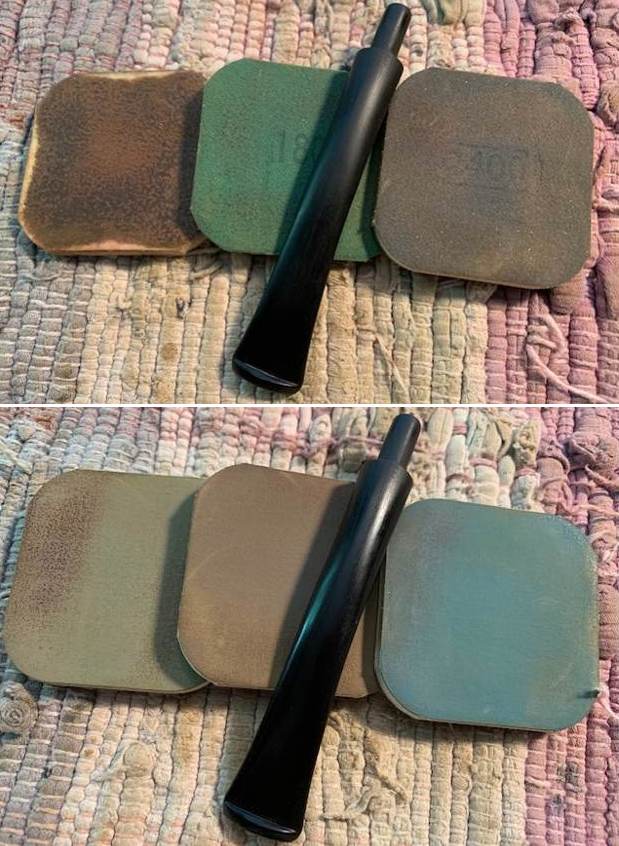
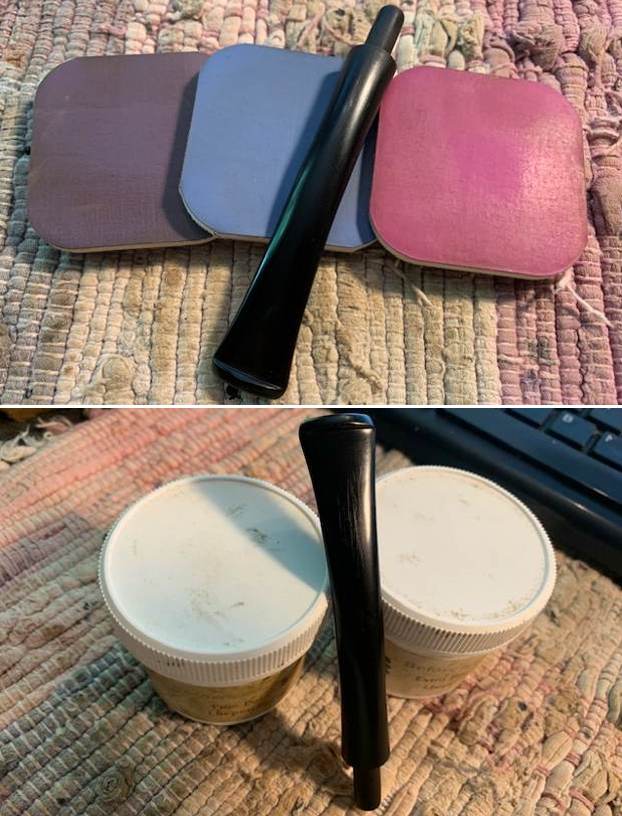
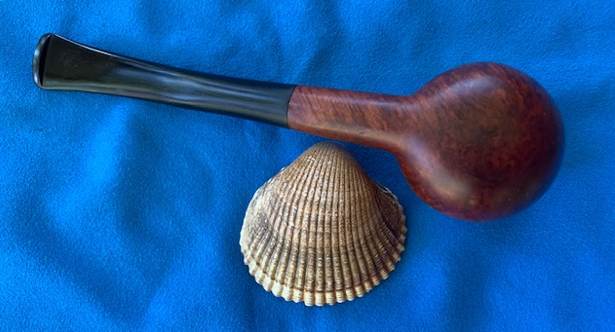
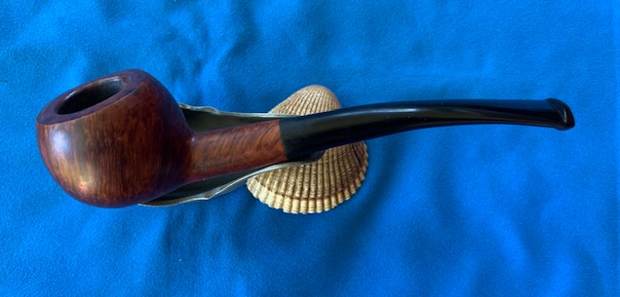
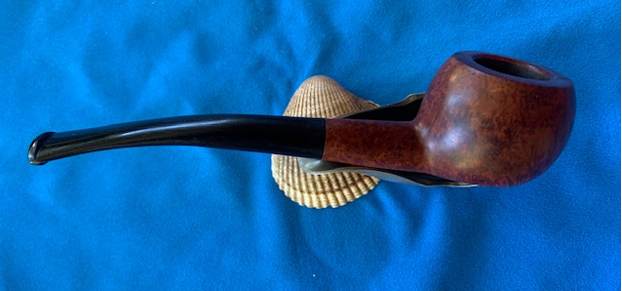
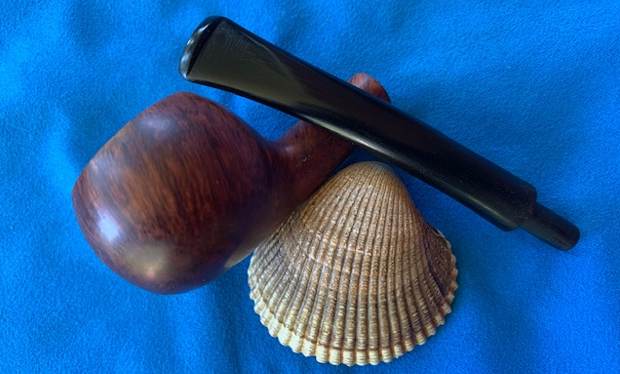
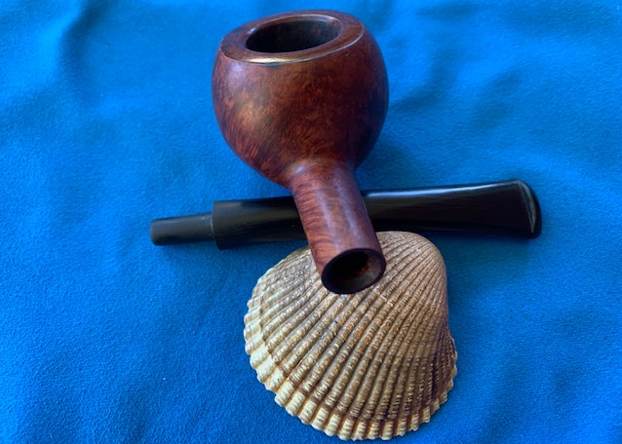
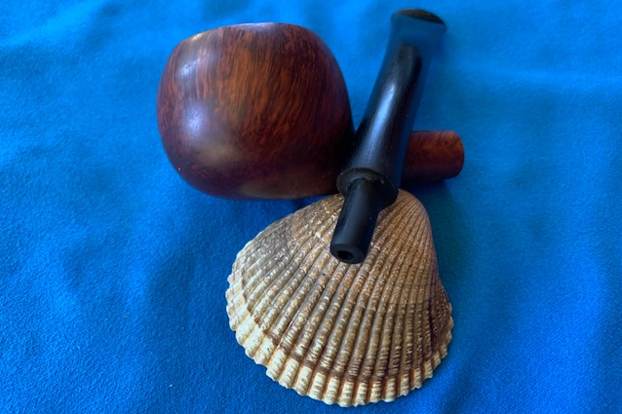
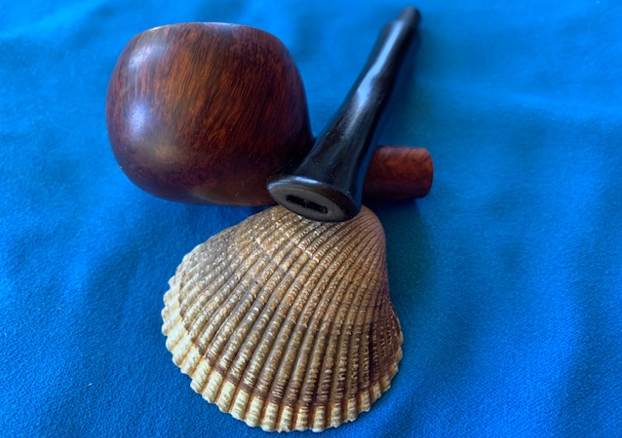
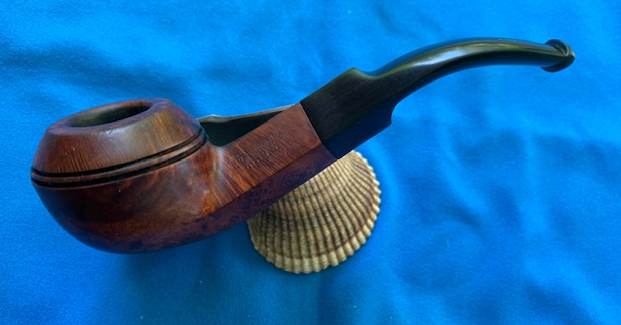
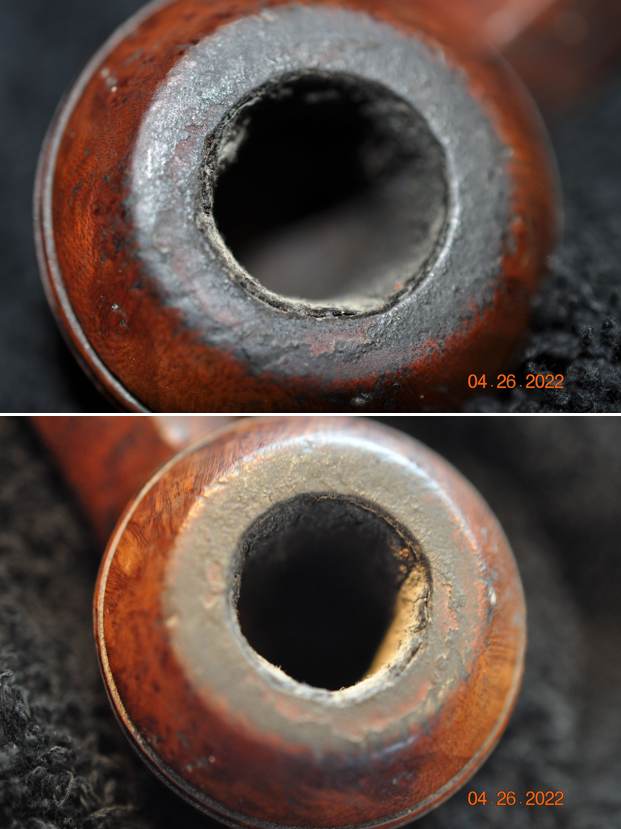
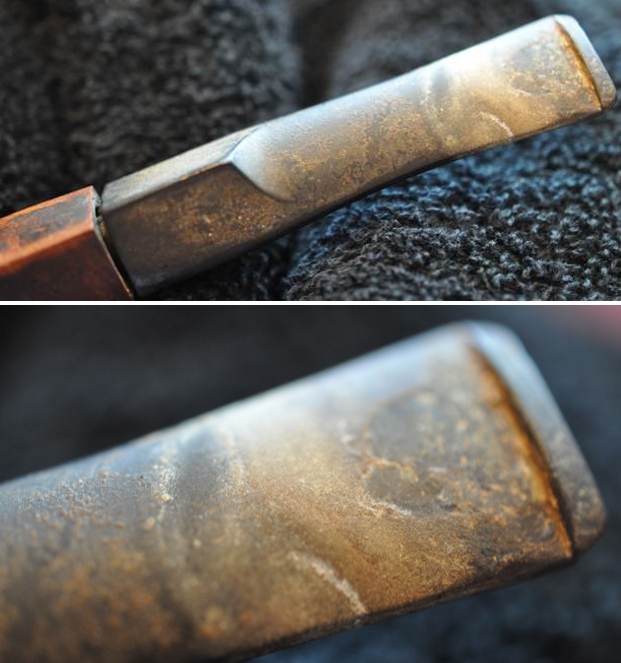
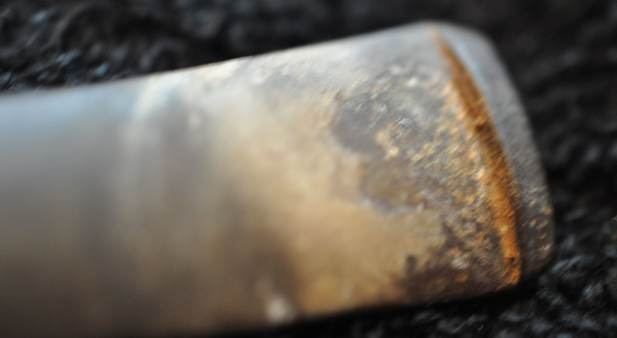
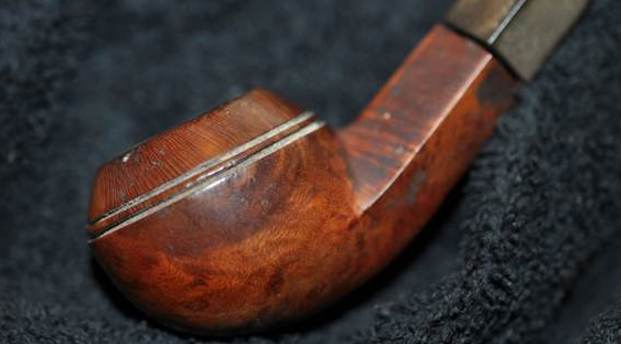
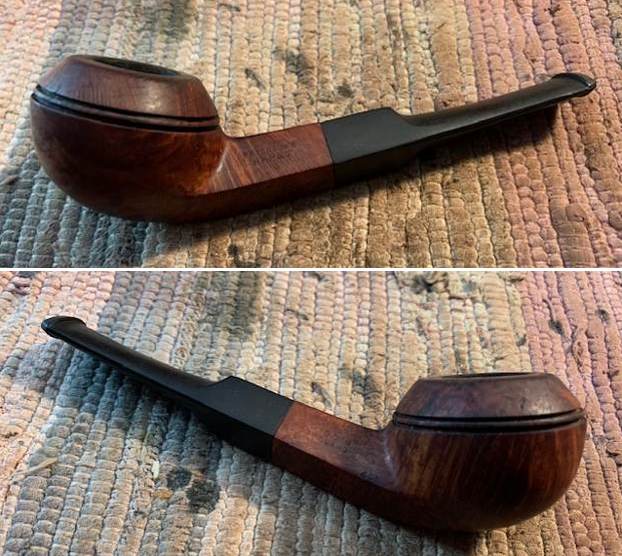
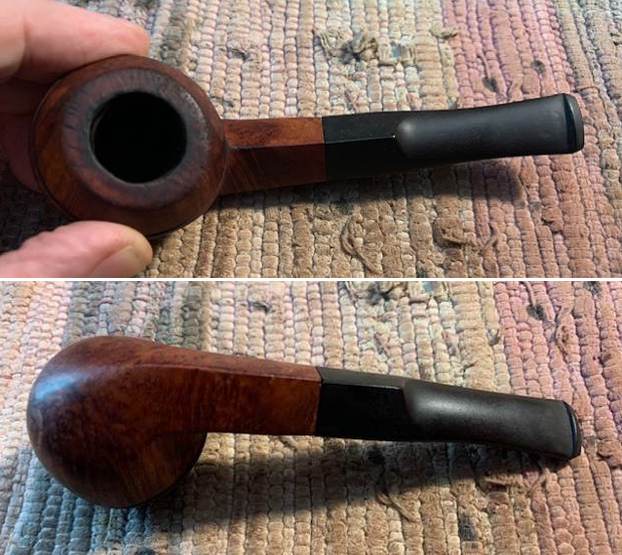
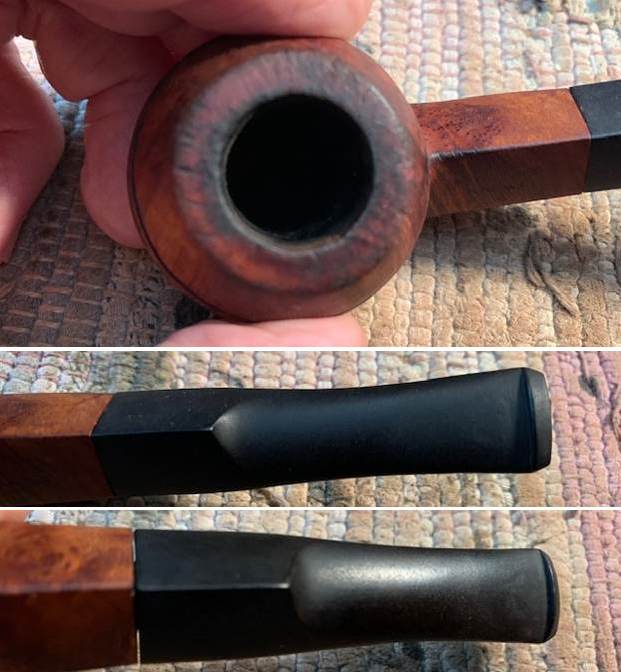
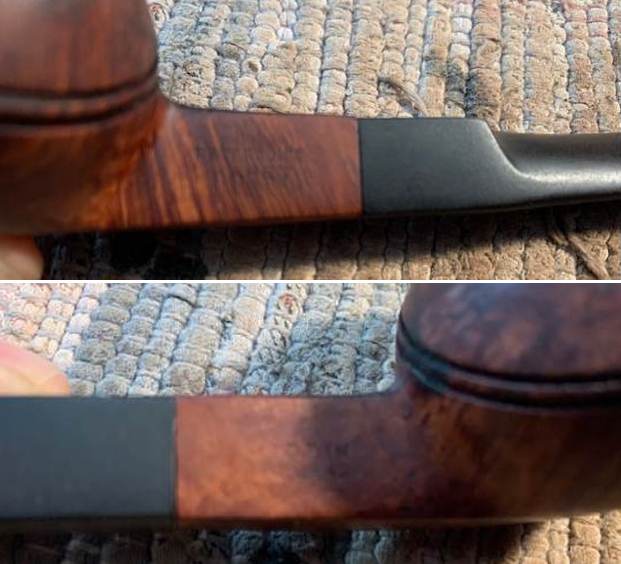
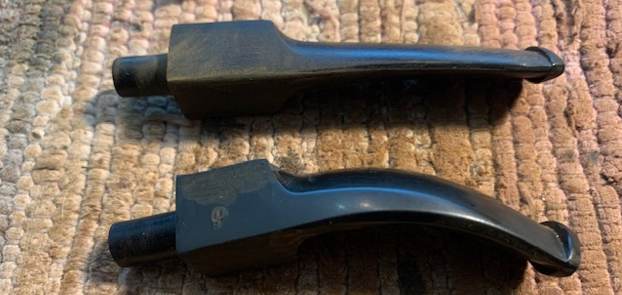
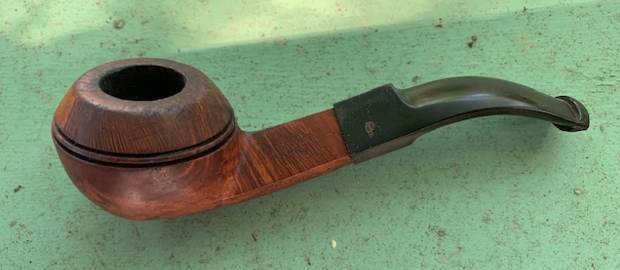
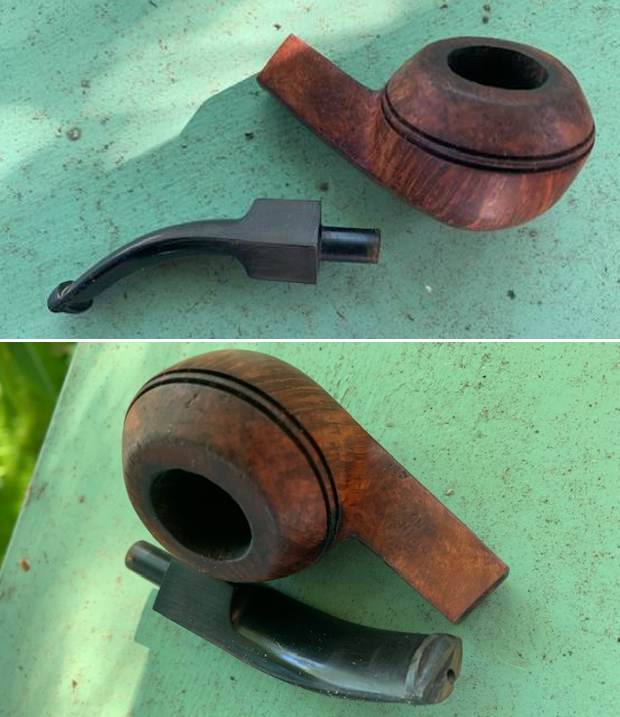
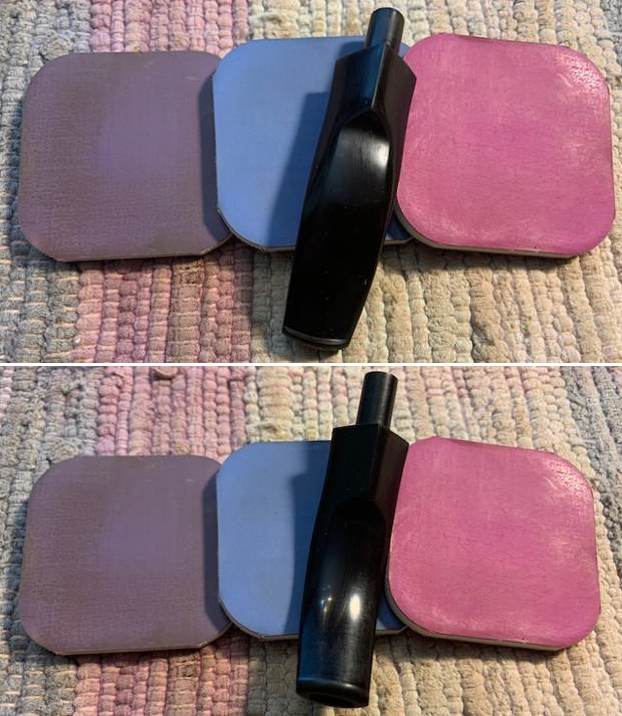
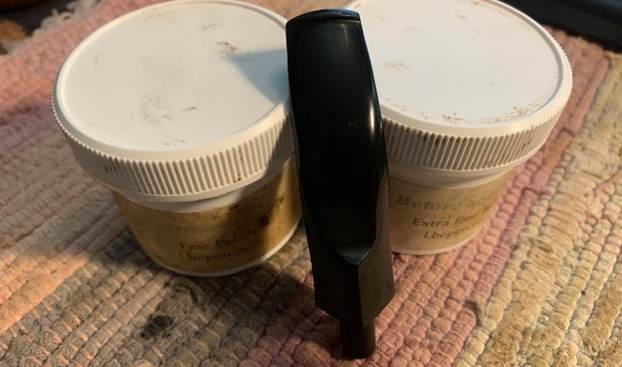
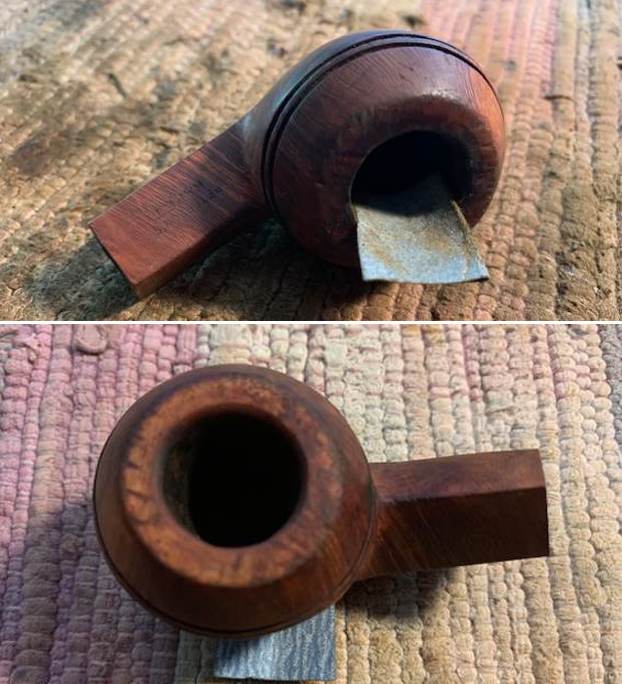
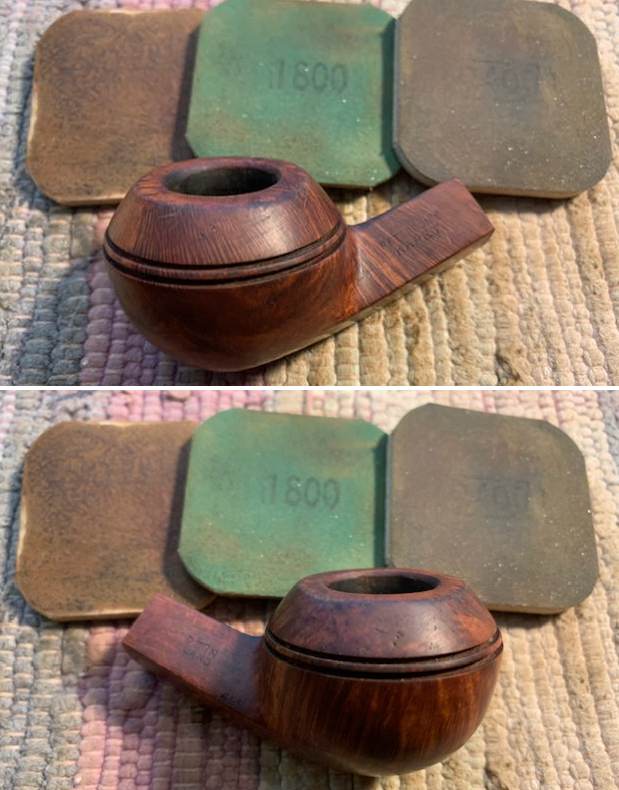
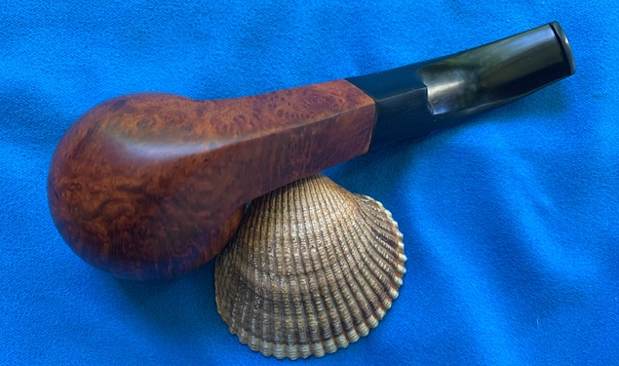
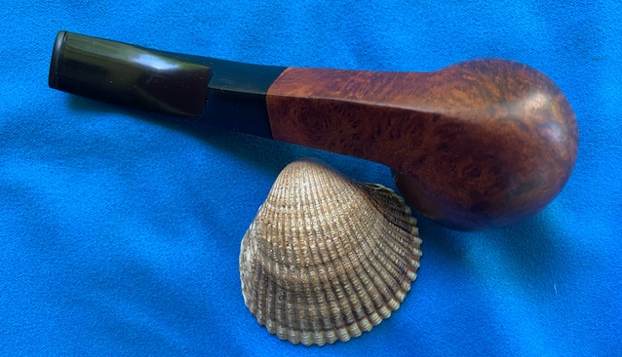
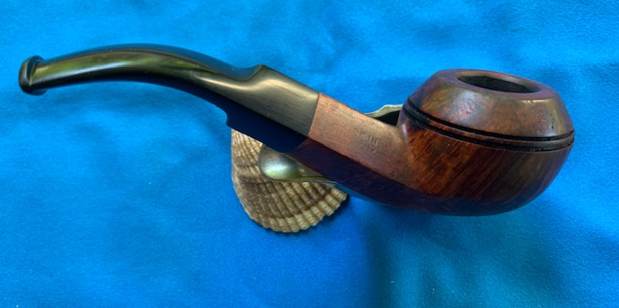
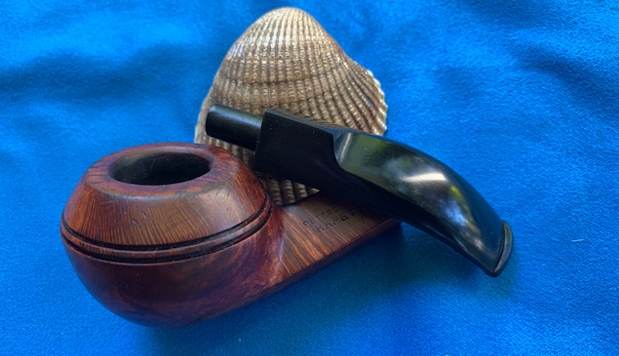
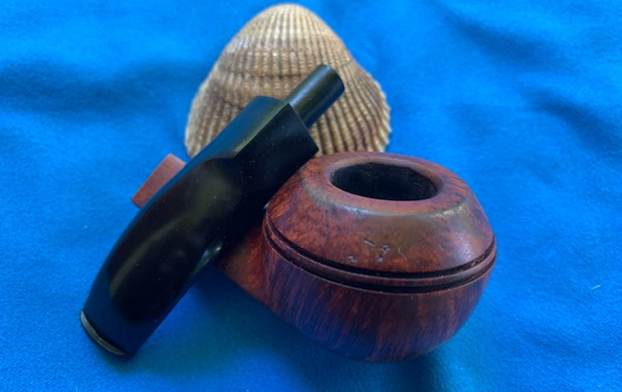
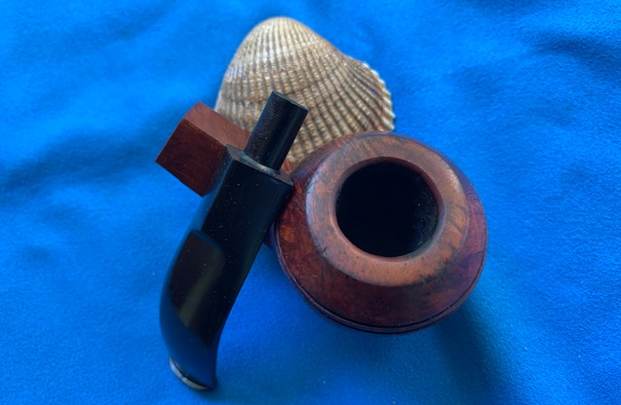
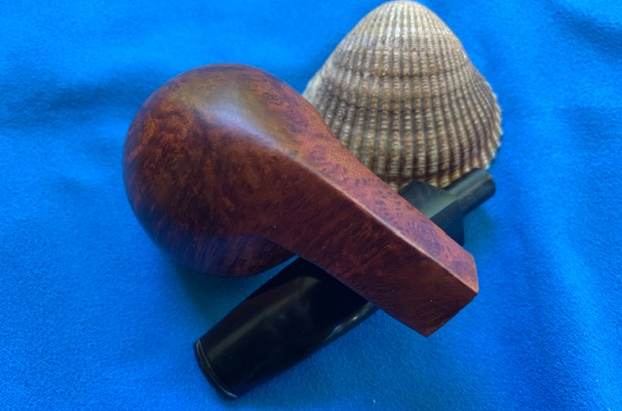
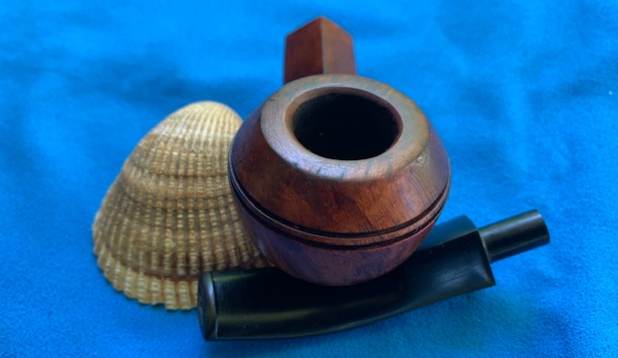
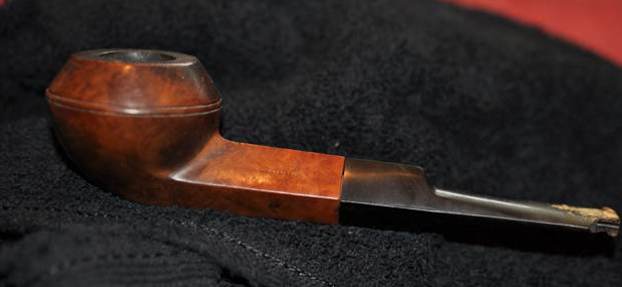
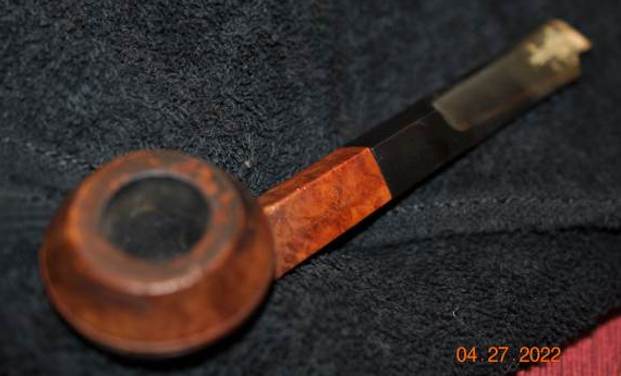
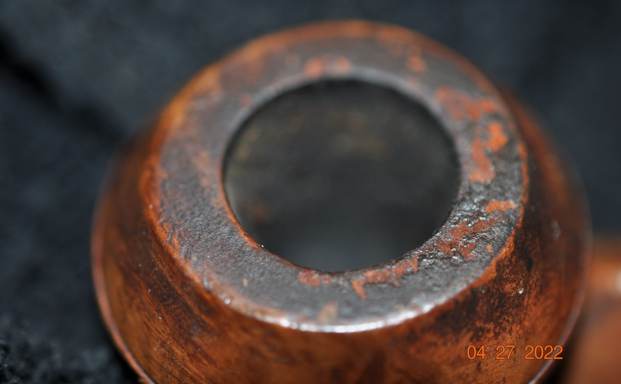
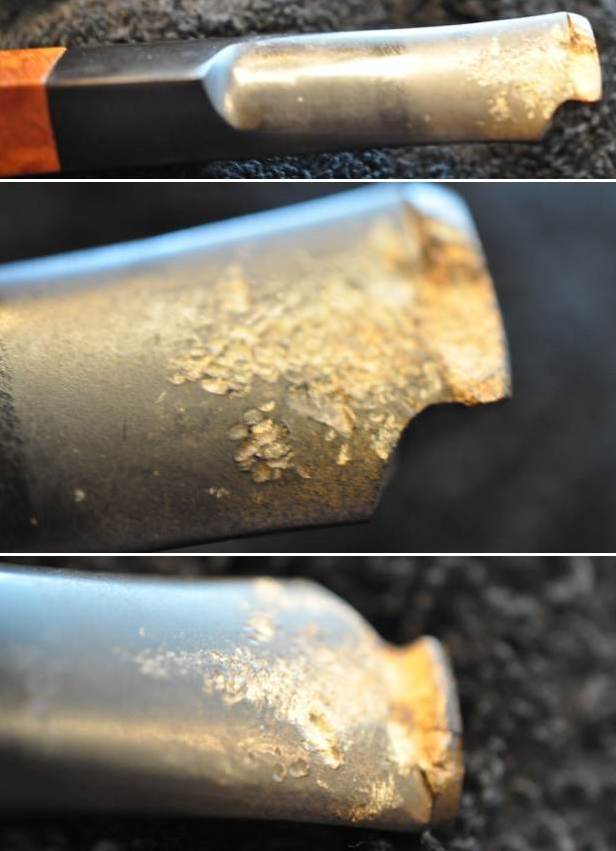
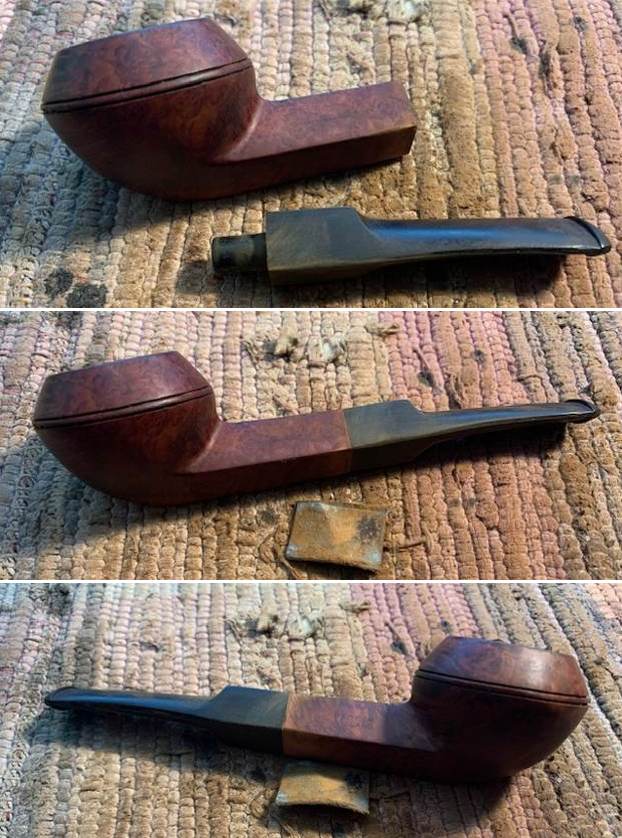
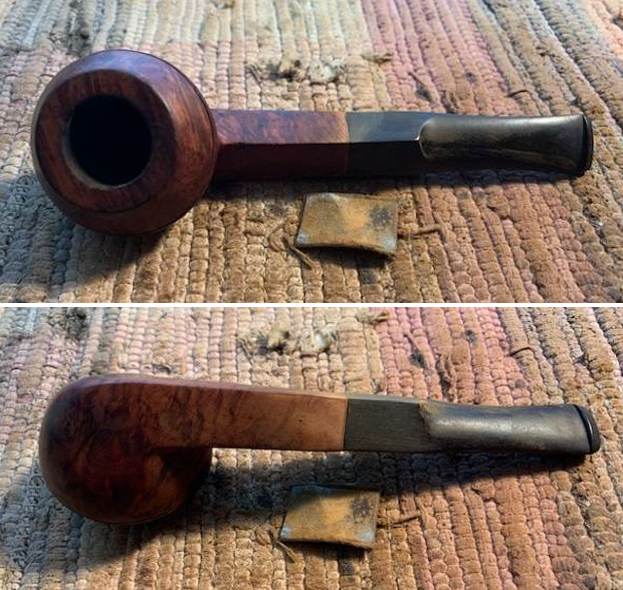
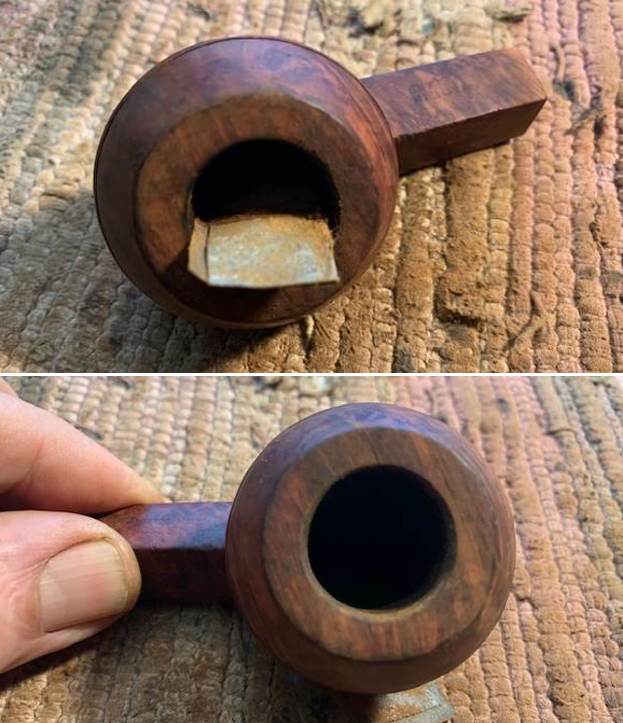
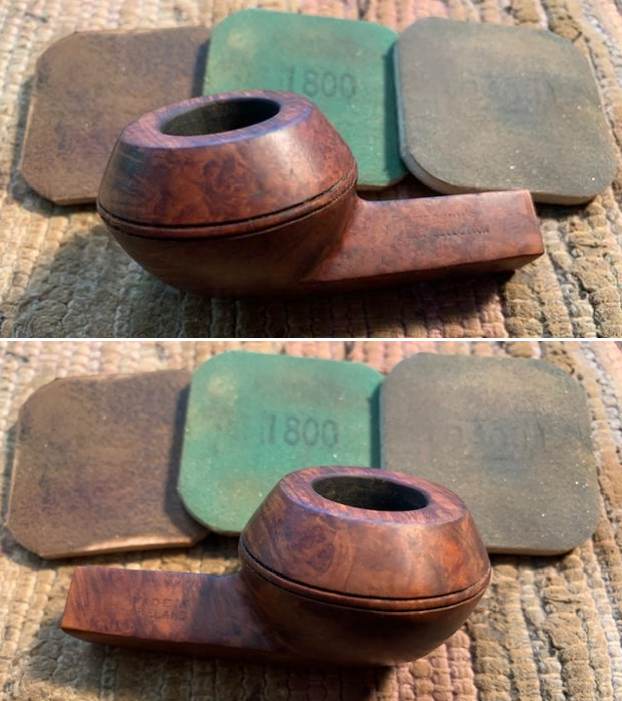
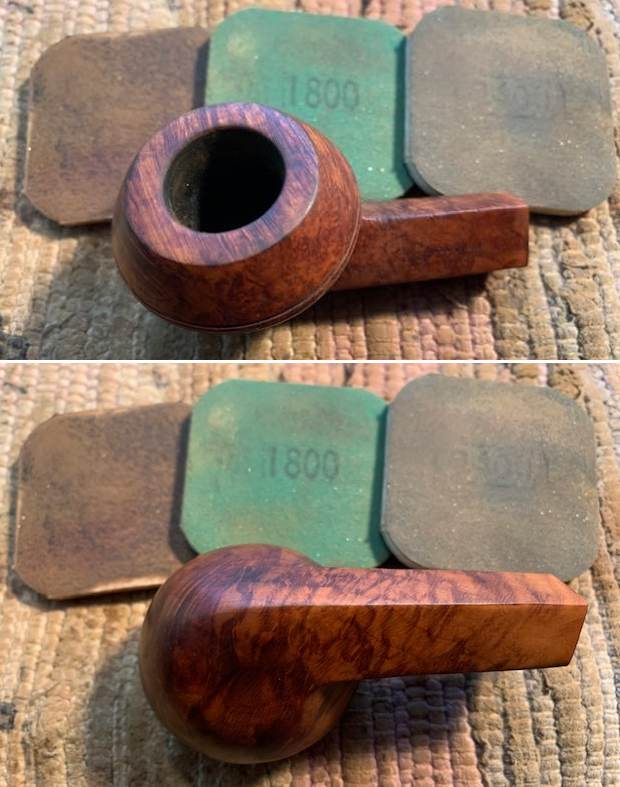
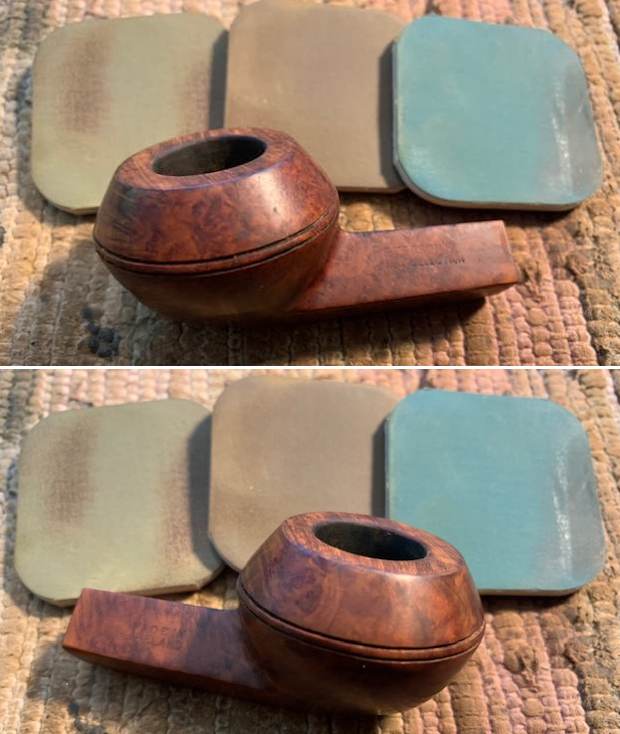
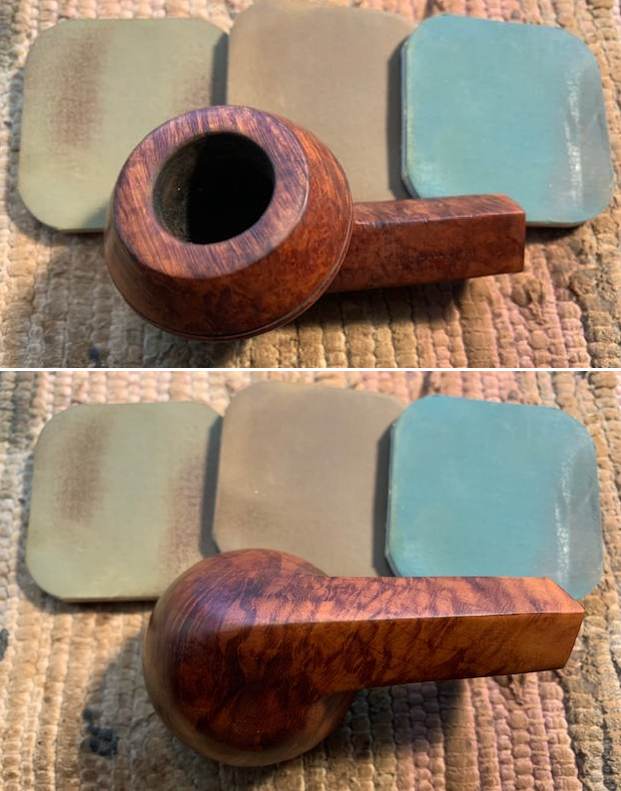
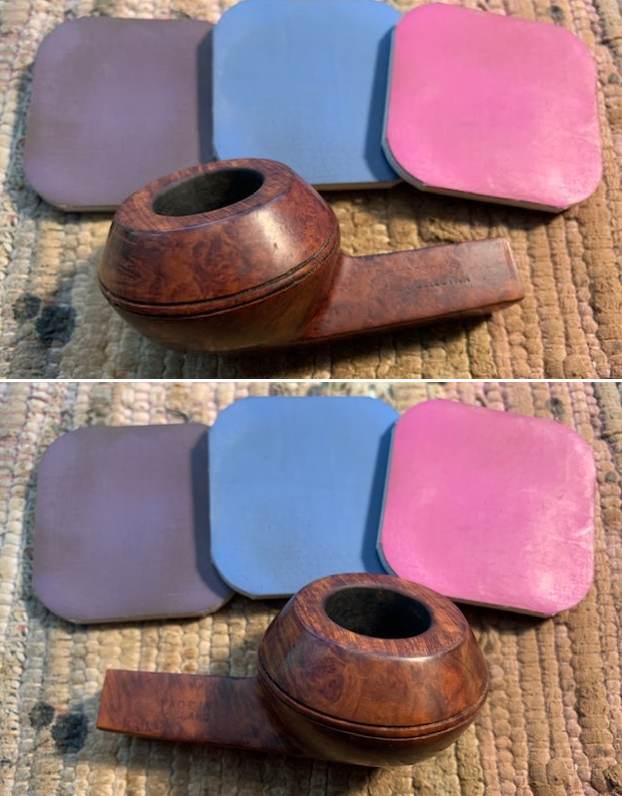
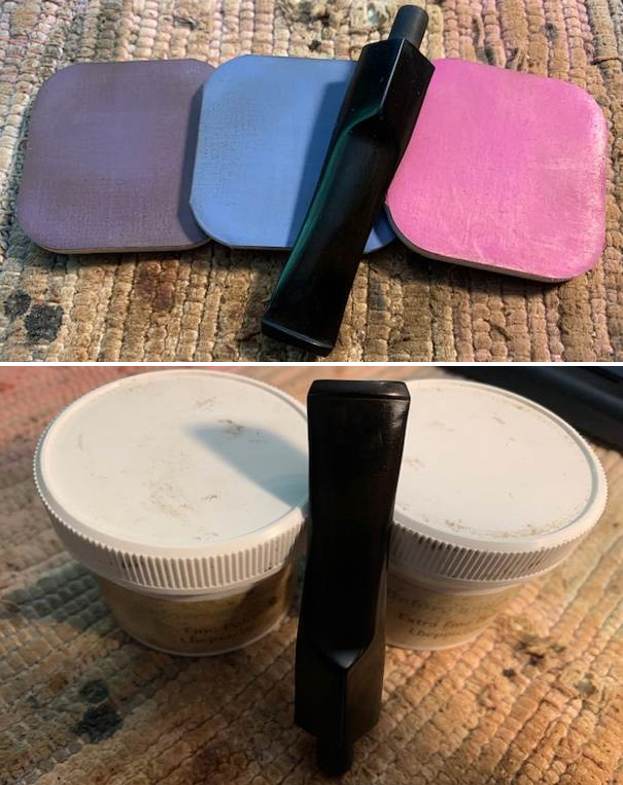
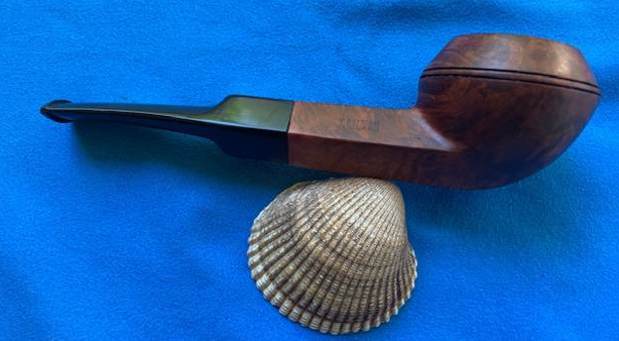
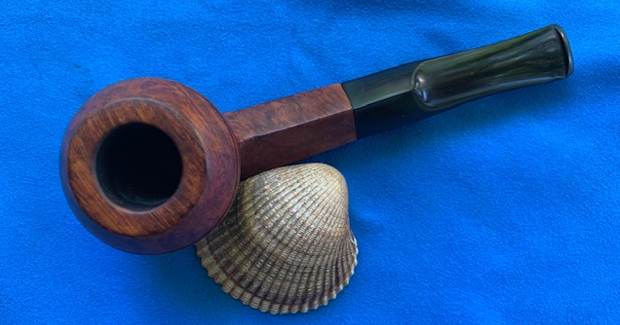
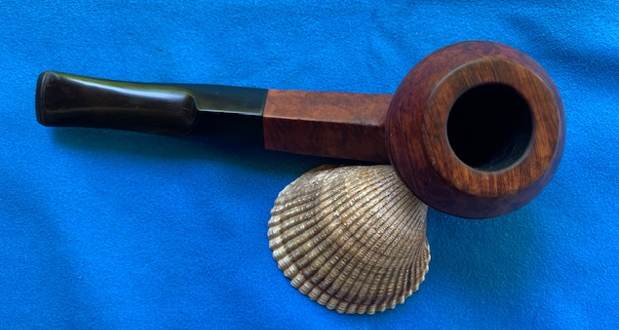
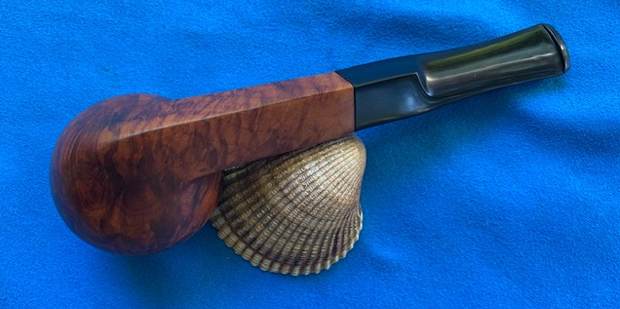
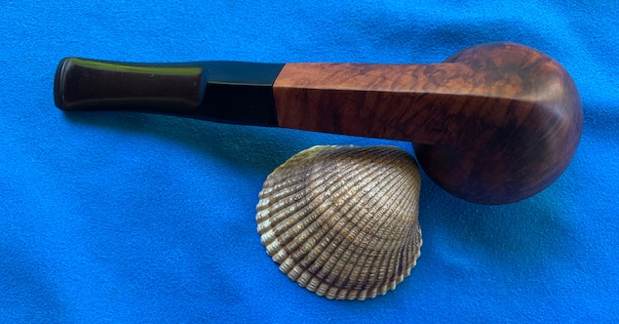
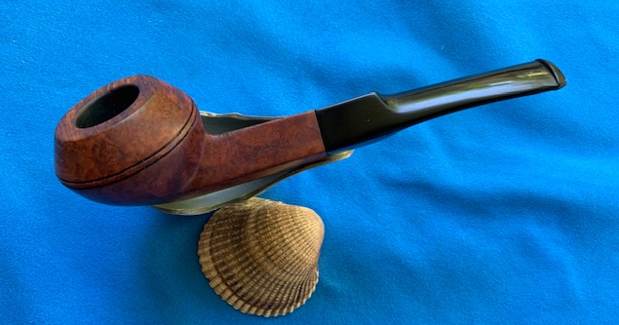
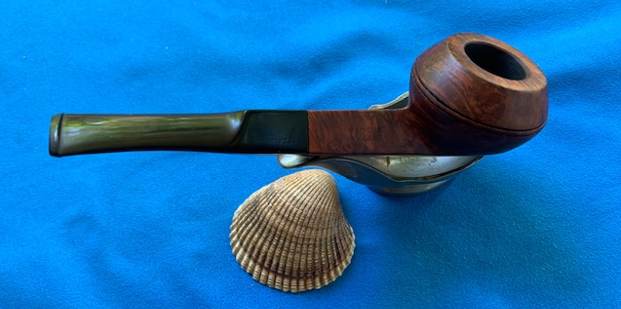
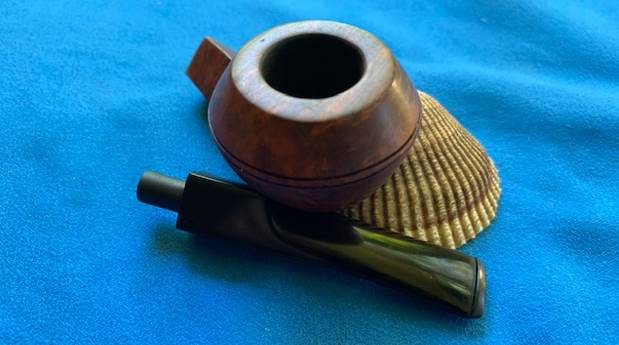
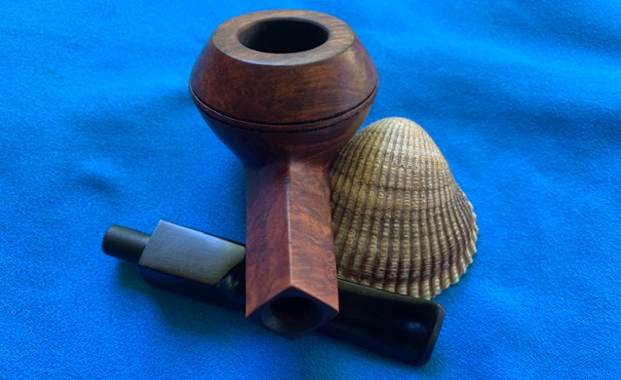
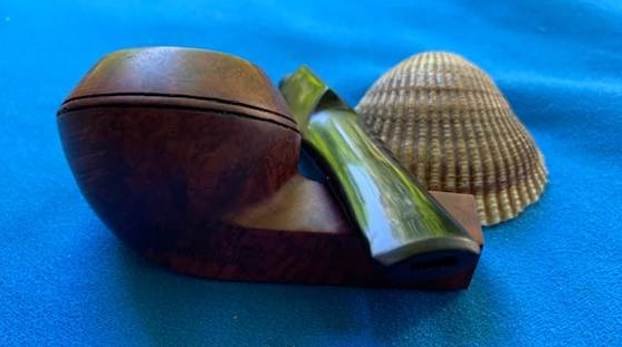
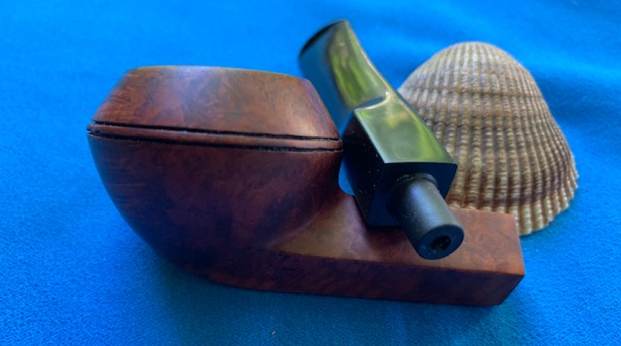
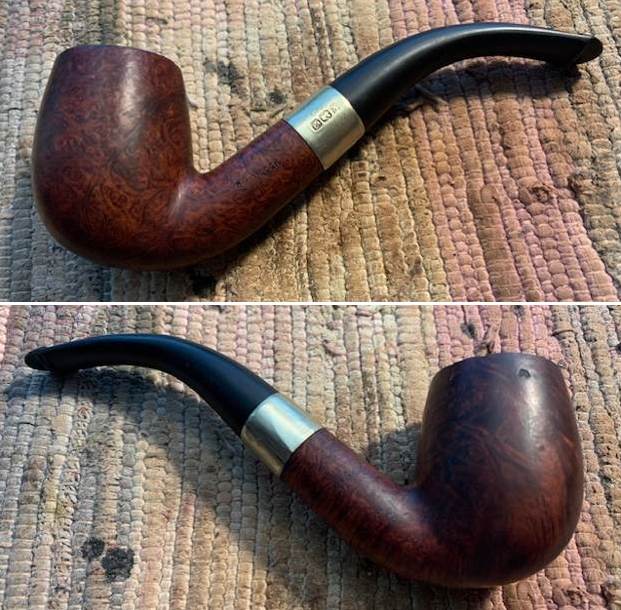
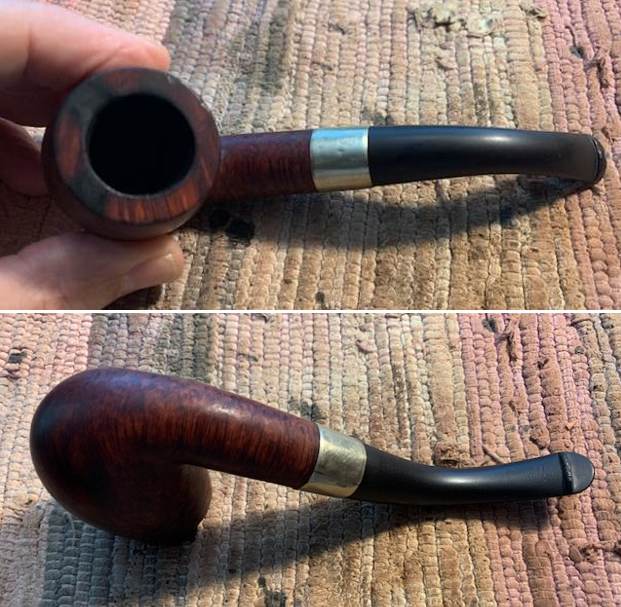
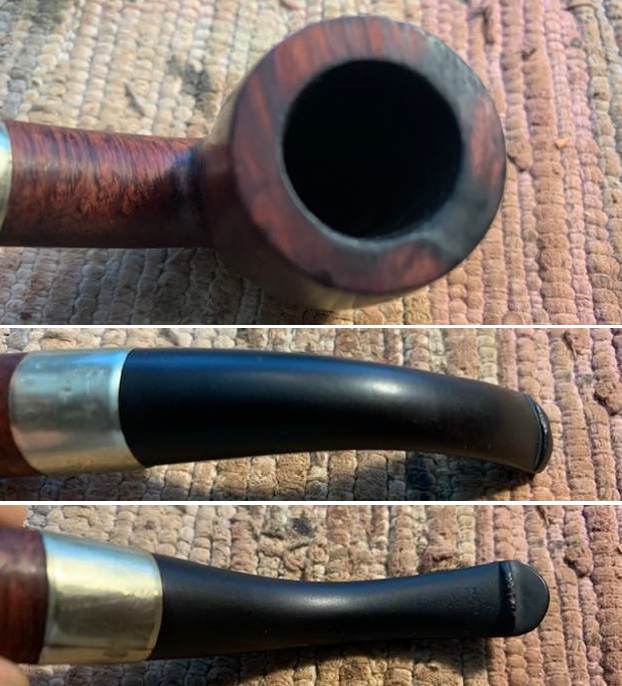
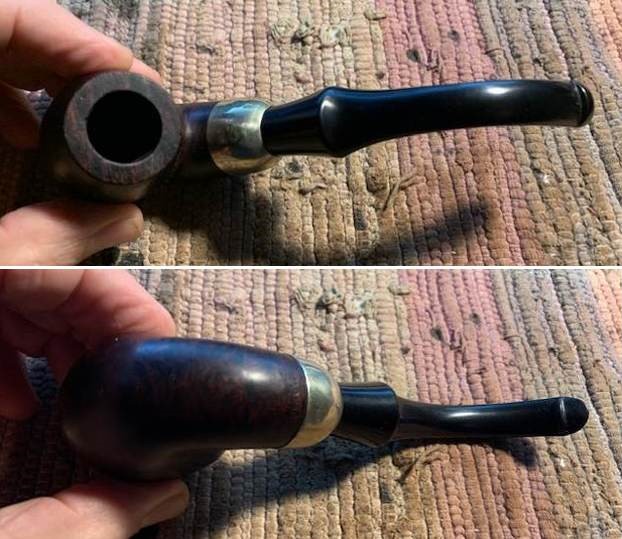
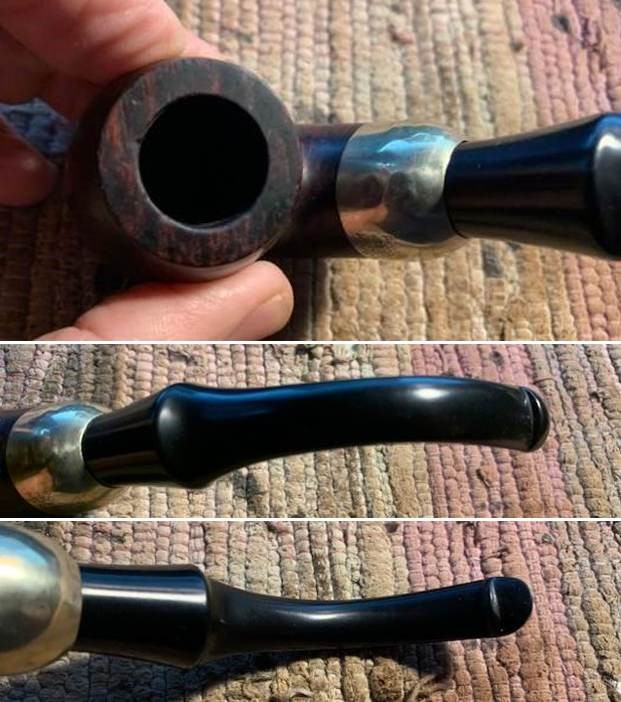
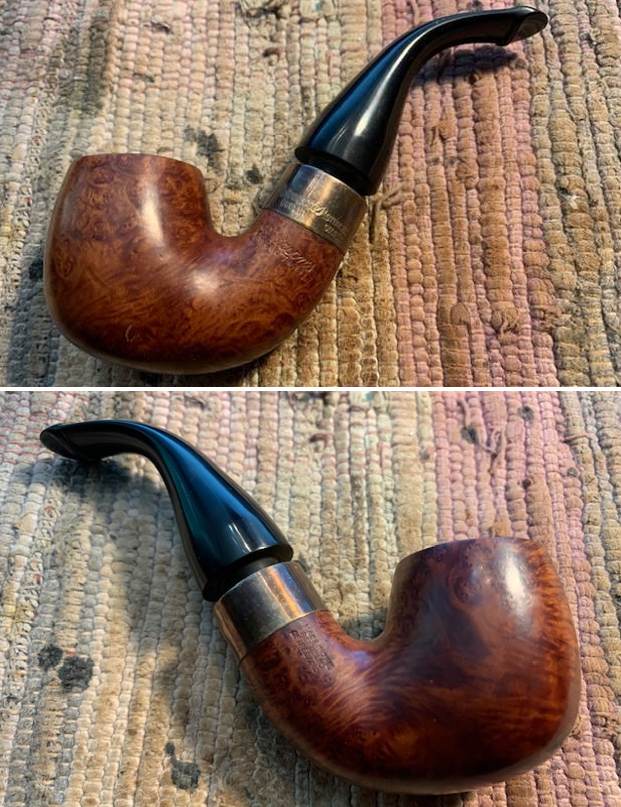
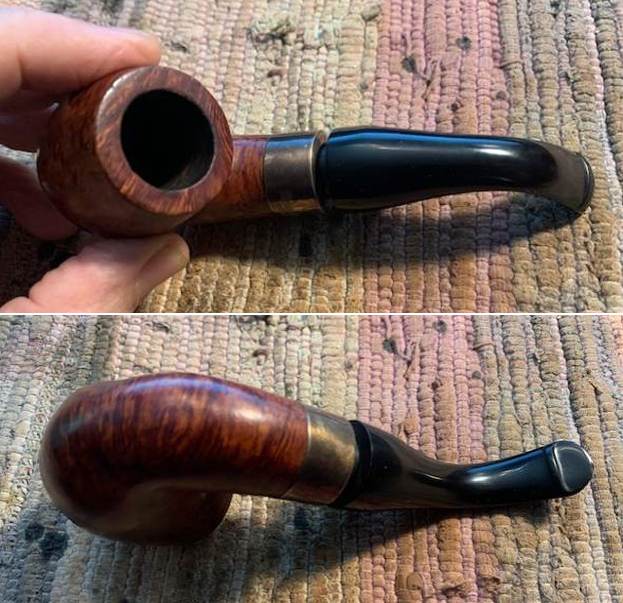
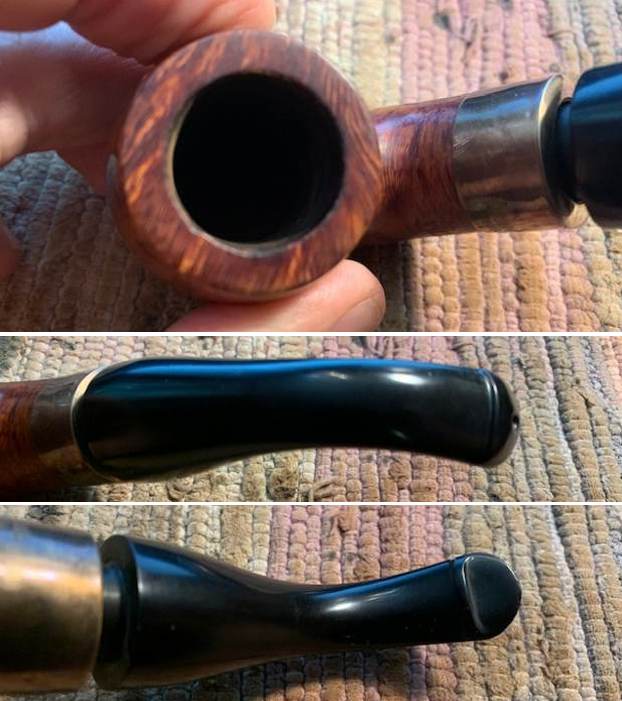
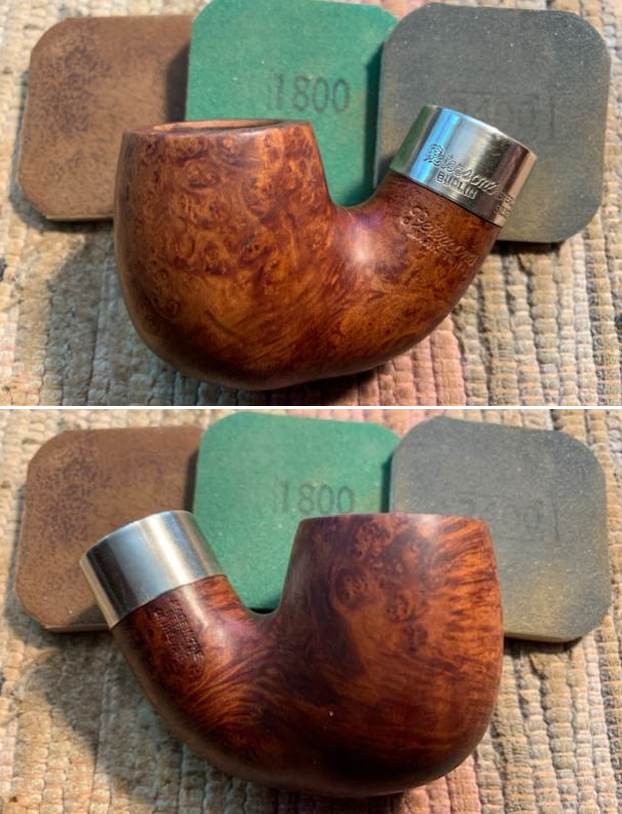
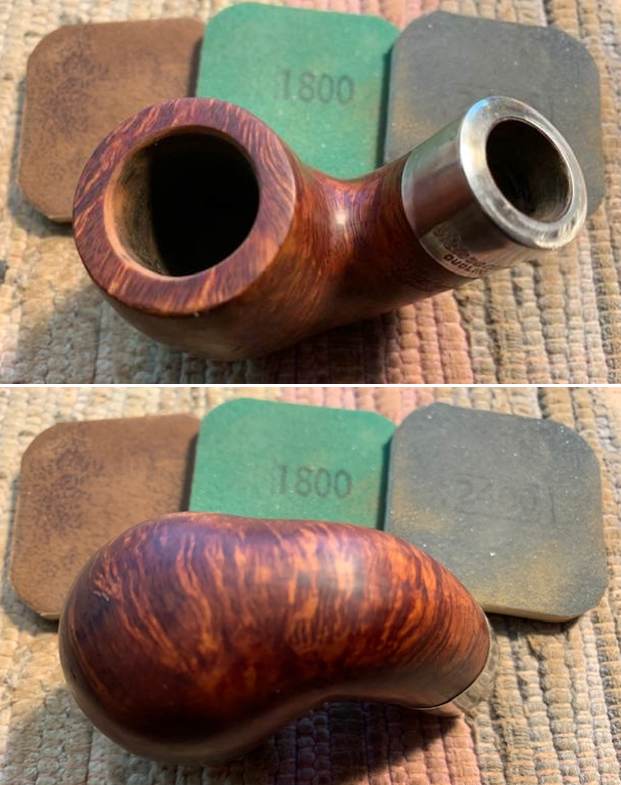
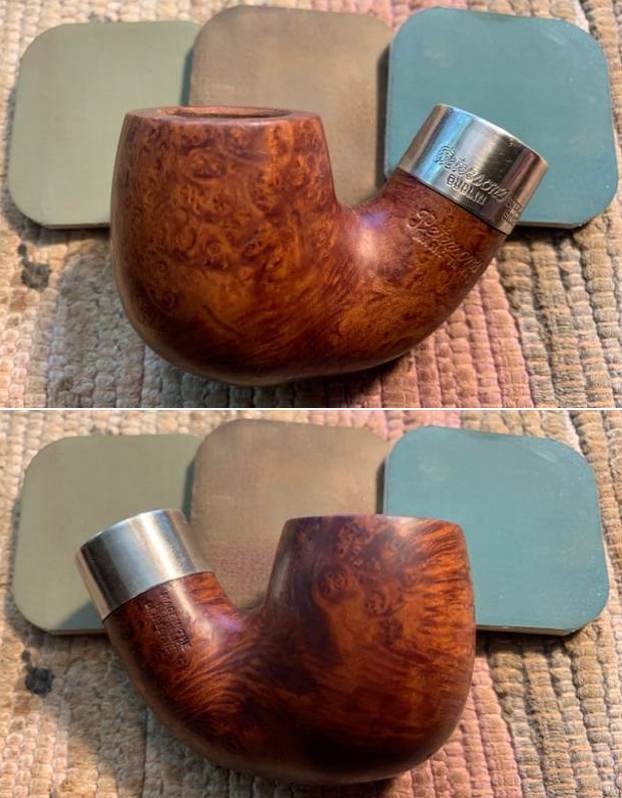
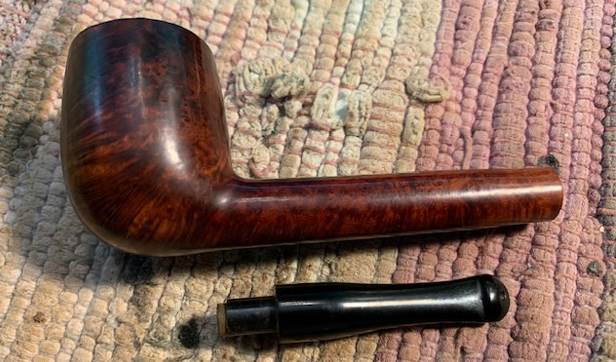
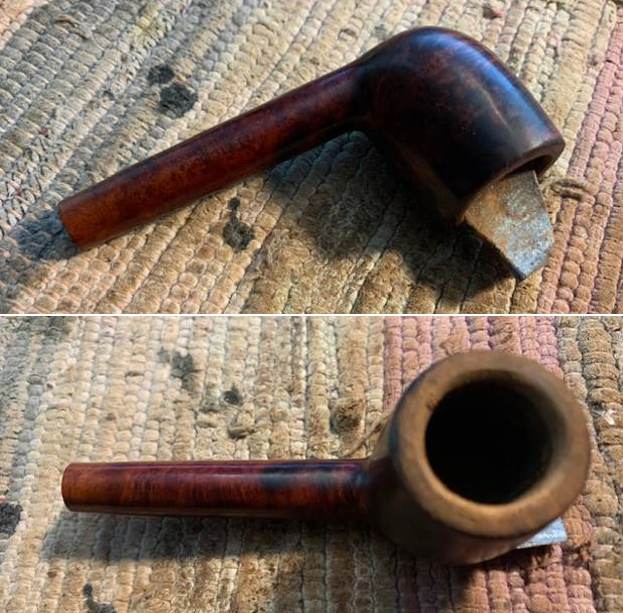
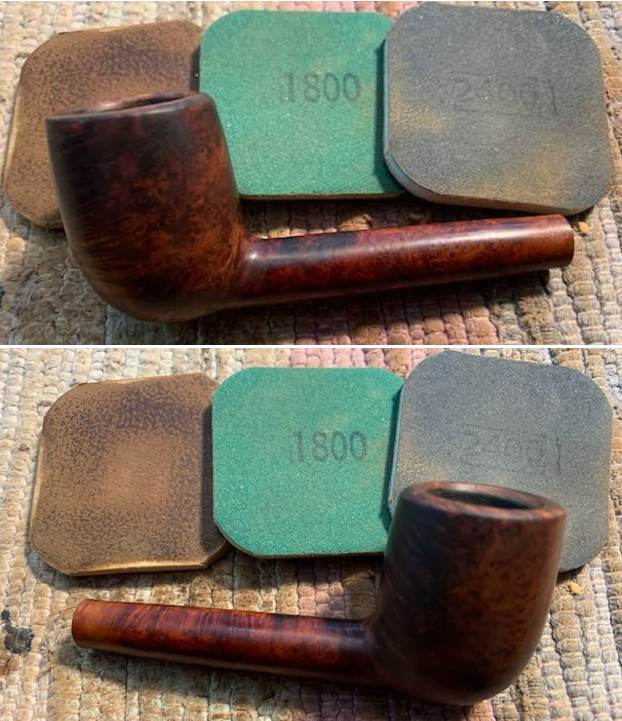
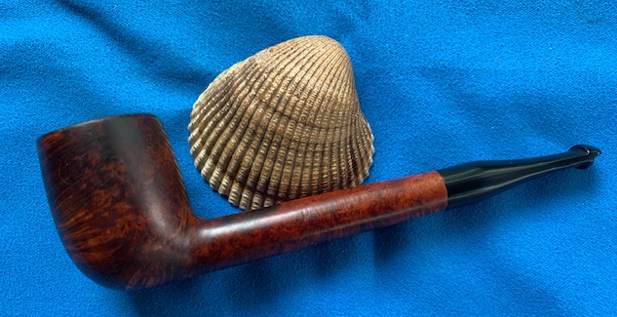
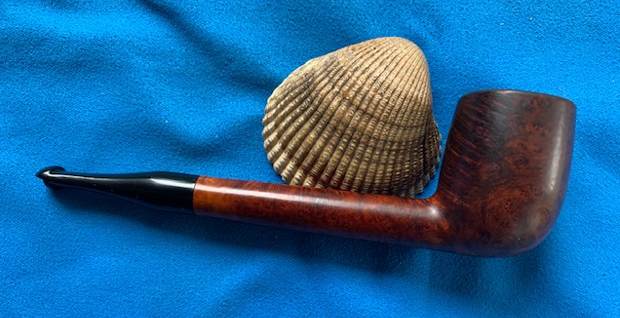
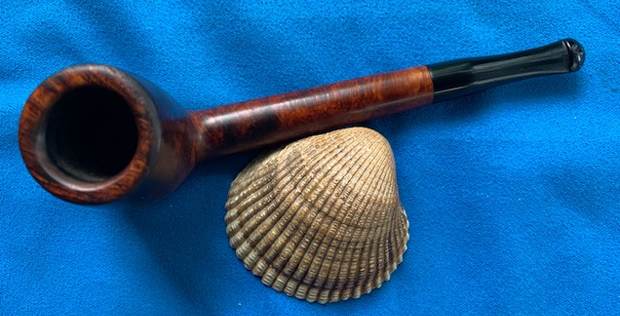
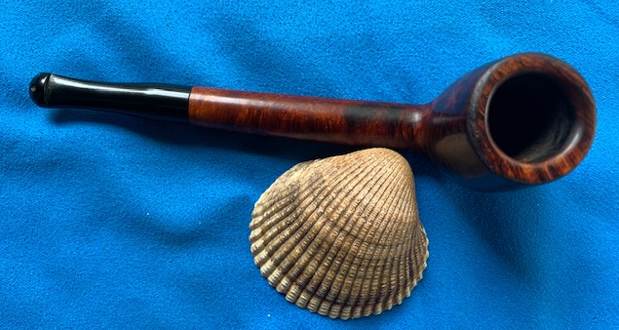
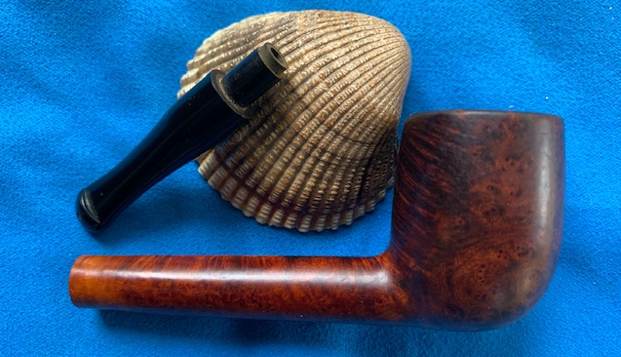
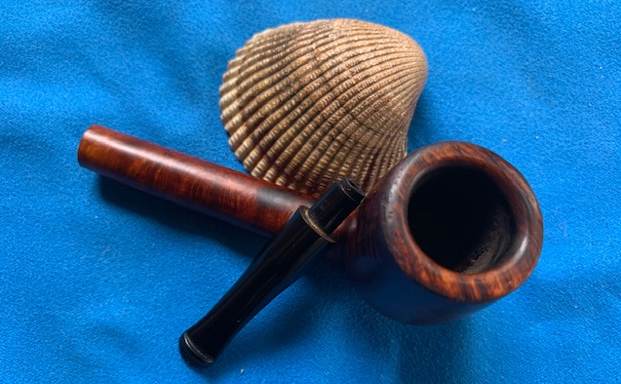
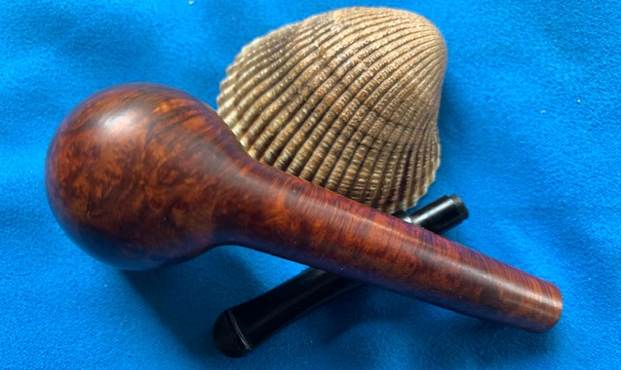
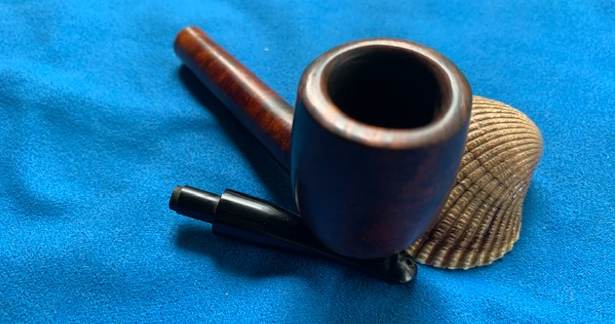
Now it was time to work on the pipe. Jeff had done a great job cleaning up the pipe as usual. He reamed the pipe with a PipNet reamer and cut back the cake back to the bare briar. He cleaned up the walls with a Savinelli Fitsall Pipe Knife. He scrubbed the interior of the bowl and shank with pipe cleaners, cotton swabs and alcohol to remove the tars and oils. He scrubbed the exterior of the pipe with Murphy’s Oil Soap and a tooth brush to remove the grime from the finish. He worked on the rim top lava and darkening with the soap and tooth brush. When the pipes came back to Jeff with their new stems they looked great. When the pipe arrived here this week I took photos of it with its stem so you can see what I see. The stem is a little longer than the 5 inches on the above SPORTS pipe. This stem is 5 ½ inches but it looks good on this little Pot. I took some close up photos of the rim top and also of the stem surface. I wanted to show how well it had cleaned up. The rim top had some scratches and marks on the top and some darkening around the inner edge. It should clean up really well. I also took close up photos of the new stem to show how well it is made! Thanks to Walls Pipe Repair!! I took photos of the stamping on the sides of the shank. You can see that it is stamped as noted above. It is clear and readable. I removed the stem and took a photo of the pipe to have a look at the parts and overall look. The new stem looked really good with the bowl.Since the stem was in perfect condition and would not need work I set it aside and turned to work on the bowl. I decided to address the damage to the inner edge of the bowl and the rim top first. I used a folded piece of 220 grit sandpaper to give the inner edge of the bowl a slight bevel to minimize the darkening and damage and blend it into the surrounding briar.I polished the briar with micromesh sanding pads – dry sanding with 1500-12000 grit sanding pads. I wiped the bowl down with a damp cloth after each sanding pad. The polishing of the rim top and inner edge brought the rim top colour to match the rest of the bowl. I did not need to stain the rim at all. I worked some Before & After Restoration Balm into the surface of the briar with my fingertips to clean, enliven and protect the briar. I let the balm sit for 15 minutes and then buffed with a cotton cloth to raise the shine. The photos show the bowl at this point in the restoration process. Since the stem was new condition the pipe was basically finished. I am excited to put the final touches on this newly restemmed Made in Ireland Peterson’s “Sports” 6 Pot. I put the pipe back together and buffed it with Blue Diamond on the buffing wheel. I gave the bowl and the stem multiple coats of carnauba wax. I hand buffed the pipe with a clean buffing pad to raise the shine. It is fun to see what the polished bowl looks like with beautiful mixed grain all around it. Added to that the polished black vulcanite stem combined with the bowl and made a stunning pipe. This smooth Classic Older Peterson’s “Sports” 6 Pot is great looking and the pipe feels great in my hand. It is light and well balanced. Have a look at it with the photos below. The dimensions are Length: 5 ½ inches, Height: 1 ½ inches, Outside diameter of the bowl: 1 ¼ inches, Chamber diameter: ¾ of an inch. The weight of the pipe is 39 grams/1.38 ounces. It is a beautiful pipe that I will soon be putting on the rebornpipes store in the Irish Pipe Makers section. If you are interested in adding it to your collection send me an email or a message. Thanks for walking through the restoration with me as I worked over this pipe. Thanks to each of you who are reading this blog.
Restoring and Restemming a Made in Ireland Peterson’s “Sports” 4 Prince


Blog by Steve Laug

Jeff and I often purchase pipe bowl/stummels of brands that we like and want to restore. These have included a lot of different bowls. If you have followed us for long you know that some of these have included Peterson’s, Dunhill’s, and a wide range of Danish and English pipes. Awhile ago Jeff and I were sorting through the bowls in our collection and pulled out eight Peterson’s bowls that were dirty and stemless. A friend referred us to a contact named Silas Walls, of Walls Pipe Repair in Wallace, Idaho, USA as he seems to have a good supply of original Peterson’s stems. Our friend has had him fit stems for some of his Petes and was very happy with the work. We made contact with him and sent him eight bowls for restemming.

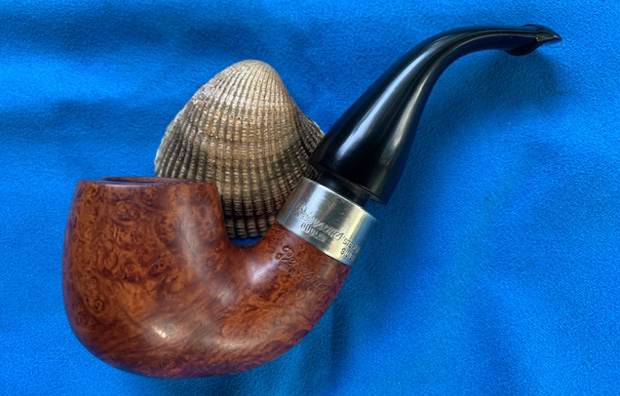
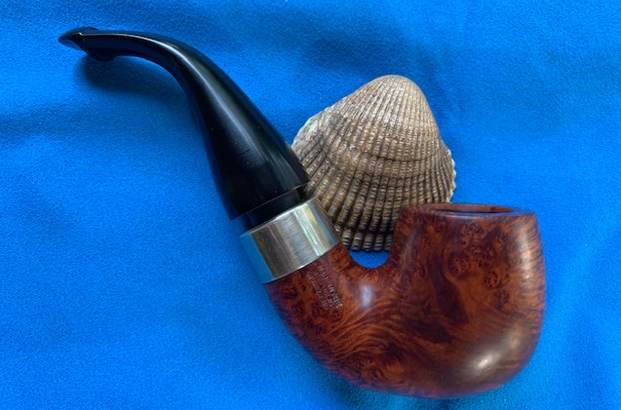
This first of them that we cleaned up before mailing them out was a bowl that we purchased on 05/22/21 from Facebook Marketplace. It came from Fruitland, Idaho. It is stamped on the left side of the shank and reads Peterson’s [over] “SPORTS”. On the right side of the shank there is a number 4 stamped next to the bowl shank junction followed by a circular Made in Ireland stamp with the “in” in the center of the circle mid shank. The bowl was dirty with lava on the rim top and a light cake in the bowl. It had been reamed quite recently and interestingly the bottom half of the bowl showed some raw briar. Jeff took photos of the bowl before he did his cleanup work in preparation for sending them to Walls Pipe Repair for their new stem.The photos of the bowl and rim top show the lava build up and nicks/scratches in the surface and edges. They also show the bowl with the reaming job that had been down before the pipe came to us. It showed a lot of promise.Jeff took photos of the stamping on the sides of the shank. It is clear and readable as noted above. There is also some great grain around the bowl and shank. I have restored a few Peterson’s “SPORTS” in the past so I turned to my blog to have a look at the background information that I included in those blogs. I found the following link to a similar pipe (https://rebornpipes.com/2021/01/08/restoring-a-republic-era-petersons-sports-4-apple/). It was a bit more round than the one I was working on but stamped similarly. I am including two photos of the finished pipe below for comparison.I remembered that the pipe was generally a “pocket” pipe so it was shorter than normal so I copied the dimensions from the above pipe for comparison of our restemmed one. The dimensions are Length: 5 inches, Height: 1 ¼ inches, Outside diameter of the bowl: 1 ½ inches, Chamber diameter: ¾ of an inch. The weight of the pipe is 33grams/1.16oz. It is a pretty compact pipe with some great shape and balance.

I also am including the background information I had gathered on the line from the previous blog below. I quote:

I am including the link to the Pipedia’s article on Peterson pipes. It is a great read in terms of the history of the brand (https://pipedia.org/wiki/Peterson).

I turned to “The Peterson Pipe” by Mark Irwin and Gary Malmberg to get some background on the Peterson’s Sports. On page 313-314 it had the following information.

“SPORTS” (1947-) A “Sport” is traditionally a compact pipe made for smokers engaged in athletic pursuits, most notably equestrian riders who do not want the bowl to bounce up and down. Six shapes described in 1947 shape chart. Occasional later catalogs show as many as 11 shapes. Last  appeared in shape chart in ’98, but still made in small numbers. Recorded specimens are stamped MADE IN IRELAND (forming a circle) or MADE IN THE over REPUBLIC over OF IRELAND. See Outdoor and Outdoor Sportsman.

The information was very helpful. I have highlighted the pertinent reference to the circular Made in Ireland stamp in the paragraph above. I also knew that my memory of it being a shorter “pocket” pipe was correct.

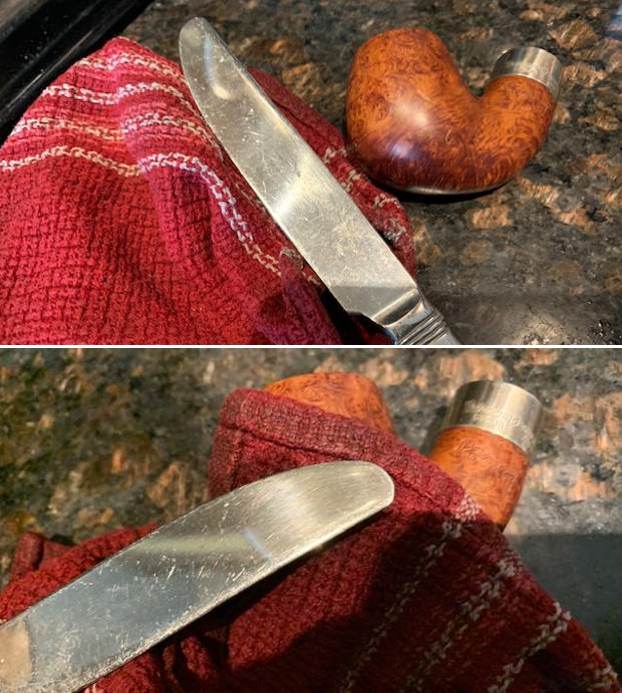
Now it was time to work on the pipe. Jeff had done a great job cleaning up the pipe as usual. He reamed the pipe with a PipNet reamer and cut back the cake back to the bare briar. He cleaned up the walls with a Savinelli Fitsall Pipe Knife. He scrubbed the interior of the bowl and shank with pipe cleaners, cotton swabs and alcohol to remove the tars and oils. He scrubbed the exterior of the pipe with Murphy’s Oil Soap and a tooth brush to remove the grime from the finish. He worked on the rim top lava and darkening with the soap and tooth brush. When the pipes came back to Jeff with their new stems they looked great. When the pipe arrived here this week I took photos of it with its stem so you can see what I see. The stem is a little longer than the 5 inches on the above SPORTS pipe. This stem is 5 ½ inches but it looks good on this little Prince. I took some close up photos of the rim top and also of the stem surface. I wanted to show how well it had cleaned up. The rim top had some scratches and marks on the top and some darkening around the inner edge. It should clean up really well. I also took close up photos of the new stem to show how well it is made! Thanks to Walls Pipe Repair!! I took photos of the stamping on the sides of the shank. You can see that it is stamped as noted above. It is clear and readable. I removed the stem and took a photo of the pipe to have a look at the parts and overall look. The new stem looked really good with the bowl.Since the stem was in perfect condition and would not need work I set it aside and turned to work on the bowl. I decided to address the damage to the inner edge of the bowl and the rim top first. I used a folded piece of 220 grit sandpaper to give the inner edge of the bowl a slight bevel to minimize the darkening and damage and blend it into the surrounding briar.I steamed out the dents on the rim top with a damp cloth and a knife heated over the flame of my stove. I applied the wet cloth to the dents and touched the cloth with the hot knife. The steam generated caused the dents to raise. I used a small folded piece of 220 grit sandpaper to smooth them out further. I started polishing the top with 400 grit wet dry sandpaper. I polished the briar with micromesh sanding pads – dry sanding with 1500-12000 grit sanding pads. I wiped the bowl down with a damp cloth after each sanding pad.  The polishing of the rim top brought the rim top colour to match the rest of the bowl. I did not need to stain the rim at all. I worked some Before & After Restoration Balm into the surface of the briar with my fingertips to clean, enliven and protect the briar. I let the balm sit for 15 minutes and then buffed with a cotton cloth to raise the shine. The photos show the bowl at this point in the restoration process. Since the stem was in such new condition the pipe was basically finished. I am excited to put the final touches on this newly restemmed Made in Ireland Peterson’s “Sports” 4 Prince. I put the pipe back together and buffed it with Blue Diamond on the buffing wheel. I gave the bowl and the stem multiple coats of carnauba wax. I hand buffed the pipe with a clean buffing pad to raise the shine. It is fun to see what the polished bowl looks like with beautiful mixed grain all around it. Added to that the polished black vulcanite stem combined with the bowl and made a stunning pipe. This smooth Classic Older Peterson’s “Sports” 4 Apple is great looking and the pipe feels great in my hand. It is light and well balanced. Have a look at it with the photos below. The dimensions are Length: 5 ½ inches, Height: 1 ½ inches, Outside diameter of the bowl: 1 ¼ inches, Chamber diameter: ¾ of an inch. The weight of the pipe is 39 grams/1.38 ounces. It is a beautiful pipe that I will soon be putting on the rebornpipes store in the Irish Pipe Makers section. If you are interested in adding it to your collection send me an email or a message. Thanks for walking through the restoration with me as I worked over this pipe. Thanks to each of you who are reading this blog.
New Life for a Republic Era Peterson’s Emerald 01 Bent Billiard


Blog by Steve Laug

The next pipe I have chosen is smooth finished Peterson’s Emerald pipe. This one is an 01 Bent Billiard that has a great rustication on the bowl sides and shank. It also has a triple band on the shank – 2 thinner brass bands separated by and emerald green acrylic band. It came to us from an online auction on 10/04/21 in Leesport, Pennsylvania, USA. This rusticated Bent Billiard had a triple brass and emerald band on the shank that adds a touch of colour to the rusticated pipe. The pipe was very dirty in the rustication on the bowl and shank. The contrast of the brown and black stains gives depth to the rustication. It was stamped on the underside of the shank and read Peterson’s [over] Emerald. That is followed by the stamp that reads Made in the Republic of Ireland in three lines and the shape number 01. The bowl was heavily caked with a thick overflow of lava in the rustication on the rim top. The edges of the bowl appeared to be in good condition under the lava. The stem was lightly oxidized and had tooth chatter and marks on the top and underside on and near the button. Jeff took photos of the pipe before his cleanup work. They tell the story and give a glimpse of the pipe. Jeff took photos of the rim top and stem to show the general condition of the pipe. The bowl is heavily caked with a thick overflow of lava on the top and edges. It fills in the rustication quite a bit on the to. The stem is calcified, oxidized and has tooth marks and chatter on the top and underside near the button. Jeff took photos of the bowl sides and heel to show the rustication around this bowl. Underneath all the grime it is a nice looking pipe. He took photos of the underside of the shank to show the stamping. The stamping is readable in the photos below and is as noted above. He also included a photo of the P stamp on the left side of the stem to show the condition. I am including the information from Pipedia’s article on Peterson pipes. It is a great read in terms of the history of the brand (https://pipedia.org/wiki/Peterson). I have included a bit of the pertinent history here.

1950 – 1989 The Republic Era – From 1950 to the present time, the stamp for this era is “Made in the Republic of Ireland” in a block format generally in three lines but two lines have been used with or without Republic being abbreviated.

During the 1950’s and 60’s the Kapp & Peterson Company was still in the ownership of the Kapp family. However 1964 saw the retiral of the company Managing Director Frederick Henry(Harry) Kapp.

I knew that I was dealing with a Republic Era pipe made between 1950 and the present. Now it was time to work on the pipe.

I turned to The Peterson Pipe book by Mark Irwin and Gary Malmberg for more information. On page 299 there was a summary of the Emerald Pipe. I quote

Emerald (1987-) Moderate-priced  line in Bordeaux and black rustic finish with a shank band of green acrylic between brass rings, P-lip mouthpiece; smooth walnut version added in ’91. Fishtail mouthpiece added in ’97. Identical line and finishes named Jade from early eighties until ’87.

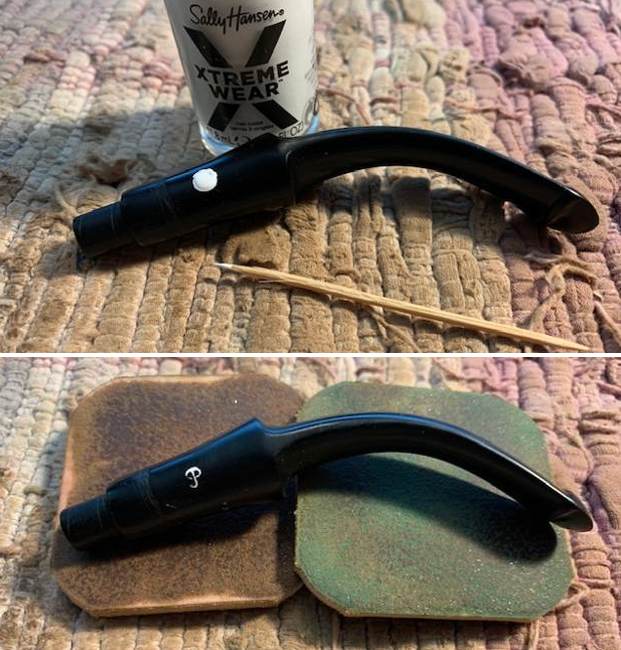
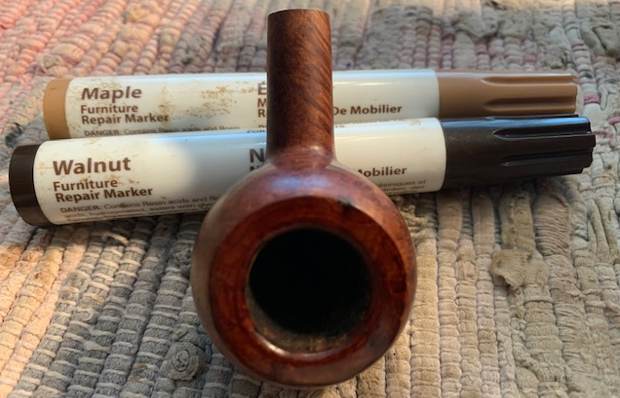
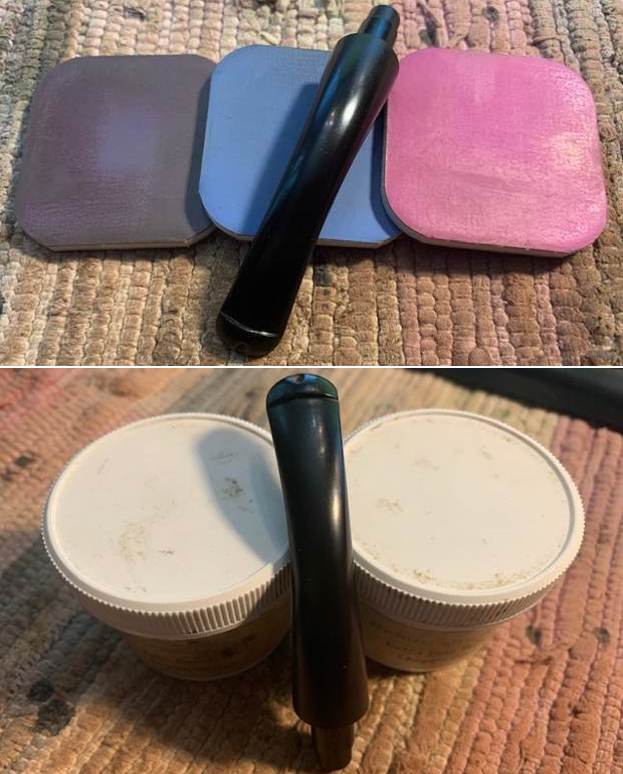
Jeff had done a great job cleaning up the pipe as usual. He reamed the pipe with a PipNet reamer and cut back the cake back to the bare briar. He cleaned up the walls with a Savinelli Fitsall Pipe Knife. He scrubbed the interior of the bowl and shank with pipe cleaners, cotton swabs and alcohol to remove the tars and oils. He scrubbed the exterior of the pipe with Murphy’s Oil Soap and a tooth brush to remove the grime from the finish. He worked on the rim top lava with the soap and tooth brush. He scrubbed the inside of the stem with alcohol and pipe cleaners. He scrubbed the exterior with Soft Scrub and then soaked it in Briarville’s Deoxidizer. He rinsed it off with warm water to remove the Deoxidizer. It looked very good when I brought it to the worktable. I took close up photos of the rim top and the stem surface. I wanted to show how well it had cleaned up. The rim top looked very good. The beveled inner edge had some darkening that would need to be cleaned up in the next steps of the process. I took photos of the stem to show the tooth marks on the surface ahead of the button and on the sharp edge of the button itself. I took a photo of the stamping on the underside of the shank. You can see that it is stamped as noted above. It is clear and readable. I took the pipe apart and took a photo of the pipe. It is a good looking pipe and has a rugged rustication around the bowl and shank.I began my work on the pipe by dealing with the beveled inner edge of the bowl. I used a folded piece of 220 grit sandpaper to smooth it our and lessen the darkening. It cleaned up well and looked very good.The front portion of the rim top had been slightly smoothed out from use so I used a series of burrs on my Dremel to recut the rustication on that portion. I was able to match it pretty well with the remaining rustication on the rim top. I used a brass bristle wire brush to knock off the high spots. I restained the rim top and edge in that area with a Mahogany and Walnut stain pen. The combination of the colours looked very good. I worked some Before & After Restoration Balm into the surface of the briar with my fingertips and a horsehair shoe brush to clean, enliven and protect the briar. I let the balm sit for 15 minutes and then buffed with a cotton cloth to raise the shine. The photos show the bowl at this point in the restoration process. I set the bowl aside and worked on the stem. I sanded out the tooth marks and gouges in the surface and reshaped the button edges with 200 grit sandpaper. I started the polishing with 400 grit wet dry sandpaper.I polished the stem with micromesh sanding pads – wet sanding with 1500-12000 grit sanding pads. I wiped it down after each sanding pad with Obsidian Oil. I polished it with Before & After Pipe Stem Polish – both Fine and Extra Fine. I touched up the “P” stamp on the top of the stem with Gold Acrylic Nail Polish. I worked it into the stamp with a tooth pick and wiped off the excess. There was not enough of a stamp to hold the gold stamp in place. It is faint enough that without a lens it cannot be seen. I am excited to finish this Republic Era Peterson’s Emerald 01 Bent Billiard. I put the pipe back together and buffed it with Blue Diamond on the buffing wheel. I gave the bowl multiple coats of Conservator’s Wax and the stem multiple coats of carnauba wax. I buffed the pipe with a clean buffing pad to raise the shine and hand buffed it with a microfibre cloth to deepen the shine. It is fun to see what the polished bowl looks like with the rugged rustication all around it. Added to that the polished triple brass and emerald acrylic band and the black vulcanite stem was beautiful. This Classic Peterson’s Emerald is nice looking and the pipe feels great in my hand. It is light and well balanced. Have a look at it with the photos below. The dimensions are Length: 5 ½ inches, Height: 1 ¾ inches, Outside diameter of the bowl: 1 ¼ inches, Chamber diameter: ¾ of an inch. The weight of the pipe is 47 grams/1.66 ounces. It is a beautiful pipe and one that will be on the Irish Pipe Makers Section of the rebornpipes store soon. If you are interested in adding it to your collection let me know. Thanks for walking through the restoration with me as I worked over this pipe. Thanks to each of you who are reading this blog.

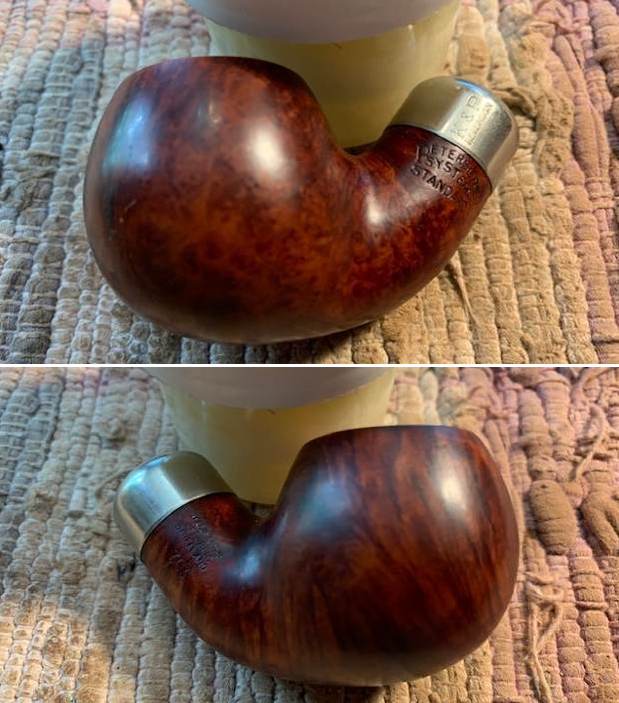
Restoring an Pre-Republic Era Peterson’s System House Pipe


Blog by Steve Laug

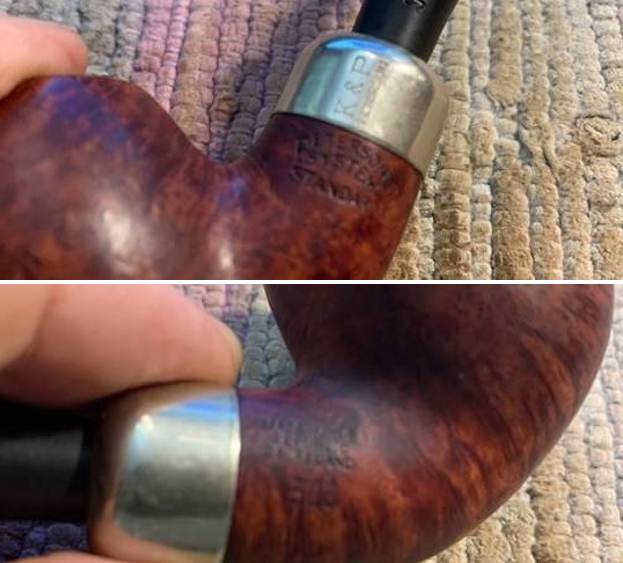
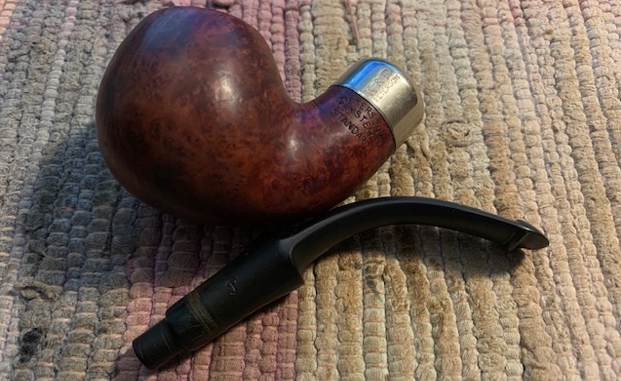
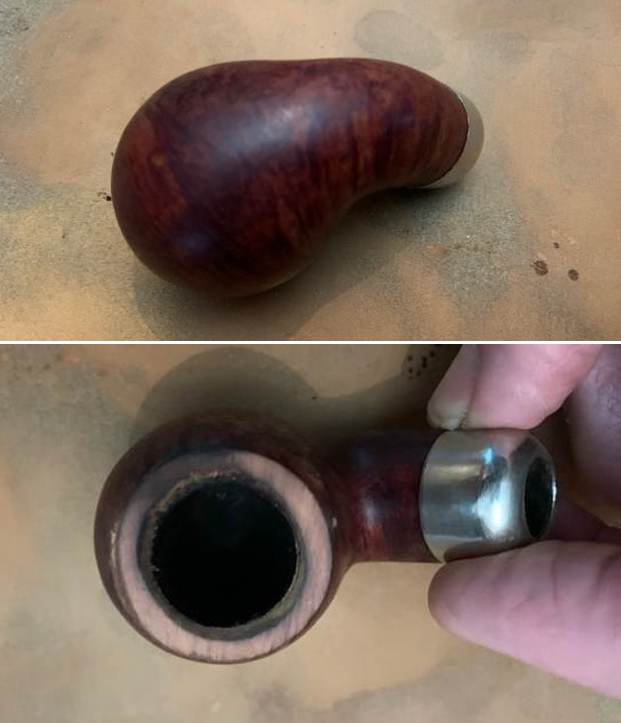
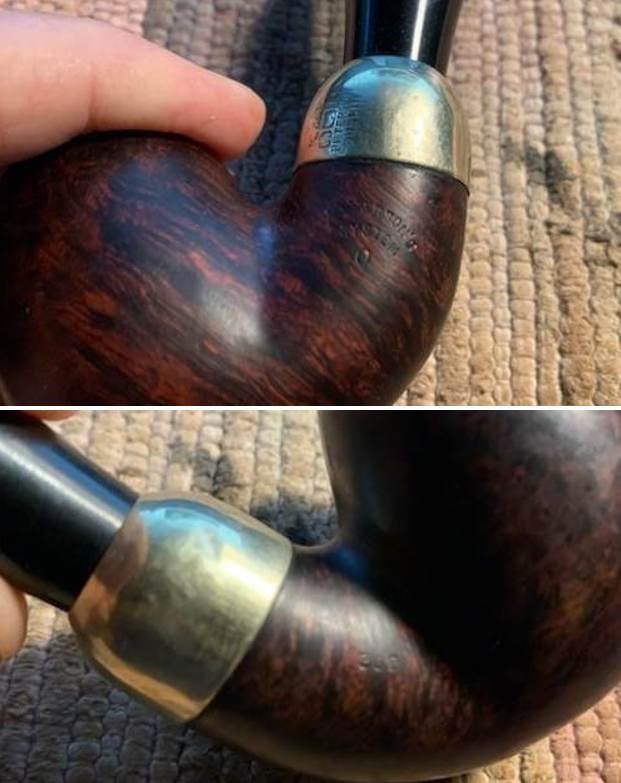
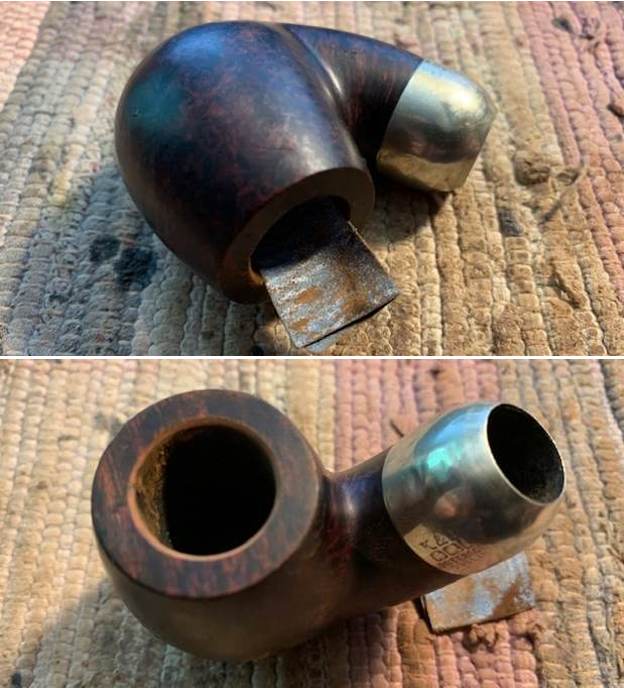
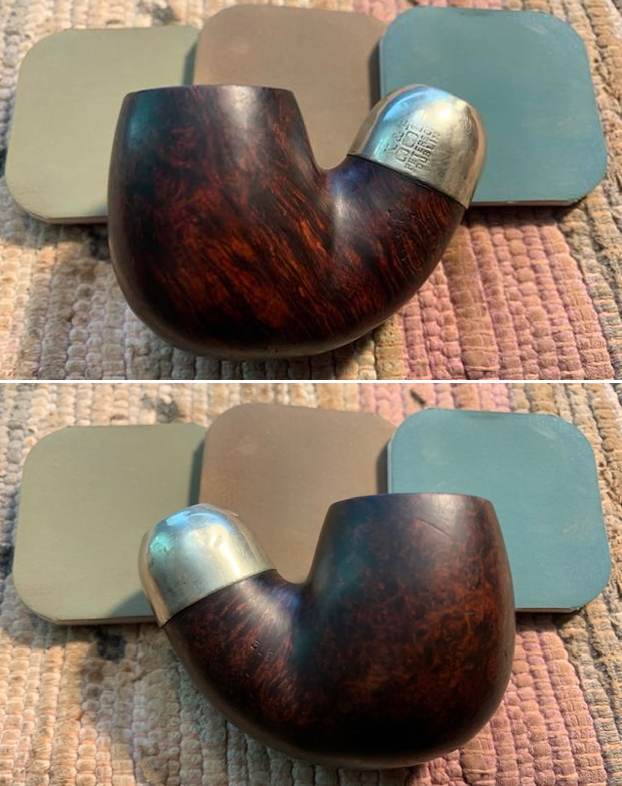
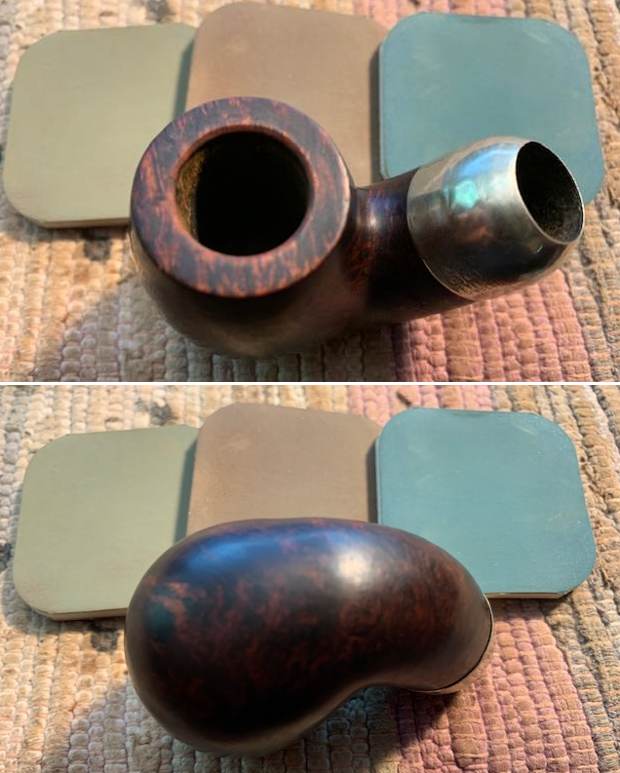
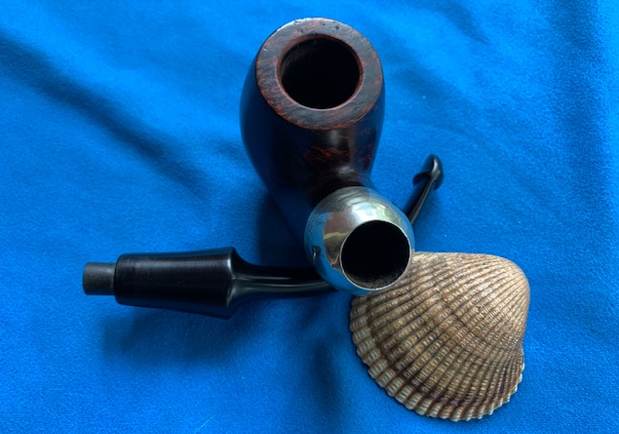
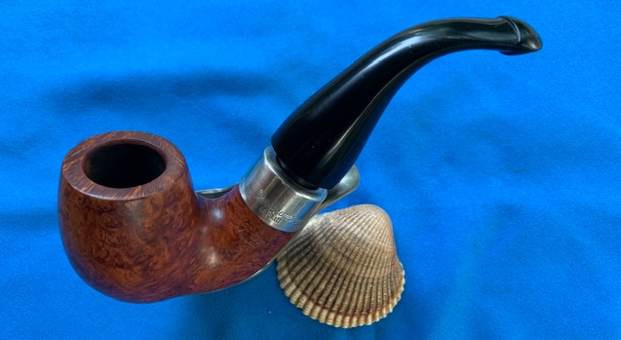
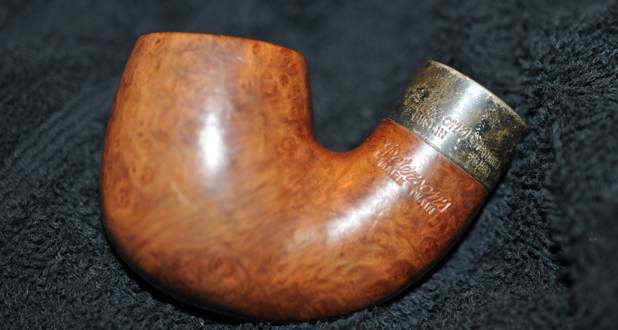
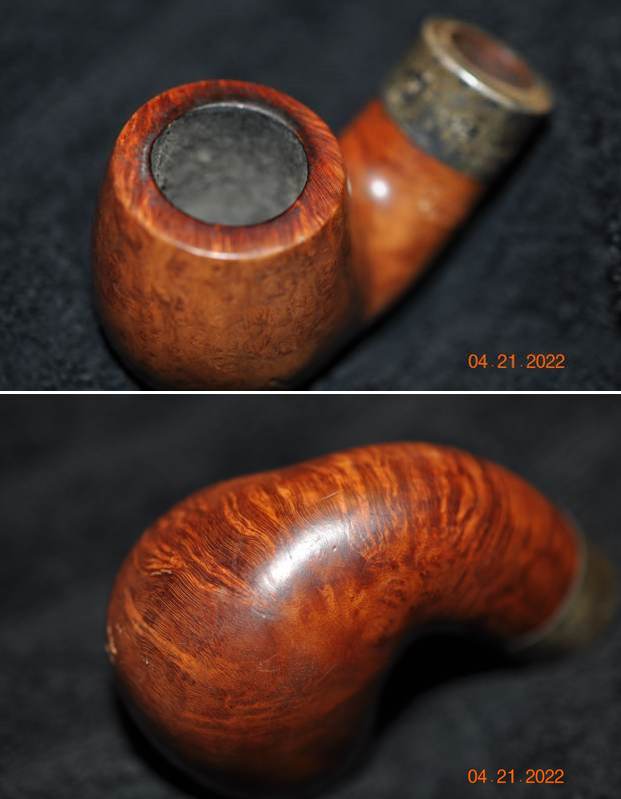
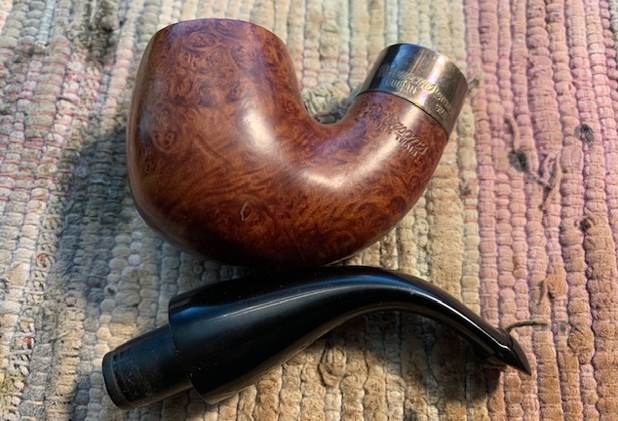
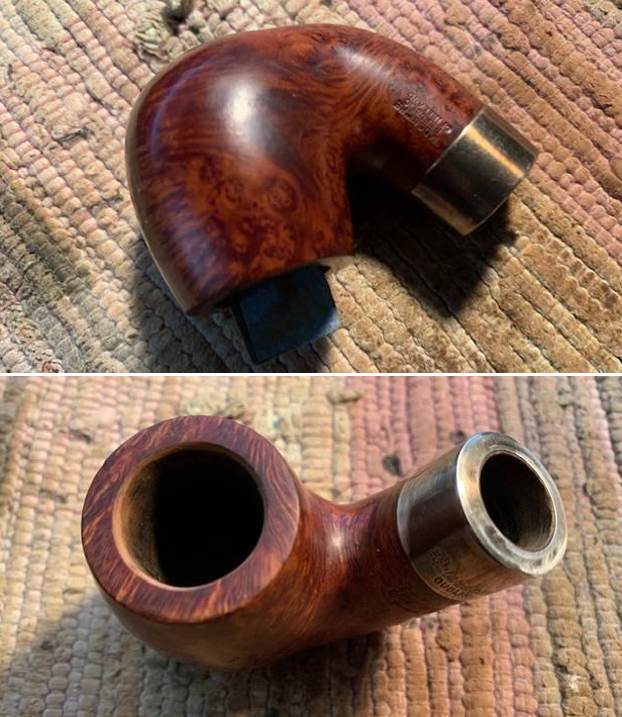
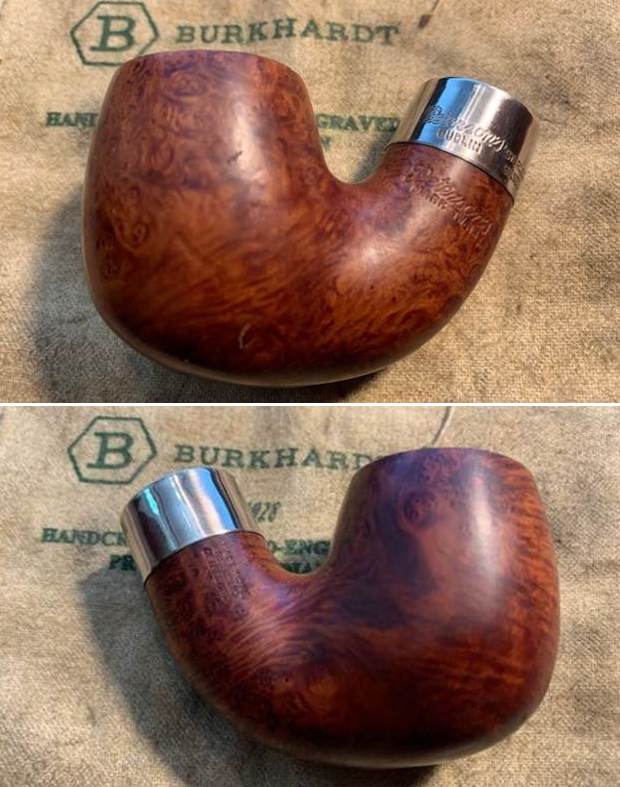
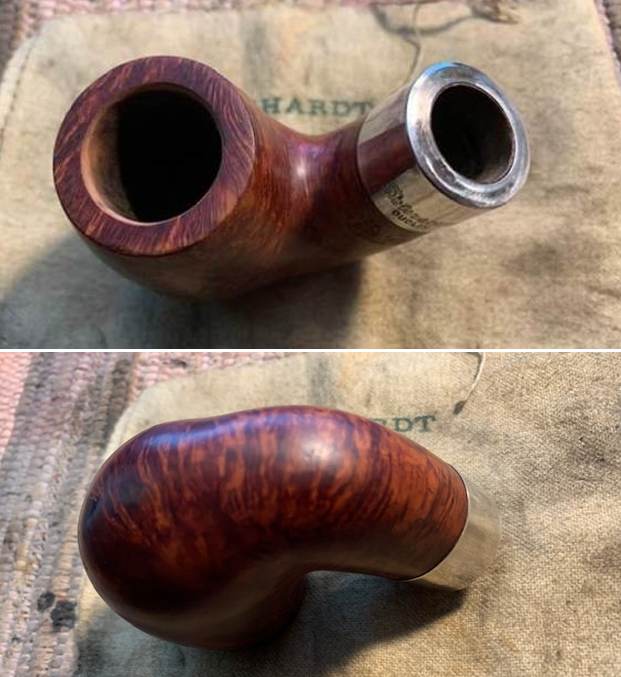
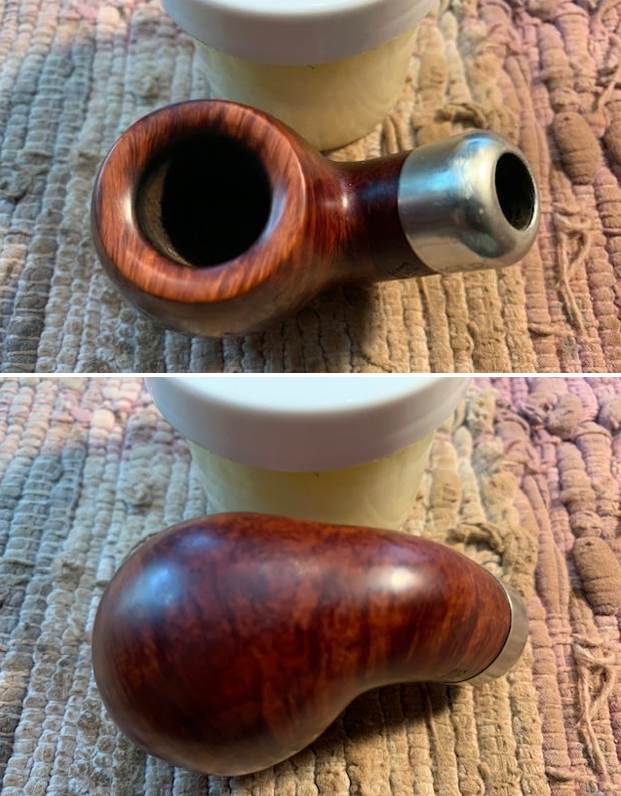
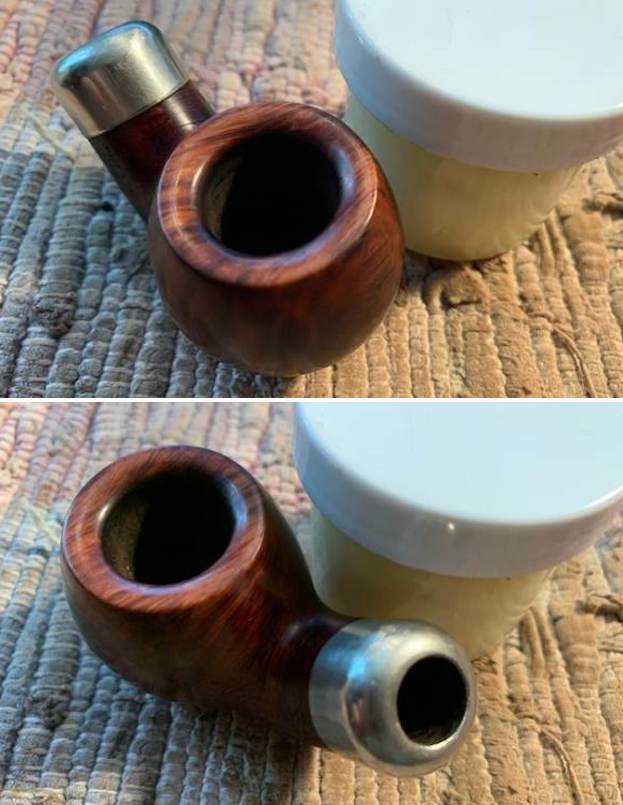
Jeff and I have been picking up pipes from an older Eastern European Professor who lives in the LA area. Over the past few years we have picked up a large number of pipes from him. Included in the last lot was a Peterson’s System pipe that intrigued us. We had no idea how big the pipe was until it arrived. It is a huge rusticated pipe. To me it is a house pipe but not sure. It is 9 inches long and the bowl is 2 1/2 inches tall. Rim diameter is 1 3/4 inches and chamber is 1 inch diameter. It is stamped on the left side and reads Peterson’s (with a forked tail P) over System. Below that and to the right it is stamped Made in Ireland in a circle. The ferrule is sterling silver and rounded. It is stamped with K&P each in its own cartouche over Sterling Silver. That is followed by Peterson over Dublin. The Professor and his friend included the following photos for us to have a look. You can see why we had no idea of the size of the pipe. He also included photos of the bowl and rim top as well as the sides to show the general condition of this pipe. I was well smoked and showed wear and tear of the years of the Professor’s travels and use.The pipes arrived in Idaho after some time spent negotiating a price and then waiting for the shipping. When they arrived in April he took photos of the pipe before he cleaned it up. You can see the style of the rustication on the bowl – rugged and really a lot like the finish on a Rocky Donegal. It is dirty with dust and debris deep in the rustication on the rim top, bowl sides and shank. The bowl has a remnant of cake in the bowl and shows signs of being recently reamed. The finish has some worn spots on the sides and rim top. The silver ferrule is oxidized and dark from tarnish. The stamping on the silver and the briar is very readable. The stem is oxidized but does not appear to have any tooth marks or chatter. Jeff sent me photos so I could have a sense of the pipe.He took close up photos of the rim top and stem to give a clear idea of the condition of the pipe. He took photos of the bowl from various angles to show the condition of the briar and the style of the pipe. It is a beautiful old pipe under the grime and grit of the years.   Jeff captured the stamping on the shank side. It is clear and readable as noted above. There are some spots on the stamp that are more faint than others but it is still clear. The silver stamping is very clear. I turned to the Pipedia article for confirmation of my thinking about it being a Pre-Republic Period pipe (https://pipedia.org/wiki/Peterson#1950_-_1989_The_Republic_Era). I quote the section on the Pre-Republic Period that confirms my thoughts. I have highlighted the portion in red regarding the COM stamp on this pipe.

1915 – 1949 The Pre Republic Period — This was a turbulent period for the company with the outbreak of World war 1 and the start of the Easter uprising in 1916. The K&P shop was extensively damaged during the military action at this time ( see attached newspaper report). Following quote by Kapp & Peterson.-

“Kelly’s, the well known Dublin landmark at the corner of Sackville Street and Bachelor’s Walk, one of the most shot at and fully punctured premises in Dublin, was in our possession practically before the smoke ceased over the ashes of our fine shop under the Metropole Hotel. This was one of the most sensational business captures arising out of the Rebellion.”

Around 1916, Peterson began stamping their pipes “Made in Ireland” in what is referred to as a block format. Charles Peterson died shortly after retiring and moving to Hamburg in Germany in 1919 where he is buried.

The original 1890 ‘system’ pipe patent expired at around this time. The Irish free state came into being in December 1922. The Free State Era was from 1922 through to 1937.

Peterson followed with a stamp of “Irish Free State” in either one or two lines, either parallel or perpendicular to the shanks axis and extremely close to the stem. Ireland was a republic in all but name. Eventually the Irish people voted for a new constitution in 1937 and Ireland then formally became Eire (Ireland in Irish). The Made in Eire era stamps were from 1938 through till 1941. Peterson now stamped their pipes with “Made in Eire” in a circle format with “Made” and “Eire” in a circle with the “in” located in the centre of the circle. This was used during the years of 1938 – 41. Later they stamped their pipes with “Made in Ireland” in a circle format 1945-1947 and still later with “Made in Ireland” in a block format 1947-1949. The “Made in Ireland” block format came in either one line or two lines.
The Republic of Ireland was formed on 17 April 1949.

Further down in the article there was some more interesting information on the brand and the time period of this particular pipe.

The pre-republic Peterson’s are often considered to be rather special by Peterson pipe smokers. They hark back to a time when quality briar was in abundance and craftsmanship was of the highest level.

Like all collecting desirables, pre-republic pipes are now relatively hard to come by, with availability declining with each passing year. The amazing thing that I find with pre-Republic’s is the consistently high smoking qualities that they show, regardless of being a high or low grade issue. No it is not that I am looking through rose tinted glasses and being sentimental, they really were very well made. I base my judgement on owning and smoking quite a few of them.

For the purpose of this exercise and bearing in mind the eccentric vagaries of Peterson nomenclature, I am suggesting that an acceptable criteria or starting point for when the Pre- Republic era begins and ends, requires a short historical resume.:-

The Irish Free State came into being in December 1922. The British sovereign, as King of Ireland, was nominal head of state, but Ireland was a republic in all but name.

An entirely new constitution was voted by the Irish people in 1937, with provision for a President Of Ireland as head of state. Therefore, Ireland became a republic in 1937, but was not called that. It was called simply EIRE (Ireland in Irish.)

When, in 1945, the British government inquired of prime minister Eamon de Valera whether he intended to proclaim a republic, his answer was: “we are a republic”, having refused to say so before for eight years. This was news to the British: when George VI ascended the British throne in 1936, he had been crowned King of Ireland, as well, little knowing that there no longer was a Kingdom of Ireland!

As usual when trying to get accurate facts in regard to Peterson history, something will jump up and get in the way. They are missing many of their records. The following is the best that we can do for a guide to the myriad markings during the period 1922 – 1949.

Prior to 1920 it was rare for a country of origin to be stamped on the pipe, just Peterson’s Dublin on the band. After 1921/22,If it is stamped “MADE IN IRELAND” and the “Made in” is stacked over “Ireland” or “MADE IN EIRE” or several other forms, it was made between 1922 and 1938. A considerable number of Peterson pipes were stamped “Irish Free State”. From about 1930 to 1949, most of the pipes (those which were stamped) were stamped “Made in Ireland”.” If the stamp reads “MADE IN IRELAND” in a circle, the pipe was made between 1939 and 1948. These are all “pre republic” pipes. I can tell you that the mark “Irish Free State” was adopted in 1922;and replaced by “Eire” in 1937 and then by “Republic of Ireland” in 1949…

The site also had a photo of the exact stamping that was on the ferrule of this pipe so I am also including that photo below.There was also a section in the Pipedia article on House Pipes. I include that below as I am pretty certain that the pipe I have is one of them. I have highlighted a section in red below that gives a sense of finishes and costs of these large pipes.

House pipes: Another popular Peterson system pipe variant, is the huge House Pipe. I believe the term house pipe, has come from the fact that they are just too big to carry around for some and too heavy to hold in one’s mouth. The pipes are so large that you’ll want to smoke them at home, settled into a comfortable chair for a very long session with a good book! I remember seeing them referred to as ‘systems on steroids’!

These large hand made pipes normally retail for around $200 $ 400 depending on shape and finish. Varying from Smooth, Sandblast and Rustic finishes and Straight Billiard and Bent shapes. Extra large bowls. All with sterling silver bands. Finishes include terracotta and oak colours.

Over the years there have been a few large System pipes Produced by Peterson which could be considered to be included as ‘House’ pipes. In the early Peterson catalogues, circa 1900,they were advertising XXL systems which were similar in size to the modern ‘House’ pipes. Around 1990 Peterson were asked by a large UK retailer, i.e. Bonds of Oxford St. London, to commission the making of a special giant classic bent pipe, with dimensions of, length 17cms, bowl height,6.1cm, bowl chamber depth 5.5cms, internal bowl diameter 2.1cm. This is a classic shaped Peterson with hallmarked silver ferrule in smooth and rustic finishes, plus options of tapered and saddle stems. In the early 1990s Kapp & Peterson made this giant, classic full bent, smooth pipe exclusively for Bonds of Oxford Street London. Bonds seem to have an endless source of New Old Stock Peterson pipes. I am always intrigued by these pipes when they arrive by post. Inevitably they come in their original packaging and to my mind, are a window back in time. I enjoy the box and contents as much as the pipe.

I had seen this pipe on many occasions when I had previously visited Bonds E bay site. I have always been attracted to it and admired the classic shape ,size and finish. They were offering the same pipe in various finishes and stem fittings. However I preferred the smooth tapered fishtail. I am a sucker for large bent Pete’s. Just my taste. However it was not cheap at around $355. Having had the opportunity to see the pipe ‘in the flesh’, I am amazed at the quality, feel, looks and the smoking performance. Yes you heard right I smoked it! Normally with the newer unsmoked high grades that come into my collection, they remain unsmoked. However I made an exception with this beauty and boy it was worth it.

I wrote to Mark Irwin and sent some photos of the pipe to see what he could tell me. Unfortunately in my first email the photos did not include any profile shots. I sent him those in subsequent emails and also order a copy of the 1896 K&P Catalog from Smokingpipes. Here is what Mark wrote in the emails.

FIRST

Hey Steve,

Without seeing a perfect flanking shot, I can’t be 100% sure here, but I can tell you it is either the shape 1 or shape 3 straight-sided (“dutch billiard”) from the 1906 and 1896 catalogs. Not seen in K&P catalogs after 1906, like other magnums it remained in the shadows but surfaced from time to time. The rustication is excellent, dating it to the late 1940s or early 1950s when this type of work was routine at the factory. The sterling mount was given to it because of the unusual size as well as the good blast. With a flanking shot, I can determine whether it is the 1 or the 3.

I just thought of something: if you have the restoration of the 1896 K&P catalog I released not long ago through Smokingpipes, you can simply lay your bowl on top of shape 1 and shape 3 and *presto* you’ll know. The original scaled illustrations are quite useful in this way.

Happy Smokes,

Mark

SECOND

It’s the 1. How very cool. Is this pipe going in your collection, is it someone’s your working on or do you intend to sell it? Great piece!

Yes, I think with your enjoyment of the history of pipes you’d love the catalog and the historical commentary.

Mark

Mark’s information confirmed what I had learned from my research and gave me additional information. Mark notes that the rustication dates it to the late 1940s or early 1950s. The COM stamp had helped me date it between 1945-1947 so that fits!  He also confirms that it a Shape 1, straight-sided (“Dutch Billiard”).

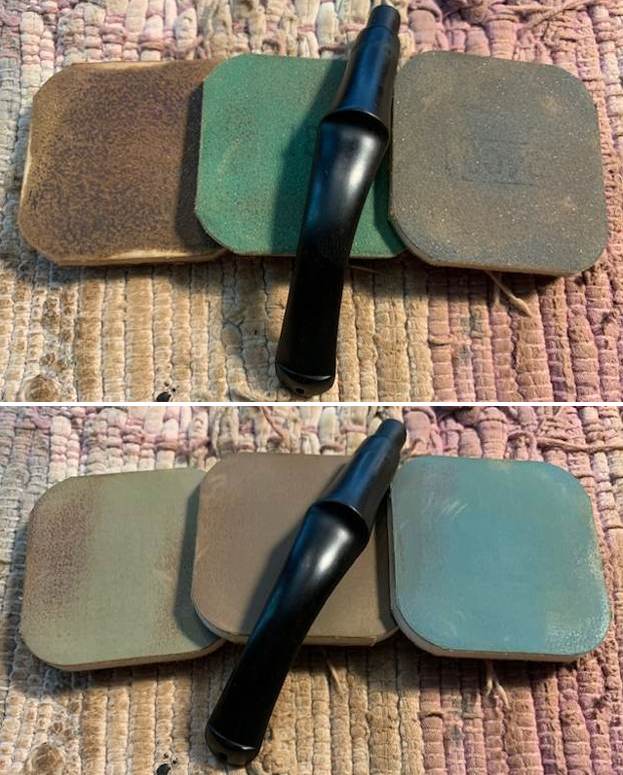
Armed with that information I turned to work on the pipe itself. Before he sent it to me, Jeff had cleaned up the pipe with his usual procedure. He reamed the pipe with a PipNet pipe reamer and removed the rest of it with a Savinelli Fitsall Pipe Knife.  He scrubbed the bowl with undiluted Murphy’s Oil Soap with a tooth brush. He rinsed it under running warm water to remove the soap and grime. He cleaned out the inside of the shank and the airway in the stem with isopropyl alcohol, cotton swabs and pipe cleaners. He soaked the stem in Briarville’s Pipe Stem Deoxidizer and then rinsed it off with warm water. He scrubbed the stem with Soft Scrub and a tooth brush and rinsed it off with warm water. It looked amazing when I took it out of the package of pipes he shipped me. So much so that it is the first of those pipes that I chose to work on. I took photos of the pipe before I started my part of the restoration work.   The rim top and the inner and outer edges of the bowl all look very good. The stem surface looked good with the oxidation gone and no visible tooth marks and chatter on either side of the stem. The stamping on left side of the shank and on the silver ferrule is clear and readable as noted above.I took a photo of the pipe with a regular sized Peterson System 312 to give a sense of the size of this pipe. It really is a big pipe. I then removed the stem and took a photo of the pipe to give a sense of the whole. It is a proportionally pleasing pipe.I started my work on the pipe by addressing the fading of the finish on the rim top and edges. I used a Walnut Stain Pen to match the color of the rest of the bowl. The finished rim top and edges look better. The bowl looked very good at this point so I rubbed it down with Before & After Restoration Balm. I worked it into the surface of the bowl and shank with my fingertips and a horsehair shoe brush to clean, enliven and protect the briar. I let the balm sit for about 10-15 minutes and buffed with a cotton cloth to raise the shine. I set the bowl aside and turned to work on the stem. I polished the vulcanite stem with micromesh sanding pads – 1500-12000 grit pads. I wiped it down with Obsidian Oil after each sanding pad. I used Before & After Pipe Polish – both Fine and Extra Fine to further polish the stem. This Beautiful Rustic Peterson’s Pre-Republic System House Pipe Shape 1 “Dutch Billiard” is a great looking pipe now that it has been restored. The style of rustication that is used around the bowl is highlighted by the dark, rich stain application and works well with both the polished Sterling Silver ferrule and vulcanite stem. I put the stem back on the bowl and carefully buffed the pipe with Blue Diamond on the buffing wheel using a light touch on the briar. I gave the bowl multiple coats of Conservator’s Wax and the stem multiple coats of carnauba wax on the buffing wheel and followed that by buffing the entire pipe with a clean buffing pad. I hand buffed the pipe with a microfiber cloth to deepen the shine. The finished Rustic Peterson’s System House Pipe is a large pipe that will be great for sitting and reading on the porch. Give the finished pipe a look in the photos below. The dimensions of the pipe are Length: 9 inches, Height: 2 ½ inches, Outside diameter of the bowl: 1 ¾ inches, Chamber diameter: 1 inch. The weight of the pipe is 101 grams/3.56 ounces. This is a pipe that I am adding to my own collection for now. I hope to enjoy it many times on the front porch over the summer ahead. I take a moment to remind myself and each of us that we are trustees of pipes that will outlive us and the lives of many other pipe men and women who carry on the trust of their care and use. Thanks for reading this blog and my reflections on the pipe while I worked on it.
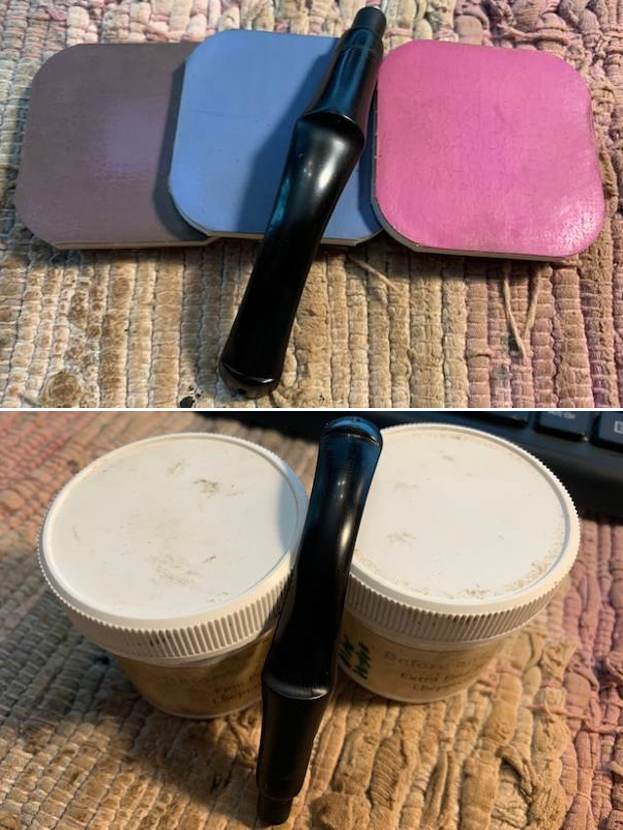
Labour Intensive Restoration of a Peterson’s Sherlock Holmes Series Professor


The next blog is one that has been submitted by Clint Stacey. We “met” via email to have a look at a pipe he was working on. It was a real challenge and one that demanded a lot of labour intensive work. Give his blog a read. He did a remarkable job on the pipe. Welcome to rebornpipes Clint and I hope this is the first of many blogs that you send to us.

Blog by Clint Stacey

I grew up around all sorts of stuff- from furniture and brick-a-brac to collectables and oddities coming into the house in all states of disrepair and leaving having been restored and reborn. My dad had a good eye and a passion for salvaging lost treasures sometimes it was his job, sometimes it supplemented his job, often it helped put food on the table.

I have followed in his footsteps, in terms of picking up all sorts of bits and bobs sometimes keeping them, other times passing them on to make room for the next thing. I don’t exactly remember when I first started picking pipes up – possibly about twenty five years ago. At that time, old pipes were plentiful at car boot sales, flea markets and junk and charity shops. Whilst I have picked up one or two nice examples I dread to think of the gems I’ve missed…

Now a days finding old or estate pipes is much trickier. The internet has educated people and quite often I will pick up some over priced wreck and be given chapter and verse of what it is by the seller.

As I have learnt more about pipes and become more discerning my real interest is in Petersons. I now have about forty.

Over the years I have picked up enough know how to do basic cleaning / tidying but little beyond that. I was seriously impressed when I discovered, about eighteen months ago, ‘rebornpipes’ and I saw some of the restoration work that was being carried out.

It had been a long time aim of mine to put together the Sherlock Holmes series of Petersons. I’ve started with the first series and having picked up three I was delighted to see a ‘Professor’ going cheap on EBay. It looked a bit rough but I thought it would clean up okay. There wasn’t much bidding (perhaps others knew more than me.)

When it arrived, I saw the real extent of the damage. It looked like somebody had taken great umbrage with the pipe and had attacked it with a carving knife before setting fire to it. I put it to one side uncertain of what I intended to do with it.About eighteen months ago I had come across rebornpipes. Having an interest in both pipes and restoration I was clearly in my element. How I hadn’t come across this before I don’t know. I decided to email Steve in the hope he could give some guidance with the Peterson.

I wasn’t sure if I would get a reply – after all we’re all busy people – and I wasn’t sure what he would be able to suggest. I was more than surprised by an almost instant response asking for photos. I sent these and Steve informed me that the pipe had been the victim of a torch lighter hitting the same point.

I had already given the pipe a clean – actually it wasn’t too bad beyond the lighter damage. Either it had been previously cleaned or possibly not actually smoked that much. A few cotton buds/pipe cleaners with some alcohol gave it a basic clean and the stem I scrubbed with warm water.

Steve suggested topping out the pipe armed with 220 sandpaper, a board and patience. I took it slowly at first carefully checking at points that I was keeping the pipe level. Working on it off and on I soon began to see some progress. I continued to take it down to a point where I had something to work it and began seeing some sign of hope. I kept checking in with Steve who continued to advise working slowly and patiently and keeping the pipe flat to the board in order to keep the top level.Although at this point it was greatly improved there was still a degree of difference in the thickness of the original and the pipe is well out of round. Steve asked for some side pictures just to check the height and suggested I kept going a bit further.Eventually I reached a point where I felt I had gone down as far as possible. Whilst I was pleased with the improvement it still didn’t look quite right. Steve had suggested that once I had got it sanded down I then used the technique of a ball in sand paper. I wasn’t entirely sure what I was doing at first but as I started to use this technique I saw both a bevel and shape starting to appear. Heartened I began working on smoothing out the inside as well as the top edge using fine grade sand paper. Finally, I reached a point where I was happy and felt that I could do little better. It had reached the point of staining the pipe to get the sanded area back to match the original colour. Steve’s advised a medium brown aniline stain. I used Feibing’s leather dye and was really pleased with how well this matched in with the original.I gave the pipe two coats and allowed it to dry. I then gave it a good polish with a carnauba wax. The stem had some oxidization so I worked on this with a fine grade wet and dry paper and then finished it with some carnauba wax. This will need a couple of coats to create a nice sheen. Throughout the process of working on this pipe Steve has been on hand offering help and guidance and I am really appreciative of both his time and knowledge. Often you come across pipes that are in a poor state through being ‘well loved’. Unfortunately, this one had just been abused. From the Hallmark H design, it appears to have been issued only in 2018. I amazed at how a pipe of such little age, and one that would have been expensive to buy, ended up in such a state. I am really happy to have been able to restore it and save it!

I have really enjoyed working on this and armed now with some knowledge and know how I intend to tidy up a few of the other pipes that I own.

Restoring an interesting Long Shank Rusticated Peterson’s of Dublin Canadian


Blog by Steve Laug

With the flood in our office/basement/workshop we moved my pipe work upstairs with my day job work to occupy the dining room table. I went through the boxes of pipes I have to work on sorting things to work on from those I will likely put in grab bags and came across this rusticated long shank Canadian with a Sterling Silver Band. It turns out that it is stamped on the underside of the bowl and reads Peterson’s [arched over] Dublin [over] Made in the Republic of Ireland in the standard three line. The silver band was stamped with K& P in cartouches [over] Sterling Silver. The vulcanite stem lightly oxidized and dirty with tooth chatter on both sides ahead of the button. The bowl had been reamed and cleaned as obviously Jeff had done his magic on it before I got it. He had scrubbed the exterior with Murphy’s Oil Soap and a tooth brush. He had rinsed it with warm water. The silver band was still oxidized (probably from sitting here). He cleaned out the inside of the shank and stem with alcohol, cotton swabs and pipe cleaners. He scrubbed the exterior of the stem with Soft Scrub and left the stem looking quite good. I took photos of the pipe before I started my work on it. I took photos of the rim top and the bowl to show the condition. The rim top was rusticated and uneven looking. There was some grime and debris in the rustication on back of the rim top. The inner edge was in decent condition. I also took photos of both sides of the stem to show the light oxidation and tooth chatter. Over all the pipe was in good condition. I took a photo of the stamping on the heel of the bowl and on the silver band on the shank. It is clear and it reads as noted above.I took a photo of the pipe with the stem removed to give an overall picture of the pipe. The rugged rustication is quite beautiful. There also appears to be a shiny coat of varnish on the surface of the briar that needs to go!I turned to the Peterson’s Pipe by Mark Irwin and Gary Malmberg to ferret out information on the stamping of this pipe to try to pin down a date. Under the section, Dublin on Page 298 I found information on the stamping on this pipe. I quote:

Dublin (1906-2003) Although DUBLIN appears under PETERSON’S on many pipes  over the decades, it has served  mostly as part of the brand name. The word first appeared on pipes hallmarked 1906-11, stamped PETERSON’S over PATENT over DUBLIN. The simpler PETERSON’S over DUBLIN appeared on pipes hallmarked 1912 after the expiration of the patent… Specimens of the former will bear either an Irish COM or LONDON MADE over ENGLAND  COM and almost certainly date from 1945-62.  It was first mentioned in print as part of a model name in the ’68 price list, as K&P Dublin…

I looked also at the information on page 304 about the K&P stamping on the silver band. I quote below.

K&P Another set of three marks, each in a shield-shaped frame are frequently mistaken as hallmarks and are seen on sterling bands. See Maker’s Mark…

On page 305

 K&P on Mount …A second style of maker’s mark, K&P in three shields, was registered on June 26,1908 and has been in continuous use since.

On page 307

Maker’s Mark Collectors frequently mistake this row of three shields for hallmarks, especially on pipes made between 1938-68 when Peterson sterling mounts had no proper hallmarks. Collectors tend to label these faux hallmarks. The three shields are not hallmarks at all but their presence on the mount does confirm the mounting is sterling.

Now at least I had a time frame for the pipe. It had the three maker’s marks in three separate shields (K&P). The sterling silver band did no have any proper hallmarks so it came from the time period between 1938-1968. The K&P stamp on the silver and the Dublin stamp on the heel of the bowl seem to point to the 1968 time period as well. The pipe was also a Republic Era Pipe which dated it from 1950-1989. Armed with that history and having a sense of the brand it was now time to do a bit of spiffing with the pipe itself.

I wiped the bowl down with acetone to break through the varnish coat and worked the surface or the pipe over with a brass bristle wire brush to further remove it. It took several repetitions of the process to remove the finish coat but when I did it was better. I stained the faded rim top with a Walnut Stain Pen to match the colour around the bowl and shank. It looked good and once it was polished would match very well.I rubbed the bowl down with some Before & After Restoration Balm. I worked it into the briar with my fingertips and a horse hair shoe brush. The product works to clean, renew and protect briar. I let it do its work for 15 minutes then buffed it off with a soft cloth. The pipe is really quite a beauty. I polished the silver with Silver polish and tarnish remover. It really came out looking shiny. I set the bowl aside and turned my attention to the stem. I scrubbed off the residual oxidation on the stem surface with Soft Scrub cleanser and was able to remove the majority of it. What remains should come of easily with the micromesh sanding pads.I polished the surface of the acrylic stem on both sides using micromesh sanding pads. I dry sanded the stem with the 1500-12000 grit pads, then wiped it down with a cloth impregnated with Obsidian Oil. I finished polishing it with Before & After stem polish – both Fine and Extra Fine. I gave it a final coat of Obsidian Oil and set it aside to dry. I am excited to finish this Republic Era Peterson’s Dublin Rusticated Canadian. I put the pipe back together and buffed it lightly with Blue Diamond on the buffing wheel. I gave the bowl multiple coats of Conservator’s Wax and the stem multiple coats of carnauba wax. I buffed the pipe with a clean buffing pad to raise the shine and hand buffed it with microfiber cloth to deepen the shine. It is fun to see what the polished bowl looks like with the polished black acrylic stem with the silver band. It really was a beautiful pipe. The grain shining through the rich red stain on this Peterson’s Dublin Rustic Canadian is nice looking and the pipe feels great in my hand. It is light and well balanced. Have a look at it with the photos below. The dimensions are Length: 7 inches, Height: 1 ¾ inches, Outside diameter of the bowl: 1 ¼ inches, Chamber diameter: ¾ of an inch. The weight of the pipe is 1.73 ounces/50 grams. It is a beautiful pipe and one that will be on the rebornpipes store in the Irish Pipe Makers Section soon. If you are interested in adding it to your collection let me know. Thanks for walking through the cleanup with me as I worked over this pipe. Thanks to each of you who are reading this blog. Remember we are not pipe owners; we are pipemen and women who hold our pipes in trust until they pass on into the trust of those who follow us.

A Singularly Interesting Restoration of a Full Bent Peterson


Blog by Steve Laug

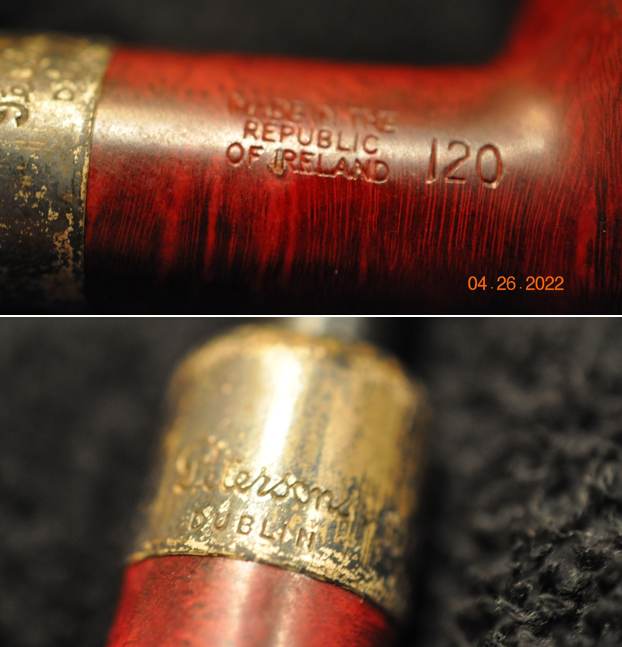
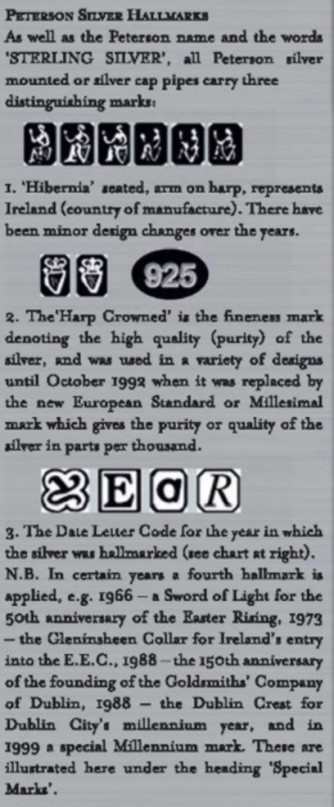
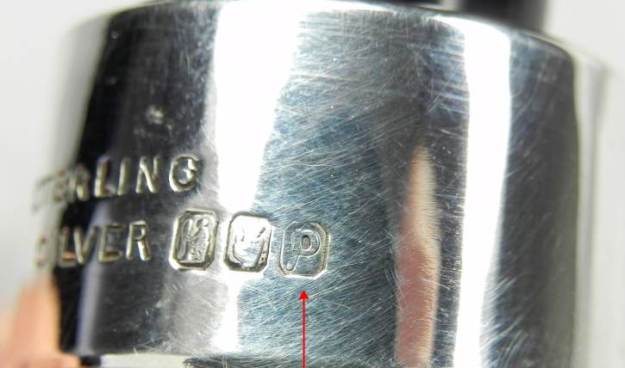
My friend Ken wrote and asked me if I take this older Peterson’s Full Bent to clean up and restore for him. Today it arrived in the mail. It is stamped on the left side of the shank and reads Peterson’s [arched over] System [over] 2 in a circle (which I believe is the grade stamp). There is no stamping on the other side of the shank or on the underside. The silver ferrule is stamped on the left side K&P [over] three hallmarks – the seated woman, the harp and a letter “P”. To the right of that it is stamped Peterson [over] Dublin. The pipe looks to be an old timer. The bowl was quite dirty with a moderate cake in the bowl, some tobacco bits and a spot of what looked like moldy tobacco stuck on the wall. The sump was filled with tars, oils and some spots of mold as well. The pipe reeked of old wet and moldy tobacco. It was a mess. The rim top had a build up of lava on the top and edges. The inner and outer edge looked good with no nicks. The finish was very worn and scratched. The silver ferrule was oxidized and dirty. The stem was oxidized, calcified and had tooth marks and chatter on both sides ahead of the button. I took photos of the pipe before I started my clean up work on it. I took a close up photo of the rim top and the bowl to give a clear idea of what I was working on. It had a light lava coat that is hard to see in the photo. The bowl had a moderate cake that is not very visible and moldy particles on the back wall and in the sump and mortise. The stem had straightened quite a bit and there was oxidation, calcification and tooth marks and chatter on both sides ahead of the button.I took photos of the stamping on the side of the shank and the silver ferrule – it reads as noted above. It is clear and undamaged. The second photo gives a clear photo of the hallmarks on the silver. They read as noted above.I am including the link to the Pipedia’s article on Peterson pipes. It is a great read in terms of the history of the brand (https://pipedia.org/wiki/Peterson).

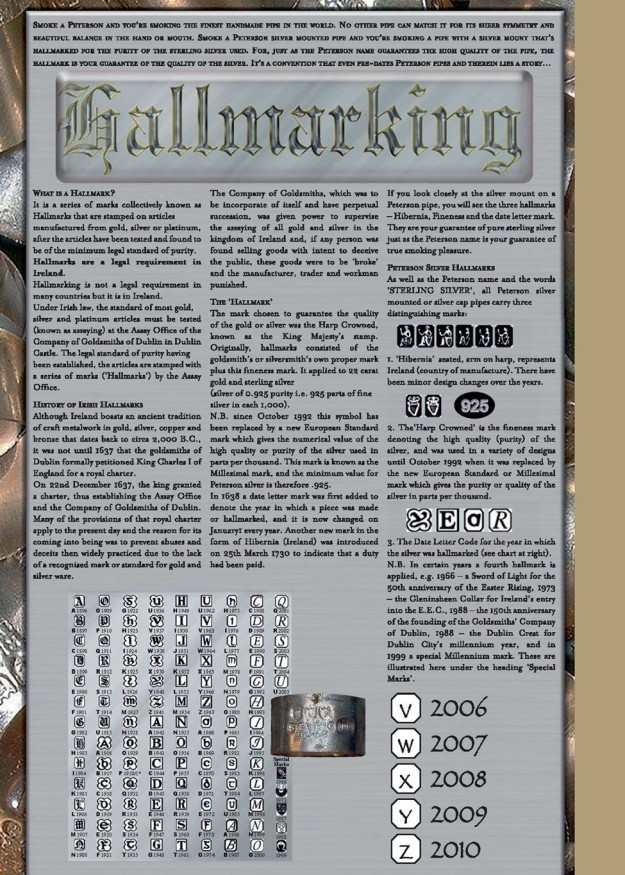
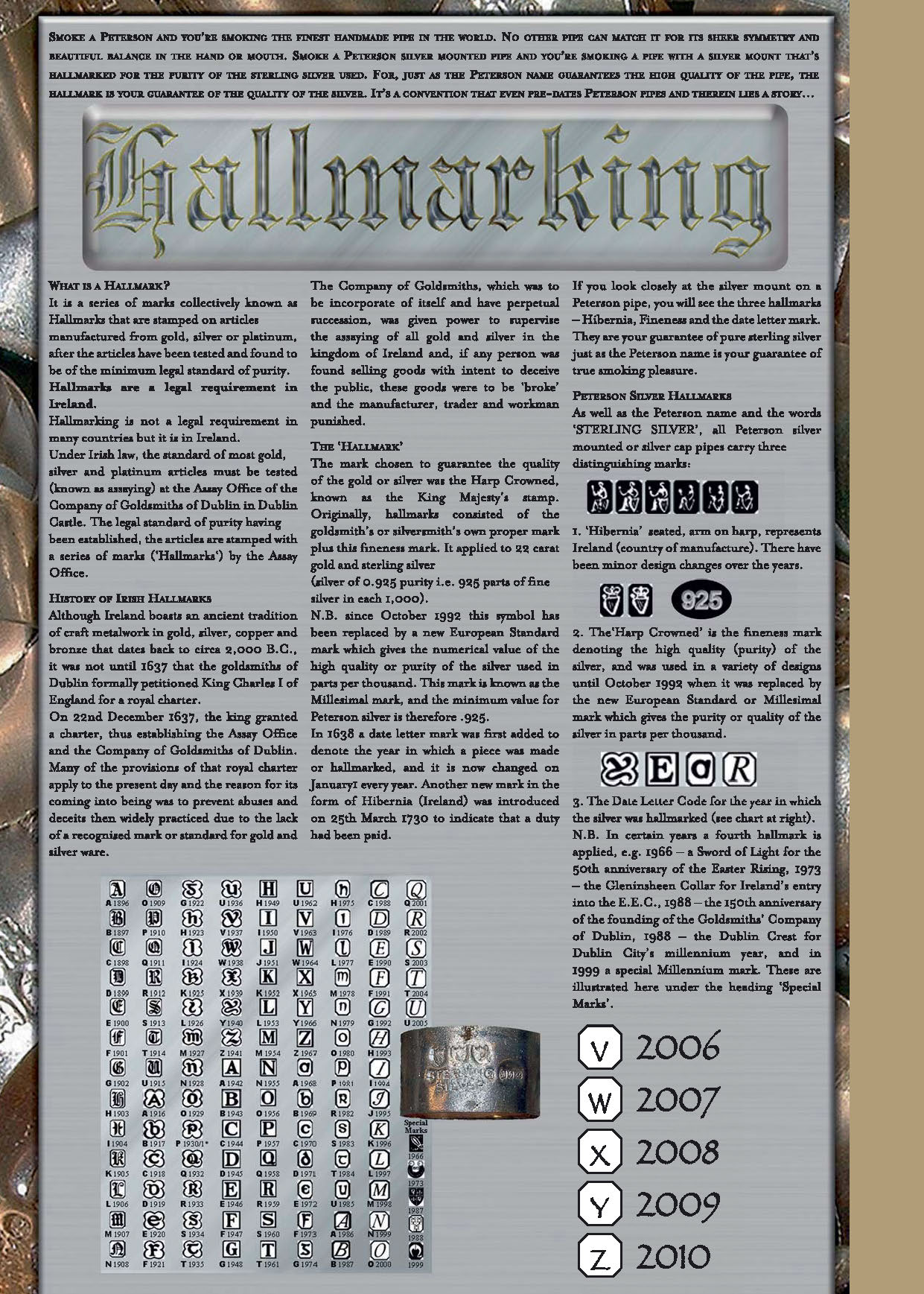
I always like to date the year a pipe was made while I am working on it. In the process of working on a pipe if I can pin down a date that it was made that it adds another dimension to the restoration process. Once I have identified the hallmarks on the pipe then I use a Hallmark chart to pin the date down. In the case of Peterson’s pipe with a silver band I use a hallmarking chart that Peterson included in their catalogs and on their website

I have a copy of the hallmark charts in one of the Peterson catalogs that I have uploaded to the blog on rebornpipes. I turned to that chart to lock down the date letter for the Sterling Silver System that I am working on. Here is the link to the site (https://rebornpipes.com/wp-content/uploads/2015/05/peterson-cataloguecomp_page_27.jpg).

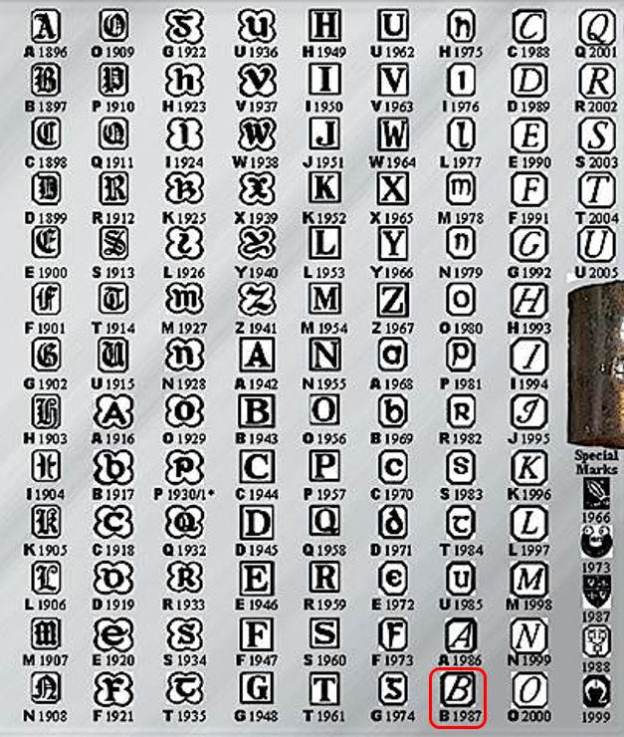
The chart defines the meaning of each hallmark on the silver band. The first one is of a seated woman with a harp is known as the Hibernia stamp and identifies the pipe as made in Ireland. The second stamp is a crowned harp which is a fineness mark denoting the high quality of silver that was used. The third stamp in this case is an uppercase “P” in a cloverleaf rectangle. I have included a larger screen capture of the chart in the photo below. Following that I have included a blown up capture of the chart with the “P” in a red box. That dates it to 1930/31. It is interesting to note that there is an asterisk after the date under the boxed “P” stamp above. The note at the bottom of the page is hard to read in the above photo. I looked it up on another chart and found out that it read as follows:

“Up to and including 1931, the date letter was changed on June 1 each year. From 1932 on it was changed on January 1.”

It is thus interesting to note that the date was a significant change in the dating methods came about the year after this pipe was made.

Now that I had the date pinned down to 1930/31 it was time to work on the pipe itself. I reamed the bowl with a PipNet pipe reamer and cut the cake back to bare walls. I cleaned up the reaming with a Savinelli Fitsall Pipe Knife and then sanded the bowl with 220 grit sandpaper wrapped around a piece of dowel. The bowl looked very good on the inside. With the inside cleaned out I turned my attention to the exterior of the bowl. I scrubbed it with a tooth brush and undiluted Murphy’s Oil Soap. I worked on the rim top, the bowl and shank and the inside of the bowl itself. I was able to remove the grime and tars with the soap and rinsed it off with running water to remove the tars and soap. The bowl looked very clean. While I scrubbed it the glue that held the band in place loosened and the band came off in my hands. The glue was a mess underneath, it was uneven and chipping. I would need to be replaced to hold the band firmly in place.I cleaned out the internals of the bowl, shank and sump with pipe cleaners, cotton swabs and isopropyl alcohol. It was filthy and I wanted to make sure to kill whatever was lurking in the bit of tobacco in the bowl and sump. It smells and looks much better now.I cleaned of the old glue on the shank end, sanded it to smooth out the surface and reglued the ferrule with an all purpose white glue. I adjusted the ferrule to the angle of the shank end and set it aside to dry.I polished the briar with micromesh sanding pads – dry sanding with 1500-12000 grit pads. I wiped the briar down after each sanding pad to remove the debris from the surface. The briar began to take on a shine. I worked some Before & After Restoration Balm into the surface of the briar with my finger tips. I works to clean, enliven and protect the briar. I let it sit for 10 minutes and then buffed it off with a soft cloth. With these older pipes I try to keep the old patina in tact so I was glad to see that the finish looked very good with the Balm. I polished the silver ferrule with a jewelers cloth to remove the tarnish, polish and preserve the silver. The silver looks very good and the hallmarks are clear and readable as noted above. I set the bowl aside and turned my attention to the stem. I cleaned it out with cotton swabs, pipe cleaners and 99% isopropyl alcohol. It took quite a few cleaners to get the grime and debris out of the stem, but it smells sweet now. I loaned my heat gun to my daughter so I had to resort to old methods to bend the stem to correct angles. I heated it with the flame of a Bic Lighter until the vulcanite was pliable then carefully bent it to the angle I wanted. I cooled it with water to set the bend.I sanded out the tooth marks and chatter on the top and underside of the stem near the button with 220 grit sandpaper. I started the polishing process with 400 grit wet dry sandpaper.I polished the stem with micromesh sanding pads – dry sanding with 1500-12000 grit sanding pads. I wiped it down between sanding pads with a cloth impregnated with Obsidian Oil. I polished it further with Before & After Pipe Stem Polish – both Fine and Extra Fine. I gave it a final coat of Obsidian Oil and set it aside to dry. I am excited to finish this 1930/31 Peterson’s System Circle 2 Full Bent. I put the pipe back together and buffed it lightly with Blue Diamond on the buffing wheel. I gave the bowl and the stem multiple coats of carnauba wax. I buffed the pipe with a clean buffing pad to deepen the shine. I hand buffed the pipe with a microfiber cloth to further raise the shine. It is fun to see what the polished bowl looks like with deep sandblast all around it. Added to that the polished black vulcanite stem was beautiful. This sandblast Peterson’s System Circle 2 is great looking and the pipe feels great in my hand. It is light and well balanced. Have a look at it with the photos below. The dimensions are Length: 6 inches, Height: 2 inches, Outside diameter of the bowl: 1 ¼ inches, Chamber diameter: ¾ of an inch. The weight of the pipe is 66 grams/2.33 ounces. It is a beautiful pipe and one I am working on for my friend. I will be sending it back to him soon. Thanks for walking through the restoration with me as I worked over this pipe. Thanks to each of you who are reading this blog.

Just in Time for St Patrick’s Day


Blog by Kenneth Lieblich

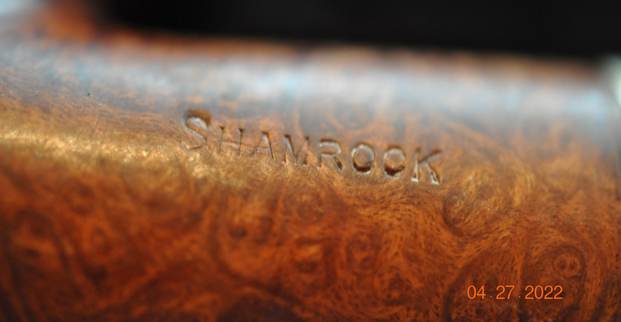
Next on the chopping block is this lovely Peterson Shamrock. I acquired it some time ago from Craigslist and I figured that it was time to honour the great patron of Ireland, Saint Patrick, with a pipe named for the Shamrock. This is a terrific pipe that simply looks a bit drab. Some special attention from me will bring out its best. This pipe shape is a classic billiard. This is a really pretty pipe and feels very comfortable in the hand. This pipe was made by the esteemed Irish pipe company, Peterson. Of course, Peterson is well known to most pipe smokers. For more information on the brand and its history, be sure to read the Pipedia article on them: https://pipedia.org/wiki/Peterson. The markings on the left-hand side of the shank read Shamrock and the left-hand side of the stem shows a capital S. The right-hand side of the shank reads “A. Peterson Product” [over] Made in the Rep. [over] of Ireland. Alongside this, the number 25 appears, the shape number. This “25” actually corresponds to the Peterson shape “455”, as explained over at Mark Irwin’s Peterson Pipe Notes:Meanwhile, Mark Irwin and Gary Malmberg’s book, The Peterson Pipe provided some essential background information on Peterson’s Shamrock pipe. As you’ll see below, the nomenclature for dating doesn’t exactly correspond to what I have above, but still leads me to think that this pipe’s date is between 1948 and 1998. That’s a pretty wide range, but it will have to do! From The Peterson Pipe:

Shamrock (c. 1941–2009) Originally stamped SHAMROCK with no brand name, an inexpensive line first described in George Yale (New York) mail order booklet in 1941, imported by Rogers Import. The line was actively promoted beginning in ’45, aggressively promoted in US by Rogers from early ‘50s when they registered the Shamrock logo with US Patent Office, claiming propriety since ’38. Over the years offered with P-lip or fishtail mouthpiece, with or without nickel band, with or without shamrock logo on the band, with or without S stamped in white or later in gold on mouthpiece. Appearing in 2008 as unstained smooth and rustic, fishtail mouthpiece with gold impressed P on the stem. COMS of MADE IN over IRELAND (c. 1945–1965), MADE IN IRELAND forming a circle (c. 1945–1965), “A PETERSON’S PRODUCT” over MADE IN IRELAND (c. 1945–1965), MADE IN THE over REPUBLIC over OF IRELAND (c. 1948–1998). Model is always difficult or impossible to date.

On to the pipe: it was in very nice condition, actually. The insides had already been cleaned fairly well by a previous owner. Annoyingly, the Craigslist seller claimed that the pipe was unsmoked, but this was clearly false (grrr). The stem had considerable oxidation, a few minor scrapes, but was otherwise in decent shape. The stummel was also very nice. The outside of the bowl had only slight scratches and the overall colour was a bit dull. The insides would need to be cleaned a bit, but most of the work had already been done. Really, this pipe just needed a day at the salon in order to look its best.The stem was first on my list. This stem has an inner tube in it, so, in order to clean it, I soaked it in some lemon-infused isopropyl alcohol. I let it sit for several hours and then cleaned it off and it looked much improved. I then buffed it with a microfibre cloth and moved on.I took a BIC lighter and ‘painted’ the stem with its flame in order to lift any tiny bite marks. This was only modestly successful in raising the dents. Then, I cleaned out the insides of the stem with pipe cleaners and isopropyl alcohol. It was a bit dirty, but not too bad and I only went through a few pipe cleaners in order to clean it up. Once this process was done, the stem went for an overnight soak in the Pipe Stem Oxidation Remover. The following day, I cleaned all of the de-oxidizing mess off with alcohol, pipe cleaners, et cetera. The oxidation had migrated to the surface and would be fairly straightforward to remove. I scrubbed with SoftScrub on some cotton pads to remove the leftover oxidation. After this, I used some nail polish to restore the Shamrock “S” logo on the stem. I painted the area carefully and let it fully set before proceeding.I then sanded the stem with 220-, 400-, and 600-grit sandpapers to meld seamlessly into the stem. I then used all nine Micromesh pads (1,500 through 12,000 grit) to bring out the lovely black lustre on the stem. I also used Obsidian Pipe Stem Oil in between each pad scrubbing. On to the stummel, and most of the usual cleaning procedures were in order for this pipe. The bowl did not need to be reamed, so I was able to skip that. But I still inspected the bare briar to ensure there were no hidden flaws in the walls of the bowl. Fortunately, there were none. I then proceeded to clean out the insides of the shank with Q-tips, pipe cleaners, and isopropyl alcohol. There wasn’t too much nastiness inside this stummel – it only took a handful of pipe cleaners etc. to sort that out. I followed that up by cleaning the insides with some dish soap and tube brushes. I then moved on to cleaning the outside of the stummel with Murphy’s Oil Soap and some cotton pads. That removed any remaining dirt. Even though the pipe was quite clean, I figured that a de-ghosting session couldn’t hurt, so I thrust cotton balls in the bowl and the shank, and saturated them with 99% isopropyl alcohol. I let the stummel sit overnight. This caused any remaining oils, tars and smells to leech out into the cotton.There was a slight mark on the rim of the stummel and, in order to remove it, I “topped” the pipe – that is to say, I gently and evenly sanded down the rim on a piece of 220-grit sandpaper. This effectively removed the marks, without altering the look of the pipe.Having completed that, I was able to address the small nicks on the stummel. I dug out my iron and a damp cloth to try and raise the nicks. The hot and moist steam can often cause the wood to swell slightly and return to shape. There was considerable movement! It looked a lot better as a result of the steam and I was pleased.I took the opportunity to add a light application of Before & After Restoration Balm. I let it sit for 10–15 minutes and then gave it a buff. This made the beauty of the stummel’s grain really pop. No doubt about it – this is a really lovely pipe! There was one tiny little dent remaining in the stummel. I lined it with cyanoacrylate adhesive. After letting it cure, I sanded the fill repair down with 200-, 400-, and 600-grit sandpaper. I then used all nine Micromesh pads (1,500 through 12,000 grit) on the stummel to finish it off. After that, I applied yet another application of Before & After Restoration Balm. Hubba hubba! This thing is looking better all the time. Then it was off for a trip to the buffer. A dose of White Diamond and a few coats of carnauba wax were just what this pipe needed. The lovely shine made the wood very attractive. This is a very handsome pipe and will provide many years of smoking pleasure. This Peterson Shamrock looks fantastic again and is ready to be enjoyed again by the next owner – just in time for St Patrick’s Day! I am pleased to announce that this pipe is for sale! If you are interested in acquiring it for your collection, please have a look in the ‘Irish’ pipe section of the store here on Steve’s website. You can also email me directly at kenneth@knightsofthepipe.com. The approximate dimensions of the pipe are as follows: length 5⅞ in. (150 mm); height 1⅝ in. (40 mm); bowl diameter 1⅛ in. (27 mm); chamber diameter ¾ in. (20 mm). The weight of the pipe is ⅞ oz. (26 g). I hope you enjoyed reading the story of this pipe’s restoration as much I as I did restoring it. If you are interested in more of my work, please follow me here on Steve’s website or send me an email. Thank you very much for reading and, as always, I welcome and encourage your comments.
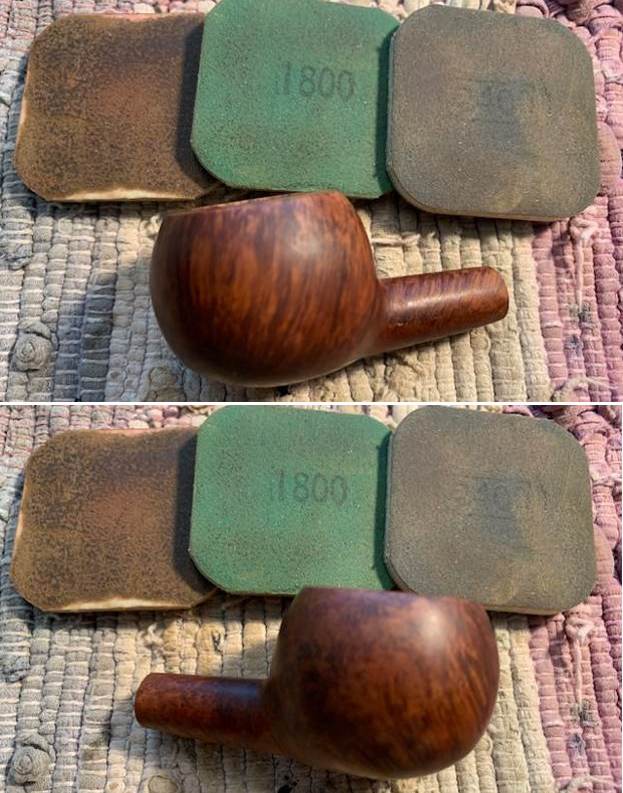
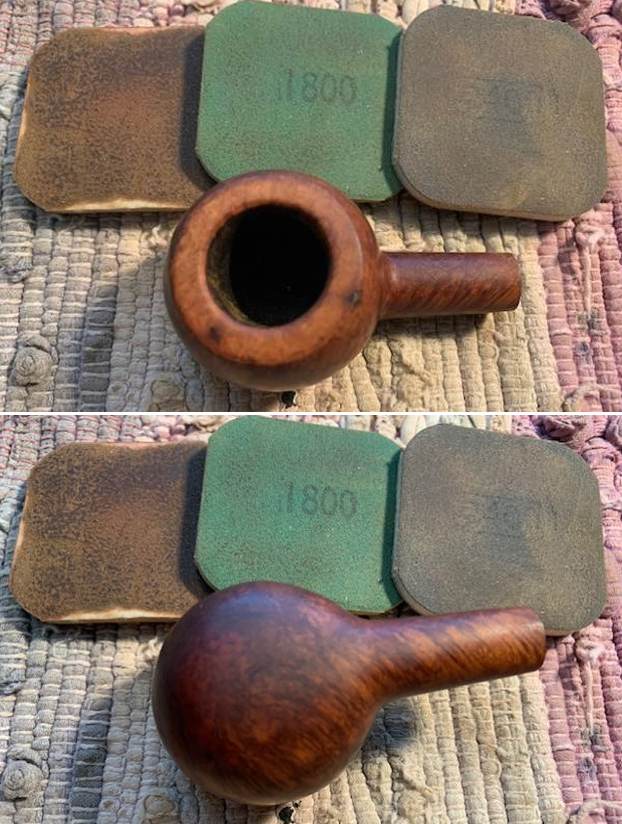
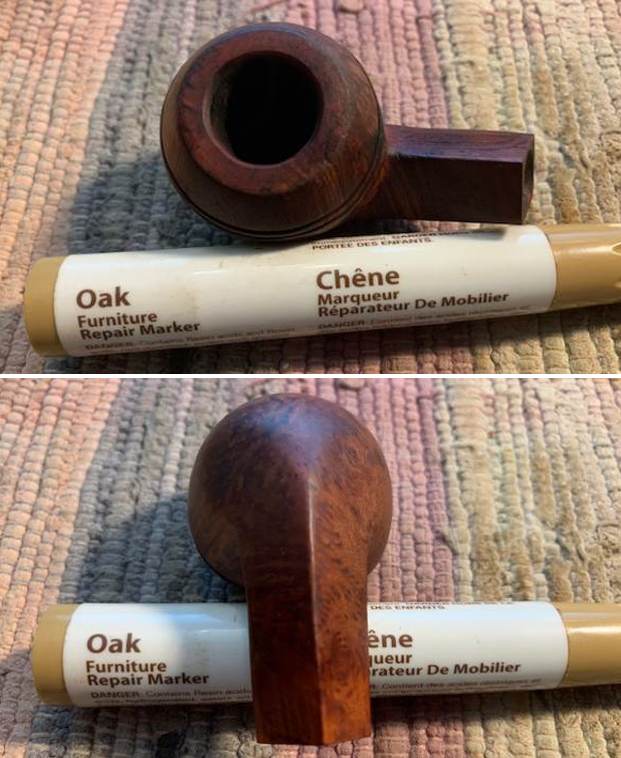
What Great Donation – A Lovely Republic Era Peterson’s System Standard 305 Calabash


Blog by Steve Laug

I continue to accept and receive pipes that come to me as donations for the SA Foundation (safoundation.com). The SA Foundation is an organization that has been serving sexually exploited women and their children for over 30 years by providing housing, recovery and skill development. The currently have a 70% success rate with the women they serve. Each pipe that comes in is sold and the entirety of the price and shipping cost goes to the Foundation.

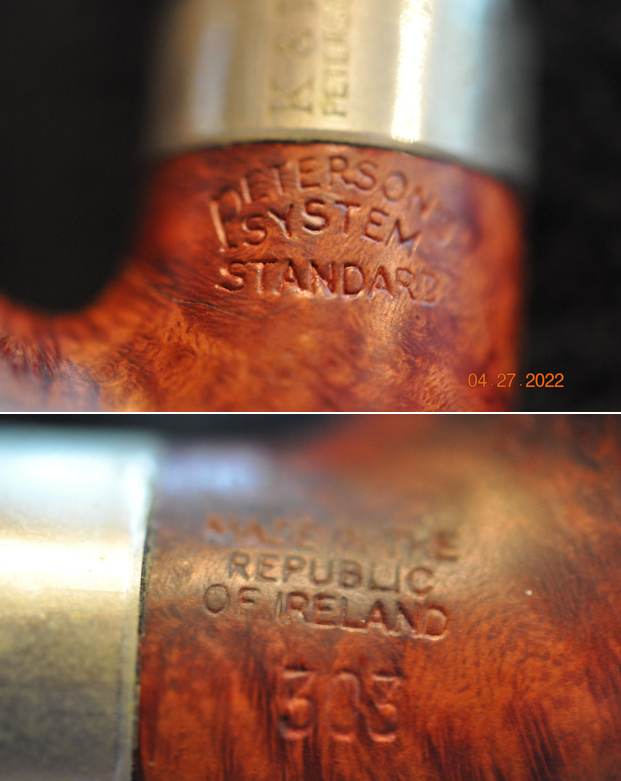
The next pipe I have chosen is a rusticated Peterson’s System Standard Calabash. Thanks to the pipeman who donated this beauty. The Calabash came with a nice nickel ferrule on the shank end. The finish on the bowl sides was very clean. The contrast of the red and brown stains gave the finish a sense of depth. It was stamped on the underside of the heel and the shank and read Peterson’s [over] System [over] Standard. Next to that it read Made in the Republic of Ireland (three lines) with the shape number 305 underneath. The nickel ferrule was stamped K&P [over] Peterson’s. The bowl had been reamed and cleaned before it came to me so it would only need a quick touch up. The stem was very clean and shiny with a light tooth mark on the underside near the button. I took photos of the pipe to show its condition when it arrived. I took photos of the rim top and stem to show the beautiful condition of the pipe. The bowl is very clean and the rim top and edges look very good. The photos of the stem show that it was also in excellent condition with only one small tooth mark on the underside near the button end. I took a photo of the stamping on the underside of the heel/shank and the band. It is clear and readable as noted above. The photo of the band shows how it was stamped on the nickel – centered and clean. The ferrule was lightly oxidized and needed to be polished. I took the stem off the shank and took a photo of the look of the pipe to show the relation of the size of the parts. It is a nice looking pipe.This pipe was in such great condition that I would only need to work it over to remove any remnants of the previous owner and any debris that had accumulated since it arrived here in Canada. Peterson’s System pipes are notorious for residual gunk in the sump and the airway in the shank. This one was no different. I cleaned the inside of  the shank with alcohol, cotton swabs and pipe cleaners. I cleaned the airway in the stem at the same time.    I worked some Before & After Restoration Balm into the surface of the briar with my fingertips and a horsehair shoe brush to clean, enliven and protect the briar. I let the balm sit for 15 minutes and then buffed with a cotton cloth to raise the shine. The photos show the bowl at this point in the restoration process.   I polished the nickel ferrule with a jeweler’s cloth to remove the tarnish and oxidation as well as add some protection to the ferrule.    I set the bowl aside and turned my attention to the stem. I “painted” the surface of the stem with the flame of a lighter to lift the remaining tooth marks on the stem. I sanded the tooth marks that remained with 220 grit sandpaper. I started the polishing the stem with 400 grit wet dry sandpaper. I wiped it down with some Obsidian Oil.    I polished the stem with micromesh sanding pads – wet sanding with 1500-12000 grit sanding pads. I wiped it down after each sanding pad with Obsidian Oil. I polished it with Before & After Pipe Stem Polish – both Fine and Extra Fine. I rubbed it down with some Obsidian Oil and set it aside to dry.   It is always exciting to finish a pipe. This was very true of this Republic Era Peterson’s System Standard 305 Calabash. I put the pipe back together and lightly buffed it with Blue Diamond on the buffing wheel. I gave the bowl multiple coats of Conservator’s Was and the stem multiple coats of carnauba wax. I buffed the pipe with a clean buffing pad to raise the shine and hand buffed it with a microfibre cloth to deepen the shine. It is fun to see what the polished bowl looks like with the polished nickel ferrule and the black vulcanite stem. This Classic looking Peterson’s System Standard Calabash is another one of my favourite shapes and it feels great in my hand. It is light and well balanced. Have a look at it with the photos below. The dimensions are Length: 5 ½ inches, Height: 2 inches, Outside diameter of the bowl: 1 ½ inches, Chamber diameter: ¾ of an inch. The weight of the pipe is 50 grams/1.76 oz. It is a beautiful pipe and one that will be on the Irish Pipe Makers section of the rebornpipes store soon. If you are interested in adding it to your collection and also making a donation to the SA Foundation at the same time let me know. Thanks for walking through the restoration with me as I worked over this pipe. Thanks to each of you who are reading this blog.

Rebirthing a Lovely Peterson’s Of Dublin Aran 999 Rhodesian


Blog by Steve Laug

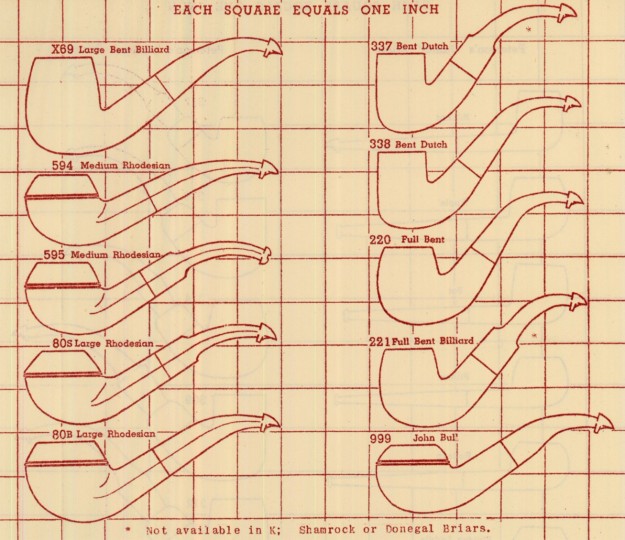
The next pipe I have chosen is a smooth Peterson’s Rhodesian. I am not sure where it came from or when we might have picked it up. This Rhodesian came with a nice nickel band on the shank end that was factory fitted to the stamping on the shank. The grime was ground into the finish on the bowl sides. The contrast of the brown stains gave the grain a sense of depth. It was stamped on the left side of the shank and read Peterson’s [over] of Dublin [over] Aran. The right side had the shape number 999 stamped mid shank. The nickel band was stamped Peterson [over] a stylized P [over] Of Dublin. There was a moderate cake in the bowl and an overflow of lava on the rim top. The stem was oxidized, calcified and had light tooth marks, chatter on the top and underside on and near the button. I took photos of the pipe before I started my cleanup work. They tell the story and give a glimpse of the promise that we see in this pipe. I took photos of the rim top and stem to show the general condition of the pipe. The bowl is moderately caked and the rim top and back edges have a thick lava overflow. The photos of the stem show that it was oxidized, calcified and has light tooth marks on the top and underside near the button.   I took a photo of the stamping on the left side of the shank and the band. It is clear and readable and reads as noted above. I did not take a photo of the 999 stamp on the right side. The photo of the band shows how it was stamped on the nickel – centered and clean. There was some oxidation and sticky substance on the underside of the band next to the shank. I took the stem off the shank and took a photo of the look of the pipe to show the relation of the size of the parts. It is a nice looking pipe. I turned to “The Peterson Pipe” by Mark Irwin and Gary Malmberg to get some background on the Aran line. On page 294 it had the following information.

Aran (1965-) First issue of line described as “handhewn” (rusticated) with black semi-matte finish, in P-lip and fishtail mouthpiece. Second issue 1975, red sandblast, XL shapes. Third issue circa ’97, gold hot-foil P stamped on the mouthpiece, brown semi-matte smooth finish, no band. Fourth issue after 2010, with nickel band, no P stamped on the mouthpiece. Mounted and unmounted versions are available concurrently.

I knew that I was dealing with an Aran from the Fourth Issue of the Aran line that came out after 2010 because of the nickel band and unstamped stem. As such it was a newer pipe. Now it was time to work on the pipe. (Applicable information noted in red above.)

I started my work on the pipe by reaming it with a PipNet reamer and cut back the cake back to the bare briar. I cleaned up the walls with a Savinelli Fitsall Pipe Knife. I sanded the bowl walls with 220 grit sandpaper wrapped around a piece of dowel. I scrubbed the exterior of the pipe with Murphy’s Oil Soap and a tooth brush to remove the grime from the finish. I worked on the rim top lava and darkening with the soap and tooth brush. I used a shank brush to clean out the inside. I rinsed the pipe with warm water and dried it off. I scraped out the inside of the shank with a dental spatula to remove the thick build up of tars and oils. Once I had removed that I scrubbed the inside of  the shank with alcohol, cotton swabs and pipe cleaners. I cleaned the airway in the stem at the same time. I cleaned up the darkening on the rim top and the inner edge with a folded piece of 220 grit sandpaper until it was clean and undamaged.  I polished the briar bowl and shank with micromesh sanding pads. I dry sanded it with 1500-12000 grit pads and wiped it down with a damp cloth after each pad.    I worked some Before & After Restoration Balm into the surface of the briar with my fingertips to clean, enliven and protect the briar. I let the balm sit for 15 minutes and then buffed with a cotton cloth to raise the shine. The photos show the bowl at this point in the restoration process.   I polished the nickel band with a jeweler’s cloth to remove the tarnish and oxidation as well as add some protection to the band.    I set the bowl aside and turned my attention to the stem. I scrubbed it with Soft Scrub all purpose cleaner to remove the oxidation and calcification on the stem surface. I was beginning to look better.    I “painted” the surface of the stem with the flame of a Bic lighter to lift the tooth marks on the surface. I was able to lift them all to the point that sanding would remove the rest of them.     The button was worn on the top side and on the end so I built it up with black super glue. I filled in the tooth marks on the top and on the end and set it aside to cure.     I reshaped the button surface and end and sanded out some tooth marks on the underside of the stem with 220 grit sandpaper. I started the polishing the stem with 400 grit wet dry sandpaper. I wiped it down with some Obsidian Oil.  I polished the stem with micromesh sanding pads – wet sanding with 1500-12000 grit sanding pads. I wiped it down after each sanding pad with Obsidian Oil. I polished it with Before & After Pipe Stem Polish – both Fine and Extra Fine.   I am excited to finish this Peterson’s Of Dublin Aran 999 Rhodesian. I put the pipe back together and buffed it with Blue Diamond on the buffing wheel. I gave the bowl amd stem multiple coats of carnauba wax. I hand buffed the pipe with a clean buffing pad to raise the shine and hand buffed it with a microfibre cloth to deepen the shine. It is fun to see what the polished bowl looks like with the polished nickel band and the black vulcanite stem. This Classic looking Peterson’s Aran Rhodesian is one of my favourite shapes and it feels great in my hand. It is light and well balanced. Have a look at it with the photos below. The dimensions are Length: 5 ¾ inches, Height: 1 ½ inches, Outside diameter of the bowl: 1 ½ inches, Chamber diameter: ¾ of an inch. The weight of the pipe is 51grams/1.80oz. It is a beautiful pipe and one that will be on the Irish Pipe Makers section of the rebornpipes store soon. If you are interested in adding it to your collection let me know. Thanks for walking through the restoration with me as I worked over this pipe. Thanks to each of you who are reading this blog.