Tag Archives: Comoy’s pipes

Renewed Life for a Comoy’s Silver Shadow 745 Tulip


Blog by Steve Laug

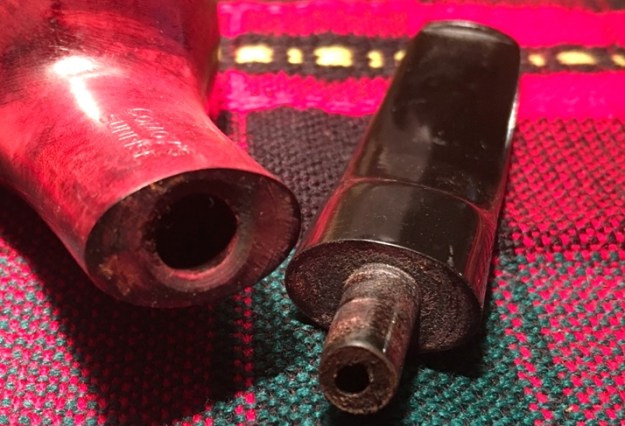
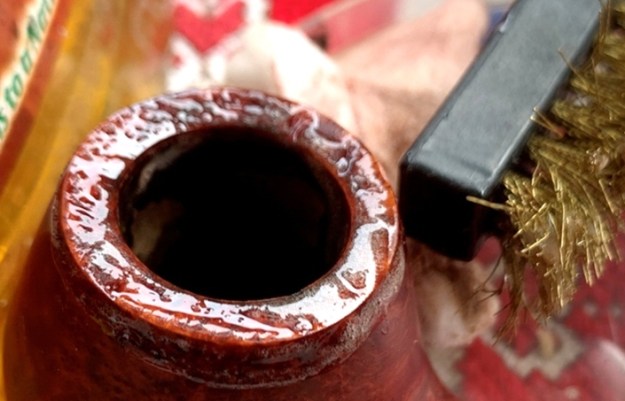
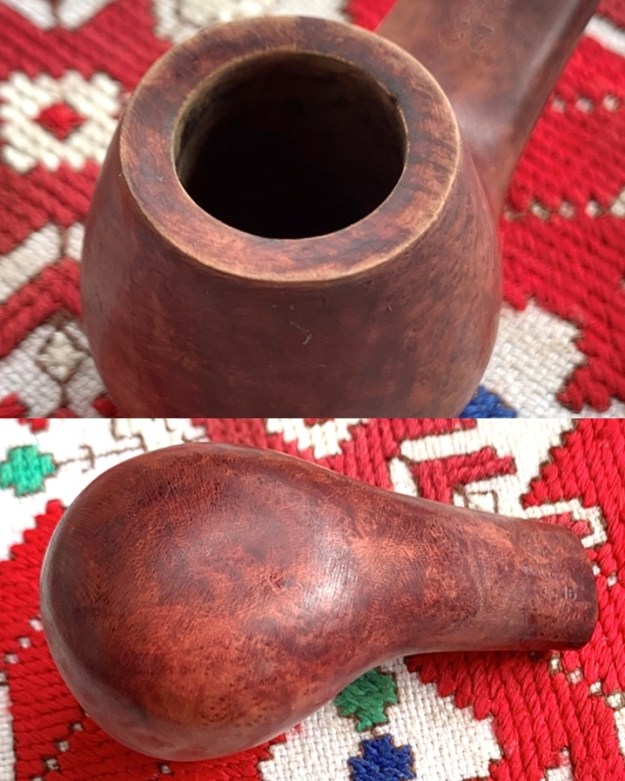
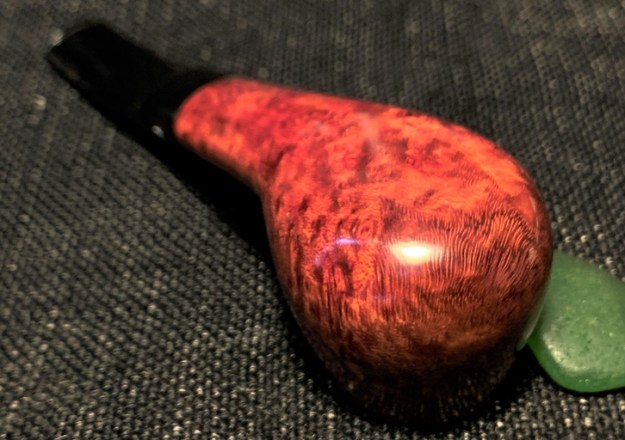
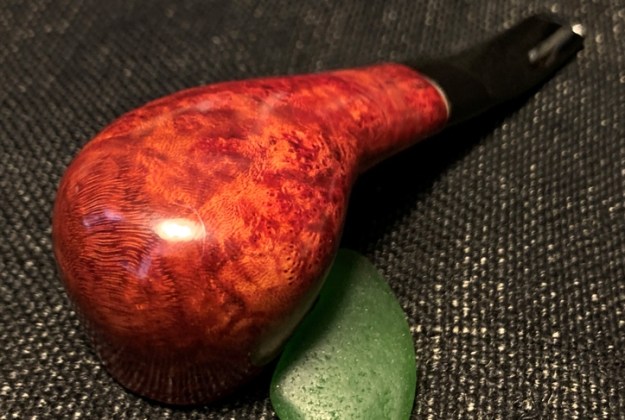
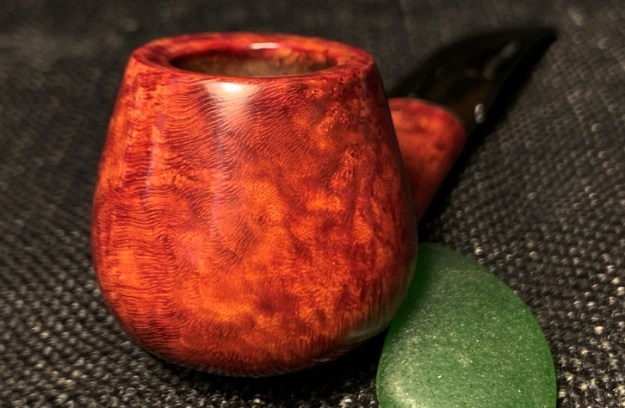
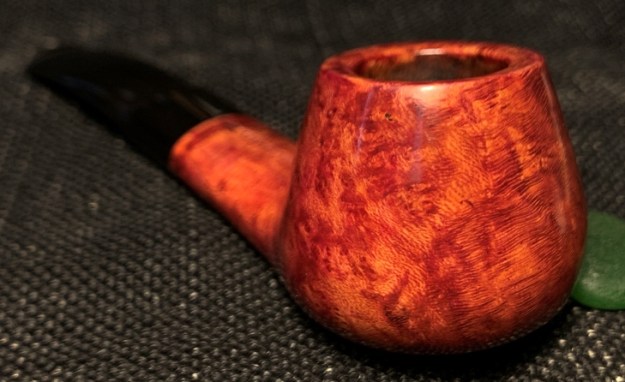
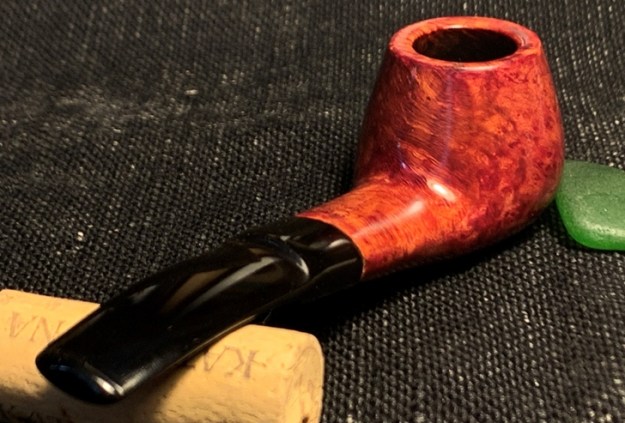
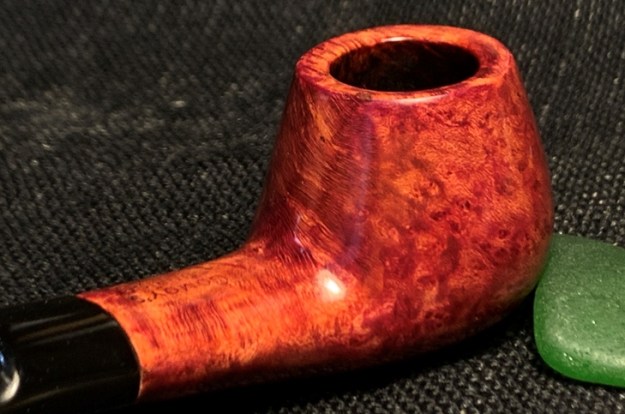
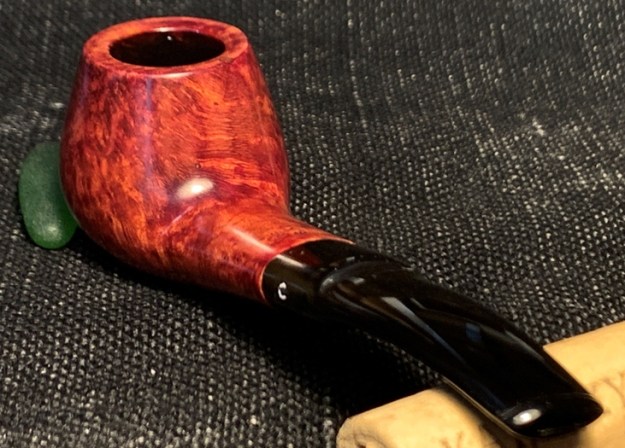
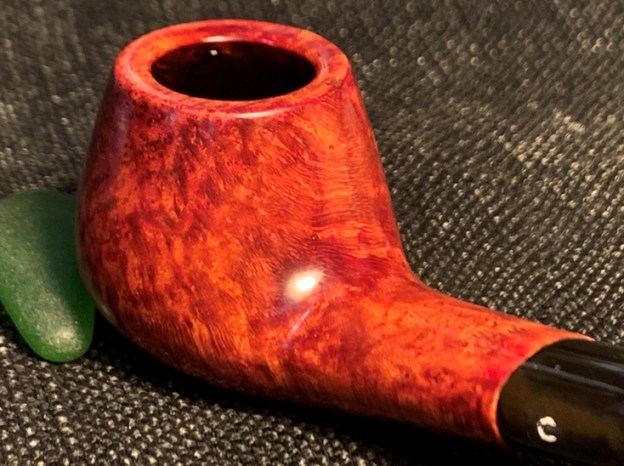
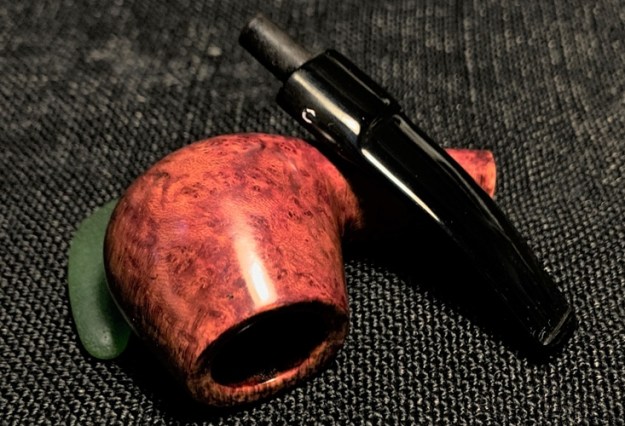
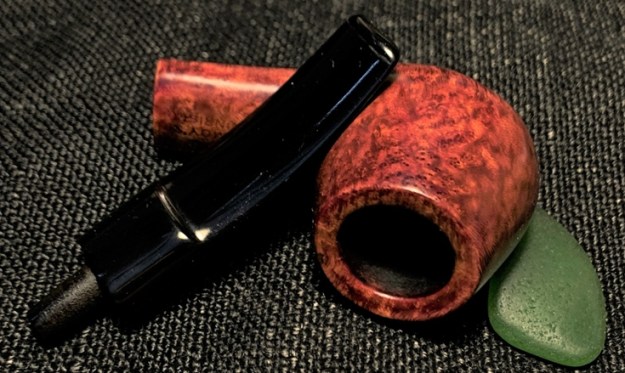
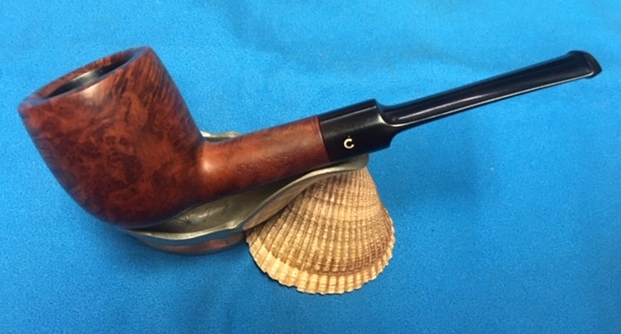
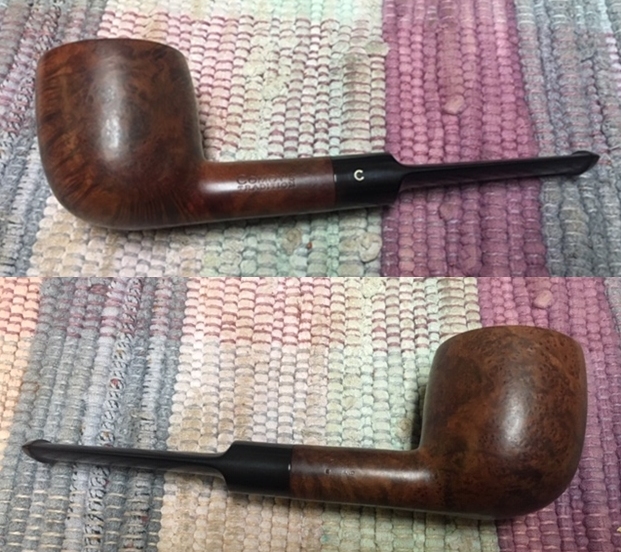
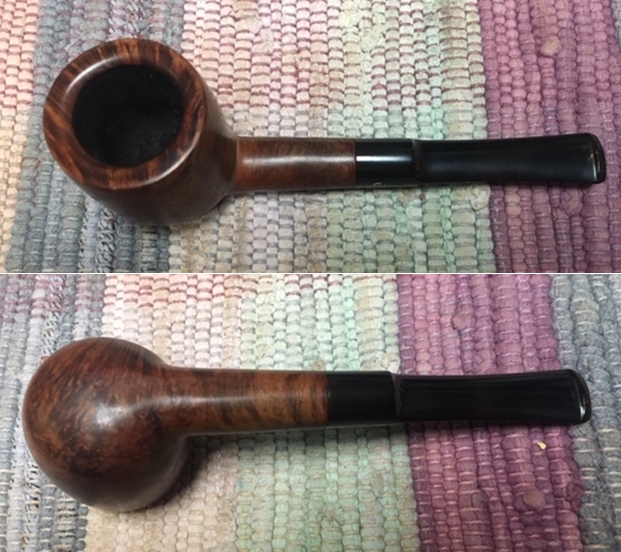
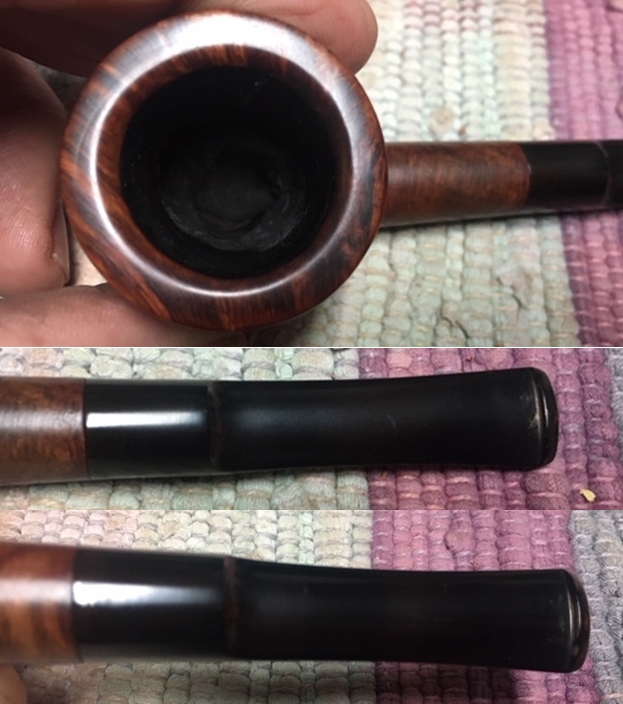
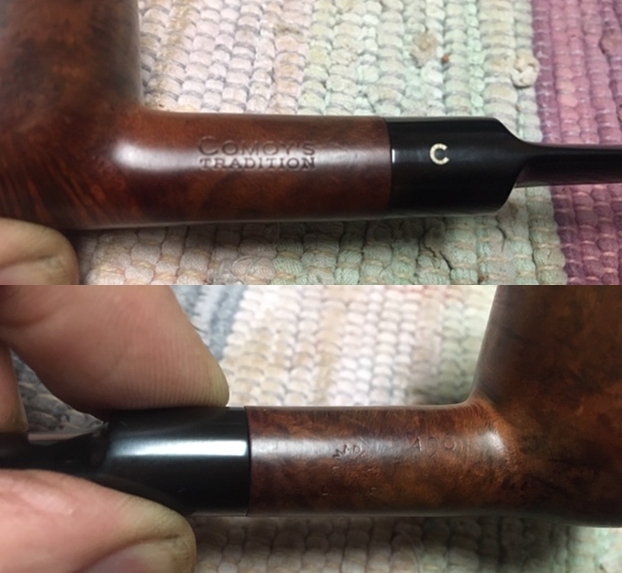
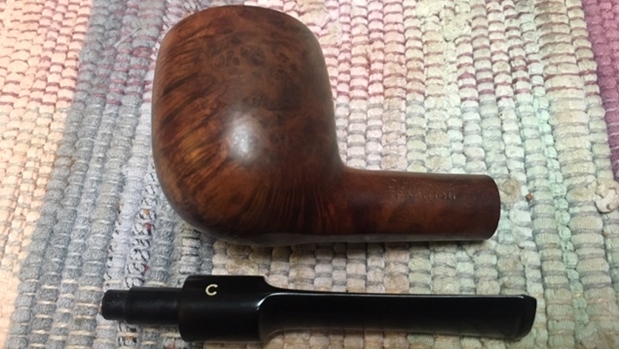
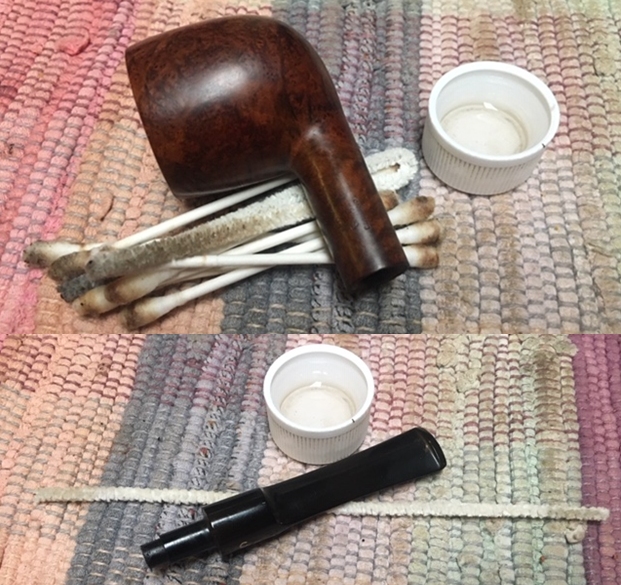
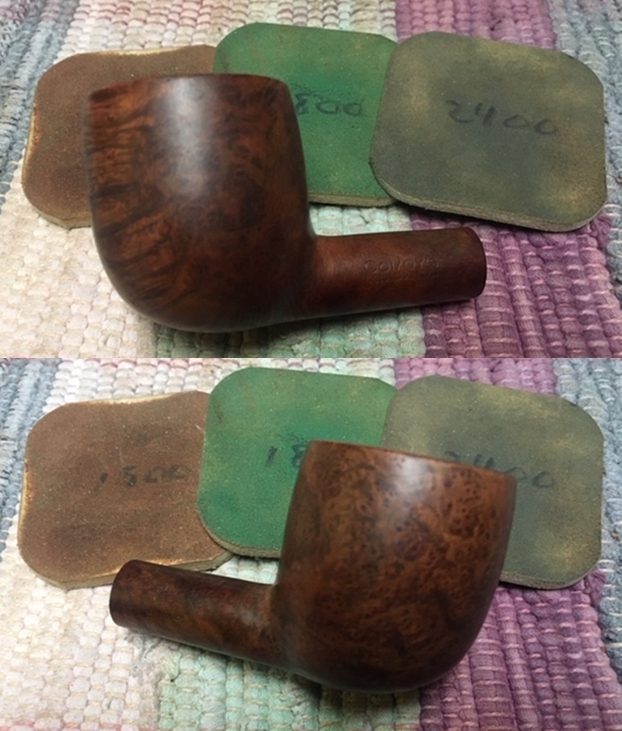
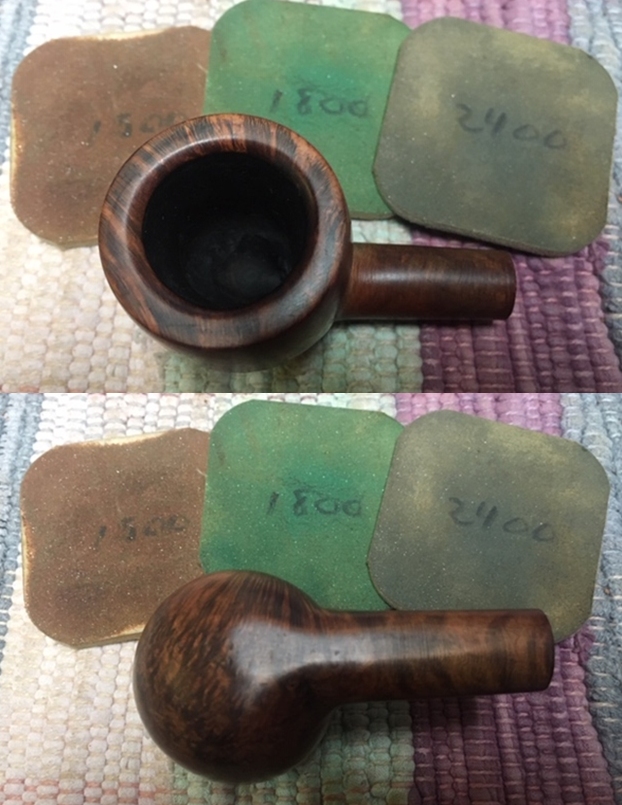
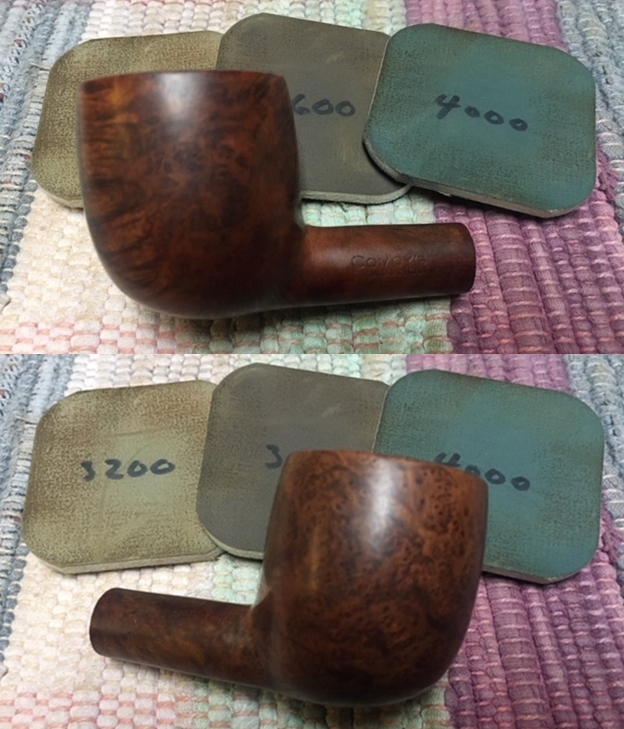
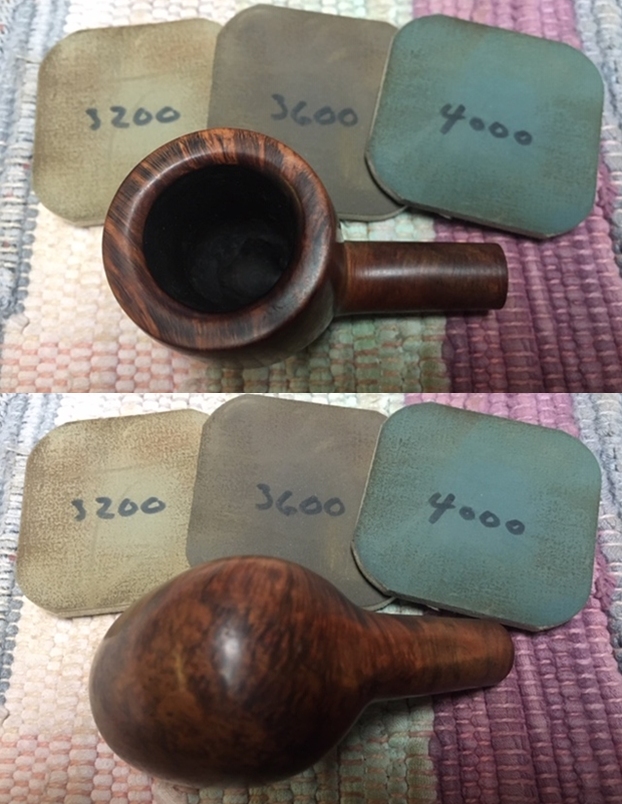
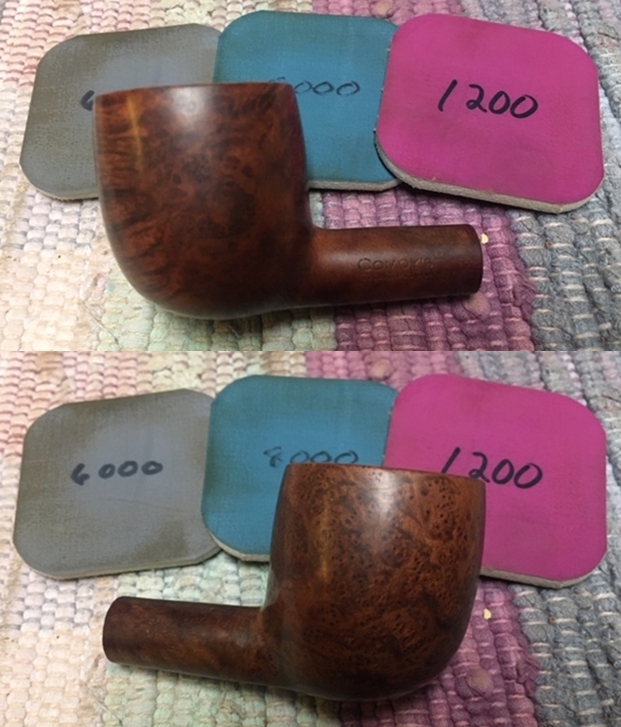
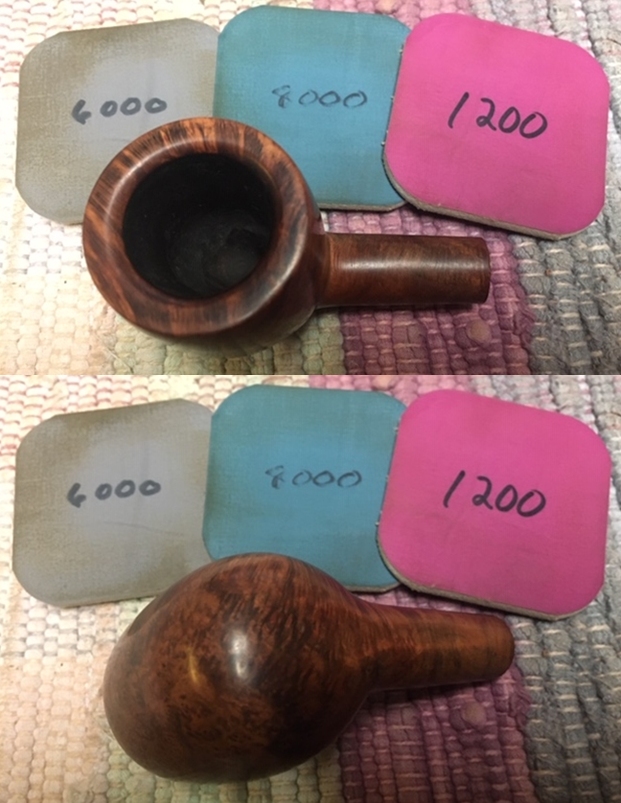
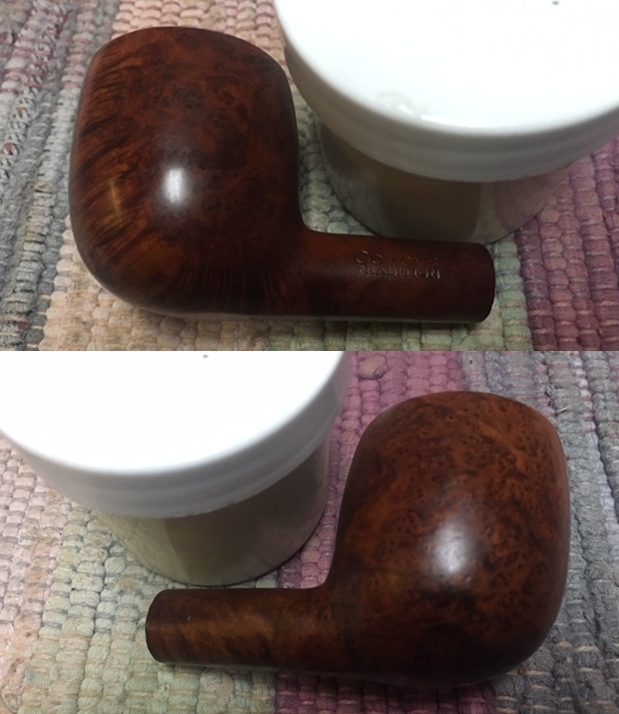
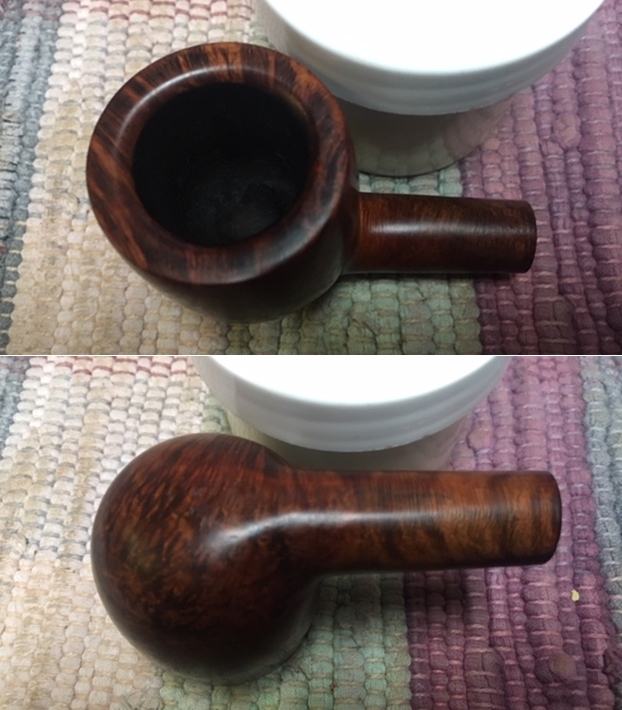
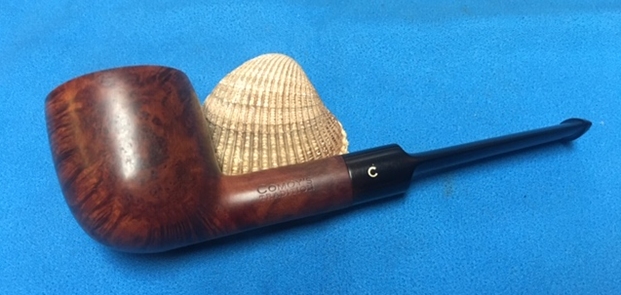
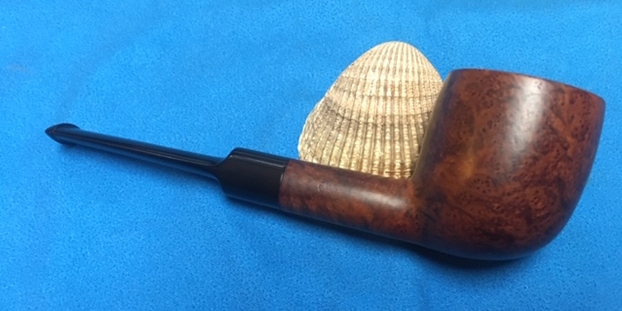
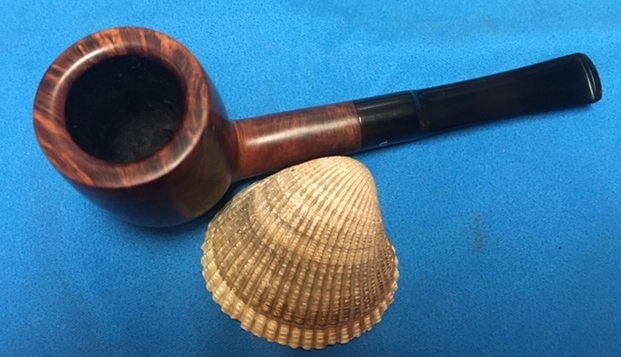
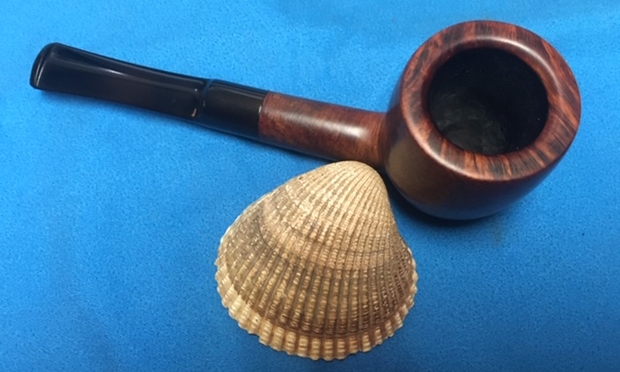
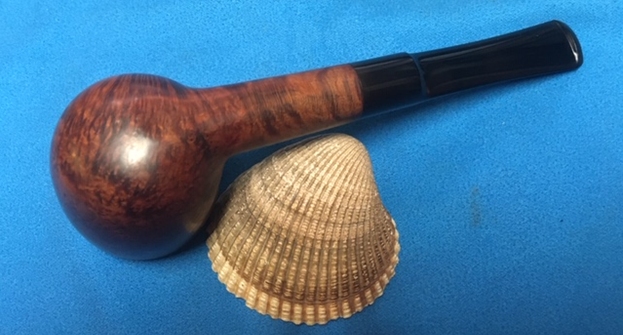
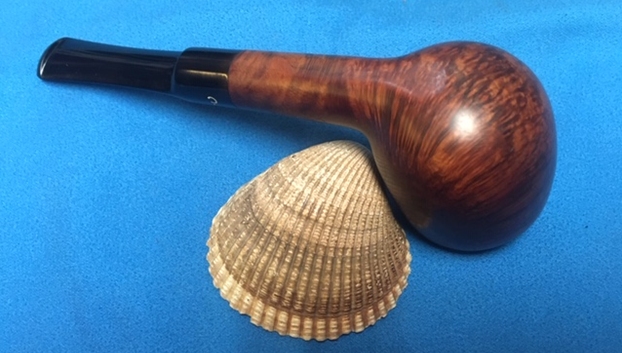
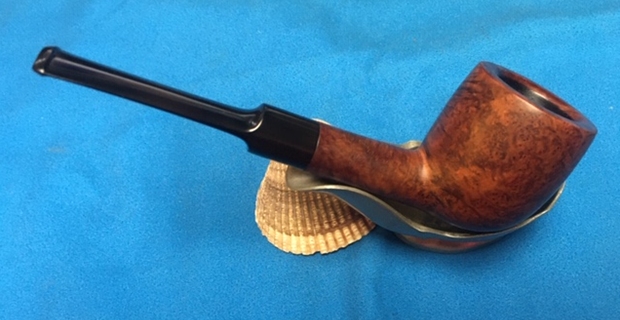
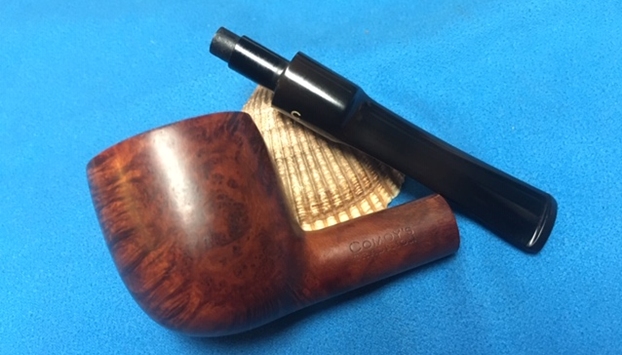
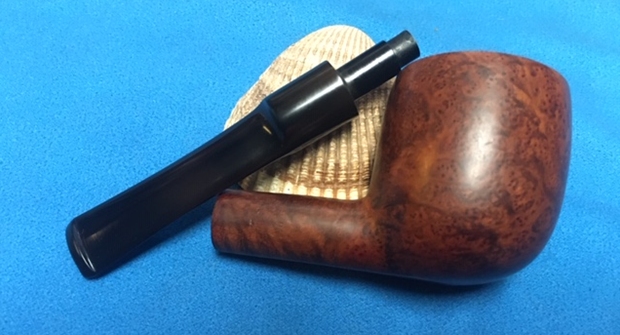
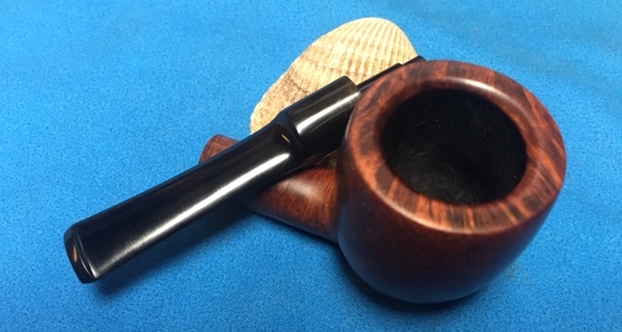
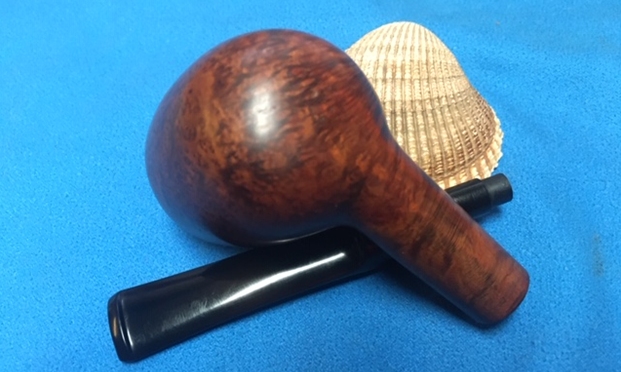
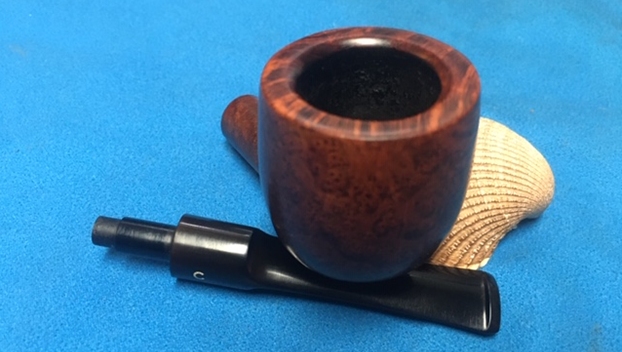
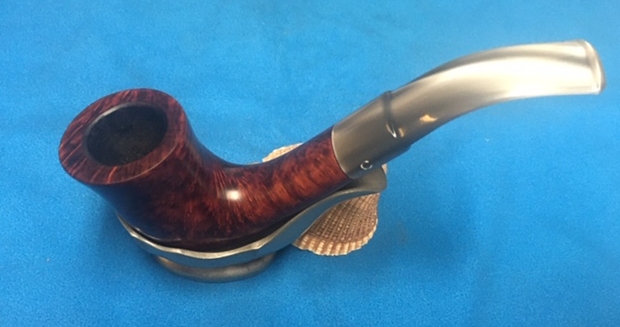
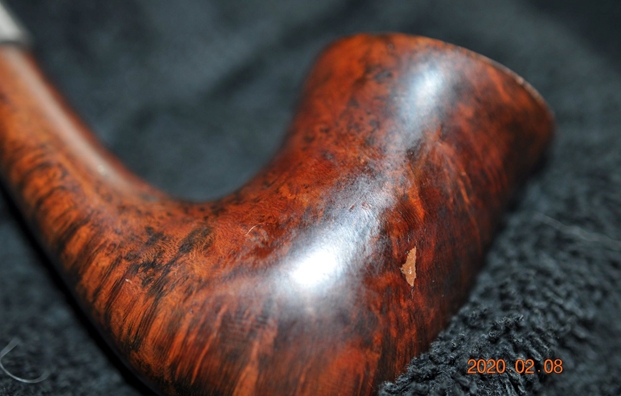
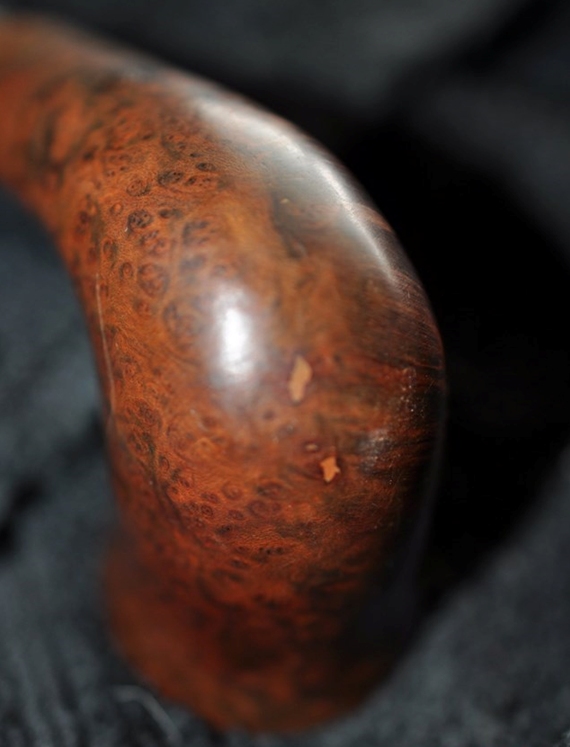
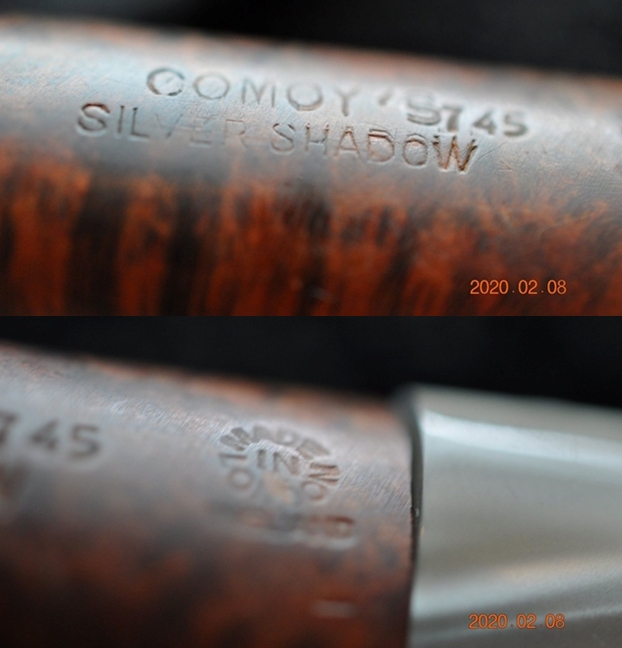
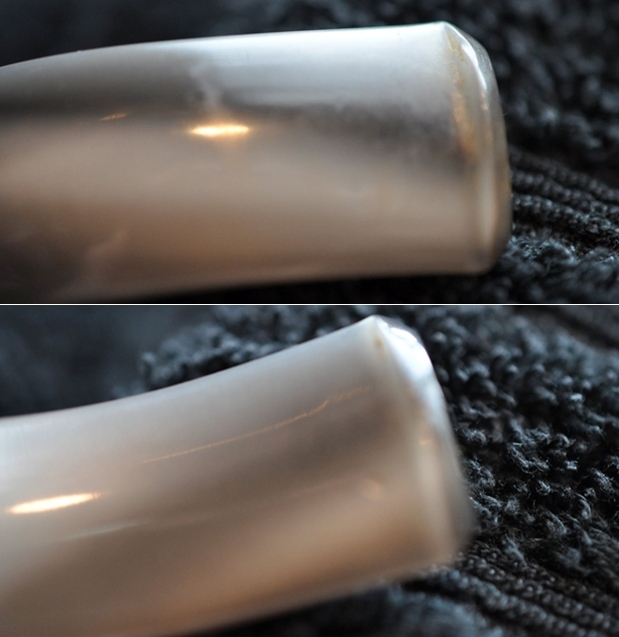
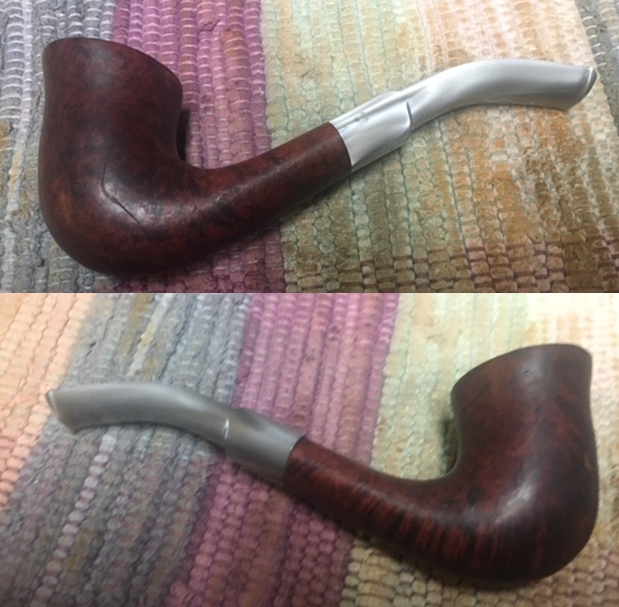
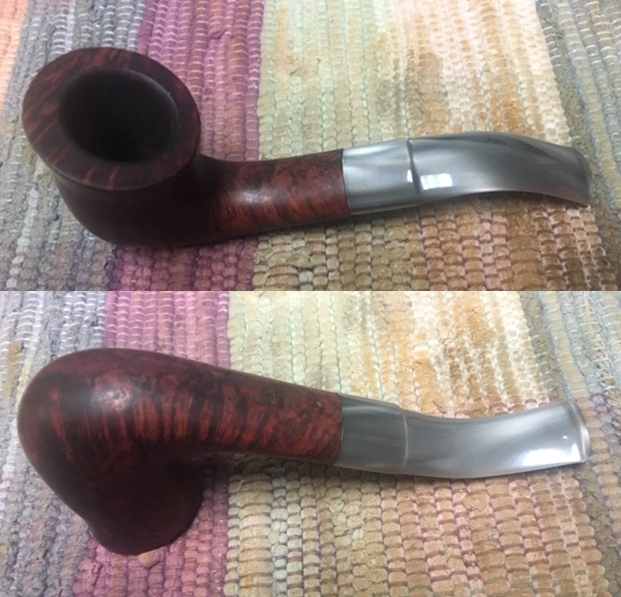
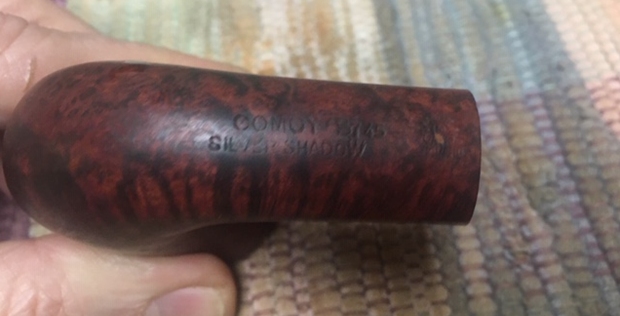
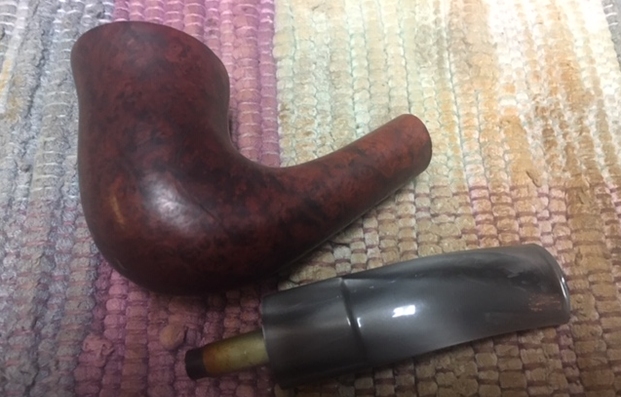
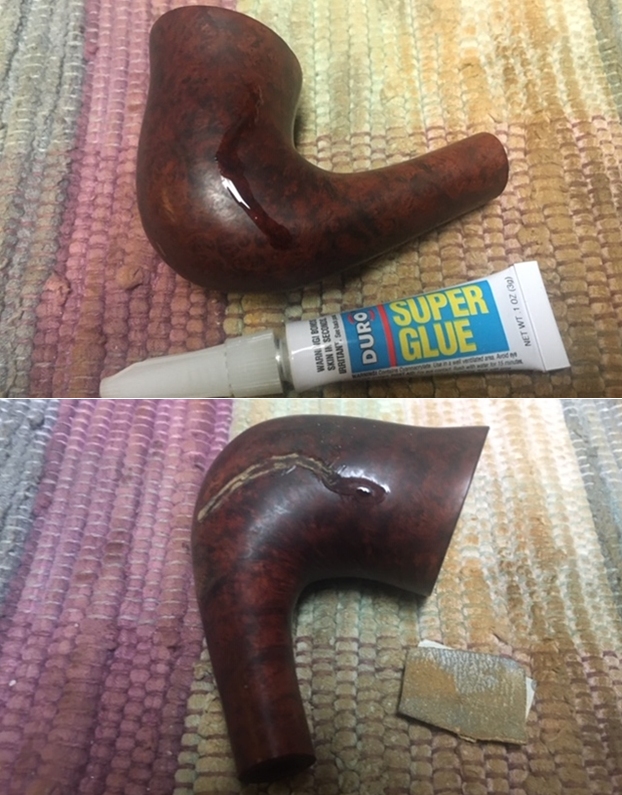
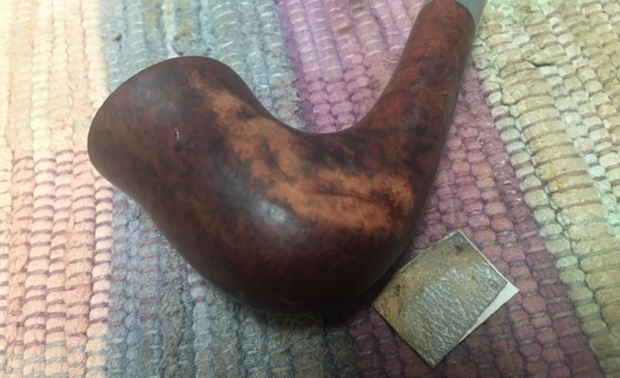
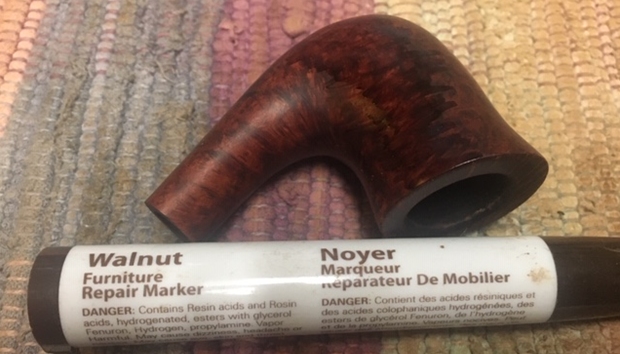
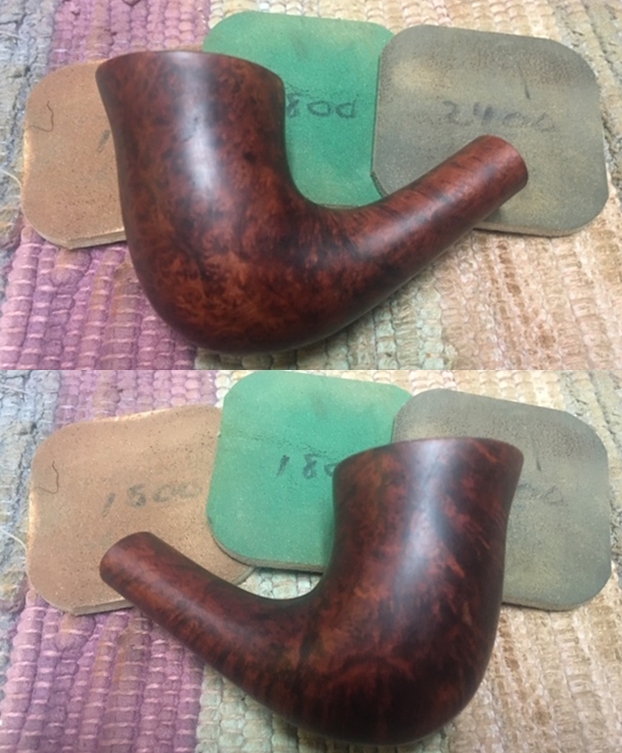
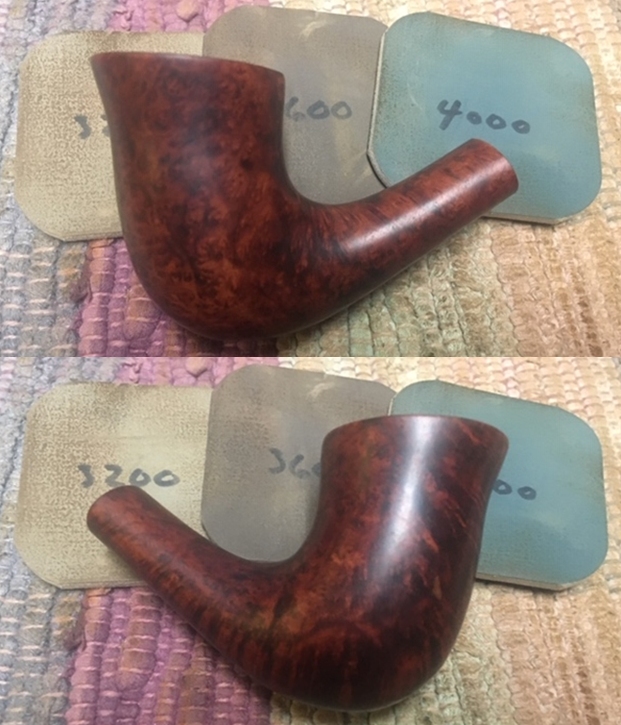
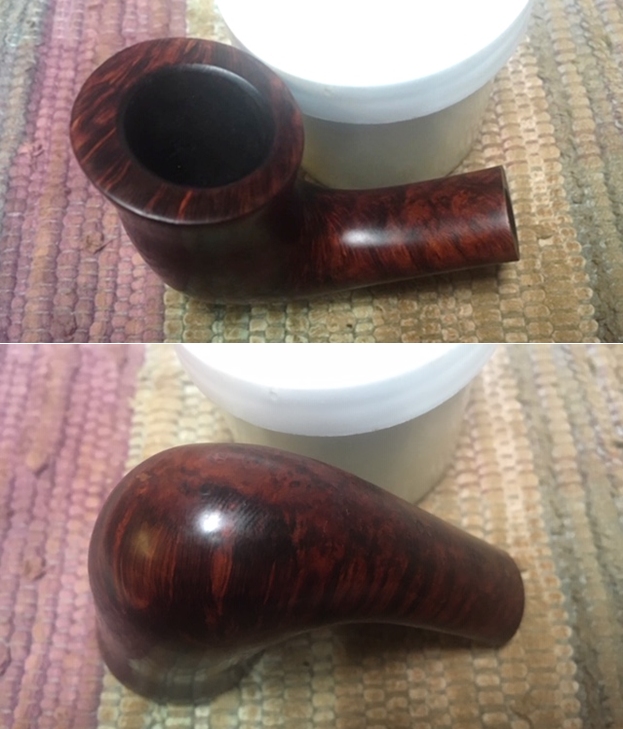
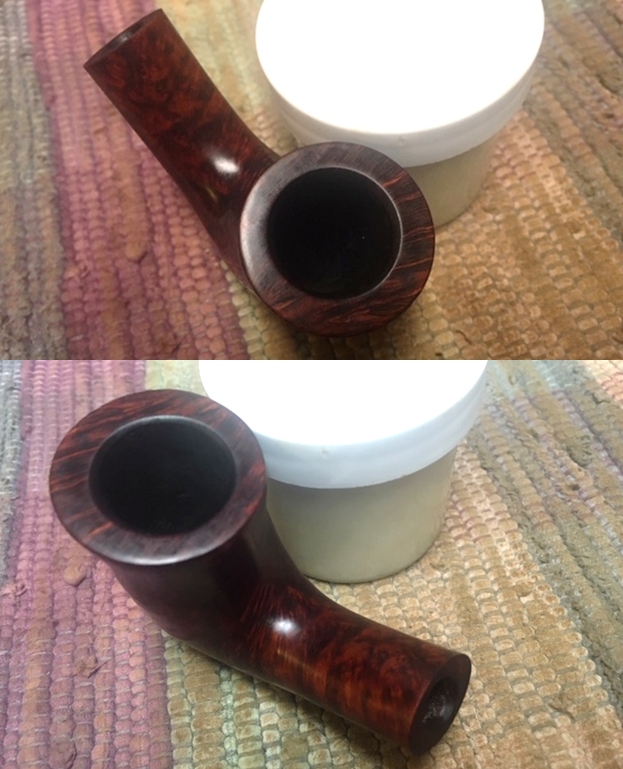
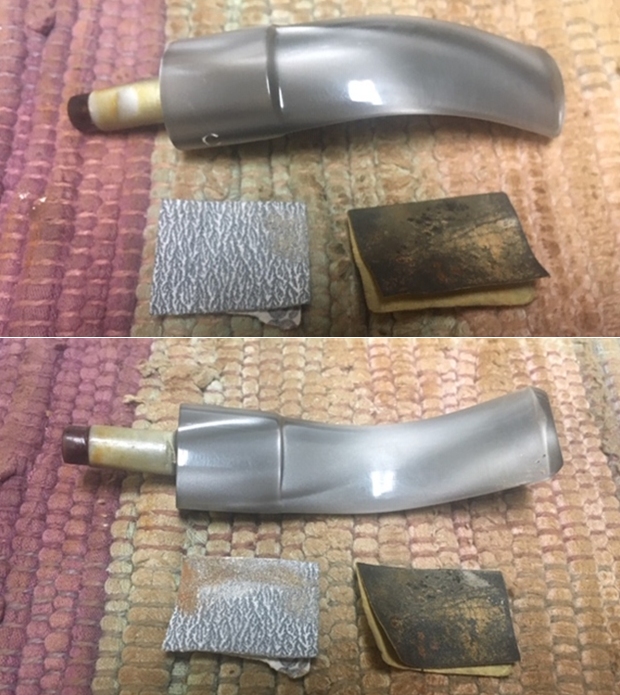
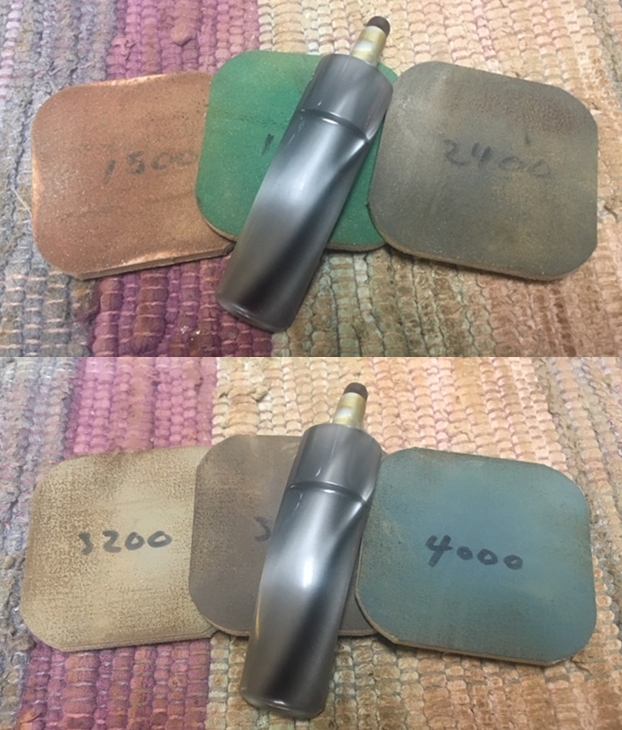
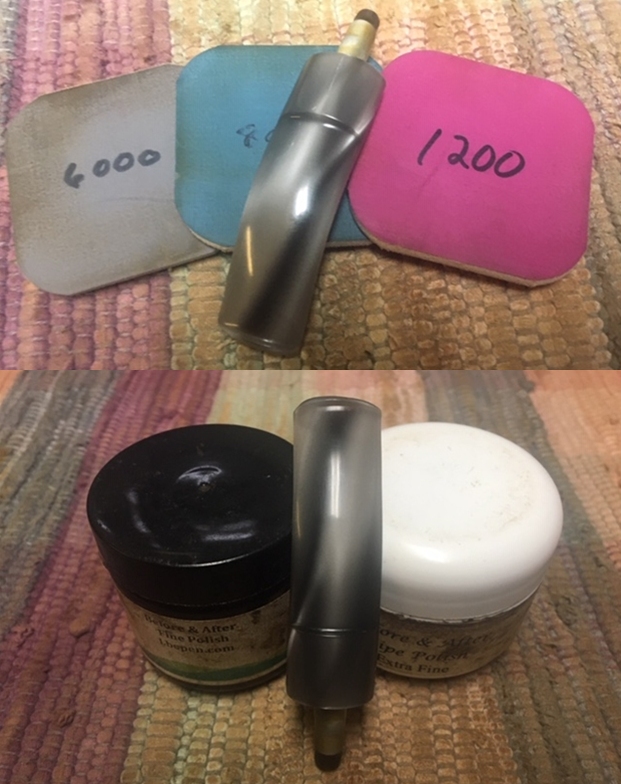
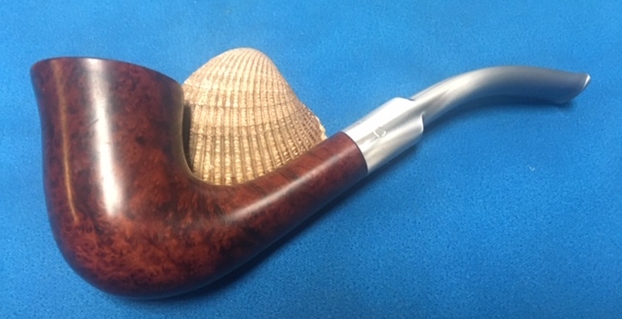
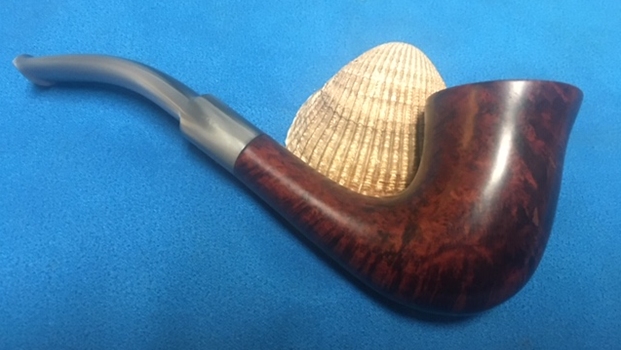
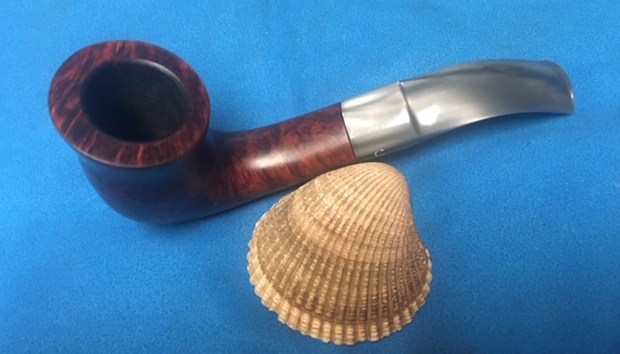
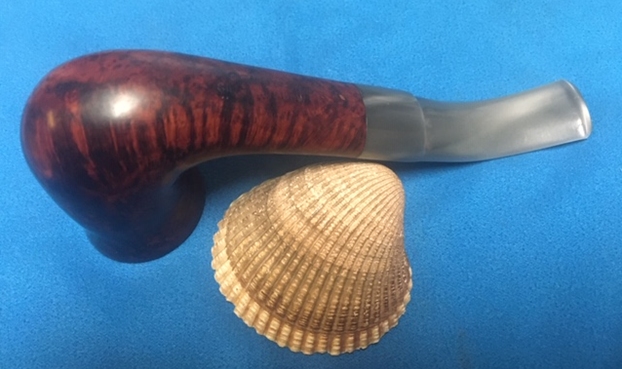
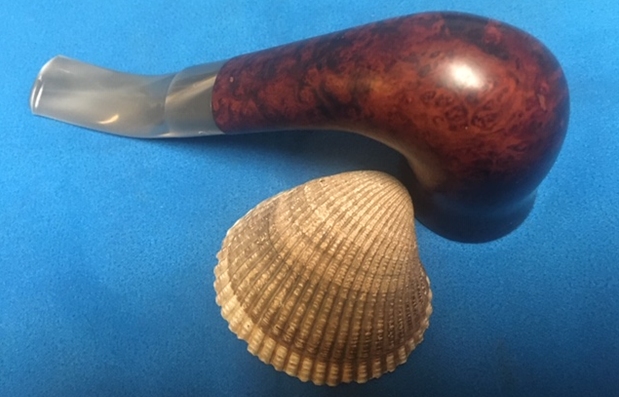
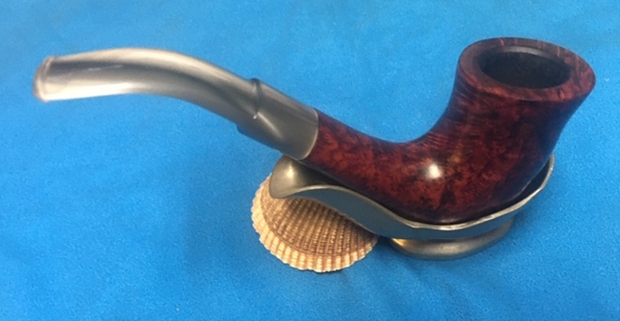
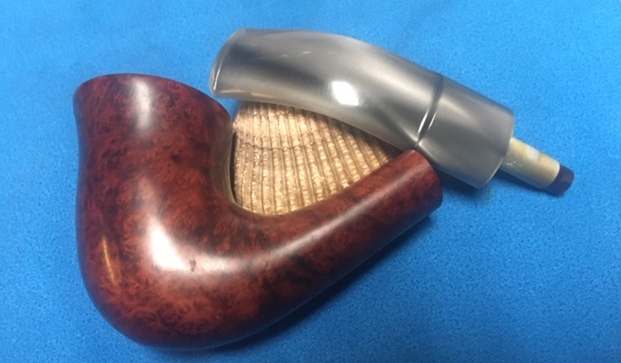
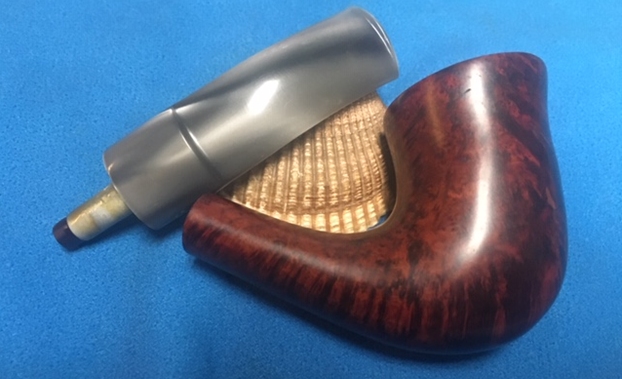
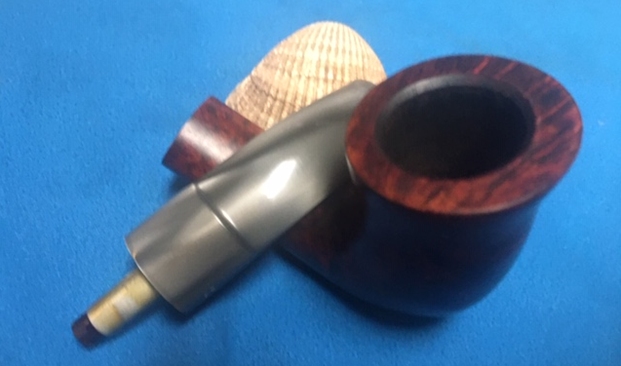
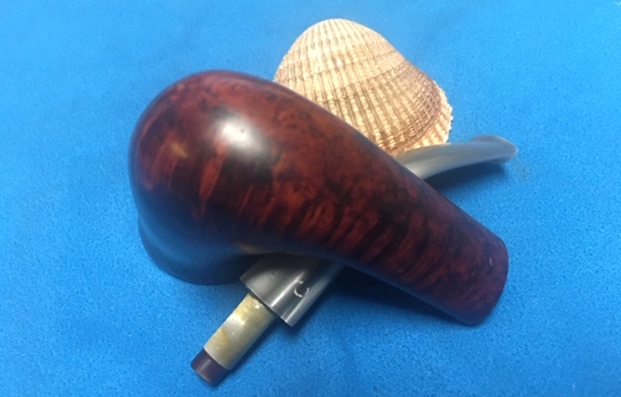
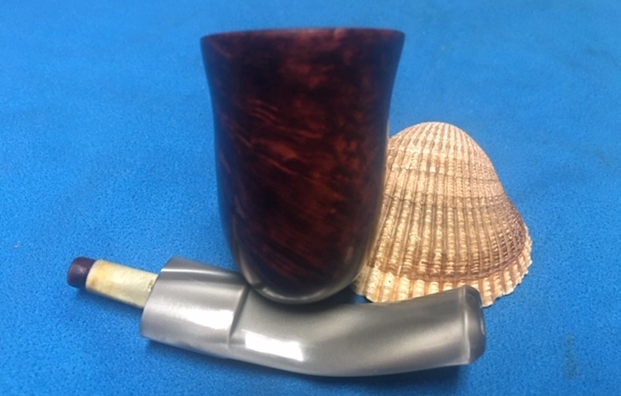
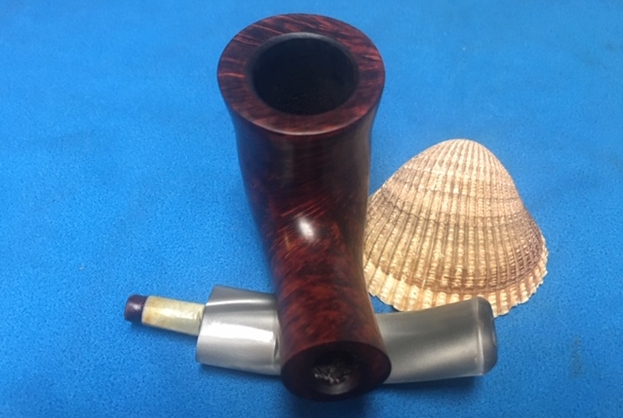
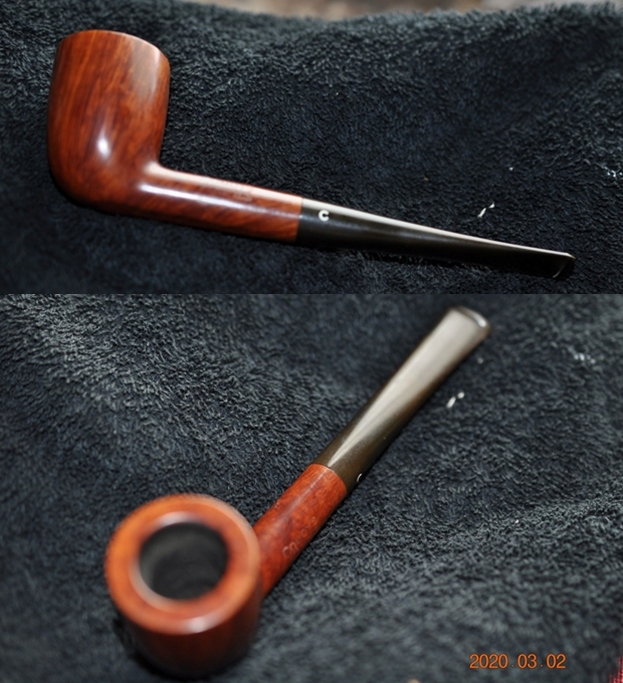
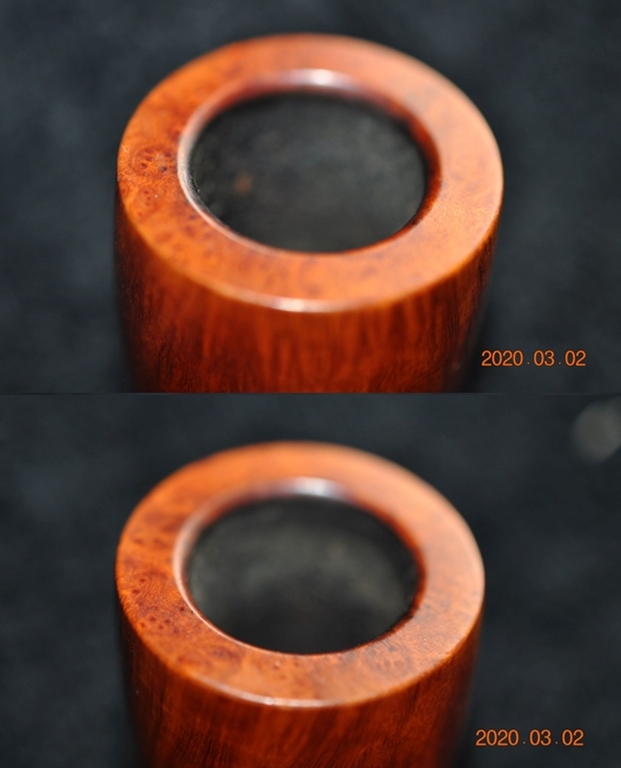
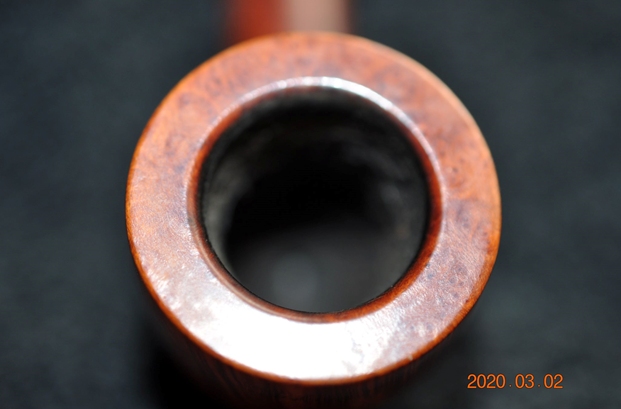
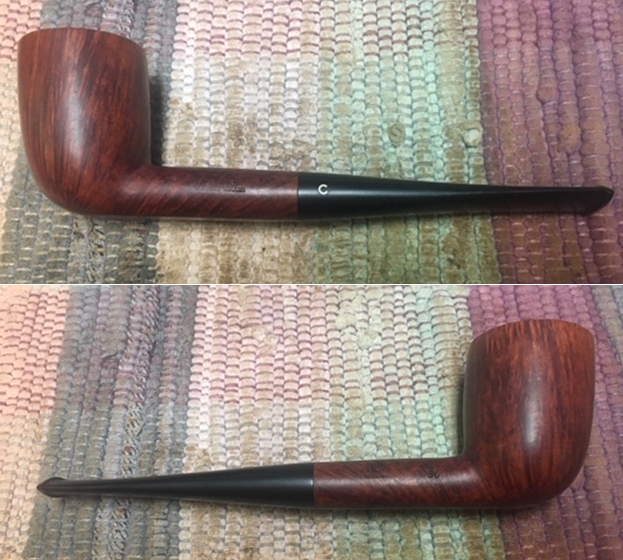
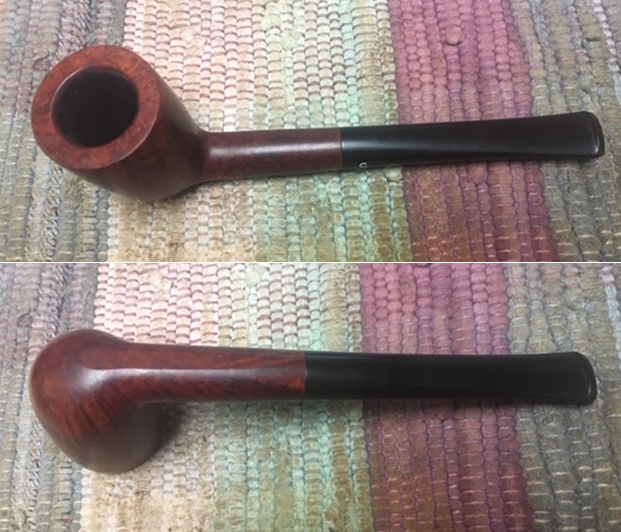
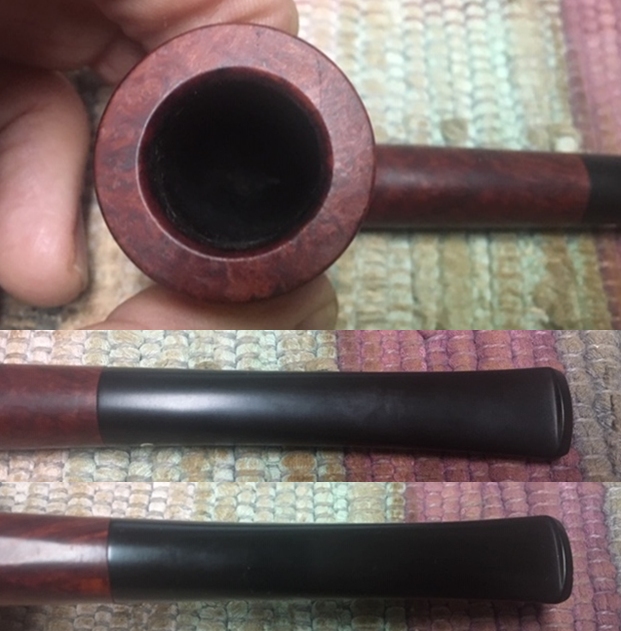
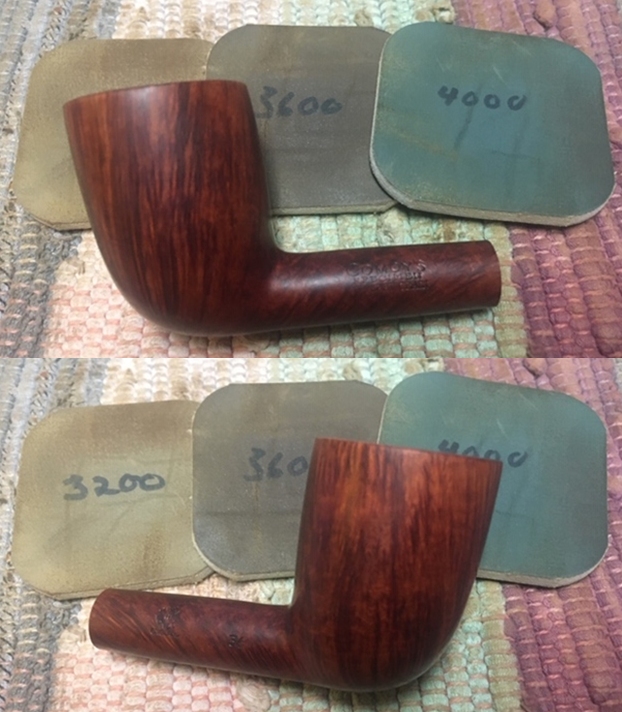
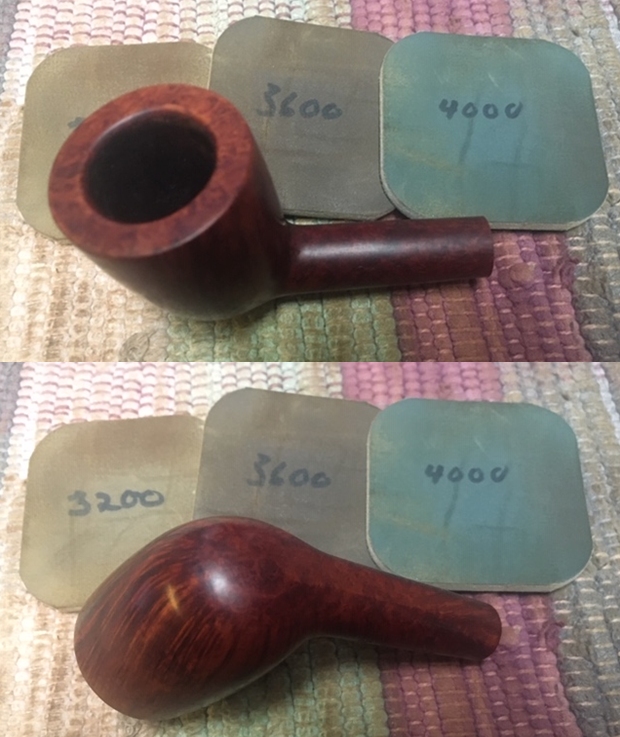
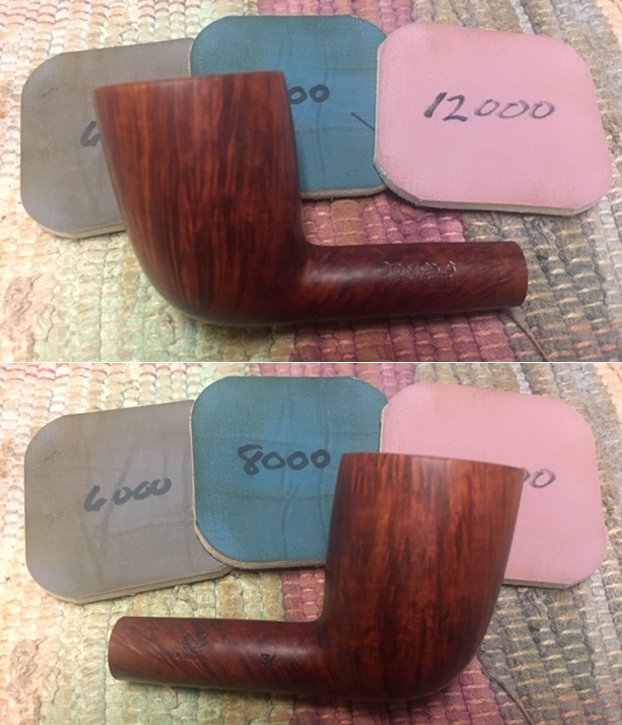
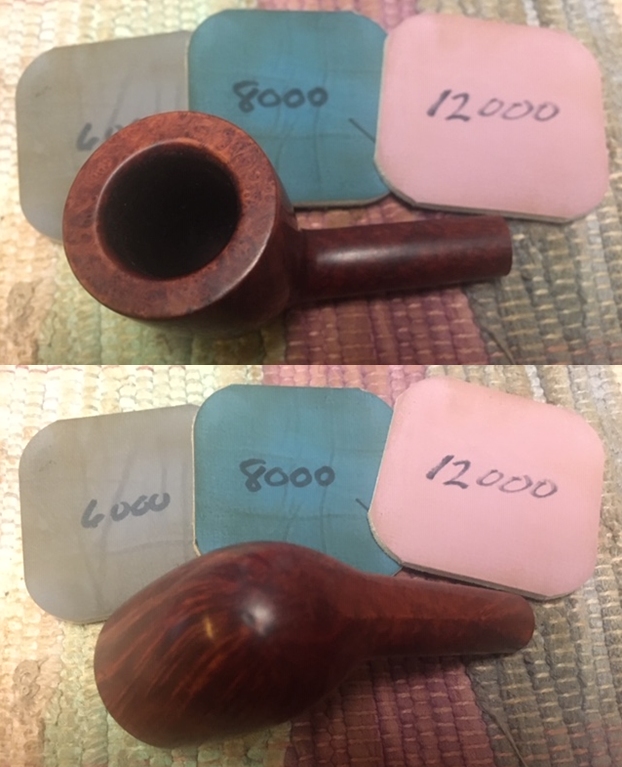
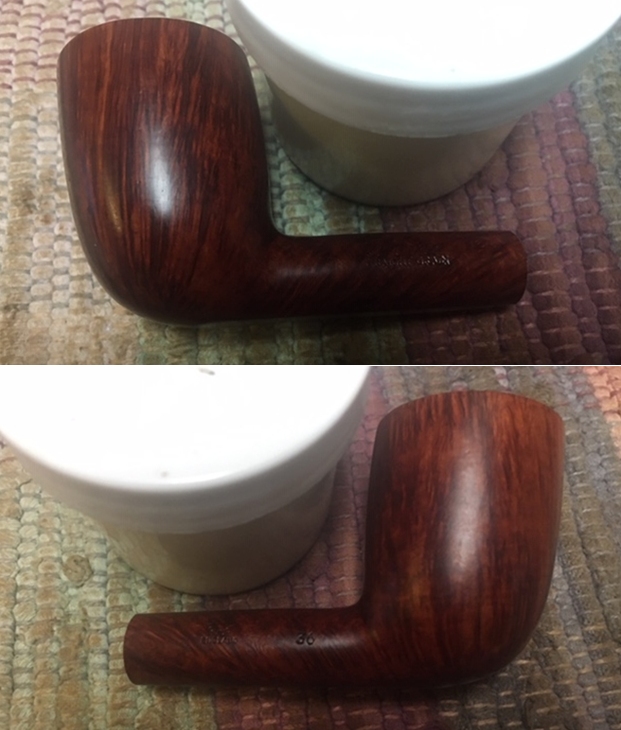
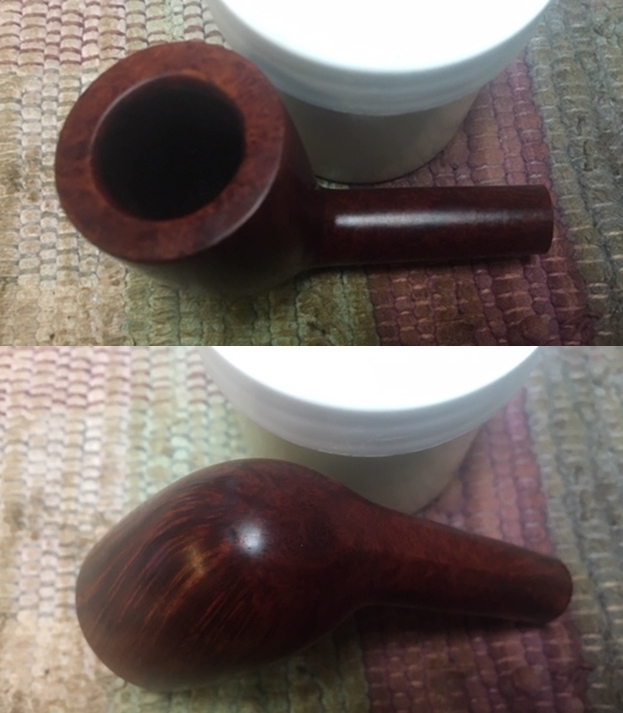
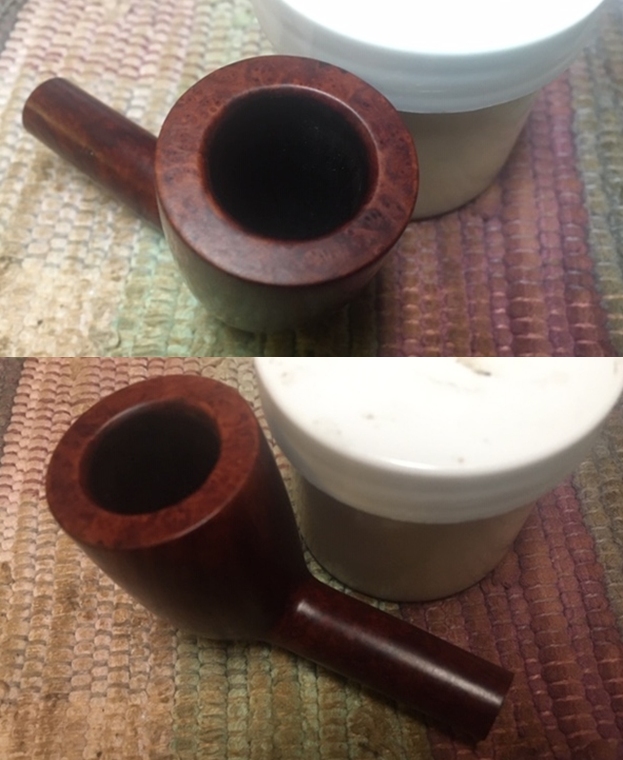
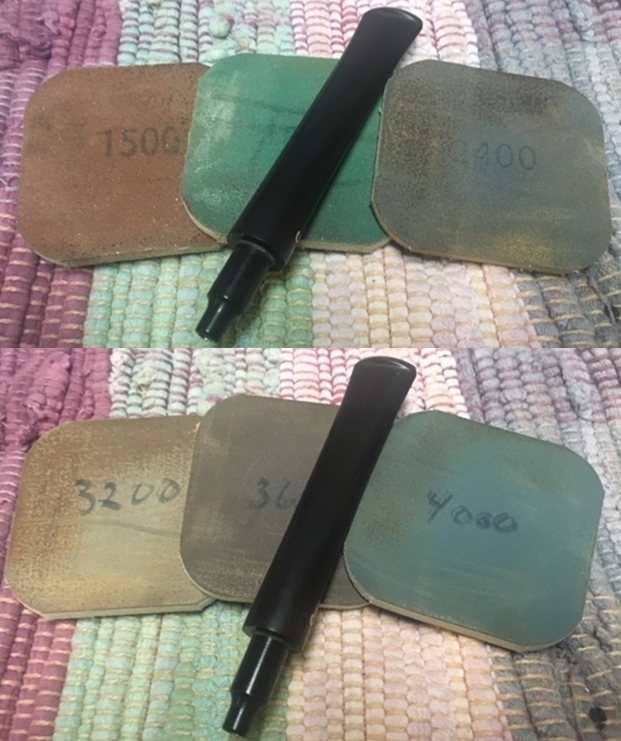
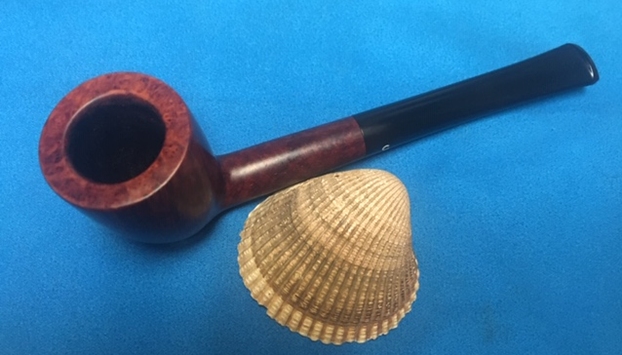
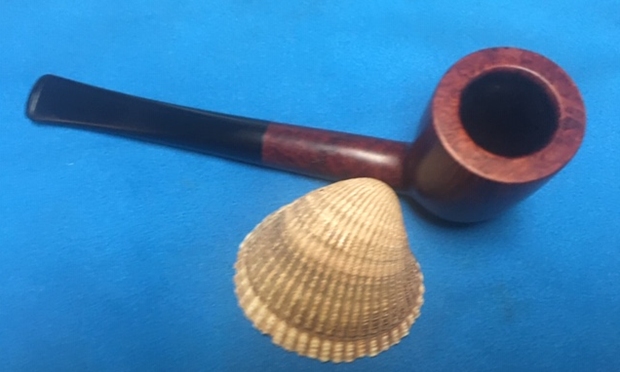
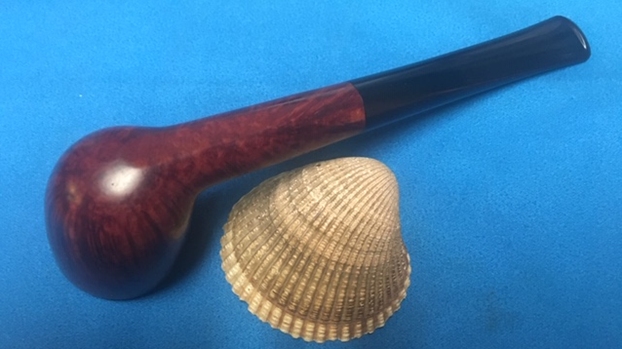
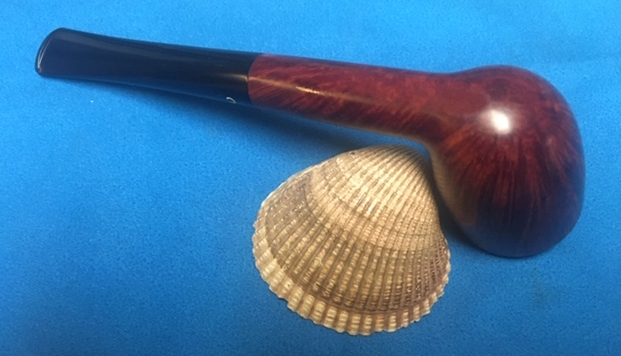
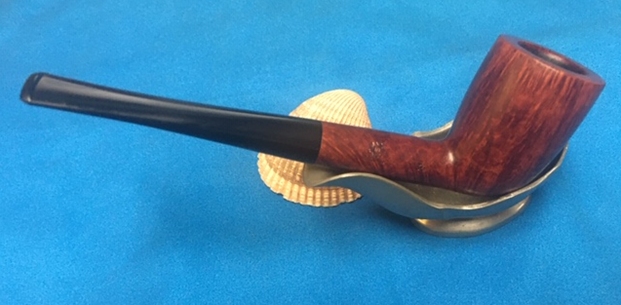
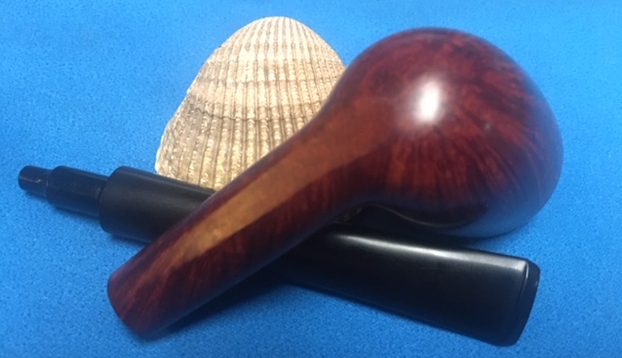
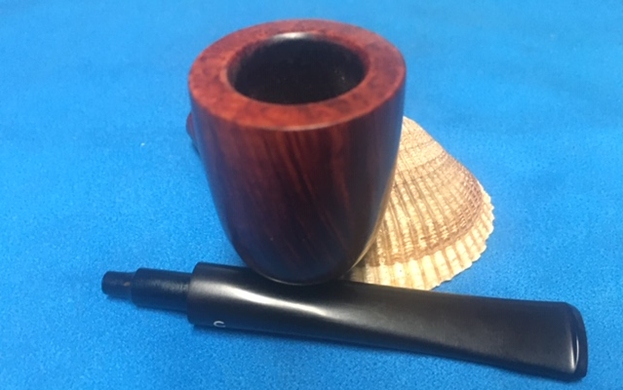
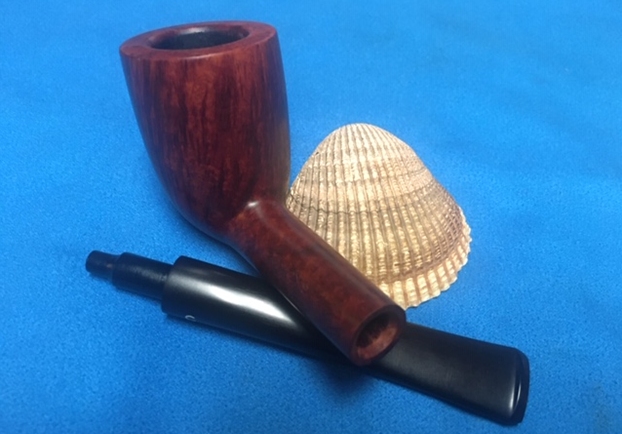
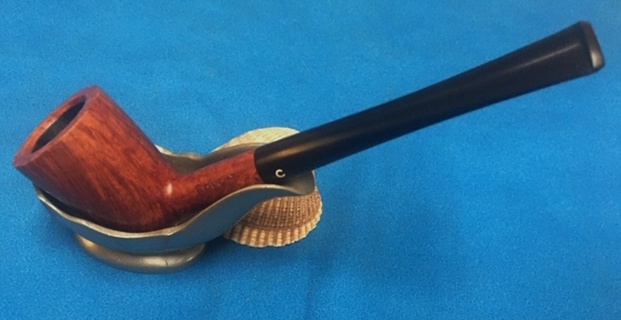
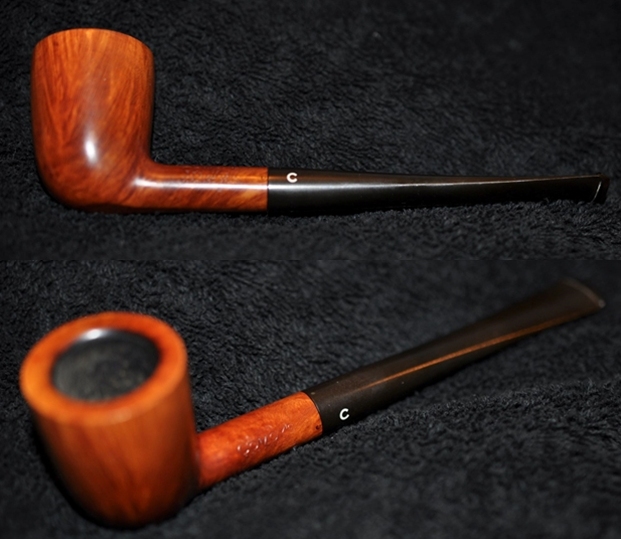
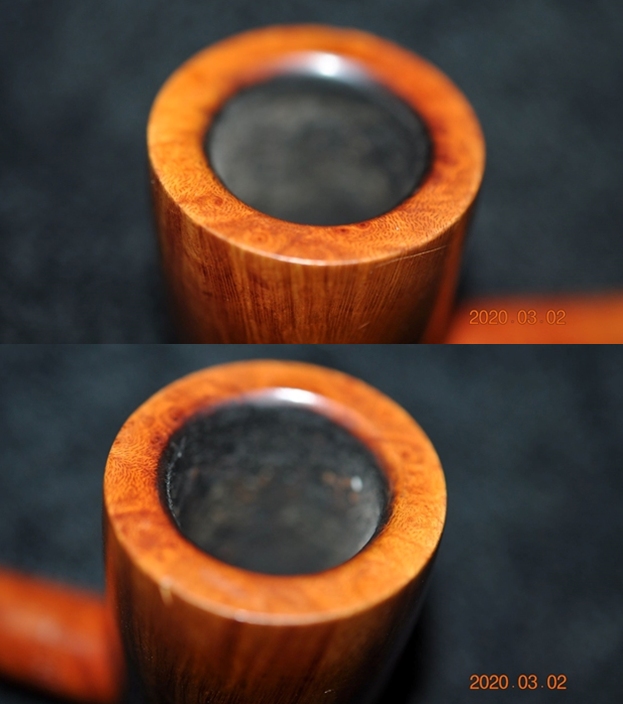
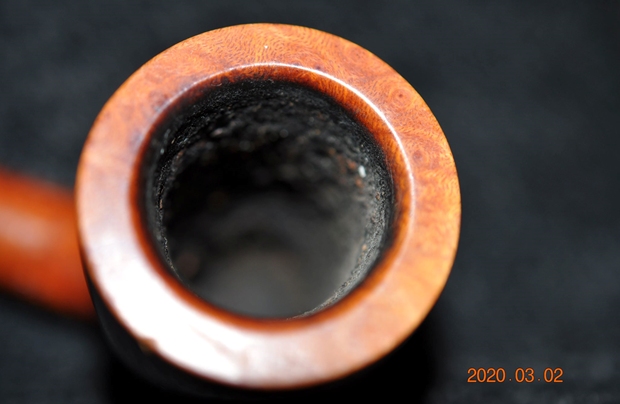
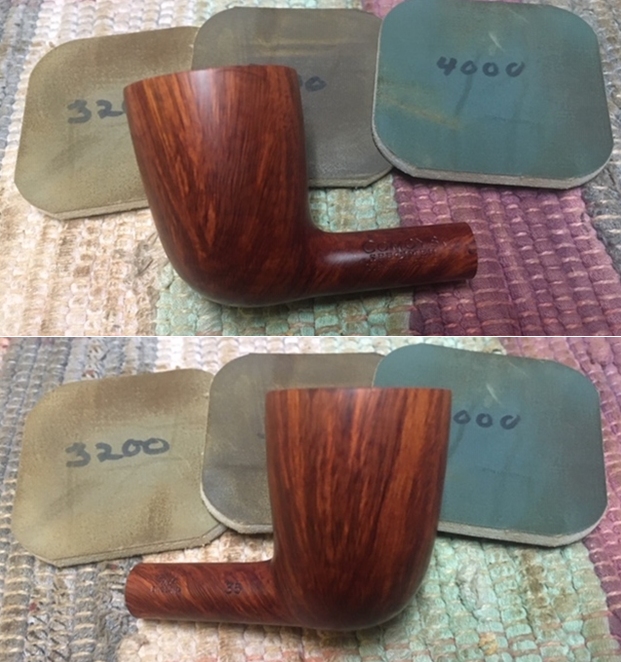
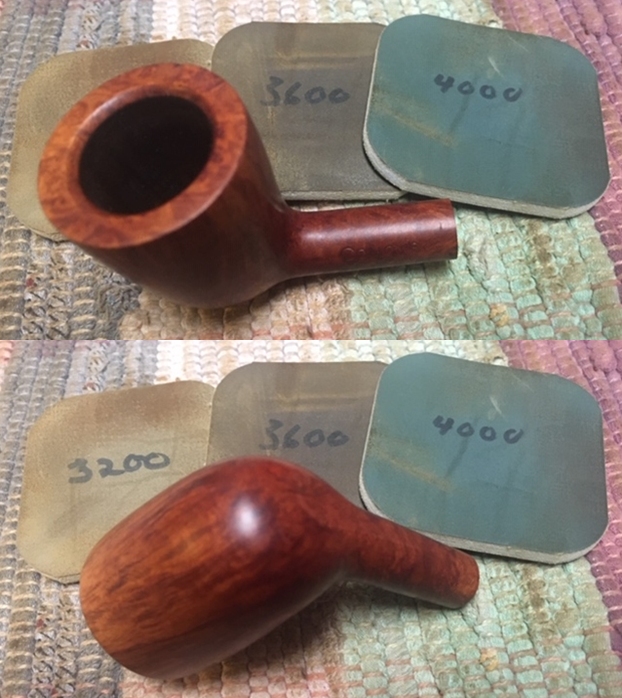
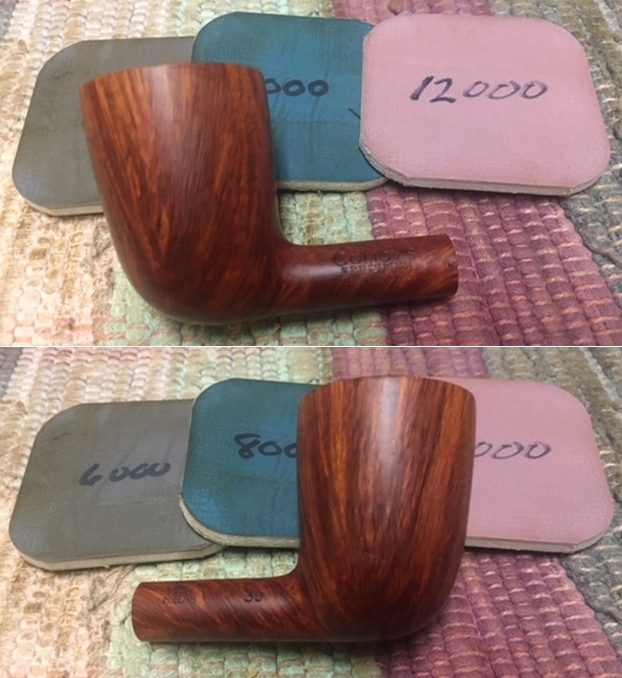
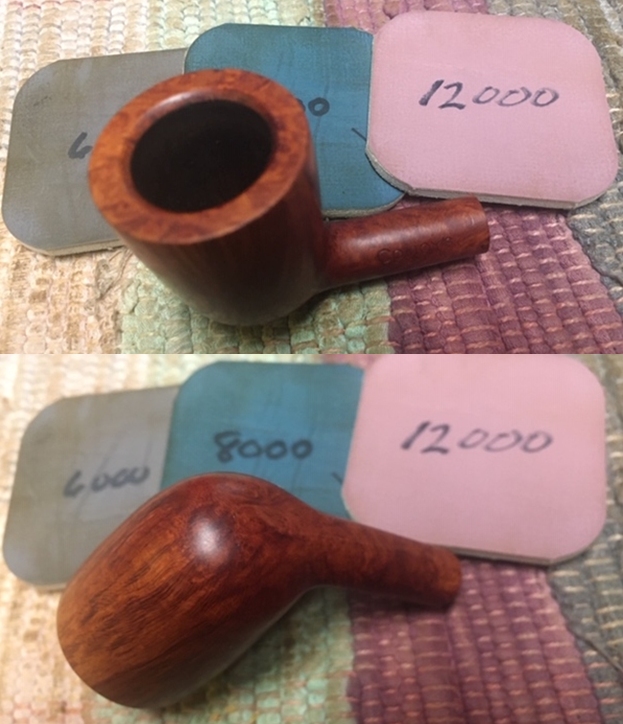
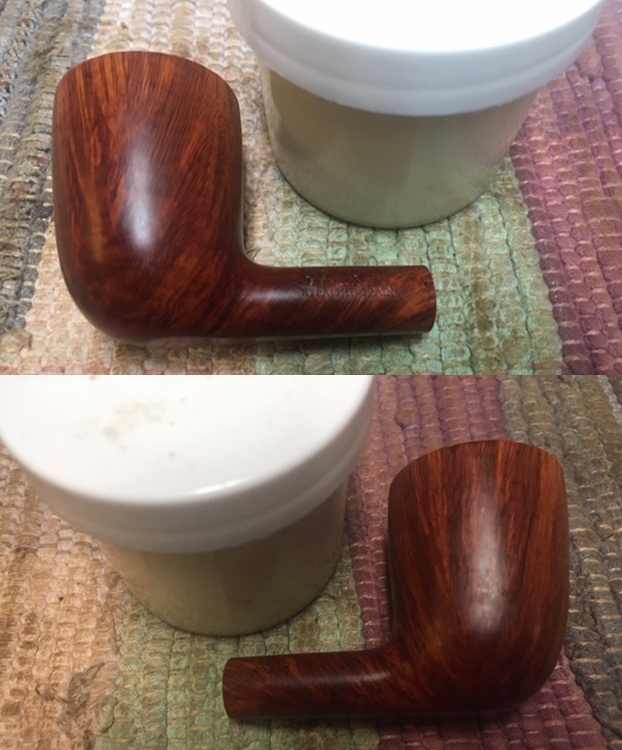
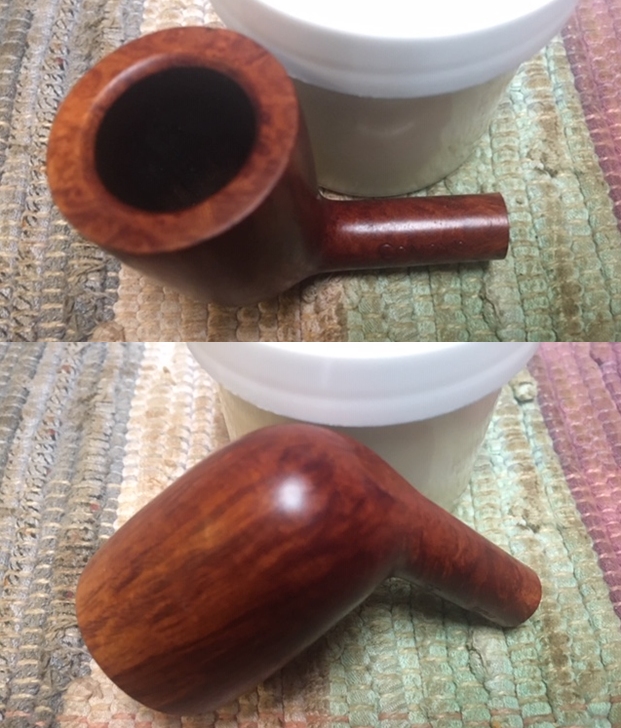
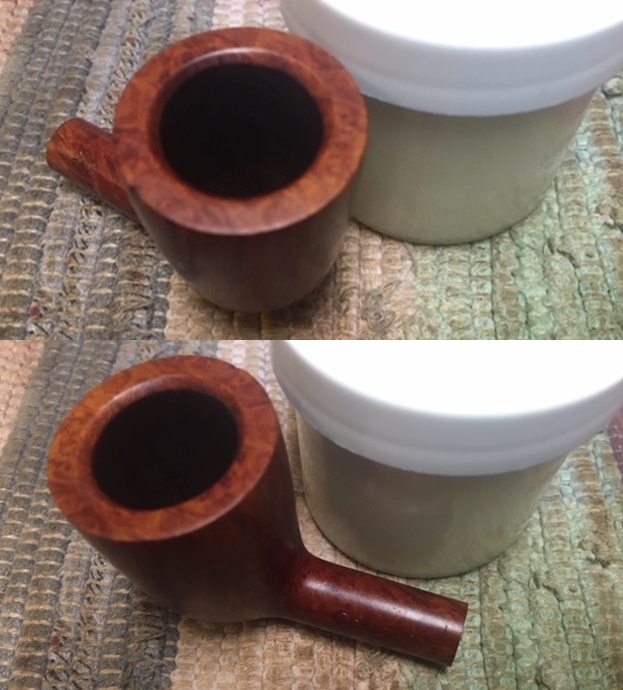
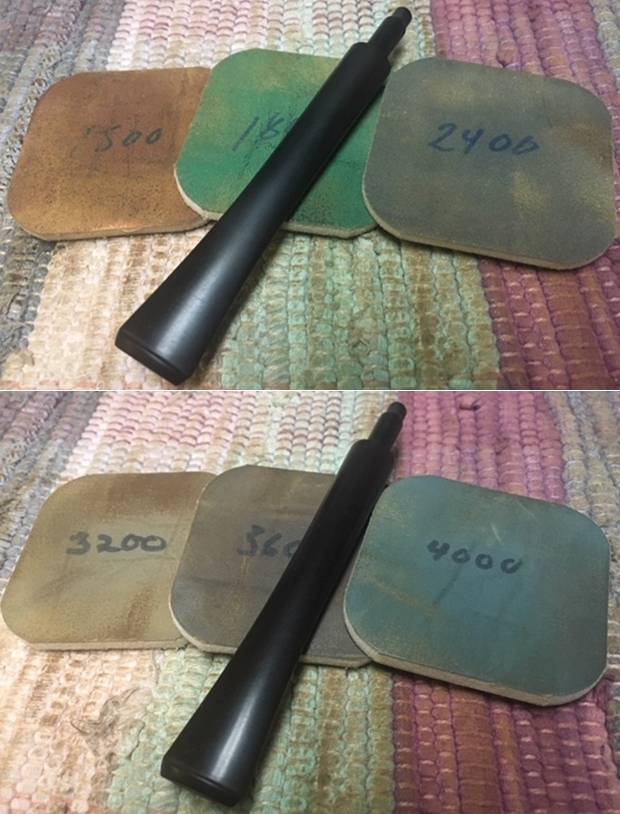
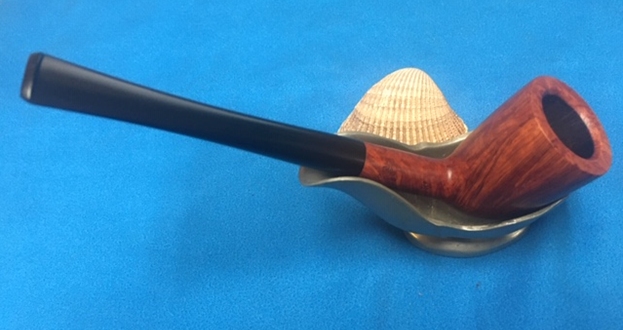
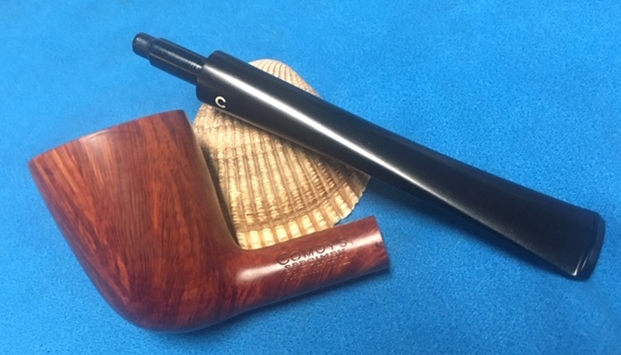
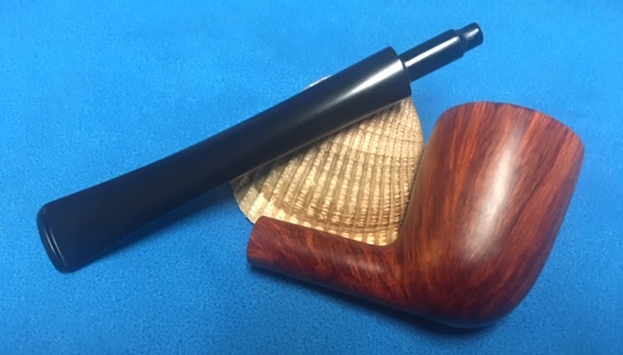
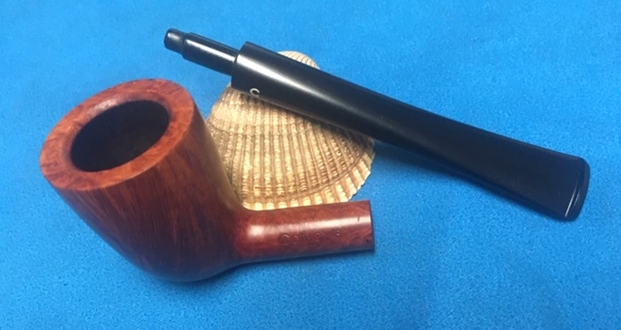
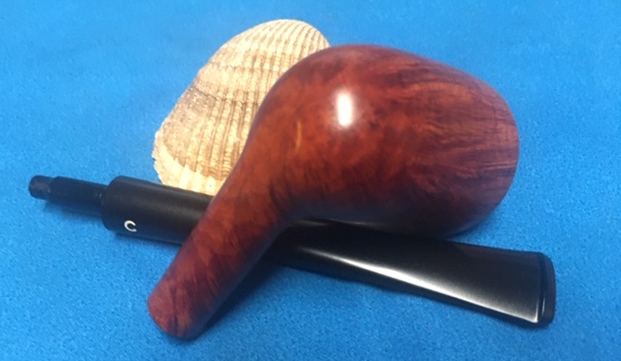
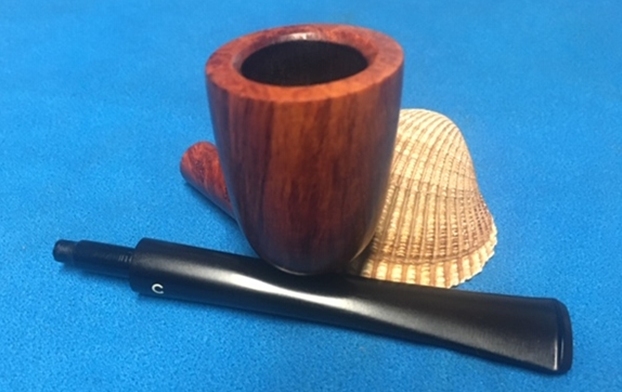
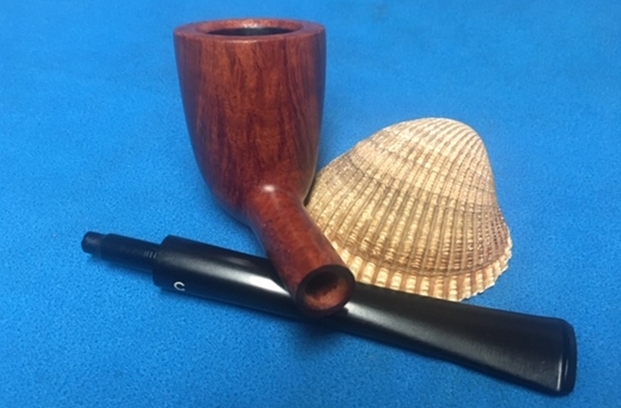
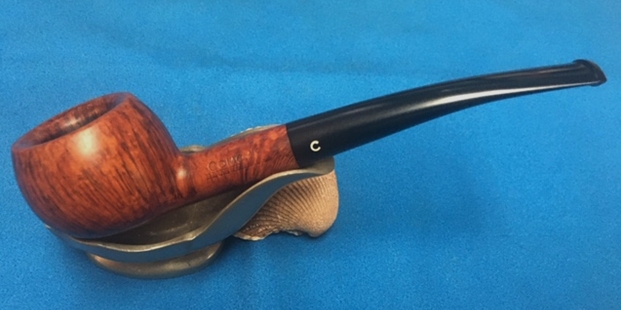
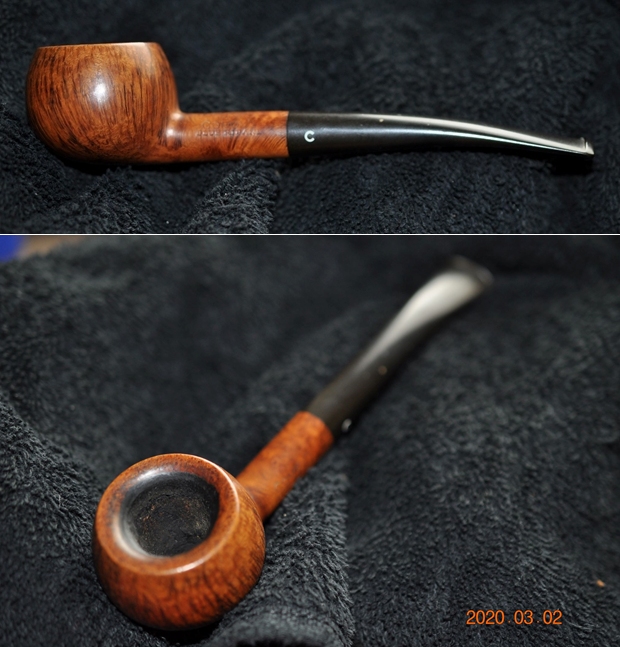
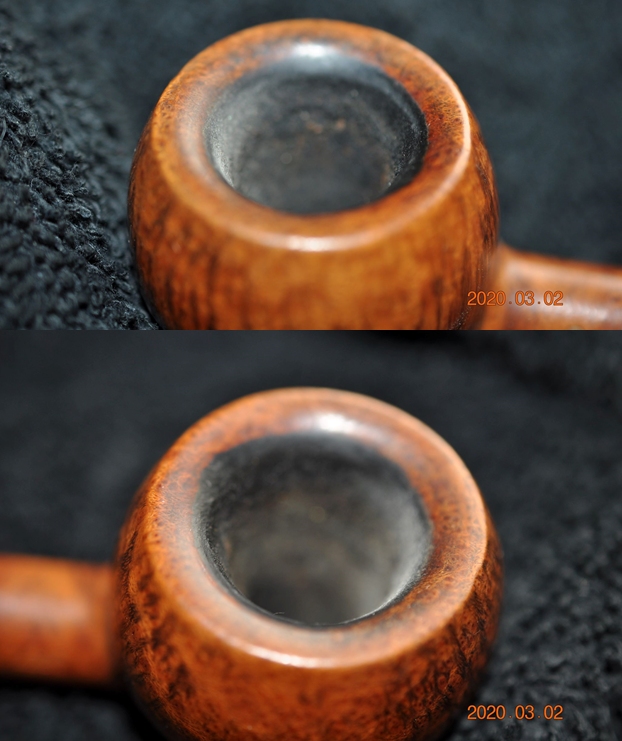
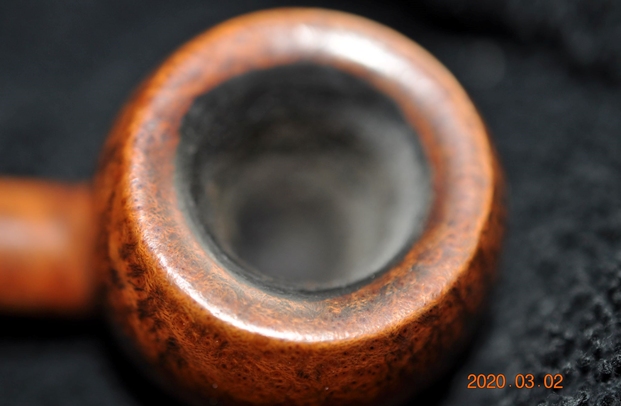
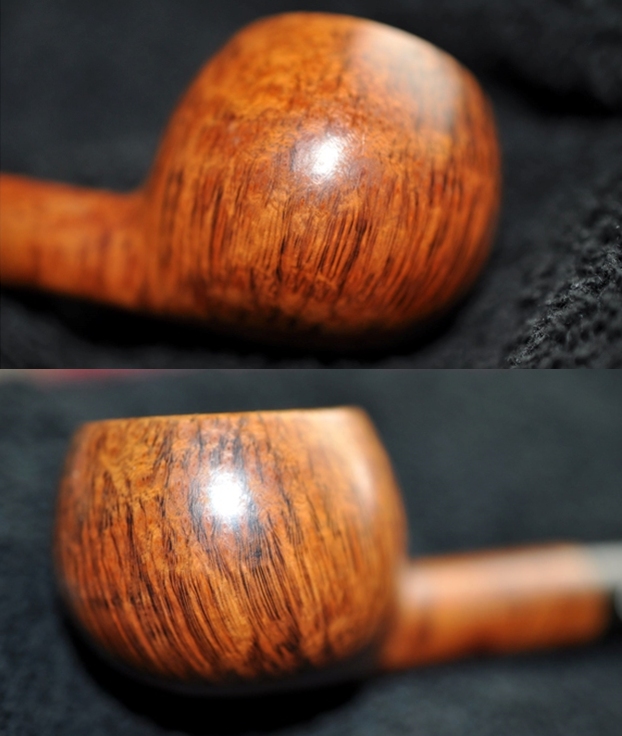
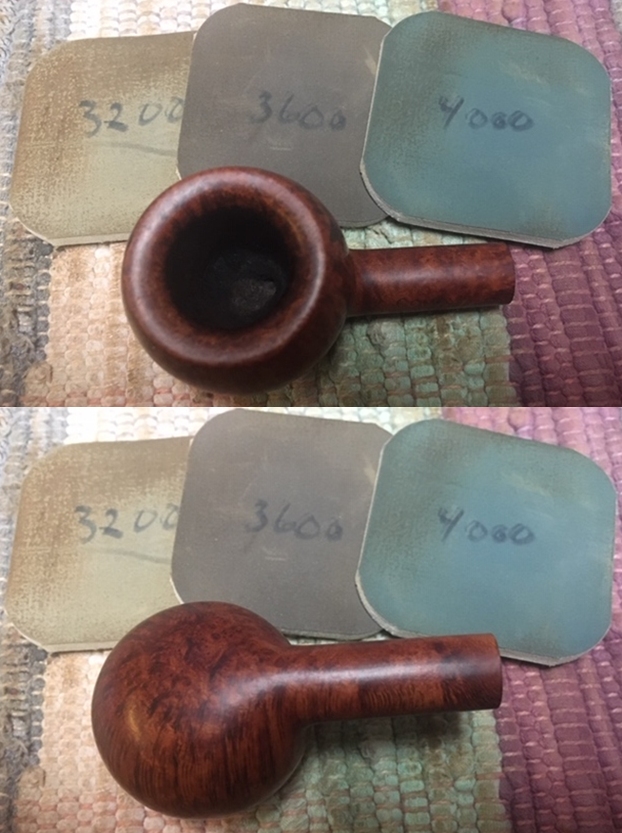
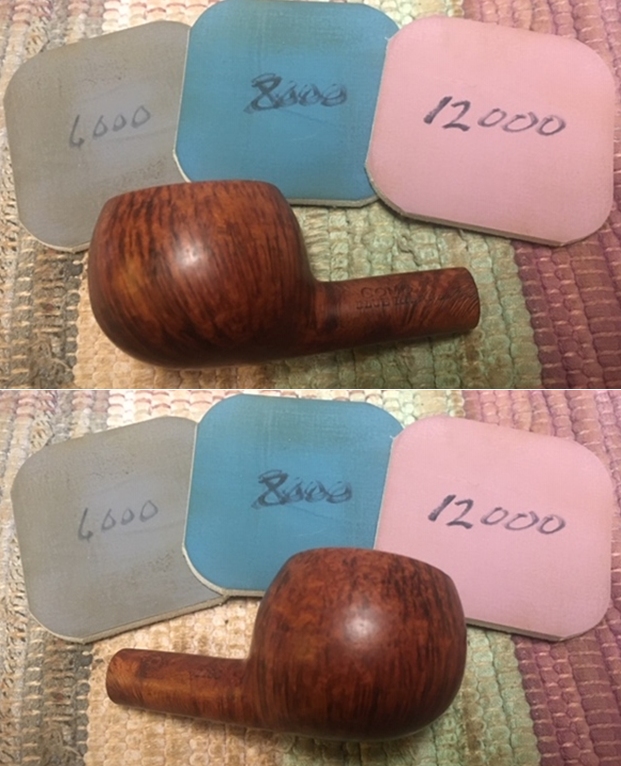
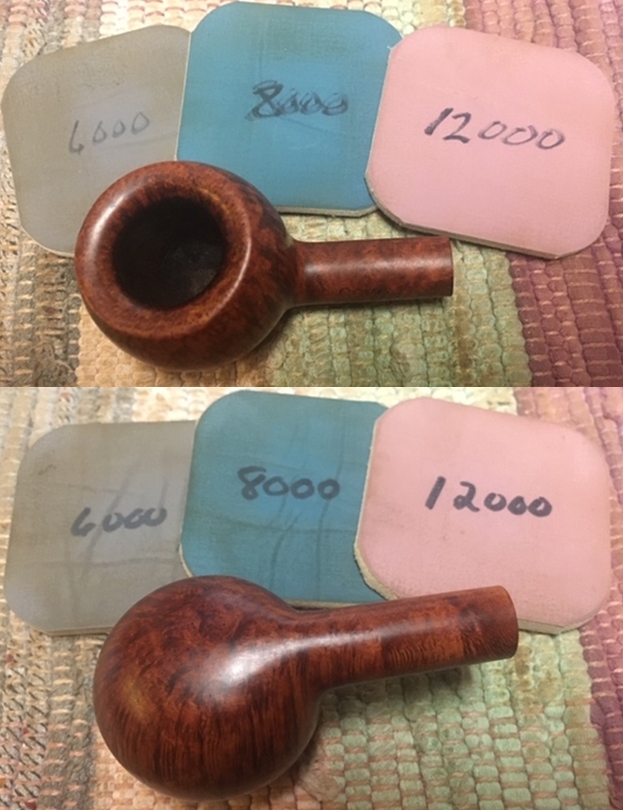
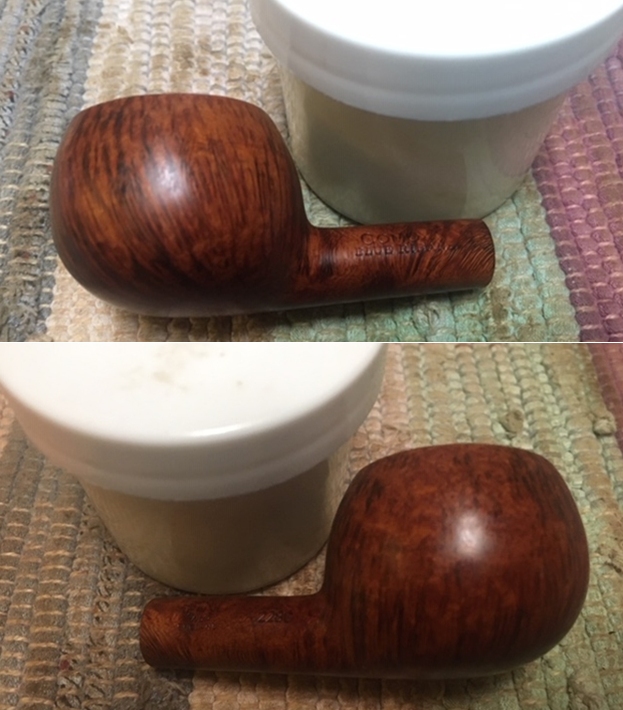
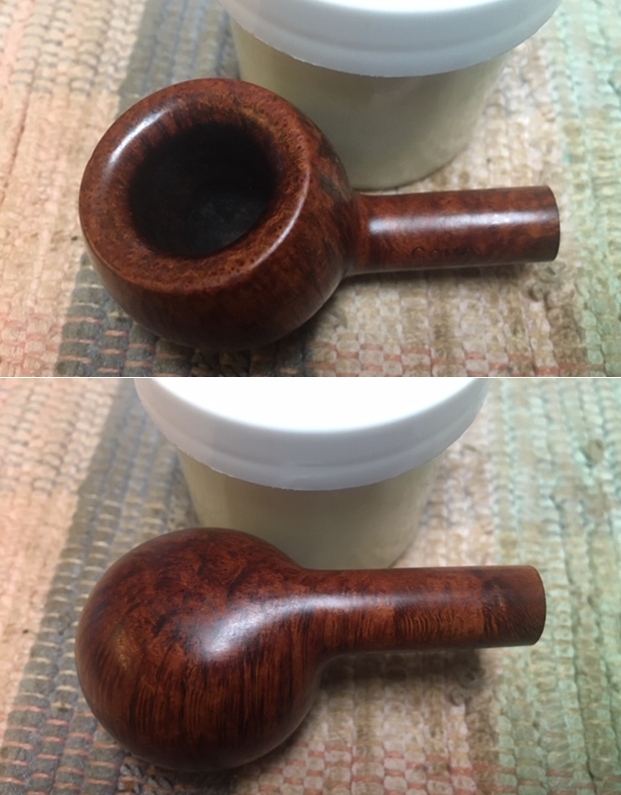
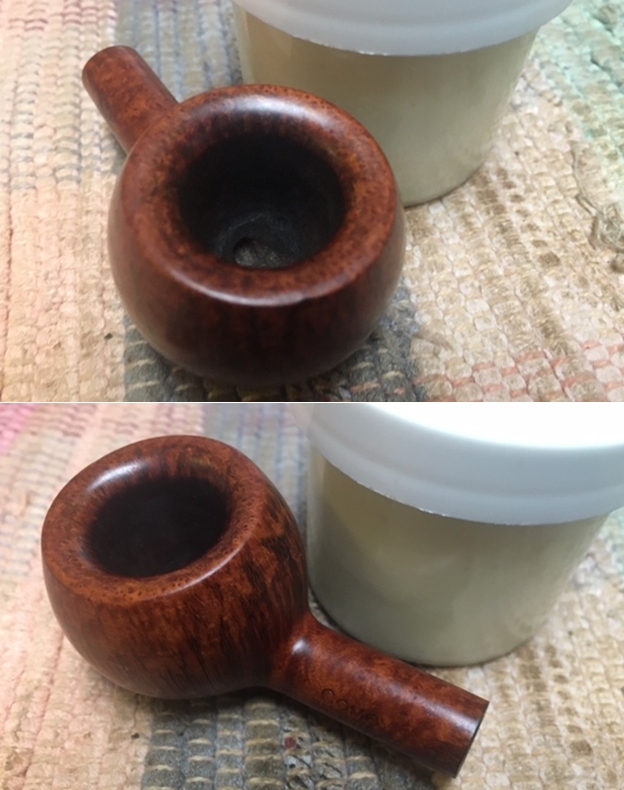
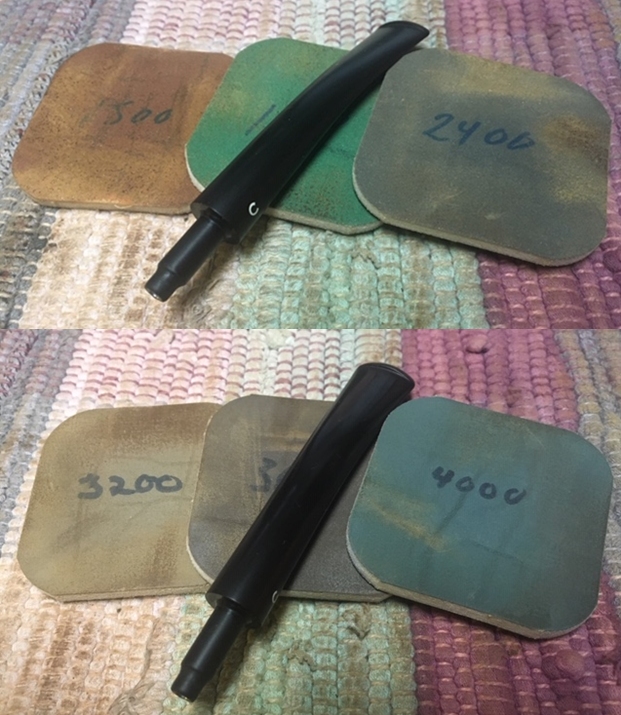
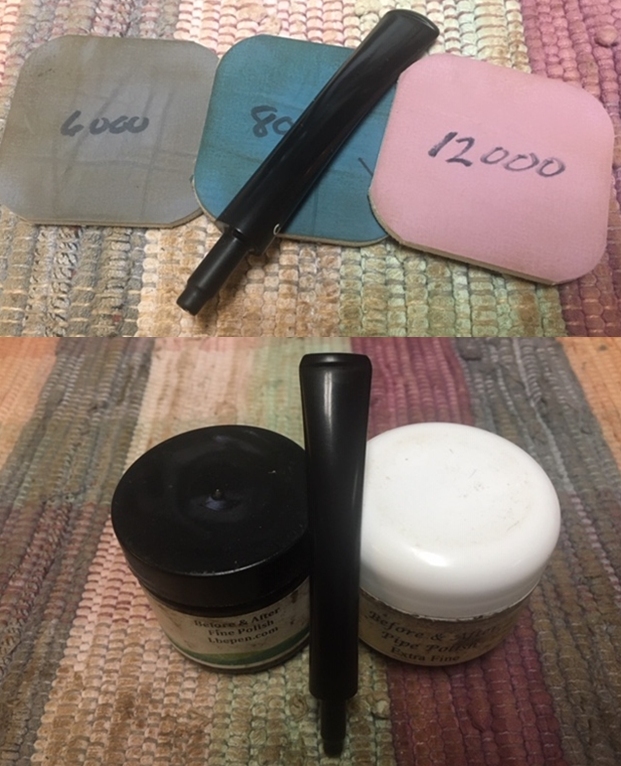
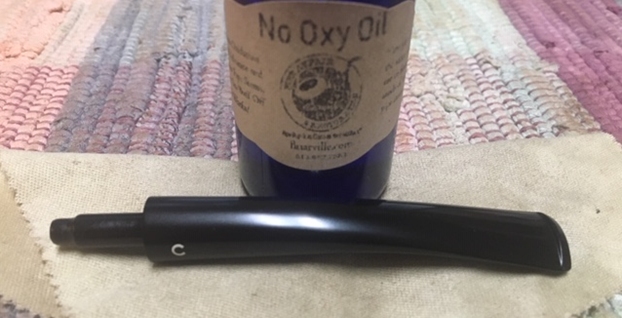
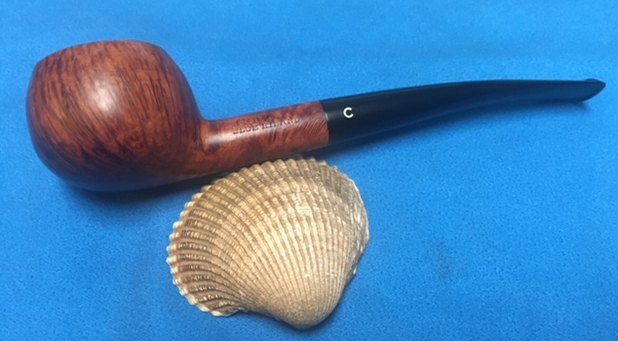
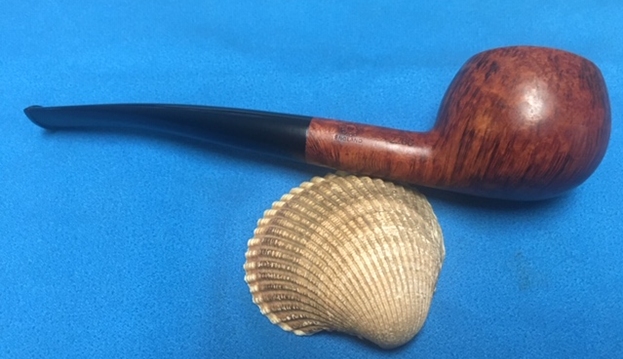
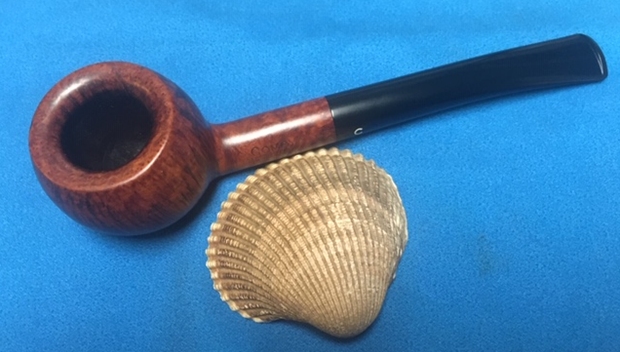
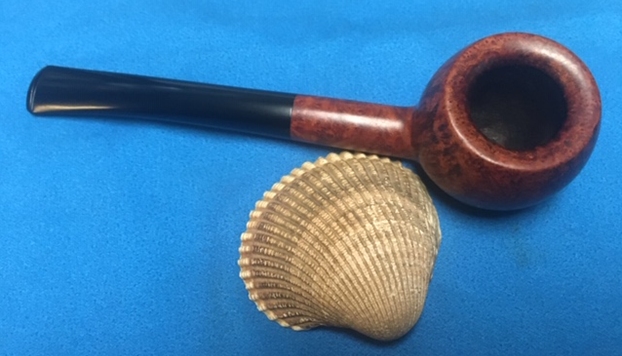
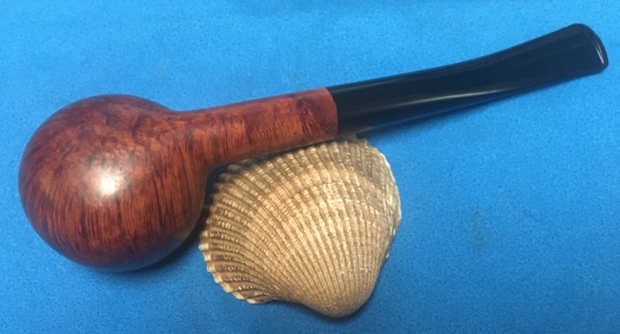
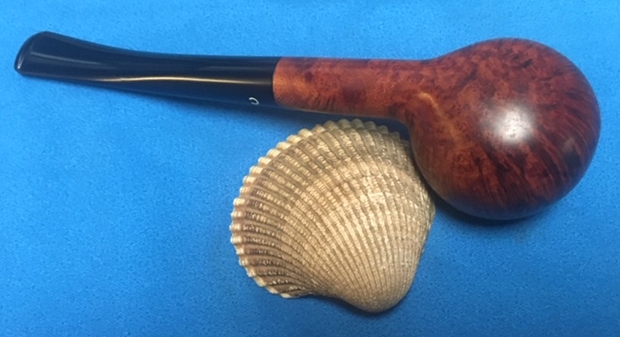
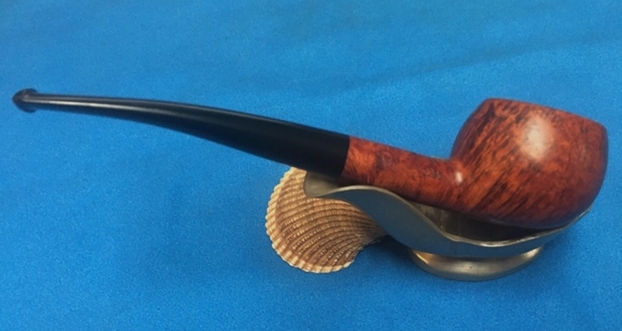
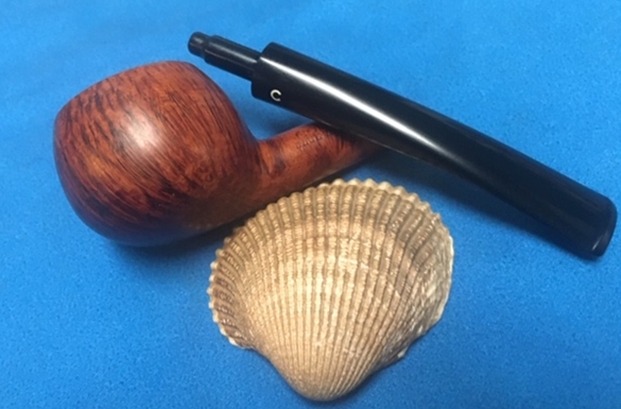
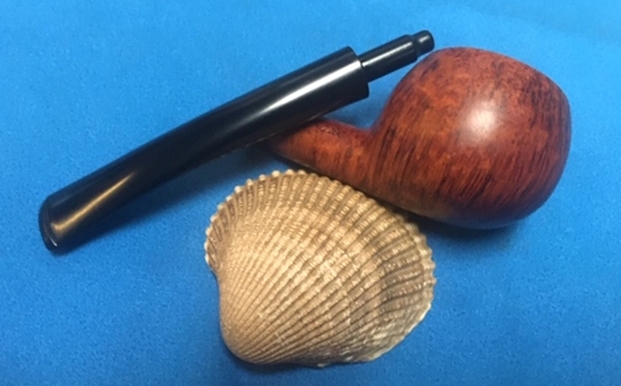
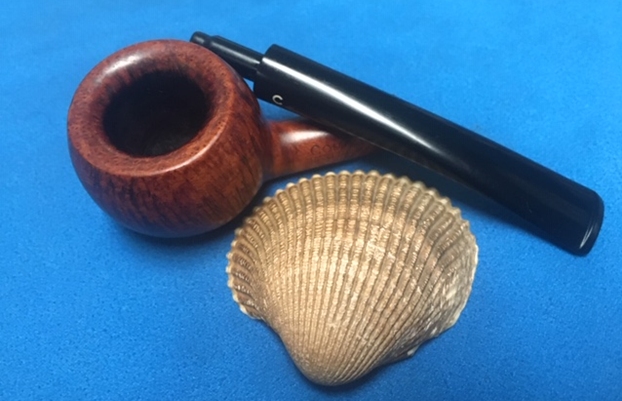
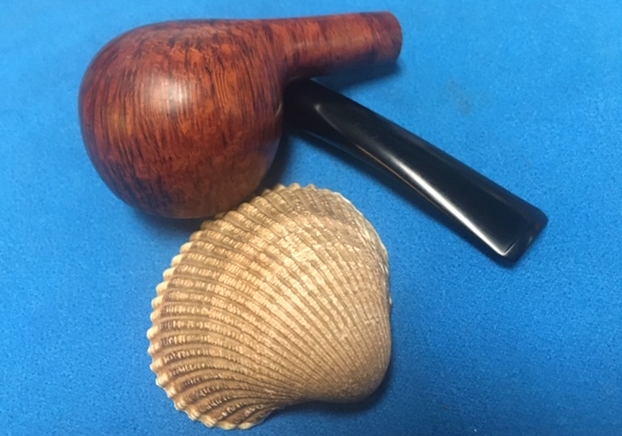
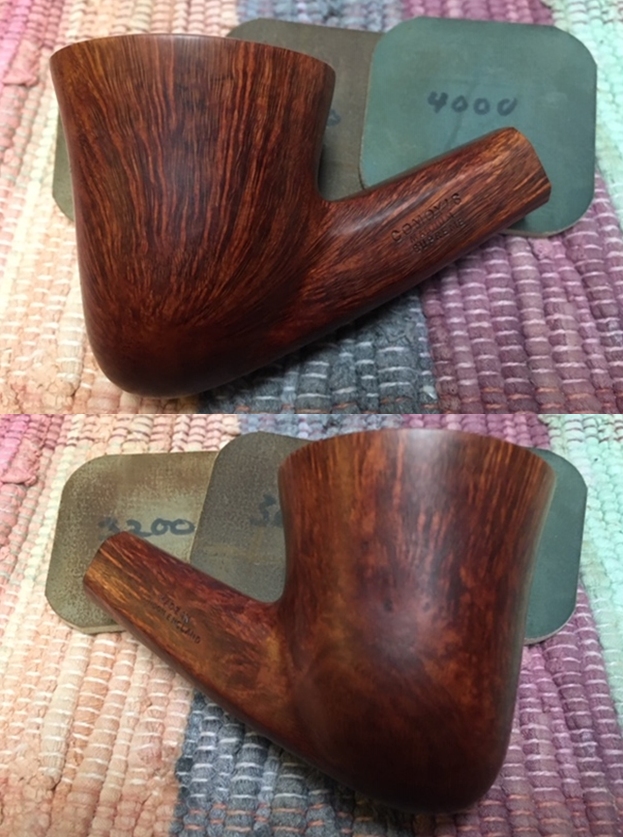
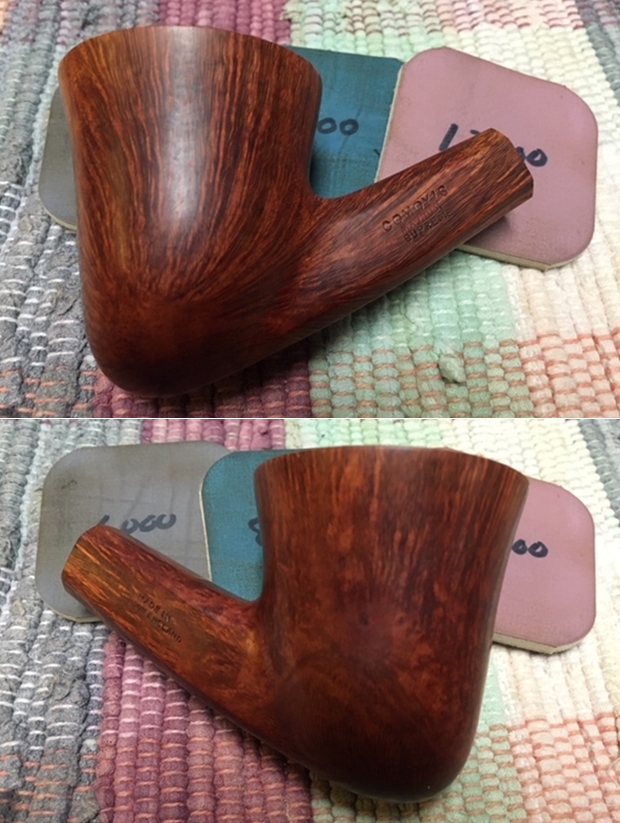
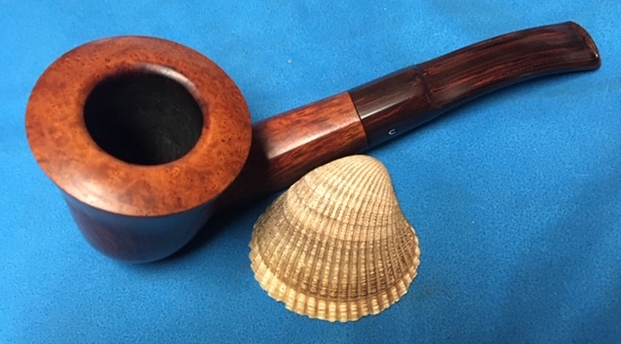
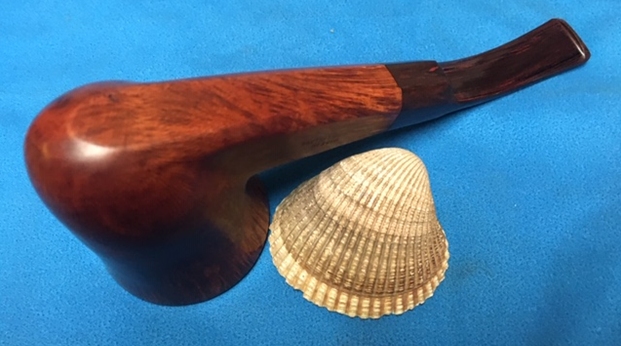
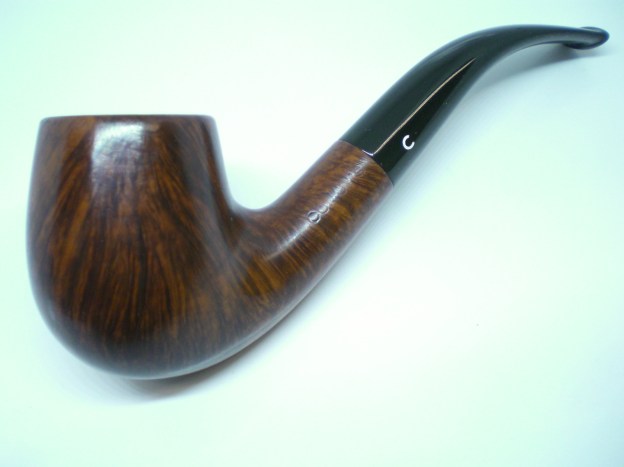
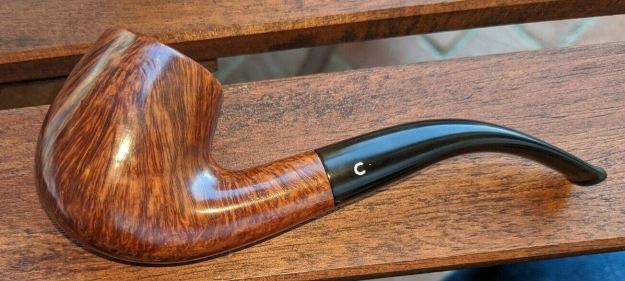
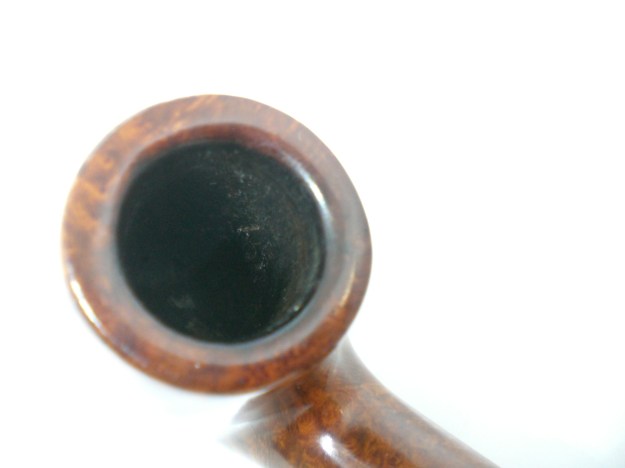
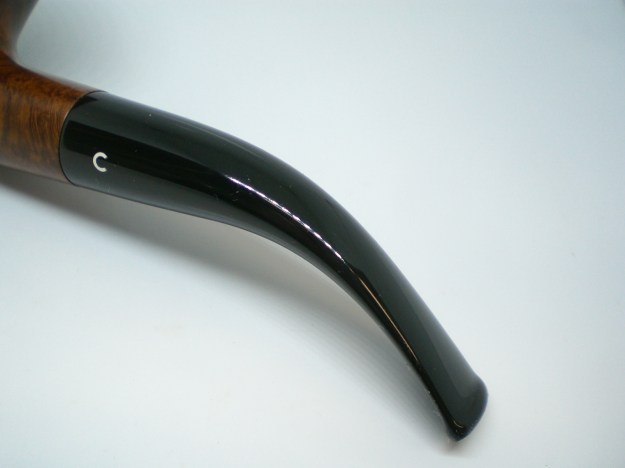
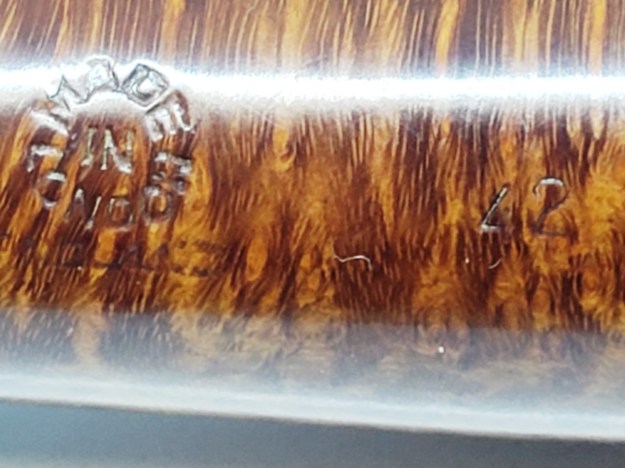
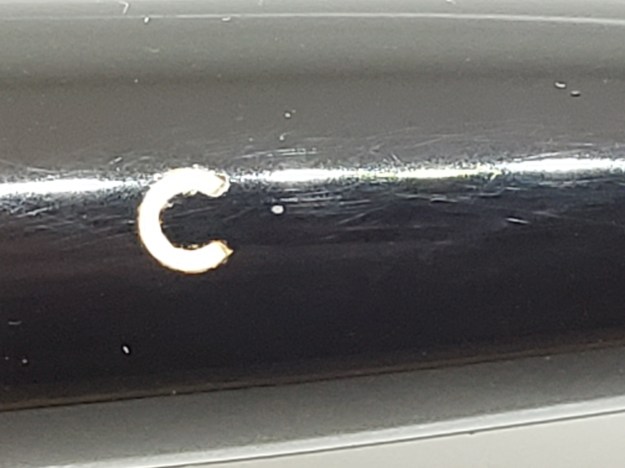
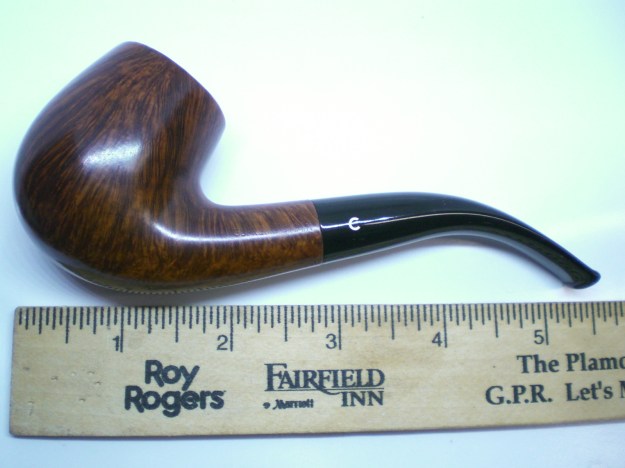
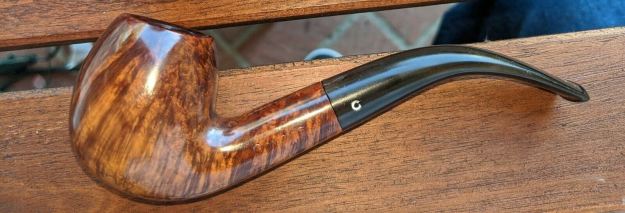
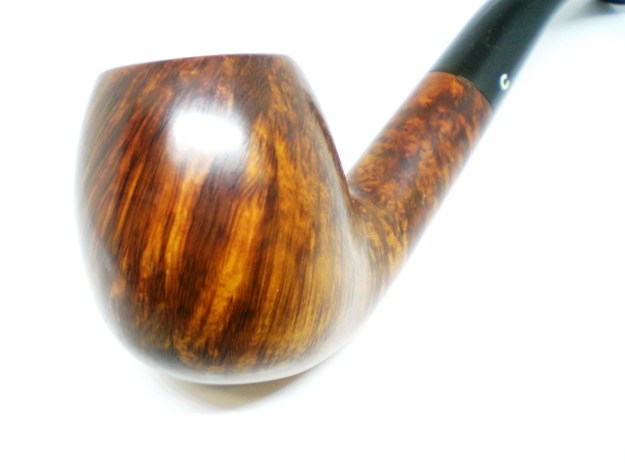
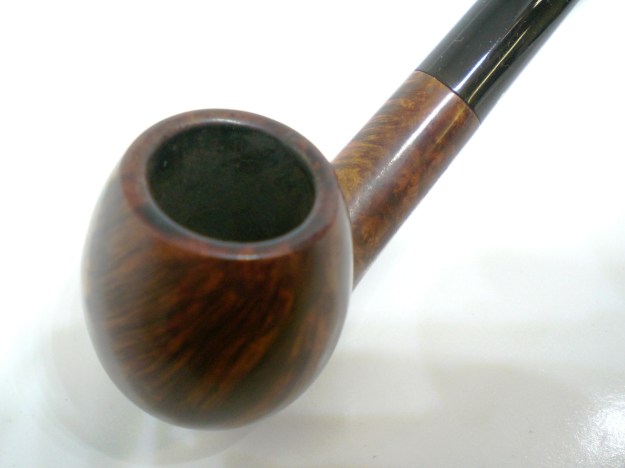
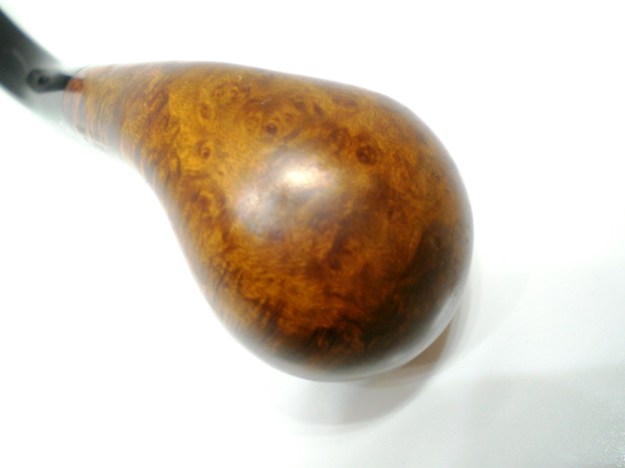
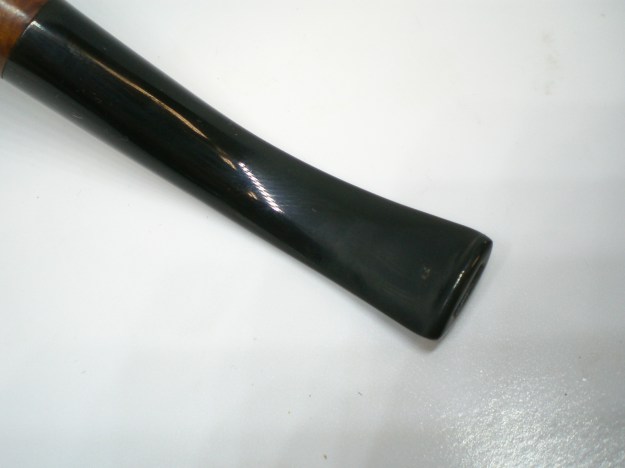
The next pipe on the table is an interestingly shaped Comoy’s pipe. It is almost a tulip shape – at least to me. It is a Cadogan period Comoy’s as the “C” is stamped and painted on the acrylic stem. It is a pretty pipe with a nice looking shape. The condition is very dirty with a thick cake in the bowl and some darkening around the beveled inner edge of the rim. It is well smoked and the finish is dusty and grimy. There are some deep scratches in the briar around the bowl sides and top. The pipe is stamped on the underside of the shank and reads Comoy’s over Silver Shadow followed by the shape number 745 and the Made in London England COM stamp circle. The variegated silver acrylic bent saddle stem has a stamped C on the left side of the saddle. Jeff took photos of the pipe before he started his clean up work on the pipe. He took photos of the rim top to show the condition of the bowl, rim top and edges. The cake is quite thick and there are a few spots of grime on the edges and around the cap on the bowl. He took photos around the sides and heel of the bowl to show the condition. You can see the grime in the finish and the scratches in the briar around the bowl. He took photos of the stamping on the underside of the shank. You can see that it is clear and readable.The next photos show the condition of the stem. The first though blurry gives an idea of the flow of the stem. The remaining photos show that the stem is in good condition other than some tooth chatter on both sides near the button. The “C” stem logo on Comoy’s pipes was the “three-piece C” insert until the Cadogan era in the 1980s. That helped me with a potential date on this pipe – 1980s or later. Knowing that this was a newer Comoy’s pipe from the Cadogan time period did not deter me as the shape on this one fascinated me. I turned to work on the pipe on my work table. Jeff had done a great job cleaning up the pipe as usual. He reamed the pipe with a PipNet reamer and cut back the cake back to the bare briar. He cleaned up the walls with a Savinelli Fitsall Pipe Knife. He scrubbed the interior of the bowl and shank with pipe cleaners, cotton swabs and alcohol to remove the tars and oils. He scrubbed the exterior of the pipe with Murphy’s Oil Soap and a tooth brush to remove the grime from the finish. He worked on the rim edge lava and darkening with the soap and tooth brush. He scrubbed the inside of the stem with alcohol and pipe cleaners. He scrubbed the exterior with Soft Scrub. He washed it off with warm water to remove the cleaner. The pipe looked far better. I took photos of the pipe when I received it before I started working on it. (Note the deep scratch on the left side of the bowl.) I took photos of the bowl and rim top as well as the stem to show how clean they were. You can see the darkening on the top and inner edges of the bowl. Otherwise the rim and edges look very good. The stem looks clean and the tooth marks and chatter are fairly light. I took photos of the stamping on the sides of the shank. They are clean and readable and read as noted above.    I took a photo of the pipe with the stem removed to show the overall look of stem, tenon and profile of the pipe. Jeff had scoured the tenon but it was heavily stained with the tars of use.I decided to start my work on the pipe by addressing the deep gouge in the left side of the bowl. It extended from the heel to mid bowl. I tried steaming it out and had very limited success. I decided to fill in the damaged area with clear super glue. Once the repairs cured I sanded them smooth with 220 grit sandpaper and also began the polishing with 40o grit wet dry sandpaper. I used a Walnut Coloured stain pen to blend the repaired area on the side of the bowl into the colour of the rest of the bowl. The match worked very well. Once I sanded it with the micromesh pads in the polishing process it would look even better.I polished the bowl and rim with micromesh sanding pads – wet sanding with 1500-12000 grit pads. I worked over the rim top and edge of the bowl with the pads. I wiped the bowl down with a damp cloth after each pad to remove the sanding debris. The repair on the right side of the bowl all but disappeared. The pipe looks very good. I rubbed the briar down with Before & After Restoration Balm. I worked it into the briar with my fingertips. The product works to clean, enliven and preserve the briar. I let it sit for 10 minutes while I worked on the stem. After the time passed I buffed it with a cotton cloth to deepen the shine. The briar really comes alive with the balm.  I touched up the C stamp in the side of the stem with a Paper Mate Liquid Paper and a toothpick. It was not too deeply stamped so the coverage was uneven.I worked over the light tooth marks and blended them into the stem surface with 220 grit sandpaper. I started polishing the stem with 400 grit wet dry sandpaper. At this point it is starting to look much better.   I polished the acrylic with micromesh sanding pads – 1500-12000 grit pads. I wiped it down with a damp cloth after each sanding pad. I used Before & After Pipe Polish – both Fine and Extra Fine to further polish the stem.   This Comoy’s Silver Shadow 745 Tulip turned out to be a great looking pipe. The mix of brown stains highlights the mix of grain around the bowl sides, top and bottom. The finish on the pipe is in excellent condition and the contrasting stains work well with the polished variegated silver acrylic saddle stem. I put the stem back on the bowl and carefully buffed the pipe with Blue Diamond on the buffing wheel using a light touch on the briar. I gave the bowl and stem multiple coats of carnauba wax on the buffing wheel and followed that by buffing the entire pipe with a clean buffing pad. I hand buffed the pipe with a microfiber cloth to deepen the shine. The finished Comoy’s Silver Shadow fits nicely in the hand and feels great. There is something about the shape that provides a great curve for the thumb on the back of the bowl. Give the finished pipe a look in the photos below. The dimensions of the pipe are Length: 5 ½ inches, Height: 2 inches, Outside diameter of the bowl: 1 3/8 inches, Chamber diameter: ¾ of an inch. Thanks for walking through the restoration with me as I worked over another beautiful pipe. This pipe will be added to the English Pipe Makers section of the rebornpipes store soon. If you want to add it to your collection send me an email or a message! Thanks for your time.

Refreshing a Comoy’s Sunrise Made in London England H 16 Volcano


Blog by Dal Stanton

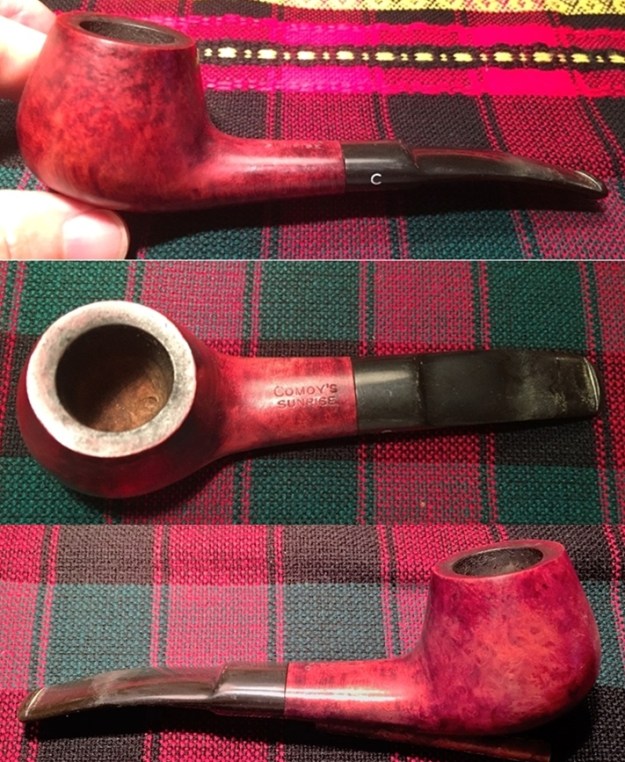
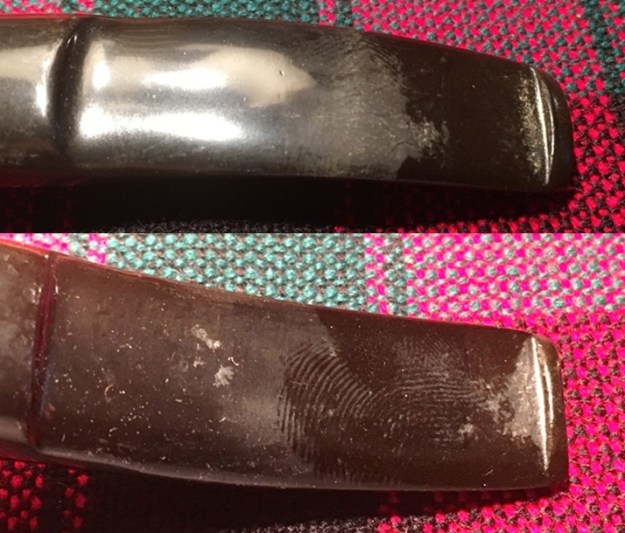
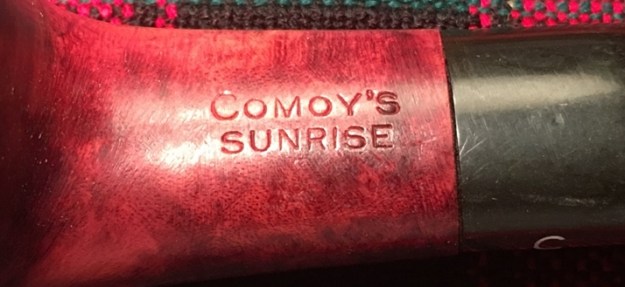
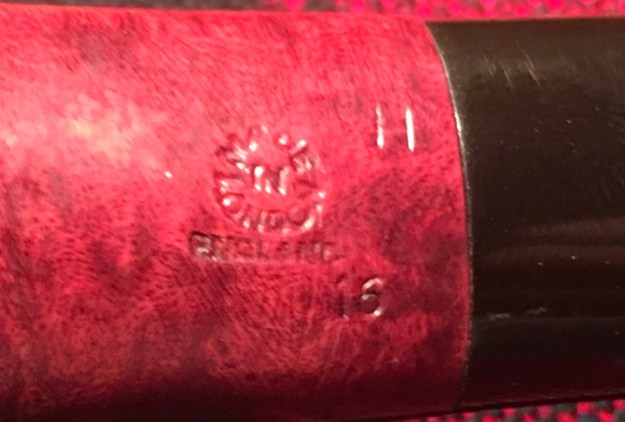
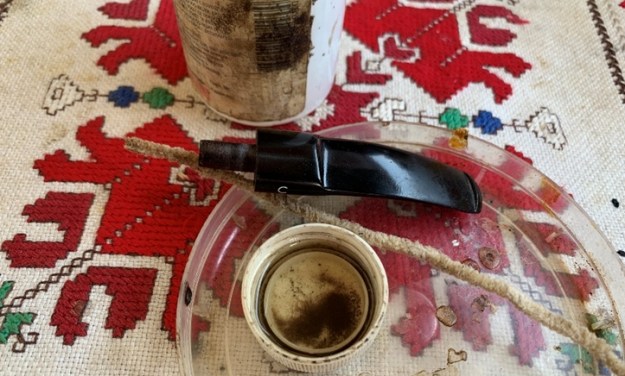
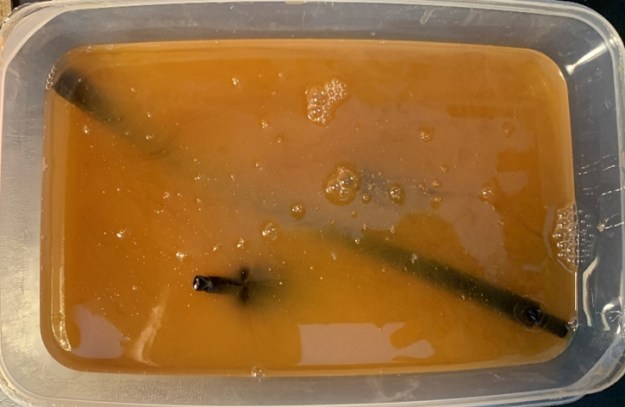
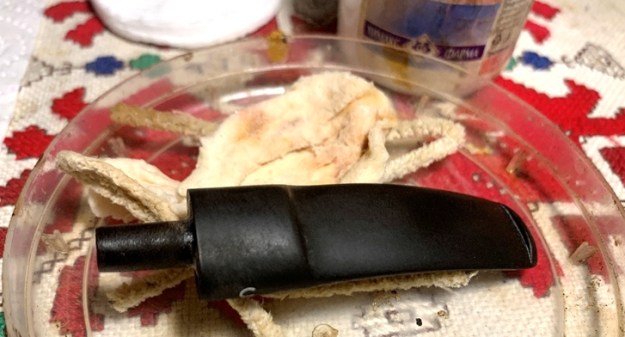
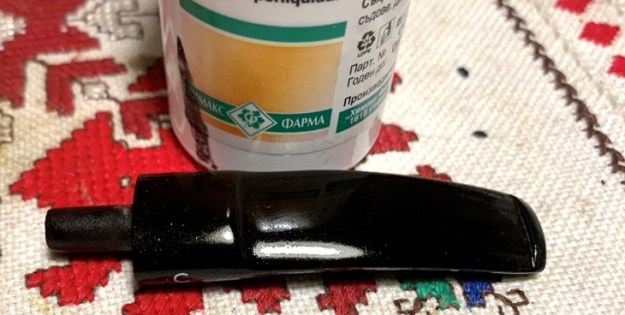
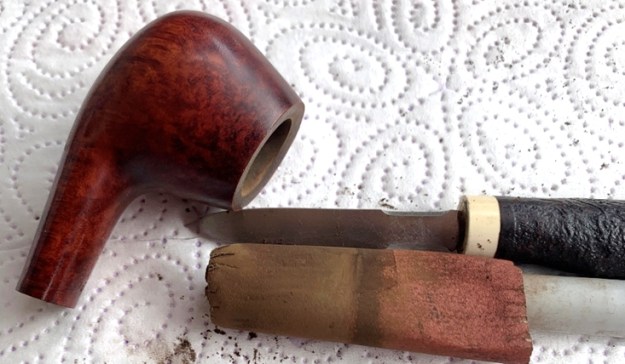
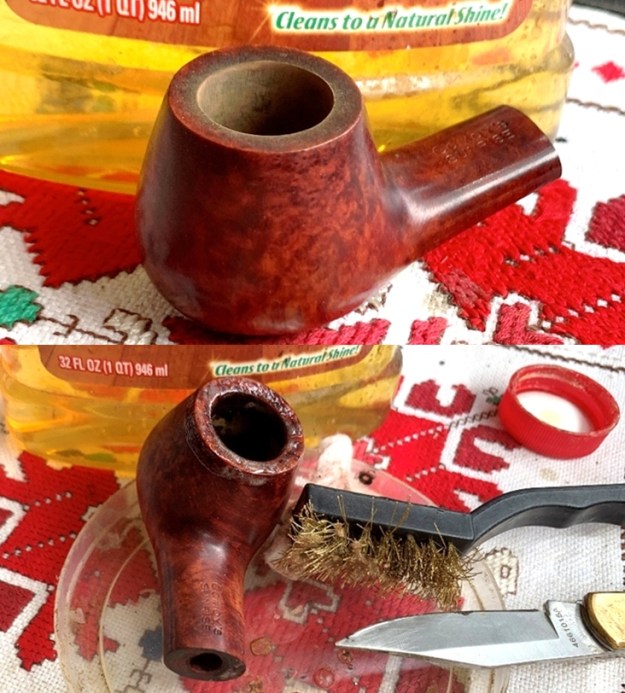
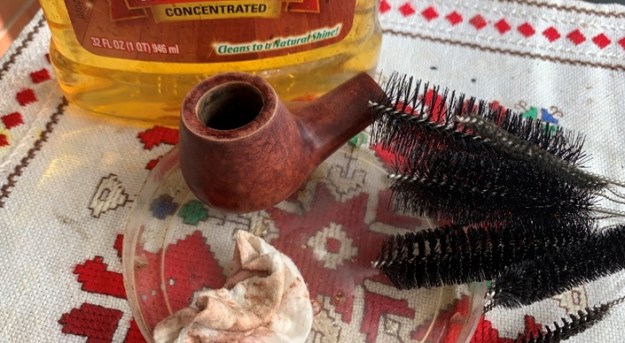
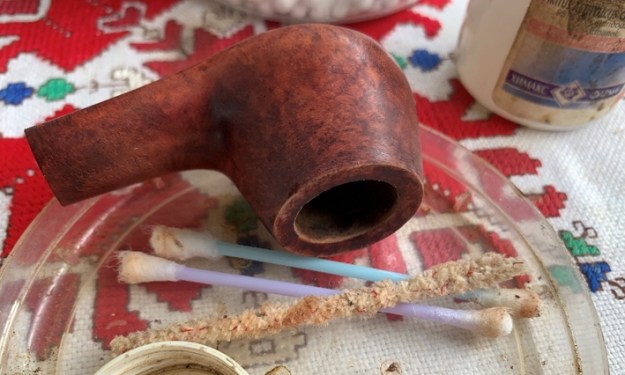
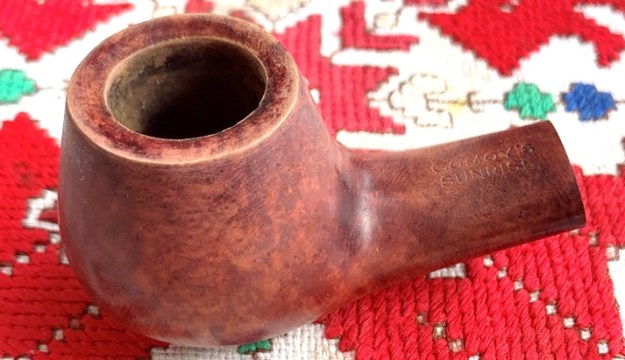
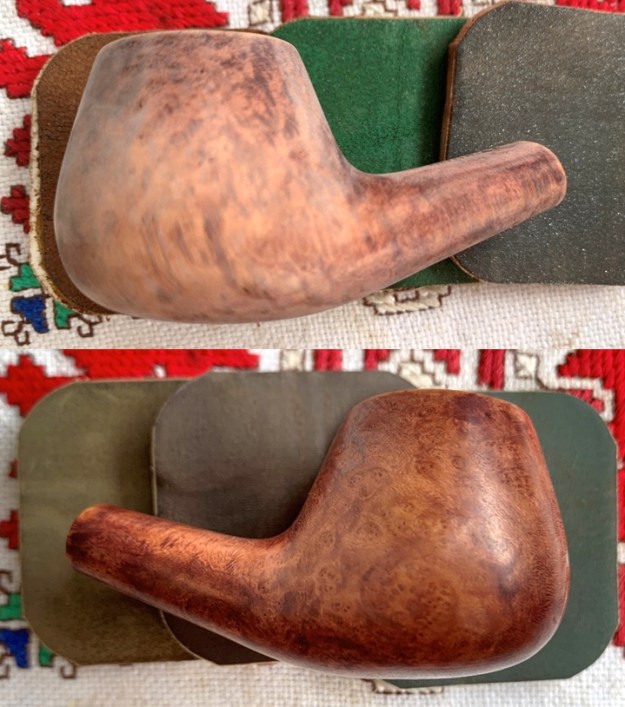
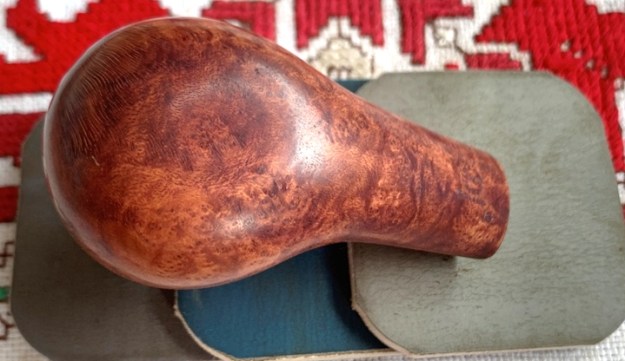
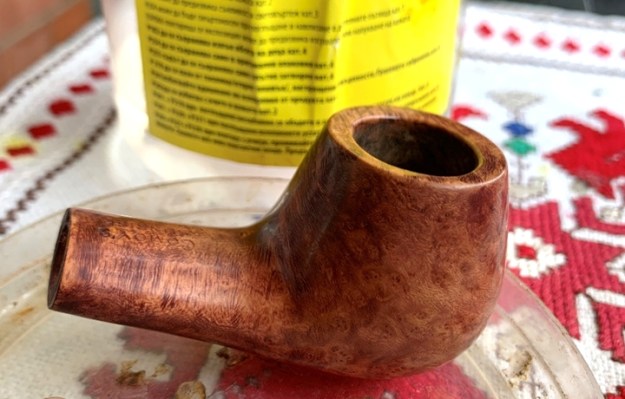
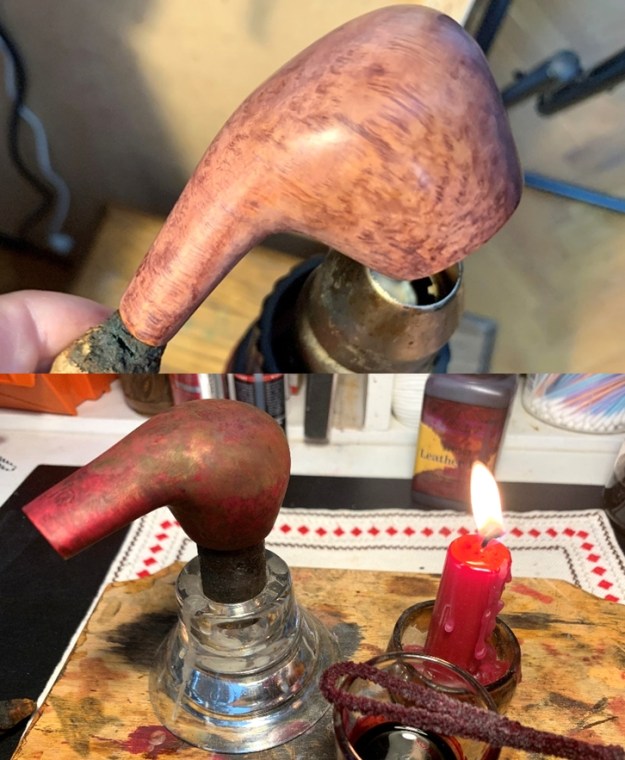
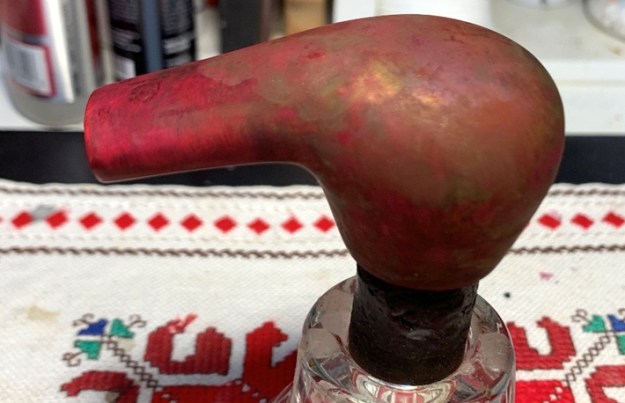
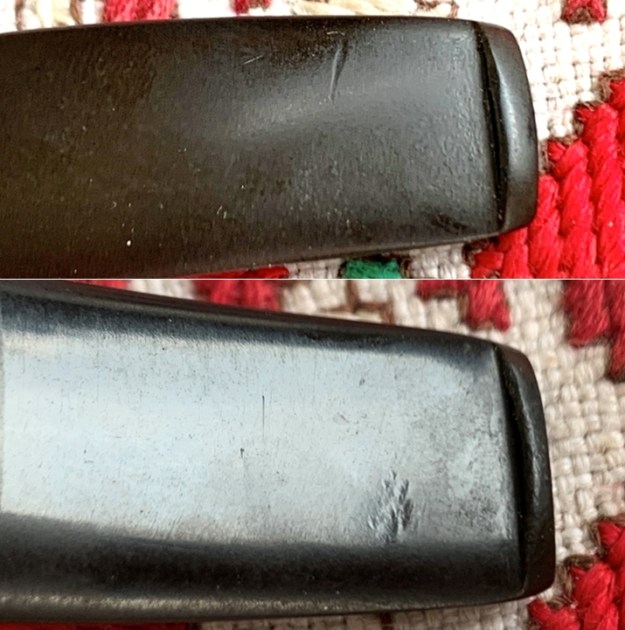
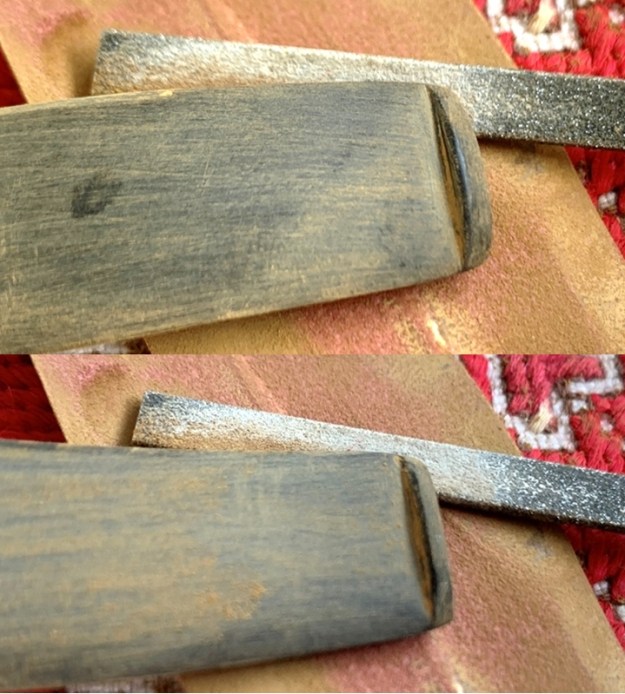
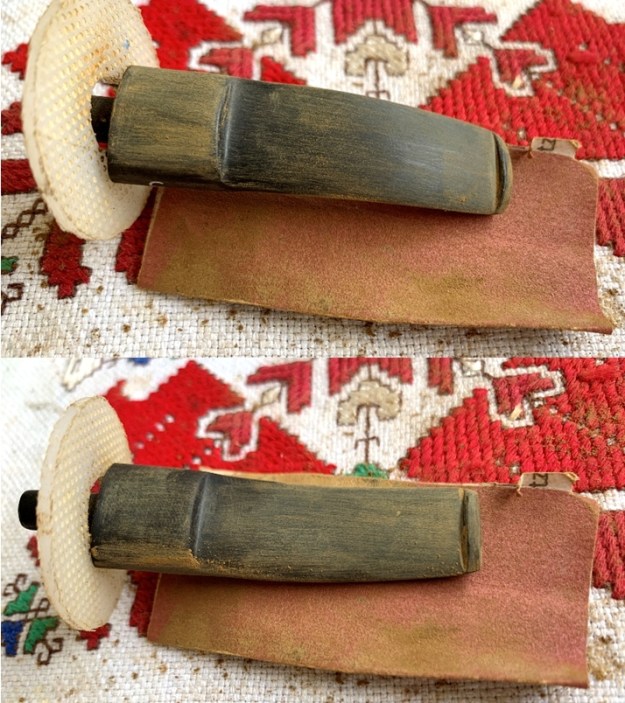
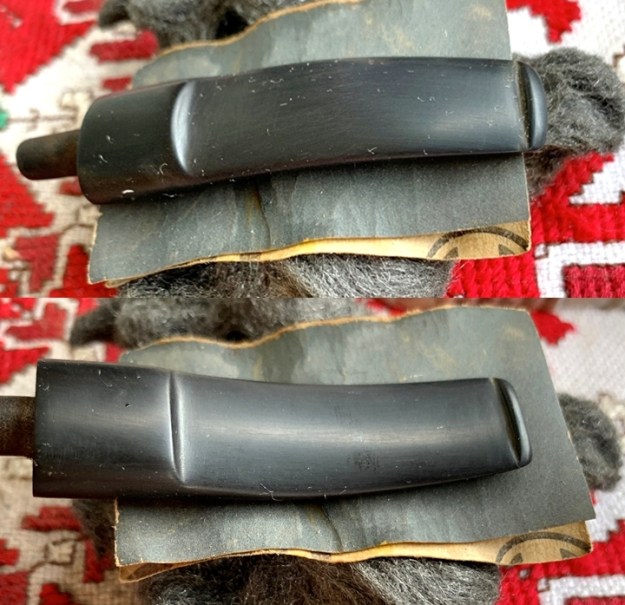
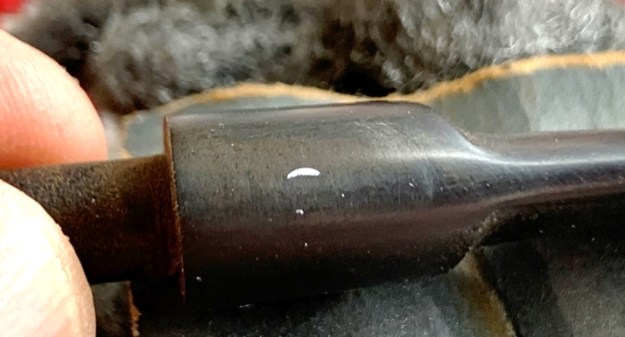
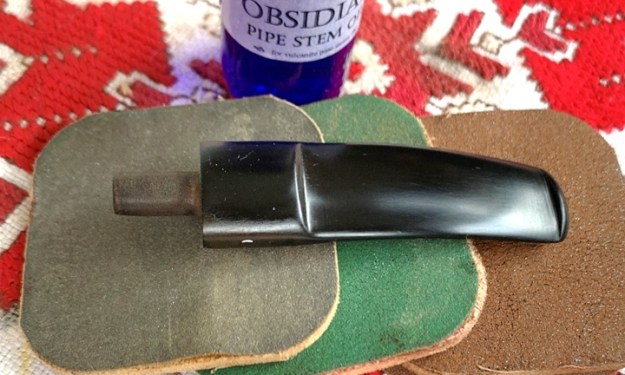
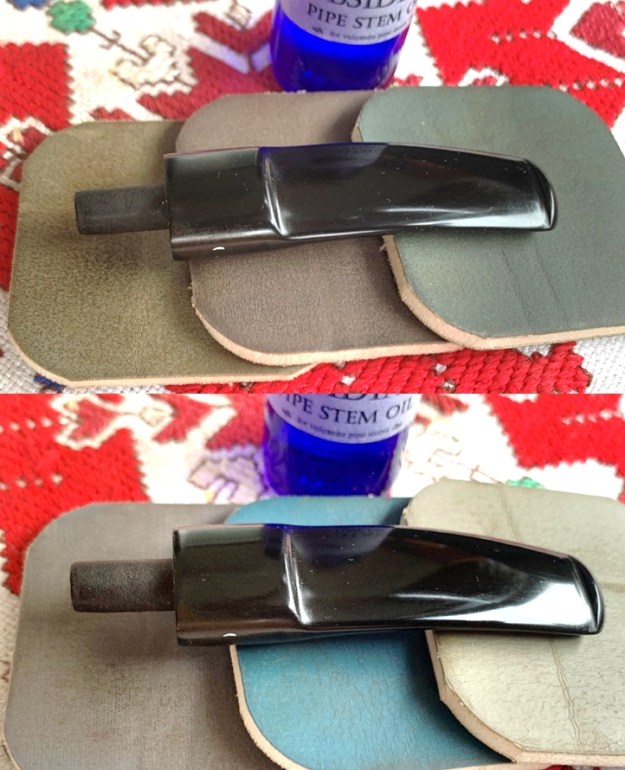
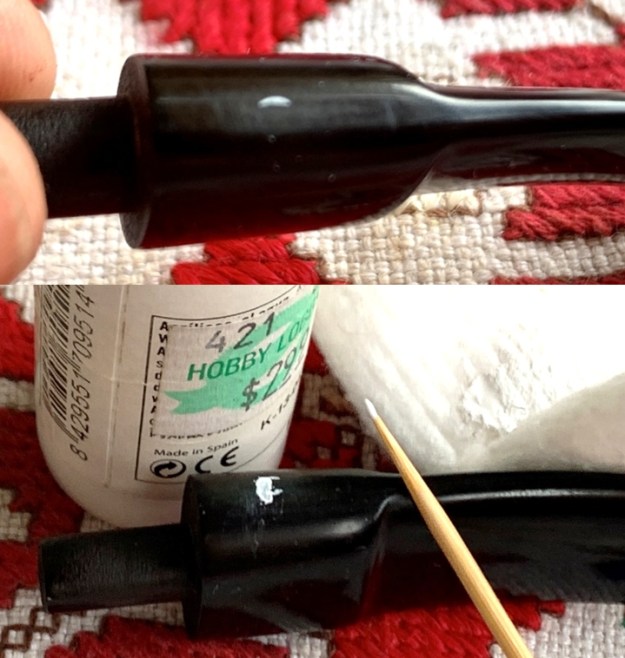
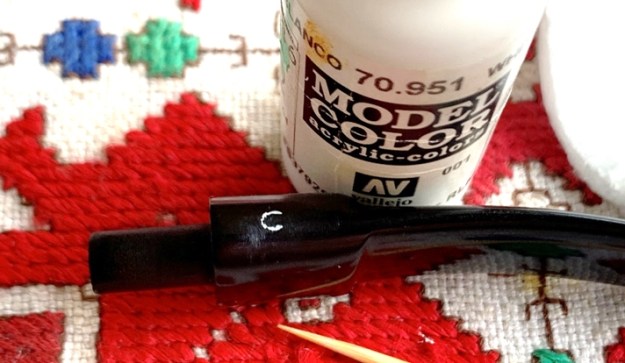
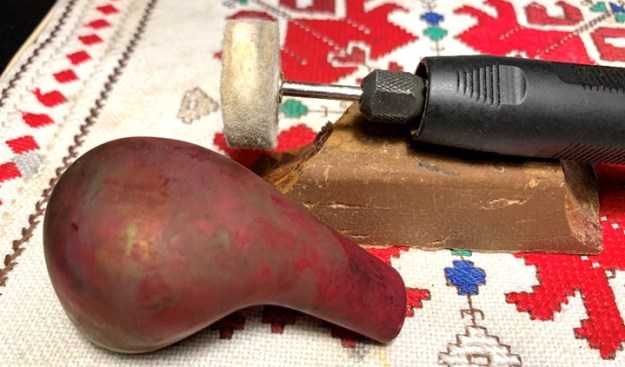
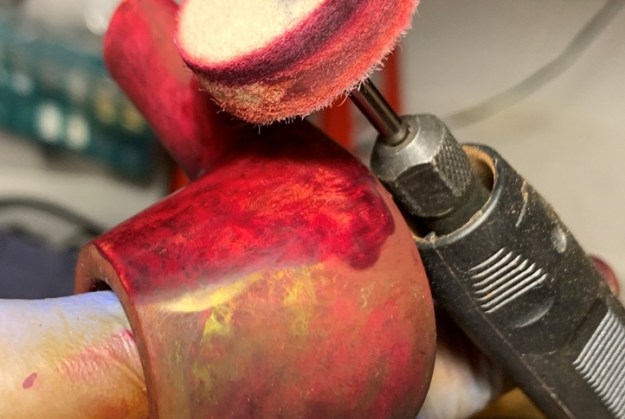
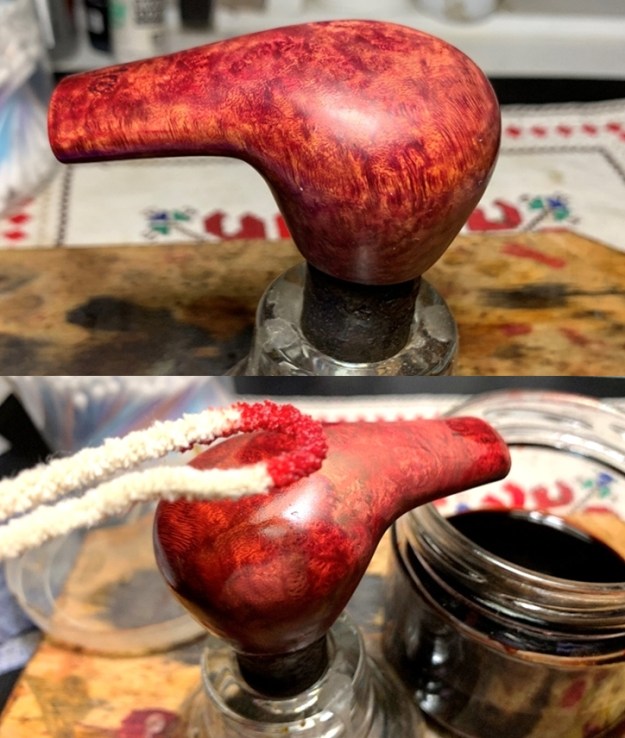
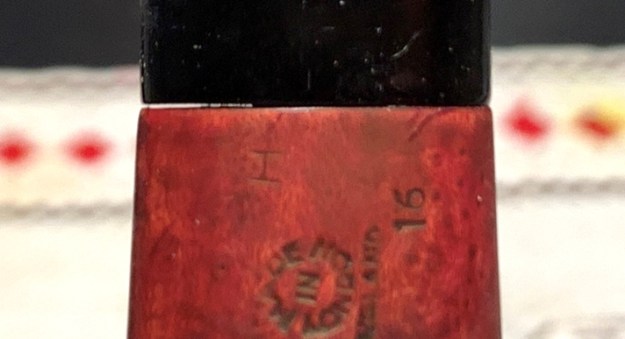
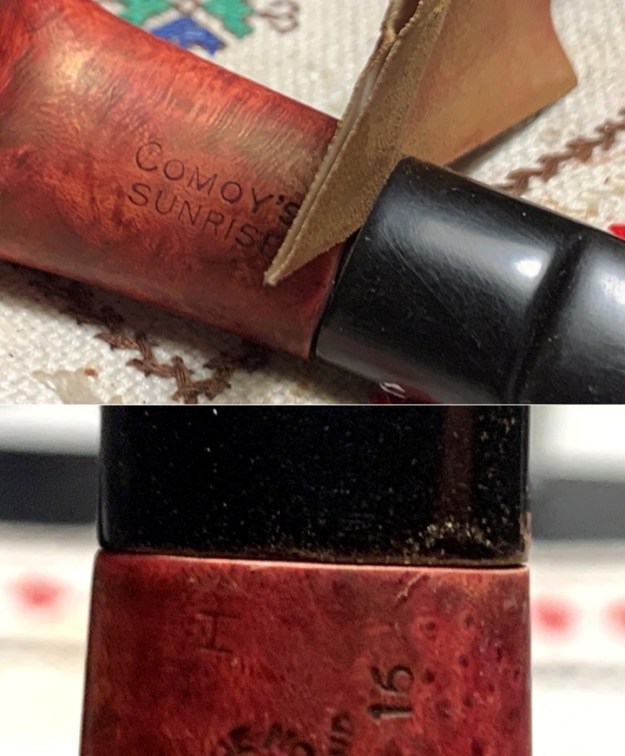
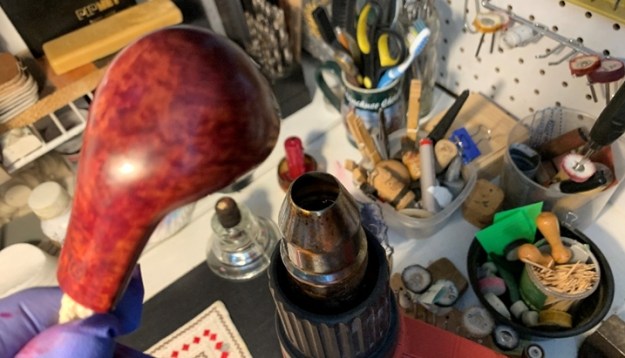
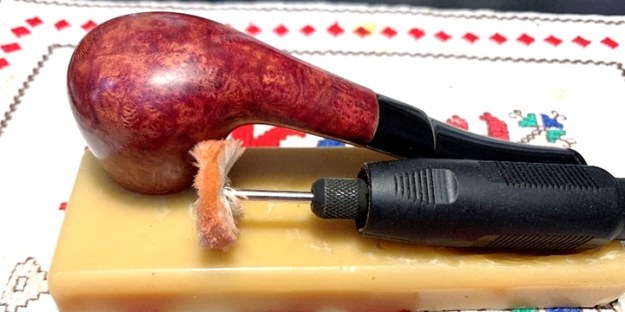
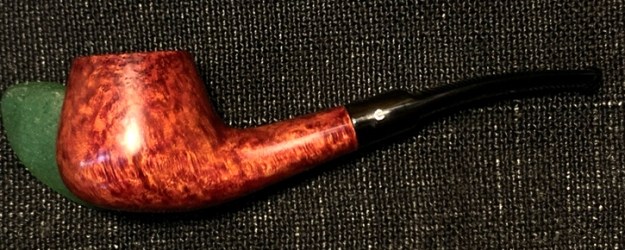
The next pipe on my desk was commissioned by Nathan, a pipe man from St. Louis.  Nathan’s multiple trips to my virtual ‘Help Me!’ baskets in the online collection I call, For “Pipe Dreamers” Only!, resulted in 4 very nice pipes being commissioned by Nathan each benefiting the Daughters of Bulgaria – women and girls who have been trafficked and sexually exploited.  Nathan’s communications with me indicated that he was happy to help a great cause.  Here are the pipes Nathan has in the Pipe Steward queue: a Savinelli Dry System, Pipstar Dublin Sitter, Lorenzo Carnevale Sanremo Italy Rusticated Squat Apple and the Comoy’s Sunrise Volcano H 16 now on the table.The Comoy’s Sunrise Volcano came to me in the acquisition of a large eBay lot I’ve called the ‘Lot of 66’.   It came from a non-profit in Georgetown, Texas, called the Caring Place which I was happy to support.  Here are some of the original pictures I took when the Lot of 66 arrived. The nomenclature is located on the upper and lower panels of the oval shank.  On the upper side is stamped, ‘Comoy’s’ [over] SUNRISE.  On the lower shank panel is stamped to the left the rounded, MADE IN LONDON [over] ENGLAND.  To the left and above is stamped ‘H’, a random letter.  Below and to the right is stamped the shape number, ‘16’ which indicates a number after the Cadogan acquisition of Comoy’s in 1979 when the shape numbers were reduced from 3 to 2 digits.  The stamped ‘C’ on the stem also is consistent with a post Cadogan pipe.  I looked on Pipedia to see how the shape number, ‘16’ would be described. I discovered that it’s not listed there.  I’ve restored other Comoy’s with the ‘H’ stamped on the shank and from what Steve has shared with me, what he has heard is that the random letters indicate a certain parts replacement regimen.Even though the shape number is not listed in the Comoy’s listing on Pipedia, I’m calling this a Volcano.  The dimensions are: Length: 5 1/4 inches, Height: 1 3/8 inches, Rim width: 1 1/8 inches, Chamber width: 3/4 inches, Chamber depth: 1 1/4 inches – a nice, more diminutive size.  The oval shank flowing into the slightly bent stem creates a genuinely nice flow.  The original color of the stummel leans in the direction of an Oxblood/reddish hue which is now pale.  The chamber appears to have been cleaned somewhat with no cake build up.  The rim has some lava build up which should clean off with little problem along with the rest of the stummel which bears minor nicks and bumps.  The grain looks good – no fills jump out at me.  The stem has some chatter but not major.  There is oxidation which will be addressed.  To begin the recommissioning of this Comoy’s Sunrise Volcano for Nathan, the stem’s airway is cleaned with a pipe cleaner wetted with isopropyl 95%.It then joins other pipes in the queue for a soak in Mark Hoover’s product, Before & After Deoxidizer (www.ibepen.com) which does a good job on stems that are not too heavily oxidized.  I allow the stem to soak for a few hours.After taking the stem out of the soak, I squeegee off the liquid with my fingers and use cotton pads wetted with alcohol to wipe off the raised oxidation.  Another pipe cleaner also wetted with isopropyl 95% clears the airway of remnants of the Deoxidizer.To start the process of conditioning the vulcanite stem, paraffin oil is applied, and the stem is put aside to absorb the oil.Turning now to cleaning the stummel, I start by cleaning the chamber.  The cake buildup is almost non-existent, and I give the chamber walls a quick scraping using the Savinelli Fitsall Tool.  I then sand the chamber with 240 paper wrapped around a Sharpie Pen.  The chamber is in good shape.  Little effort to clean is needed – a nice change!Next, turning to the external surface, undiluted Murphy’s Oil Soap is used to clean with a cotton pad.  A brass wire brush, which is not harmful to the briar, is used to help clean the rim along with scraping it very carefully with the edge of my Winchester pocketknife.  Then the stummel is taken to the kitchen sink to continue the cleaning with warm water using shank brushes to clean the mortise with anti-oil liquid dishwashing soap.  After a thorough rinsing, the stummel is brought back to worktable to continue cleaning the internals with cotton buds and pipe cleaners.  A couple buds and a pipe cleaner confirm the cleaned stated of the internals.  Moving on. Taking a closer look at the stummel, the Oxblood/reddish finish is very thin and has disappeared from the edge of the rim which has a nice rounded sloping pitch toward the chamber – a stylistic touch for the volcano shape.  The rim cleaned up nicely and along with the rim, the finish is thin but present. I see no fills that need attention. To clean the surface of the minor nicks, I proceed to using the full regimen of micromesh pads on the stummel surface.  I begin by wet sanding with pads 1500 to 2400 and then dry sand with pads 3200 to 4000 and 6000 to 12000. After the micromesh process, it is evident that the finish has lost its original luster and what is left is a pinkish tint that is not attractive.  However, the micromesh sanding did bring out the grain very nicely. To make sure the surface is clean of the old finish, acetone on a cotton pad is used to wipe the stummel.  The results reveal the former color. I will apply a new dye to the stummel, and I will begin with an undercoat of Oxblood and if needed, follow with a dye wash of red aniline dye.  I’ll see how the first phase goes before deciding on the second.  After assembling the staining module on my desk, I begin by warming the stummel with the hot air gun to open the briar helping the grain to be more receptive to the dye.  After warm, I use a folded pipe cleaner to apply Fiebing’s Oxblood Leather Dye to the stummel.  After painting a section with the pipe cleaner, the dye is this ‘flamed’ using a lit candle combusting the wet aniline dye.  When lit, the alcohol in the dye combusts and leaves behind the pigment set in the briar grain.After a thorough covering a few times over, the flamed stummel is set aside for several hours to allow the new dye to settle in.With the stummel resting, I turn to the Comoy’s stem.  There is minor damage to the bit. Using a needle file, I refresh the lines of the button.  Afterwards, using 240 grade paper, the minor chatter is sanded out on the upper and lower bit.To address any residual oxidation, the remainder of the stem is sanded with 240 grade paper.  A plastic disk helps to guard against shouldering the stem facing.Transitioning now to 600 grade paper, the entire stem is wet sanded.  This is followed by applying 000 steel wool.Ugh!  During this sanding phase, the Comoy’s ‘C’ factory stamping was damaged.  This I don’t like. This mishap will not be easy to restore as thin as the factory stamping is.  Unlike the older inlaid Comoy’s ‘C’, this stamping is more of a painting of a ‘C’ as there is no impression in the vulcanite for new paint to hold.Avoiding  the ‘C’, I continue with the full regimen of micromesh pads is applied beginning with wet sanding with pads 1500 to 2400.  Following this, pads 3200 to 4000 and 6000 to 12000 are used to dry sand.  Between each set of 3 pads, Obsidian Oil is applied to continue conditioning the stem and protect it from future oxidation. Restoring the Comoy’s ‘C’ stamping has no good options as my regretful pining has produced.  Simply to paint a ‘C’ on the surface is not easy to do and it is resting on the surface and will be easily wiped away without too much effort.  I considered attempting to engrave a ‘C’ but without machine shop precision, I’m left to freehand and that leaves no room for errors.  My hand is not that steady!  In the end, the only option open to me is to paint a ‘C’ building on the remnant of the original.  I apply white acrylic paint several times and then carefully shape the lettering with a toothpick.  It’s slow work.  I’ve done the best I could.  I move on. With the fired stummel ready to unwrap after applying Oxblood dye to the briar grain surface, a felt buffing wheel is mounted to the Dremel set at the lowest speed.  Tripoli compound, a coarser abrasive compound, is then used to ‘unwrap’ the flamed crust of dye – removing the excess dye leaving the dyed grain that has absorbed the pigment. I pause to take a picture showing the contrast of the unwrapping process.I mentioned earlier that I anticipated doing a ‘dye wash’ using a red aniline dye over the Oxblood.  This I decide to do using a pipe cleaner.  I simply paint the dye on the stummel and after covering it thoroughly, I put the stummel aside for several hours for the dye to settle in.After the dye had dried enough to handle the stummel, I rejoin the stem and stummel to examine the fit.  I notice a gapping on one side of the oval shank/stem fitting which I’ve pictured below.Attempting to remedy this gap, I use a folded piece of 240 grade sanding paper wedged between the stem and shank on the opposite side of the stem from the gapping – the tight side.  After gently compressing the shank and stem against the sanding paper, I move the paper back and forth in a sawing motion to sand down the tight side resulting in closing the gap on the other side of the stem/shank – hopefully!  After a few attempts, checking and repositioning the paper, the gap is reduced and the seating of the stem into mortise is now much better.After several hours, the red dye has seasoned long enough.  With a cotton cloth buffing wheel mounted on the Dremel and set at about 40% full power, Blue Diamond compound, a finer abrasive compound, is applied to the surface to remove excess dye and to smooth the briar surface.Next, to help avoid dye leaching onto the hands of the new steward when the pipe is initially put into service, I heat the stummel with the hot gun to emulate the initial use of the chamber.  After heating the stummel, I give the stummel a vigorous hand buffing with a cotton cloth to remove the dye loosened by the heating.  I forgot to picture this, but the old t-shirt cotton cloth used had red residue.The final step is to apply carnauba wax to the stem and stummel.  After mounting another cotton cloth wheel onto the Dremel with the speed the same, the wax is applied to the pipe.  Following applying a few coats of wax, the pipe is given a hearty hand buffing to raise the shine.The Comoy’s Sunrise turned out well.  The grain pops now and the Volcano shape, with the wide heel, fits well in the hand ready for a new steward.  The only disappointment was the ‘friendly fire’ damage done to the Comoy’s ‘C’ stem stamping – ugh!  Nathan commissioned this Comoy’s Sunrise and will have the first opportunity to acquire it in The Pipe Steward Store benefitting the Daughters of Bulgaria – women and girls who have been trafficked and sexually exploited.  Thanks for joining me!
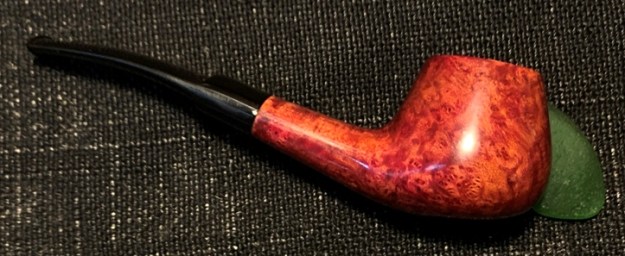
More stunning grain – Cleaning up a Second Comoy’s Specimen Straight Grain


Blog by Steve Laug

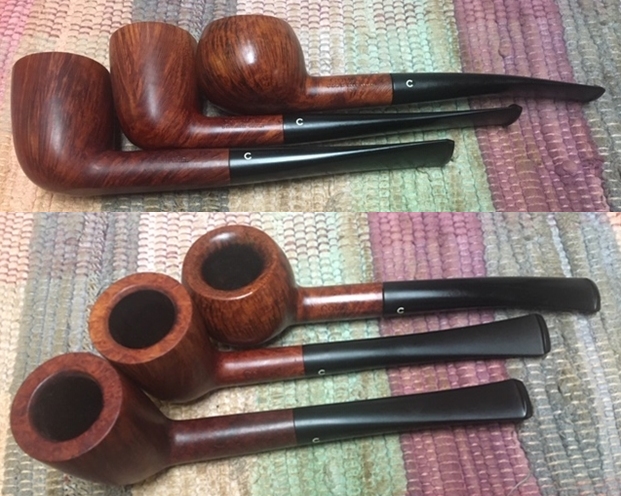
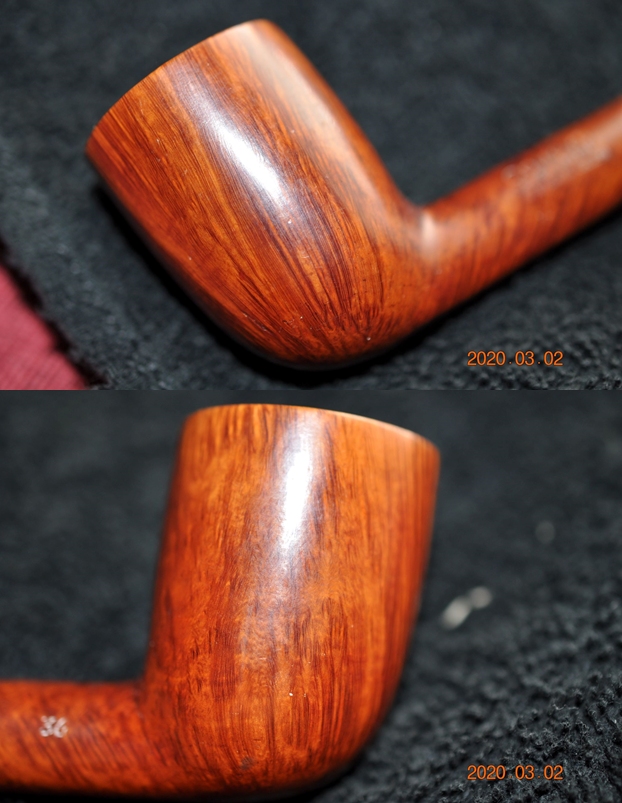
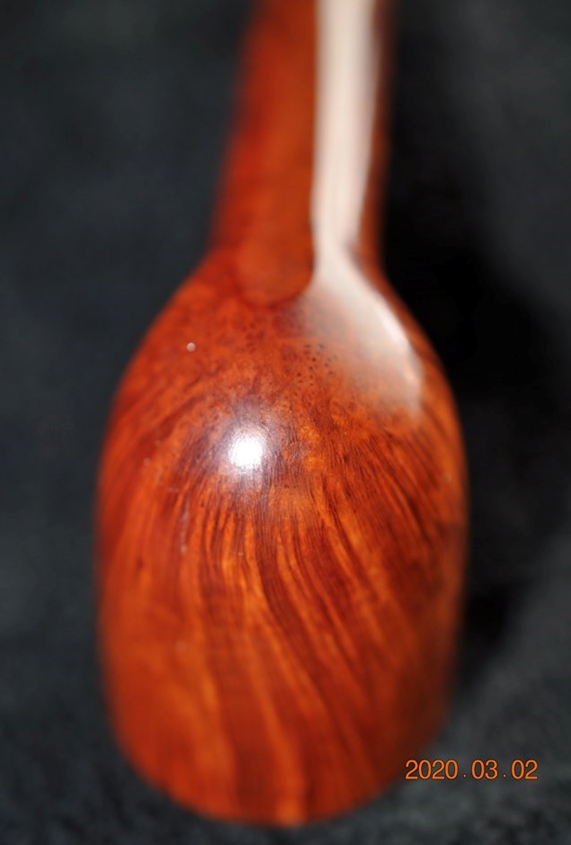
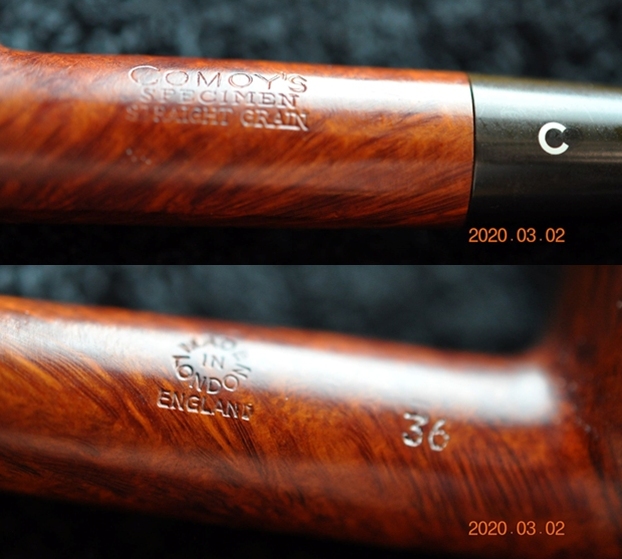
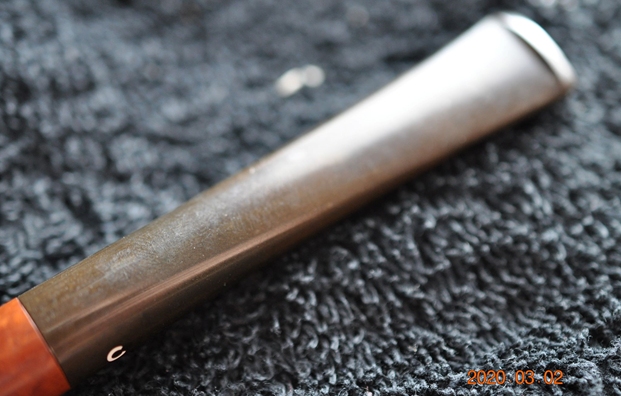
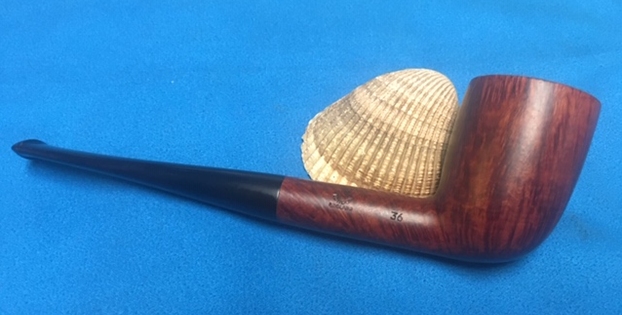
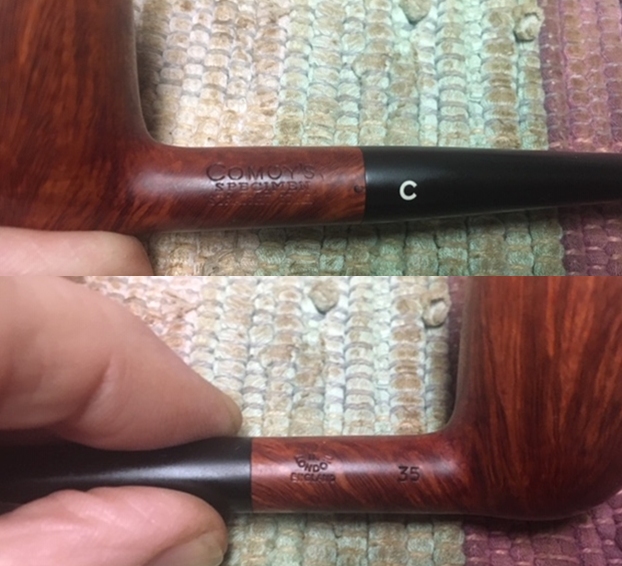
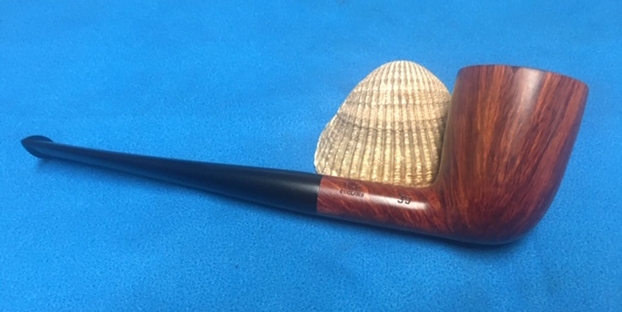
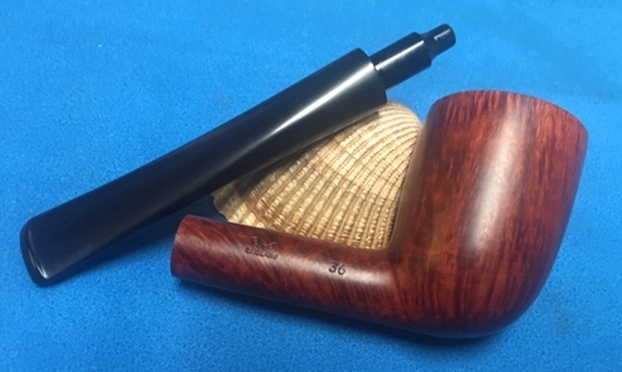
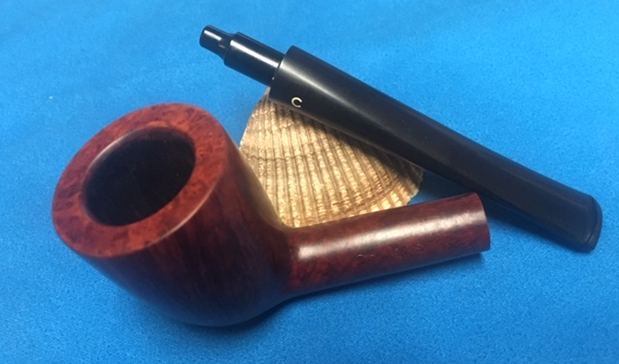
In the last box of pipes Jeff sent me there were three pipes that I left to the end to give my attention too. These were all Comoy’s pipes. The first is the one on the table now – a Comoy’s Blue Riband Prince 228C with stunning grain. The second and third were both Comoy’s Specimen Straight Grain Dublins – the second was a 35 and the third was a little larger, a 36. All of these pipes were drop dead gorgeous.  I have them all on the desk top now looking them over and I am quite honestly stunned by their beauty.The final one of those stunning pipes I chose to work on is the pipe at the bottom of the two photos above. It is 36 Specimen Straight Grain. Comoy’s Specimen Straight Grain pipes are really a special grade of pipe. This is another beautiful piece of pipe maker craftsmanship and in my mind have Comoy’s has never been surpassed. It is stamped on the left side of the shank Comoy’s Specimen Straight Grain and on the right side it bears the 36 shape number near the bowl shank junction and the circular COM stamp that reads Made In London in a circle over England. The “In” is in the centre of the circle. Jeff took some photos of the pipe before he started his cleanup work.He took photos of the bowl and rim top to show their general condition. You can see the tars on the inner edge of the beveled top. The cake in the bowl is quite thick and there is tobacco debris on the walls of the bowl. The finish on the bowl is dull but still very stunning. Jeff took some photos of the sides and heel of the bowl to give an idea of the grain on this particular piece of briar. It is amazing and I cannot wait to see what it looks like once it is polished and waxed. He took photos of the stamping on both sides of the shank to capture it for me. The first photo shows the left side of the shank and the stamping as noted above it shows the inset three part C inlaid on the side of the stem. The second shows the right side of the shank with the COM stamp and shape number. This pipe also has a slender stem but it is straight and has a great fishtail blade. Once again the surface of the top and underside of the stem is oxidized and dirty but it is quite free of tooth marks and only has a minimum of chatter. I turned to Pipephil’s site to get a quick overview of the Comoy’s Specimen Straight Grain line (http://www.pipephil.eu/logos/en/logo-comoy.html). I have included a screen capture of the pertinent section from the site. The summary to the right of the photos is always succinct and quite pointed. In this case it quotes the Comoy’s 1965 catalogue in saying the Specimen Straight Grain grade: “The rarest and finest of all Comoy pipes.”I turned to Pipedia and reread the history of the Comoy’s brand and focused on the Specimen Straight Grain. Here is the link to the article by the late Derek Green. It is worth a read. (https://pipedia.org/wiki/A_History_Of_Comoy%27s_and_A_Guide_Toward_Dating_the_Pipes). I quote from that article below:

Specimen Straight Grain. I am not sure when this grade was first produced, but it probably appeared just before the Second World War. This certainly was the top grade from its introduction. It is described in my 1965 catalogue as “The rarest and finest of all Comoy pipes. It is so unusual to find a completely perfect straight grain that shapes and quantities are strictly limited.” It was priced at $50 in 1943 and 1965. Jacques Cole recalls that, in the 1950s, there was a very large bent that was reckoned to be about the “perfect” Straight Grain. It was not for sale but used as an exhibition piece and valued then at £500.

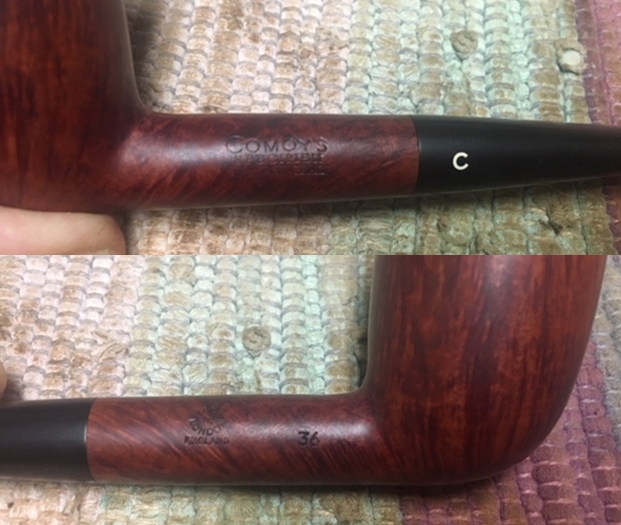
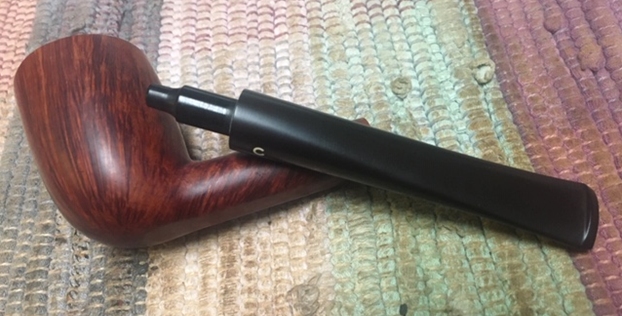
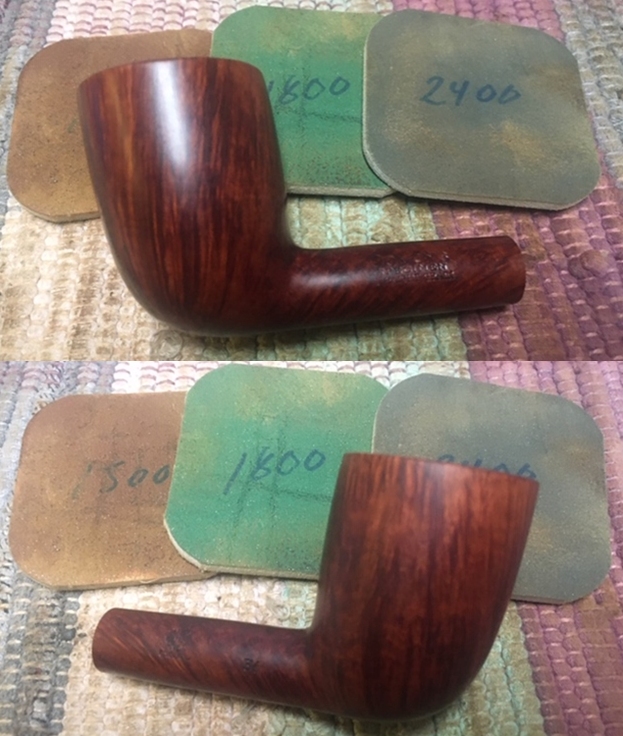
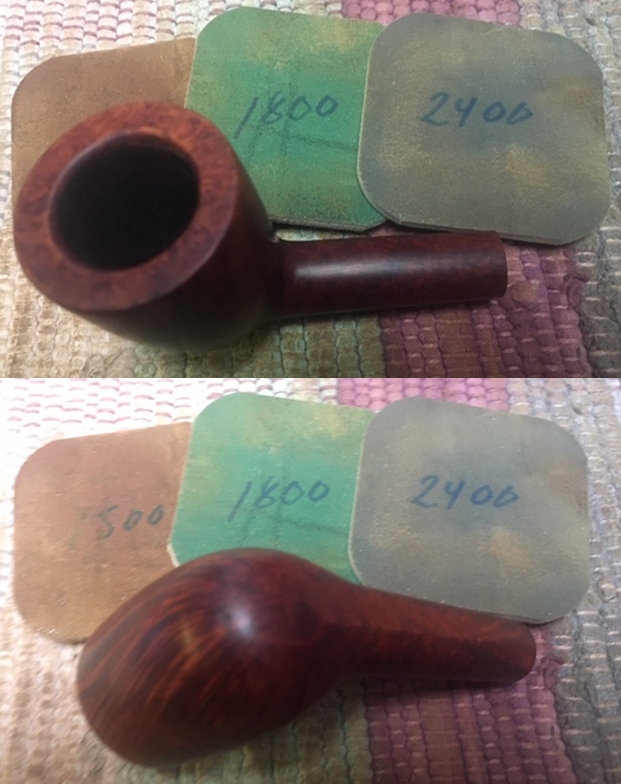
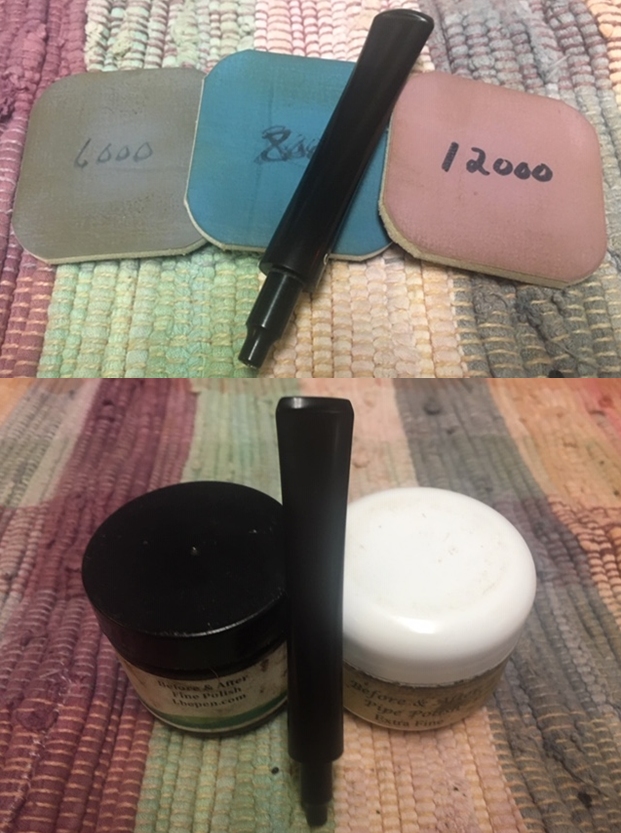
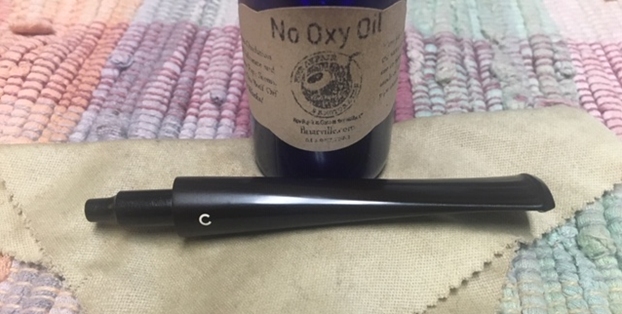
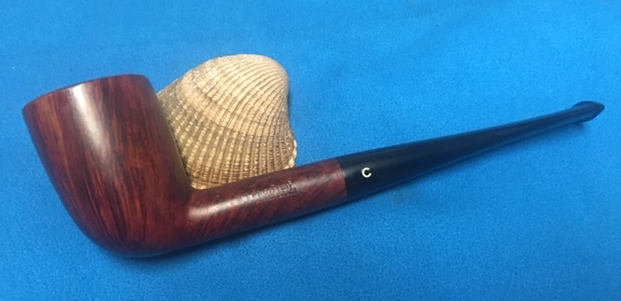
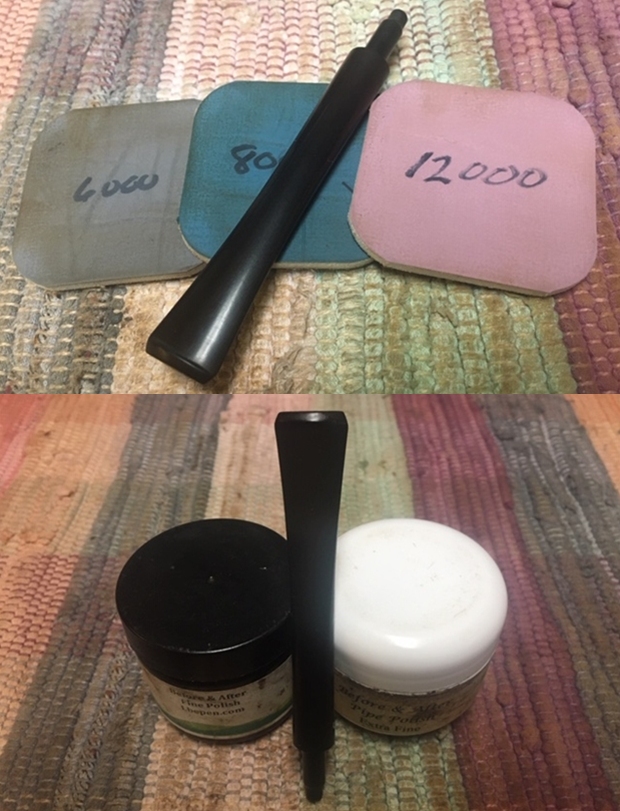
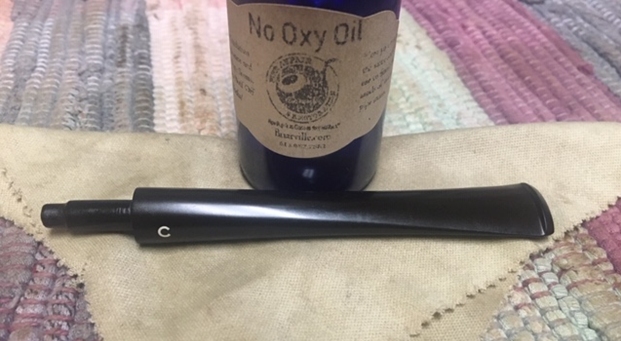
I moved forward to work on the pipe itself and see what I had to do with it. It had come back looking amazingly clean. Even the stem looked like new, with most of the tooth chatter gone. I was impressed. Jeff had done his normal thorough clean up – reaming, scrubbing, soaking and the result was evident in the pipe when I unpacked it. I took photos of the pipe before I started my work on it. Just look at the grain on this delicate pipe. Stunning! I took some photos of the rim top and stem. The rim top and bowl looked very good. The cake and lava overflow were gone and the inward beveled rim was very clean. Jeff had been able to get rid of the darkening, lava and tars and left behind a smooth rim top. Even the slight nick on the outside right edge of the rim top looked better. The close up photos of the stem shows that it is a much cleaner and better looking stem. The light tooth chatter was gone and the stem looked really good.I took some photos of the stamping on the shank sides to show the condition after the cleanup. Often the stamping takes a hit with the cleaning and is lessened in it clarity. Jeff does a great job in leaving the stamping looking very good.I removed the stem from the shank and took a photo of the pipe at this point. Like other Comoy’s I have worked on this stem had a metal tube in the tenon to strengthen it in what is often a weak point on a pipe.Since the pipe was also in such great condition at this point I started my polishing regimen. I used nine worn micromesh sanding pads and dry sanded the bowl with 1500-12000 grit pads. I wiped the bowl down with a damp cloth after each pad. The bowl really shines by the final three pads. I worked some Before & After Restoration Balm into the surface of the briar with my fingertips to clean, enliven and protect it. I let the balm sit for a little while and then buffed with a cotton cloth to raise the shine. The photos show the bowl at this point in the restoration process. Because the stem was in such great condition I moved direct to polishing it with micromesh sanding pads – dry sanding with 1500-12000 grit sanding pads. I wiped it down after each sanding pad with a cloth containing some Obsidian Oil. I finished polishing it with Before & After Pipe Stem Polish – both Fine and Extra Fine and buffed it off with a cotton cloth. I gave it a coat of Briarville’s No Oxy Oil to preserve and protect the stem. I don’t know how many times I have said this but I love it when I come to the end of a restoration and all of the parts come together and the pipe looks better than when we started the cleanup process. I put the stem back on the bowl and buffed the pipe with Blue Diamond on the buffing wheel. I carefully avoided the stamping on the shank sides during the process. I gave the bowl and stem multiple coats of carnauba wax on the buffing wheel and followed that by buffing it with a clean buffing pad on the buffer. I hand buffed the pipe with a microfiber cloth to deepen the shine. The finished pipe is a real stunning example of Comoy’s Dublin shape. Once again the grain and the way the shape follows the grain is amazing. Give the finish pipe a look in the photos below. I can only tell you that it is much prettier in person than the photos capture. The dimensions of the pipe are Length: 5 ¾ inches, Height: 1 ¾ inches, Outside diameter of the bowl: 1 ¼ inches, Chamber diameter: ¾ of an inch. This English made Comoy’s Specimen Straight Grain Dublin 36 pipe is the pipe of the amazing threesome I have been working on today. Thanks for walking through the restoration with me as I worked over another beautiful pipe. This one will be staying in my collection for now while I think about what to do with it. Thanks for your time.
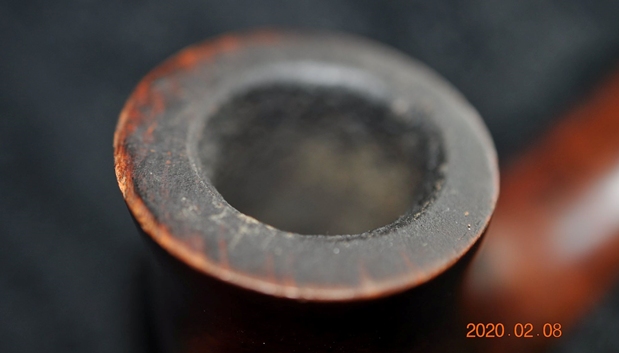
More stunning grain – Cleaning up a Comoy’s Specimen Straight Grain 35 Dublin


Blog by Steve Laug

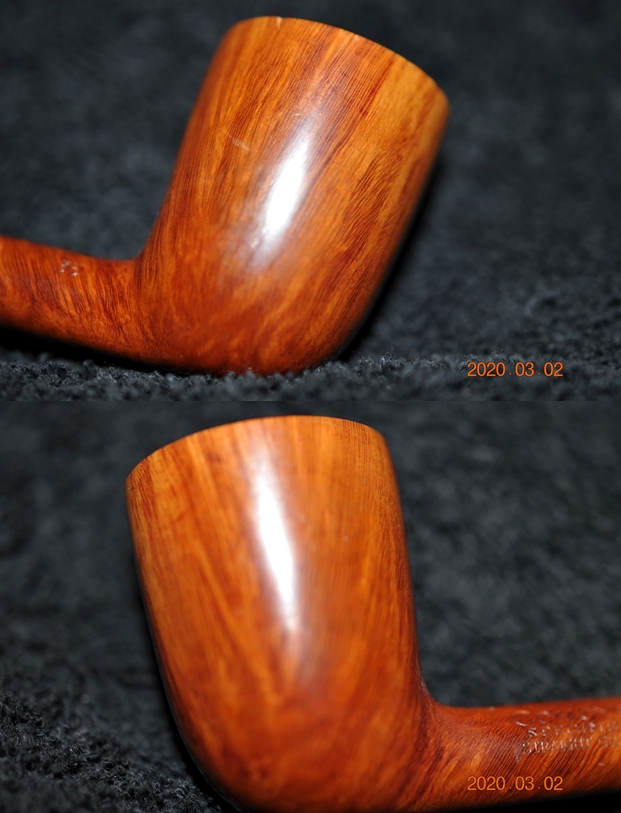
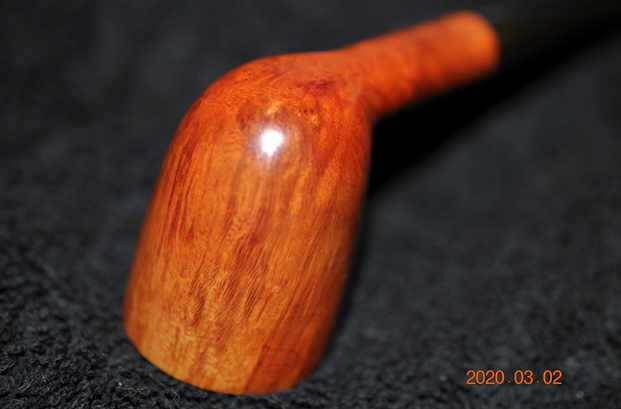
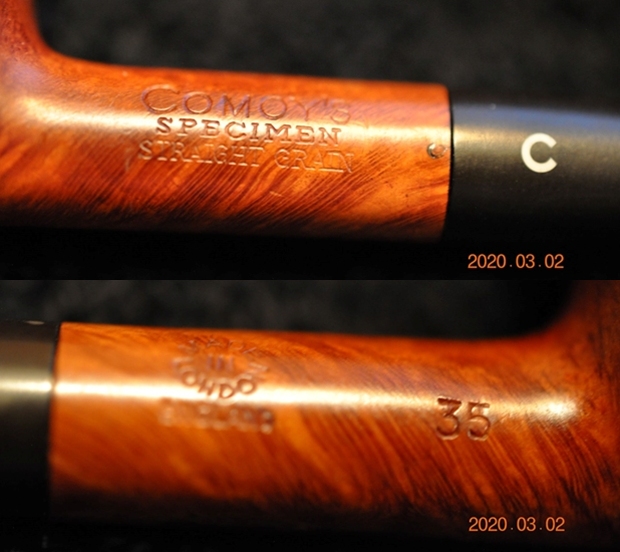
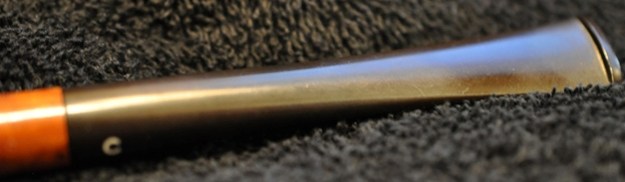
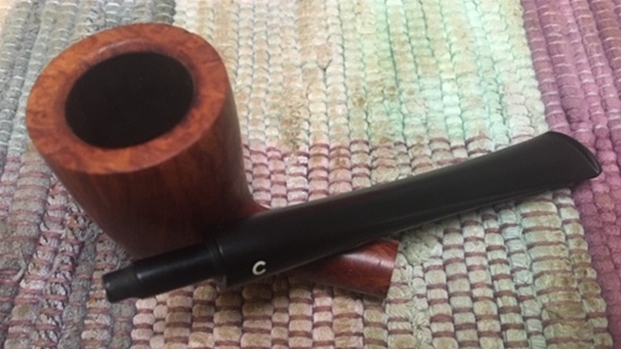
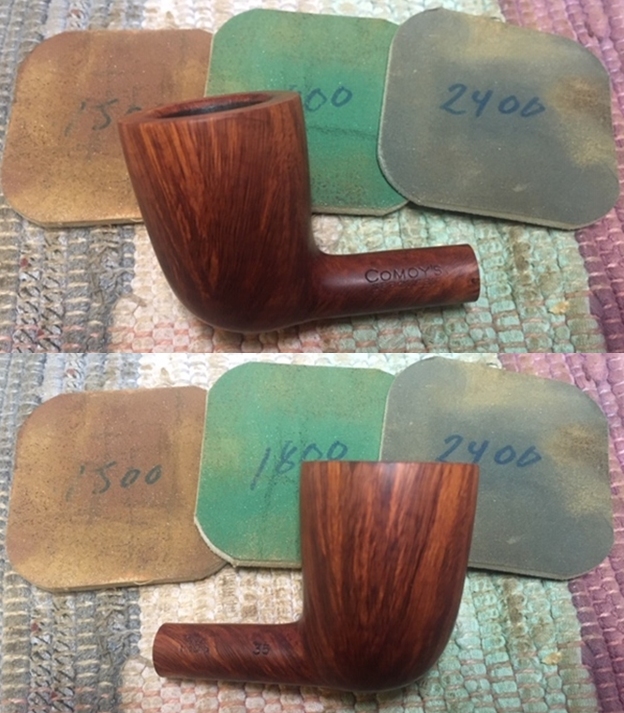
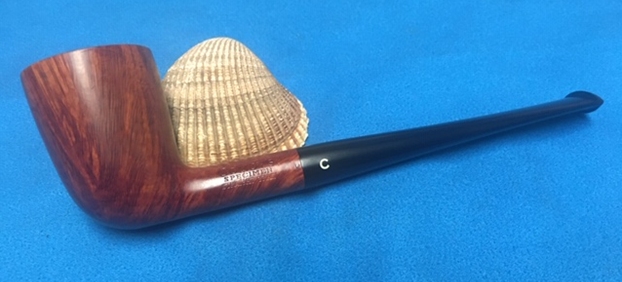
In the last box of pipes Jeff sent me there were three pipes that I left to the end to give my attention too. These were all Comoy’s pipes. The first is the one on the table now – a Comoy’s Blue Riband Prince 228C with stunning grain. The second and third were both Comoy’s Specimen Straight Grain Dublins – the second was a 35 and the third was a little larger, a 36. All of these pipes were drop dead gorgeous.  I have them all on the desk top now looking them over and I am quite honestly stunned by their beauty.The next of those stunning pipe I chose to work on is the pipe in the center of the two photos above. It is 35 Specimen Straight Grain. Comoy’s Specimen Straight Grain pipes are really a special grade of pipe. This is another beautiful piece of pipe maker craftsmanship and in my mind have Comoy’s has never been surpassed. It is stamped on the left side of the shank Comoy’s Specimen Straight Grain and on the right side it bears the 35 shape number near the bowl shank junction and the circular COM stamp that reads Made In London in a circle over England. The “In” is in the centre of the circle. Jeff took some photos of the pipe before he started his cleanup work.He took photos of the bowl and rim top to show their general condition. You can see the tars on the inner edge of the beveled top and a small nick in the outer rim on the right side toward the back. The cake in the bowl is quite thick and there is tobacco debris on the walls of the bowl. The finish on the bowl is dull but still very stunning. Jeff took some photos of the sides and heel of the bowl to give an idea of the grain on this particular piece of briar. It is amazing and I cannot wait to see what it looks like once it is polished and waxed. He took photos of the stamping on both sides of the shank to capture it for me. The first photo shows the left side of the shank and the stamping as noted above it shows the inset three part C inlaid on the side of the stem. The second shows the right side of the shank with the COM stamp and shape number.This pipe also has a slender stem but it is straight and has a great fishtail blade. Once again the surface of the top and underside of the stem is oxidized and dirty but it is quite free of tooth marks and only has a minimum of chatter. I turned to Pipephil’s site to get a quick overview of the Comoy’s Specimen Straight Grain line (http://www.pipephil.eu/logos/en/logo-comoy.html). I have included a screen capture of the pertinent section from the site. The summary to the right of the photos is always succinct and quite pointed. In this case it quotes the Comoy’s 1965 catalogue in saying the Specimen Straight Grain grade: “The rarest and finest of all Comoy pipes.”I turned to Pipedia and reread the history of the Comoy’s brand and focused on the Specimen Straight Grain. Here is the link to the article by the late Derek Green. It is worth a read. (https://pipedia.org/wiki/A_History_Of_Comoy%27s_and_A_Guide_Toward_Dating_the_Pipes). I quote from that article below:

Specimen Straight Grain. I am not sure when this grade was first produced, but it probably appeared just before the Second World War. This certainly was the top grade from its introduction. It is described in my 1965 catalogue as “The rarest and finest of all Comoy pipes. It is so unusual to find a completely perfect straight grain that shapes and quantities are strictly limited.” It was priced at $50 in 1943 and 1965. Jacques Cole recalls that, in the 1950s, there was a very large bent that was reckoned to be about the “perfect” Straight Grain. It was not for sale but used as an exhibition piece and valued then at £500.

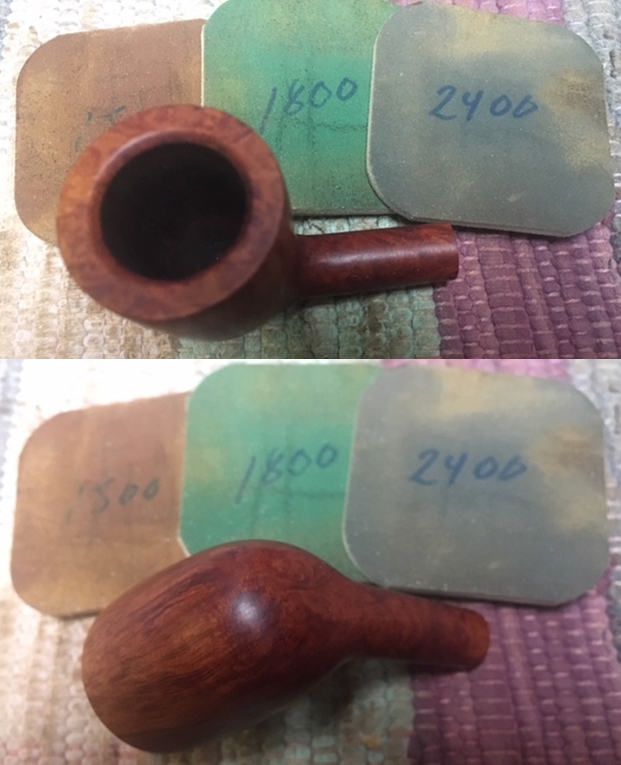
I moved forward to work on the pipe itself and see what I had to do with it. It had come back looking amazingly clean. Even the stem looked like new, with most of the tooth chatter gone. I was impressed. Jeff had done his normal thorough clean up – reaming, scrubbing, soaking and the result was evident in the pipe when I unpacked it. I took photos of the pipe before I started my work on it. Just look at the grain on this delicate pipe. Stunning! I took some photos of the rim top and stem. The rim top and bowl looked very good. The cake and lava overflow were gone and the inward beveled rim was very clean. Jeff had been able to get rid of the darkening, lava and tars and left behind a smooth rim top. Even the slight nick on the outside right edge of the rim top looked better. The close up photos of the stem shows that it is a much cleaner and better looking stem. The light tooth chatter was gone and the stem looked really good.I took photos of the stamping on the shank sides to show the condition after the cleanup. Often the stamping takes a hit with the cleaning and is lessened in it clarity. Jeff does a great job in leaving the stamping looking very good.I removed the stem from the shank and took a photo of the pipe at this point. Like other Comoy’s I have worked on this stem had a metal tube in the tenon to strengthen it in what is often a weak point on a pipe.Since the pipe was also in such great condition at this point I started my polishing regimen. I used nine worn micromesh sanding pads and dry sanded the bowl with 1500-12000 grit pads. I wiped the bowl down with a damp cloth after each pad. The bowl really shines by the final three pads. I worked some Before & After Restoration Balm into the surface of the briar with my fingertips to clean, enliven and protect it. I let the balm sit for a little while and then buffed with a cotton cloth to raise the shine. The photos show the bowl at this point in the restoration process. Because the stem was in such great condition I moved direct to polishing it with micromesh sanding pads – dry sanding with 1500-12000 grit sanding pads. I wiped it down after each sanding pad with a cloth containing some Obsidian Oil. I finished polishing it with Before & After Pipe Stem Polish – both Fine and Extra Fine and buffed it off with a cotton cloth. I gave it a coat of Briarville’s No Oxy Oil to preserve and protect the stem. I don’t know how many times I have said this but I love it when I come to the end of a restoration and all of the parts come together and the pipe looks better than when we started the cleanup process. I put the stem back on the bowl and buffed the pipe with Blue Diamond on the buffing wheel. I carefully avoided the stamping on the shank sides during the process. I gave the bowl and stem multiple coats of carnauba wax on the buffing wheel and followed that by buffing it with a clean buffing pad on the buffer. I hand buffed the pipe with a microfiber cloth to deepen the shine. The finished pipe is a real stunning example of Comoy’s Dublin shape. Once again the grain and the way the shape follows the grain is amazing. Give the finish pipe a look in the photos below. I can only tell you that it is much prettier in person than the photos capture. The dimensions of the pipe are Length: 5 ½ inches, Height: 1 ¾ inches, Outside diameter of the bowl: 1 ¼ inches, Chamber diameter: ¾ of an inch. This English made Comoy’s Specimen Straight Grain Dublin 35 pipe is another unique piece of pipe history. Thanks for walking through the restoration with me as I worked over another beautiful pipe. This one will be staying in my collection for now while I think about what to do with it. Thanks for your time.

Wow just look at that grain – Cleaning up a Comoy’s Blue Riband 228C Prince


Blog by Steve Laug

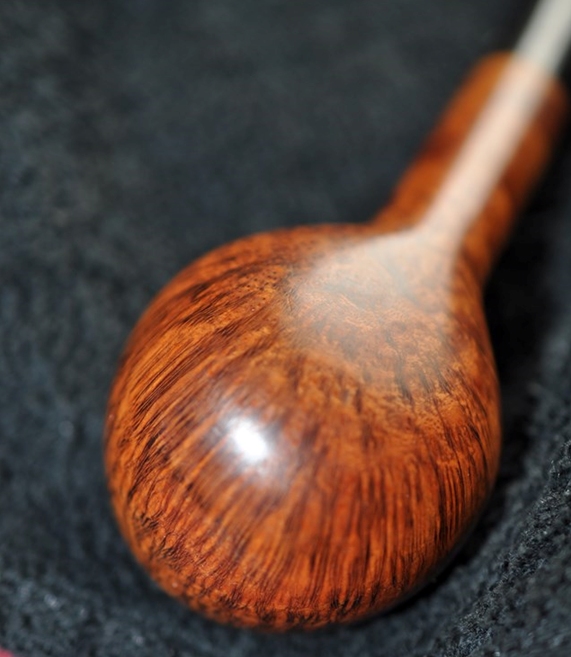
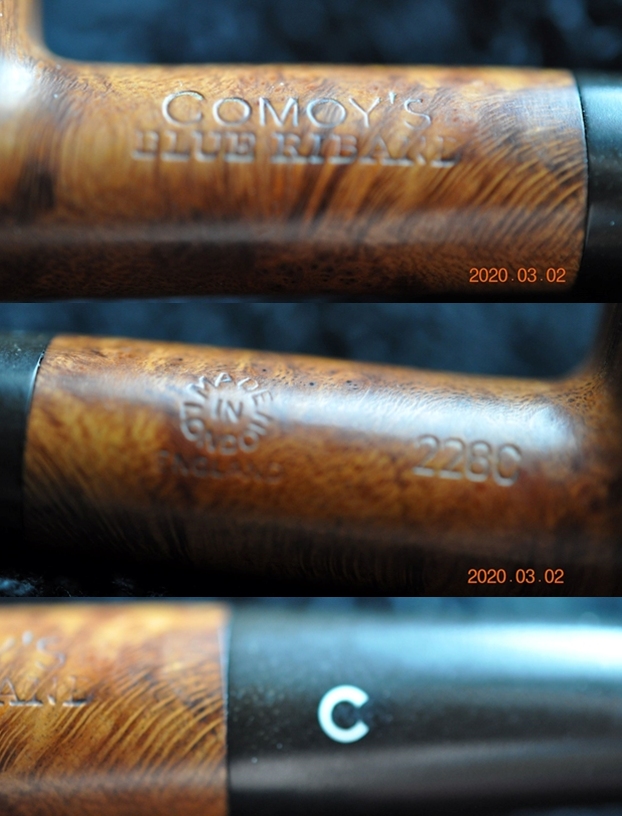
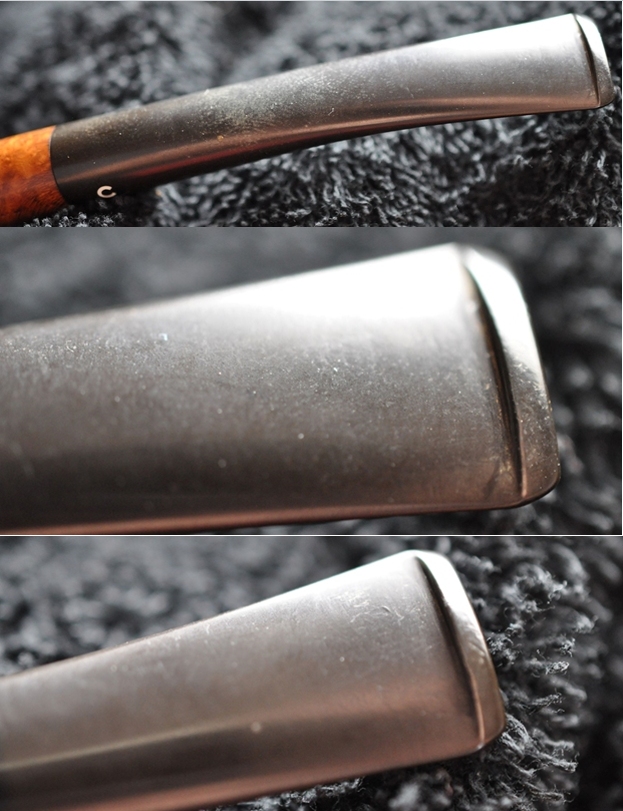
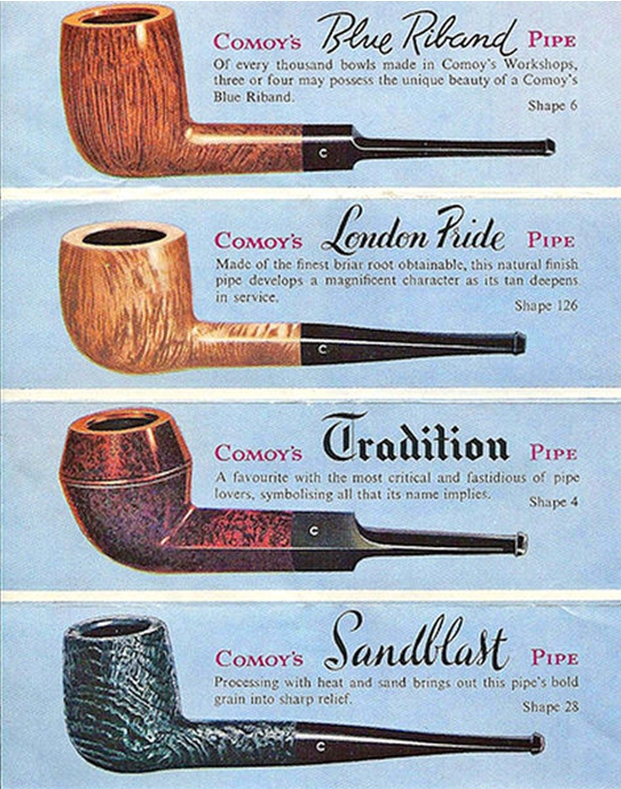
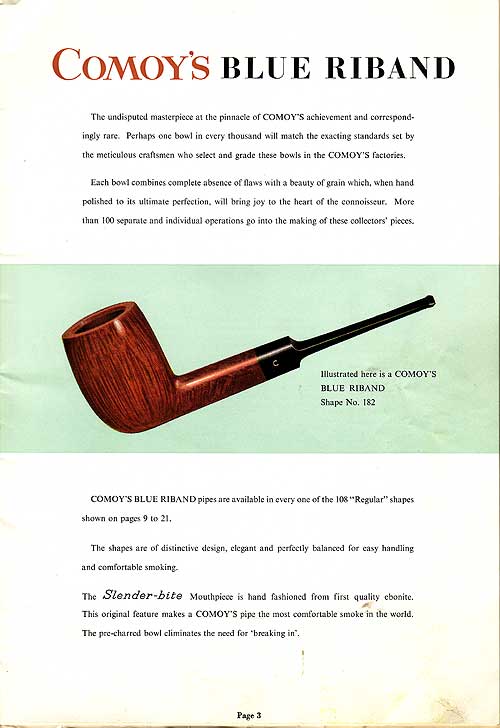
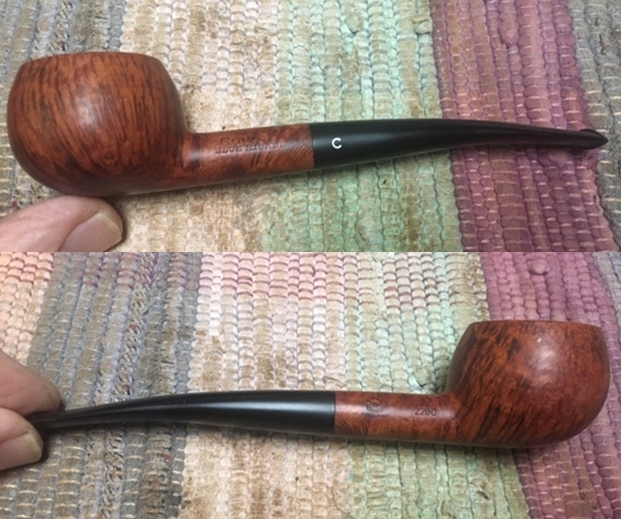
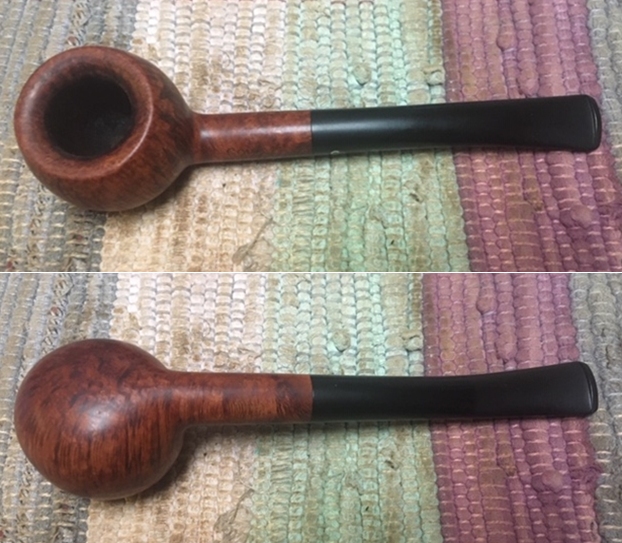
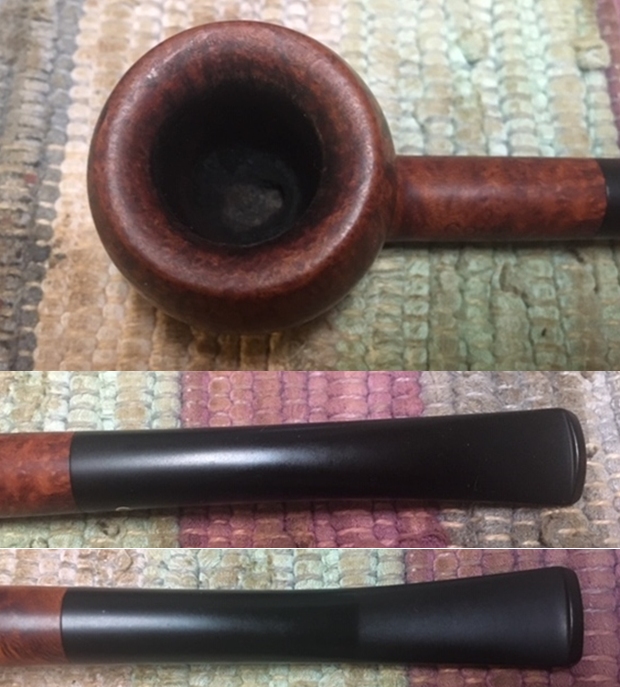
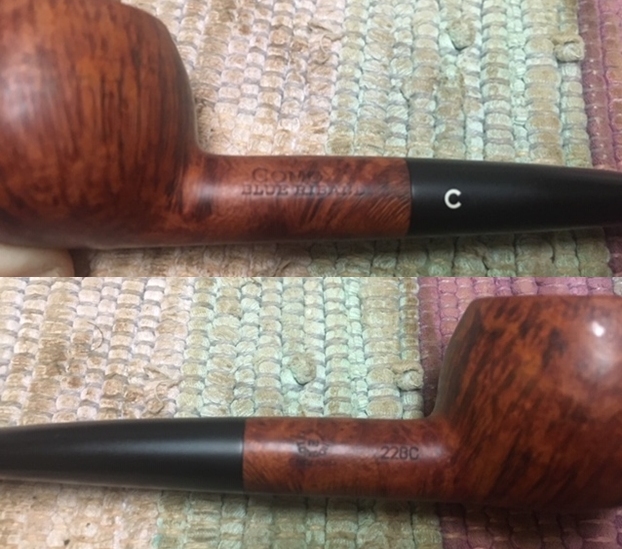
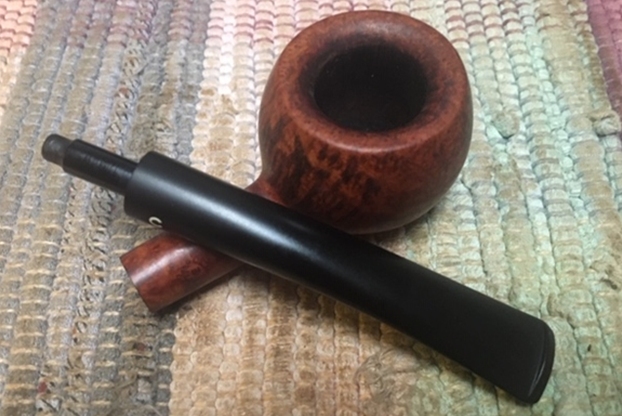
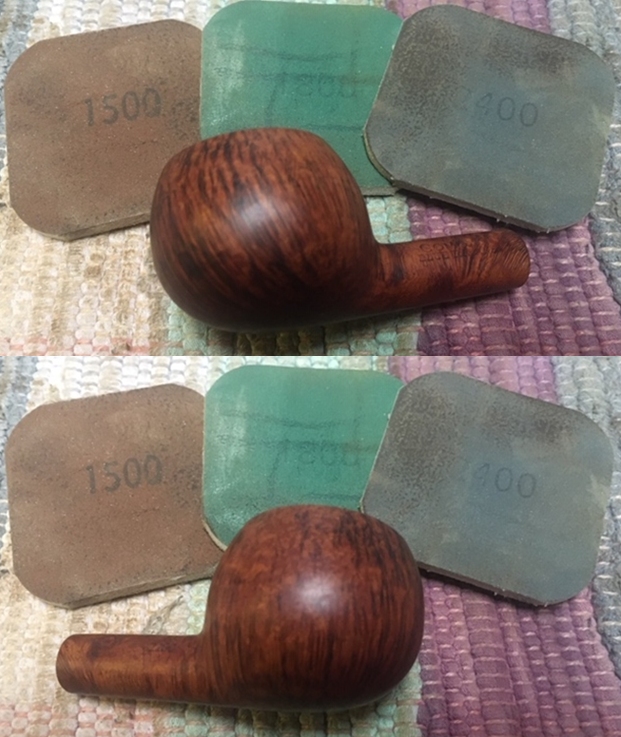
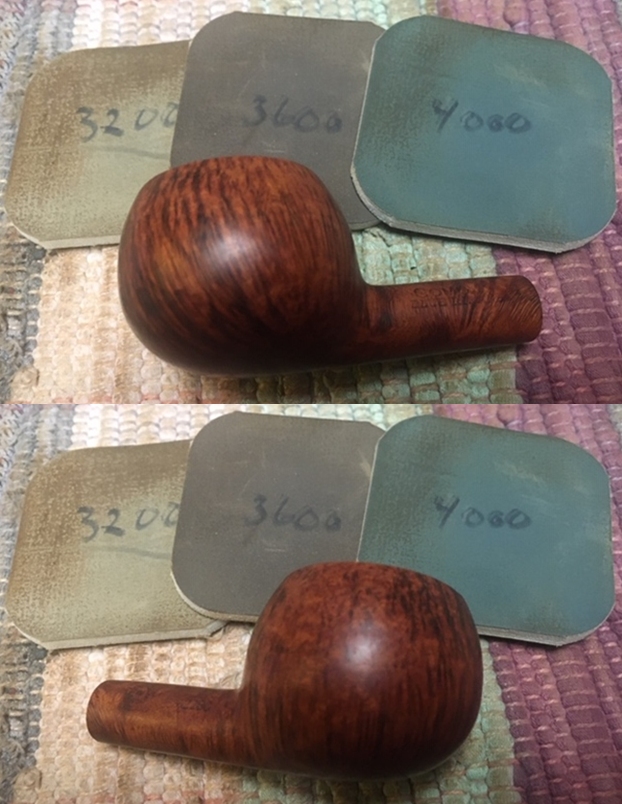
In the last box of pipes Jeff sent me there were three pipes that I left to the end to give my attention too. These were all Comoy’s pipes. The first is the one on the table now – a Comoy’s Blue Riband Prince 228C with stunning grain. The second and third were both Comoy’s Specimen Straight Grain Dublins – the second was a 35 and the third was a little larger, a 36. All of these pipes were drop dead gorgeous.  I have them all on the desk top now looking them over and I am quite honestly stunned by their beauty.Finally I made a decision and chose to work on the 228C Blue Riband Prince first. Comoy’s Blue Riband pipes are really beautiful piece of pipe maker craftsmanship and in my mind have never been surpassed. Neill Archer Roan did a great book of photos on the Comoy’s Blue Riband pipes in his large collection and since that time I am always on the lookout for nice specimens of the brand. I believe that this Prince is just such a pipe. It is stamped on the left side of the shank Comoy’s over Blue Riband and on the right side it bears the 228C shape number near the bowl shank junction and the circular COM stamp that reads Made In London in a circle over England. The “In” is in the centre of the circle. Jeff took some photos of the pipe before he started his cleanup work.He took photos of the bowl and rim top to show their general condition. You can see the tars on the inner edge of the beveled top and a light bit of lava higher up on the right front bevel. The cake in the bowl is quite thick and there is tobacco debris on the walls of the bowl. The finish on the bowl is dull but still very stunning. Jeff took some photos of the sides and heel of the bowl to give an idea of the grain on this particular piece of briar. It is amazing and I cannot wait to see what it looks like once it is polished and waxed. He took photos of the stamping on both sides of the shank to capture it for me. The first photo shows the left side of the shank and the stamping as noted above. The second shows the right side of the shank with the COM stamp and shape number. The final photo in this set shows the three part inlaid C on the left side of the taper stem.The slender stem sets a jaunty profile for the pipe with its slight bend. The surface of the top and underside of the stem is oxidized and dirty but it is quite free of tooth marks and only has a minimum of chatter.I turned to Pipephil’s site to get a quick overview of the Comoy’s Blue Riband line (http://www.pipephil.eu/logos/en/logo-comoy.html). I have included a screen capture of the pertinent section from the site. The summary to the right of the photos is always succinct and quite pointed. In this case also talking about the 3 part inlaid logo on the stem.I turned to Pipedia and reread the history of the Comoy’s brand and a bit about the various lines of the brand (https://pipedia.org/wiki/Comoy%27s). I have included two catalogue pages from the site for easy reference on the Blue Riband line. The information given in both of them is quite interesting to note. I moved forward to work on the pipe itself and see what I had to do with it. It had come back looking amazingly clean. Even the stem looked like new, with most of the tooth chatter gone. I was impressed. Jeff had done his normal thorough clean up – reaming, scrubbing, soaking and the result was evident in the pipe when I unpacked it. I took photos of the pipe before I started my work on it.  I took some photos of the rim top and stem. The rim top and bowl looked very good. The cake and lava overflow were gone and the inward beveled rim was very clean. Jeff had been able to get rid of the lava and tars and left behind a smooth rim top. The close up photos of the stem show that it is a much cleaner and better looking stem. The light tooth chatter was gone and the stem looked really good.I took some photos of the stamping on the shank sides to show the condition after the cleanup. Often the stamping takes a hit with the cleaning and is lessened in it clarity. Jeff does a great job in leaving the stamping looking very good.I removed the stem from the shank and took a photo of the pipe at this point. Like other Comoy’s I have worked on this stem had a metal tube in the tenon to strengthen it in what is often a weak point on a pipe.Since the pipe was in such great condition at this point I started my polishing regimen. I used nine worn micromesh sanding pads and dry sanded the bowl with 1500-12000 grit pads. I wiped the bowl down with a damp cloth after each pad. The bowl really shines by the final three pads. I worked some Before & After Restoration Balm into the surface of the briar with my fingertips to clean, enliven and protect it. I let the balm sit for a little while and then buffed with a cotton cloth to raise the shine. The photos show the bowl at this point in the restoration process. Because the stem was in such great condition I moved direct to polishing it with micromesh sanding pads – dry sanding with 1500-12000 grit sanding pads. I wiped it down after each sanding pad with a cloth containing some Obsidian Oil. I finished polishing it with Before & After Pipe Stem Polish – both Fine and Extra Fine and buffed it off with a cotton cloth. I gave it a coat of Briarville’s No Oxy Oil to preserve and protect the stem. I love it when I come to the end of a restoration and all of the parts come together and the pipe looks better than when we started the cleanup process. I put the stem back on the bowl and buffed the pipe with Blue Diamond on the buffing wheel. I carefully avoided the stamping on the shank sides during the process. I gave the bowl and stem multiple coats of carnauba wax on the buffing wheel and followed that by buffing it with a clean buffing pad on the buffer. I hand buffed the pipe with a microfiber cloth to deepen the shine. The finished pipe is a real stunning example of Comoy’s mastery of the Prince shape. The grain and the way the shape follows the grain is amazing. Give the finish pipe a look in the photos below. I can only tell you that it is much prettier in person than the photos capture. The dimensions of the pipe are Length: 5 ¾ inches, Height: 1 ¼ inches, Outside diameter of the bowl: 1 ¼ inches, Chamber diameter: ¾ of an inch. This English made Comoy’s Blue Riband pipe is a unique piece of pipe history. Thanks for walking through the restoration with me as I worked over another beautiful pipe. This one will be staying in my collection for now as I have nothing like it. Thanks for your time.
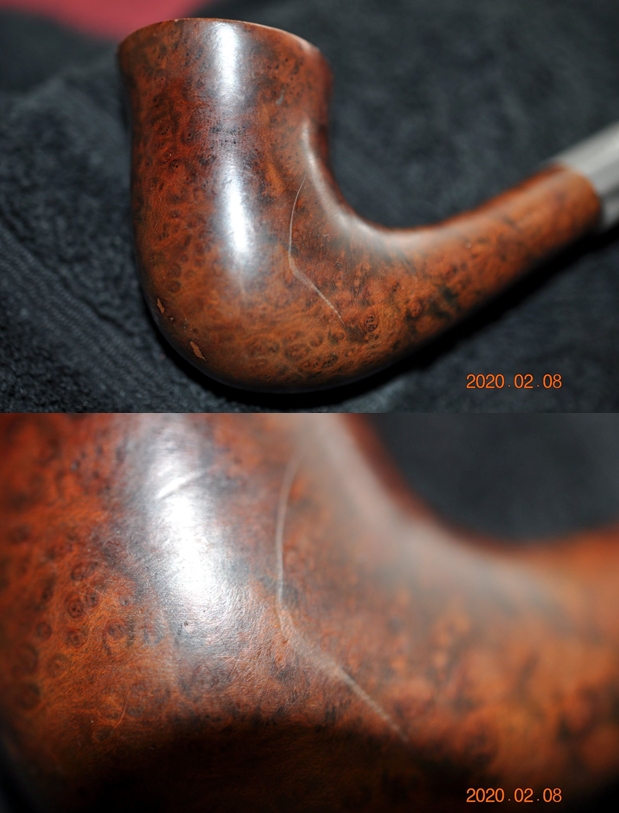
Restoring an Amazing Looking Comoy’s Magnum Supreme


Blog by Steve Laug

I have finished many of the pipes on my desk for refurbishing or repair and decided it was time to do something a little different that was a lot less work. I turned again to the group of 42 pipes that Jeff and I purchased from a pipeman who can no longer smoke because serious illness. It is a pleasure to be able to support this Brother of the Briar in this very hard season of his life. He had some beautiful pipes in his collection and with some work we will get them cleaned up and into the hands of other pipemen and women who can carry on the legacy of the briar.

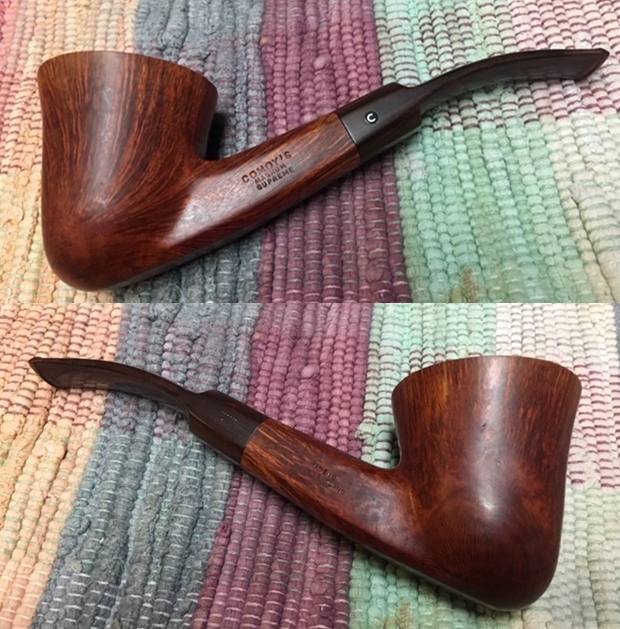
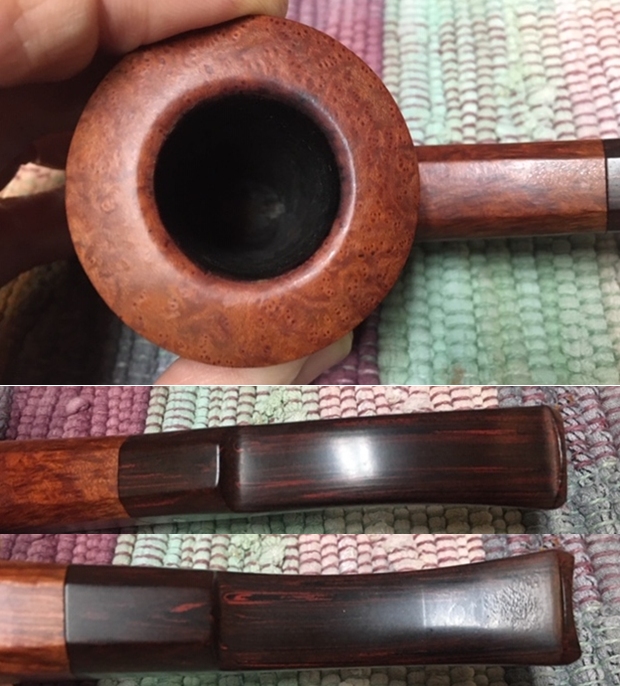
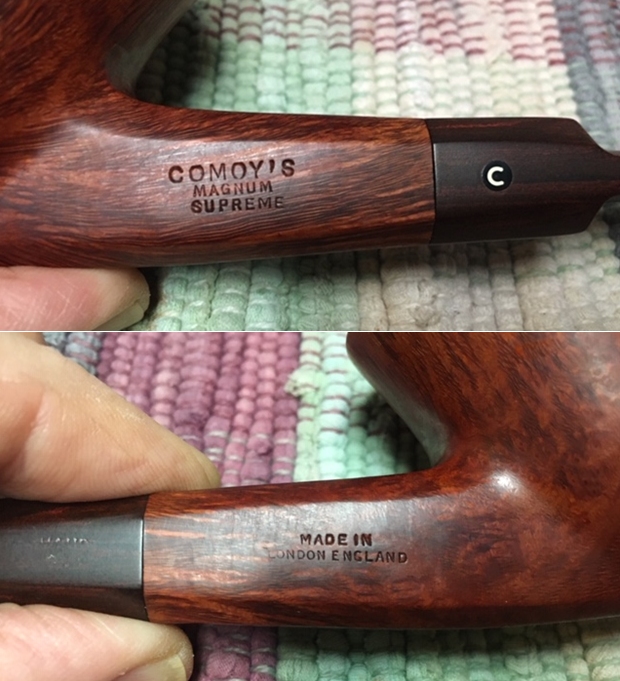
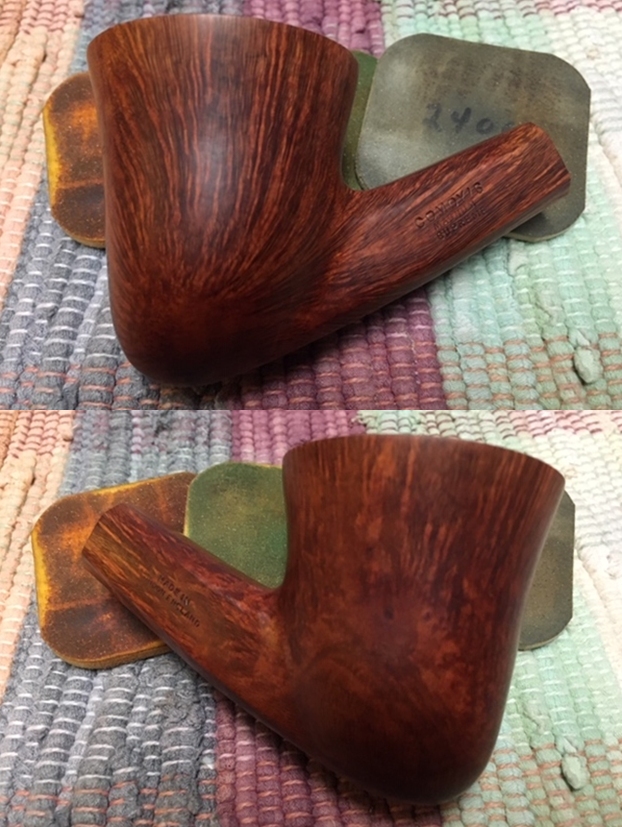
The third of the pipes that I am working on is a large Comoy’s. It has an octagonal shank that is a really nice touch. The bottom of the bowl and shank are flat so the pipe is a sitter. It is stamped on the left side of the shank Comoy’s over Magnum over Supreme. On the right side of the shank it is stamped Made in over London England. It is a stunning piece of briar with beautiful straight, flame and birdseye grain around the bowl. The saddle stem is Cumberland and has a C inset in clear acrylic inlaid in the left side of the saddle. When it arrived at Jeff’s house and he opened the box he could see it was a beautifully grained piece of briar and an interestingly carved pipe. The pipe was dirty but there was no significant damage to the bowl or stem. The rim top had darkening and tars on the bevel of the inner edge. But it did not appear to be burned or charred. There was a thick cake in the bowl. The Cumberland stem was in great condition – just a little dirty and tooth chatter on both sides of the stem near the button. Overall the pipe was a beautiful and a dirty pipe that must have been a favourite smoker. Jeff took photos of the pipe before he started his clean up work. Jeff took photos of the bowl and the rim top to show the condition of the bowl and rim. You can see the light oil and darkening on the inner edge of the beveled rim top. You can also see the cake in the bowl and the tobacco debris stuck to the walls.   Jeff took photos of the sides and heel of the bowl to show the condition of the finish – the grime and grit all over the sides and bottom of the bowl. The overall dullness of the finish looks lifeless. It is a dirty pipe but the grain is absolutely stunning.   He took photos of the stamping on the octagonal shank. It is both artfully and tastefully done. The stamping was very readable as noted above. It is a beauty!  The Cumberland stem has an inset acrylic encased C inlaid on the left side of the saddle and is stamped faintly on the right side of the saddle with the words Hand Cut.  He took some photos of the Cumberland stem surfaces to show their condition. There were not any tooth marks just some calcification and light chatter ahead of the button on both sides.  I turned then to Pipedia to see what I could find out about this particular line of Comoy’s pipes. I read through the main Comoy’s page and looked at the page on dating the pipes by the stamping on both sides and neither one had any reference to the Comoy’s Magnum Supreme. I then turned to the article by Derek Green on Pipedia to see if there was any reference to the line there. Low and behold about half way down the article under the section entitled, The Names or Grades I found some information on the Magnum line. Here is the link to that page on Pipedia (https://pipedia.org/wiki/A_History_Of_Comoy%27s_and_A_Guide_Toward_Dating_the_Pipes#The_Names_or_Grades). I will quote from the section on the line below.

Extraordinaire. This designation was given to any pipe that was out of the ordinary in size or grain. The E/O was introduced in the 1930s, and “Extraordinaires” can be found with no other designation or also stamped, for instance, “Blue Riband” or “London Pride.” The 1936 advertisement lists the “Extraordinaire” at $13 to $23, and the 1965 catalogue also lists a “Specimen Straight Grain Extraordinaire” at $60, though I cannot imagine many of these were made! There seem to be two distinct-sized pipes that were called “Extraordinaire.” The very large or Magnum-sized variety are unique and were given shape numbers in the 800 series. My 1939 panel example is 803 and is 9 inches long, with a bowl 2 3/8” high and 1 ¾” wide. I understand that BBB, Comoy and Dunhill made these Magnum-sized pipes in the 1920s and 30s and that Dunhill purchased the bowls for their Magnums from BBB when they started producing them in 1921. Other Extraordinaires are somewhat larger than a Dunhill LBS, for instance 6 ½” long with a bowl height of 2” and 1 ½” wide. These are given normal shape numbers and are illustrated in the 1965 catalogue.

The Extraordinaire was reintroduced in 1979 as the “Extraordinaire 1,” which was priced at $100 in the 1979 catalogue in a light natural finish, and the “Extraordinaire 11,” a light two-tone walnut finish. Neither of these was as large as the 800 series.

Magnum. As mentioned above, the 800 series are “Magnum” sized, but I also have one pipe that is stamped “Magnum,” with the shape number 802 and is the same shape and size as my Extraordinaire 802. It dates from the 1960s, and Comoy’s may have used this name as a marketing exercise to supersede the 800 series. The name Magnum was re-introduced by Cadogan in the 1990s, but these were not really magnum sized.

From the site I determined that the pipe in my hand was most like made during the Cadogan time frame as it does not bear any shape number. It is large but I do not know that I would call it a Magnum sized pipe. That would make it a pipe from the 1990s which also goes along with the interesting acrylic encased C that is inlaid in the Cumberland stem.

Now I had the information I wanted to know on the brand it was time to begin to work with it and clean it up. It really is a beautiful pipe.

I am getting more and more used to Jeff cleaning up the pipes before I work on them. So much so that when I have to clean them it is a real chore! This pipe was dirty just like the other ones in the collection. I did not know what to expect when I unwrapped it from his box. He reamed it with a PipNet pipe reamer and cleaned up the reaming with a Savinelli Fitsall Pipe Knife. He scrubbed out the internals with alcohol, pipe cleaners and cotton swabs until the pipe was clean. He scrubbed the exterior of the bowl with Murphy’s Oil Soap and a tooth brush to remove the grime and grit on the briar and the lava on the rim top. The finish looked really good once it was clean. There was no damage and the grain just popped around the bowl. The rim top was bursting with birdseye grain and was beautiful. He cleaned the stem internals and scrubbed the exterior and the result looked very good. When the pipe arrived here in Vancouver for the second stop of its restoration tour it was impressive. I took photos before I started my part of the work. I took some close up photos of the rim top and also of the stem surface. I wanted to show what an amazing job Jeff did in the cleanup of the rim top. It was a real beauty. The layout of the pipe absolutely captured the birdseye grain on the pipe. I also took close up photos of the stem to show condition it was in. It would not take a lot of work – just sanding out the light tooth chatter and polishing with micromesh sanding pads.I took photos of the stamping on the left, right and underside of the shank. The stamping reads as noted above.   I polished the bowl and rim with worn micromesh sanding pads. I sanded it with 1500-12000 grit pads and wiped it down between pads with a soft cotton cloth. You can see the progress in the shine as you go through the photos.  I worked some Before & After Restoration Balm into the finish of the bowl, the rim top and shank with my fingertips to clean, enliven and protect it. I find that the balm really makes the briar come alive again. The contrasts in the layers of stain really made the grain stand out. I let the balm sit for a little while and then buffed with a cotton cloth to raise the shine. The pipe really looks good at this point. I am very happy with the way the pipe is looking at this point in the process.  I set the bowl aside and turned my attention to the stem. I sanded the light tooth chatter on both sides of the stem with micromesh sanding pads – wet sanding it with 1500-12000 grit pads. I polished it further with Before & After Pipe Stem Polish – both fine and extra fine. I finished by wiping it down with Briarville’s No Oxy Oil and set it aside to dry. This was another fun pipe to work on since Jeff had done the heavy work in cleaning it. Once I was finished I put the Hand Cut Cumberland stem with a Delrin tenon back on the bowl and polished the bowl and stem with Blue Diamond polish on the buffing wheel. I gave the bowl and the stem multiple coats of carnauba wax. I buffed the pipe with a clean buffing pad to raise the shine. I hand buffed it with a microfiber cloth to deepen the shine. The grain just pops and is almost multidimensional it is so deep. The pipe polished up really well. The polished Cumberland stem seemed to truly come alive with the buffing. This is a big pipe and it feels great in my hand and I am sure that it will feel even better radiating the heat of a good smoke. It must have been a fine smoking pipe judging from the condition it was when we received it from the pipeman who we bought it from. Have a look at it with the photos below. The dimensions are Length: 6 ½ inches, Height: 2 ½ inches, Outside diameter of the bowl: 2 inches, Chamber diameter: 1 inch. This is one beauty that is eye catching. I will be putting it on the rebornpipes store shortly. If you are interested in adding it to your collection email or message me. Thanks to each of you who are reading this blog. Remember we are not pipe owners; we are pipemen and women who hold our pipes in trust until they pass on into the trust of the next pipeman or woman.

Comoys Supreme Grain Bent Billiard Restoration


By Al Jones

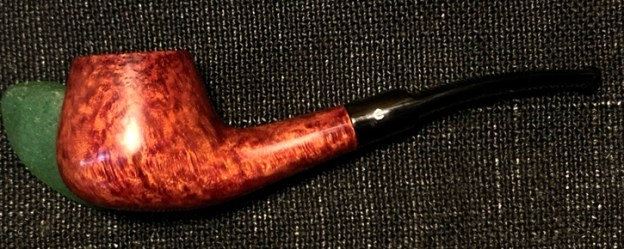
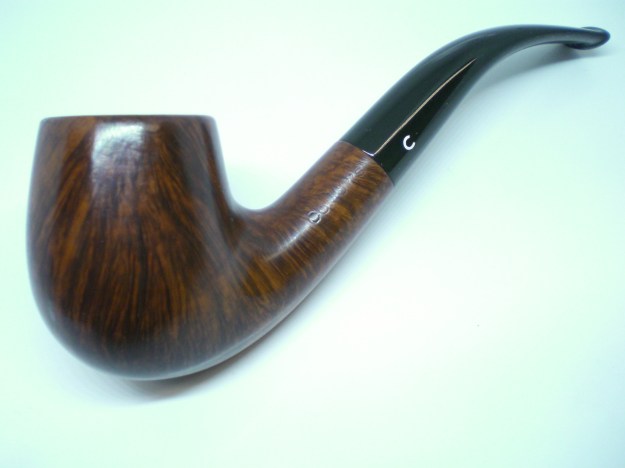
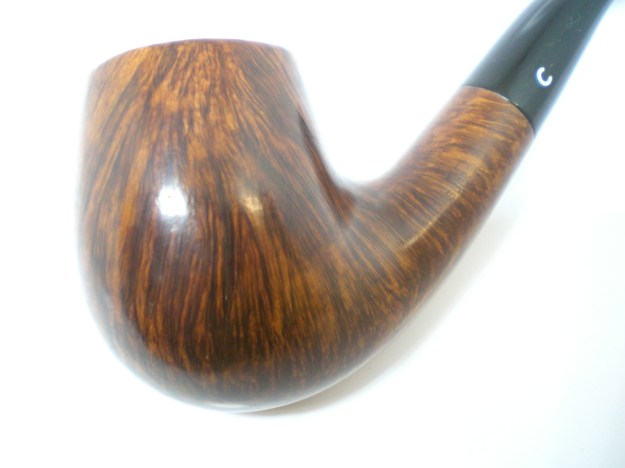
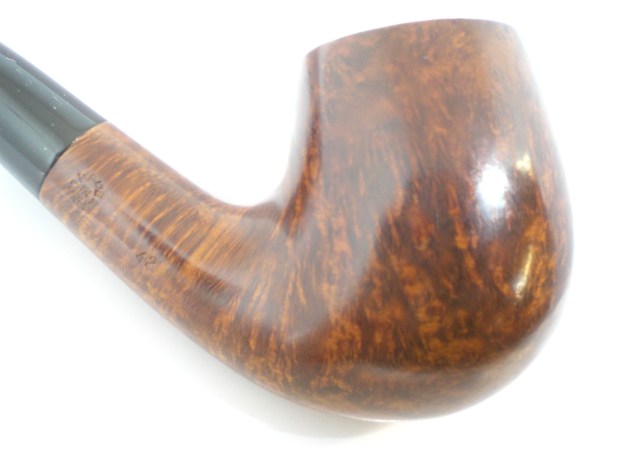
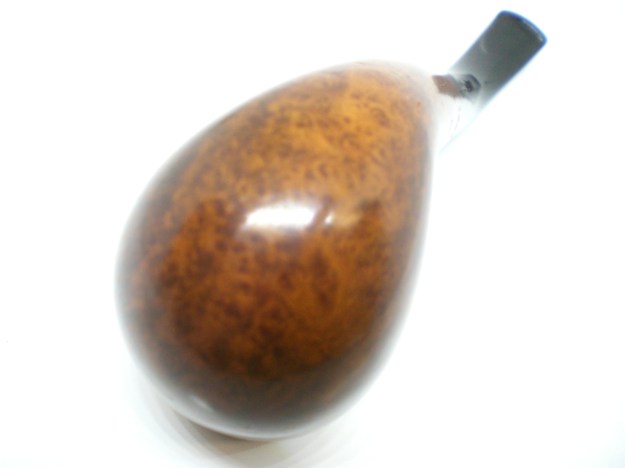
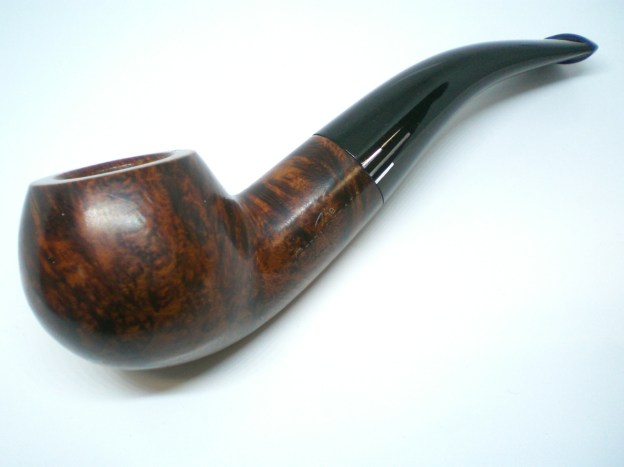
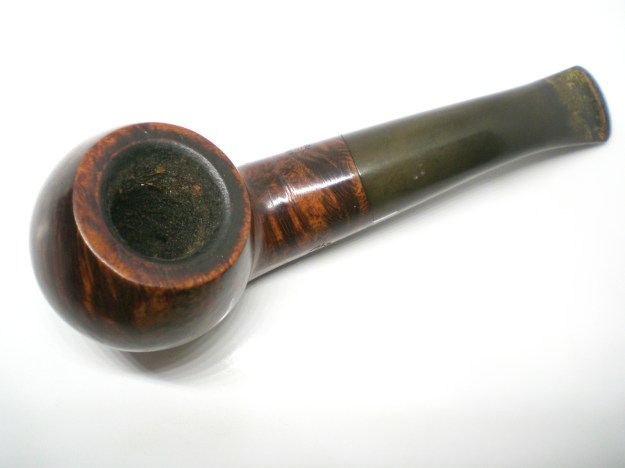
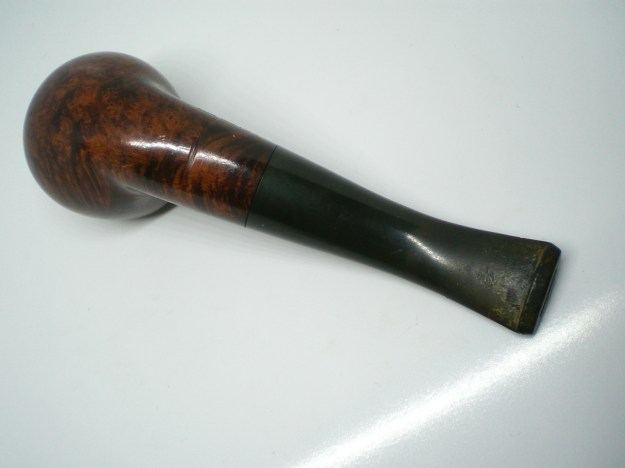
This is the 2nd Comoys that I restored this weekend.  And, the first “Supreme Grain” that I’ve ever seen.  I found a few examples on the web.  The pipe was in very solid condition.  Unfortunately, I also lost the before pictures of this pipe and only have the sellers.  As you can see, it is aptly named, and better grain than some Blue Ribands that I’ve seen.

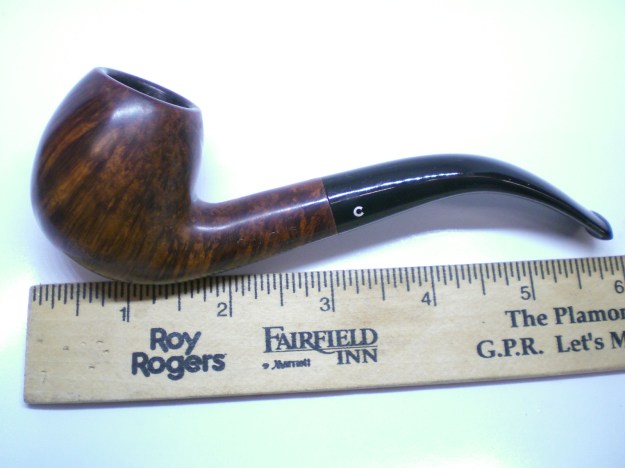
The pipe had very light oxidation and a few dings and bruises in the briar.  The shape 42 is the larger of the two Comoy’s bent billiards.

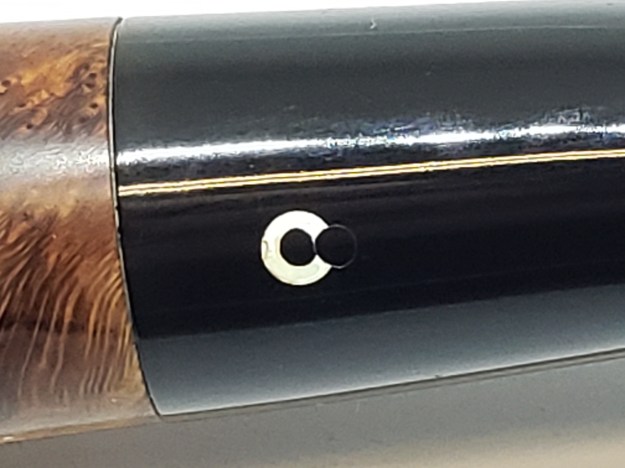
I initially thought it had a drilled C and started restoration the restoration with my usual regiment, which involves sanding right over the very durable logo.  I was horrified on closer examination to find out that the logo was not drilled.  However, it is seemingly quite deep and almost looks like an insert of sorts.  I’ve done a lot of Comoys pipes from every era, but not yet encountered one quite like this one.

I removed the very light oxidation with 800, 1,500 and 2,000 grit wet paper, this was followed by 8,000 and 12,000 micromesh. The stem was then buffed with White Diamond and Meguiars Plastic Polish.

The bowl was reamed and soaked with alcohol and sea salt.  I used an electric iron on high with a wet cloth to steam out most of the dings around the bowl.  The bowl was then buffed with White Diamond and several coats of Carnuba wax.

Below is the finished pipe.

Comoys 184 Golden Grain Restoration


By Al Jones

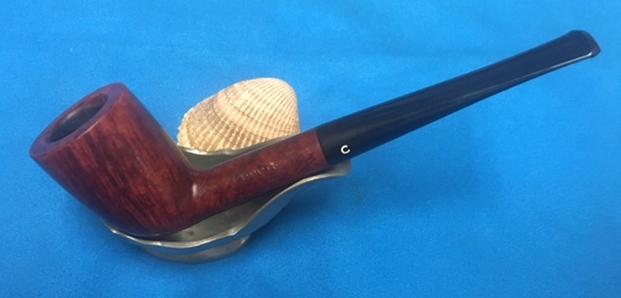
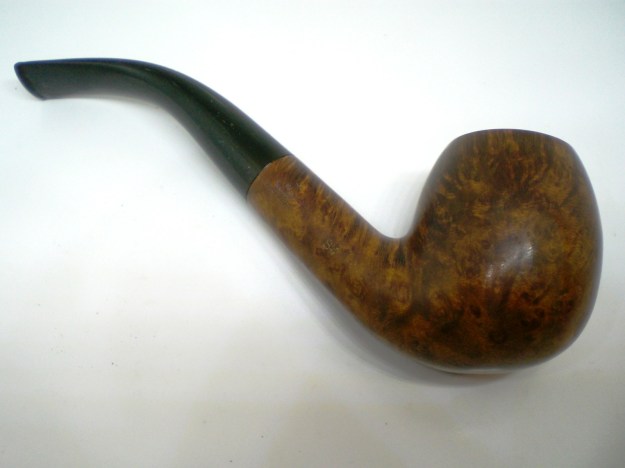
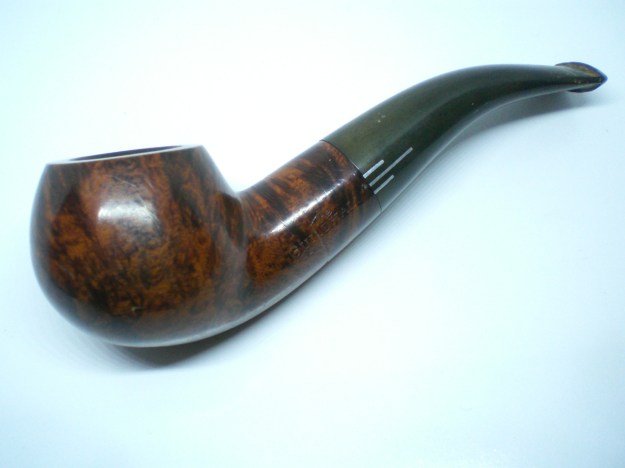
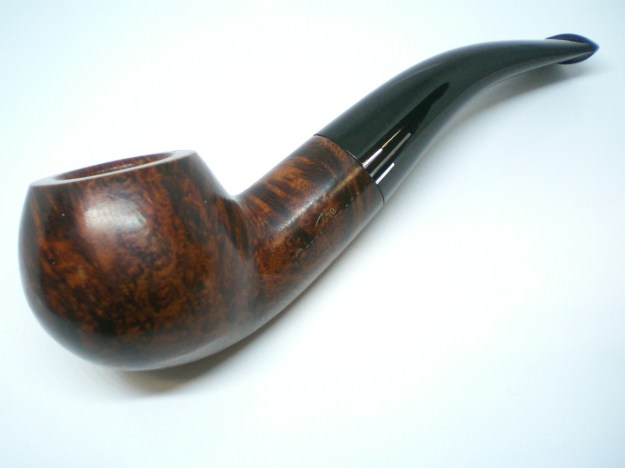
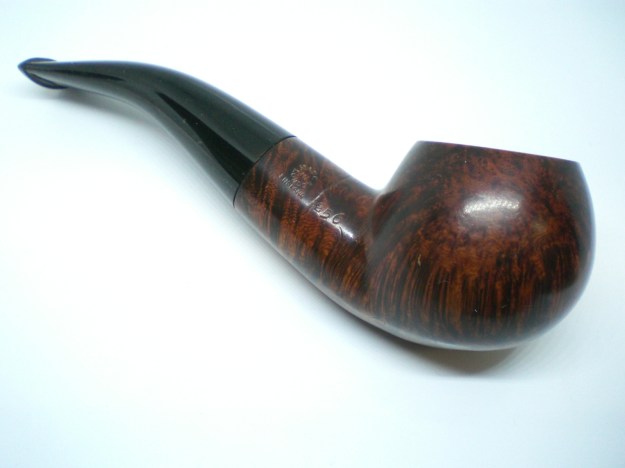
This looked like an easy restoration, but once in hand, it presented a few challenges.  I somehow deleted the “before” pictures, so I can’t share them.  This sellers picture shows that it was in pretty decent shape.  The shape 184 is listed as a Bent Apple on the Comoys shape chart and catalogs.

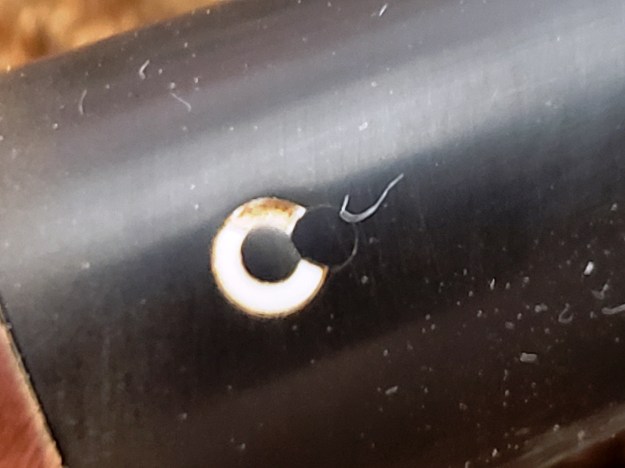
There was a white piece of the drilled, C stem logo and the button had what appeared to be a very poorly done hole repair.

The briar only needed to be reamed and soaked.  There were a few dents that I steamed out with an electric iron and cloth.

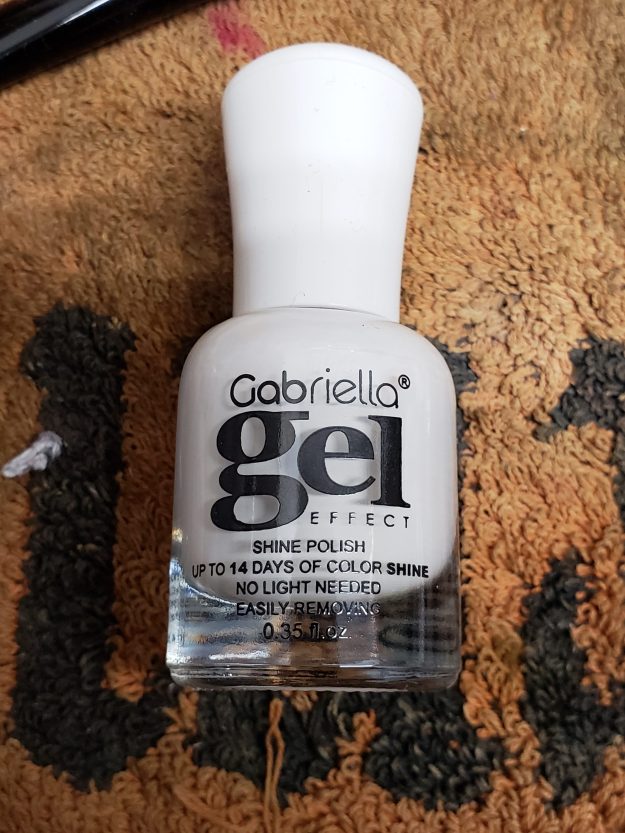
For the C logo fix, I entered a local beauty shop for the first time in my life and they recommended a white gel nail polish.  I applied the polish,let it sit overnight, than sanded smooth with 800 grit paper, it worked quite well and to the naked eye, is invisible.

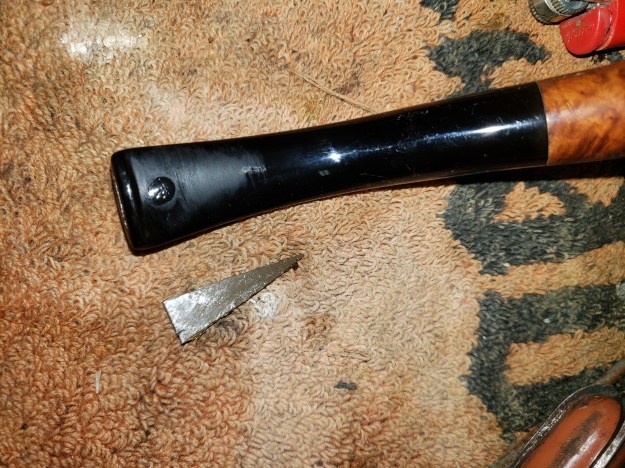
I removed the very light oxidation with 800, 1,500 and 2,000  grit wet paper, this was followed by 8,000 and 12,000 micromesh.  This removed the poor repair job to a tiny pin hole underneath the bottom. I used the black superglue and accelerator to make that repair.  I cut a small v-shaped piece from an old credit card, coated that in grease and inserted it into the button to keep glue from sealing the draft hole.  Once the glue set, the plastic card is removed.

The stem was buffed with White Diamond and Meguiars Plastic Polish.

The briar was buffed lightly with White Diamond and several coats of Carnuba wax.

Below is the finished pipe.

The Guildhall Shape 256 Restoration


By Al Jones

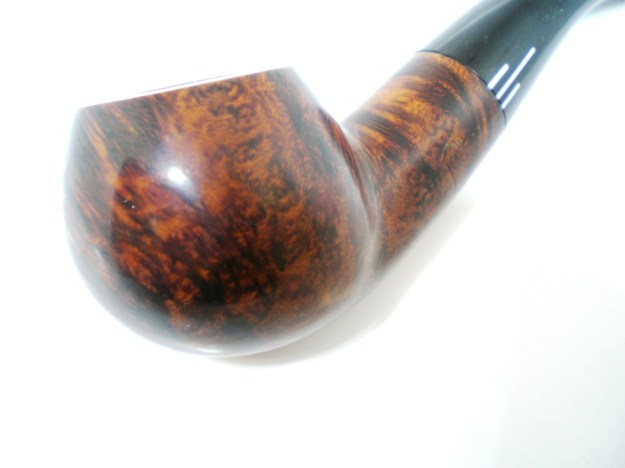
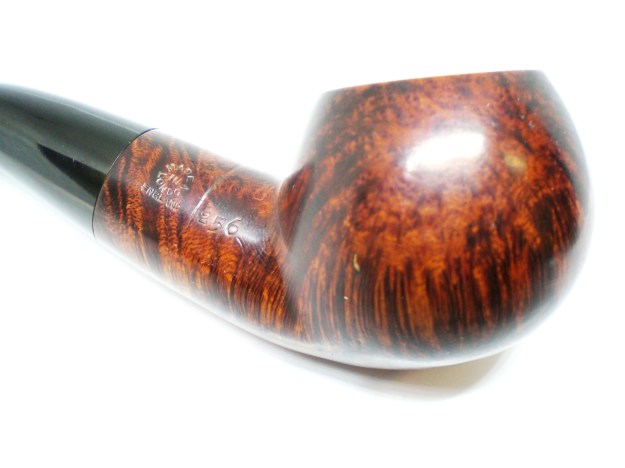
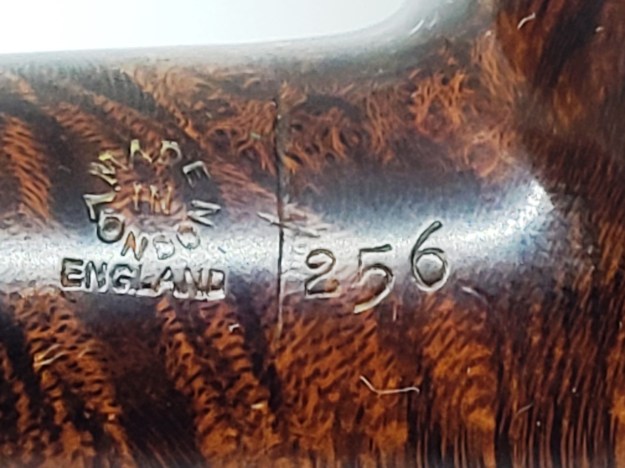
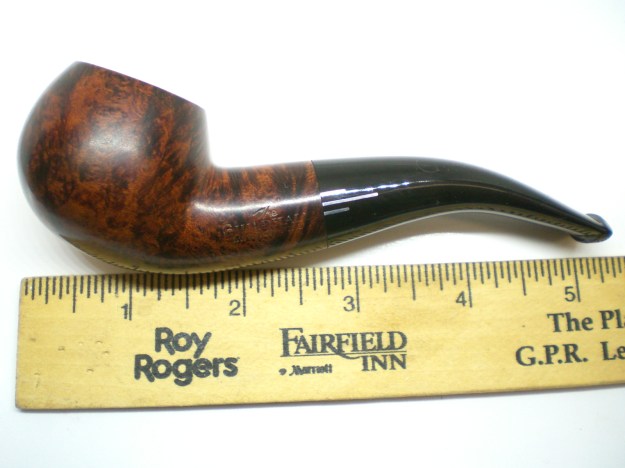
The Comoy’s Author shape, the 256 is one of my favorites and quite rare.  I’ve never been able to find this shape in any Comoy’s catalog, perhaps that contributes to it’s rarity. Three years ago, I was fortunate to find an Old Bruyere finish 256, and detailed that restoration here:

https://rebornpipes.com/2017/05/13/finally-comoys-old-bruyere-256-restoration/

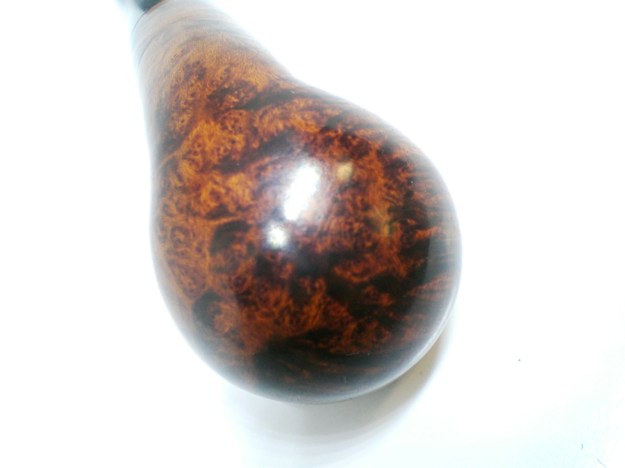
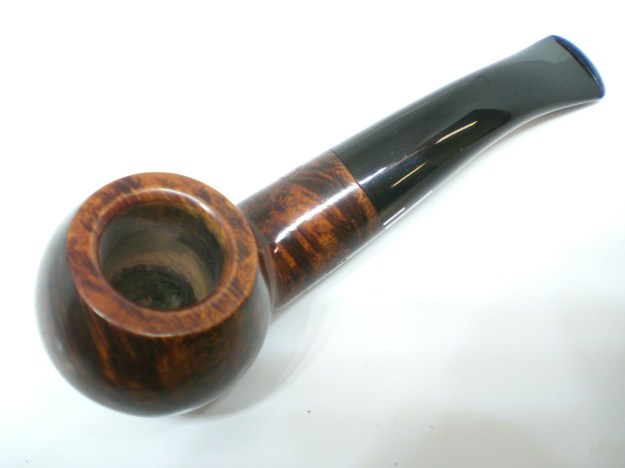
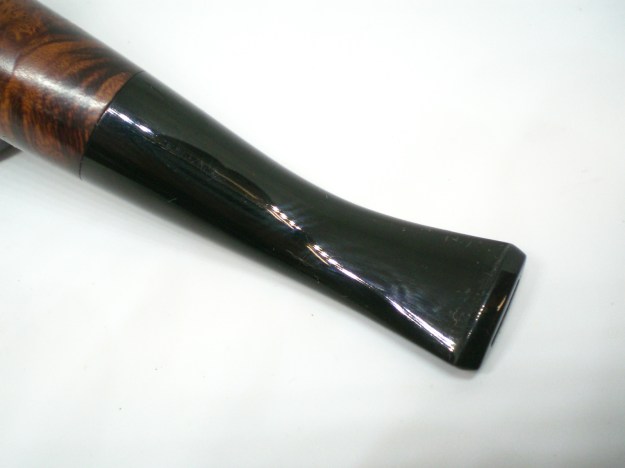
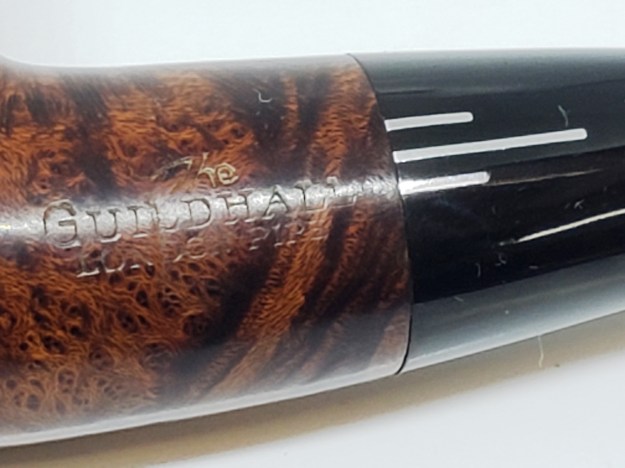
This pipe, is a Comoy’s second-line “The Guildhall”, instantly recognizable by the metal strats stem logo, which always captivates me.   The pipe arrived, with a one surprise, there were some deep circular marks in the briar, right around the shank.  I can’t imagine what created those marks, but I knew it was going to be a challenge to remove or minimize them.    Otherwise, it looked like a straightforward restoration.  There was minimal build-up on the bowl top and the stem was in very good condition.  Below is the pipe as it was received.

I used a piece of worn 2,000 grit wet paper to remove the build-up on the bowl top.  The bowl was then reamed and treated to an alcohol and sea salt soak.  While the bowl was soaking, I soaked the stem in a mild solution of Oxy-Clean.  Following the bowl soak, I cleaned the shank with a bristle brush dipped in alcohol and worked in some twisted paper towel, until it came out clean.

The stem was mounted and I used a lighter to lift the slight dents around the button.  The slight oxidation was removed with 800, 1,500 and 2,000 grit wet paper, followed by 8,000 and 12,000 micromesh sheets.  The stem was then buffed with White Diamond and Meguiars Plastic Polish.

I then turned my attention to the briar and marks.  I used a wet cloth and an electric iron set on high to steam out some of the deep marks on the bowl.  I had some success, lifting nearly all on the bottom of the bowl but some remain on the other areas.    The bowl was then buffed with White Diamond and several coats of Carnuba wax.

Below is the finished pipe.


The Restoration of the First of Jennifer’s Dad’s Estate Pipes – A Comoy’s Deluxe 78


Blog by Steve Laug

The next pipe on the worktable came from the estate of George Rex Leghorn. I received an email from his daughter Jennifer who is a little older than my 64+ years about whether I would be interested in his estate. My brother Jeff and I have been picking up a few estates here and there, so I was interested. Here is the catch – she did not want to sell them to me but to give them to me to clean up, restore and resell. The only requirement she had was that we give a portion of the sales of the pipes to a charity serving women and children. We talked about the organization I work for that deals with trafficking and sexual exploitation of women and their children and she decided that would be a great way to carry on the charitable aspect of her Dad’s character. With some great conversation back and forth she sent the pipes to Jeff and he started the cleanup process on them. Once he had finished cleaning them all he sent them to me to do my work on them.

The first pipe I chose to work on from the lot was a Comoy’s De Luxe 78 Military Bit Apple. It had some amazing grain on the bowl sides and shank. It had a Sterling Silver ferrule on the shank end that was oxidized and blackened. It had a badly oxidized stem with tooth marks and chatter on the top and underside near the button. There was a thick cake in the bowl and it was dirty and tired looking. It had been sitting in boxes for a lot of years and it was time to move ahead with the restoration. Jennifer took photos of the pipes she was sending. I have included the three she included from this pipe. When the box arrived from Jennifer Jeff opened it and took photos of each pipe before he started his cleanup work on them. This Comoy’s was a real beauty underneath the grime, tarnish and oxidation on the bowl and stem. The finish looked intact under the grime. The bowl had a thick cake that had hardened with time. The lava overflow on the rim could very well have protected the rim from damage. We won’t know what is under it until Jeff had cleaned it off. The silver work was tarnished but still looked classy on this old timer. The ferrule was undamaged with no dents of dings that are often found on these pipes. The stem was worn looking with a lot of deep oxidation and some tooth chatter and bite marks on both sides at the button. The overall look of the pipe made me think seriously about adding it to my own collection. Jeff took photos of the bowl and rim top to show the cake in the bowl and the lava build up on the edges of the bowl. It was thick and hard but hopefully it had protected the rim and edges from damage.The grain around the bowl sides and heel was quite beautiful. Lots of cross grain and birdseye that would clean up very nicely. It was a beautiful pipe.Jeff took photos of the stamping on both sides of the shank. The left side was stamped Comoy’s De Luxe and the right side had the Comoy’s COM stamp and shape number. The COM stamp is a circle with Made and London arching around “in” in the centre. Underneath it read England. The shape number is 78. I am not overly familiar with this line of Comoy’s and will need to do some work to get an idea of both age and value in the hierarchy of the lines.He also took photos of the stamping on the ferrule and the three circle inlay of the C on the left side of the stem. The ferrule read HC in a box over STERLING LONDON. There were no hallmarks on the silver so I could not use those to help date the pipe. The C inlay looked very good and did not show damage to any of the three circles. Jeff did not take photos of the stem at this point. It is so easy to miss some photos in the processing of pipes.Jennifer consented to write a short tribute to her Dad for the blog. She is also sending along some photos and an article that her Dad wrote for Jeff and me to be able to get a feel for him. When it arrives I will post the photo with the other blogs on his pipes and will add it to this one as well. In the meantime I asked her to also send me an email with a brief tribute that I can use until then. Here is her email to me.
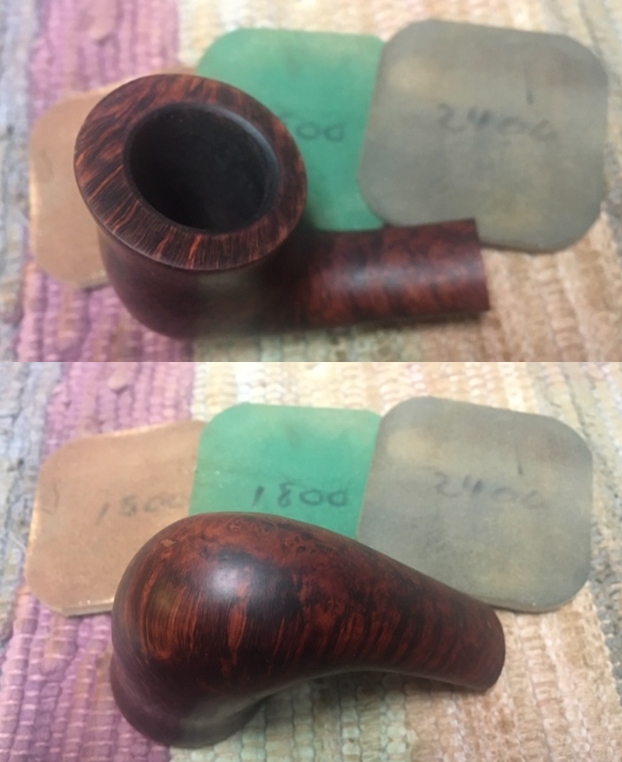
Steve, I want to thank you again for accepting my dad’s pipes.  They were so much a part of my dad’s life that I could not simply discard them. But as his daughter, I was not about to take up smoking them either. *laughing* I think my dad would like knowing that they will bring pleasure to others.  I know that I do.

I’m not sure what to say about his pipes.   I always remember Daddy smoking pipes and cigars.

First a bit about my dad. Though my father, George Rex Leghorn, was American (growing up in Alaska), he managed to join the Canadian Army at the beginning of WWII, but in doing so lost his American citizenship.  He was fortunate to meet a Canadian recruiting officer who told him the alphabet began with “A” and ended with “Zed” not “Zee”, and also told him to say that he was born in a specific town that had all its records destroyed in a fire.  When the US joined the war my dad, and thousands of other Americans who had made the same choice*(see the link below for the article), were given the opportunity to transfer to the US military, and regain their citizenship.
After WWII, my dad, earned his degree at the University of California Berkeley and became a metallurgist. There is even a bit about him on the internet.

He loved taking the family out for a drive, and he smoked his cigars on those trips. (As a child, those were troubling times for my stomach.)

I most remember my father relaxing in his favorite chair with a science fiction book in one hand and a pipe in the other… Sir Walter Raleigh being his favorite tobacco… and the pipes themselves remind me of him in that contented way.  If I interrupted his repose, he’d look up, with a smile on his face, to answer me.

It seemed he smoked his Briarwood pipes the most, though he had others.  At the time, it was only the Briarwood I knew by name because of its distinctive rough shaped bowl.  And it was the Anderson Free Hand Burl Briar, made in Israel, which I chose for his birthday one year, because I thought he might like that particular texture in his hand.

At least two of his pipes, he inherited from his son-in-law, Joe Marino, a retired medical laboratory researcher (my sister Lesley’s late husband)… the long stemmed Jarl (made in Denmark), and the large, white-bowled, Sherlock Holmes style pipe.  I believe Joe had others that went to my dad, but Lesley was only sure about those two.
The Buescher, corncob pipe my older sister Lesley bought for Daddy while on one of her travels around the States.

A note on the spelling of my sister’s name…

My dad met my mother, Regina, during WWII and they married in Omagh, Ireland.  My mother was English and in the military herself.  The English spelling of Lesley is feminine, and Leslie masculine, in the UK… just the opposite of here in the United States.  I guess my mom won out when it came to the spelling of the name.

I’ll send you photos of my dad soon, along with his WWII experience story.

Jennifer

*https://www.thestar.com/news/world/2013/10/22/the_americans_who_died_for_canada_in_wwii.html

I turned to my usual sources for information about the De Luxe line of Comoy’s and found nothing on the pipephil website. On the Pipedia site there was nothing clearly written identifying the brand but there was a page from a Comoy’s Catalogue advertising Specialty pipes from Comoy’s that included the De Luxe (https://pipedia.org/wiki/File:Comoy-Specialty.jpg). I have included a screen capture of the page for you to have a look.It describes the De Luxe as being available in 14 Army styles in walnut and sandblast finishes. These fine pipes have their beauty enhanced by heavy gauge sterling silver bands hand fitted by silversmiths. It is also available in Blue Riband and London Pride on special order. So it seems that it is a specialty item and a beautiful one at that. Does anyone know anything else about the line?

Jeff cleaned the pipe with his usual penchant for thoroughness that I really appreciate. He reamed it with a PipNet pipe reamer and cleaned up the reaming with a Savinelli Fitsall Pipe Knife. He scrubbed out the internals with alcohol, pipe cleaners and cotton swabs until the pipe was clean. He scrubbed the exterior of the bowl with Murphy’s Oil Soap and a tooth brush to remove the grime and grit on the briar and the lava on the rim top. He was able to get most of the oxidation off of the silver ferrule as well. He soaked the stem in Before & After Deoxidizer to remove the oxidation on the rubber. When the pipe arrived here in Vancouver for the second stop of its restoration tour it looked very good. I took photos before I started my part of the work. I took some close up photos of the rim top and stem surface. I wanted to show what an amazing job Jeff did in the cleanup of the rim top and the great condition it was in under the thick lava coat. I also took close up photos of the stem to show the tooth marks and chatter in front of the button on both sides.I also took some photos of the stamping on the pipe – both sides of the shank and the Sterling ferrule. You can see the three part C in the stem as well. The ferrule is loose and will need to be glued in place again. You can see in the third photo below that it is on the top of the shank instead of aligned on the left side with the stamping on the briar.I decided to repair the tooth marks on the top and underside of the stem so it could be drying while I worked on the bowl. I cleaned the tooth marks with a cotton swab and alcohol and dried it off. I filled in the deep divots with black super glue and set the stem aside so the repairs could cure.I turned my attention to the bowl. I painted some white all-purpose glue on the shank end and carefully pressed the ferrule onto the end of the shank. I turned it on the shank to align the HC Sterling London stamp on the ferrule with the Comoy’s stamp on the briar shank. I let the glue dry on the ferrule and once it had set I polished the briar with micromesh sanding pads. I wet sanded with 1500-2400 grit pads and dry sanded it with 3200-12000 grit pads. I wiped the bowl down after each pad with a damp cloth. The grain really began to stand out. I worked some Before & After Restoration Balm into the briar with my fingertips to clean, enliven and protect it. I find that the balm really makes the briar come alive again. The grain shines through and really stands out. I let the balm sit for a little while and then buffed with a cotton cloth to raise the shine. The pipe really looks good at this point. I am very happy with the results. I used some silver polish to remove the remaining oxidation on the Sterling Silver ferrule. I rubbed it in with a cotton pad and polished it once it had dried. It took some time to polish out the scratches in the silver and give it a shine. I followed that up by polishing the ferrule with a jeweler’s polishing cloth. The photos show the shine.I set the bowl aside at this point and turned back to address the cured repairs on the stem surface. I sanded the stem with 220 grit sandpaper to blend the repairs into the surface of the rubber and also to remove the oxidation that remained after Jeff’s cleanup. I polished it with 400 grit sandpaper to smooth out some of the scratching that was left behind by the earlier sanding.I polished the stem with micromesh sanding pads – wet sanding it with 1500-2400 grit pads and dry sanding it with 3200-12000 grit pads. I wiped the stem down with Obsidian Oil after each pad. I polished it with Before & After Pipe Stem Polish – both Fine and Extra Fine polishes. I wiped it down with a final coat of Obsidian Oil and set it aside to dry. I put the stem back on the bowl and polished the bowl and stem with Blue Diamond polish on the buffing wheel. I carefully worked around the Sterling Silver ferrule so I would not damage it. I gave the bowl and the stem multiple coats of carnauba wax. I buffed the pipe with a clean buffing pad to raise the shine. I hand buffed it with a microfiber cloth to deepen the shine. The grain on this briar is absolutely beautiful and the shine on it makes the grain really shine. The pipe polished up really well. The wax and the contrasting stain on the bowl made the grain just pop on the briar. The polished black vulcanite seemed to truly come alive with the buffing. Comoy’s really captured this shape in a way that no one else has in my opinion. The pipe is perfect in my hand and when it warms with smoking I think it will be about perfect. Have a look at it with the photos below. The dimensions are Length: 5 1/2 inches, Height: 1 3/4 inches, Outside diameter of the bowl: 1 1/4 inches, Chamber diameter: ¾ of an inch. This is one that will remain in my collection. Once I figure out the value of the pipe I will make a donation on behalf of Jennifer’s Dad to the organization that I work for. It is a pipe like no other Comoy’s that I have seen before. I want to carry on the pipe trust of George Leghorn. Thank you Jennifer for trusting us with his pipes. Thanks to each of you who are reading this blog. Remember we are not pipe owners, we are pipemen hold our pipes in trust until they pass on into the trust of the next pipeman or woman.