Tag Archives: Brigham Pipes

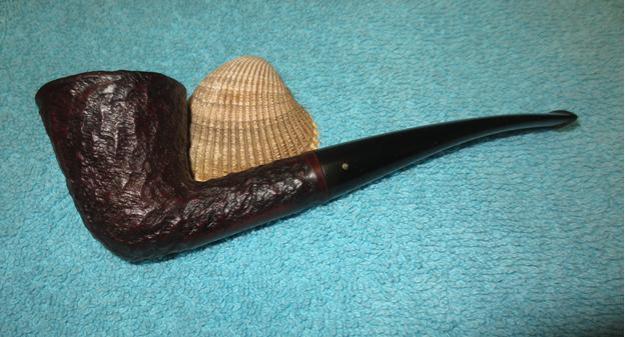
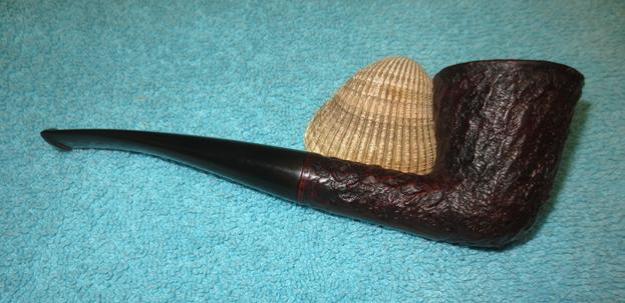
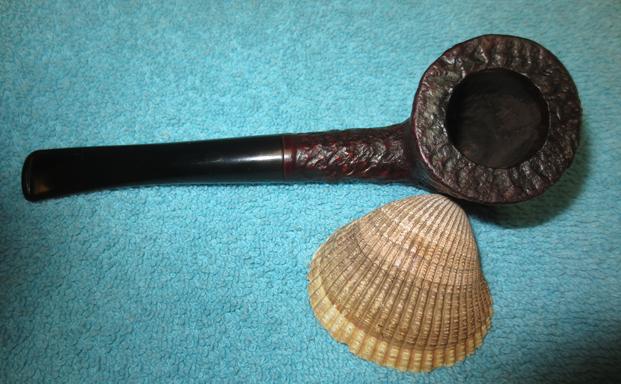
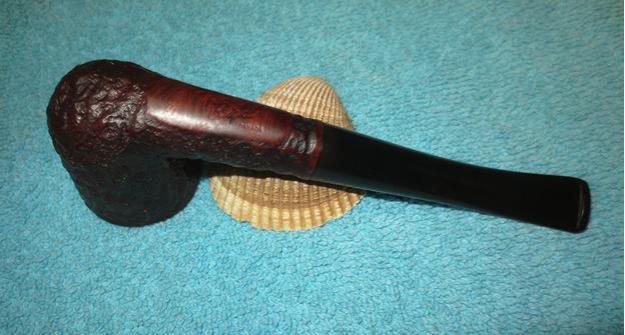
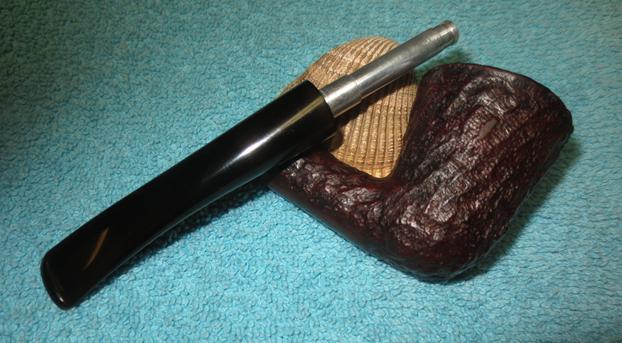
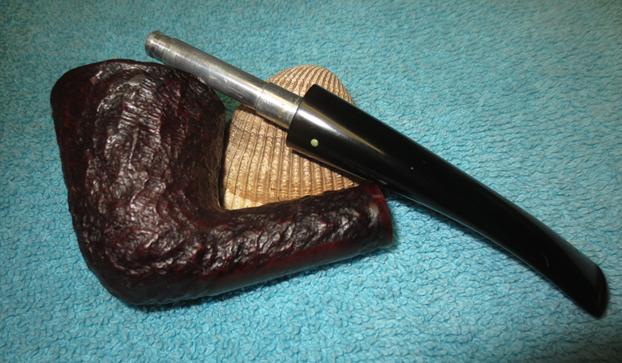
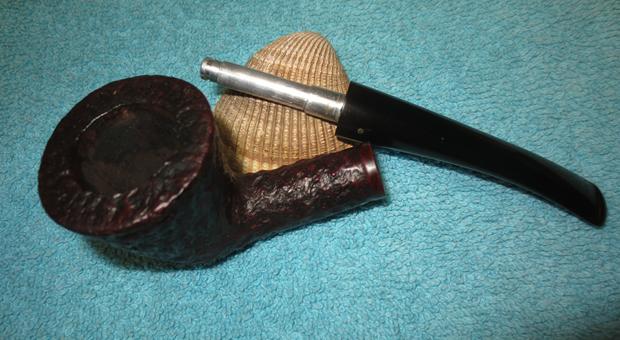
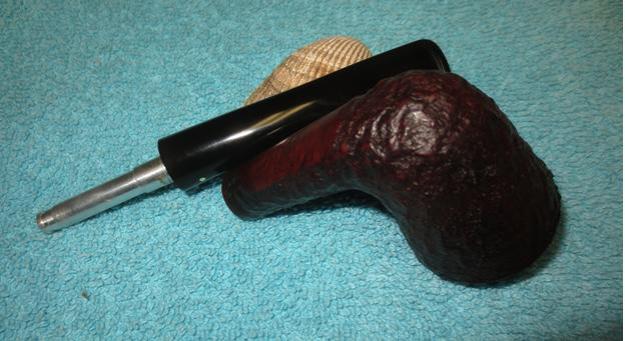
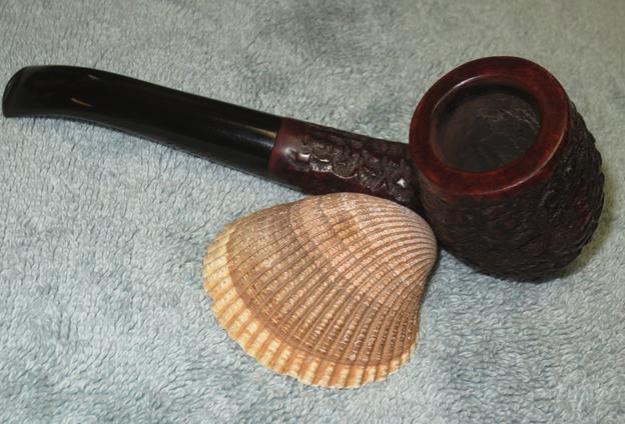
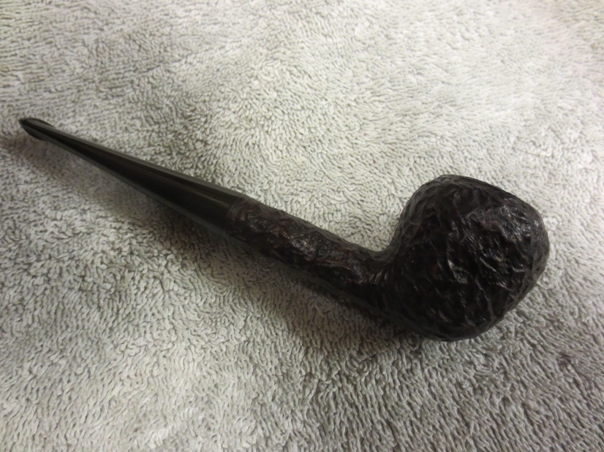
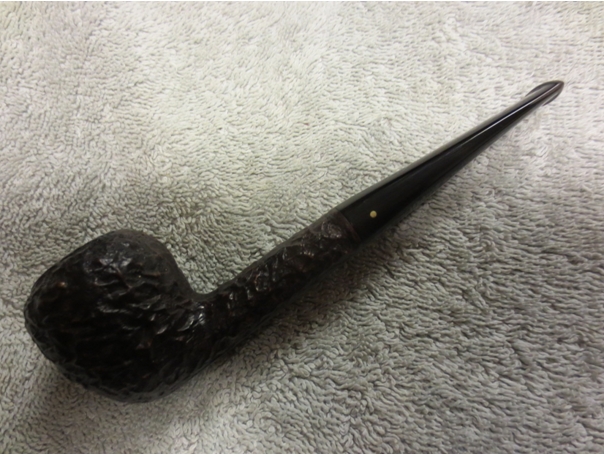
A Brigham One Dot Dublin with a Back Story


Blog by Steve Laug

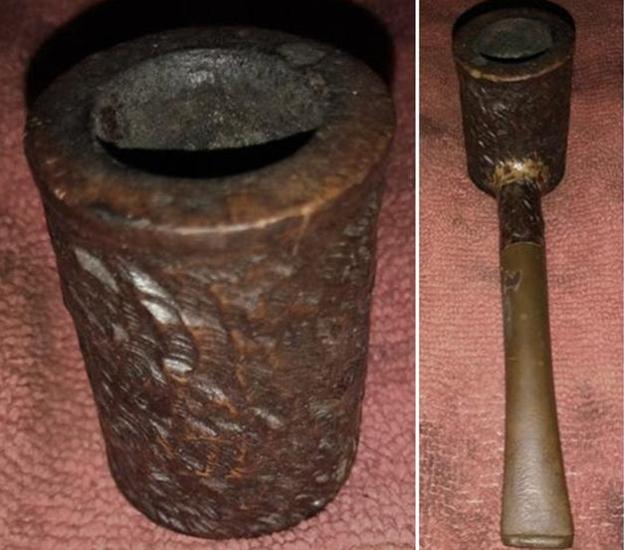
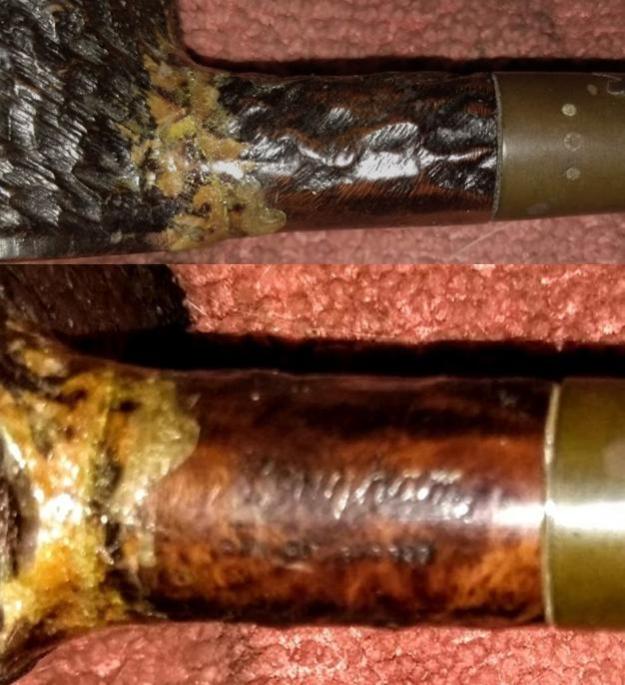
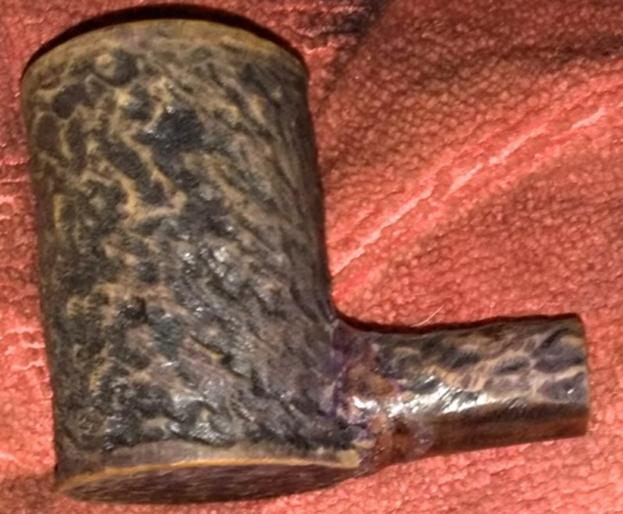
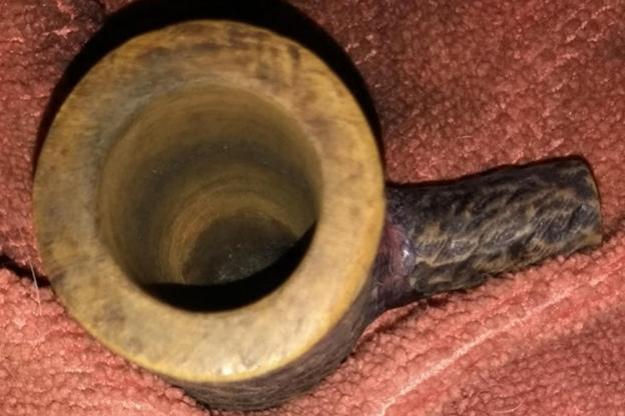
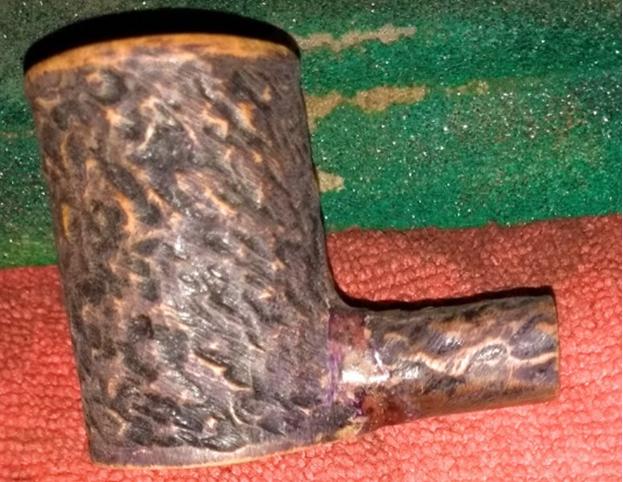
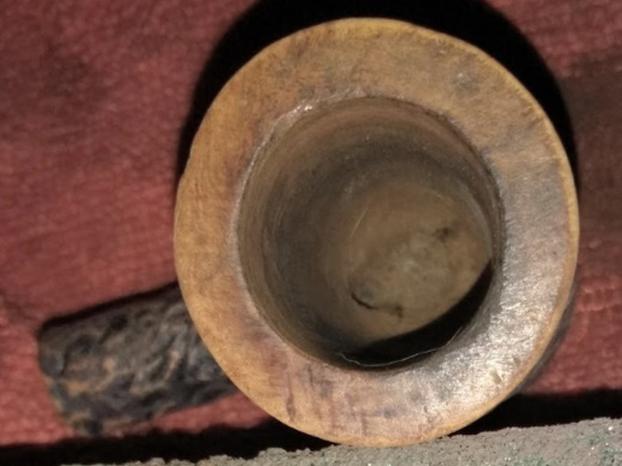
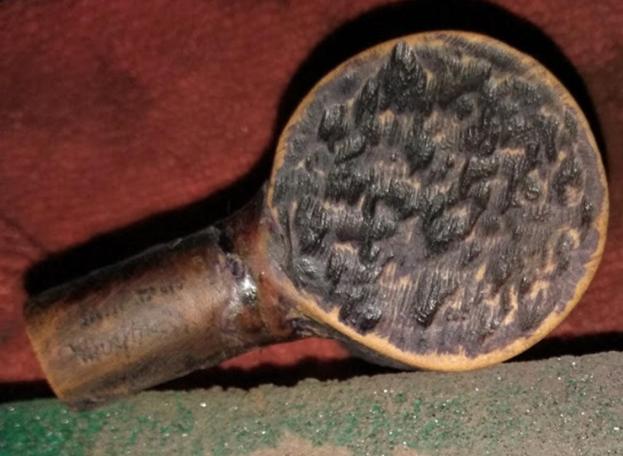
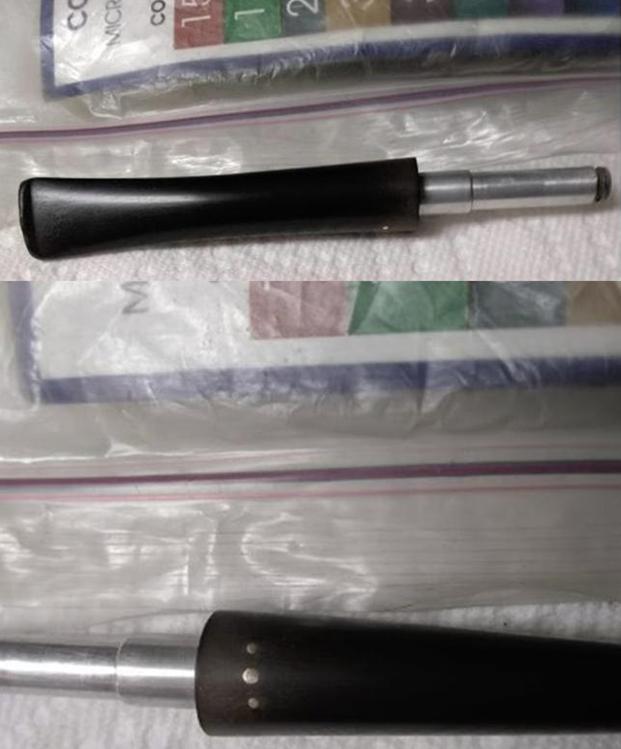
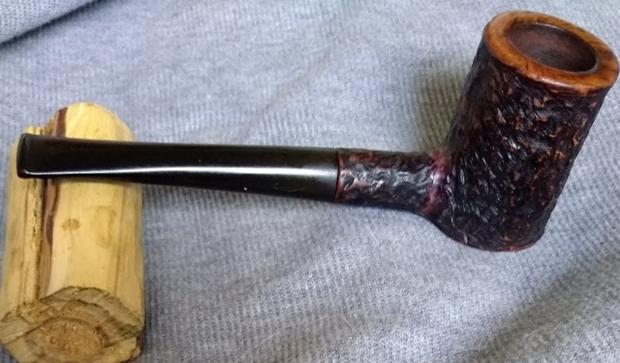
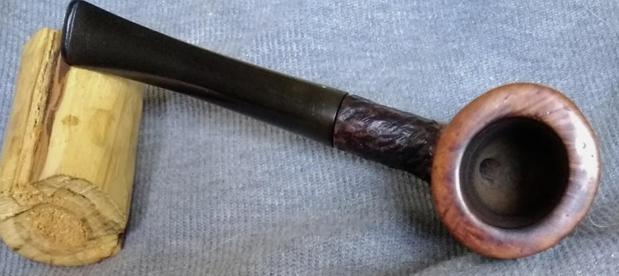
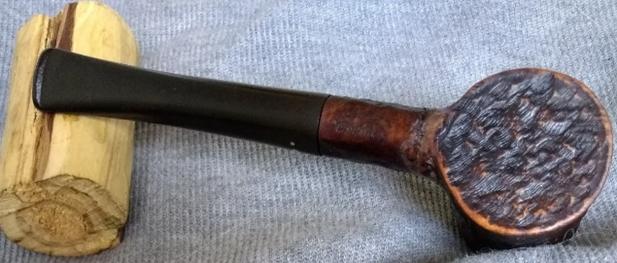
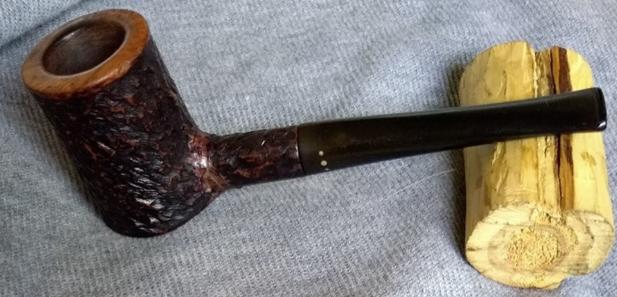
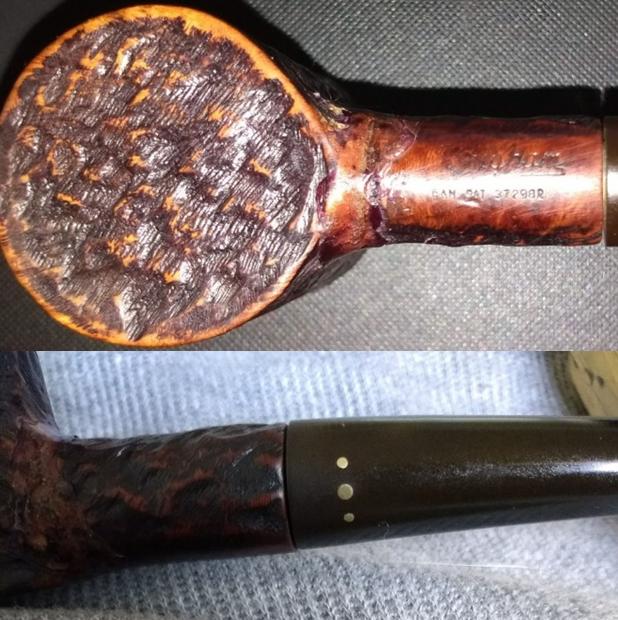
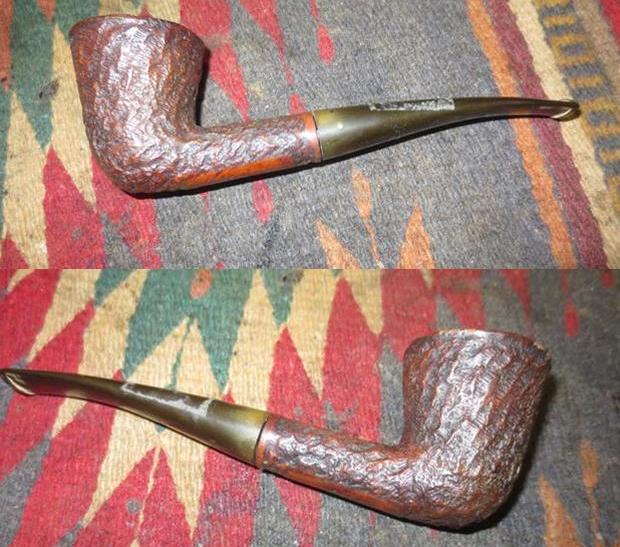
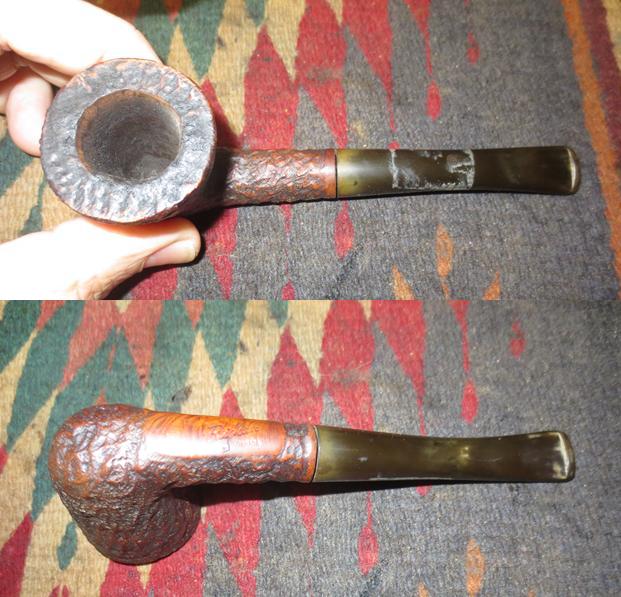
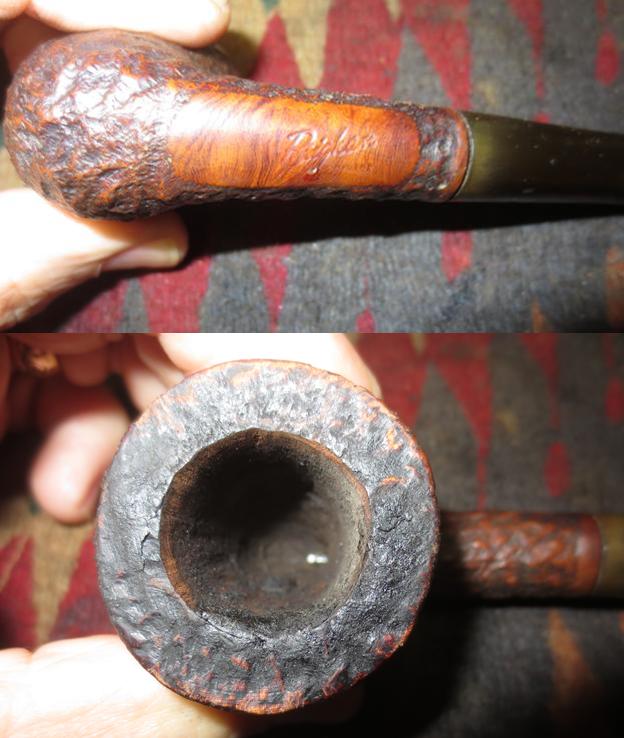
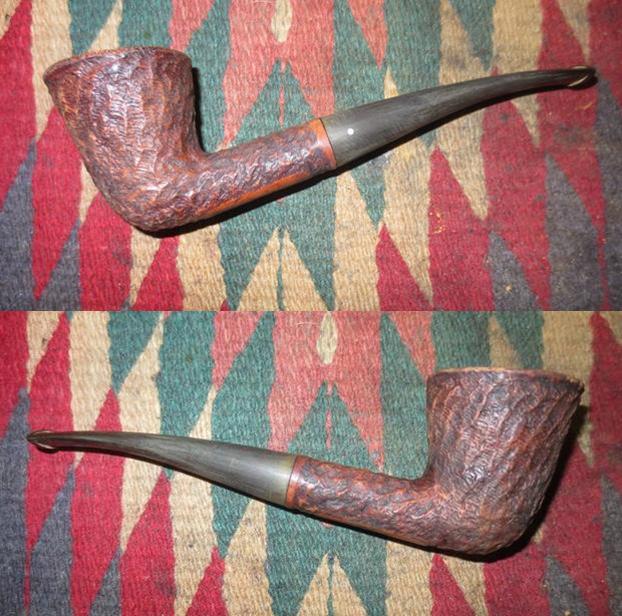
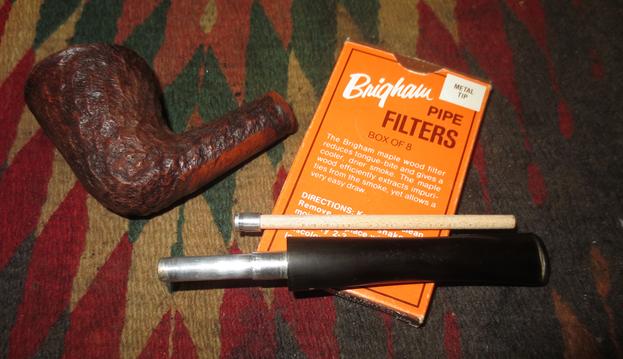
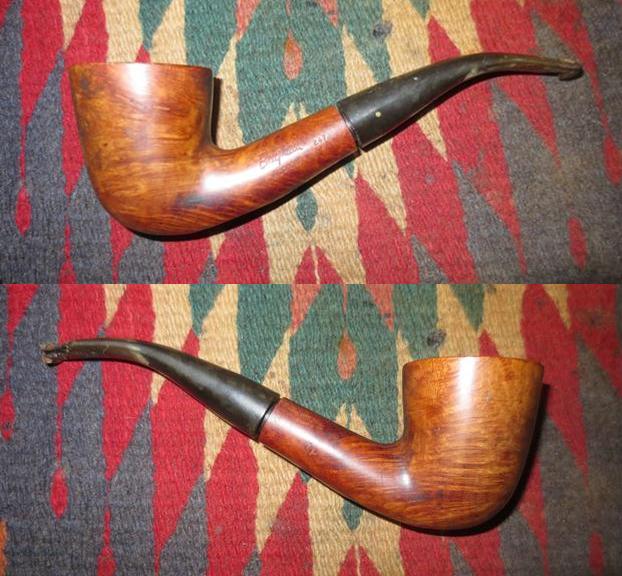
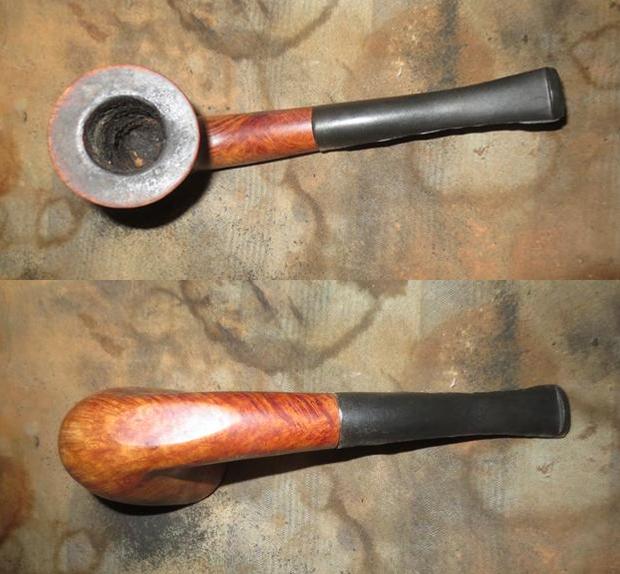
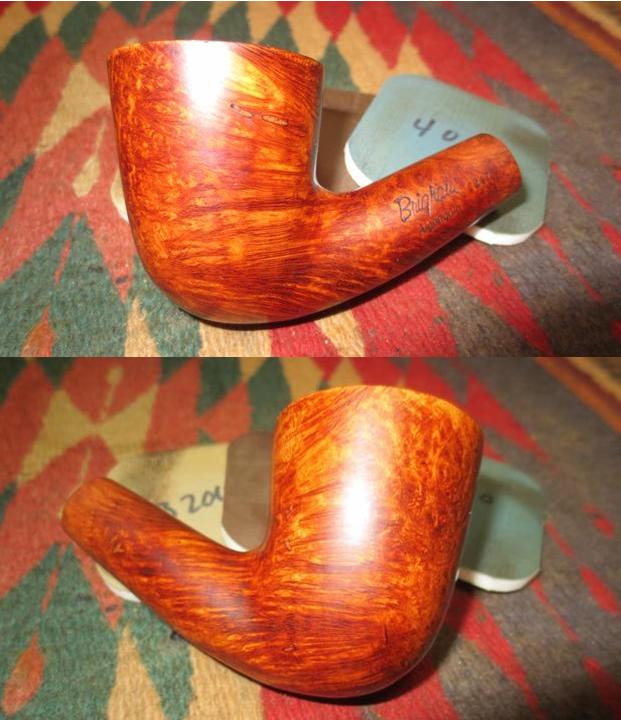
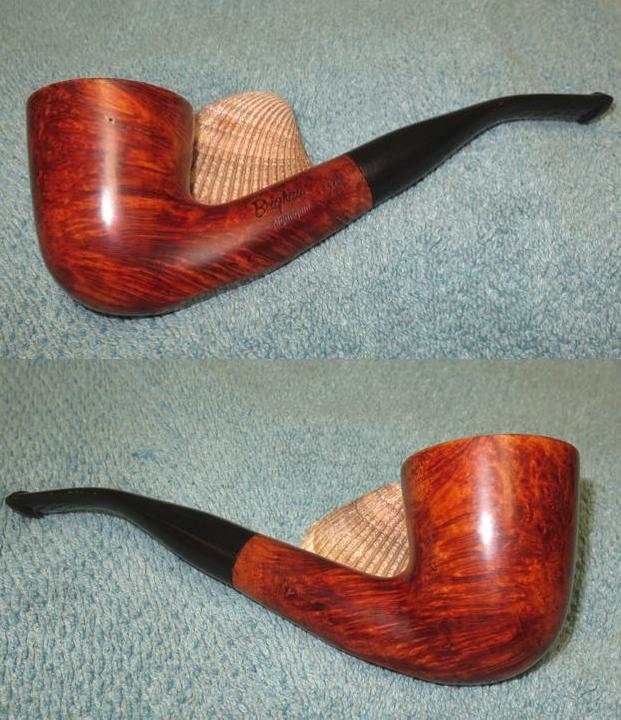
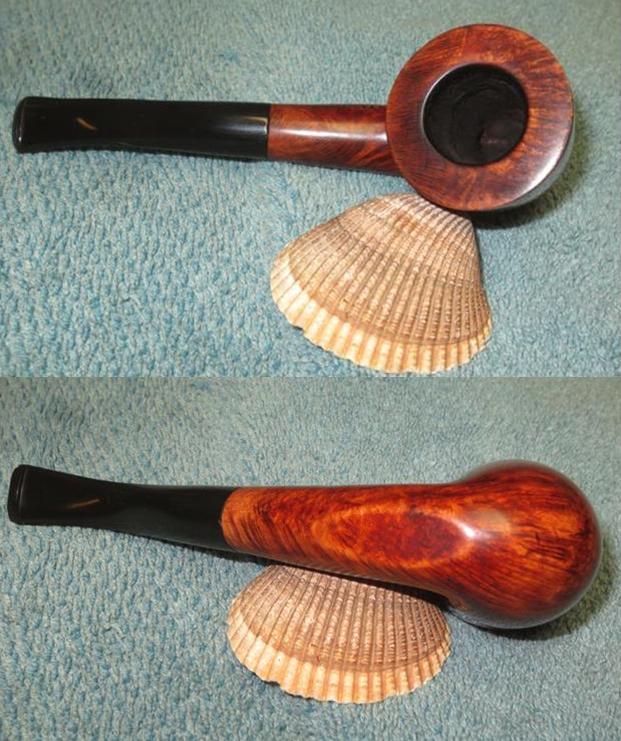
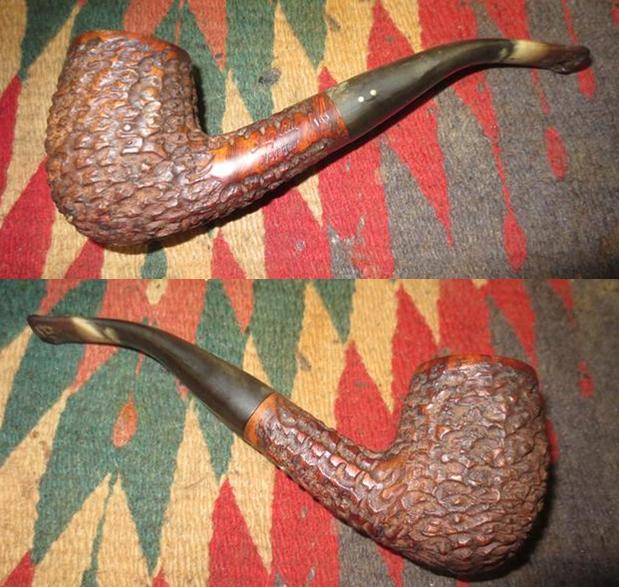
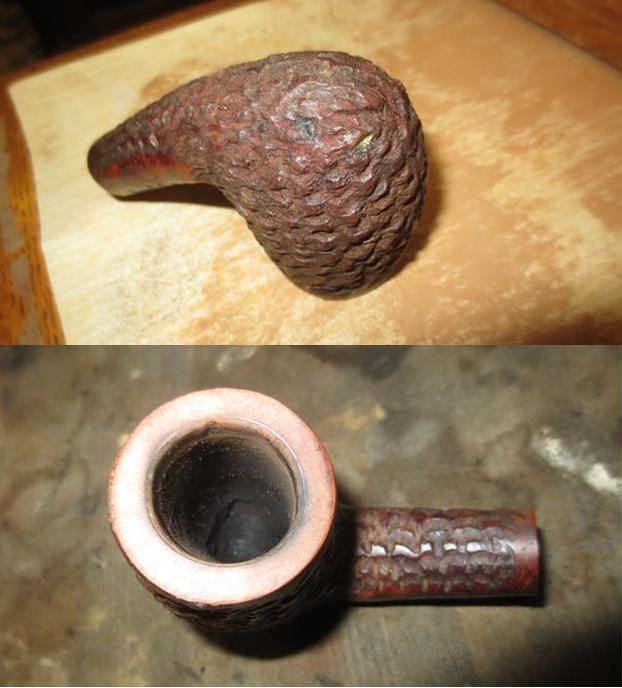
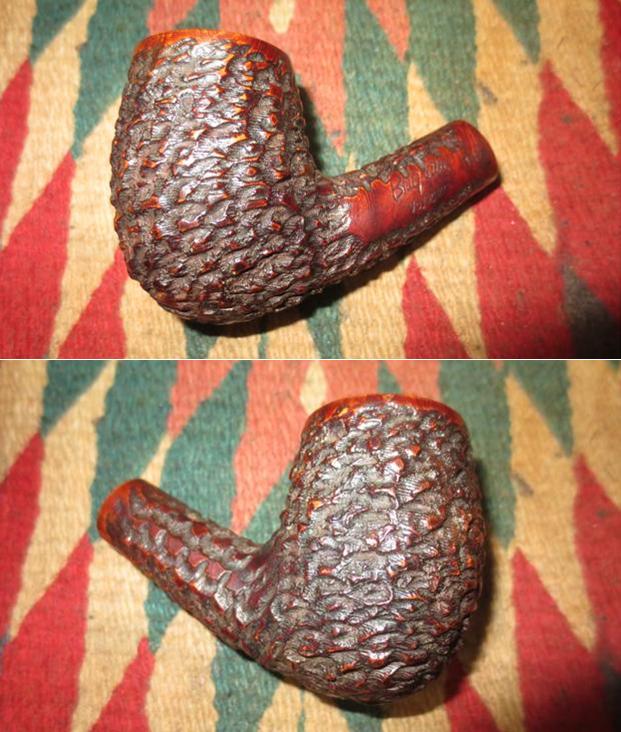
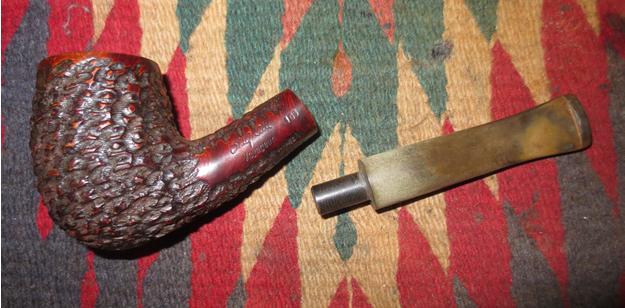
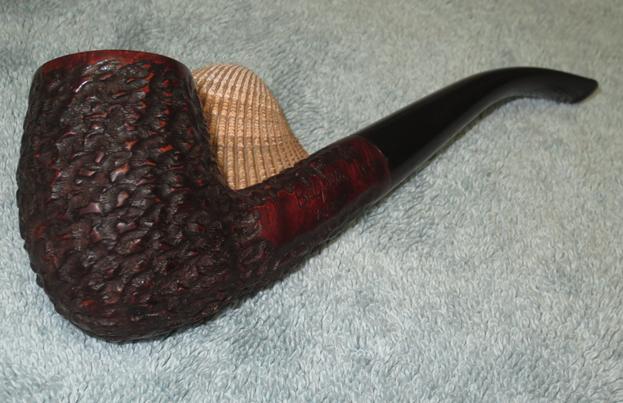
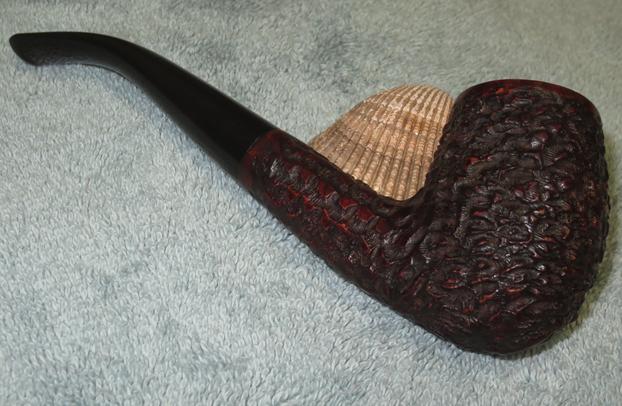
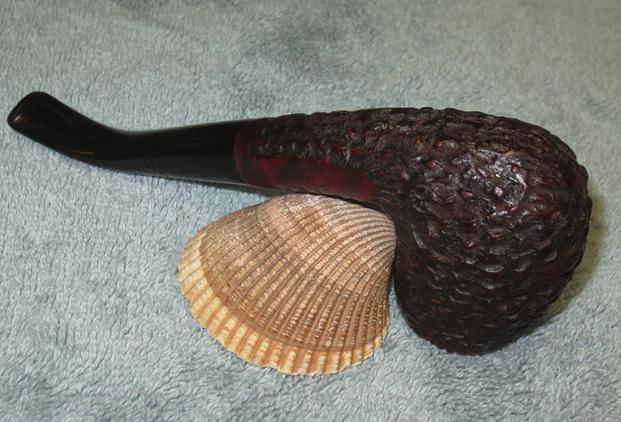
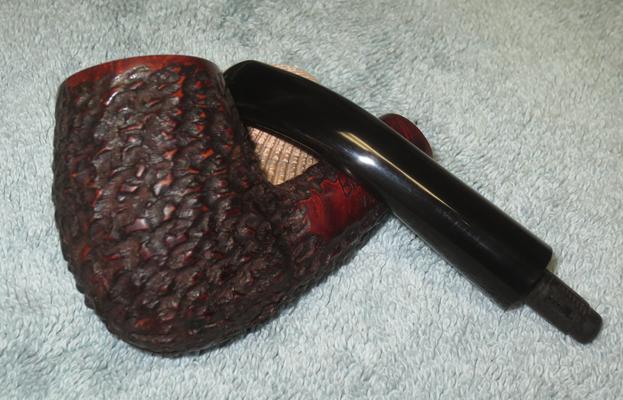
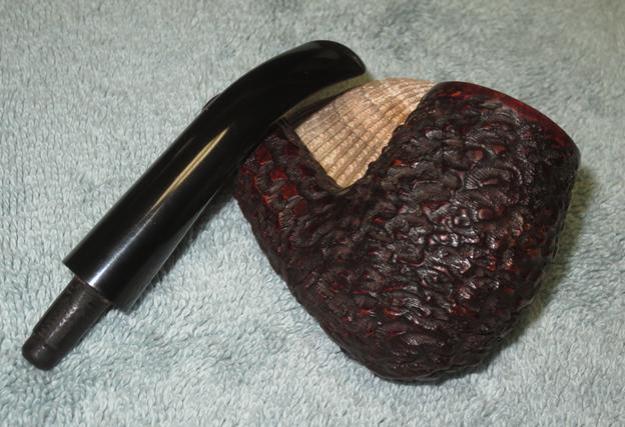
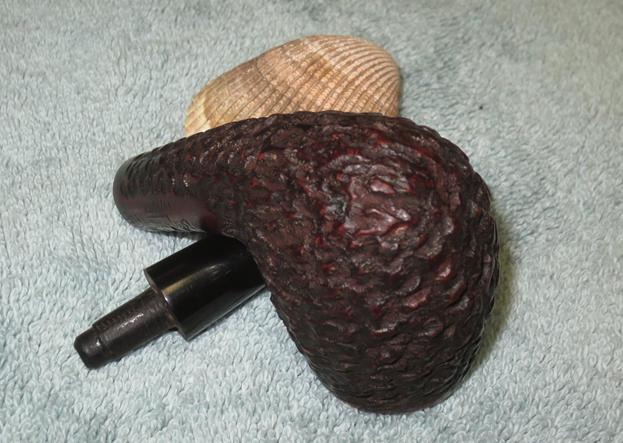
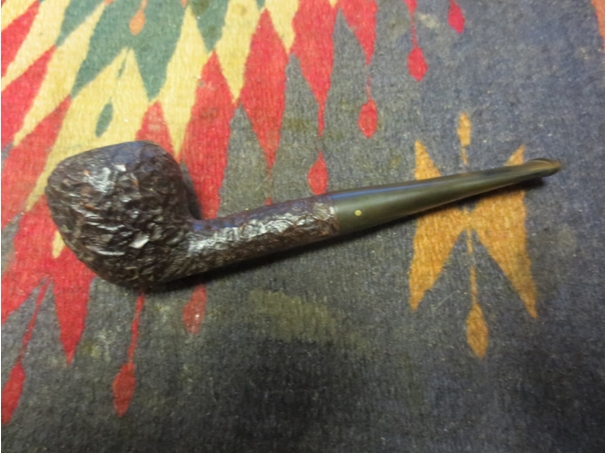
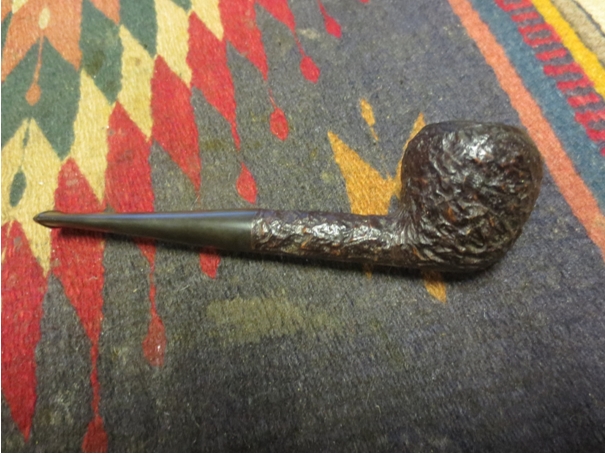
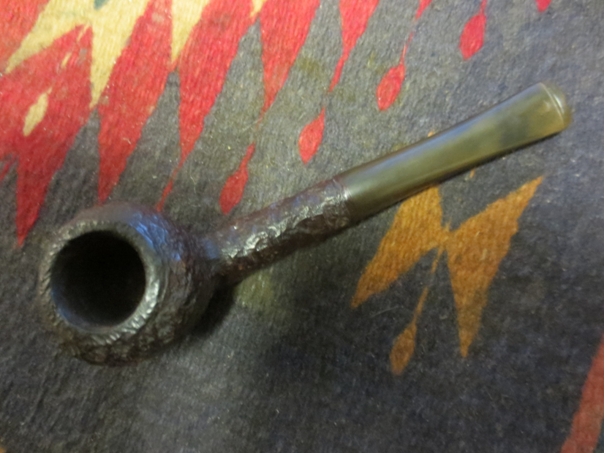
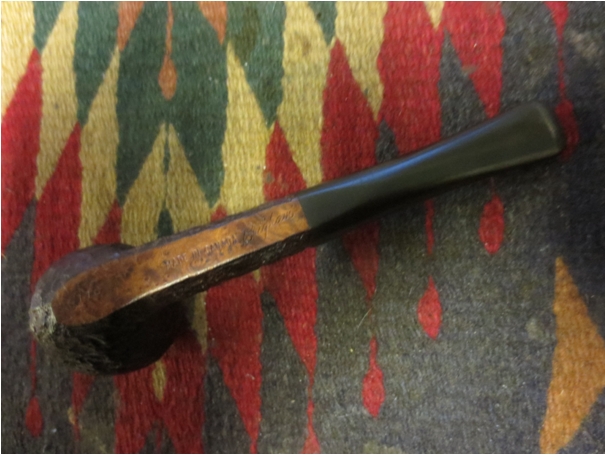
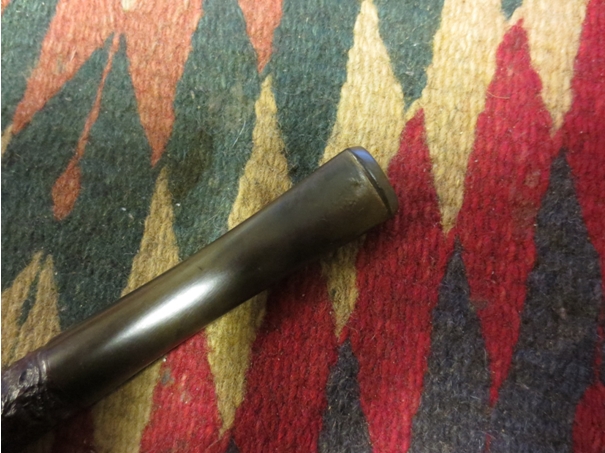
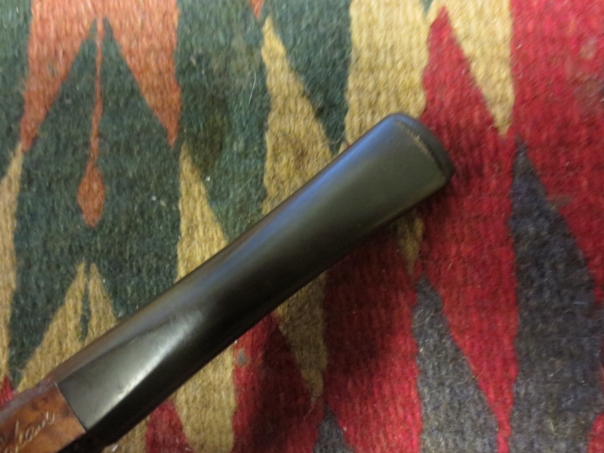
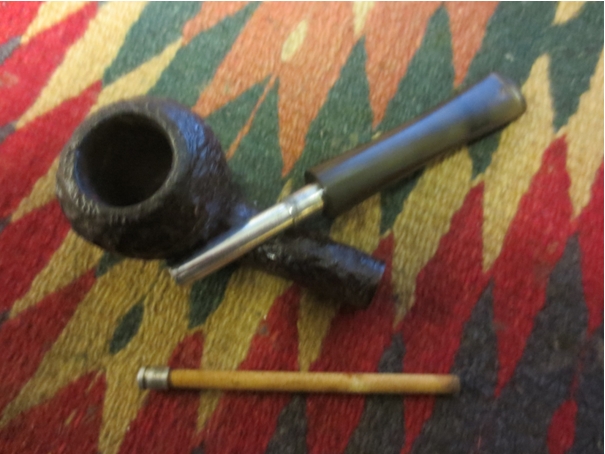
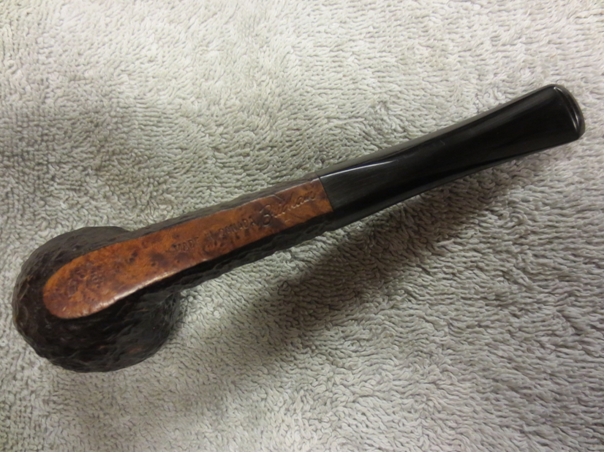
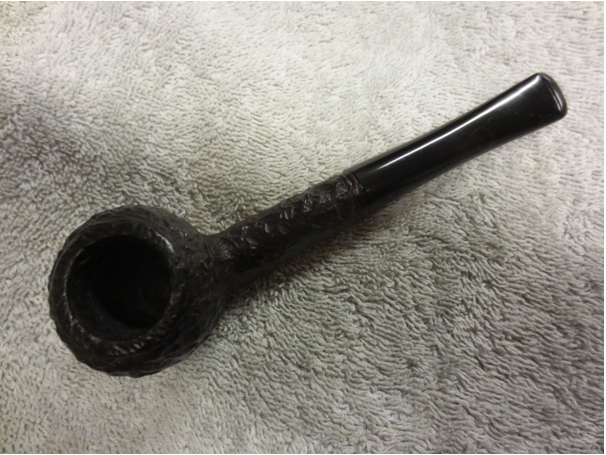
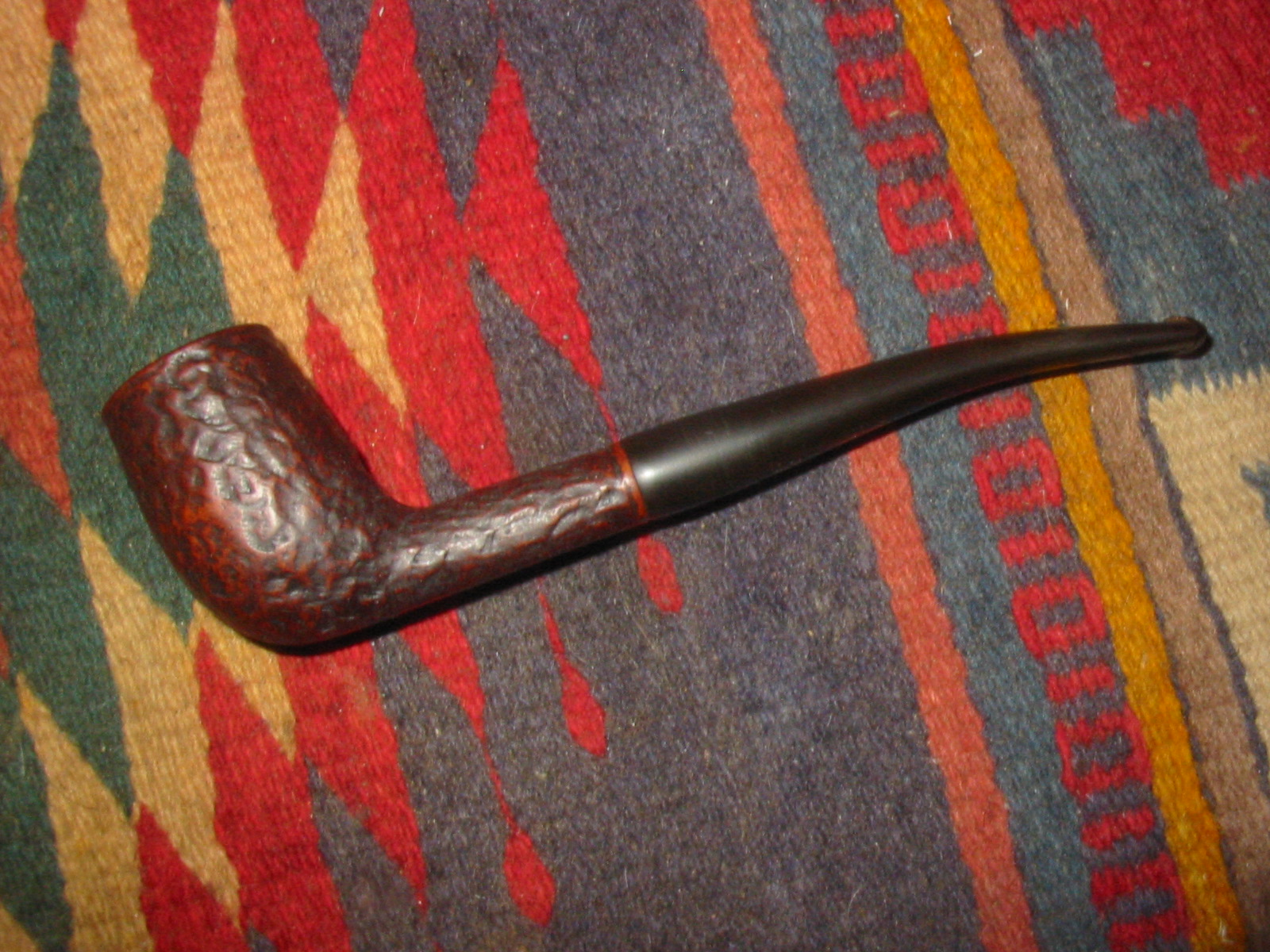
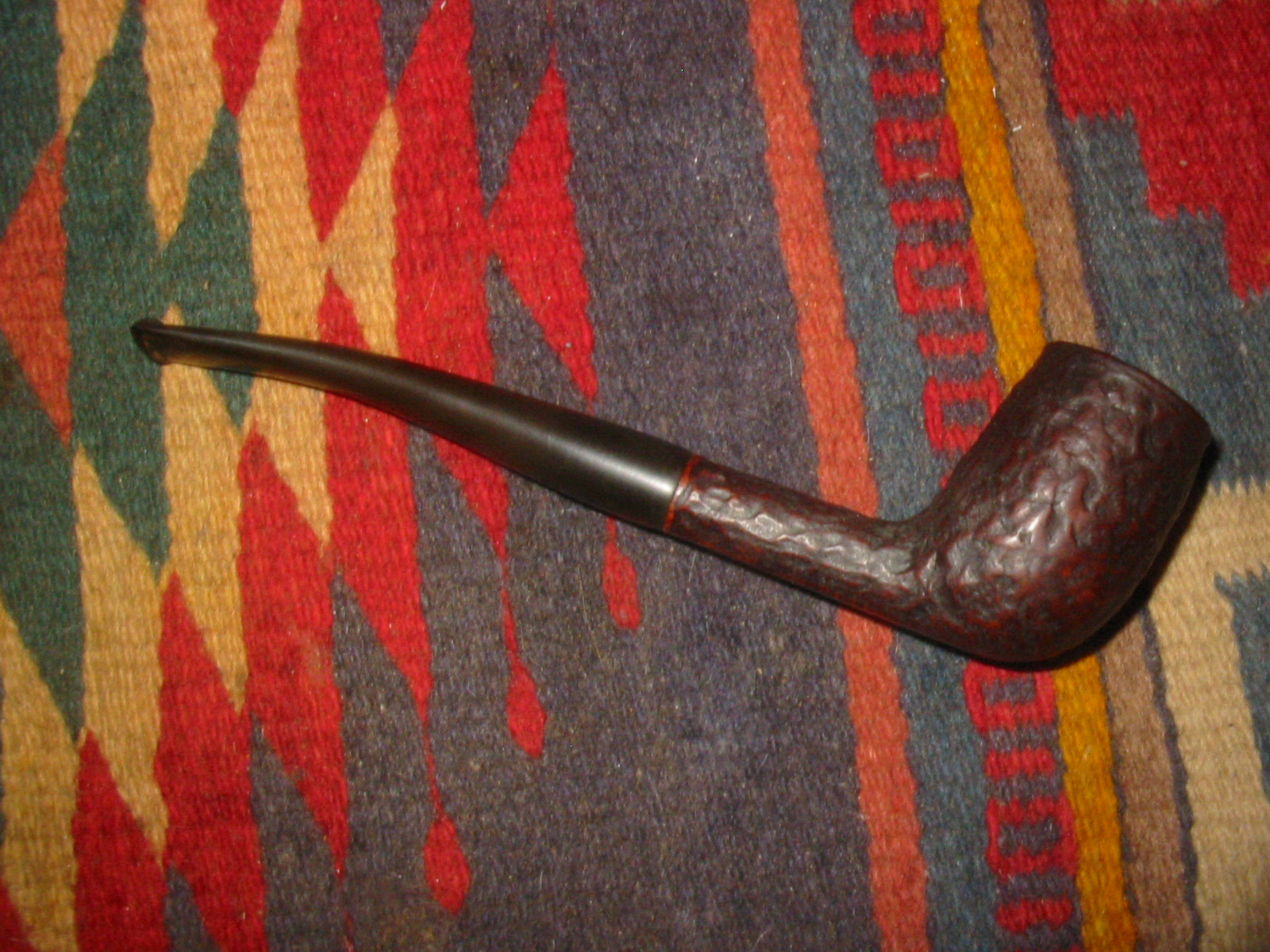
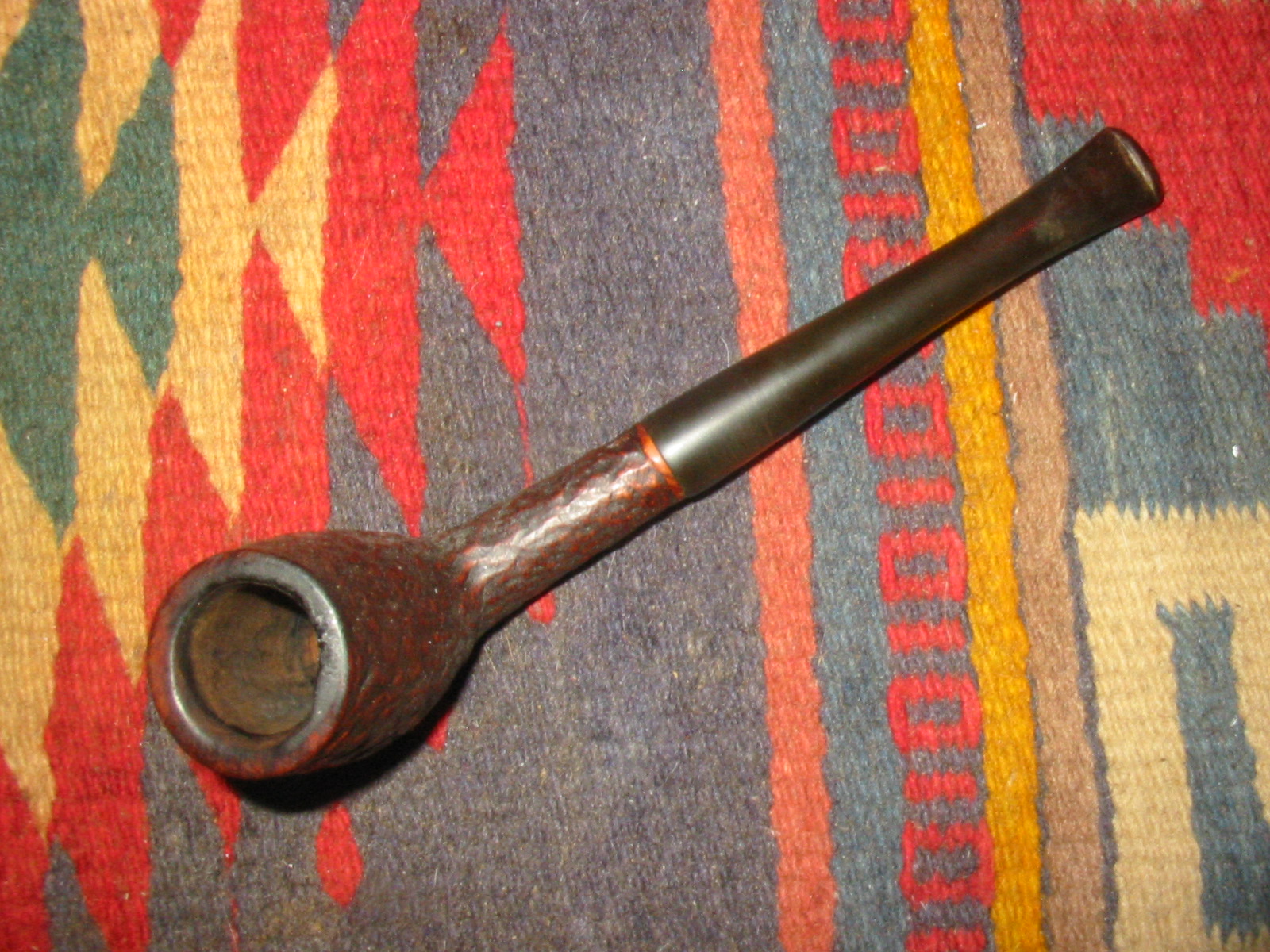
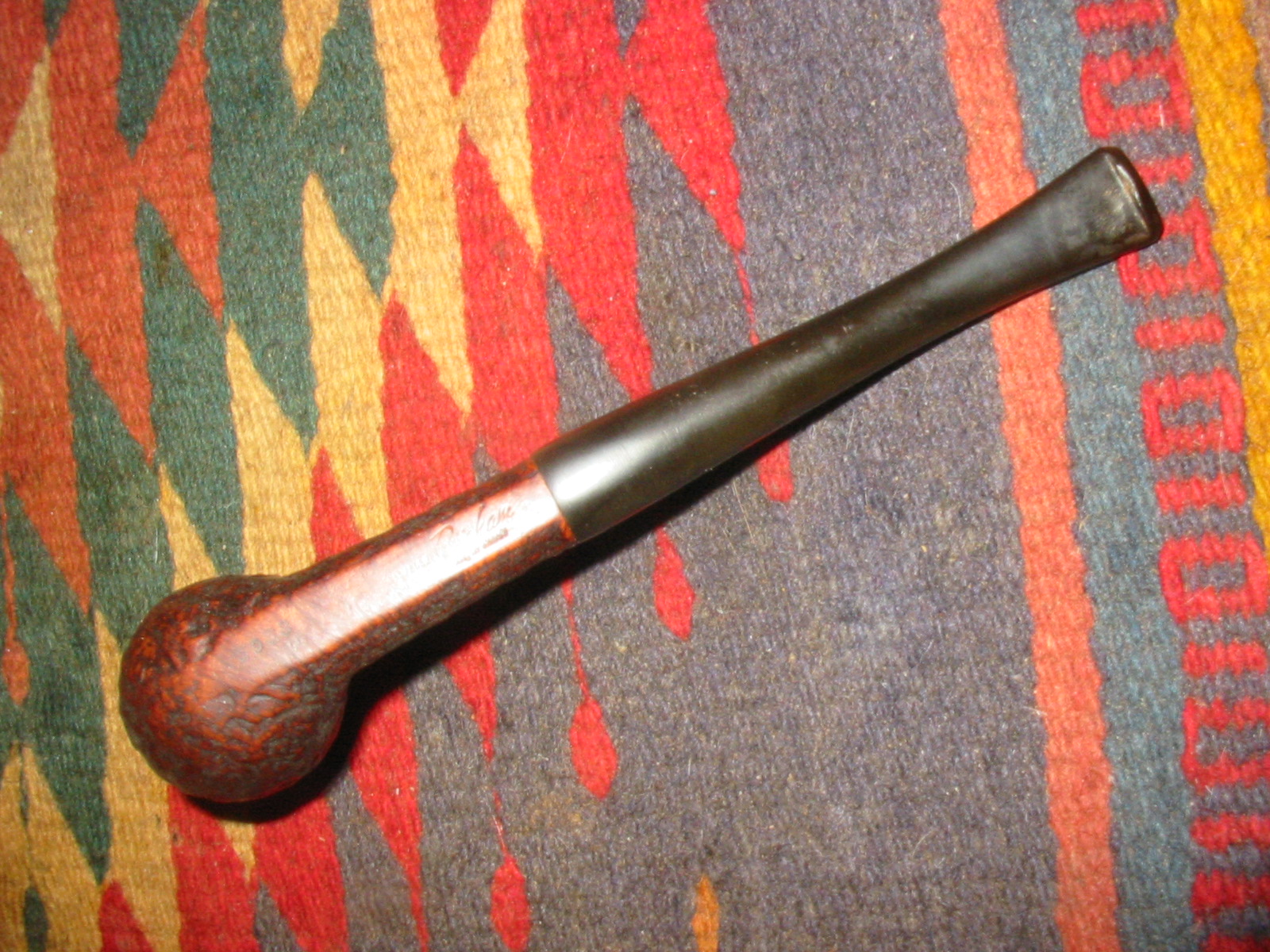
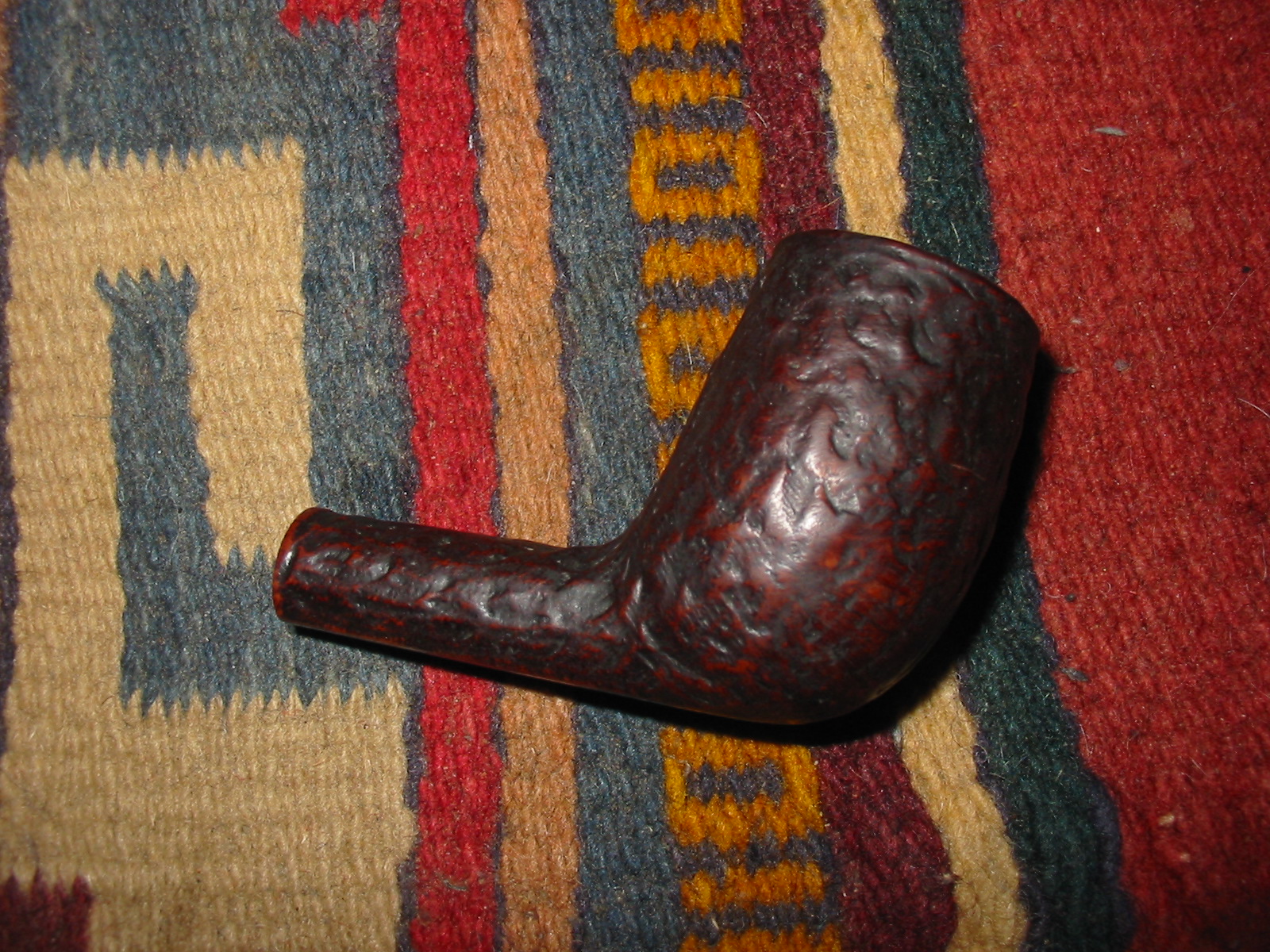
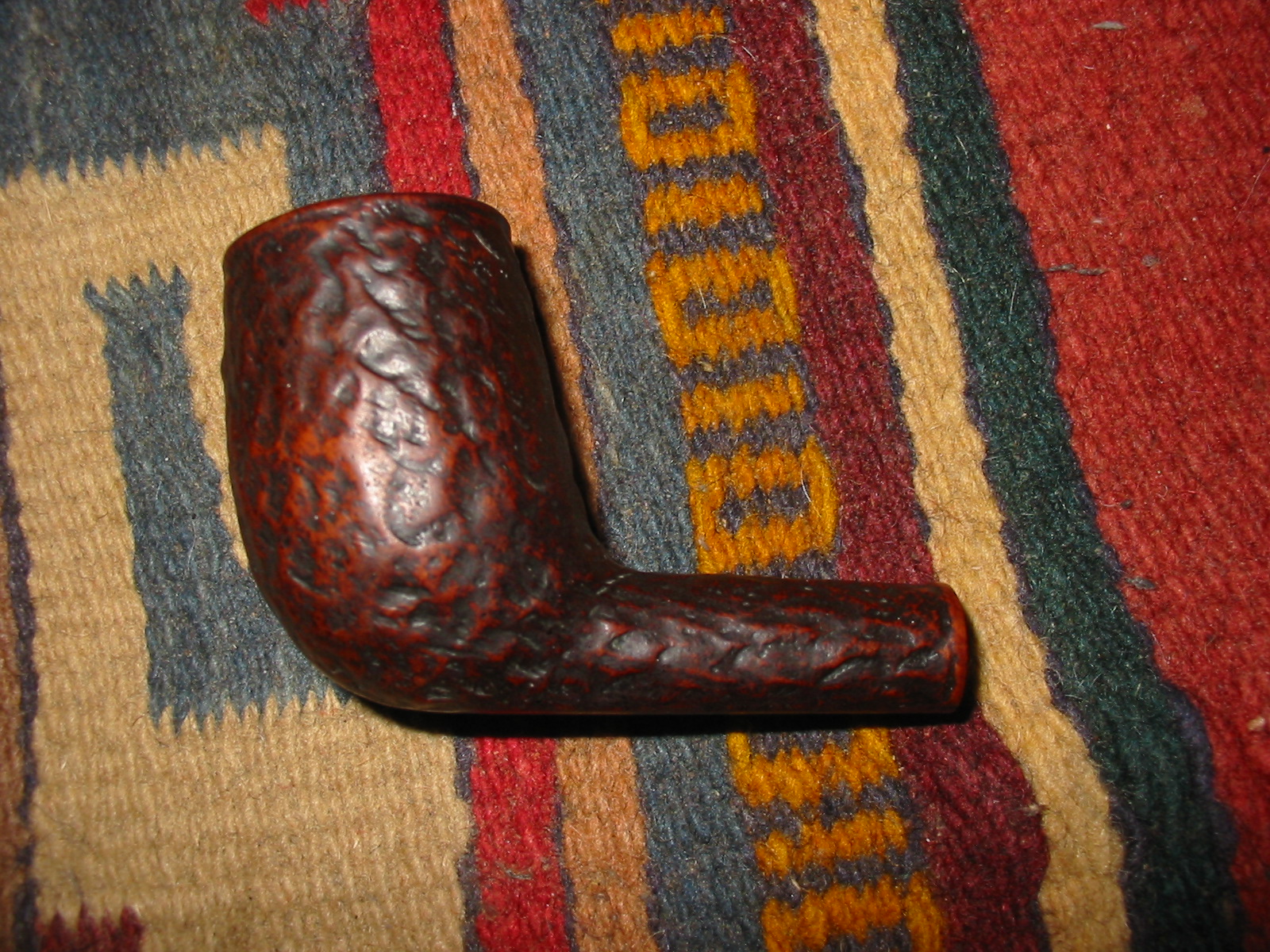
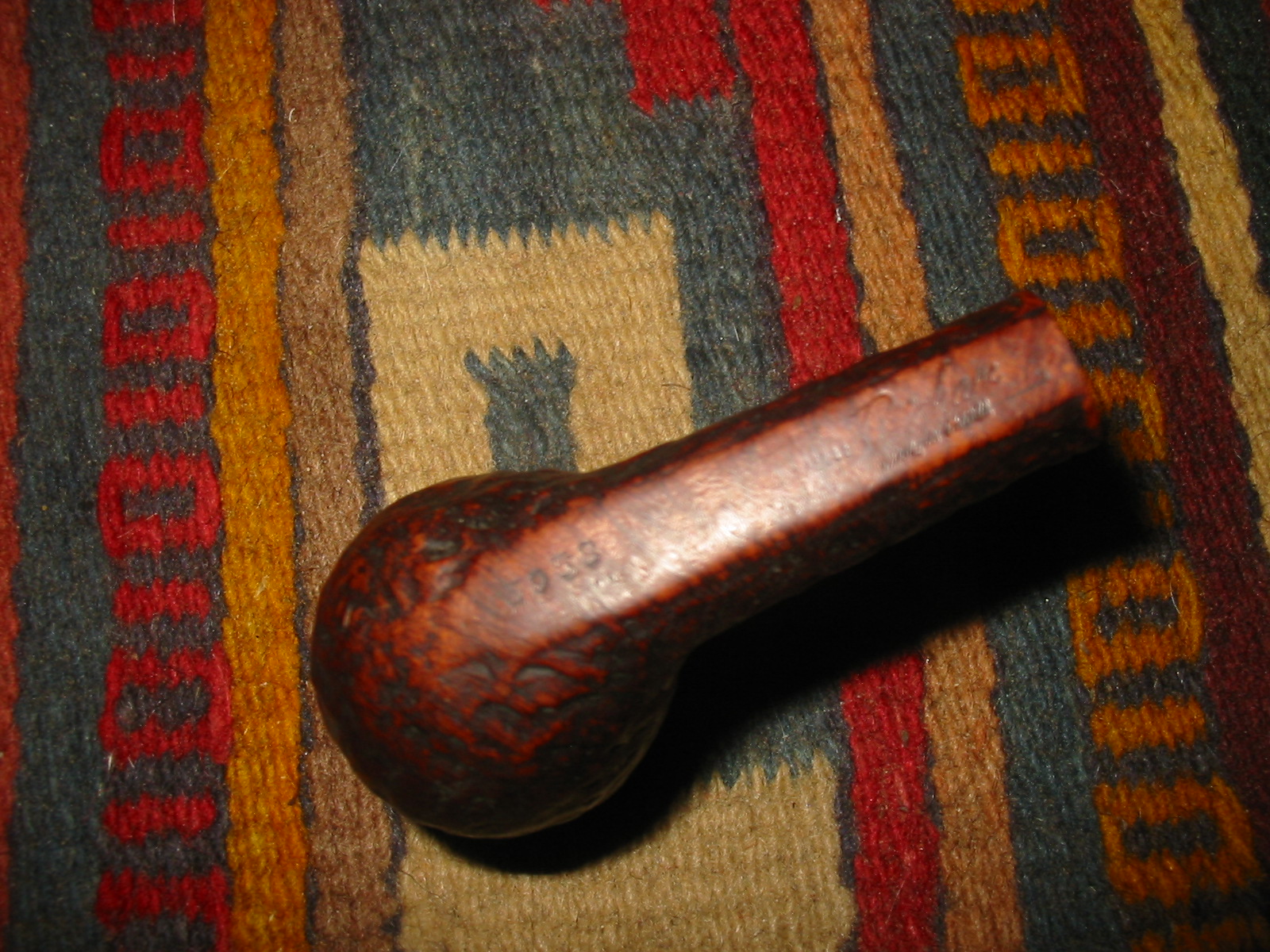
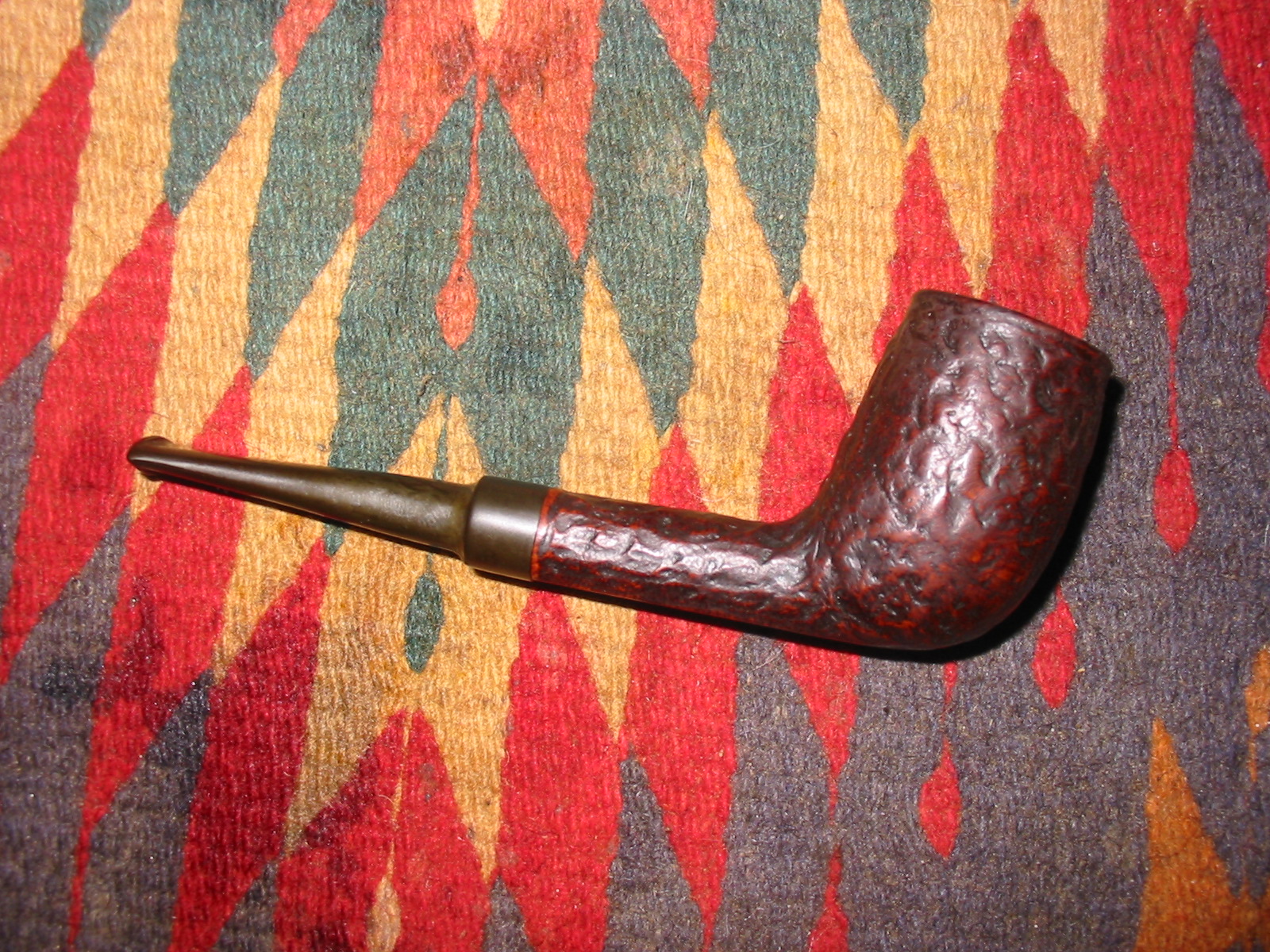
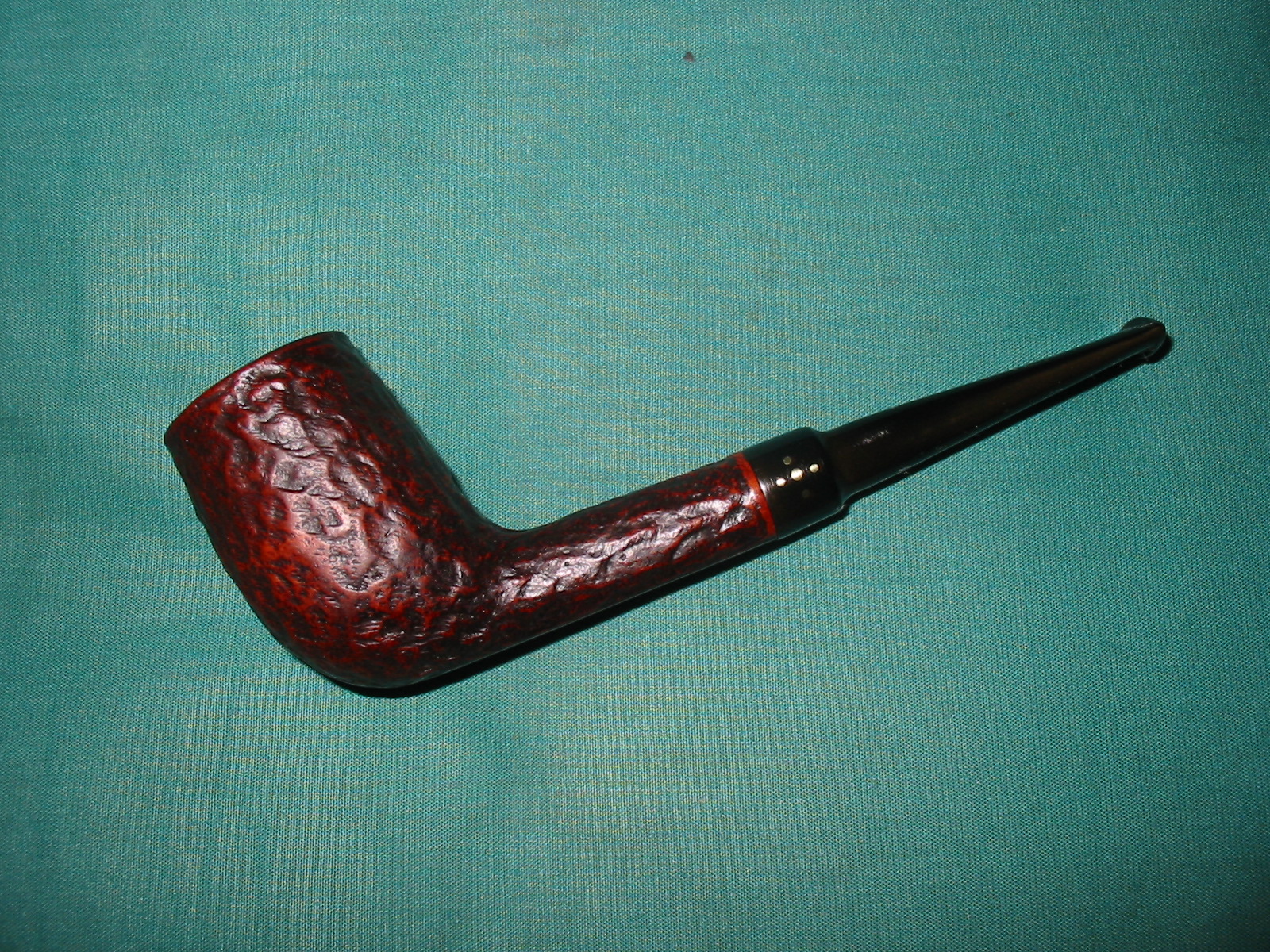
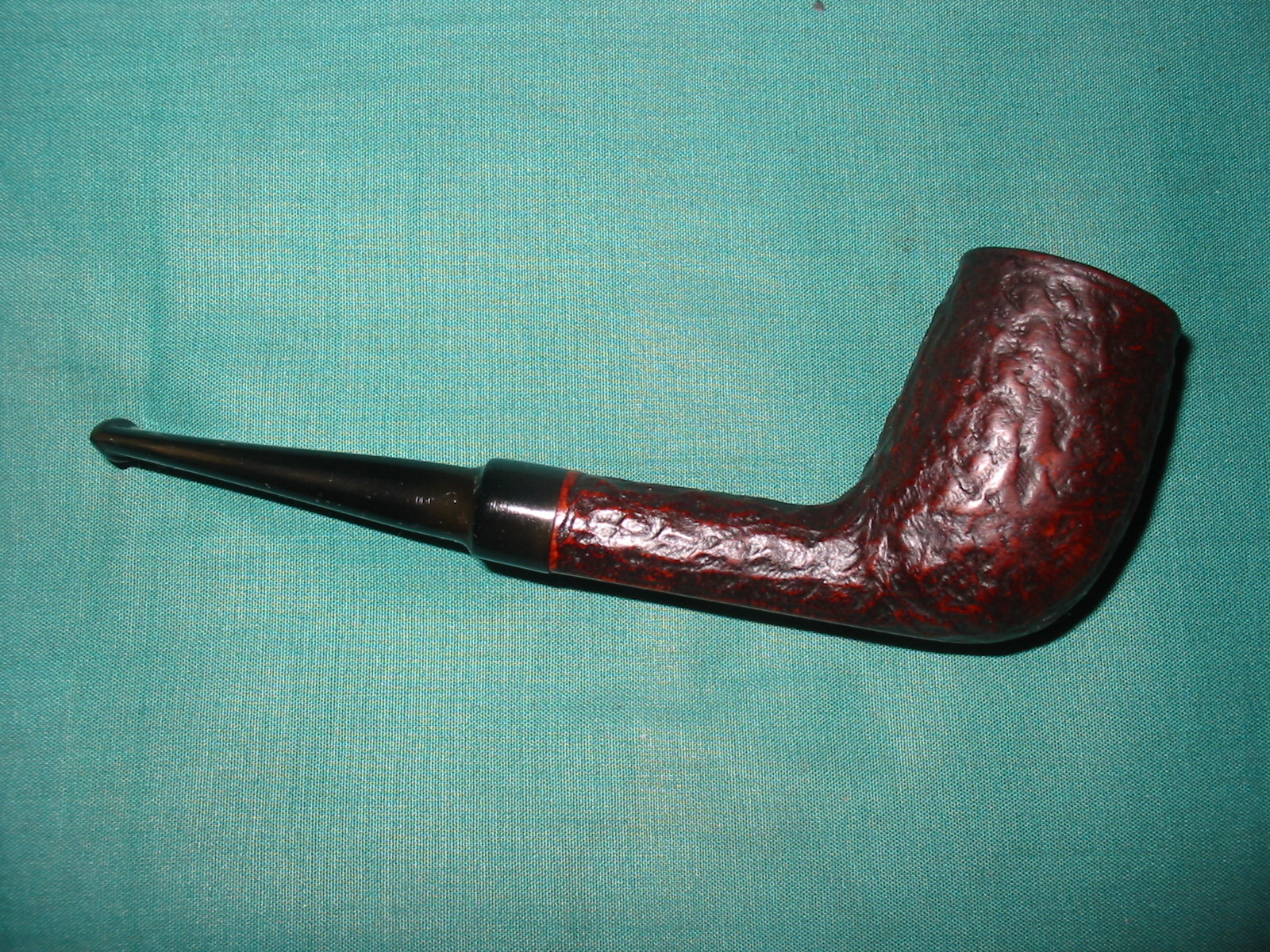
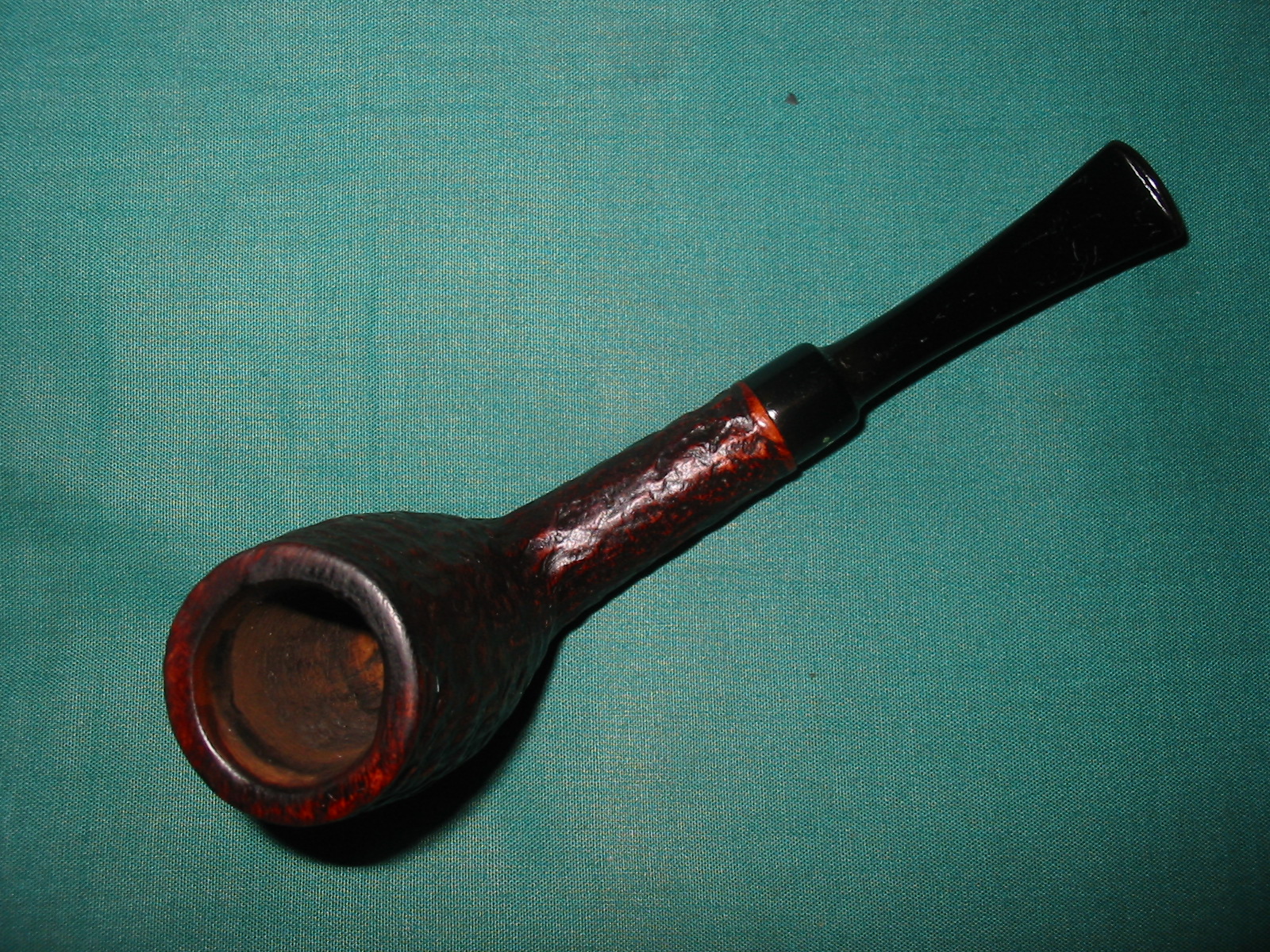
This old Brigham was the next pipe I brought to my work table. I got a message from Greg on Facebook saying he had been reading one of my posts about a box of estate pipes I had received and he was interested in adding this one to his rack. The pipe was a Brigham One Dot Dublin with a slight bend in the stem. It was an older one made before the manufacture of the pipes was moved to Italy. It has the standard aluminum tenon and filter mechanism of the Canadian made pipes. The finish is rusticated with the classic Brigham rustication on the bowl, rim top and shank. It has one smooth patch on the underside of the shank that is stamped Brigham in script over Canada. There is no shape number or other stamping on the shank.

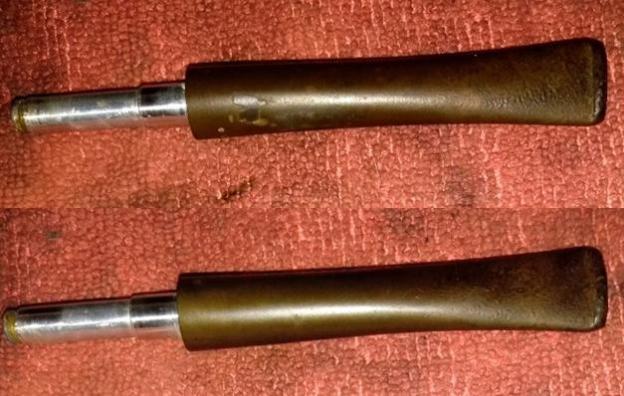
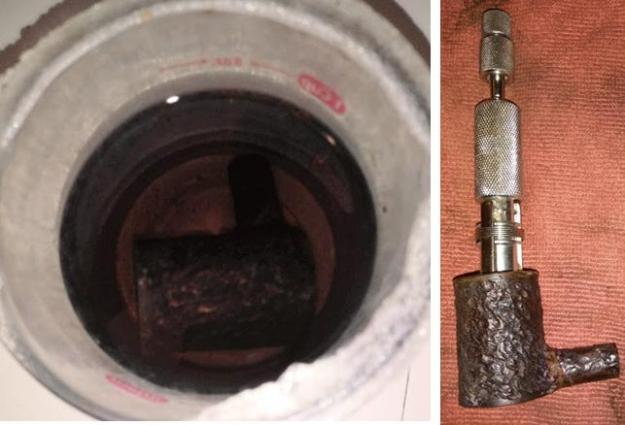
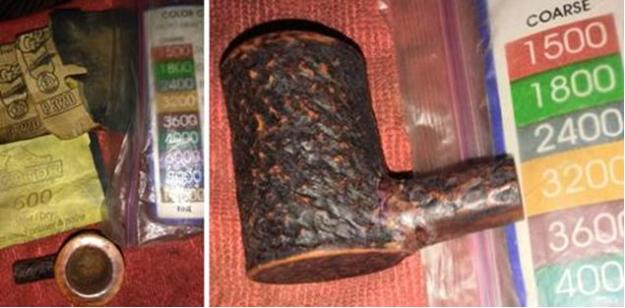
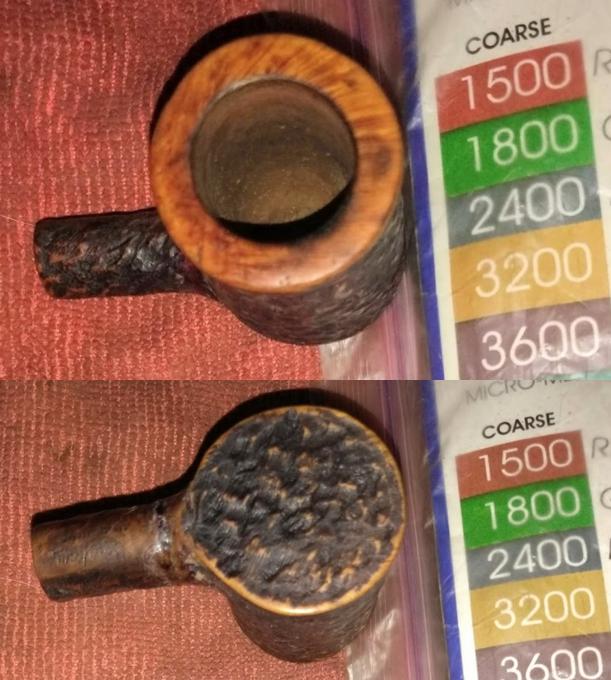
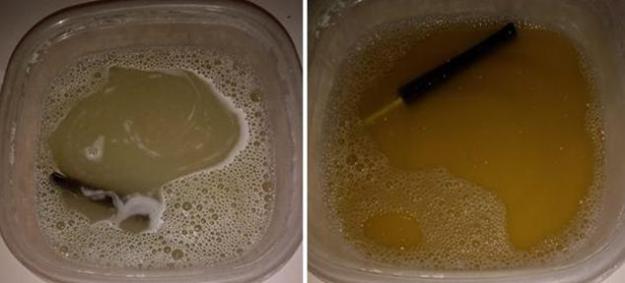
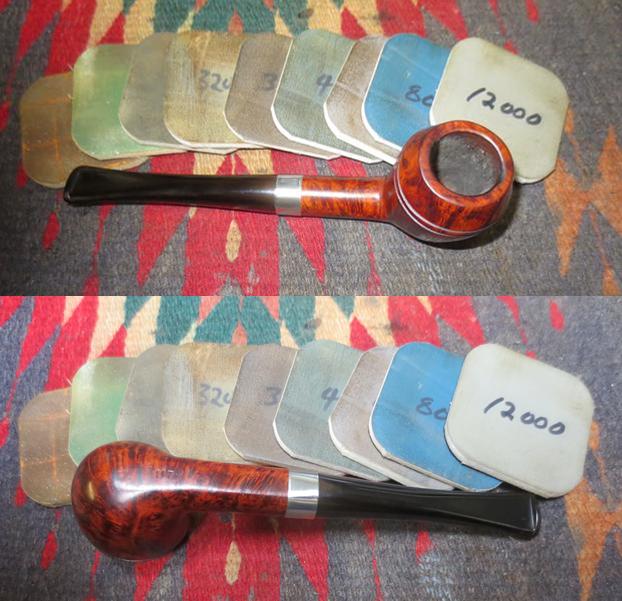
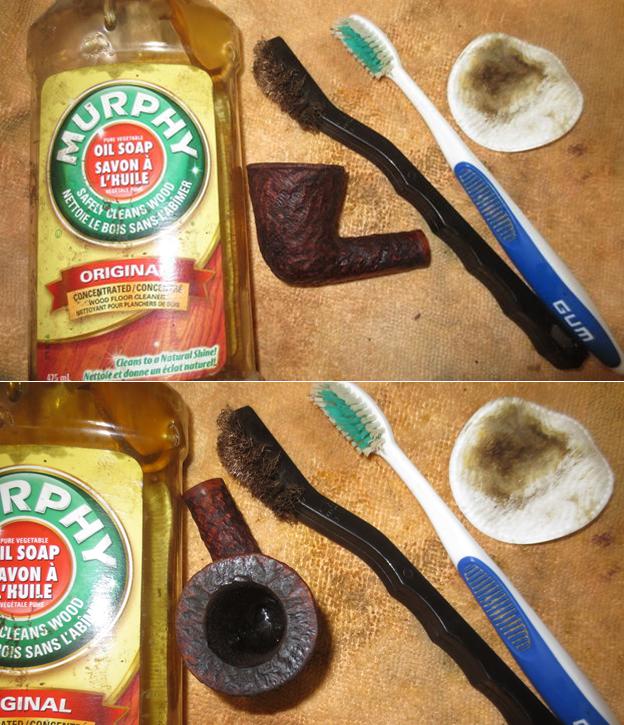
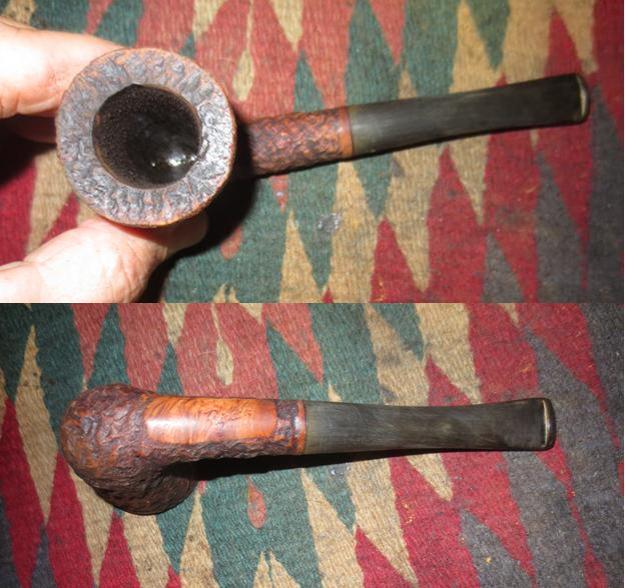
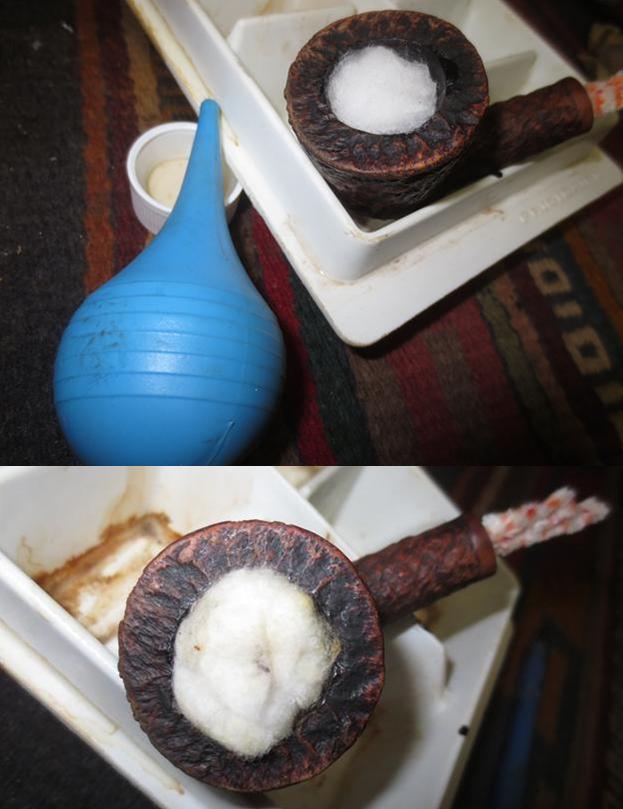
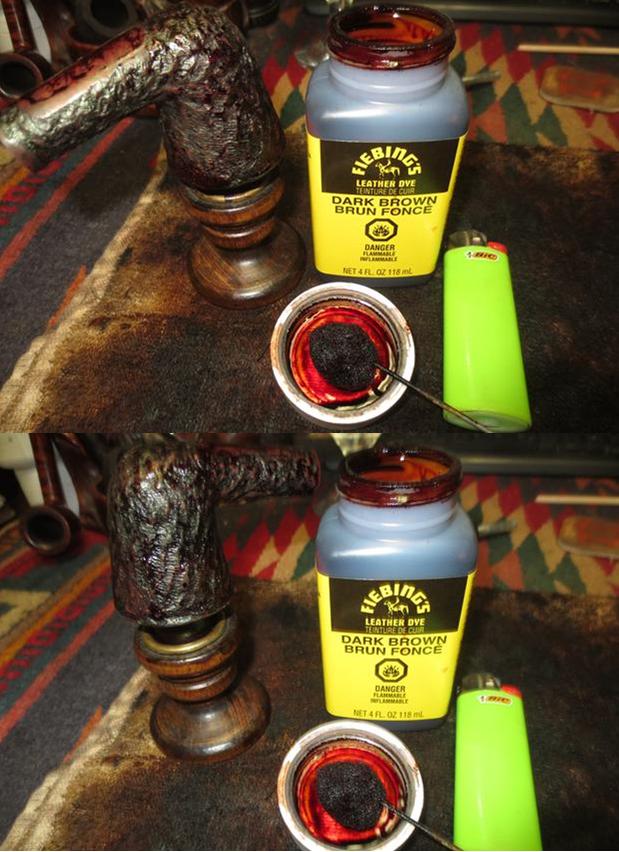
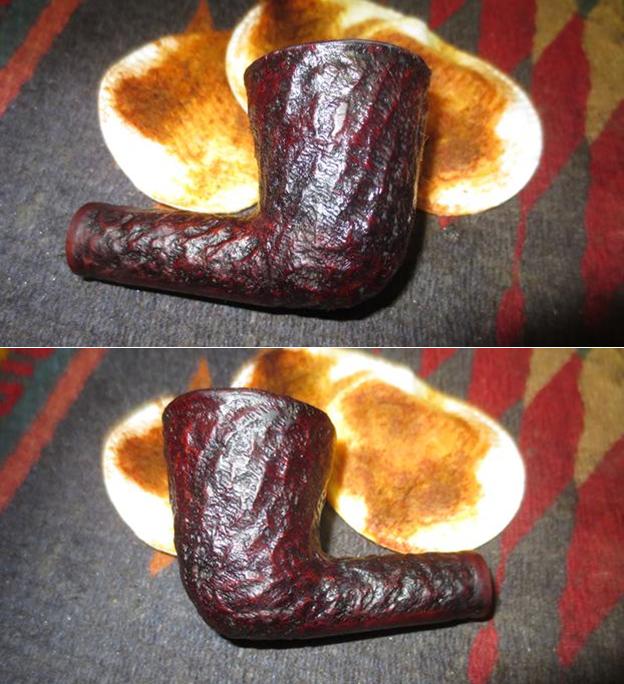
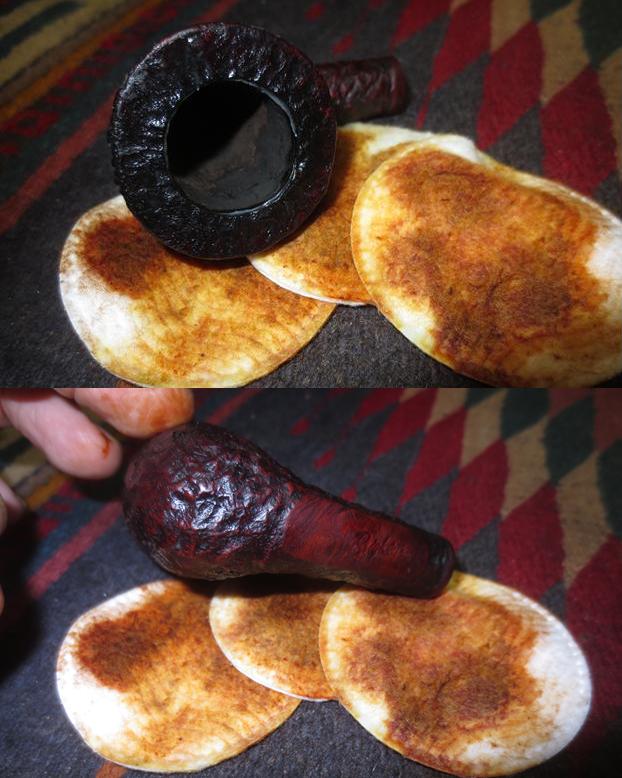
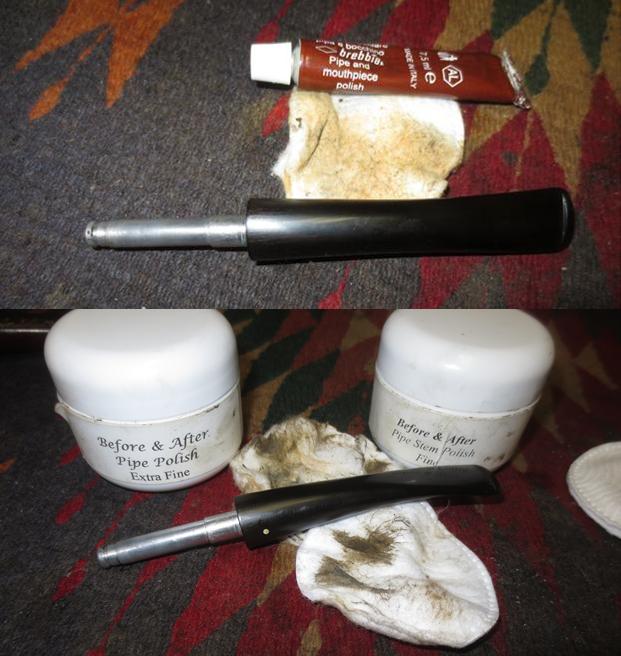
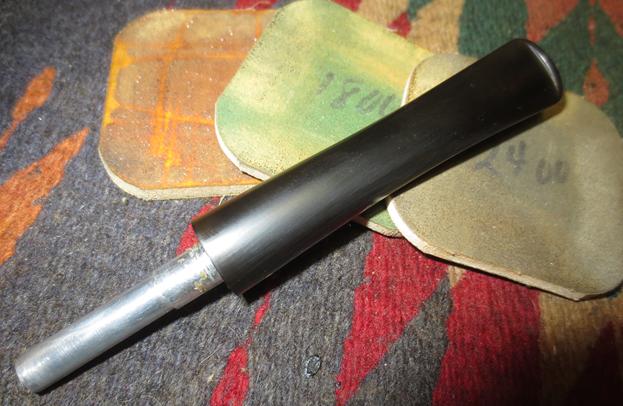
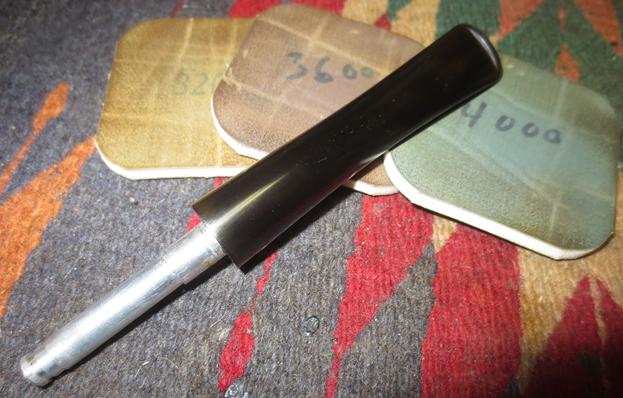
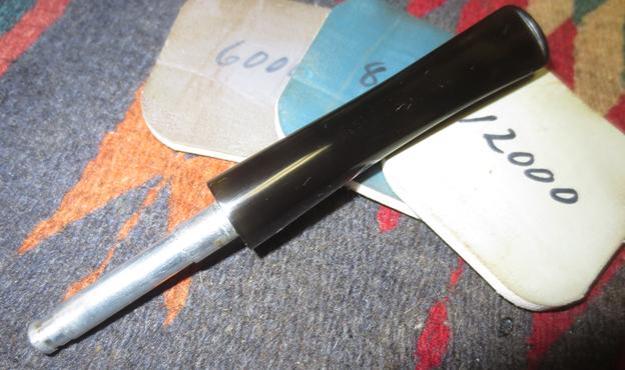
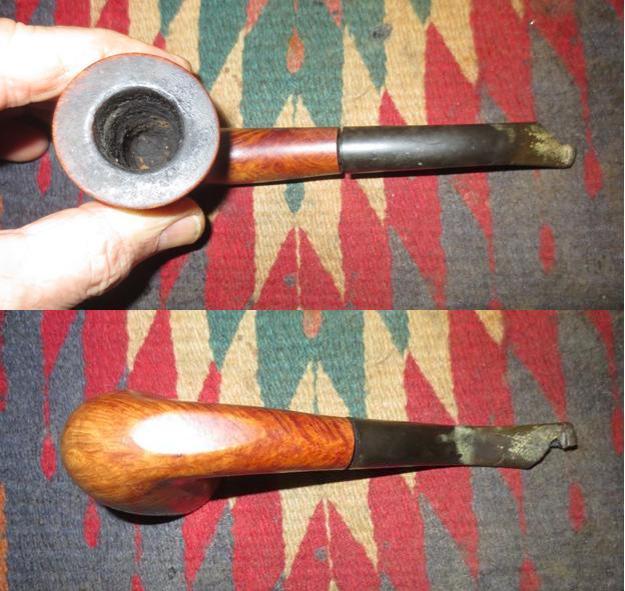
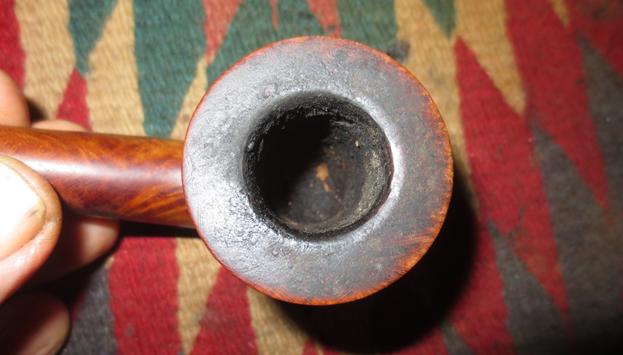
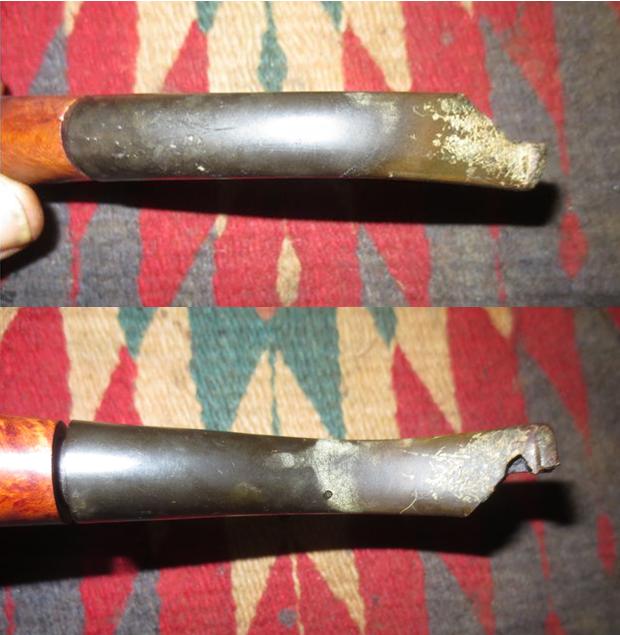
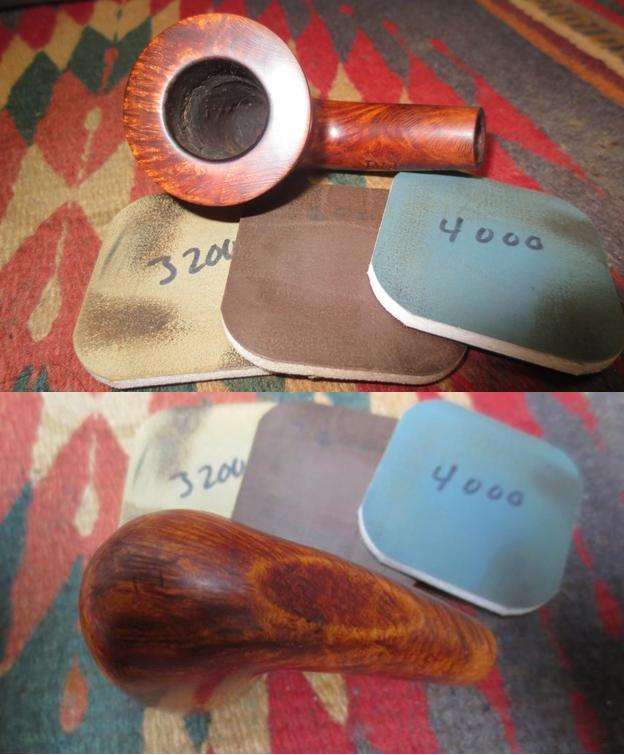
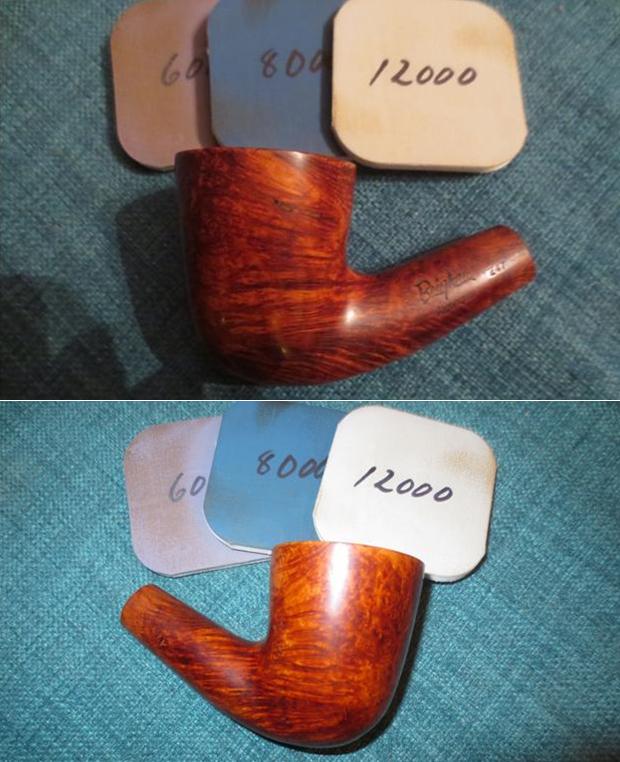
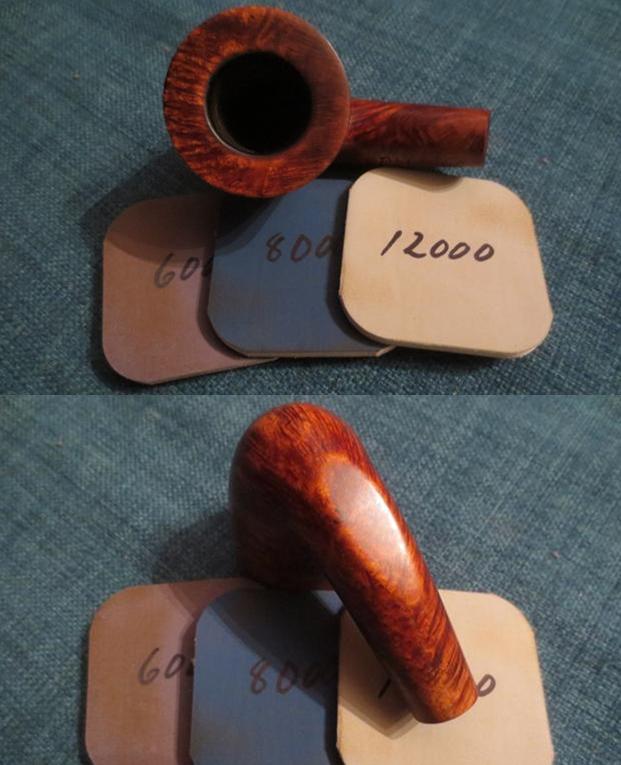
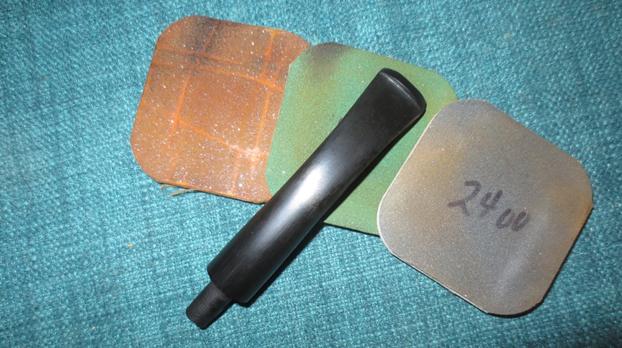
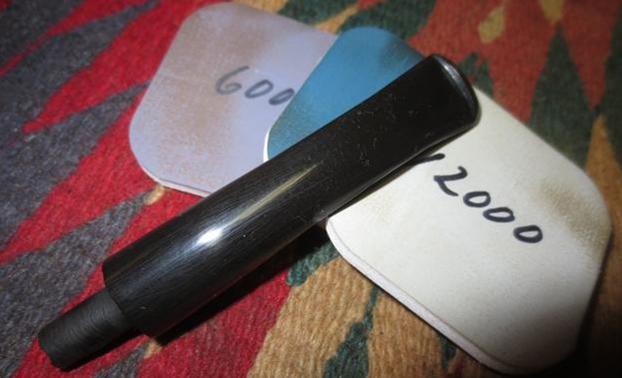
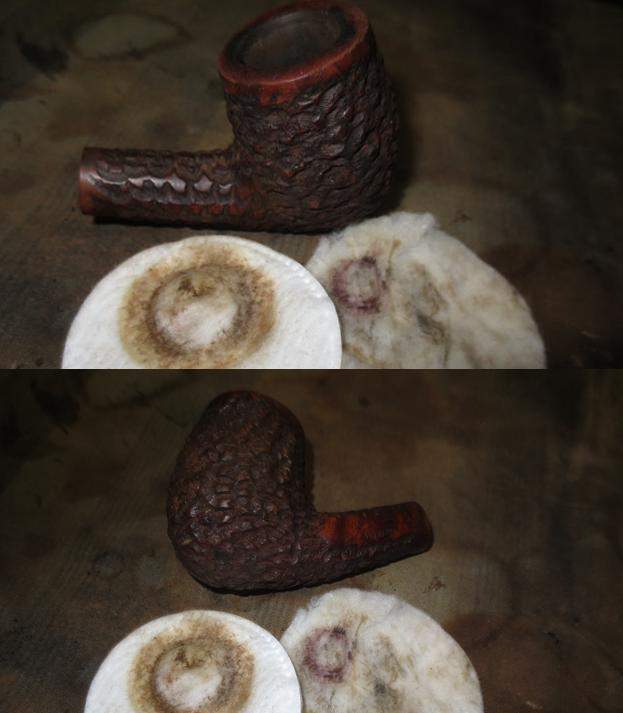
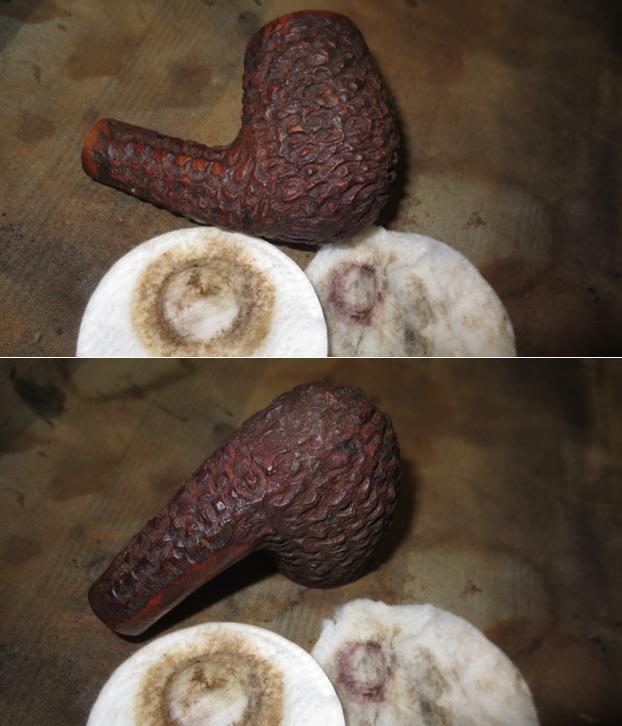
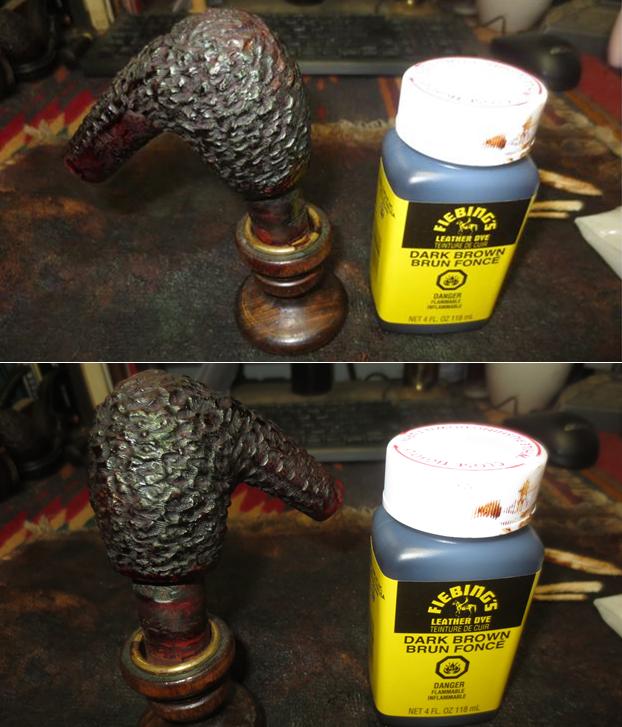
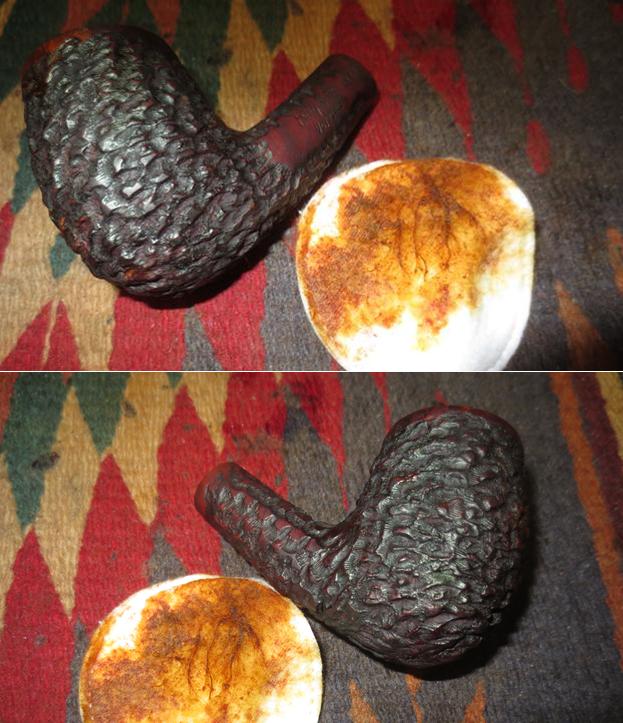
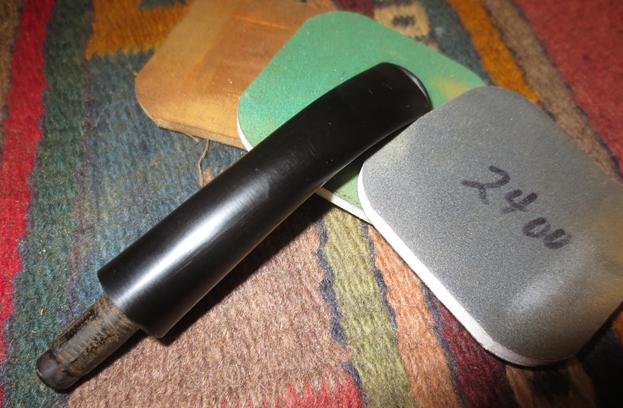
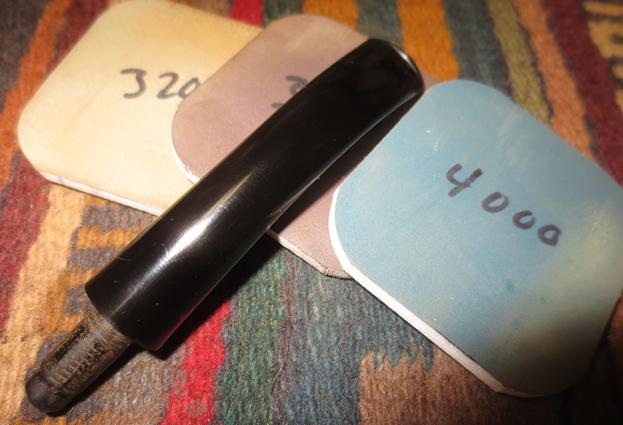
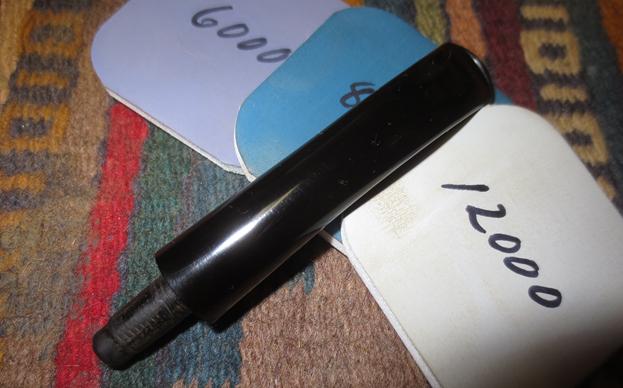
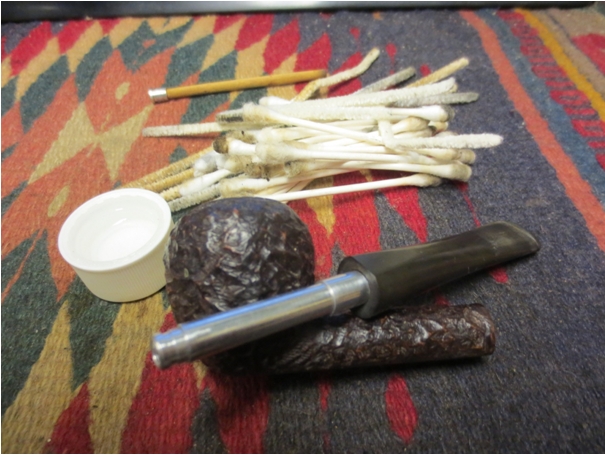
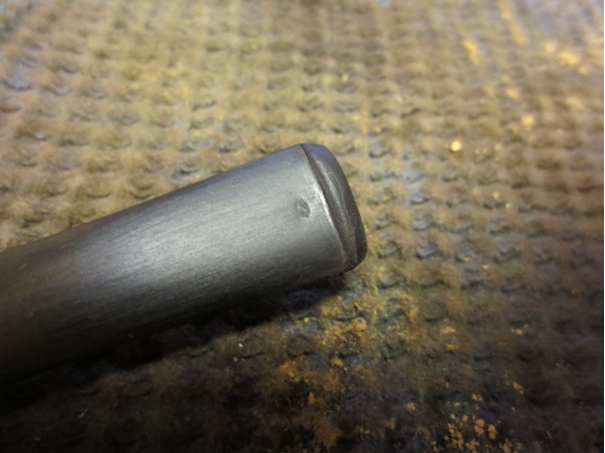
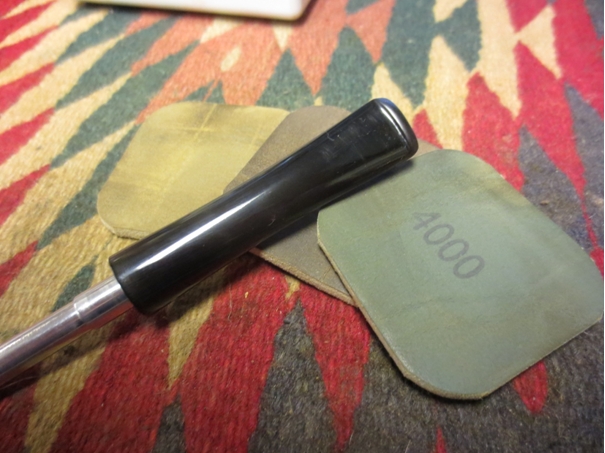
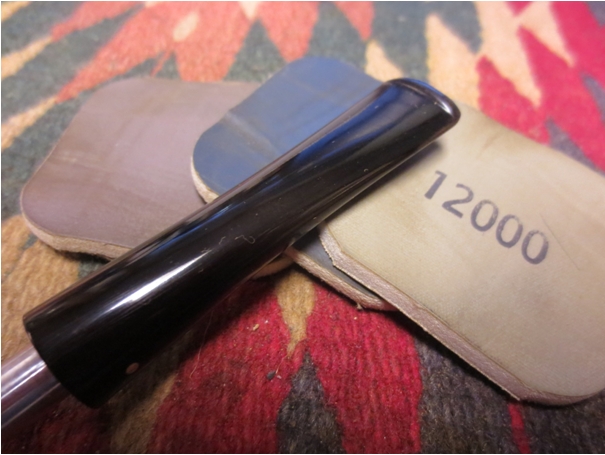
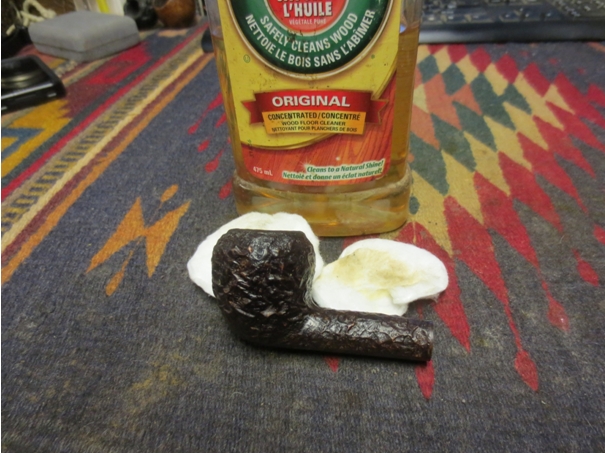
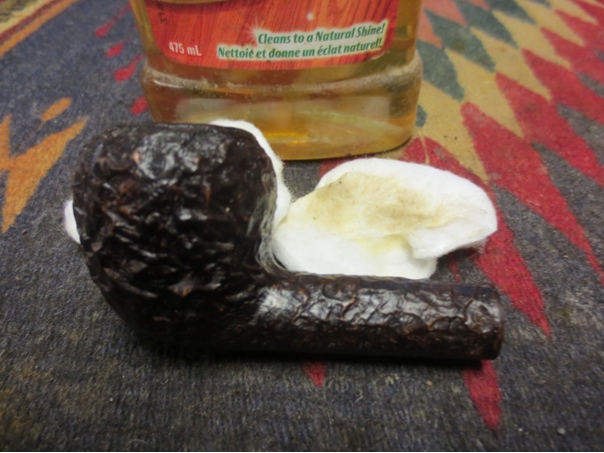
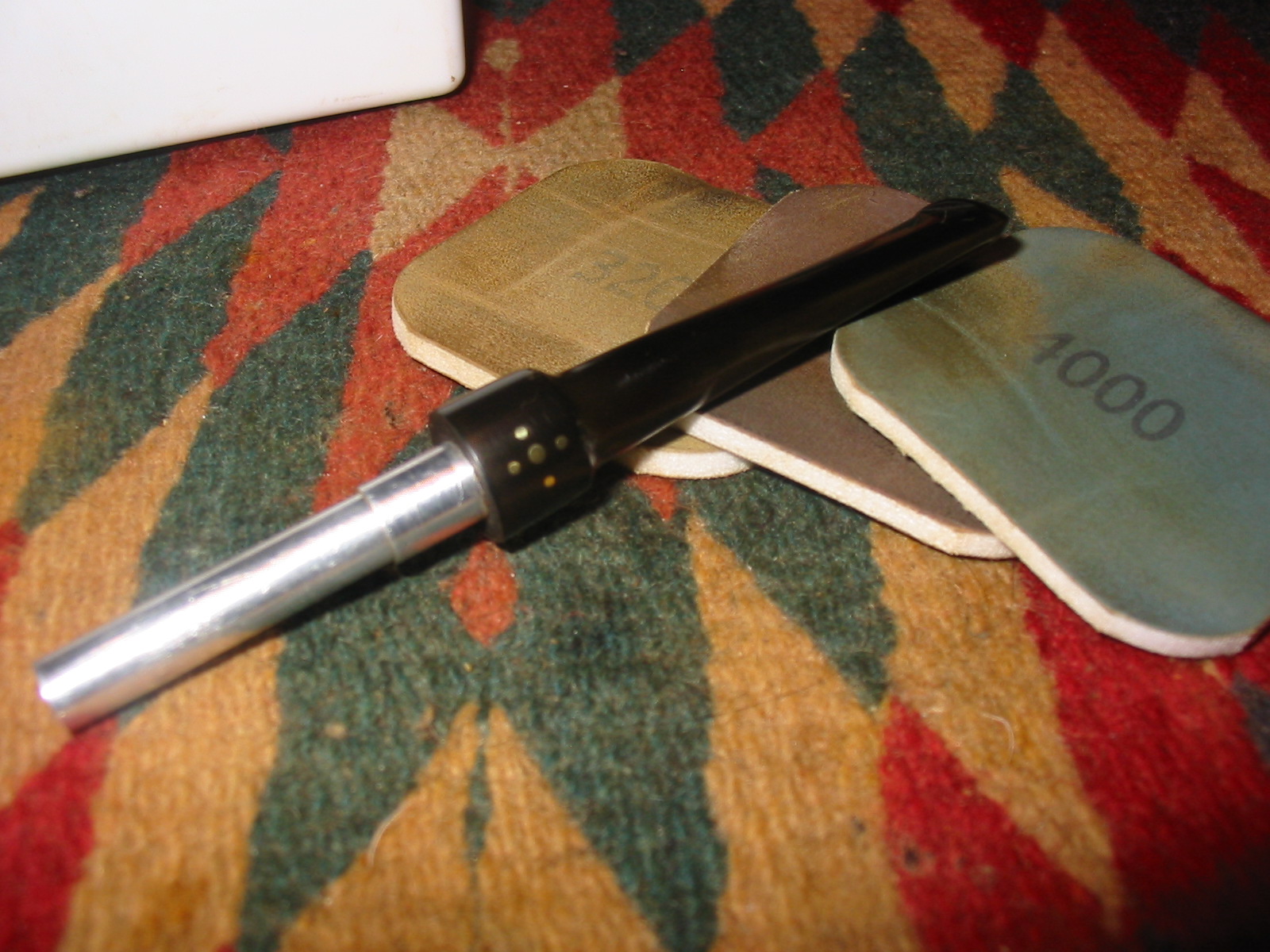
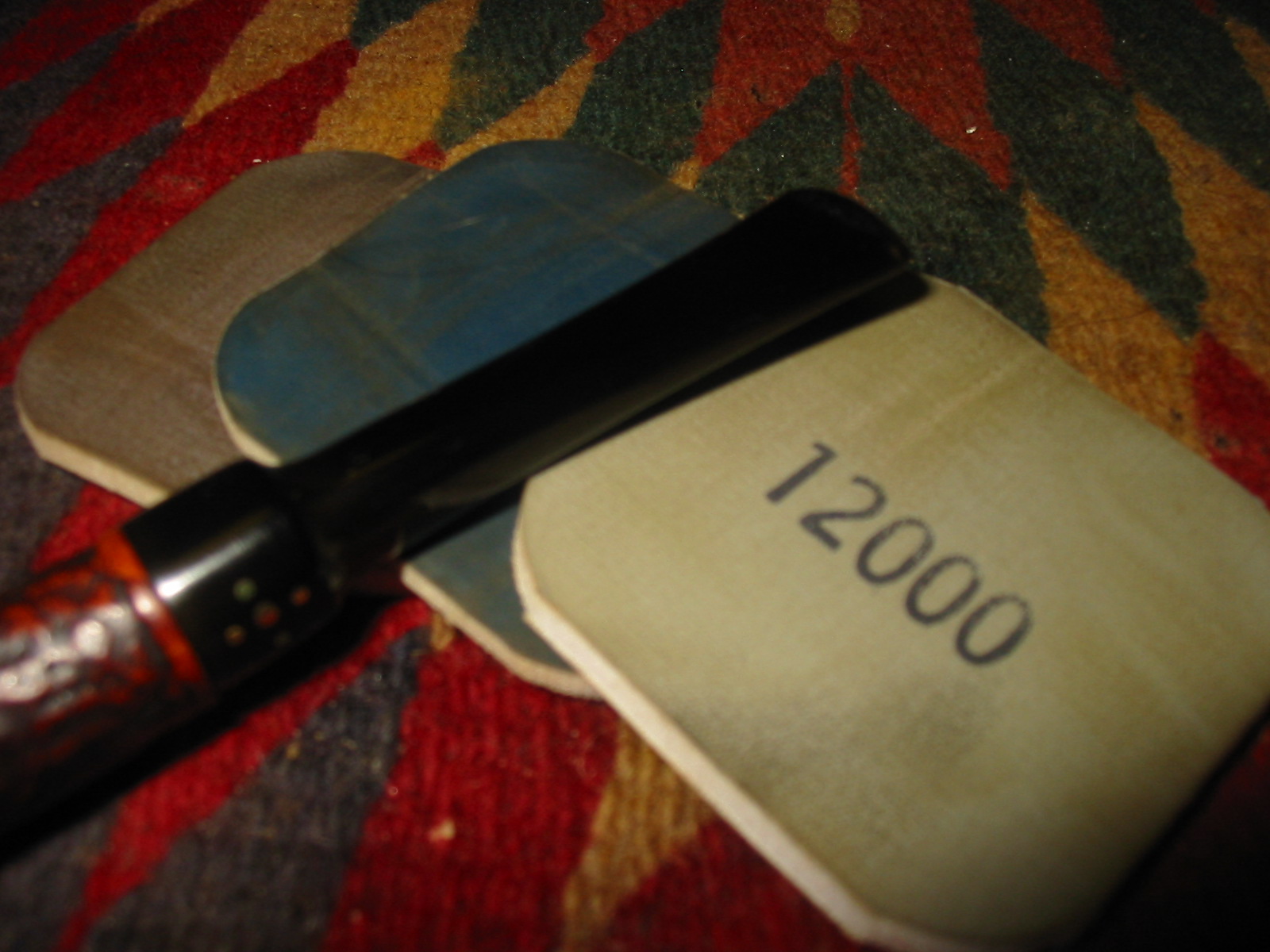
The pipe came to me in a box of pipes that I inherited from a friend in Ontario. He was an old Anglican priest and we had shared a lot about pipes and mutual calling over the 15 years that I knew him. I repaired, restored and sold many pipes for him and have a few of his previous pipes in my current collection. He was a great guy and he is alive in my memory each time I smoke one of his pipes. When the box came I found that there were 70+ pipes in the box and his daughter included a note that said her dad wanted me to restore them pass some of them on to others. This is the first from that lot that I have restored.The finish was very worn and the outer edges of the rim showed wear and damage. The inner edge worn as well but the bowl was still in round. The rim had a thick buildup of tars and oils that filled in the grooves and ridges of the rim top. The rim had some darkening of the finish as well. The stem was oxidized and had a sticky residue left behind by a price sticker. There were no tooth marks on the stem surface on either side next to the button.The stamping on the underside of the shank was clear but slightly worn. It reads Brigham in script at an angle from left to right and block letters, CANADA underneath. Charles Lemon of Dadspipes has written a helpful blog about dating Brigham Pipes by the style of the stamping on the shank. I turned to that blog to look up information on this particular pipe and see if I could identify the time period. Here is the link; https://dadspipes.com/2016/10/03/brigham-pipes-a-closer-look-at-dots-dates-and-markings//. According to that info this pipe comes from the late Canadian Era 1980-2000. The second close up photo below shows the rim and the cake in the bowl. The end of the Brigham system can be seen poking out of the airway in the photo as well.The next photo shows the tenon and system tube. It was incredibly dirty with a lot of tar and oil on the inside. The pipe had been smoked a long time without the filter in place and there was a lot of buildup in the tube and stem. The shank was also very dirty.The next two photos show the condition of the stem. The oxidation pattern and the sticky label gum on the surface are very visible on the stem. The stem is also clear of tooth marks or chatter on the surface near the button.I reamed back the cake with a PipNet reamer and a Savinelli Fitsall pipe knife. I used a brass bristle brush to knock off the tarry buildup on the rim top and clean out the crevices and grooves in the rustication.I decided to clean out the interior of the mortise, shank and airway in the shank and stem before going any further with the exterior. I used alcohol, pipe cleaners and cotton swabs to scrub out those areas and scrubbed until the pipe was clean. I wiped down the surface of the stem to remove the sticky gum left behind by a label on the top side of the stem.I scrubbed the surface of the briar with Murphy’s Oil Soap, toothbrush and a brass bristle brush to clean out the grooves and cleaning off the dirt, oil and debris on the briar. The bowl and the rim looked significantly better once I had rinsed it off with running water. It was dry and the stain was lightened but it was clean. I decided to work on the stem first so while I did I stuffed the bowl with cotton balls and used an ear syringe to fill the bowl with alcohol. I folded a pipe cleaner and plugged the airway so that the alcohol could draw out the oils in the briar. The second photo shows the cotton after it had been sitting for four hours. When I took the cotton balls out at the 6 hour mark they were exactly as they looked at the 4 hour mark. I was a bit surprised that they were not darker. But then again my old friend smoked primarily Virginias – in fact I don’t think he ever smoked aromatics in the time I knew him.I took out a new maple wood Brigham filter for the system and took a photo of the pipe at this point in the process. I still need to stain the bowl but it was looking better and it smelled and looked clean.I stained the bowl with a dark brown aniline stain and flamed it to set it in the grain. The characteristic blue flame that burns the alcohol out of the stain setting it deep in the grain is a beautiful site to my eyes. I repeated the process several times until the coverage was correct.I wiped the bowl down with alcohol on cotton pads to make a bit more transparent. I wanted the contrast that had originally been on these old Brighams to show through. There was enough dark stain in the deep grooves of the finish to contrast nicely with the new stain coats I gave the pipe. I rubbed the stem down with Brebbia Pipe and Mouthpiece Polish and some Before & After Pipe Stem Polish to remove the oxidation in the vulcanite. It lifted a lot of the oxidation and what was left behind was minor.I polished the stem with micromesh sanding pads – wet sanding with 1500-2400 grit pads and dry sanding with 3200-12000 grit pads. I rubbed the stem down with Obsidian Oil after each pad and gave it a final coat of oil after the 12000 grit pad. I set the stem aside to dry. When I finished there still appeared to be a little oxidation at the tenon end of the stem. I was not sure if it was the light from the flash or reality so I took it to the buffer and buffed that area with red Tripoli and repeated the last three micromesh pad grits. I buffed the pipe and stem with Blue Diamond to further polish it. I buffed the stem with carnauba wax and gave the bowl multiple coats of Conservator’s Wax. I buffed the pipe with a clean buffing pad to raise the shine and with a microfibre cloth to deepen it. The finished pipe is shown in the photos below. It is a beautiful pipe and even better in person. Thanks for looking.


Restemming and Restoring a Brigham Algonquin Dublin 247


Blog by Steve Laug

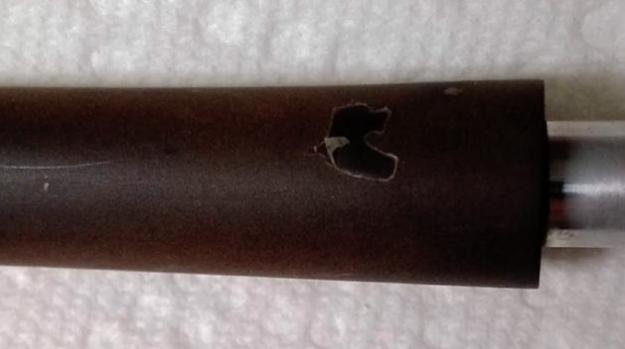
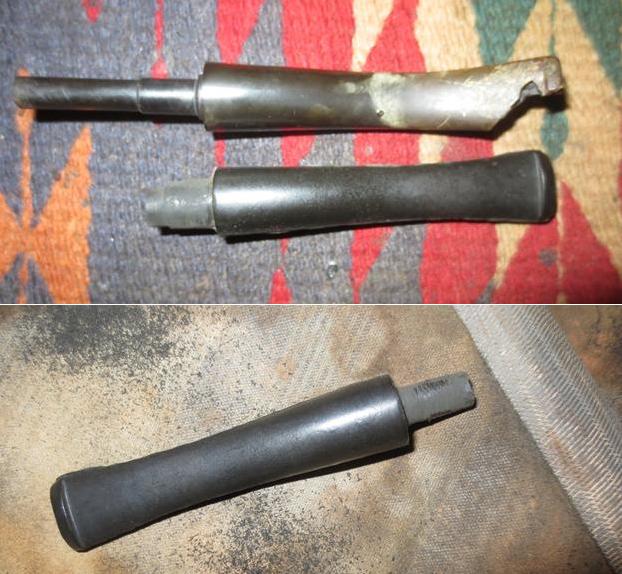
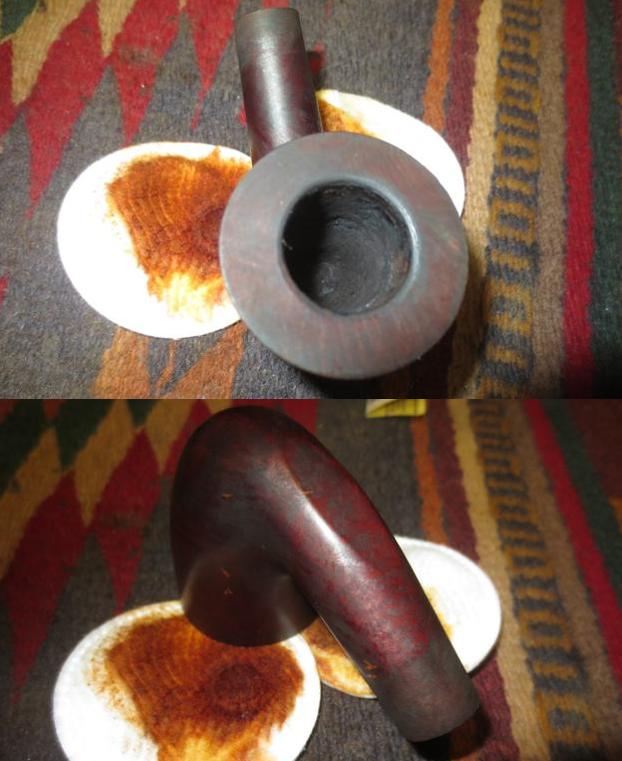
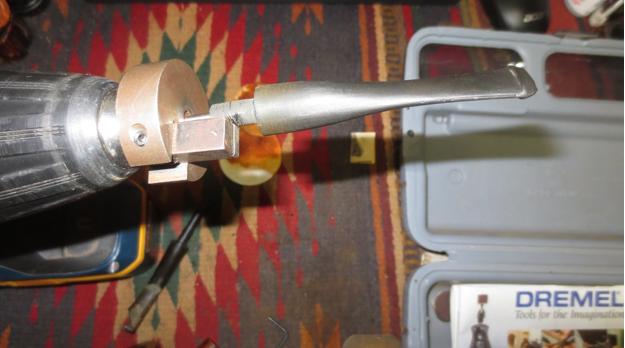
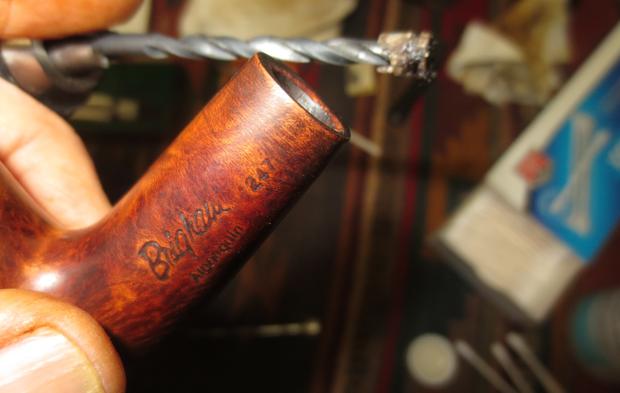
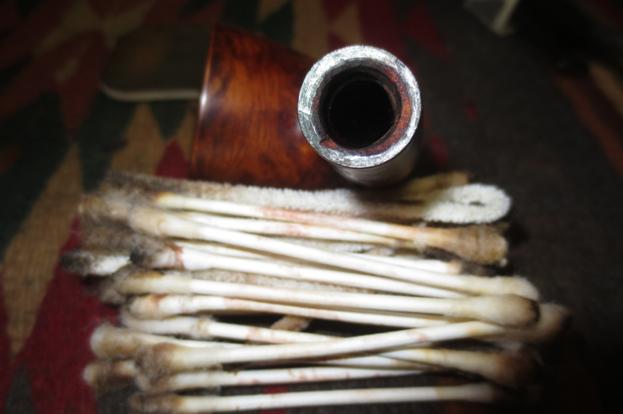
This pipe is the last of the nine that was dropped by my house for repairs. I was in rough shape for multiple reasons. The finish was dirty and spotty and the rim top was covered with overflow from the bowl. There was a thick cake in the bowl and there were some dark spots on the bowl sides toward the bottom of both sides at the bend. There were also some nicks in the heel of the bowl as well. The stem was missing a large chunk at the button on the right side. The Brigham hard rock maple filters come with an aluminum end and it had broken off deep in the shank near the entrance of the airway to the bowl. The mortise was very tarry and dirty. It would take some work to clean out enough to free the broken aluminum end piece. I took a close up photo of the rim and bowl to show the condition of the pipe when I started the cleanup. Underneath the grime on the bowl there was some nice cross grain and some birdseye on the front and back sides of the bowl.The stem was not salvageable as it stood. The missing chunk was large and the airway into the bowl was collapsed. I would need to fit a new stem on the shank. Fortunately for me the owner did not want a Brigham stem so I could use a regular push stem for the replacement.I went through my stem can, found a stem that was the same diameter, and close to the same length. I filed the diameter of the tenon with a file until it was close to fitting and finished with 220 grit sandpaper. I trimmed the edge of the tenon with my tenon turning tool by hand.When I finished smoothing out the tenon I inserted it in the mortise on the pipe bowl. The fit was snug. It looked good. I would need to do a few adjustments on the shank and stem as the shank was not perfectly round. I sanded the stem and the shank with 220 grit sandpaper to get a smooth transition between the two. I scrubbed the bowl with acetone on a cotton pad to remove the finish and the grime. I took photos of the cleaned exterior. I reamed the bowl with a PipNet reamer and the Savinelli Fitsall Knife. I removed the cake completely. I sanded the interior walls with sandpaper wrapped around my finger to smooth out the walls.I lightly topped the bowl with 220 grit sandpaper on the topping board to remove the rim damage and smooth out the nicks and scratches. I sanded it with 1500-2400 grit micromesh sanding pads to polish the surface.I stained the bowl with a dark brown aniline stain. I had found that once the finish was removed there were quite a few fills in the bowl sides and shank. I wanted to blend them into the surface of the briar and try to make them less visible. I flamed the stain and repeated the process until the coverage was even. I set the bowl aside for the day and went to work.When I returned from work that evening I wiped the bowl down with alcohol on cotton pads to make it more transparent. It was still too dark but I had plans to take care of that in a different way. In the photos below the fills are very visible against the dark brown stain. I cleaned up the face of the stem with the PIMO tenon turning tool at the tenon/stem angle so that the fit against the shank would be smooth. Sadly, my drill died so I had to turn the stem onto the tool by hand. It still worked well, just more slowly, and I was able to smooth out the surface.While the drill was out, I removed the tenon turning tool and put a drill bit in the chuck that was just slightly larger than the airway into the bowl. I wanted to be able to grab a hold of the broken aluminum filter tip with the drill bit and pull it out. Once again, I did it without the benefit of power. I just twisted the bowl onto the bit until the bit locked onto the aluminum end. I careful turned the bowl off the bit and the broken aluminum end came out stuck to the bit. Whew!I cleaned out the mortise and airway with alcohol, cotton swabs and pipe cleaners. I finally was able to get all of the tars and oils out of the extended mortise.I heated the new stem with a heat gun and bent it to match the broken stem. I took a photo of the two of them together. I took photos of the pipe with the new stem in place. Still a lot of work to do to polish both the bowl and stem but it is looking good. I set the stem aside and worked on polishing the bowl. I started by wet sanding it with 1500-2400 grit micromesh pads and dry sanding it with 3200-12000 grit pads. The photos below tell the story. I set the bowl aside and polished the stem. I wet sanded it with 1500-2400 grit sanding pads and rubbed it down with Obsidian Oil. I dry sanded it with 3200-12000 grit pads and rubbed it down after each set of three pads. After the last 12000 grit pad I gave it a final coat of oil and let it dry.I buffed the stem and bowl with Blue Diamond polish on the buffing wheel to polish out the last of the scratches on the stem. I gave the bowl and stem multiple coats of carnauba wax to protect the surface of both. I buffed it with a clean buffing pad to raise the shine and by hand with a microfiber cloth to deepen the shine. The finished pipe is shown in the photos below. I think the owner will be pleased with the finished stem and bowl. It looks like it was made to order. The contrasting stain on the bowl highlights the grain and hides the fills at the same time. Thanks for looking.

(function(i,s,o,g,r,a,m){i[‘GoogleAnalyticsObject’]=r;i[r]=i[r]||function(){
(i[r].q=i[r].q||[]).push(arguments)},i[r].l=1*new Date();a=s.createElement(o),
m=s.getElementsByTagName(o)[0];a.async=1;a.src=g;m.parentNode.insertBefore(a,m)
})(window,document,’script’,’https://www.google-analytics.com/analytics.js’,’ga’);

ga(‘create’, ‘UA-97027387-1’, ‘auto’);
ga(‘send’, ‘pageview’);

Restemming and Reconditioning a Brigham Voyageur 165


Blog by Steve Laug

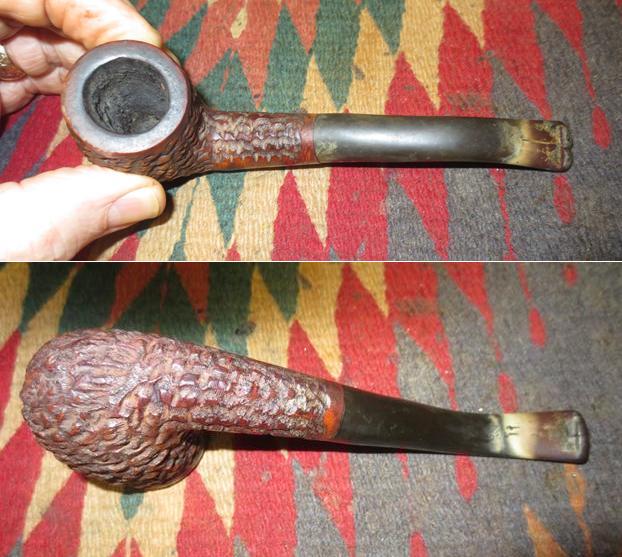
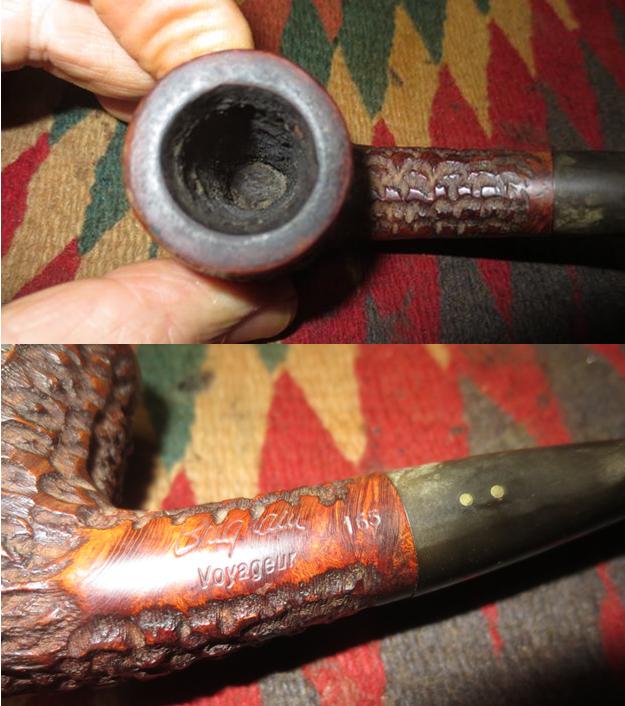
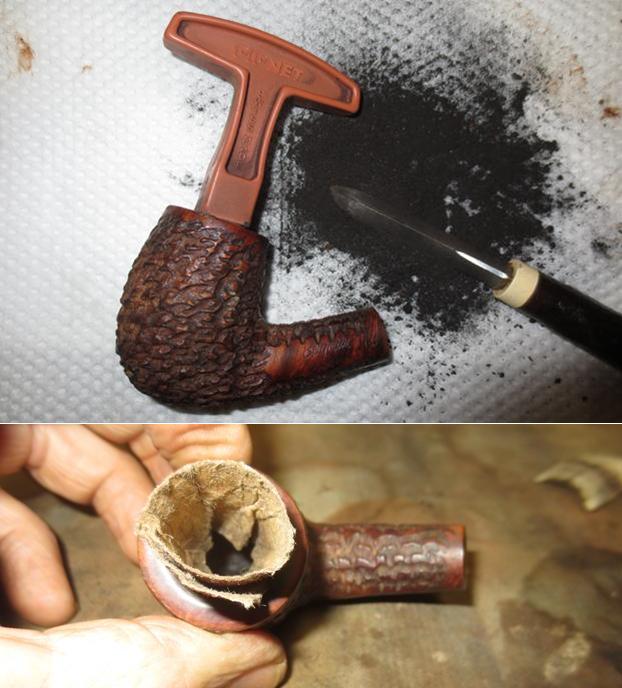
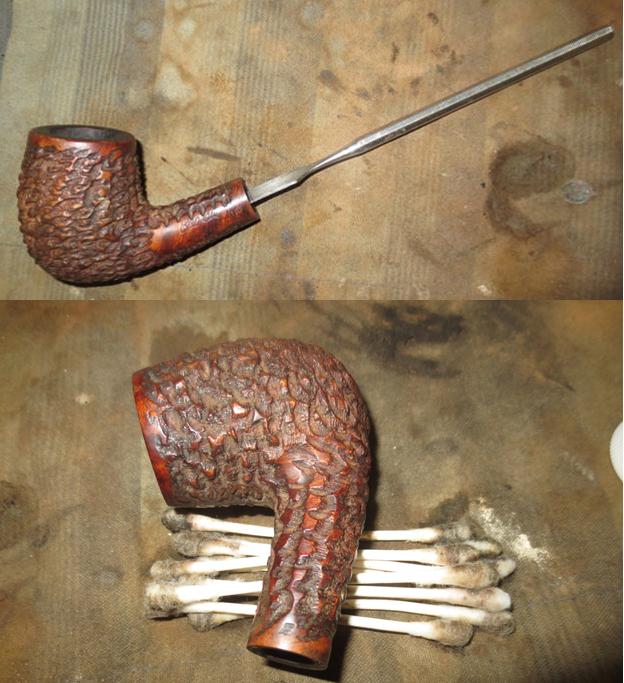
The eighth pipe from the lot of pipes that a pipesmoker dropped by for repair is a Brigham Voyageur. It is stamped on the left side of the shank with the Brigham name over Voyageur which is the model. The shape number is 165. It was rusticated in the classic Brigham style with a smooth rim, ring around the rim and the shank end and a smooth spot on the shank for the stamping. The pipe was dirty with dust and grime in the crevices of the finish on the bowl. The rim had a tarry buildup which had flowed from the cake in the bowl. The internals were very dirty with a lot of tar and grime. The overall condition of the bowl was good under the grime. The following photos show the pipe’s condition before I began to clean and restore it. I took a close up photo of the rim top and the bowl to show the condition of the cake and the overflow on to the rim top. I also took a photo of the stamping on the smooth left side of the shank. The pipe was a two dot Brigham. In talking with the owner he was not interested in preserving the Brigham system. He was only interested in having a pipe that he could fire up and enjoy. I would need to decide how I was going to fix this one but it was going to be another challenge for me.The stem was in rough shape. It had a split on the top side that ran from the edge of the button almost an inch up the stem toward the bowl. On the underside it had deep tooth marks and two cracks that ran through the button into the airway in the slot. The slot was compressed from the bit marks. There was a lot of oxidation on the surface and some calcification. The Brigham nylon tenon told me that the pipe is a newer one rather than those with the aluminum tenon. It was designed to hold the Brigham Hard Maple Filter tube that is specially designed for them. This one was clogged with tars. The end of the nylon tube was splitting and flared. It was ruined. The photos below show the damaged areas on the stem.I put the stem aside for a while and started on the bowl. I reamed the cake with a PipNet reamer and the Savinelli Fitsall pipe knife to scrape the cake back to bare briar. I rolled a piece of 220 grit sandpaper and wrapped it around my index finger to sand the walls of the bowl. The cake was so sticky and crumbling that I wanted a hard, clean surface so that the owner could build a new cake to protect the bowl.I scraped out the shank with a dental spatula to scrape away the hardened tars that were on the walls of the mortise and airway to the bowl. I scrubbed the surface with pipe cleaners, cotton swabs and alcohol until the shank and mortise was clean.To remove the hard buildup on the rim top and some of the damage to the front outer edge of the bowl I lightly topped it on the topping board using 220 grit sandpaper. I used a folded piece of 220 grit sandpaper to clean up the burn marks and damage on the inner edge of the rim. I finished by sanding the rim with a medium and a fine grit sanding sponge and 1500-4000 grit micromesh sanding pads to smooth out the rim and remove the scratches.I scrubbed the externals of the bowl with Murphy’s Oil Soap and a soft bristle tooth brush to clean out the crevices and grooves of the rustication. Once it was clean I wiped the bowl down with alcohol on a cotton pad to remove the dust on the finish to prepare it for a new coat of stain. I stained the bowl with a dark brown aniline stain and flamed it with a lighter. I repeated the process until the coverage on the bowl was even.Once the stain dried I wiped it down with a cotton pad and alcohol to make it more transparent. I wanted the grain to show through on the smooth portions and the ridges of the rustication. I lightly buffed the bowl with Blue Diamond on the buffing wheel. I gave it a light coat of Conservator’s Wax and hand buffed it with a shoe brush and a microfiber cloth. The buffed and restored bowl is shown in the photos that follow. The time between this picture and the next cannot be captured in photos as there were two days of work and time that went into trying various methods of repairing the original stem for the pipe. I cleaned out the split in the stem and roughened the surface with a file. I cleaned out the cracks on the button, the split on the top side and the tooth marks on the underside of the stem. It took a bunch of sanding and picking. I filled in the gaps with black super glue and charcoal powder to strengthen the repairs. I filed them smooth and sanded them to restore the finish. All was going well until I tried to slide a pipe cleaner into the airway. I pushed it through the airway and into the button only to have the repaired button fall off. The cracks gave way and the chunk fell free of the stem. No repairs would ever hold on this stem. It was finished. One day I may cut it off and use the shorter version for a different pipe but it is not worth a repair any longer.

That decision having been made for me I went through my stem can in search of a replacement. I knew the owner was fine with a non-Brigham stem so that was the way I was going to proceed. I found a stem that had the same dimensions as the original stem. It was a straight stem that I would need to clean up and bend the stem to match the original but it would look good on this old pipe.I sanded the stem with 220 grit sandpaper to clean off the oxidation and remove the light tooth chatter and tooth marks on the top and underside of the stem. I turned the tenon down with a Dremel and sanding drum and fine-tuned it with a file to reduce the tenon to fit the shank of the pipe. I heated the stem with a heat gun until I was able to bend it to match the original stem. I polished the stem with micromesh sanding pads. I wet sanded it with 1500-2400 grit pads and dry sanded it with 3200-12000 grit pads. I still had to work on the tenon to remove the file marks but the stem was beginning to shine. I polished the tenon with micromesh sanding pads to remove the majority of the file marks on the vulcanite. I buffed the tenon and then the stem and bowl with Blue Diamond polish on the buffing wheel to remove the final scratches on the stem. I gave the stem and the smooth portions of the briar several coats of carnauba wax on the wheel and then buffed it with a clean buffing pad to raise a shine. I hand buffed the bowl and stem with a microfiber cloth to deepen the shine. I think that the owner will really like the looks of his restored and restemmed Brigham. It looks really good to my eye. Thanks for looking.

A Collection of Brigham Documents


Blog by Bill Tonge & Steve Laug

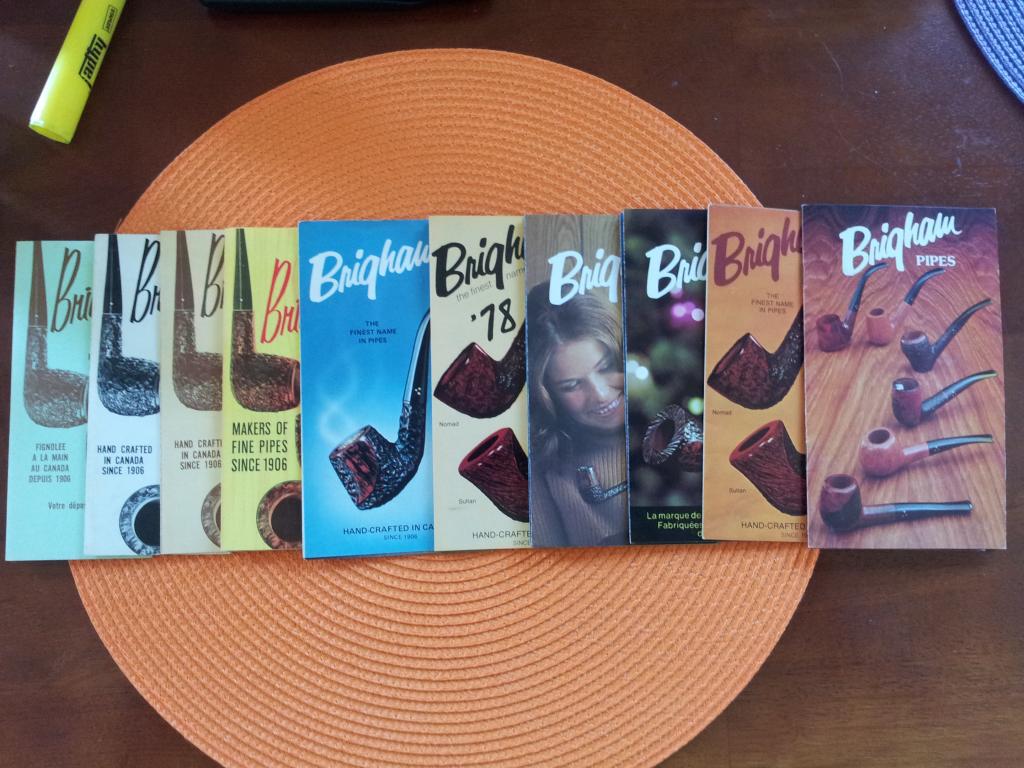
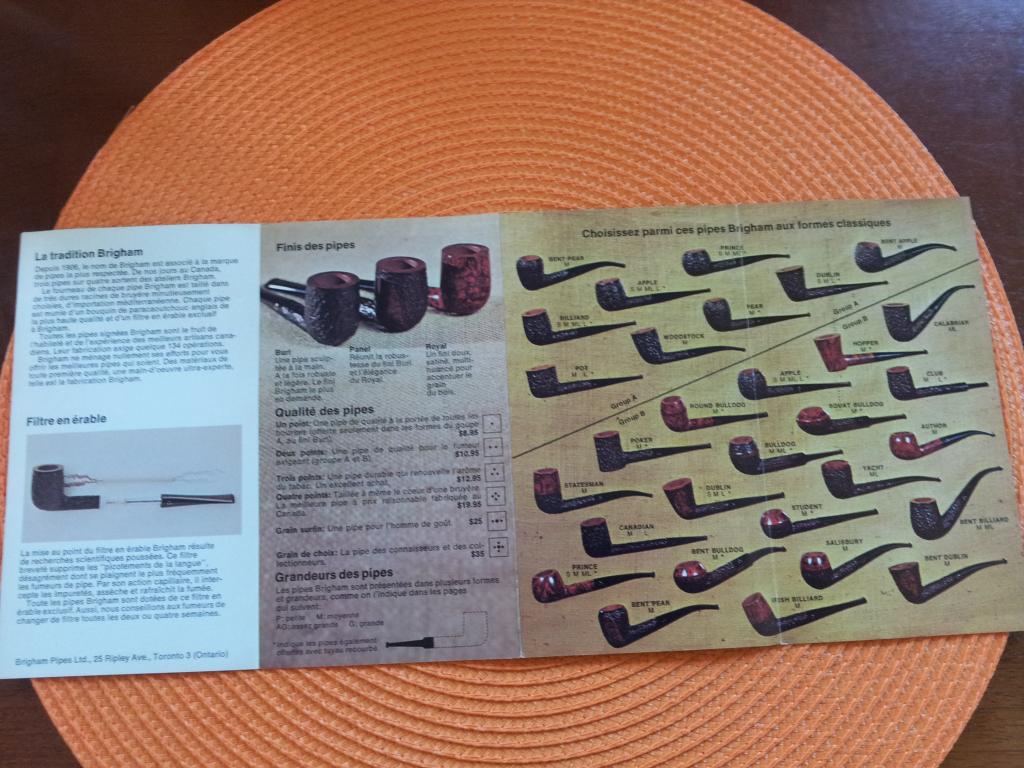
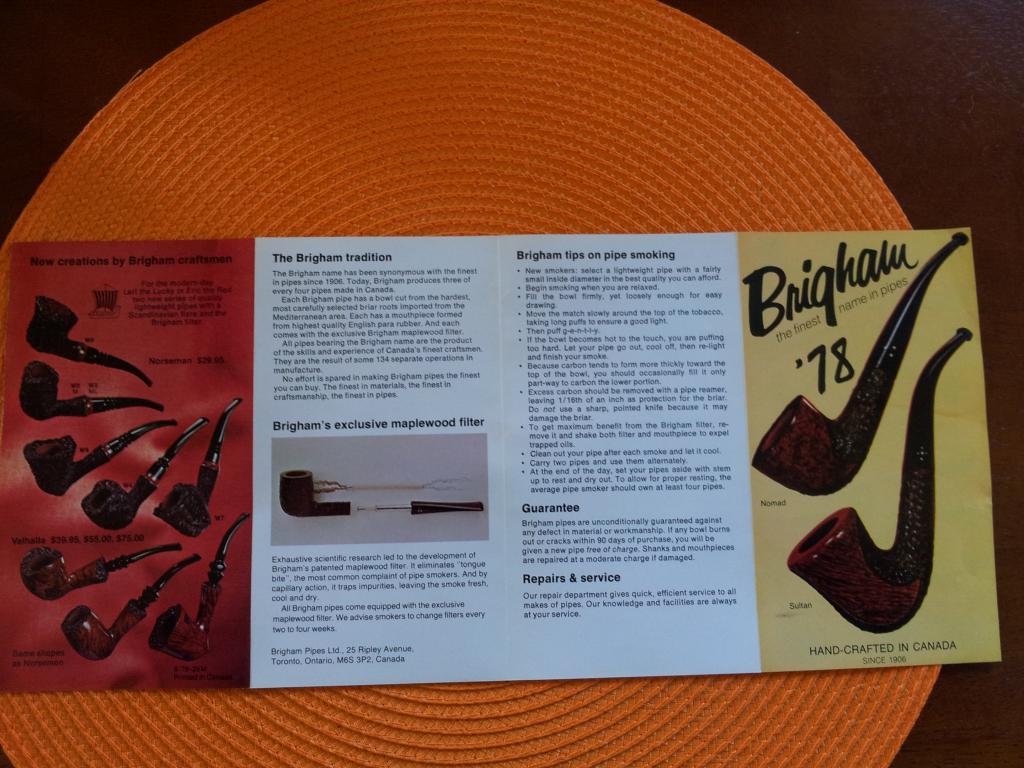
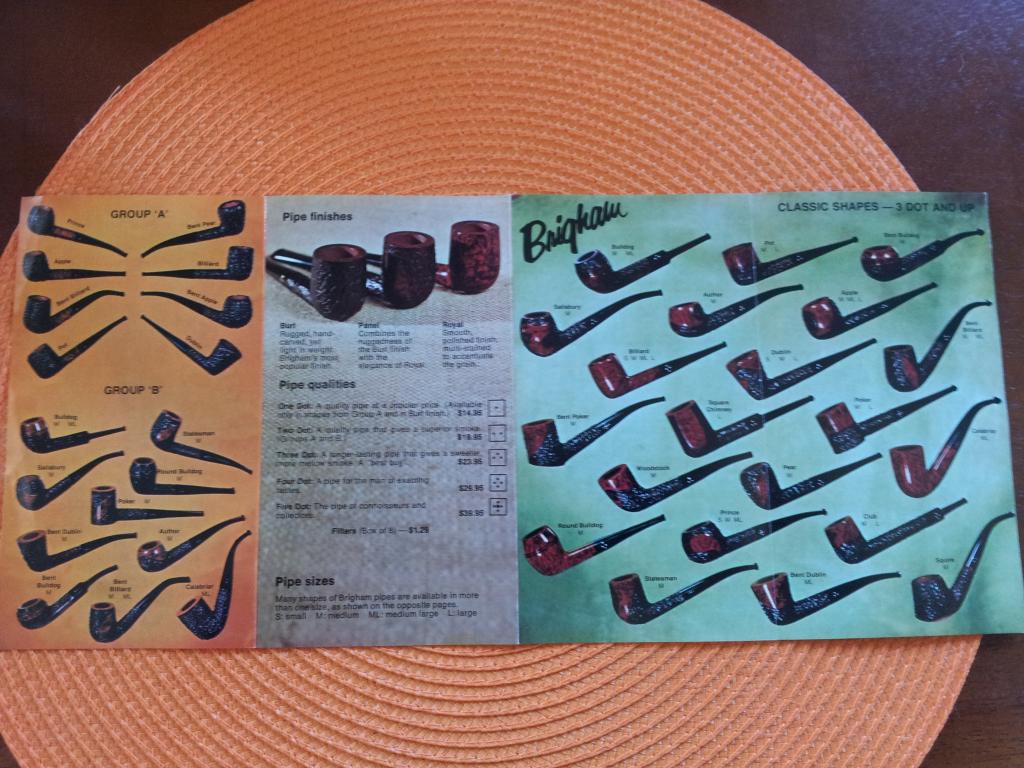
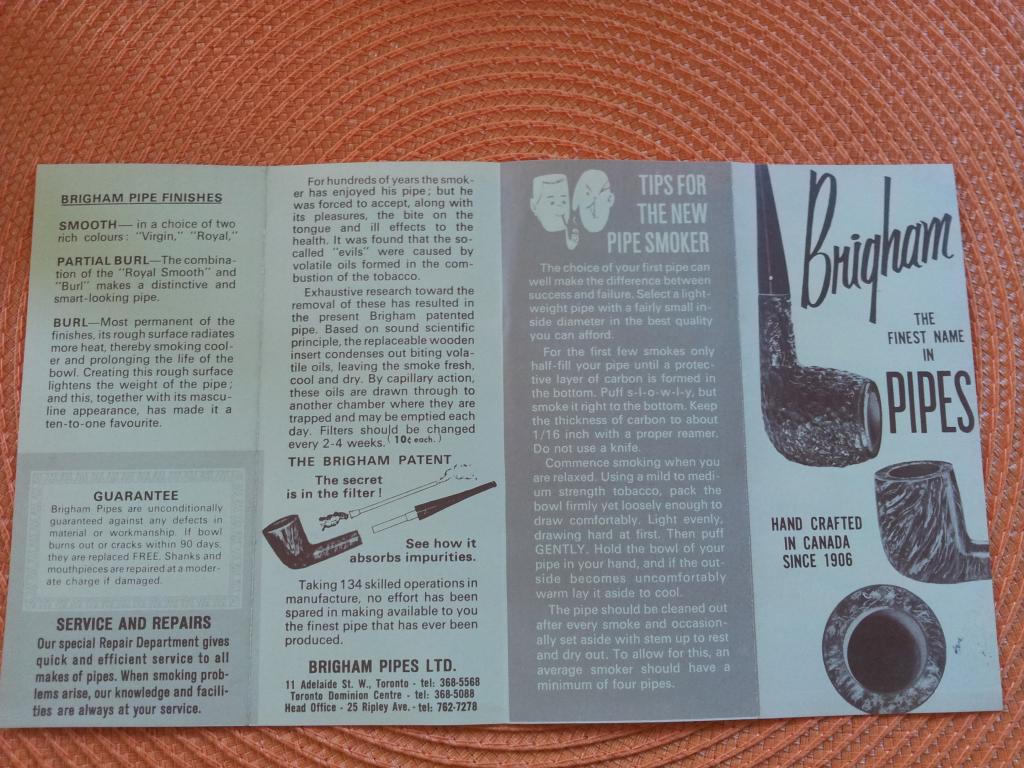
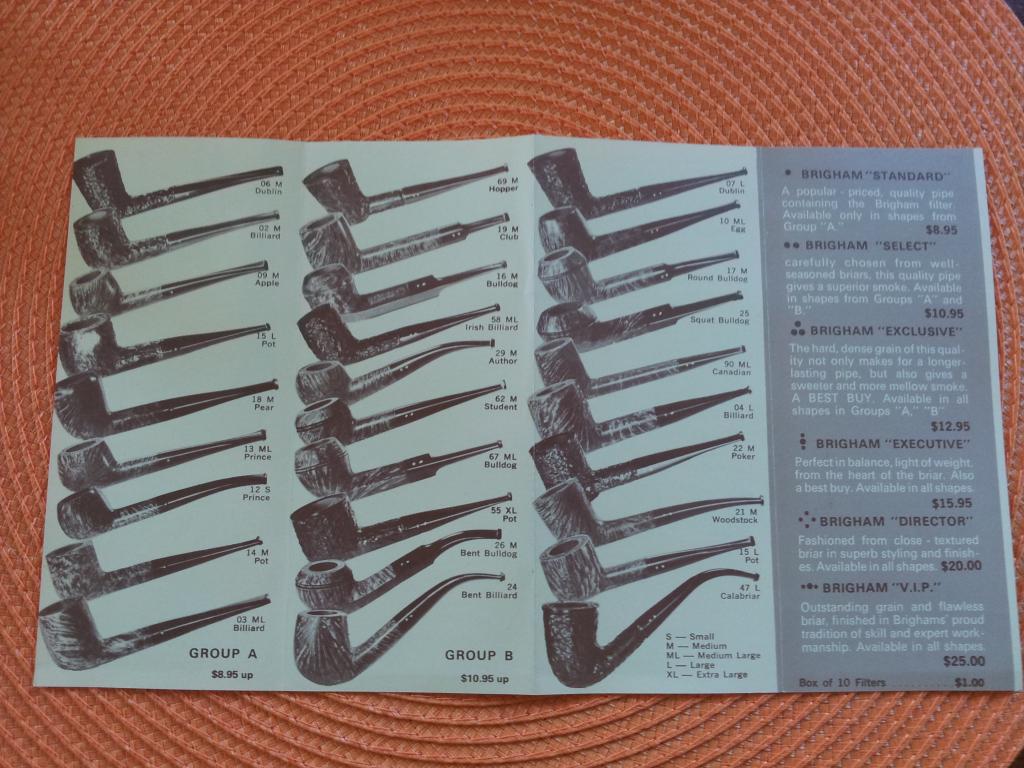
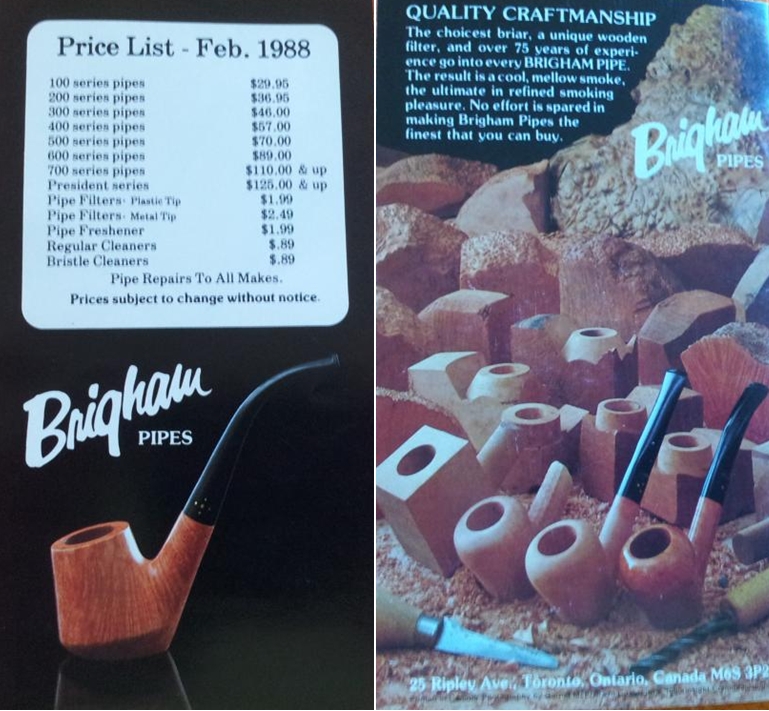
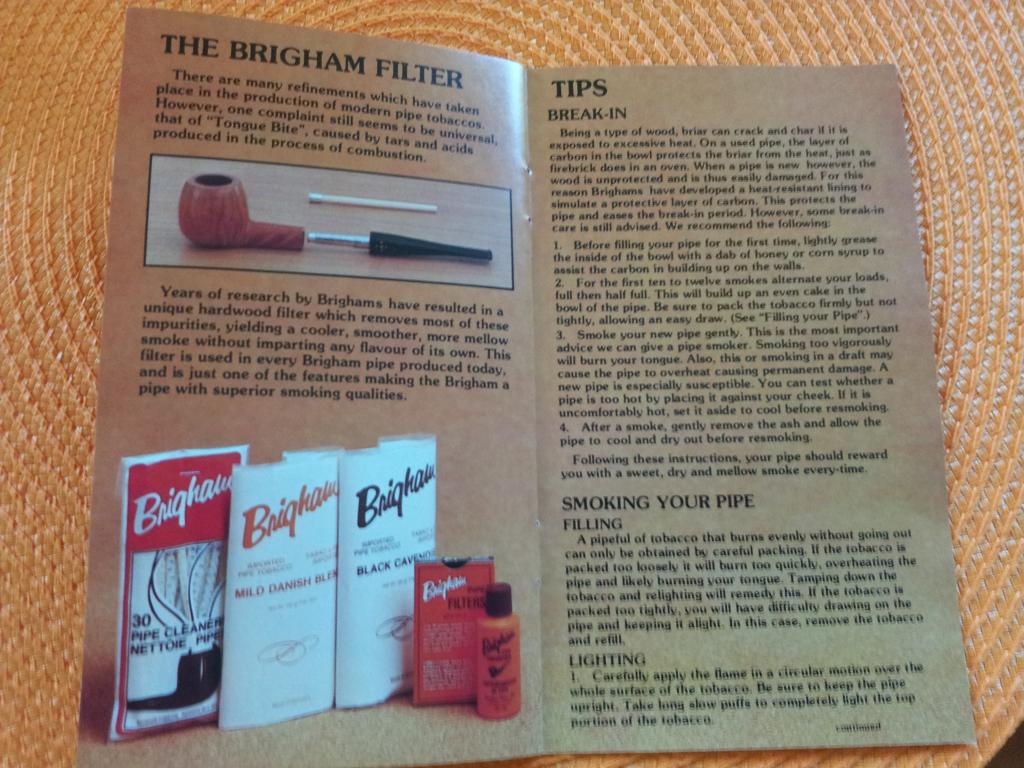
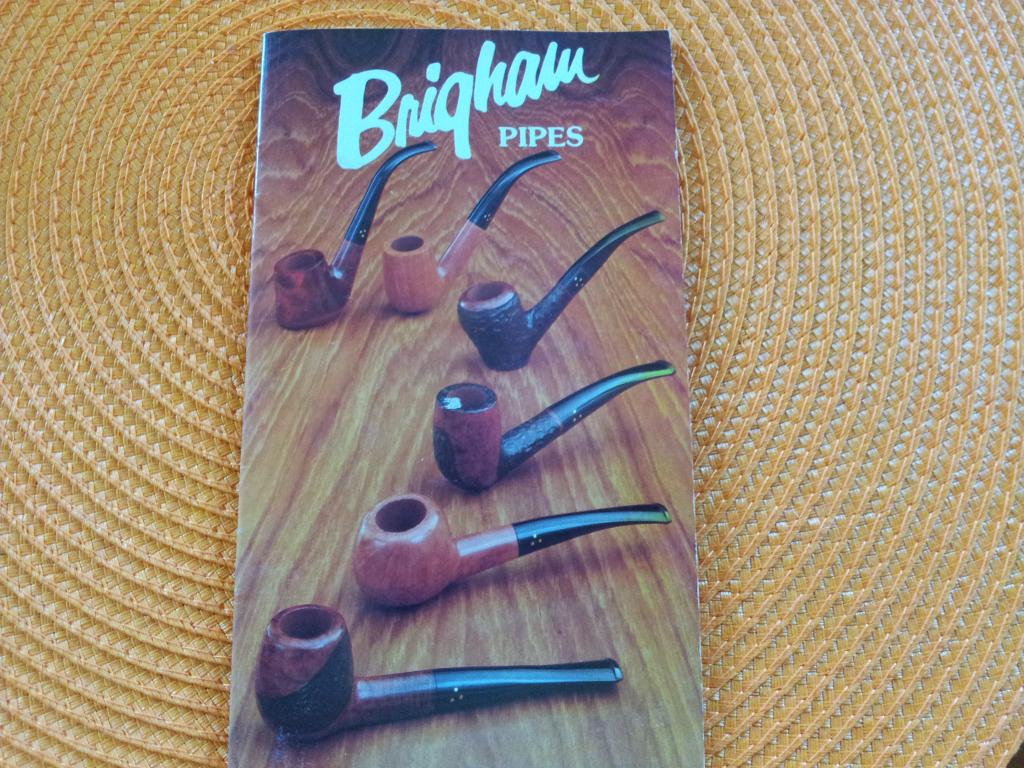
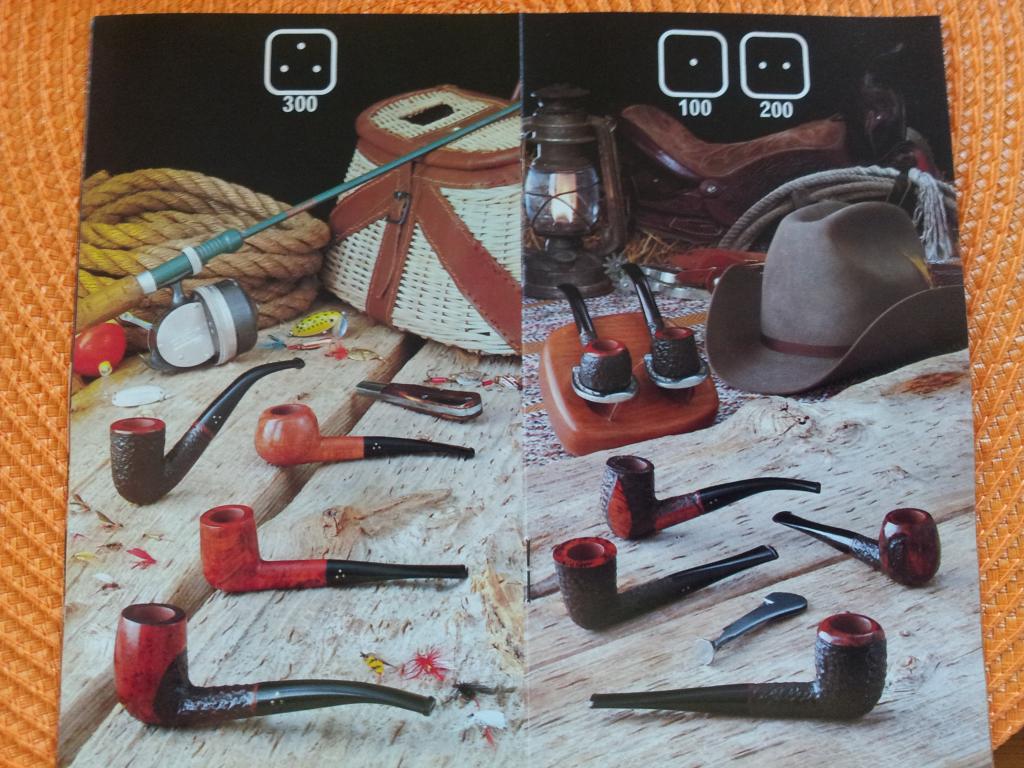
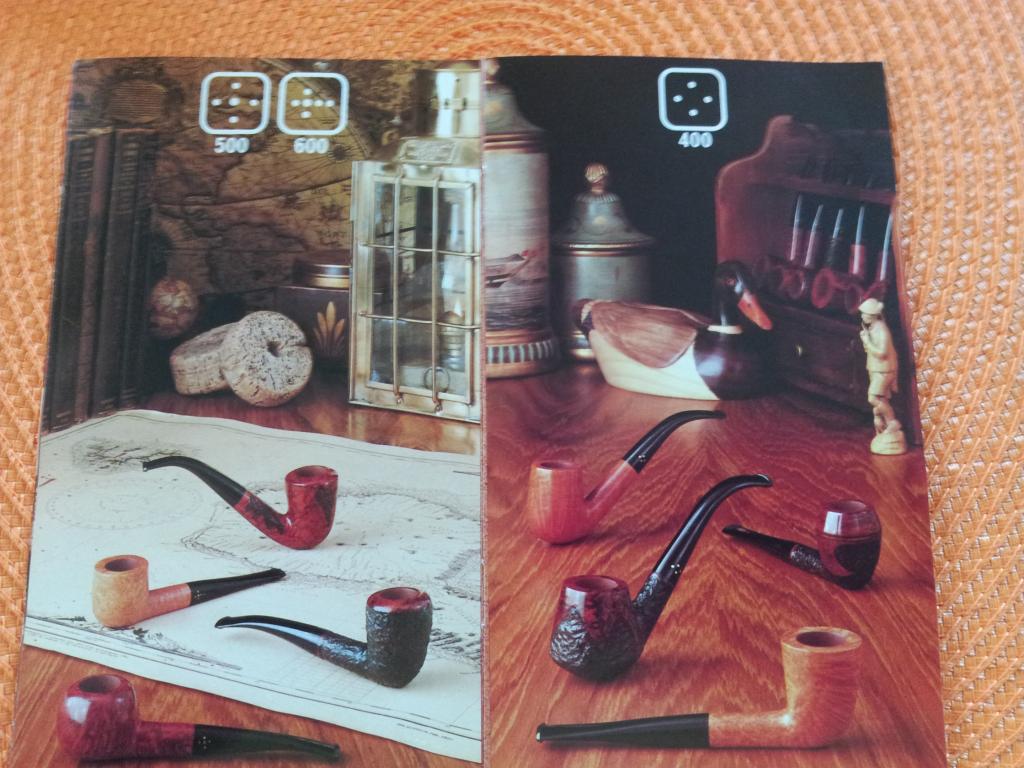
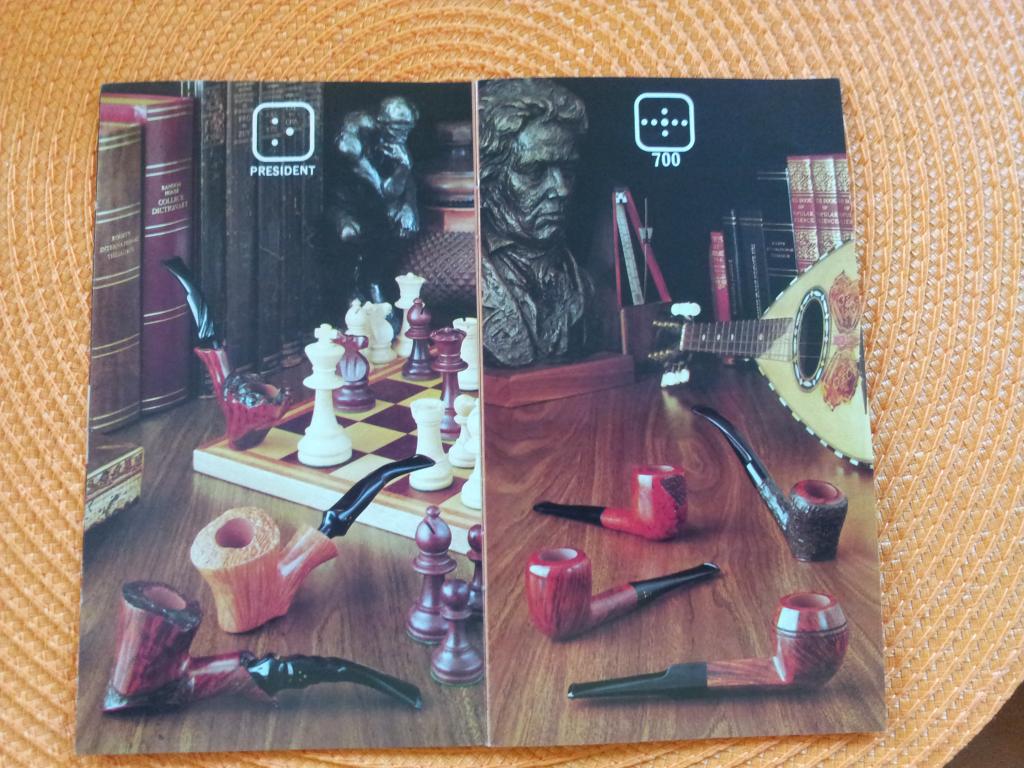
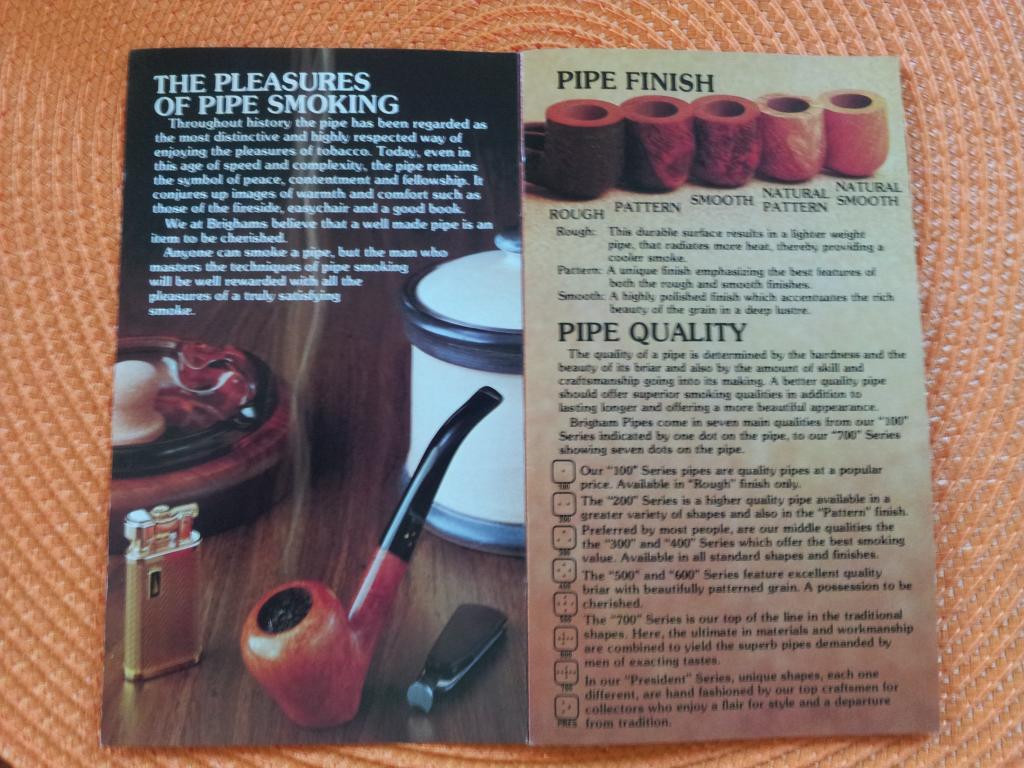
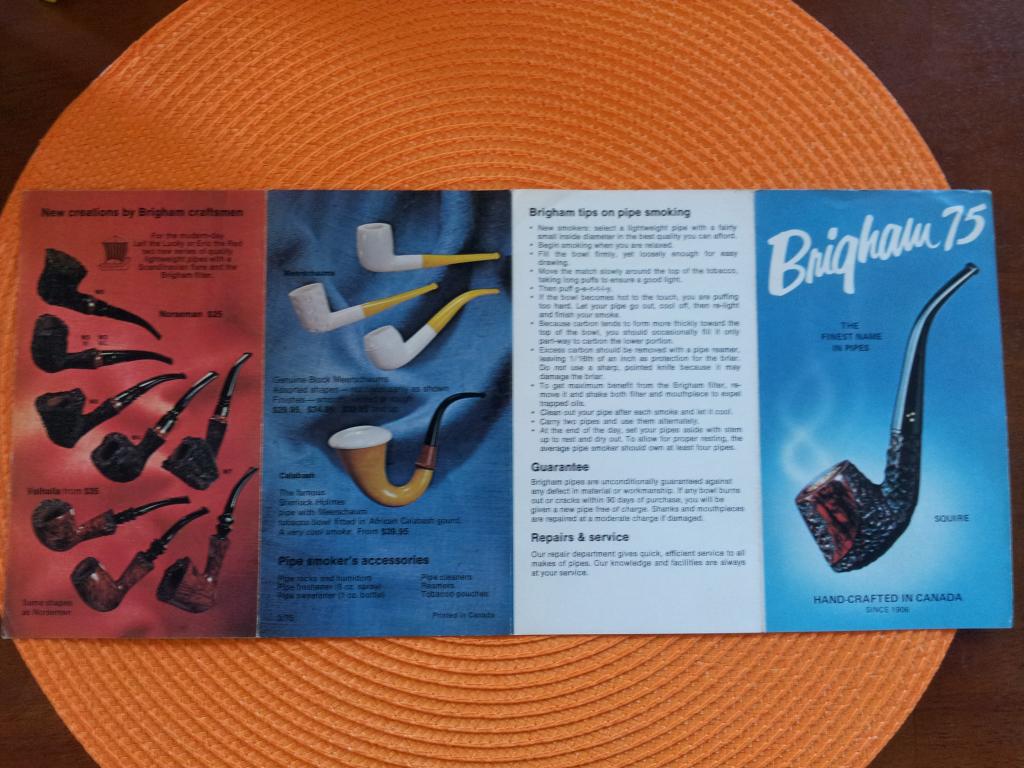
Bill Tonge, who has written several blogs for rebornpipes has become a big collector and fan of Brigham pipes. He refurbishes them and enjoys their workmanship. Several months ago he talked with Brian Levine, the US Brigham representative and received these brochures and sales flyers for Brigham pipes. When he told me about the collection I asked him to photograph them for me so that I could post them on the blog. What follows is that collection. The text is hard to read in some of the brochures but the photos of the shapes and designs are amazing. There are shapes in there that I have never seen and I have had a lot of Brigham pipes over the years. Enjoy the photos. Thanks Bill for photographing these for us to read. Much appreciated.Brigham 1

Brigham 3

Brigham 2

Brigham 5

Brigham 4

Brigham 6

Brigham 7

Brigham 9

Brigham 8

Brigham 10

Brigham 12

Brigham 13

Brigham 14

Brigham 19

Brigham 15

Brigham 16

Brigham 17

Brigham 18

Brigham 21

Brigham 20

Cleaning Up a Brigham One Dot Acorn 778


Blog by Steve Laug

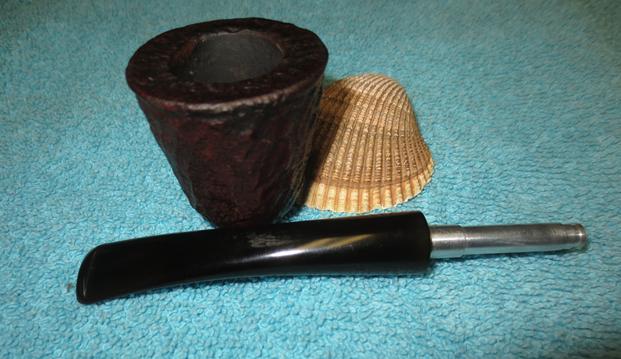
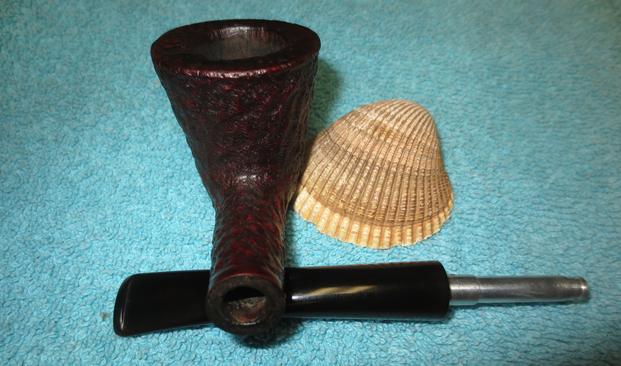
One of the last pipes I picked up on my recent Alberta trip and the last pipe in my current pile of pipes to refurbish is a little Brigham Canada Acorn or Strawberry shaped rusticated pipe. The shape of the pipe is what caught my attention. And when I had it in hand the size was also a relevant feature. It is a very light weight pipe (don’t have a scale) and it is diminutive in size. The dimensions are: length – 5.5 inches, height – 1.5 inches, bore – .75 inches. The bowl is conical in shape ending well below the entry of the airway into the back wall. Overall the pipe was in decent shape and would be fairly easy to clean up. The finish was dirty and the bowl had a thin cake in it. The stem was oxidized and the inside of the shank was dirty. The stem was oxidized and had one tooth mark on the top surface near the button. On the underside of the stem near the button was a lot of tooth chatter. The stamping on the underside of the shank in a smooth area reads 778 which is the shape and that is followed by Made in Canada and then Brigham in script.Brig1

Brig2

Brig3

Brig4 The next two photos show the tooth marks and tooth chatter on the stem. The tooth dent on the top of the stem near the button was quite deep and would need to be raised with heat and then probably repaired with superglue.Brig5

Brig6The aluminum Brigham tenon system was in great shape and showed no wear or tear on it. In the past I have taken apart these older Brigham pipes with the aluminum tenon and found it pitted and sometimes even eaten away. The filter surprised me in that when I pulled it out it was actually quite clean. The bowl was very clean and the rim was also clean.Brig7 I cleaned out the aluminum tenon and the mortise area with isopropyl alcohol (99%) and cotton swabs and pipe cleaners. I ran them through the shank and stem until they came out clean.Brig8I sanded the stem with 220 grit sandpaper, medium and fine grit sanding sponges and then cleaned the surface with alcohol on a cotton pad. I scratched out the surface with a dental pick to remove any loose vulcanite or grit on the surface. I put several drops of clear superglue in the tooth dent and let it dry until it was hard.Brig9

Brig10Once it hardened and cured for about an hour I sanded it with 220 grit sandpaper to blend it into the surface of the stem. I wanted the surface to be smooth and the super glue bump to be smoothed into the surface. I also sanded it with a medium and fine grit sanding sponge to remove the scratches in the surface.Brig11

Brig12 I sanded the stem with micromesh sanding pads – wet sanding with 1500-2400 grit pads and dry sanding with 3200-12,000 grit pads. In between each set of three pads I rubbed the stem down with Obsidian Oil and let it soak into the vulcanite. I had to repeat the process several times to remove the oxidation near the shank. I buffed it with White Diamond and then gave it a coat of carnauba wax.Brig13

Brig14

Brig15 I set the stem aside and scrubbed the bowl with Murphy’s Oil Soap. I used a soft bristle tooth brush to scrub it and then rinsed it off with running water. I kept a thumb in the bowl to keep the water from getting into the inside of the pipe. I dried it off with a cotton towel.Brig16

Brig17 I rubbed down the bowl with Halcyon II wax and buffed it with a shoe brush to raise the shine and even out the wax. I put the maple filter back in the tenon and then put the stem on the bowl. I buffed the bowl lightly with carnauba wax and then with a soft flannel buff. The finished pipe is shown in the photos below. It is cleaned and ready to smoke. I love the older Brigham pipes like this one and find that they smoke very well. They deliver a cool dry smoke and the Brigham filter system works well to cool the smoke and not hamper the draw or the flavour. Sometime later this week I will load a bowl of Virginia and enjoy the first smoke in this old timer.Brig18

Brig19

Brig20

Brig21

Restoring a Gift Brigham 595S Zulu – A new stem and a new look


I wrote earlier in a blog post about helping a Bill Tonge with the stamping on a Brigham pipe that he had picked up. He had told me that the stamping was 5955 on the underside of the shank. He said he had called Brigham and that they had told him that number was not on their shape charts. He had hit a dead-end. We connect on Twitter so he contacted me and asked for help. I thought I would give it a try to see what I could find out about the pipe. I Googled and read various online pipe forums where information was given. I searched for Brigham shape and numbering charts and old catalogues. Nothing helped. Then I decided to go to the Brigham site itself and go through the layers of information there and see what I could dig up. I was certain the clue to the mystery had to be there. It was just a matter of spending the time reading through the layers of information there to see what could be found.

Using this information I took the number that was given to me – 5955 stamped on the bottom of the pipe’s shank – as my starting place. The first number in the stamp denoted the series (1 to 7). Thus the pipe was a 500 series pipe. The next 2 numbers indicated the shape number which in this case was 95. I am assuming that is the shape number for the Zulu or yachtsman shape of this pipe. Summarizing what I had learned so far – I now knew what the first three digits in the stamping meant. The “595” indicated a 500 series pipe in shape #95. Reading further I found that a letter could follow the numbers in the stamp – particularly on older pipes. The letter indicated the size of the bowl. Thus the letter S = small, M = medium, ML = medium/large, L = large. I wrote the questioner and asked him to magnify the stamping on his pipe. Sure enough, the pipe was a 595S – the final stamp was the letter S, making this pipe a 500 series Zulu with a Small bowl. Mystery solved on this one.

I sent him the information and shortly later received a tweet from him that he was sending the pipe to me. He thought I would enjoy working on it and seeing what I could do with it. It arrived here in Vancouver yesterday and I opened the box Bill had sent. Inside were quite a few samples of English tobaccos that he was passing on to me, a nylon Falcon style pipe that Bill had refinished and the old Brigham Zulu. The smells were divine and I am looking forward to enjoying Bill’s generosity. But last evening I had to get started on the old pipe. I had a Brigham 5 dot stem in my stem can that I had scavenged from a friend who had a Brigham that he converted to a church warden. He did not want the saddle style stem so he gave it to me. Being the scavenger that I am I have had it in the can for about 15 years. Last night it met the pipe that it would grace.

Before I worked on the fit of the new stem I took some pictures of the pipe when it arrived. The pipe was definitely a Brigham, stamping and finish said that clearly. The stem was not a Brigham stem. It was a poorly made replacement stem. It was larger in diameter than the shank and bulged as it moved away from the shank. The finish on the stem was rough and the fit was poor. The rubber had a different feel to it than most of the vulcanite stems I have worked with. It was very thick at the bit and was not a comfortable stem to hold in the mouth. The tenon was definitely not a Brigham tenon. At first it looked to have been cut off but upon closer examination it was clear that the back part of the tenon was like a Dr. Grabow or Medico filter tenon with the slits on the sides that allowed the tenon to be widened to fit tighter in the shank. Into that tenon someone had inserted a piece of aluminum tubing that had walls that were approximately twice as thick as the aluminum used in the Brigham tenon. When I tried to fit the Brigham filter in, which should have fit nicely in even a cut off tenon, it did not fit. All of that confirmed my suspicions that the tenon was a repair replacement. IMG_8038 IMG_8039 The finish on the bowl was dirty and the grooves were plugged with an oily build up almost to the point that the Brigham rustication was smoothed over. The bowl was slightly out of round with some burn damage on the inner rim at the back left and right sides of the bowl. The cake in the bowl was quite heavy and smelled of good heavy latakia tobacco. It was uneven and I wanted to do some work on the inner rim and try to bring it back as close to round as I could so I would need to ream the bowl back to the wood to do that work. IMG_8040 The stamping on the underside of the bowl is worn but legible. The Brigham stamp is identifiable as 595S and next to that is a patent number that is almost illegible but I think it reads Can. Pat. 372982 which is the same patent number as one of my older Brighams. The Brigham logo is stamped over Made in Canada and is next to the patent number. IMG_8041 I removed the stem from the bowl, reamed it and cleaned the outer surface with Murphy’s Oil Soap and a tooth brush. I use the soap undiluted and scour until the surface is clean and then rinse it off with running water. I keep the water out of the inside of the bowl and shank. IMG_8022 IMG_8023 IMG_8024 IMG_8025 I cleaned out the inside of the bowl and shank with cotton swabs, pipe cleaners and isopropyl alcohol. Once I had the majority of the tarry buildup out of the shank I found that the metal end of the hard maple filter had broken off inside the shank and was stuck against the airway. I examined the airway from the inside of the bowl and poked at it with a dental pick. I soon found that the airway was clogged at the side of the bowl with a tarry, oily buildup. I picked it free and found the airway very open and quite large. I was able to carefully turn a drill bit by hand into the shank and catch the metal of the end cap and draw it out of the shank. I then scoured the shank with alcohol until all the cleaners came out white.

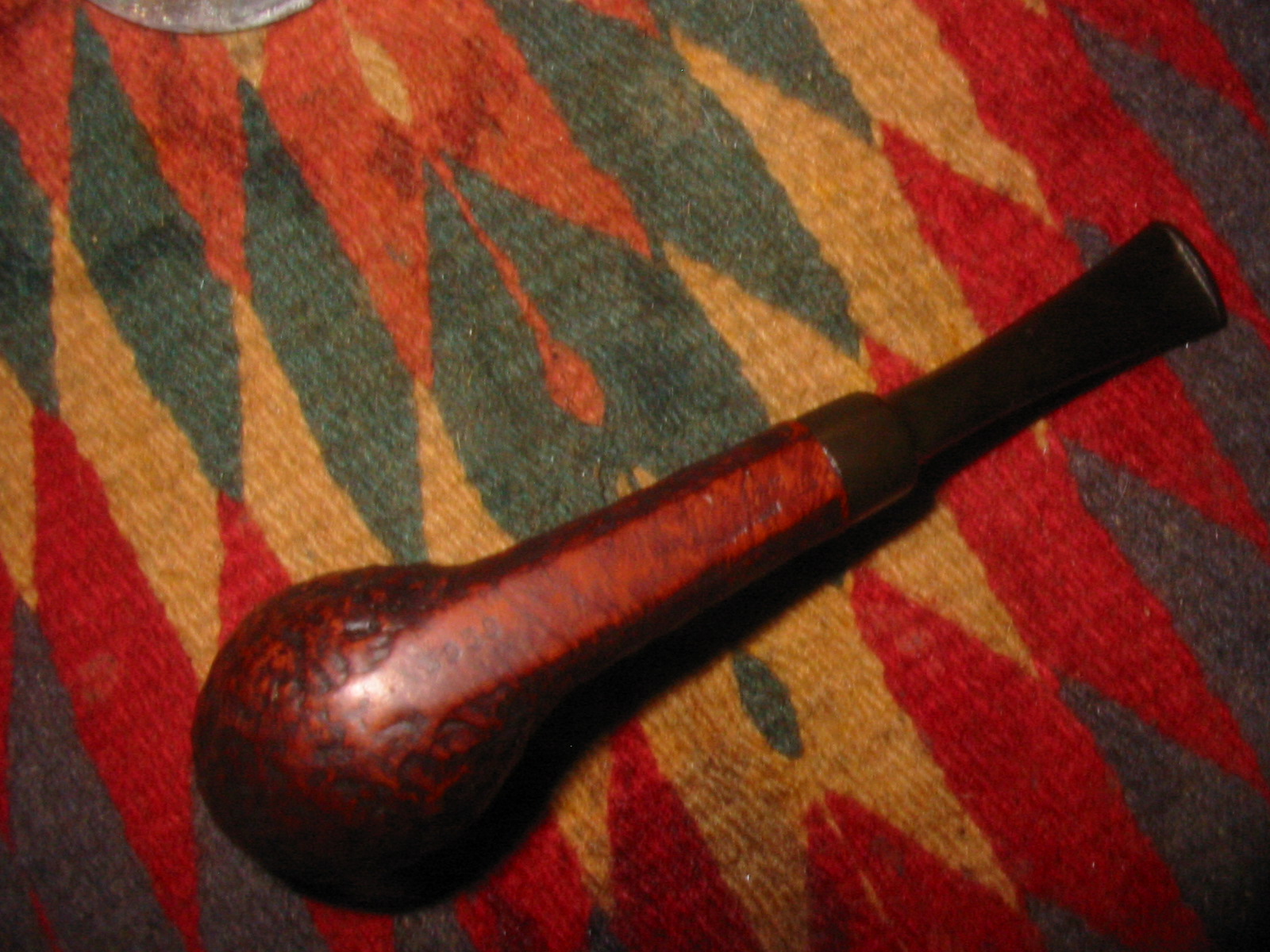
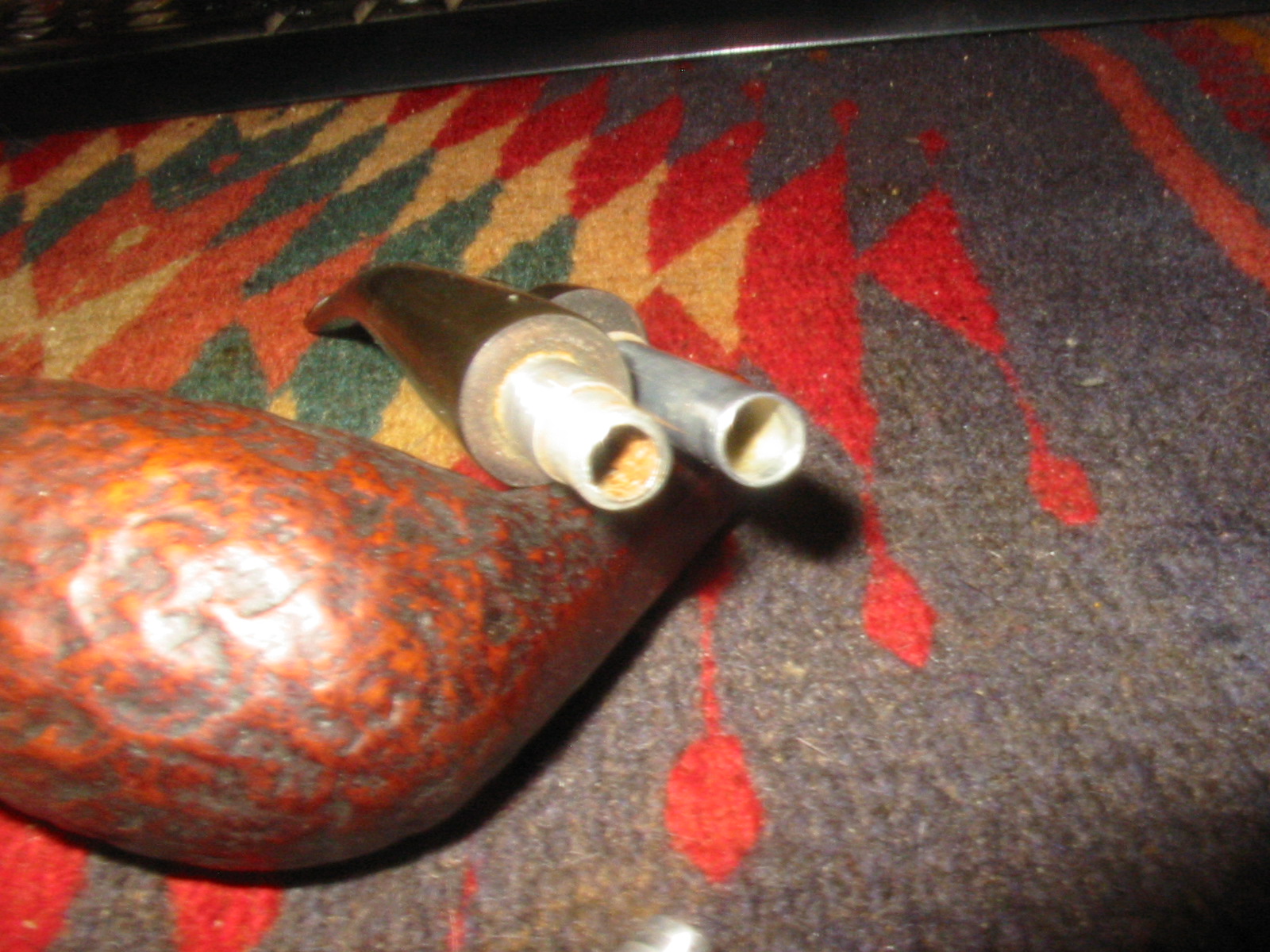
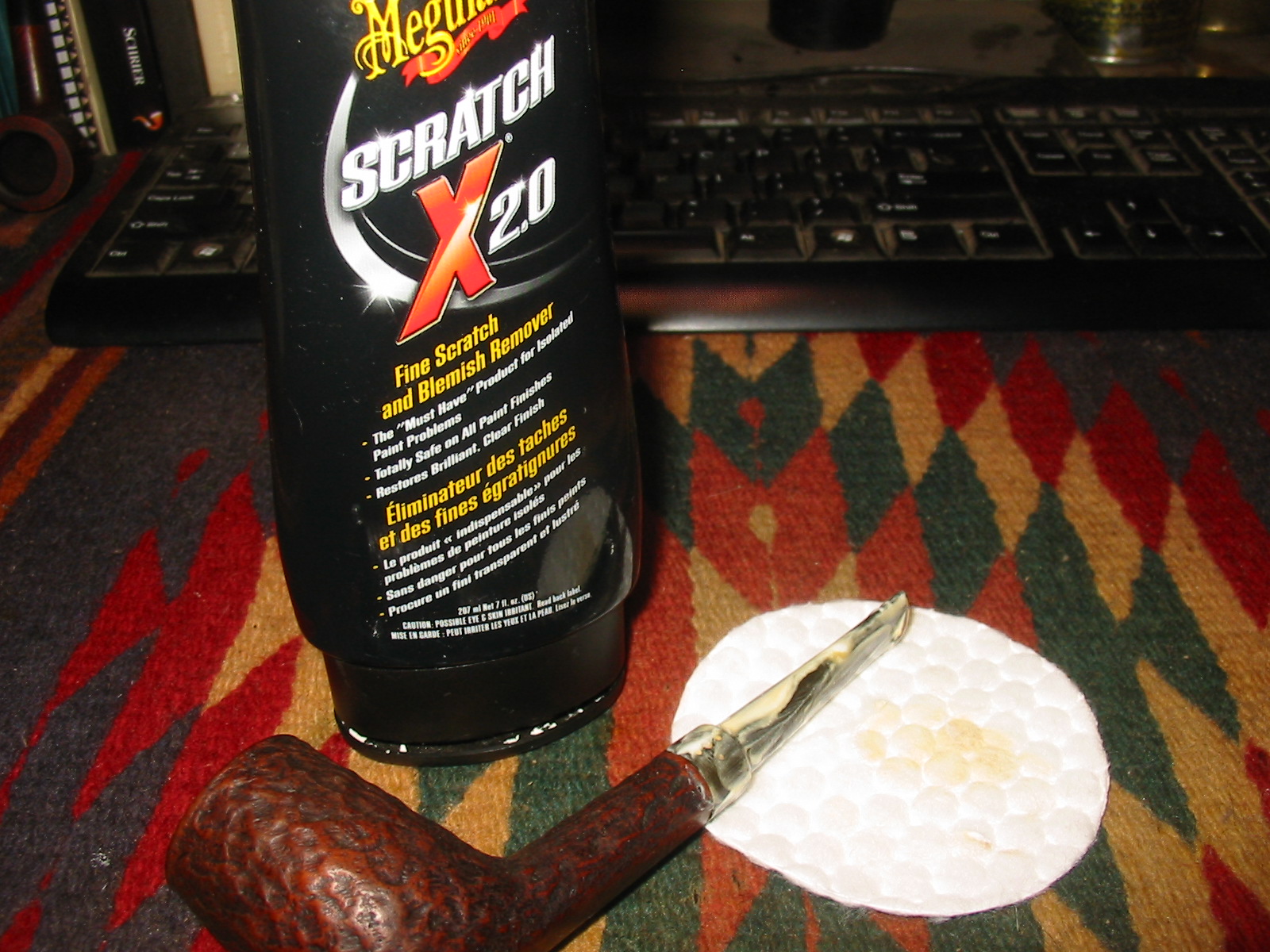
I then cleaned the inside of the 5 dot stem that I had and fit it into the shank of the pipe. It fit well and actually had an interestingly look (IMHO). It was oxidized and needed work but it fit. The shank was still very tight at the end so I was not able to get the maple filter to fit in the tenon and still fit tightly against the shank. I have to do a bit more work opening the far end of the mortise to accommodate that. The next series of four photos show the 5 dot stem and give a rough idea of the look of the pipe at this point. IMG_8029 IMG_8032 IMG_8034 IMG_8035 I took the next three photos of the two stems side by side to show see the difference in diameter of the stems and the difference in shape of the two tenons. In the first photo the top stem is the replacement one and the bottom is the original Brigham made stem. The second and third photos show an end view of the two different tenons side by side. The one on the left is the replacement tenon and the one on the right is the original Brigham. Note the difference in diameter of the inner circle of the opening and the thickness of the walls of the tube in both tenons. The maple filter tube fit tightly in the replacement stem with no allowance for air to flow around the tube. It was shorter as well so the filter would not have been used with the replacement stem. IMG_8042 IMG_8043 IMG_8044 To start the cleanup on the oxidized stem I decided to use the Meguiar’s Scratch X2.0 scratch remover on the stem. It works quite well to remove some of the surface oxidation. I let it dry before buffing it off with a soft cloth. IMG_8045 The deeper oxidation still remained so I sanded the stem with 220 grit sandpaper and medium and fine grit sanding sponges. I followed up with micromesh sanding pads – wet sanding with 1500-2400 grit pads and dry sanding with 3200-12,000 grit pads. I rubbed it down with Obsidian Oil between each set of three pads and a final rub down at the end. IMG_8047 IMG_8050 IMG_8051 Once the Obsidian Oil had dried I buffed the pipe with White Diamond and then gave the bowl a light coat of carnauba wax and the stem several coats of carnauba wax. I buffed in between with a soft flannel buff to polish each coat. The finished pipe is shown below. I am looking forward to firing it up with one of the good English tobaccos that Bill sent along. Thanks again Bill for the great addition to my collection. IMG_8059 IMG_8060 IMG_8061 IMG_8062

I Found the Black Box – Bill Tonge


I recently was gifted a box of Brigham pipes from someone on eBay who bought one of my pipes. The one in this particular write up is the fourth one down which is a 429 Author shape.
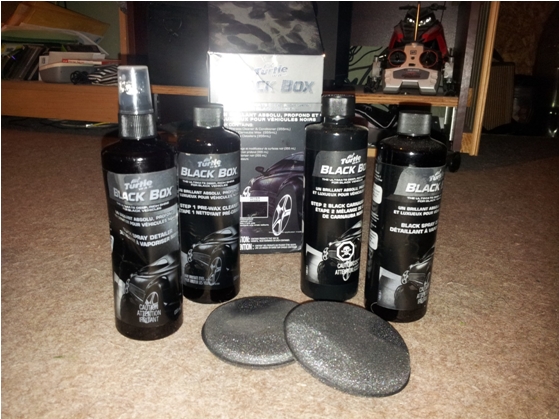
Bill1 I pulled the pipe apart and did my usual cleaning which entails the bowl, shank and lightly sanding it for some contrast. Then I went at the stem. I did my Oxi-Clean and Magic Eraser to the stem and then used the micro mesh pads. When I finished I noticed that the stem was still brownish in spots. Bill2 Bill3 So I went out to the shop and dug out my Black Box from when I had my black car. Bill4 I used it exactly the same way you use it on your car following every step. The first step involves the scratch remover and the second step is the black carnauba wax. I just dabbed it all over the stem and let it sit until it turned to a gray haze. The next set of pics shows the stem covered in the black wax. Bill5 Bill6 Bill7 The final step is to buff it up. As you can see from the pics it covers the brown pretty well. Bill8 Bill9 And of course a pic of the final pipe cleaned, waxed and back together. Another happy Brigham. Bill10

Interpreting the Stampings on Brigham Pipes


2007 Brigham logo for webI have received quite a few emails and tweets over the years about how to read the stamping on Brigham pipes. I have hunted for information in the past and almost always had to do more digging than should have been necessary. So yesterday when I was asked again to help with the stamping on a particular pipe I did some digging. The friend who asked said the stamping was 5955 on the underside of the shank. He said he had called Brigham and that they had told him that number was not on their shape charts. He had hit a dead-end. We connect on Twitter so he contacted me and asked for help. I thought I would give it a try to see what I could find out about the pipe. I Googled and read various online pipe forums where information was given. I searched for Brigham shape and numbering charts and old catalogues. Nothing helped. Then I decided to go to the Brigham site itself and go through the layers of information there and see what I could dig up. I was certain the clue to the mystery had to be there. It was just a matter of spending the time reading through the layers of information there to see what could be found.

The Brigham Pipes website is found at http://www.brighampipes.com. I read through a lot of the pages on the site and took notes as I read. I have edited the material I found and organized it here in one place so it would be easy to use in the future. I am thankful to Brigham for putting this information on the site because it certainly made identifying the pipe my friend wrote me about quite simple once I had read through the information on the website and in the various blog posts I found.

I have many older Brigham Pipes in my collection as do many of you who read this blog. The information I have collated will be useful to more people than me and the person who sent me the question. I have collected older Brigham pipes for over 15 years and enjoy smoking them with and without their patented maple filter system. Brigham pipes were made in Canada for nearly 100 years, though I am told that recently they are made in Italy and finished in Canada. There have been variations in the stamping on the pipes over the course of the years and I have most of the variations in my collection. However, the one constant has been has been the 3 digit stamping code on the underside or the side of the shank. The pipes are organized in several groups designated from the 100 series to the 700 series (100, 200, 300, 400, 500, 600, 700). The quality of the pipes goes up as the series numbers rise. The 100 series pipes are entry-level pipes and each level above that increases in quality and price. The 700 series is made of the highest quality of briar and workmanship.

Using this information I took the number that was given to me – 5955 stamped on the bottom of the pipe’s shank – as my starting place. The first number in the stamp denoted the series (1 to 7). Thus the pipe was a 500 series pipe. The next 2 numbers indicated the shape number which in this case was 95. I am assuming that is the shape number for the Zulu or yachtsman shape of this pipe. Summarizing what I had learned so far – I now knew what the first three digits in the stamping meant. The “595” indicated a 500 series pipe in shape #95. Reading further I found that a letter could follow the numbers in the stamp – particularly on older pipes. The letter indicated the size of the bowl. Thus the letter S = small, M = medium, ML = medium/large, L = large. I wrote the questioner and asked him to magnify the stamping on his pipe. Sure enough, the pipe was a 595S – the final stamp was the letter S, making this pipe a 500 series Zulu with a Small bowl. Mystery solved on this one. Armed with this information I went through my older Brigham pipes and was able to interpret all of the stamping.

I knew from previous research and refurbishing these pipes that Brigham utilized a dot system to denote the pipe series. Brass pins were inserted on the side or top of the stem in dot patterns and these were what I looked for to ascertain that I had an original stem on a Brigham pipe that I had found in a thrift shop, antique mall or garage sale. In my reading online this time I found out that these were more than mere decorations or emblems in that they were originally used to secure the special Brigham aluminum tenon into the shank of the pipe. Later they came to be used to denote the quality of each pipe. This also accounts for the use of the term “dot” instead of “series” among all of the Brigham collectors that I have met. From the website and web forums I found the following information regarding the “dot” grading system and created the comparison with the series numbers in the chart below. (This information is correct to the best of my knowledge though it is certainly open to correction and adjustment.)

There were originally 8 separate grades noted by the number and arrangement of the brass dots. These are arranged in the list starting with the lowest and ending with the highest grade. I have put the series number next to the dot information in the list below. brigham chart More reading led me to the next information I have edited and collated from the Brigham website. It is very helpful in terms of the stamping of the Brigham logo and patent information. It gave some direction for dating pipes to a certain era. Many of the pipes that I have in my collection that use the dots also have the Brigham patent number stamped on the shank, under or next to the name. It reads CAN PAT 372982. This number was stamped beside or under a cursive “Brigham” logo. This signature was thinner than the signature on the pipes found today. During the transition from this thin signature and patent stamping to the new logo adopted in the late 70s there were at least two variations of a cursive “Brigham” signature stamped into the pipes including two horizontally type-set fonts. I found out that the patent number appeared on pipes up to approximately 1980. After that date the new logo which is similar to the modern stamping though with the maple leaf, was used exclusively. All of my patent number pipes thus were pre-1980.

One interesting fact I found out was that there were several other series of pipes made by Brigham between the 60s and 80s including a selection of handmade ones. These handmade pipes were known as the Valhalla and Norseman Series. There were others as well but I could not find identifying names on the site or through Google searching. These handmade pipes were typically much larger than the 100-600 series pipes and had freehand bowls in a Danish style. They incorporated the patented Brigham filter system. The finishes and stamping on the pipes were unique to the lines. For example the Norseman line of pipes were fully rusticated and marked with a “W” followed by a shape number. There were 3 dots on the stem that were horizontally aligned with a larger dot in the center. The Valhalla pipes were smooth or partially rusticated in the same shape as the Norseman pipes and had the same dot pattern.

In approximately 1980 the 7-grade dot system was started. The reason given for the new system was that it simplified the pinning of pipes and made them more easily identified. When the system made its appearance the specific names for each grade stopped being used. The vertical and horizontal 3-dot pinning pattern was also no longer used. In higher series, a small number of interesting experimental shapes were carved and these had an “S” stamped beside or near the shape number. I am wondering if the 598S that I mentioned above came from this time period and the S indicates not the bowl size as a small but the experimental shape. I am prone to thinking that this particular pipe does not fit this category because it is a standard Zulu shape with no intricate of special carving. Brigham did not keep a catalogue of these shapes so they are unique and represent a time of experimentation by Brigham.

Hopefully this information will be an aid to others who are seeking to understand the stamping system on Brigham pipes. The numbers unlock the series and shape of the pipe and the Brigham script gives an approximate date for the pipes whether before the transition, during or after. This is a part of the hobby that I truly enjoy – hunting down information on a brand and trying to understand the background on a pipe.

1937 Patent Era Brigham Lovat


Blog by Steve Laug

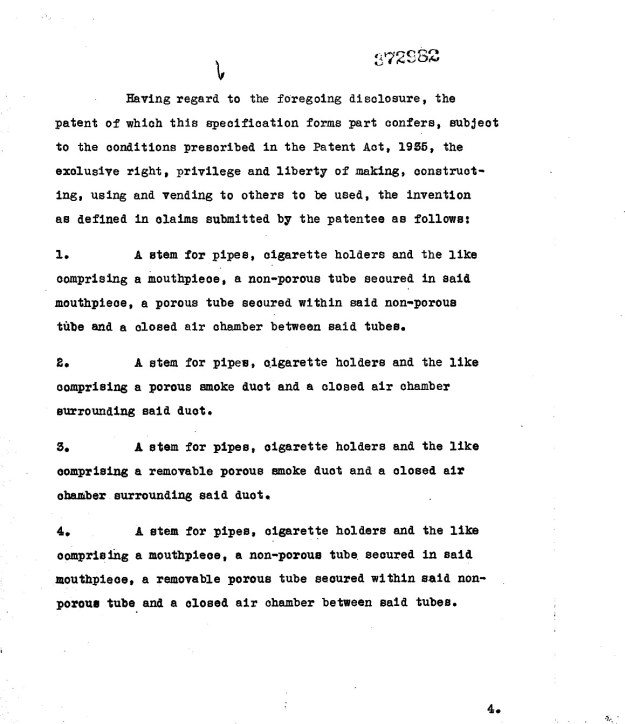
I picked this little Lovat up in a trio of pipes from EBay. I refurbished the first two – the no name Sandblasted Poker and the Dr. Plumb Statesman already. I have written about them earlier on the blog. Today I worked on the Brigham Lovat. It is stamped Brigham over Can. Pat. 372982. The shape stamp in on the flattened bowl bottom and is stamped 199. The finish was pretty well worn off but there was some nice looking grain on the bowl and shank. The briar actually is flawless with no fills or sandpits. The rim was black and covered with what appeared to be a thin coat of hard tar. The stem was badly oxidized and the brass one dot logo was obscured. Once the stem was removed the Brigham patented filter system was a little hard to remove. The hard rock maple filter was clean but there was a white cobweb like substance in the bowl and in the shank and filter.

ImageImageImageImage

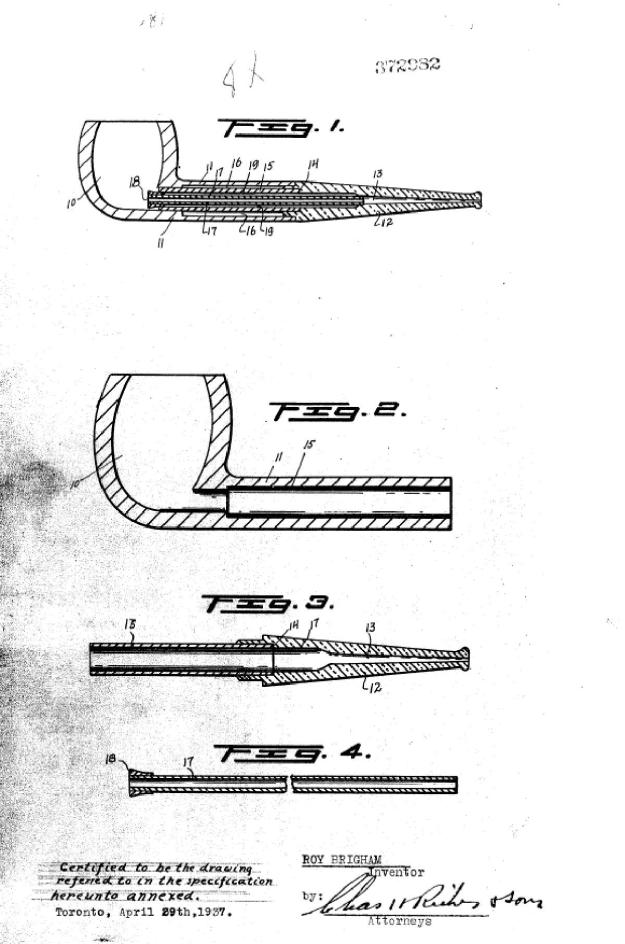
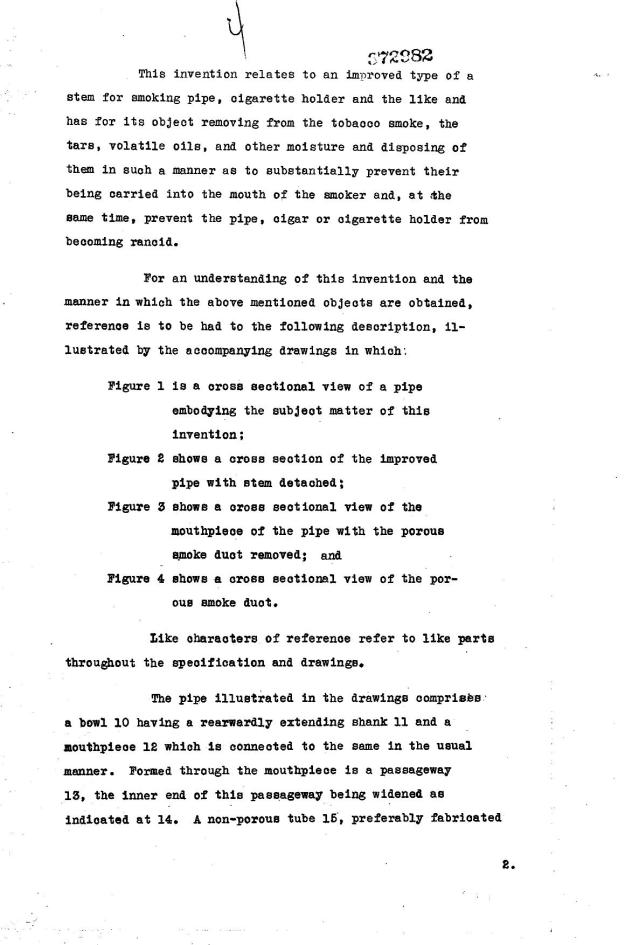
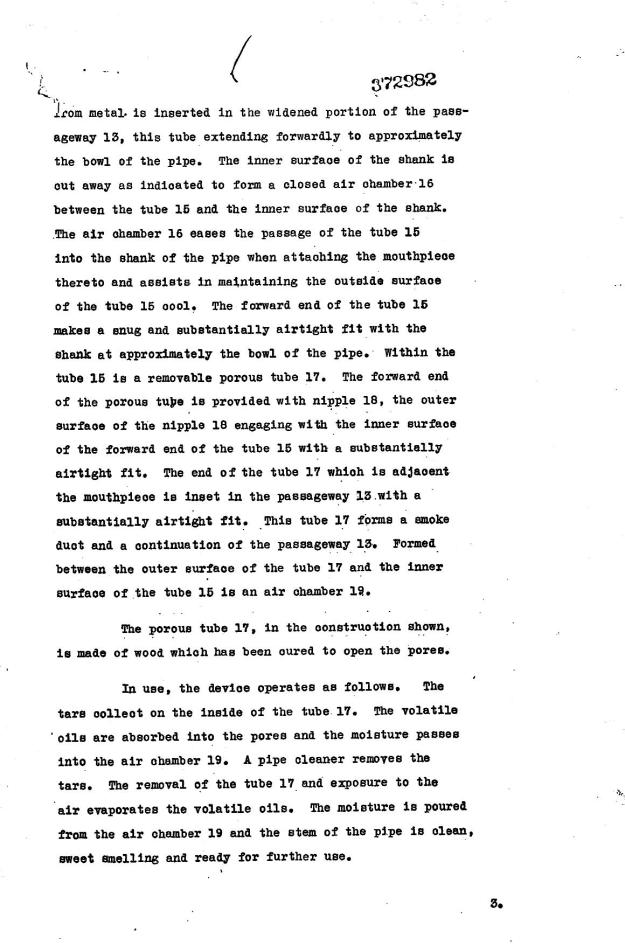
I did a patent search on the Canadian Patent site and found documentation filed with the number stamped on the pipe. I have copied that documentation in the following three pictures. The first picture is a drawing of the Brigham filter system signed by the designer Roy Brigham when it was filed. The next two pictures are the descriptive text of the patent. It is always fascinating to me to discover these pieces of history when I am working on a pipe. This old timer had a story to tell that is for sure. I am not sure when Brigham stopped stamping their pipes with the patent number but in the many that have crossed my desk I have not seen one with the numbers.

ImageImageImage

I put the bowl to soak in the Isopropyl alcohol bath with the other bowls while the stem soaked in an Oxyclean bath. Once I took the bowls out I wiped them down and went to work on them. The Brigham is the bowl at the top of the photo below. You can see the grain on it is actually quite beautiful.

Image

The bowl when dried off is pictured below is quite clean. It has no fills or sand flaws in the briar. It is going to stain nicely and be a great looking pipe when finished.ImageImage

In the picture above you can see the tars on the rim of the pipe. I dried it off and sanded the rim with a 1500 grit micromesh sanding pad to remove the tar build up on the rim. The next two photos below show the rim with the tars removed and the surface smooth. The beauty of this old pipe was that the rim was flawless. There were no dings or dents in it. The outer and inner rim edges were still quite sharp.

ImageImage

After sanding the rim I sanded the entire bowl of the pipe and also the first sanding on the stem. The picture below shows the sanded bowl. I used 1500-2400 grit micromesh sanding pads, carefully sanding around the Brigham Patent Stamping.

Image

When I finished sanding I wiped the bowl down with acetone on a cotton pad. I use nail polish remover which is a solution of acetone and that is readily available at our local dollar store. It works well to lift any remaining stain in the briar and clean the surface of any leftover debris from the sanding process. The grain is really standing out nicely in the three photos below and will make a great looking finished pipe. I also continued to sand the stem with a medium and a fine grit sanding pad to cut through the heavy oxidation.

ImageImageImage

After sanding with the sanding pads I moved on to wet sanding with 1500-2400 grit micromesh sanding pads. I have a cup of water at hand to dip the sanding pad into and then sand the stem to remove the oxidation. These first three grits of micromesh do a great job in removing the remaining oxidation on the stem. The water begins to turn a brownish yellow as I dip the sanding pad and squeeze out the grit from the sanding. The stem begins to come back to black by the 2400 grit pad.

ImageImage

At this point in the process I have started to use Meguiar’s Scratch X2.0 before going onto the higher grits of micromesh. I rub on the Mequiar’s with my finger and scrub it into the finish of the stem. Once it is applied I let it dry for a few moments and then scrub the stem with a cotton pad. The next three photos below show the stem after the rub down with the Mequiar’s and a hand buff with the cotton pad.

ImageImageImage

After polishing the stem I rub it down with Obsidian Pipe Stem Oil. I find that it penetrates the vulcanite and the remaining oxidation seems to lift to the surface. Once it is dry I continue to sand the stem with the micromesh sanding pads from 3200-12,000 grit.

ImageImage

After the stem really begins to shine I remove it from the shank and place a dental pick into the mortise to provide a handle for me when I am staining the pipe. This allows me control as I turn it over in my hands. I stained this pipe with Dark Brown aniline stain (Feibing’s Leather Dye). The first photo below shows the pipe ready to be stained and the second is with its first coat of stain. While it is still wet I flame it by lighting it with a match and setting the stain.The flame sets the alcohol in the stain on fire and burns it off.

ImageImage

Once it is flamed I rub down the bowl with a piece of cotton terry cloth. It removes the surface stain and leaves the stain set in the softer grain. The next series of photos show the pipe after it has been wiped down but not buffed.

ImageImageImageImageImage

Once I have wiped it down I take it to the buffer to remove any more of the stain and to give it a shine. With this particular pipe the stain obscured the grain a bit so I decided to wipe it down with the acetone to lighten the stain. I wiped it until I got the effect that I desired. I then buffed it repeatedly to get a shine.

ImageImageImage

The stain was still a little dark to me and I wanted a bit more contrast in the stain. I wiped the bowl a final time with Isopropyl and then buffed it a final time. I also buffed the stem. I scrubbed the metal tenon with 0000 steel wool to polish the oxidation on the aluminum. It shined as well. I inserted a new Brigham Hard Rock Maple filter and put the pipe back together. I gave the stem a final coat of Obsidian Oil and then when it had dried I gave the bowl and stem multiple coats of carnauba wax on my buffing wheel. I finished with a quick buff with a soft flannel buffing wheel. The finished pipe can be seen in the pictures below.

ImageImageImageImage

A Frustrating Brigham 1 Dot Rehabilitation


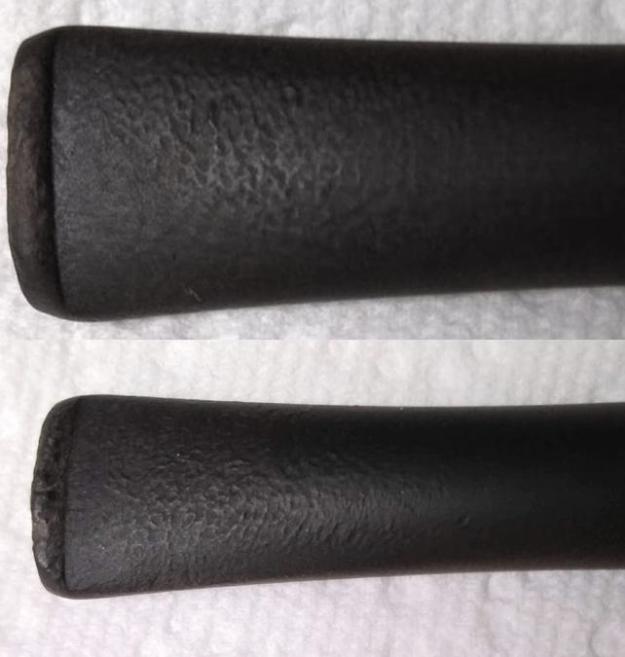
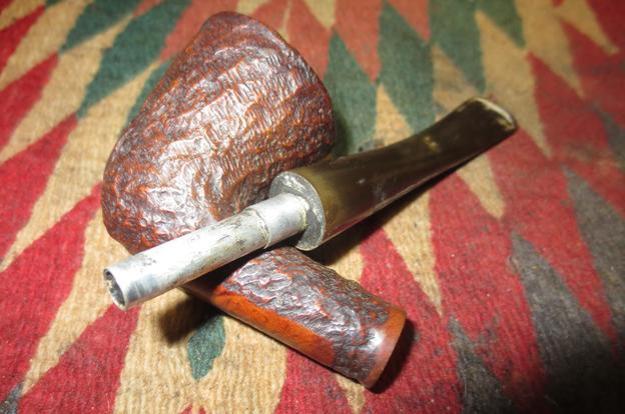
This old Brigham came to me in a box pass here in Canada. Brigham pipes were made in Canada in the old days and had an aluminum tenon/filter holder. When I took it out of the pass I thought it would be an easy clean up and I could put it back in the box on the next pass through. The other day I took it out to clean it up and this is what I found when I took the stem out. The aluminum tenon/filter holder had literally been eaten away. The hard rock maple filter must have been the original and it too had been eaten away. It was stuck in the corroded and rough tenon and I could not get it off. I used a light to shine down the mortise and the aluminum end of the filter was stuck in the airway. It was perfectly situated to not block the airway at all but it was there. The stem also had some thick white build up all around the button end. The only good part of the mess was that there were just a few small tooth dents on the stem. The bowl exterior was in good shape. The inside of the bowl was caked with a very tarry and oily aromatic smelling stuff. The rim was thick with the same tars as the bowl.

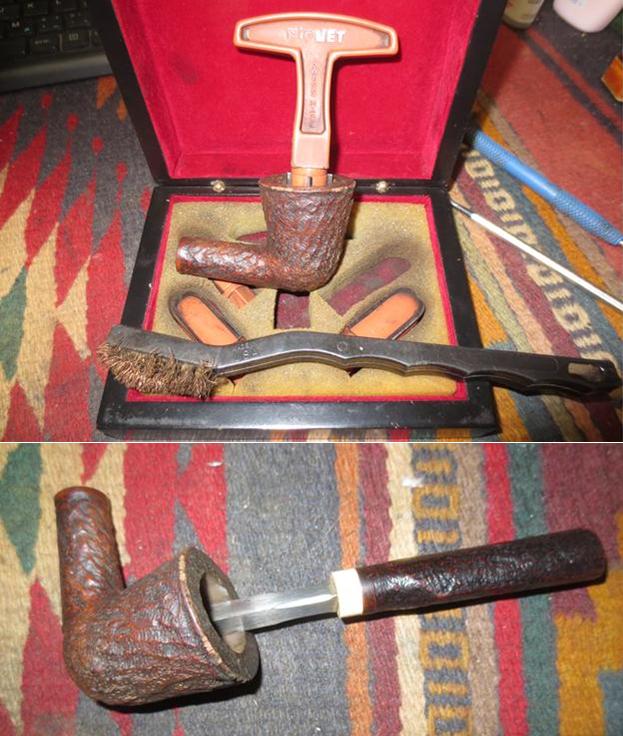
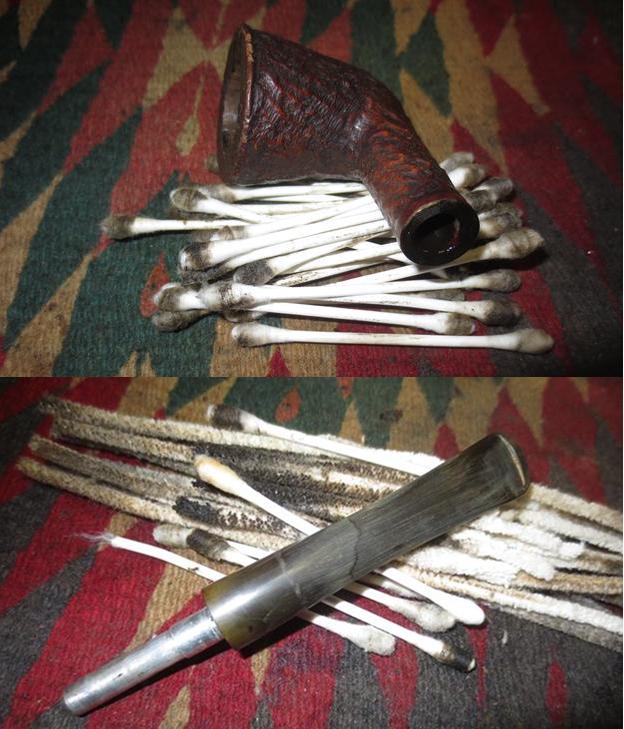
I used a hack saw to cut off the aluminum filter holder/tenon. I cut it off the same length as a regular tenon and used a file sandpaper to clean up the rough edges after the cut. Once that was done the maple filter had to be coaxed out with a dental pick until it broke free and came out. I do not believe it was ever removed since the day it was purchased from Brigham. It was unbelievably tarred and oily. The end of the filter that was stuck in the airway was more of a problem. The aluminum seems to have bonded to the walls of the mortise. I tried the freezer method to see if it would break free – no luck. I went on to clean and restain the bowl as described below before filling the bowl with cotton bolls and alcohol to see if the tars will break free from around the aluminum. I am going to let it sit over night with the soak and see what happens. The soaking did not work. So I tried to drill it out I started with a bit the same size as the metal end of the filter. I worked my way up to larger bit to open it and see if I could back it out. The trouble is the situation of the insert is right against the opening into the bowl so I opened it as wide as I could without damaging the airway. So now there is a small metal tube in the end of the airway that is open to the bowl. It is probably ¼ inch deep so it will act like a sleeve in the airway. It looks to me that it will stay there!

I cleaned off the rim with acetone on a cotton pad while carefully keeping the acetone off the sides of the bowl. I also followed that with micromesh pads – sanding it with 1500-6000 grit pads. There were three dent marks at between one and two o’clock on the photo above. I steamed them out with a hot knife and wet cloth. These dents easily came out of the rim and the surface was smooth and after sanding they virtually disappeared. I reamed the bowl back to bare wood and sanded the remaining surface of the bowl.

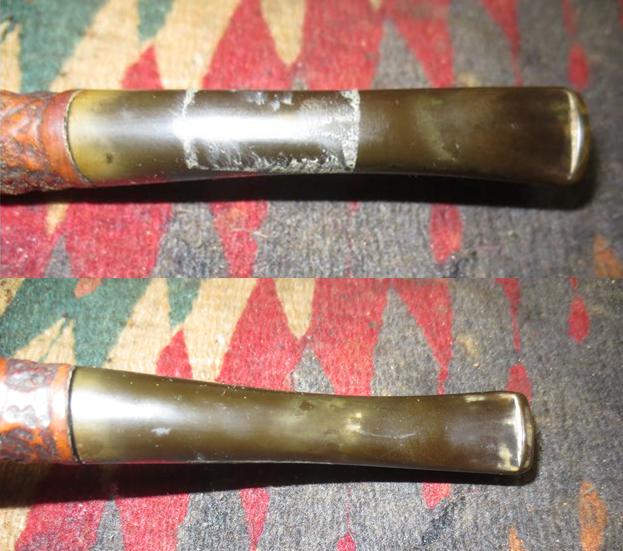
I worked on the stem quite awhile. I used emery cloth, medium grit to remove the white build up and the tooth marks on the stem. They were not too deep but would not lift with heat. Once I had them removed I worked on the stem with 240 grit sandpaper and 400 and 600 grit wet dry sandpaper to remove the scratches. Then I worked over the stem with 1500-12,000 grit micromesh pads. When the stem was shiny I took it to the buffer and buffed it with White Diamond. I gave it several coats of Obsidian Oil to bring the vulcanite some life. Then I gave the stem multiple coats of carnauba wax to protect it. The first picture below is of the underside of the stem and the second one is the topside of the stem. The tooth marks and scratches are gone.

I restained the rim of the bowl with medium brown aniline stain and wipe it on and off with a cotton pad. I was trying to match the smooth portions on the side of the shank. The finished stain was a perfect match to the rest of the bowl. I buffed the rim with White Diamond as well and waxed it with Halcyon II wax to give the bowl a shine. I buffed it with a clean flannel buff. The finished pipe is pictured in the last series of photos.