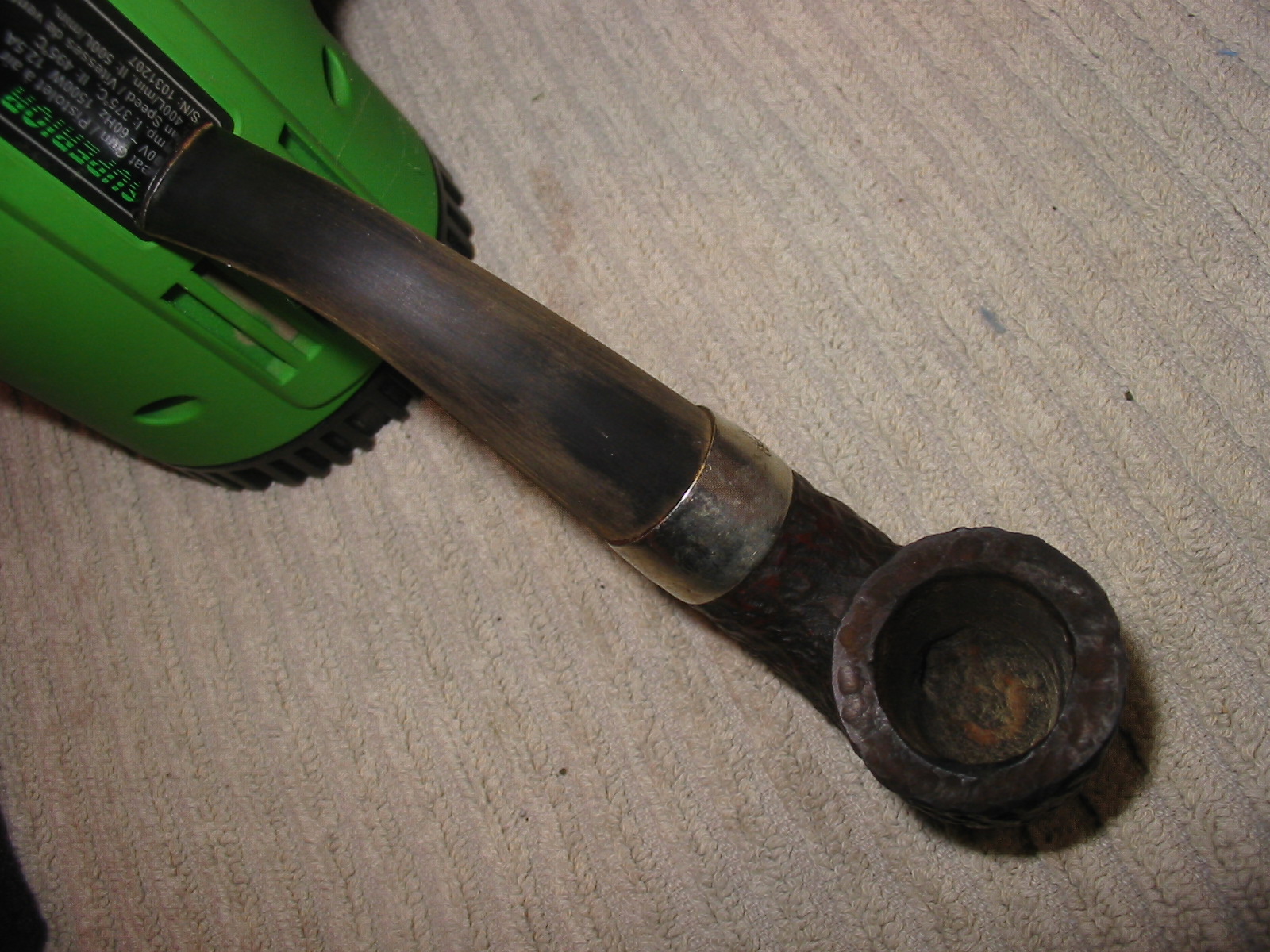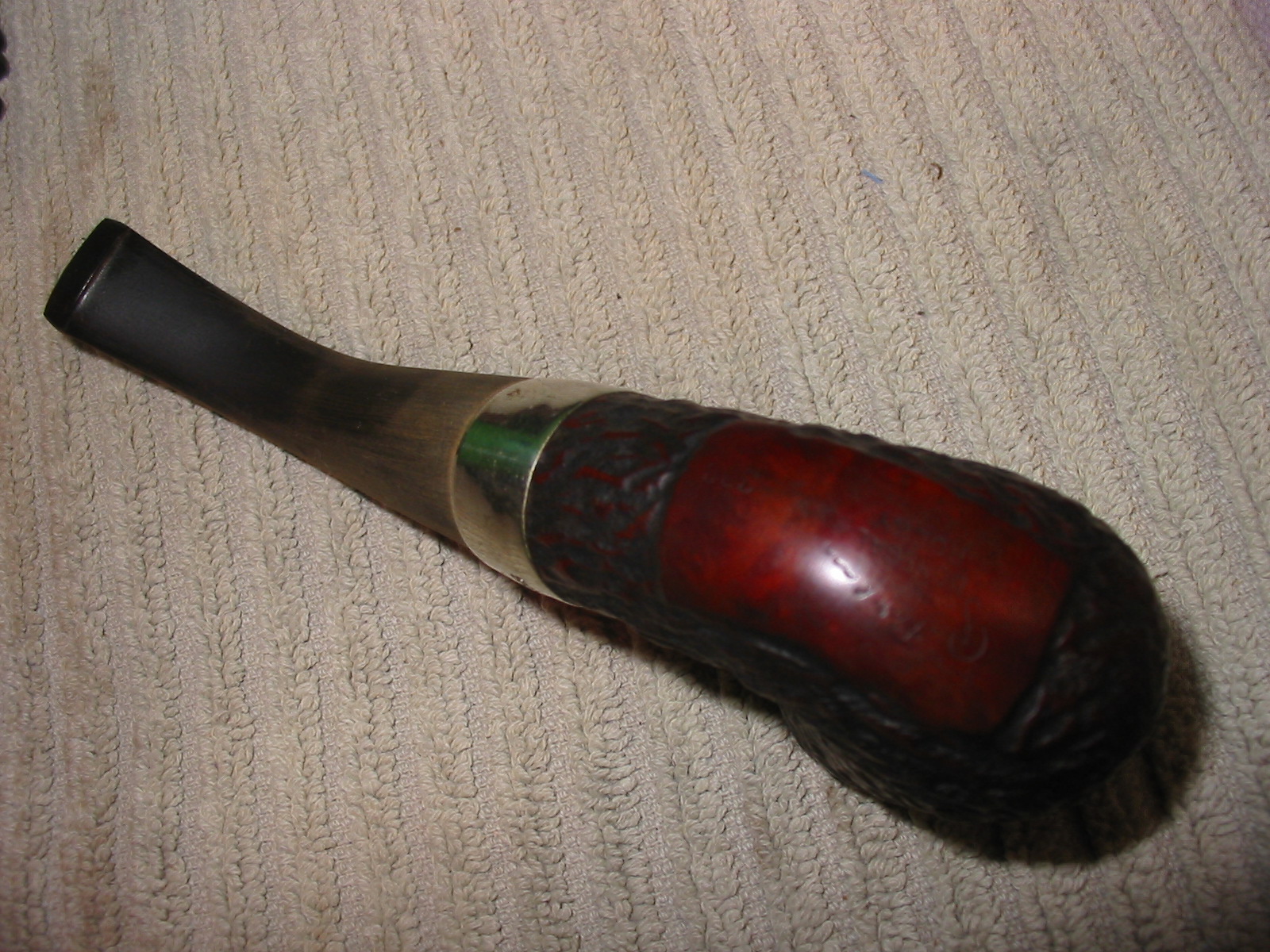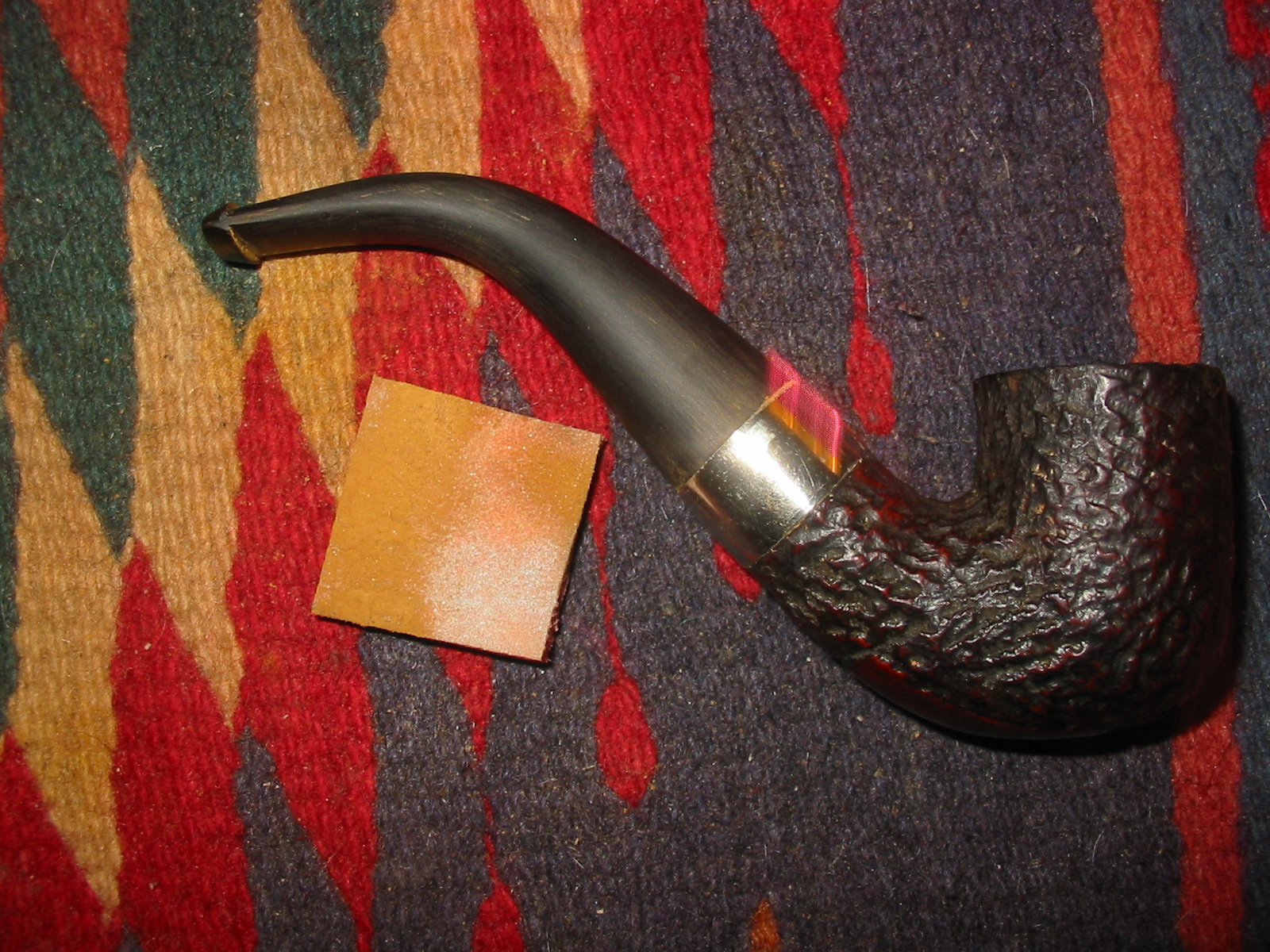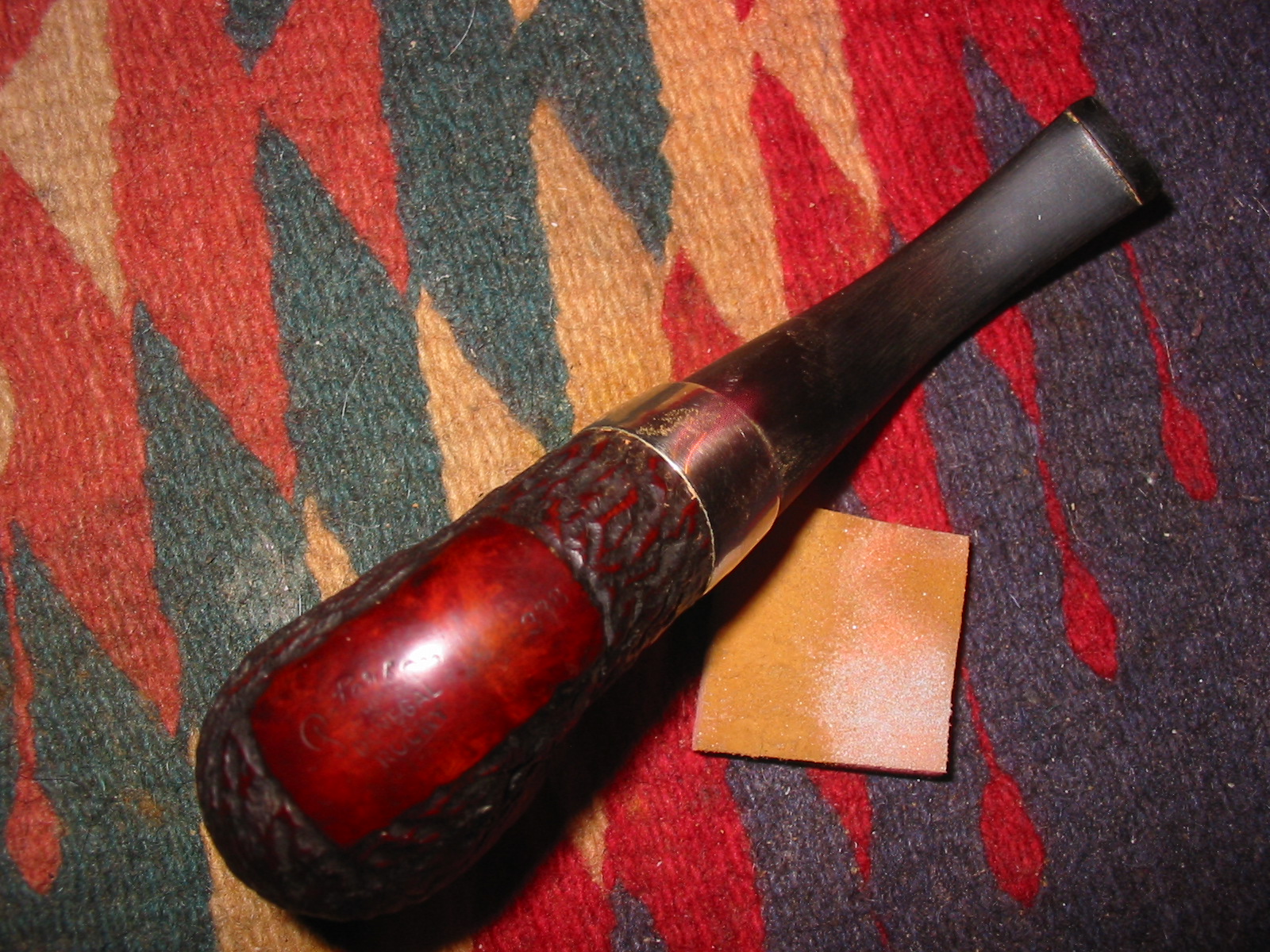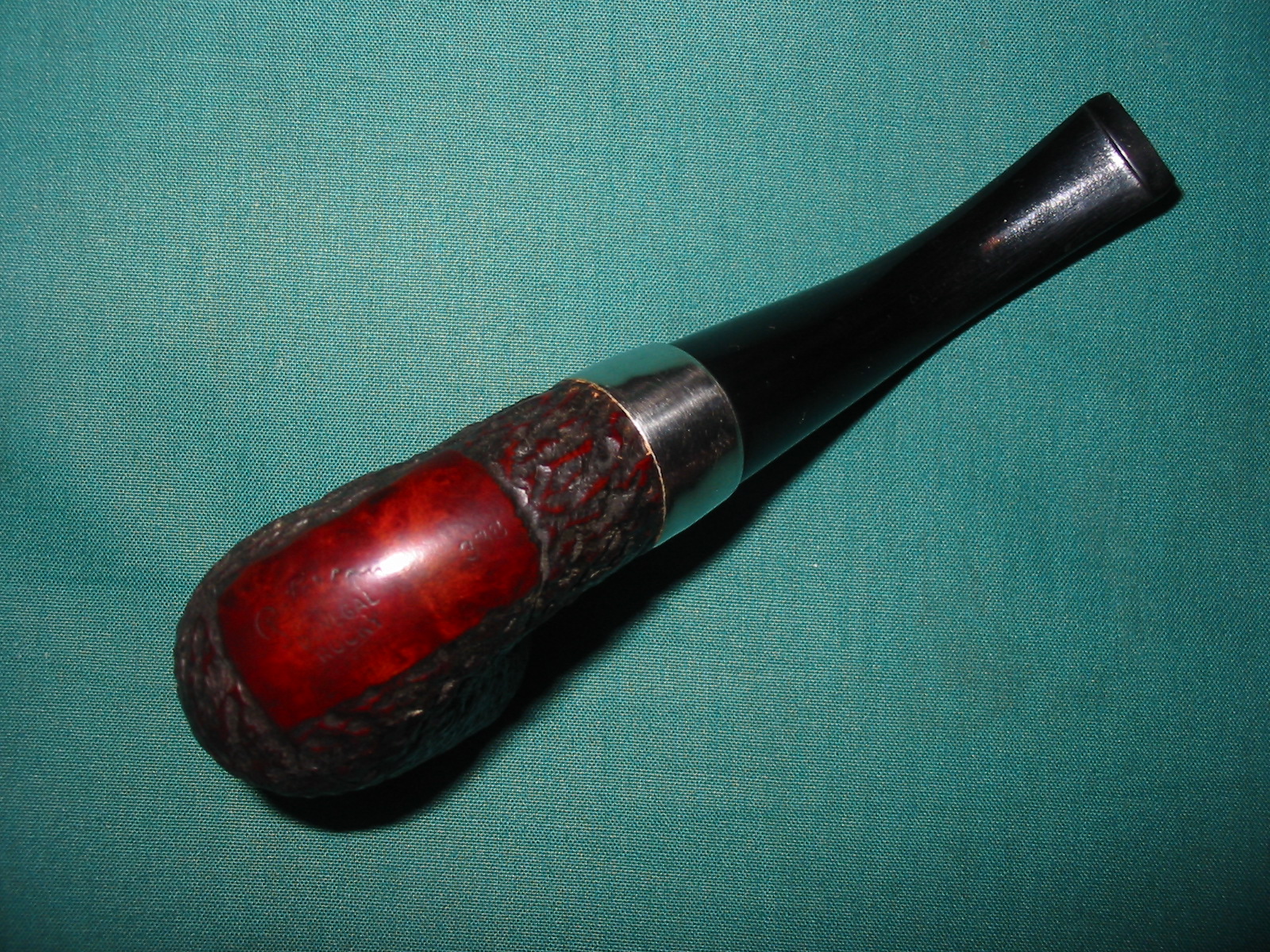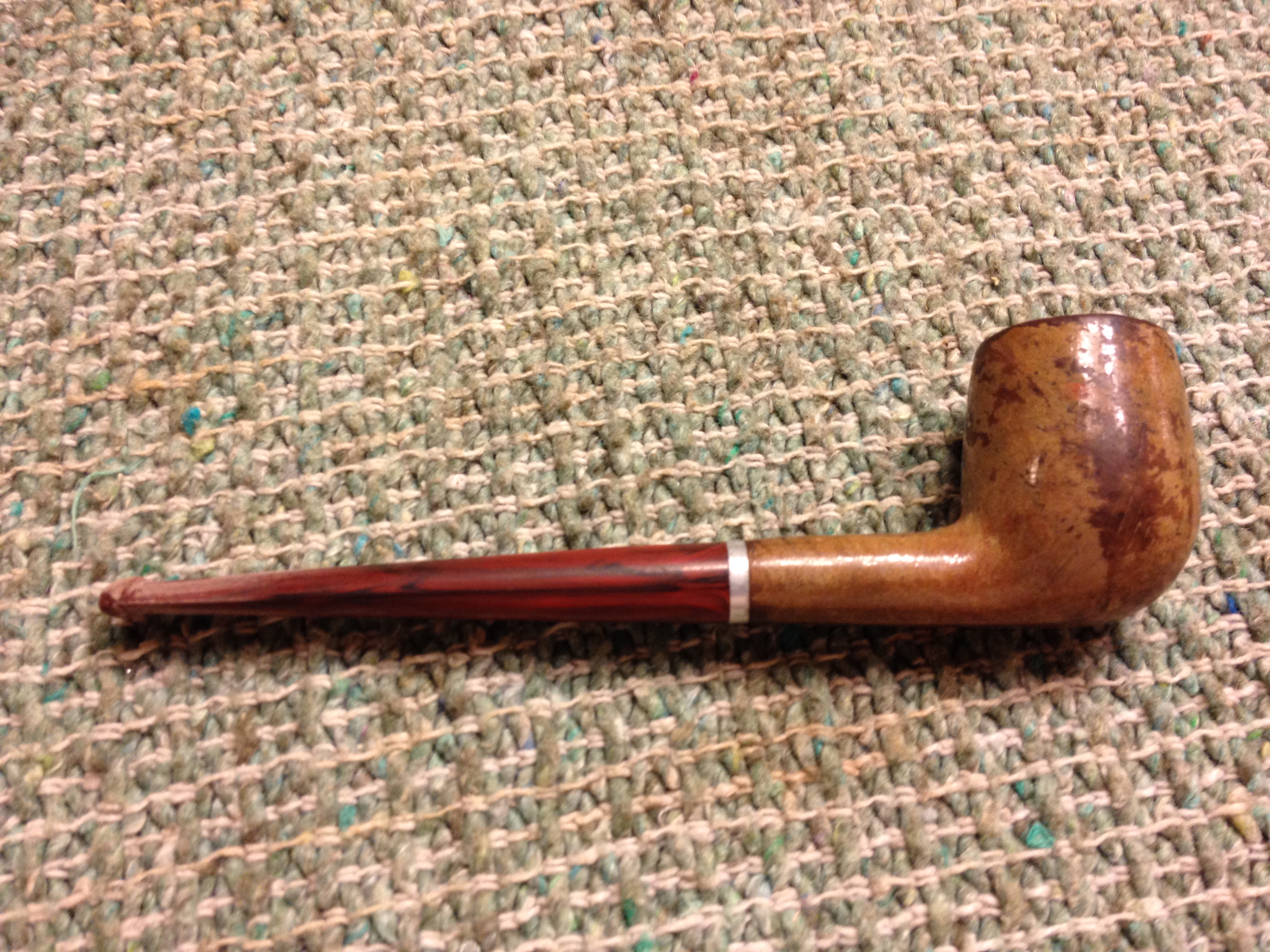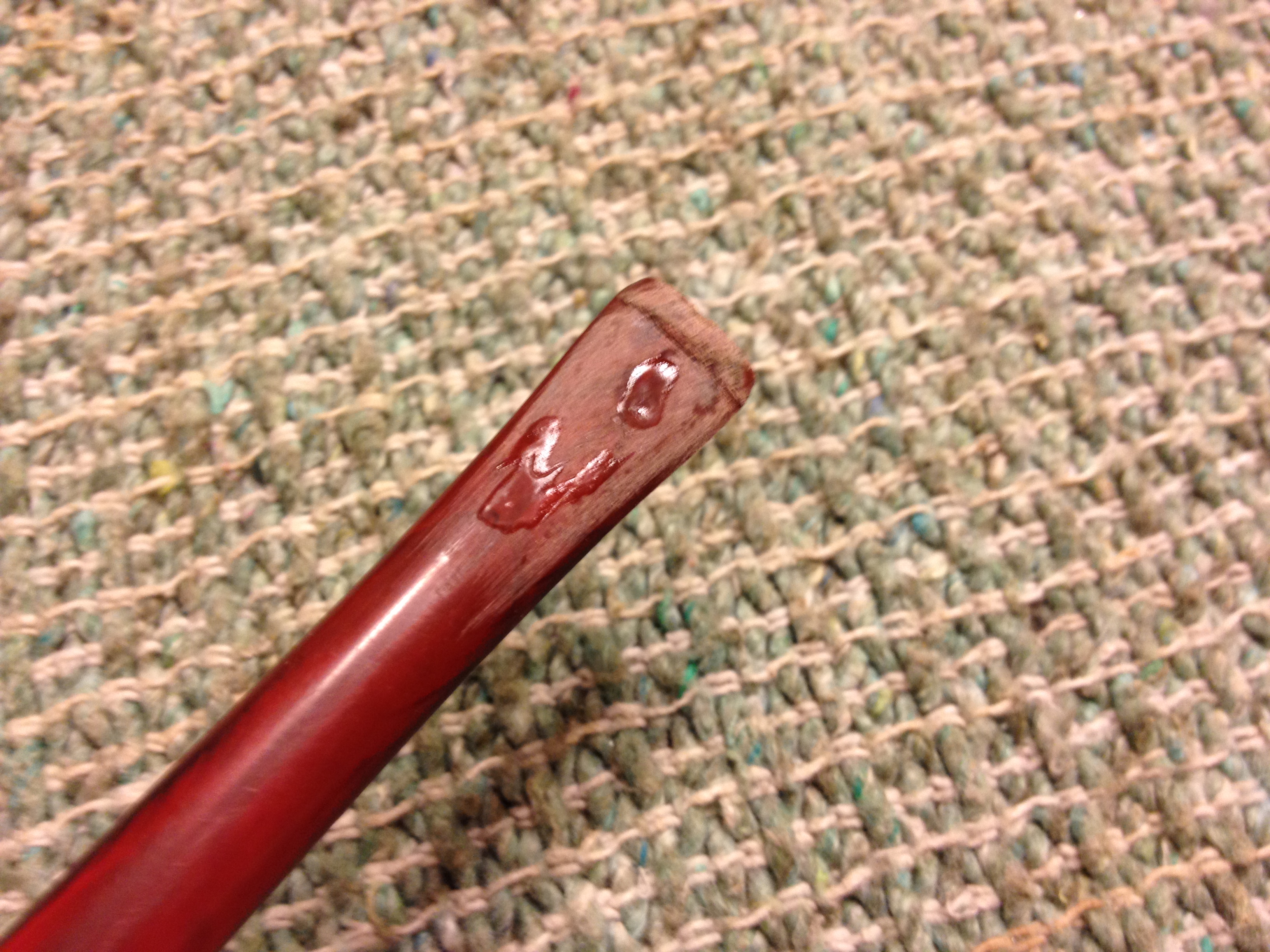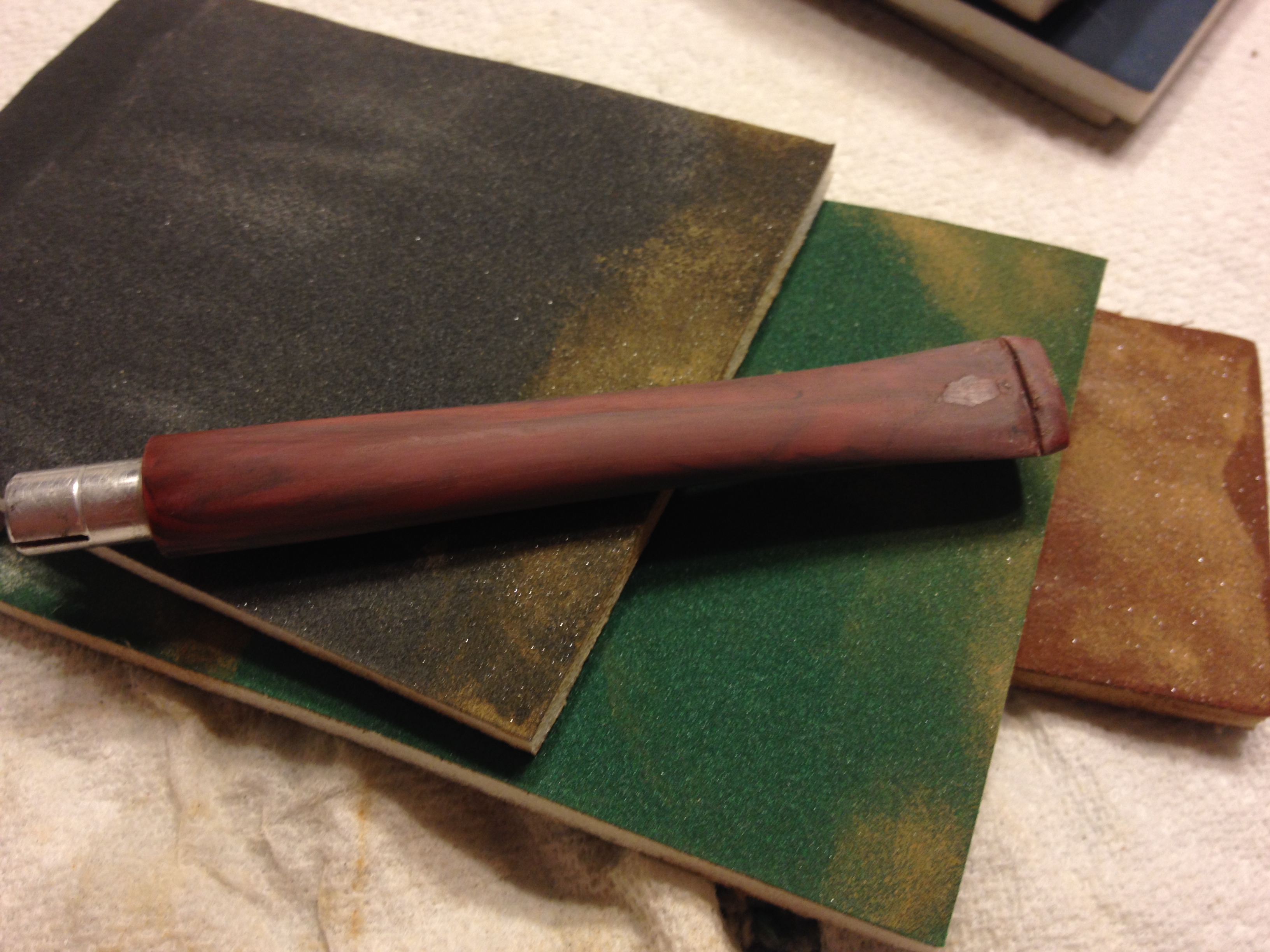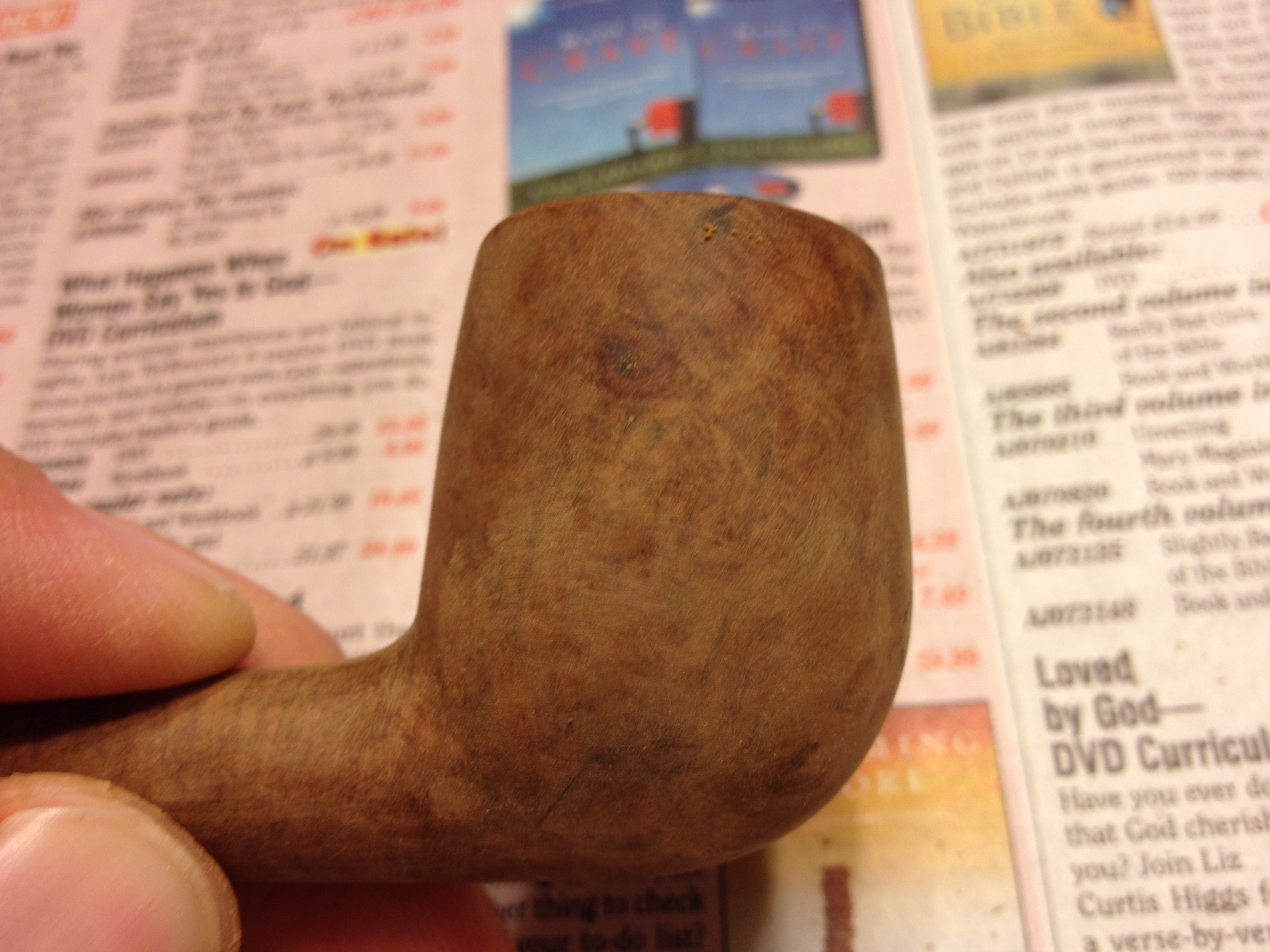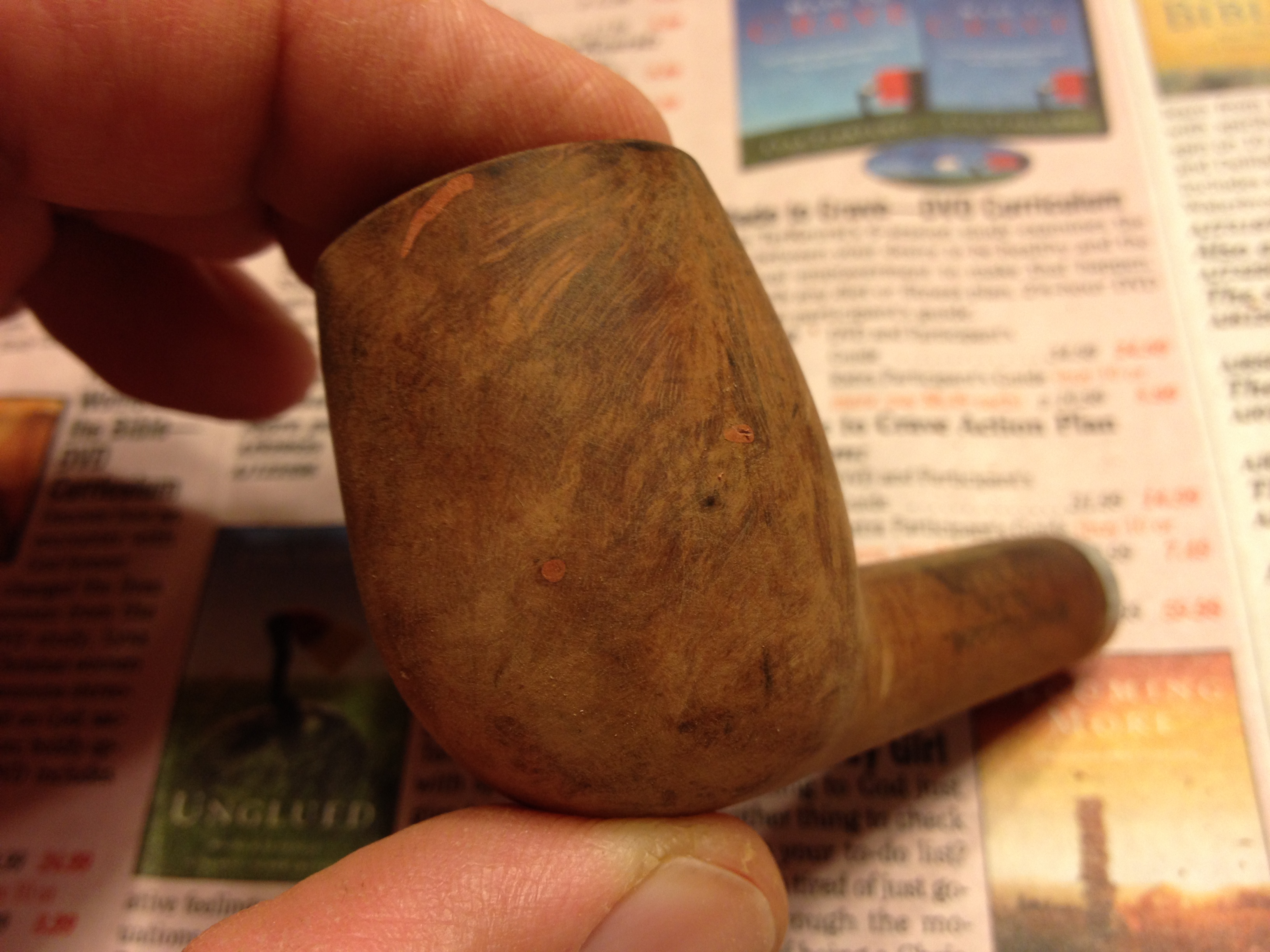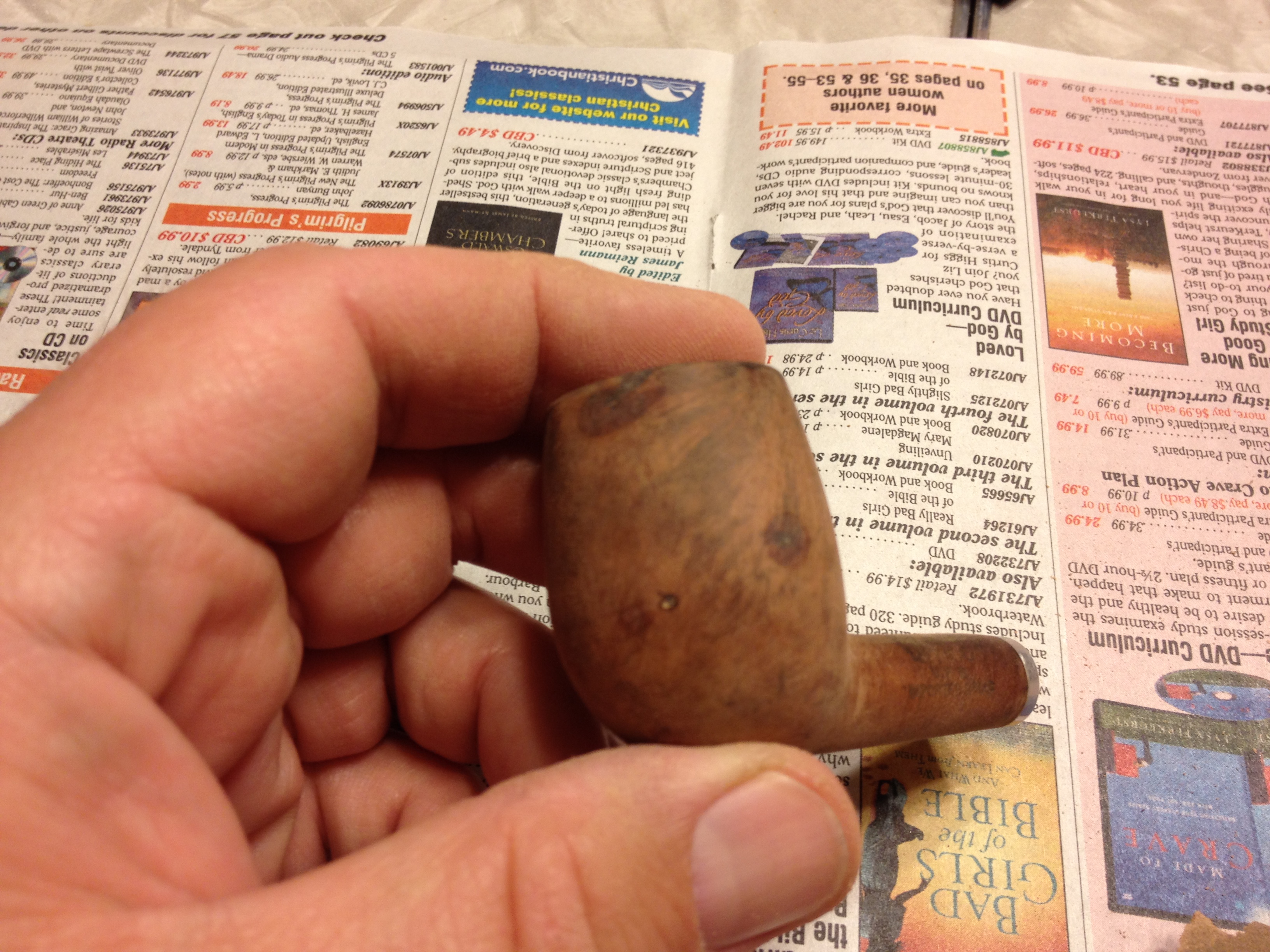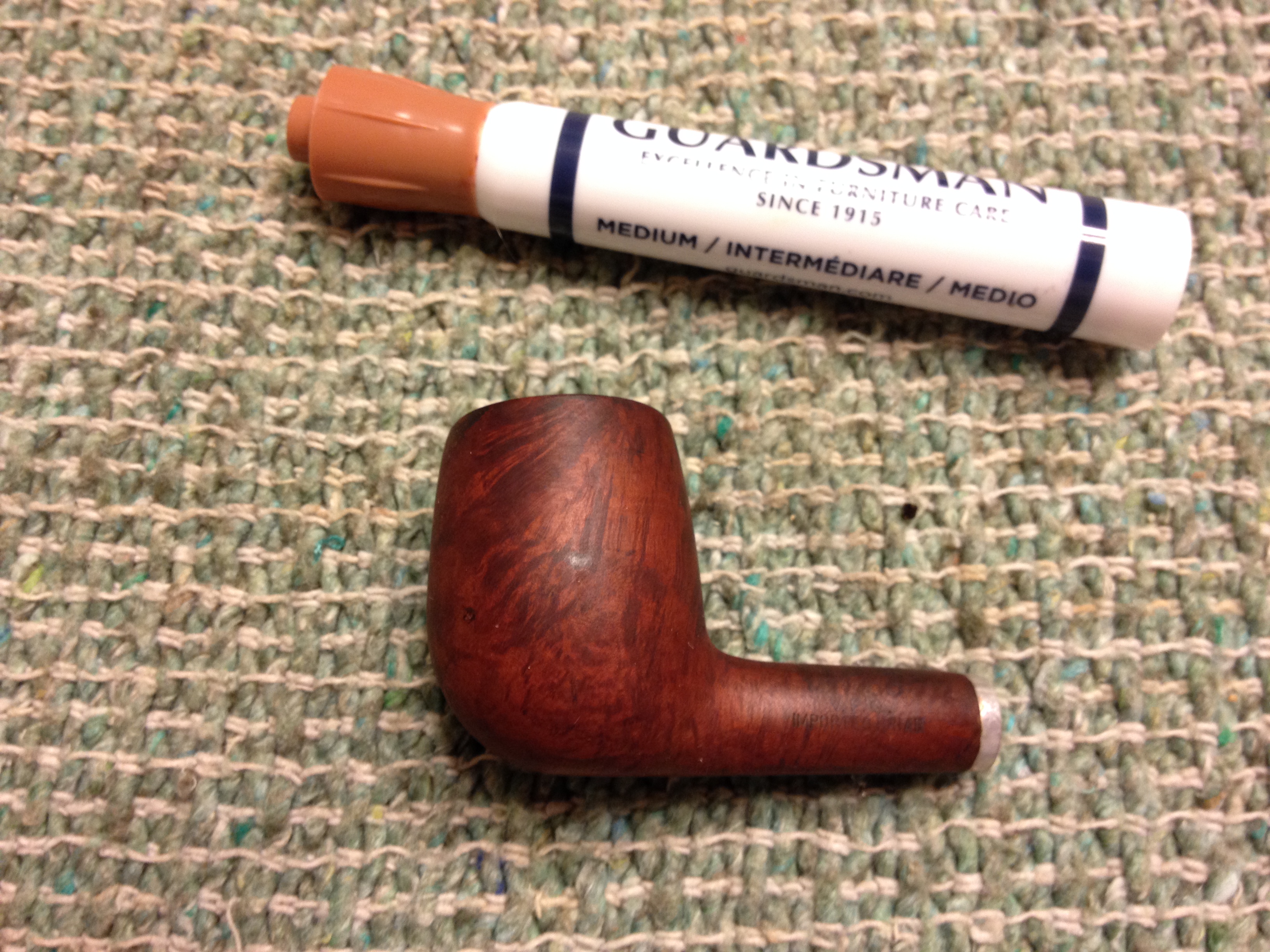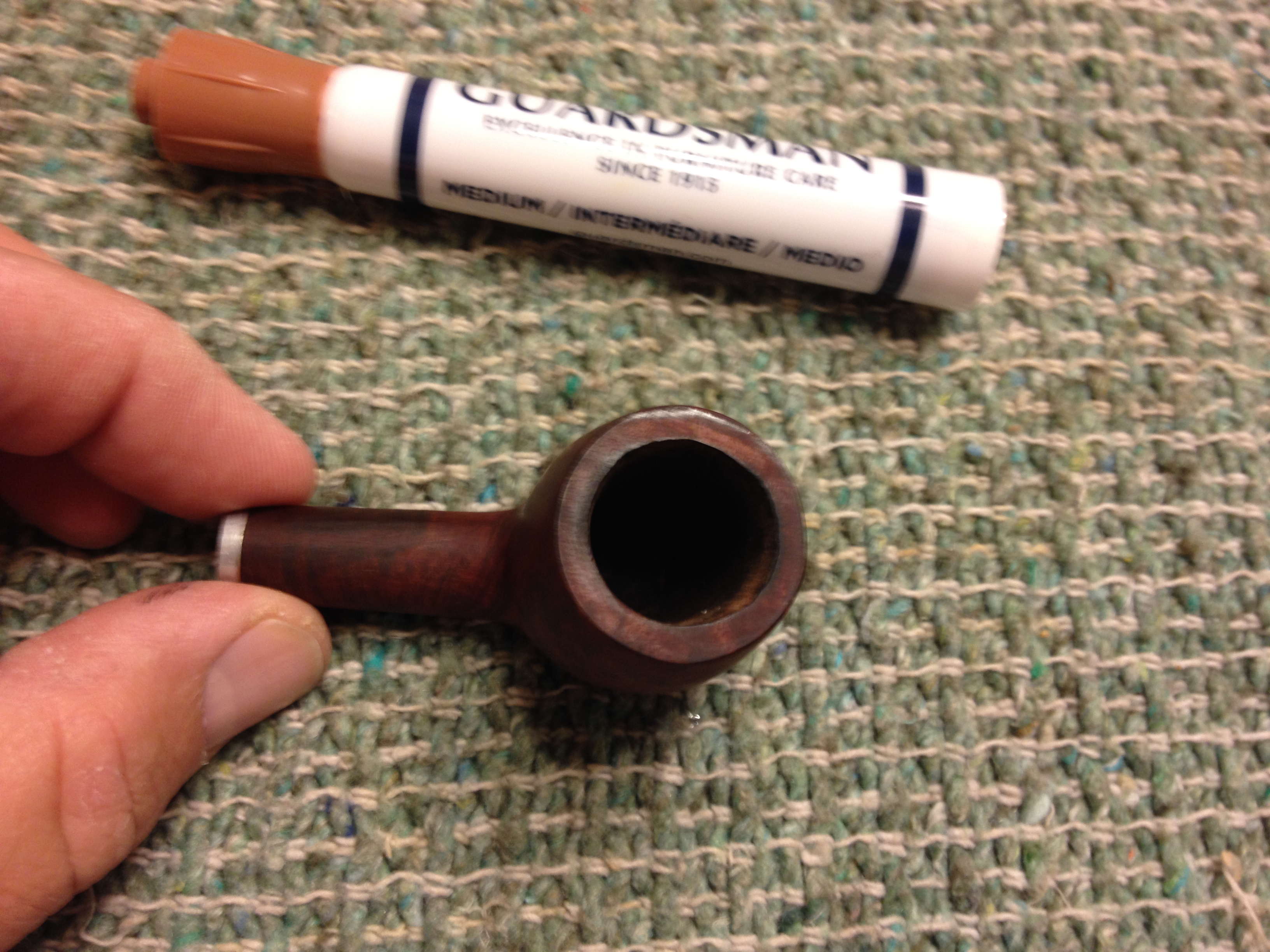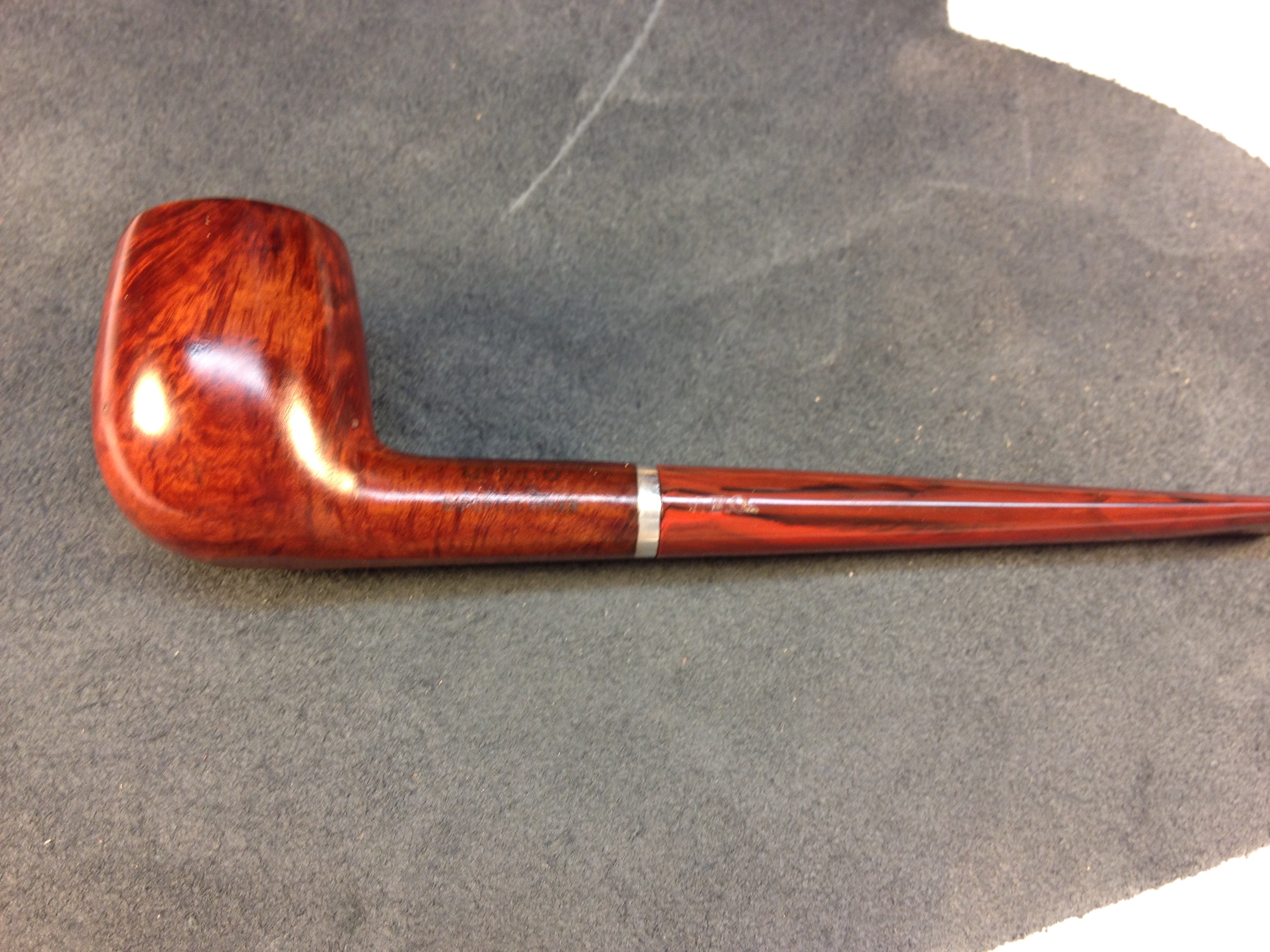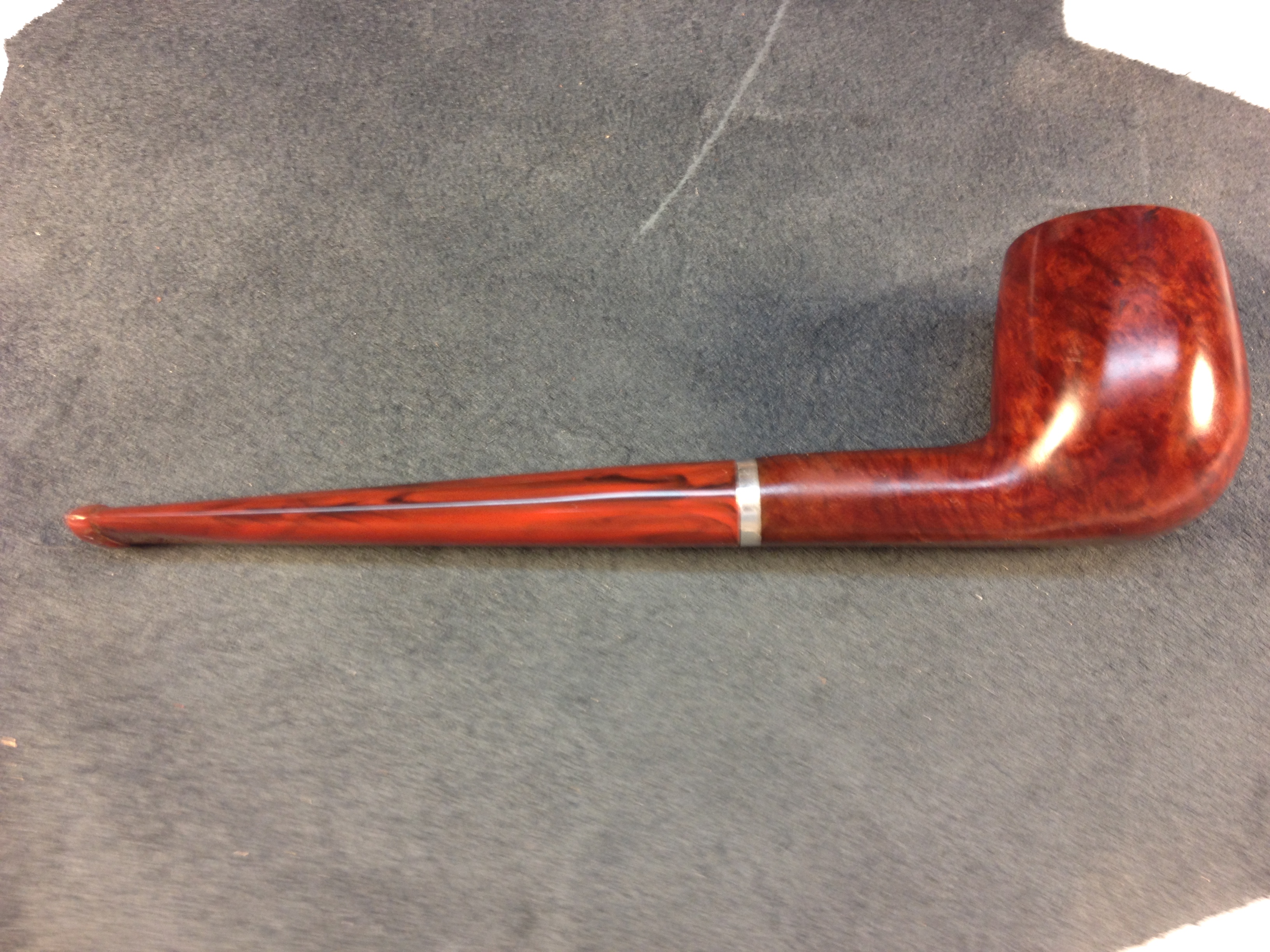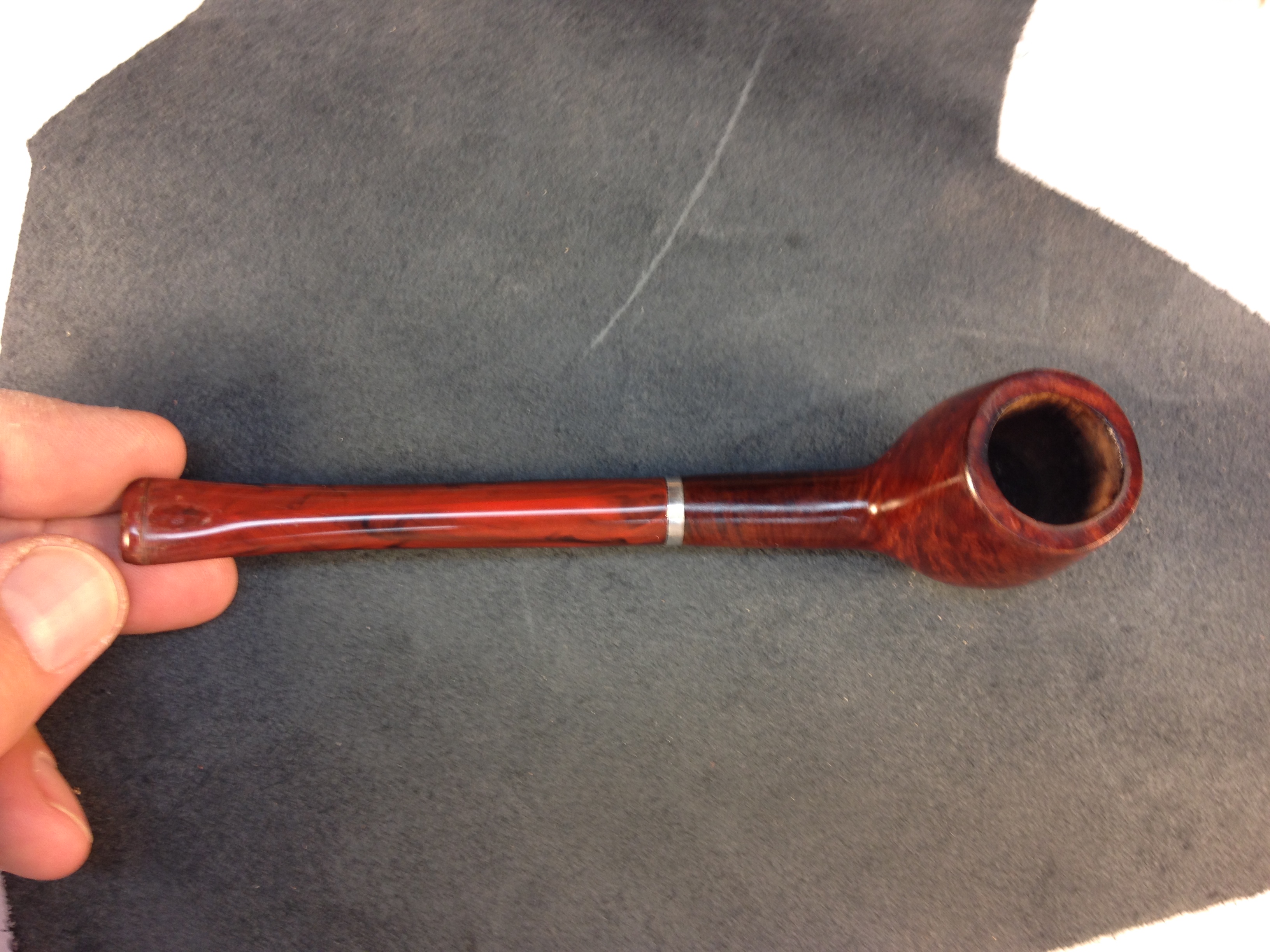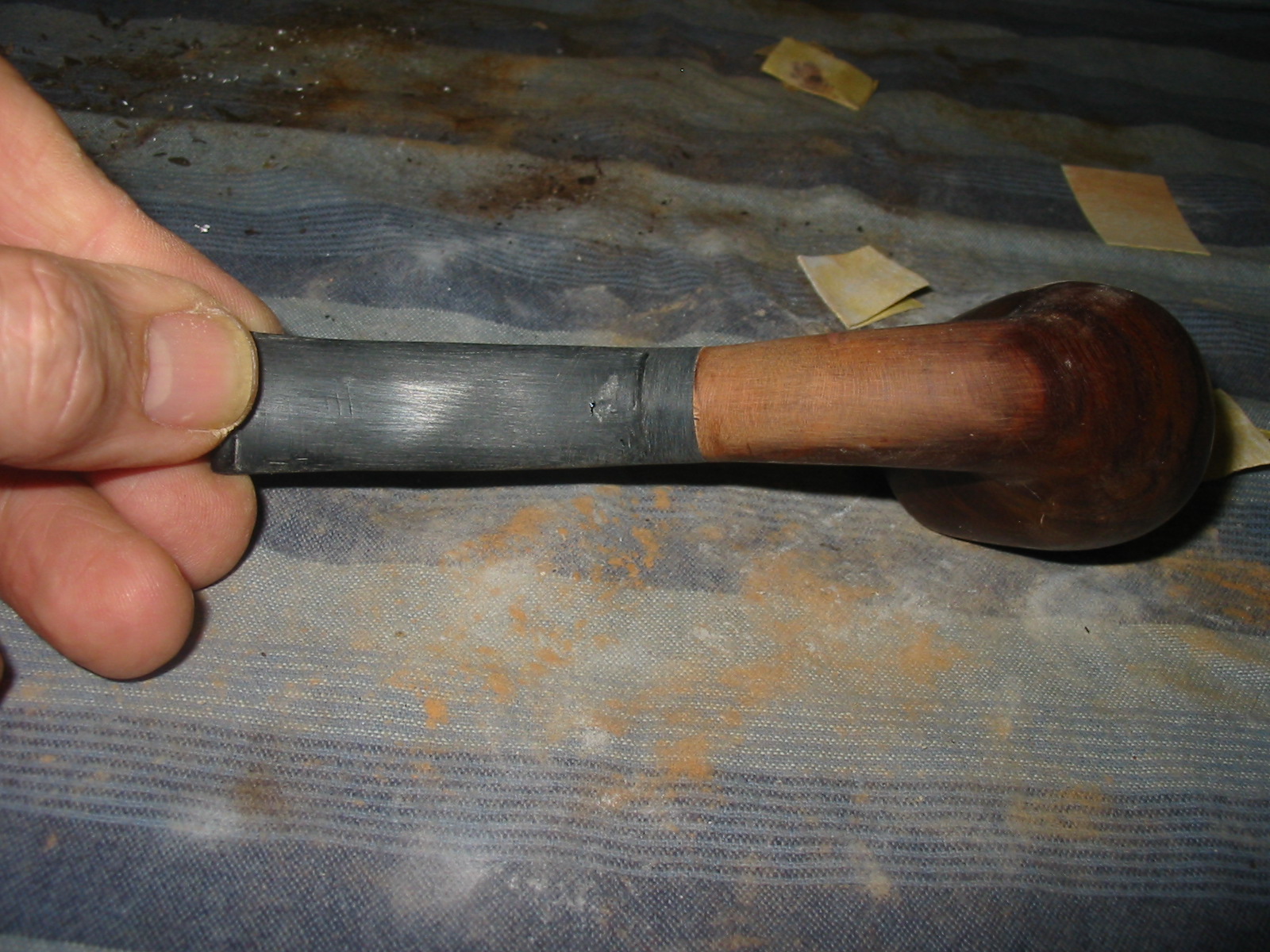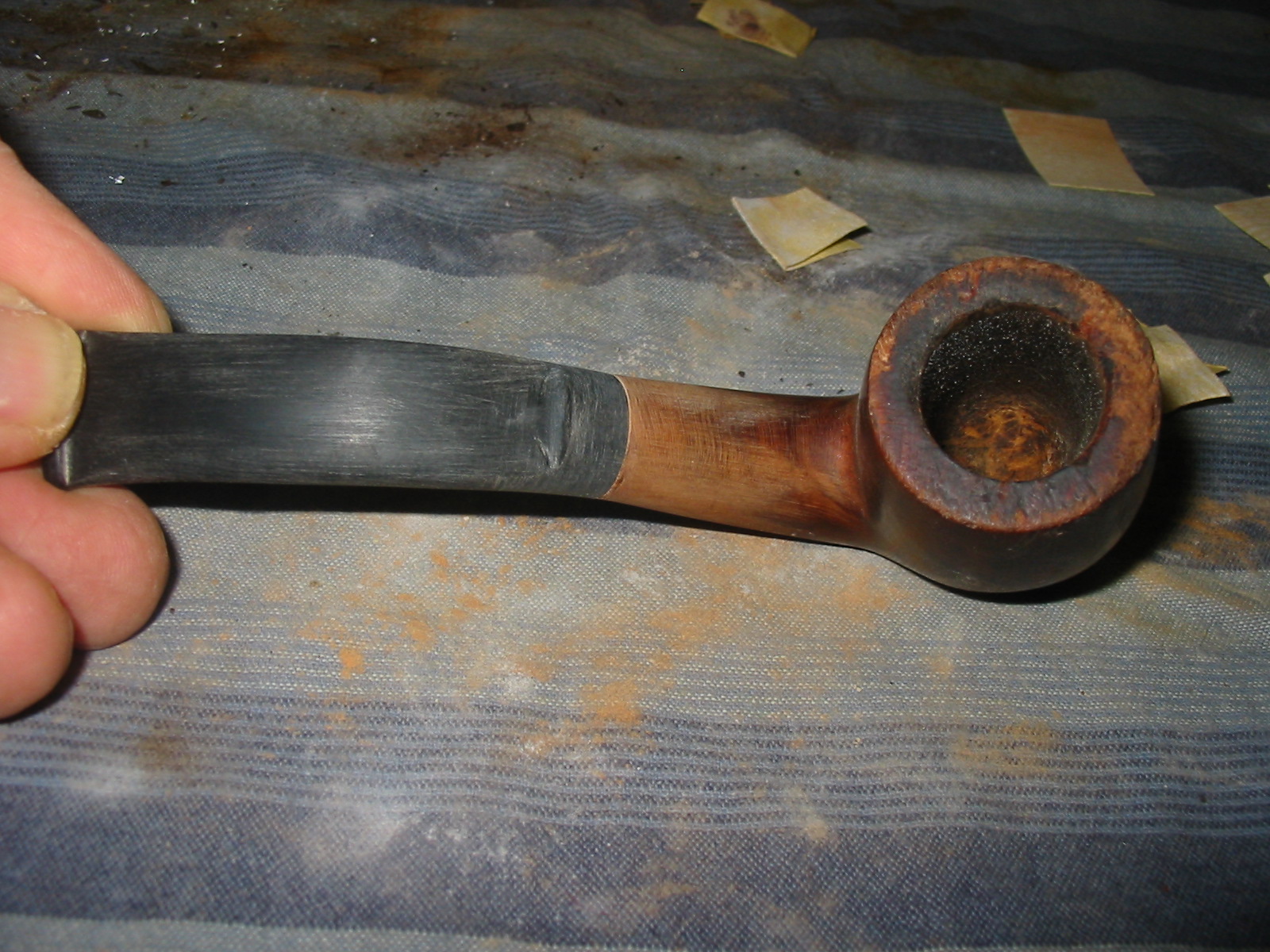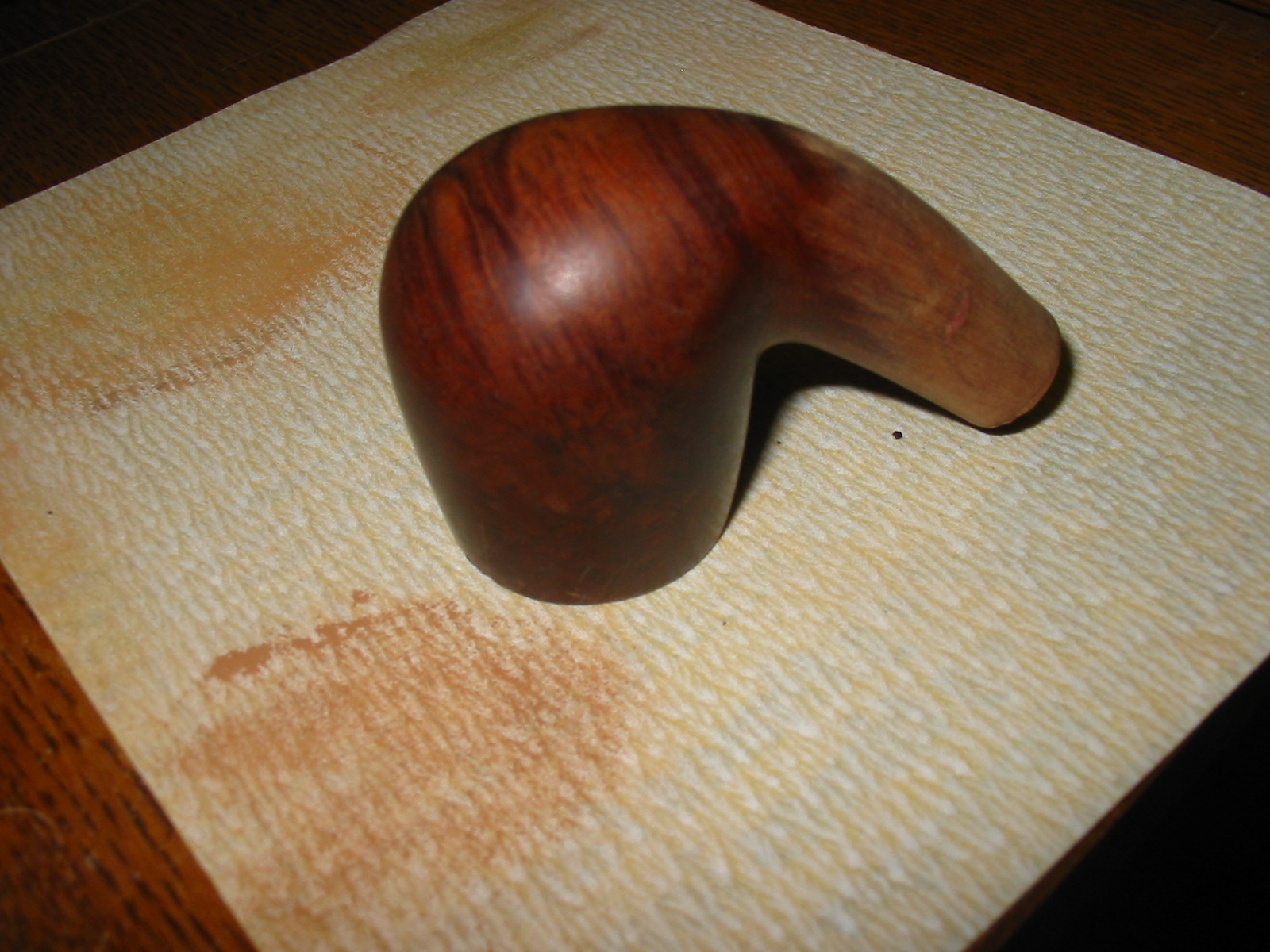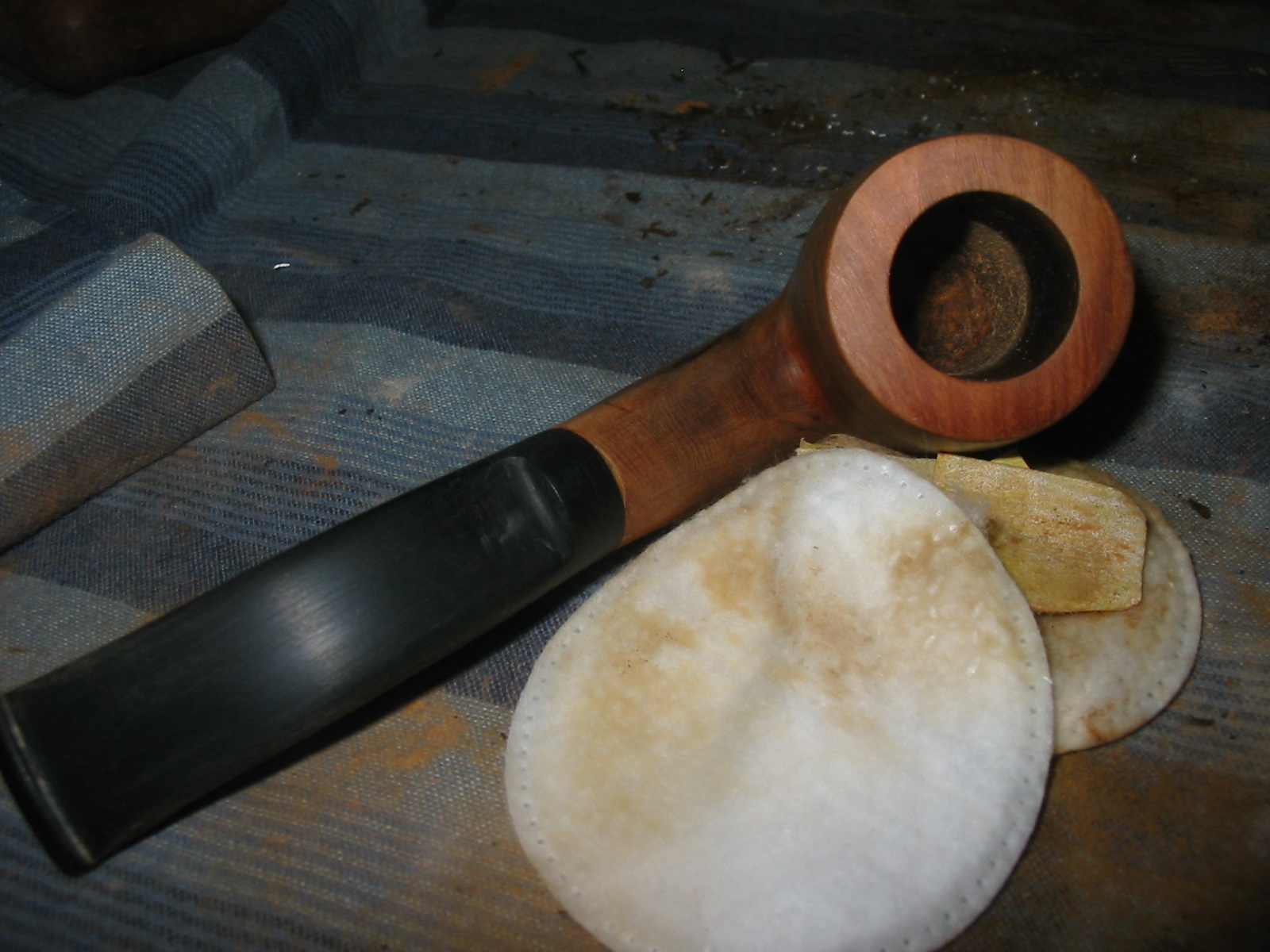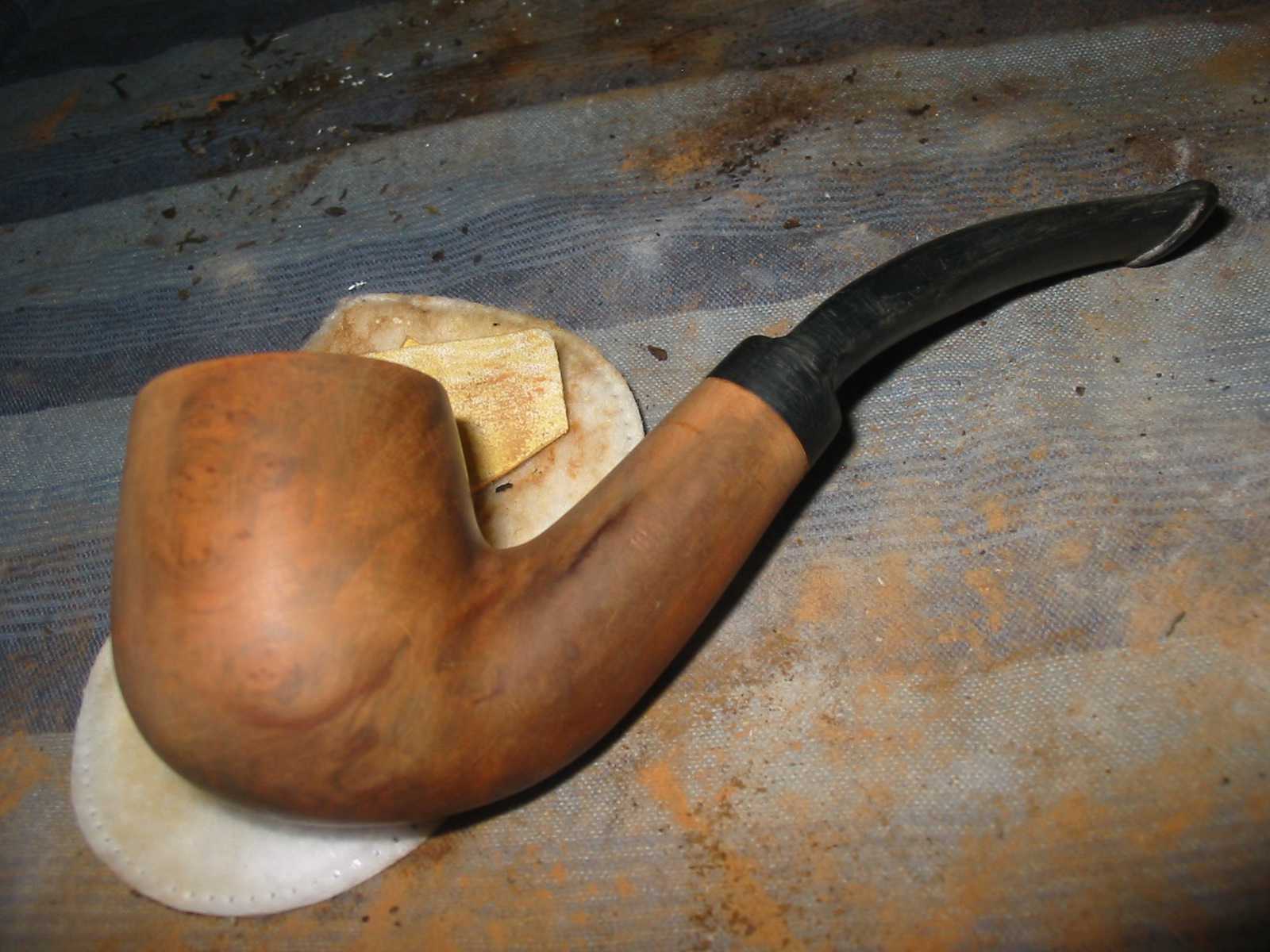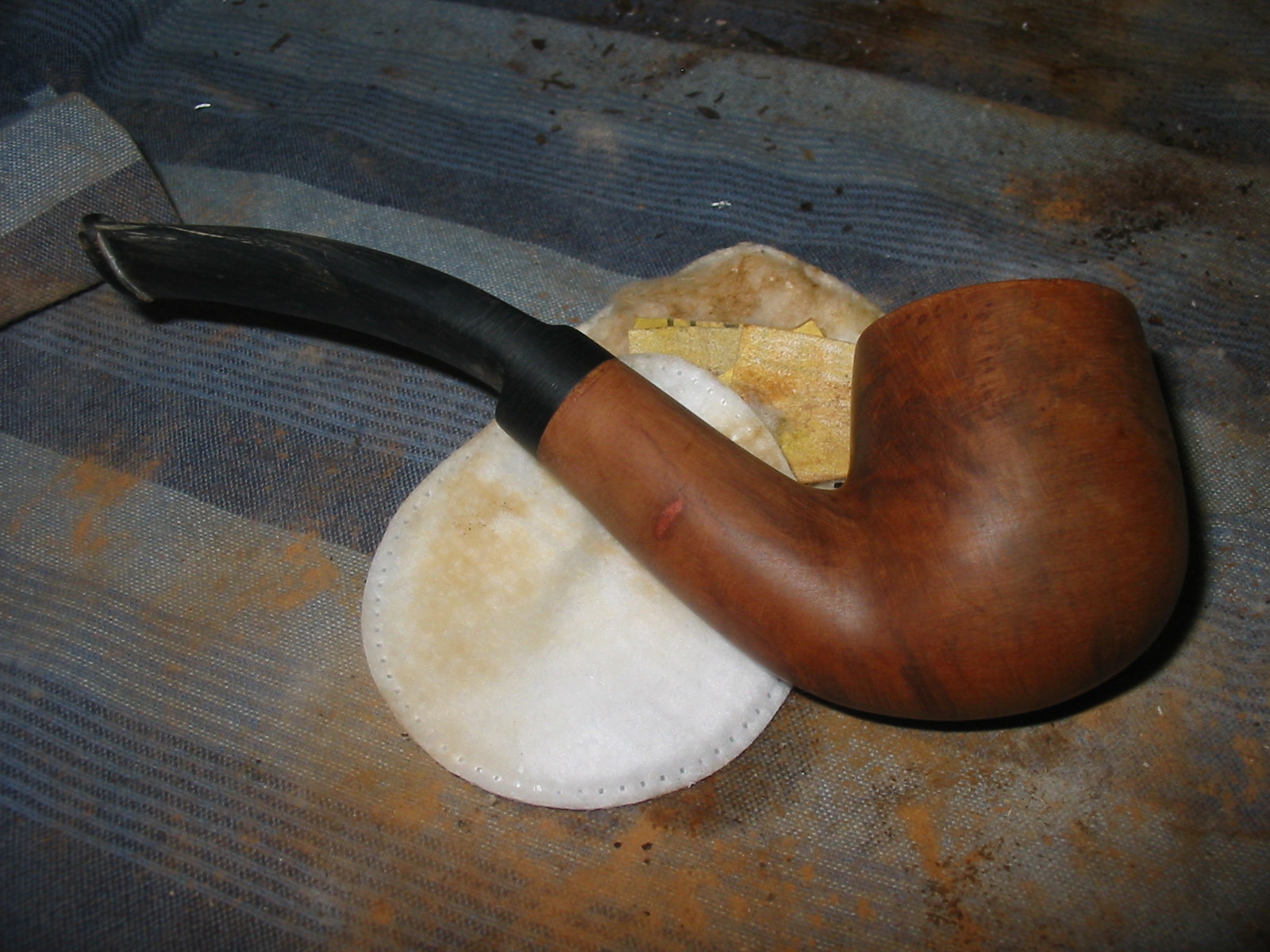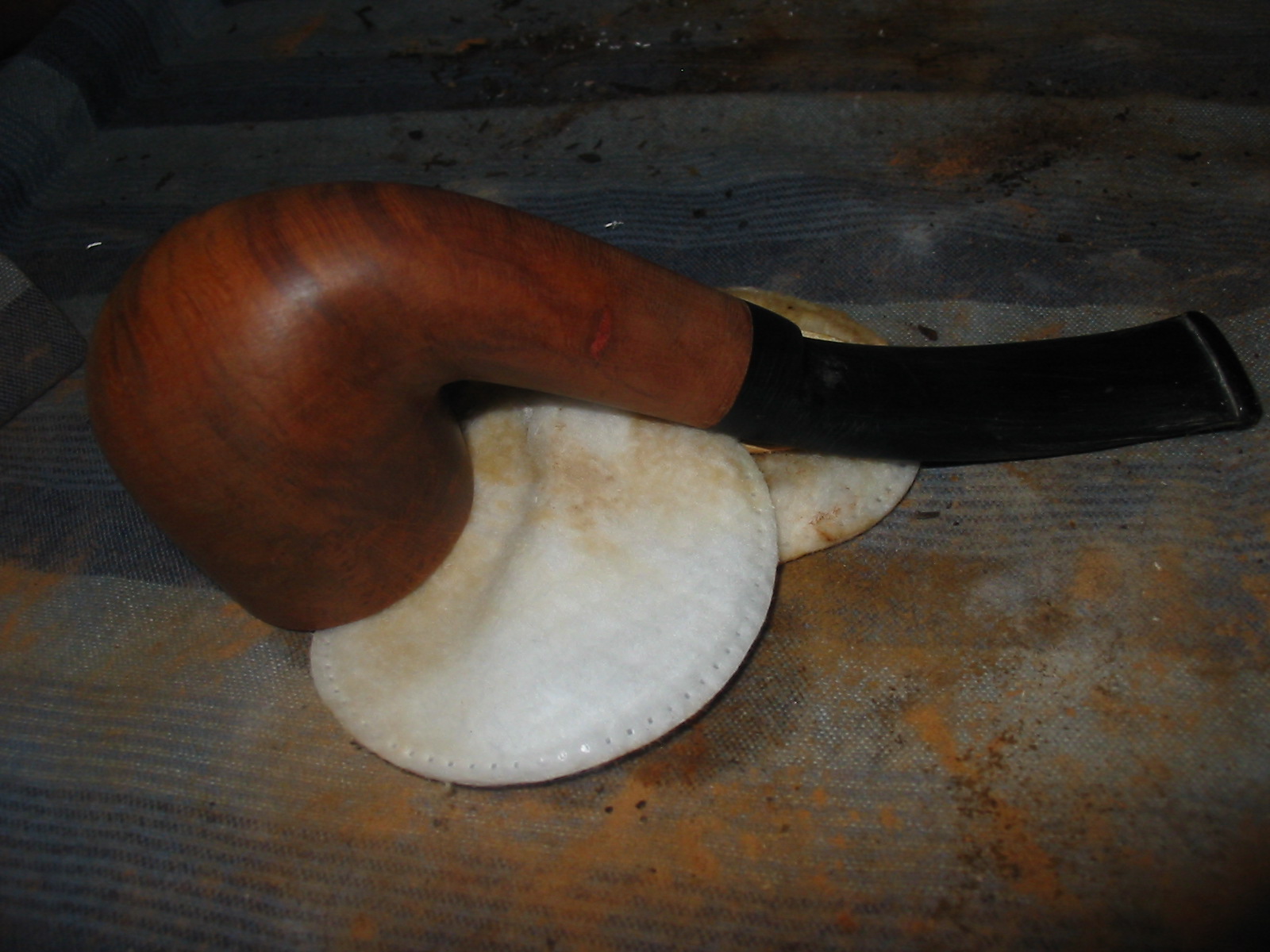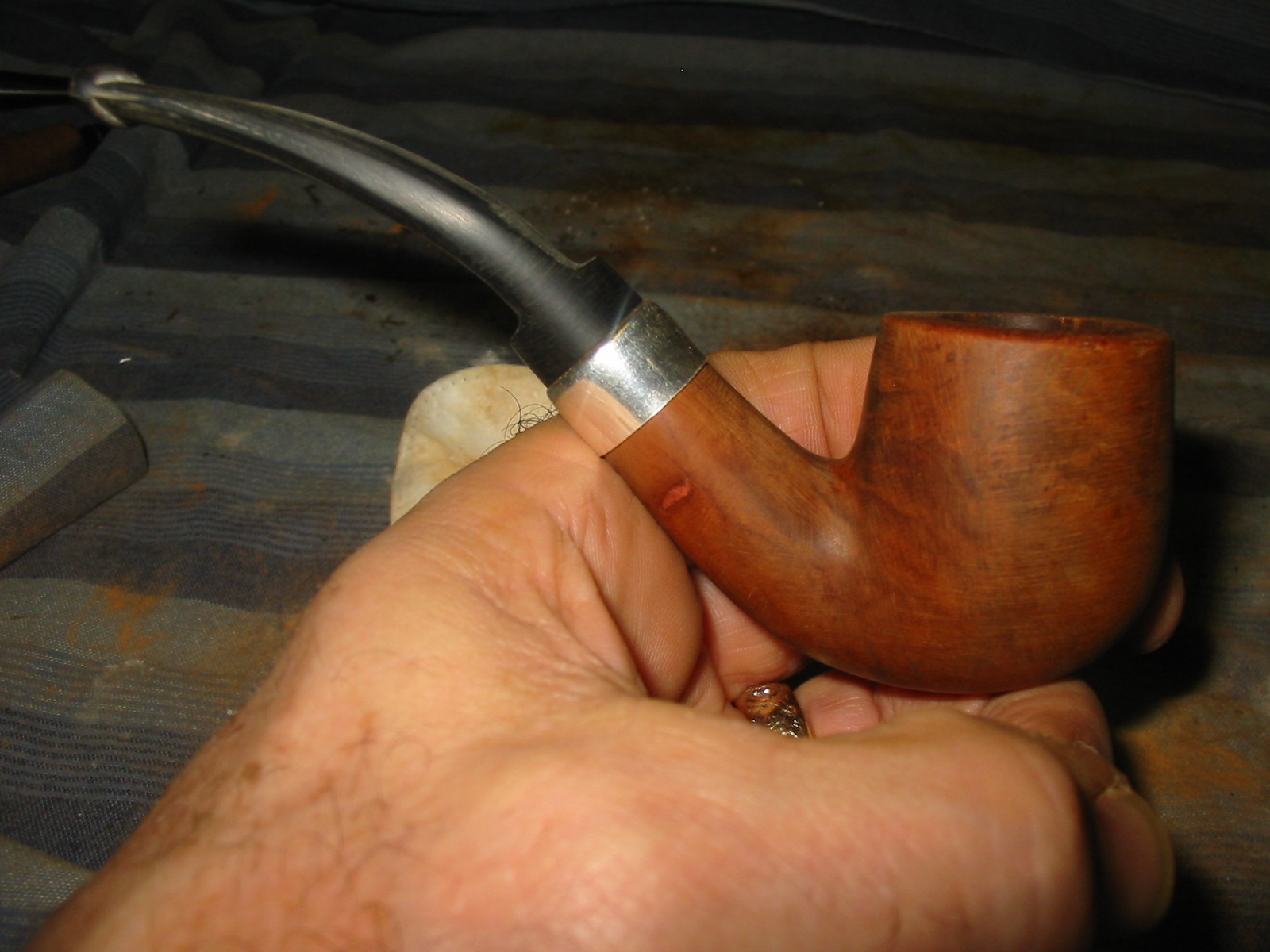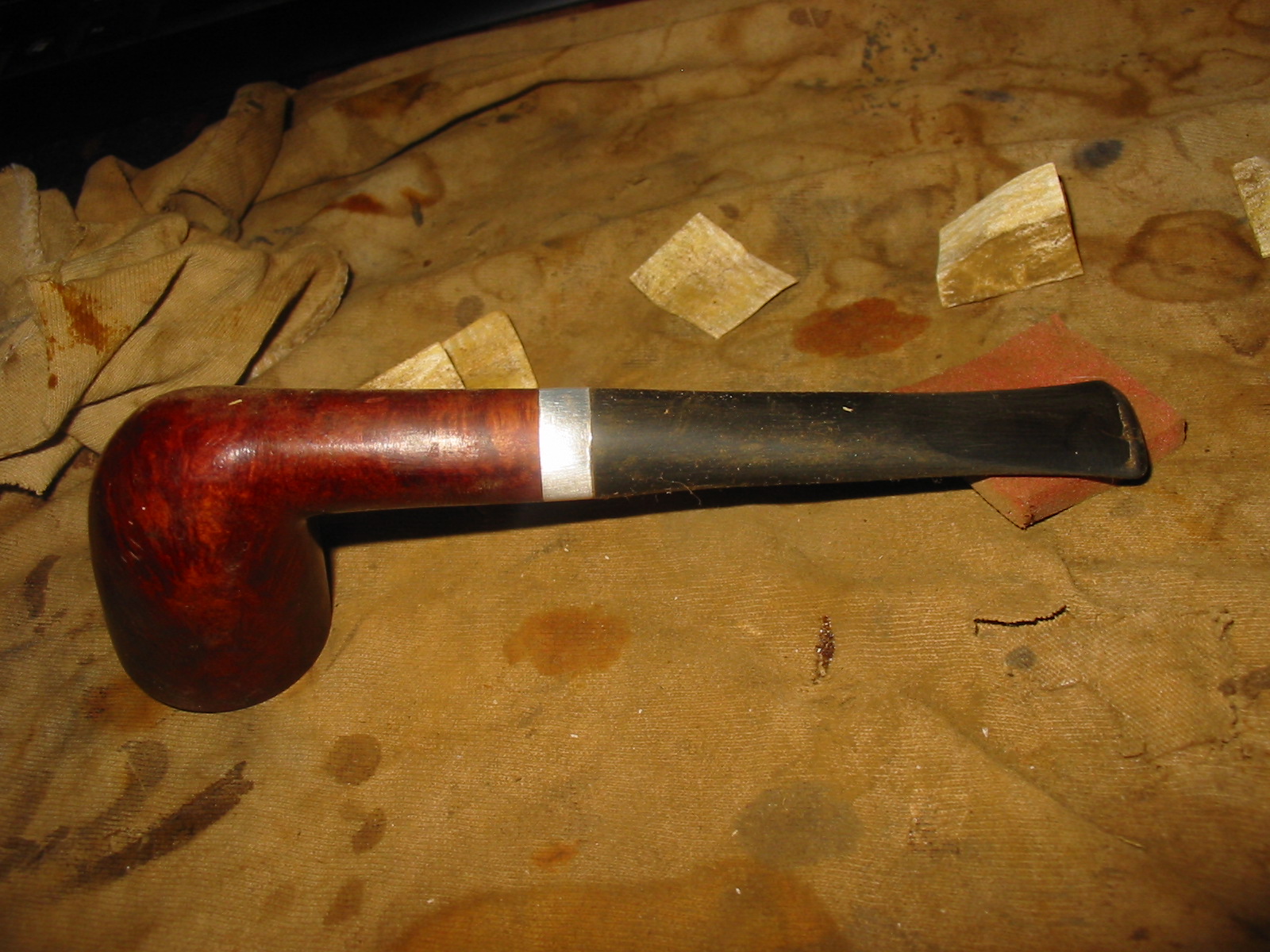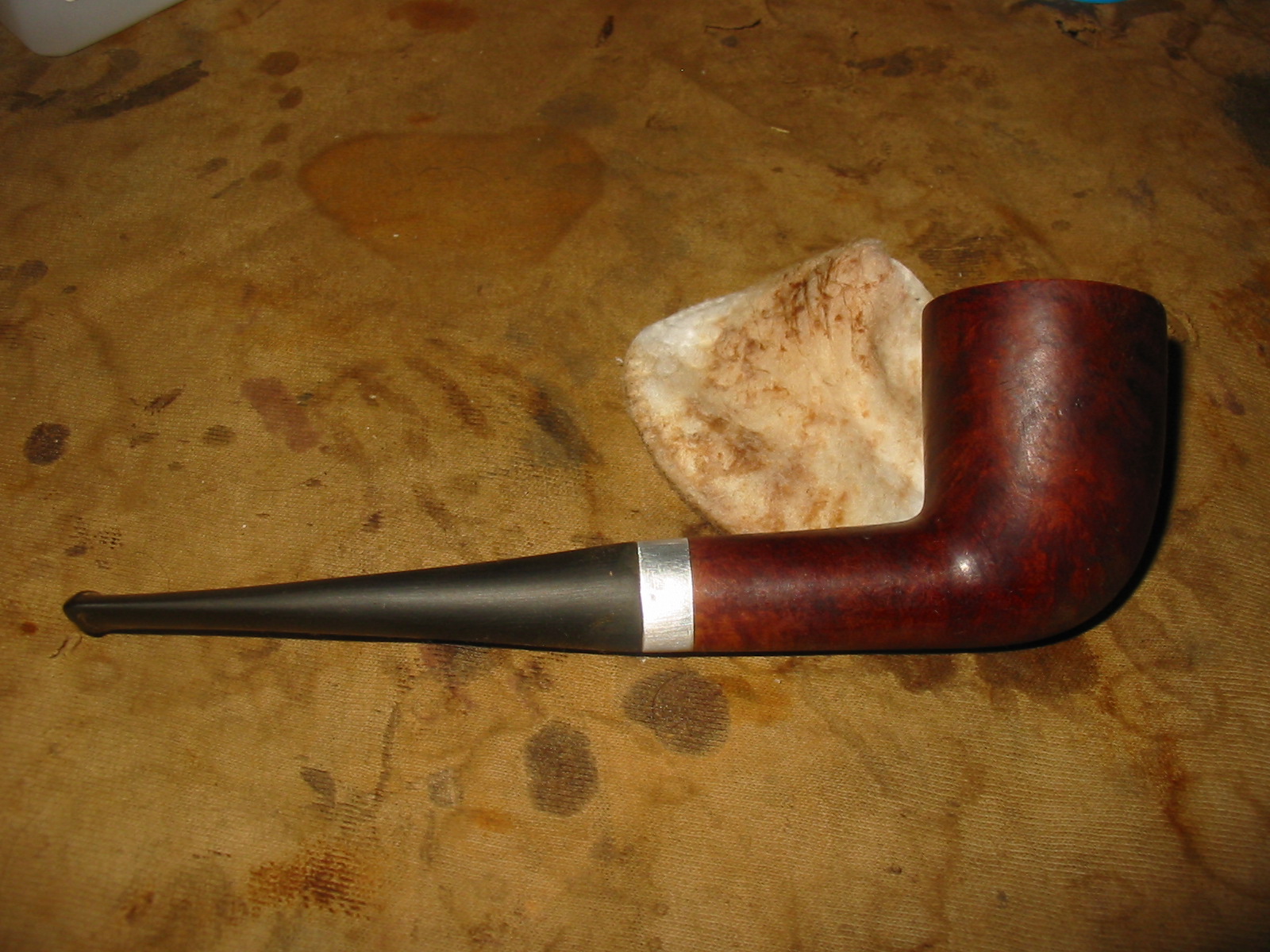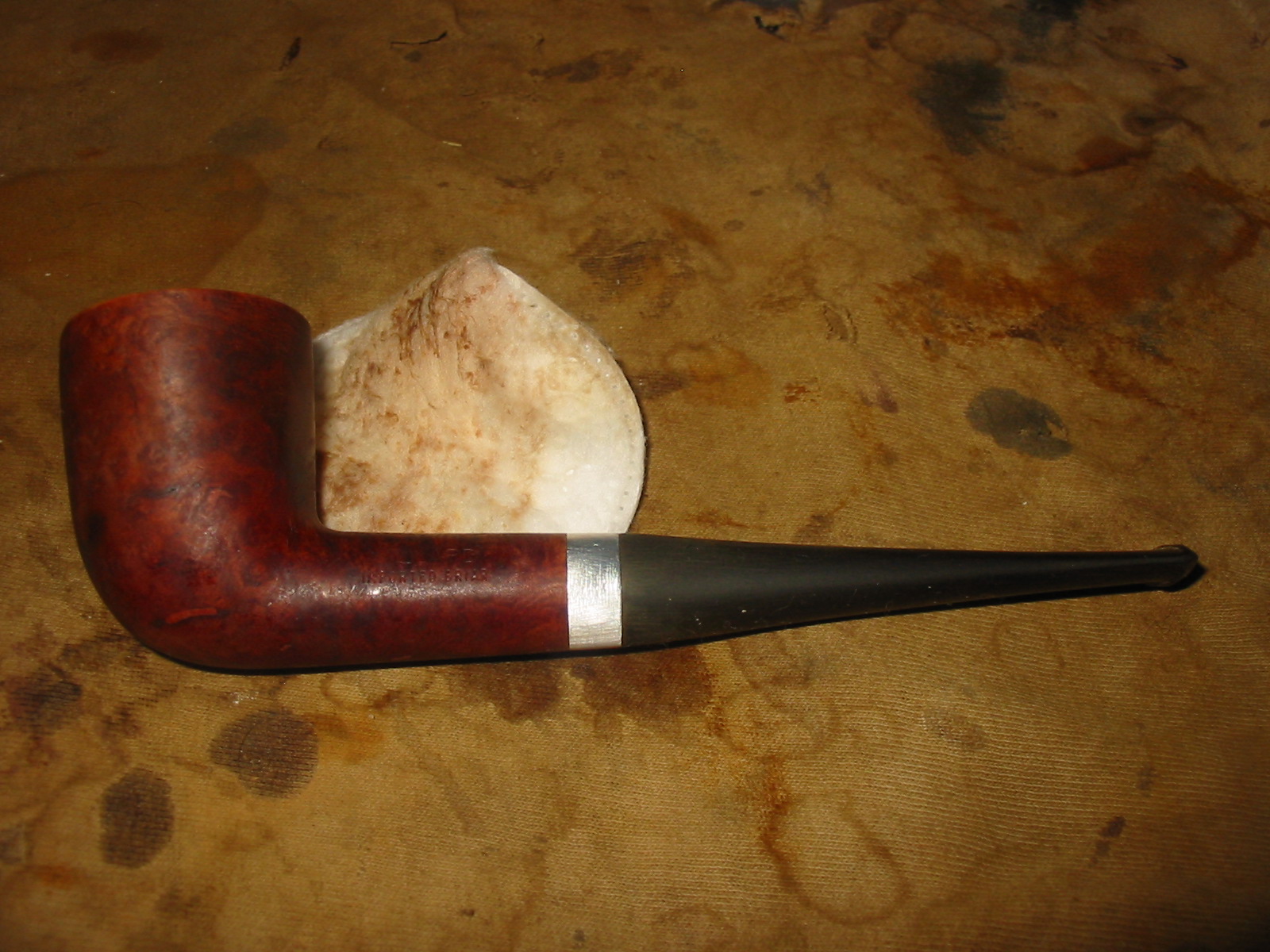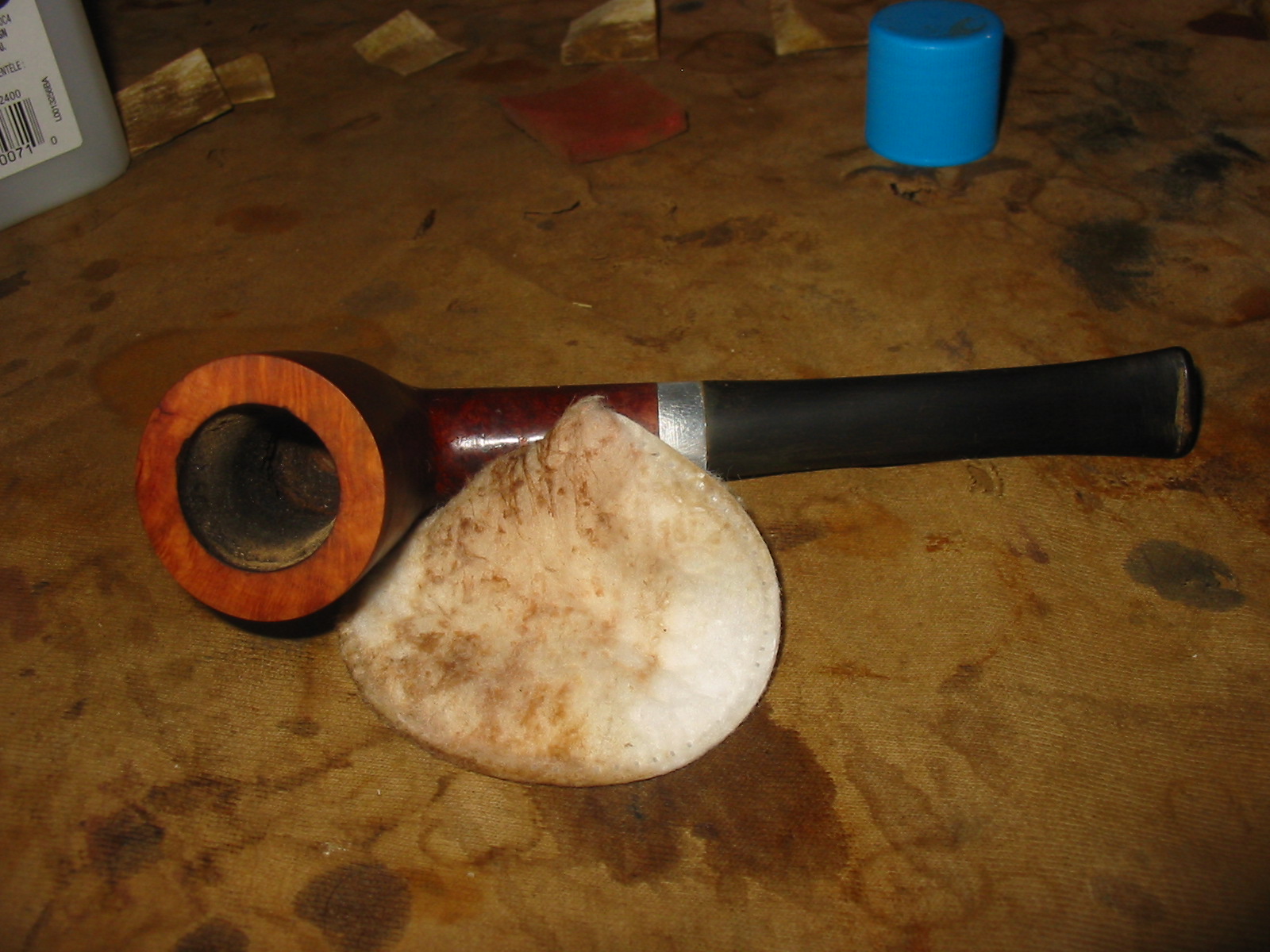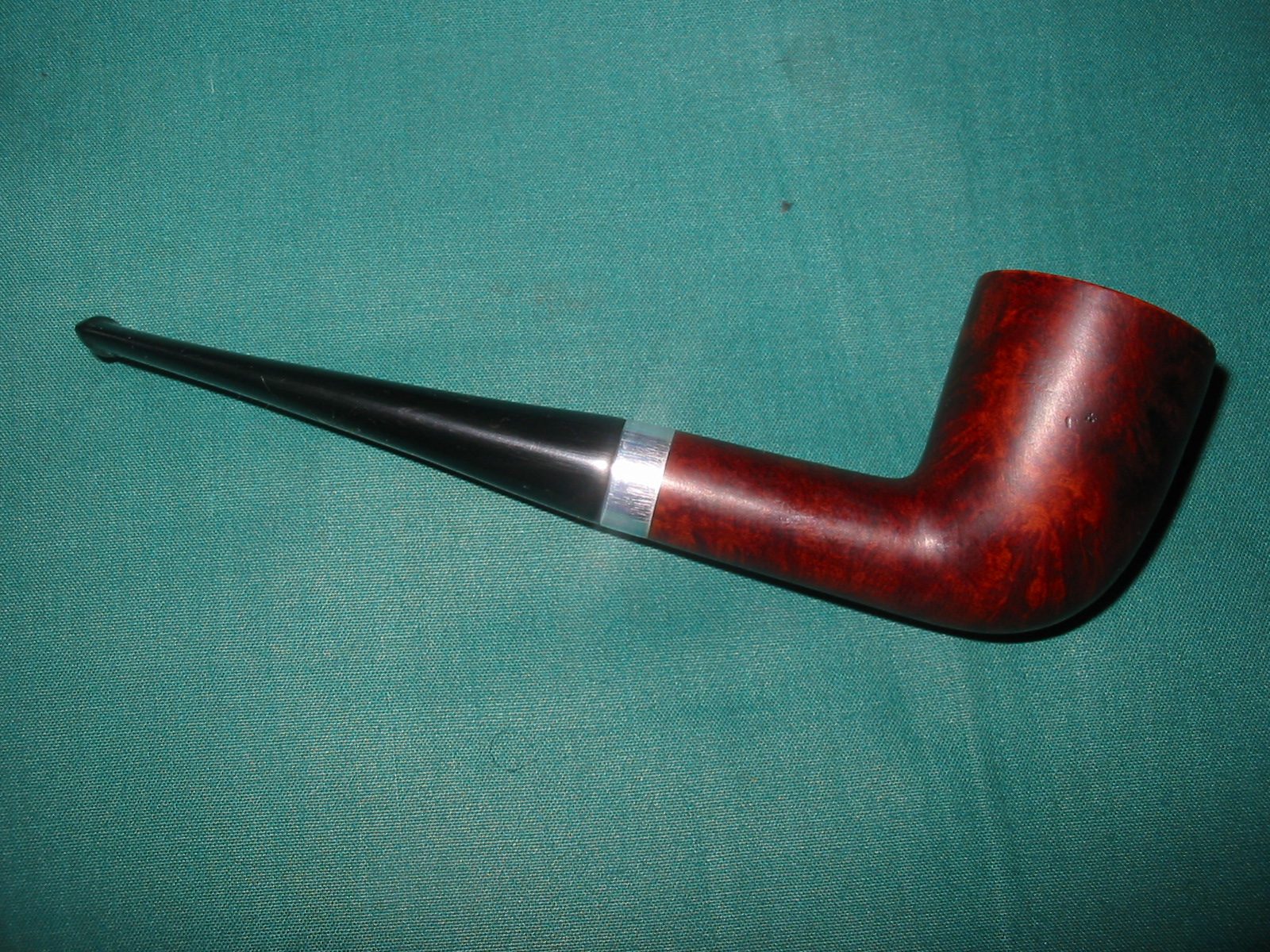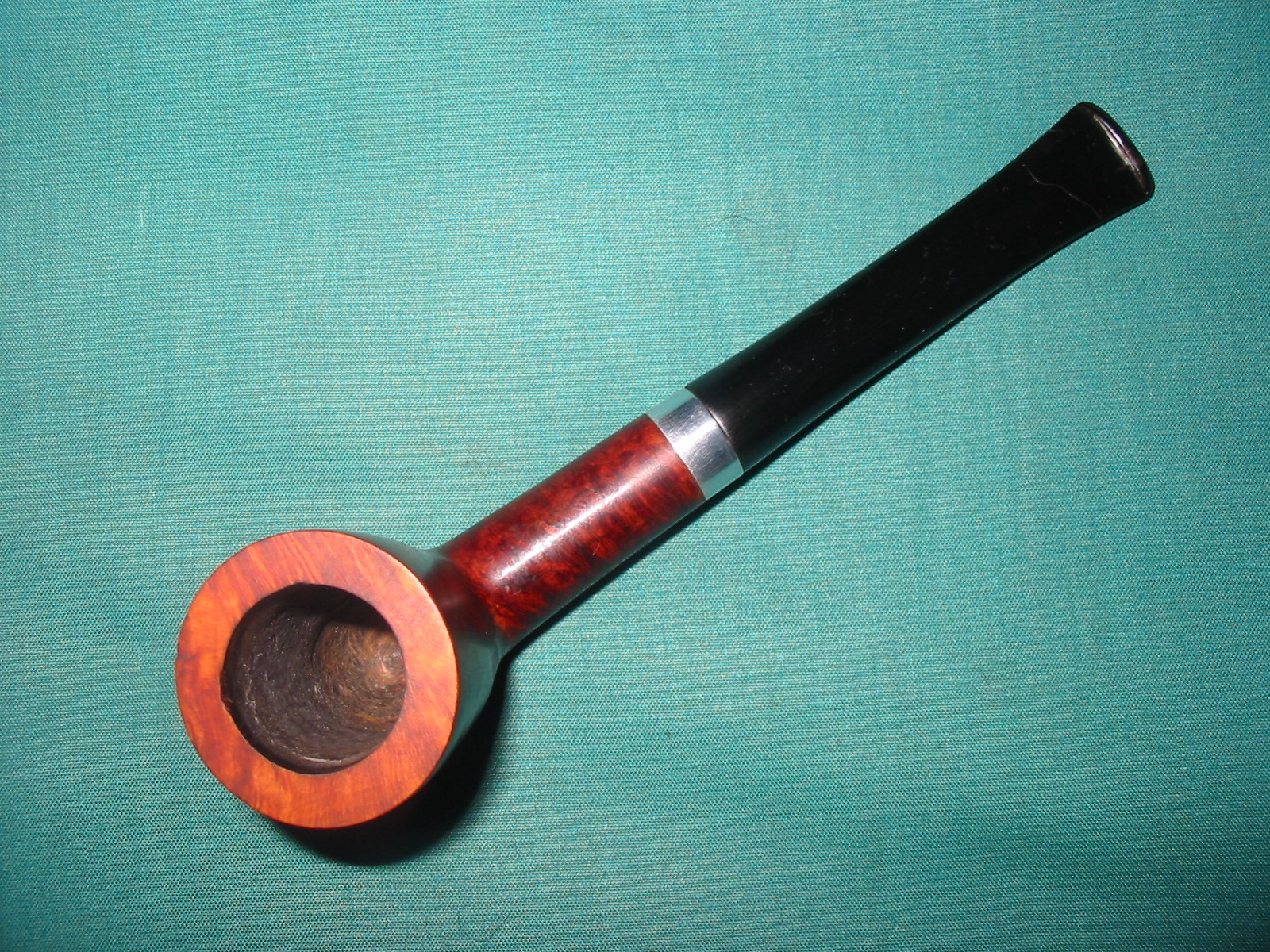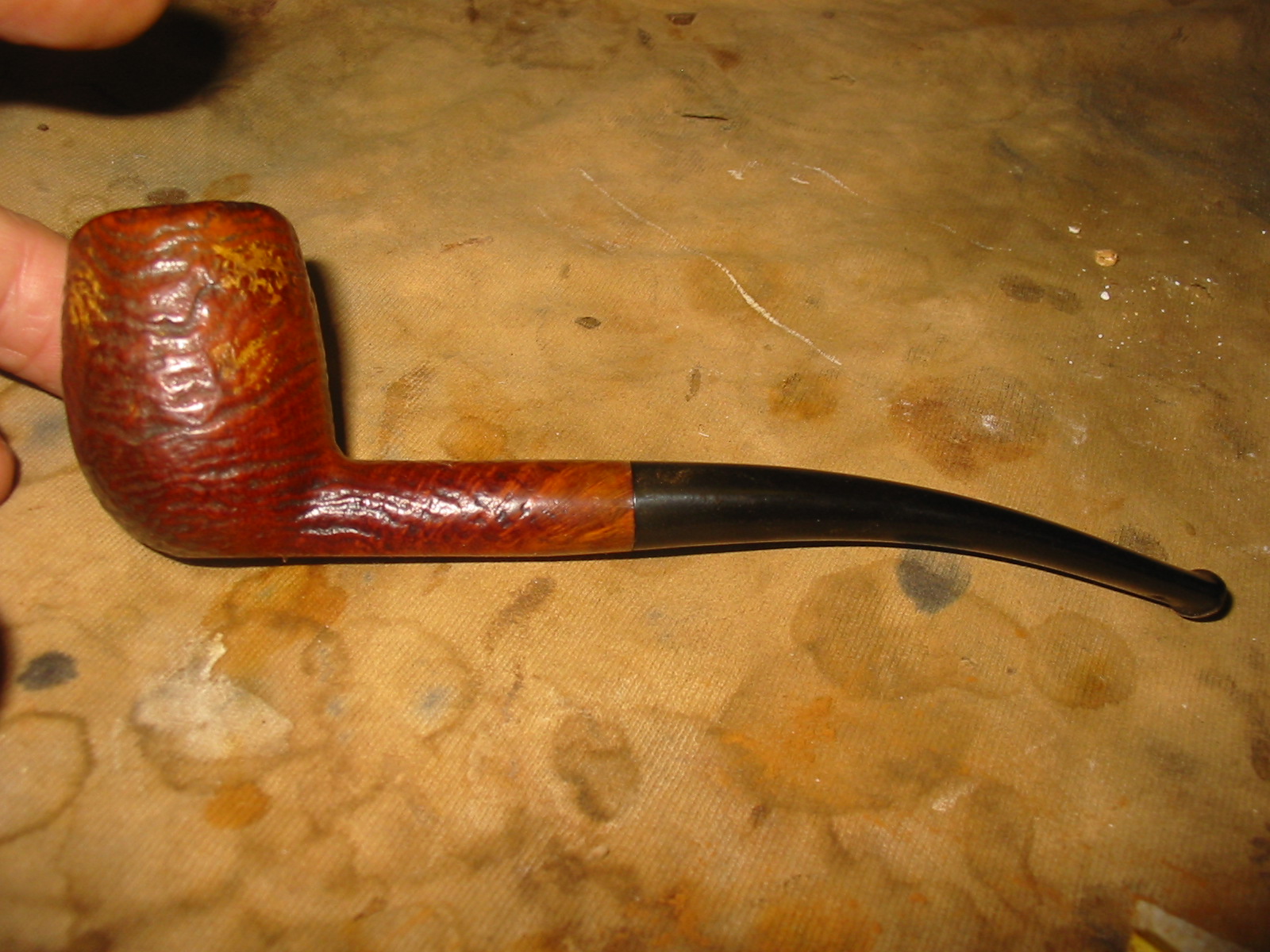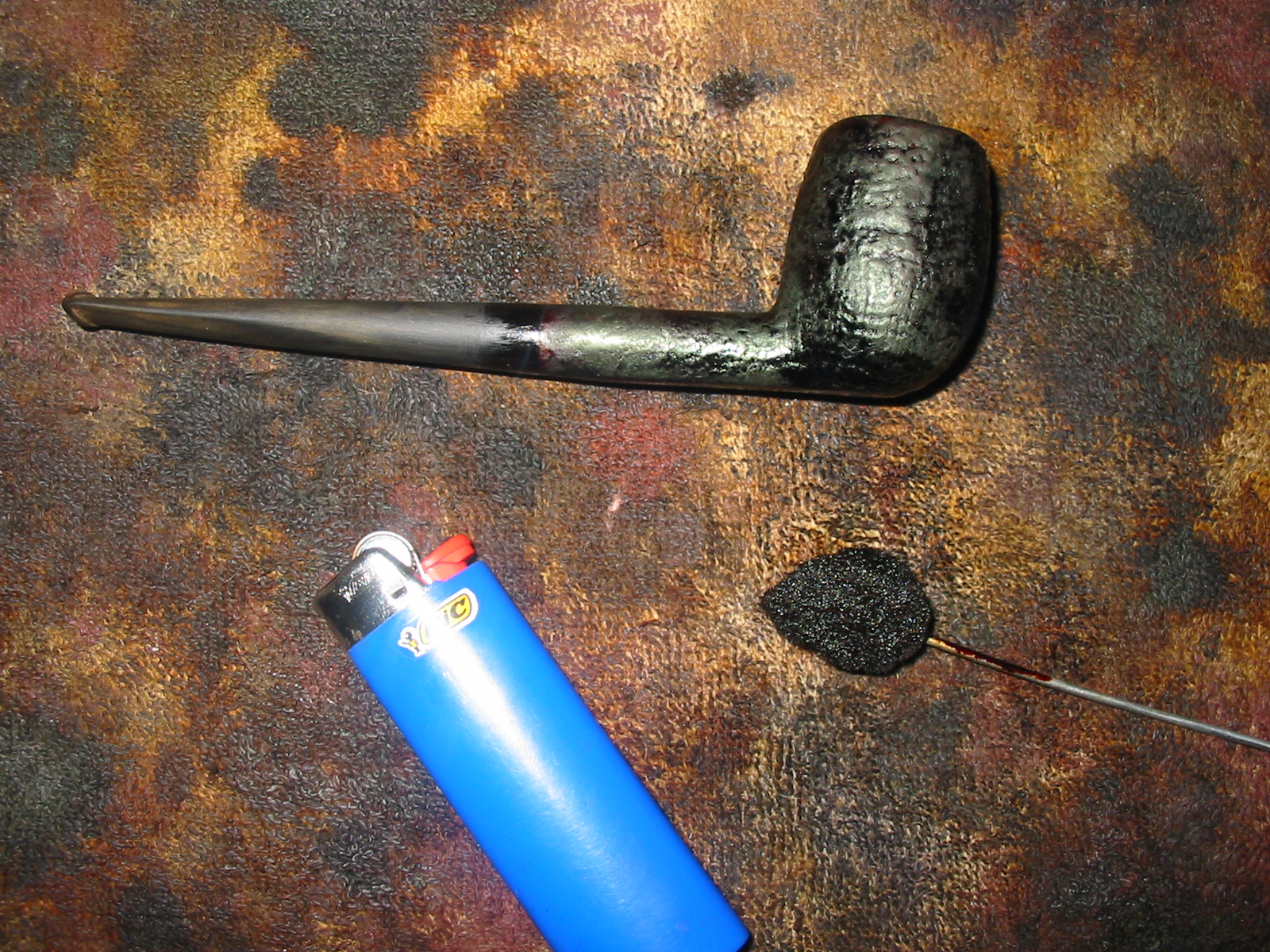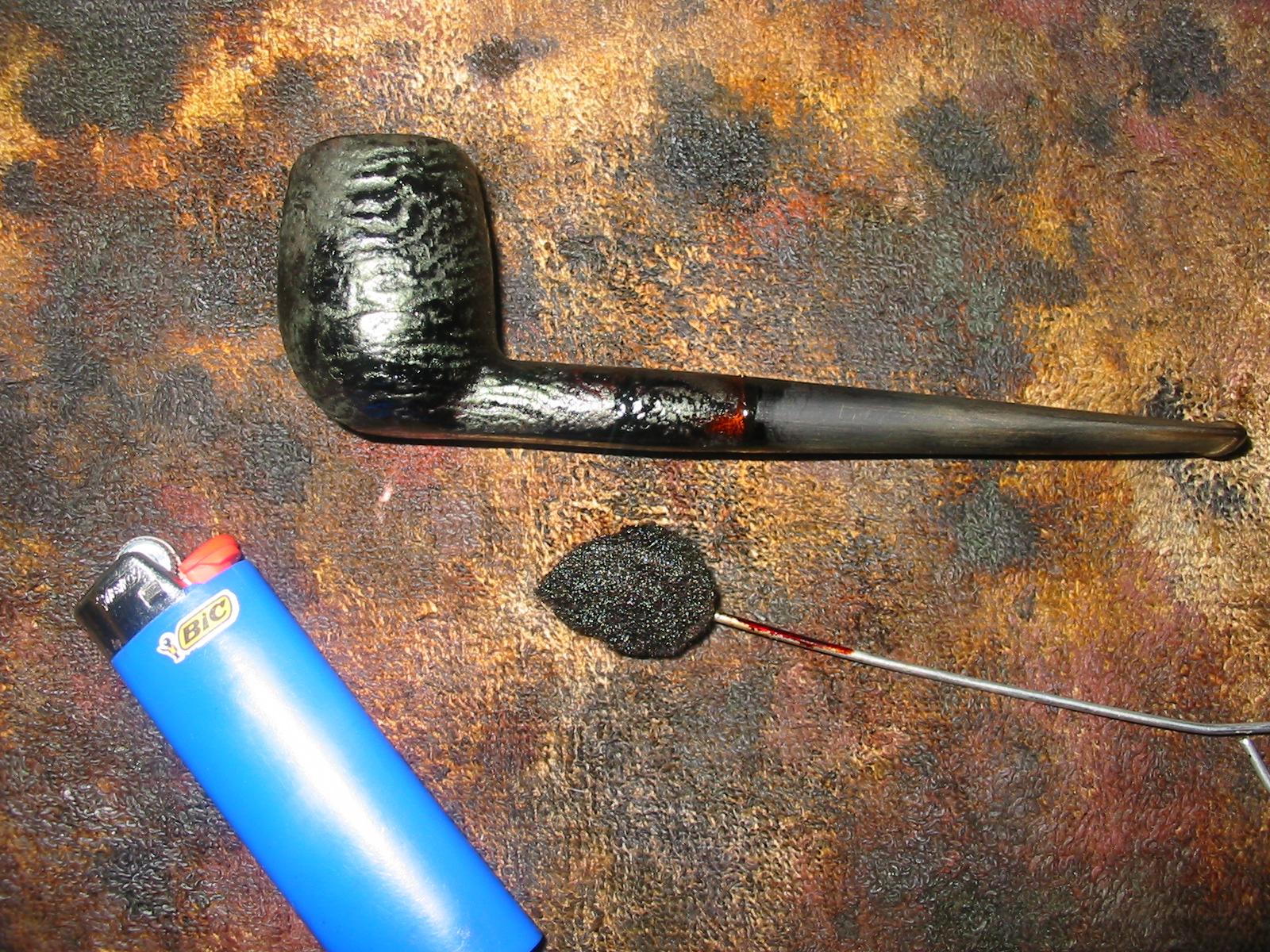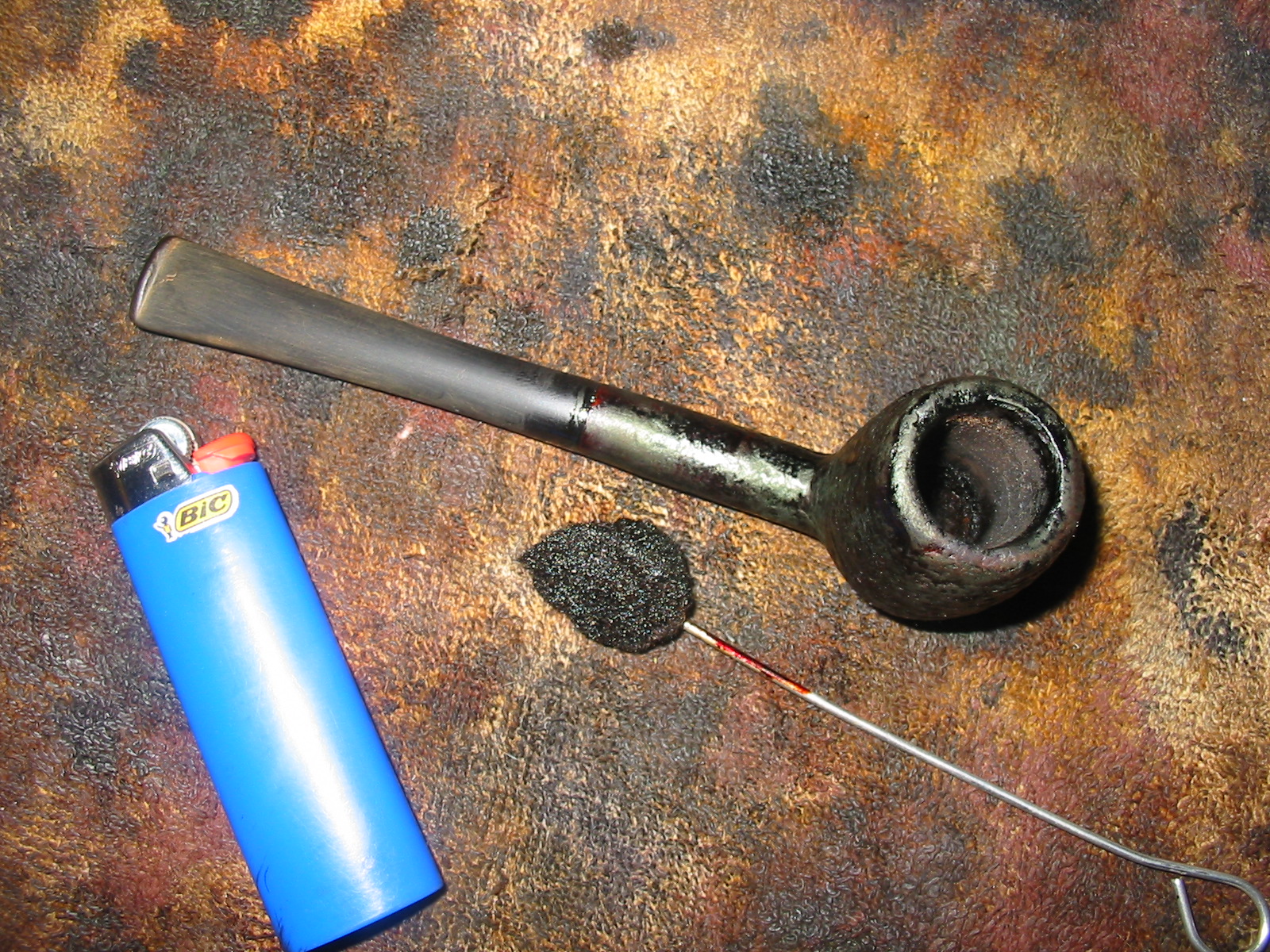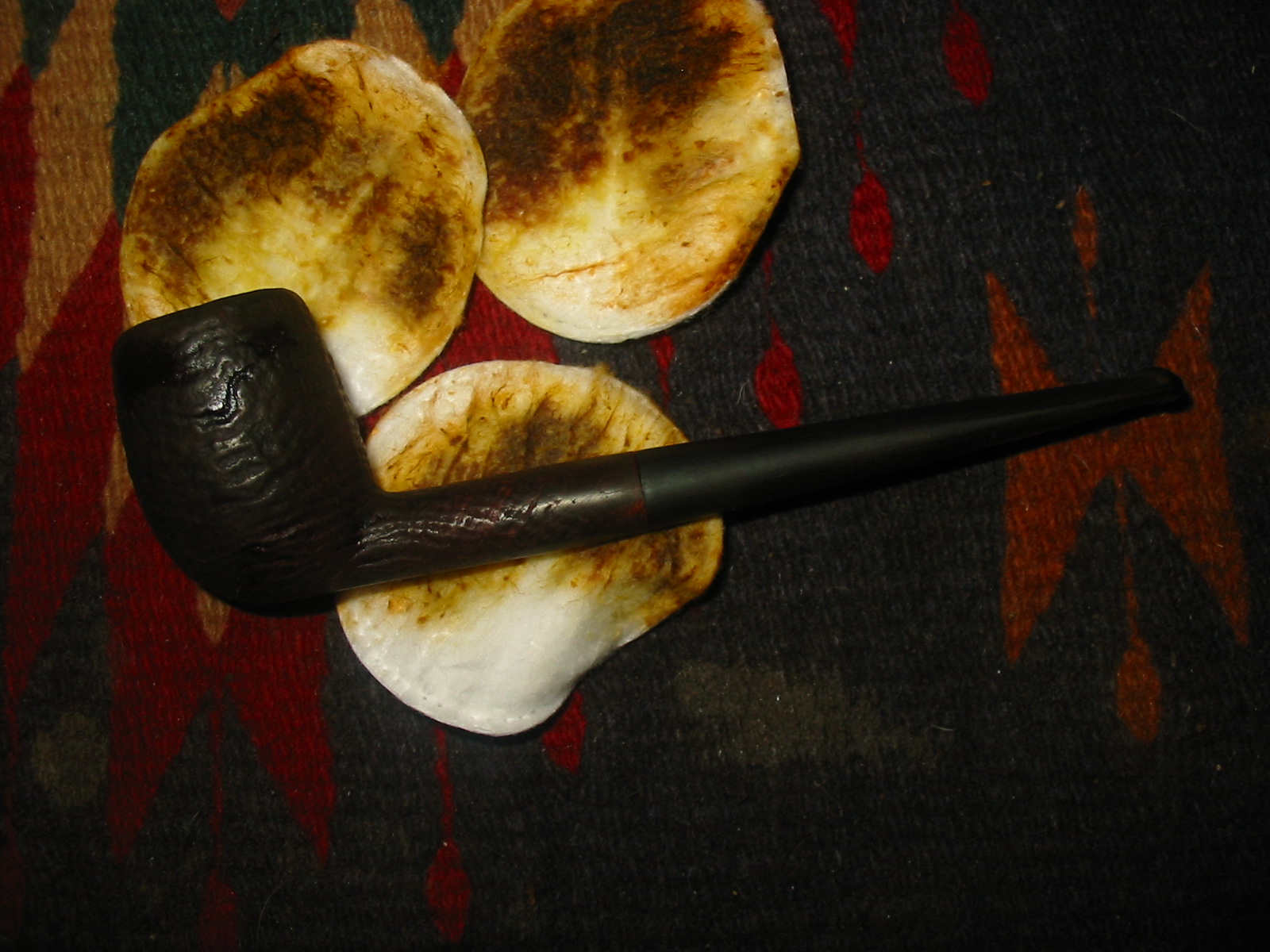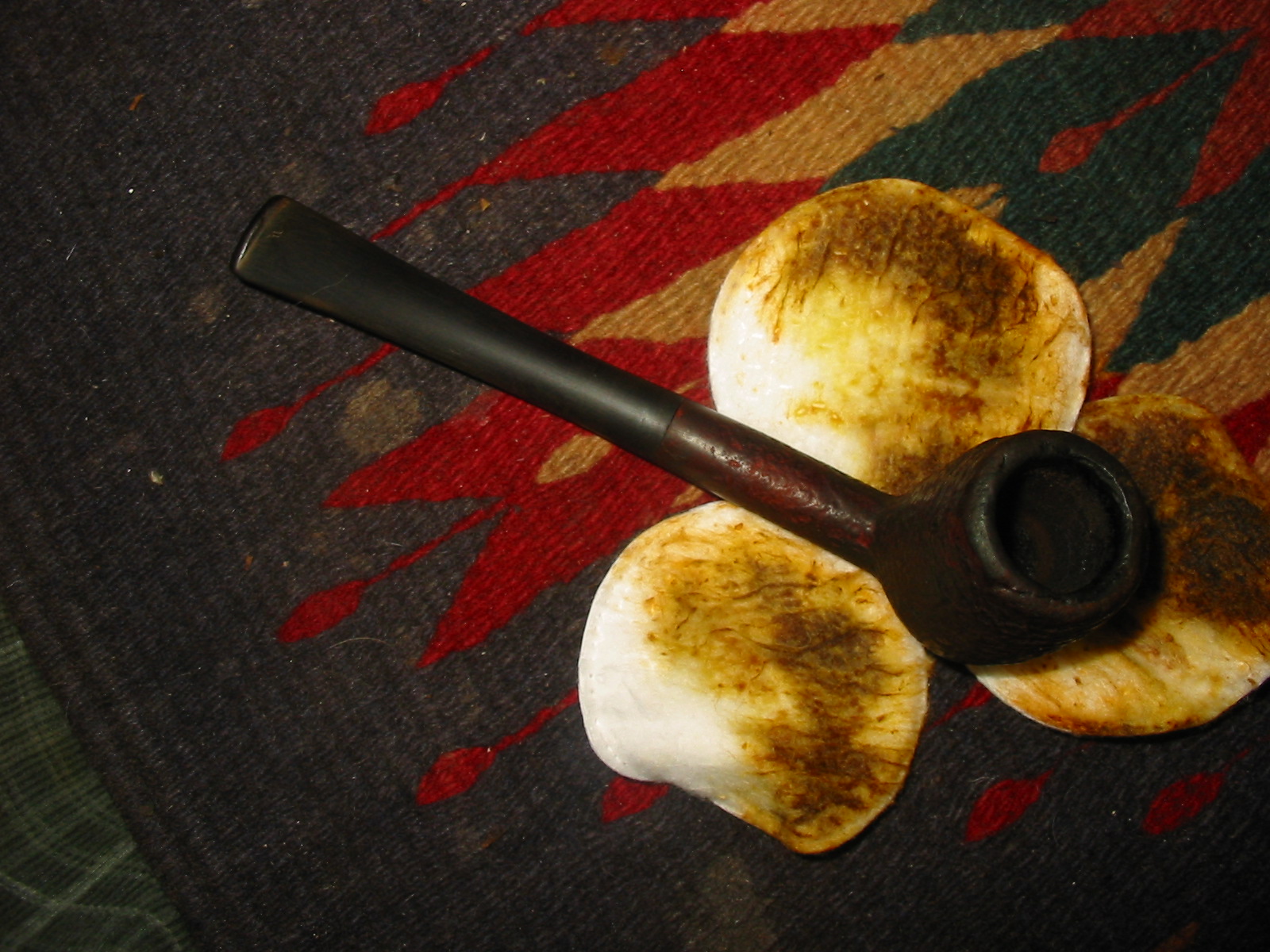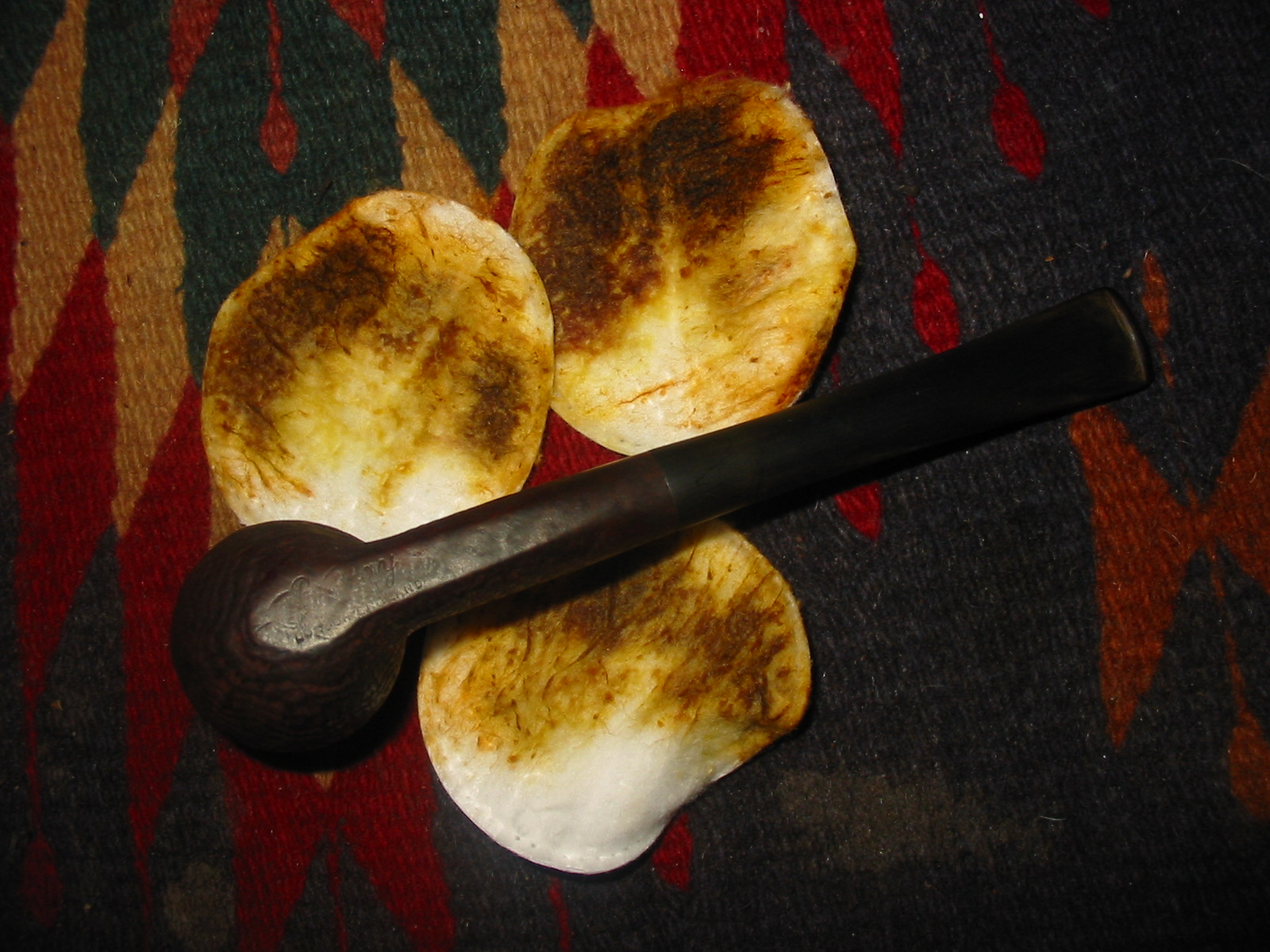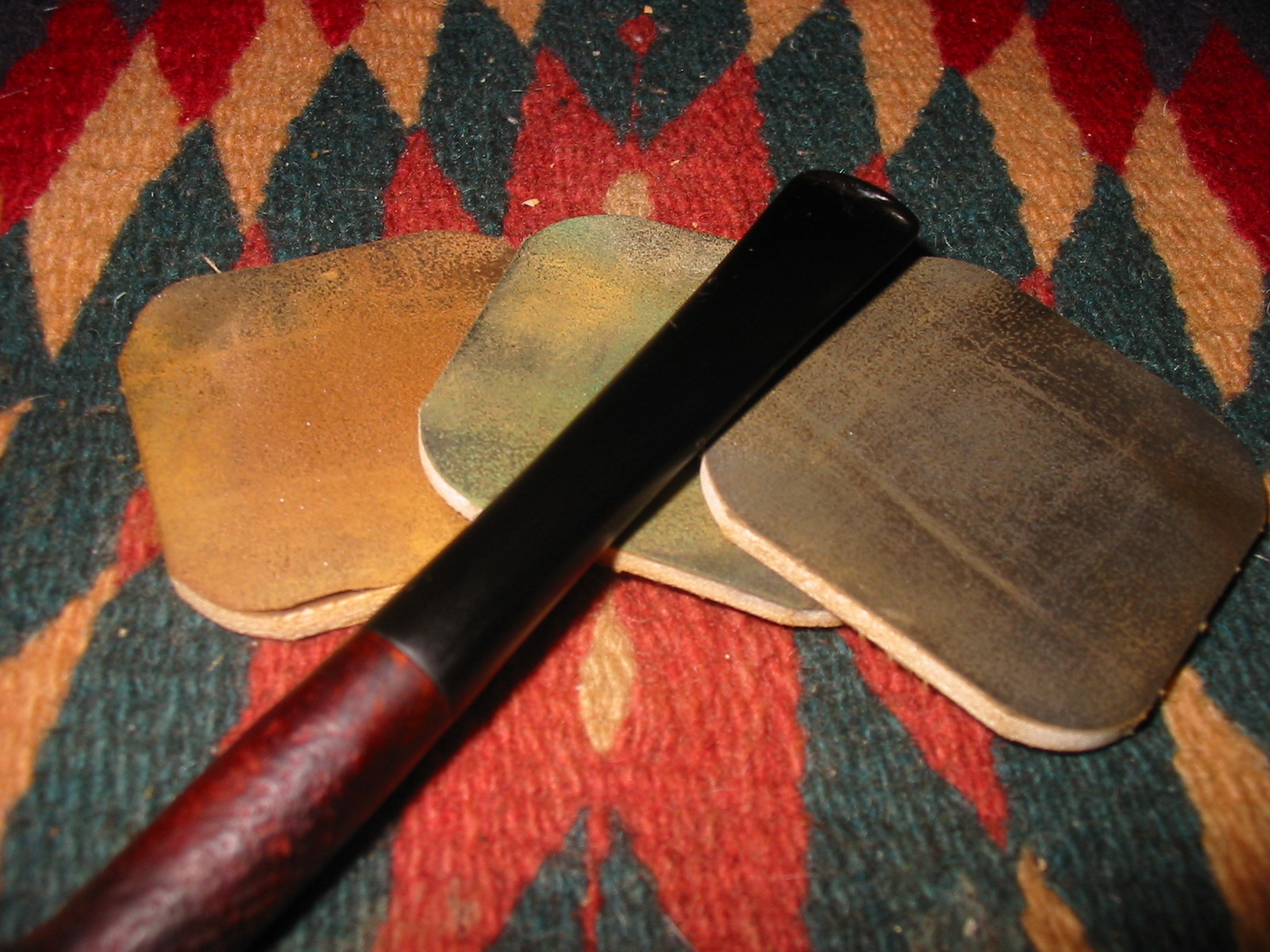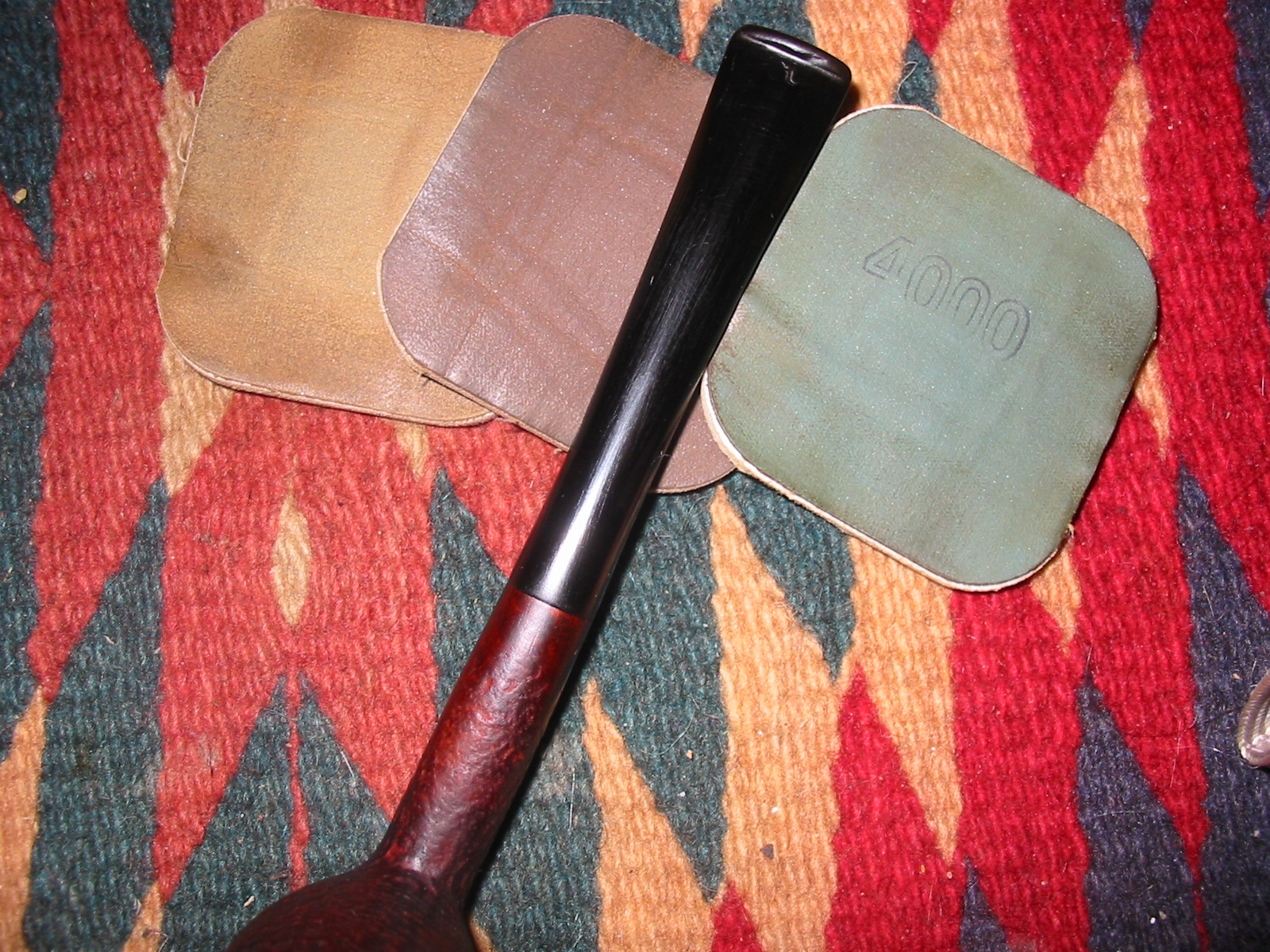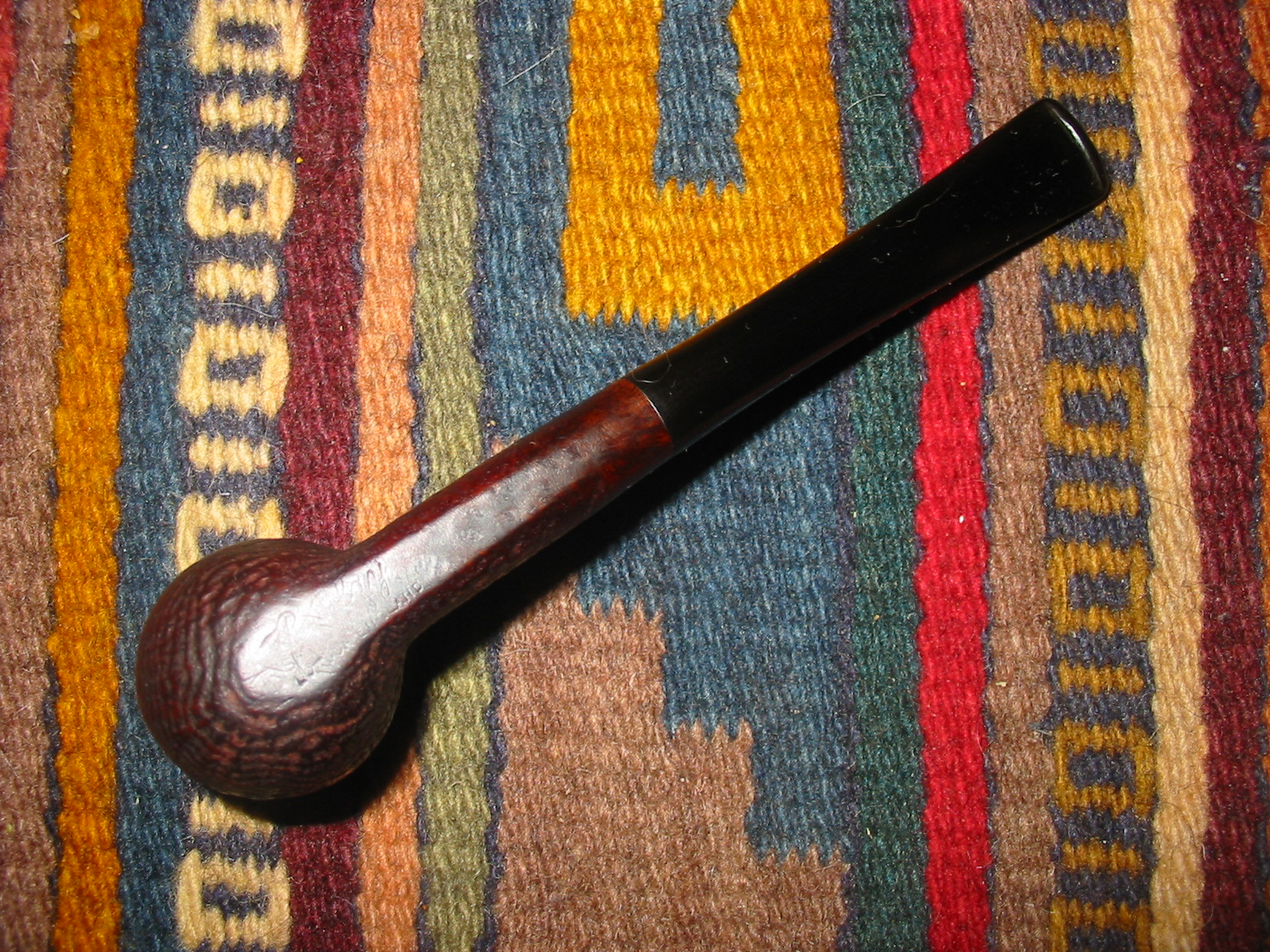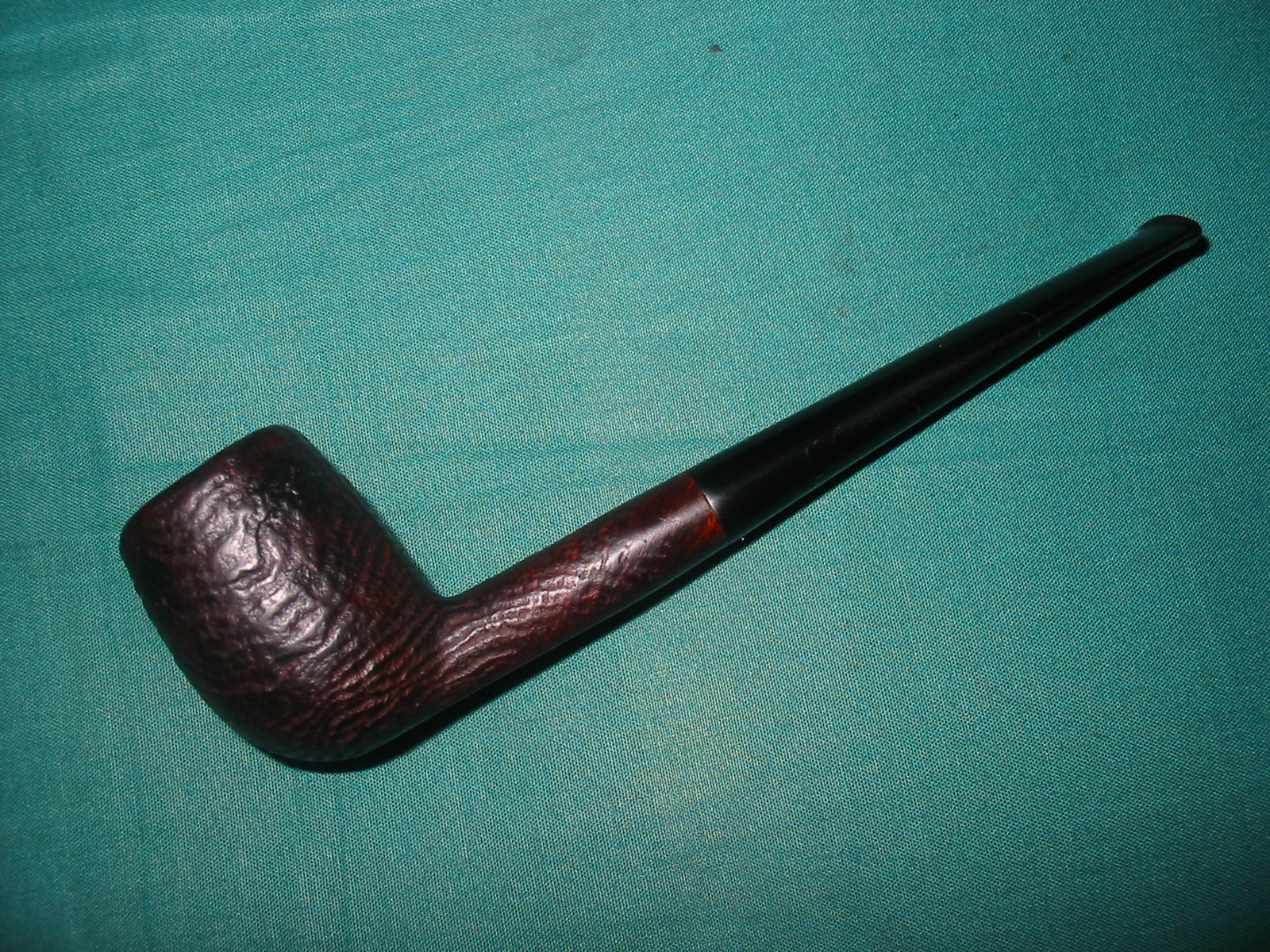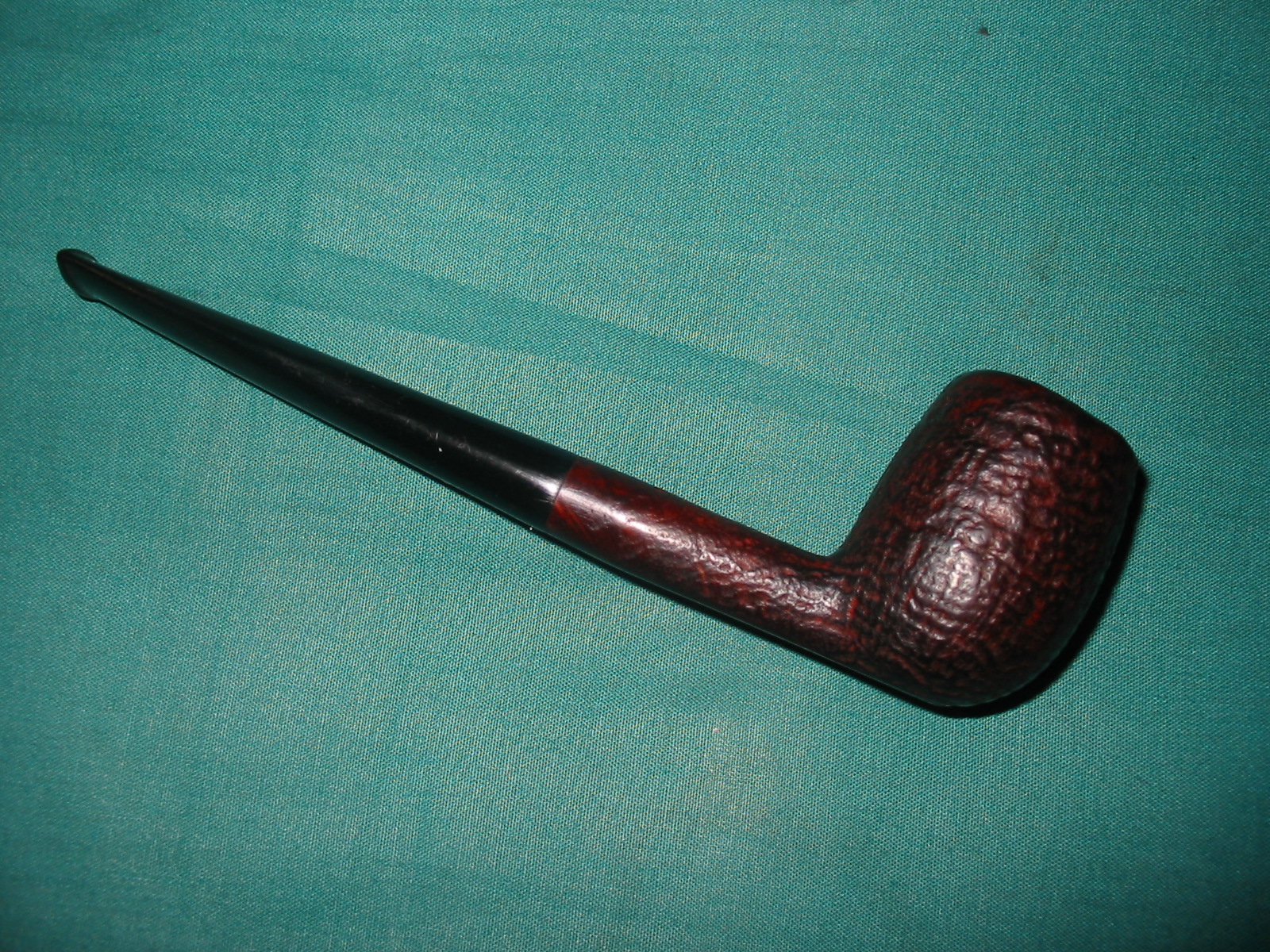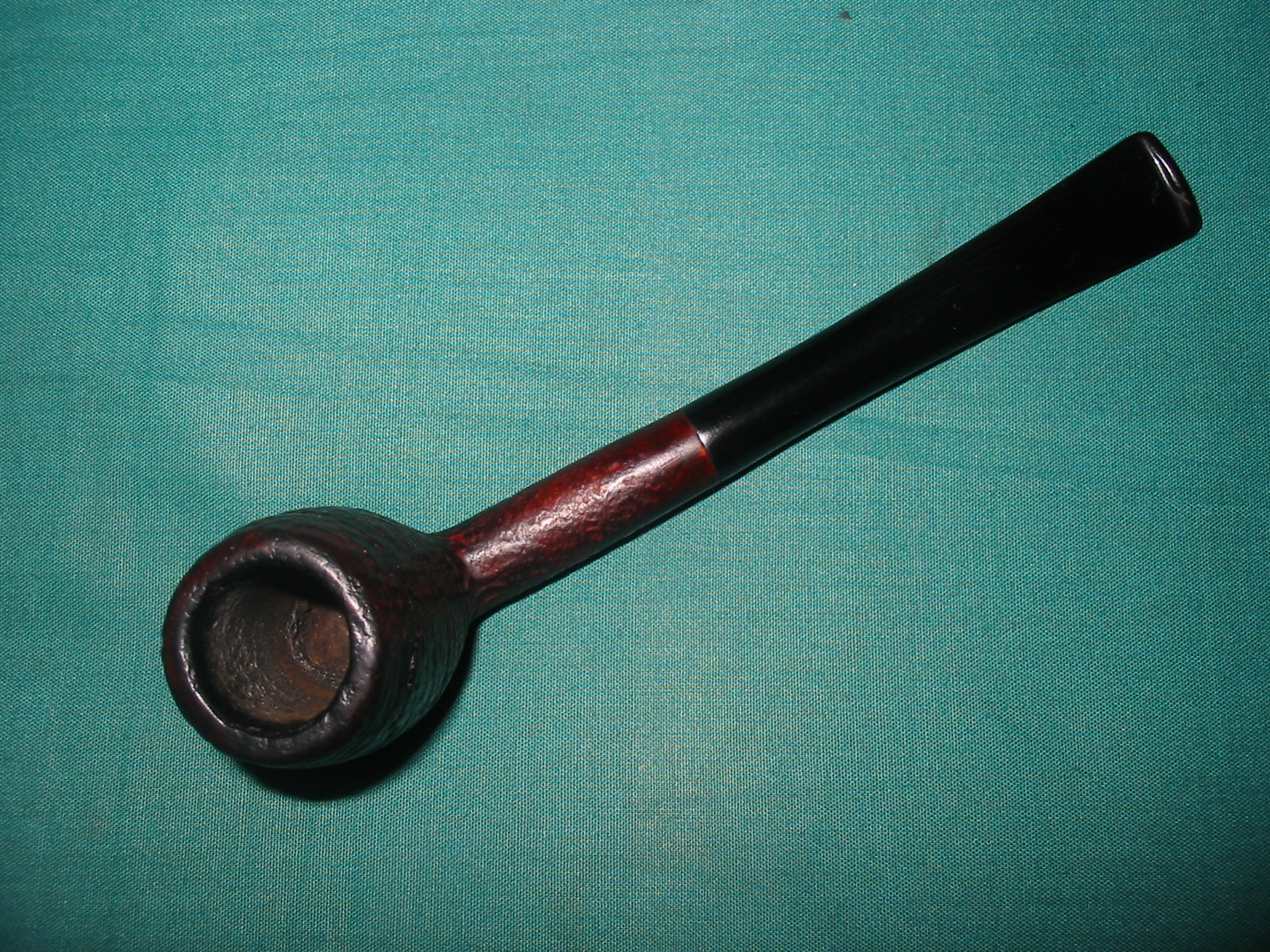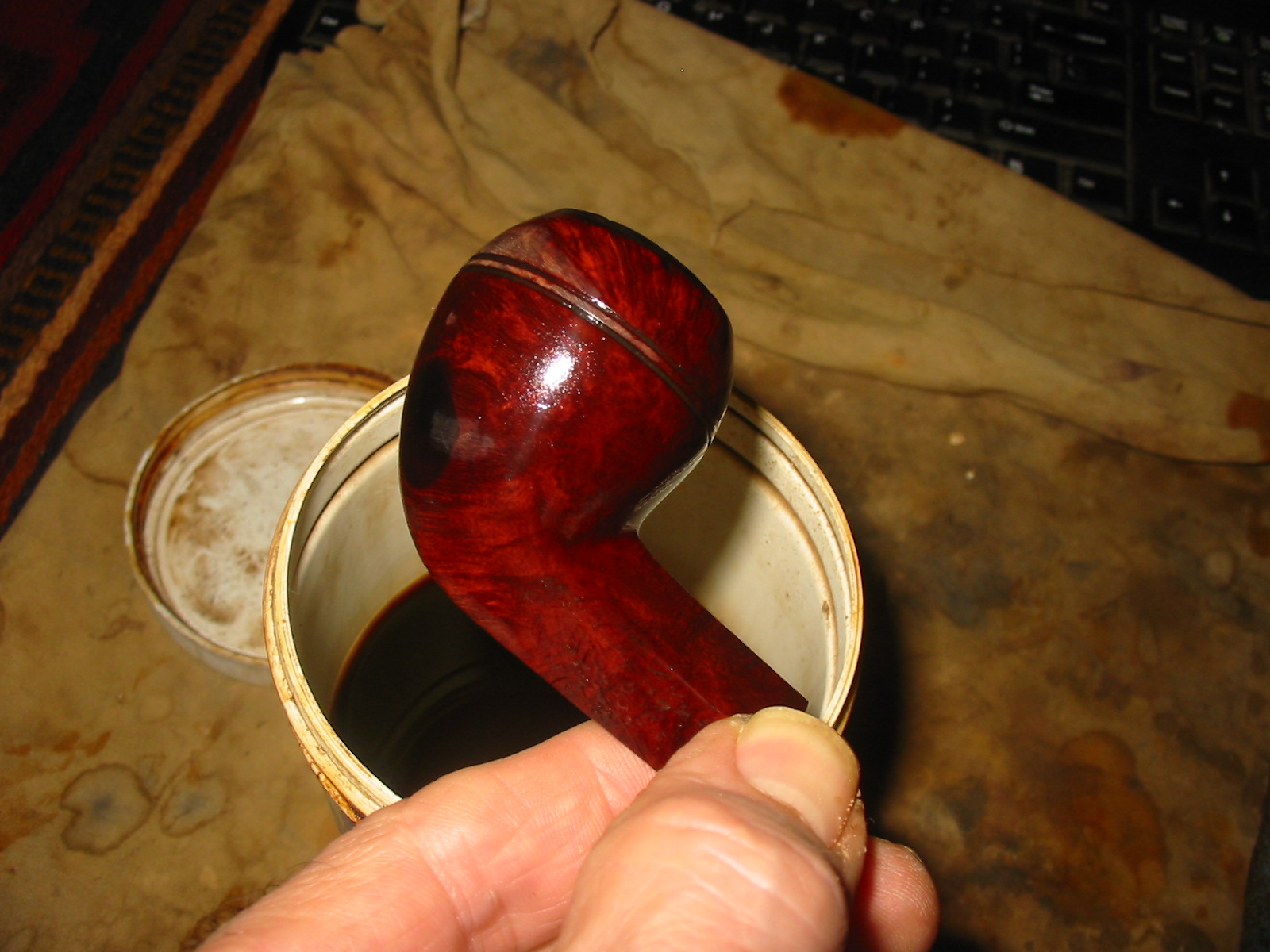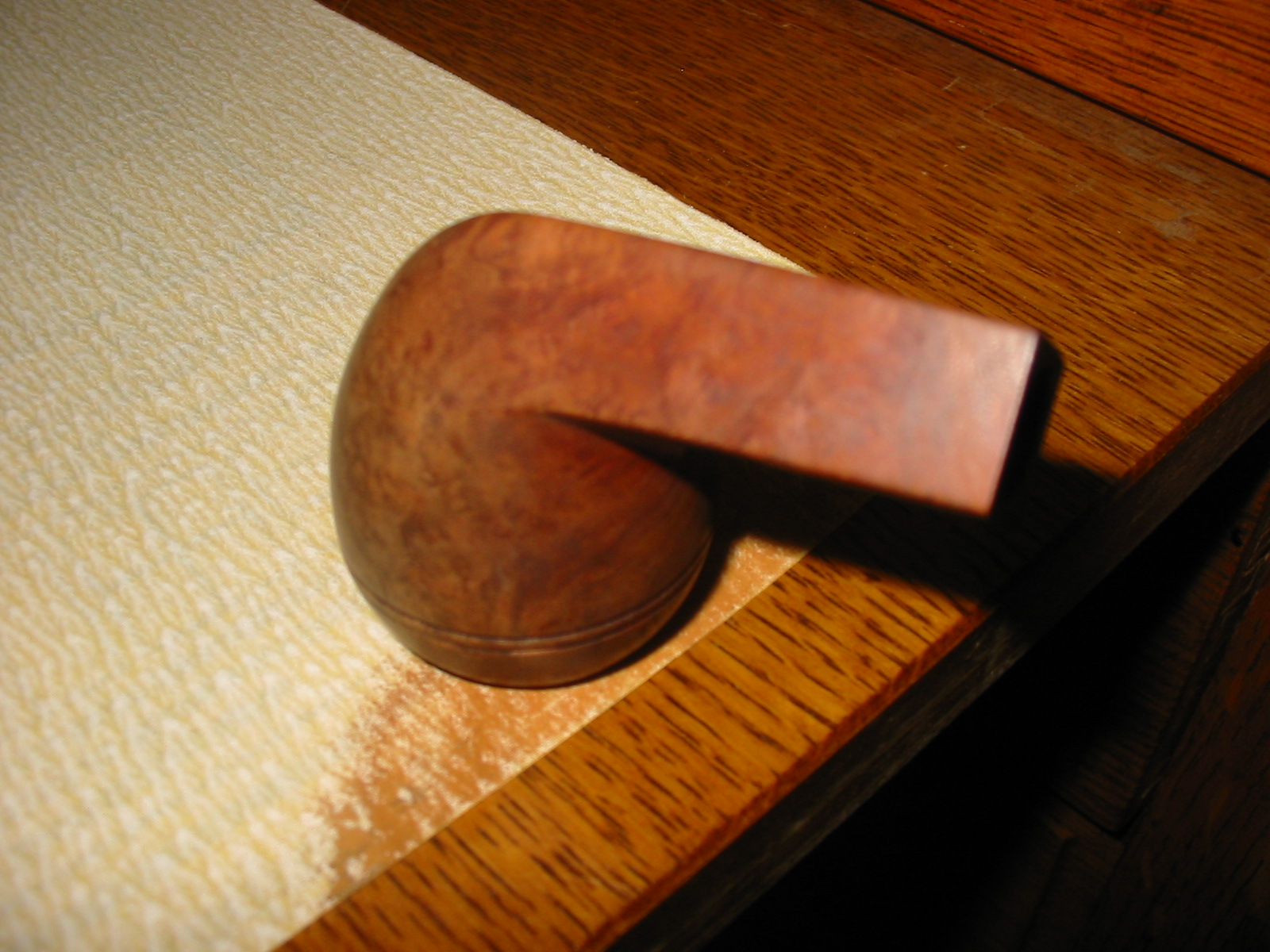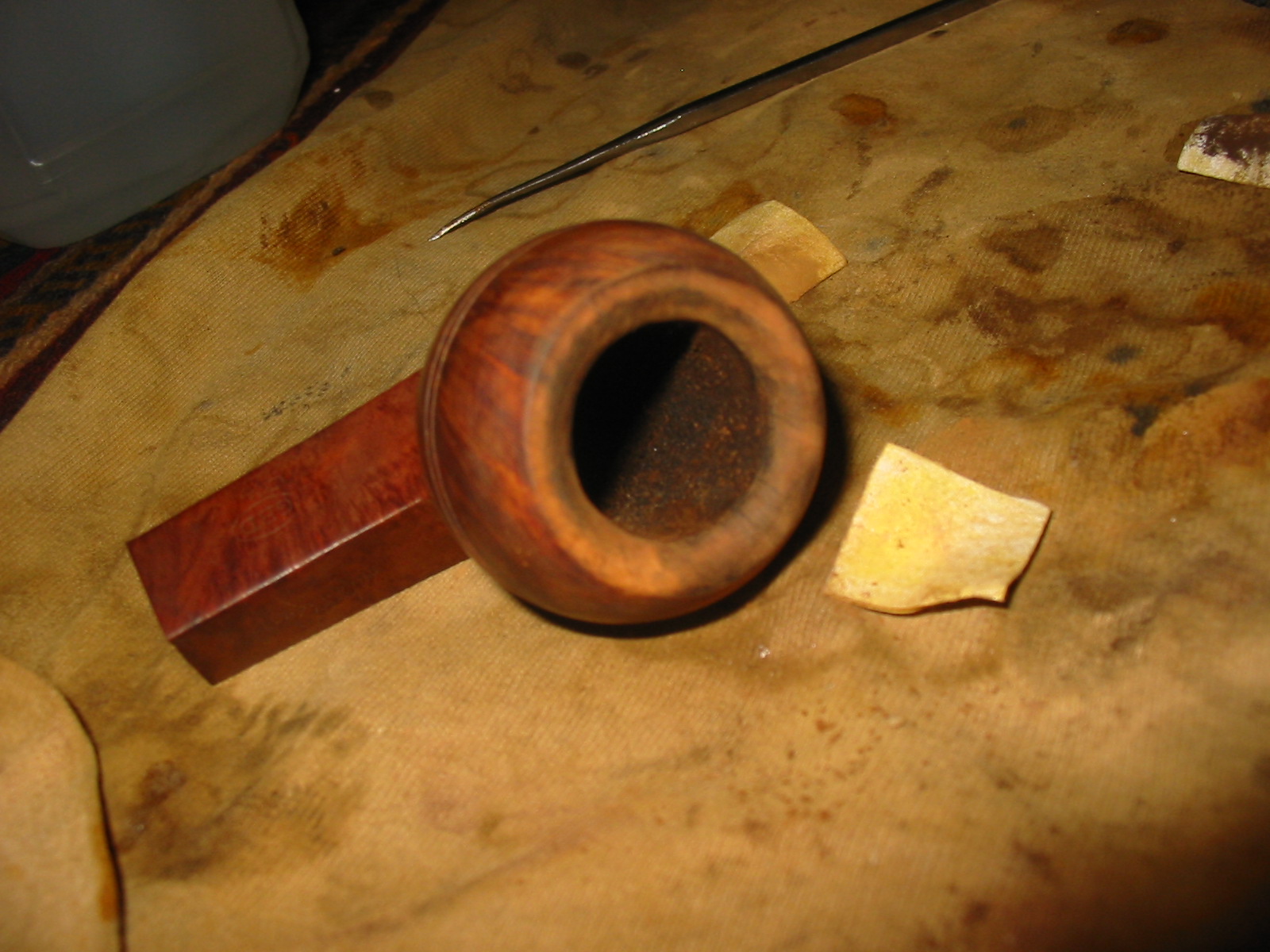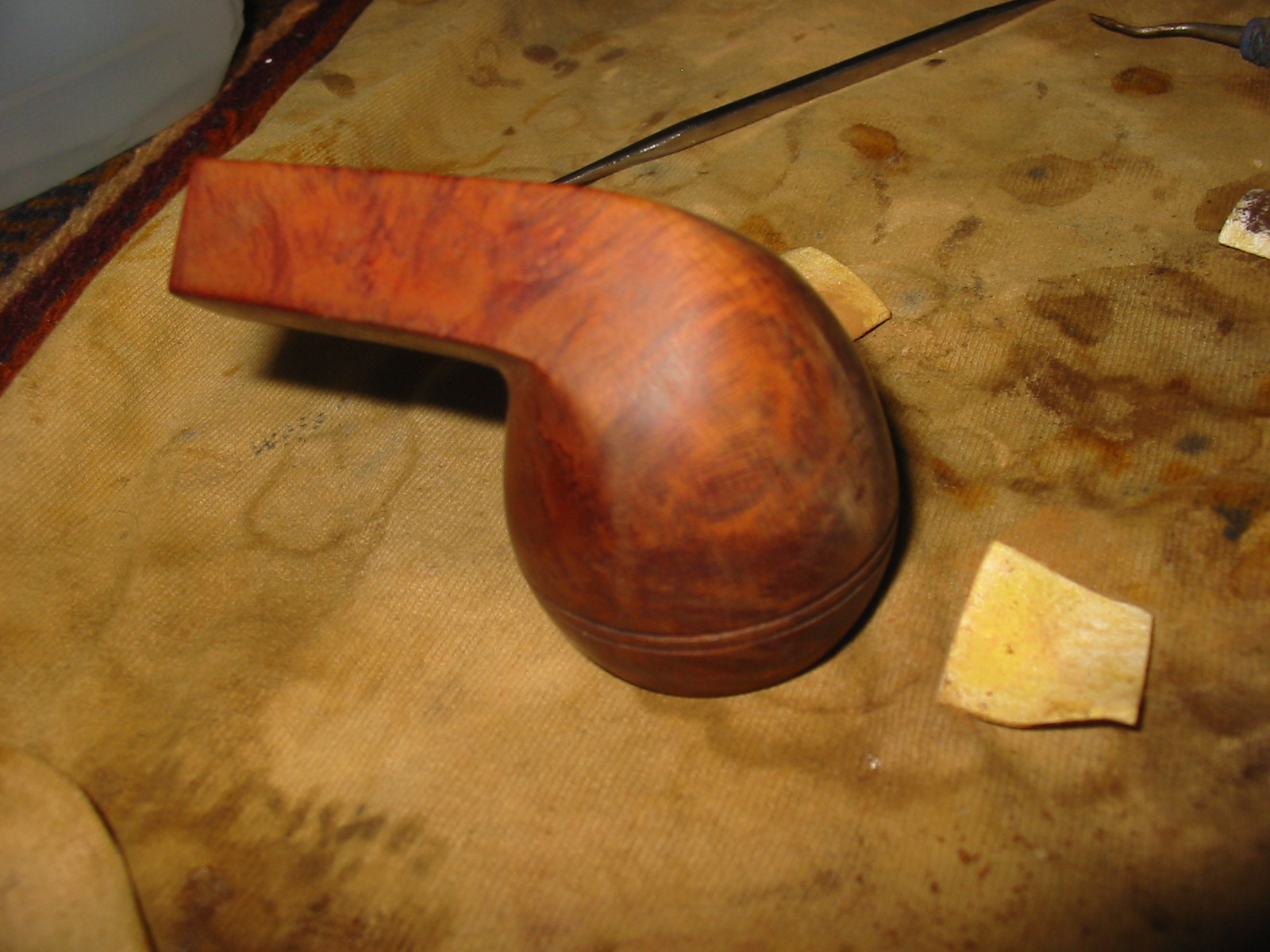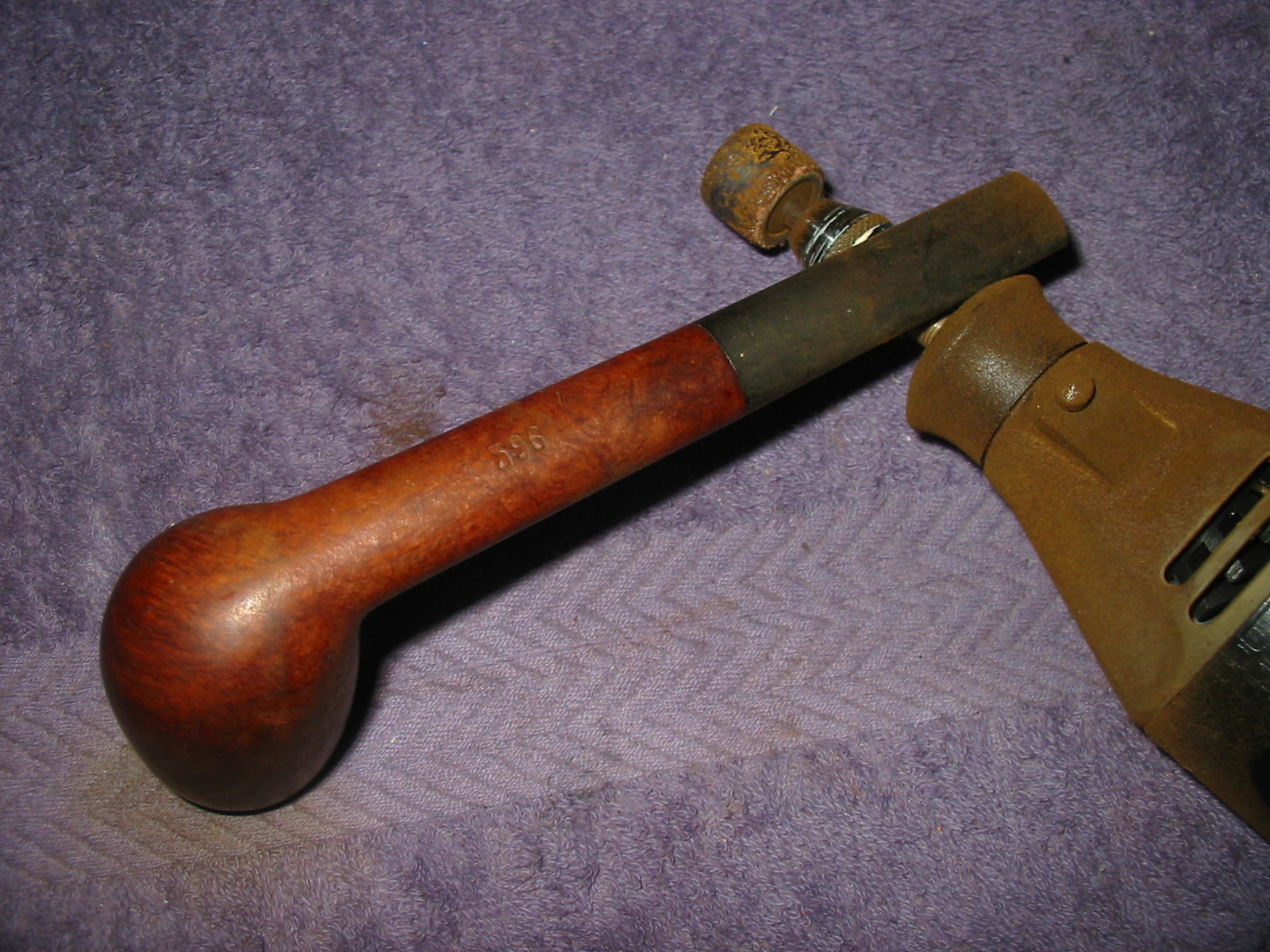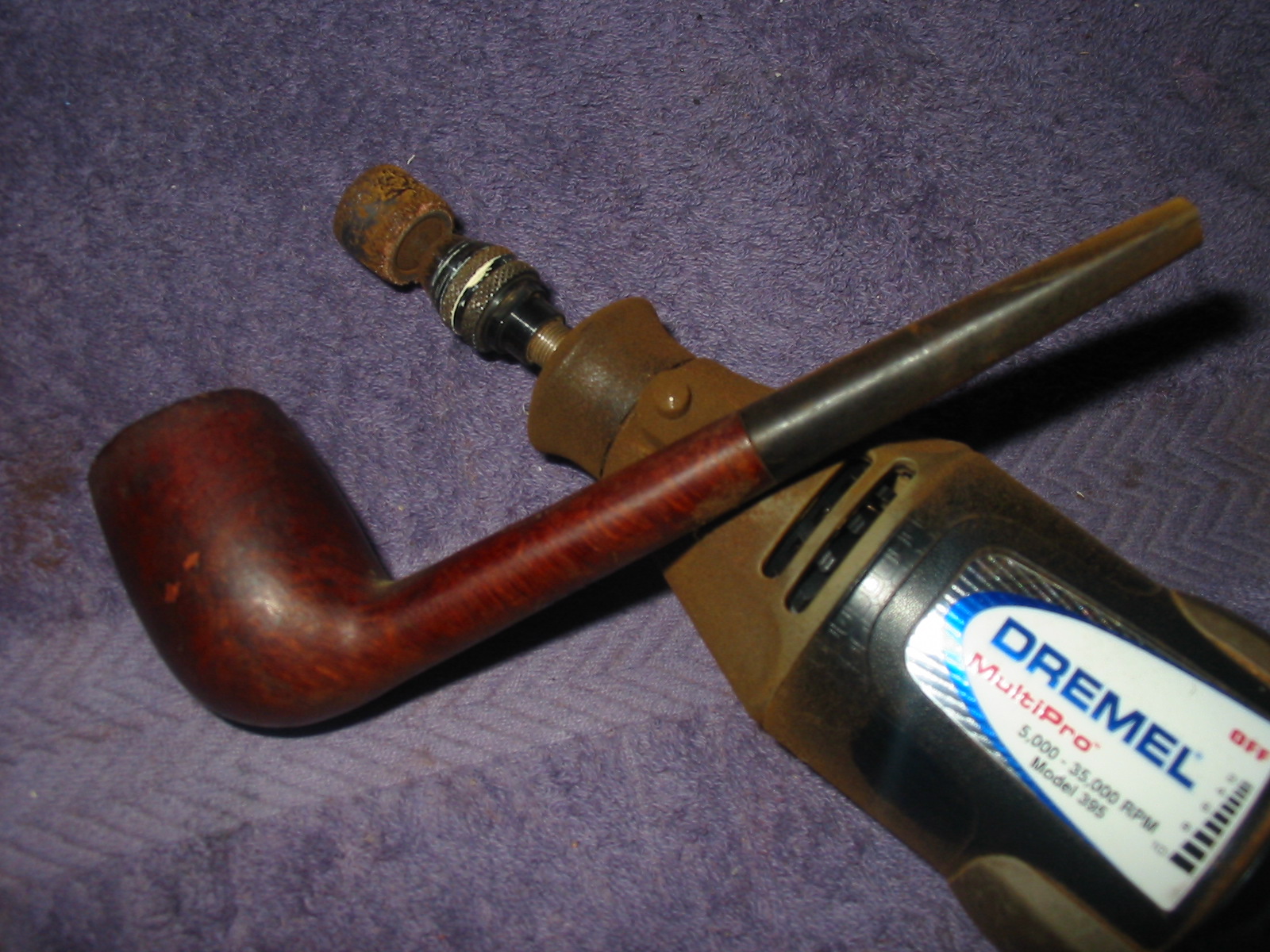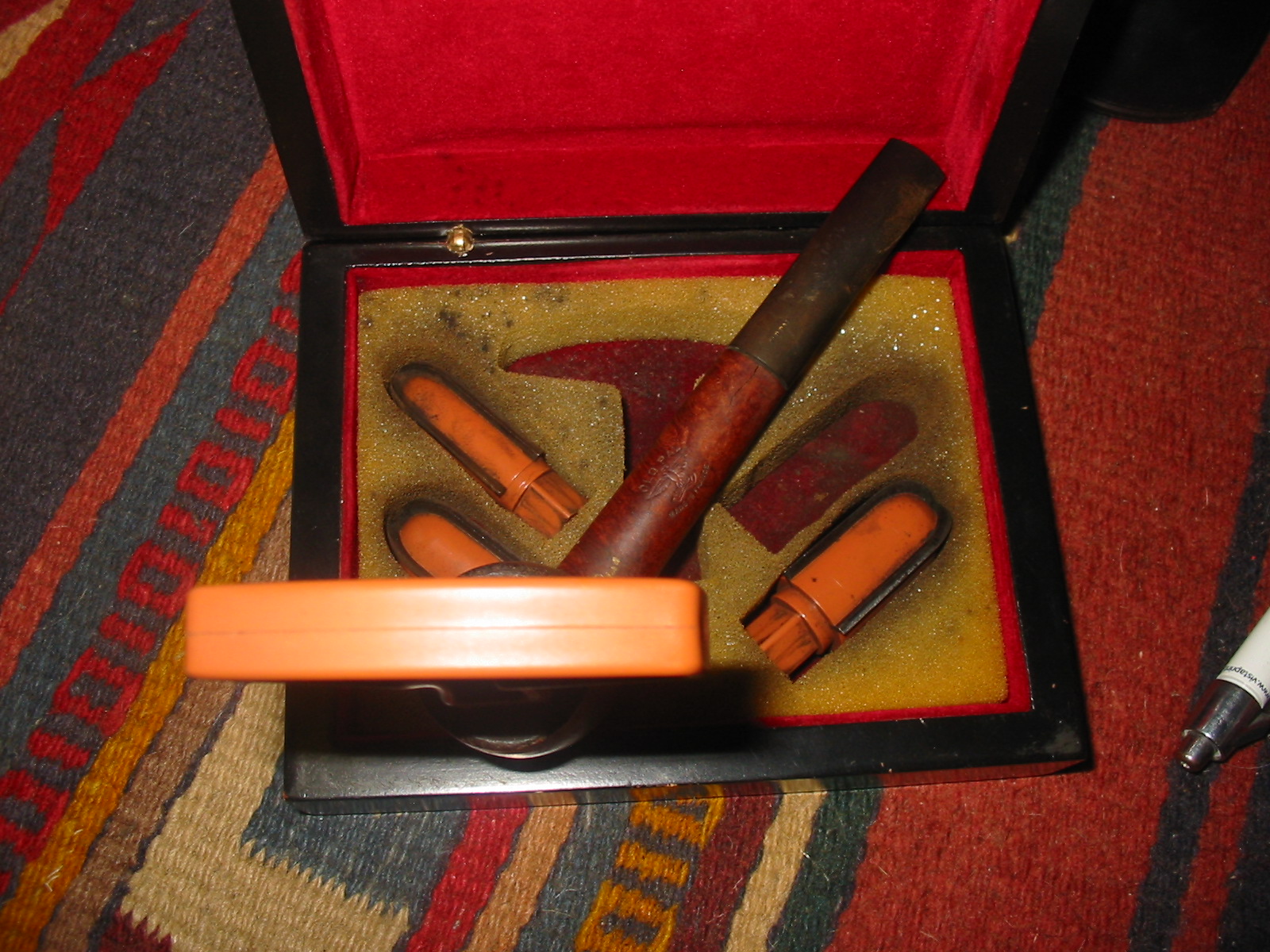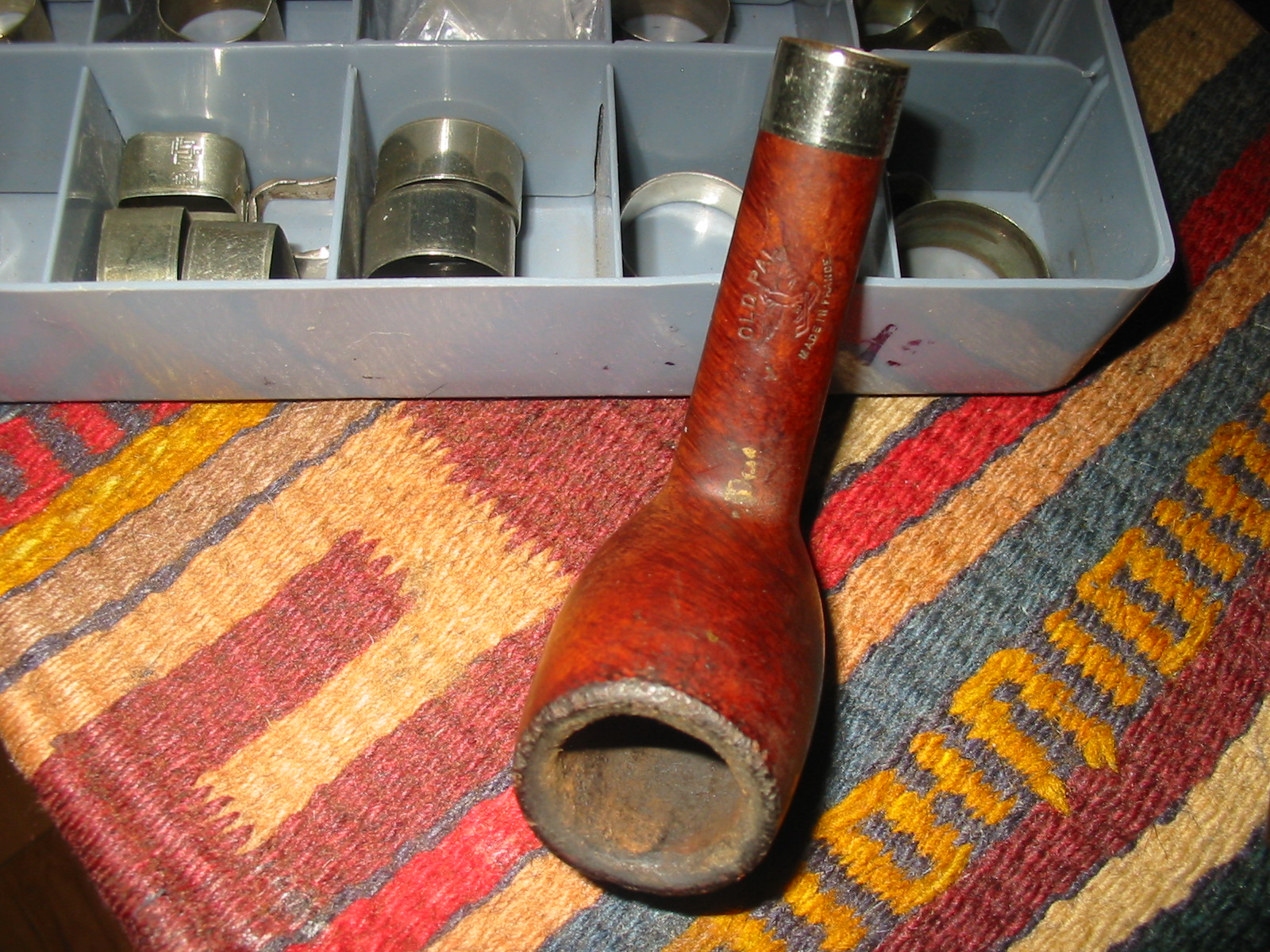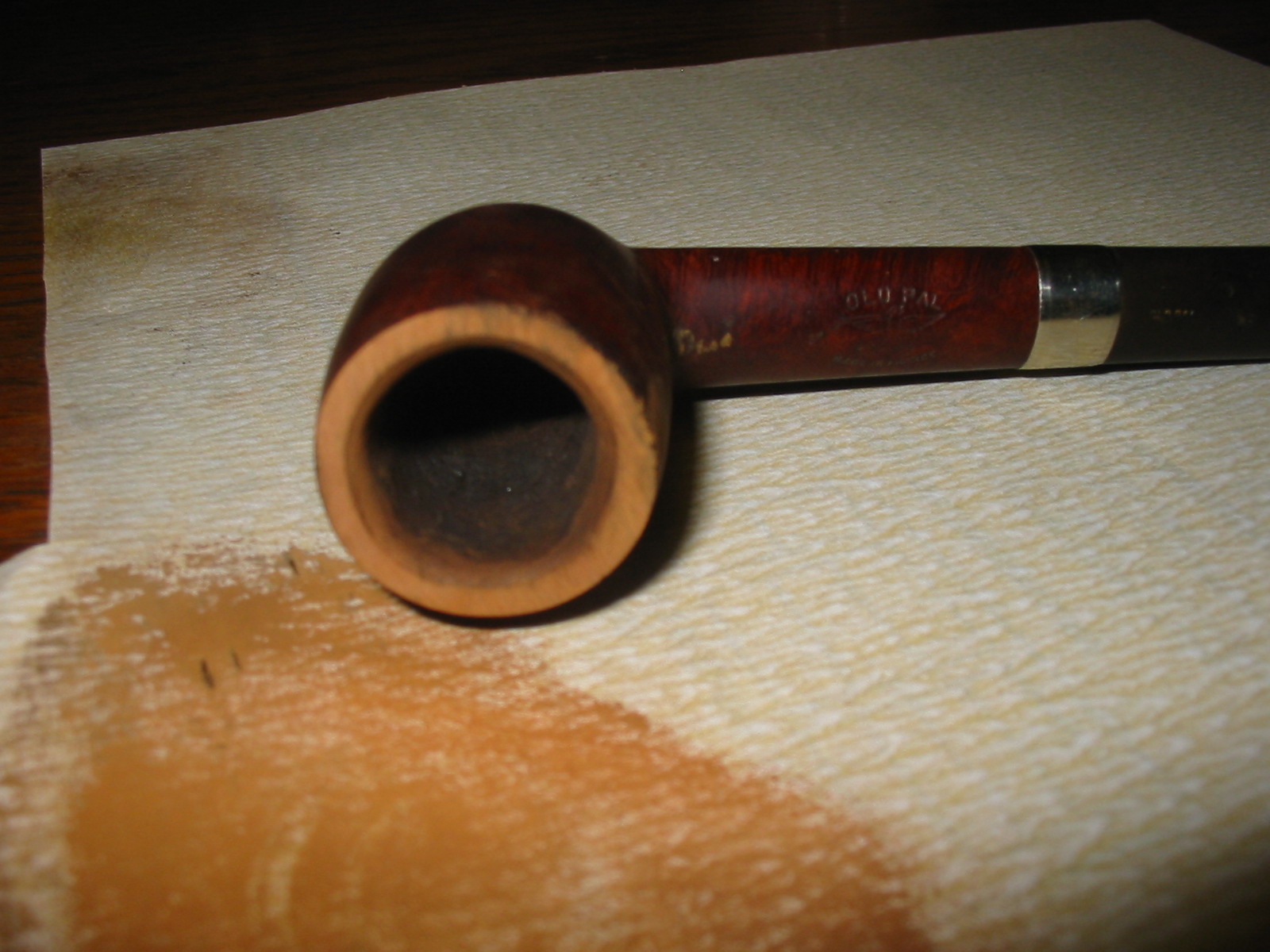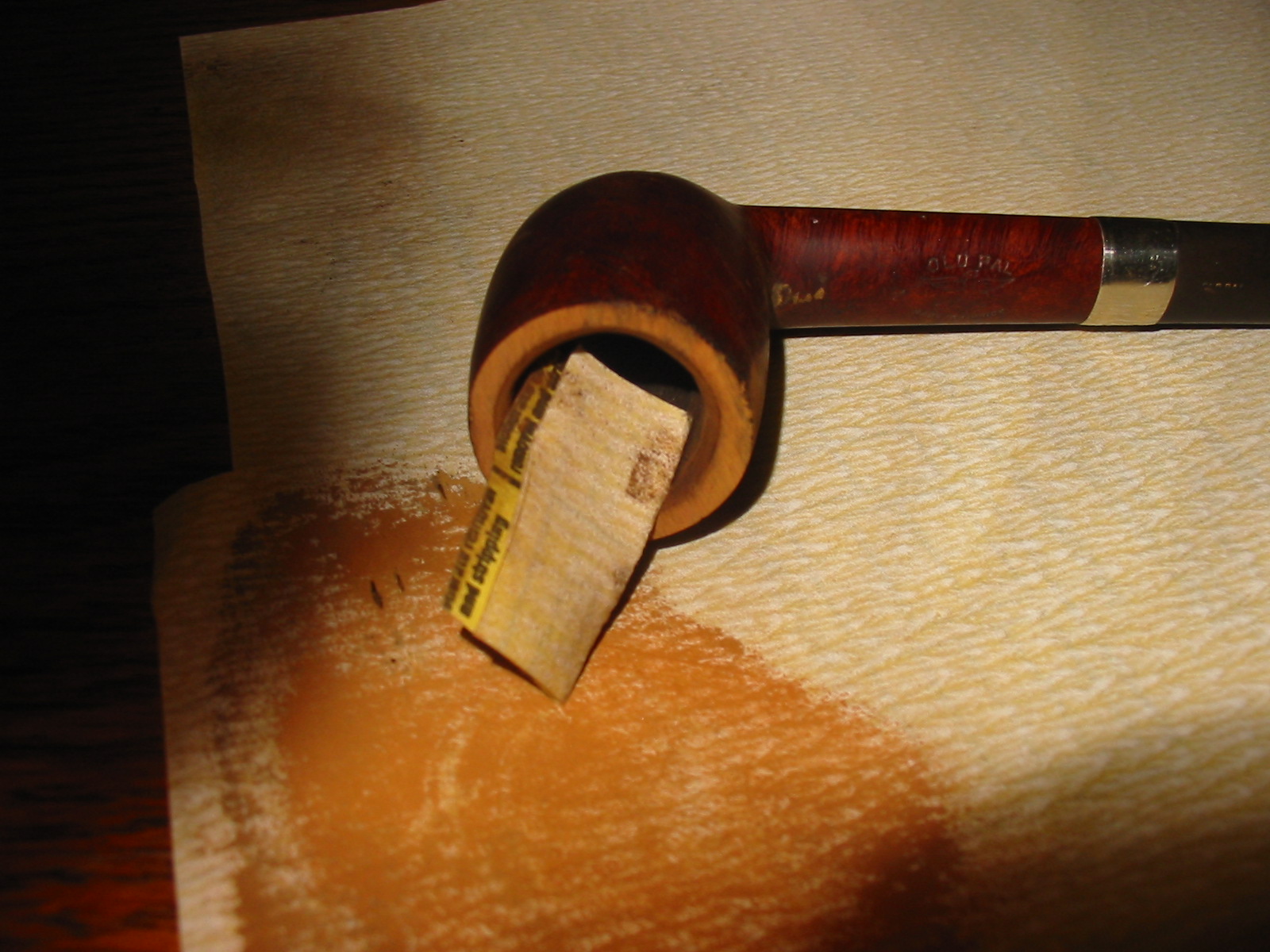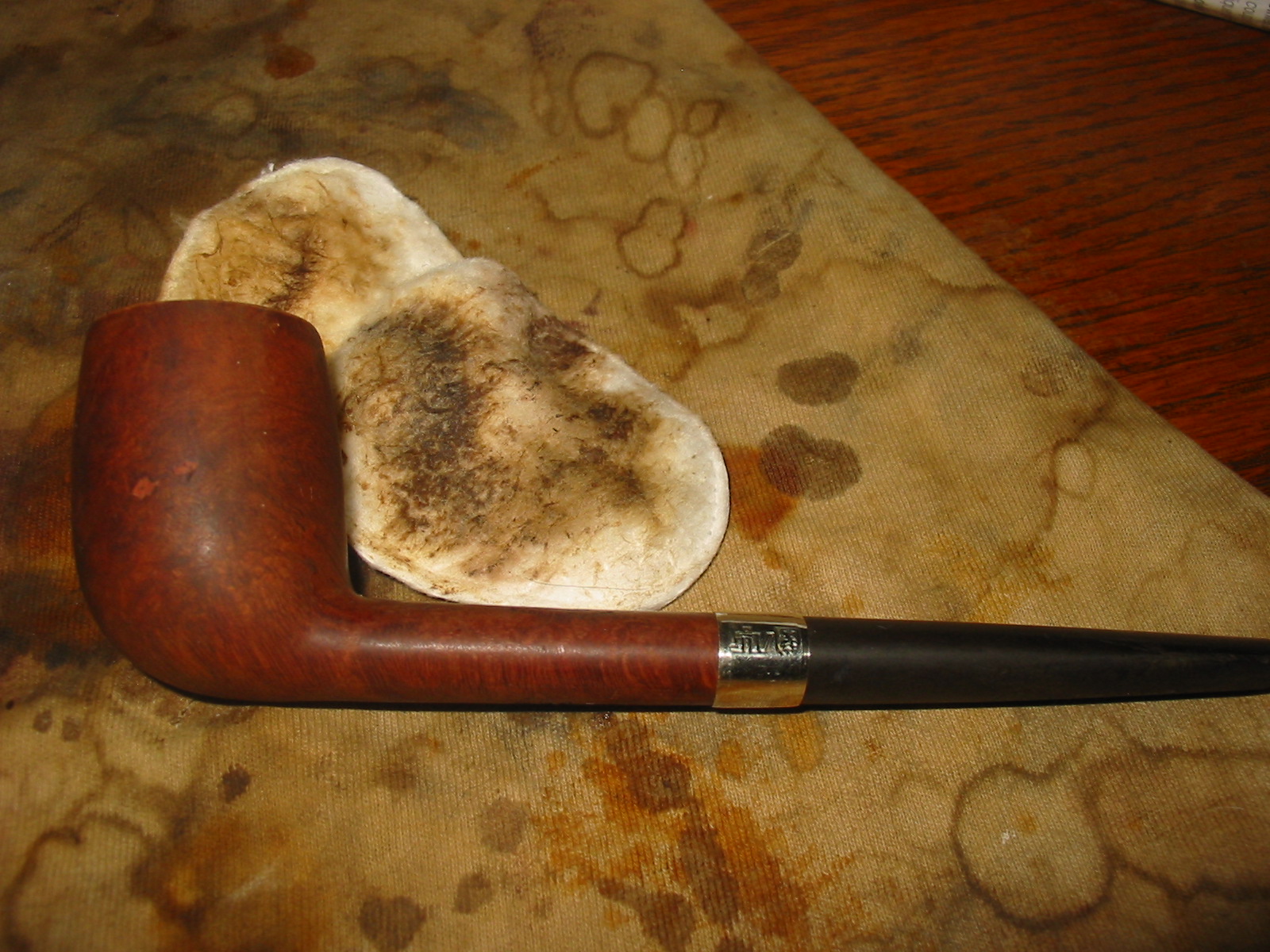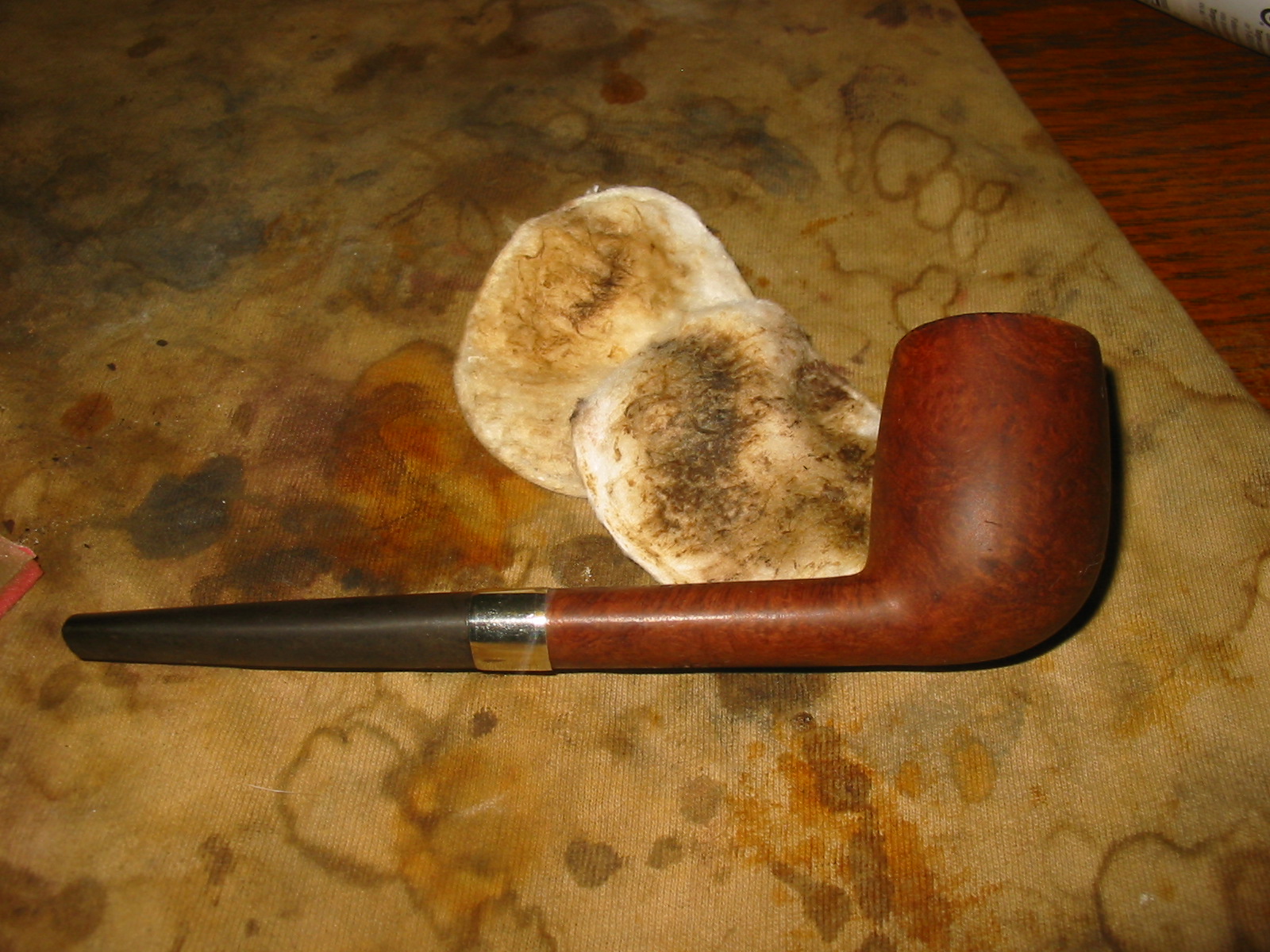
Tag Archives: bowl topping

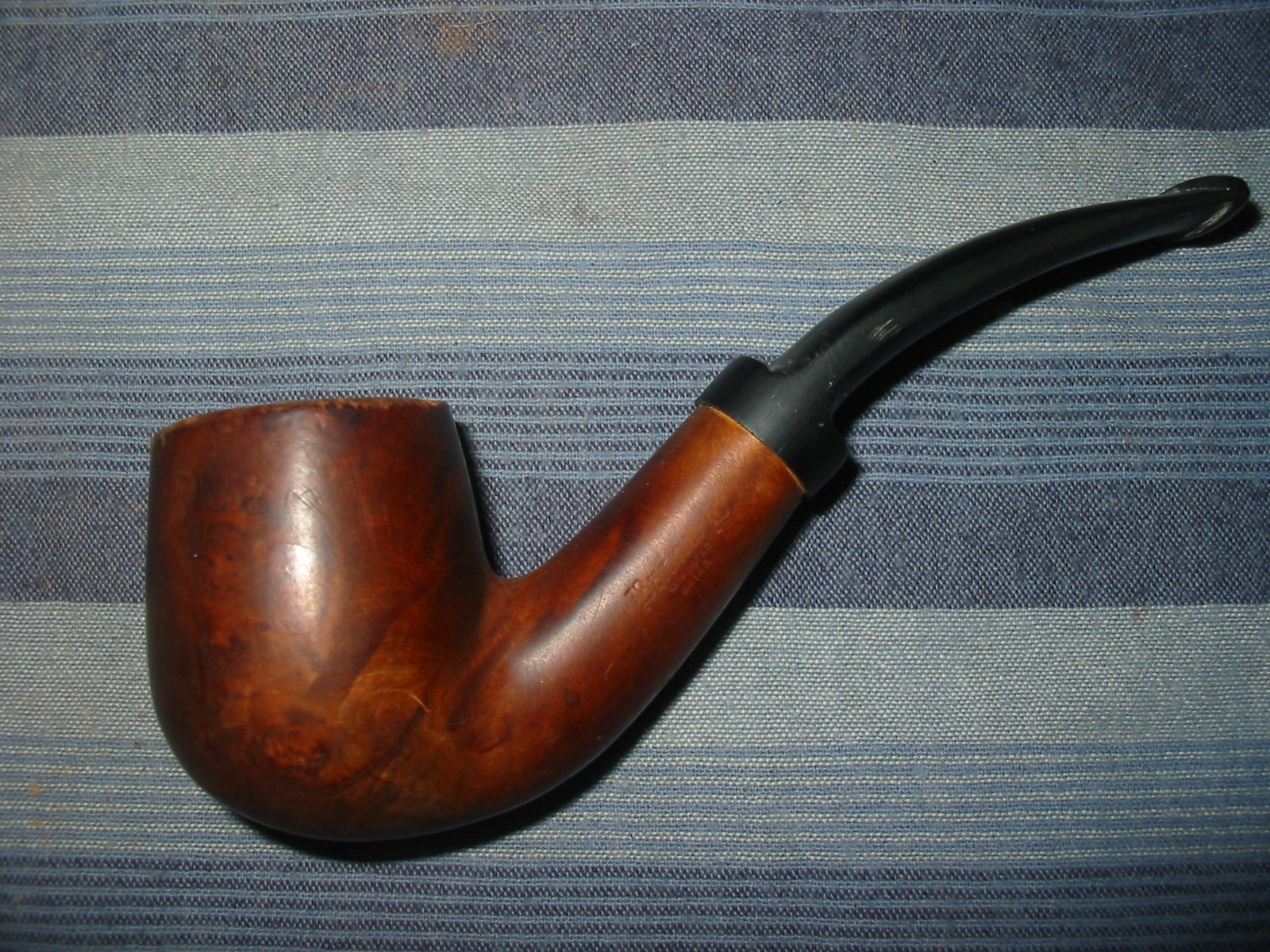
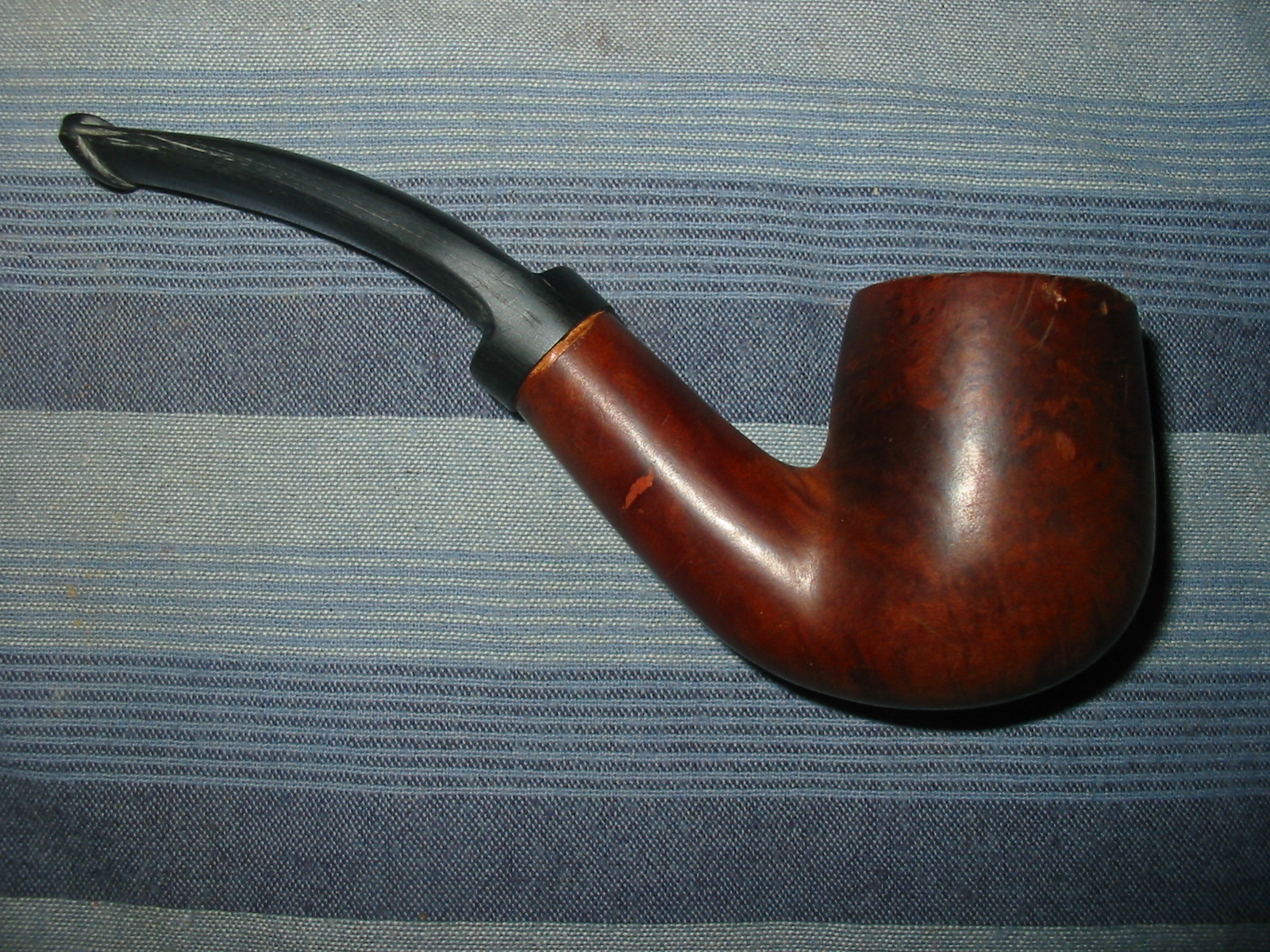
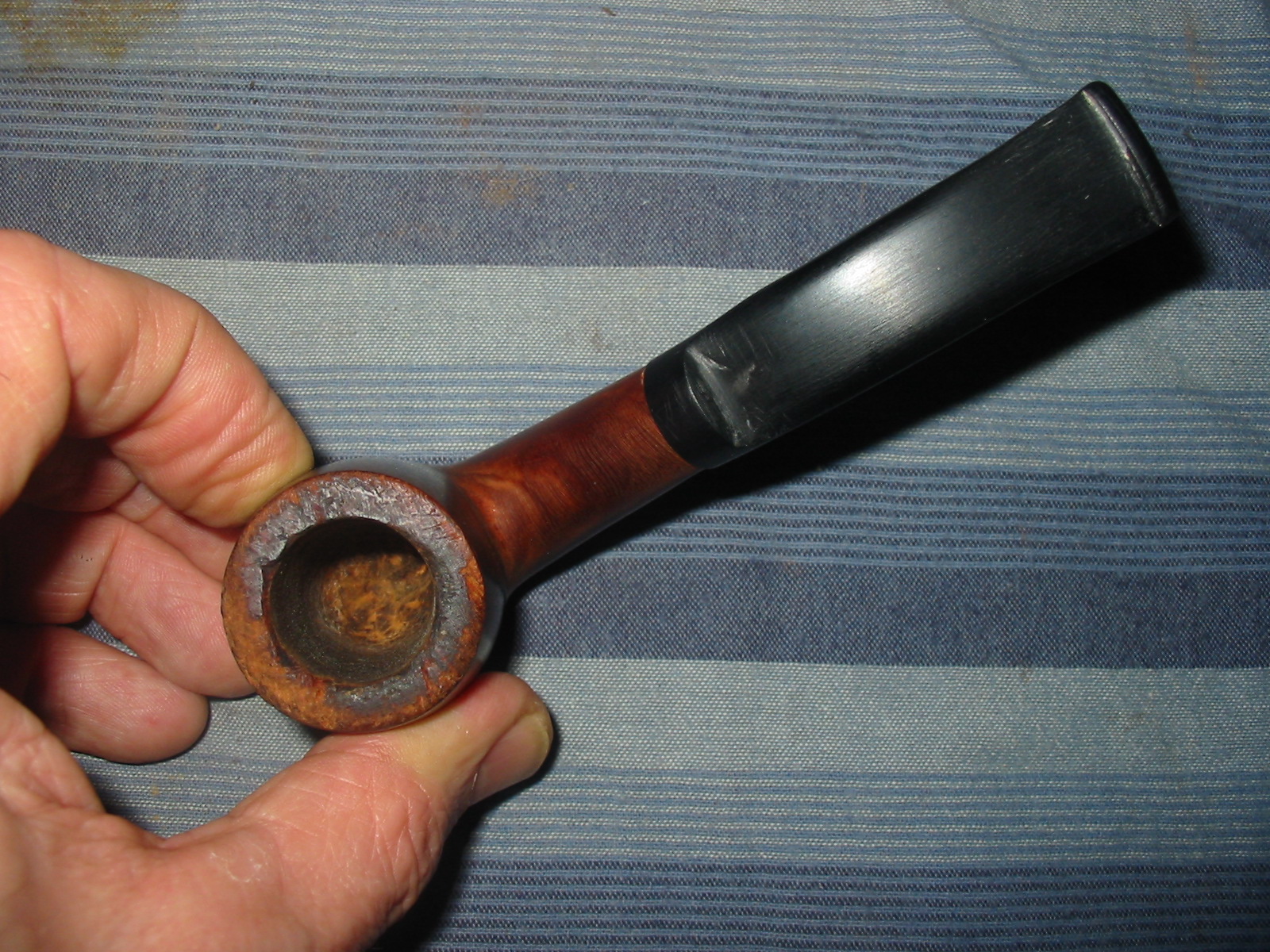
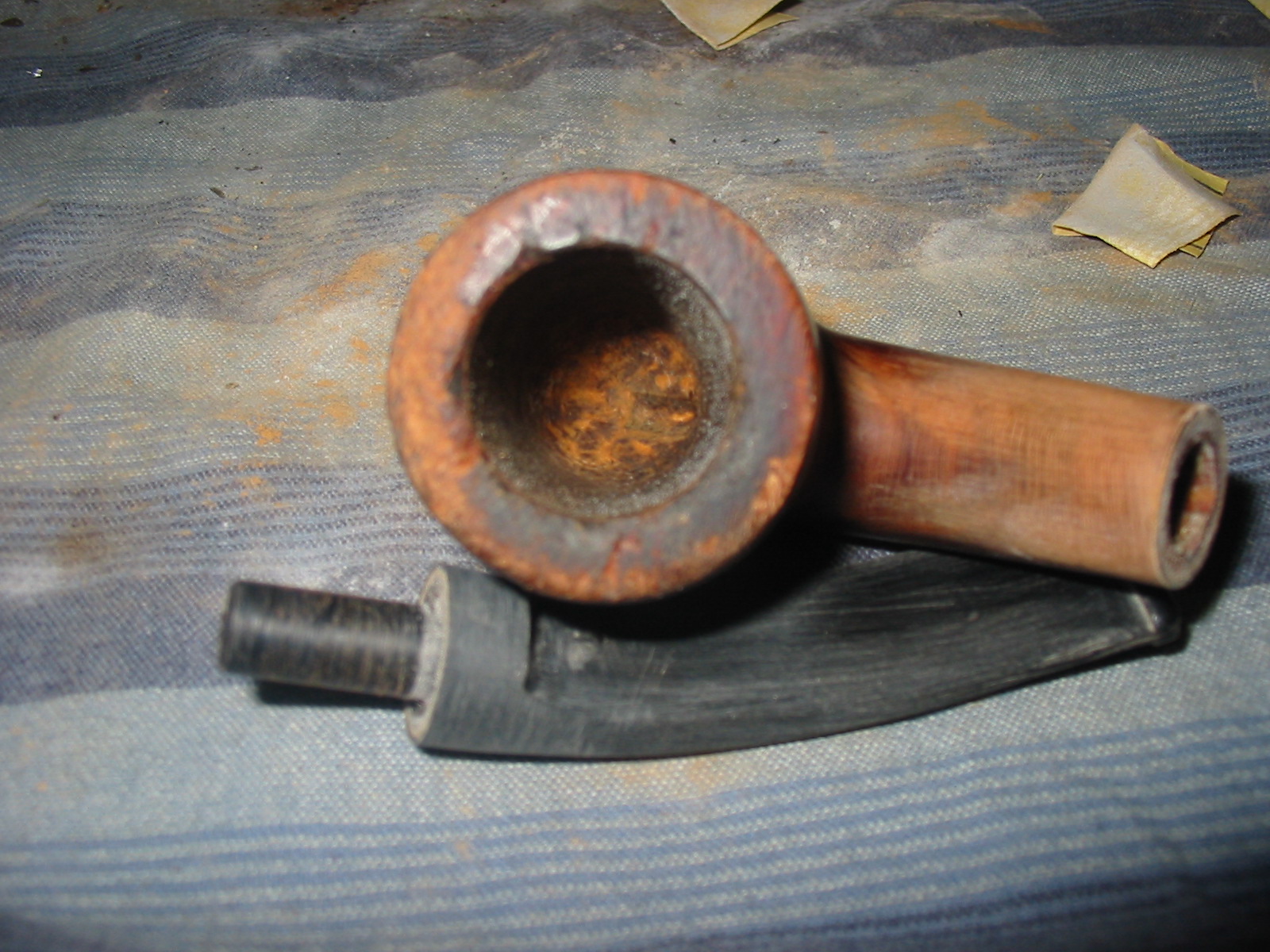
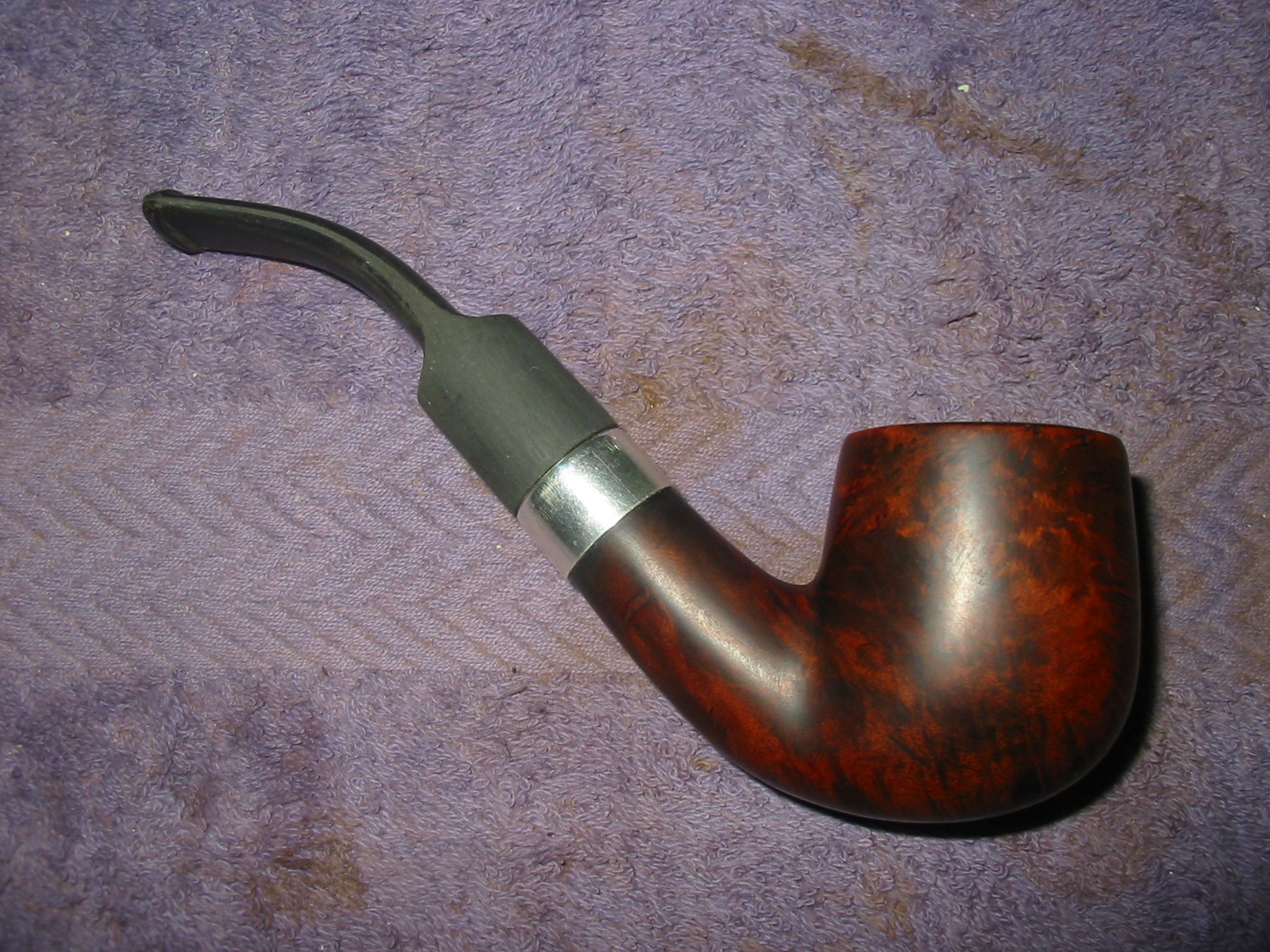
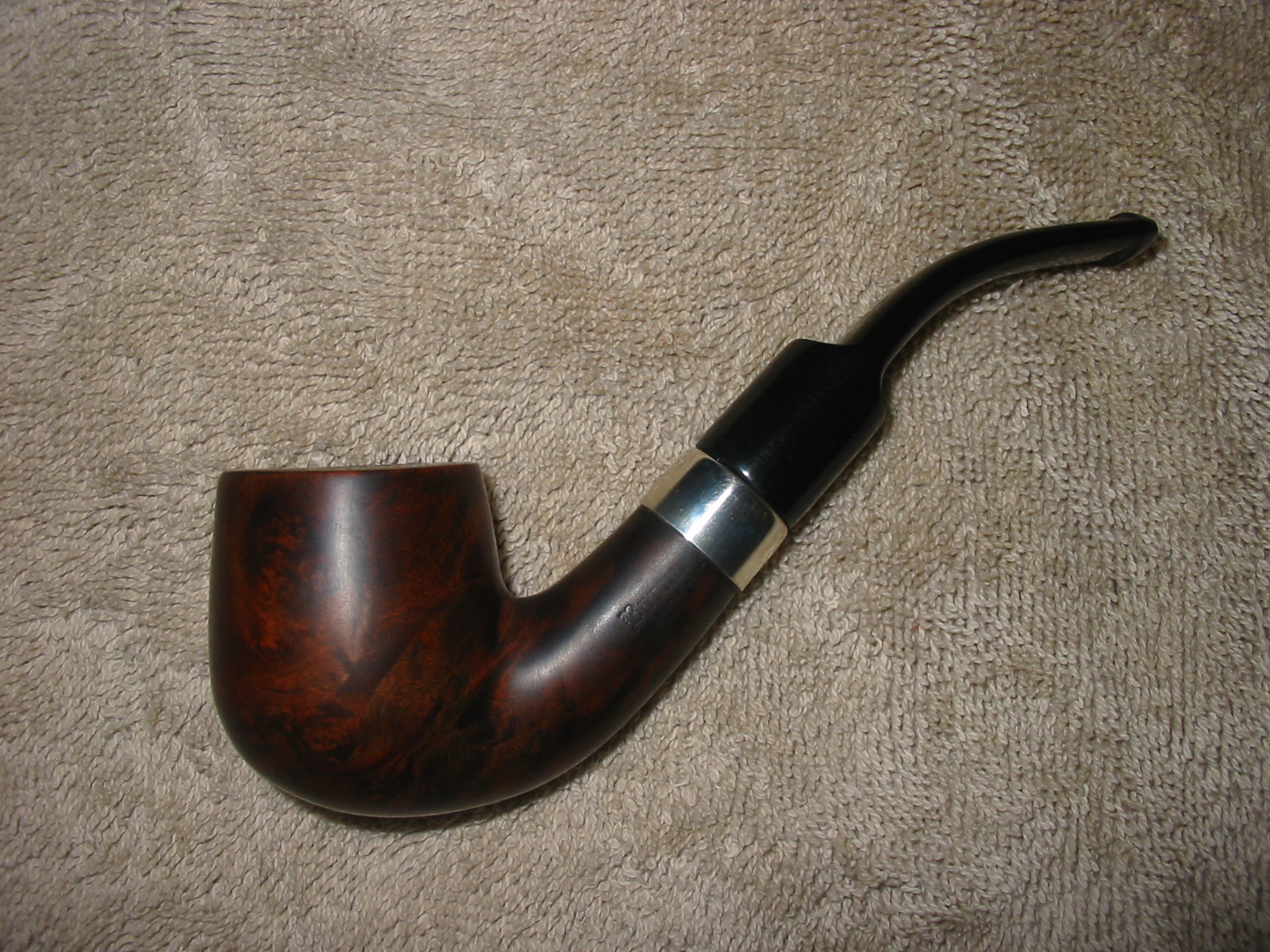
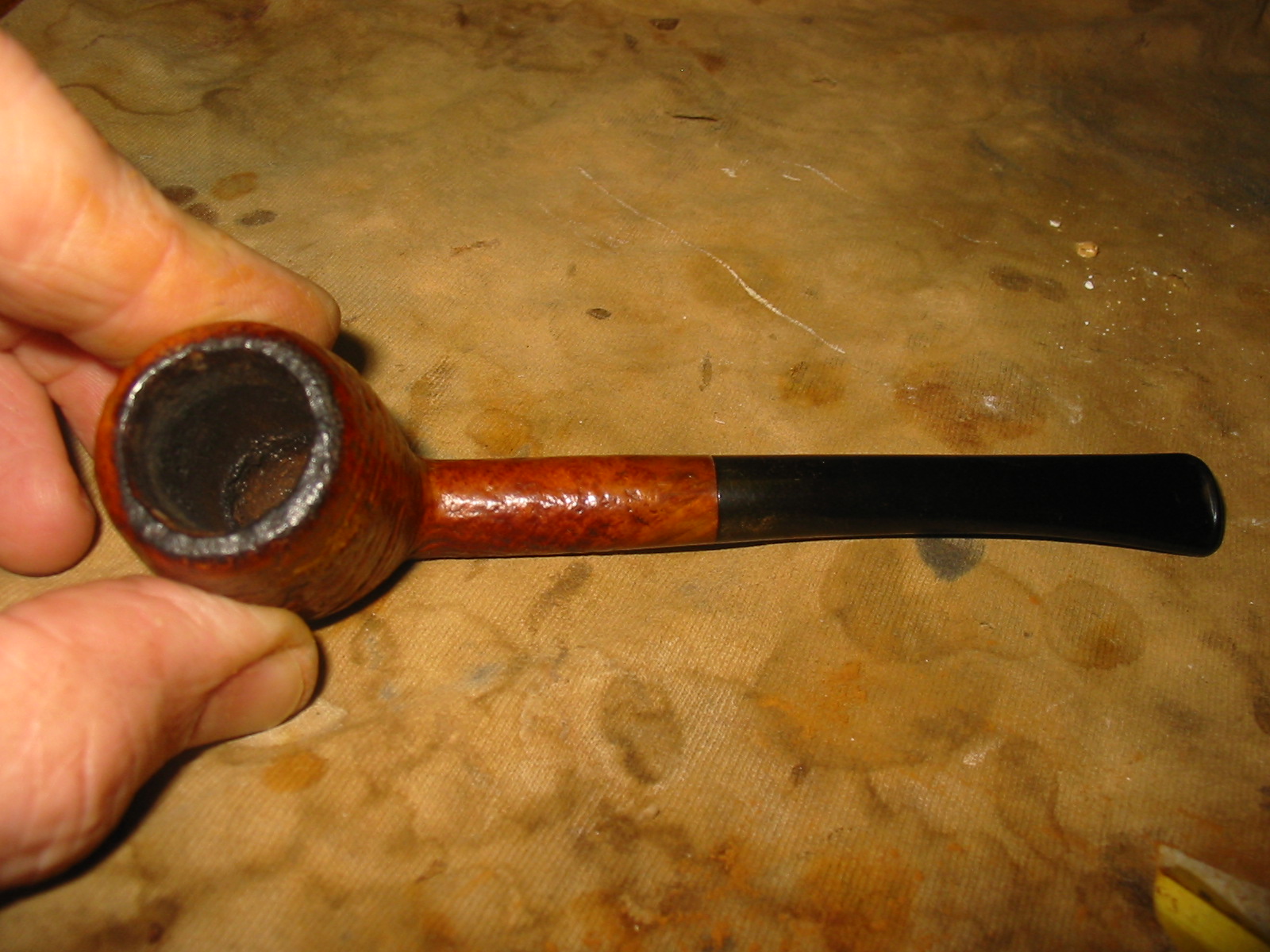
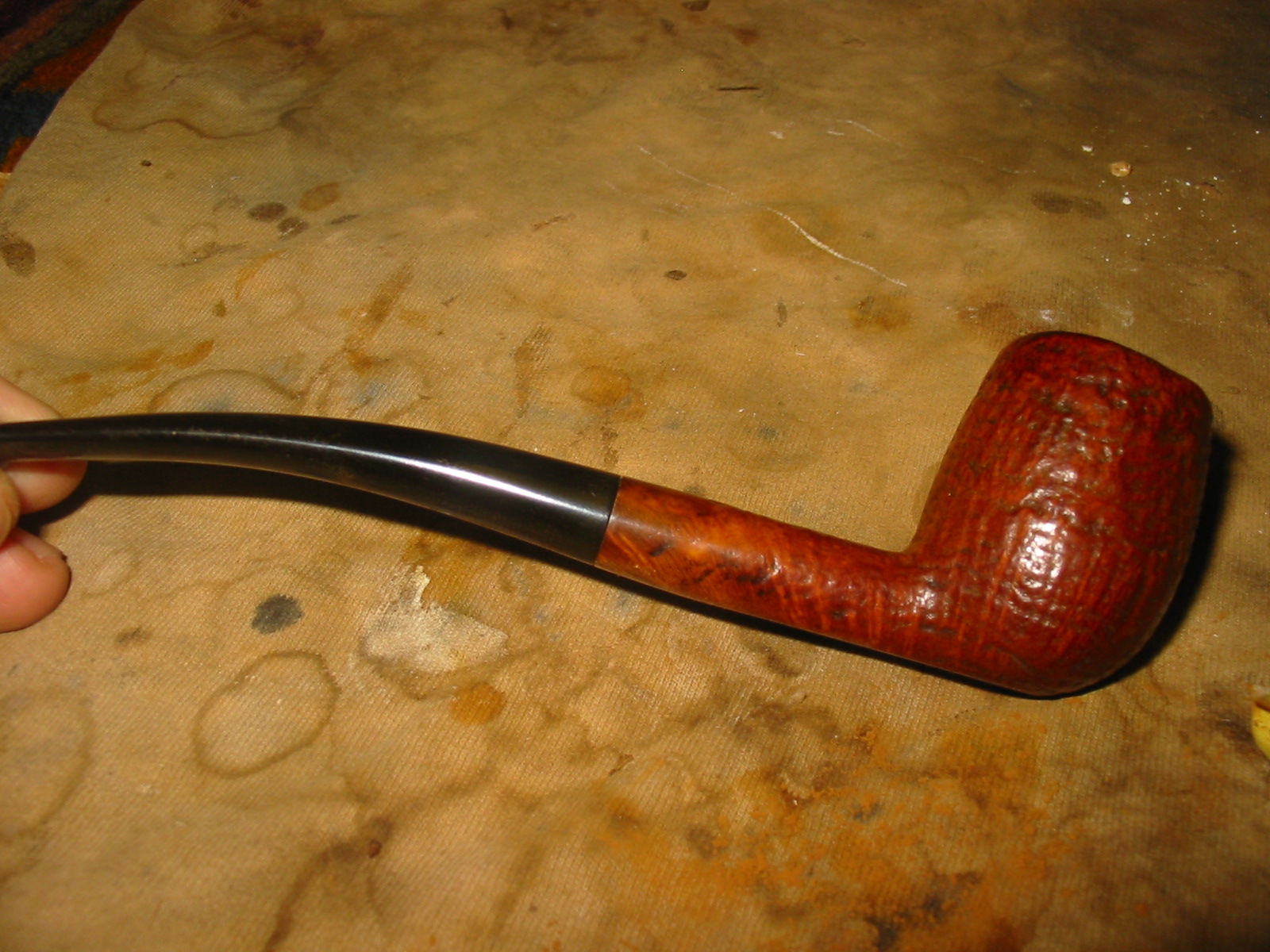
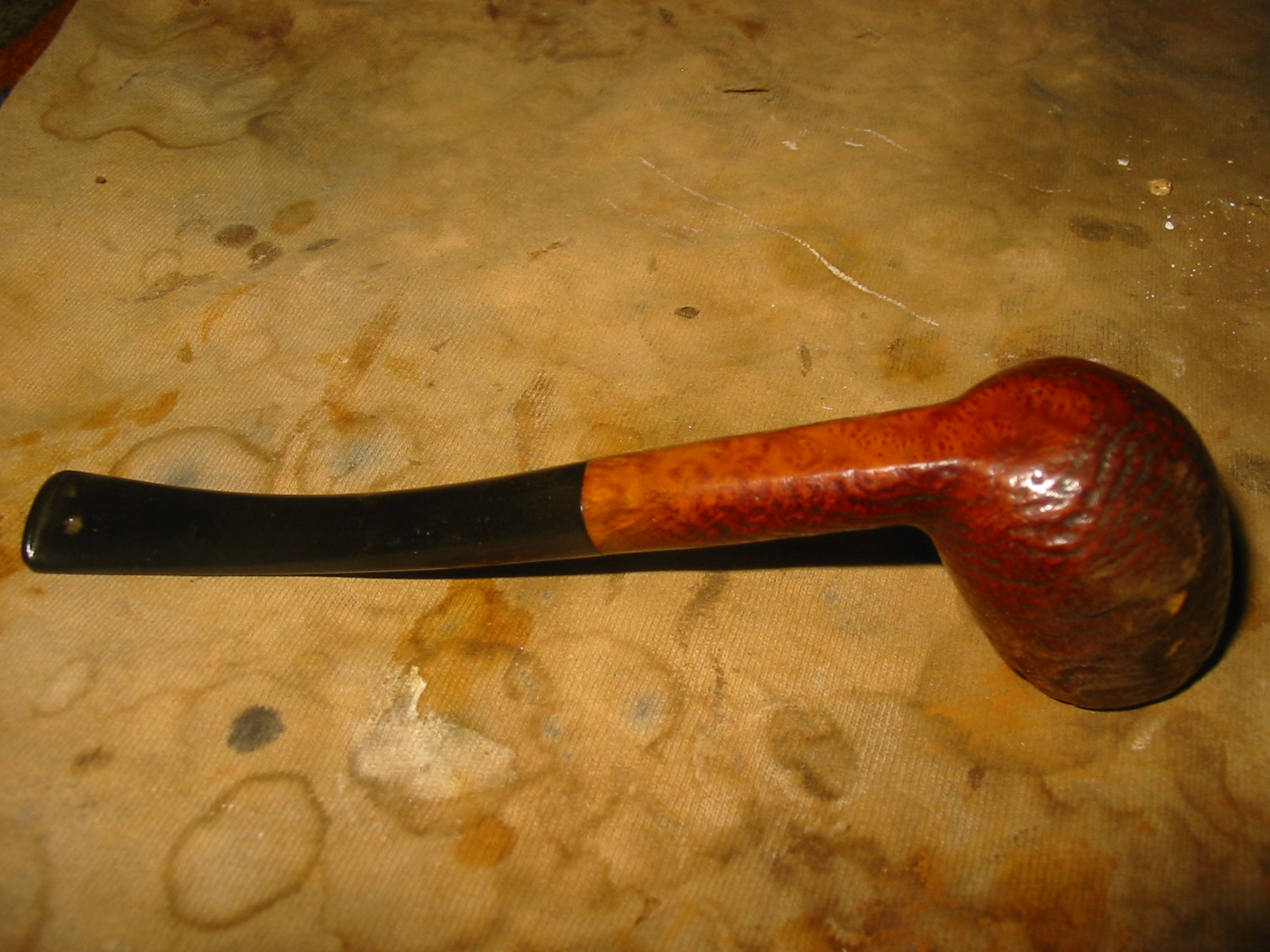
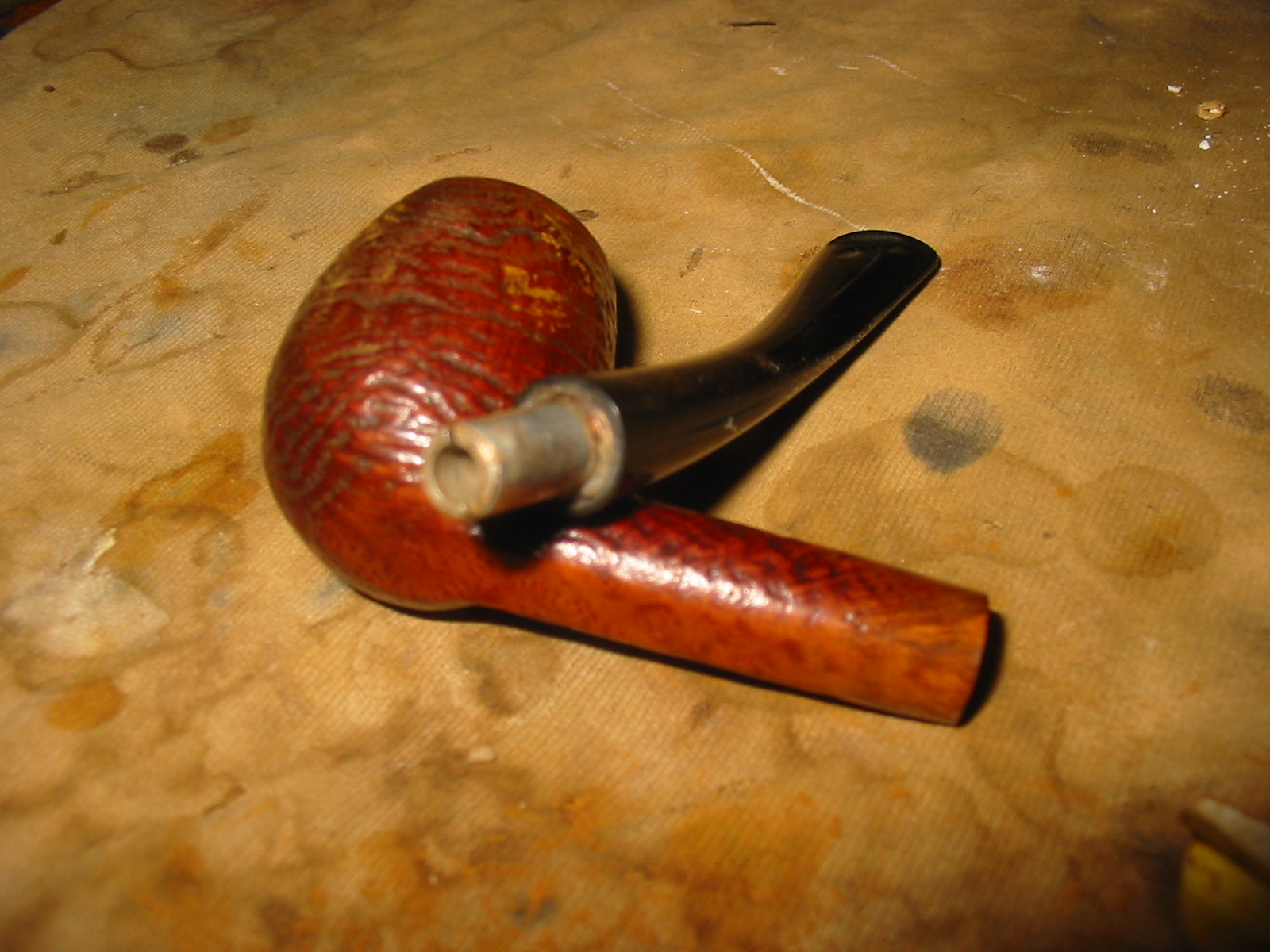
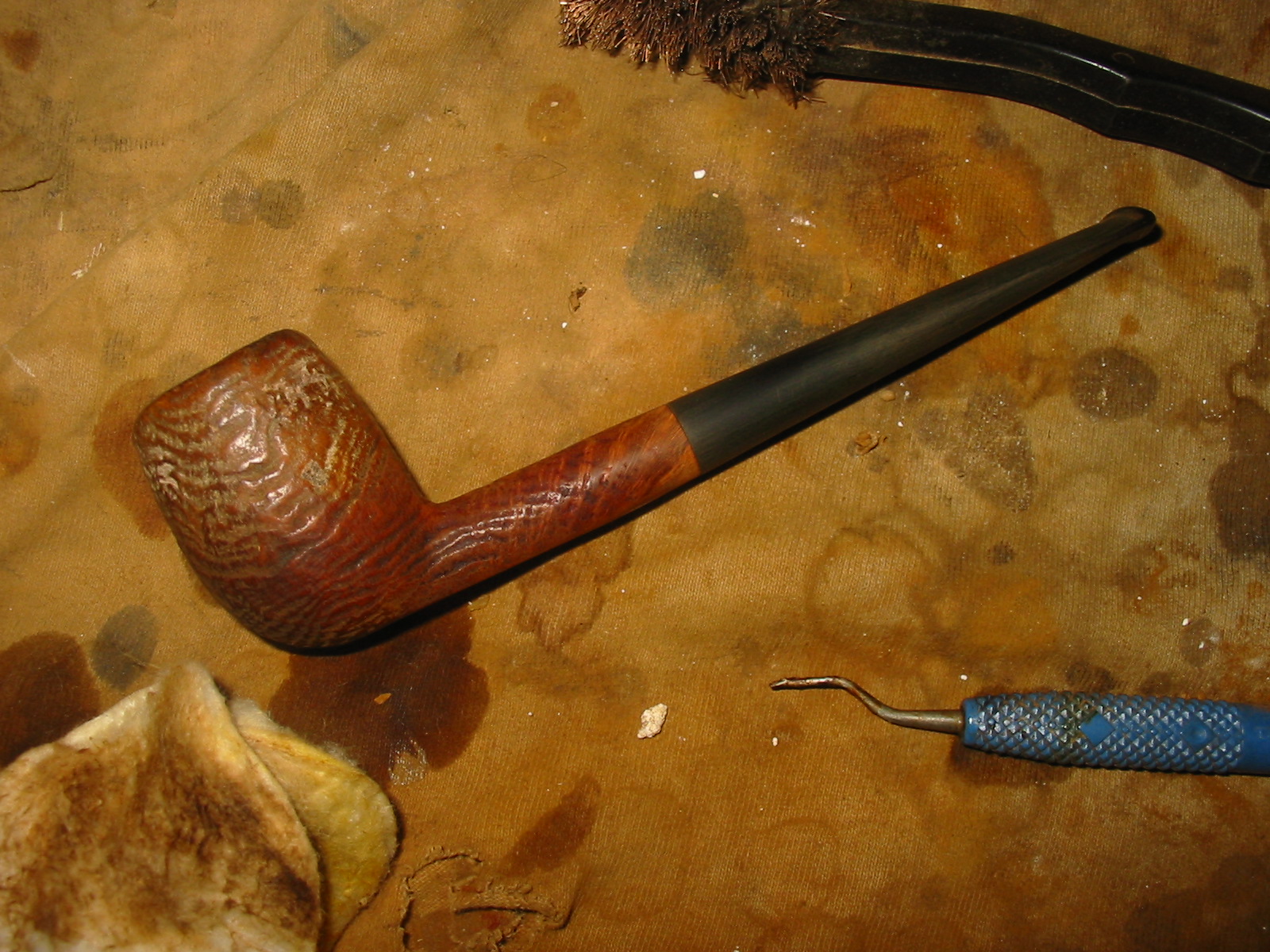
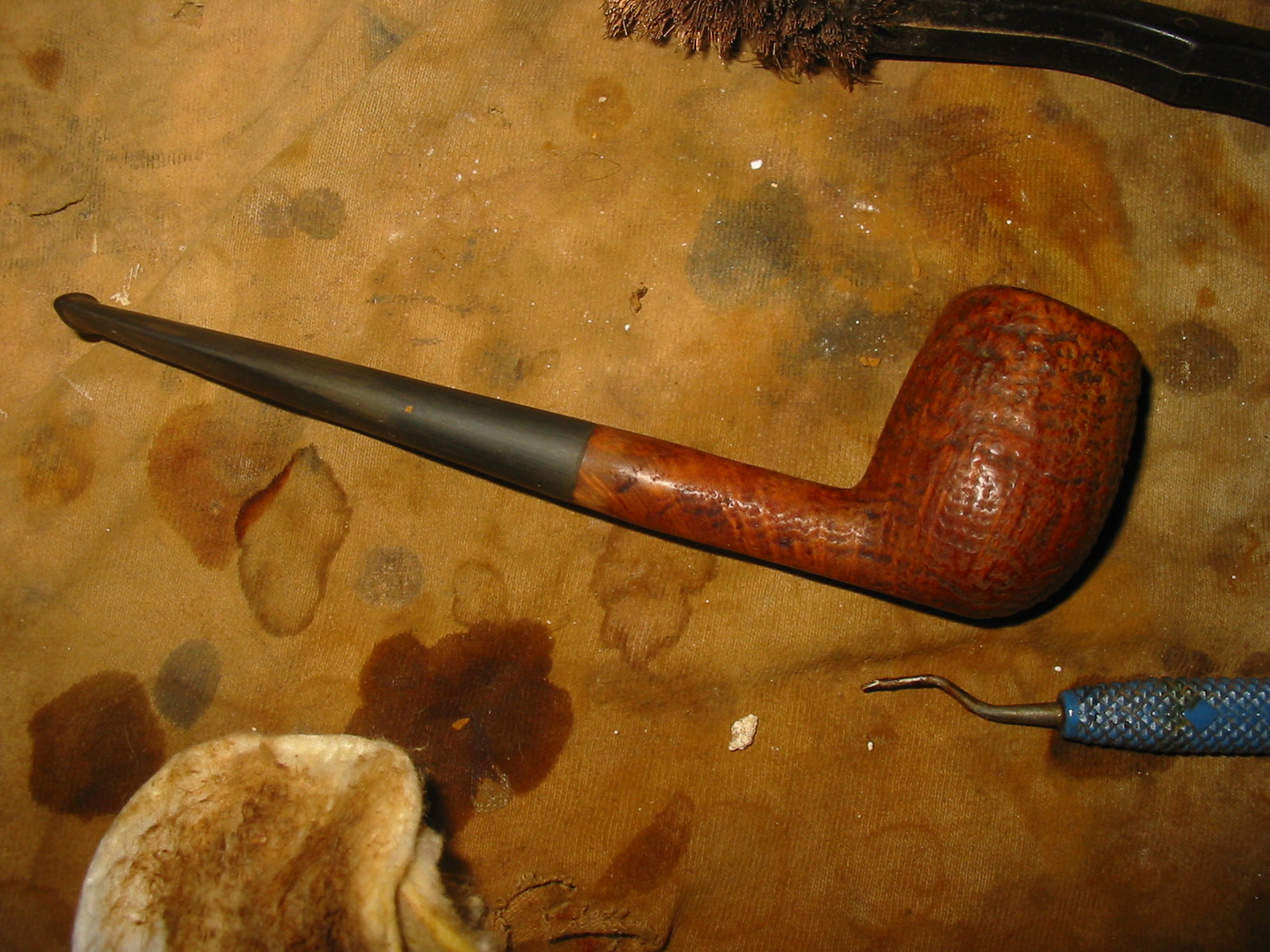
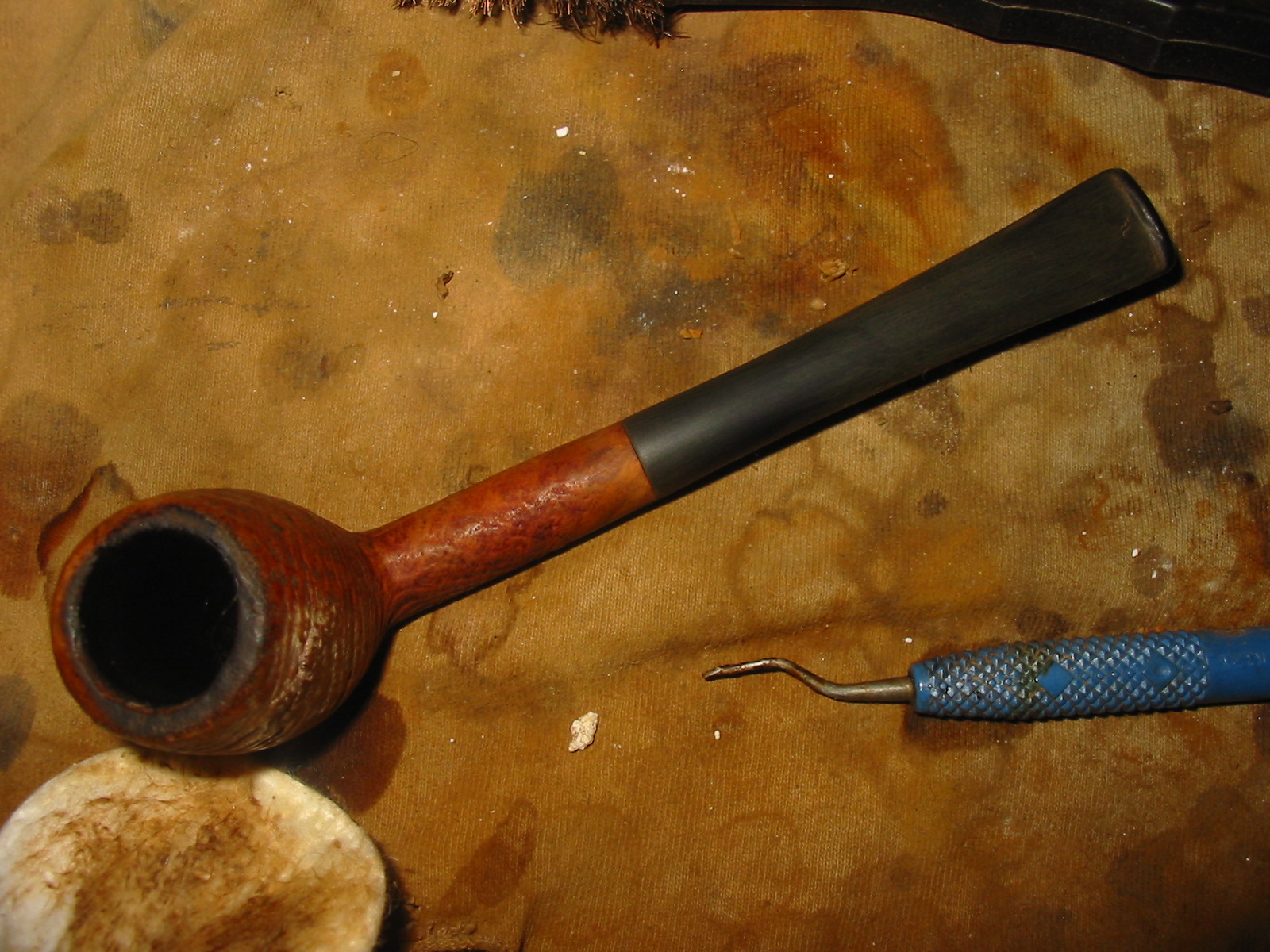
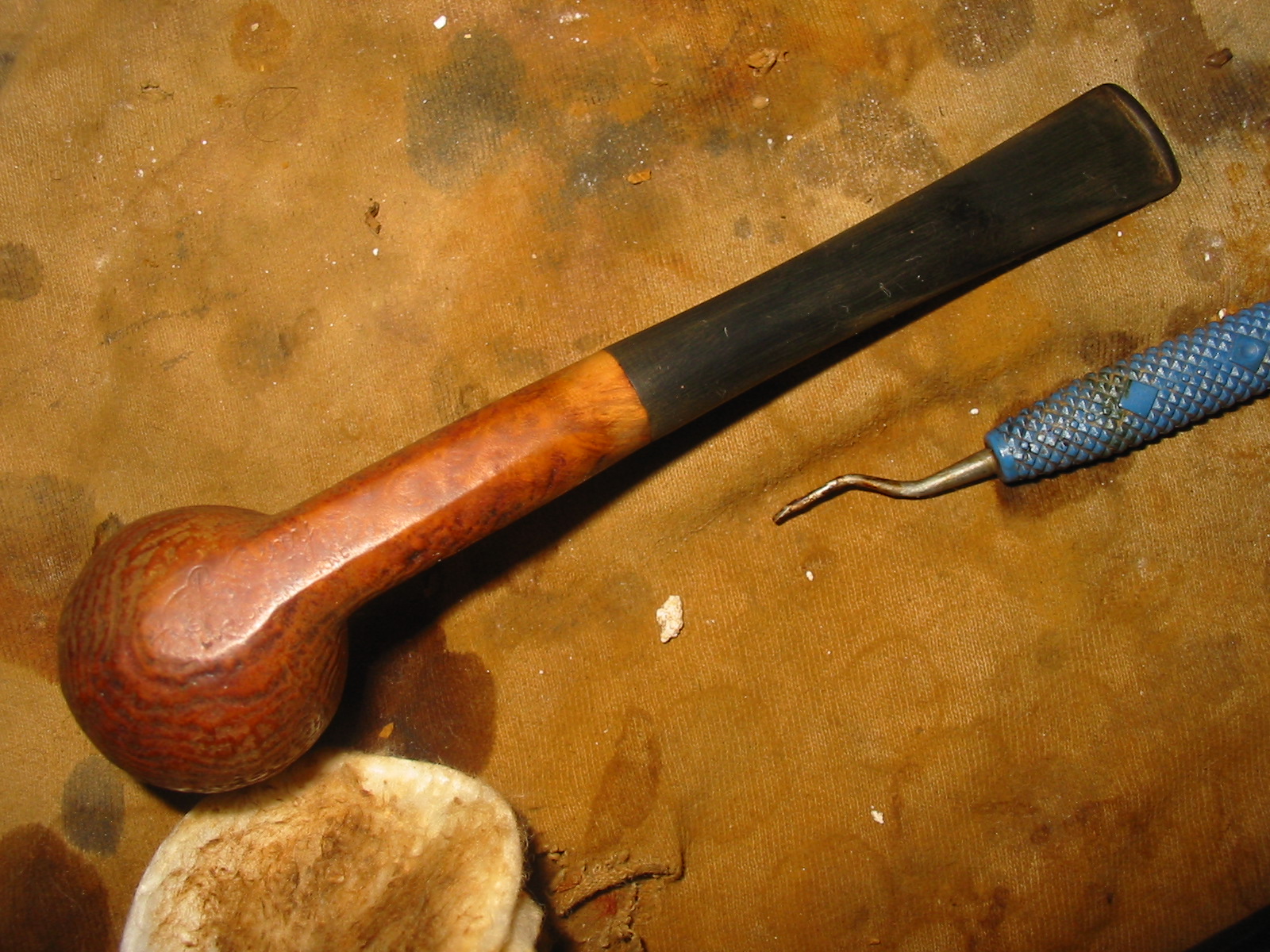
Resuscitating a Peterson Donegal Rocky 338 Bent Billiard


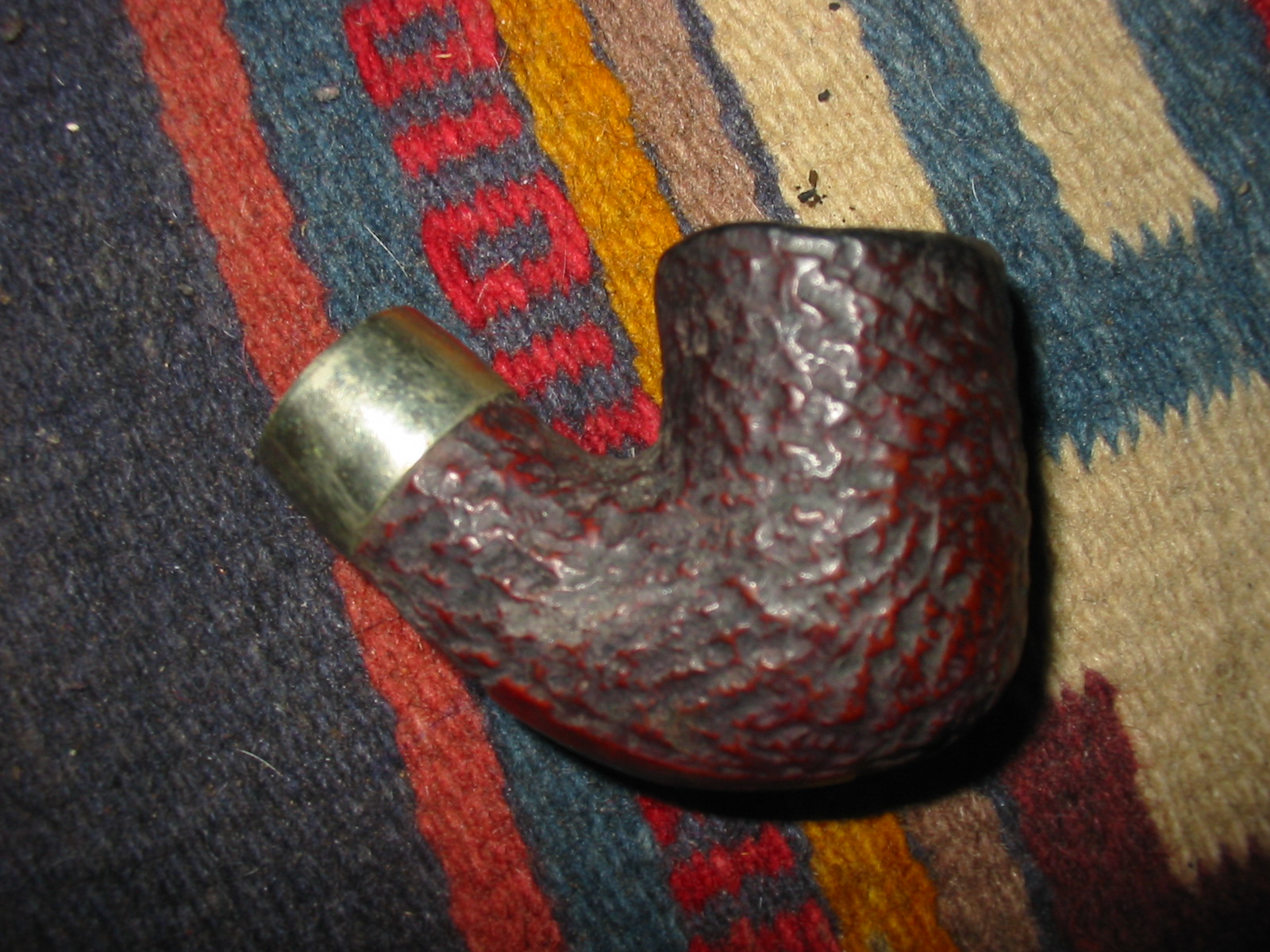
A few weeks ago one of the EBay sellers that I have bought several pipes from over the years had three Peterson bowls, sans stems listed for sale. They were in rough shape but I decided I wanted to give refurbishing them all a try. Besides one of them was a 999S and I love the 999 shape. That alone would have pushed me to make a bid on this lot. I ended up buying the threesome for more than I usually pay for pipe bowls but I figured it was worth the effort. This is the photo of the threesome from the sale listing.

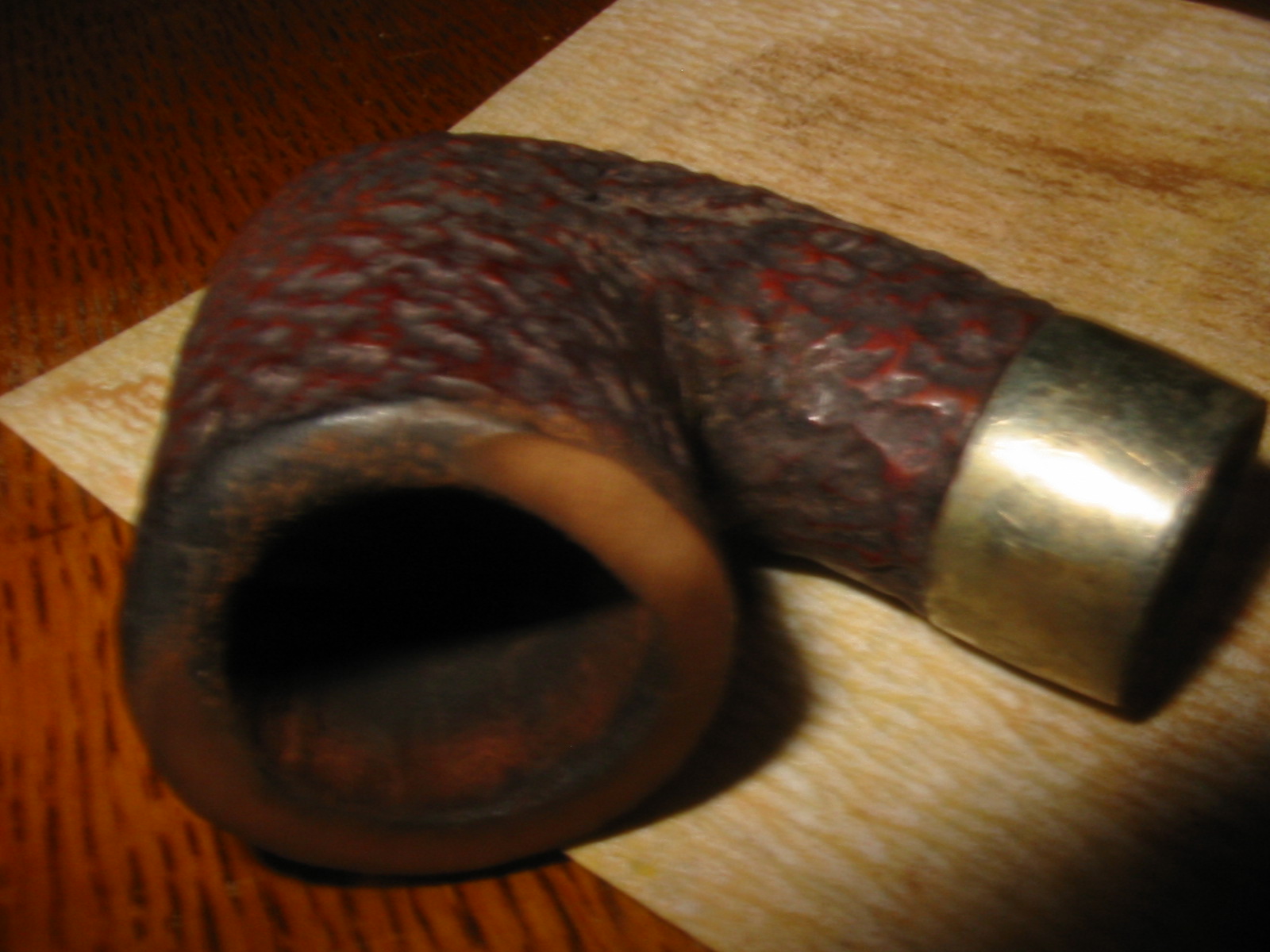
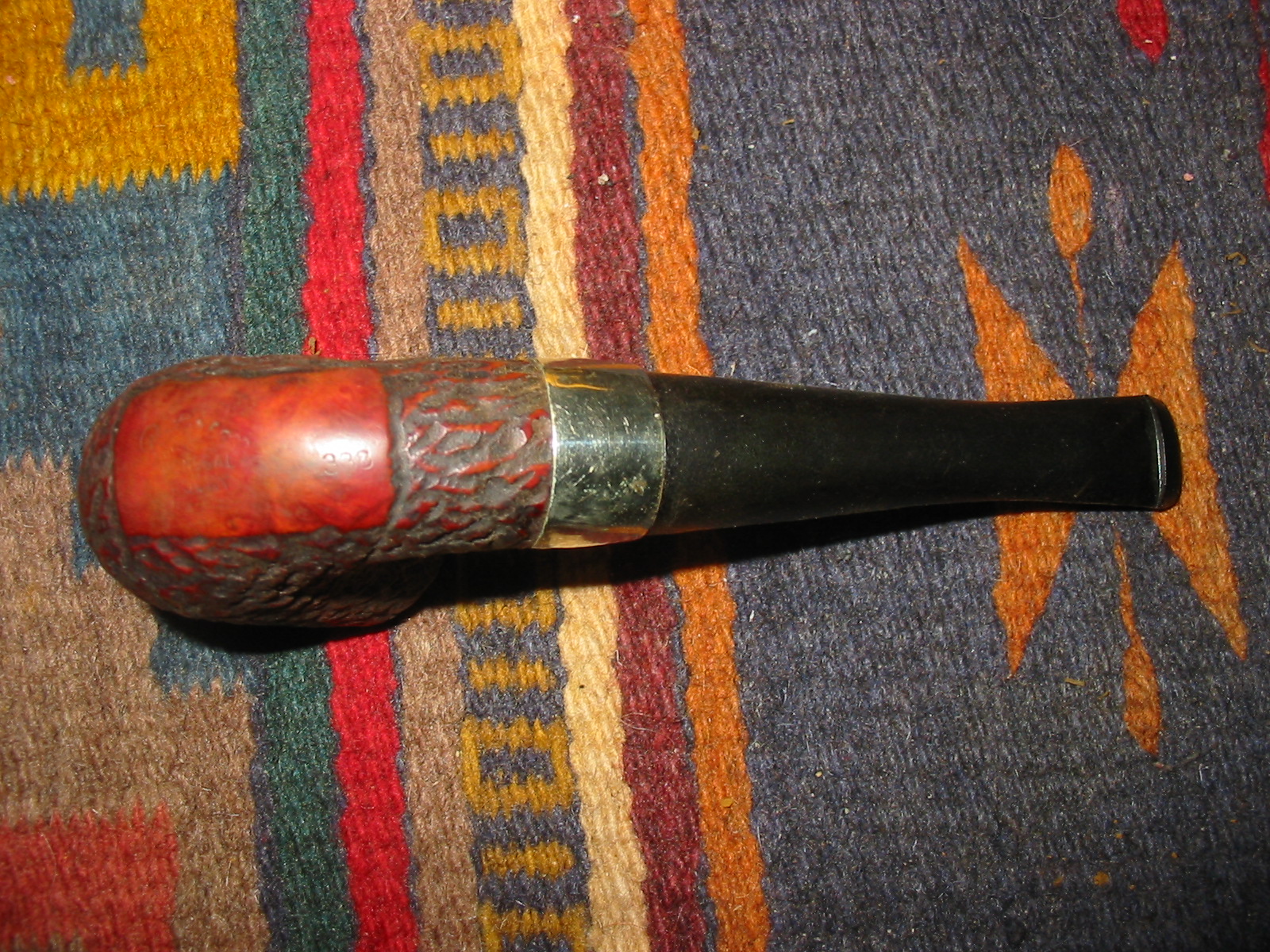
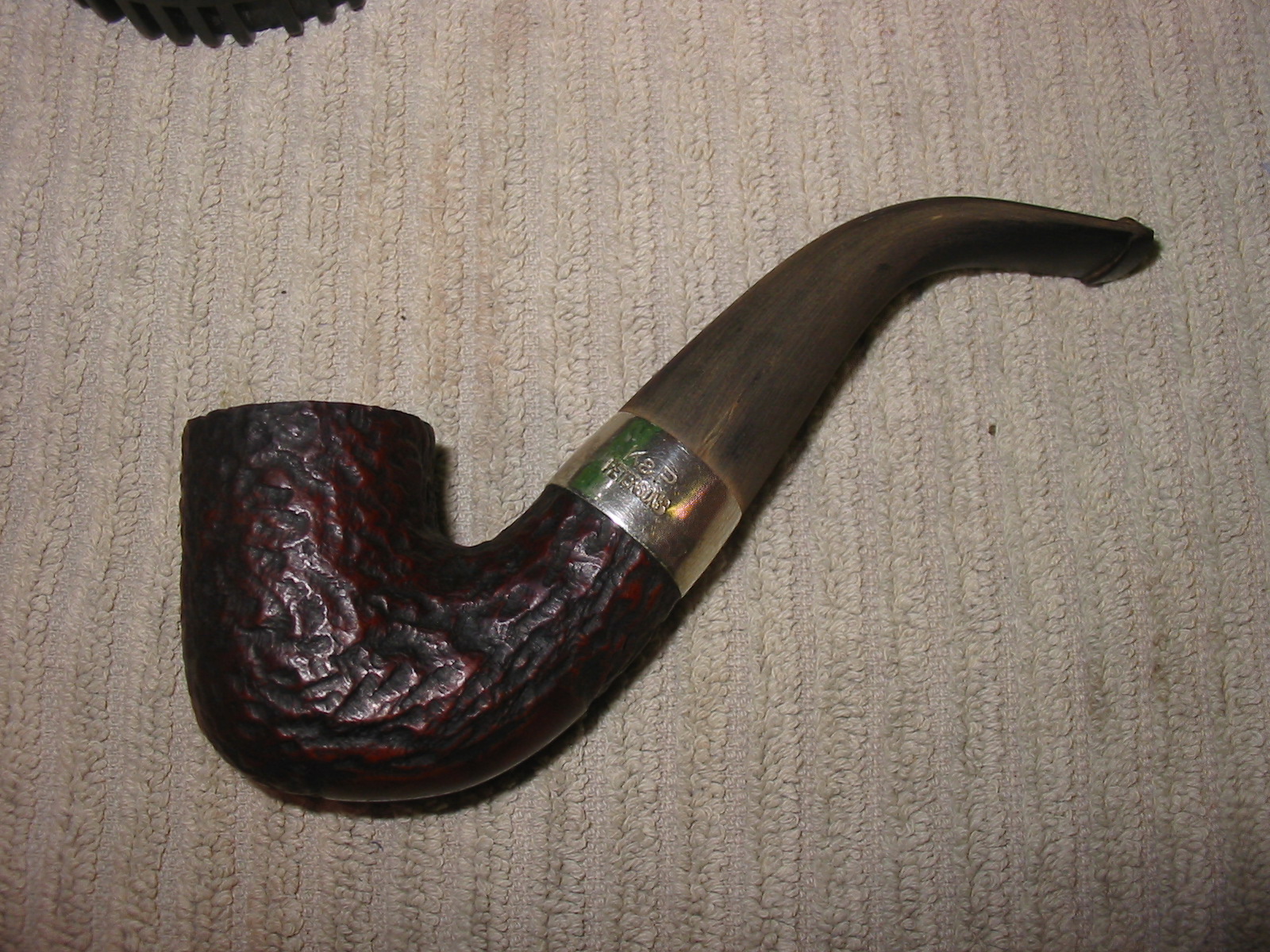
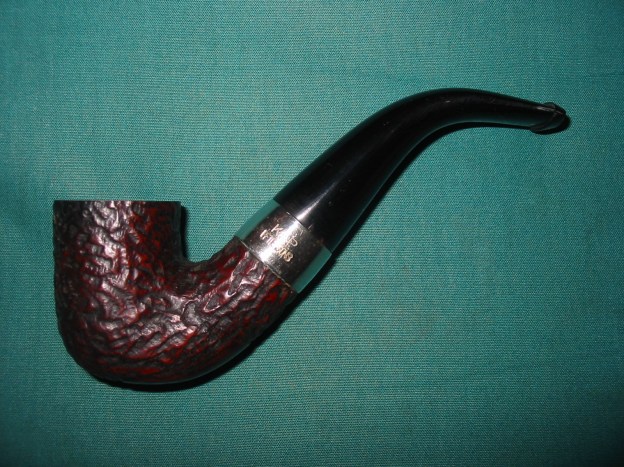
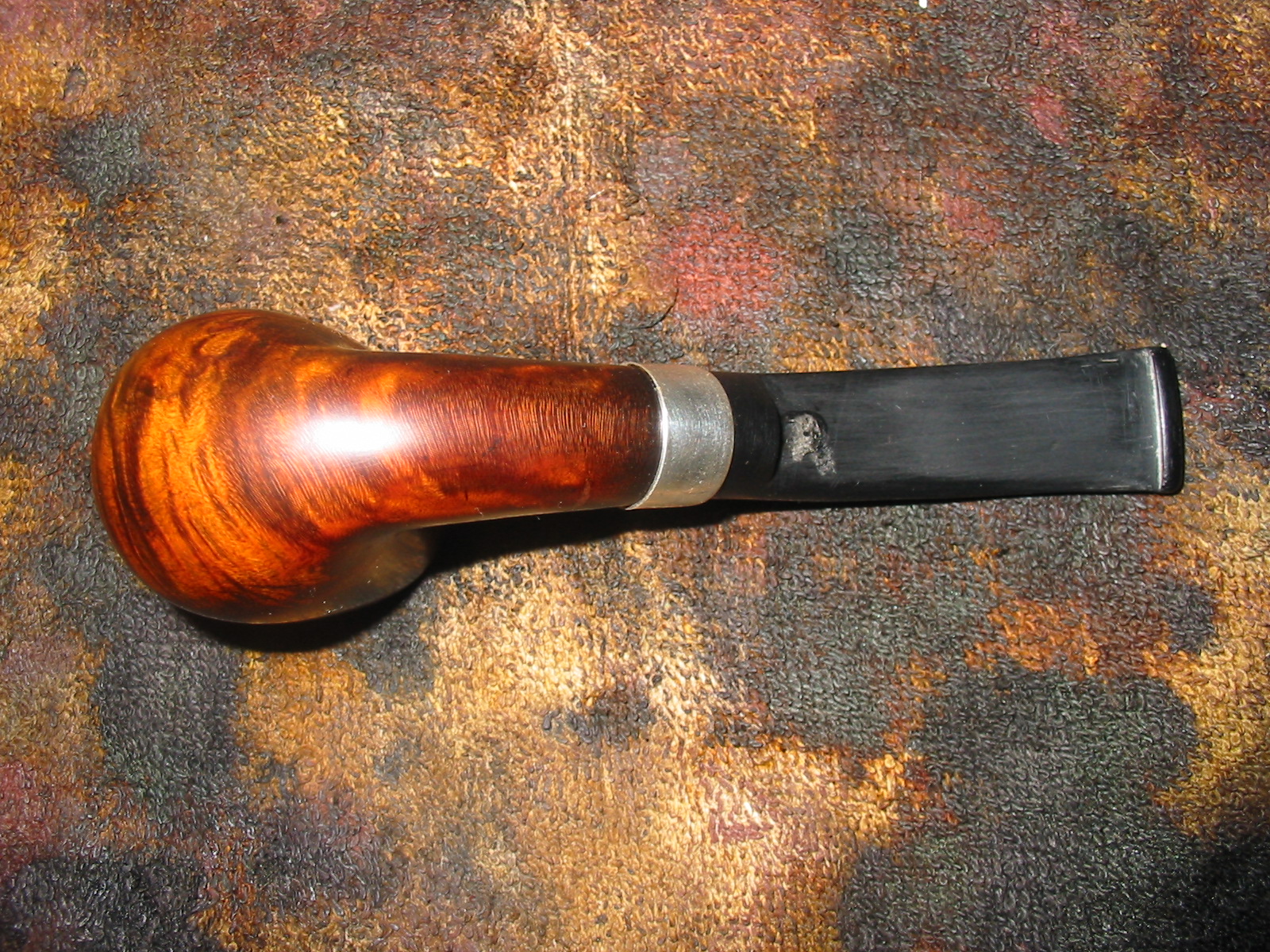
The first of the three Peterson bowls is on the worktable at the moment. The finish was very rough on the pipe. It had built up grime in all of the grooves of the rustication. The inside of the bowl was caked almost to the top of the rim. The shank was one of the foulest things I think I have seen before. It was caked with oily tars from just inside the edge of the mortise to the bottom of the mortise. The rim was badly damaged with the front edge burned down lower than the rest. The rim was ragged looking and uneven all the way around. It looked to be solid though underneath the damage. The stamping on the underside of the shank said Petersons Donegal Rocky with the shape number 338. All the stamping is quite faint but still readable with a lens.
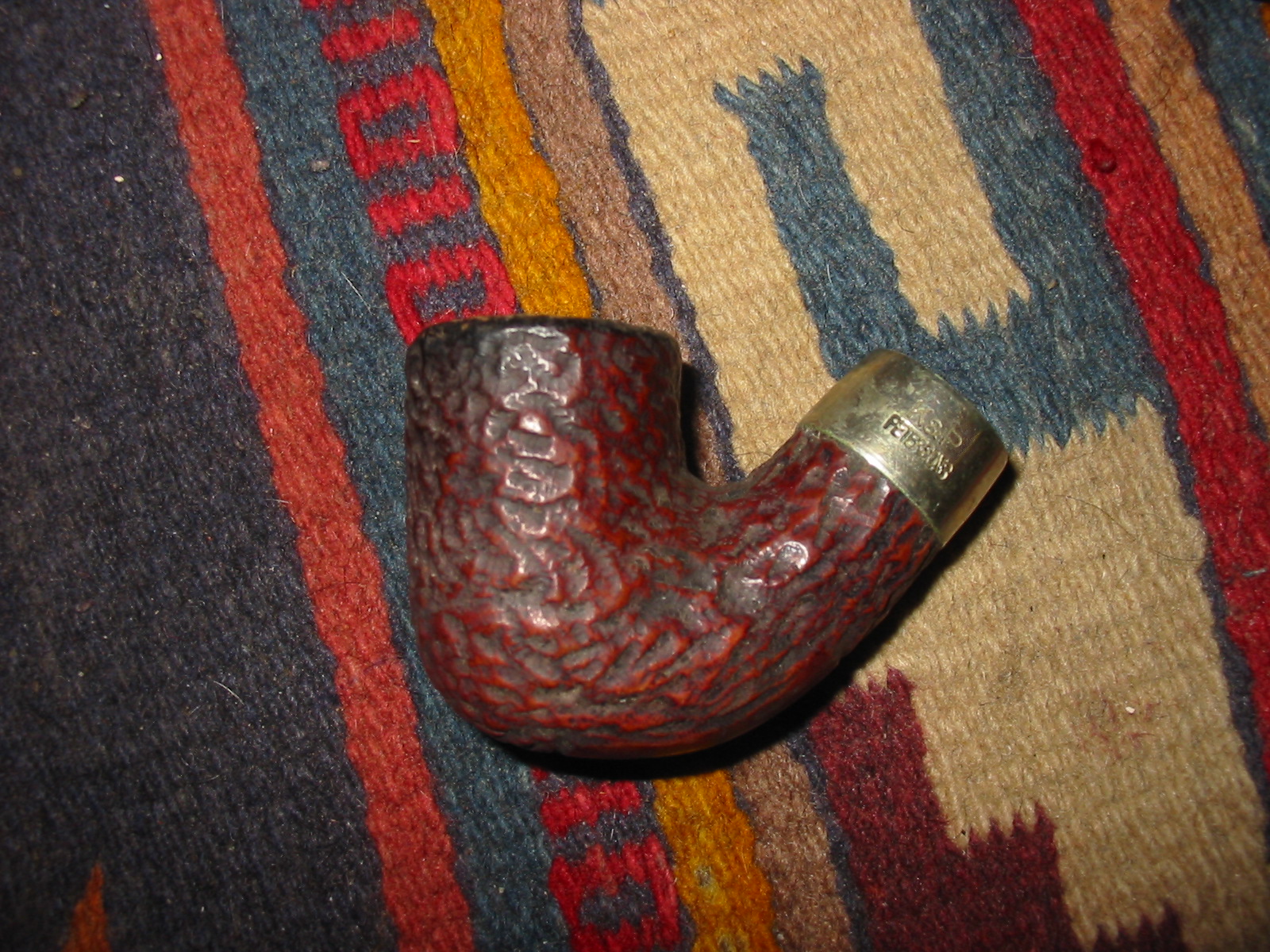
IMG_7098

IMG_7099
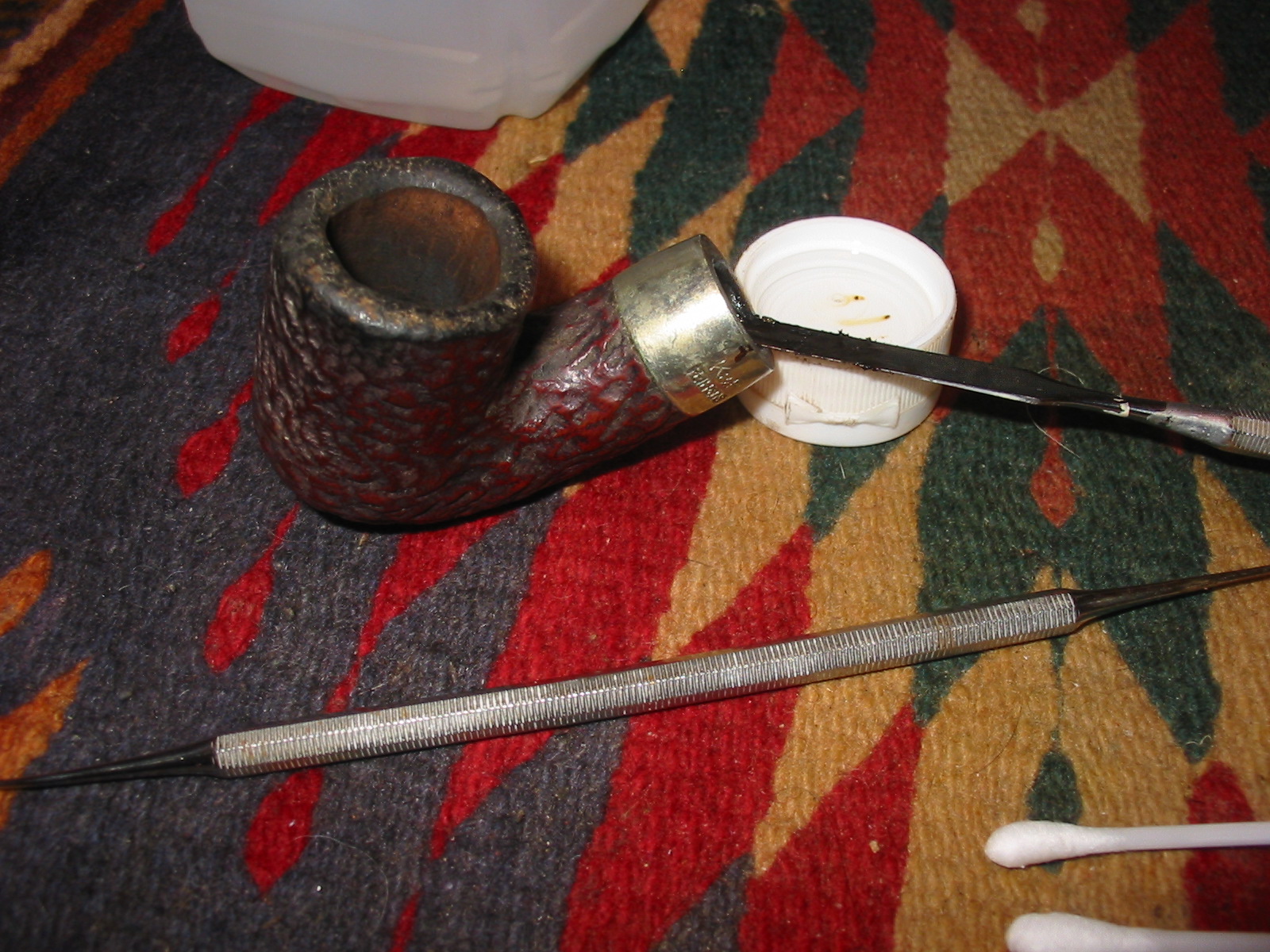
I cleaned and reamed the bowl. It is funny how short and easy that sounds but in this case that was not true. The cake in the bowl was like concrete and had totally closed off the bottom half of the bowl. The remaining top half had a slight slice to the airway but that effort was useless as the shank was completely clogged and no air could go through. I reamed as much of the bowl as I could with a PipNet reamer, not even getting as low as the airway. This stuff was very hard. I cleaned the shank with alcohol and cotton swabs. I tried to push a pipe cleaner through the clogged airway in the shank and was unable to get it to through. I decided to throw the bowl in an alcohol bath to soak for several hours to loosen things up.
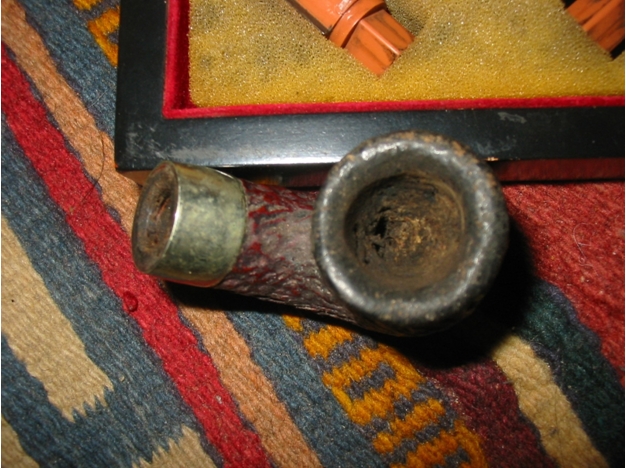
IMG_7100

IMG_7111
When I took it out of the bath the alcohol soak had done its work. I was able to ream the rest of the way to the bottom of the bowl and completely remove the cake. I was able to push a wire through the airway and then cleaned out the airway and shank with cotton swabs and some assorted dental tools (thanks Joyal).
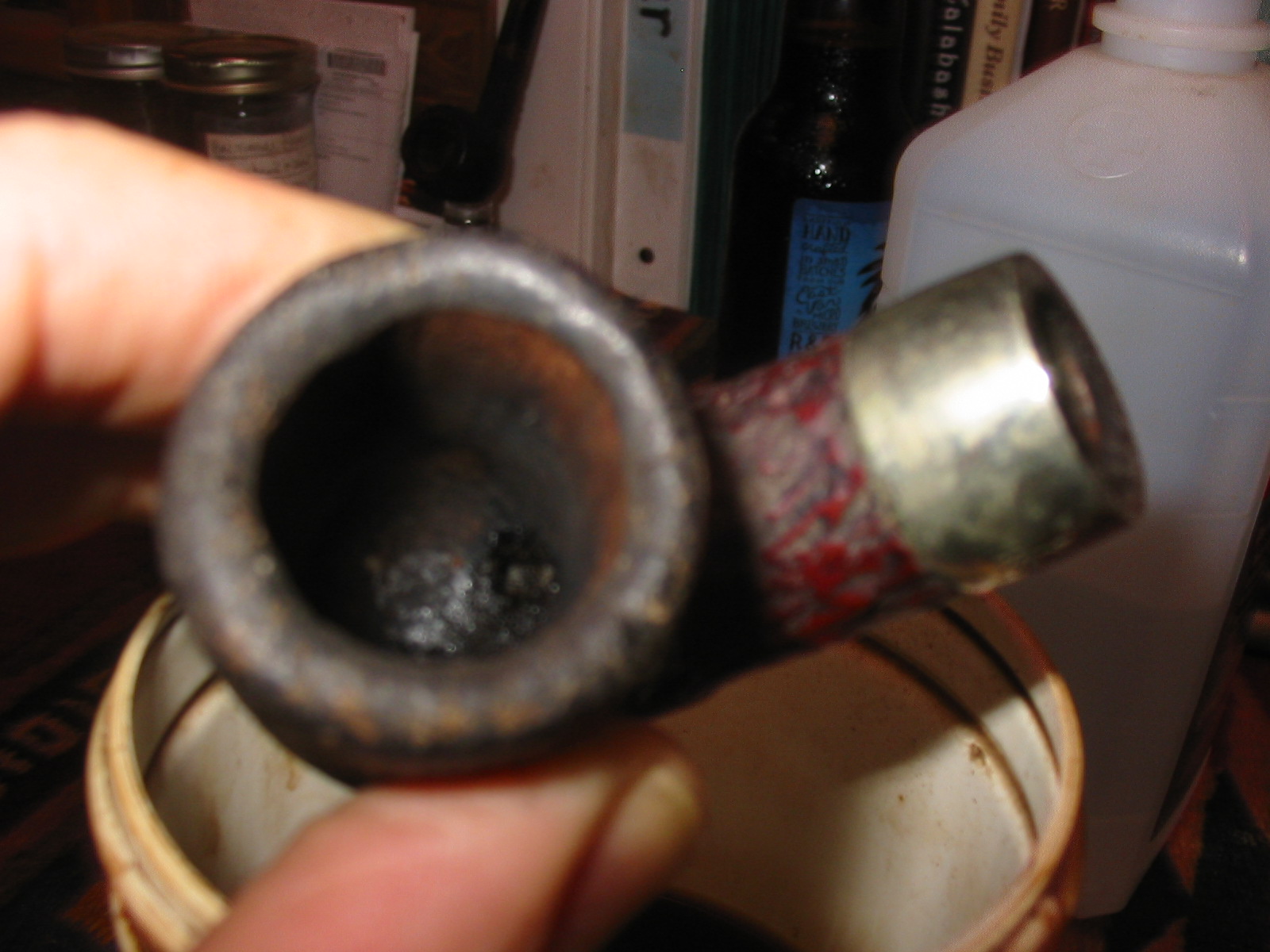
IMG_7112

IMG_7108
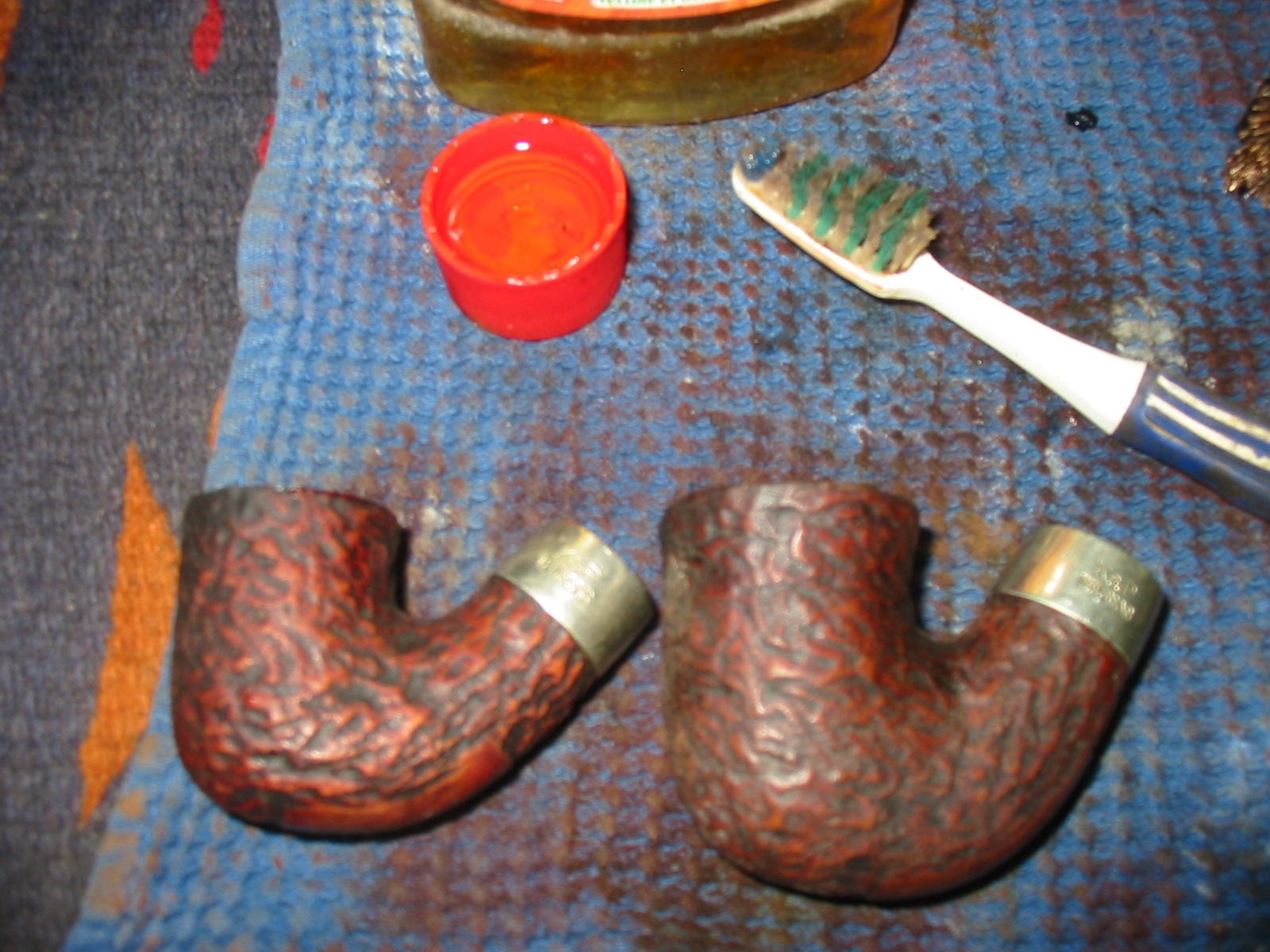
I scrubbed the rusticated finish of the bowl with Murphy’s Oil Soap and a tooth brush. I used a soft brass bristle brush to work on the rim and clean up the loose build up. Once I had scrubbed it I rinsed it with warm water. I dried it off and still had to do some more scrubbing. I cleaned the inside of the bowl and shank with the dental tools and cotton swabs and alcohol.
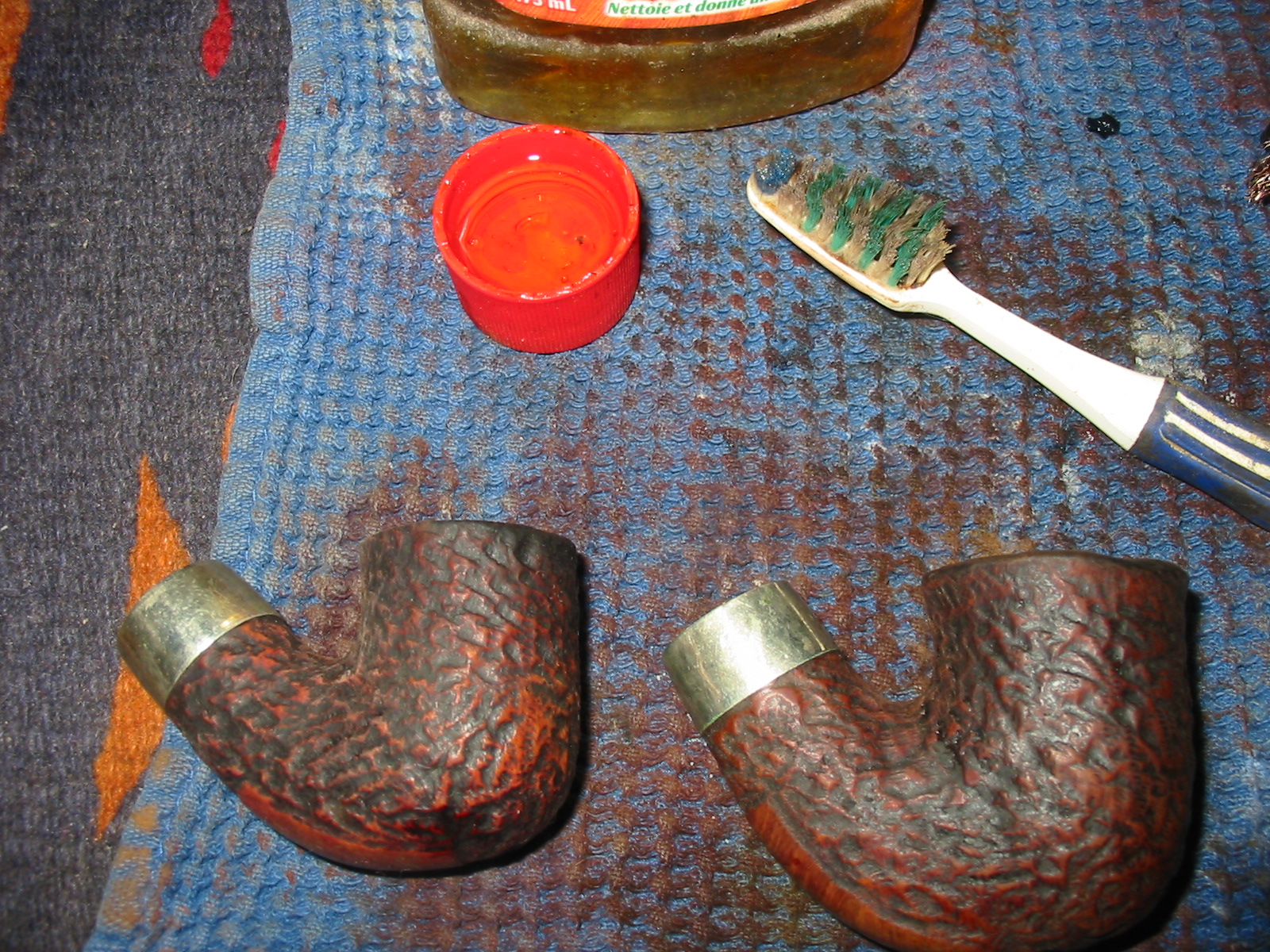
IMG_7125

IMG_7127
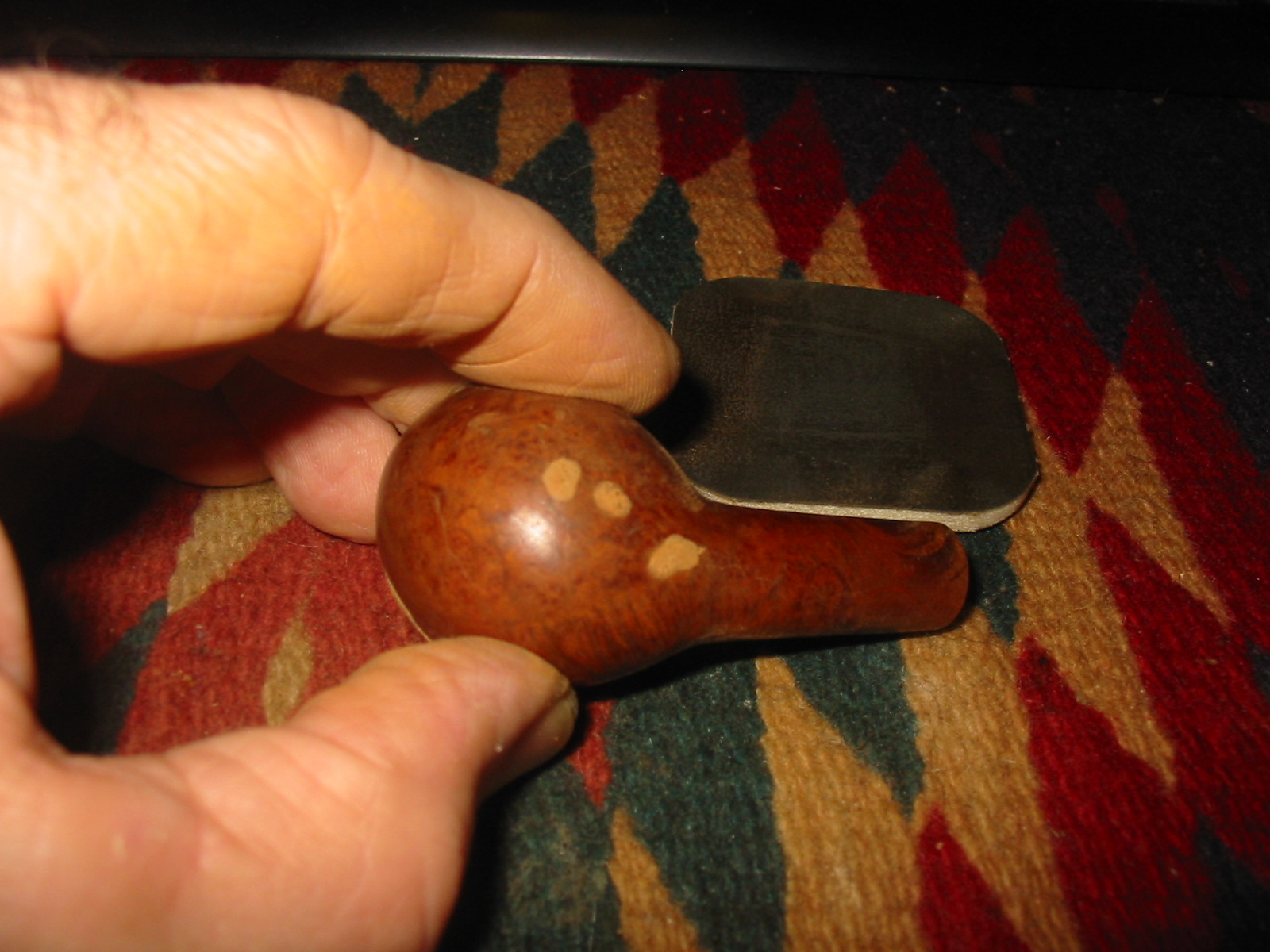
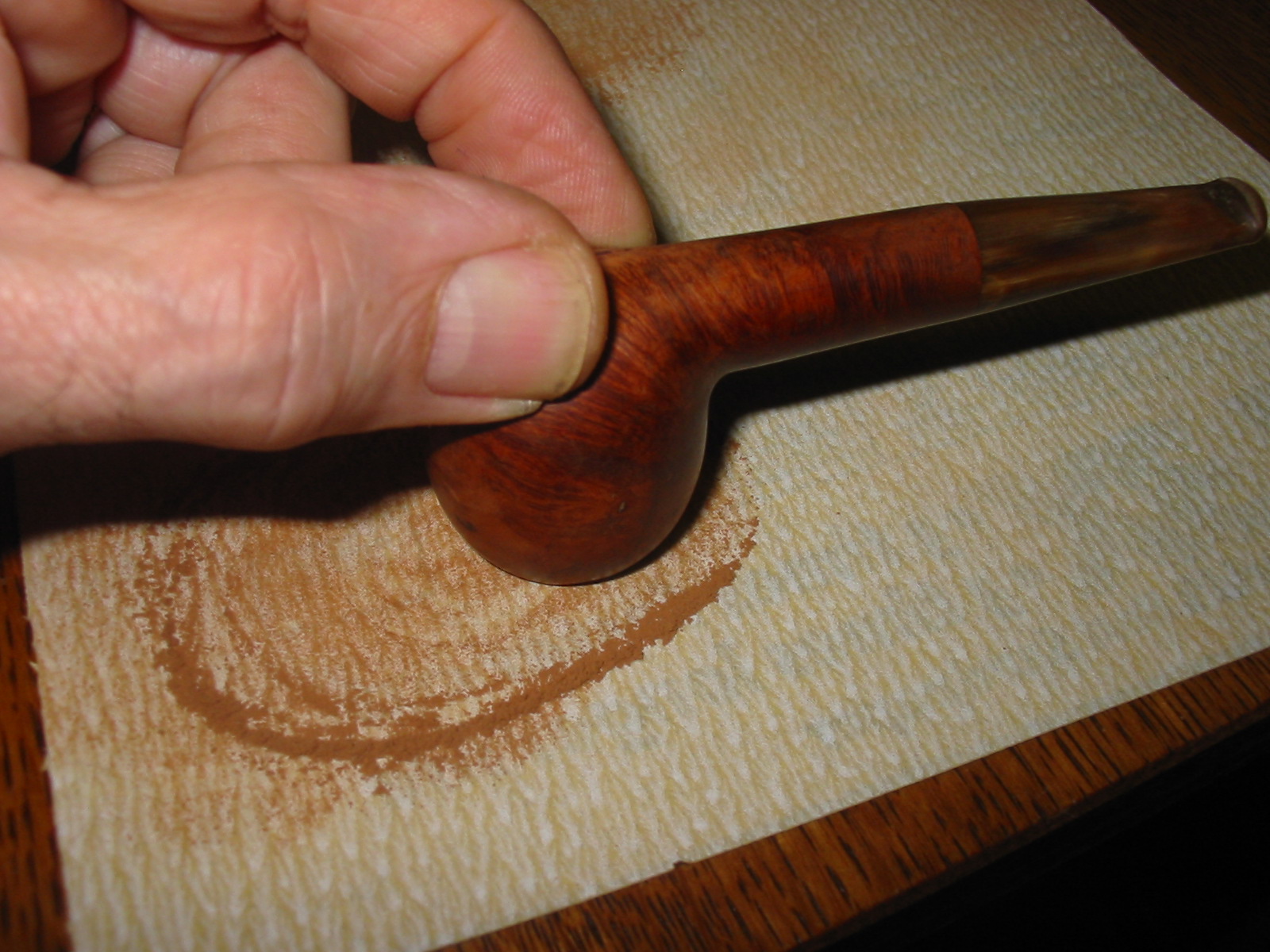
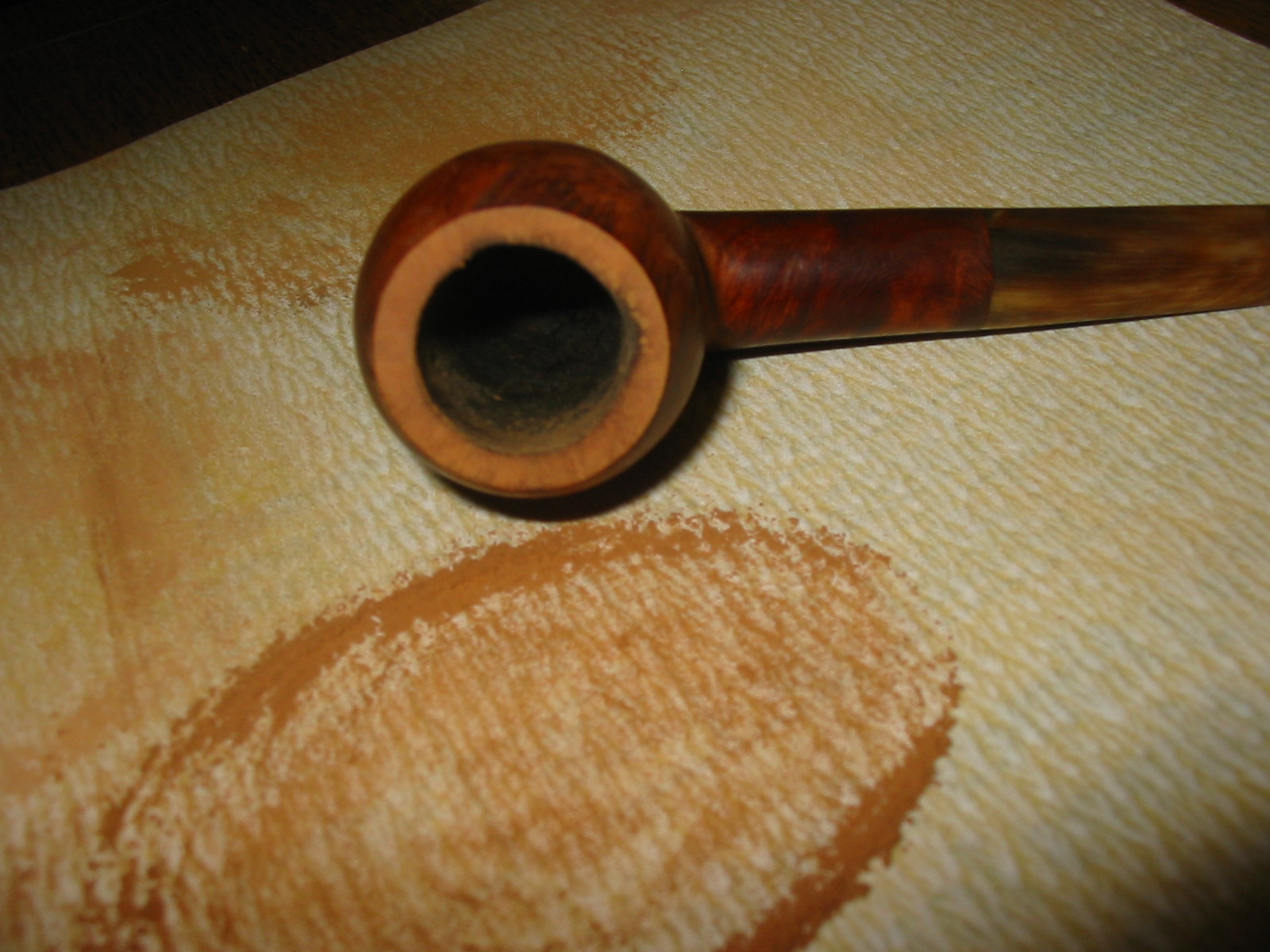
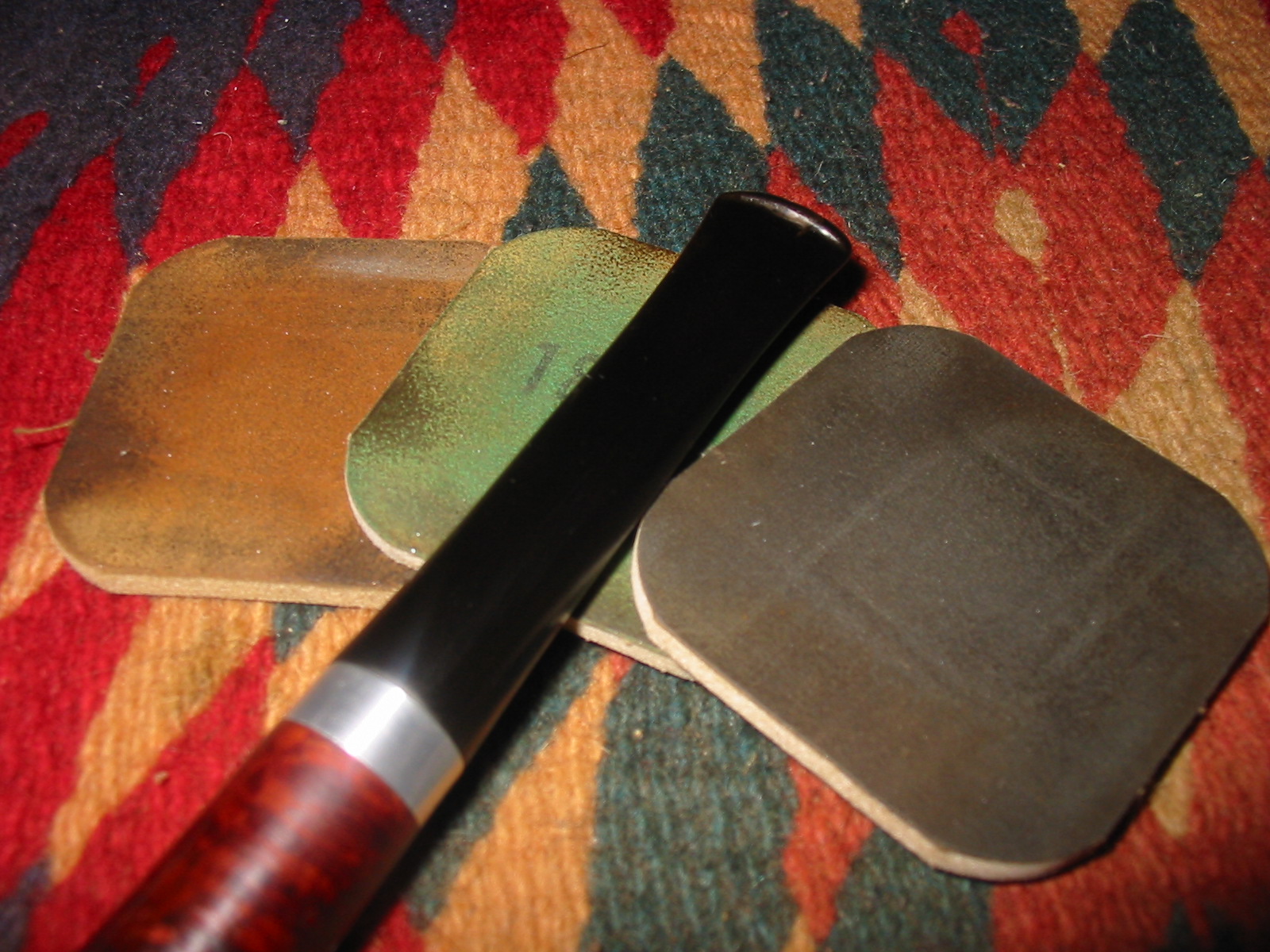
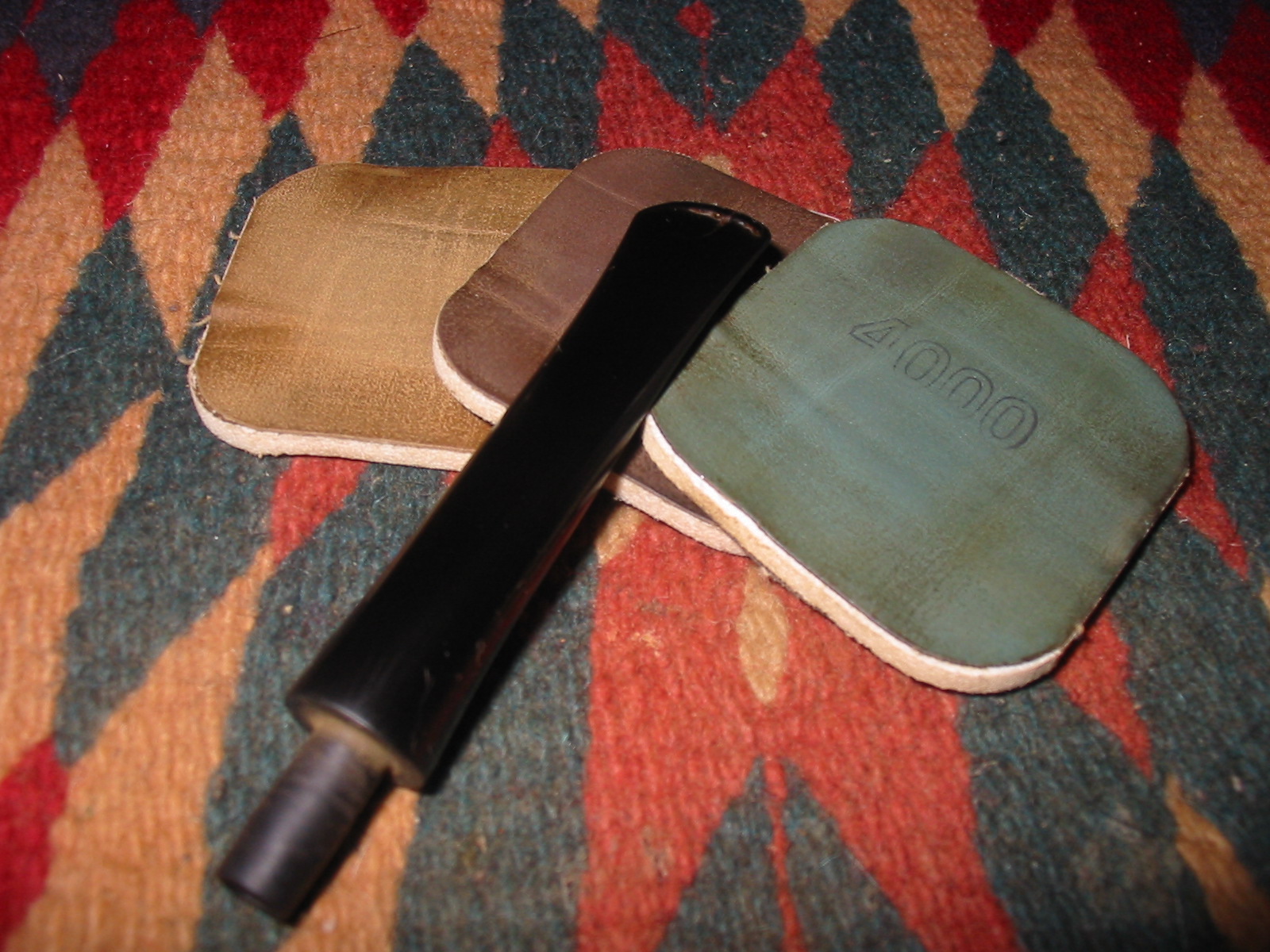
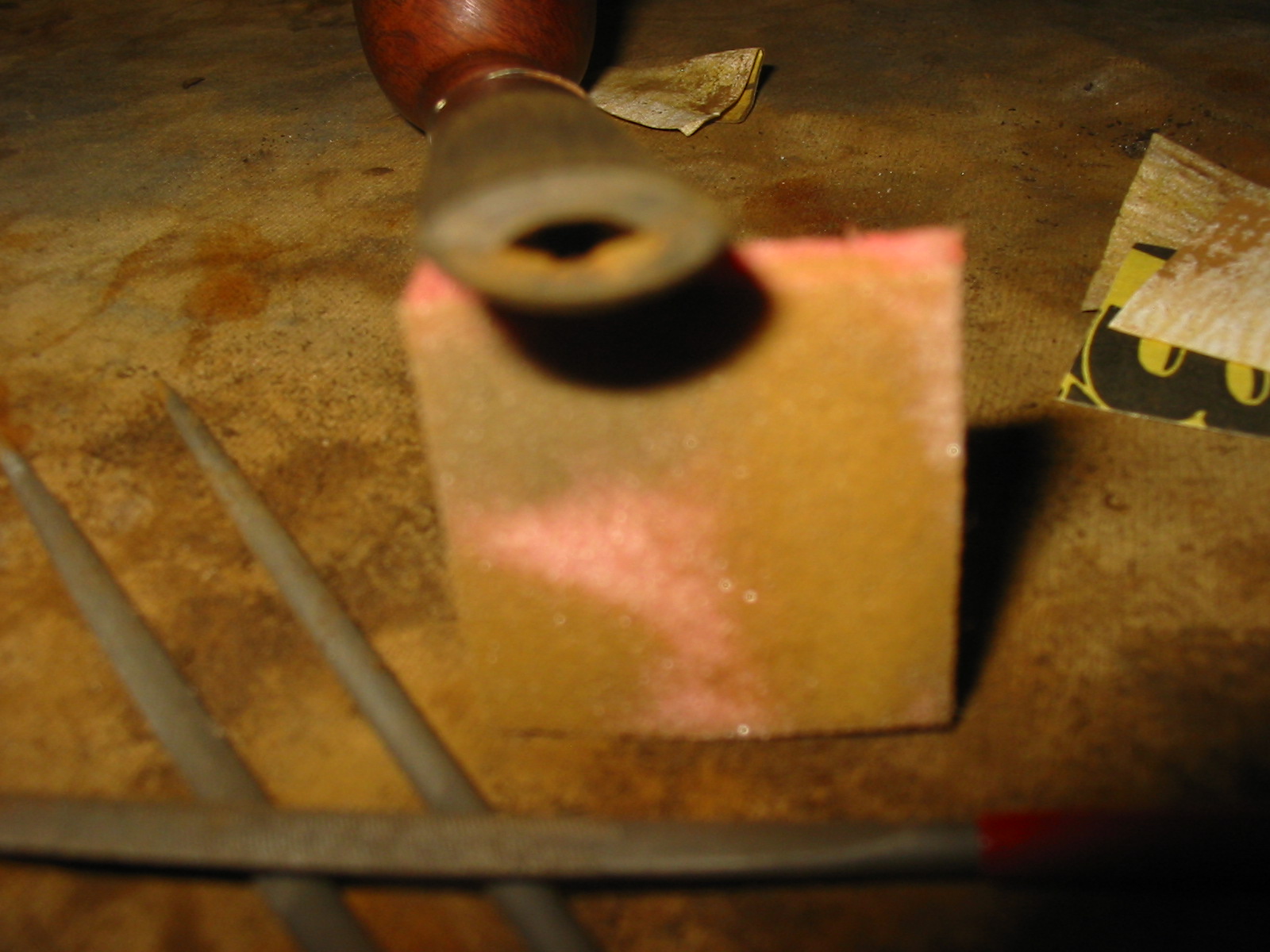
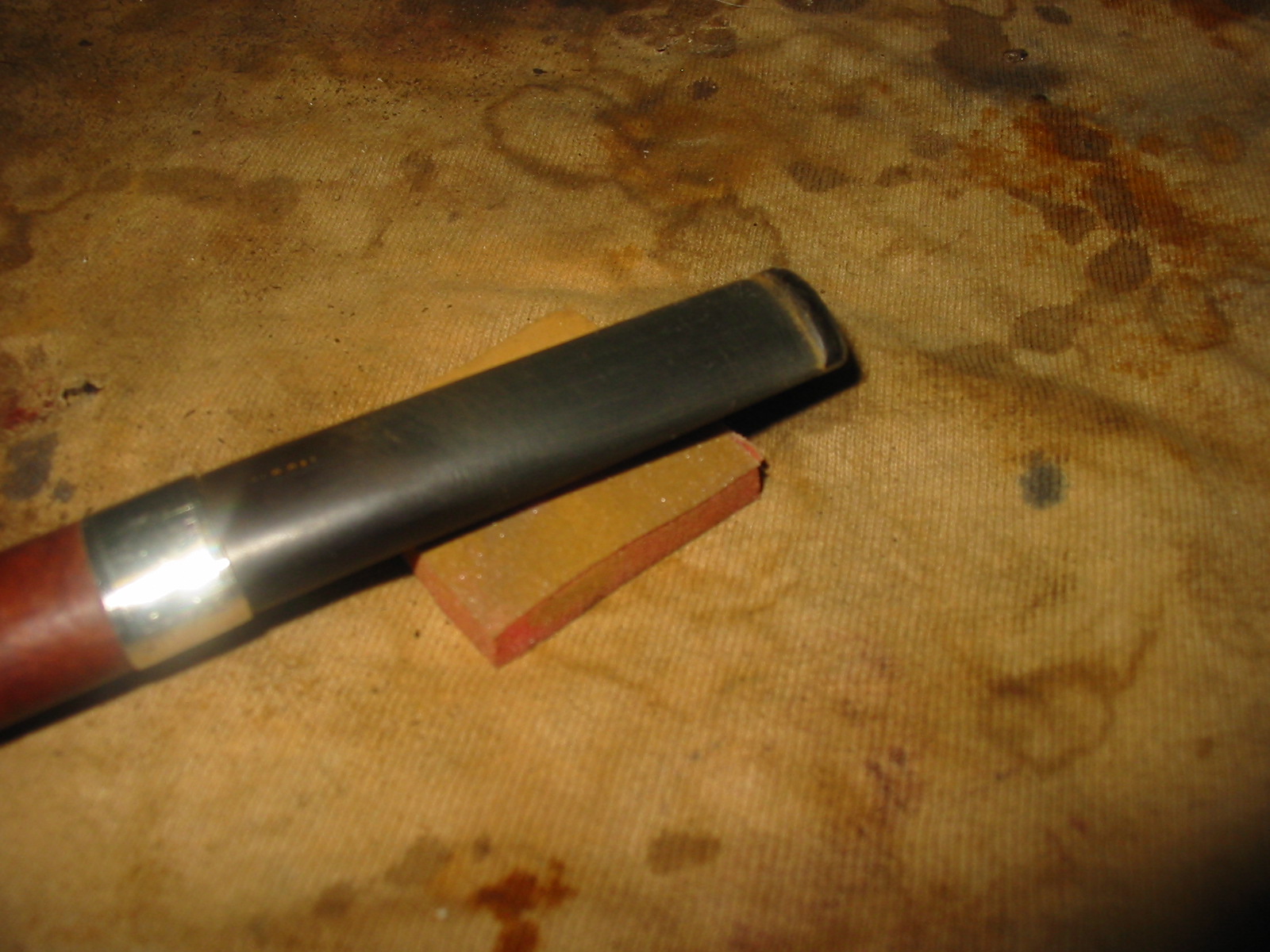
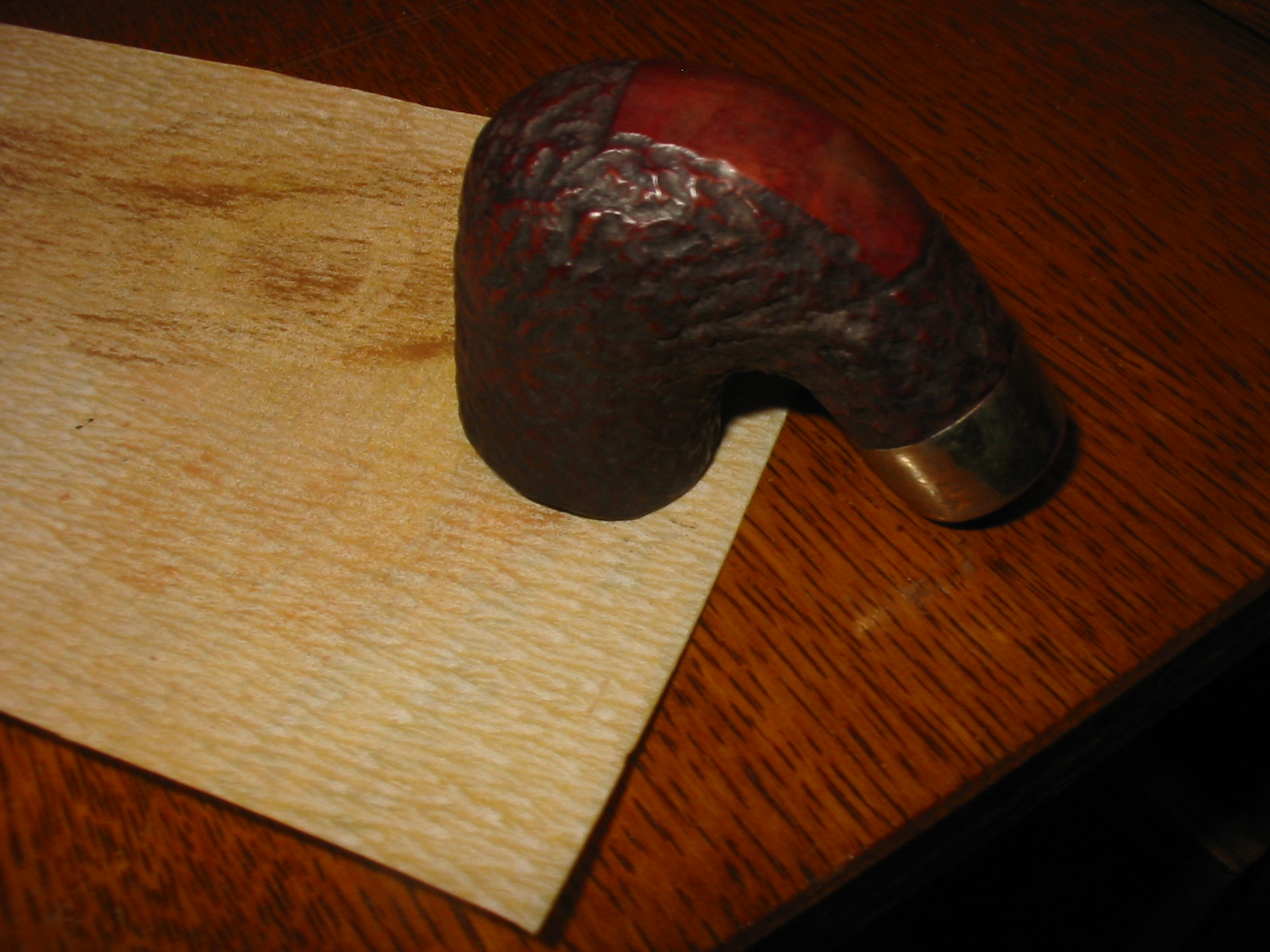
The rim was so badly damaged and uneven with the burned area that I topped it using the topping board and 220 grit sandpaper until it was flat.
IMG_7121

IMG_7123

IMG_7124
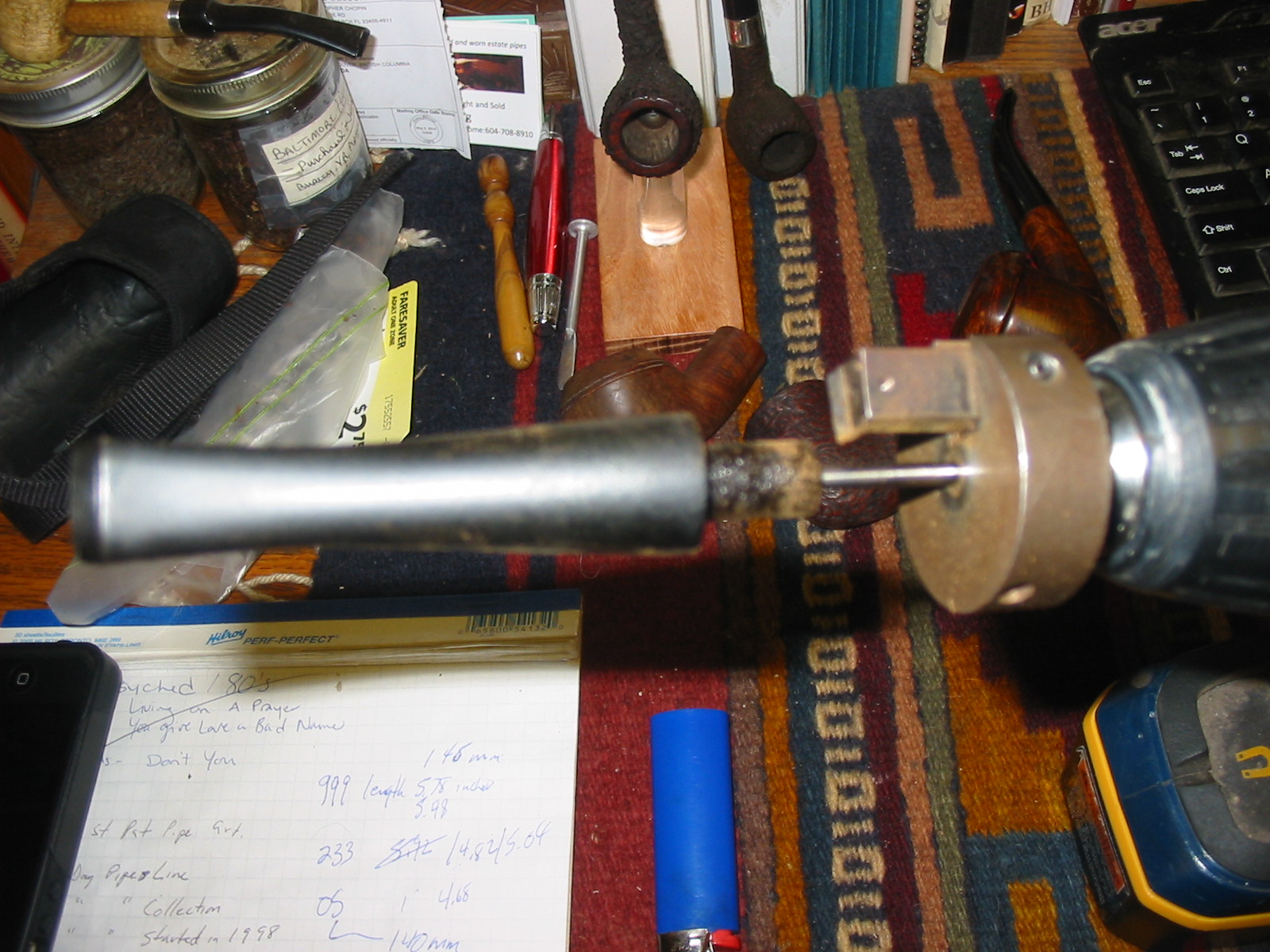
I went through my stem can and found a three inch long stem that was approximately the same shape and length as the original stem. I turned the tenon with the PIMO Tenon Turning tool and removed the castings on the sides and the end of the stem. I further shaped it with the Dremel and sanding drum.
IMG_7128

IMG_7129

IMG_7131

IMG_7132

IMG_7133
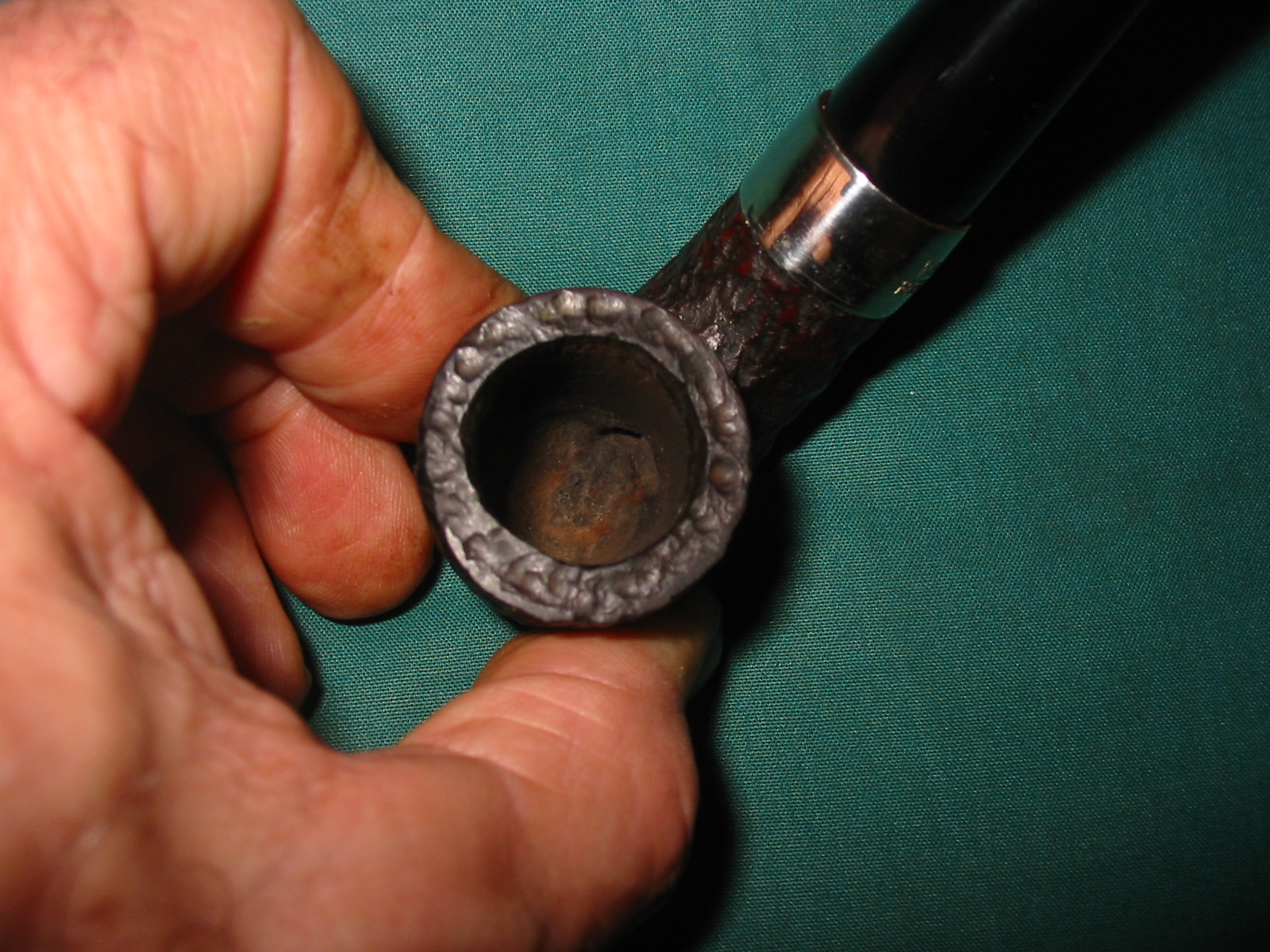
I wanted the top of the bowl to have the same rustication that it originally had before all the rim damage. It had a pattern that was similar to the rustication on the bowl itself. I looked on line to find photos of the rim of a Donegal Rocky that would be a pattern for me to copy. I put a dental bur that Joyal has given me on a Dremel tool and set the speed to a slow speed and used it to rusticate the rim to match the pattern in the photo of the bowl.
IMG_7134
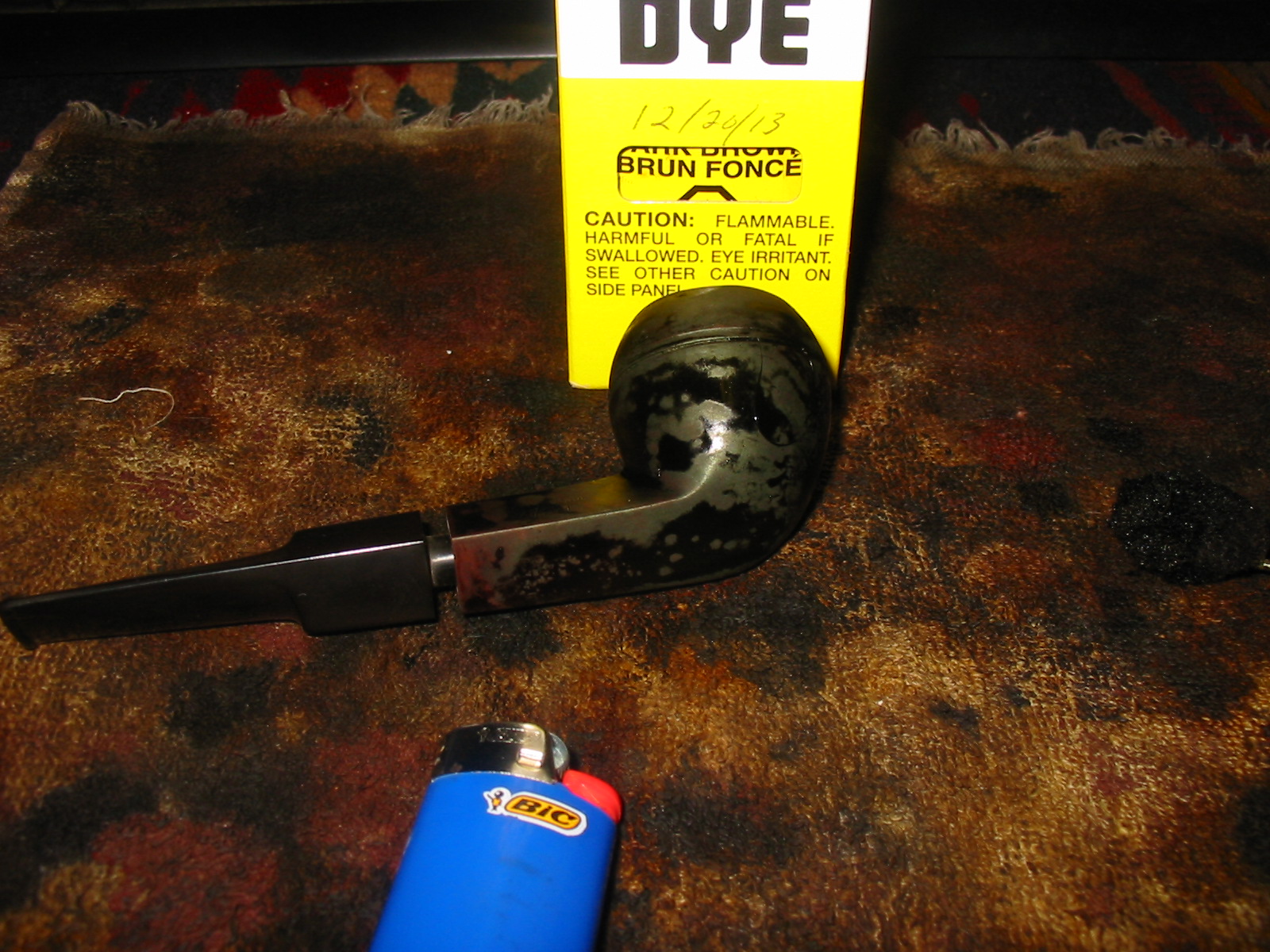
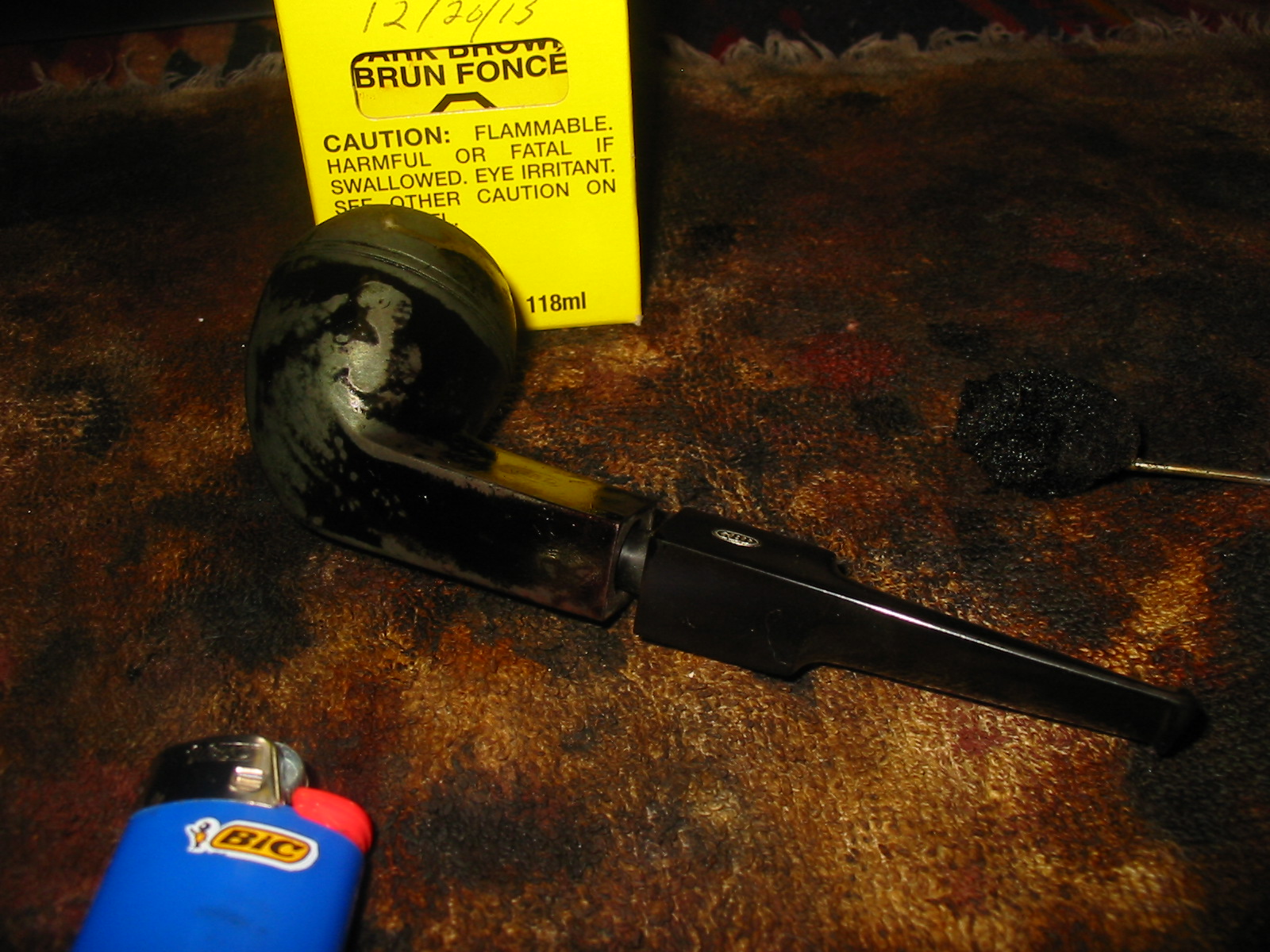
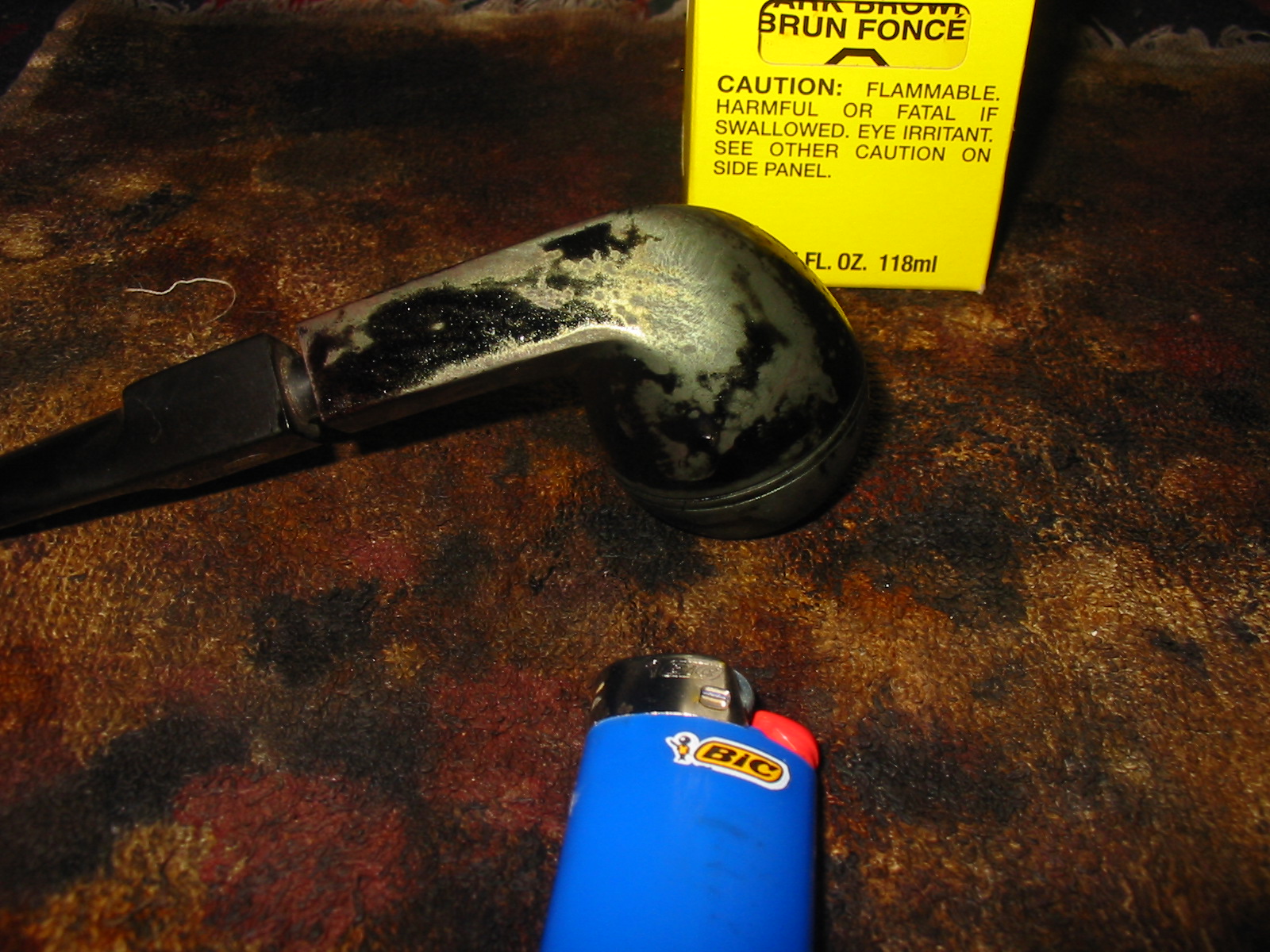
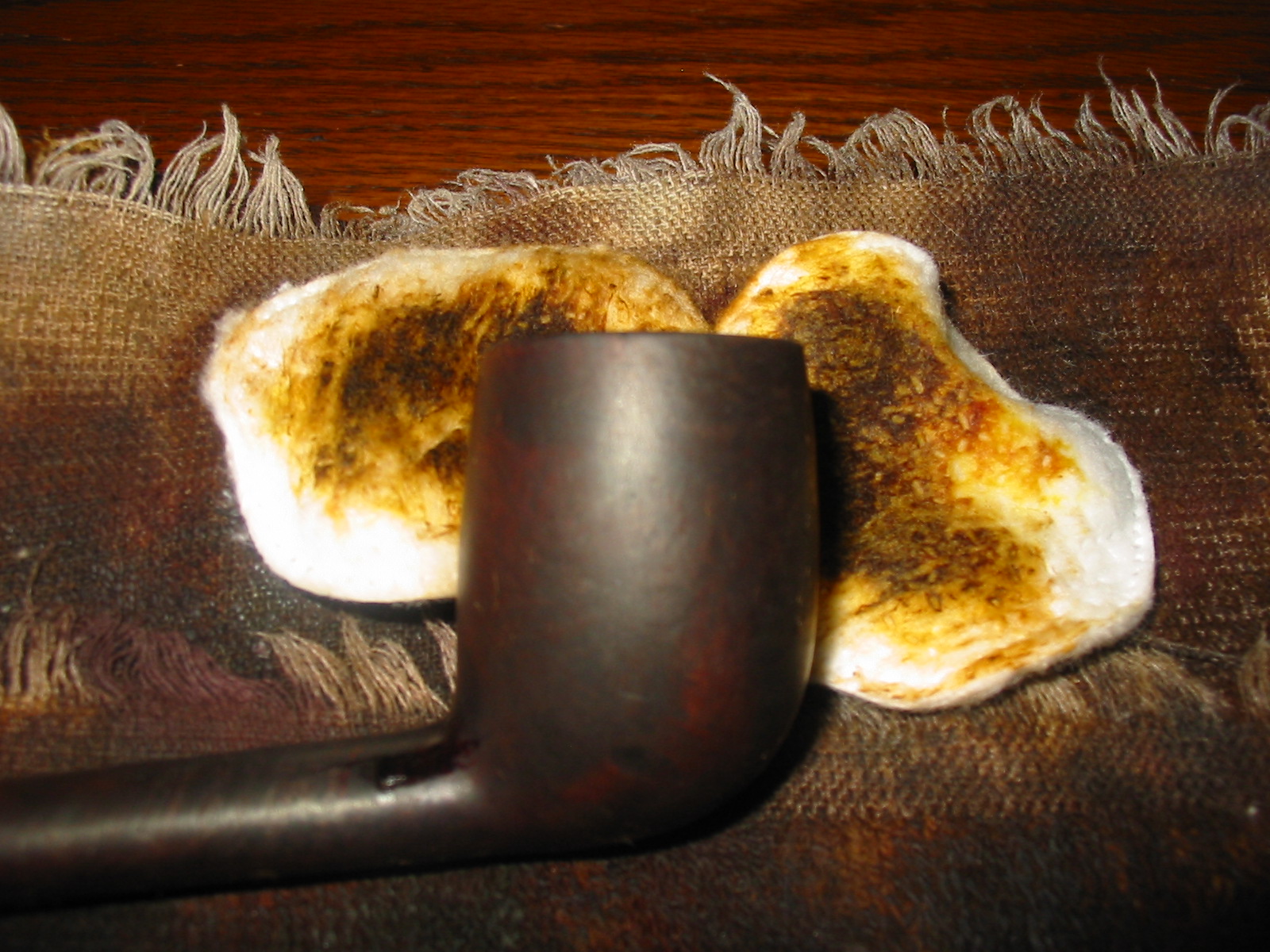
I wiped the bowl down with a cotton pad and alcohol to clean off the dust from the rustication and then stained the whole bowl with a dark brown aniline stain. In the photos below the rim is obviously much lighter in colour than the rest of the bowl so it took five coats of stain before it matched the bowl. I applied the stain and flamed it with a lighter to set the stain repeatedly until the coverage was correct.
IMG_7135

IMG_7136
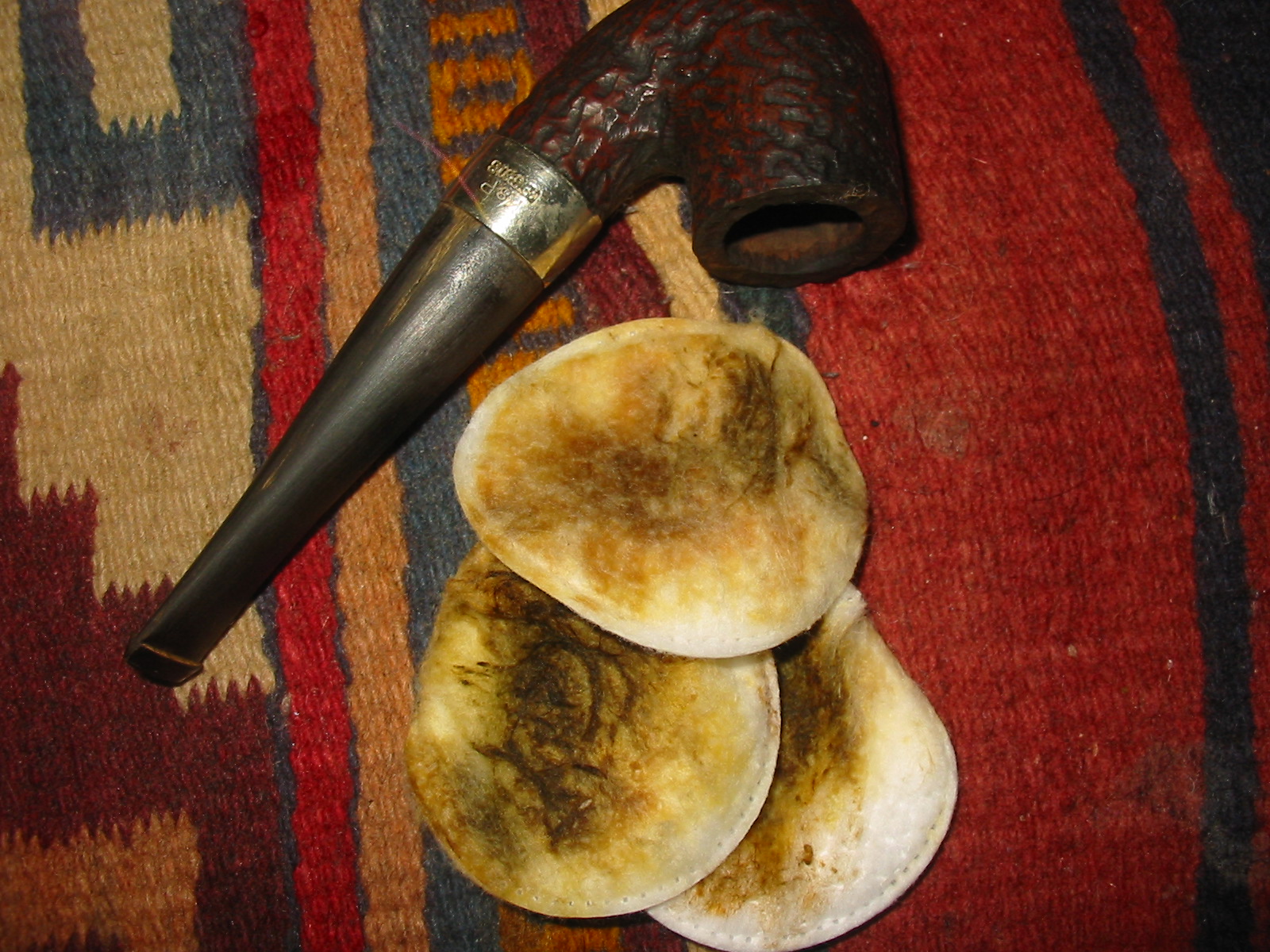
The brown was very dark and the original contrast look on the Donegal Rocky was not evident. I wiped the bowl down with acetone on cotton pads to lighten it and bring back some contrast to the rusticated finish. In the photos below the properly darkened rim is visible.
IMG_7137

IMG_7138

IMG_7139
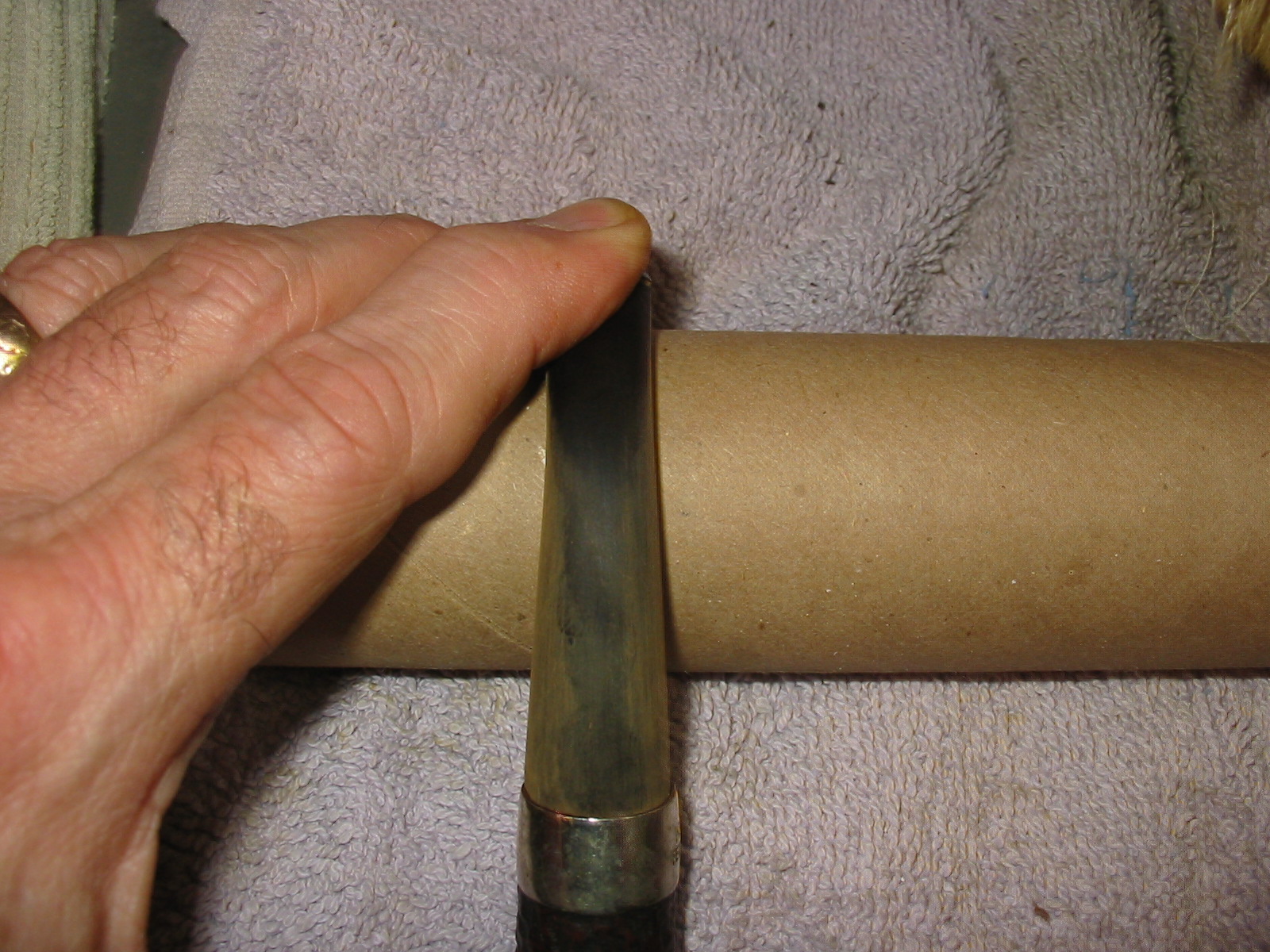
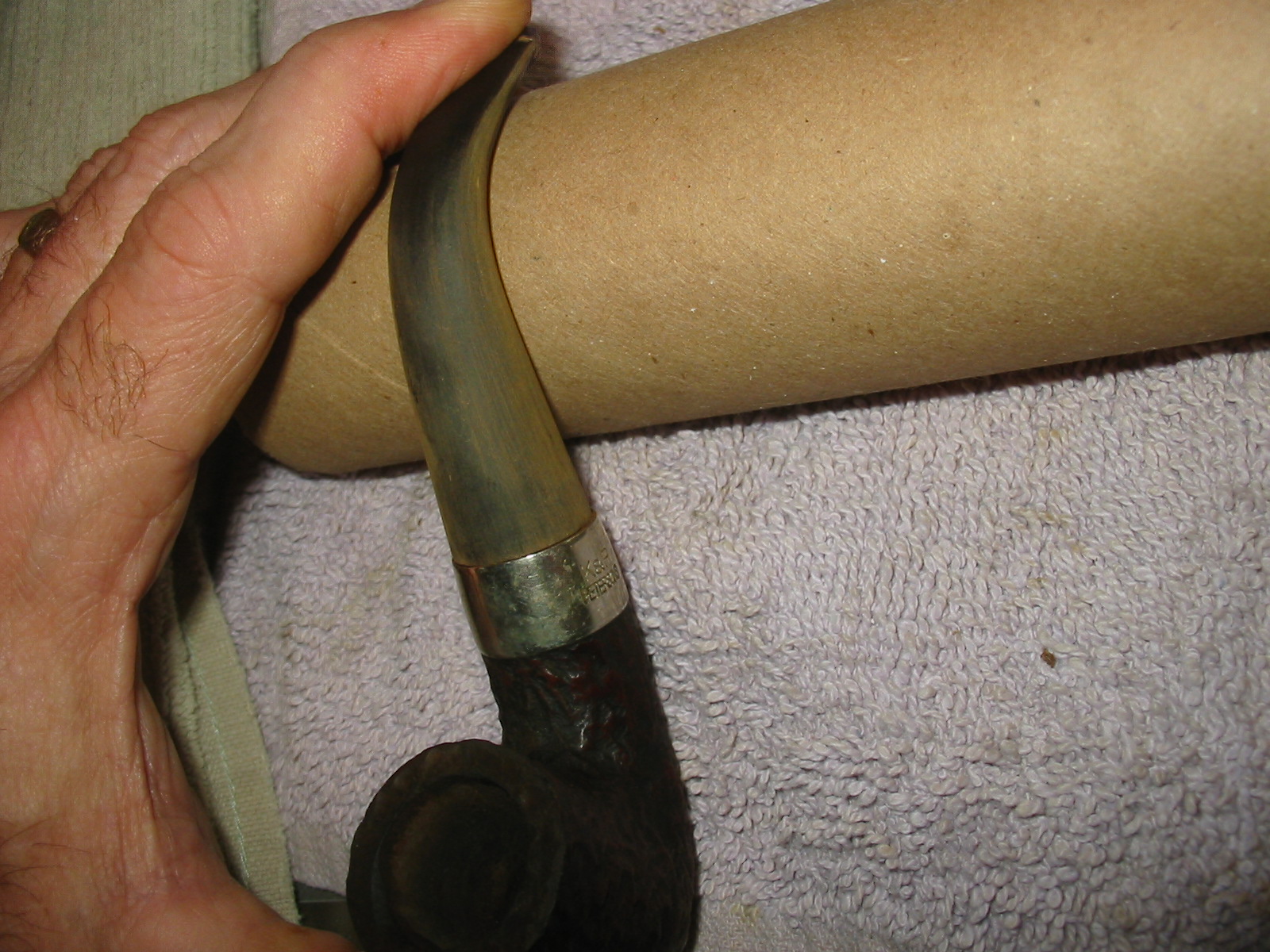
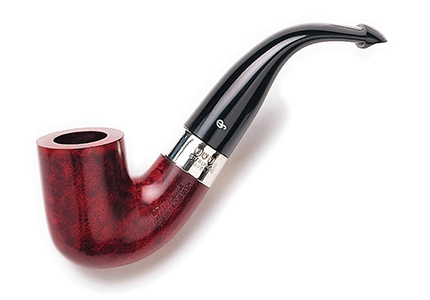
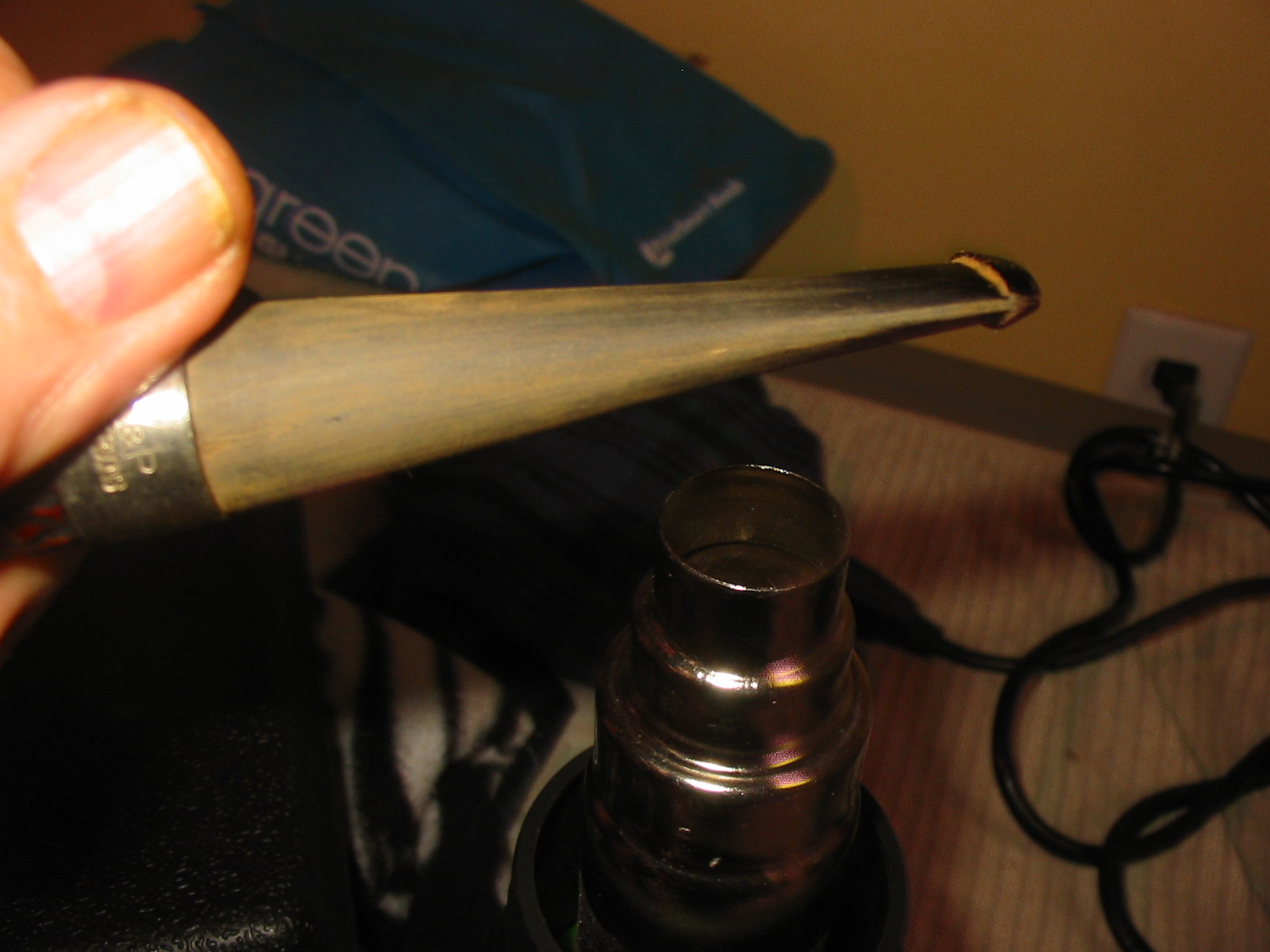
I lightly buffed the bowl and rim with White Diamond and then applied some Halcyon II wax on both and then buffed with a soft flannel buff. I knew that I would have to wax it again once I had finished but I always put a coat of wax on the bowl to protect the finish when I give it a more thorough clean. I sanded the stem with 220 grit sandpaper to smooth out the casting marks and the Dremel marks. Once I had the initial sanding finished I decided to bend the stem. I heated it over a heat gun until it was pliable and bent it over and old rolling pin. I used a photo of 338 I found on the net as a template for the bend in the stem. I made the photo life sized and laid the pipe against the computer screen to match the bend. Once I had the bend correct the rest of the stem work could begin.
IMG_7140

IMG_7141

IMG_7142

IMG_7143

0003284_sterling-silver-338_430

IMG_7144

IMG_7145

IMG_7146

IMG_7147
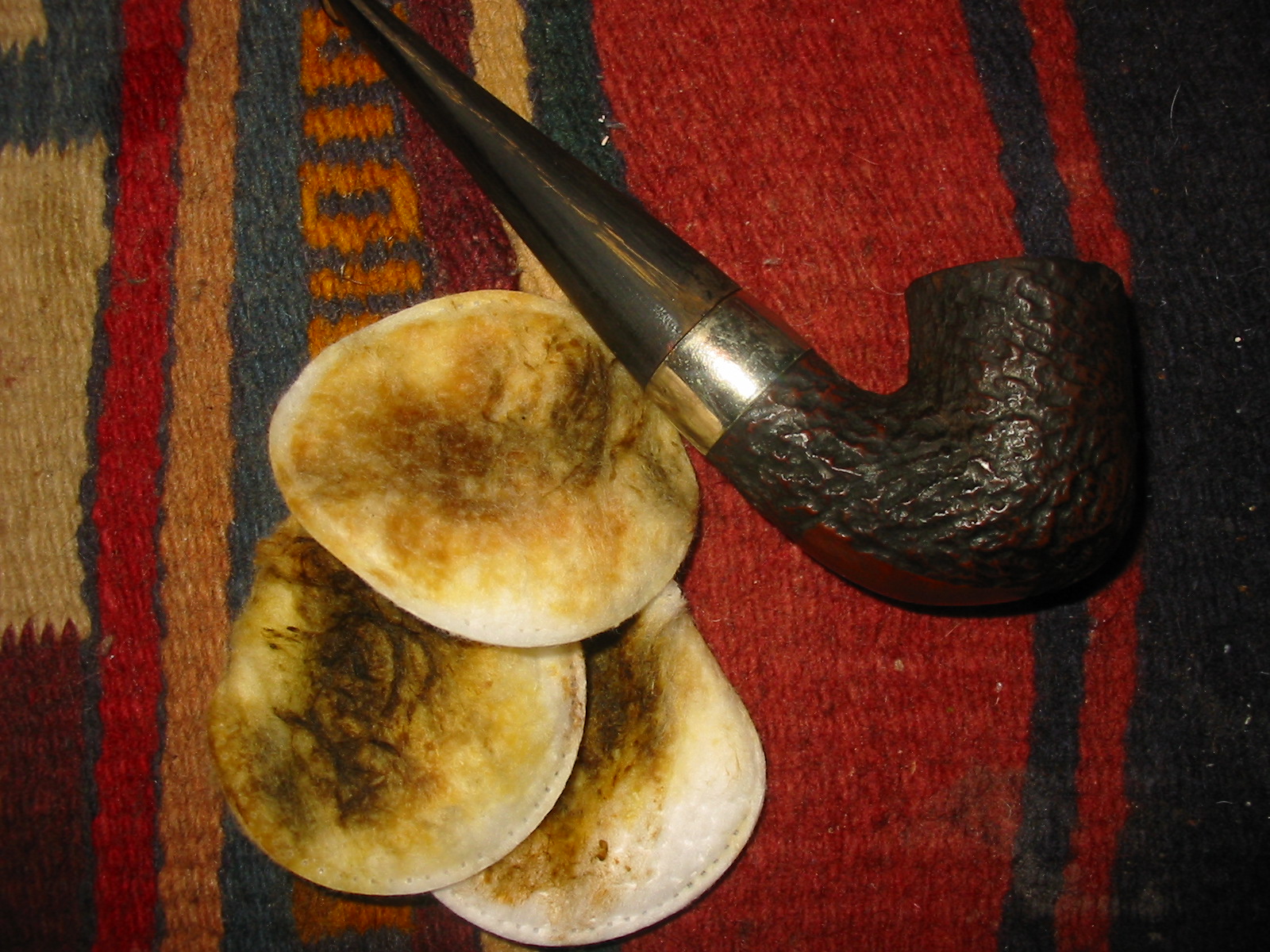
I removed the stem from the bowl, stuffed cotton bolls in the bowl of the pipe and used an ear syringe to fill the bowl with isopropyl alcohol. I set the bowl in an old ice cube tray that keeps the bowl upright. I set the tray aside to let the alcohol sweeten the pipe and draw out the oils in the bowl and shank.
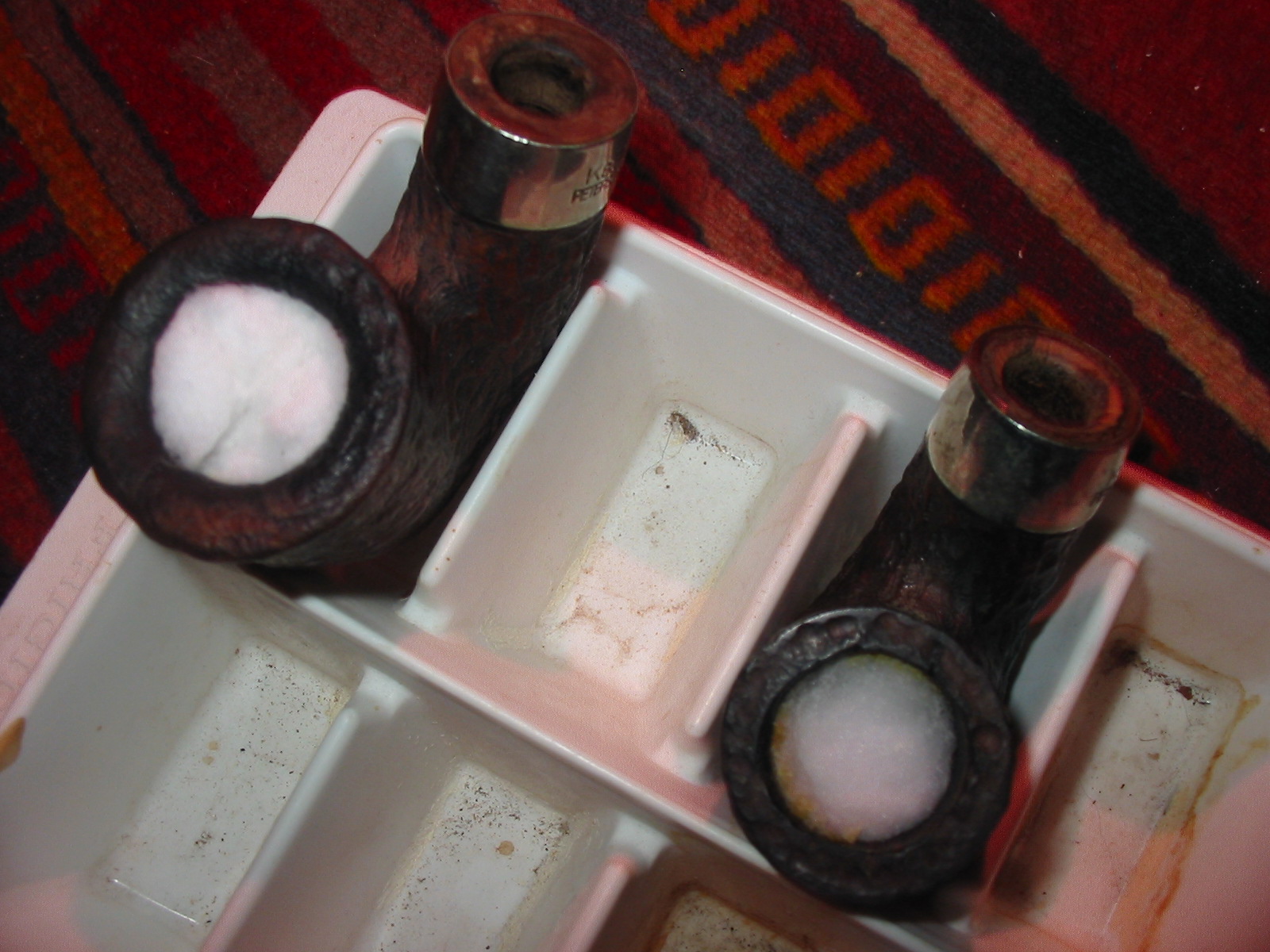
IMG_7149
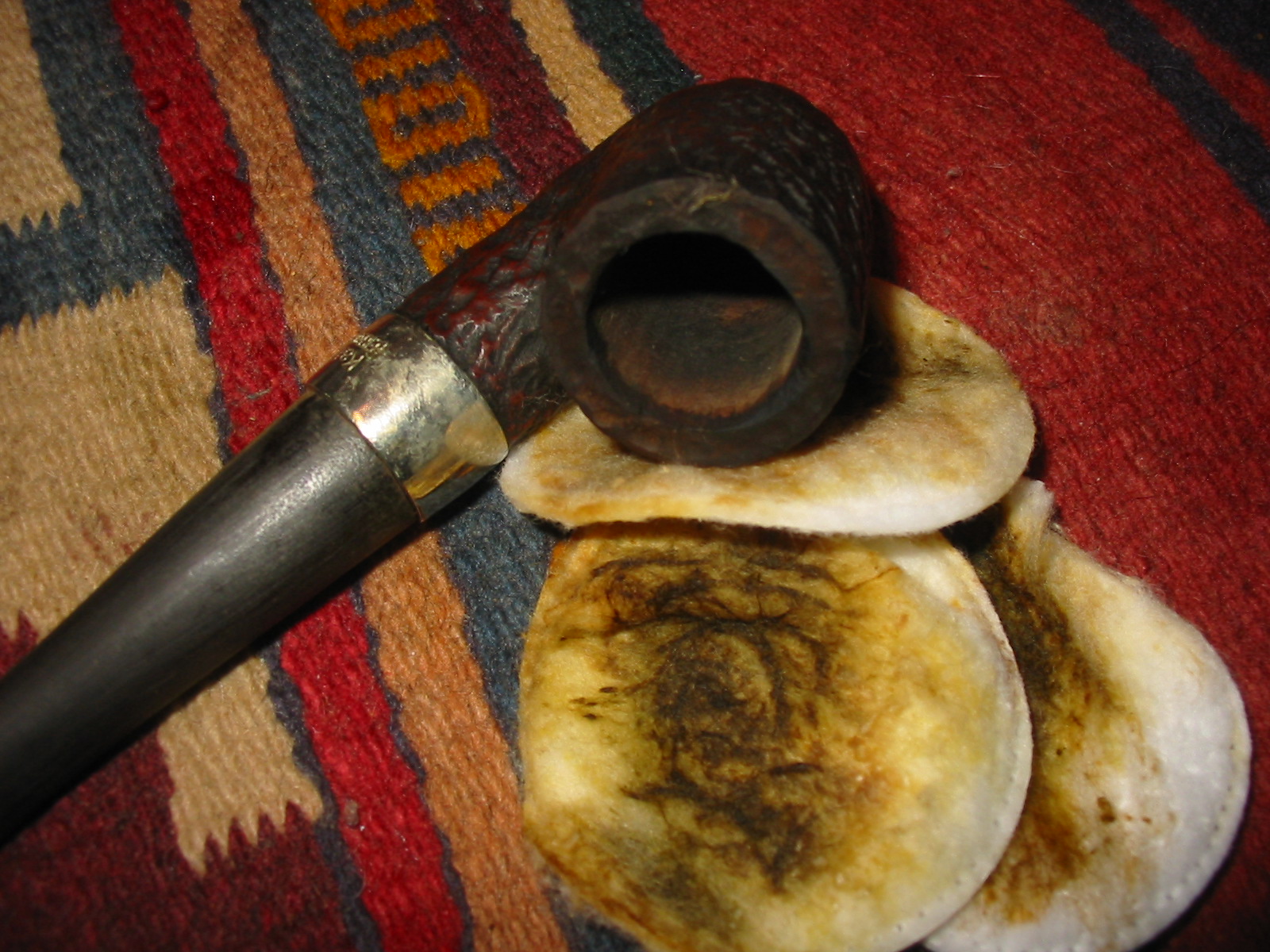
Four hours later the alcohol had begun to pull out the tars and oils into the cotton.
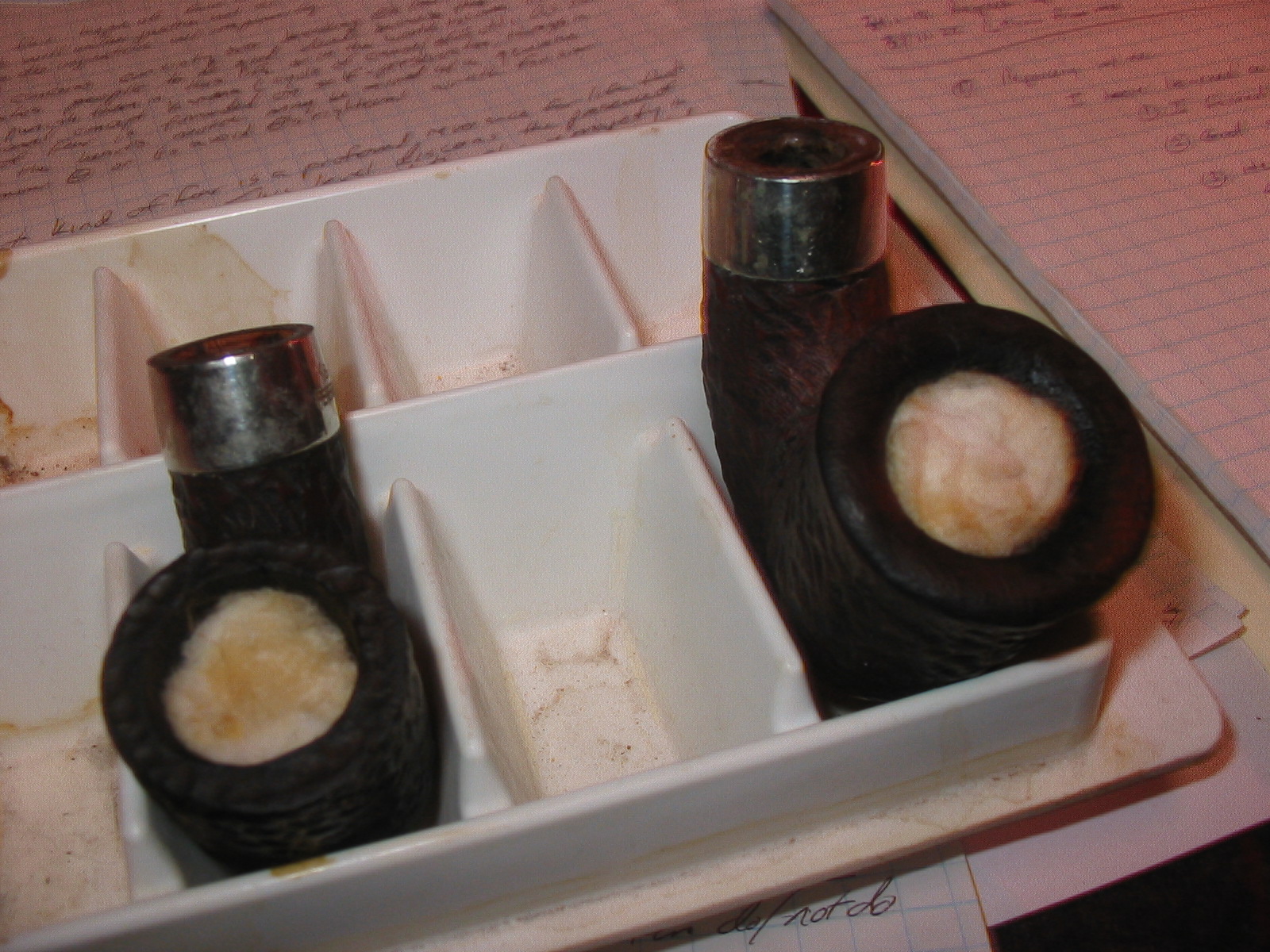
IMG_7152
Twelve hours from the starting time, the cotton was a dark brown and most of the alcohol had evaporated. I pulled the cotton out of the bowls and wiped them dry with a cotton swab soaked in clean alcohol and they came out clean other than a little bit of the detritus that had collected in the bottom of the bowl. I swabbed out the shank and airway as well with pipe cleaners and cotton swabs dipped in alcohol and the shank was clean. The pipe smelled sweet and ready to smoke.
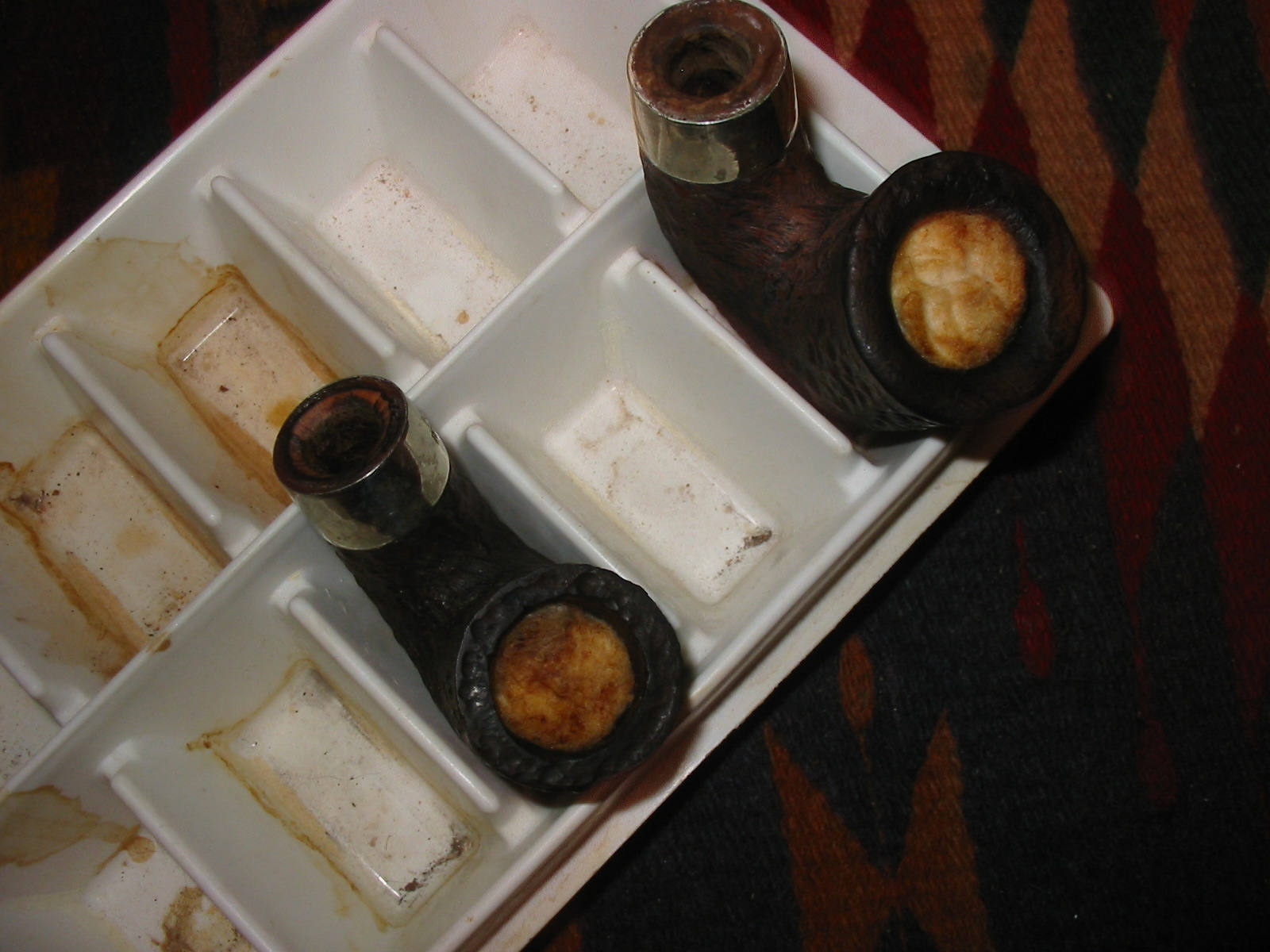
IMG_7153
I turned my attention to the stem and sanded it with a medium and a fine grit sanding sponge. It removed the majority of scratches from the surface of the stem left behind by the 220 grit sandpaper (I believe these sponges are equivalent to 400 and 600 grit wet dry sandpaper).
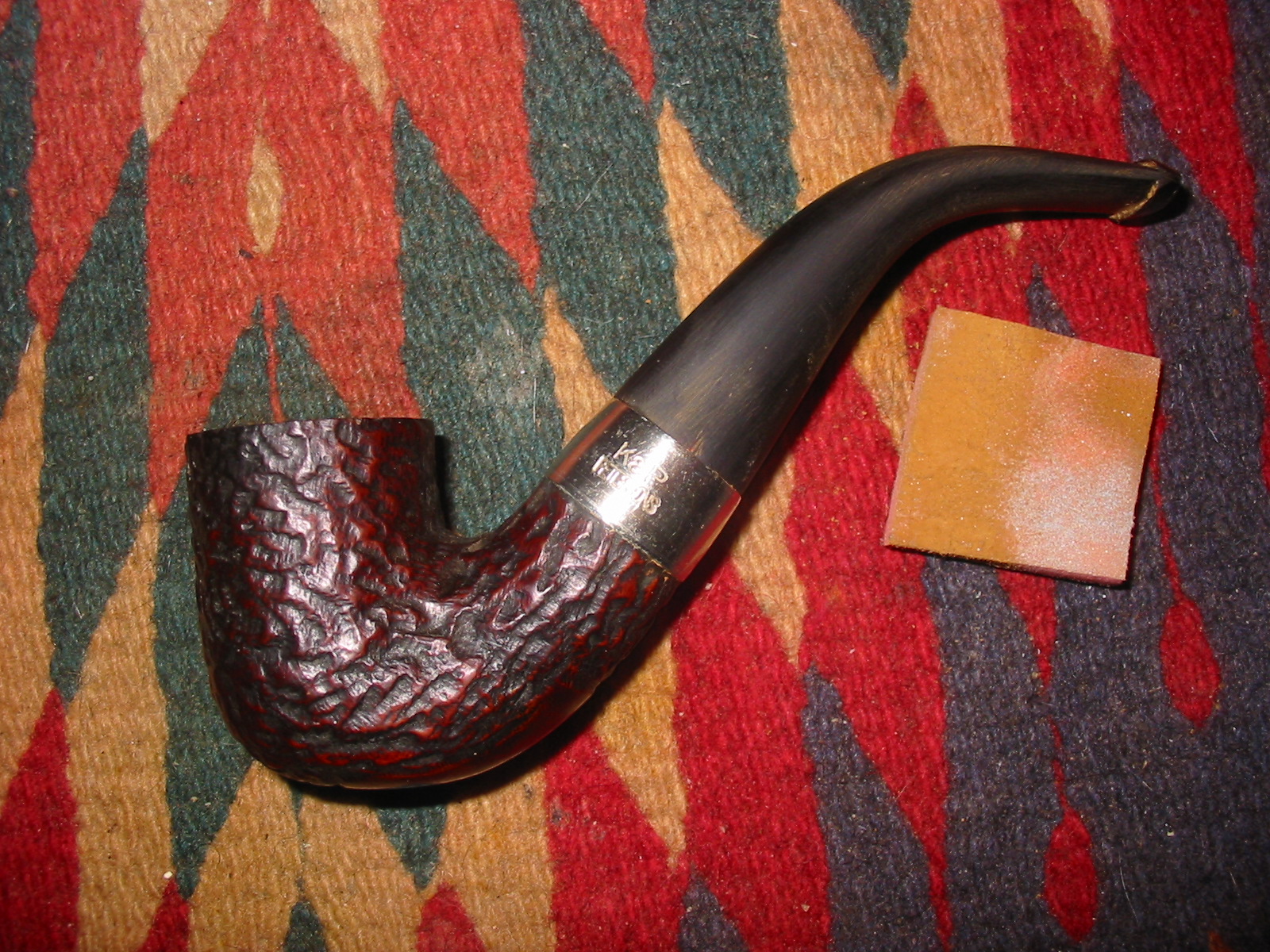
IMG_7154

IMG_7155
The rustication that I did on the top of the bowl rim is very clear in the next photo.
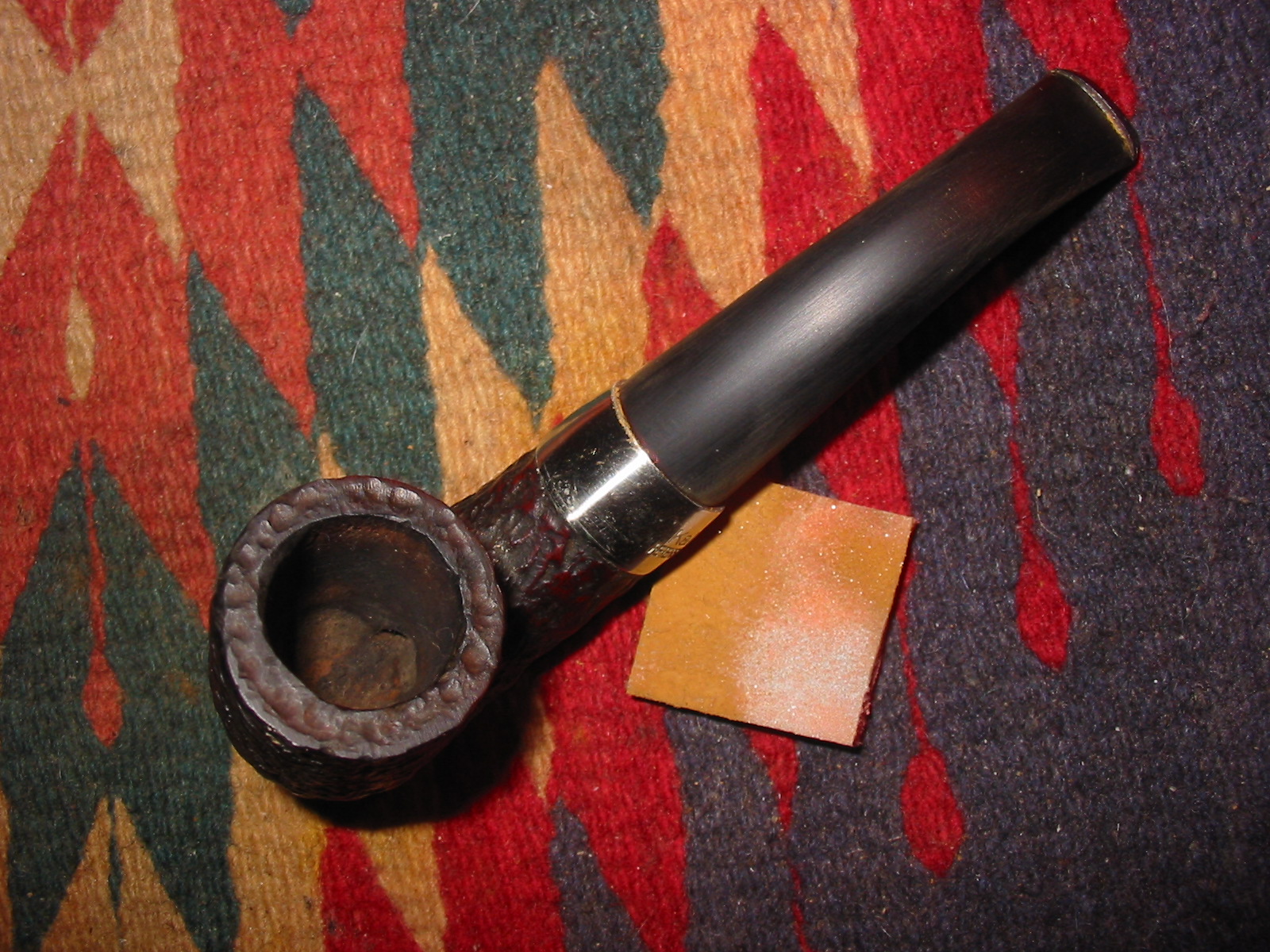
IMG_7156

IMG_7157
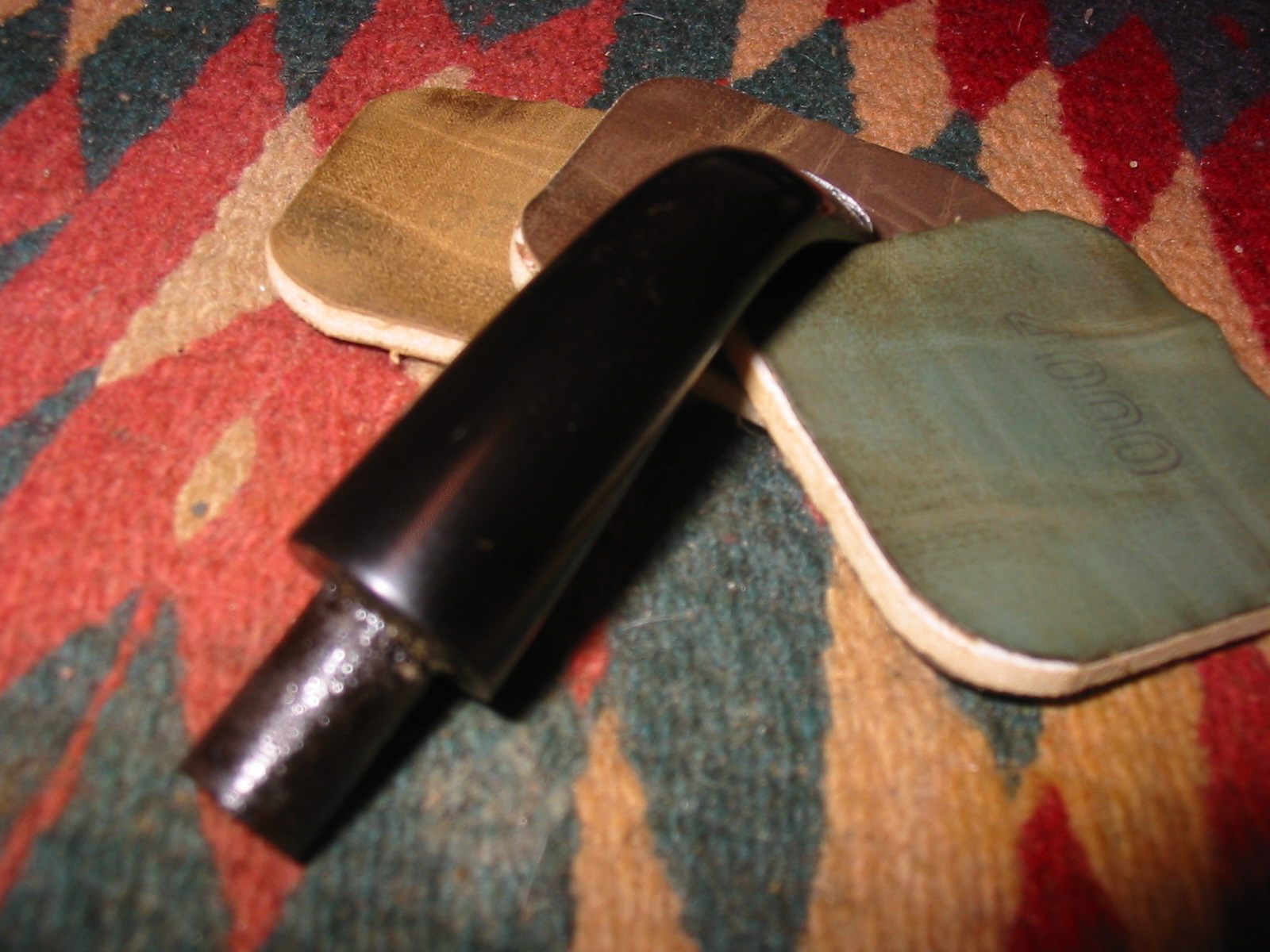
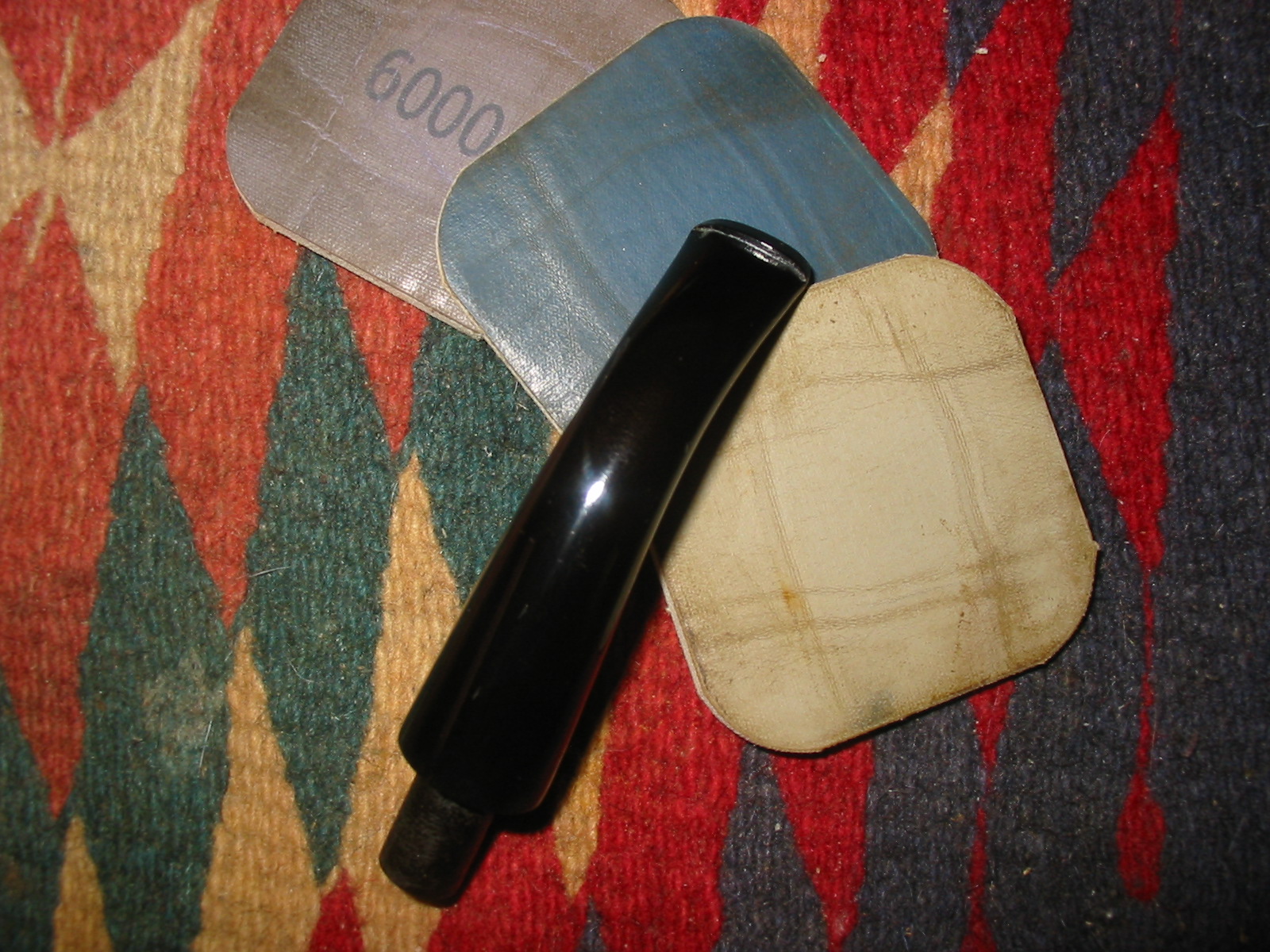
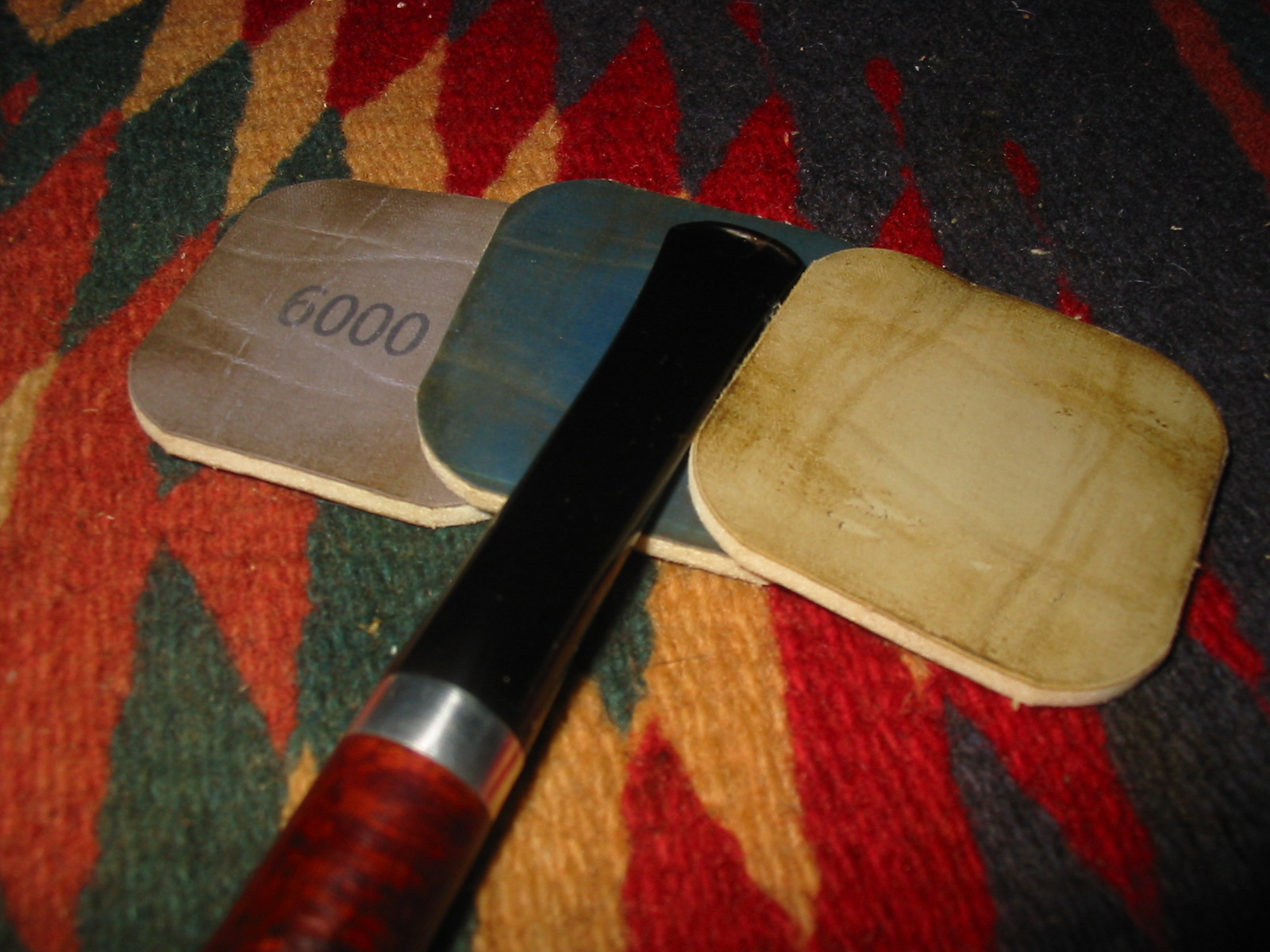
I sanded the stem with micromesh sanding pads – wet sanding with 1500-2400 grit pads and dry sanding with 3200-12,000 grit pads. Between each set of three grits I wiped the stem down with Obsidian Oil and let it soak into the vulcanite.
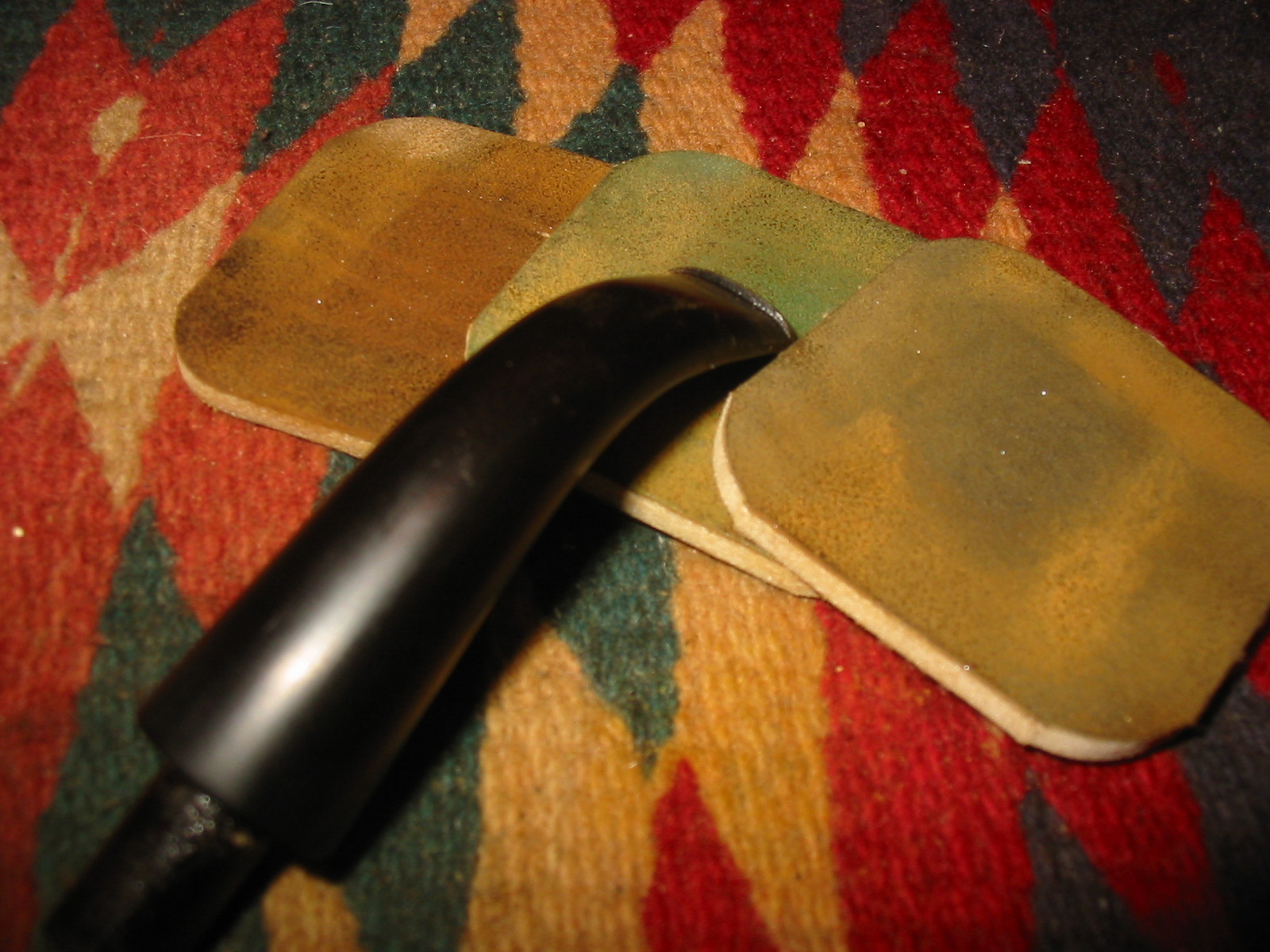
IMG_7160

IMG_7161

IMG_7162
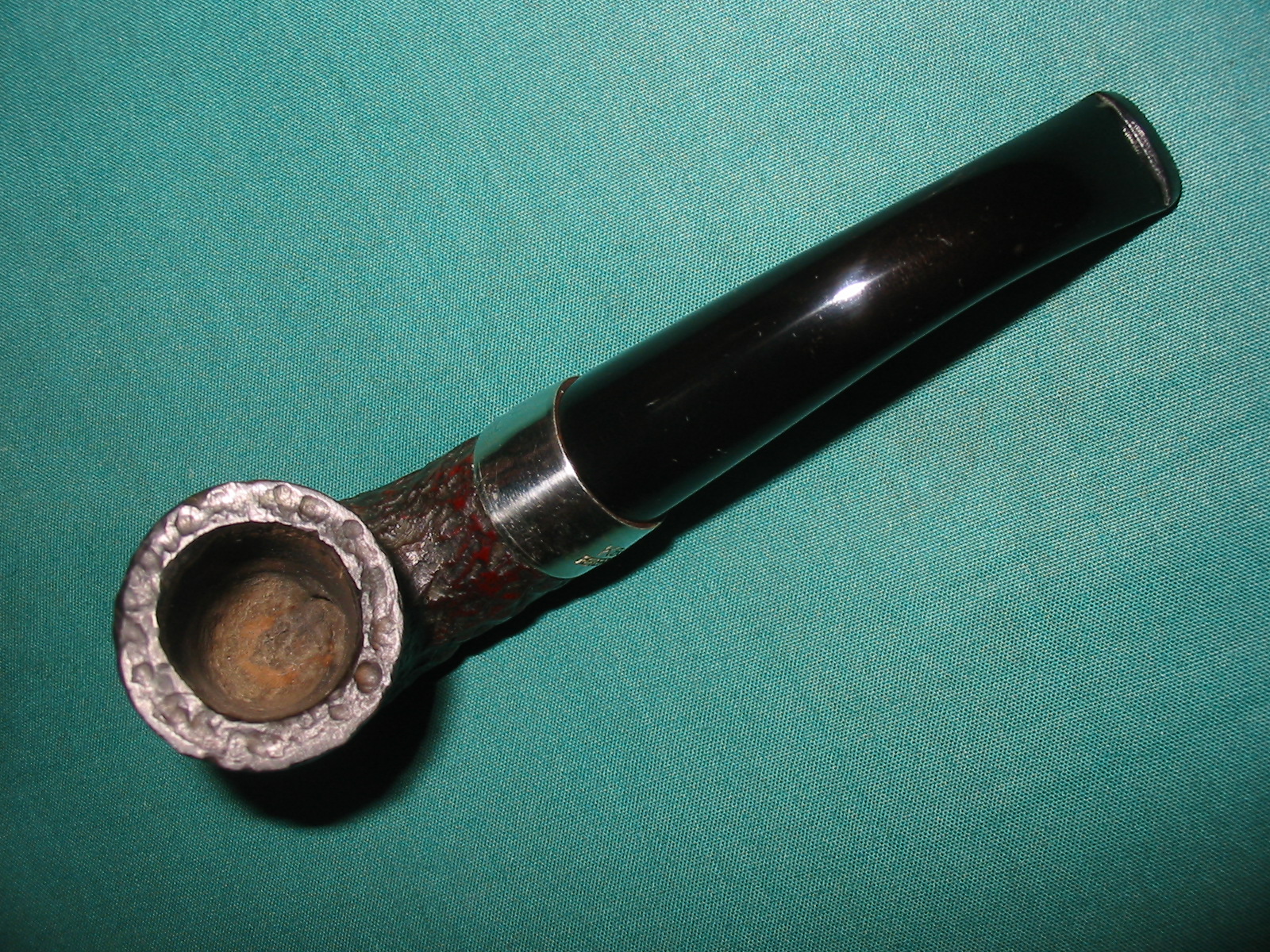
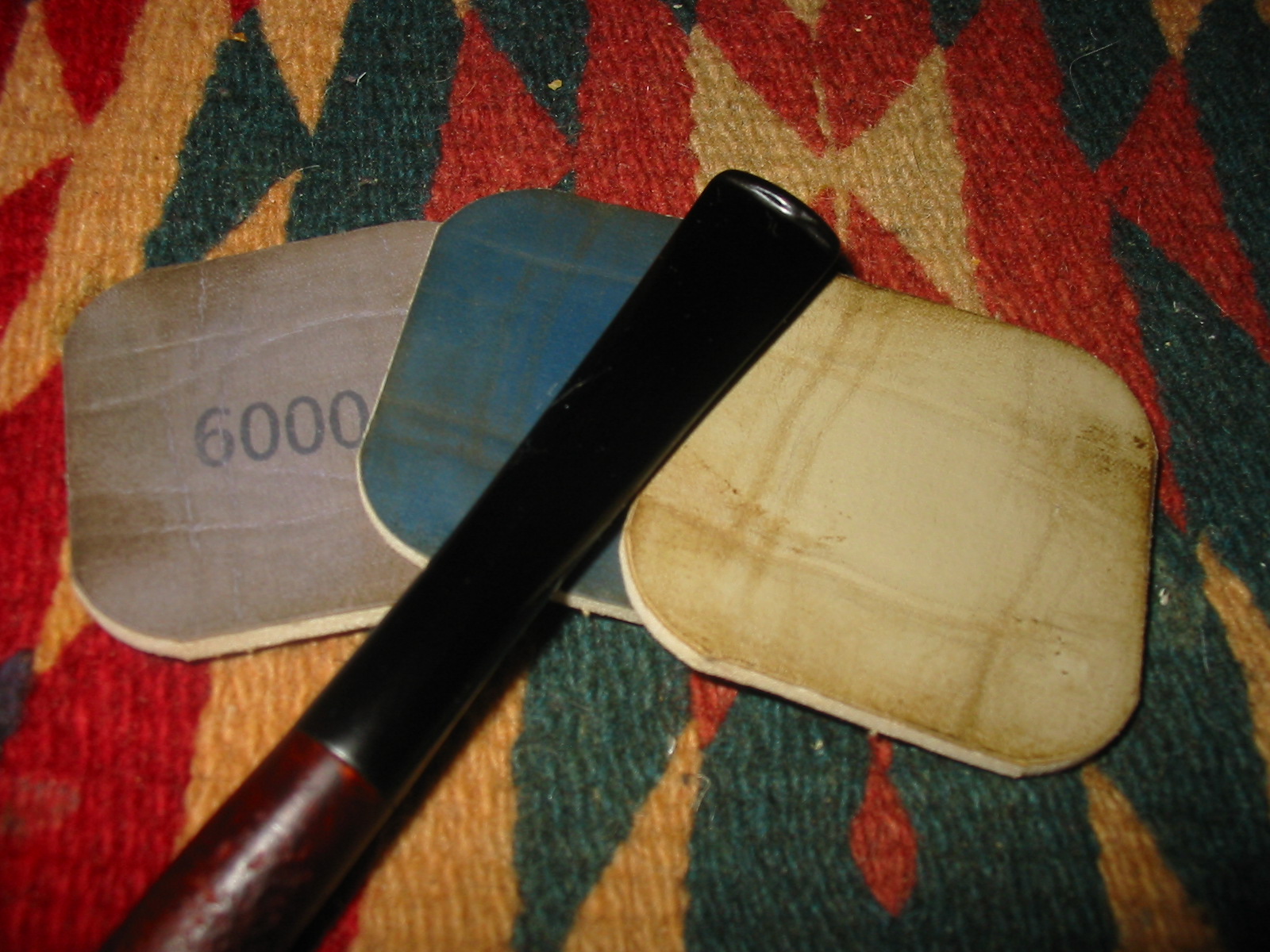
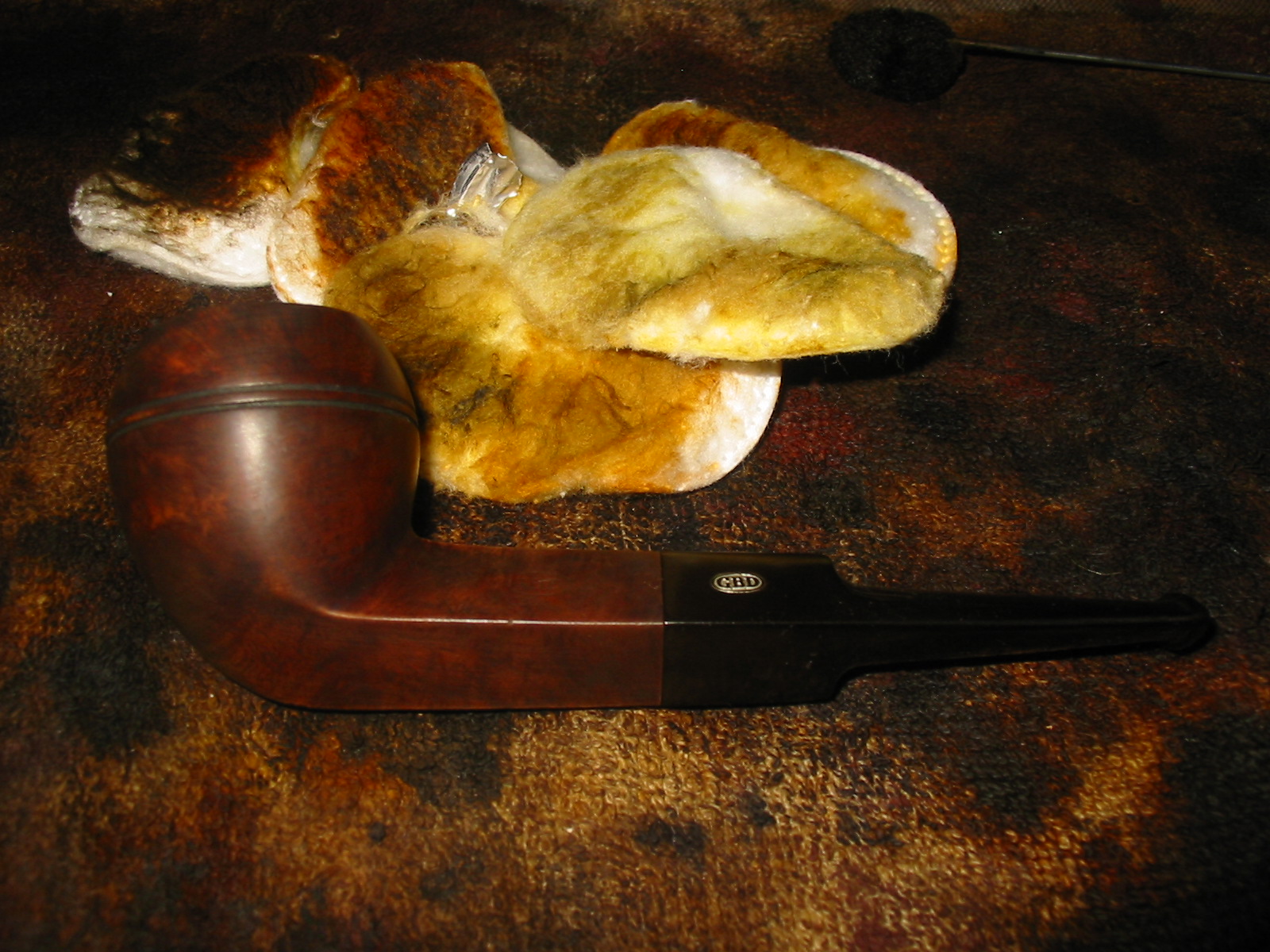
When I had finished sanding with the 12,000 grit pad I rubbed it down with a final coat of Obsidian Oil and when it had dried buffed the stem with White Diamond and a Blue Plastic buffing compound. I then gave the stem multiple coats of carnauba wax, buffing with a soft flannel buff between coats. I waxed the bowl with Halcyon II wax and hand buffed it with a soft bristle shoe brush and a cotton buffing cloth. I used the 6000, 8000 and 12,000 grit micromesh pads to polish the nickel band and then gave it a buff with a silver polishing cloth. This old Peterson 338, that must have been an incredible smoke to have been smoked as hard as it was, is now ready to enter the next era of its life and provide the same kind of service to me. I look forward to smoking it later in the week once I am sure the alcohol in the bowl and shank has all evaporated. I have to tell you, I am looking forward to having a bowl in this old timer.
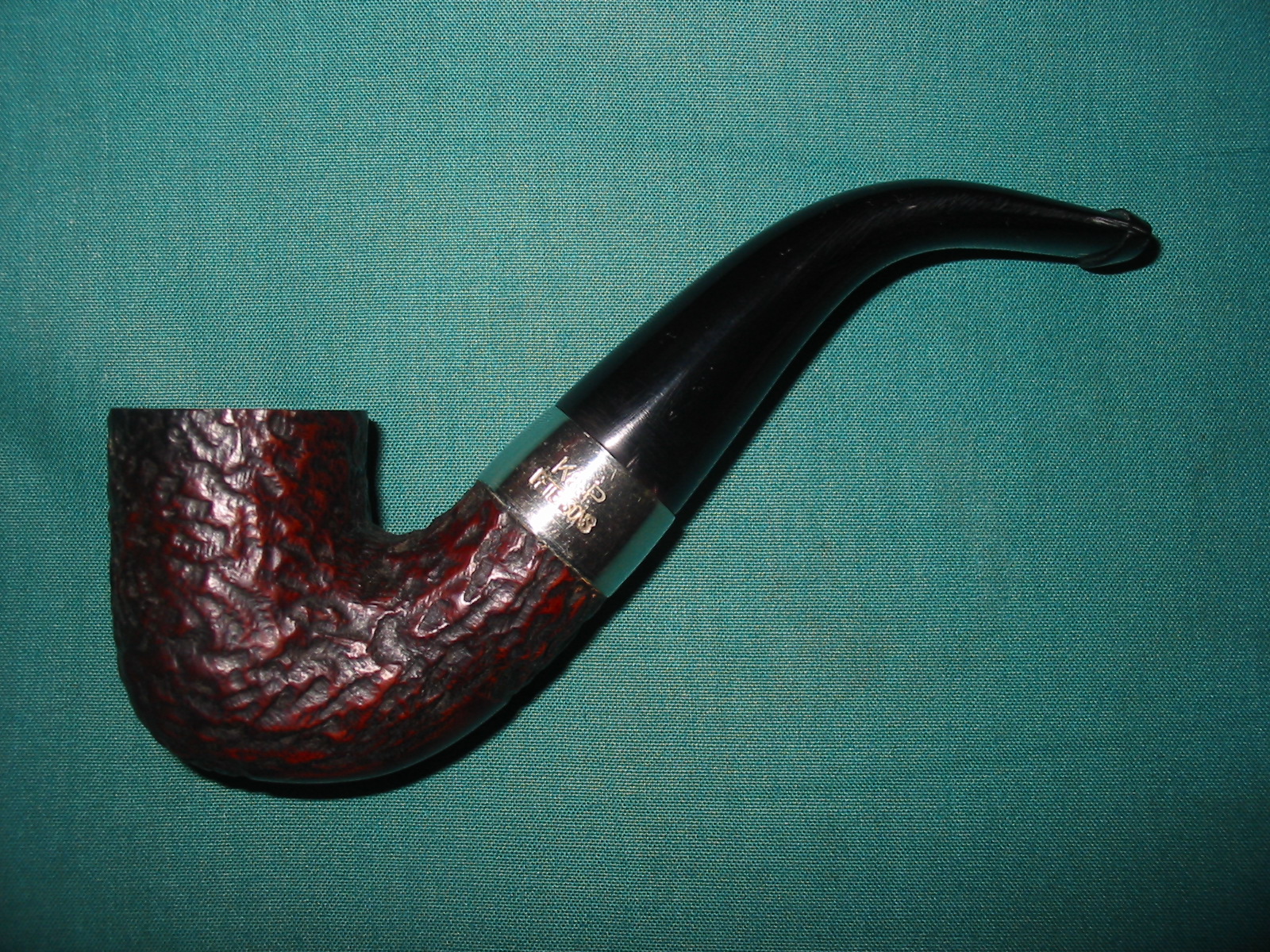
IMG_7163

IMG_7164

IMG_7165

IMG_7167

IMG_7166

Medico VFQ – Save This Old Pipe Project


Blog by Greg Wolford

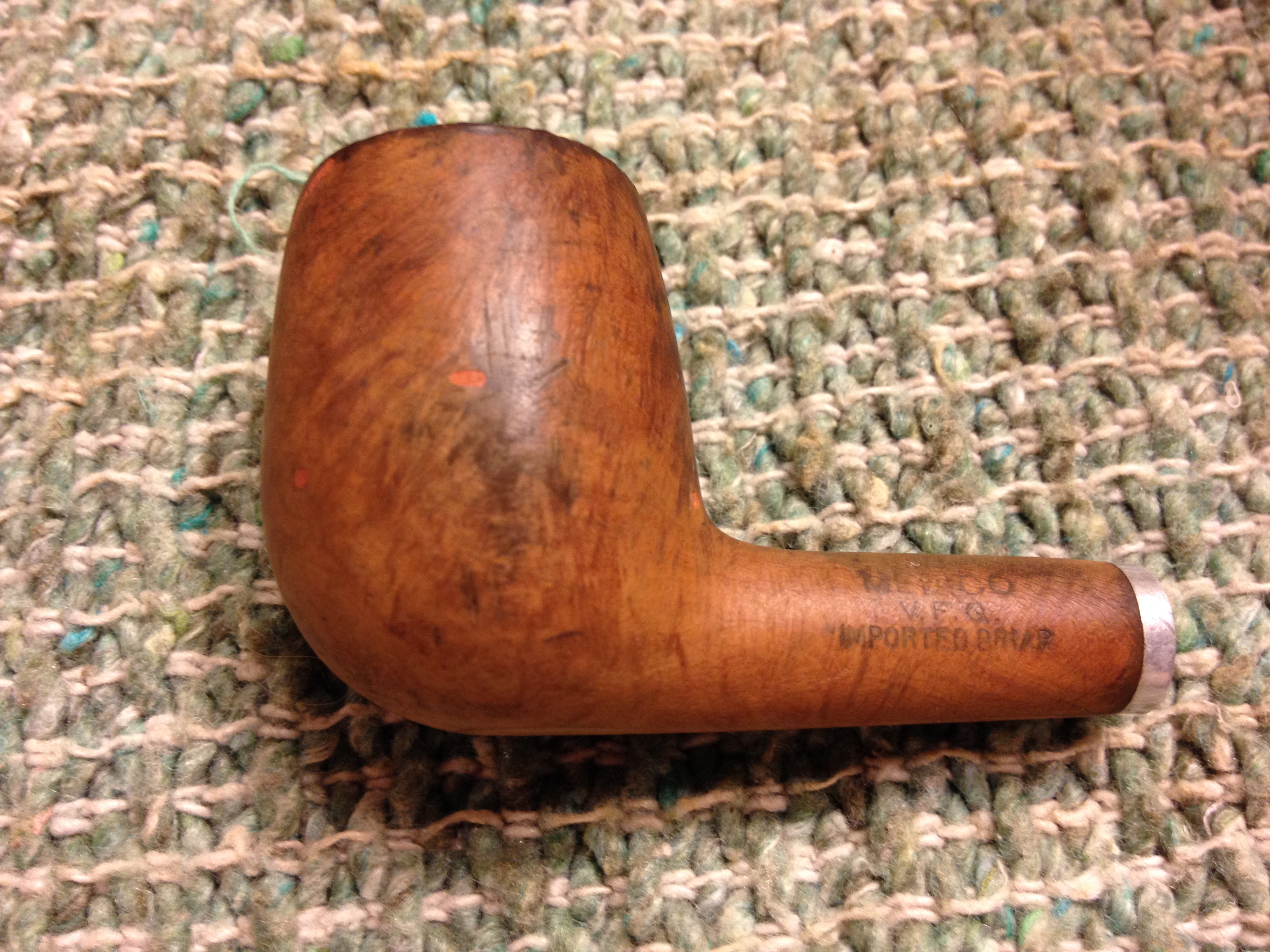
I saw this old Medico V.F.Q. go through two or three eBay auctions with no bids. I have recently been admiring pipes with Cumberland stems and thought this one would make an excellent “project” pipe to see how well I could repair a Cumberland stem. (A side not here: This is not a Cumberland stem I have found out; it is nylon/plastic.) So I wrote to the seller and offered $5/shipped for the pipe, noting that I didn’t care how she shipped it, just safely and cheaply would suffice. She posted a seven-day auction with an opening bid of $5 with free shipping; I was the only bidder.

STOP1 STOP2When the pipe arrived it looked as bad, maybe worse, than I had expected. The stem was really chewed up and the finish was shot. There were also several fills that I hadn’t been able to see in the (above) auction photos. I decided to work on the stem first so I broke out some tools.

The first thing I did was to try to raise the dents with the heat of a tea candle. Not being actual rubber (which I didn’t realize yet), this had little effect. Next I began with needle files to take off some of the roughness. This made some improvement and gave me a better surface to work with for patching with super glue, which I applied at this point. You can also see the shape of the pipe as a whole here when I got it.

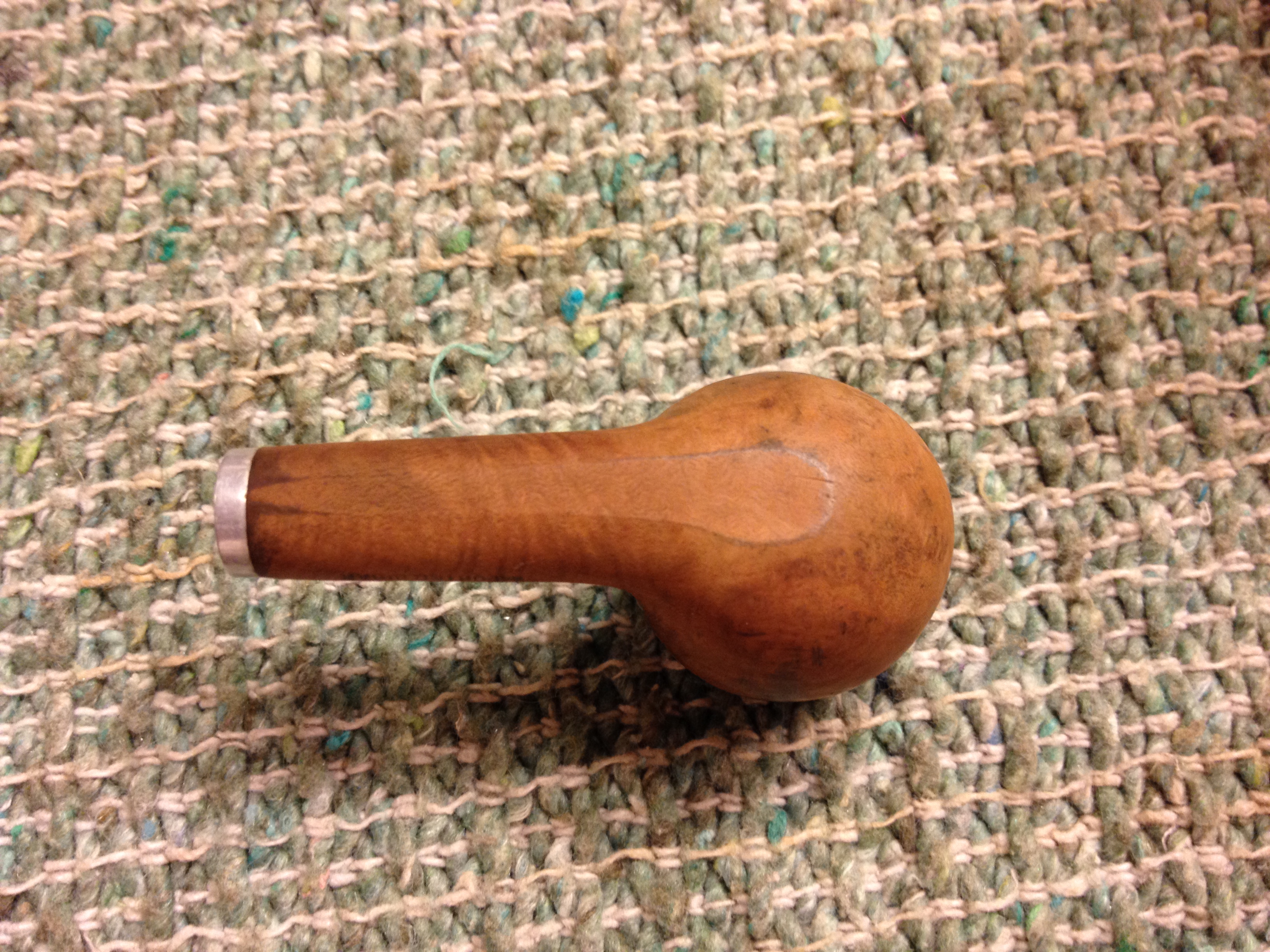
Medico STOP (32) Medico STOP (69) Medico STOP (9) Medico STOP (42)Medico STOP (23) Medico STOP (19)I worked in stages over a few days on the stem: allowing the patch to cure, adding more as it shrank, touch it up a little as I went with files or sandpaper. Once it had finally cured into a patch that filled and covered all the dents on both sides I began to shape and smooth it with files and 220 grit sandpaper. The button was ragged and kept getting that way when I worked on it; it was at this point I think that I realized I was working with nylon not rubber. When this revelation struck I decided to begin working it toward the best finish I could get with micro mesh and not spend a lot more time on this stem.

Medico STOP (7)Medico STOP (28)Medico STOP (13)Medico STOP (6)Medico STOP (33)Medico STOP (45)Medico STOP (79)

From beginning to final end.

From beginning to final end.

I had been doing a running post on Pipe Smokers Unlimited forum with this project. Steve, our humble leader and blog owner, contacted me with the welcome news that he had a very nice VFQ stem that he would send to me for this pipe. I excitedly accepted his gracious offer and sent him my address. When the stem shows up, if it fits, I will add photos of the end product; thank you again, Steve.

It was now time to get the bowl going, starting with a good leaning, inside and out. The pipe needed reaming and the shank was clogged with gunk, too. So I reamed it back to bare wood, pretty much, and cleaned the shank with many pipe cleaners, cotton swabs and a set of shank brushes until the final cleaners can out white; I also cleaned the stem at this point.

The finish was terrible so I took some cotton balls and acetone to the stummel, scrubbing off the years of grime and broken layer of what I assume is/was lacquer. With the old finish gone there were a few things now obvious: there were a couple of large fills to address and the bowl needed to be sanded to remove some scratches, and it needed topped.

Medico STOP (30) Medico STOP (63) Medico STOP (14) Medico STOP (41)I started with the topping process, using 220 grit sandpaper. I realized that the rim char was too deep to get all of it out without getting into the large fill near the top of the bowl’s front so I rounded the edges of the bowl to remove the edge char and see how deep that was; it wasn’t bad. I decided to leave the top for now and work on the fills; after the fills were done I came back and sanded the top smooth.

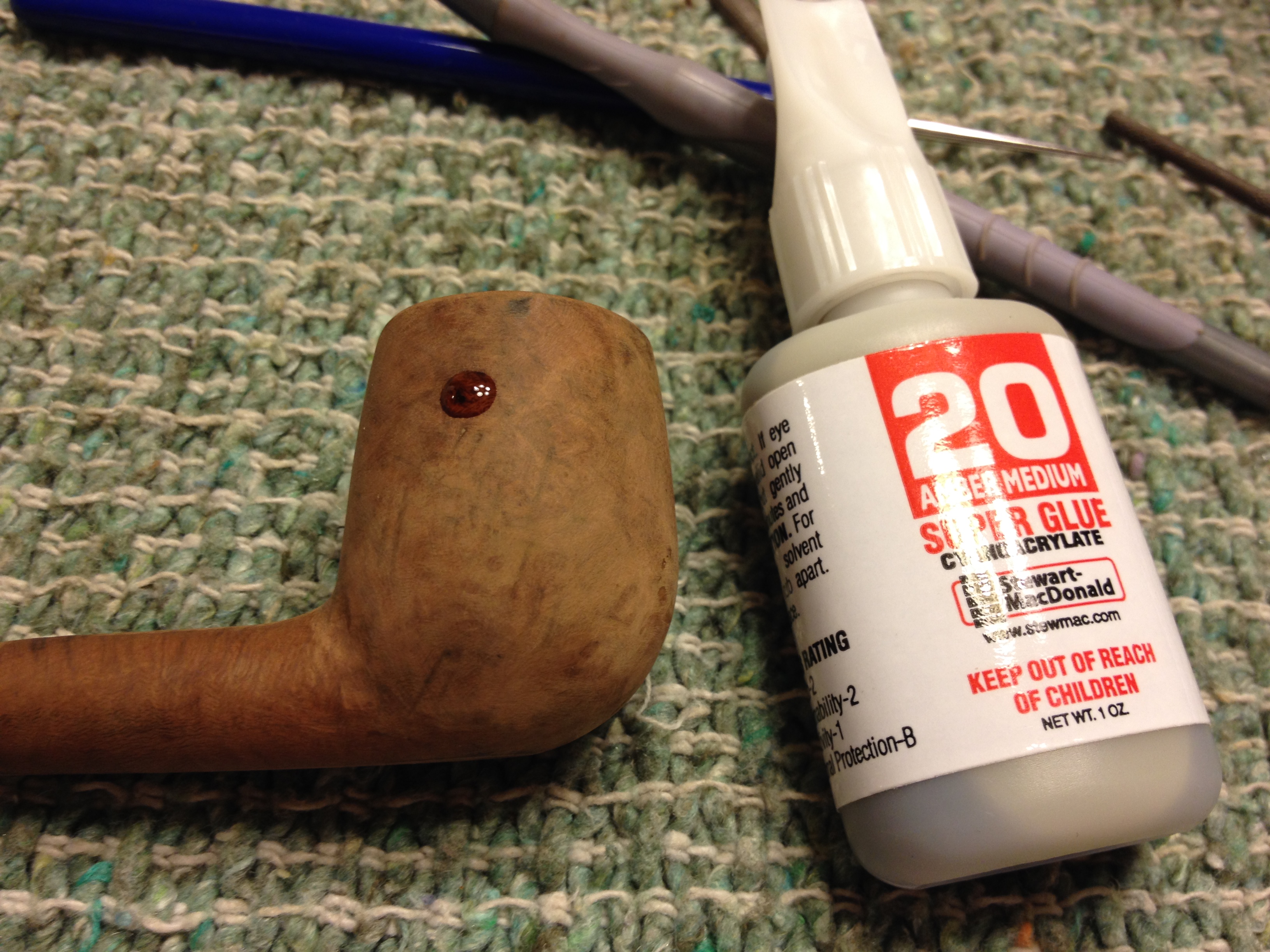
I wanted to use this pipe to experiment on, not just the stem but also the fills. In the past when I have used super glue and briar dust to patch a fill it is usually much darker than the rest of the pipe; sometimes I can blend it in well and other times not so much, so I wanted to try something different here, with an eye toward a future project. A few months ago I bought some black and amber super glues from Stewart McDonald; they offer black, amber, clear, and white. The black I plan to use on stems but the amber I thought might work well on patching fills and this was the project to try it on.

I removed one fill to start, just in case the experiment didn’t go well; the dry time on this stuff is very long so I suggest you try the accelerator if you order from them (I forgot it).

Medico STOP (60)

Medico STOP (4)

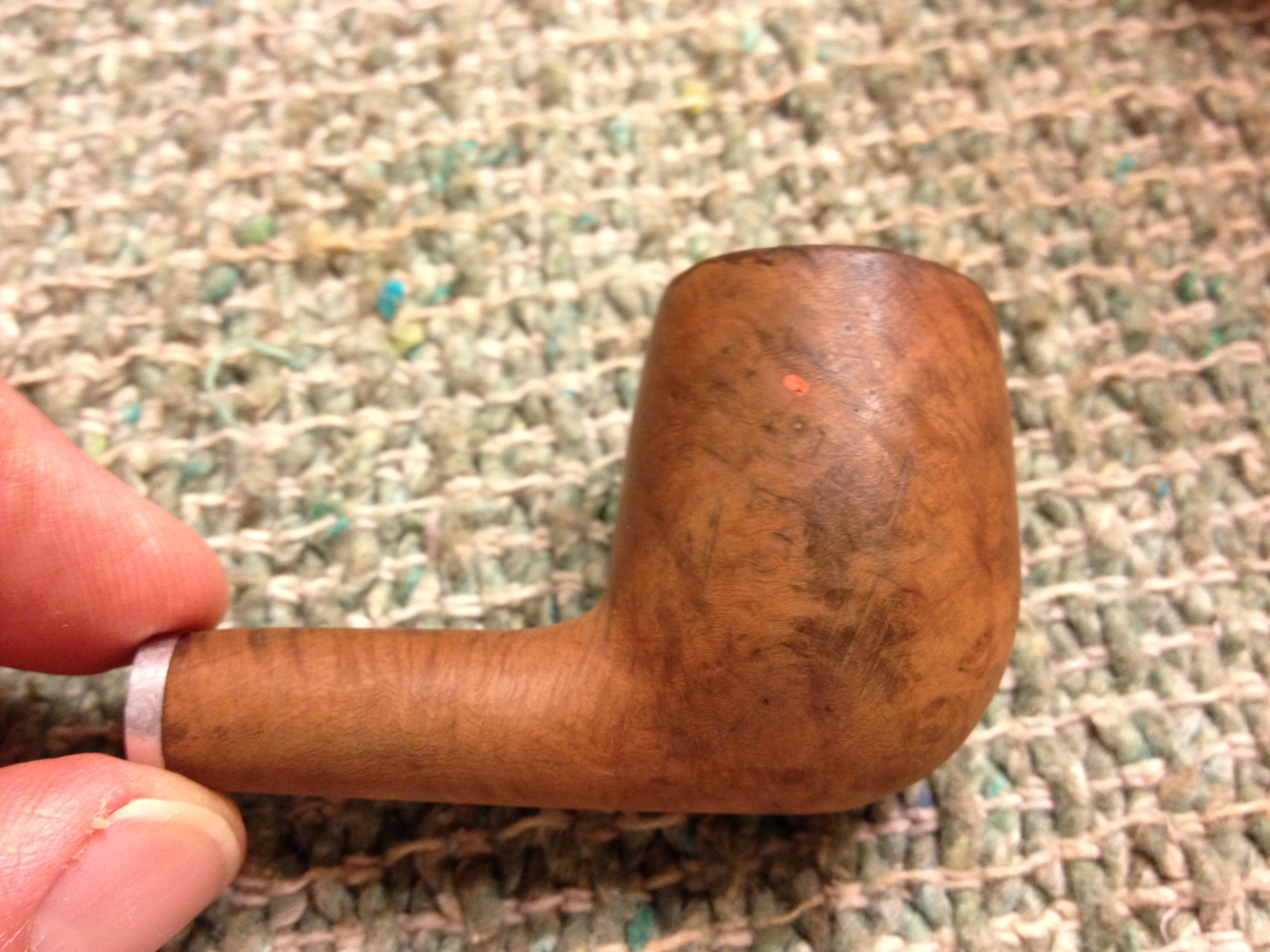
I used my dental pick, a beading awl, and a file to pick out the old putty. After the putty was out I dripped a bit of the amber glue into the hole, leaving extra to feather when I sanded it. I also used the end of the awl to make sure the glue went all the way into the hole. Then I waited until it cured a few hours, tapped it down with a tamper, in case there was any air pockets, and let it finish curing. Medico STOP (44)When it was set through, several hours, I began to sand with 220 grit paper. And I was really pleased with the initial results: an almost perfect match to my eyes!Medico STOP (53)I then decided to take out all the fills and patch them the same way, with amber glue and nothing else.Medico STOP (66)Medico STOP (51)Medico STOP (77)The waiting game began again. Some hours later I noticed that the large fill at the top needed more glue so I dripped in another layer and waited more. This morning I finally got to start sanding the new fills down, and the entire bowl as I went. The results on these fills were a bit varied from the first one I soon saw.Medico STOP (73) Medico STOP (10) Medico STOP (25) Medico STOP (35) Medico STOP (12)Even when sanded smooth a couple of the fills weren’t as nice and I have a few ideas why: I didn’t use the awl to make sure the glue went in all the way, I didn’t go back and tamp it part way through the curing process, and I may not have gotten all the pink-filler out. The next time I do this I will be sure to remember these items!

Next I prepared the bowl for staining. I finished sanding with 220, then 320, and finally 400 grit paper and wiped the bowl down with alcohol to remove any dust left behind. Then I began staining the bowl with a medium brown stain marker. I applied one coat as evenly as I could and let it dry about 10 minutes. Then, the secret I think to using these, I applied a second coat in small segments, wiping it with a paper towel to even out the color as I went. The rim got 3 coats of stain.Medico STOP (38) Medico STOP (22) Medico STOP (70) Medico STOP (68)Next I gave the stummel a light buff with Tripoli, and the entire pipe a buff with white diamond and a few coats of carnauba wax, then a buff on a clean wheel before a final hand buffing with a microfiber cloth.Medico STOP (36) Medico STOP (65) Medico STOP (17) Medico STOP (40) Medico STOP (24) Medico STOP (43)I’m very happy with the end results of this multi day project. I think the fills look and blend much better, especially the first one. And I believe with a little more tweaking and experimenting this is a very good option for patching fills. From a $5 eBay catch to, well, it’s probably still not worth much – but I’m glad in the end that I took the time to Save This Old Pipe.

EDIT

The new stem that Steve sent me arrived in the mail. I have written about and post the story, along with new photos, here.

A Quick and Easy Face Lift for a Missouri Meerschaum Corn Cob Pipe


Blog by Greg Wolford

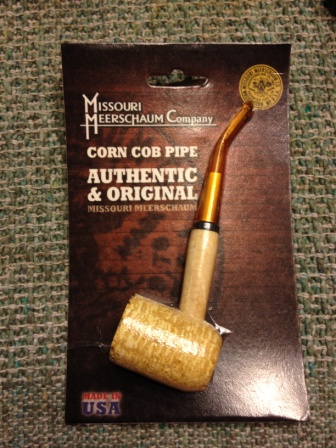
Recently I’d read a comment someplace about using wood filler to repair cracks and leaks in corn cob pipes. Being an avid fan and user of Missouri Meerschaum pipes, and needing a quick and fun project for me and my five year-old grandson to do, I decided to try it out on one of my cobs yesterday afternoon.

cob 2Legends are one of my favorites: they are cheap, of decent size, and readily available locally. I use them for potentially “rough” times, like outside or on the pontoon, and also to test new blends and smoke the occasional aromatic. I had one that had seem better days (I didn’t get a before picture since I was sort of occupied with Connor, my grandson) that had some cracking in the plaster and some blackened “kernels” in the middle; this would be our project!

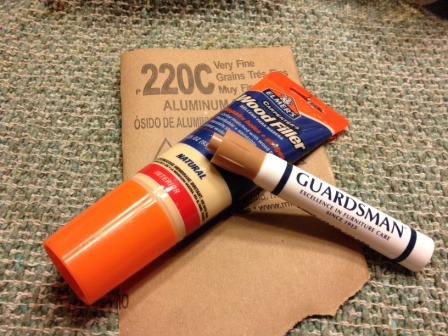
We used a minimal amount of tools for this project: wood filler, 220-grit sandpaper, and a light brown furniture repair marker.cob toolsWe applied a nice, thin coat of the wood filler all over the cob bowl and let it dry, about 10 minutes I’d guess.  Then we took turns sanding the cob smooth with the sandpaper. I then topped the bowl a bit to remove most of the char and “gunk” that had built up. After it was nice and smooth we, again, took turns staining it with the furniture marker. It then needed a few minutes to dry.

Connor had such a good time he convinced me to do a second, almost new, pipe that really didn’t need any thing done to it. But since the little guy was having such a good time and is on the mend from a broken arm and surgery to set it, how could I not do it? You are right: There was no way not to!

cob 3The middle pipe is the one I set out to make repairs on, compared to a new in the package one and the almost new one. This project took us probably 20 minutes, maybe less, from start to finish and it was so simple, well, a five year-old can do it!

Restoring a Savinelli De Luxe 132EX Pot


Blog by Flatticus

It is with pleasure that I introduce you to Flatticus. Flatticus is the designer and fabricator of the rustication tool that I wrote about a few posts back. We met via Smokers Forums and also through the blog. We exchanged quite a few messages and emails back and forth over the past months on refurbishing pipes and in building the rusticator. Flatticus has been reading the blog for quite a while now and I have asked him to feel free to write-up some of his work for us to read. Flatticus is a great communicator and does some excellent work in his refurbishing. Without further ado I will let Flatticus introduce himself and this pipe that he has restored.

Hi all, Flatticus here, an amateur to this wonderful hobby. This blog has taught me everything I know about restoration (but far from everything Steve knows, yet) and I’m excited to have a chance to share some of my recent efforts, all with methods learned right here at Reborn Pipes. I recently came across a large lot of pipes with some hidden gems, including this enormous Savinelli De Luxe 132 EX Pot. Even through the grime, it was clear at the outset that this was a beautiful piece of briar. I was a bit hesitant from the outset, though, because I’ve never meddled with a pipe this nice. Still, there’s only one way to learn!
Chris1As you can see, the oxidation was extremely heavy, enough to hide the significant tooth damage to the button and bite zone. The pipe itself was grimy in the extreme, and while a touch of murphy’s oil soap took enough grime off to assure me this wasn’t heat damage, it wouldn’t touch the majority of the blackening on the pipe. First step, then, was to put the pipe in my alcohol bath, a technique I first read about in Steve’s post here. So I reamed the excess cake, and dropped it in the bath. The stem got a quick scrub with some pipe cleaners, and was already pretty clean, so into the Oxyclean it went for 2.5 hours.
Chris2Chris3After the soak and a little scrubbing on with the Magic Eraser pads, actually bought as melamine foam on the cheap off eBay, but it’s the identical product, the stem looked great! At least unless you’ve read the recent post by Joyal Taylor here. Luckily, I had, so I knew to grab my trusty flashlight.
Chris4Oxidation was everywhere, and under an angled flashlight I could see it through the length of the stem. Ok, then I knew I had to sand. But first to address the bite marks. Step one was to try the heat gun, as I learned first here.
Chris5Unfortunately the marks were too deep to come out completely from the heat, so I filled them with black superglue, a technique I found an in-depth explanation of, among other places on the site, here. In the meantime I turned to the stummel itself while the glue was drying.
Chris6The bowl top was scratched pretty badly, and had some definite darkening to contend with. I knew I’d have to top it like Steve showed me in many posts like this one. I grabbed my topping board, actually a granite surface plate I bought from woodcraft years ago for lapping wood plane soles, and now use almost exclusively for pipes.
Chris7At 320 grit, my preferred poison for this procedure, the rim cleaned up quickly, but I soon enough decided that to eliminate all of the darkening I’d have to top the bowl lower than I liked. I came close, but left some of the color rather than lose the original shape. As you can see, the bowl was also a bit out of round (and still is, to a degree), which I went after with folder sandpaper to smooth out the curve without reshaping the bowl. The pipe had 2-3 fills, but I was confident they’d blend into the stain.
Chris8After this was done I gave the bowl one coat, applied twice with flame, of a medium brown Fiebing’s Dye, diluted to about 75/25 with isopropyl alcohol and set it to dry while I turned back to the stem.

Unfortunately after a quick bit of sanding it was clear the stem needed more glue to be built back up, so I added some and tried to be patient while it dried.
Chris9Once it had, I began sanding at 320 again, at this level with an eye towards shaping more than polishing. This is definitely a weak spot for me, so I’m glad for the practice, but I need more!
Chris10After a lot of trial and error (mostly error) I finally had the stem shaped properly and sanded through 320, 600, 800, 1000 grit in sandpaper and the full range of micromesh pads from 1500 to 12000. It was looking nice and shiny, so I gave it a thick rubbing with obsidian oil and set it out to dry for about a half hour.
Chris11At this point it was time to hit the buffing wheels. As you can see, I buff on the lathe, with a three wheel mandrel not made by Beall but suspiciously similar, and with tripoli, white diamond, and carnauba wax. One thing I’ll point out is that odd tool in the foreground, which is a wheel rake. You can get the job done with a hacksaw blade, but if you want clean buffing wheels, these are hard to beat.
Chris12After the three-part buffing, I chucked a 4” flannel wheel into my cordless drill for a final polish by hand. For a rank amateur, I must say myself, this turned out to be a very beautiful pipe.

Some pictures of the finished product:
Chris13Chris14Chris15
Looking back, I still have an awful lot to learn, that much is clear. For one thing, that rim fill didn’t blend quite as well as I was confident it would. All in all, though, I’m pleased as punch at having learned how to do any of this, and I have Steve and the great contributors to this site to thank for it.

Restoring a Bent Billiard – Converting a threaded mortise to a push mortise


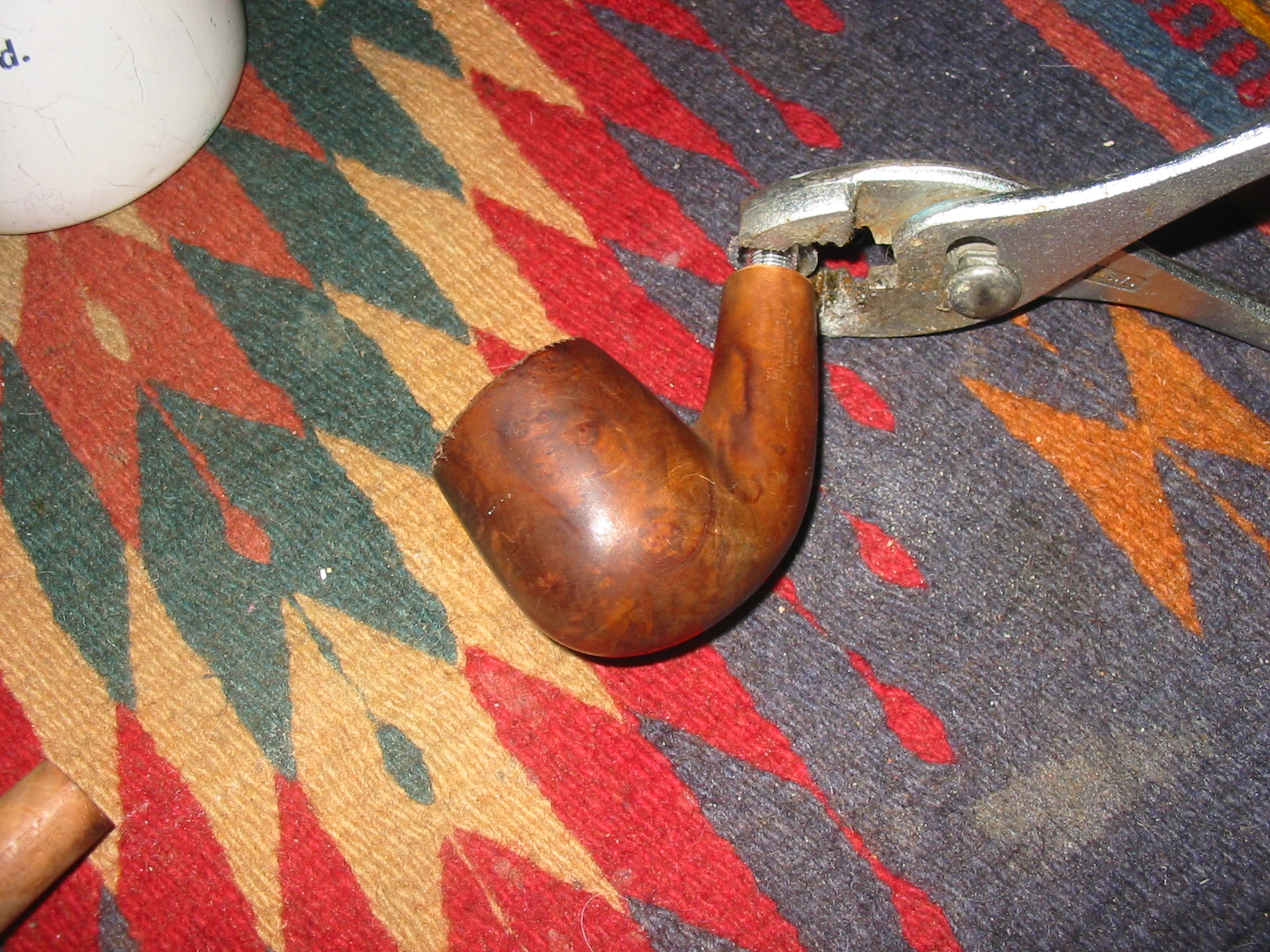
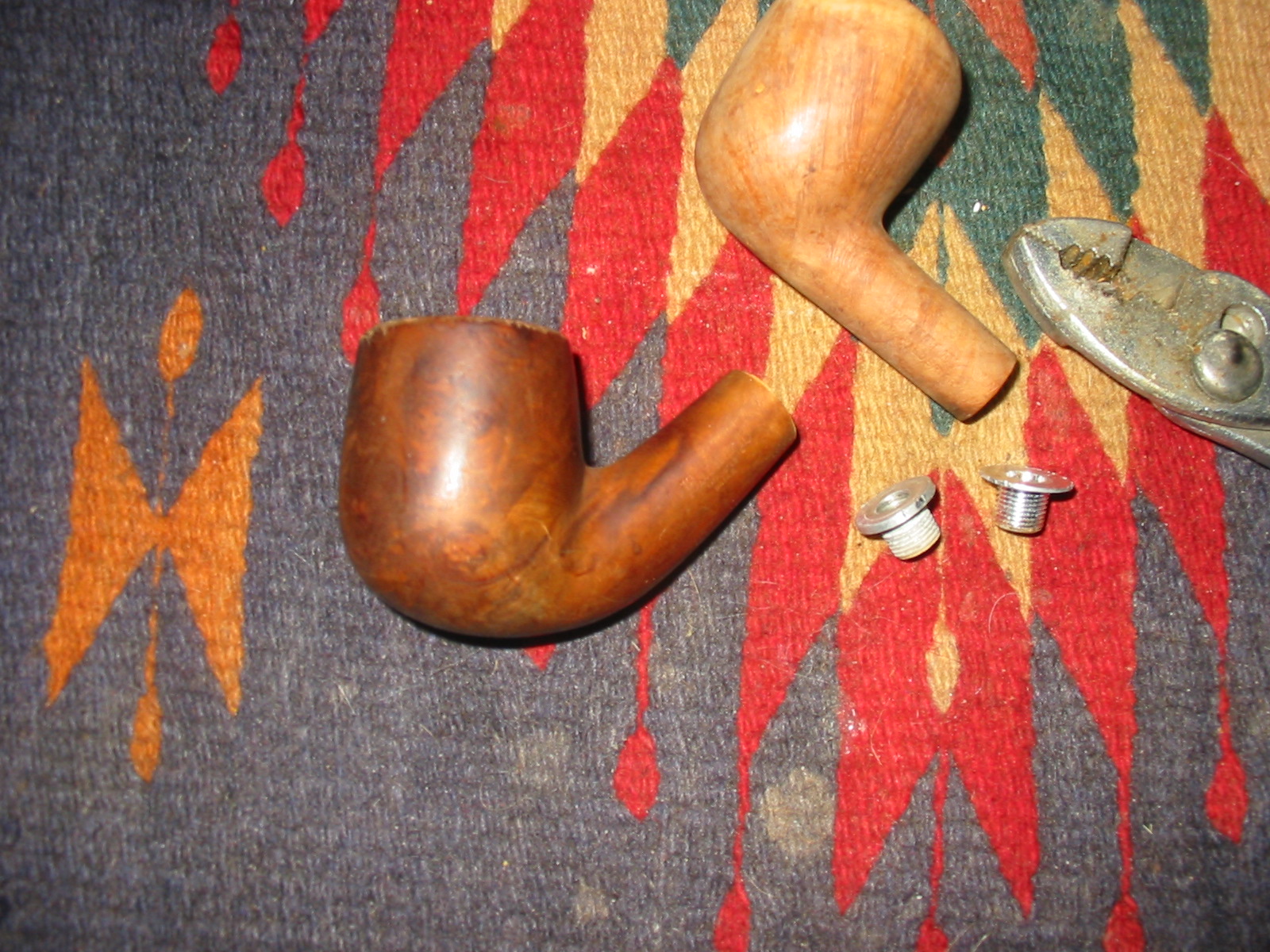
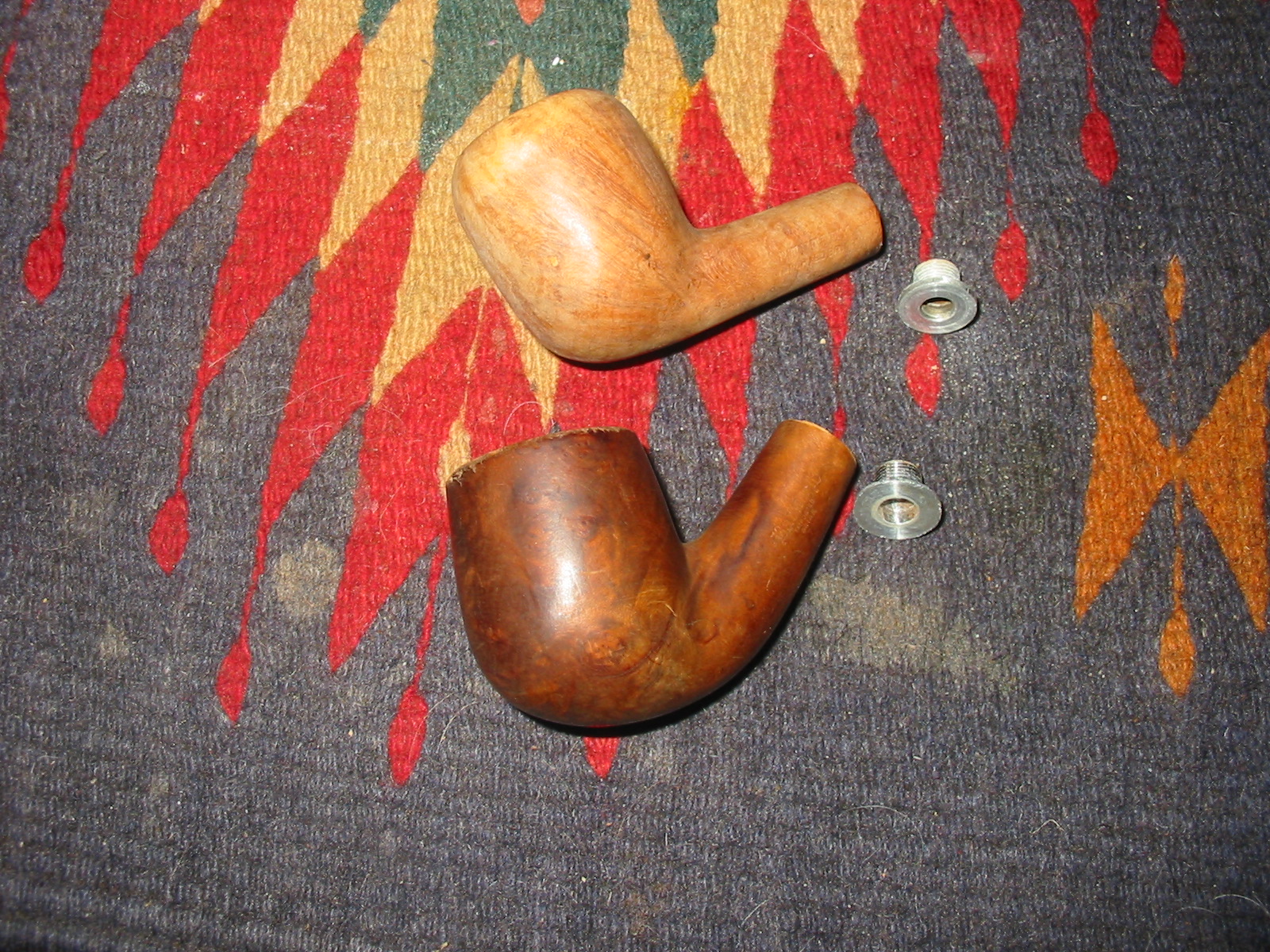
When I picked up these two pipes in the antique mall grab bag my intention was to hunt down threaded metal tenon stems for them both. But I soon finished cleaning up the rest of the lot and was down to these two and an old Medico. These two were in far better shape to start with than the old Medico so I looked them over for a while. I decided to drill out the threads on both of them and fit a push stem to the shank. I started with the bent billiard as it needed the most work to clean up the rim damage. While I was setting up to do it I got to thinking that the odds were very high that the inserts were reverse threaded into the shanks of the pipes. I took out a pair of pliers and carefully locked onto the metal edge of the insert on the bent billiard. I turned it counterclockwise and after a few moments of not moving it came loose and screwed out with ease. I did the second pipe bowl at the same time so I now have two pipe bowls that have been modified with a simple fix to that the mortises will accommodate a push stem.
IMG_6668

IMG_6669

IMG_6667
I had a saddle bit in my can of stems that had a Delrin tenon and with a little sanding fit the shank perfectly. It had a short saddle and quite quickly went to a blade. It was still quite thick in the mouth so I would need to sand it thinner for comfort. The fit against the shank was snug and only the diameter of the stem would need to be adjusted to fit properly.
IMG_6670

IMG_6671

IMG_6674
The pipe has some interesting grain on it and only one fill on the side of the shank. The stamping reads something like Barnard B over Imported Briar on the left side of the shank. The Barna is very clear the next two letters are faint and the end there is a Germanic Style B. Not much information available on the brand that I can find. The rim was really badly beaten up. It was rough and chewed up looking. The outer edge was ruined with chunks missing. The inner edge surprisingly enough was quite clean and in decent shape. There was a thin cake around the top half of the bowl while the bottom half was still unsmoked briar. The finish as worn around the rest of the bowl but surprisingly there were no nicks or dings on the rest of the briar.
IMG_6672

IMG_6673
I took a close up photo of the top of the rim to give an idea of the condition it was in when it arrived at my work table. I fit the stem to the shank and then used the Dremel and sanding drum to take down the excess diameter of the stem. I then sanded the stem and shank with 220 grit sandpaper to make a smooth transition between the two materials. In the photos taken of the top and bottom you can begin to see the damage on the stem near the saddle. At this point it did not go through the Lucite material but it was definitely a grey colour instead of black.
IMG_6678

IMG_6679

IMG_6680

IMG_6681

IMG_6682
With the fit of the stem finished I topped the bowl. I set up the topping board and the 220 grit sandpaper and turned the bowl into the sandpaper in a clockwise direction. I sanded the outer edge of the rim with a folded piece of sandpaper to smooth out the damage that the topping did not remove. I then wiped the bowl down with acetone to remove the finish and clean up the bowl.
IMG_6683

IMG_6686

IMG_6684

IMG_6685

IMG_6687

At this point I got an urge to put a silver band/end cap on the shank just to have a look. I liked the look of the cap but did not particularly like the look of the short saddle stem with the band. I almost pulled the band and decided against it but decided to leave it and stain the bowl to see what the finished look of the bowl would be. I could always make another stem for it should I desire to do so.
IMG_6688

IMG_6689

IMG_6690
I sanded the bowl with medium and fine grit sanding sponges and then wet sanded the bowl with 400 grit wet dry sandpaper. Once the scratches were removed and the briar was smooth I stained it with a black aniline stain. I applied it, flamed it, applied it again and flamed it again. I then heated the bowl with a heat gun to further set the black stain in the grain.
IMG_6691

IMG_6692

IMG_6693

IMG_6694

IMG_6695

IMG_6696

IMG_6697
I wiped the bowl down with isopropyl alcohol and followed that with acetone on cotton pads to remove the excess stain. I wanted to leave it deep in the grain and remove it from the surface of the bowl. I sanded the bowl with medium and fine grit sanding sponges and then wet sanded it with 400 grit wet dry sandpaper. When I had finished the bowl looked almost grey and the dark striations of grain stood out on the heel and underside of the shank.
IMG_6698

IMG_6699

IMG_6700

IMG_6701
I wiped the bowl down with alcohol again and then restained it with a oxblood aniline stain to bring out the contrast in the briar. I really like the way the finish had turned out on the bowl. The stem was looking more and more problematic. It seemed that I had sanded through the blade next to the saddle and sanded into the Delrin tenon. In the top and bottom view photos below you can see the grey area in each of those spots next to the saddle. This stem was ruined and needed to be replaced.
IMG_6702

IMG_6703

IMG_6704

IMG_6705
I took the stem off the pipe and sanded the two sides some more to see if I could feather out the damage or maybe repair it with a super glue patch. Looking at the photos you can see that patching and repairing the stem would not work.
IMG_6706

IMG_6707
I found a vulcanite saddle stem in my can of stems that would fit the shank. I turned the tenon with a PIMO tenon turner and then sanded it until it fit snuggly in the shank. The outer diameter of the stem needed to have some of the vulcanite removed to center the stem against the silver end cap.
IMG_6709
I sanded casting ridges off the stem and used a Dremel and sanding drum to remove the excess stem material. I sanded the diameter and the edges to remove all of the scratch marks. I used 220 grit sandpaper and then medium and fine grit sanding sponges to finish. I set up the heat gun and turned it on the low setting and held the stem over the heat. Once the stem was flexible I bent it carefully over an old rolling pin I use as a base until it was the correct angle. I set the angle with cold water.
IMG_6711

IMG_6712

IMG_6714
I sanded the stem with micromesh sanding pads – wet sanding with 1500-2400 grit pads and dry sanded with 3200-12000 grit pads. I buffed it with White Diamond and then rubbed it down with Obsidian Oil and let it soak into the rubber of the stem.
IMG_6715

IMG_6716

IMG_6717
I buffed the pipe and stem with White Diamond and polished the silver band with silver polish. I gave the entire pipe multiple coats of carnauba wax to preserve and protect the finish. I finished by giving it a light buff with a soft flannel buffing pad. The finish pipe is shown in the photos below.
IMG_6722

IMG_6725

IMG_6728

IMG_6727

An Old Horn Stem, Bone Tenon Apple Restored


Blog by Steve Laug

When I saw this old-timer on EBay I decided it had my name on it. The combination of shape and stem material are something that I love. It looked to be in pretty fair shape, just a bit of darkening at the rim, some nicks in the briar which is to be expected in a pipe this age. The stem looked all right – a few tooth marks on the surface but the horn material did not appear to have any splintering or cracks. The threaded tenon looked like it was a bone tenon and it too appeared to be in good shape. I put in my bid and was the only bidder. I have included the photos that the seller included in the sale. The pipe is delicate – a mere 4 inches.
Apple2

Apple3
The seller did not include any information on the stamping on the pipe. I wrote and they responded that it was not readable but that there was an oval on the left side of the shank. When it arrived I took it to my work table and did a cursory clean up and tried to read the stamping on the shank. I could see that the oval had remnants of gold in the marks. Under a bright light and using a jeweler’s loupe I could see that there was a letter visible on the right side of the oval that was readable – “N”. I wetted the stamping and looked more closely and could see what appeared to be the long straight leg of another letter on the left of the oval. It could easily have been a “K”, “R” or an “L”. On closer examination it seems to have a base on the bottom of the left leg. That would make it an “L”. So armed with that I did some digging in “Who Made That Pipe” and found several possibilities. The most likely was “LMN” and through continued observation of the logo I think that is what it is stamped. For me, a good part of the enjoyment of the hobby of refurbishing is the pipe mysteries that come along with the pipes I work on. So this pipe was going to be fun to work on and to research.
IMG_6620
I used the information in WMTP to research more into the maker of the pipe (at least according to the book). The pipe seems to have been made by a company called Jacobs, Hart & Co. England. I searched the various online directories of business in London at the time and found the following information on the hallmark site. It simply says that in 1889 in London there was a tobacco merchant named Joshua Michael Jacobs. I found his hallmark which interestingly is an oval as well with the JMJ letters stamped on the silver. I also found that members of the Jacobs family were gold and silver smiths as well as involved in the tobacco industry.

Apple4

At this point the trail went cold and I could find nothing else regarding the firm in the records. I knew that the family was involved in the industry but I could not find any information on the pipe brand itself. The only connection at this point was the listing in WMTP.

I searched the web for information on the second name in the company – Hart, and found that the name was held by an Australian who was a tobacco merchant as well. I have no idea about the migration from England to Australia but the link is certainly possible. I have included some information from the records I read through on the Hart family to show at least the tobacco connection.

The first document I found was a birth announcement for an Alfred David Hart. The birth announcement reads in part: “Born at Franklin Cottage, West-terrace, Adelaide. Birth certificate held – Father, general merchant, Franklin St., Adelaide, number Vol 3, pg 140 Adelaide.”

Further information found in the Biographical Register of Australia shows that he is included. Quoting in part: “Partner Feldheim, (I), Jacobs (qv) & Co (later Jacobs Hart & Co) tobacco merchants (emphasis is mine), managing director at William Cameron Bros & Co, tobacco manufacturers 1895; director of British Australian Tobacco Co from inception, chairman to 1925; dir Foster’s Beer Co: left estate of at least Pounds 183,252. The references given are: British Australian (Lond) 5 Apr 1928 cover p ii, 14 June 1928 p 21; Brisb Courier 12 Apr 1928 p 6; Argus 18 Feb1928 p 31; Vic LA PP 1894 2 no 37, p 417, Vic LA, V & P 1895 6 1 no D4 p 52, 62, 1895/6 2 no 3 p 8 ? 34.” http://metastudies.net/genealogy/PS04/PS04_230.HTM

The last bit of information on this partner in the company I found was his obituary. It too links him to the tobacco company that is associated with this pipe.

Hart, Alfred David (1851–1928)
http://oa.anu.edu.au/obituary/hart-alfred-david-13552
Mr. Alfred David Hart, who died on Thursday night at his residence in St. Kilda road, in his 78th year, was one of the founders of the modern tobacco trade in Australia. Mr. Hart was born in Adelaide in November, 1850, and he came to Melbourne in youth. His long association with the tobacco trade began at that time. For some years he was with Feldheim Jacobs and Co., and afterwards the firm became Jacobs Hart and Co., with establishments in Melbourne and Adelaide. At a later time Mr. Hart retired from the firm and became chairman and manager of Cameron Brothers and Co. Pty. Ltd. When the tobacco companies of Australia amalgamated he became chairman of directors in Melbourne of the British Australian Tobacco Company Pty. Ltd. From that position he retired in 1925, though he still held large interests. At one period Mr. Hart was chairman of directors of the Foster Brewing Company, and to the time of his death he was one of the directors of the Swan Brewery Company and chairman of directors of the United Insurance Company Ltd. Mr. Hart had many other business interests. He was the proprietor of Elizabeth House, the large building at the corner of Elizabeth and little Collins streets.

Apple5 That is the extent of that information as well. Once again there is no written link to the information noted in WMTP. I did some more research on the LMN brand and came across several pipes with that stamping for sale on various sites. Once of those was found on Worthpoint. It is pictured below. I have also included the link to the site. http://www.worthpoint.com/worthopedia/vintage-lmn-hallmarked-bent-chimney-169605160 I did find that LMN was registered as a trademark in Australia and belonged to WD & HO Wills Australia LTD. Here is the trademark information:

Trademark number 4727 was lodged on 30/07/1907 and has a status of Removed – Not Renewed. The applicant/owner of the trademark is registered as W D & H O Wills (Aust) Limited Business names for this company include AMERICAN PALL MALL, AMERICAN PALL MALL CO, BROWN & WILLIAMSON TOBACCO CO, BROWN & WILLIAMSON TOBACCO CO., BROWN & WILLIAMSON TOBACCO COMPANY, BROWN AND WILLIAMSON TOBACCO COMPANY, CIGARETTE DISTRIBUTORS, CUSTOMPHONE, GENERAL CIGAR CO, GEORGE TICKLE & CO, LAMBERT & BUTLER, OGDENS TOBACCO CO, THE NATIONAL TOBACCO COMPANY OF AUSTRALIA, THE STATESMAN CIGAR CO, TICKLES TOBACCO SERVICE, W.A. AND A.C. CHURCHMAN, WILLIAM BUTLER TOBACCO COMPANY

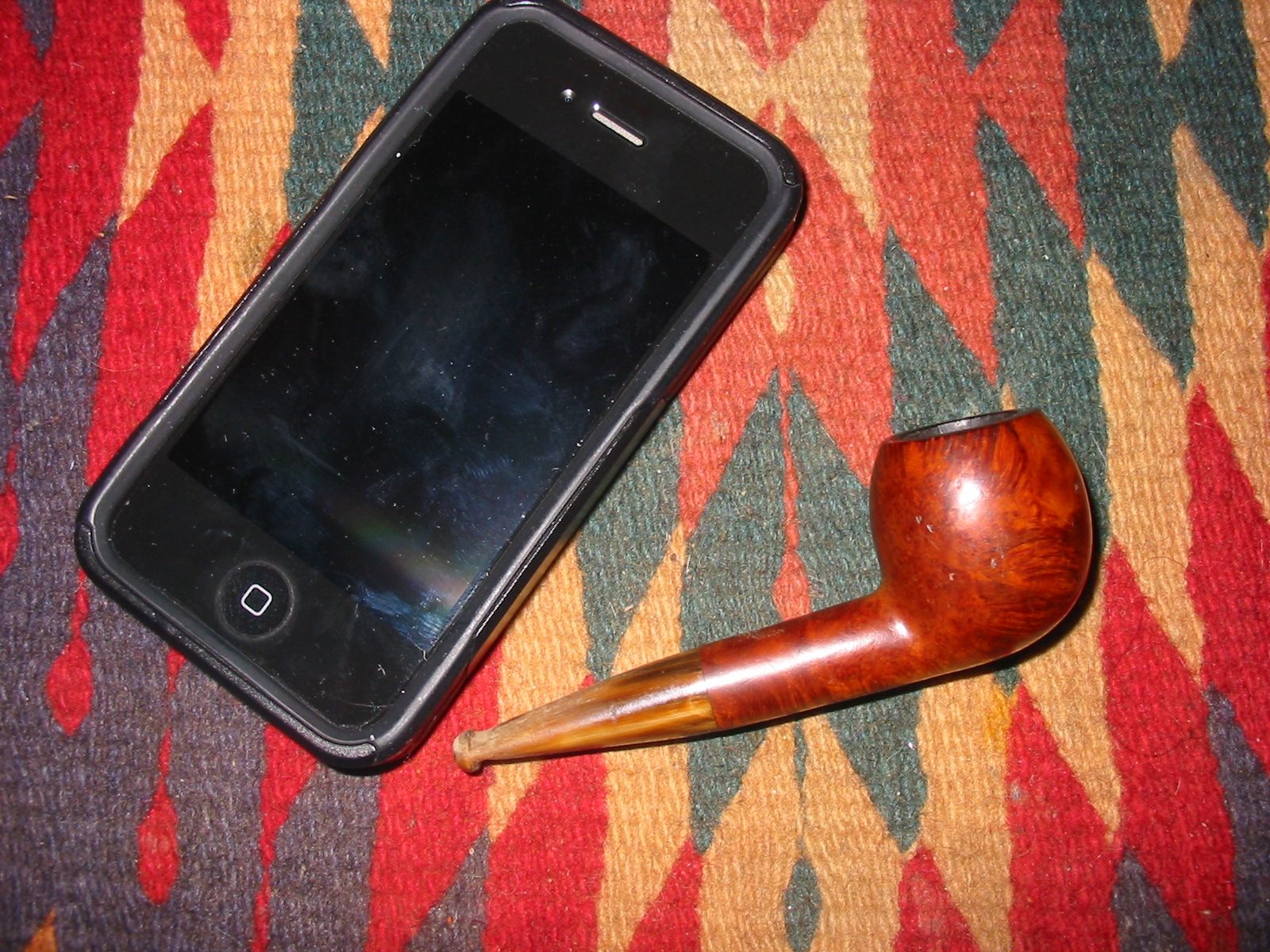
With that I decided to put my research to rest for a while and went to work on the pipe. The next photo gives a clear picture of the size of the pipe. I have it resting next to my iPhone 4 for comparison sake.
IMG_6621
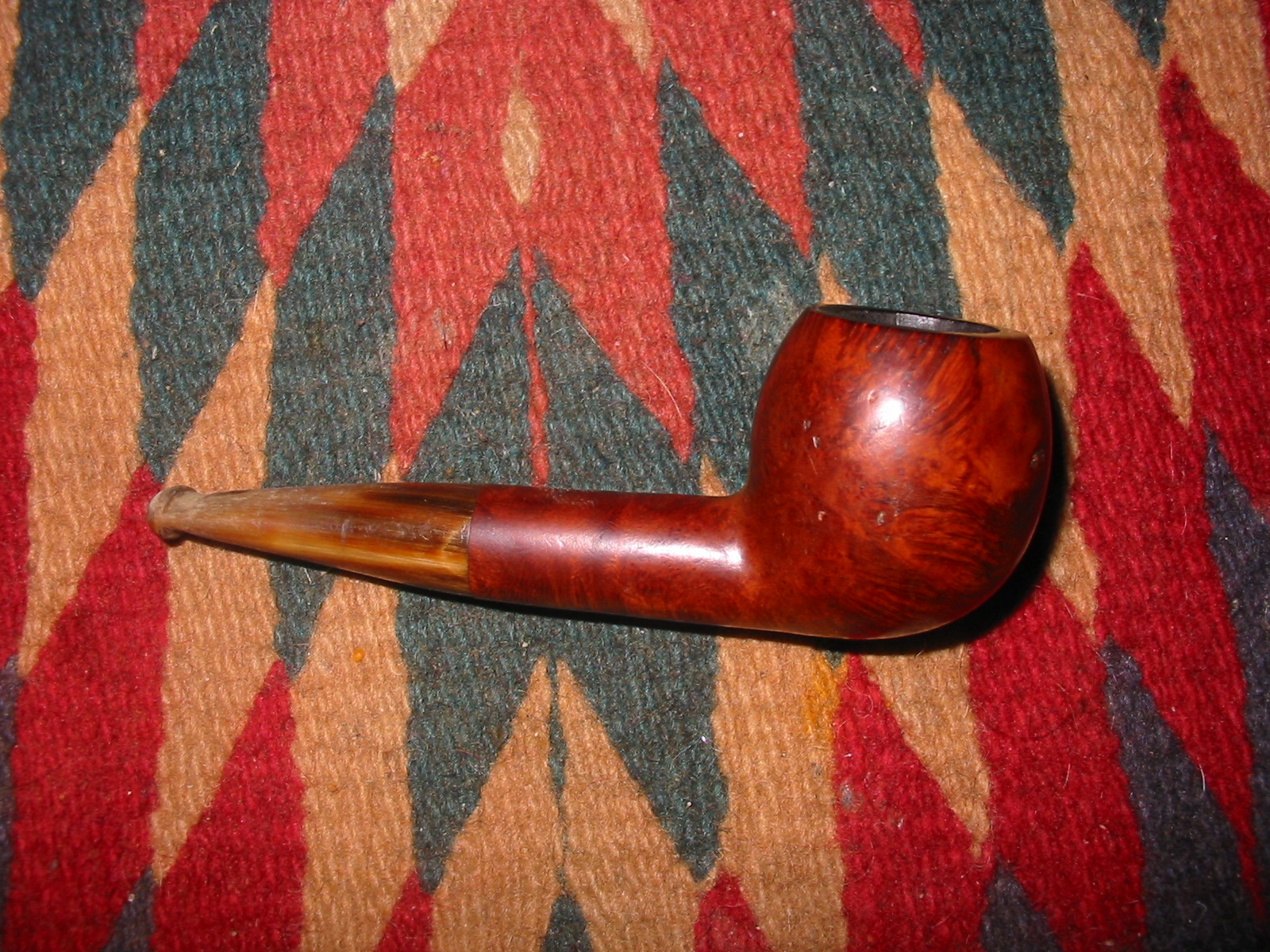
The next four photos show the pipe as it was when I started the refurbishing. The bowl itself was in good shape. There were nicks and marks all around the bowl. On the bowl front there was an area where a fill had fallen out and left a deep hole in the briar. The bowl interior was fairly clean with a light cake and some remnants of tobacco left in the bowl. The inner edge of the rim had two areas that were burned. The burned area extended to the top of the rim in those two spots. The stem was quite clean. There was no evidence of the horn delaminating which was good news. Next to the button on both sides of the stem there were troughs left behind from tooth marks. There was tooth chatter over the surface, both top and bottom a 1/3 of the way up the short stem. The bone tenon was in excellent shape with no damage or broken threads. There was some staining on the end but other than that it was flawless.
IMG_6622

IMG_6623

IMG_6624

IMG_6625
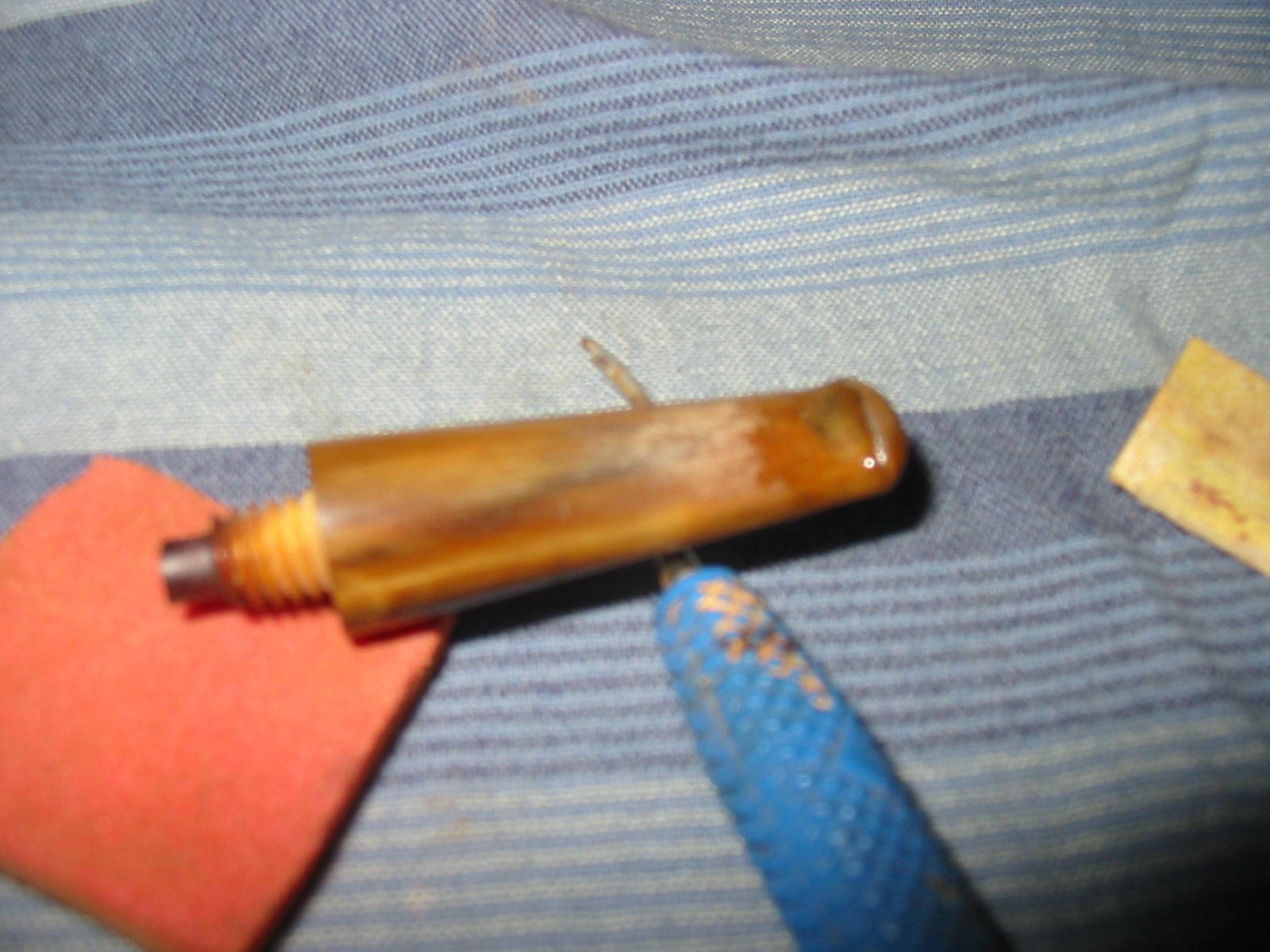
Because I love the finished look of horn I worked on the horn stem first. I sanded the surface of the stem with 220 grit sandpaper to smooth out the tooth chatter and the deep troughs around the edges of the button. As I worked on them I realized that the horn material was thin in those spots. I roughened the surface and built it up with clear super glue. My goal was to level out the troughs and give a clean flow to the taper of the stem to the button. This took several applications of super glue. After each application dried I sanded it with 200 grit sandpaper and a medium grit sanding sponge to make sure that the surface was level before adding a new layer.
IMG_6626

IMG_6627
When the troughs were filled and level I screwed the stem back into the bowl and took some photos to check out the taper of the stem to the button. I wanted to make sure that the taper was smooth and the flow correct. I find that taking a photo gives me some distance from the pipe and I can examine it more critically than in real life at this point. I would need to work on the button area but the taper was correct.
IMG_6628

IMG_6629

IMG_6630

IMG_6631
I gave the bowl a light reaming with a PipNet reamer. I decided address the deeper nicks and crevices on the bowl with briar dust and superglue. Before doing that I wiped down the bowl with acetone on a cotton pad to remove the finish and clean the bowl.
IMG_6633
I packed briar dust into the nicks and holes in the briar and then added drops of super glue followed by more briar dust. I always over fill the patches as it is easier to sand the patches than to continue to fill them as they shrink. The next two photos show the patches.
IMG_6635

IMG_6636
I sanded the patches with 220 grit sandpaper to remove the thicker portion of the repairs and then followed up with a medium and a fine grit sanding sponge. The repairs are smooth and match the surrounding briar. They are dark spots but I have found that I don’t mind those as much as putty fills. I also have found that they can be blended into the briar more easily when stained with a dark brown or black aniline stain. They are still present but do not stand out.
IMG_6637

IMG_6638
To remove the burned areas on the inner edge and top of the rim I topped the bowl using a topping board and 220 grit sandpaper. I move the bowl across the sandpaper in a clockwise circular pattern – more out of habit than anything else though I find that it minimizes the scratches left behind and is easier to smooth out with later sanding.
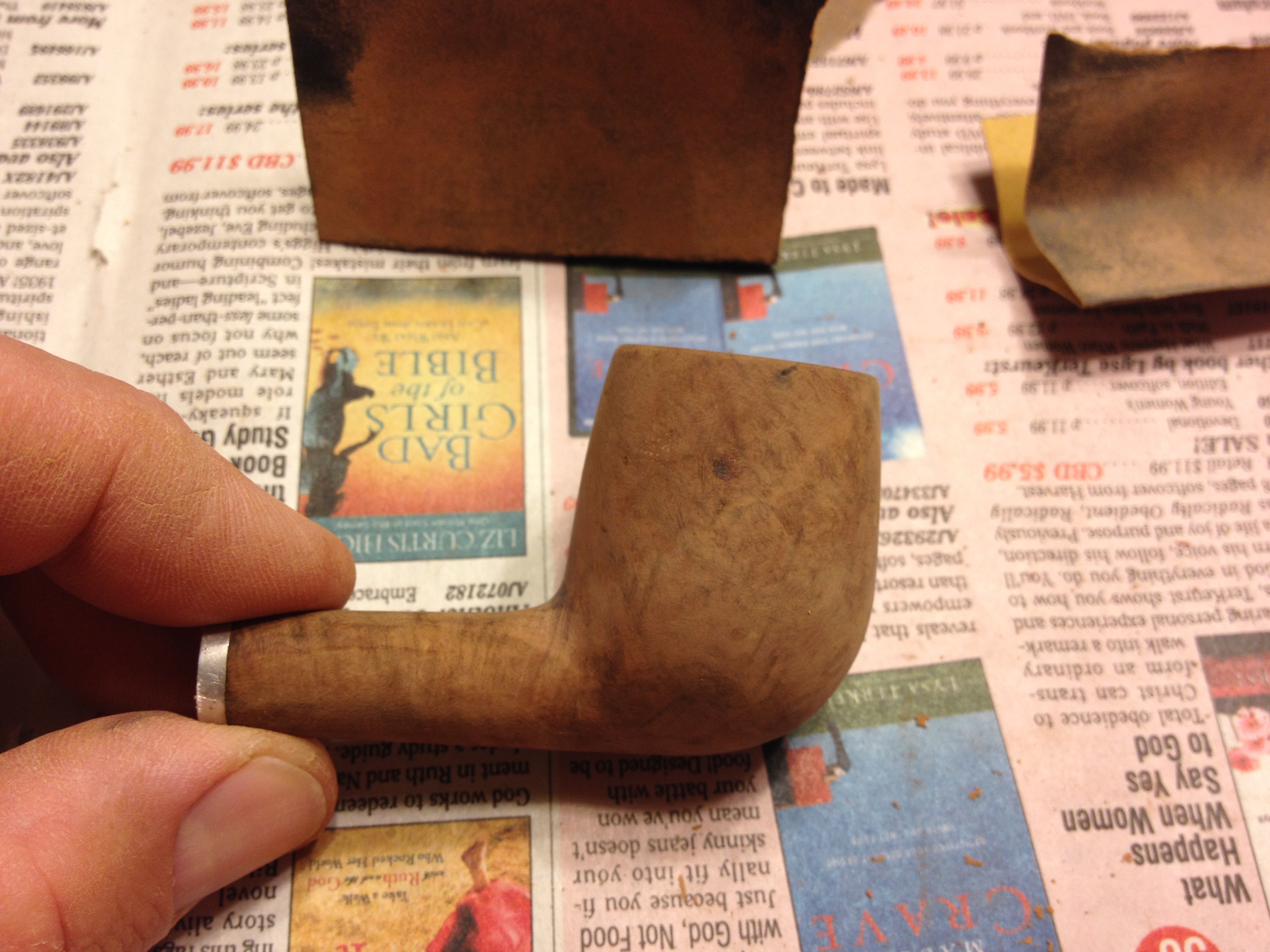
IMG_6640

IMG_6641
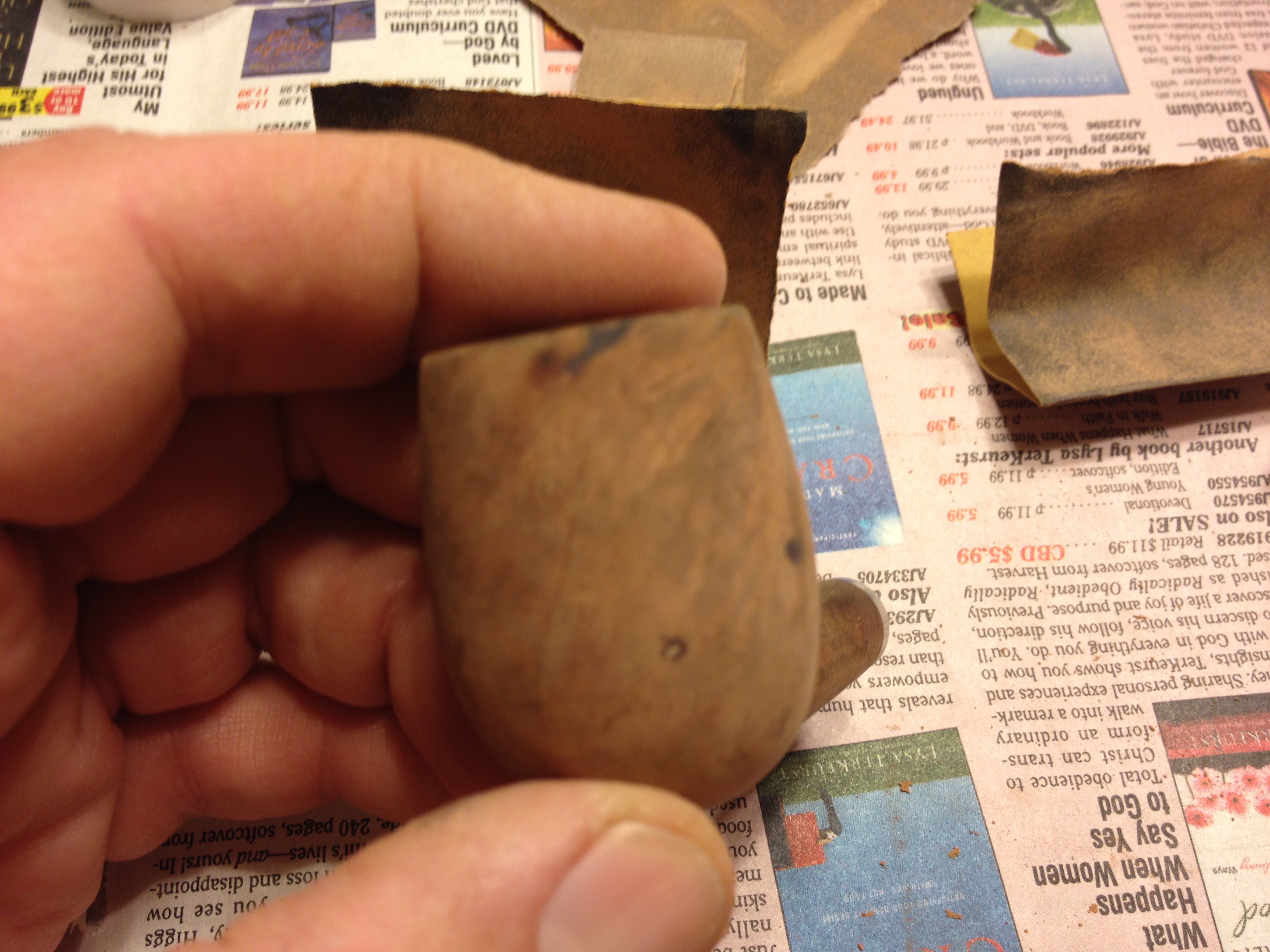
I took the top of the rim down until the burn marks were minimized and the top of the bowl was smooth to the touch. I sanded the bowl top with a fine grit sanding sponge to remove scratches. I did not go on to sand with higher grit paper as I would be sanding after I stained the bowl. I wiped the bowl down with isopropyl alcohol and then applied and flamed the dark brown aniline stain. I repeated the process until I had good coverage on the bowl and rim. The stain was very dark and hid the grain. It was also very opaque and not what I wanted as the final stain on the bowl. I wiped the bowl down with isopropyl alcohol to remove much of the stain. Doing this removes the surface coat but leaves the stain deep in the grain of the briar.
IMG_6642

IMG_6643

IMG_6645
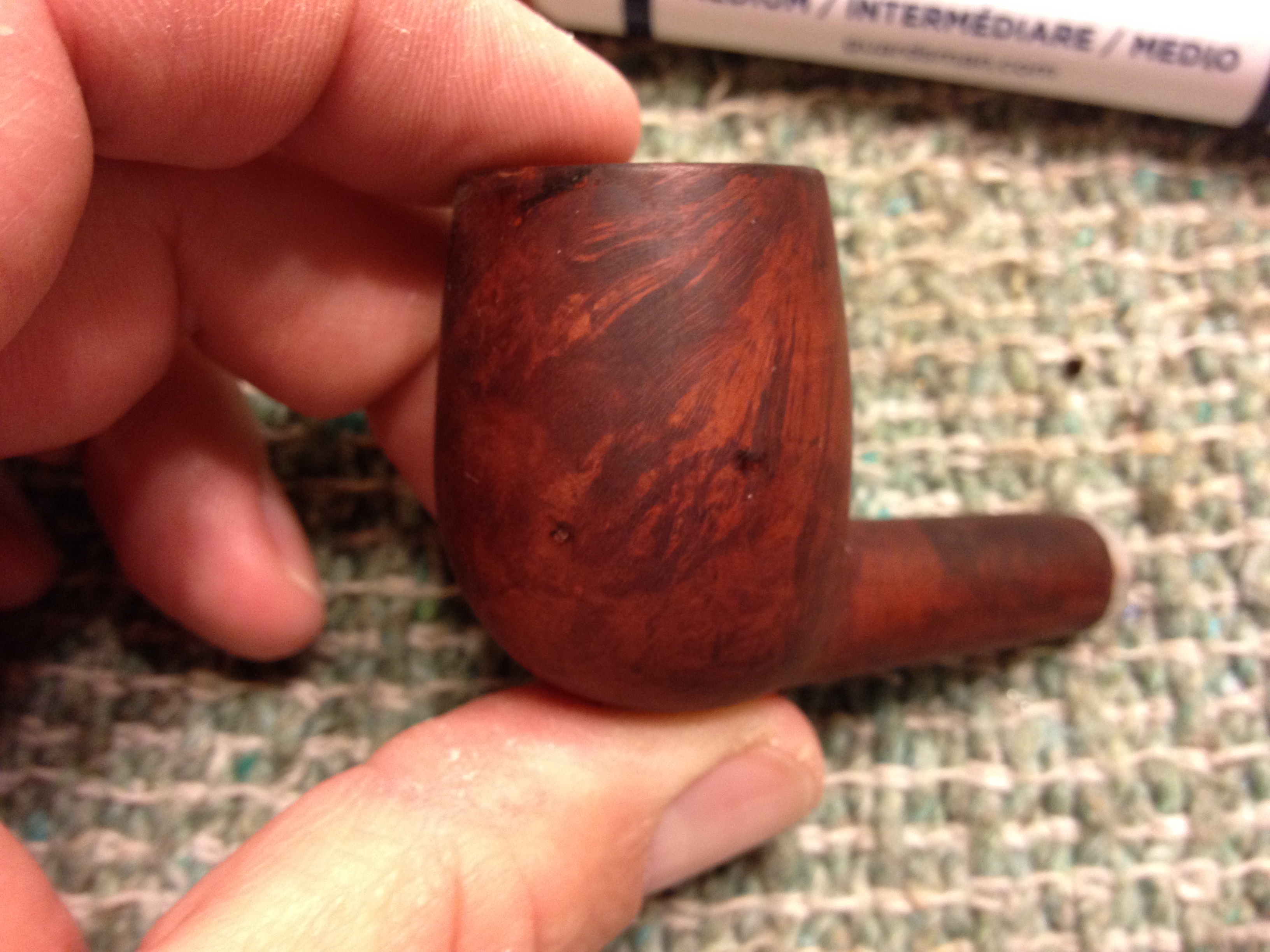
I buffed the bowl with White Diamond on the wheel to further remove some of the stain and smooth out the surface of the briar. I avoided the area of the stamping so as not to further damage the already faint stamping. I then folded a piece of sandpaper and worked on the inner edge of the rim to remove the damage and work the bowl back into round afterwards. I have included the photos below to give an idea of what the stain looked like at this point as well as the way the repairs were hidden by the stain. There is some great grain on this old pipe.
IMG_6646

IMG_6647

IMG_6648

IMG_6649
I sanded the bowl and stem with micromesh sanding pads. I wet sanded with 1500-2400 grit pads and dry sanded with 3200-12000 grit pads. I rubbed the stem down with Obsidian Oil to preserve the horn and renew it.
IMG_6634

IMG_6650

IMG_6651
I buffed the bowl and stem lightly with White Diamond and then gave the pipe multiple coats of carnauba wax. I buffed it lightly with a soft flannel buff and then hand buffed the area around the stamping. The finished pipe is shown in the photos below. The horn has a rich shine to it now and the briar looks very good. The contrast between the rich brown stain and the striations of colour in the horn stem give the pipe a distinctive look. There are still some battle scars that add character to the pipe in my opinion. Overall the pipe looks almost new. It is cleaned and ready for a smoke.
IMG_6652

IMG_6653

IMG_6655

IMG_6656

Willard Dublin Restemmed and Rejuvenated


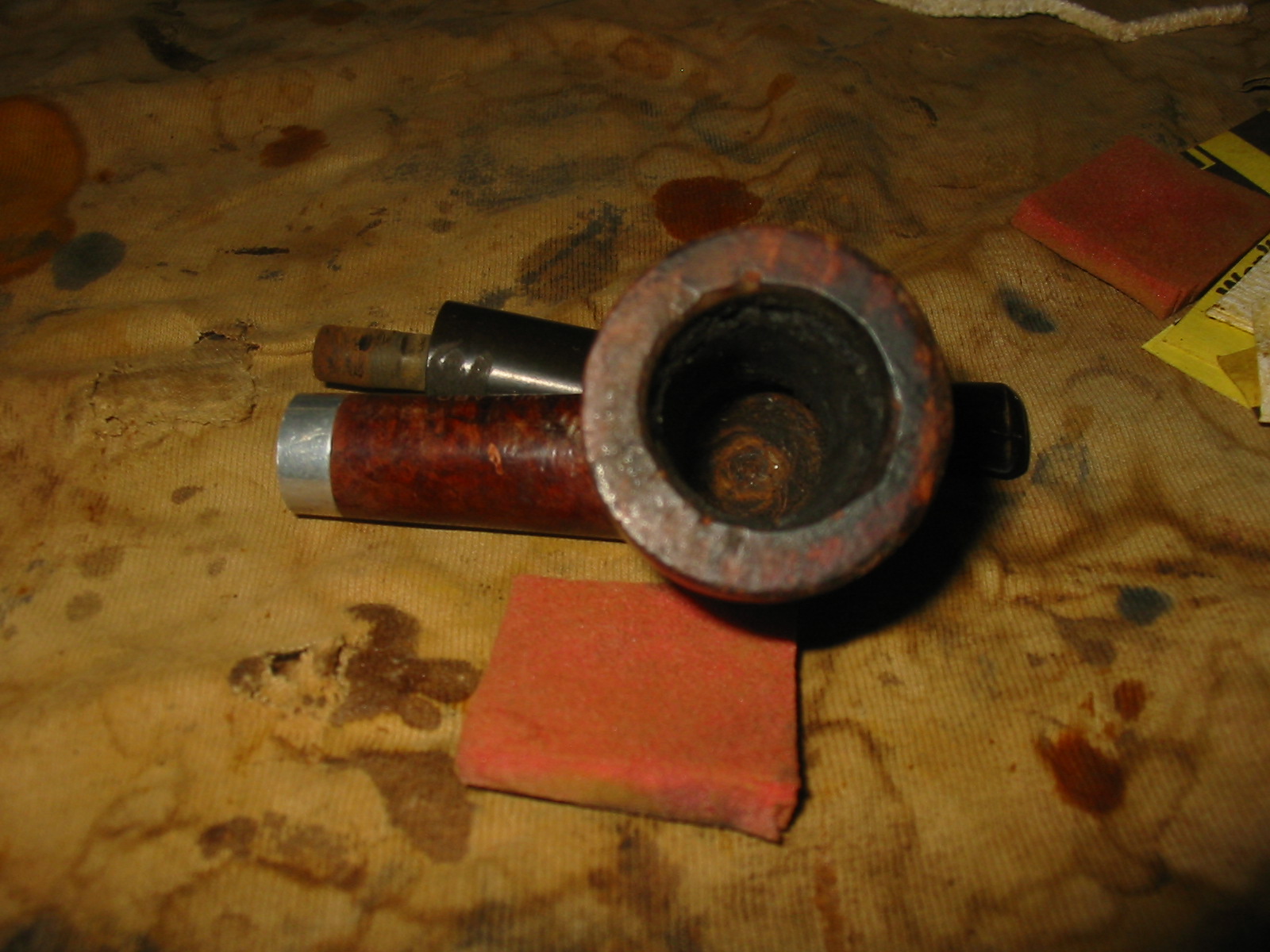
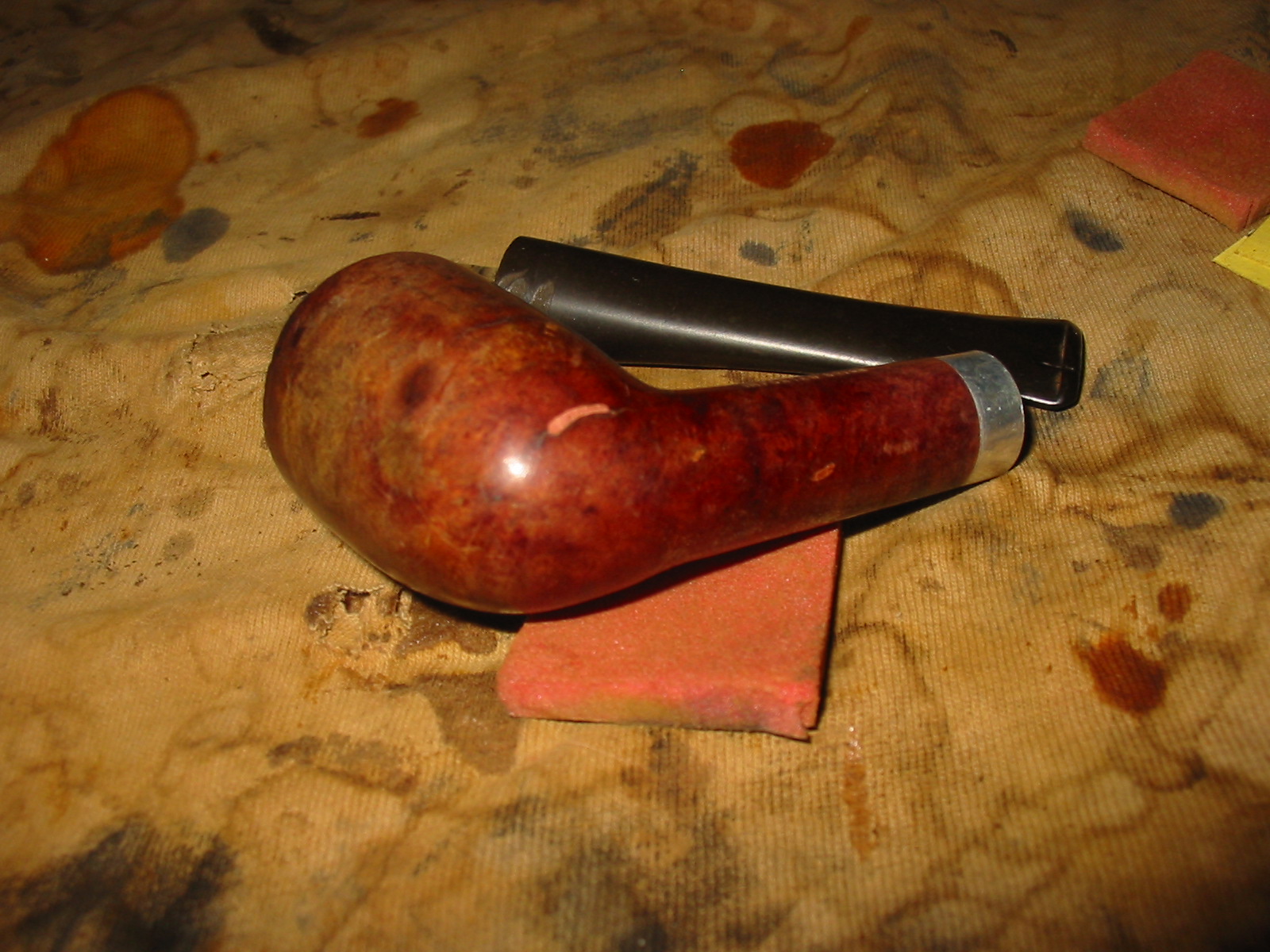
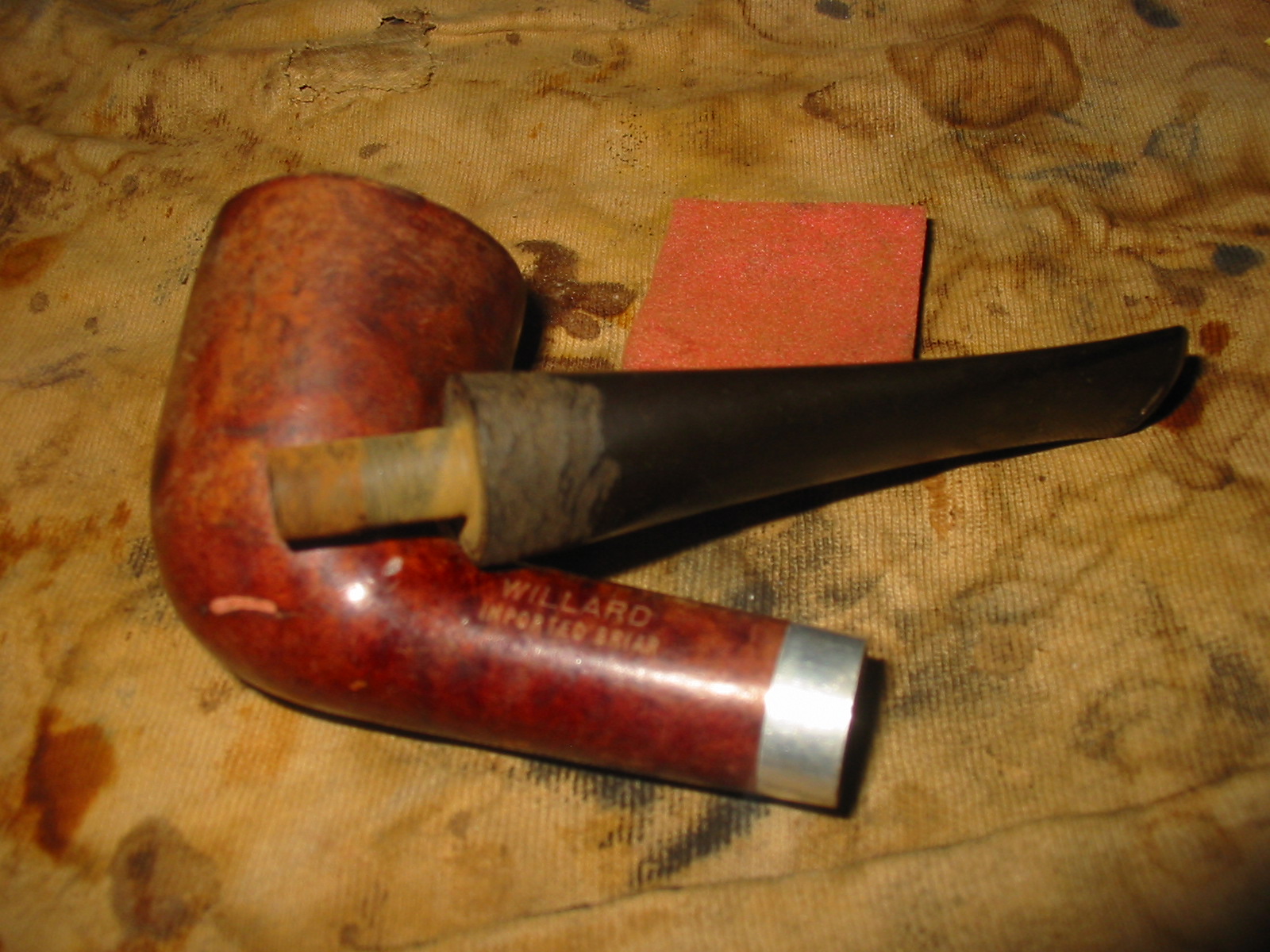
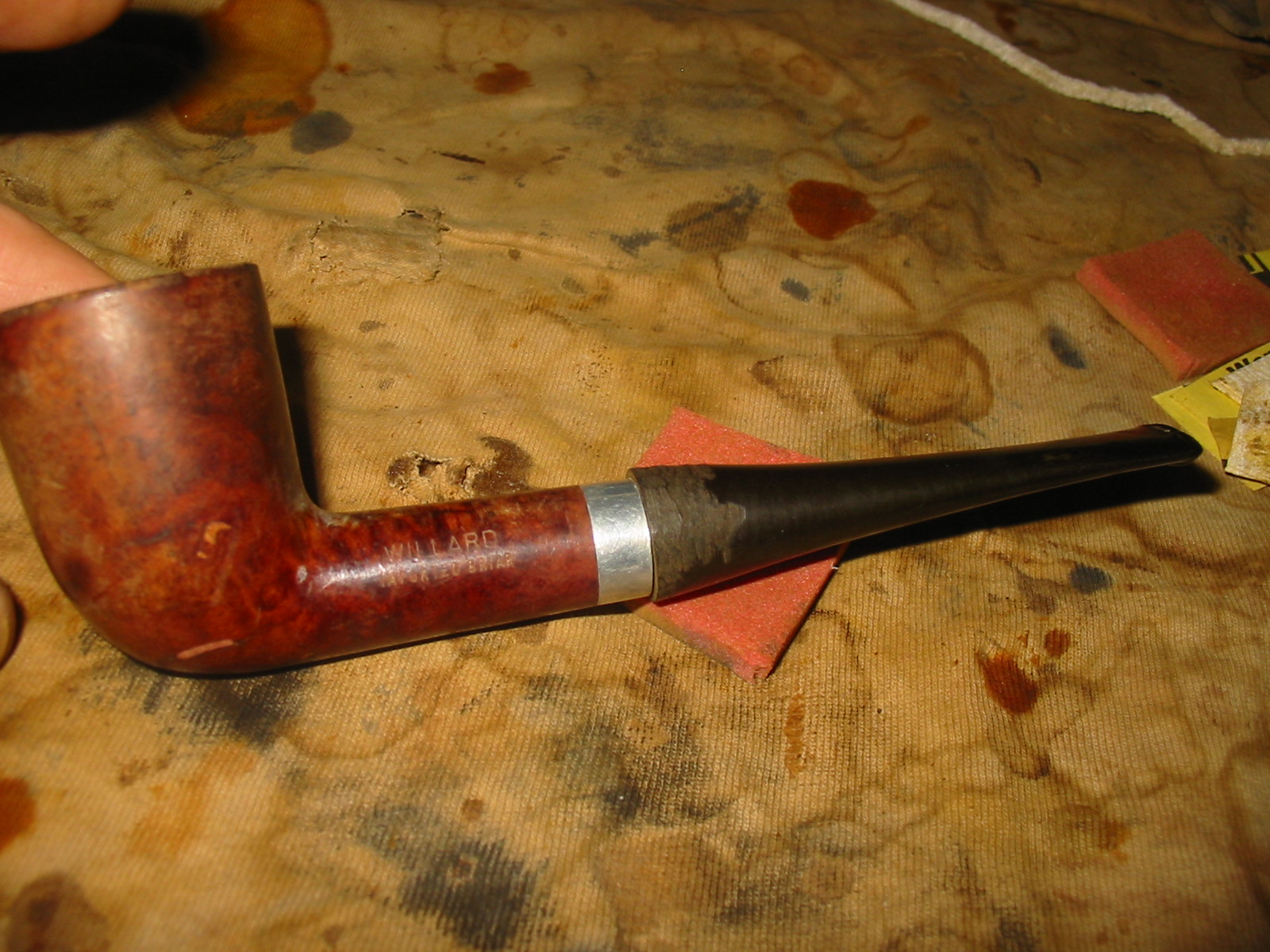
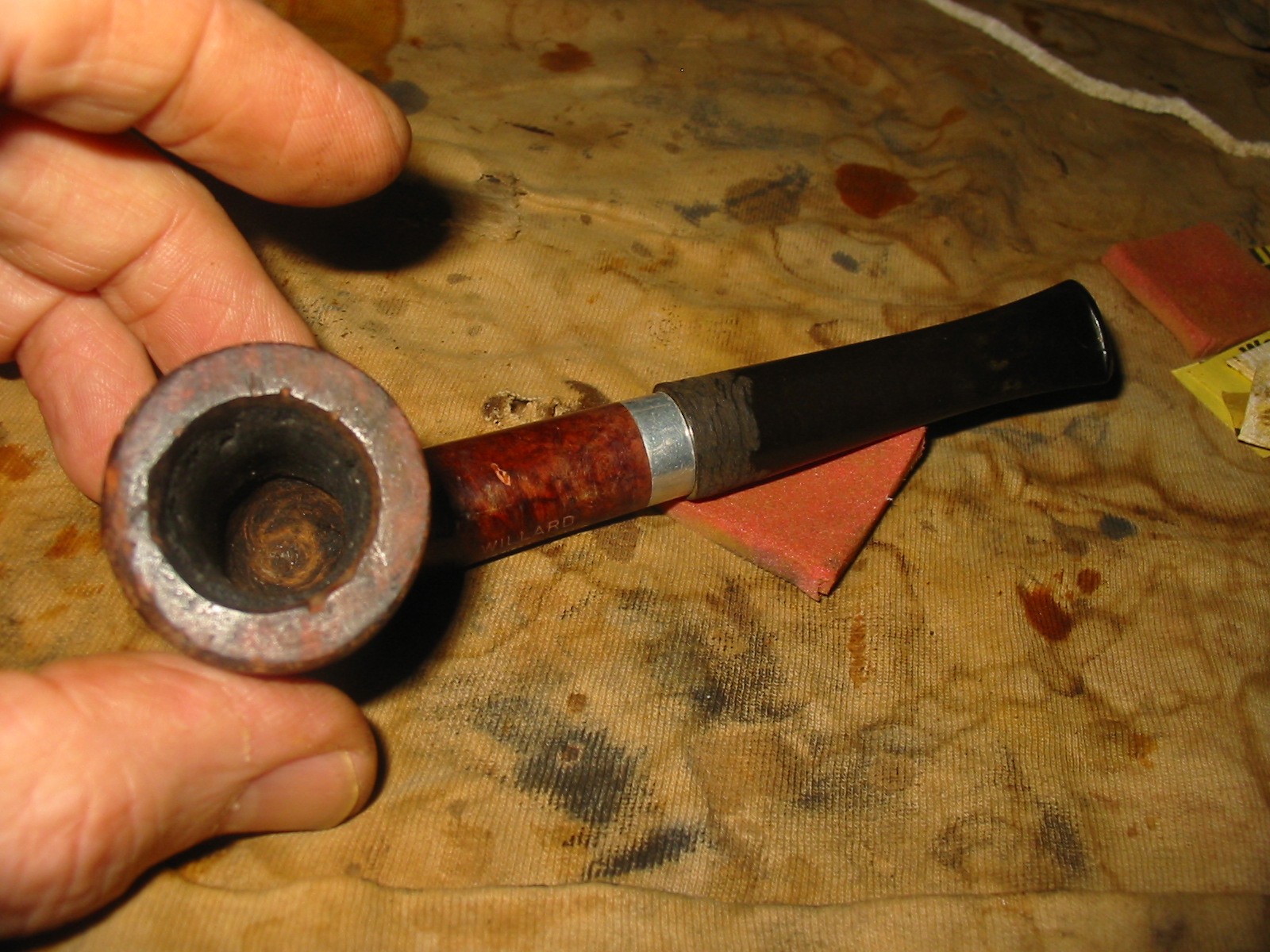
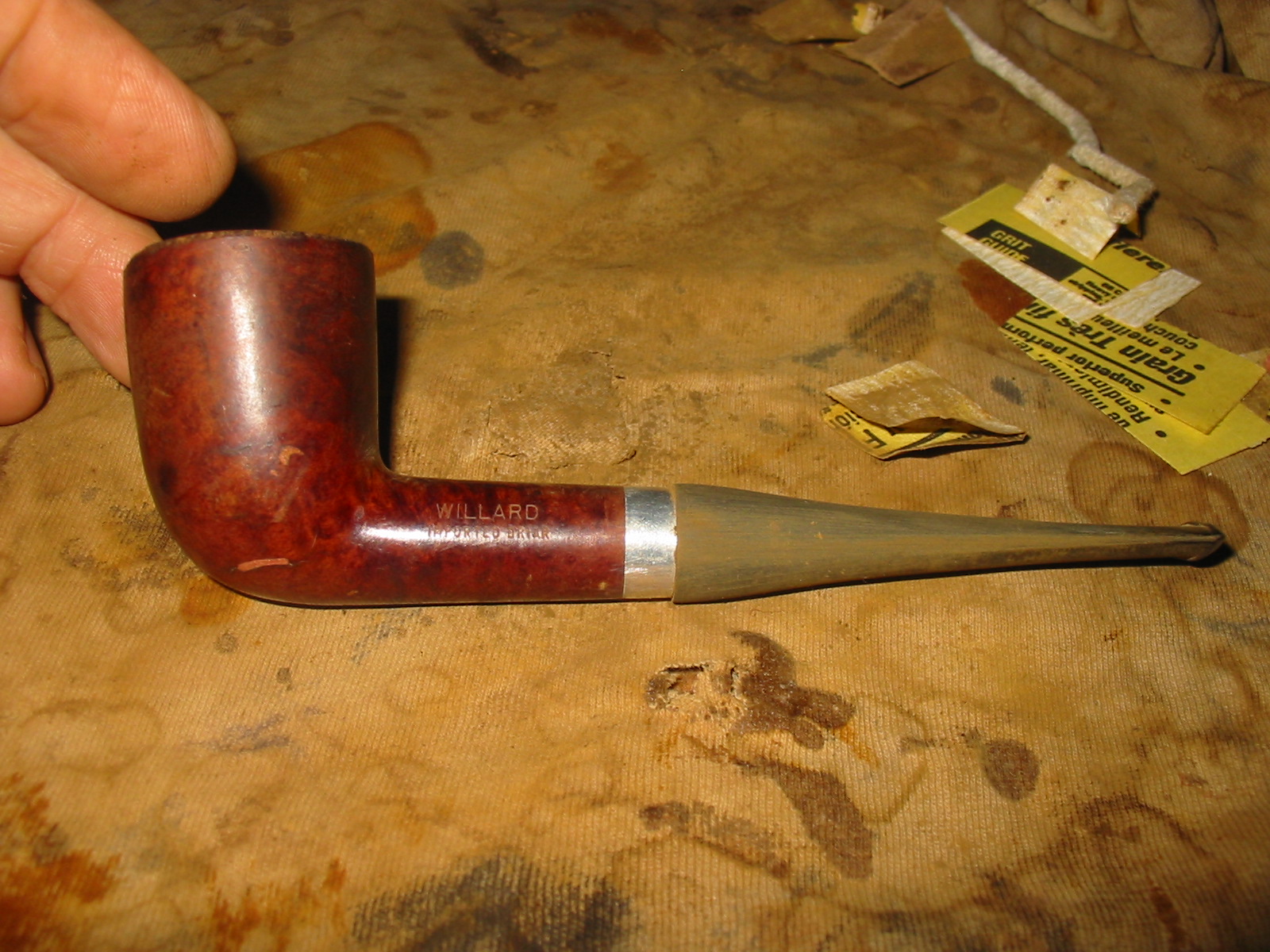
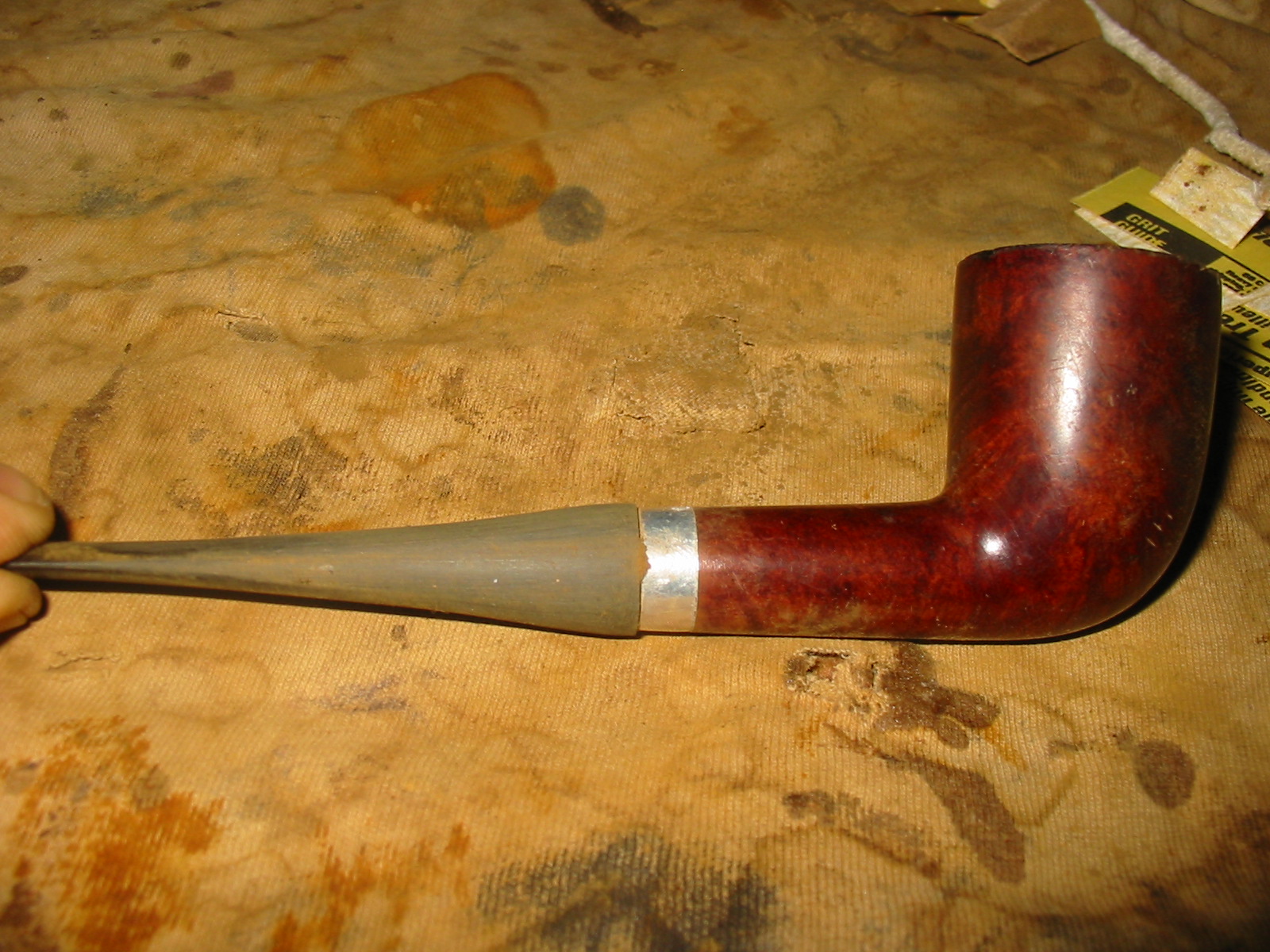
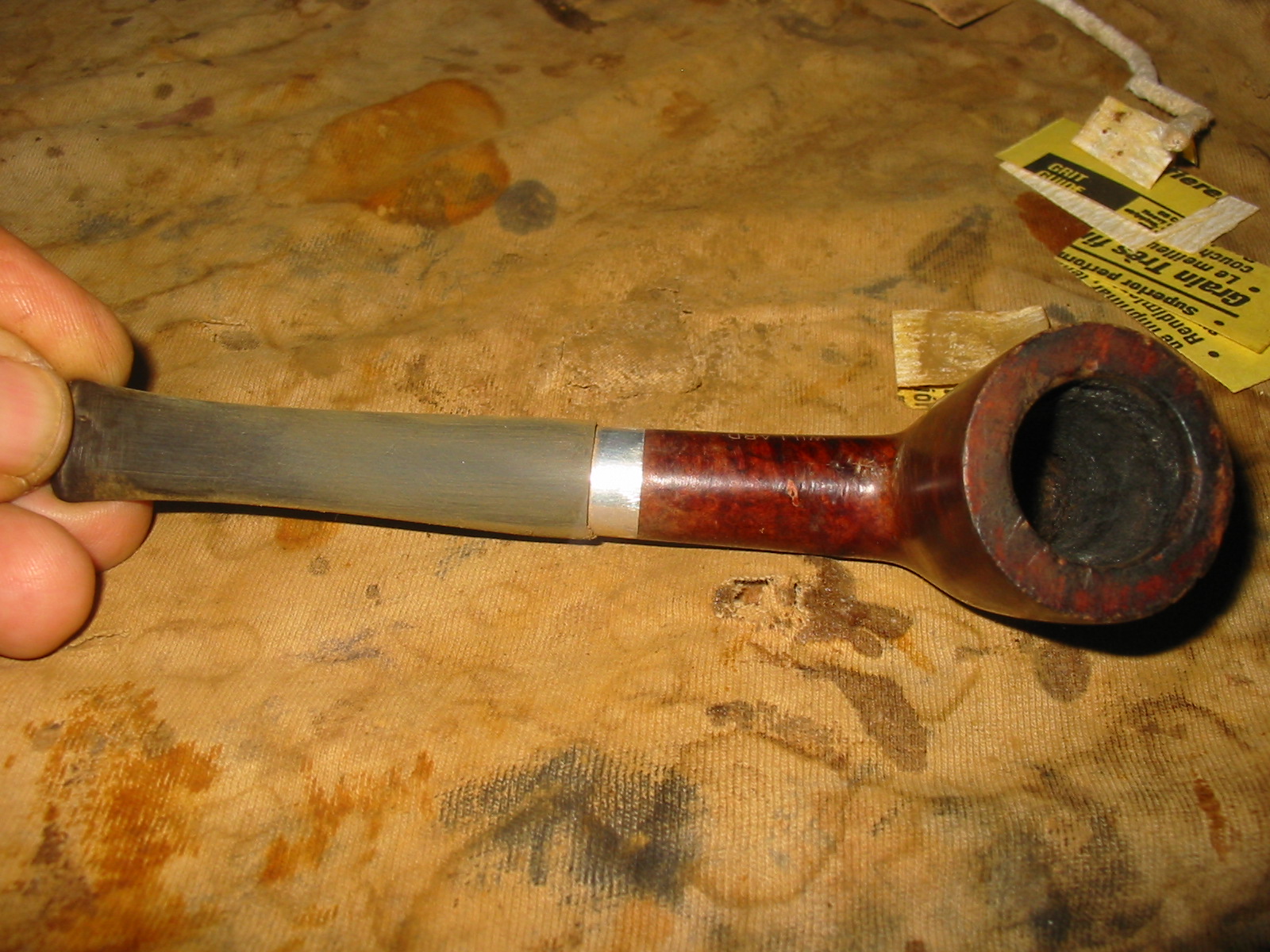
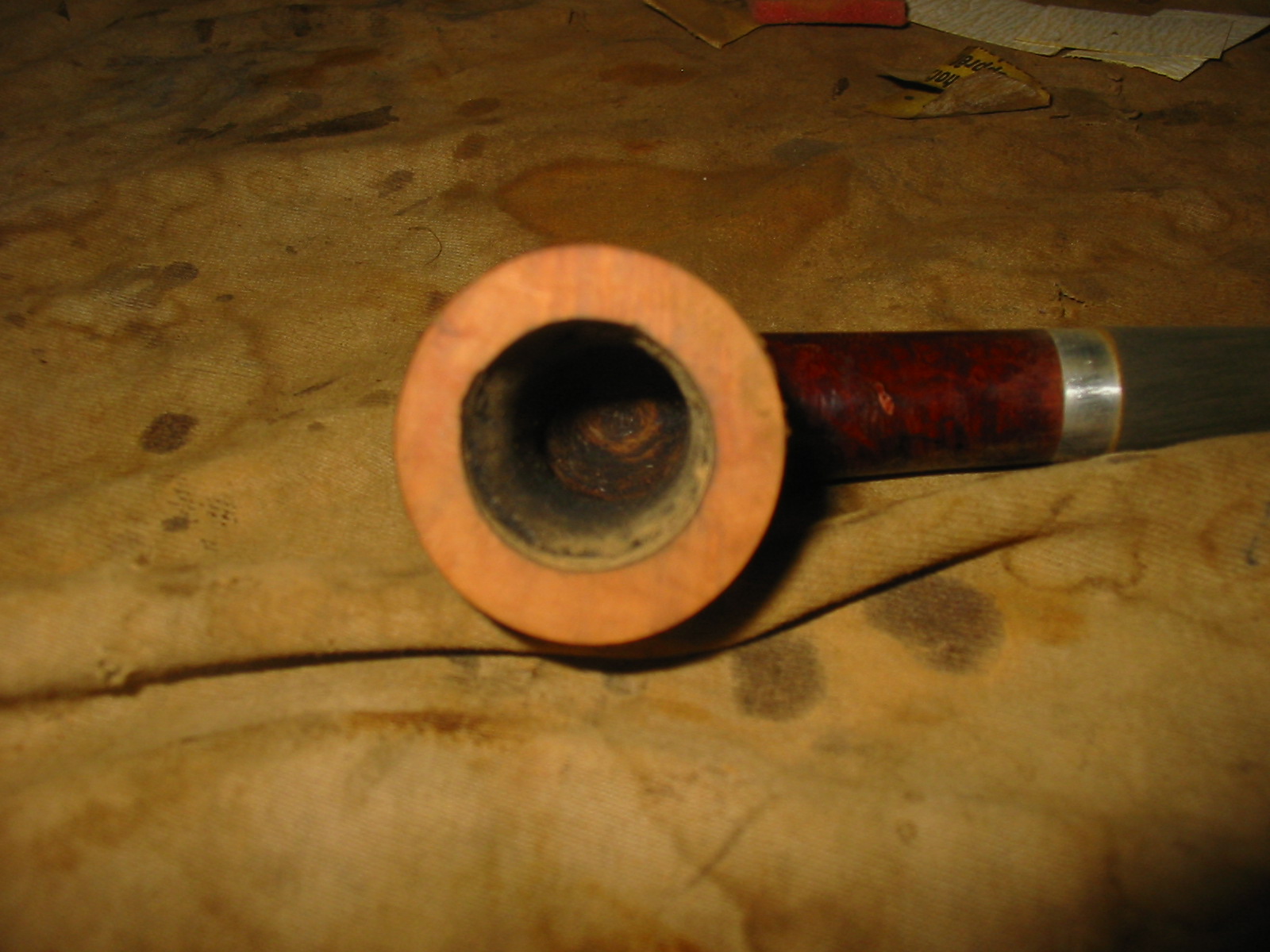
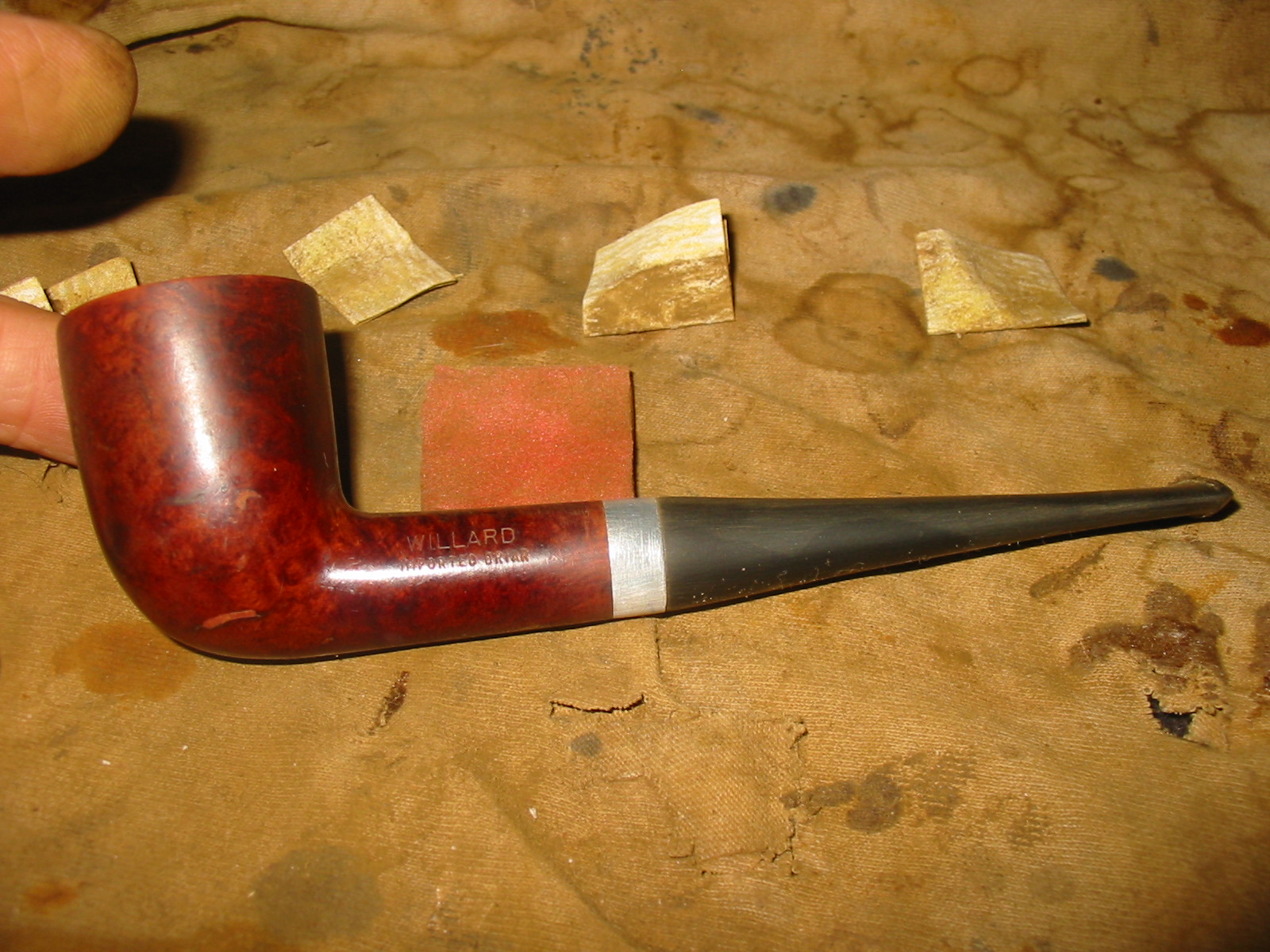
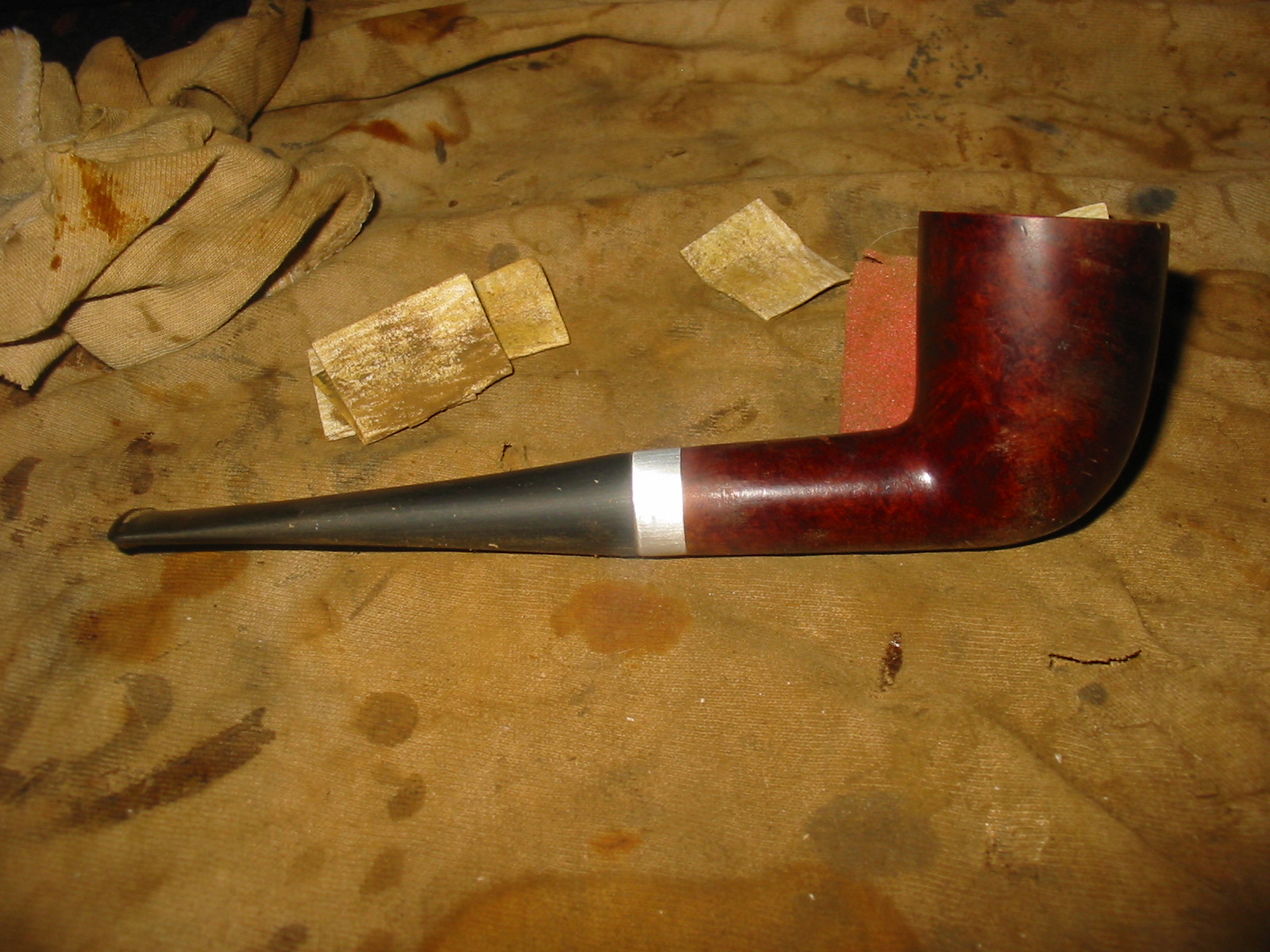
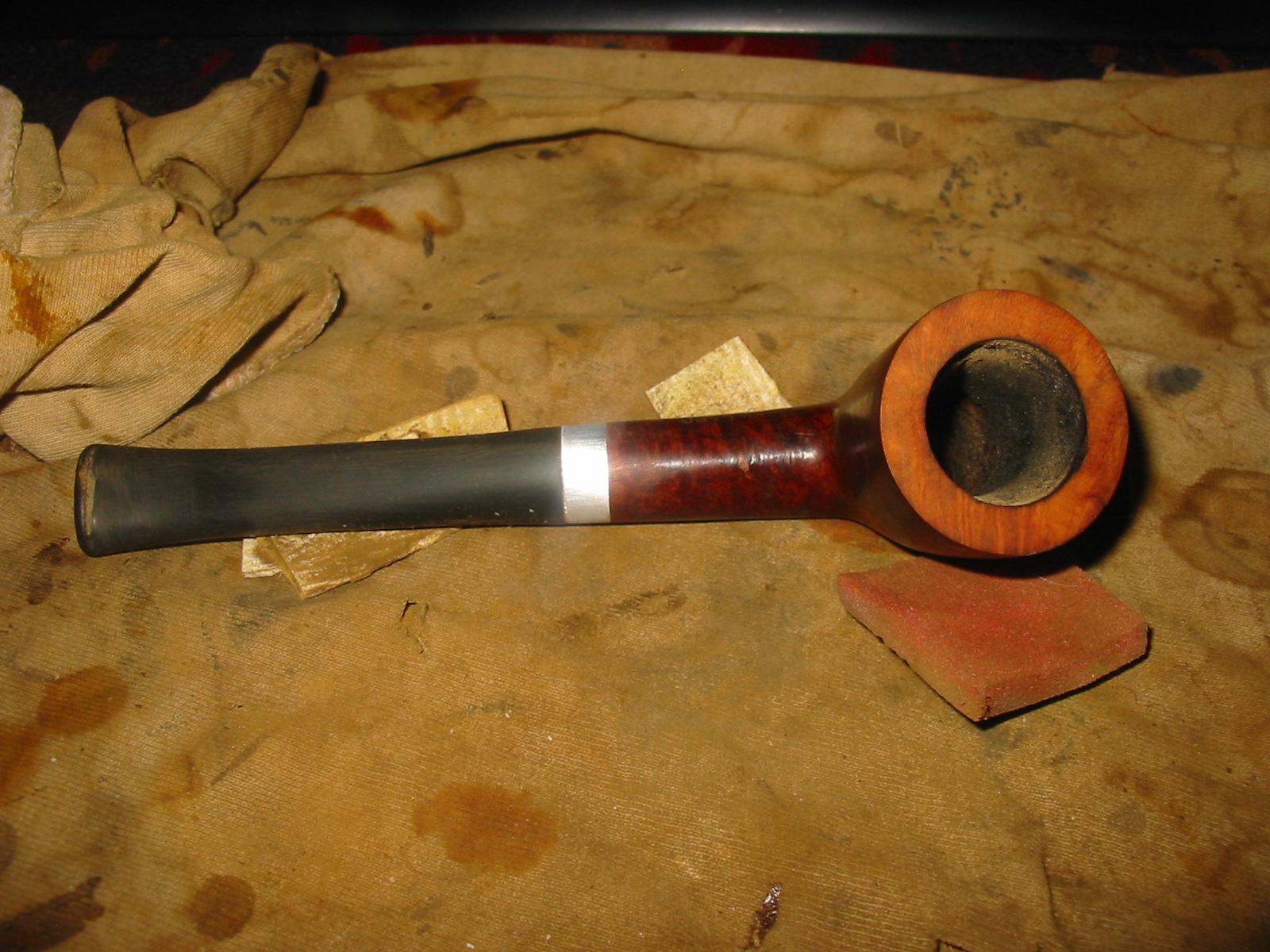
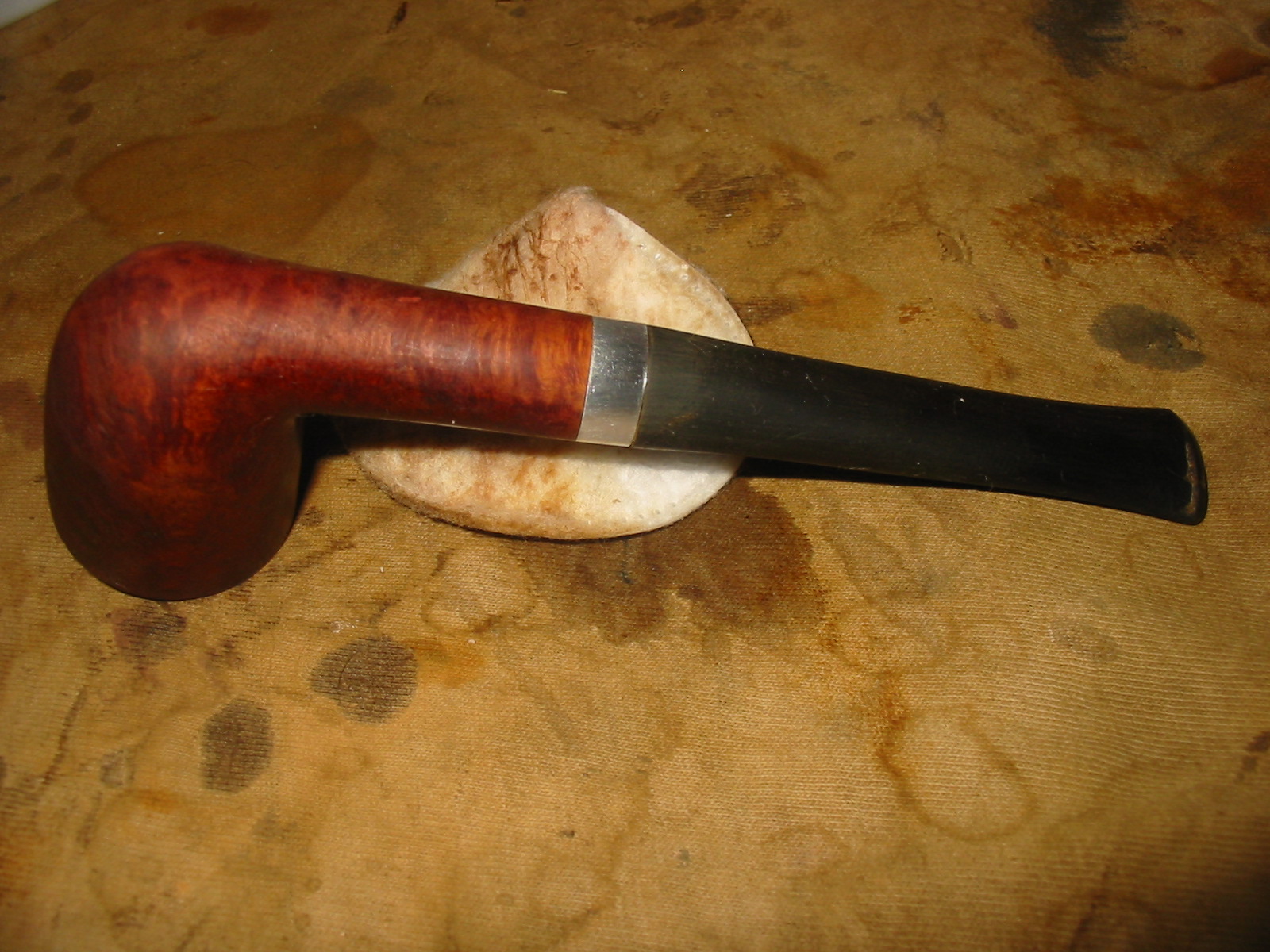
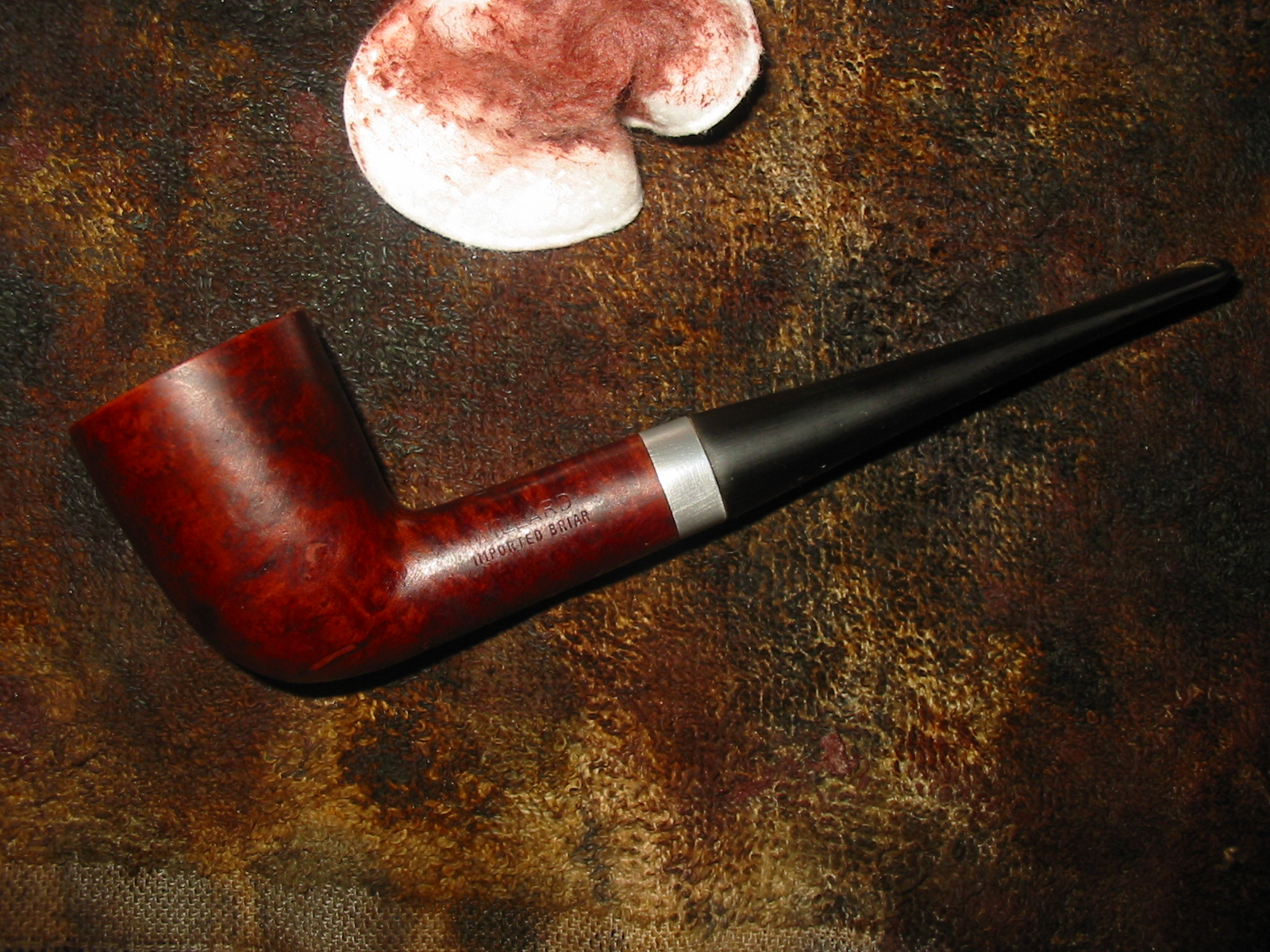
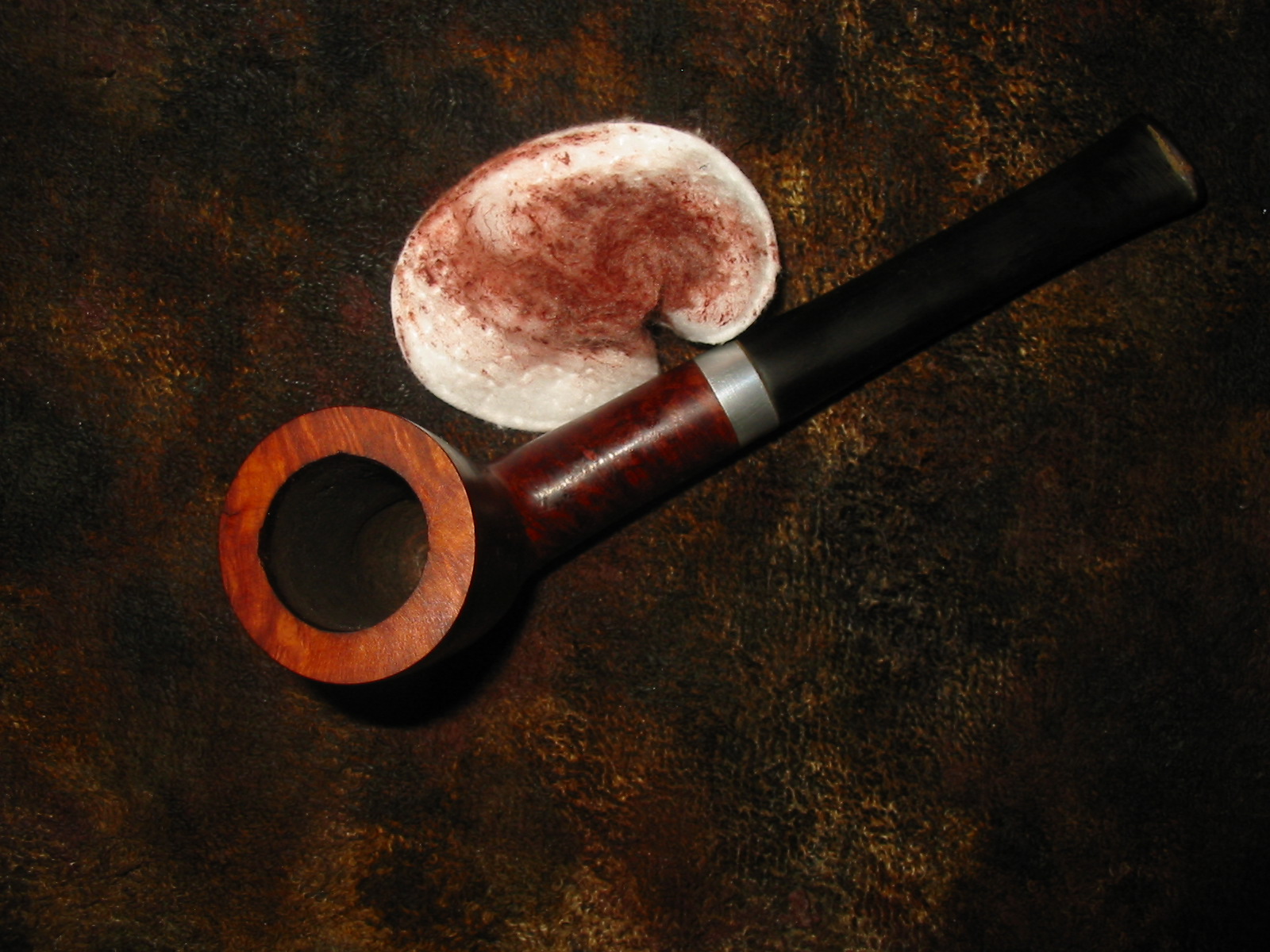
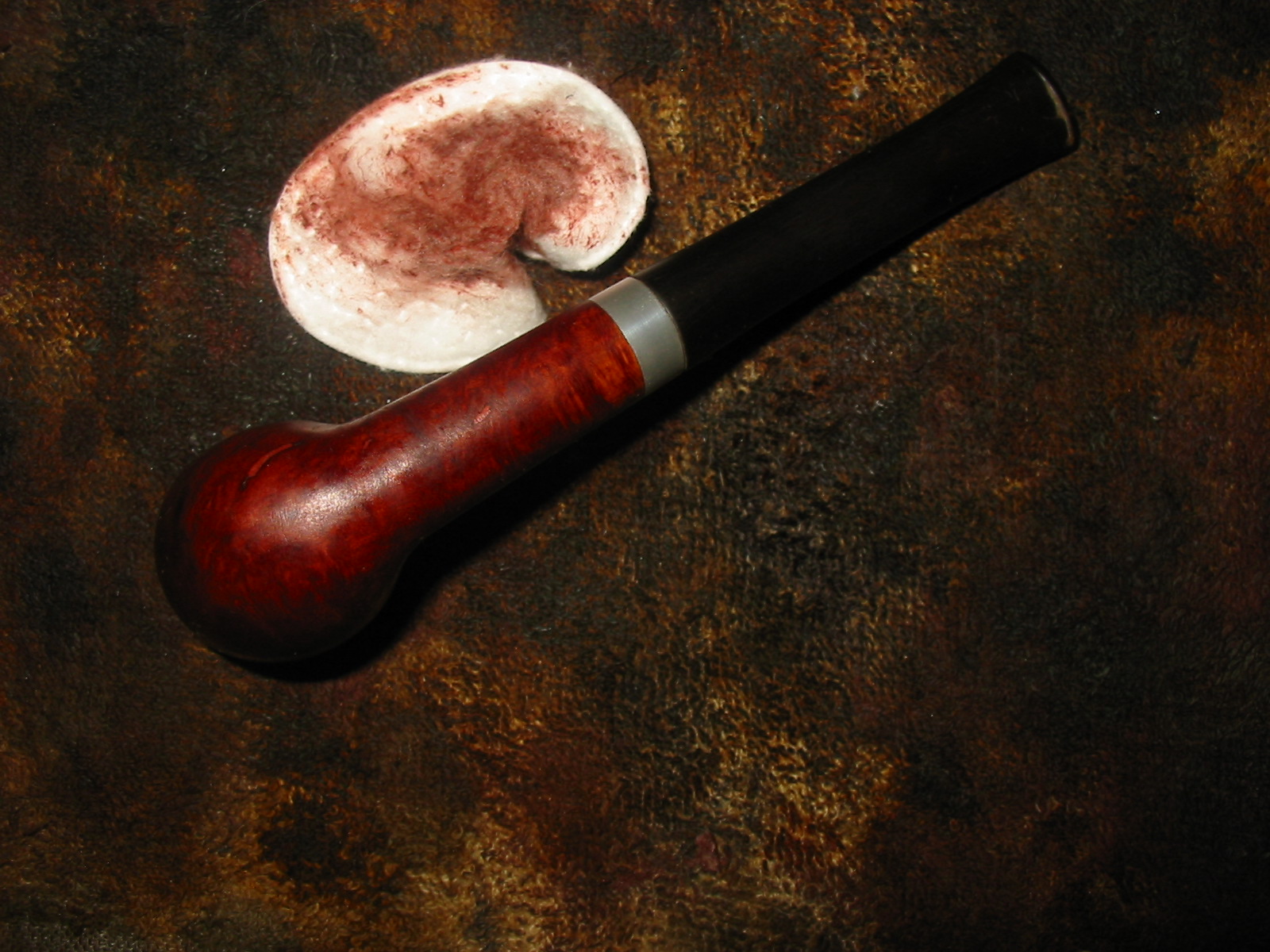
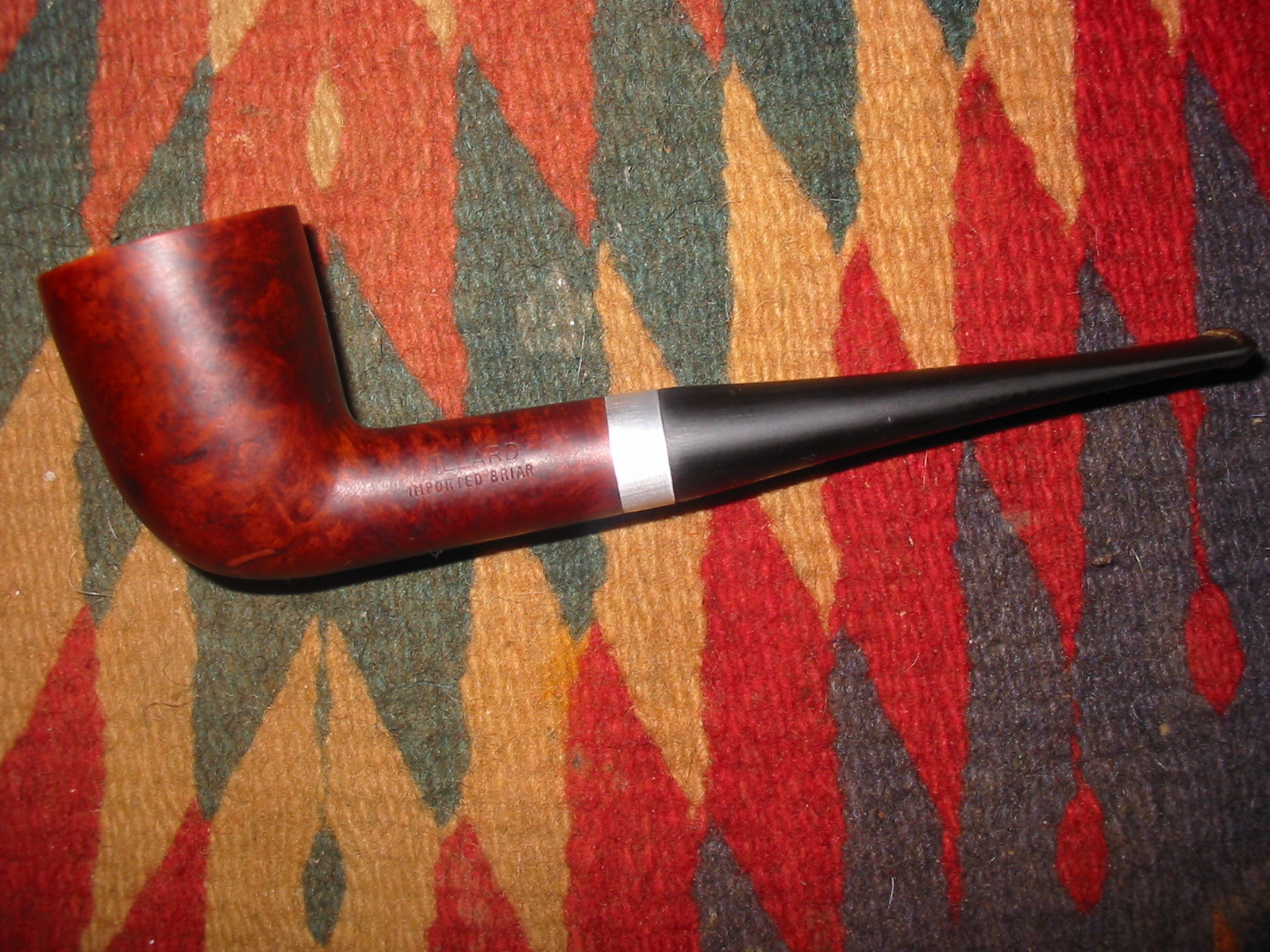
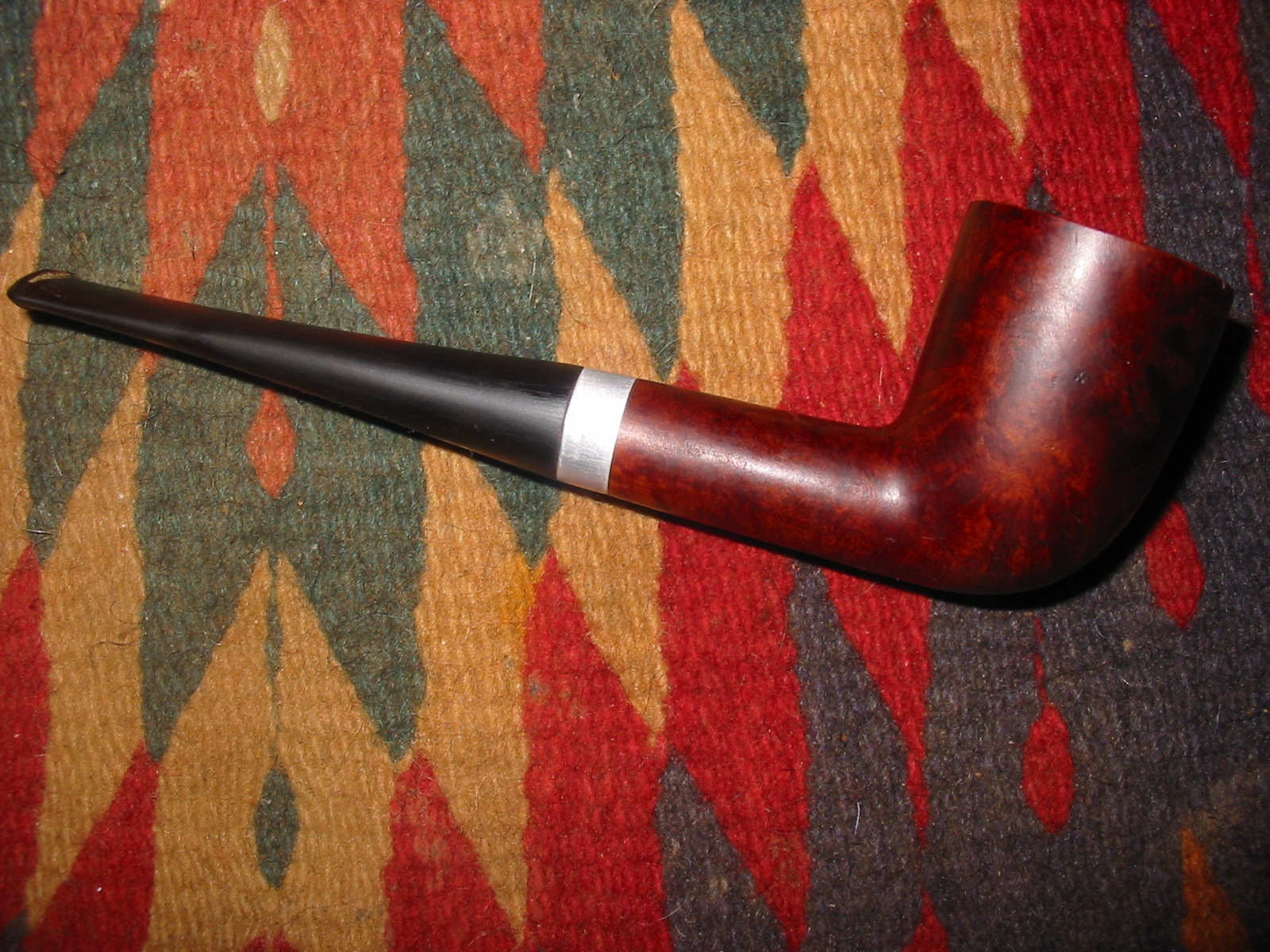
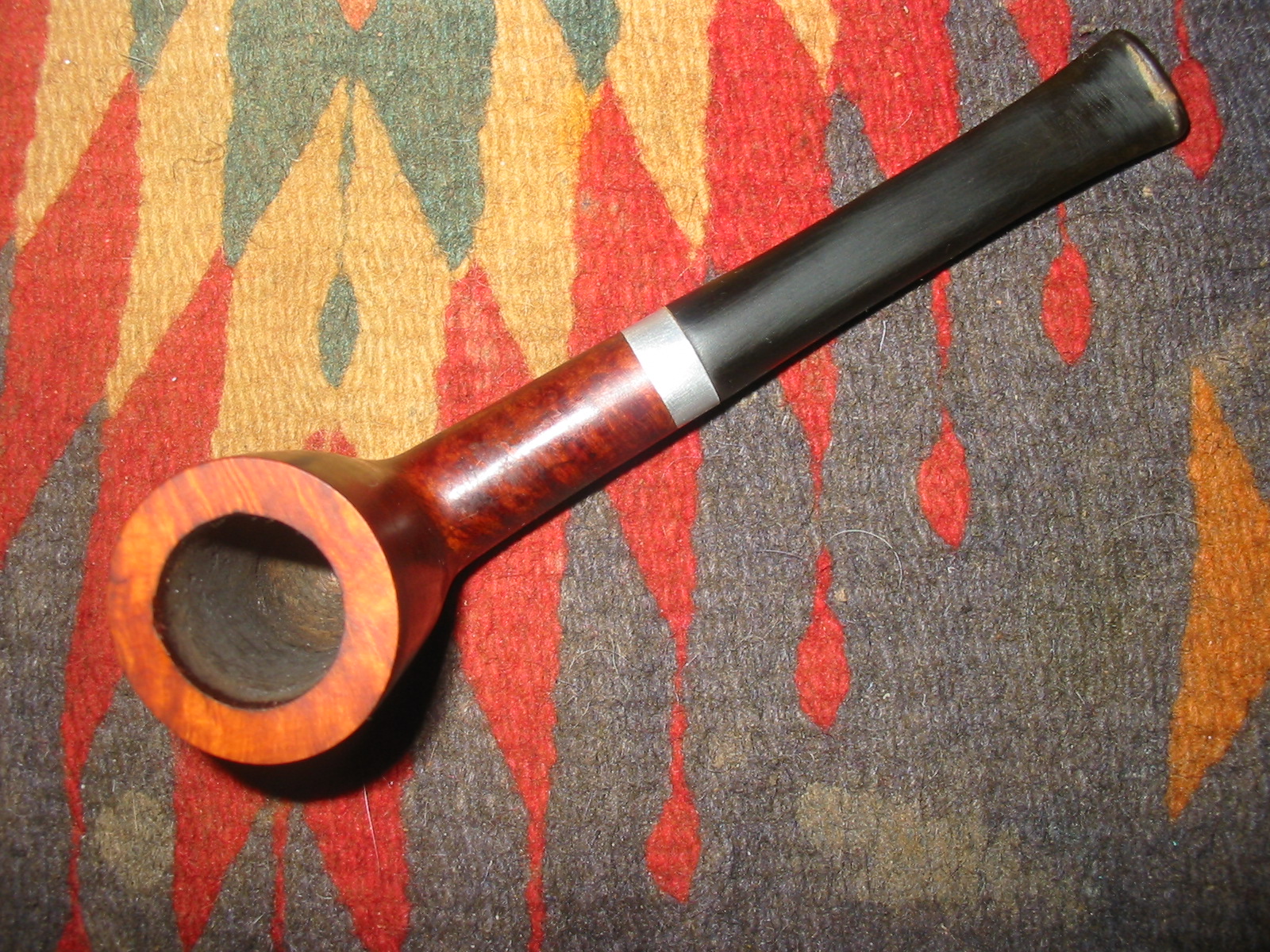
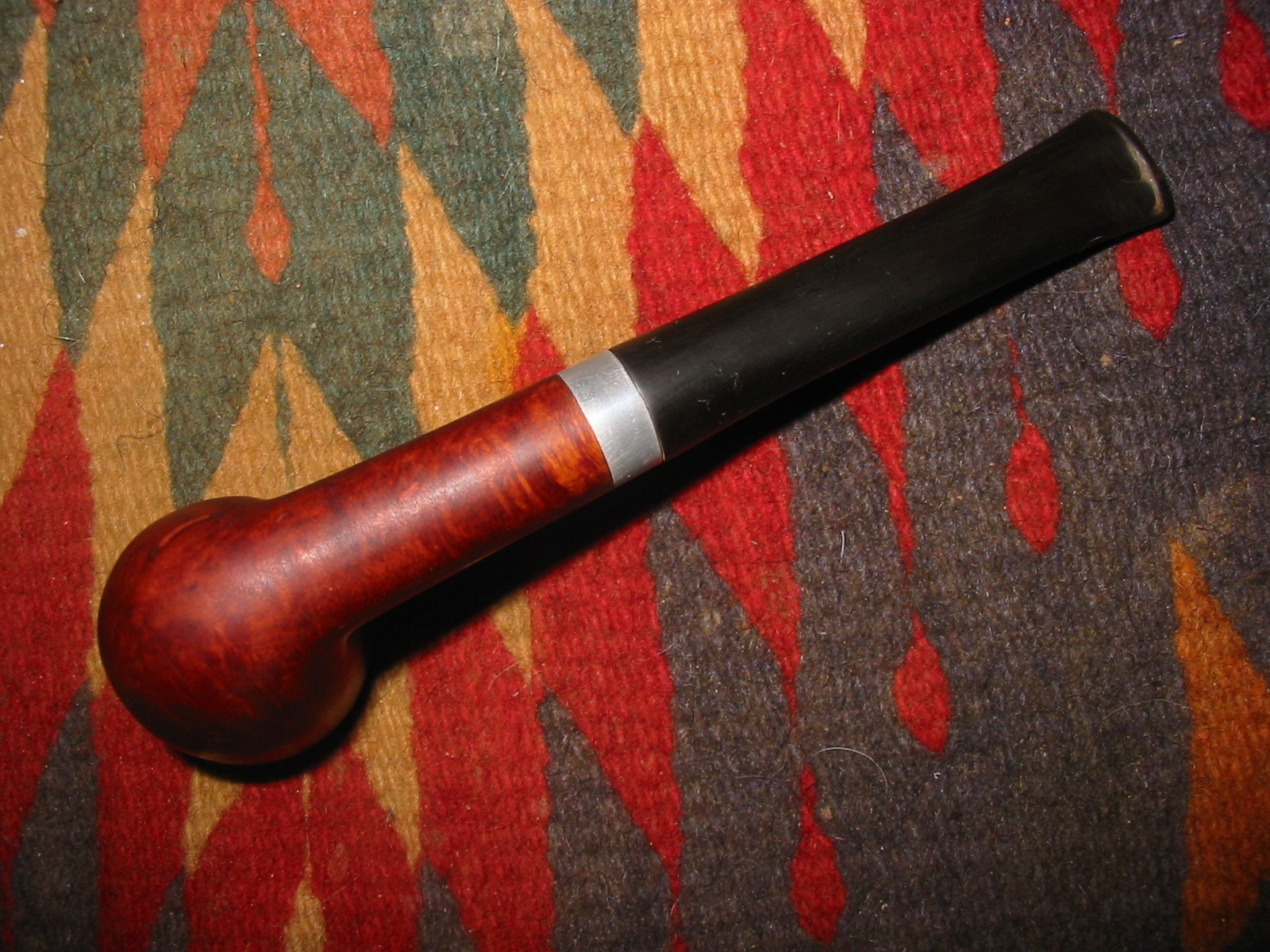
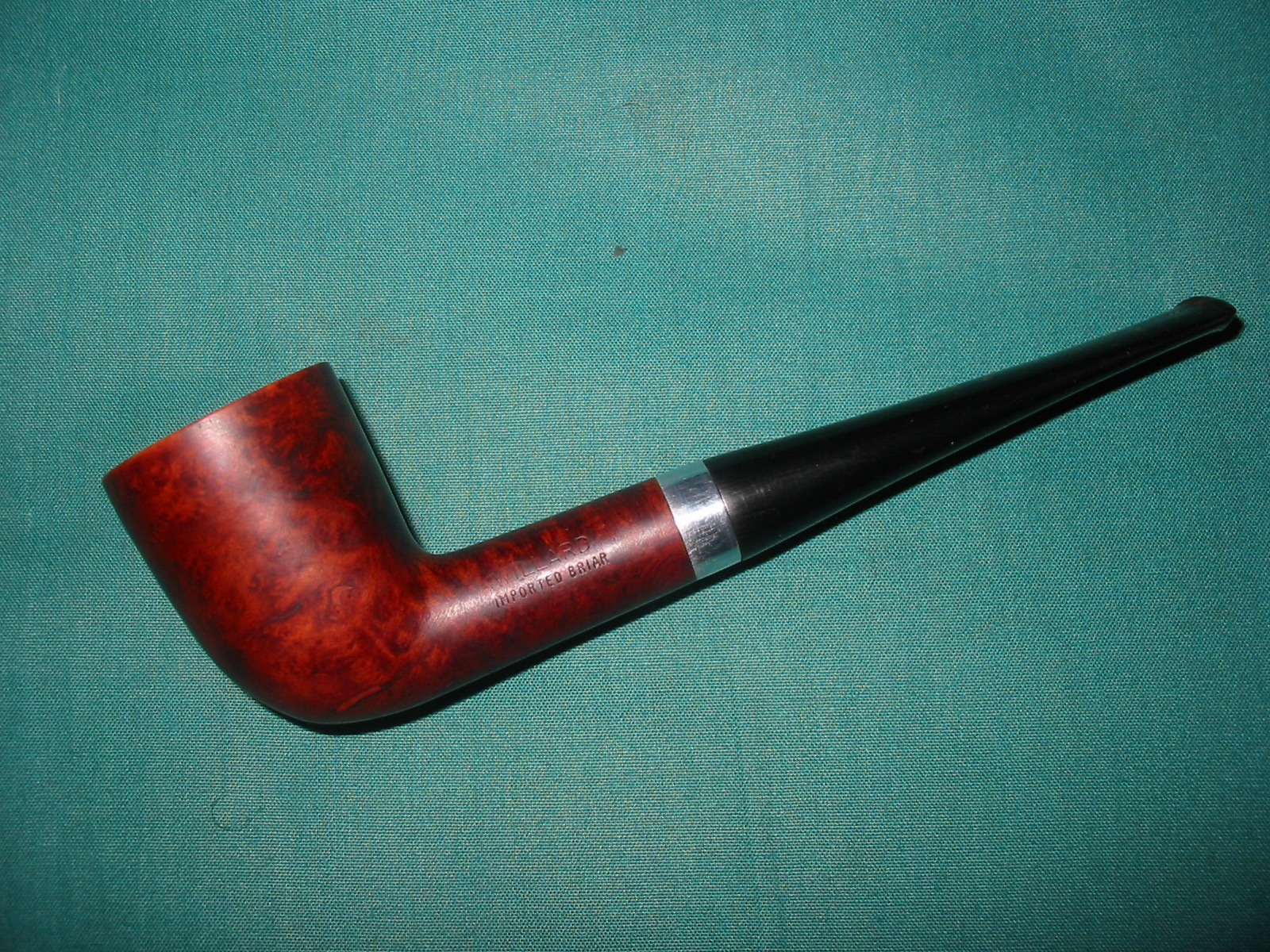
This was one of the bowls that I picked up in that antique mall grab bag. It is stamped Willard Imported Briar. There is no other stamping on the shank on either side. It came with an aluminum band on the shank and the mortise was made for a push stem. The finish was in rough shape showing worn spots and crackling in the varnish finish. The bowl sides had deep nicks and gouges in them and there were several fills around the bowl. The rim was heavily beaten with broken edges on the outer rim and some damage to the inner rim edge. The bowl itself was dirty with broken cake around the middle of the bowl and looking like it had been carved away from the top of the bowl leaving the rim out of round. There was no stem with this pipe bowl.
IMG_6576

IMG_6577

IMG_6578
I had a stem that would work with the pipe in my can of stems. The diameter of the stem was too wide but the length and the taper were correct. There was some surface damage to the top edge of the stem that would be removed once I adjusted the diameter. The tenon was very close to a fit and I sanded it lightly to make it fit snug without pressure on the shank.
IMG_6580
With the sanding the tenon fit well in the shank. The next series of photos show the excess material that would need to be removed from the diameter of the stem.
IMG_6581

IMG_6582
I sanded the stem with a Dremel and sanding drum while leaving it in place on the shank. I wanted sand it as close as possible with the Dremel so that the amount of hand sanding would be lessened. I then sanded the stem with 220 grit sandpaper.
IMG_6583

IMG_6584

IMG_6585
Once I had the basic shape right I decided to top the bowl. I set up my topping board and sandpaper and work on removing the damage on the rim. I press the bowl into the sandpaper and turn it clockwise until the damaged portion of the rim is removed and the surface smooth.
IMG_6586

IMG_6587
I took the Dremel to the stem again and removed some more of the excess vulcanite and then brought it back to the work table and did some more sanding with 220 grit sandpaper and medium and fine grit sanding sponges.
IMG_6588

IMG_6589

IMG_6590

IMG_6591
I sanded the bowl with the medium and fine grit sanding sponges to smooth out the sanding marks on the rim and to smooth out the outer edge of the rim. I wiped the bowl down with acetone and then with isopropyl alcohol to remove the varnish finish.
IMG_6592

IMG_6593

IMG_6594

IMG_6595
I reamed the bowl with a PipNet pipe reamer and took out the remaining cake mid bowl. It took three of the four cutting heads to take the cake back to bare briar.
IMG_6596
Since the briar was already a rich reddish colour I decided to stain it with an oxblood aniline stain. I had found that when I scrubbed the bowl down with the alcohol the fills actually were more blended into the bowl than they had been before removing the varnish. I figured that by adding a topcoat of more oxblood stain the fills would blend in more fully into the finish. I applied the stain, flamed it and repeated the process until I got an even coverage on the bowl. The top of the rim took several extra coats of the stain to make it match the rest of the bowl.
IMG_6599

IMG_6600

IMG_6601

IMG_6602
I took the pipe to the buffer and buffed the bowl and stem with White Diamond. I avoided buffing the band as buffing the aluminum turns the buffing wheel black and the black stains the briar and the stem. When I got back to the work table I polished the aluminum with a polishing cloth. The photos below show the pipe after the staining and buffing.
IMG_6603

IMG_6604

IMG_6605

IMG_6606
I sanded the stem with micromesh sanding pads – wet sanding with 1500-2400 grit pads and dry sanding with 3200-12000 grit pads. I buffed the stem with White Diamond and then rubbed it down with Obsidian Oil.
IMG_6607

IMG_6608

IMG_6609
I buffed the bowl and stem a final time with White Diamond and then gave the bowl and stem multiple coats of carnauba wax. I buffed it with a soft flannel buffing pad to bring out the shine. The stain did a good job of hiding the fills. Though they are still present they do not stand out as much. The new stem fit very well and looks like the one that was made for the pipe. The finished pipe is pictured below and it will certainly grace someone’s pipe rack in the near future.
IMG_6610

IMG_6611

IMG_6612

IMG_6613

A Tired Little Bewlay Billiard Reborn


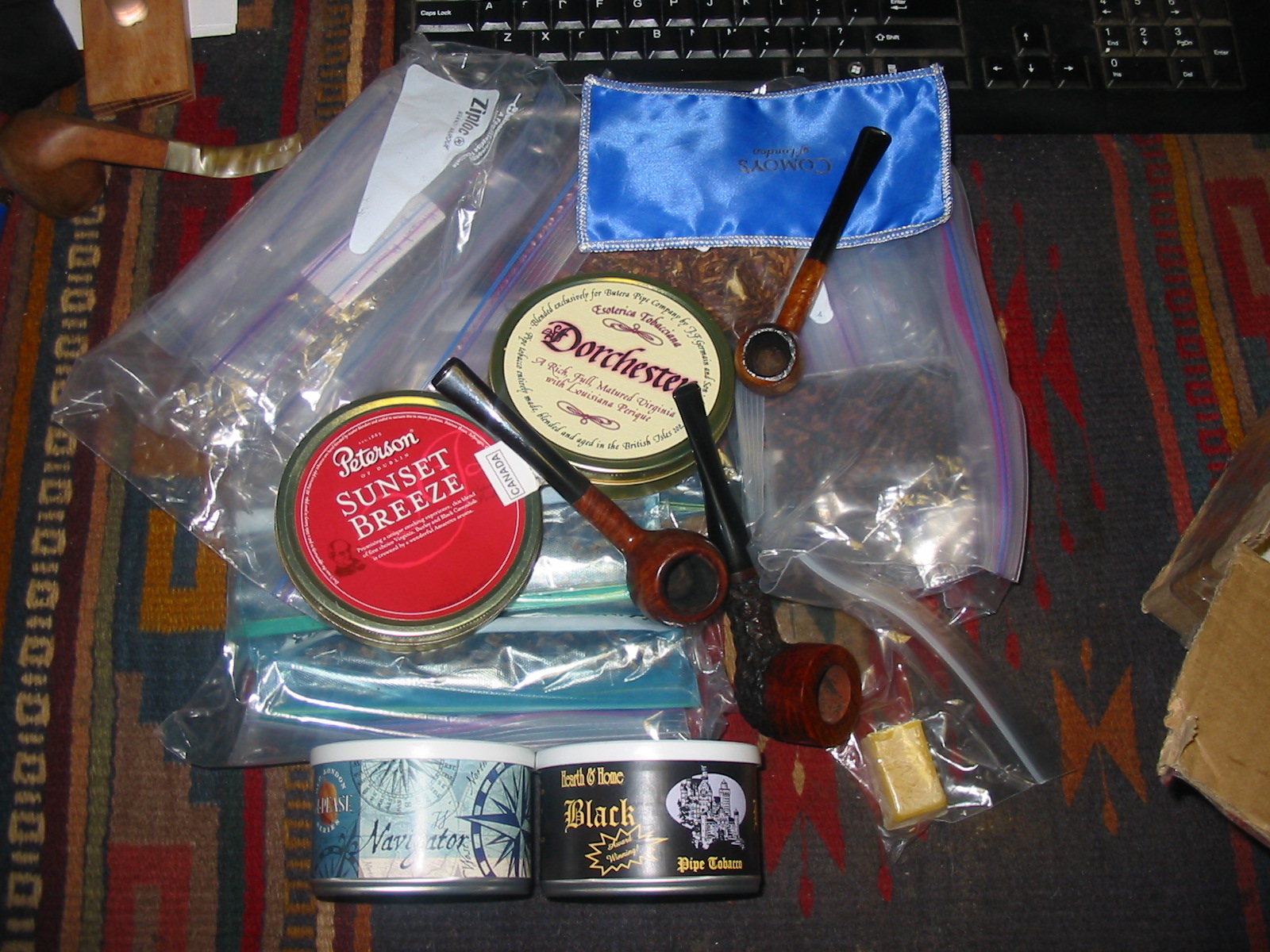
I participated in a Canadian Box Pass where tobaccos and pipes are mailed across Canada between pipemen and women from sea to sea. It is a fun experience in which you are given a chance to try tobaccos that you might never otherwise try to also trade for pipes that catch your eye. This particular box pass was very well-organized and I received a compact box of tobaccos and a variety of tobaccos. They had been divided in to three broad categories – Latakias, Virginias/Virginia Perique/Burley and Aromatics. There were also several tins of tobacco to try or to trade. The idea was you could take one if you put something of equal value back in the box. There were three pipes as well – a Comoy’s Apple (Cadogan era), a Trypsis partially rusticated pot and a Bewlay billiard that had been restemmed to give it the look of a cutty. There was also some carnauba wax that was there for the taking.
IMG_6208
I sampled many of the Latakia blends and many of the Virginia and Virginia/Perique blends. It was an enjoyable experience over the past weekend. There was one of the pipes that I also kept coming back to over and over again during the weekend – the small Bewlay billiard/cutty. There was something about it that drew my attention. It was clean but the finish was shot and the stem was definitely a replacement. The bend in it seems to have been added with the new stem. The finish was a sandblast that was well-worn from either handling or over buffing. The stamping on the bottom of the shank reads Bewlay in script over Sandblast over London England. It is worn and growing faint. There was probably a shape number at the end of the shank but it had been sanded away with the sandblast when it was restemmed previously.

The first photo below show some light splotches on the side of the bowl. These seem to have been fills that were put in before the blasting and finish were done. They were definitely putty. The shank had been sanded down and the first half-inch next to the stem was sanded smooth. There was also a slight taper to the shank were the sanding had taken down the diameter of the shank at the end. The rim was darkened and had some carbon build up on it. The stem was in rough shape in that it had some deep tooth dents on the underside. When I took it out of the shank I was even more convinced that it was a replacement in that it had a thick-walled aluminum tenon. It was similar to the tenons on Medico pipes with horizontal split in the tenon so that it can be adjusted. The difference was in the thickness of the material.
IMG_6433

IMG_6435

IMG_6436

IMG_6437

IMG_6438

IMG_6439
Before I packed up the box yesterday I decided to take the little Bewlay and give it a new home. The first thing I did last evening was fit a new stem on the pipe. I wanted to have a vulcanite stem and tenon. I had a stem in my can of stems that took very little to fit the tenon to the shank. The diameter of the stem was wider than the shank so that would take some work but that was not an issue. I was undecided if I would replace the bent stem with another bent one or restore it to its original billiard status.
IMG_6440

IMG_6443
I worked on the stem with 220 grit sandpaper to bring the diameter of the shank and the bowl to a match. I wanted to be careful to not remove any more of the briar from the already slightly tapered shank. Once the sanding was close I dropped the bowl in an alcohol bath for a soak to remove the remaining finish on the bowl and the grime and grit from the sandblast rings.
IMG_6444
I continued to sand and shape the stem. I liked the wider blade at the button as I thought it looked like it fit better with the pipe. I left the tenon a little longer so it sat against the end of the mortise when it was inserted.
IMG_6445

IMG_6446
After the bowl had soaked for an hour I took it out and scrubbed the blast with a soft bristle brass tire brush. I find that the bristles do not scratch the briar but that they work well to remove build up in the grooves of the blast. I also wanted to brush the areas of the putty fills to highlight the grain pattern in those areas rather than leave a light looking smooth patch. I used a dental pick to clean out the deeper grooves of the blast in the fill areas. I cleaned out the shank with cotton swabs and alcohol and also the stem internals. I finished sanding the stem to make the transition between stem and shank smooth. I sanded it with a medium and a fine grit sanding sponge after sanding with the 220 grit sandpaper. I sanded the top of the rim very carefully to remove the tarry build up and also smooth the outer edge. At this point I am beginning to really like the straight stem on the pipe. It lends a dignity to the bowl that was lacking with the bent stem in my opinion. It looked to me the way it must have looked when it left the factory. After all the clean up I wiped it down a final time with isopropyl alcohol to prepare the bowl for staining.
IMG_6447

IMG_6448

IMG_6449

IMG_6450
I stained the bowl with a light brown stain to give it a tan blast look but it did not work on the areas of the putty fills. They still showed through the finish as light streaks in the briar. I then decided to restain it with a dark brown aniline stain. I applied the stain, flamed it, stained and flamed it again to make sure that the coverage was even. In the photos below the stain almost looks black but it is not – it is a dark brown.
IMG_6451

IMG_6453

IMG_6454

IMG_6456
The colour was too dark to my liking so I wiped the bowl down with acetone on cotton pads to remove some of the heavy dark stain and give the bowl more transparency. I wiped it down repeatedly until I got it the colour I wanted with some contrast between the high and low points in the blast.
IMG_6457

IMG_6458

IMG_6461

IMG_6462
I sanded the stem with the medium and fine grit sanding sponges to remove the scratches from the work on the diameter. Once I had them removed I use micromesh sanding pads – wet sanding with 1500-2400 grit and dry sanding with 3200-12000 grit pads. I rubbed the stem down with Obsidian Oil and let it soak into the stem.
IMG_6463

IMG_6464

IMG_6472
Afterward I took some photos of the pipe at this stage of restoration to get a good look at the straight stem. I find that I can tell more with a photo than I can holding it in hand when I am trying to decide on the finished look. I wanted to decide whether to leave it straight or to bend it like the one I took off the pipe. For me looking at it on the monitor, enlarged gives me a feel for the overal appearance of the pipe. I cannot tell you how many times, after looking at the photos, that I have taken the pipe back to the table for more shaping and work.
IMG_6468

IMG_6469

IMG_6470

IMG_6471
I liked the look of the straight stem so I left it. I buffed the stem with White Diamond and gave it multiple coats of carnauba wax to protect and preserve it. I gave the bowl a coat of Halcyon II wax and then lightly buffed the stem and bowl with a soft flannel buff to bring up the shine. The finished pipe is pictured below. It came out very well in my opinion. As I look at it I wonder who the maker was. Bewlay had others make their pipes – to my mind this one had the look of a nice little Orlik Sandblast, but who knows for sure. What do you think? Who made this pipe?
IMG_6481

IMG_6482

IMG_6483

IMG_6484

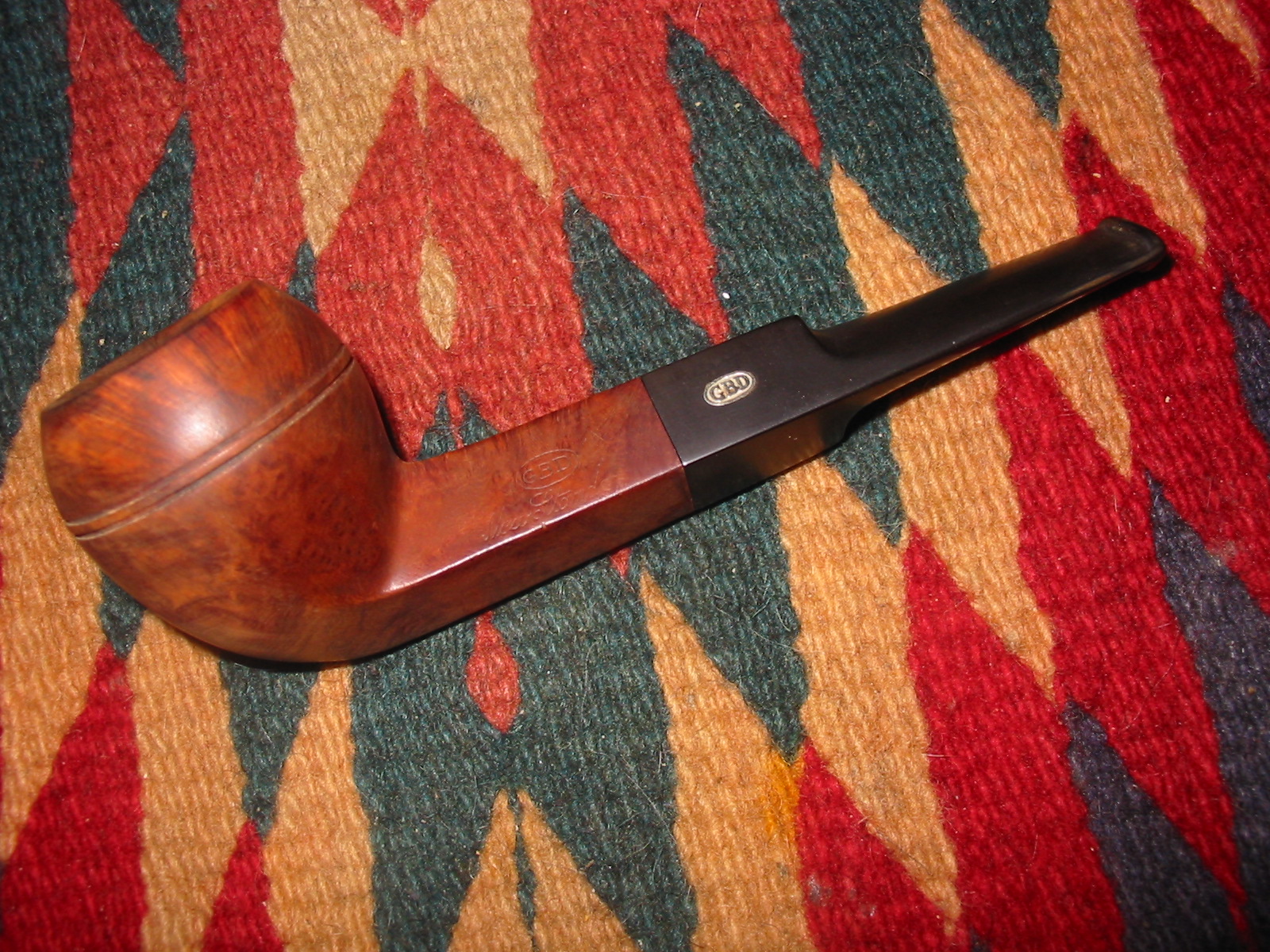
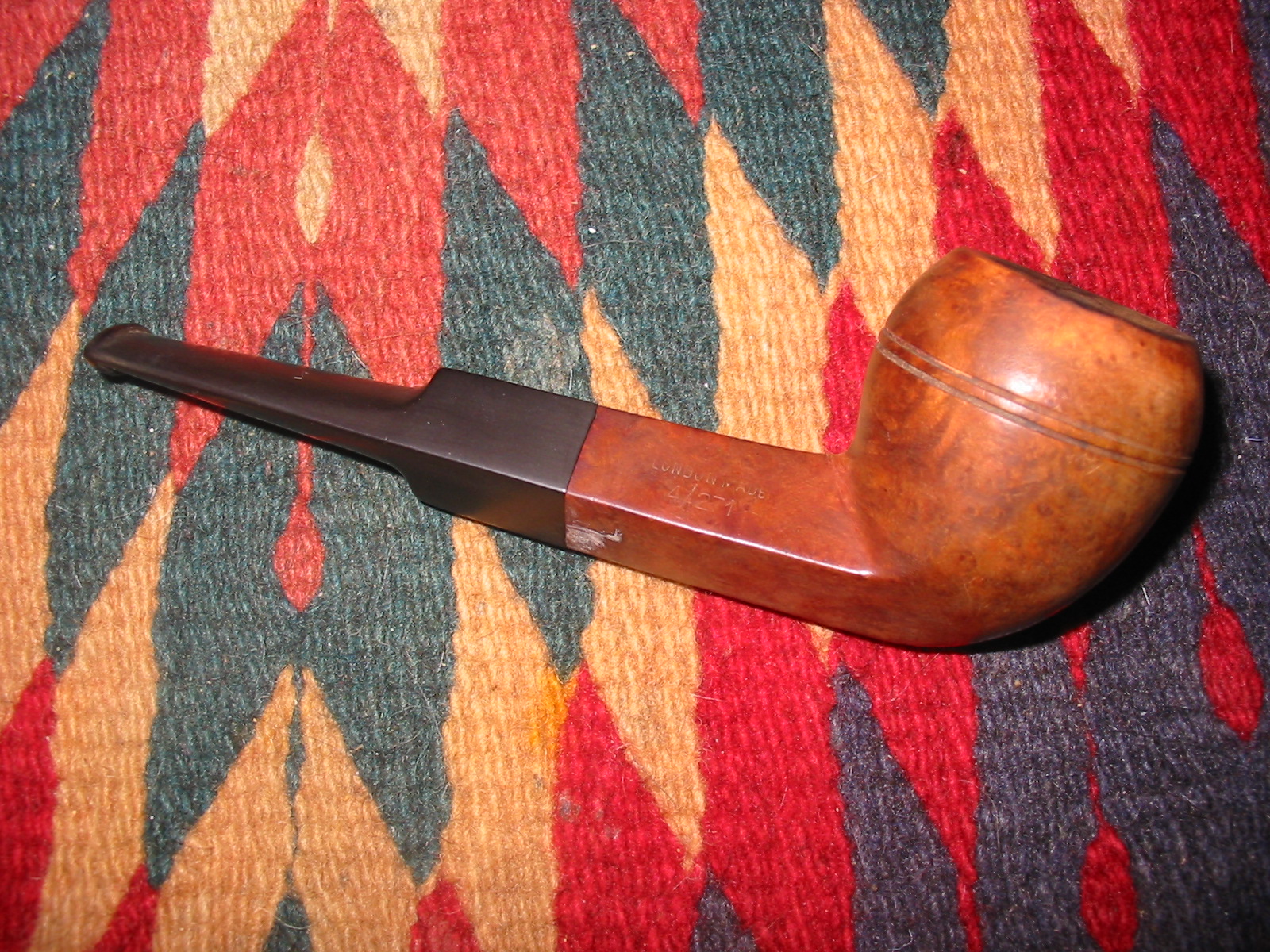
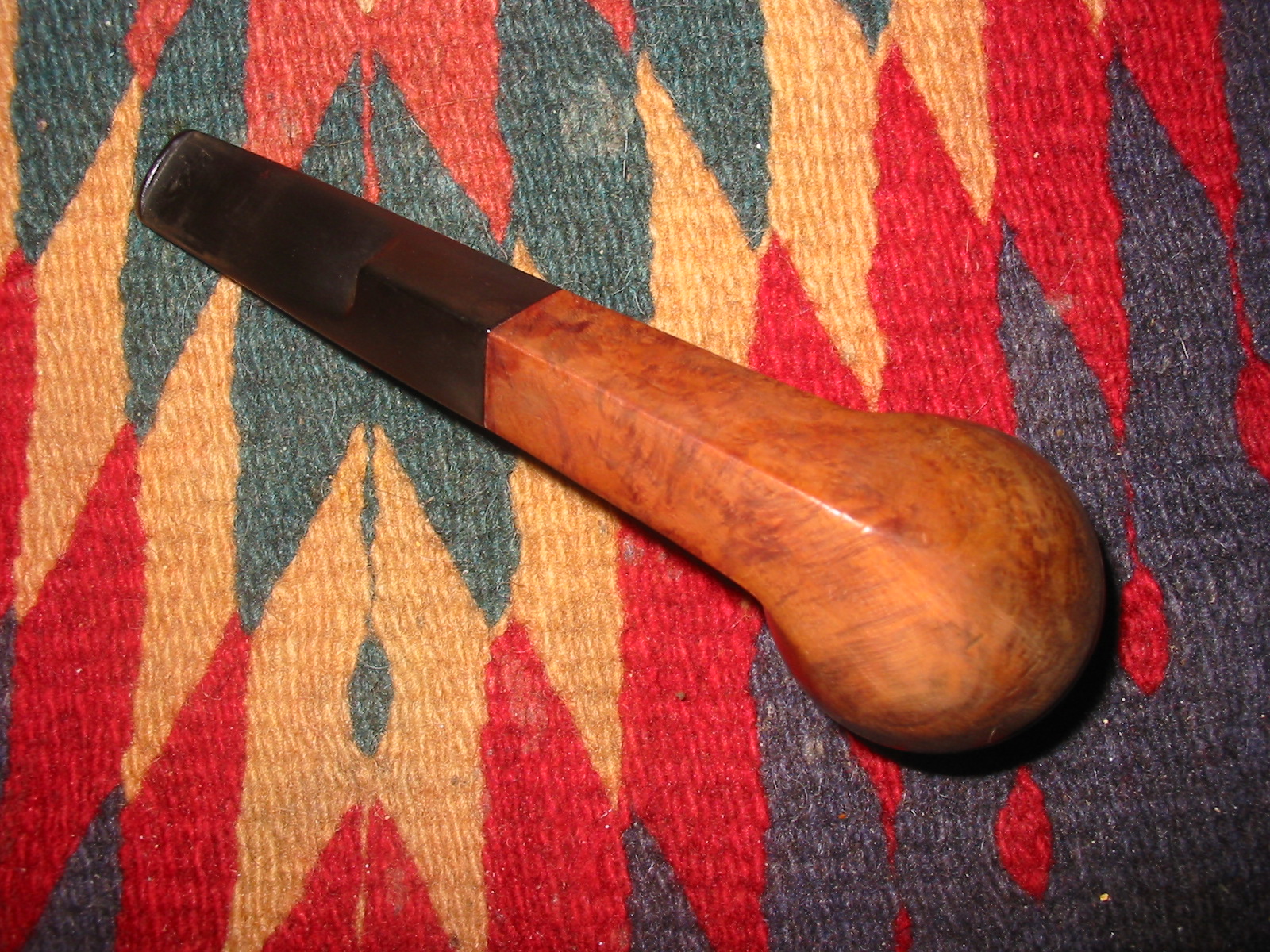
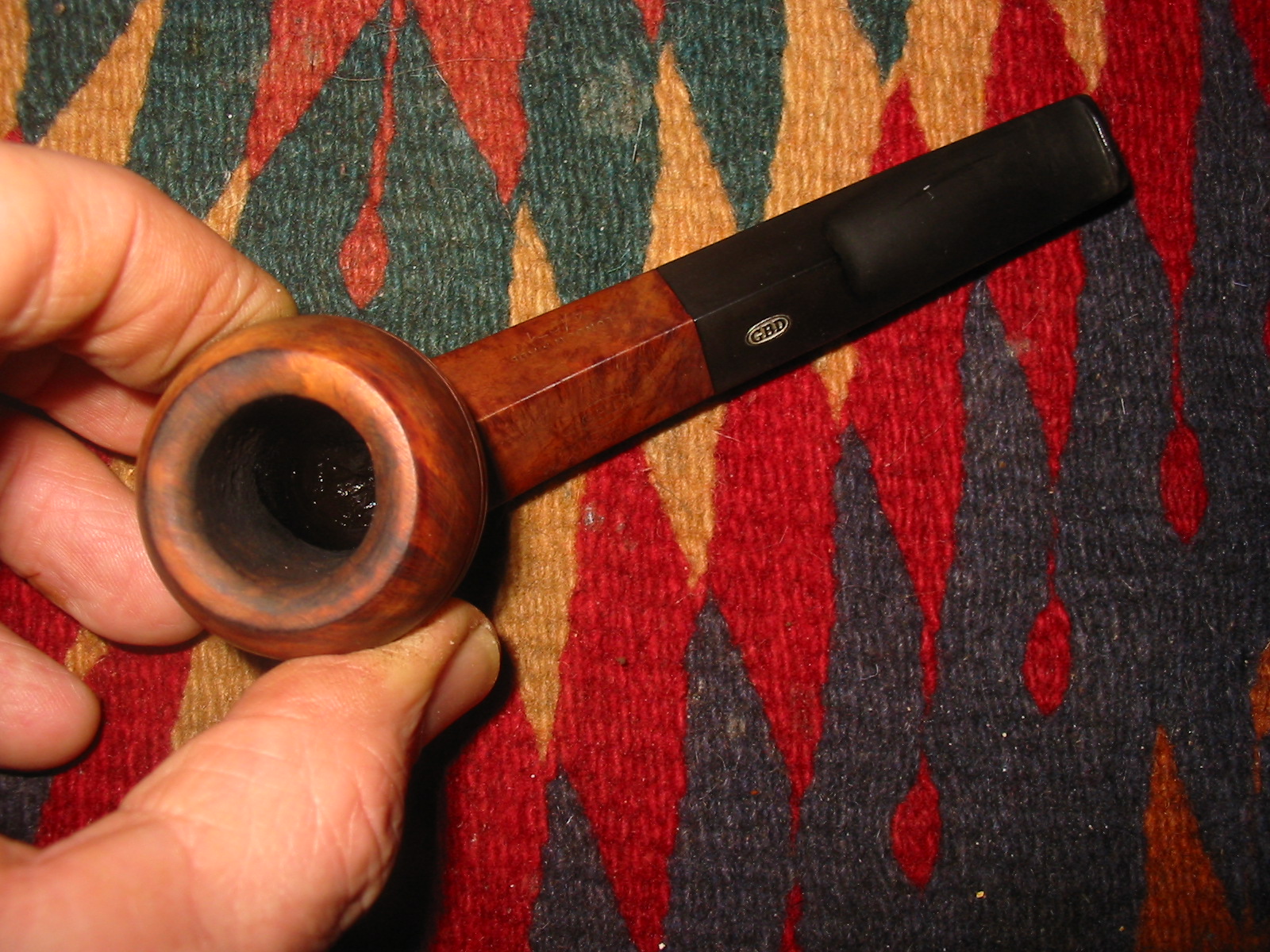
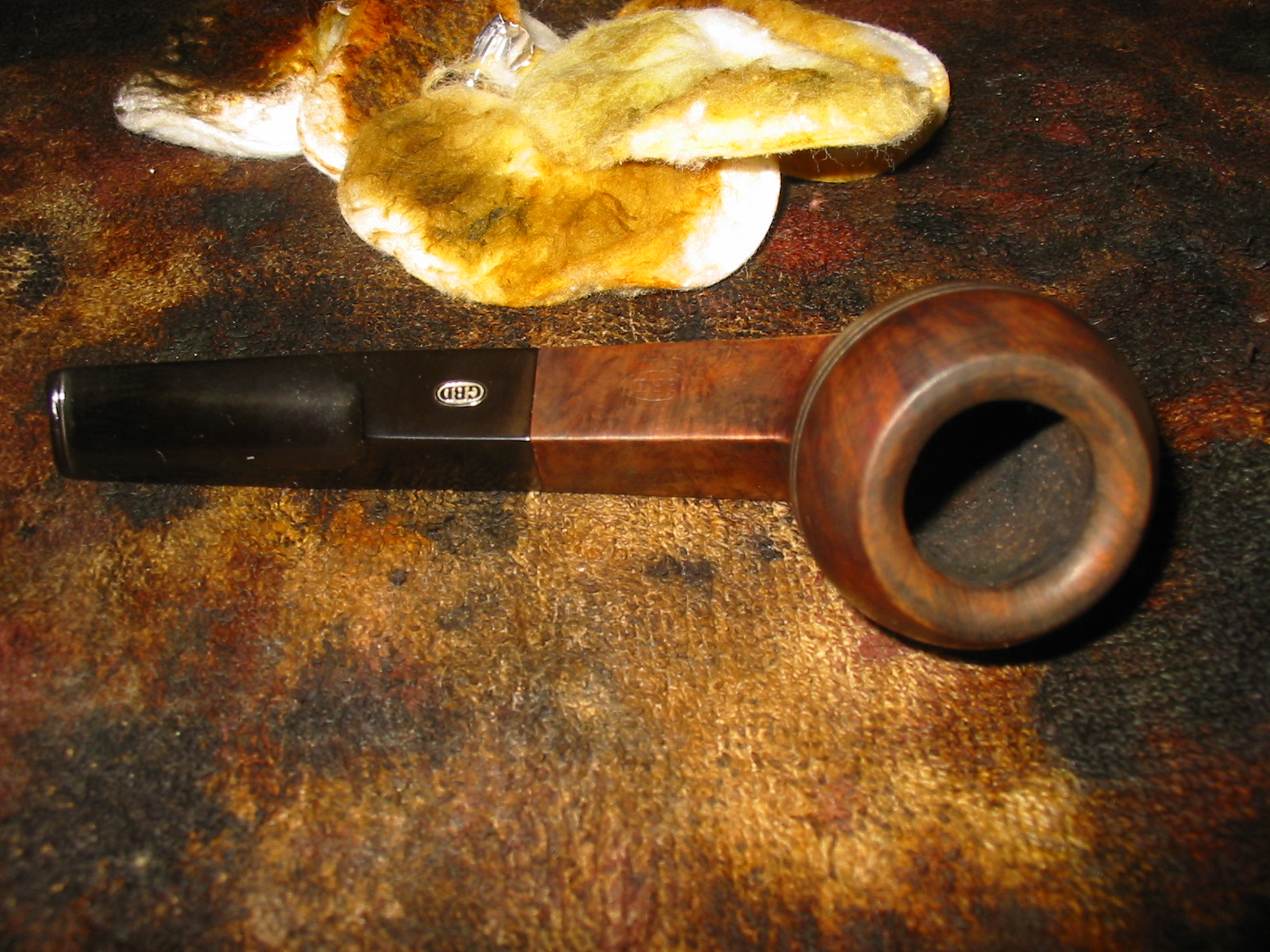
Restoring a GBD New Standard 4/271 London Made Straight Bulldog


Blog by Steve Laug

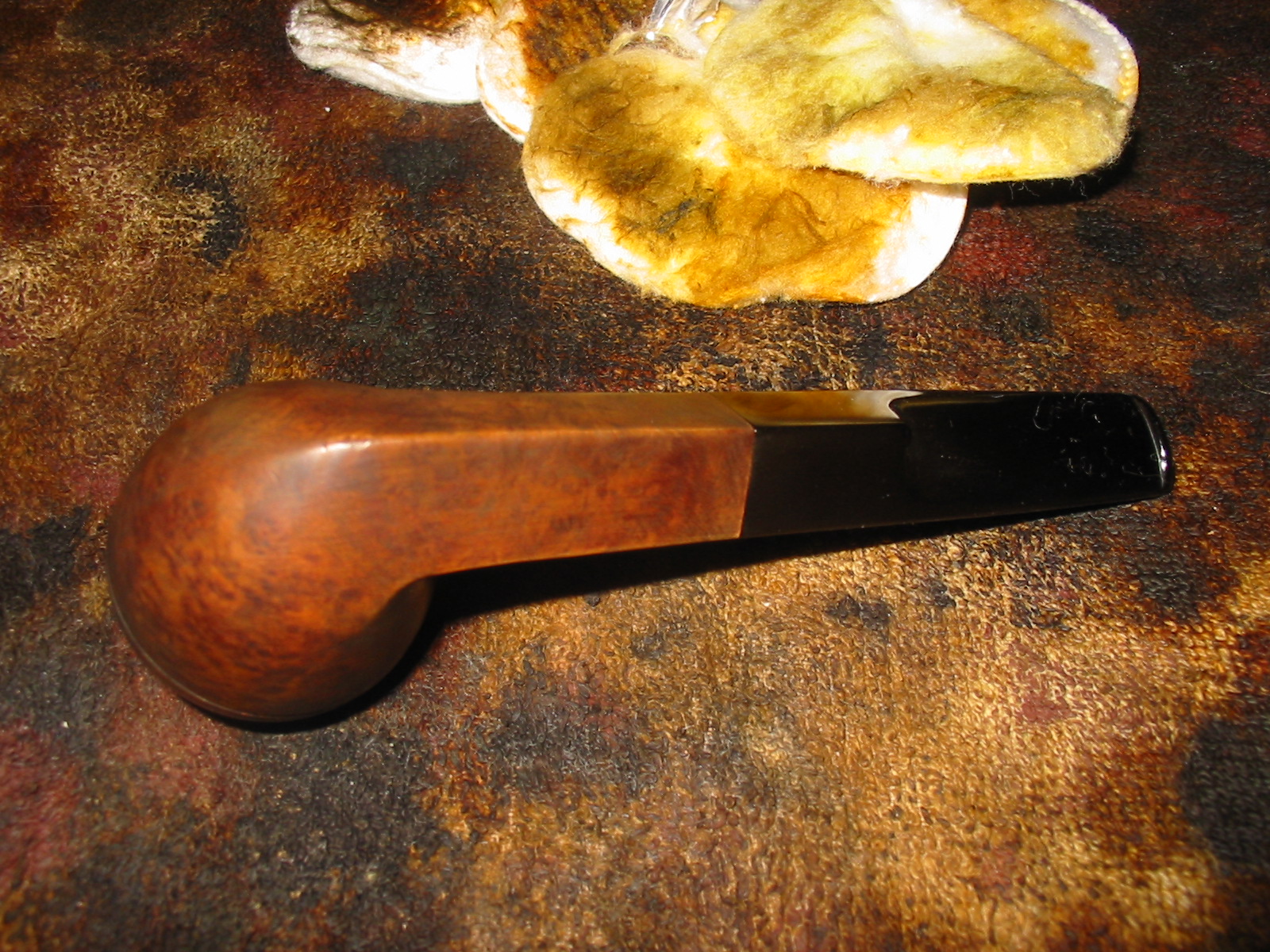
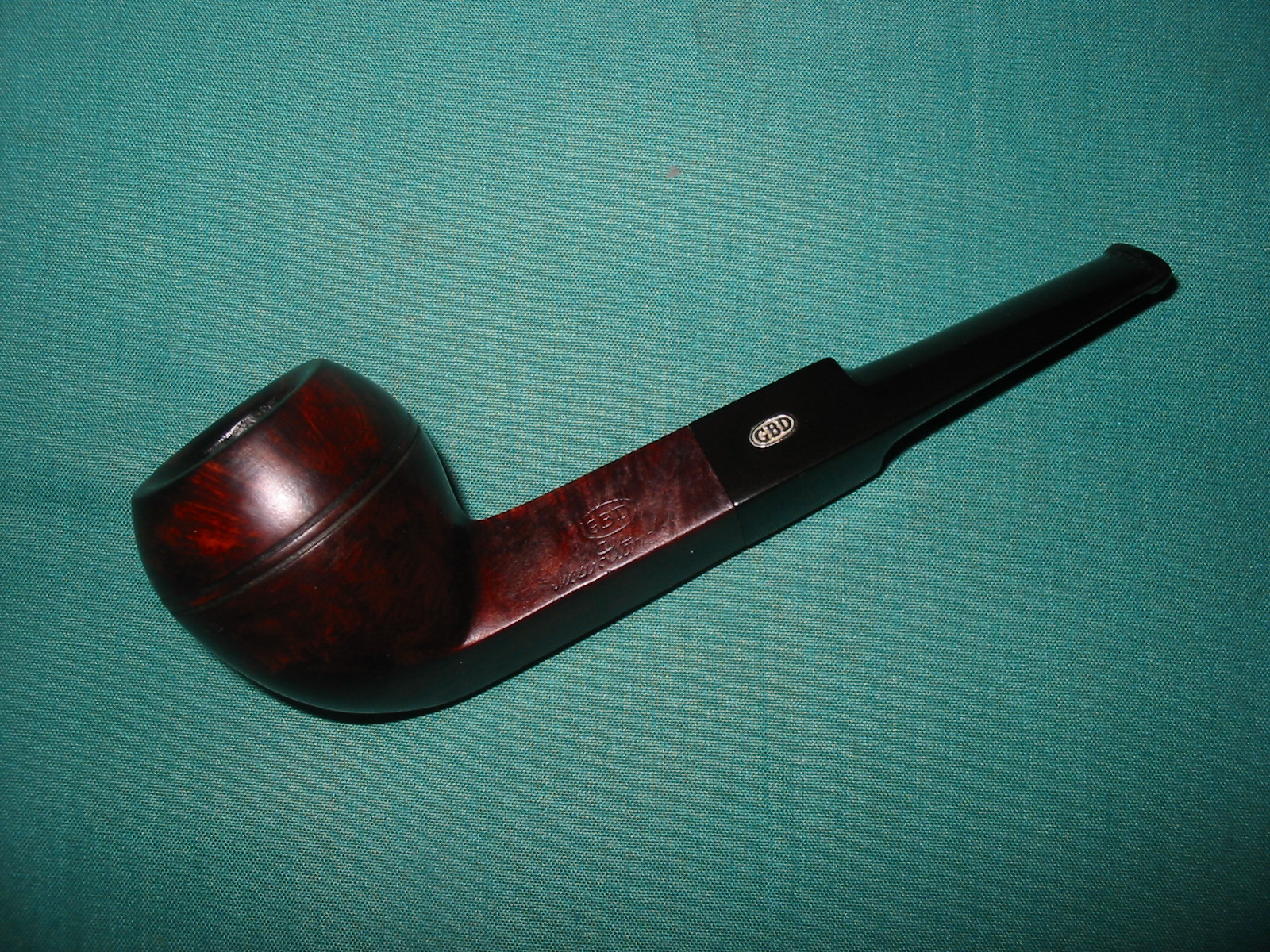
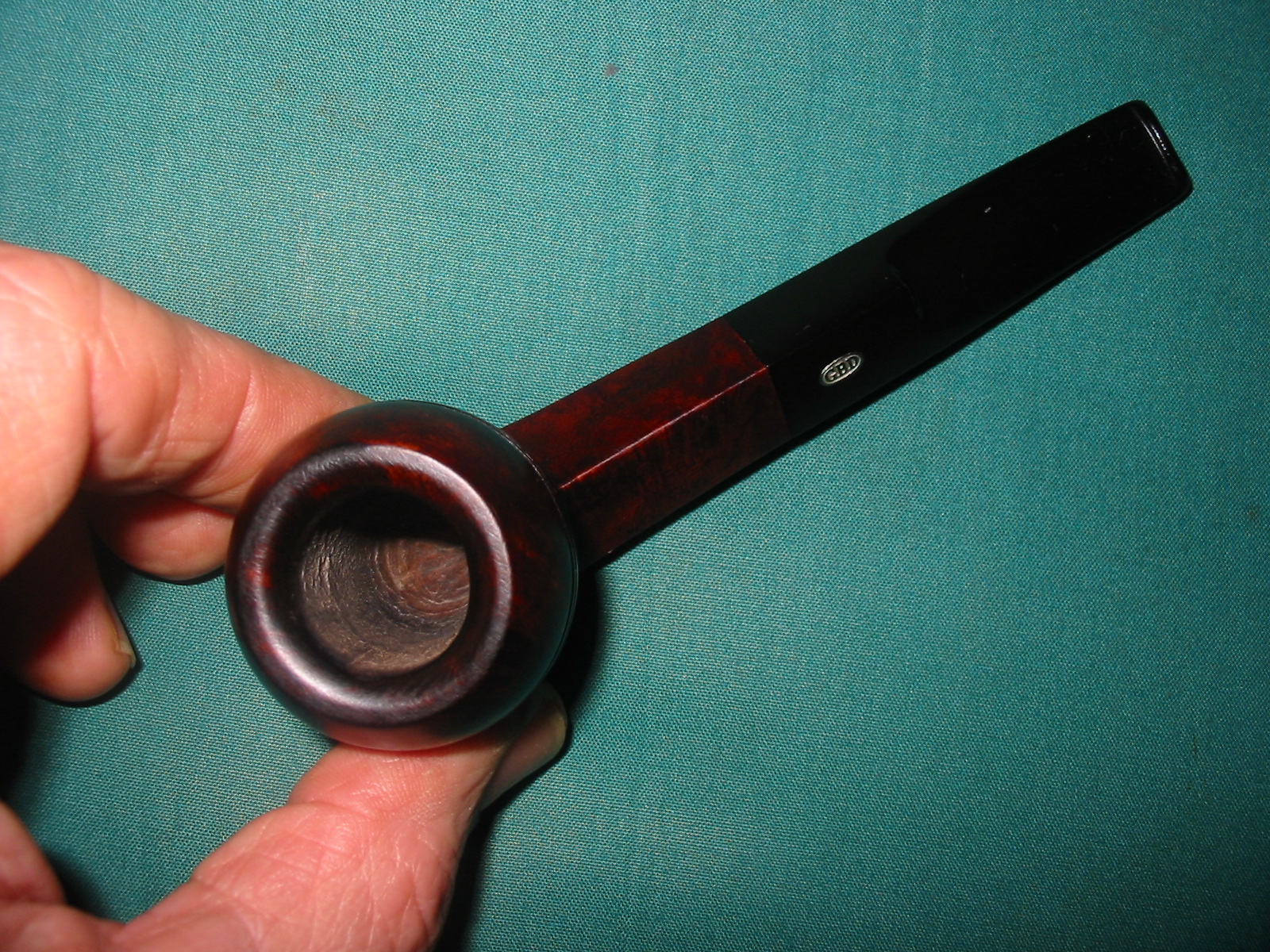
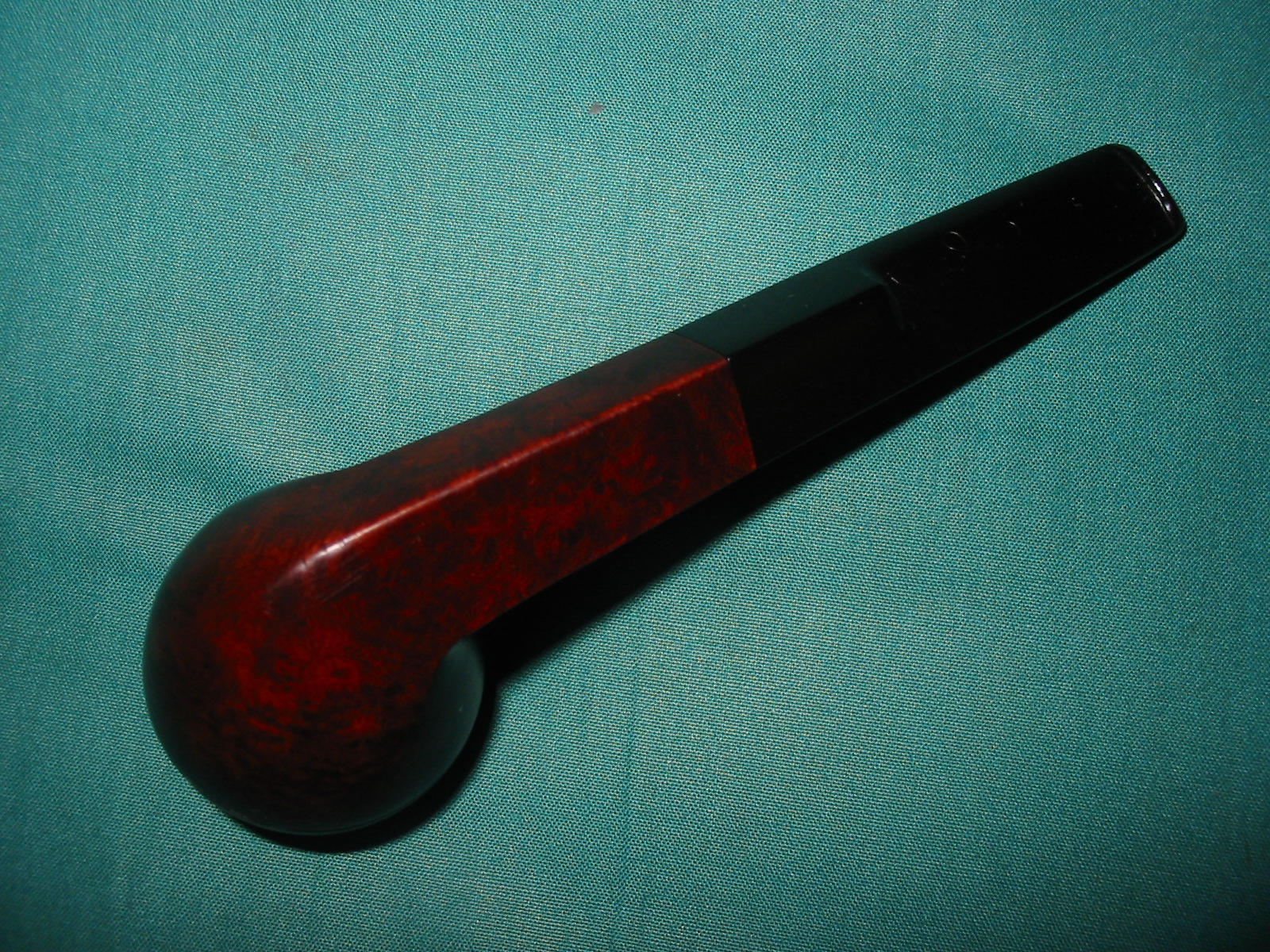
When I was at the antique mall in Edmonton a few weeks ago I found this GBD straight bulldog. It is stamped GBD in an oval over New Standard on the left side of the shank and 4/271 London Made on the right side of the shank. The stem had the brass GBD roundel on the side of the saddle. The pipe was badly cake with a thick carbon build up. The rim had build up and was also damaged. There was darkening, whether burn or tar build up flowing down the crown of the bowl at the top all the way around the rim. The finish was worn and there was a black ink stain on the left side of the bowl down low toward the bottom. It looked like a hot spot when I first saw the pipe so I almost left it in the shop. I examined it under a bright light and could see that it was not a burn but a spot of what looked like India Ink. The stem was oxidized and there was tooth chatter on the top near the button and a tooth mark on the underside along with the chatter there. The button is different from most of my other GBD’s in that it is concave rather than convex. It is shaped like this “(“ looking at it from above.
IMG_6390

IMG_6391

IMG_6392

IMG_6393
The photo below shows the stain on the bowl. I used a flash to highlight the nature of the stain. It was not solid but rather slightly opaque so that the grain could be seen through it. I thought it was worth a try to see if I could remove the ink from the briar.
IMG_6394
I reamed the bowl back to bare briar with a PipNet reamer starting with the smallest head and working up to the next head that fit the bowl.
IMG_6395
I dropped the bowl in an alcohol bath to soak for several hours and dropped the stem in a bath of Oxyclean.
IMG_6397
I left the stem in the Oxyclean while I worked on the bowl. I removed it from the bath and dried it off with a piece of cloth.
IMG_6398
I wiped it down with acetone on cotton pads to remove the finish that remained and scrubbed the ink stain. I sanded the bowl with a medium and a fine grit sanding sponge to finish removing the finish and also the ink stain. I lightly topped the bowl with 220 grit sandpaper to remove the damage to the outer edge of the rim.
IMG_6399
I used a piece of folded 220 grit sandpaper to work on the beveled inner edge of the rim. I wanted to repair the burn damage and take away the ridge left behind by the light topping of the bowl.
IMG_6400
I sanded the bowl where the stain was and with sanding and scrubbing with isopropyl alcohol I was able to remove the ink stain from the briar. The photo below shows the area that had previously been stained.
IMG_6401
I wiped the bowl down with isopropyl alcohol a final time to remove the sanding dust and grit from the twin rings on the bowl.
IMG_6402

IMG_6403

IMG_6404

IMG_6405

IMG_6406
I cleaned out the shank of the pipe with isopropyl and cotton swabs and when it was clean I took out the stem and dried it off. I cleaned out the inside of the stem with pipe cleaners and alcohol. I scrubbed the stem with Mequiar’s Scratch X2.0. I rubbed it onto the stem surface with my finger and scrubbed it off with cotton pads. The photos below show the stem after one application of the polish after about 2 hours of soaking in Oxyclean.
IMG_6407

IMG_6409

IMG_6410

IMG_6411
I continued to scrub down the stem with the Meguair’s until the oxidation was gone. I sanded the areas where there was tooth chatter with 220 grit sandpaper and then with a medium and a fine grit sanding sponge. I put the stem on the pipe and took the photos below. I could not believe how easily the oxidation had come off the stem. There was still more polishing to do but the overall effect of the Oxyclean and the Meguiar’s was amazing to me
IMG_6413

IMG_6414

IMG_6415

IMG_6416
Though there was still oxidation to work on I decided to stain the bowl. I used a dark brown aniline stain. I applied it, flamed it and repeated the process until the coverage was even.
IMG_6417

IMG_6418

IMG_6419
I wiped the bowl down with isopropyl to thin the stain down and make it more transparent. I repeated the wash until the stain was the colour I was aiming for. Then I scrubbed the stem some more with the Meguiar’s and was able to get the rest of the oxidation of the stem.
IMG_6420

IMG_6421

IMG_6423

IMG_6424
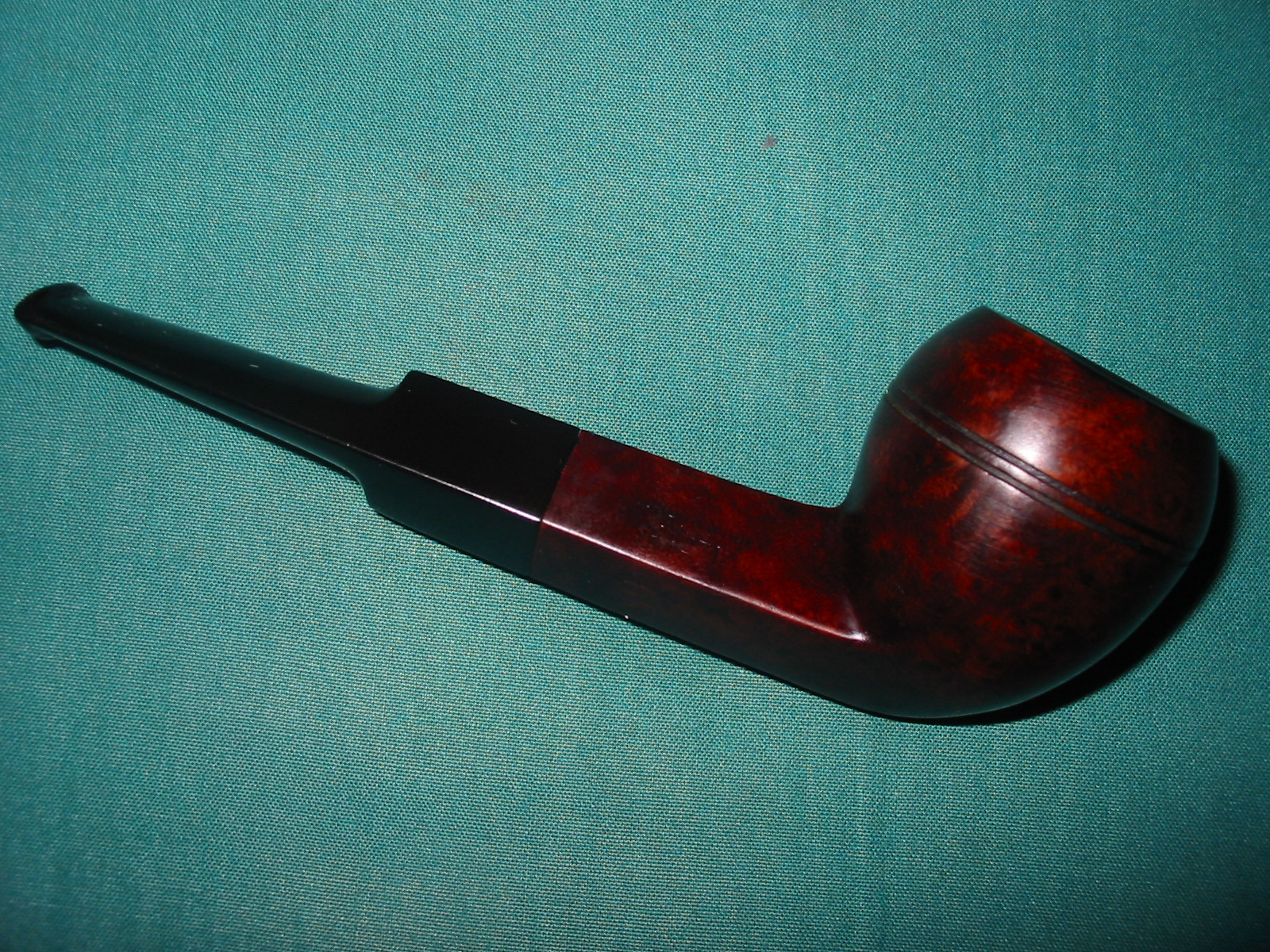
I buffed the pipe with White Diamond – both bowl and stem being careful around the stamping so as not to damage it. I rubbed the stem down with Obsidian Oil and then gave the bowl and stem multiple coats of carnauba wax to protect and shine. I buffed it a final time with a soft flannel buffing wheel. The finished pipe is pictured below. The colour on the green background appears redder than the pipe actually is. The wax and buffing did bring out the red highlights in the briar. It is more brown than red but the contrast is quite nice. The grain is visible through the stain. I am pleased with the finished look to the pipe. It is cleaned and restored and ready for the next chapter of the trust with me.
IMG_6425

IMG_6426

IMG_6427

IMG_6428

Refurbishing another Old Pal – this time a Long Oval Shank Billiard


Blog by Steve Laug

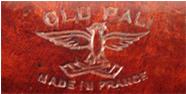
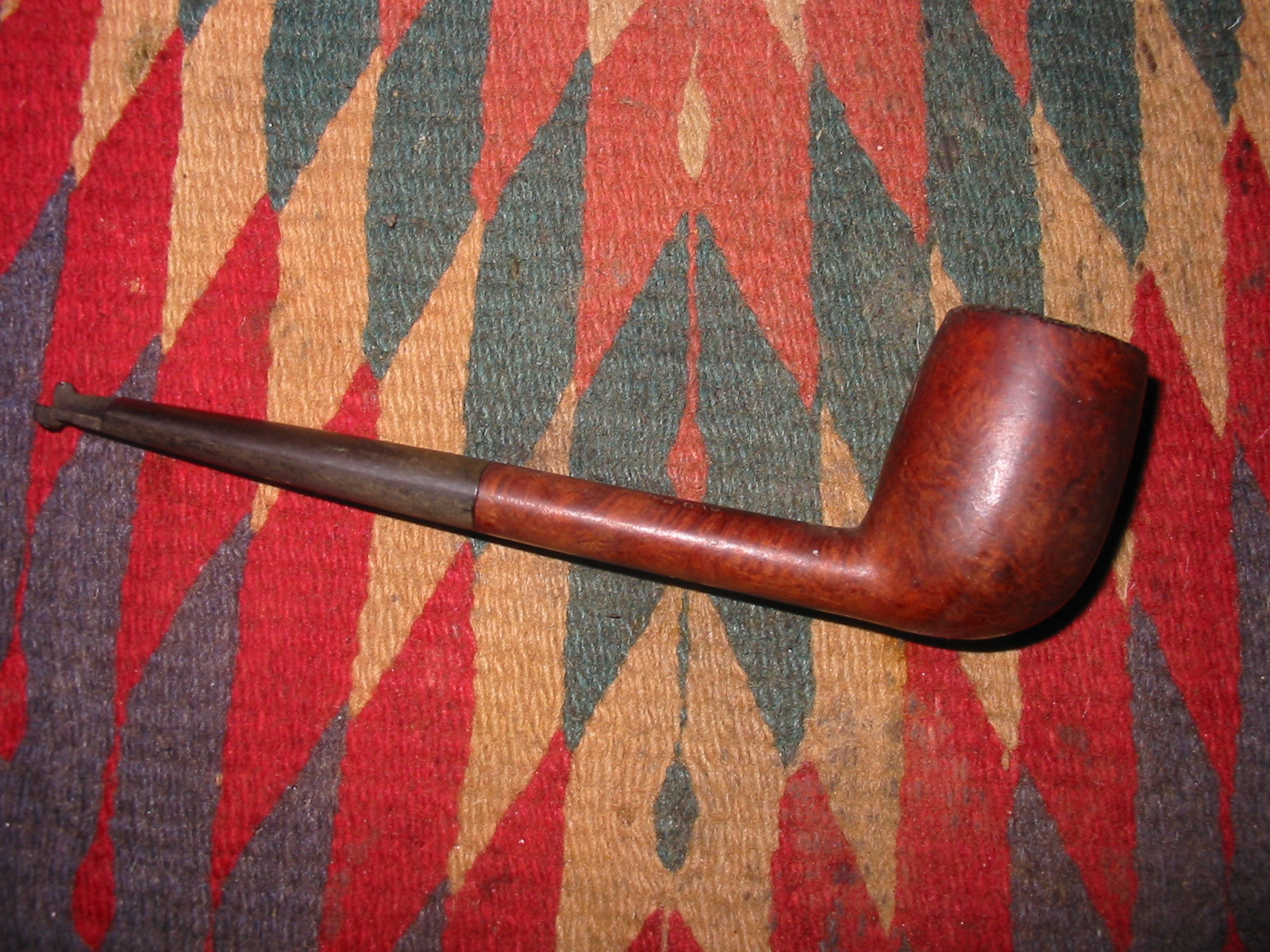
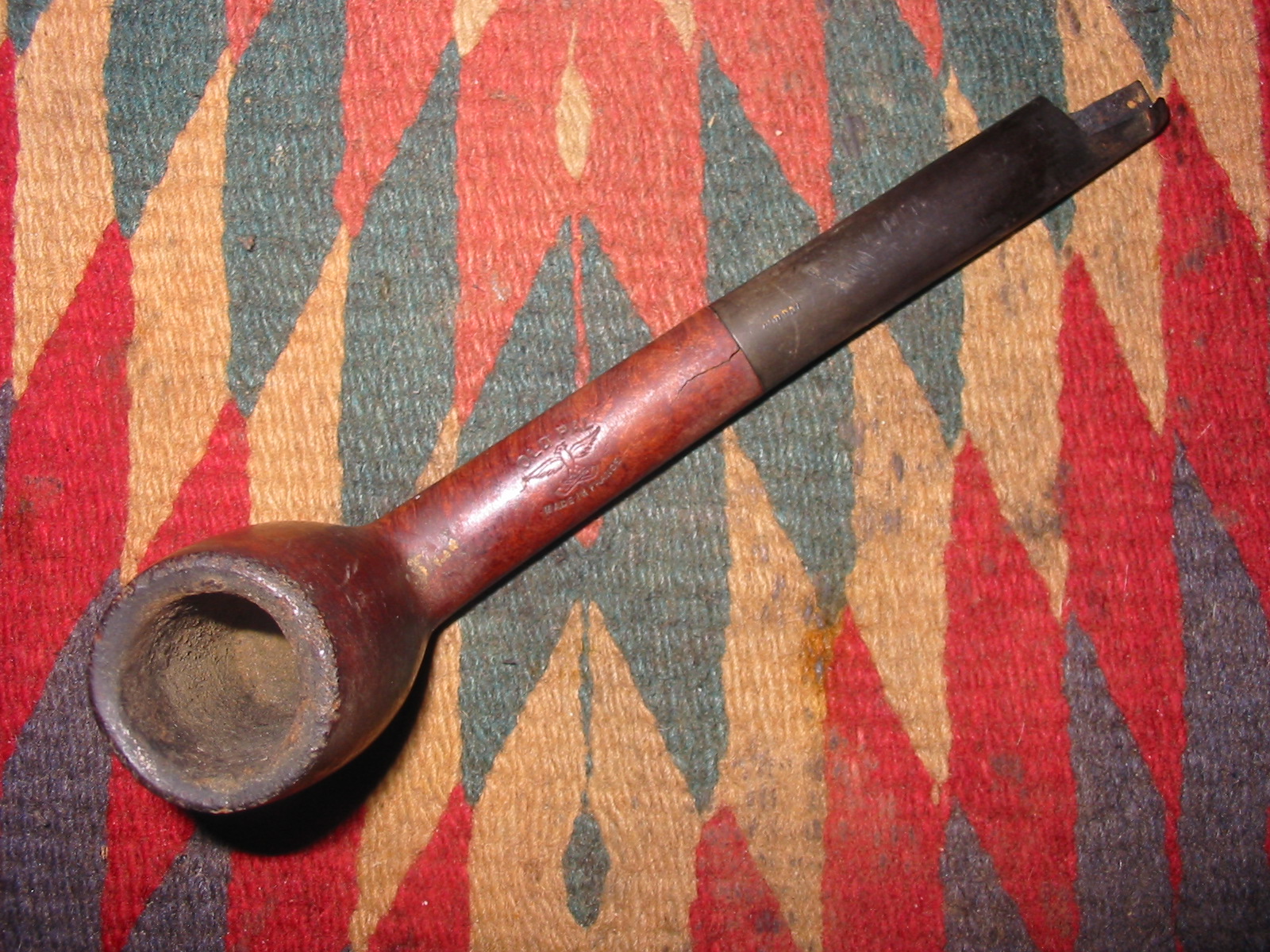
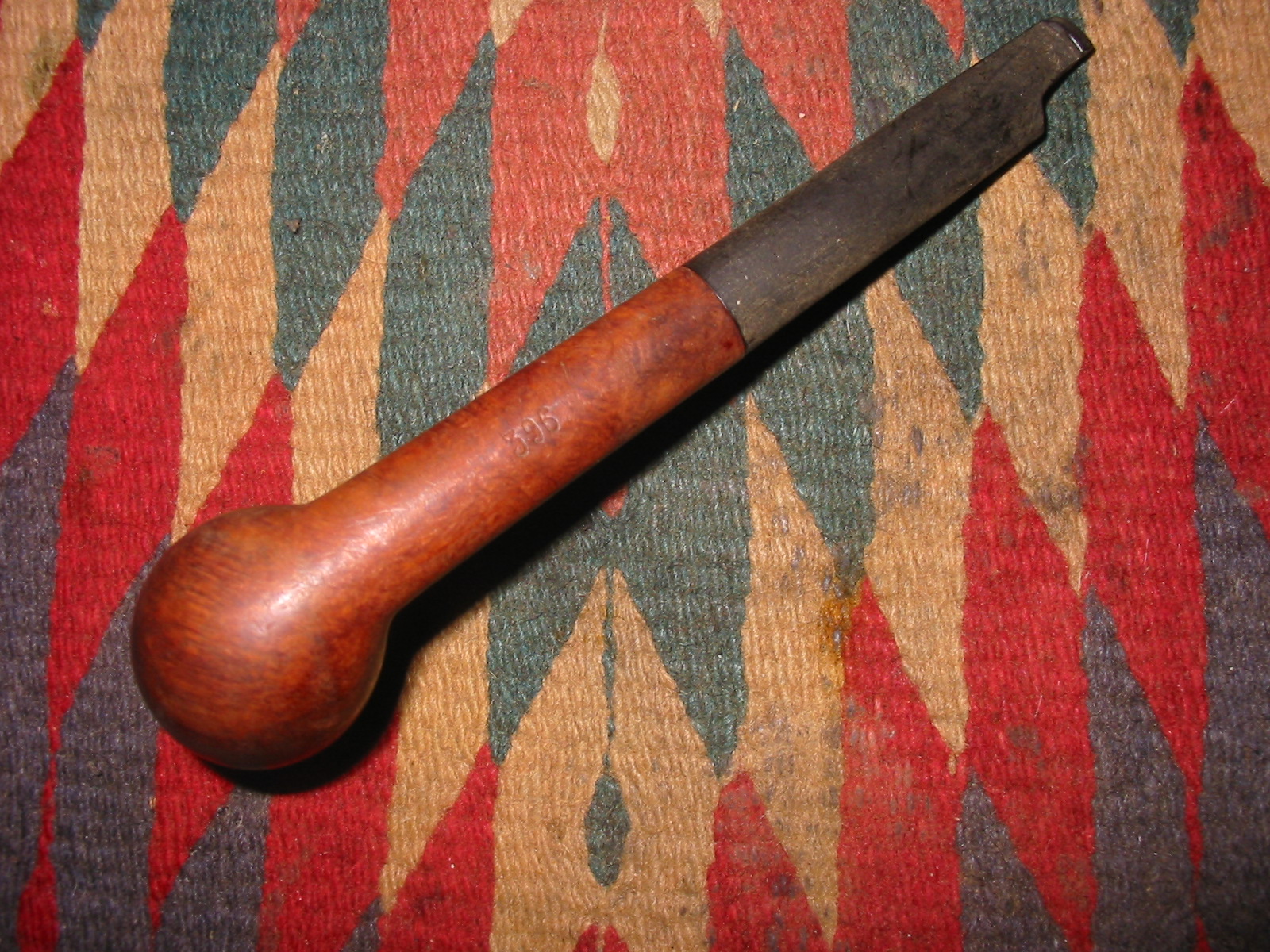
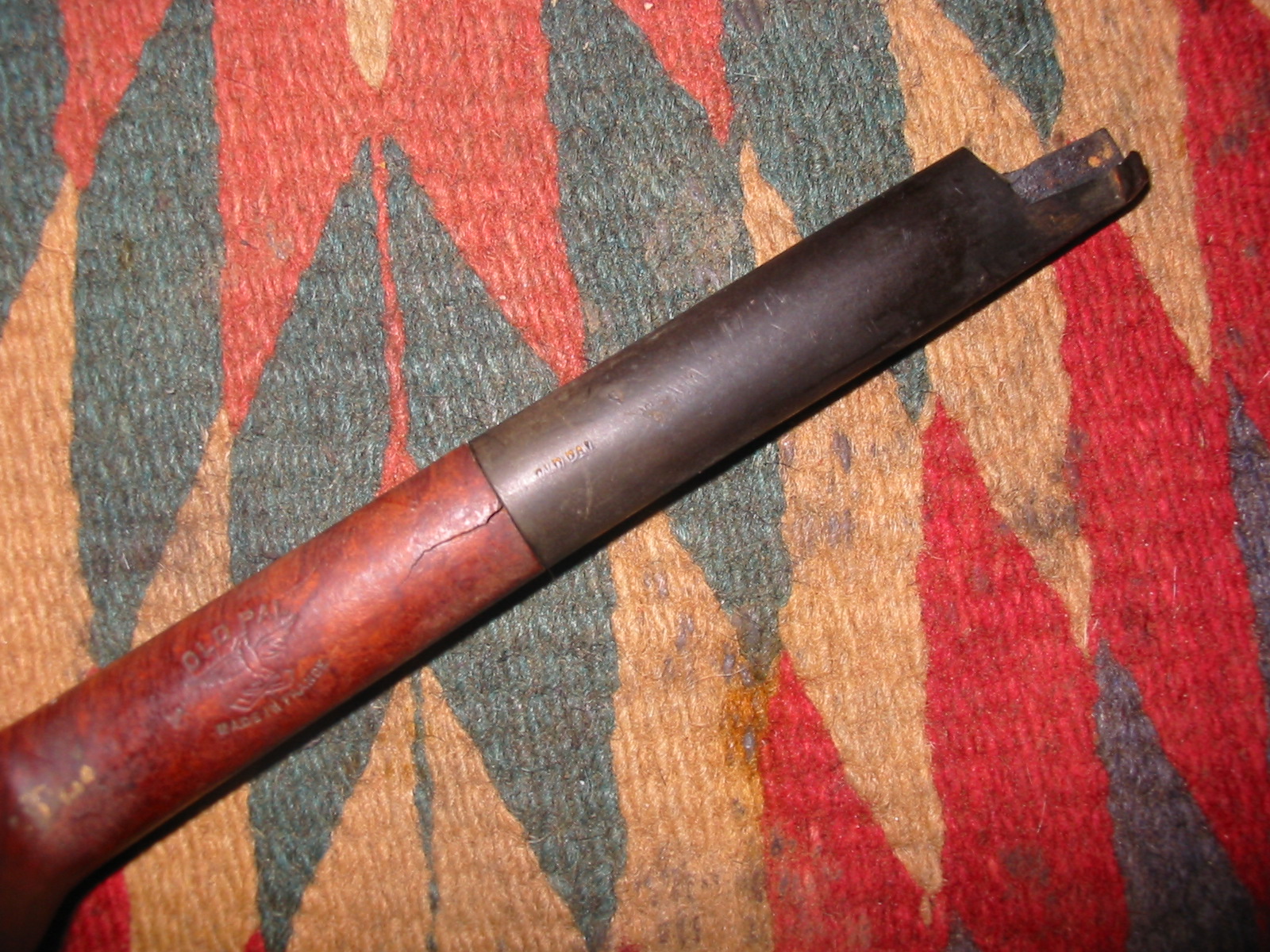
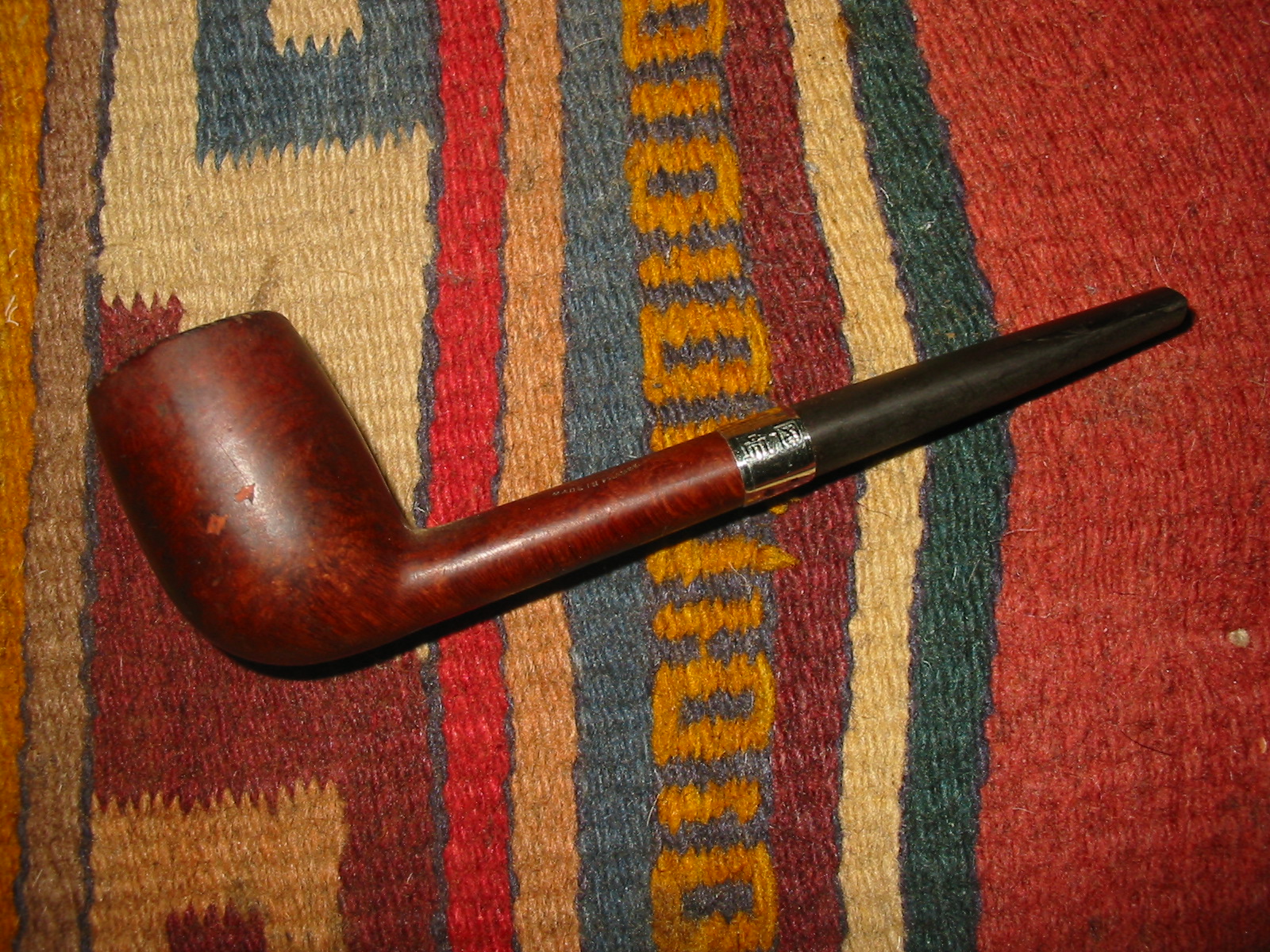
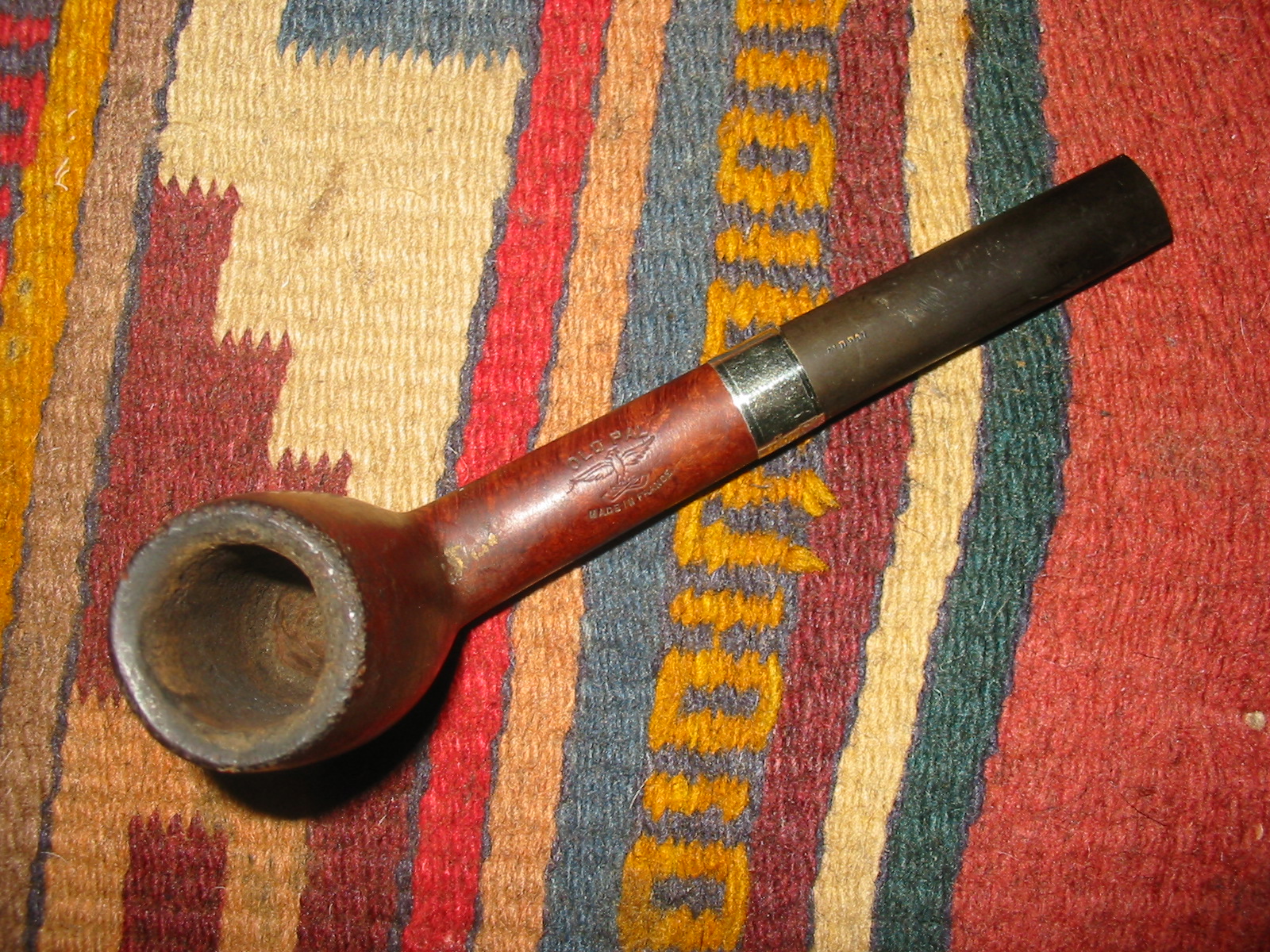
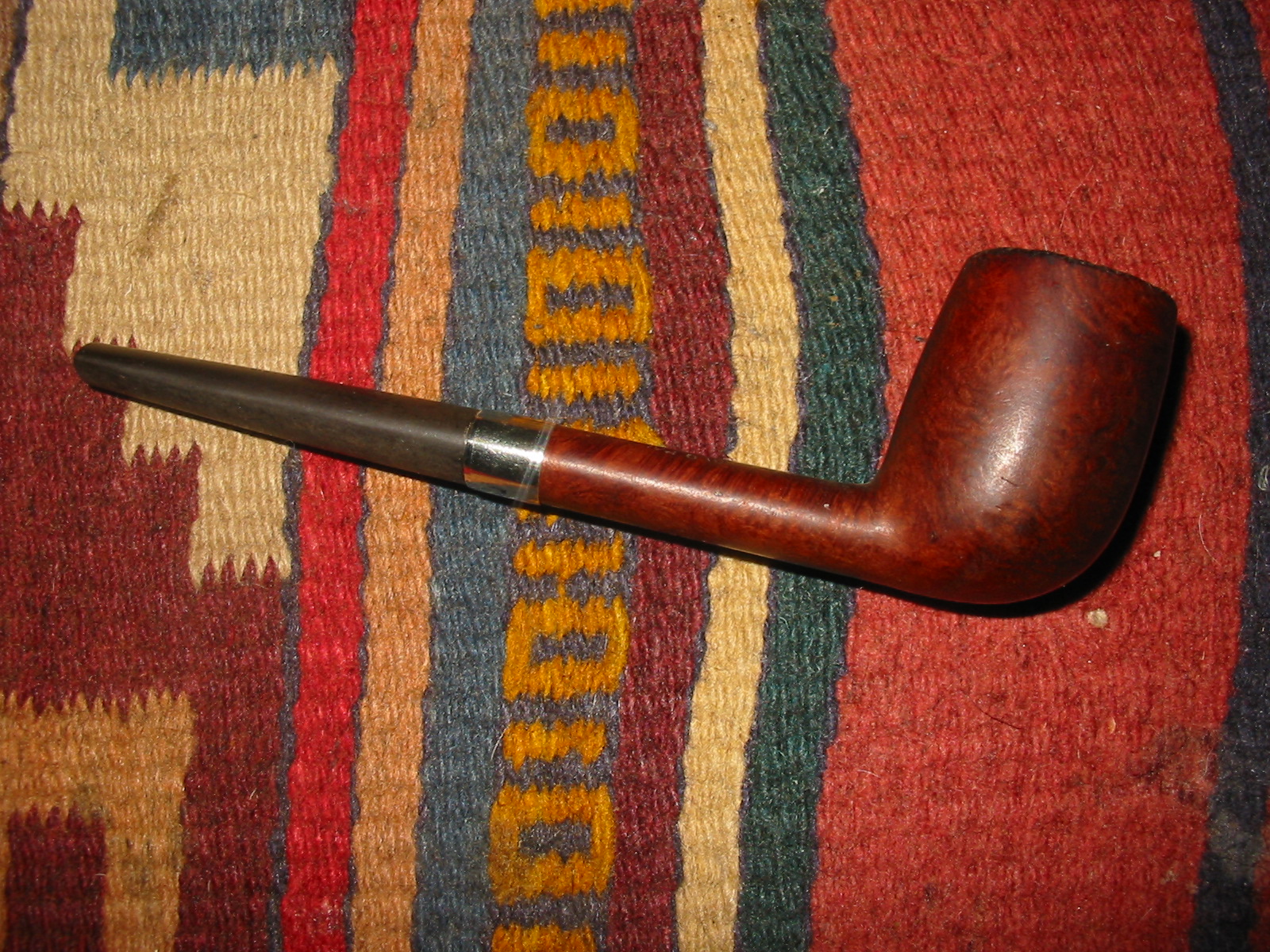
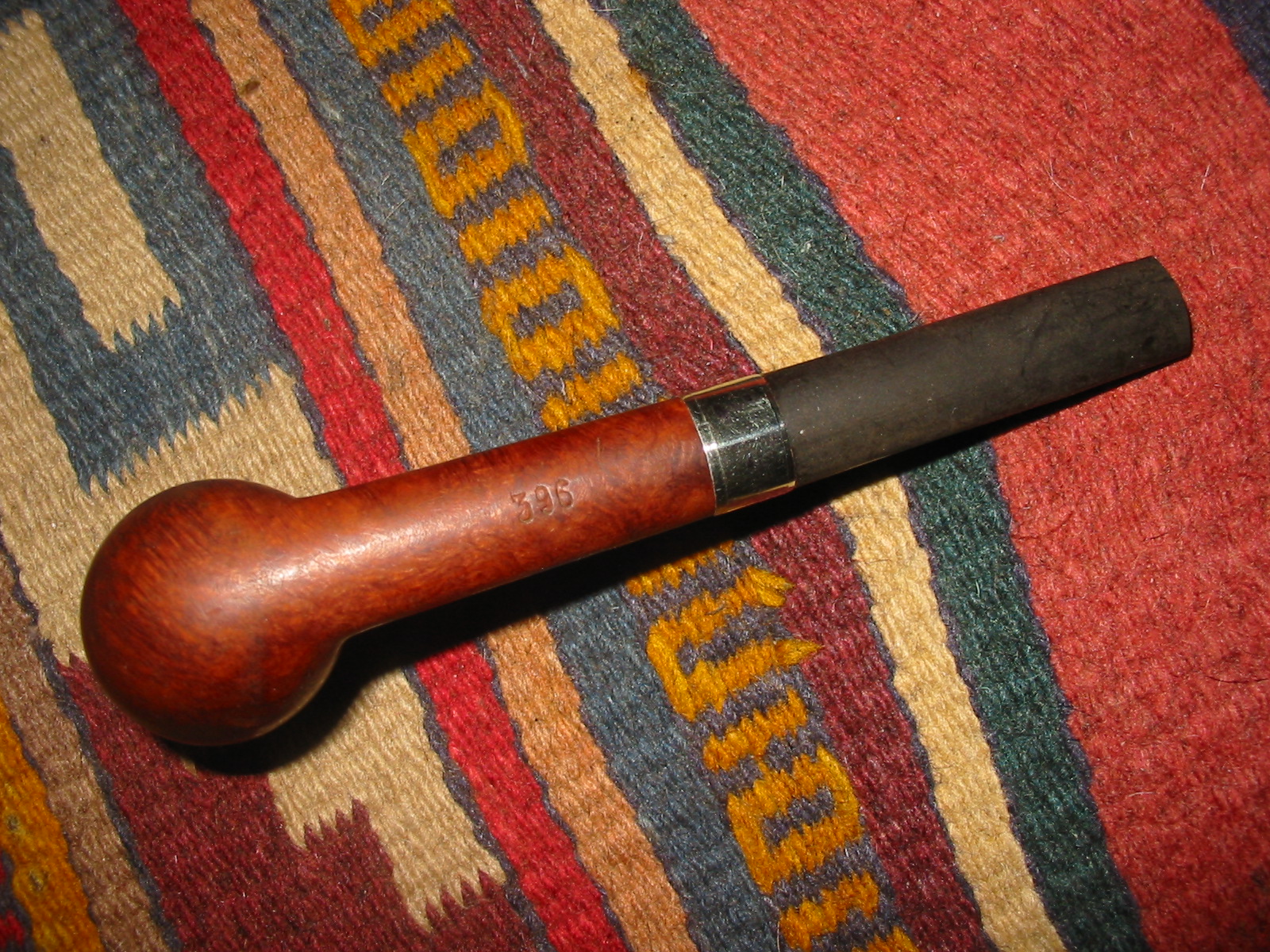
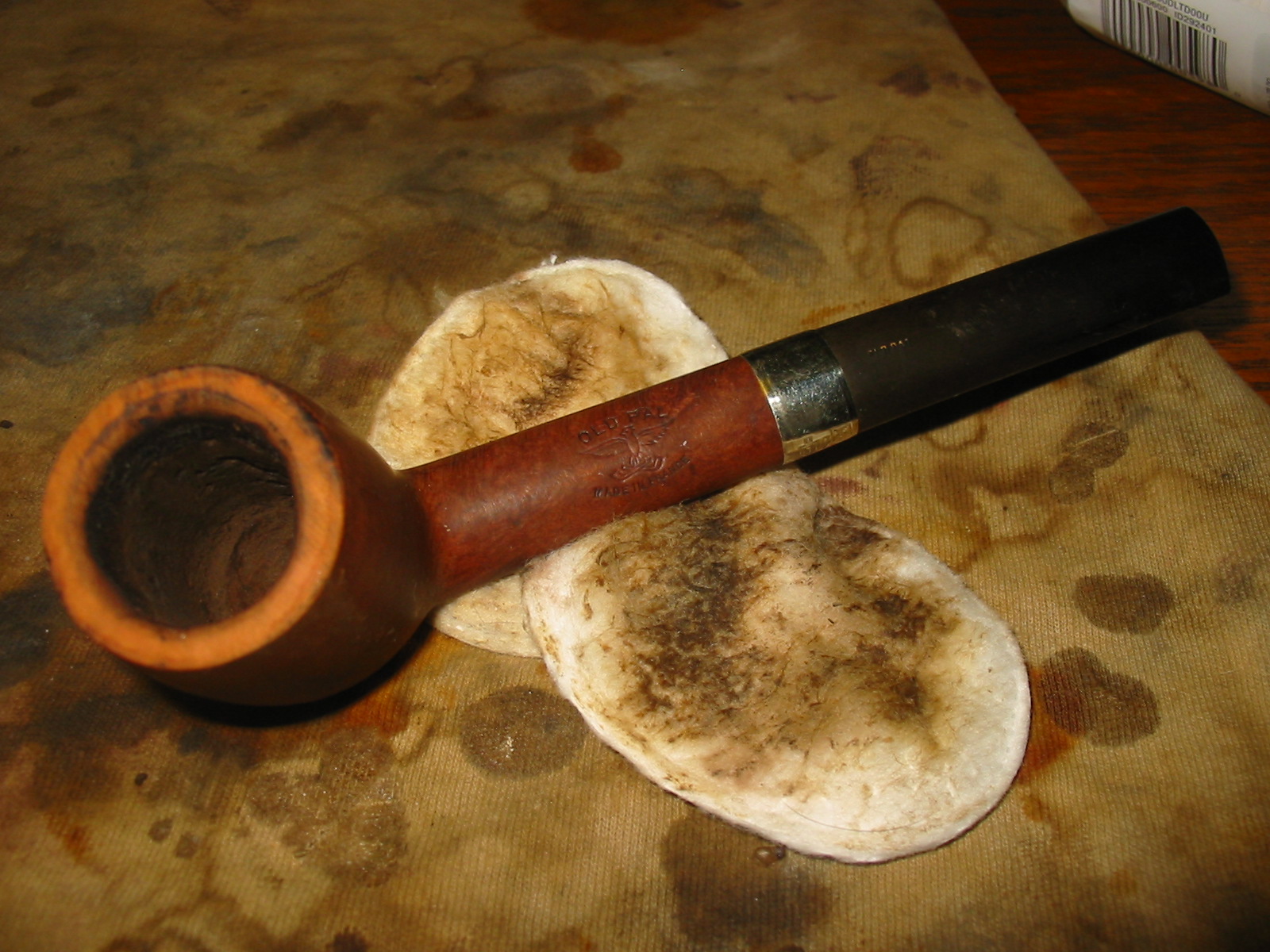
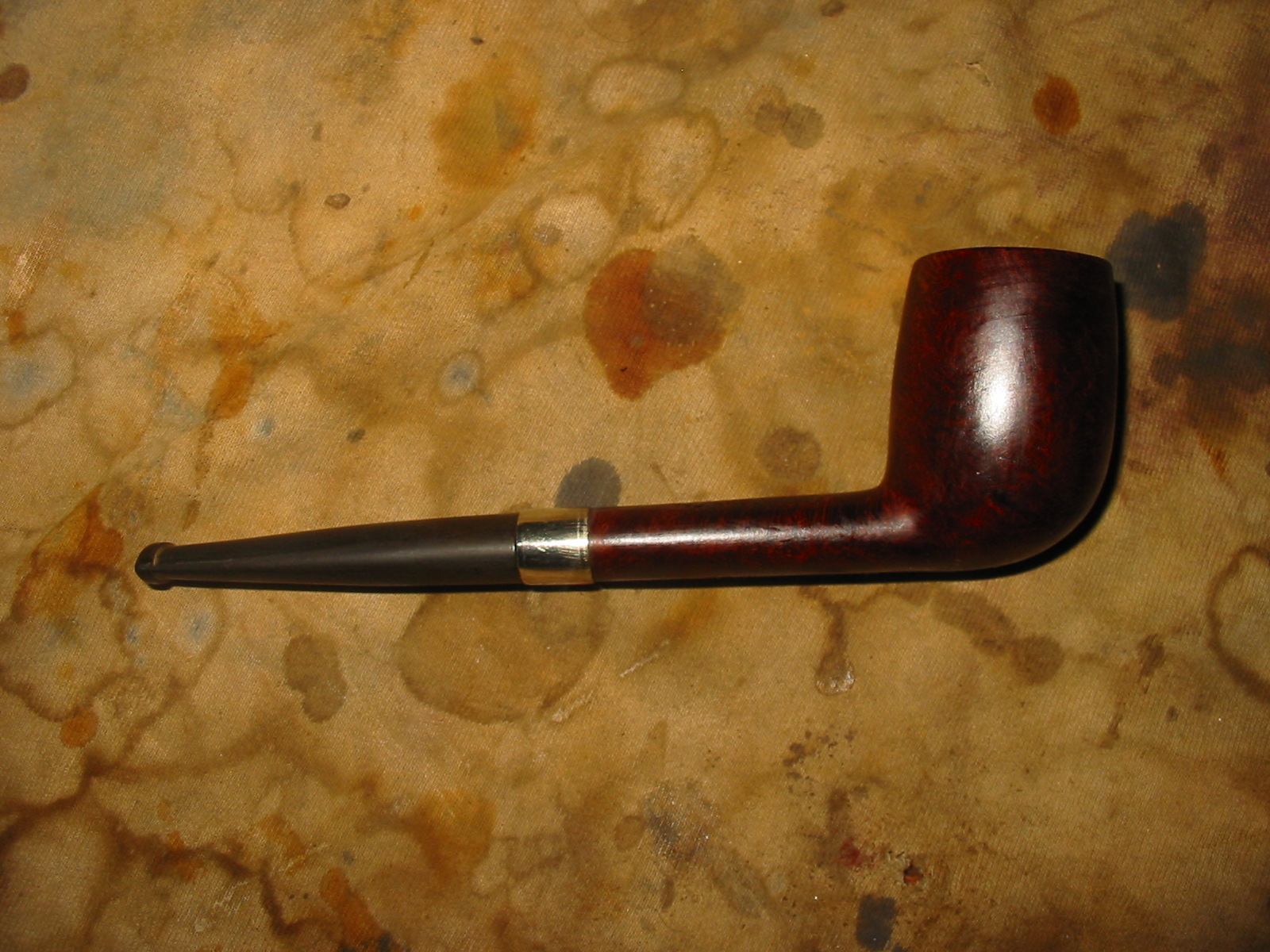
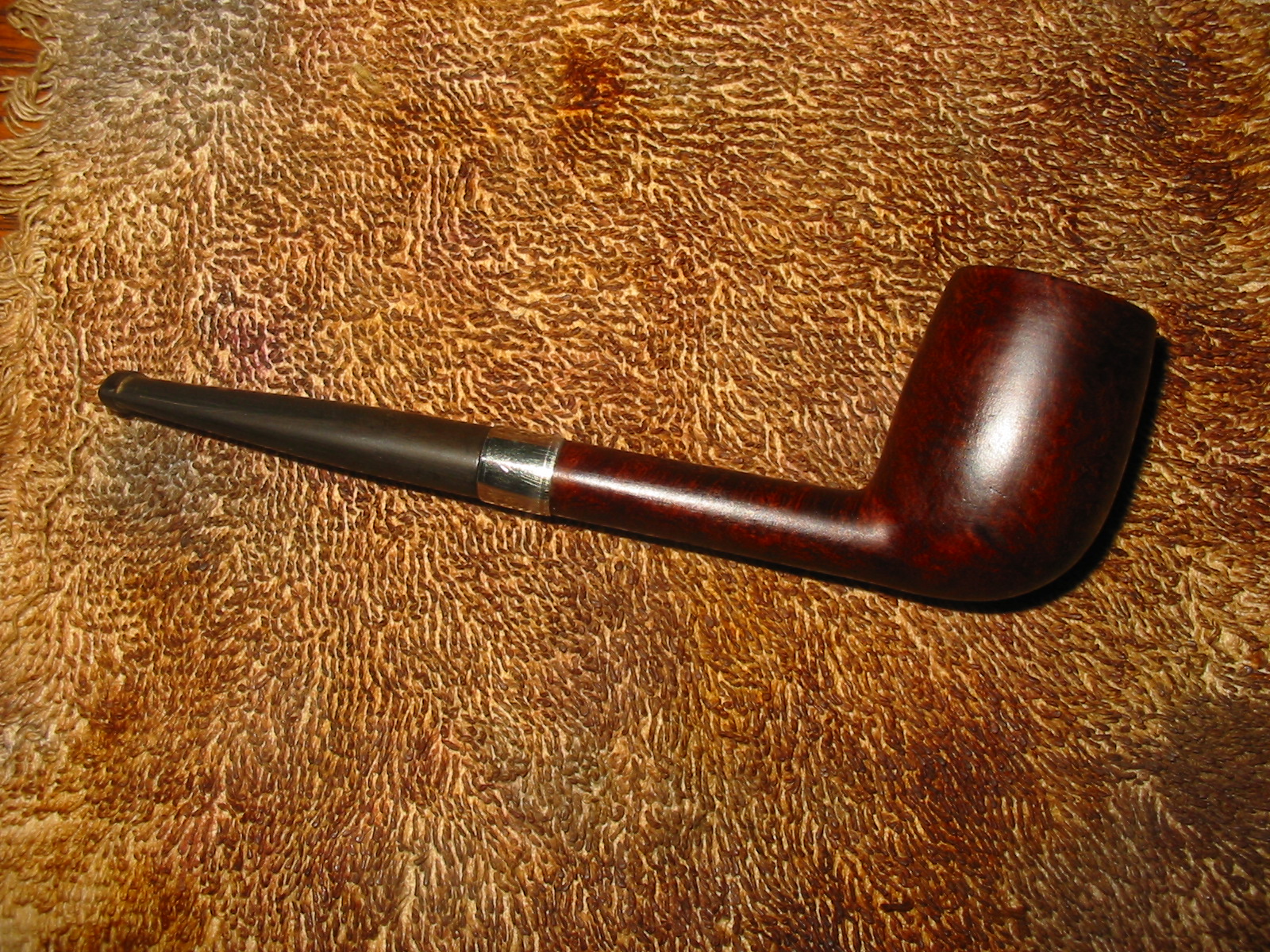
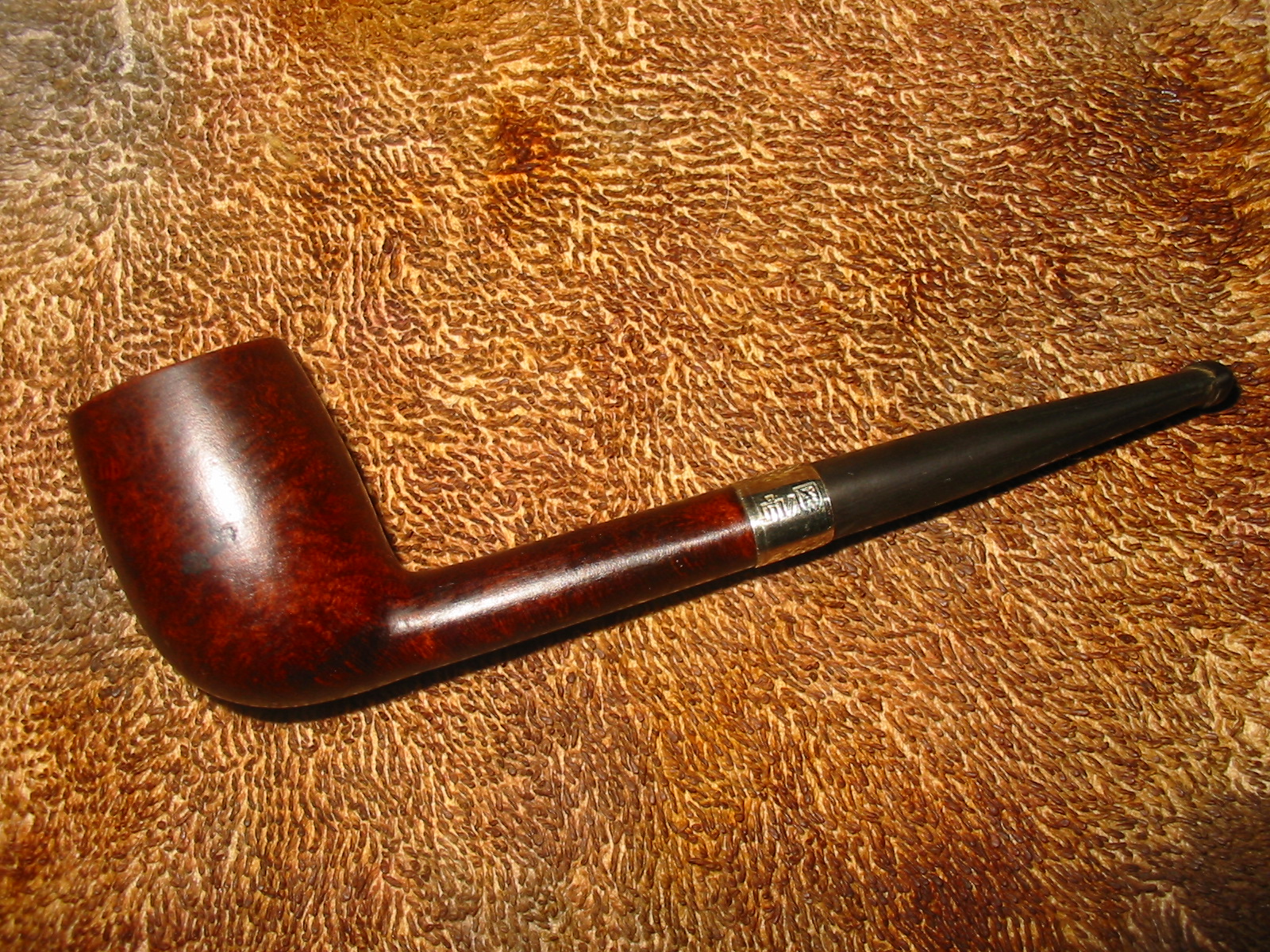
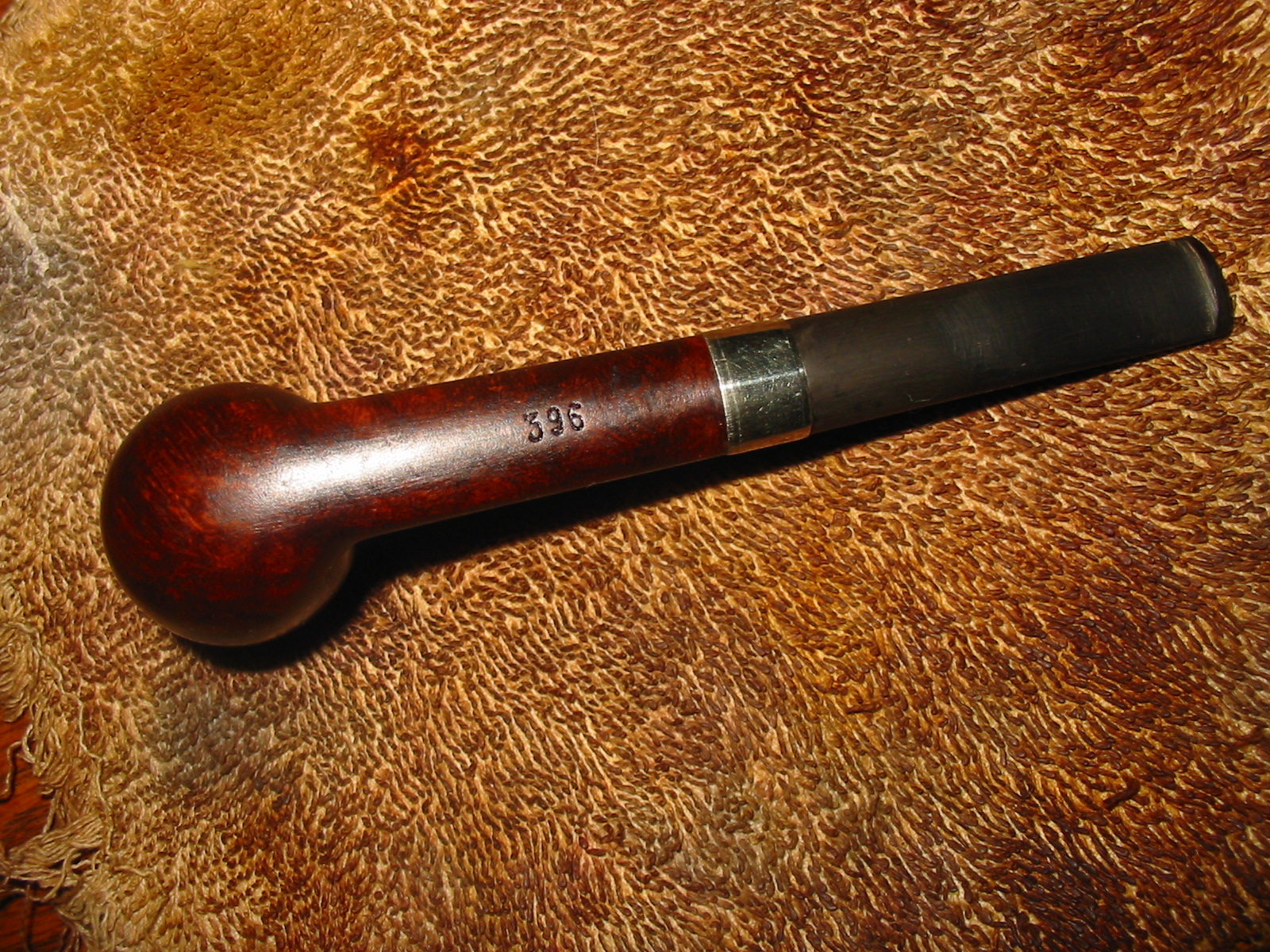
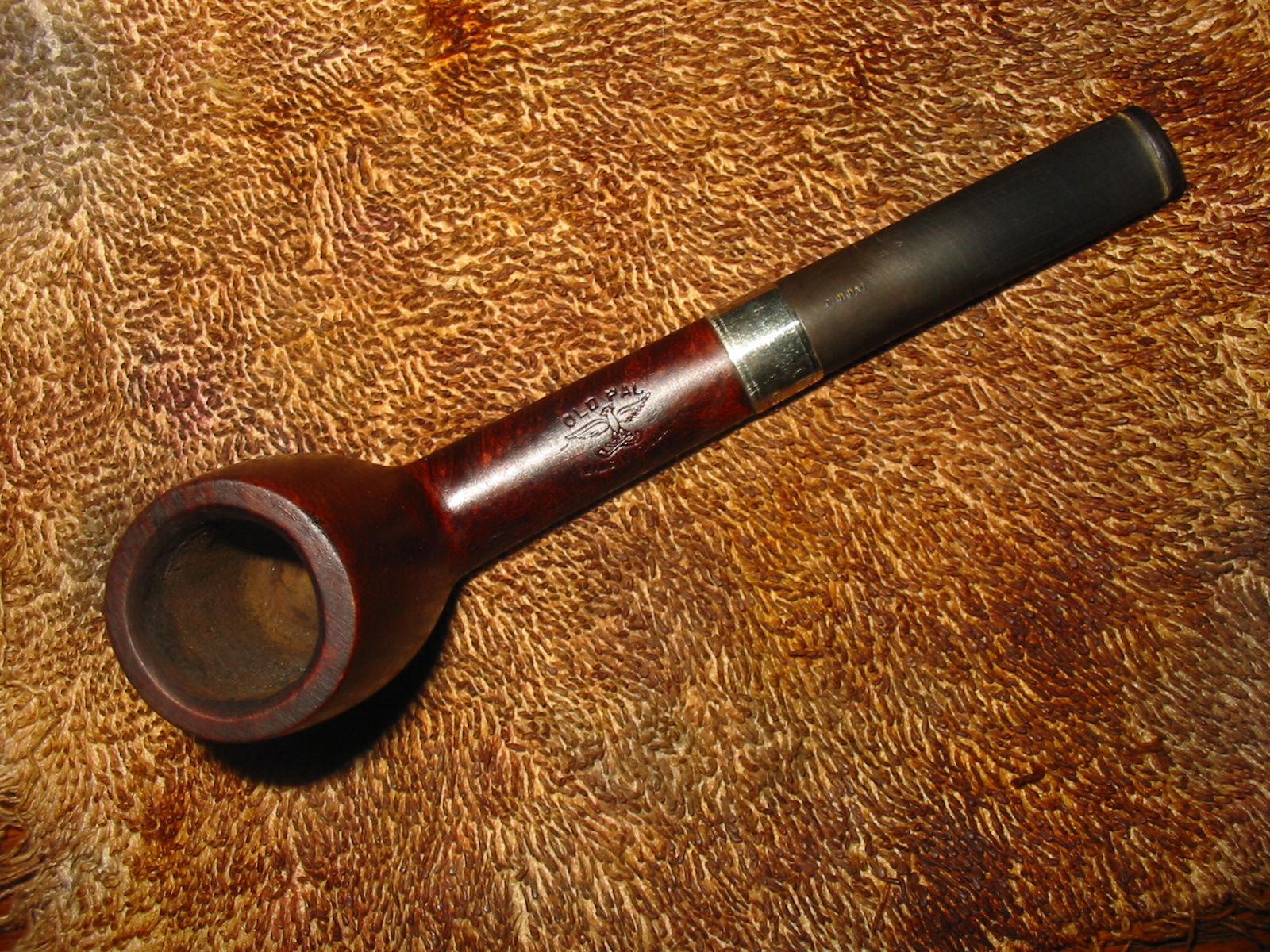
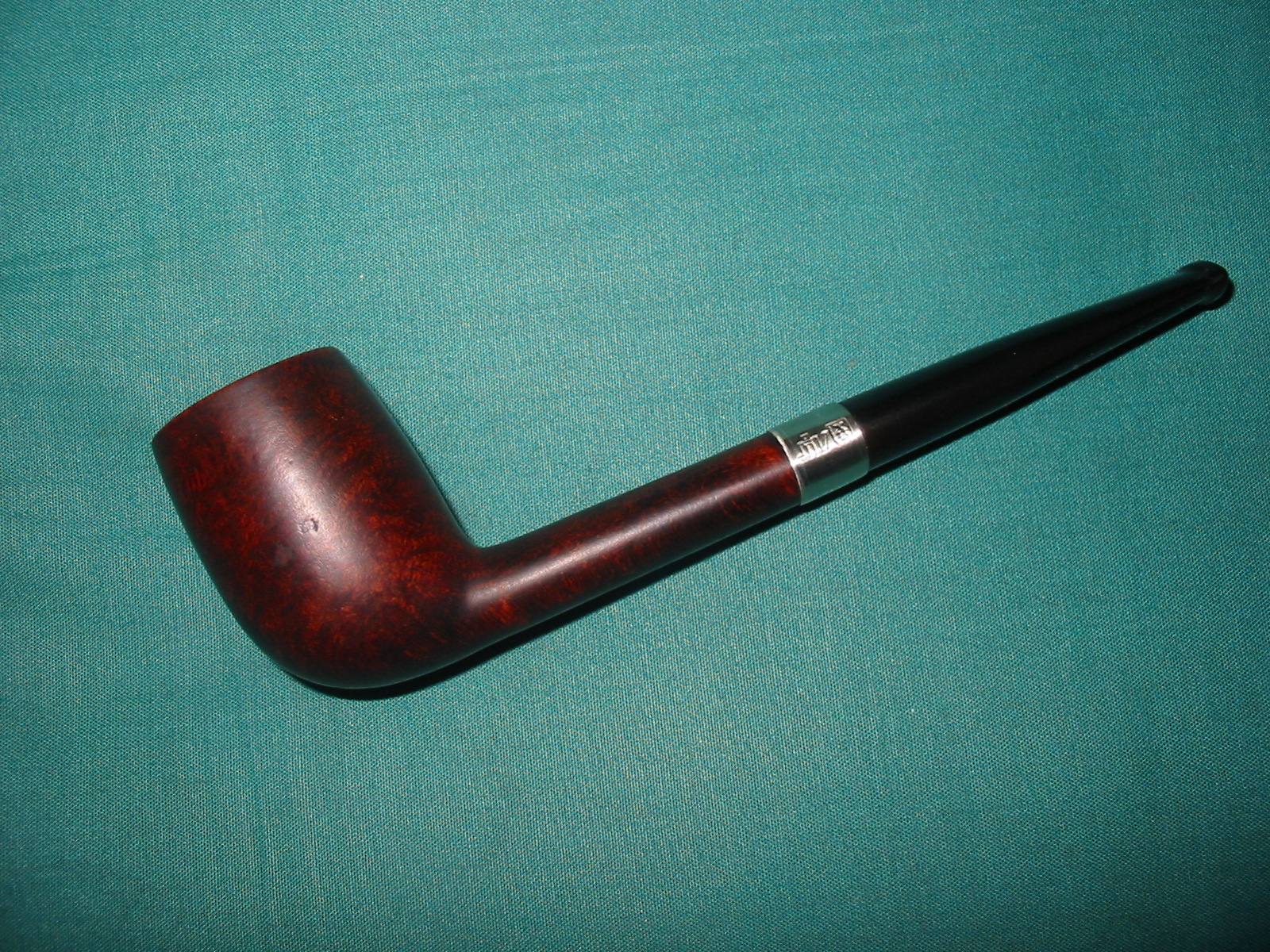
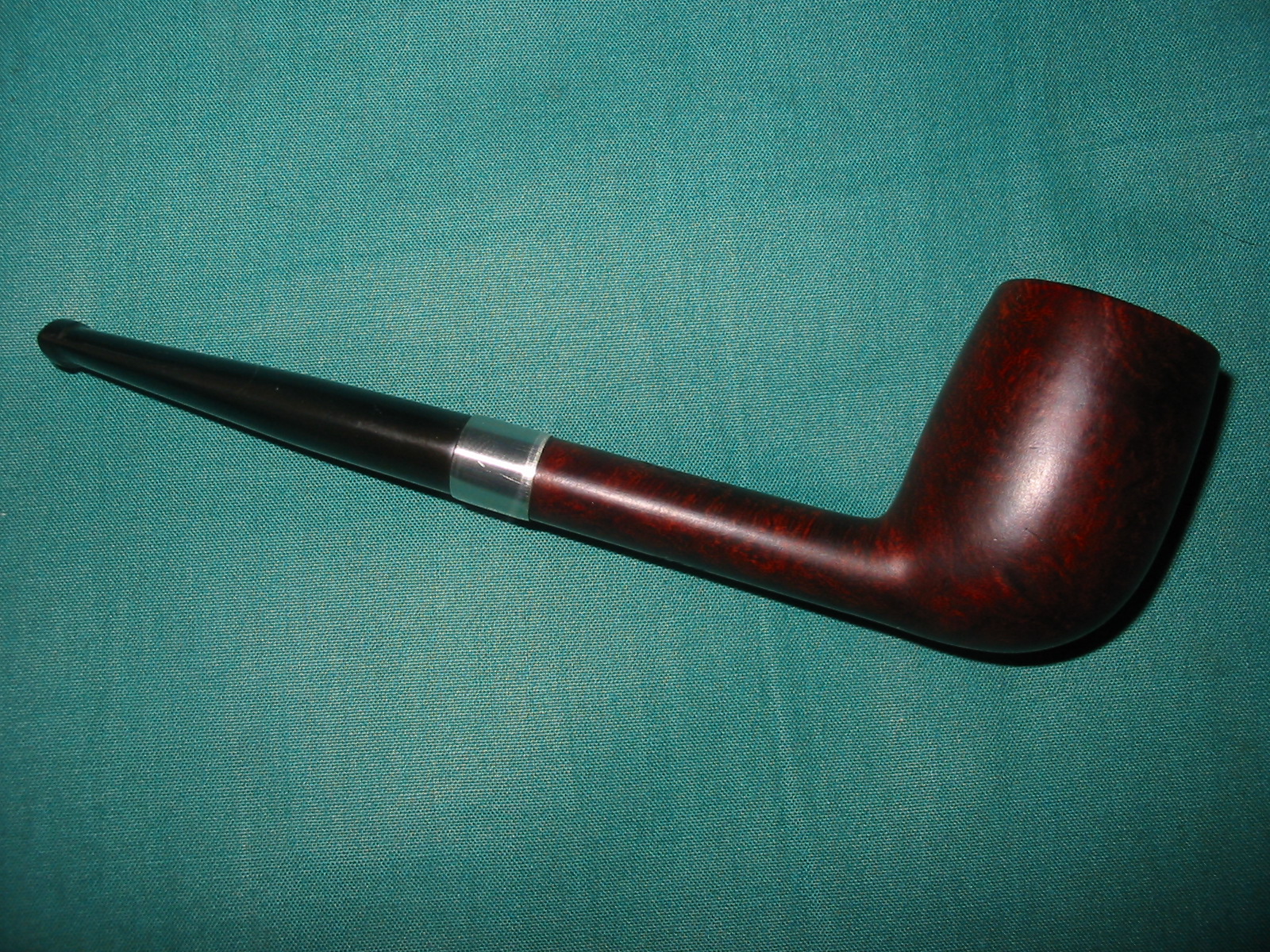
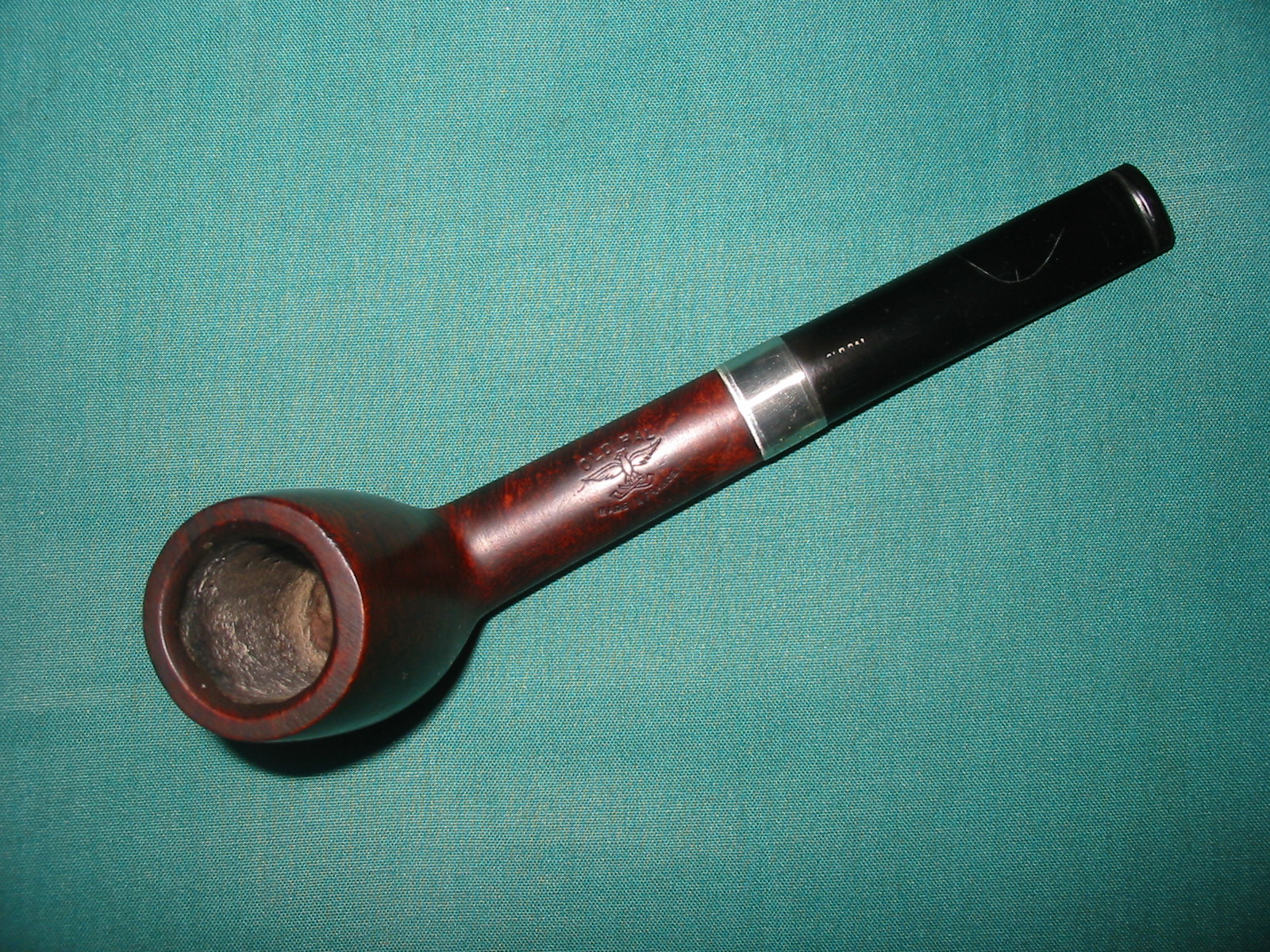
I just finished cleaning up another of the old pipes I picked up in my antique mall grab bag. It is a dainty pipe with an oval shank. When it came out of the grab bag it had a cracked shank and did not have a stem in the shank so I assumed it was a Canadian. When I went over the stems in the bag I found that one of them was stamped Old Pal. It fit the shank well and the look was quite unique. The stem was broken at the button with a large chunk on one side missing. The overall length is 5 ¾ inches and the weight is negligible. It is stamped on top of the shank in arc – Old Pal, over an Eagle with spread wings and then underneath Made in France.

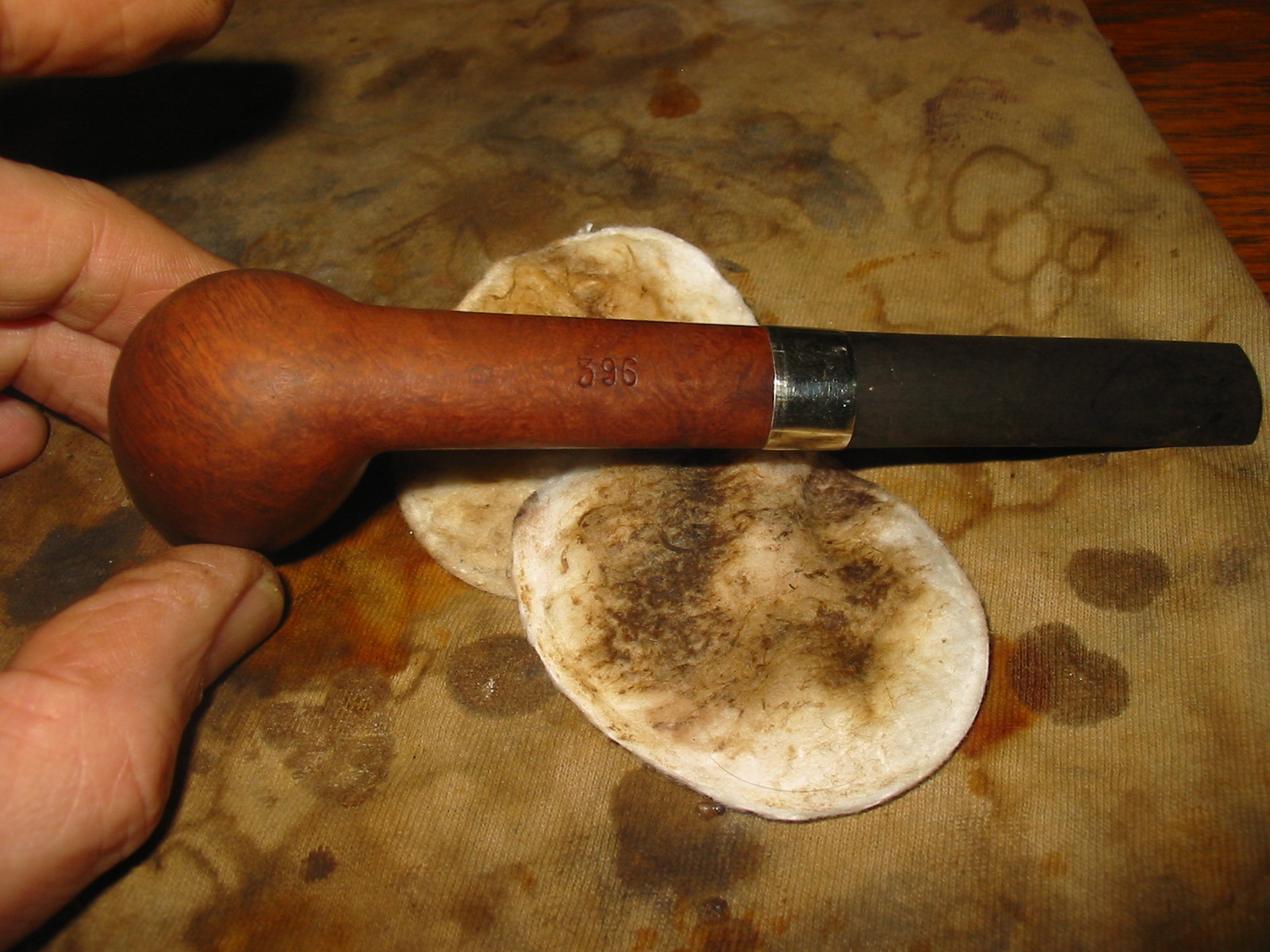
opOn the underside of the shank it is stamped 396 which I assume is the shape number. The shape number appears to be a GBD number but it is not included in the list on the Perdua shape number website. The stamping is faint but still readable. I wrote about the history of the brand in a previous post (https://rebornpipes.wordpress.com/2014/04/19/restemming-and-refurbishing-a-planter-opera-pipe/) But will summarize it again here for those who may not go back and read it.

“Who Made That Pipe” states that there were two French makers for Old Pal. The first of those is Marechal Ruchon and Cie. (Incidentally it is the company that owned the GBD brand). The second maker listed is Rubinovich & Haskell Ltd. The bird emblem is probably the key, but I can find no reference to it. My own thinking is that the brand was made by Marechal Ruchon & Cie. I was able to dig up this brief summary of the MR&C brand. Ganeval, Bondier and Donninger began making pipes in 1850 and rapidly gained prominence in briar pipe making. Of the three, Bondier survived the others by 30 years, but new partners took their places. The name of the company changed to Bondier Ulrich & Cie, then Bine Marechal & Cie and finally to A Marechal, Ruchon & Cie. August Marechal and Ferdinand Ruchon saw the firm into the 20th century, their names being used for the company for well over 50 years.

Prior to 1899, Marechal, Ruchon & Co. became A. Oppenhiemer’s sole agent for cigarette papers but still remained in the pipe making business. Then in 1902, Marechal, Ruchon & Co., owners of GBD and referred to as French pipe makers, merged with A. Oppenhiemer. In the 1915 London Directory of briar pipe makers one will find: “”Marechal, Ruchon & Co. – 38 Finsbury Sq. E.C.; London works, 15 & 16 Featherstone St. E.C. and Oppenhiemer, A. & Co. – 38 Finsbury Sq. E.C. listed separately.
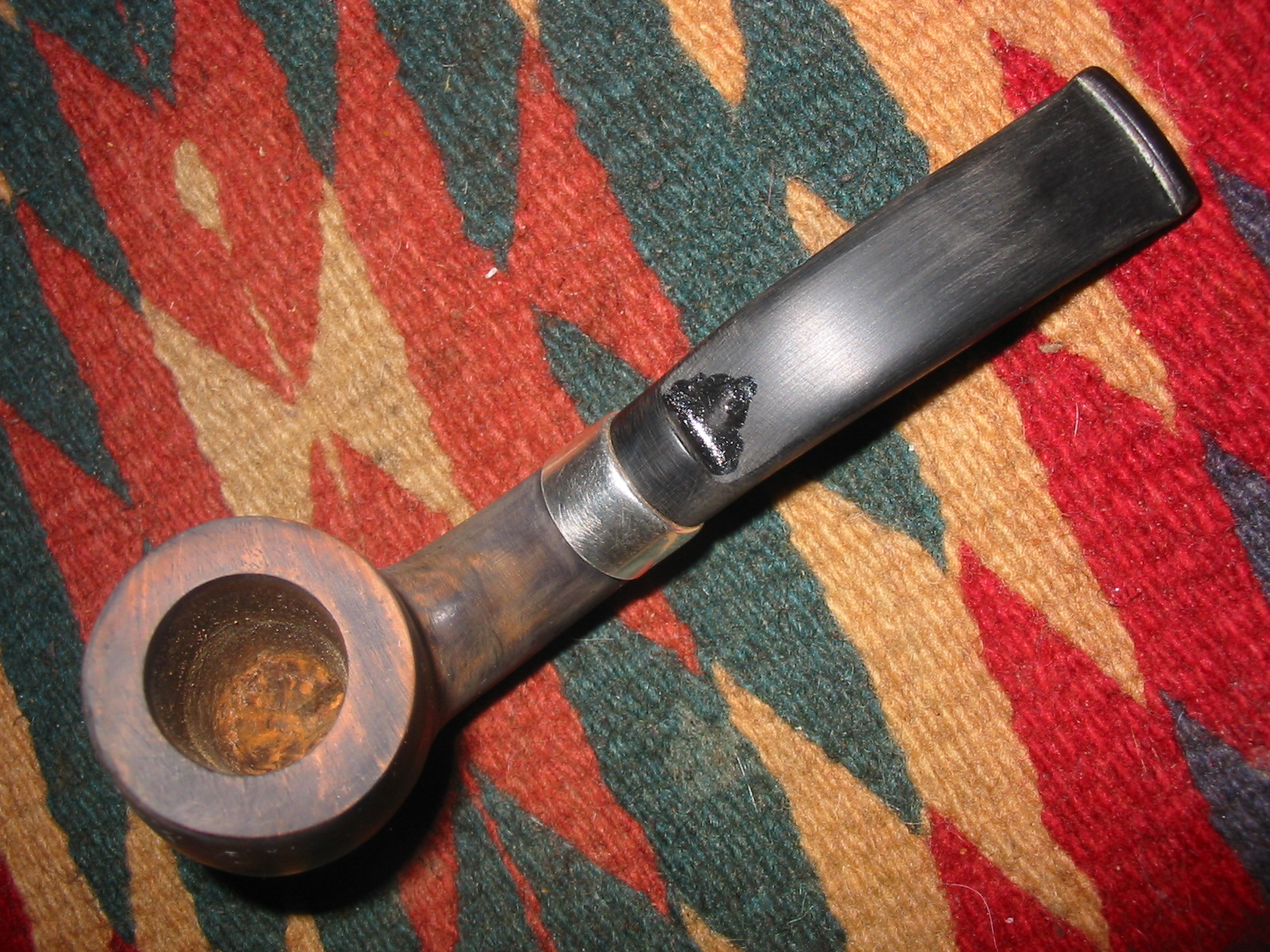
As before with that background information remembered I worked on this old pipe to clean it up and restore it. When I picked it up the bowl was badly caked. The rim was dirty and the outer edge had been knocked about pretty hard to remove the dottle of the past. The inner bevel was tarred but still in pretty good shape. The right side of the pipe had no fills or real damage. It was a nice birdseye under the grime. The left side had two fills of pink putty in the midst of some very nice grain. The grain on the rest of the bowl was a mix of cross grain and swirling grain. The finish was worn with some paint marks on the top of the shank. The stem was oxidized and had been broken with a large chunk missing at the button on the right side. The shank was cracked but the joint with the stem was smooth and tight. The tenon fit snug in the mortise with no gap in the junction. The shank and airway were dirty and tarry.
IMG_6262

IMG_6263

IMG_6265

IMG_6266
I have included the photo below as it clearly shows the crack in the shank, the broken stem and the stamping on the shank of the pipe.
IMG_6267
I debated whether to cut off the stem or to just restem the pipe with a Canadian stem. I looked at it with a small stem and then with this stem and decided to cut off the stem. I used a Dremel and a sanding drum to remove the broken part of the stem and even out the line of the end of the stem.
IMG_6268

IMG_6269

IMG_6270
I took it back to the work table and reamed the bowl with a PipNet reamer. I reamed the cake back to bare briar so that I could work on the damage to the inner edge of the rim.
IMG_6271
I took out my box of assorted nickel bands and found one that was the correct diameter and squeezed it until it was an oval. I dripped super glue into the open crack and pressed it together to dry. Then I heated the band with a heat gun and pressed it on to the cracked shank.
IMG_6272

IMG_6273
I used a folded piece of sandpaper to sand the tenon slightly so that it fit snugly in the shank. The fit of the stem to the band and shank looked good so that part of the job was finished.
IMG_6274

IMG_6275

IMG_6276

IMG_6277
I set up the topping board and the 220 grit sandpaper and topped the bowl to remove the damaged rim. I used a folded piece of sandpaper to bevel the inner edge of the rim inward like it had been originally.
IMG_6278

IMG_6279

IMG_6280
I wiped the bowl down with acetone to remove the finish and the spots of white paint that were on the top of the shank. I repeated the wash until the finish was clean and then wiped it down again with isopropyl alcohol.
IMG_6281

IMG_6282

IMG_6283

IMG_6284
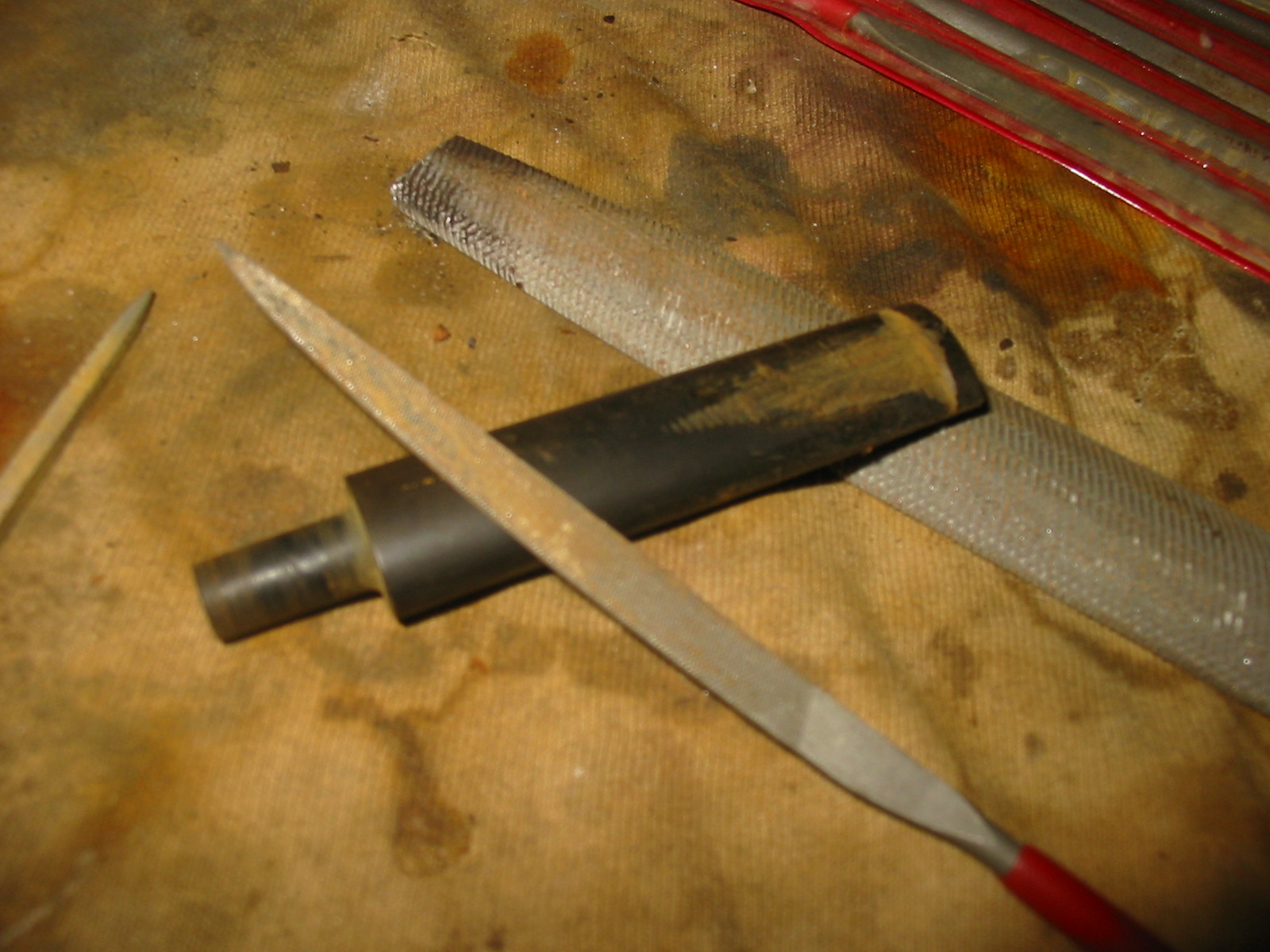
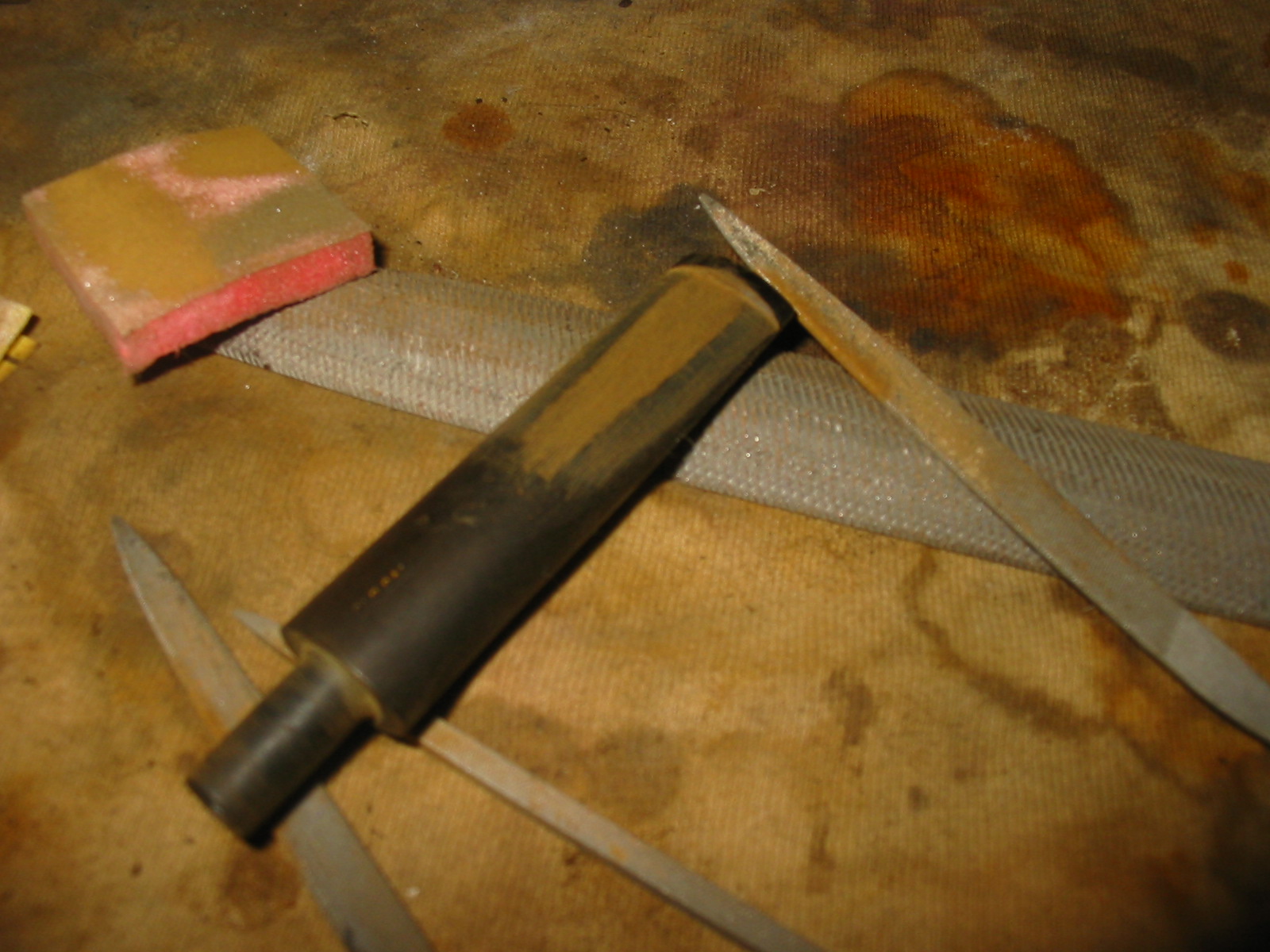
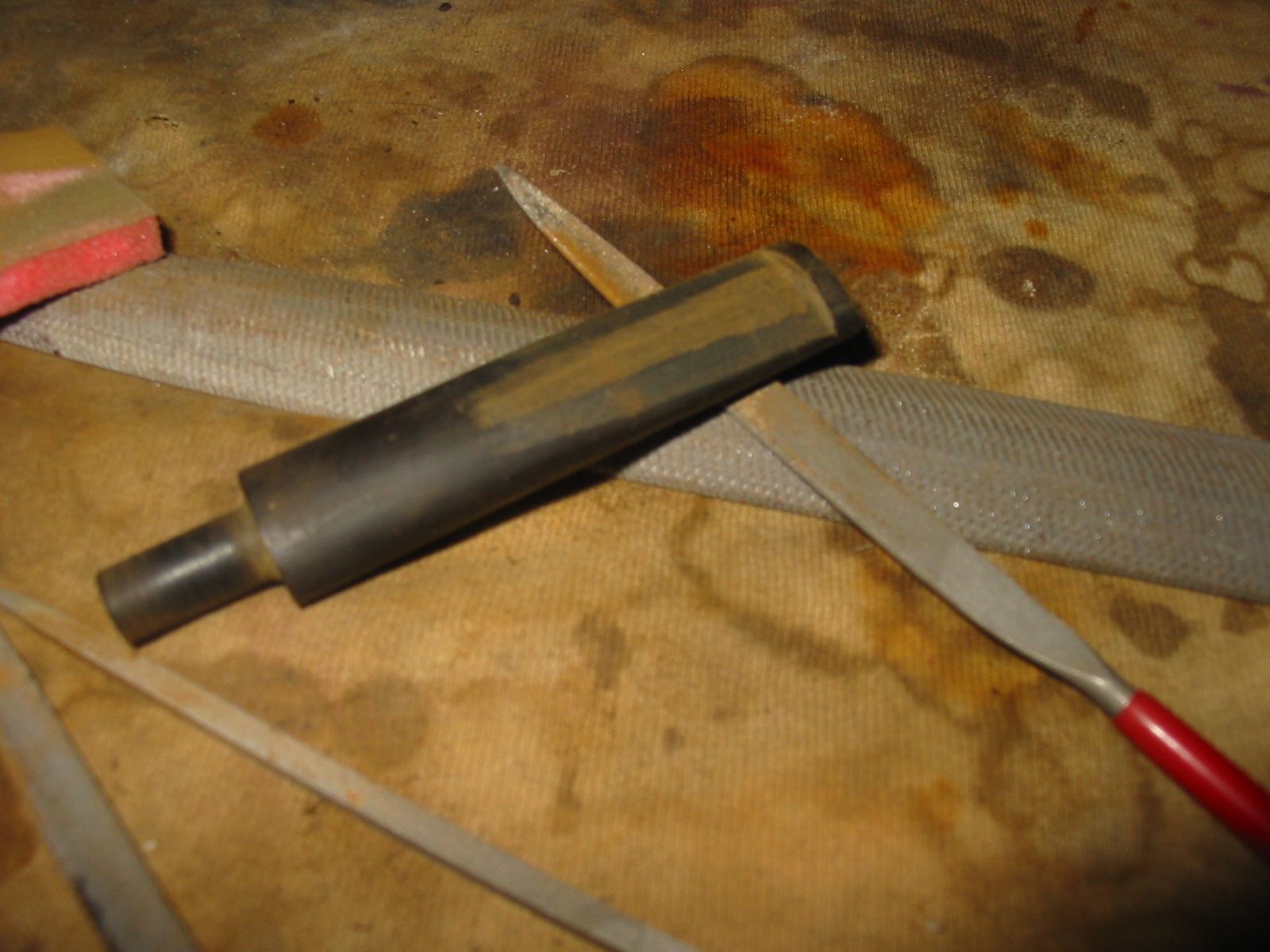
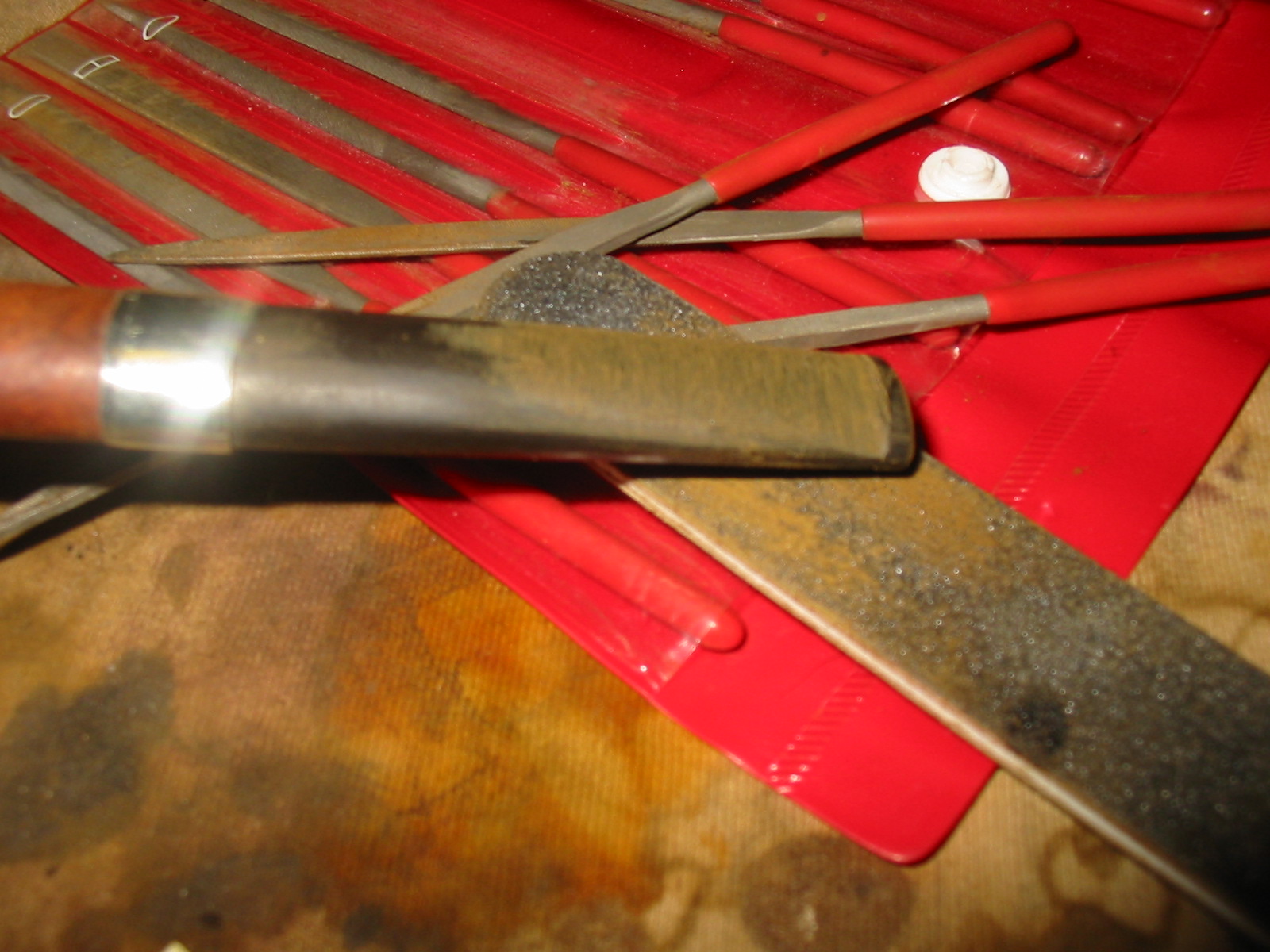
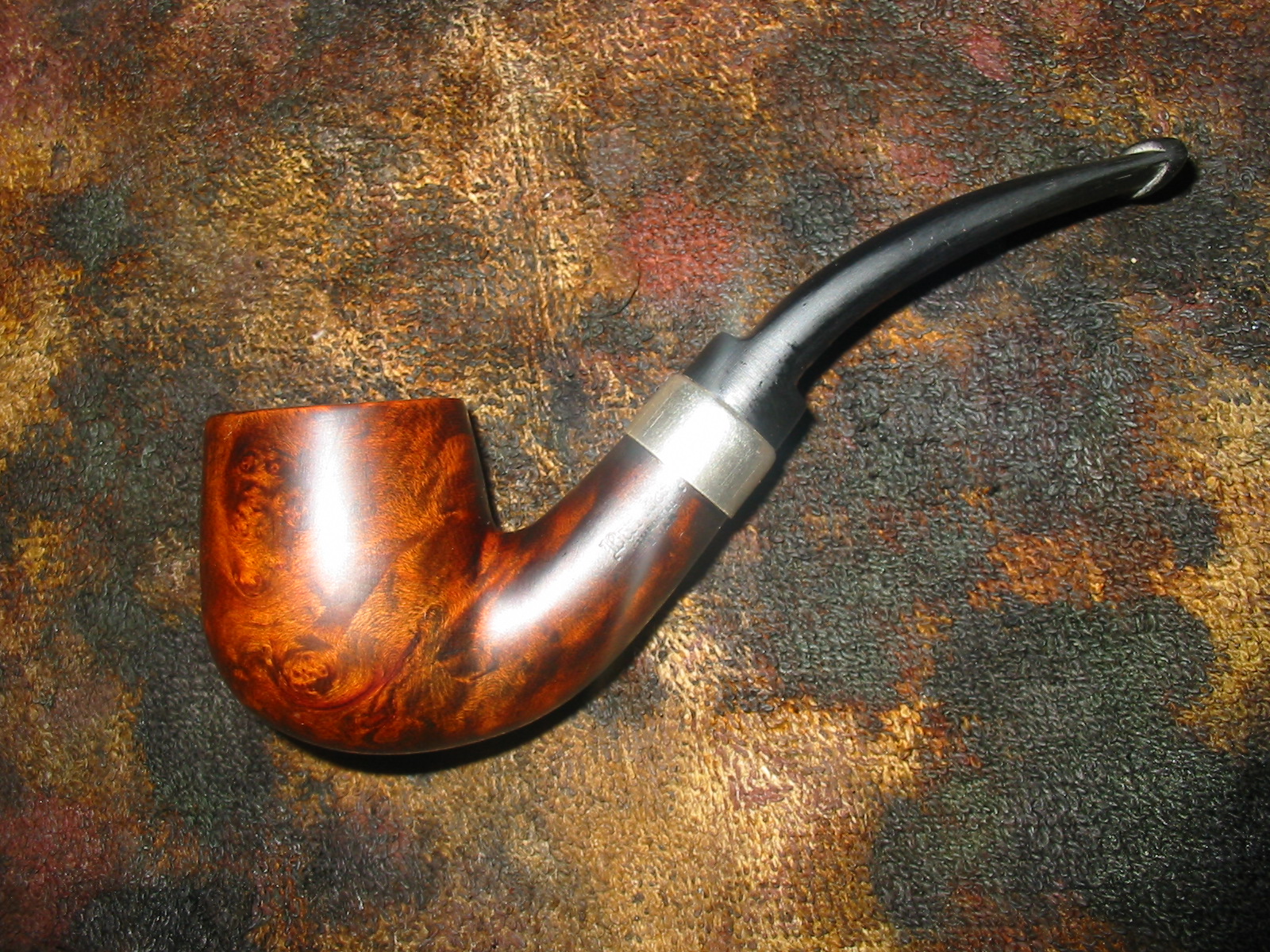
With work on the bowl at a good stopping point I decided to do some work on the stem. I had to cut a new button and taper the stem toward the new button. There would have to be shaping done as well opening the slot on the end of the stem. I used a rasp to cut the edge on the lip of the button and to sand down the taper of the stem. I used a series of needle files to further shape the button and the taper.
IMG_6285

IMG_6286

IMG_6287

IMG_6288
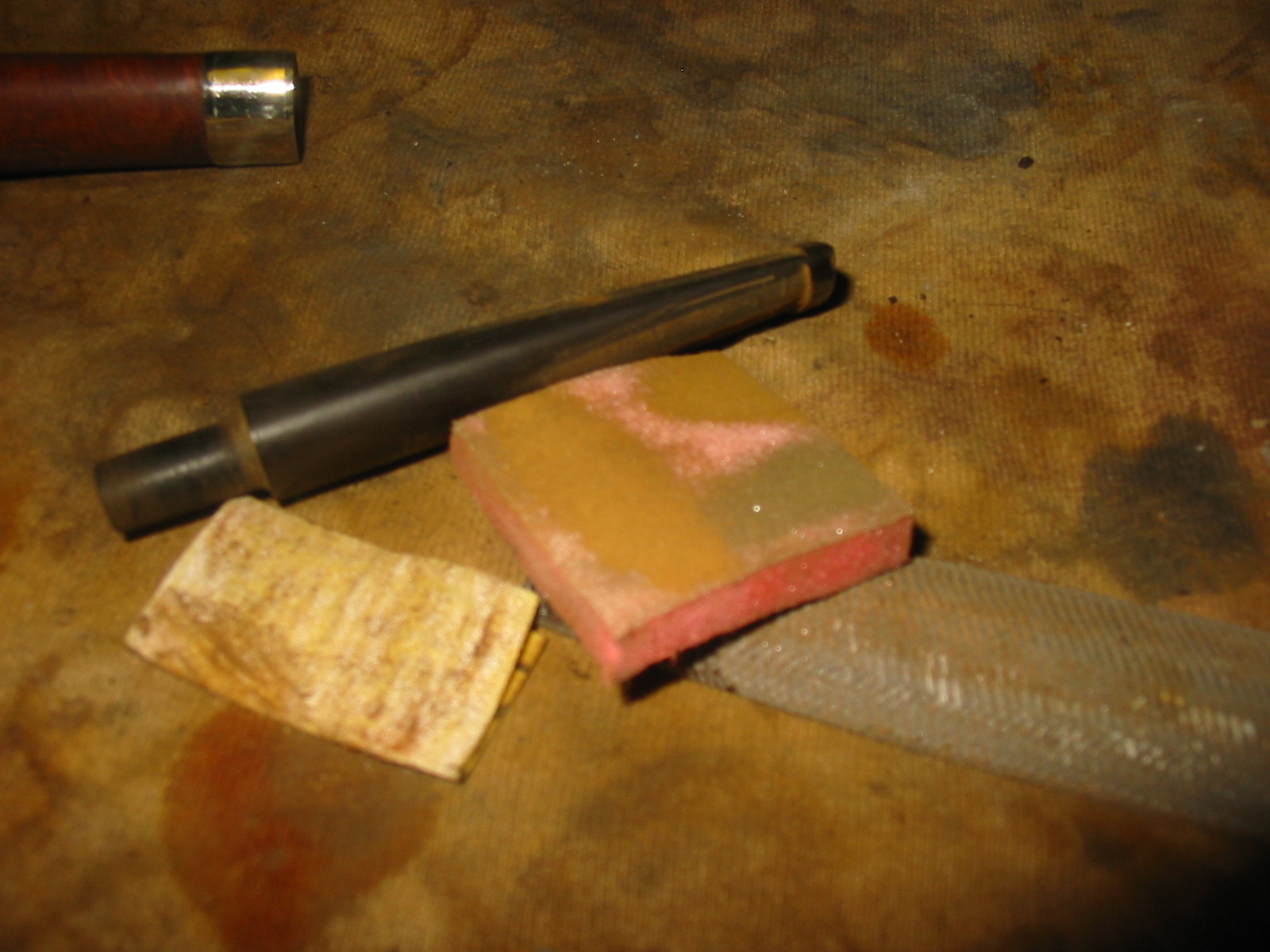
I cleaned up the taper and the button with a sanding board that I picked up at a beauty supply house. It makes the edge clean and works well to even the taper on the stem.
IMG_6289

IMG_6290
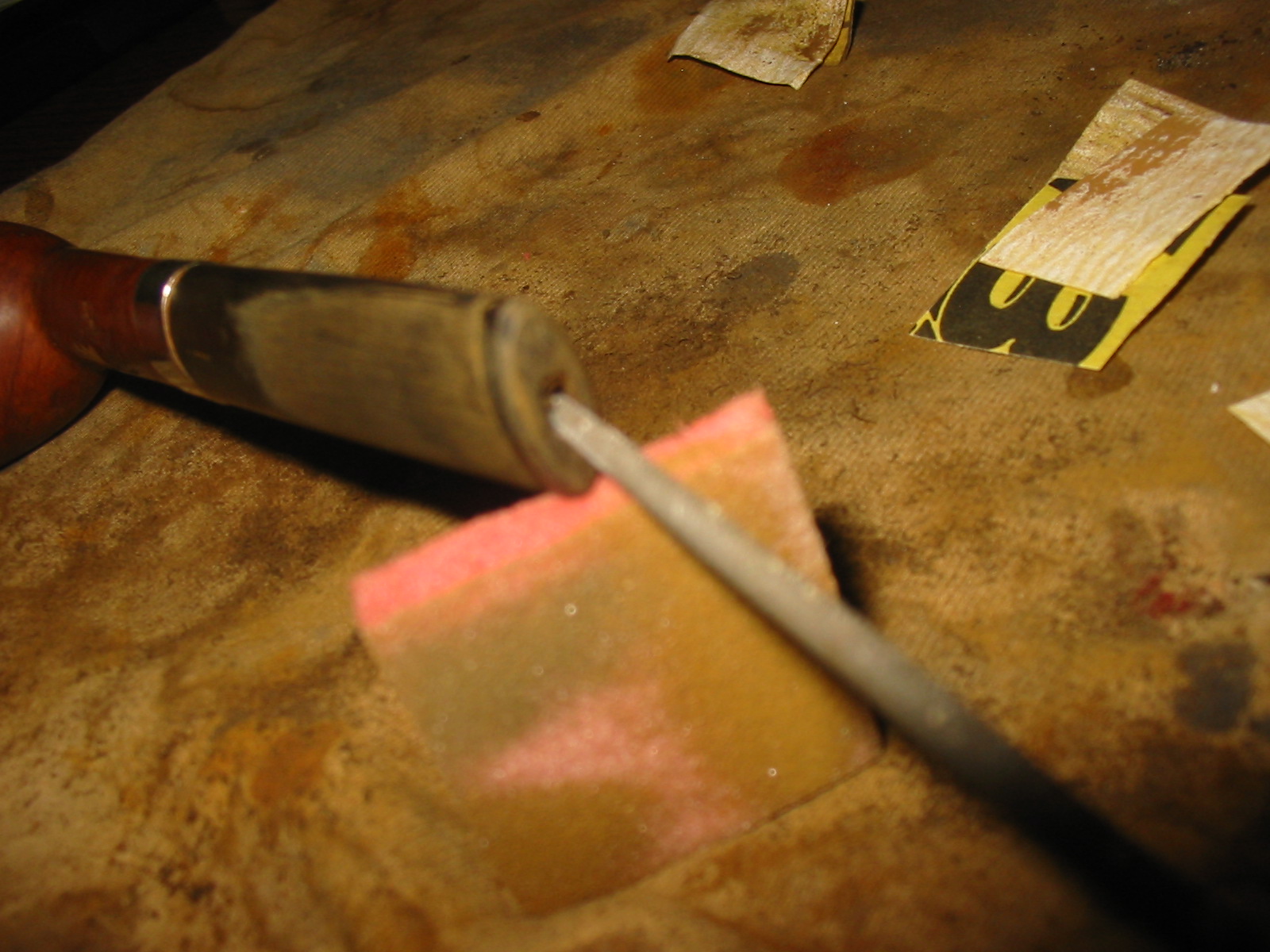
The hole in the end of the new button was elongated and oval but needed to be opened more and made into a “Y” shaped slot whose inner edges tapered toward the airway and the slot shaped like an eye – open enough to take a pipe cleaner without any difficulty. I used three different needle files to open the slot. The first was a round file, followed by an oval file and ending with a flat oval that worked well to cut the edges of the slot.
IMG_6291

IMG_6292

IMG_6293
I sanded the stem with a medium and a fine grit sanding sponge to smooth out the surface on the stem and also to bevel the edge of the button toward the slot.
IMG_6294

IMG_6295
With the interesting grain pattern and the fills on the side of the bowl I decided to use a dark brown aniline stain. I applied it with a dauber and then flamed it. I applied it and flamed it a second time to make sure the coverage was even.
IMG_6297
When the stain was dry I wiped down the bowl and shank with isopropyl alcohol on cotton pads to remove the top coats of the stain and make it more transparent.
IMG_6299
I sanded the bowl with a fine grit sanding sponge and then wiped it again with the alcohol to clean off the dust. I gave it a second coat of a medium walnut stain as a top coat.
IMG_6300
I buffed the top coat of stain with White Diamond and then brought it back to the work table and took the following pictures. The angles on the stem are looking good. The shape of the button and the taper of the stem worked well with the pipe.
IMG_6301

IMG_6302

IMG_6303

IMG_6304
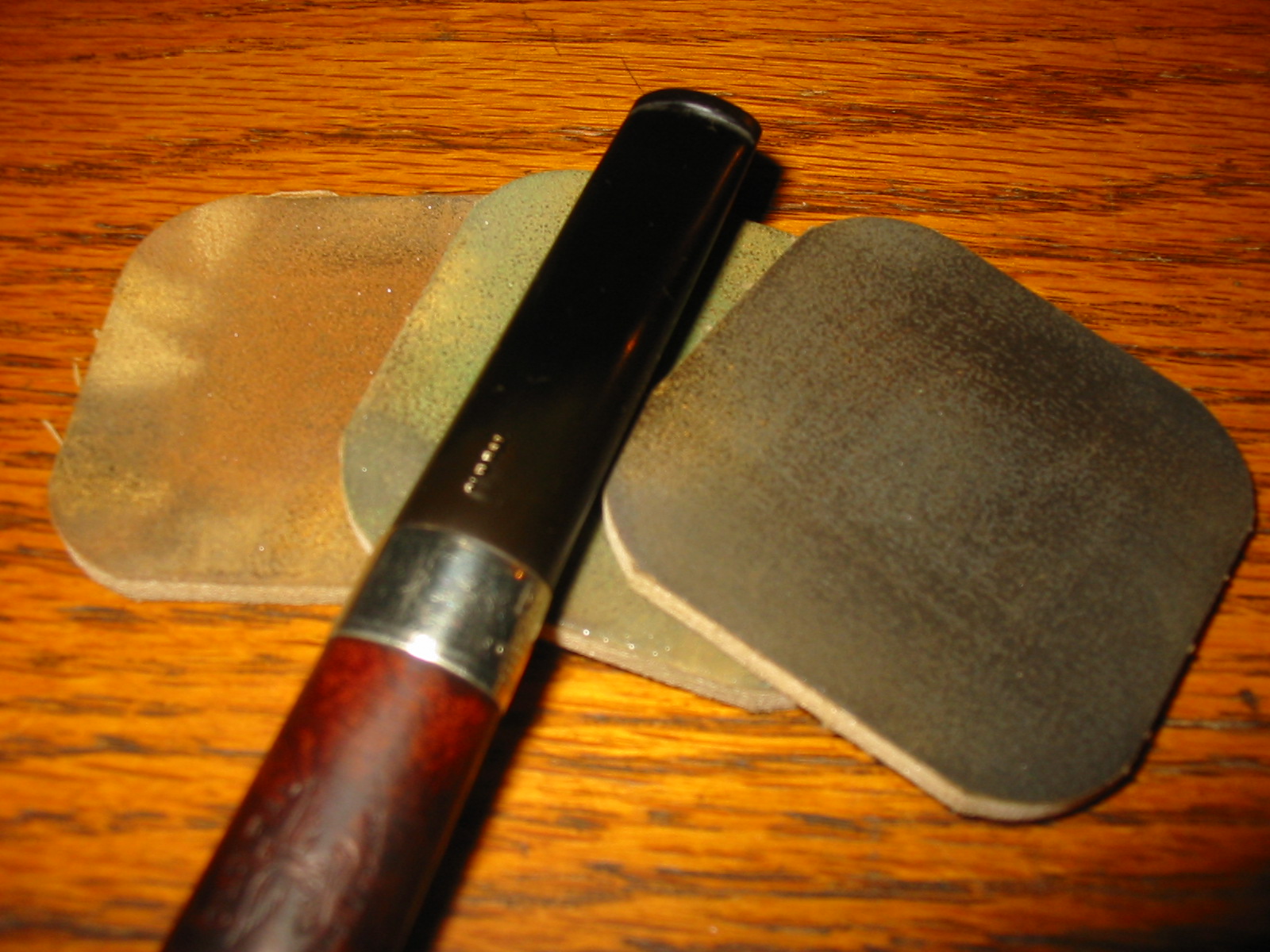
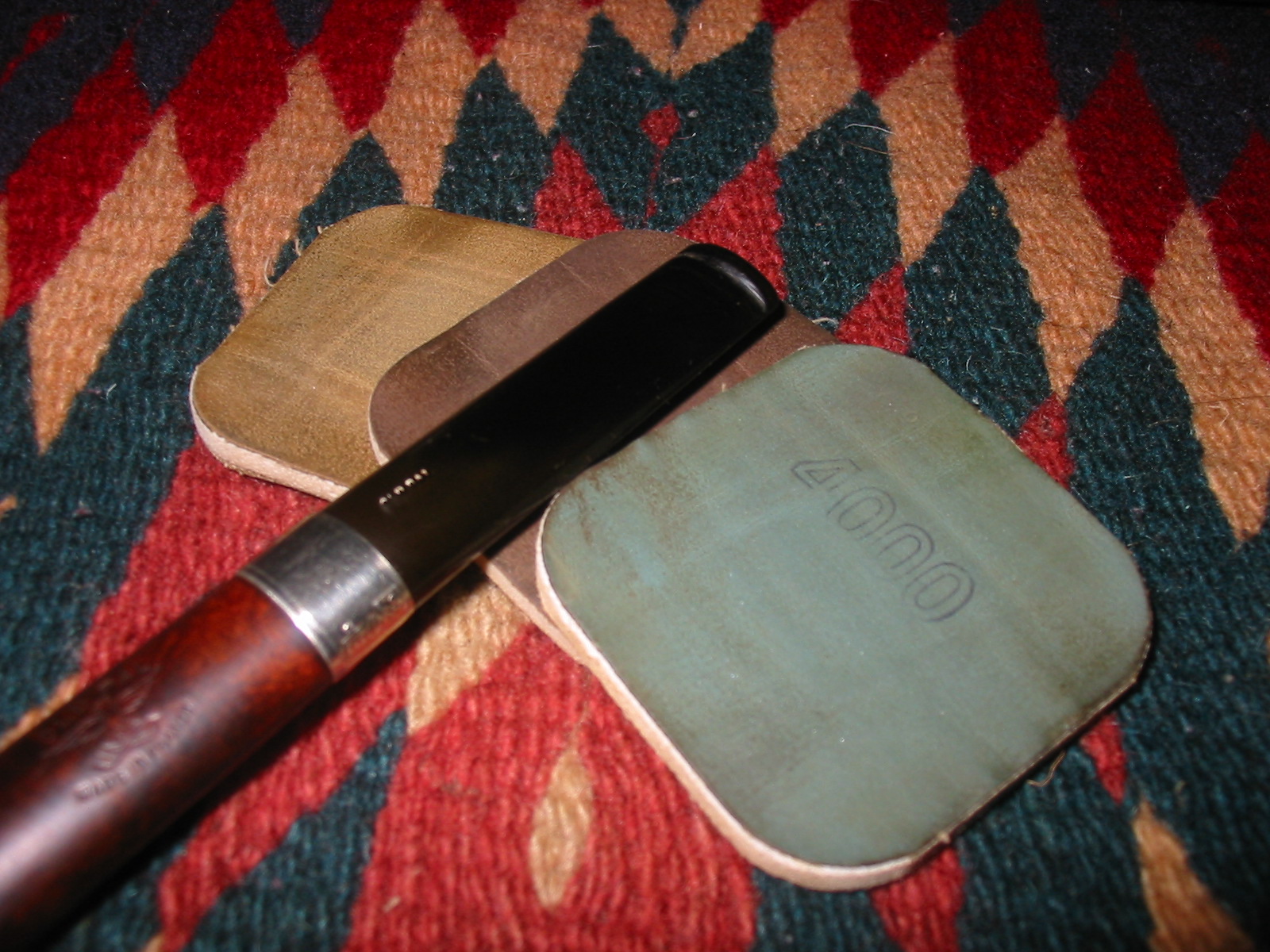
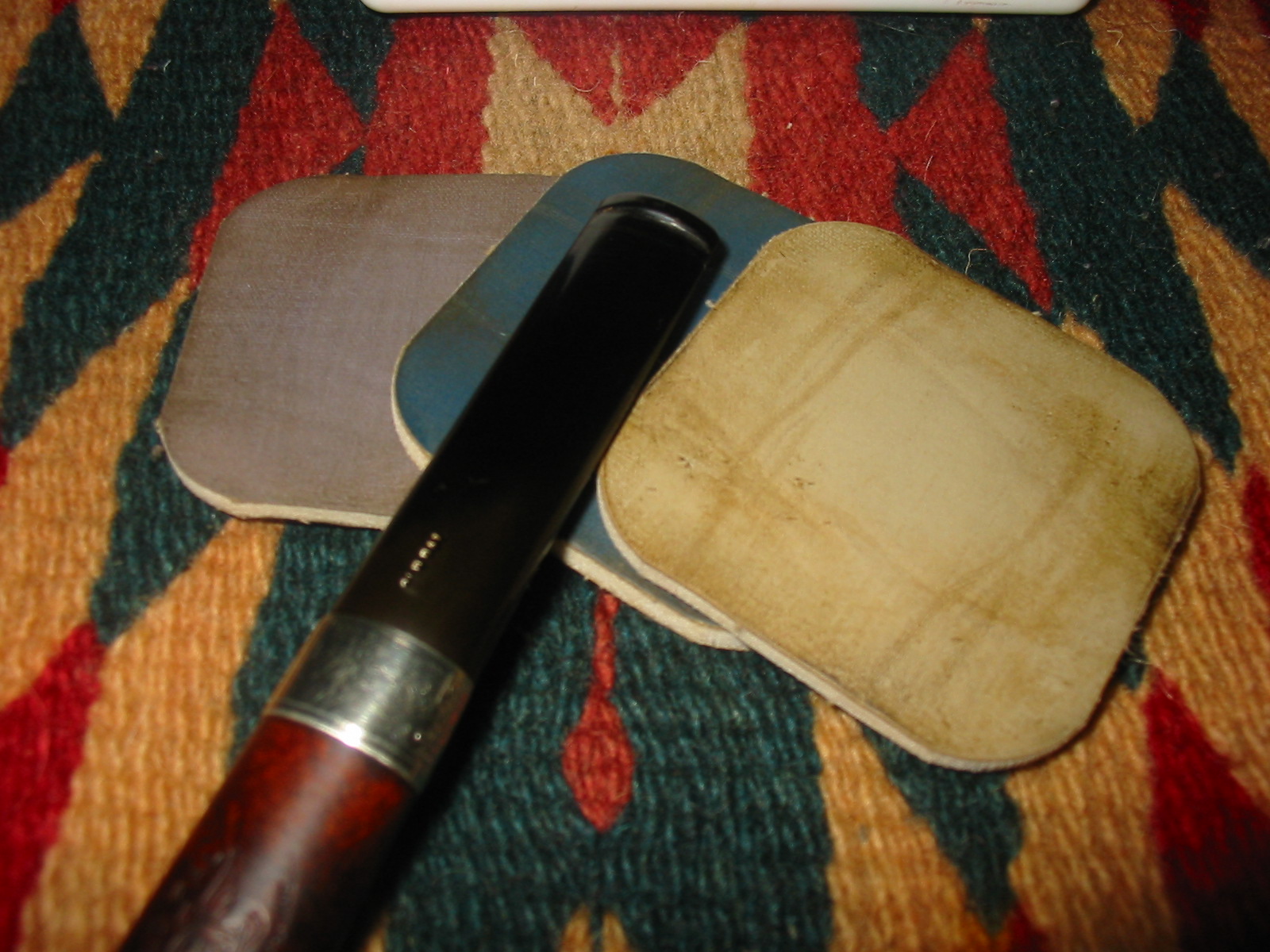
I sanded the stem with medium and fine grit sanding pads and then applied some liquid white out to the stamping on the stem to try to make it stand out more clearly. I sanded the stem with my usual array of micromesh sanding pads – wet sanding with 1500-2400 and dry sanding with 3200-12000 grit pads.
IMG_6306

IMG_6307

IMG_6308
I rubbed the stem down with Obsidian Oil and when it was dry buffed the stem and bowl with White Diamond and gave it multiple coats of carnauba wax to protect and preserve it. I finished by buffing it with a soft, flannel buff. The finished pipe is shown in the photos below. The newly shaped stem came out fairly well. I like the overall look of the finish and the band on the pipe. It is ready to join the other Old Pal in the rack.
IMG_6310

IMG_6311

IMG_6313

IMG_6314