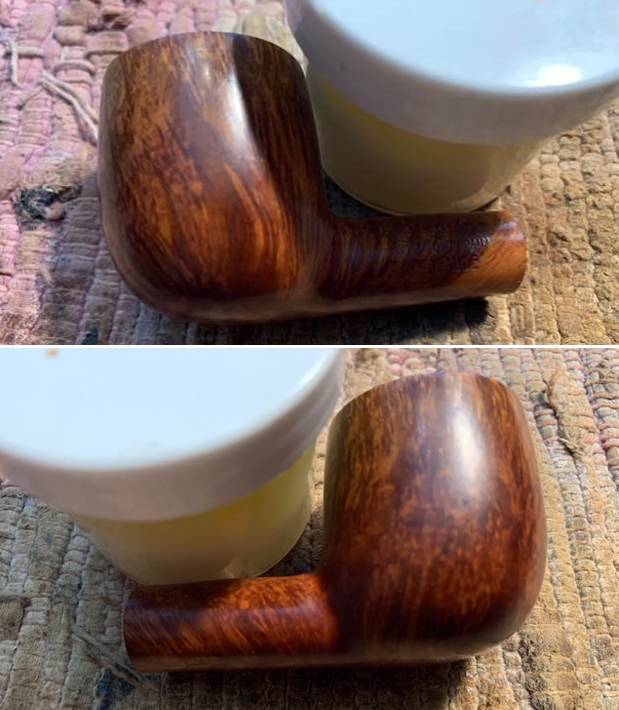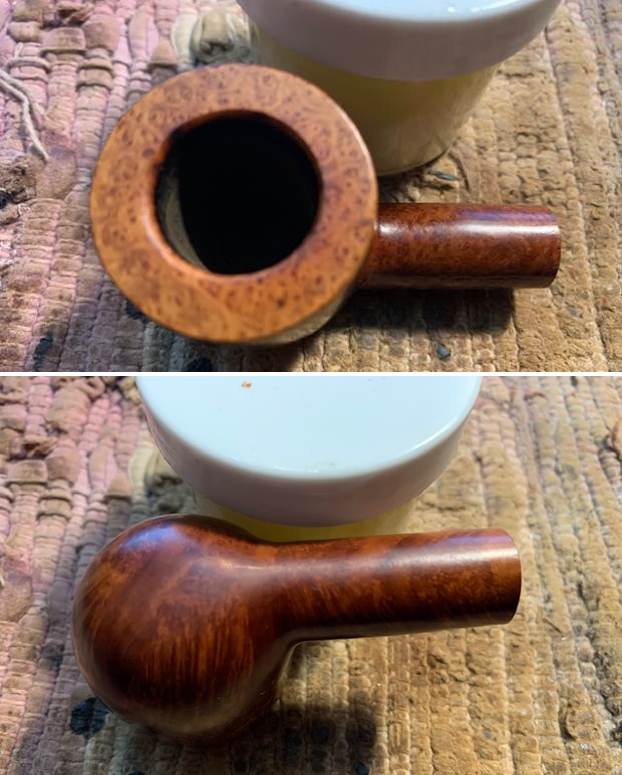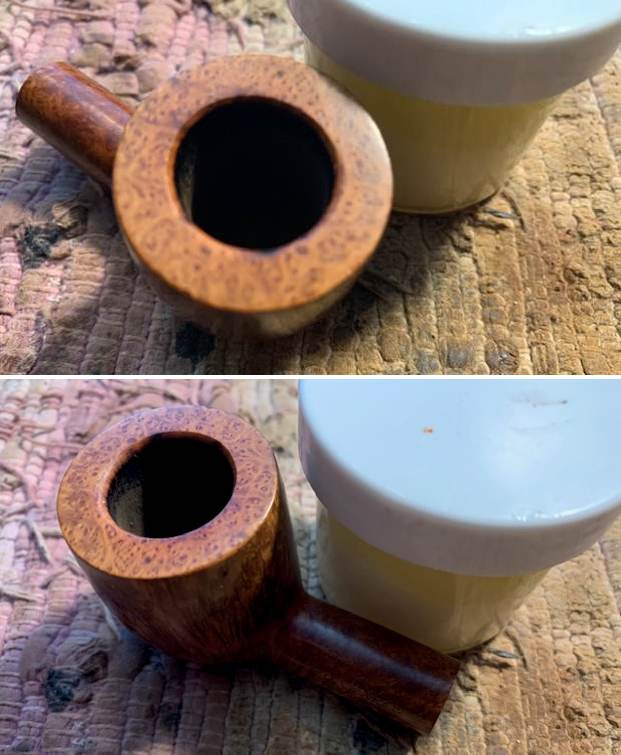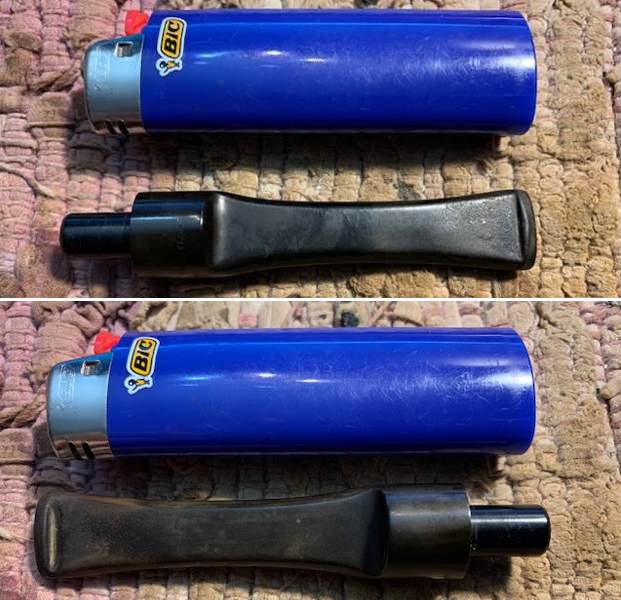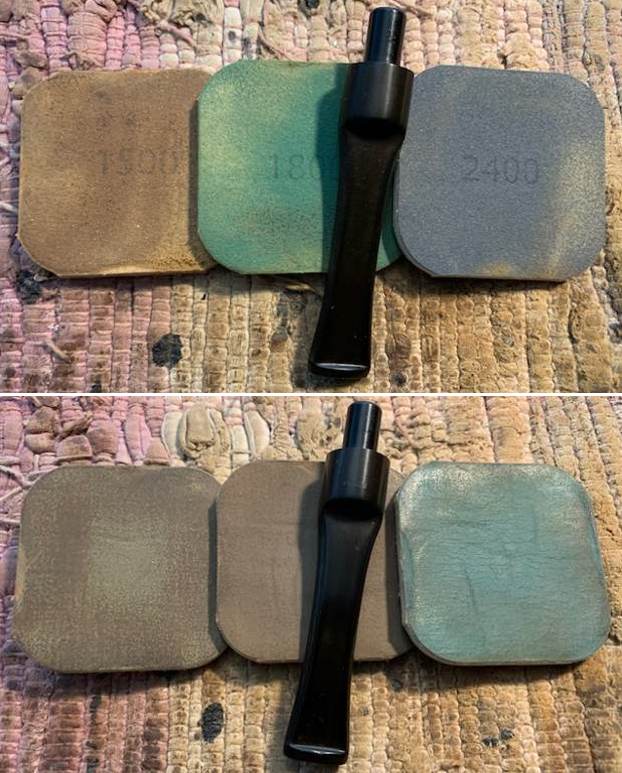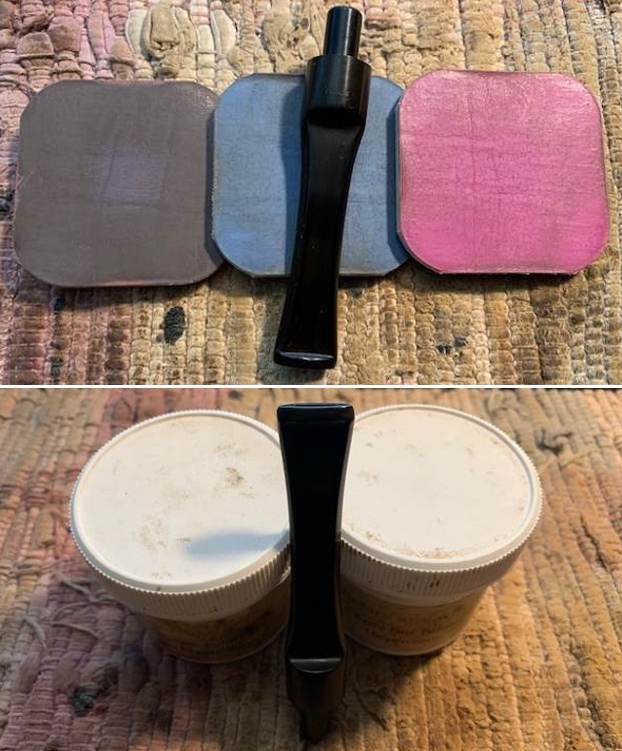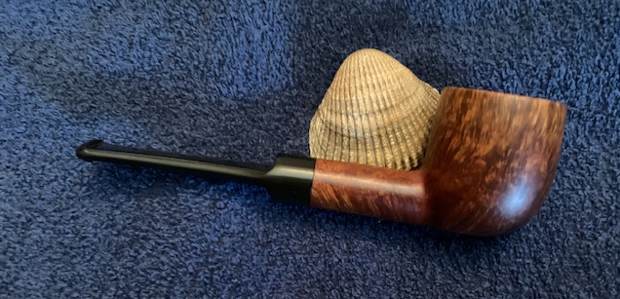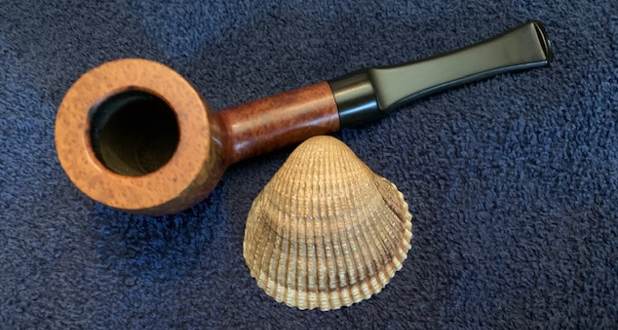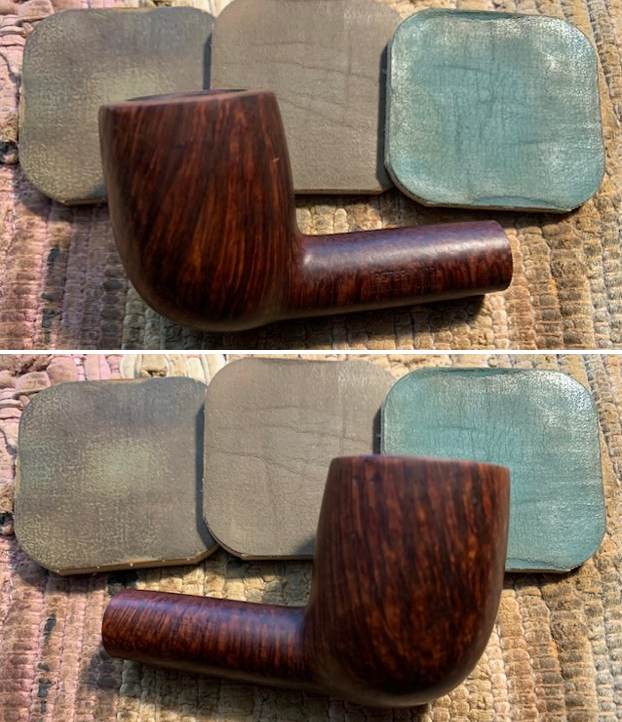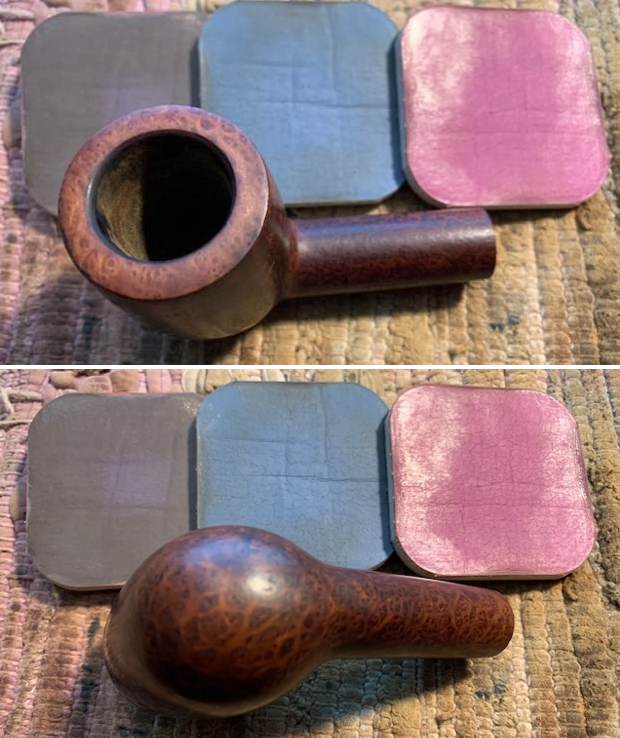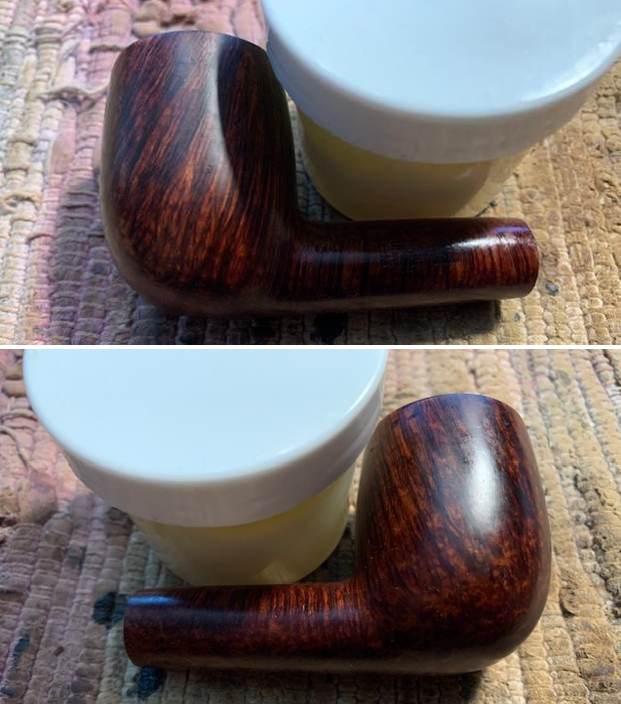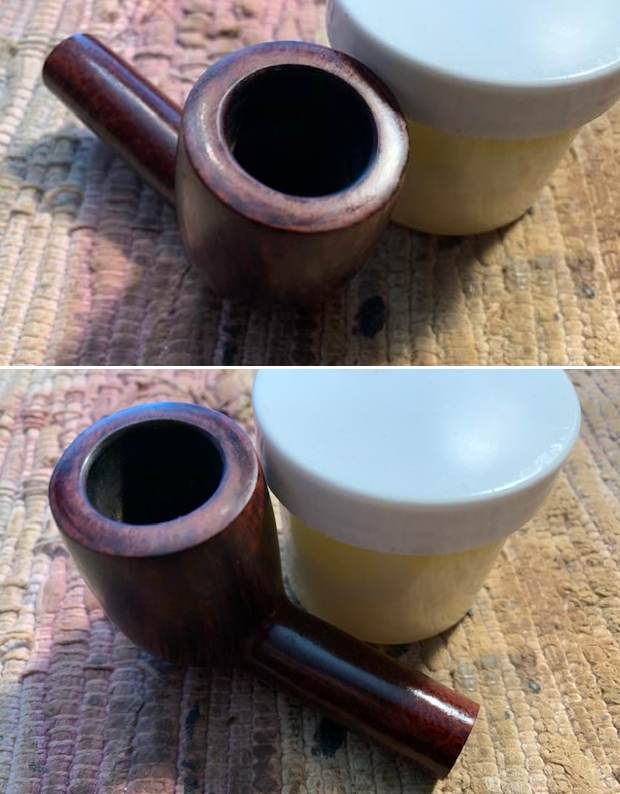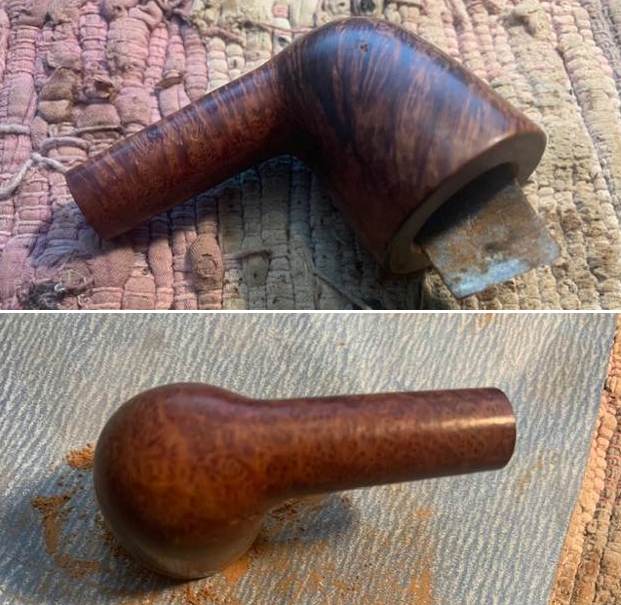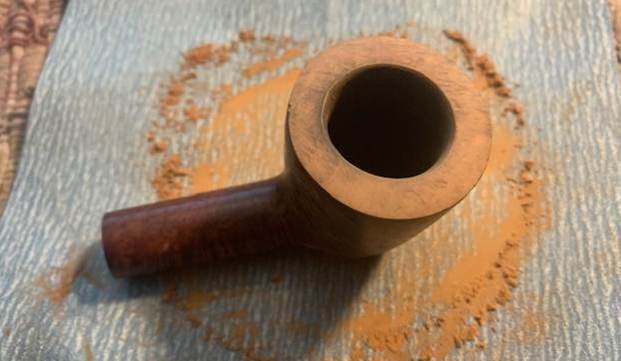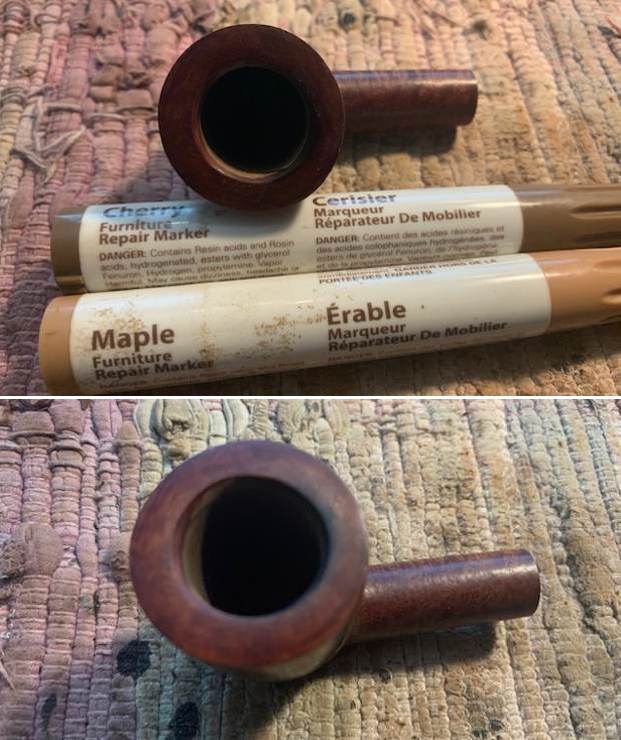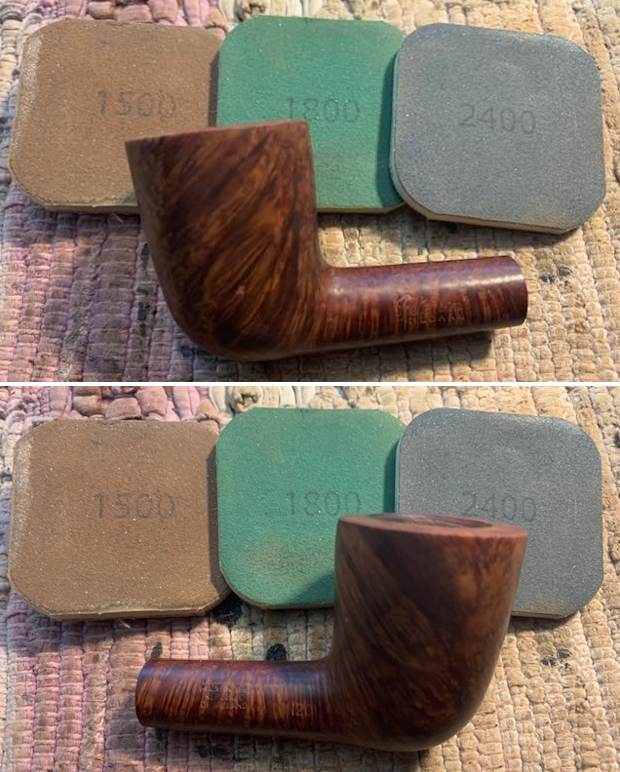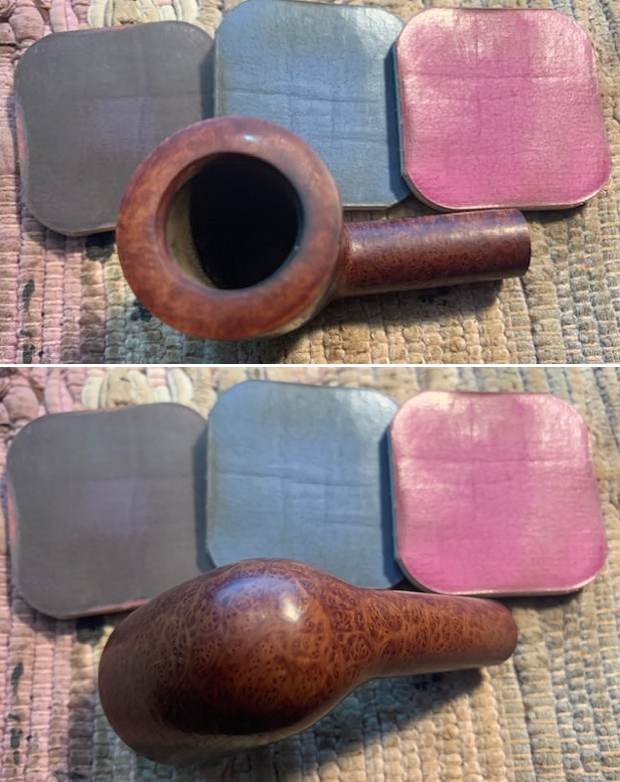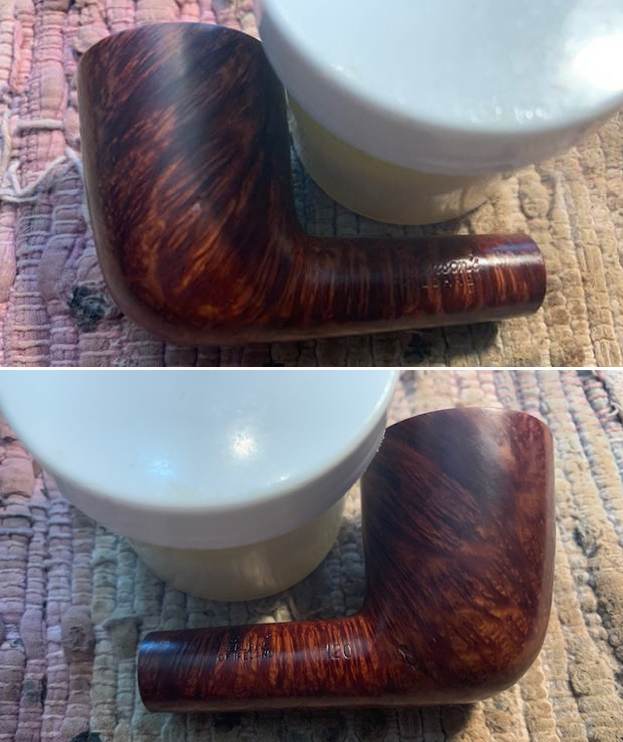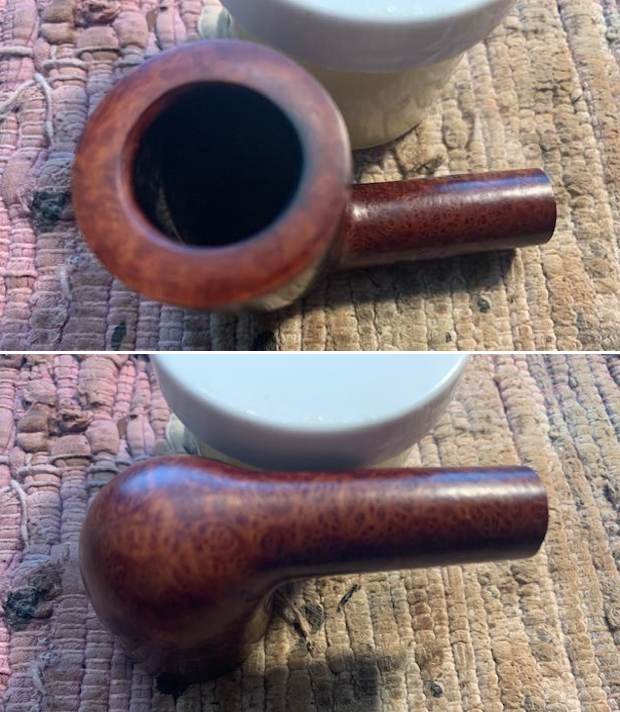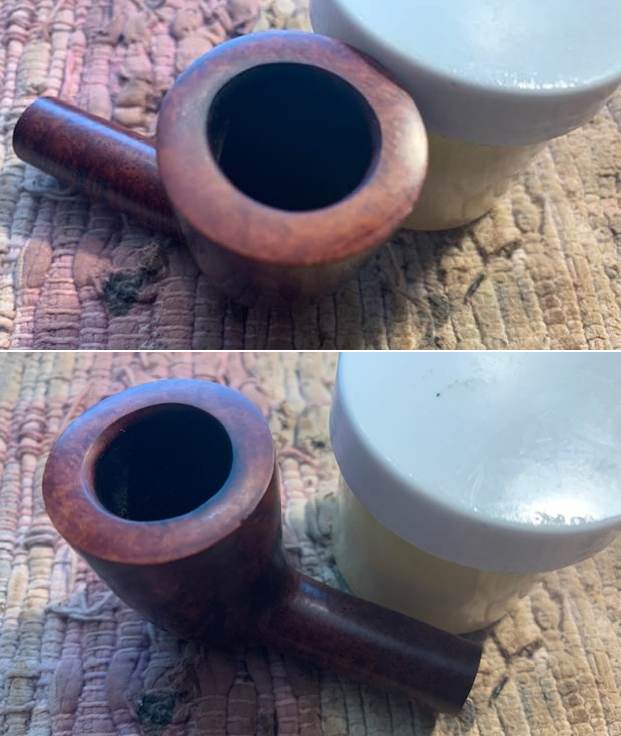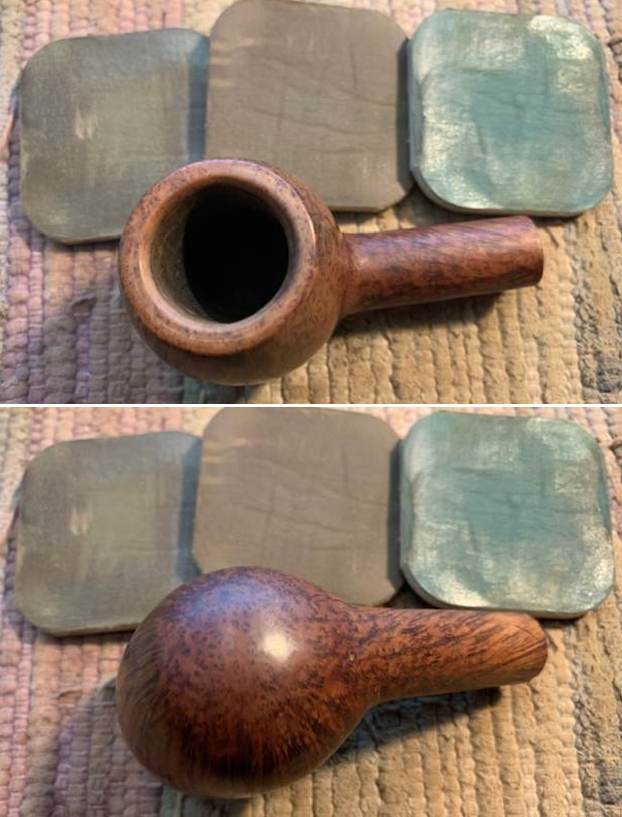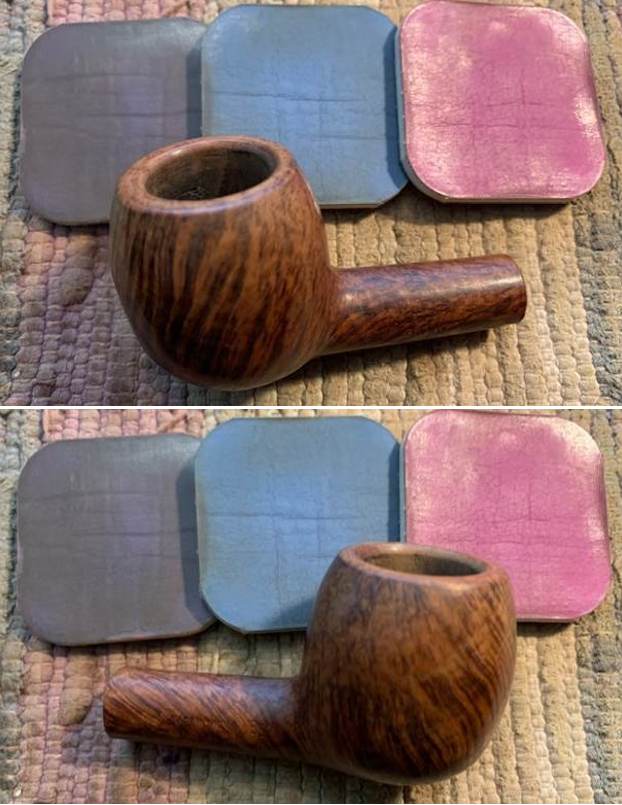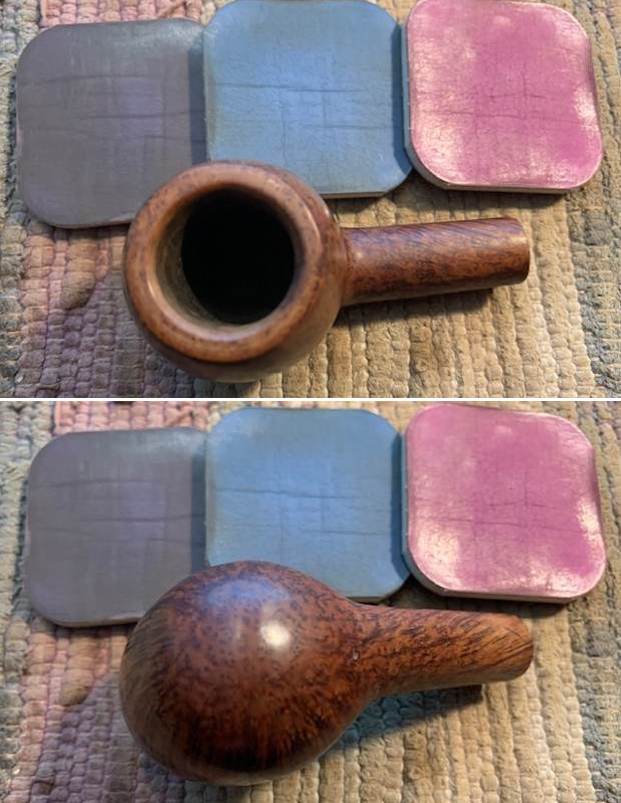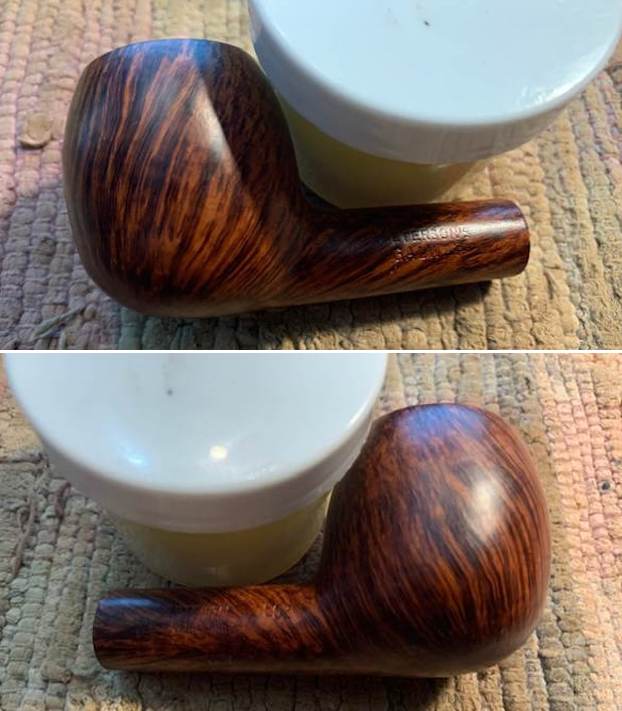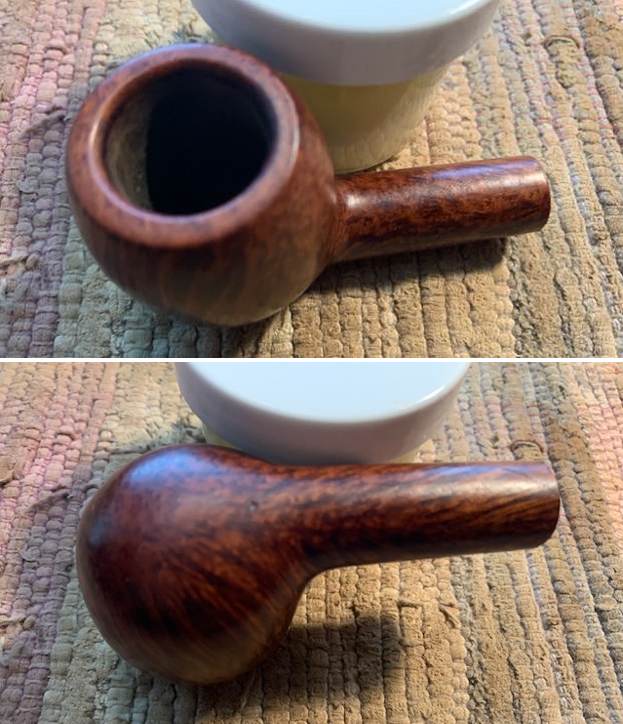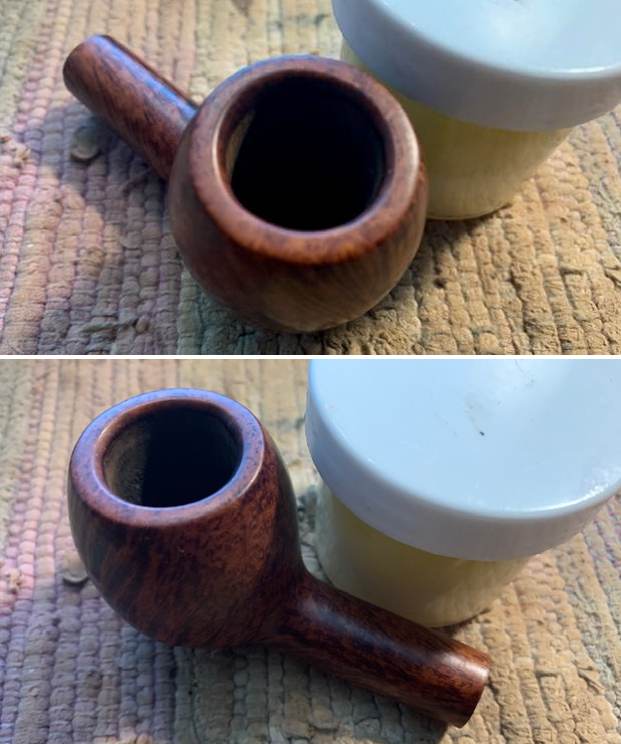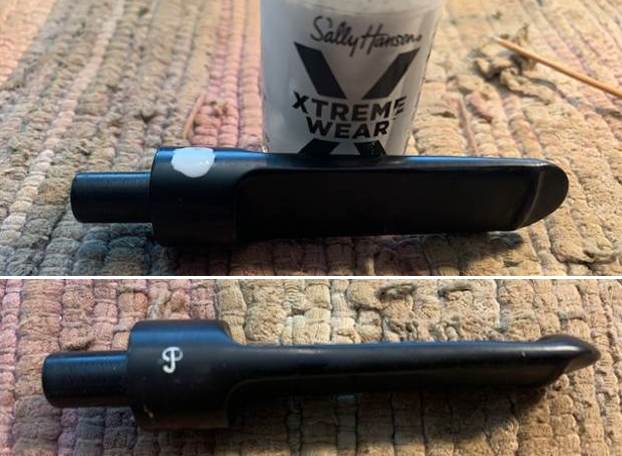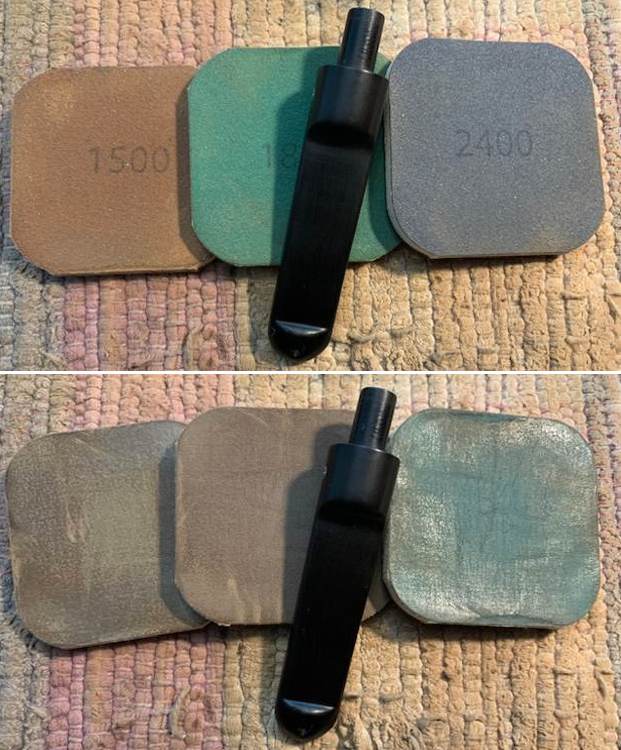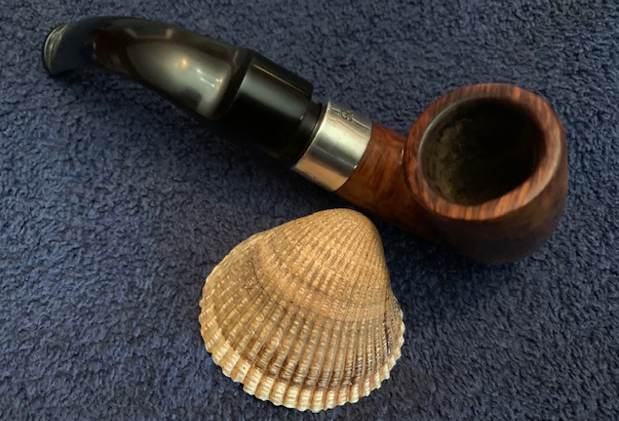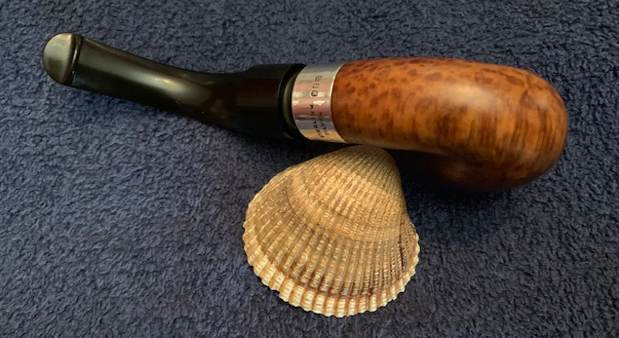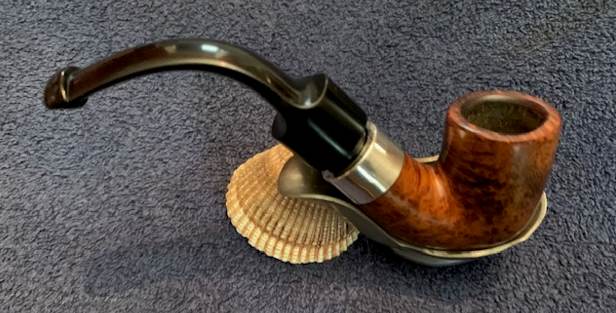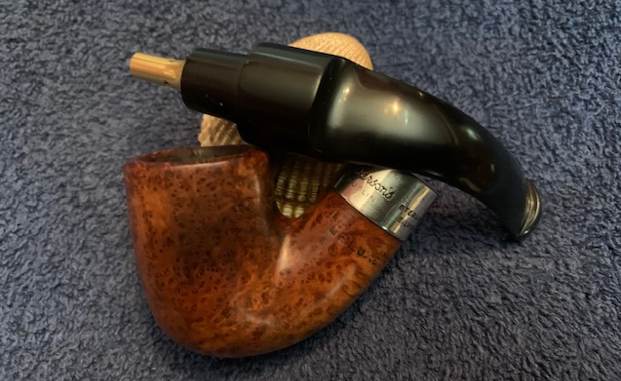
Tag Archives: Bowl – refinishing

Cleaning up a Lightly Smoked French Made Shop Pipe –  Butz-Choquin Made Pot


Blog by Steve Laug

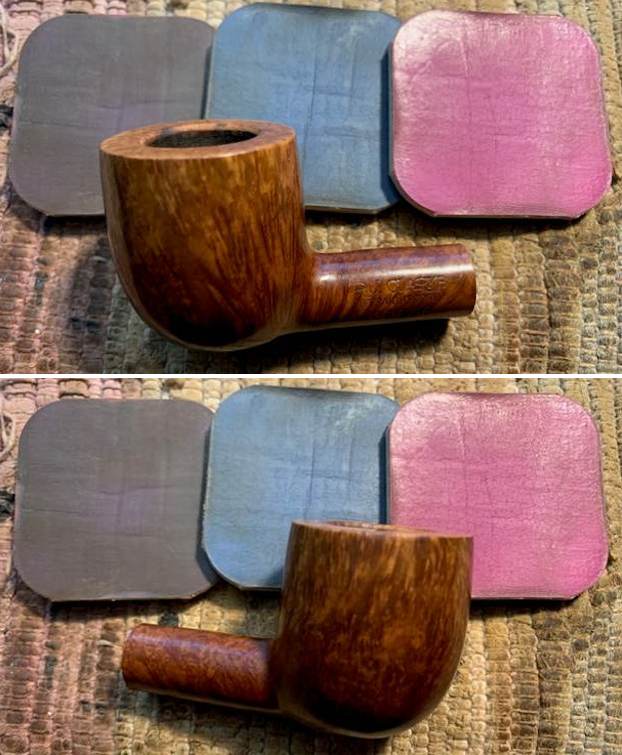
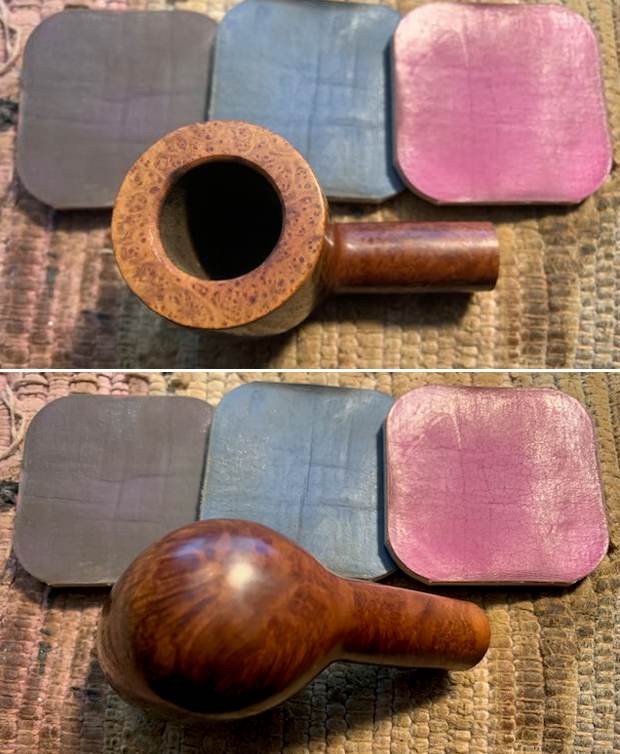
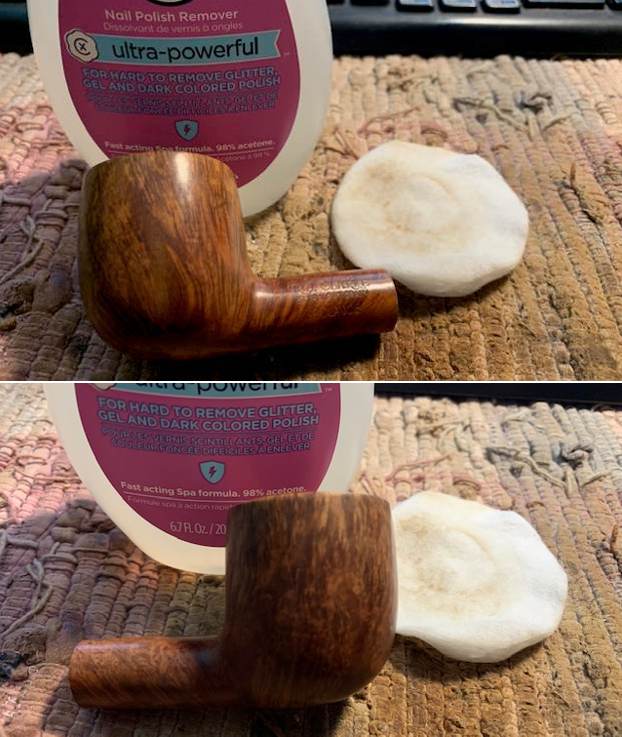
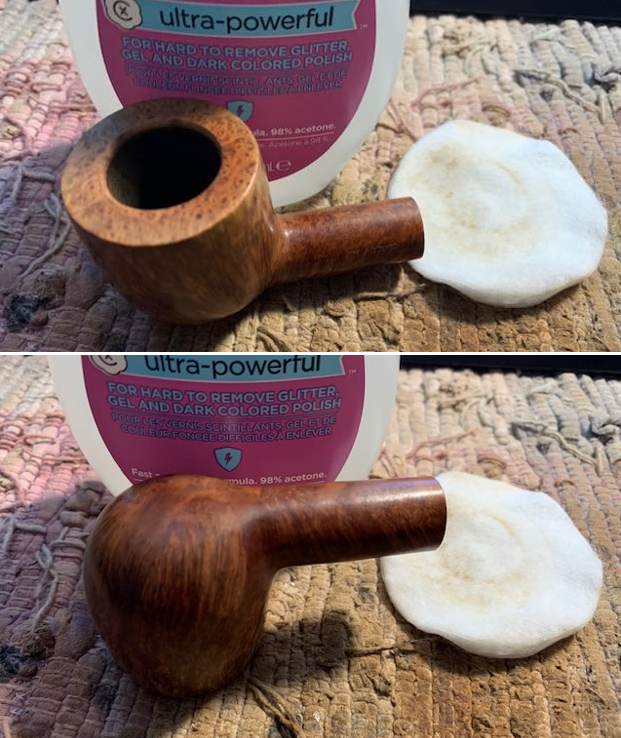
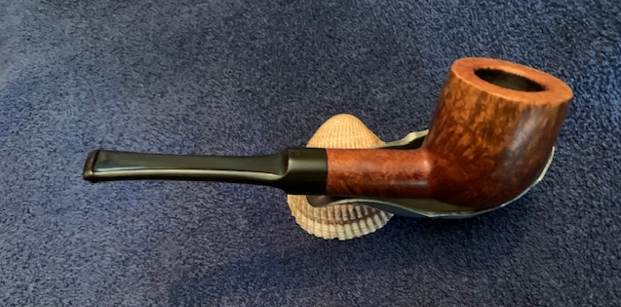
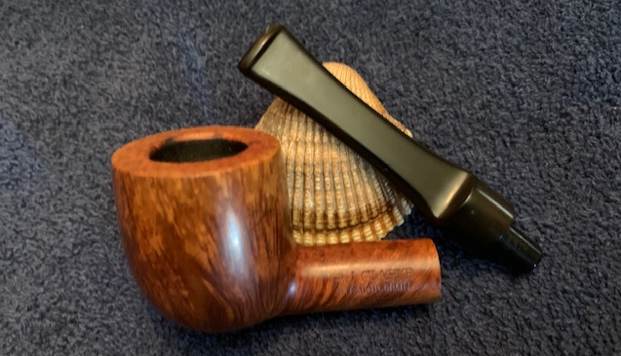
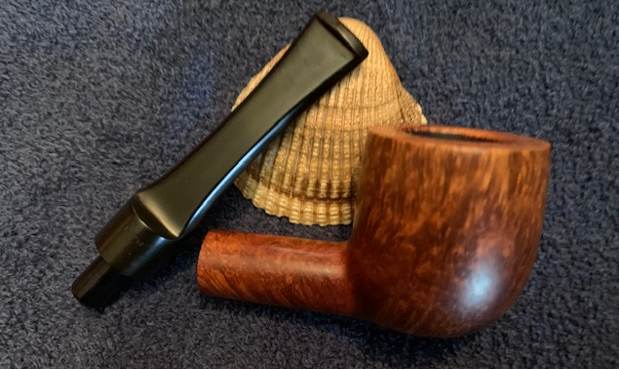
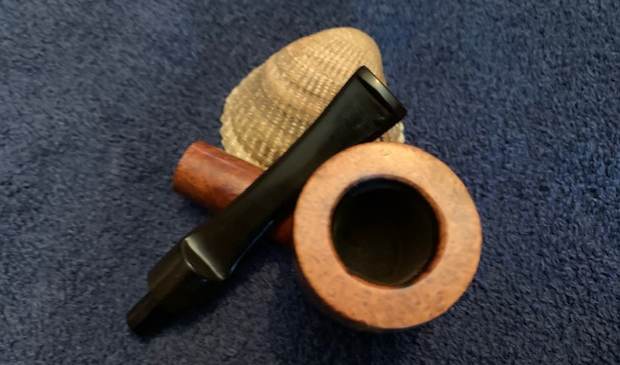
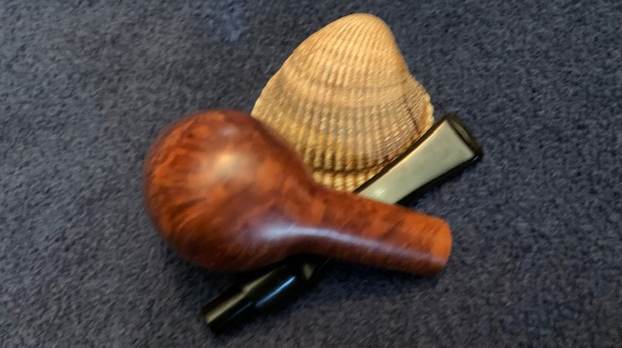
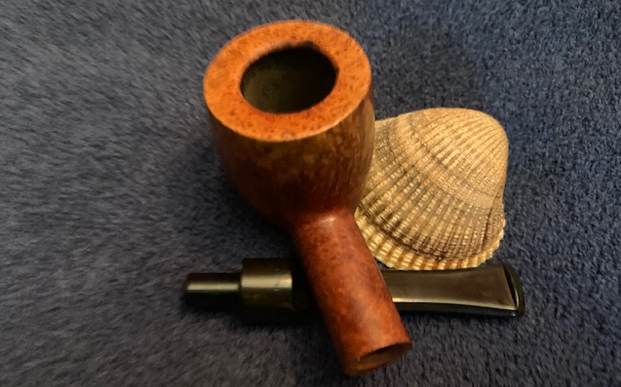
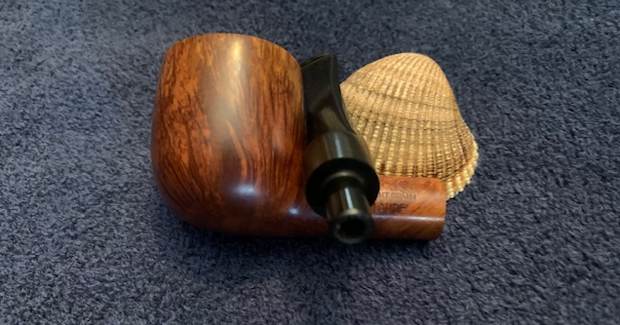
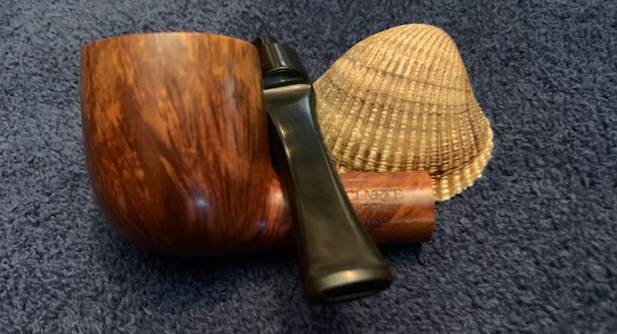
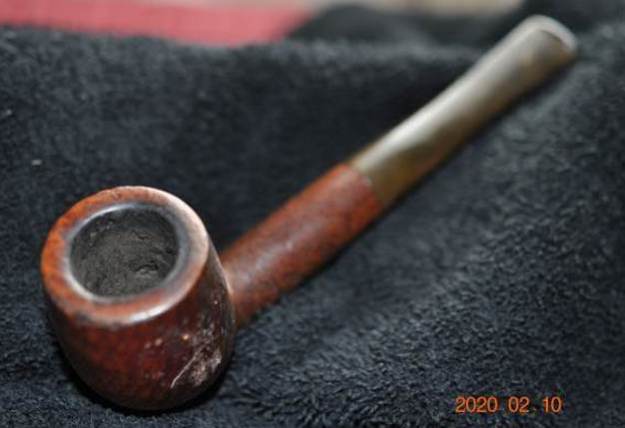
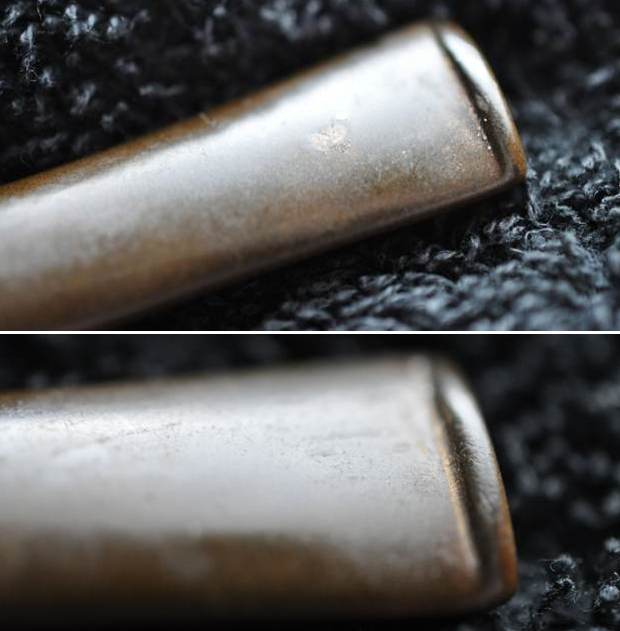
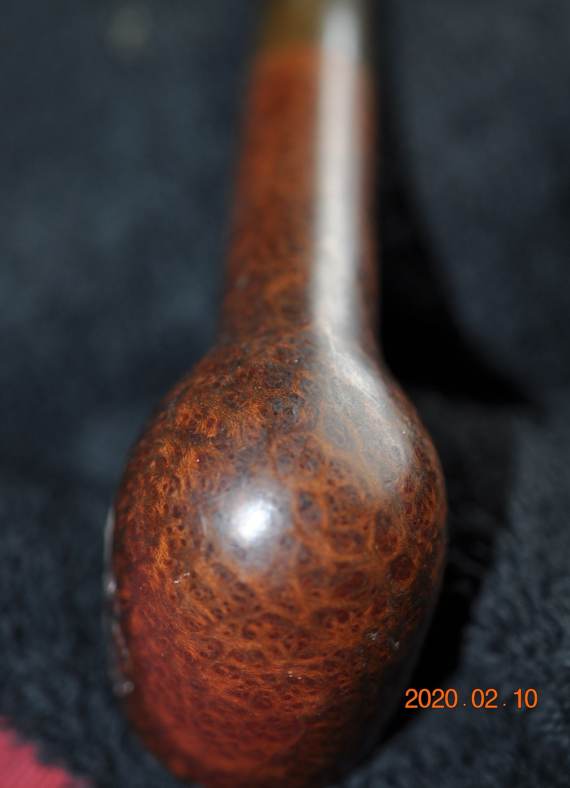
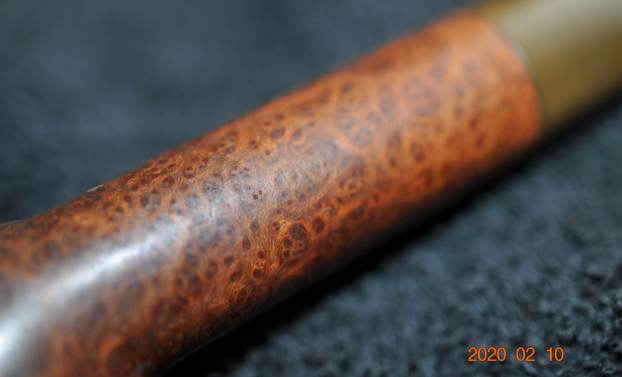
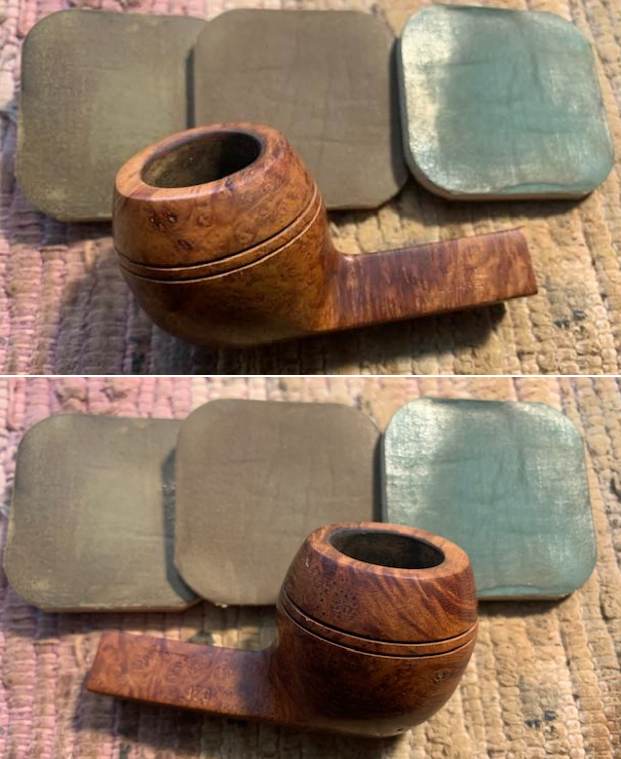
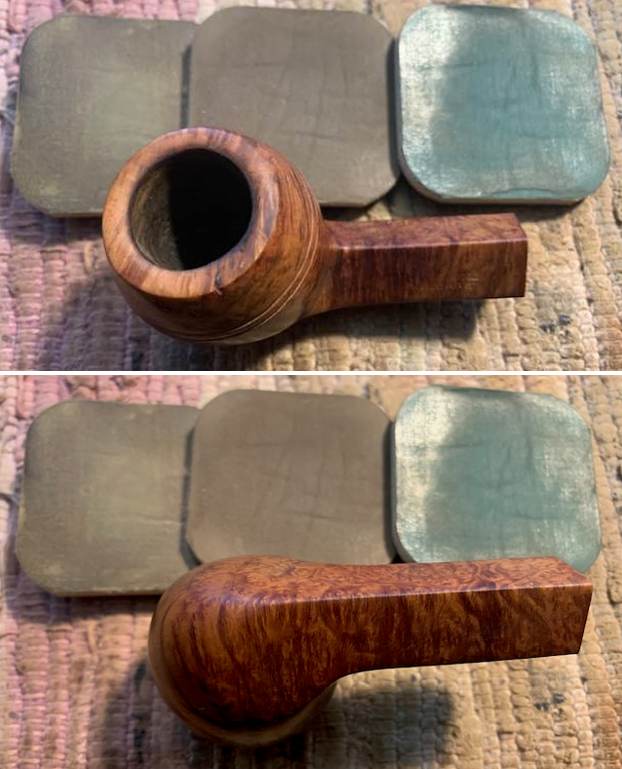
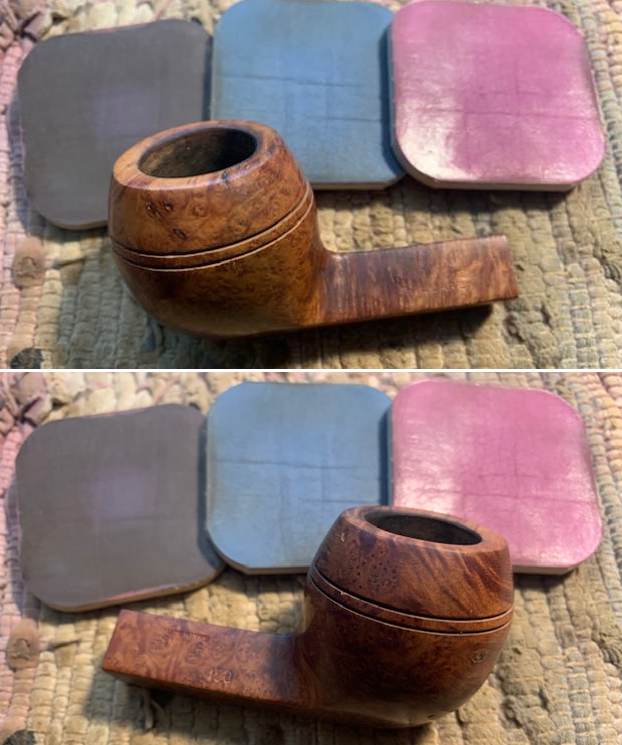
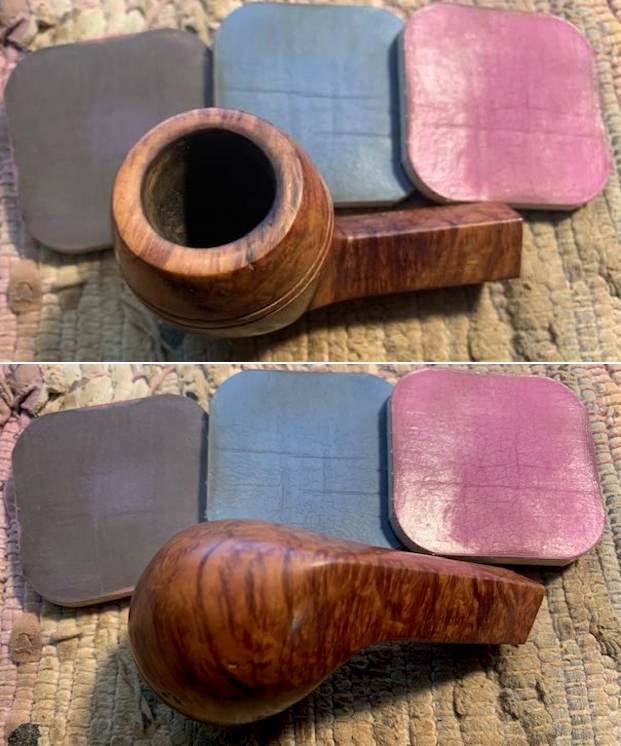
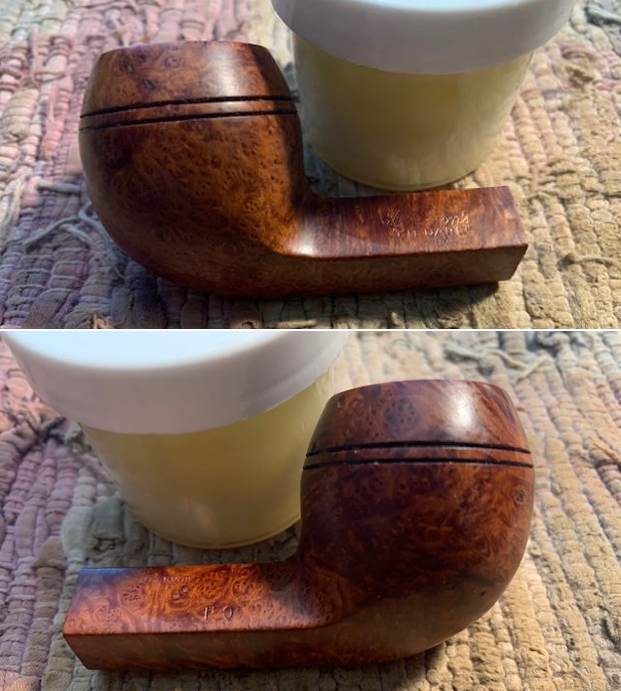
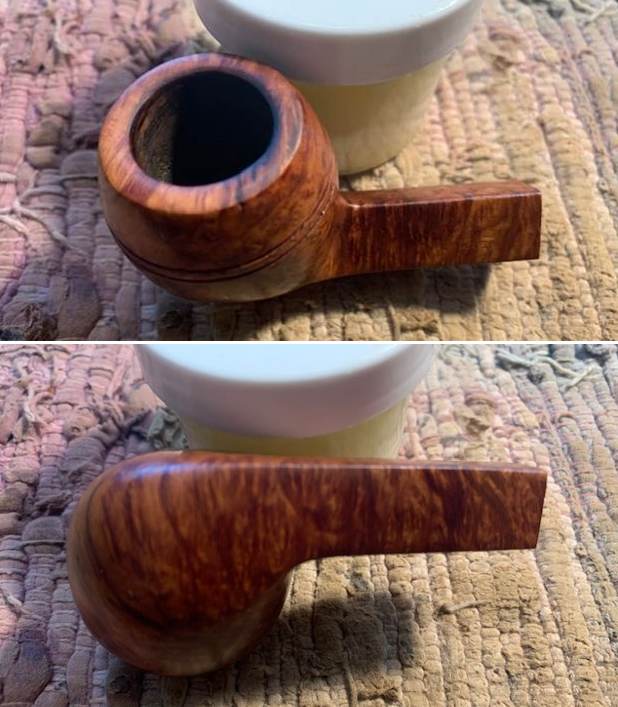
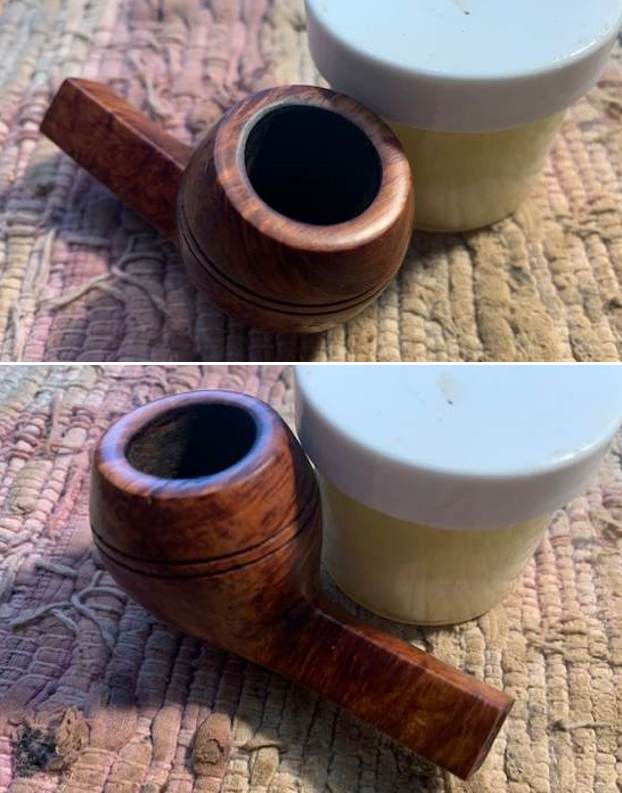
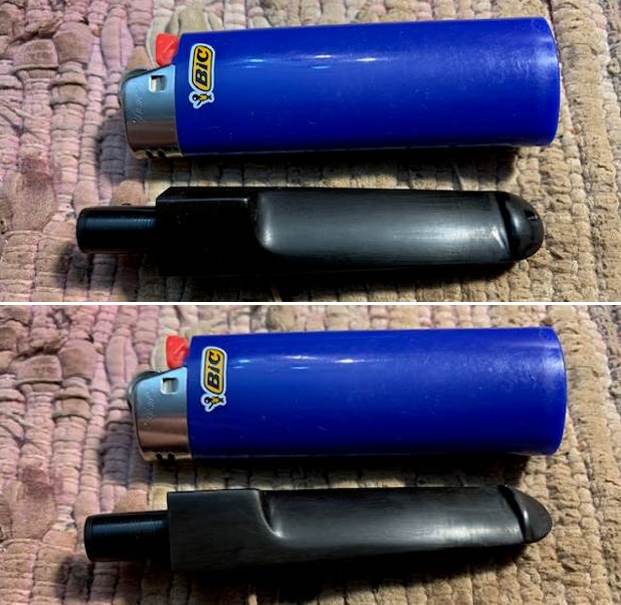
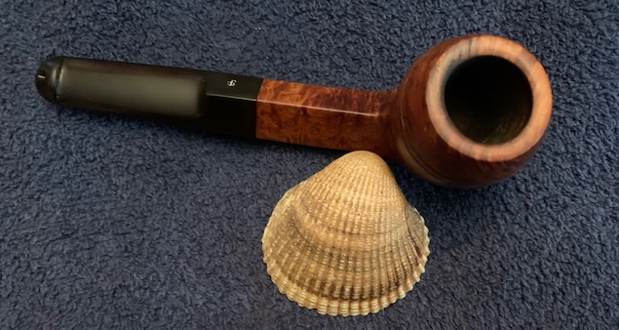
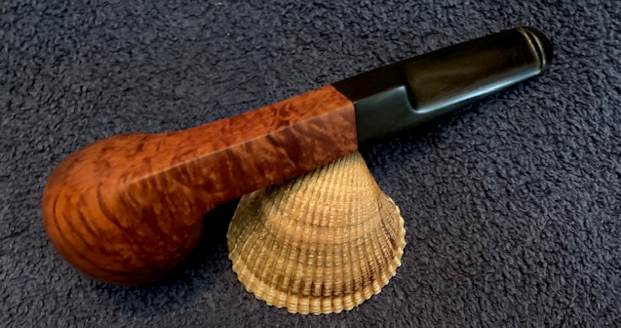
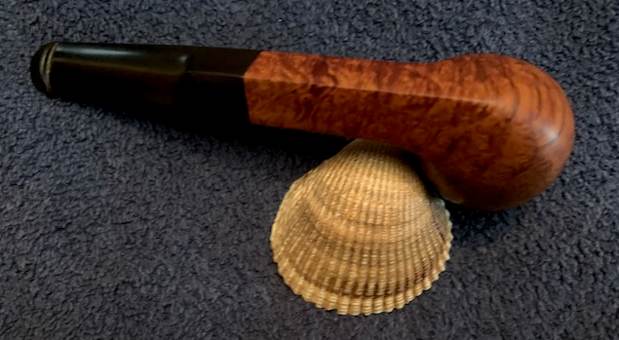
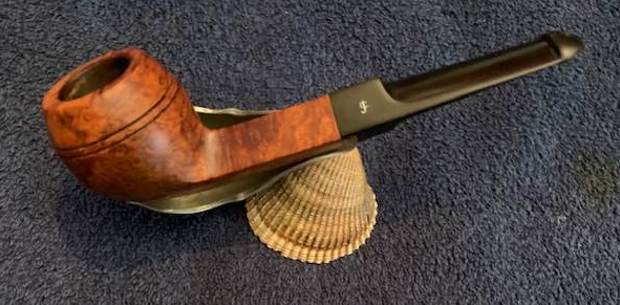
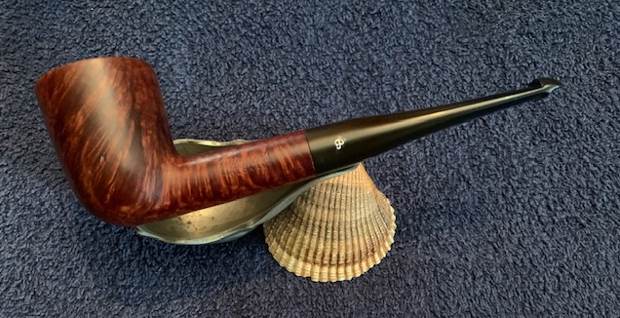
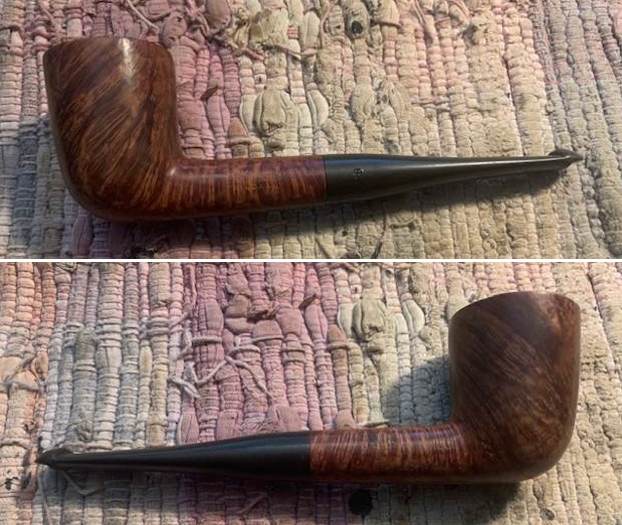
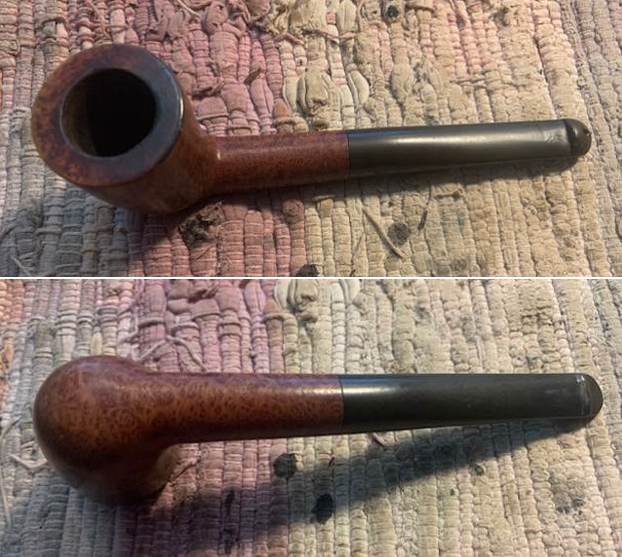
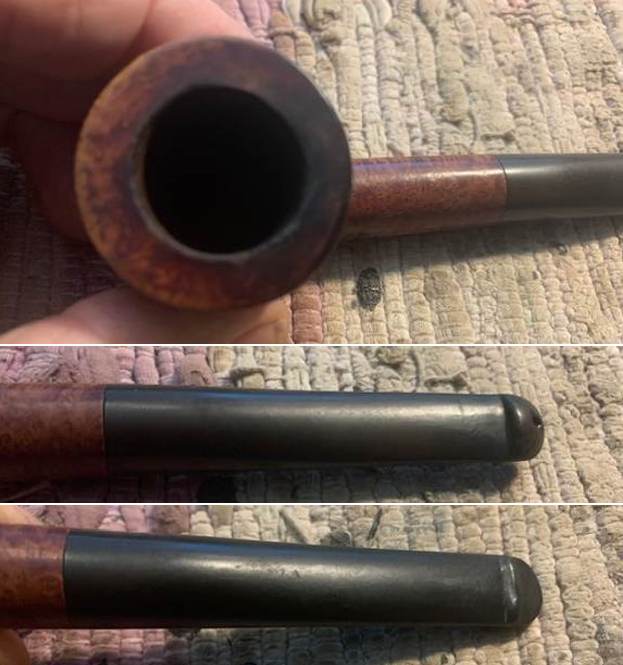
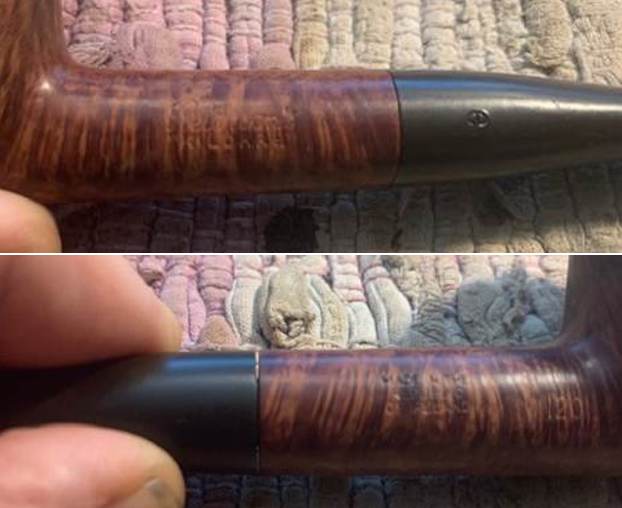
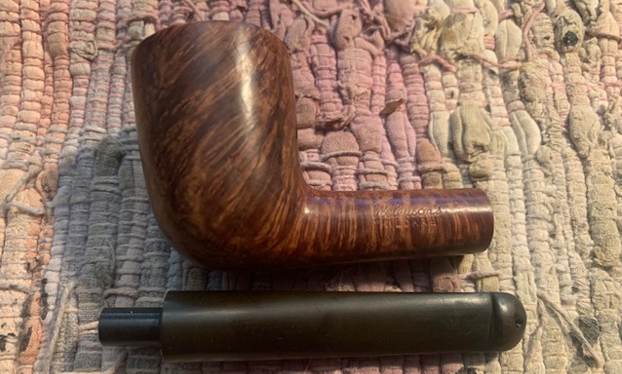
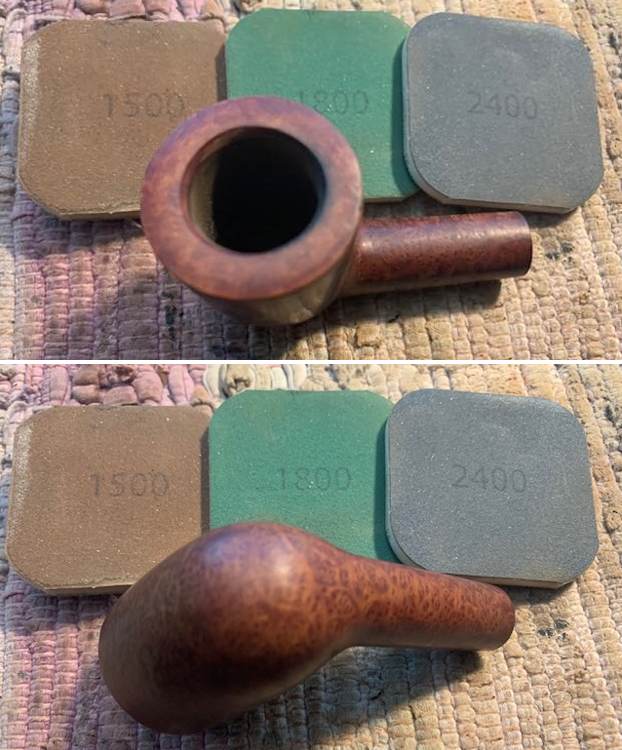
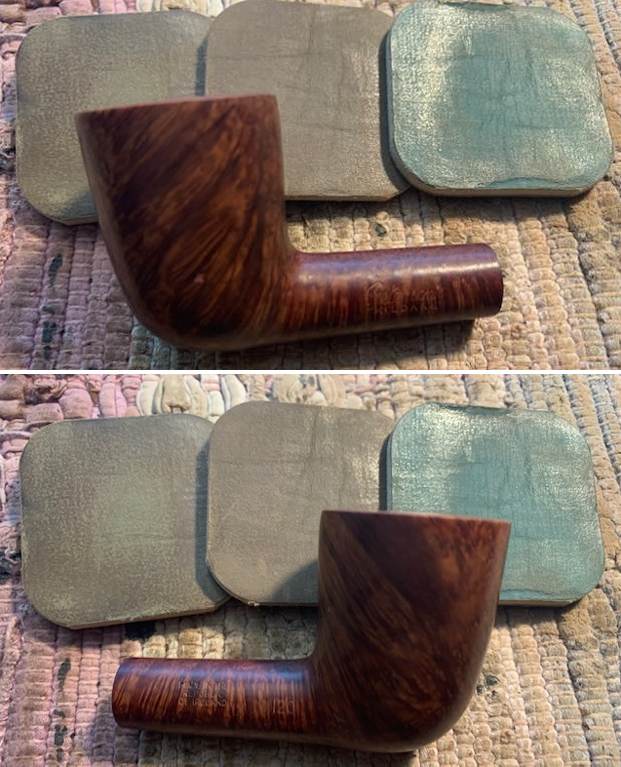
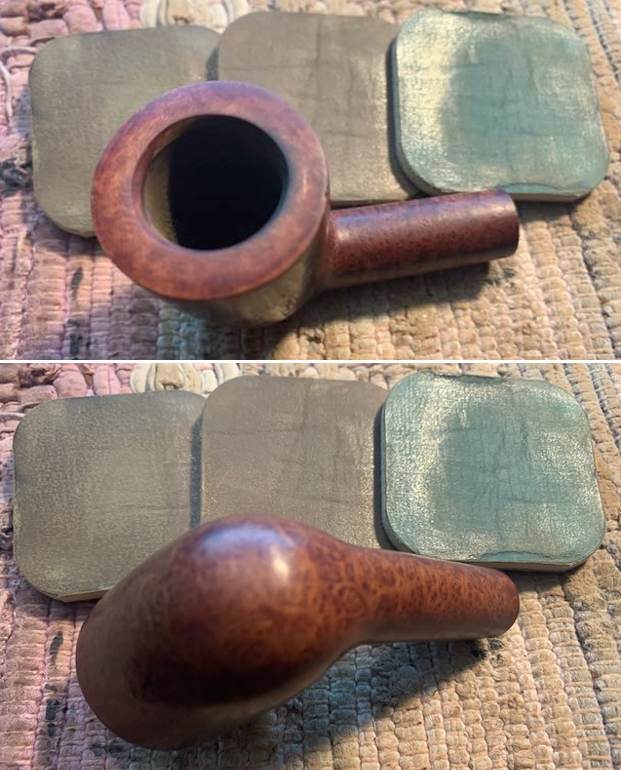
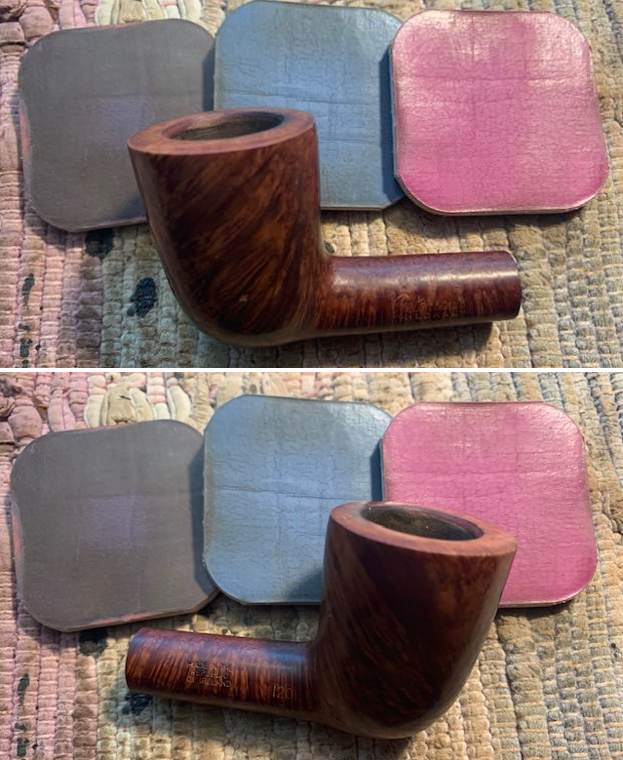
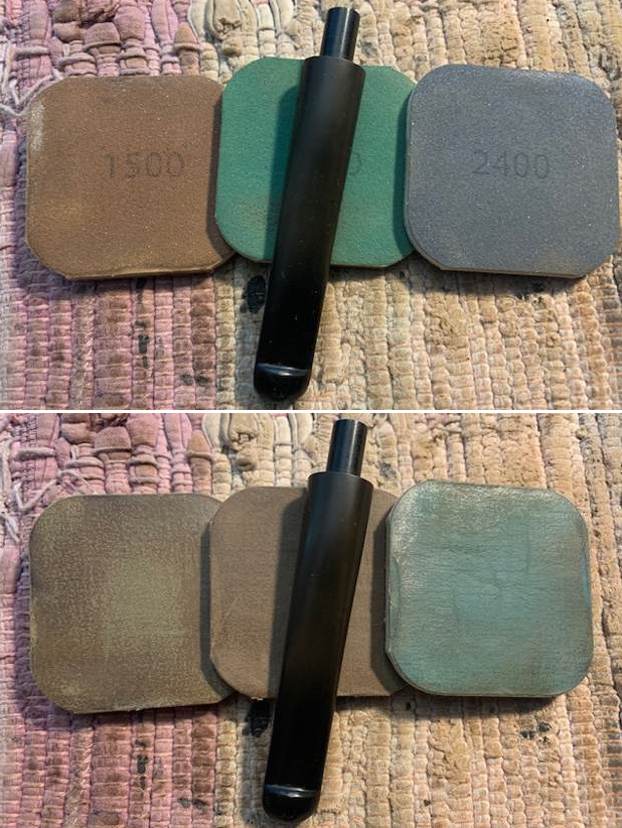
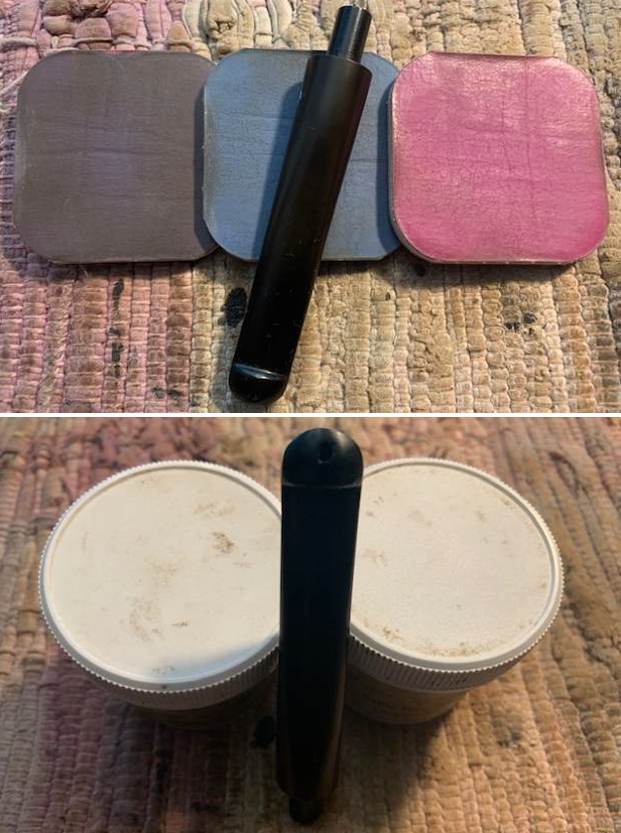
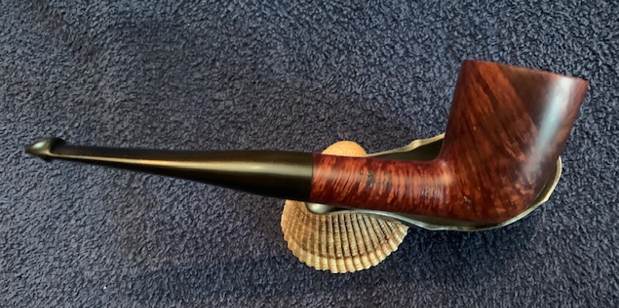
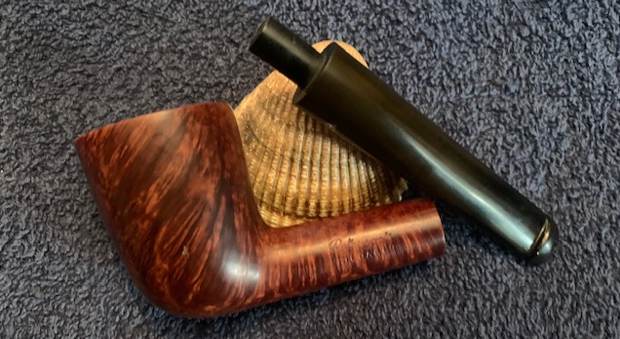
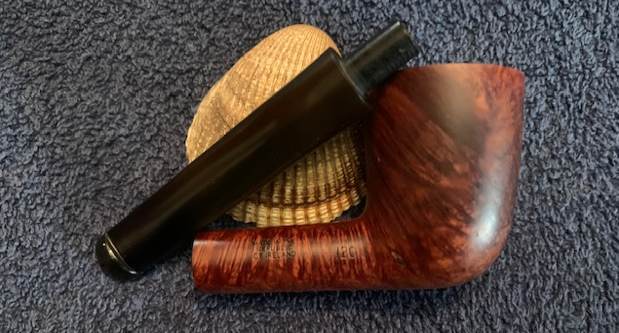
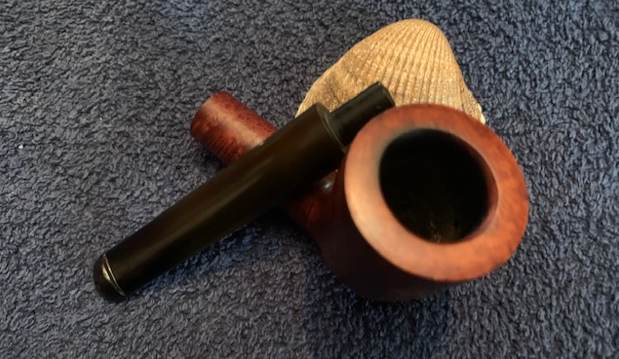
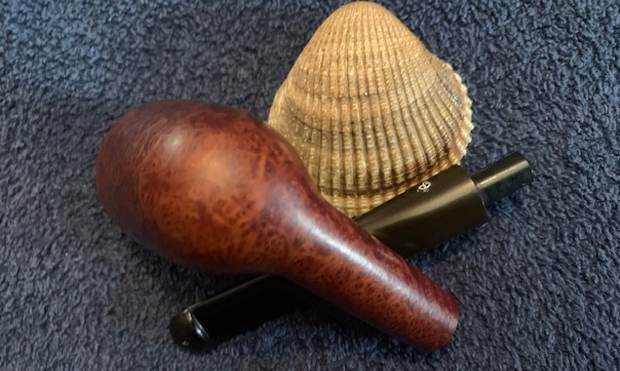
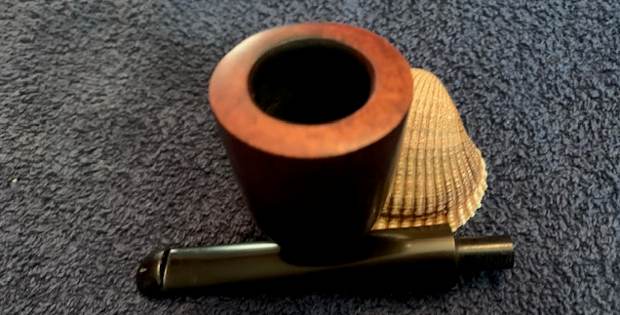
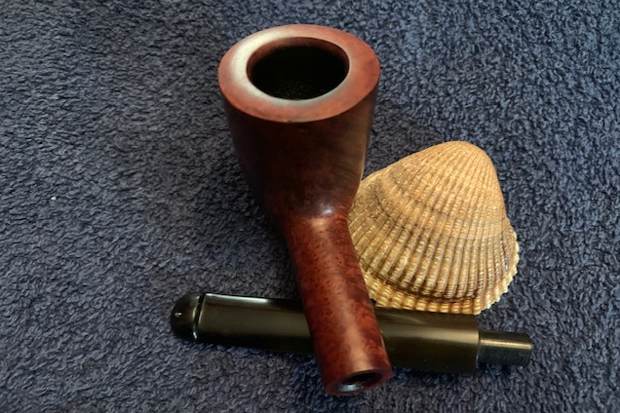
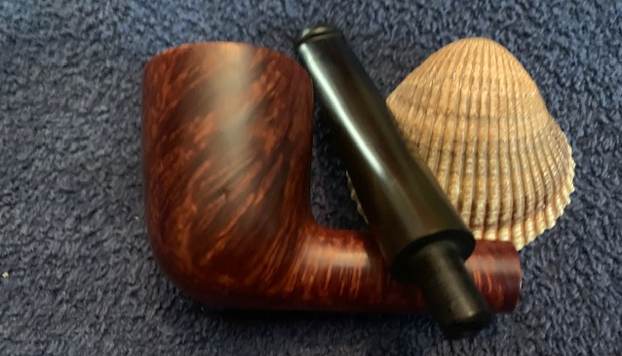
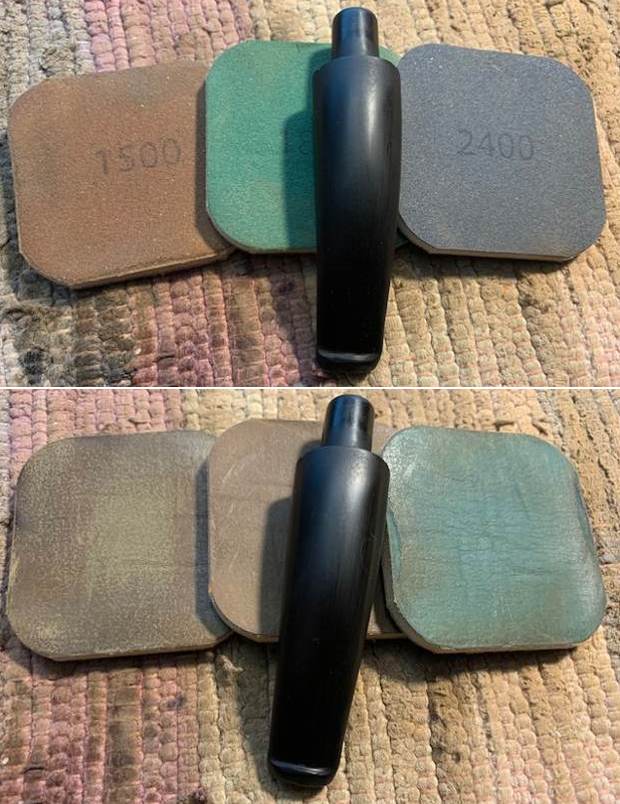
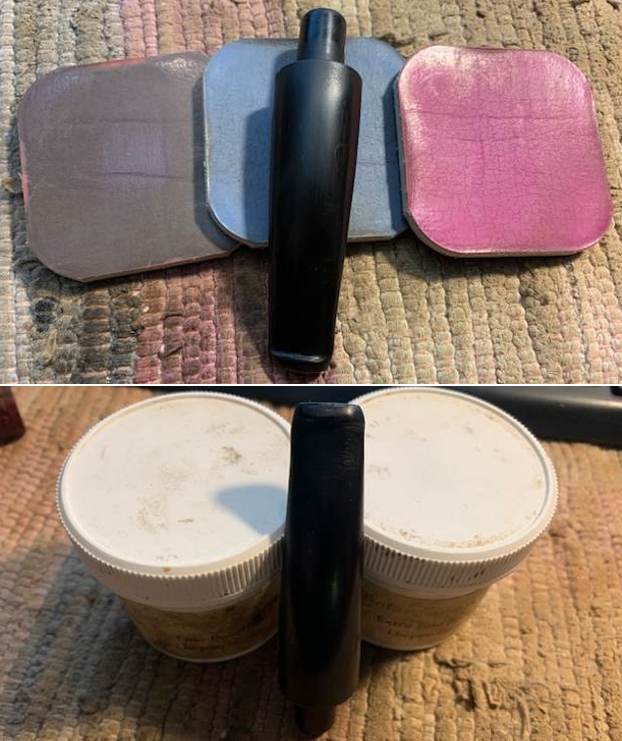
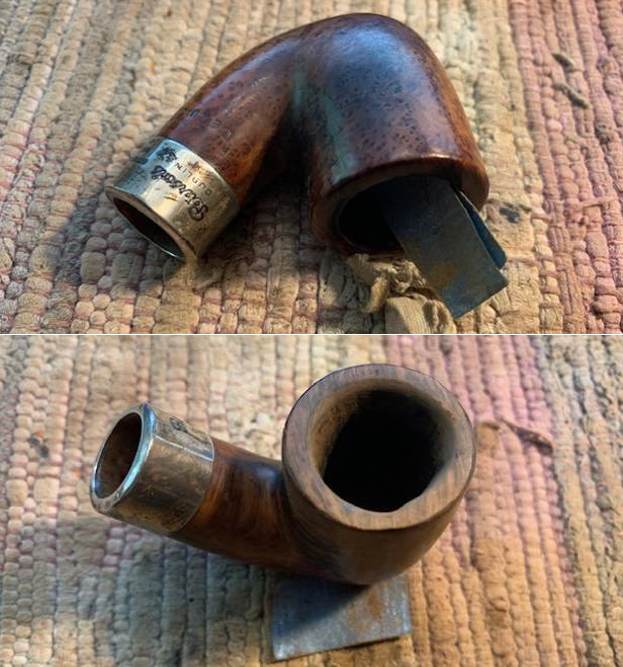
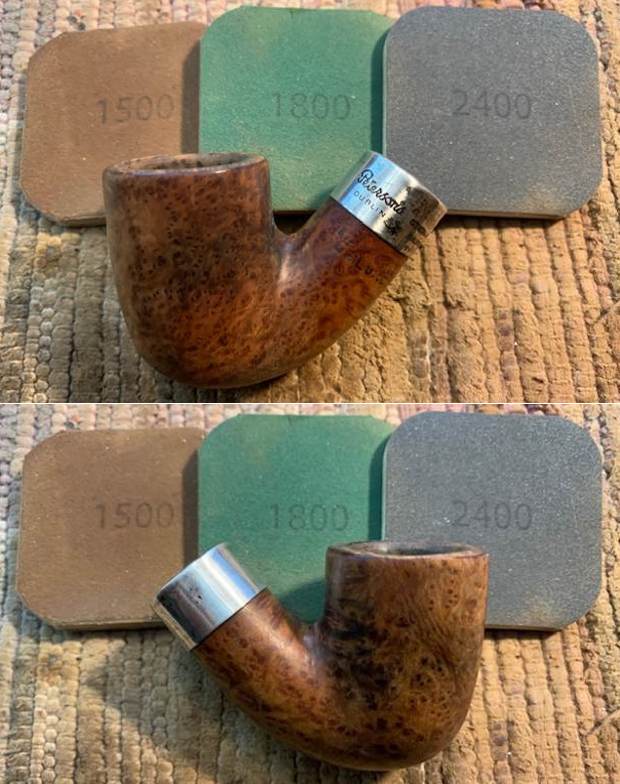
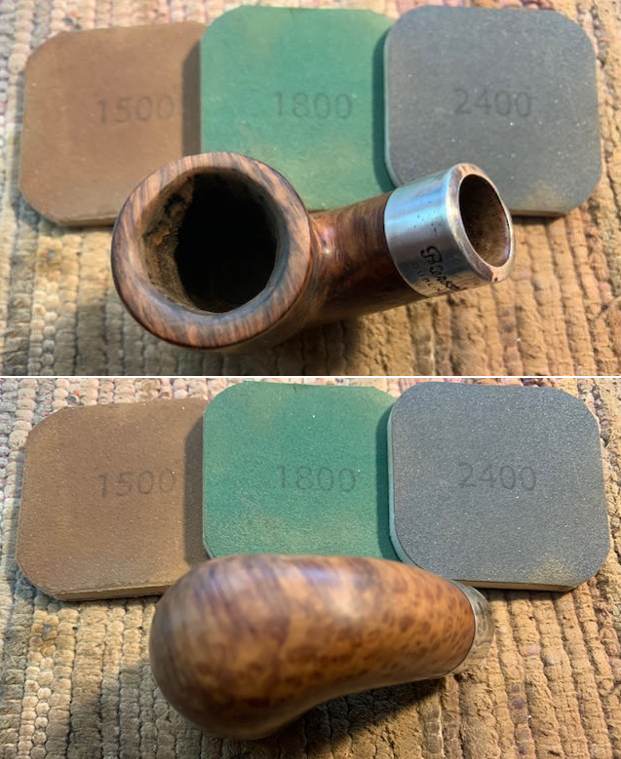
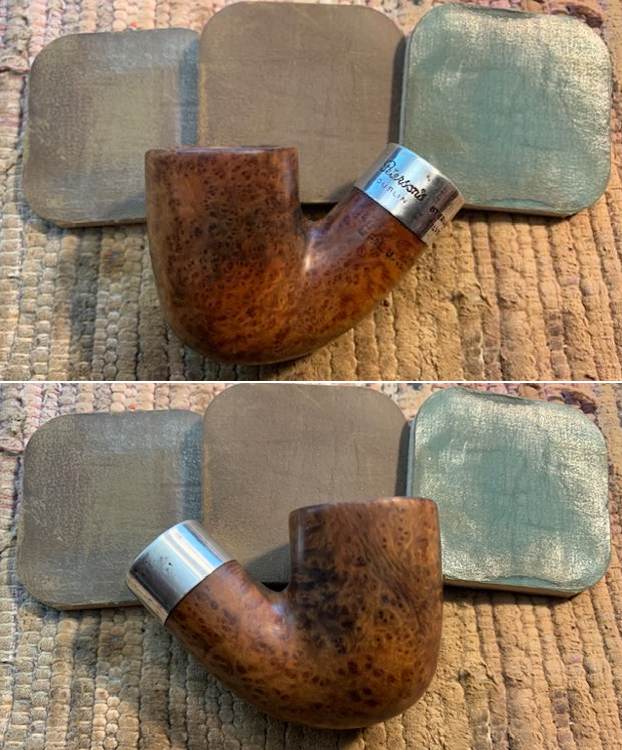
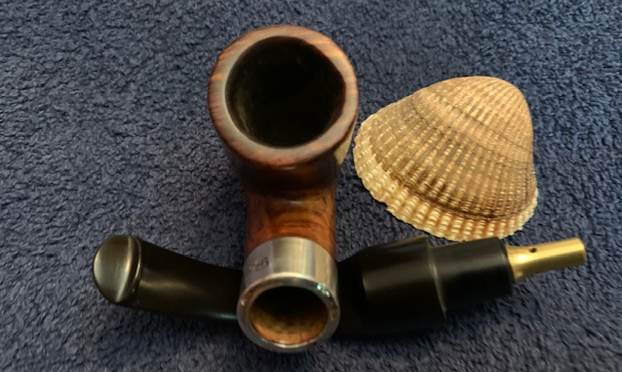
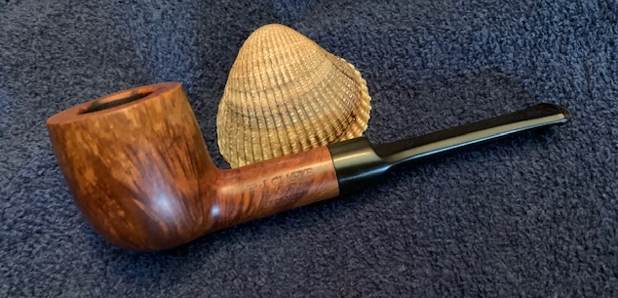
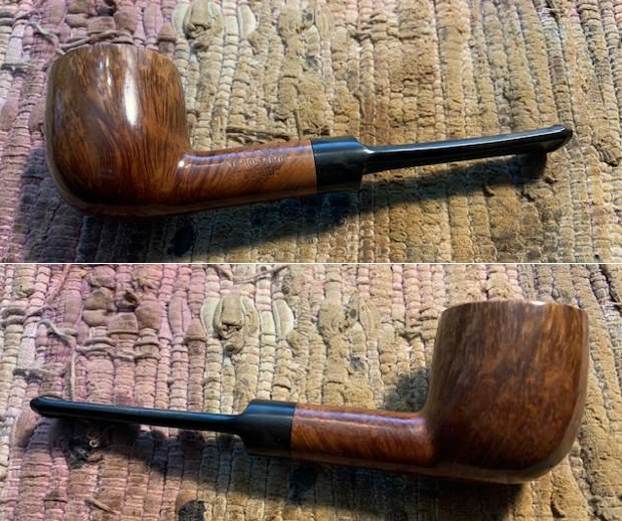
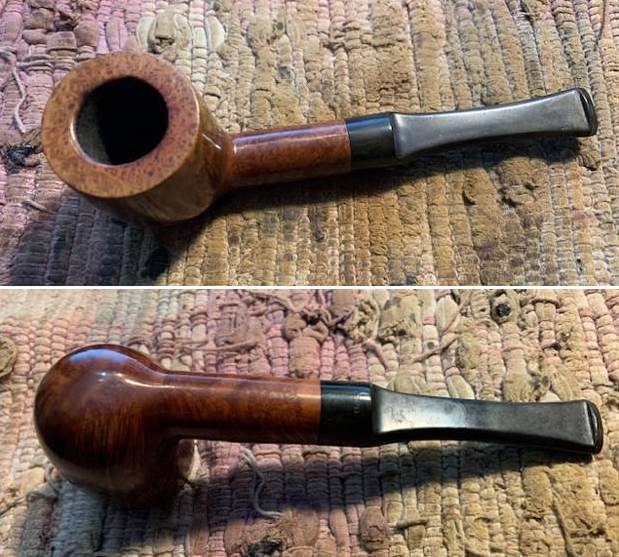
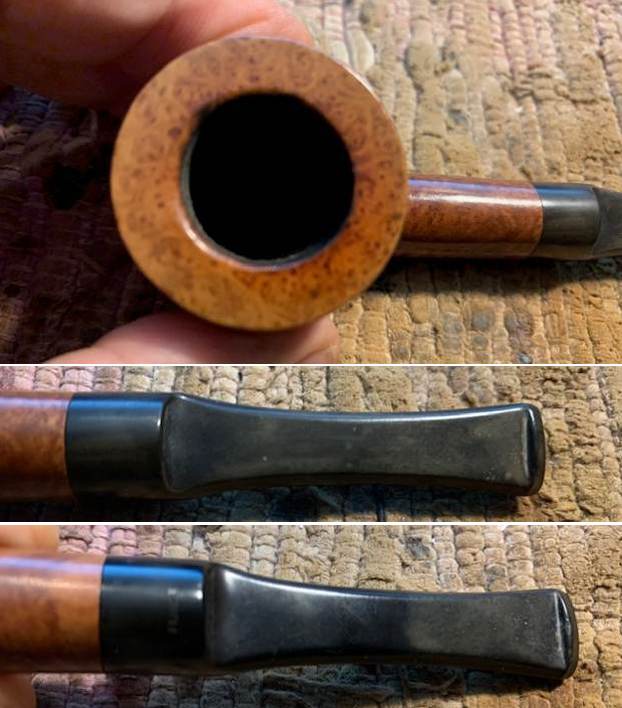
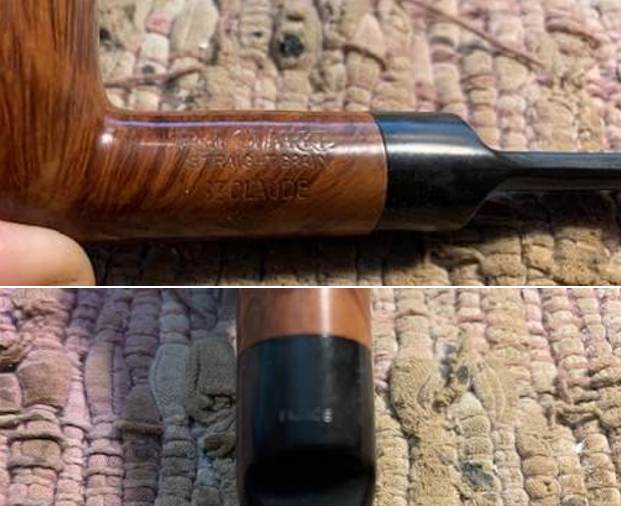
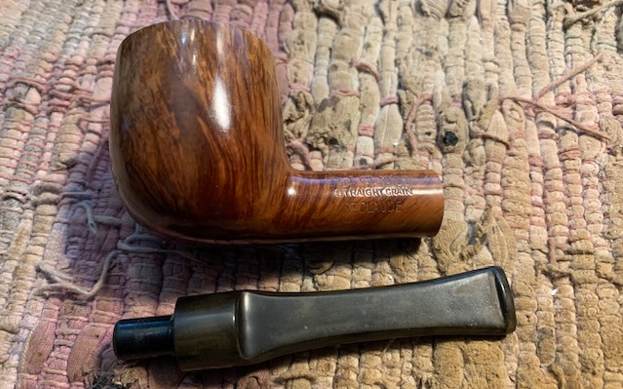
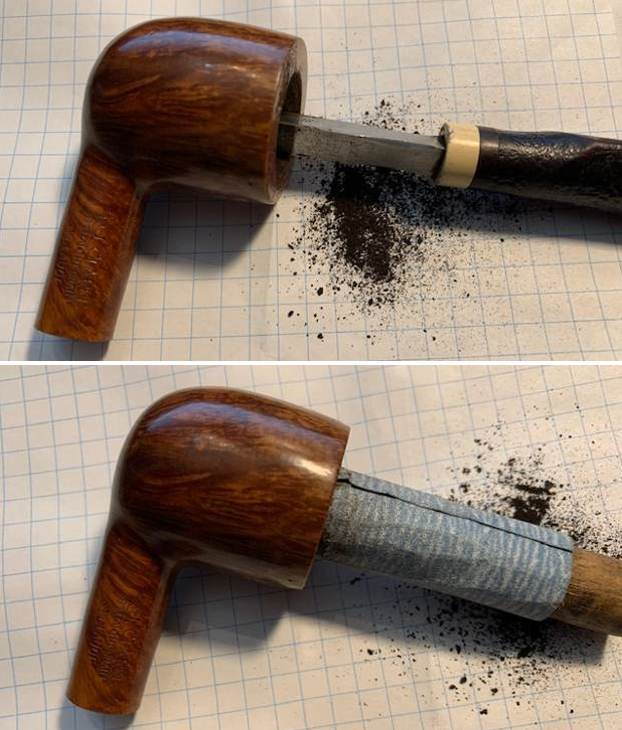
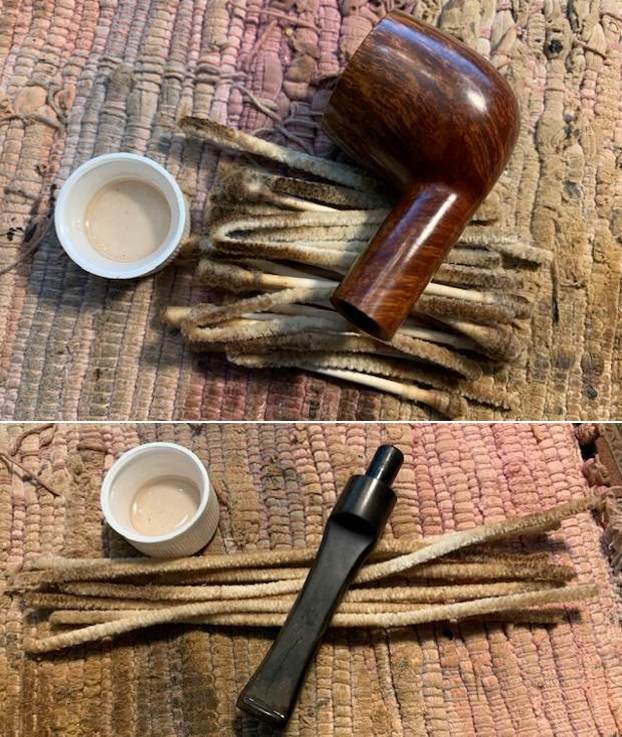
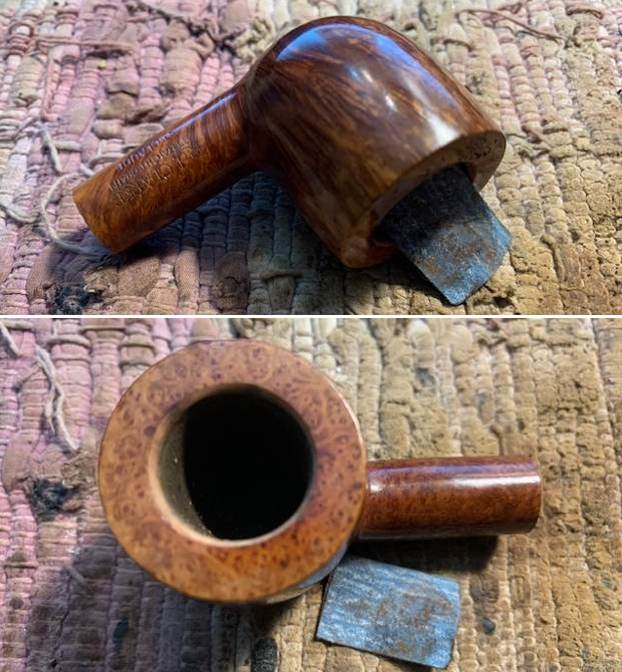
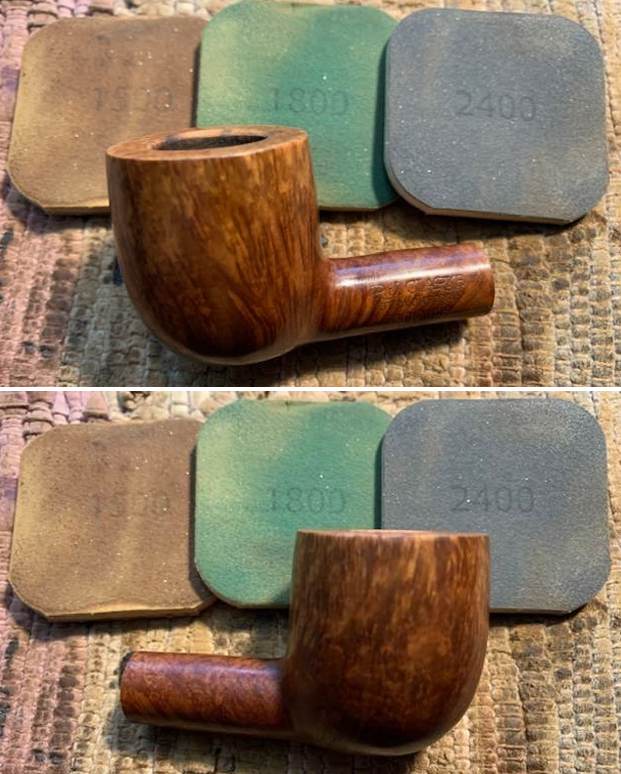
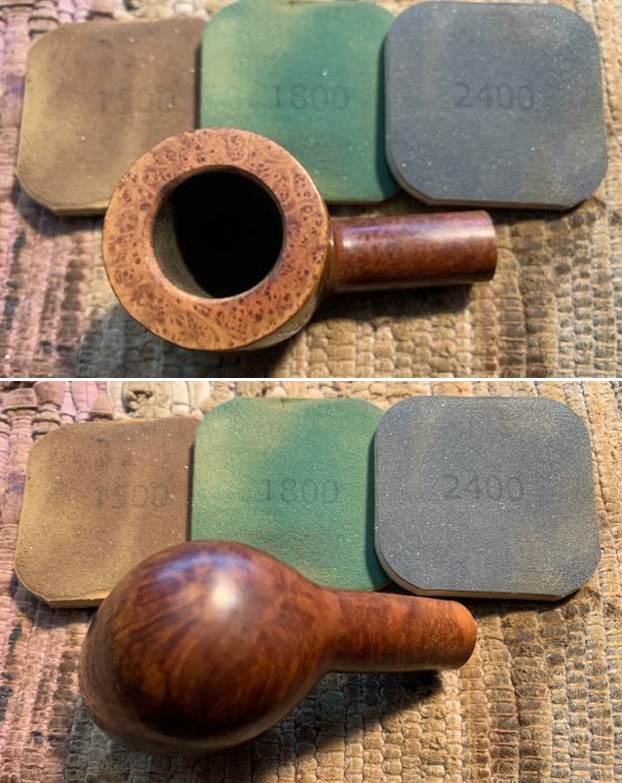
The next pipe on the work table is an interesting piece of Vancouver Pipe Smoking History. It is a shop pipe that is stamped on the left side and reads R.J. Clarke [over] Straight Grain [over] St. Claude. The underside of the stem is stamped FRANCE next to the shank/stem union. For a bit of background, R.J. Clarke’s was my go to Tobacco Shop before its Gastown location closed down. To enter the shop was like a bit of time travel. It had been a Vancouver tradition for many years. The location had been a Vancouver tradition for years. Inside it looked like I imagined shops in 1800’s England must have looked. Inside, it was dark but wasn’t intimidating, fragrant but not overpowering. The owner was friendly and informative and I made it a Saturday tradition to visit there once I moved to Vancouver. There were chairs and couches in the back of the shop to sit and sip a coffee and a pipe or cigar and solve the world’s  problems with other like minded pipemen. Those memories will never leave me but the shop is long gone – closed around 2000 (give or take a year). This nicely made Pot shaped pipe has some nice mixed grain around it. There was a light cake in the bowl and some slight damage to the inner edge. The vulcanite saddle stem was lightly oxidized and had tooth marks and chatter on the top and underside ahead of the button. I took photos of the pipe before I started my clean up work on it. It is a pretty pipe with some great grain around the bowl and shank. I took photos of the rim top and edges and the stem surfaces. The rim top looked very good with some great birdseye. The inner edge had some burn damage and some darkening all the way around. There was some darker spots on the right front and the rear left edges. The stem had some oxidation and tooth marks and chatter on both sides ahead of the button.I took a photo of the stamping on the left side of the shank. It read as noted above and is very clear. I removed the stem from the bowl and took a picture of the pipe to show the general look and proportion of the pipe. It is quite pretty in terms of grain and shape. The stem is definitely a fitted blank rather than a hand cut one.I reamed the bowl with a Savinelli Fitsall Pipe Knife to scrape out the thin cake in the bowl. There was not much there but enough that it had to go. I also sanded the bowl walls with a piece of 220 grit sandpaper wrapped around a piece of dowel. The bowl walls were smooth when I finished the work.  I cleaned out the shank and the airway in the mortise and stem with pipe cleaners, cotton swabs and isopropyl alcohol. It was quite a bit dirtier than I expected from just the appearance. With the cleaning the pipe smelled cleaner.I worked over the inner edge with a folded piece of 220 grit sandpaper to smooth out the damage and to give the edge a slight bevel to remove the burn damage. I polished the briar with micromesh sanding pads – polishing it with 1500-12000 grit pads. By the time I was finished the briar had a great shine. The grain on the pipe is quite beautiful. I wiped down the surface of the briar with acetone on a cotton pad. It cut through the thick varnish coat and with it removed the grain on the briar really shone through clearly.  I rubbed the bowl and shank down with Before & After Restoration Balm to deep clean the finish on the bowl and shank. The product works to clean, enliven and protect the briar. I worked it into the finish with my fingers. After it sat for 15 minutes I wiped it off with a soft cloth. The briar really began to have a rich shine. I took some photos of the bowl at this point to mark the progress in the restoration. It is a beautiful bowl.  I set the bowl aside and turned my attention to the stem. I “painted” the surface with the flame of a lighter to lift the tooth marks and chatter. It worked very well and I sanded out the remnants and oxidation on the top and underside with 220 grit sandpaper and started polishing it with 400 grit wet dry sandpaper (in my late night work on this stem I forgot to take photos of the sanded stem after the 220 and 400 grit papers).   I polished the stem with micromesh sanding pads – dry sanding with 1500-12000 grit pads. I wiped the stem down after each pad with a damp cloth to remove the sanding dust. I used the Before & After Pipe Polish to remove the small minute scratches left in the vulcanite. I finished by wiping the stem down with a final coat of Obsidian Oil and set it aside to dry.   As usual at this point in the restoration process I am excited to be on the homestretch. I look forward to the final look when it is put back together, polished and waxed. I put the bowl and stem back together. I polished the bowl and stem with Blue Diamond to polish out the scratches in the briar and the vulcanite. I gave the bowl and the stem multiple coats of carnauba wax. I buffed the pipe with a clean buffing pad to raise the shine. I hand buffed it with a microfiber cloth to deepen the shine. The pipe polished up pretty nicely. The grain really pops with the wax and polish. The shiny black vulcanite stem is a beautiful contrast to the browns of the bowl and thick shank. This French Made RJ Clarke Straight Grain St. Claude Pot was another fun pipe to work on. It is a nice piece of briar whose shape follows the flow of the briar. The pipe is comfortable pipe to hold in the hand. The finished pipe is shown in the photos below. The dimensions of the pipe are Length: 5 ½ inches, Height: 1 ¾ inches, Outside diameter of the bowl: 1 ¼ inches, Chamber diameter: ¾ of an inch. The weight of the pipe is 1.20 ounces/34 grams. I will be putting this pipe on the rebornpipes store in the Canadian Pipe Makers section. Thanks for reading this blog and my reflections on the pipe while I worked on it.
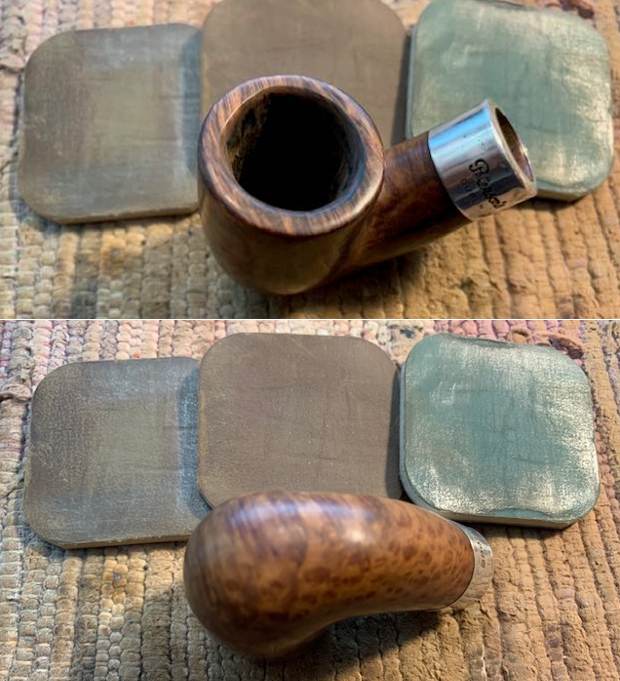
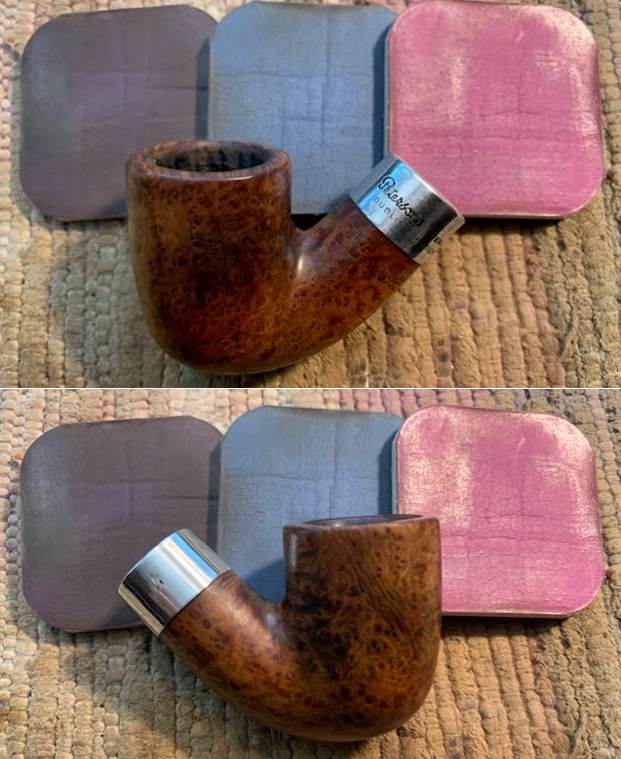
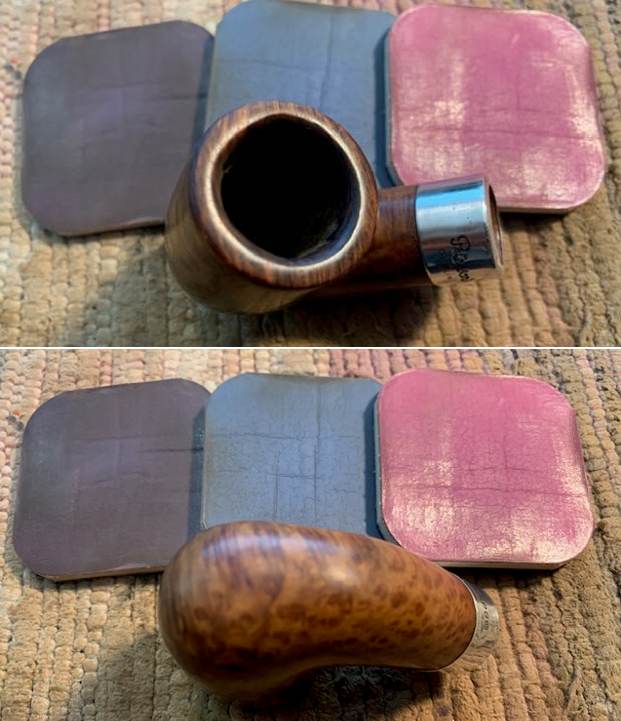
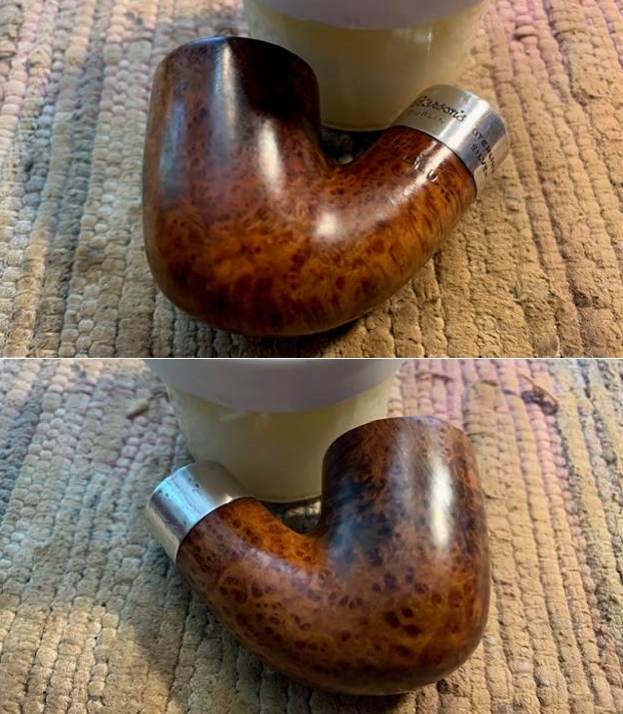
Cleaning up a Second Peterson’s De Luxe System 8S Bent Billiard with a Sterling Silver Ferrule


Blog by Steve Laug

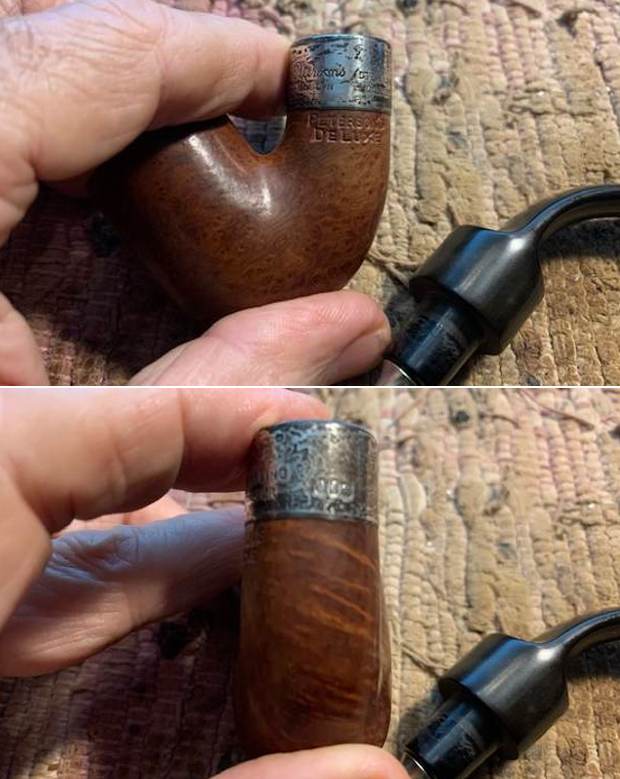
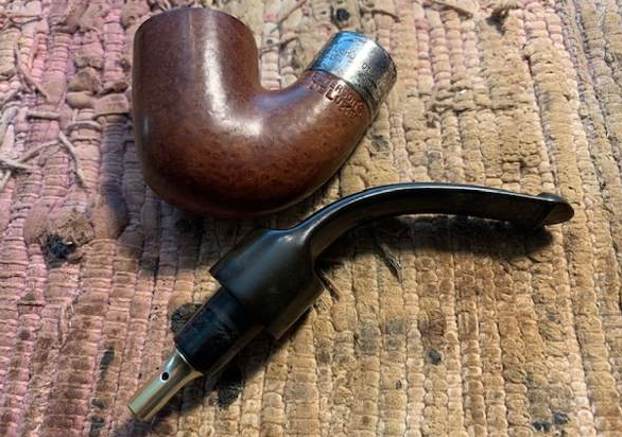
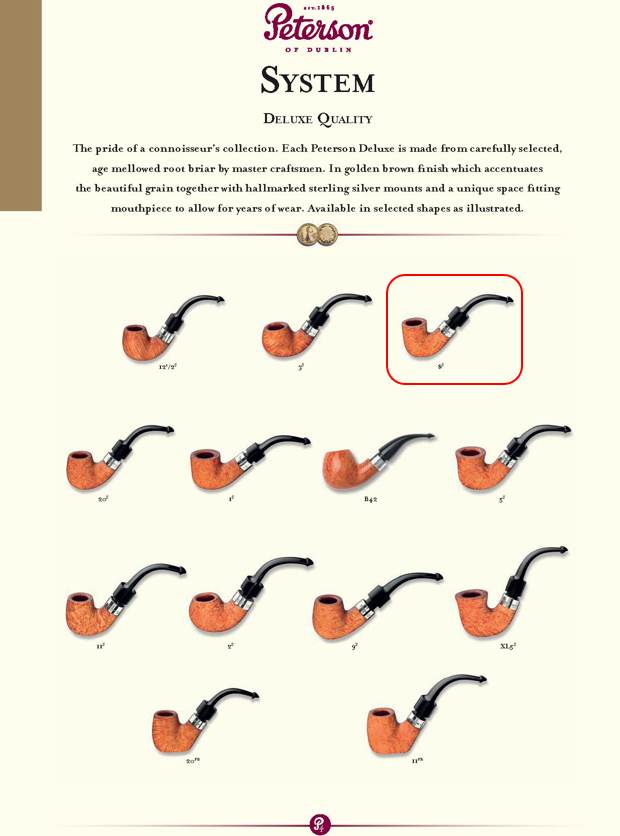
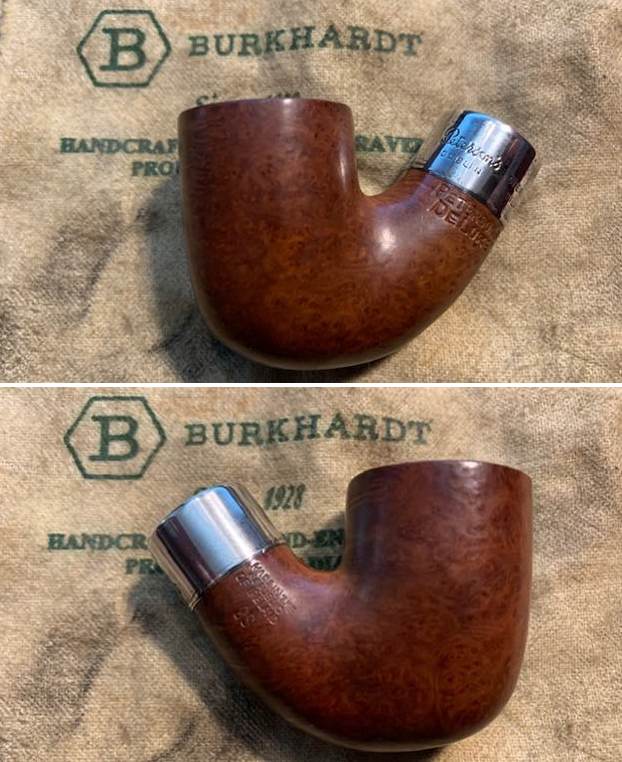
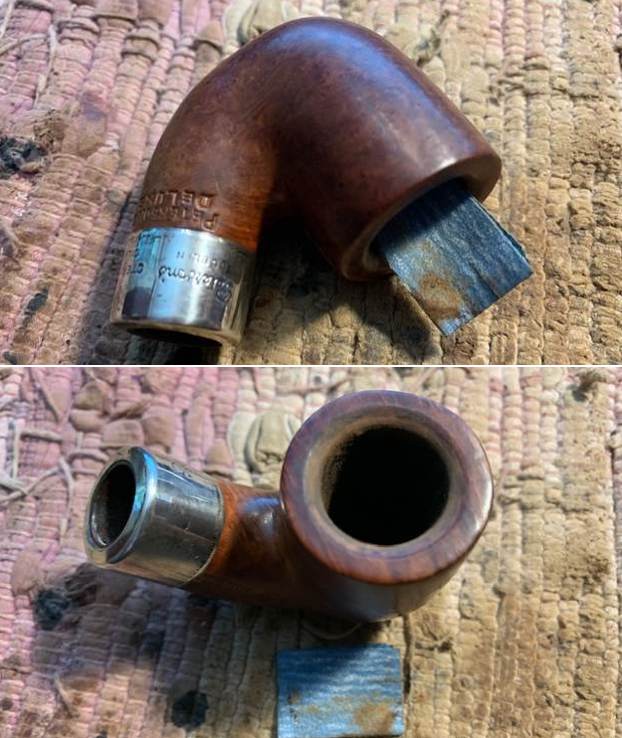
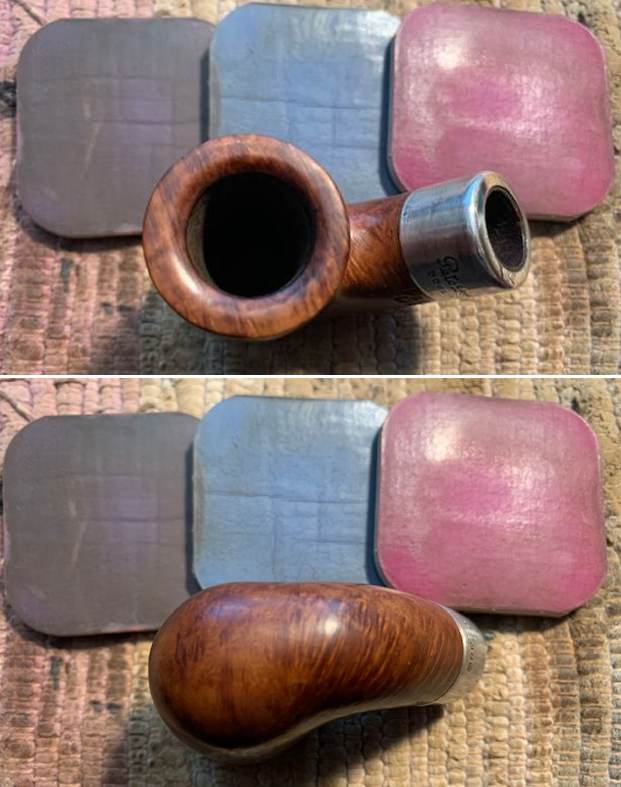
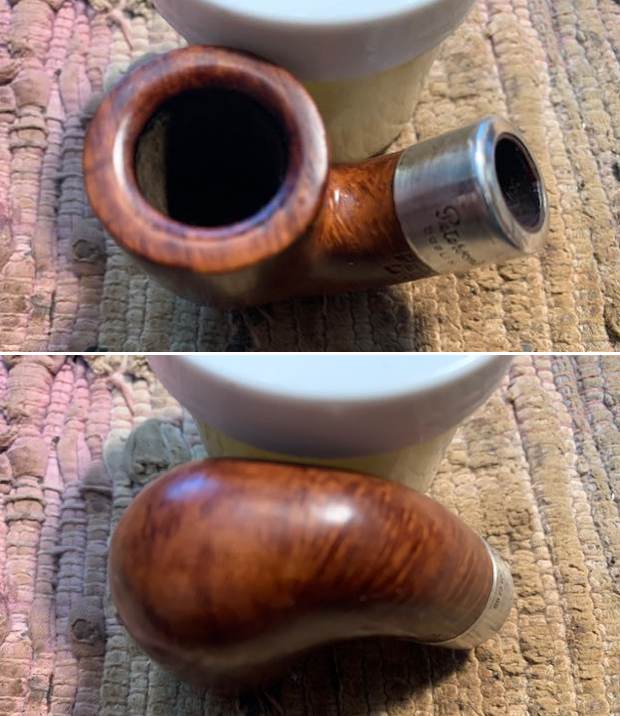
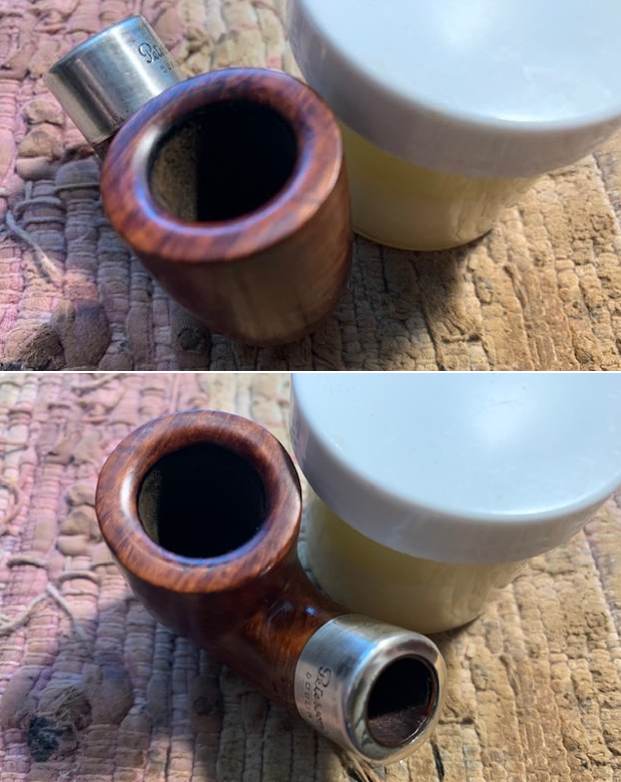
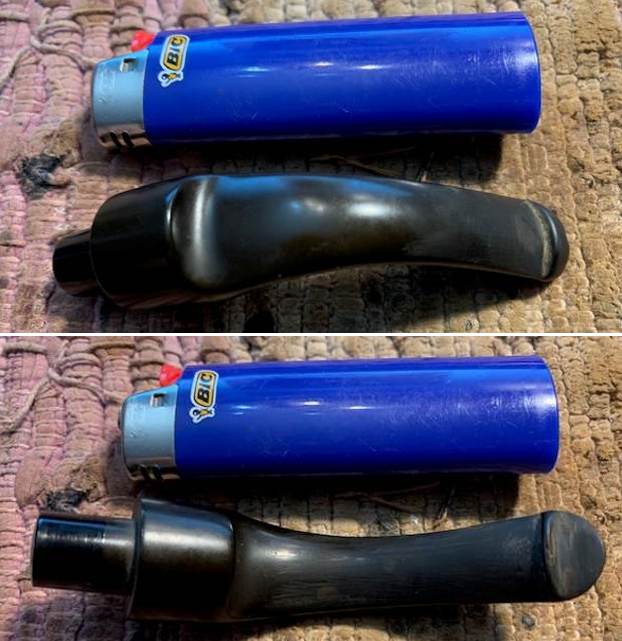
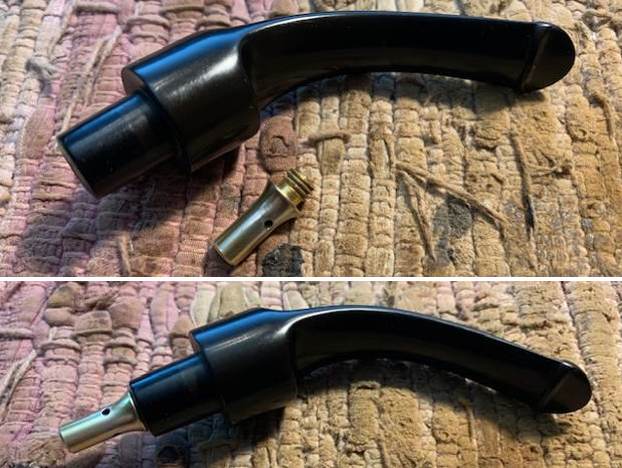
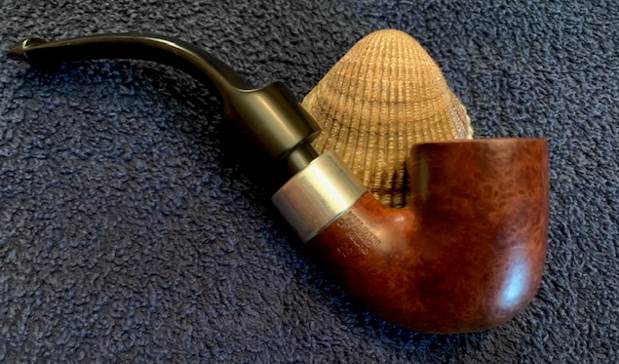
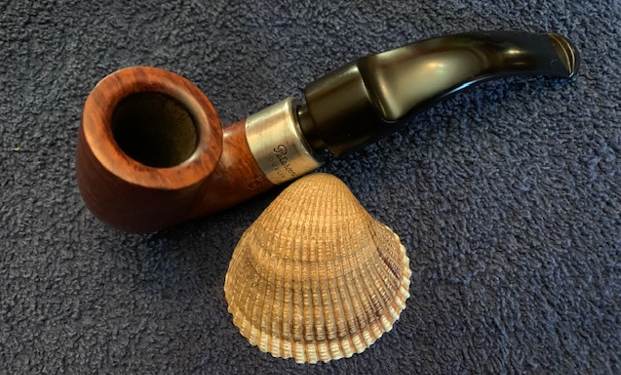
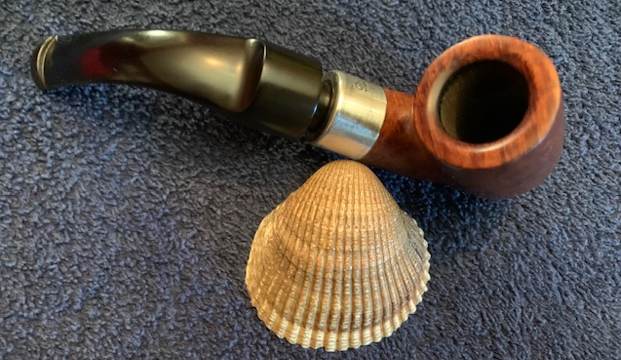
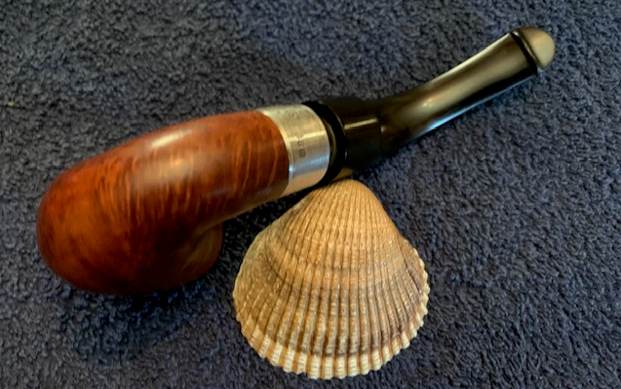
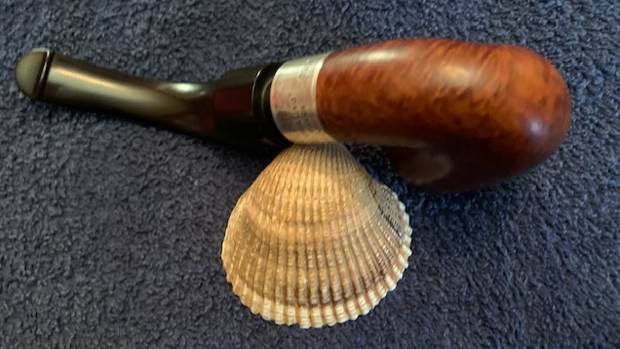
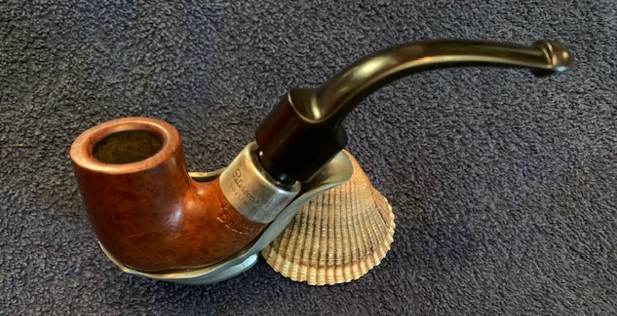
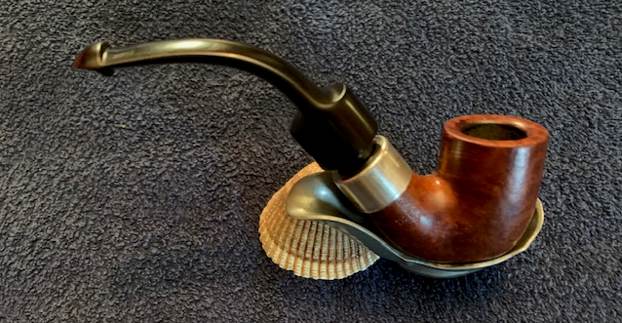
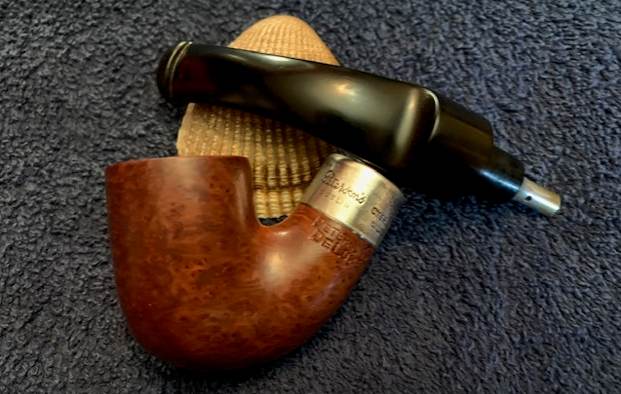
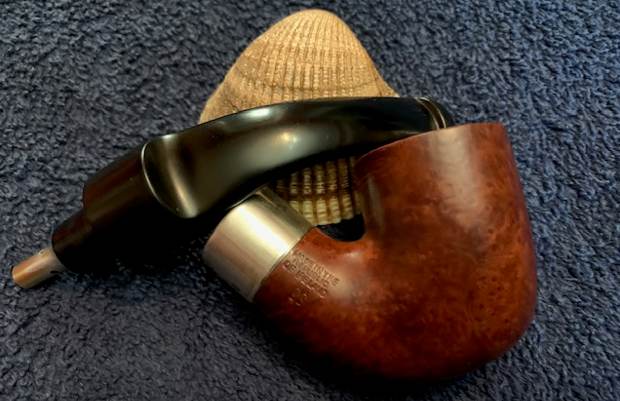
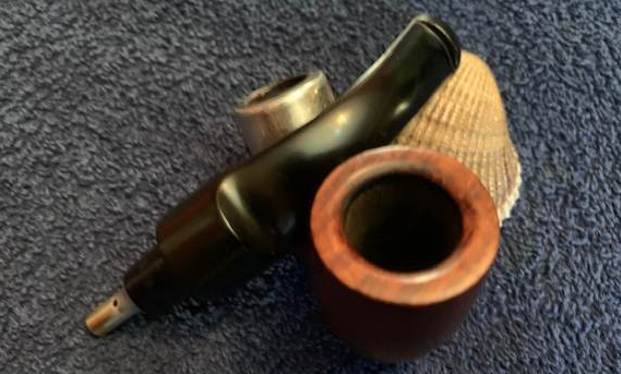
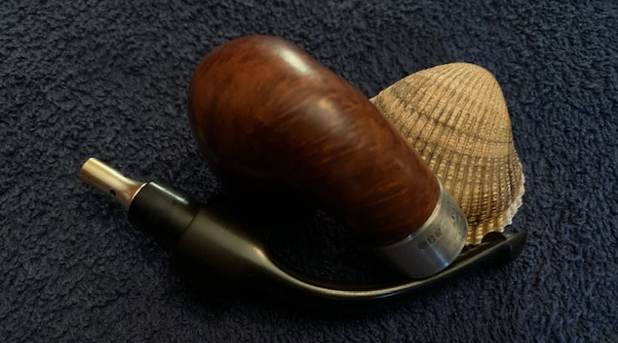
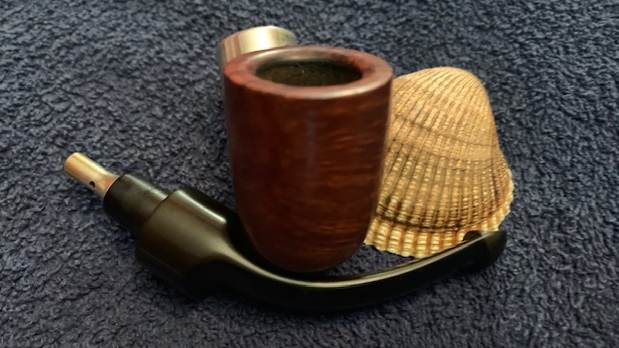
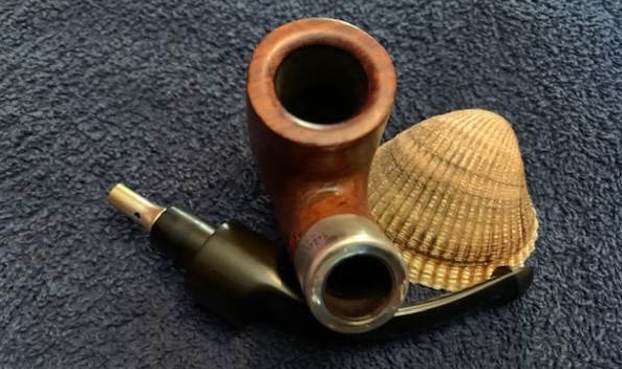
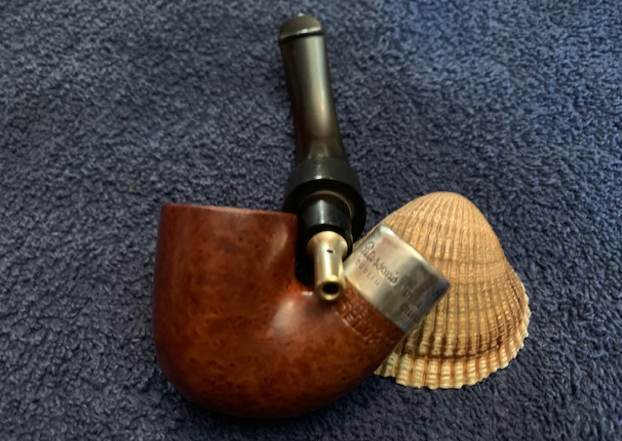
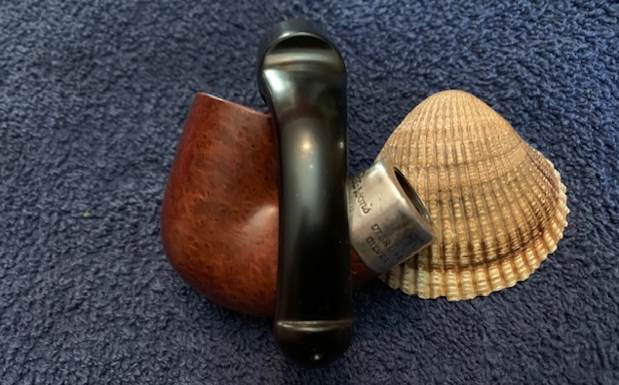
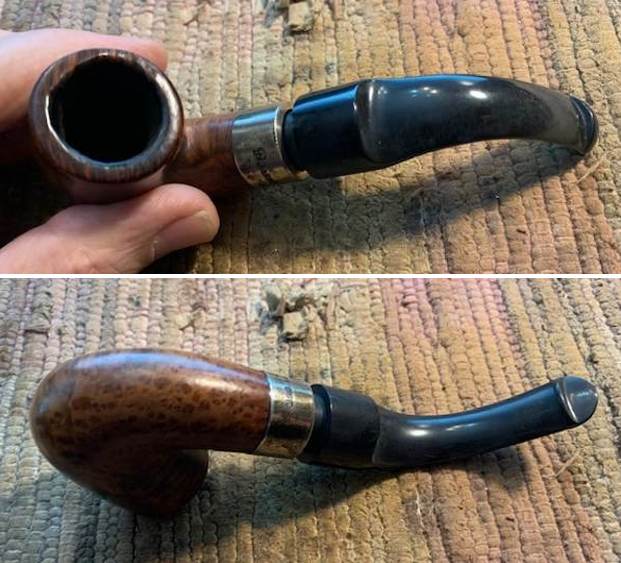
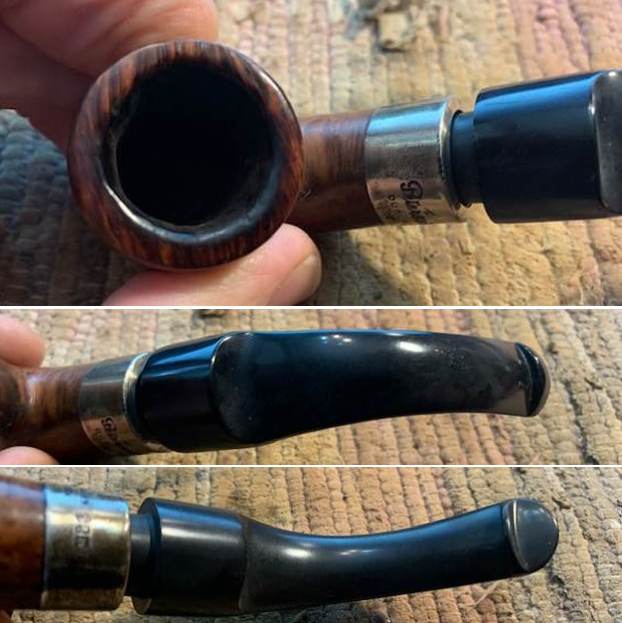
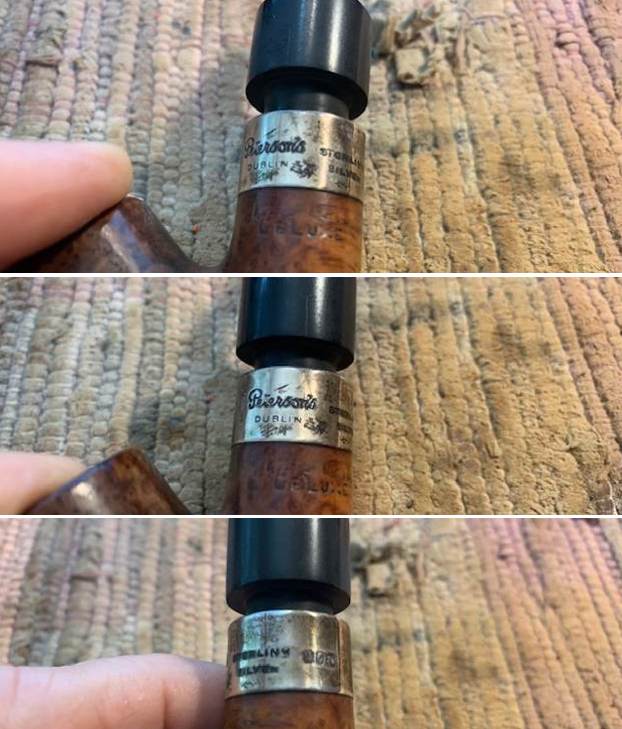
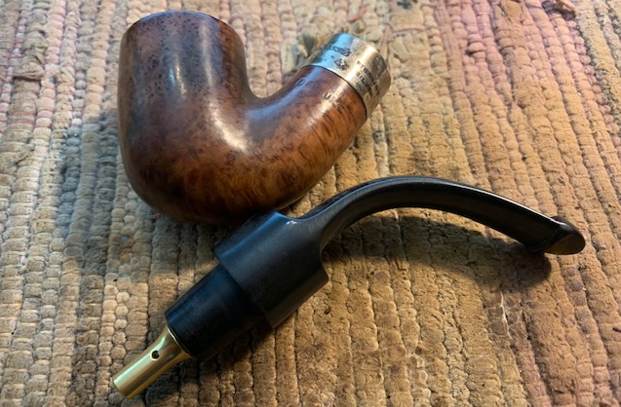
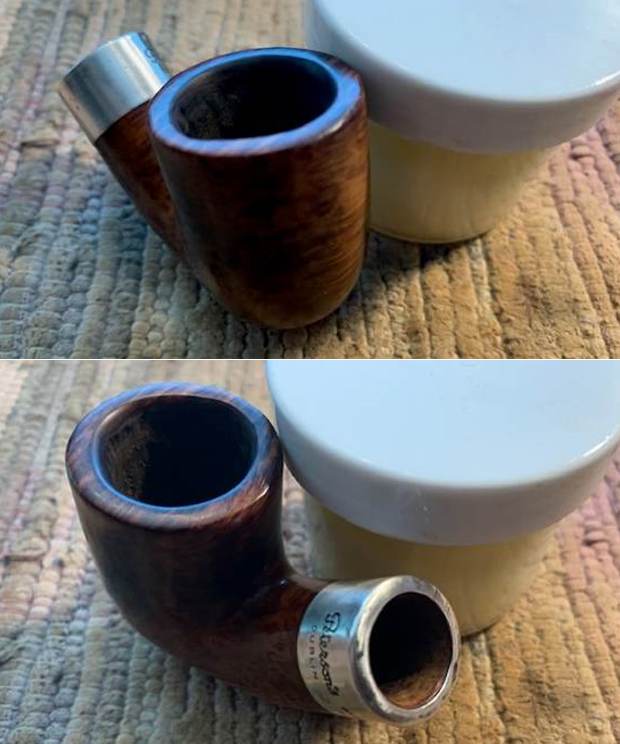
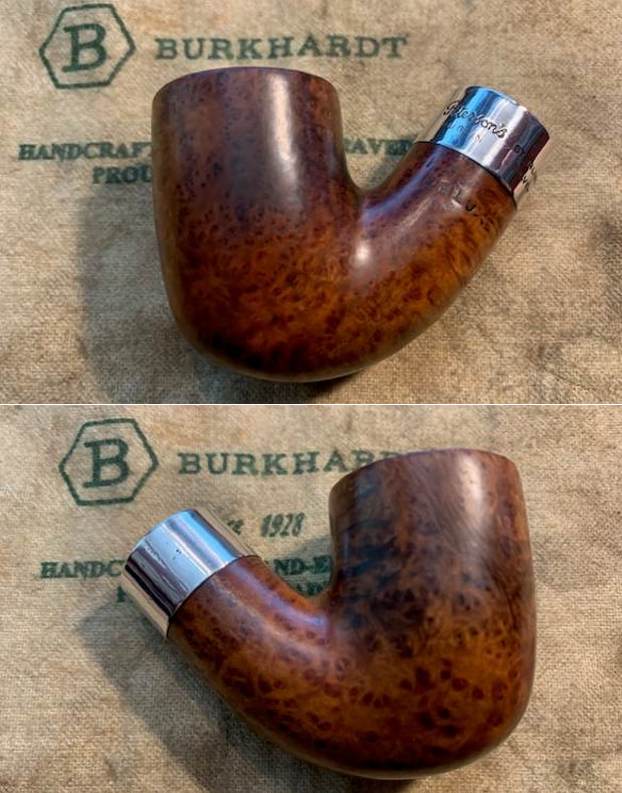
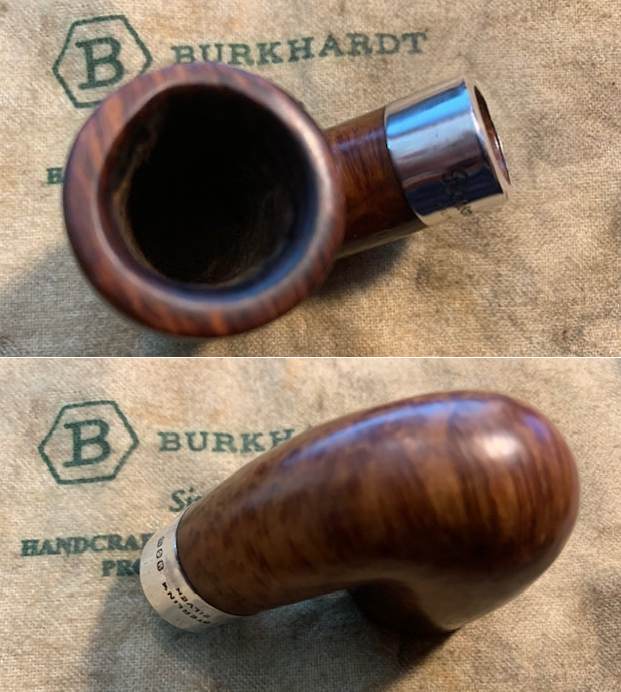
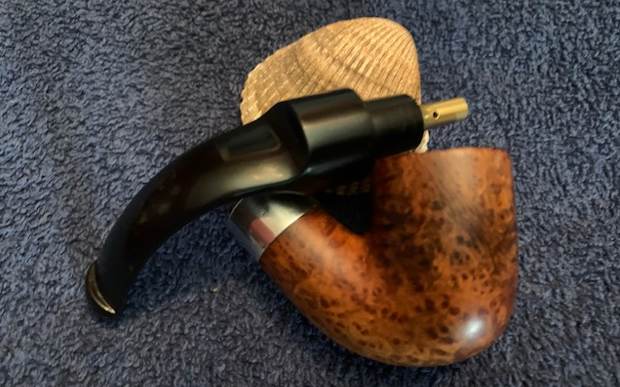
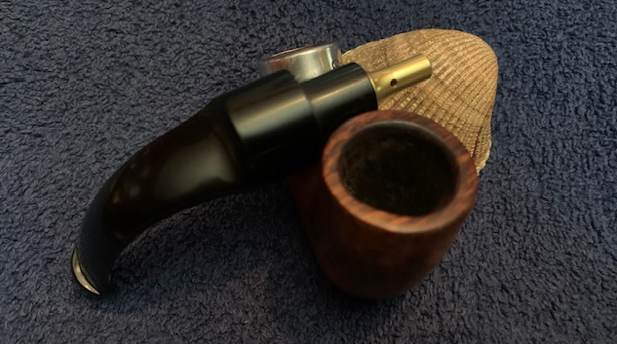
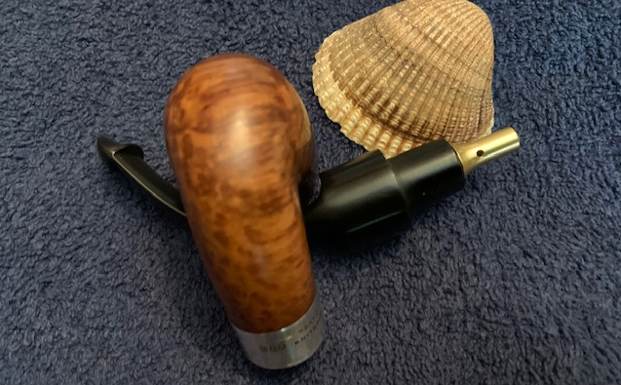
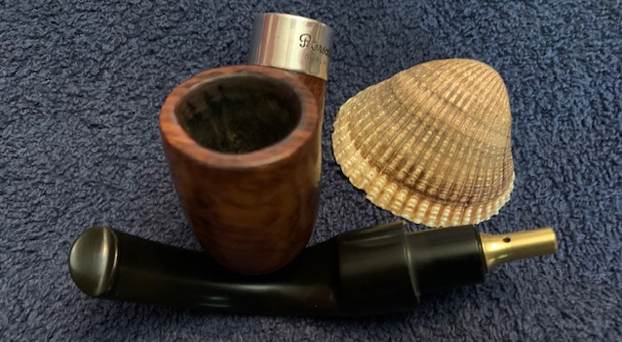
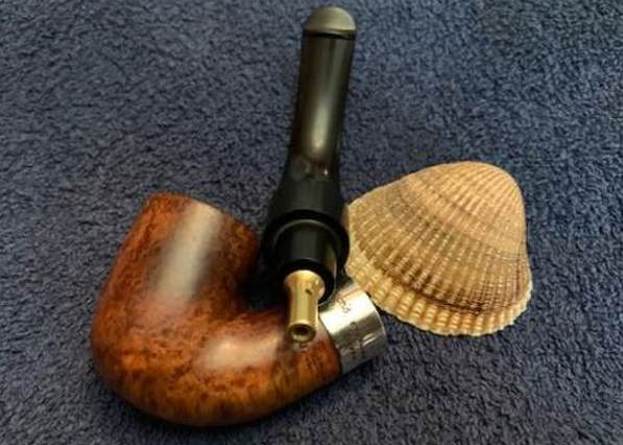
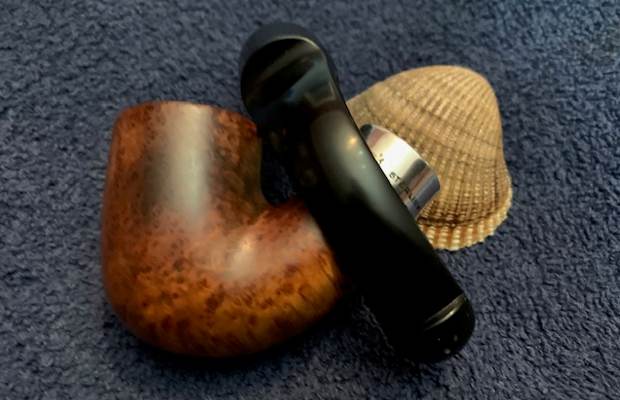
I have a few pipes that I am working on for local folks who either have dropped them off or who are friends that I am catching up with. The next pipe on the worktable is the second of two more that belongs to an old friend of mine who is in the process of moving. He stopped by and asked me to clean up two more of his favourite pipe. This first one I worked on was a Whidbey Hand Cut CW ’76 Freehand (https://rebornpipes.com/2022/11/11/cleaning-up-a-chuck-whitmore-hand-cut-whidbey-freehand-for-a-friend/). This second on is another Peterson Deluxe with a Sterling Silver Ferrule. It is stamped on the left side of the shank and reads Peterson’s [over]De Luxe. The stamping on the right side reads Made in the Republic of Ireland (3 lines) over the shape number 8S. The ferrule on the shank is clear and readable under the tarnish. It reads Peterson’s [over] Dublin. That is followed by Sterling [over] Silver. That was followed by three hallmarks – The Hibernia stamp, the Crowned Harp stamp and finally the letter “m”. It has some stunning grain around the bowl and shank under the grime. There was a thin cake in the bowl and the top and edges of the rim had some scratches and damage on both. The stem was lightly oxidized and calcified. There were light tooth marks on the surface of both sides. I took some photos of the pipe before I started my work. I took photos of the rim top and the stem to show their condition. The top and edges look quite good other than some darkening on the beveled rim top – heavier toward the back. The silver was badly oxidized but I could still read the stamping. The stem was oxidized, calcified and has light tooth marks and chatter on both sides. I took photos of the stamping on the shank and the Sterling Silver ferrule to capture its condition. The stamping on the shank is readable as noted above. The stamping on ferrule is clear and readable as noted above. There was no “P” stamp on the stem side. I removed the stem from the bowl and took a picture of the pipe to show the general look and proportion of the pipe. It also shows the metal condenser tube in the tenon end. To help identify the shape number I turned to a Peterson Catalogue that I have on rebornpipes and looked up the System Deluxe pipes (https://rebornpipes.com/tag/peterson-hallmark-chart/). I compared the shape of the pipe in hand with the shape chart show below. I have put a red box around the 8S pipe shown in the catalogue page shown below. So now I knew it was an 8S Bent Billiard.I turned first to Pipephil’s site to reacquaint myself with the DeLuxe. Unfortunately there was no information to be found on this specific line. I then turned to Pipedia’s article on Peterson pipes to see what I could garner from that information. It is a great read in terms of the history of the brand (https://pipedia.org/wiki/Peterson). I have included a bit of the pertinent history here.

1950 – 1989 The Republic Era  – From 1950 to the present time, the stamp for this era is “Made in the Republic of Ireland” in a block format generally in three lines but two lines have been used with or without Republic being abbreviated…

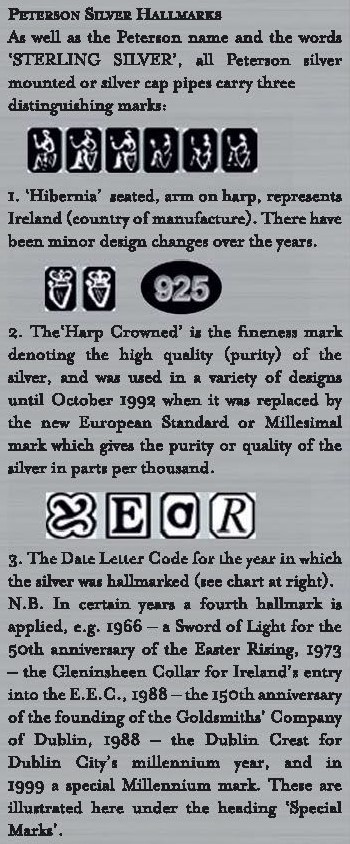
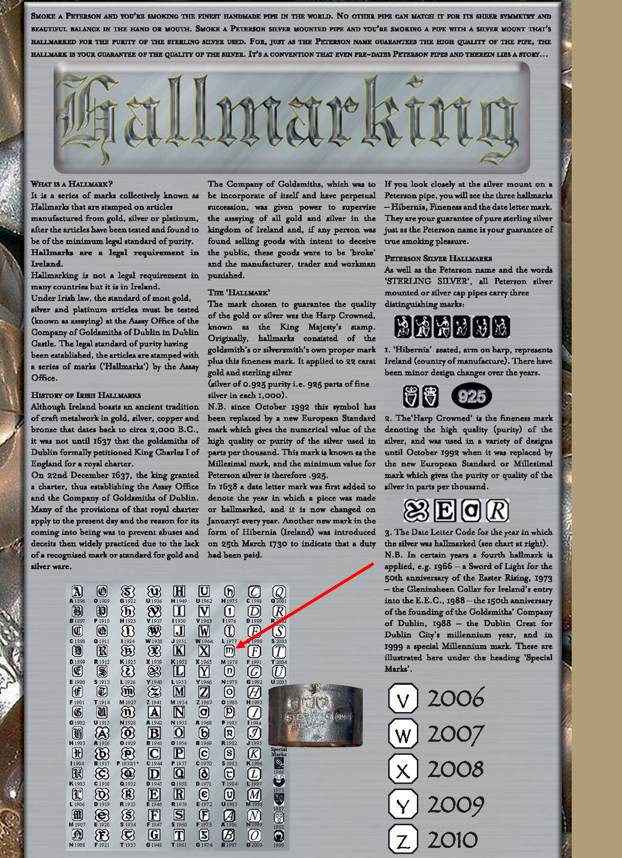
…With that information in hand I knew what I was dealing with in terms of the stamping on the pipe. It is a Republic Period pipe. I also wanted to be able to interpret the hallmarks on the silver band. I have captured a portion of the chart that include below that helps to clarify the meaning of each of the three hallmarks. I like the Hallmark feature on the higher end Peterson pipes with Sterling silver bands. It helps to pin down the date even further.

  • “Hibernia” seated, arm on harp represents Ireland (country of manufacture). There have been minor design changes over the years.
  • The “Harp Crowned” is the fineness mark denoting the high quality (purity) of the silver, and was used in a variety of designs until October 1992 when it was replaced by the new European Standard or Millesimal mark which gives the purity or quality of the silver in parts per thousand.
  • The Date Letter Code for the year in which the silver was hallmarked (see the chart below). In certain years a fourth hallmark is applied – for example 1966 – a Sword of Light for the 50th anniversary of the Easter Rising 1973. There were also other marks used for the fourth hallmark.

The pipe on my table had the Hibernia seated mark (Ireland) followed by the Harp Crowned signifying Sterling Silver percentage and finally in this case a lower case “m”. Each of the hallmarks was in an octagonal cartouche. The chart below helps me identify the date mark to 1978. I have drawn a red arrow to point out the 1978 mark in the chart below.

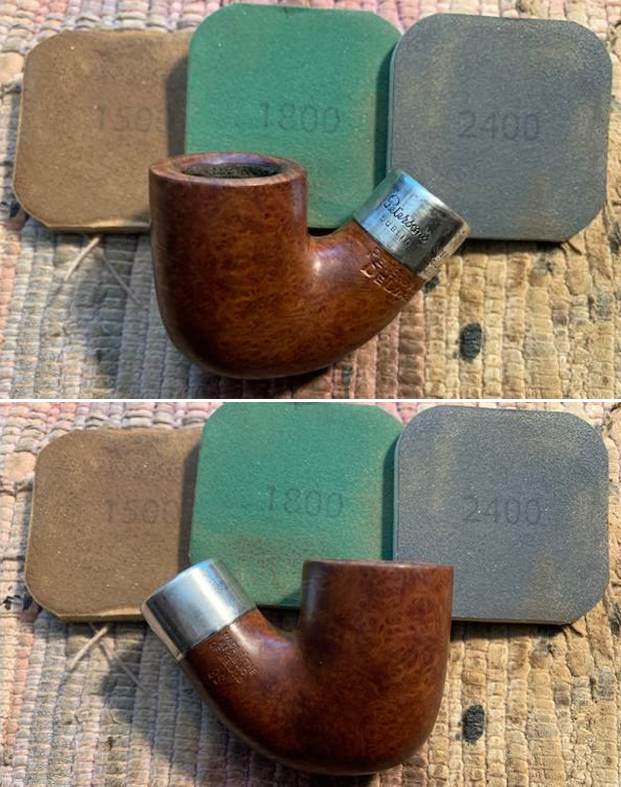
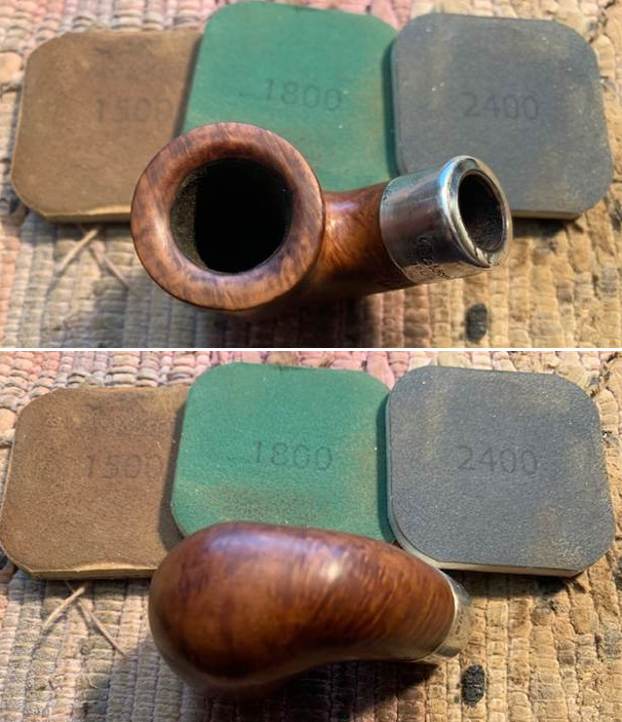
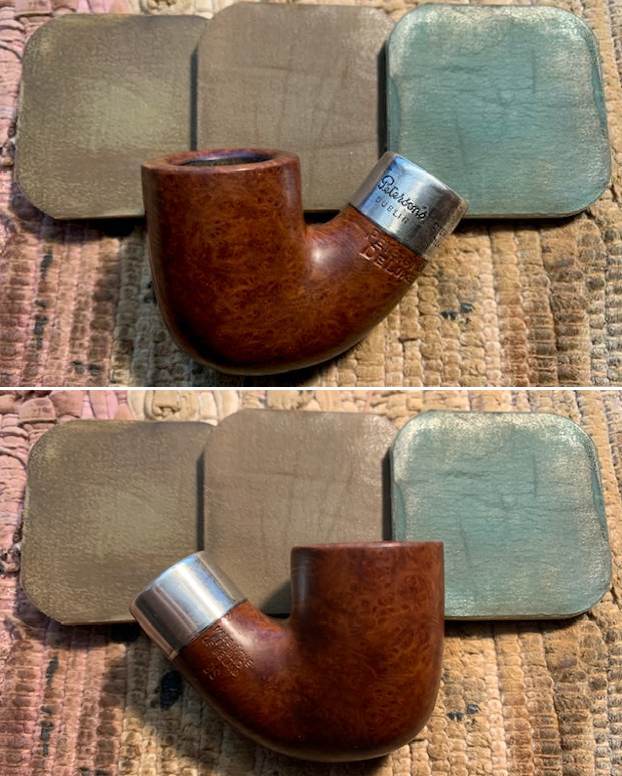
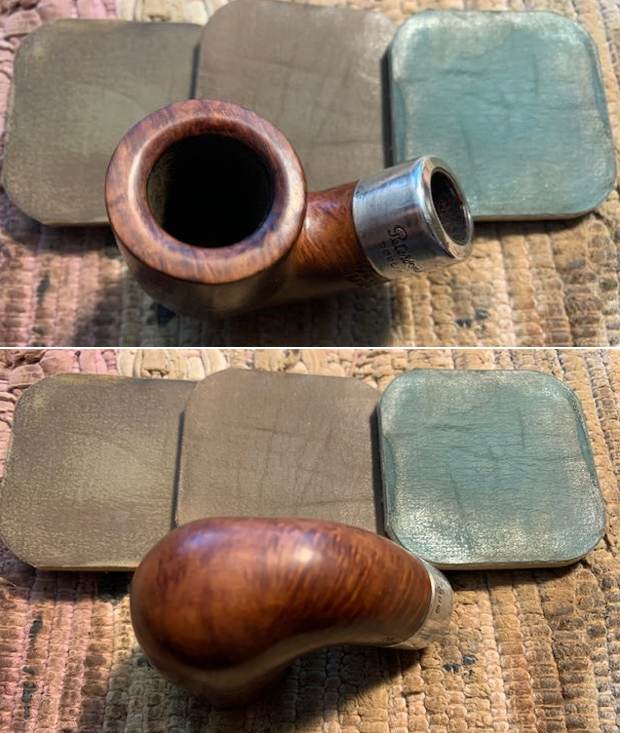
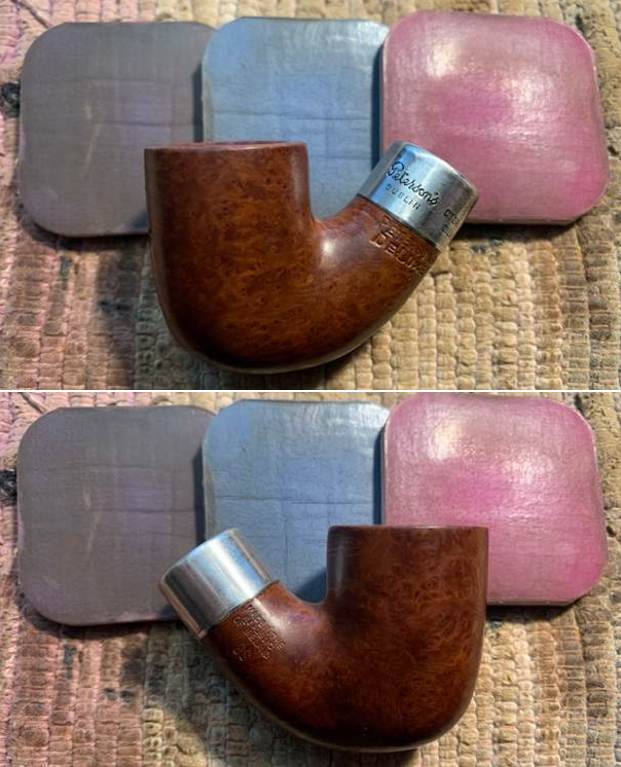
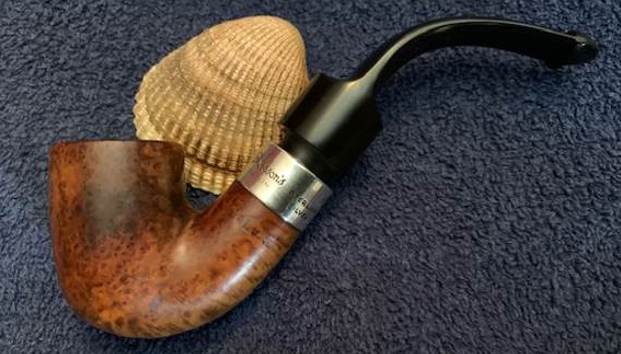
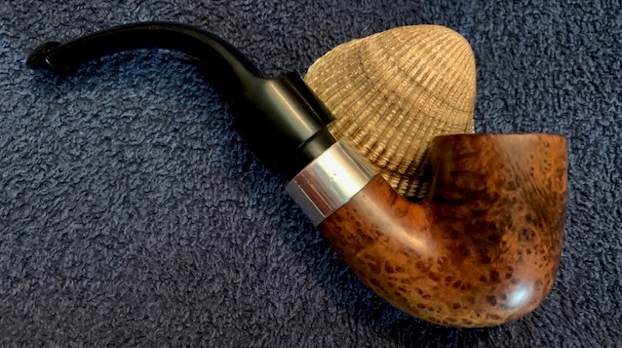
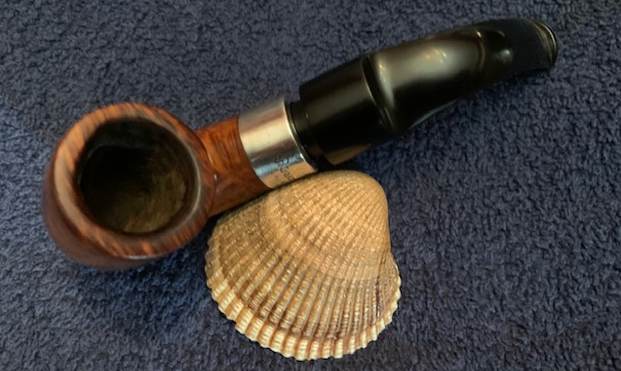
I have included the entire Hallmark chart for ease of reference show any of you be looking to date the pipes that you are working on at present.I polished the silver to remove the tarnish so that I could confirm the stamping on the silver and the date noted above. It is indeed hallmarked with the year stamp identifying it as a 1978 pipe. I took photos of the polished silver to show what it looked like after polishing. It is quite stunning. I worked over the rim top and the inner edge with a folded piece of 220 grit sandpaper to smooth out the damage and to bring the bowl back to round as much as possible. I polished the briar with micromesh sanding pads – polishing it with 1500-12000 grit pads. By the time I was finished the briar had a great shine. The grain on the pipe is quite beautiful. I rubbed the bowl and shank down with Before & After Restoration Balm to deep clean the finish on the bowl and shank. The product works to clean, enliven and protect the briar. I worked it into the finish with my fingers. After it sat for 15 minutes I wiped it off with a soft cloth. The briar really began to have a rich shine. I took some photos of the bowl at this point to mark the progress in the restoration. It is a beautiful bowl.  I set the bowl aside and turned my attention to the stem. I “painted” the surface with the flame of a lighter to lift the tooth marks and chatter. It worked very well and just a few small spots were left. I filled them in with clear CA glue and set it aside to cure. I sanded out the repairs and oxidation on the top and underside with 220 grit sandpaper and started polishing it with 400 grit wet dry sandpaper. I polished the stem with micromesh sanding pads – dry sanding with 1500-12000 grit pads. I wiped the stem down after each pad with a damp cloth to remove the sanding dust. I used the Before & After Pipe Polish to remove the small minute scratches left in the vulcanite. I finished by wiping the stem down with a final coat of Obsidian Oil and set it aside to dry.   I cleaned up the condenser and then put it back I place I the stem. This condenser was metal instead of the older bone ones. It is an integral part of the System pipe.As usual at this point in the restoration process I am excited to be on the homestretch. I look forward to the final look when it is put back together, polished and waxed. I put the bowl and stem back together. I polished the bowl and stem with Blue Diamond to polish out the scratches in the briar and the vulcanite. I gave the bowl and the stem multiple coats of carnauba wax. I buffed the pipe with a clean buffing pad to raise the shine. I hand buffed it with a microfiber cloth to deepen the shine. The pipe polished up pretty nicely. The grain really pops with the wax and polish. The shiny black vulcanite stem is a beautiful contrast to the browns of the bowl and thick shank. This Peterson’s DeLuxe 8S Bent Billiard was another fun pipe to work on. The Sterling Silver Ferrule works as a contrast between the stem and the briar and binds it all together. It really is a quite stunning piece of briar whose shape follows the flow of the briar. The pipe is comfortable pipe to hold in the hand. The finished pipe is shown in the photos below. The dimensions of the pipe are Length: 5 ½ inches, Height: 1 ¾ inches, Outside diameter of the bowl: 1 1/8 inches, Chamber diameter: ¾ of an inch. The weight of the pipe is 1.45 ounces/41 grams. This beautiful pipe will be going back with the other pipe to my friend. He will enjoy smoking it once again in his new place. Thanks for reading this blog and my reflections on the pipe while I worked on it.
Restoring a Republic Era Peterson’s Straight Grain X105 Billiard


Blog by Steve Laug

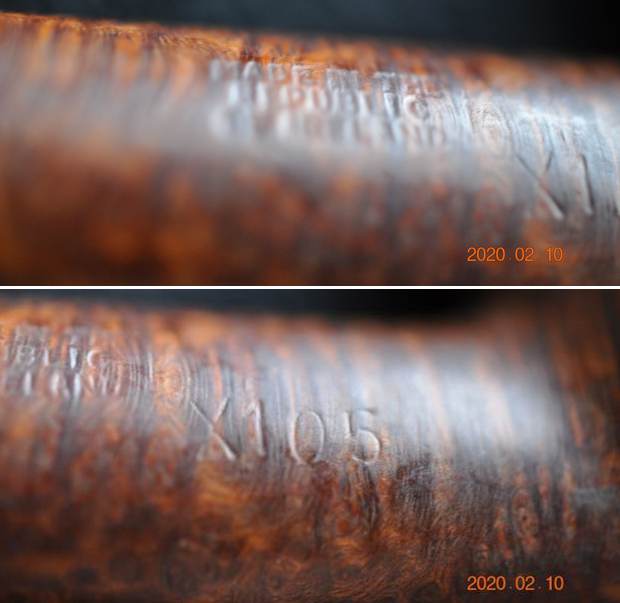
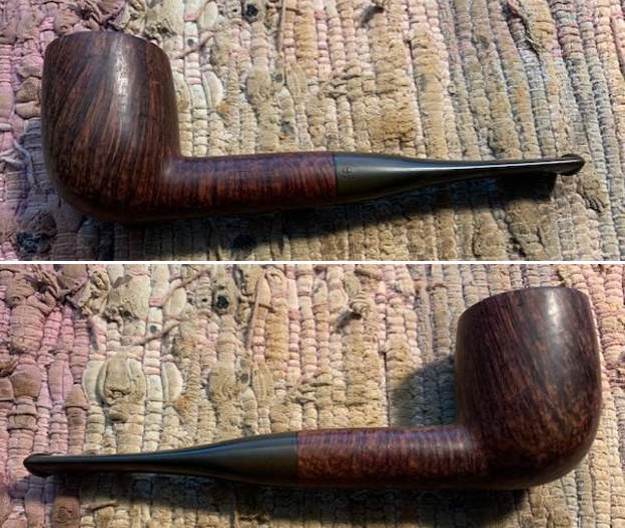
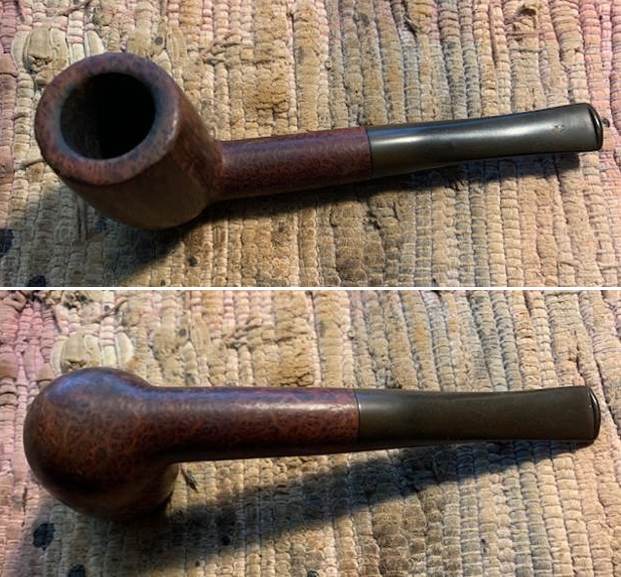
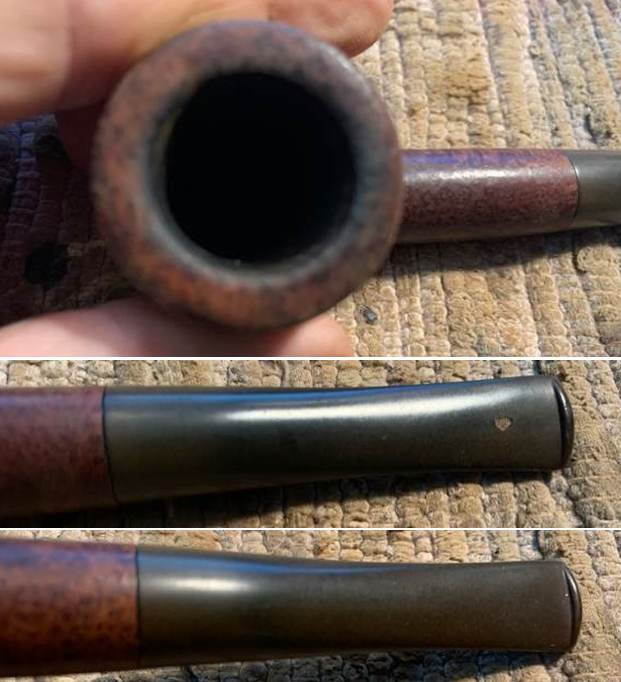
The next pipe I have chosen is another Peterson’s pipe that has been sitting here in Vancouver for a while. It is a nice, beautifully grained Billiard. It came to us from an online auction 08/05/19 in Westville, Indiana, USA. This pipe was obviously a favourite of the previous trustee. It had been well smoked and there was a thick cake in the bowl and lava overflowing onto the rim top. The rim top had damage on the top and outer edge of the bowl. The well grained briar was dirty with grime and dirt ground into the finish and some small dents and scratches on the bowl sides and heel. There was straight grain all around the bowl and shank with birdseye on the rim top and heel of the bowl and top and underside of the shank. The stamping on the shank is clear and readable. The left side is stamped faintly Peterson’s [over] Straight Grain. On the right side it was stamped Made in the Republic of Ireland (3 lines) and near the bowl it is stamped with the shape number X105. The number 12 is stamped on the underside of the shank. The “P” stamp on the left side of the taper stem is readable and faded. It was oxidized and had light tooth marks and chatter on both sides ahead of the button. There was also a white mark on the top of the stem that looked like a repair to me. Jeff took photos of the pipe before he started his clean up work on it. Jeff captured the thick cake in the bowl lava overflow onto the rim top and inner edge in his photos. You can also see the damage to the outer edge of the rim in the photos. The heavily oxidized and calcified stem surface had a lot of tooth chatter and marks on the stem and on the button surface and edges. There was also a white spot on the top about an inch ahead of the button that looks like a repair. He took photos of the heel and sides of the bowl to show birds eye grain on the heel and shank and the straight grain on the sides. It was quite beautiful. He took photos of the stamping on the sides of the shank and stem. It is readable but faint in places. I am including the information from Pipedia’s article on Peterson pipes. It is a great read in terms of the history of the brand (https://pipedia.org/wiki/Peterson). I have included a bit of the pertinent history here.

1950 – 1989 The Republic Era  – From 1950 to the present time, the stamp for this era is “Made in the Republic of Ireland” in a block format generally in three lines but two lines have been used with or without Republic being abbreviated.

During the 1950’s and 60’s the Kapp & Peterson Company was still in the ownership of the Kapp family. However 1964 saw the retiral of the company Managing Director Frederick Henry(Harry) Kapp.

There was also a section on the Straight Grains on the site:

Straight grains: Peterson’s catalogue states that these pipes have Briars which are carefully examined for imperfections and have selected Briars of exceptional grain, known as Straight Grains, they are carefully selected, hand crafted and the increasingly rare skill required to make them is unique. Craftsmen shape, turn, sand and polish 150 year old roots of the Erica arborea tree/shrub. Only a very limited quantity of Straight Grains are available in any twelve month period. To my mind the sight of a beautiful natural straight grain bowl is truly a sight to behold. Pure class, they can be spotted a mile off! When coupled to the traditional high class Peterson gold or silverwork, these pipes are in a different quality league. Considering that such quality pipes when available, can be bought for prices starting at around $400 and upwards, they are to my mind a real bargain.

I turned to “The Peterson Pipe” by Mark Irwin and Gary Malmberg to get some background on the Peterson’s Straight Grain. On page 314 it had the following information.

Straight Grain Scarce premium grade stamp on models with exceptional Straight Grain, P-lip or fishtail mouthpiece as a line, appears in 1997, 2000 and ’05 catalogs. Specimen documented with bone-tenon extension indicating availability of such pipes before 1963, indeed, the ’40 catalog notes that ‘Hundreds of grosses of pipes may be made before even one STRAIGHT GRAIN bowl comes to hand.

A further reference to the line is found on Page 240 of the above book. I quote:

Grain – But what if the first choice a pipeman makes has to do with grain, if, for example he is only interested in pipes stamped STRAIGHT GRAIN? This is the top category in Peterson’s grading system, where availability is wholly dependent upon chance, with fewer than 2 percent of all bowls being so graded and stamped. While Peterson was stamping pipes STRAIGHT GRAIN as far back as the 1940s, so few of them have been made that they didn’t appear in the catalogs until 1997. Finding a Straight Grain in a desired shape can thus take years. If, however, the smoker is willing to bump his expectations down a notch to A-quality bowls, he can still find some spectacular grain choices, but his other choices are now much wider, since all current De Luxe and Natural finish pipes are made from A grade bowls, which are always free of fills.

Judging from the description above I believe that I am working on a rare Republic Era (1950 – 1989) Straight Grain Billiard with beautiful grain and a matte-finish and a fish tail stem. Now it was time to work on the pipe.

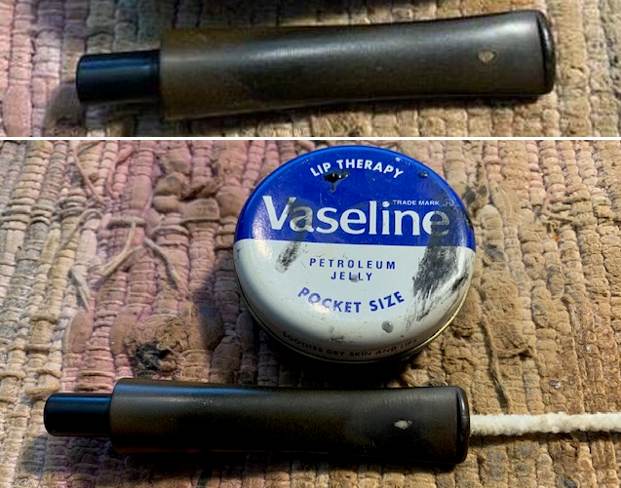
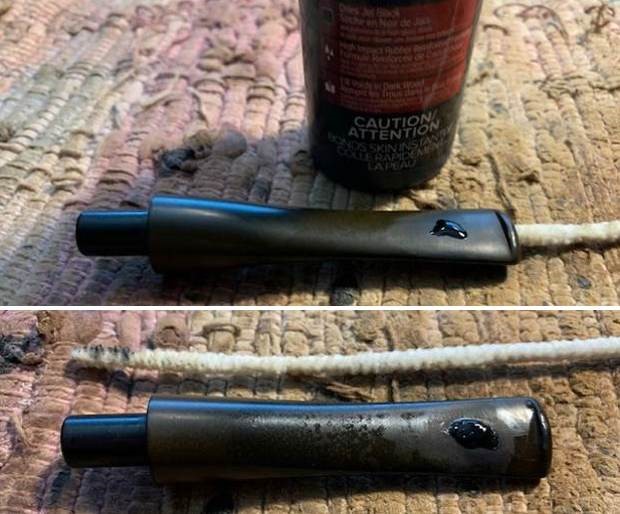
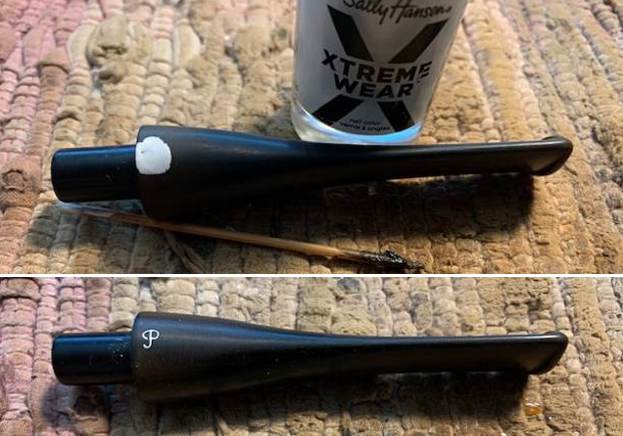
With that information at hand I turned to work on the pipe itself. Jeff had thoroughly cleaned up the pipe. He reamed the pipe with a PipNet Pipe Reamer and cleaned up the remnants with a Savinelli Fitsall Pipe Knife.  He scrubbed the bowl with undiluted Murphy’s Oil Soap with a tooth brush. He rinsed it under running warm water to remove the soap and grime. He cleaned out the inside of the shank and the airway in the stem with alcohol, cotton swabs and pipe cleaners. He scrubbed the exterior of the stem with Soft Scrub to remove as much of the oxidation and calcification as possible. He soaked the stem in Before & After Deoxidizer and rinsed it off with warm water. I took photos of the pipe once I started to work on it.   I took close up photos of the bowl and the stem. You can see the reamed bowl and the darkening and damage on the rim top and the edges. The stem surface was clean but there are light tooth marks and chatter on both sides on and ahead of the button. There was a white spot on the top side of the stem that looked like a repair to me.I took a photo of the stamping on the sides of the shank. It is clear and readable as noted above. There is also a “P” stamp on the right side of the taper stem.I removed the stem from the shank and took a photo to give a sense of the proportions of the pipe. It is really quite nice looking. You can also see the white spot on the top of the stem that I think is a repair.I decided to address the damage to the rim top and inner edge of the bowl first. I cleaned up the inner edge and gave it a light bevel. I lightly topped the bowl on a topping surface with 220 grit sandpaper to remove the damage to the rim top. The rim looks much better at this  point. I filled in the damaged areas on the outer edge of the bowl with clear CA glue. I topped the rim again and cleaned up the bevel on the inner edge and the repairs on the outer edge with 220 grit sandpaper. Once I finished the rim top looked significantly better. I stained the rim top with a Cherry stain pen.I polished the rim top and the rest of the briar with micromesh sanding pads – dry sanding with 1500-12000 grit sanding pads. I wiped the bowl down with a damp cloth after each sanding pad. The briar began to come alive. The bowl looked very good. I worked some Before & After Restoration Balm into the surface of the briar with my fingertips. It works to clean, enliven and protect the briar. I let it sit for 15 minutes then buffed it off with a soft cloth and raised the shine. The bowl looks great at this point.  I set the bowl aside and turned my attention to the stem. I used a dental pick to push the white repair patch out of the hole. I greased a pipe cleaner with Vaseline to keep it from sticking in the airway. I used some black CA glue to refill the hole. I sprayed it with an accelerator to harden the repair, removed the pipe cleaner and set it aside to cure. Once the repair cured I used a small needle file to flatten the surface of the stem. I sanded it smooth with a folded piece of 220 grit sandpaper to blend it into the surface of the vulcanite. I started the polishing it with 400 grit wet dry sandpaper. I touched up the “P” stamp on the stem with white acrylic fingernail polish. I pushed it into the stamp with a tooth pick to get it deep in the stamp. I scraped off the excess acrylic and polished the stamped area with a 1500 grit micromesh sanding pad. The curve of the “P” is weak but the stamp looks much better.I polished the stem with micromesh sanding pads – dry sanding it with 1500-12000 grit pads. I wiped the stem down with Obsidian Oil after each pad. I polished it with Before & After Pipe Polish – both Fine and Extra Fine and gave it a final coat and set it aside to dry.   I am excited to finish this Republic Era Peterson’s Straight Grain X105 Billiard. I put the pipe back together and buffed it with Blue Diamond on the buffing wheel. I gave the bowl and the stem multiple coats of carnauba wax. I hand buffed the pipe with a clean buffing pad to raise the shine. It is fun to see what the polished bowl looks like with beautiful straight and birdseye grain all around it. Added to that the black vulcanite stem was beautiful. This Peterson’s Straight Grain X105 Billiard is great looking and the pipe feels great in my hand. It is light and well balanced. Have a look at it with the photos below. The dimensions are Length: 5 ¾ inches, Height: 1 ¾ inches, Outside diameter of the bowl: 1 ¼ inches, Chamber diameter: ¾ of an inch. The weight of the pipe is 40 grams/1.41 ounces. It is a beautiful pipe and a rare one that I will be adding to my own collection. Thanks for walking through the restoration with me as I worked over this pipe. Thanks to each of you who are reading this blog.

Cleaning up a Chuck Whitmore Hand Cut Whidbey Freehand for a friend


Blog by Steve Laug

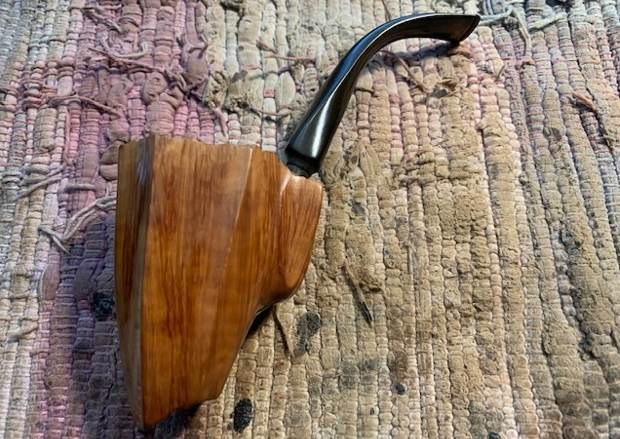
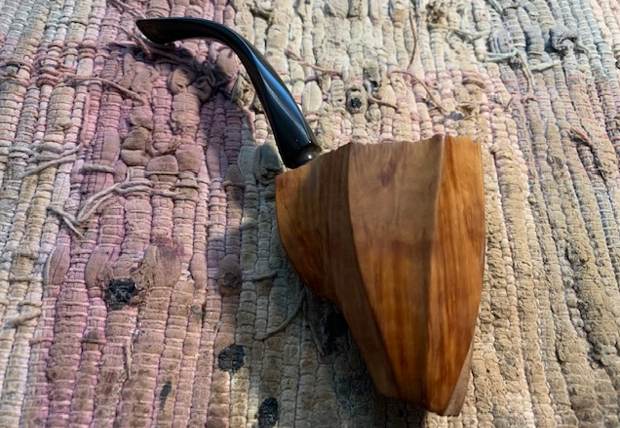
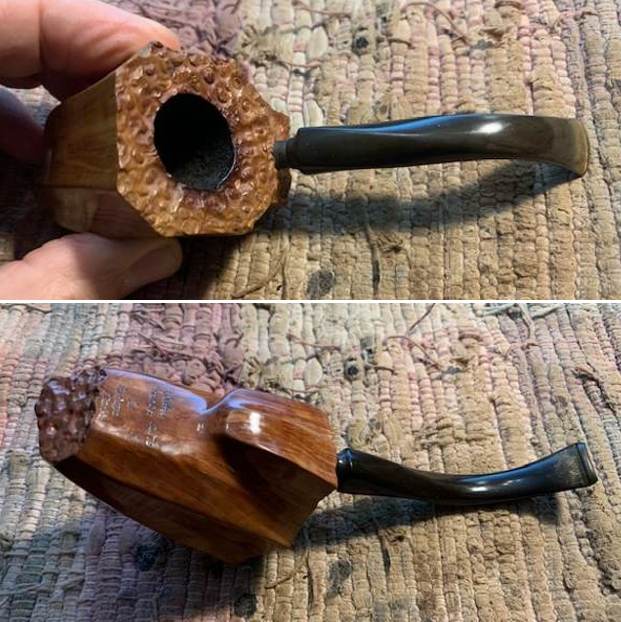
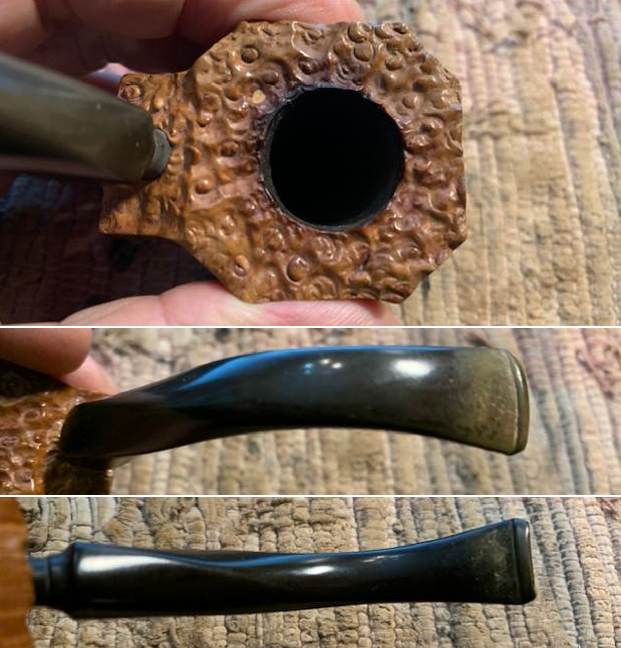
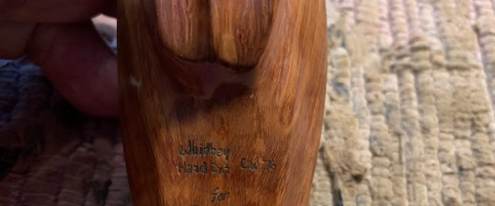
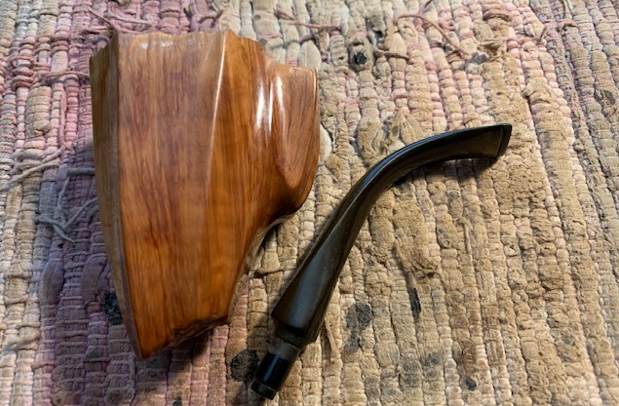
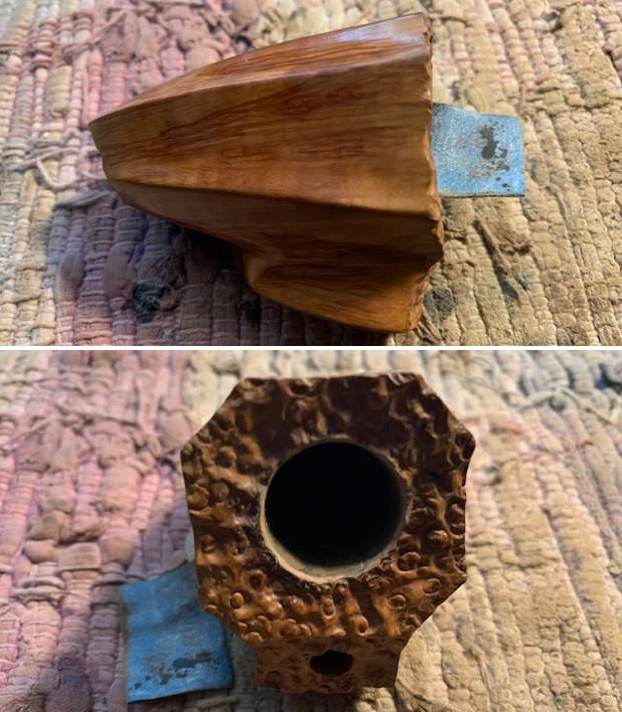
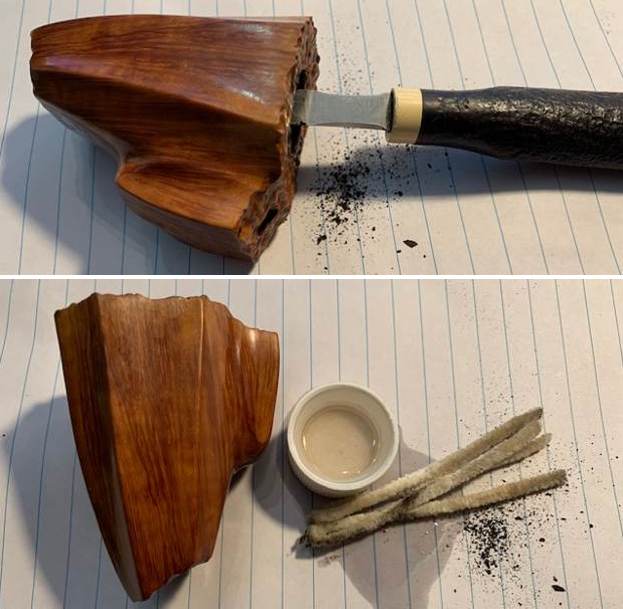
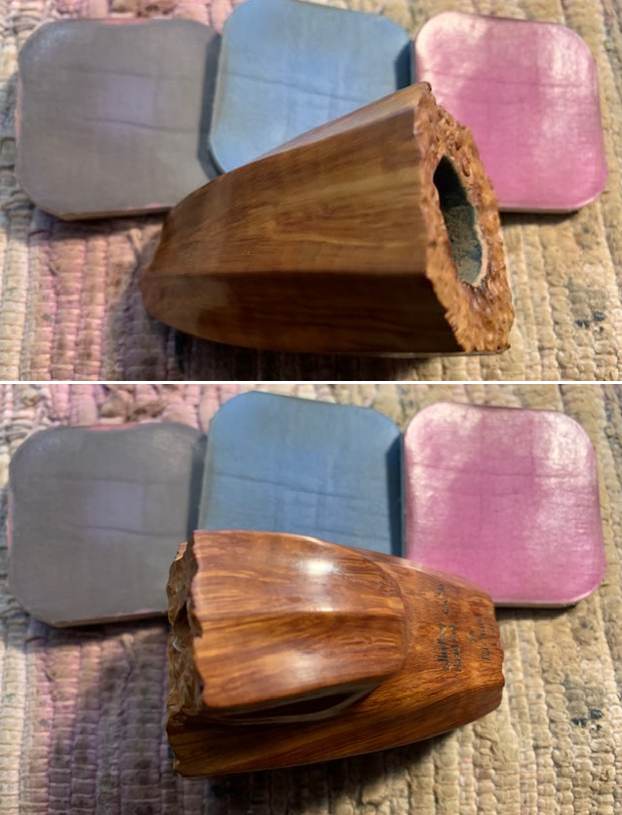
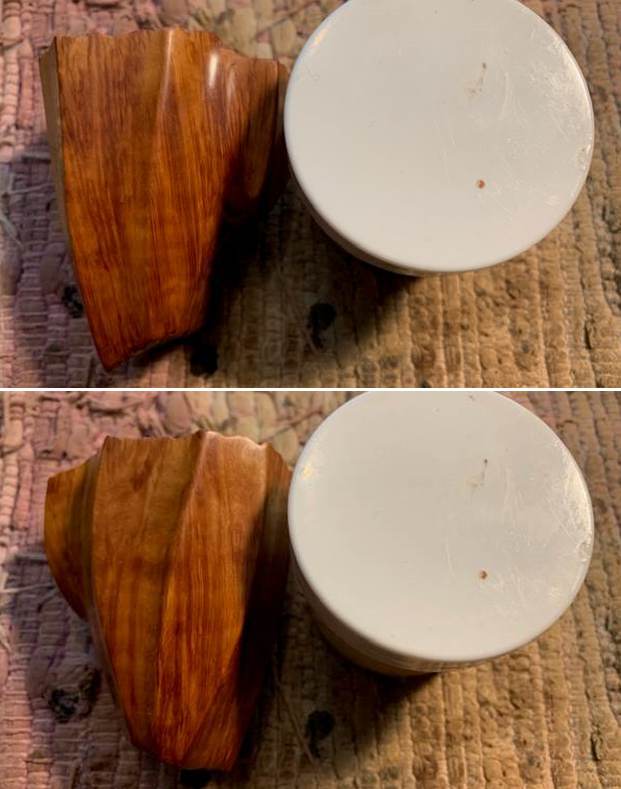
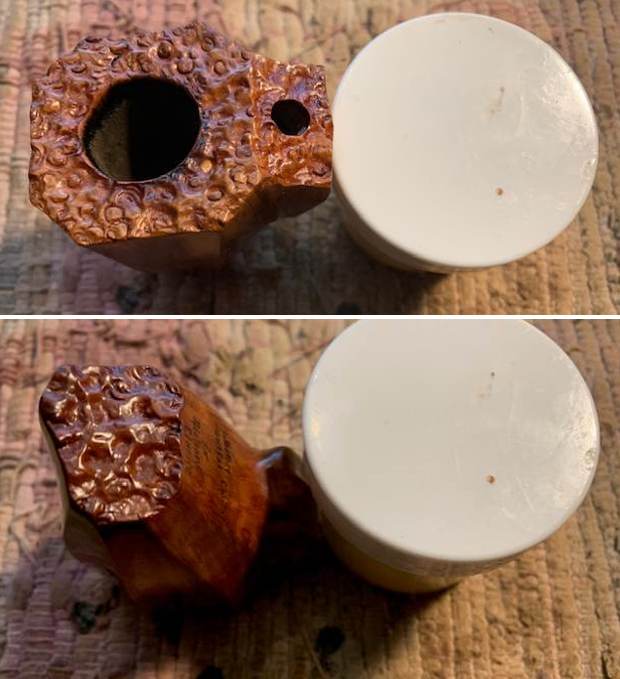
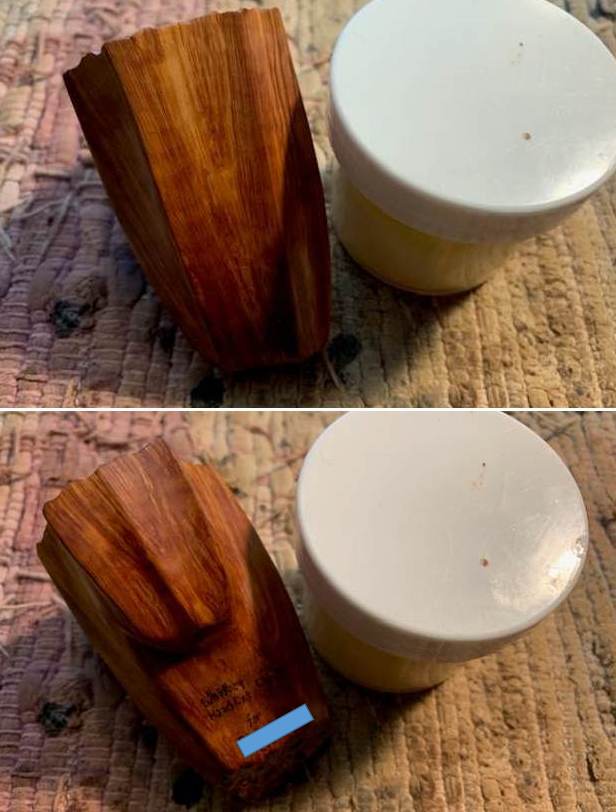
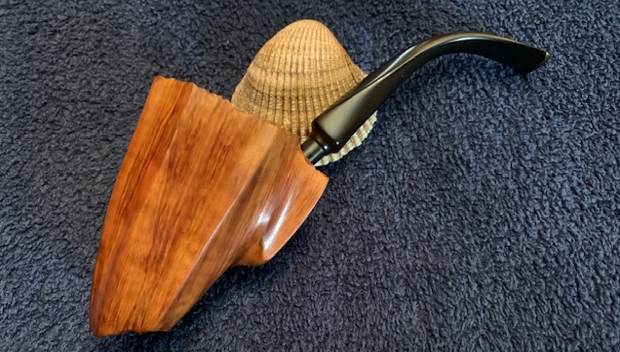
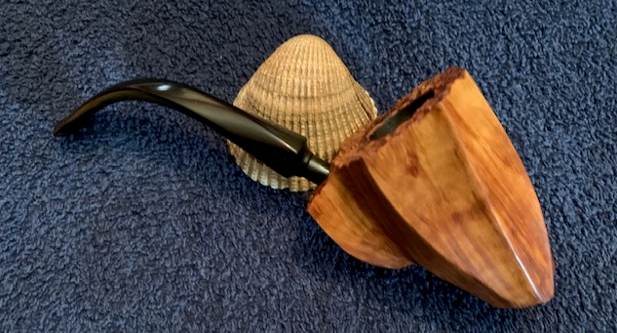
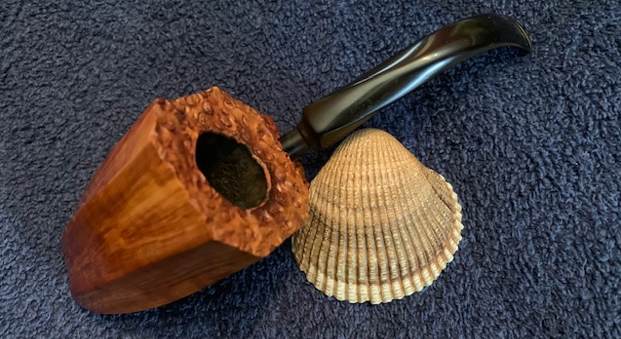
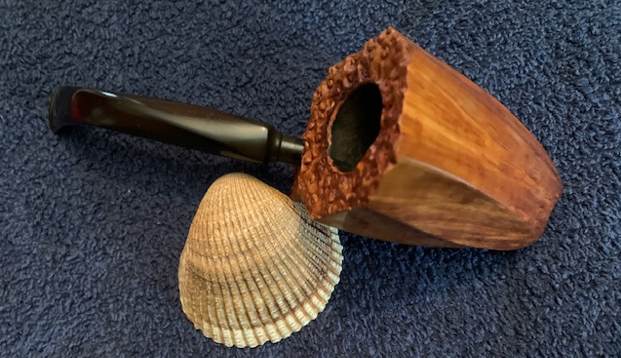
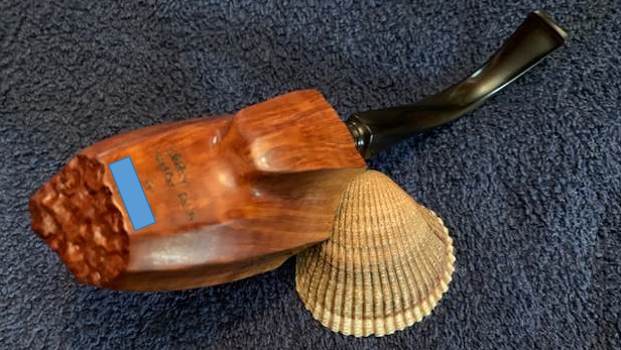
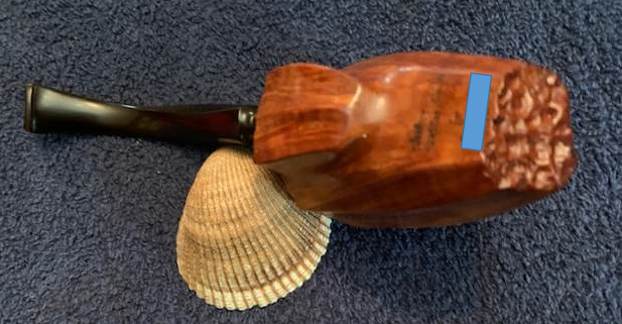
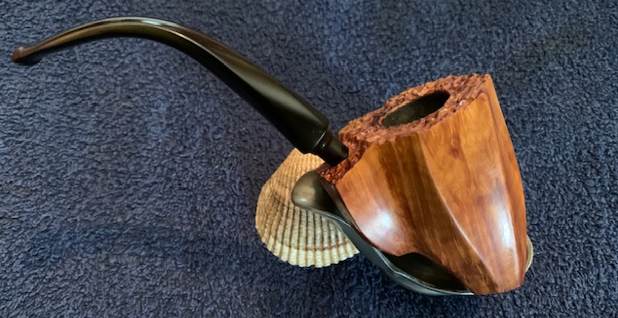
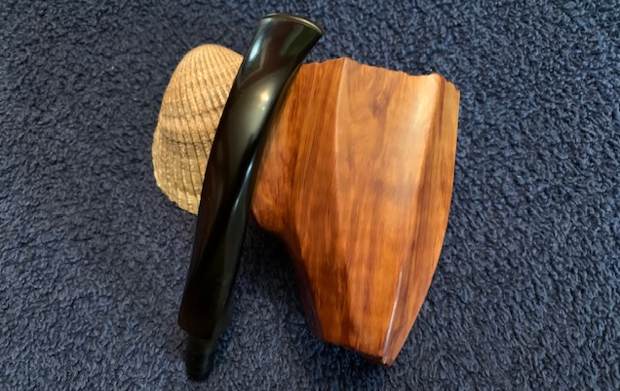
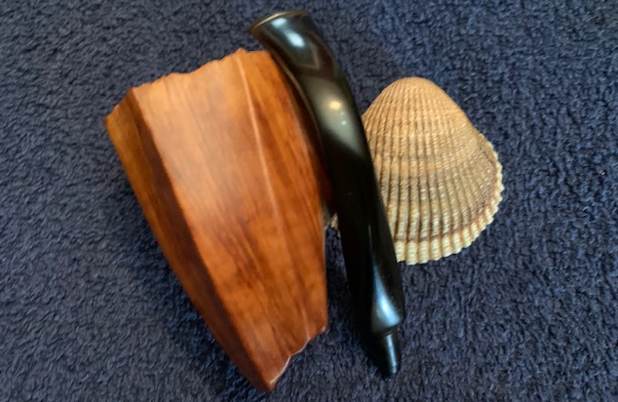
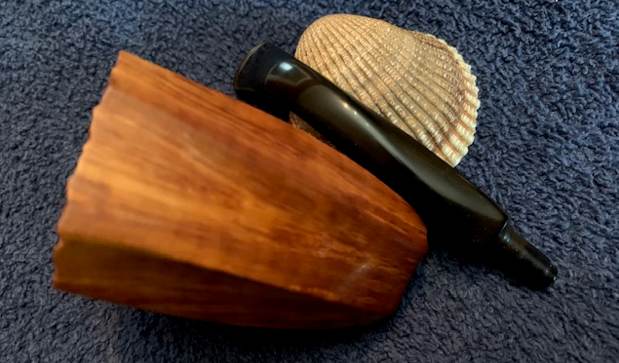
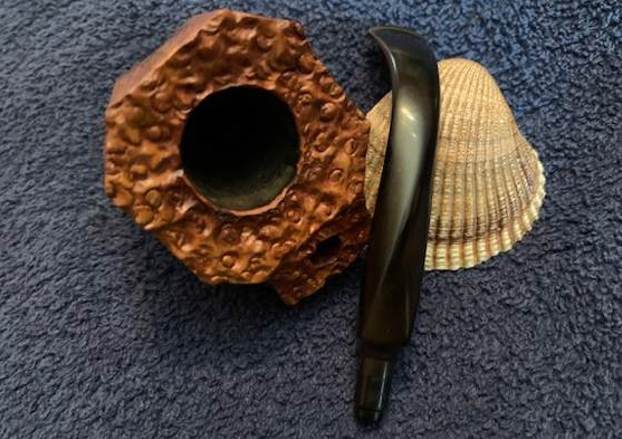
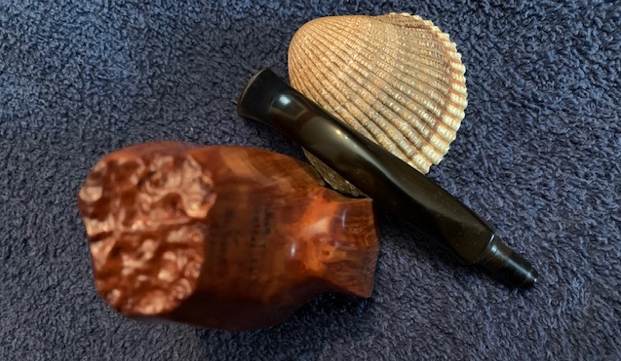
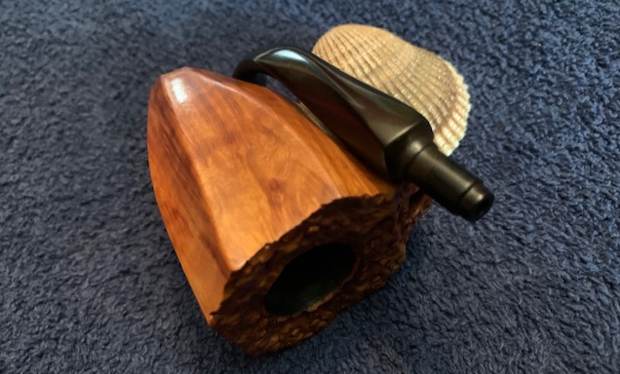
I have a few pipes that I am working on for local folks who either have dropped them off or who are friends that I am catching up with. The next pipe on the worktable is another one that belongs to an old friend of mine who is in the process of moving. He stopped by and asked me to clean up a few more of his favourite pipes. The next one is an interesting full bent freehand with plateau rim top and shank end. I use the term shank end loosely as rim top and shank are side by side and the plateau carries across them. There is also plateau on the heel of the bowl. The stamping, or rather etching on the back of the bowl under the shank is clear and readable. It reads Whidbey [over] Hand Cut. To the right of that it is signed C.W. ’76. Underneath that near the heel of the bowl it is stamped with my friends name. The bowl is an octagonal cone with almost fluted sides. The shank is literally a part of the back wall of the bowl. It has some stunning grain around the bowl and shank even in its unpolished condition. There was a thin cake in the bowl and the top and edges of the rim had some darkening on the left back edge. The freehand vulcanite stem is square at the shank end then has a twist that was interesting. It was lightly oxidized and had some calcification ahead of the button on both sides. There were light tooth marks on the surface. I took some photos of the pipe before I started my work. I took close up photos of the bowl and the stem. You can see the light cake in the bowl and the darkening on the rim top and the left and back edge. The stem surface was lightly oxidized and had some calcification on the end ahead of the button. There were light tooth marks and chatter on both sides on and ahead of the button.I took a photo of the back of the bowl to show the stamping. I have purposely left off the name of the person the pipe was made for as my friend asked to remain anonymous. You get the idea of the etched stamp on the pipe. It is clear and readable.I removed the stem from the shank and took a photo to give a sense of what the pipe looks like. It is an interesting looking piece.Before working on it I decided to see what I could learn about the brand. I found a listing on Pipedia for Whidbey Islander Pipes (https://pipedia.org/wiki/Whidbey_Islander_Pipes). I quote the information from that site below. It is brief but quite interesting to read. I quote it in full.

Whidbey Islander Pipes are high-praised, but very rarely seen freehand pipes. Hand-cut Briars by Master Pipe Maker Travers LaRue were made and sold in his shop “Virginia Tobacco and Pipe Shoppe ” in Langley on Whidbey Island, Washington between 1972-1983. LaRue died in 1983. He used 125 year old Sardinian briar and 150 year old Grecian Plateau briar with or without burl top. Trav custom designed ” free-hands ” or classic shapes. A sterling dot on the shank along with his signature marked his one of a kind designs and possibly one of the best smoking pipes around. Trav taught his son-in-law Charles Whitmore the trade and soon he became a pipe maker too. The shop produced a hand-cut from 75 year old Italian briar known as the ” Whidbey Islander “. These were mostly made by Chuck Whitmore that could be ordered with your own name inscribed. The shop was also known for hand blended pipe tobacco that was 100% pure premium quality American and imported tobaccos. The most famous being ” Brown Crock “. The 1936 Hollywood Pipe Shop recipe that Bing Crosby smoked exclusively and loved by many. The family still owns the recipe. Travers pipes are few and precious. You’re lucky if you own one.

Judging from the description above I believe that I am working on a pipe made on Whidbey Island, Washington made by Chuck Whitmore between 1972-1983. It is a very interesting hand cut Freehand pipe with great straight grain and a fancy vulcanite stem. Now it was time to work on the pipe.

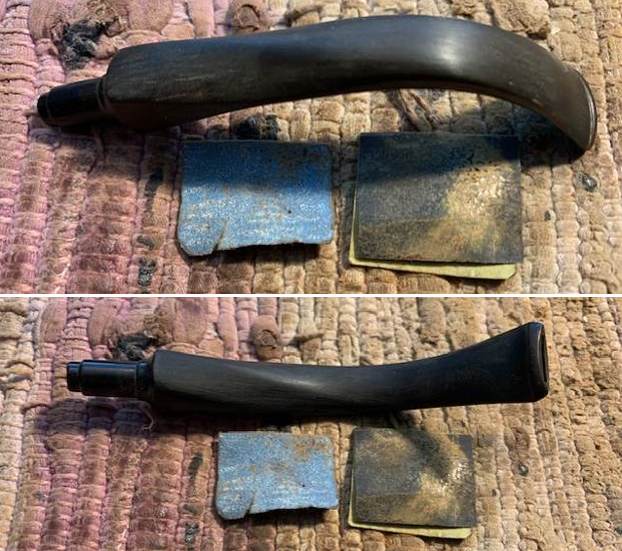
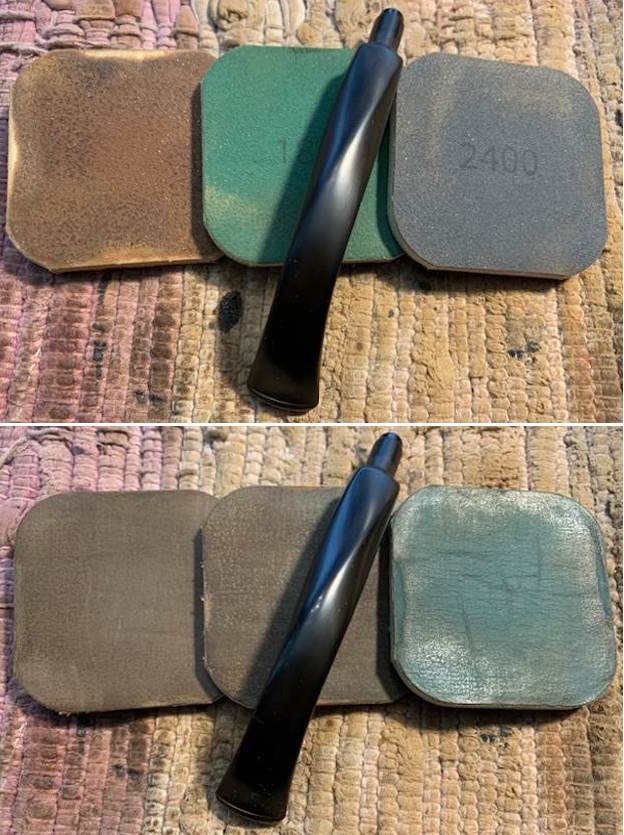
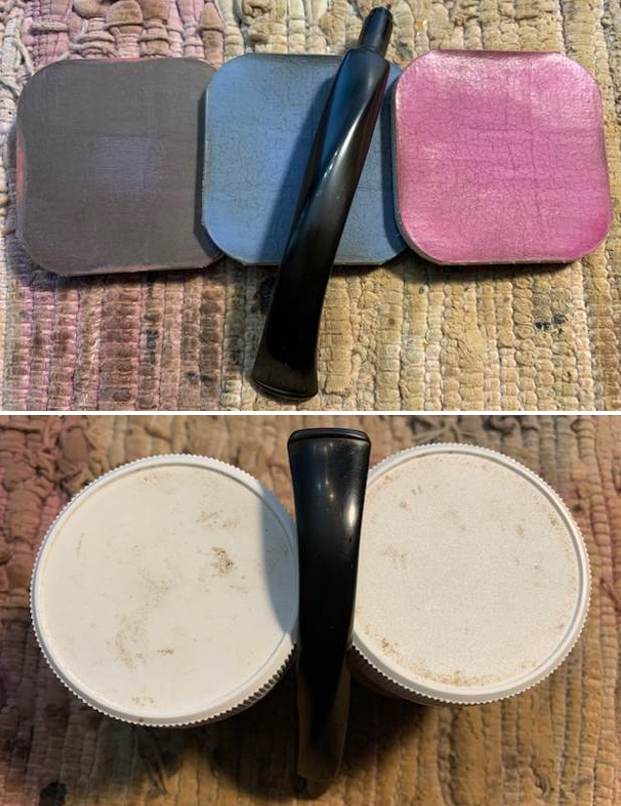
I decided to address the damage to the inner edge of the bowl first. I used a folded piece of 220 grit sandpaper to give the inner edge of the bowl a slight bevel on the inner edge to remove burned areas and blend them into the surrounding briar. It began to really look better.I reamed the light cake from the bowl with a Savinelli Fitsall Pipe Knife and then cleaned the internals of the shank and airway in the stem with isopropyl alcohol, cotton swabs and pipe cleaners. I polished the rim top, the repaired areas and the rest of the briar with micromesh sanding pads – dry sanding with 1500-12000 grit sanding pads. I wiped the bowl down with a damp cloth after each sanding pad. The briar began to come alive. The repairs looked better than I expected and would not need to be stained. I worked some Before & After Restoration Balm into the surface of the briar with my fingertips and into the plateau with a horsehair shoe brush polished the stem with micromesh sanding pads – dry sanding it with 1500-12000 grit pads. I wiped the stem down with Obsidian Oil after each pad. I polished it with Before & After Pipe Polish – both Fine and Extra Fine and gave it a final coat and set it aside to dry. . It works to clean, enliven and protect the briar. I let it sit for 15 minutes then buffed it off with a soft cloth and raised the shine. The bowl looks great at this point. I set the bowl aside and turned my attention to the stem. I sanded the oxidation and calcification on the stem end with 220 grit sandpaper to blend them into the surface of the vulcanite. I started polishing the stem by wet sanding it with 400 grit wet dry sandpaper.I polished the stem with micromesh sanding pads – dry sanding it with 1500-12000 grit pads. I wiped the stem down with Obsidian Oil after each pad. I polished it with Before & After Pipe Polish – both Fine and Extra Fine and gave it a final coat and set it aside to dry. I am excited to finish this Chuck Whitmore made Whidbey Hand Cut Freehand. I put the pipe back together and buffed it with Blue Diamond on the buffing wheel. I gave the bowl and the stem multiple coats of carnauba wax. I hand buffed the pipe with a clean buffing pad to raise the shine. It is fun to see what the polished bowl looks like with beautiful flame grain all around it. Added to that the black vulcanite stem was beautiful. This smooth Whidbey Hand Cut Freehand is great looking and the pipe feels great in my hand. It is light and well balanced. Have a look at it with the photos below. The dimensions are Length: 6 inches, Height: 2 ¾ inches, Outside diameter of the bowl: 1 ½ inches, Chamber diameter: ¾ of an inch. The weight of the pipe is 70 grams/2.47 ounces. It is a beautiful pipe and I will giving it back to my friend once I clean up his second pipe. Thanks for walking through the restoration with me as I worked over this pipe. Thanks to each of you who are reading this blog.

Restoring a Republic Era Peterson’s “Kildare” 150 Straight Bulldog


Blog by Steve Laug

This is another one of those pipes that has been here for a long time and I have no memory where it came from. I had been cleaned somewhere along the way so I am guessing that Jeff had cleaned it. The bowl had been reamed somewhere in the journey and was quite clean inside. The shank and internals had all been cleaned and there was no residual stench to the pipe. The smooth rim top had some damage and darkening. The inner edge had some damages by burning and the bowl was slightly out of round. The smooth finish was quite clean other than the dust of sitting in my box. The stamping on the shank is clear and readable. The left side is stamped faintly Peterson’s [over] “Kildare”. On the right side it was stamped Made in the Republic of Ireland (3 lines) and near the bowl it is stamped with the shape number 150. The filter, “P” style stem was lightly oxidized and has light tooth marks and chatter on both sides ahead of the button. I took some photos of the pipe before I started my work on it. I took close up photos of the bowl and the stem. You can see the reamed bowl and the darkening and damage on the rim top and the back edge. The stem surface was clean but there are light tooth marks and chatter on both sides on and ahead of the button.I took a photo of the stamping on the sides of the shank. It is clear and readable as noted above. There is also a “P” stamp on the right side of the saddle stem.I removed the stem from the shank and took a photo to give a sense of the proportions of the pipe. It is really quite nice looking.I am including the information from Pipedia’s article on Peterson pipes. It is a great read in terms of the history of the brand (https://pipedia.org/wiki/Peterson). I have included a bit of the pertinent history here.

1950 – 1989 The Republic Era  – From 1950 to the present time, the stamp for this era is “Made in the Republic of Ireland” in a block format generally in three lines but two lines have been used with or without Republic being abbreviated.

During the 1950’s and 60’s the Kapp & Peterson Company was still in the ownership of the Kapp family. However 1964 saw the retiral of the company Managing Director Frederick Henry(Harry) Kapp.

I turned to “The Peterson Pipe” by Mark Irwin and Gary Malmberg to get some background on the Peterson’s System Line. On page 314 it had the following information.

Kildare (1965-) First issue of line with matte-finish in Classic Range shapes, P-Lip and fishtail mouthpiece. Second issue C.1979 as Kildare Patch, with rusticated patches on pipe surface. Third issue 2010, matte-brown, P-Lip or fishtail mouthpiece, no band. Fourth issue 2011-, burgundy sandblast finish, nickel army mount, fishtail mouthpiece, exclusive to smokingpipes.com.

Judging from the description above I believe that I am working on a First Issue of the line in the time period of 1965-1979. It is a late Republic Era Classic Shaped pipe with a matte-finish and a P-Lip stem. Now it was time to work on the pipe.

I decided to address the damage to the rim top and inner edge of the bowl first. I lightly topped the bowl on a topping surface with 220 grit sandpaper to remove the damage to the rim top. The rim looks much better at this  point. I used a folded piece of 220 grit sandpaper to give the inner edge of the bowl a slight bevel on the inner edge to remove burned areas and blend them into the surrounding briar. I wrapped a wooden ball with 220 grit sandpaper and turned the rim against the sandpaper and the ball. It began to really look better. I filled in the shrunken fill areas with clear CA glue and briar dust. I put the glue in place first and then used a dental spatula to fill the glue with briar dust. Once the repairs cured I sanded them smooth with a folded piece of 220 grit sandpaper to smooth them out and blend them into the surface of the surrounding briar. I polished the rim top, the repaired areas and the rest of the briar with micromesh sanding pads – dry sanding with 1500-12000 grit sanding pads. I wiped the bowl down with a damp cloth after each sanding pad. The briar began to come alive. The repairs looked better than I expected and would not need to be stained. I worked some Before & After Restoration Balm into the surface of the briar with my fingertips. It works to clean, enliven and protect the briar. I let it sit for 15 minutes then buffed it off with a soft cloth and raised the shine. The bowl looks great at this point.   I set the bowl aside and turned my attention to the stem. I “painted” the stem and button surface with the flame of a lighter to lift the tooth marks. It worked amazingly well and I was able to lift them significantly. I filled in those that remained with clear CA glue and set it aside for the glue to cure. I used a small file to smooth out the repairs and reshape the button edges. I sanded what remained with 220 grit sandpaper to blend them into the surface of the vulcanite. I started polishing the stem by wet sanding it with 400 grit wet dry sandpaper. I polished the stem with micromesh sanding pads – dry sanding it with 1500-12000 grit pads. I wiped the stem down with Obsidian Oil after each pad. I polished it with Before & After Pipe Polish – both Fine and Extra Fine and gave it a final coat and set it aside to dry.   I touched up the “P” stamp on the stem with white acrylic fingernail polish. I pushed it into the stamp with a tooth pick to get it deep in the stamp. I scraped off the excess acrylic and polished the stamped area with a 1500 grit micromesh sanding pad. The curve of the “P” is weak but the stamp looks much better.I am excited to finish this Republic Era Peterson’s “Kildare” 150 Straight Bulldog. I put the pipe back together and buffed it with Blue Diamond on the buffing wheel. I gave the bowl and the stem multiple coats of carnauba wax. I hand buffed the pipe with a clean buffing pad to raise the shine. It is fun to see what the polished bowl looks like with beautiful flame grain all around it. Added to that the black vulcanite stem was beautiful. This smooth Classic Peterson’s “Kildare” 150 Bulldog is great looking and the pipe feels great in my hand. It is light and well balanced. Have a look at it with the photos below. The dimensions are Length: 5 ¾ inches, Height: 1 ¾ inches, Outside diameter of the bowl: 1 ¼ inches, Chamber diameter: ¾ of an inch. The weight of the pipe is 37 grams/1.31 ounces. It is a beautiful pipe and I will soon be putting it on the rebornpipes store in Irish Pipe Makers Section. If you are interested in adding it to your collections let me know. Thanks for walking through the restoration with me as I worked over this pipe. Thanks to each of you who are reading this blog.

Breathing New Life into a Peterson of Dublin Dalkey 221 Chunky Bent Billiard


Blog by Steve Laug

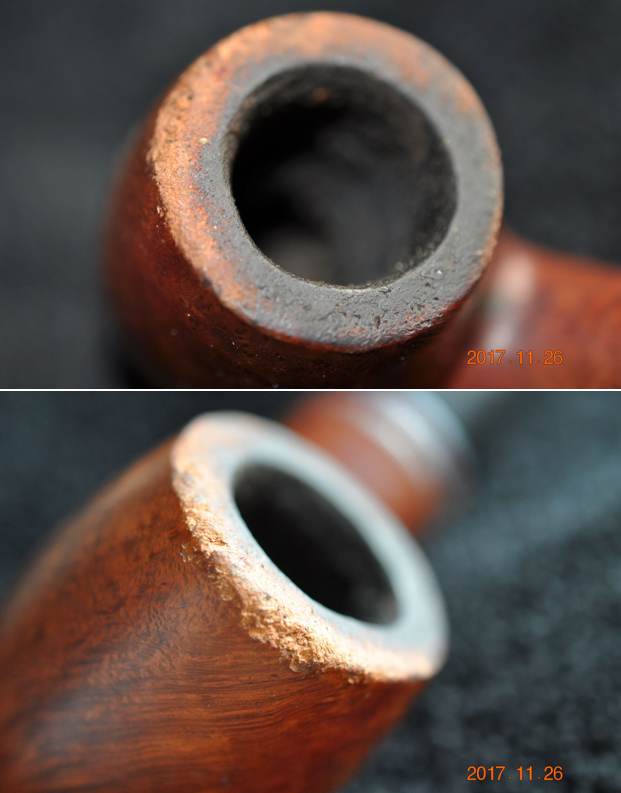
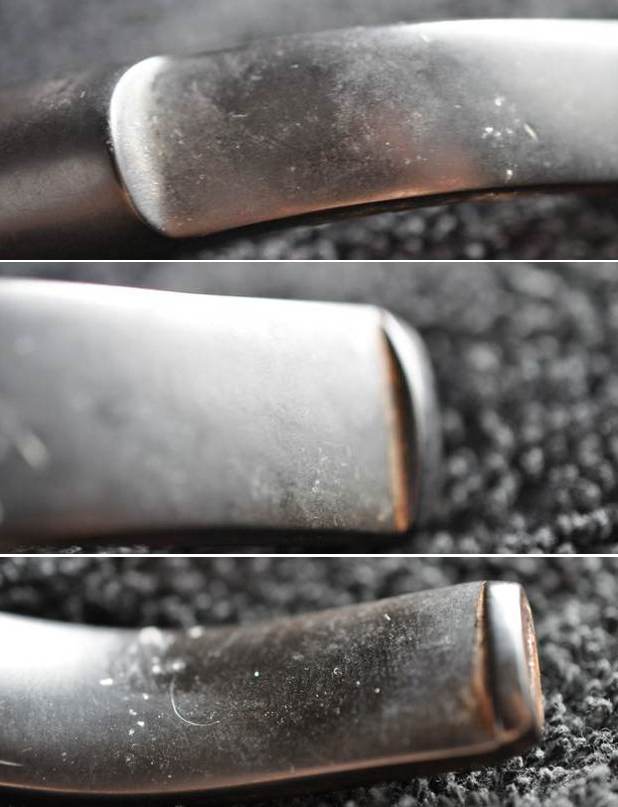
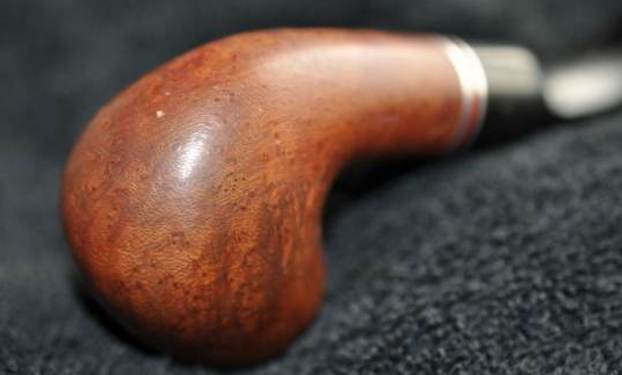
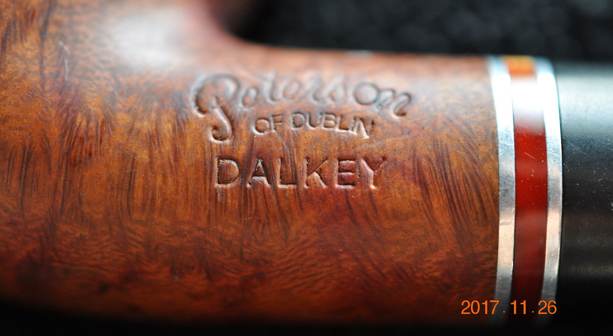
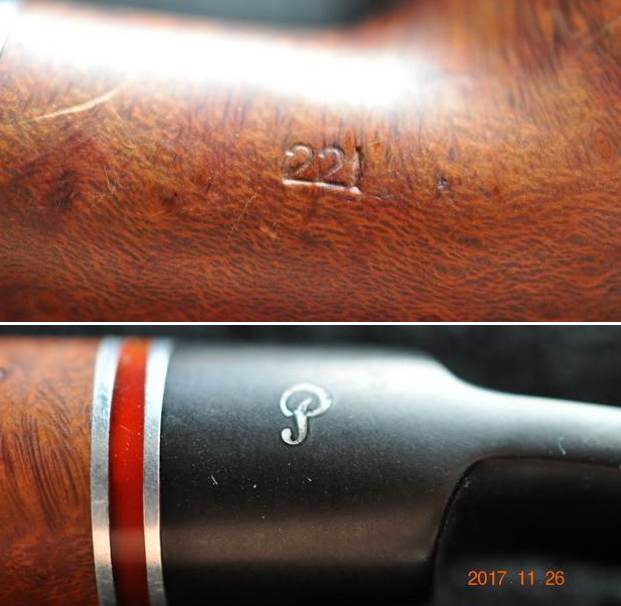
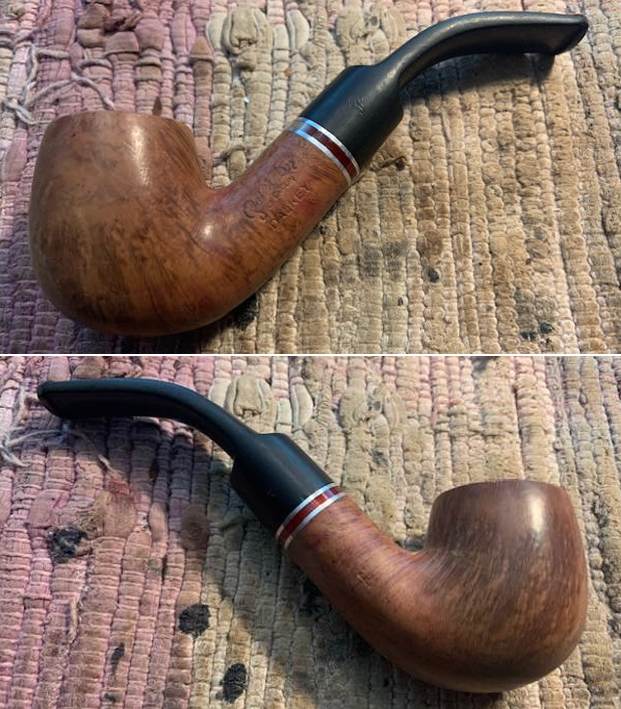
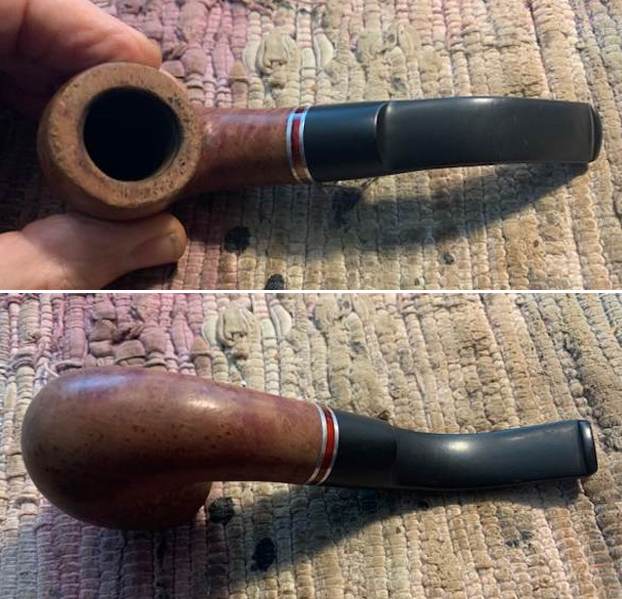
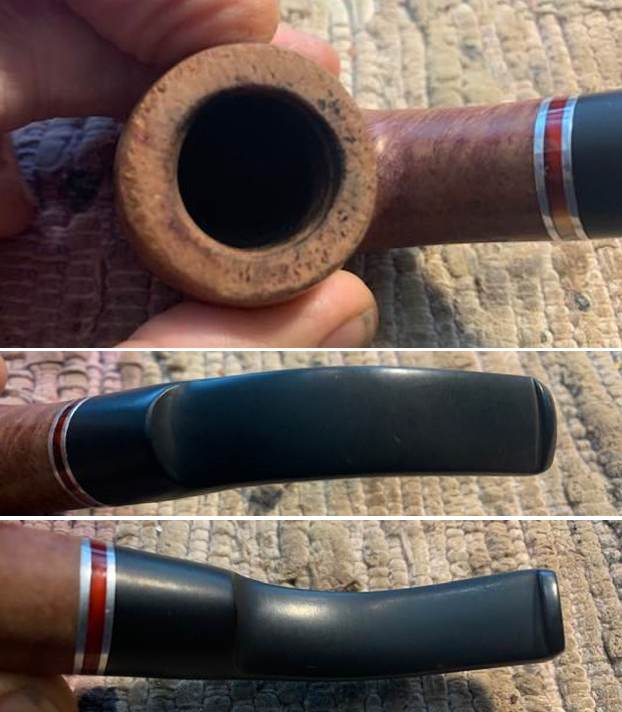
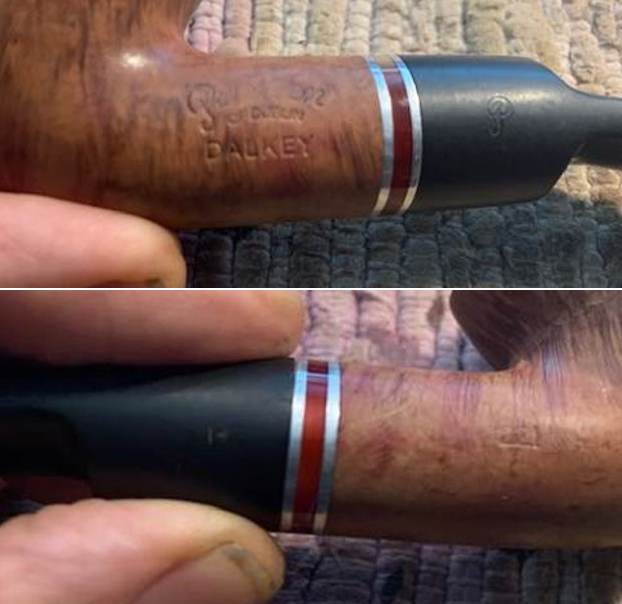
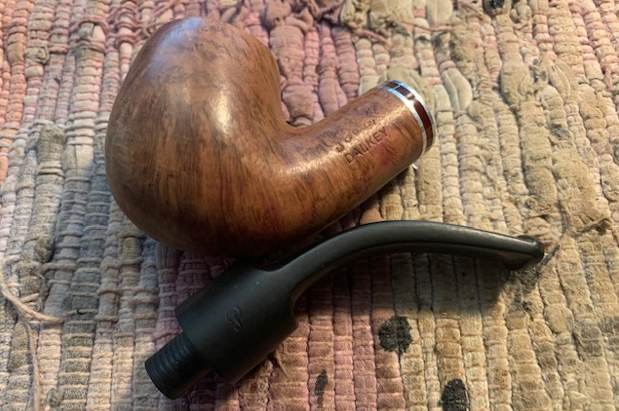
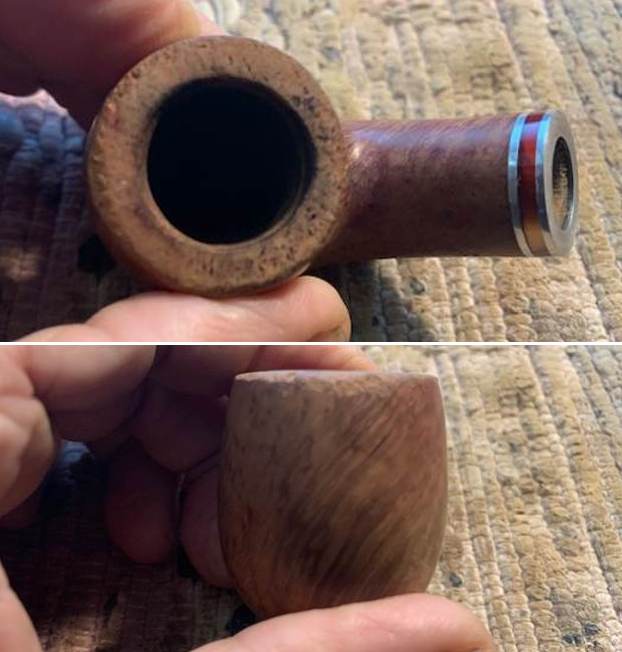
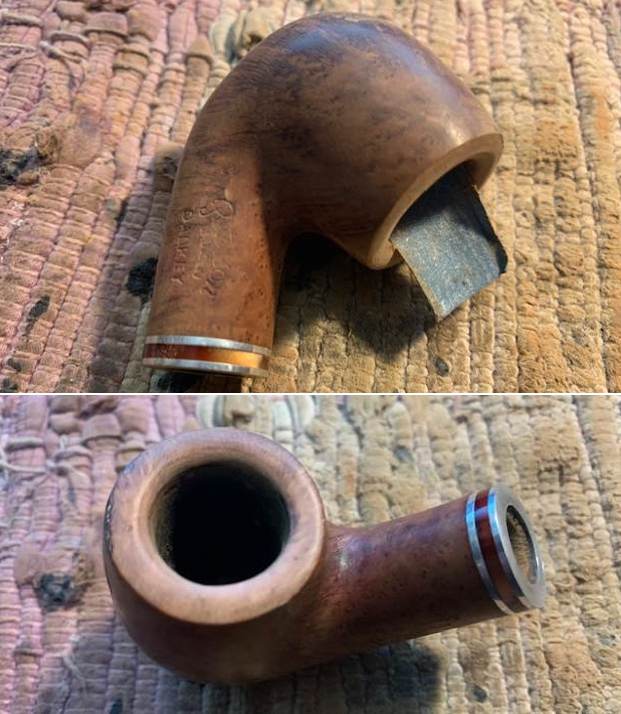
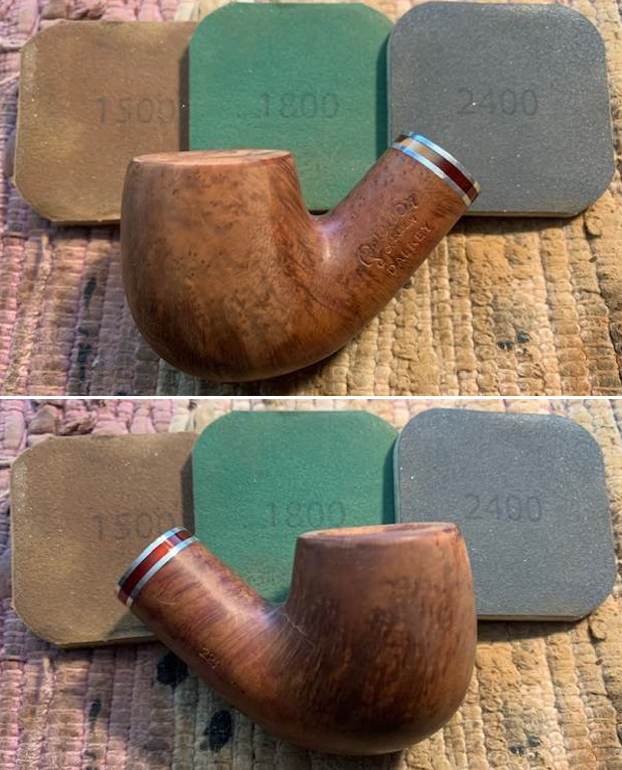
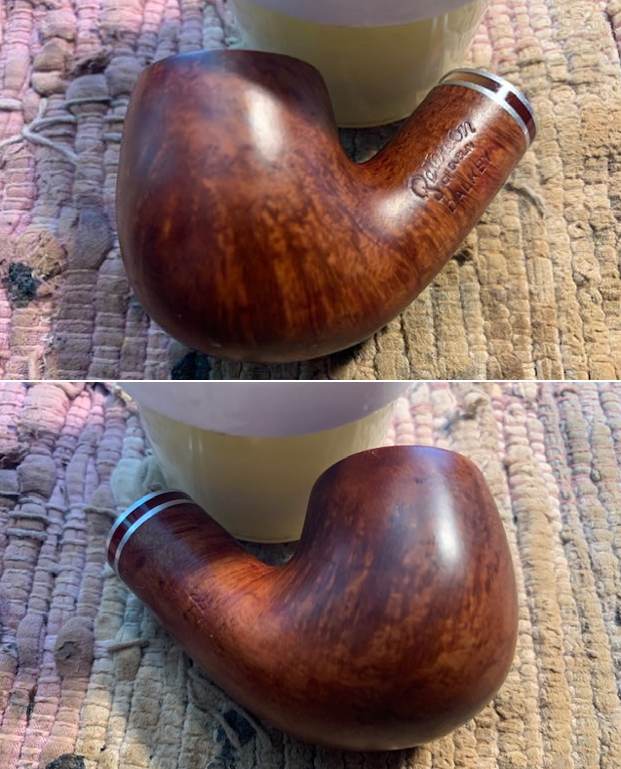
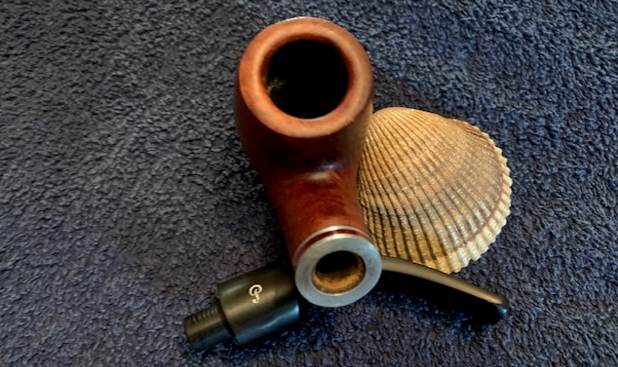
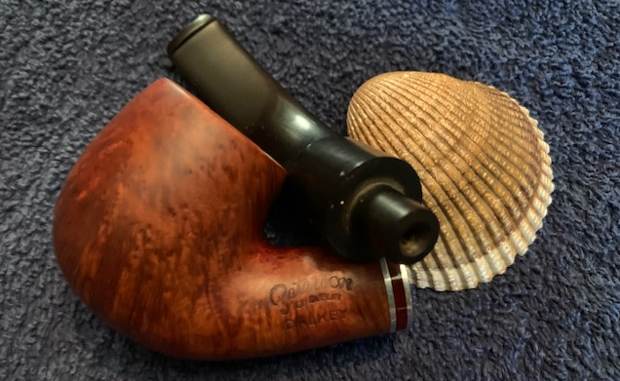
The next pipe I brought to the table was another Peterson that Jeff purchased off eBay on 11/19/17 from Fort Meyers, Florida, USA. It has been sitting here in Vancouver awaiting my contribution to the restoration. It is a nicely shaped pipe with a chunky shank and feel in the hand. The finish is a walnut stain that gives a sense of rich brown. It is stamped on the left side of the shank and reads Peterson [arched over] of Dublin [over] Dalkey (in block print). On the right side there is the shape number 221 in the center of the and no other stamping. The bowl had a thick cake and a heavy overflow of lava on the rim top. The front outer edge of the rim had been beat against a hard surface and had a lot of damage and roughness across the bowl front. The rim top was also damaged with scratches and nicks in the surface that looked like it had been used as a hammer. The rest of the finish on the bowl was quite clean. The twin silver bands separated by an orange acrylic band on the stem is dirty but in good condition. The fishtail stem was oxidized, calcified and had light tooth chatter on both sides ahead of the button. The “P” stamp on the side of the saddle stem and readable and painted white. Jeff took photos of the pipe before he started his clean up work. He captured the cake in the bowl and the debris and lava on the rim top and edges in the next photos. It was very clear that it was an exceptional smoker! The damage on the front of the rim edge and the rim top is visible even under the heavy lava on the top and edges. The stem is oxidized, calcified and shows the tooth marks and chatter on both sides ahead of the button. Jeff captured some of the beauty of the shape and the grain in the next photo. The mix of grains on the front of the bowl and heel are quite lovely as can be seen in the photo below.He took photos of the stamping on the sides of the shank. It is clear and readable as noted above. He also took a photo of the  P logo stamp on the left side of the stem. I decided to check out both the Pipephil and the Pipedia sites for information on the Dalkey line. Both sites did not have any specific information. I then did a quick Google search for the Peterson Dalkey. The first link took me to smokingpipes.com (https://www.smokingpipes.com/pipes/estate/ireland/moreinfo.cfm?product_id=332074) to a pipe that had been sold there. I have included the information I found below:

While the bent Billiard is a classic shape, rendered by countless companies, Peterson’s “221” iteration is readily recognized as the work of the Irish marque because of the added visual weight attributed to the shank and transition. Such extra heft stretches the heel and provides more palm-filling substance. It makes for an eye-catching, muscular form in profile yet remains well balanced thanks to the curled transition and bent stem out back. Here it’s presented in the Dalkey finish, with a warm hazelnut stain and nickel-and-acrylic band.

The second link took me to pipesandcigars.com (https://www.pipesandcigars.com/p/peterson-dalkey-pipes/2000657/).I quote the following from the introduction to the line:

Peterson Dalkey Pipes come in an assortment of classic Peterson shapes. The finish is a warm brown tone, mated to black stems, and finished with a gold and orange triple trim ring. These pipes are not only handsome, but they’re among the most affordable smooth finished pipes that Peterson makes.

I then turned to The Peterson Pipe by Mark Irwin and Gary Malmberg and looked up the listing in the book for Dalkey. I quote what I found there.

Dalkey (2010-) Dark stained smooth finish line with a band of orange acrylic sandwiched between nickel bands, white P stamped on a fishtail mouthpiece.

Now I knew I was dealing with a pipe made after 2010 and the dark stained finish (to me it is a dark walnut). The shank band looks amazing with the stain on the finish. Now it was time to work on the pipe.

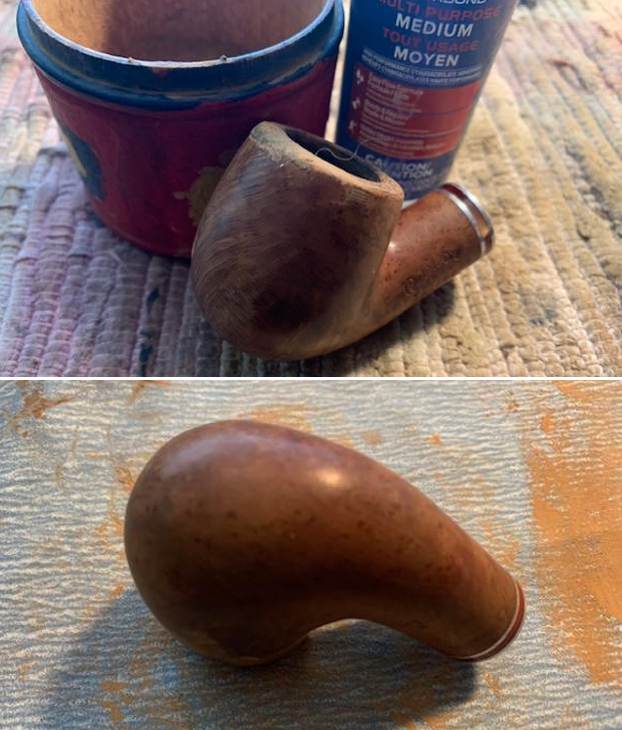
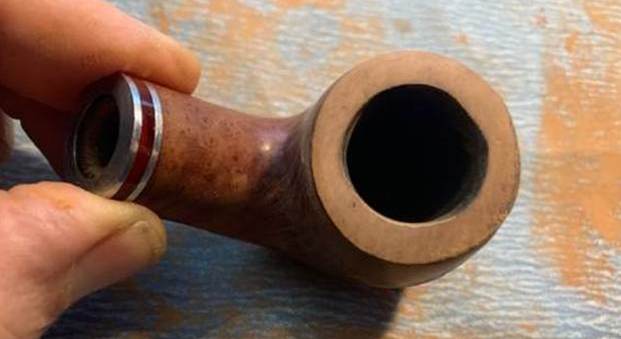
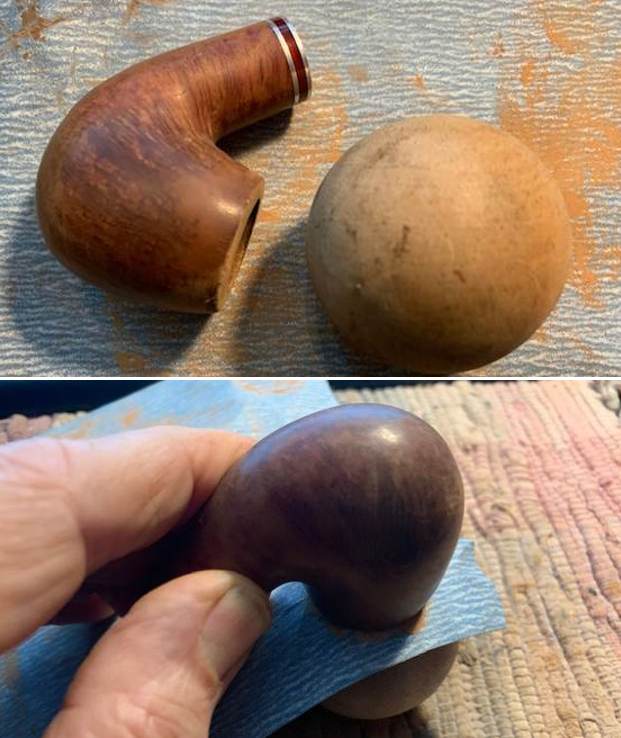
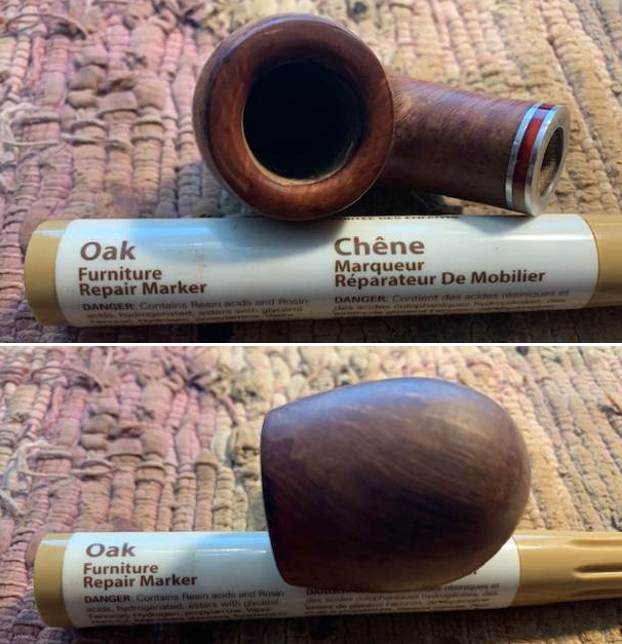
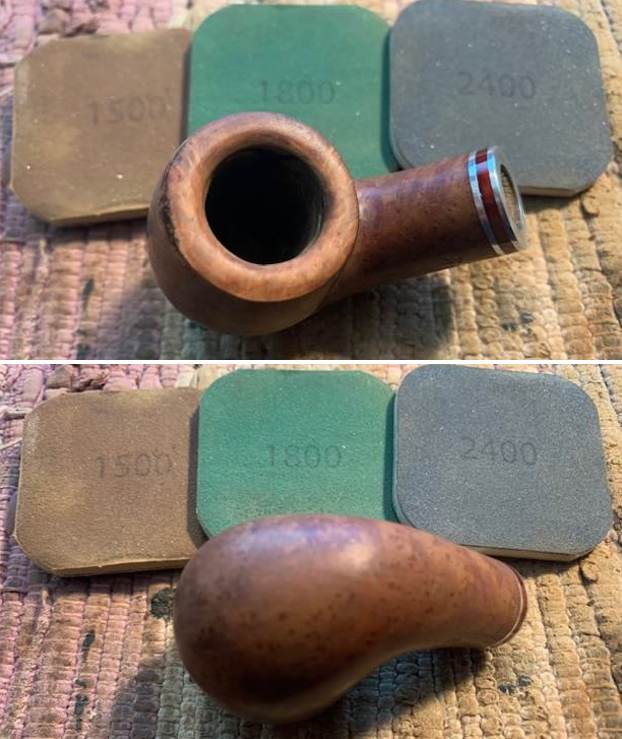
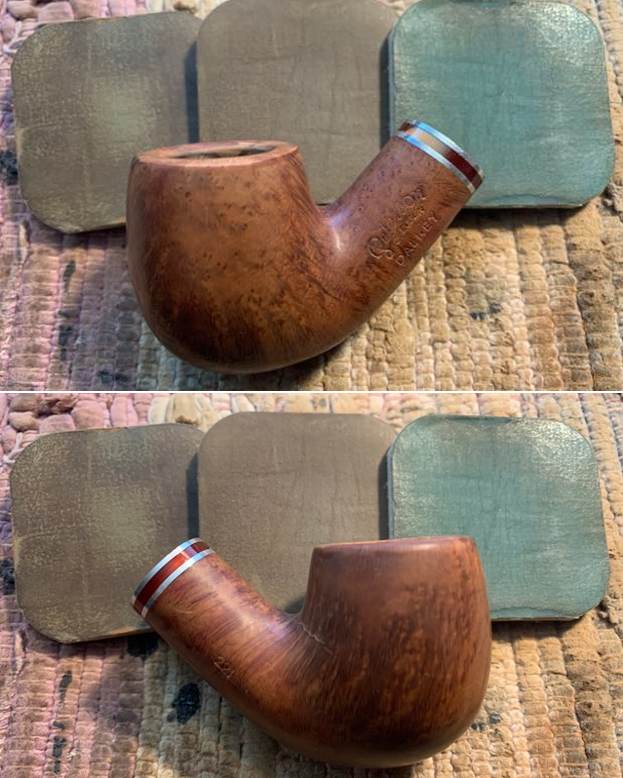
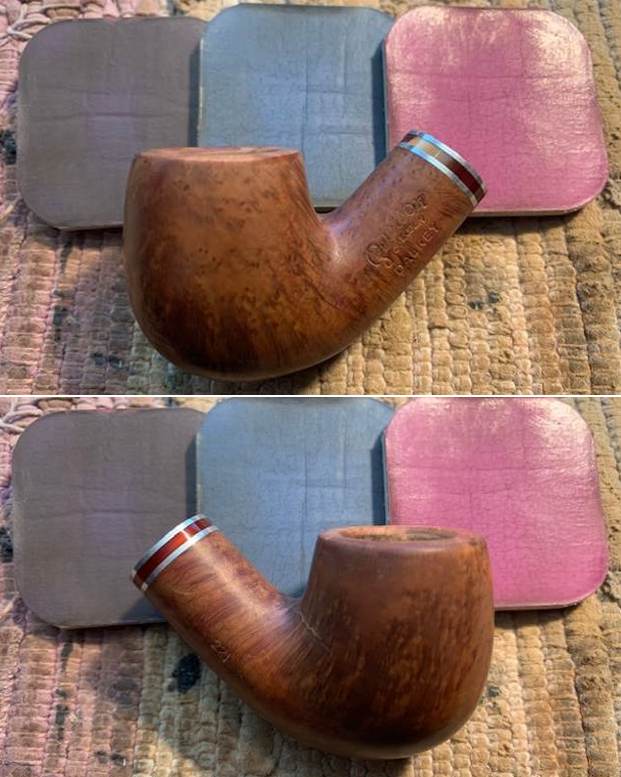
Jeff had done a great cleanup on the pipe. He reamed the bowl with a PipNet pipe reamer and followed up with a Savinelli Fitsall pipe knife to remove the cake. He scrubbed out the mortise and the airway in the shank and the stem with alcohol, cotton swabs and pipe cleaners. He scrubbed the bowl exterior with a tooth brush and Murphy’s Oil Soap to remove the grime on the finish of the bowl and the lava from the rim top. He rinsed it under running water. One of the benefits of this scrub is that it also tends to lift some of the scratches and nicks in the surface of the briar. He dried it off with a soft cloth. He cleaned the internals of the shank/mortise and stem with alcohol, pipe cleaners and cotton swabs. He soaked the stem in Briarville’s Pipe Stem Deoxidizer and rinsed it off with warm water and cleaned out the airway in the stem with alcohol, pipe cleaners and cotton swabs. I took photos of the pipe as I saw it when I finally brought it to my work table.   I took photos of the rim top and stem to show the condition. The rim top and edges were in very rough condition. You can see the damage to the top all the way around and to the outer edge on the bowl front. It really very rough to the touch. The stem was vulcanite and there were light tooth marks and chatter on both sides ahead of the button. I took photos of the stamping on the sides of the shank. They are clear and readable as noted above. The “P” logo on the stem is faint but is still quite readable.   I removed the stem from the shank and took a photo of the pipe to give a sense of the proportions of the bowl and stem.I took photos of the damage on the rim top and the front edge to show how beat up it was. The roughness is very tangible when I touched it. I dripped some clear CA glue on the front edge of the bowl so I could rebuild it. I then dipped it into some briar dust to build it up. I cleaned up and reshaped the edge with 220 grit sandpaper. I topped the bowl with a topping board and 220 grit sandpaper to smooth out the damage to the rim top. When I was finished it looked much better. With the rim top smooth it was now time to give the inner edge a bevel. I used a wooden ball and 220 grit sandpaper to shape the edge. I wrapped the ball with the sandpaper and worked on the edge. It took a bit of work to smooth it out and give it a bevel. I smoothed out the bevel with a folded piece of 220 grit sandpaper. The rim top came out looking very good at this point. I stained the rim top and the inner and front outer edges with an oak stain pen to match the colour of the stain around the bowl and shank.I decided to start with polishing the briar with micromesh sanding pads. I dry sanded it with 1500-12000 grit pads. I wiped the bowl down after each pad with a damp cloth. The bowl began to take on a rich shine and grain was beginning to stand out.   At this point the bowl was polished and clean. I rubbed down with Before & After Restoration Balm. I worked it into the surface of the bowl sides and shank with my fingertips to clean, enliven and protect the briar. I let the balm sit for 10 minutes, then buffed with a cotton cloth to raise the shine. The Balm did its magic and the grain stood out on the briar.   I set the bowl aside and turned my attention to the stem. I polished the stem with micromesh sanding pads – 1500-12000 grit pads. I wiped it down with Obsidian Oil after each sanding pad. I finished the polishing with Before & After Polishes – both Fine and Extra Fine. I gave it a final rub down with Obsidian Oil and set it aside to dry. I repainted the “P” logo stamp on the left side of the saddle stem with some white acrylic nail polish. I worked it into the stamp with a tooth pick. Once it dried I scraped of the excess and lightly polished it with a 1500-2400 grit micromesh sanding pad. This Peterson of Dublin Dalkey 221 Bent Billiard with a vulcanite taper stem has a smooth reddish finish. The rich browns of the stain make the grain come alive with the polishing and waxing. I put the vulcanite stem back on the bowl and carefully buffed the pipe with Blue Diamond on the buffing wheel using a light touch on the briar. I gave the bowl and the stem multiple coats of carnauba wax on the buffing wheel and followed that by buffing the entire pipe with a clean buffing pad. I hand buffed the pipe with a microfiber cloth to deepen the shine. The finished Peterson’s Dalkey 221 Bent Billiard really is a great looking and fits nicely in the hand and looks very good. Give the finished pipe a look in the photos below. The dimensions of the pipe are Length: 5 ½ inches, Height: 1 ¾ inches, Outside diameter of the bowl: 1 ¼ inches, Chamber diameter: ¾ of an inch. The weight of the pipe is 1.62 oz./46 grams. This pipe will soon be on the Irish Pipe Makers Section of the rebornpipes store if you would like to add it to your collection. Thanks for reading this blog and my reflections on the pipe while I worked on it.

Restoring a Republic Era Peterson’s “Kildare” 120 Dublin


Blog by Steve Laug

This is another one of those pipes that has been here for a long time and I have no memory where it came from. I had been cleaned somewhere along the way so I am guessing that Jeff had cleaned it. The bowl had been reamed somewhere in the journey and was quite clean inside. The shank and internals had all been cleaned and there was no residual stench to the pipe. The smooth rim top had some damage and darkening. The inner edge had some damages by burning and the bowl was slightly out of round. The smooth finish was quite clean other than the dust of sitting in my box. The stamping on the shank is clear and readable. The left side is stamped Peterson’s [over] “Kildare”. On the right side it was stamped Made in the Republic of Ireland (3 lines) and near the bowl it is stamped with the shape number 120. The stem was lightly oxidized and has light tooth marks and chatter on both sides ahead of the button. I took some photos of the pipe before I started my work on it. I took close up photos of the bowl and the stem. You can see the reamed bowl and the darkening on the rim top and the back edge. The stem surface was clean but there are tooth marks and chatter on both sides on and ahead of the button.I took a photo of the stamping on the sides of the shank. It is clear and readable as noted above. There is also a “P” stamp on the right side of the taper stem.I removed the stem from the shank and took a photo to give a sense of the proportions of the pipe. It is really quite nice looking.I am including the information from Pipedia’s article on Peterson pipes. It is a great read in terms of the history of the brand (https://pipedia.org/wiki/Peterson). I have included a bit of the pertinent history here.

1950 – 1989 The Republic Era  – From 1950 to the present time, the stamp for this era is “Made in the Republic of Ireland” in a block format generally in three lines but two lines have been used with or without Republic being abbreviated.

During the 1950’s and 60’s the Kapp & Peterson Company was still in the ownership of the Kapp family. However 1964 saw the retiral of the company Managing Director Frederick Henry(Harry) Kapp.

I turned to “The Peterson Pipe” by Mark Irwin and Gary Malmberg to get some background on the Peterson’s System Line. On page 314 it had the following information.

Kildare (1965-) First issue of line with matte-finish in Classic Range shapes, P-Lip and fishtail mouthpiece. Second issue C.1979 as Kildare Patch, with rusticated patches on pipe surface. Third issue 2010, matte-brown, P-Lip or fishtail mouthpiece, no band. Fourth issue 2011-, burgundy sandblast finish, nickel army mount, fishtail mouthpiece, exclusive to smokingpipes.com.

Judging from the description above I believe that I am working on a First Issue of the line in the time period of 1965-1979. It is a late Republic Era Classic Shaped pipe with a matte-finish and a P-Lip stem. Now it was time to work on the pipe.

I decided to address the damage to the back rim top and inner edge of the bowl first. I used a folded piece of 220 grit sandpaper to give the inner edge of the bowl a slight bevel on the inner edge to remove burned areas and blend them into the surrounding briar. I lightly topped the bowl on a topping surface with 220 grit sandpaper to remove the damage to the rim top. The rim looks much better at this  point. I polished the rim top with 1500-2000 grit micromesh pads and then restained the rim top with a Cherry and a Maple stain pen. The combination matched the colour of the rest of the bowl and shank. I polished the rim top ad the rest of the briar with micromesh sanding pads – dry sanding with 1500-12000 grit sanding pads. I wiped the bowl down with a damp cloth after each sanding pad. I worked some Before & After Restoration Balm into the surface of the briar with my fingertips. It works to clean, enliven and protect the briar. I let it sit for 15 minutes then buffed it off with a soft cloth and raised the shine. The bowl looks great at this point.   I set the bowl aside and turned my attention to the stem. I “painted” the stem and button surface with the flame of a lighter to lift the tooth marks. It worked amazingly well and I was able to lift them significantly. I filled in those that remained with clear CA glue and set it aside for the glue to cure. I used a small file to smooth out the repairs and reshape the button edges. I sanded what remained with 220 grit sandpaper to blend them into the surface of the vulcanite. I started polishing the stem by wet sanding it with 400 grit wet dry sandpaper. I polished the stem with micromesh sanding pads – dry sanding it with 1500-12000 grit pads. I wiped the stem down with Obsidian Oil after each pad. I polished it with Before & After Pipe Polish – both Fine and Extra Fine and gave it a final coat and set it aside to dry. I touched up the “P” stamp on the stem with white acrylic fingernail polish. I pushed it into the stamp with a tooth pick to get it deep in the stamp. I scraped off the excess acrylic and polished the stamped area with a 1500 grit micromesh sanding pad.  I am excited to finish this Republic Era Peterson’s “Kildare” 120 Dublin. I put the pipe back together and buffed it with Blue Diamond on the buffing wheel. I gave the bowl and the stem multiple coats of carnauba wax. I hand buffed the pipe with a clean buffing pad to raise the shine. It is fun to see what the polished bowl looks like with beautiful flame grain all around it. Added to that the black vulcanite stem was beautiful. This smooth Classic Peterson’s “Kildare” 120 Dublin is great looking and the pipe feels great in my hand. It is light and well balanced. Have a look at it with the photos below. The dimensions are Length: 6 inches, Height: 1 ¾ inches, Outside diameter of the bowl: 1 ¼ inches, Chamber diameter: ¾ of an inch. The weight of the pipe is 38 grams/1.34 ounces. It is a beautiful pipe and I will soon be putting it on the rebornpipes store in Irish Pipe Makers Section. If you are interested in adding it to your collections let me know. Thanks for walking through the restoration with me as I worked over this pipe. Thanks to each of you who are reading this blog.

Restoring an Imported Briar Made in Italy Bent Apple


Blog by Steve Laug

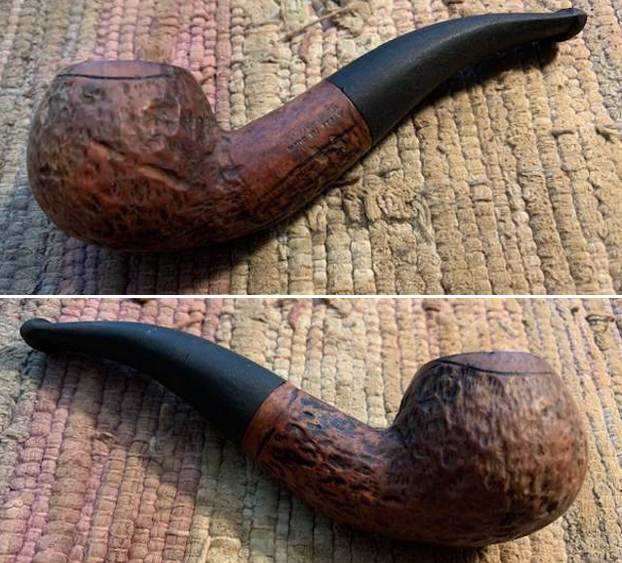
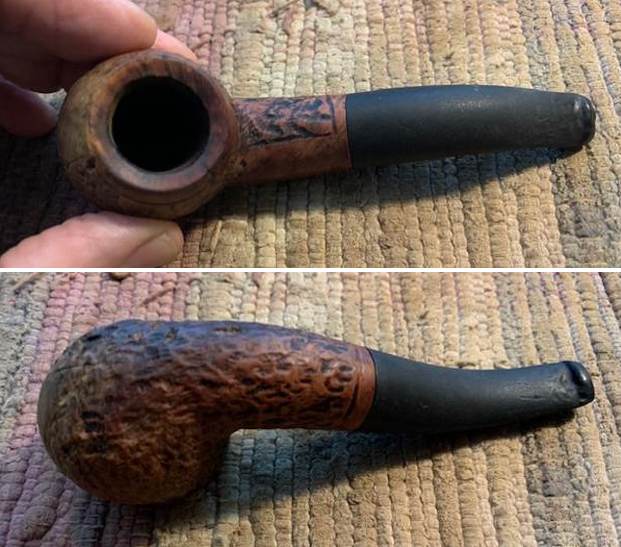
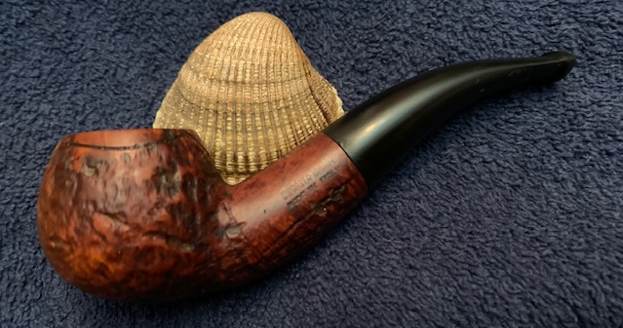
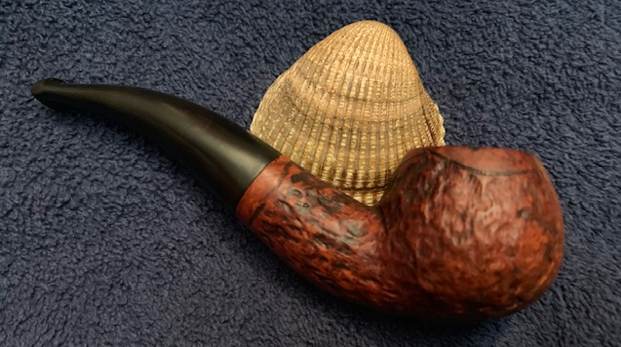
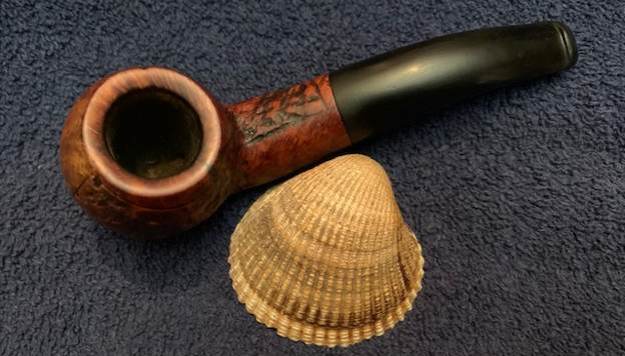
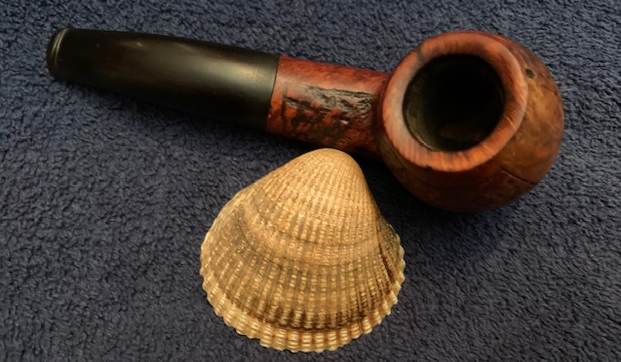
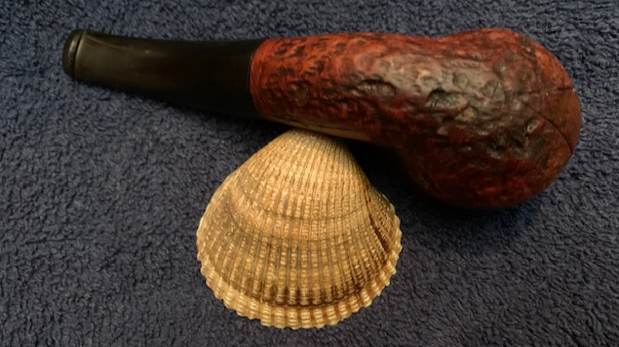
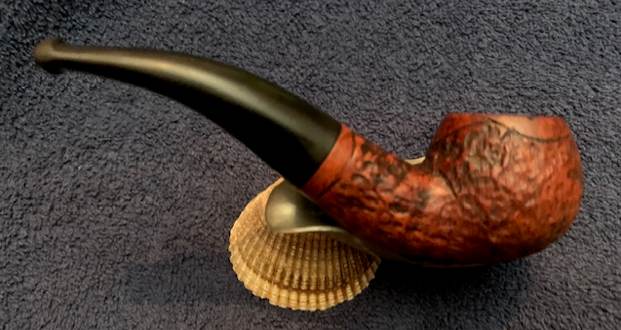
The next pipe on my work table is a nicely rusticated Bent Apple shaped one. It is stamped on the left side of the shank and reads Imported Briar [over] Made in Italy. The stamping is clear and readable on a smooth patch on the shank side. While it does not tell me who made it, it does tell me that is was made for the American market. This is yet another one that Jeff and I have no recollection of where we picked this one up but I know it has been here for a long time. The bowl had been reamed and cleaned and the shank and airways were very clean. The rim top showed darkening on the rim top and around the inner edge most of the way around the bowl. The outer edges were clean. There were a few small nicks in the briar but otherwise it was in good condition. The hard rubber older style stem had some light oxidation and some deep tooth marks on the top and underside near the button. There were gouges in the left side of the stem at the middle. There was not identifying logo or stamp on the sides of the stem. I took photos of the pipe before I started the next portion of the work on the pipe. It is truly interesting looking pipe. I took a close up photo of the rim top, edges and the top and underside of the stem. The inner edges and the rim top of the bowl showed wear and darkening. It would take a bit of work to bring it back and clean it up. The stem surfaces showed light tooth marks on both sides ahead of the button. I took photos of the stamping on both sides of the shank. They are clear and readable as noted above. I took the pipe apart and took a photo of the parts to show the proportions of the pipe. It is a beauty.I worked on the rim top and beveled inner edges of the rim with a folded piece of 220 grit sandpaper. I also smoothed the top of the rim to remove the rest of the darkening. It looked much better than when I started. I filled in a deep chipped area on the back left side of the outer rim with CA glue and briar dust. I smoothed out the repair with a brass bristle wire brush and smoothed out the repairs with 220 grit sandpaper. I polished the briar with micromesh sanding pads – polishing it with 1500-12000 grit pads. By the time I was finished the briar had a great shine. The grain on the pipe is quite beautiful.  I rubbed the bowl and shank down with Before & After Restoration Balm to deep clean the finish on the bowl and shank. The product works to clean, enliven and protect the briar. I worked it into the finish with my fingers. After it sat for 15 minutes I wiped it off with a soft cloth. The briar really came alive with a rich shine. I took some photos of the bowl at this point to mark the progress in the restoration. It is a beautiful bowl. I “painted” the surface of the stem with the flame of a Bic lighter to lift the tooth marks. I was able to lift them a bit and then filled in those that remained with clear CA Glue. Once it cured I used a small file to recut the edge and flatten the repairs. I sanded the surface with 220 grit sandpaper and started polishing it with 400 grit wet dry sandpaper. I filled in some gouges and marks on the right side of the stem surface with clear CA glue. Once the repairs cured I sanded them with 220 grit sandpaper to blend them into the surface.  I polished the stem with micromesh sanding pads – dry sanding with 1500-12000 grit pads. I wiped the stem down after each pad with Obsidian Oil to remove the sanding dust. I used the Before & After Pipe Polish to remove the small minute scratches left in the hard rubber. I finished by wiping the stem down with a final coat of Obsidian Oil and set it aside to dry.  As usual at this point in the restoration process I am excited to be on the homestretch. I look forward to the final look when it is put back together, polished and waxed. I put the bowl and stem back together. I polished the bowl and stem with Blue Diamond to polish out the scratches in the briar and the hard rubber. I gave the bowl and the stem multiple coats of carnauba wax. I buffed the pipe with a clean buffing pad to raise the shine. I hand buffed it with a microfiber cloth to deepen the shine. The pipe polished up pretty nicely. The grain really pops with the wax and polish. The shiny black hard rubber stem is a beautiful contrast to the browns of the bowl and thick shank. This Italian Made Imported Briar Bent Apple was another fun pipe to work on. It really is a quite stunning piece of briar whose shape follows the flow of the grain on the briar. The pipe is comfortable pipe to hold in the hand. The finished pipe is shown in the photos below. The dimensions of the pipe are Length: 5 inches, Height: 1 ½ inches, Outside diameter of the bowl: 1 1/8 inches, Chamber diameter: ¾ of an inch. The weight of the pipe is 1.73 ounces/49 grams. I will be putting this pipe in the Italian Pipemakers section of the rebornpipes store if you wish to add it to your collection. Thanks for reading this blog and my reflections on the pipe while I worked on it.
Restoring a Peterson’s Republic Era Galway 502 Apple


Blog by Steve Laug

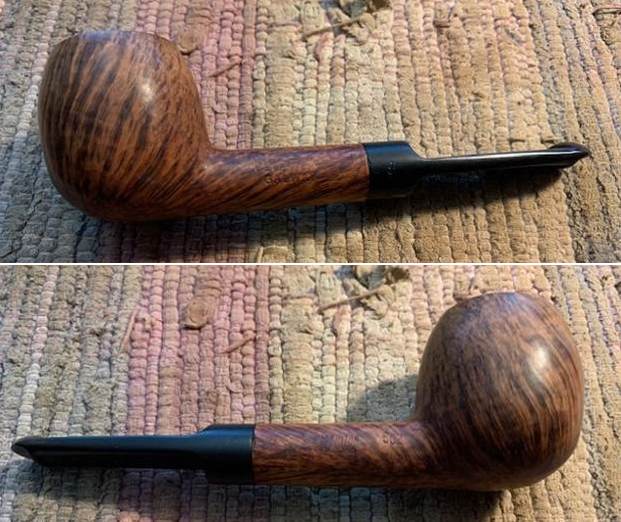
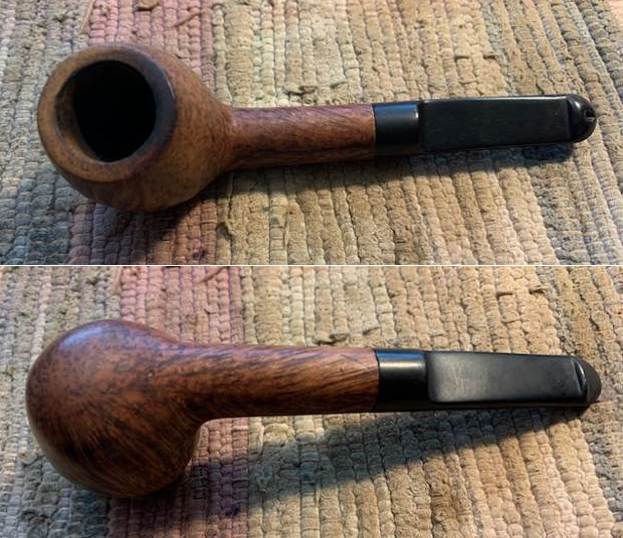
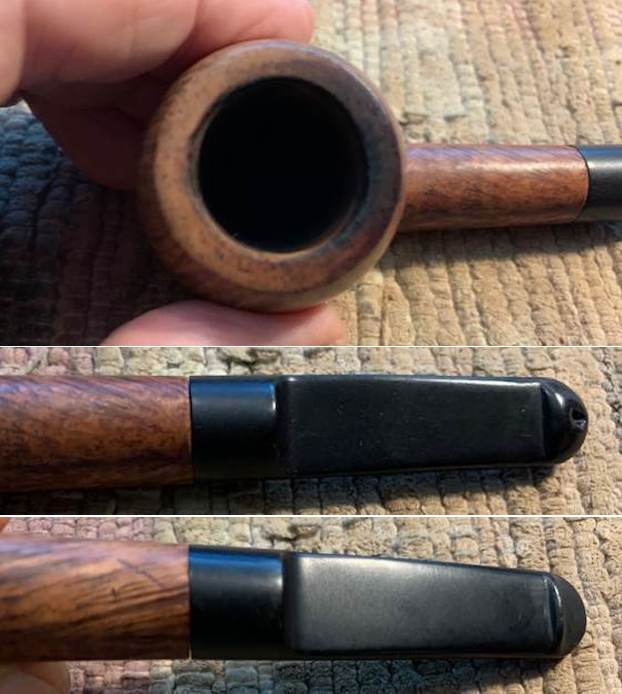
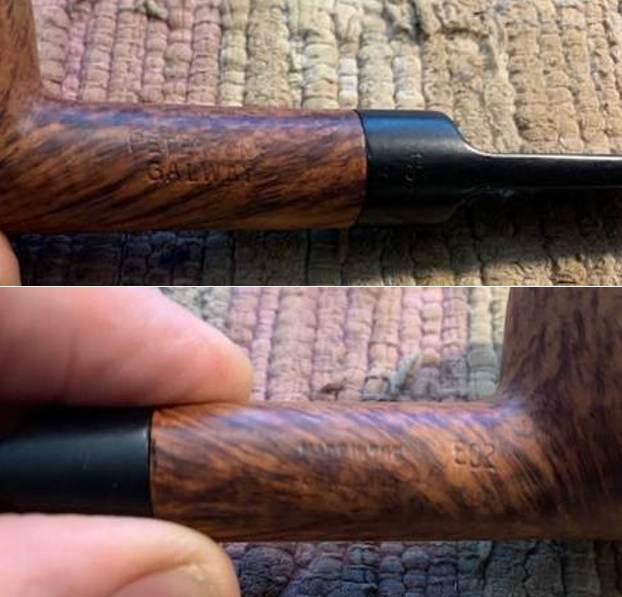
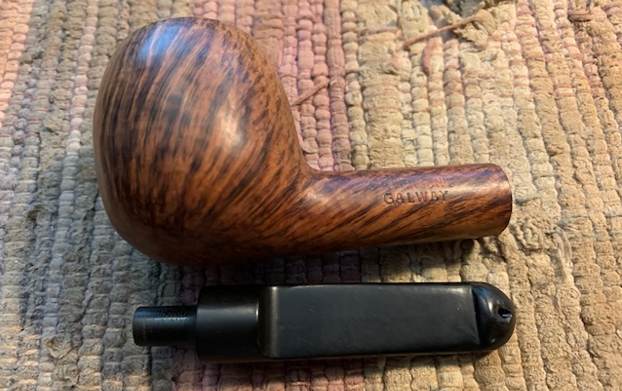
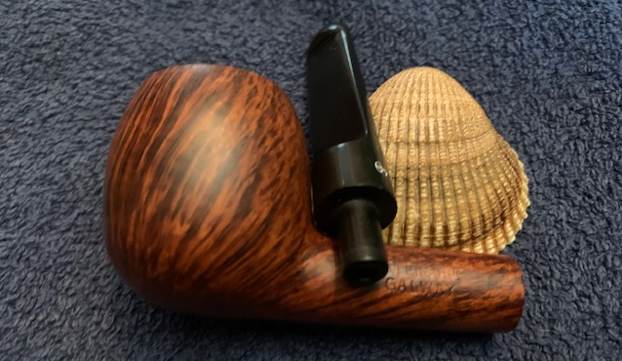
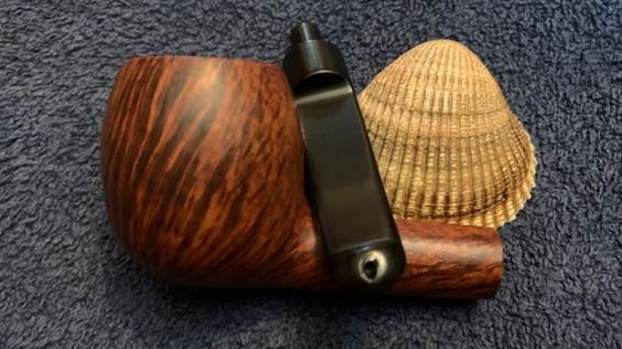
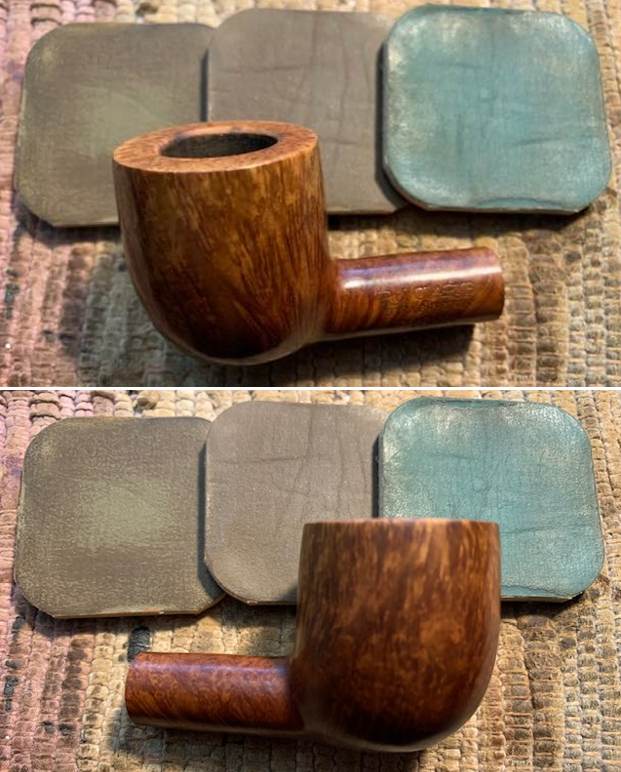
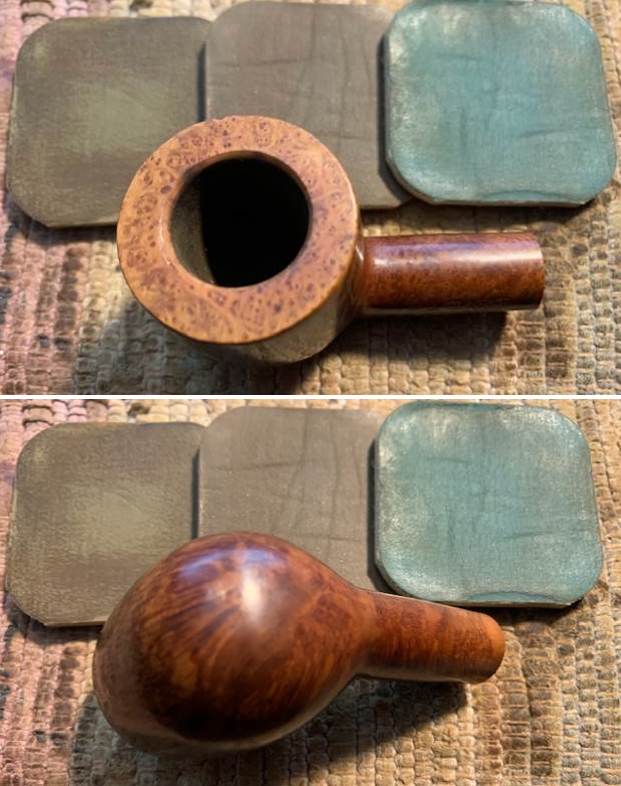
The next pipe on my work table is a nicely grained Apple shaped one. It is stamped on the left side of the shank and reads Peterson’s [over] Galway. On the right side of the shank it is stamped Made in the [over] Republic [over] of Ireland followed by the shape number 502 next to the bowl shank joint. The stamping is clear and readable. Jeff and I have no recollection of where we picked this one up but I know it has been here for a long time. The bowl had been reamed and cleaned and the shank and airways were very clean. The rim top showed darkening on the back side edges and rim top. There was also some darkening around the inner edge most of the way around the bowl. The outer edges were clean. There were a few small nicks in the briar but otherwise it was in good condition. The stem had some light oxidation and tooth marks on the top and underside near the button. There is a P logo stamp on the left side of the saddle stem. I took photos of the pipe before I started the next portion of the work on the pipe. It really is a great looking pipe. I took a close up photo of the rim top, edges and the top and underside of the stem. The inner edges and the back top of the bowl showed wear and darkening. It would take a bit of work to bring it back and clean it up. The stem surfaces showed light tooth marks on both sides ahead of the button.I took photos of the stamping on both sides of the shank. They are clear and readable as noted above.I took the pipe apart and took a photo of the parts to show the proportions of the pipe. It is a beauty.Before I moved on to work on the pipe I did a bit of reading to see if I could gather some details on the Galway Line. I looked at both Pipephil and Pipedia to see if I could find any photos of information on the line on them. There was nothing of note on either site. There was a lot of historical information that I always enjoy reading. I turned then to the book, The Peterson Pipe by Mark Irwin and Gary Malmberg. There on page 300 there was a description of the line that I quote in full below.

Galway (1950-87, 2006-10) First issued as a high grade line just below Dublin & London, walnut-stained smooth finish, white P stamped on P-lip or fishtail mouthpiece. Second issue in ’69, with a sterling band added. Third issue in’86, when band replace with briar band insert into vulcanite p-lip  mouth piece. Discontinued in ’87. Fourth issue for the Italian market (c 2006-10) with lower bowl rusticated up to the beading around the top of the bowl, in standard and B shapes. Same desin and finishing made for the US market for Cupojoes.com with addition of sterling band and hot foil P on the stem.

I believe I am working on the First Issue of the Galway Line – a high grade just below the Dublin and London line. It is described as a walnut stained smooth finish with a P-lip or fishtail mouthpiece. The pipe I have definitely fits that description perfectly. It has a smooth walnut finish and also a P-lip stem. The stem was supposed to have a white P stamped on the left side of the stem.

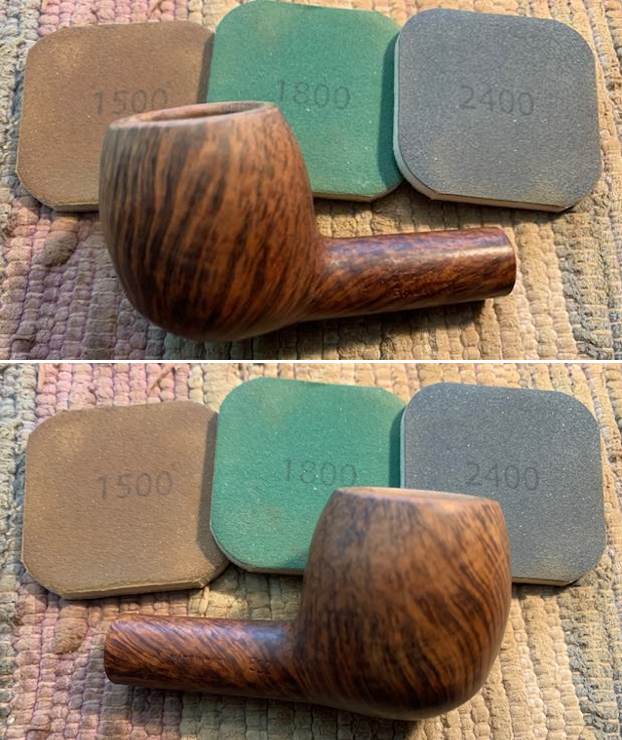
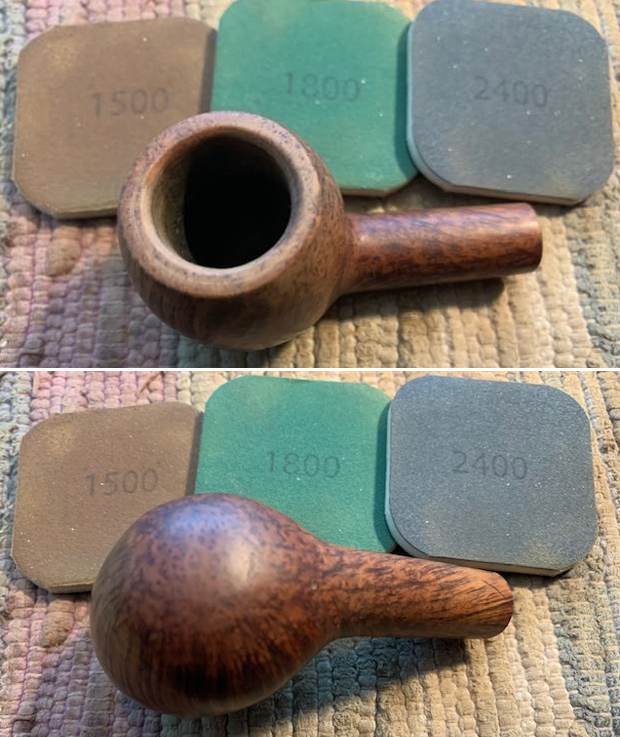
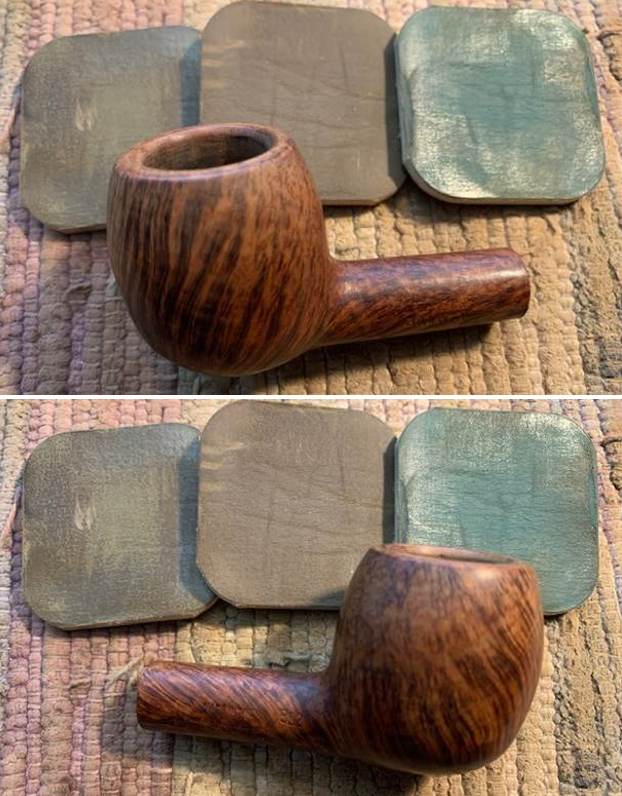
I worked on the rim top and inner edges of the rim with a folded piece of 220 grit sandpaper. I gave the rim a slight bevel to remove the darkening on the edges and blend them into the briar. I also smoothed the top of the rim to remove the rest of the darkening. It looked much better than when I started.I polished the briar with micromesh sanding pads – polishing it with 1500-12000 grit pads. By the time I was finished the briar had a great shine. The grain on the pipe is quite beautiful. I rubbed the bowl and shank down with Before & After Restoration Balm to deep clean the finish on the bowl and shank. The product works to clean, enliven and protect the briar. I worked it into the finish with my fingers. After it sat for 15 minutes I wiped it off with a soft cloth. The briar really came alive with a rich shine. I took some photos of the bowl at this point to mark the progress in the restoration. It is a beautiful bowl.   I “painted” the surface of the stem with the flame of a Bic lighter to lift the tooth marks. I was able to lift most of them and sanded out the light remaining tooth marks and chatter in the surface with 220 grit sandpaper and started polishing it with 400 grit wet dry sandpaper. I touched up the “P” stamp on the left side of the saddle stem with white acrylic fingernail polish I scraped off the excess and left the stamp looking very good.I polished the stem with micromesh sanding pads – dry sanding with 1500-12000 grit pads. I wiped the stem down after each pad with Obsidian Oil to remove the sanding dust. I used the Before & After Pipe Polish to remove the small minute scratches left in the vulcanite. I finished by wiping the stem down with a final coat of Obsidian Oil and set it aside to dry.  As usual at this point in the restoration process I am excited to be on the homestretch. I look forward to the final look when it is put back together, polished and waxed. I put the bowl and stem back together. I polished the bowl and stem with Blue Diamond to polish out the scratches in the briar and the vulcanite. I gave the bowl and the stem multiple coats of carnauba wax. I buffed the pipe with a clean buffing pad to raise the shine. I hand buffed it with a microfiber cloth to deepen the shine. The pipe polished up pretty nicely. The grain really pops with the wax and polish. The shiny black vulcanite stem is a beautiful contrast to the browns of the bowl and thick shank. This Republic Era Peterson’s Galway 502 Apple was another fun pipe to work on. It really is a quite stunning piece of briar whose shape follows the flow of the grain on the briar. The pipe is comfortable pipe to hold in the hand. The finished pipe is shown in the photos below. The dimensions of the pipe are Length: 5 ½ inches, Height: 1 ¾ inches, Outside diameter of the bowl: 1 ¼ inches, Chamber diameter: ¾ of an inch. The weight of the pipe is 1.34 ounces/38 grams. I will be putting this pipe in the Irish Pipemakers section of the rebornpipes store if you wish to add it to your collection. Thanks for reading this blog and my reflections on the pipe while I worked on it.
Cleaning up a Peterson’s De Luxe System 8S Bent Billiard with a Sterling Silver Ferrule


Blog by Steve Laug

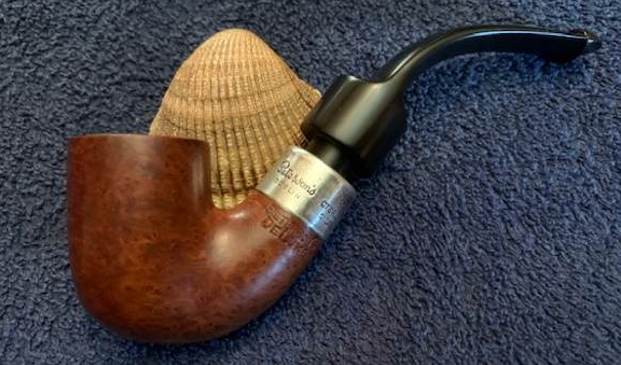
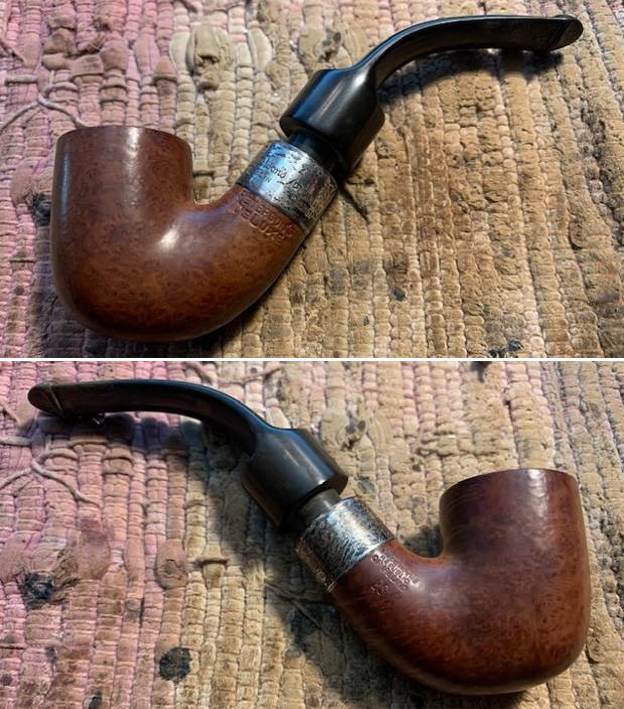
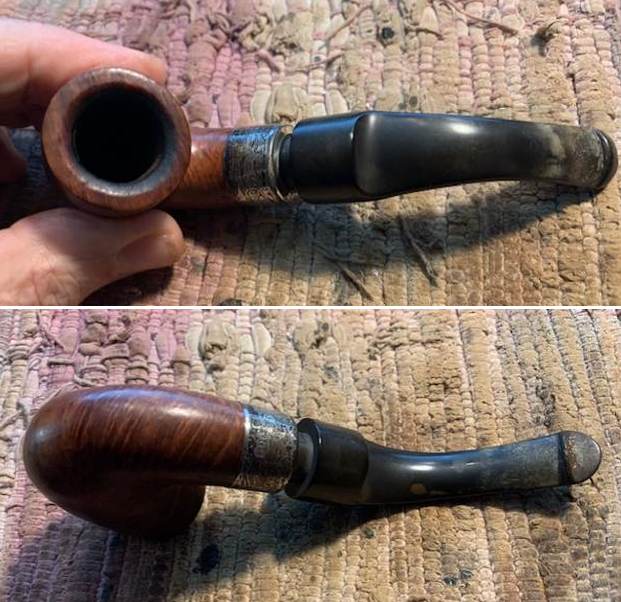
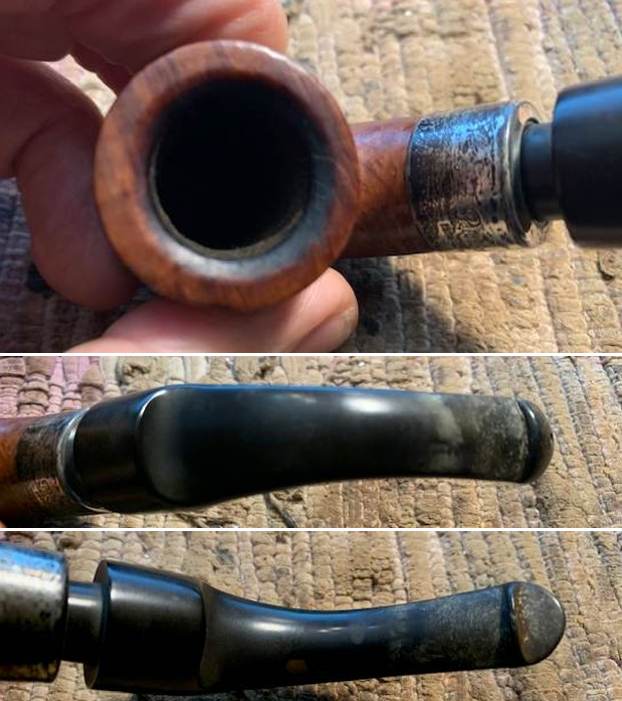
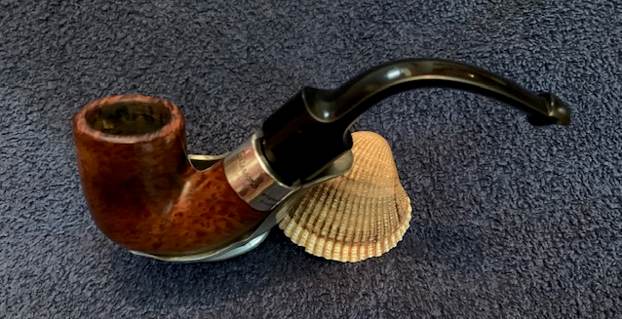
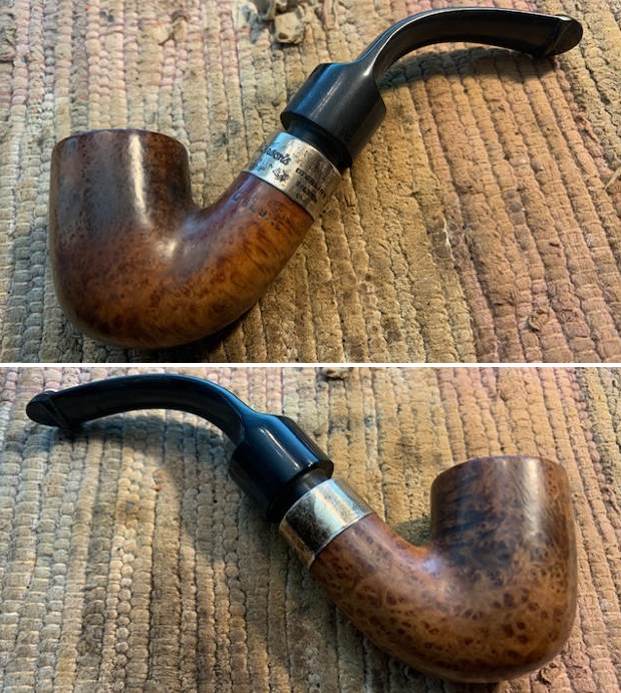
I have a few pipes that I am working on for local folks who either have dropped them off or who are friends that I am catching up with. The next pipe on the worktable is the second of two that belongs to an old friend of mine who is in the process of moving. He stopped by and asked me to clean up a couple of his favourite pipe. This first one I worked on was a Savinelli de luxe Milano 607KS (https://rebornpipes.com/2022/10/23/new-life-for-a-savinelli-de-luxe-milano-sandblast-607ks-bent-billiard/). This second on is a Peterson Deluxe with a Sterling Silver Ferrule. It is stamped faintly on the left side of the shank and reads Peterson’s [over]De Luxe. The stamping on the right side was buffed off. The ferrule on the shank is clear and readable under the tarnish. It reads Peterson’s [over] Dublin. That is followed by Sterling [over] Silver. That was followed by three hallmarks – The Hibernia stamp, the Crowned Harp stamp and finally the letter “m”. It has some stunning grain around the bowl and shank under the grime. There was a thin cake in the bowl and the top and edges of the rim had some scratches and damage on both. The stem was lightly oxidized but there were no tooth marks on the surface. I took some photos of the pipe before I started my work. I took photos of the rim top and the stem to show their condition. The top and edges showed some damage and was out of round and had darkening. The stem had oxidation though there was not any tooth marks of damage on the surface. I took photos of the stamping on the shank and the Sterling Silver ferrule to capture its condition. The stamping on the shank is faint but readable as noted above. The stamping on ferrule is clear and readable as noted above. I removed the stem from the bowl and took a picture of the pipe to show the general look and proportion of the pipe. It also shows the metal condenser tube in the tenon end. To help identify the shape number that had worn off I turned to a Peterson Catalogue that I have on rebornpipes and looked up the System Deluxe pipes (https://rebornpipes.com/tag/peterson-hallmark-chart/). I compared the shape of the pipe in hand with the shape chart show below. I have put a red box around the 8S pipe shown in the catalogue page shown below. So now I knew it was an 8S Bent Billiard.I turned first to Pipephil’s site to reacquaint myself with the DeLuxe. Unfortunately there was no information to be found on this specific line. I then turned to Pipedia’s article on Peterson pipes to see what I could garner from that information. It is a great read in terms of the history of the brand (https://pipedia.org/wiki/Peterson). I have included a bit of the pertinent history here.

1950 – 1989 The Republic Era  – From 1950 to the present time, the stamp for this era is “Made in the Republic of Ireland” in a block format generally in three lines but two lines have been used with or without Republic being abbreviated…

…With that information in hand I knew what I was dealing with in terms of the stamping on the pipe. It is a 1978  Republic Period pipe. I also wanted to be able to interpret the hallmarks on the silver band. I have captured a portion of the chart that include below that helps to clarify the meaning of each of the three hallmarks. I like the Hallmark feature on the higher end Peterson pipes with Sterling silver bands. It helps to pin down the date even further.

  • “Hibernia” seated, arm on harp represents Ireland (country of manufacture). There have been minor design changes over the years.
  • The “Harp Crowned” is the fineness mark denoting the high quality (purity) of the silver, and was used in a variety of designs until October 1992 when it was replaced by the new European Standard or Millesimal mark which gives the purity or quality of the silver in parts per thousand.
  • The Date Letter Code for the year in which the silver was hallmarked (see the chart below). In certain years a fourth hallmark is applied – for example 1966 – a Sword of Light for the 50th anniversary of the Easter Rising 1973. There were also other marks used for the fourth hallmark.

The pipe on my table had the Hibernia seated mark (Ireland) followed by the Harp Crowned signifying Sterling Silver percentage and finally in this case a lower case “m”. Each of the hallmarks was in an octagonal cartouche. The chart below helps me identify the date mark to 1978. I have drawn a red arrow to point out the 1978 mark in the chart below.

I have included the entire Hallmark chart for ease of reference show any of you be looking to date the pipes that you are working on at present.I worked over the rim top and the inner edge with a folded piece of 220 grit sandpaper to smooth out the damage and to bring the bowl back to round as much as possible. I polished the briar with micromesh sanding pads – polishing it with 1500-12000 grit pads. I rubbed down the Sterling Silver with a silver polishing cloth. By the time I was finished both the briar and the silver ferrule they both had a great shine. The grain on the pipe is quite beautiful.  I rubbed the bowl and shank down with Before & After Restoration Balm to deep clean the finish on the bowl and shank. The product works to clean, enliven and protect the briar. I worked it into the finish with my fingers. After it sat for 15 minutes I wiped it off with a soft cloth. The briar really began to have a rich shine. I took some photos of the bowl at this point to mark the progress in the restoration. It is a beautiful bowl.   I polished the silver ferrule with a jeweler’s cloth to remove the rest of the tarnish on the silver. It is treated with a product that protects the silver and removes the remaining tarnish. It has a rich, beautiful shine.   I polished the stem with micromesh sanding pads – wet sanding with 1500-2400 grit pads and dry sanding with 3200-12000 grit pads. I wiped the stem down after each pad with a damp cloth to remove the sanding dust. I used the Before & After Pipe Polish to remove the small minute scratches left in the vulcanite. I finished by wiping the stem down with a final coat of Obsidian Oil and set it aside to dry.   As usual at this point in the restoration process I am excited to be on the homestretch. I look forward to the final look when it is put back together, polished and waxed. I put the bowl and stem back together. I polished the bowl and stem with Blue Diamond to polish out the scratches in the briar and the vulcanite. I gave the bowl and the stem multiple coats of carnauba wax. I buffed the pipe with a clean buffing pad to raise the shine. I hand buffed it with a microfiber cloth to deepen the shine. The pipe polished up pretty nicely. The grain really pops with the wax and polish. The shiny black vulcanite stem is a beautiful contrast to the browns of the bowl and thick shank. This Peterson’s DeLuxe 8S Bent Billiard was another fun pipe to work on. The Sterling Silver Ferrule works as a contrast between the stem and the briar and binds it all together. It really is a quite stunning piece of briar whose shape follows the flow of the briar. The pipe is comfortable pipe to hold in the hand. The finished pipe is shown in the photos below. The dimensions of the pipe are Length: 5 ½ inches, Height: 1 ¾ inches, Outside diameter of the bowl: 1 1/8 inches, Chamber diameter: ¾ of an inch. The weight of the pipe is 1.52 ounces/44 grams. This beautiful pipe will be going back with the Savinelli De Luxe Milano to my friend. He will enjoy smoking it once again in his new place. Thanks for reading this blog and my reflections on the pipe while I worked on it.