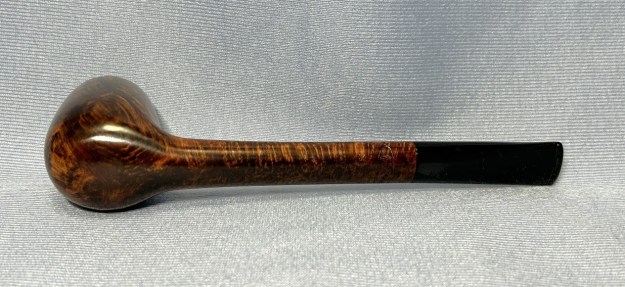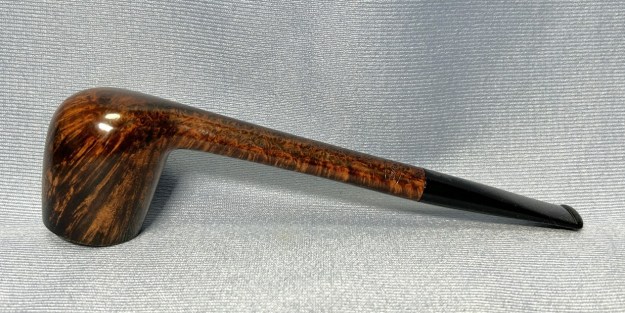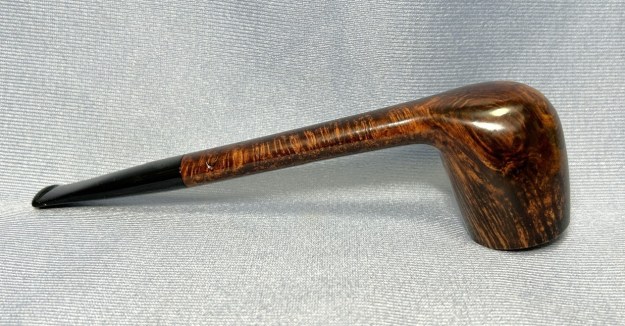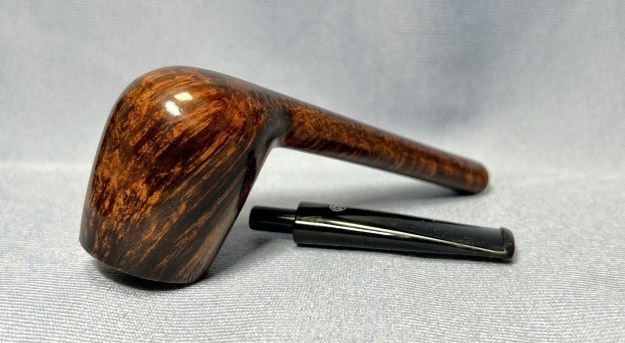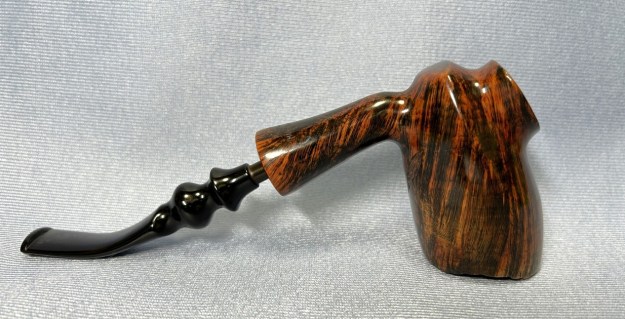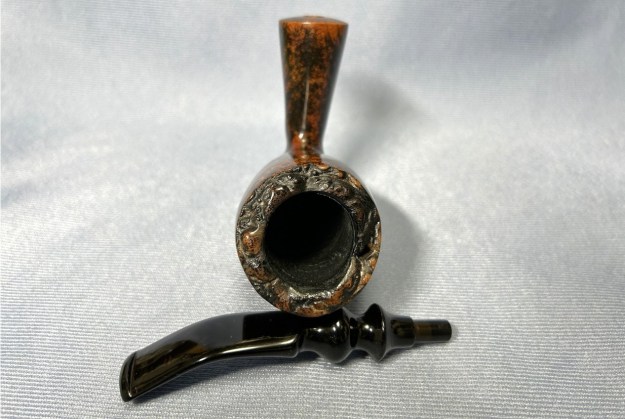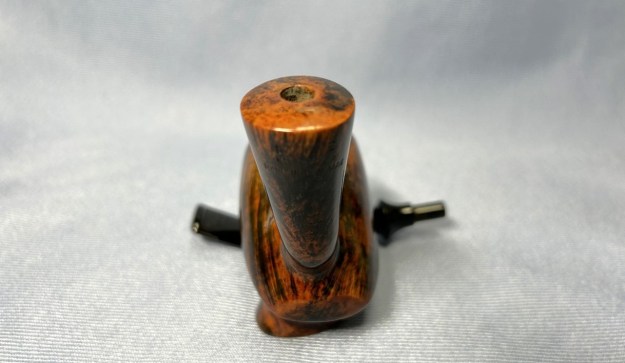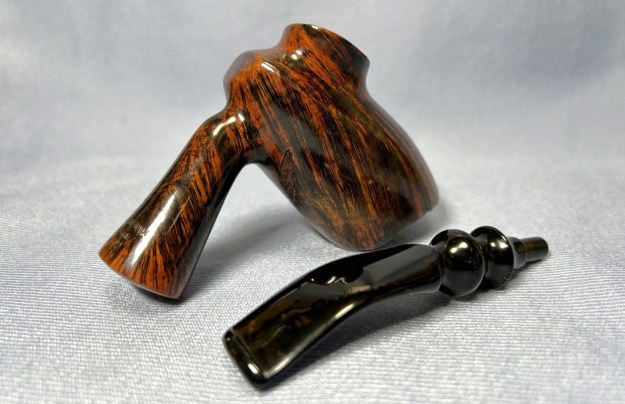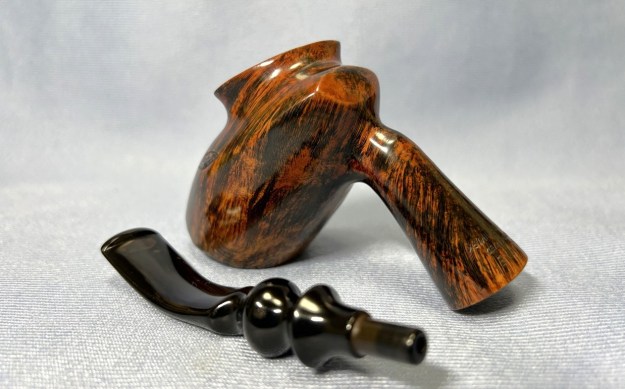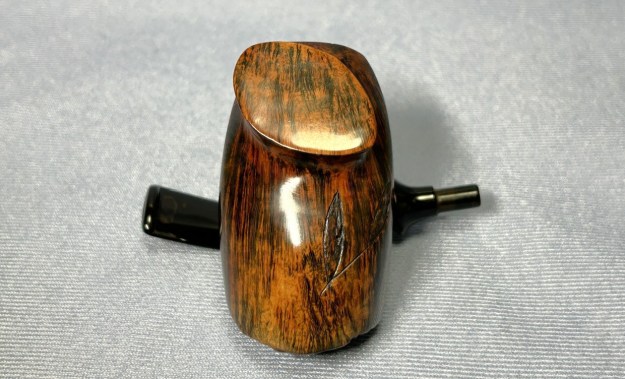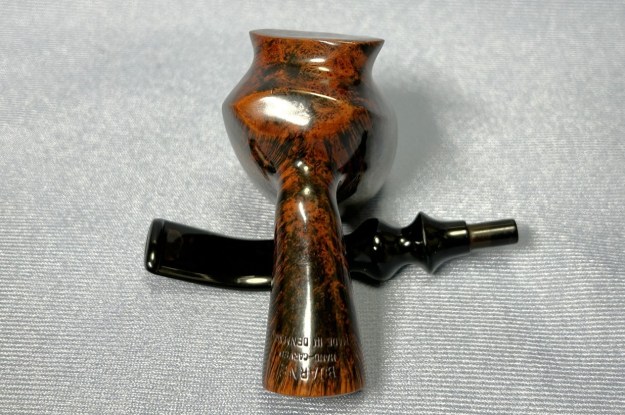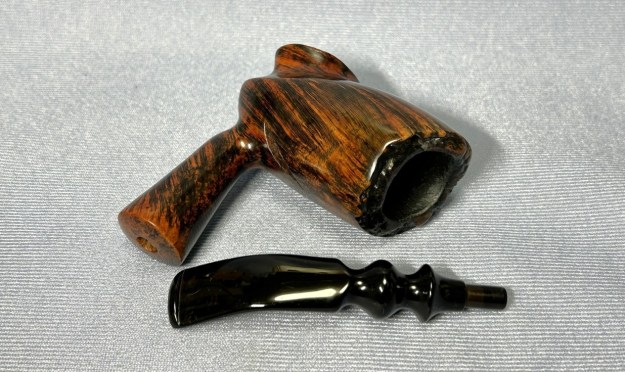
Tag Archives: article by Kenneth Lieblich

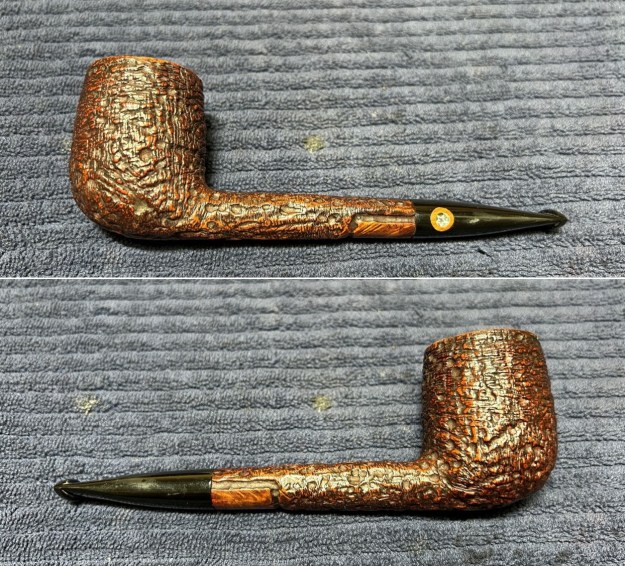
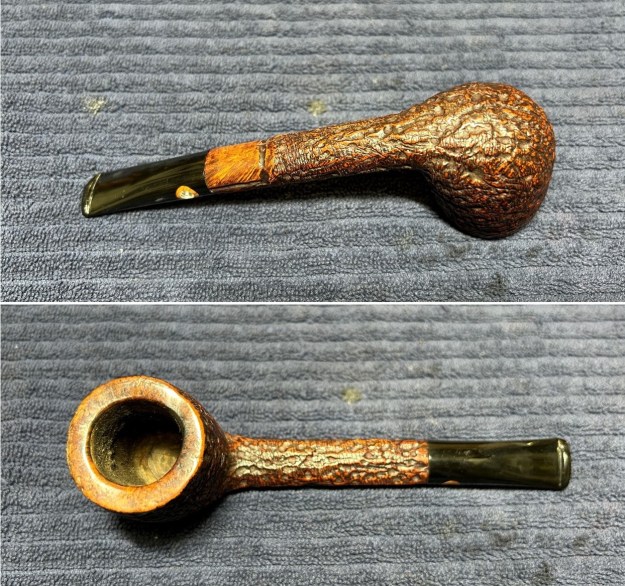
Cleaning Up a Terrific Jobey Stromboli 200 Bulldog


by Kenneth Lieblich

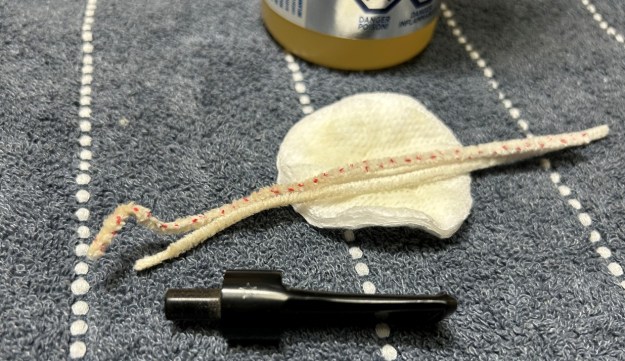
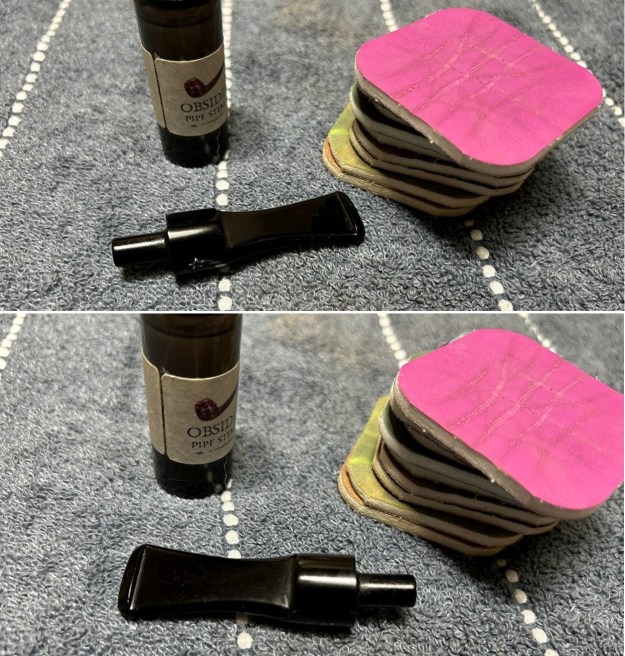
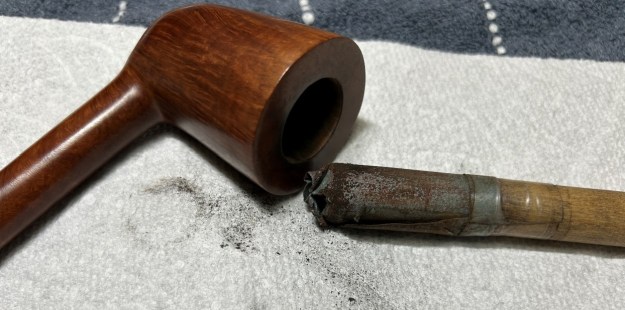
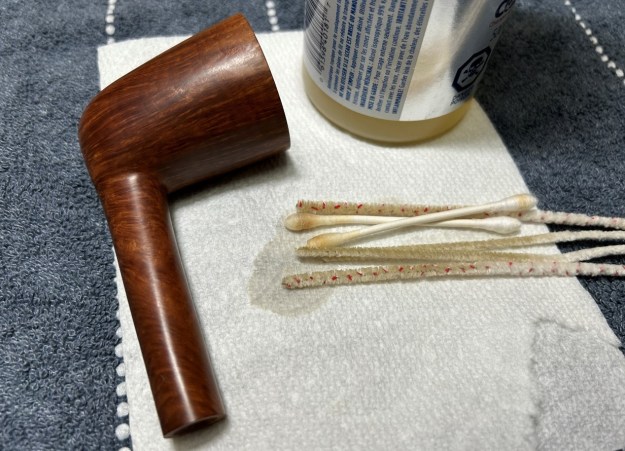
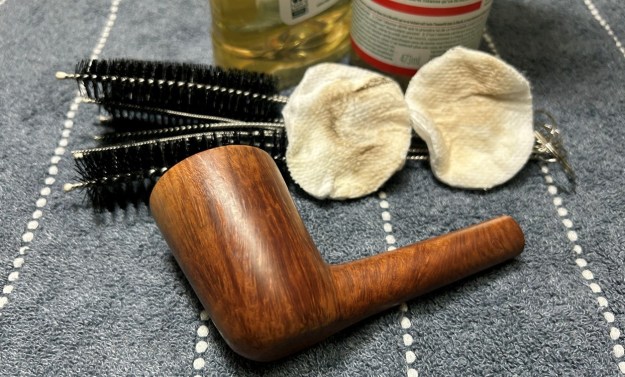
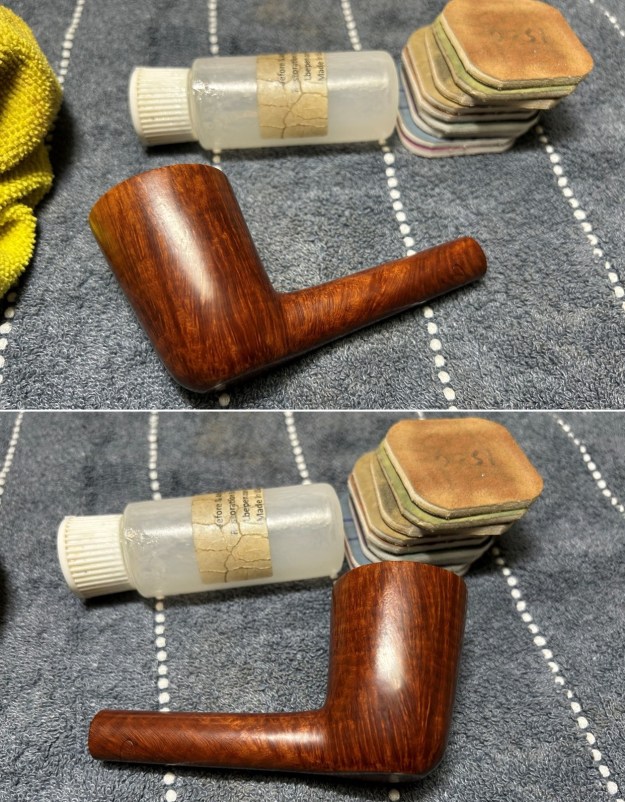
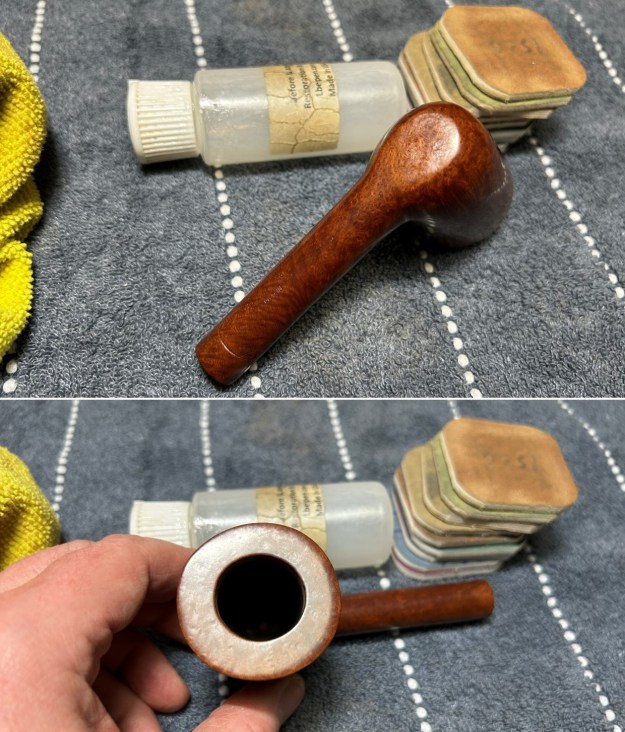
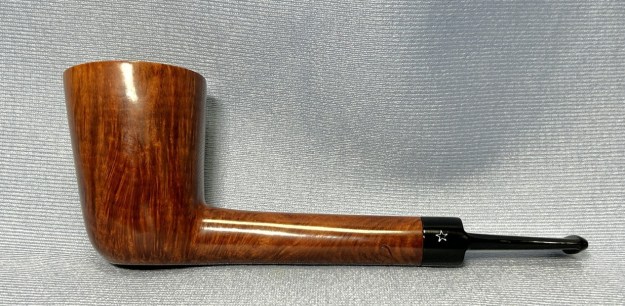
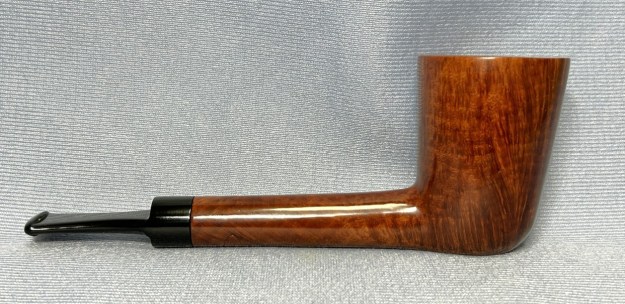
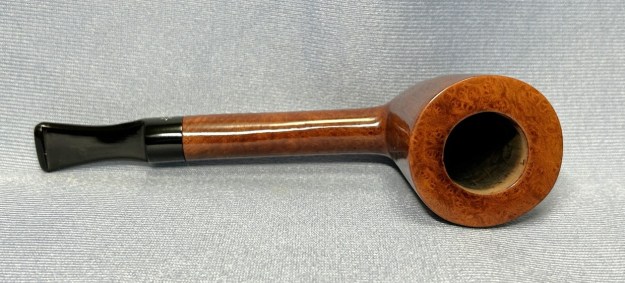
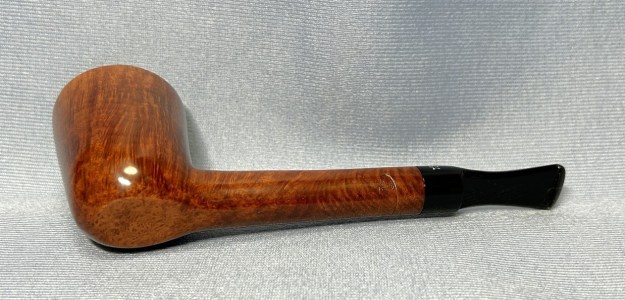
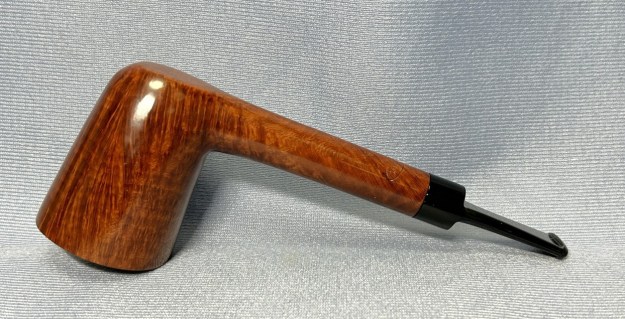
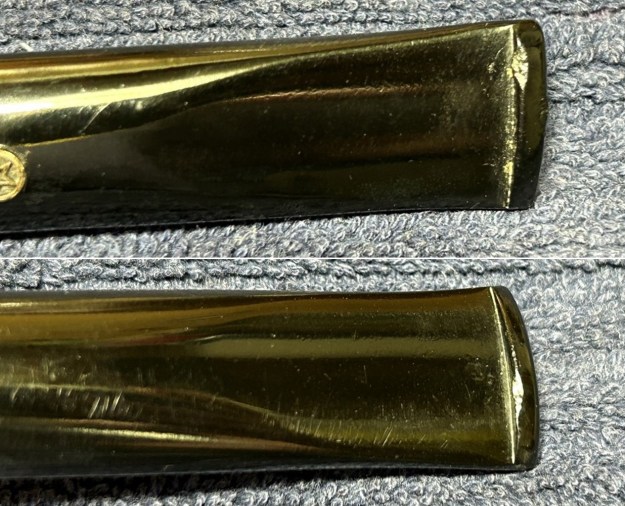
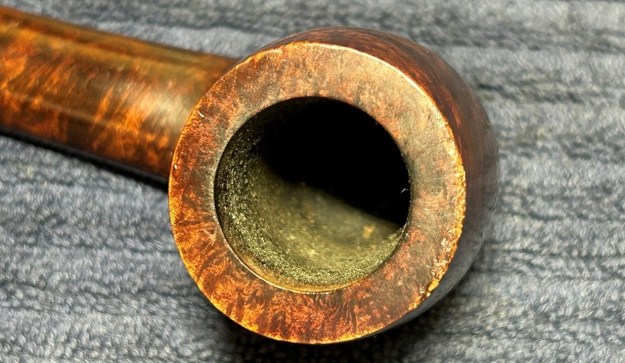
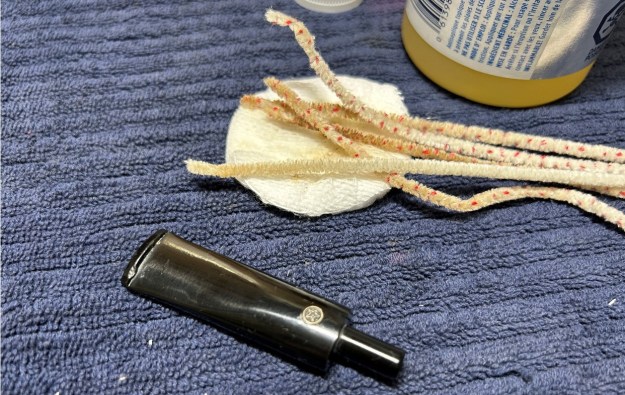
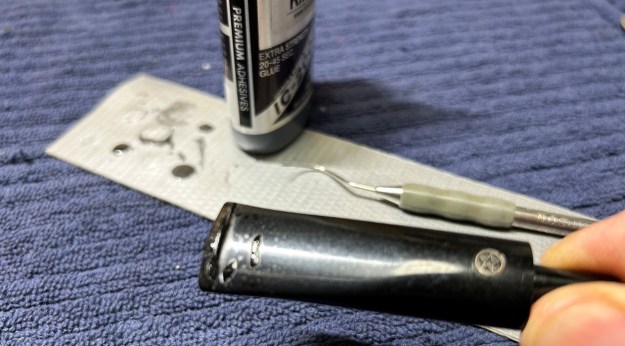
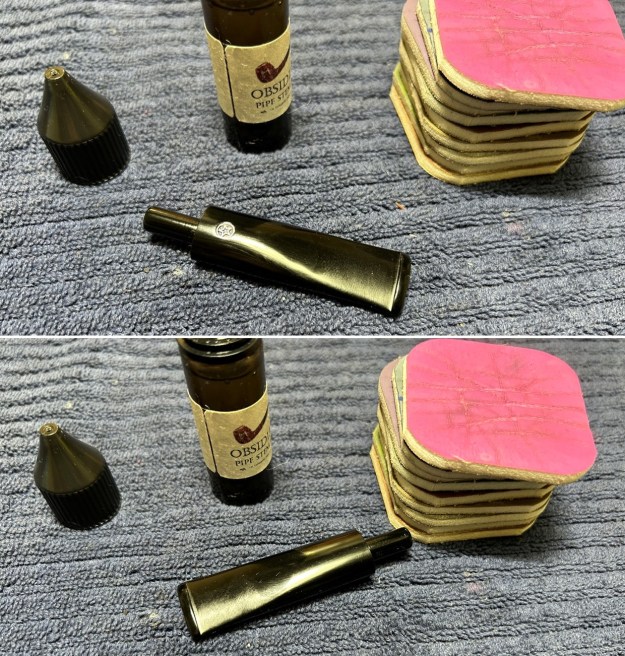
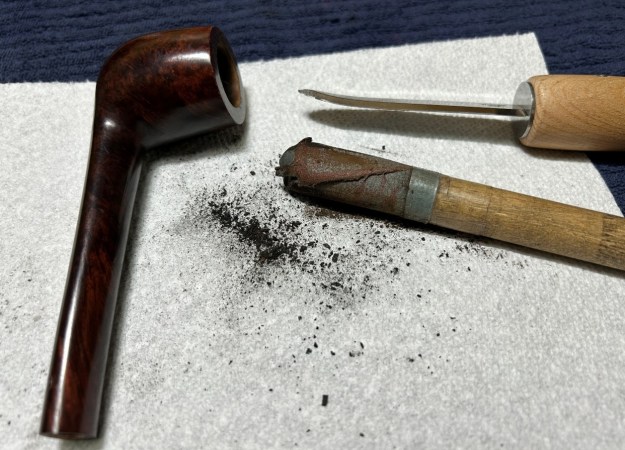
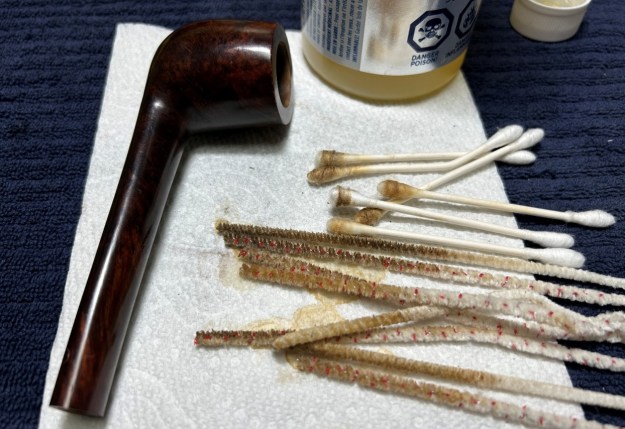
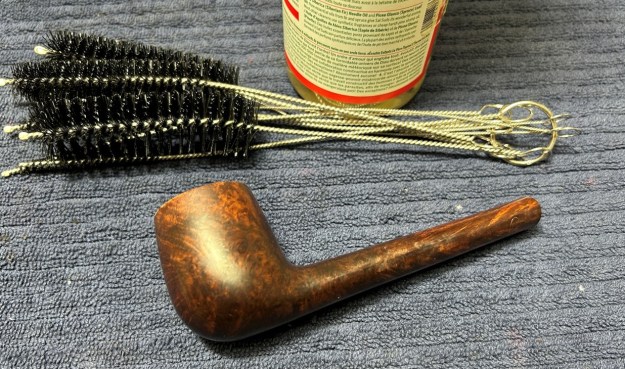
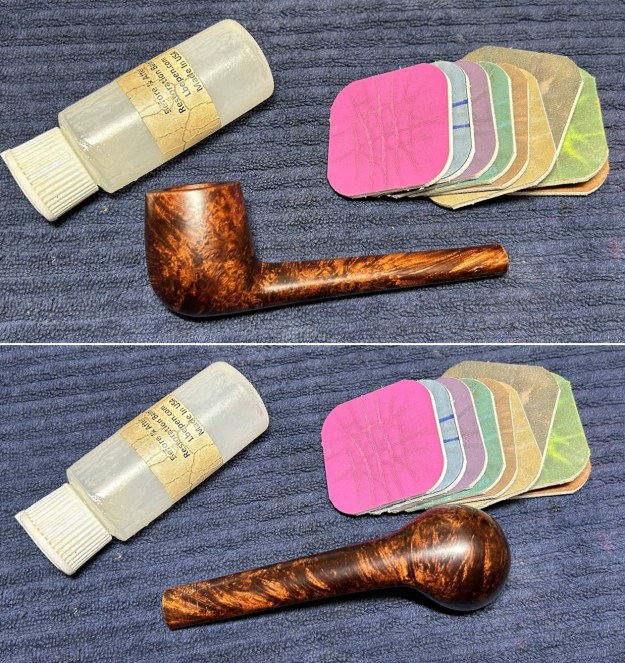
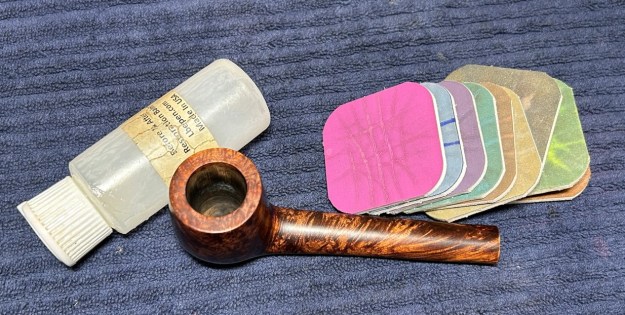
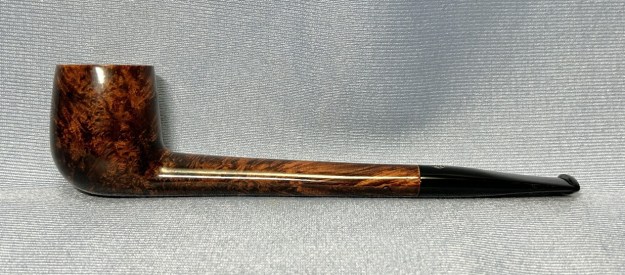
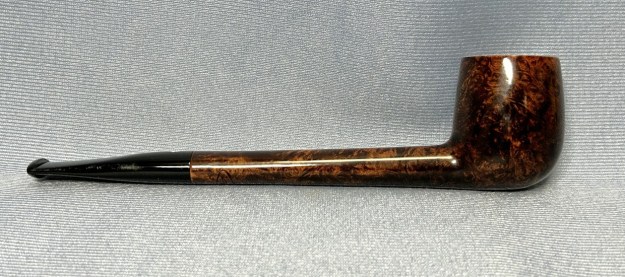
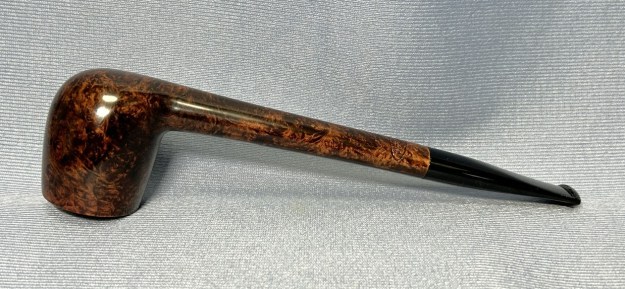
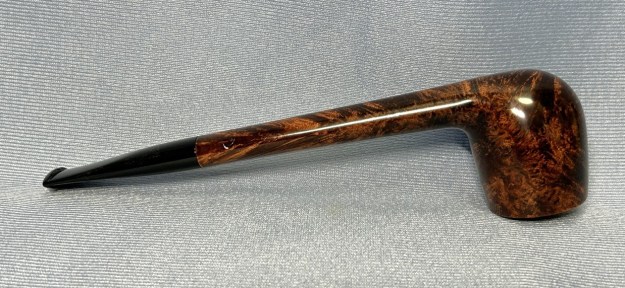
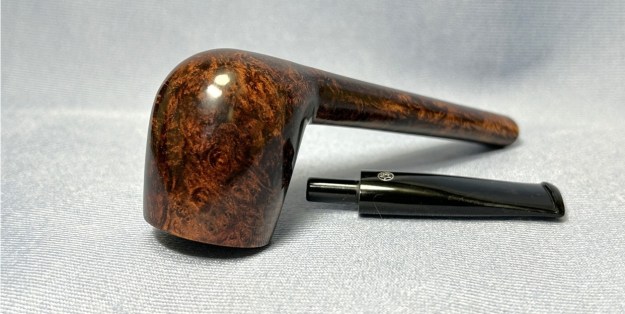
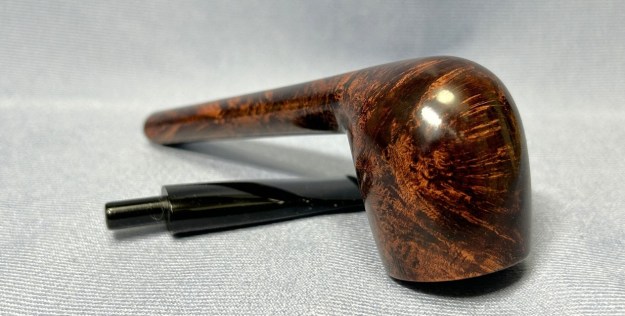
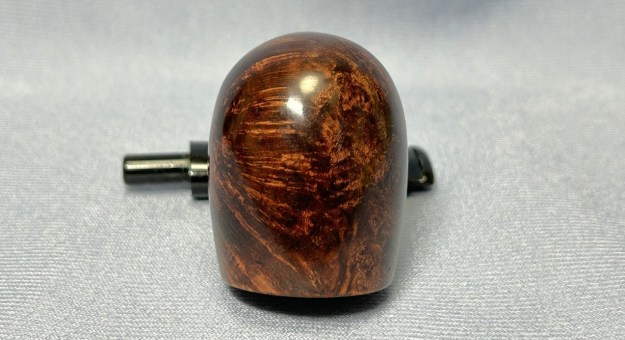
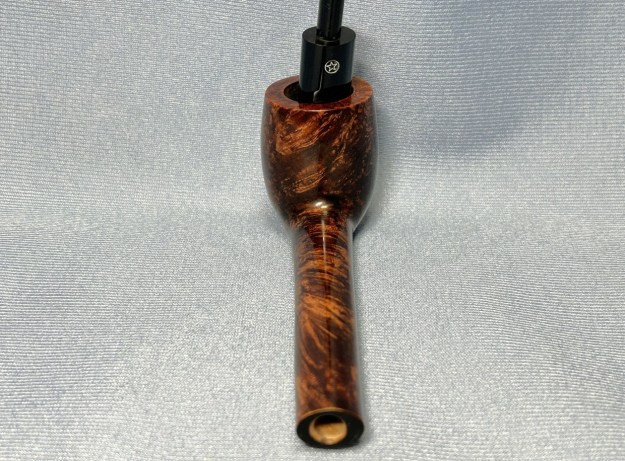
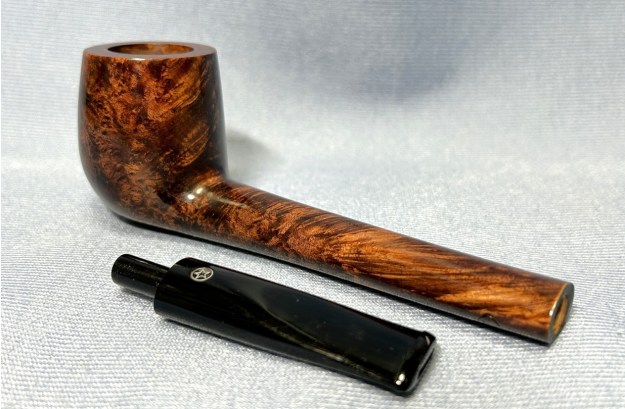
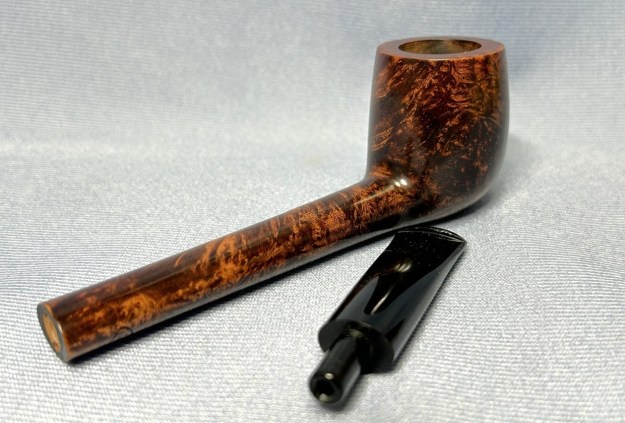
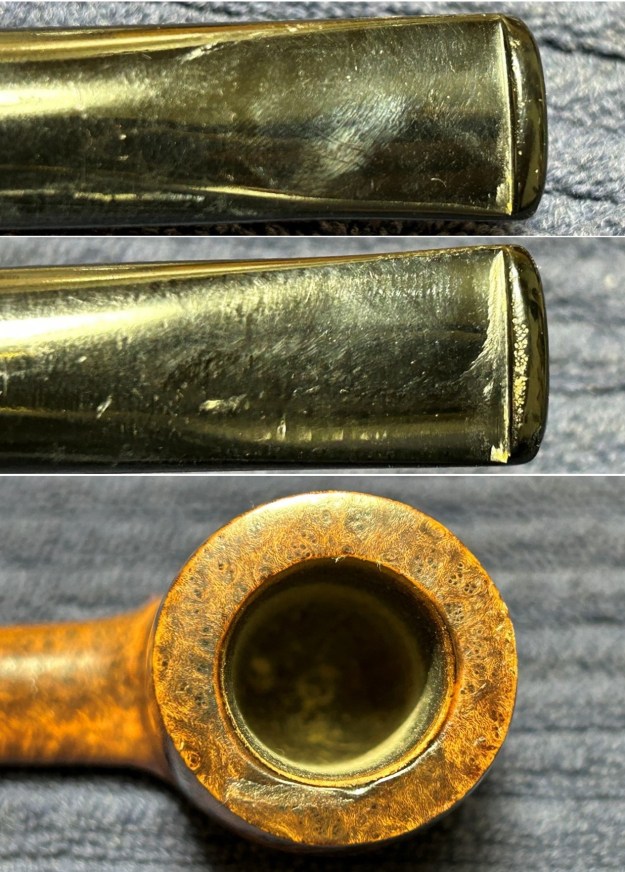
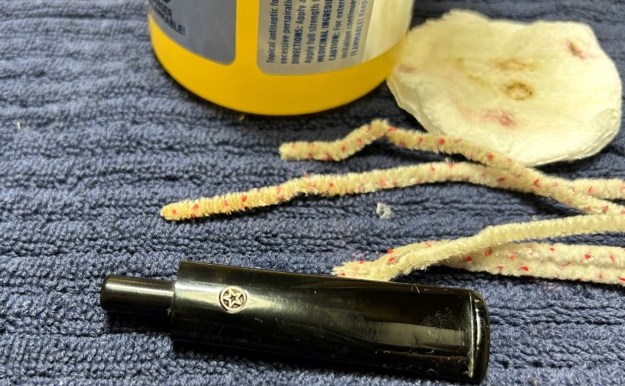
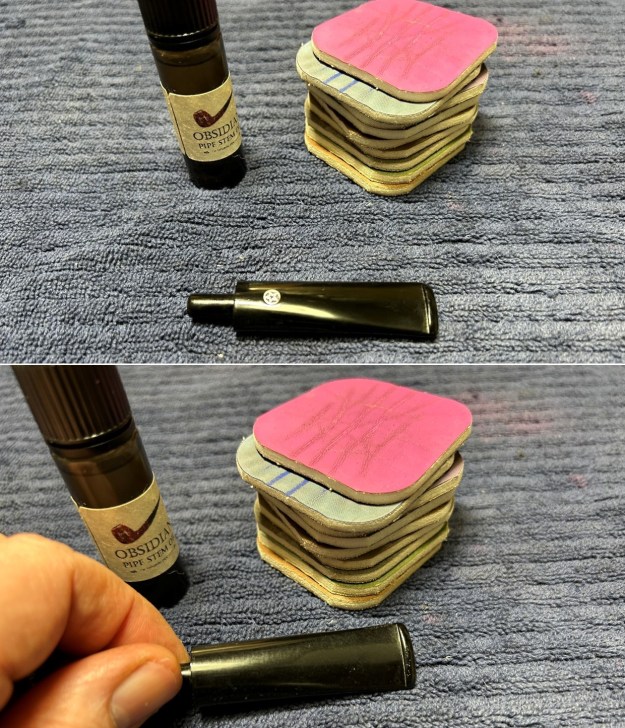
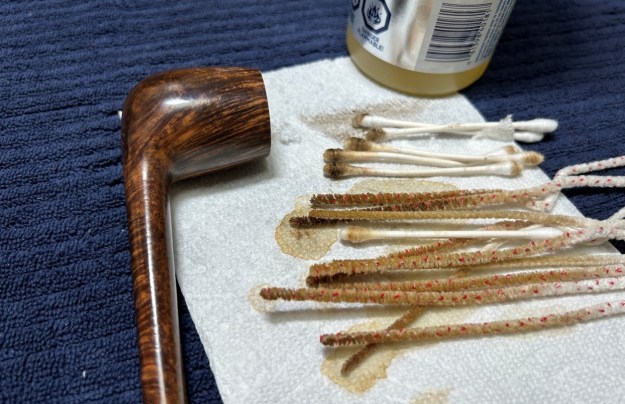
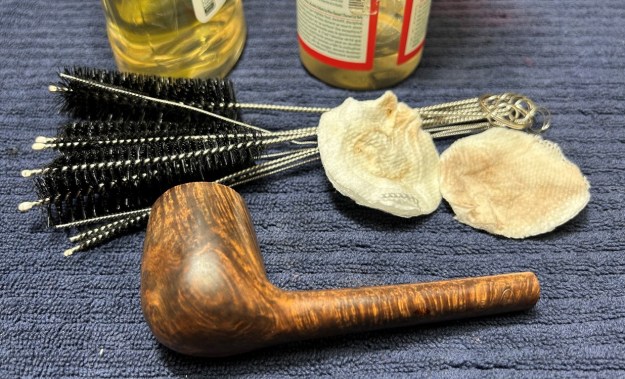
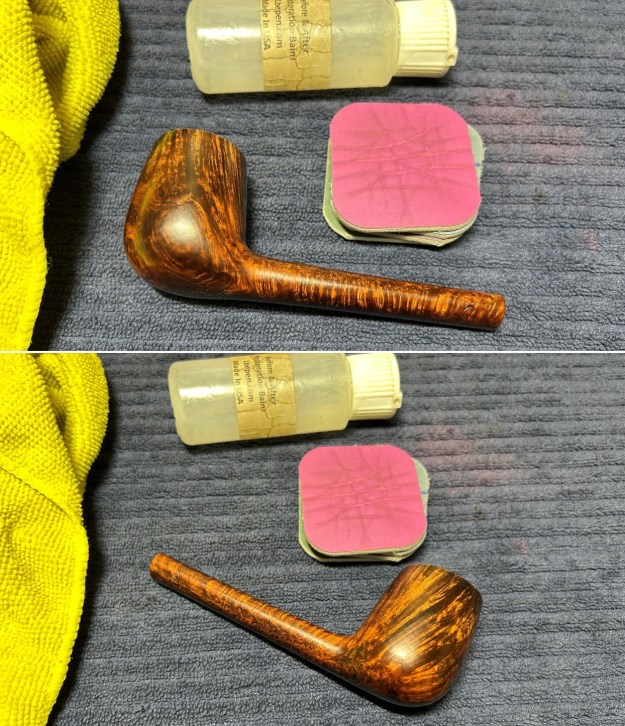
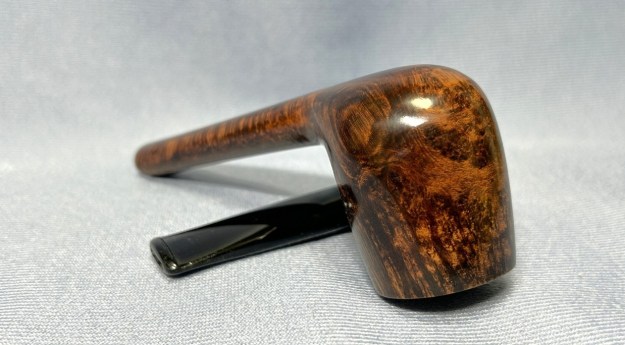
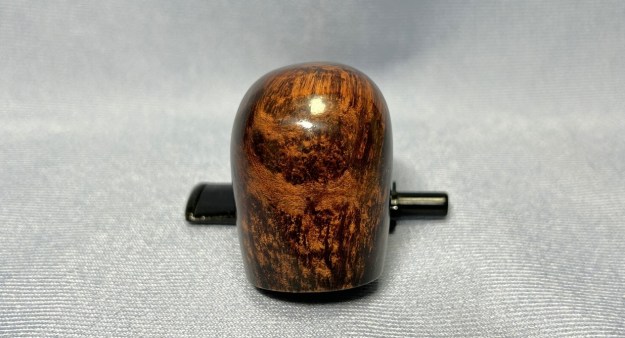
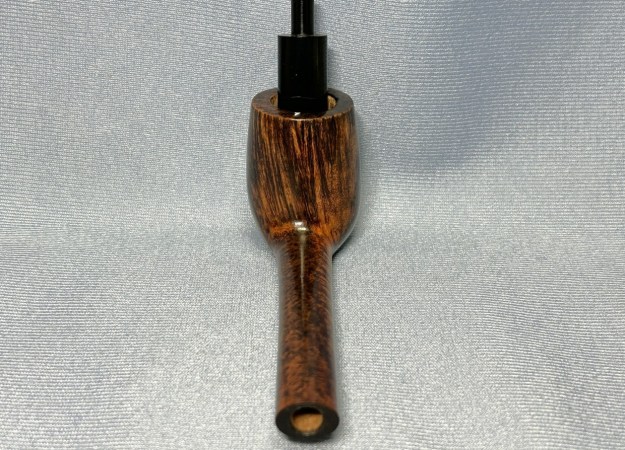
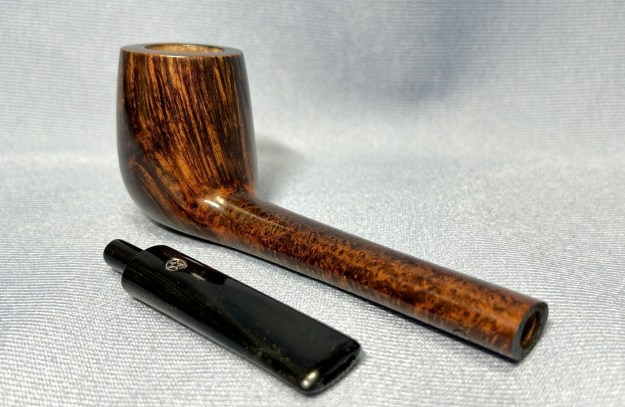
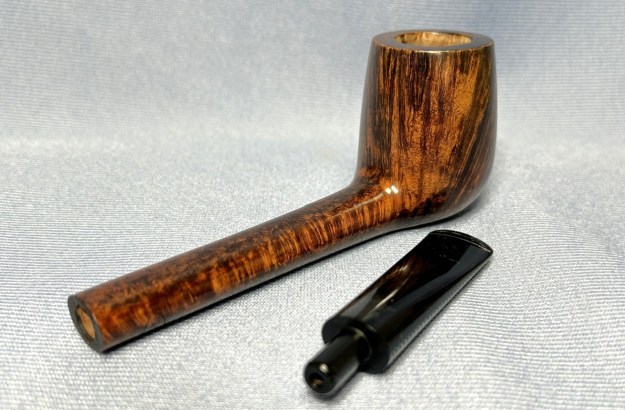
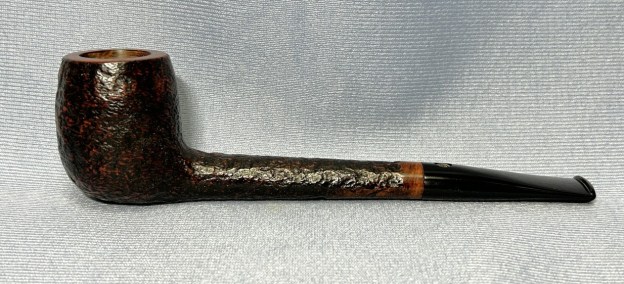
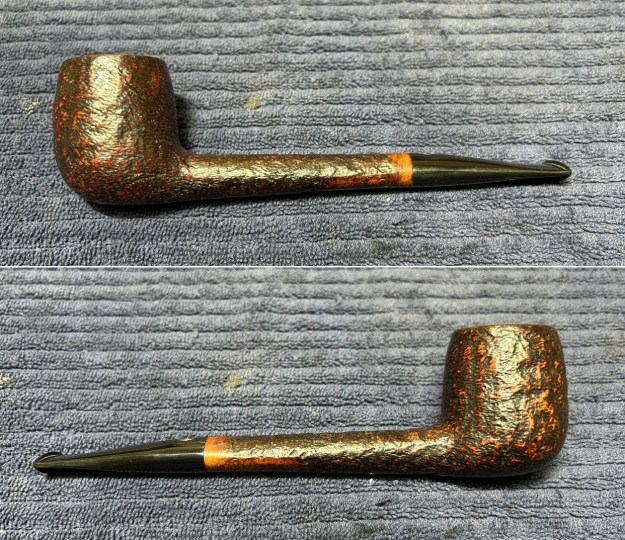
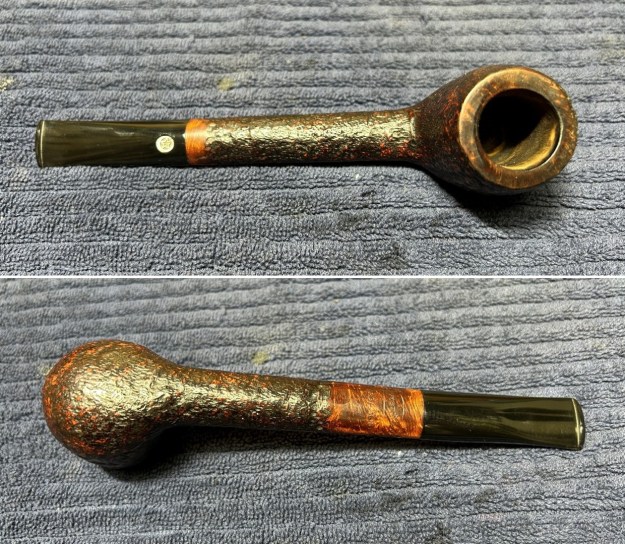
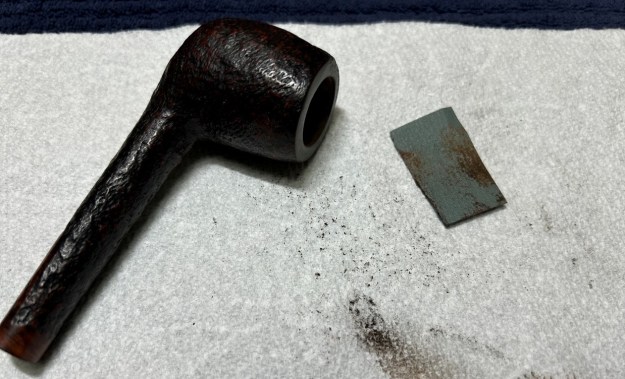
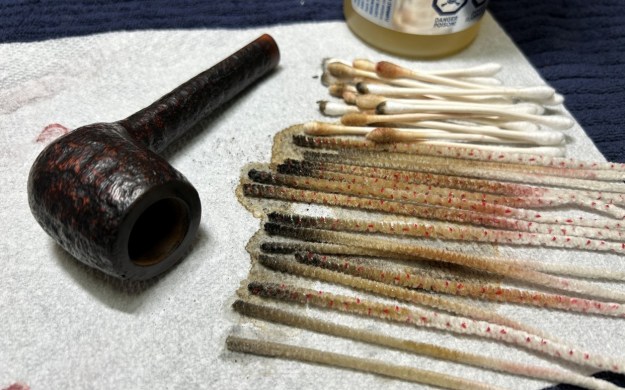
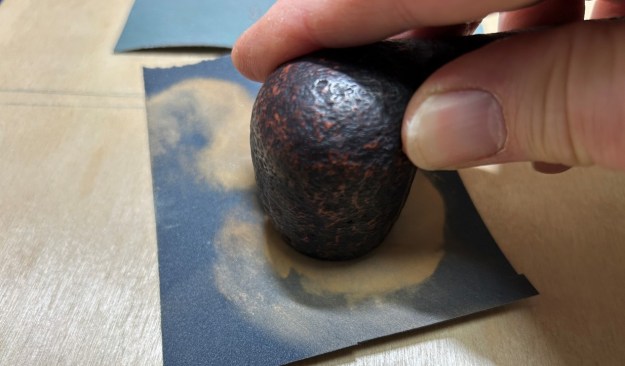
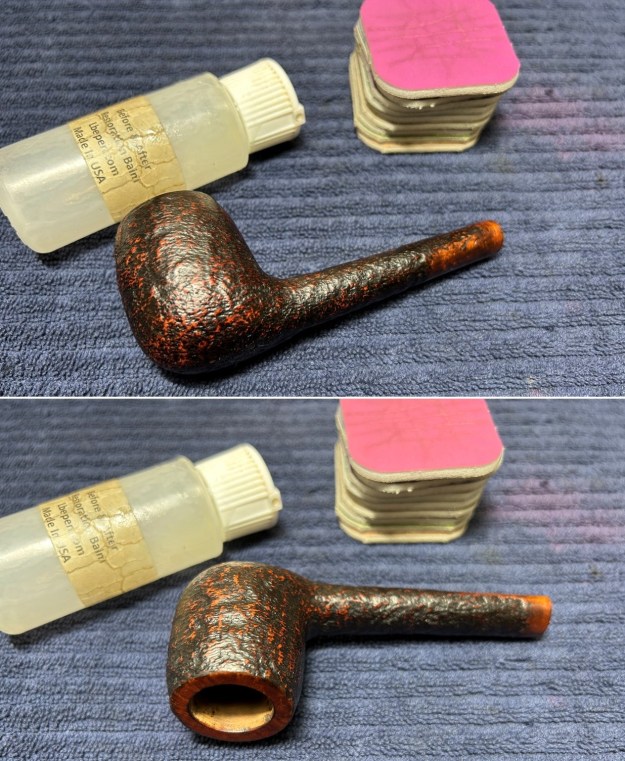
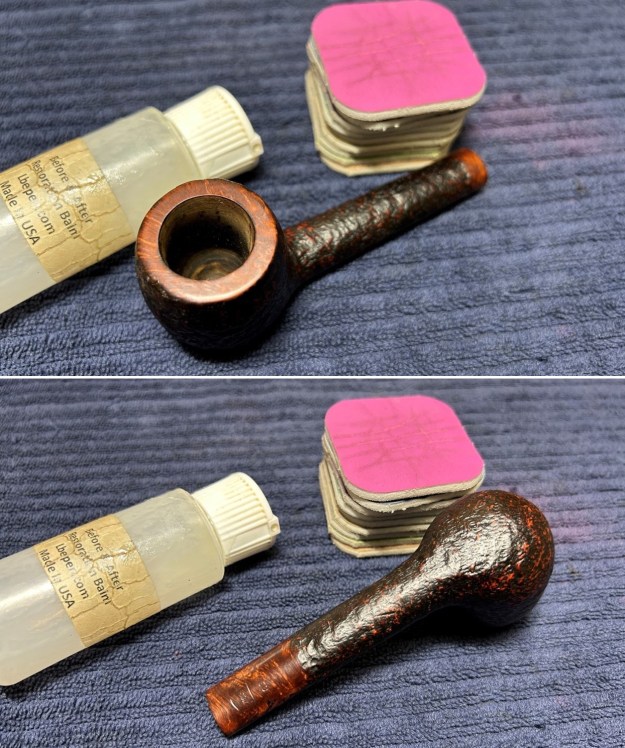
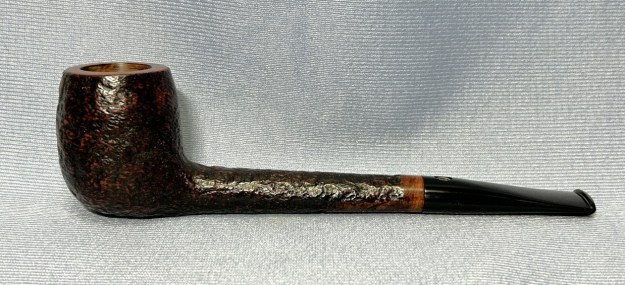
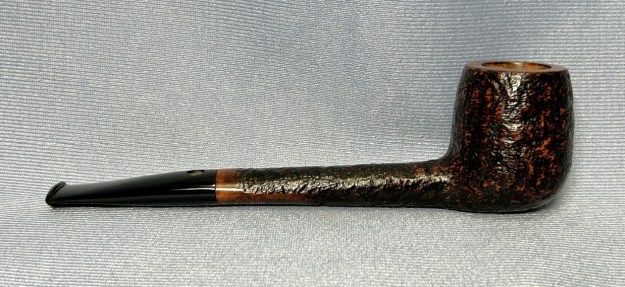
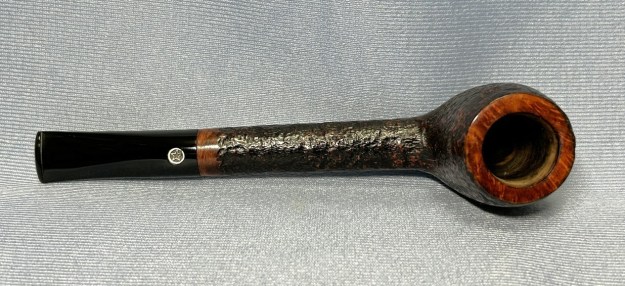
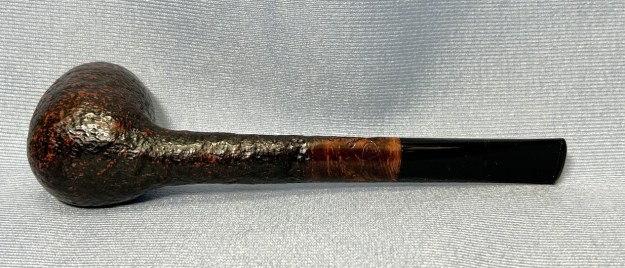
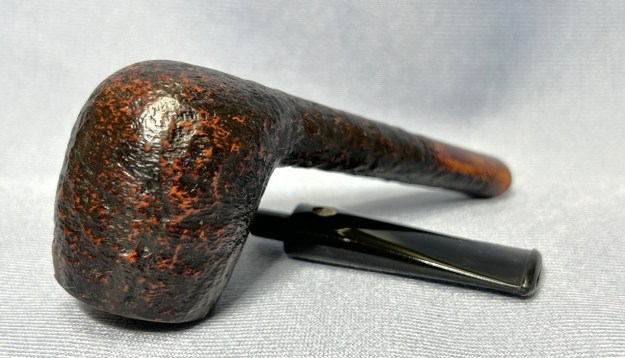
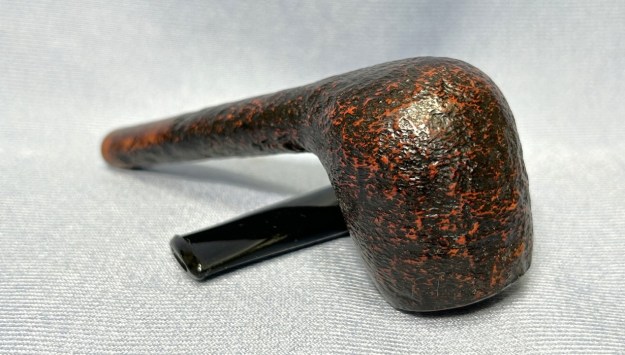
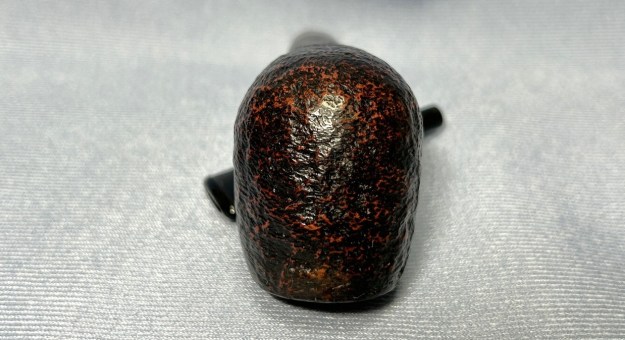
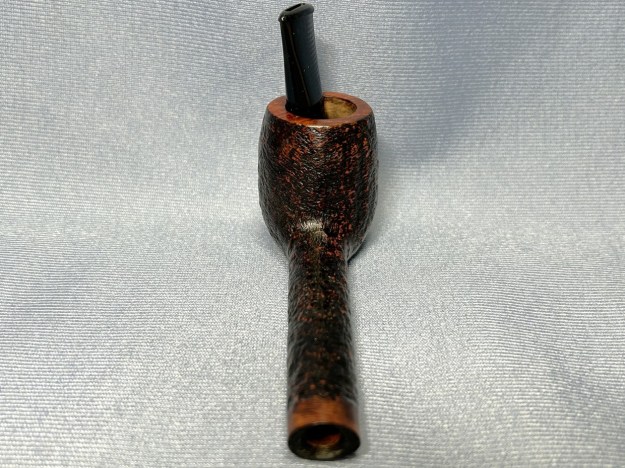
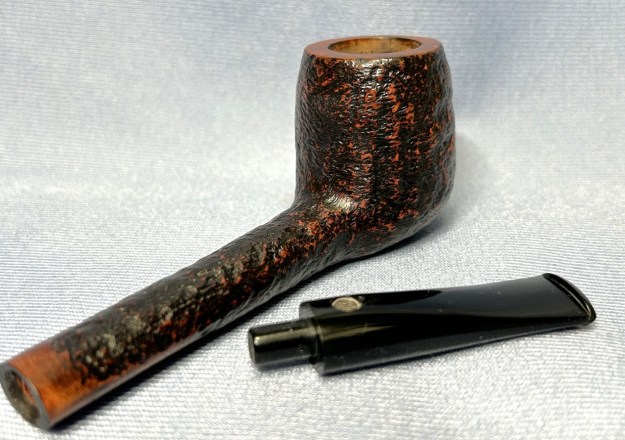
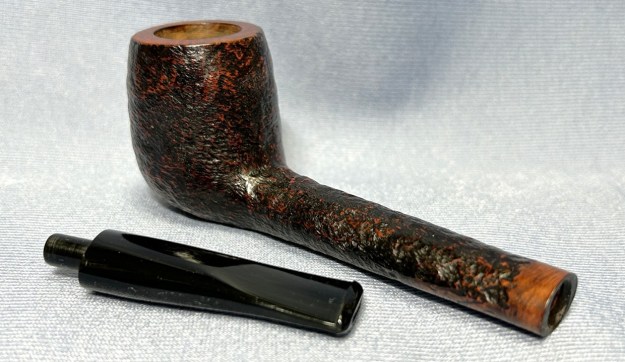
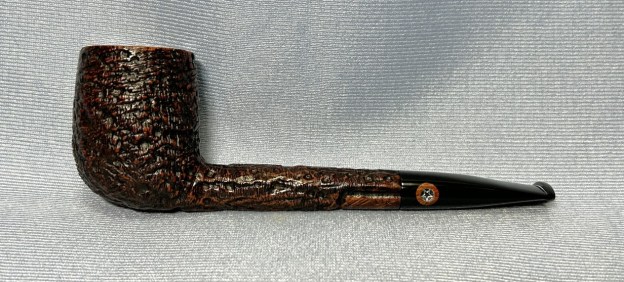
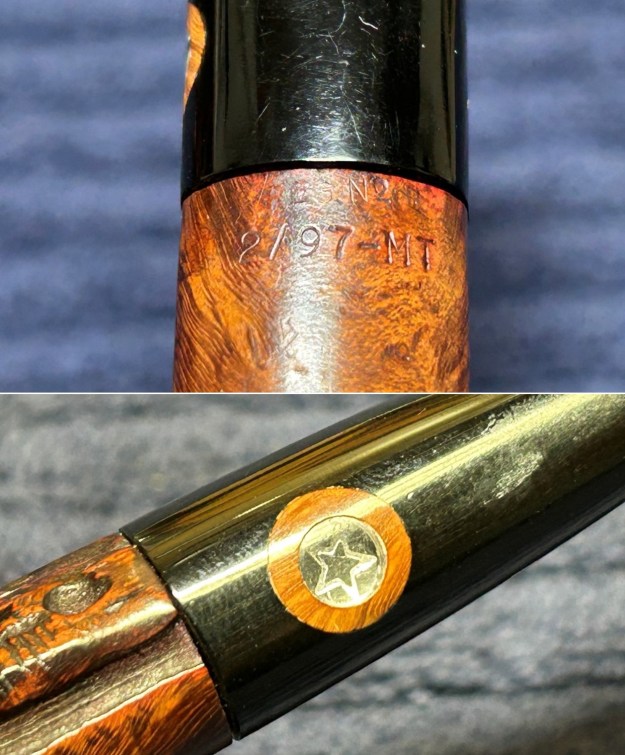
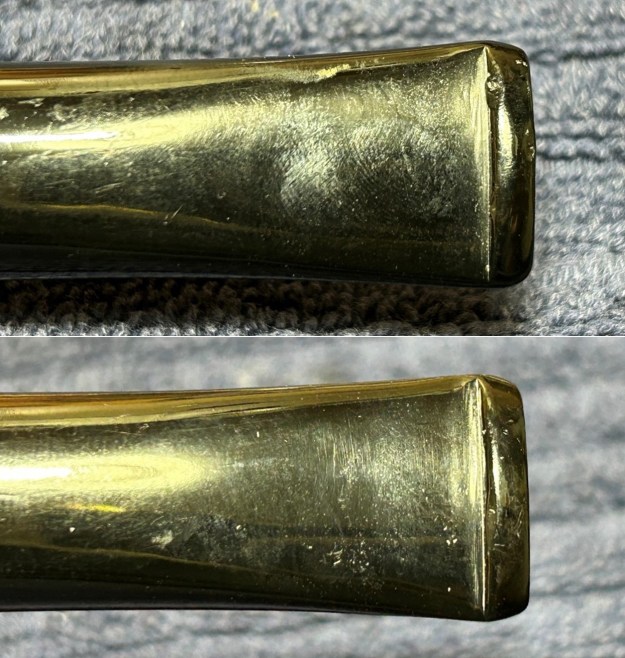
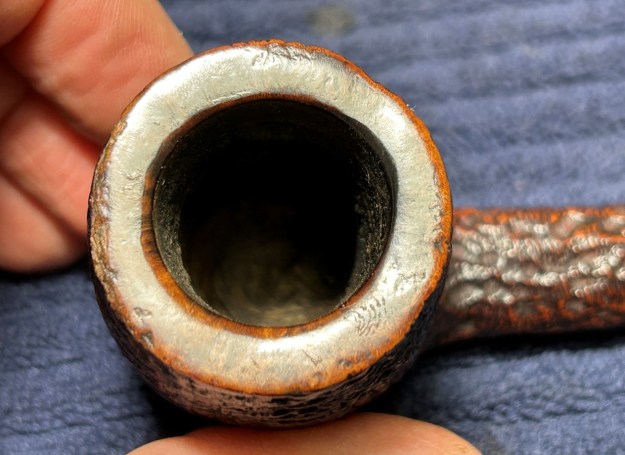
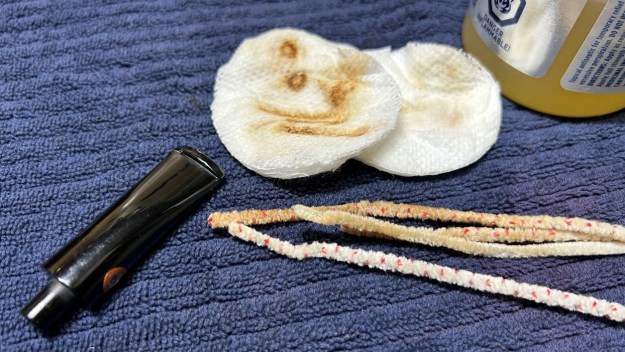
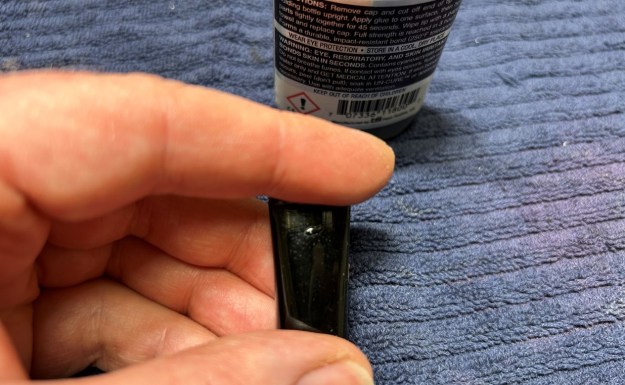
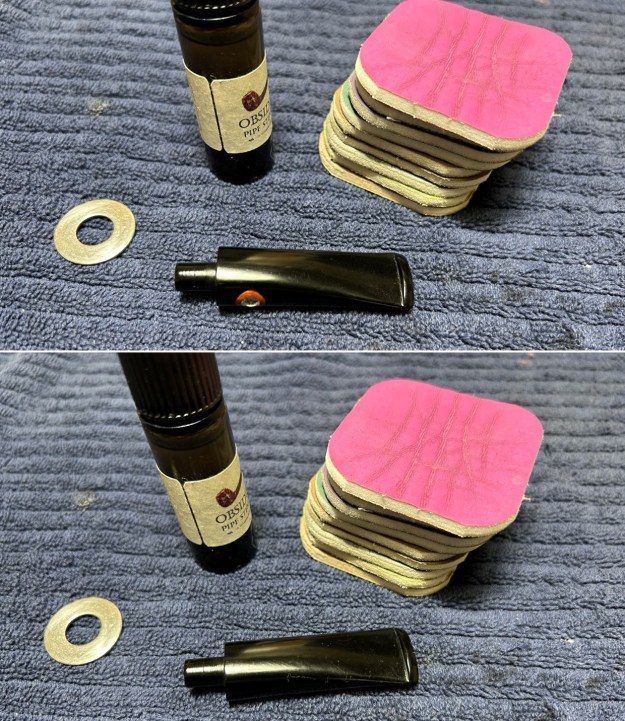
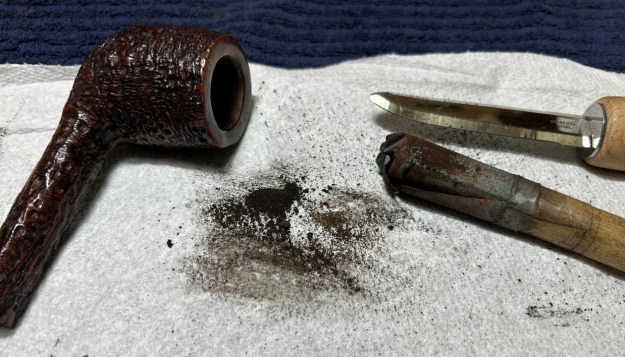
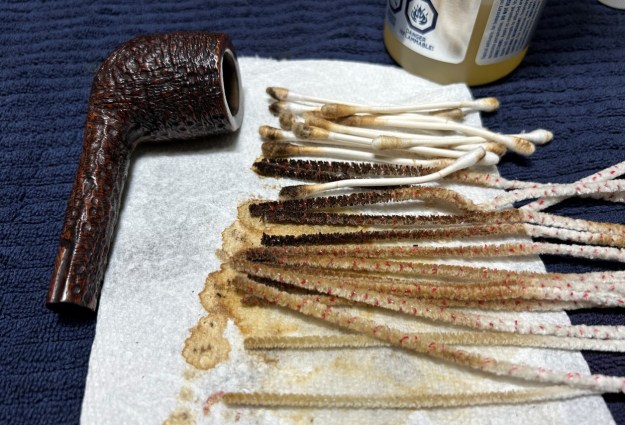
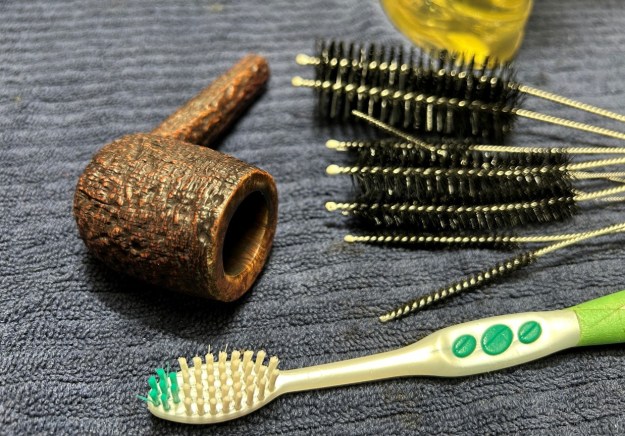
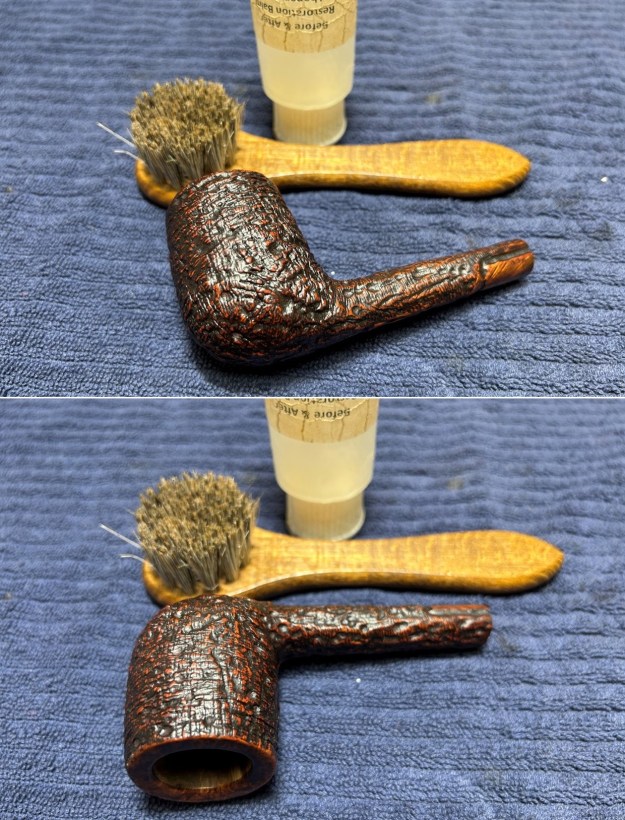
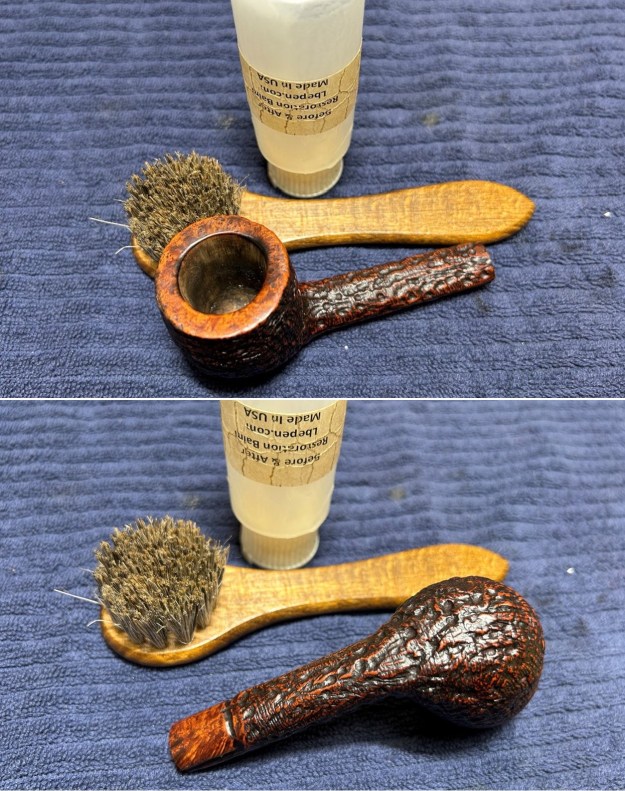
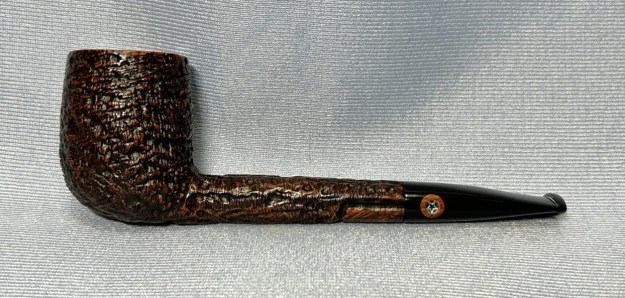
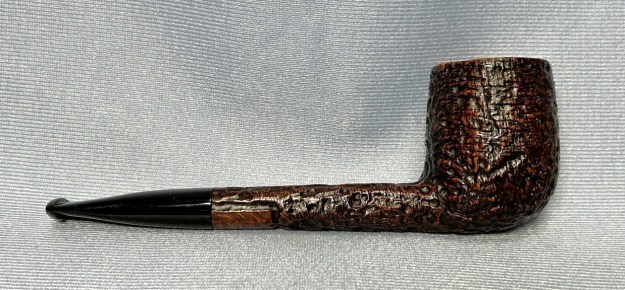
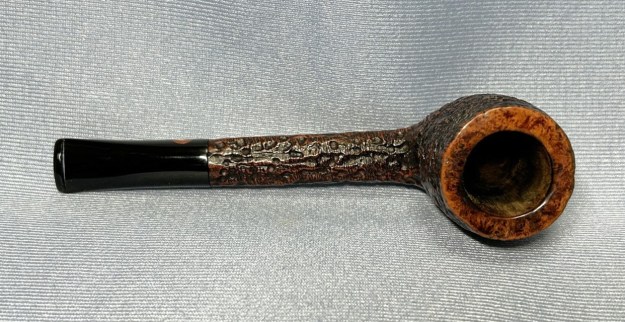
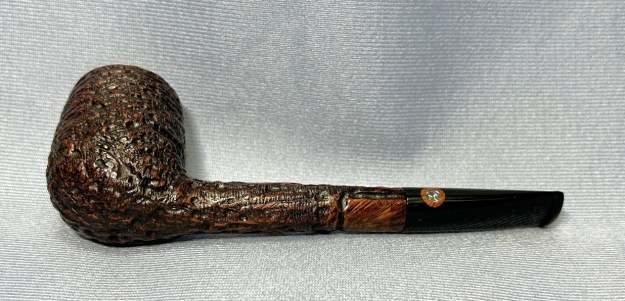
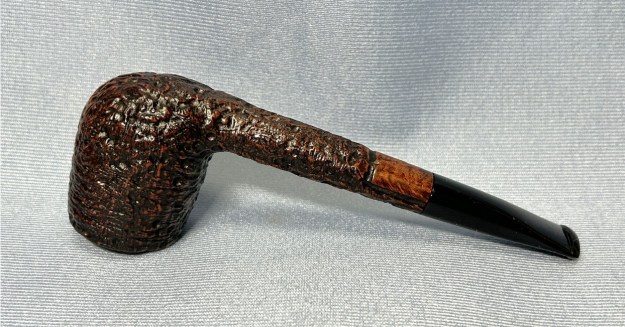
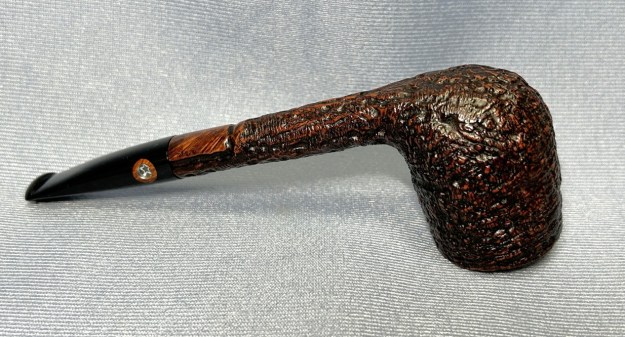
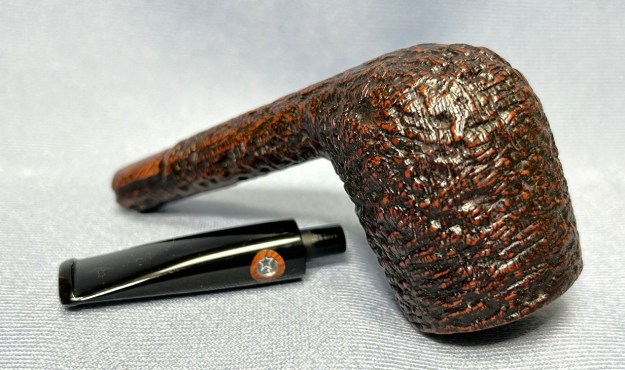
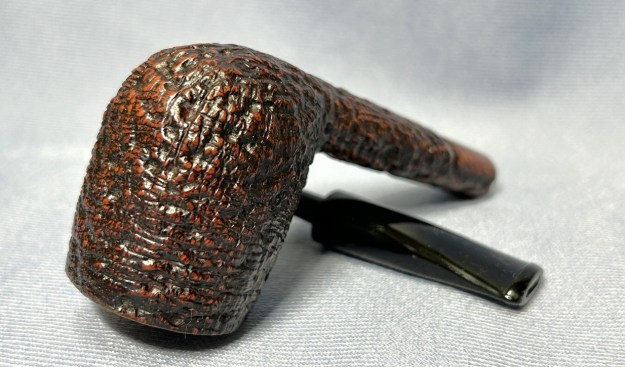
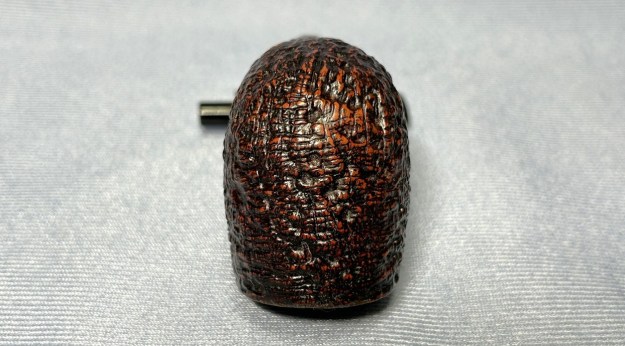
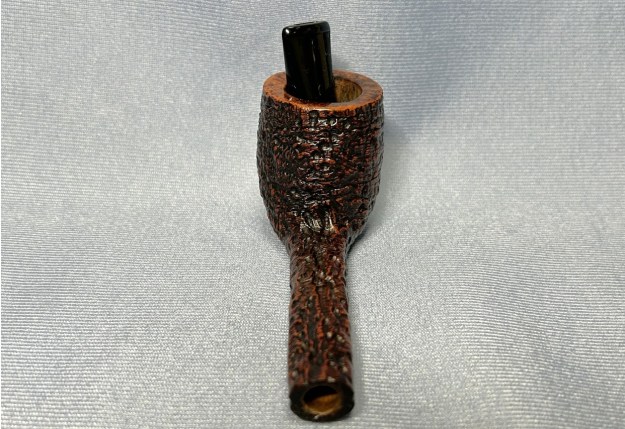
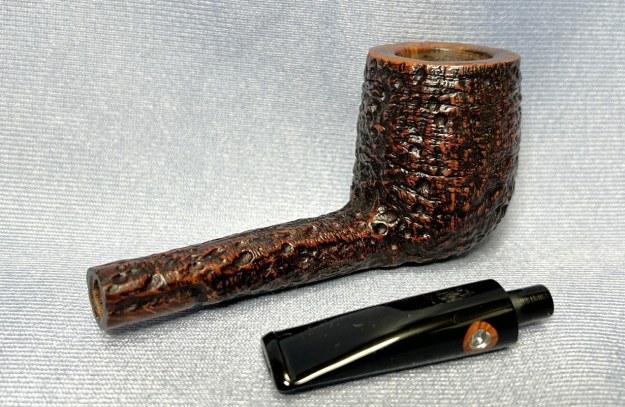
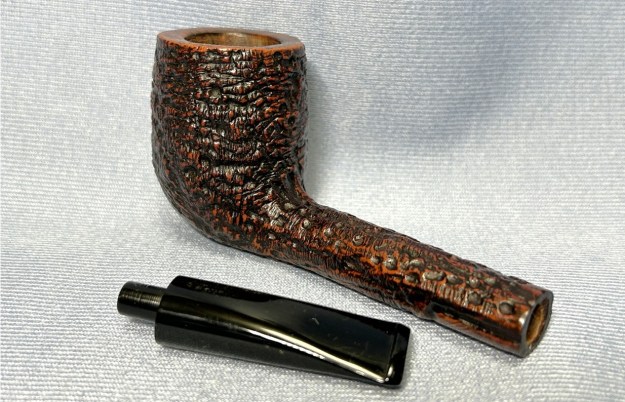
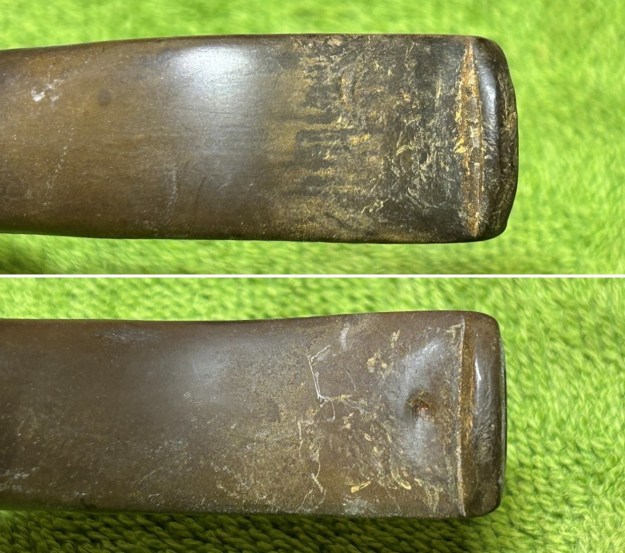
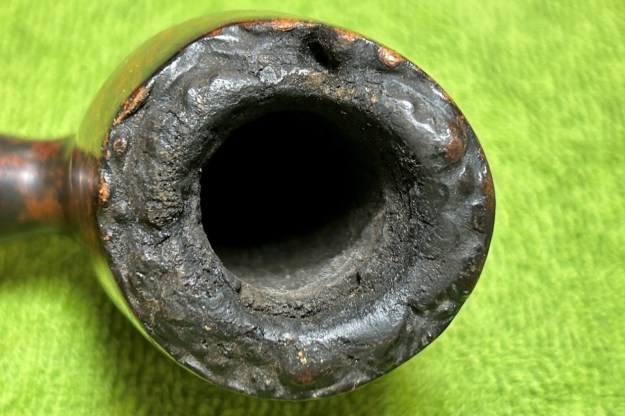
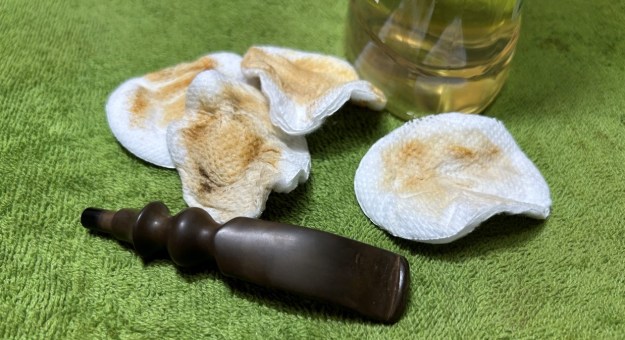
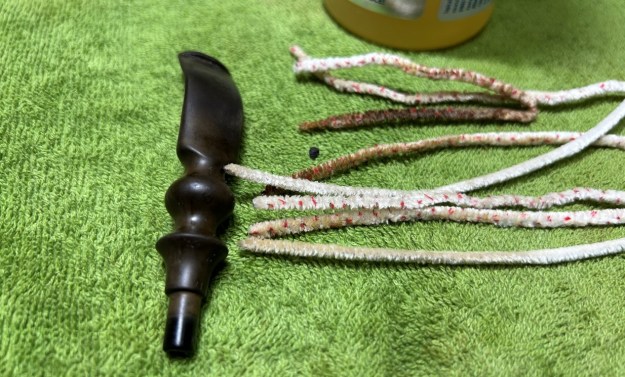
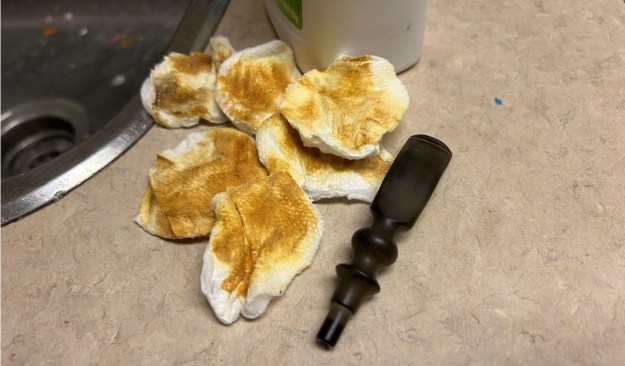
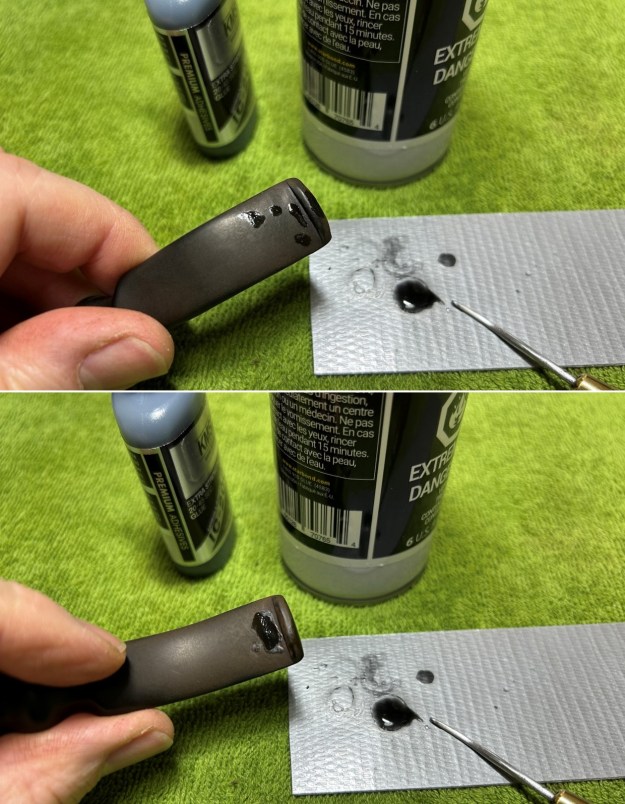
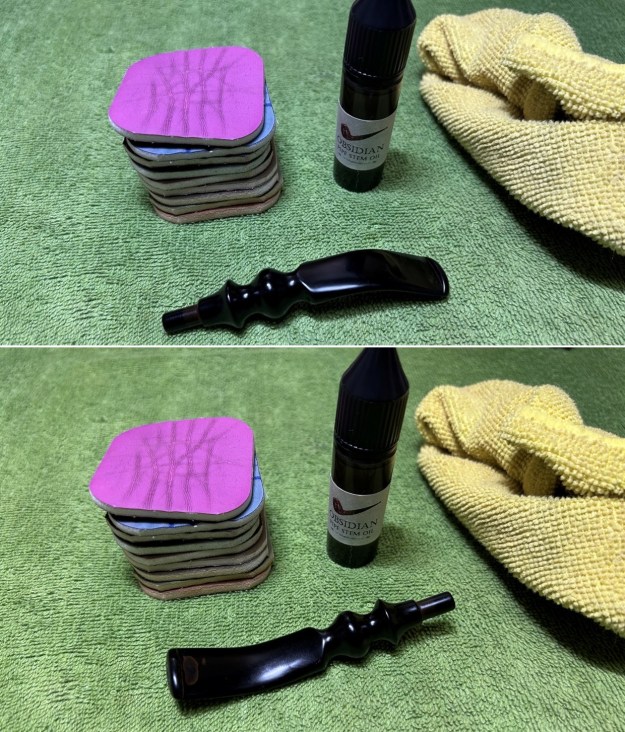
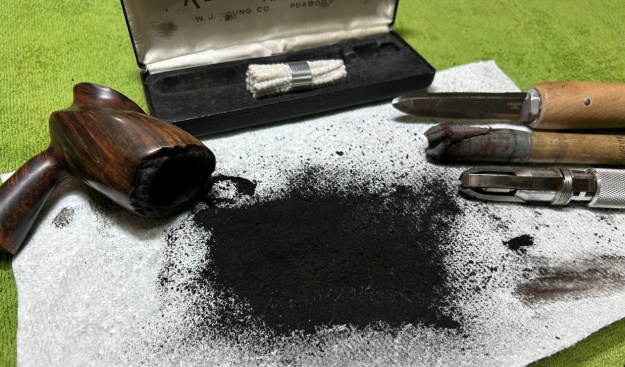
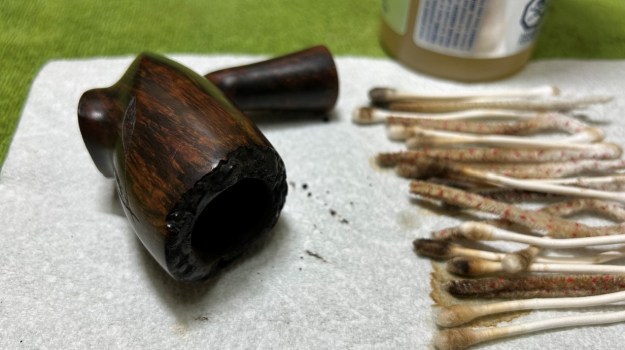
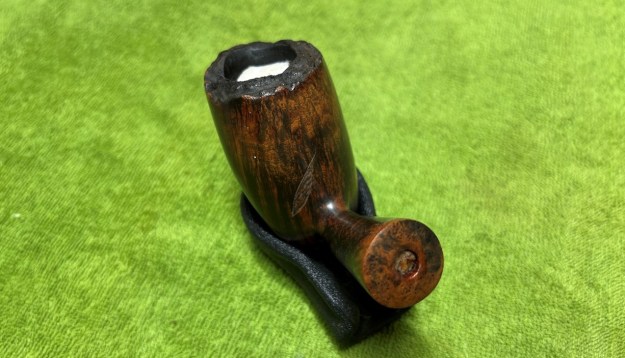
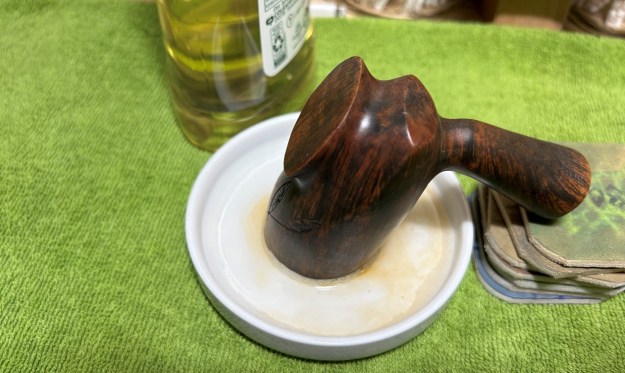
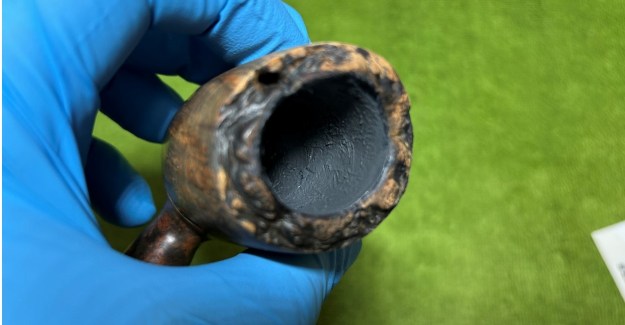
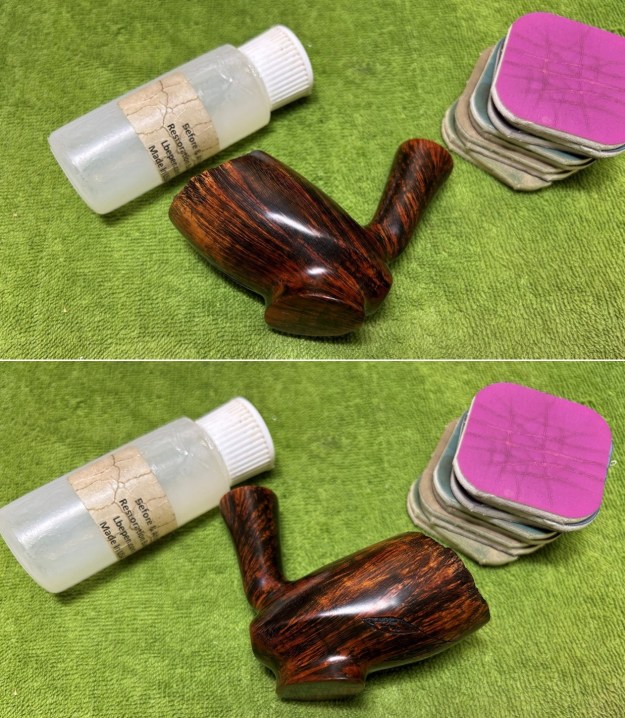
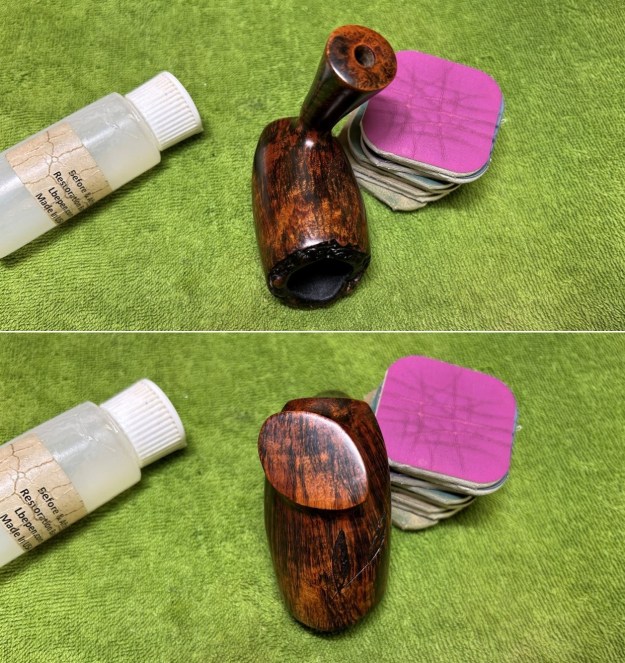
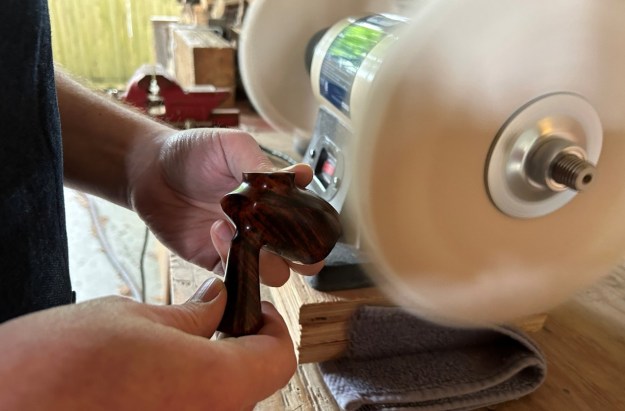
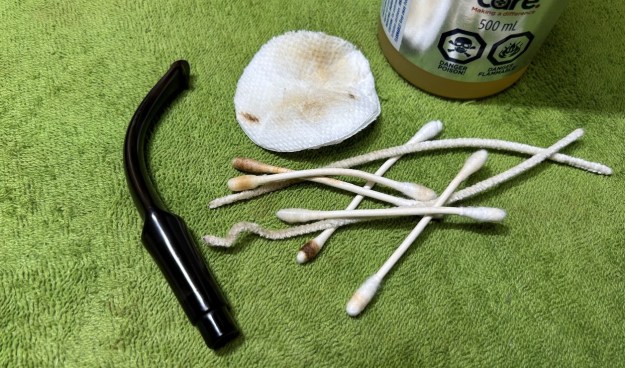
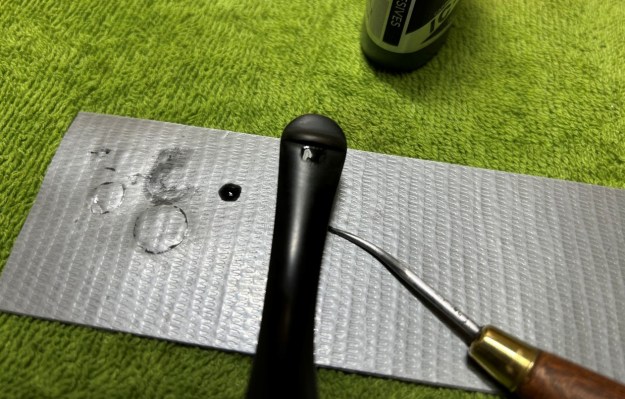
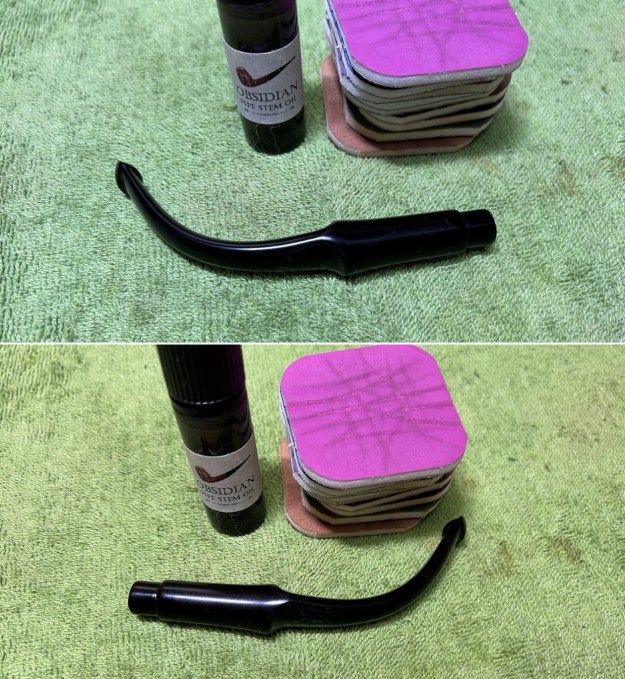
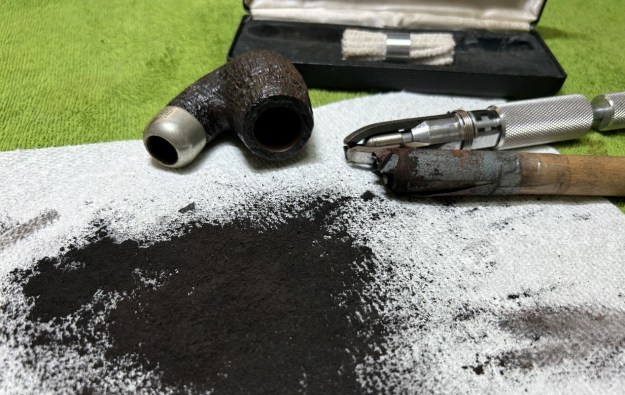
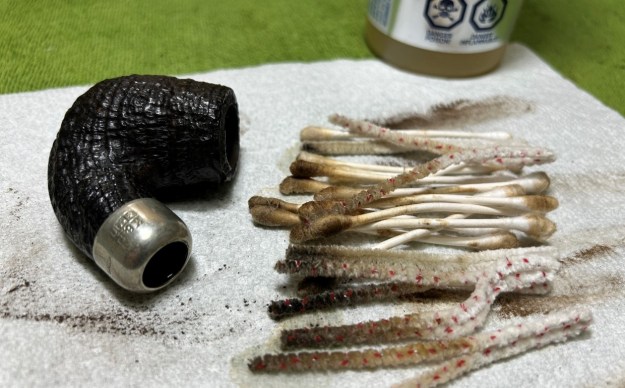
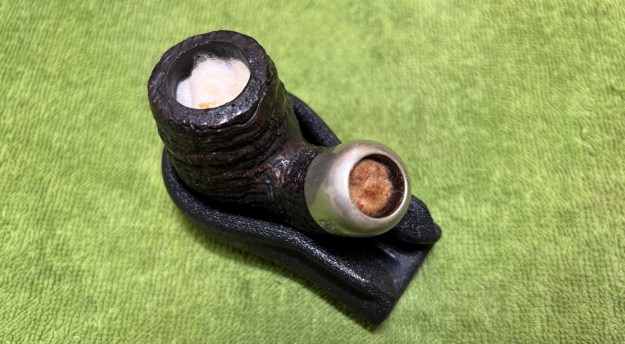
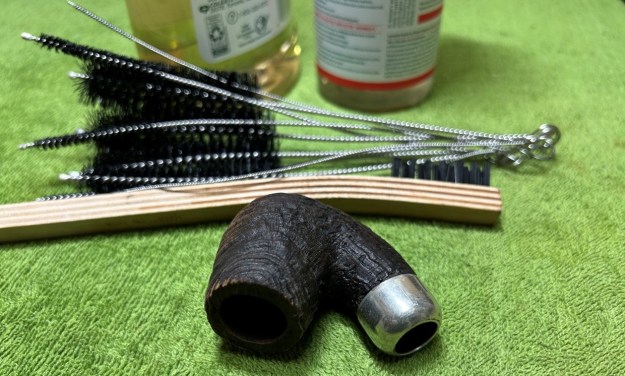
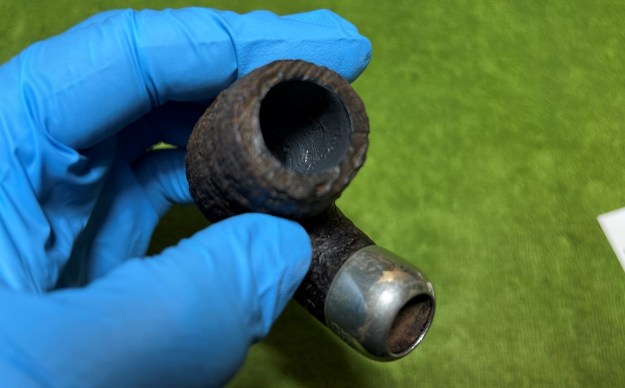
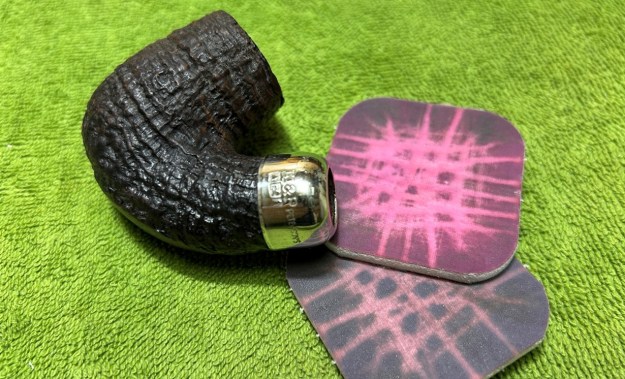
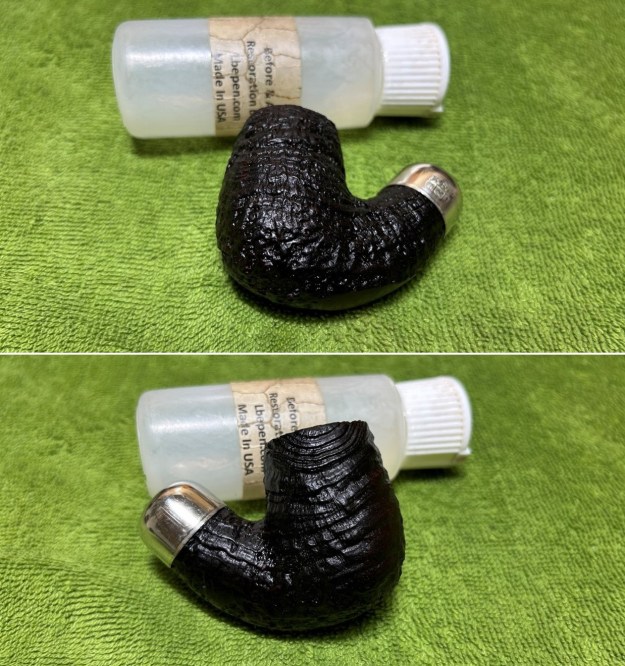
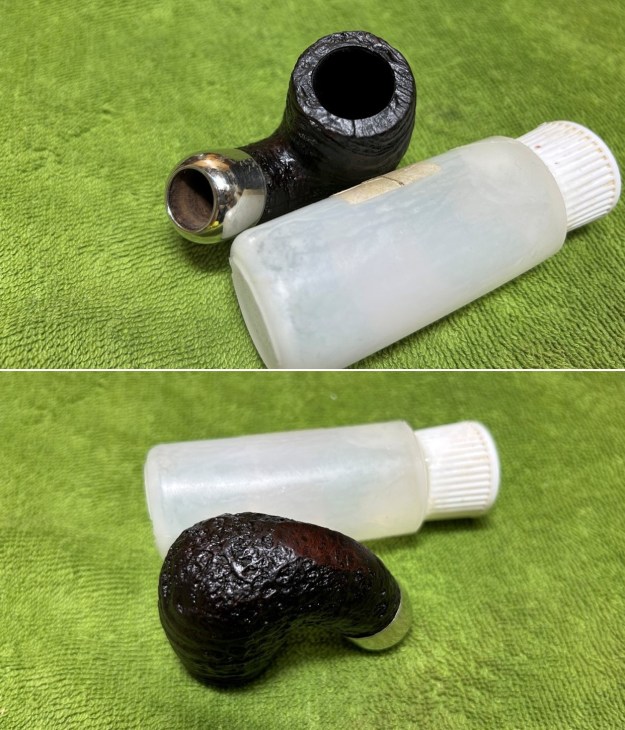
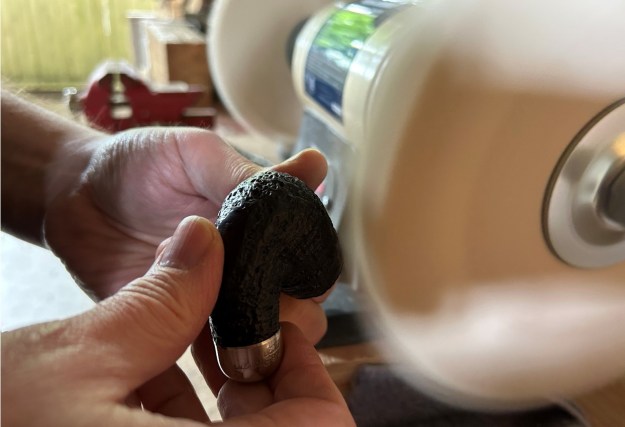
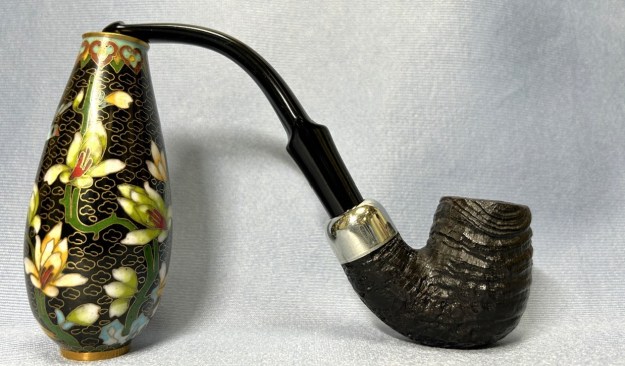
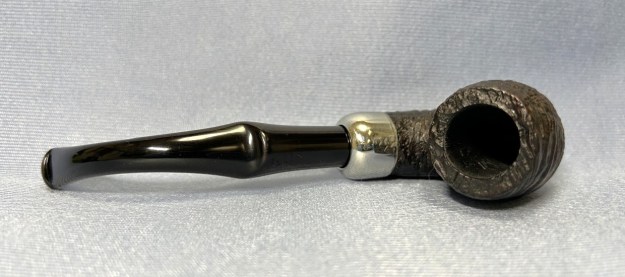
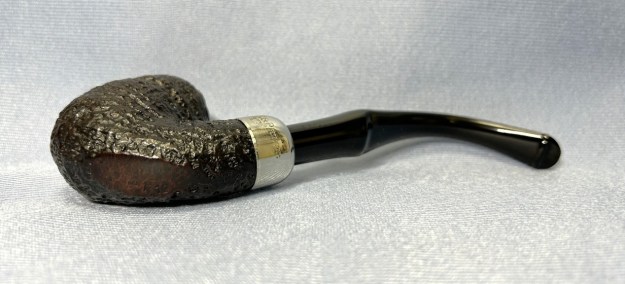
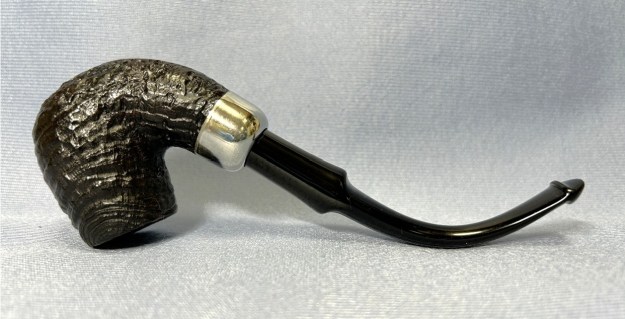
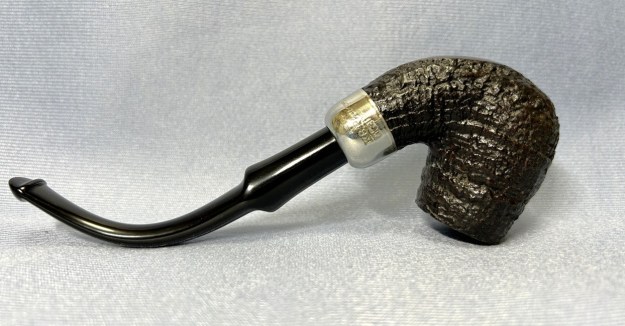
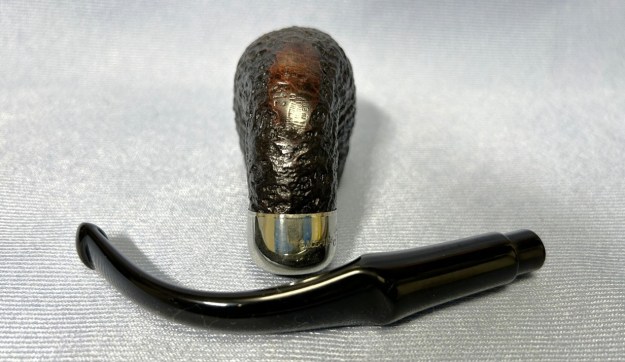
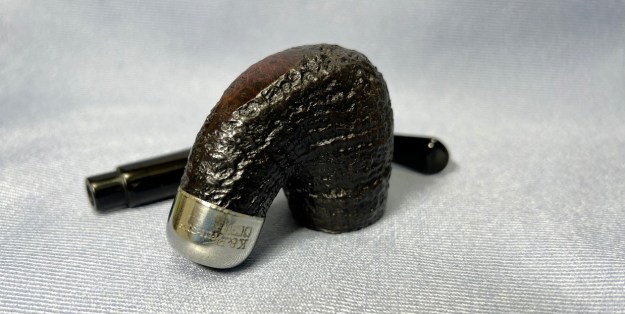
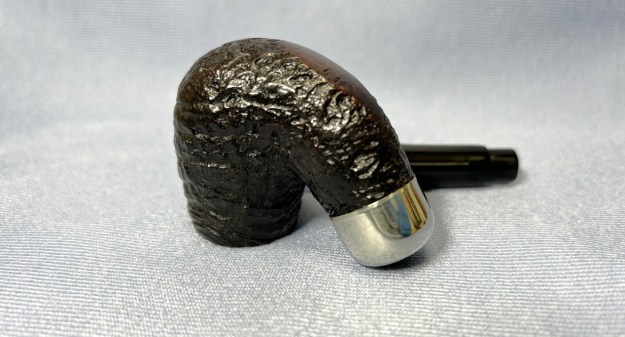
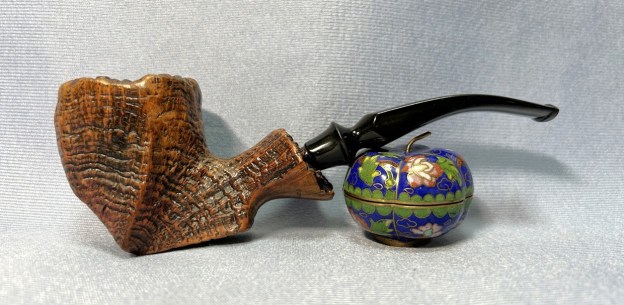
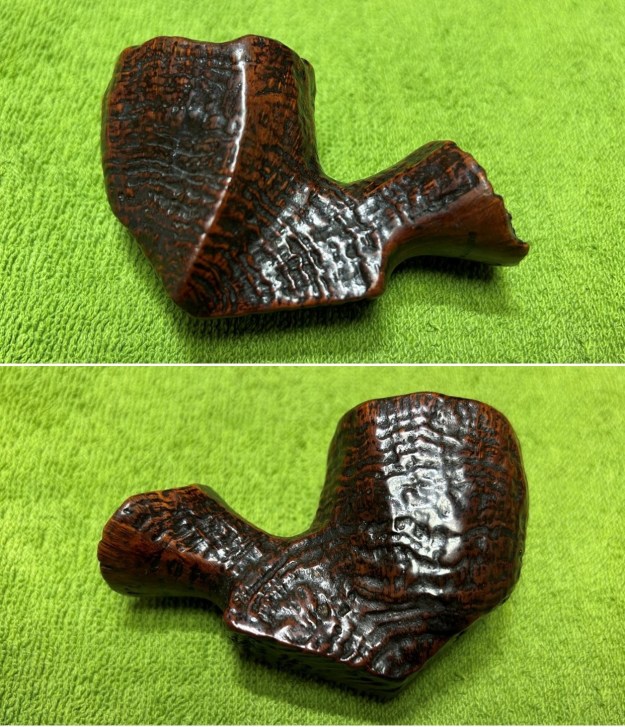
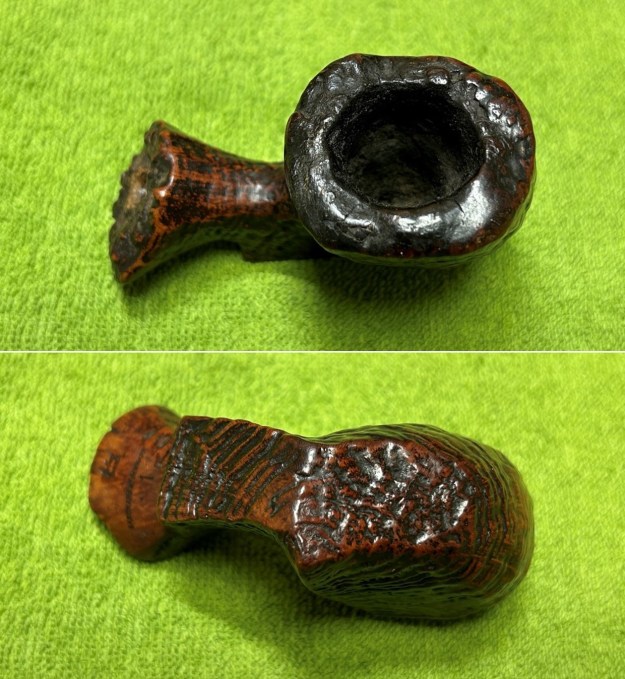
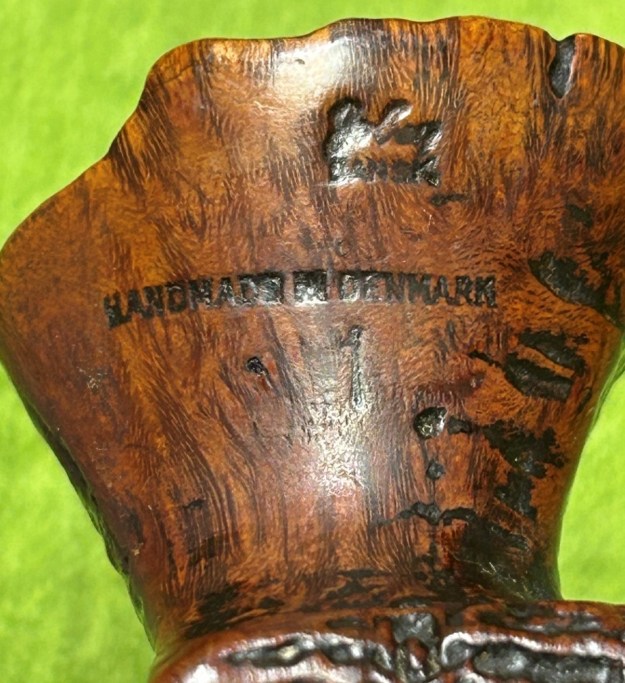
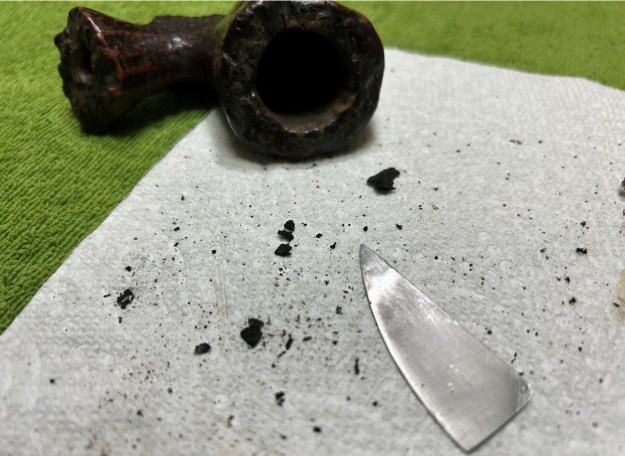
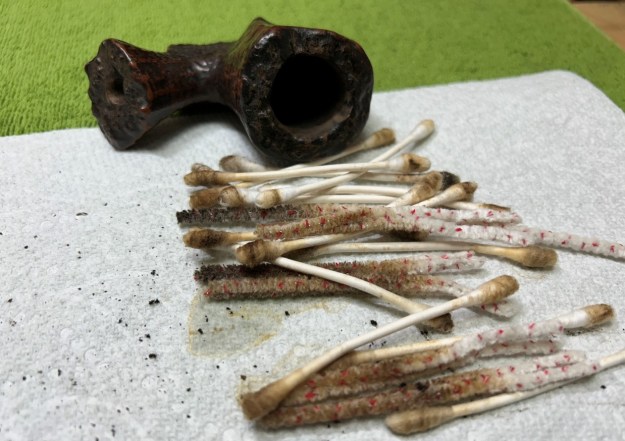
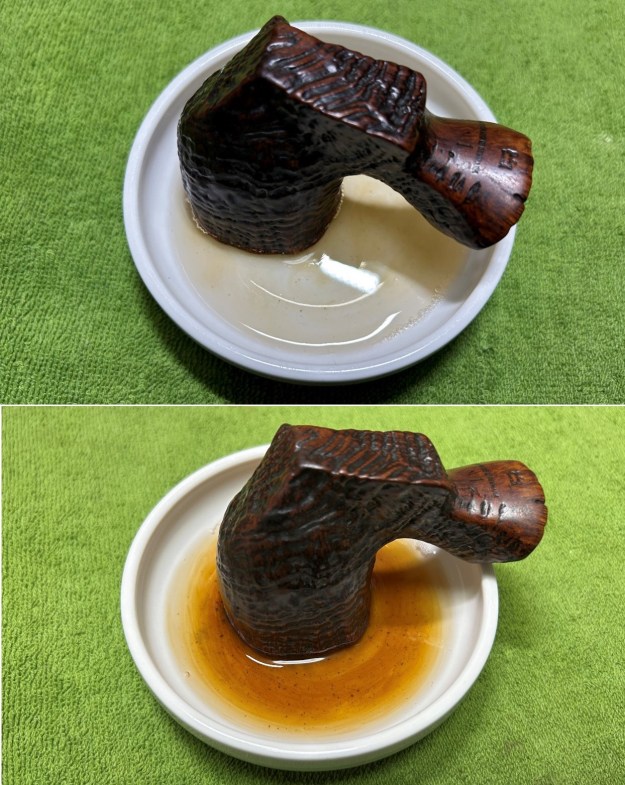
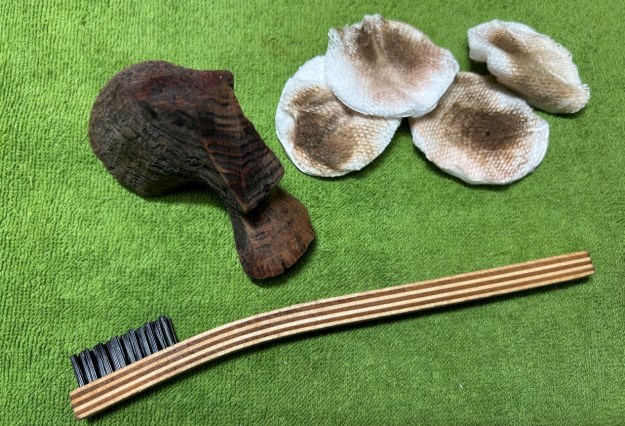
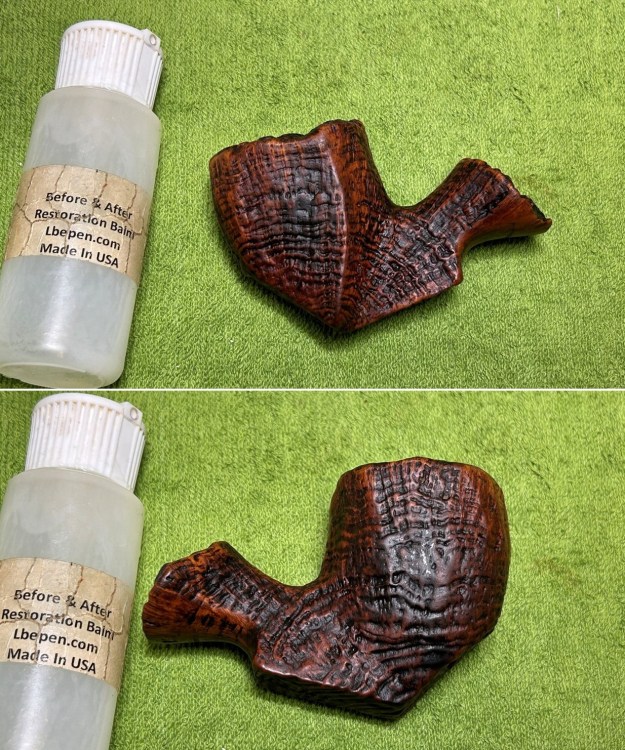
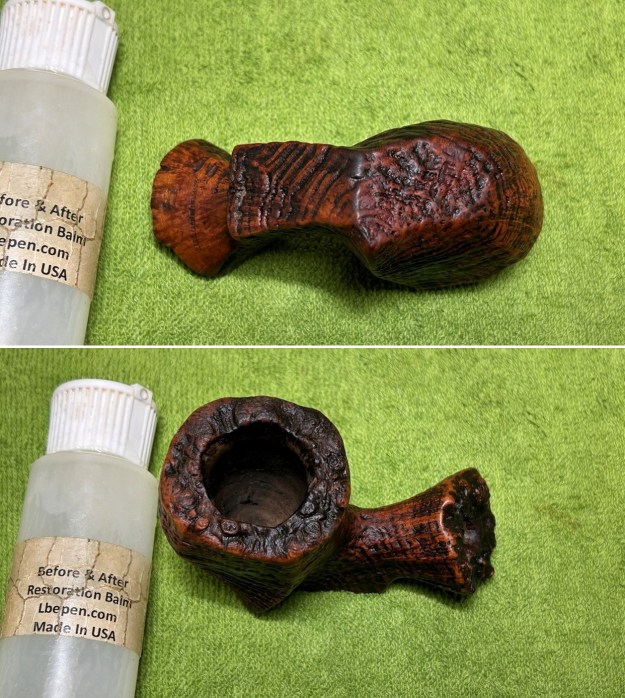
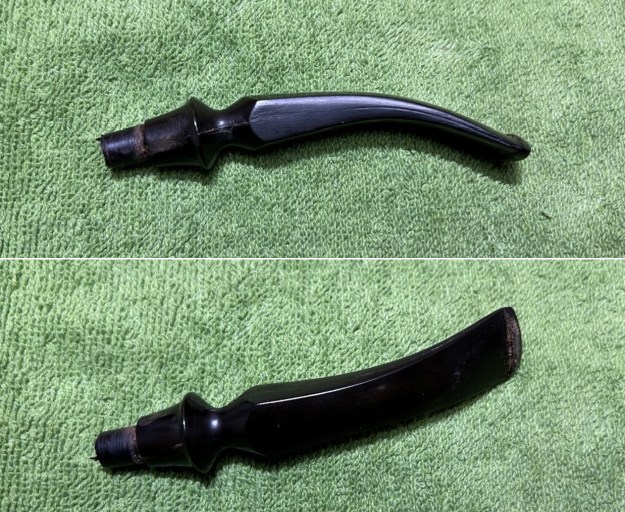
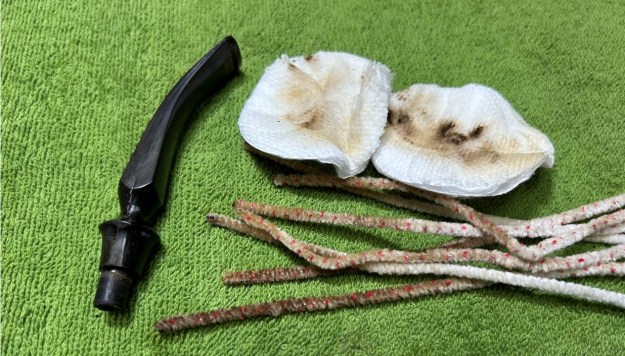
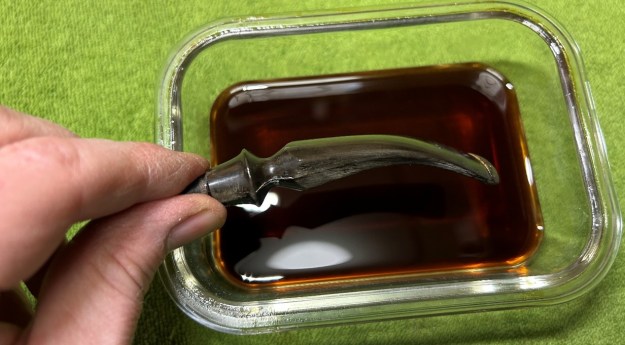
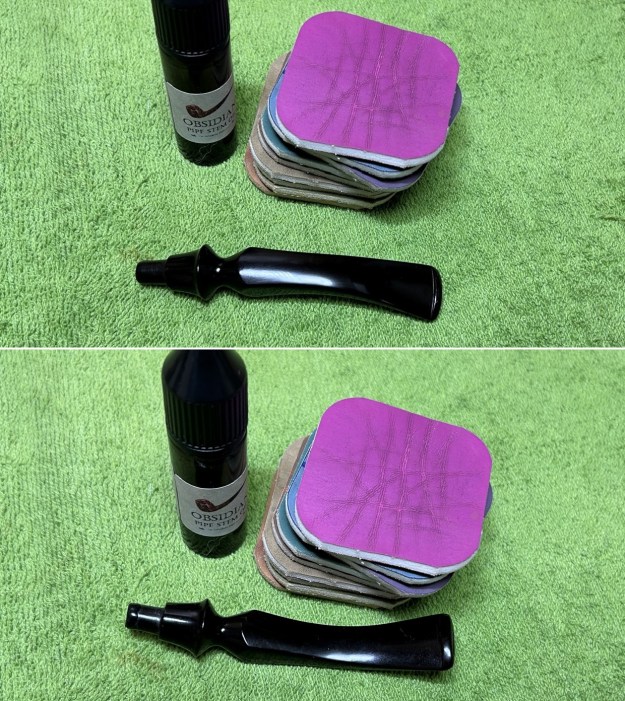
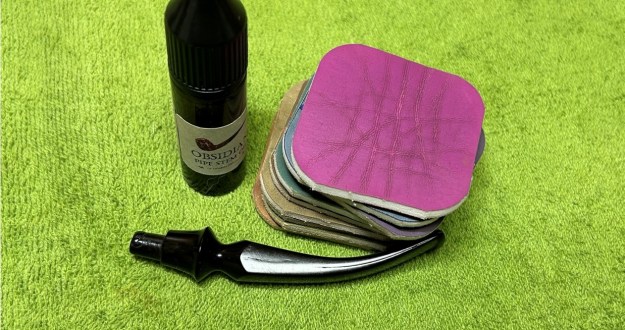
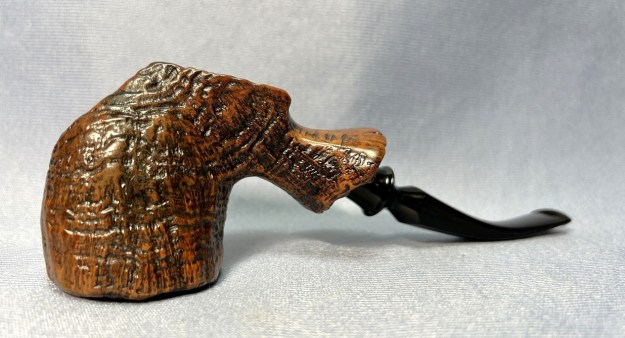
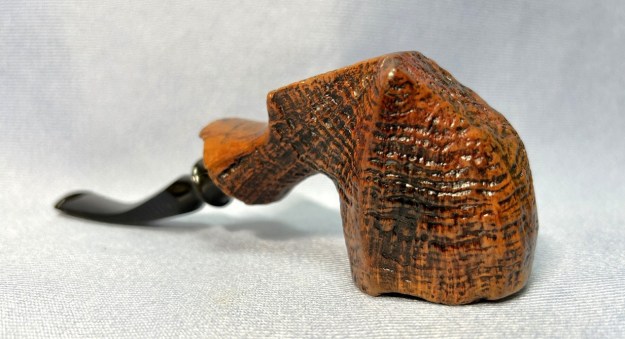
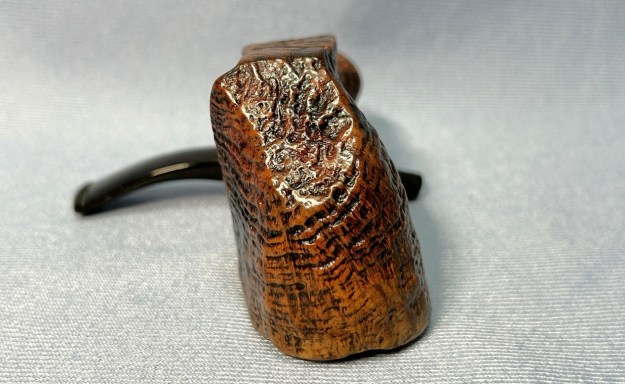
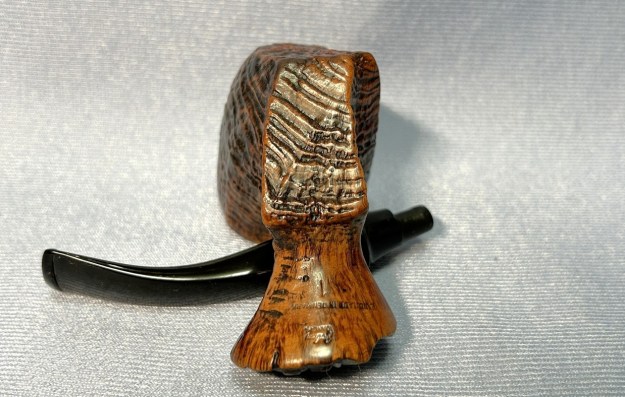
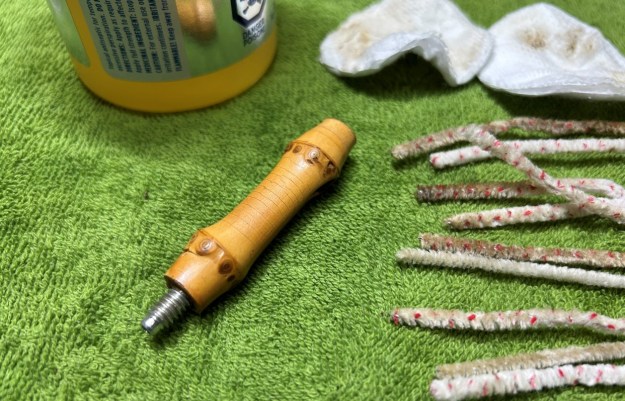
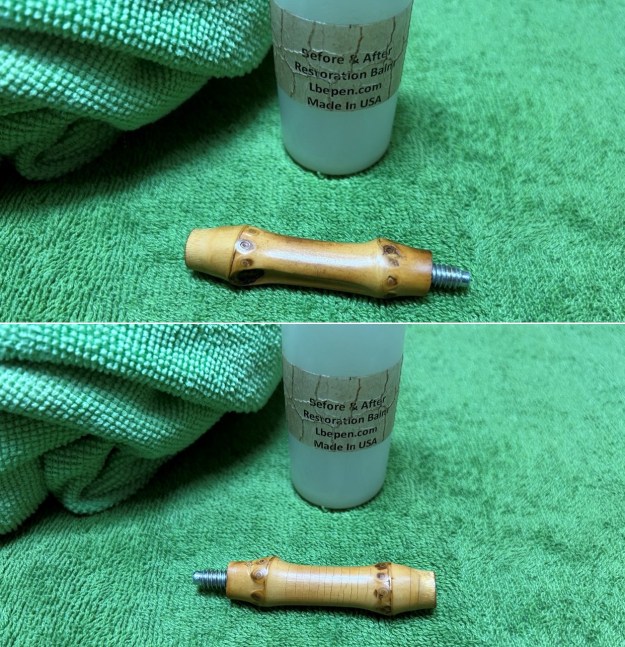
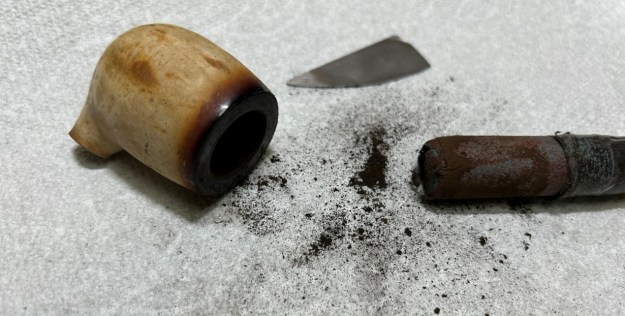
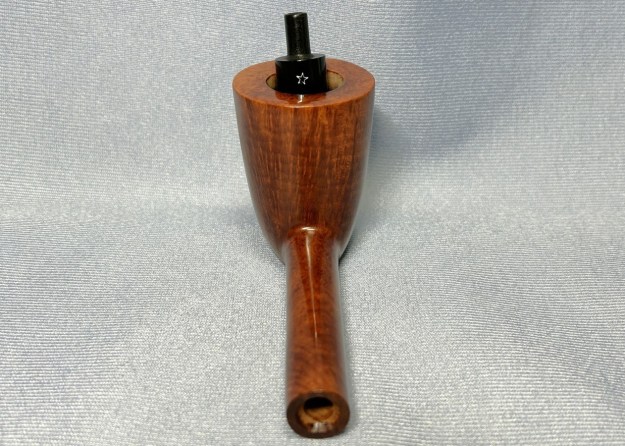
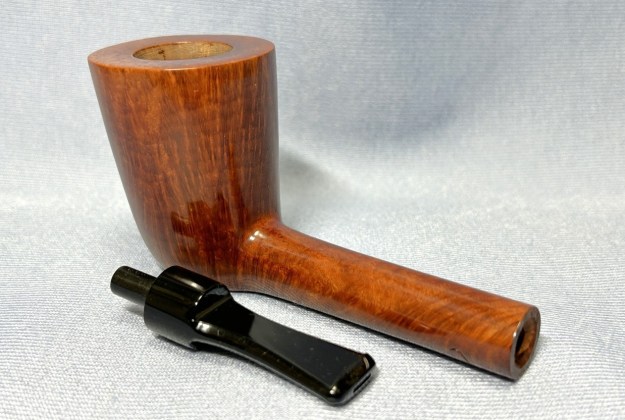
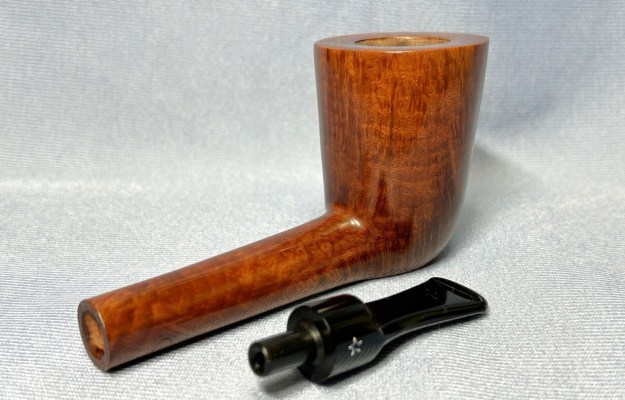
Ah, there’s something awfully satisfying about a really rugged rustication – the craggy, rock-like formation is a very fine thing. This Jobey Stromboli 200 bent bulldog has that great rustication in spades. The pipe had a precise diamond shank and a beautiful acrylic stem with a Jobey link system screw tenon. I acquired this pipe in a lot, where most of the pipes had been very well cared for. This was no exception and looked like a fun pipe to restore. On the underside of the shank were the markings. They read Jobey [over] Stromboli [over] 200. To the right of that, at a 90-degree angle from the other text, was the word France. Finally, on the stem was the Jobey logo in a brass oval. Regarding Jobey, Pipephil tells us that “These pipes are made in St Claude (France) by Butz-Choquin (Berrod-Regad group) since 1987. Before this date some were manufactured in England and Denmark (Jobey Dansk).”This Jobey was in very good condition and didn’t require much work – as the photos attest. The stem had only minimal wear and was hardly dirty. The stummel was equally clean, but the rim had been lit a bit aggressively. Perhaps a cigar lighter was foolishly used – who knows? Moving on… Since the stem is acrylic, there is no issue with oxidation. I used oil soap on a few cotton rounds and wiped the stem down to provide an initial cleaning before moving on to the next steps. The primary cleaning comes next. I cleaned the inside of the stem with both pipe cleaners and cotton swabs dipped in 99% lemon-infused isopropyl alcohol. I scrubbed thoroughly to make sure the interior was clean. Actually, it was quite clean to start with. Holding the stem to the light, you can see how clean it is – if it was heavily smoked, this would be very dark. Now that the stem is clean and dry, I set about fixing the few marks in the acrylic. This is done by filling those divots with clear cyanoacrylate adhesive. I left this to cure and moved on. The penultimate step for the stem is sanding. First, with my set of needle files, I reduce the bulk of the cyanoacrylate repairs. I want to remove the excess adhesive as near to the surface as possible, without cutting into the acrylic. Following that, I use all nine of the micromesh sanding pads (1,500 through 12,000 grit) to sand out flaws and provide gentle polishing of the finished surface. I also apply pipe-stem oil while using the last five micromesh pads. There was a wonderful shine to the stem when I was done. Now that the stem is (nearly) complete, I can move on to the stummel. The first step for me is to ream out the bowl – that is to say, remove all the cake inside the bowl. This accomplishes a couple of things. First (and most obviously), it cleans the bowl and provides a refurbished chamber for future smoking. Second, when the old cake is removed, I can inspect the interior walls of the bowl and determine if there is damage or not. The pipe was so seldom used that I only used a piece of sandpaper taped to a wooden dowel. This ensured that all the debris is removed.My next step was to remove the lava on the rim. For this, I took a piece of machine steel and gently scraped the lava away. The metal’s edge is sharp enough to remove what I need, but not so sharp that it damages the rim. This work revealed that some minor scorching had occurred. It wasn’t serious, but I would have to repair it. Similar to the stem, I then cleaned the stummel with both pipe cleaners and cotton swabs dipped in 99% lemon-infused isopropyl alcohol.To tidy up the briar, I also wiped down the outside with some oil soap on cotton rounds (and a toothbrush). This does a good job of cleaning any latent dirt on the surface of the briar.The last step of the cleaning process is to scour the inside of the stummel with some soap and tube brushes.In order to lessen the burns on the rim, I ‘topped’ the pipe – that is to say, I gently and evenly sanded the rim on a piece of 220-grit sandpaper. This effectively minimizes the damage, without altering the look of the pipe. I used all nine micromesh pads (1,500 through 12,000 grit) on the rim to finish it off. This sanding minimizes flaws in the briar and provides a beautiful smoothness to the wood. After that, the bare wood needed to be tinted in the same colour as the rest of the stummel. I used some of my furniture pens (which is simply dye in pen form) to match the colours. I rubbed some Before & After Restoration Balm into the briar and let it sit for 20 minutes or so. The balm moisturizes the wood and gives a beautiful depth to the briar. I then buffed it with a microfibre cloth and a horsehair brush. For the final step, I took the pipe to my bench buffer and carefully polished it with three coats of conservator’s wax. This procedure makes the pipe look its best – the stummel sings and the stem glows.All done! This Jobey Stromboli 200 Bulldog looks fantastic again and is ready to be enjoyed by its next owner. I am pleased to announce that this pipe is for sale! If you are interested in acquiring it for your collection, please have a look in the ‘French’ section of the store here on Steve’s website. You can also email me directly at kenneth@knightsofthepipe.com. The approximate dimensions of the pipe are as follows: length 5⅔ in. (144 mm); height 1½ in. (39 mm); bowl diameter 1⅔ in. (42 mm); chamber diameter ¾ in. (19 mm). The weight of the pipe is 1¼ oz. (37 g). I hope you enjoyed reading the story of this pipe’s restoration as much as I enjoyed restoring it. If you are interested in more of my work, please follow me here on Steve’s website or send me an email. Thank you very much for reading and, as always, I welcome and encourage your comments.
Cleaning Up a Fabulous Harcourt S Freehand


by Kenneth Lieblich

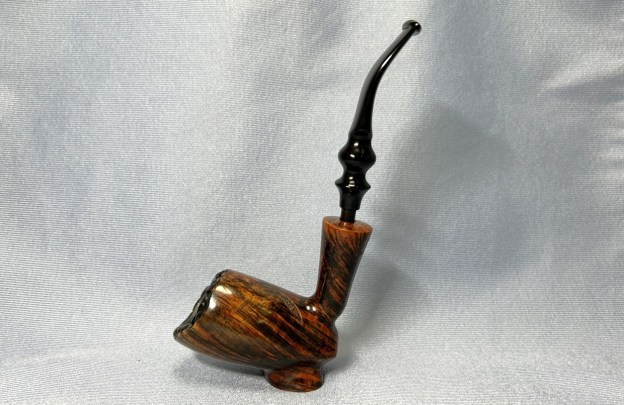
I was recently commissioned to clean up this pipe for a local gentleman – a tugboat captain, no less! I admit that this is not the sort of pipe I imagined in the mouth of a tugboat captain, but that just shows you how little I know! Anyway, great-looking pipe. It is a Harcourt S freehand and it really commands your respect. Fortunately, there wasn’t too much wrong with this beauty – just needed a good cleaning. The markings on the pipe were nice and clear. The underside of the shank read S [over] Harcourt [over] Hand Carved [over] in Denmark. There were no other marks. I went straight over to Pipedia to see what I could find about Harcourt and it confirmed the information I already knew:

The brand Harcourt was produced by Preben Holm (†) for Dunhill to secure a share of the Danish fancy boom for Dunhill’s principal pipe dealers. Later Erik Nørding made Harcourt pipes for a shorter period. These pipes are sometimes (partially) rusticated. It had been reported that the second generation of Harcourt pipes were sold exclusively through Dunhill stores, but we now know through Rich Mervin that the Brick Church Pipe Shop, a chain of 3 stores in NJ sold Danish freehands in the 1970s and 80s including Knute, Ben Wade, and Harcourt. They were also an authorized Charatan and Dunhill retailer. So, apparently Harcourt freehands were sold through at least some Dunhill dealers as well as the Dunhill stores. The stamping includes a letter, and seem to adhere to the Preben Holm grading scale with grades of A, B, C and D in ascending order.

Pipephil didn’t have much more to add:

Anglo-Danish brand whose pipes were made by Nording and Preben Holm in the 1960s for the US distributor Lane Ltd. In the 1970s these pipes were crafted for Dunhill at Preben Holm’s workshop.

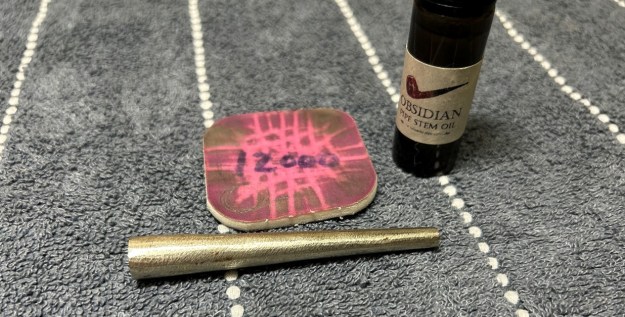
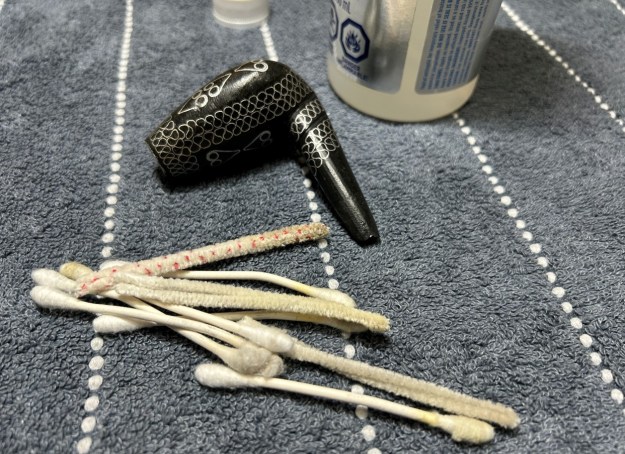
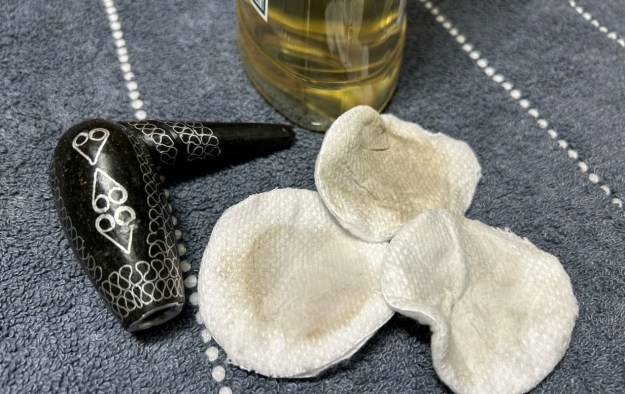
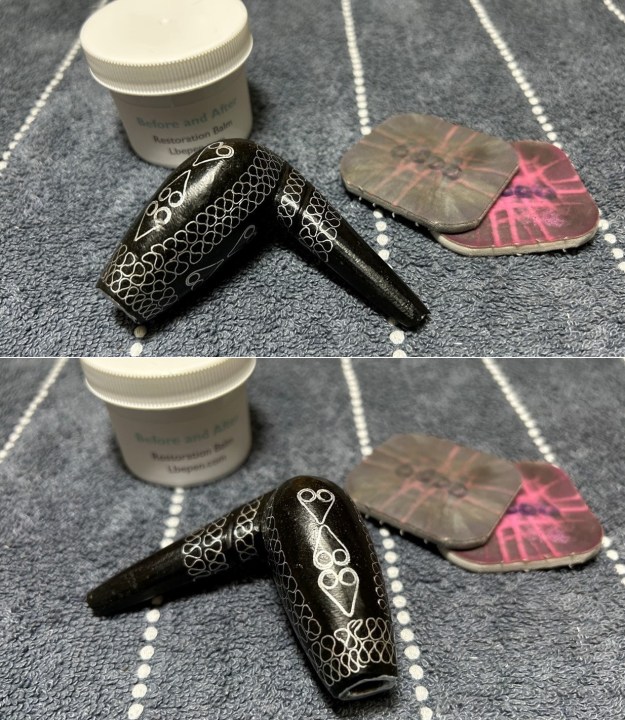
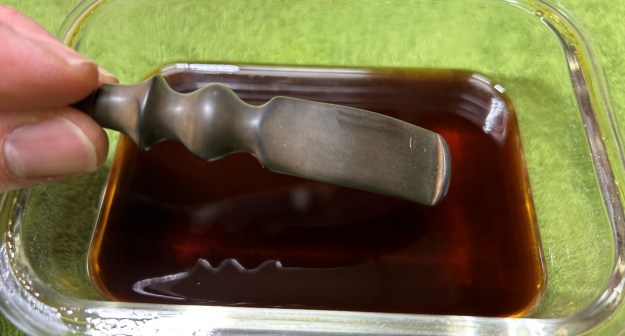
I know from Steve’s previous Harcourt restorations (see here) that it is not entirely clear what the ‘S’ refers to. Personally, I find it hard to believe that Preben Holm’s grading went from A to S, but I do wonder if the S stands for ‘sandblast’ – it certainly fits if that’s the case. If you have any thoughts, please let me know in the comments below. Let’s get cleaning! I cleaned the inside of the stem with both pipe cleaners and cotton swabs dipped in 99% lemon-infused isopropyl alcohol. I scrubbed thoroughly to make sure the interior was clean. It was fairly dirty inside. The goal of the next step is the removal (or minimization) of oxidation. Going to my sink, I used cream cleanser, cotton rounds, and a toothbrush, and scoured the stem to remove as much surface oxidation as possible. As the photos show, the result is a hideous brownish mess – but better off the stem than on it.Once the stem was reasonably clean, I soaked it overnight in some Briarville Stem Oxidation Remover. This solution works to draw oxidation in the stem to the surface. This is a major aid and an important step in ensuring a clean stem. The following day, I drew the stem out from its bath and scrubbed the lingering fluid with a toothbrush.The penultimate step for the stem is sanding. I use all nine of the micromesh sanding pads (1,500 through 12,000 grit) to sand out flaws, even out the vulcanite, and provide gentle polishing of the finished surface. I also apply pipe-stem oil while using the last five micromesh pads. There was a wonderful, deep black shine to the stem when I was done.Now that the stem is (nearly) complete, I can move on to the stummel. The first step for me is to ream out the bowl – that is to say, remove all the cake inside the bowl. This accomplishes a couple of things. First (and most obviously), it cleans the bowl and provides a refurbished chamber for future smoking. Second, when the old cake is removed, I can inspect the interior walls of the bowl and determine if there is damage or not. I used a reamer, a pipe knife, and a piece of sandpaper taped to several wooden dowels. Collectively, these ensure that all the debris is removed.Similar to the stem, I then cleaned the stummel with both pipe cleaners and cotton swabs dipped in 99% lemon-infused isopropyl alcohol. It took quite a bit of cotton to get clean.I then decided to ‘de-ghost’ the pipe – that is to say, exorcize the remaining filth from the briar. I filled the bowl and the shank with cotton balls, then saturated them with 99% isopropyl alcohol. I let the stummel sit overnight. This caused any remaining oils, tars and smells to leach out into the cotton.To tidy up the briar, I also wiped down the outside with some oil soap on cotton rounds (and a toothbrush on the plateau rim). This does a good job of cleaning any latent dirt on the surface of the briar. The last step of the cleaning process is to scour the inside of the stummel with some soap and tube brushes. This is the culmination of a lot of hard work in getting the pipe clean.No micromesh needed on this stummel. I rubbed some Before & After Restoration Balm into the briar and let it sit for 20 minutes or so. The balm moisturizes the wood and gives a beautiful depth to the briar. I then buffed it with a microfibre cloth. For the final step, I took the pipe to my bench buffer and carefully polished it – with three coats of conservator’s wax. This procedure makes the pipe look its best – the stummel sings and the stem glows.All done! This Harcourt S freehand looks fantastic again and is ready to be enjoyed by its new owner. It was a pleasure to work on. It’s a heavy pipe, but a gorgeous pipe. The approximate dimensions of the pipe are as follows: length 6¾ in. (171 mm); height 2⅞ in. (75 mm); bowl diameter 1⅞ in. (49 mm); chamber diameter ¾ in. (20 mm). The weight of the pipe is 3⅓ oz. (100 g). I hope you enjoyed reading the story of this pipe’s restoration as much as I enjoyed restoring it. If you are interested in more of my work, please follow me here on Steve’s website or send me an email at kenneth@knightsofthepipe.com. Thank you very much for reading and, as always, I welcome and encourage your comments.

Spiffing Up a Handsome Brigham 2044 XL Billiard


by Kenneth Lieblich

Here’s a terrific, rugged, and handsome pipe that I recently acquired from a local gentleman. I am pleased to report that he maintained his pipes very well and that makes my job easier. This particular pipe was no exception – in fact, I can’t imagine that this pipe was smoked more than a couple of times or so. This is an older Brigham 2044 XL system billiard – and what a monumental pipe it is! Let’s look at the markings. First, the stem has two brass pins – this is the classic way that Brigham identified their pipes. On the underside of the stummel, there is the shape number 2044. Then, off to the far right are the words Made in Canada and, next to that, Brigham.I was pretty sure I knew how old this pipe was, but felt it was best to check with Charles Lemon’s book, Brigham Pipes: A Century of Canadian Briar. I photographed a couple of pages and highlighted the relevant parts.Given that this pipe doesn’t include a size letter (like L), I think it is fair to conclude that this pipe dates from approximately 1964–69. We can see that the code 2044 translates as follows: the “2” corresponds to the two pins on the stem, indicating the “Select” level of pipe. The “04” corresponds to the shape of the pipe, which is listed in Lemon’s book as “Large Straight Billiard, Round Taper Stem”. Finally, the terminal “4” –repeating the last digit of the regular code – indicates that this is an oversize pipe. And it certainly is!

Anyway, both the stem and stummel were in very good condition. There were some minor tooth marks on the stem and a bit of oxidation. The rim of the stummel had what looked like a burn on it, but it turned out to be nothing of note. I used oil soap on a few cotton rounds and wiped the stem down to provide an initial cleaning before moving on. I cleaned the inside of the stem with both pipe cleaners and cotton swabs dipped in 99% lemon-infused isopropyl alcohol. I scrubbed thoroughly to make sure the interior was clean.The goal of the next step is the removal (or minimization) of oxidation. Going to my sink, I used cream cleanser, cotton rounds, and a toothbrush, and scoured the stem to remove as much surface oxidation as possible. As the photos show, the result is a hideous brownish mess – but better off the stem than on it.Once the stem was reasonably clean, I soaked it overnight in some Briarville Stem Oxidation Remover. This solution works to draw oxidation in the stem to the surface. This is a major aid and an important step in ensuring a clean stem. The following day, I drew the stem out from its bath and scrubbed the lingering fluid with a toothbrush.Now that the stem is clean and dry, I set about fixing the marks and dents in the vulcanite. This is done by filling those divots with black cyanoacrylate adhesive, impregnated with carbon and rubber. I left this to cure and moved on. The penultimate step for the stem is sanding. First, with my set of needle files, I reduce the bulk of the cyanoacrylate repairs. I want to remove the excess adhesive as near to the surface as possible, without cutting into the vulcanite. Following that, I use all nine of the micromesh sanding pads (1,500 through 12,000 grit) to sand out flaws, even out the vulcanite, and provide gentle polishing of the finished surface. I also apply pipe-stem oil while using the last five micromesh pads. There was a wonderful, deep black shine to the stem when I was done. Now that the stem is (nearly) complete, I can move on to the stummel. The first step for me is to ream out the bowl – that is to say, remove all the cake inside the bowl. This accomplishes a couple of things. First (and most obviously), it cleans the bowl and provides a refurbished chamber for future smoking. Second, when the old cake is removed, I can inspect the interior walls of the bowl and determine if there is damage or not. Not much to be removed from this pipe – it was pretty clean!My next step was to remove the so-called burn on the rim. For this, I took a piece of machine steel and gently scraped. The metal’s edge is sharp enough to remove what I need, but not so sharp that it damages the rim. This work revealed that the marks were on the surface only. There was no damage to the wood at all.Similar to the stem, I then cleaned the stummel with both pipe cleaners and cotton swabs dipped in 99% lemon-infused isopropyl alcohol. To tidy up the briar, I also wiped down the outside with some oil soap on cotton rounds (and a toothbrush). This does a good job of cleaning any latent dirt on the surface of the briar. The last step of the cleaning process is to scour the inside of the stummel with some soap and tube brushes. I used all nine micromesh pads (1,500 through 12,000 grit) on the underside of the stummel and the rim to finish it off. This sanding minimizes flaws in the briar and provides a beautiful smoothness to the wood. I rubbed some Before & After Restoration Balm into the briar and let it sit for 25 minutes or so. The balm moisturizes the wood and gives a beautiful depth to the briar. I then buffed it with a microfibre cloth. For the final step, I took the pipe to my bench buffer and carefully polished it with three coats of conservator’s wax. This procedure makes the pipe look its best – the stummel sings and the stem glows.All done! This Brigham 2044 XL billiard looks fantastic again and is ready to be enjoyed by its next owner. I am pleased to announce that this pipe is for sale! If you are interested in acquiring it for your collection, please have a look in the ‘Canadian’ section of the store here on Steve’s website. You can also email me directly at kenneth@knightsofthepipe.com. The approximate dimensions of the pipe are as follows: length 6⅛ in. (156 mm); height 2¼ in. (58 mm); bowl diameter 1¾ in. (44 mm); chamber diameter 1 in. (26 mm). The weight of the pipe is 2⅓ oz. (72 g). I hope you enjoyed reading the story of this pipe’s restoration as much as I enjoyed restoring it. If you are interested in more of my work, please follow me here on Steve’s website or send me an email. Thank you very much for reading and, as always, I welcome and encourage your comments.
A Pair of Pretty Petes for your Perspicacious Perusal


by Kenneth Lieblich

I have a couple of Peterson pipes that came my way recently and I decided to clean them up and get them ready. Not much of a restoration story on these – just some beautiful pipes. I gave them a quick (and thorough) once over and now it’s time to turn them over to you. Both have been hardly used (once, maybe twice) and they are very handsome. If you’re interested in adding one or both to your collection, be sure to drop me a line.

First is a Peterson K&P Irishmade 106 billiard with nickel military mount. Gorgeous pipe. If you are interested in acquiring it for your collection, please have a look in the “Irish” pipe section of the store here on Steve’s website. You can also email me directly at kenneth@knightsofthepipe.com. The approximate dimensions of the Peterson Irishmade 106 are as follows: length 6 in. (152 mm); height 2 in. (51 mm); bowl diameter 1½ in. (40 mm); chamber diameter ¾ in. (20 mm). The weight of the pipe is 1⅝ oz. (48 g). Have a look below. Thanks. Next is a Peterson System Standard 1307 (same as 307) bent billiard. Another lovely pipe. If you are interested in acquiring it for your collection, please have a look in the “Irish” pipe section of the store here on Steve’s website. You can also email me directly at kenneth@knightsofthepipe.com. The approximate dimensions of the Peterson System Standard 1307 are as follows: length 6½ in. (165 mm); height 2⅛ in. (54 mm); bowl diameter 1½ in. (40 mm); chamber diameter ⅞ in. (21 mm). The weight of the pipe is 2⅜ oz. (67 g). Have a look below. Thanks.

The Resuscitation of an Old Airograte Yello-Bole


by Kenneth Lieblich

A gentleman recently contacted me to ask if I would restore his Airograte Yello-Bole. I was happy to take on the project, as it was an interesting pipe – and it looked like it could use some TLC. In the end, the pipe turned out very well, but it was a very labour-intensive cleaning and restoration. Take a close look at the before and after photos – I think they speak for themselves. This pipe has had a hard life, but it must have been greatly loved. This restoration made the pipe look so much better, but the battle scars of the past will always be with it – and so they should be! They are part of its history. Let’s talk about the background of the pipe. The patent on the Airograte dates to 1949, and I have included the pages from the US Patent Office below, for those who wish to read them: I also found a blurb from inside the box of an Airograte Yello-Bole from years ago. I’ve included the photo below, but I also typed out the words in case you can’t quite make them out:

Airograte Yello-Bole introduces an entirely new principle in pipe smoking. One of the basic, patented features is a removable metal grate which holds the tobacco in suspension. This allows fresh air to be drawn into, and circulate through, the lower aluminum chamber resulting in a cool, dry smoke. The metal grate may be easily washed and cleaned. Ordinary cleansing tissue will wipe clean the aluminum chamber and bottom of bowl. Shank and bit should be cleaned with a pipe cleaner. Airograte Yello-Bole’s design and patented construction give better combustion and moisture evaporation. Result? No messy juices, no bite, no bitterness, no drag and no smelly heel. Interchangeable bowls in assorted shapes are available. Buy an extra bowl… Smoke one, rest the other. Each bowl is caked with Real Honey. You’ll enjoy Airograte Yello-Bole because it’s the sweetest, driest, coolest pipe smoking sensation!On Pipedia, there is a good article about the history of the Yello-Bole company and its progenitor, Kaufmann Bros. & Bondy. On the Airograte itself, Pipedia says:

The Yello Bole Aristocrat Airograte: An Aluminum and wood pipe with a twist. This pipe doesn’t have a bowl per say, but more a briar cylinder that screws into the base of the body. At the bottom of the bowl is a metal grate, thus allowing air to be pulled through all the tobacco and reducing any chance of clogging. The lower bowl catches all moisture and tar reducing bite. These pipes can be had in a silver/chrome finish as well as a soft gold finish. The stem of these pipes has cooling fins up each side, and can be found in a straight or bent form.Steve has written several blogs about the Airograte and here is one of his comments about it:

The Airograte Pipe was also made by Yello-Bole and was their version of the Falcon pipe or the Dr. Grabow Viking. It had a metal base and shank with an interchangeable bowl. Yello-Bole made a variation to the theme by make the bowl more of a tube and inserting a metal grate between the bowl and the base for dry smoking air flow. It also had the Nylon Bit like the Grabow and the Falcon version. These pipes sold for $5.95 and you could purchase a variety of interchangeable bowls for the base.Let’s examine the condition of this pipe a little more closely. The bowl is dirty-beyond-dirty. As you can see, the chamber is absolutely choked with old cake and there is a lot of lava on the rim. To make matters worse, there is a serious abrasion on the rim. On the underside of the bowl, there are small cracks in the base which extend into the screw threads. The stem was, sadly, no better. There is plenty of calcification on the bit. Fortunately, since the stem is made of a hard nylon, there is no oxidation. However, the tooth marks, dents, and chomps on this stem are among the most severe I’ve seen in a long while. The photos do not accurately convey just how concave (and low) these tooth marks are. The aluminum body of the pipe was dull, dirty, and heavily scratched. Some of those scratches would come out, but some wouldn’t. Unsurprisingly, the metal grate was clogged with tobacco filth.

Suffice it to say that I had my work cut out for me! Let’s begin with the stem. As it is made of nylon, there was no oxidation – and no oxidation means no need for deoxidation fluid. I used 99% lemon-infused isopropyl alcohol on a few cotton rounds and scoured the stem. Then, I cleaned the inside of the stem with pipe cleaners dipped in the alcohol. I scrubbed thoroughly to make sure the interior was clean. I used ‘zillions’ of pipe cleaners for this stem. Now that the stem is clean and dry, I set about fixing the marks and dents in the nylon. This was done by filling those divots with black cyanoacrylate adhesive, impregnated with carbon and rubber. This took a lot of work (and more than one try) to get right. I left this to cure and moved on. Sorry – I neglected to take a photo of this step.The penultimate step for the stem is sanding. First, with my set of needle files, I reduce the bulk of the cyanoacrylate repairs. I want to remove the excess adhesive as near to the surface as possible, without cutting into the nylon. Following that, I use all nine of the micromesh sanding pads (1,500 through 12,000 grit) to sand out flaws, even out the nylon, and provide gentle polishing of the finished surface. I also apply pipe-stem oil while using the last five micromesh pads. There was a wonderful, deep black shine to the stem when I was done, but I had to do this whole process twice, as I wasn’t happy with the initial results.Now that the stem is (nearly) complete, I can move on to the bowl. The first step for me is to ream it – that is to say, remove all the cake inside the bowl. This accomplishes a couple of things. First (and most obviously), it cleans the bowl and provides a refurbished chamber for future smoking. Second, when the old cake is removed, I can inspect the interior walls of the bowl and determine if there is damage or not. I used a reamer and a piece of sandpaper taped to a wooden dowel. Collectively, these ensure that all the debris is removed. To my surprise, the walls were in decent shape, but, as I mentioned earlier, there were tiny cracks in the base of the bowl. To tidy up the briar, I also wiped down the outside with some oil soap on cotton rounds (and a toothbrush). This does a good job of cleaning any latent dirt on the surface of the briar. One of the difficulties in maintaining an Airograte Yello-Bole is that the wooden threads of the bowl are impregnated with the awful filth at the bottom of the metal shank. I used a brass-wire brush, a dental tool, and a small butter knife to try and clean things up. This didn’t help much. So, the next step of the cleaning process was to scour the inside of the bowl with some soap and tube brushes. This also didn’t help the base much. So, I poured some acetone into a small container and soaked the bowl’s threads for a little while. This helped quite a bit. I continued to wipe with some cotton rounds and it cleaned up fairly well. Quite frankly, this bowl was never going to be new again, but I was satisfied with it after soaking. The damage to the rim is significant. In order to lessen (but not eliminate) the nicks on the rim, I ‘topped’ the pipe – that is to say, I gently and evenly sanded the rim on a piece of 220-grit sandpaper. This effectively minimizes the damage, without altering the look of the pipe. There will always be some sign of the wound on the rim, but, as I’ve said before, it is part of the pipe’s history.

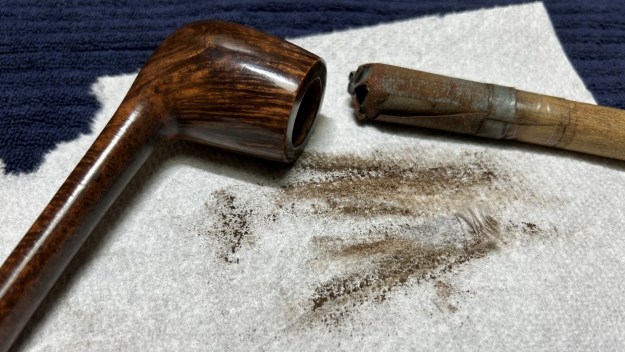
I decided to repair the tiny cracks in the briar next. This was initially straightforward enough: I was able to fill them with cyanoacrylate adhesive. However, it ended up being a bit tricky because I didn’t want to risk affecting the bowl threads by gumming them up with glue! I acted carefully and the repairs worked out perfectly.At long last, I used all nine micromesh pads (1,500 through 12,000 grit) on the outside of the bowl to finish it off. This sanding minimizes flaws in the briar and provides a beautiful smoothness to the wood. I rubbed some Before & After Restoration Balm into the briar and let it sit for 20 minutes or so. The balm moisturizes the wood and gives a beautiful depth to the briar. I then buffed it with a microfibre cloth. I’ve done the nylon, I’ve done the briar – now on to the two pieces of aluminum: the shank and the grate. As both were so dirty, I decided to drop them in an isopropyl alcohol bath and let them sit overnight. This accomplished precisely nothing. I then used my technique from above and dropped both bits in acetone for a while. This worked much better! A lot of filth came off. With that inspiration, I took both pieces to the sink and scrubbed them inside and outside with my cream cleanser. Now we’re getting somewhere! Over the next little while, I used several tools with acetone etc. to get into all the nooks and crannies in order to really clean everything well. Now to bring some shine back! Polishing up the aluminum was troublesome because of the grooves on the side. I used some 0000 steel wool to give a beautiful polish to the shank. This worked very well, but it’s such a mess! I laid out some paper towel to catch the debris because it goes everywhere. I did the same procedure on the grate as well.You can see in the following photo the difference that steel wool makes. On the left is the unsanded metal and on the right is the metal after an initial pass of steel wool. This is promising!The buffing procedure was different because of the metal – although the briar bowl and nylon stem did receive the normal White Diamond and carnauba wax treatment. I used Red Tripoli first and White Diamond second to polish the metal shank nicely. It came out so well! When I went back to my workbench, I cleaned the grooves in the metal with some soft pipe cleaners – just to remove any slight, remaining polishing compound. I then took a microfiber cloth to wipe the metal parts of the pipe to make it shine!Wow. That was quite the restoration job! This Airograte Yello-Bole looks so much better and I am happy to send it back to its owner. It was a lot of work, but I learned a lot and I am pleased with the results. The approximate dimensions of the pipe are as follows: length 5⅔ in. (144 mm); height 1⅝ in. (41 mm); bowl diameter 1⅜ in. (36 mm); chamber diameter ⅞ in. (21 mm). The weight of the pipe is 1¼ oz. (37 g). I hope you enjoyed reading the story of this pipe’s restoration as much as I enjoyed restoring it. If you are interested in more of my work, please follow me here on Steve’s website or send me an email at kenneth@knightsofthepipe.com. Thank you very much for reading and, as always, I welcome and encourage your comments.

Restoring a Beautiful and Bountiful Ropp Altesse 284 Billiard


by Kenneth Lieblich

Here is another pipe I’ve restored for a local family – and I’ve been drip feeding the restoration stories over a stupidly long time. However, after that bit of self-deprecation, let’s have a look. This is a really handsome, solid Ropp Altesse 284 billiard. It’s a lovely shape and a big bowl. Gosh, when my friend selected this pipe, I thought to myself, ‘Good choice’. This is an older Ropp and the markings are definitely worth examining. On the left side of the shank, we see (inside an oval) the word Ropp [over] Altesse. The French word ‘altesse’ means ‘highness’ in English. The right side of the shank reads 284, which is the shape number. Finally, the stem has the Ropp logo, which is very familiar – however, this time the logo is in brass, rather than the normal nickel. This is significant because the brass version of the logo was reserved for higher quality pipes. From Pipedia, here is a very brief history of the Ropp company:

Eugène-Léon Ropp (1830–1907) acquired a patent for the cherrywood pipe in 1869. In 1870, he established a workshop to manufacture such pipes in Bussang, in the Vosges mountains. Around 1893, his business moved into the former mill of Sicard (part of the community of Baume-les-Dames in Upper Burgundy. The pipes were a big success in export as well. Shortly before 1914, Ropp designated A. Frankau & Co. (BBB) to be the exclusive distributor in the UK and its colonies. Probably in 1917, a workshop in Saint-Claude in the rue du Plan du Moulin was acquired to start the fabrication of briar pipes. In 1923, another small building in Saint-Claude, serving as a workshop for polishing, was added. Cherrywood pipes were the mainstay of Ropp until the company finally closed down in September 1991. The company was taken over by Cuty-Fort Entreprises in 1994. What sort of condition is this pipe in? Quite frankly, it looks as though someone in the past has made some elementary steps to cleaning or restoring this pipe. The stem has been thoroughly chewed and someone has clearly tried to scape off something in the path – you can the see scratch marks. The stummel has lovely feel to it. Not too dirty, but the rim has – like the stem – been scraped or cleaned in some way. The photos show how different the rim looks from the rest of the pipe.I used a disposable lighter and ‘painted’ the stem with its flame. The gentle heat of the flame can cause the dents in the vulcanite of the stem to expand back into shape. In this case, not much happened. Alas. This pipe also had an unusual metal and acrylic innertube. As the photos of this restoration show, I initially started cleaning it, but discovered that it was badly cracked – and so I elected to remove it altogether.I used oil soap on a few cotton rounds and wiped the stem down to provide an initial cleaning of filth before moving on to the next steps. The primary cleaning comes next. I cleaned the inside of the stem with both pipe cleaners and cotton swabs dipped in 99% lemon-infused isopropyl alcohol. I scrubbed thoroughly to make sure the interior was clean. I used a lot of pipe cleaners and cotton swabs, as it was pretty dirty.The goal of the next step is the removal (or minimization) of oxidation. Going to my sink, I used cream cleanser, cotton rounds, and a toothbrush, and scoured the stem to remove as much surface oxidation as possible. As the photos show, the result is a hideous brownish mess – but better off the stem than on it.Once the stem was reasonably clean, I soaked it overnight in some Briarville Stem Oxidation Remover. This solution works to draw oxidation in the stem to the surface. This is a major aid and an important step in ensuring a clean stem. The following day, I drew the stem out from its bath and scrubbed the lingering fluid with a toothbrush.Now that the stem is clean and dry, I set about fixing the marks and dents in the vulcanite. This is done by filling those divots with black cyanoacrylate adhesive, impregnated with carbon and rubber. I left this to cure and moved on.The penultimate step for the stem is sanding. First, with my set of needle files, I reduce the bulk of the cyanoacrylate repairs. I want to remove the excess adhesive as near to the surface as possible, without cutting into the vulcanite. Following that, I use all nine of the micromesh sanding pads (1,500 through 12,000 grit) to sand out flaws, even out the vulcanite, and provide gentle polishing of the finished surface. I also apply pipe-stem oil while using the last five micromesh pads. There was a wonderful, deep black shine to the stem when I was done.Now that the stem is (nearly) complete, I can move on to the stummel. The first step for me is to ream out the bowl – that is to say, remove all the cake inside the bowl. This accomplishes a couple of things. First (and most obviously), it cleans the bowl and provides a refurbished chamber for future smoking. Second, when the old cake is removed, I can inspect the interior walls of the bowl and determine if there is damage or not. I used a reamer, a pipe knife, and a piece of sandpaper taped to a wooden dowel. Collectively, these ensure that all the debris is removed.Similar to the stem, I then cleaned the stummel with both pipe cleaners and cotton swabs dipped in 99% lemon-infused isopropyl alcohol. With a pipe this dirty, it took quite a while and much cotton to get clean.I then decided to ‘de-ghost’ the pipe – that is to say, exorcize the remaining filth from the briar. I filled the bowl and the shank with cotton balls, then saturated them with 99% isopropyl alcohol. I let the stummel sit overnight. This caused any remaining oils, tars and smells to leach out into the cotton.To tidy up the briar, I also wiped down the outside with some oil soap on cotton rounds (and a toothbrush). This does a good job of cleaning any latent dirt on the surface of the briar. The last step of the cleaning process is to scour the inside of the stummel with some soap and tube brushes. This is the culmination of a lot of hard work in getting the pipe clean.The rim is a bit more rugged than I would like. In order to lessen the nicks etc. on the rim, I ‘topped’ the pipe – that is to say, I gently and evenly sanded the rim on a piece of 220-grit sandpaper. This effectively minimizes the damage, without altering the look of the pipe.I used all nine micromesh pads (1,500 through 12,000 grit) on the outside of the stummel to finish it off. This sanding minimizes flaws in the briar and provides a beautiful smoothness to the wood. After that, the bare wood on the rim needed to be tinted in the same colour as the rest of the stummel. I used some of my furniture pens (which is simply dye in pen form) to match the colours. I rubbed some Before & After Restoration Balm into the briar and let it sit for 20 minutes or so. The balm moisturizes the wood and gives a beautiful depth to the briar. I then buffed it with a microfibre cloth. For the final step, I took the pipe to my bench buffer and carefully polished it – first with a white diamond compound, then with three coats of carnauba wax. This procedure makes the pipe look its best – the stummel sings and the stem glows.All done! This Ropp Altesse 284 billiard looks fantastic again and is ready to be enjoyed by its new owner. It was a pleasure to work on. The approximate dimensions of the pipe are as follows: length 5¾ in. (146 mm); height 1⅞ in. (48 mm); bowl diameter 1½ in. (39 mm); chamber diameter ¾ in. (19 mm). The weight of the pipe is 1¾ oz. (52 g). I hope you enjoyed reading the story of this pipe’s restoration as much as I enjoyed restoring it. If you are interested in more of my work, please follow me here on Steve’s website or send me an email at kenneth@knightsofthepipe.com. Thank you very much for reading and, as always, I welcome and encourage your comments.

Resuscitating Grandfather’s Nørding Nordcoat Freehand


by Kenneth Lieblich

A gentleman contacted Steve a while back about restoring his late grandfather’s pipe. Steve was going to be away for more than a month, so he referred the fellow to me for the repairs. I was happy to help – especially when a family heirloom is involved! The pipe is an unusual one, called a Nørding Nordcoat. It’s a freehand style and was quite obviously the old man’s favourite pipe – it had been smoked and smoked and smoked. It was one of the dirtiest pipes I’ve ever worked on. All the great things I’ve learned over the years from Steve and Jeff about cleaning pipes came to the fore in this restoration! The markings on the pipe were clear enough to understand. The only marks were found on the underside of the shank and read Nordcoat [over] Nørding [over] Made in Denmark.Although I was quite familiar with Erik Nørding (Pipedia article here), I wasn’t familiar with the Nordcoat line. I saw that Steve had restored one two or three years ago. Here’s a link to that restoration. I read Steve’s blog post and took note of the fact that the markings were different: Nord-Coat (with a hyphen on Steve’s) and Nordcoat (without a hyphen on mine). I couldn’t find any information on the difference between the two spellings. In general, there is very little confirmed information on the Nørding Nordcoat. In his blog, Steve quoted the following passage from user pipeshark on the forums of pipesmagazine.com:

… apparently this is something that is supposed create a life lasting coating that will color similar to meerschaum but not lose it’s color for any reason. Supposedly all Nordcoat pipes should have the big man’s signature on them, and the hubbub is that if they don’t, they may be seconds. According to another post, there was a page on the Nording site some years ago that “guaranteed these pipes to color like meerschaum and provide a great cool smoke”. I read on post that claimed to have one of these pipes from 30 years ago, so they must have been around for some time… I didn’t see anything about the pipes being lower quality briar as such… I must say that I have not substantiated this with any official sites or sources, this is just what I have seen on multiple threads of blog/forum postings, some claiming to have checked it out…

I researched further and found some additional information on Nordcoat. On a different pipesmagazine.com forum, user lukasstrifeson wrote this:

I think there’s some debate over whether Nord-Coat is actually a meerschaum-based product or it simply a paint that mimics meerschaum behavior. I’ll have to do some digging to confirm what “I think I know” (it’s been a while since I’ve thought about Nord-Coat!) but I think I remember researching the product in the 2000s and it was very difficult to weed through all the commercial advertising to actually understand what it is. As far as I remember it’s a patented “secret” coating that Nording advertised as “[owning] a briar that ages like a meerschaum!” The Nord-Coat line were briars that weren’t fit for smooth or sandblasted pipes but because of the patented coating Nording was able to salvage these and sell them at a higher price as somewhat of a budget-friendly competitor to true block meerschaums.

So, not a lot to go on. This pipe has the feel of a 1970s pipe, but that’s just a guess on my part. Let’s examine the pipe and see what we’ve got. On first glance, the stummel seems in good condition – just filthy beyond words. There is lava all over the plateau rim and plateau shank end. The bowl is choked with cake and the mortise is lined in ooze. The stem is just as nasty! There is considerable oxidation and calcification, as the photos only too clearly show. Grandfather’s molars evidently made short work of bashing the vulcanite into submission. The tenon is chipped and no longer fits properly into the mortise – the fit is too loose. My customer asked about replacing the stem altogether. After some consideration, he and I agreed that we wanted to keep the original if at all possible. A replacement stem would not have been part of his grandfather’s story – so we stayed with the original, with its faults and history.

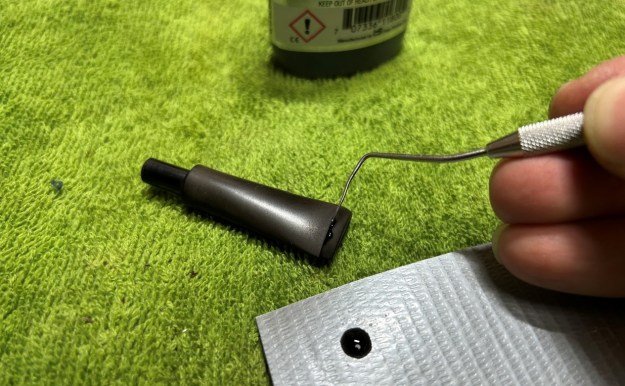
Let’s get working. As mentioned, the stem’s calcification was quite substantial. I used an old butter knife and gently scraped some of the thicker accretion off. Doing this now helps later in removing the oxidation.Next, I used oil soap on a few cotton rounds and wiped the stem down to provide an initial cleaning of filth before moving on to the next steps. The primary cleaning comes next. I cleaned the inside of the stem with both pipe cleaners and cotton swabs dipped in 99% lemon-infused isopropyl alcohol. I scrubbed thoroughly to make sure the interior was clean. I used a lot of pipe cleaners and cotton swabs. It was remarkably dirty.The goal of the next step is the removal (or minimization) of oxidation. Going to my sink, I used cream cleanser, cotton rounds, and a toothbrush, and scoured the stem to remove as much surface oxidation as possible. As the photos show, the result is a hideous brownish mess – but better off the stem than on it.Once the stem was reasonably clean, I soaked it overnight in some Briarville Stem Oxidation Remover. This solution works to draw oxidation in the stem to the surface. This is a major aid and an important step in ensuring a clean stem. The following day, I drew the stem out from its bath and scrubbed the lingering fluid with a toothbrush. Due to the severity of the oxidation, I then repeated the scrubbing with the cream cleanser for maximum effect.After this, I used a disposable lighter and ‘painted’ the stem with its flame. The gentle heat of the flame can cause the dents in the vulcanite of the stem to expand back into shape. This exercise was, sadly, a bit futile, as there was just so much damage.Now that the stem is clean and dry, I set about fixing the marks and dents in the vulcanite. This is done by filling those divots with black cyanoacrylate adhesive, impregnated with carbon and rubber. At the same time, I built up the thickness of the tenon with this adhesive, so that it would fit correctly again in the mortise. However, I deliberately left the chipped area as it was. I left the adhesive to cure and moved on.The penultimate step for the stem is sanding. First, with my set of needle files, I reduce the bulk of the cyanoacrylate repairs. I want to remove the excess adhesive as near to the surface as possible, without cutting into the vulcanite. Following that, I use all nine of the micromesh sanding pads (1,500 through 12,000 grit) to sand out flaws, even out the vulcanite, and provide gentle polishing of the finished surface. I also apply pipe-stem oil while using the last five micromesh pads. There was a wonderful, deep black shine to the stem when I was done.Now that the stem is (nearly) complete, I can move on to the stummel. The first step for me is to ream out the bowl – that is to say, remove all the cake inside the bowl. This accomplishes a couple of things. First (and most obviously), it cleans the bowl and provides a refurbished chamber for future smoking. Second, when the old cake is removed, I can inspect the interior walls of the bowl and determine if there is damage or not. I used a reamer, a pipe knife, and a piece of sandpaper taped to a wooden dowel. Collectively, these ensure that all the debris is removed. However, there was considerable damage to the interior walls. The heavy, hot, and persistent smoking this pipe had undergone resulted in heat fissures all over the inside. More on that later.My next step was to remove the lava on the rim. For this, I took a piece of machine steel and tried to remove the debris. However, the plateau rim inhibited the piece of steel from working properly. I did get some chunks out – but not enough. I also used a dental tool, which was more successful, but there was still more. So, I pivoted and pulled out brushes: tooth, nylon, and brass. I scrubbed and scrubbed until I was satisfied that everything was clean. This wasn’t so obvious because the filth is black and the rim top is black too!Naturally, the inside of the stummel needs to be cleaned thoroughly. Similar to the stem, I then cleaned the stummel with both pipe cleaners and cotton swabs dipped in 99% lemon-infused isopropyl alcohol. This pipe was extraordinarily dirty – it took quite a while and an enormous amount of cotton to get clean. This photo doesn’t even show all of the cotton used.I then decided to ‘de-ghost’ the pipe – that is to say, exorcize the remaining filth from the briar. I filled the bowl and the shank with cotton balls, then saturated them with 99% isopropyl alcohol. I let the stummel sit overnight. This caused any remaining oils, tars and smells to leach out into the cotton.To tidy up the Nordcoat on the briar, I also wiped down the outside with some oil soap on cotton rounds (and a toothbrush). This does a good job of cleaning any latent dirt on the surface. The last step of the cleaning process is to scour the inside of the stummel with some soap and tube brushes. This is the culmination of a lot of hard work in getting the pipe clean.Back to the inside of the bowl. As I mentioned, there were many fissures and cracks in the briar. To repair damage like this, I use an epoxy adhesive that is extremely hard, resistant to high temperatures, and completely inert when cured. It works superbly. I coated the affected area with a thin layer of epoxy and let it cure for a full 24 hours. The next day, I roughened up the epoxy’s surface for the next step. I thinly spread the inside of the bowl with a mixture of my wife’s homemade yogurt and activated charcoal. Once hardened, this provided a good, faintly rough surface for a new cake to build. I rubbed some Before & After Restoration Balm into the Nordcoat and let it sit for 20 minutes or so. I then buffed it with a microfibre cloth. For the final step, I took the pipe to my bench buffer and carefully polished it with three coats of conservator’s wax. This procedure makes the pipe look its best – the stummel sings and the stem glows.This Nørding Nordcoat freehand was a huge challenge, but I am really pleased with the results – and I anticipate that my customer will be too. I hope you enjoyed reading the story of this pipe’s restoration as much as I enjoyed restoring it. If you are interested in more of my work, please follow me here on Steve’s website or email me directly at kenneth@knightsofthepipe.com. Thank you very much for reading and, as always, I welcome and encourage your comments.

Restoring a Handsome Peterson Dunmore 73


by Kenneth Lieblich

Lá Fhéile Pádraig sona duit!

As it is the feast of Saint Patrick, I thought I would post an Irish pipe today – even though I have no Irish heritage myself. No matter! Petersons are very popular, so why not put some spit and polish on this handsome devil. I nabbed this beauty a couple of years ago and, unaccountably, it’s been sitting around waiting for me to clean it up. Let’s look at the markings. On the left side of the shank are the words Peterson’s [over] “Dunmore”. On the right side of the shank are the words Made in the [over] Republic [over] of Ireland. Then down and to the right of that is the shape number, 73. Finally, on the left side of the stem, is the stylized letter P of the Peterson Pipe Company.I’ve always found the scalloped edge at the end of Dunmore shanks to be quite attractive. Let’s investigate the Dunmore line a bit more. Mark Irwin of the Peterson Pipe Notes blog has a great article about Dunmores, which you should read here. Allow me to quote a few passages:

The line originated in collaboration with Iwan Reis in 1971. How it came about is anyone’s guess at this point. Chuck Levi, the man who more than any other was responsible for bringing the great Danish artisan pipes to the US, was working with the creative minds at K&P to bring something new to the IRC catalog, and this was one of about a dozen K&P lines that debuted as exclusives in the Iwan Reis catalogs of that era.The concept was to modernize the System pipe by removing what was perceived as the old-fashioned nickel mount. And old-fashioned it was—if you look at pipe catalogs from the 1940s on through most of the rest of the 20th century, nickel ferrules and even bands were almost non-existent. K&P was virtually the only hold out, using sterling bands on the Sterling Silver Classic line and on the Premier & De Luxe Systems. A bead was then carved around the stummel at the mortise end…

But there were two more ingredients to the original Dunmore aesthetic…. Paddy Larrigan, K&P’s master-craftsman, was always striving to push the envelope in pipe engineering, and one of the things he dearly loved was a pipe that would sit, so he shaved off the bottom of the shank to allow the Dunmore System to sit on its shank and button, which gives it its uniqueness in the catalog. The downside of this is that I am not convinced that all the Dunmore reservoirs, being slightly smaller than the traditional System, are quite as effective. 

The third distinguishing mark of the original Dunmore lines is the stem. Both the System and Classic versions utilized the wide-shoulder “Comfort Lip,” with a painted  gold P on the stem. This doubtless helps the System sit as well as giving it a more muscular visual balance, strength being a long-standing concept in the design language of the company. While it gives the illusion of being an army “push” mount, of course it isn’t, but is a traditional tenon-mortise or “navy mount” as the old hands at K&P used to call it.Based on Mark’s information on his website and in his book, The Peterson Pipe Book, I can estimate that this pipe is from the mid- to late-70s – something like 50 years old. Many thanks to Mark for his help.On to the work! The pipe was in good shape and – boy-oh-boy – it had been smoked a lot! Things were dirty, rather than damaged – which is much preferred. The stem was oxidized and had a few tooth marks, but nothing deep or large. The stummel was loaded with cake and had substantial lava on the rim.I used a disposable lighter and ‘painted’ the stem with its flame. The gentle heat of the flame can cause the dents in the vulcanite of the stem to expand back into shape. In this case, it actually worked reasonably well and there was a bit of lift.I used oil soap on a few cotton rounds and wiped the stem down to provide an initial cleaning of filth before moving on to the next steps. The primary cleaning comes next. I cleaned the inside of the stem with both pipe cleaners and cotton swabs dipped in 99% lemon-infused isopropyl alcohol. I scrubbed thoroughly to make sure the interior was clean. I used quite a few pipe cleaners and cotton swabs – more than the photo shows.The goal of the next step is the removal (or minimization) of oxidation. Going to my sink, I used cream cleanser, cotton rounds, and a toothbrush, and scoured the stem to remove as much surface oxidation as possible. As the photos show, the result is a hideous brownish mess – but better off the stem than on it. Once the stem was reasonably clean, I soaked it overnight in some Briarville Stem Oxidation Remover. This solution works to draw oxidation in the stem to the surface. This is a major aid and an important step in ensuring a clean stem. The following day, I drew the stem out from its bath and scrubbed the lingering fluid with a toothbrush. Now that the stem is clean and dry, I set about fixing the marks and dents in the vulcanite. This is done by filling those divots with black cyanoacrylate adhesive, impregnated with carbon and rubber. I left this to cure and moved on. After this, I painted the logo on the stem with a gold-coloured metallic wax finish. I restored the logo carefully and let it fully set before proceeding.The penultimate step for the stem is sanding. First, with my set of needle files, I reduce the bulk of the cyanoacrylate repairs. I want to remove the excess adhesive as near to the surface as possible, without cutting into the vulcanite. Following that, I use all nine of the micromesh sanding pads (1,500 through 12,000 grit) to sand out flaws, even out the vulcanite, and provide gentle polishing of the finished surface. I also apply pipe-stem oil while using the last five micromesh pads. There was a wonderful, deep black shine to the stem when I was done.Now that the stem is (nearly) complete, I can move on to the stummel. The first step for me is to ream out the bowl – that is to say, remove all the cake inside the bowl. This accomplishes a couple of things. First (and most obviously), it cleans the bowl and provides a refurbished chamber for future smoking. Second, when the old cake is removed, I can inspect the interior walls of the bowl and determine if there is damage or not. I used a reamer, a pipe knife, and a piece of sandpaper taped to a wooden dowel. Collectively, these ensure that all the debris is removed.My next step was to remove the lava on the rim. For this, I took a piece of machine steel and gently scraped the lava away. The metal’s edge is sharp enough to remove what I need, but not so sharp that it damages the rim. Similar to the stem, I then cleaned the stummel with both pipe cleaners and cotton swabs dipped in 99% lemon-infused isopropyl alcohol. With a pipe this dirty, it took quite a while and much cotton to get clean. It was so, so dirty.I then decided to ‘de-ghost’ the pipe – that is to say, exorcize the remaining filth from the briar. I filled the bowl and the shank with cotton balls, then saturated them with 99% isopropyl alcohol. I let the stummel sit overnight. This caused any remaining oils, tars and smells to leach out into the cotton.To tidy up the briar, I also wiped down the outside with some oil soap on cotton rounds (and a toothbrush). This does a good job of cleaning any latent dirt on the surface of the briar. I also used a nylon brush on the rim. The last step of the cleaning process is to scour the inside of the stummel with some soap and tube brushes. This is the culmination of a lot of hard work in getting the pipe clean.I used all nine micromesh pads (1,500 through 12,000 grit) on the outside of the stummel to finish it off. This sanding minimizes flaws in the briar and provides a beautiful smoothness to the wood. I rubbed some Before & After Restoration Balm into the briar and let it sit for 20 minutes or so. The balm moisturizes the wood and gives a beautiful depth to the briar. I then buffed it with a microfibre cloth. For the final step, I took the pipe to my bench buffer and carefully polished it – first with a white diamond compound, then with three coats of carnauba wax. This procedure makes the pipe look its best – the stummel sings and the stem glows.

All done! This Peterson Dunmore 73 looks fantastic again and is ready to be enjoyed by its next owner. I am pleased to announce that this pipe is for sale! If you are interested in acquiring it for your collection, please have a look in the ‘Irish’ section of the store here on Steve’s website. You can also email me directly at kenneth@knightsofthepipe.com. The approximate dimensions of the pipe are as follows: length 5¼ in. (133 mm); height 3 in. (76 mm); bowl diameter 1⅛ in. (30 mm); chamber diameter ⅝ in. (18 mm). The weight of the pipe is 1¼ oz. (36 g). I hope you enjoyed reading the story of this pipe’s restoration as much as I enjoyed restoring it. If you are interested in more of my work, please follow me here on Steve’s website or send me an email. Thank you very much for reading and, as always, I welcome and encourage your comments.
Restoring a Beautiful Handmade Pipe by Pierre Morel


by Kenneth Lieblich

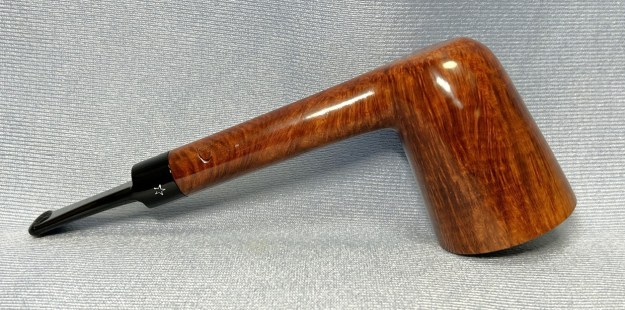
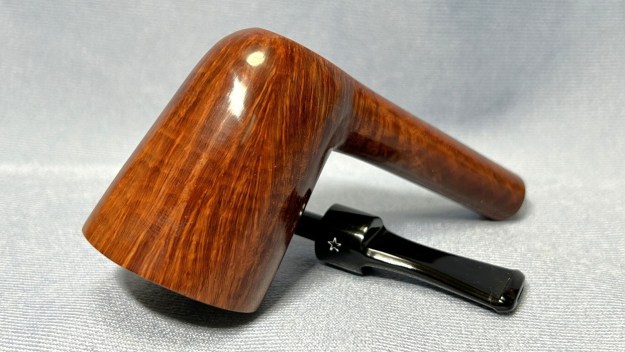
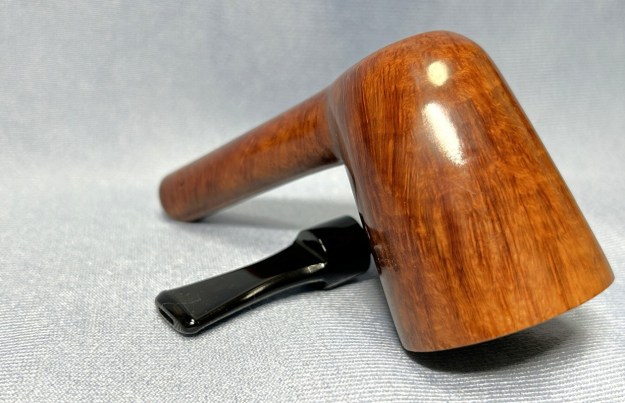
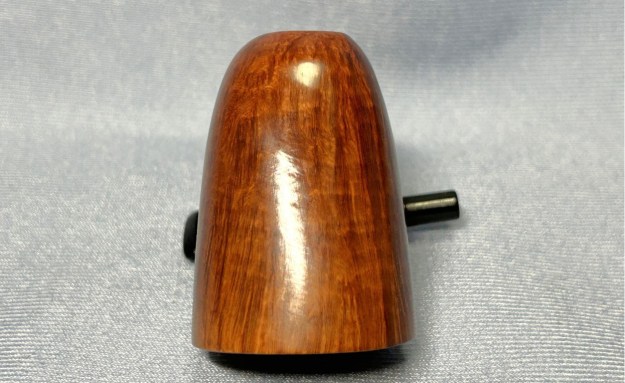
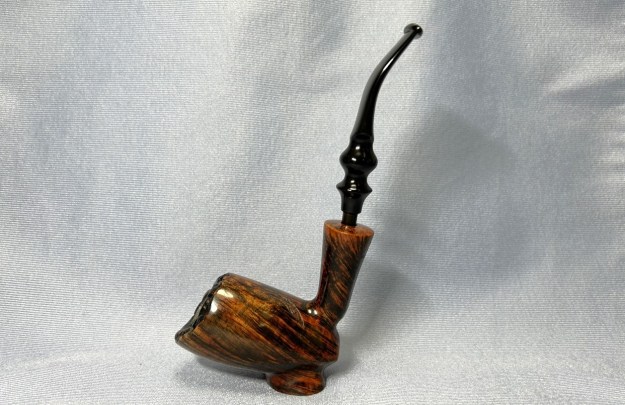
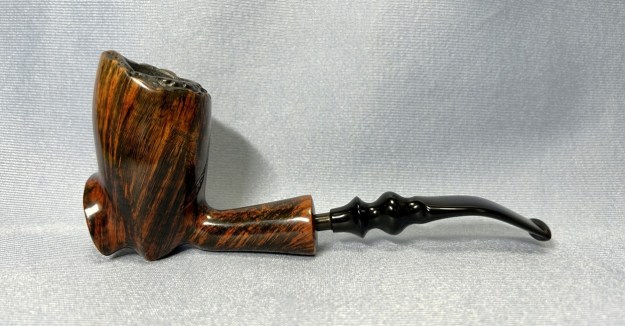
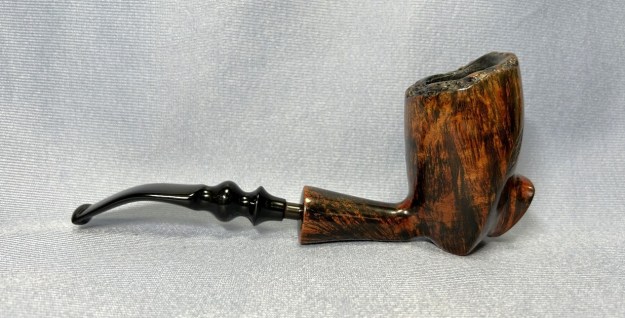
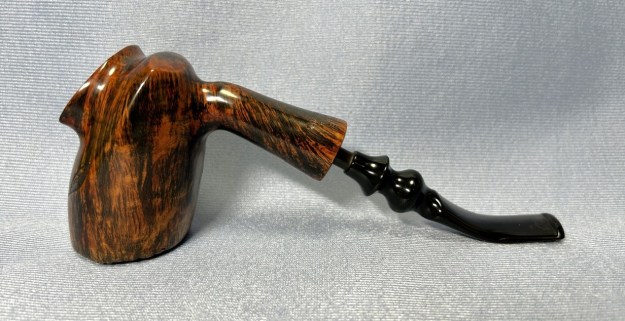
Behold a fantastic old pipe by the French master, Pierre Morel. This is a beautifully made and modern-looking pipe. What would you call this shape? Perhaps a freehand volcano – sort of? The stem is a slightly bent saddle stem, while it is also curiously set apart from the shank of the stummel. I have a particular interest in French pipes, so I am delighted to be able to offer this one to you all for sale. The marks are clear enough. On the underside of the shank, it reads, Morel [over] Fait Main [over] St Claude [over] France. Of course, the phrase ‘fait main’ means ‘handmade’ in English. On the top of the stem is the single word Morel – alas, the top of the ‘M’ is slightly worn.Let’s learn a bit more about Pierre Morel. His article on Pipedia says the following:

Pierre Morel’s Handmade pipes are very high-quality pieces. Pierre Morel is an extraordinarily talented pipe-maker, who chooses highly fine briar to create handmade pipes with a straight wood grain. Buying a Pierre Morel pipe is a guarantee of an exceptional smoking experience. Each of Pierre Morel’s creations is unique and entirely made in Saint-Claude.

 Pierre Morel is one of France’s most talented pipe makers. Based in Saint-Claude, the international capital city of pipe making, he is nowadays one of the only craftsmen who can make a pipe from start to finish. Unlike large brands, Pierre Morel makes all his pipes by hand.

 Nothing compares to a Pierre Morel pipe: high quality raw materials, an extremely meticulous design and unmatched finishes… As a true passionate of the art, Pierre Morel often gives advice to other “new” French pipe makers such as Bruno Nuttens or Joseph Rimbaud (Rostiak).

Meanwhile, the real information I wanted to see was over at Pipephil:

Pierre Morel (Father and son).

Pierre Morel (1908 – 1979†) crafted pipes also stamped with brands like “PEHEM”, “PM”, “PEHEM MOREL” or “TOTEM”.

Pierre Morel (Son, born 1949) stamped his pipes “P MOREL jr” and “PIERRE MOREL” after his father passed. He also collaborated with Chacom for highgrade lines (“Grand Cru”, “Millenium”…) until he retired in 2009. His personal production continues.

However, best of all, there is an article on a French website which provides a superb interview with Morel (the son). If you have any fluency in French, I highly recommend reading it. Here is the link: https://www.fumeursdepipe.net/artmorel.htm. One day, I will do a proper translation of the article (as the Google translation is so-so), but the original version will have to suffice for now. I don’t know for sure, but I have a feeling that this particular pipe is by the son – not the father.The pipe is in good shape. The stummel is lovely, but dirty. It has plenty of cake in the bowl and some lava and wear on the rim. Meanwhile, the stem has been well chomped. Again, dirty and well used. I used a disposable lighter and ‘painted’ the stem with its flame. The gentle heat of the flame can cause the dents in the vulcanite of the stem to expand back into shape. In this case, it worked fairly well.I used oil soap on a few cotton rounds and wiped the stem down to provide an initial cleaning of filth before moving on to the next steps. The primary cleaning comes next. I cleaned the inside of the stem with both pipe cleaners and cotton swabs dipped in 99% lemon-infused isopropyl alcohol. I scrubbed thoroughly to make sure the interior was clean.The goal of the next step is the removal (or minimization) of oxidation. Going to my sink, I used cream cleanser, cotton rounds, and a toothbrush, and scoured the stem to remove as much surface oxidation as possible. As the photos show, the result is a hideous brownish mess – but better off the stem than on it.Once the stem was reasonably clean, I soaked it overnight in some de-oxidation fluid. This solution works to draw oxidation in the stem to the surface. This is a major aid and an important step in ensuring a clean stem. The following day, I drew the stem out from its bath and scrubbed the lingering fluid with a toothbrush.Now that the stem is clean and dry, I set about fixing the marks and dents in the vulcanite. This is done by filling those divots with black cyanoacrylate adhesive, impregnated with carbon and rubber. I left this to cure and moved on.After this, I painted the logo on the stem with some nail polish. I restored the logo carefully and let it fully set before proceeding.The penultimate step for the stem is sanding. First, with my set of needle files, I reduce the bulk of the cyanoacrylate repairs. I want to remove the excess adhesive as near to the surface as possible, without cutting into the vulcanite. Following that, I use all nine of the micromesh sanding pads (1,500 through 12,000 grit) to sand out flaws, even out the vulcanite, and provide gentle polishing of the finished surface. I also apply pipe-stem oil while using the last five micromesh pads. There was a wonderful, deep black shine to the stem when I was done.Now that the stem is (nearly) complete, I can move on to the stummel. The first step for me is to ream out the bowl – that is to say, remove all the cake inside the bowl. This accomplishes a couple of things. First (and most obviously), it cleans the bowl and provides a refurbished chamber for future smoking. Second, when the old cake is removed, I can inspect the interior walls of the bowl and determine if there is damage or not. I used a reamer and a piece of sandpaper taped to a wooden dowel. Collectively, these ensure that all the debris is removed. Everything looked good inside the bowl.My next step was to remove the lava on the rim. For this, I took a piece of machine steel and gently scraped the lava away. The metal’s edge is sharp enough to remove what I need, but not so sharp that it damages the rim.Similar to the stem, I then cleaned the stummel with both pipe cleaners and cotton swabs dipped in 99% lemon-infused isopropyl alcohol. With a pipe this dirty, it took quite a while and much cotton to get clean.I then decided to ‘de-ghost’ the pipe – that is to say, exorcize the remaining filth from the briar. I filled the bowl and the shank with cotton balls, then saturated them with 99% isopropyl alcohol. I let the stummel sit overnight. This caused any remaining oils, tars and smells to leach out into the cotton.To tidy up the briar, I also wiped down the outside with some oil soap on cotton rounds (and a toothbrush). This does a good job of cleaning any latent dirt on the surface of the briar. The last step of the cleaning process is to scour the inside of the stummel with some soap and tube brushes. This is the culmination of a lot of hard work in getting the pipe clean. I used all nine micromesh pads (1,500 through 12,000 grit) on the outside of the stummel to finish it off. This sanding minimizes flaws in the briar and provides a beautiful smoothness to the wood. I rubbed some Before & After Restoration Balm into the briar and let it sit for 20 minutes or so. The balm moisturizes the wood and gives a beautiful depth to the briar. I then buffed it with a microfibre cloth. For the final step, I took the pipe to my bench buffer and carefully polished it – first with a white diamond compound, then with three coats of carnauba wax. This procedure makes the pipe look its best – the stummel sings and the stem glows.All done! This Pierre Morel handmade freehand volcano looks fantastic again and is ready to be enjoyed by its next owner. I am pleased to announce that this pipe is for sale! If you are interested in acquiring it for your collection, please have a look in the ‘French’ section of the store here on Steve’s website. You can also email me directly at kenneth@knightsofthepipe.com. The approximate dimensions of the pipe are as follows: length 5⅜ in. (137 mm); height 1⅞ in. (48 mm); bowl diameter 1½ in. (38 mm); chamber diameter ¾ in. (19 mm). The weight of the pipe is 1½ oz. (45 g). I hope you enjoyed reading the story of this pipe’s restoration as much as I enjoyed restoring it. If you are interested in more of my work, please follow me here on Steve’s website or send me an email. Thank you very much for reading and, as always, I welcome and encourage your comments.
Repairing a Serious Injury to a Custombilt Bulldog


by Kenneth Lieblich

Welcome to another instalment of my Pipe Incident Reports. The idea, in general, is to provide a brief write-up – focusing on a particular pipe-restoration-related issue – rather than an entire restoration story. Today’s story is on the resolution of a very specific pipe repair, with some added challenges. I hope this blog post will be useful for those undertaking a similar repair. Every once in a while, my cousin-in-law sends me a pipe to repair. He hunts for pipes at antique shops and fairs, etc., and when he finds one that’s especially tricky to repair, he sends it my way! When he sent this particular pipe to me, he described it as a “crazy guy project”. Ahem. Well, crazy or not, I’m taking on the challenge. As you can see, it’s a handsome and rugged Custombilt bulldog, from the 1970s or ‘80s. My cousin-in-law did most of the cleaning already and did some restoration work on the stem, so I will be tackling the stummel only. For the most part, the pipe is in decent shape, but there are two major gouges on the side of the bowl. These gouges are going to be tricky to repair for four reasons:
    • the gouges occur in spots where there was already some of the signature Custombilt rustication. So I have to fill them and make them look good while maintaining the original rustication and not filling it in.
    • the gouges run transverse to the two pre-existing rings that run around the bowl. Again, I will have to repair these without negatively impacting those ring grooves.
    • the gouges actually penetrate all the way through the bowl to the inside. I will need to ensure that they are sound on the outside and on the inside.
    • the gouges also come with very fine cracks that extend in a ‘southerly’ direction, into some further rustication.

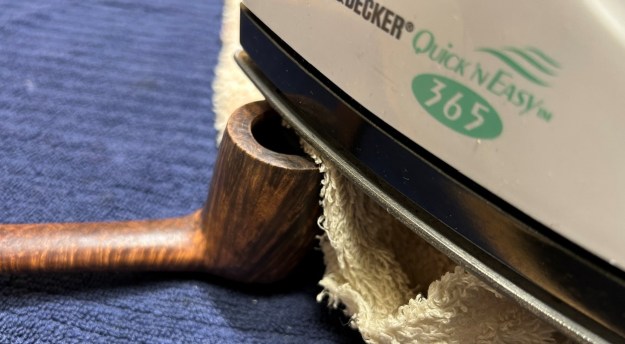
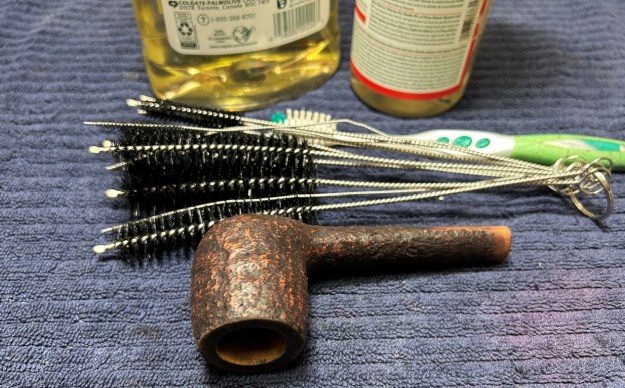
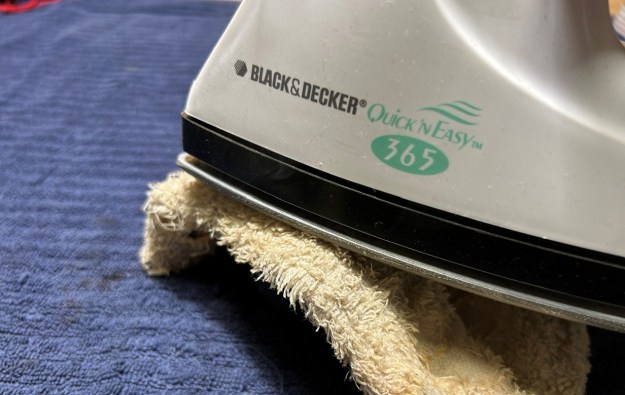
I haven’t even yet mentioned that there are a couple of chips missing from the bowl, on the opposite side of the gouges – and some dents on the rim. So, I’ve got my hands full – time to get started.As I mentioned, my cousin-in-law already did the vast majority of the cleaning – Deo gratias. To finish tiding up the briar, I wiped down the outside with some oil soap on cotton rounds (and a toothbrush). This does a good job of cleaning any latent dirt on the surface of the briar. I then scoured the inside of the stummel with some soap and tube brushes.Having completed that, I was able to address the dents on the rim. I dug out my iron and a damp cotton cloth. By laying the cloth over the affected areas and applying the iron to it, the hot and moist steam can often cause the wood to swell slightly and return to shape. There was some improvement – not a lot, but it was better than doing nothing.I decided to repair the tiny cracks in the briar next. Before anything else, it’s imperative that I ensure that the cracks do not continue to creep after I repair them. To that end, I took a micro-drill bit, inserted it in my rotary tool, and very carefully drilled a hole right through the wall of the bowl. That hole will stop the crack from progressing. As you can see, the drill bit is incredibly thin and quite prone to snapping if care isn’t taken.Now, I lined those cracks – and the gouges – with clear cyanoacrylate adhesive. Because of the intricacy of this work, I used a tiny awl to apply the adhesive. I needed to be precise and not smear it all over the place. I wish I had taken more photos of this procedure, but you’ll just have to take my word for it.Moving on to the matching holes on the inside of the bowl… I used an epoxy adhesive that is extremely hard, resistant to high temperatures, and completely inert when cured. It works superbly. I filled the affected area with the epoxy and let it cure for a full 24 hours. I took this step after applying the cyanoacrylate adhesive, so that the epoxy would not ooze out of the gouges. The next day, I roughened up the epoxy’s surface for the next step. I thinly coated the inside of the bowl with a mixture of my wife’s homemade yogurt and activated charcoal. Once hardened, this provided a good, faintly rough surface for a new cake to build. Now I needed to go back to the gouges and finish them off. I delicately and precisely added a mixture of clear cyanoacrylate adhesive and briar dust. This gives an incredibly hard and wood-like appearance to the repairs. I did the same to the chips I mentioned on the opposite side of the bowl. Most of the rest of the work was sanding. I used my dental tools, needle files and some fine sandpaper to sculpt the pipe back into shape. This was very tricky and took considerable patience – a virtue I have in short supply. Once done, I used all nine micromesh pads (1,500 through 12,000 grit) on the smooth parts of the stummel to finish it off. This sanding minimizes flaws in the briar and provides a beautiful smoothness to the wood. I rubbed some Before & After Restoration Balm into the briar and let it sit for 20 minutes or so. The balm moisturizes the wood and gives a beautiful depth to the briar. I then buffed it with a microfibre cloth. The Custombilt bulldog is much improved and I hope my cousin-in-law will like it. This was a complex repair – the results are not ideal, but they are as good as I can manage. I hope you enjoyed reading the story of this pipe’s restoration as much as I enjoyed restoring it. If you are interested in more of my work, please follow me here on Steve’s website or email me directly at kenneth@knightsofthepipe.com. Thank you very much for reading and, as always, I welcome and encourage your comments.