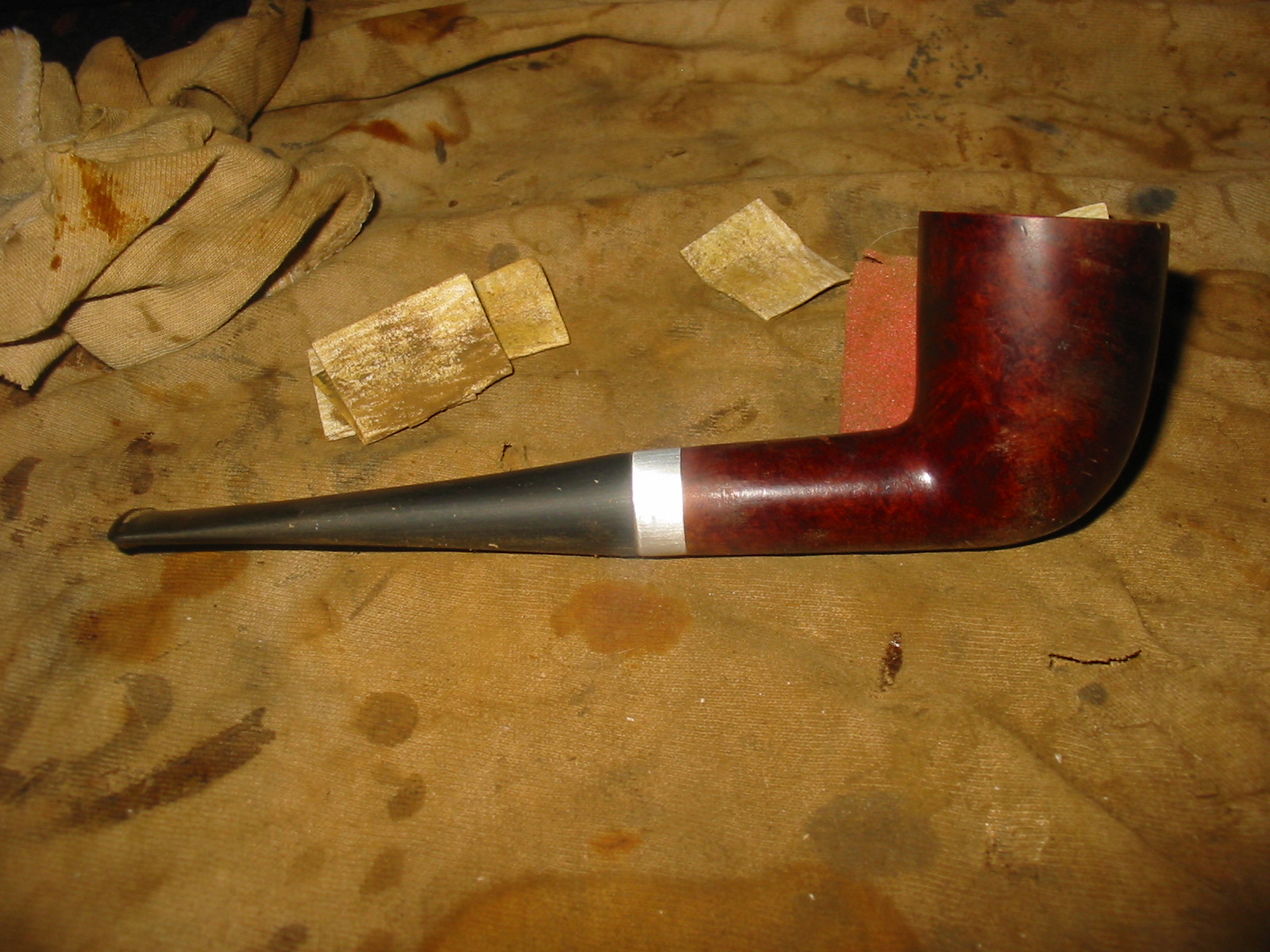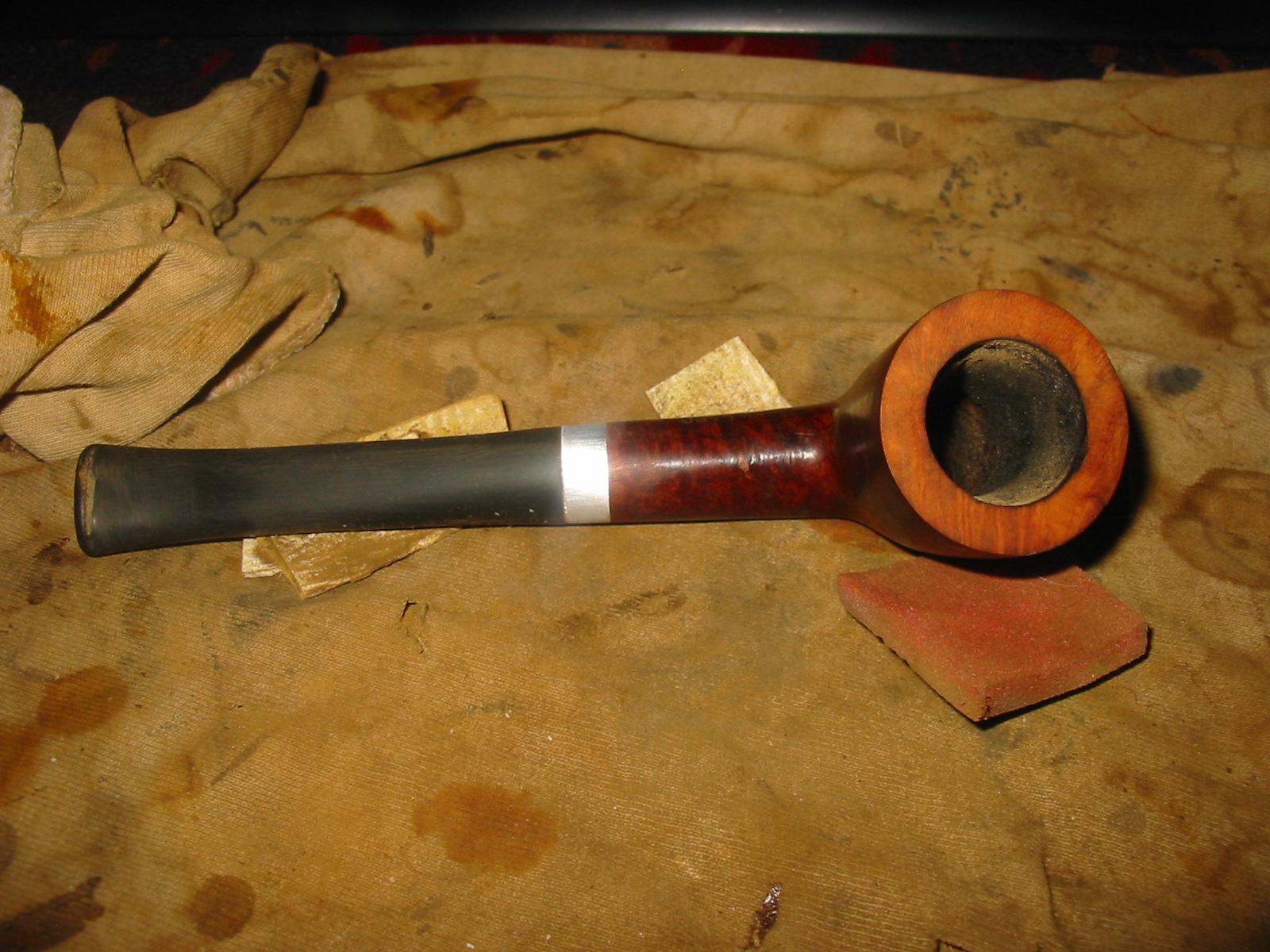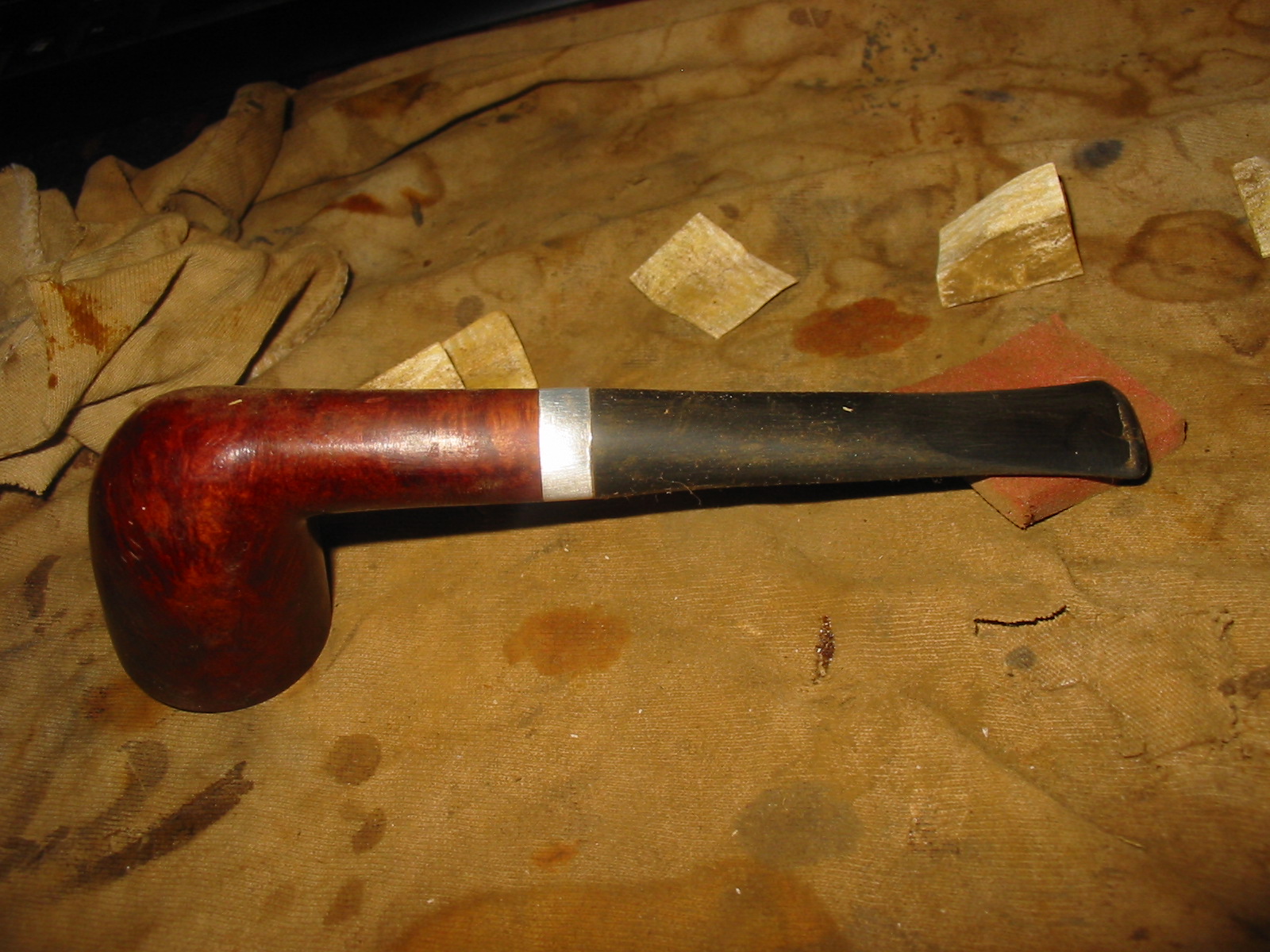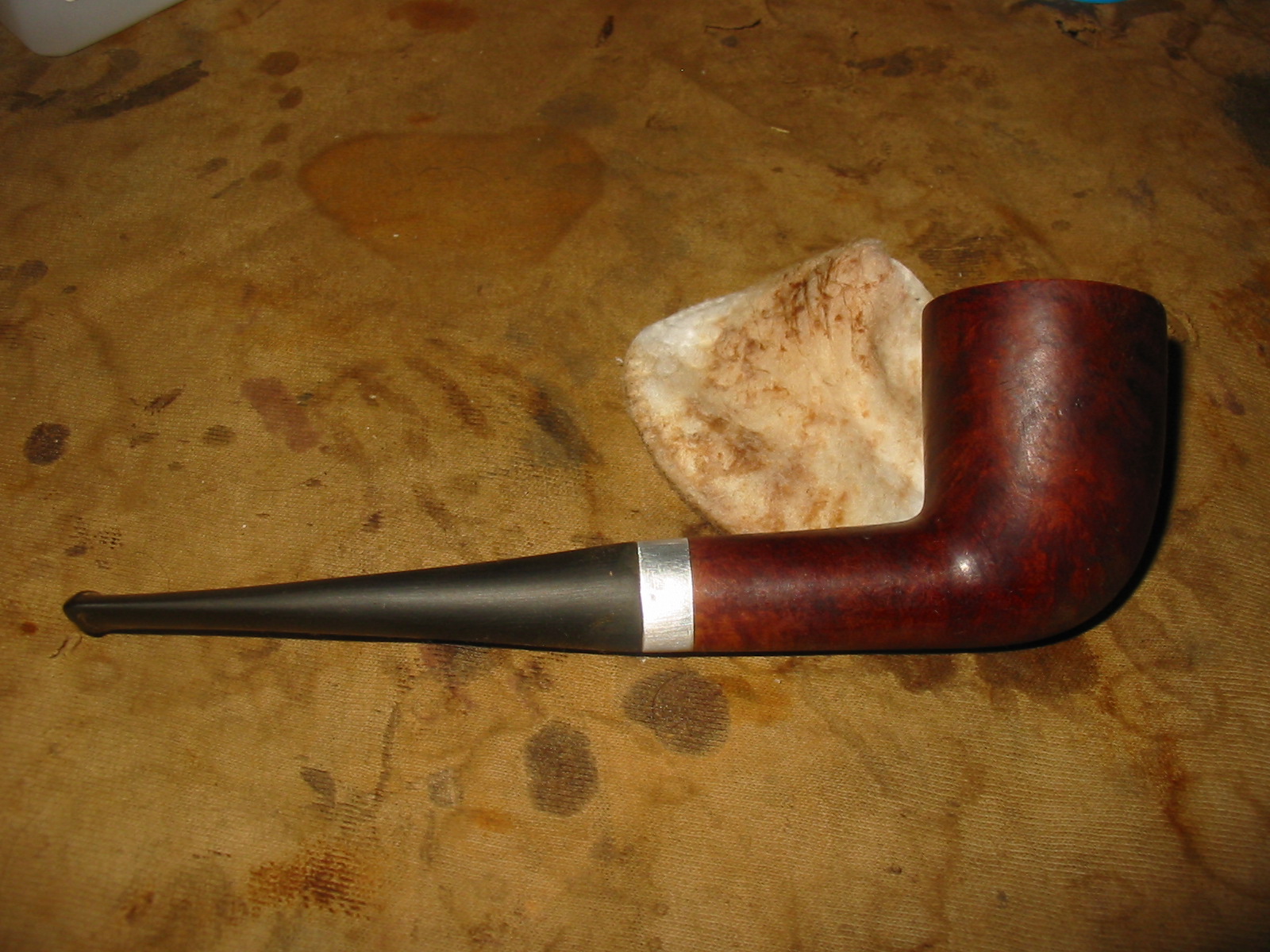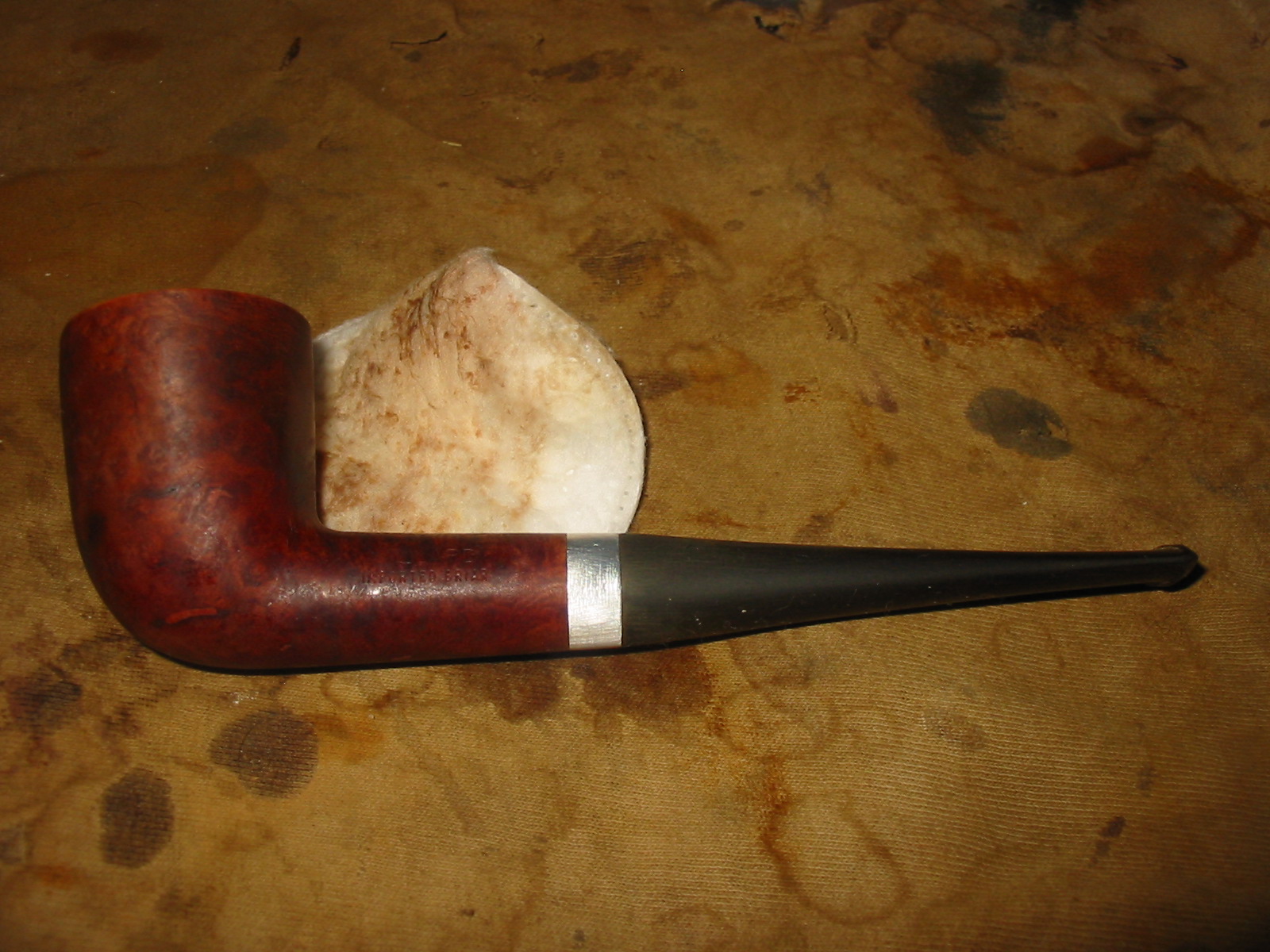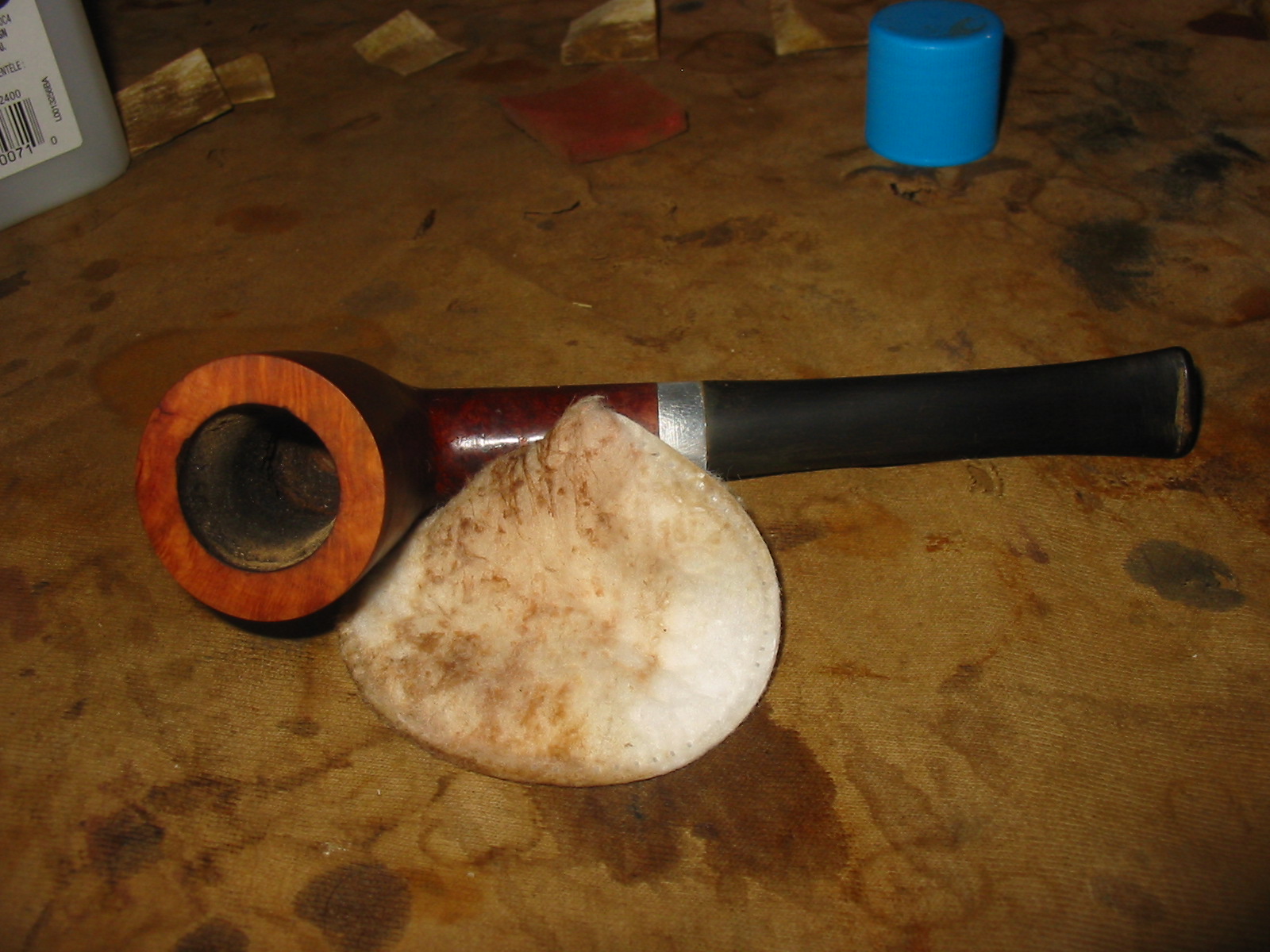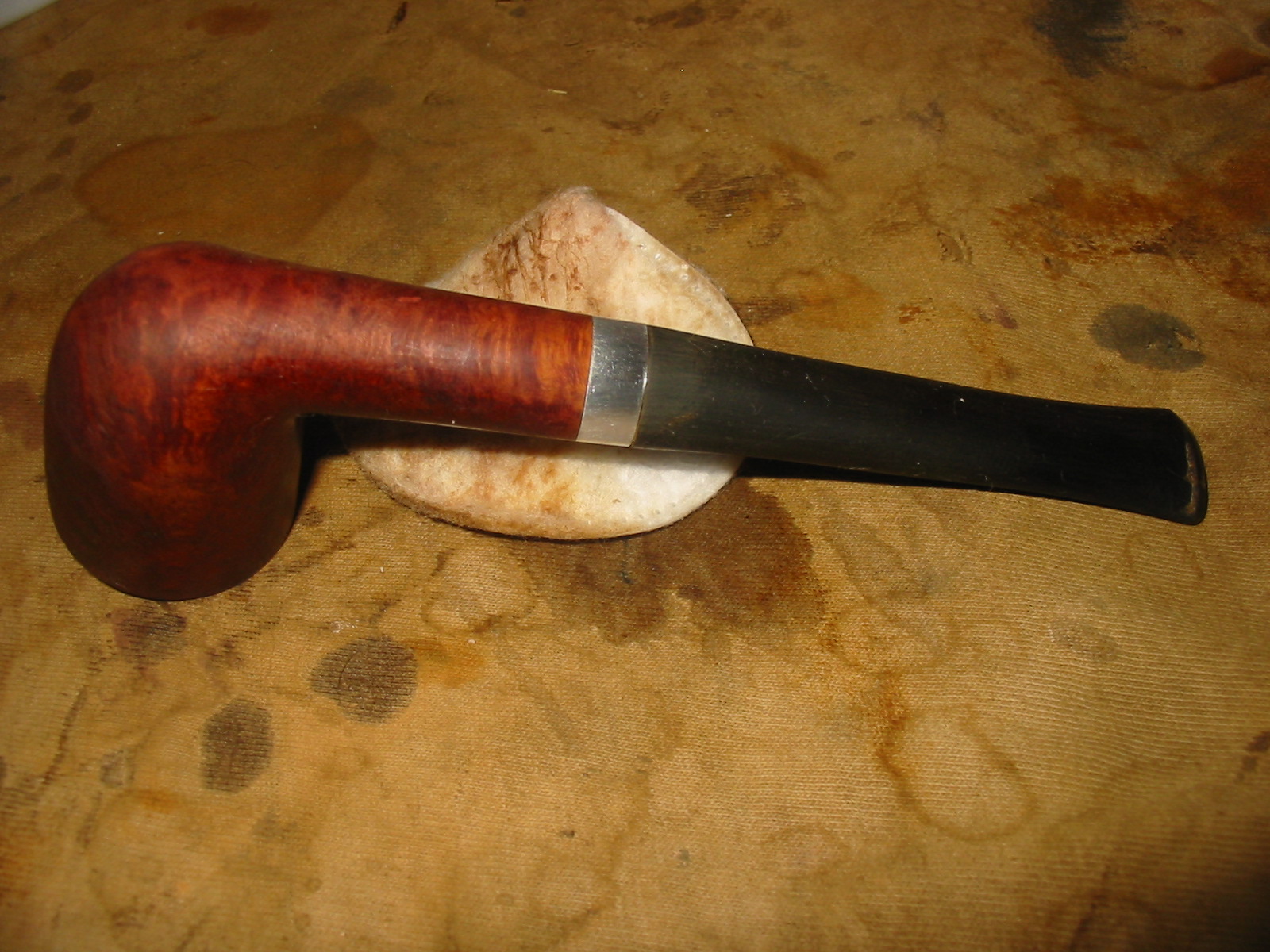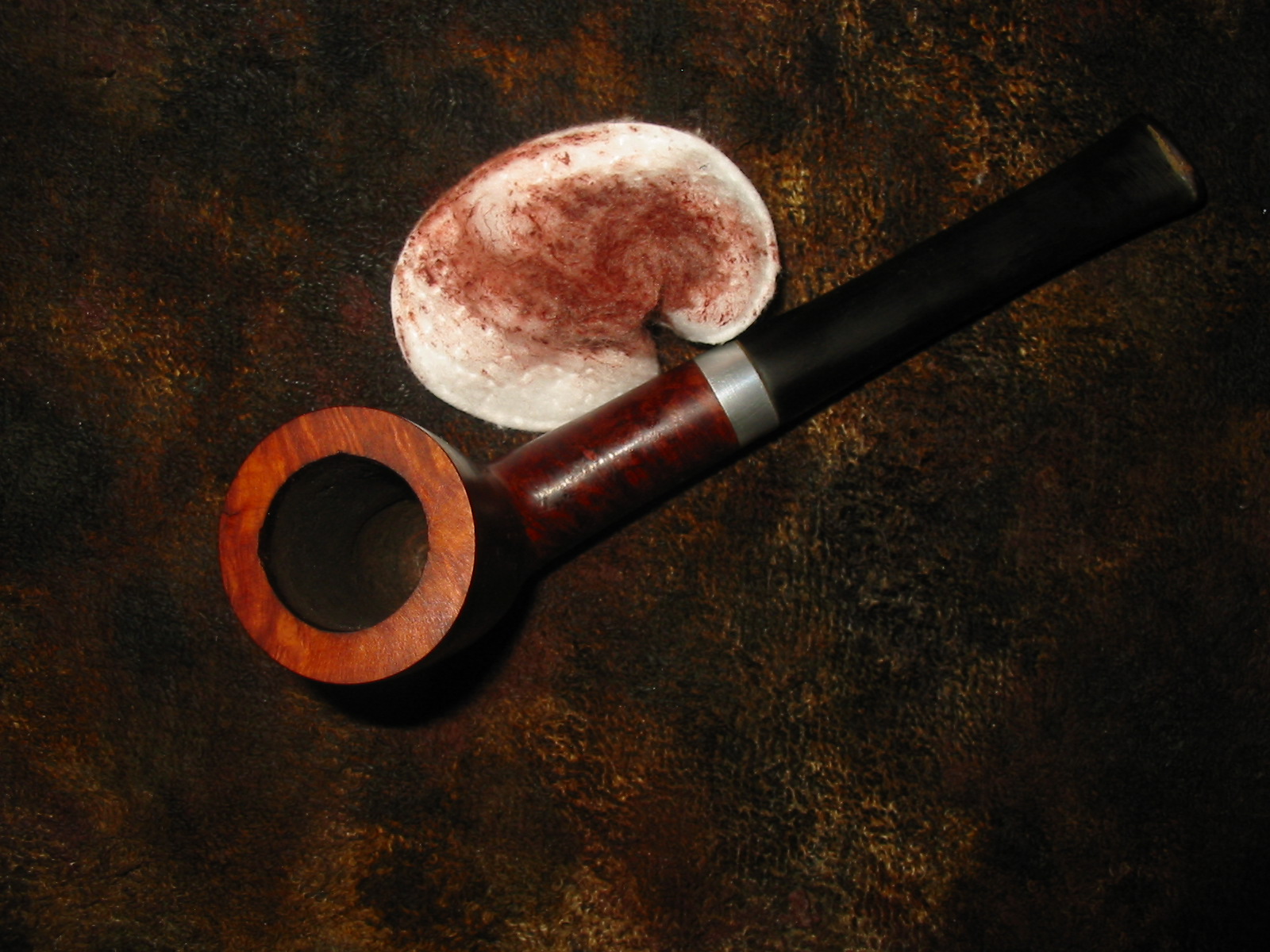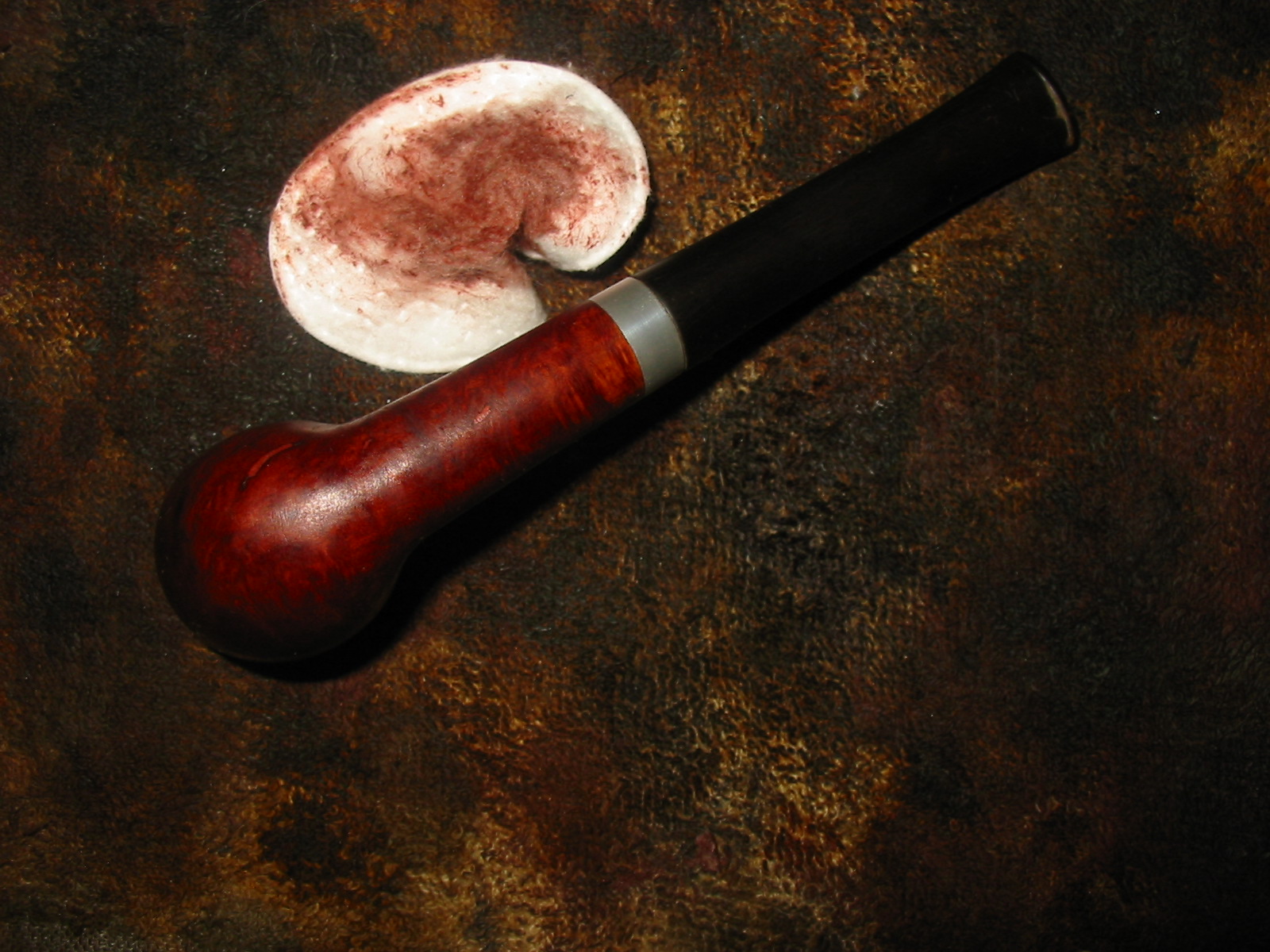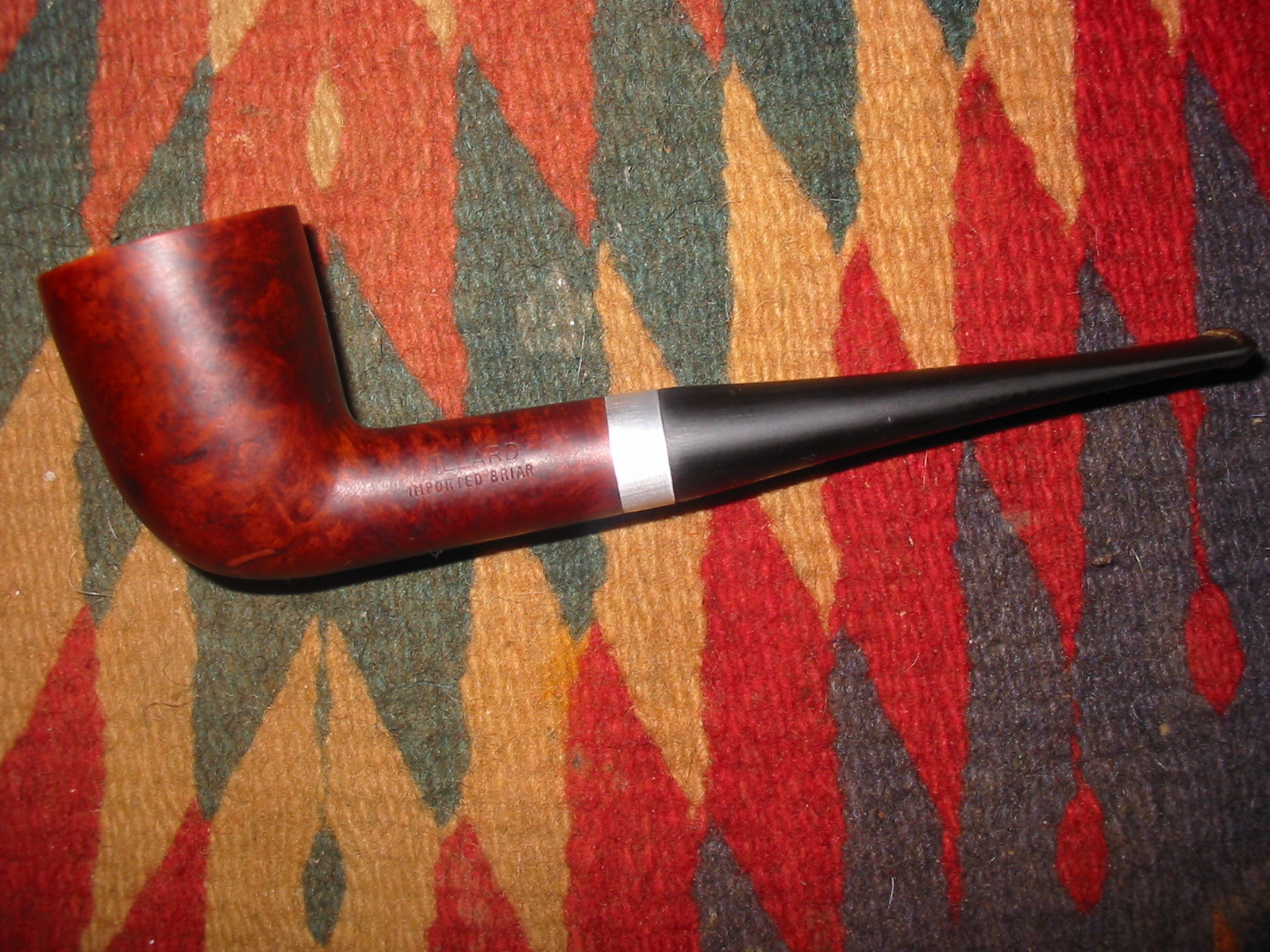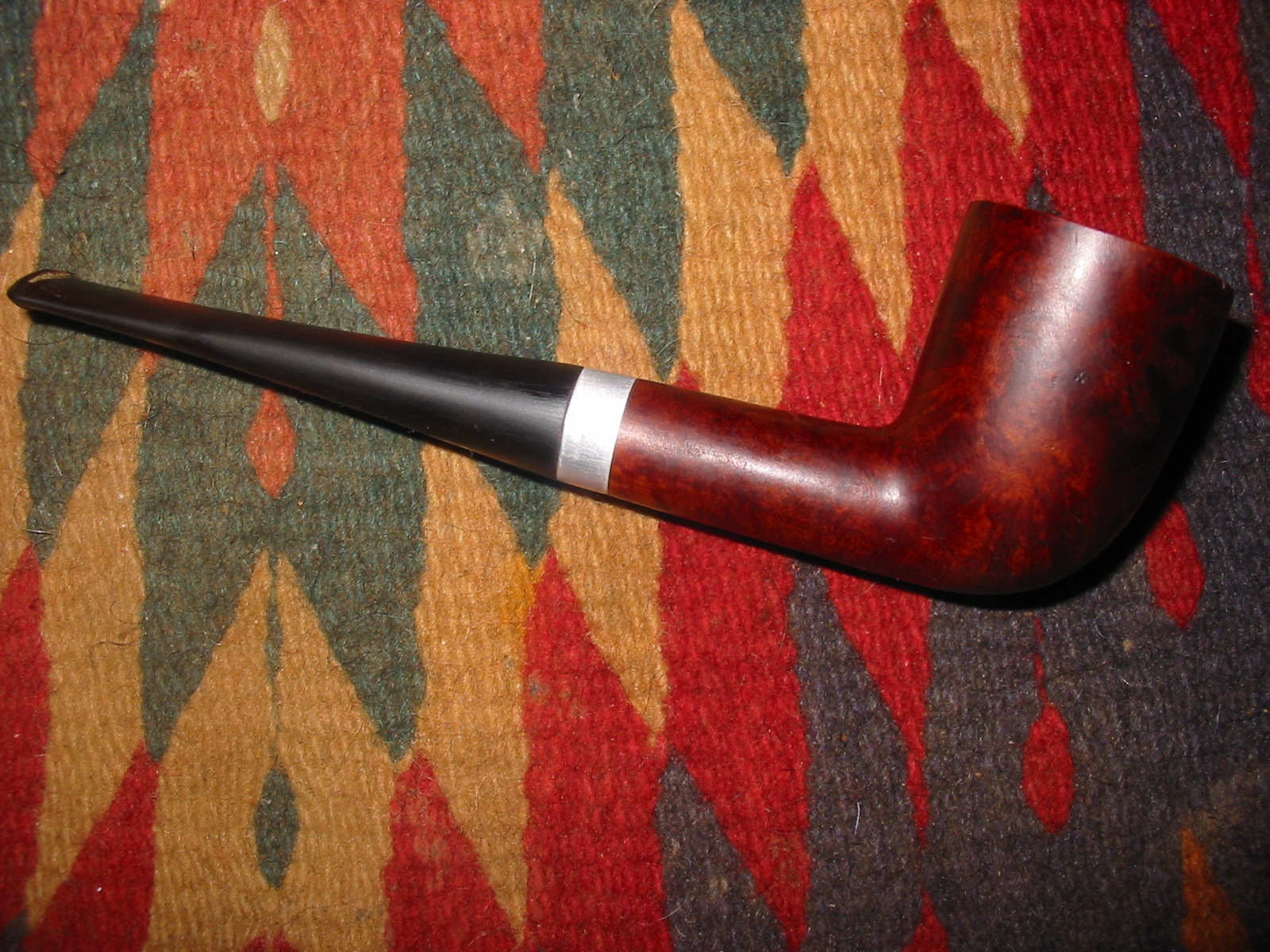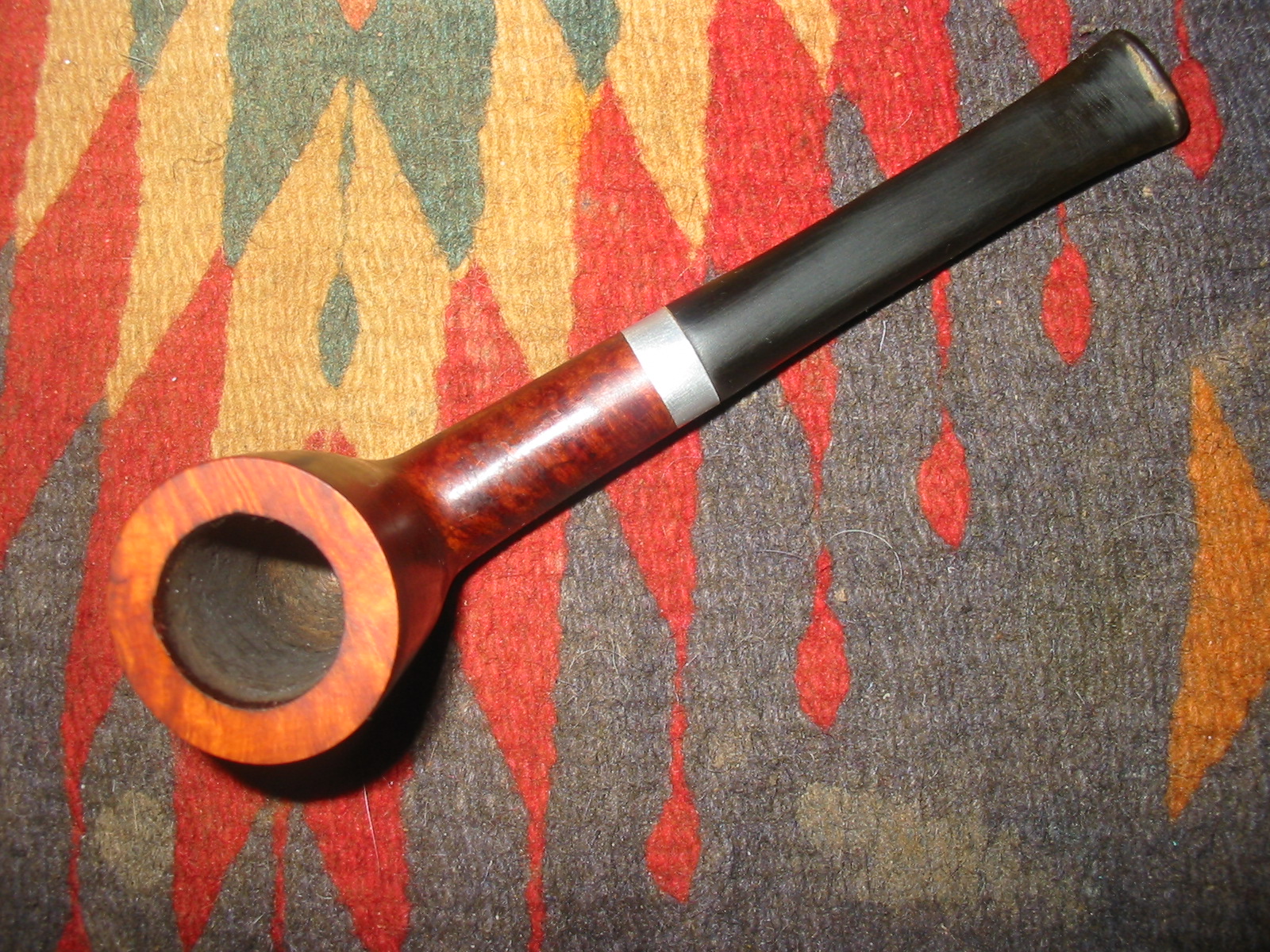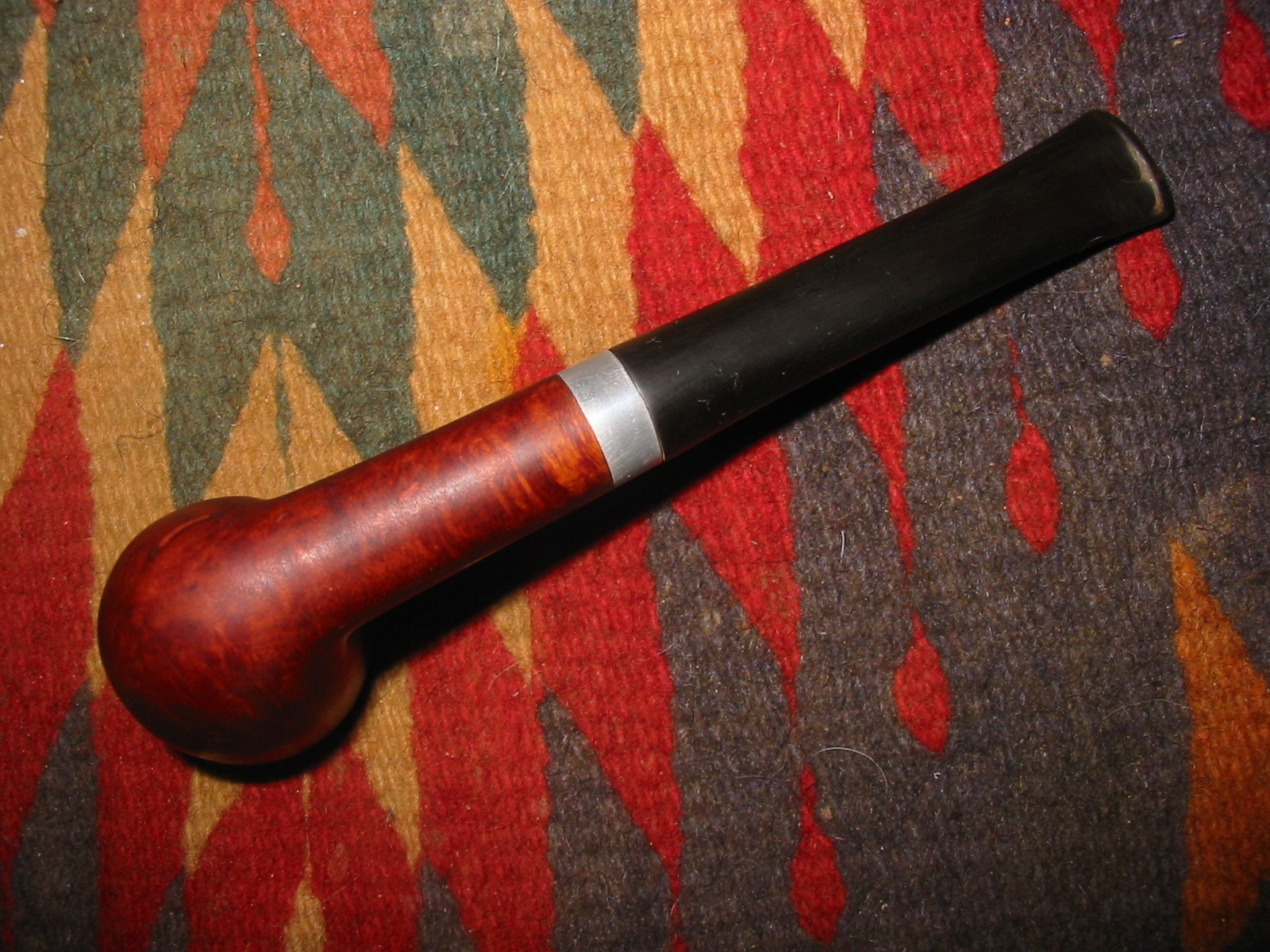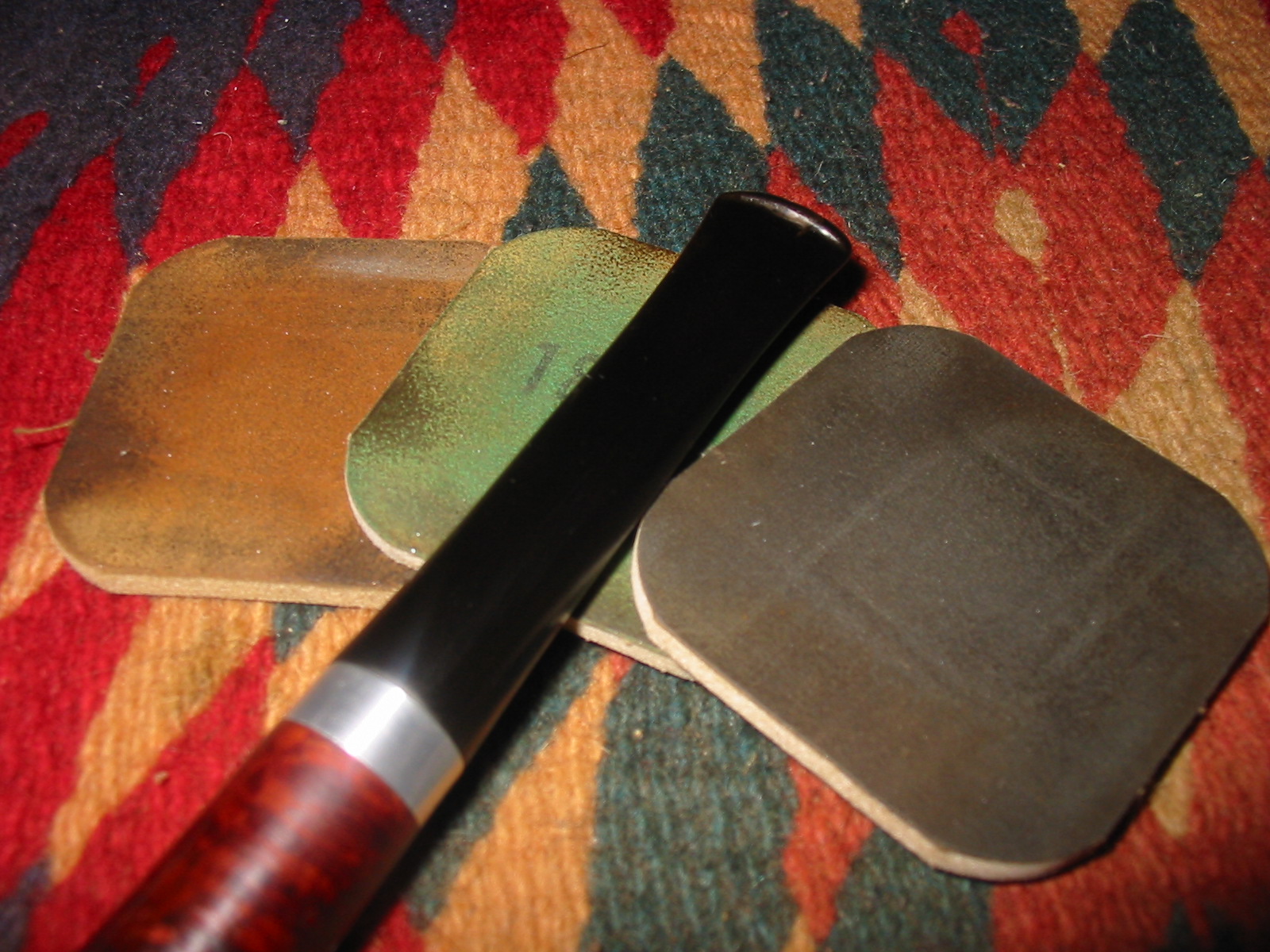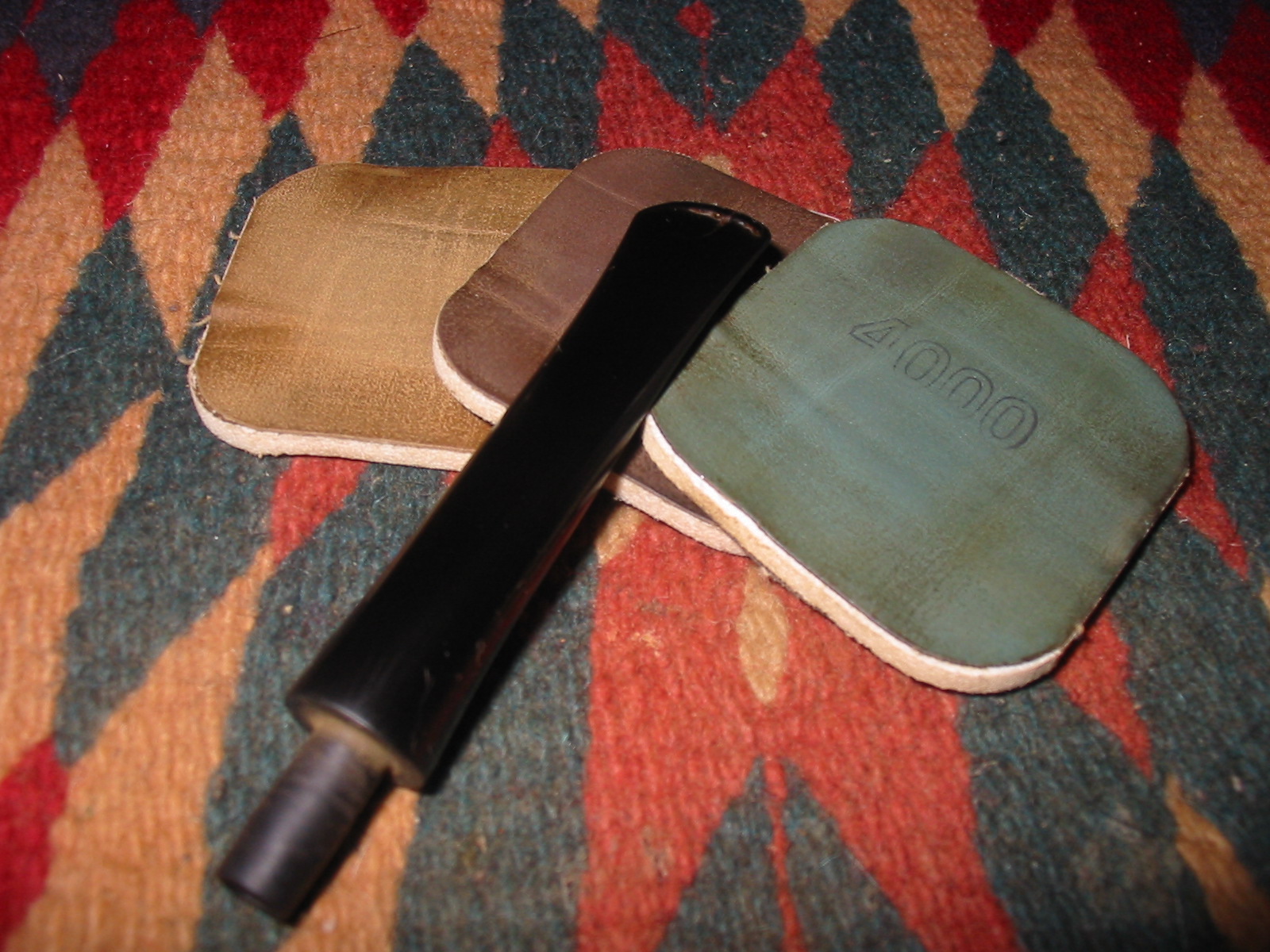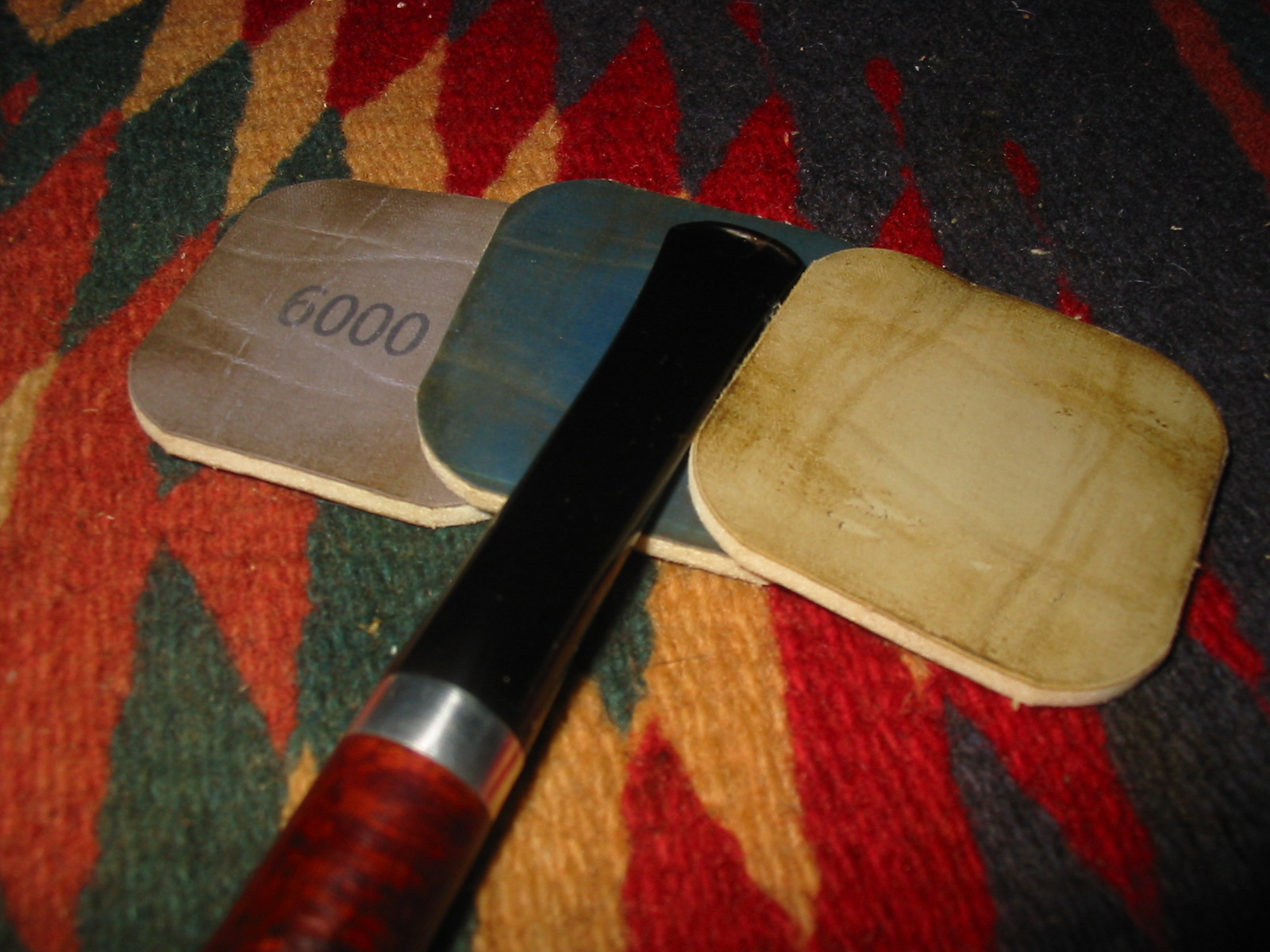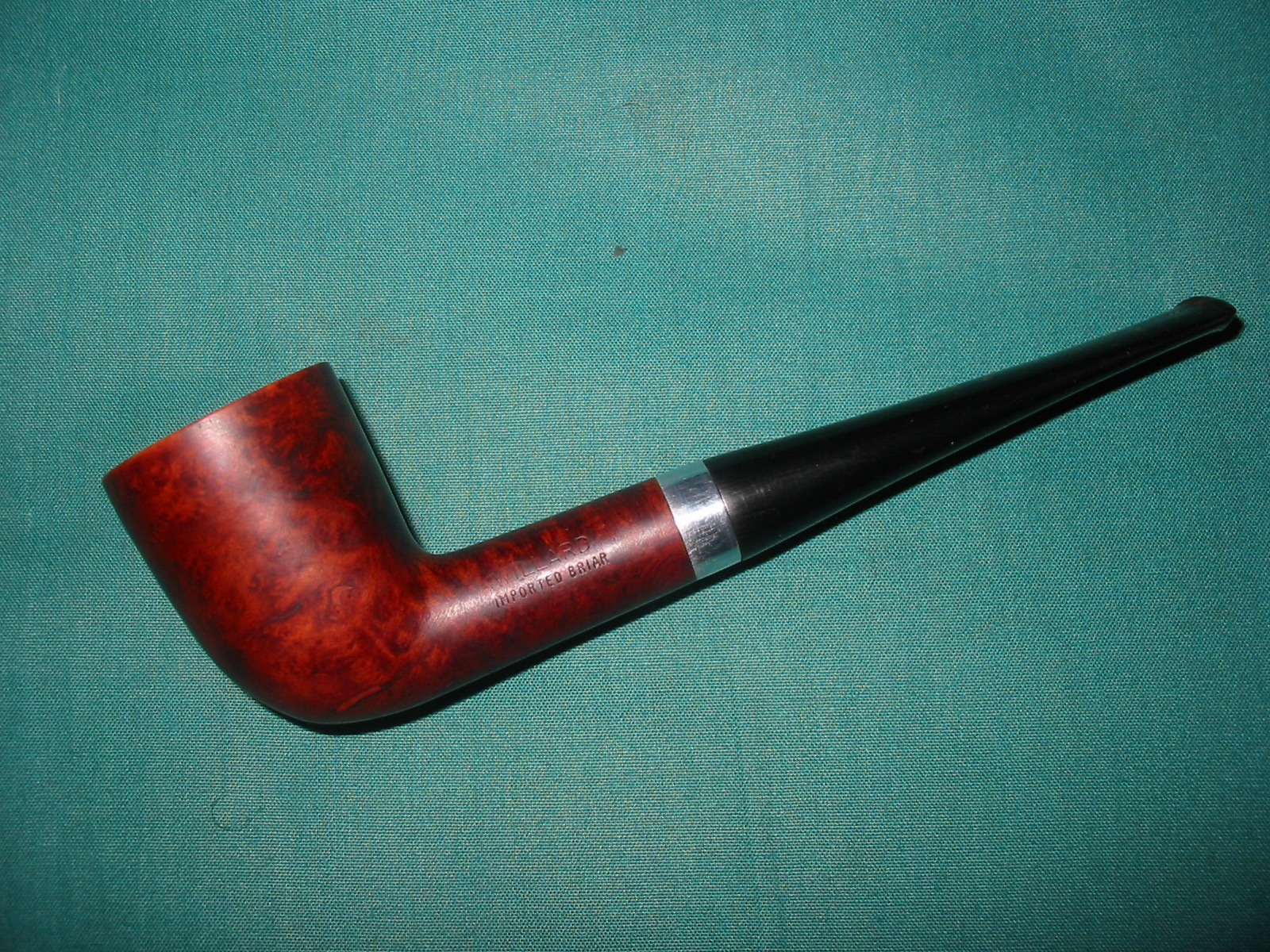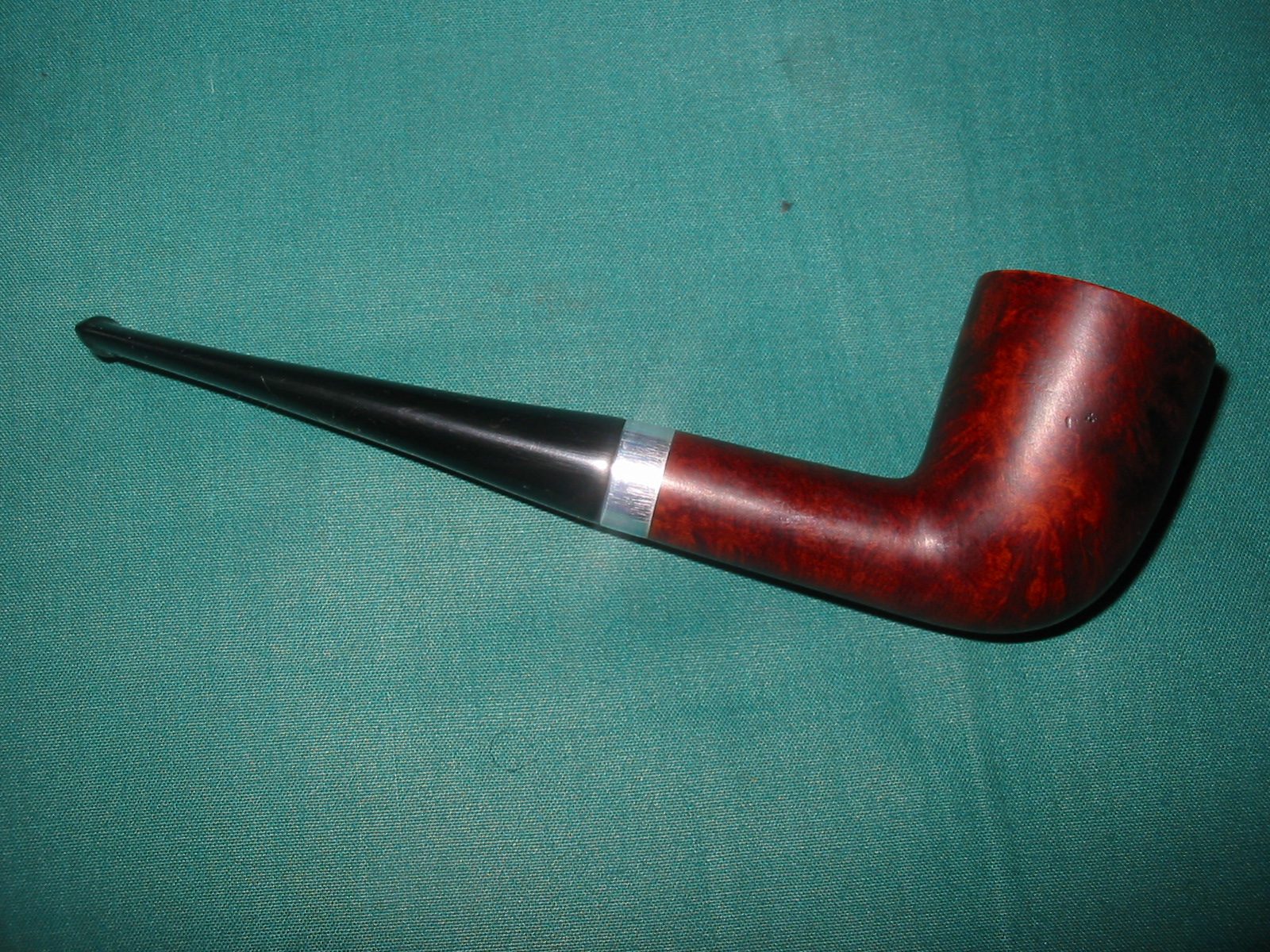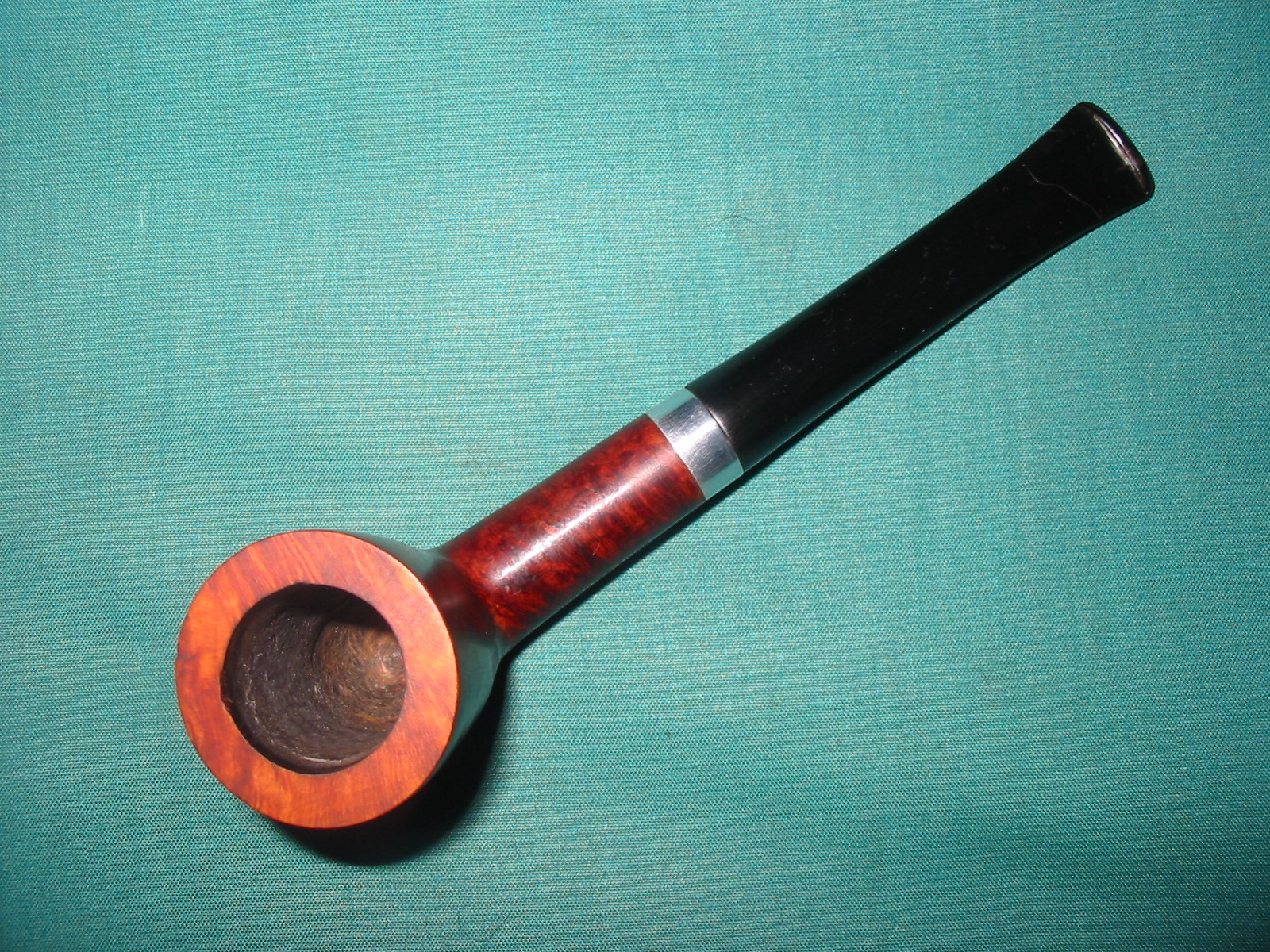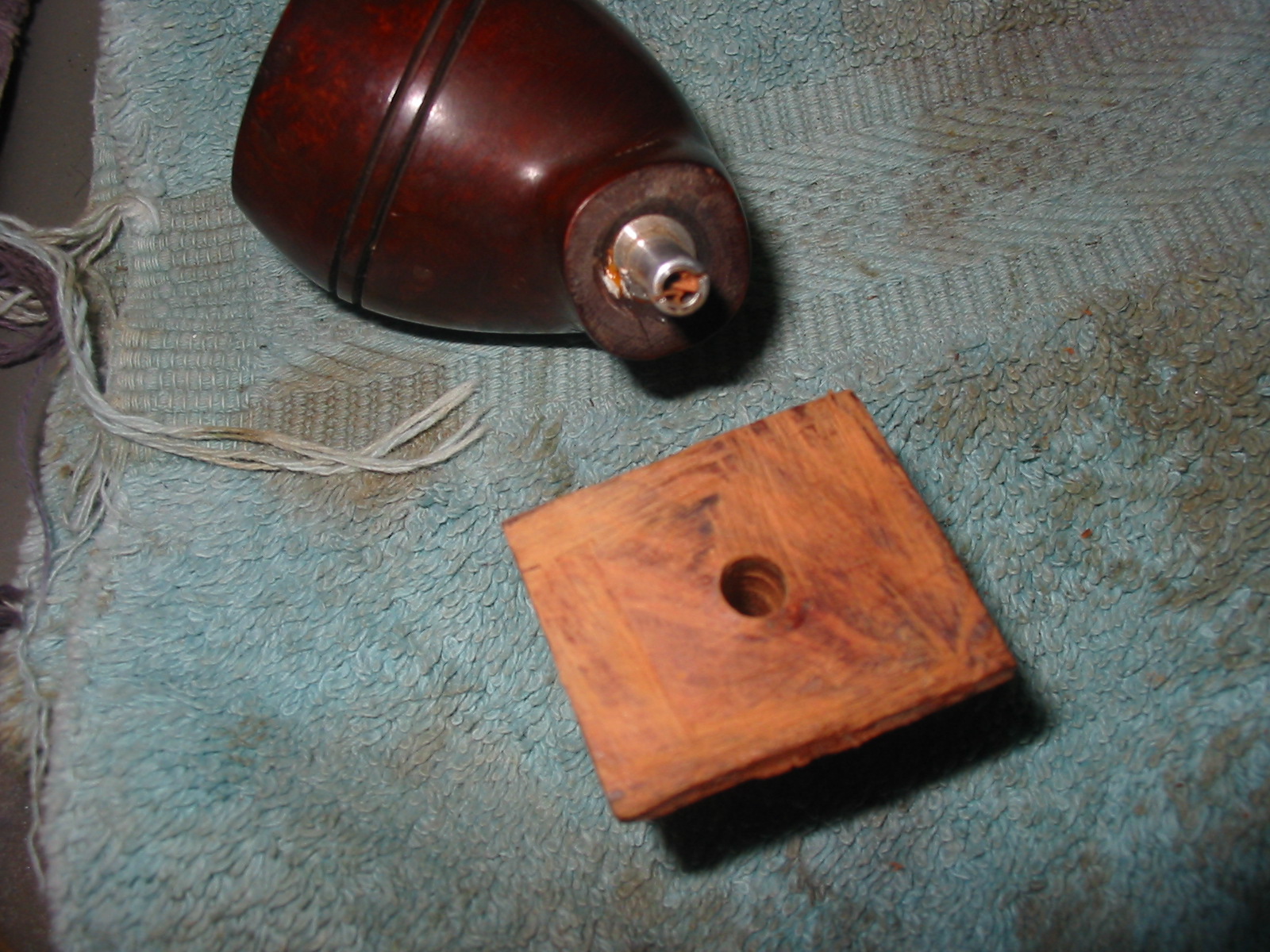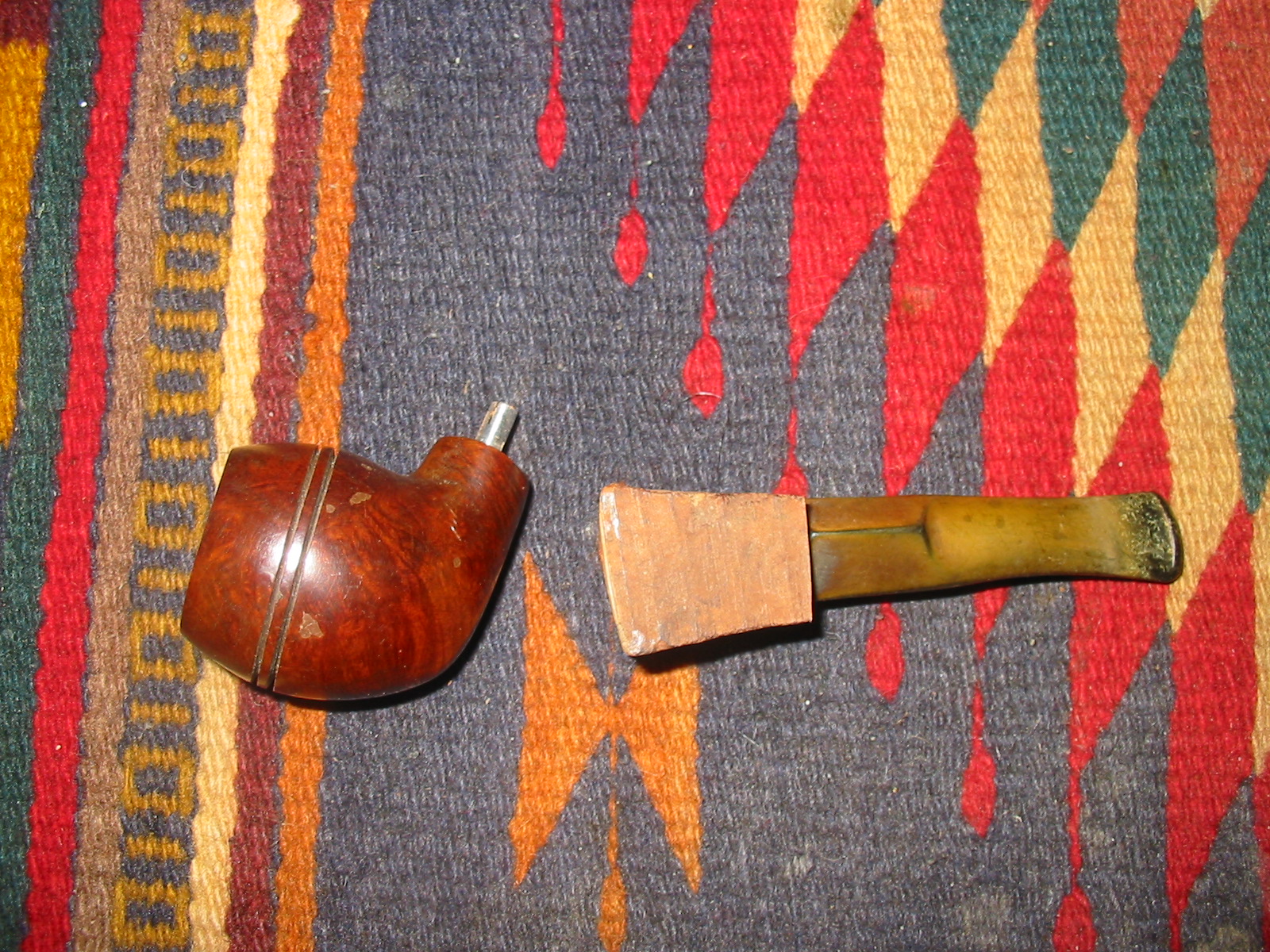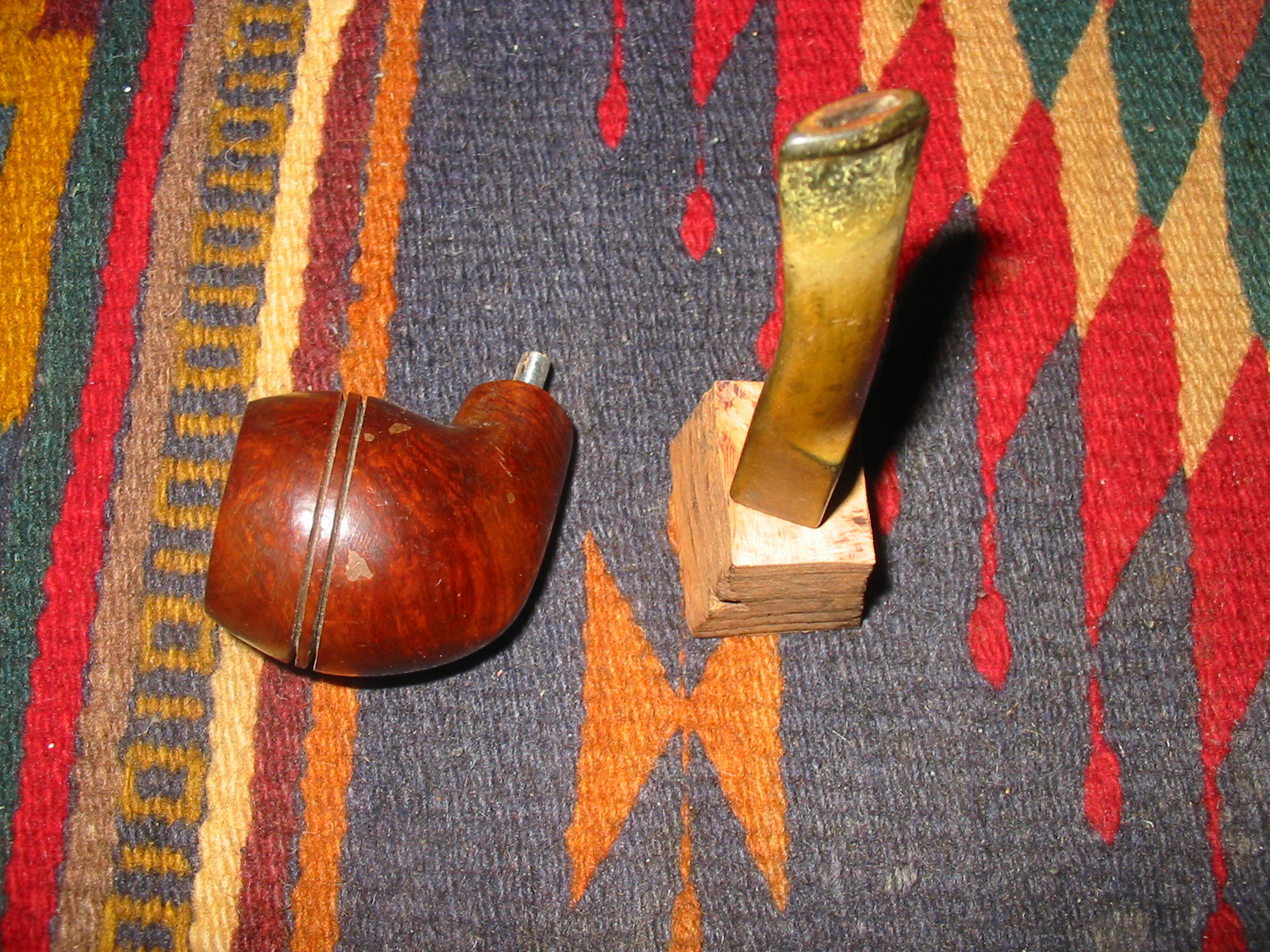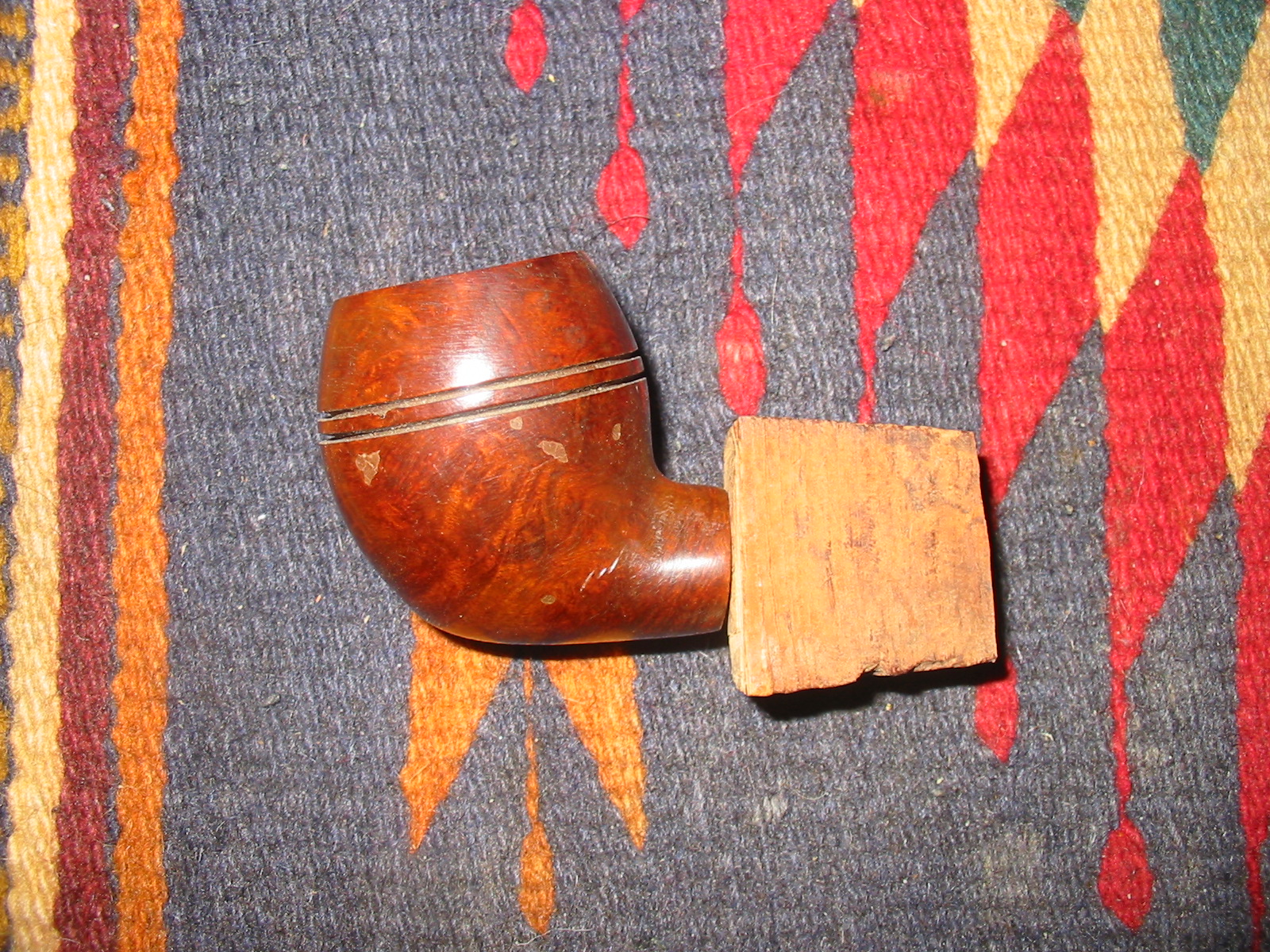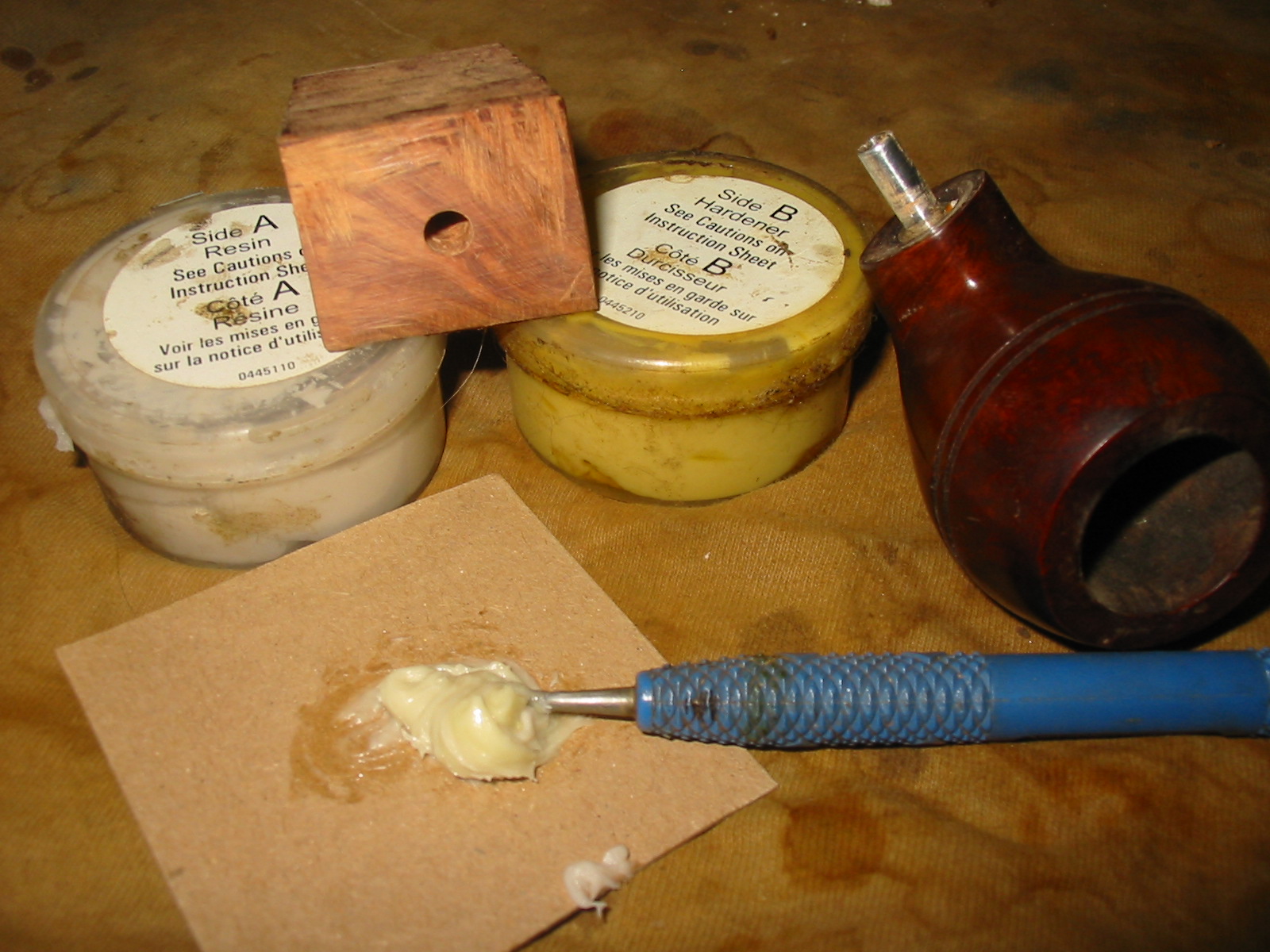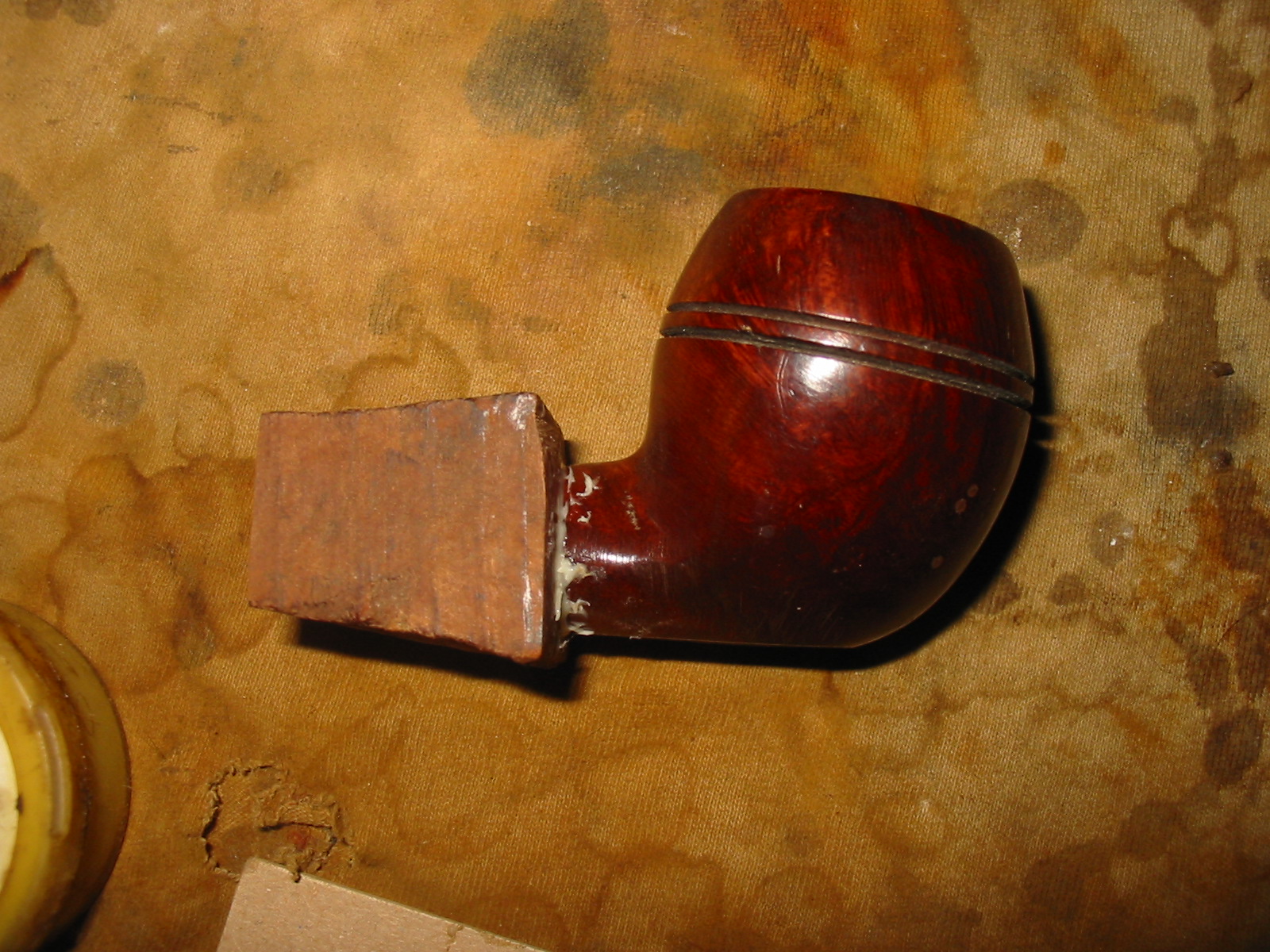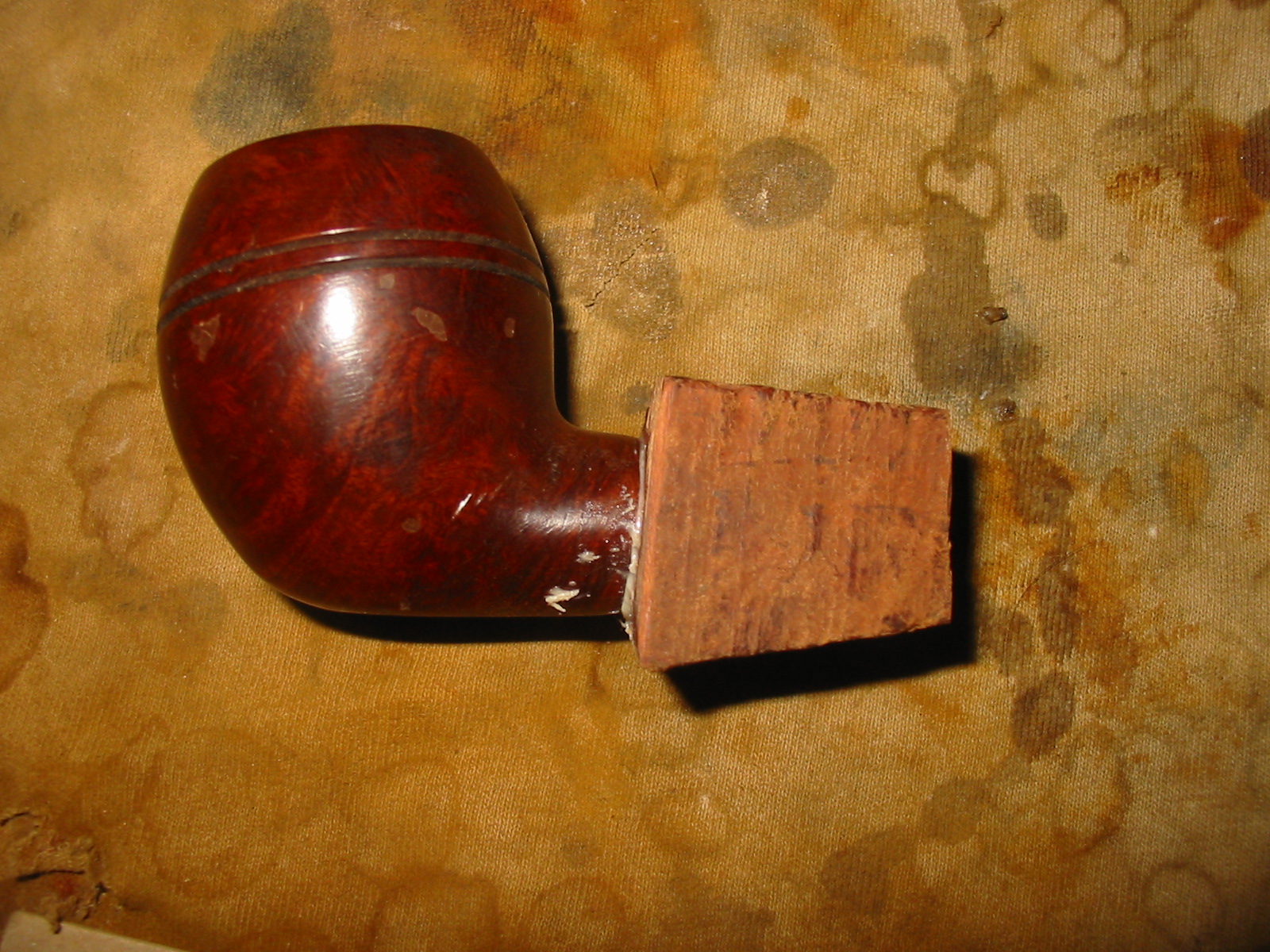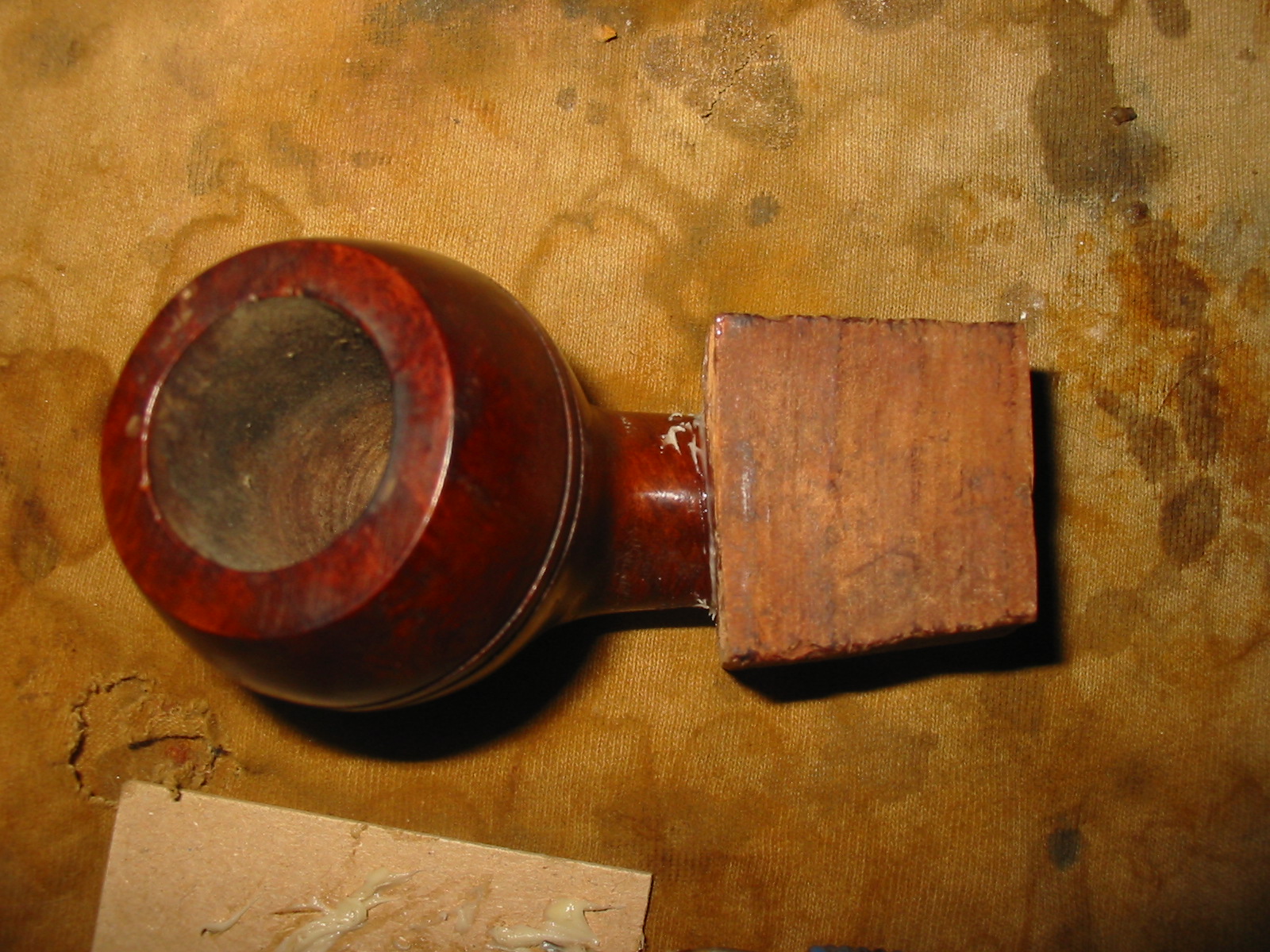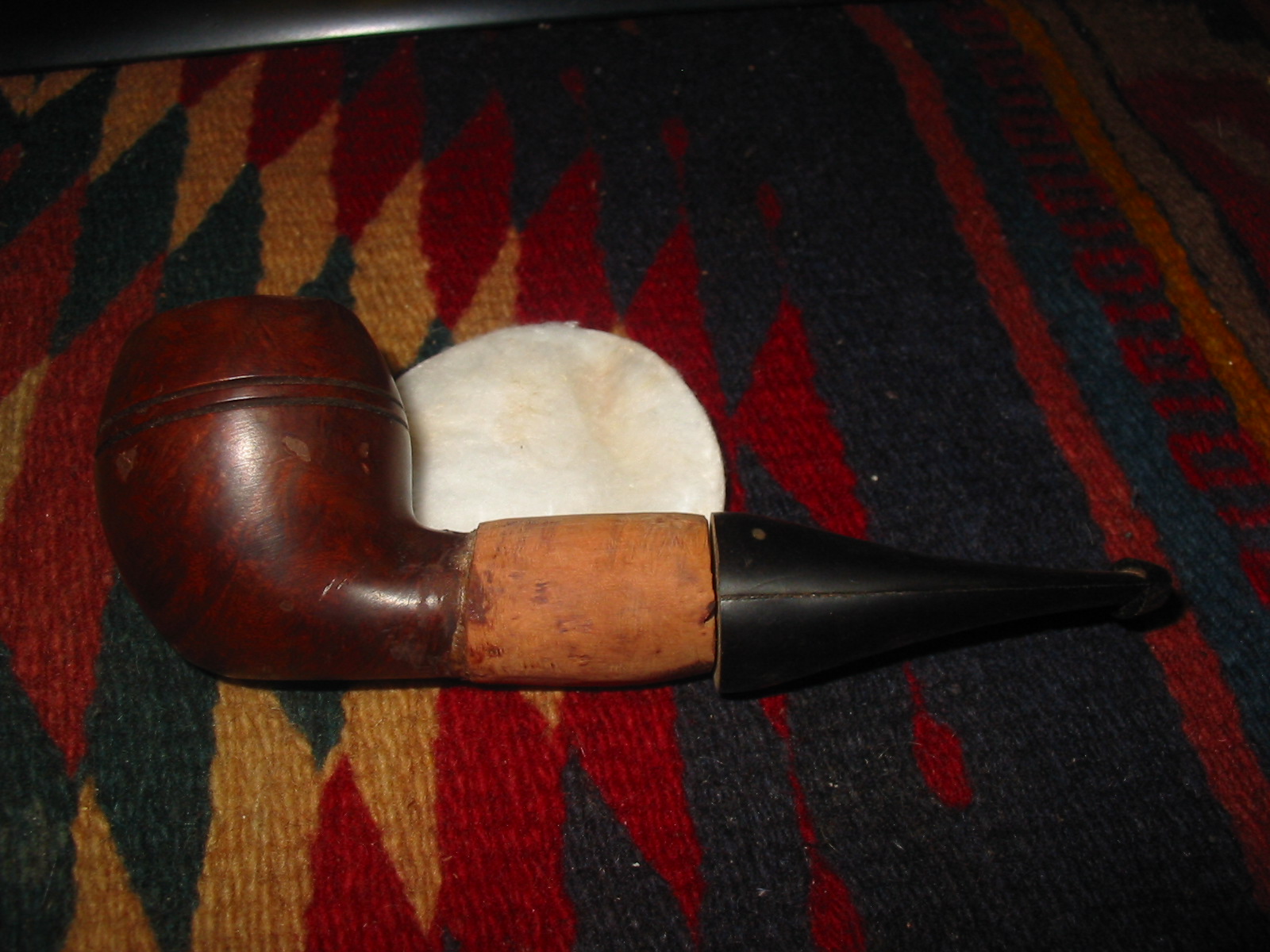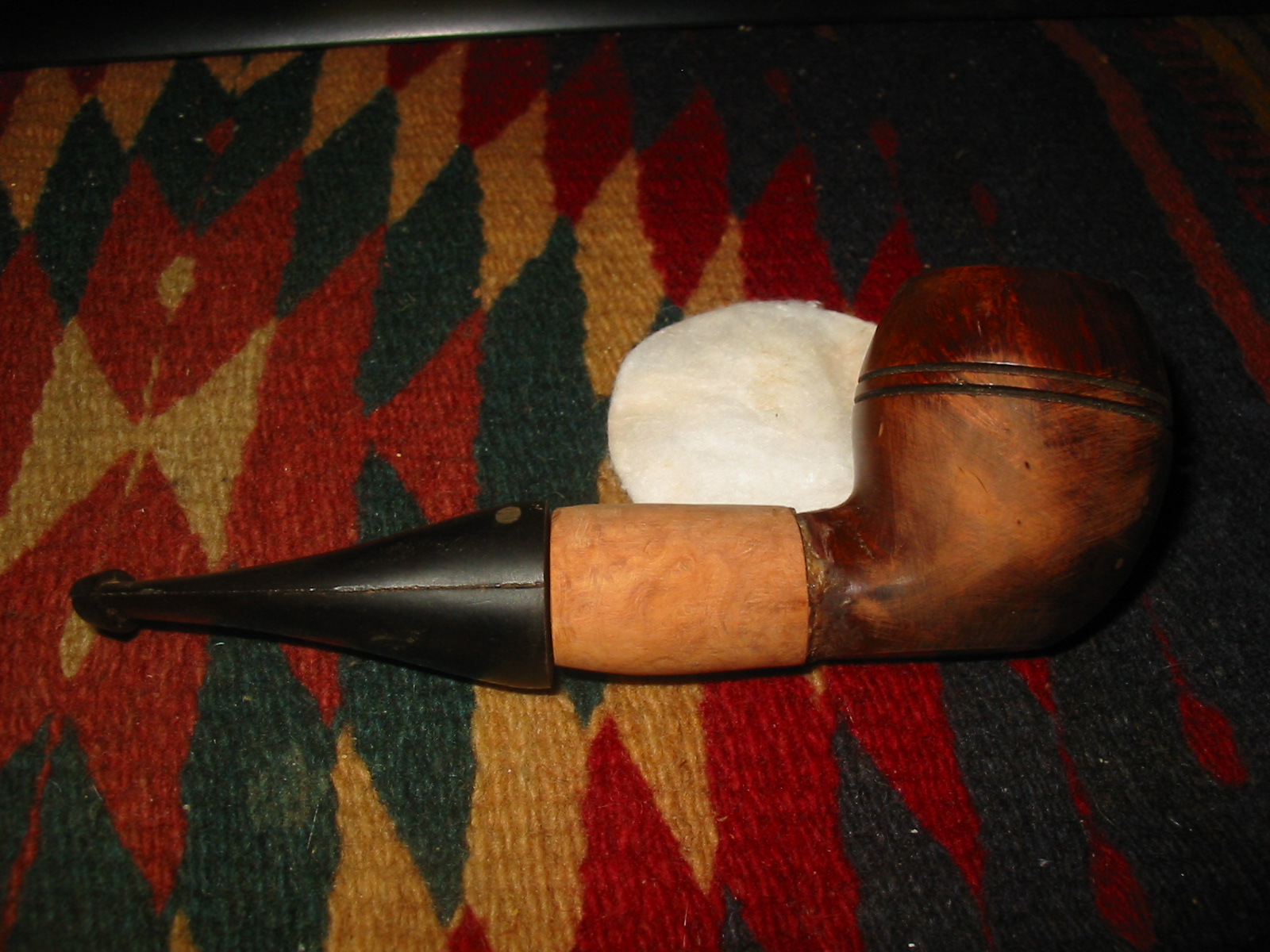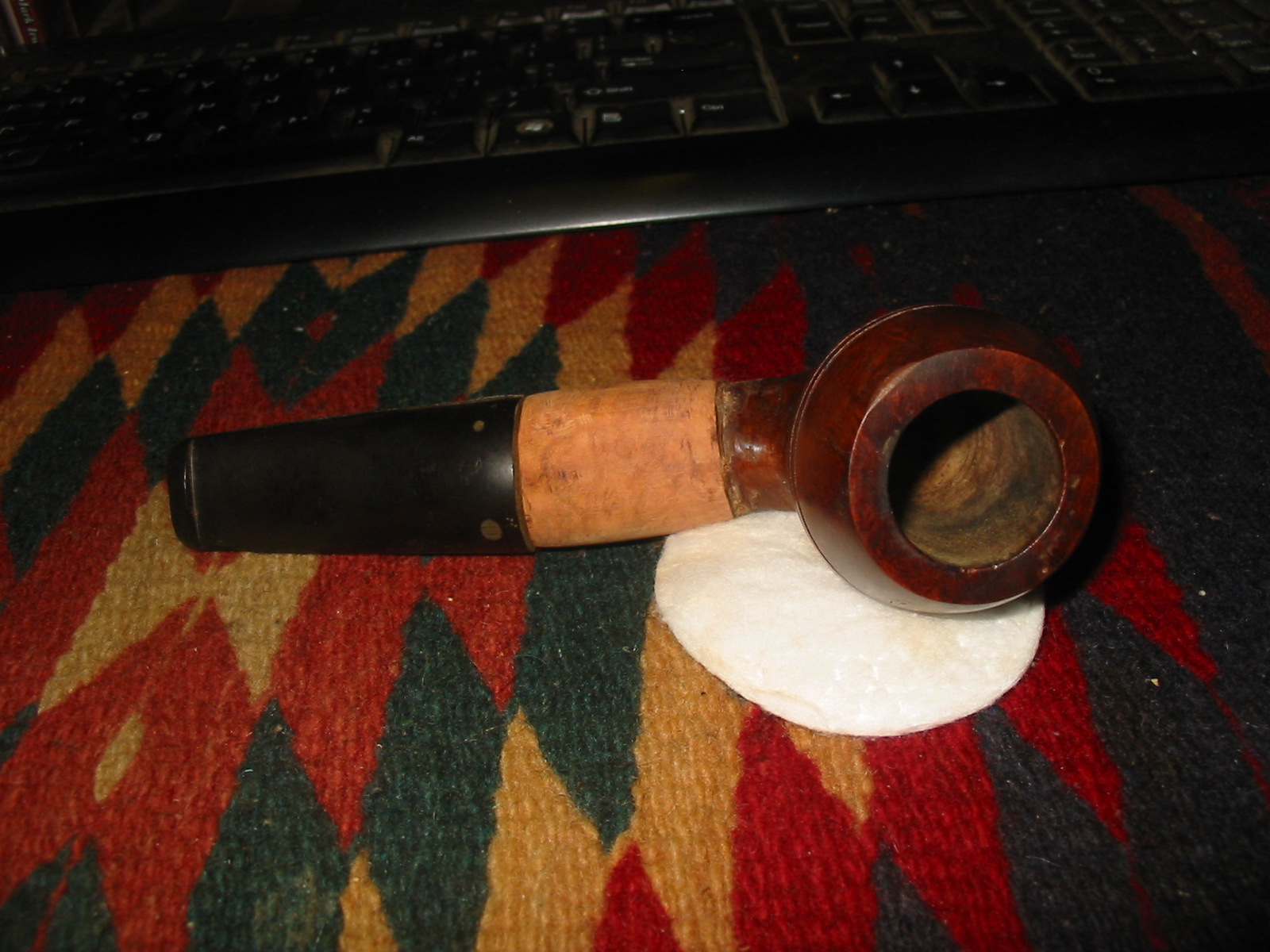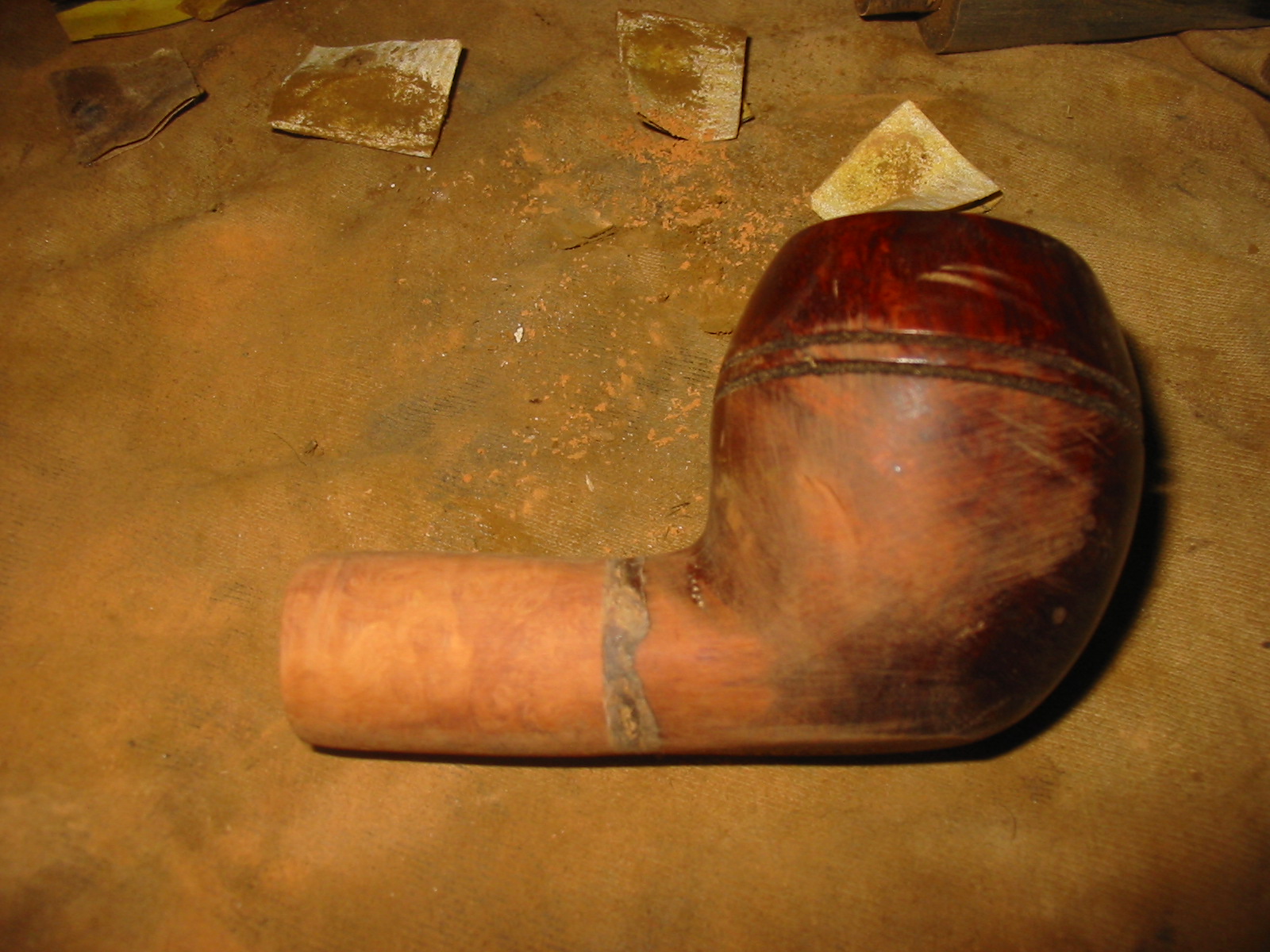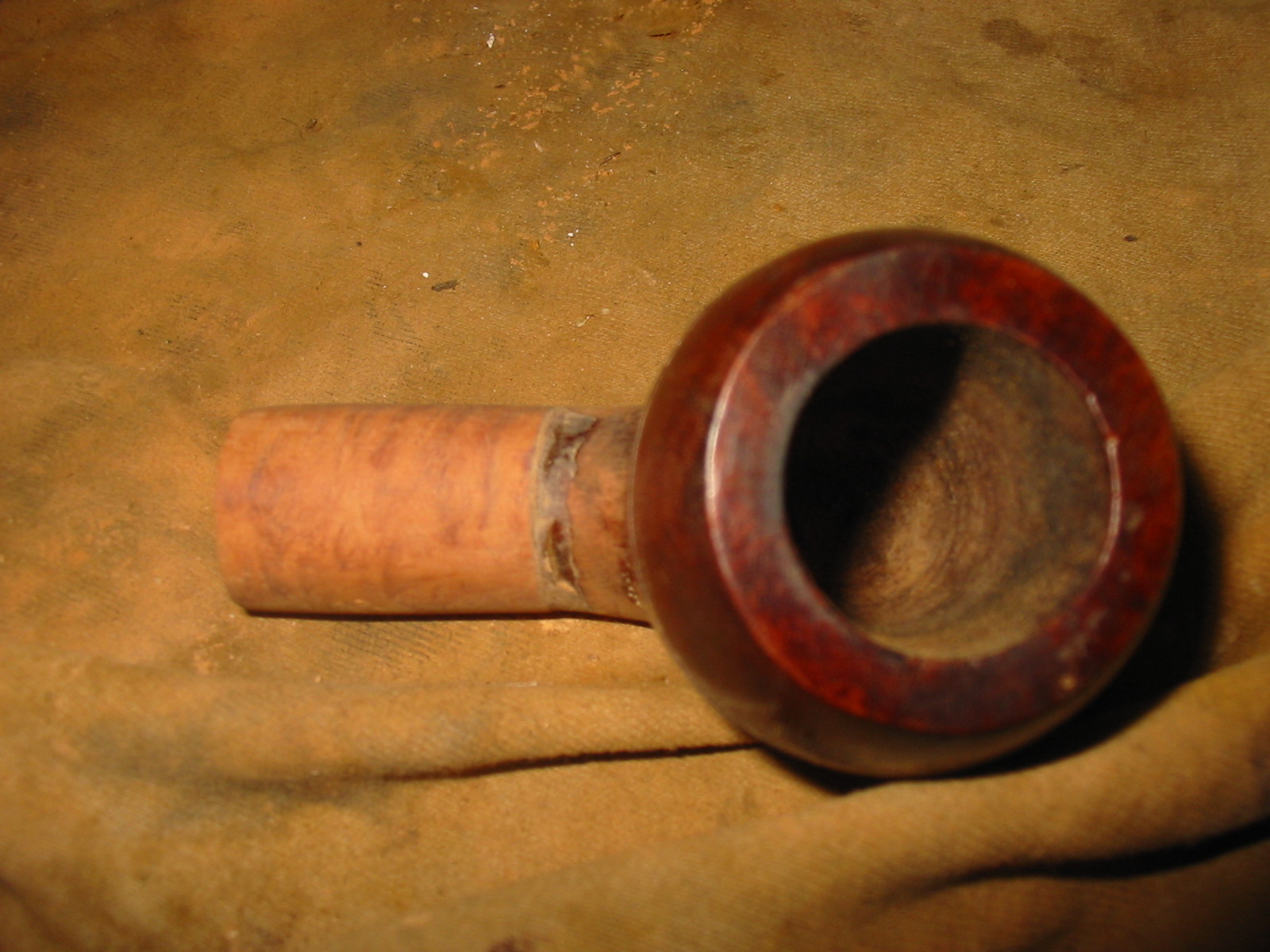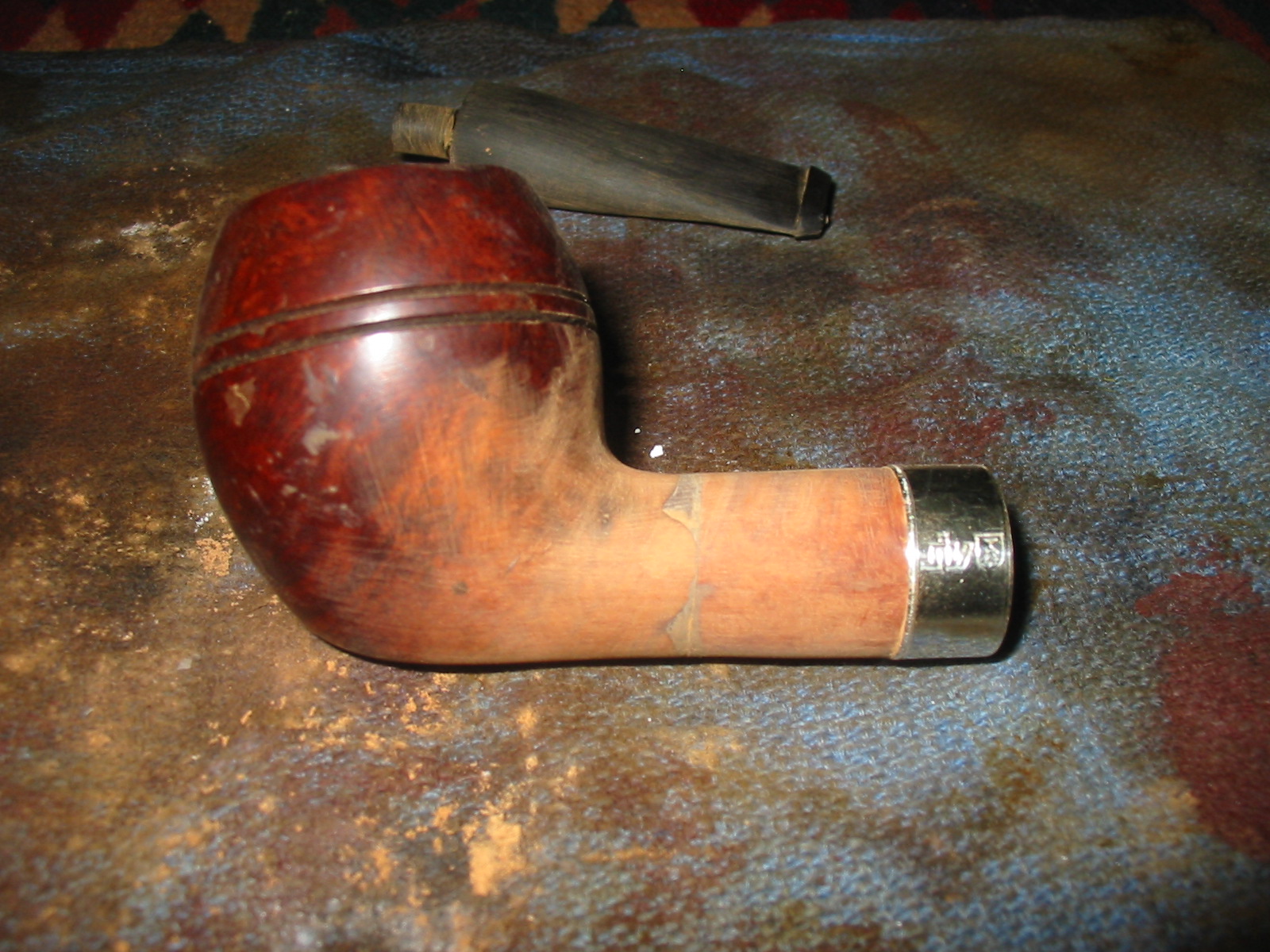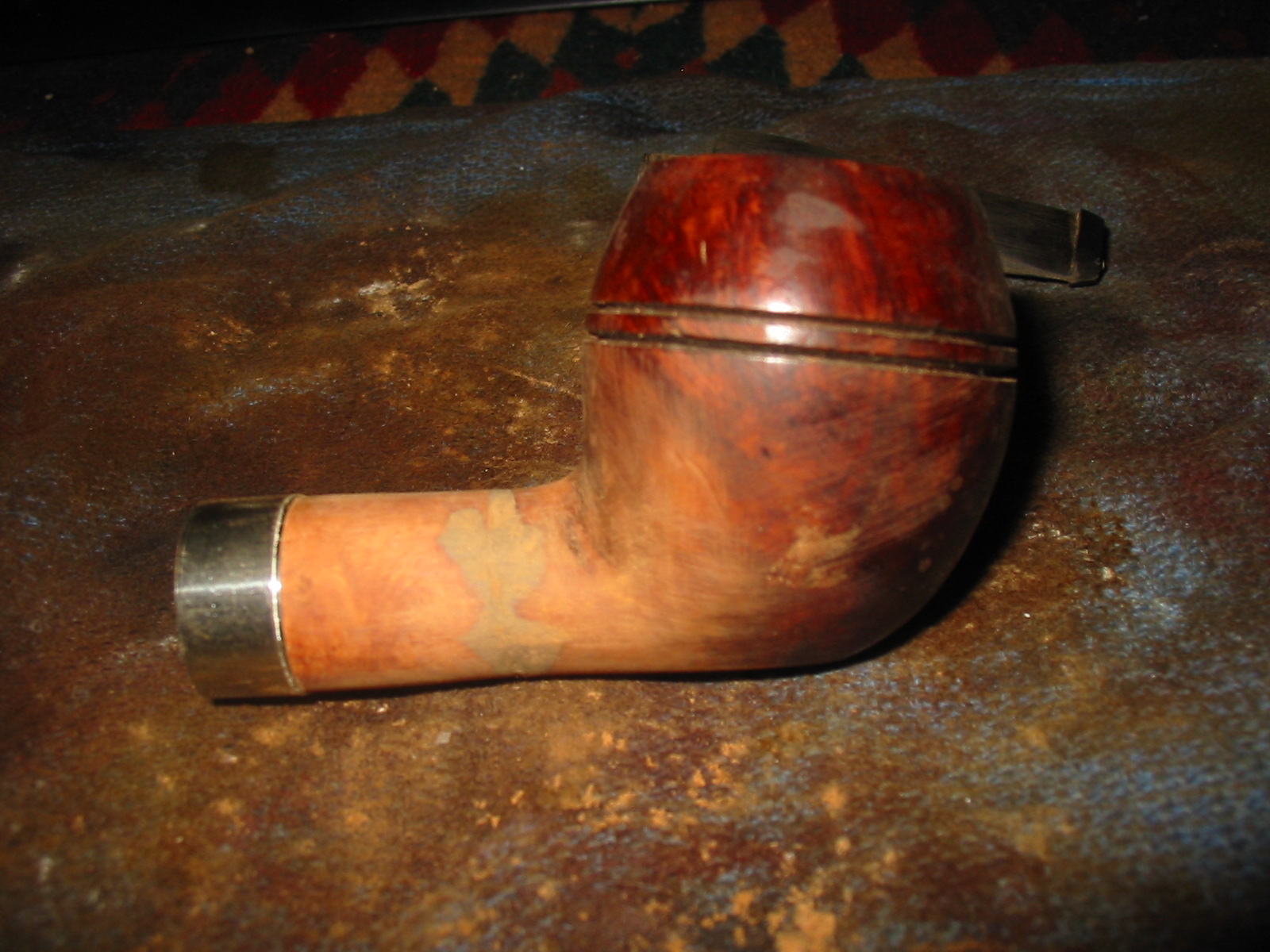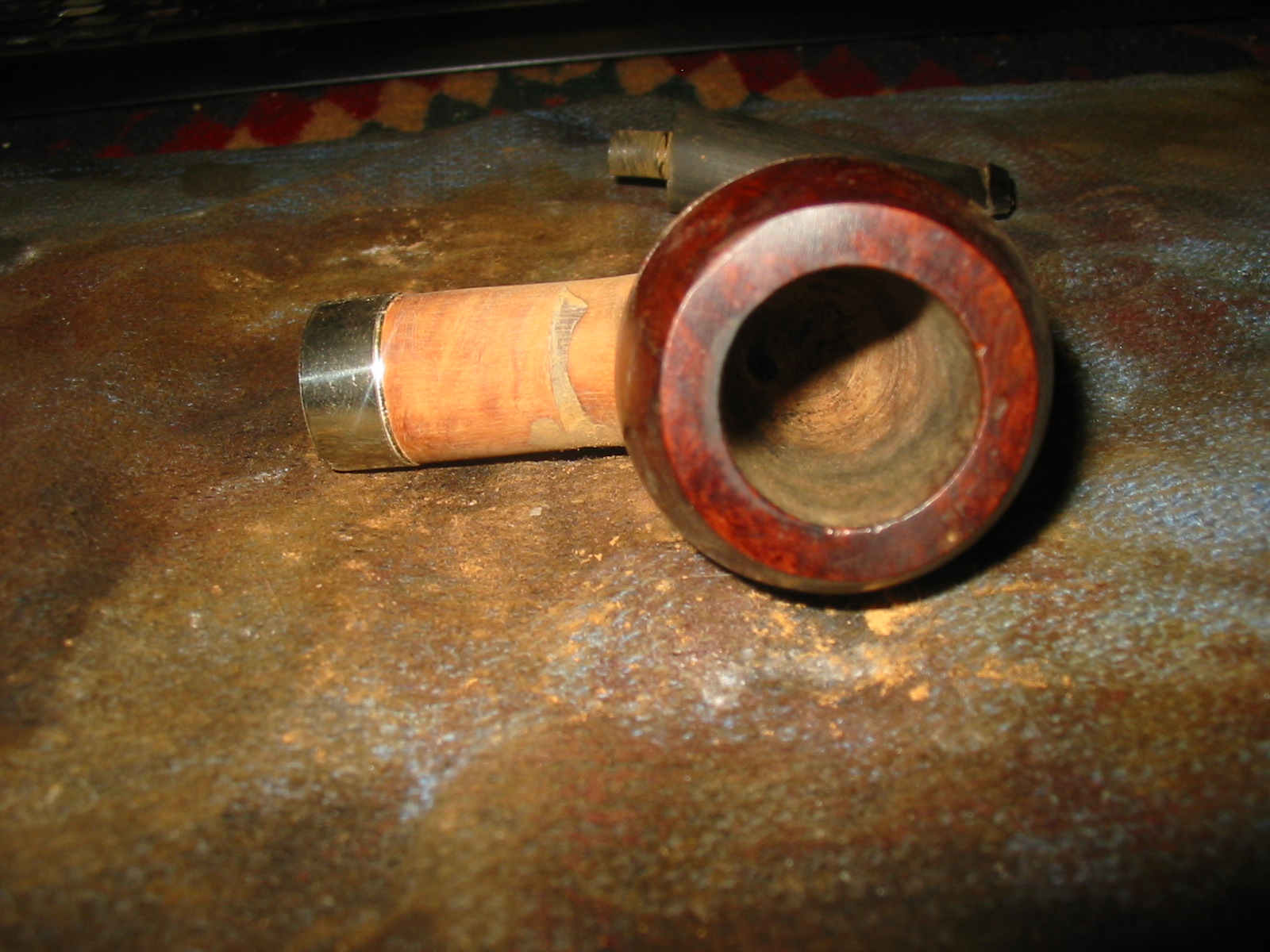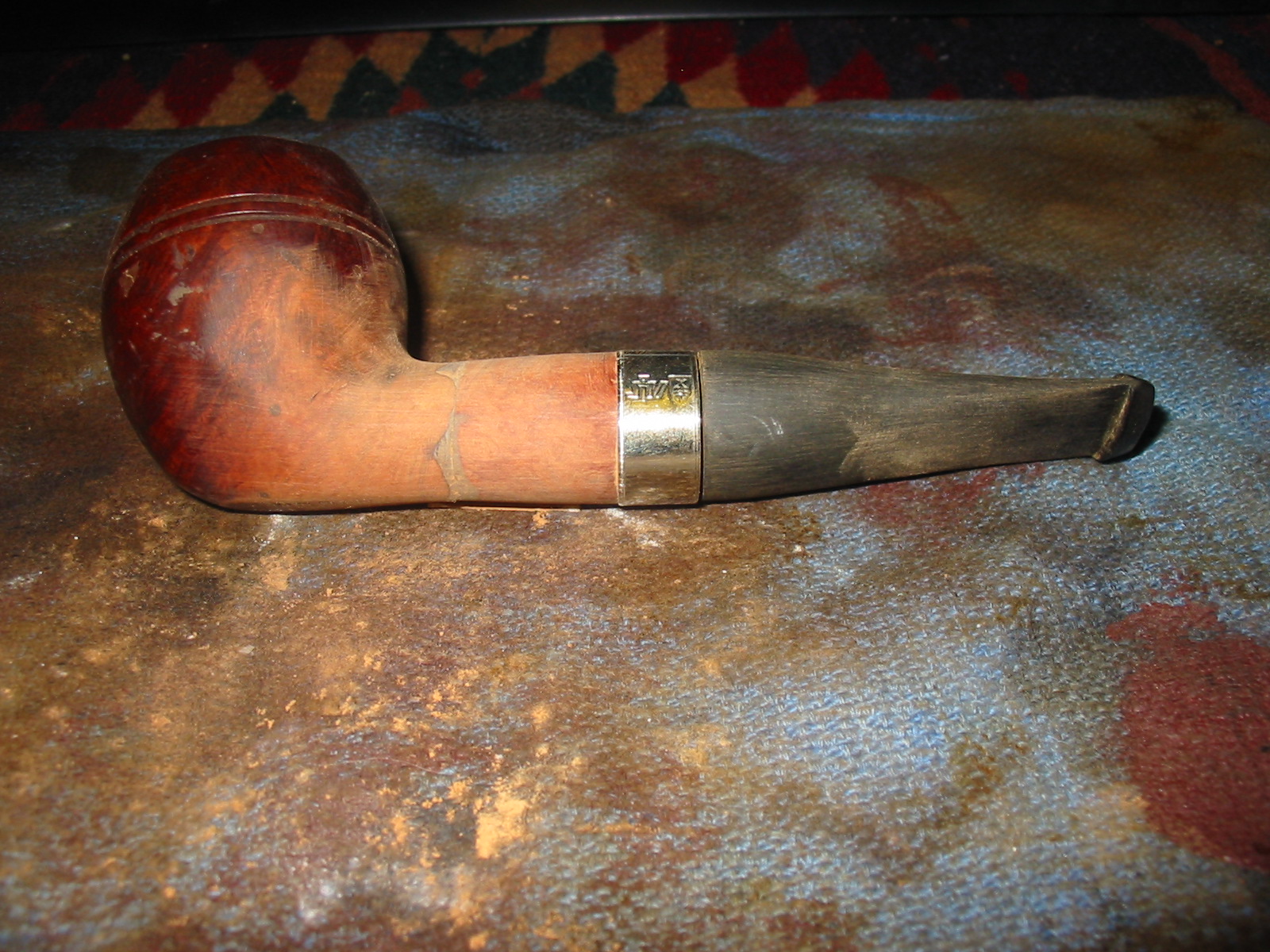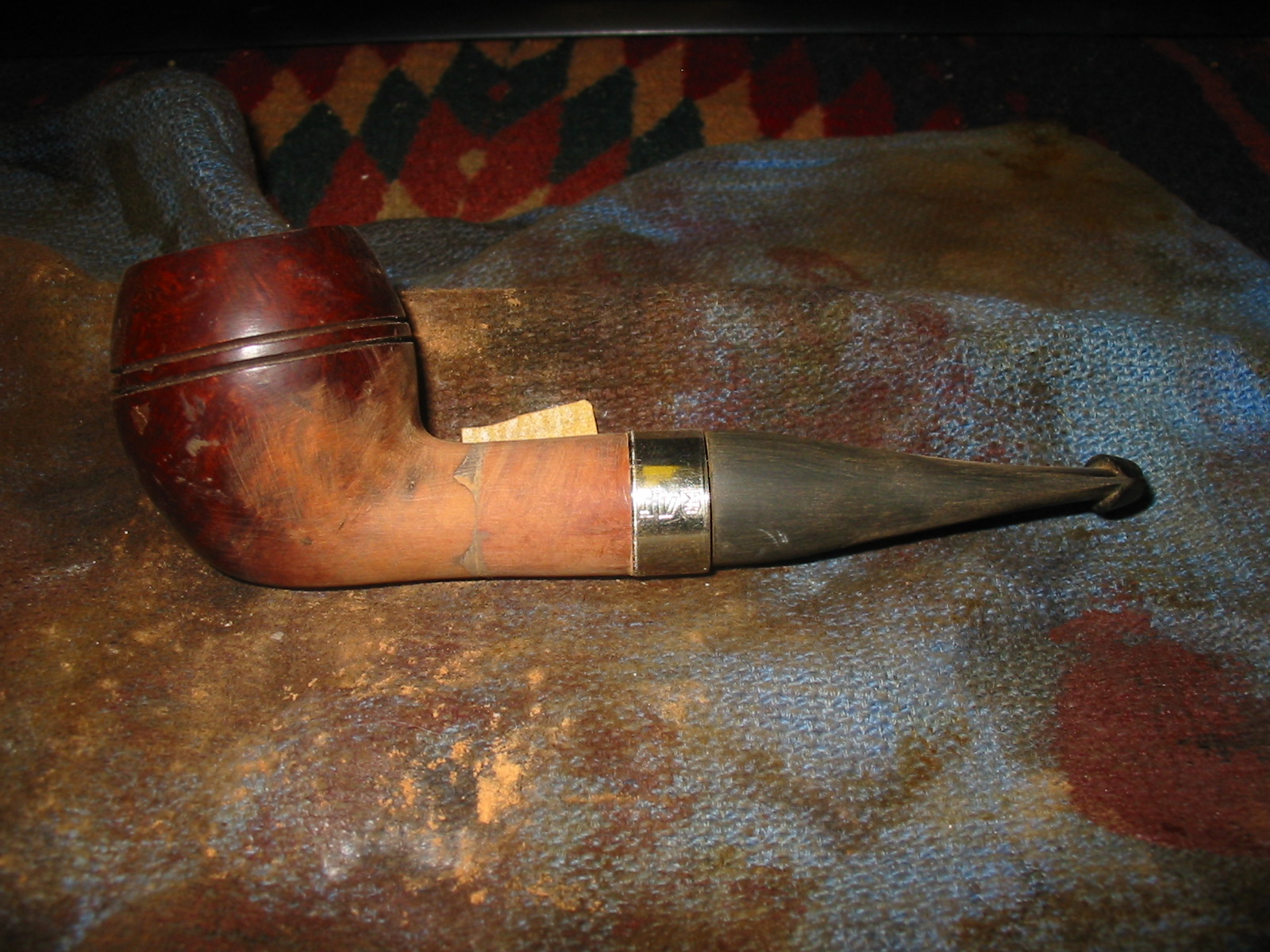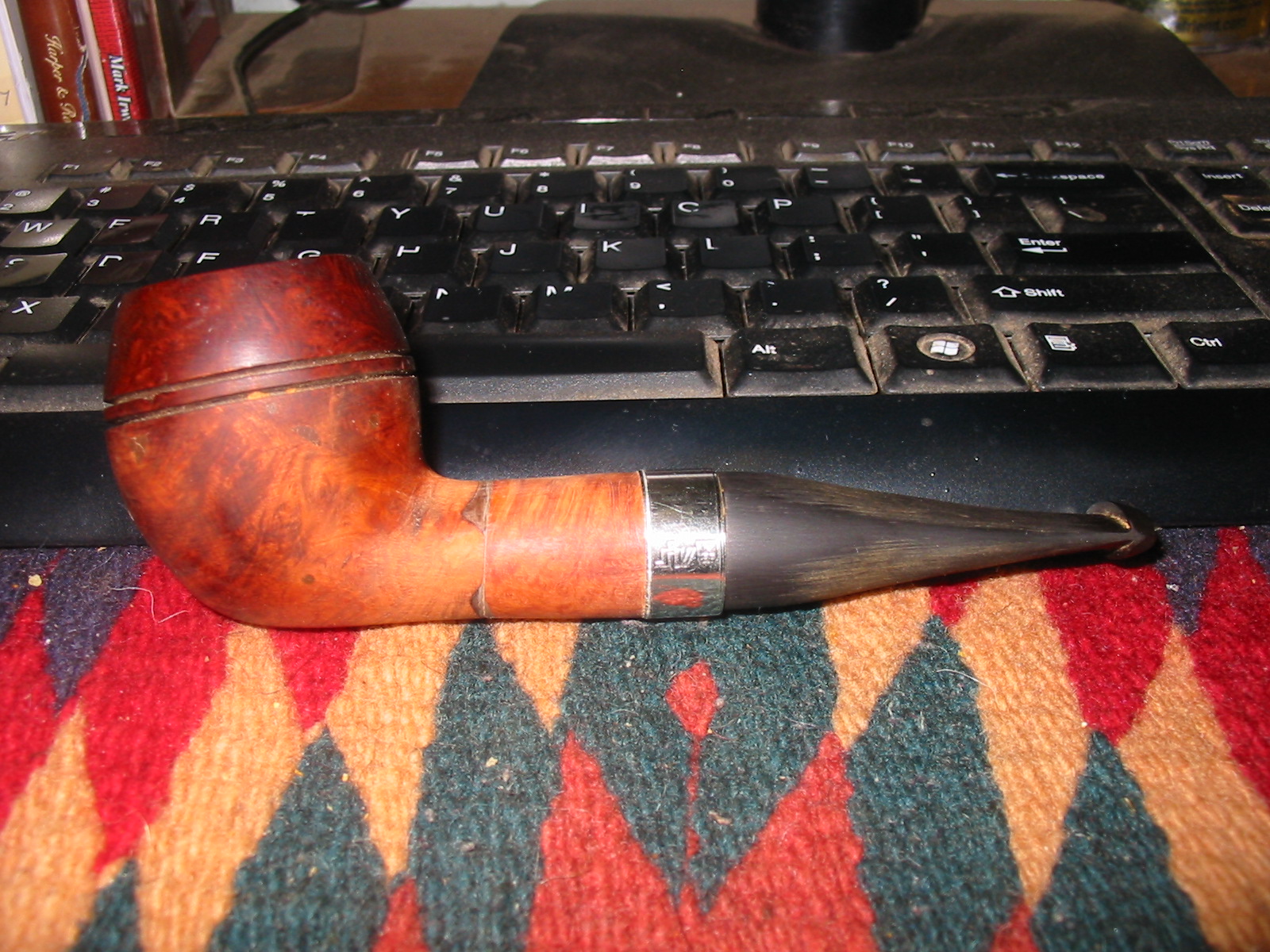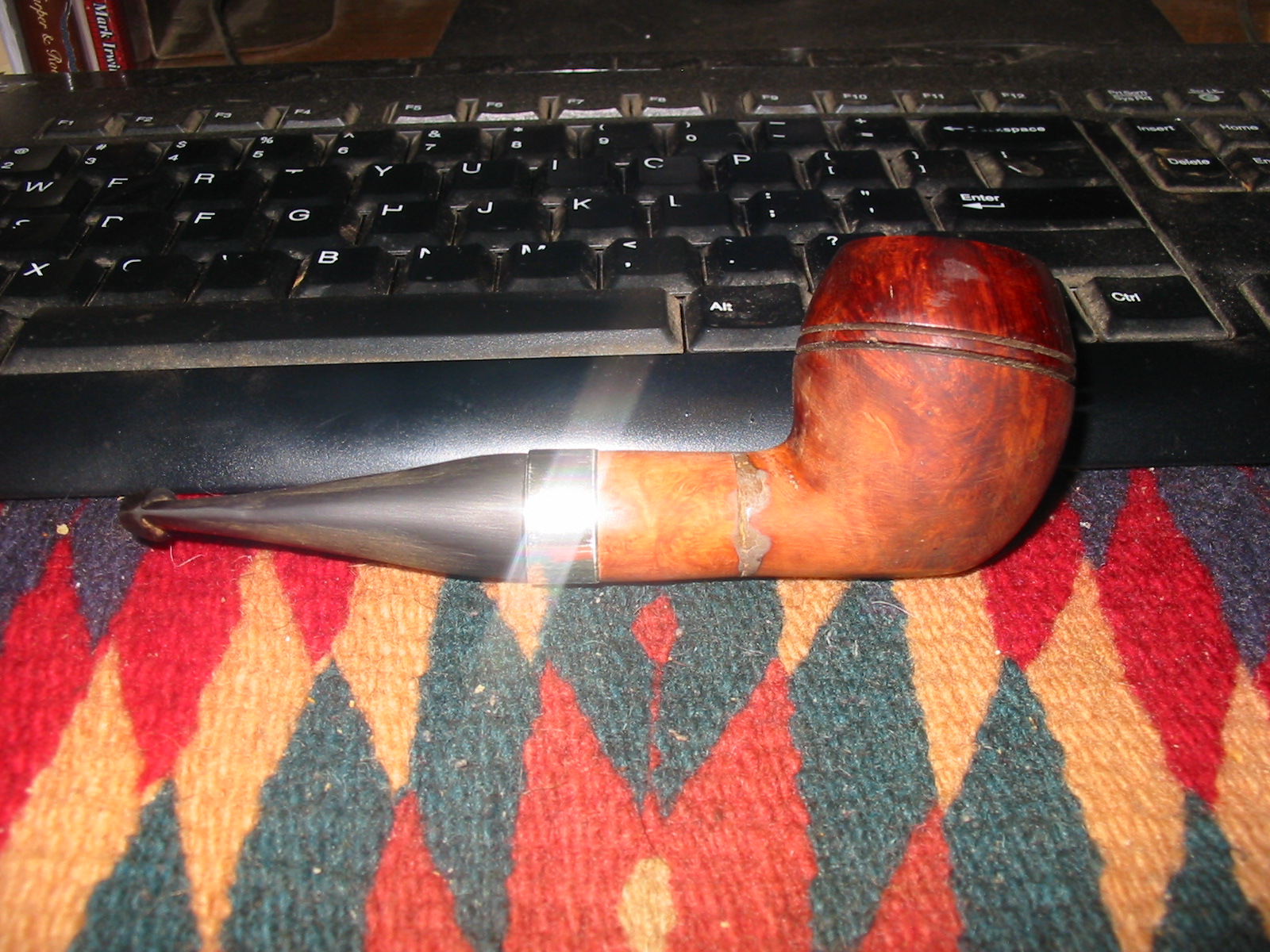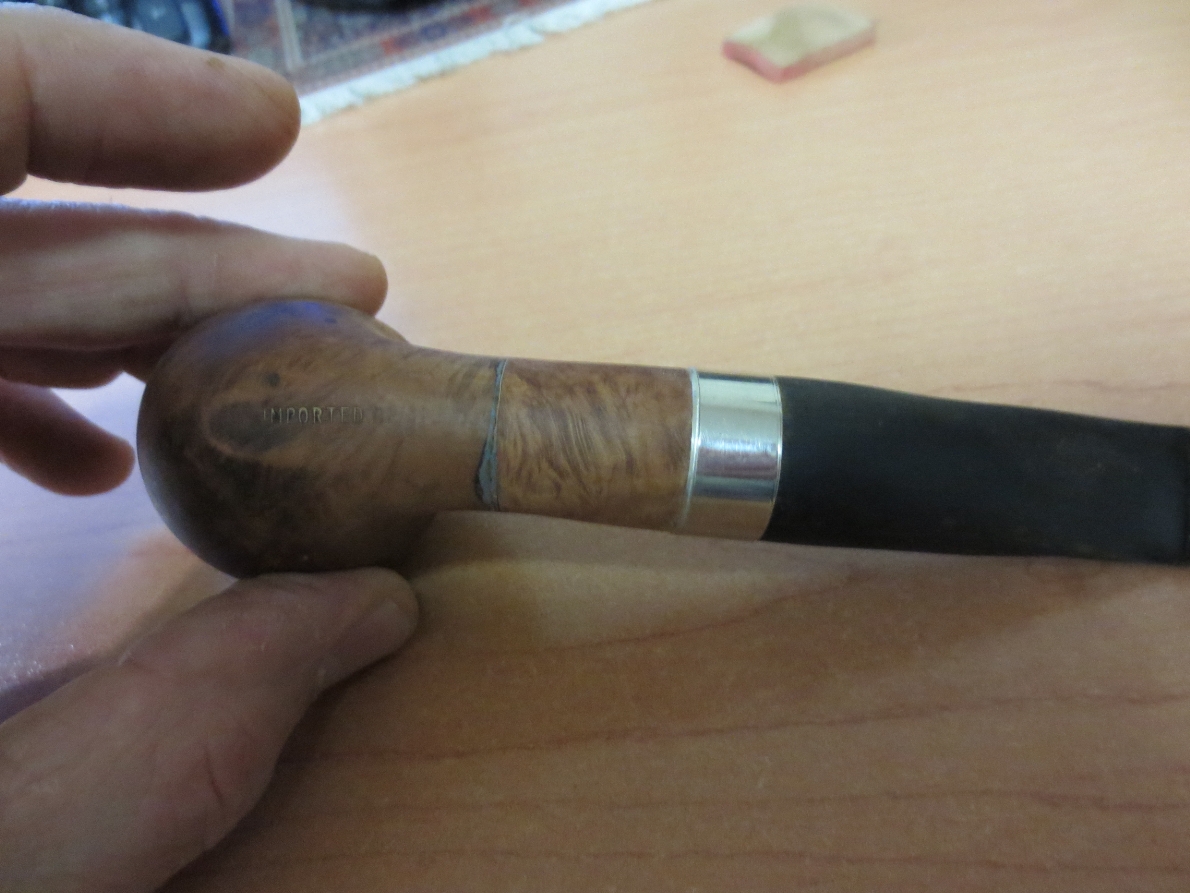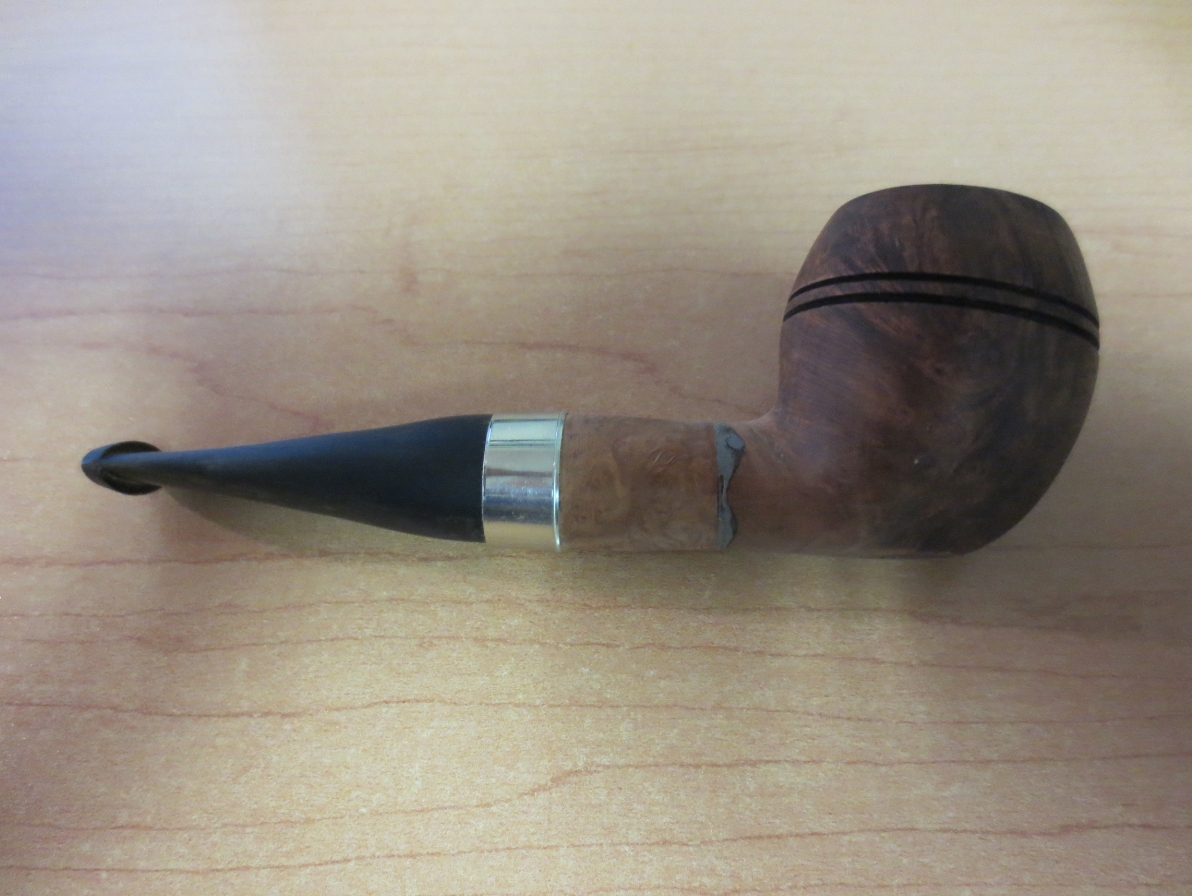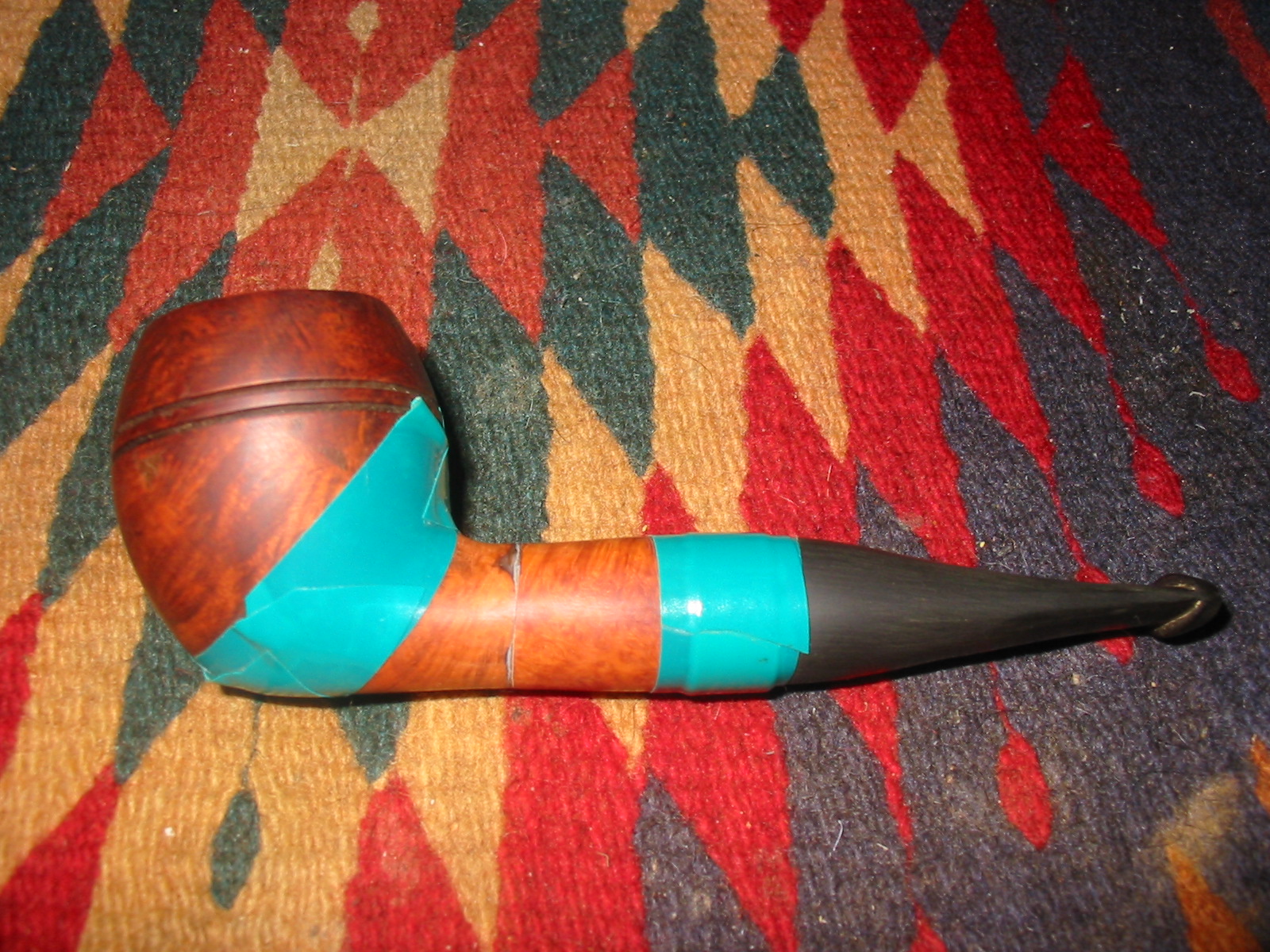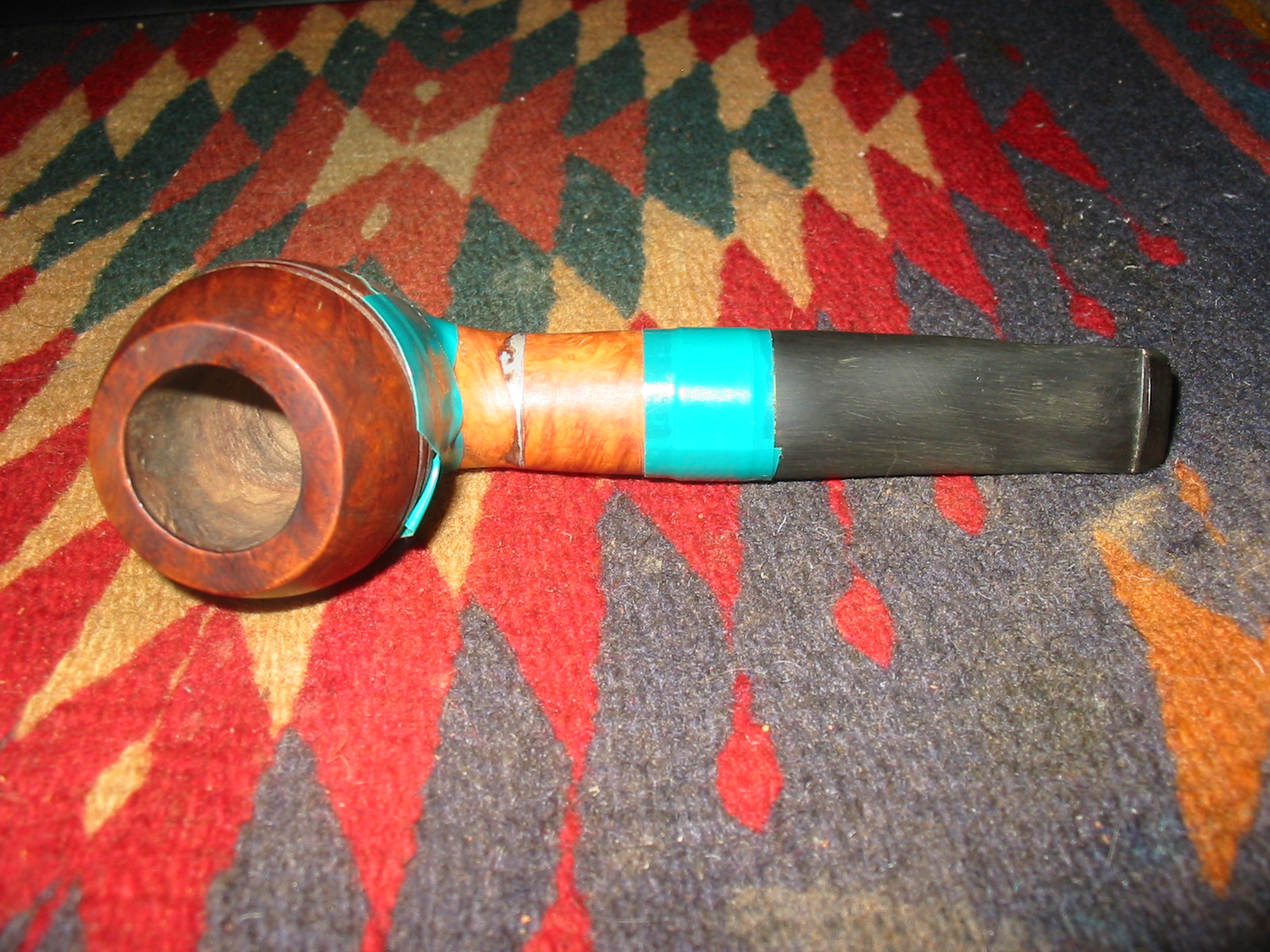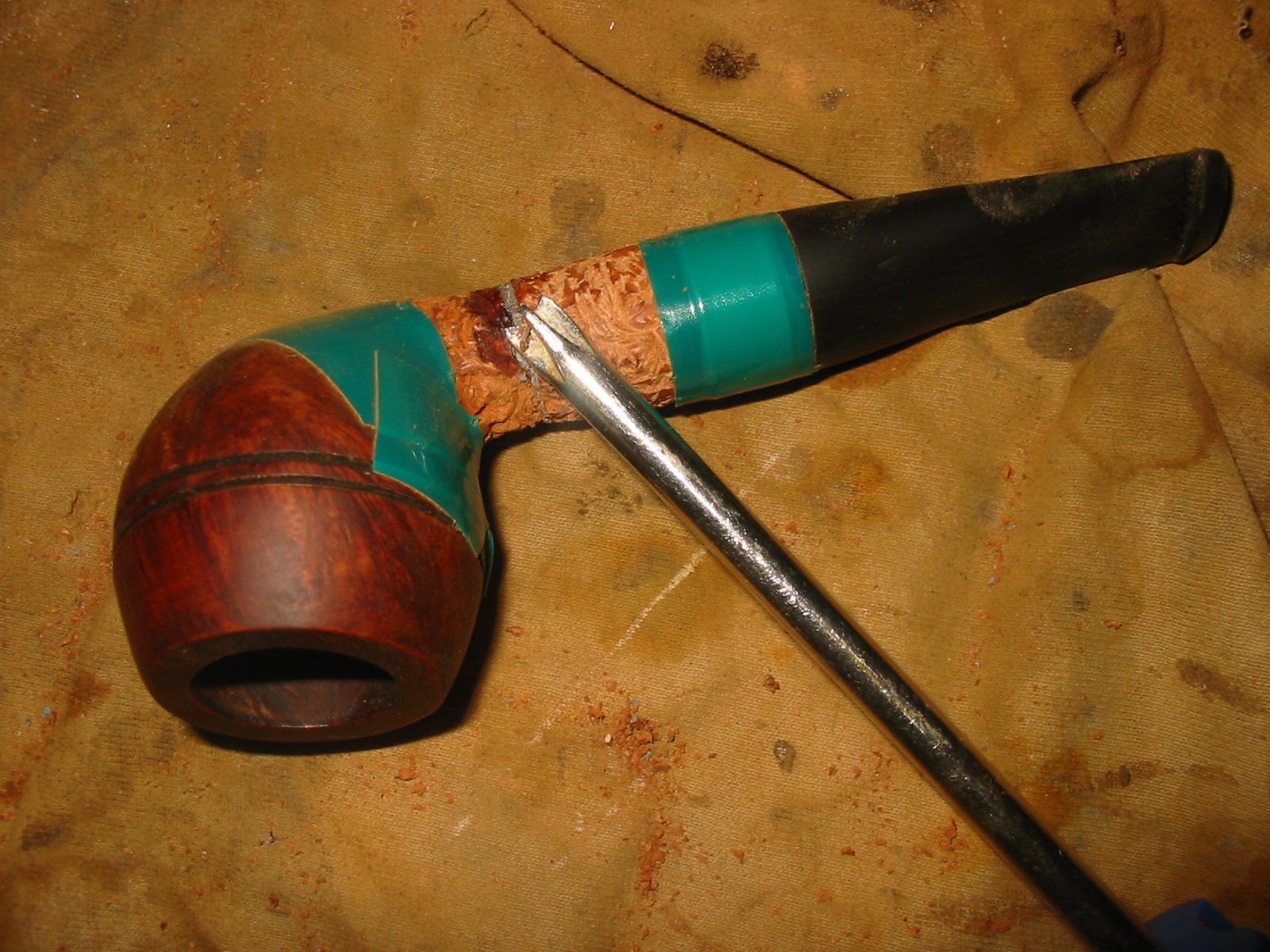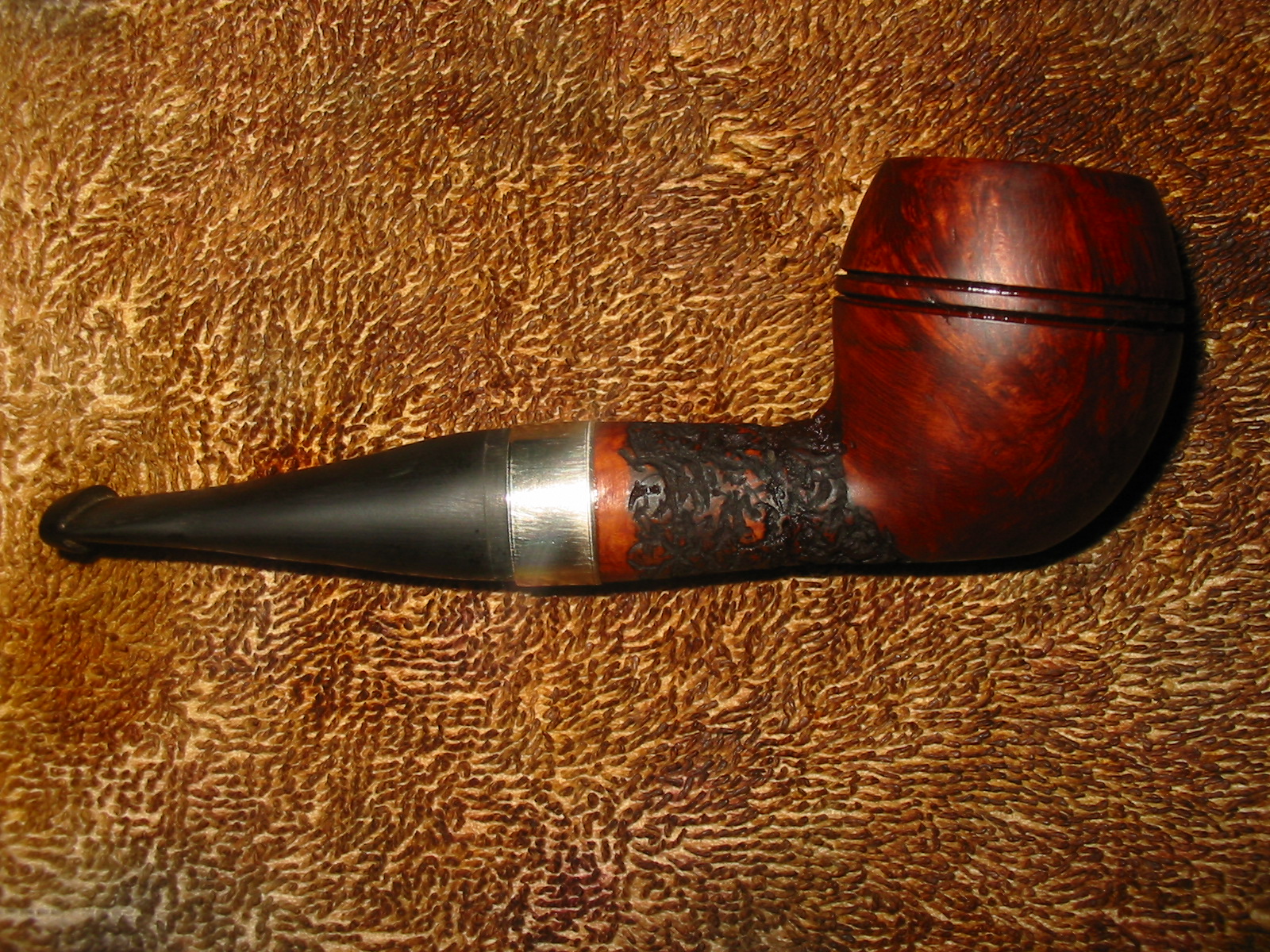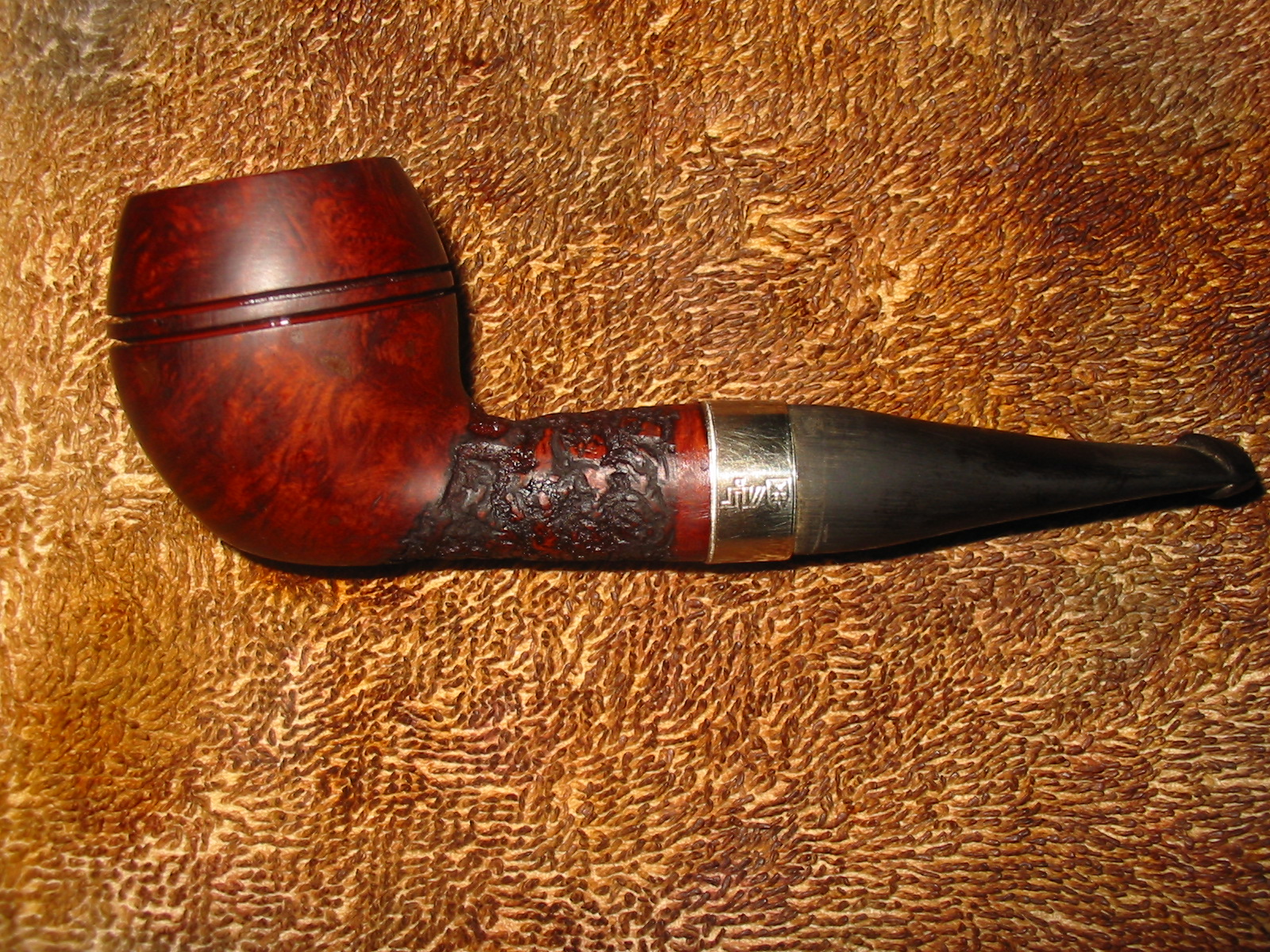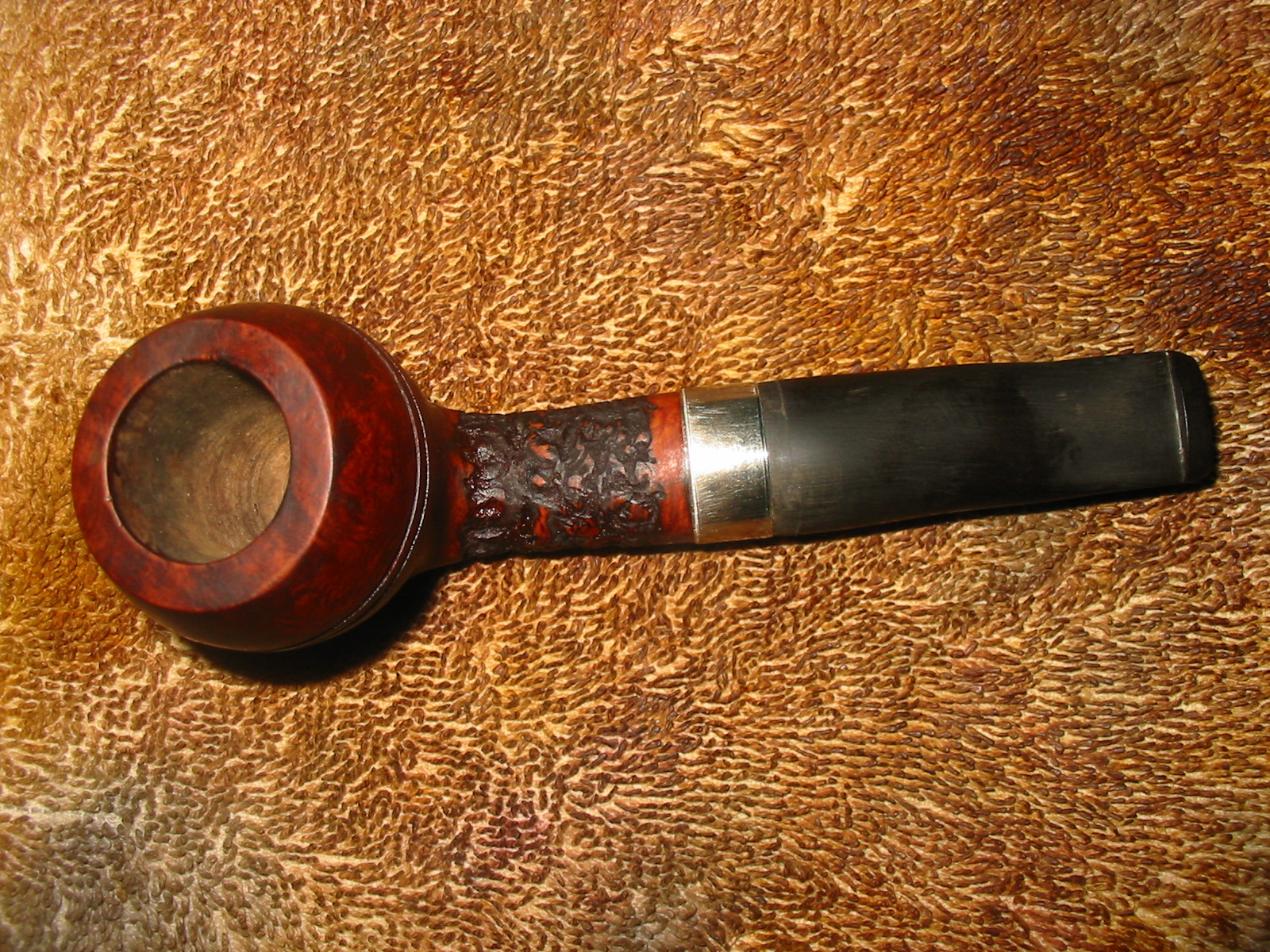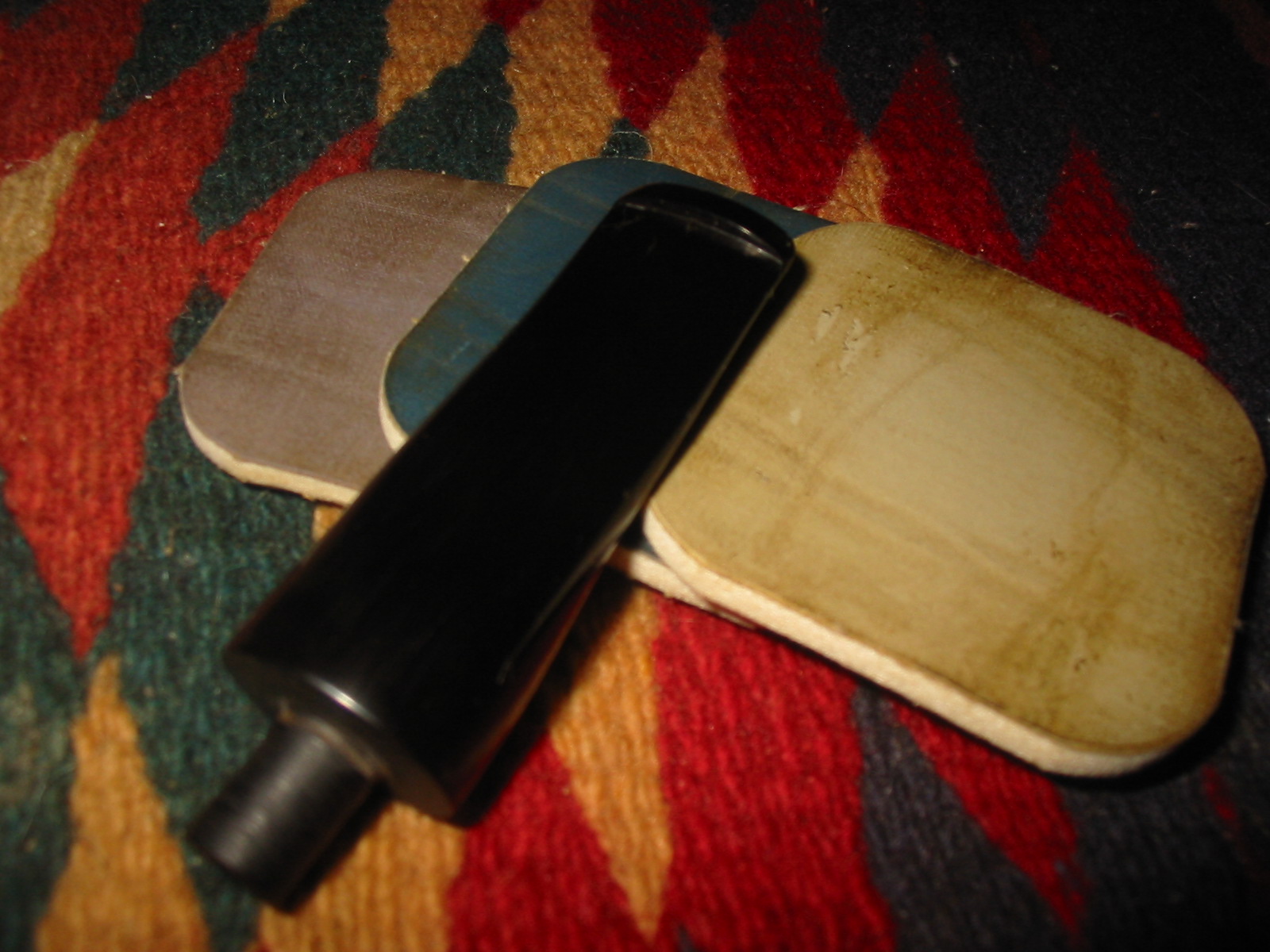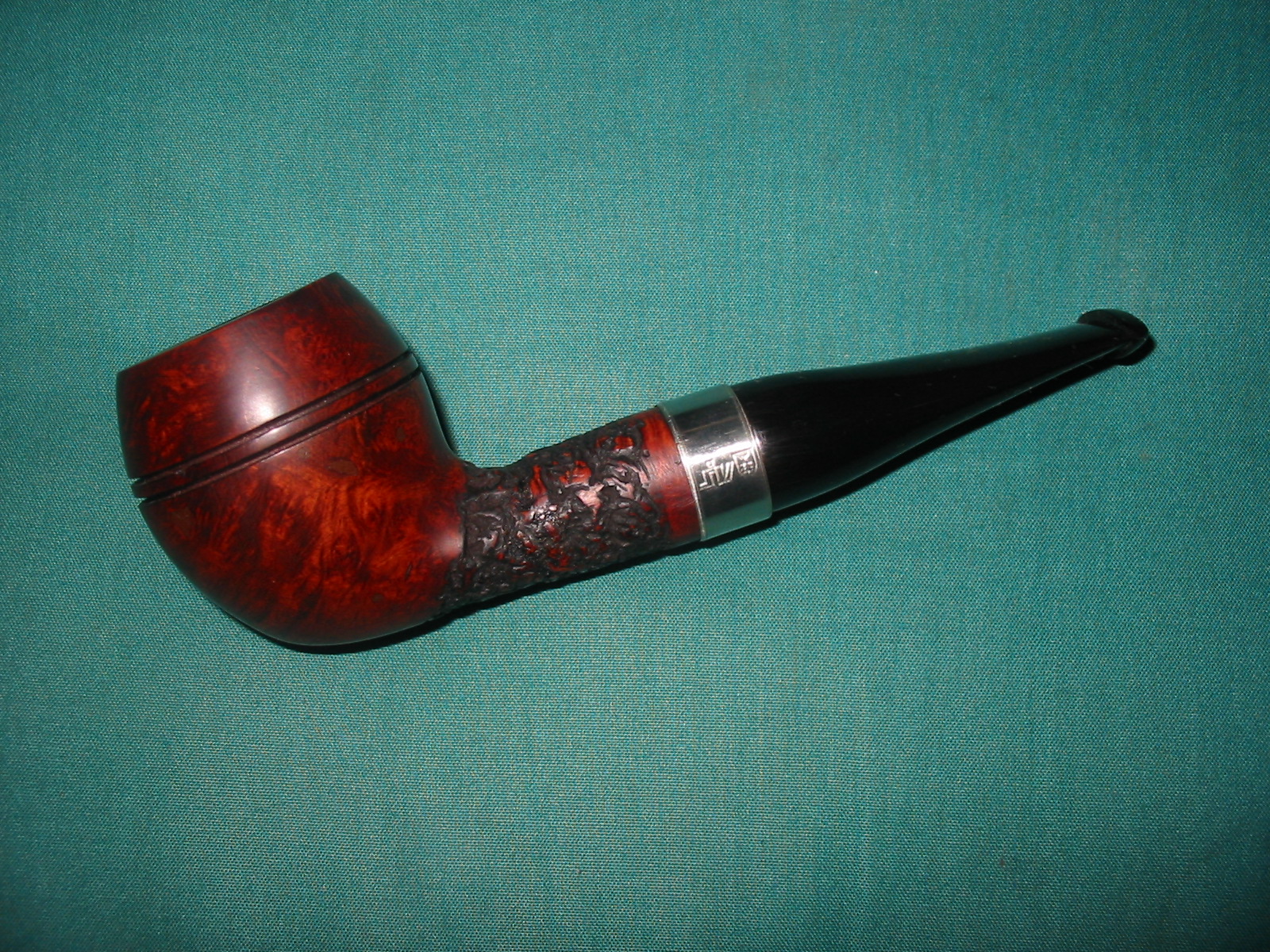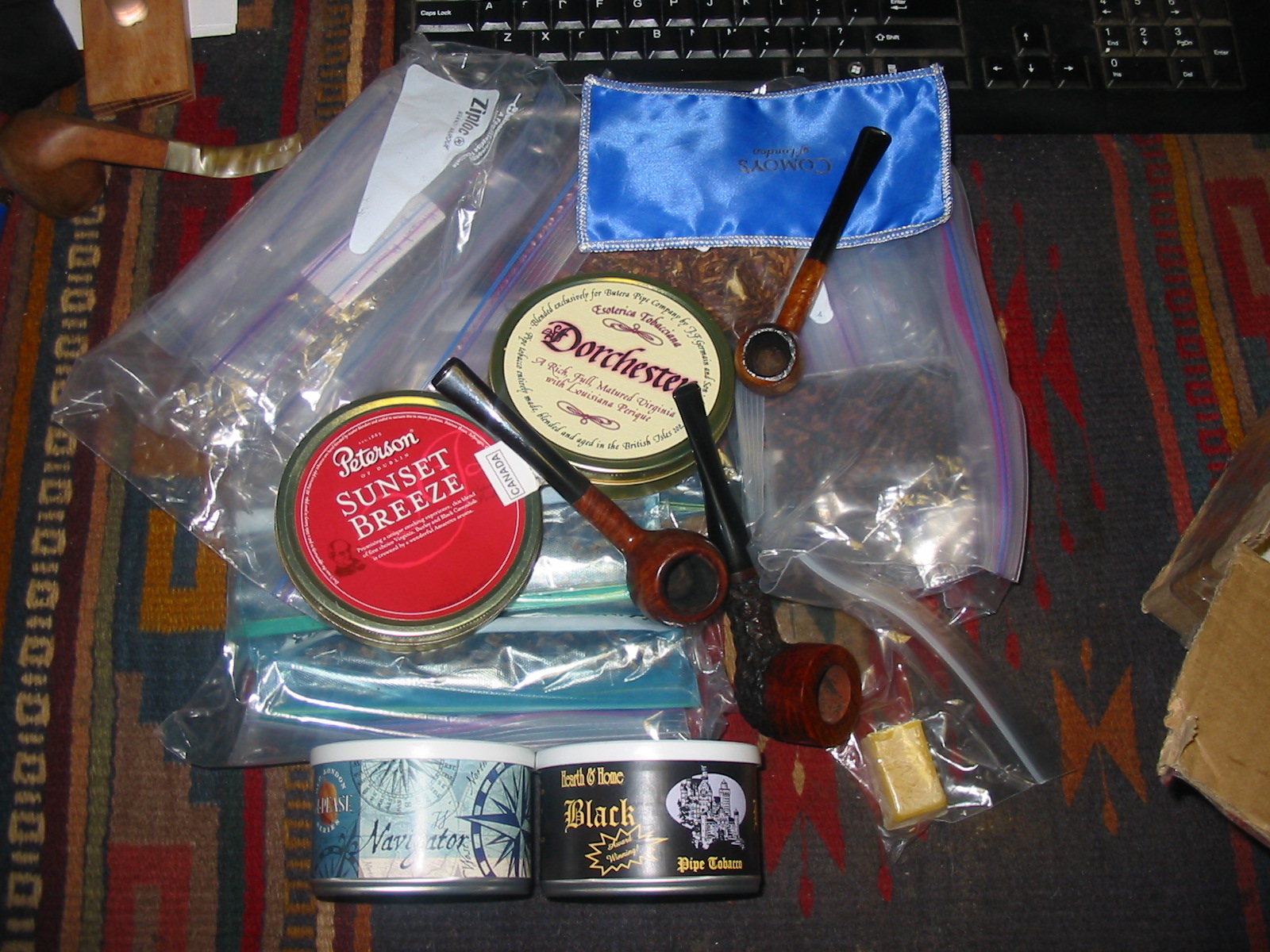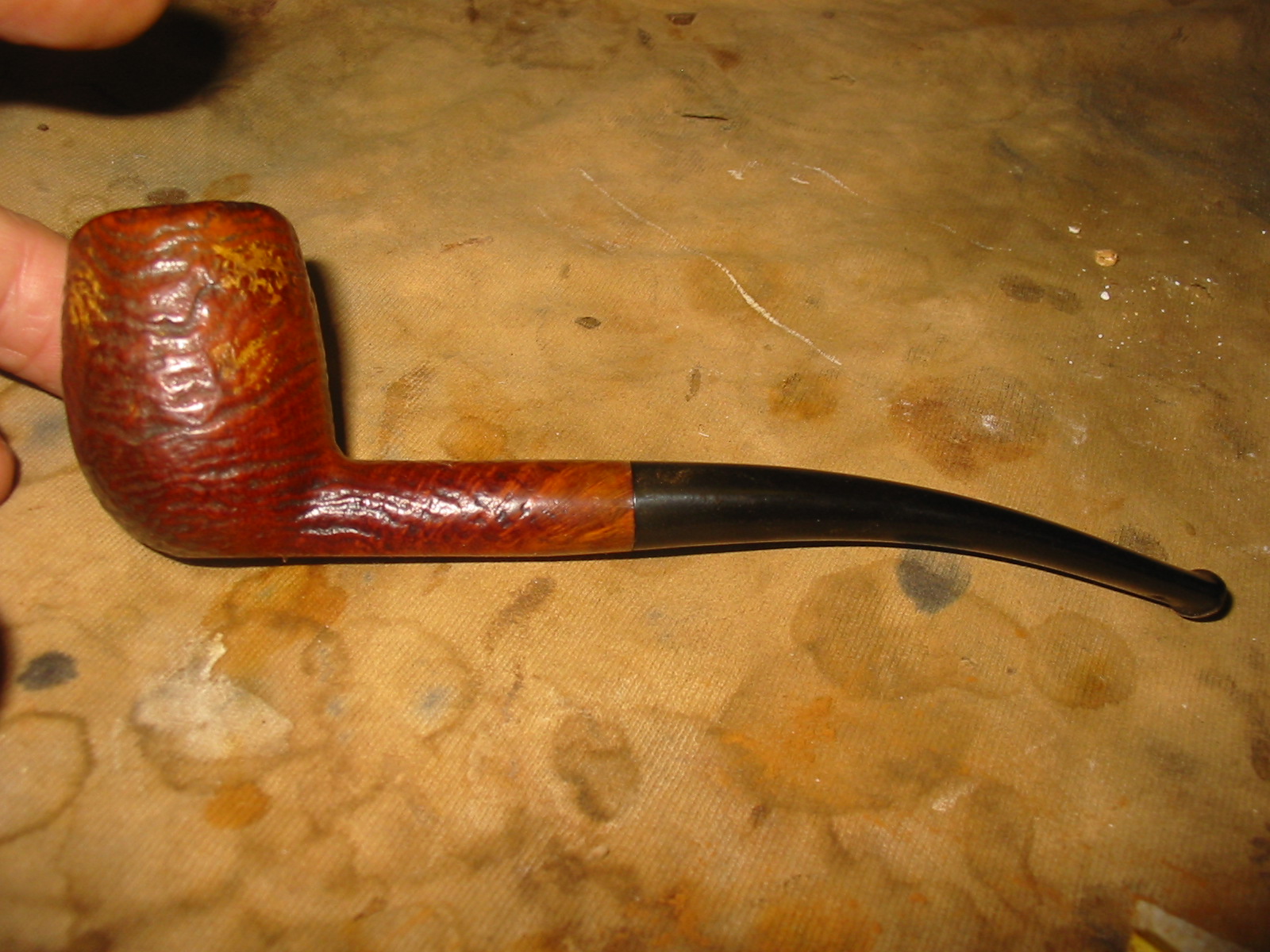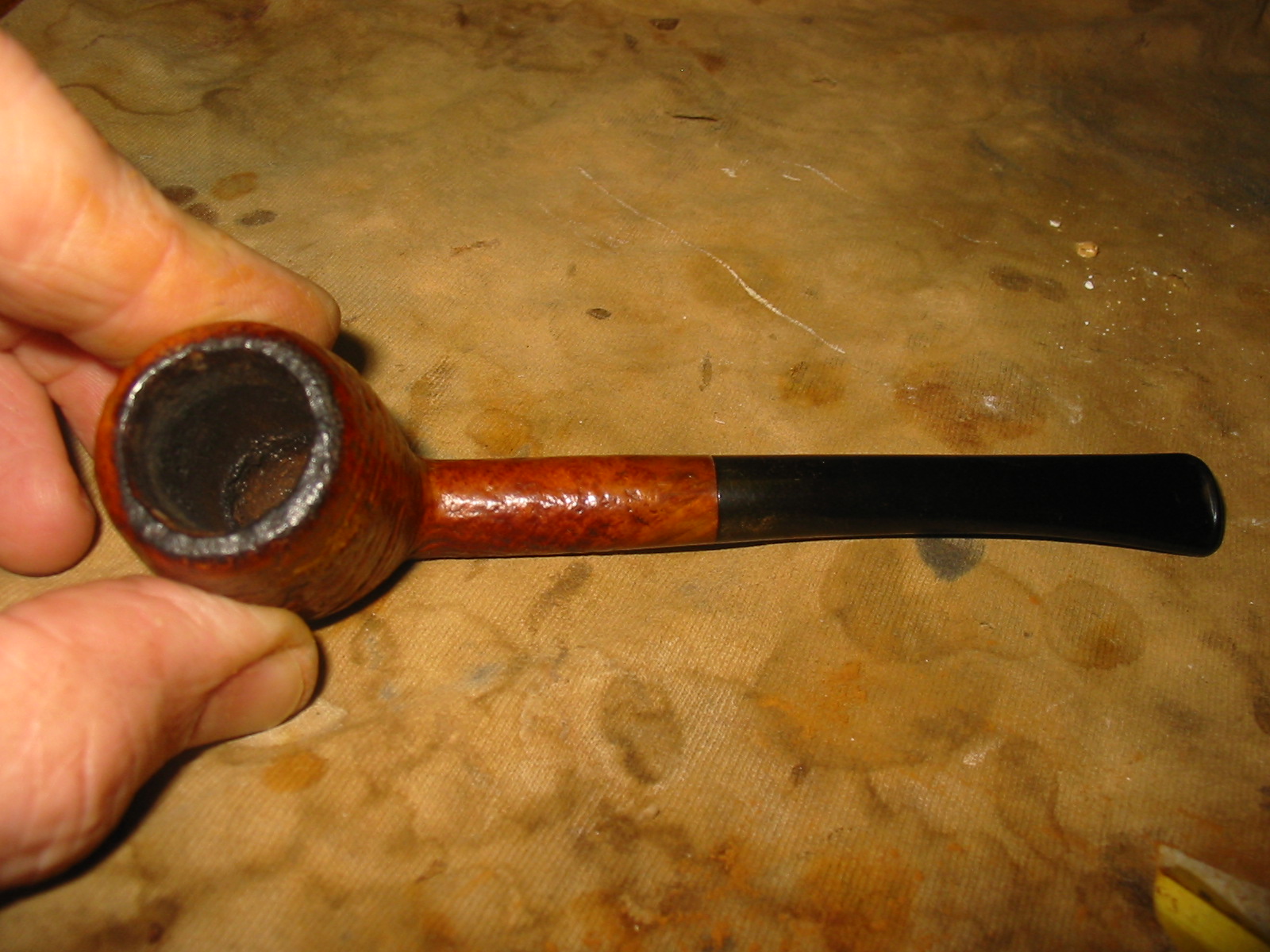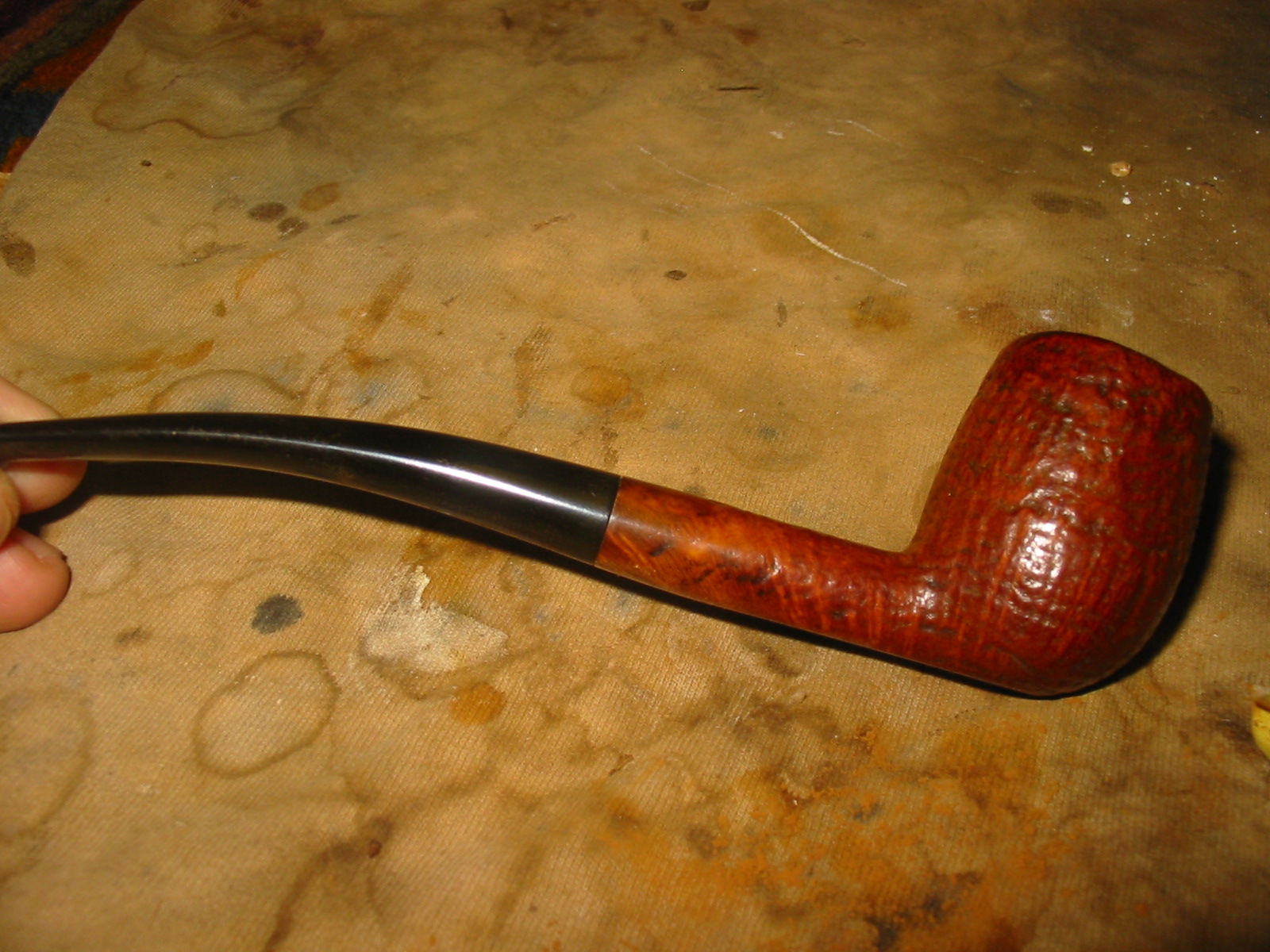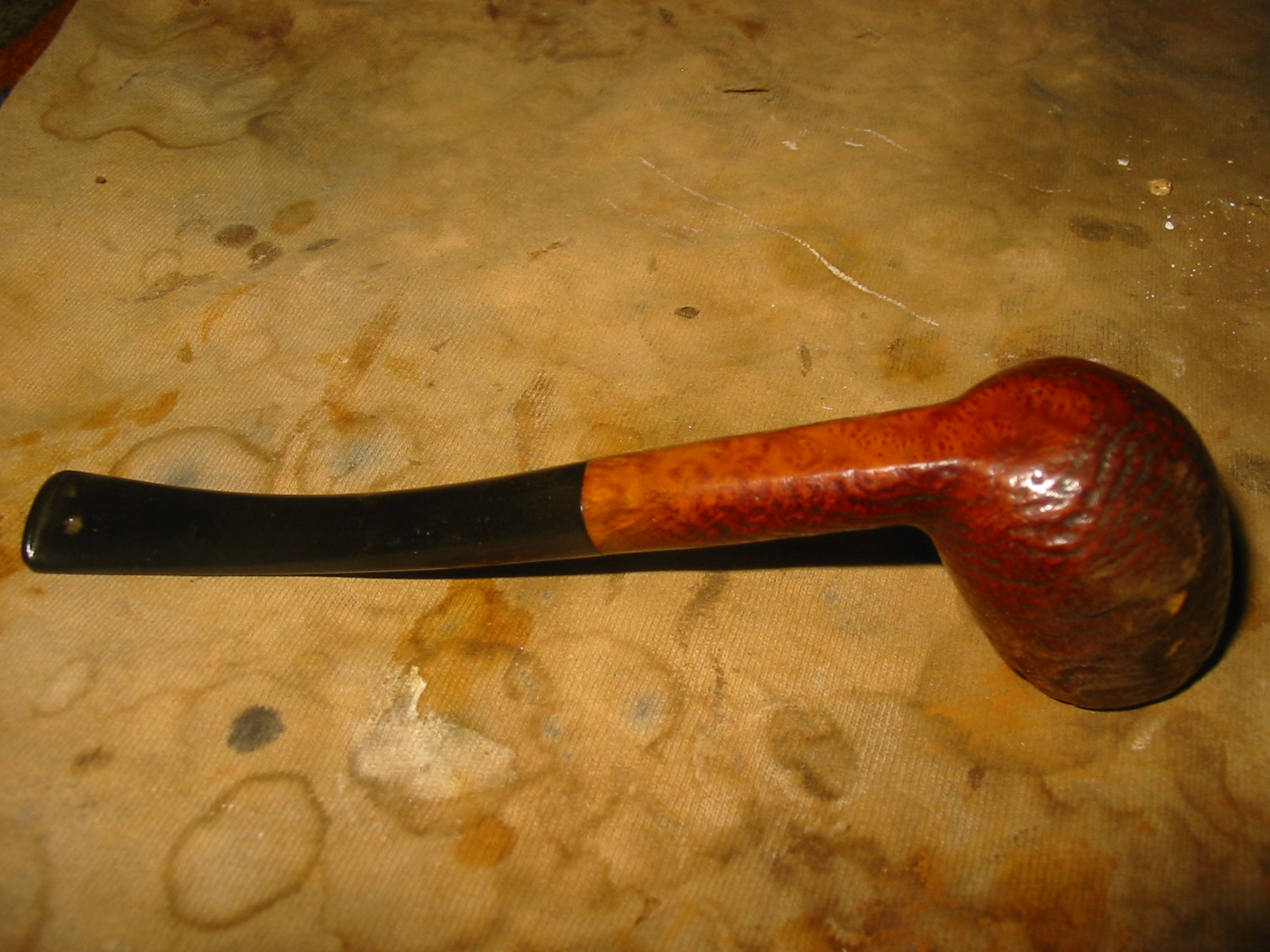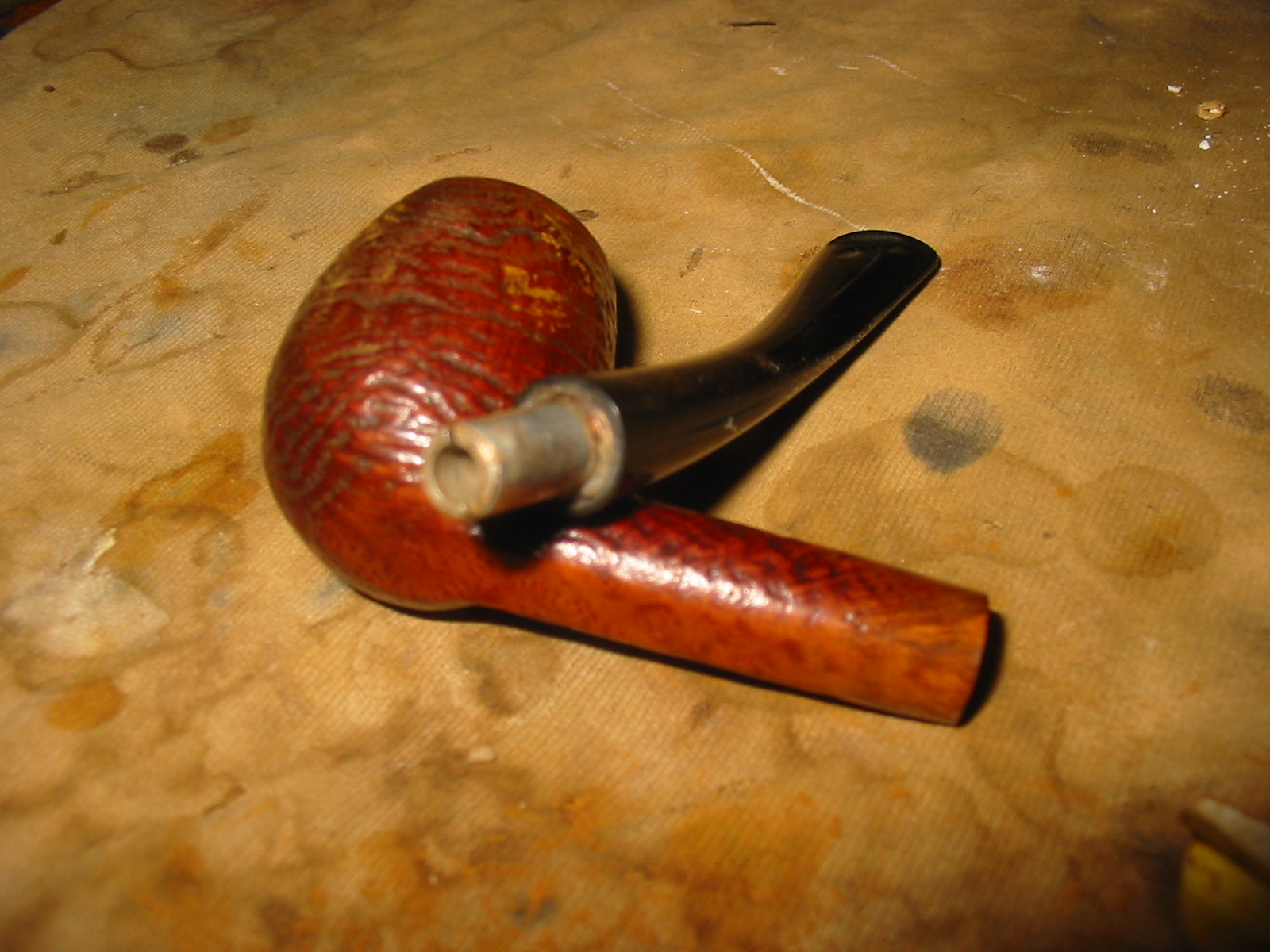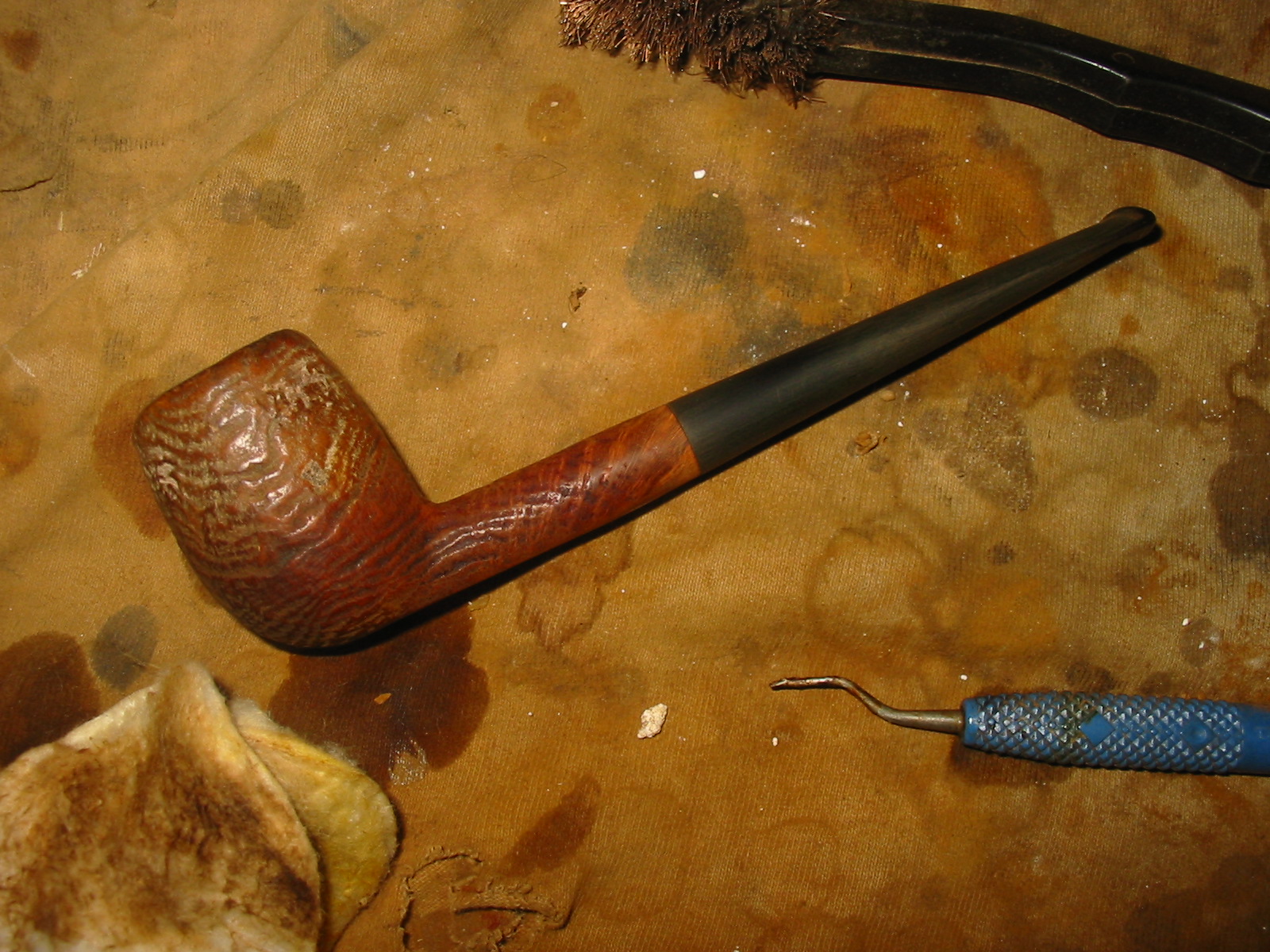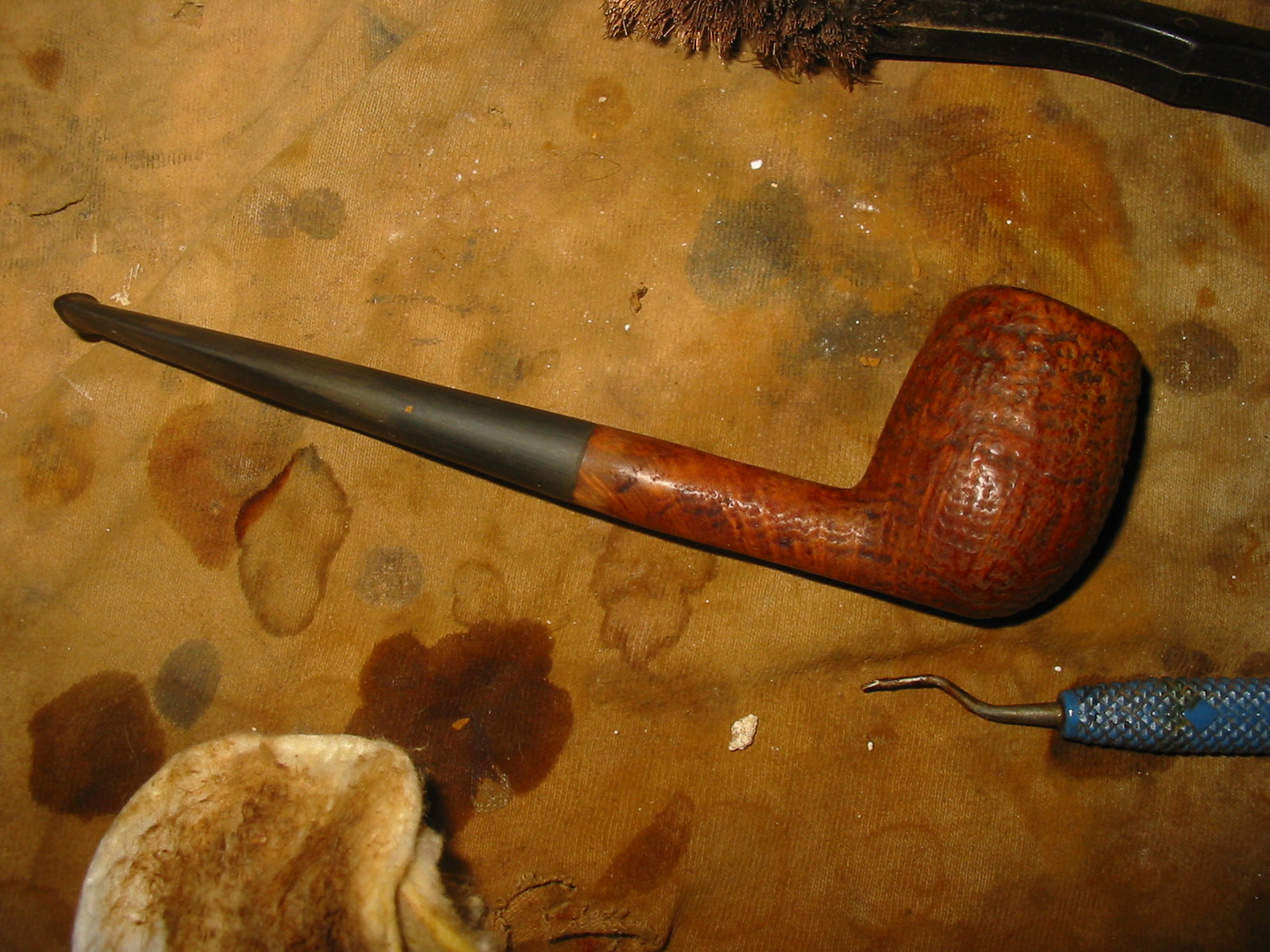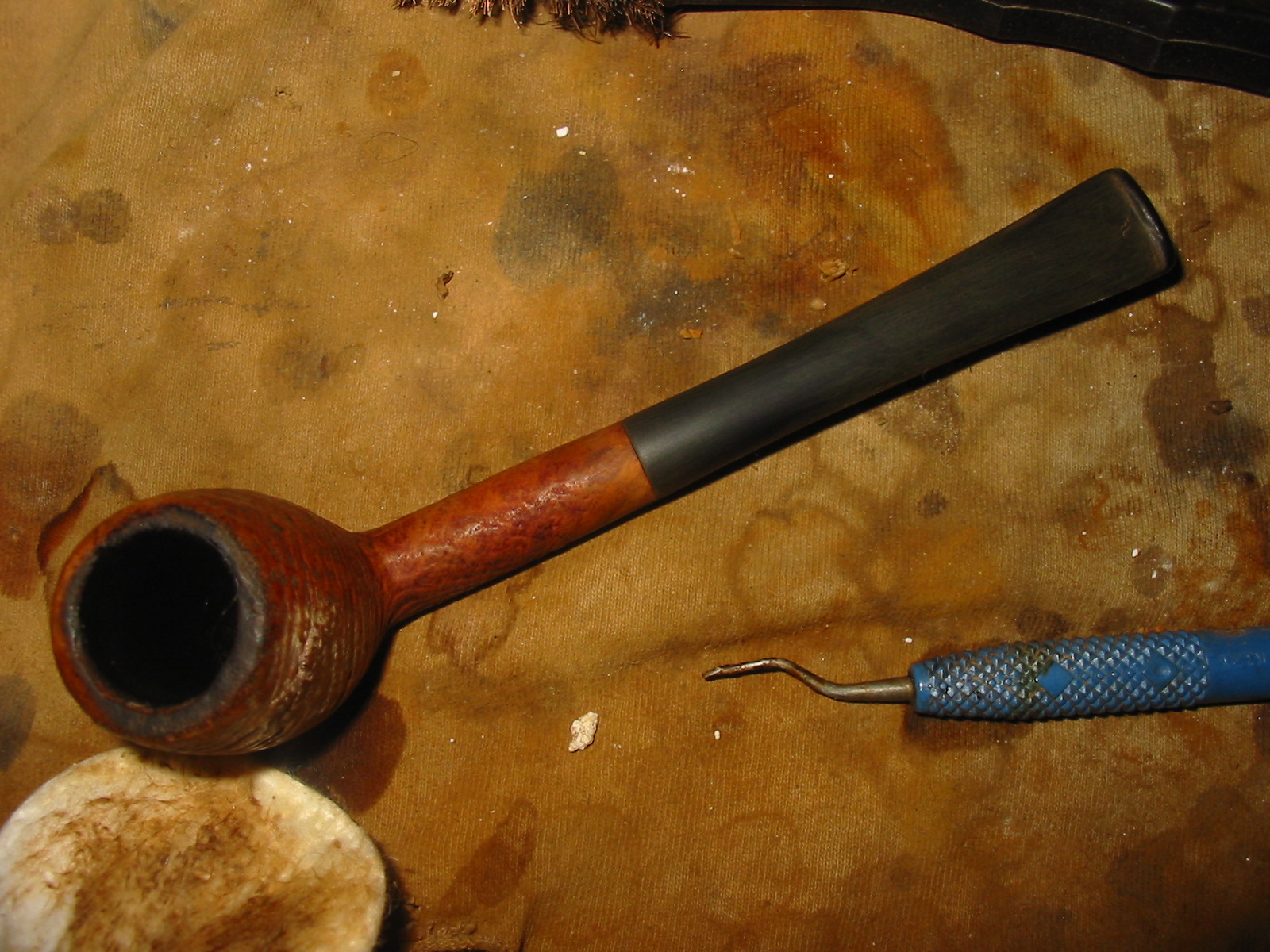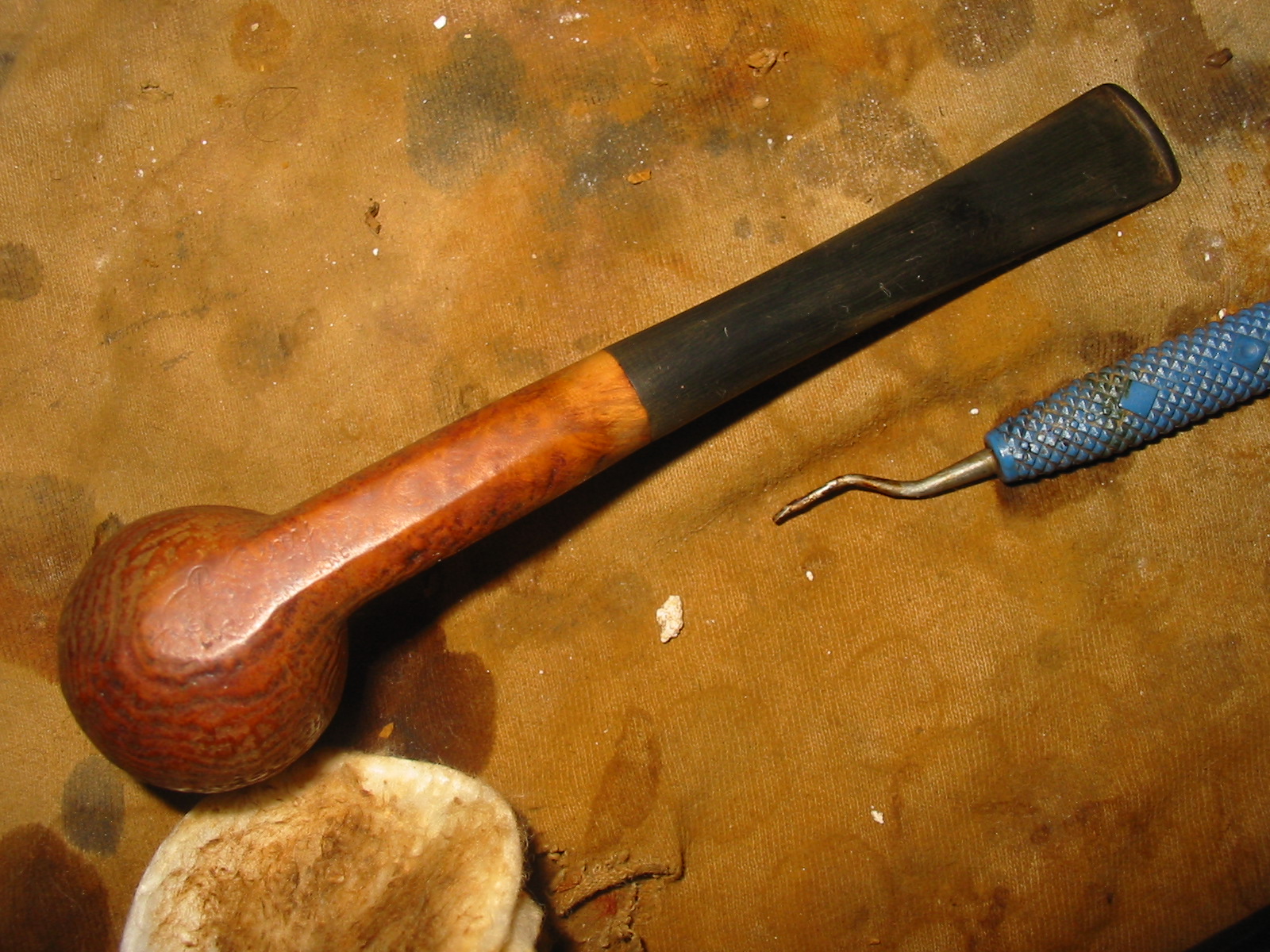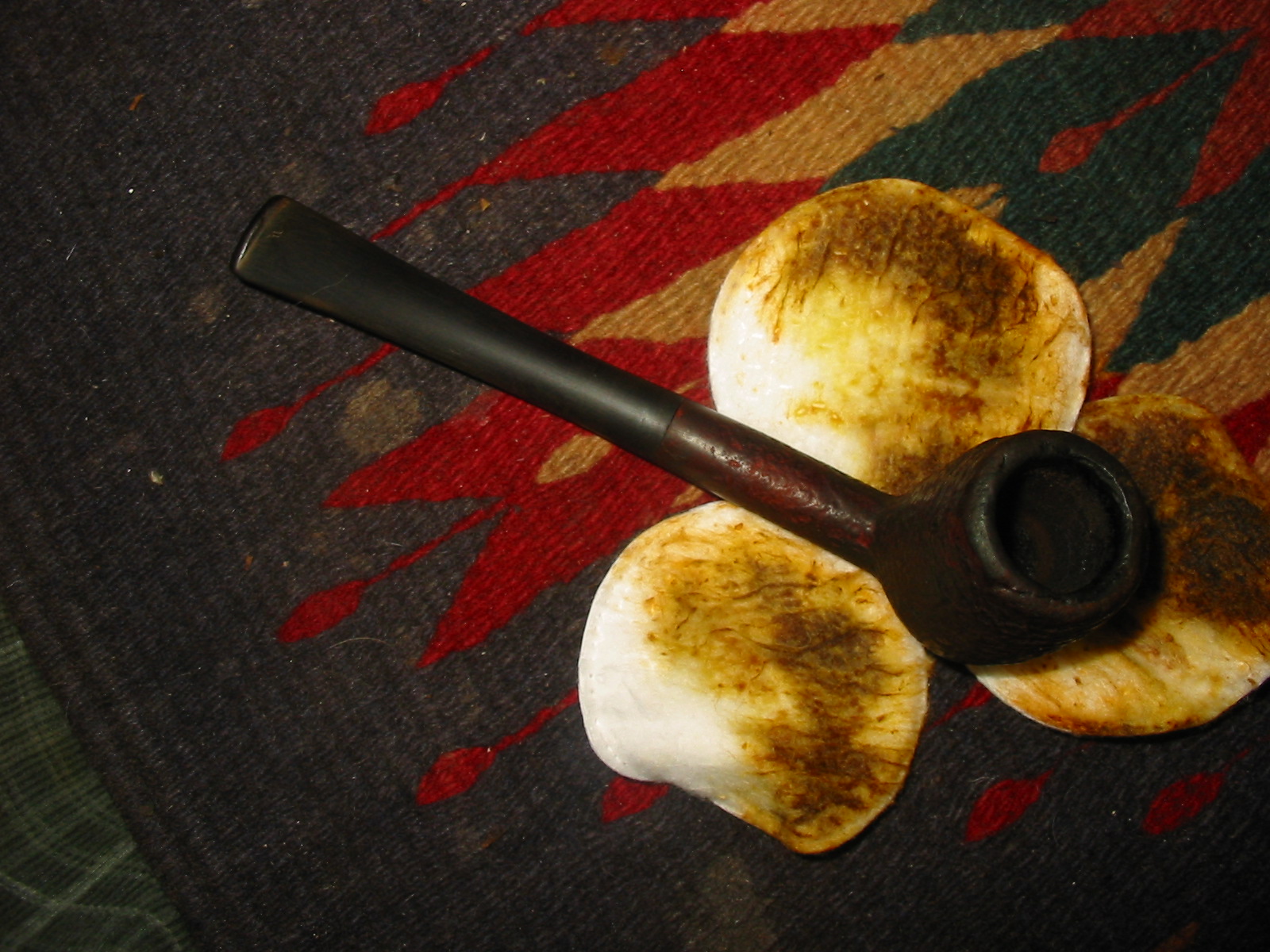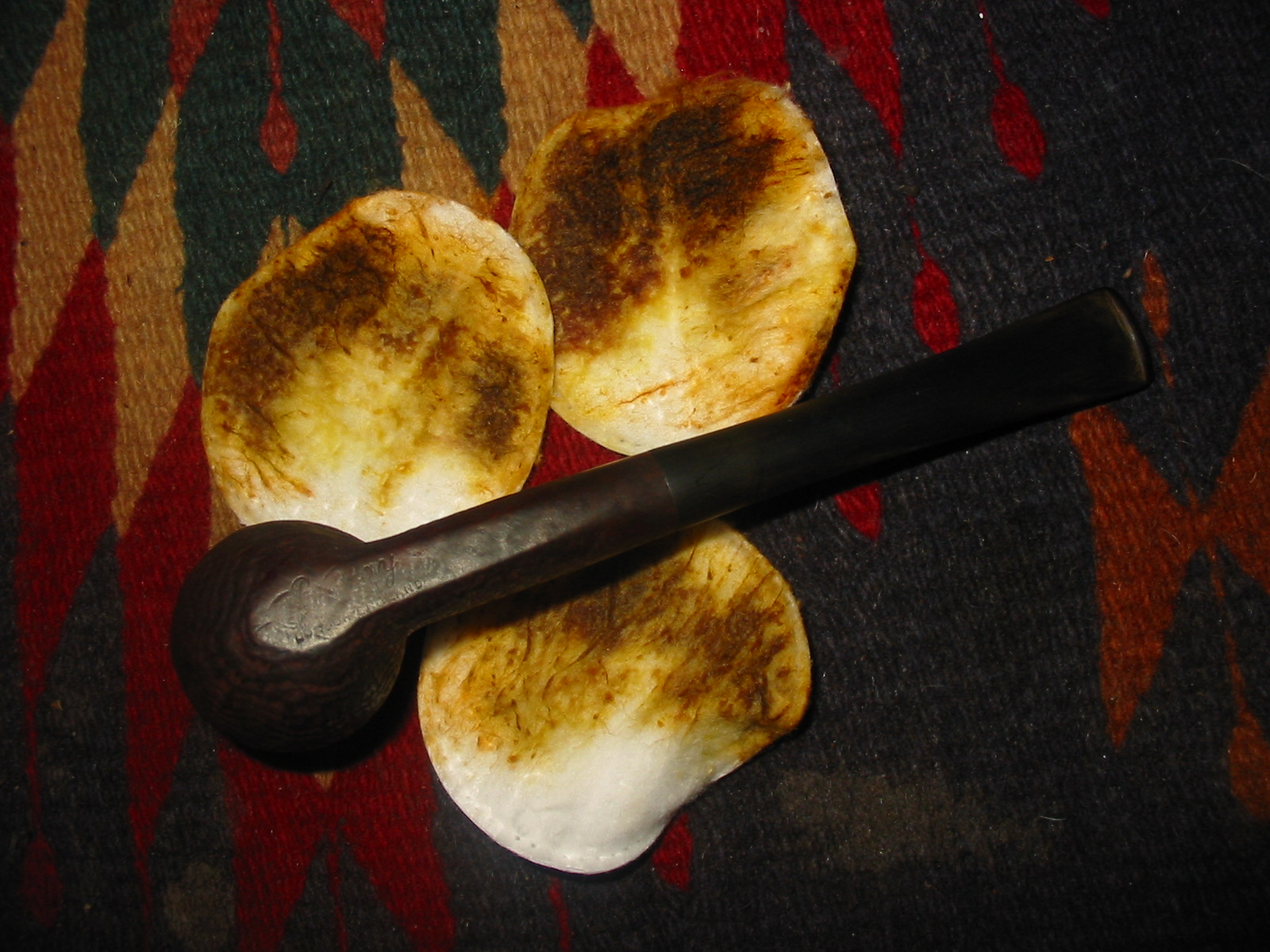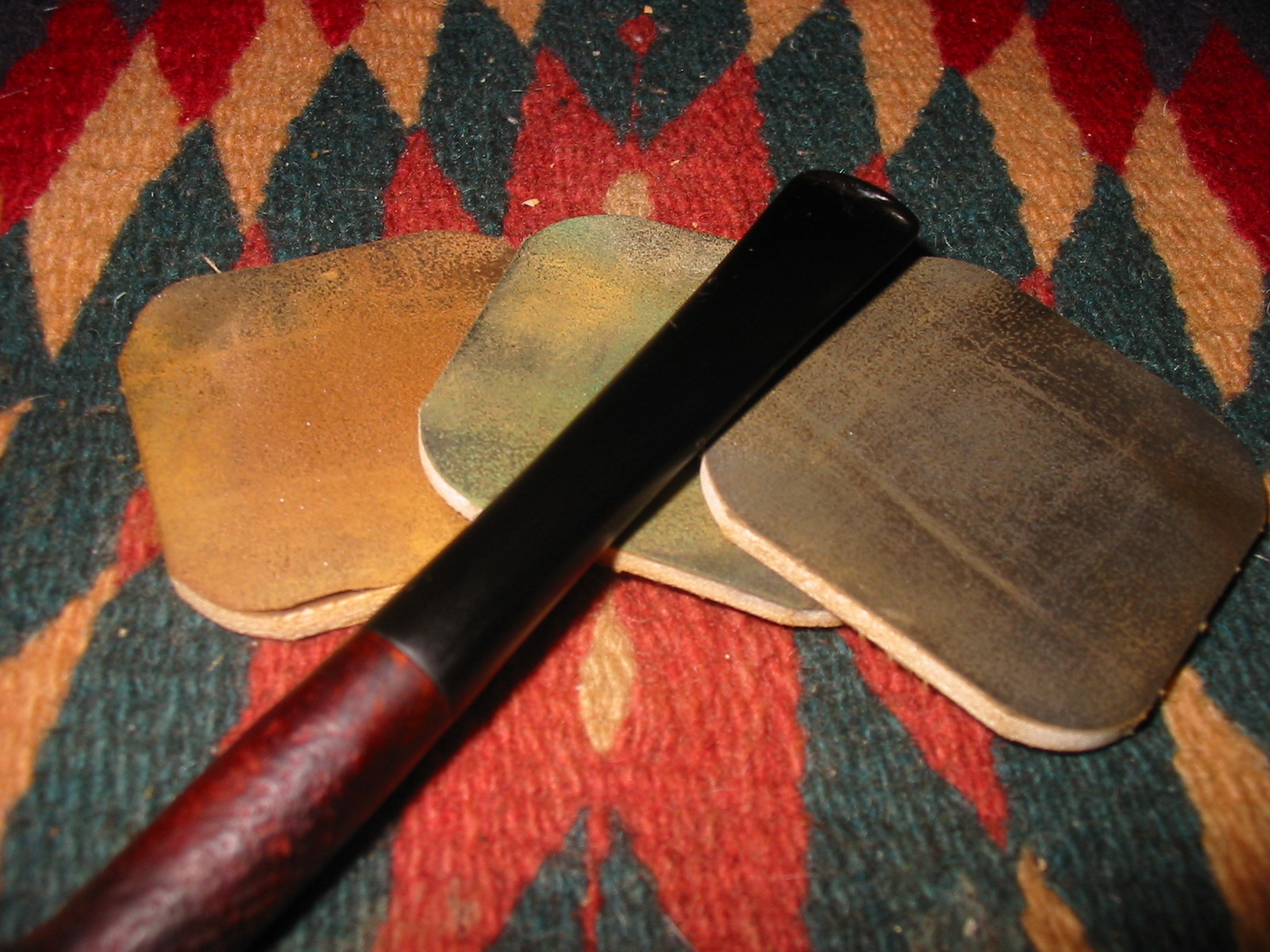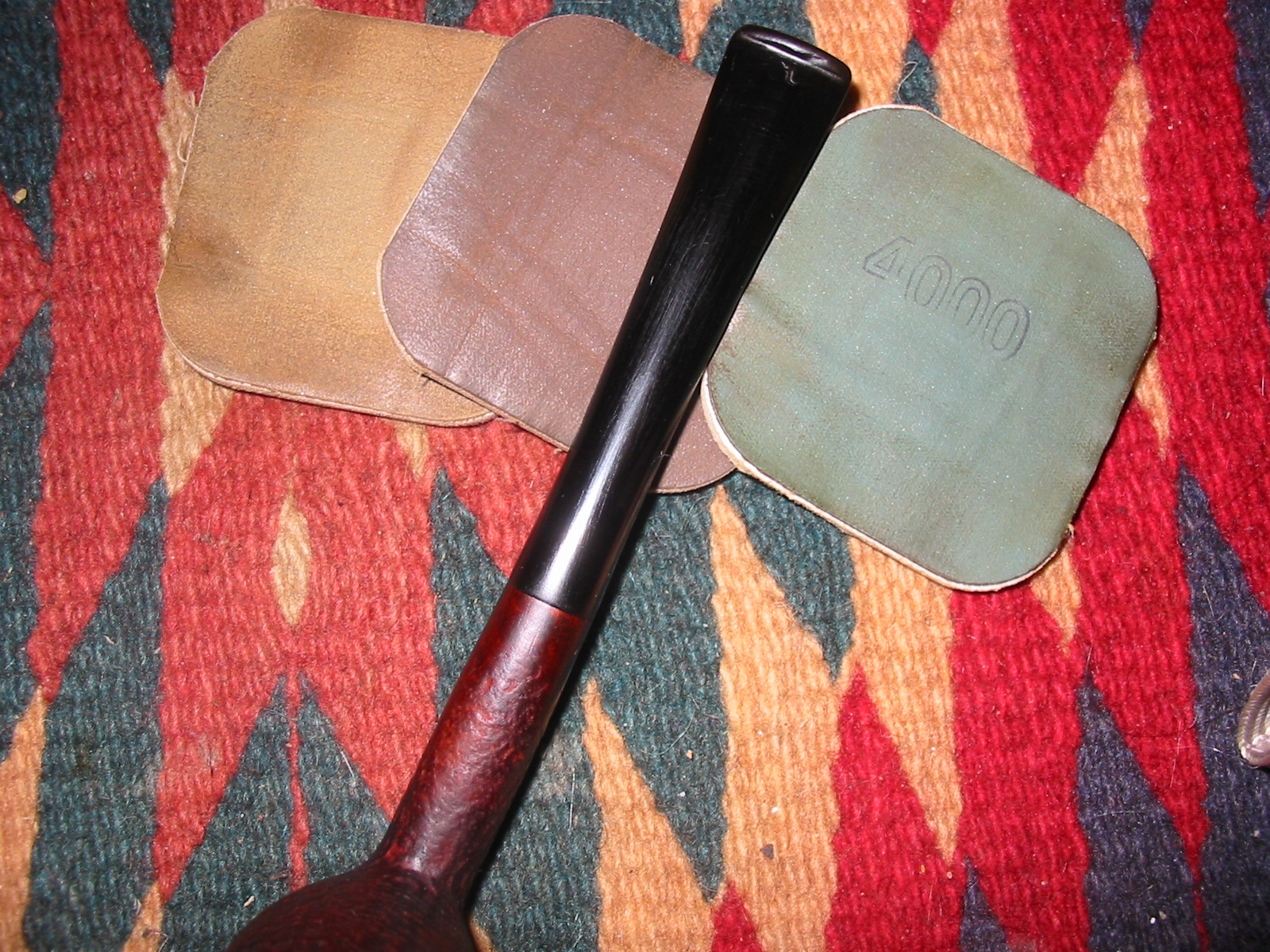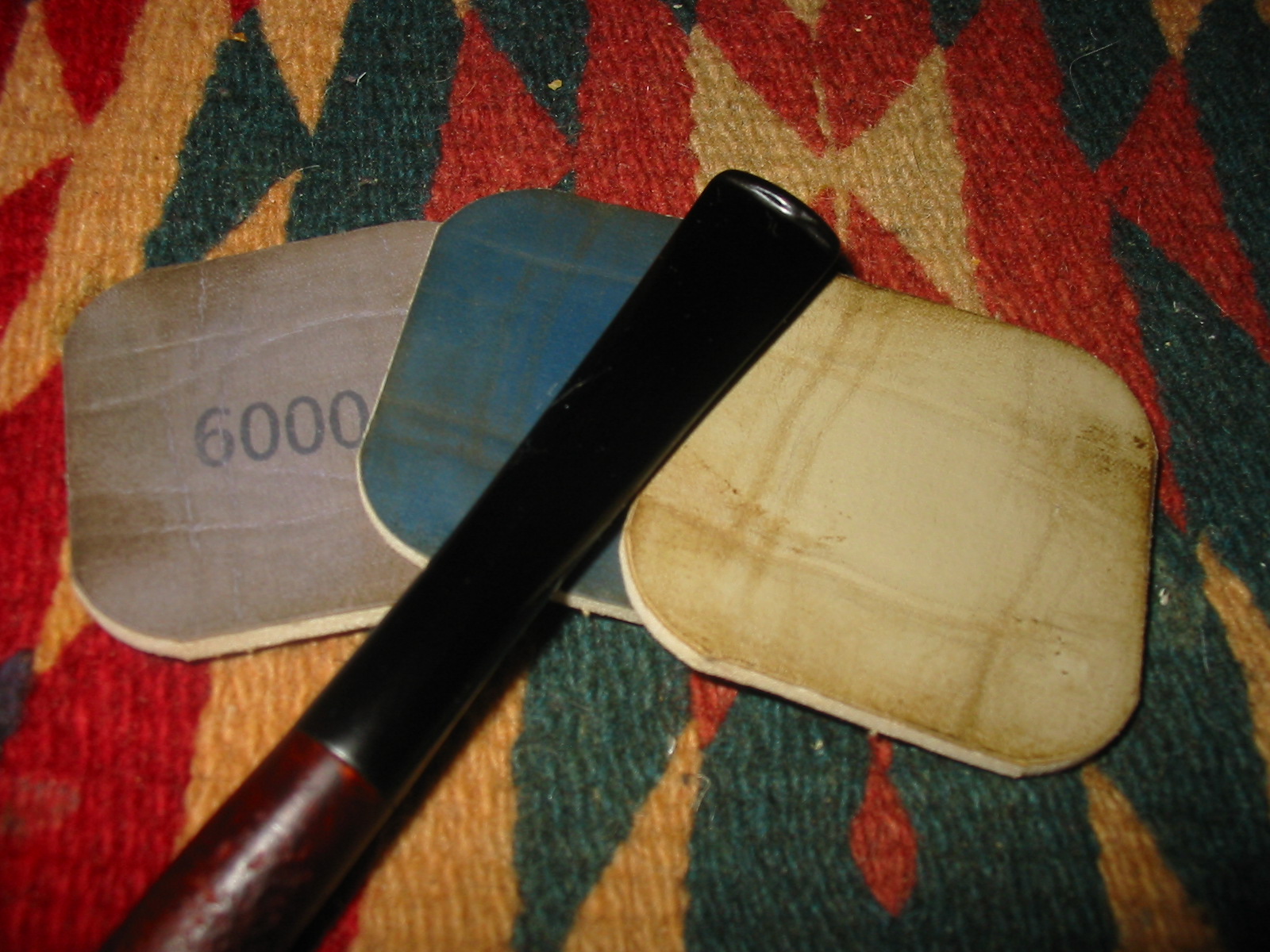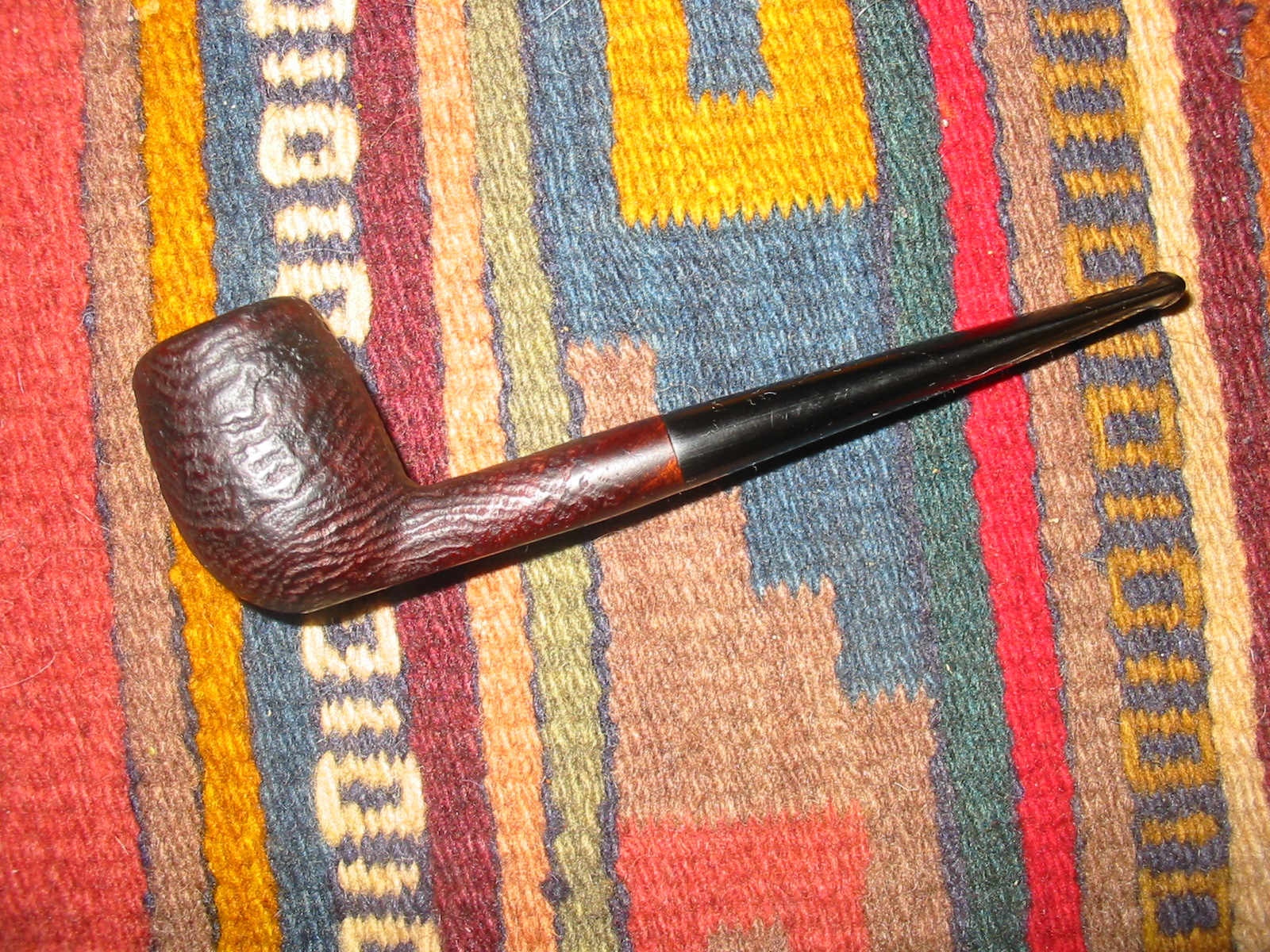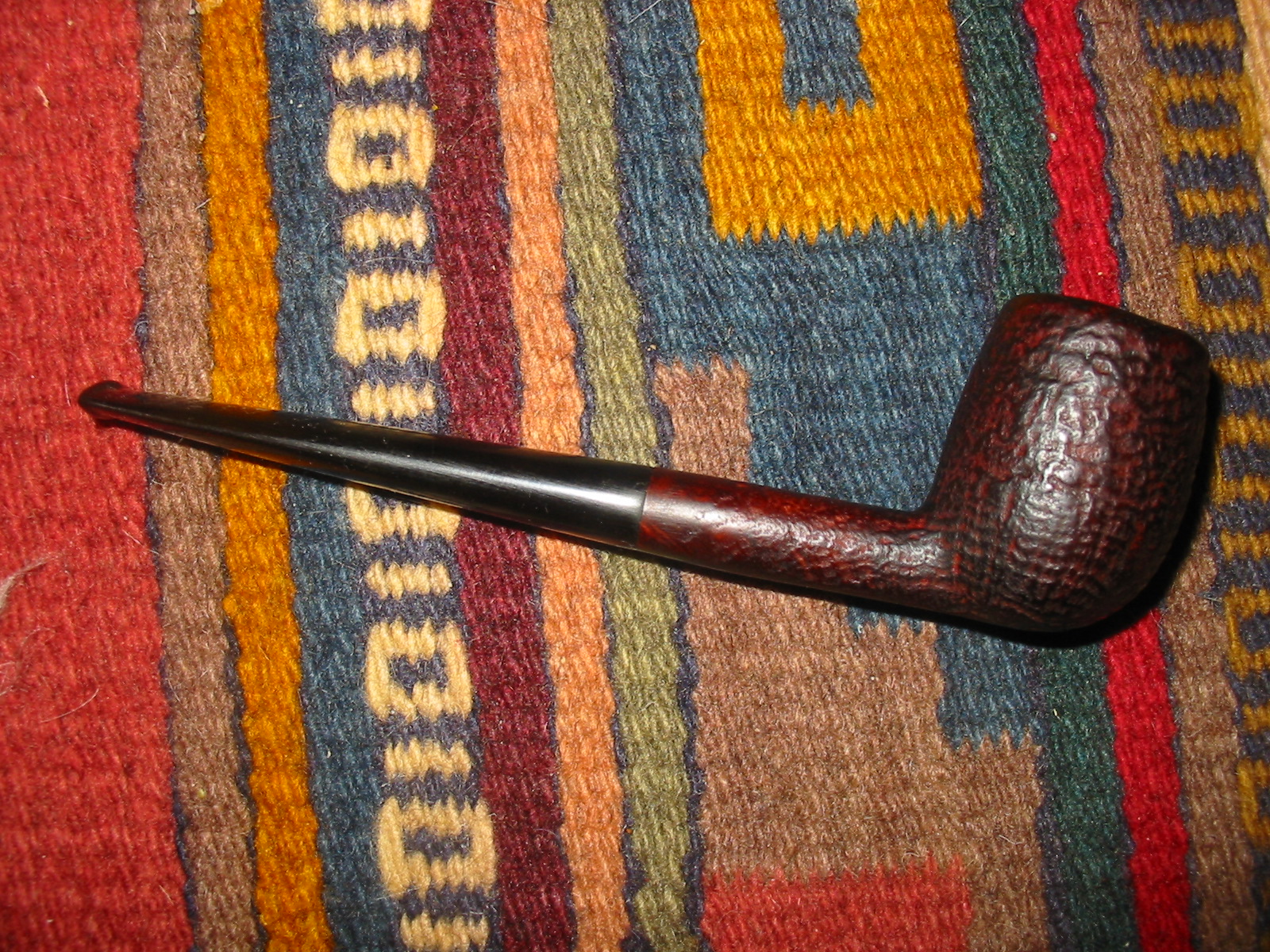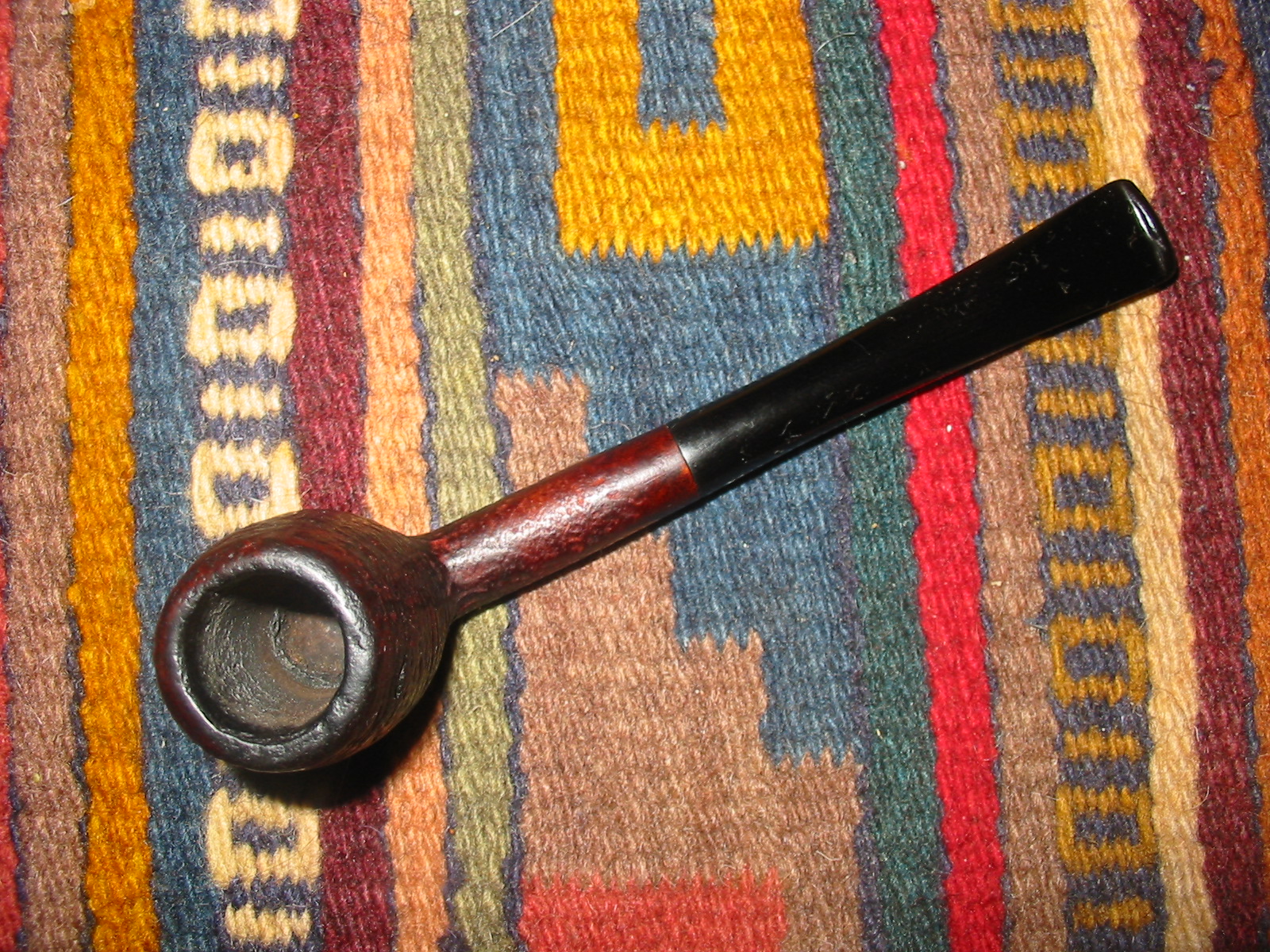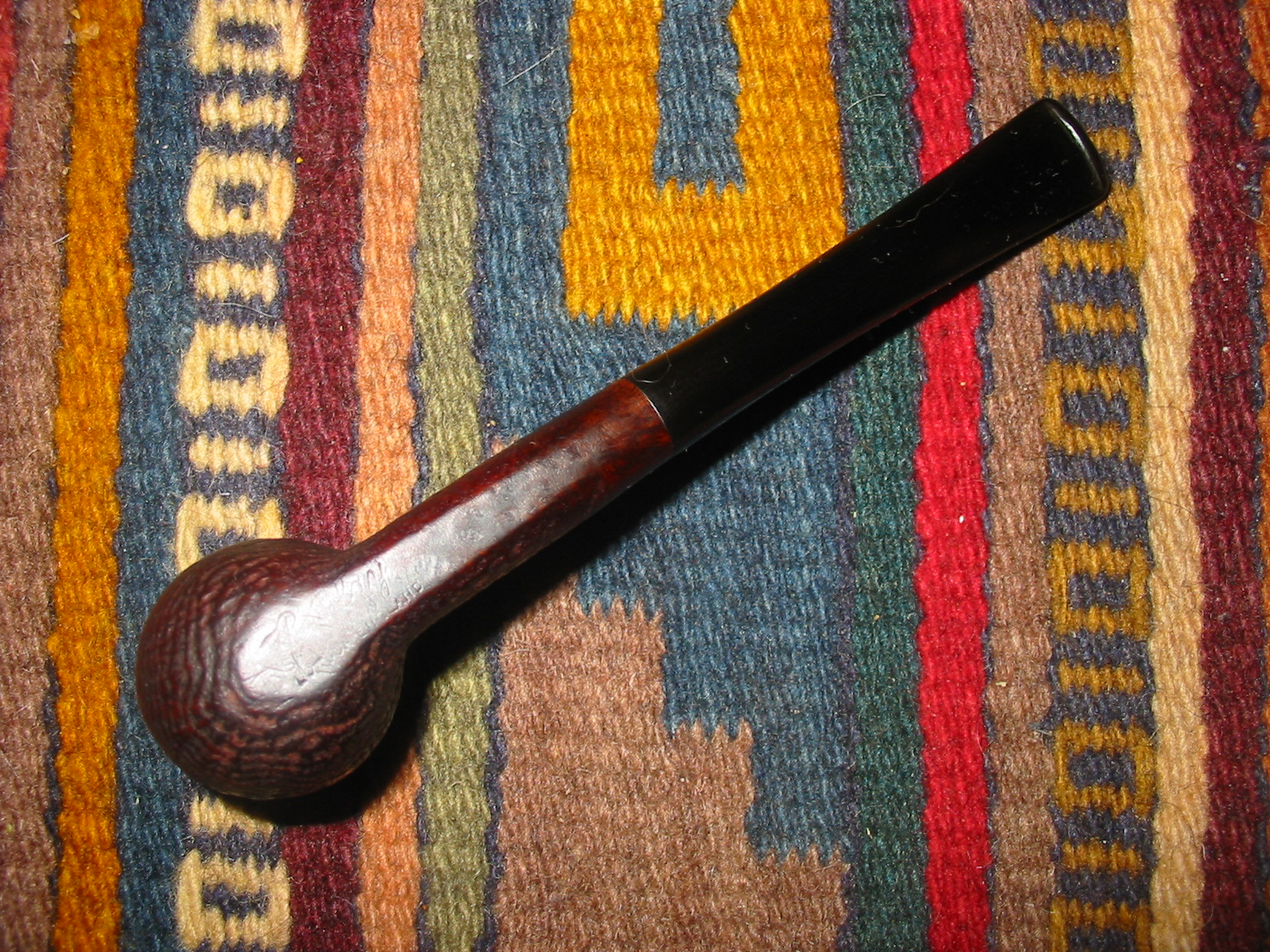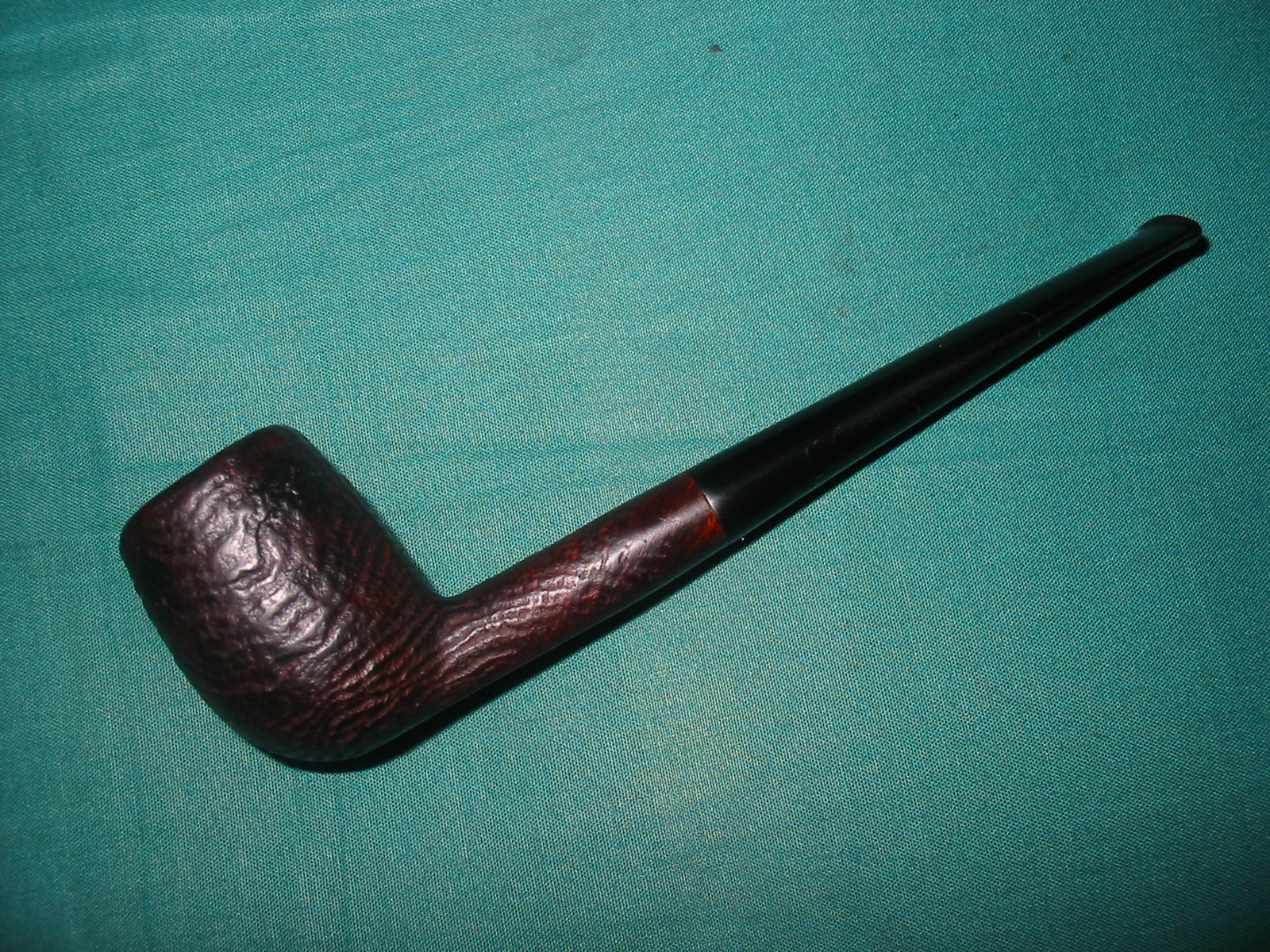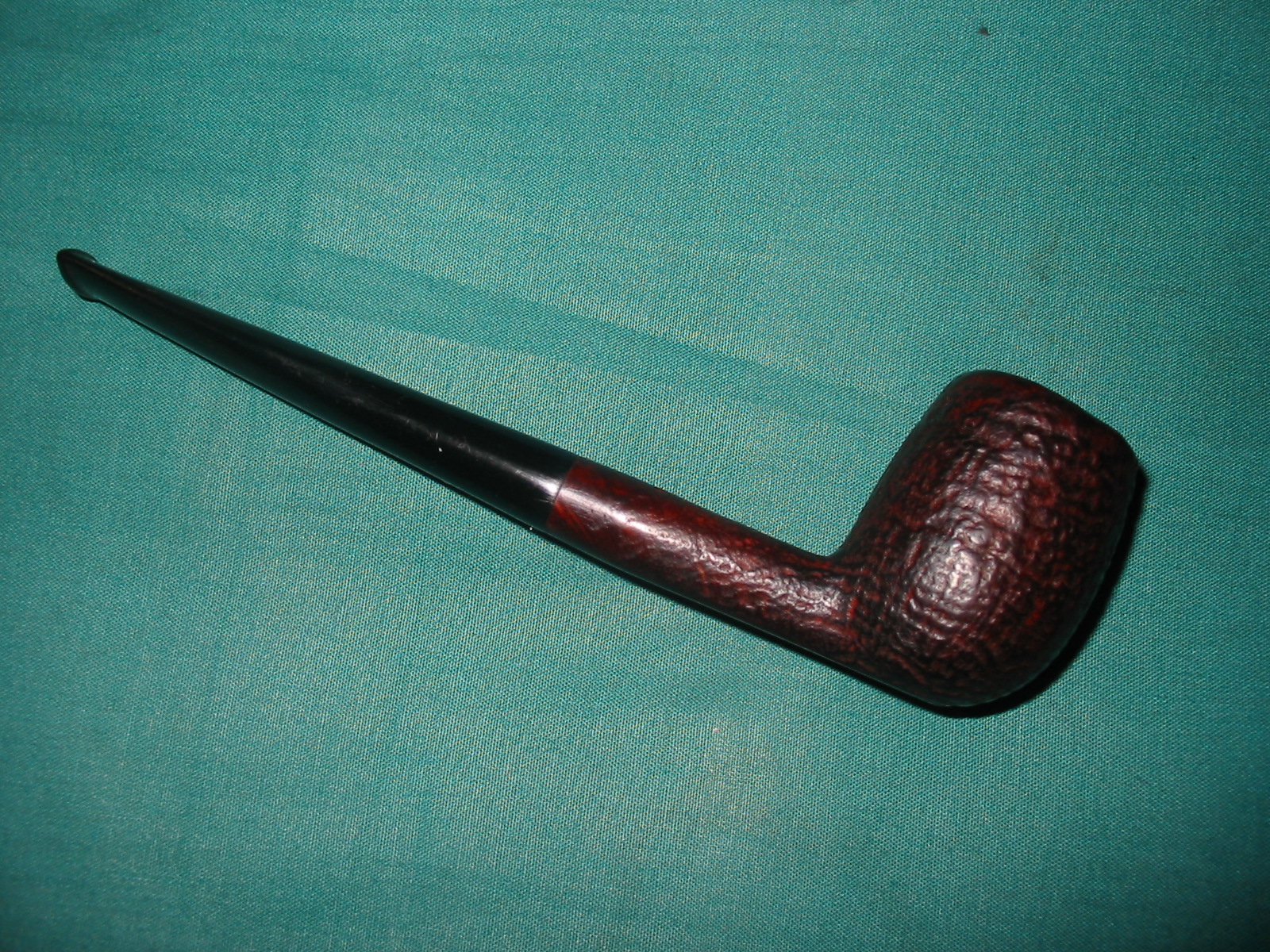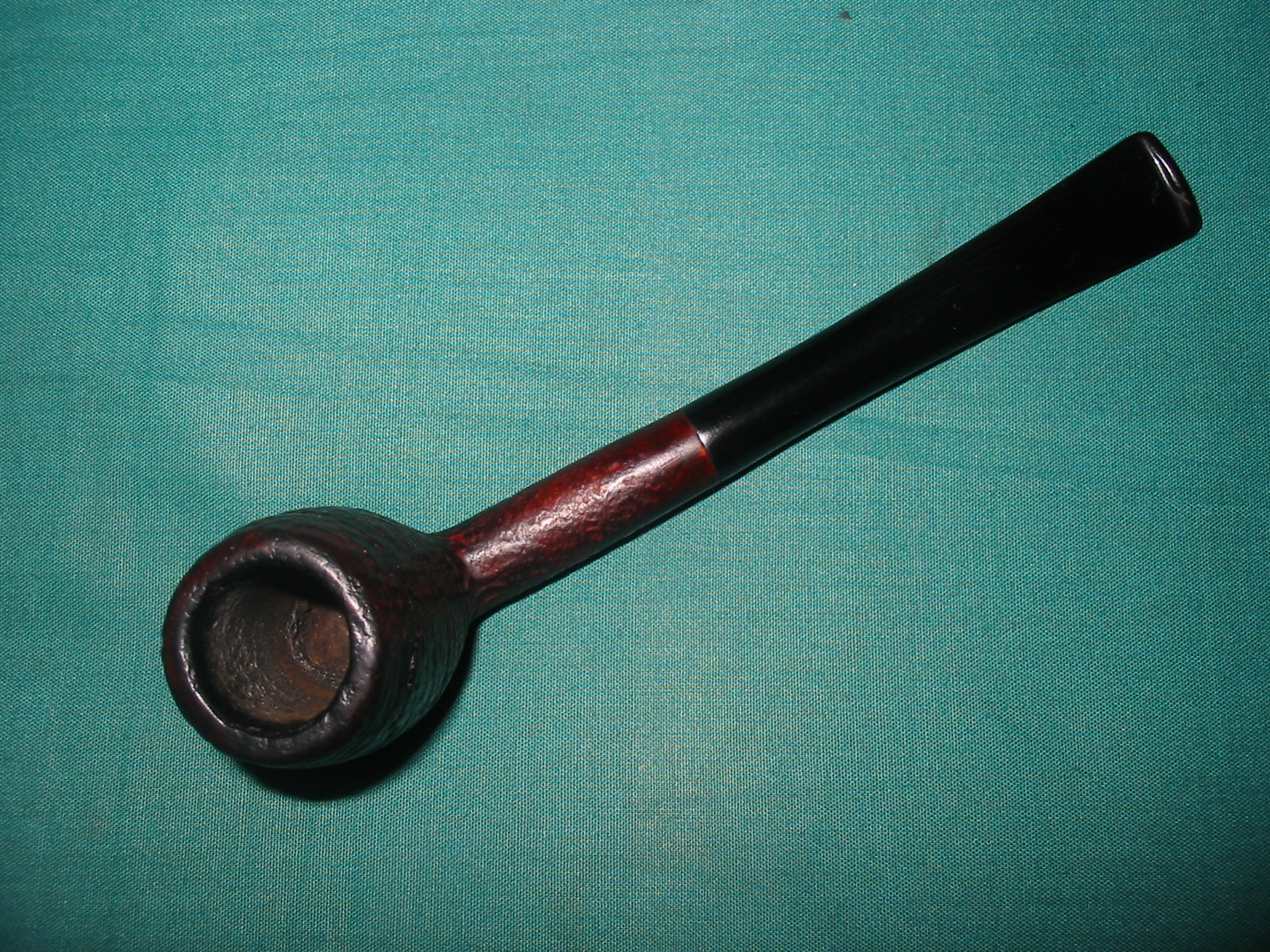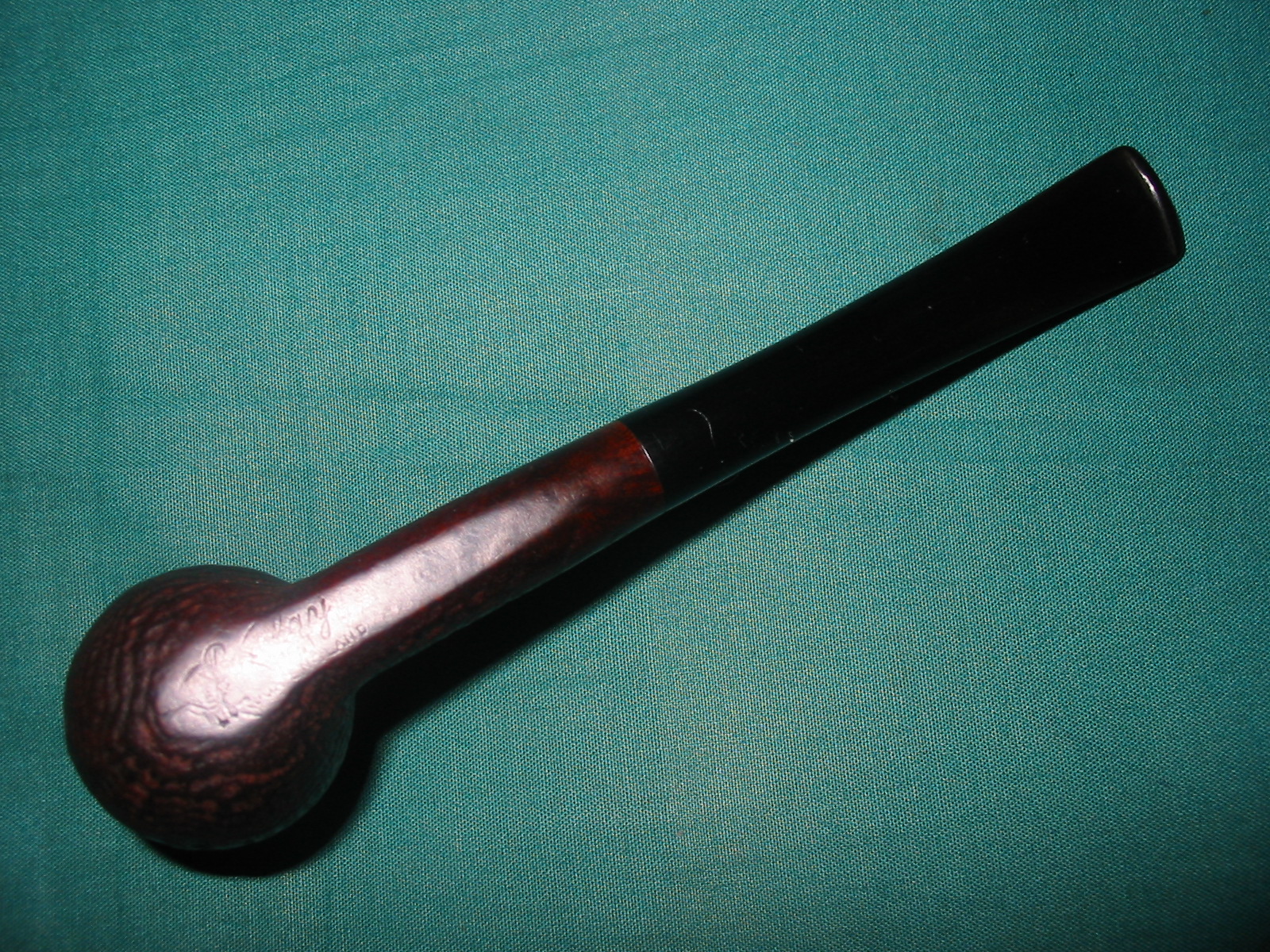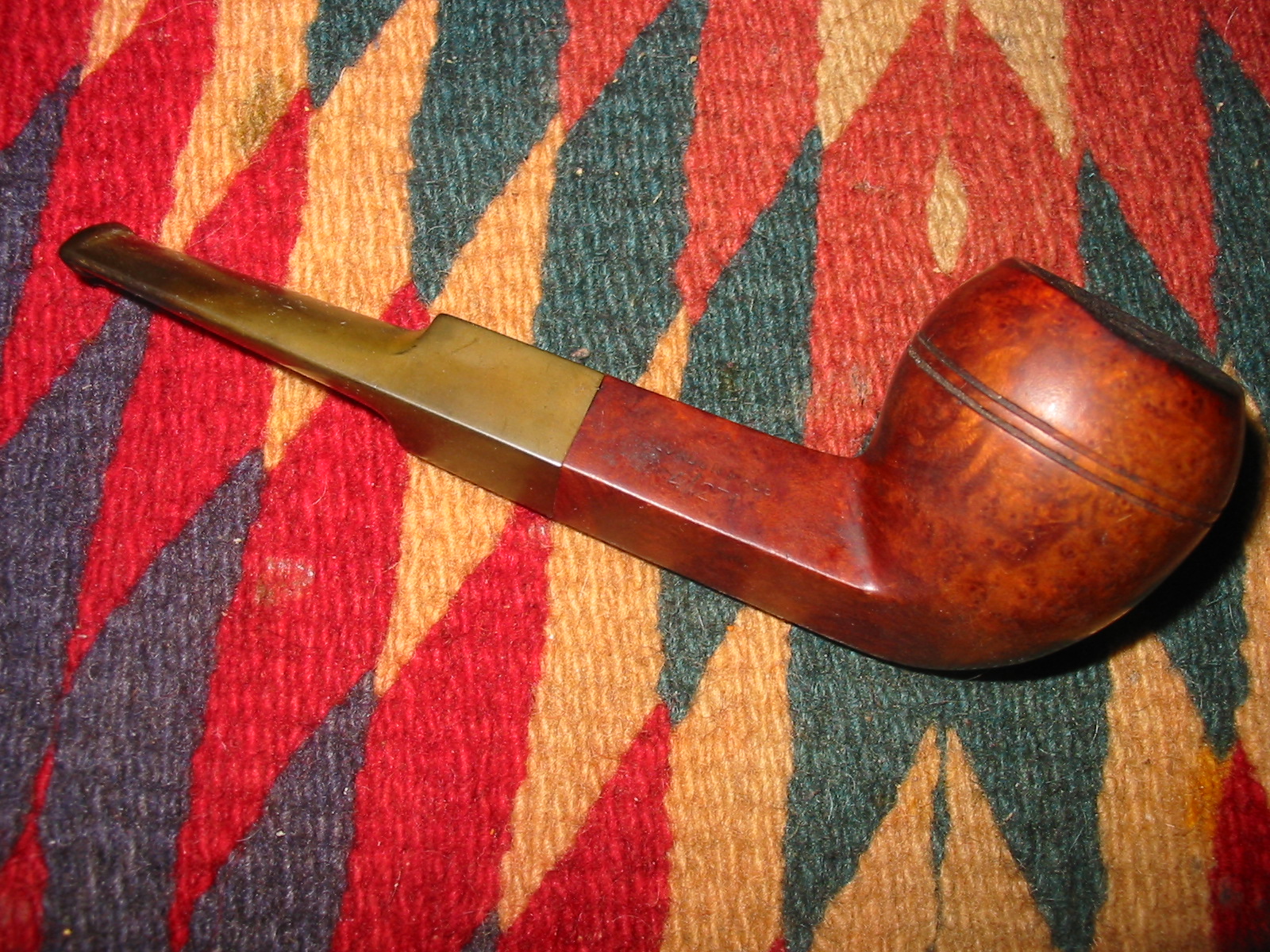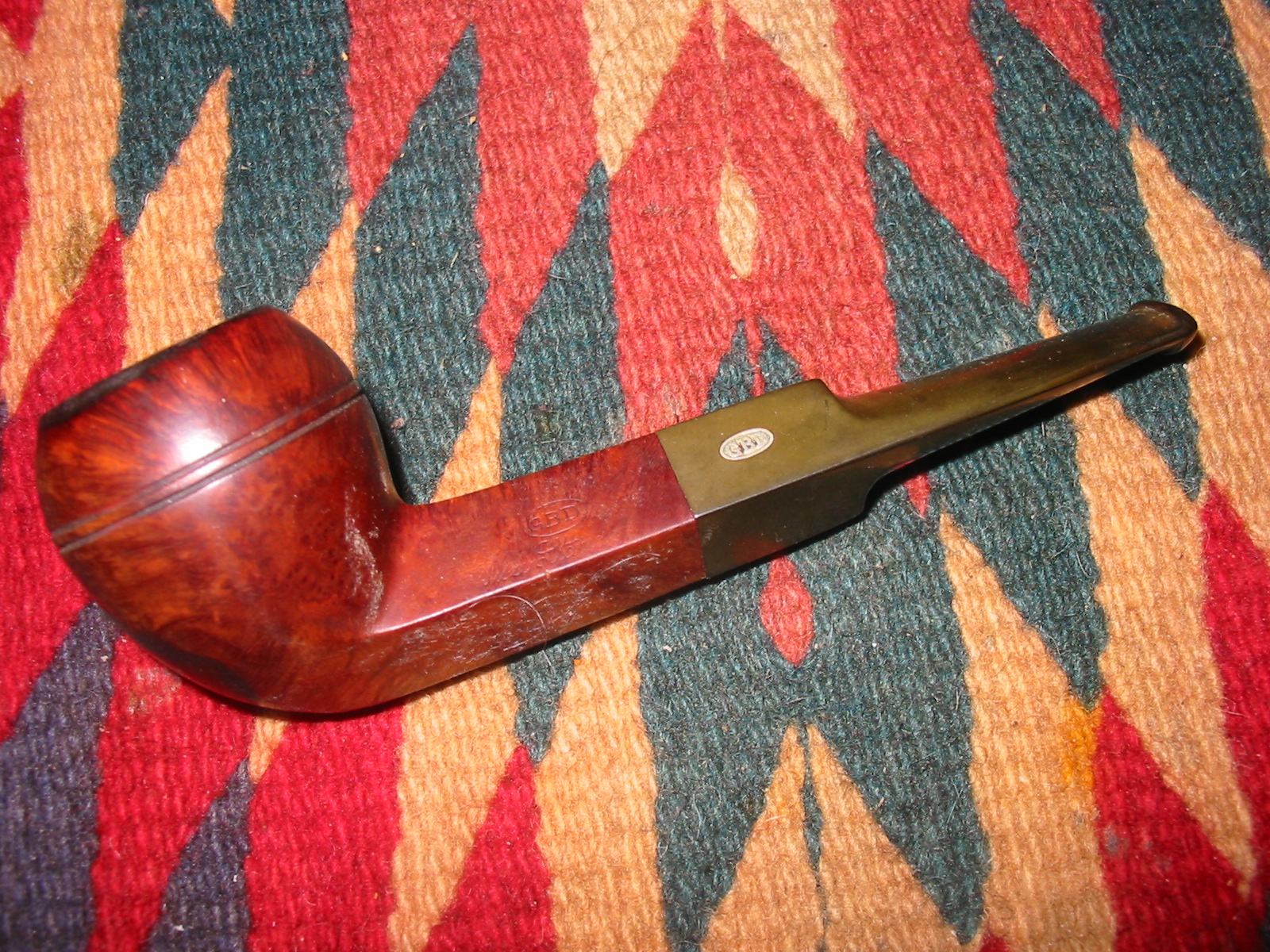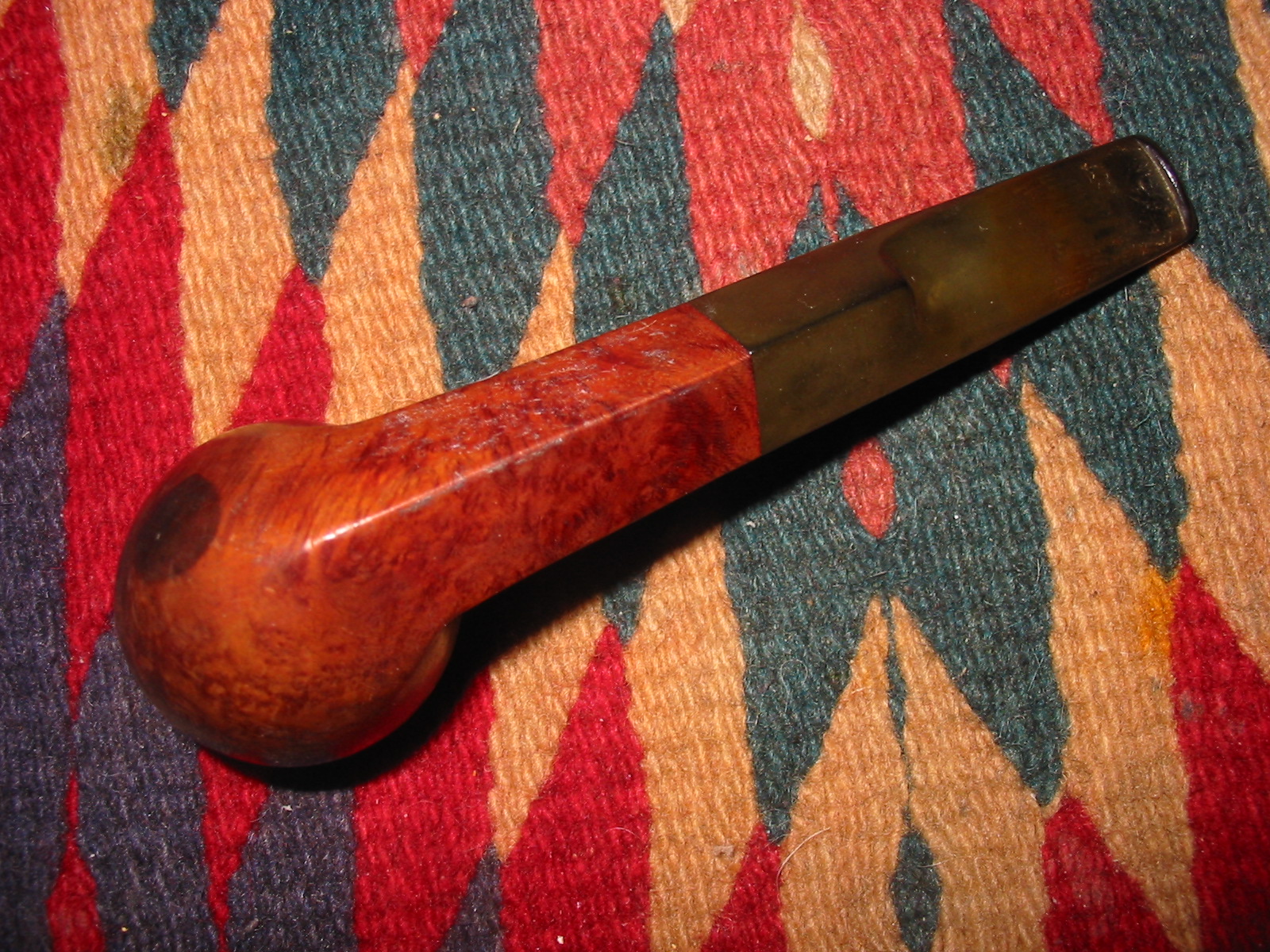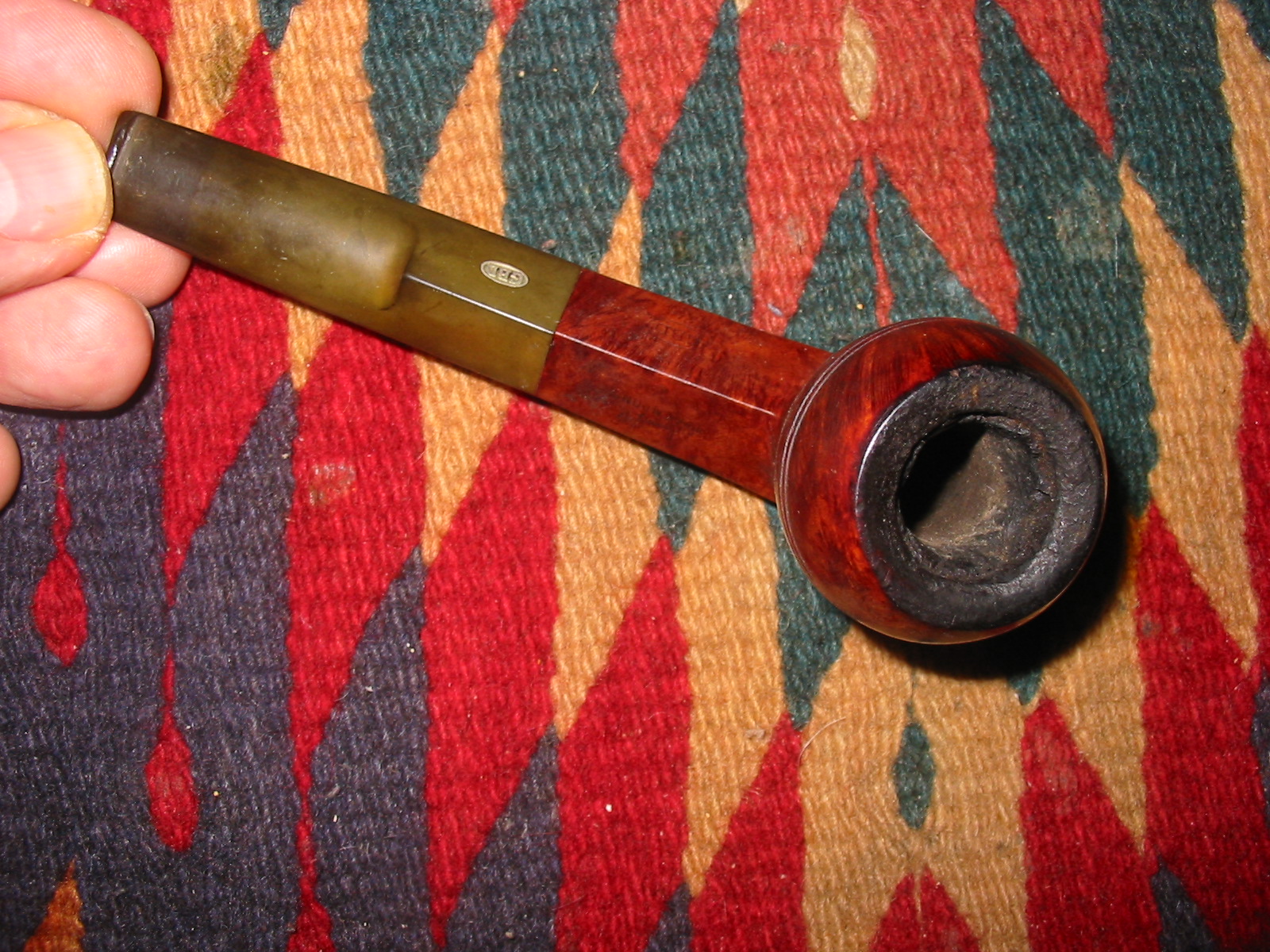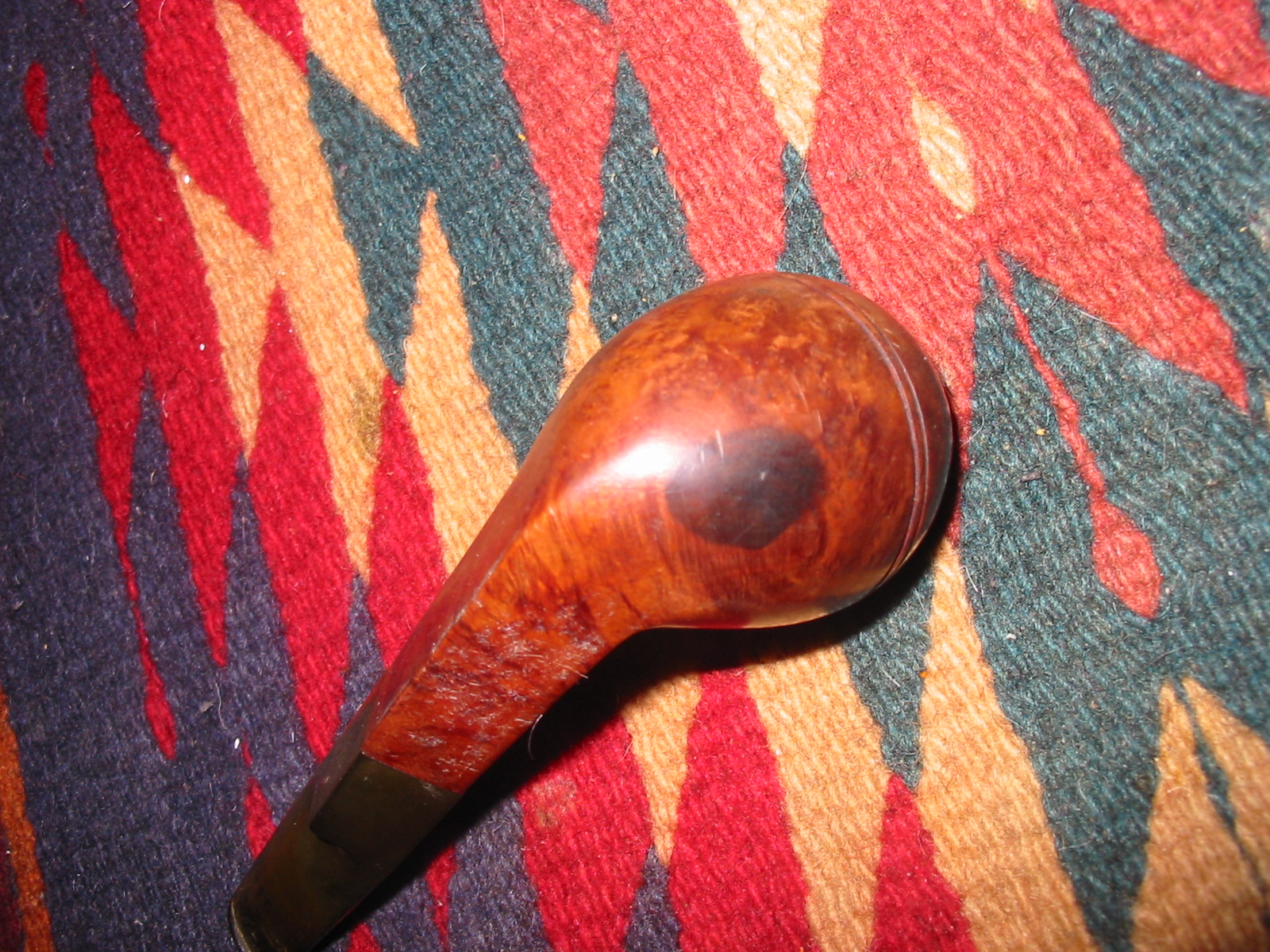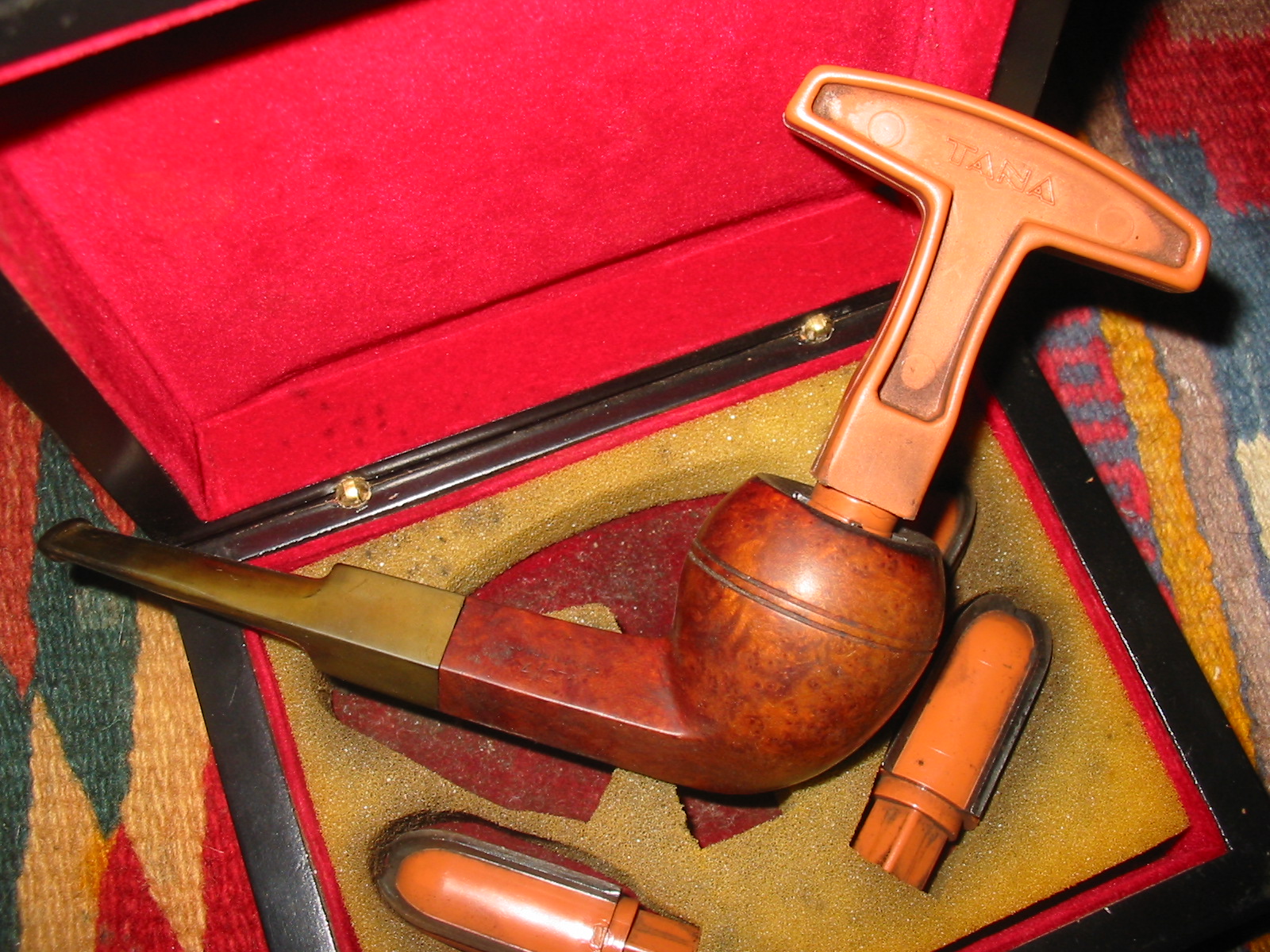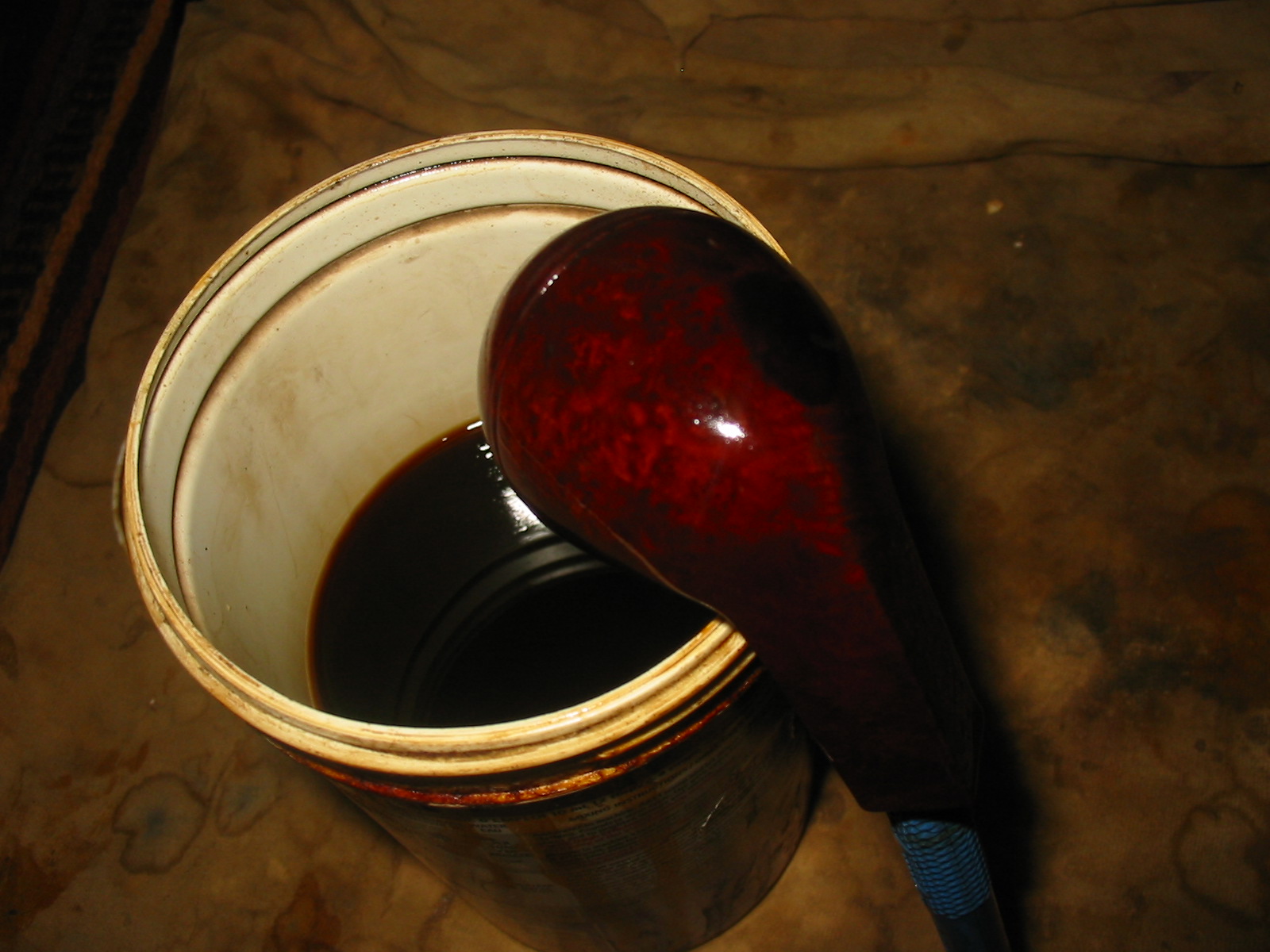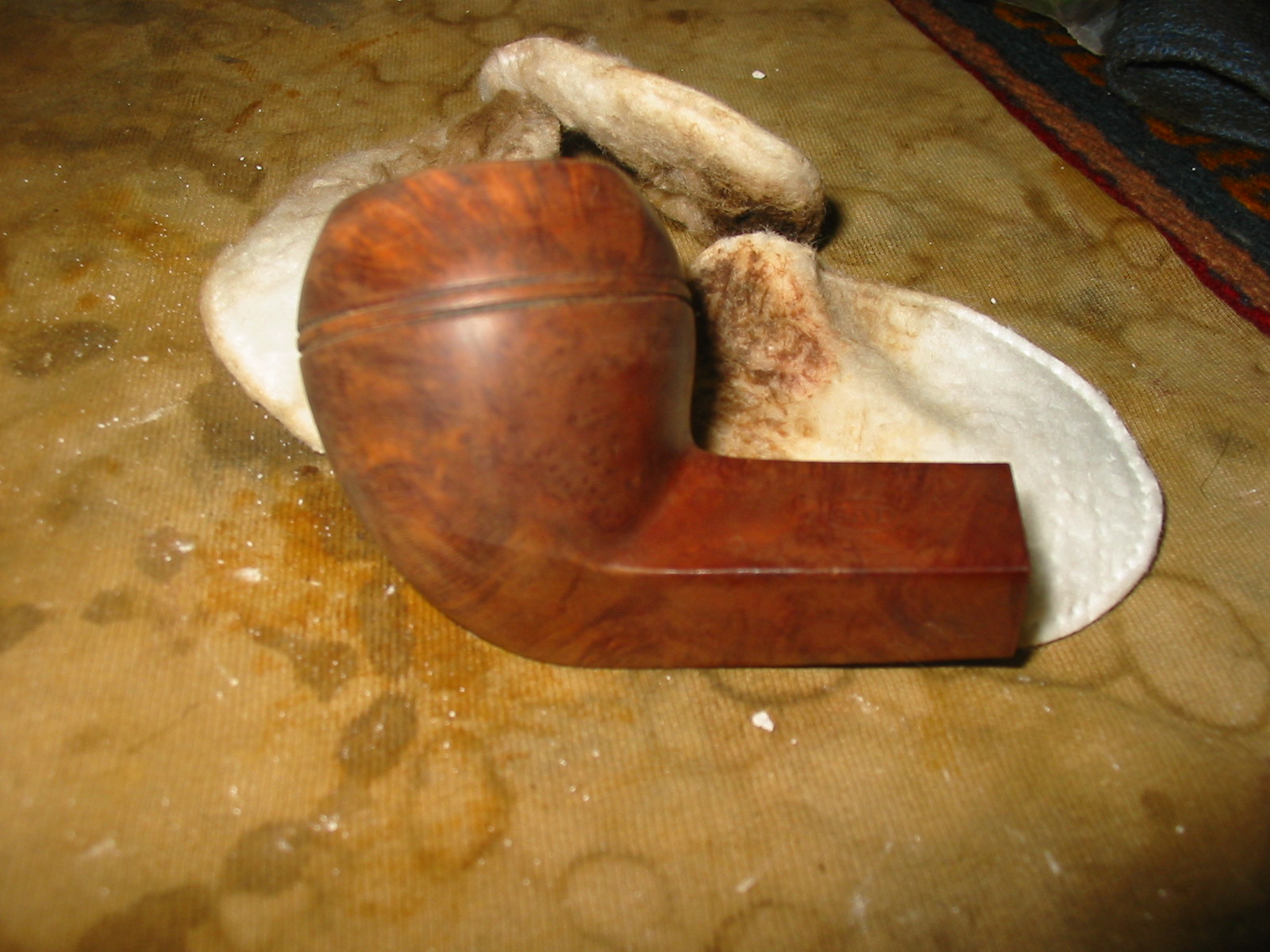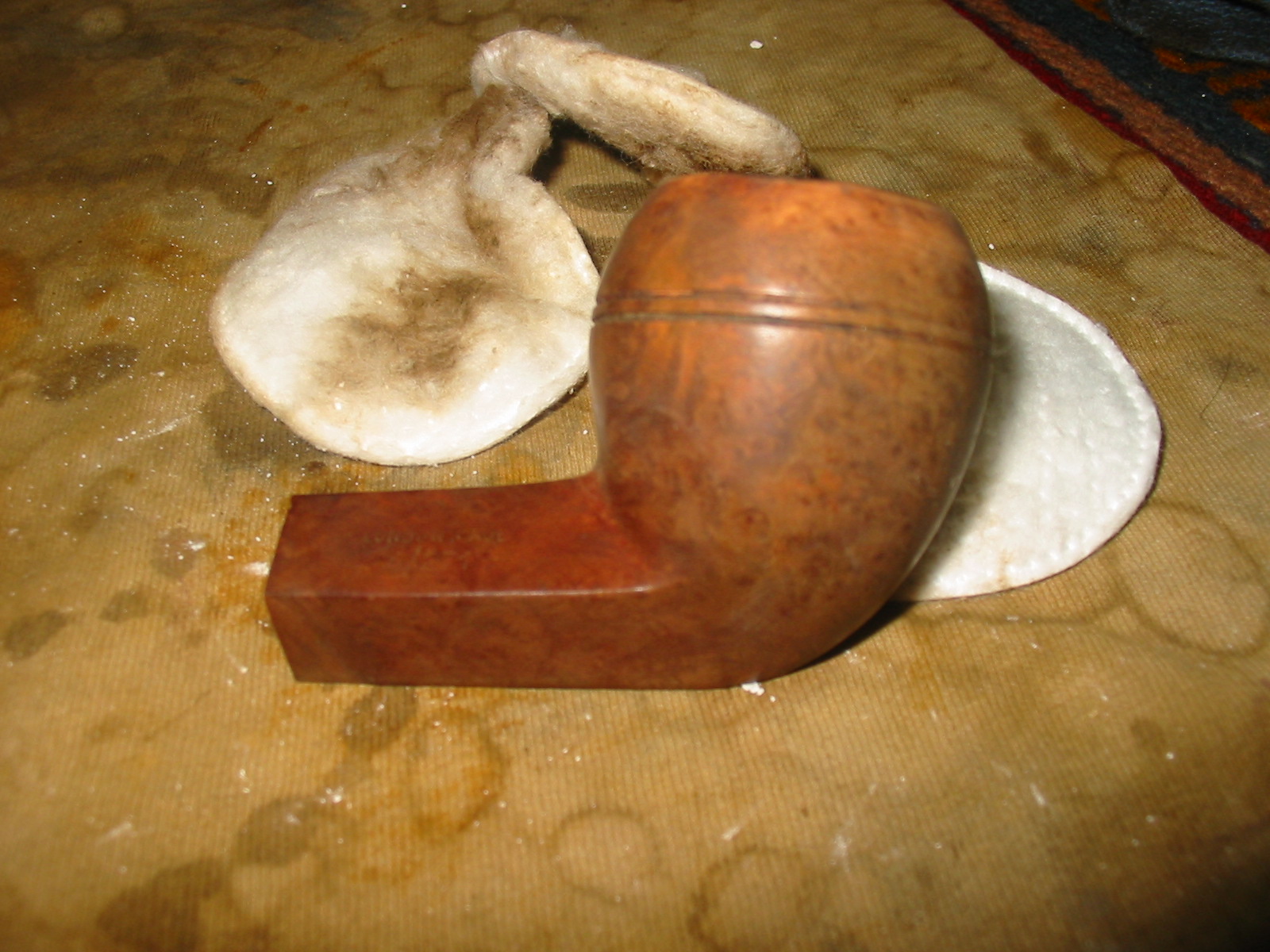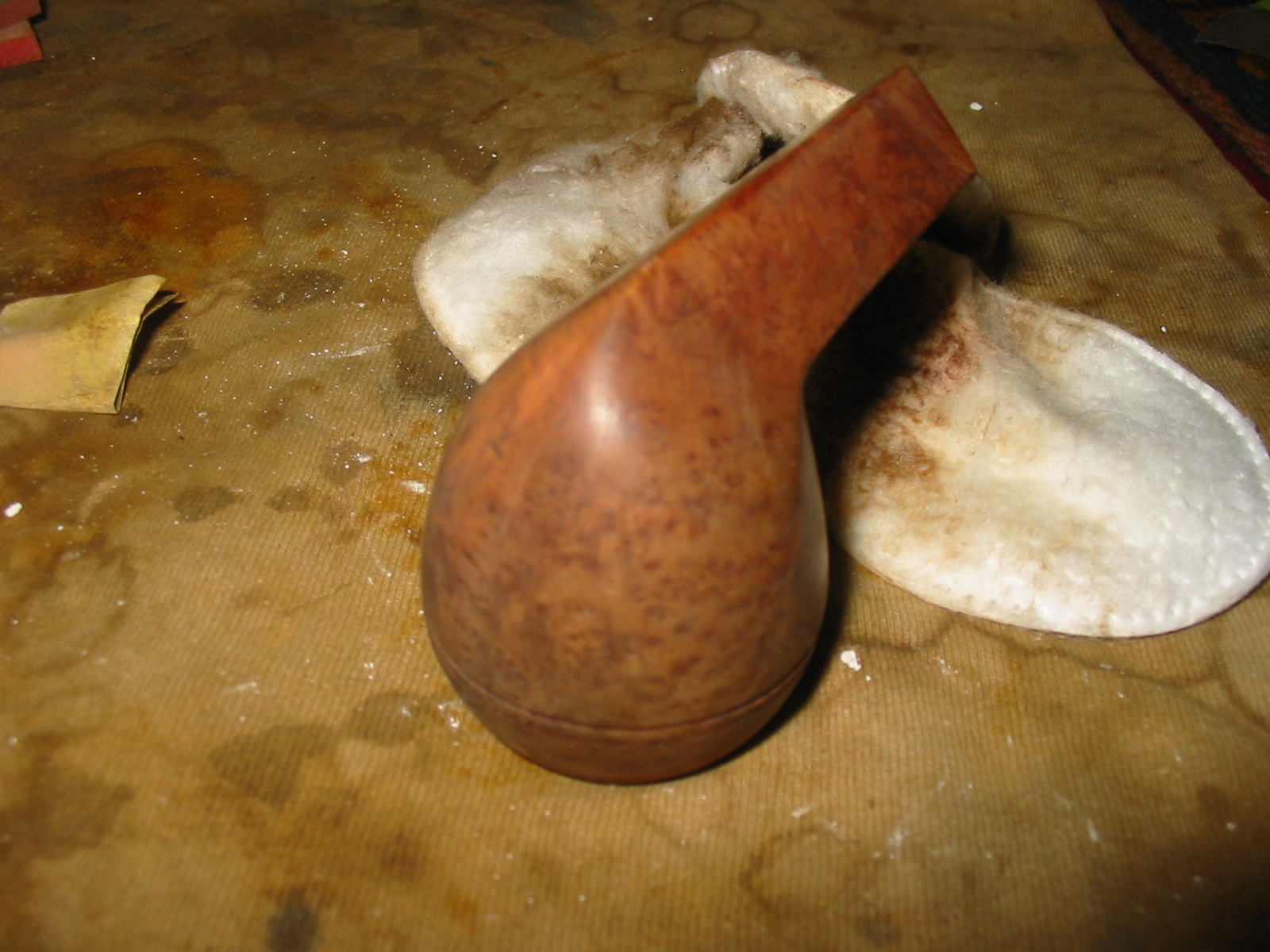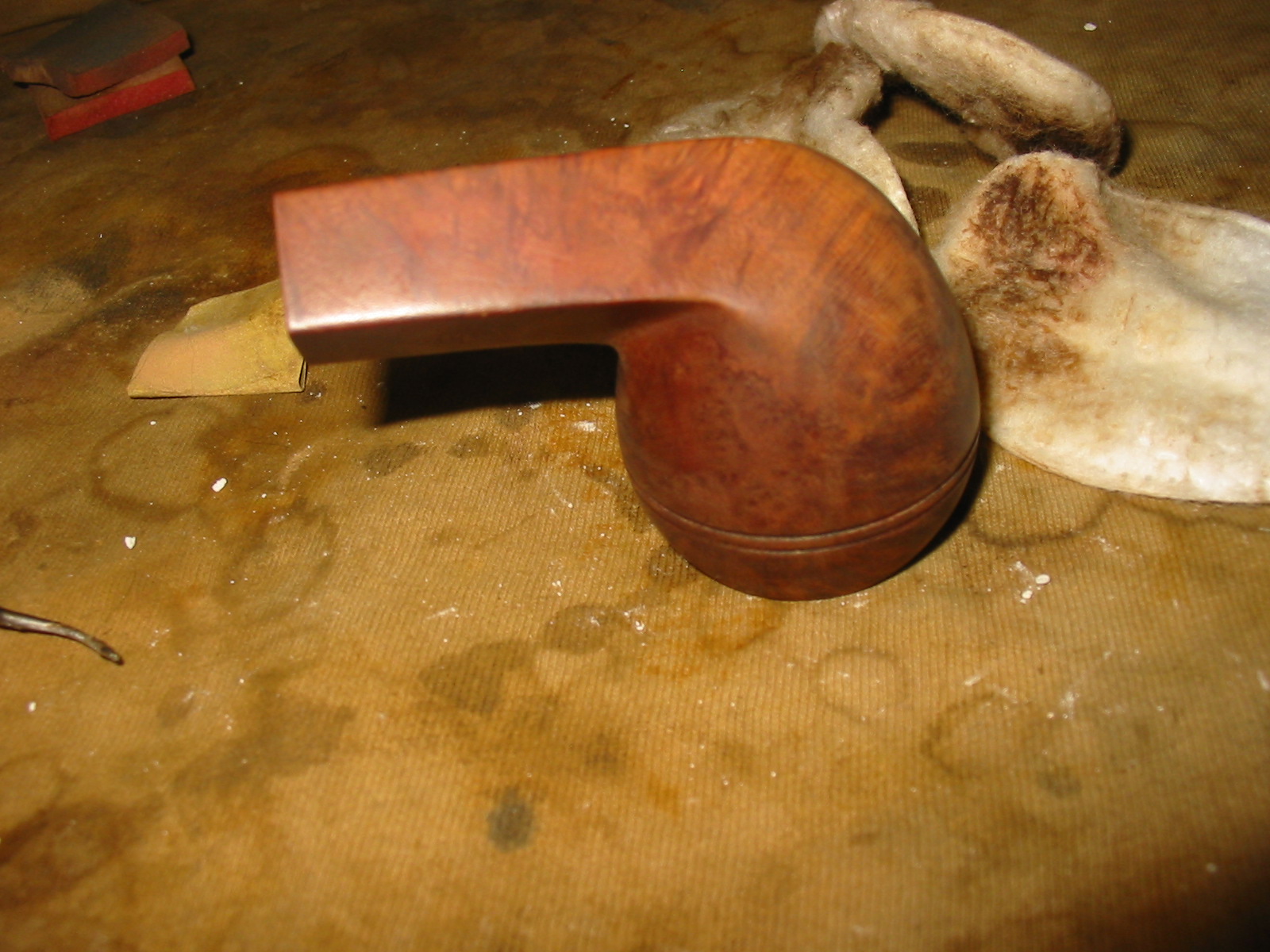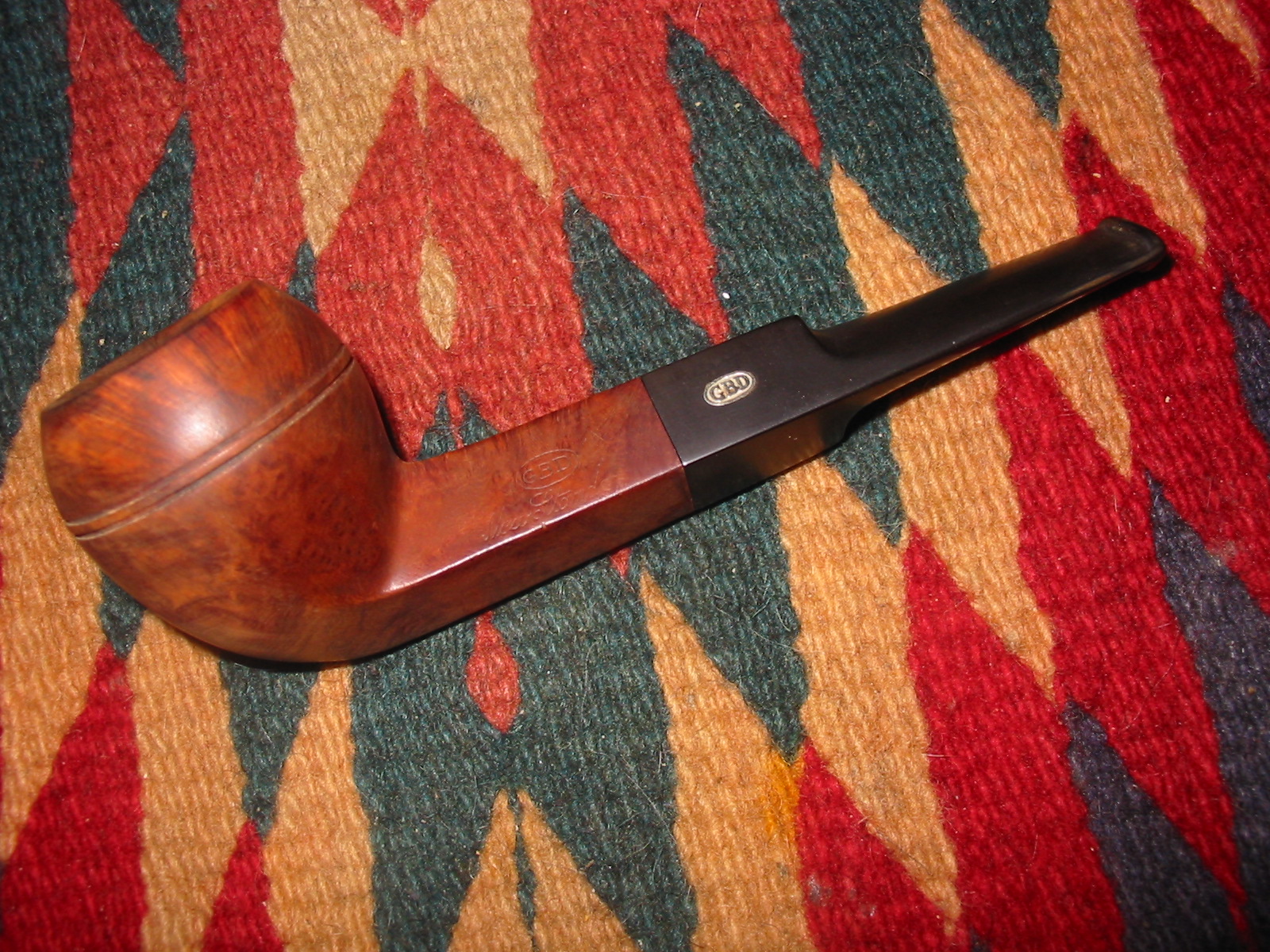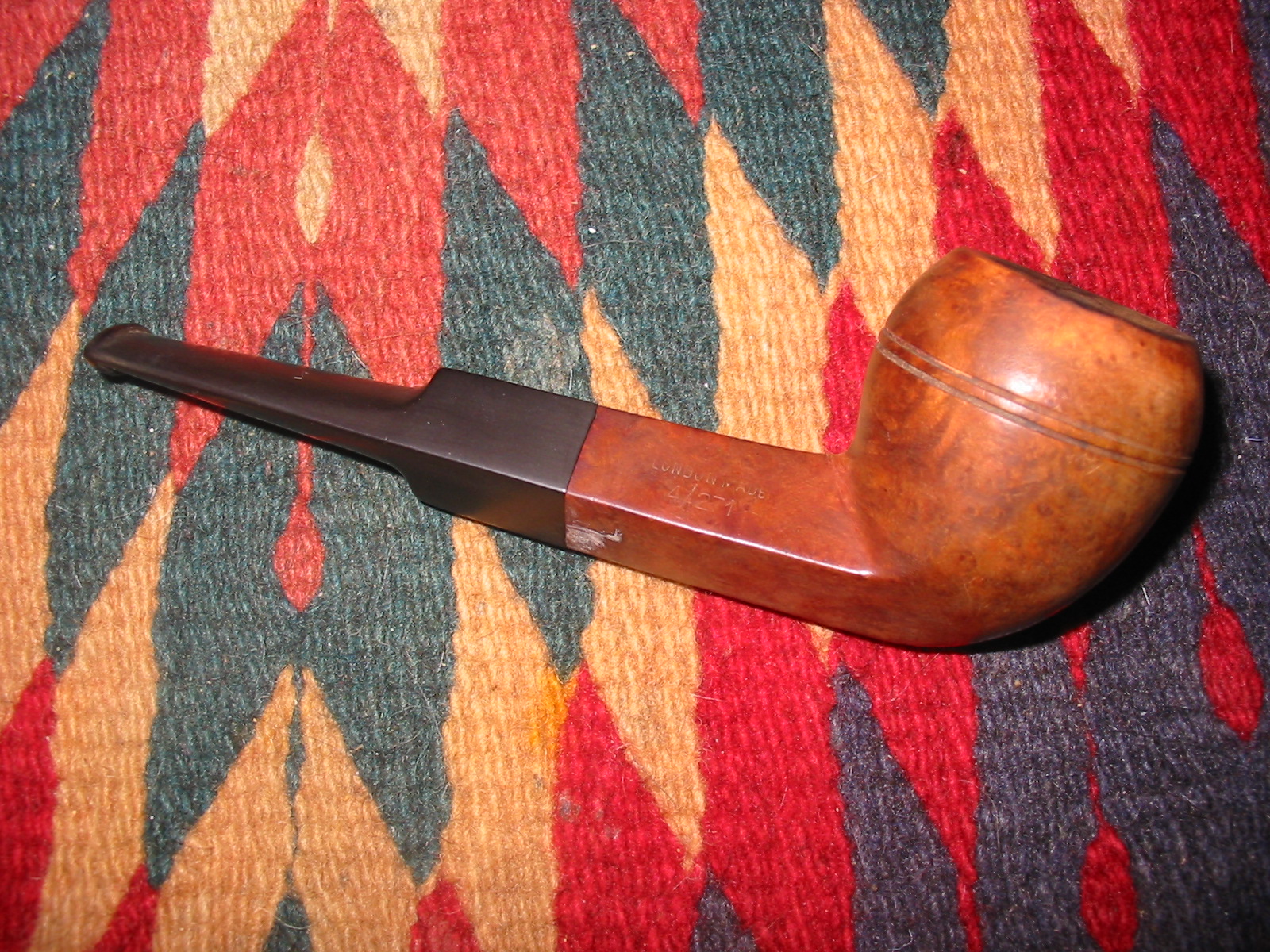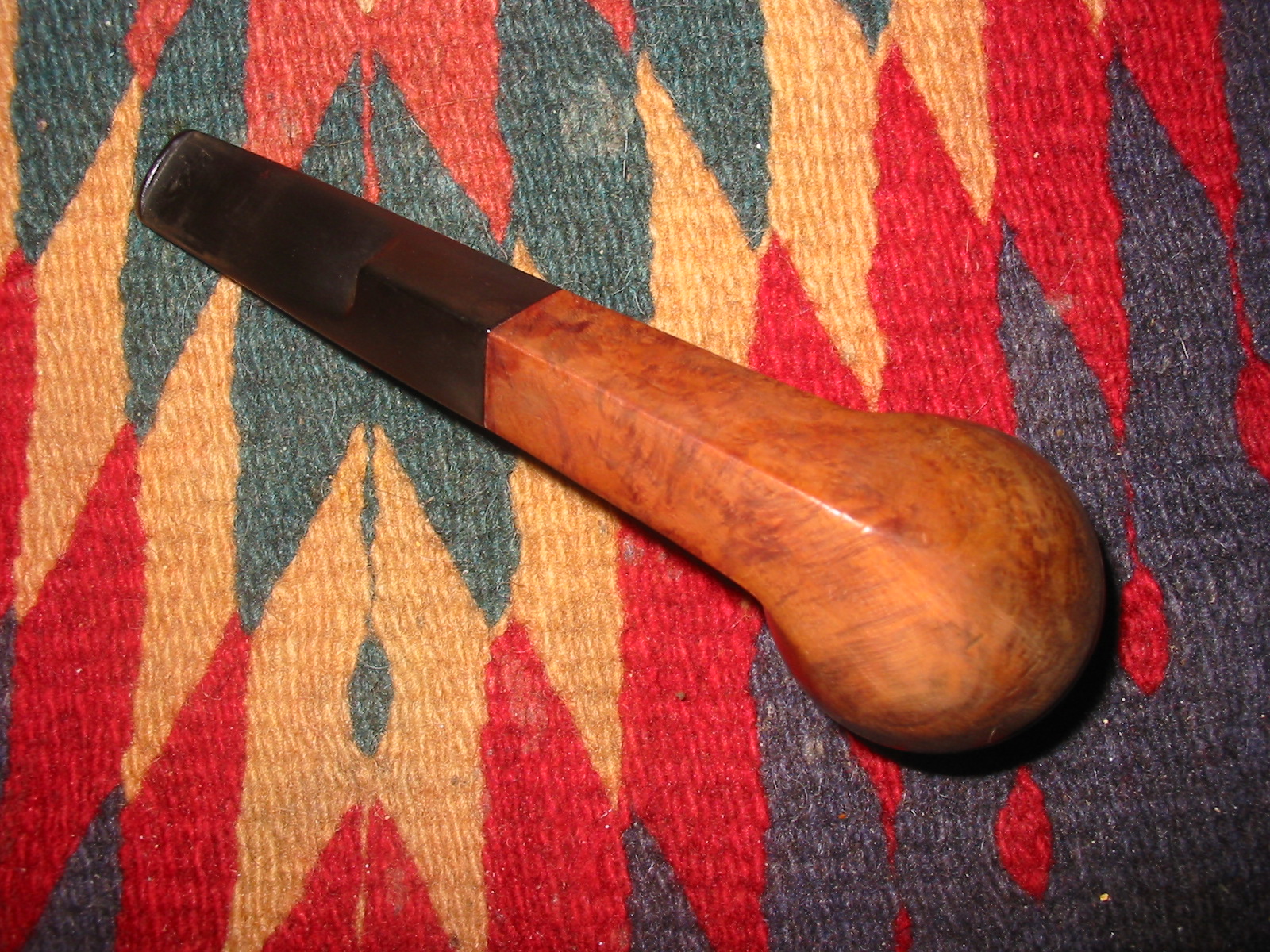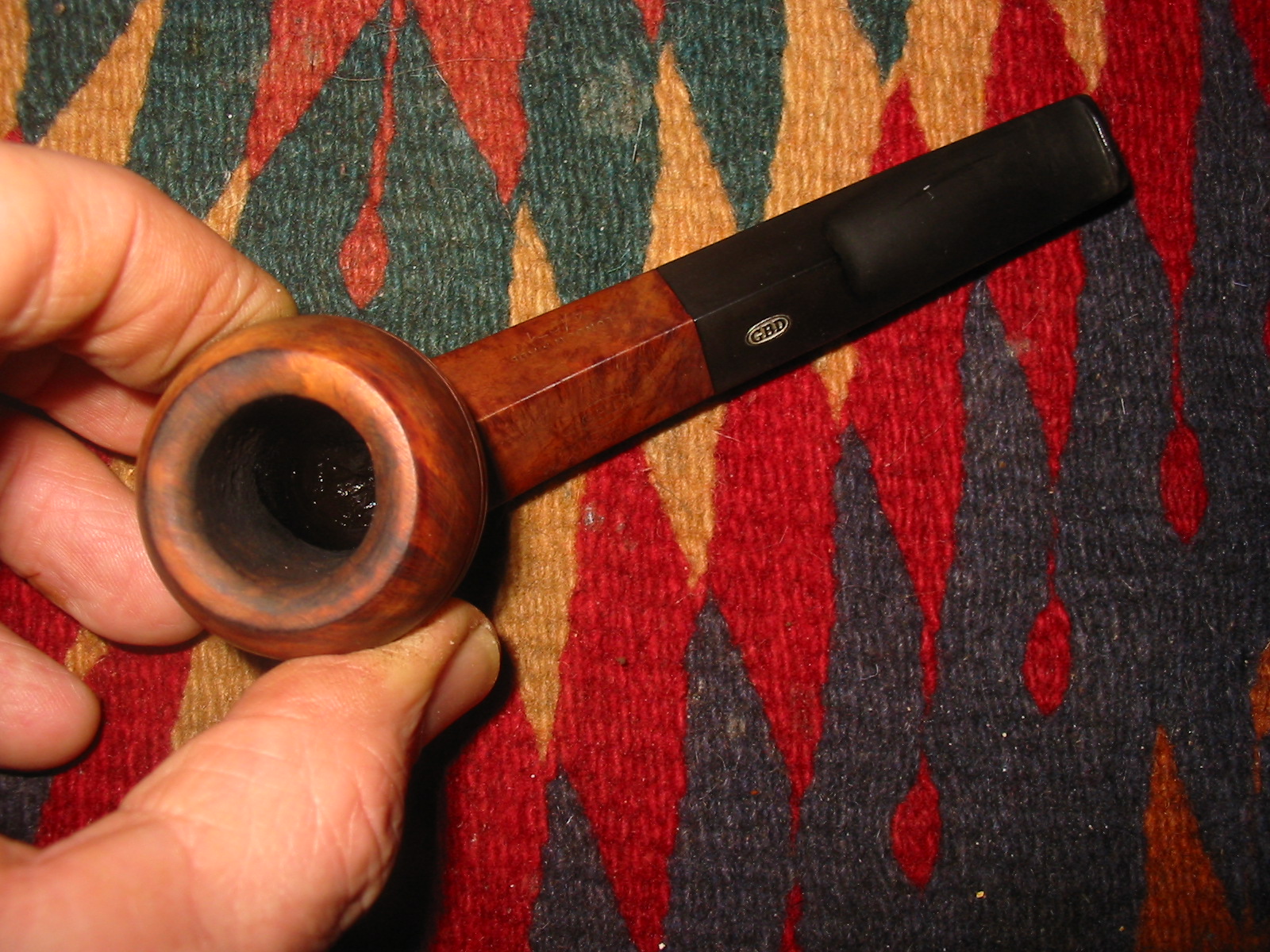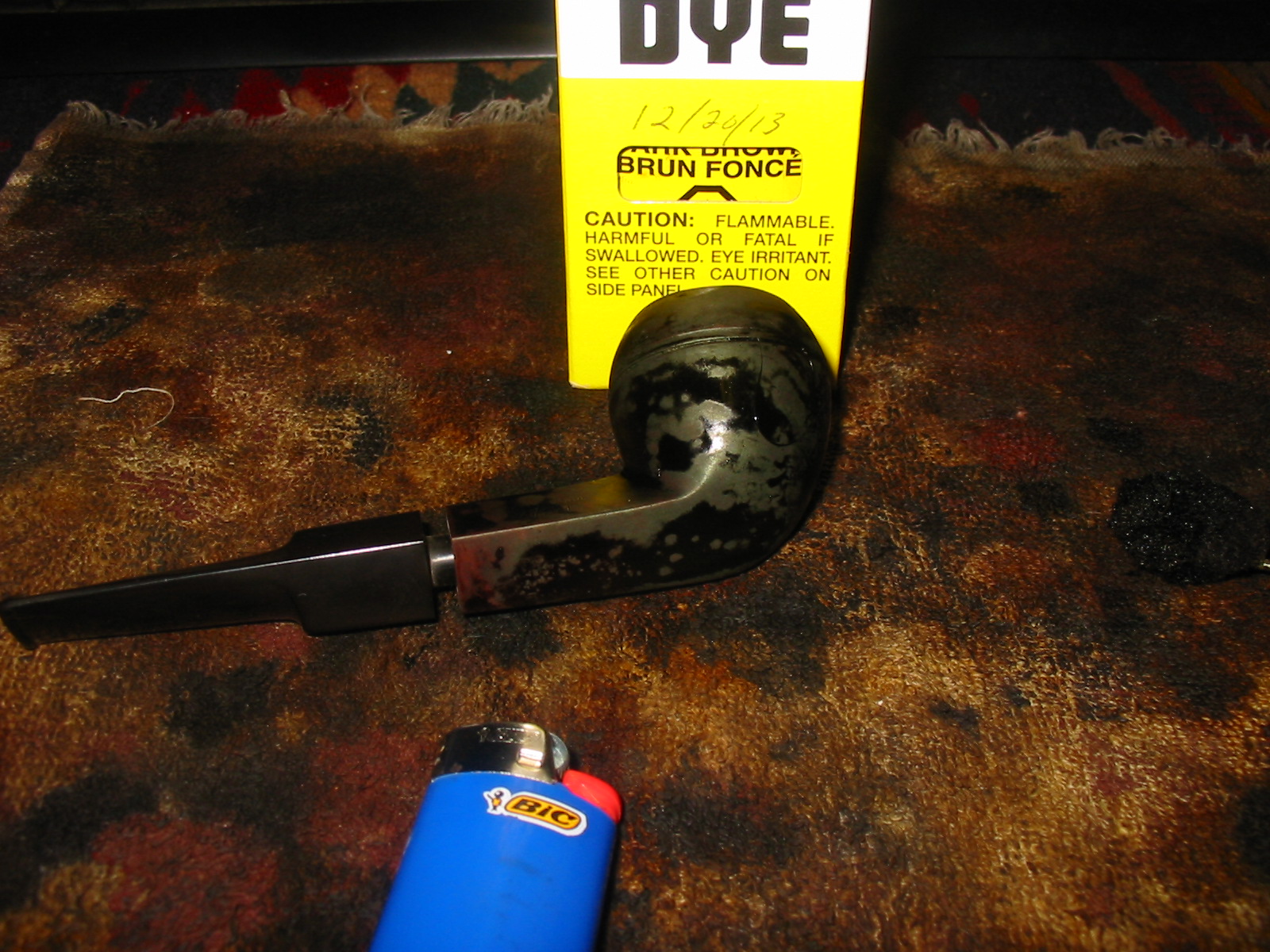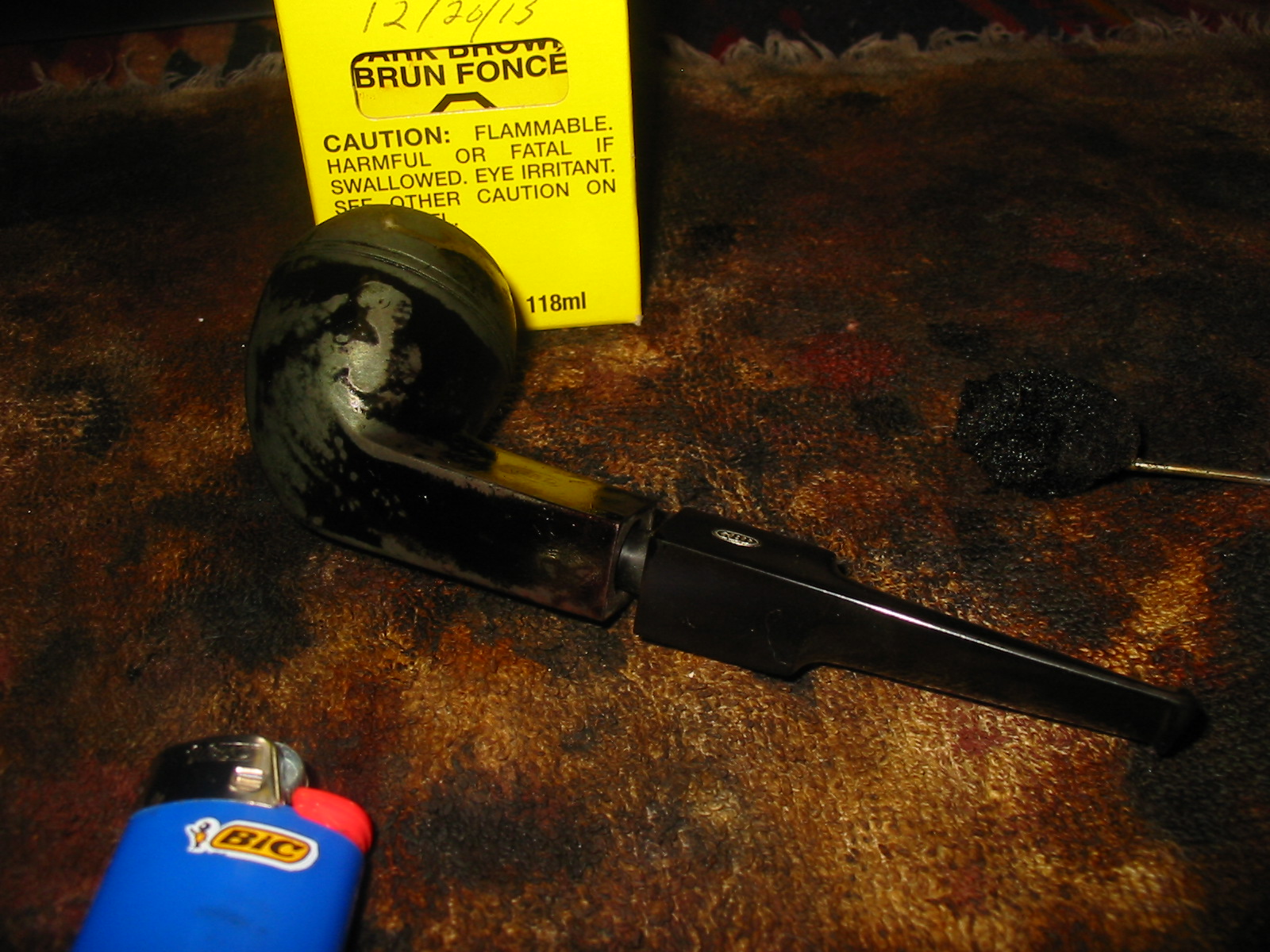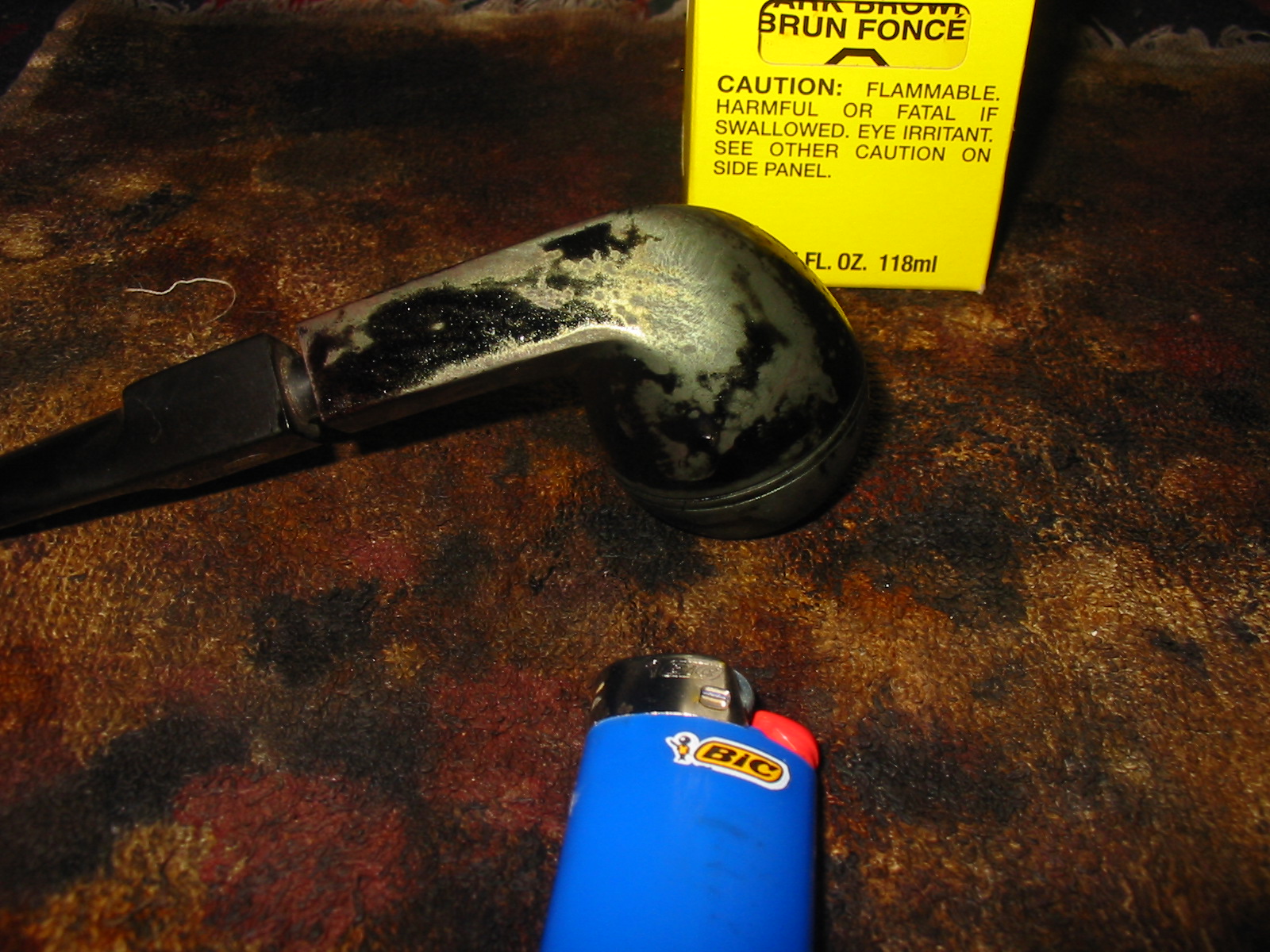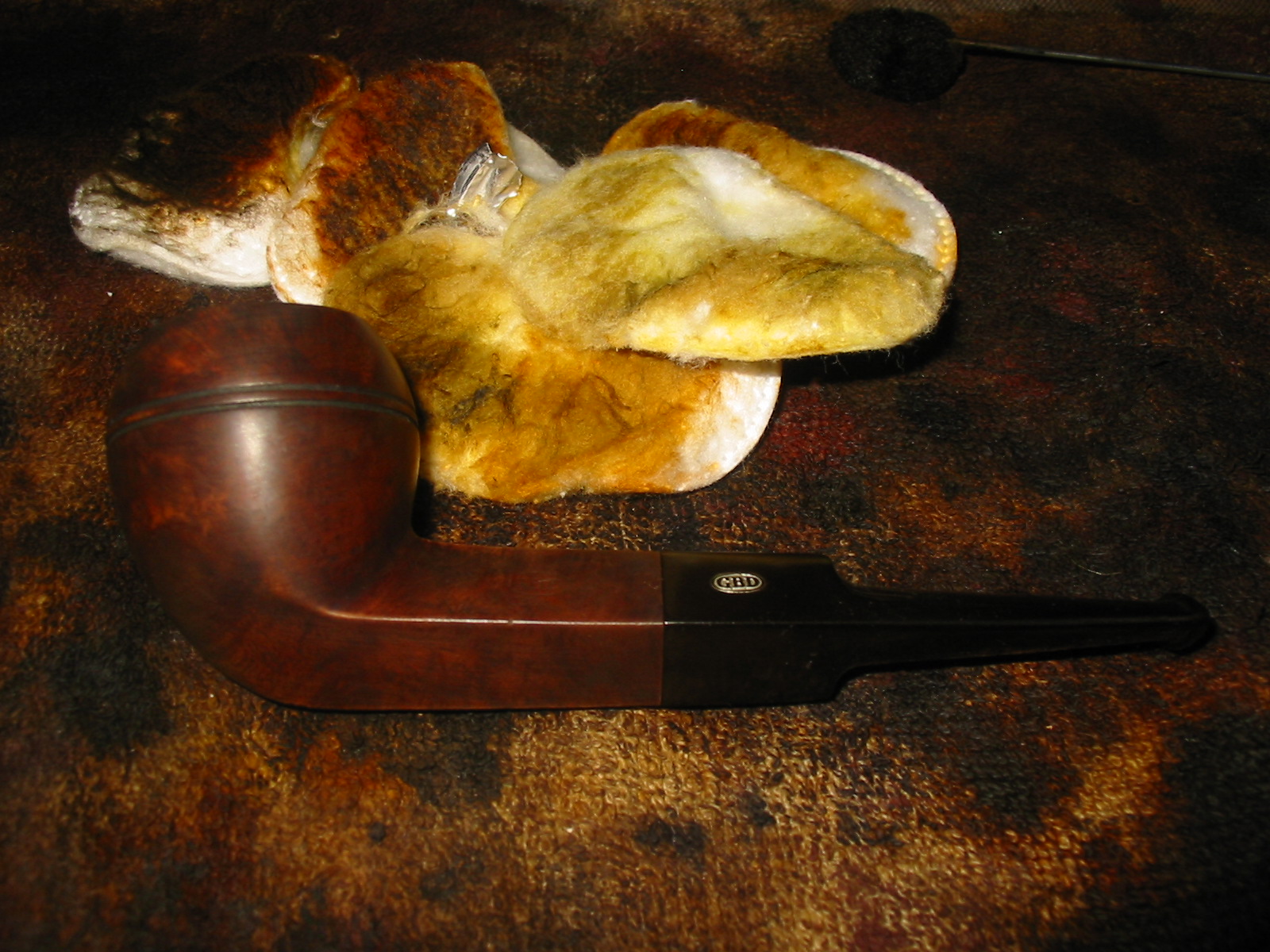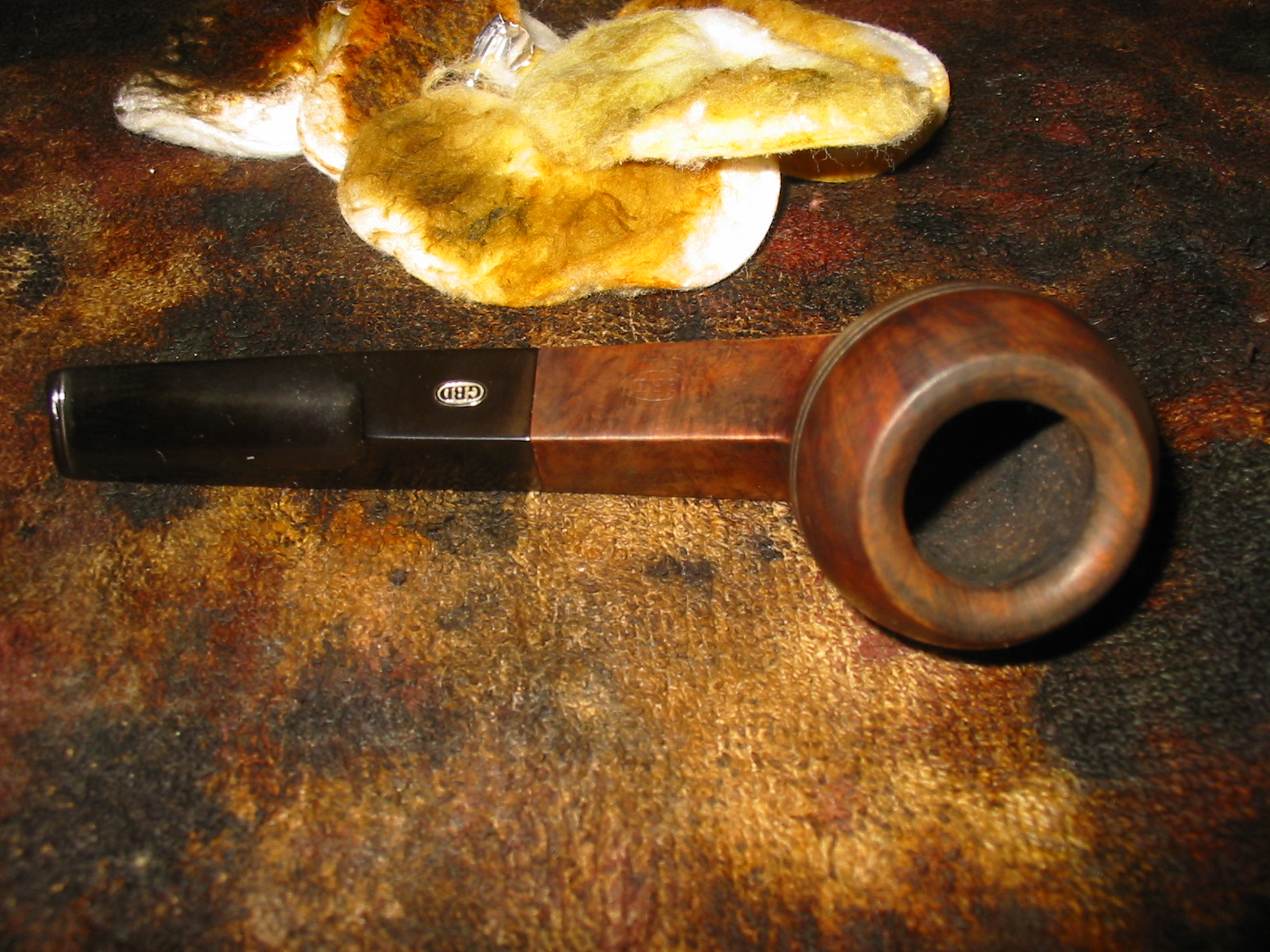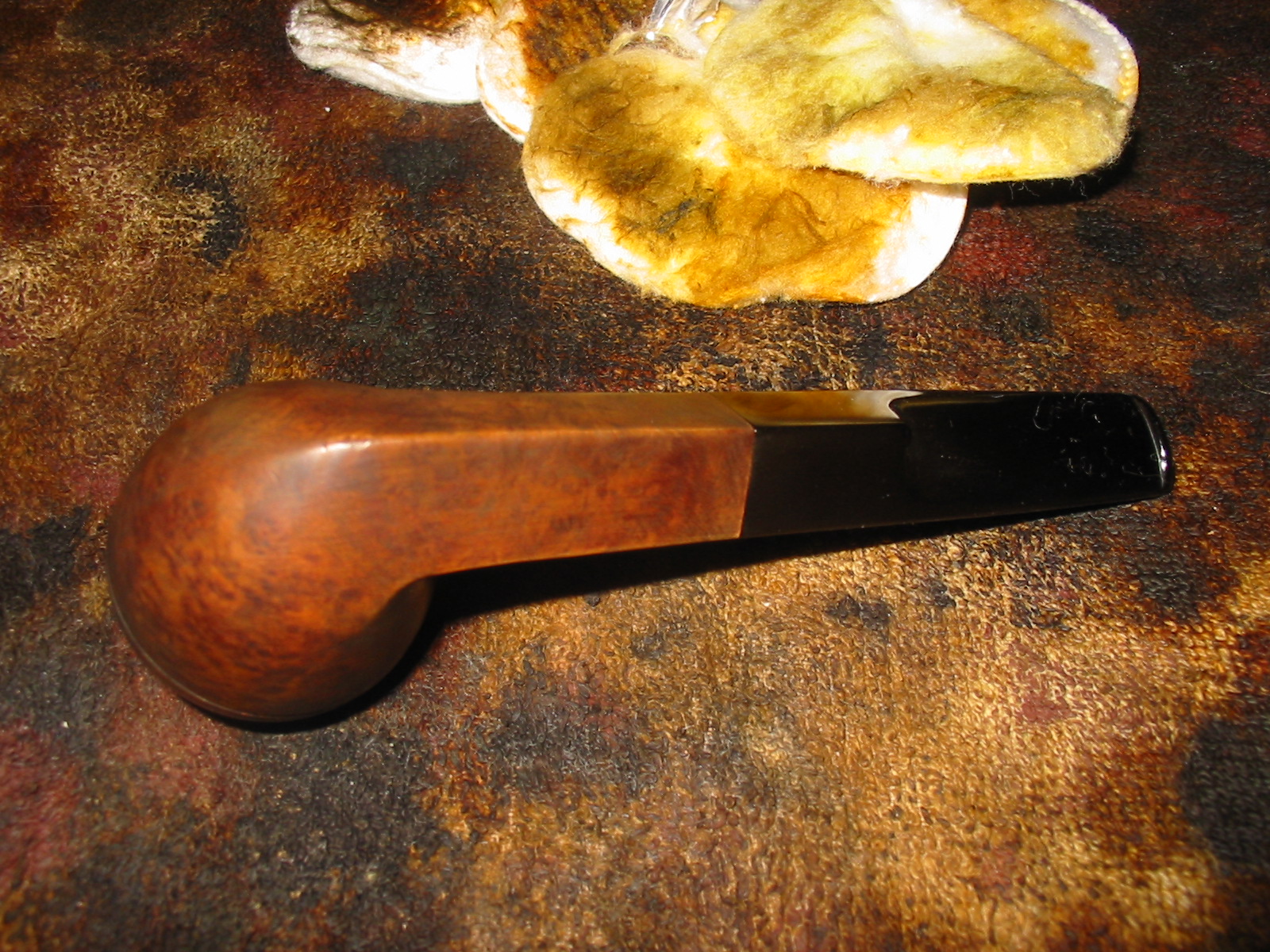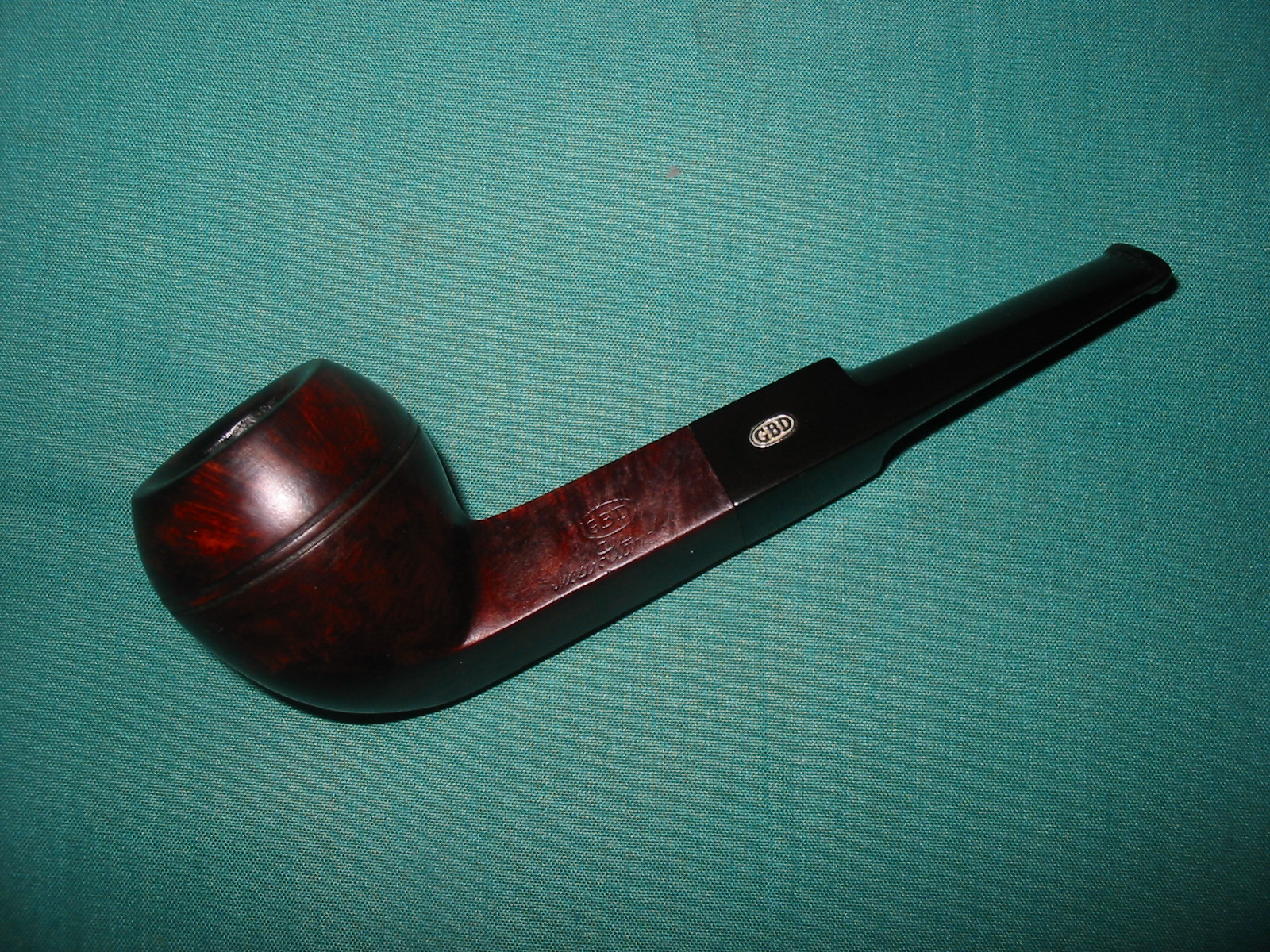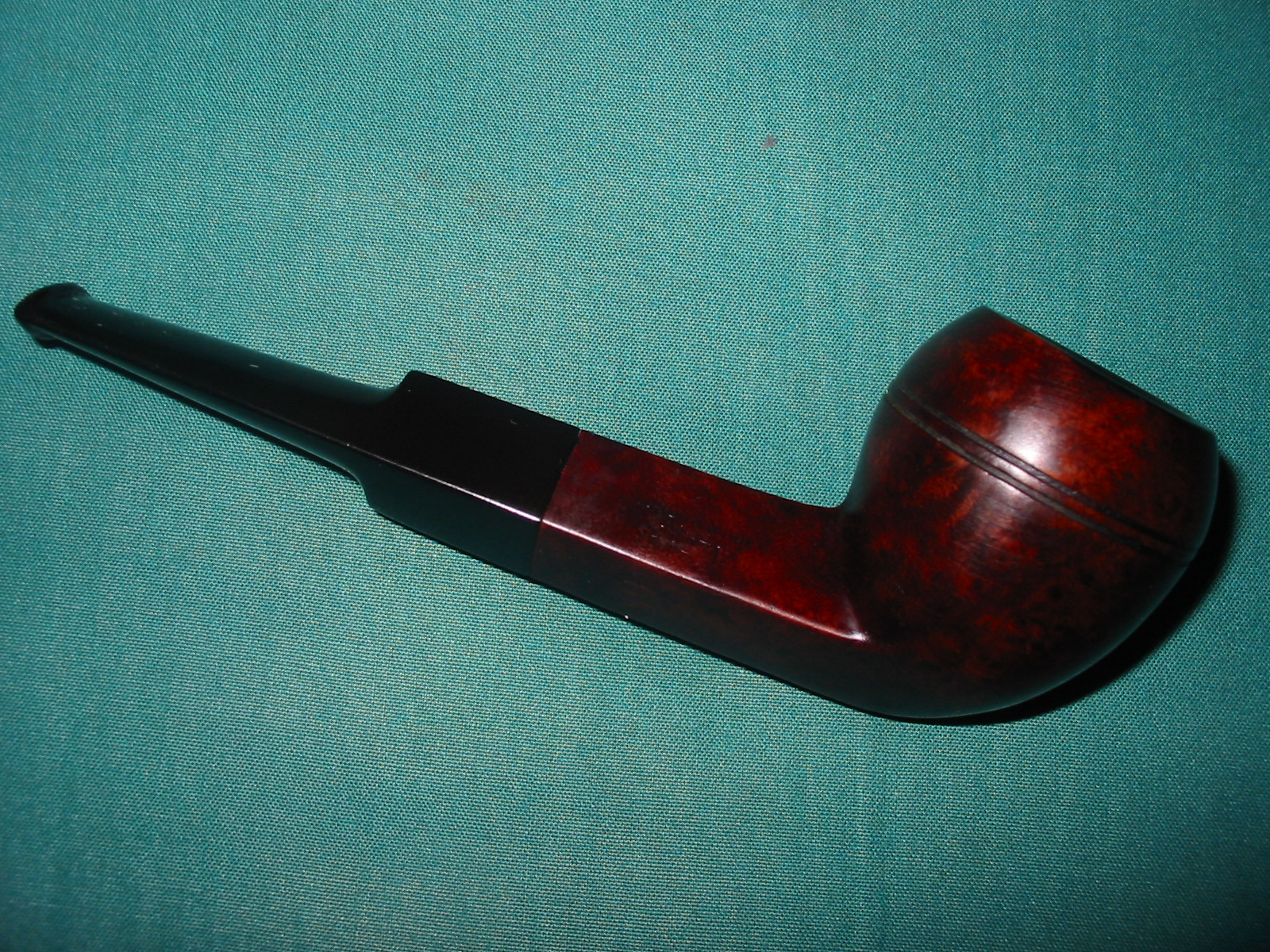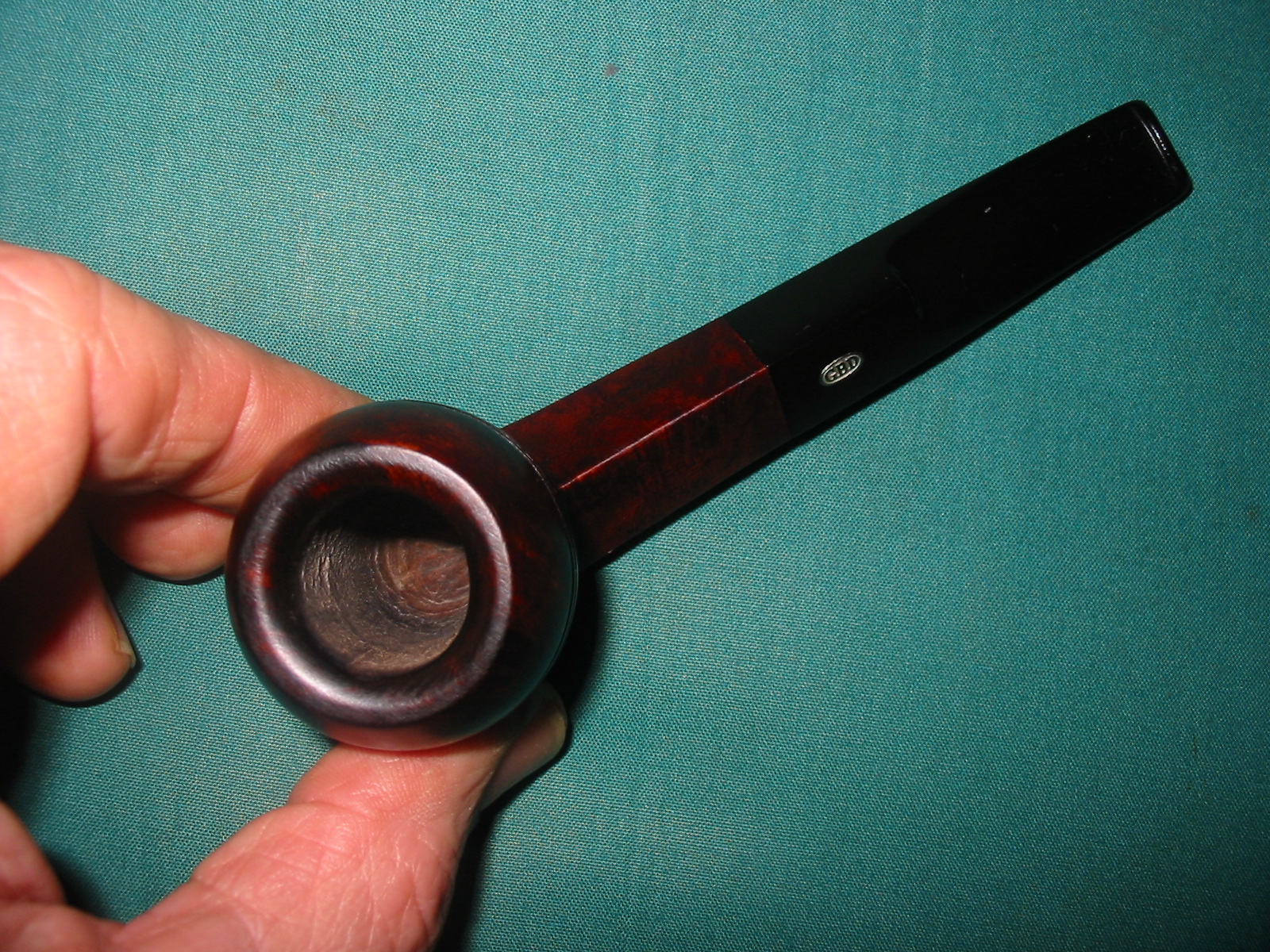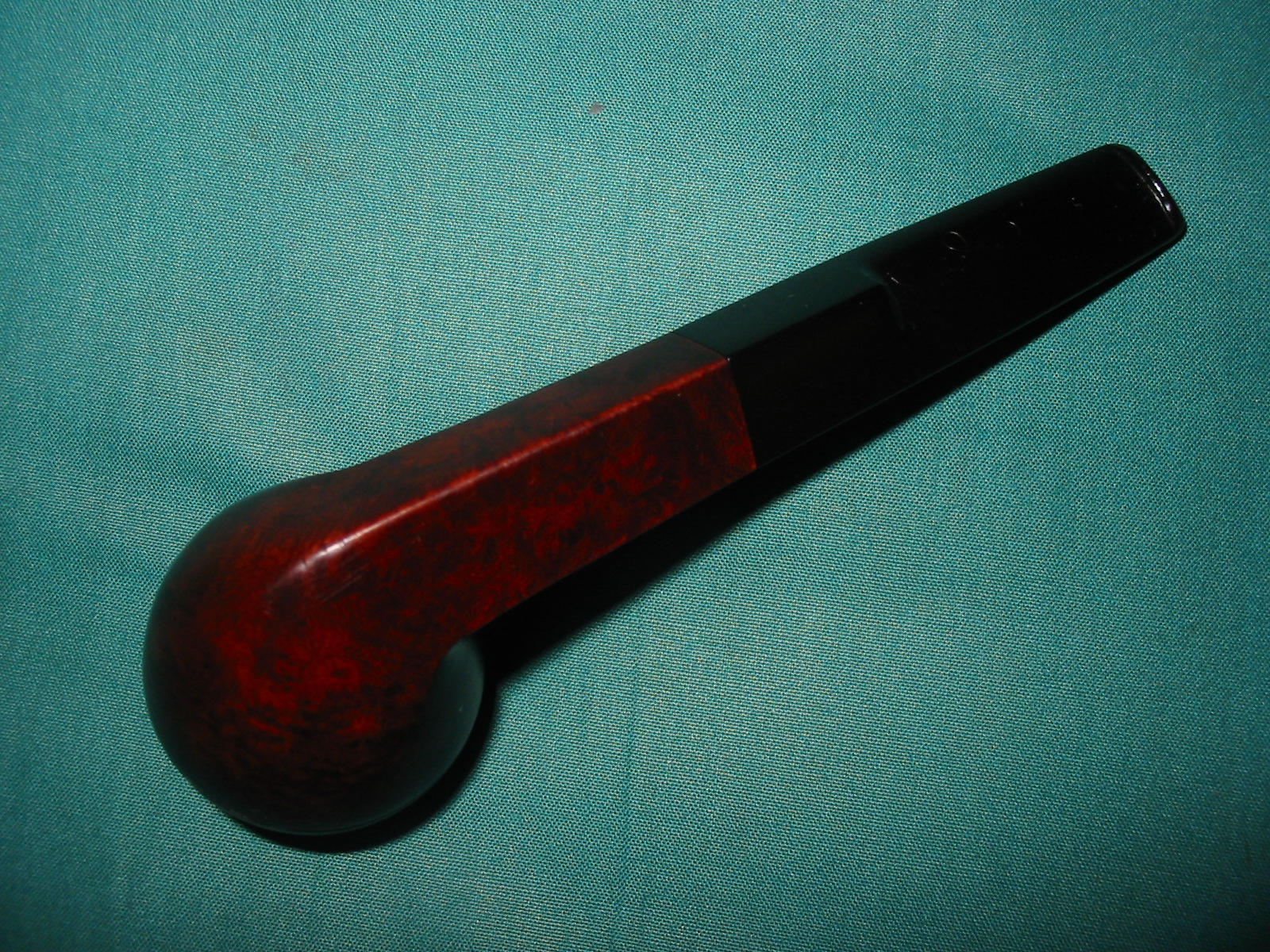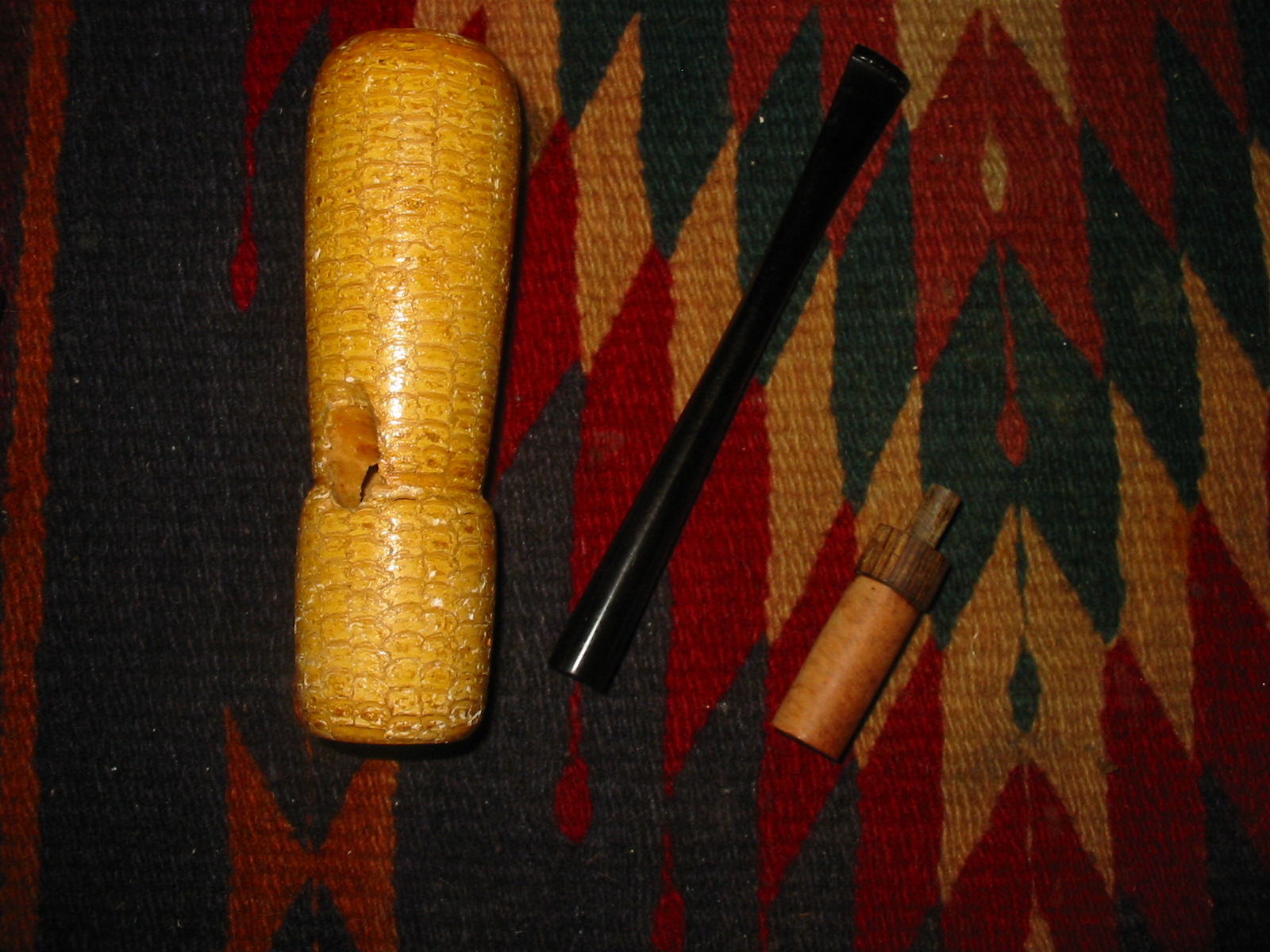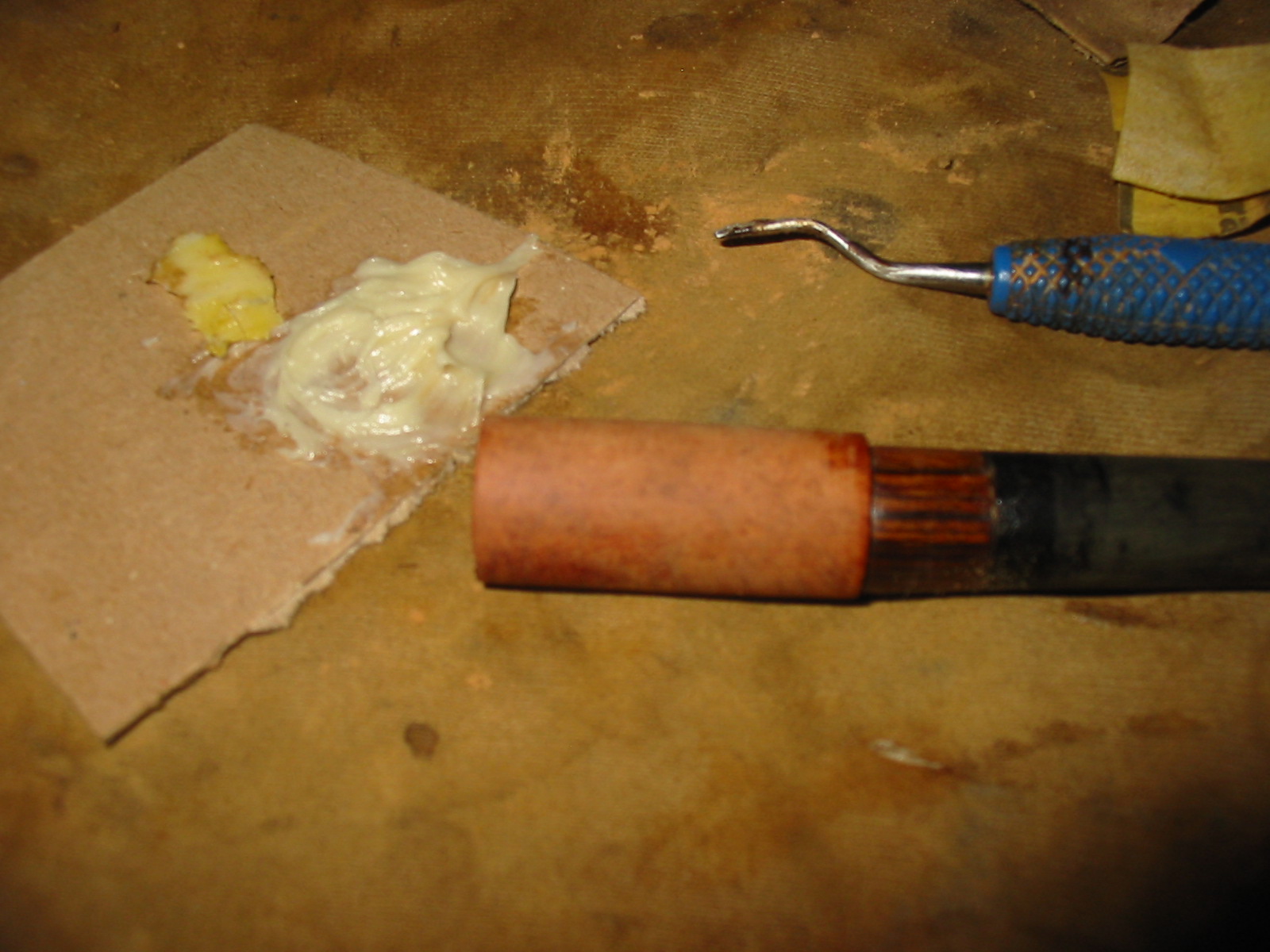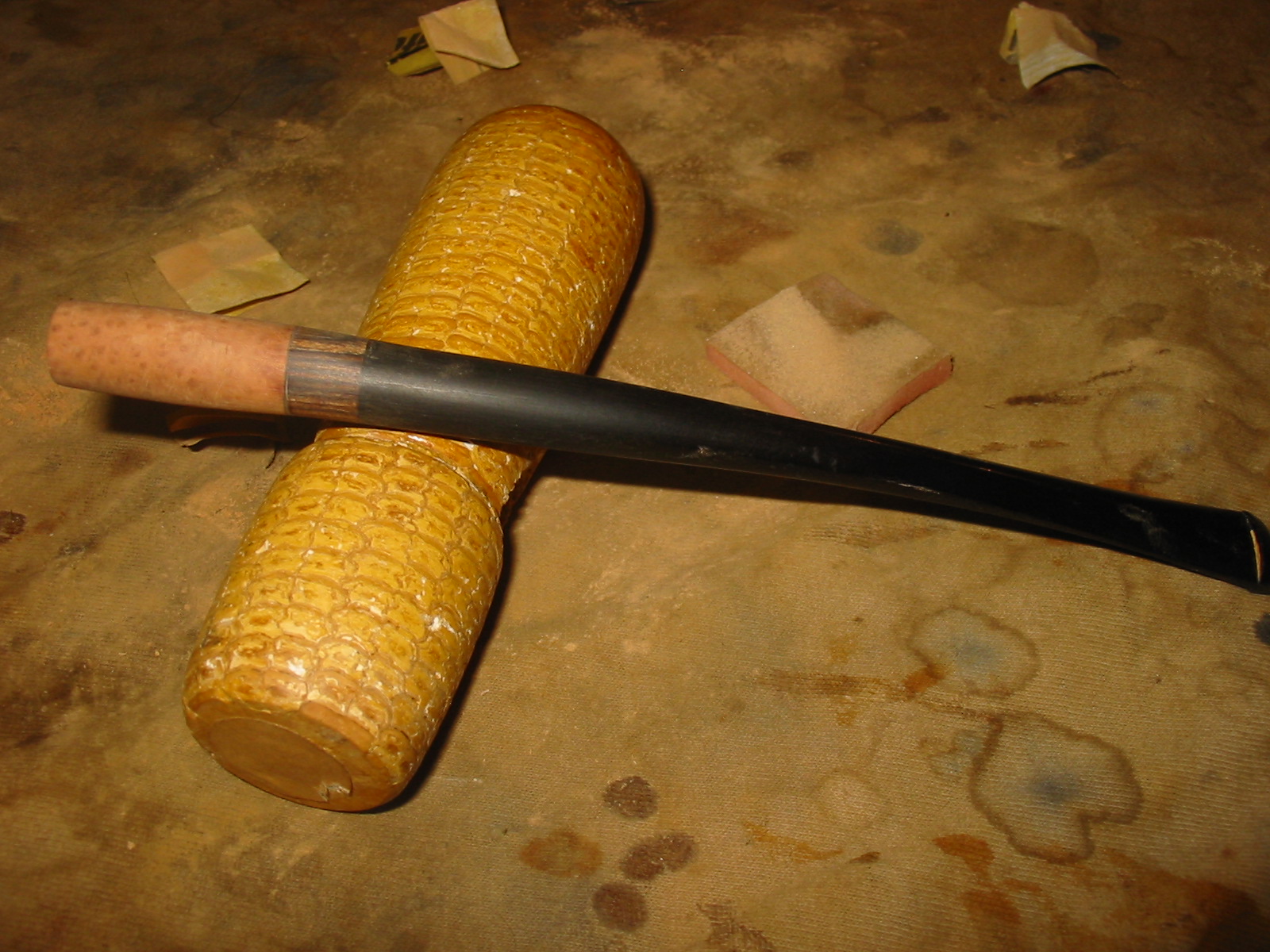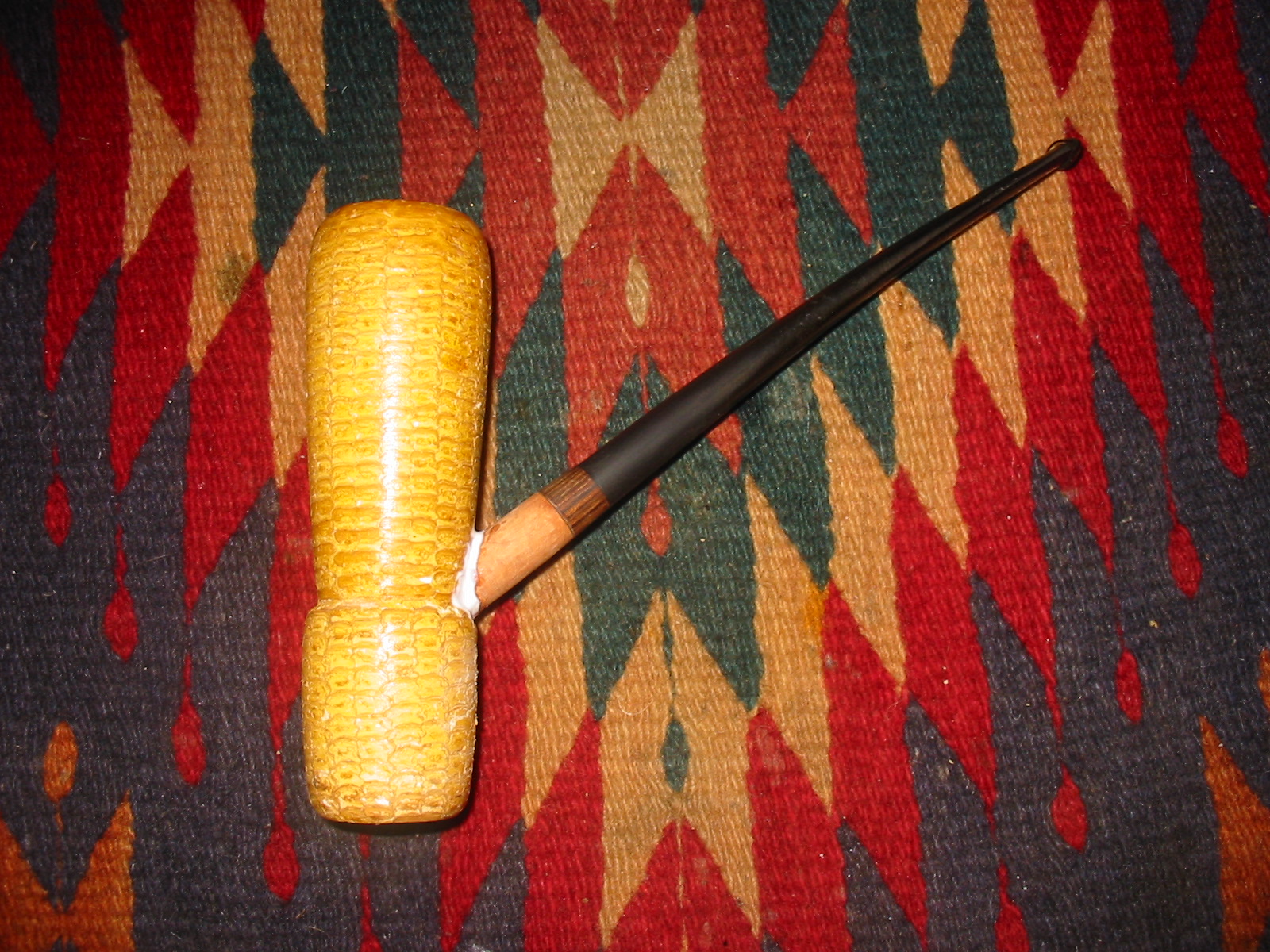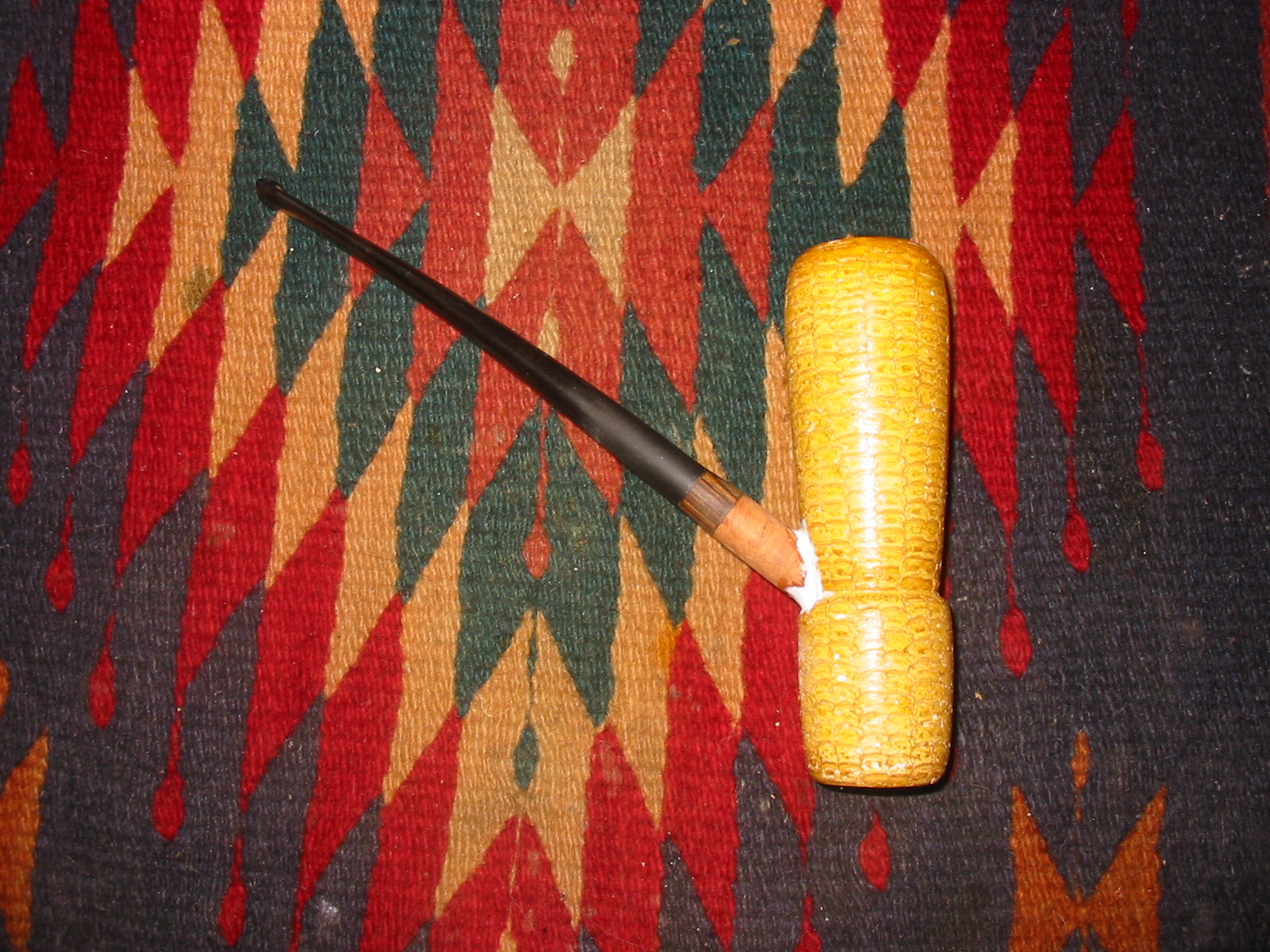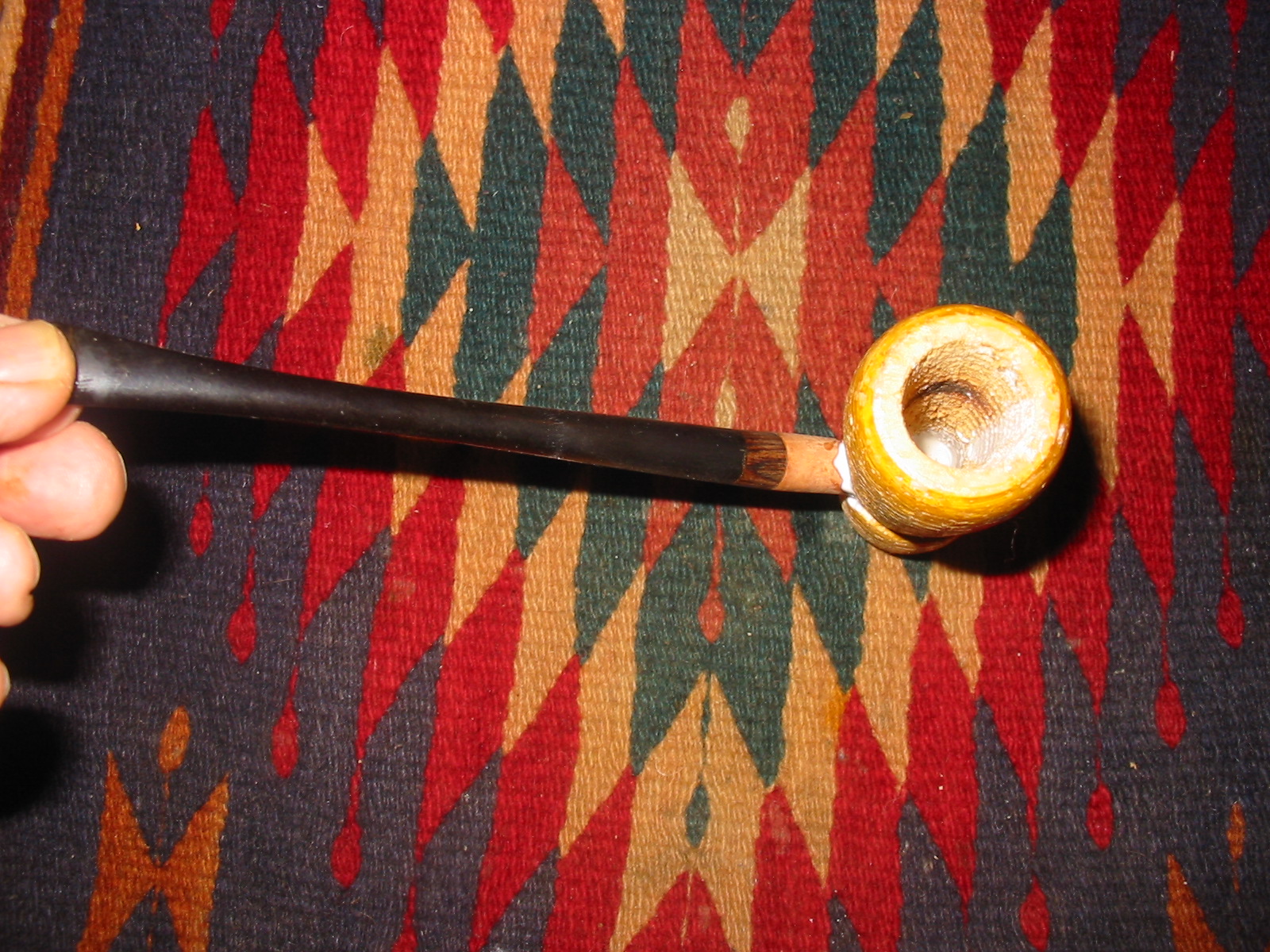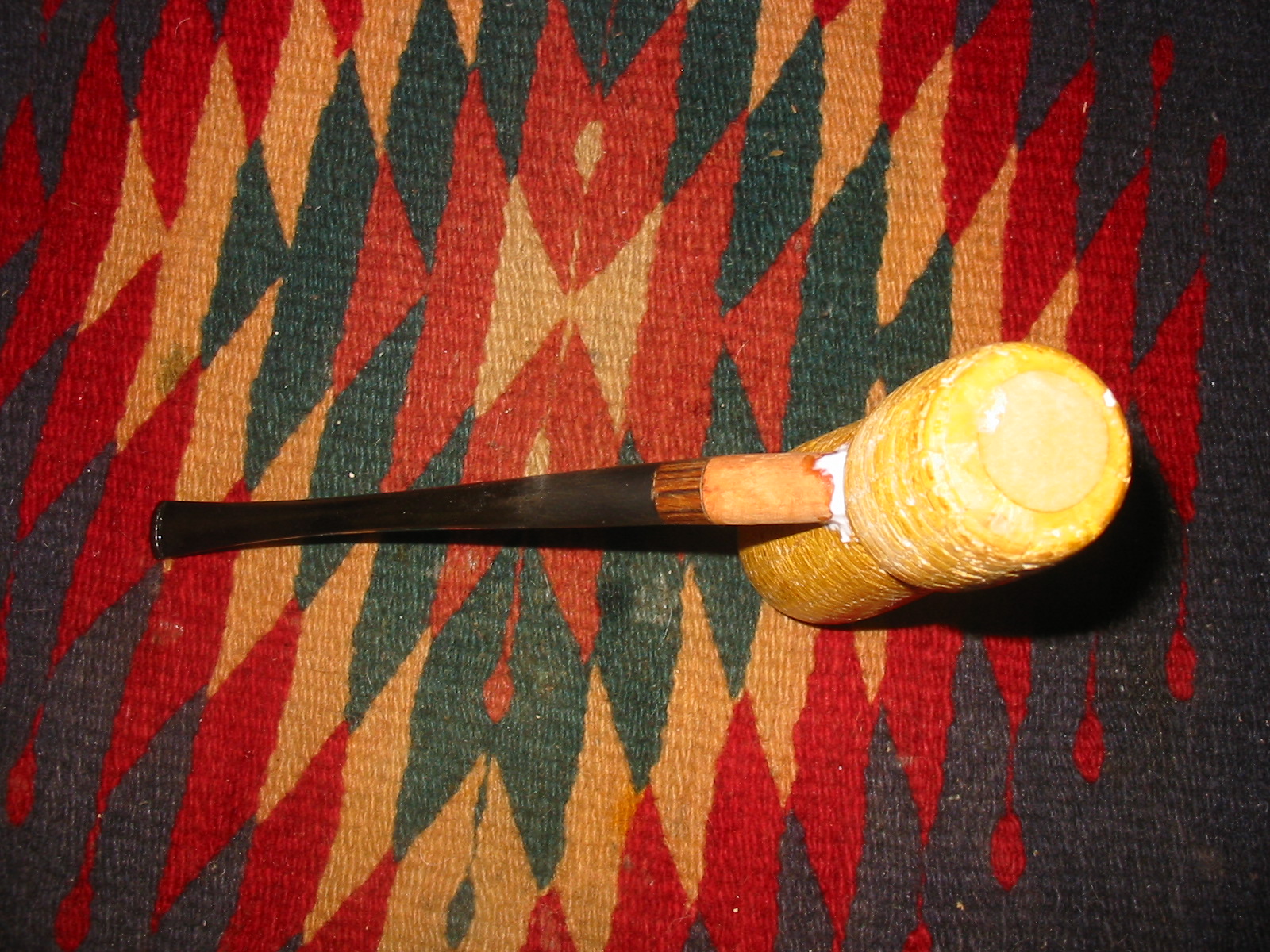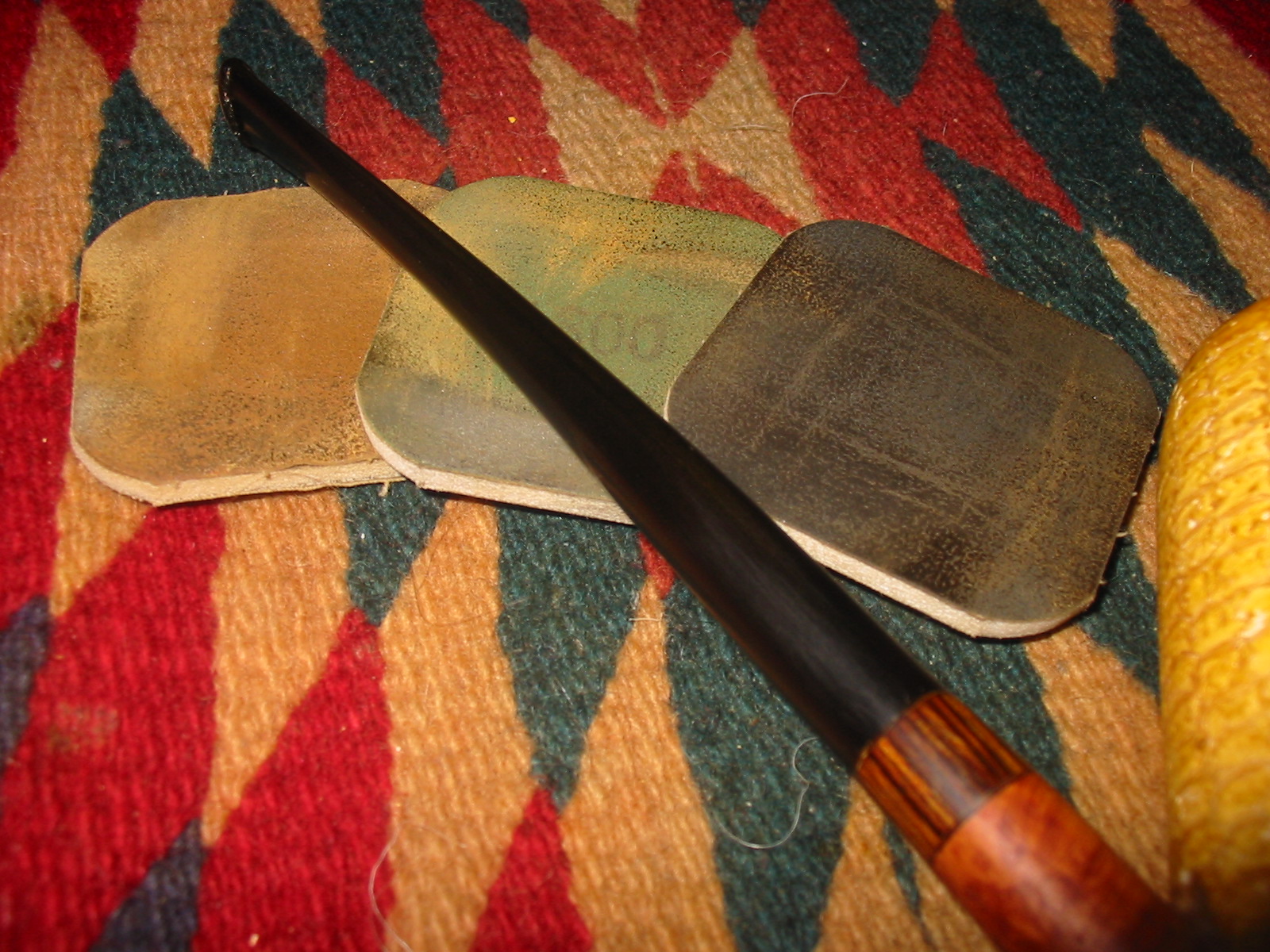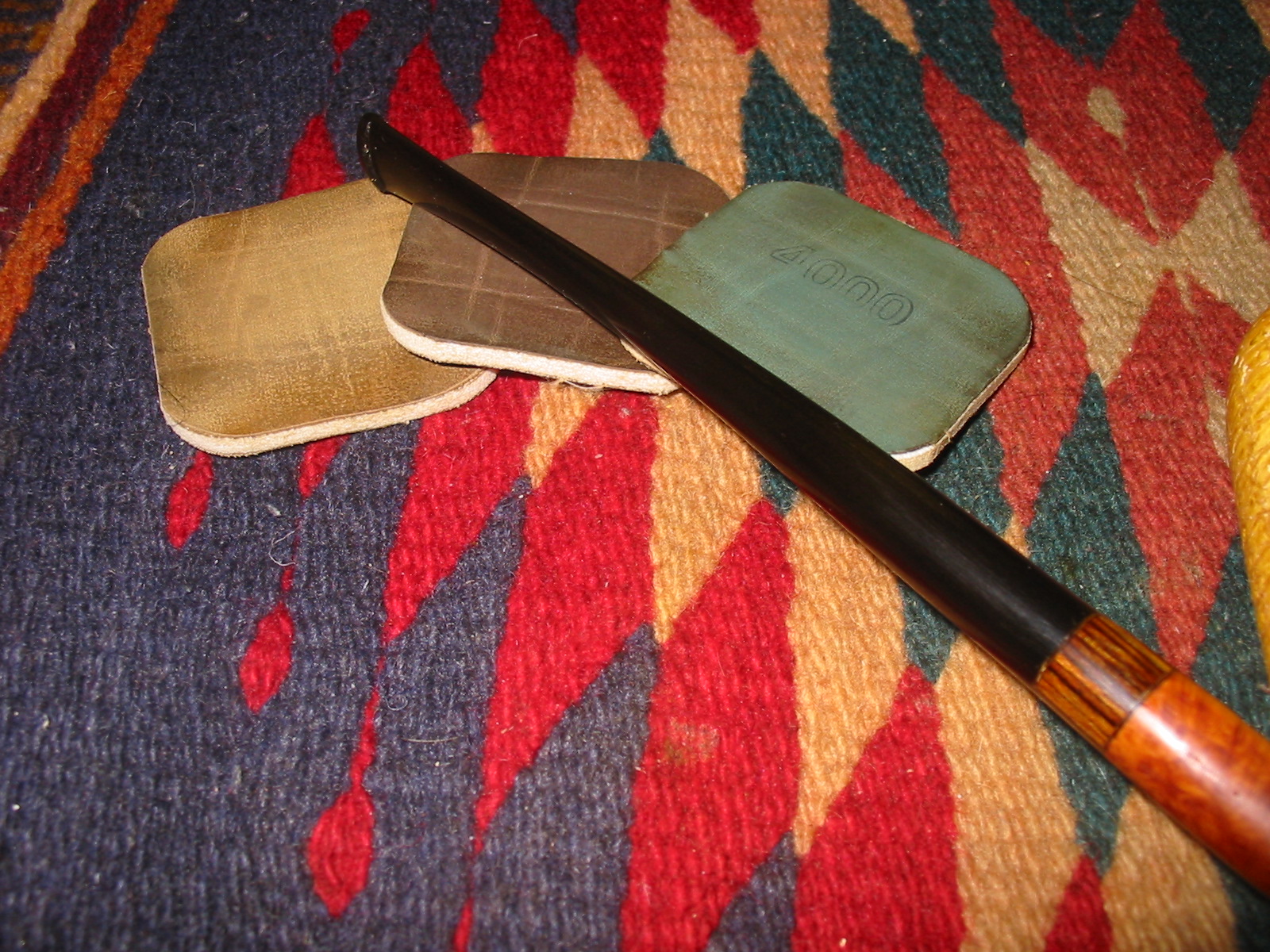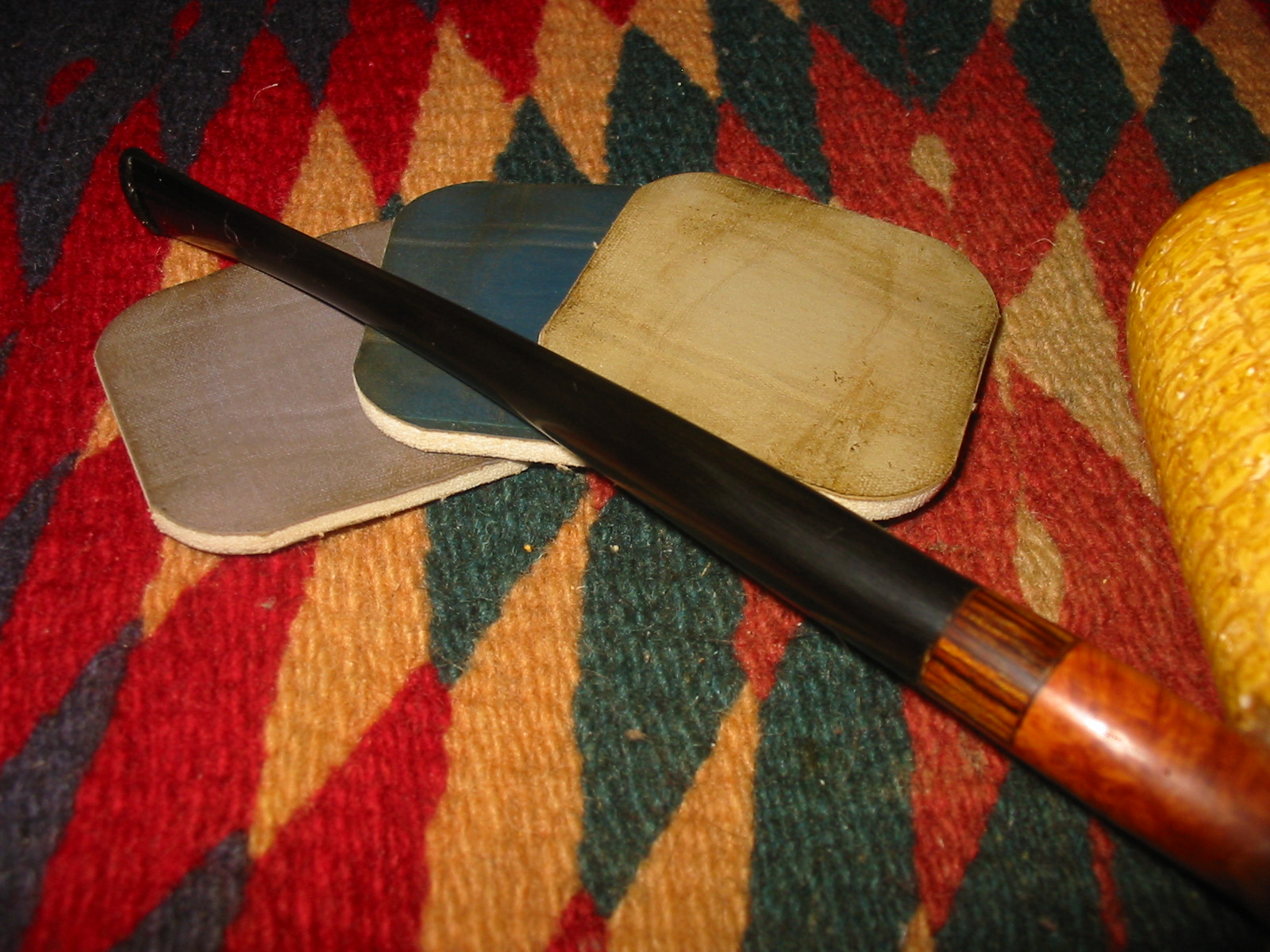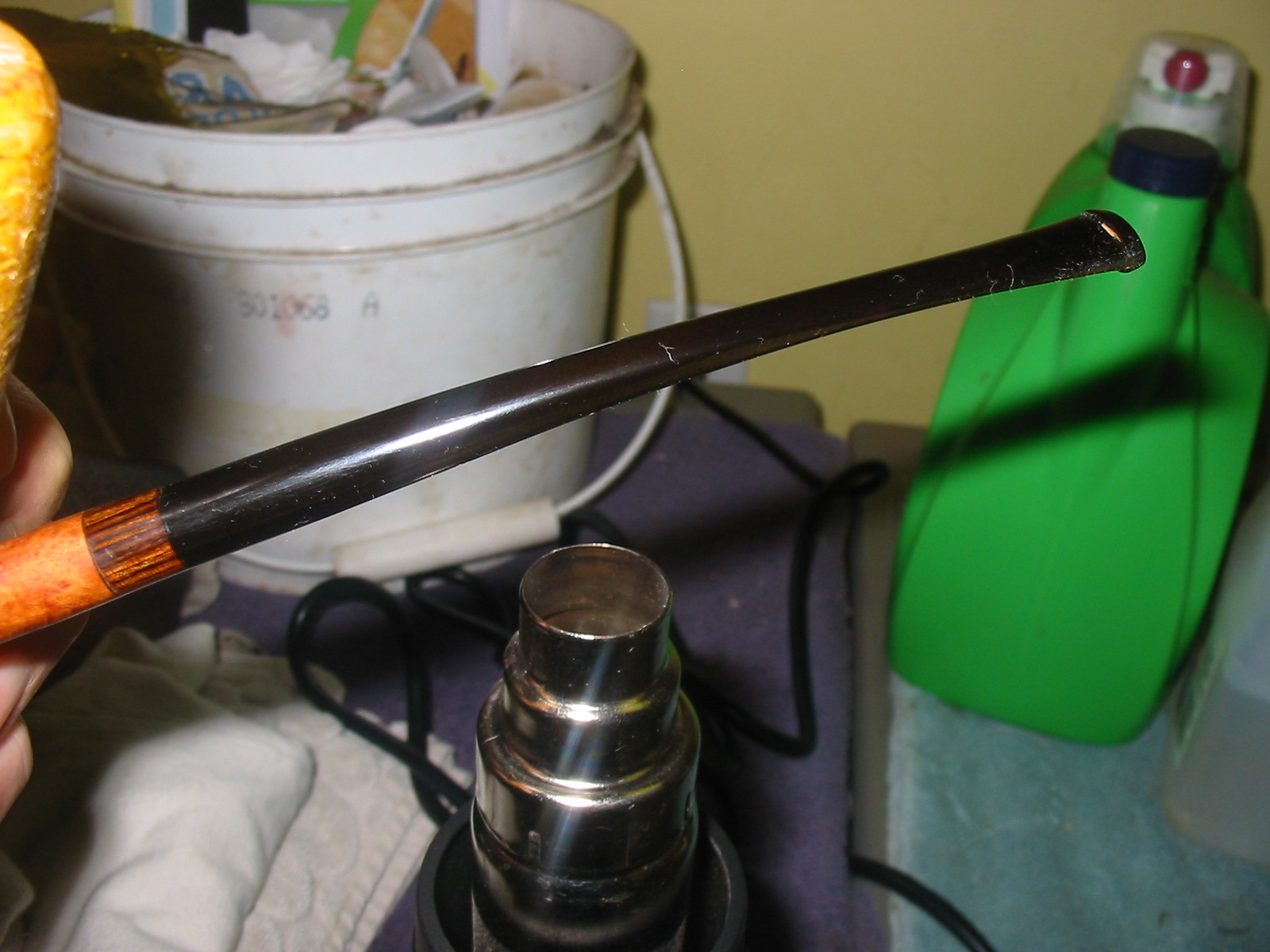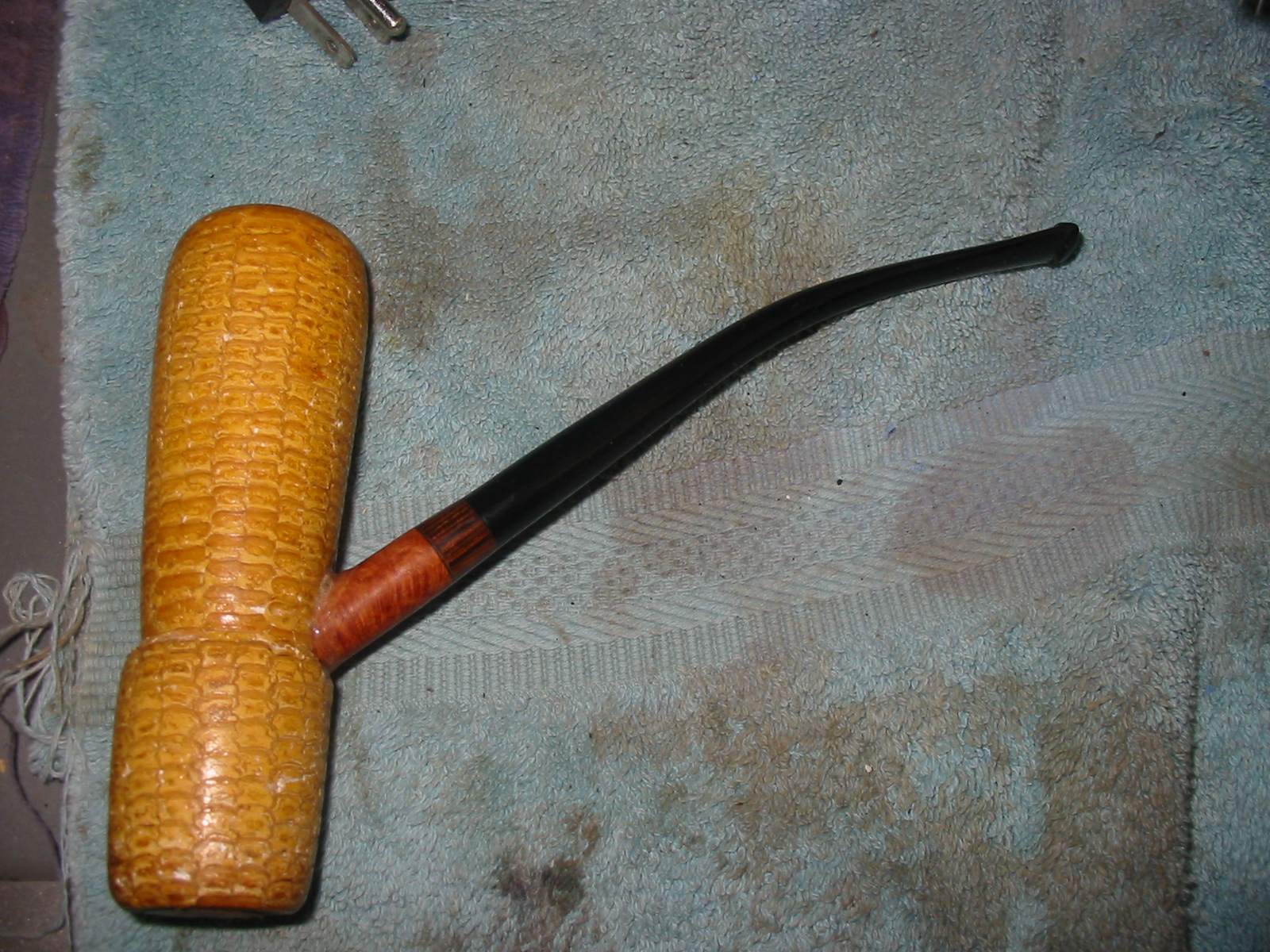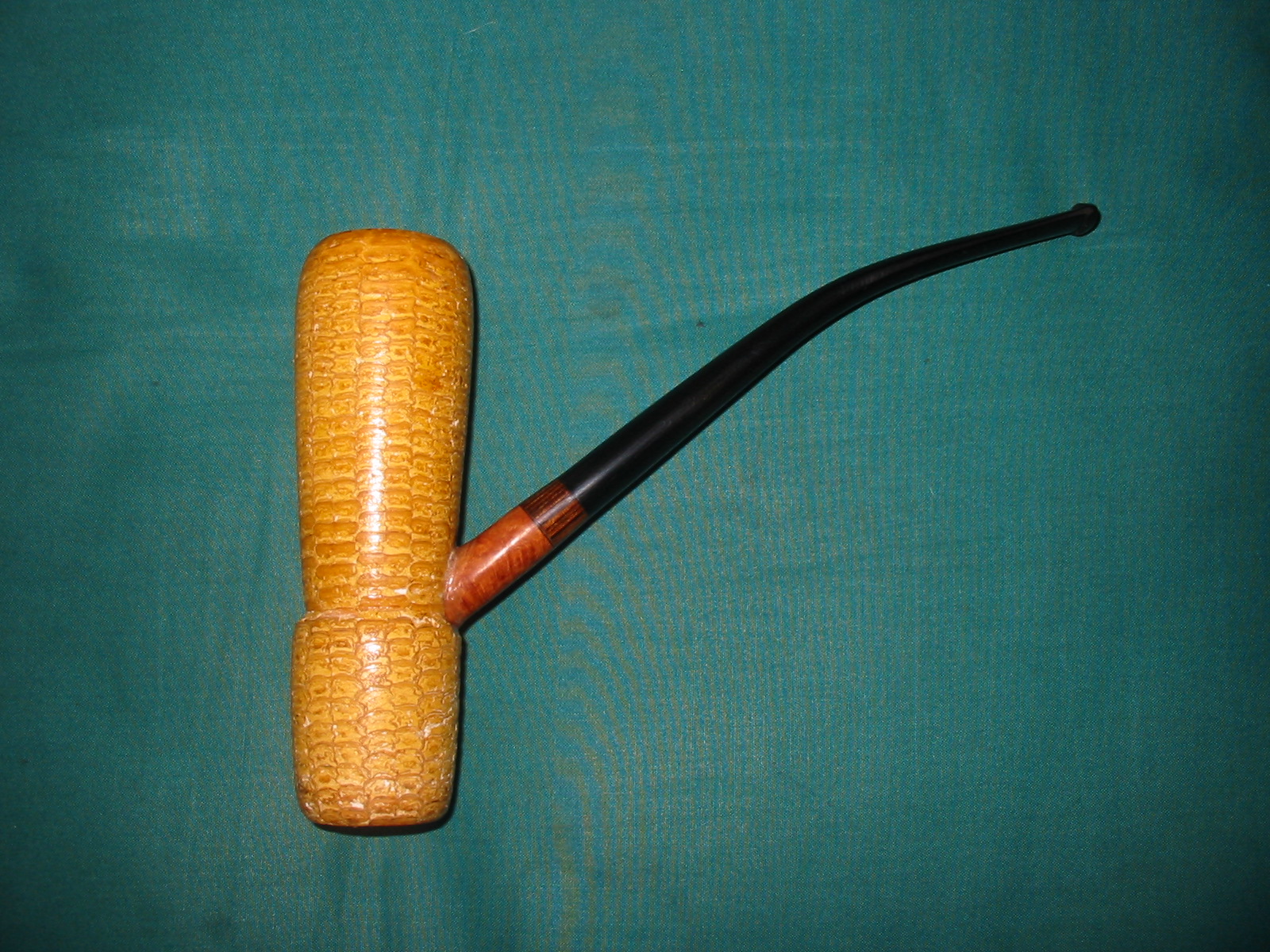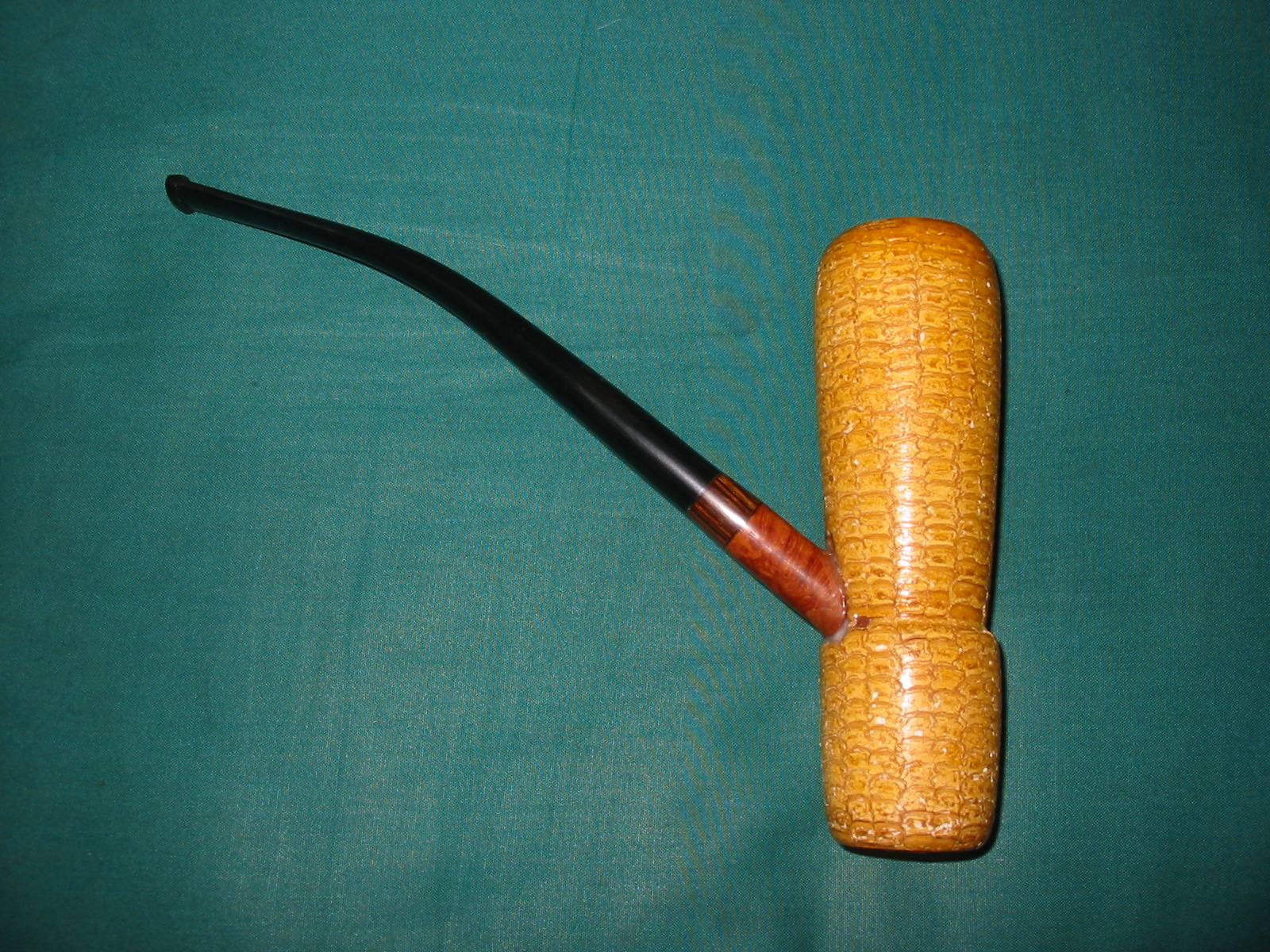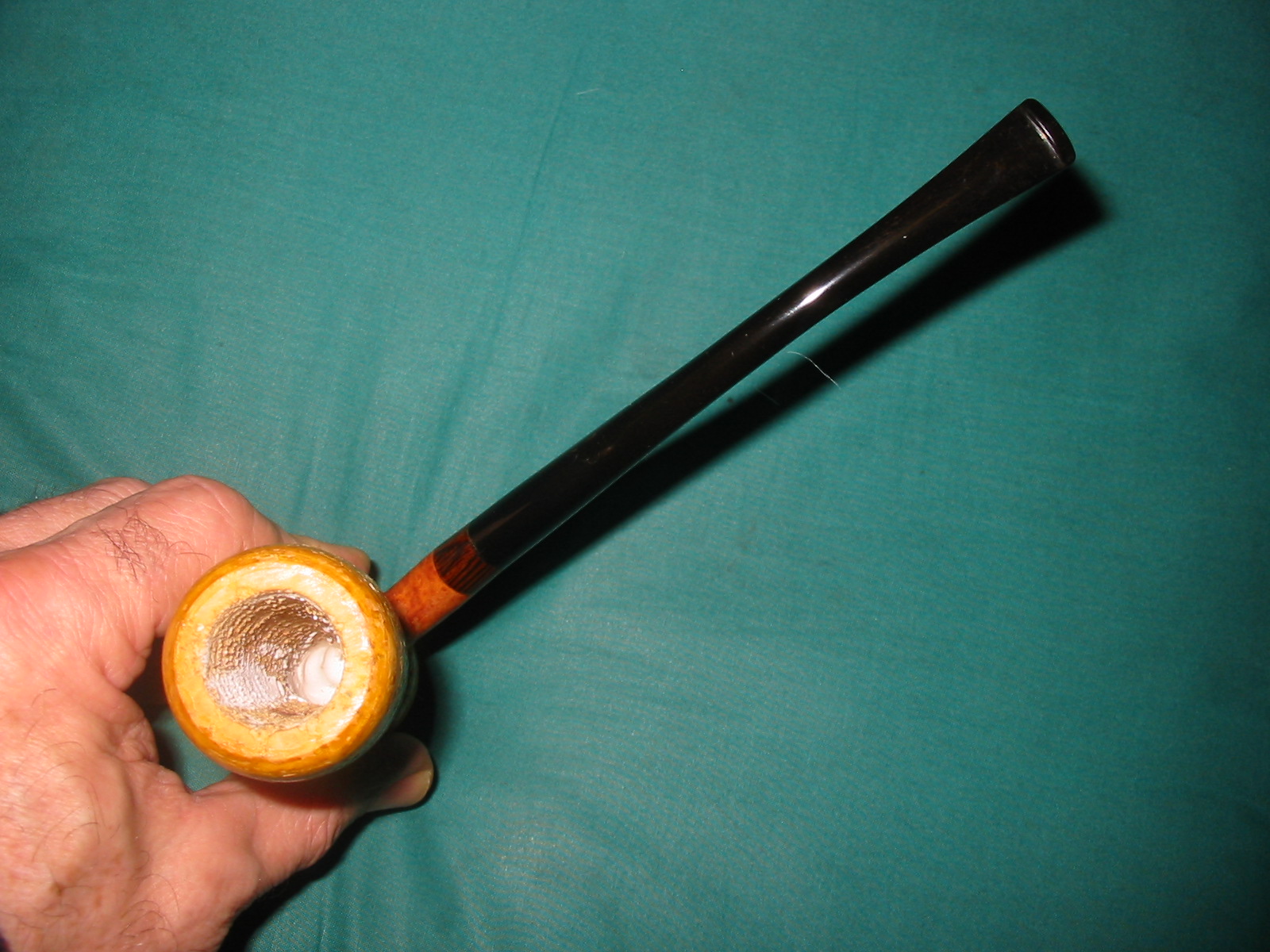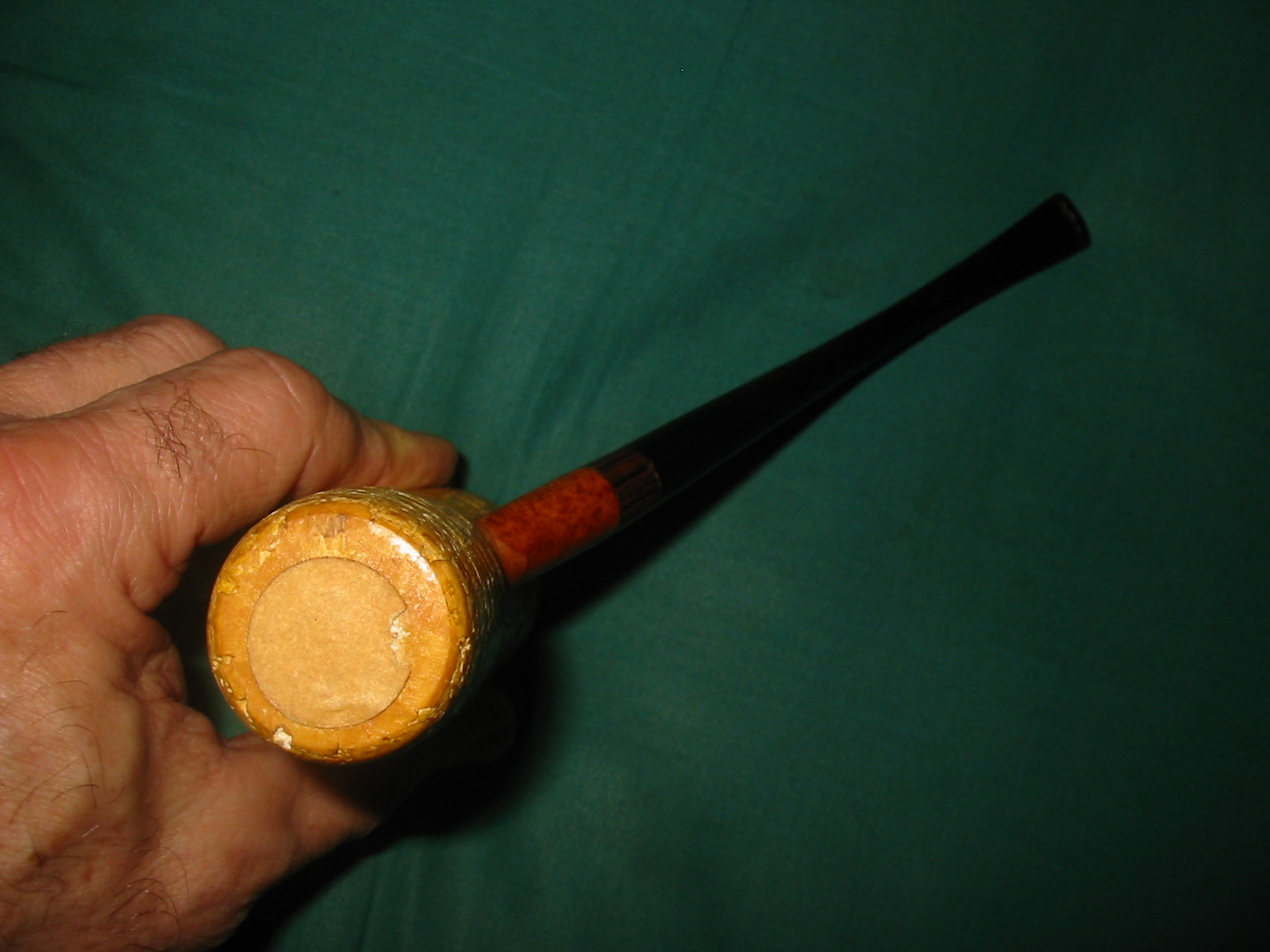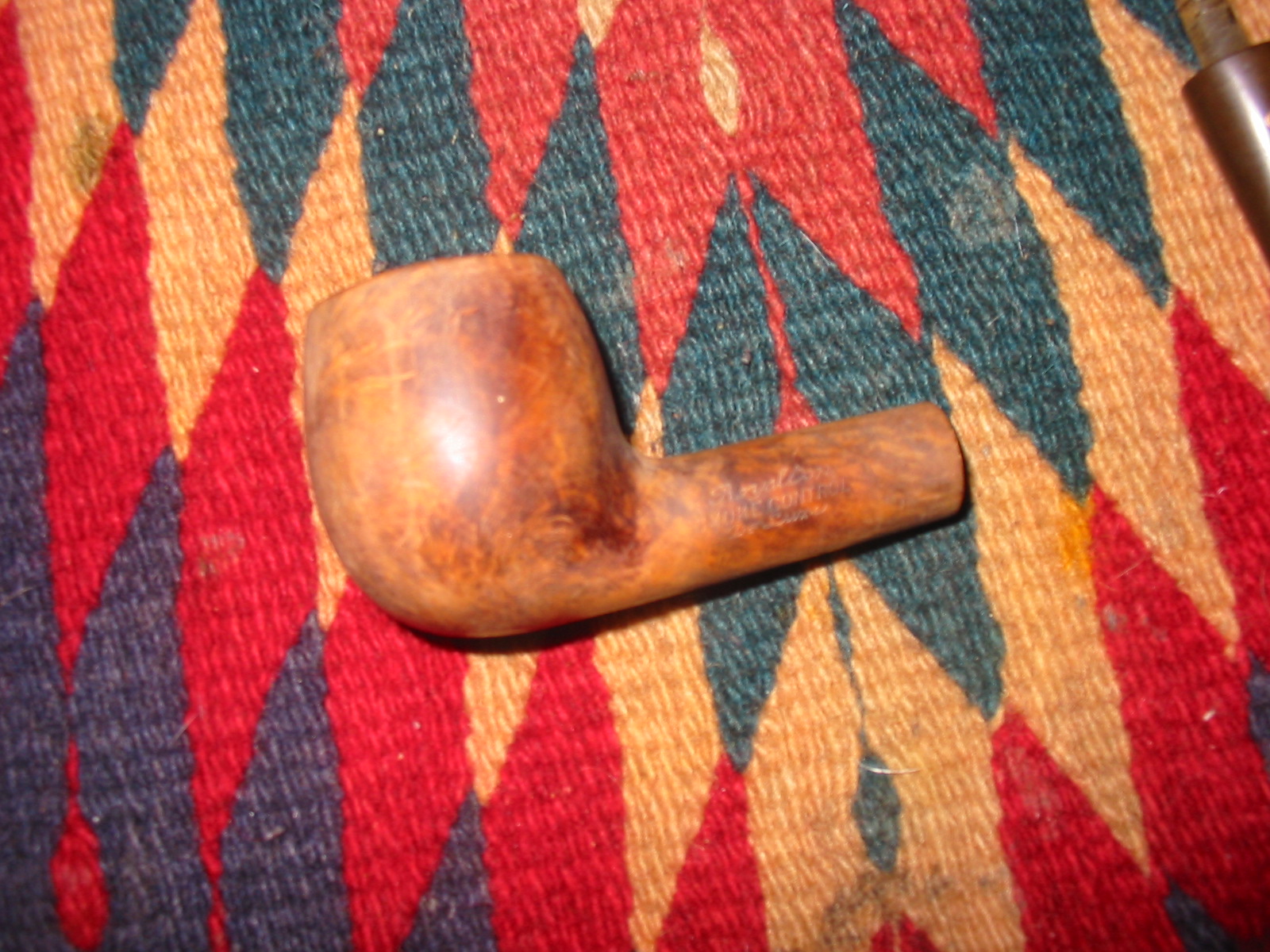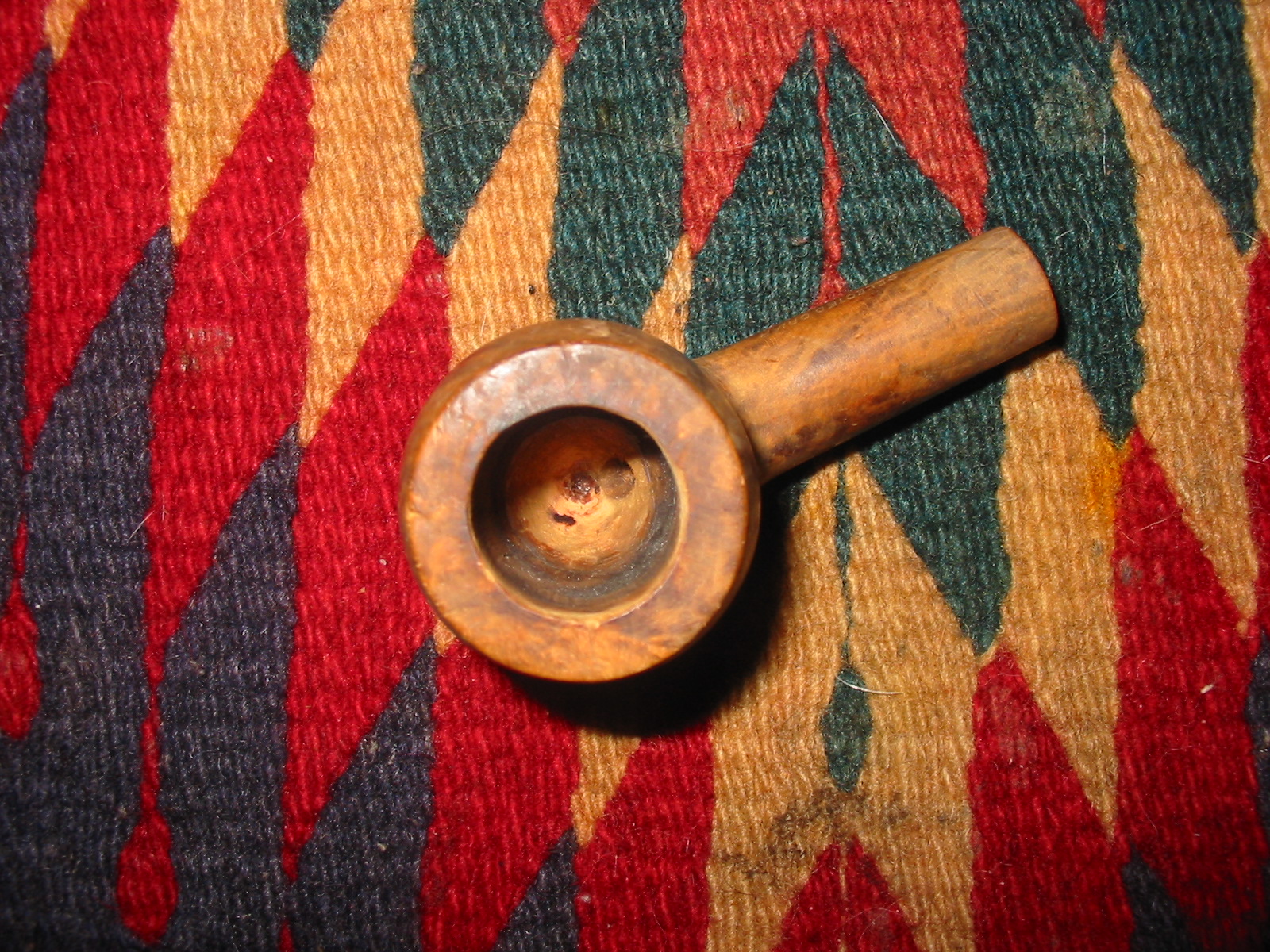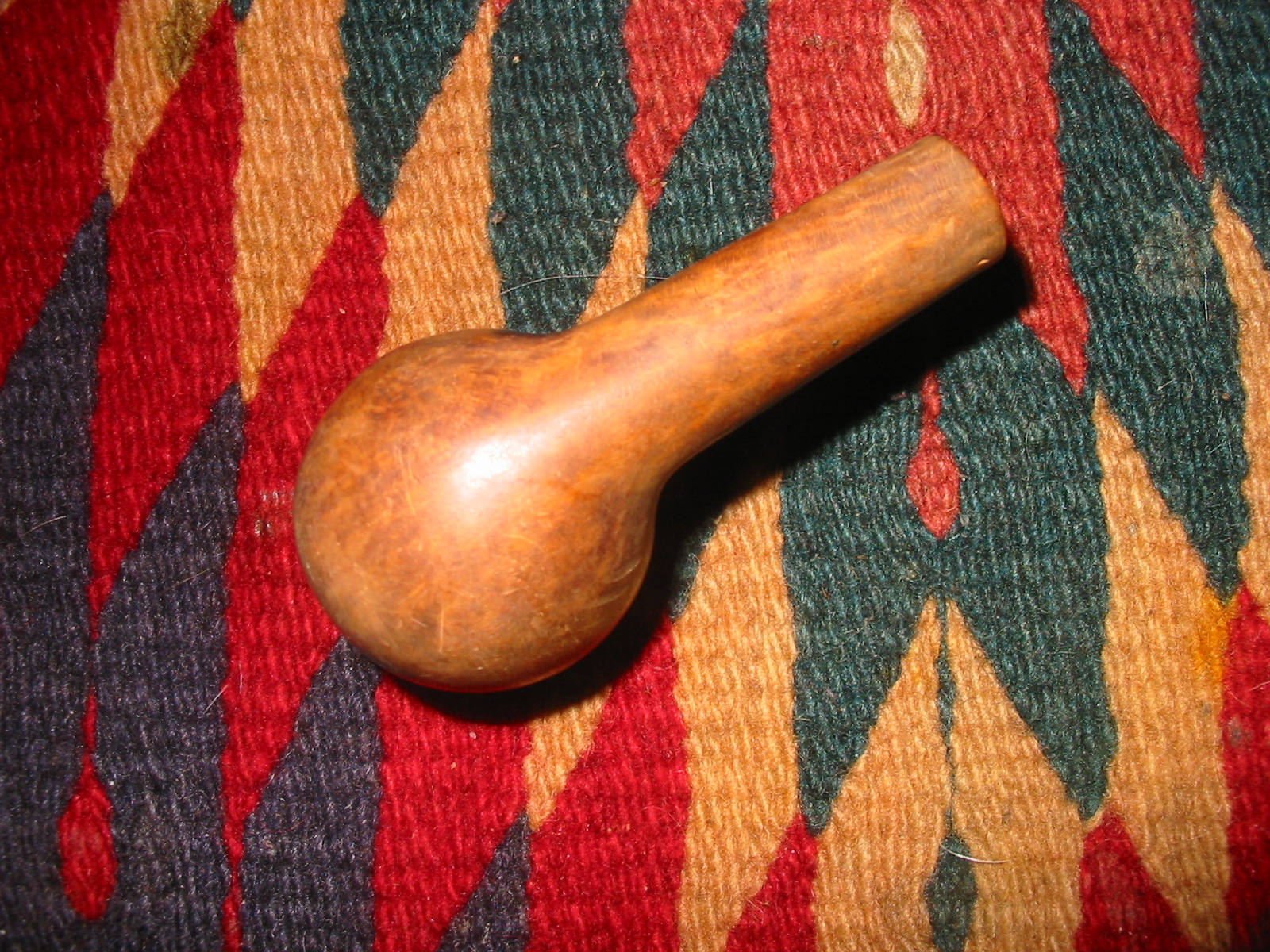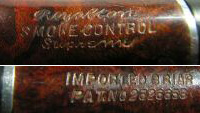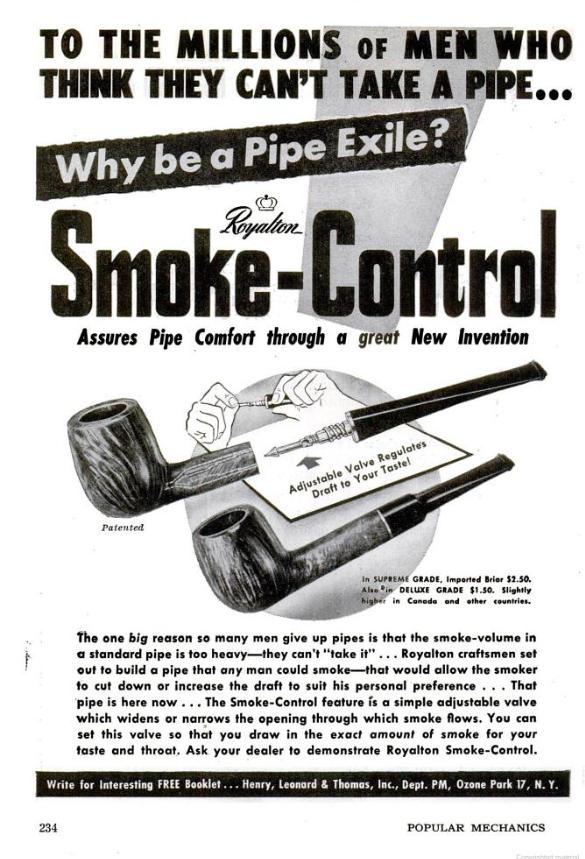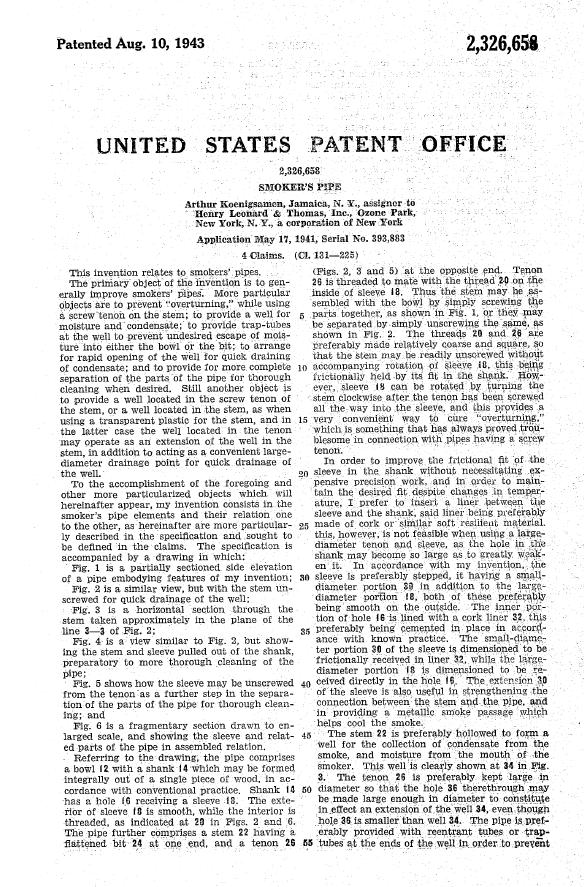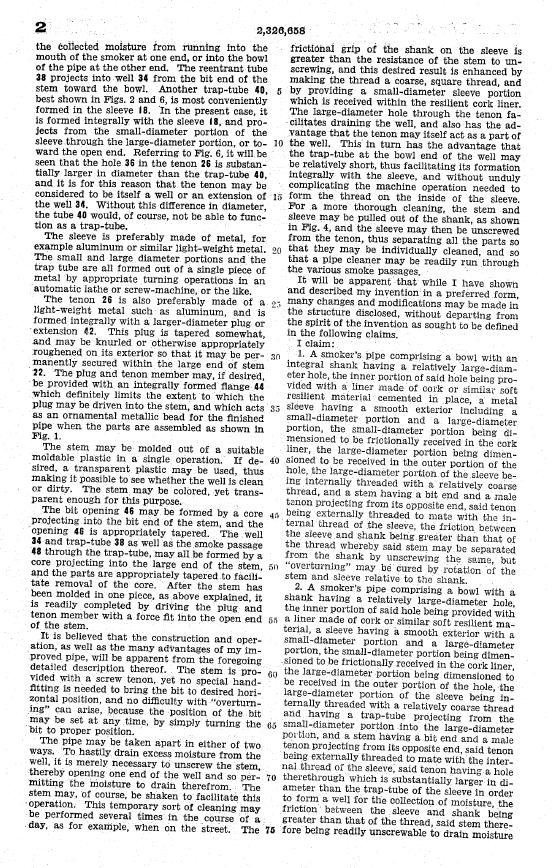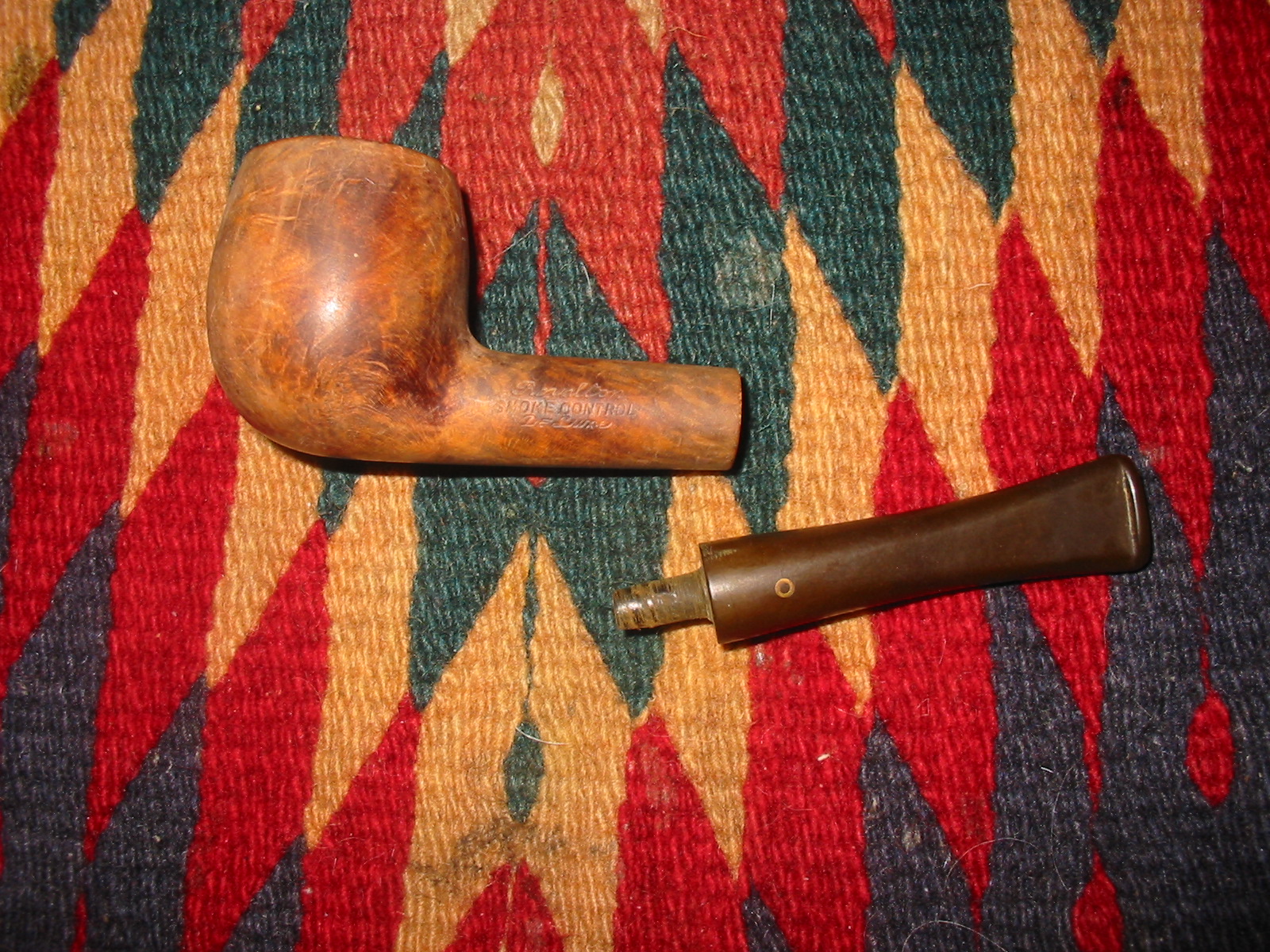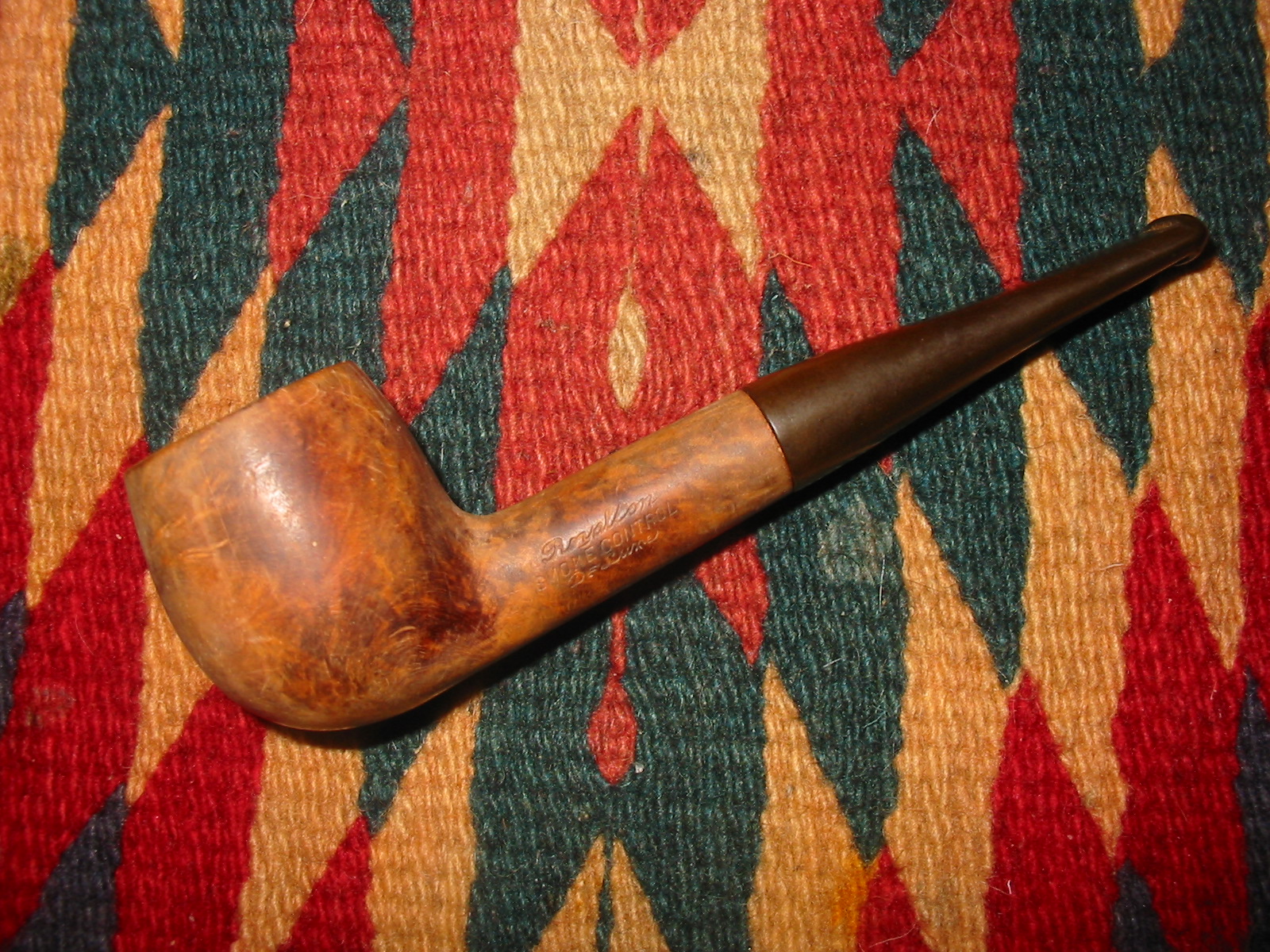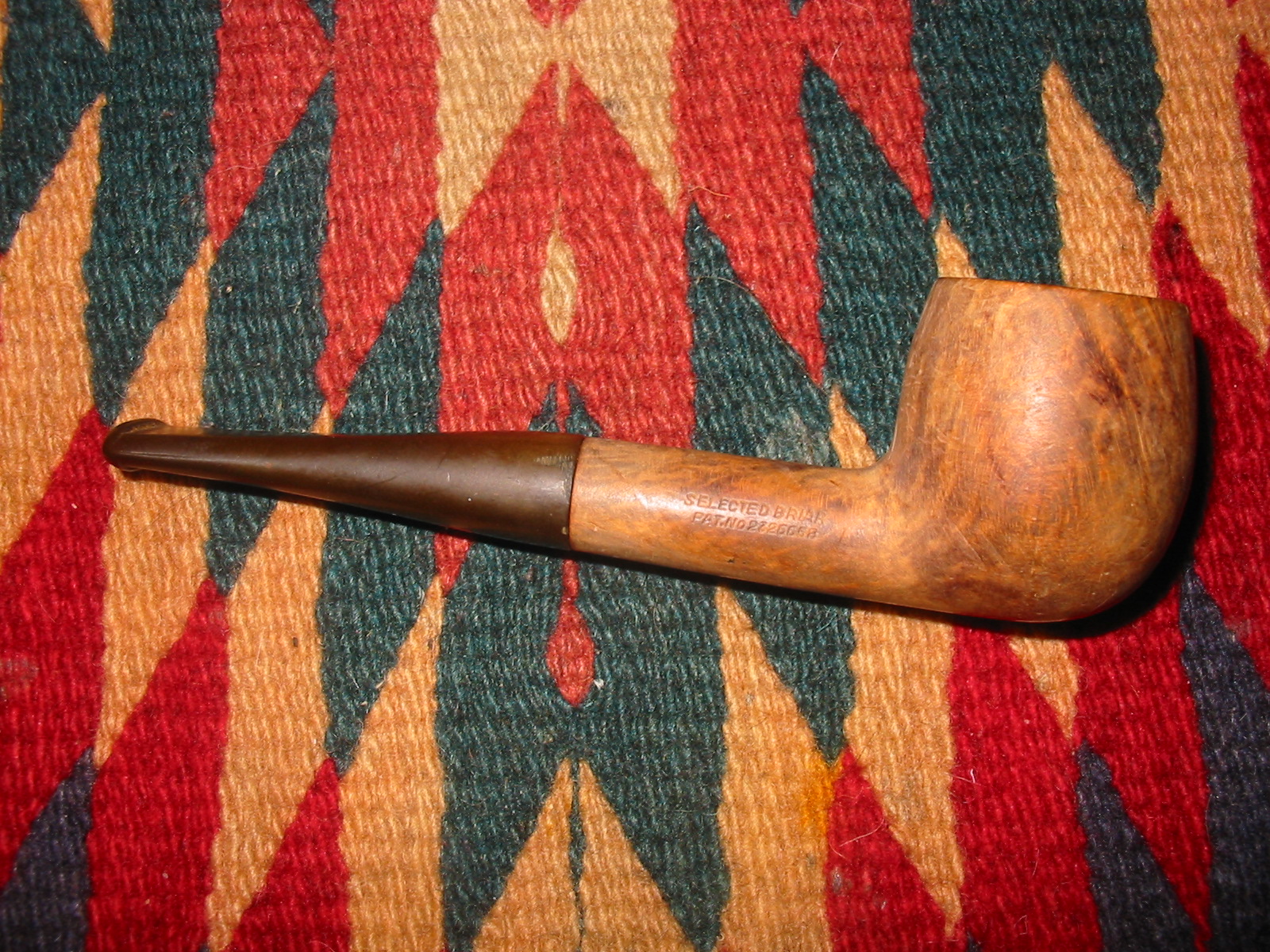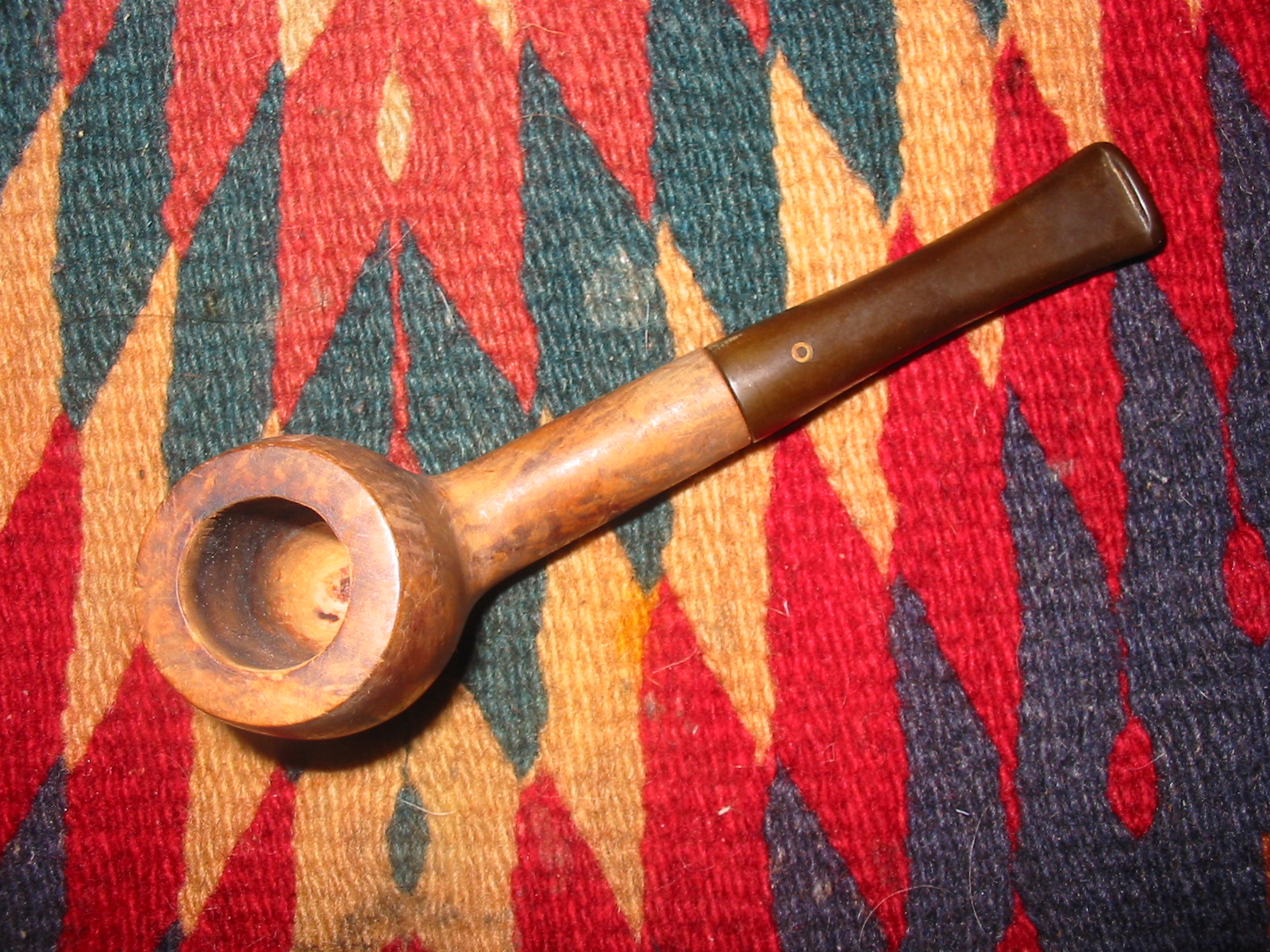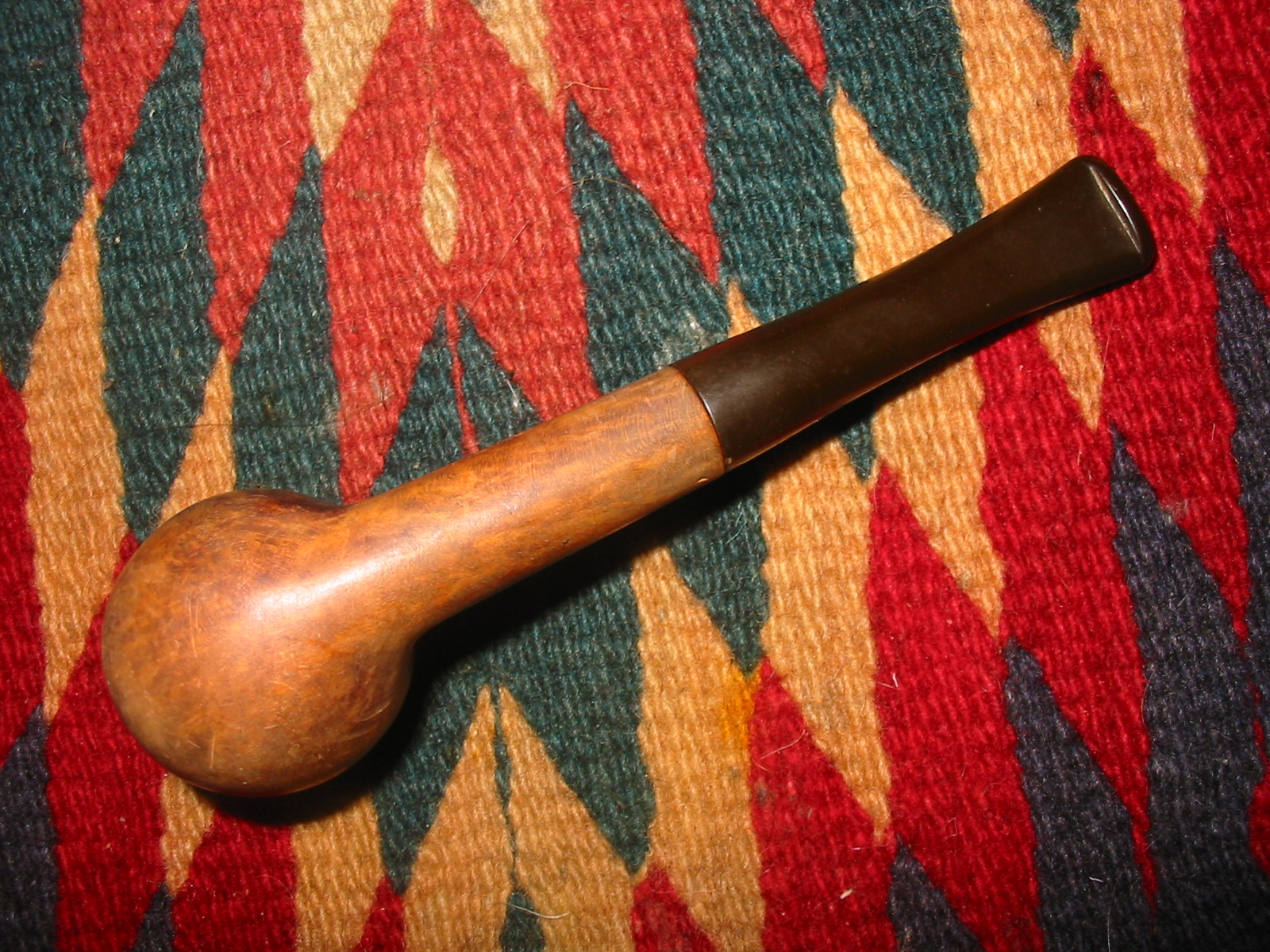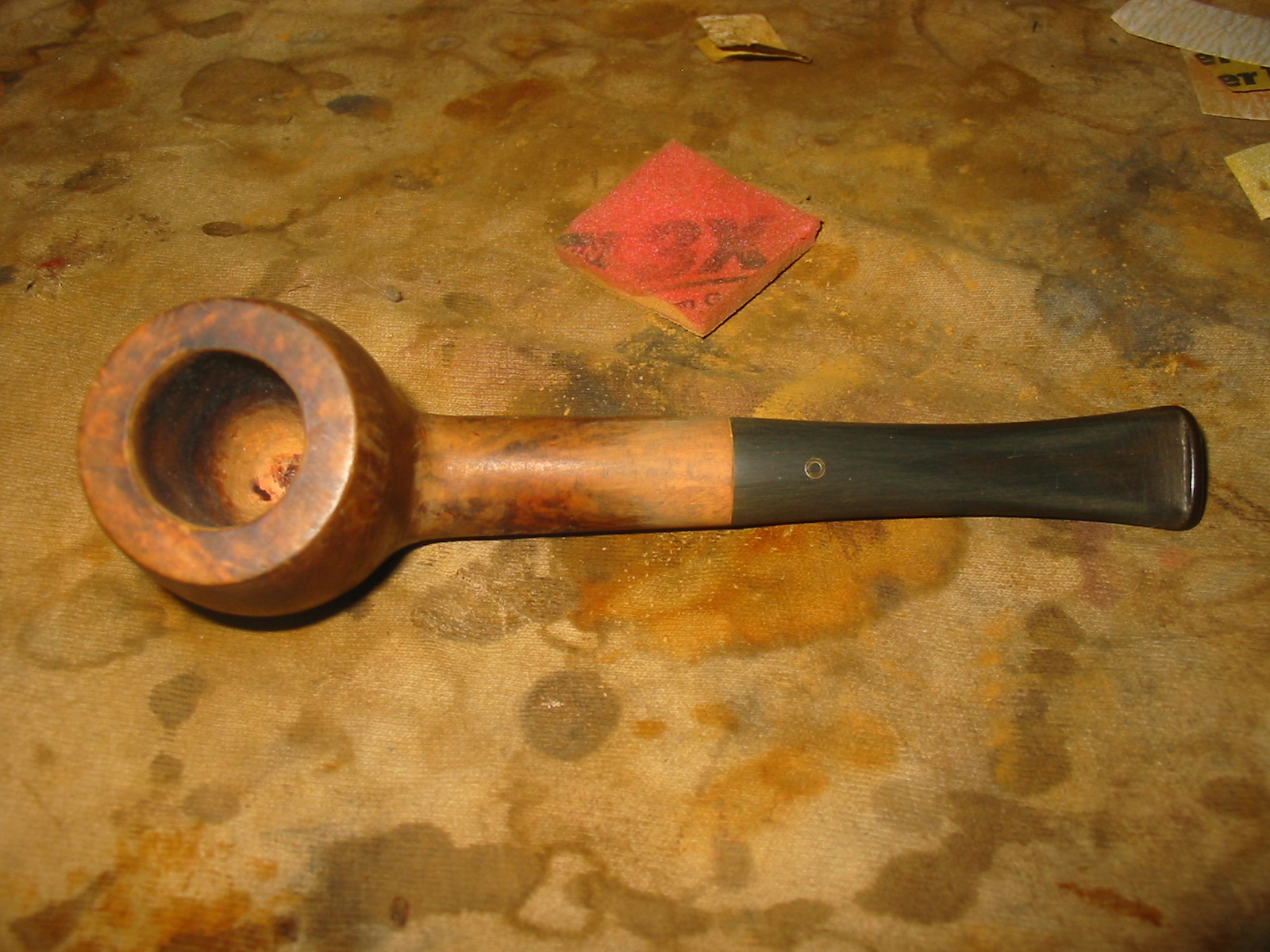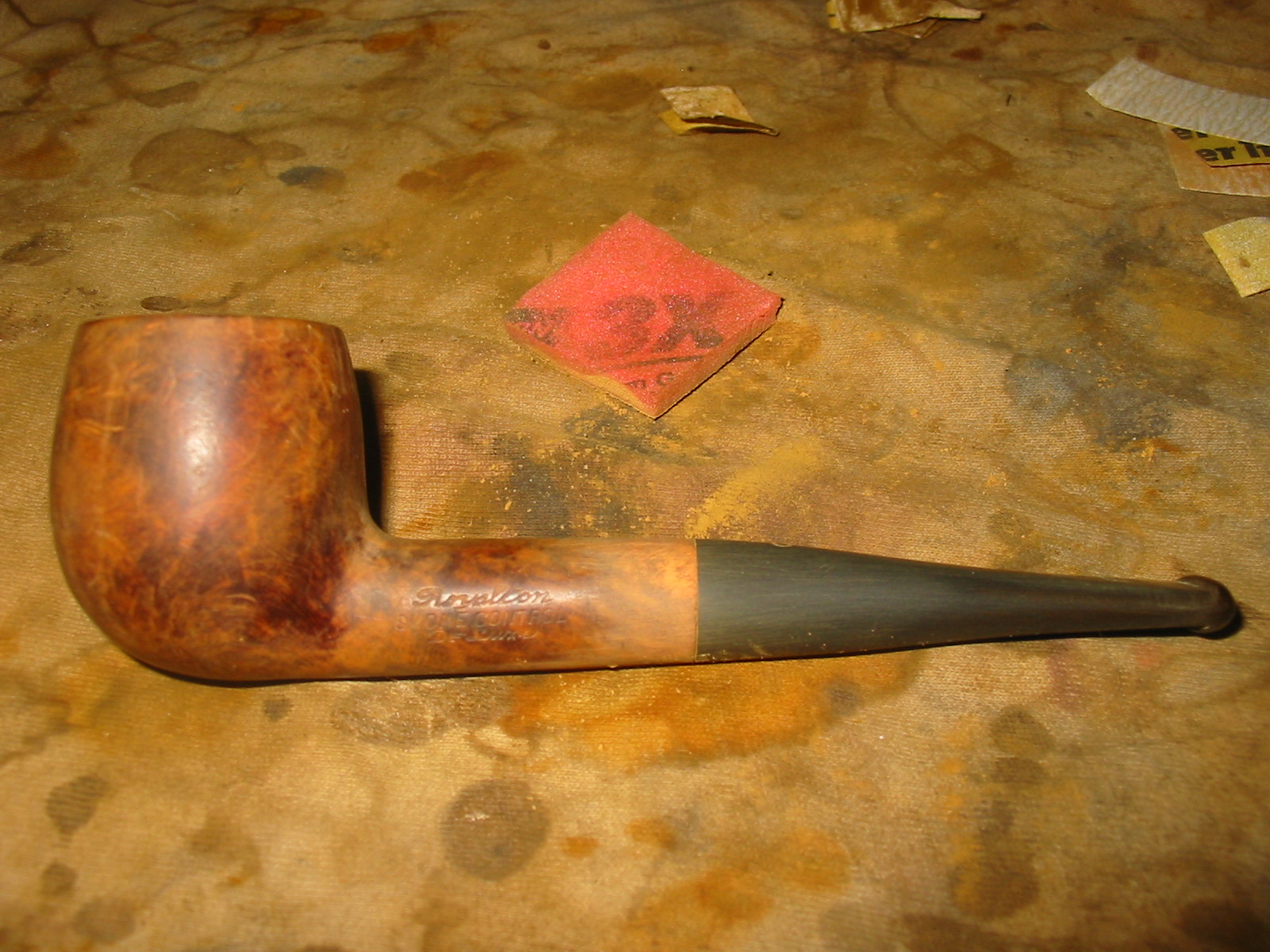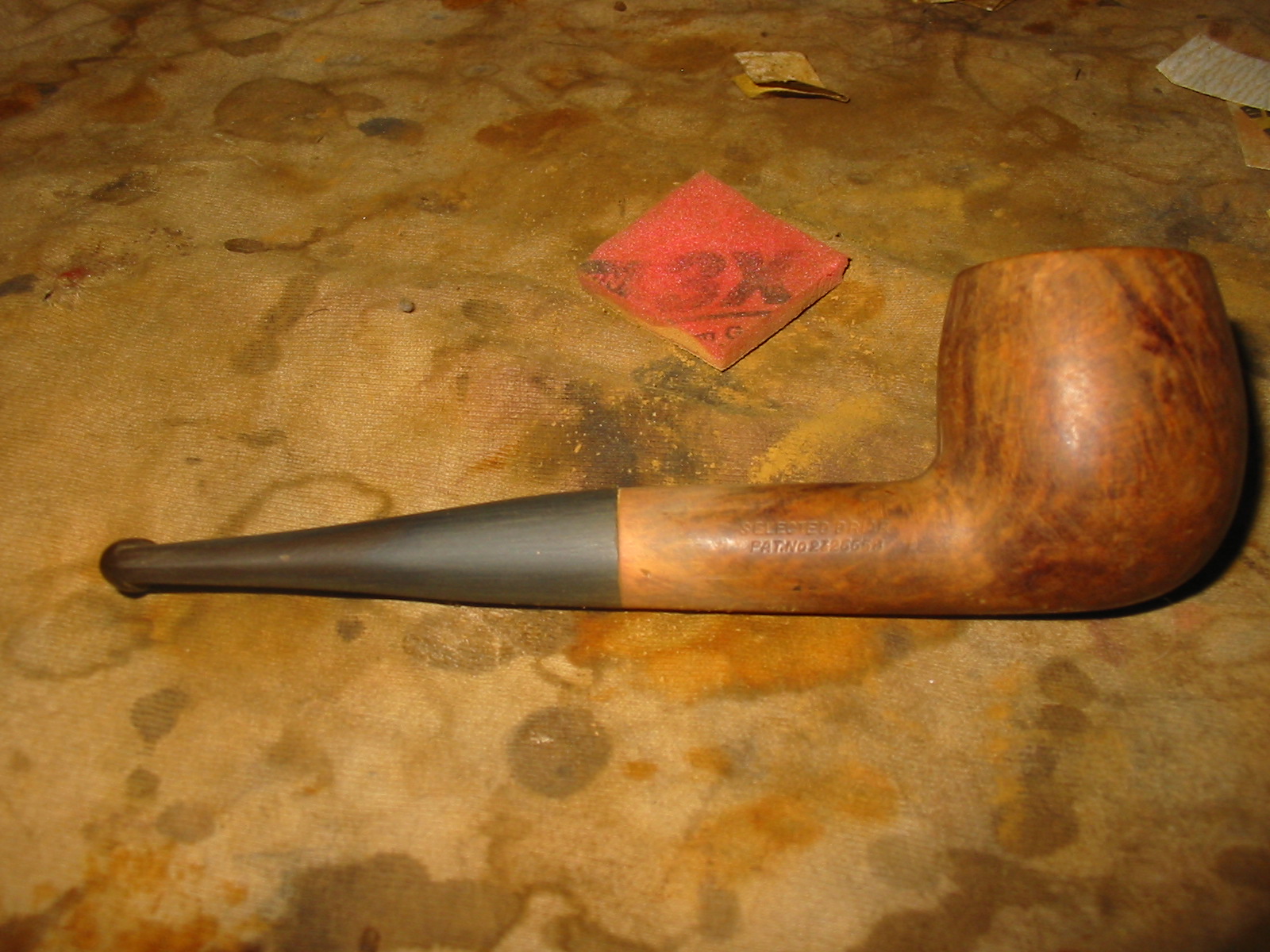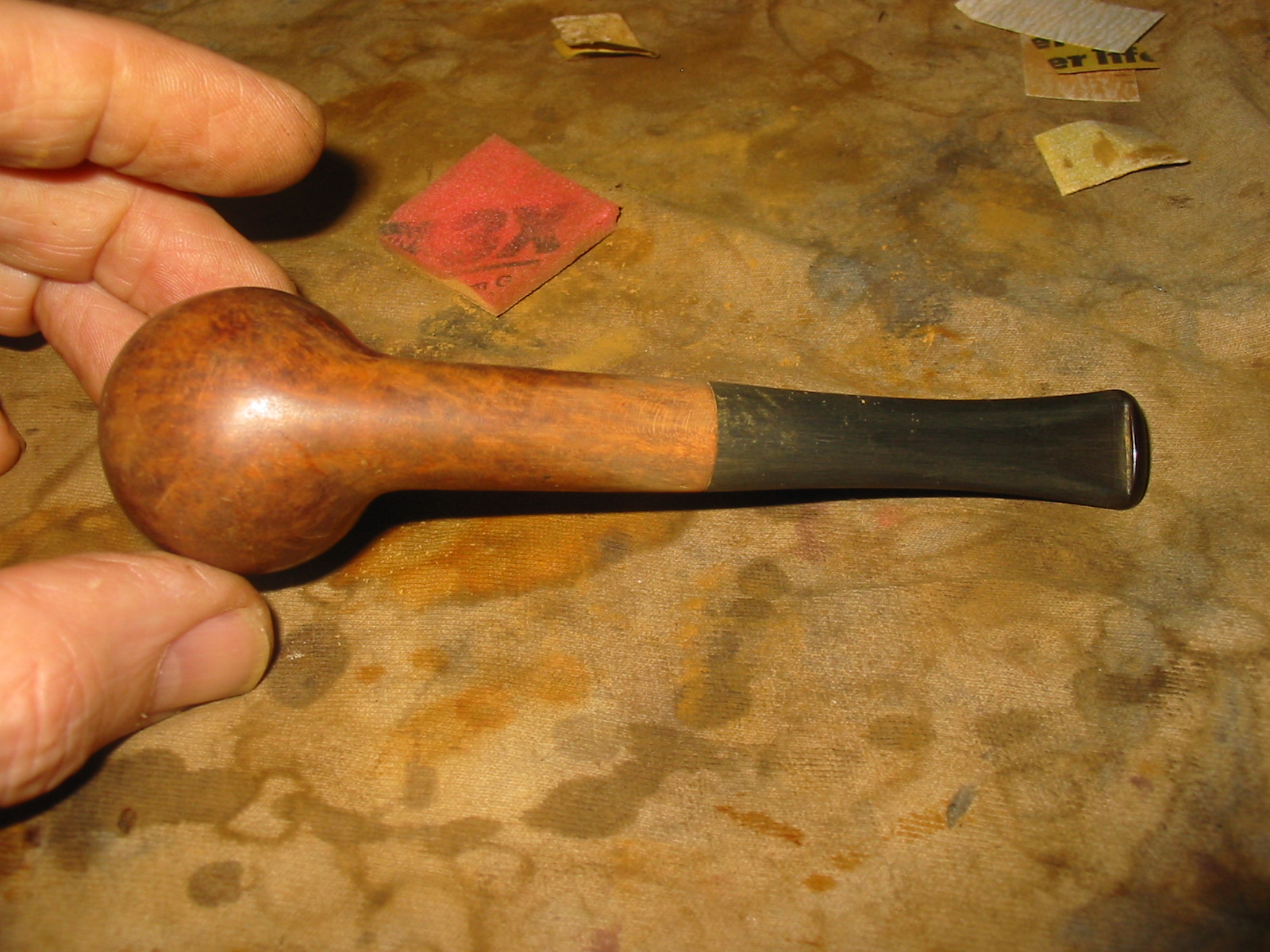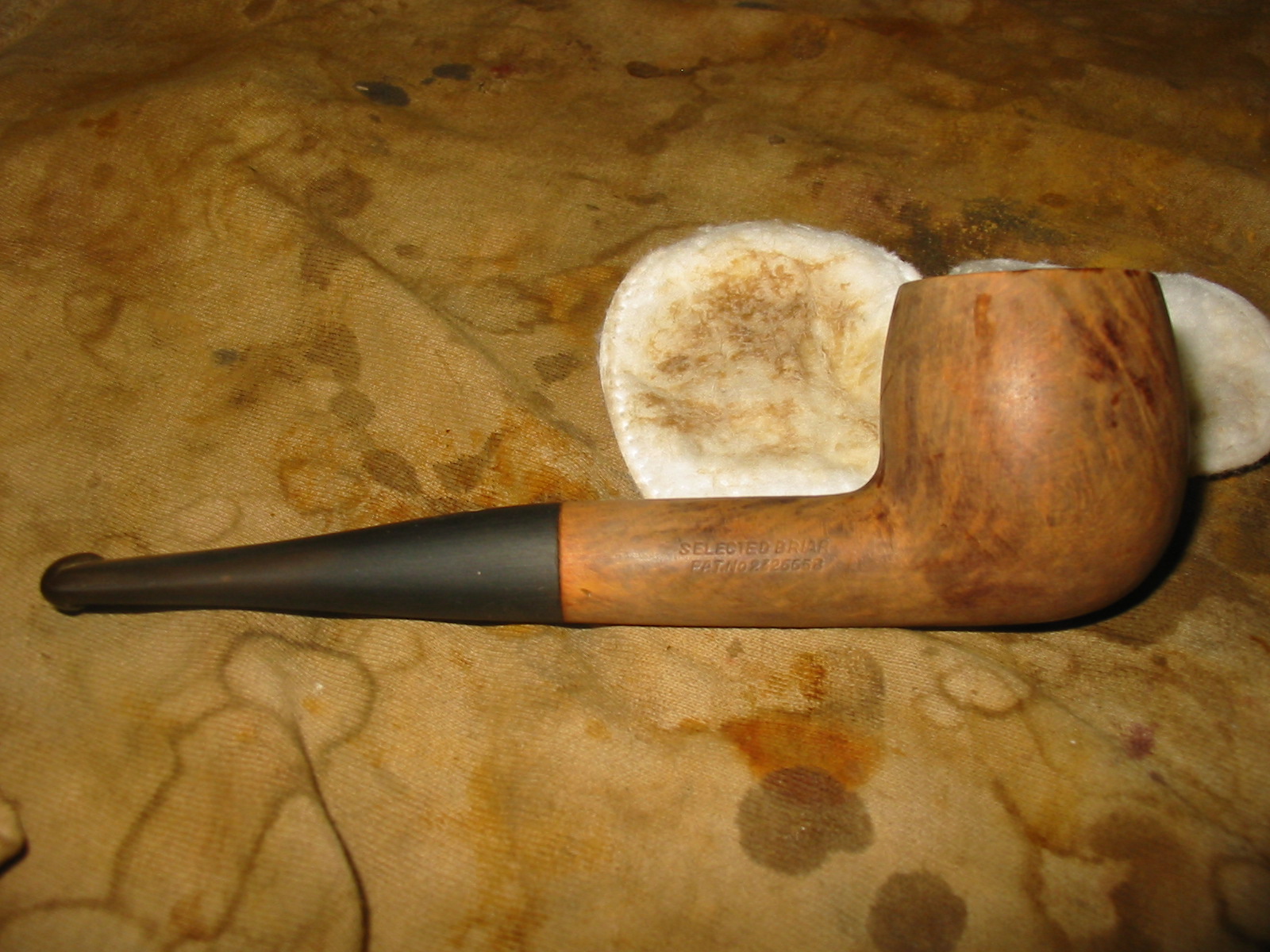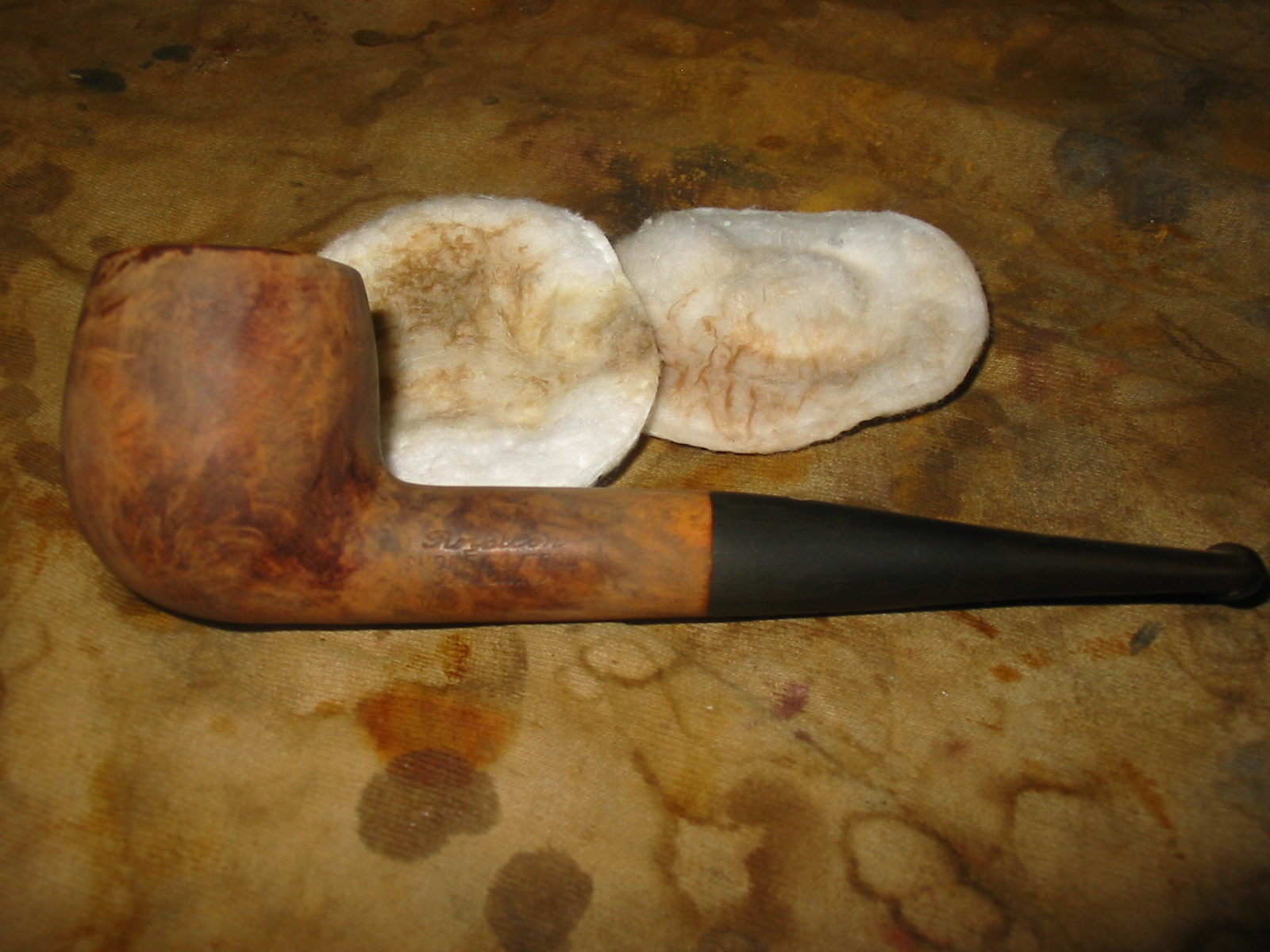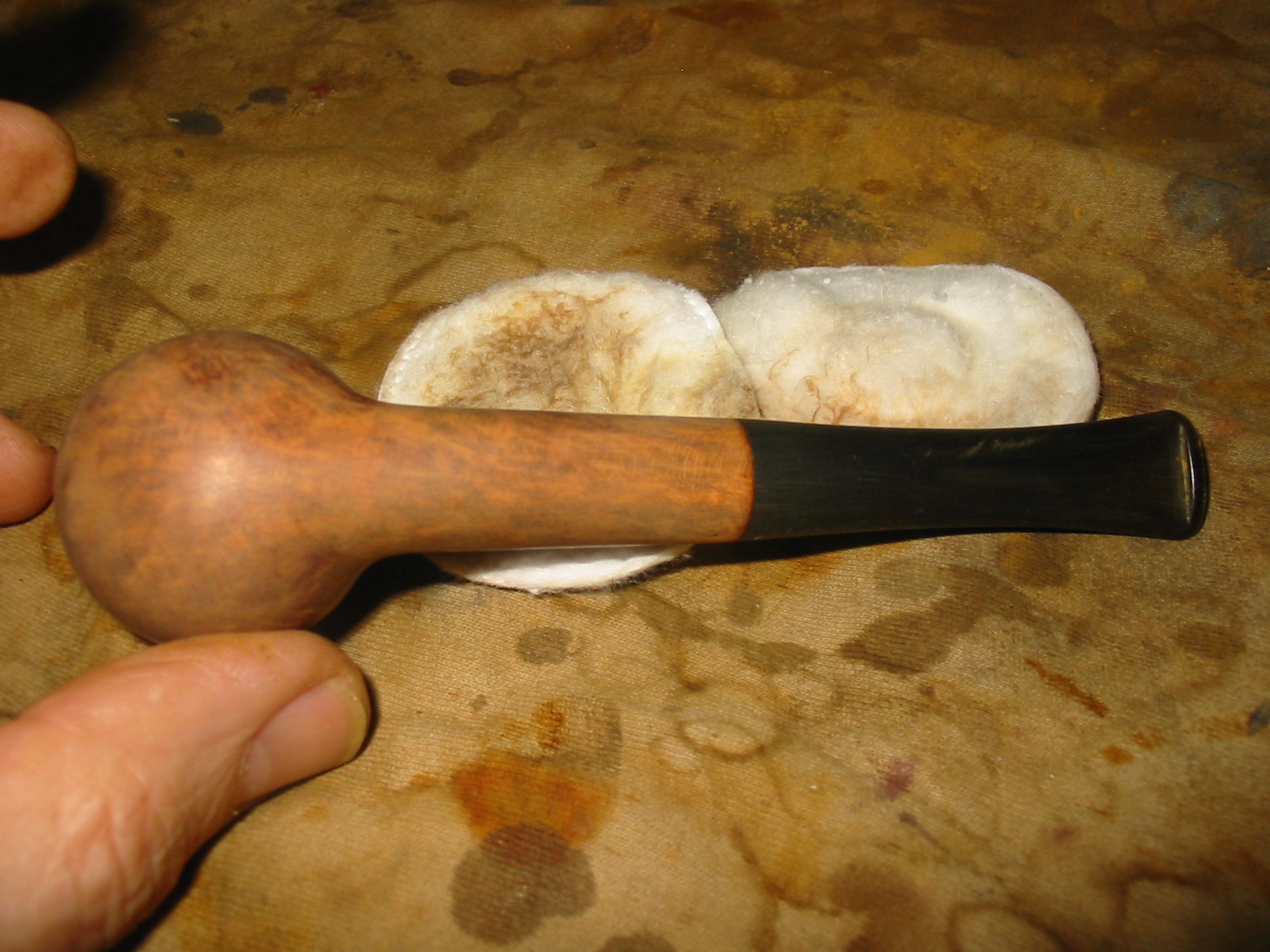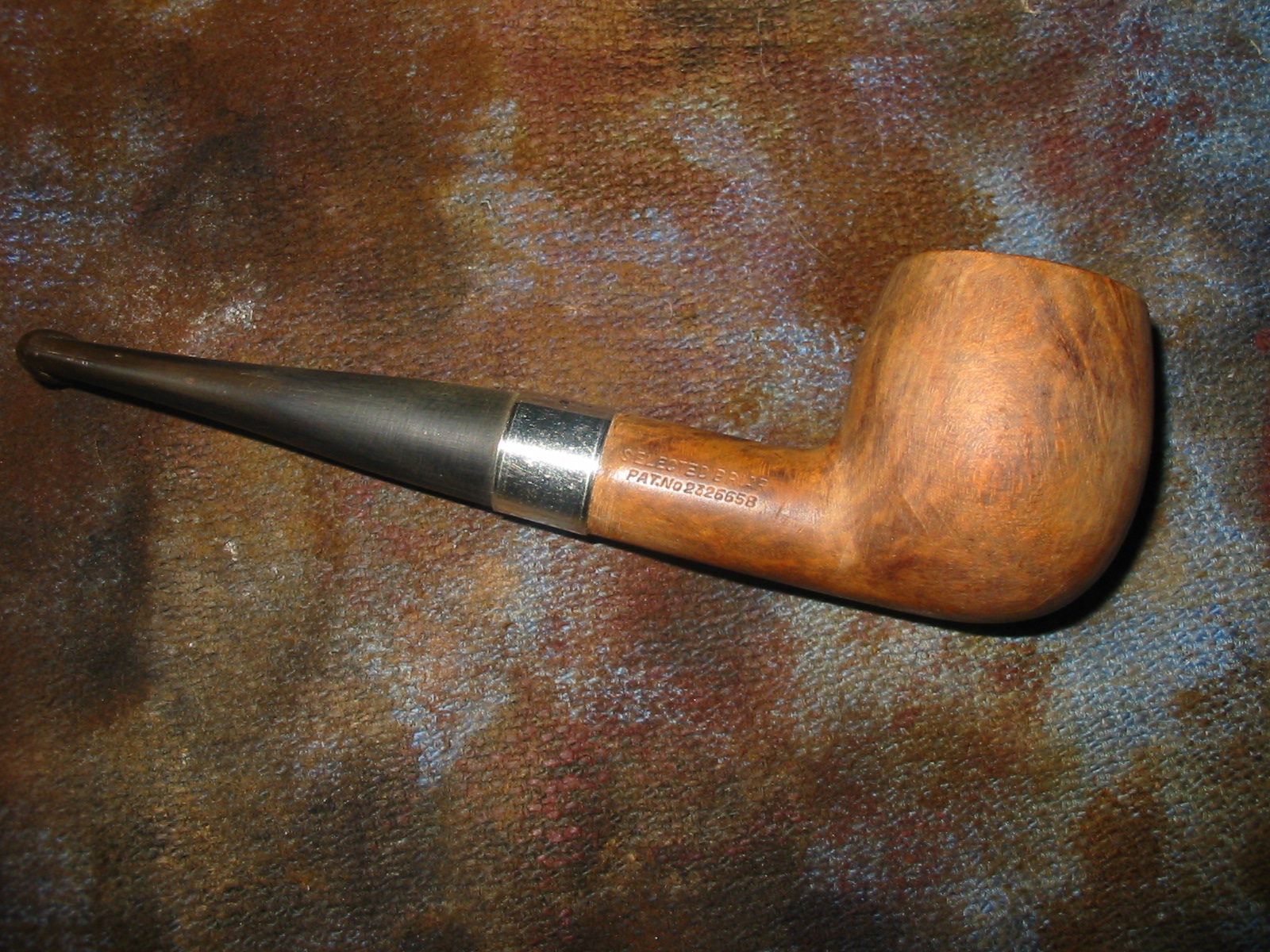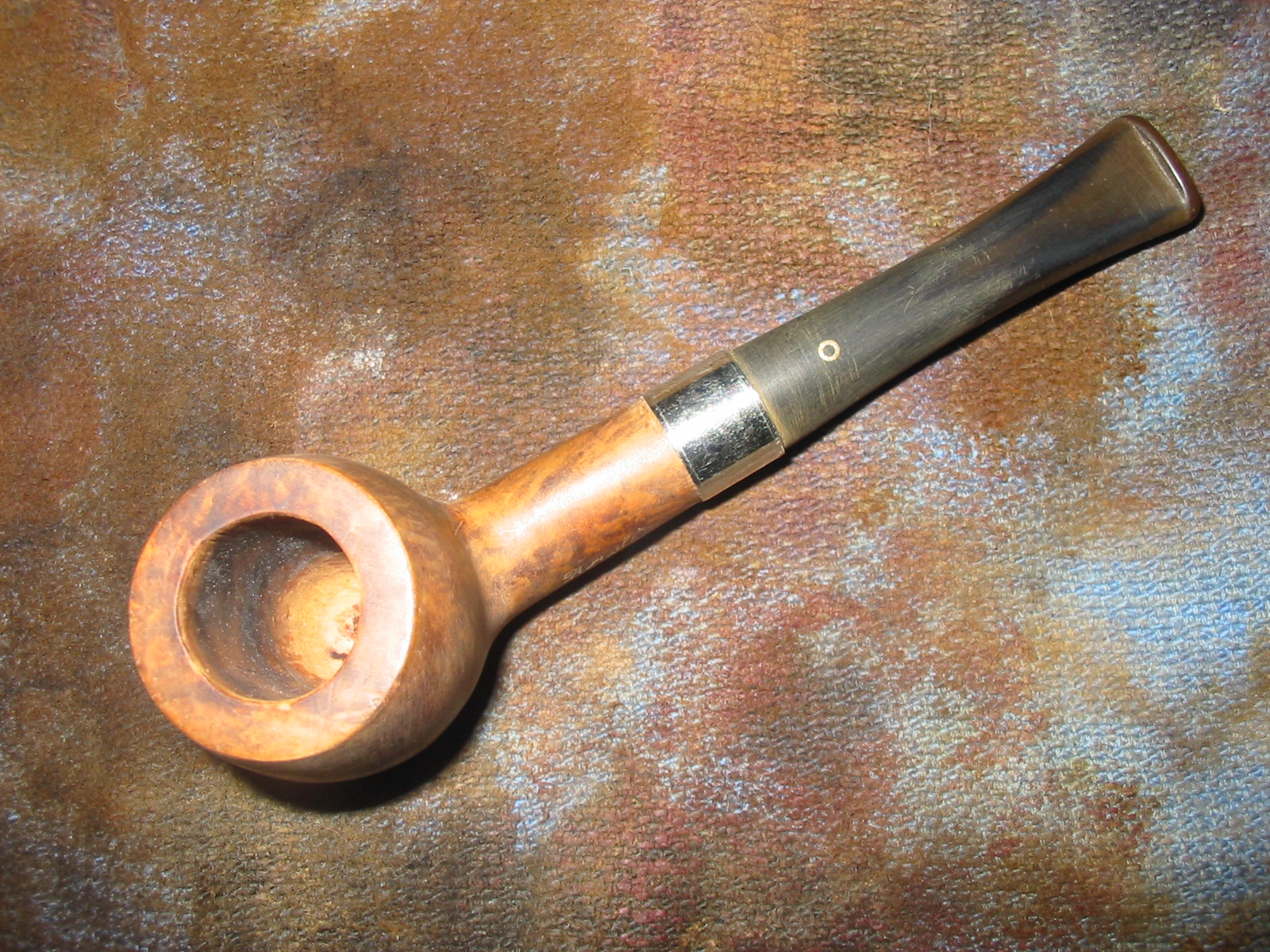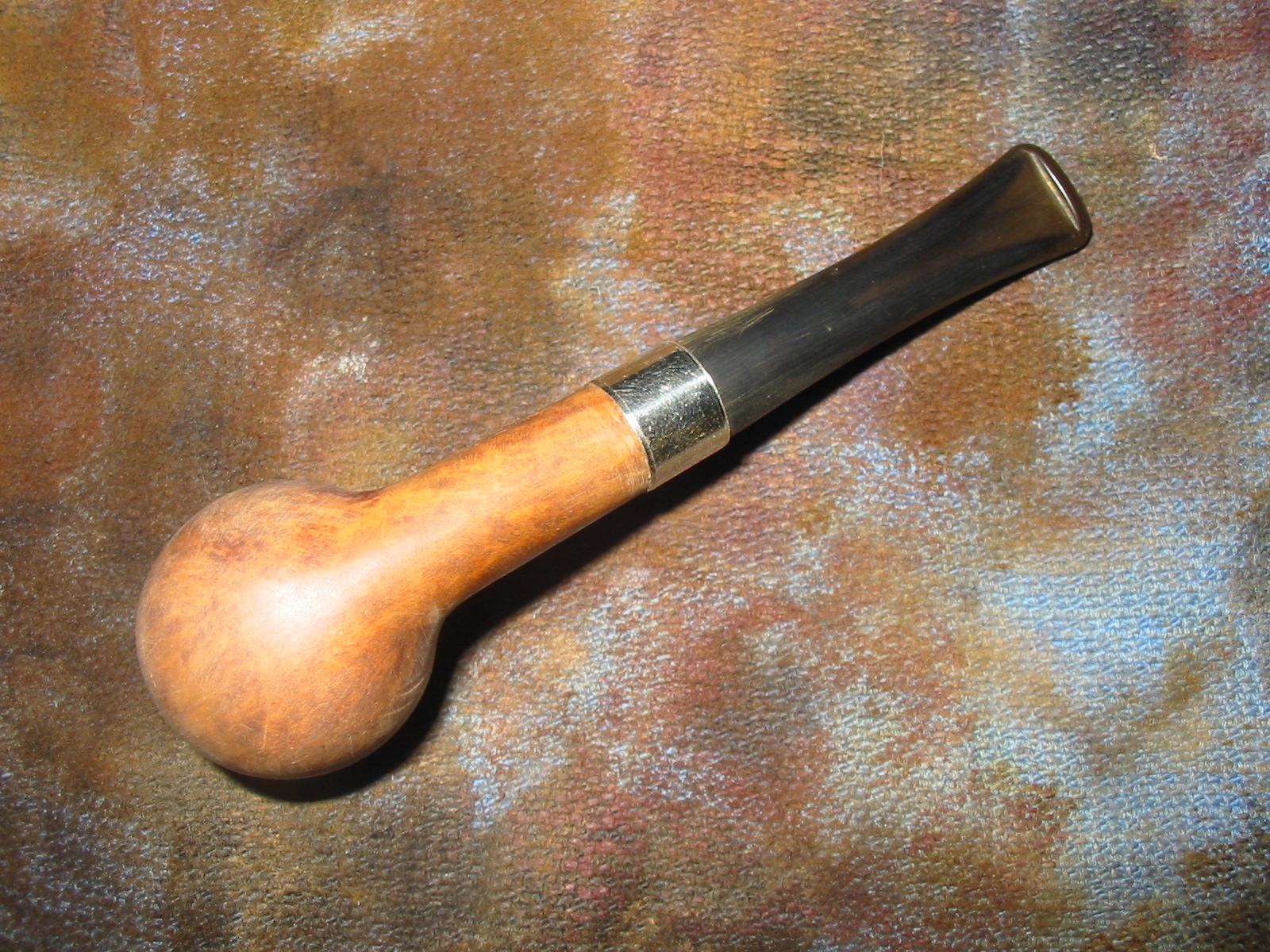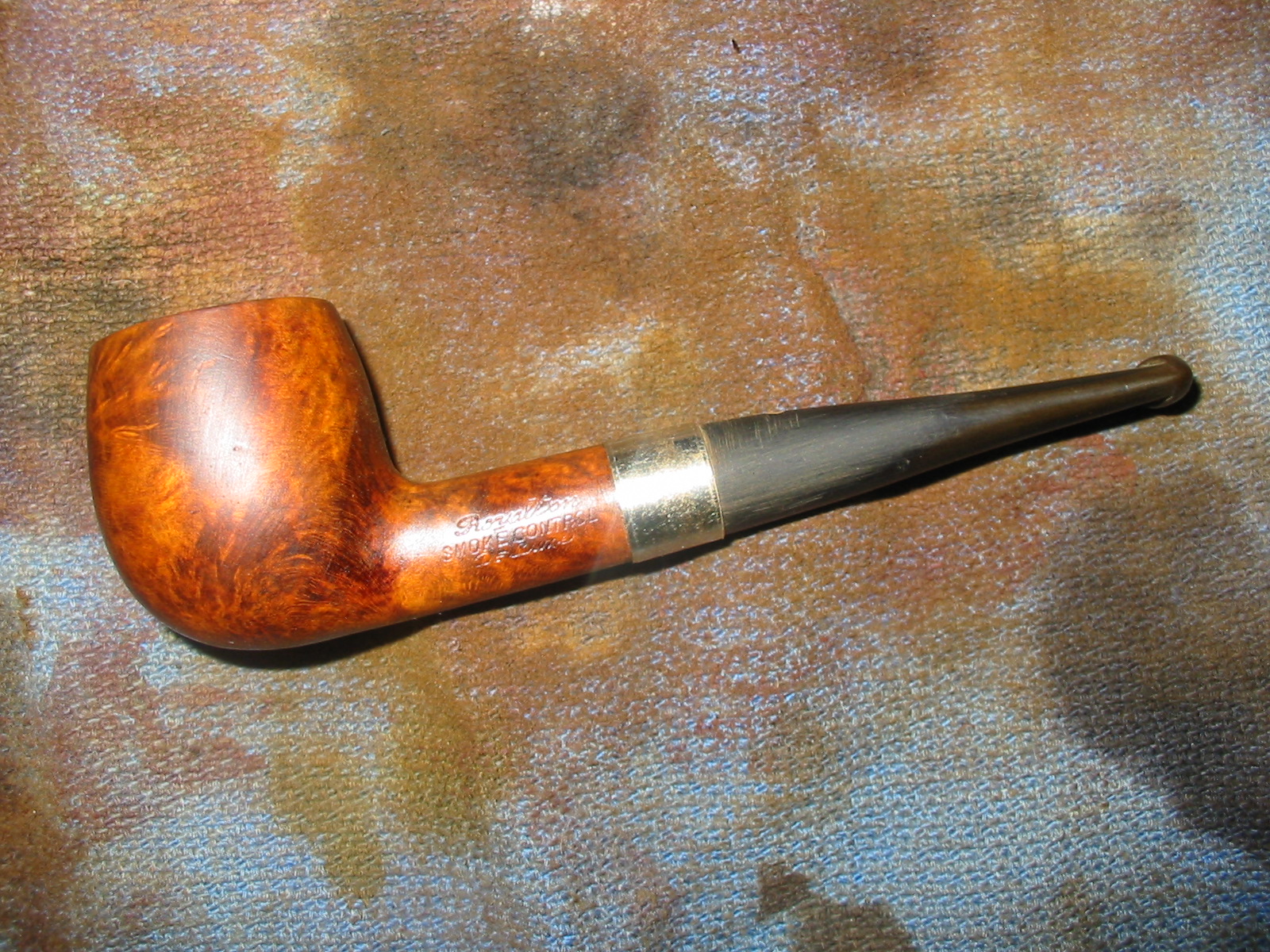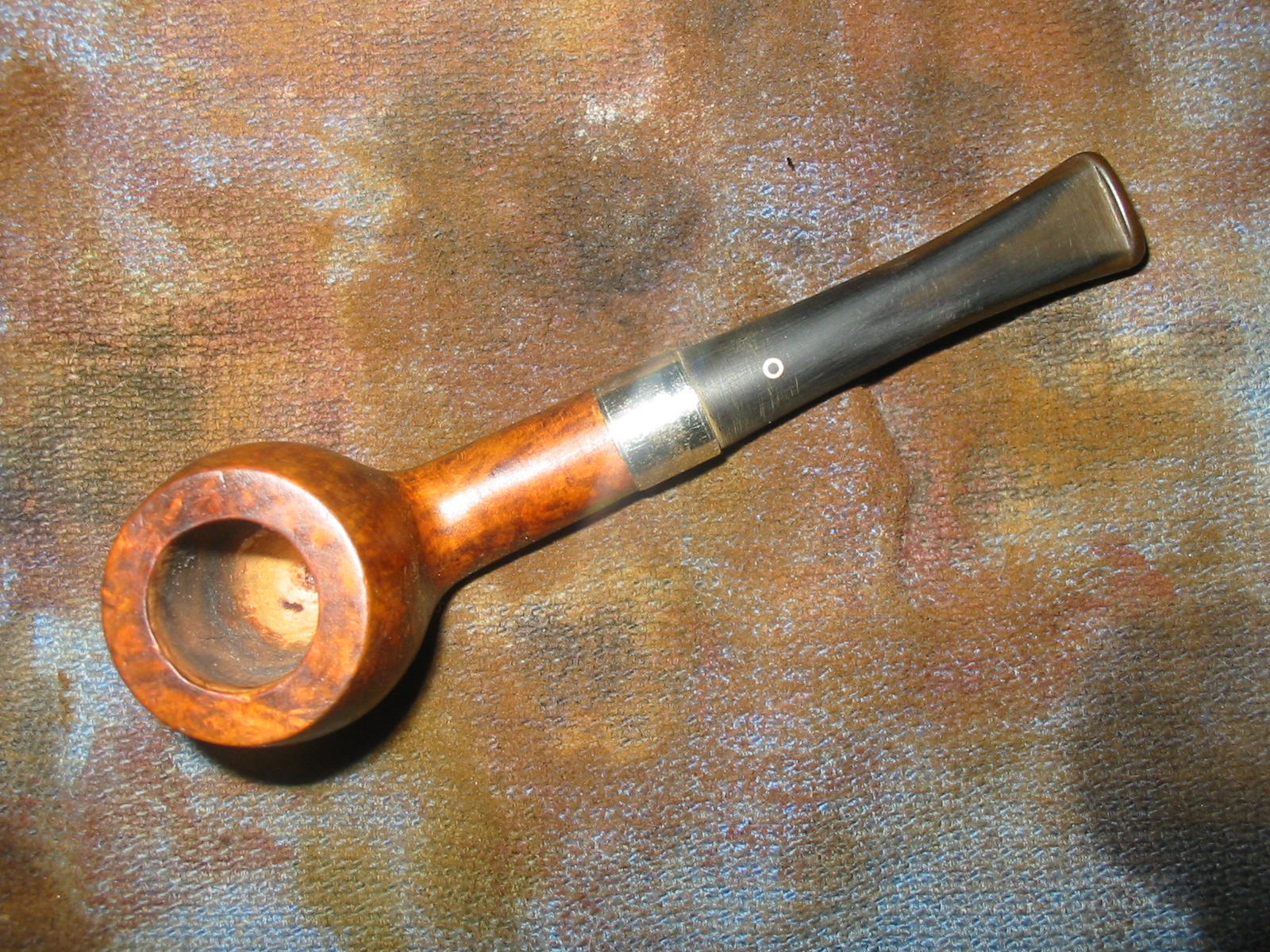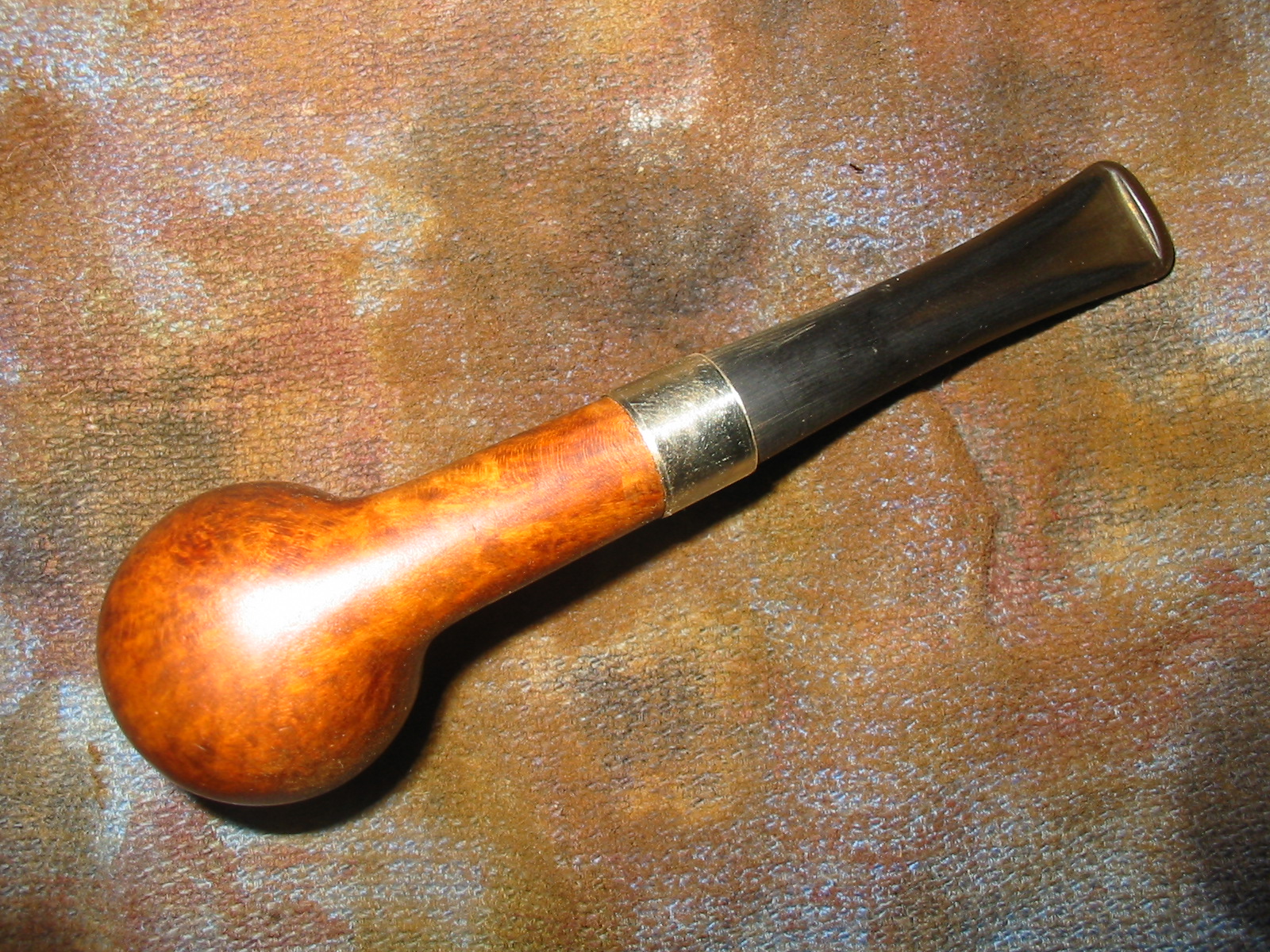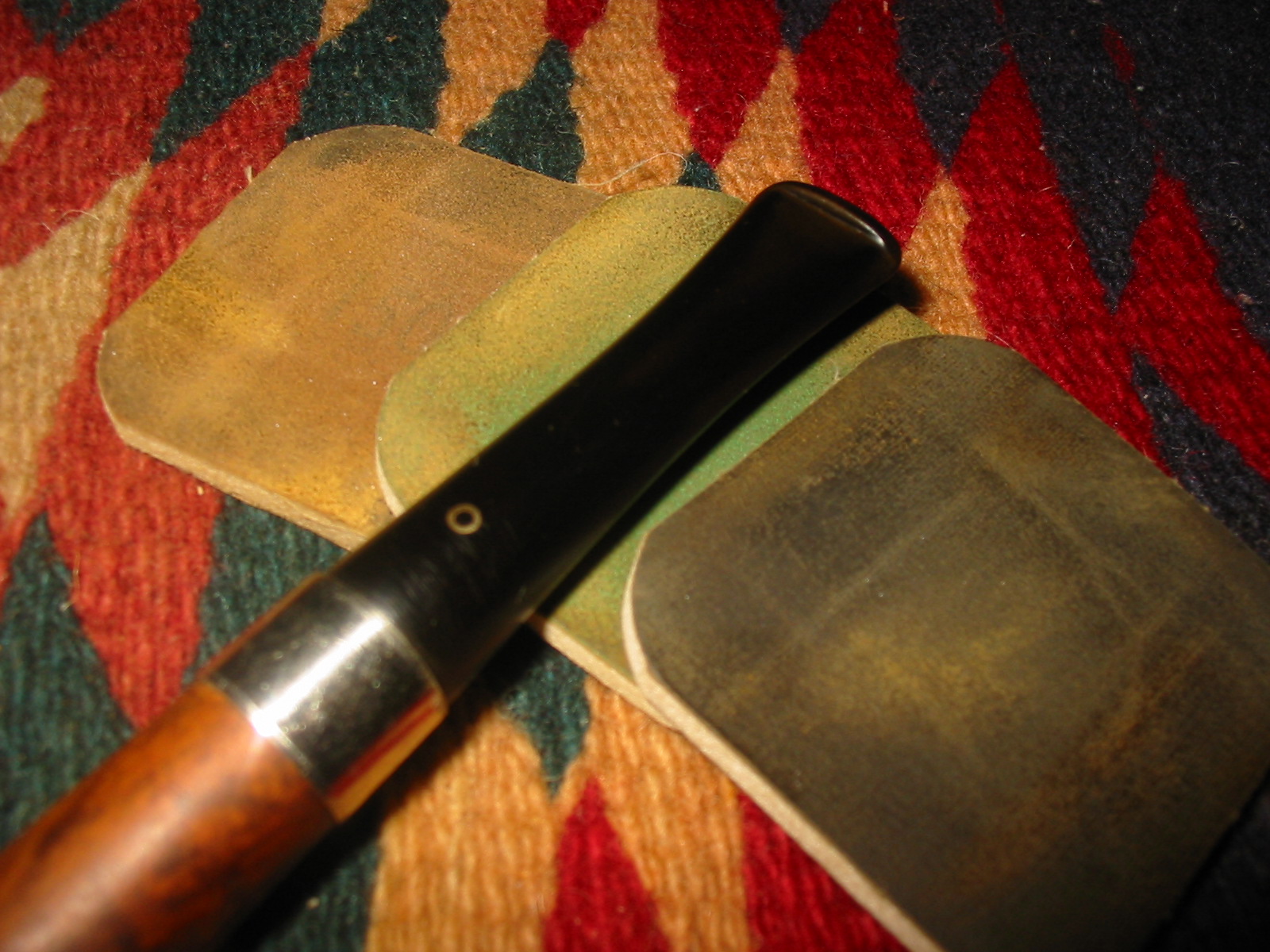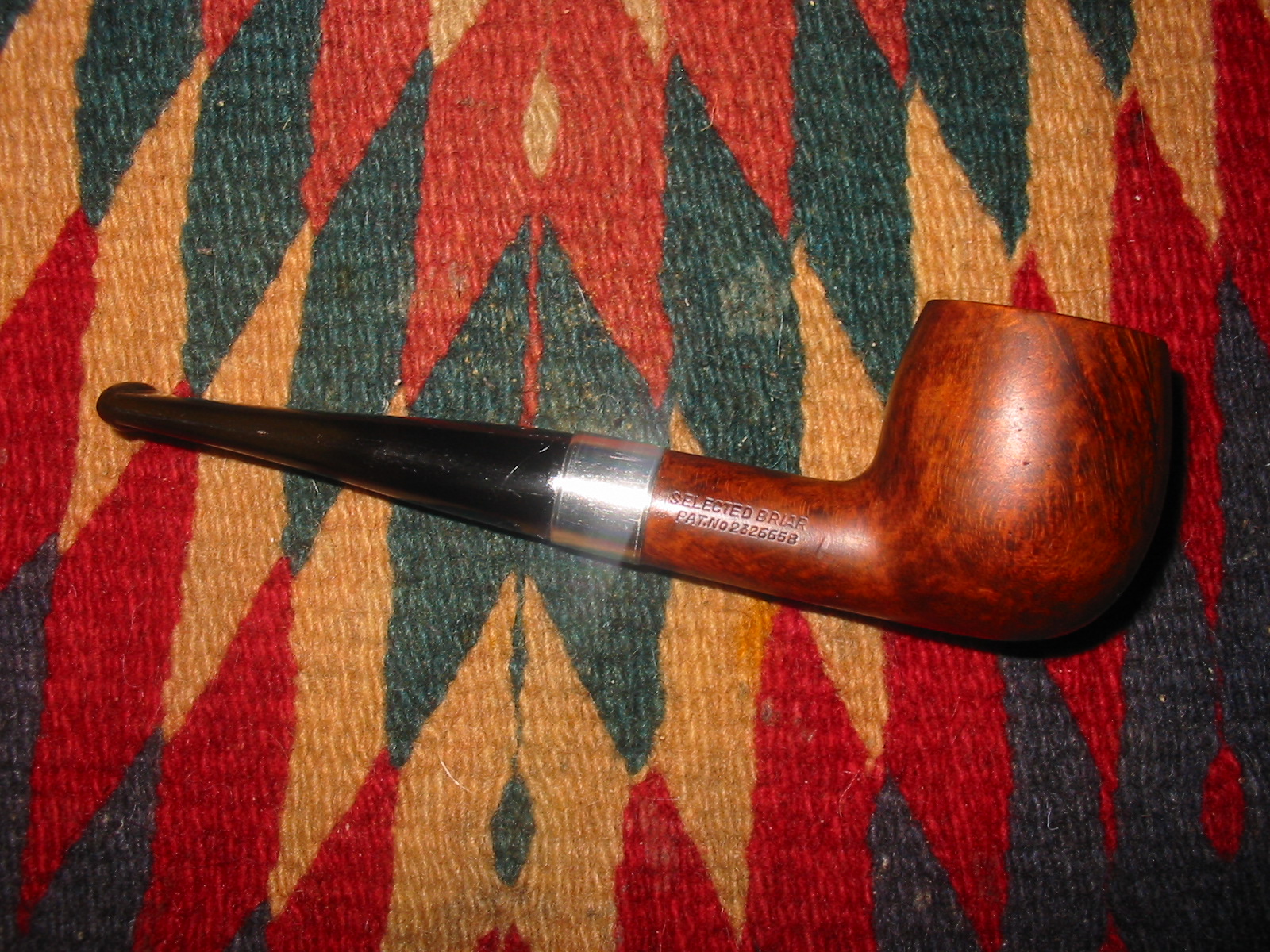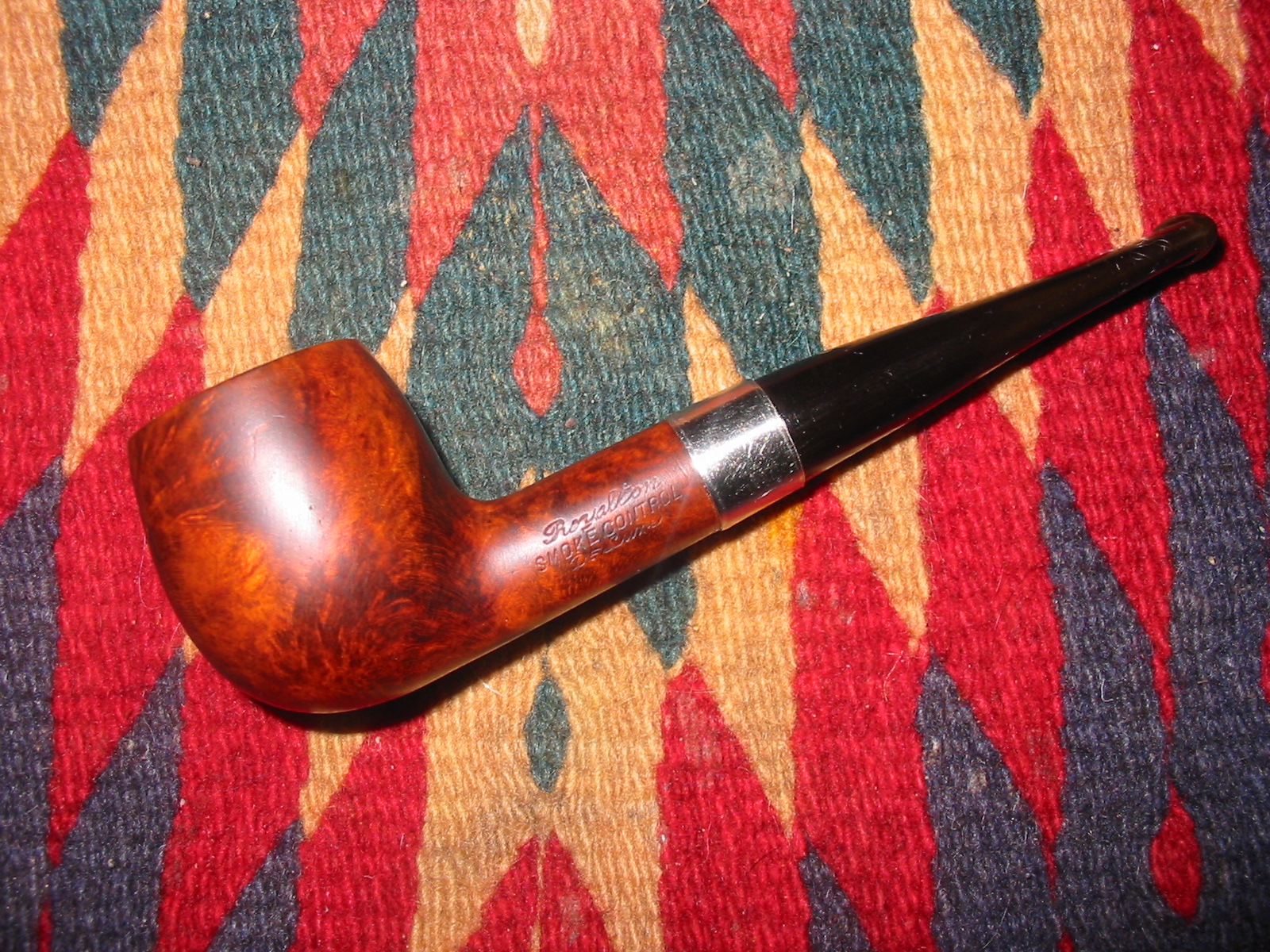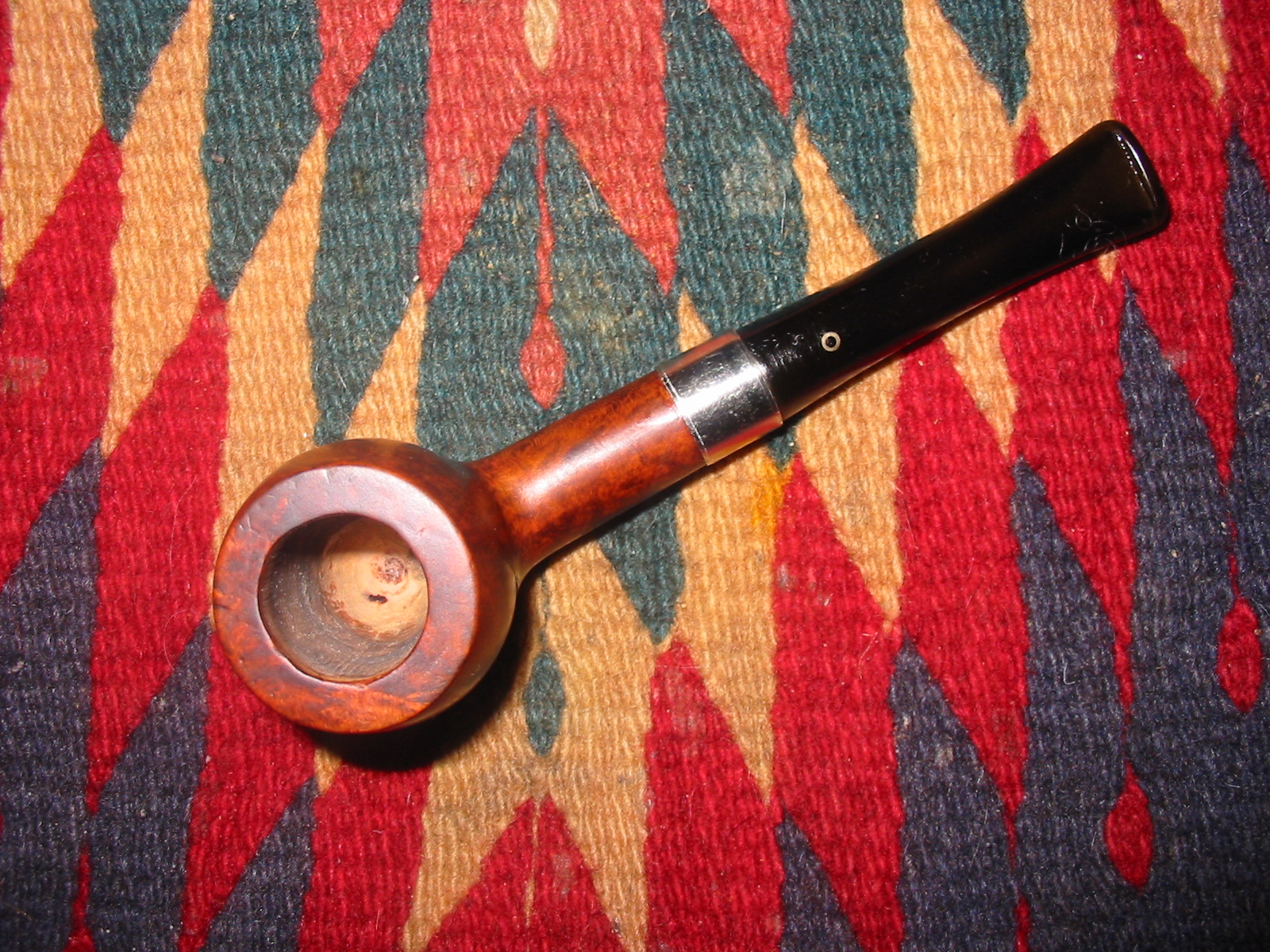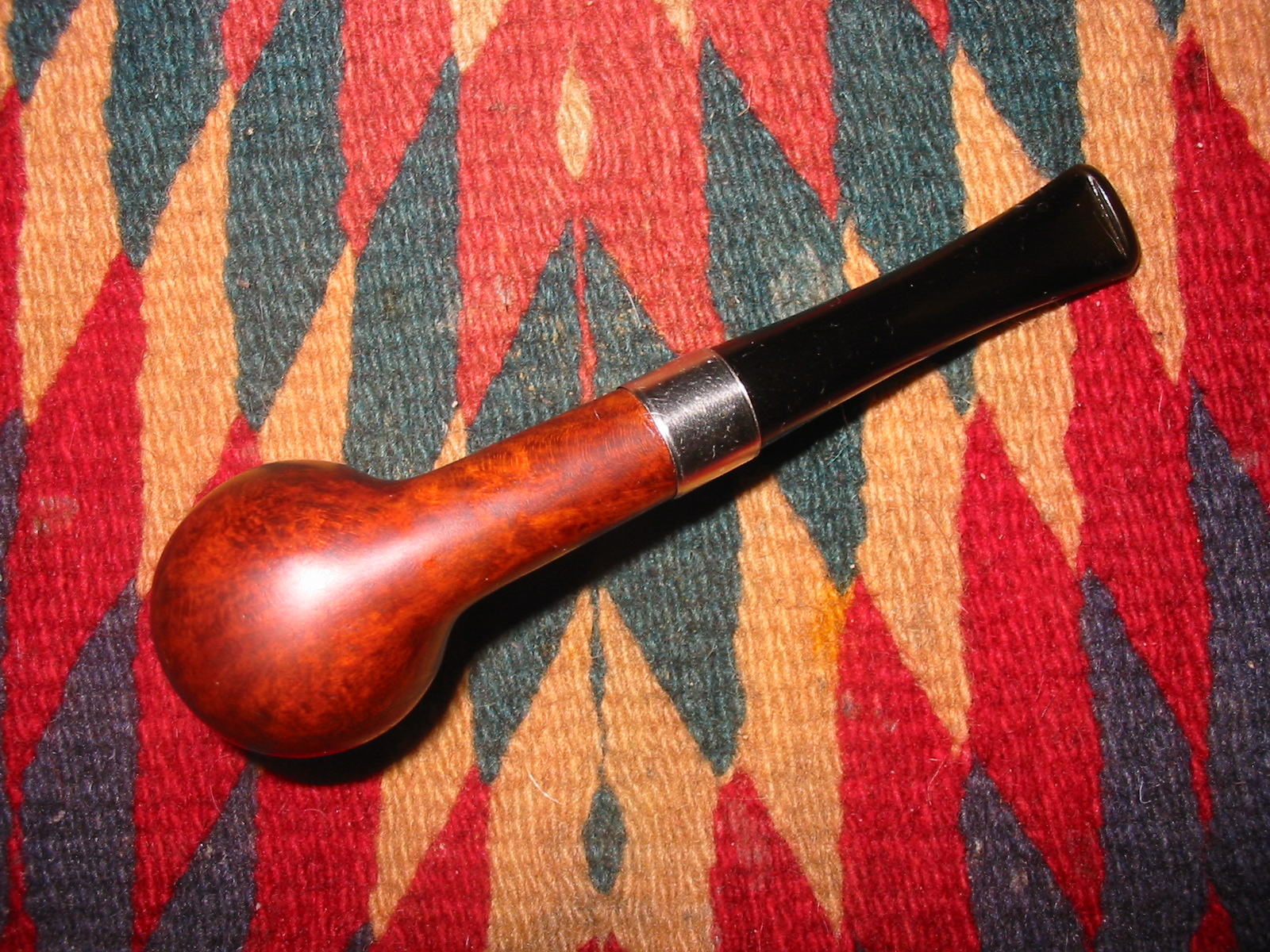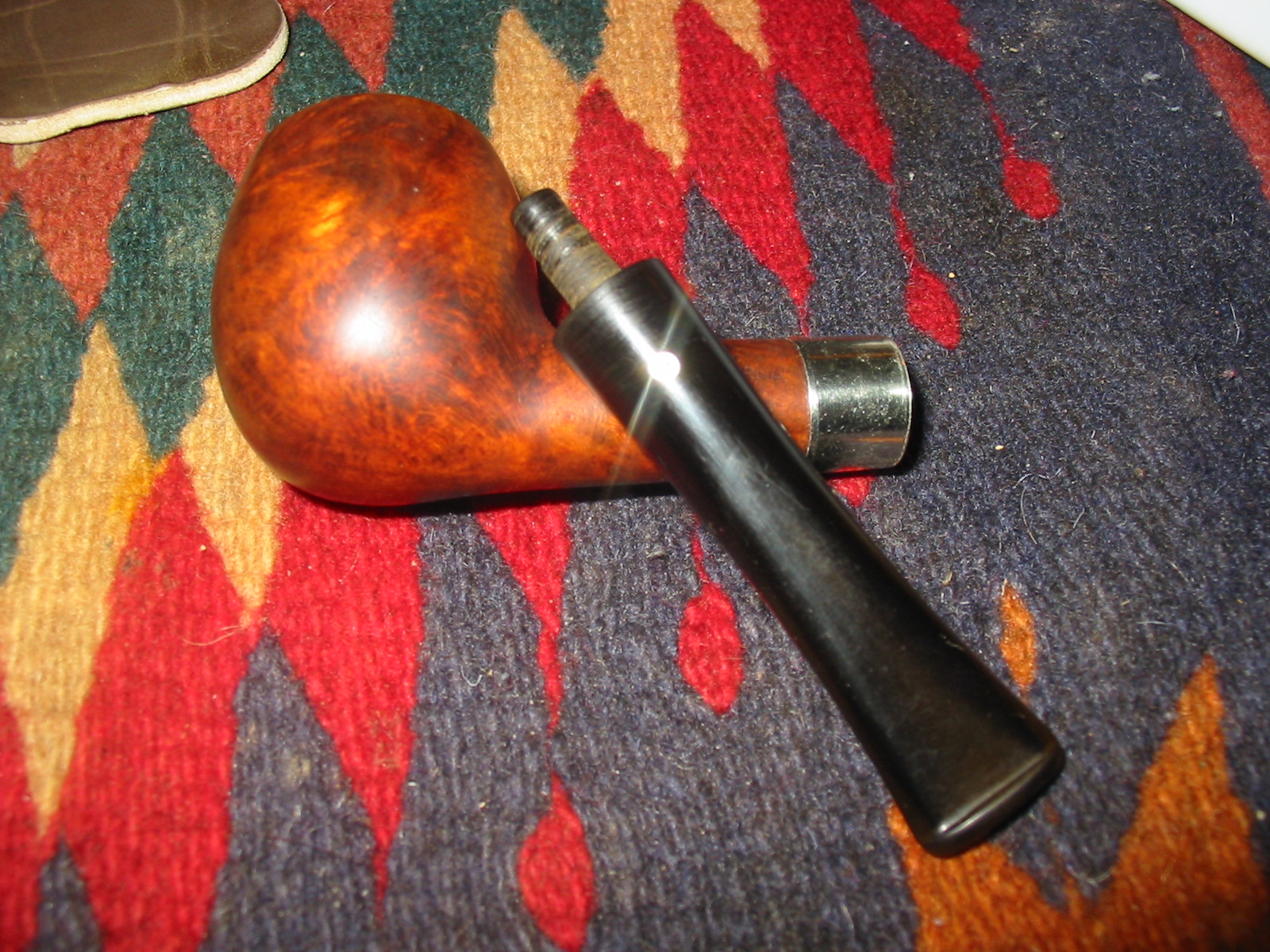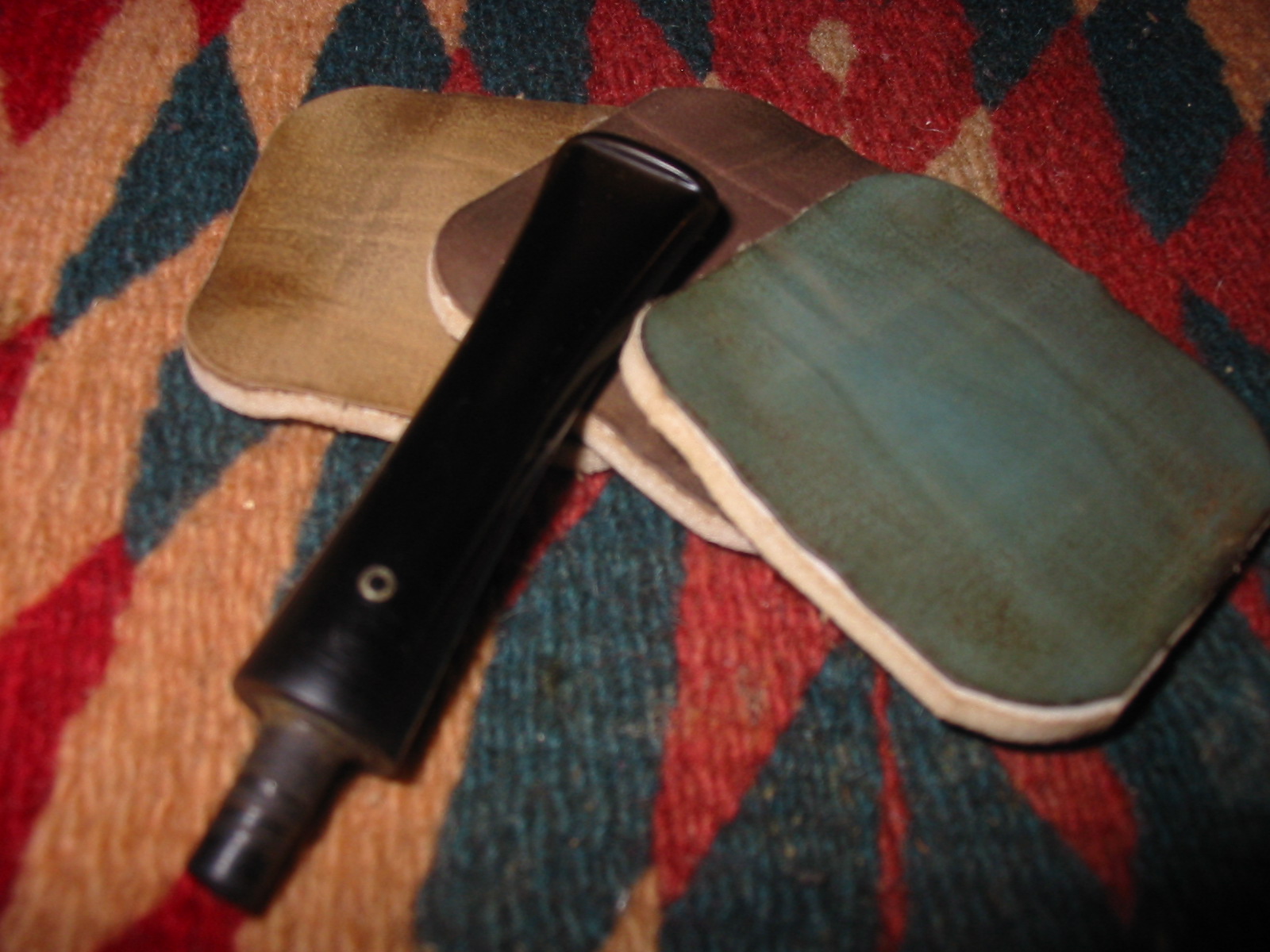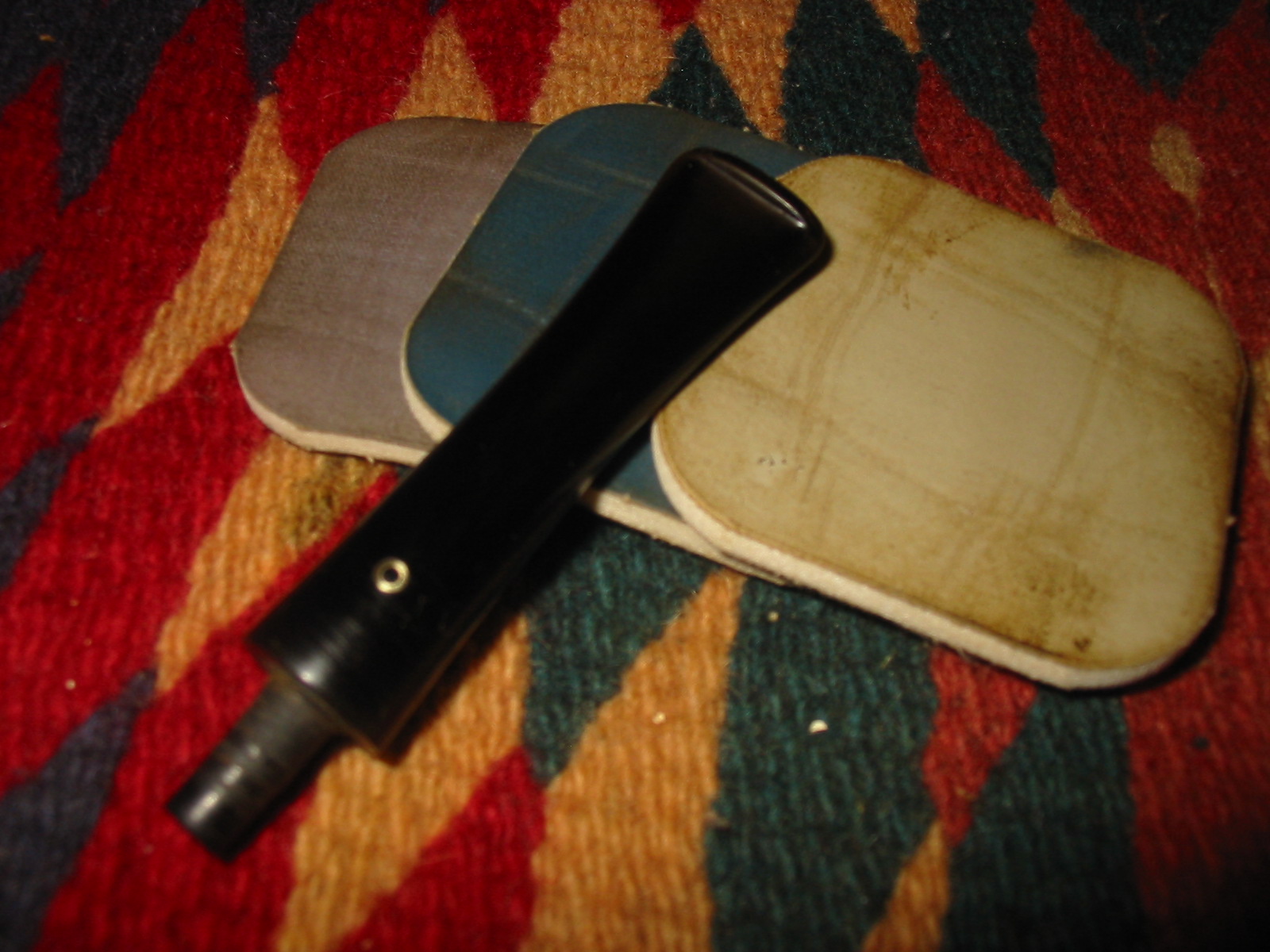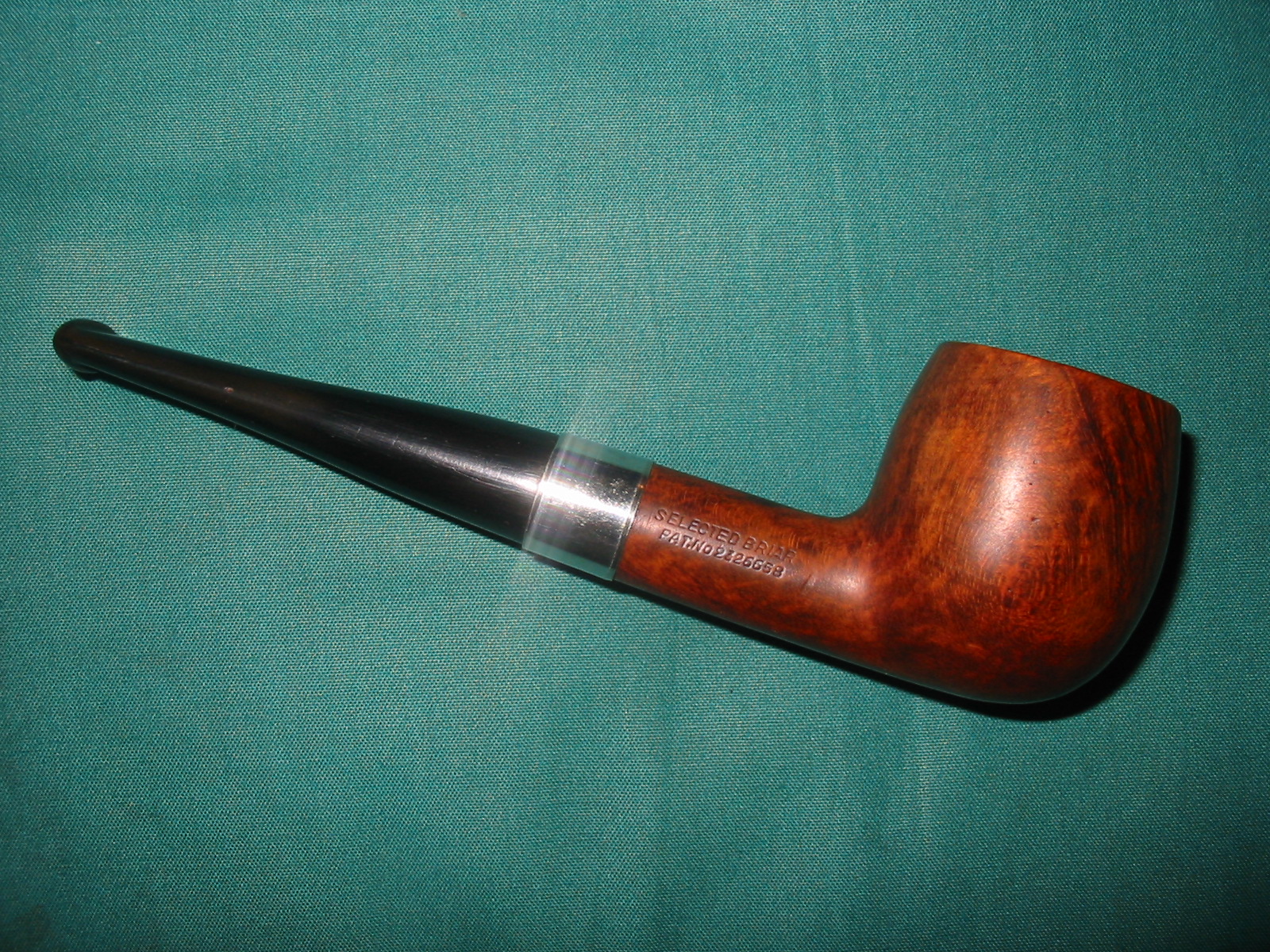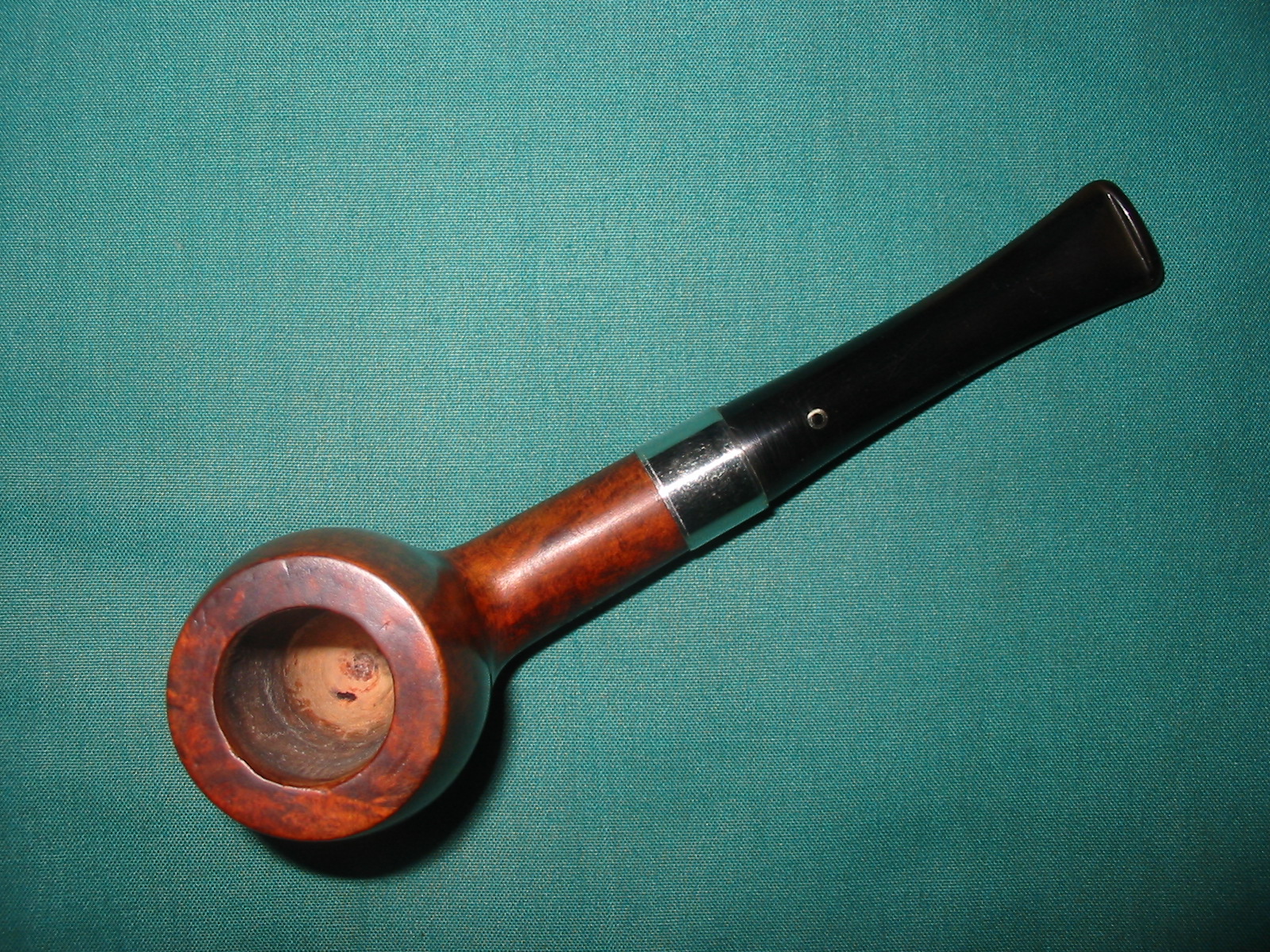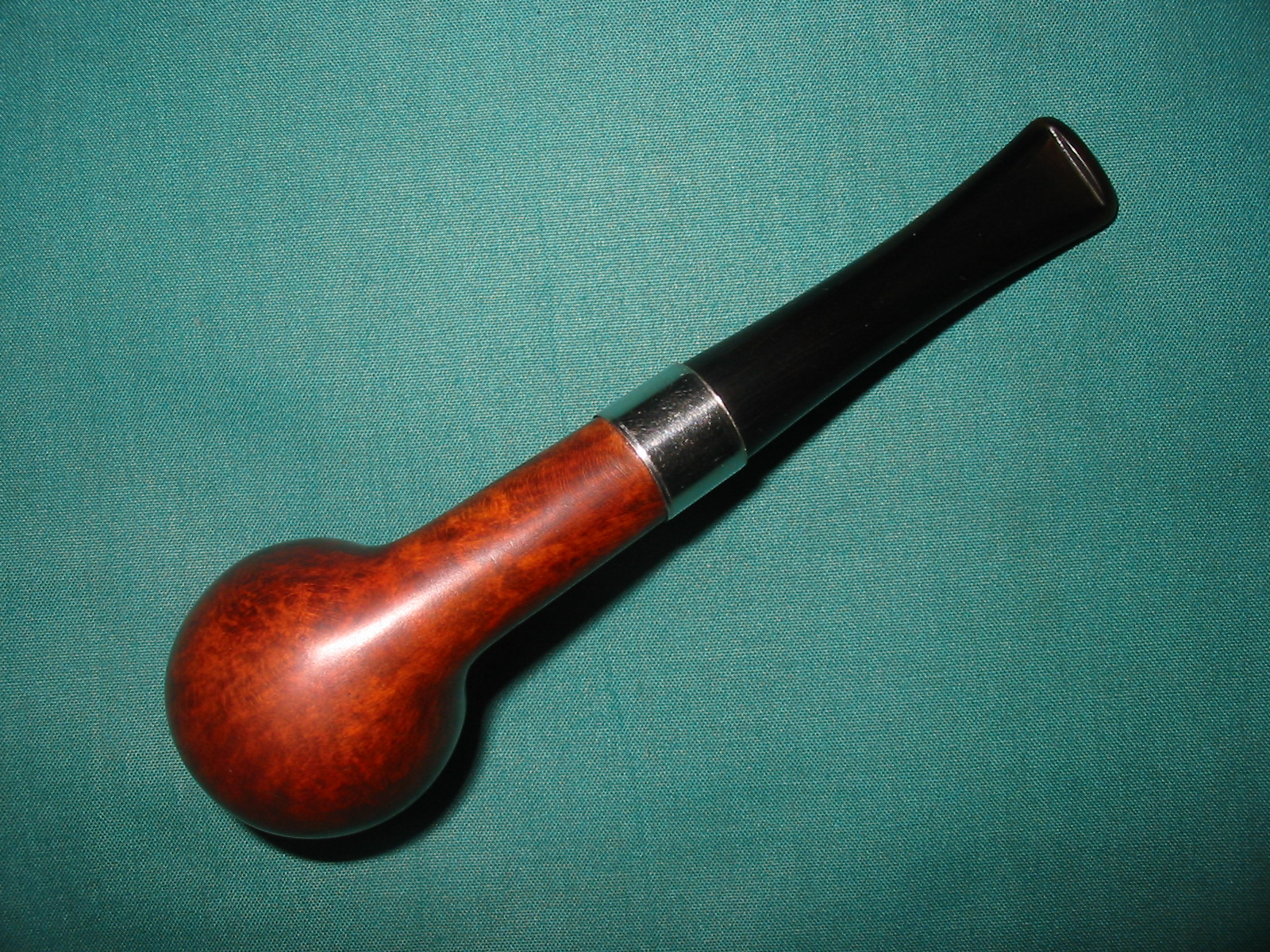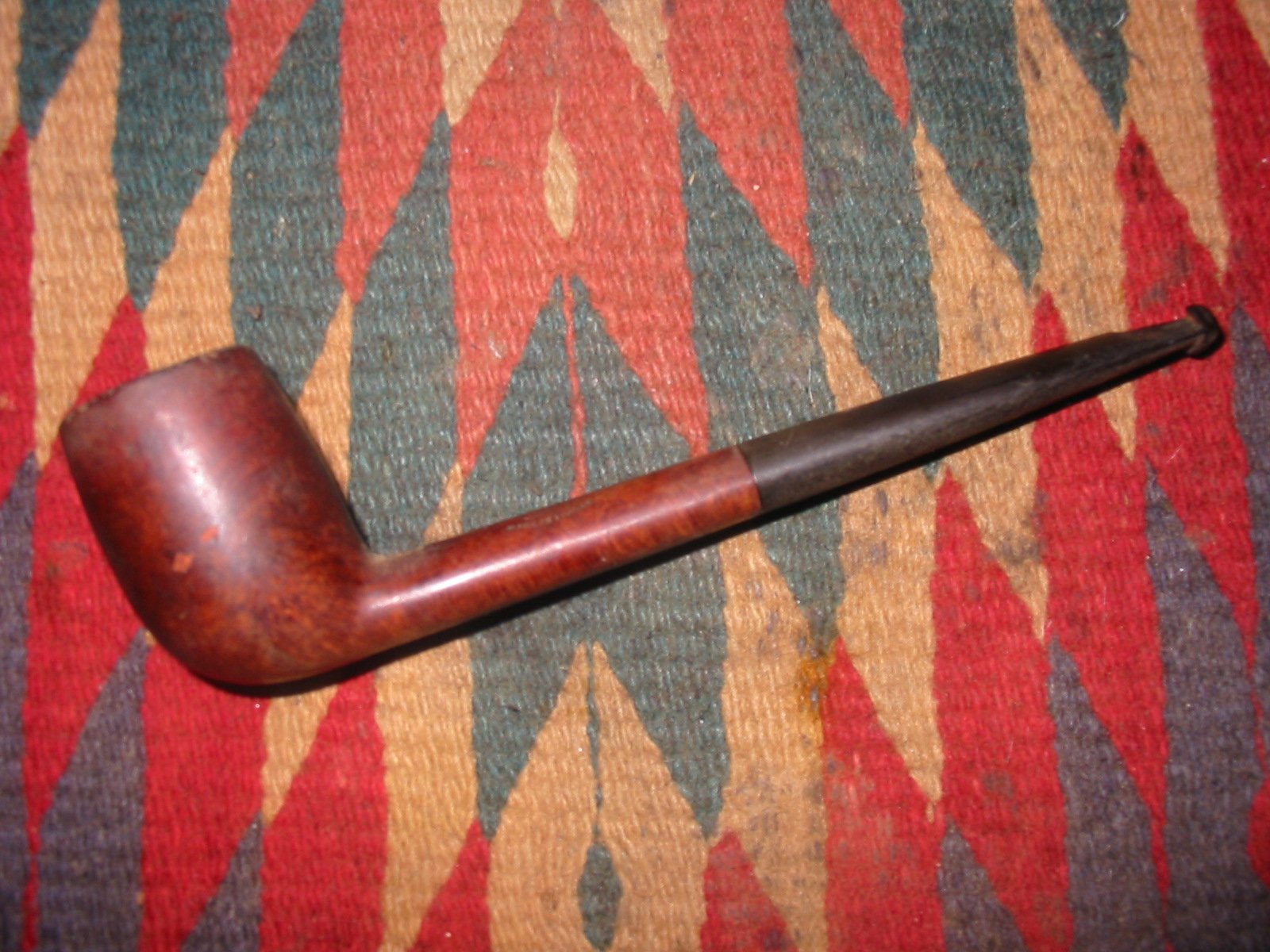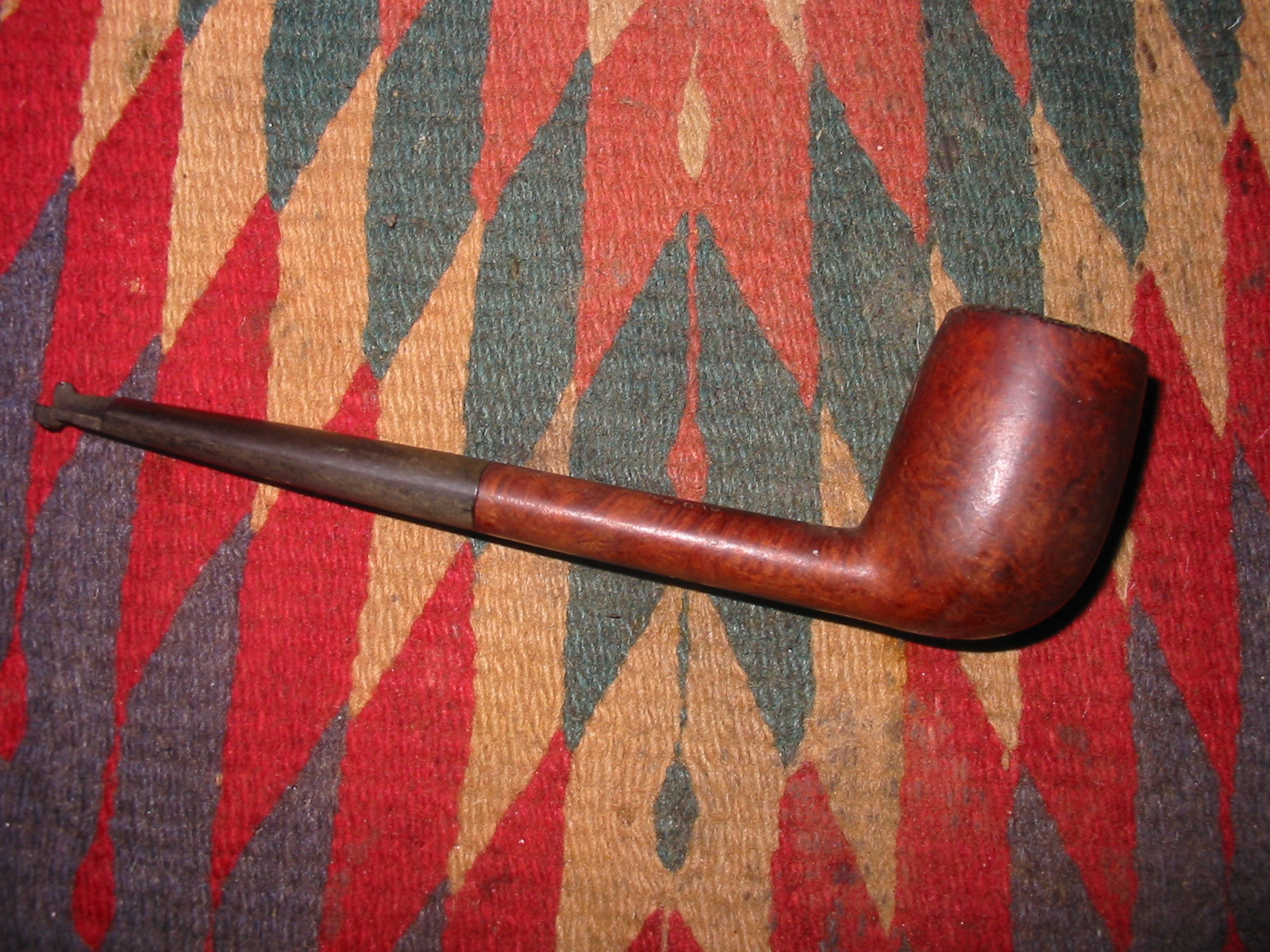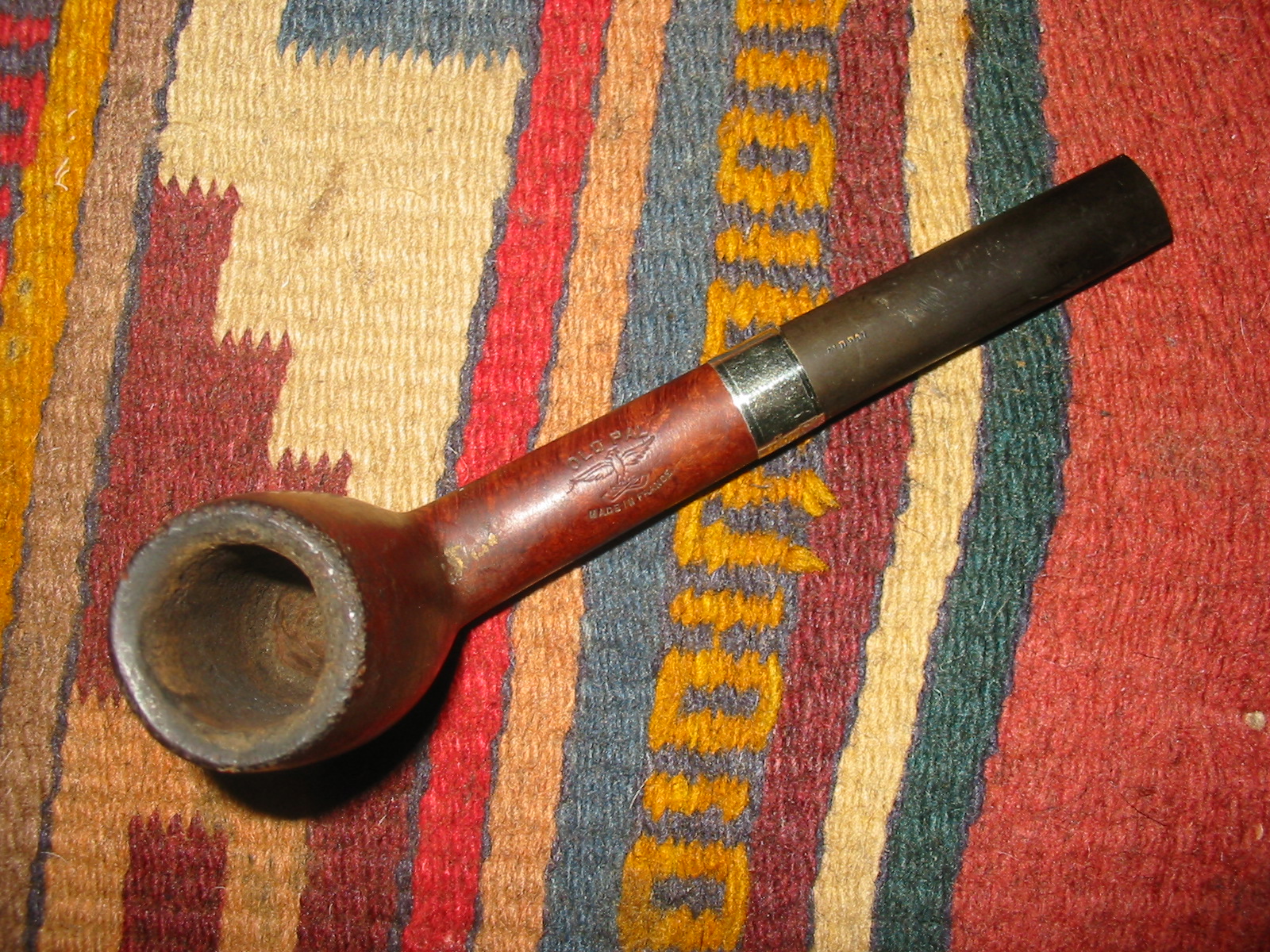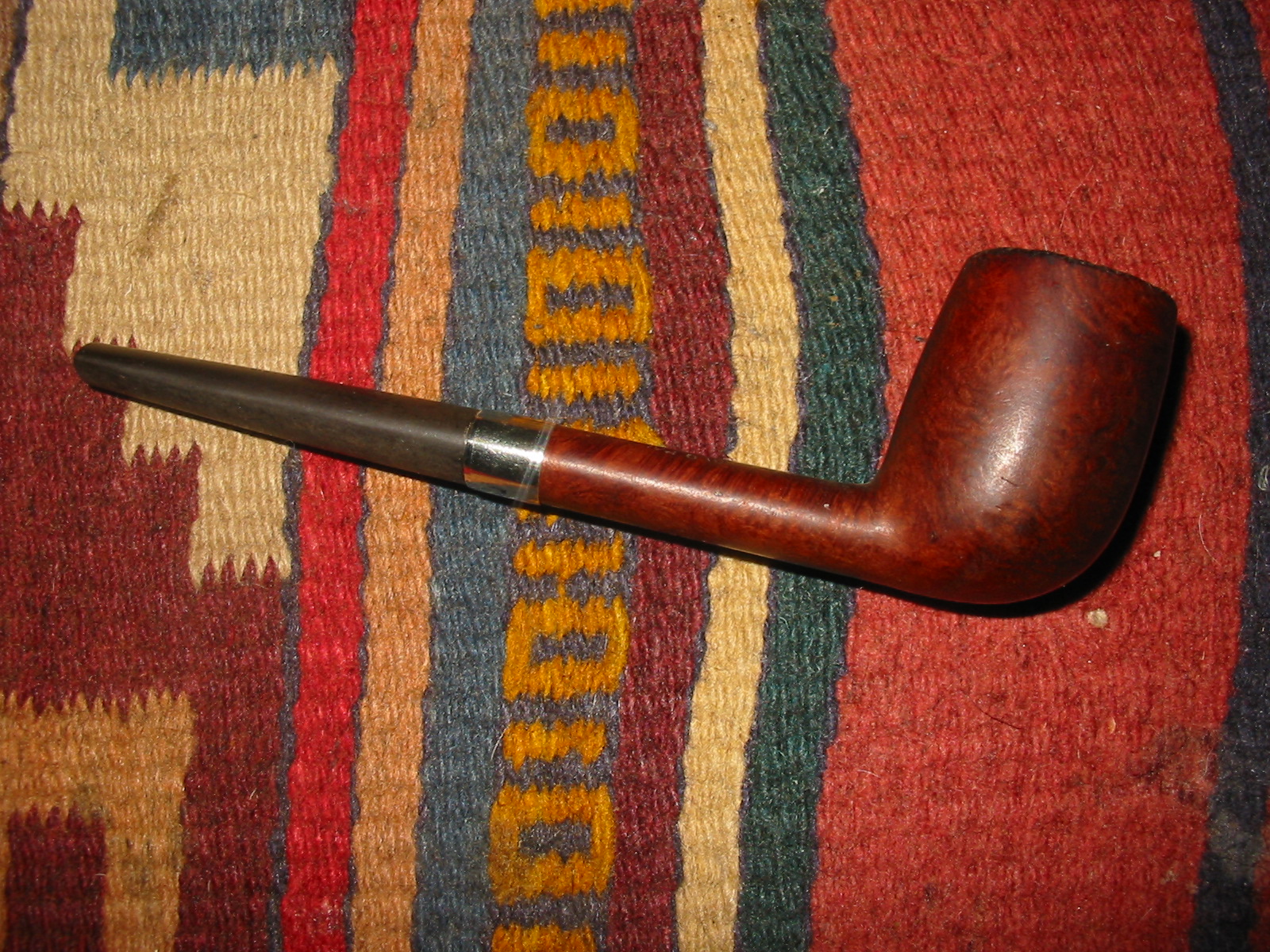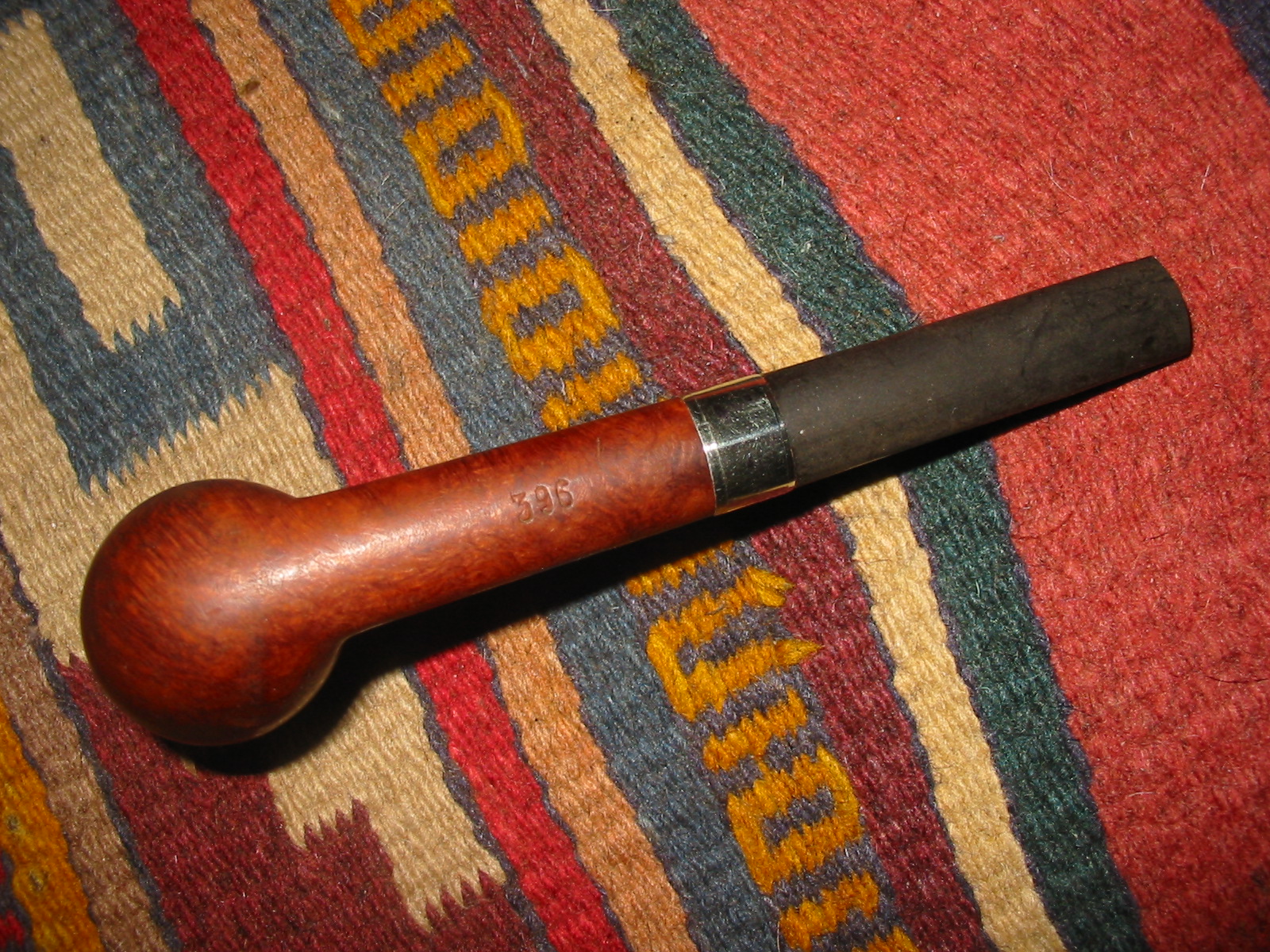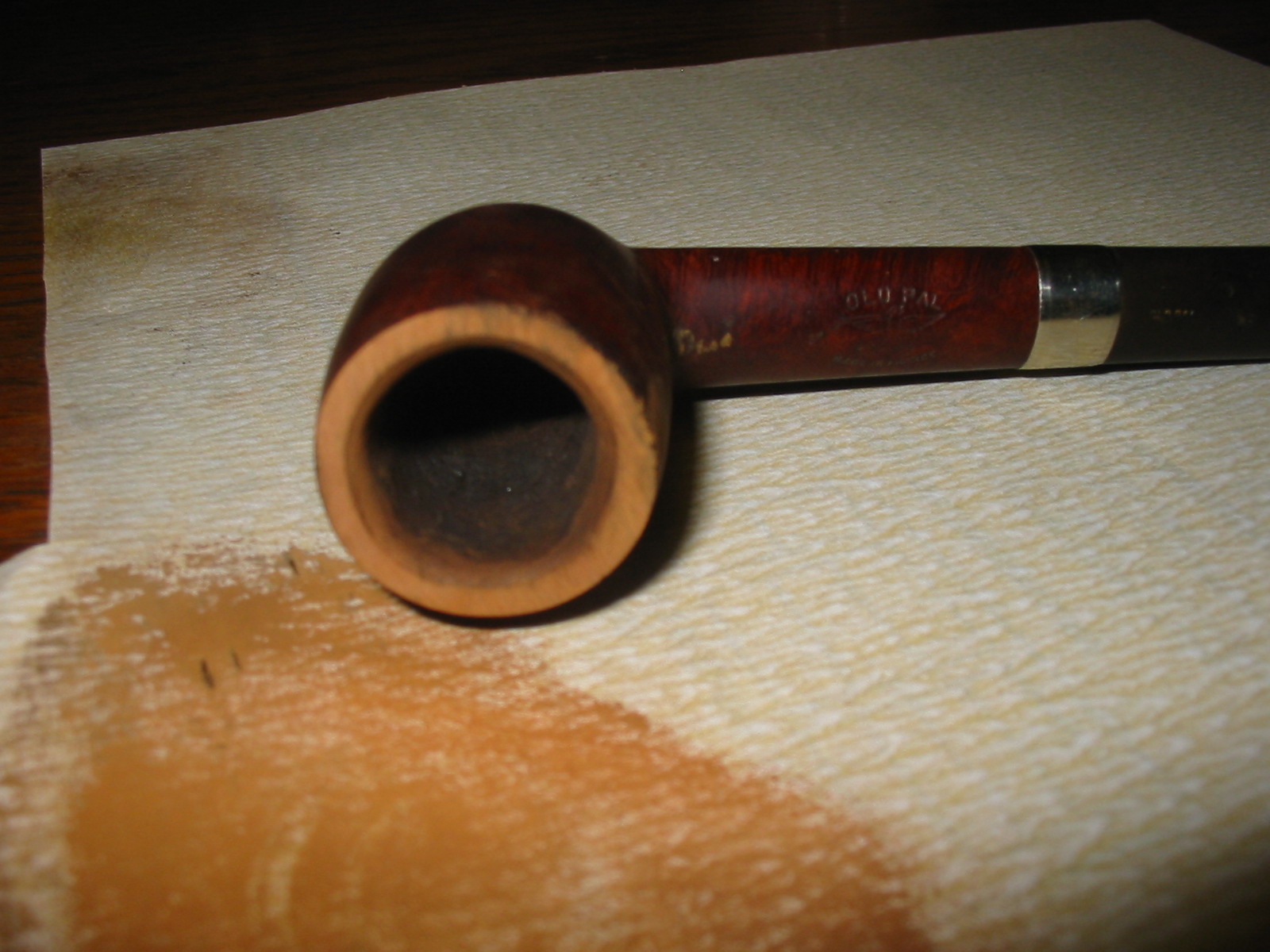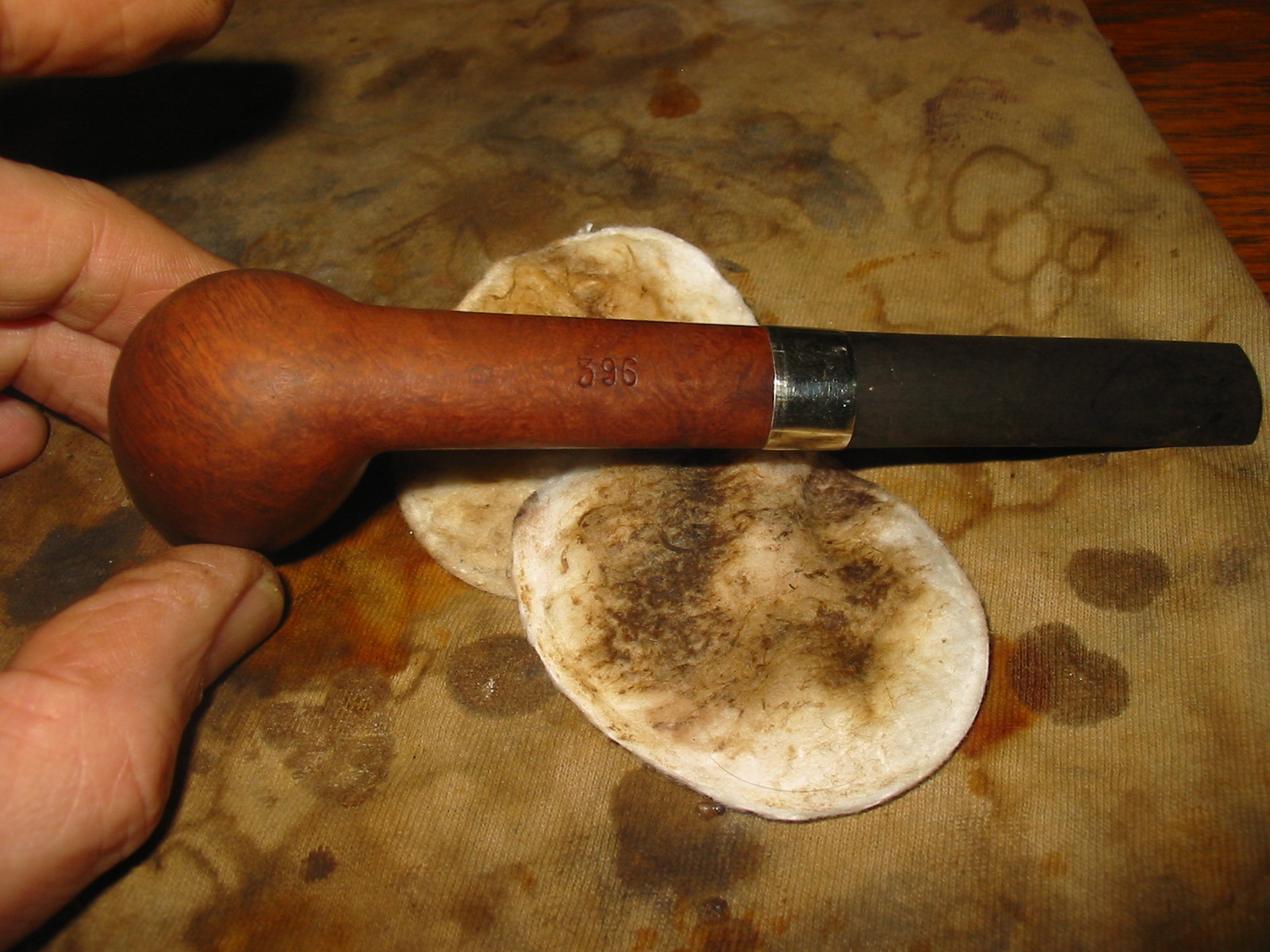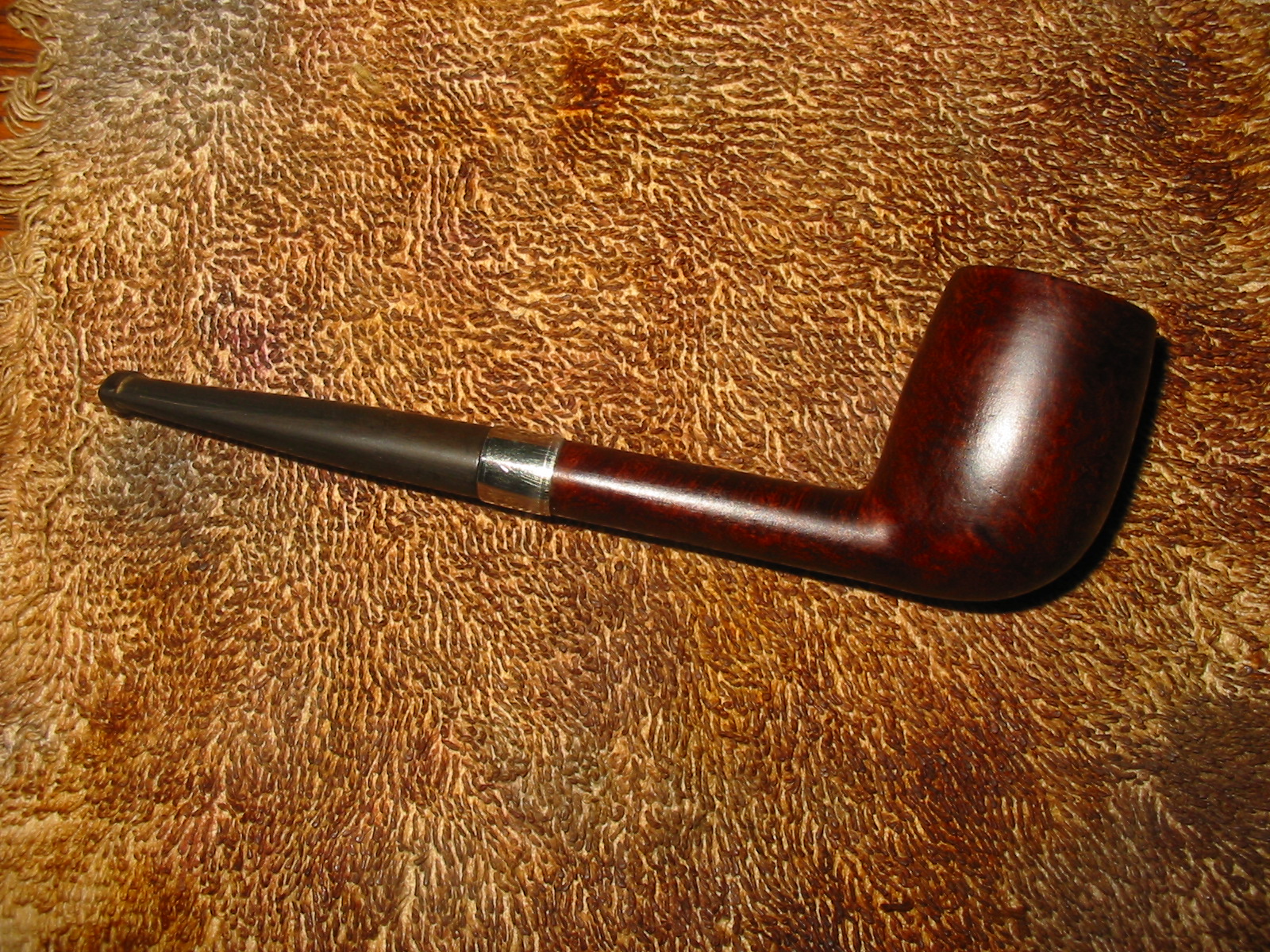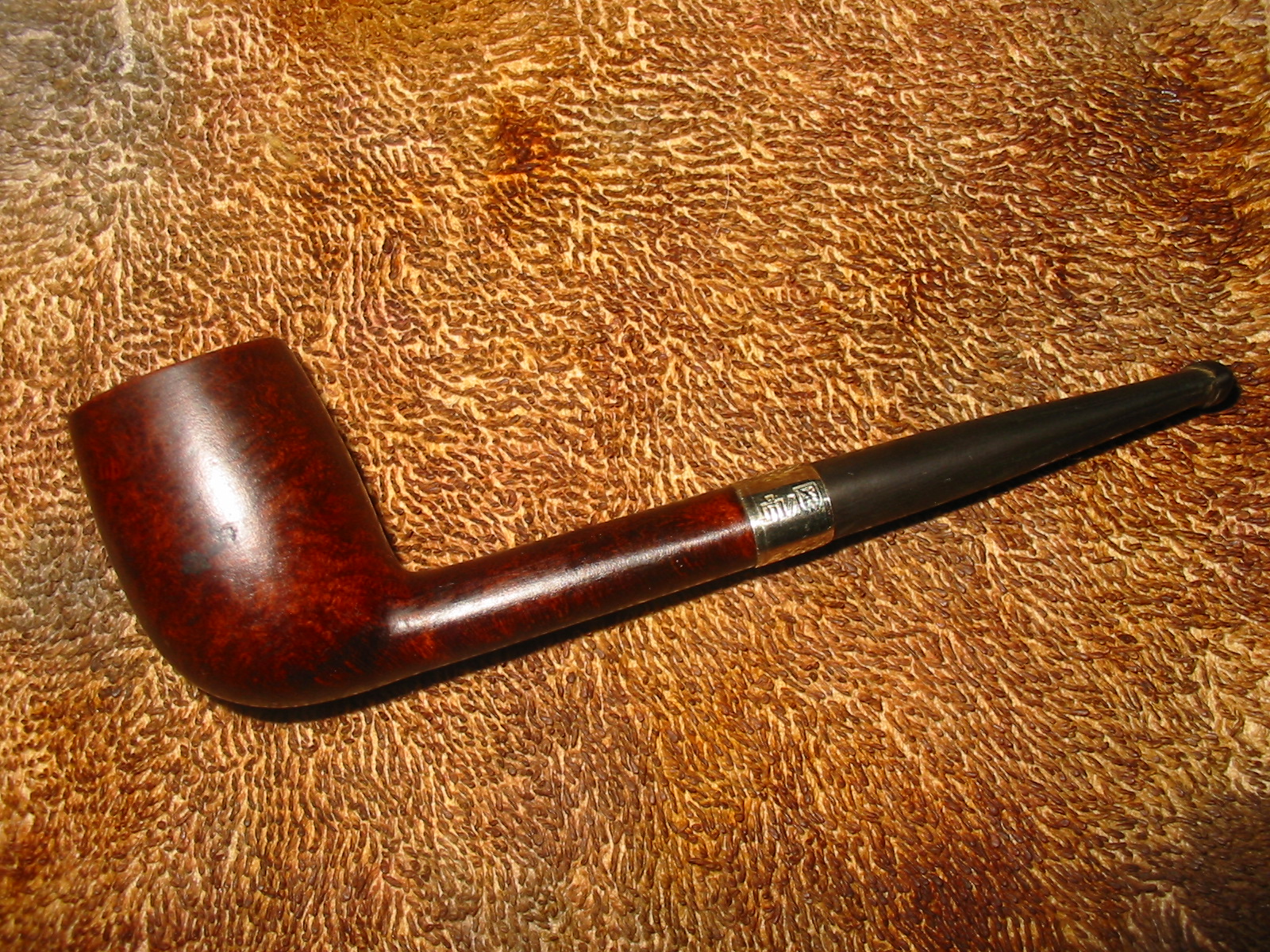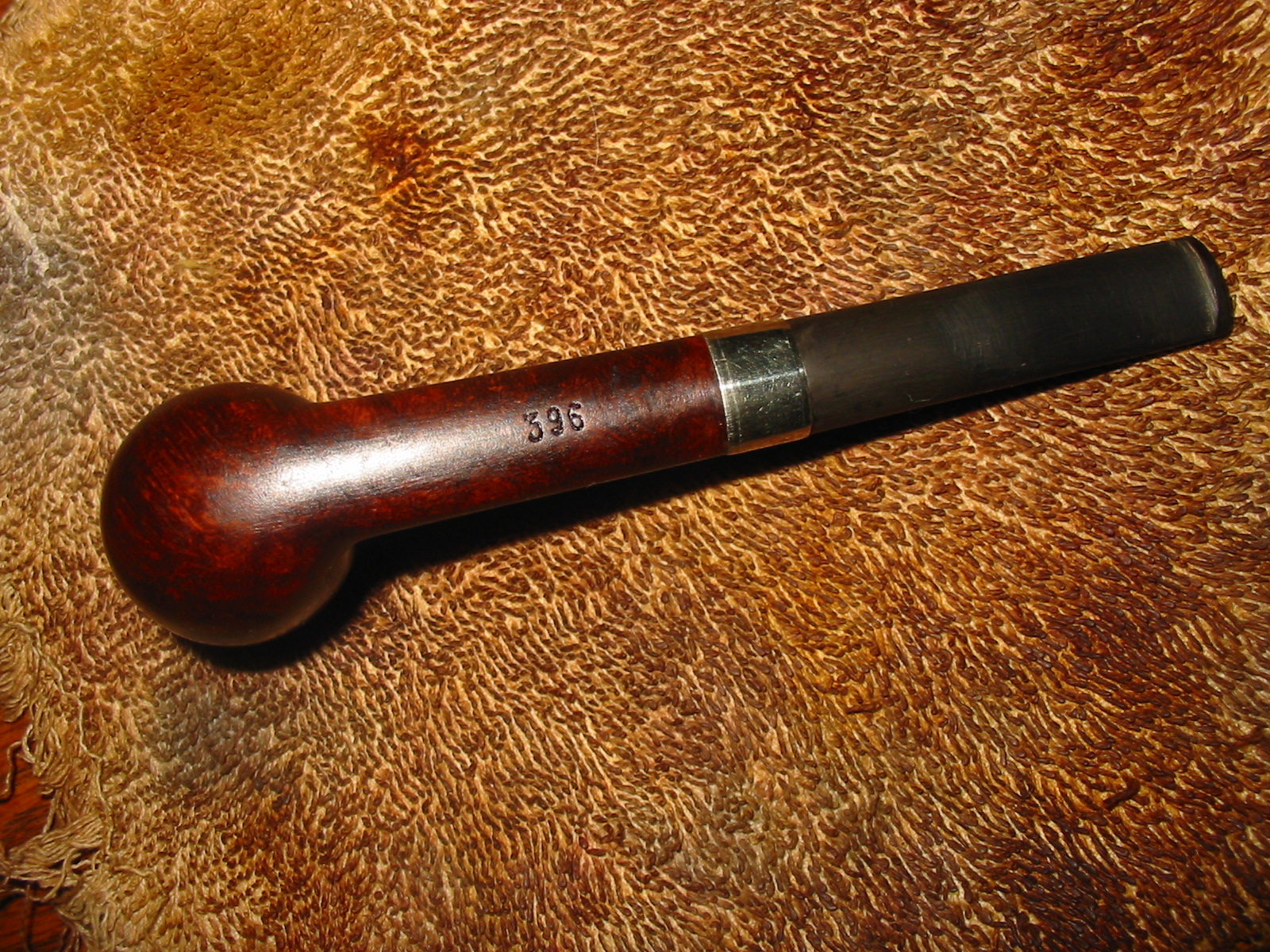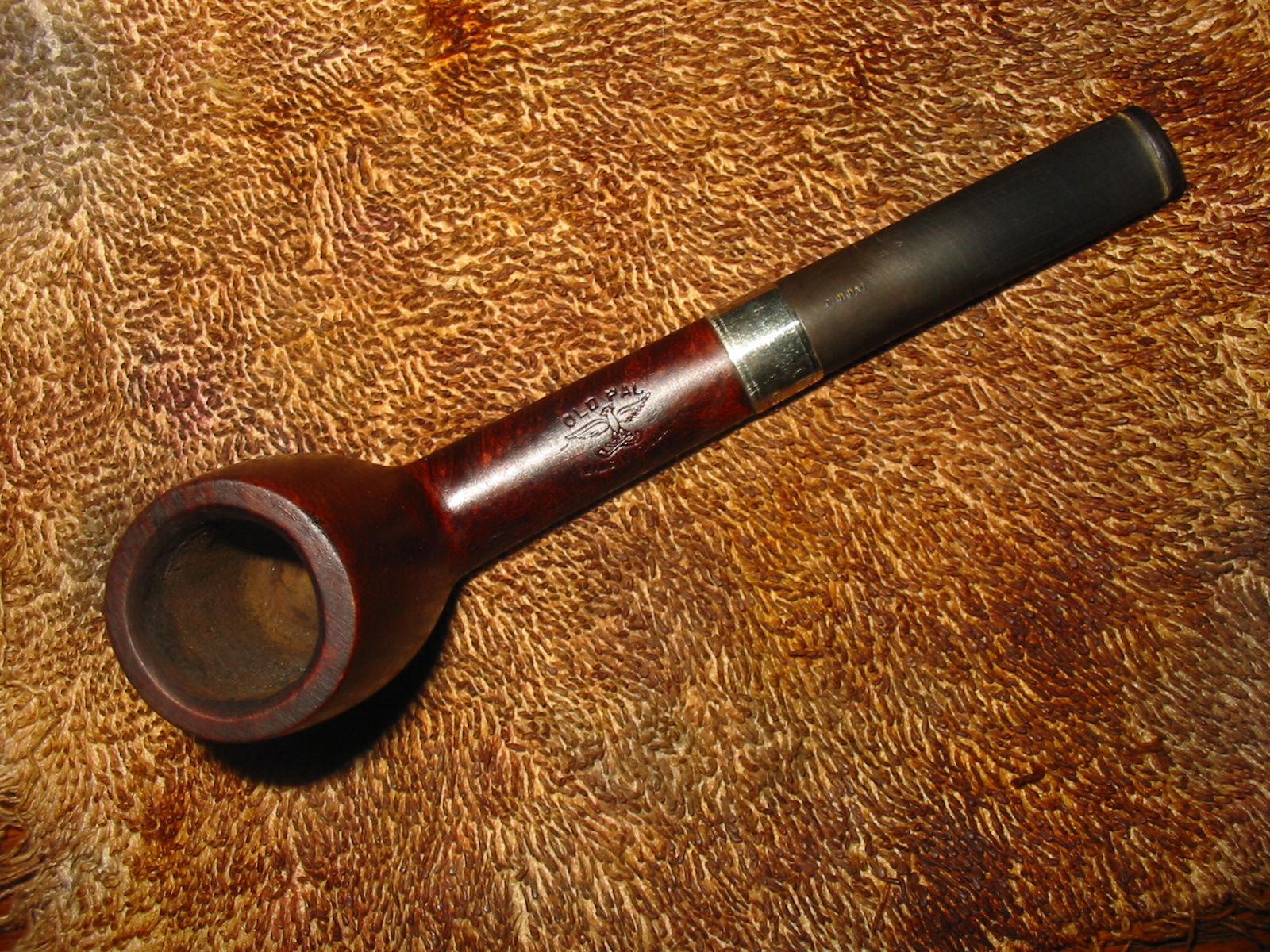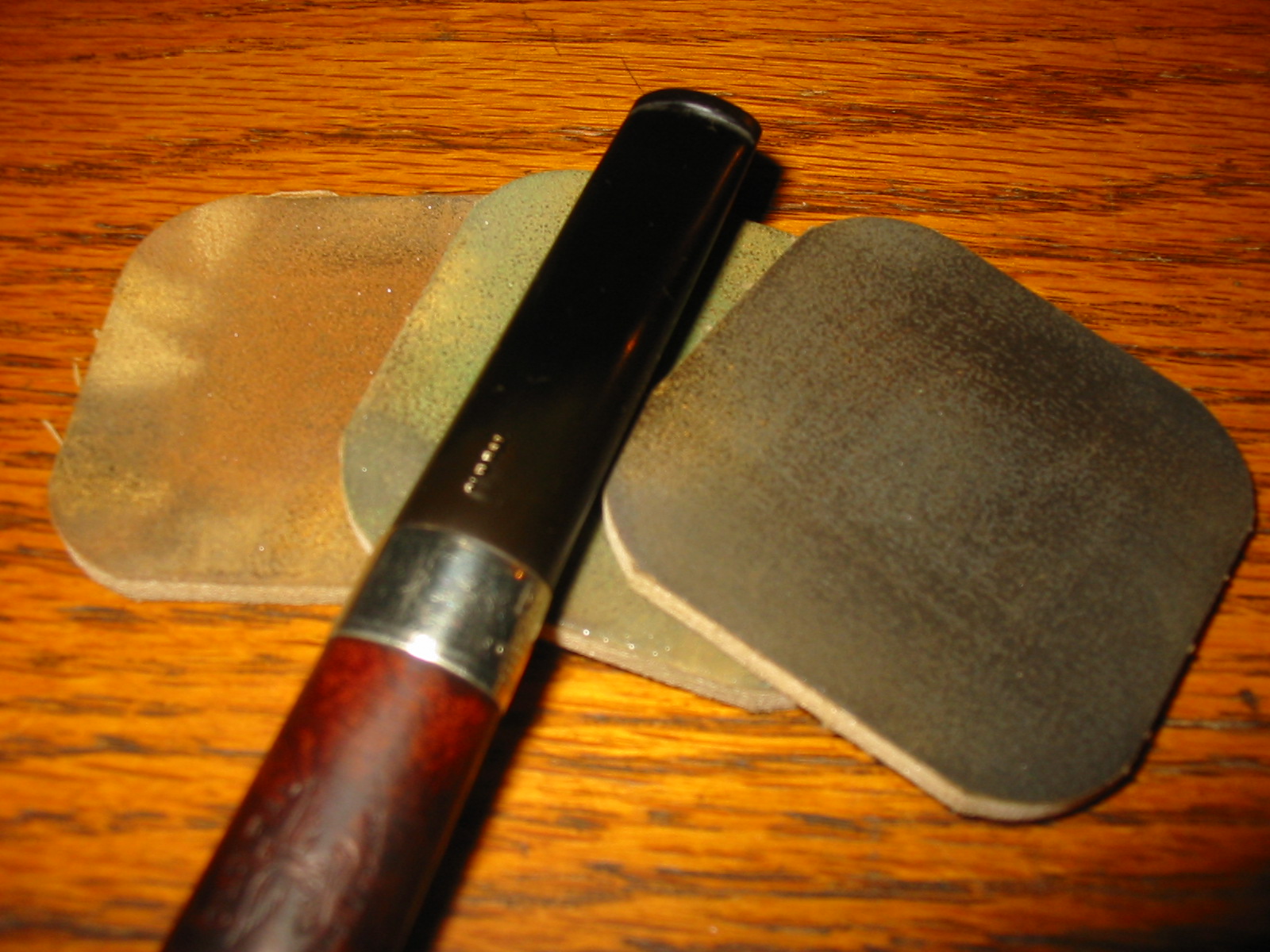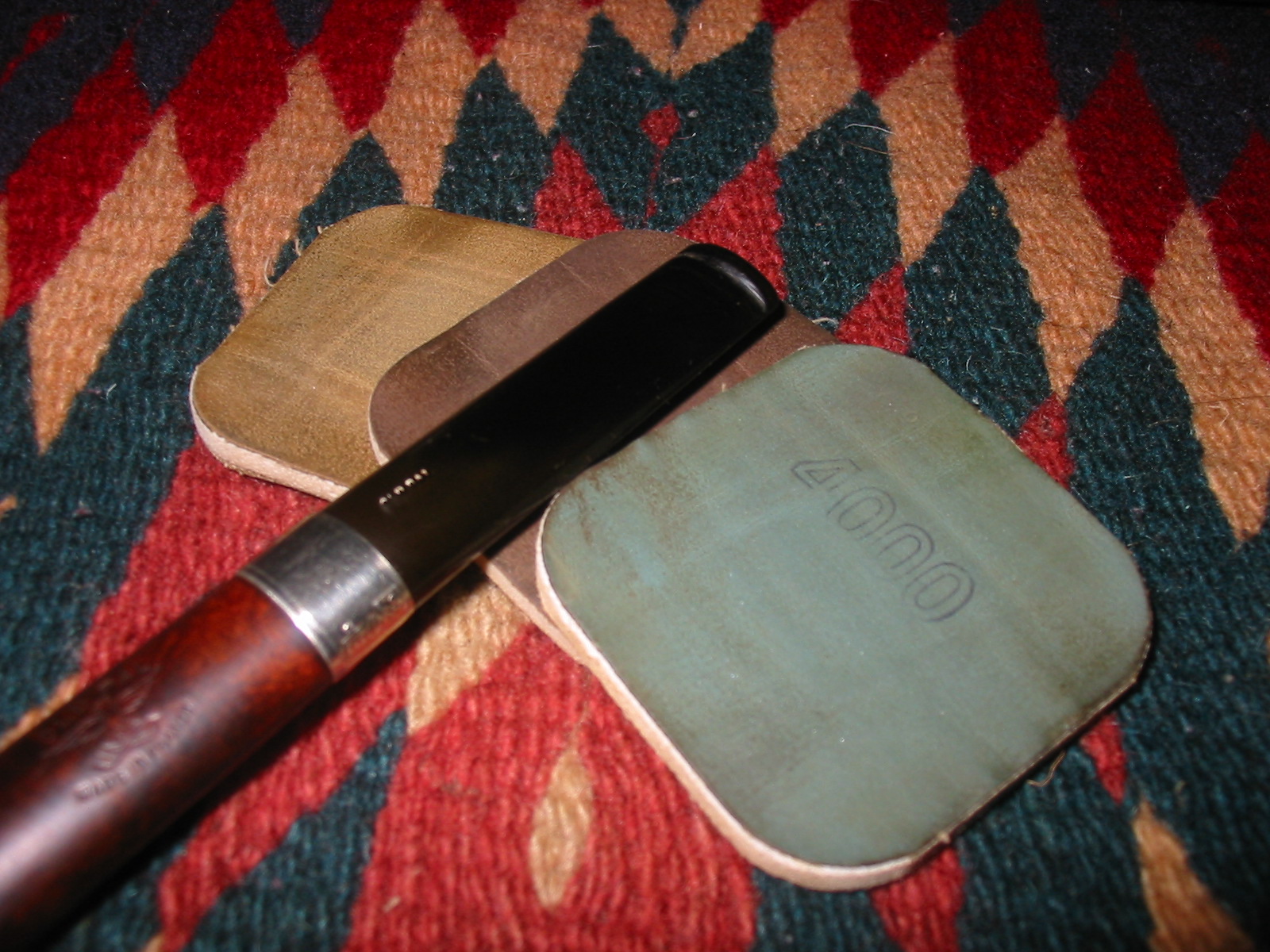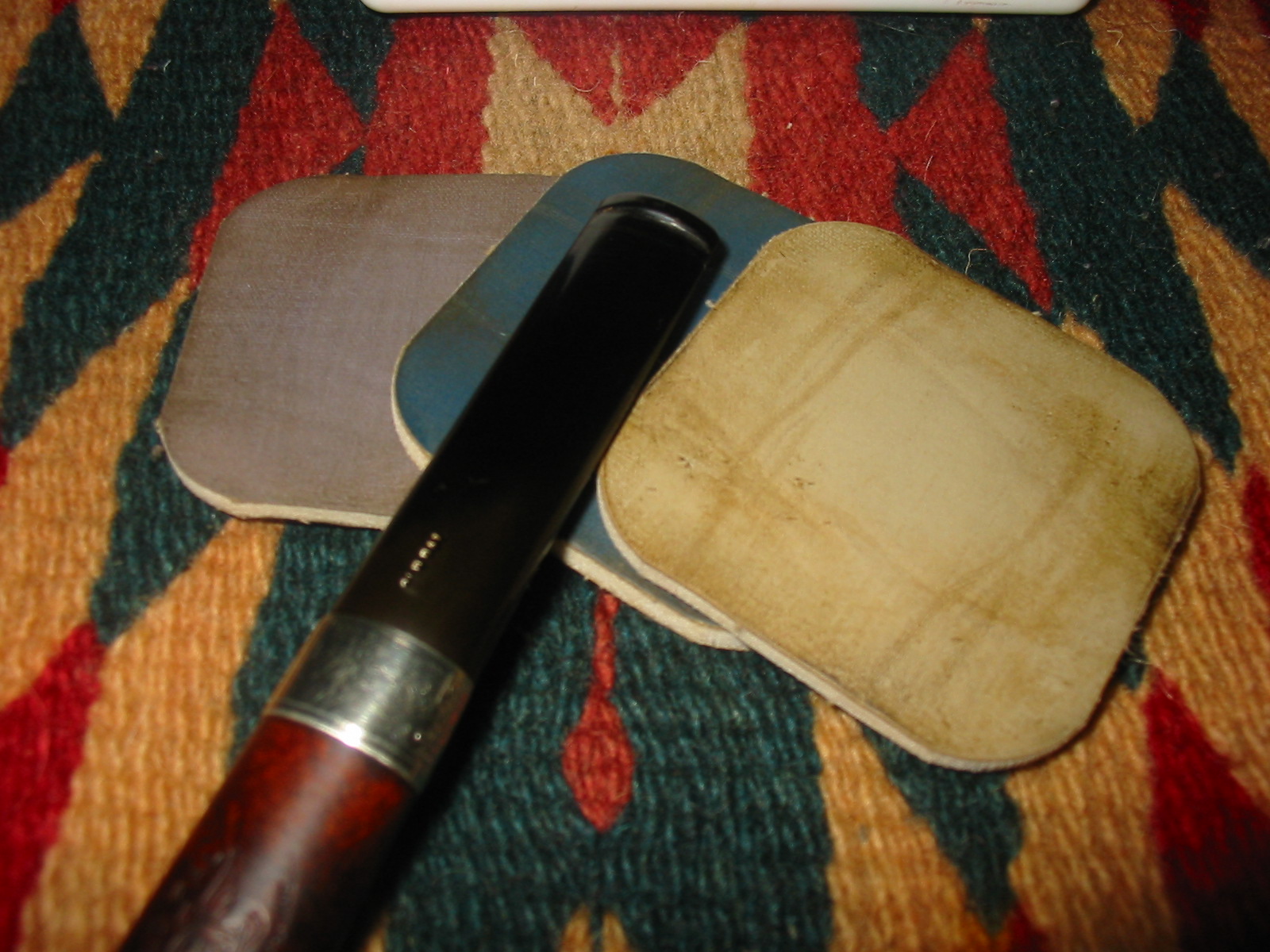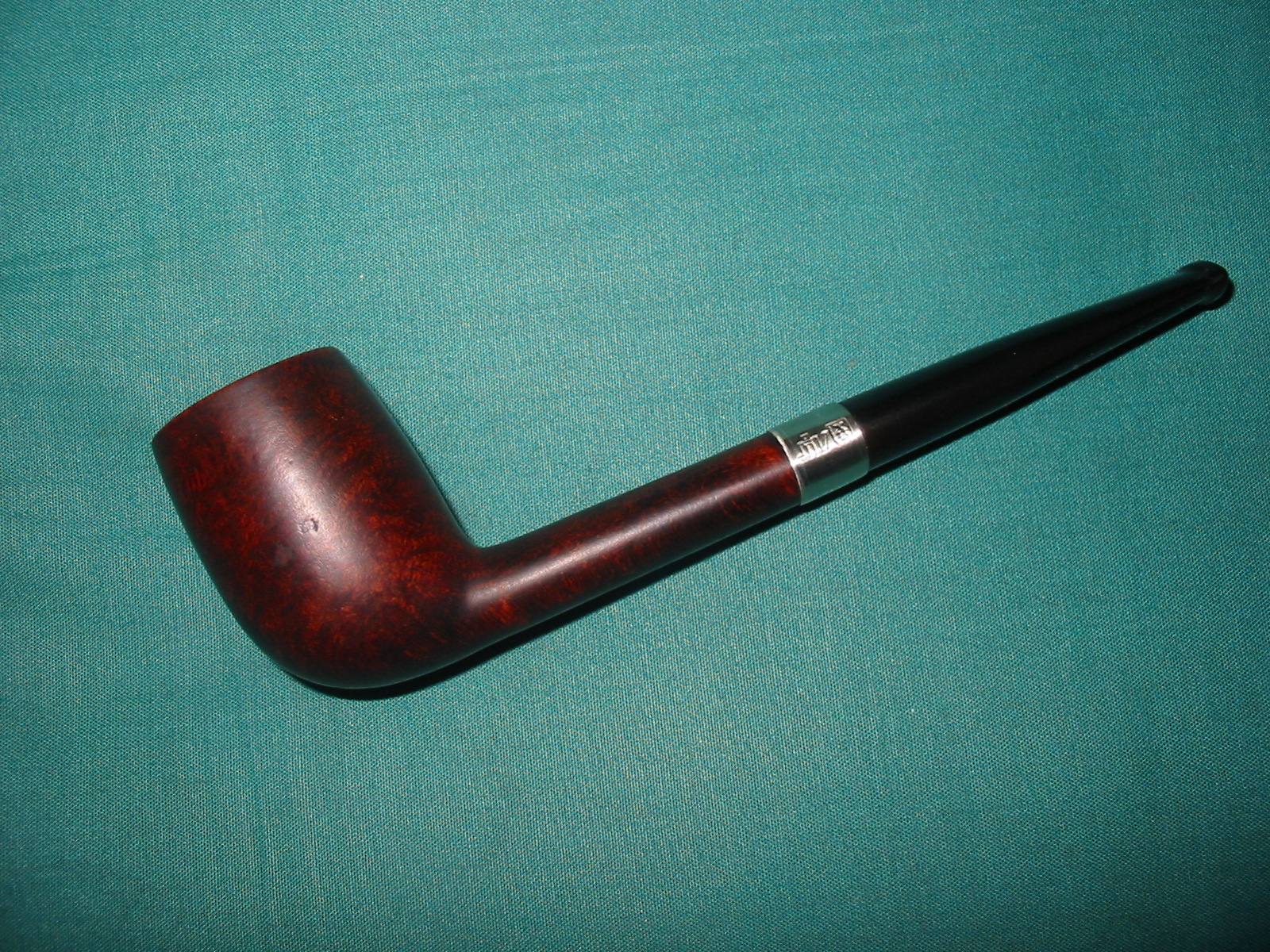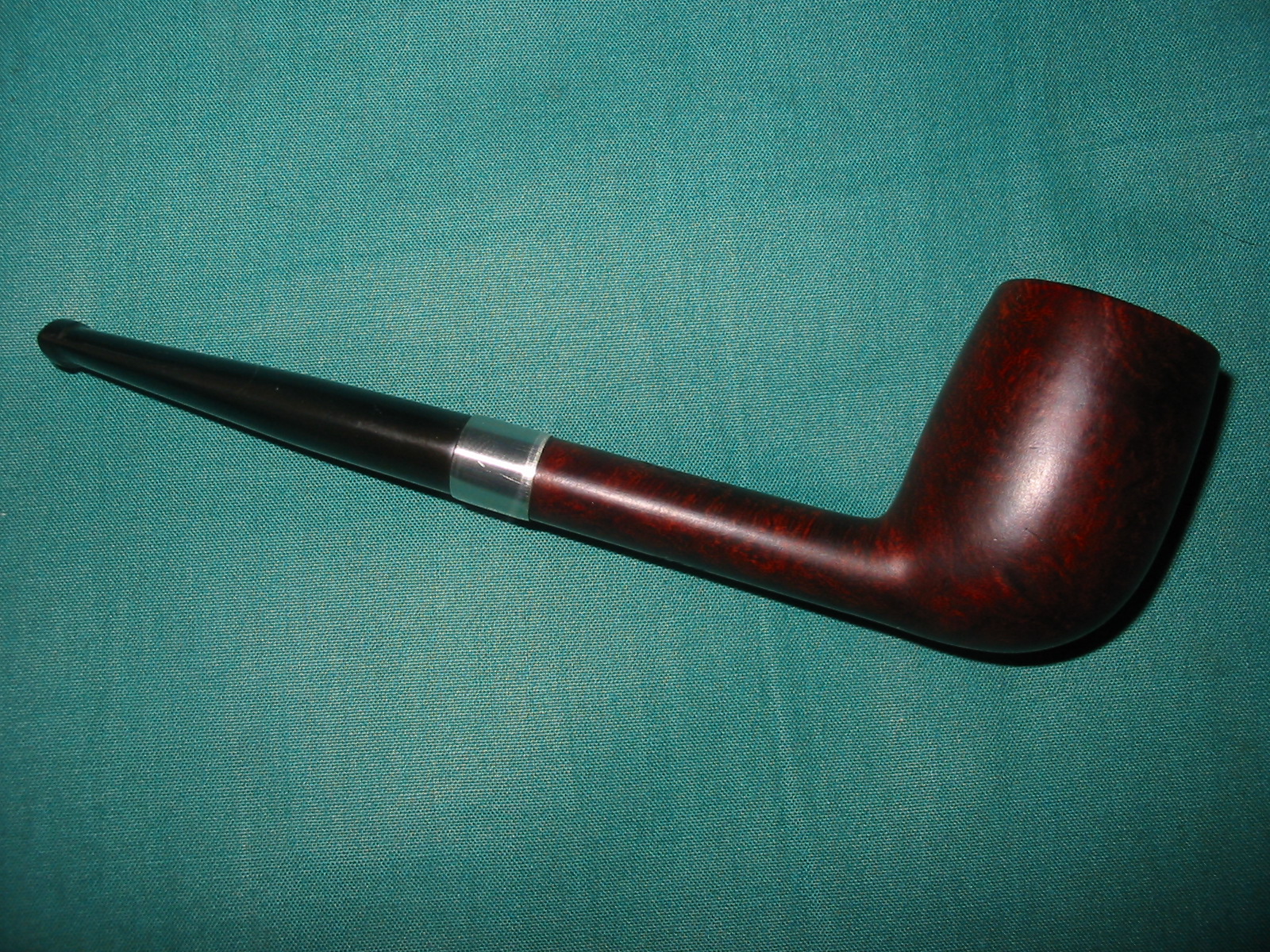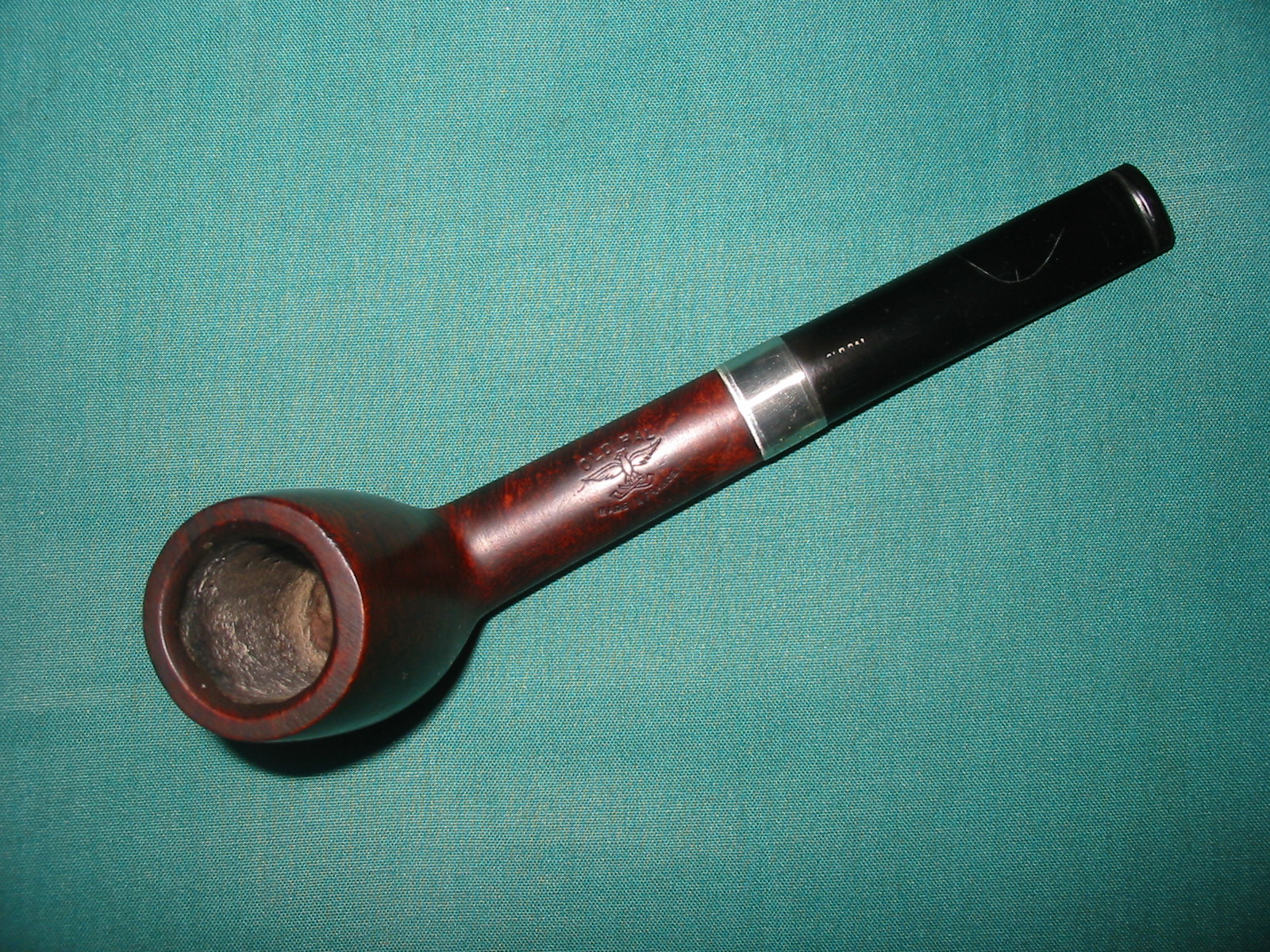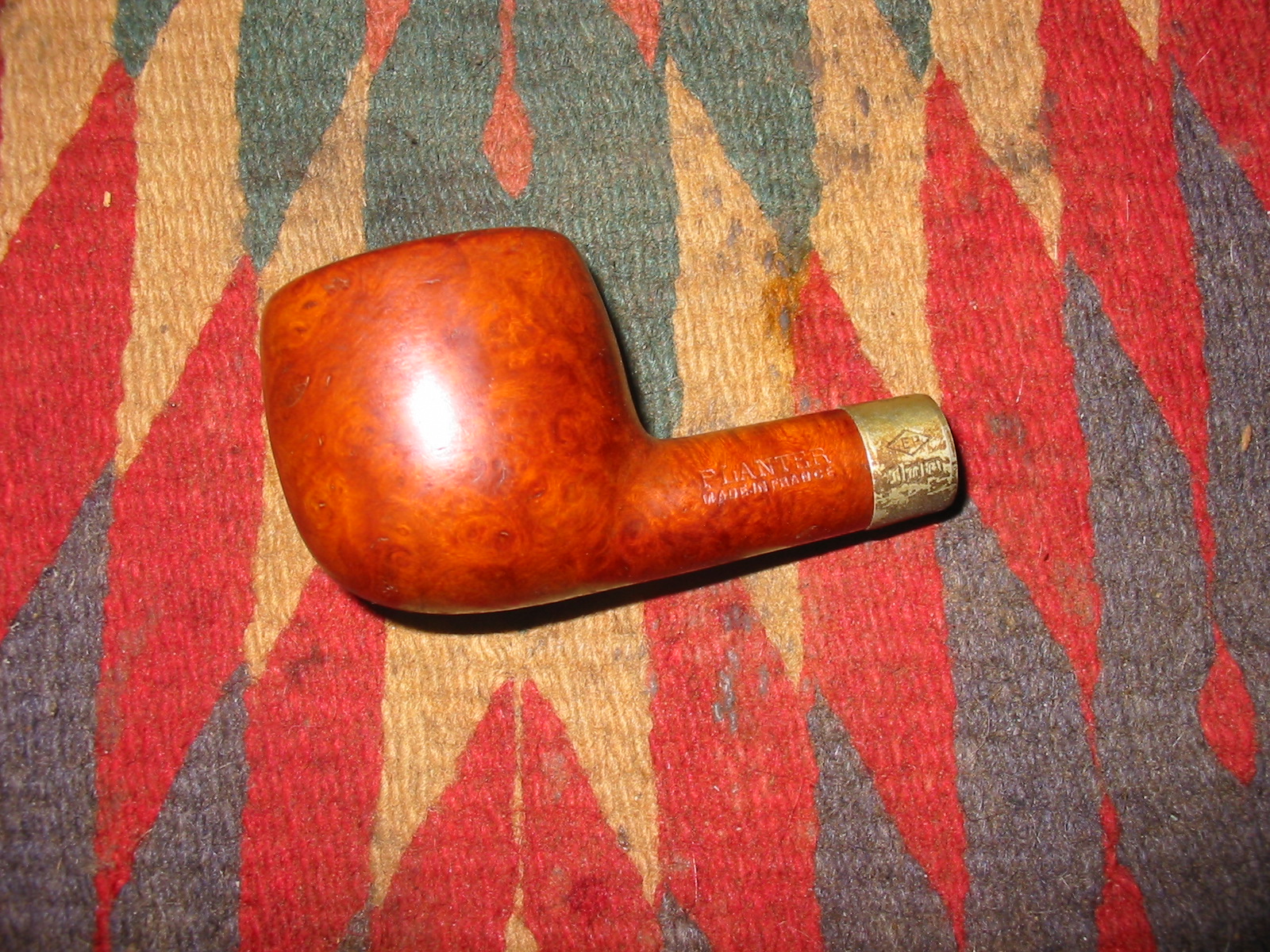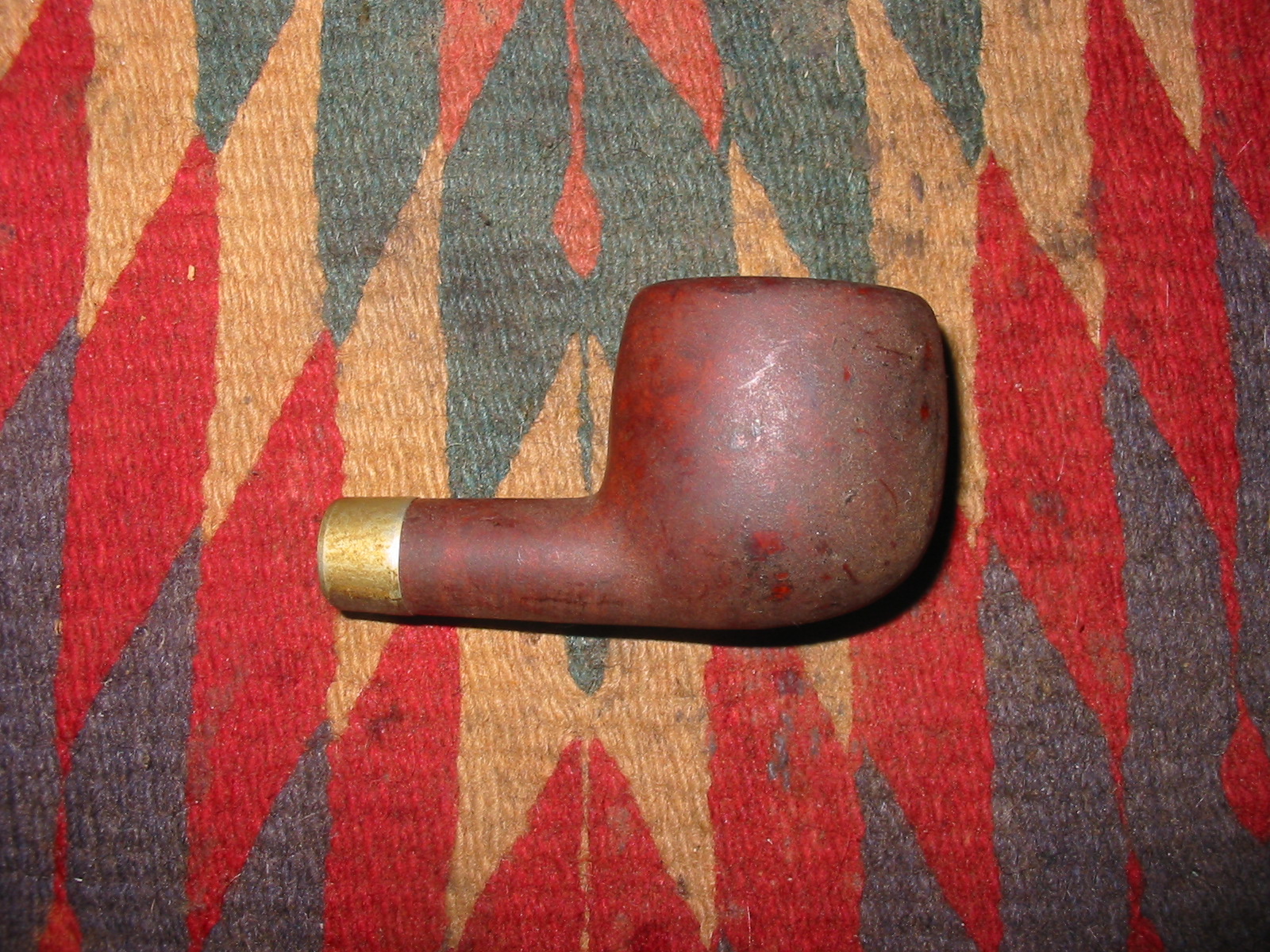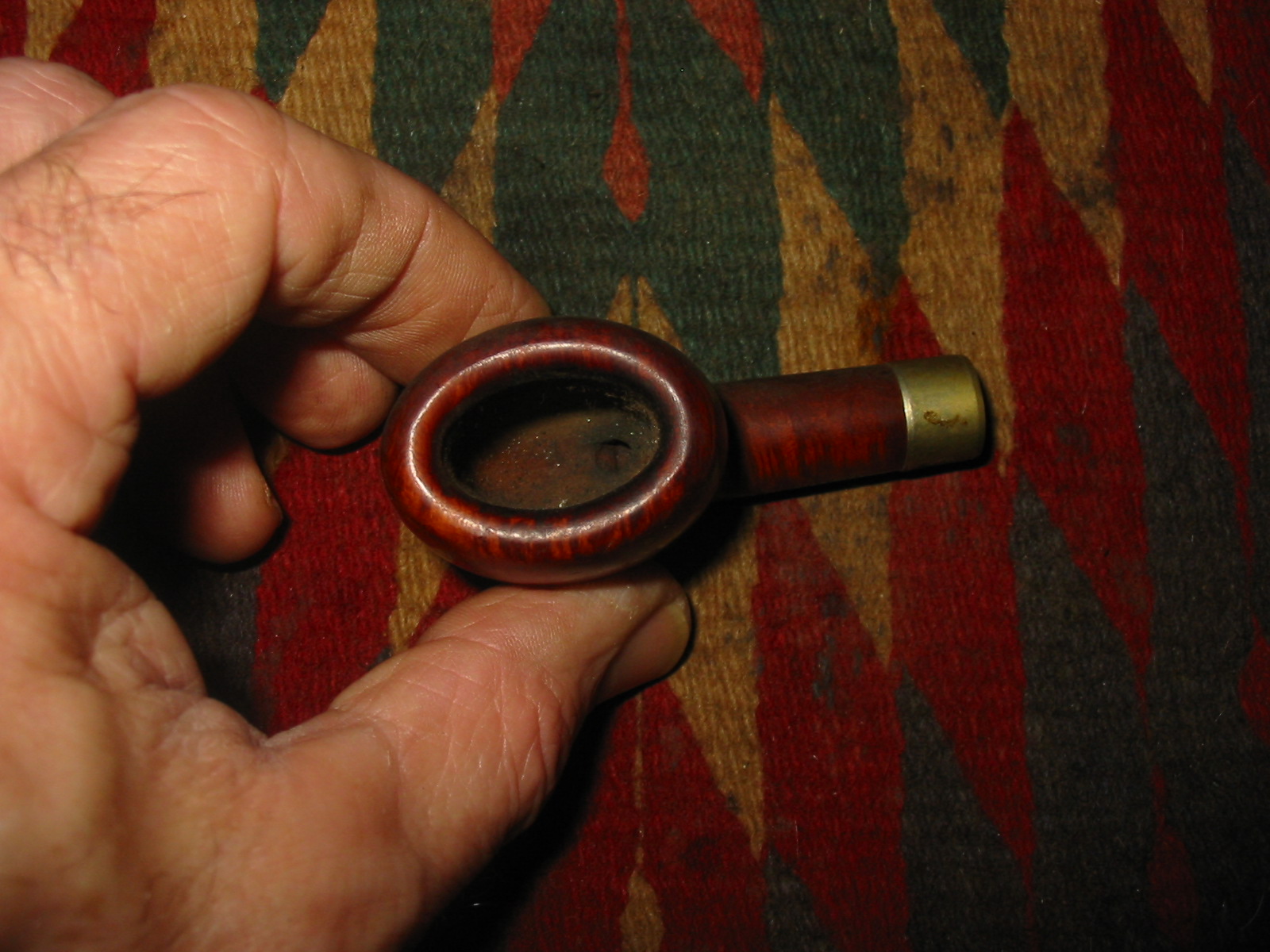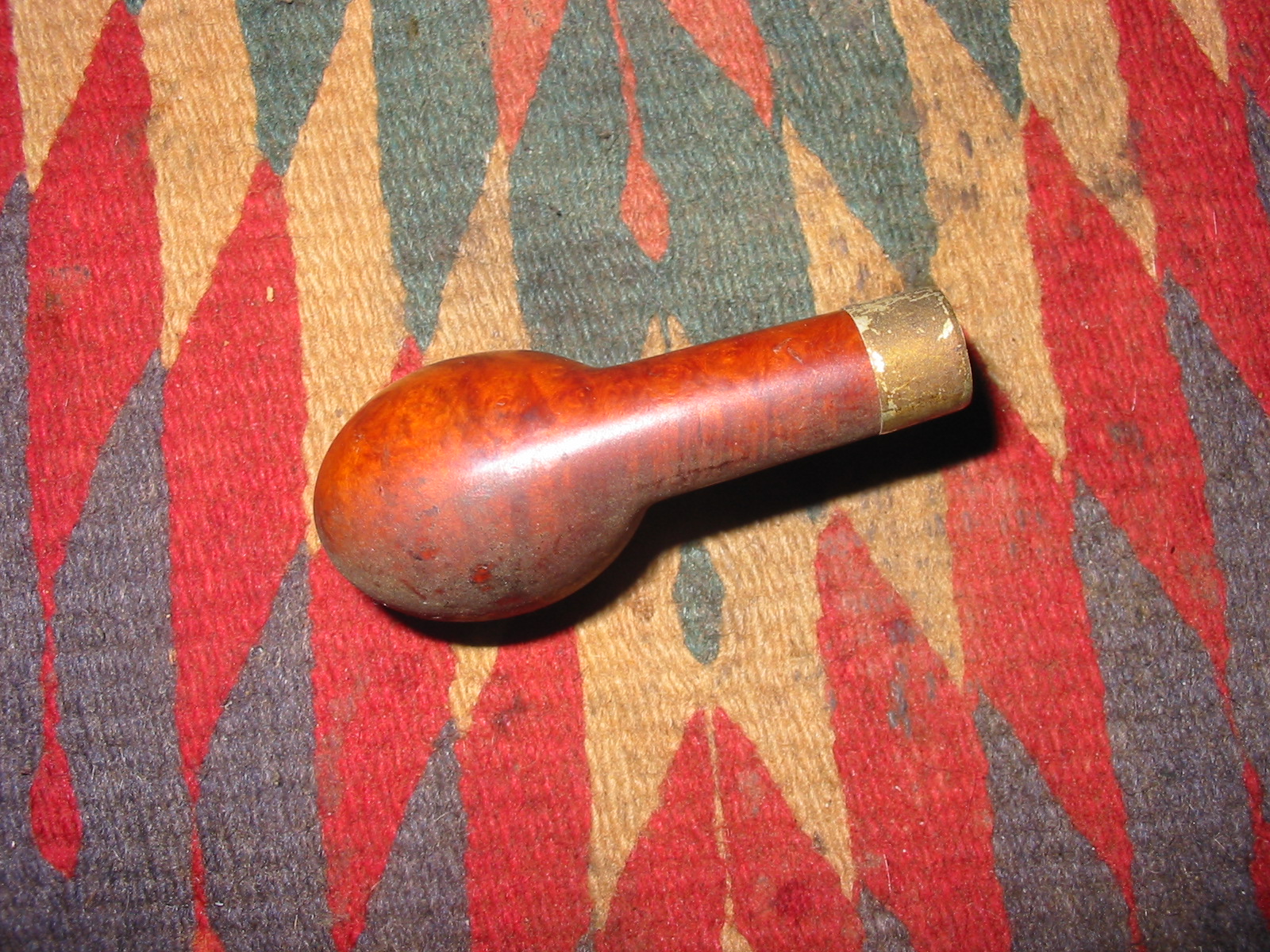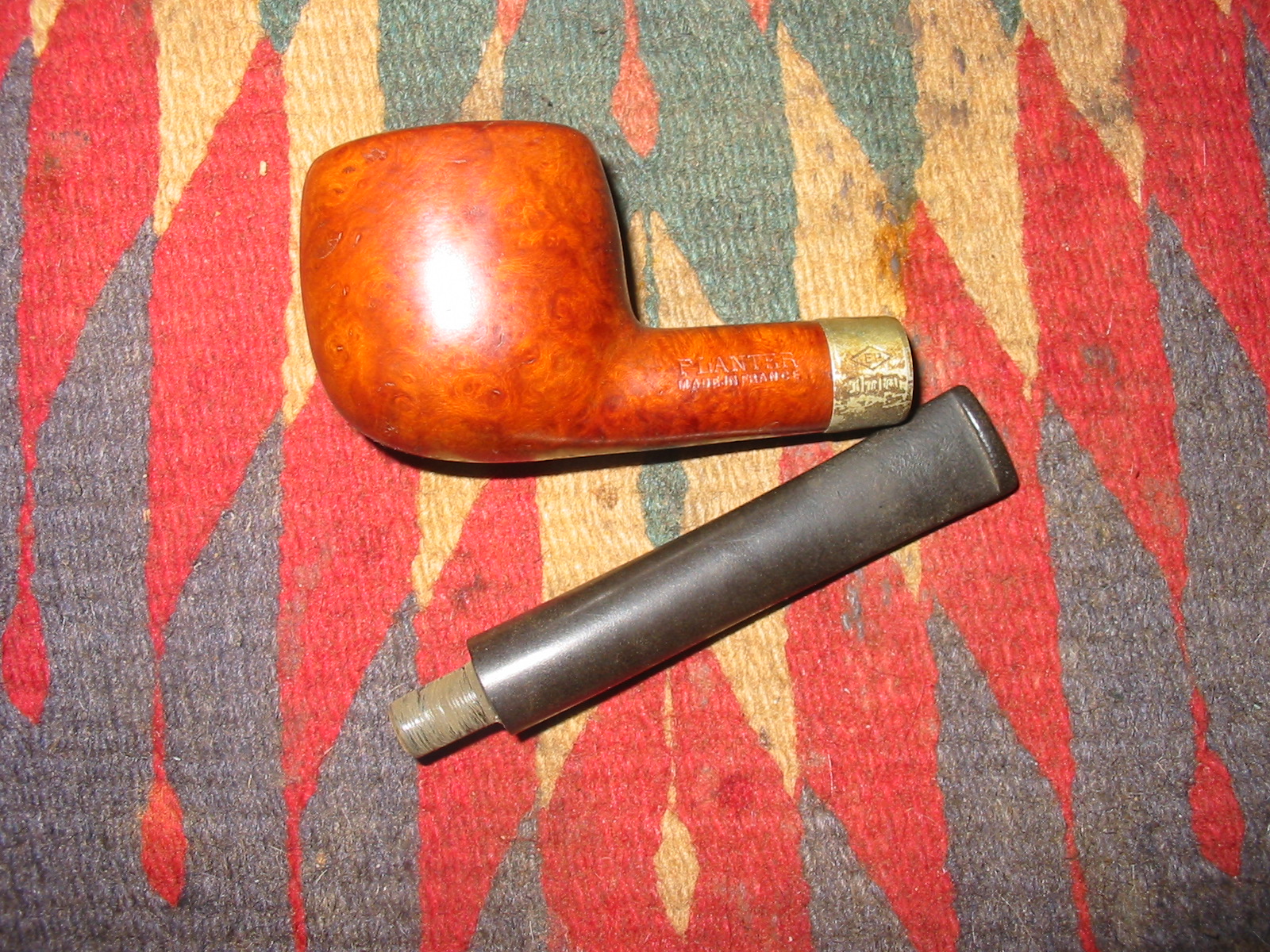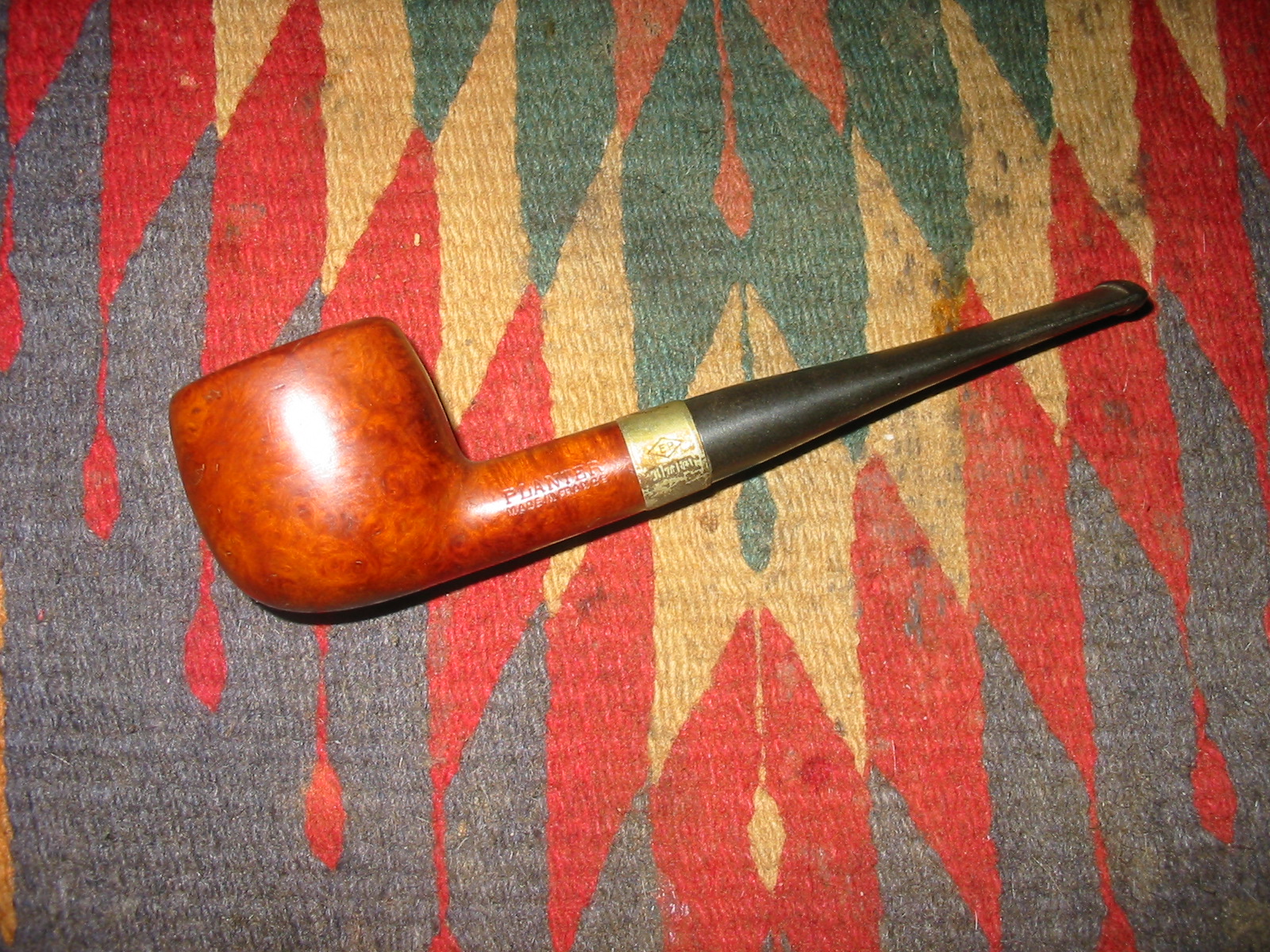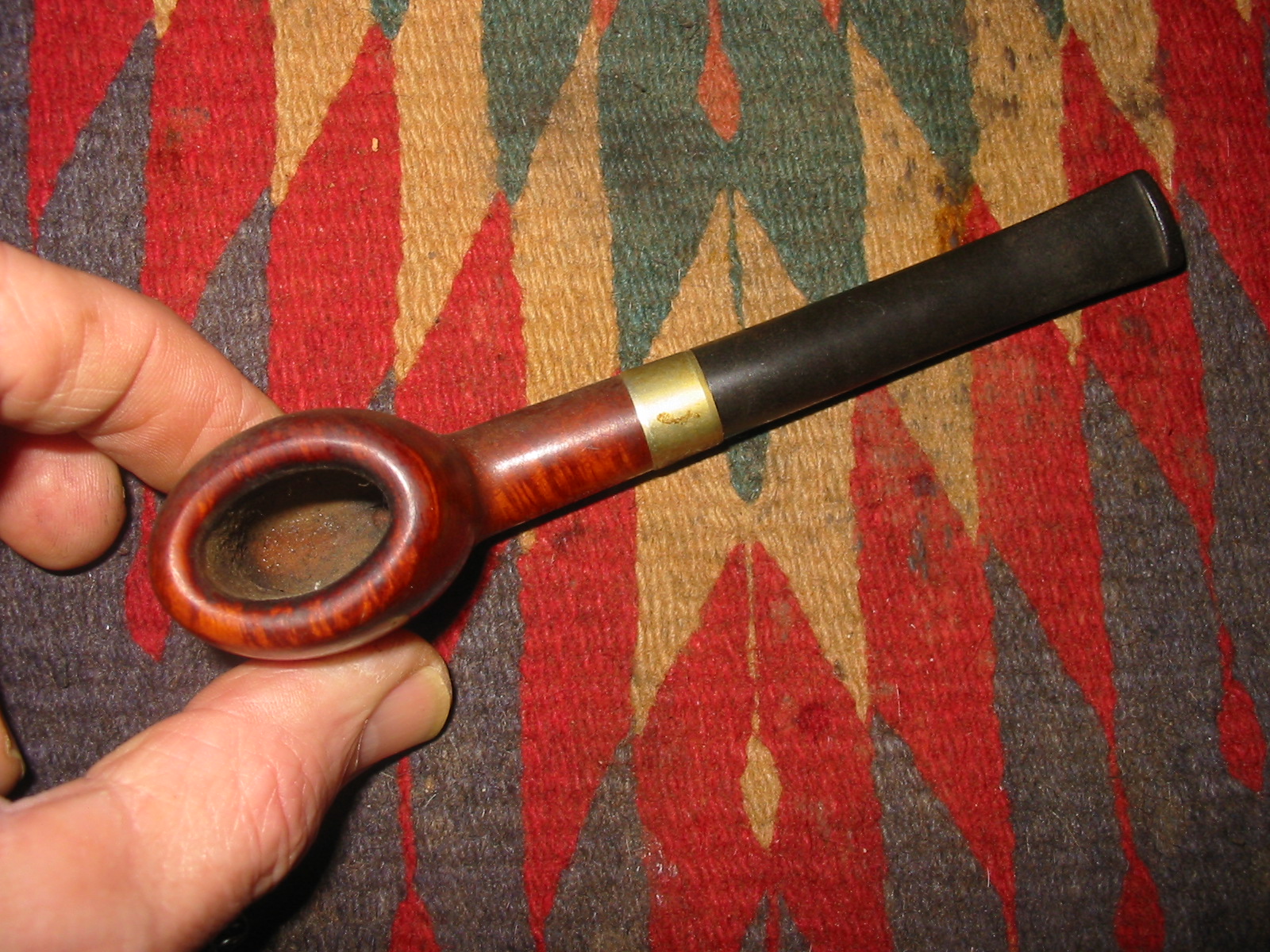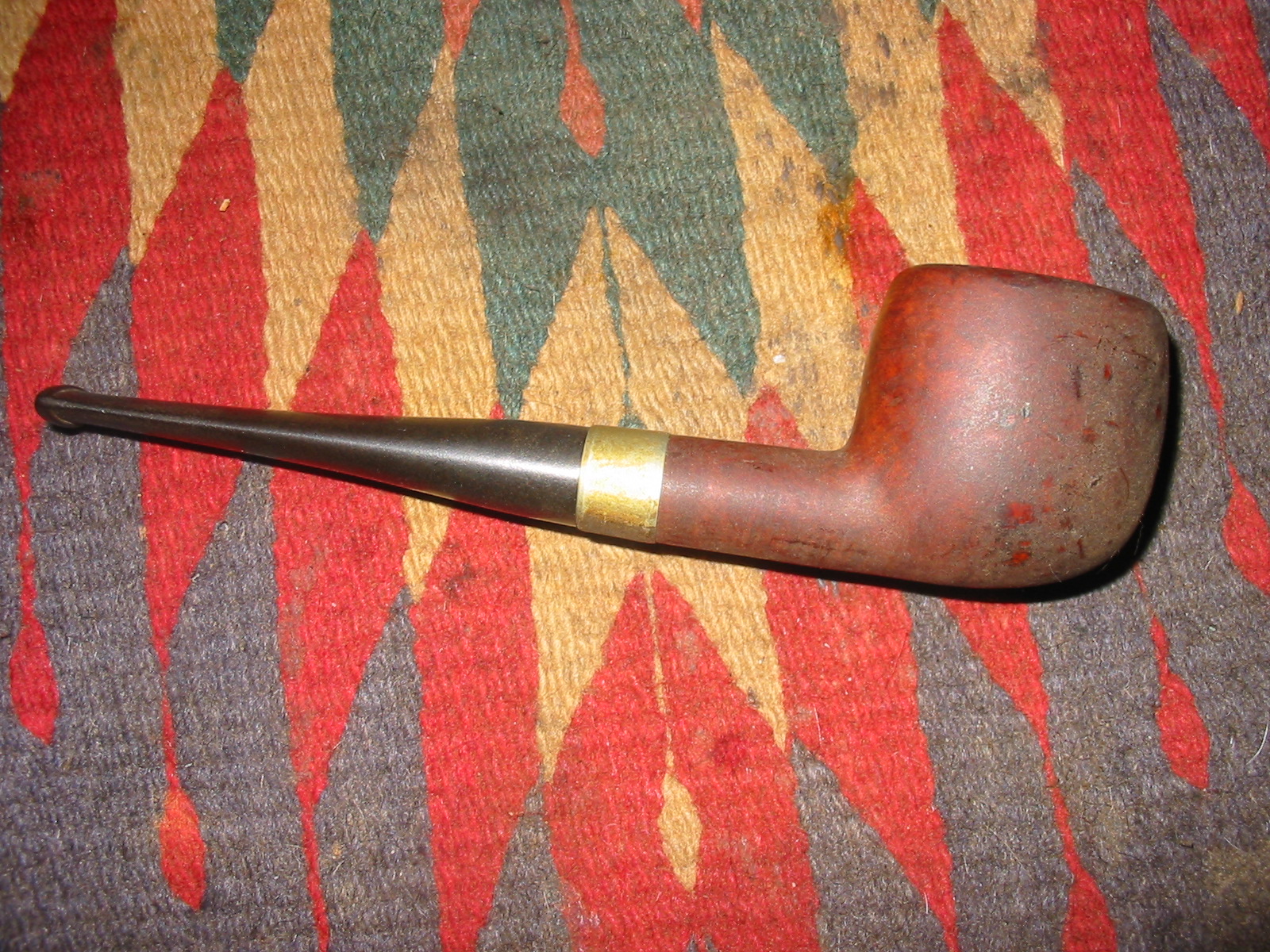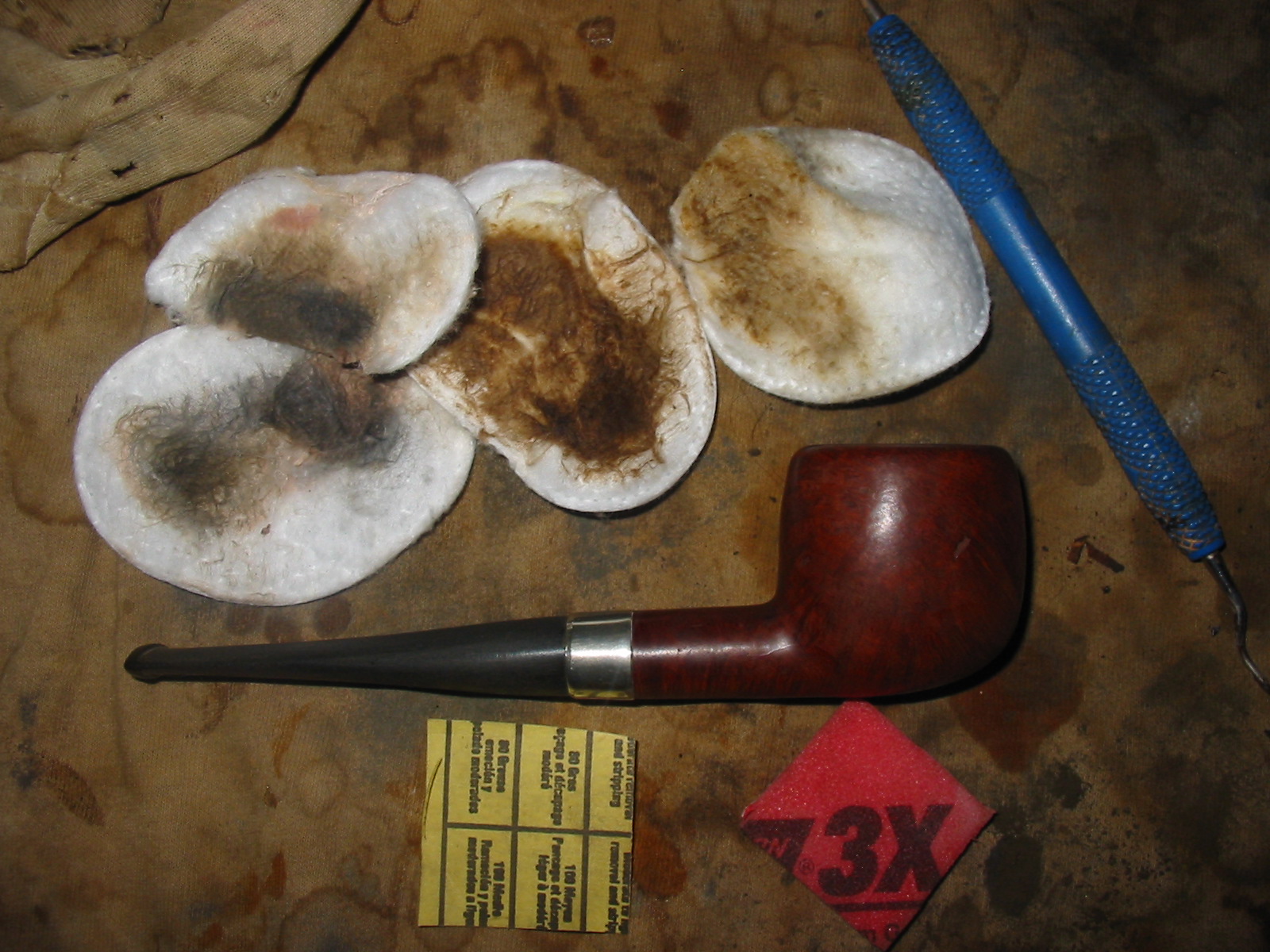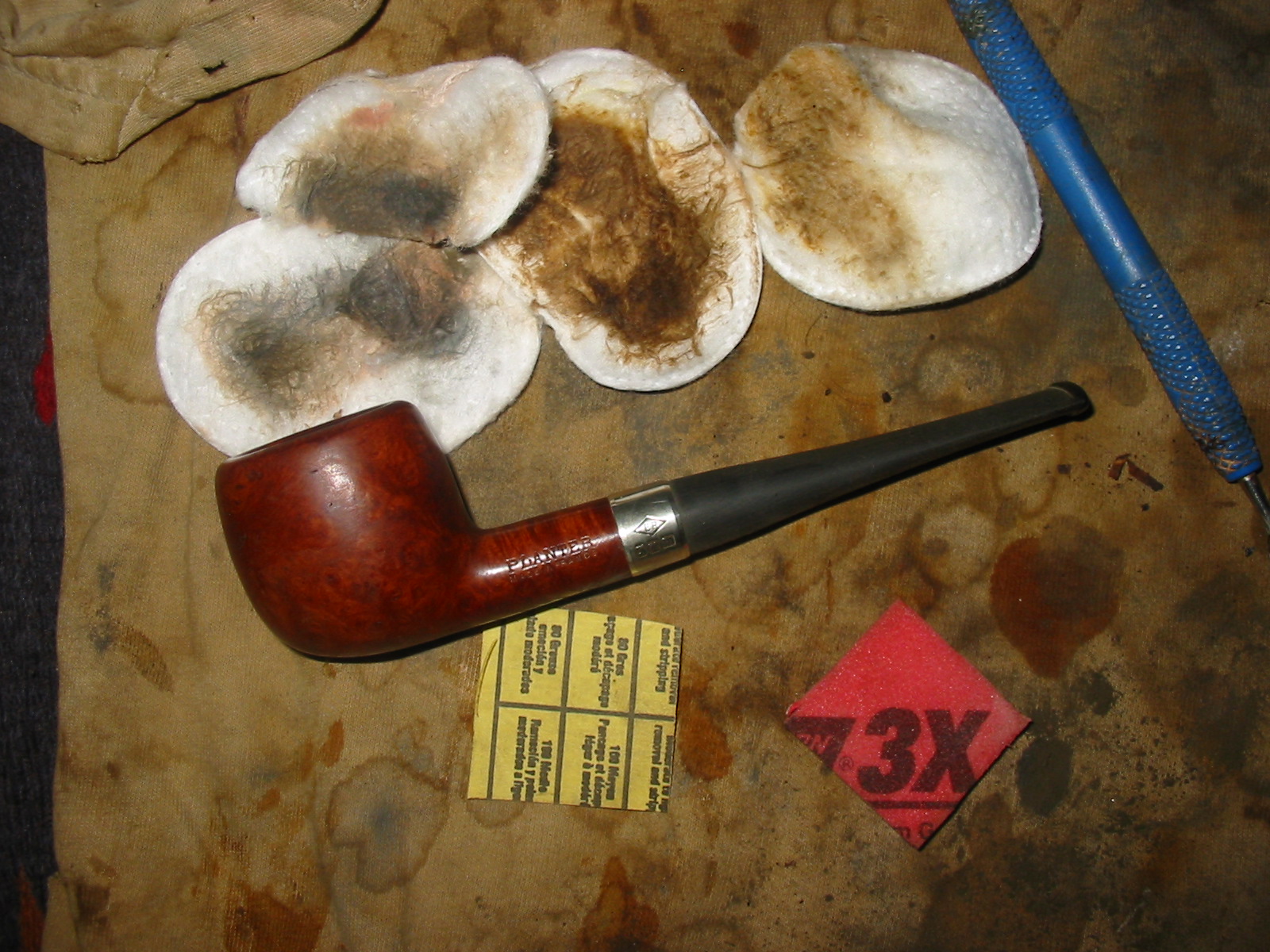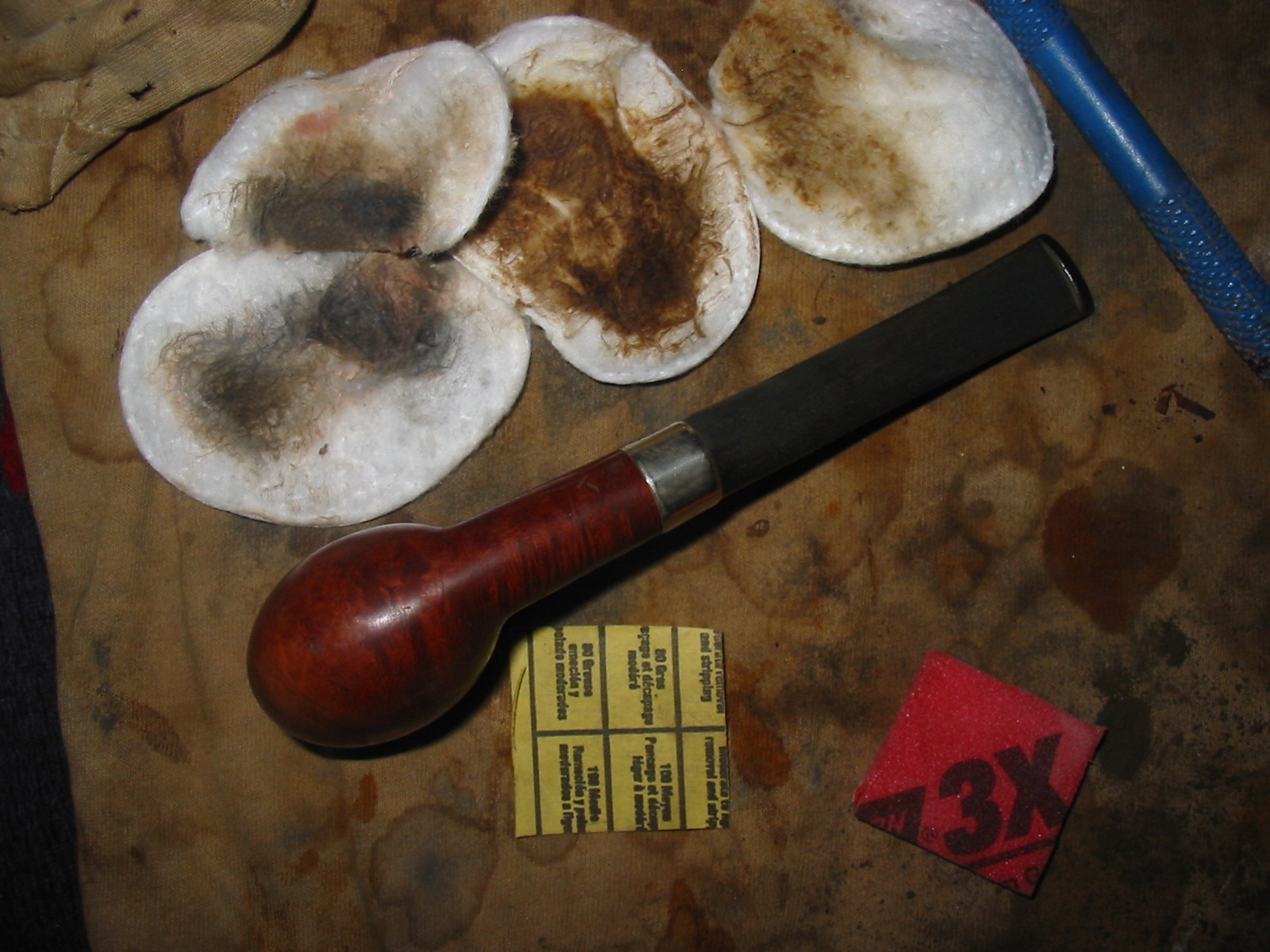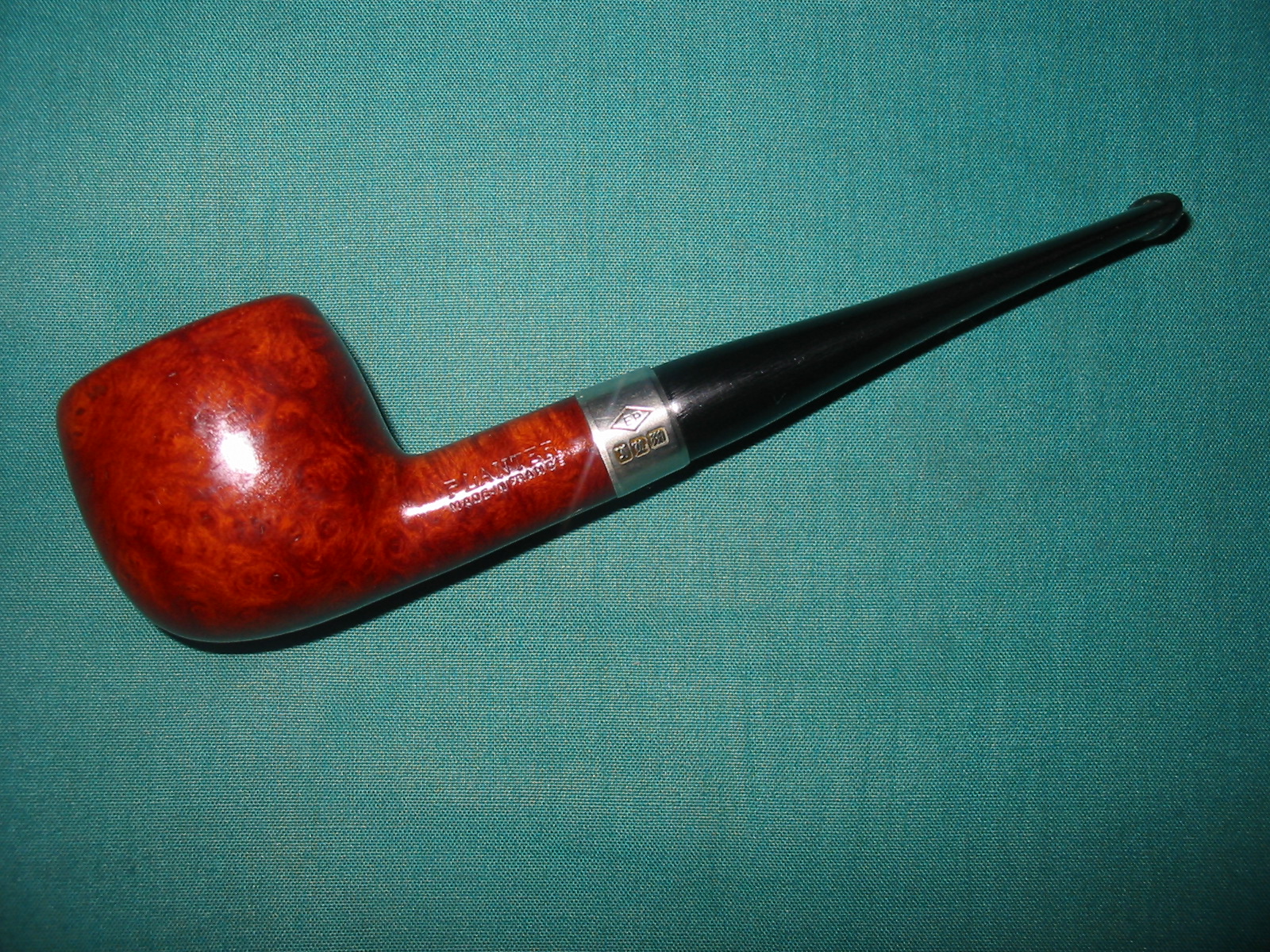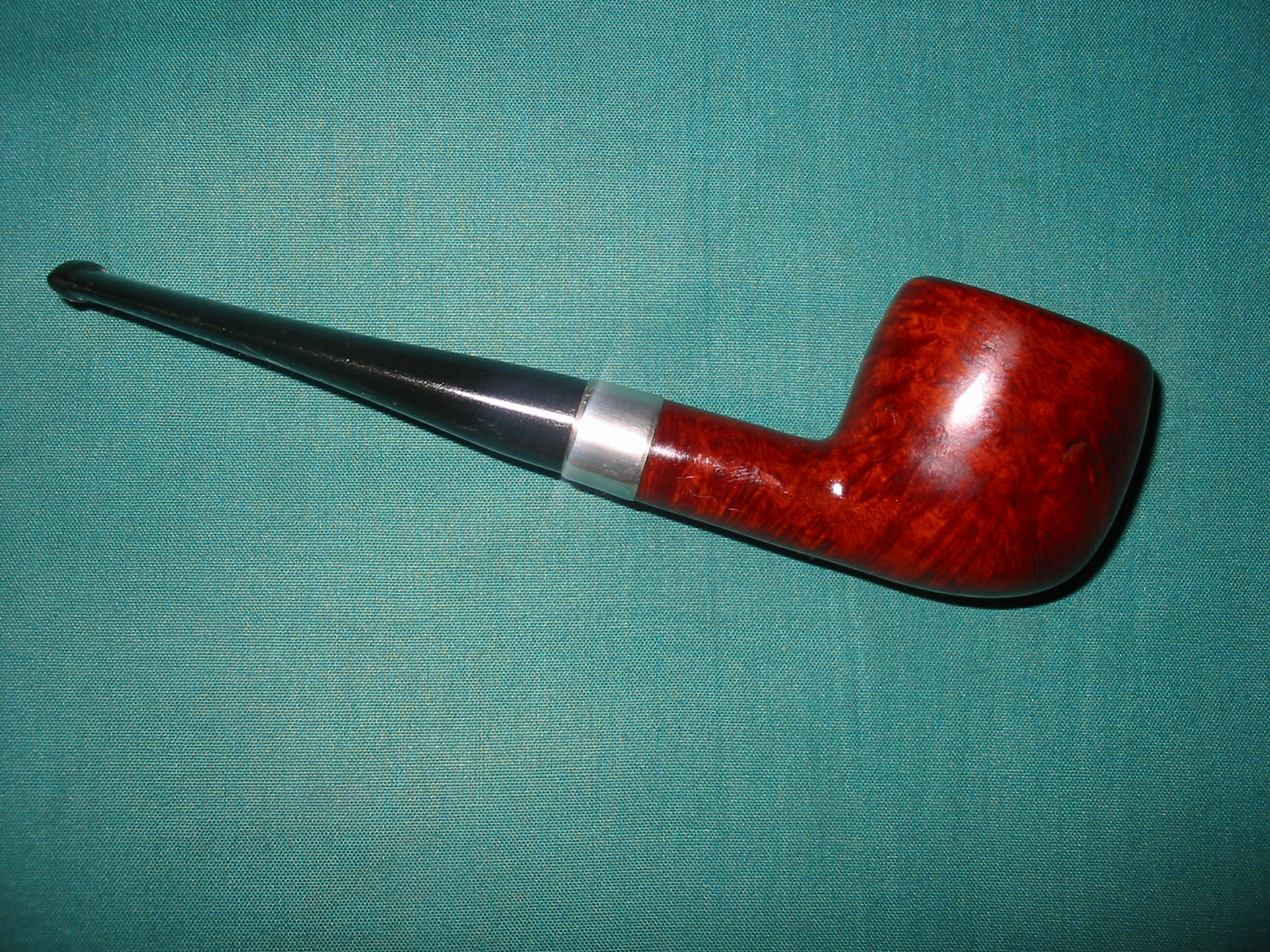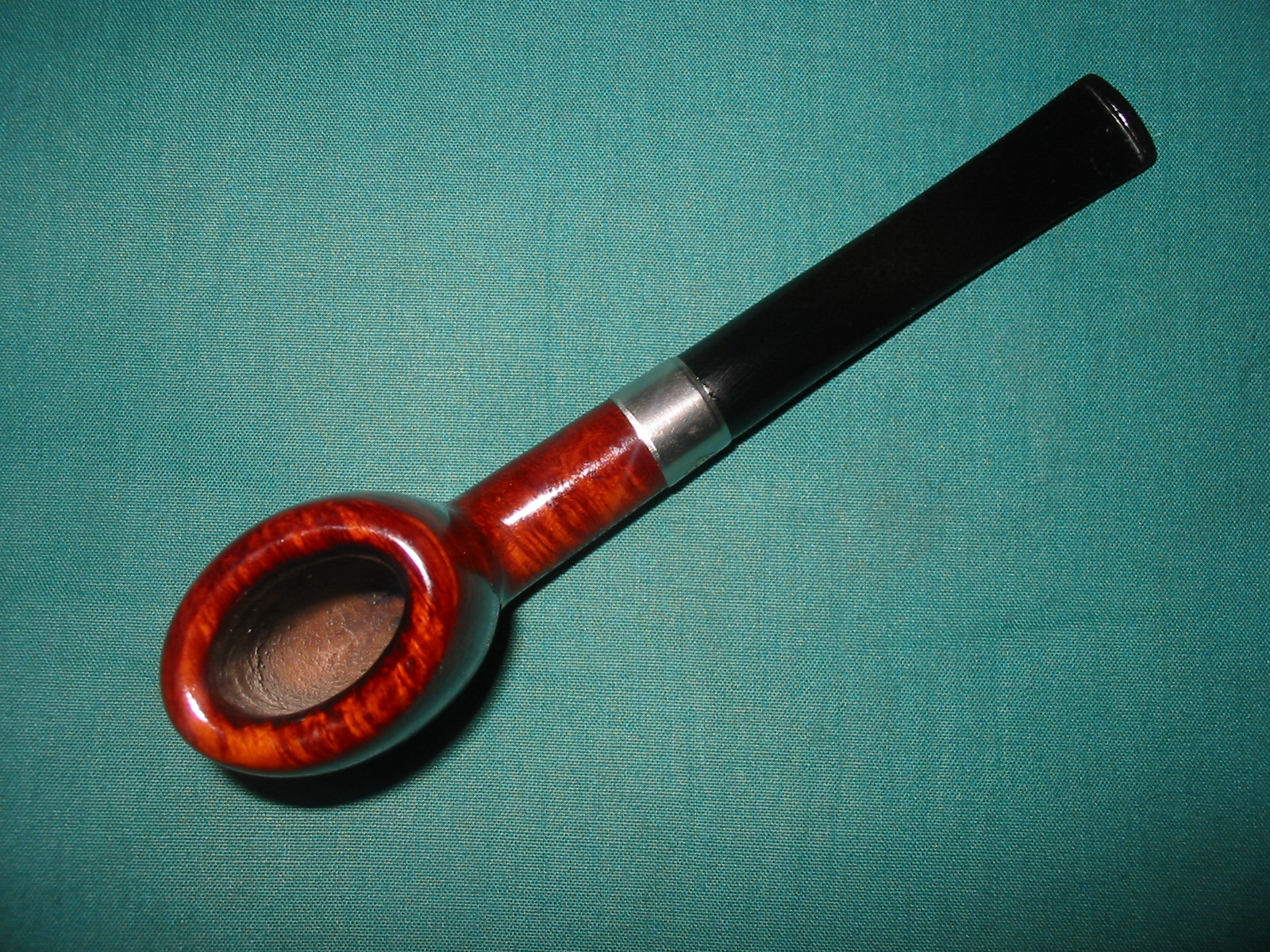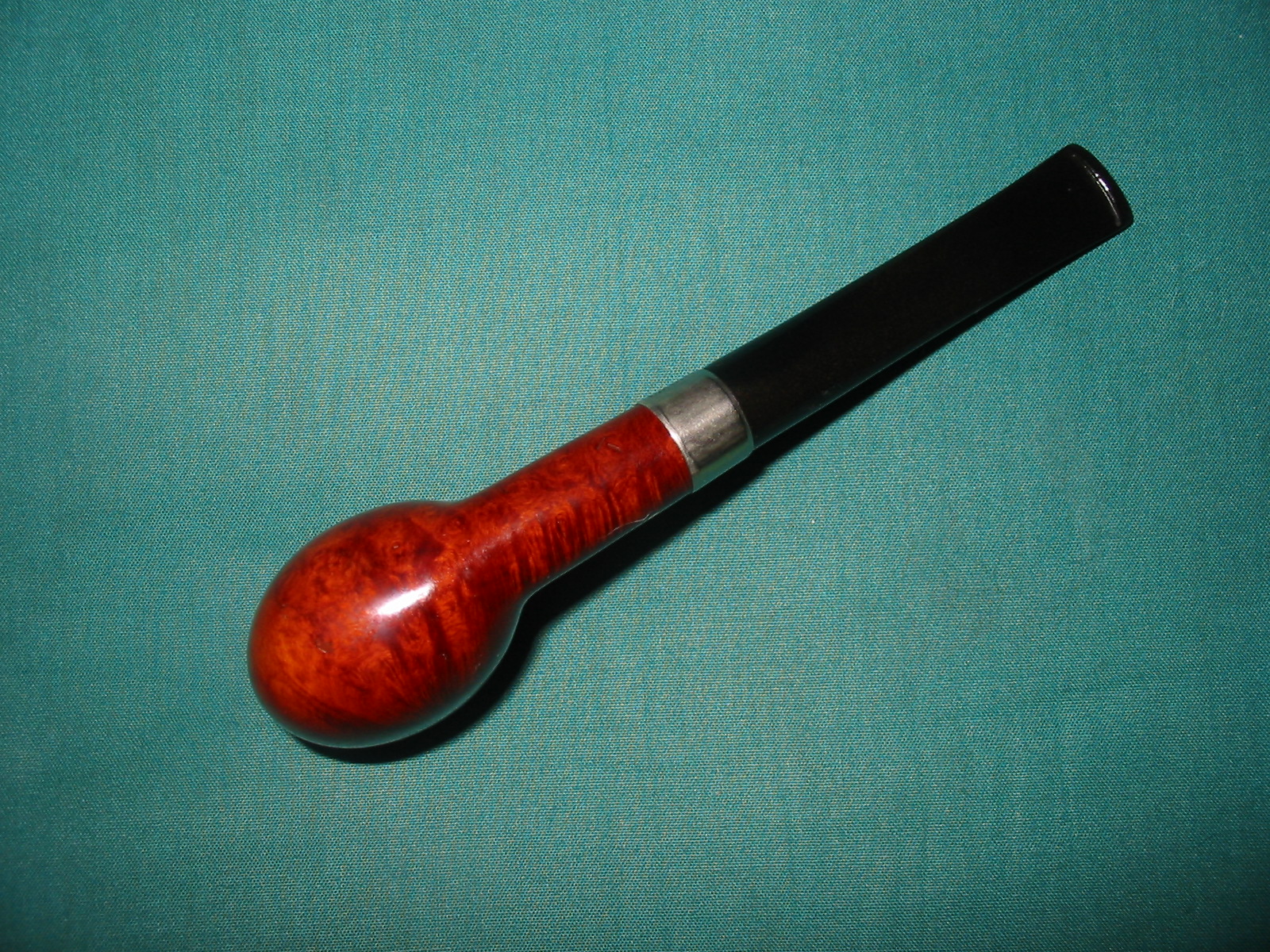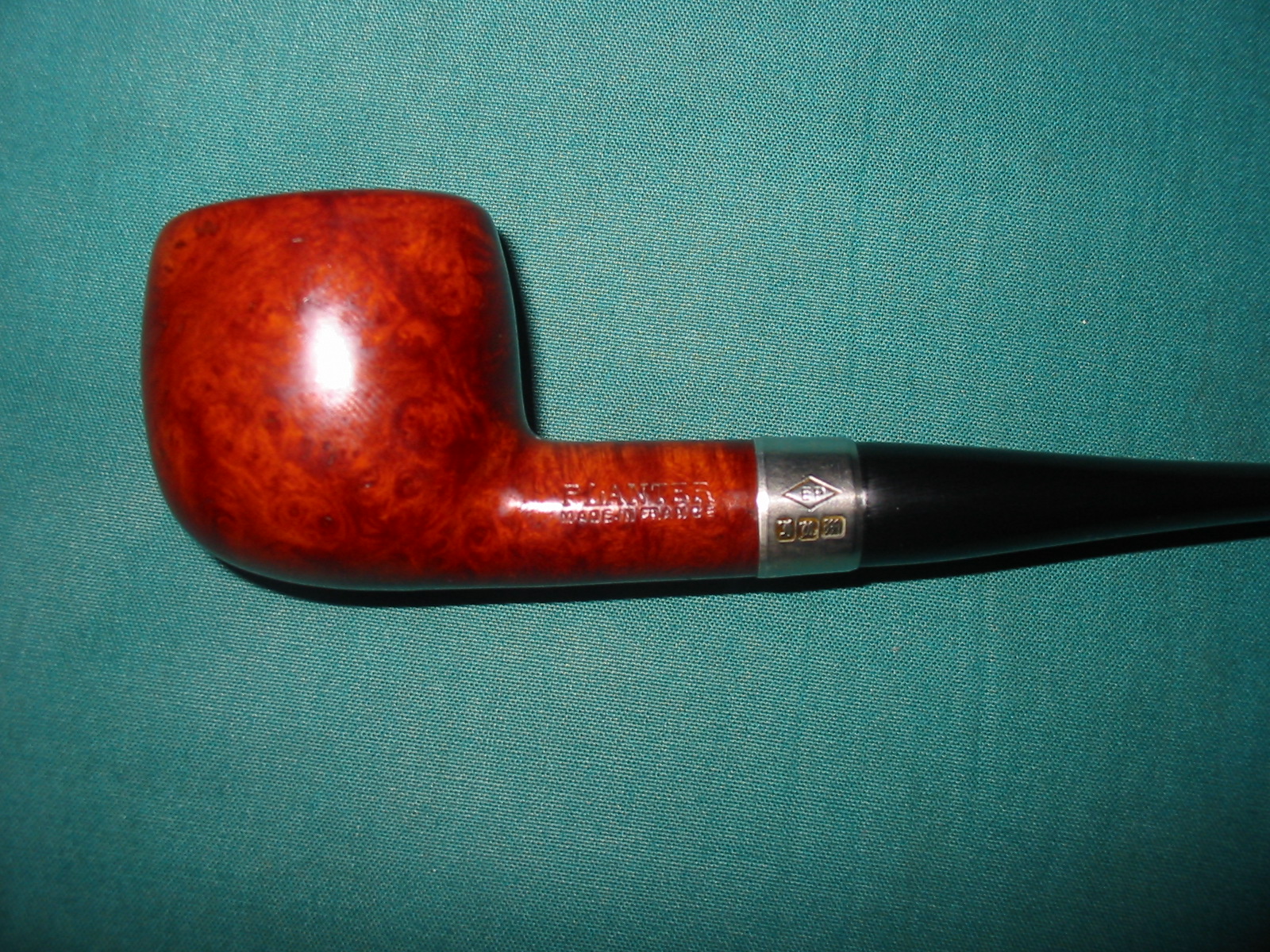
Kaywoodie Ruf-Tone


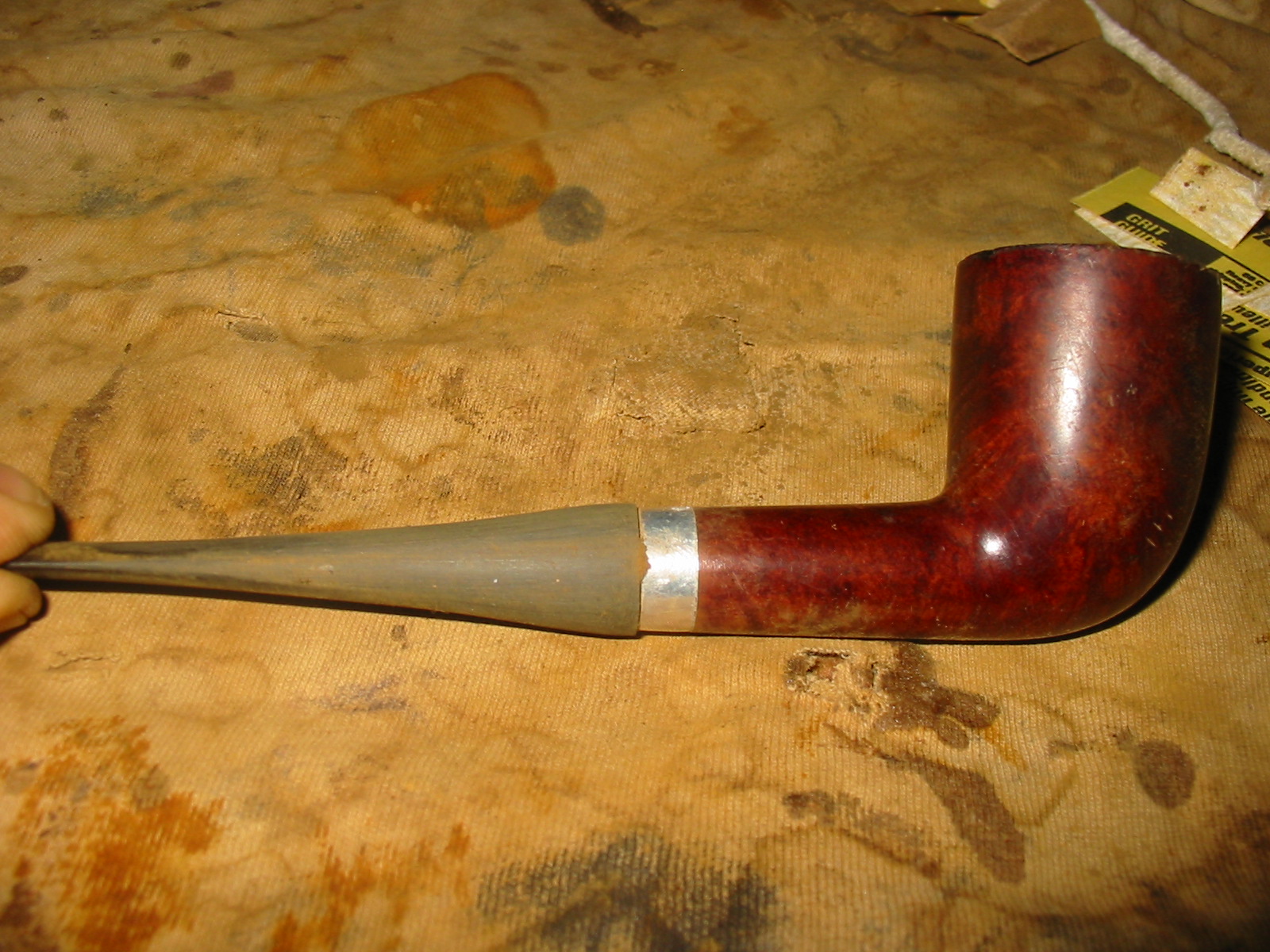
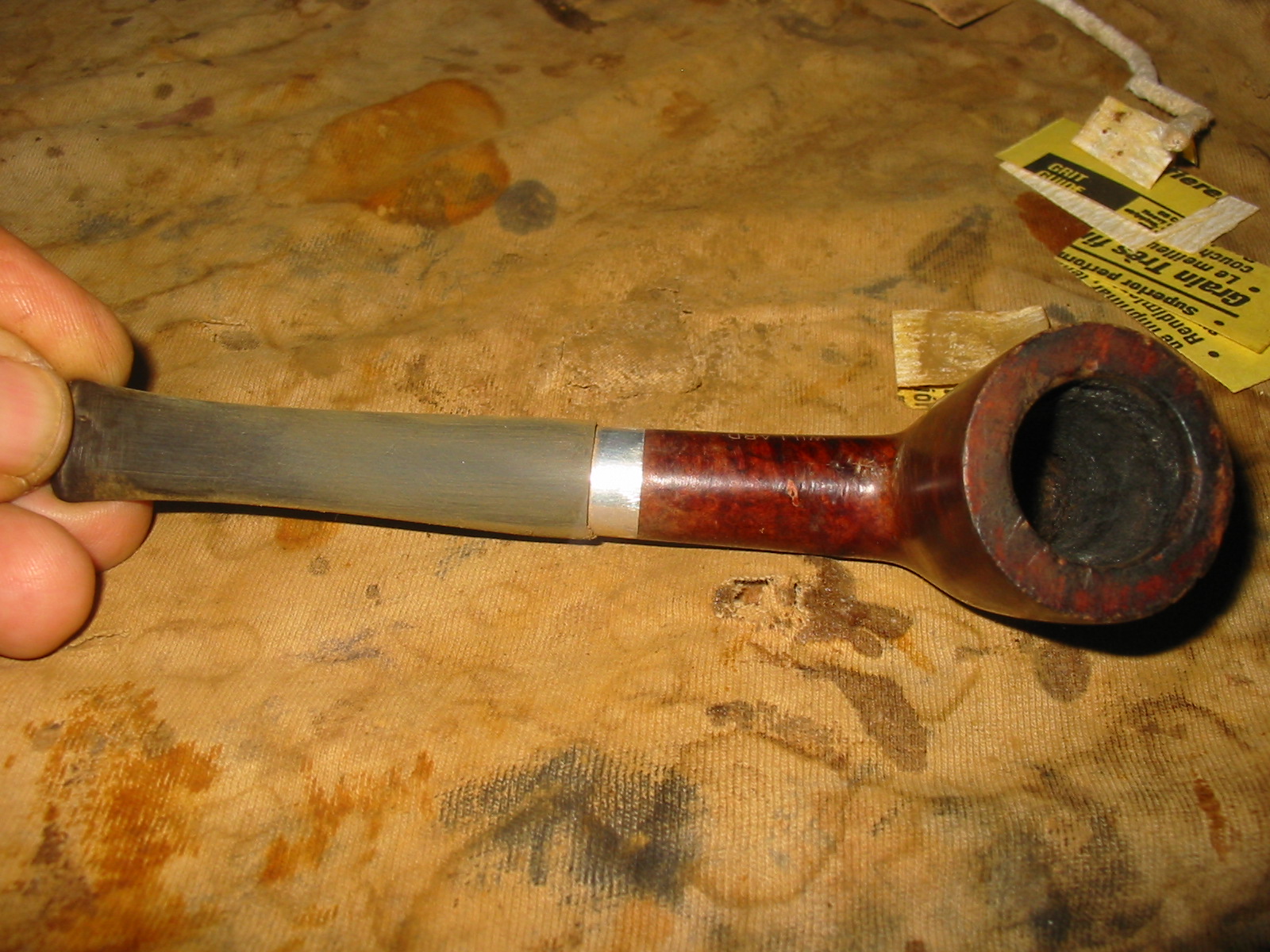
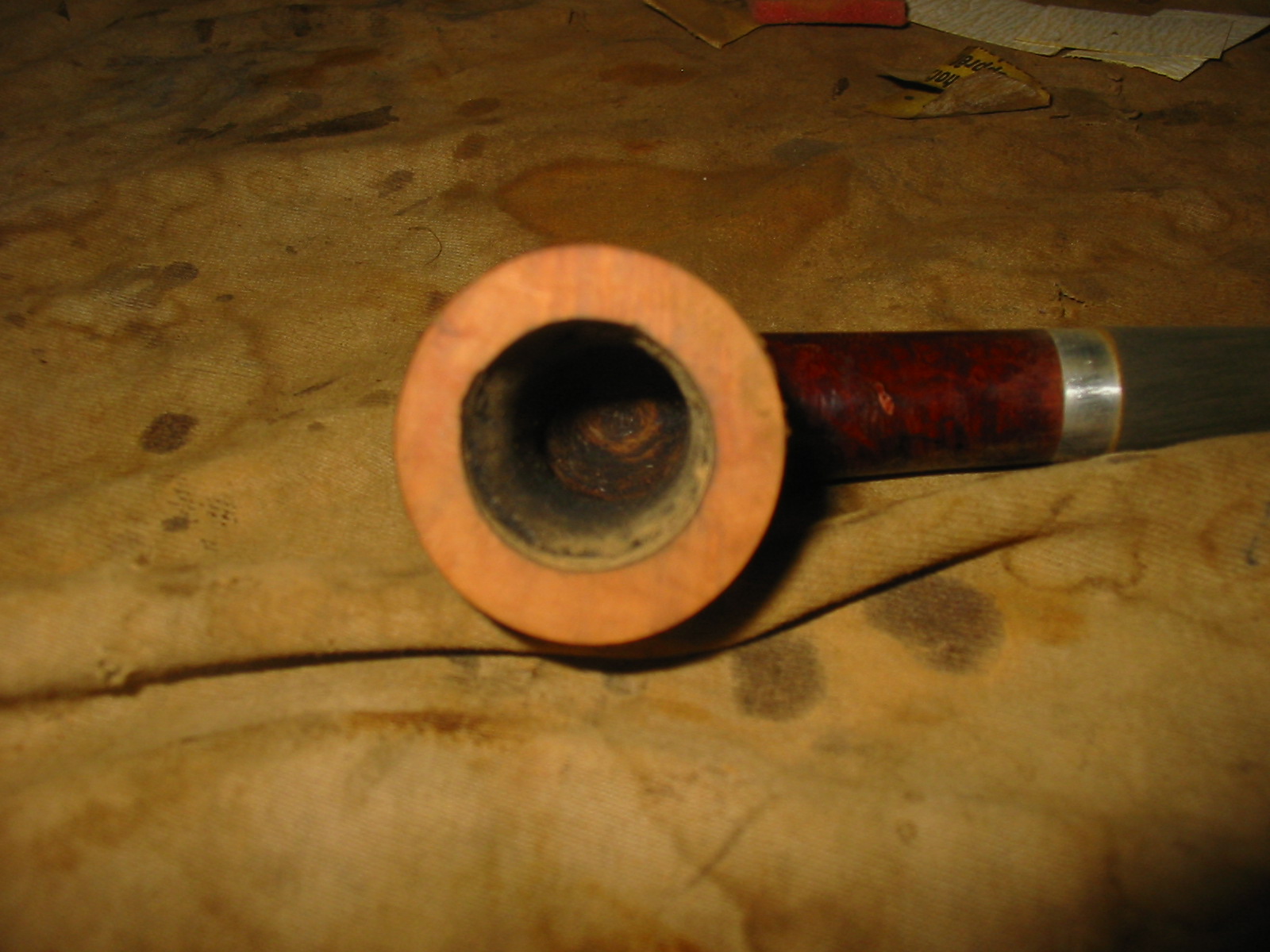
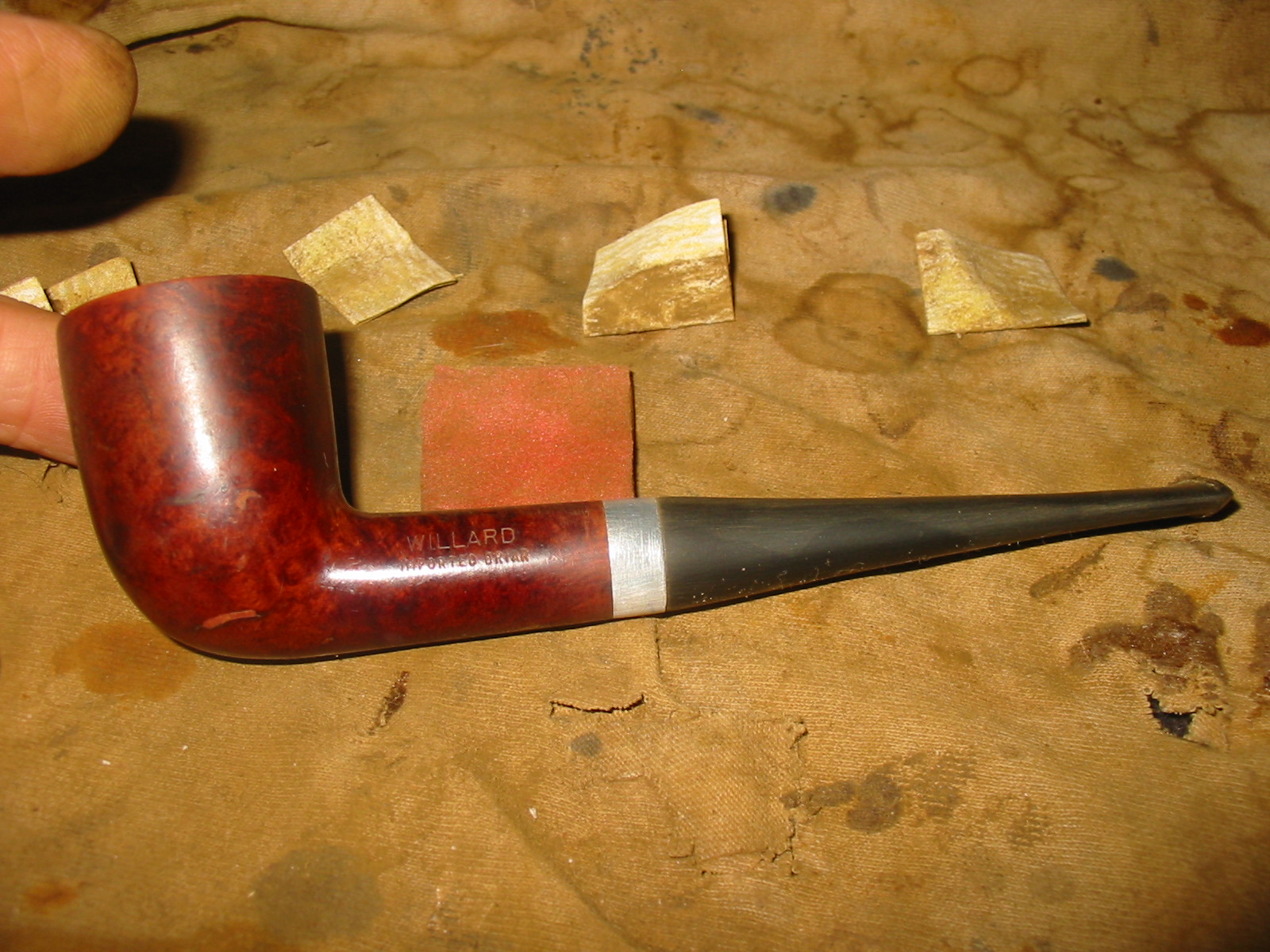
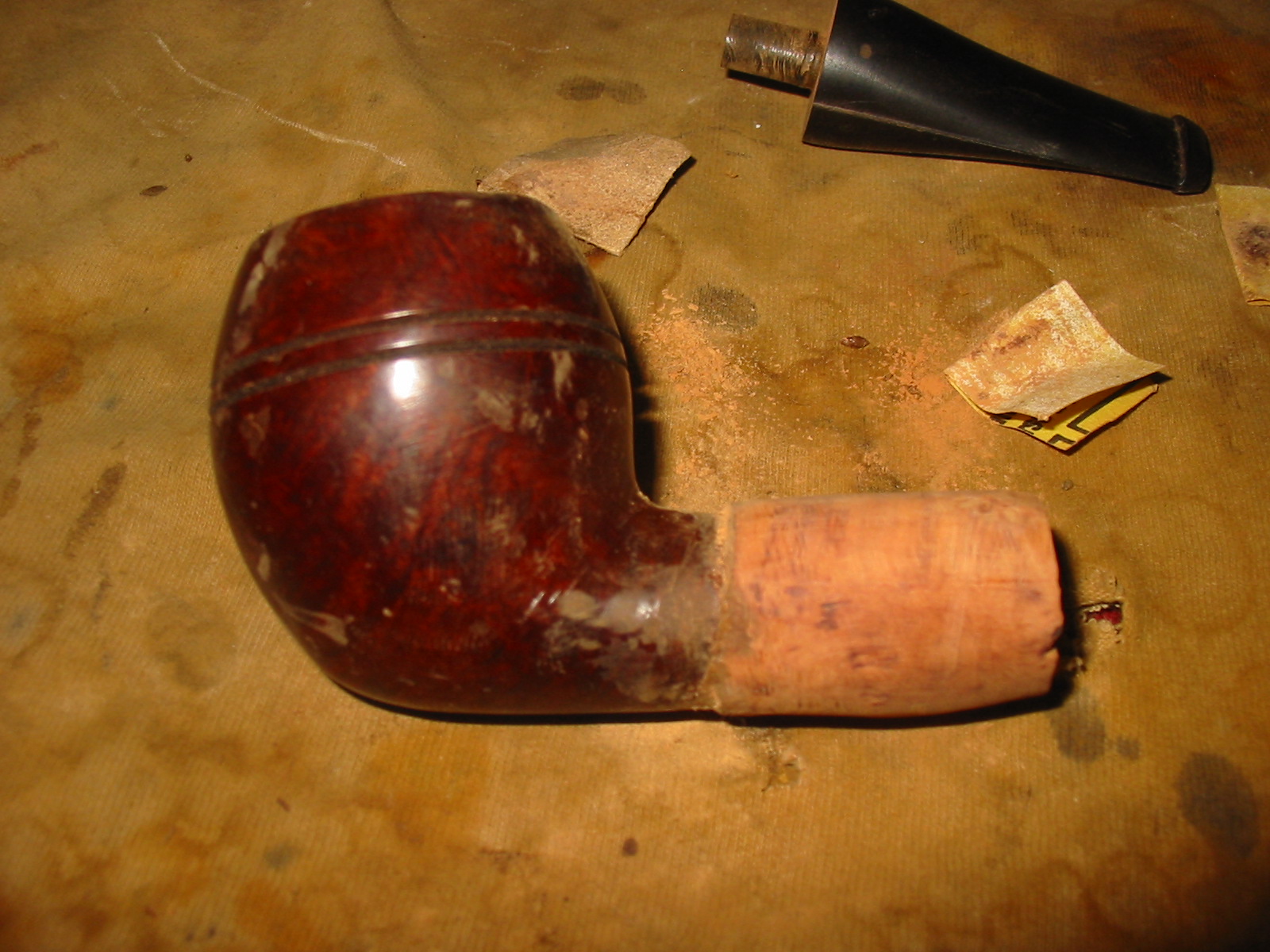
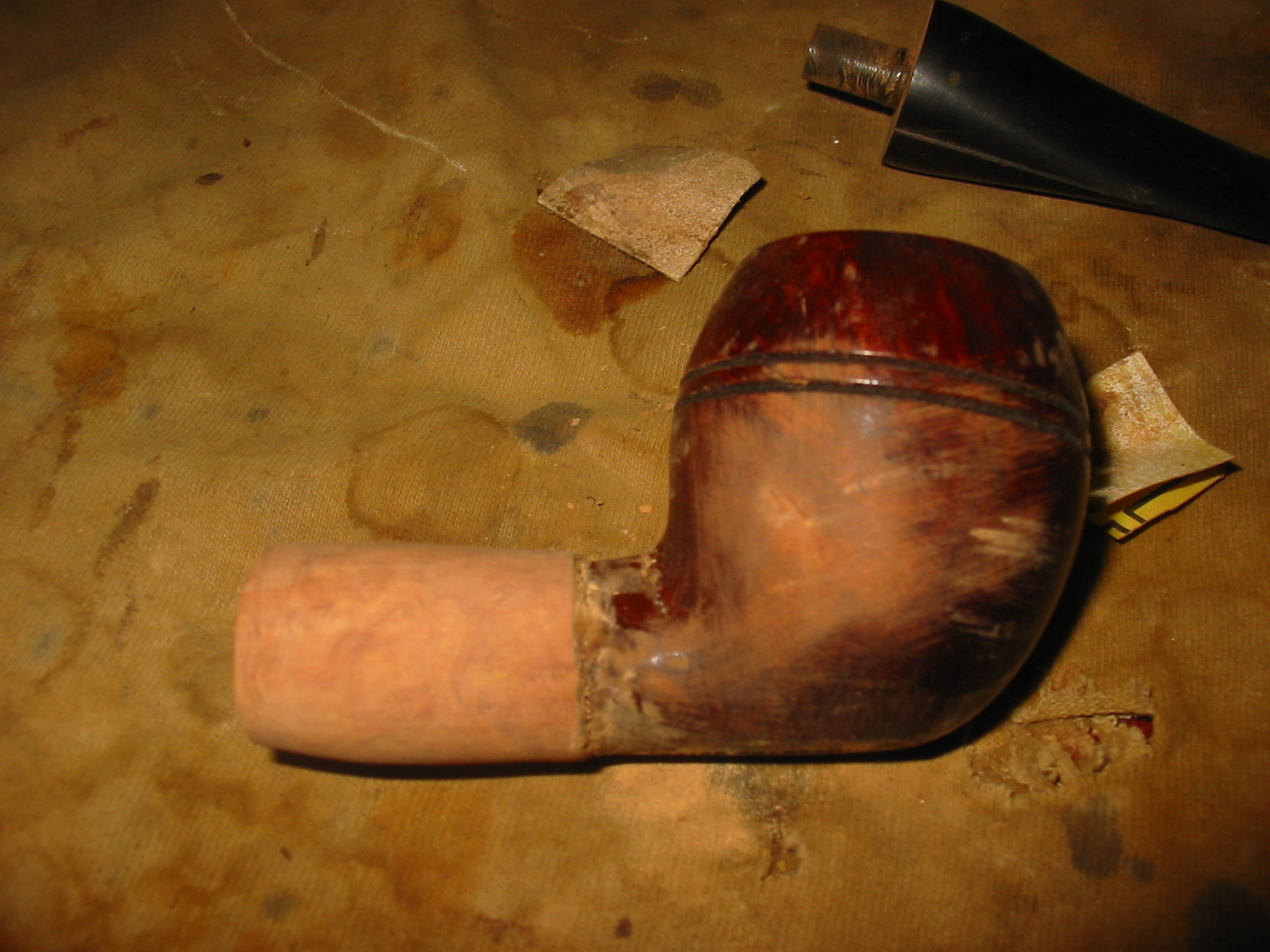
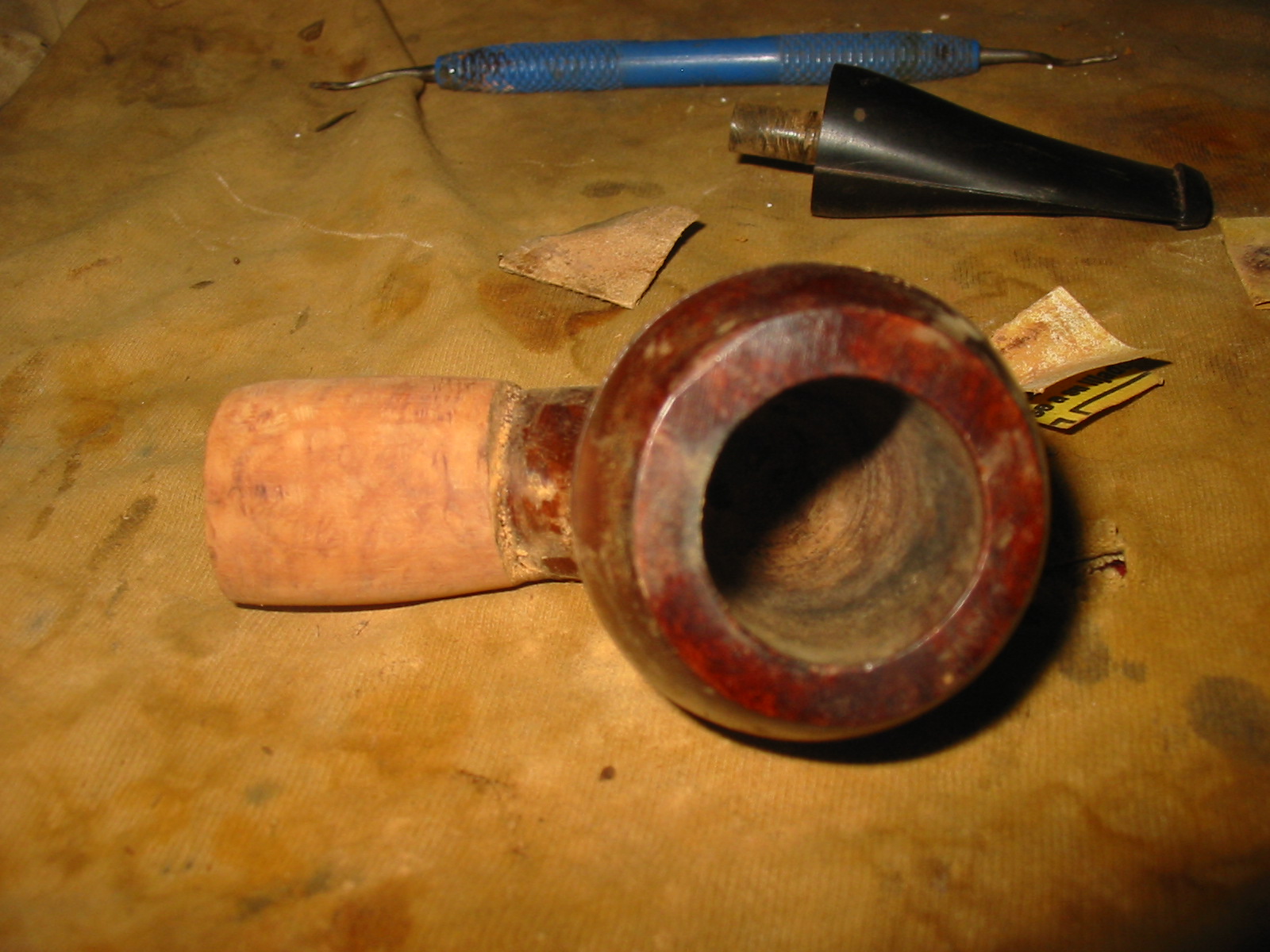
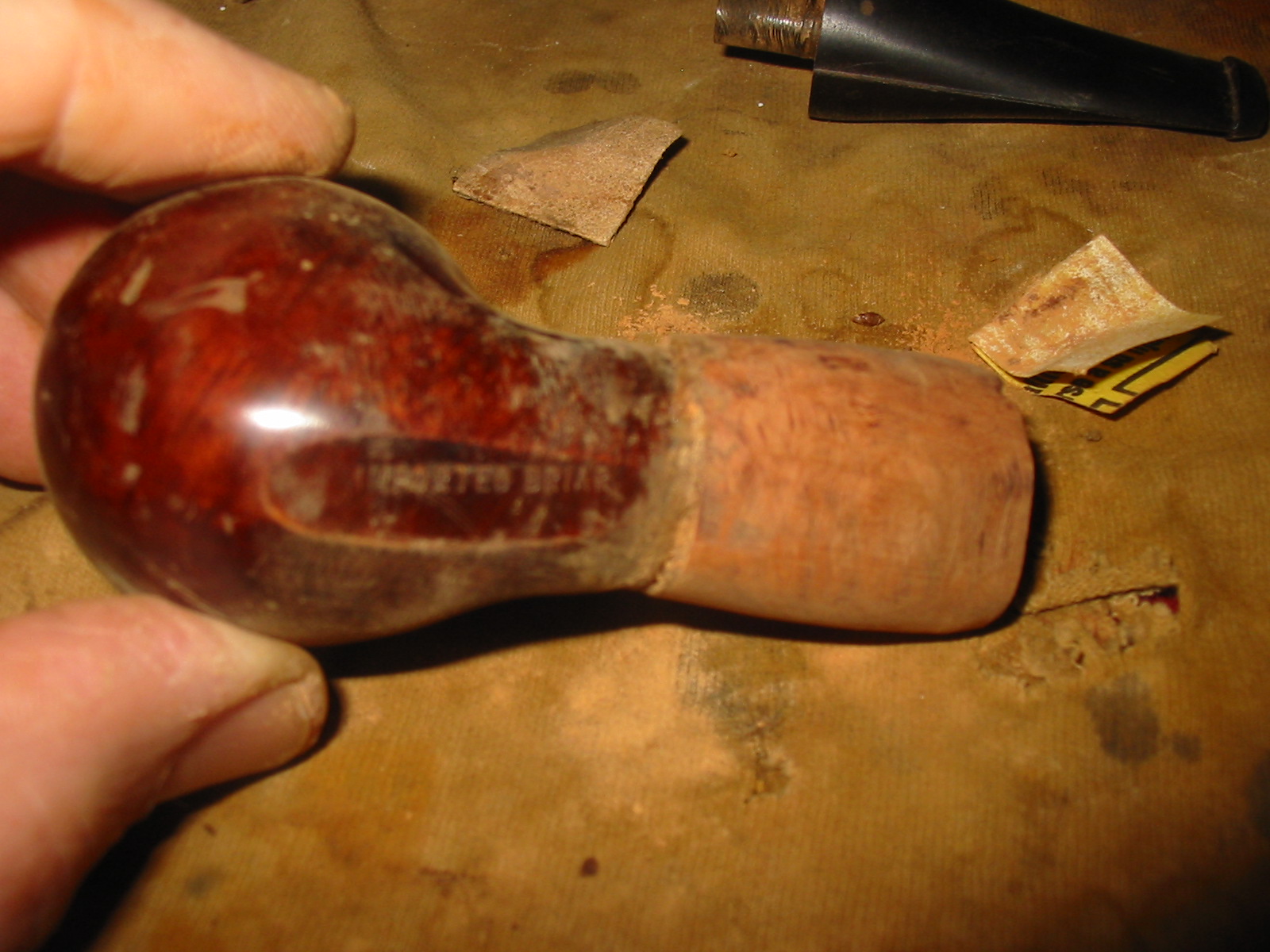
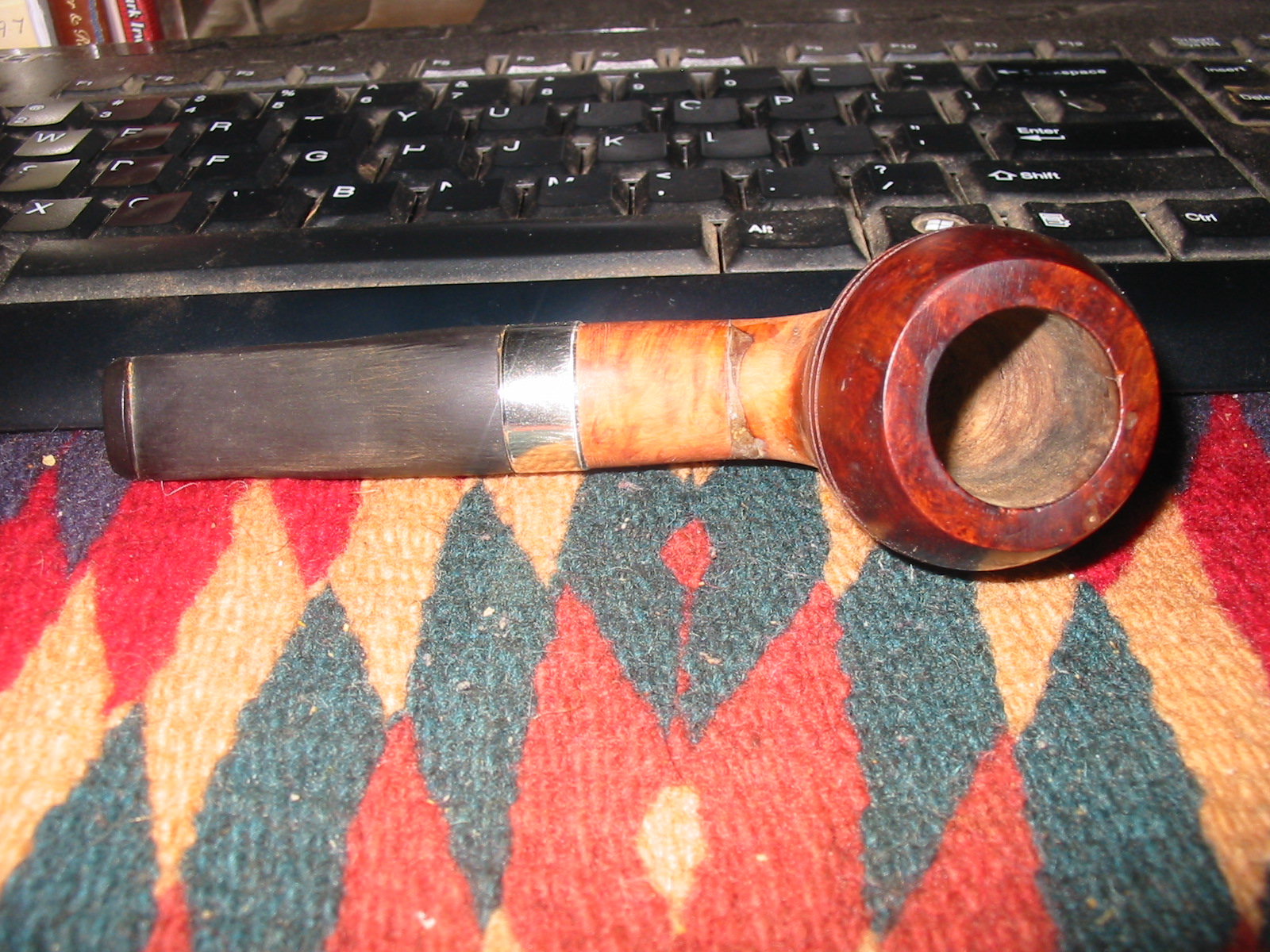
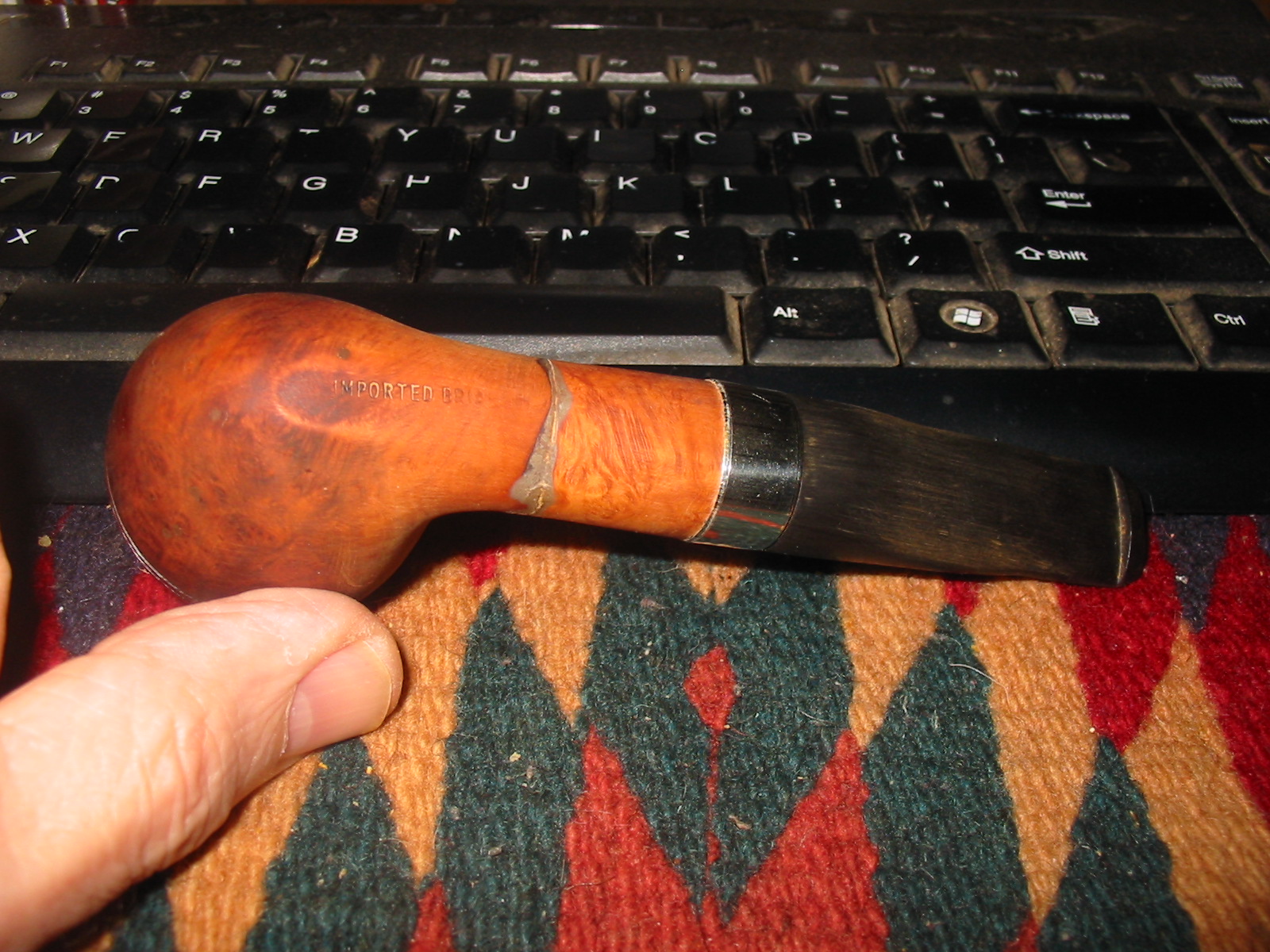
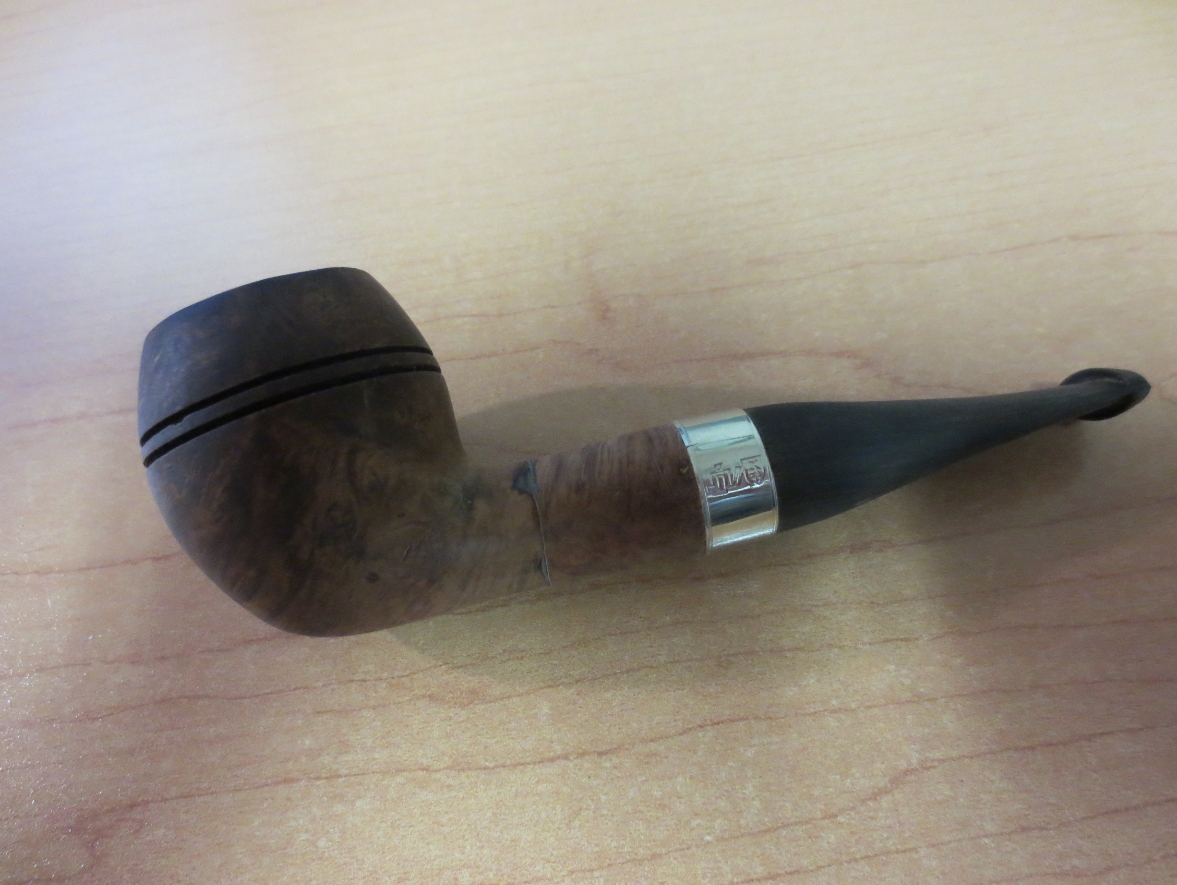
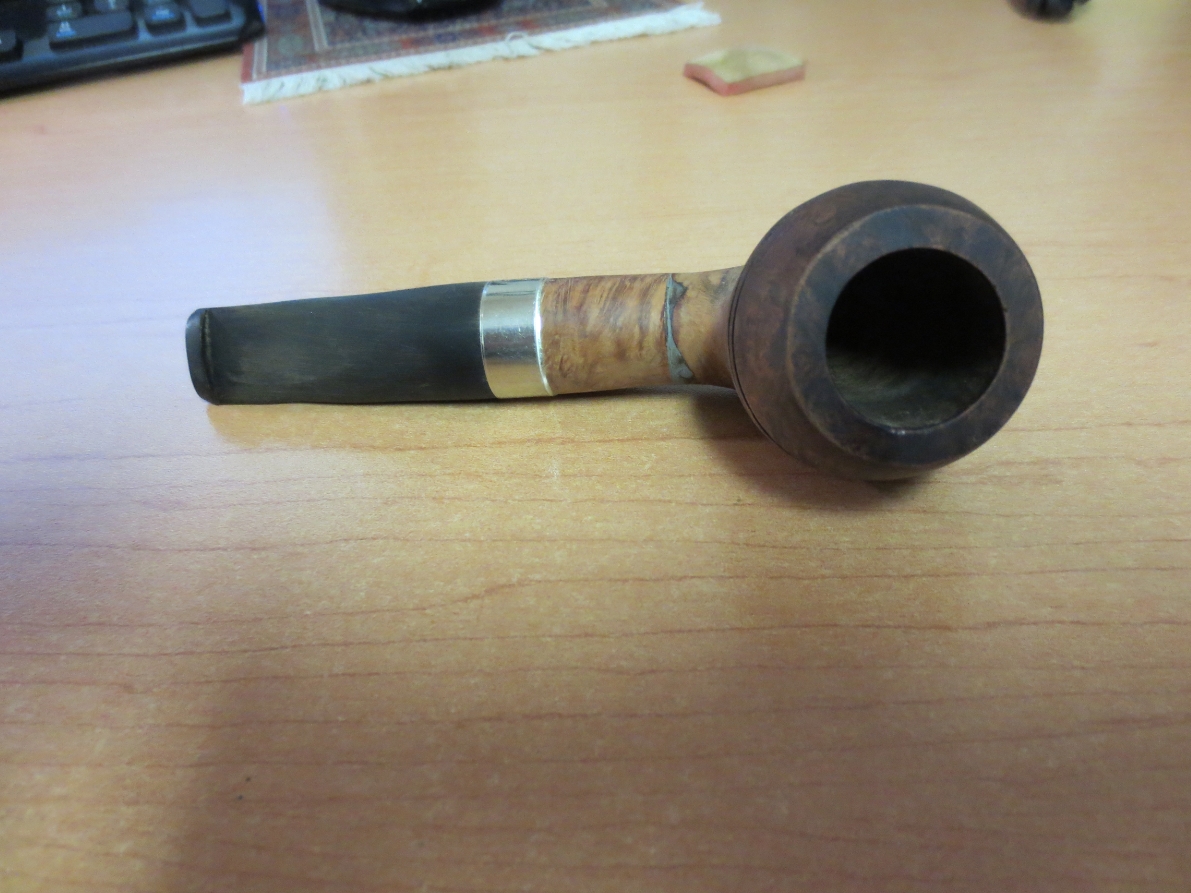
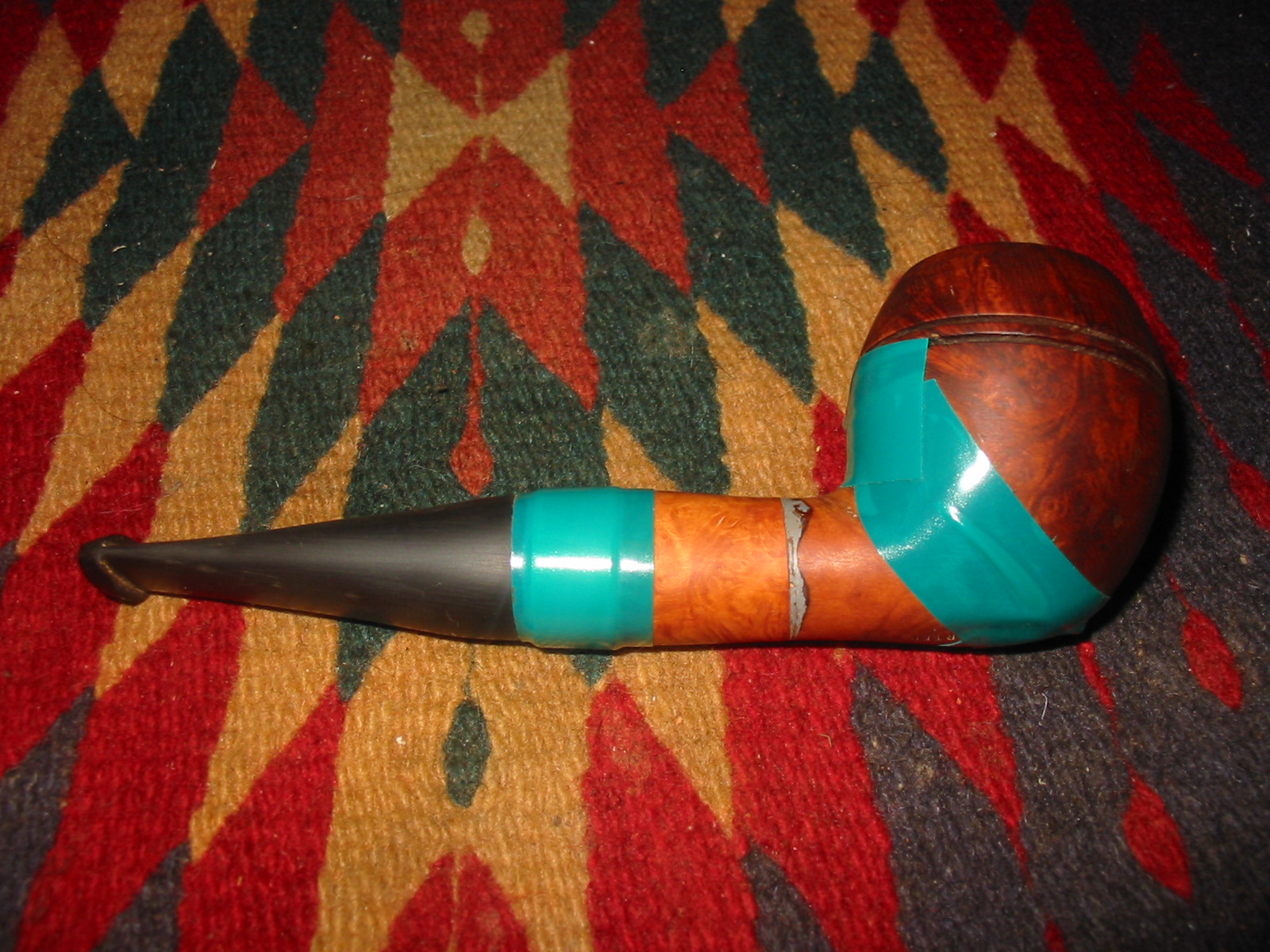
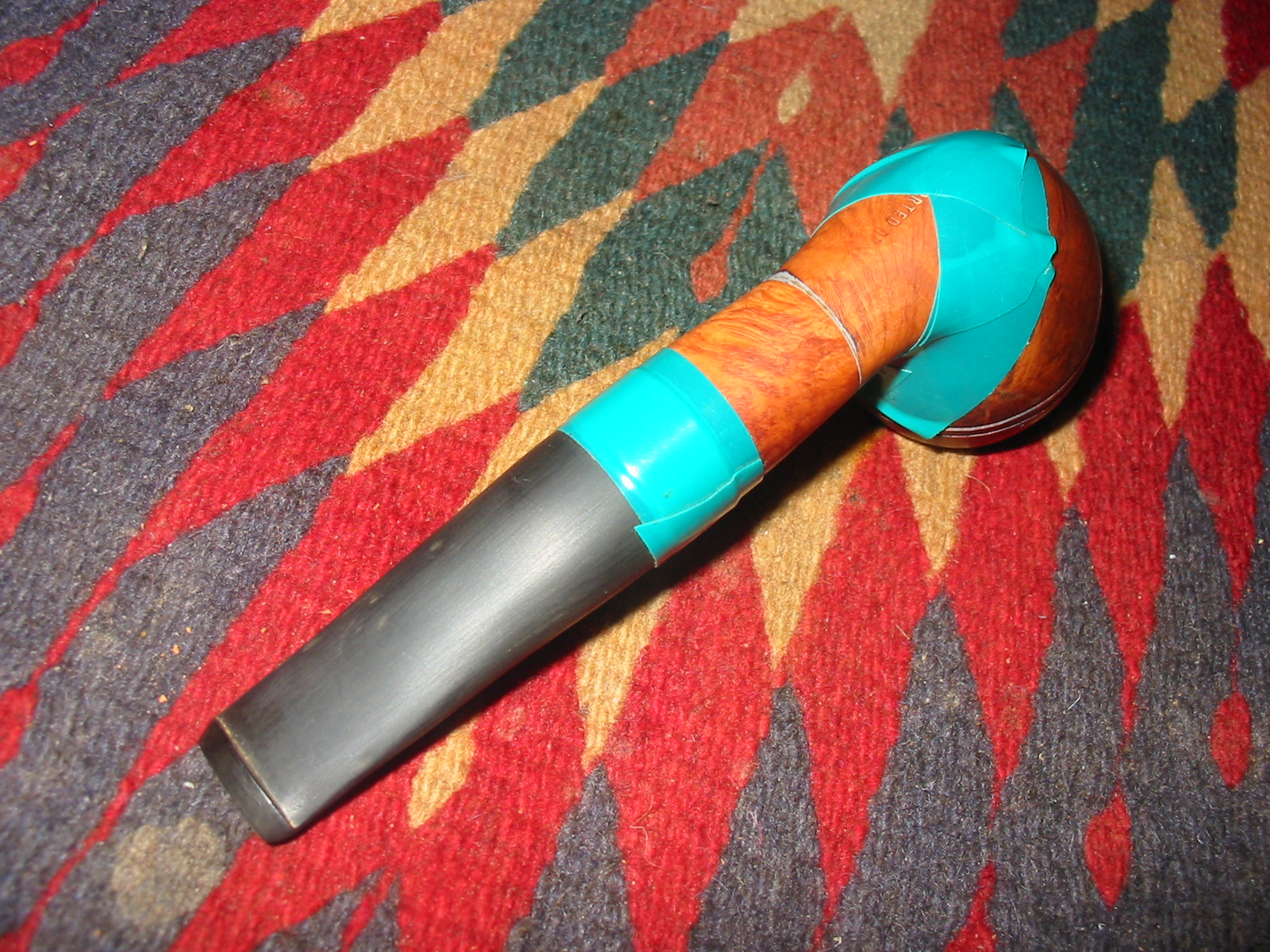
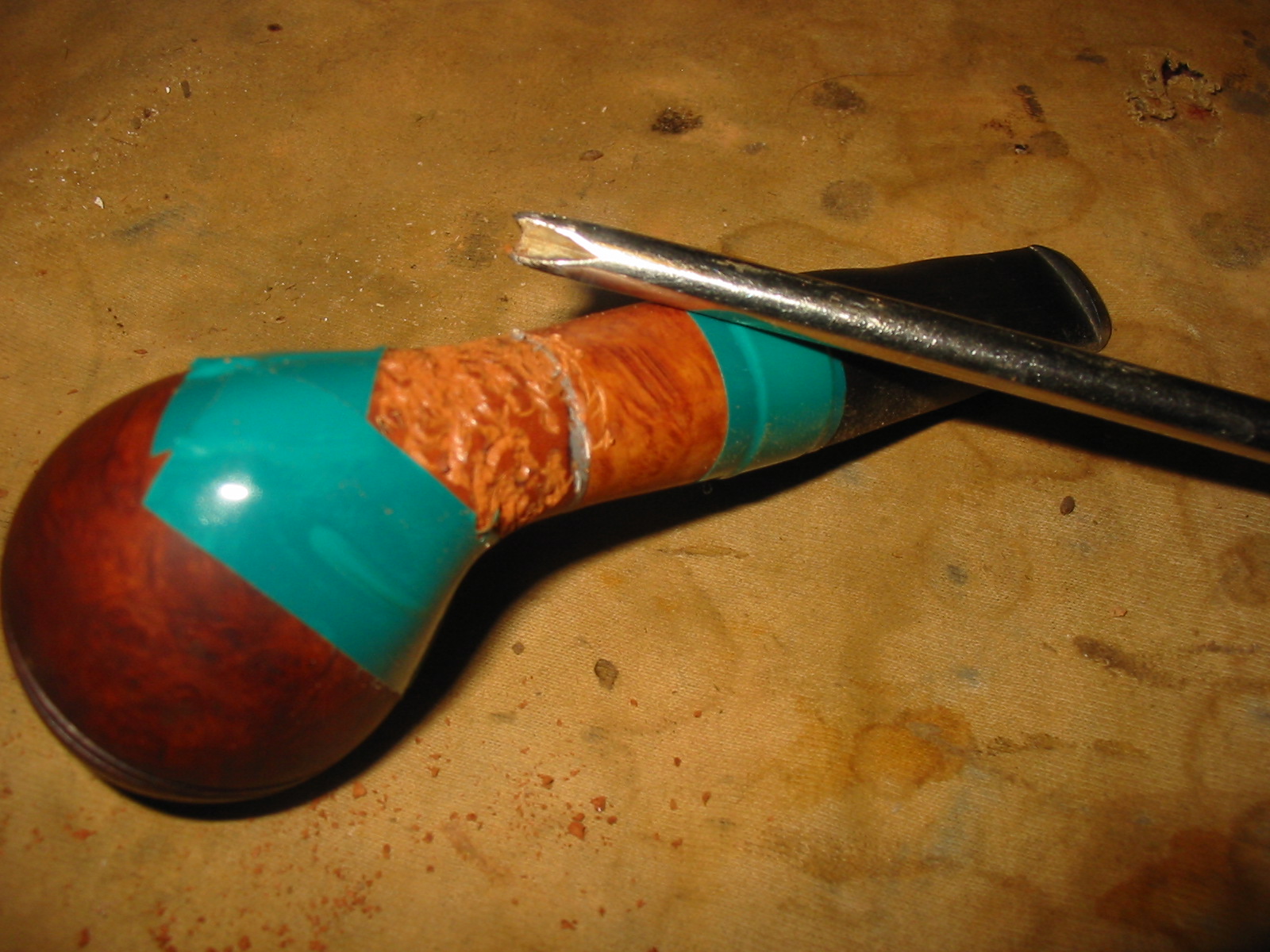
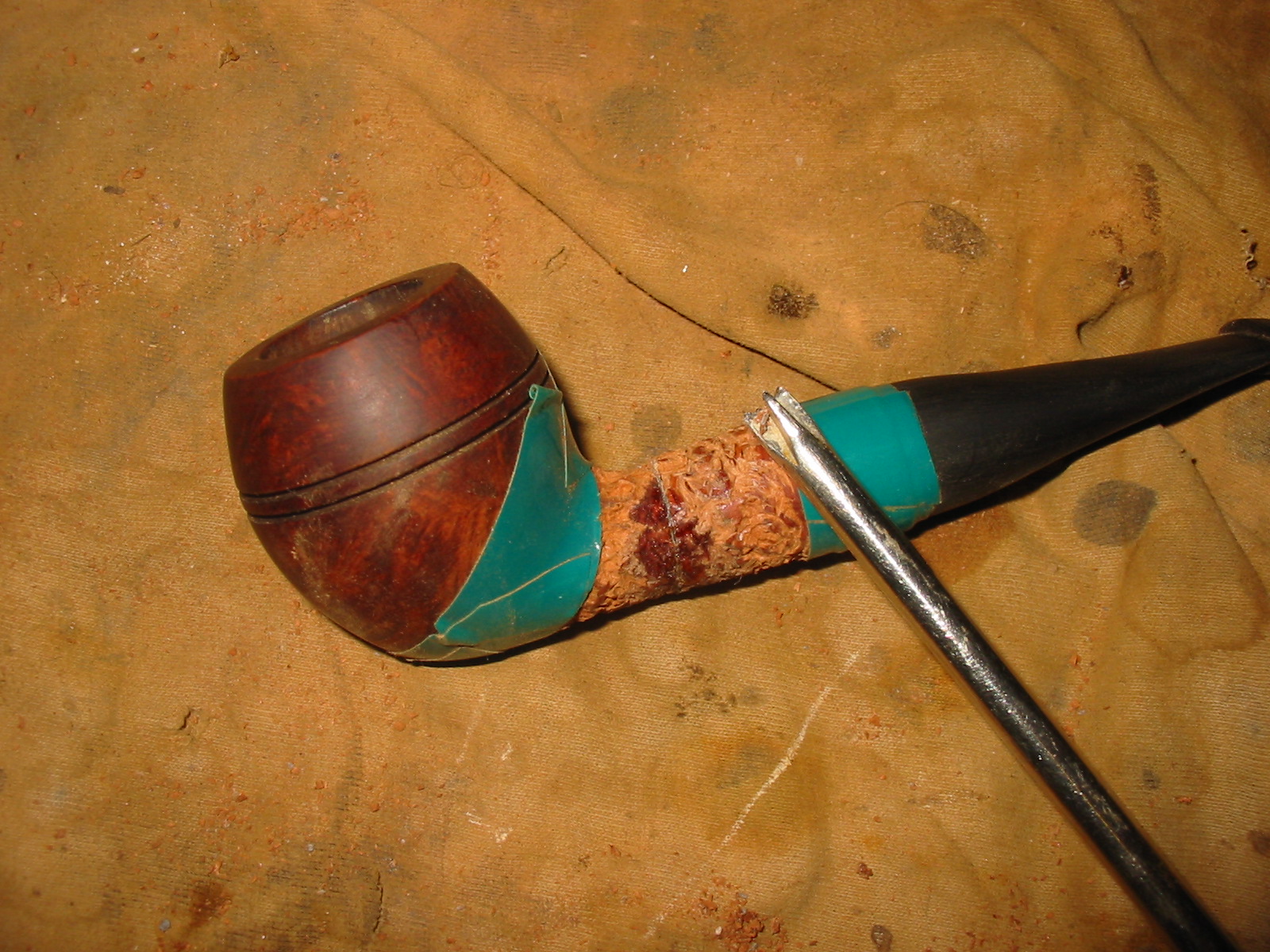
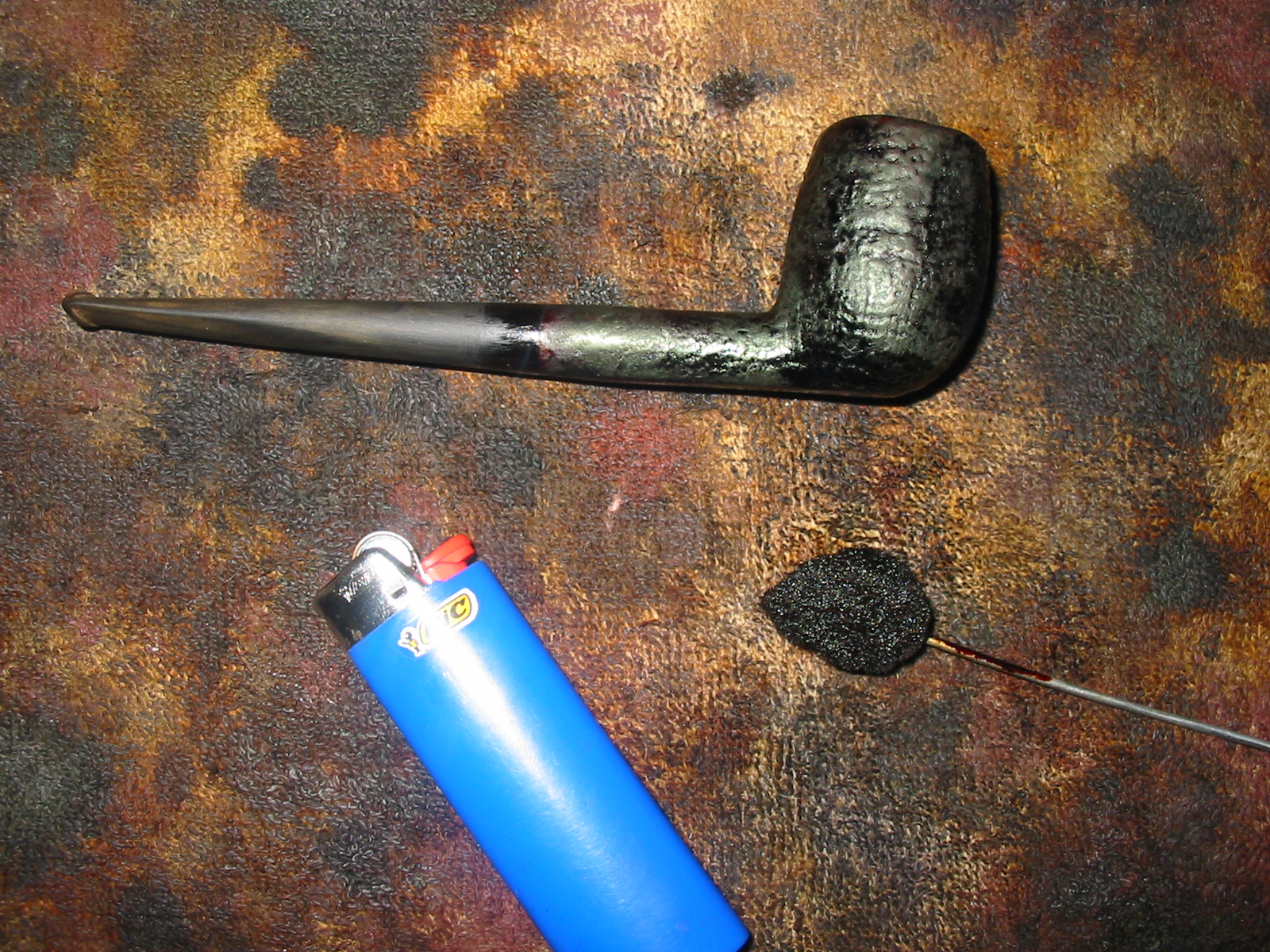
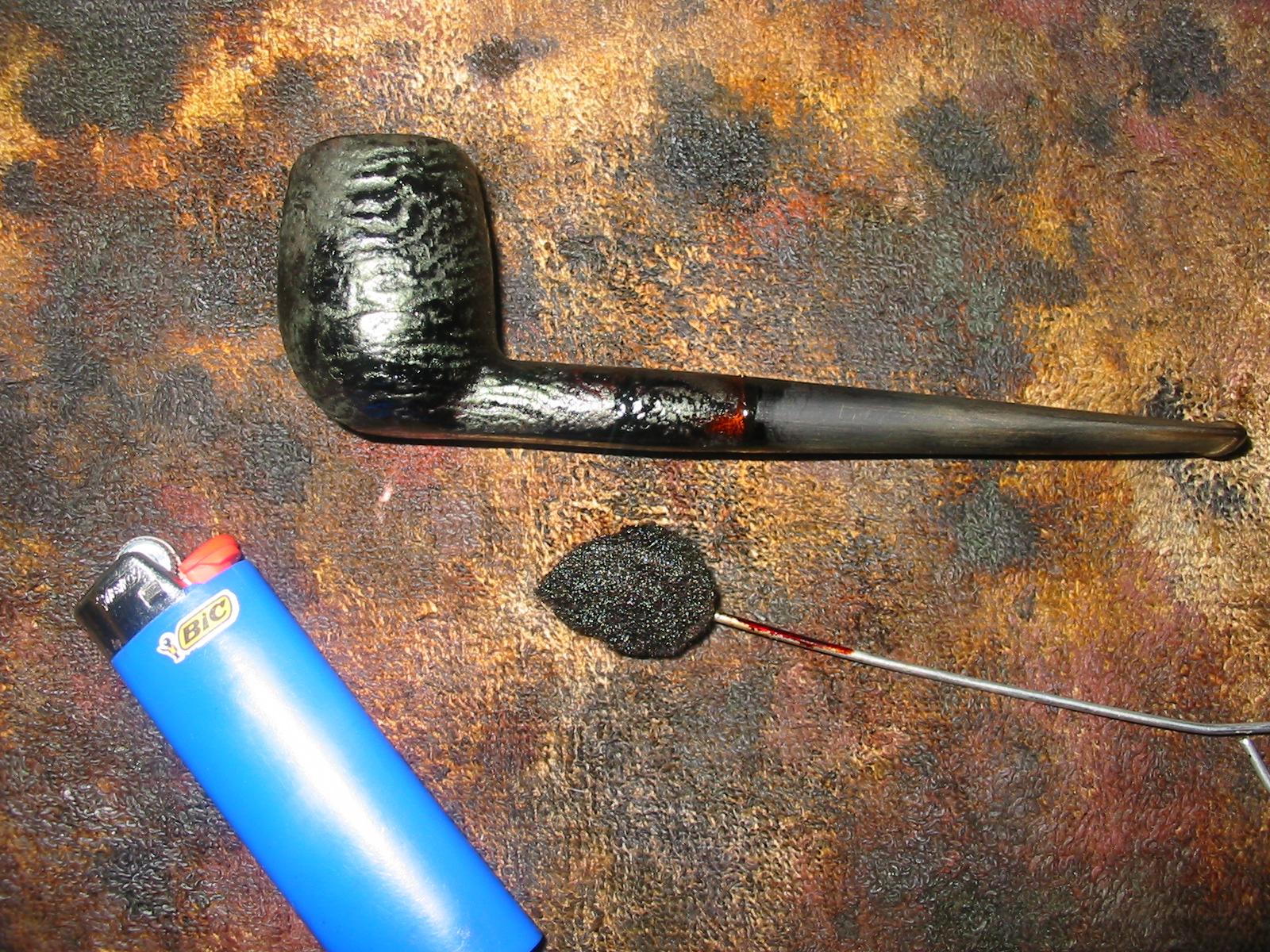
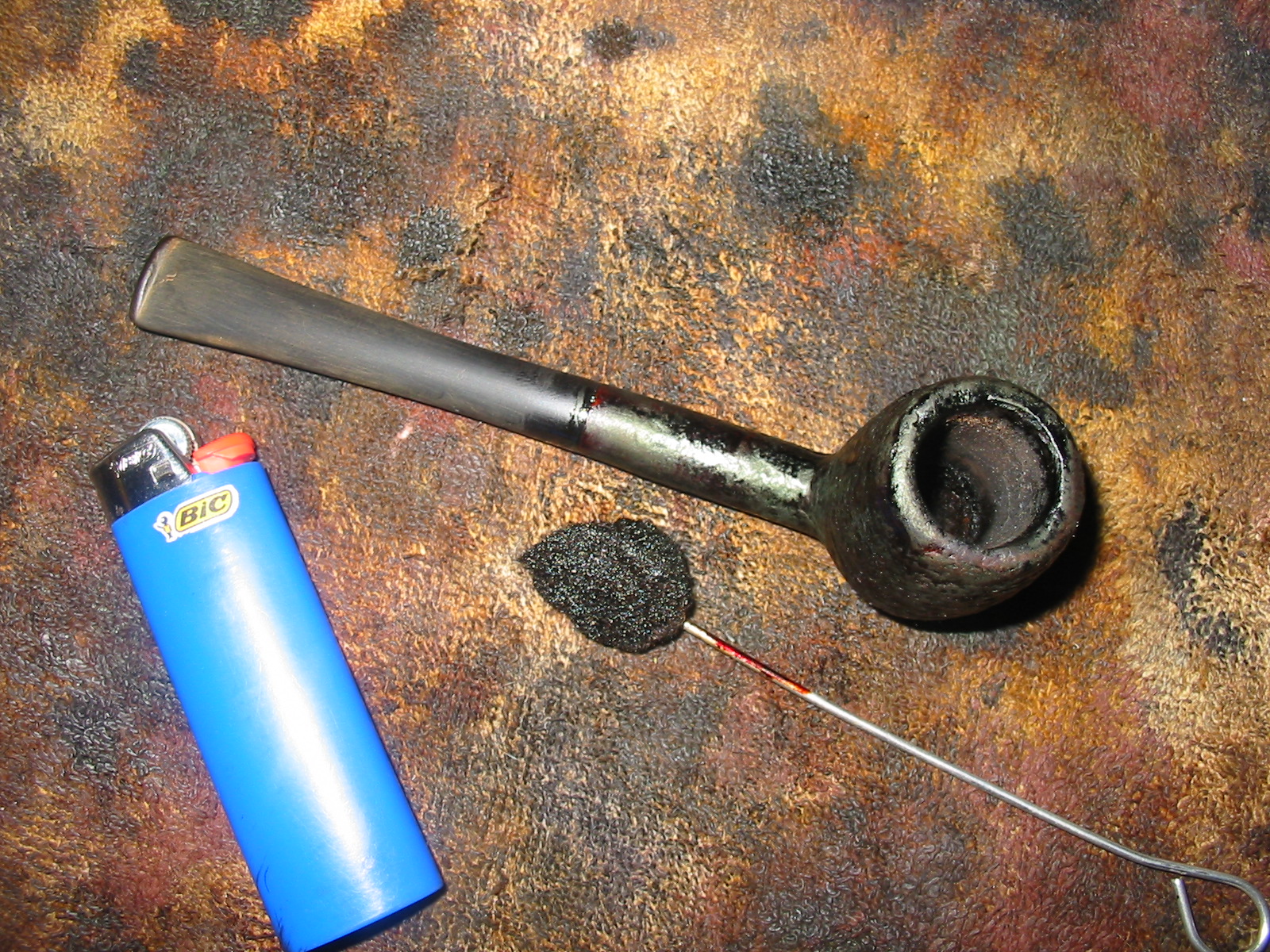
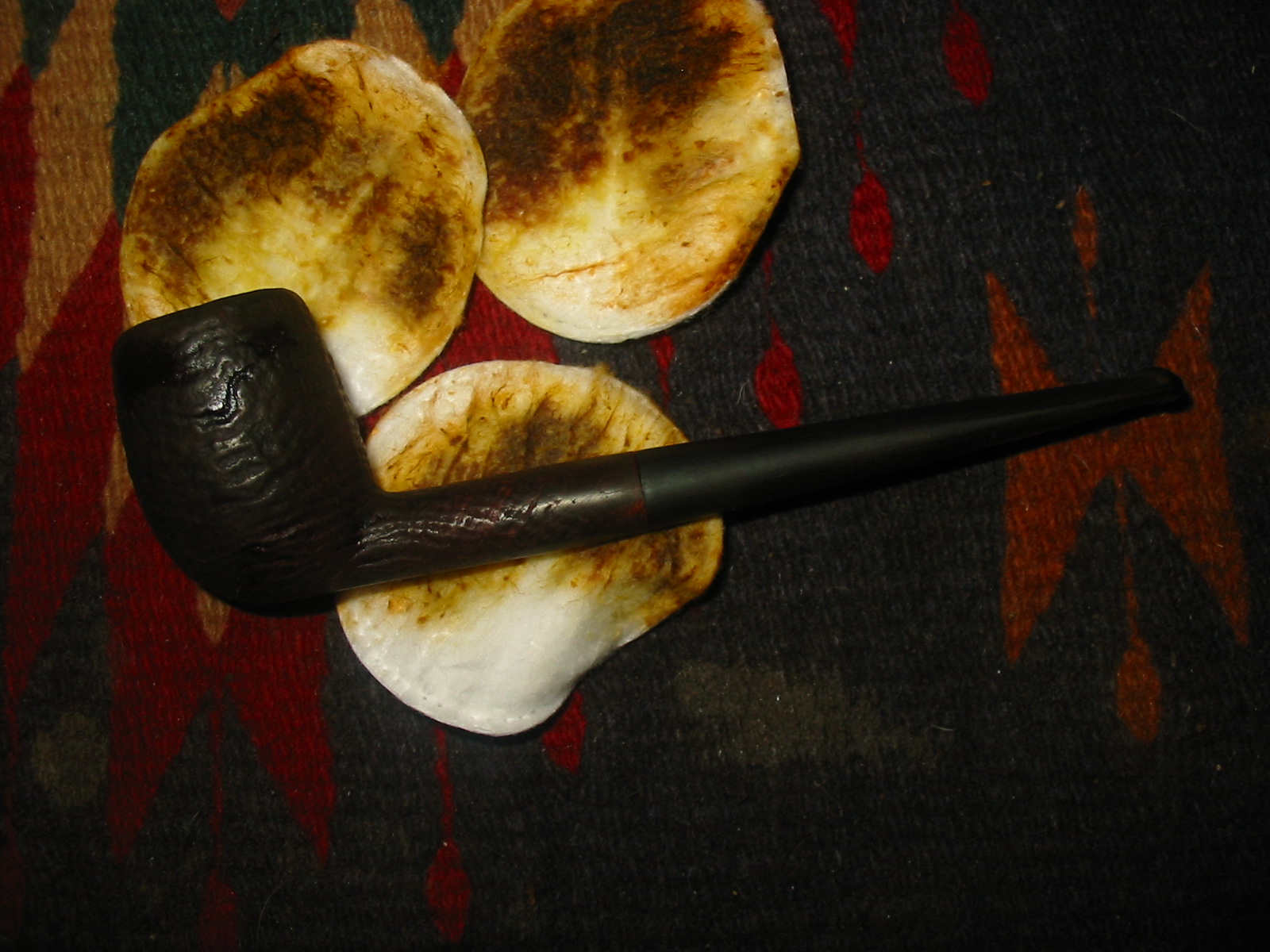
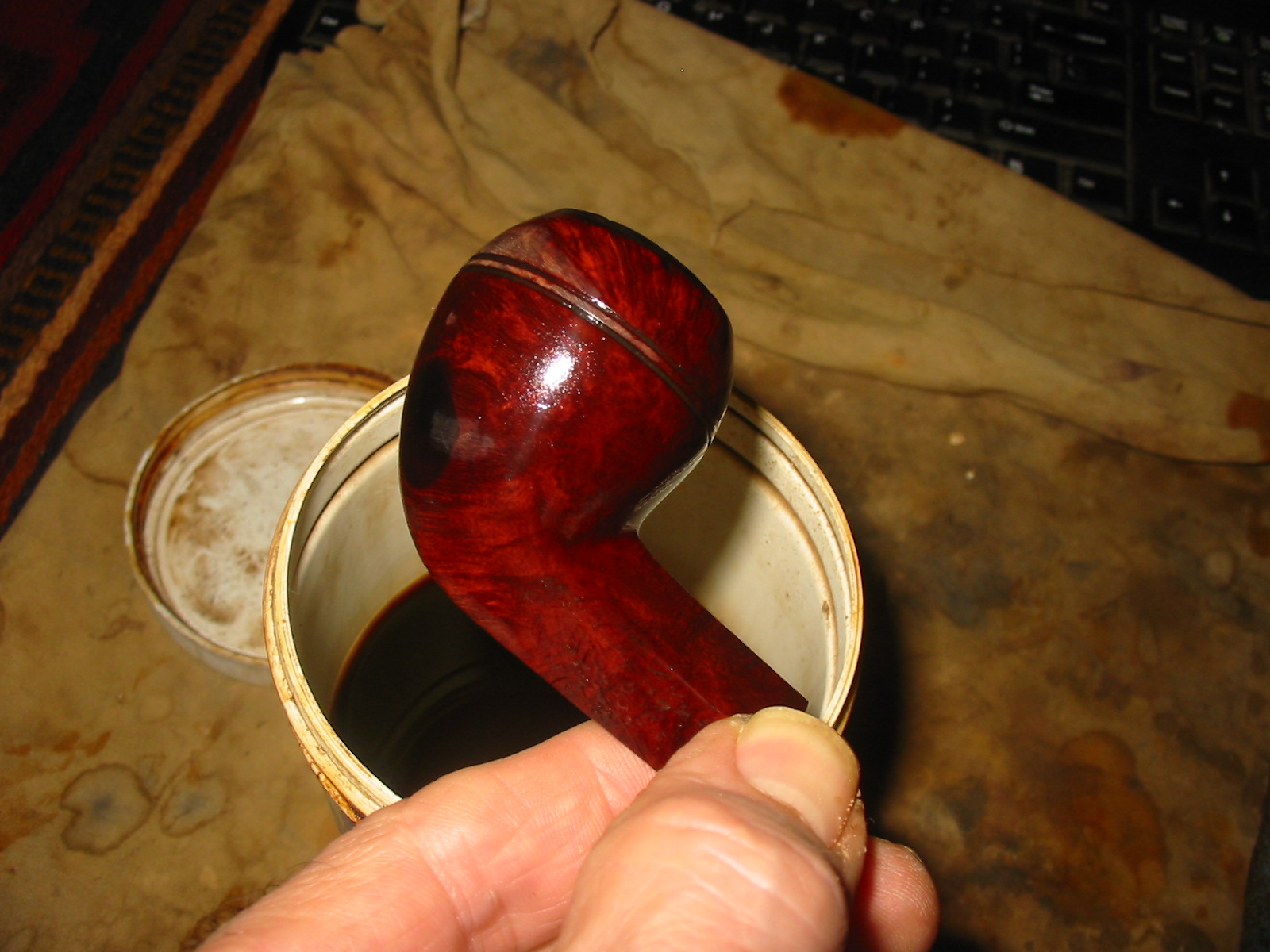
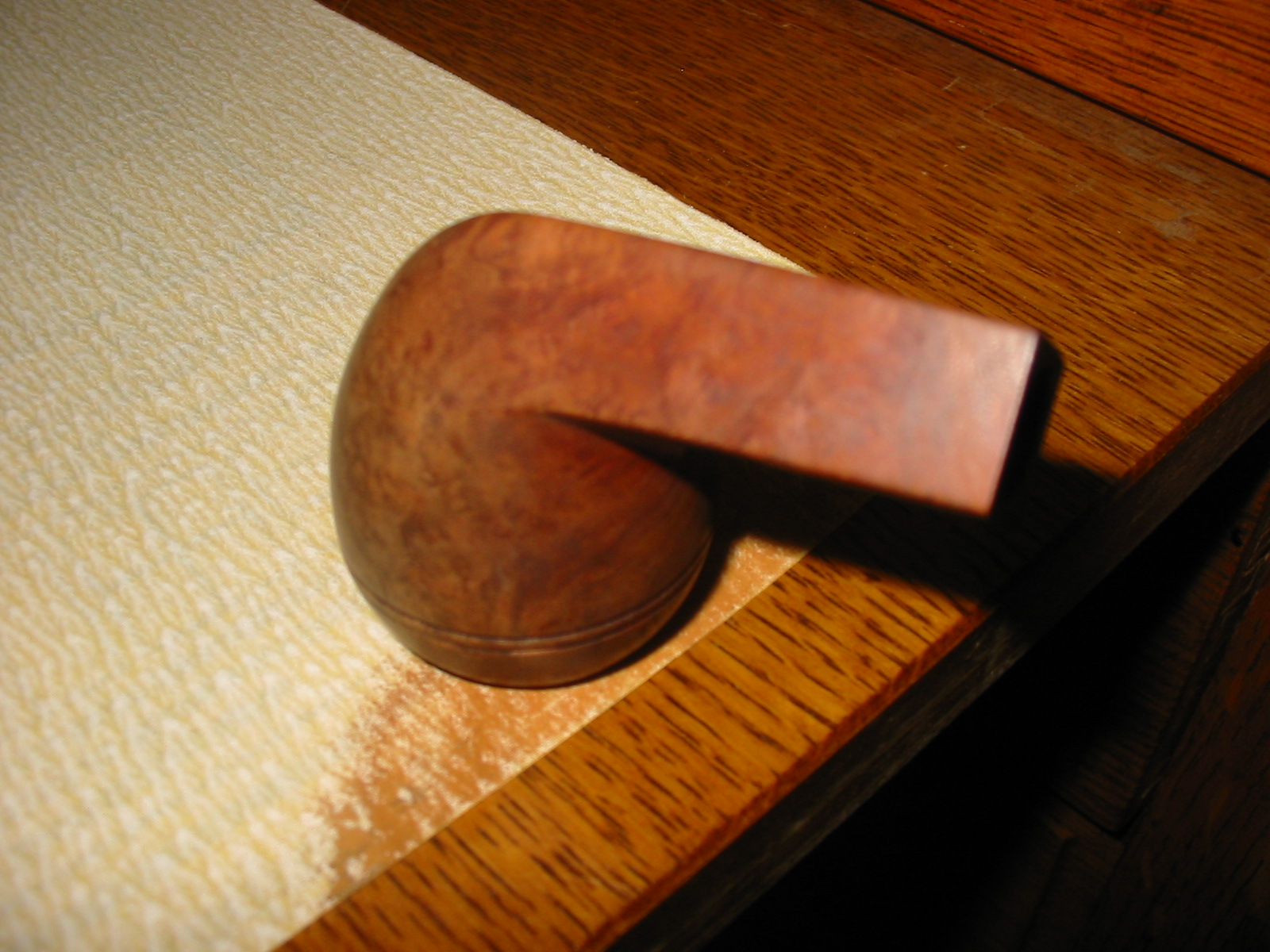
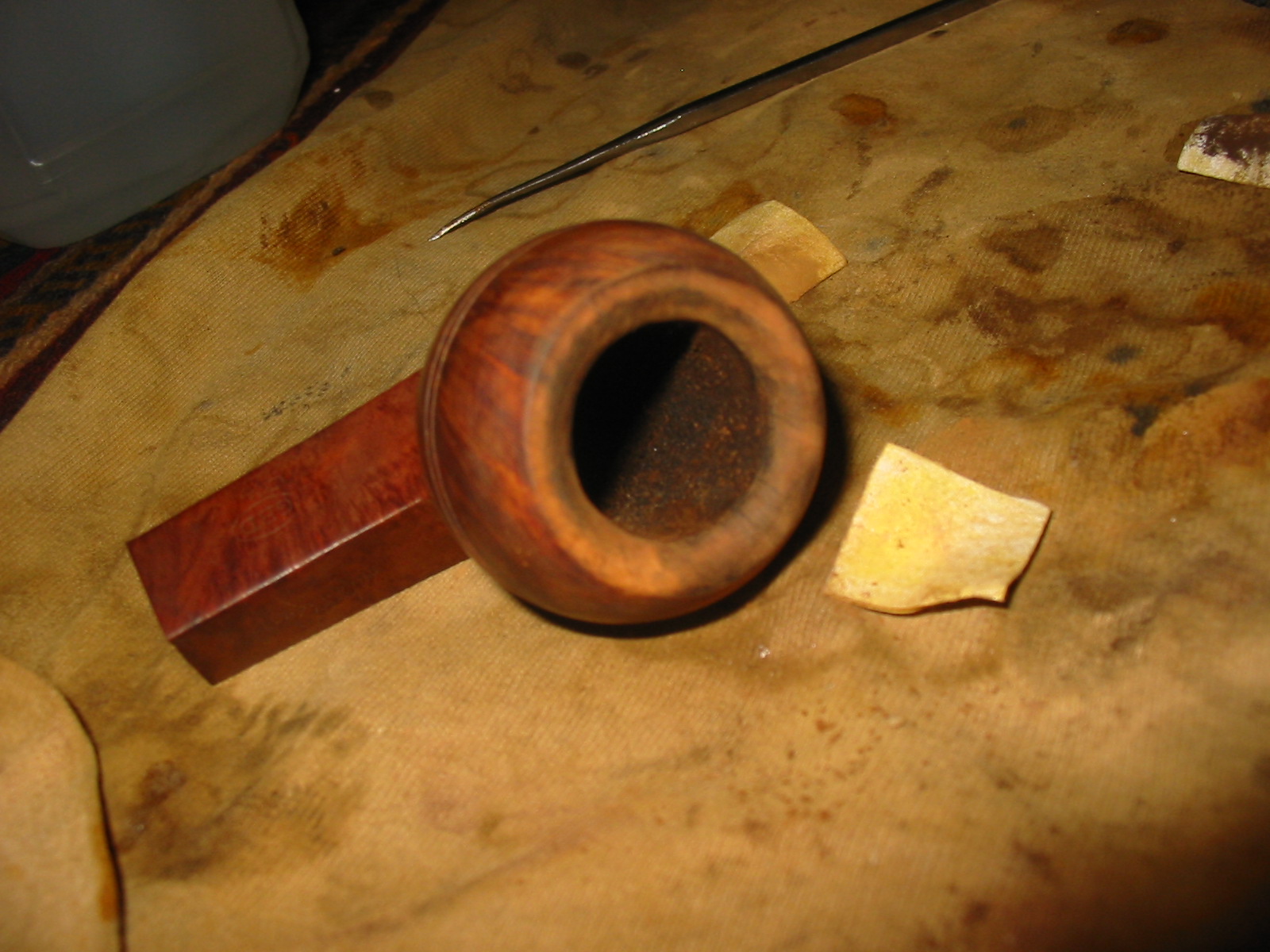
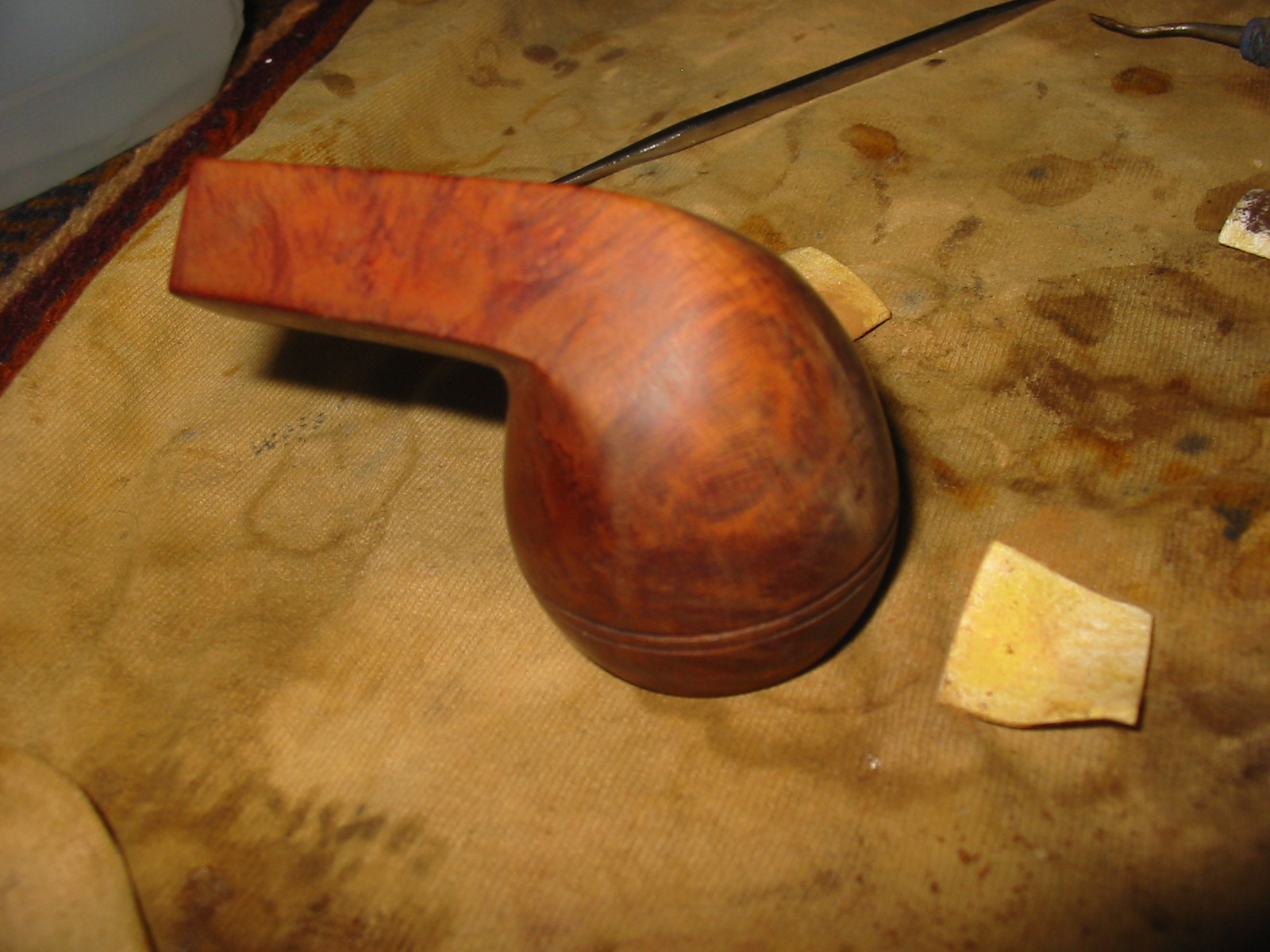
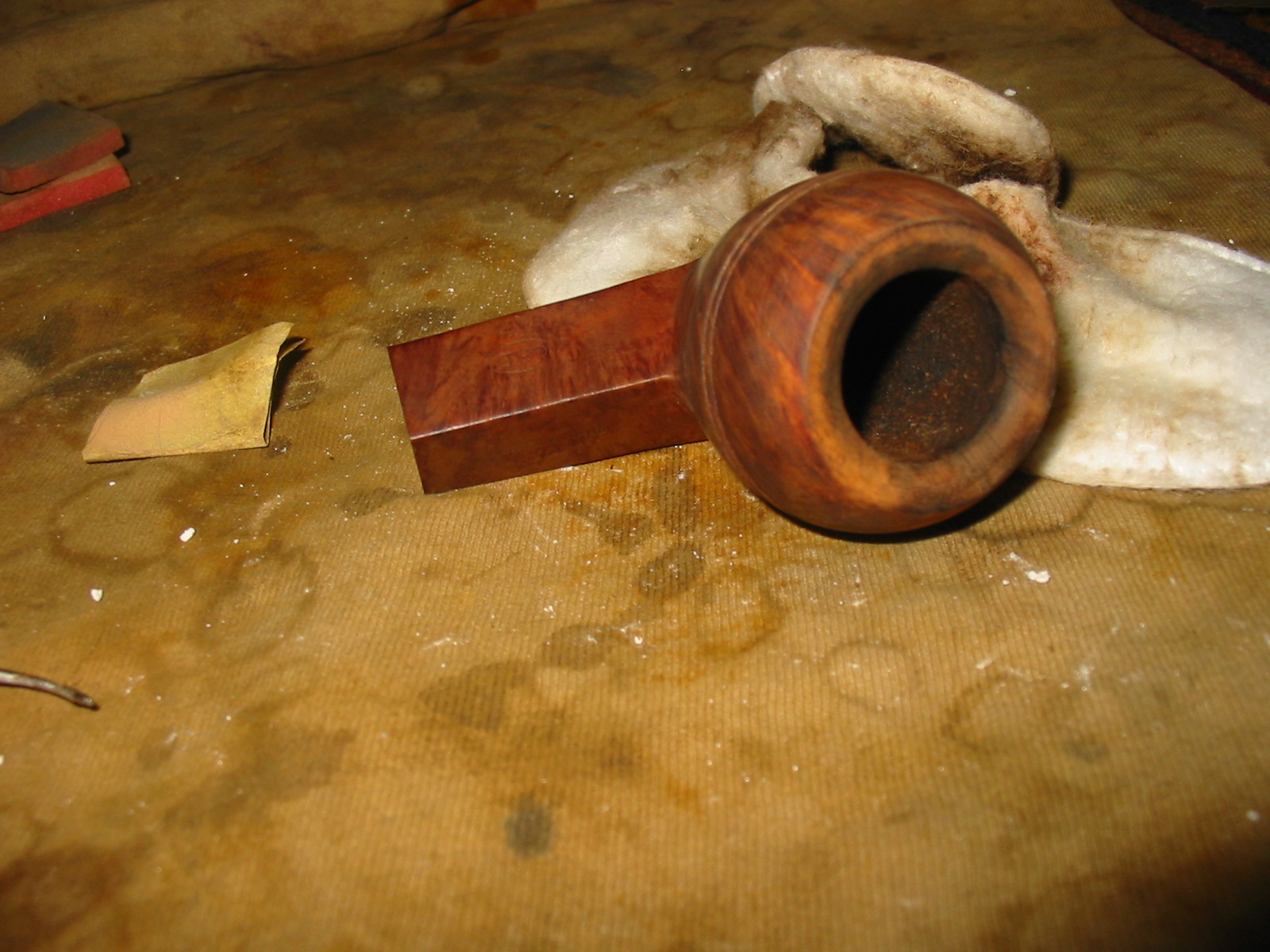
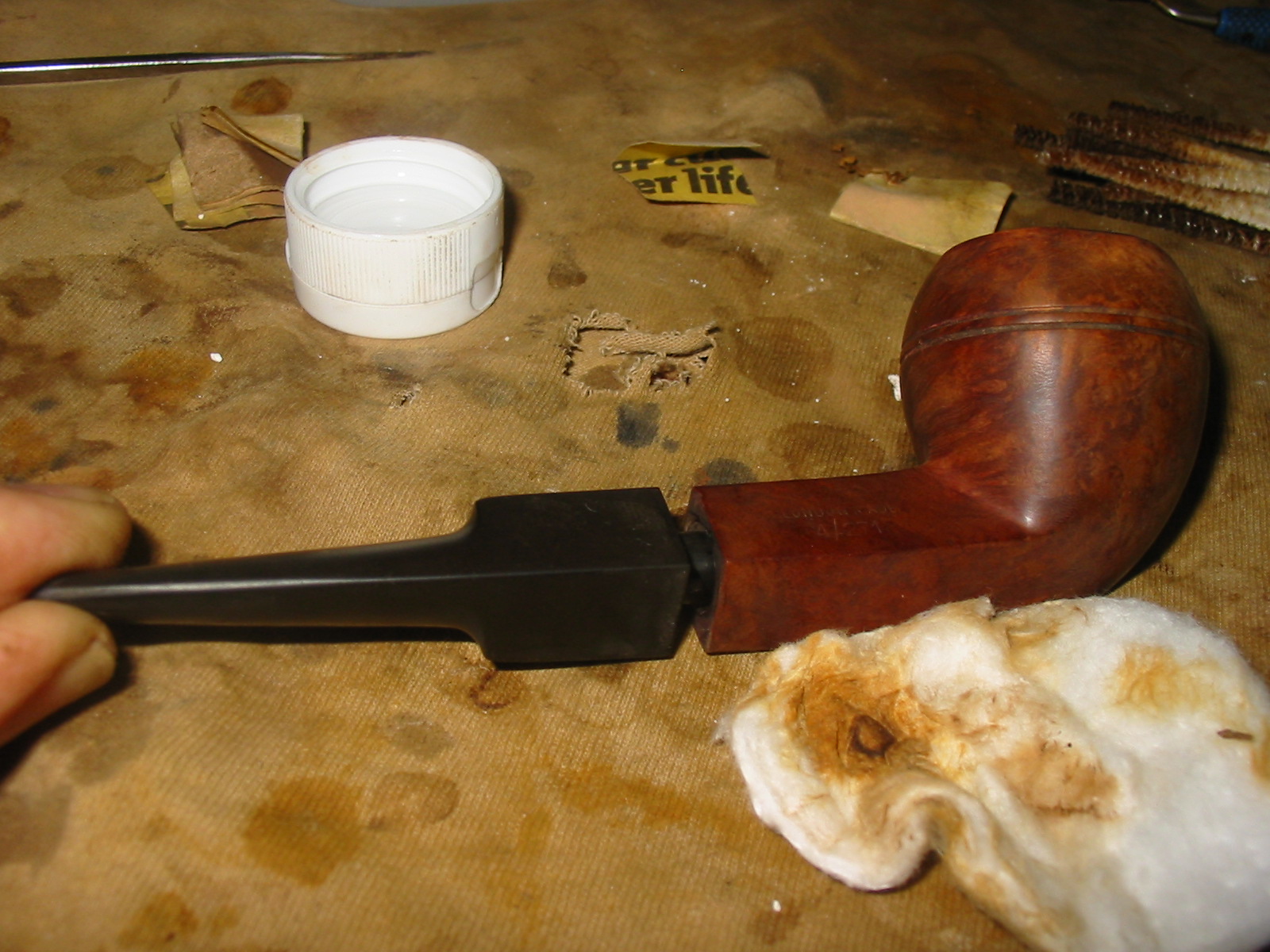
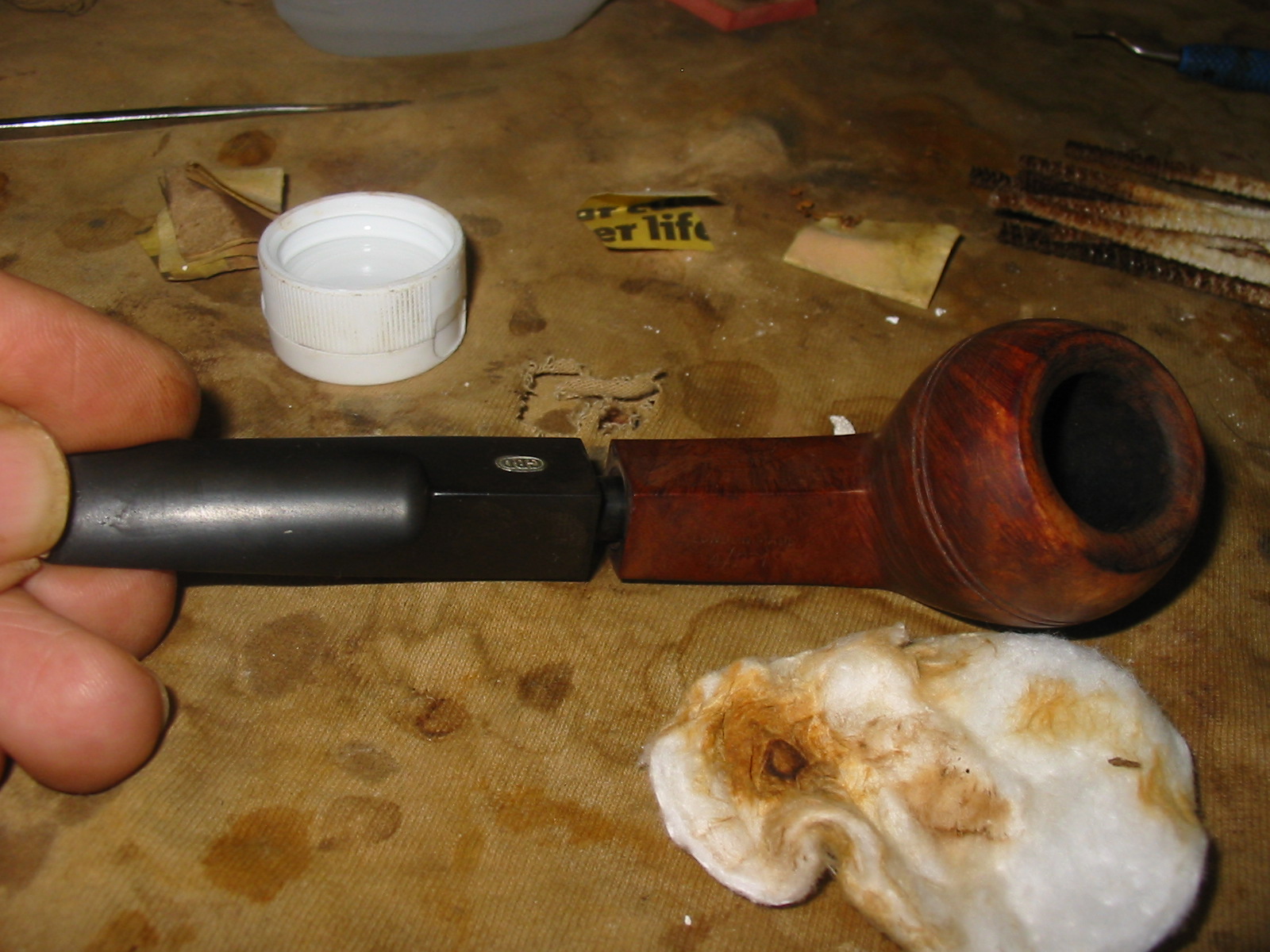
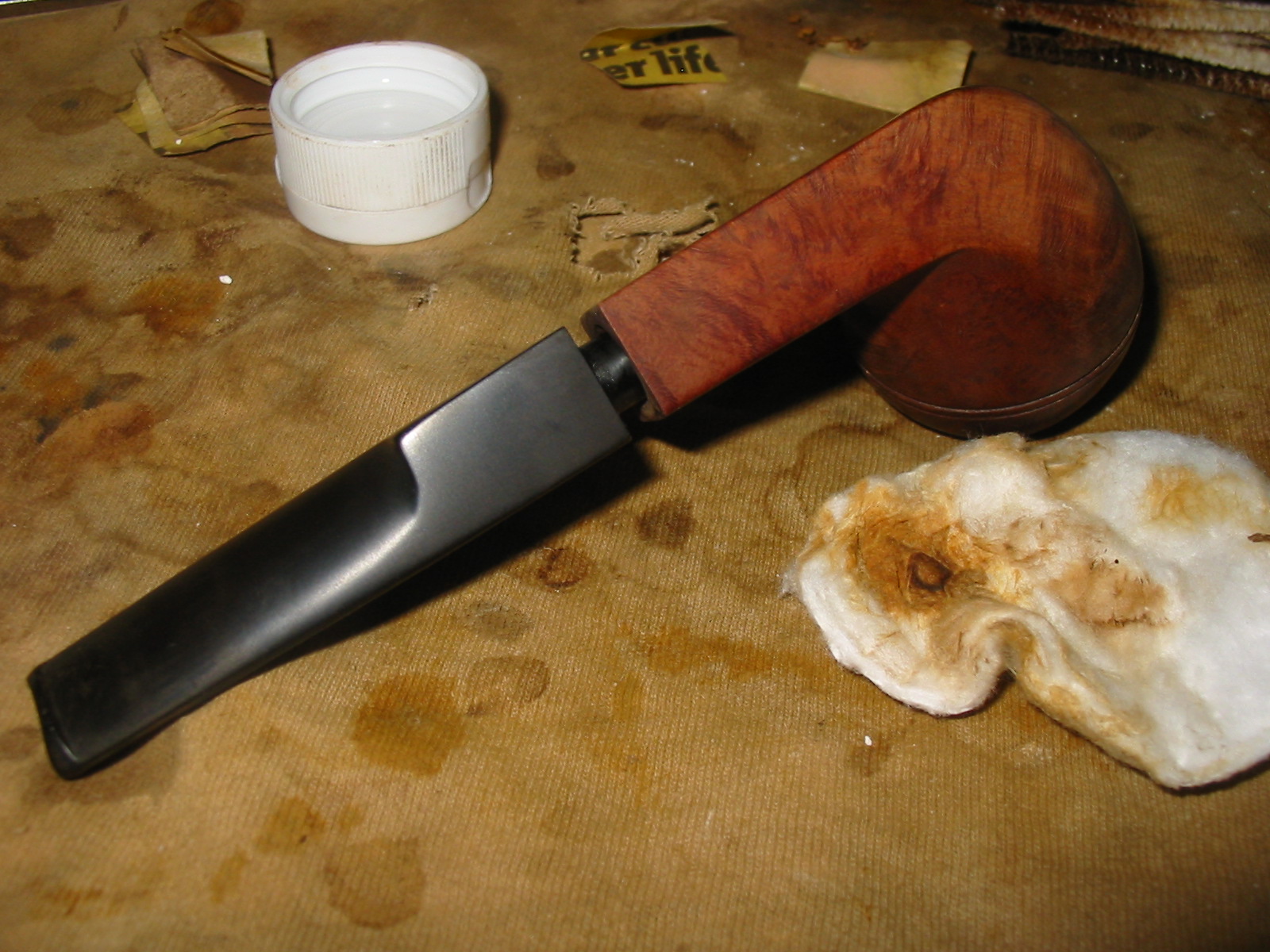
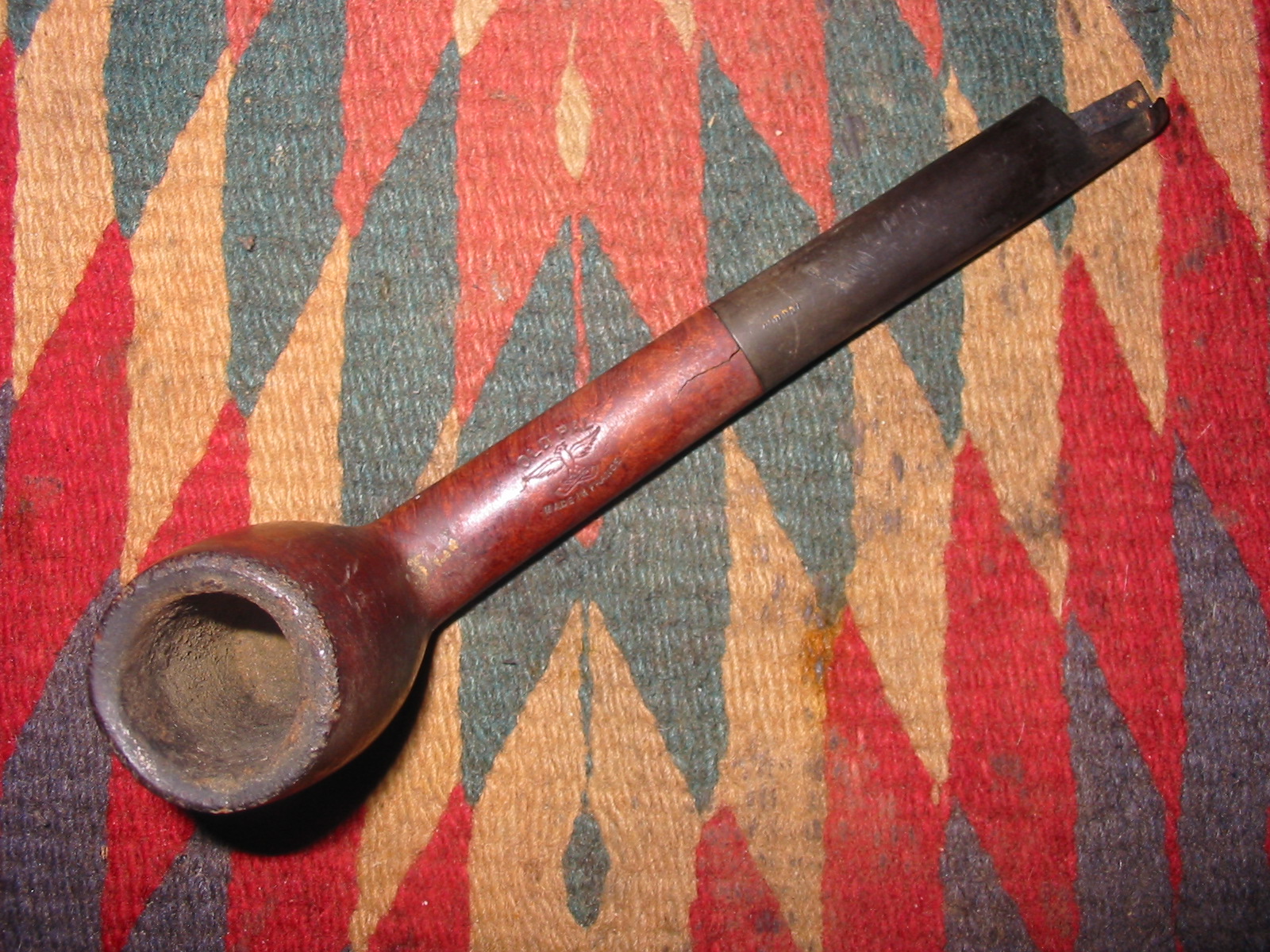
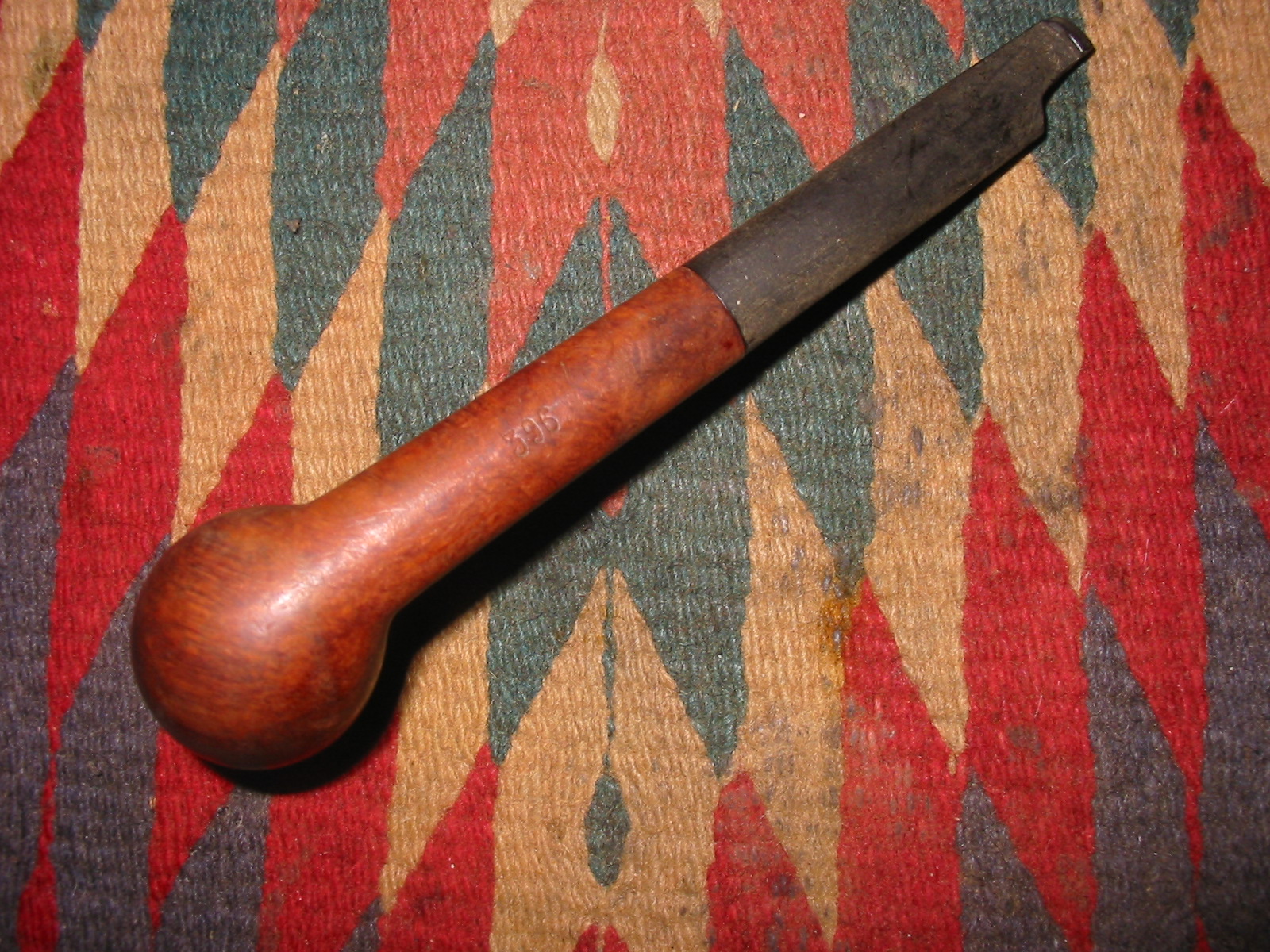
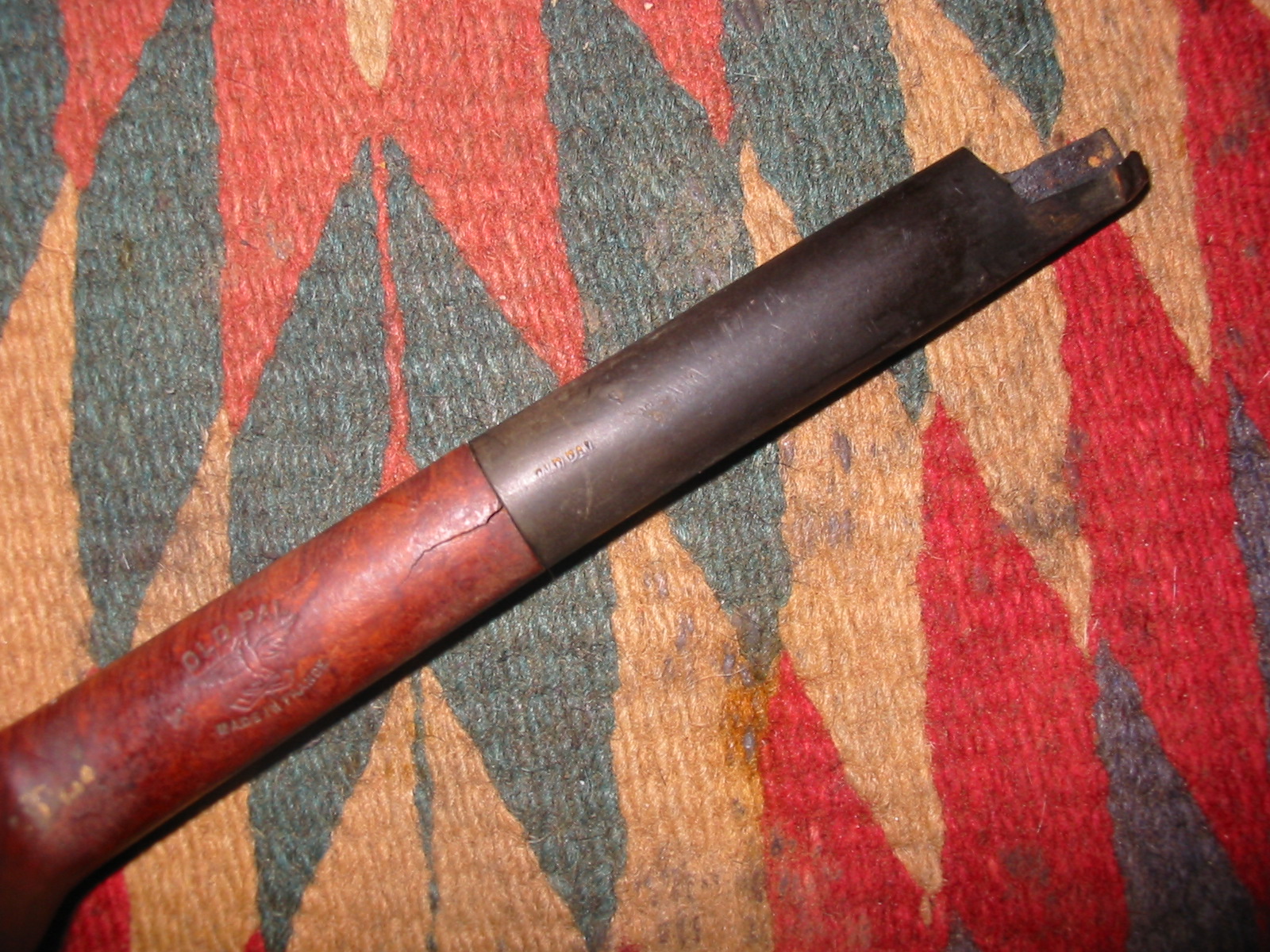
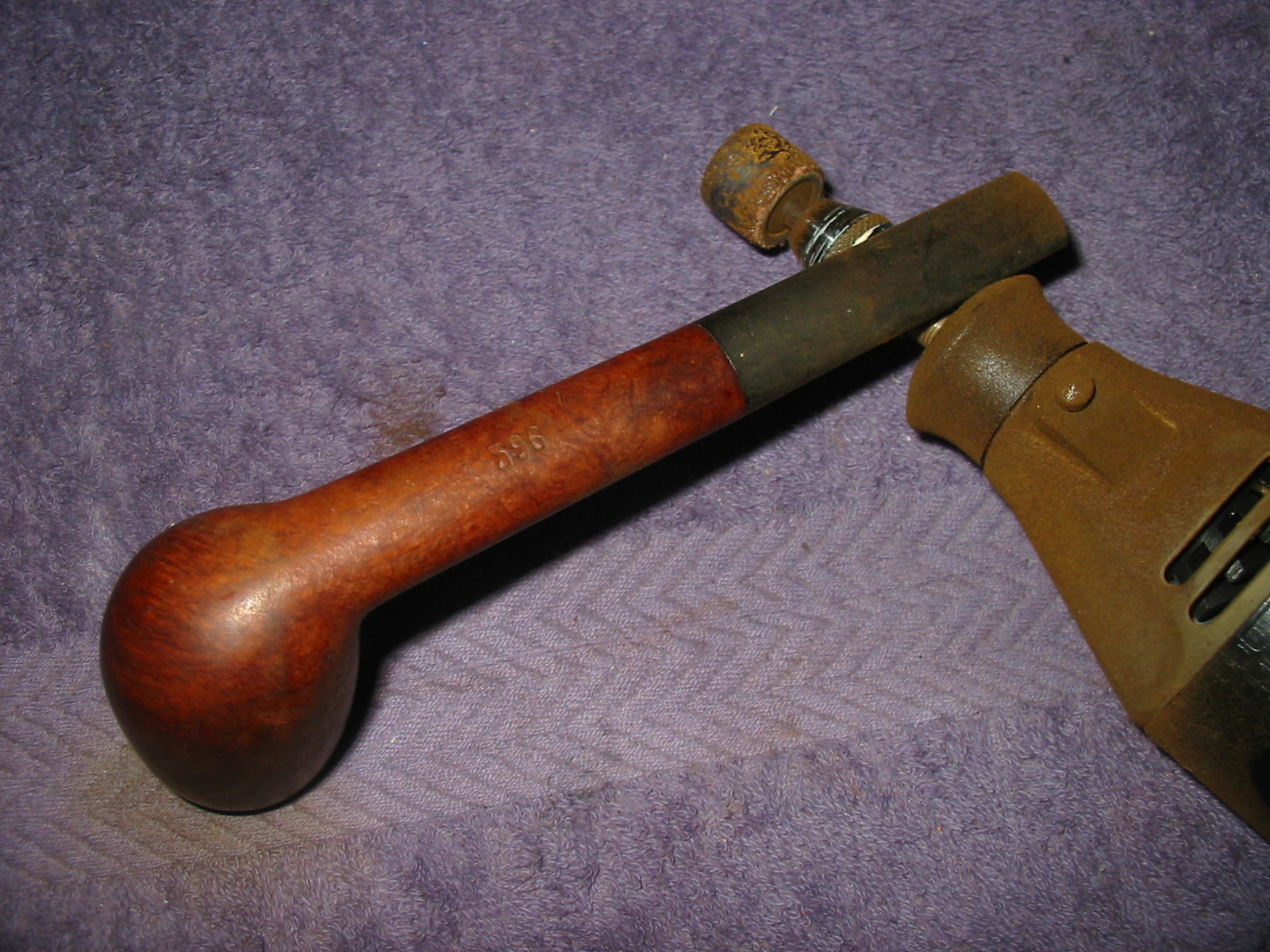
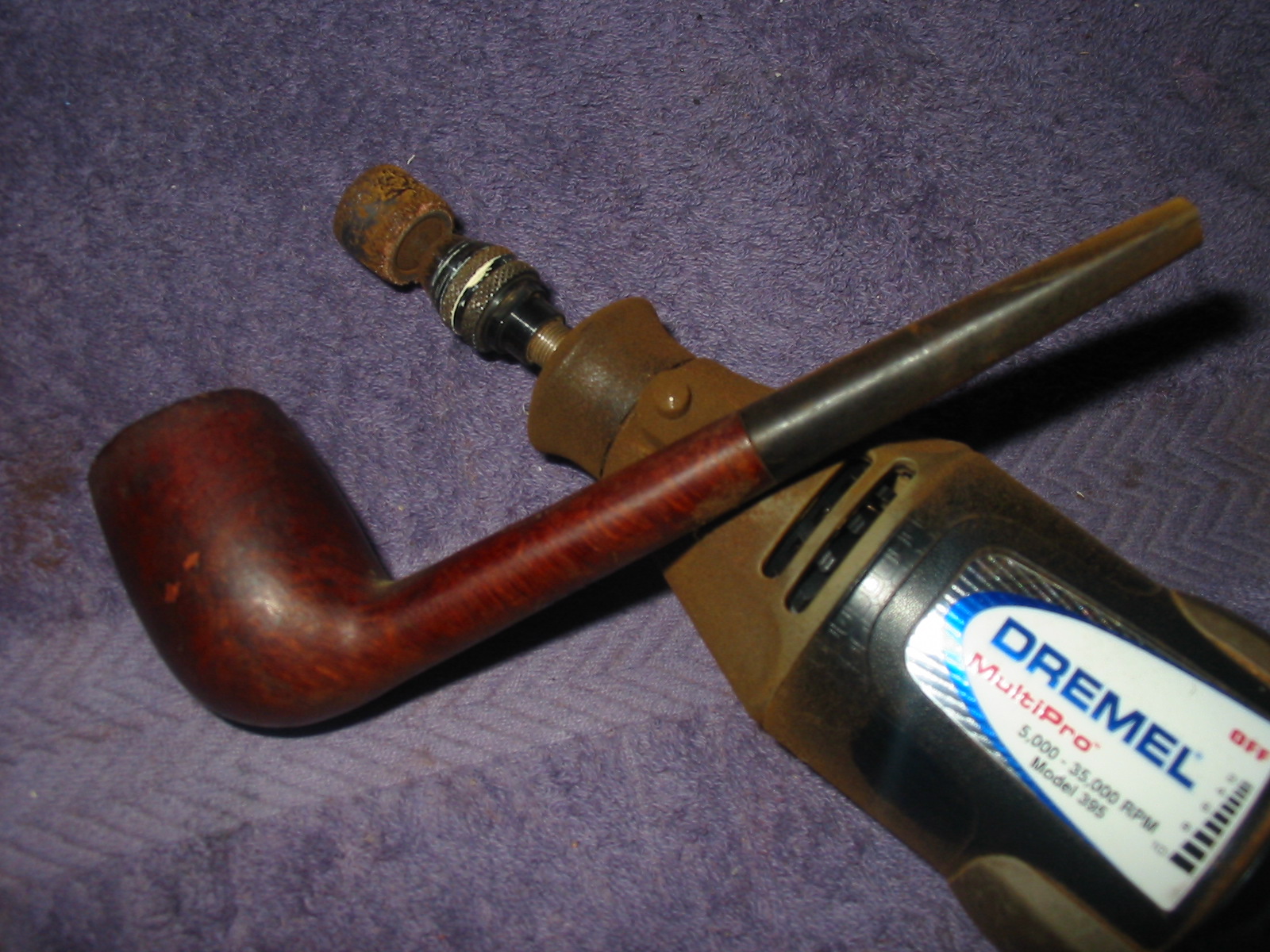
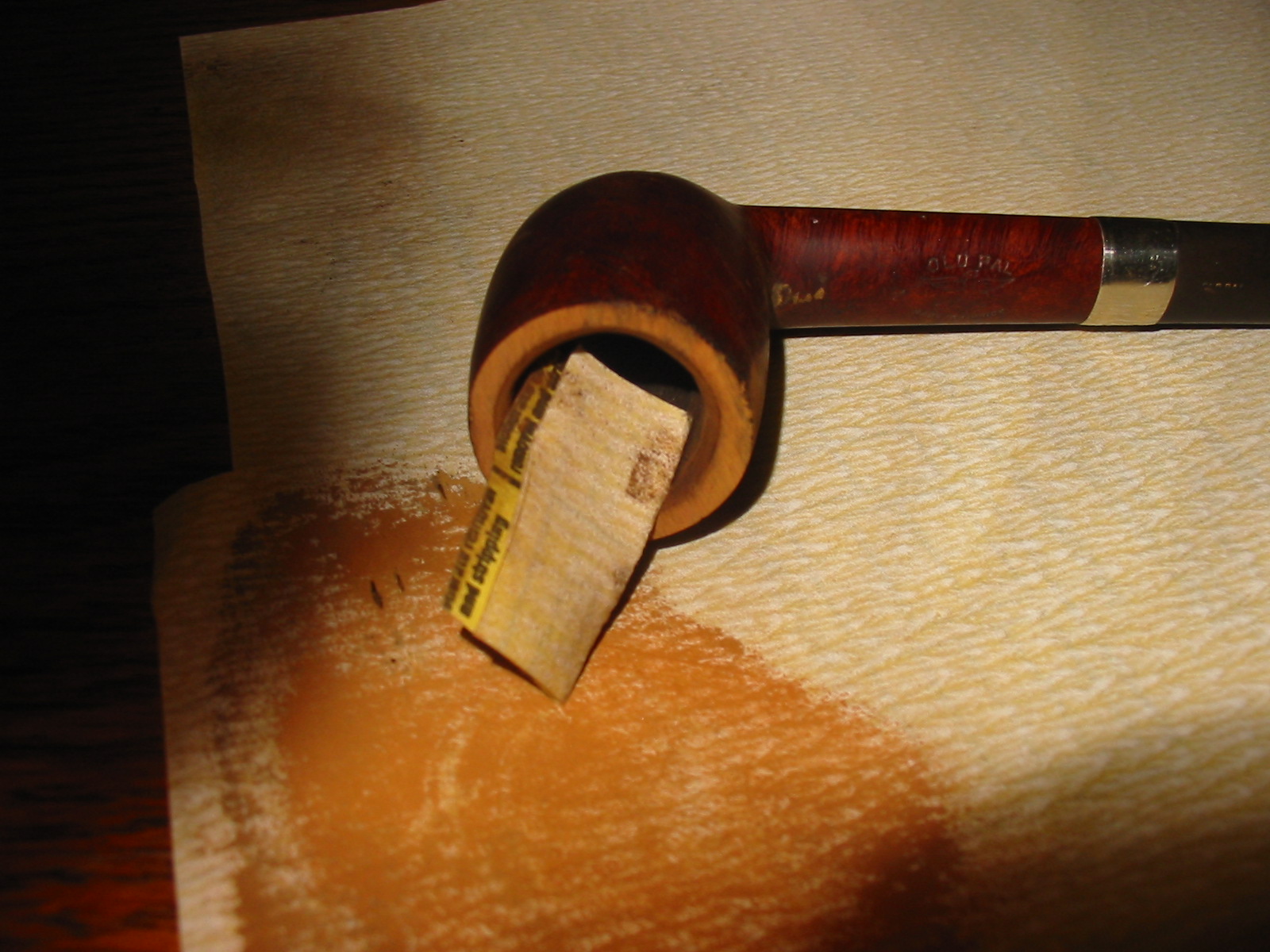
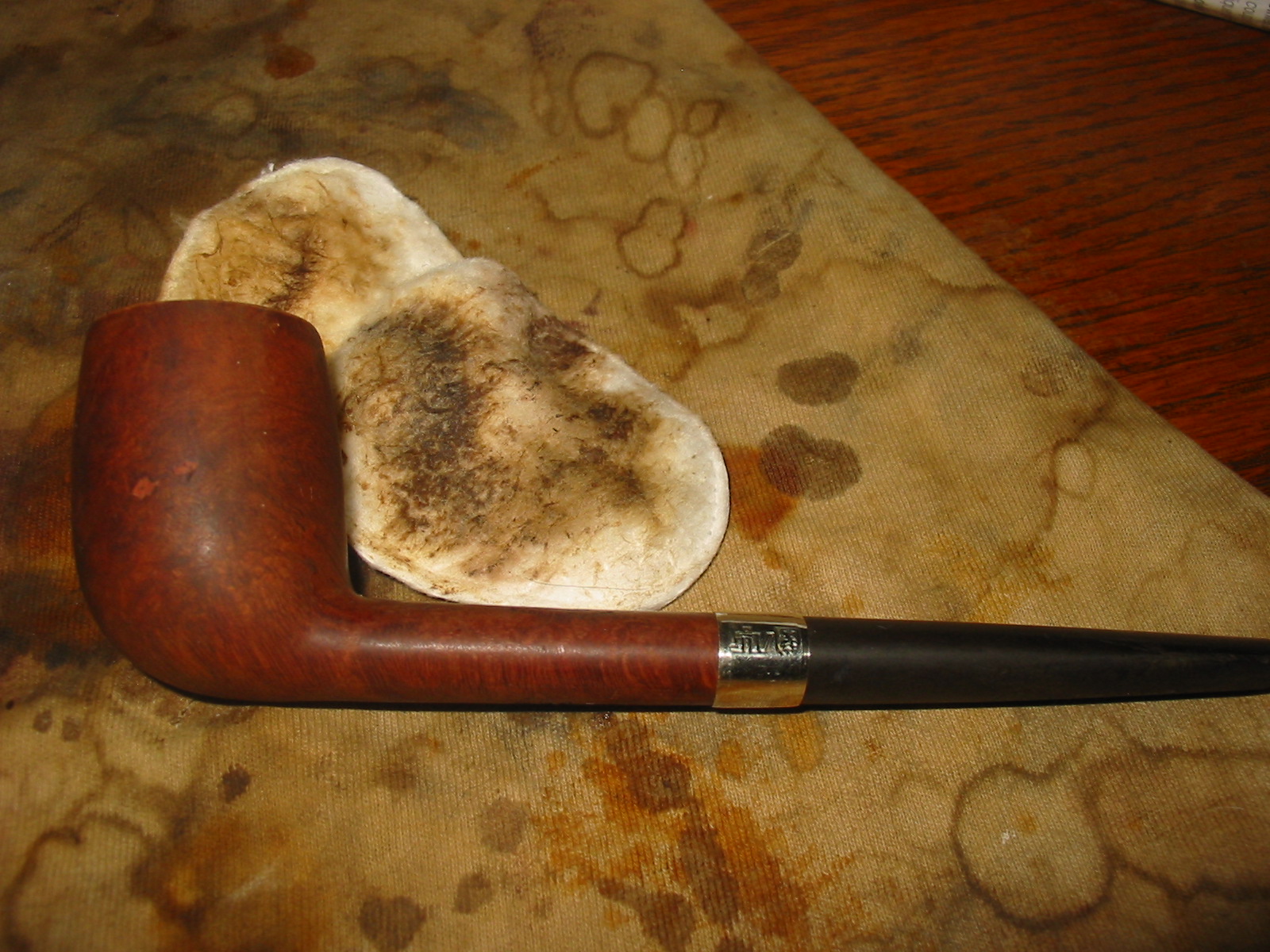
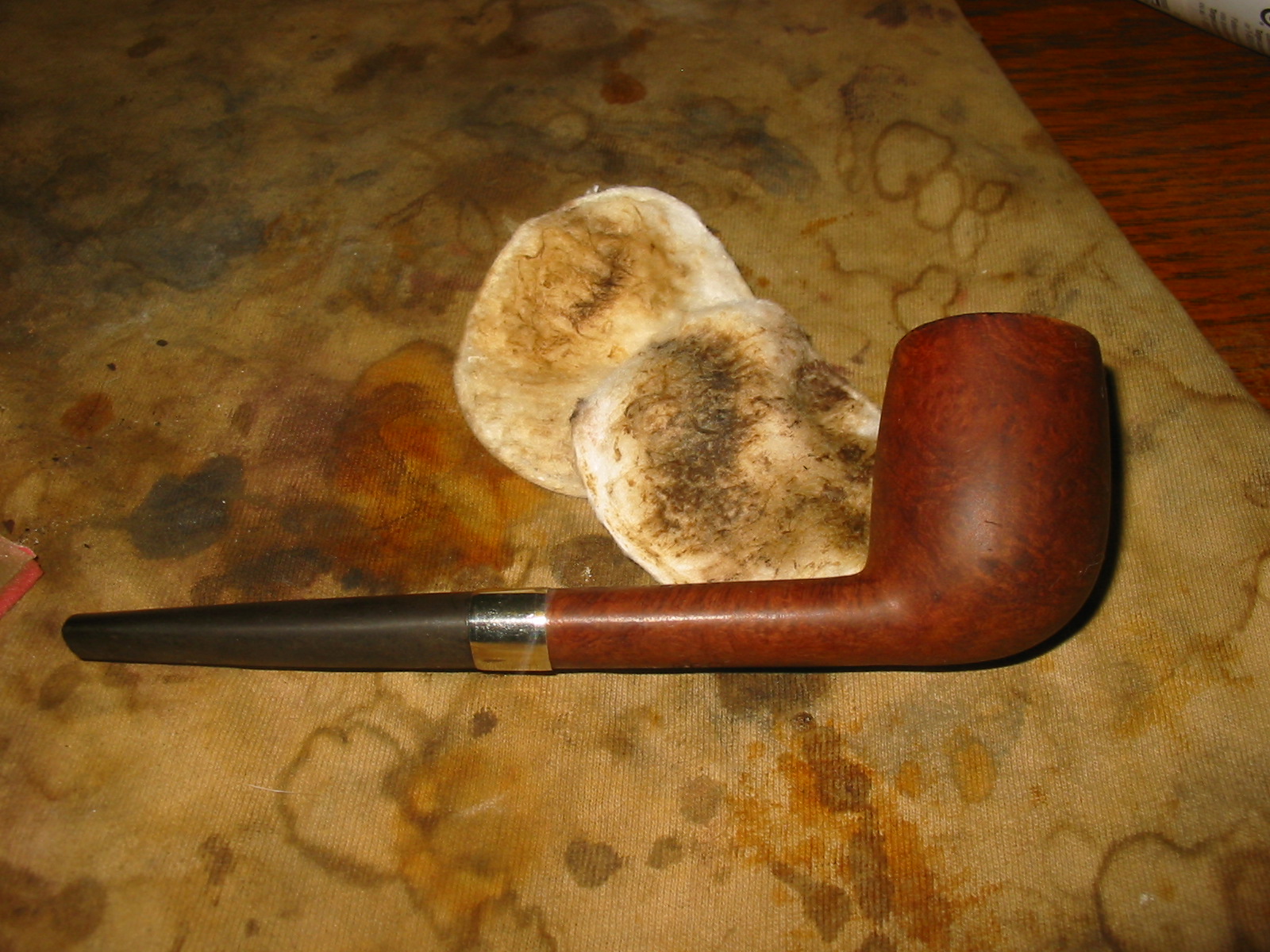
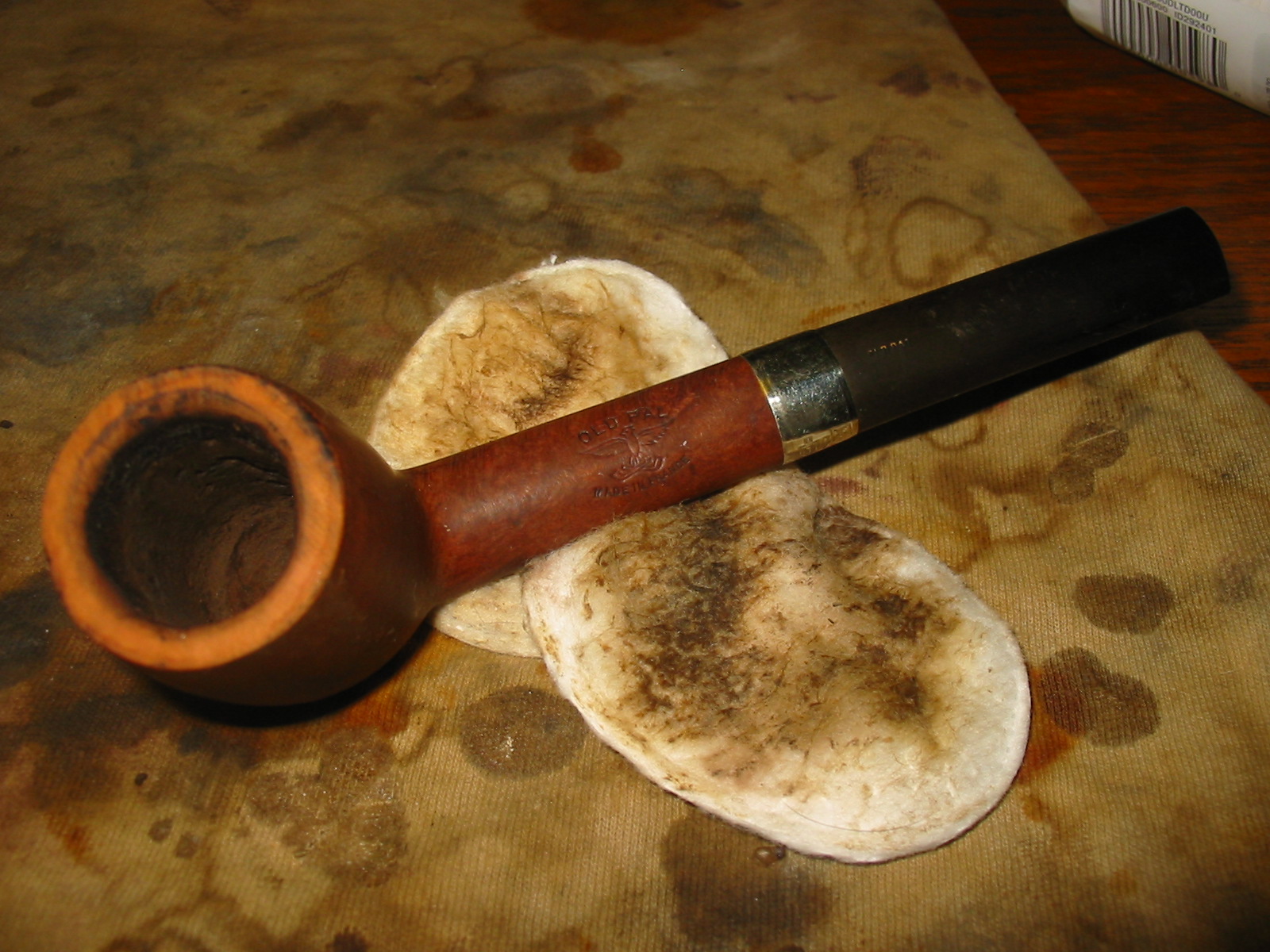
I thought I would share this post on a blog I follow by reserected pipes. In it he comments on using a grinding tip on his Dremel to remove a heavy finish on the old KW spiral. He did a great job on it and I want to direct you to have a look at his work. Thanks.

ReserectedPipes's avatarReserectedPipes

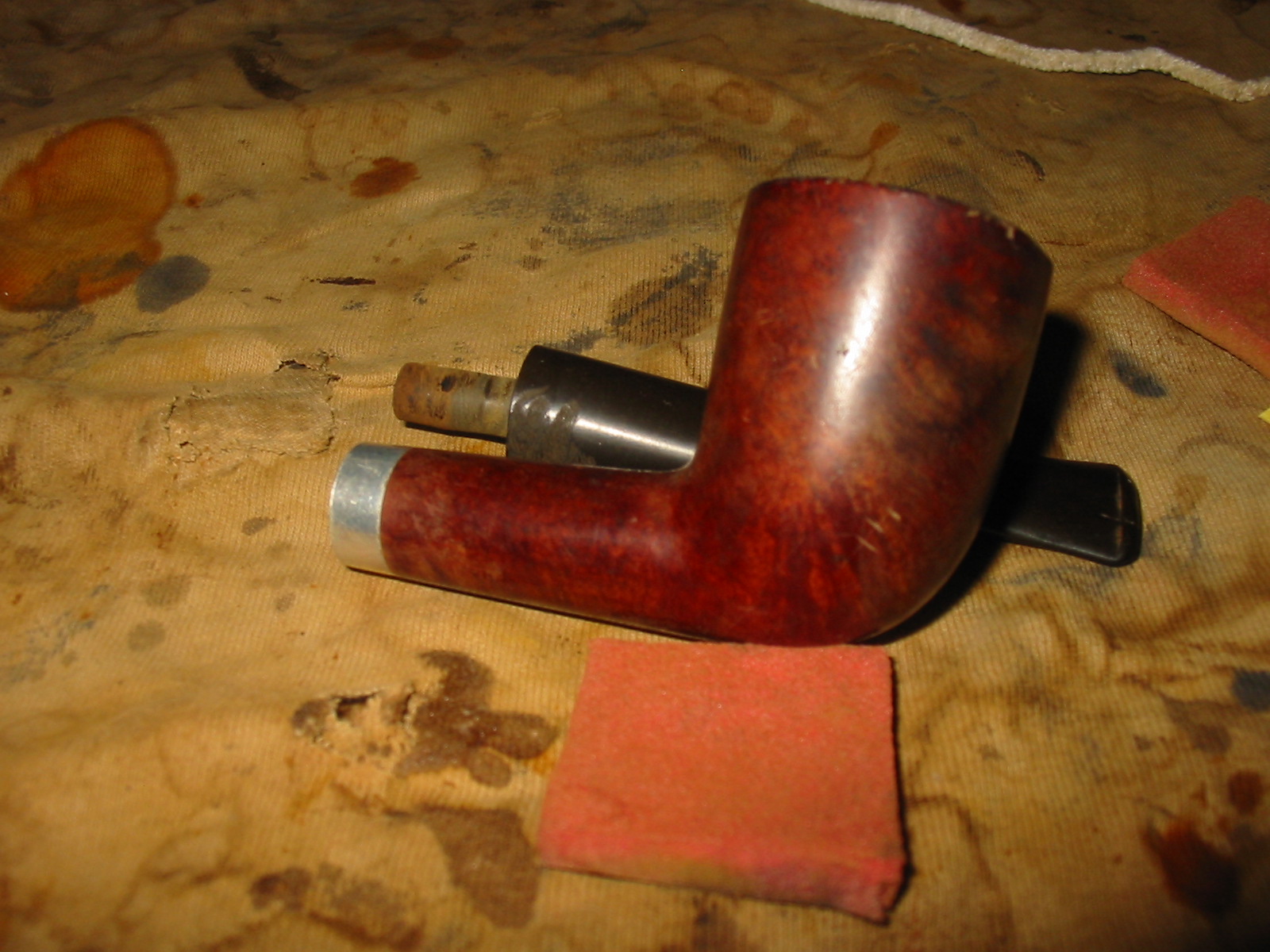
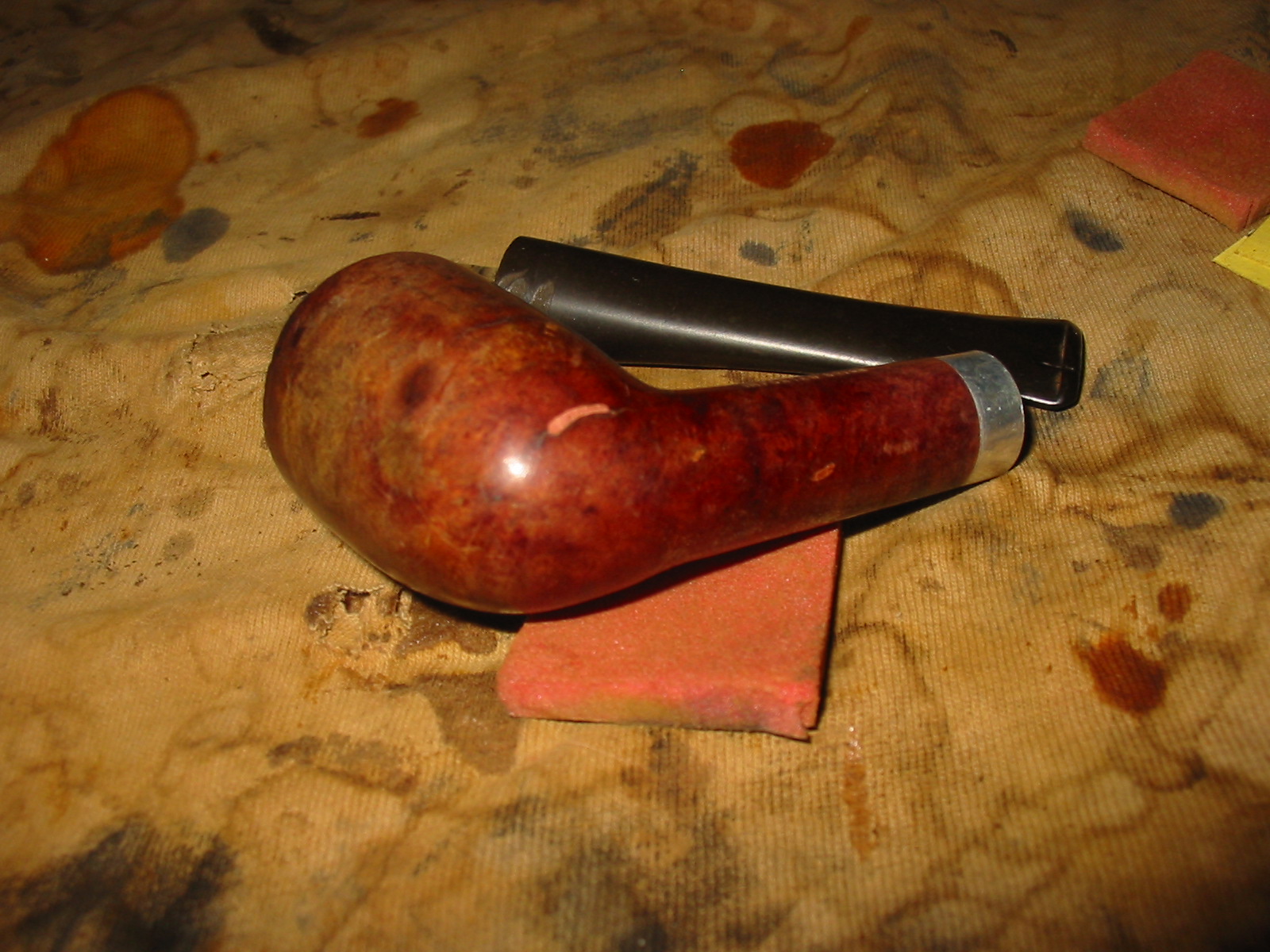
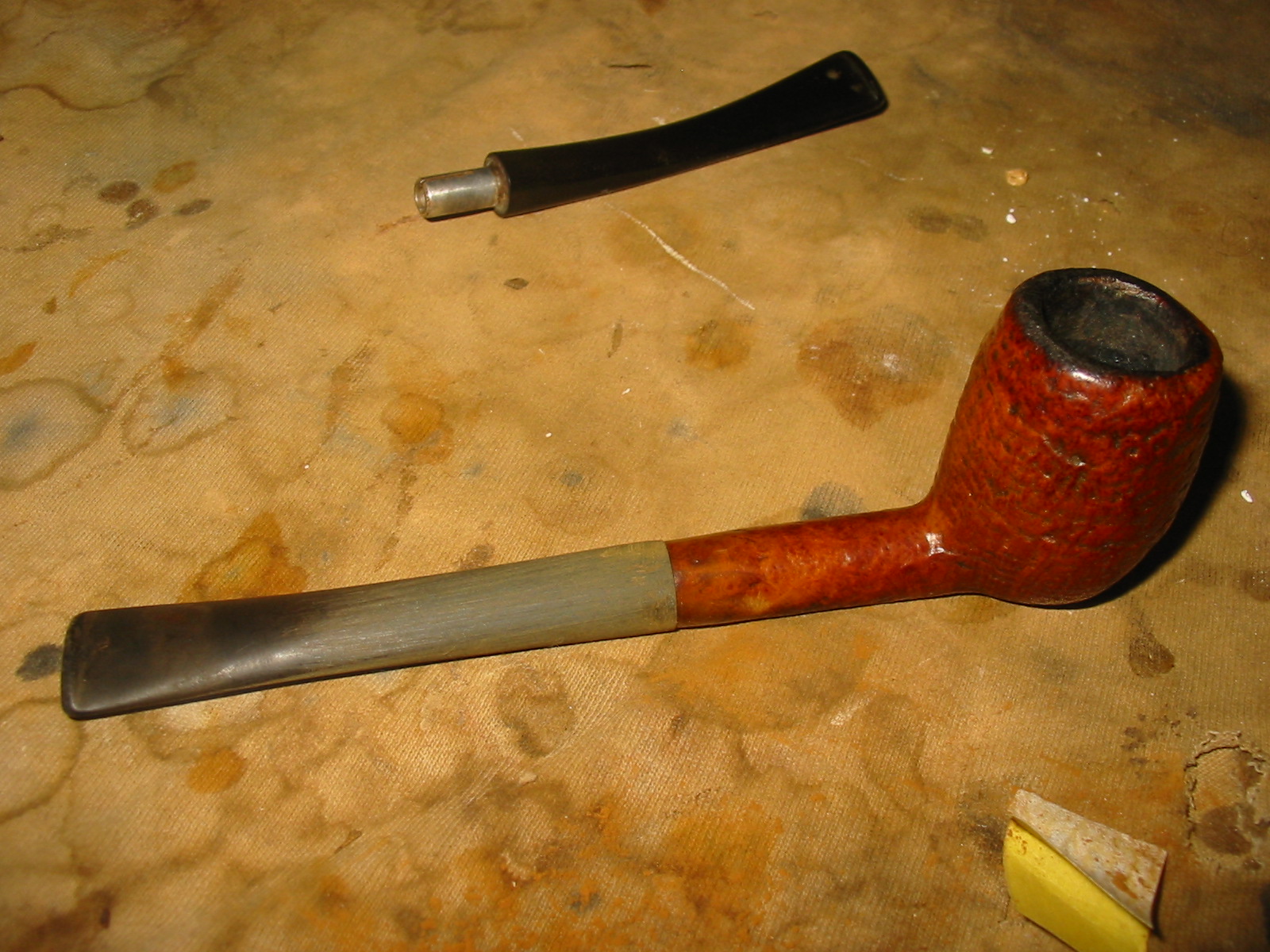
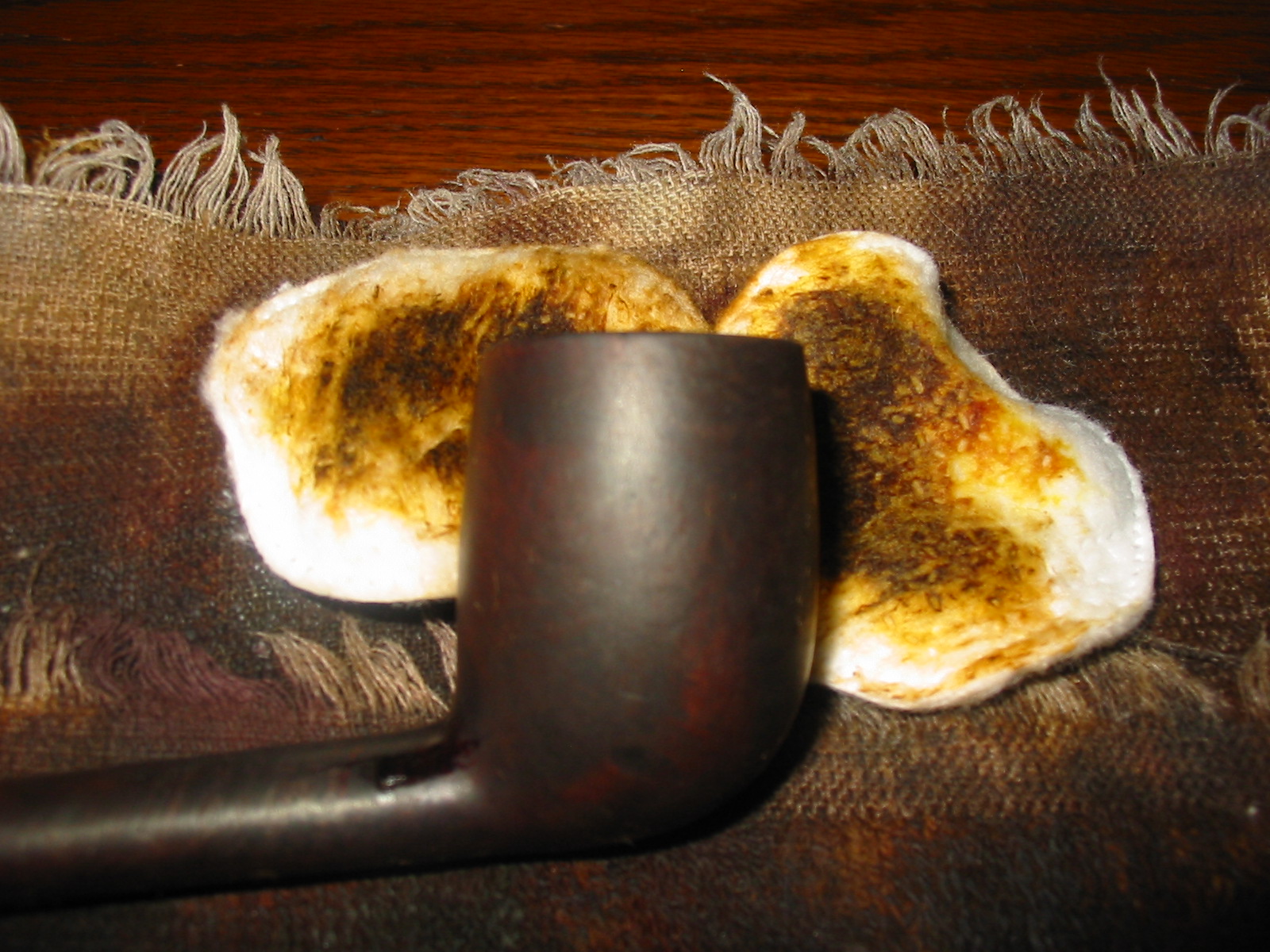
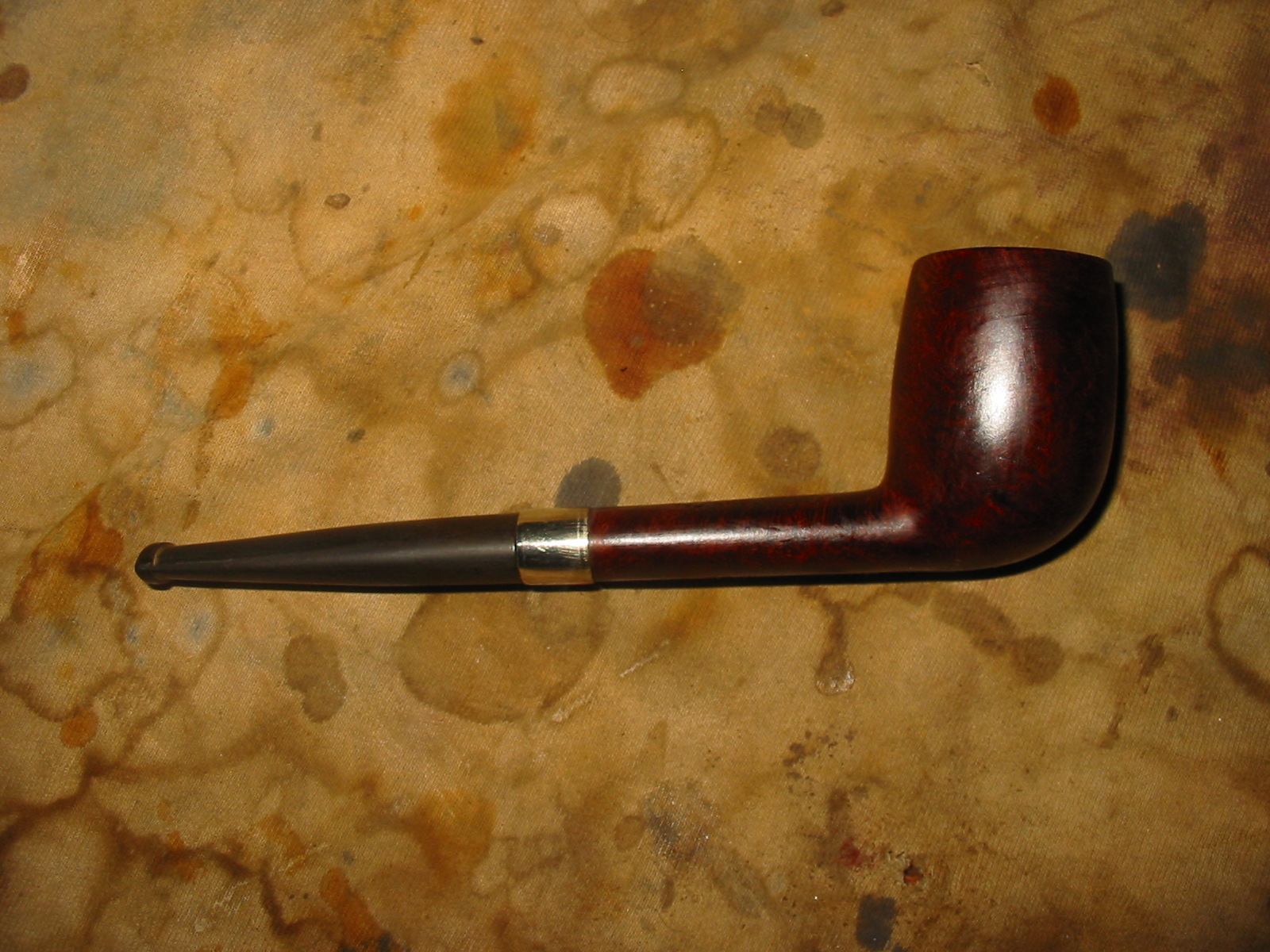
I found this Kaywoodie on eBay a couple of months ago and have been trying to decide what to do with it. It showed OK in the pictures and when I received it it had showed promise.

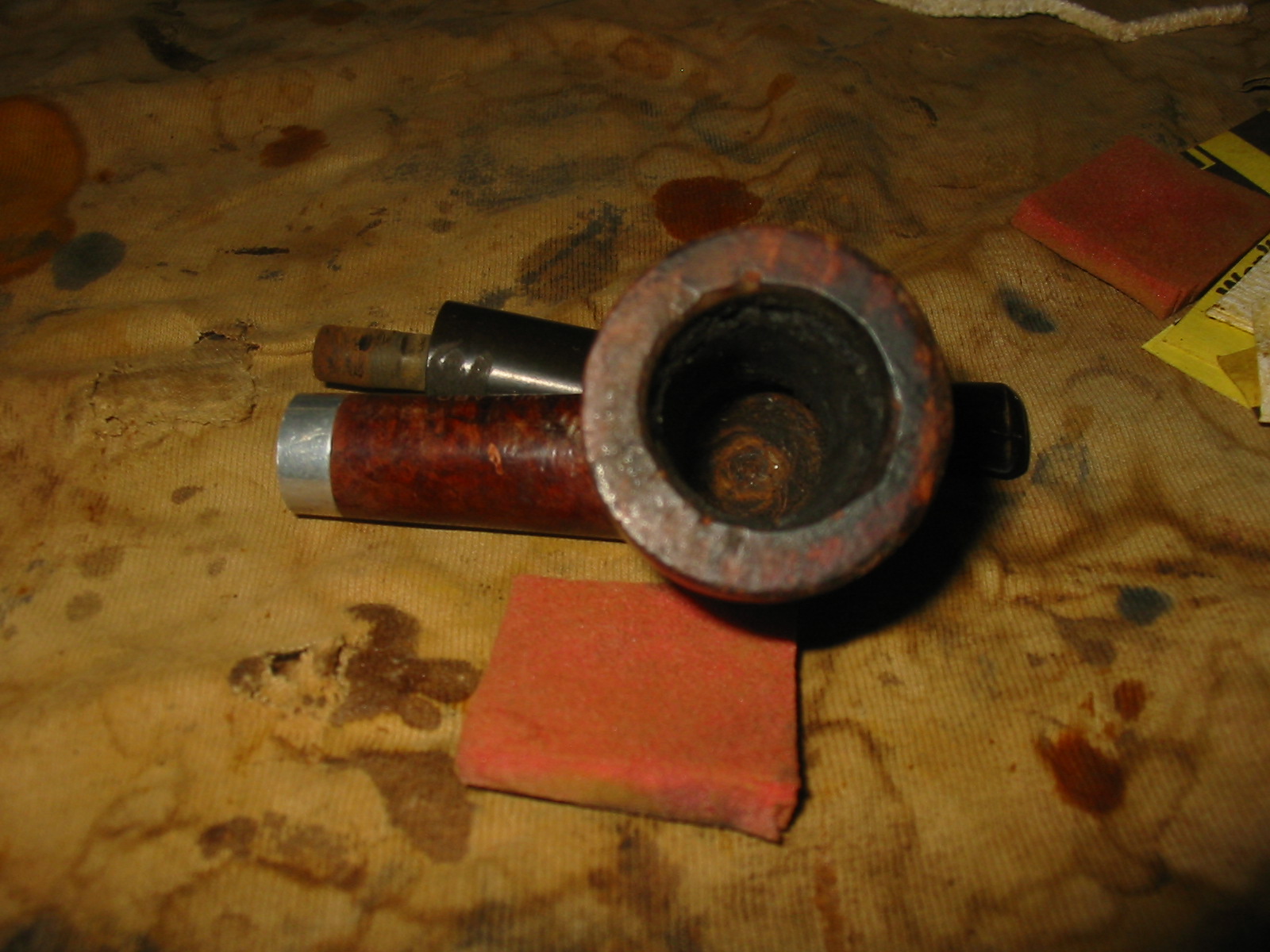
You can see by the shape of it, the thread style, that it had several different layers of finish on it. The cake in the bowl was irregular but not too bad. The rim is tarred and looked like it had been scraped.

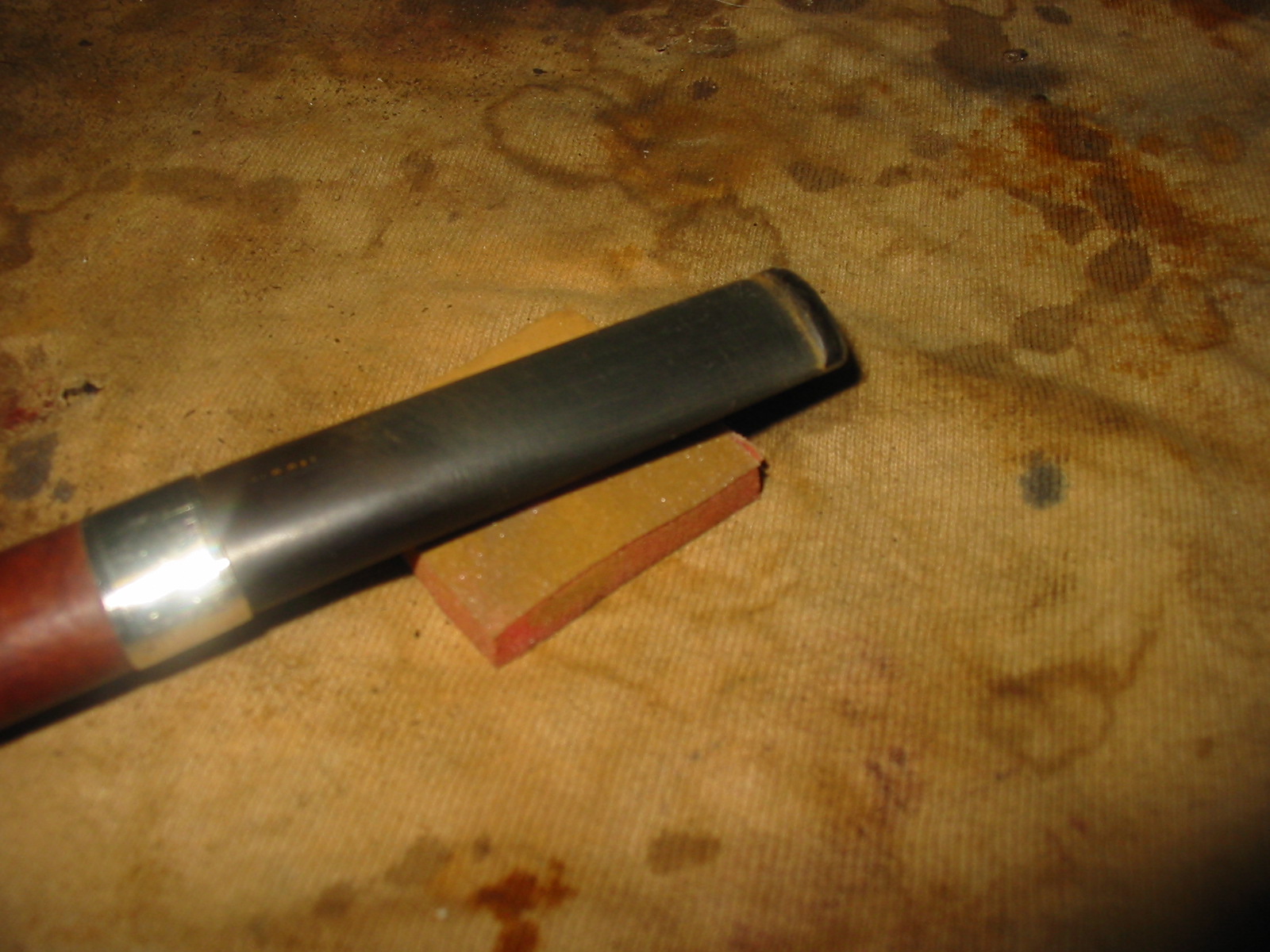
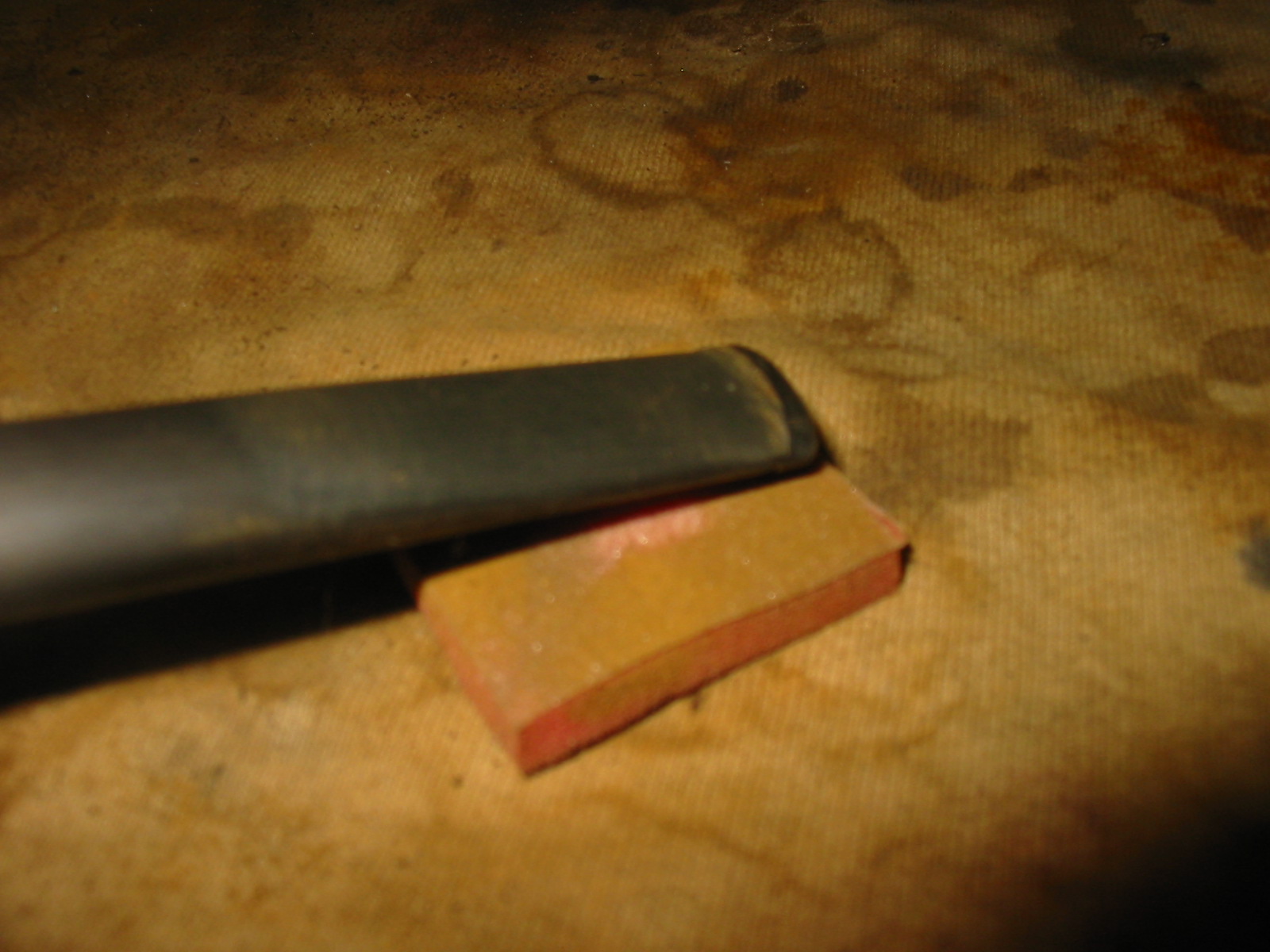
The  first thing I did was to remove the cake and use salt and alcohol to clean it. The rim needed a lot of attention so I sanded it on a table top with 320 grit sand paper.

Next, I took the bowl and soaked it in an alcohol bath to loosen the finish.

Once it came  out of the bath I had to use various means to get the…

View original post 228 more words

An Edwards 7377 Pipe Cleaned & Repaired


I first talked with Morty from Ontario on Pipe Smokers Unlimited online forums (PSU). She had found an old Altesse Briar with an Amber stem and found that I had the same pipe. In fact from what we could find and the responses we got we had the only two around! We exchanged quite a few emails and I did a few repairs and some stems for her. She has caught the refurbishing bug and has posted quite a few pictures of her work on the PSU Pipe Restoration Forum. She has been smoking a pipe off and on most of her adult life. She enjoys buying old estate pipes and cleaning them up and refurbishing them. She says that she has learned much from the blog and from other members on PSU. I have enjoyed seeing her work and have asked her to write-up some of her work and post it on rebornpipes for others to enjoy. Thanks Morty for being willing to do this for us. Enjoy this first post she has provided. I love the lines of this old pipe and the grain. Morty did a great job on restoring it. Without further introduction I give you Morty’s own words regarding this refurb.

I bought this Edward 7377 Long Bent Stem Pipe that was in bad condition and needed quite a bit of TLC.
morty1

I first reamed the bowl, did an alcohol and salt treatment. The bowl shank had a crack that was mostly covered by the silver band. I sanded the bowl with 100 grit, 220 grit sandpaper, and used medium and fine grit sanding sponges. I also topped the bowl as it had some slight char and some nicks that the topping easily dealt with.

I continued sanding the bowl with very fine grit sand paper before I dealt with the crack.
The crack in parts went right through, I wiped down the bowl with acetone to remove any remaining dirt and dust. I super glued the crack. allowing some to soak through to the inside.
I left this to set overnight.
morty2

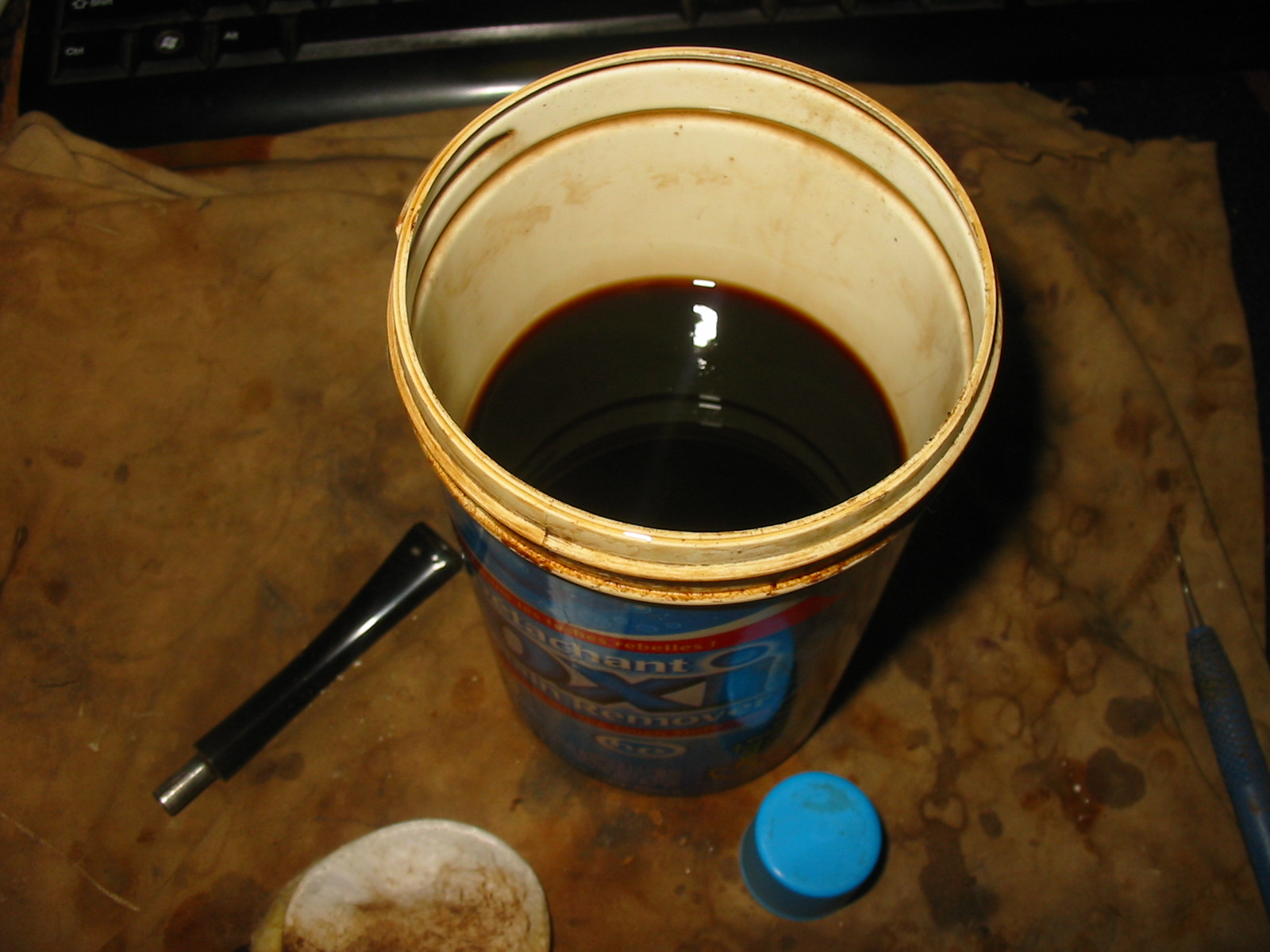
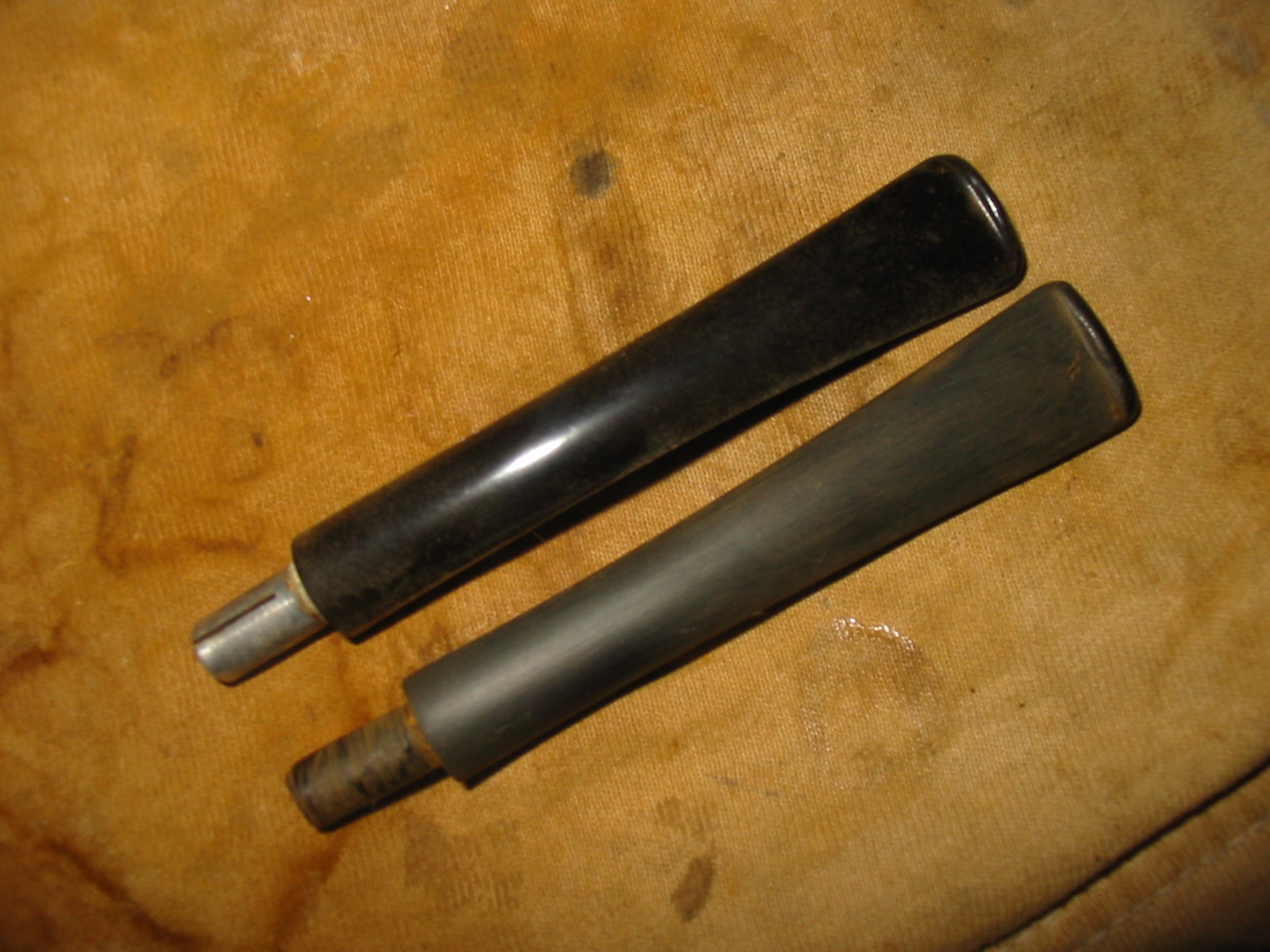
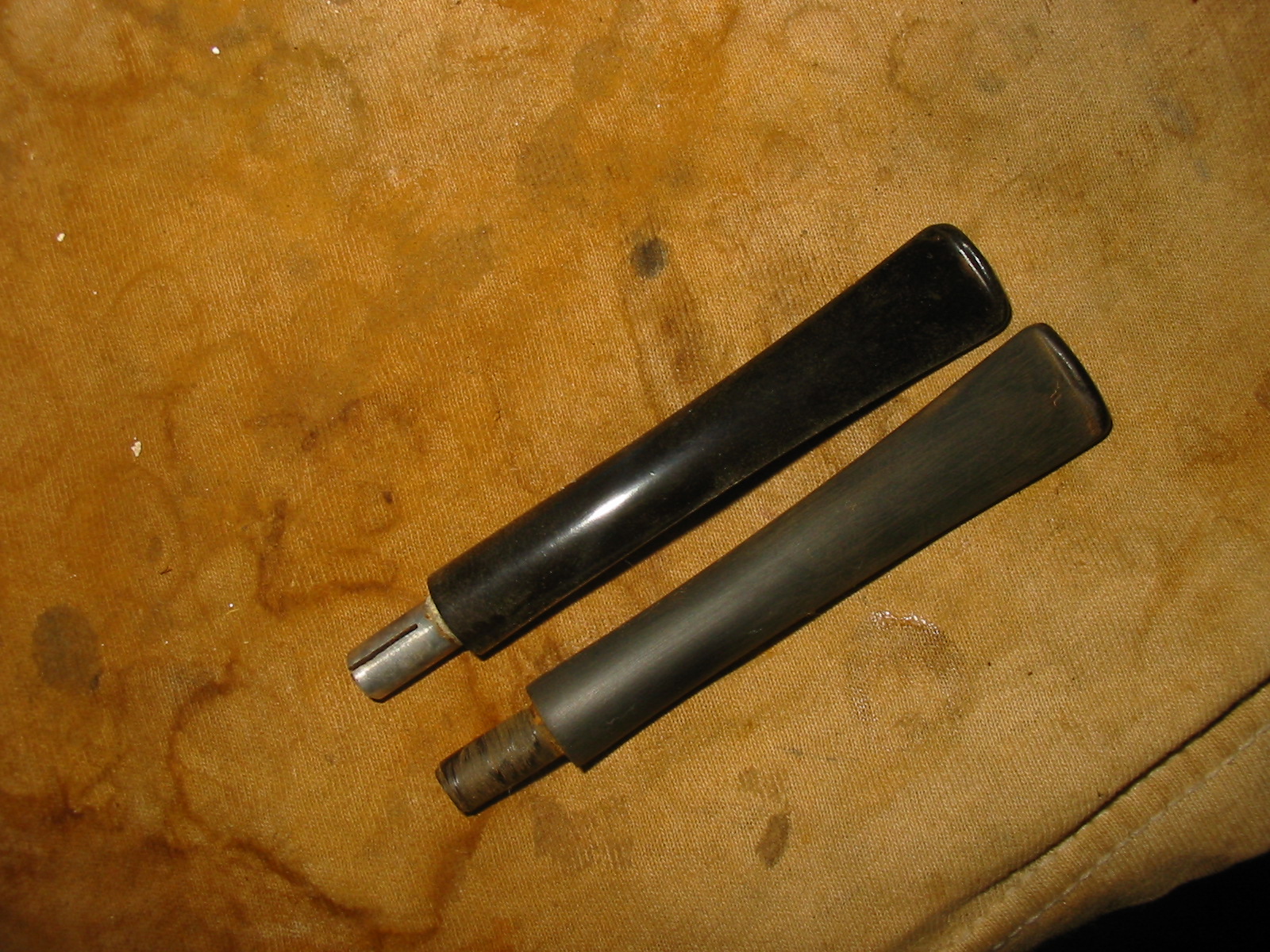
I soaked the stem in Oxy Clean overnight as well. The next day I first removed most of the raised oxidation by scrubbing it down with a Magic Eraser, I find this makes the next steps easier and go much more quickly. The Magic Eraser removed most of the oxidation, I wet sanded with 1500 – 2400 grit, dry sanding with 3200 – 12,000 grit micromesh pads. Cleaned the inside of the stem with a test tube brush, and with many soft and bristle pipe cleaners, making sure the button is also spotless. Finally when the pipe cleaners come out spotless I will run a soft pipe cleaner through with Rum 151, this not only sanitizes the stem it can also grab any missed gunk.

I cleaned the silver band with fine steel wool. The next day I worked on the crack that was set now with the super glue. I sanded this down carefully and replaced the now clean silver band. The bowl cleaned up well as did the stem. I decided to use Olive Oil to bring out the grain, but also to darken the bowl a bit. Following Coastie’s (John William’s) method, I applied a small amount, rubbed it in with my hands, removed any excess and let it sit overnight. The next day buffed with a micro fiber cloth, and wow. !!! This had really brought the grain out and left a nice rich color to the bowl. I polished the bowl with Paragon Wax. I am pleased with the results on this very nice old Edwards Pipe.
Morty3

morty4

morty5

A Danish Pipe Magazine STOP – articles provided by Jacek A. Rochacki


In correspondence with Jacek he spoke to me about a magazine that he had in his possession called STOP. It is a Danish Pipe Magazine with what sounded like some exceedingly interesting articles. It is written in Danish and I would love to have some of our Danish readers translate some of the articles that are included in these scans that Jacek sent.

Here is part of the email Jacek sent me with the magazine portions attached. In it he spells out what he included in his scans of the magazine pages.

I acquired this free copy No 31, April 1970, 7th year of existence of the STOP in late summer 1970 in Copenhagen, if I remember correctly in famous Pipe House W. Ø. Larsen, where I was a frequent, and I think welcome visitor during my trips to Denmark. I scanned at the best of my present technical possibilities 9 pictures. First two show front cover and next/following two pages. Then on pages 21 and 22 there is text on Anne Julie. Then at page 24 begins text on once famous Lillehammer pipes – G. Larsen – founded by Gudbrand Larsen in town Lillehammer in Norway. In July 1970 I received as gift of friendship in Uppsala, Sweden, the G.L. Lillehammer Best Make, Topper shape that I have kept up to now. The Lillehammer and Norway story continues on the next pages. At the end, after page 46 I enclose picture/scan of the back cover. If you think that despite Danish language it may be of interest to friends on your blog, then please make choice of what I am sending or publish all these documents. I hope that this email letter with attachments is not “too heavy” and will not block your inbox.
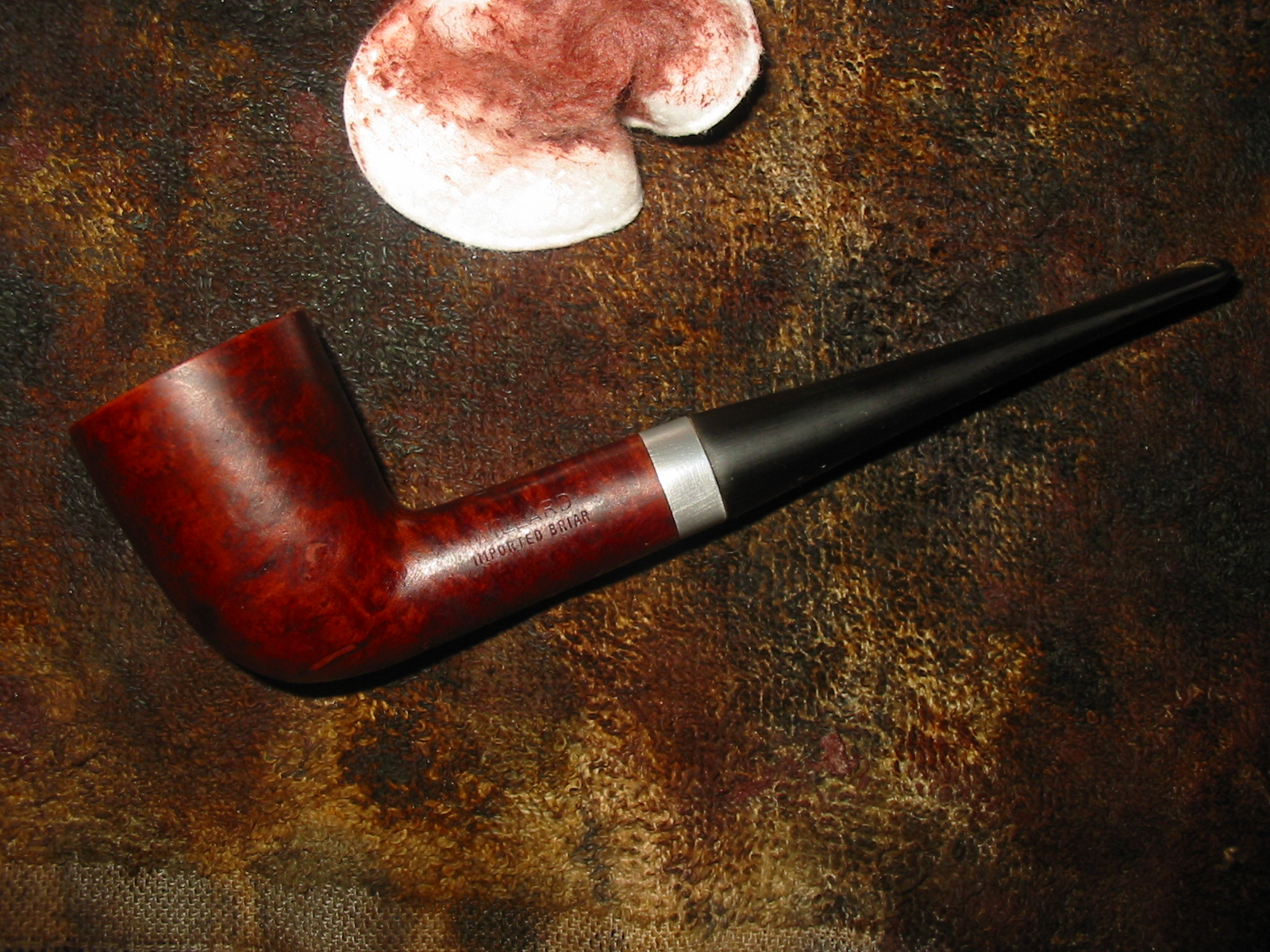
STOP front cover

STOP page 3

STOP page 46

STOP pages 20, 21

STOP pages 22,23

STOP pages 24,25

STOP pages 26, 27

STOP pages 28,29

STOP back cover

Again, if any of our Danish friends would like to provide a translation of these articles for our non-Danish speaking readers that would be greatly appreciated. Thank you Jacek for providing this great magazine.

An Old envelope – empty, but still full of memories – Jacek A Rochacki


I see, that I have become more and more talkative, maybe it is caused by age, maybe I feel more and more at home with friends… So posting my comment below Steve’s story on the Fairhaven Smoke Shop I mentioned old envelope with address: Mr. Charles Rattray, Tobacco Blender, PERTH, Scotland. Encouraged by kind suggestion by Mark Domingues I am enclosing picture of this envelope.
Rattray envelope
Browsing on Steve’s blog I found with joy the publication of an old Rattray’s Booklet on Tobacco Blending https://rebornpipes.wordpress.com/2012/08/11/charles-rattrays-of-perth-catalogue/ So all the more I would like to continue with following story connected with Rattrays.

Rattray’s is known as a manufacturer of pipe tobaccos, which are now manufactured in Germany, but names of blends like Marlin Flake, Old Gowrie, Hal o’the Wynd remain the same. Beside this “tobacco aspect” Rattray is the family name of an old Scottish historical family, and their house is the Craighall Castle by the town of Blairgowrie, Perthshire, Scotland. The Craighall Castle like many other castles has a big clock in the castle’s tower. The clock demanded regular maintenance. In “my” time there this service was provided by clock and watch specialist – a watchmaker, whom I happen to know.

During one of my visits to Scotland this watch and clock specialist invited me to join him on his next visit to the castle. We entered the hall and I was surprised to see many photos of soldiers in uniforms with well known to me Polish distinctions and badges from the time of WWII. Soon I learned that the Craighall Castle, like many other locations in Scotland, was at the time of WWII converted to a hospital and convalescent centre for the Polish wounded soldiers. Many men in uniforms shown in photos were smoking short pipes – bulldogs or lovats, which, as I remember from stories, were popular with some military formations. On the wall there was a marble plate with the Polish Eagle, badges of some Polish military formations and words of gratitude to the people of Blairgowrie, Rattray and district, in commemoration of their hospitality.

Then our host – the Right Honorable Rattray appeared who, after complimenting my acquaintance for his clock service, kindly offered us a nice cup of tea. I was so surprised by seeing one more sign of Polish presence in Scotland that I simply forgot to ask our host, if his respectable family had any kind of connection with the well known tobacco brand.

A Visit Back in Time – The Fairhaven Smoke Shop, Bellingham, Washington


Fairhaven
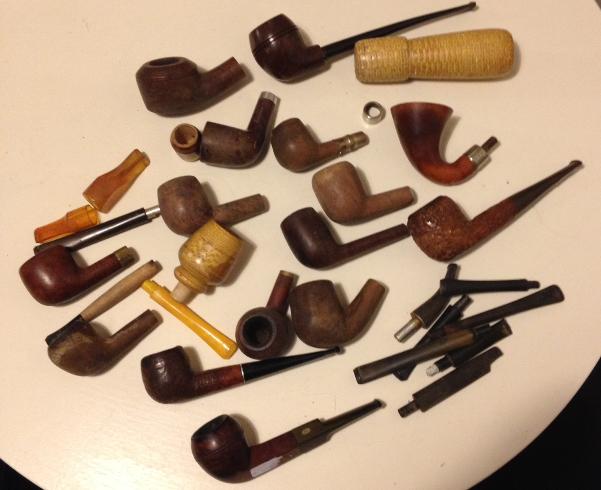
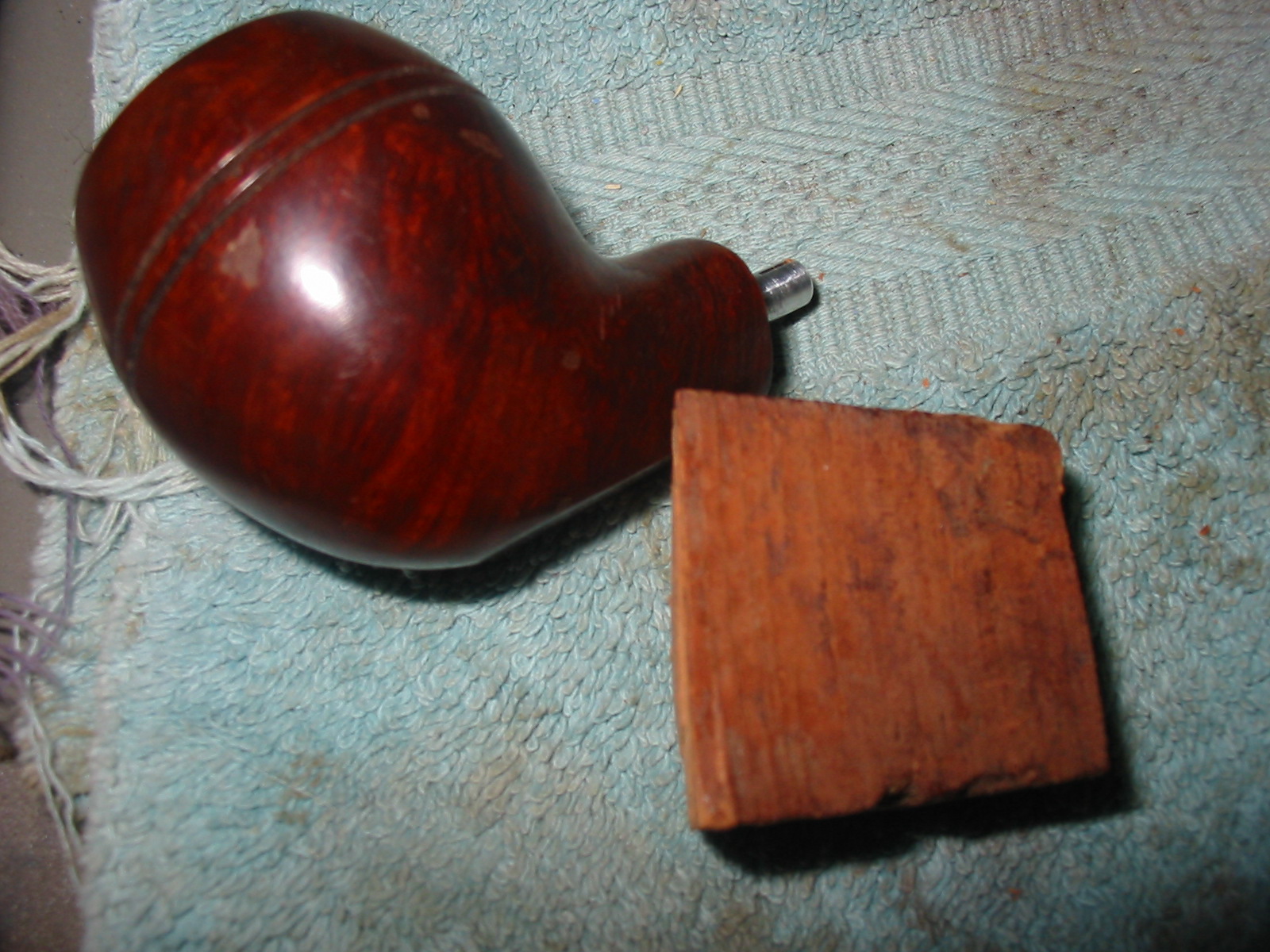
I have lived in the Vancouver, British Columbia Region of Canada for over 25 years and early on I used to travel down to the Fairhaven Smoke Shop in Bellingham’s Fairhaven District. The old owner used to be a Viet Nam War Veteran who I enjoyed visiting with and jawing while we smoked a pipe. His shop was crammed to the roof with pipes and tobacco. It was the real deal in terms of old pipe shops. I still remember the first time I walked in the door. The shop is not very big as can be seen in the photos below but it is a pleasure to visit. In those days you could still smoke in shop so the owner would be sitting in a corner near the window at the front puffing away on a pipe with a fog of blue smoke around his head. The Fairhaven Smoke Shop has been open in Bellingham since 1985 so that is about 29 years now – contrary to the website that says it is celebrating its 25th anniversary.
Fairhaven1
I don’t remember when the turn over happened but one day I went in and a new face was behind the counter. The old veteran had sold the shop with all its contents to a young man who wanted to make the business grow. Mike took over and over the years the shop has grown. In fact Mike since then Mike has opened a second shop called the Senate Smoke Shop in Bellingham. I wrote about my visit to the shop and did a brief review of it already on the blog. The Fairhaven Shop was the mother ship. https://rebornpipes.wordpress.com/2013/06/18/a-new-smoke-shop-in-bellingham-washington-the-senate-smoke-shop/
I think that the amazing thing to me is the amount of stock and tobaccos that the small shop packs into such a small space. On the back wall behind the counter and in the display case is a large selection of pipes – briars, meerschaums and corn cobs.
Fairhaven2

Fairhaven3
There is also a large selection of tobaccos that can be purchased – both bulk house blends and tins and pouches. Mike carries some bulk blends that are readily recognizable – McClellands and Stokkebyes as well as some blends that are house blends of both of his shops. I for one love the open jars that are readily accessible for taking a whiff before purchasing. The tins and pouches are not behind locked doors. The shop really has the feel of an old time pipe and tobacco shop. When you have chosen your blend of tobacco you take the jar to the counter and Mike or his staff weighs out the amount you need and bags and labels it.
Fairhaven4
The shop also carries a great selection of cigars. These are stored in humidors lining one side of the shop. Fairhaven is the Alaska cruise ship terminal so many of its customers buy cigars to take on the cruise or to celebrate their return. There are old style shop ladders on the sides to access some of the accessories on the shelves around the ceiling of the shop.
Fairhaven5

Fairhaven6
Over a series of reproduction Van Gogh’s there are shelves of cigarettes, both typical American brands and specialty and European brands as well. On the bottom shelf there is also a large selection of lighters and even Swan Vesta matches for those of us who love using these old English brand matches to light our pipes.
Fairhaven7
Their website states that the goal of the shop is to provide the largest selection of premium tobacco products to its customers. I think if you look through the photos in this article you will agree that they have achieved their goals. In speaking with Mike he stated that he is always on the lookout for new blends to bring into the shop and new pipe brands as well. One of the great things about the shop is that they have a fairly large selection of estate pipes in various degrees of repair. There is something for the hobbyist refurbisher of what ever skill level to choose from and restore. There are great options there for even the person considering trying their hand at cleaning up estate pipes. Just ask Mike or one of his sales staff about them. When I was there they climbed the ladder and brought down several boxes of estate pipes. Well worth asking.
Fairhaven9
It astounds me that in the anti-smoking atmosphere of Washington state that Mike has been able not only to maintain one tobacco shop but to open a second shop in Bellingham’s downtown. If you have never stopped by for a visit I would encourage you to do so. If you have been hankering for a walk down memory lane – memories of old style tobacco shops then visit the Fairhaven Smoke Shop. Say hi to Mike if you do and let him know you read about the shop on rebornpipes!

The hours of operation are Monday – Saturday: 10:00 – 8:00 and Sunday: 11:00 – 7:00. The website gives directions which I have included herein their own words. I love the closing lines of the directions.

“We’re located close to I-5’s Exit 250 (Old Fairhaven Parkway). Travel west on Old Fairhaven Parkway about one mile after the exit. Turn right onto 12th Street. We’re located about two blocks further north on the intersection of 12th & Harris Avenue, look for the large brick building on the southeast corner of the intersection. We’re on the ground floor.

We do not ship tobacco products. It’s illegal in Washington State.

We are a tobacco-only establishment. No herbs, incenses, bath salts, K2, or salvia.”

To contact the shop you can call (360) 647-2379 or email mike@fairhavensmokes.com or you can visit their website http://www.fairhavensmokes.com/index.html. The photos for this article are taken from the site.
fairhaven8

Repairing a Cracked Bowl on a GBD London Made Canadian


Blog by Steve Laug

Andrew sent me this old pipe as a bit of a challenge and I thought I would give it a go. This was a great looking pipe at one point in its life – nice grain. It is stamped GBD in the oval on the top of the shank with LONDON MADE in an arc under the oval. That leads me to believe the line is the LONDON MADE rather than the location. On the underside of the shank it is stamped: LONDON ENGLAND over D256. The 256 is the correct shape for an oval shank Canadian but I had not seen the D stamping before a number on GBD pipes.

The finish was rough and there was split in the back side of the bowl that ran horizontally in an arc across the bowl about ½ inches from the top. It was as if the grain had separated that way across the back of the bowl. It follows the arc of the grain in that part of the briar. From the main split there was a tiny crack branching off into another line of grain on the left side of the bowl. The weird thing about the split is that it was only external. There was no sign of it inside the bowl after removing the thin cake. The stem was not with the pipe so it would need to be restemmed. I found an old saddle stem in my can of stems that would work for this pipe after I modified it.
IMG_5336

IMG_5337

IMG_5338

IMG_5339

In talking on the phone with Tim West last evening while I was ordering parts for repairs I discussed this pipe with him. He said that in his estimation the crack being only on the outside of the bowl suggested that the issue was a moisture problem.

I shaped the stem with a Dremel and a sanding drum. I removed the saddle on the stem and converted it into a taper shape and also narrowed it to fit the dimensions of the oval shank. The next four photos show the newly fit stem and the rough shaping that I did with the Dremel. All that remained in the stem fit was a lot of hand sanding!
IMG_5343

IMG_5344

IMG_5345

IMG_5346

I reamed the bowl with a PipNet reamer to remove the existing cake and to check the interior walls of the bowl. They were not cracked as noted above. I washed down the pipe with acetone on cotton pads to remove the grime and the finish in preparation for doing the repair on the cracks. I picked out the debris in the cracks with a dental pick and cleaned out the sides and interior of the cracks. I washed that part of the bowl down a final time with acetone to clear away any debris left behind by my picking at it.
IMG_5348

IMG_5349

I packed briar dust into the cracks with a dental pick and then dripped super glue on top of the briar dust to bond it and make a fill for the crack. The next series of photos show the repair at this point from various angles.
IMG_5350

IMG_5351

IMG_5352

Once the glue was dry and the patches were solid I sanded the patch with 220 grit sandpaper to smooth it out to match the surface of the bowl. I sanded it with medium and fine grit sanding sponges afterward to smooth it out further. The next photos show the initial sanding of the patches. There was still much sanding to do and some more filling in spots that were low.
IMG_5353

IMG_5354

IMG_5355

IMG_5356

I sanded the bowl and the new stem further with 220 grit sandpaper to remove the finish and smooth out the transitions. On the crack repair I wanted to even out the transition between the fill and the surrounding briar. On the new stem shank union I wanted to make that transition between the briar and the vulcanite stem seamless.
IMG_5357

IMG_5358

IMG_5359

IMG_5360

The next series of three photos show the newly sanded repair. It looks better but there are still a few areas that will need to be filled and sanded some more.
IMG_5361

IMG_5362

IMG_5363

At this point in the process I was still undecided as to whether I would stain the repaired bowl or rusticate it. I posted on an online forum to see what others thought and the audience was split. I decided to stain it and see how the repair looked. If I changed my mind I could rusticate it later. I wanted to use a contrast stain on the bowl to minimize the look of the crack so I used a black aniline stain to do the undercoat. It would also highlight any areas on the repair that needed more attention. I applied the stain, flamed it and did the same again until the coverage I was looking for was achieved.
IMG_5364

IMG_5365

I took three photos of the repair after staining to show what the repair looked like at this point.
IMG_5366

IMG_5367

IMG_5368

When the stain was dry I wiped it down with isopropyl alcohol to lighten it and bring out the grain. I wanted the black stain to settle into the grain and highlight the stripes. I wiped it down with acetone as well to further lighten the stain. I buffed the pipe with red Tripoli and White Diamond to further lighten the black undercoat. I stained it with a top coat of dark brown aniline stain, flamed and restained it for the coverage I wanted. It must be remembered at this point that this was not the finish coat but merely the way in which the repair is highlighted and makes it clear where I still need to do some work on the fills. The photos below show the repair and make it very clear where there was still work to do. This meant more filling of the crack with briar dust and superglue and more sanding. It also meant that I would need to restain that particular area of the pipe
IMG_5369

IMG_5370

IMG_5371

IMG_5372

Once the pipe was at this point several things stood out to me. I really like the grain patterns on the bowl and shank and I need to continue to work on the patch until it was well blended. So I took it to the buffer and buffed it with White Diamond and then took it back to the work table to do some more work on the patch.I sanded down the area around the repair with 220 grit sandpaper and then packed in more briar dust with the dental pick. I added more superglue until the repair was mounded slightly. While this would take more work in terms of sanding, I knew it would make the patch as perfect as possible.

Once I had the patch sanded back to match the surface of the surrounding briar with the 220 grit sandpaper, I sanded it further with medium and fine grit sanding sponges and then with 1500-2400 grit micromesh sanding pads. The scrathes left behind by the sandpapers disappeared with the micromesh sanding. I restained the area with the black undercoat, sanded it again and then gave it a topcoat of dark brown aniline stain a second time. I did not bother sanding and restaining the whole pipe as my plan was to sand the entire bowl to create the contrast I wanted with the two stains. I sanded the pipe with 1500-2400 grit micromesh sanding pads to blend in the freshly stained portion of the pipe with the rest. The next three photos show the status of the repair at this point.
IMG_5377

IMG_5378

IMG_5379

I continued to sand the bowl and shank being careful around the stamping on the top and bottom of the shank with the micromesh sanding pads until the top stain was almost translucent. I wanted the top coat to be there but I wanted the grain to pop through it. I also wanted the colour to blend in such a way that the dark repair would not be hidden completely but would be minimized. The next four photos show the pipe after all of the sanding and a buff with White Diamond to enhance the shine.
IMG_5373

IMG_5374

IMG_5375

IMG_5376

I worked on the stem to remove several small tooth marks on the underside and one on the topside of the stem. I then sanded the stem with 220 grit sandpaper to further shape it and get the flow of the taper just right. I sanded it with medium and fine grit sanding sponges and then used my normal range of micromesh sanding pads to finish the work. I wet sanded with 1500-2400 grit and then dry sanded with 3200-12,000 grit pads. I rubbed the stem down with Obsidian Oil and let it soak into the vulcanite.
IMG_5382

IMG_5383

IMG_5384

I did some more sanding with micromesh sanding pads on the stem to remove some of the light scratching that showed up under the flash and then buffed the stem and bowl with White Diamond. I gave them both multiple coats of carnauba wax to protect and give it a shine. The first three photos below show the repair as it stands now. The surface of the bowl is smooth to the touch. The light and the dark spots on the repair are some of the briar dust in the patchwork. Some takes the stain and is dark and there seem to always be light spots as well. This old pipe has come a long way since I received it in the mail.
IMG_5389

IMG_5390

IMG_5392

The finished pipe is shown in the next series of four photos. The stem fit came out nicely. The change from a saddle to a taper style worked well. The contrast stain looks great on the pipe. Over all I am well pleased that I decided to stain it and not rusticate it. I look forward to loading up a bowl and enjoying the “new” pipe.
IMG_5385

IMG_5386

IMG_5387

IMG_5388

On Making a Comoy’s “C” Logo – Jacek A. Rochacki


Blog by Jacek A. Rochacki

It is a pleasure to present this third article by Jacek Rochacki. In this article he is responding to a request that came up from several articles here on the blog about restoring Comoy’s pipes. In several of those pipes, particularly the Lumberman pipes, the stems were replacements. Jacek asked about putting the C logo on them. In this piece he gives the step by step procedure for inserting the C logo on a stem. Thank you Jacek for a helpful and timely article. It is greatly appreciated.

Let us begin from excerpt from A HISTORY OF COMOY’S AND A GUIDE TOWARD DATING THE PIPES, by Derek Green. It is published in Pipedia, unfortunately Derek’s internet pages do not exist anymore http://pipedia.org/index.php?title=A_History_Of_Comoy%27s_and_A_Guide_Toward_Dating_the_Pipes&action=edit

Inlaid “C”
“C” was first inlaid in the side of the mouthpiece around 1919. This was a complex inlay needing three drillings. First, a round white inlay was inserted, then the centre of the white was drilled out, and a smaller round black inlay was inserted. Finally, another drilling was made to remove the open part of the “C,” and an even smaller black inlay was inserted. This inlaid “C,” known as the “three-piece C,” was continued until the Cadogan era in the 1980s. However, the “C” in the 1920s and early 30s was much thinner and more delicate than the one post-war. Cadogan first changed the “C” to a single drilling with an inlay that had the “C” in the centre, and more recently it became a laser imprint. I have a cased pair of early 1920’ “Par Excellence” where the “C” is on top of the mouthpiece.

“Three piece C” on one of my Comoy’s

“Three piece C” on one of my Comoy’s

“Three piece C” originally published at the late Derek Green’s pages (sadly no longer existing today), the three elements are better visible here. Cracks on the letter “C” may be a subject for more detailed discussion; we remember such cracks in some old enameled objects, or in inlays of bone or ivory.

“Three piece C” originally published at the late Derek Green’s pages (sadly no longer existing today), the three elements are better visible here. Cracks on the letter “C” may be a subject for more detailed discussion; we remember such cracks in some old enameled objects, or in inlays of bone or ivory.

In order to follow this procedure the following essential tools are necessary:
– drill bit with sharp cutting edges of diameter corresponding with outer diameter of our “C” to be. I call it drill bit No. 1.
– drill bit with sharp cutting edges of diameter corresponding with inner diameter of our “C” to be. Let it be drill bit No. 2.
– drill bit with sharp cutting edges of diameter corresponding with diameter of this smaller black inlay that will remove the open part of the “C”. Let it be drill bit No. 3.
And: a jeweler’s frame saw, files, sandpapers, needle point marker, a drilling device possibly with regulation of rotation speed. Other tools like cutters, scraper, drills of other length and diameters may be of use. An old fashioned hand drill may be helpful because some operations on some materials should be performed at a very low speed.

First mark centre of our “C” to be. I do this using an ordinary needle fixed in a wooden handle but with tip slightly rounded. I heat the tip evenly with an ordinary lighter (I have been pipe smoker for years) and with this hot tip I mark a tiny hole, not deep, say, 0.2 mm. This centre mark will “guide” drill bit no.1. Just a few comments regarding drill bits: instead of using drill bits with ordinary/universal cutting edges shape there are other options that work well. Drill bits used in woodworking with “pilot” tip on them (brad point bits or dowelling bits) and Forstner bits of the correct diameter will work.

Brad point bits

Brad point bits

Forstner bit

Forstner bit

Another method would be to drill “preliminary” hole with a thin drill bit (say 1.2 – 2.0 mm) and then continue drilling with a cutter like the one below used by jewelers/stone setters for setting precious stones.

Diamond setting cutter

Diamond setting cutter

Yet another way of drilling the holes would be to use cylindrically shaped cutter after drilling the “preliminary” hole. This “preliminary” hole should be just a little smaller than the outside diameter of the “C” we are making. The diameter of our cylindrical cutter must be exactly the same diameter as that of the outside of our “C”.

Cylindrical cutters

Cylindrical cutters

When we say “drilling” we have an understood association with a drilling machine. While that is true, let us stop here for a moment. What is a drill bit? It is just a cutter of specific shape, normally used for making holes. If we agree that it is some kind of cutter, then drilling is one of numerous processes within category of machining. http://en.wikipedia.org/wiki/Machining In our case we want to remove the material that we need in order to insert the “C” in a controlled way (subtractive manufacturing).

So the tool must be of proper shape and in best working condition = sharp! It would be going too far in this article to give a precise description on sharpening and maintenance of drills, but let us remember the necessity of using drill bits in best working condition. Basic information on drills including terminology is given on this site: http://en.wikipedia.org/wiki/Drill_bit#Twist_drill_bits

In some situations it is not necessary to operate drill bits or cutters with a drill/drilling device. If the bit is sharp and properly maintained etc., and we work with soft materials like vulcanite etc., it is sometimes OK to operate the drill bit with your fingers. The hole is created by drilling results from the sharpness and the right shape of cutting edges, not by using force. It is like carving with knife: the better and sharper the blade, the less force has to be employed.

When the hole is done/bored, we have to make the round white element to be inlaid. Ideally that would be a white vulcanite/material identical or well matching physical properties of the material of our stem, but I do not know if it is available today. Perhaps it might be found from this site: http://shop.hermanns.dk/group.asp?group=20

The best course would be to find a dealer who provides vulcanite in rods. If the diameter of the rod is bigger then what is needed, it is an easy job to thin it to our desired dimension by fixing a short piece in jaws of our drill (fixed in solid “horizontal stand) or in jaws that are fixed to our grinding/polishing machine, turn it on and while it turns use sandpaper to achieve required result. (I do not intend to convince all of us to begin learning simple turning – maybe we shall return to subject of turning vulcanite on another occasion, but a simple drill fixed in a horizontal stand, powered by electricity may serve as improvised lathe/turning machine!) .

When I had problems obtaining white vulcanite I remembered that it was available in acrylic. Acrylic is available in plates, rods, other forms. http://www.acrylite-shop.com/US/us/index.htm White opaque acrylic also works. If I had problems finding the required material in rods I use plates/sheets with a thickness of more than 3 mm. I cut the small disk of the required diameter with my trained, “sure” hand using a piercing saw or an even better idea would be to use a drill bit in the form of a short steel tube “crowned” with teeth, of inner diameter corresponding with diameter of the hole to be filled. It is the drill bit that reminds me of a hole saw bit without the “pilot” bit in the center.

Original hole saw bit with “pilot”

Original hole saw bit with “pilot”

At that time I was working and in constant touch with tool maker so I had my special tools custom made. But later in a distant place, in an improvised workshop, when I was in need of using such tool, I went to metal scrap and found a short piece of tube of hard metal of right diameter for my purpose. Steel would be good, but I learned that brass will also do because vulcanite and acrylic are soft materials. Using a jeweler’s triangular shaped needle file I made teeth, filed them to proper sharp cutting profiles and I had the “tube drill bit” that I need. Using this tool I was able to cut regular round elements.

These pictures give a better orientation to the shape of  cutting top/“crown” so please, do not pay attention to the “body” of this tubular cutting tool. Sorry, I am far away from my own workshop and tools so I don’t have exact photos of tools that I write about.

These pictures give a better orientation to the shape of cutting top/“crown” so please, do not pay attention to the “body” of this tubular cutting tool. Sorry, I am far away from my own workshop and tools so I don’t have exact photos of tools that I write about.

When I had finished making the disk/”peg”/round filling element I glued it in the hole and the first part of the work was done.

And one more thing: acrylic is also available in form of powder that is offered with hardener and creates solid material. This technique came to be popular in artistic silver jewelry during ’70s. So this provides another option. You would fill our hole with white acrylic powder, use the hardening liquid and precisely fill up our hole. Attention: some of these materials are of an “aggressive” nature. They sort of “melt in” the “walls” of places to be filled, thus the circle does not have a clean straight line/border but the line/border will look “shadowed”. Keeping this in mind I suggest that you get all the necessary information from the manufacturer or competent dealer on how the “border” between the filling and “mother” material will end up.

Continuing this idea: There are so called cold enamels used in contemporary cheap jewelry or sometimes in repairing objects that were enameled. And other colored artificial materials, some of them are hardened with ultra violet rays. Information on these products can be found here http://www.gesswein.com/p-896-colorit-set.aspx The site may give some orientation regarding this matter.

When our “white large spot” is ready (of course after the filling is hardened or, if glued the glue has created a solid “binding” we have to level it up with files and sanding and buffing etc.) we find and mark the precise center and make another hole by drill bit of proper diameter that I call drill bit No. 2. Then make a black ebonite (or other material the identical color of the stem) “peg”, mini disk or other element for filling using one of techniques mentioned above. This should give you a nice inlay of a white circle on the stem. Then again it involves sanding, buffing etc. to make the surface smooth.

Then mark precisely the place on the right side of the inlaid circle for using drill bit No. 3. Drill the hole and with another very small diameter pin or disk, using one of techniques described above, we “open” the circle giving it the shape of letter C. Then after the final sanding, buffing etc. voila – our inlaid C should be ready.

But it is possible to approach the subject in a slightly different way. Let us return to the beginning when we were drilling larger hole by drill bit No. 1. Remember what I said above on “tube”, or “tubular drill bits”. There may be a way to find the tube of hard metal of diameters exactly matching inside and outside diameters of our “C” and of walls of thickness corresponding with thickness of our “C”. In old metalsmithing/goldsmithing/silversmithing/coppersmithing etc. metal handicraft workshops we made short tubes ourselves using so called draw plates and draw tongs or a simple hand powered machine named draw bench. I say this as curiosity, I am far from trying to convince us all to become goldsmiths/metalsmiths, but perhaps a goldsmith performing old style handicraft – if such still exists – would make short piece of tube of brass of requested dimensions. When we have our improvised, but ideal dimensioned “tube drill bit” it should be not too difficult to bore/”carve” the approximately +2 mm deep (of depth) circle of dimensions of our “C” to be. The groove should be filled with powered acrylic or, perhaps better (I mentioned about some “aggressive” acrylics in form of powder) an element made of solid white material.

I would proceed as follows: I would cut/make this white strip of width larger than the depth of the groove taking into consideration the fact that our grooved “O” is carved on a concave surface. The thickness of this white strip should be of width of our groove – the final thickness of the letter “C”. Then I would “soften” this strip with hot water, steam or a heat gun, so that I could form it by using jeweler’s pliers with round conical tips or using as sort of mandrel piece of metal wire of proper diameter. Bicycle or motorcycle spokes of different diameters make very useful mandrels of small diameters. Using these tools I would shape the white strip in the form of circle/ring fitting the carved circle groove and I would glue it in place. After leveling operations such as filling, sanding, buffing etc., I would make the opening of this “O” to make required “C” out of it as I described above.

It would be easier to find a tube of white appropriate material (acrylite) of dimension that is set/determined by our circular groove – maybe something like a cocktail straw – but I am aware that chances are small, so I mention it just for completing indication /description of possible ways of proceeding.

All this is OK from the technical point of view, but there is another aspect to consider. This is the aspect of the authenticity of signature or logo. When making copy of an original there are ways of “marking” the final product so that it is clear that our work is a copy and not a falsification. One of ways of such “marking” is to make a small change of dimensions in comparison to original. Here our wish of having a “clear conscience” meets the eventual problems of finding drill bits and materials in rods of dimensions that correspond exactly with dimensions of original “C” on Comoy’s pipes. I believe that this is one of situations where these two aspects meet and stay together in harmony.

Giving New Life to an Old, Tired Unique


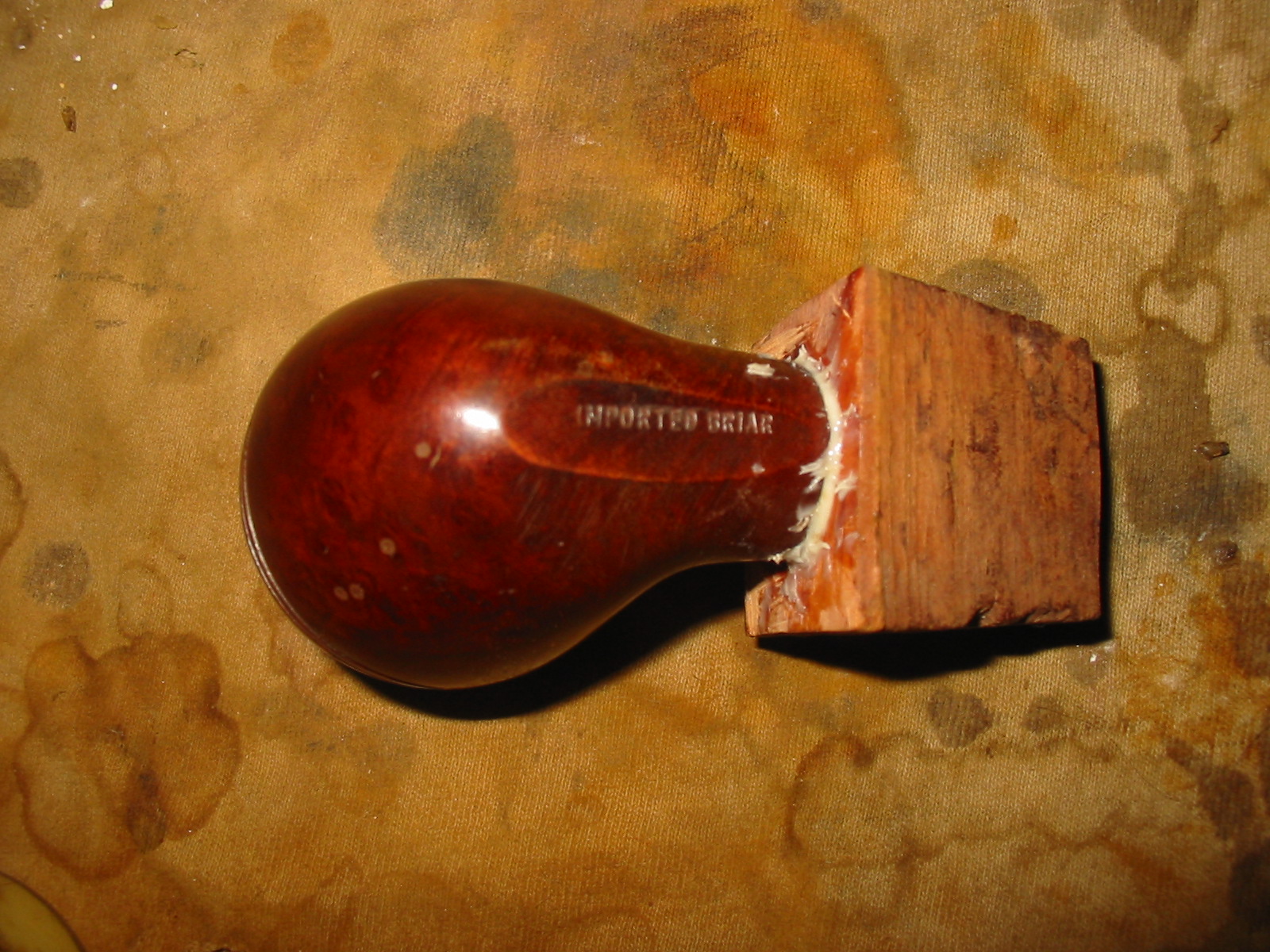
I am not sure who the maker of this pipe original was. It has some rustication patterns that remind me of Dr. Grabow. It has a metal screw mount mortise. The flat base that extends from the bottom of the bowl backward toward the stem also has similarities to a Grabow shape. But this one is only stamped Imported Briar on the bottom of the shank. When I received it the bowl was in rough shape. The finish was gone. The stem was gone, the rim was a beaten and worn down mess. I think originally the rim was probably straight across but it was worn and beaten to the point that it was now angled. If indeed it was originally angled then the rim was badly beaten. Either way it was rough. The cake in the bowl was quite thick. The internals of the shank and airway were quite clean – that was a surprise. The briar was solid and relatively thick and sound.
IMG_5281

IMG_5282

IMG_5283

IMG_5284

As I looked at it and studied it there was something about it that drew me to the shape. The wear and tear still did not hide the fact that there was some life still left in this old pipe. I went through my can of stems and found an old screw mount stem. The stinger apparatus on it was slightly different than the old Grabows that I had seen but it would work. The draw on the stem was very constricted anyway so I figured I would end up cutting the stinger off and drilling out the metal tenon. The stem has lots of tooth marks and chatter but was solid. It was a nylon stem and not vulcanite so it was a little trickier to work with. The diameter was also slightly off and the stem was overturned once it was on the shank.
IMG_5285

IMG_5286

IMG_5287

IMG_5288

I heated the metal tenon with a heat gun until the glue softened and then turned it in the shank until it lined up. This type of tenon is actually very easy to realign.
IMG_5290

IMG_5291

IMG_5292

Once the stem was aligned I reamed the bowl with a PipNet reamer and heads taking the bowl back to bare wood. I wanted to see what the shape of the bowl under the cake was like to assess whether I wanted to continue to put time into the pipe. The interior bowl was actually in excellent shape under the cake. This pipe must have been a good smoker – someone’s favourite pipe.
IMG_5300

IMG_5301

I set up a topping board and sanded the rim at the angle of the bowl to even out the top and to minimize the damage. The back edge was very ragged from tapping the pipe out, or using it as a hammer! It took some time to get the top flat and the angle correct from the back of the bowl to the front edge.
IMG_5302

IMG_5303

I wiped the bowl down with acetone on cotton pads to clean up the grime in the grooves of the rustication and to even out the remaining stain coat. There was also some varnish left on the shank that I wanted to remove.
IMG_5304

IMG_5305

IMG_5306

Once the finish was gone I experimented with a metal band. The shank was not cracked or broken. It was solid but I wanted to see what the shiny silver would look like against the rugged rustication. I also wanted to minimize the slight difference in the diameter of the shank and the stem. I decided I liked the look of the band so I heated it with the heat gun and pressed it into place on the shank. I liked the finished look of the nickel band. I feel it gives a bit of bling to a rough looking pipe.
IMG_5307

IMG_5308

I screwed the stem in place to have a look at the fit and finish of the pipe as a whole. I thought to myself that it would work well. I would need to give the stem a bend to make a correct fit to the sitter style of the bowl but it would work.
IMG_5309

IMG_5310

I decided to sand out the tooth marks and chatter as much as possible. I was hoping that the heat would lift the marks a bit. I heated the stem with a heat gun to do the bending. I bent it over a rolling pin. It took awhile for the nylon to be flexible enough to bend. Bending nylon stems is far trickier than vulcanite. It does not seem to have the memory of vulcanite so once bent it remains even if heated and has to be pressed back into shape. It also kinks very easily so you have to be very careful when bending it. I have also found that the wire in a pipe cleaner heats up and the pipe cleaner can stick to the inside of the stem. All of the above make it a pain to bend this type of stem.
IMG_5313

IMG_5314

IMG_5315

I finished the bend and set it with cold water. I was not happy with the overall look and flow of the stem. The bend was correct in terms of allowing the pipe to sit flat on the bottom of the bowl with the tip of the button arching to touch as well but the flow/arch of the stem was not right. I reheated and tried it a second time and still it did not quite work. I decided to stop and revisit that later.
IMG_5316

The draught on the pipe bowl was wide open and easy but the stem itself was very constricted. The stinger apparatus had a slotted entry into the stem. It was very narrow and seemed to extend quite a distance up the stem. A pipe cleaner would not pass through the stem and the stinger. I decided to sacrifice the stinger end so I sawed it off with a hack saw and then drilled out the airway in the metal tenon. As can be seen in the photo below the drill bit went a long ways into the stem before it broke through the slotted airway. Once I had opened the airway in the stem and removed the stinger the draught on the pipe was excellent – open all the way and passing a pipe cleaner with ease.
IMG_5317

I stained the bowl with an oxblood aniline based stain. I flamed it and restained until it was well covered. I then buffed the bowl with White Diamond on the buffing wheel. The photos below show the bowl after the staining and buffing. The colour of the briar after the stain coat was workable. The black undertones that were deep in the grooves of the rustication worked well with the red of the oxblood stain. The rim colour matched the bowl and the birdseye grain showed nicely on the flat of the rim.
IMG_5318

IMG_5319

IMG_5320

IMG_5321

The stem being nylon required all handwork. I could not use the buffer on it as it would melt and make more work than I desired to do on this pipe. Before I sanded it I used the heat gun to rebend the stem and get the angles and bend correct. Once I had that done I sanded it with 220 grit sandpaper and then with a medium and a fine grit sanding sponge. I then sanded the stem with my usual array of micromesh sanding pads – wet sanding with 1500-2400 grit pads and dry sanding with 3200-12,000 grit pads.
IMG_5325

IMG_5326

IMG_5327

I rubbed the nylon down with Obsidian Oil and once it was soaked in I hand buffed it with Paragon Wax. I gave it multiple coats of the wax to preserve it. I buffed the bowl with White Diamond and then gave it multiple coats of carnauba wax with a light touch to keep the wax from building up deep in the grooves of the rustication. The next series of photos show the finished pipe. The side profile photos show the pipe in the sitter position and also from an angle. The top and bottom view photos show the new finish on the rim and the shape of the bottom of the pipe. This old worn pipe is now freshly reworked and ready to give many more years of service.
IMG_5328

IMG_5333

IMG_5329

IMG_5332

IMG_5330

IMG_5331

Giving a Contrasting Look to a Hilson Viva 272 Sandblast Dublin – John Williams (aka Coastie)


I like contrast, and I like smooth rims. Contrast is just so much more attractive to my eye, and smooth rims are so much easier to clean. So when my good friend Holymolar, from the Pipe Smoker Unlimited Forum gifted this Hilson Viva 272 Sandblast Dublin in black, with a sandblast rim, the gears starting turning in my head. Every time I would smoke this pipe I would find myself staring at it and pondering what I was going to do.
John1

Then one evening I came up with a plan and set that plan into motion. Obviously the first thing that had to go was the sandblast on the bowl rim. So I pulled out the sanding board and a sheet of 320 grit and starting sanding away. Slowly and steadily the sandblast disappeared and left me with a nice smooth rim. Just what I like. If you use this technique make sure you keep your bowl rim completely flat on the sandpaper, sand in the same direction throughout and keep a check on your progress. No sense in taking off more than you need to. This technique also works very good when removing char from the rim.
John2

John3

Now that the bowl rim was smooth and tidy, time to add some contrast. This is pretty easy to do on a sandblast finish. I took some 320 grit sandpaper and simply gave the pipe a good rub down until I had the degree of contrast I was looking for. Once the 320 took the finish off in the appropriate places I finished prepping the finish with 400, 500, 1000, then 1200 grit. Then switched to micromesh pads and went through the series; 1500, 1800, 2400, 3200, 3600, 4000, 6000, 8000, and finally 12000. Make sure you wipe down the surface well with a microfiber towel between each grit. What you will have when done is a very smooth surface that is ready for application of a finish.
John4

I decided that instead of applying a dye I would make the grain in the bare areas pop with an application of olive oil. A good olive oil rub down will reveal grain that you never would have seen any other way, and it adds an amazing color to the briar. After applying the olive oil and rubbing it in good, thoroughly wipe off the excess and let the pipe rest overnight. Then rub the pipe down good with a microfiber towel and remove any left over oil. When you are done you should not be able to feel any oily residue. If you follow this strictly then there is no danger of your pipe getting sticky or gooey when exposed to heat from smoking. I have used this technique on a lot of my pipes, that I smoke daily, and have never had an issue. Try it, you’ll like it.
In this first pic you can see the change in briar color where I applied the oil as compared to the shank that has not been oiled yet. And the bowl rim is so much better smooth with a good color to the briar.
John5

John6

And of the course the final step to the process is a good buffing. Since this pipe is a sandblast I decided not to use White Diamond or carnauba on the body of the pipe as it would simply build up in the sandblast texture and look bad. So I applied a couple of light coats of Halcyon II wax, by hand, let it dry between coats and buffed it out with a clean microfiber towel. The bowl rim, since it is nice and smooth got treated to a buffing with White Diamond to bring out the shine, the 3 coats of carnauba wax.

Now it is all done and I can smoke it and enjoy the beauty of the briar.
John7

John8

One Man’s Trash….. by John Williams (Coastie)


I have been reading about John’s work of rustication and restoration on pipe forums online for some time now. Recently he came to Pipe Smokers Unlimited and began to post some of his work there. I was taken by the beauty of his restorations and his rustication. He does great work. I decided to write him a note and ask if he would like to share some of his work with us on rebornpipes. What appears below is a piece John has written about his love of the hobby and his methodology for gathering pipes to work on. I thought that a before and after photo of one of John’s rustications would give an idea regarding the caliber of his work.

Before rustication

Before rustication

The process of rustication.

The process of rustication.

The finished pipe.

The finished pipe.

Welcome to rebornpipes, John it is a pleasure to be able to feature some of your writing and your work. Thank you for taking the time to send this to me.

Before I begin this let me tell you a little about myself, as it relates to the wonderful world of piping. After 40 years of smoking cigarettes, 20 of which were spent trying to find ways to quit smoking cigarettes, with no success, I stumbled into the wonderful world of pipe smoking. I had tried a pipe when I was in my 20’s and just didn’t find it satisfying or convenient. I decided to try it again, at the age of 58 so went to a local tobacco shop, picked up a basket pipe for $20.00, some Sir Walter Raleigh, and never picked up a cigarette again. I was smitten by the entire experience and quickly found myself lusting for more and more pipes.

After shopping on line and major on-line B&Ms I quickly realized that this new found love could get expensive, very quickly. So I turned to eBay, and starting amassing a pretty good size collection, but they were mostly oddball pipes that just caught my fancy and really were not enjoyable smokes. I started looking at higher end pipes on eBay and realized that again, this was going to get expensive. But I had this fascination with collecting pipes, and lacked the resources or desire to spend huge amounts of money. I had been cruising the net and stumbled upon Reborn Pipes and reading about Steve’s work breathing new life into old pipes. So I dove in and bought the few materials that I would need and started using my eBay acquisitions as practice material. In the process I found a new love, pipe restoration and rustification. It has been a fun journey since, and through the help of friends from forums I acquired more and more briar to work on, both mine and theirs, and just kept trying new techniques. There were highs and lows, and thankfully the lows were on my own pipes, and the highs were from seeing the reaction from pipe owners to my work on their pipes.

But alas, things took a turn. Suddenly this hobby of piping has gotten popular again, and with popularity came the inevitable increase in the cost of pipes on eBay. No more could I bid on nicely taken care of, quality briar, and win multiples to feed my new hobby, so activity on the workbench slowed down. Then one day I saw a beat up old pipe on eBay that was ugly, not taken care of, never cleaned, and appeared to have been used as a hammer or golf tee at one time. But it was cheap, no one wanted it due to the condition, and I won it for cheap, cheap. Before that day I would have never looked twice at this monstrosity. I would have immediately dismissed it, as I am sure many did.

Once I got it in the mail I applied the few skills I had learned about pipe rustification and produced a pipe that is now beautiful and serves me well, and will for years. I still buy a lot of pipes on eBay, but I now look for those pipes that appear to be structurally sound, but do not care about their cosmetic appearance. I learned to look past the ugly and envision what it could be with some work. And through this process I have continued to develop my hobby and abilities. I am always looking for new techniques, developing my own, and constantly striving to expand my abilities. And I am still managing to do it for less than I was spending on cigarettes when I was a cig smoker. That makes the wife happy, and therefore I am happy.

So what’s my point? If you are new to the world of pipes, or you wish you could expand your current collection, but just do not have the disposable income to buy those beautiful pipes that you often see, don’t fret, you can still have them. Simply lower your standards when shopping on eBay or in junktique stores. Learn to recognize those pipes that have beauty buried underneath neglect and abuse. Recognize those pipes that fall under “One man’s trash is another man’s treasure”. They are abundant on eBay and in junktique/antique stores, if you look. I will say however that you need to do some research. Teach yourself what is a desirable make, what is not; what is a good smoker, what may not be. Learn what to watch out for, what to avoid. I never buy pipes on eBay that only have one picture. I want to see both sides, the bowl, inside and the bottom, and the stem and tenon. Learn to recognize burn out, cracks in the shank or bowl, or other stem or briar damage that may be beyond your abilities to fix. If it is just ugly, dirty, dinged up, etc., and it catches your fancy….buy it and bring it back to beauty yourself. We are lucky enough that we have the internet and therefore a world of resources available to us as we develop our hobbies. Dive in my friend, dive in.

Join a forum, or multiple forums. There is a world of experience on those forums just waiting for your question or your plea for help. I have yet to encounter a pipe enthusiast on a forum who would not offer advice or help. There are a lot of us there whose passion is the restoration and/or rustification of pipes. Seek us out. And if you get a pipe that you feel is just beyond your ability to restore, many of us will gladly take care of it for you. I know I would, as working with briar is my passion. All you have to do is ask.

One other shopping technique that I use. I always have a pipe with me. Anytime I am talking with a stranger, outside, at a business, a yard sale, in the park, etc., I pull out the pipe and light it. More times than not it sparks a conversation, and many times you find that you are talking to a gentleman who will say “I used to smoke a pipe…..” but for one reason or another they quit. I will always follow up with “What did you do with your pipes?”, and a lot of times they will reply that they are in a box in the garage. You know where I go from there. I will just say that I have over the span of 1 year been gifted over 30 pipes from ex-pipers as a result of these conversations. Some pipes were beyond help, others were beautiful, and some just needed my attention. Ex-pipers are happy to give them to a fellow piper; you just have to let people know you smoke a pipe. It’s a brotherhood after all.

So happy hunting, happy cleaning/restoring, and happy piping. Now I am going to go hunt for old soldiers on eBay that need some attention.