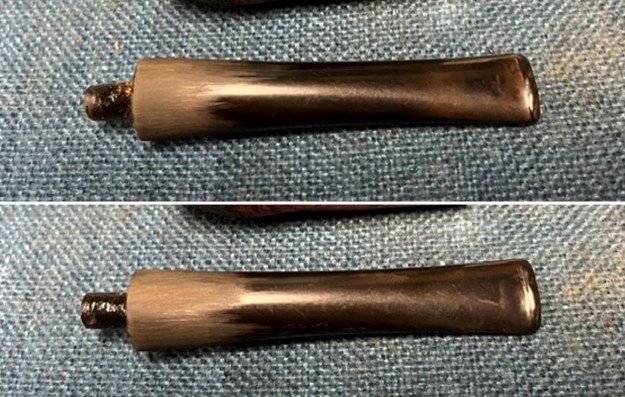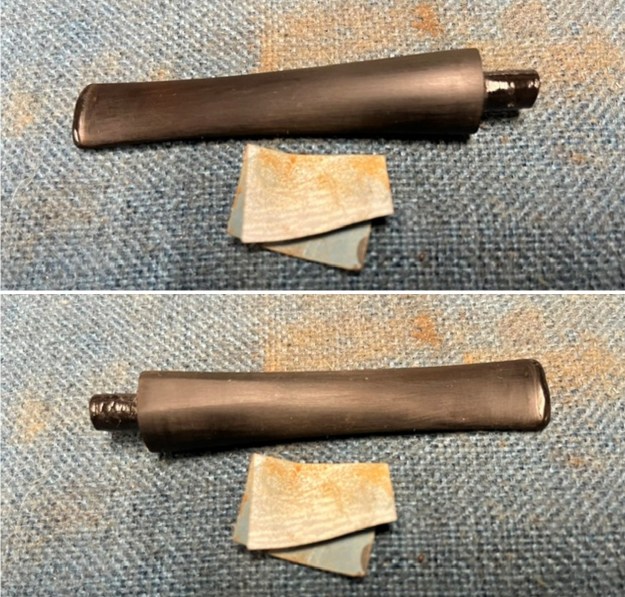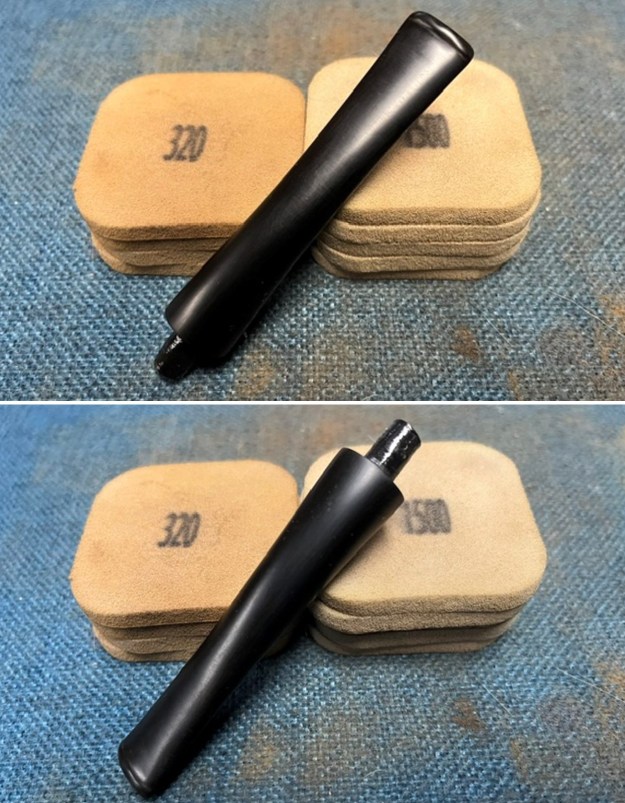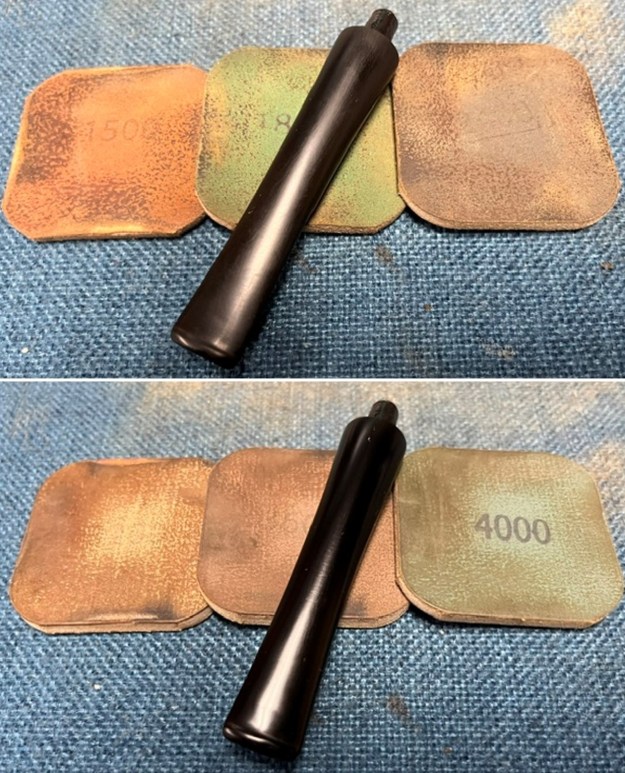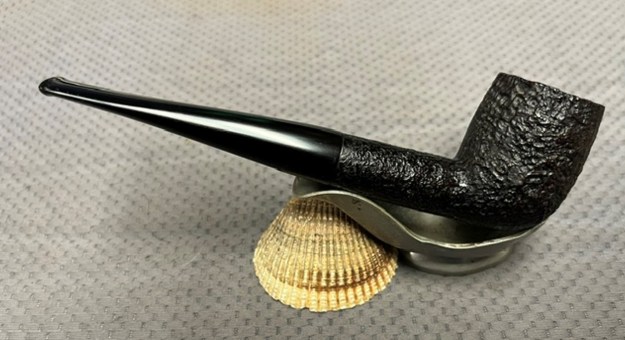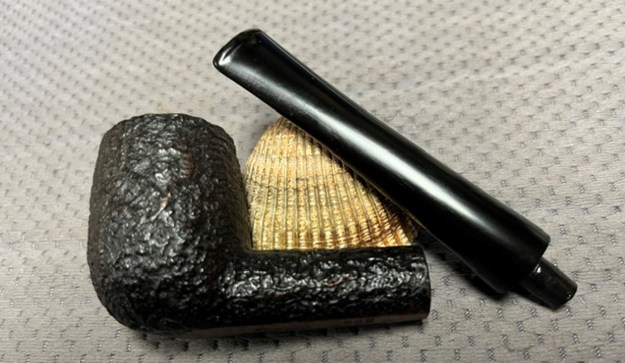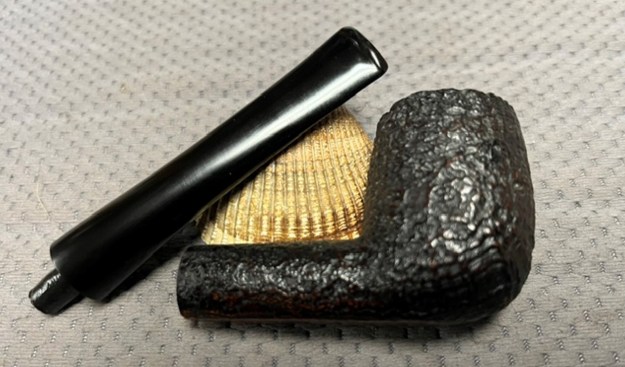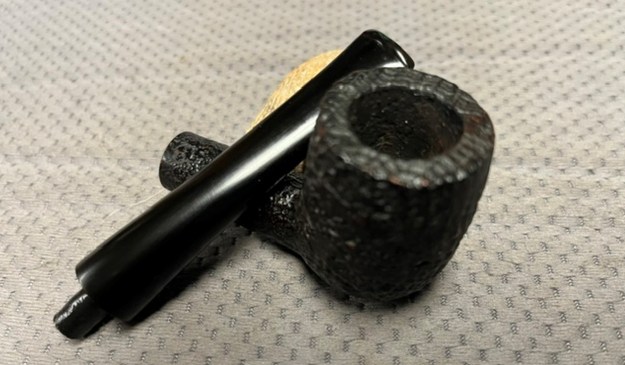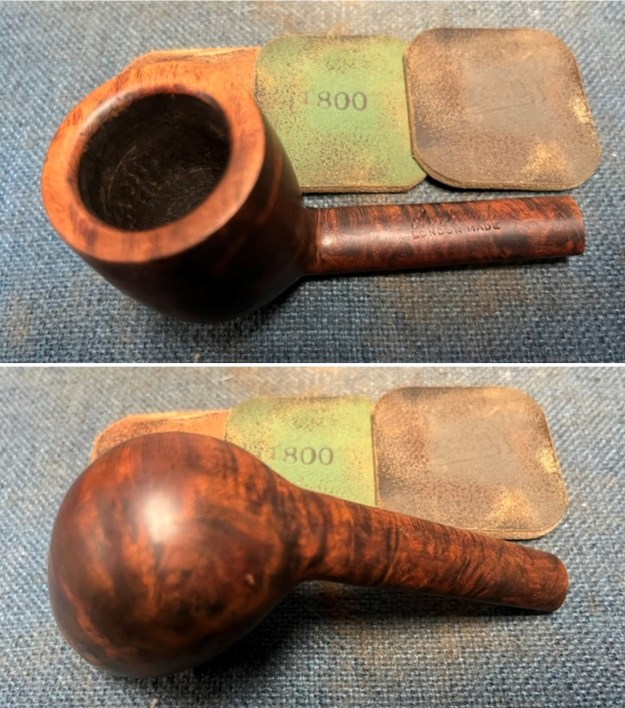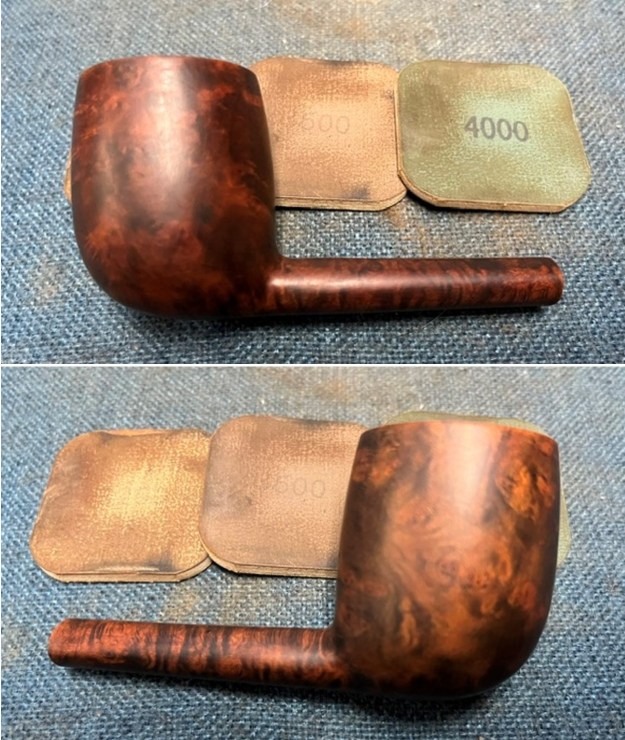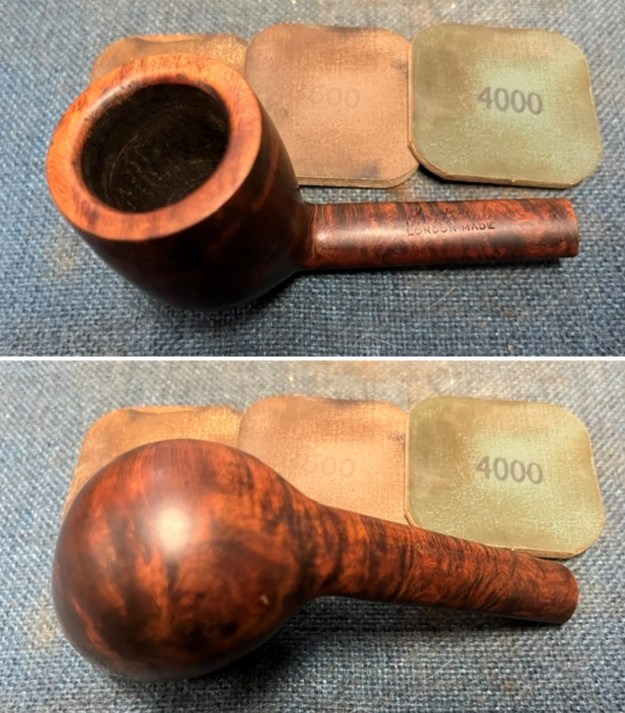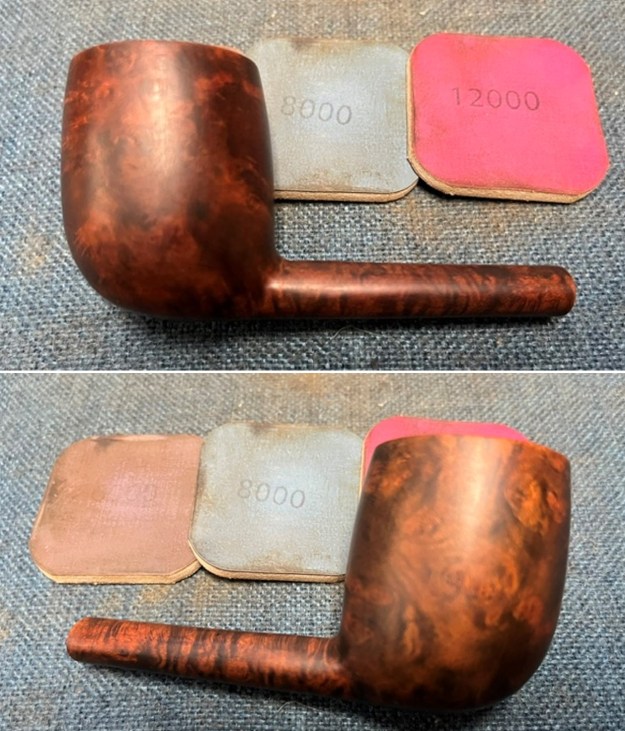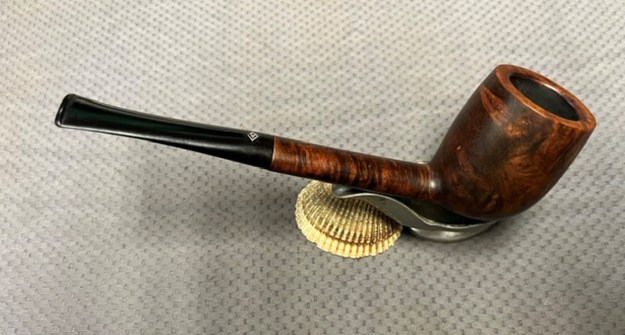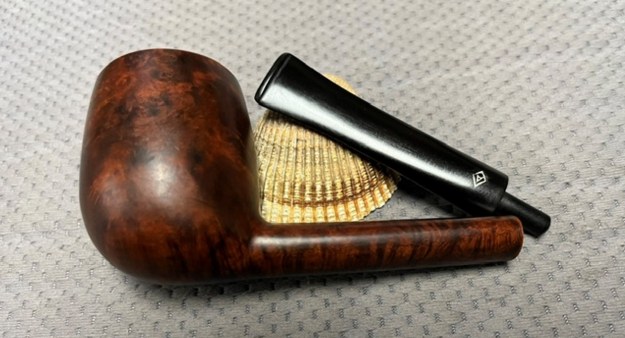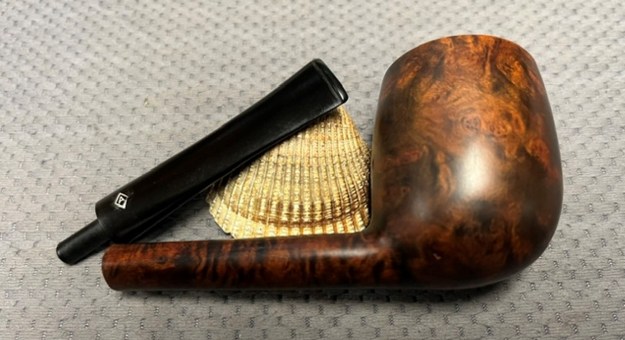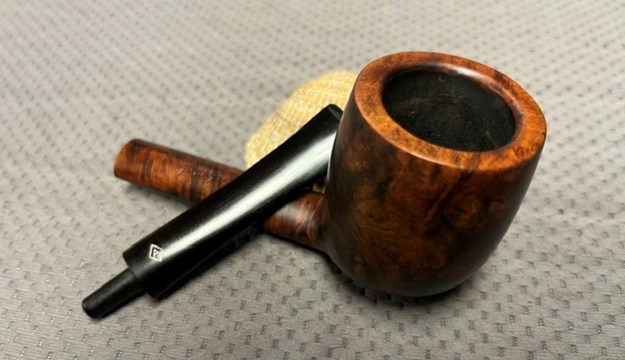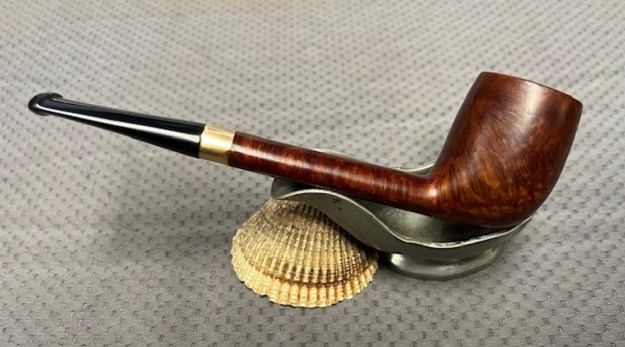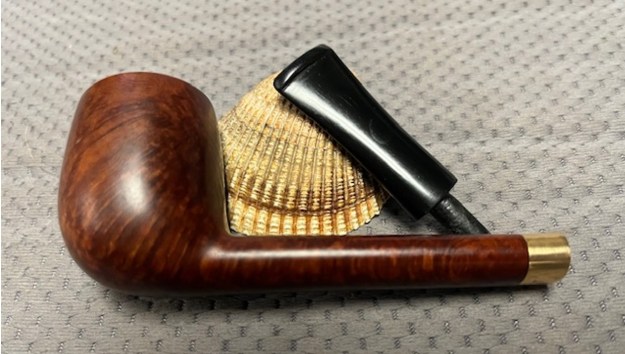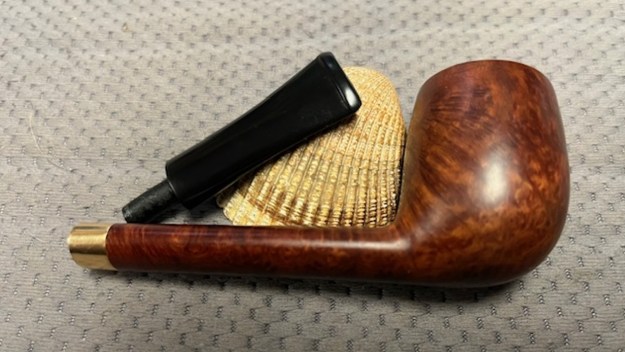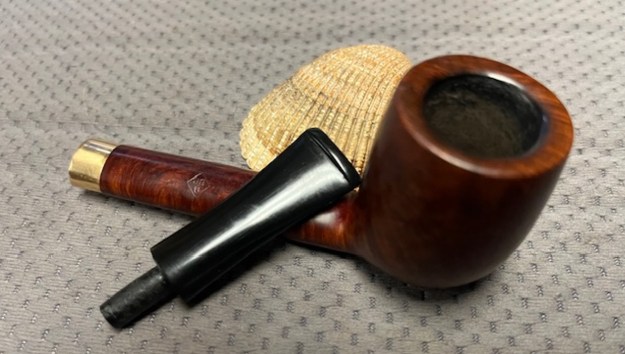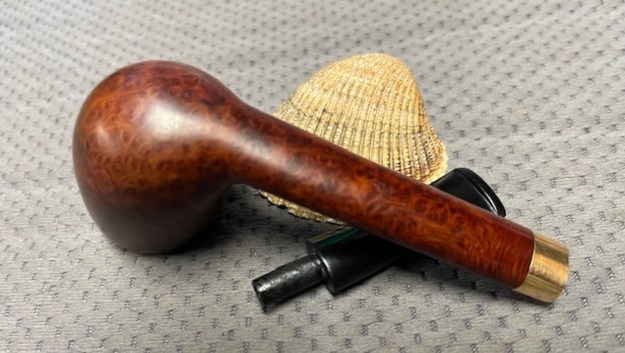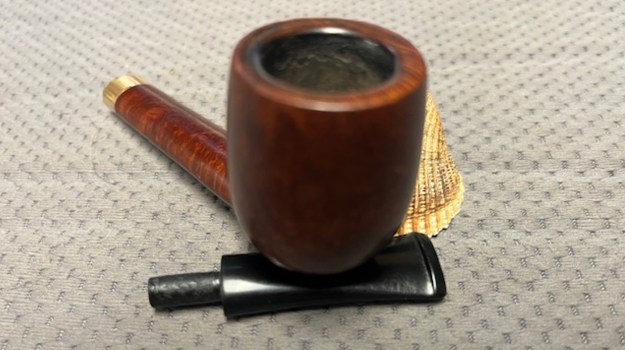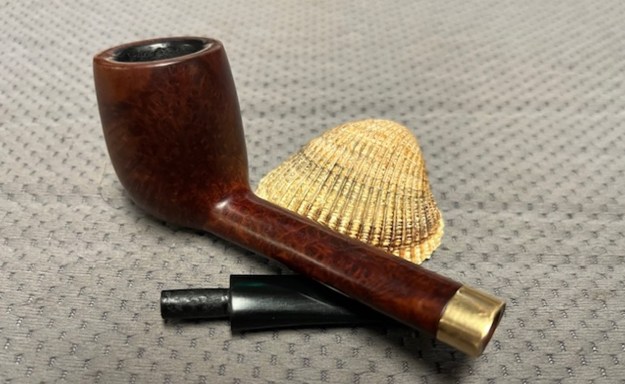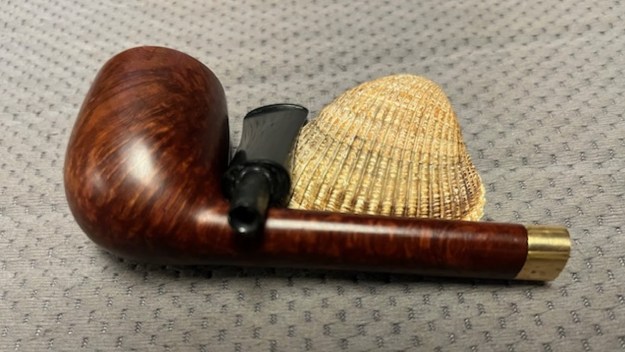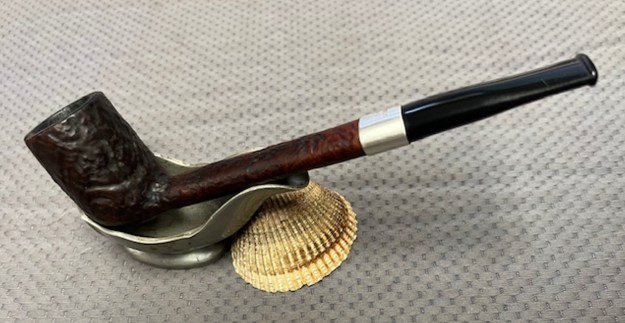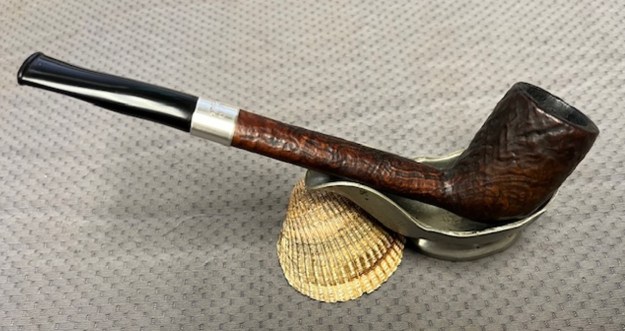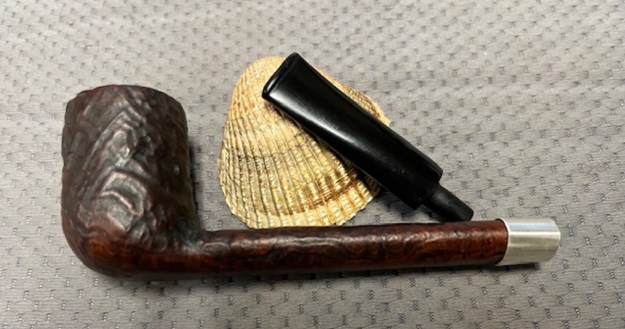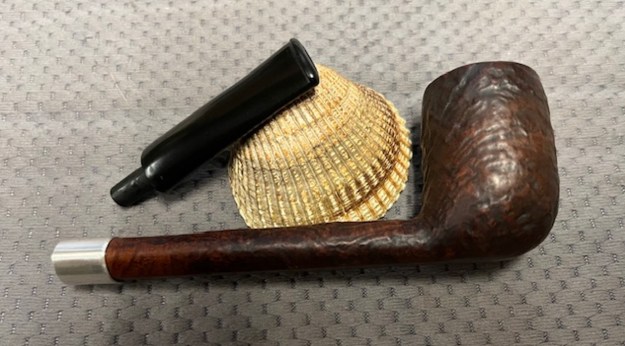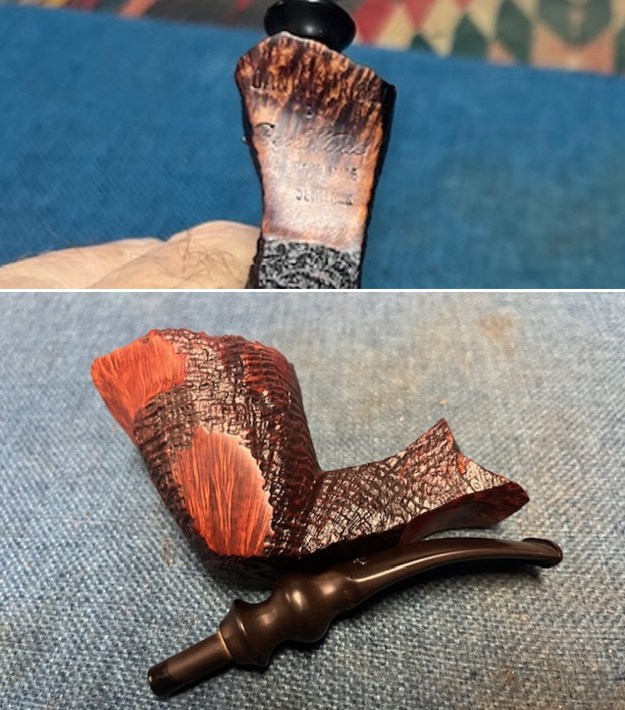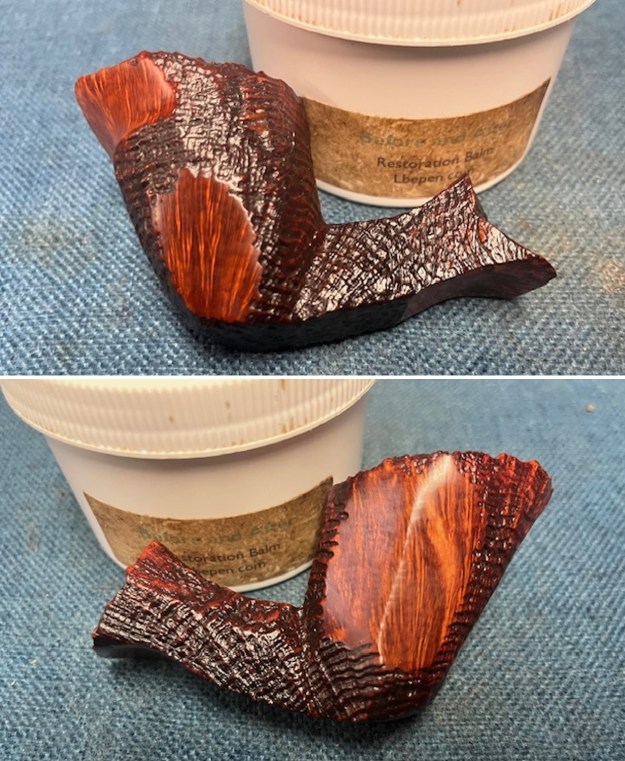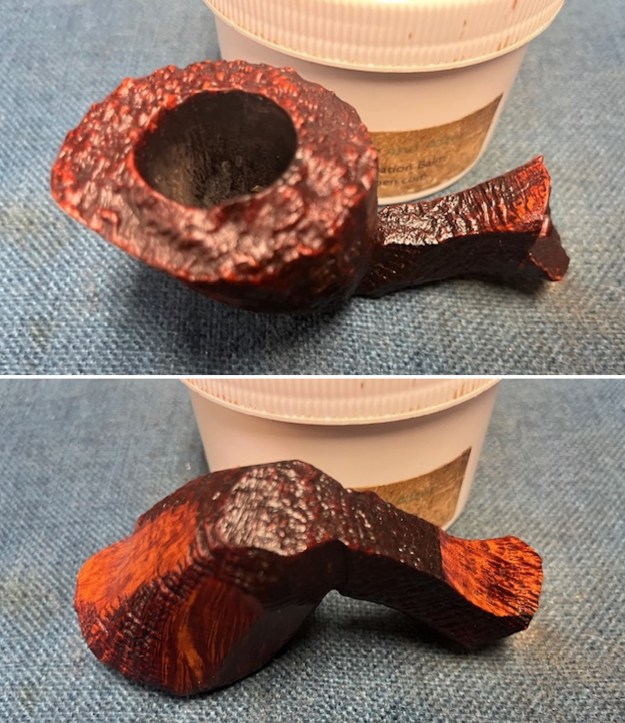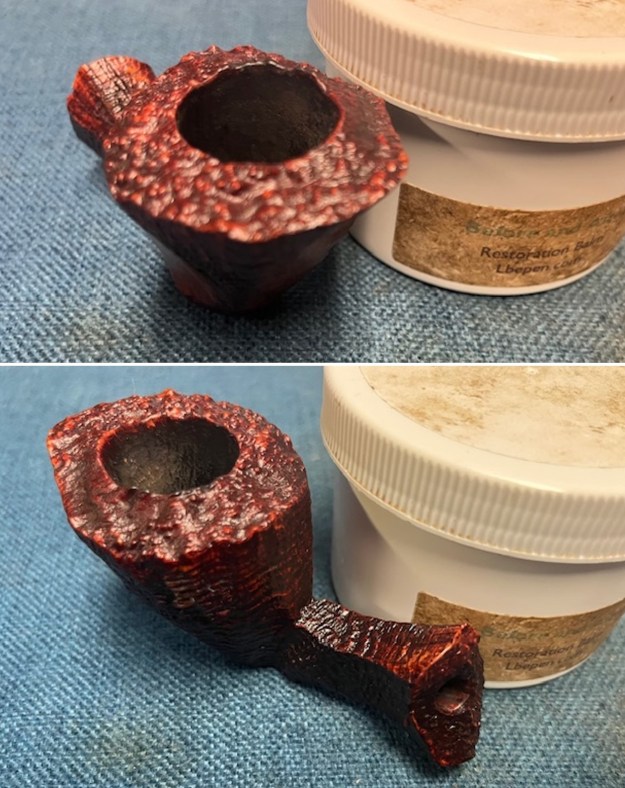
Author Archives: rebornpipes

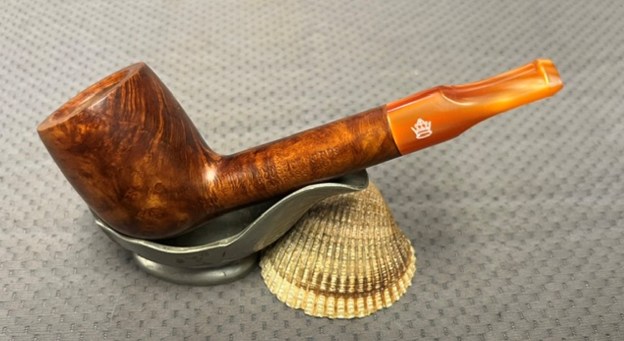
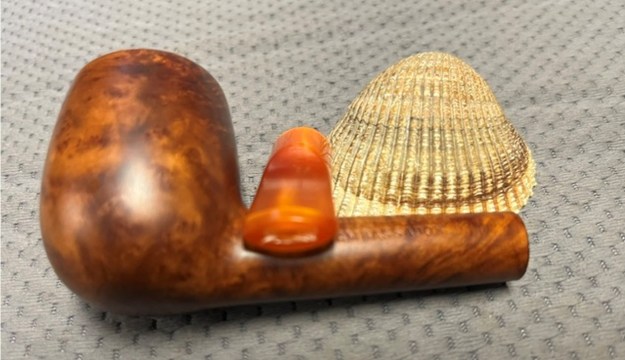
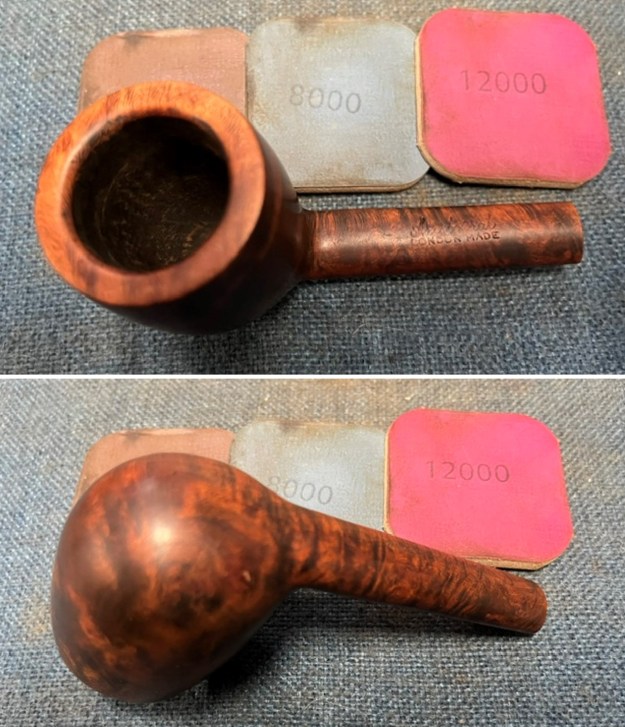
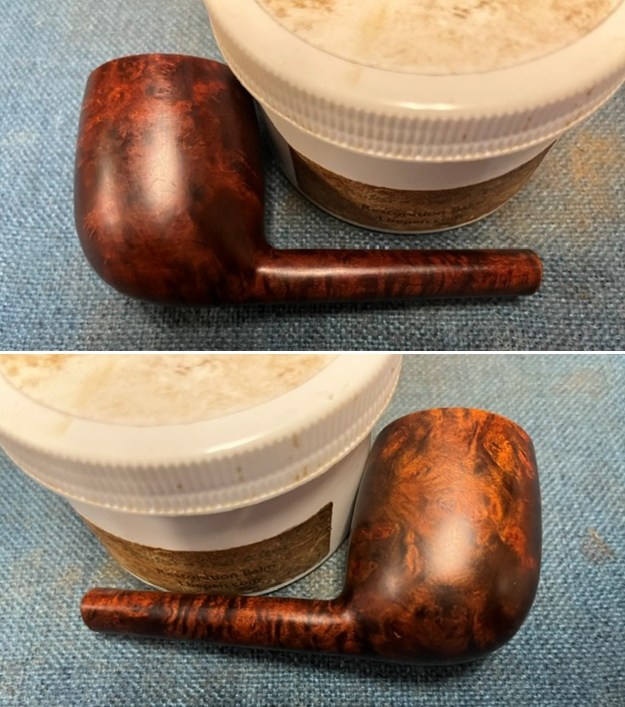
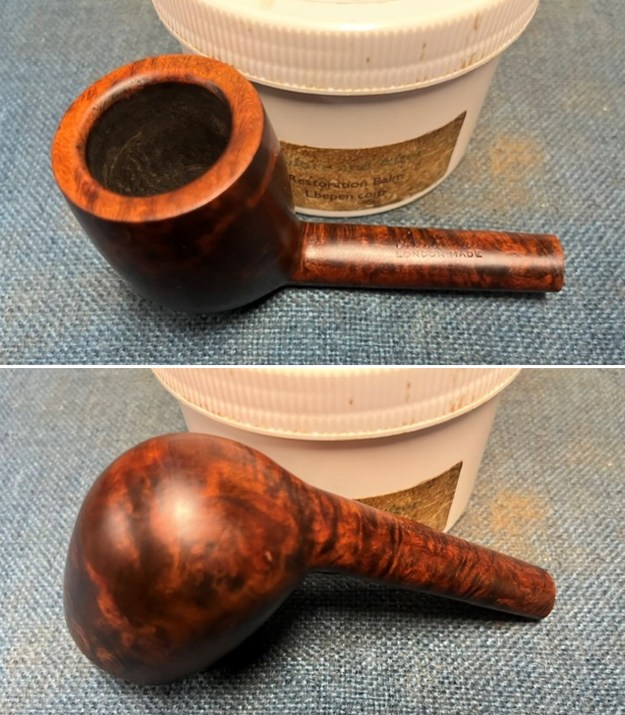
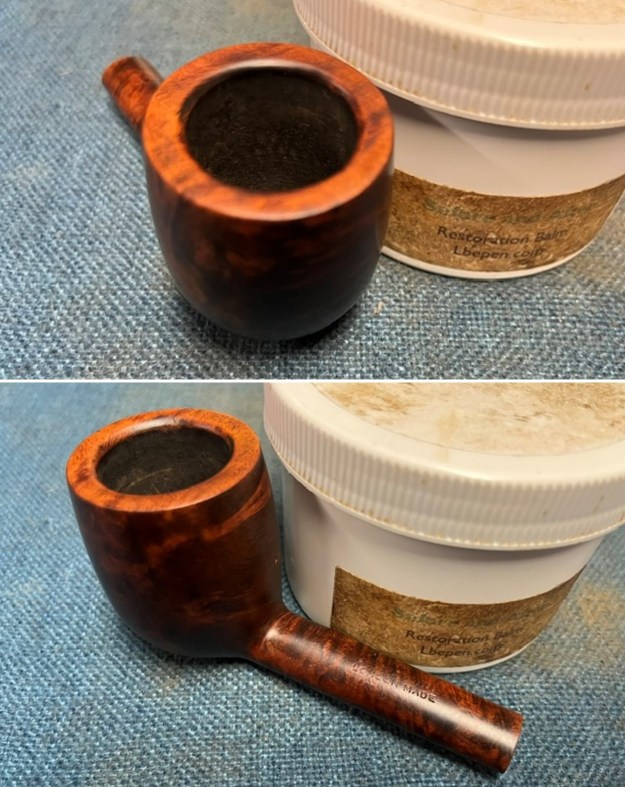
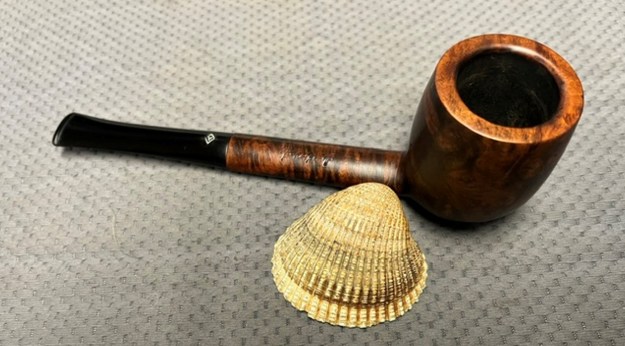
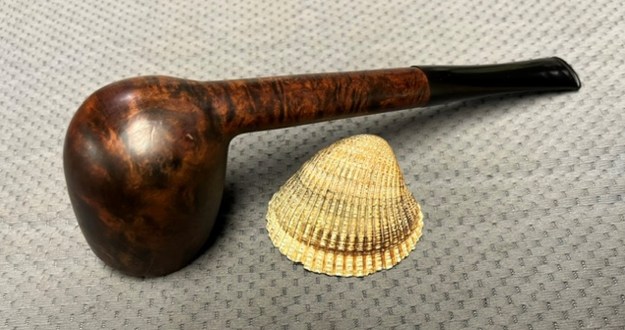
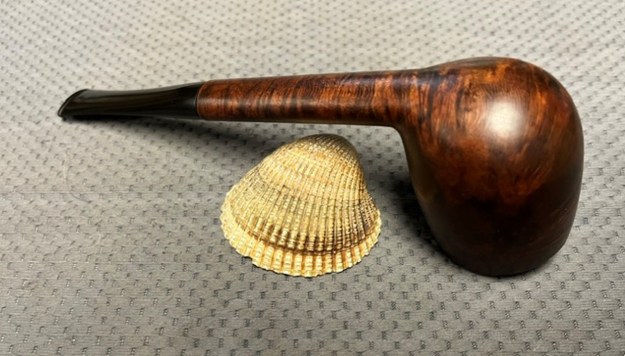
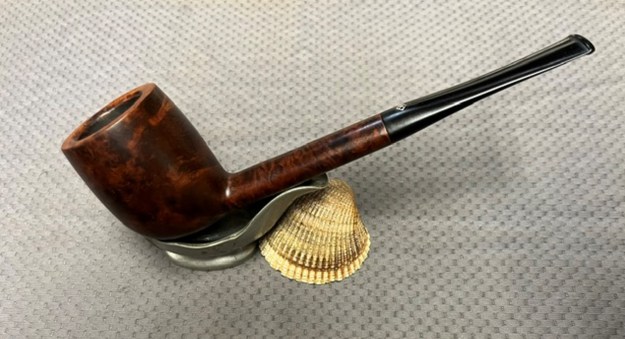
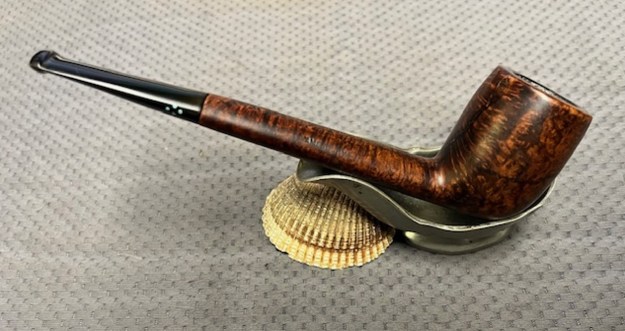
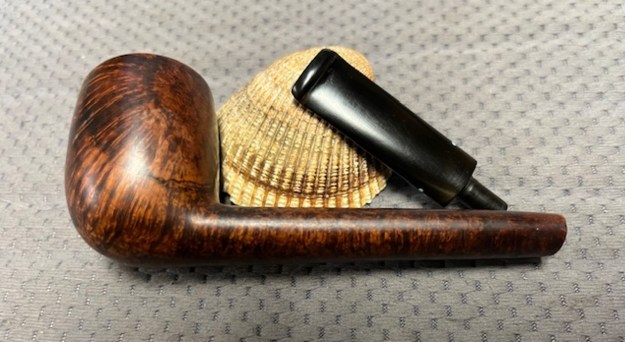
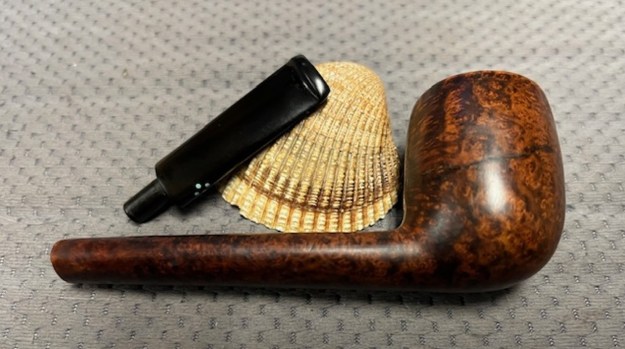
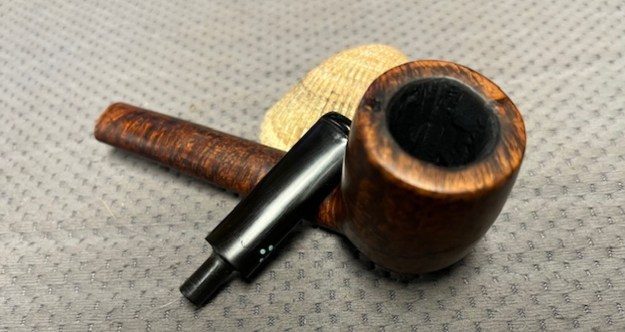
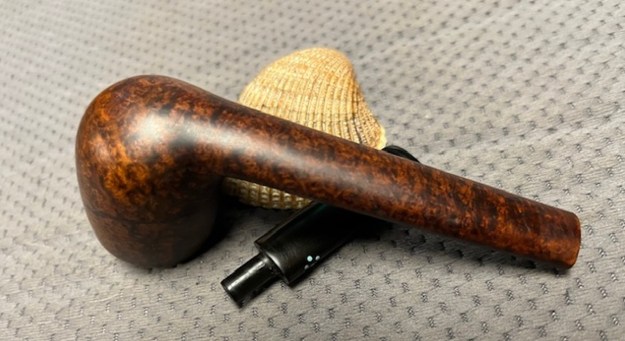
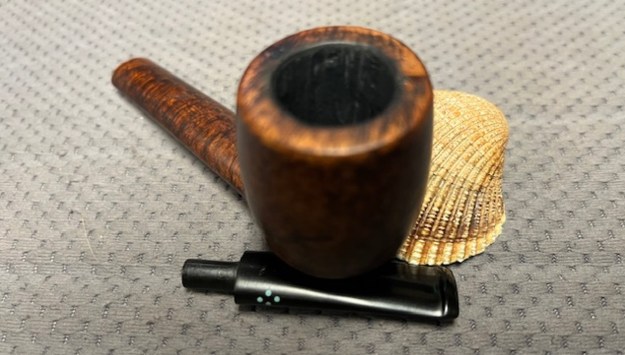
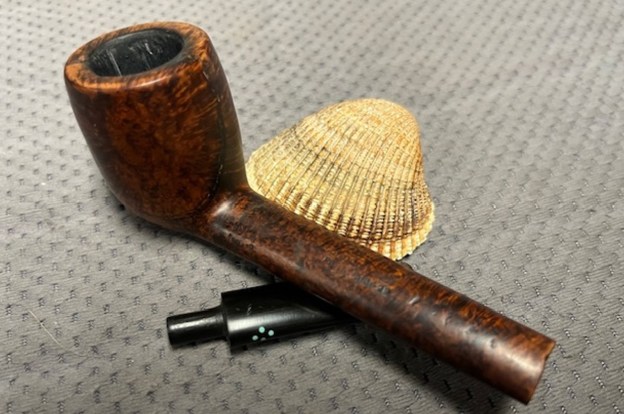
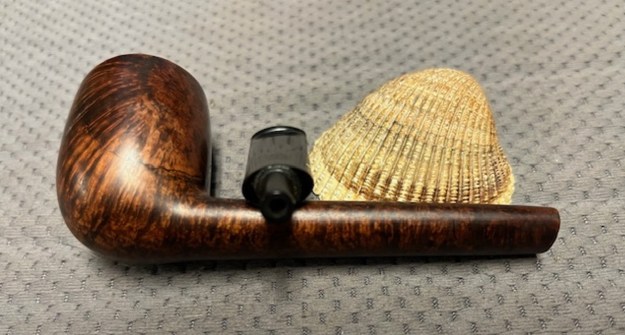
Restoring a House of Lords Ambassador 213 Lovat Made in London England


by Steve Laug

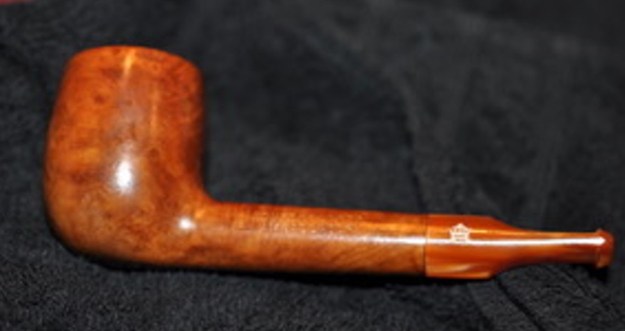
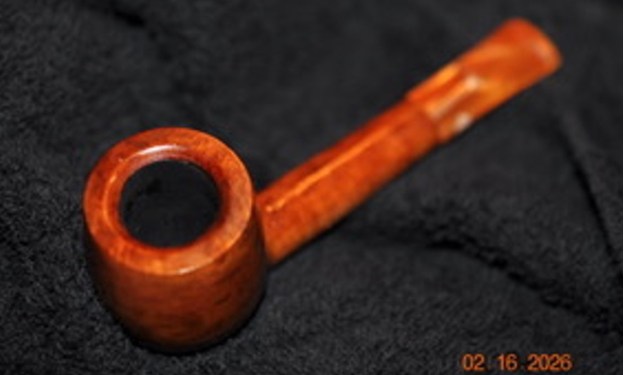
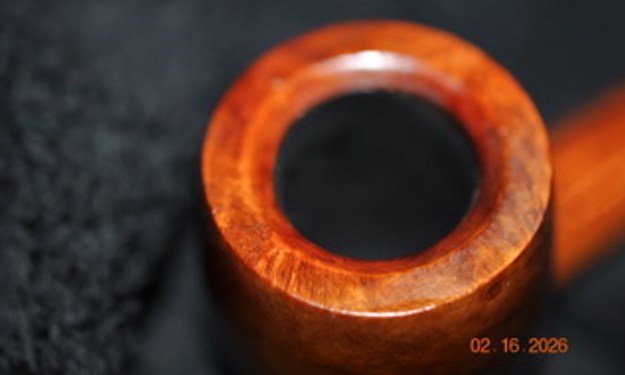
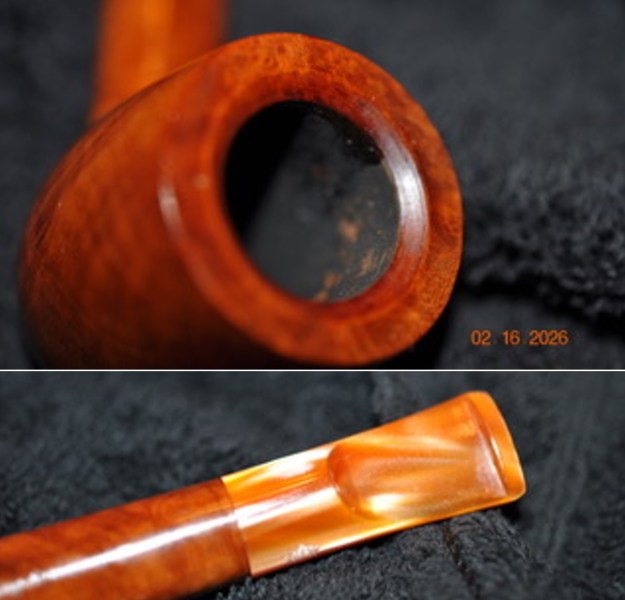
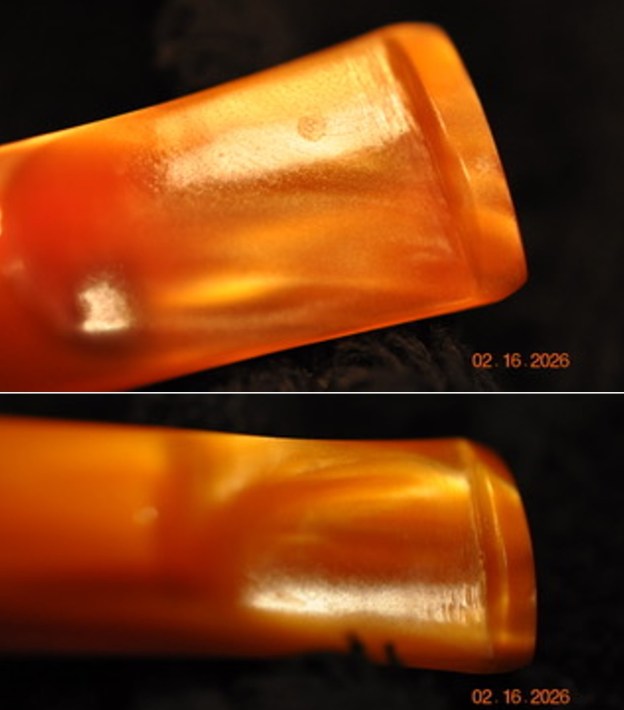
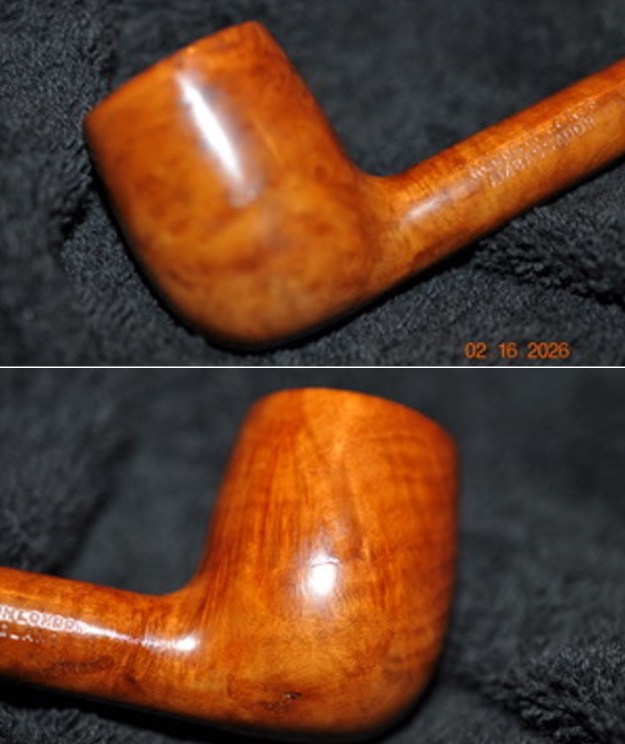
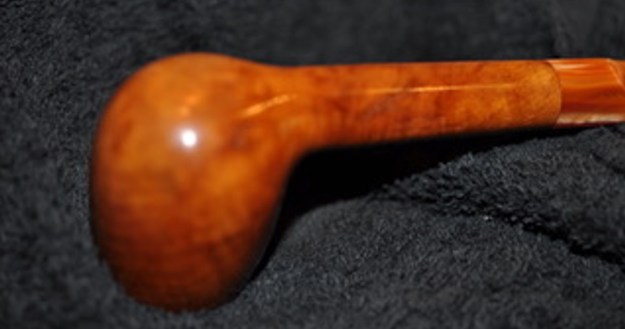
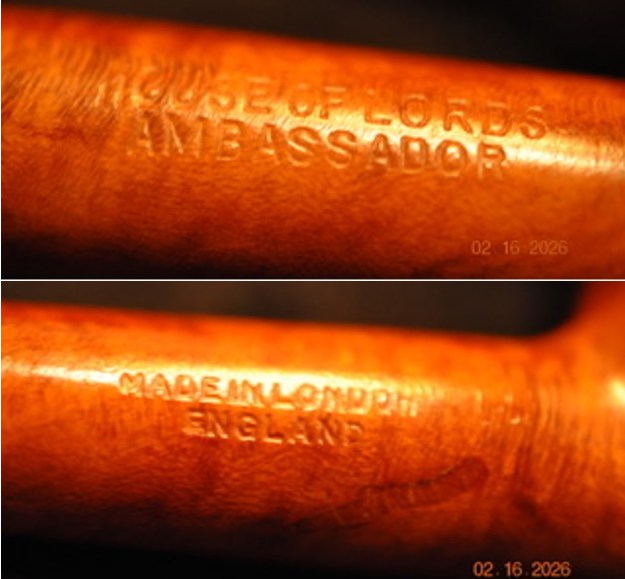
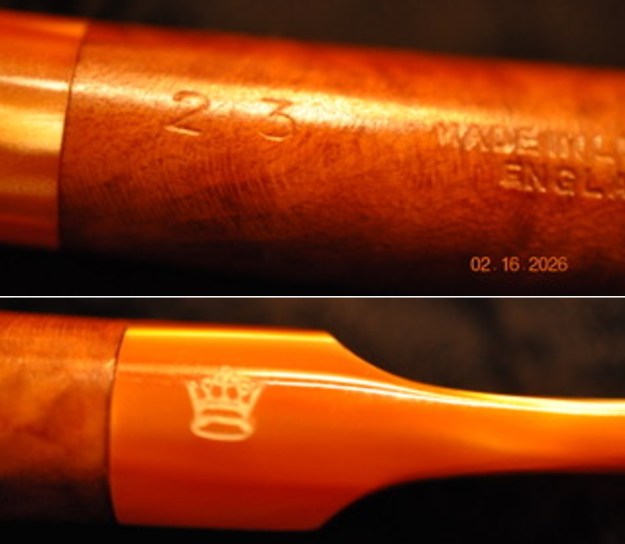
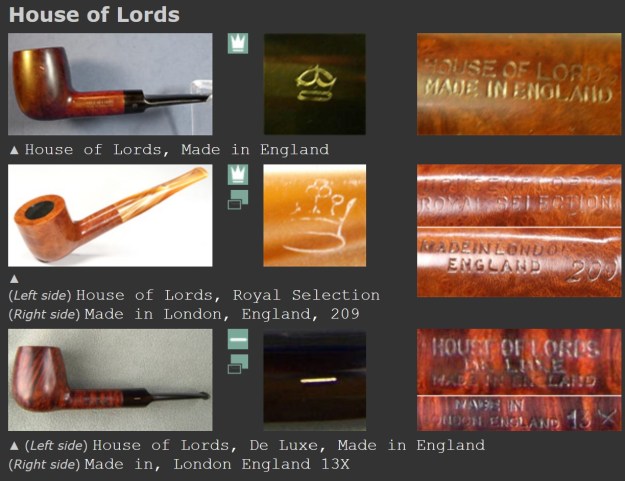
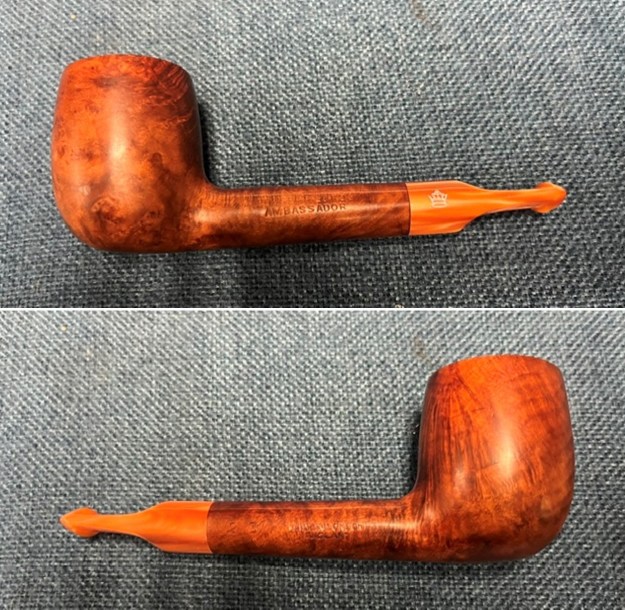
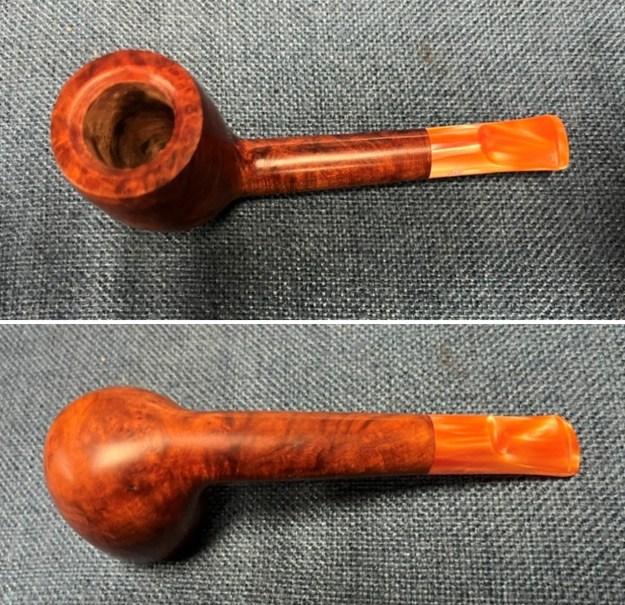
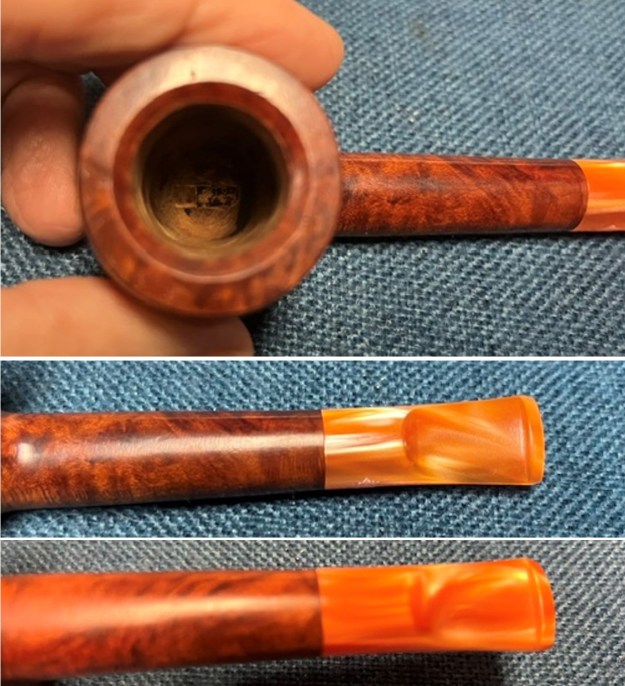
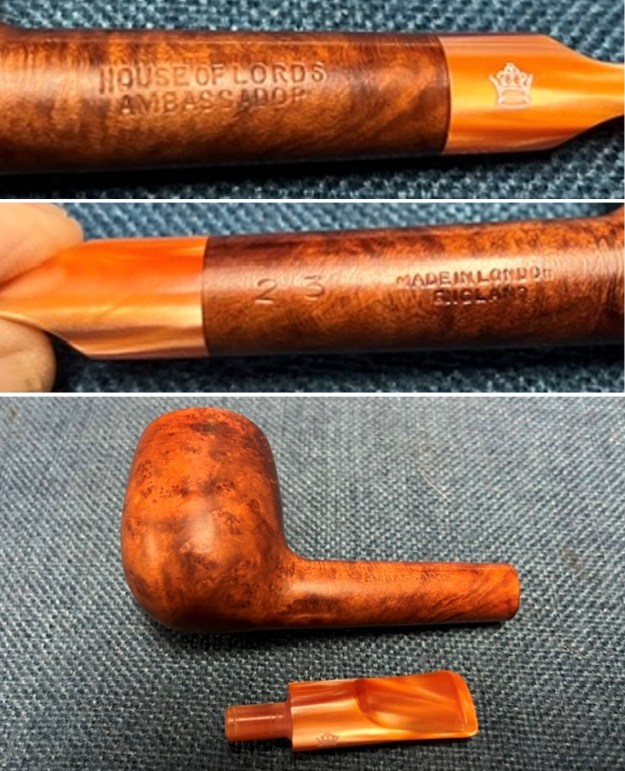
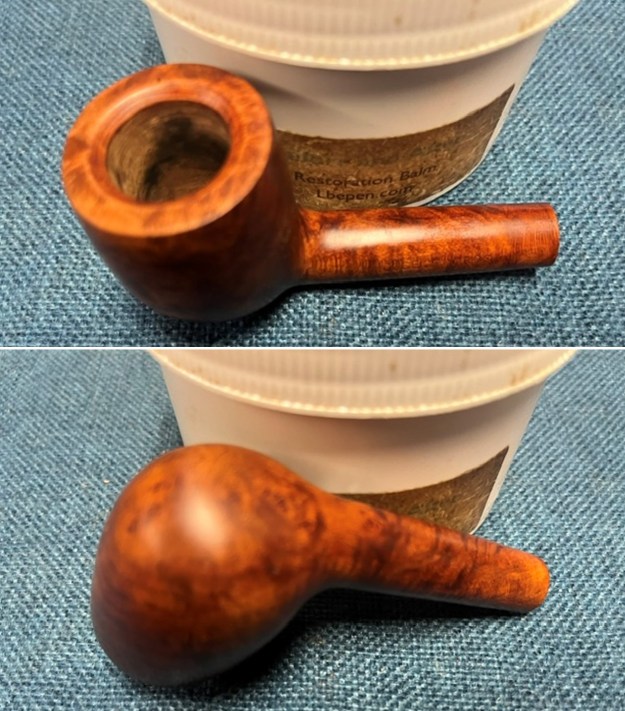
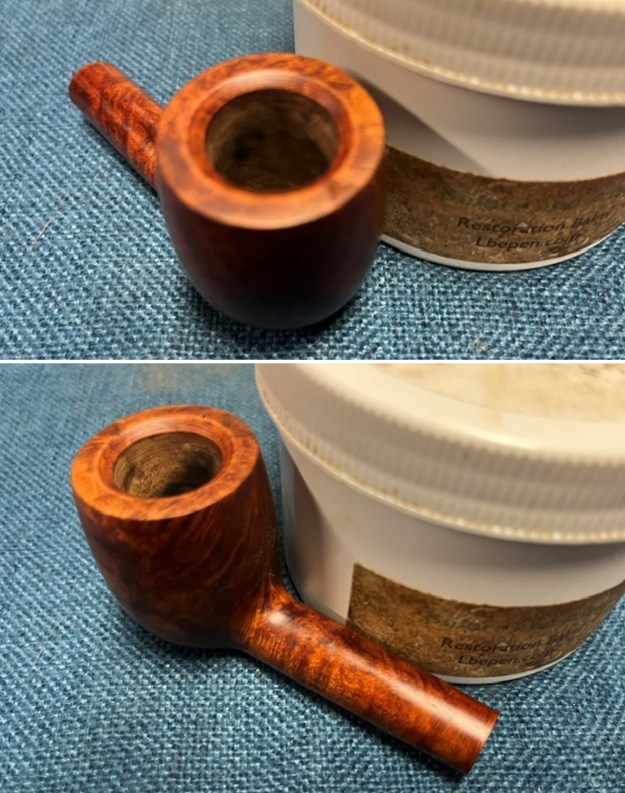
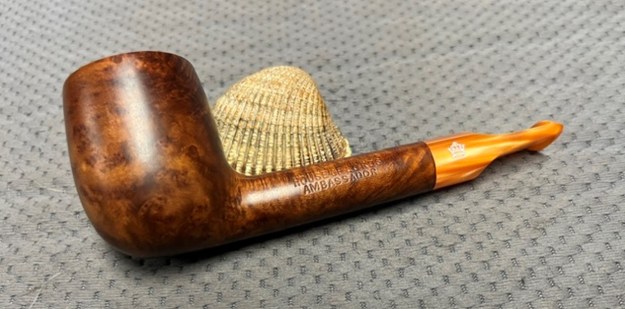
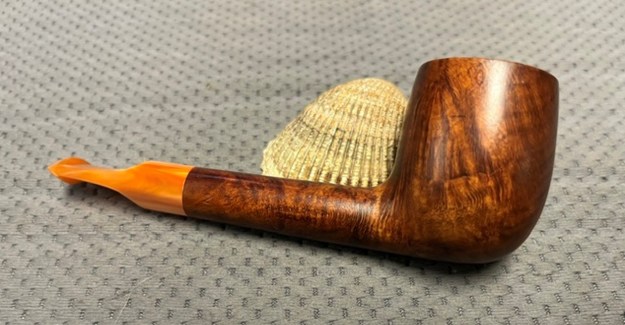
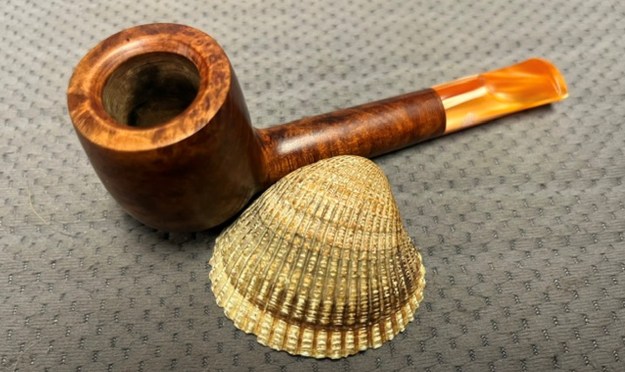
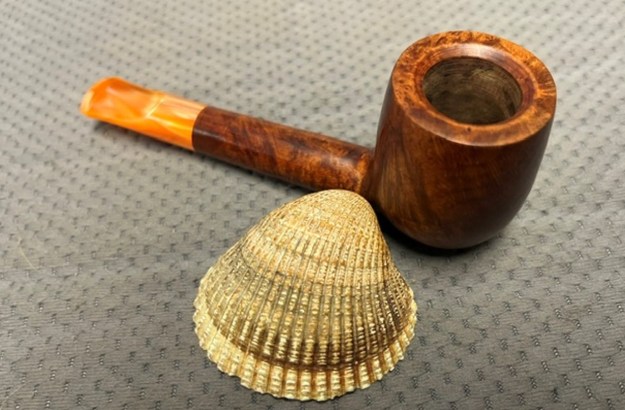
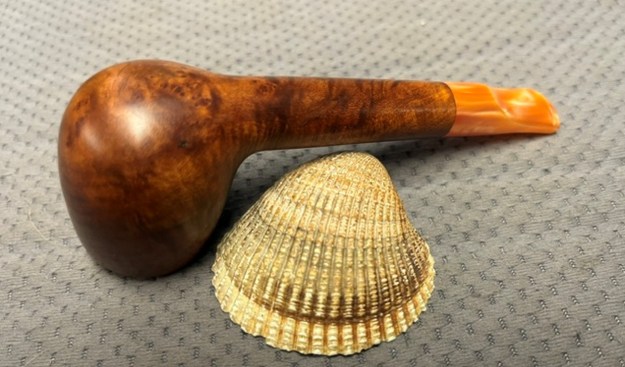
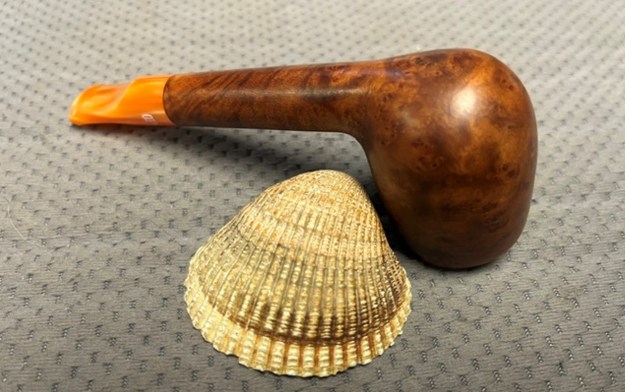
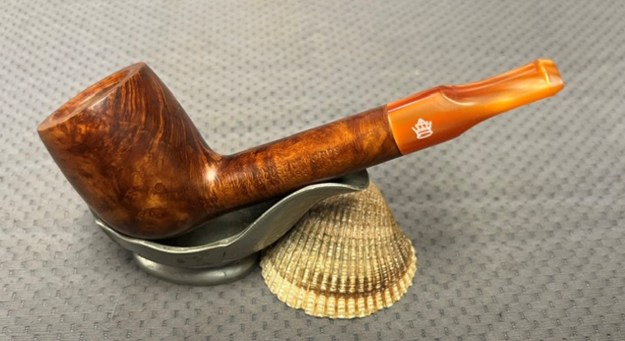
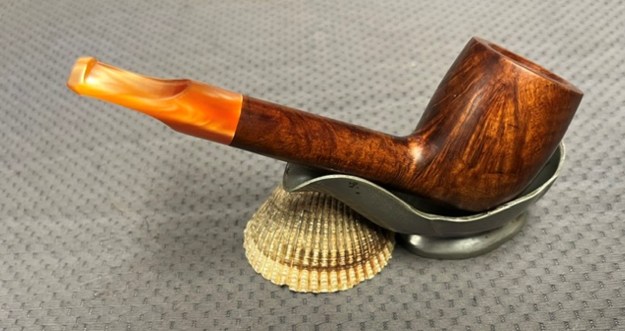
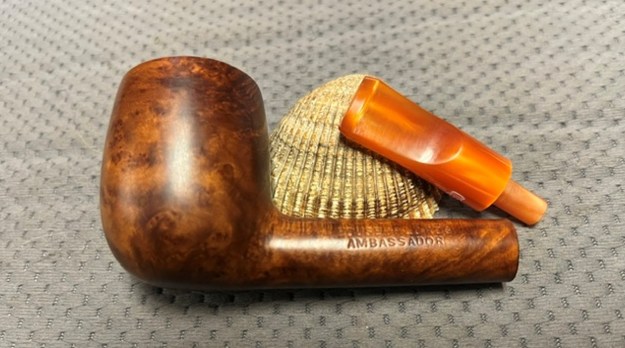
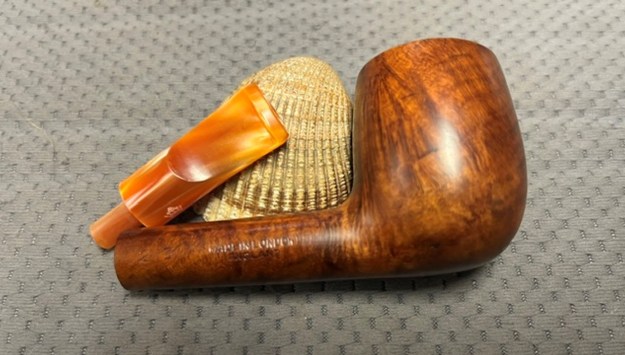
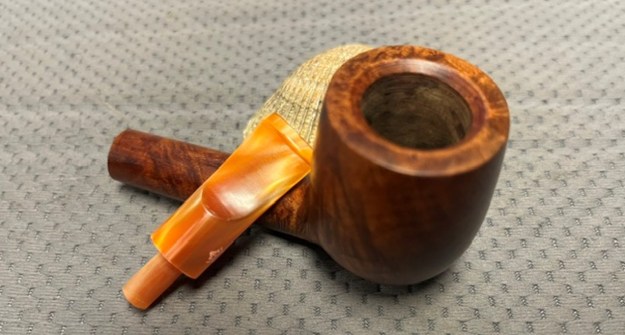
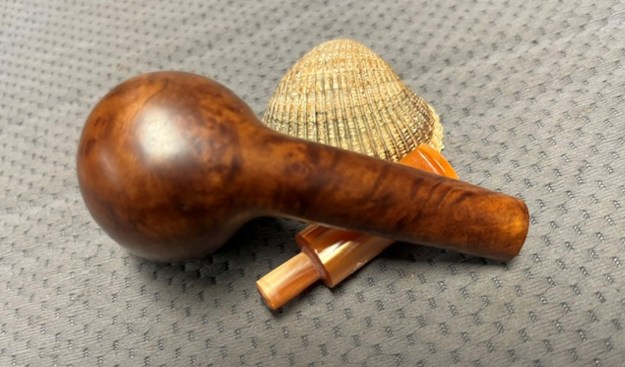
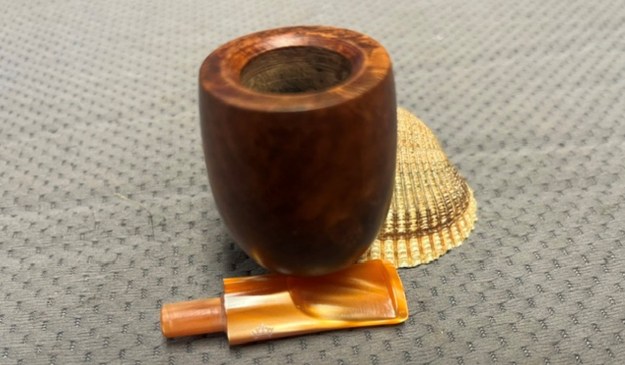
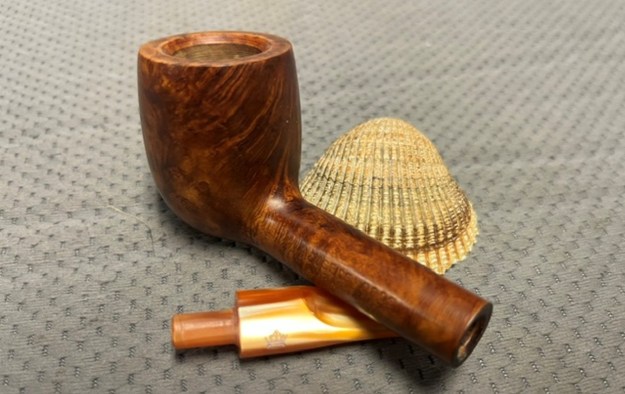
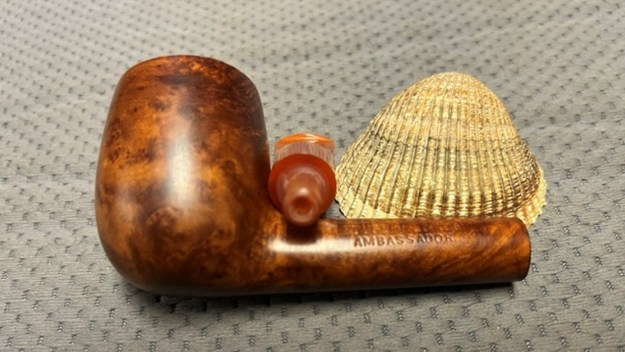
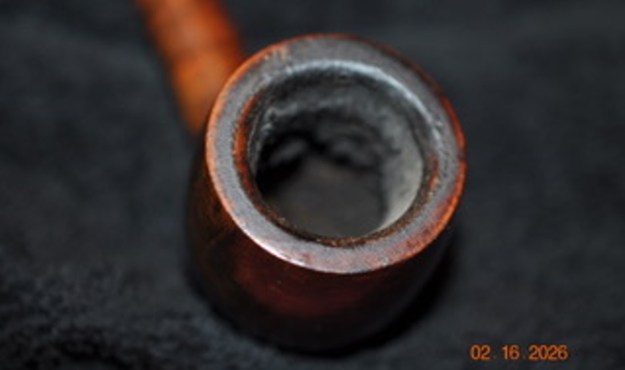
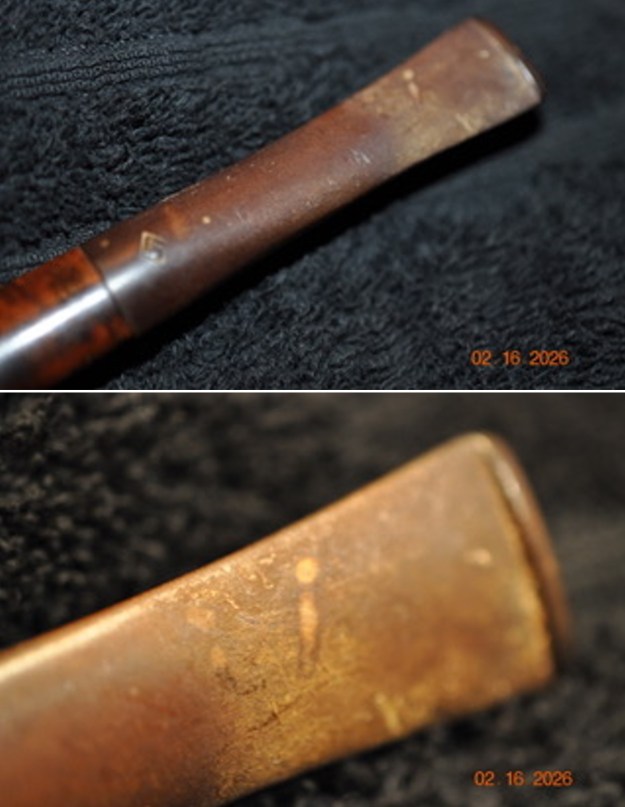
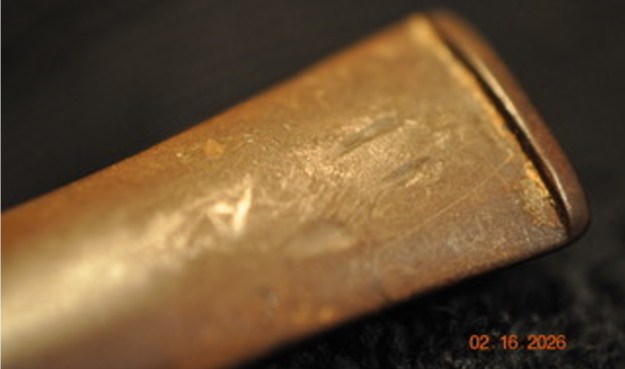
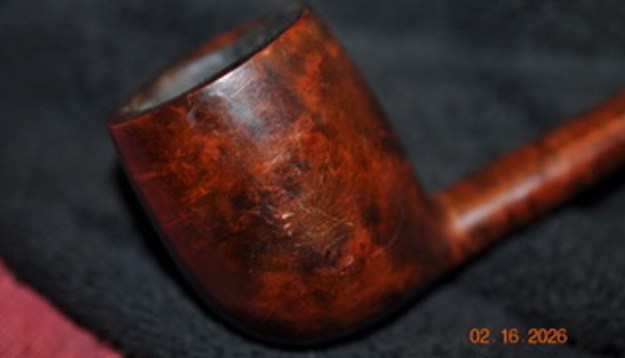
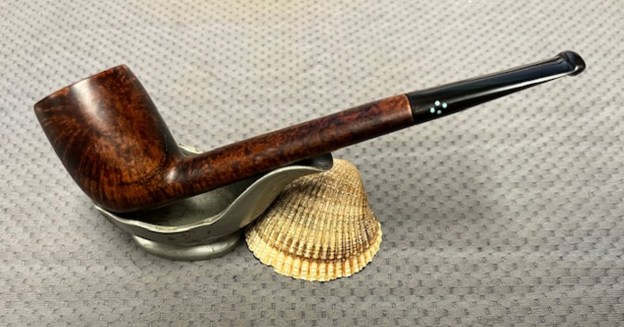
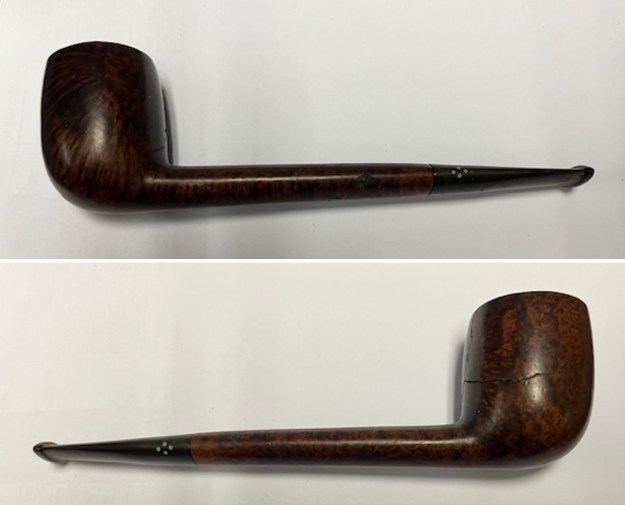
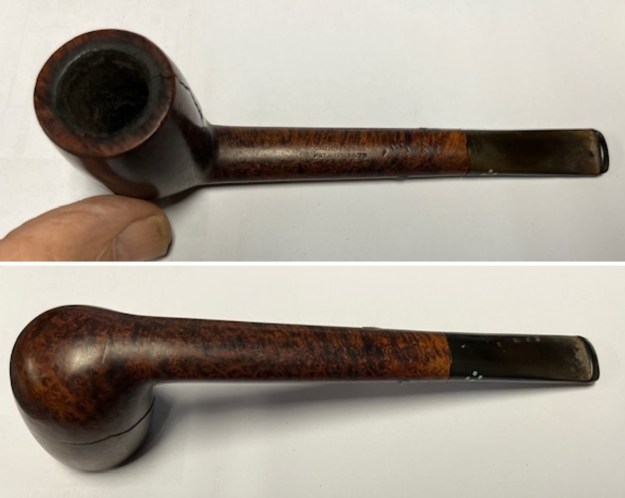
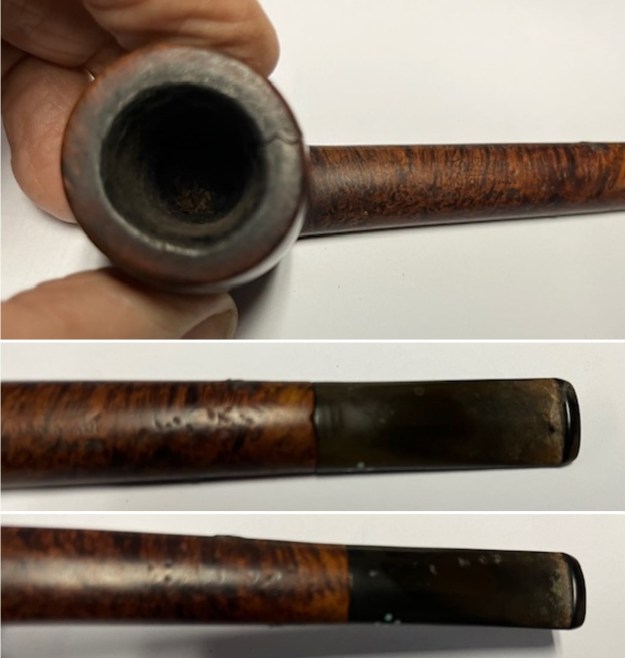
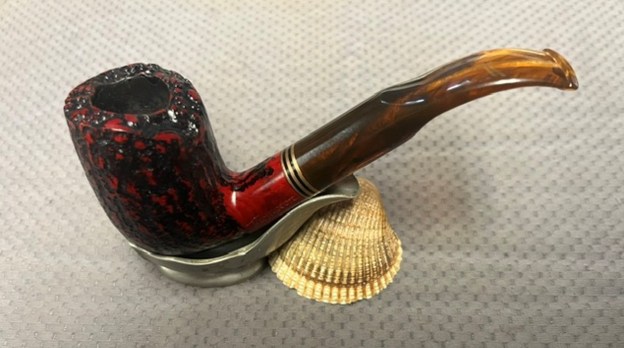
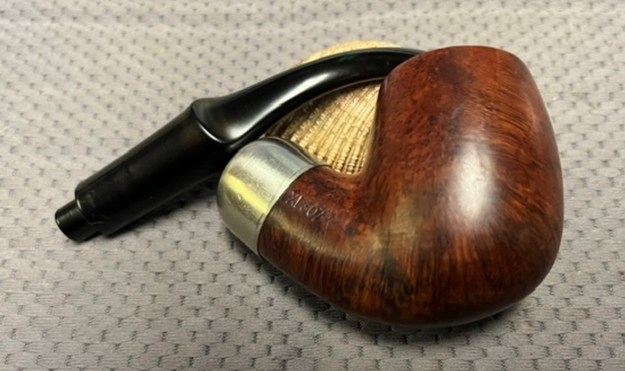
This smooth Lovat with an orange acrylic stem was purchased on 01/20/2026 from a Facebook seller in Quaker Town, Pennsylvania, USA. It really is a beautifully grained Lovat with a rich smooth finish.  The stem is an acrylic saddle stem. The bowl is stained with a contrast of browns that give depth to the grain around the bowl and shank. It is stamped on the sides of the shank and on the left reads House of Lords [over] Ambassador. On the right side it is stamped Made In London [over] England. To the left of the stamp it reads 213 – shape number. The bowl had a thick cake and some tobacco debris on the walls. There was a light overflow of lava on the inner bevelled edge and the rim top. There was grime ground into the finish which left the look quite dull. The acrylic saddle stem has a Crown logo on the left side of the saddle. It had light tooth marks and chatter on both sides of the stem ahead of the button. Jeff took photos of the pipe before he started his work on it. He took photos of the rim top to show the condition of the top and edges of the bowl. It is dull and has the lava on the bevelled edge of the rim. It is uniquely a beautiful pipe. The stem had light tooth marks and chatter on both sides ahead of the button.He took photos of the sides and heel of the bowl to show the finish around the bowl and the condition of the pipe. You can see the grime ground into the surface of the briar. The stain combination really makes the grain stand out. I look forward to seeing it once it is clean and polished. He took photos of the stamping on the sides of the shank. It is clear and readable as noted above. The white Crown stamp on the left side of the stem is also clear and readable. I turned to Pipephil’s site (www.pipephil.eu/logos/en/logo-h3.html#houseoflords). I did a screen capture of the section on the site. It shows the stamping on the left side of the shank that matches the stamping on the topside of the pipe I am working on. The crown stamp shown on the stem I have is a lot like stamping on the stem I have. I am including the information from the side bar that says that House of Lords is a brand from Samuel Gordon and possibly a Sasieni second (J.M. Lopes, op. cit.).Brand from Samuel Gordon. Maybe a Sasieni second (J.M. Lopes, op. cit.)
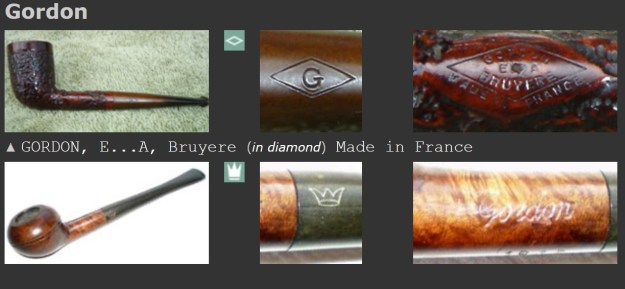
I further followed the link to “Gordon” and learned that Samuel Gordon had founded the brand “GORDON” in 1910-20 eras. This is the link for Gordon brand of pipes; www.pipephil.eu/logos/en/logo-g4.html#gordon

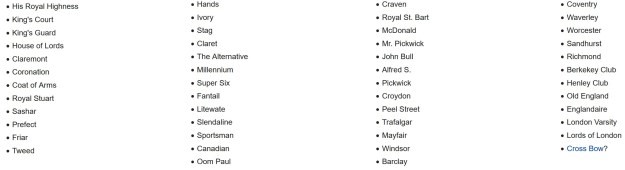
From there I turned to the Sasieni listing on Pipedia and scrolled down to the list of seconds that was given there (https://pipedia.org/wiki/Sasieni#Sasieni_Seconds). From that information I learned that the pipe was definitely linked to Sasieni. The fourth listing in the screen capture.Now I knew I was dealing with a probable Sasieni made pipe which helps explain the stamping on the pipe including the Made in England on the shank. I did a quick search of rebornpipes and found an article on a House of Lords pipe I had restored. I have included the link (https://rebornpipes.com/2015/10/25/cleaning-up-a-london-made-charleston-banker/).

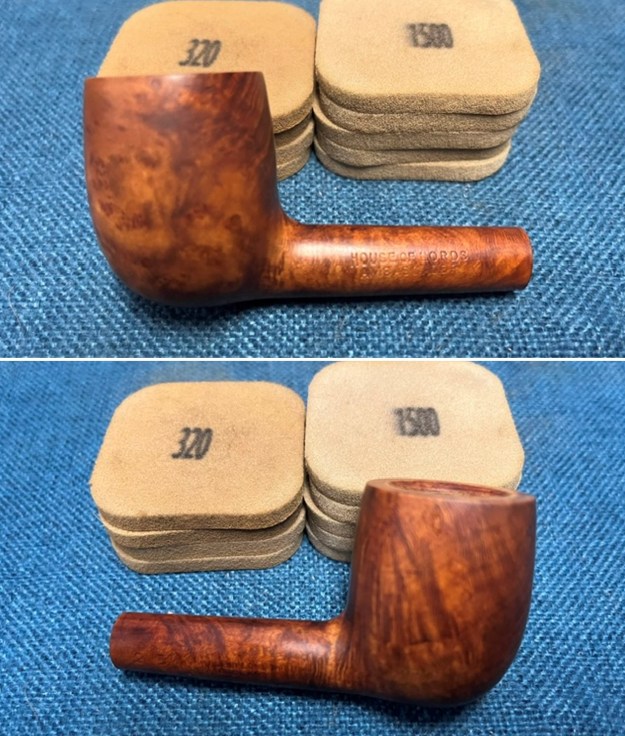
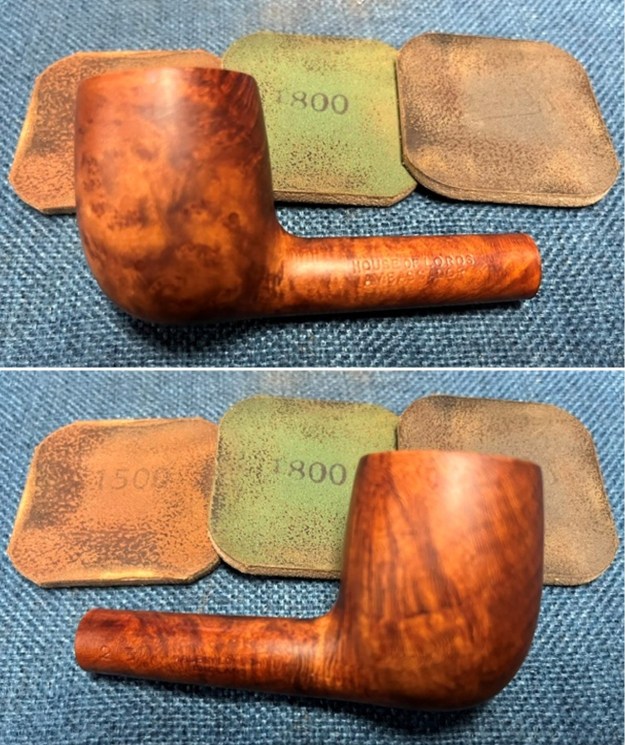
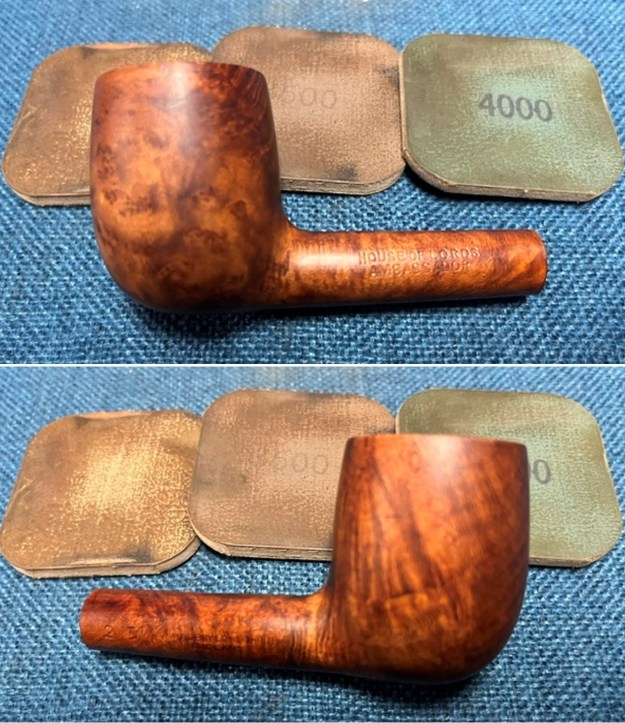
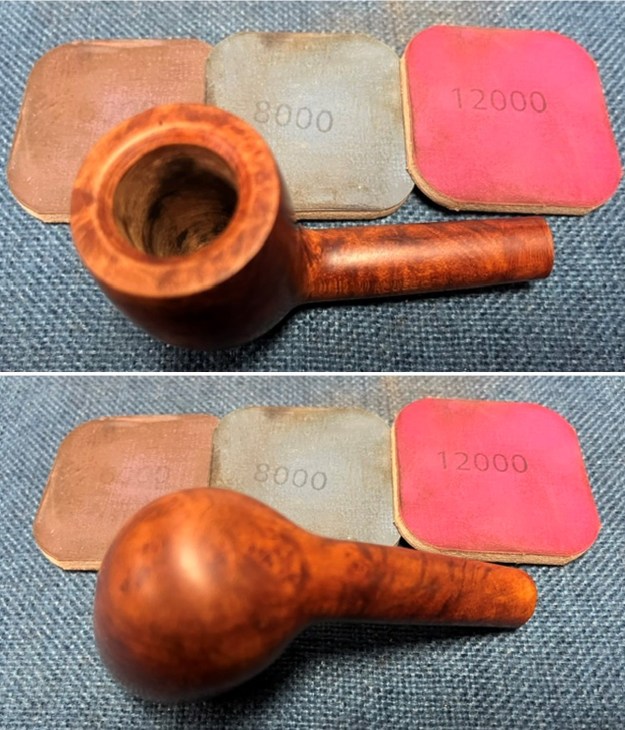
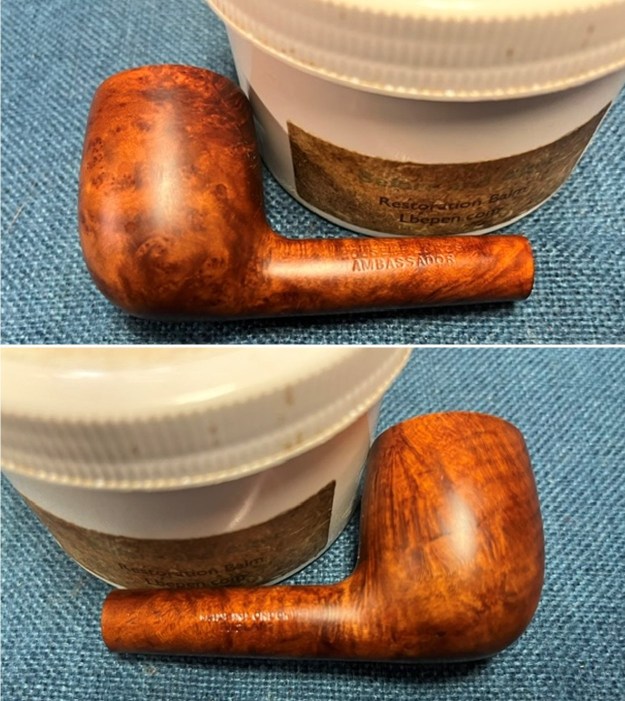
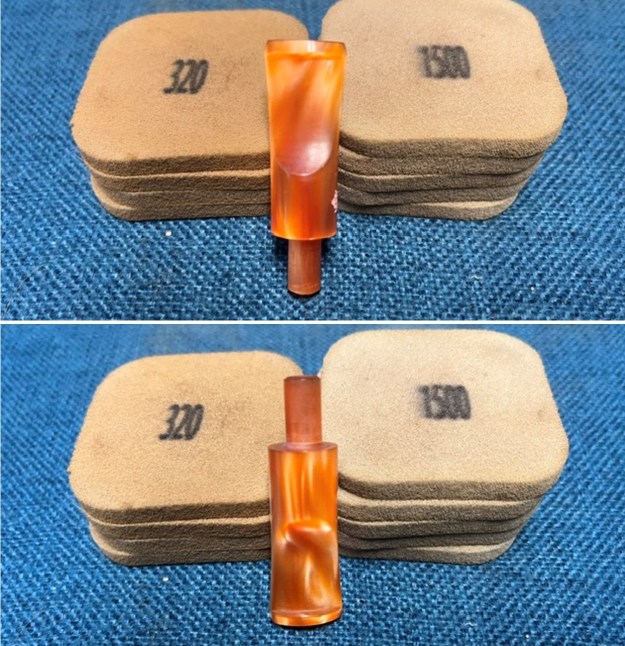
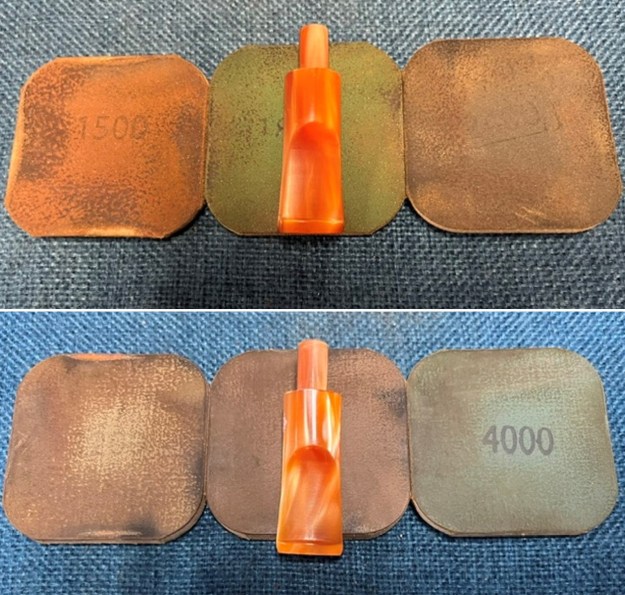
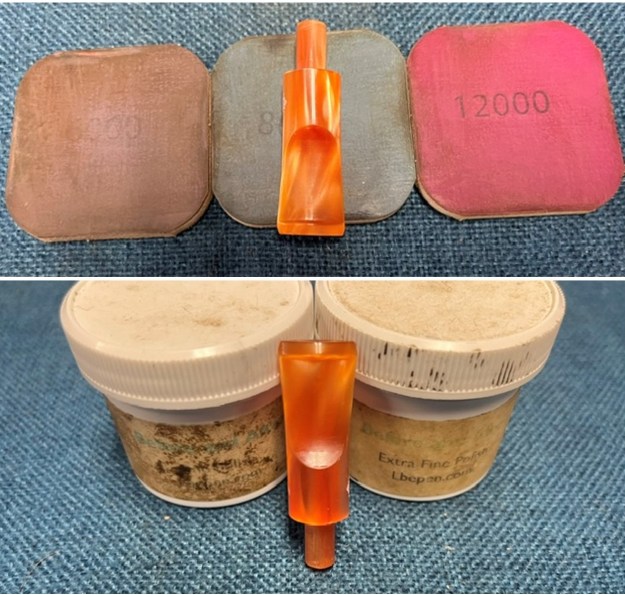
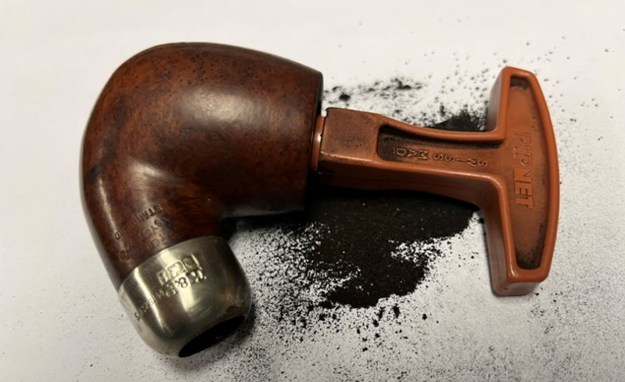
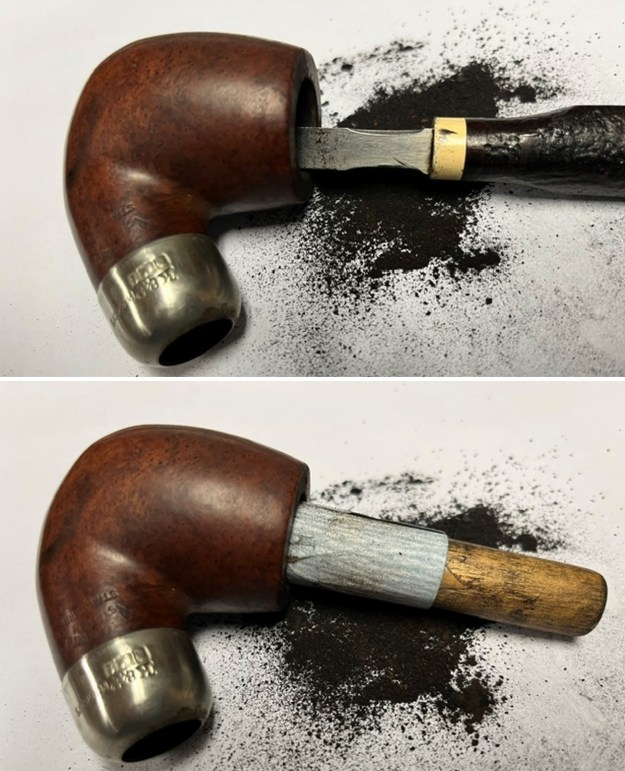
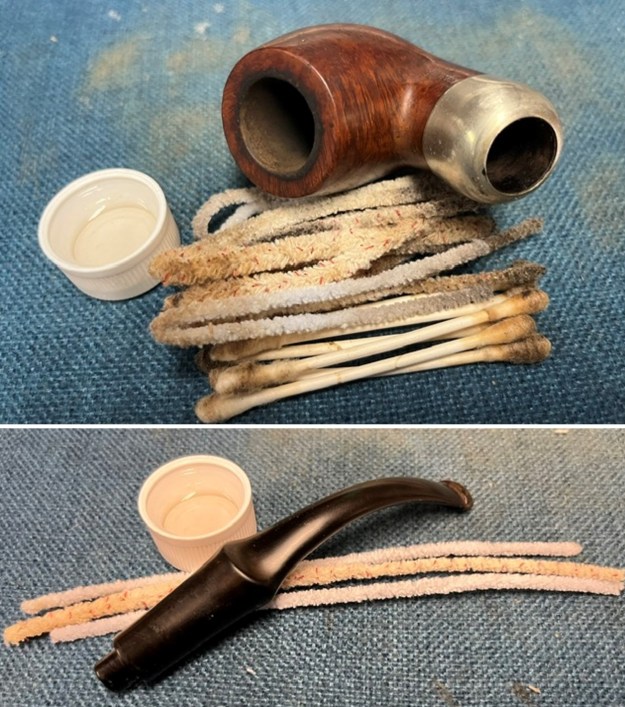
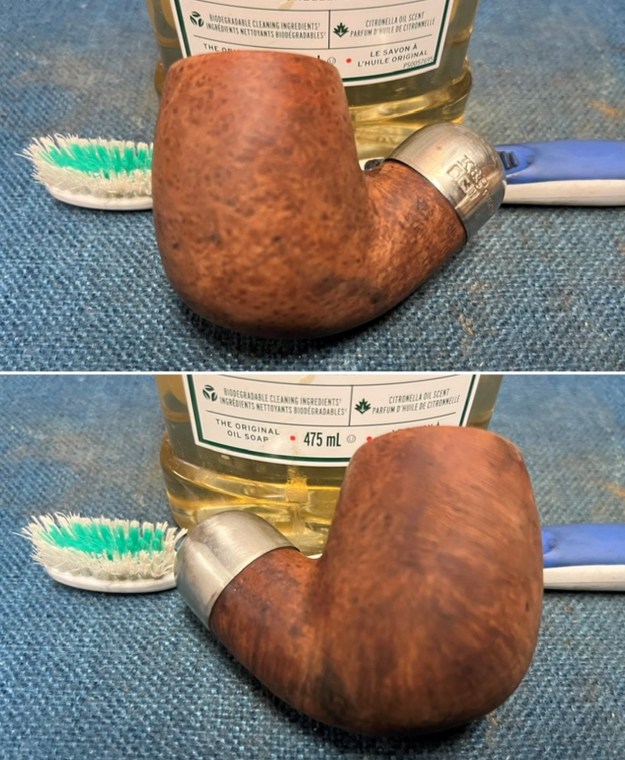
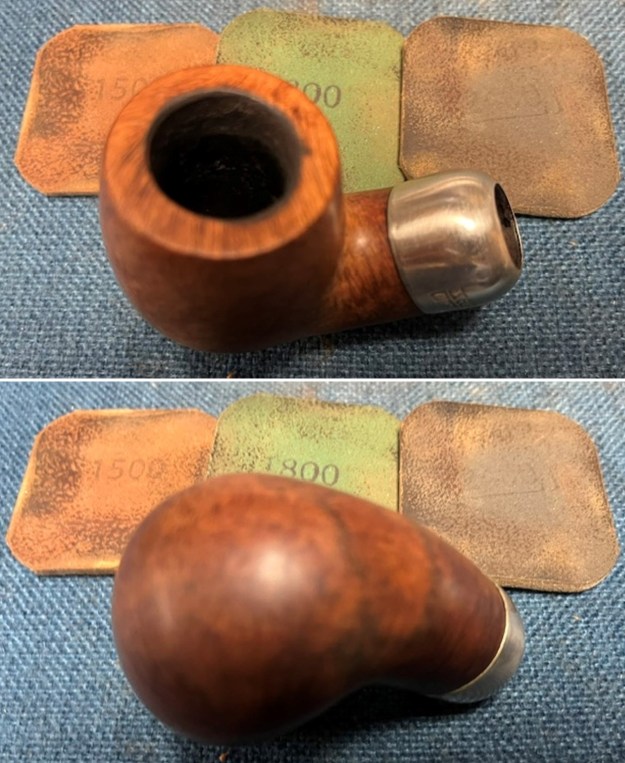
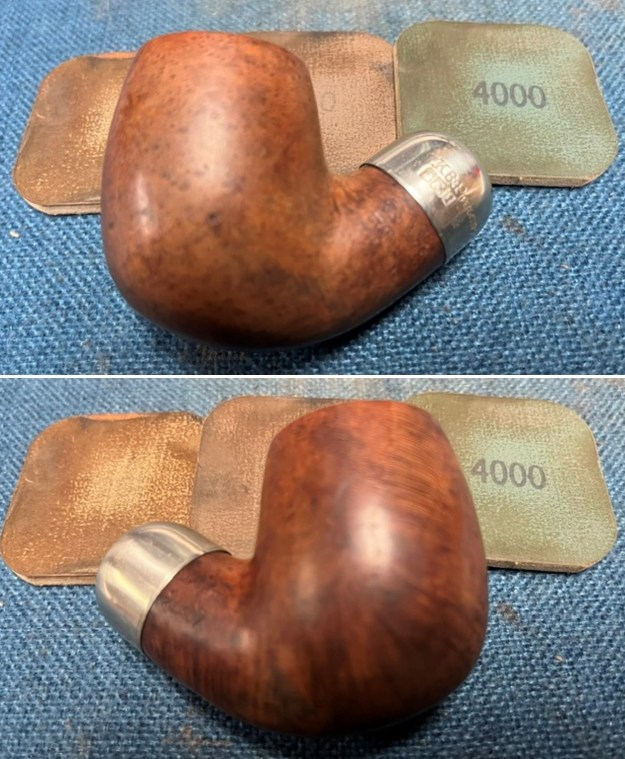
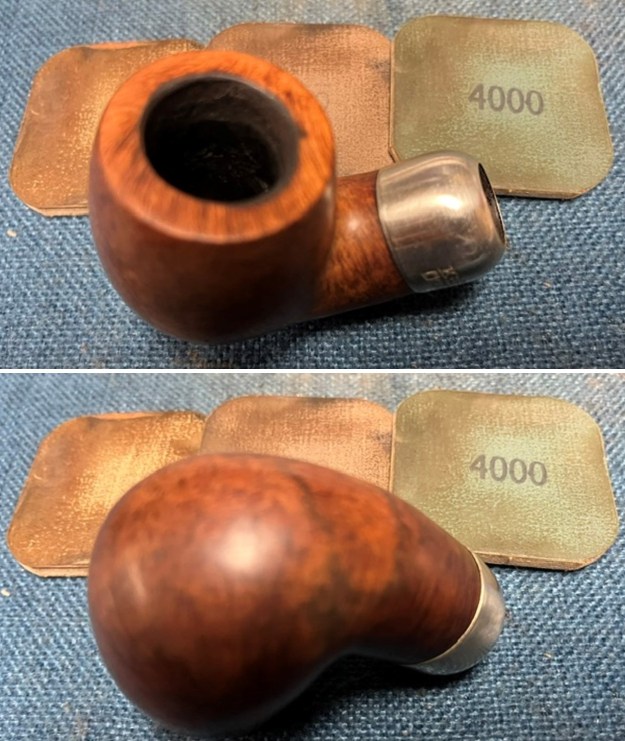
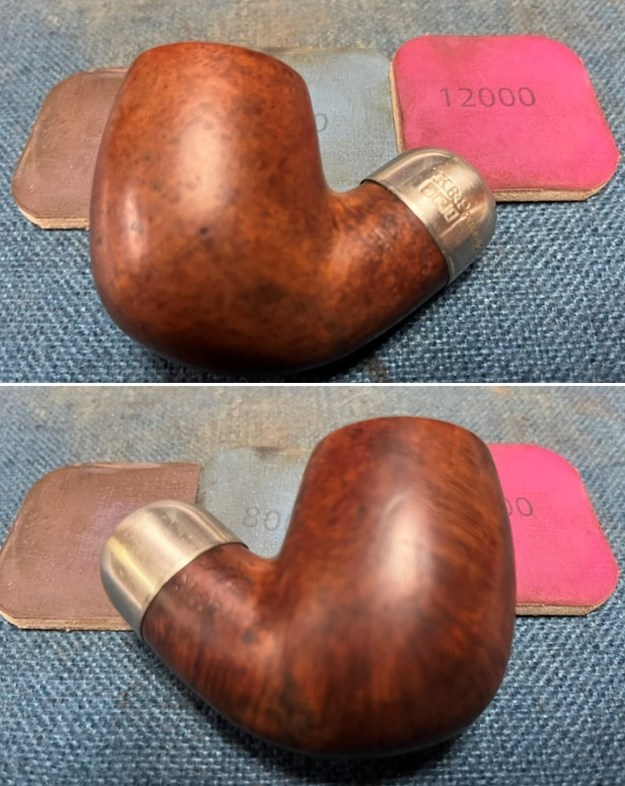
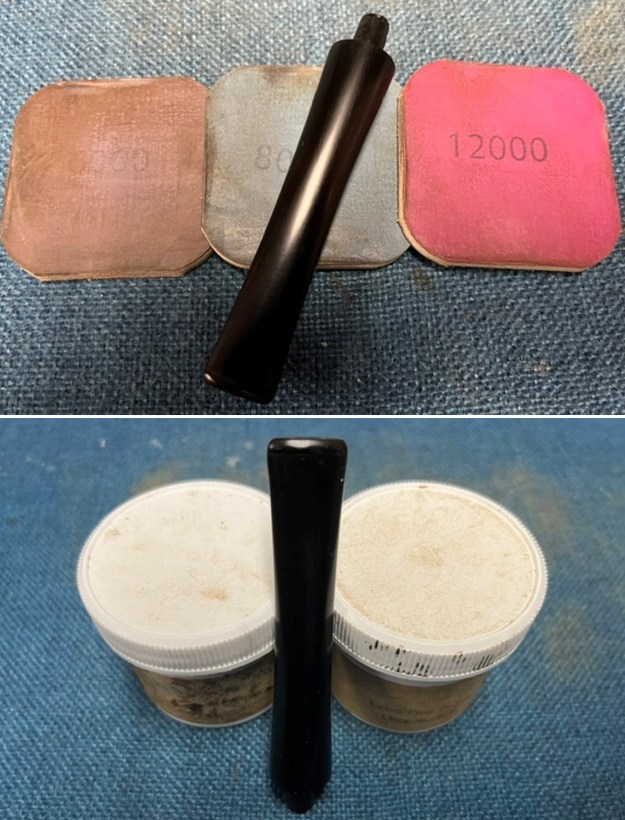
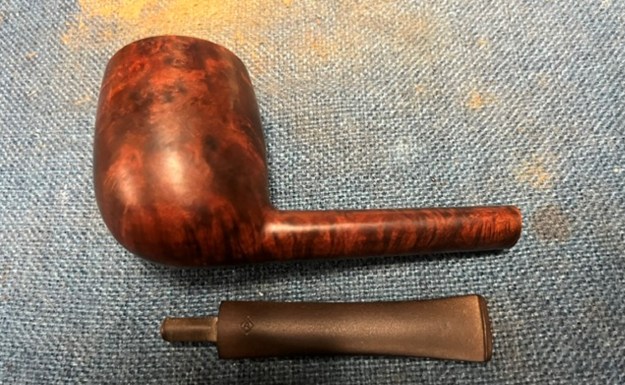
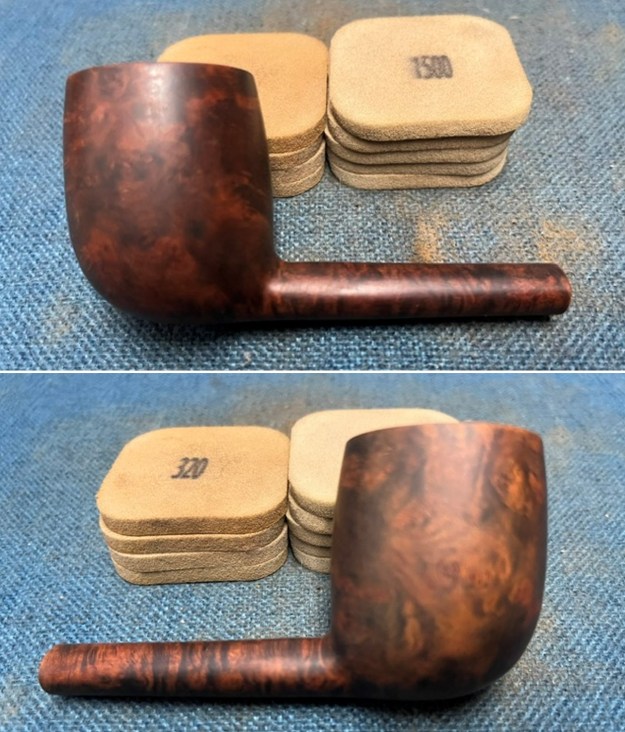
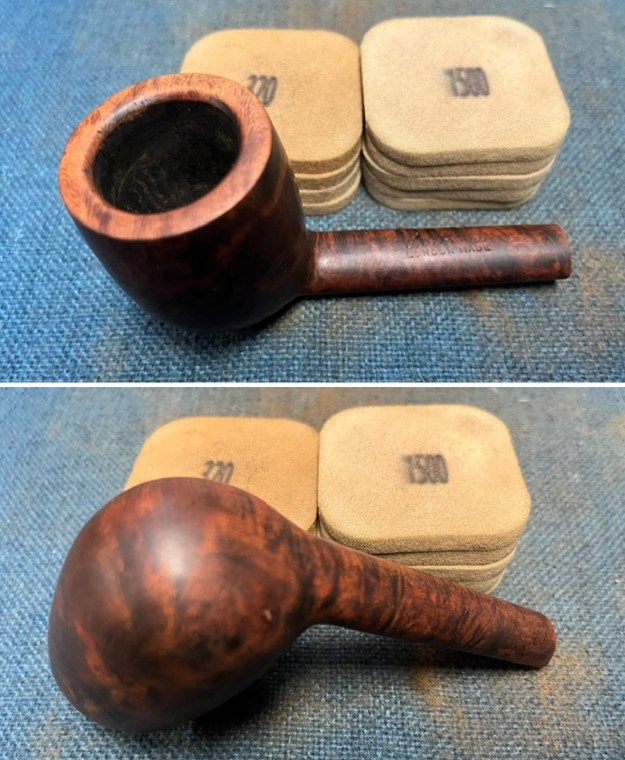
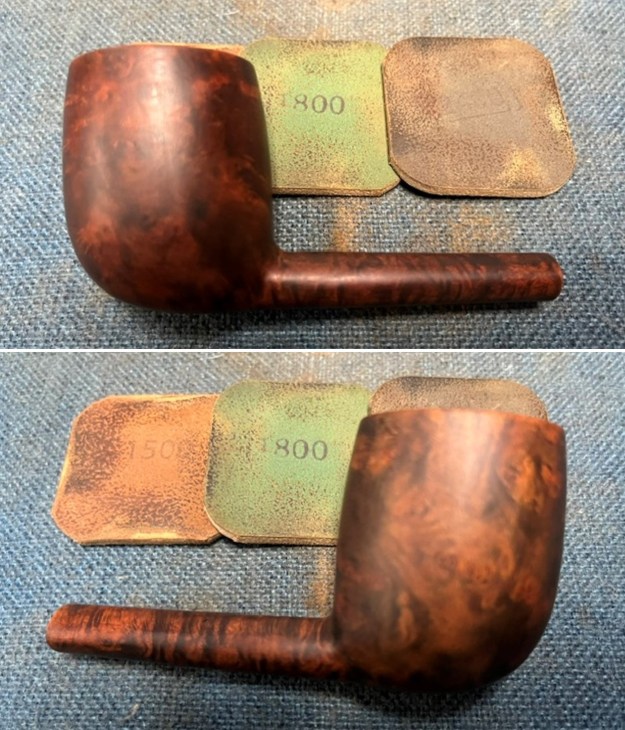
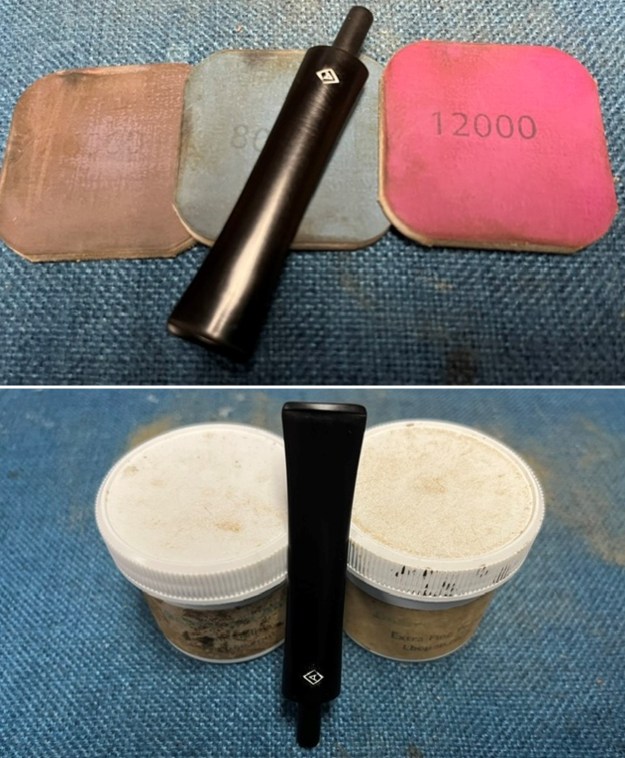
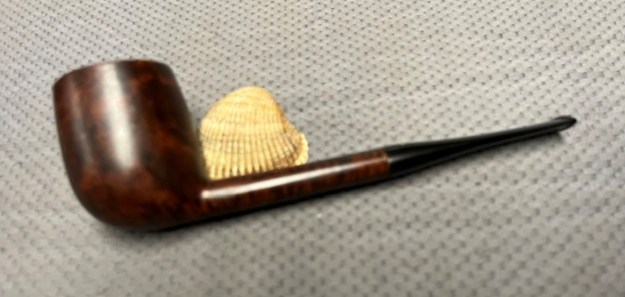
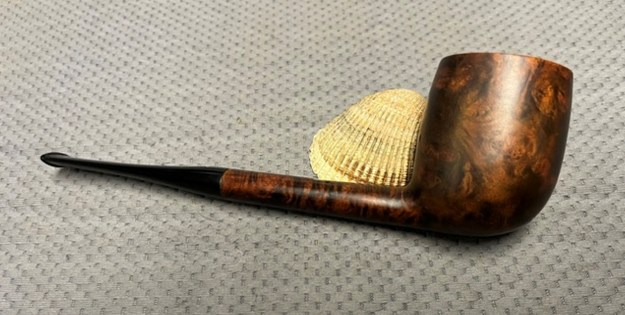
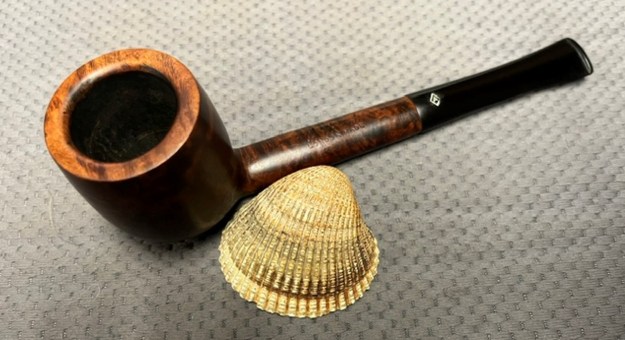
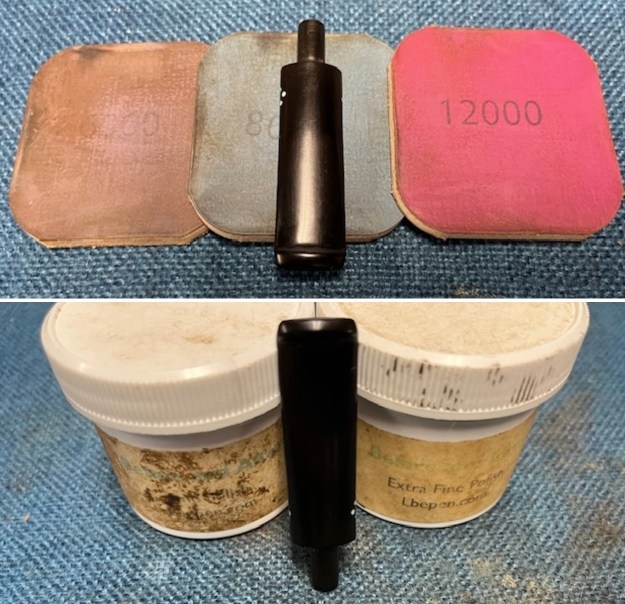
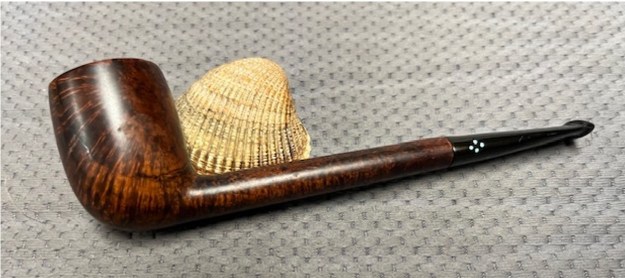
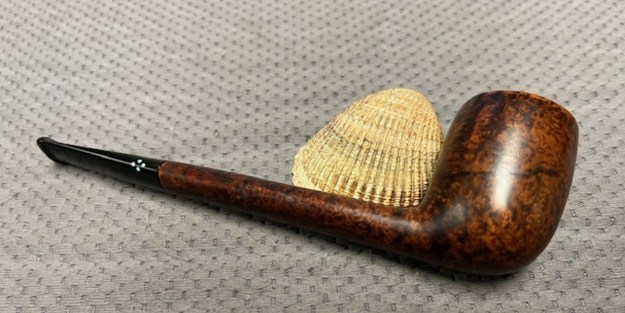
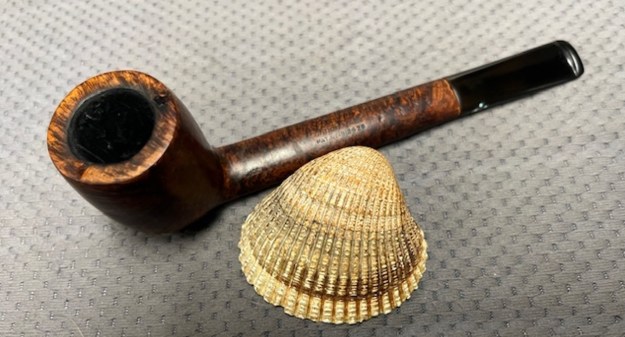
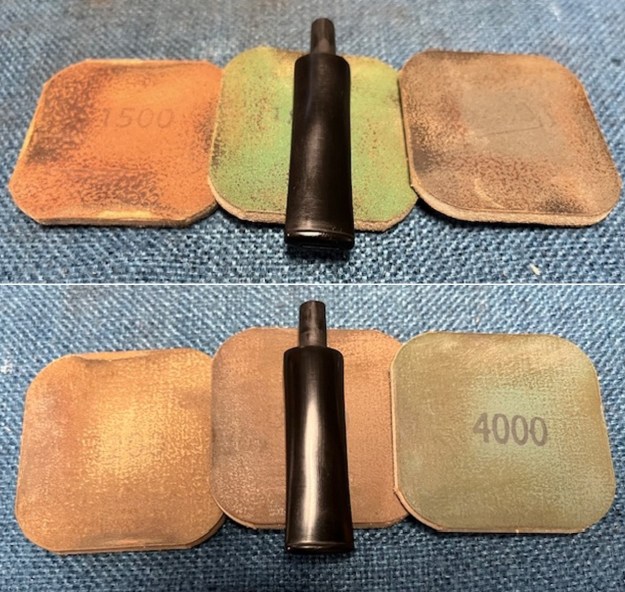
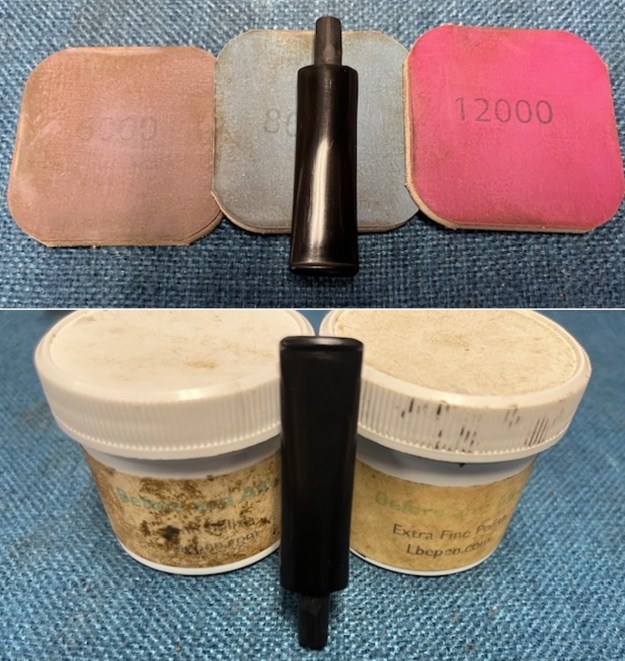
It was time to work on the pipe. As usual Jeff had done a thorough cleanup on the pipe. He reamed the bowl with a PipNet pipe reamer and a Savinelli Fitsall pipe knife to remove the cake. He scrubbed out the mortise and the airway in the shank and the stem with alcohol, cotton swabs, shank brushes and pipe cleaners. He scrubbed the exterior of the bowl, rim, shank and stem with a tooth brush and Murphy’s Oil Soap to remove the oils and tars on the rim and the grime on the finish of the bowl. He rinsed it under running water. He dried it off with a soft cloth. He soaked the stem in Before & After Deoxidizer and rinsed it off with warm water. He dried it with a soft cloth. The pipe looked good. I took a photo of the rim top and stem to show the condition. The finish on the rim top looked much better and had cleaned up well. The orange acrylic stem had some light tooth chatter and marks on both sides ahead of the button edges.The stamping on the sides of the shank is clear and readable as noted above. The logo on the left side of the saddle stem is clear and the white acrylic in the stem is in good condition. I removed the stem from the shank and took a photo of the pipe to give a sense of the whole. It is a nice-looking Lovat and should clean up very well.I sanded the bowl with 320-3500 grit 2×2 inch sanding pads to remove the scratching on the sides of the bowl and shank. I wiped the bowl down with a damp cloth after each sanding pad to remove the sanding debris. I polished the briar with 1500-12000 grit micromesh sanding pads to further remove the marks in the finish and to deepen the shine. I wiped it down with a damp cloth after each sanding pad to remove the debris. It looked much better. I worked some Before & After Restoration Balm into the surface of the briar with my finger tips. The product is incredible and the way it brings the grain to the fore is unique. It works to clean, protect and invigorate the wood. I set the bowl aside and turned my attention to the stem. I sanded the stem with 320-3500 grit 2×2 inch sanding pads to remove the chatter and tooth marks. I wiped the stem down after each sanding pads with an Obsidian Oil cloth. It looked much better. I polished the stem with micromesh sanding pads – dry sanding it 1500-12000 pads. I wiped it down with Obsidian after each pad to remove the dust and polishing debris. I polished it with Before After Pipe Polish – both Fine and Extra Fine. I gave it another coat of Obsidian Oil. This richly finished, large bowled House of Lords Ambassador London Made 213 Lovat with an orange, acrylic saddle stem is in great condition. The briar is clean and really came alive. The rich brown stains gave the grain a sense of depth with the polishing and waxing. I put the stem back on the bowl and carefully buffed the pipe with Blue Diamond on the buffing wheel using a light touch on the briar. I gave the bowl and the stem multiple coats of carnauba wax on the buffing wheel. I buffed the pipe with a clean buffing pad to raise the shine. I hand buffed the pipe with a microfiber cloth to deepen the shine. The finished House of Lords Ambassador London Made 213 Lovat is a beauty and feels great in the hand and looks very good. Give the finished pipe a look in the photos below. The dimensions of the pipe are Length: 5 inches, Height: 1 ¾ inches, Outside diameter of the bowl: 1 ¼ inches, Chamber diameter: ¾ of an inch. The weight is 1.27 ounces/36 grams. Thanks for reading this blog and my reflections on the pipe while I worked on it. I will be putting it on the rebornpipes store in the British Pipe Makers Section. If you are interested in adding it to your collection let me know. Thanks for following the blog on this restoration.

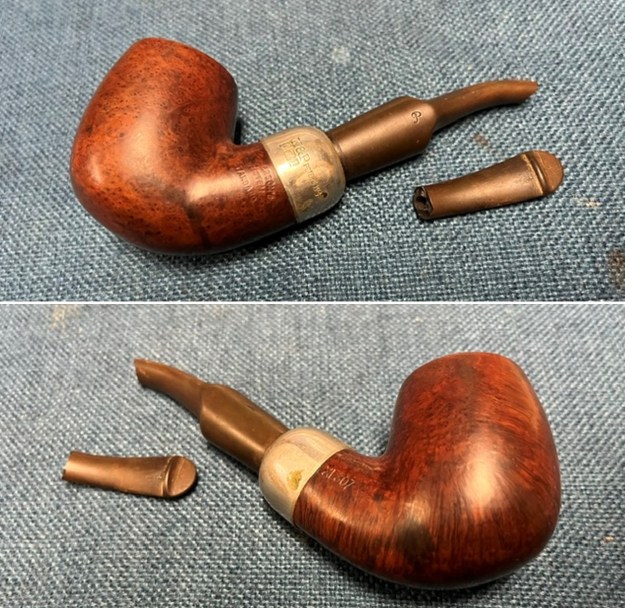
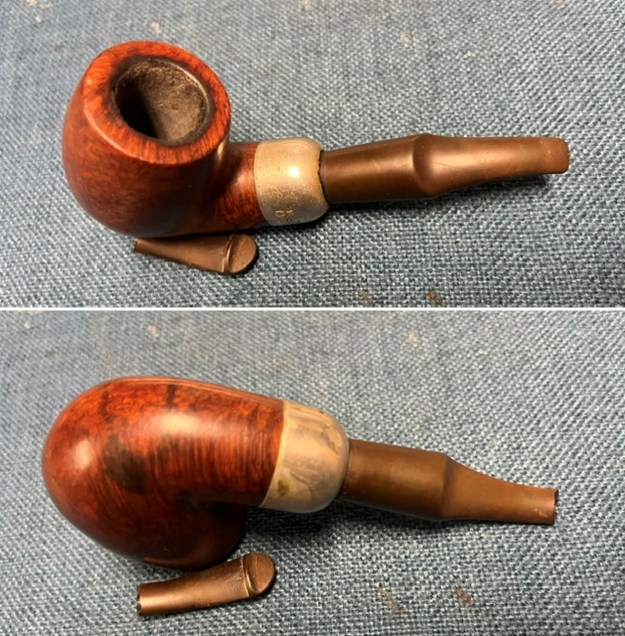
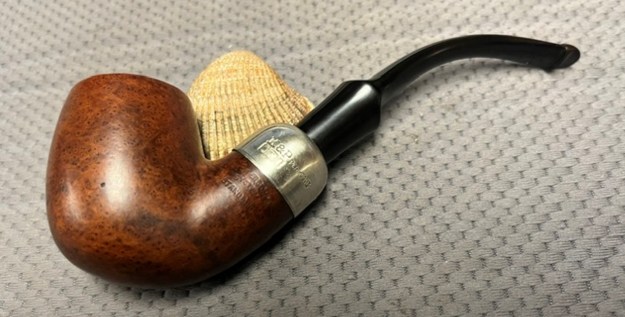
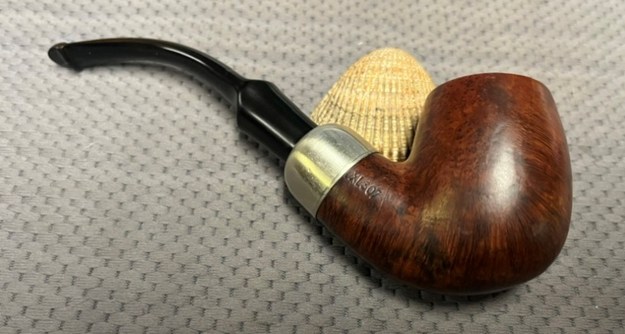
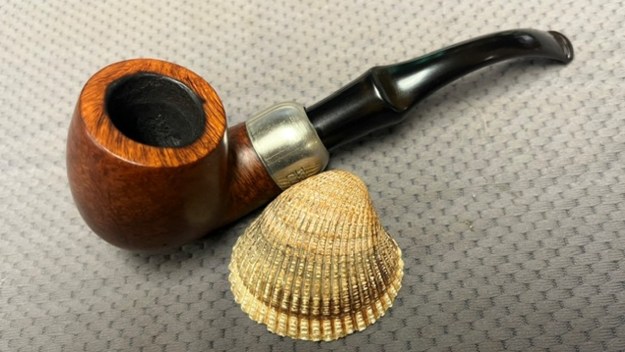
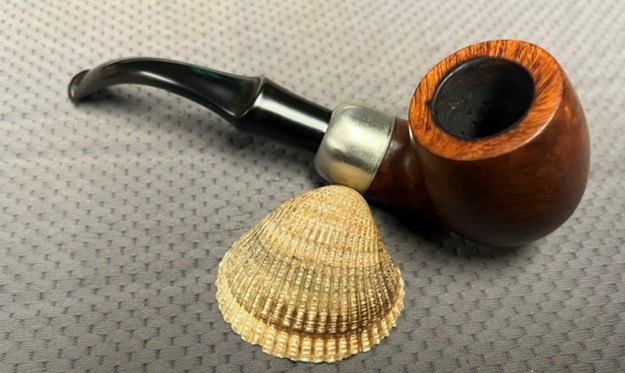
Restoring and Replacing a Broken Stem on a Republic Era Peterson’s System Standard XL307


by Steve Laug

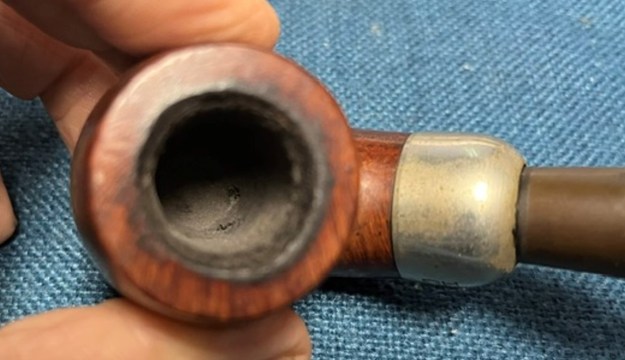
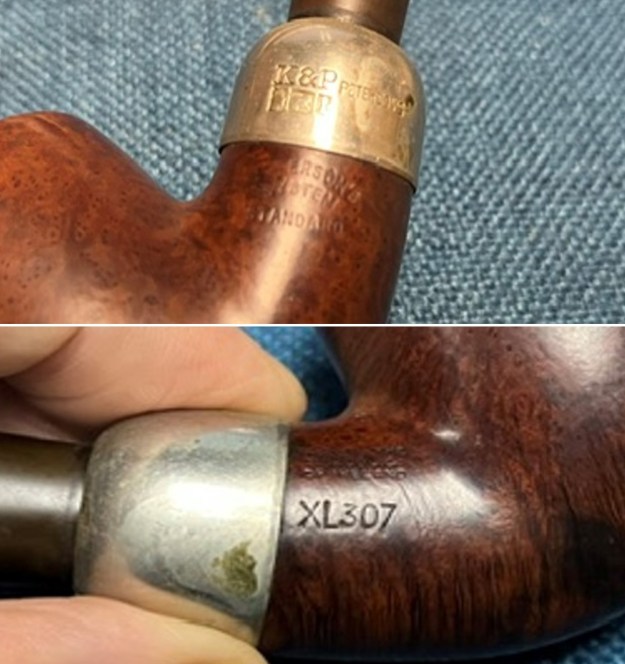
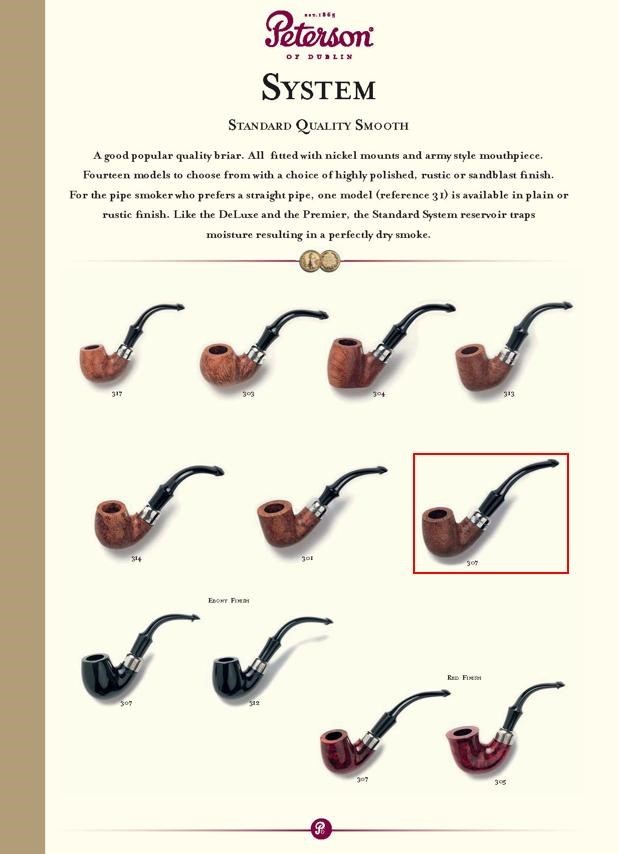
The next pipe on the work table is Peterson’s System pipe that a reader, Don sent to me to work on. It was stamped Peterson’s [arched over] System [arched over] Standard on the underside side of the shank in a smooth panel. It was stamped Peterson’s [over] System [over] Standard. On the right side it is stamped Made in the Republic of Ireland (in three lines) [over] the shape number XL307. It has a a great looking smooth bowl with some nice grain around the bowl and shank that is dirty with ground in oils, debris and grime. There was a moderate cake in the bowl and a light lava overflow and darkening on the rim top. There was a very beautiful pipe underneath all of the buildup of years of use. The nickel ferrule on the shank end was oxidized and is stamped on the left side K&P [over] three faux hallmarks. That is followed by Petersons. It is not dented or damaged. The stem was broken midway between the button and the saddle. I would need to restem it with a proper stem in the process of my work. I took photos of the bowl and rim top to show the cake in the bowl and the light lava build up on the top of the rim and the edges of the bowl. The rim top and edges look very good. Only clean up would tell the full story.I took photos of the stamping on the sides of the bowl and shank. The stamping was faint in spots but readable as you can see from the photos. It read as noted above. The nickel ferrule on the shank end is stamped on the top and left side K&P Peterson’s over three Peterson marks used on nickel ferrules.I have included the information on the shape number on this pipe that I picked up on researching the previous pipes. This is the second of two Peterson’s System Standard pipes in Bob’s collection marked with the 307 shape number. I have included a page from a Petersons Catalogue that I have on rebornpipes (https://rebornpipes.com/tag/peterson-hallmark-chart/). I have put a red box around the 307 shown in the catalogue page shown below. That should give a clear picture of the size and shape of the pipe. I am also including the information from Pipedia’s article on Peterson pipes. It is a great read in terms of the history of the brand (https://pipedia.org/wiki/Peterson). I have included a bit of the pertinent history here.

1950 – 1989 The Republic Era – From 1950 to the present time, the stamp for this era is “Made in the Republic of Ireland” in a block format generally in three lines but two lines have been used with or without Republic being abbreviated.

During the 1950’s and 60’s the Kapp & Peterson company was still in the ownership of the Kapp family. However 1964 saw the retiral of the company Managing Director Frederick Henry(Harry) Kapp.

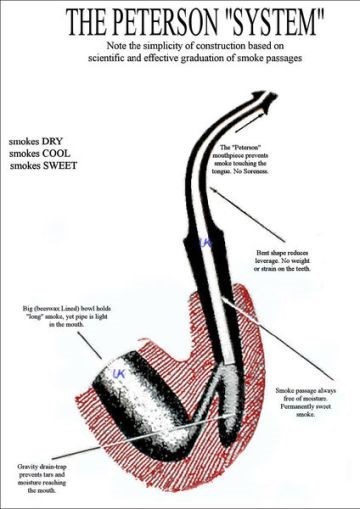
Pipedia also included a section of information on the System pipes including a diagram of the systems look (https://pipedia.org/wiki/Peterson#Republic_Era_Pipes). I quote a section of the article in part and include a link to another article on Pipedia on the System pipe.

The Peterson System pipes are the standard bearers of the Peterson pipe family, famous for the excellent smoking pleasure they provide. Often imitated but never equaled, the Peterson System smokes dry, cool and sweet, thanks to the scientific effectiveness of the original design. The heart of the System is the unique graduated bore in the mouthpiece. This makes the suction applied by the smoker 15 times weaker by the time it reaches the tobacco chamber. The result is that all the moisture flows into the reservoir and, thus cannot reach the smoker’s mouth. The Peterson Lip further enhances the effectiveness of the graduated bore by directing the flow of smoke upwards and away from the tongue. This achieves a uniquely even distribution of smoke and virtually eliminates any chance of tonguebite or bitterness. Furthermore, the shape is contoured so that the tongue rests comfortably in the depression under the opening. Each “PLip” mouthpiece is made from Vulcanite. For the Peterson System pipes to work properly, the stem/tenon has to have an extension, the tip of which will pass by the draft hole from the bowl and into the sump. Upon the smoker drawing in smoke, this extension then directs the smoke down and around the sump to dispense a lot of the moisture before the smoke enters the extension and stem. On the System Standards and other less expensive systems, this extension with be made of Vulcanite turned integrally with the stem. On the more expensive System pipes this extension will be made of metal which screws into the Vulcanite stem. This extension on the earlier pipes will be of brass and the newer pipes will be of aluminium. Most smokers not knowing this function of the metal extension, assumes that it is a condenser/stinger and will remove it as they do with the metal condensers of Kaywoodie, etc. Should you have a System pipe with this metal extension, do not remove it for it will make the System function properly and give you a dryer smoke (https://pipedia.org/wiki/A_closer_look_at_the_famous_Peterson_Standard_System_Pipe).

With that information in hand I knew what I was dealing with in terms of the stamping and the age of this pipe. I knew from the information that the pipe was made during the Republic Era between 1950 and 1989. My guess is that the pipes is a 1960s era System pipe. Now it was time to work on the pipe.

I started with the bowl and reamed it with a PipNet pipe reamer and cleaned up the reaming with a Savinelli Fitsall Pipe Knife. I took the cake back to bare briar. I sanded the walls with 220 grit sandpaper wrapped around a piece of dowel. I scrubbed out the internals of the bowl, sump and shank with alcohol, pipe cleaners and cotton swabs until the pipe was clean. I also cleaned up the inside of the stem at the same time. It was ready for the rest of the restemming process.I scrubbed the exterior of the bowl with Murphy’s Oil Soap and a tooth brush to remove the grime and grit on the briar and the lava on the rim top. The finish looks very good with great looking grain around the bowl and shank. I sanded the bowl with 320-3500 grit 2×2 inch sanding pads to remove the scratches and dark marks in the briar. I worked over the bowl and shank with each pad and wiped it down after each pad with a damp cloth to remove the sanding dust. I polished the briar with 1500-12000 grit micromesh sanding pads – dry sanding with each pad and wiping it down after each one with a damp cloth. The briar began to take on a rich shine. I worked some Before & After Restoration Balm into the surface of the briar with my finger tips  to work it into the finish. The product is incredible and the way it brings the grain to the fore is unique. It works to clean, protect and invigorate the wood. I went through my stems and found one that was the right length diameter of the shank and the tenon. It was on older Peterson’s P-lip that I had here that fits these 307 pipes. It was oxidized and had light tooth marks but otherwise was a duplicate of the original. It did not have the P logo on the stem side.I sanded the stem with 320-1500 grit 2×2 inch sanding pads. I wiped the stem down after each sanding pad with an Obsidian Oil Cloth to remove the sanding dust. It began to look very good.I polished the stem with micromesh sanding pads – dry sanding with 1500-12000 grit pads. I wiped the stem down after each sanding pad with an Obsidian Oil Cloth. The stem began to take on a rich shine. Once again at this point in the restoration process I am excited to be on the homestretch. I look forward to the final look when the Republic Era Peterson System XL307 is put back together, polished and waxed. I put the bowl and the new stem back together. I polished the bowl and stem with Blue Diamond to polish out the scratches in the briar and the vulcanite. I gave the bowl and the stem multiple coats of carnauba wax. I buffed the pipe with a clean buffing pad to raise the shine. I hand buffed it with a microfiber cloth to deepen the shine. The pipe polished up pretty nicely. The shiny black vulcanite stem is a beautiful contrast to the browns of the bowl and nickel ferrule. This Peterson’s System Standard XL307 Bent Billiard was fun pipe to work on. It is a stunning piece of briar whose shape follows the flow of the briar. The finished pipe is shown in the photos below. The dimensions of the pipe are Length: 6 inches, Height: 2 inches, Outside diameter of the bowl: 1 ¼ inches, Chamber diameter: ¾ of an inch. The weight of the pipe is 2.12 ounces/59 grams. I will be putting it on the rebornpipes store in the Irish Pipemakers Section if you would like to add it to your rack and carry on the previous pipeman’s legacy. This is an interesting estate to bring back to life.

As always, I encourage your questions and comments as you read the blog. Thanks to each of you who are reading this blog. Remember we are not pipe owners; we are pipe men and women who hold our pipes in trust until they pass on into the trust of those who follow us.

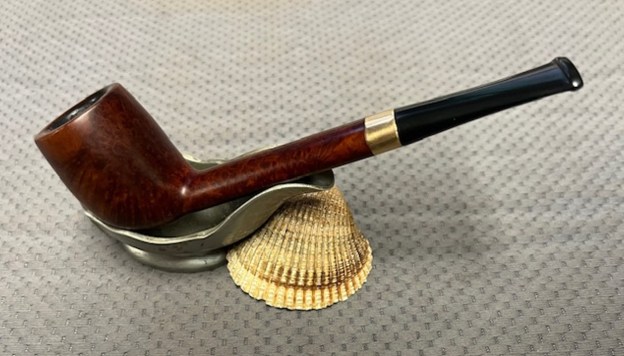
Restoring and Restemming a Stanwell Regd. No. 969-48 Old Briar 858 Billiard


by Steve Laug

Not too long ago I received an email from a Andrew in Greece asking if I could work on some pipes for him. He had some that needed a stem and a couple of pipes with broken stems and a Canadian that had a crack down the back of the bowl and across the right side. We emailed back and forth and he sent me the following photos. I figured they would be some interesting pipes to work on so he sent them to me to work on. I received the box yesterday. When I opened it this morning I was amazed to see what he had sent. The Sandblast Canadian that needed restemming was stamped 264 Peterson’s Kapruf. The rest of the stamping was quite faint. The pipe needed to be restemmed and it had a small divot in the shank end and what looked like a crack. The second, a smooth Canadian was a BBB Ultonia 504 with a gold band. The two Sandblast with broken stems turned out to be Stanwells. The larger on is stamped Stanwell [over] Regd. No. 969-48. It is followed by the shape number 858 [over] Old Briar. The smaller one is stamped Stanwell [over] Regd. No. 969-48 followed by de Luxe followed by the shape number 87. The last of the five with the cracked bowl is an 8 Dot Sasieni [over] London Made [over] Pat. No. 1513428. It was also stamped “Amesbury”. They were going to be an interesting lot to work on.

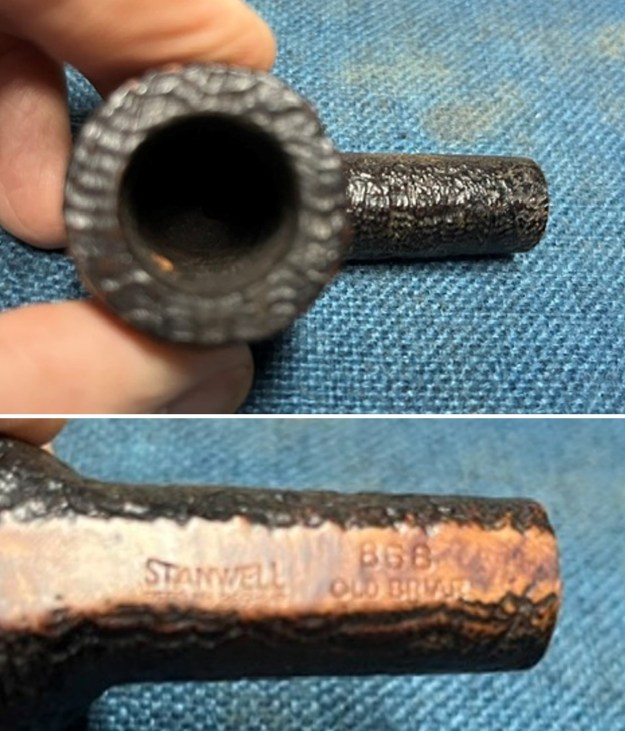
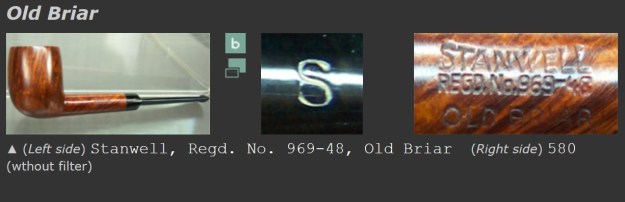
The final pipe I had left to deal with was the larger Stanwell Old Briar 858 billiard next. It was in decent condition, probably the best of the lot. The stamping on the shank read Stanwell [over] Regd. No. 969-48 followed by Old Briar [over] the shape number 858. It was clear and readable. The sandblast finish was nice but dirty. The bowl had a light cake in it and there were spots of lava on the rim top and inner edge. The inner edge was in excellent condition with no damage. The interior of the shank was quite dirty. I took a photo of the bowl and rim top to show the condition of them bowl. The lava on the rim top was in the sandblast. The inner edge looked very good. I also took a photo of the underside of the shank to show the faint stamping that was present. It is faint in spots but is still readable.I turned to do a bit of research on the Stanwell Old Briar line first to Pipephil’s site and found a listing there with a photo of the stamping (http://www.pipephil.eu/logos/en/logo-stanwell.html). I included the sidebar information below the scan.Logo without crown. The “Regd. No.” stamping discontinued in late 1960s to very early 1970s.

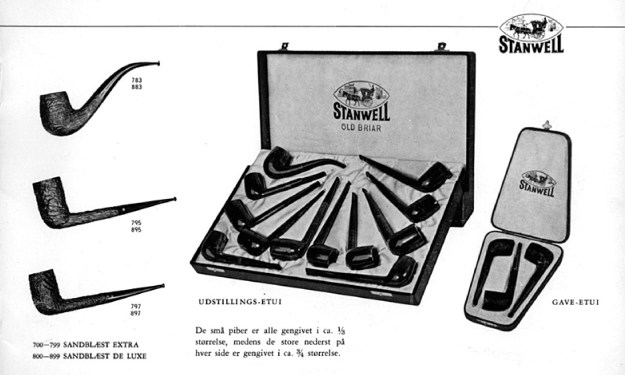
I know that Pipedia has some great history (https://pipedia.org/wiki/Stanwell) on the brand so I turned there hoping to see the Old Briar. There were several examples of the Old Briar line shown on the site and references to it appearing in both a 1960s and 70s catalogue. I turned to an offsite catalogue from the 1970s and scrolled through until the page I am including below that show the Old Briar Line(https://files.homepagemodules.de/b169807/f122t2475p9130n1.pdf). It also states that the 800-899 shape numbers included the Sandblast De Luxe which includes the shape 858 Billiard that I am working on.I knew that the pipe I had in hand was pipe a robust Sandblast De Luxe 858 Billiard. With the Regd. No. on the shank, the pipe was made in the period between 1948 and 1960.

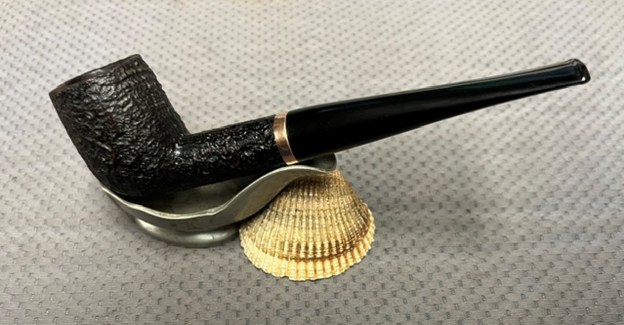
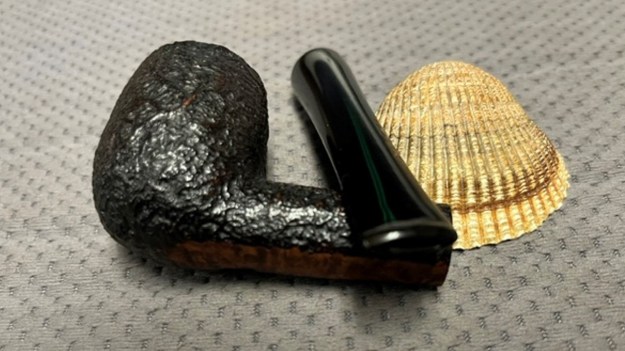
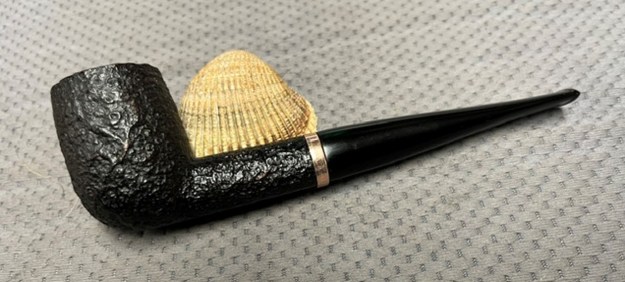
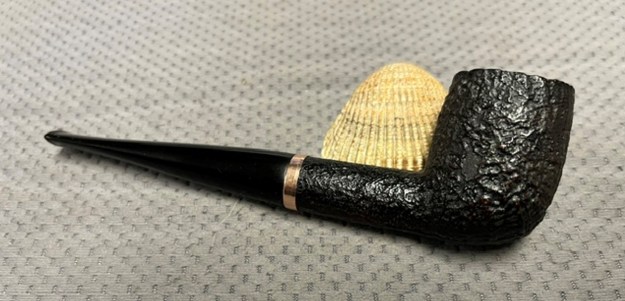
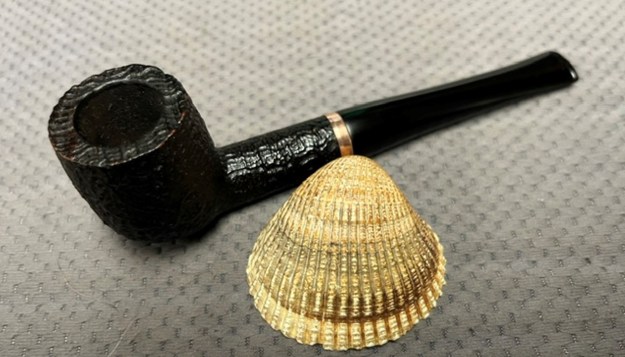
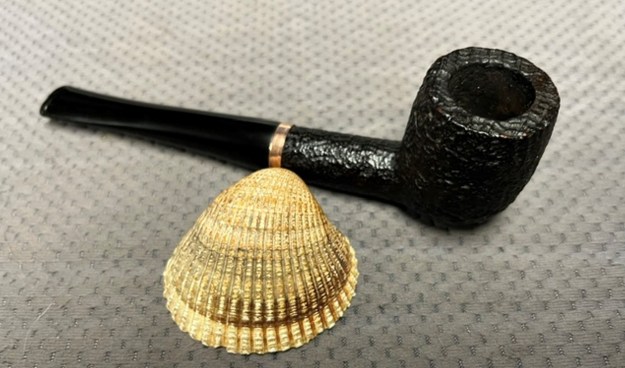
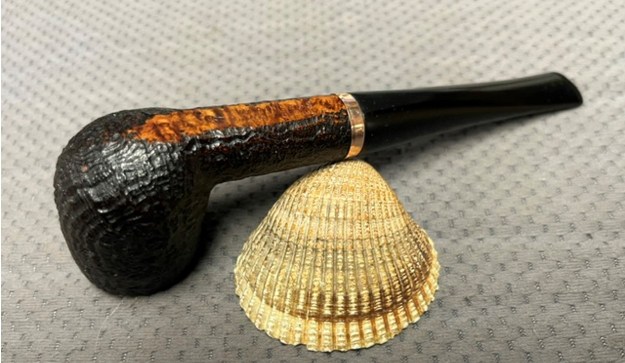
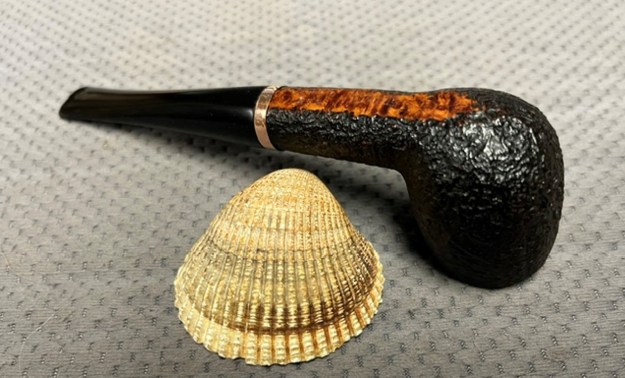
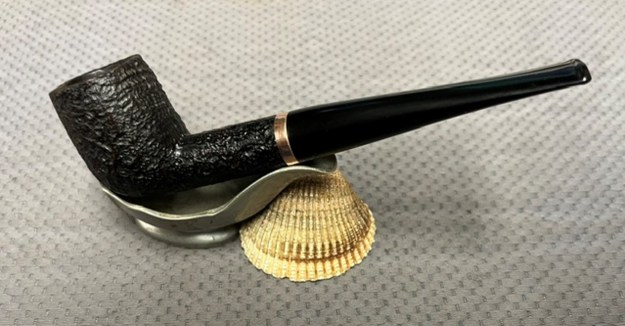
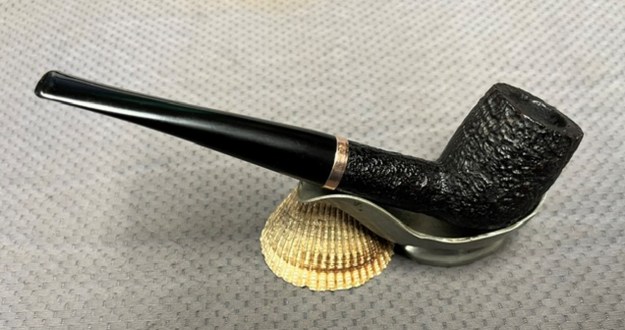
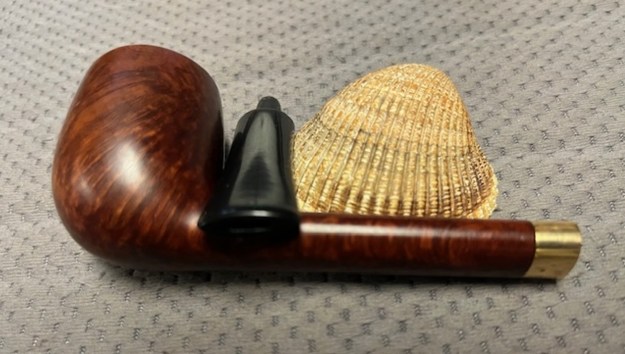
Now it was time to work on the pipe.  I started my work on the pipe by reaming it with a Savinelli Fitsall Pipe Knife. I cleaned the lava built up on the rim top with a brass bristle wire brush. I sanded the bowl walls with 220 grit sandpaper wrapped around a dowel to clean up the remaining bits. It looked much better after the clean up. I cleaned out the internals of the shank and bowl with pipe cleaners – regular and bristle and isopropyl alcohol. The pipe is very clean. I like it clean to make a better fit for new stem. I cleaned out the airway in the stem I had chosen with pipe cleaners and alcohol. I worked some Before & After Restoration Balm into the surface of the briar with my finger tips and a shoe brush to work it into the sandblast. The product is incredible and the way it brings the grain to the fore is unique. It works to clean, protect and invigorate the wood. I went through my stems and found one that was the right length and would need some slight adjusting to fit the diameter of the shank and the tenon.I used a Dremel and sanding drum along with a folded piece of 220 grit sandpaper to shape and rework the stem and tenon to fit the shank end. Once I was finished with the reshaping of the stem I put it in the shank and took photos of the look of the stem.I sanded the stem with 320-1500 grit 2×2 inch sanding pads. I wiped the stem down after each sanding pad with an Obsidian Oil Cloth to remove the sanding dust. It began to look very good. I polished the stem with micromesh sanding pads – dry sanding with 1500-12000 grit pads. I wiped the stem down after each sanding pad with an Obsidian Oil Cloth. The stem began to take on a rich shine. This Stanwell Regd. No. 969-48 Old Briar Sandblast 858 Billiard with a new vulcanite taper stem is a great looking pipe now that it has been restemmed and restored. The beautiful sandblast on the briar shines through the polished finish is stunning. I put the stem back on the bowl and carefully buffed the pipe with Blue Diamond on the buffing wheel. I gave the bowl and the stem multiple coats of carnauba wax on the buffing wheel and followed that by buffing the entire pipe with a clean buffing pad. I hand buffed the pipe with a microfiber cloth to deepen the shine. The finished Stanwell Regd. No 969-48 Old Briar 858 Billiard fits nicely in the hand and feels great. Give the finished pipe a look in the photos below. The dimensions of the pipe are Length: 6 inches, Height: 1 ½ inches, Outside diameter of the bowl: 1 ¼ inches, Chamber diameter: ¾ of an inch. The weight of the pipe is 35 grams/1.23 ounces. It is a beautiful pipe and the last of the five pipes that Andrew sent me. Once I am finished with it, the lot they will be heading back to Greece. Thanks for walking through the restoration with me as I worked over this pipe. Thanks to each of you who are reading this blog. On a lark, I slipped a thin brass band on the shank just to see what it would look like. I figured it would give it a great, distinguished look. It was not needed so it was solely for decorative purposes. I sent picture of the pipe with and without the band to Andrew and he liked it as much as I did. With that in mind, I glued the band in place on the shank and let cure. I took photos of it once it was finished.

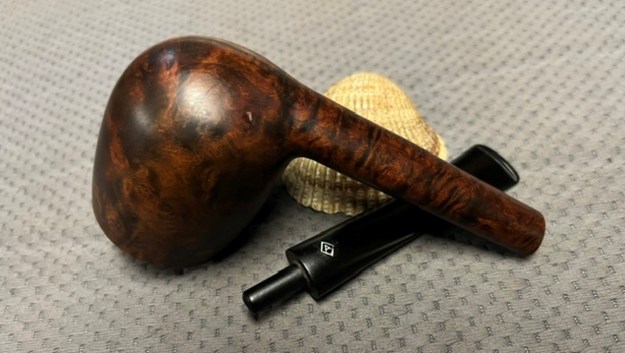
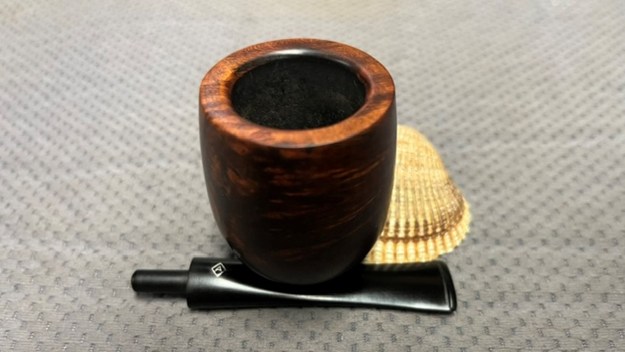
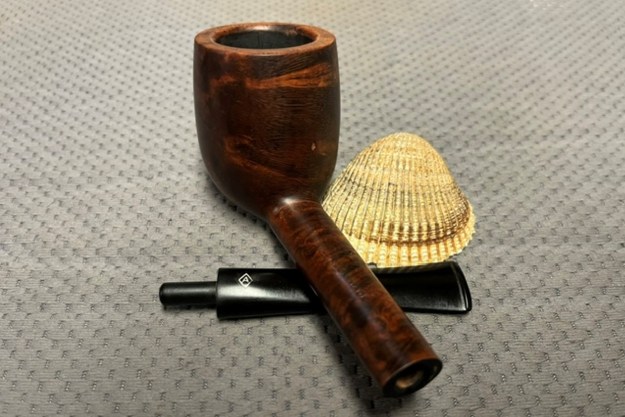
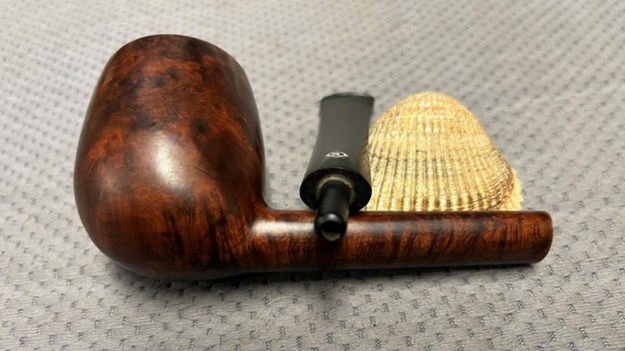
Restoring a Large bowl Aristocrat London Made oval shank Billiard


by Steve Laug

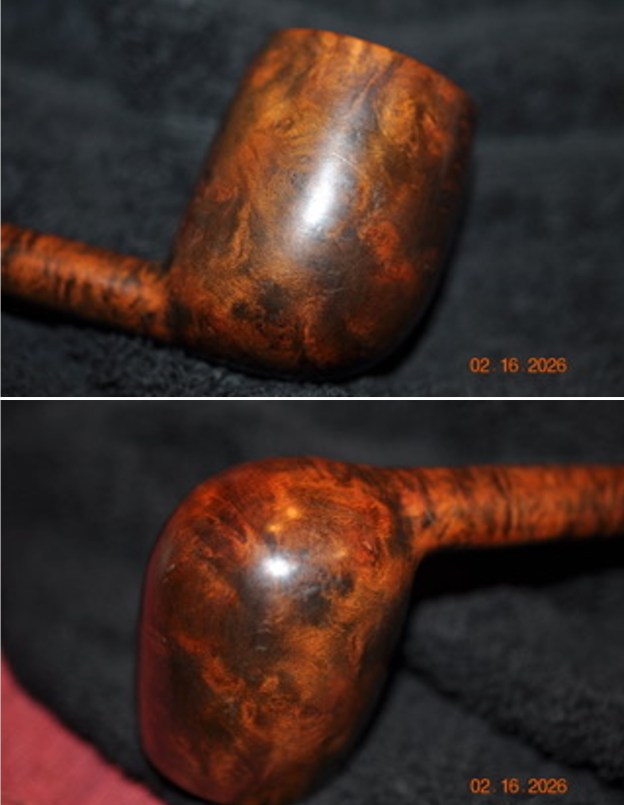
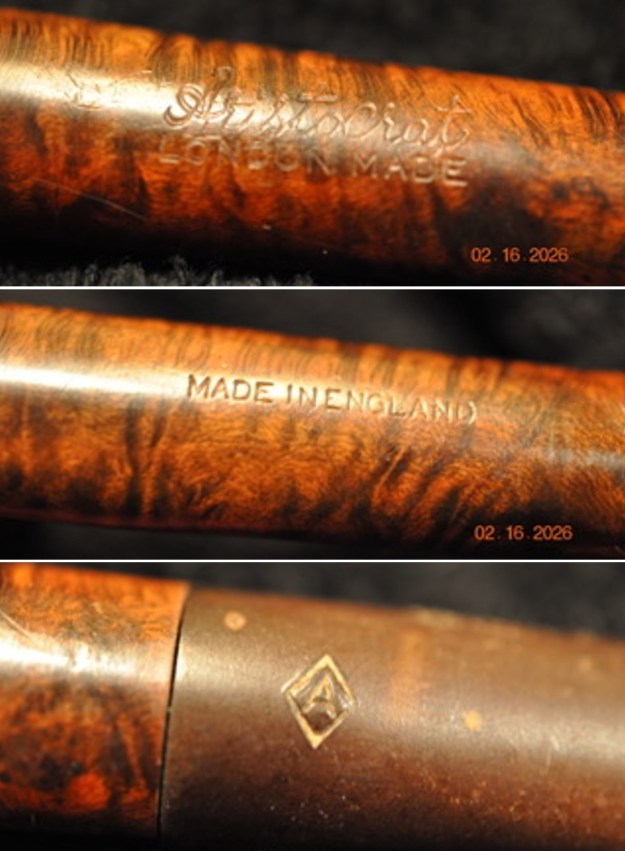
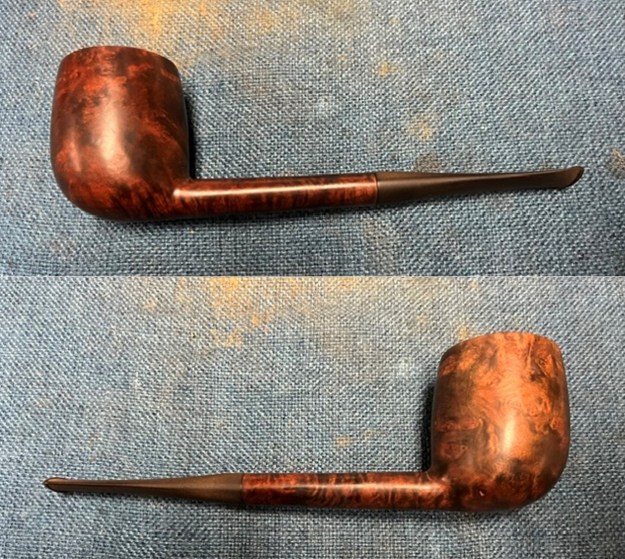
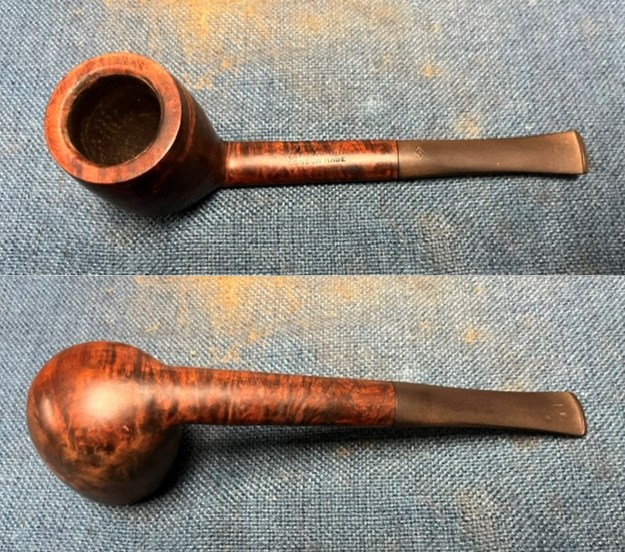
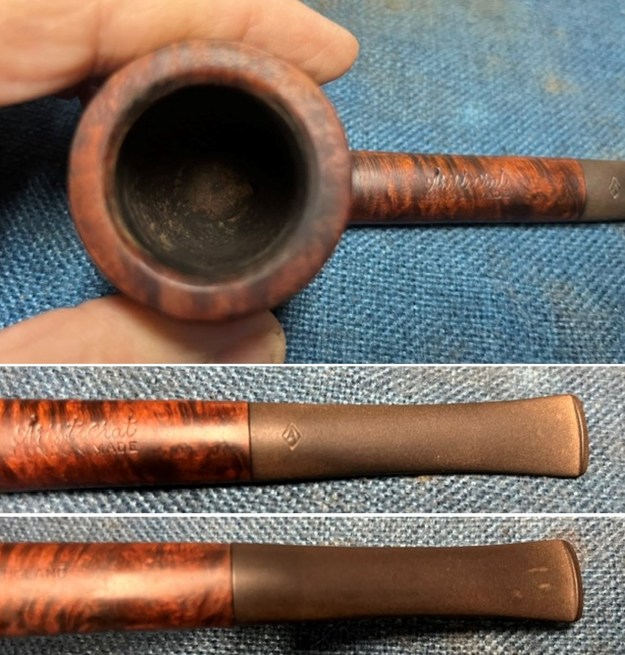
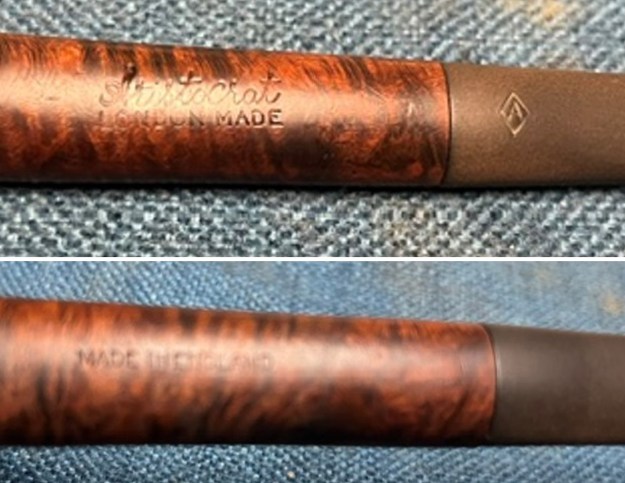
This large, smooth large bowled oval shank Billiard pipe was purchased on 01/20/2026 from a Facebook seller in Quaker Town, Pennsylvania, USA. It really is a beautifully grained large Billiard with a rich smooth finish.  The stem is an oval vulcanite taper stem. The bowl is stained with a contrast of browns that give depth to the grain around the bowl and shank. It is stamped on the topside of the shank and reads Aristocrat in script [over] London Made. On the underside it is stamped Made In England. The bowl had a thick cake with an overflow of lava on the inner bevel and the rim top – heavier toward the back-left side of the bowl. There was grime ground into the finish which left the look quite dull. The taper stem has a Diamond A the topside. It was oxidized and had light tooth marks and chatter on both sides of the stem ahead of the button. Jeff took photos of the pipe before he started his work on it. He took photos of the rim top to show the condition of the top and edges of the bowl. It is dull and has the lava in the rusticated surface of the rim. It is uniquely a beautiful pipe. The stem had oxidation, light tooth marks and chatter on both sides ahead of the button. He took photos of the sides and heel of the bowl to show the finish around the bowl and the condition of the pipe. You can see the grime ground into the surface of the briar. The stain combination really makes the grain stand out. I look forward to seeing it once it is clean and polished. He took photos of the stamping on the sides of the shank. It is clear and readable as noted above. The Diamond A stamp on the top of the stem is also clear and readable.In search of the origins of the Aristocrat, I first look in my autographed copy of Herb Wilczak & Tom Colwell’s, “Who Made That Pipe?” dated 3/3/97.  Tom Colwell’s gifting of this book to “Bruce” is in April of 2001, concluding with his signature.  There were several listings for ‘Aristocrat’ but only two fell within the correct UK parameters:
John Redman/Kapp & Peterson – ENGL
Comoy’s / Harmon Bros. LTD – ENGLPipedia’s entry for the John Redman Co. does not include much information.  I researched this company before as being the probable English manufacturer of pipes stamped with Boston’s Tobacconist Shop, L.J. Peretti name (see: A Christmas Gift in need of a stem splice – L J Peretti Squared Shank Billiard). This restoration started a fun hobby of collecting L.J. Peretti pipes and selling many too! Here is the information. John Redman Ltd. and British Empire Pipe Co.

Other lines include Aristocrat, Buckingham, Buckingham Palace, Canberra, Captain Fortune, Dr John, Golden Square, Redonian, Richmond (not Sasieni), Twin Bore.

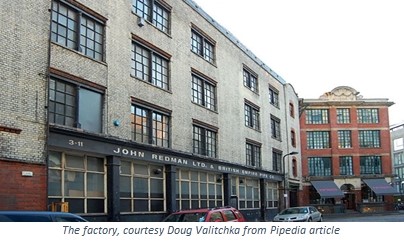
Former factory located at 3-11 Westland Place, Hackney, London N1 7LP

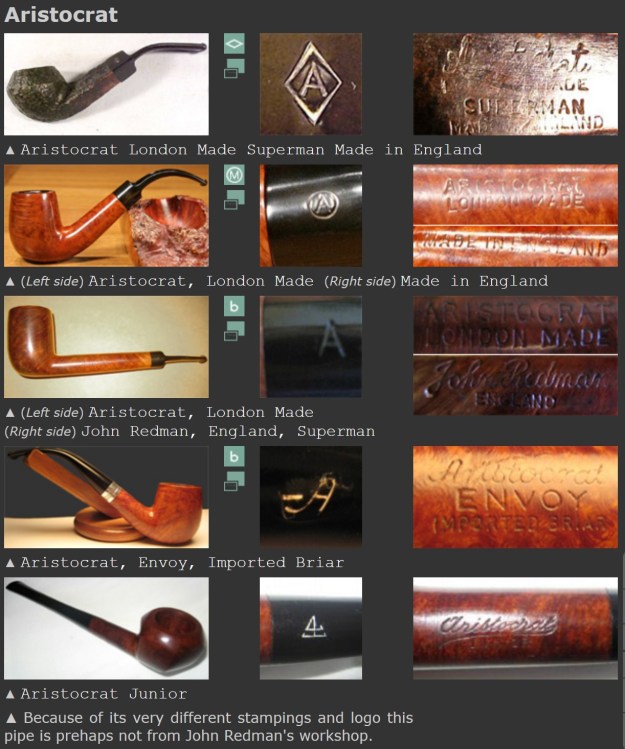
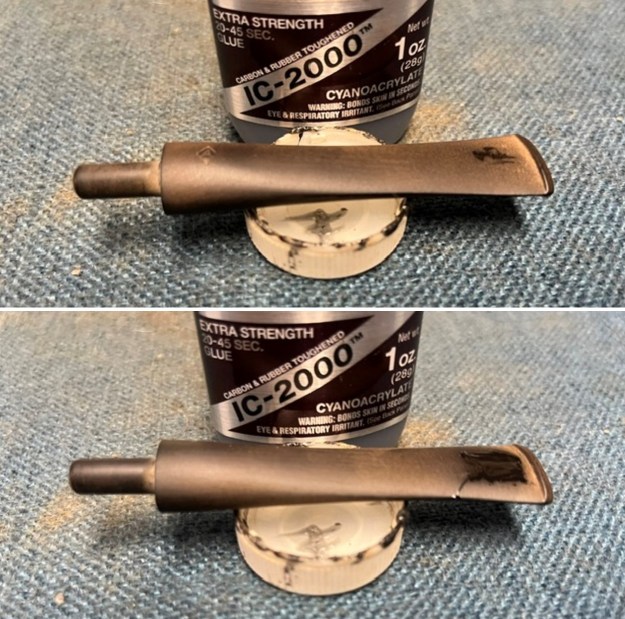
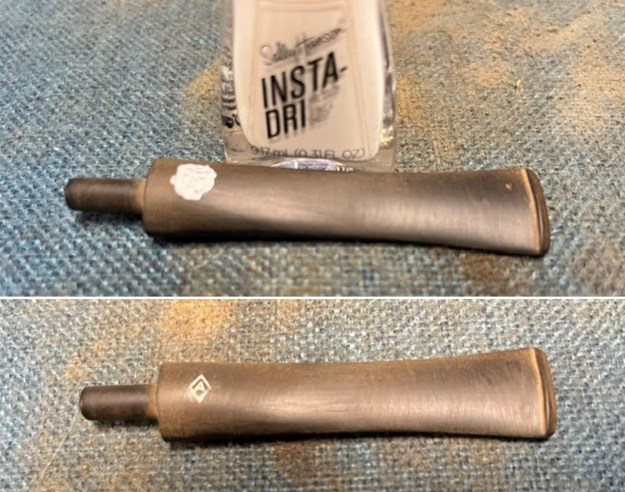
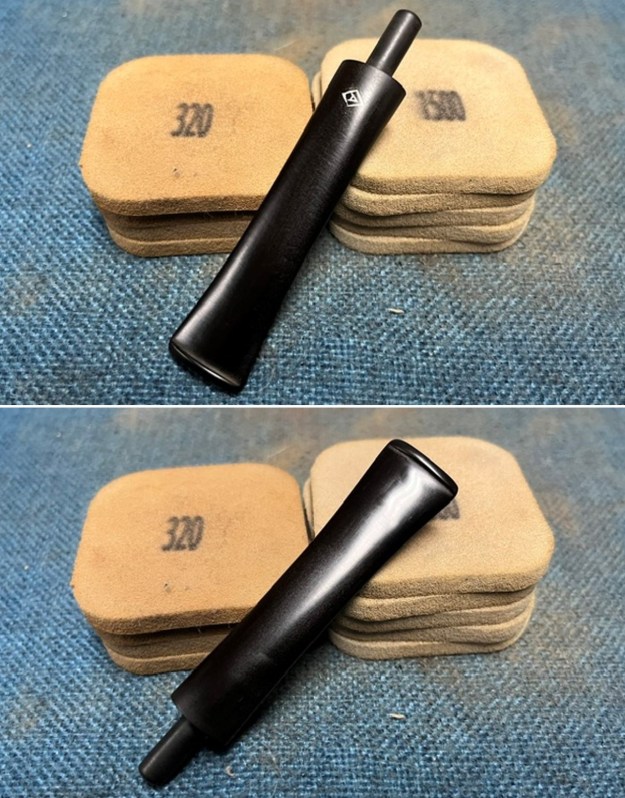
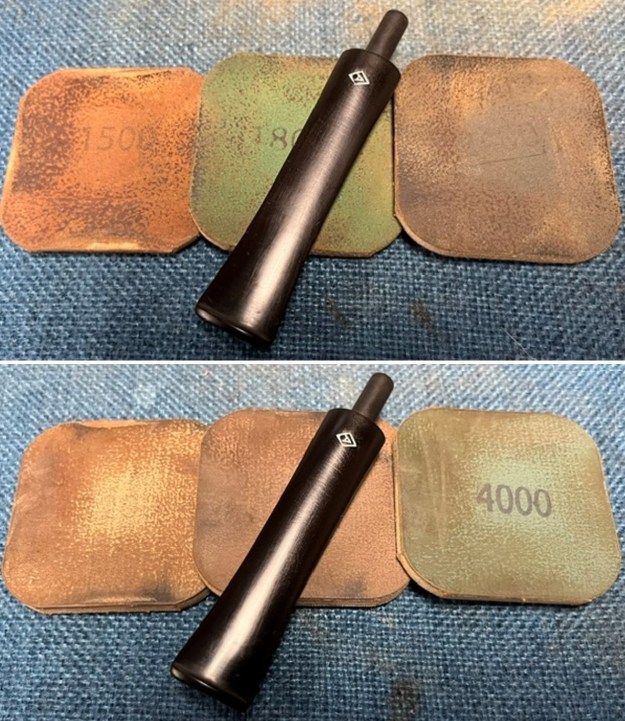
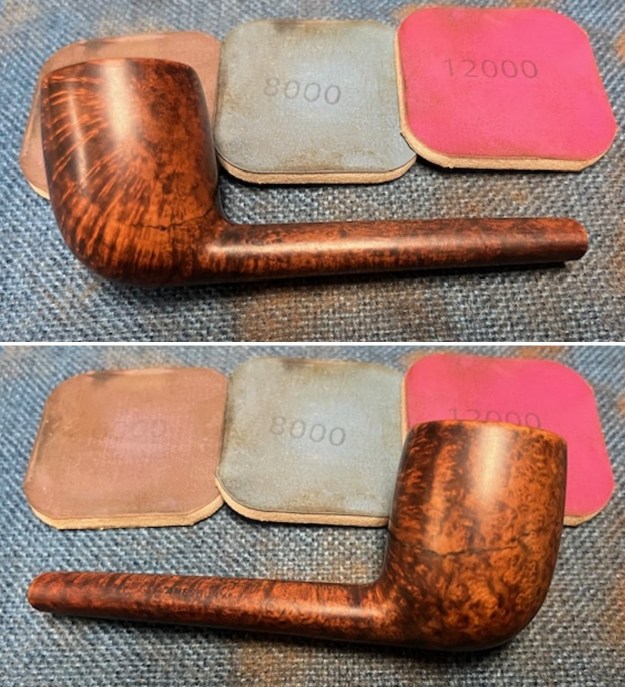
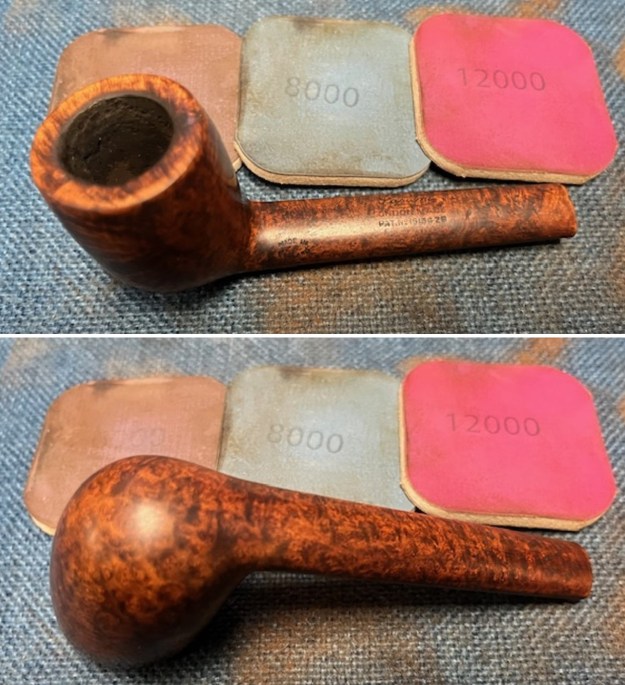
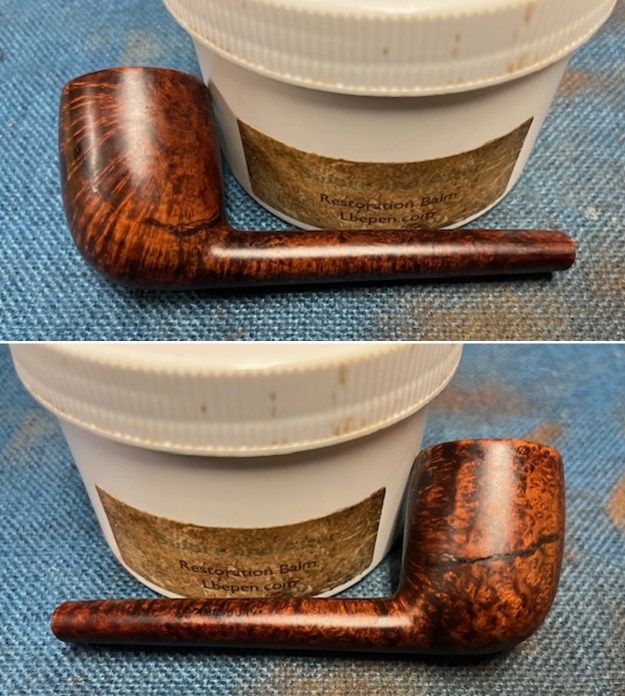
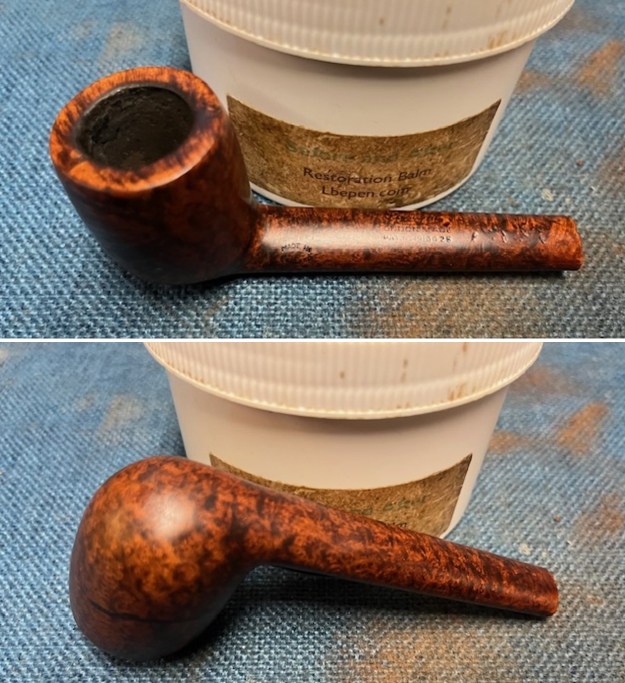
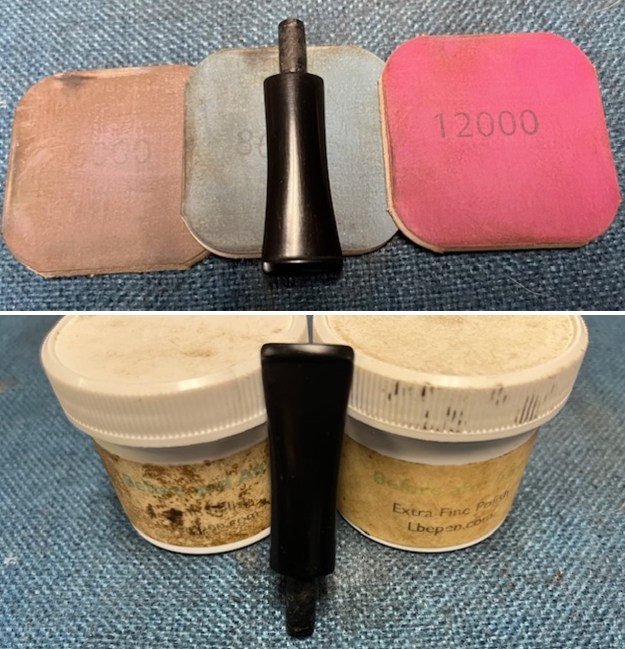
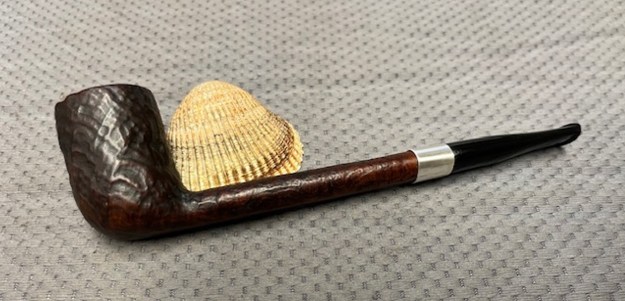
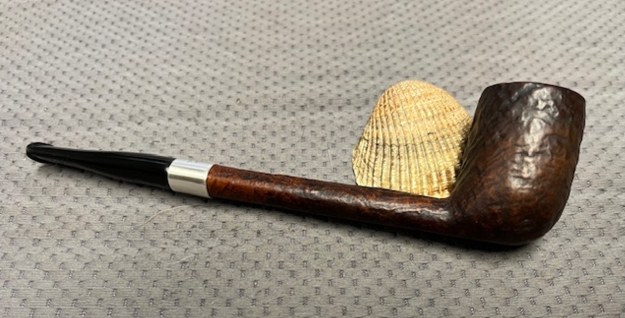
Pipephil’s entry solidified the John Redman Ltd. And British Empire Pipe Co., with the Aristocrat and the ‘A’ stem stamping (http://www.pipephil.eu/logos/en/logo-a7.html). The side bar stated that the Aristocrat is an export brand of John Redman Ltd. It was time to work on the pipe. As usual Jeff had done a thorough cleanup on the pipe. He reamed the bowl with a PipNet pipe reamer and a Savinelli Fitsall pipe knife to remove the cake. He scrubbed out the mortise and the airway in the shank and the stem with alcohol, cotton swabs, shank brushes and pipe cleaners. He scrubbed the exterior of the bowl, rim, shank and stem with a tooth brush and Murphy’s Oil Soap to remove the oils and tars on the rim and the grime on the finish of the bowl. He rinsed it under running water. He dried it off with a soft cloth. He soaked the stem in Before & After Deoxidizer and rinsed it off with warm water. He dried it with a soft cloth. The pipe looked good. I took a photo of the rim top and stem to show the condition. The finish on the rim top looked much better and had cleaned up well. The vulcanite stem had some remaining oxidation and some light tooth chatter and marks on both sides ahead of the button edges.The stamping on the top and underside of the shank is clear and readable as noted above. The logo on the top of the stem is clear but needs a touch up of colour. I removed the stem from the shank and took a photo of the pipe to give a sense of the whole. It is a nice-looking rusticated Brandy and should clean up very well. I sanded the bowl with 320-3500 grit 2×2 inch sanding pads to remove the scratching on the sides of the bowl and shank. I wiped the bowl down with a damp cloth after each sanding pad to remove the sanding debris. I polished the briar with 1500-12000 grit micromesh sanding pads to further remove the marks in the finish and to deepen the shine. I wiped it down with a damp cloth after each sanding pad to remove the debris. It looked much better. I worked some Before & After Restoration Balm into the surface of the briar with my finger tips. The product is incredible and the way it brings the grain to the fore is unique. It works to clean, protect and invigorate the wood. I set the bowl aside and turned my attention to the stem. I “painted” the surface of the stem with a lighter flame to lift the tooth marks. It raised them slightly. I filled in what remained with some extra strength Black CA Glue and set it aside to cure. Once it cured I carefully flattened the repairs with 220 grit sandpaper. It looked better. I promptly forgot to take photos of the stem at this point but the photos that follow these show the overall condition of the stem at this point in the process. I touched up the diamond A stamp on the top of the stem with white acrylic fingernail polish. Once it cured it significantly better.I sanded the stem with 320-3500 grit 2×2 inch sanding pads to remove the oxidation and tooth marks. I wiped the stem down after each sanding pads with an Obsidian Oil cloth. It looked much better. I polished the stem with micromesh sanding pads – dry sanding it 1500-12000 pads. I wiped it down with Obsidian after each pad to remove the dust and polishing debris. I polished it with Before After Pipe Polish – both Fine and Extra Fine. I gave it another coat of Obsidian Oil. This richly finished, large bowled Aristocrat London Made Oval Shank Billiard with an oval vulcanite taper stem is in great condition. The briar is clean and really came alive. The rich brown stains gave the grain a sense of depth with the polishing and waxing. I put the stem back on the bowl and carefully buffed the pipe with Blue Diamond on the buffing wheel using a light touch on the briar. I gave the bowl and the stem multiple coats of carnauba wax on the buffing wheel. I buffed the pipe with a clean buffing pad to raise the shine. I hand buffed the pipe with a microfiber cloth to deepen the shine. The finished Aristocrat London Made Billiard is a beauty and feels great in the hand and looks very good. Give the finished pipe a look in the photos below. The dimensions of the pipe are Length: 7 inches, Height: 2 inches, Outside diameter of the bowl: 1 ½ inches, Chamber diameter: 1 inch. The weight is 1.83 ounces/53 grams. Thanks for reading this blog and my reflections on the pipe while I worked on it. I will be putting it on the rebornpipes store in the British Pipe Makers Section. If you are interested in adding it to your collection let me know. Thanks for following the blog on this restoration.

Restoring and Restemming a Stanwell Regd. No. 969-48 deluxe 87 Billiard


by Steve Laug

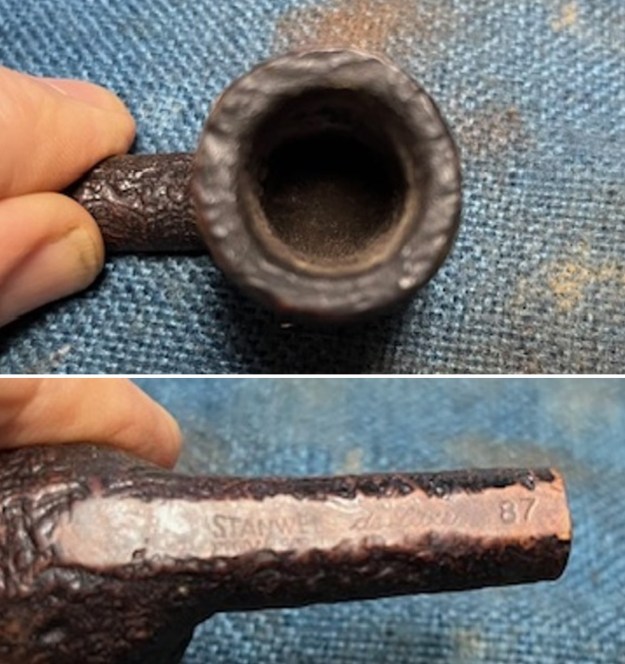
Not too long ago I received an email from a Andrew in Greece asking if I could work on some pipes for him. He had some that needed a stem and a couple of pipes with broken stems and a Canadian that had a crack down the back of the bowl and across the right side. We emailed back and forth and he sent me the following photos. I figured they would be some interesting pipes to work on so he sent them to me to work on. I received the box yesterday. When I opened it this morning I was amazed to see what he had sent. The Sandblast Canadian that needed restemming was stamped 264 Peterson’s Kapruf. The rest of the stamping was quite faint. The pipe needed to be restemmed and it had a small divot in the shank end and what looked like a crack. The second, a smooth Canadian was a BBB Ultonia 504 with a gold band. The two Sandblast with broken stems turned out to be Stanwells. The larger on is stamped Stanwell [over] Regd. No. 969-48. It is followed by the shape number 858 [over] Old Briar. The smaller one is stamped Stanwell [over] Regd. No. 969-48 followed by de Luxe followed by the shape number 87. The last of the five with the cracked bowl is an 8 Dot Sasieni [over] London Made [over] Pat. No. 1513428. It was also stamped “Amesbury”. They were going to be an interesting lot to work on.

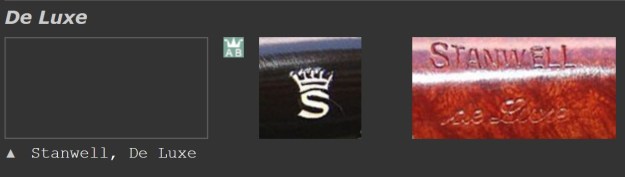
I chose to deal with the smaller Stanwell de Luxe 87 billiard next. It was in decent condition, probably the best of the lot. The stamping on the Stanwell [over] Regd. No. 969-48 followed by de Luxe followed by the shape number 87. It was clear and readable. The sandblast finish was nice but dirty. The bowl had a light cake in it and there were spots of lava in the sandblast on the rim top and inner edge. The inner edge was a little rough from previous reaming. The interior of the shank was quite dirty. I took a photo of the bowl and rim top to show the condition of them bowl. The lava on the rim top was in the sandblast. The inner edge looked very good. I also took a photo of the underside of the shank to show the faint stamping that was present. It is faint in spots but is still readable.I turned to do a bit of research on the Stanwell de Luxe line first to Pipephil’s site and found a listing there with a photo of the stamping (http://www.pipephil.eu/logos/en/logo-stanwell.html).I know that Pipedia has some great history (https://pipedia.org/wiki/Stanwell) on the brand so I turned there hoping to see the de Luxe. There were several examples of the de Luxe line shown on the site and references to it appearing in both a 1960s and 70s catalogue.

I turned to the article on designers and shape numbers to see if I could find data on the 87 Shape (https://pipedia.org/wiki/Stanwell_Shape_Numbers_and_Designers). I found that the shape had     four versions of this shape number a) Large billiard, full mouthpiece, b) Large “Chimney”, full mouthpiece, c) Freehand, conical bowl, long saddle mouthpiece by Sixten Ivarsson. 87R. Same as 87(b).

I knew that the pipe I had in hand was pipe a) above – a Billiard and in this case small one. With the Regd. No. on the shank, the pipe was made in the period between 1948 and 1960. But I wanted to know more. I can find many examples of the de Luxe line online but no one explains the meaning of the term. Do any of you readers have any information on this quandary? Post a response and let us in on the information.

Now it was time to work on the pipe. I started my work on the pipe by reaming it with a Savinelli Fitsall Pipe Knife. I scraped the lava built up on the rim top with the edge of the knife. I sanded the bowl walls with 220 grit sandpaper wrapped around a dowel to clean up the remaining bits. It looked much better after the clean up.I cleaned out the internals of the shank and bowl with pipe cleaners, cotton swabs and isopropyl alcohol. The pipe is very clean. I like it clean to make a better fit for new stem. I cleaned out the airway in the stem I had chosen with pipe cleaners and alcohol.I worked some Before & After Restoration Balm into the surface of the briar with my finger tips and a shoe brush to work it into the sandblast. The product is incredible and the way it brings the grain to the fore is unique. It works to clean, protect and invigorate the wood. I went through my stems and found one that was the right length and would need some slight adjusting to fit the diameter of the shank and the tenon.I used a Dremel and sanding drum along with a folded piece of 220 grit sandpaper to shape and rework the stem and tenon to fit the shank end. Once I was finished with the reshaping I took photos of the look of the stem.I sanded the stem with 320-1500 grit 2×2 inch sanding pads. I wiped the stem down after each sanding pad with an Obsidian Oil Cloth to remove the sanding dust. It began to look very good. I polished the stem with micromesh sanding pads – dry sanding with 1500-12000 grit pads. I wiped the stem down after each sanding pad with an Obsidian Oil Cloth. The stem began to take on a rich shine. This Sandblast Stanwell Regd. No. 969-48 de Luxe 87 Billiard with a new vulcanite taper stem is a great looking pipe now that it has been restemmed and restored. The beautiful sandblast on the briar shines through the polished finish is stunning. I put the stem back on the bowl and carefully buffed the pipe with Blue Diamond on the buffing wheel. I gave the bowl and the stem multiple coats of carnauba wax on the buffing wheel and followed that by buffing the entire pipe with a clean buffing pad. I hand buffed the pipe with a microfiber cloth to deepen the shine. The finished Stanwell Regd. No 969-48 de Luxe 87 Billiard fits nicely in the hand and feels great. Give the finished pipe a look in the photos below. The dimensions of the pipe are Length: 6 inches, Height: 1 ½ inches, Outside diameter of the bowl: 1 inch, Chamber diameter: 5/8 of an inch. The weight of the pipe is 22 grams/.78 ounces. It is a beautiful pipe and one that I will hold until I have finished working on the final pipe that Andrew sent me. Once I am finished with the lot they will be heading back to Greece. Thanks for walking through the restoration with me as I worked over this pipe. Thanks to each of you who are reading this blog.

Resurrecting a Shattered Patent Sasieni London Made “Amesbury” Canadian


by Steve Laug

Not too long ago I received an email from a Andrew in Greece asking if I could work on some pipes for him. He had some that needed a stem and a couple of pipes with broken stems and a Canadian that had a crack down the back of the bowl and across the right side. We emailed back and forth and he sent me the following photos. I figured they would be some interesting pipes to work on so he sent them to me to work on. I received the box yesterday. When I opened it this morning I was amazed to see what he had sent. The Sandblast Canadian that needed restemming was stamped 264 Peterson’s Kapruf. The rest of the stamping was quite faint. The pipe needed to be restemmed and it had a small divot in the shank end and what looked like a crack. The second, a smooth Canadian was a BBB Ultonia 504 with a gold band. The two Sandblast with broken stems turned out to be Stanwells. The larger on is stamped Stanwell [over] Regd. No. 969-48. It is followed by the shape number 858 [over] Old Briar. The smaller one is stamped Stanwell [over] Regd. No. 969-48 followed by de Luxe followed by the shape number 87. The last of the five with the shattered bowl is an 8 Dot Sasieni [over] London Made [over] Pat. No. 1513428. It was also stamped “Amesbury”. They were going to be an interesting lot to work on.

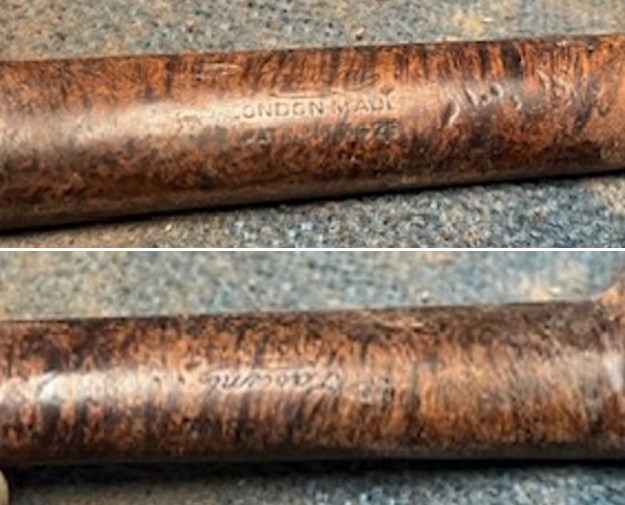
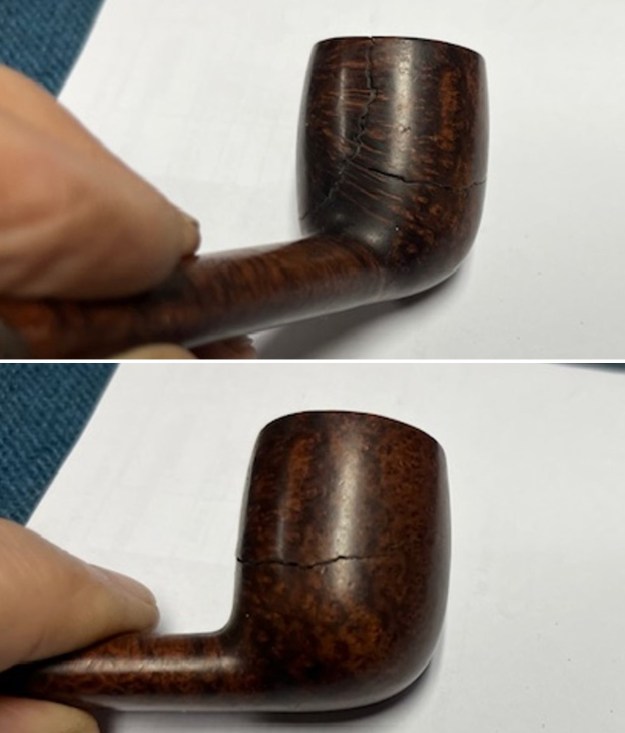
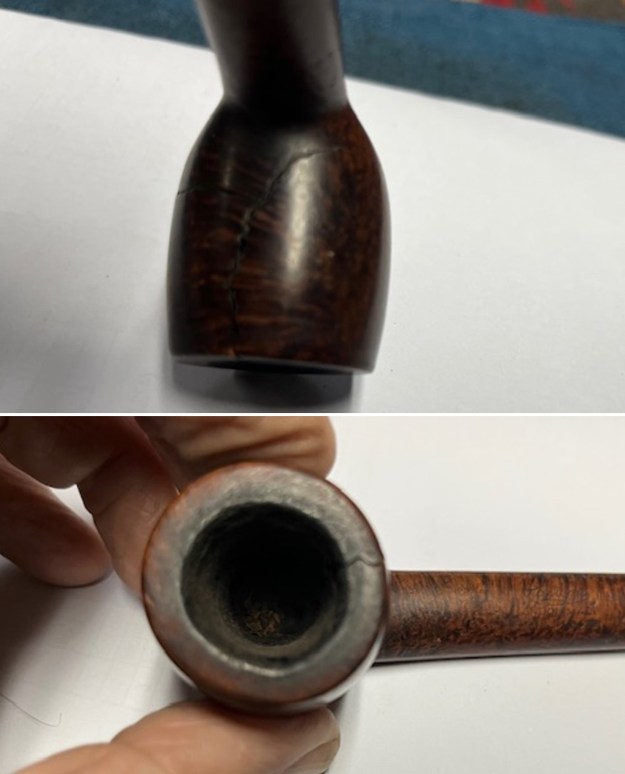
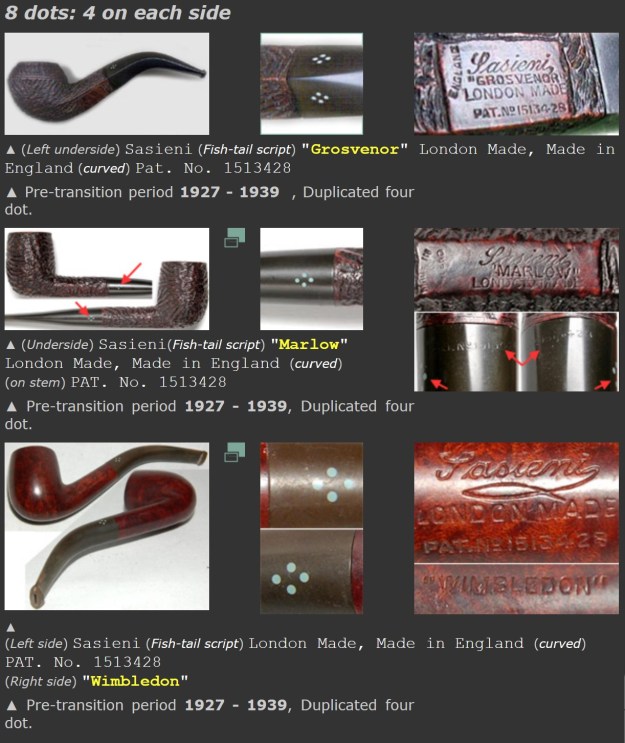
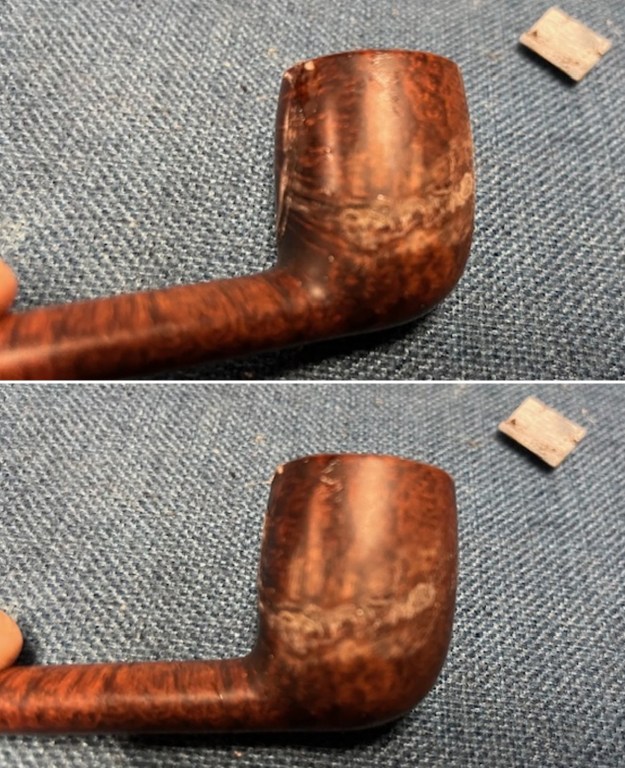
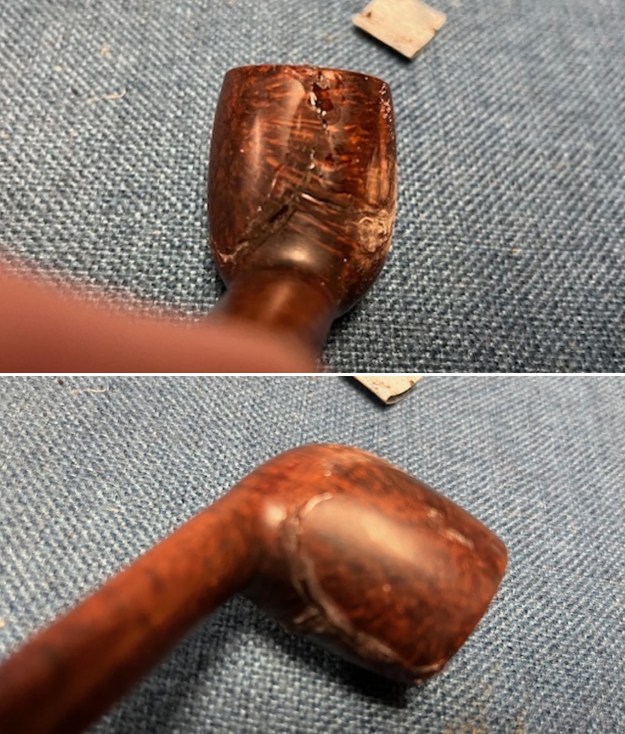
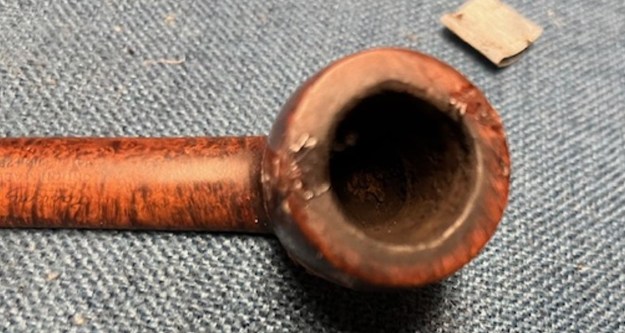
I chose to deal with the cracked bowl on the 8 Dot Sasieni Canadian next. It was in badly damaged condition, questionably the worst in the lot. The stamping on the left topside of the shank was Made in England in a Rhombus shape near the bow and shank. That is followed by Sasieni in script with the flourish curling under the stamping [over] London Made [over] Pat. No. 1513428. On the right topside it was stamped “Amesbury”. It was faint in spots but still was readable. The cracks around the bowl went from the top right side down most of the bowl and curved around the backside and curved up to the top. There was also a crack that went from the vertical one across the right side of the bowl. The bowl was heavily caked and there were spots of lava on the rim top and inner edge. The inner edge was a little rough from previous reaming. The shank was solid and the stem was oxidized and had tooth marks on the top and underside ahead of the button. I took a photo of the bowl and rim top to show the condition of them bowl. There was lava on the rim top, some darkening and several cracks on the rim top that matched those on the bowl sides. The inner edge was also damaged. The shank and the stem were also shown. The stem is oxidized, lightly calcified and had tooth marks and chatter on both sides ahead of the button.I also took a photo of the top underside of the shank to show the faint stamping that was present. It is faint in spots but is still readable as noted above.I took photos of the cracked bowl showing the damage around the sides and the rim top. They were deep cracks. My estimation was that they went all the way through to the inside of the bowl. Hard to know for sure because of the thick cake on the walls. Before I started my work on the pipe, I decided to do some work on the stamping of this pipe to get an idea of the time period it was carved. I turned first to Pipephil’s site to see what I could learn (http://pipephil.eu/logos/en/logo-sasieni4.html#doubleonedot).  I found a pipe that was stamped the same way as the one I am working on. It is stamped on the left side of the shank like the third pipe in the screen capture photo below. Mine is stamped the same way with Sasieni in script with the fish tail. Underneath it is stamped London Made [over] Pat. No. 1513428). The one I have is stamped on the top right side and read “Amesbury” rather than “Wimbledon” stamp in the same place. I included the side bar notes below the picture. From that I knew that the pipe was made during Pre-transition Period 1927-1949.
I then turned to Pipedia for more detailed information (https://pipedia.org/wiki/Sasieni). I quote a section of that article below. It refers to the Patent Number that is on the pipe I have on the table. The underlined portion below is particular pertinent to this pipe.

To begin with, there are three main elements to dating the Sasieni pipe, the patent number, the style of the name “Sasieni” as it appears on the shank, and the Dots themselves. Naturally, there are exceptions to these rules (this hobby would be boring without them), but for the most part these guidelines apply better than 95% of the time. All Sasieni One, Four, and Eight Dot pipes made before W.W.II and destined for the U. S. market carried a patent number on the shank which usually started with the numbers “15″, with 150221/20 and 1513428 being representative of the group. Also, the name “Sasieni” was stamped on the shank in a very florid manner, with the tail of the last “i” sweeping underneath the name forming a shape which has been compared to a fish by more than one collector. This script was discontinued by Alfred almost immediately after he took over the company, so this alone tells you your pipe is pre W.W.II. Underneath in block lettering are the words “London Made”, with the patent number making the third line.
The dots will help you narrow this down further. As we mentioned, the short lived U. S. market One Dot was introduced around 1920, and was replaced by the early to mid 1920’s by the Four Dot. The 1920’s Four Dot is distinguishable by the florid Sasieni script, a patent number, and four blue dots, which are quite small compared to the pipes of post war years. Furthermore, by 1935 Sasieni began stamping pipes, based on the shape, with their own names, which were usually, but not always, English towns. For example, apples were stamped “Hurlingham”, bulldogs were “Grosvenor” or “Danzey”, and panels were “Lincoln”. One rare and interesting variation of this was the large bent, dubbed “Viscount Lascelles”. Even in this soft Sasieni market, these pipes regularly sell for $150 in their rare appearances in mailers.

The pipe I have is one that was made for the US market as established by the Patent Number on the shank. The flourished “i” confirms that the pipe was made Pre-transition, 1927 – 1935. The third line stamped is London Made in block lettering. With all that information I knew that this pipe was from the period before the transition so it was an old timer.

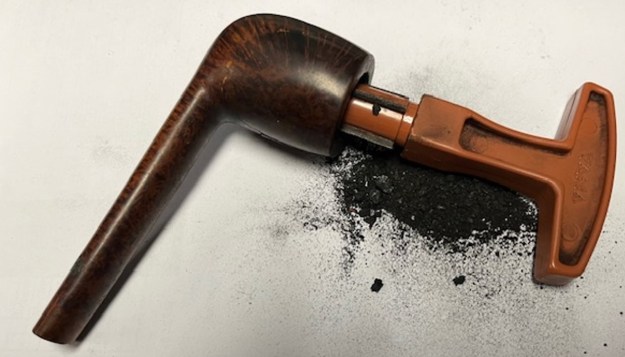
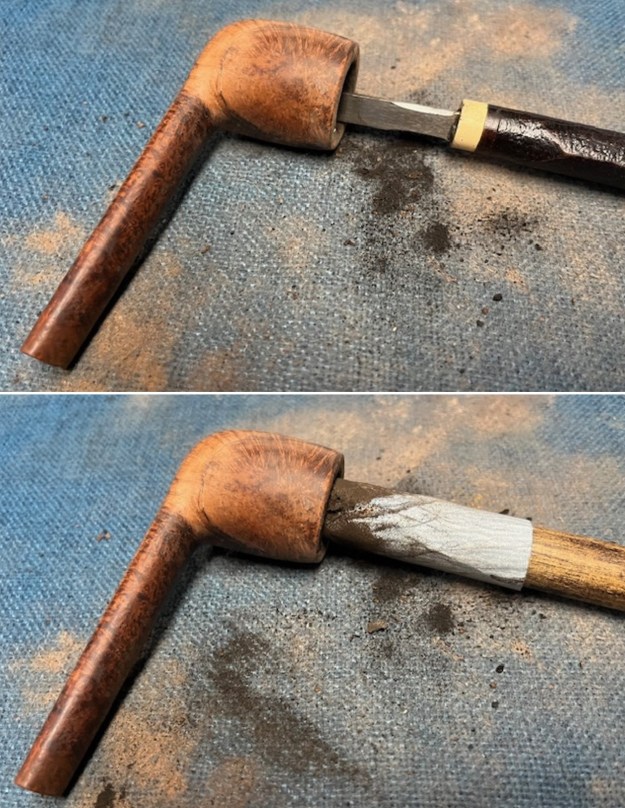
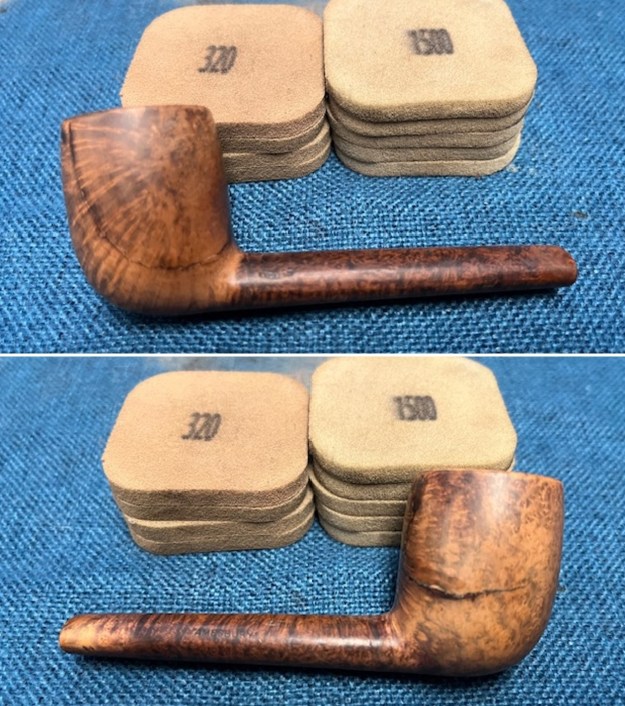
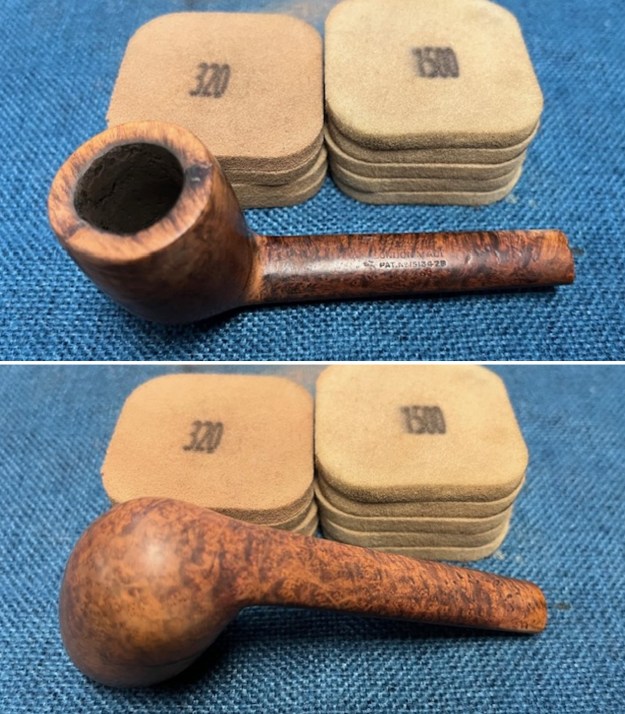
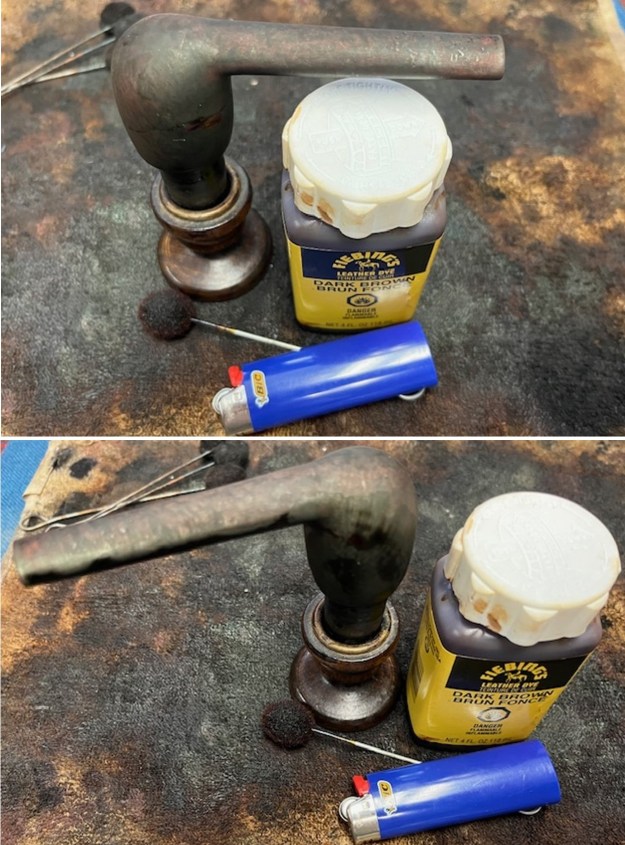
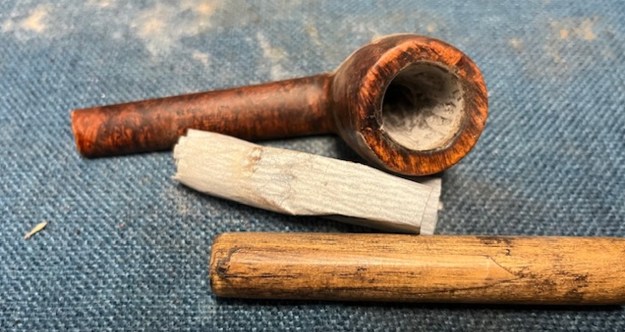
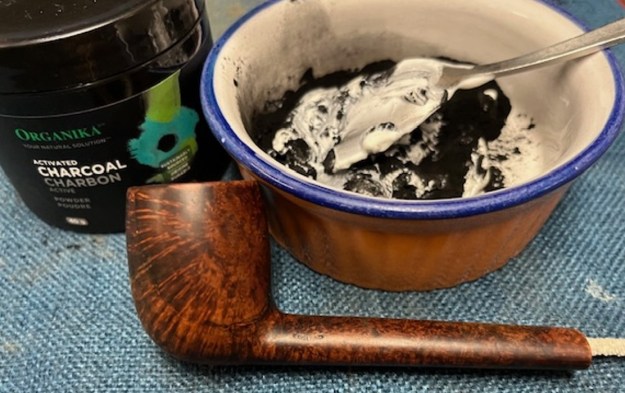
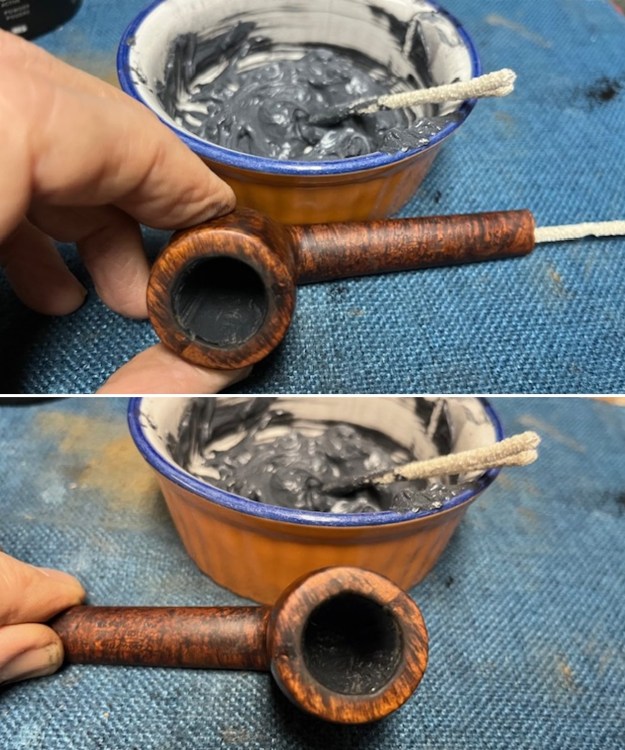
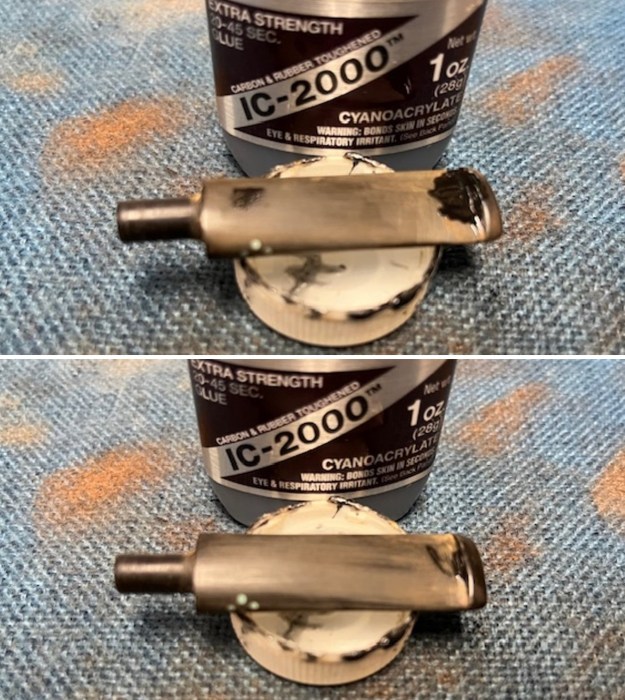
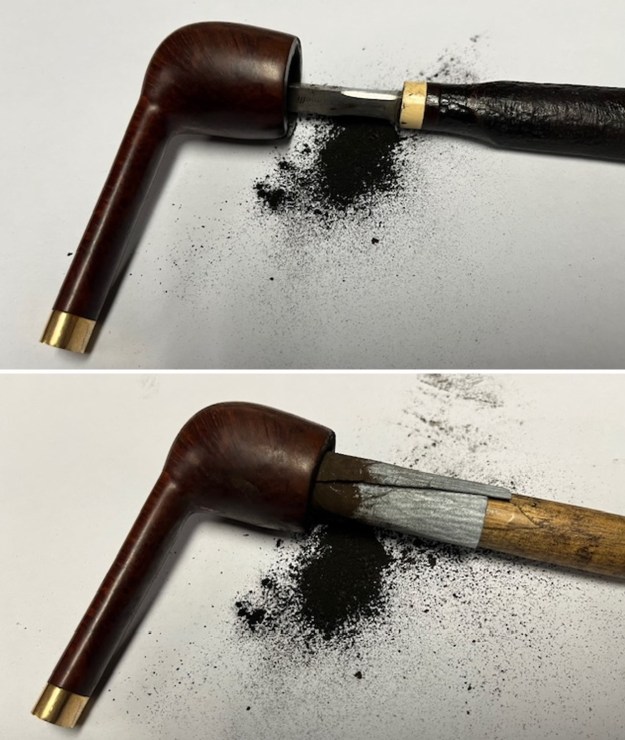
I reamed the bowl with a Pipe Net pipe reamer to carefully scrape out the cake that was present to get it back to bare briar. I had to be careful as the bowl was very fragile and could easily fall to pieces. Before I worked more on the bowl I wanted to repair the cracks in the bowl walls.I filled in the cracks around the bowl sides with clear CA glue to first stabilize the bowl sides and build a base. Once that was done I sanded the are smooth with a folded piece of 220 grit sandpaper. Once the repairs were flattened I filled in the gaps in the repaired cracks with briar dust and clear CA glue. I sanded the rim top and the repairs on the bowl sides with 320 grit sandpaper to smooth out the repairs to the briar. It looks much better but still needs sanding. Once I had smoothed out the repairs I cleaned up the reaming in the bowl. I scraped out the remaining cake in the bowl with a Savinelli Fitsall Pipe Knife. I then sanded the bowl walls with 220 grit sandpaper wrapped around a dowel. It made the internal damage very clear.I sanded the bowl with 320-3500 grit 2×2 inch sanding pads blend them into the surface of the briar. They are very visible on the surface but they are solid and should hold up well. I wiped the bowl down with a damp cloth after each sanding pad. I stained the briar with a dark brown aniline stain. I applied it with a dauber and flamed it to set it in the grain. I repeated the process to ensure a good coverage on the repaired briar. The coverage on the briar was spotty and showed the spots where I had done the repairs.I polished the briar with 1500-12000 grit micromesh sanding pads. I dry sanded with each pad and then wiped the bowl down after each pad to remove the debris. It began to look rich and smooth. I worked some Before & After Restoration Balm into the surface of the briar with my finger tips to work it into the finish. The product is incredible and the way it brings the grain to the fore is unique. It works to clean, protect and invigorate the wood. I cleaned out the internals of the shank and bowl with pipe cleaners, cotton swabs and isopropyl alcohol. The pipe is very clean. I like it clean to make a better fit for new stem. I cleaned out the airway in the stem I had chosen with pipe cleaners and alcohol.With the externals completed it was time to deal with the internal cracks matching those on the outside. I mixed a batch of JB Weld to repair the matching cracks on the inside walls of the bowl. I smooth out the repair with a dental spatula. Once it cured I smoothed out the repair with sandpaper wrapped around a dowel. I mixed a bowl coating charcoal powder and sour cream and coated the inside of the bowl with the coating to protect it while it developed a cake. I set the bowl aside and turned my attention to the stem. I filled in the tooth marks and nicks in the stem surface with Extra Strength Rubberized Black CA glue. I let it cure then used a flat file to recut the button edge and flatten the repairs in the surface. I sanded the repaired areas with a folded piece of 220 grit sandpaper to blend them into the surface. I sanded the stem with 320-1500 grit 2×2 inch sanding pads. I wiped the stem down after each sanding pad with an Obsidian Oil Cloth to remove the sanding dust. It began to look very good. I polished the stem with micromesh sanding pads – dry sanding with 1500-12000 grit pads. I wiped the stem down after each sanding pad with an Obsidian Oil Cloth. The stem began to take on a rich shine. This older Sasieni London Made Pat. No. 1513428 “Amesbury” Canadian with a vulcanite taper stem is a great looking pipe now that it has been restored. The “Humpty Dumpty” repairs on this shattered do not hide the beautiful grain on the briar. It still shines through the polished finish and is stunning. I put the stem back on the bowl and carefully buffed the pipe with Blue Diamond on the buffing wheel. I gave the bowl and the stem multiple coats of carnauba wax on the buffing wheel and followed that by buffing the entire pipe with a clean buffing pad. I hand buffed the pipe with a microfiber cloth to deepen the shine. The finished Sasieni London Made Pat. No. 1513428 “Amesbury” Canadian fits nicely in the hand and feels great. Give the finished pipe a look in the photos below. The dimensions of the pipe are Length: 5 ¾ inches, Height: 1 ¾ inches, Outside diameter of the bowl: 1 ¼ inches, Chamber diameter: ¾ of an inch. The weight of the pipe is 28 grams/.95 ounces. It is a beautiful pipe and one that I hold until I have finished working on the other two pipes that Andrew sent me. Once I am finished with the lot they will be heading back to Greece. Thanks for walking through the restoration with me as I worked over this pipe. Thanks to each of you who are reading this blog.

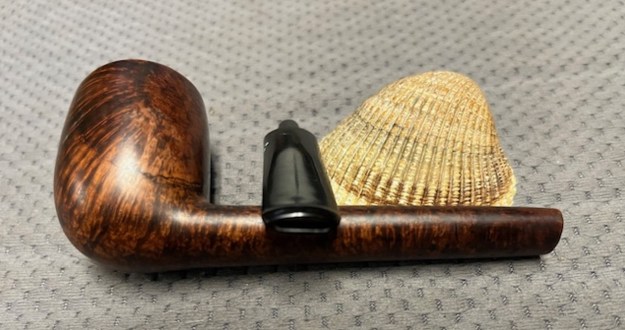
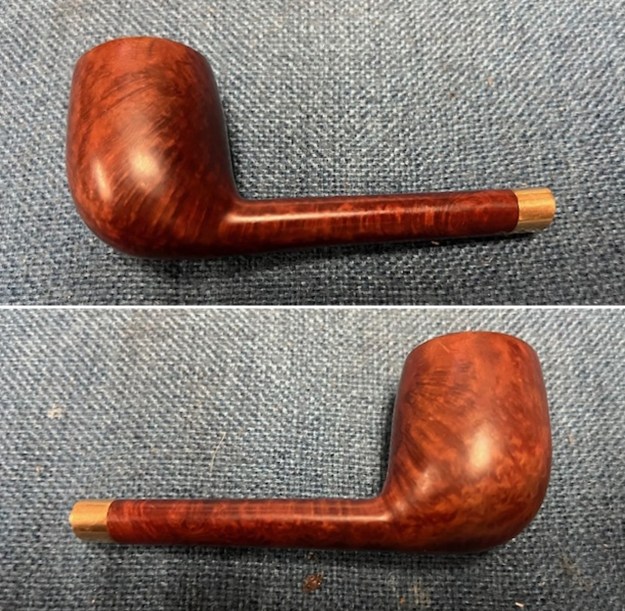
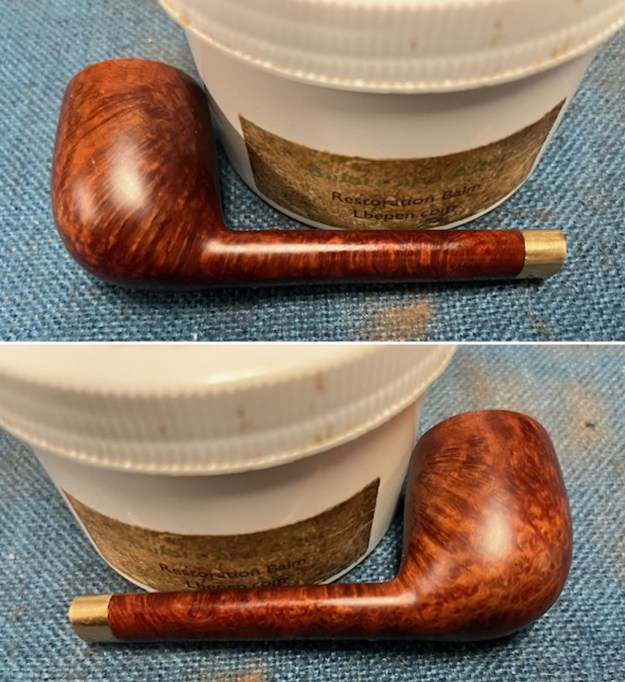
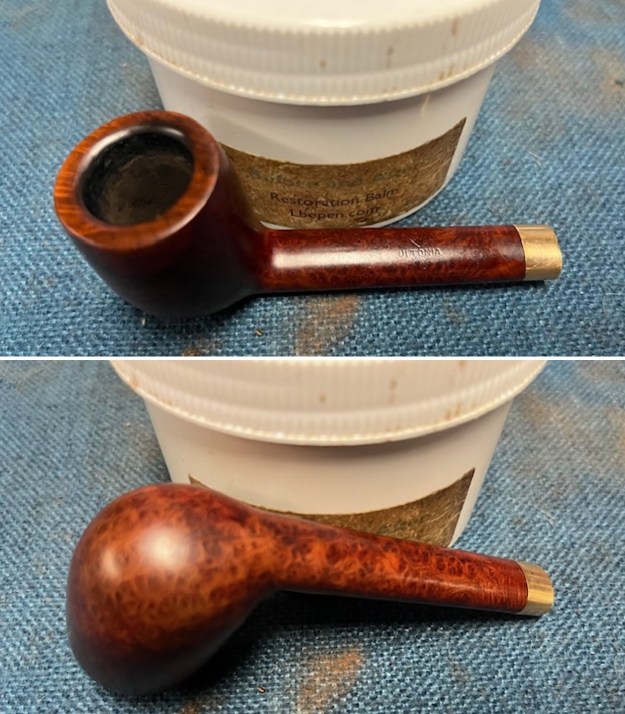
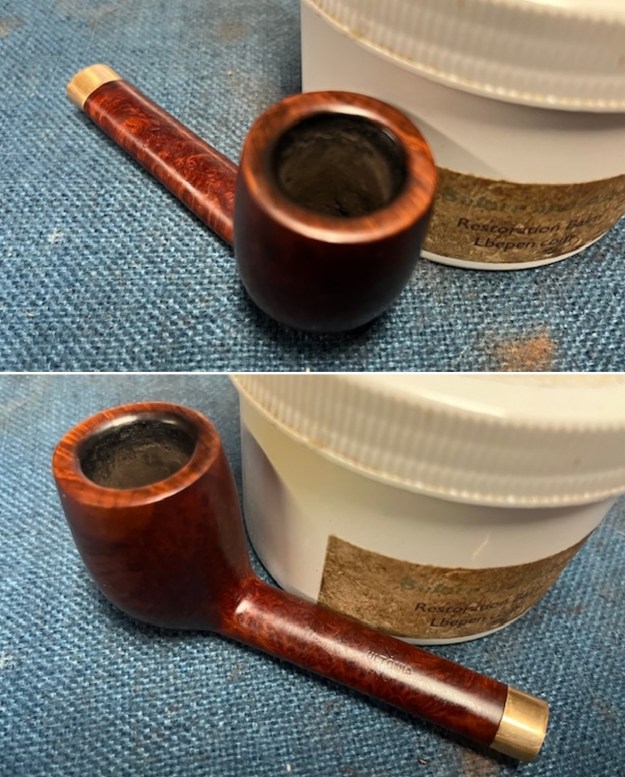
Repairing and Restemming a BBB Ultonia 504 Gold Banded Canadian


by Steve Laug

Not too long ago I received an email from a Andrew in Greece asking if I could work on some pipes for him. He had some that needed a stem and a couple of pipes with broken stems and a Canadian that had a crack down the back of the bowl and across the right side. We emailed back and forth and he sent me the following photos. I figured they would be some interesting pipes to work on so he sent them to me to work on. I received the box yesterday. When I opened it this morning I was amazed to see what he had sent. The Sandblast Canadian that needed restemming was stamped 264 Peterson’s Kapruf. The rest of the stamping was quite faint. The pipe needed to be restemmed and it had a small divot in the shank end and what looked like a crack. The second, a smooth Canadian was a BBB Ultonia 504 with a gold band. The two Sandblast with broken stems turned out to be Stanwells. The larger on is stamped Stanwell [over] Regd. No. 969-48. It is followed by the shape number 858 [over] Old Briar. The smaller one is stamped Stanwell [over] Regd. No. 969-48 followed by de Luxe followed by the shape number 87. The last of the five with the cracked bowl is an 8 Dot Sasieni [over] London Made [over] Pat. No. 1513428. It was also stamped “Amesbury”. They were going to be an interesting lot to work on.

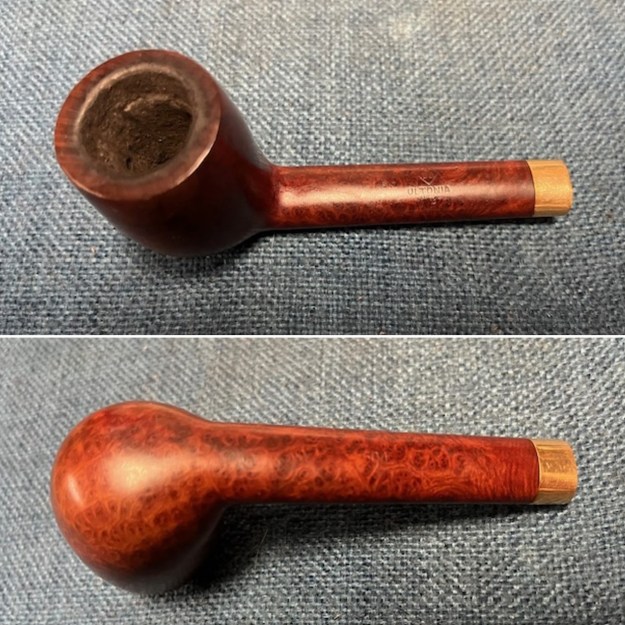
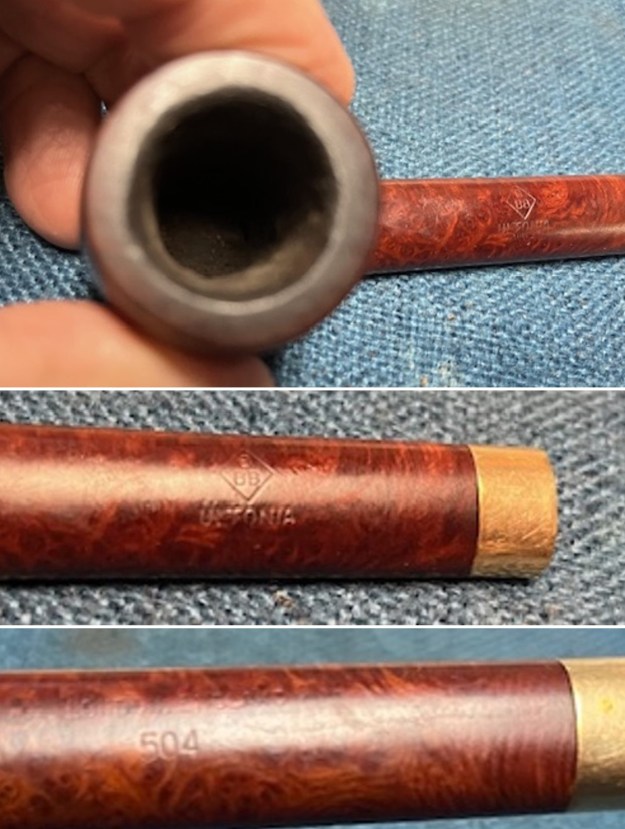
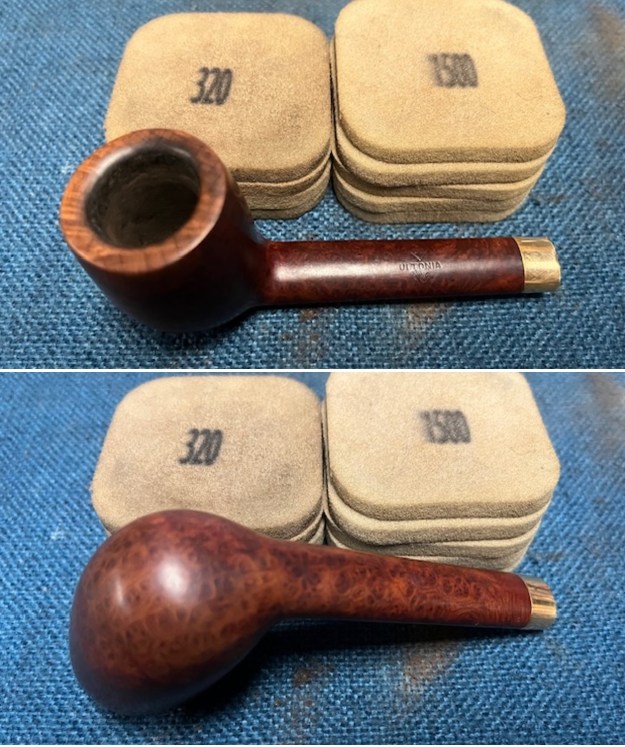
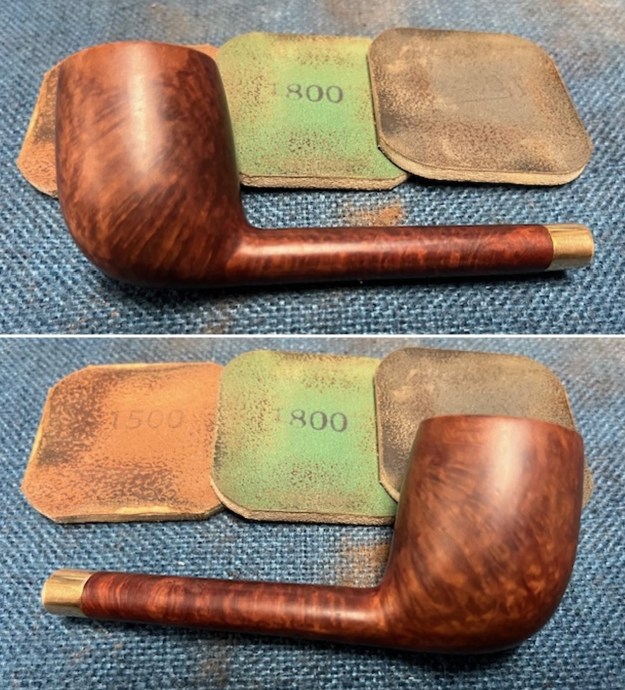
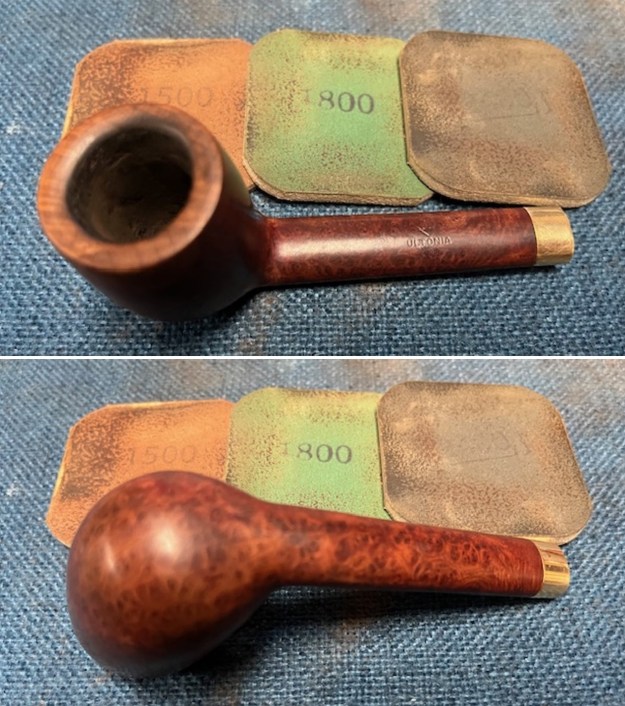
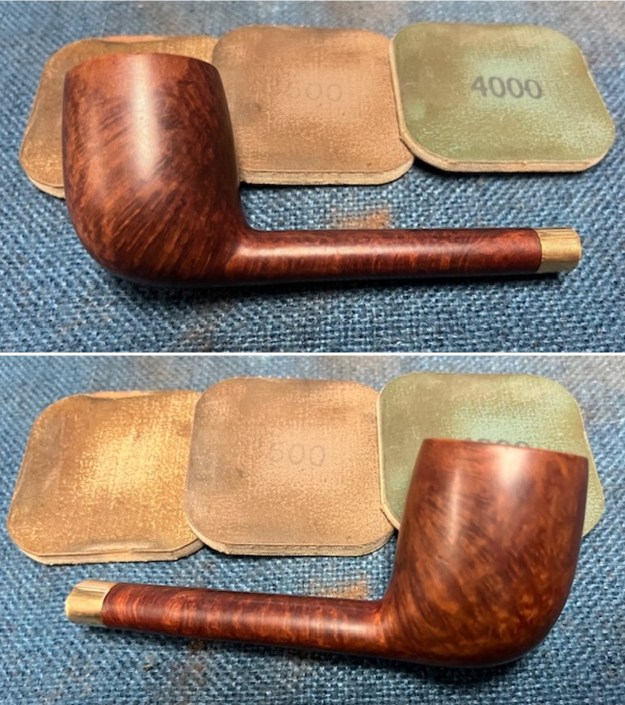
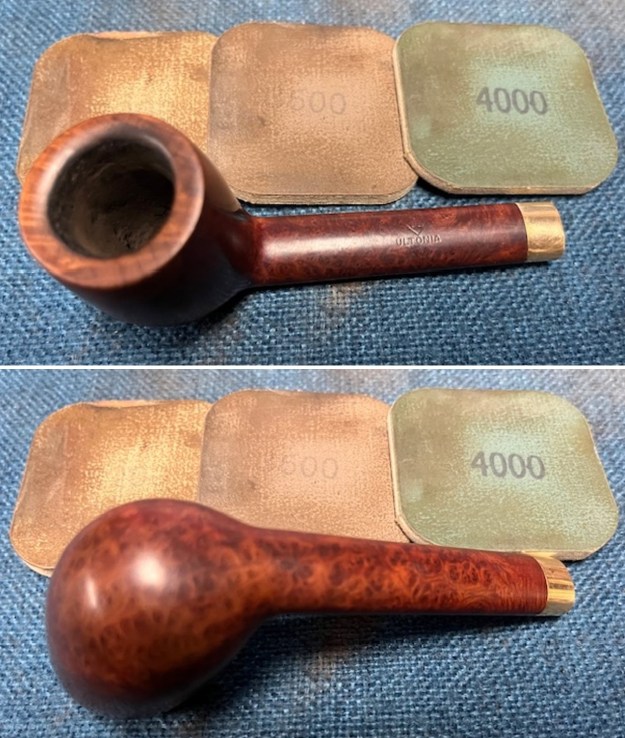
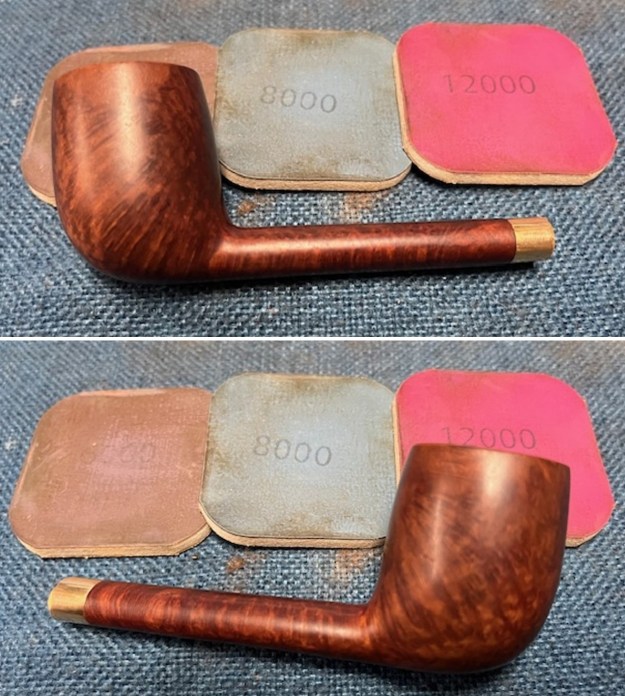
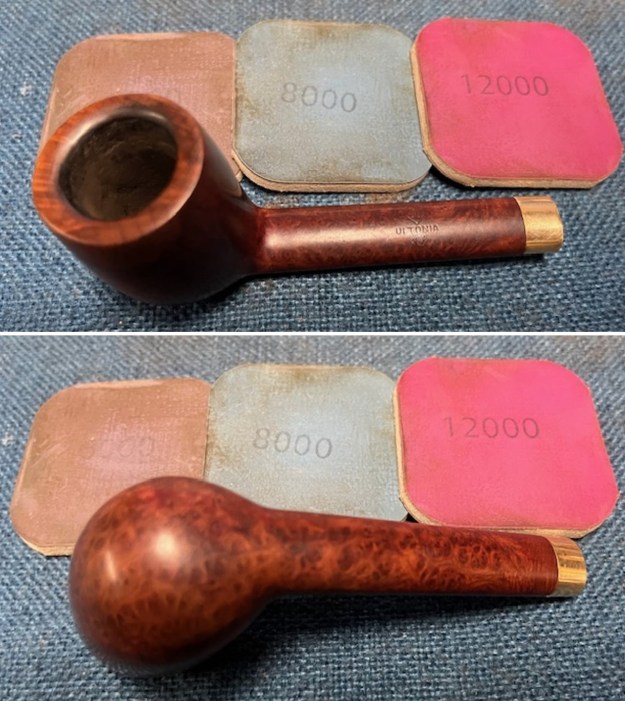
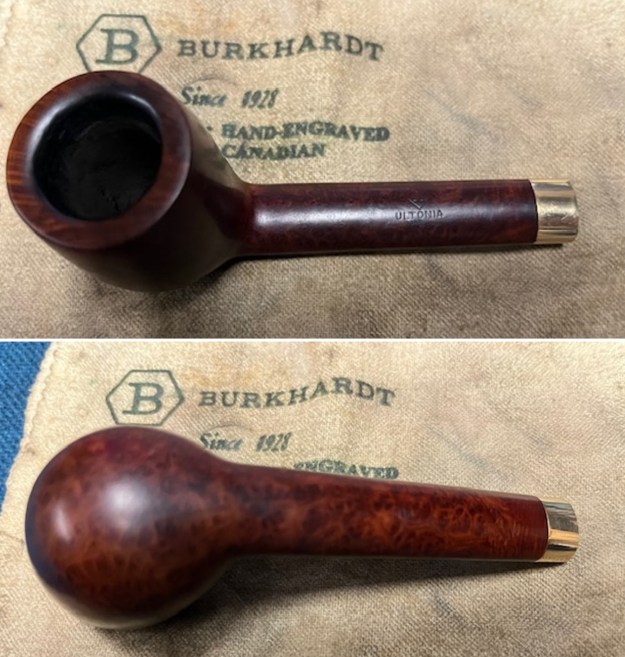
I chose to deal with the BBB Ultonia 504 Gold Banded Canadian next. It was in decent condition, probably the best of the lot. The stamping on the topside of the shank was BBB in a diamond [over] Ultonia and on the underside was the shape number 504. It was clear and readable. The smooth finish was nice but dirty. The bowl had a light cake in it and there were spots of lava on the rim top and inner edge. The inner edge was a little rough from previous reaming. There was a nice looking gold band on the shank end that was decorative as I could find no cracks. The interior of the shank was quite dirty. I took a photo of the bowl and rim top to show the condition of them bowl. The lava on the rim top was spotty and had some darkening. The inner edge was also damaged. I also took a photo of the top underside of the shank to show the faint stamping that was present. It is faint in spots but is still readable.I turned to Pipephil’s site to see if it listed the Ultonia line (http://pipephil.eu/logos/en/logo-bbb.html). It did not but it gave a short summary of the brand. I quote:

BBB: ”Best British Briar” is now a brand of the Cadogan Company (Oppenheimer group). American rights to use the brand name were sold to Wally Frank in 1980. Founder of the brand in 1847: Louis Blumfeld. The oldest pipe brand name in the UK has been registered in 1876 (Blumfeld Best Briar) Grading (ascendant): Own Make, Bold Grain, Best Make, Rare Grain.

I turned to Pipedia (https://pipedia.org/wiki/BBB) to see if I could get some specific information on the Ultonia. I read through the history on the site and I quote the pertinent section of article below.

Louis Blumfeld develops from the very start of important international trade, with a particular success in Canada, in Australia, in Zealand News, India and in the extrème Is Europe, in Switzerland and, with a special mention, in Denmark. If the USA were never an extraordinary market, a branch is opened all the same in New York. In fact, the marketing strategy was focused especially on the countries of the Britanique Empire. Little before 1914, A Frankau & Co was also a sole agent for the pipes Cherry Wood of the Ropp house to cover the United Kingdom and its colonies.

If the BBB are its the most known pipes, A Frankau & Co had several marks of pipes: Capt. Kidd, Fairway (“F” in white; FAIRWAY/LONDON MADE/ENGLAND), Frankau’ S (London Made/Made in England), Glokar, Major Daff, the Snap-FIT. It also seems that Ultonia and Last Word must be regarded as marks with whole share, in spite of the fact that they are presented as being product lines under label BBB. That would explain their absence of catalogues BBB…

… In the Thirties, the top-of-the-range one becomes “BBB Best Make” with alternatives like “Super Stopping” and “Ultonia Thule”. The BBB Carlton, sold with the detail with 8/6 in 1938, is equipped with a system complicated out of metal, system which equipped the BBB London Dry too. Blue Peter was not estampillées BBB but BBB Ultonia, and the BBB Two Star (* *) become the bottom-of-the-range one. The calabash leaves the catalogues, but some pipes with case and some scums are still produced. The forms also are typical of this time: half are billiards, some princes and bullcaps, a limited number of bulldogs and curved. It is as at that time as the top-of-the-range series receive an incrustation of initials BBB out of metal, whereas the bottom-of-the-range series have only the engraved pipe.

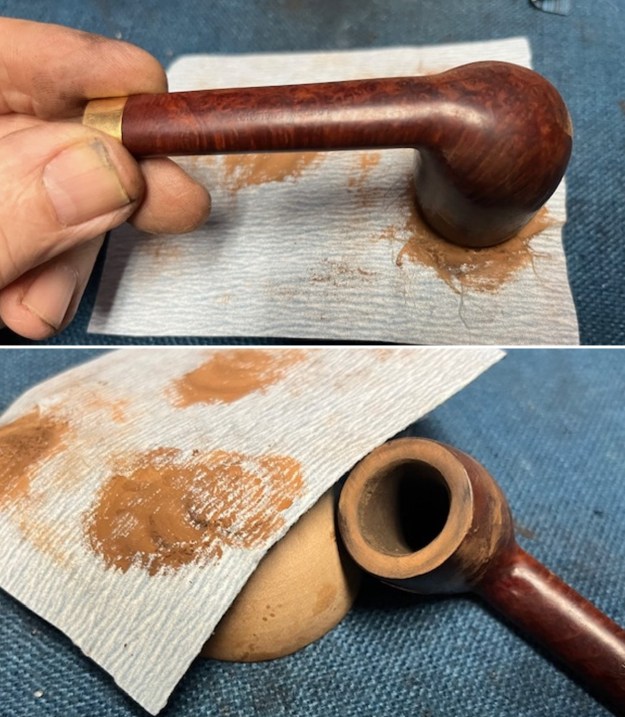
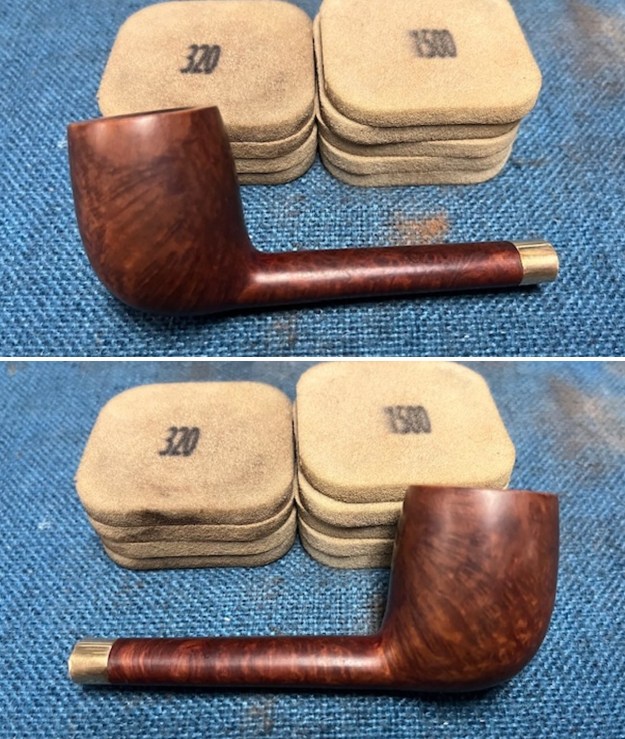
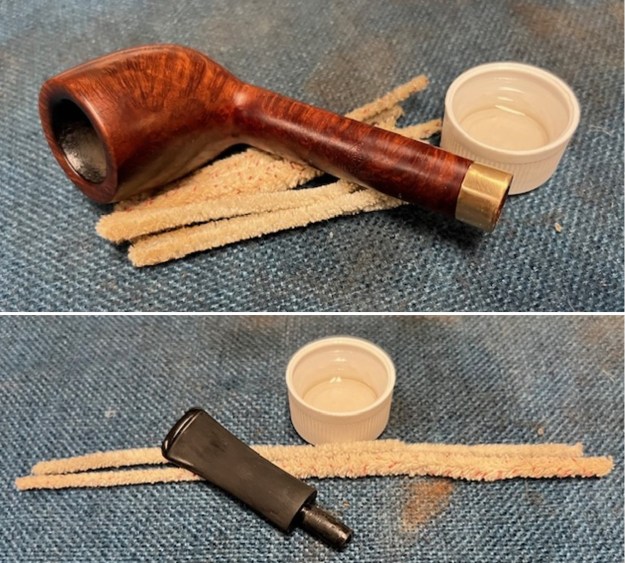
I reamed the bowl with a Savinelli Fitsall Pipe Knife and scraped out the cake that was present to get it back to bare briar. I sanded the walls of the bowl with 220 grit sandpaper wrapped around a dowel to smooth them out. The pipe began to look much better.I used a piece of 220 grit sandpaper and a wooden sphere to remove the damage on the rim top and the inner edge. I cleaned up the bevel on the inner edge and smoothed out the damage.I sanded the rim top and the bowl sides with 320-3500 grit 2×2 inch sanding pads to remove the nicks and damage to the finish. I wiped the bowl down with a damp cloth after each sanding pad. I polished the briar with 1500-12000 grit micromesh sanding pads. I dry sanded with each pad and then wiped the bowl down after each pad to remove the debris. It began to look rich and smooth. I cleaned out the internals of the shank and bowl with pipe cleaners, cotton swabs and isopropyl alcohol. The pipe is very clean. I like it clean to make a better fit for new stem. I cleaned out the airway in the stem I had chosen with pipe cleaners and alcohol.I worked some Before & After Restoration Balm into the surface of the briar with my finger tips and a shoe brush to work it into the sandblast. The product is incredible and the way it brings the grain to the fore is unique. It works to clean, protect and invigorate the wood. I polished gold band with a jeweller’s cloth to polish and protect it from oxidation. It is a great looking piece of bling. I went through my stems and found one that was the right length and would need some slight adjusting to fit the diameter of the shank and the tenon. I used a folded piece of 220 grit sandpaper to shape and rework the stem and tenon to fit the shank end. Once I was finished with the reshaping of the stem I put it in the shank and took photos of the look of the stem.I sanded the stem with 320-1500 grit 2×2 inch sanding pads. I wiped the stem down after each sanding pad with an Obsidian Oil Cloth to remove the sanding dust. It began to look very good. I polished the stem with micromesh sanding pads – dry sanding with 1500-12000 grit pads. I wiped the stem down after each sanding pad with an Obsidian Oil Cloth. The stem began to take on a rich shine. This older BBB Ultonia 504 Gold Banded Canadian with a new vulcanite taper stem is a great looking pipe now that it has been restored. The beautiful grain on the briar shines through the polished finish is stunning. I put the stem back on the bowl and carefully buffed the pipe with Blue Diamond on the buffing wheel. I gave the bowl and the stem multiple coats of carnauba wax on the buffing wheel and followed that by buffing the entire pipe with a clean buffing pad. I hand buffed the pipe with a microfiber cloth to deepen the shine. The finished BBB Ultonia Canadian 504 fits nicely in the hand and feels great. Give the finished pipe a look in the photos below. The dimensions of the pipe are Length: 5 ½ inches, Height: 1 ½ inches, Outside diameter of the bowl: 1 ¼ inches, Chamber diameter: ¾ of an inch. The weight of the pipe is 31 grams/1.09 ounces. It is a beautiful pipe and one that I hold until I have finished working on the other three pipes that Andrew sent me. Once I am finished with the lot they will be heading back to Greece. Thanks for walking through the restoration with me as I worked over this pipe. Thanks to each of you who are reading this blog.

Repairing and Restemming a Peterson’s Kapruf 264 Canadian


by Steve Laug

Not too long ago I received an email from a Andrew in Greece asking if I could work on some pipes for him. He had some that needed a stem and a couple of pipes with broken stems and a Canadian that had a crack down the back of the bowl and across the right side. We emailed back and forth and he sent me the following photos. I figured they would be some interesting pipes to work on so he sent them to me to work on. I received the box yesterday. When I opened it this morning I was amazed to see what he had sent. The Sandblast Canadian that needed restemming was stamped 264 Peterson’s Kapruf. The rest of the stamping was quite faint. The pipe needed to be restemmed and it had a small divot in the shank end and what looked like a crack. The second, a smooth Canadian was a BBB Ultonia 504 with a gold band. The two Sandblast with broken stems turned out to be Stanwells. The larger on is stamped Stanwell [over] Regd. No. 969-48. It is followed by the shape number 858 [over] Old Briar. The smaller one is stamped Stanwell [over] Regd. No. 969-48 followed by de Luxe followed by the shape number 87. The last of the five with the cracked bowl is an 8 Dot Sasieni [over] London Made [over] Pat. No. 1513428. It was also stamped “Amesbury”. They were going to be an interesting lot to work on.

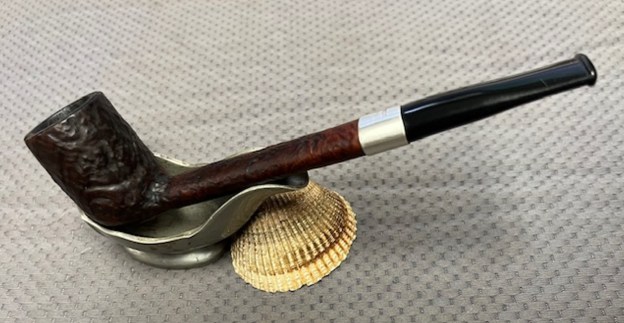
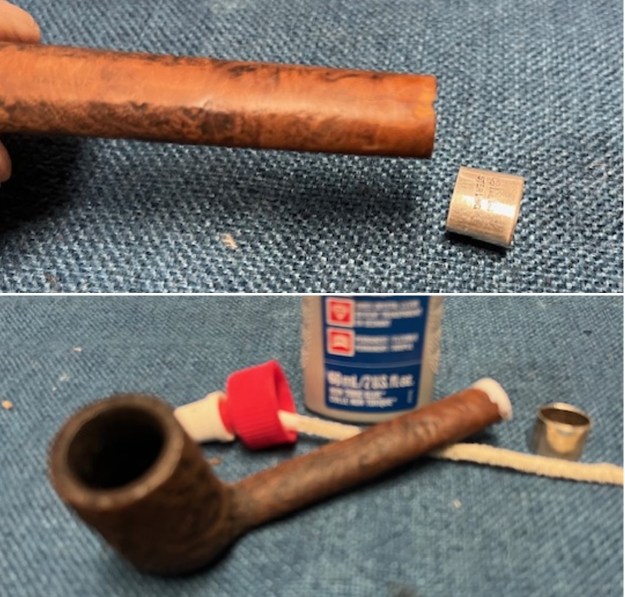
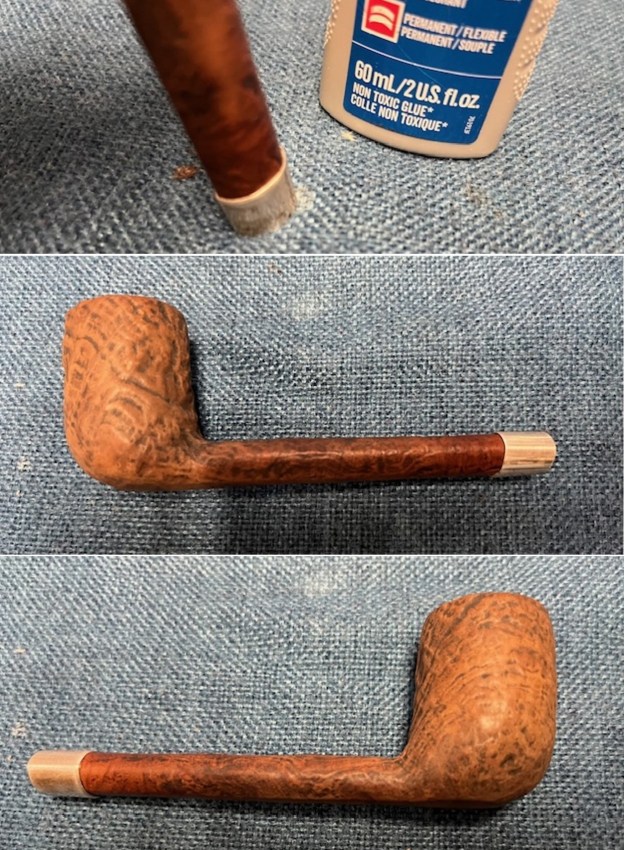
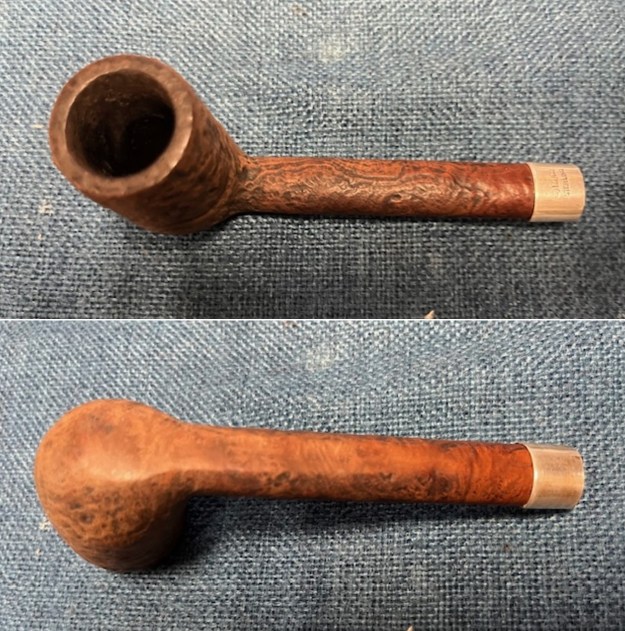
I chose to deal with the Peterson’s Kapruf 264 Canadian first. It was a worn and tired Canadian. The stamping on the underside of the shank was faint and worn. What was readable I included in the previous sentence. The sandblast was worn and dirty. The bowl had a light cake in it and there was an overflow of lava on the rim top and inner edge. The end of the shank had a divot out on the underside which when examined showed a thin hairline crack. The interior of the shank was quite dirty. I took a photo of the bowl and rim top to show the condition of them bowl. The lava in the sandblast rim top was quite thick and had some darkening. I also took a photo of the underside of the shank to show the faint stamping that was present. It is faint but is still readable.I reamed the bowl with a Savinelli Fitsall Pipe Knife and scraped out the cake that was present to get it back to bare briar. I sanded the walls of the bowl with 220 grit sandpaper wrapped around a dowel to smooth them out. The pipe began to look much better.I scrubbed the exterior of the bowl with a tooth brush and some undiluted Murphy’s Oil Soap. I scrubbed the sandblast with the brush to clean out the dust and debris in the finish. I used a brass bristle wire brush to work over the rim top and knock off the grime and debris. I rinsed the soap and grime from the finish and it looked much better. I cleaned out the internals of the shank and bowl with pipe cleaners, cotton swabs and isopropyl alcohol. The pipe is very clean. I like it clean to make a better fit for the band and the new stem.Now it was time to address the crack in the underside of the shank. I found a nice older Sterling Silver Band that would fit the shank well. I worked glue into the crack and the length of the crack. I worked glue around the shank end as well. I pressed the Sterling Silver band on the shank end and wiped off the excess glue. I took photos of the shank with the fitted band. It worked very well. I worked some Before & After Restoration Balm into the surface of the briar with my finger tips and a shoe brush to work it into the sandblast. The product is incredible and the way it brings the grain to the fore is unique. It works to clean, protect and invigorate the wood. I went through my stems and found one that was the right length and would need some slight adjusting to fit the diameter of the shank and the tenon.I used a folded piece of 220 grit sandpaper to shape and rework the stem and tenon to fit the shank end. Once I was finished with the reshaping of the stem I put it in the shank and took photos of the look of the stem. I cleaned out the airway in the stem with pipe cleaners and isopropyl alcohol to remove the sanding debris and dust in the newly fitted stem. I sanded the stem with 320-1500 grit 2×2 inch sanding pads. I wiped the stem down after each sanding pad with an Obsidian Oil Cloth to remove the sanding dust. It began to look very good. I polished the stem with micromesh sanding pads – dry sanding with 1500-12000 grit pads. I wiped the stem down after each sanding pad with an Obsidian Oil Cloth. The stem began to take on a rich shine. I am excited to finish this Peterson’s “Kapruf” 264 Sandblast Canadian. I am really happy with how the bowl turned out when I consider the condition of the bowl and the cracked shank on the pipe. I put the pipe back together and buffed it with Blue Diamond on the buffing wheel. I gave the bowl multiple coats of Conservator’s Wax and the stem multiple coats of carnauba wax. I buffed the pipe with a clean buffing pad to raise the shine. I hand buffed it with a microfibre cloth to deepen the shine. It is fun to see what the polished bowl looks like with the colours popping through the sandblast. Added to that the polished Sterling Silver Band and the black vulcanite taper stem was beautiful. This shapely Classic Peterson’s “Kapruf” 264 Canadian is nice looking and the pipe feels great in my hand. It is light and well balanced. Have a look at it with the photos below. The dimensions are Length: 6 inches, Height: 1 ¾ inches, Outside diameter of the bowl: 1 1/8 inches, Chamber diameter: ¾ of an inch. The weight of the pipe is 29grams/1.02oz. It is a beautiful pipe and one that I hold until I have finished working on the other four pipes that Andrew sent me. Once I am finished with the lot they will be heading back to Greece. Thanks for walking through the restoration with me as I worked over this pipe. Thanks to each of you who are reading this blog.

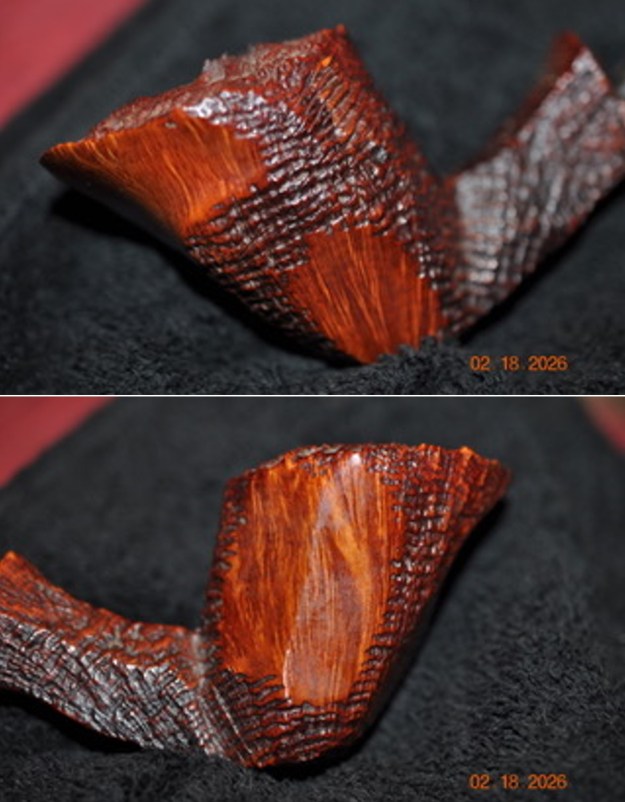
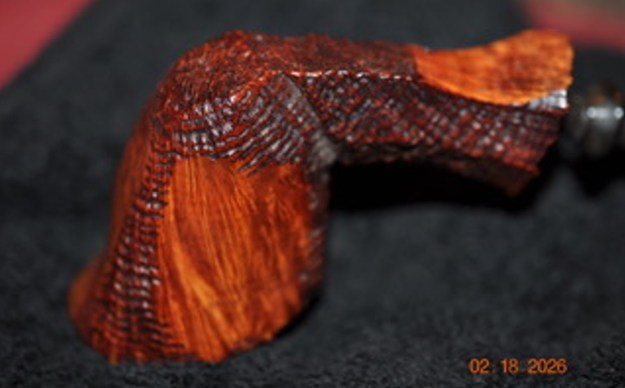
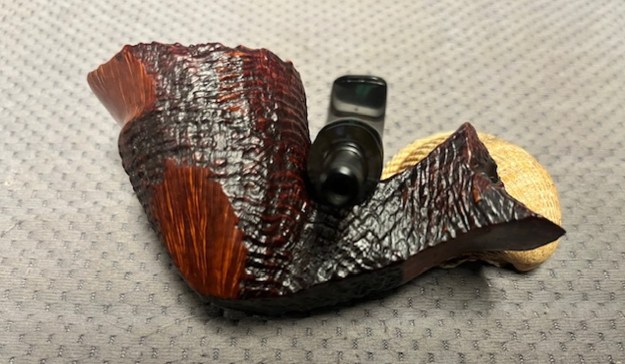
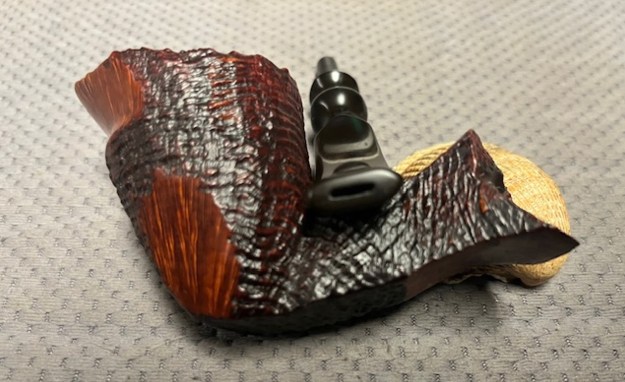
Restoring a Danish Pride by Ben Wade Hand Made in Denmark Freehand


by Steve Laug

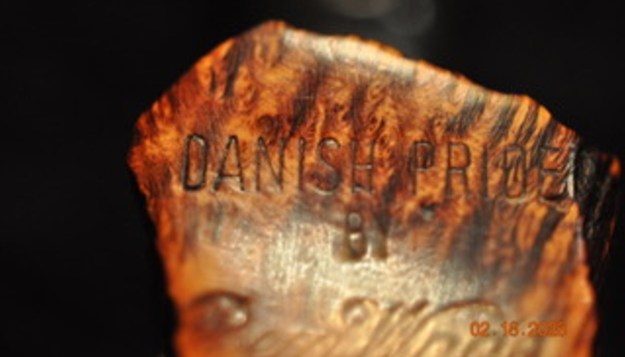
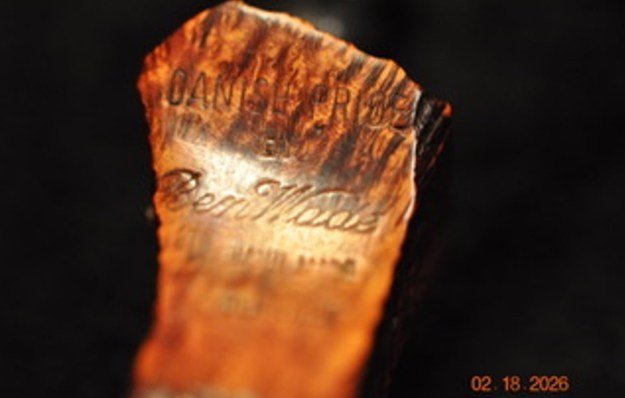
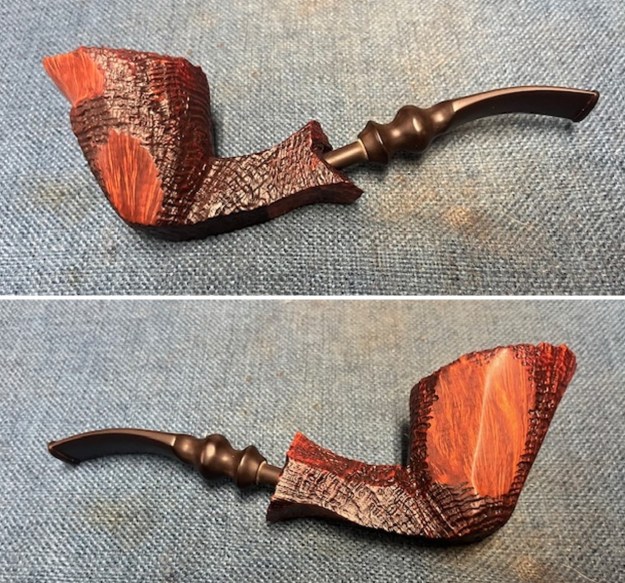
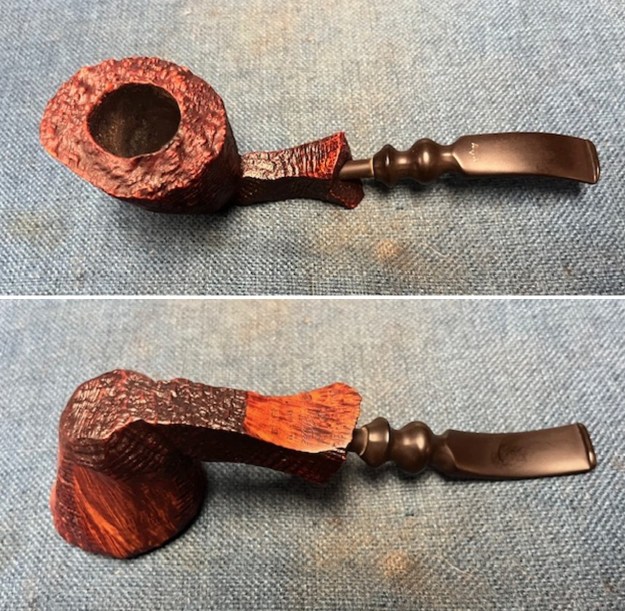
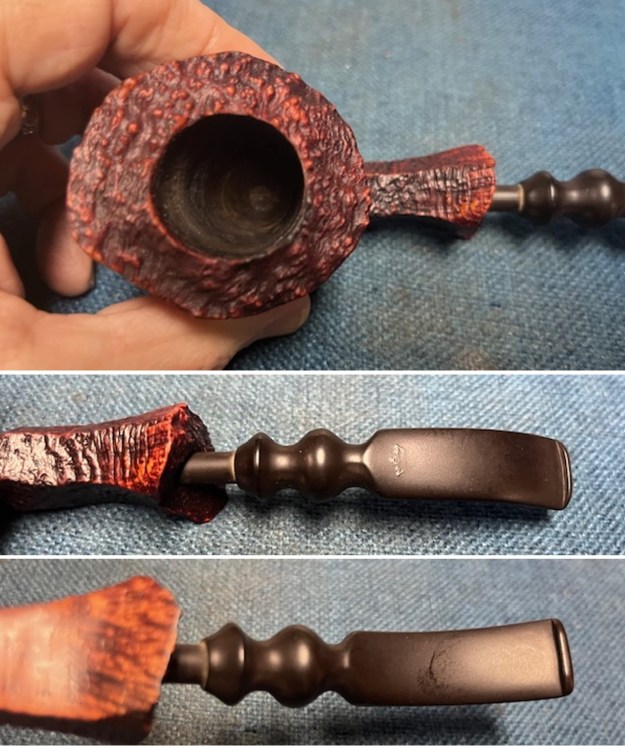
This particular mixed finish plateau, smooth and sandblast Freehand pipe was purchased on 01/20/2026 from a Facebook seller in Quaker Town, Pennsylvania, USA. It really is a beautiful, deeply sandblast Freehand with smooth nicely grained smooth patches. The stem is a fancy turned vulcanite saddle stem. The mixed finish bowl is stained with a contrast of browns that give depth to the sandblast and highlight the grain on the smooth patches. It is stamped on the underside of the shank on a smooth panel and reads Danish Pride [over] By [over] Ben Wade. Under that it is stamped Hand Made [over] In [over] Denmark. The bowl had a thick cake with an overflow of lava in plateau rim top – heavier toward the back of the bowl. There was grime ground into the finish which left the look quite dull. The bent saddle stem has a Crown [over] BW stamped on the flat blade. It had light tooth marks and chatter on both sides of the stem ahead of the button. Jeff took photos of the pipe before he started his work on it. He took photos of the rim top to show the condition of the top and edges of the bowl. It is dull and has the lava in the rusticated surface of the rim. It is uniquely a beautiful pipe. The stem had light tooth marks and chatter on both sides ahead of the button. He took photos of the sides and heel of the bowl to show the sandblast finish and smooth patches around the bowl and the condition of the pipe. You can see the grime ground into the surface of the briar. The black band inlaid on the shank is a great highlight in the briar of the shank. He took a photo of the stamping on the left side of the shank. It is clear and readable as noted above. In a previous blog I had researched the brand quite a bit. I have included it below for information on this pipe (https://rebornpipes.com/2020/10/03/restoring-a-danish-pride-by-ben-wade-mixed-finish-handmade-freehand-sitter/). I quote:

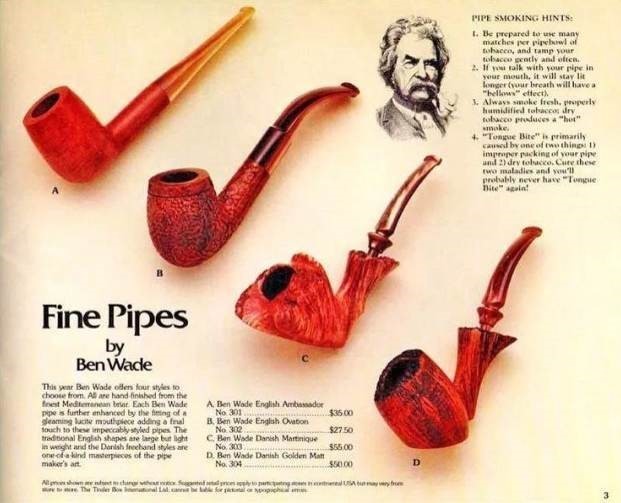
I remembered that the Preben Holm pipes were marketed under the Ben Wade label in the US and imported through Lane Ltd. I turned to Pipedia and read the listing on the brand to refresh my memory and flesh out the knowledge of the brand (https://pipedia.org/wiki/Ben_Wade). I have included a photo from that site that was taken from a Tinderbox advertisement.I quote the portion of the article that summarizes the Danish period of the history of the brand:

Young Copenhagen master pipemaker Preben Holm had made a meteoric career heading a pipe manufacture employing 45 people at the age of 22! But around the turn of 1970/71 he was in major financial difficulties. His US distributor, Snug Harbour Ltd. in New York City, left him in the lurch. Holm had three unpaid invoices on his desk and another large shipment was ready for the USA, when Snug Harbour’s manager told him on the phone that there was no money at all on the account to pay him.

So the Dane went to New York for an almost desperate search for a new distribution partner. He made contacts with Lane Ltd. and met Herman G. Lane in February 1971. Lane Ltd. had no interest in Holm’s serial pipes produced at that time but so much the more in the hand-carved freehands because the hype for Danish freehands and fancies in the States was still on its way to the climax then. The meeting resulted in an agreement to start a cooperation. Lane insisted to improve the quality considerably and in return he assured to be able to sell essentially larger quantities.

Holm went back home to work on new samples with all-new designs and altered finishes for Lane. Both, Lane and Holm, agreed that it would be unwise to sell the pipes under Preben Holm’s name as long as Snug Harbour had a considerable stock of Preben Holm pipes and might sell them pipes at very low prices just to bring in some money.

So on Mr. Lane’s proposal it was determined to use the name Ben Wade belonging to Lane Ltd. Lane spent considerable amounts of money for advertising the new brand in the big magazines– the centerpiece being whole-page ads showing a very exclusive Seven Day’s Set.

The cooperation with Lane Ltd. proved to be an eminent business success for both partners. Within a very short time Ben Wade Handmade Denmark sold in much larger quantities and at higher prices than they had ever dreamed of. And the hype these freehands and fancy pipes caused went on unbroken long after Herman G. Lane deceased. Preben Holm – obviously much more brilliant in pipe making than in pipe business – was in major troubles again in 1986 and had to sack most of his staff. The Ben Wade production was significantly lowered but continued until his untimely death in June of 1989.

Up to now Preben Holm made Ben Wade pipes are cult and highly sought for on the estate markets.

With that information my initial thoughts were confirmed. This pipe was a Preben Holm made Freehand distributed in the US by Lane Ltd under the name Ben Wade. The freehand rage occurred in the late 70s and the pipes were made until Preben’s death in 1989. My guess would be that this pipe was made sometime during that time period and potentially in the late 70s.

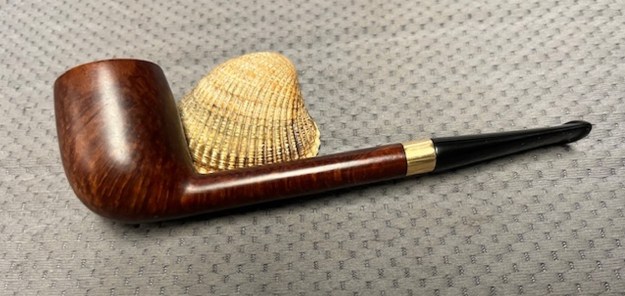
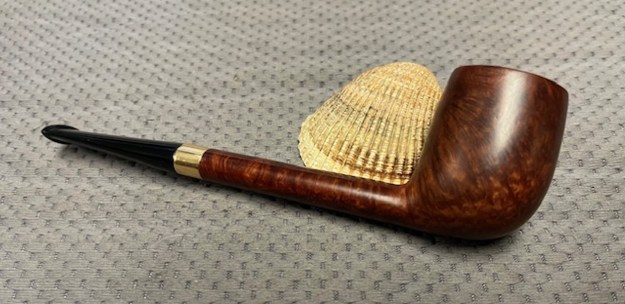
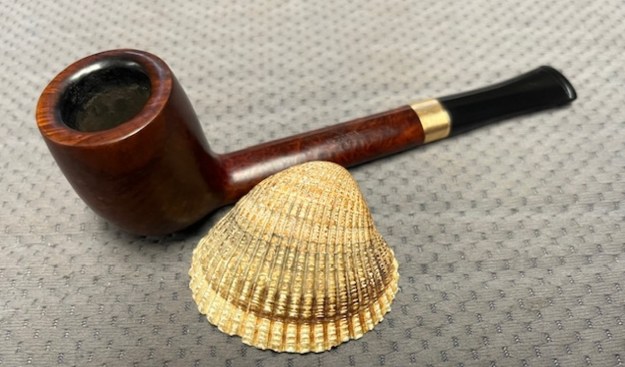
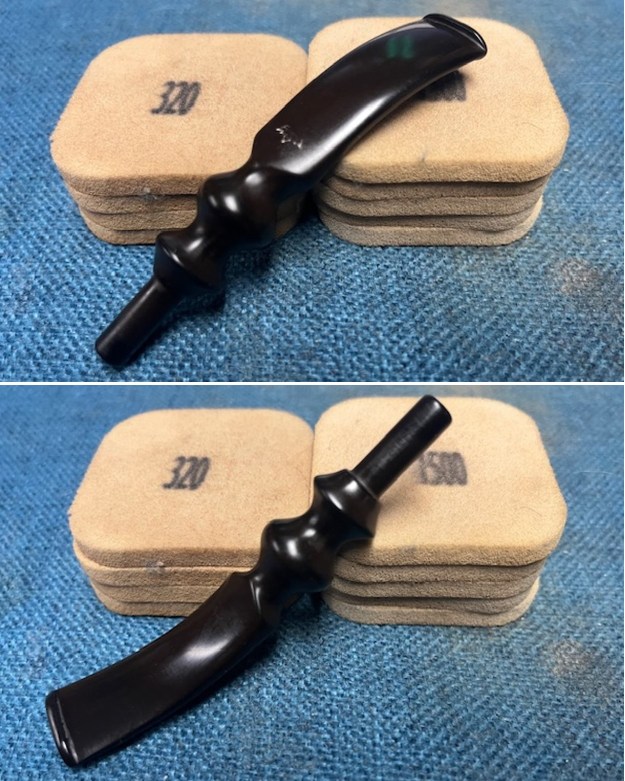
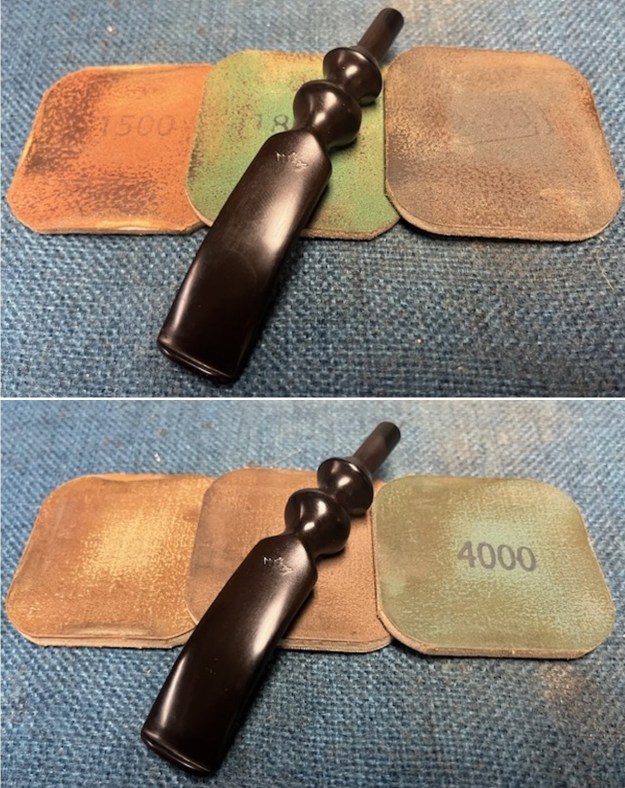
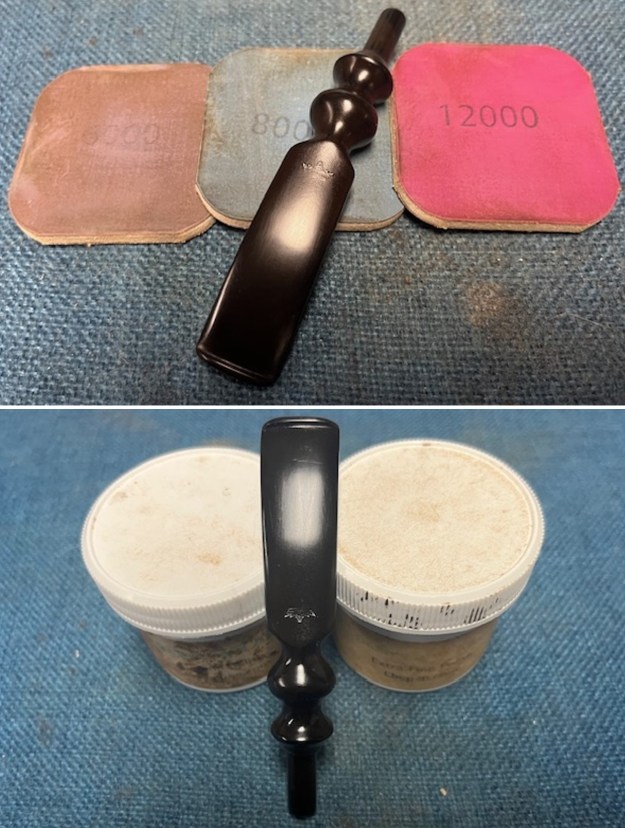
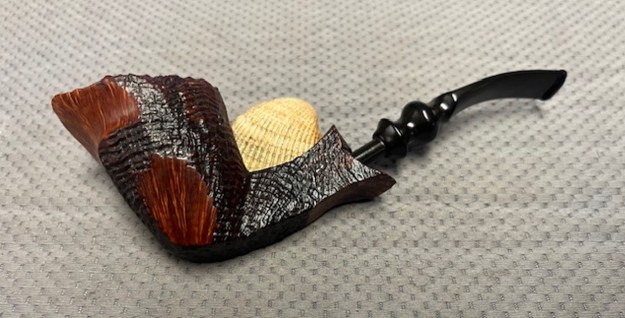
Jeff had cleaned up the pipe following his normal cleaning process. In short, he reamed the bowl and then cleaned up the reaming with a Savinelli Fitsall Pipe Knife. He scrubbed the bowl with undiluted Murphy’s Oil Soap with a tooth brush. He worked over the lava and debris on the plateau rim top and shank end and was able to remove it. He rinsed it under running warm water to remove the soap and grime. He cleaned out the inside of the shank and the airway in the stem with alcohol, cotton swabs, shank brushes and pipe cleaners. He scrubbed the stem with Soft Scrub and cotton pads to remove the debris and oils on the stem. He soaked it in Briarville’s Pipe Stem Deoxidizer to remove the remaining oxidation. He rinsed it with warm water and dried it off. I took photos of the pipe once I received it. It really looked good. I took close up photos of the stem and the rim top to show both how clean they were and what needed to be addressed with both. The rim top and bowl look good. The stem looked better and the light tooth marks and chatter were still present. I would need to remove those to bring the stem back.I took a photo of the stamping on the underside of the shank. You can see from the photo that it is faint in some spots but it is still readable. I removed the stem from the bowl and took a photo of the parts to give a sense of the beauty of the pipe.The bowl was in such good condition after the clean up that I worked some Before & After Restoration Balm into the surface of the briar with my finger tips and a horse hair shoe brush to get into the crevices of the plateau and sandblast portions. The product is incredible and the way it brings the grain to the fore is unique. It works to clean, protect and invigorate the wood. I set the bowl aside and turned my attention to the stem. I sanded the stem with 320-3500 grit 2×2-inch sanding pads. I wiped the stem down after each sanding pad with an Obsidian Oil cloth.I polished the stem with micromesh sanding pads – dry sanding it 1500-12000 pads. I wiped it down with Obsidian after each pad to remove the dust and polishing debris. I polished it with Before After Pipe Polish – both Fine and Extra Fine. I gave it another coat of Obsidian Oil. I am happy with the way that this Preben Holm Made Danish Pride by Ben Wade Freehand turned out. It really is a beautiful looking pipe with a great shape and mix of smooth and sandblast finishes around the bowl and shank. The rugged plateau on the rim top and shank end are beautiful. The fancy original vulcanite saddle stem works well with the reddish brown of the stained briar. The pipe really came alive with the buffing. The rich brown stains of the finish gave the pipe a sense of depth with the polishing and waxing. I put the stem back on the bowl and carefully buffed the pipe with Blue Diamond on the buffing wheel using a light touch on the briar. I gave the bowl multiple coats of Conservator’s Wax and the stem multiple coats of carnauba wax on the buffing wheel. I buffed the pipe with a clean buffing pad to raise the shine. I hand buffed the pipe with a microfiber cloth to deepen the shine. The finished Danish Pride by Ben Wade really is a beauty and feels great in the hand and looks very good. Give the finished pipe a look in the photos below. The dimensions of the pipe are Length: 7 inches, Height: 2 ¼ inches, Outside diameter of the bowl: 2 inches wide x 2 ¼ inches long, Chamber diameter: 7/8 of an inch. The weight of the pipe is 63 grams/2.26 ounces. The pipe will be going on the rebornpipes store in the Danish Pipe Makers Section if you would like to add it to your collection. Thanks for reading this blog and my reflections on the pipe while I worked on it. It was a fun one to work on!
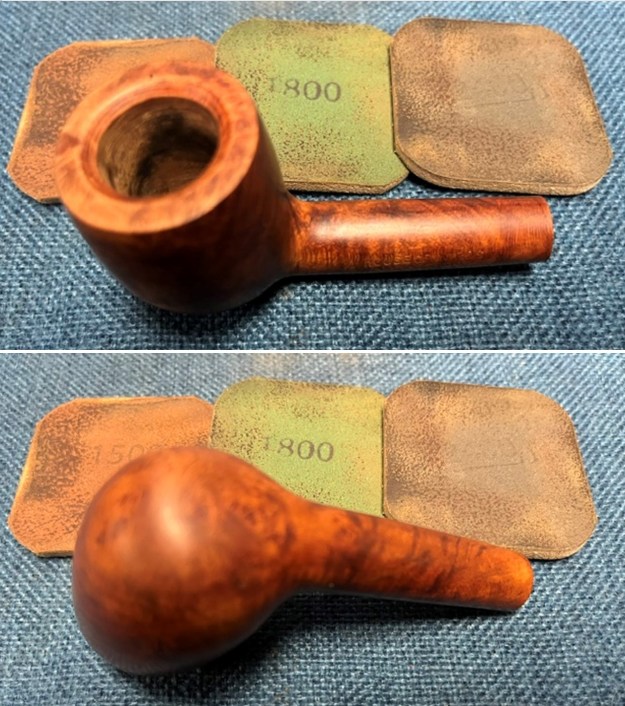
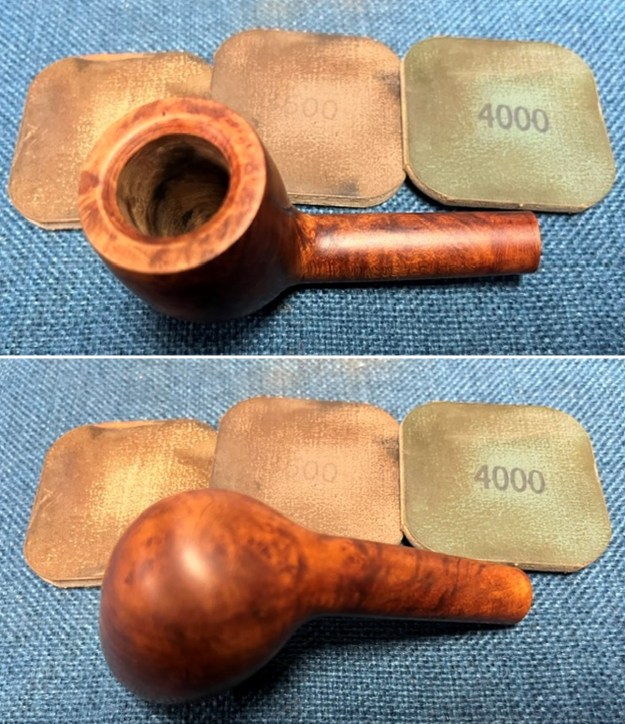
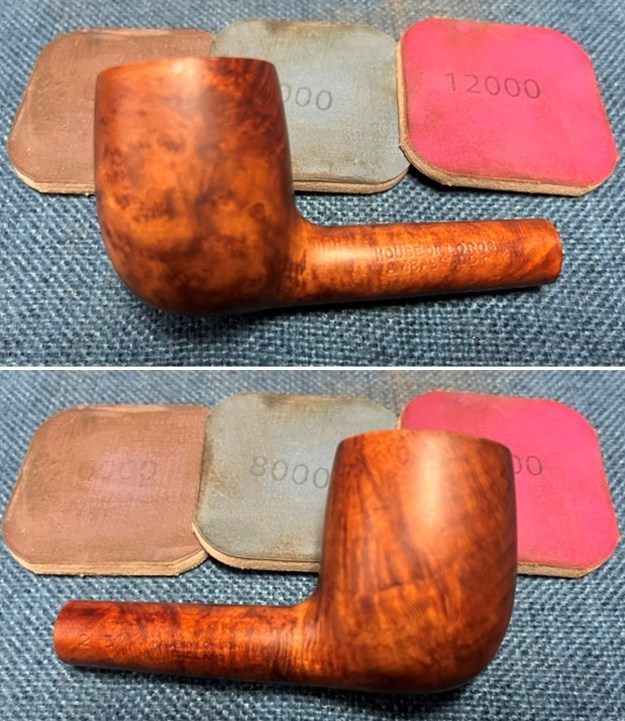
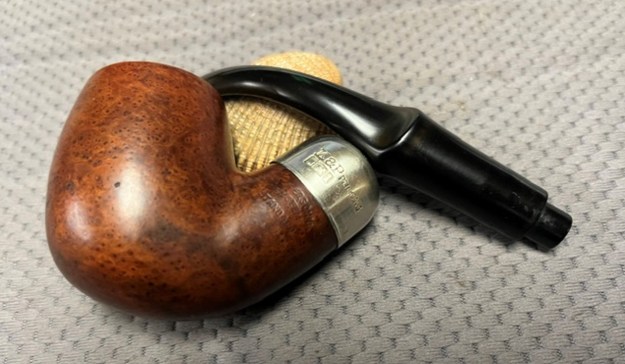
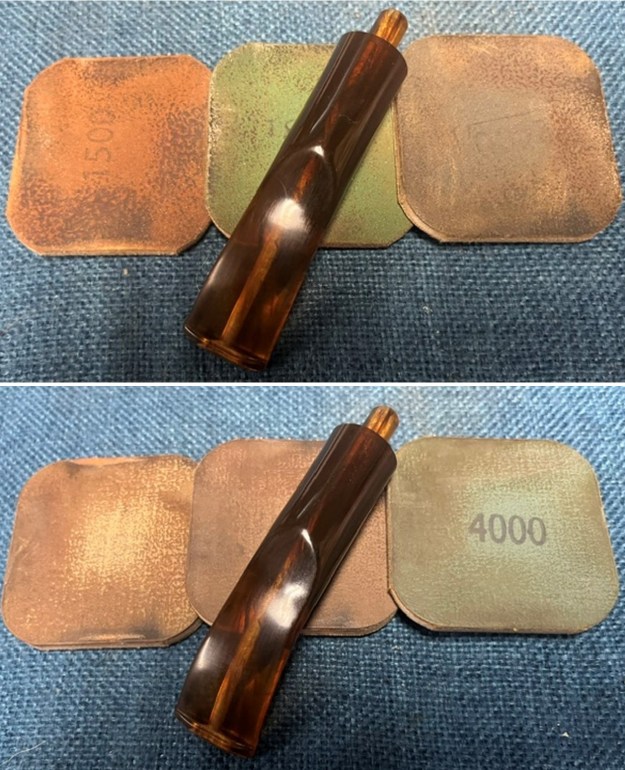
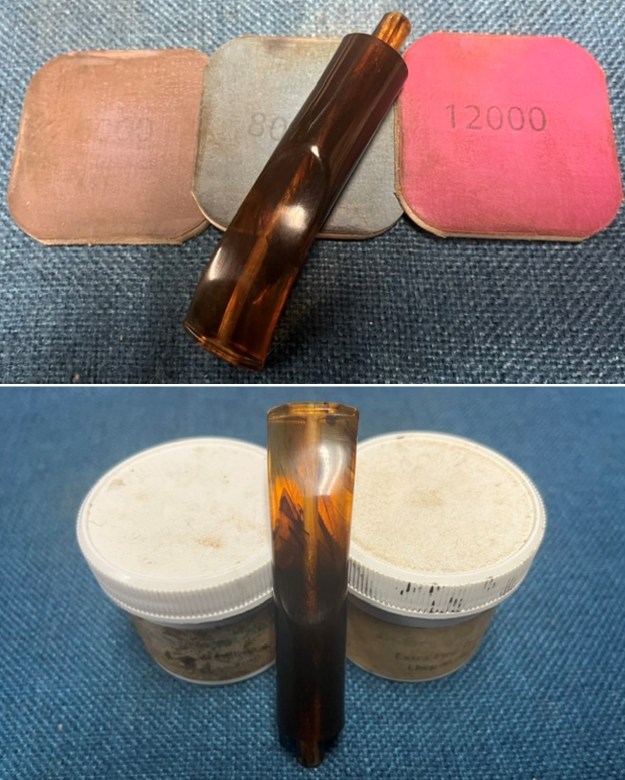
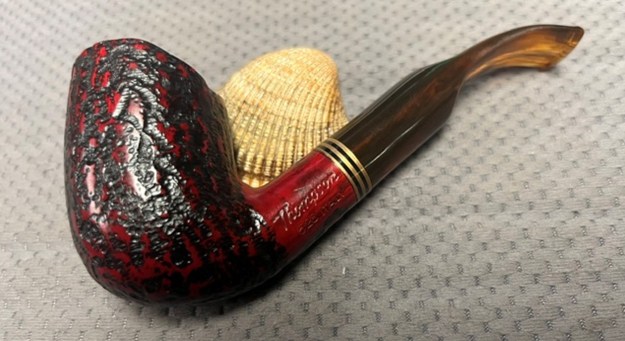
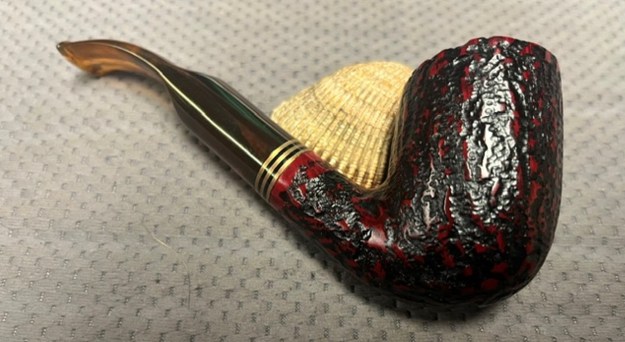
Restoring a Fatte a Mano Sumerler Rusticated Bent Brandy


by Steve Laug

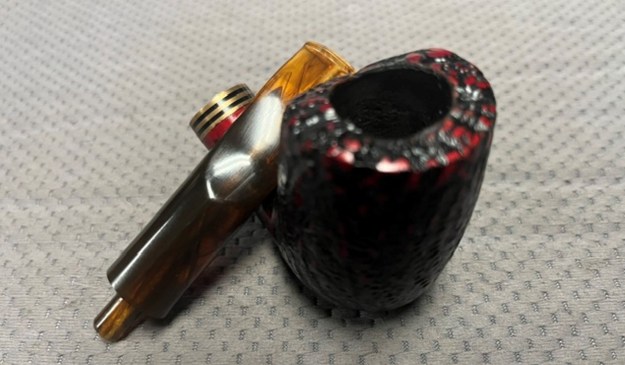
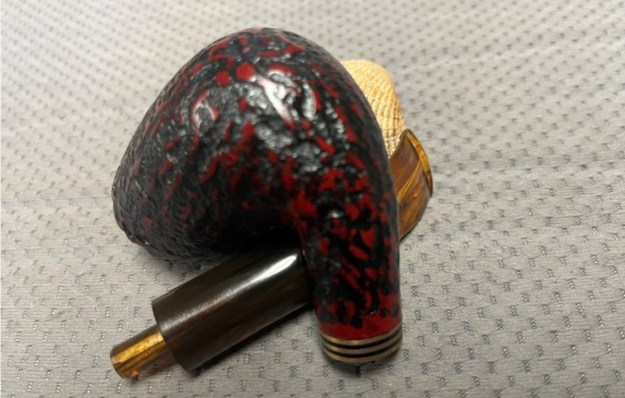
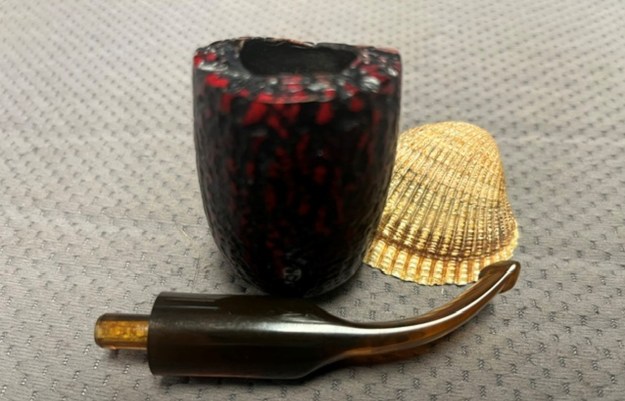
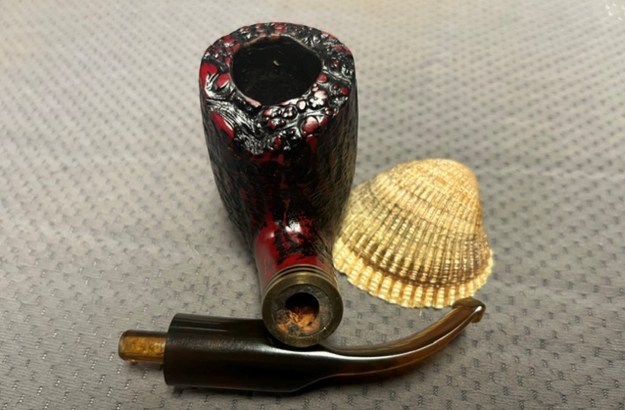
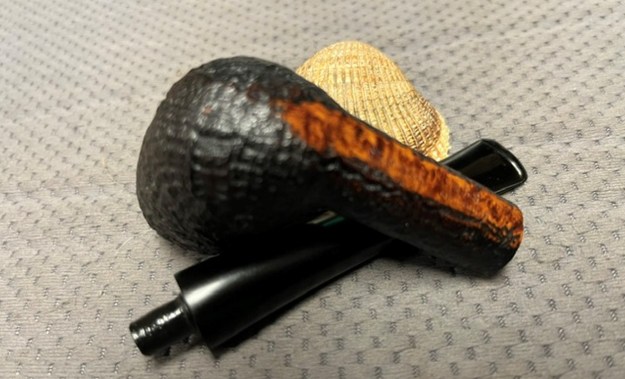
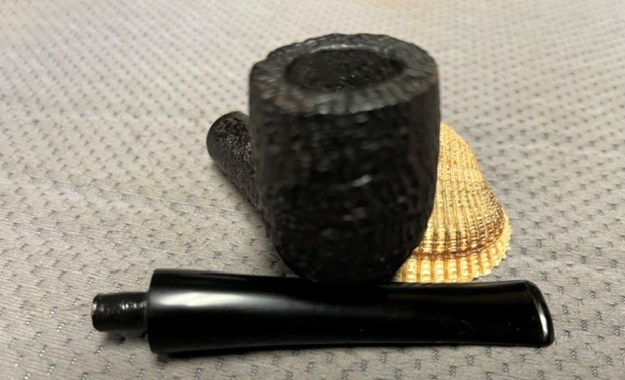
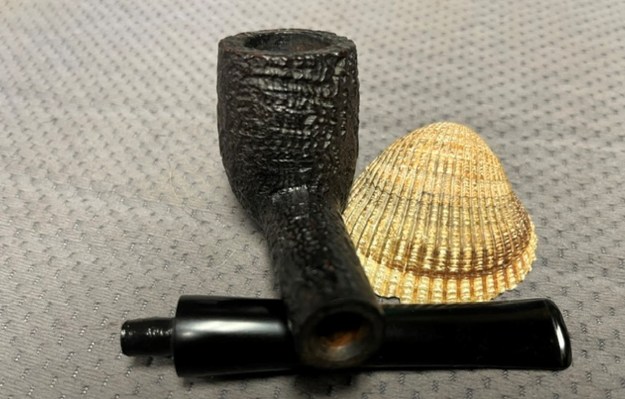
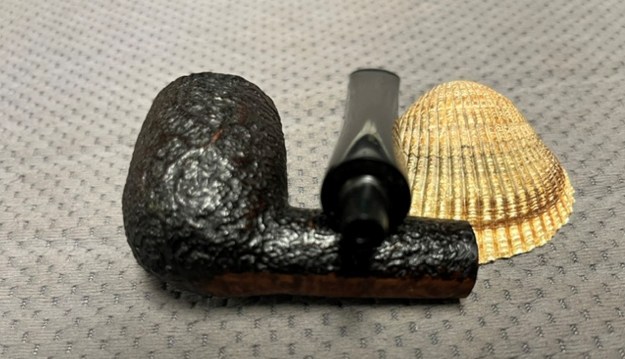
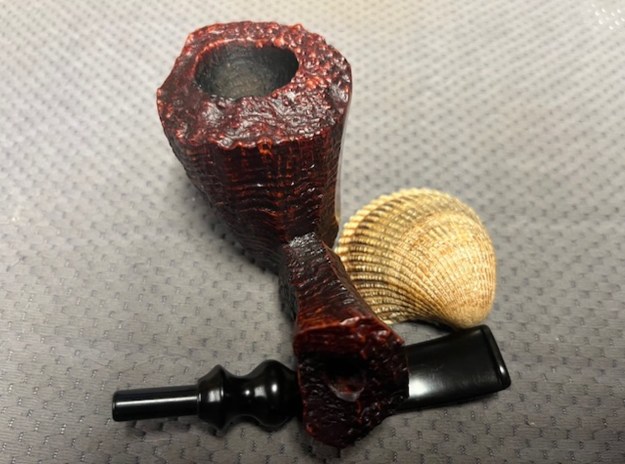
This particular rusticated Bent pipe was purchased on 01/20/2026 from a Facebook seller in Quaker Town, Pennsylvania, USA. It really is a beautiful, deeply rusticated Bent Brandy with thin black acrylic insert ahead of the shank end visible in the photos below. The deeply rusticated bowl is stained with a contrast of browns that give depth to the rustication. It is stamped on the left side of the shank on a smooth panel Fatte A Mano [over] Sumerler. At the right end of the smooth patch it is stamped Italy. The bowl had a moderate cake with an overflow of lava in the rusticated rim top – heavier toward the back of the bowl. There was grime ground into the finish which left the look quite dull. The bent acrylic stem has no logo stamped on the surface on either side of the stem. It had light tooth marks and chatter on both sides of the stem ahead of the button. Jeff took photos of the pipe before he started his work on it. He took photos of the rim top to show the condition of the top and edges of the bowl. It is dull and has the lava in the rusticated surface of the rim. It is uniquely a beautiful pipe. The stem had light tooth marks and chatter on both sides ahead of the button. He took photos of the sides and heel of the bowl to show the rusticated finish around the bowl and the condition of the pipe. You can see the grime ground into the surface of the briar. The black band inlaid on the shank is a great highlight in the briar of the shank. He took a photo of the stamping on the left side of the shank. It is clear and readable as noted above. Before I started working on the pipe, I turned to Pipephil’s site to see if I could learn anything about the Fatte A Mano Sumerler brand (http://www.pipephil.eu/logos/en/logo-s13.html). There was a photo a Sumerler pipe that has the same stamping as the one I am working on. I did a screen capture of the pertinent section and have included the side bar information below the photo. Pipes with this brand are sometimes carved by Armellini.

It appears that the pipe was made by Armellini in Italy and sold as a sub line or second line to Armellini main work.

I looked up the Sumerler on Pipedia to see if I could gather further information on the company (https://pipedia.org/wiki/Armellini). The notation in Brands and Makers section took me to the article on Armellini. There was no reference there to Sumerler. It gives some great history.   

It was time to work on the pipe. As usual Jeff had done a thorough cleanup on the pipe. He reamed the bowl with a PipNet pipe reamer and a Savinelli Fitsall pipe knife to remove the cake. He scrubbed out the mortise and the airway in the shank and the stem with alcohol, cotton swabs, shank brushes and pipe cleaners. He scrubbed the exterior of the bowl, rim, shank and stem with a tooth brush and Murphy’s Oil Soap to remove the oils and tars on the rim and the grime on the finish of the bowl. He rinsed it under running water. He dried it off with a soft cloth. He soaked the stem in Before & After Deoxidizer and rinsed it off with warm water. He dried it with a soft cloth. The pipe looked good. I took a photo of the rim top and stem to show the condition. The finish on the rim top looked very good. The acrylic taper stem had light tooth chatter and marks on both sides ahead of the button and on the button edges.The stamping on the left side of the shank is clear and readable as noted above. I removed the stem from the shank and took a photo of the pipe to give a sense of the whole. It is a nice-looking rusticated Brandy and should clean up very well.I worked some Before & After Restoration Balm into the surface of the briar with my finger tips and a shoe brush to work it into the rustication. The product is incredible and the way it brings the grain to the fore is unique. It works to clean, protect and invigorate the wood. I polished the stem with micromesh sanding pads – dry sanding it 1500-12000 pads. I wiped it down with Obsidian after each pad to remove the dust and polishing debris. I polished it with Before After Pipe Polish – both Fine and Extra Fine. I gave it another coat of Obsidian Oil. This deeply rusticated Sumerler Bent Brandy with a thin black acrylic band mid shank is a great looking pipe now that it has been restored. The polished acrylic taper stem is in great condition. The briar is clean and really came alive. The rich brown stains gave the rustication a sense of depth with the polishing and waxing. I put the stem back on the bowl and carefully buffed the pipe with Blue Diamond on the buffing wheel using a light touch on the briar. I gave the bowl multiple coats of Conservator’s Wax and the stem multiple coats of carnauba wax on the buffing wheel. I buffed the pipe with a clean buffing pad to raise the shine. I hand buffed the pipe with a microfiber cloth to deepen the shine. The finished Sumerler Bent Brandy is a beauty and feels great in the hand and looks very good. Give the finished pipe a look in the photos below. The dimensions of the pipe are Length: 6 inches, Height: 1 ¾ inches, Outside diameter of the bowl: 1 ½ inches, Chamber diameter: ¾ of an inch. The weight is 2.19 ounces/62 grams. Thanks for reading this blog and my reflections on the pipe while I worked on it. I will be putting it on the rebornpipes store in the Italian Pipe Makers Section. If you are interested in adding it to your collection let me know. Thanks for following the blog on this restoration.