Author Archives: rebornpipes

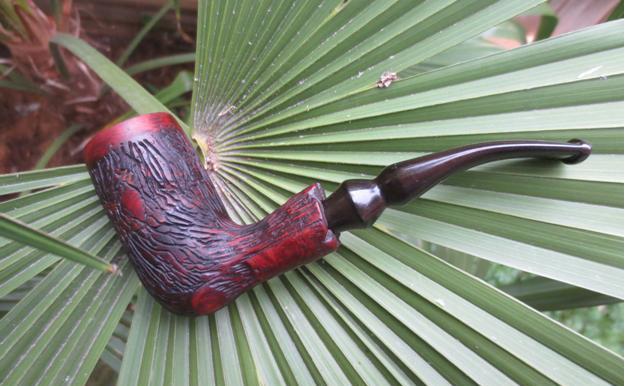
Underneath the Grime lay a beautiful Royal Guard 504


Blog by Steve Laug

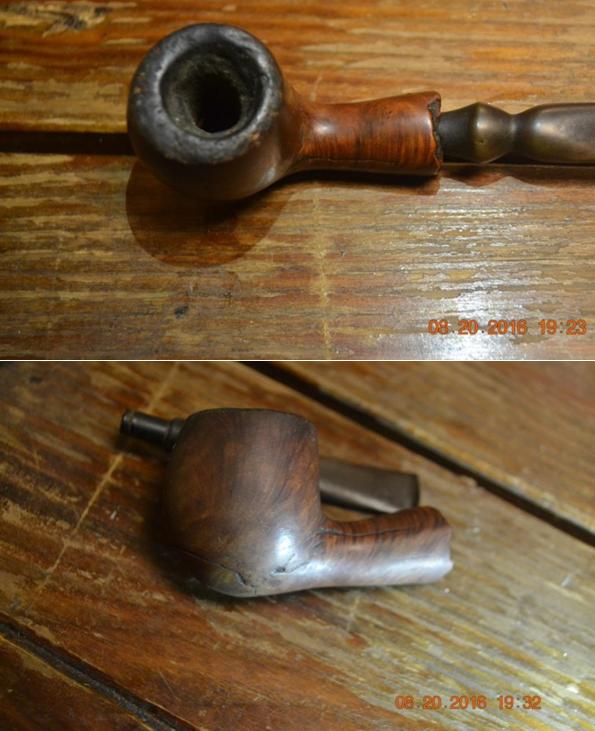
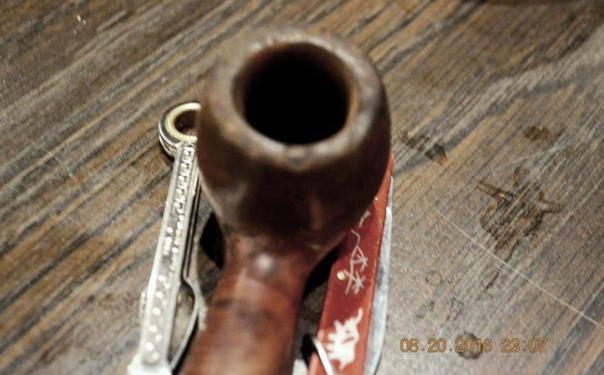
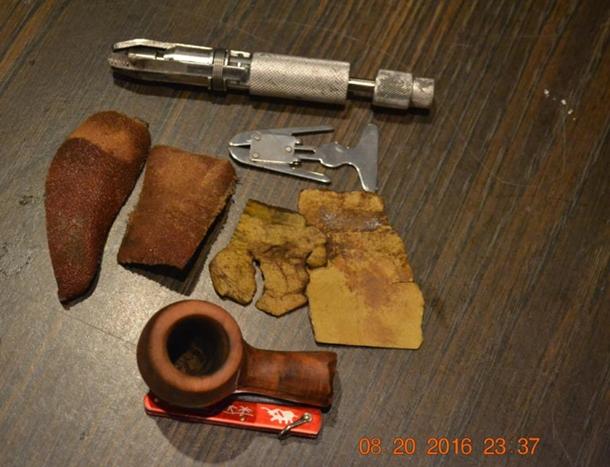
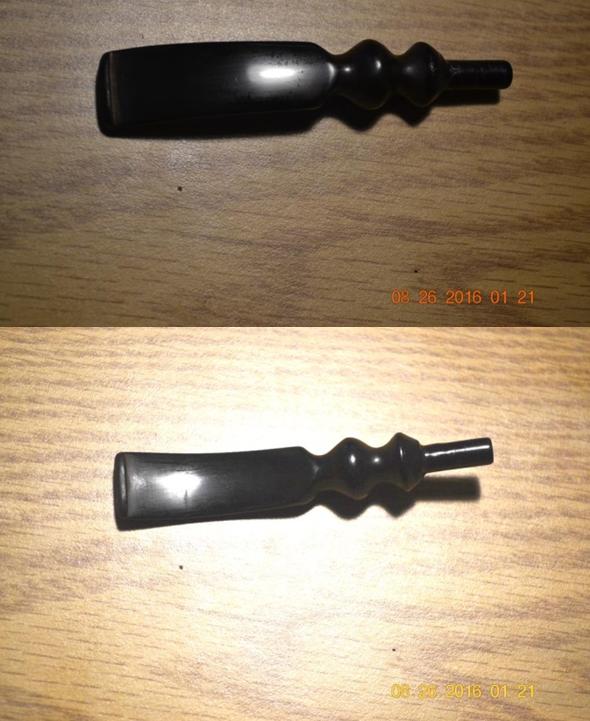
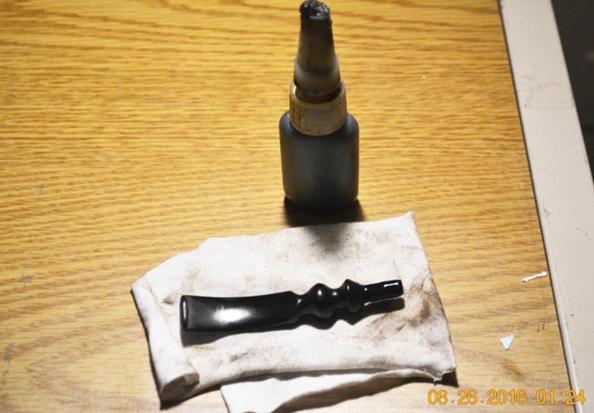
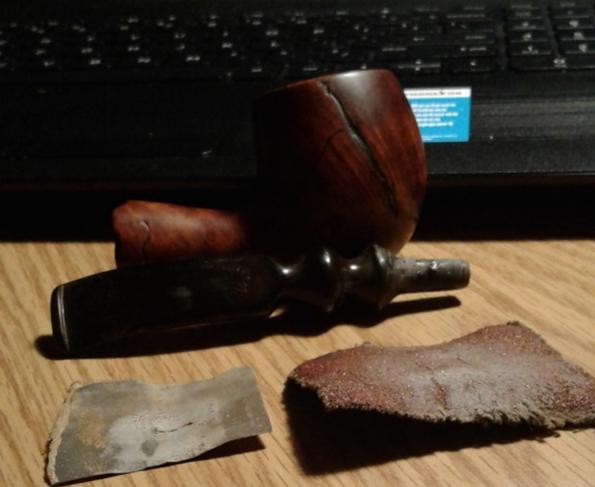
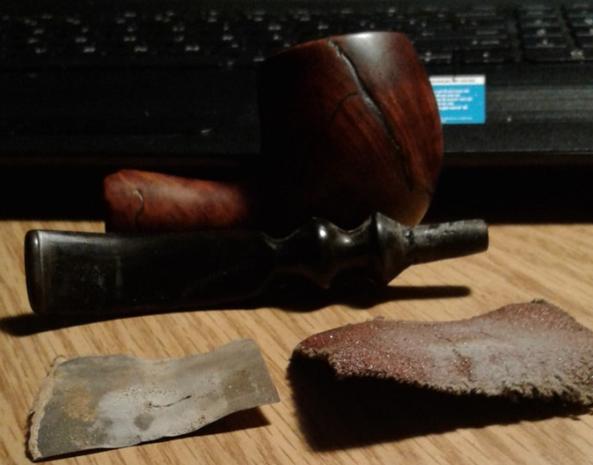
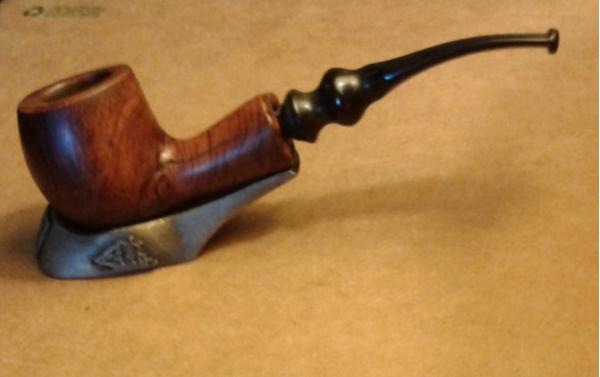
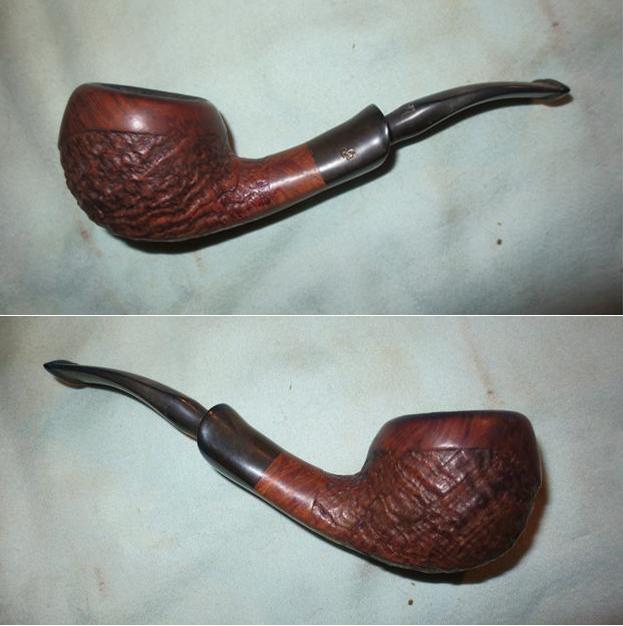
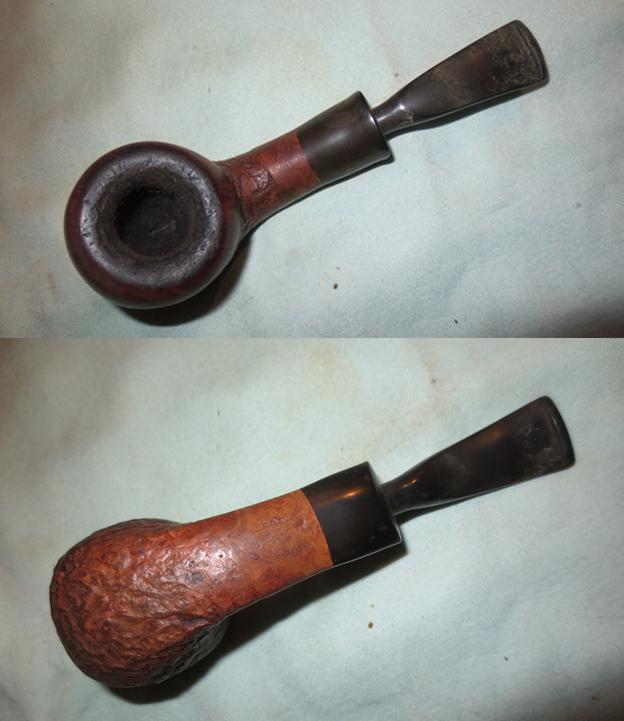
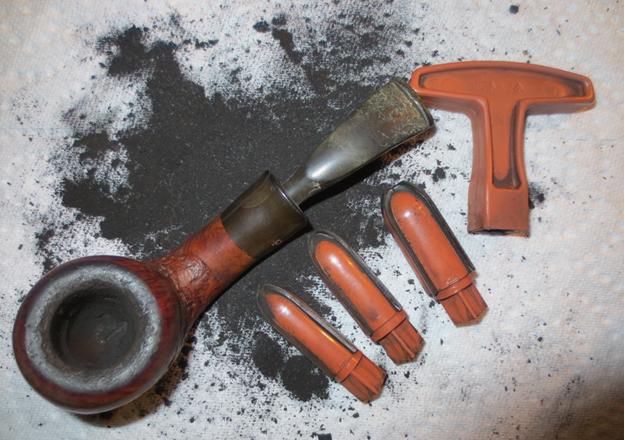
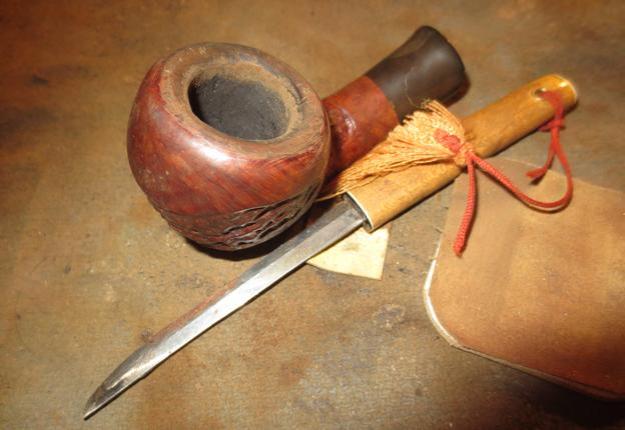
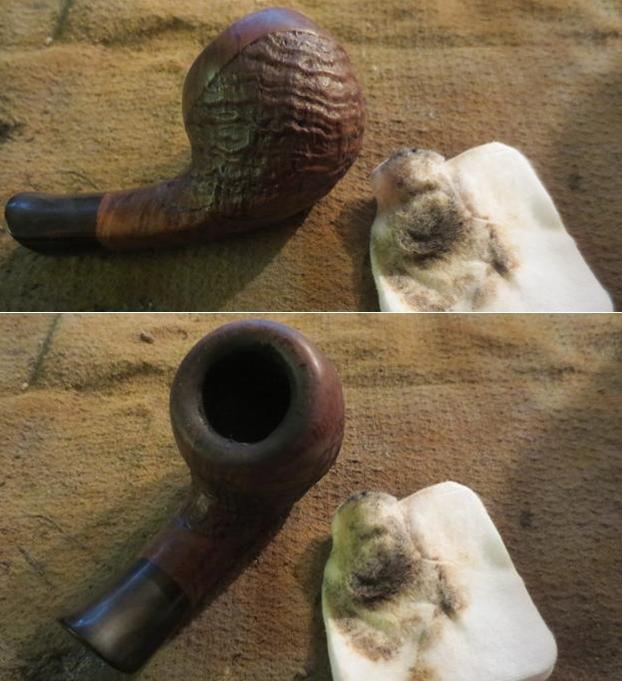
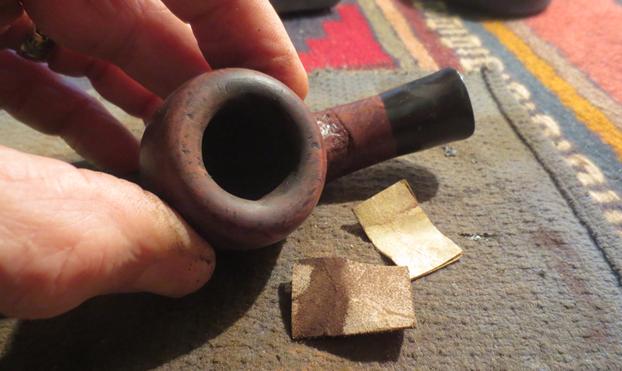
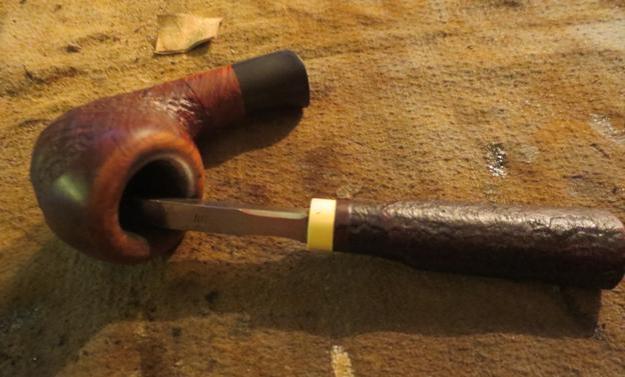
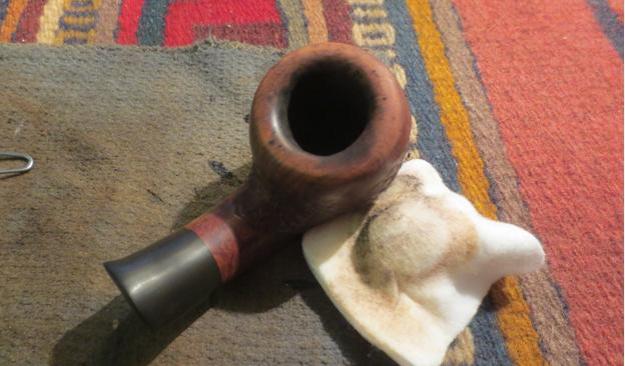
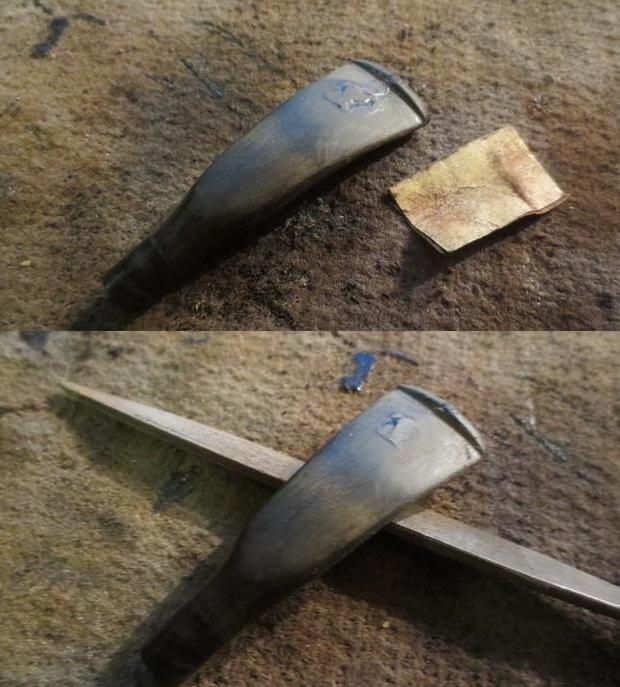
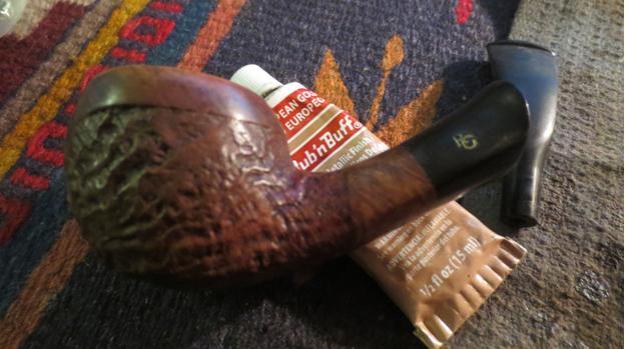
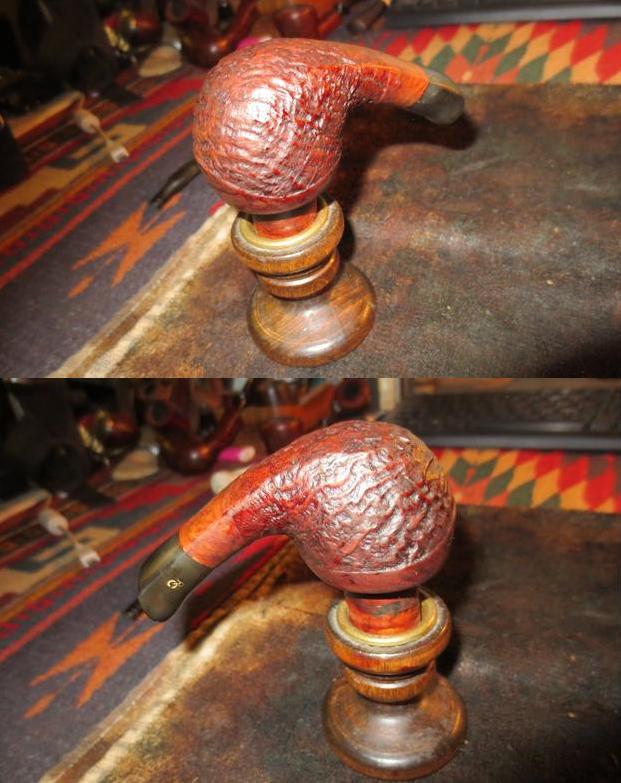
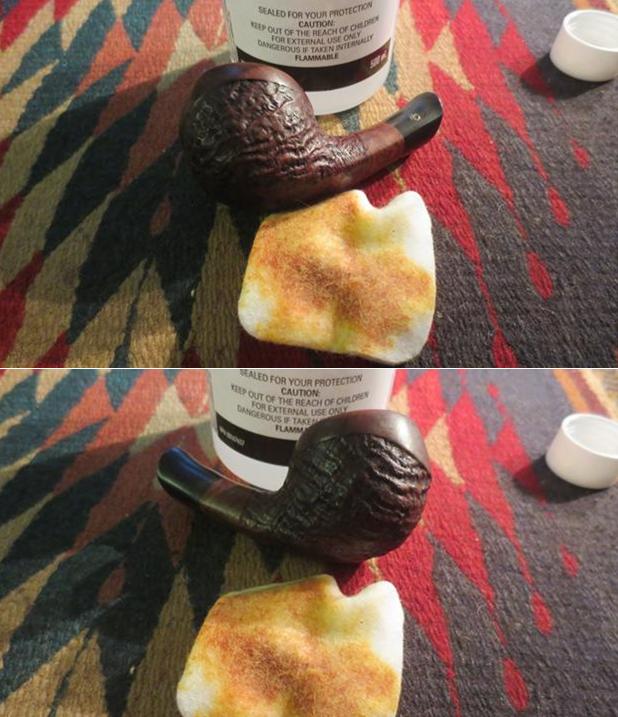
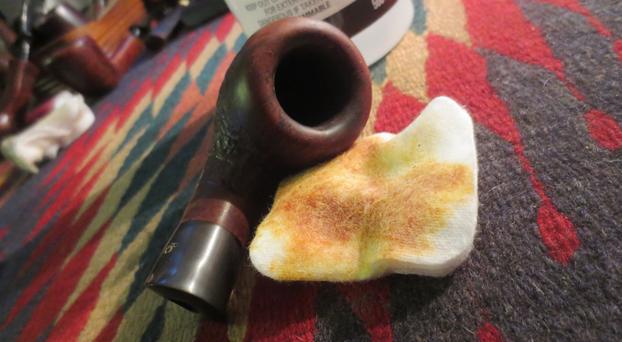
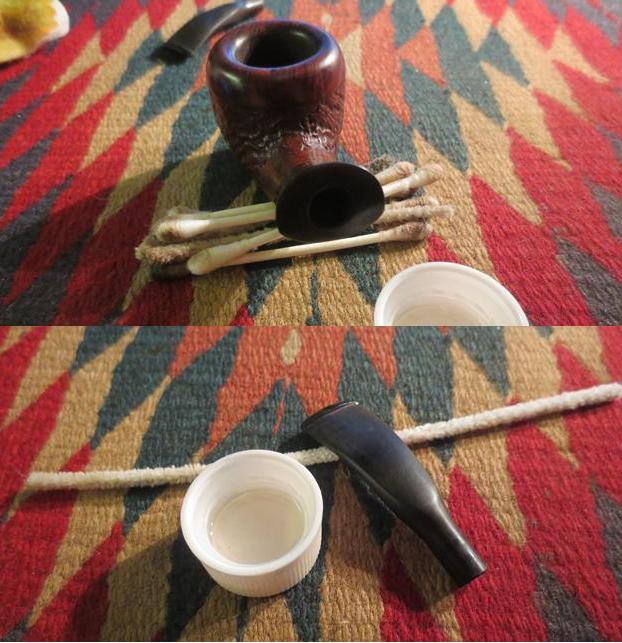
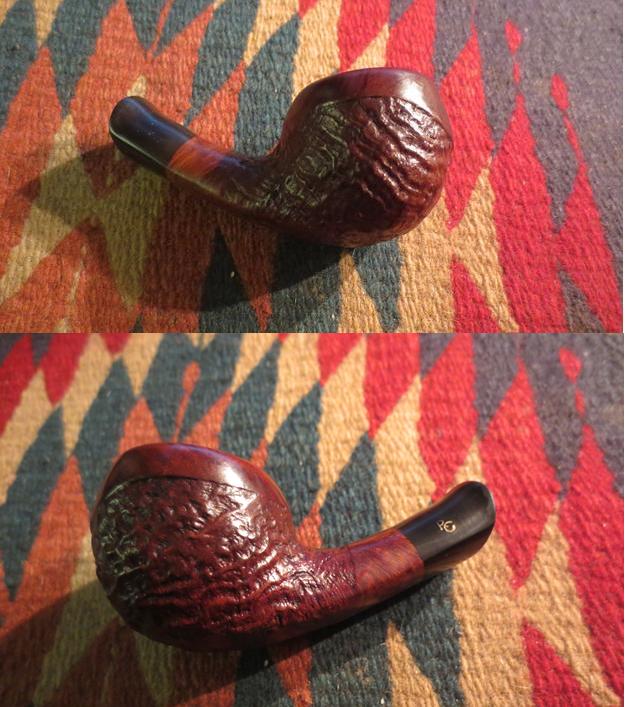
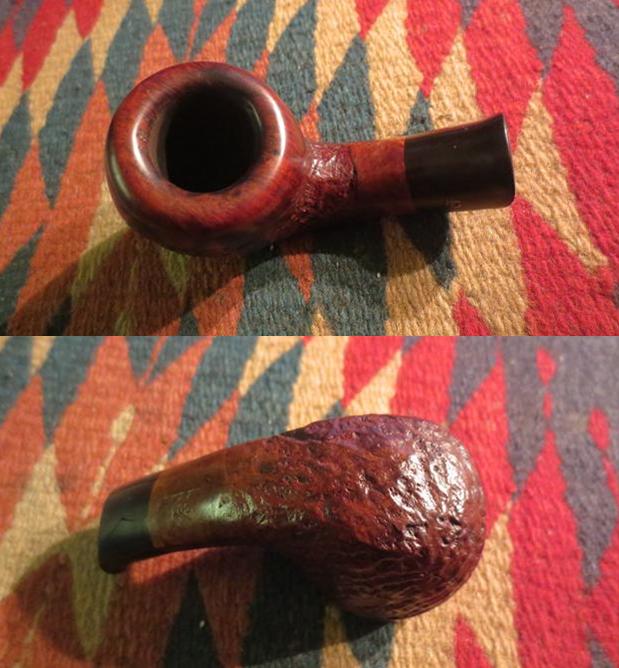
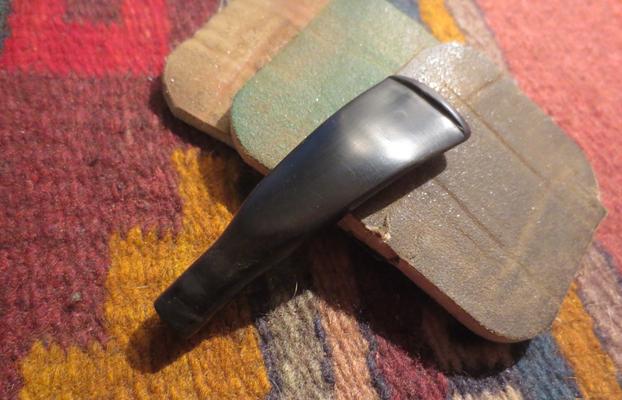
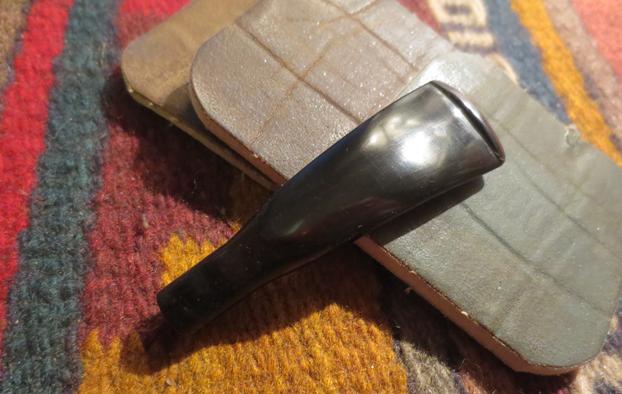
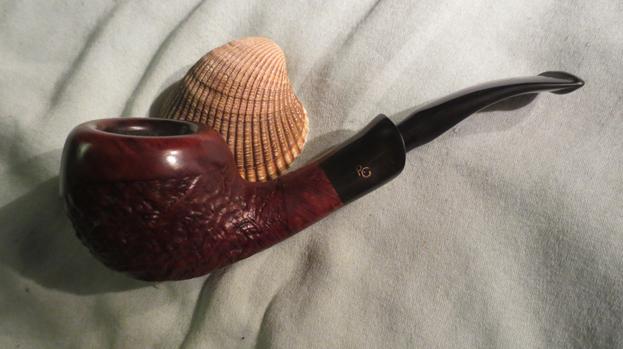
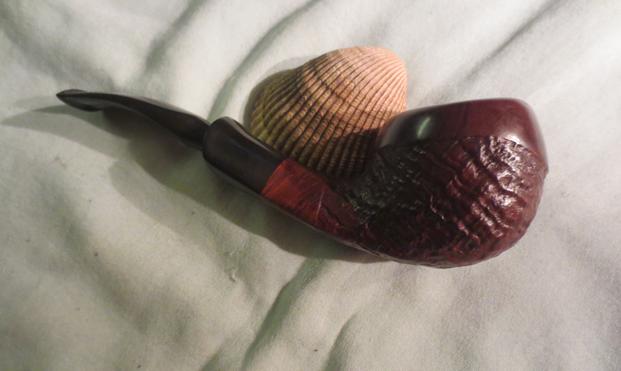
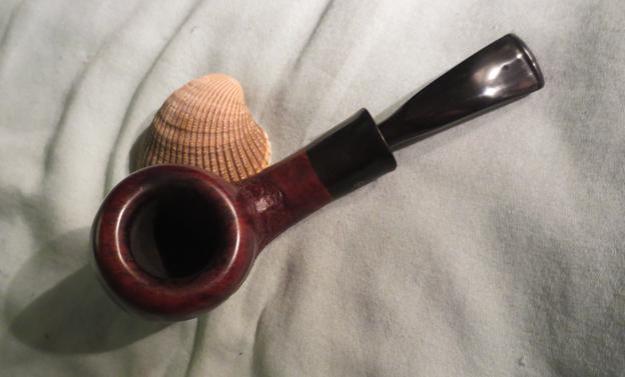
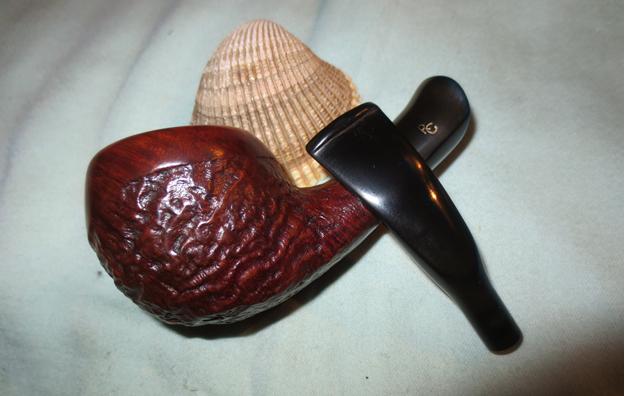
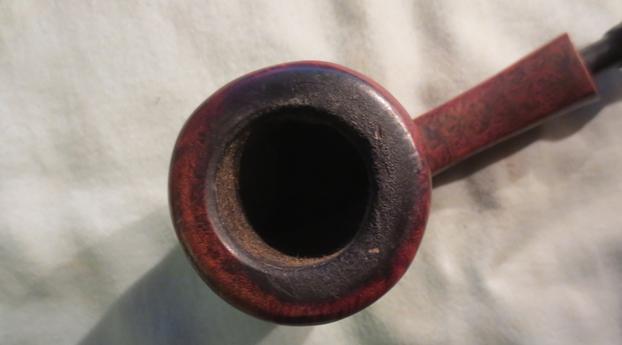
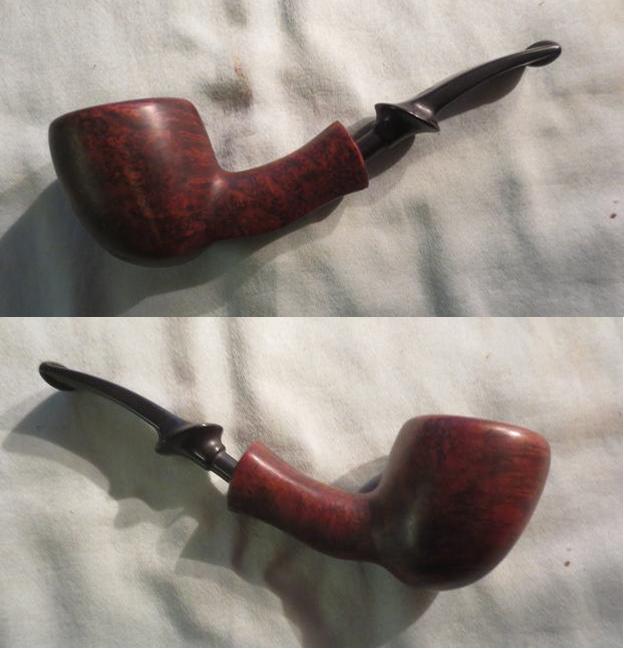
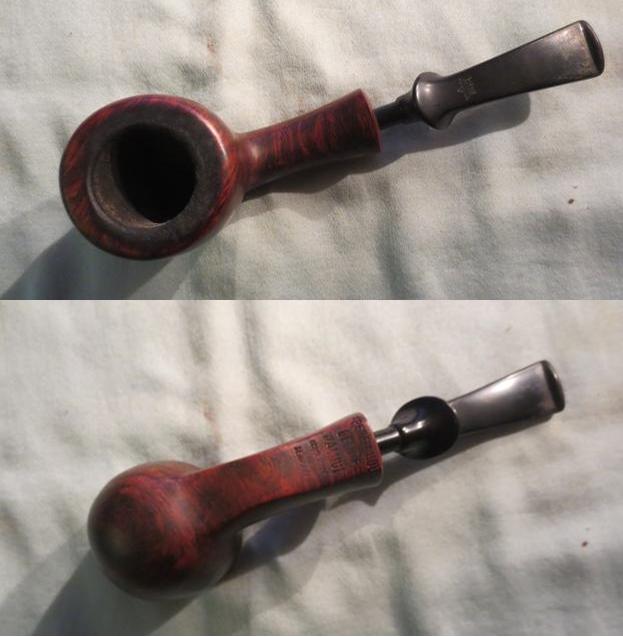
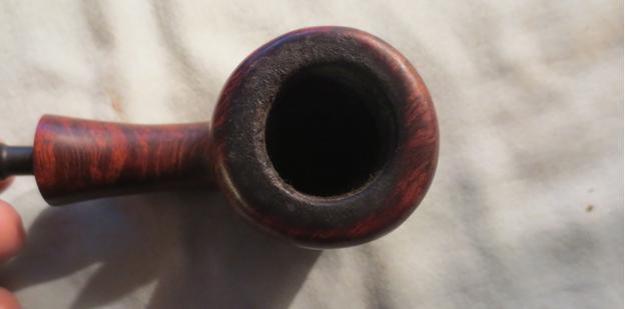
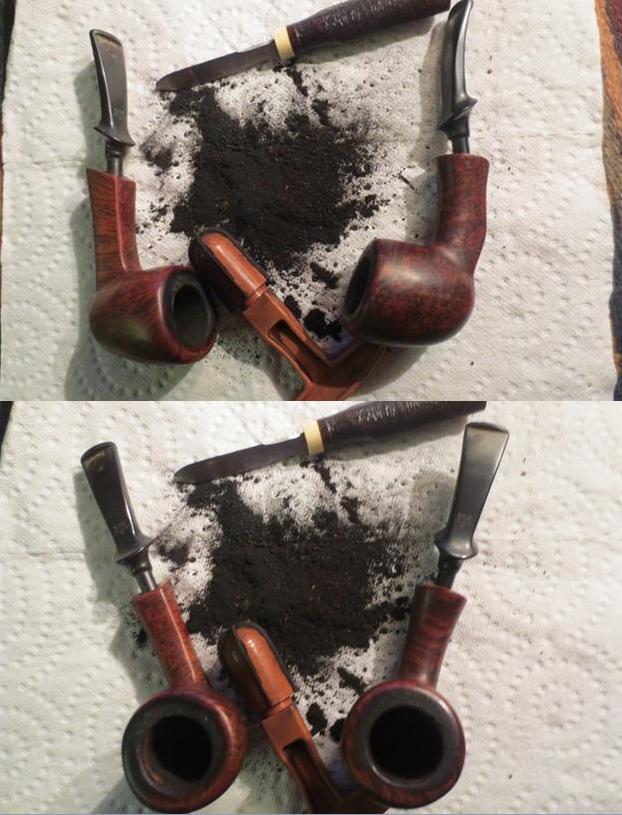
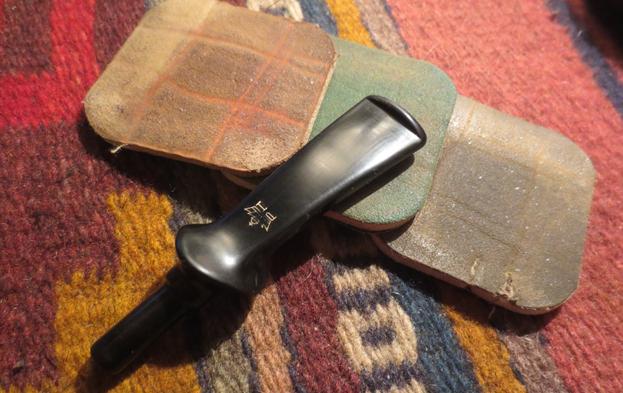
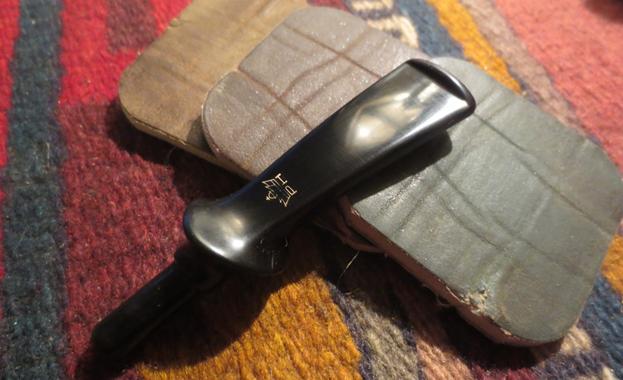
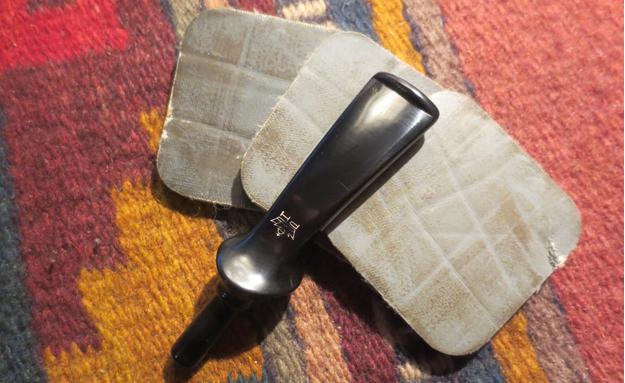
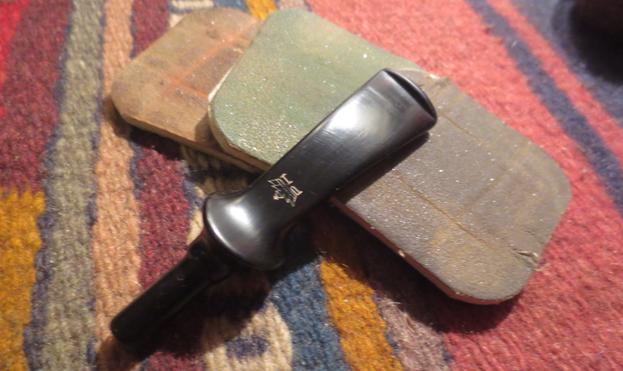
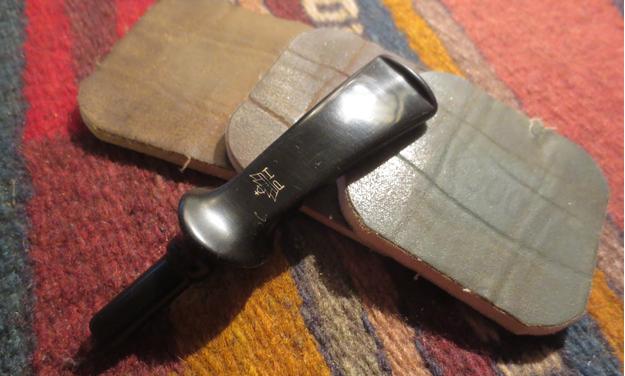
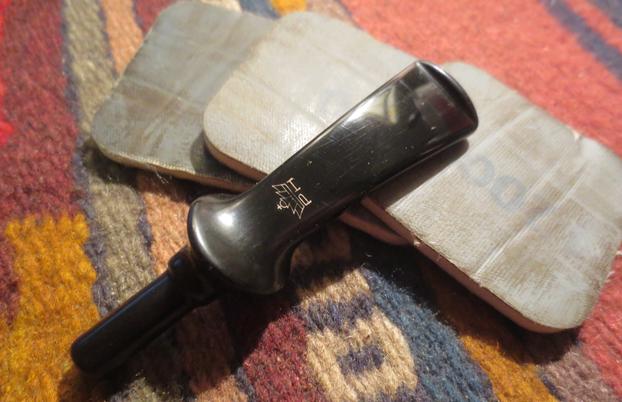
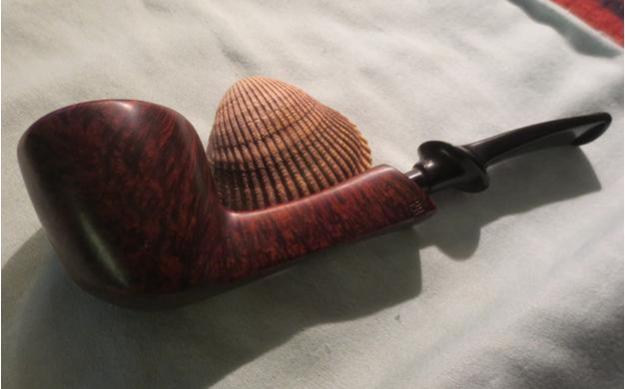
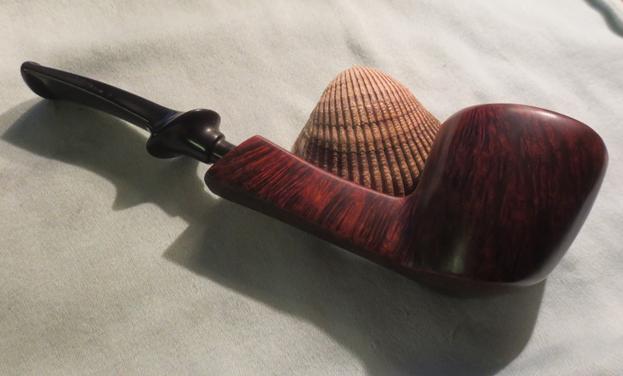
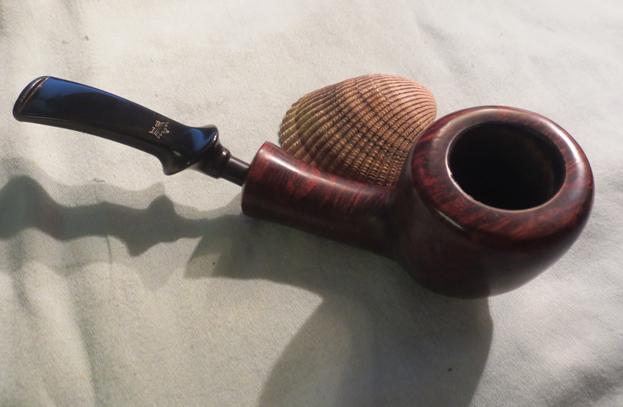
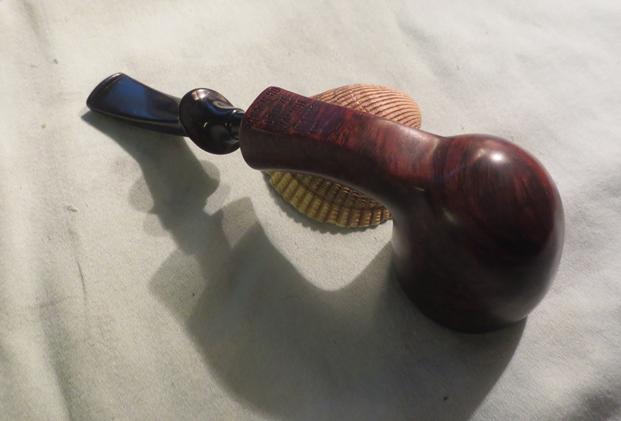
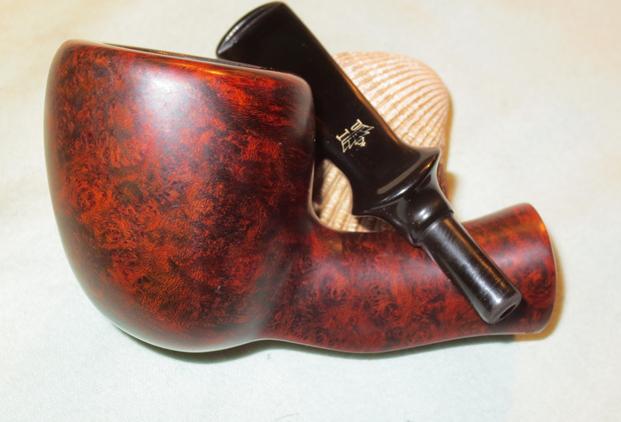
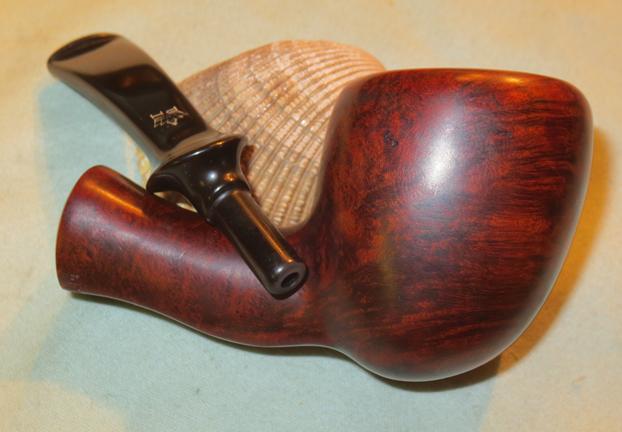
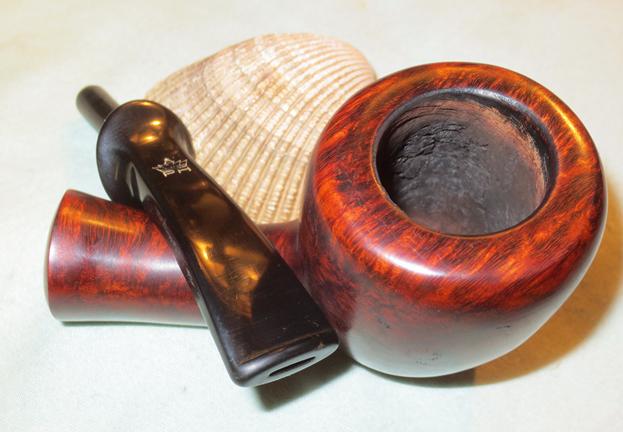
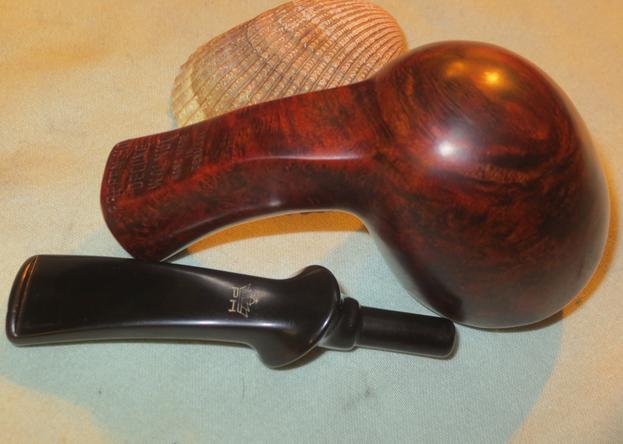
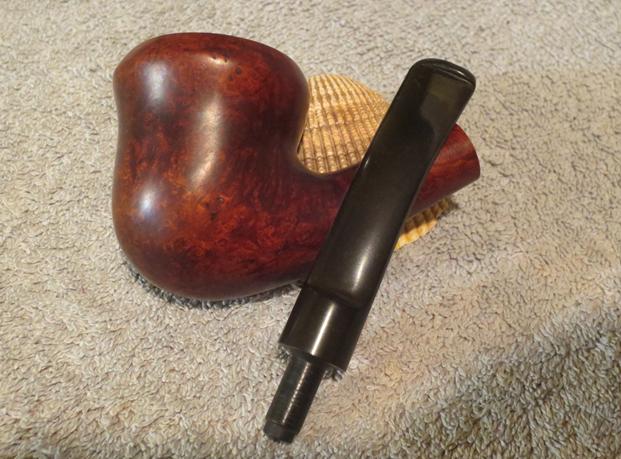
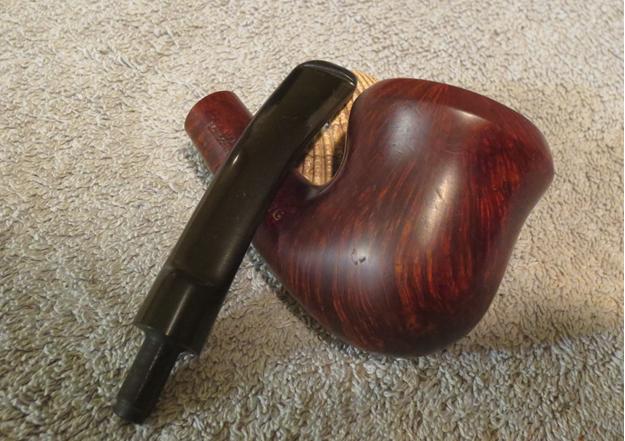
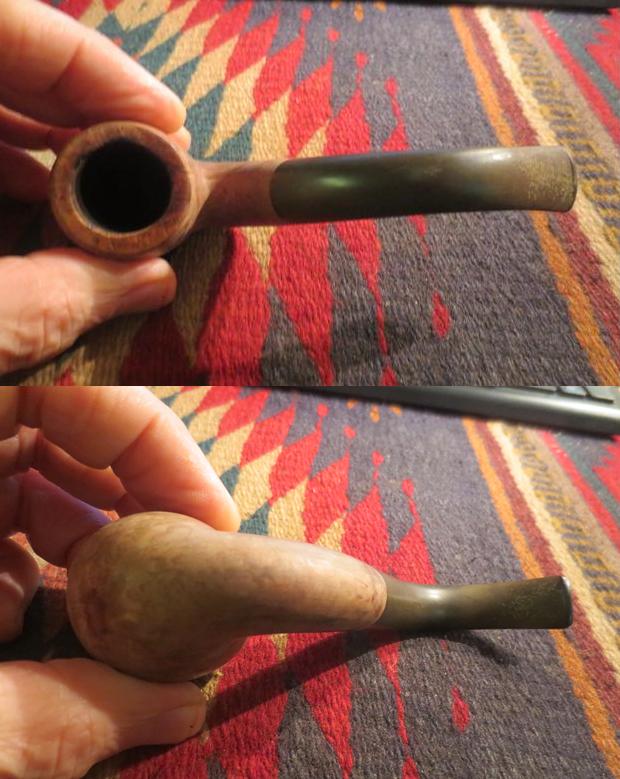
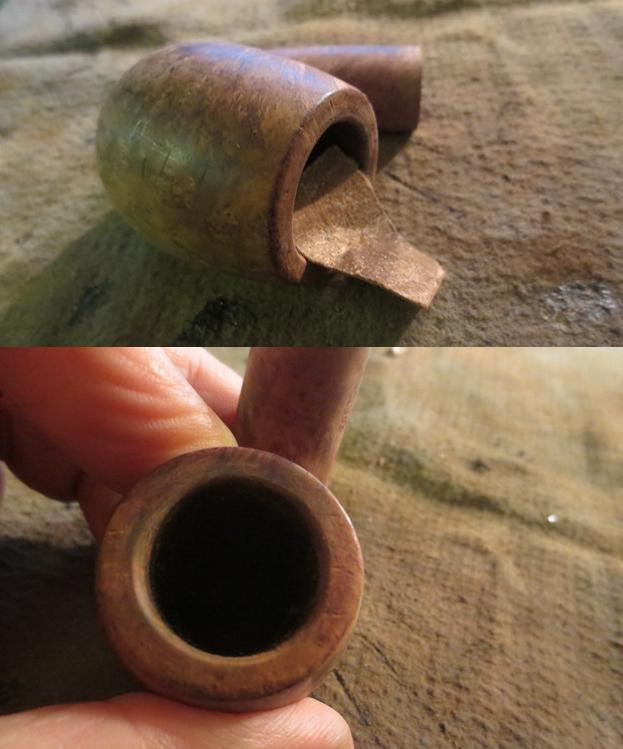
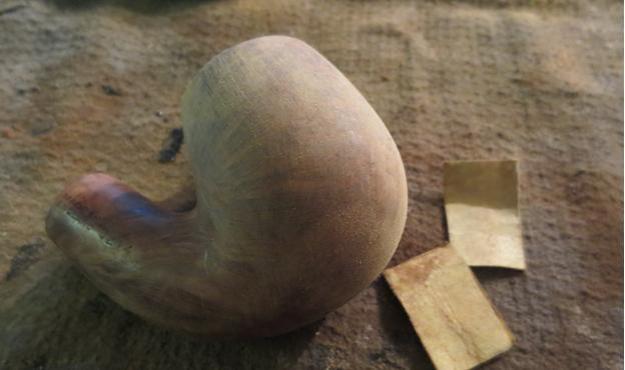
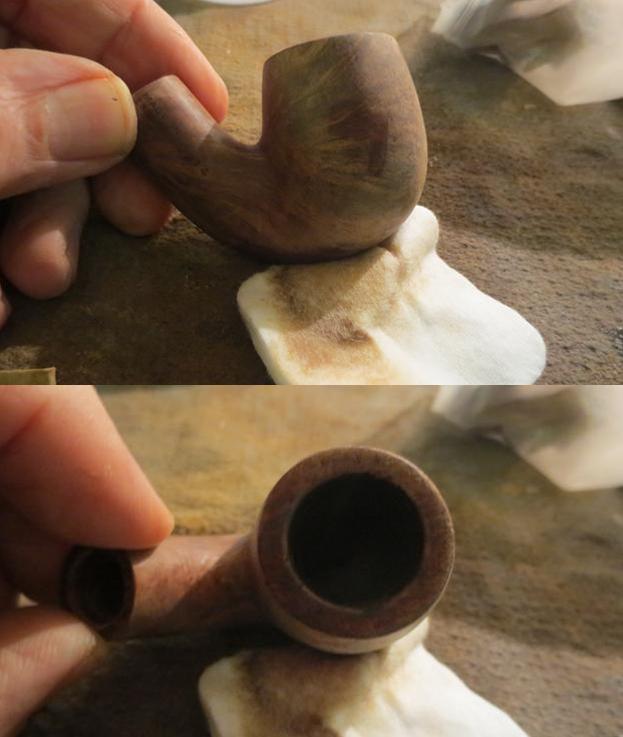
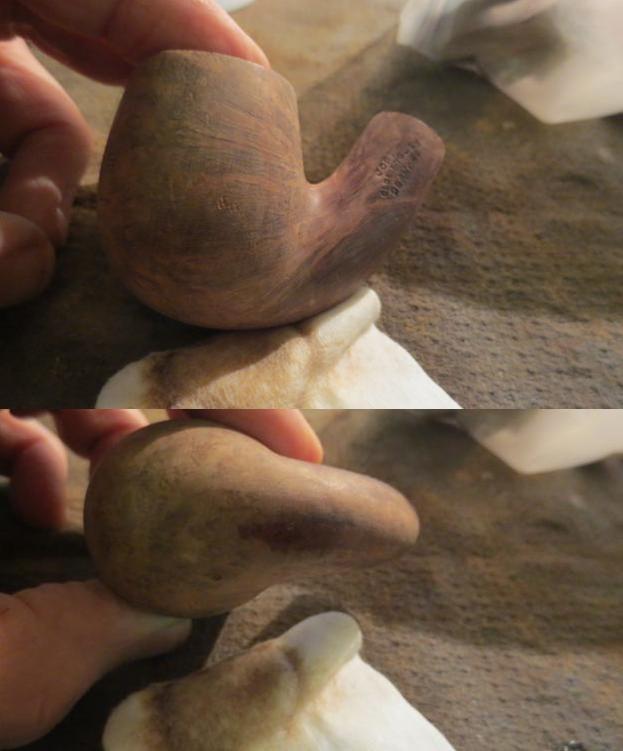
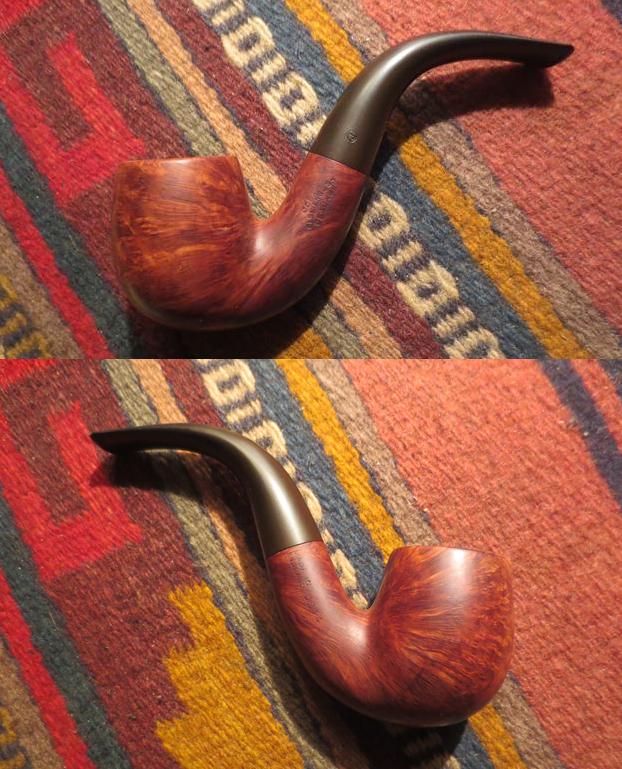
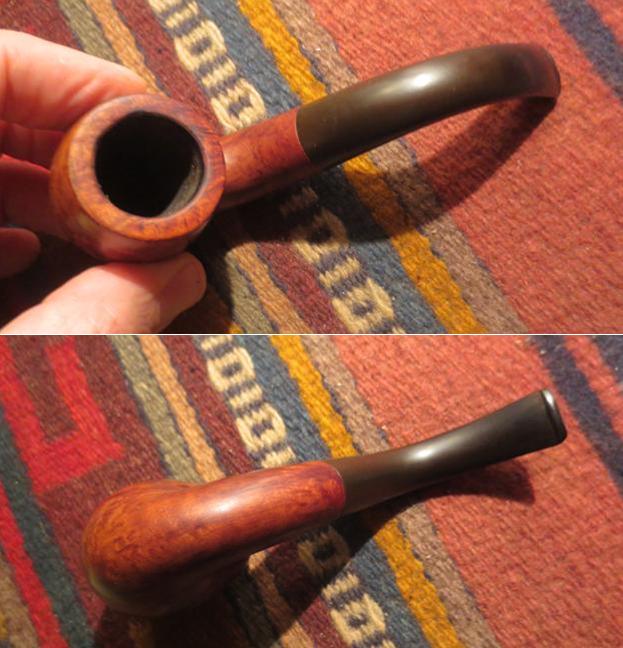
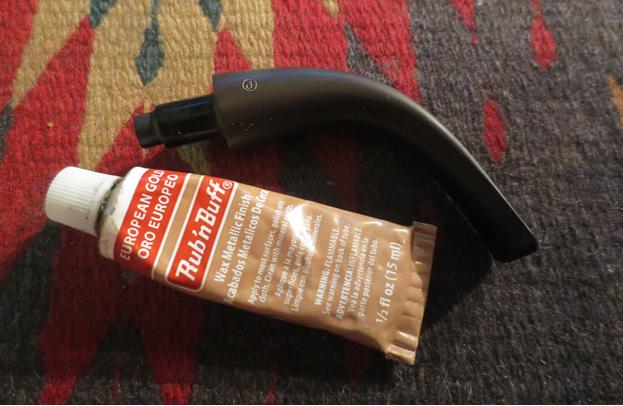
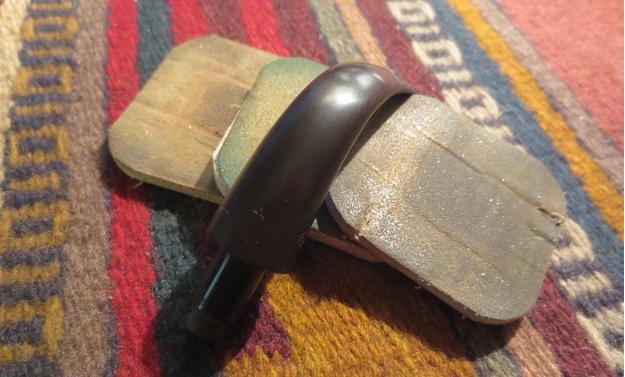
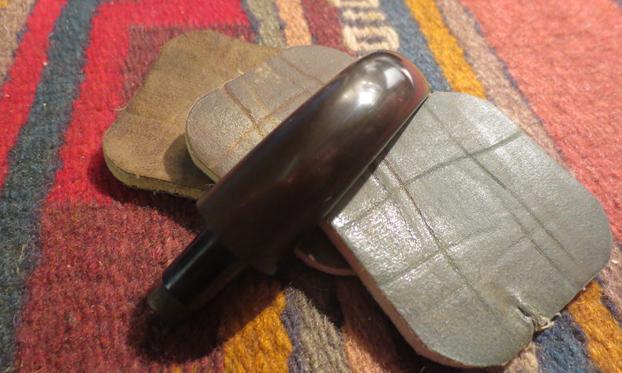
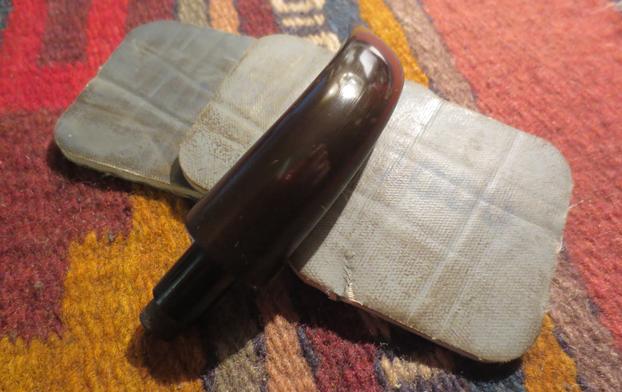
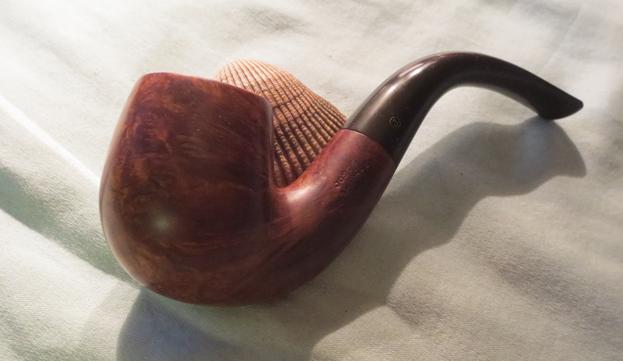
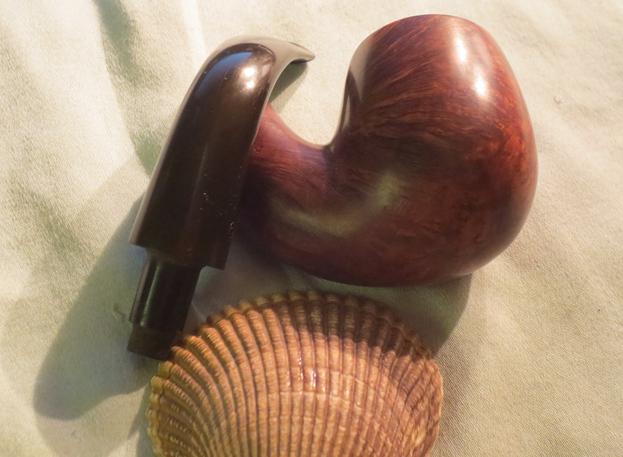
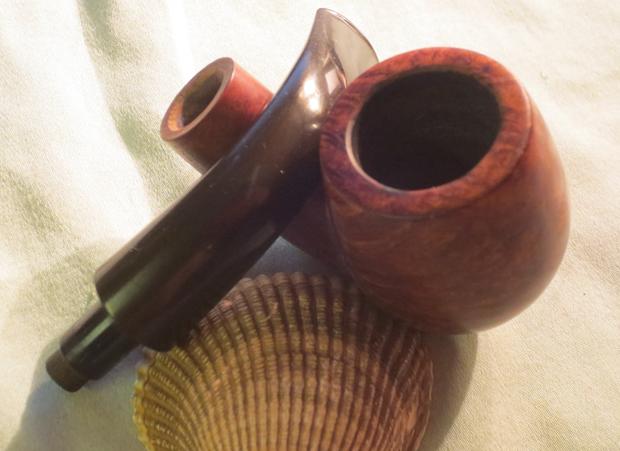
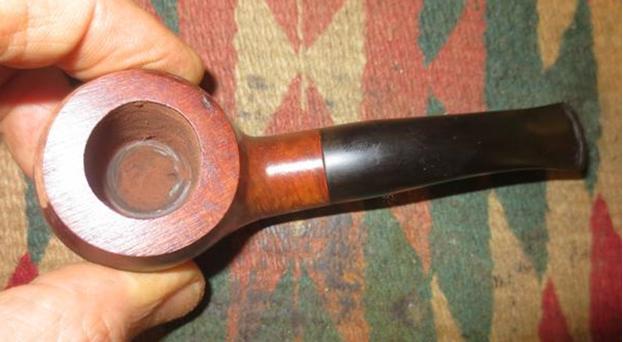
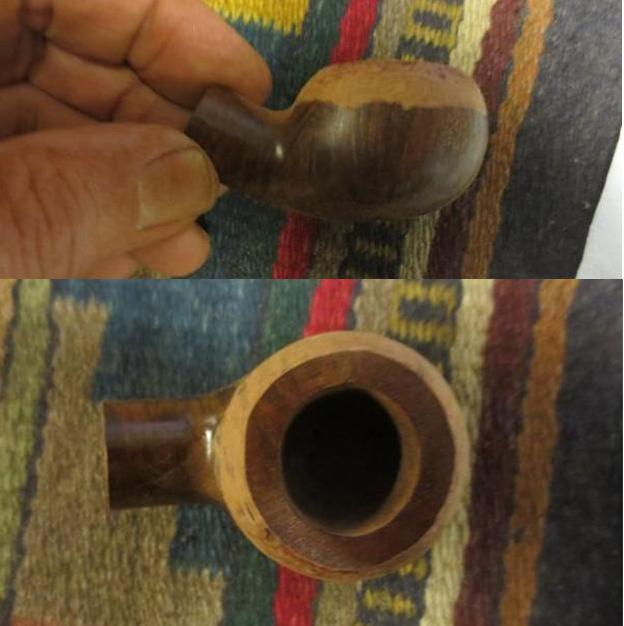
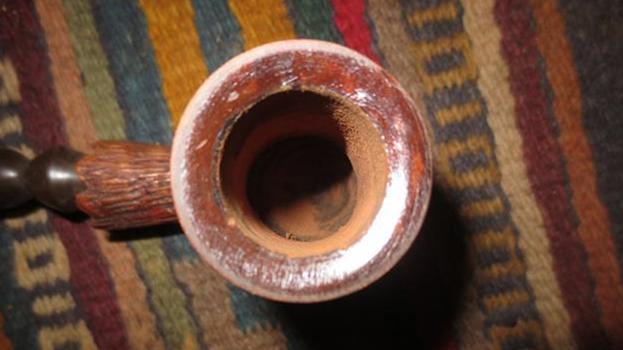
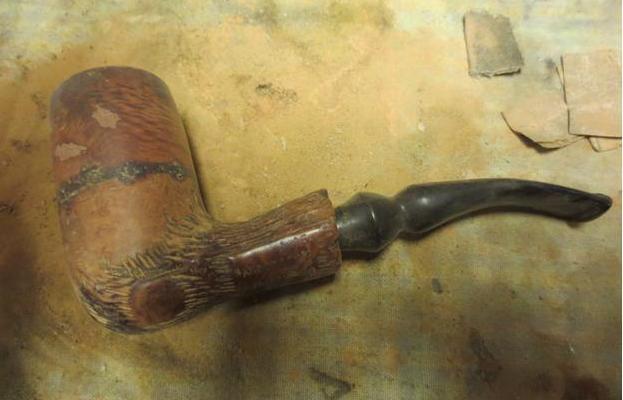
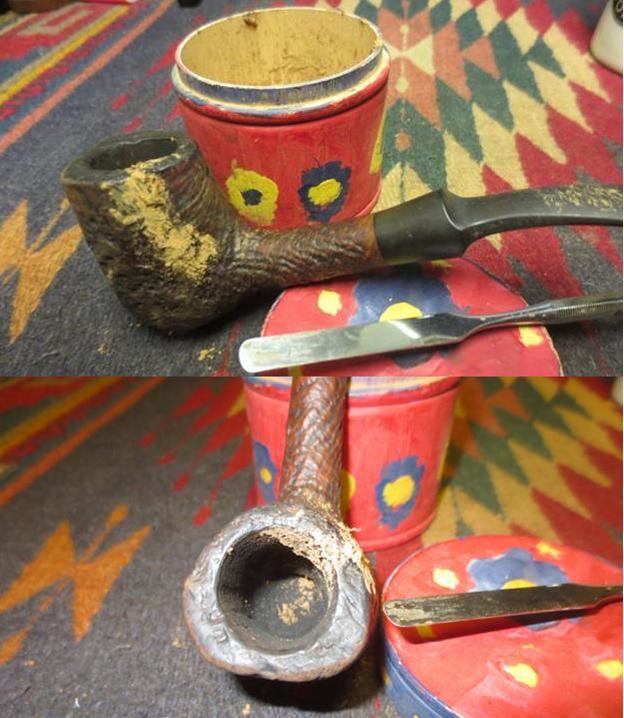
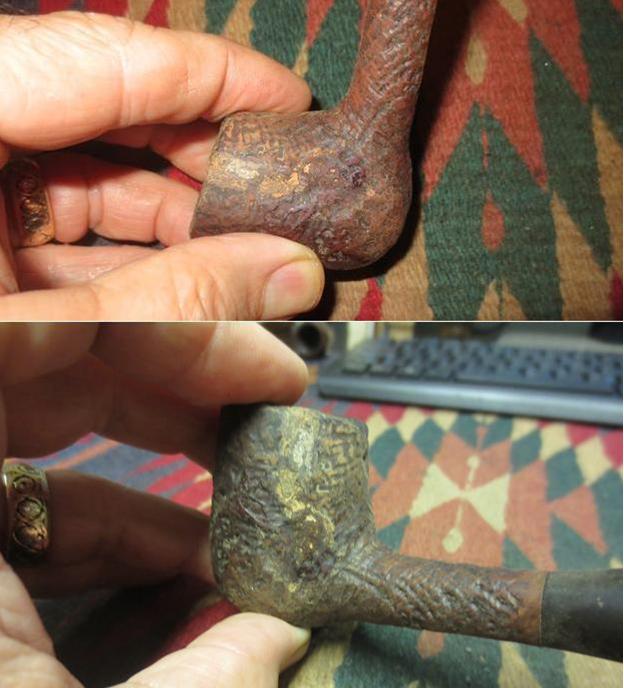
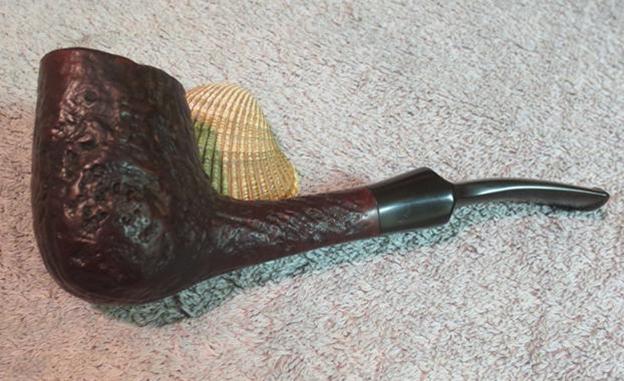
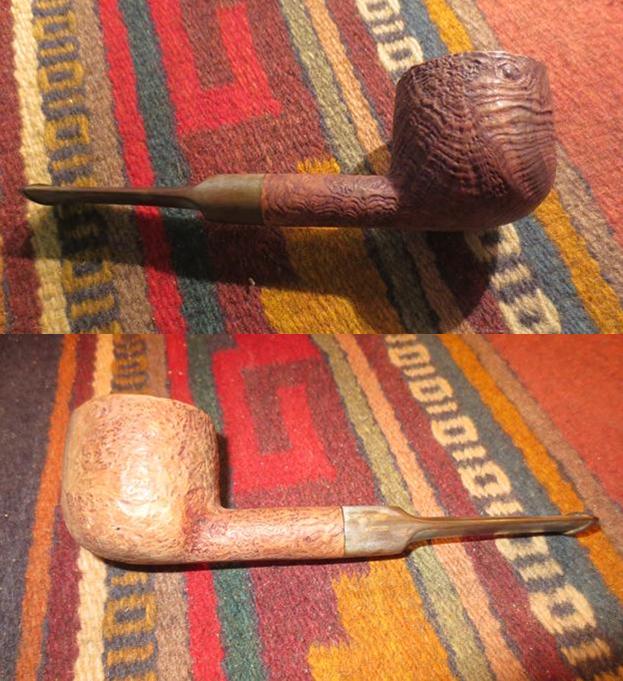
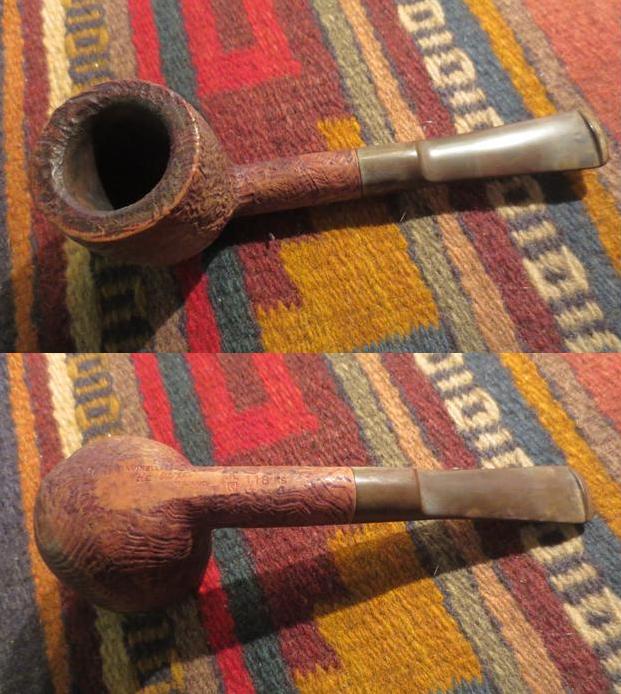
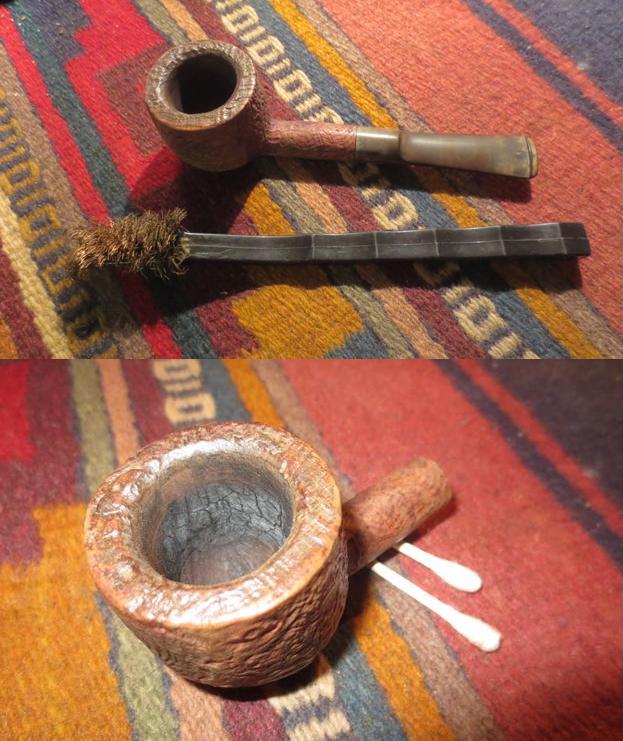
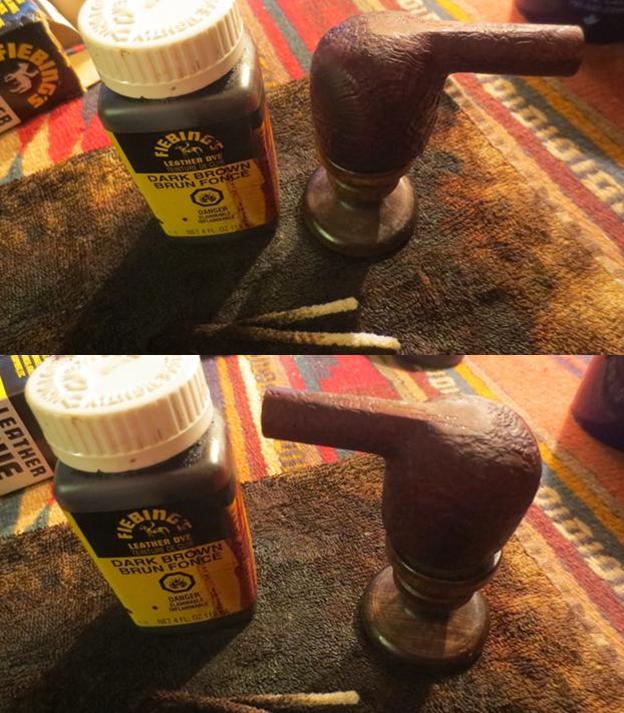
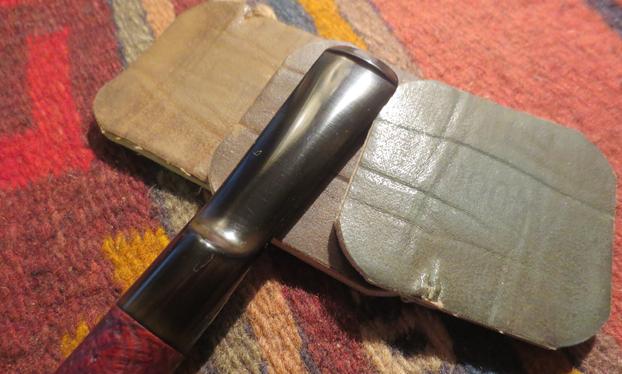
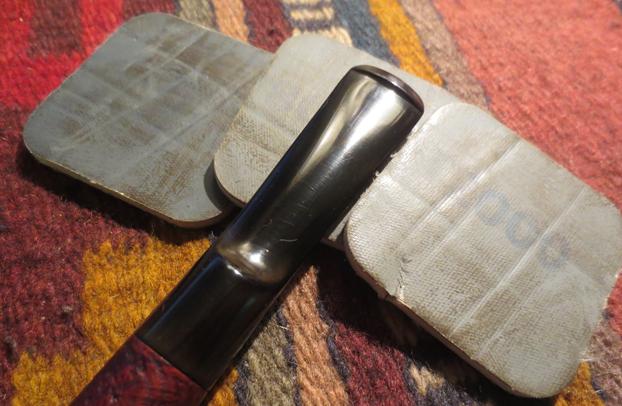
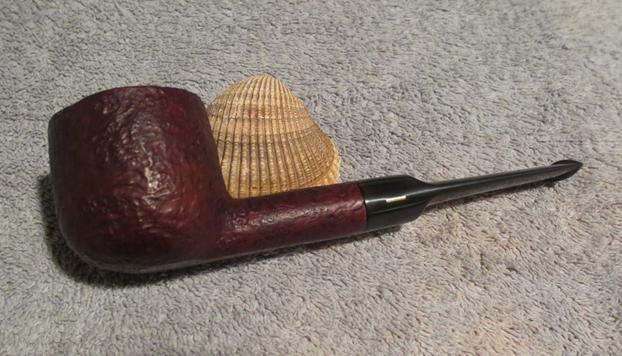
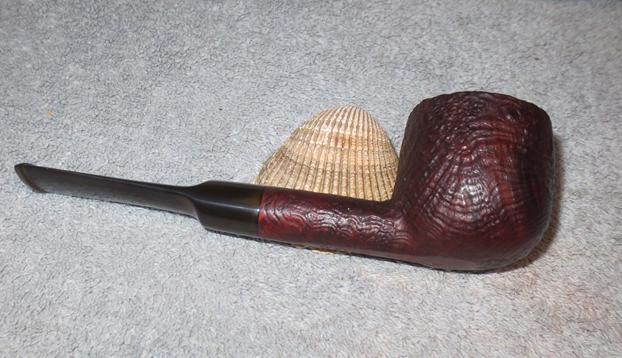
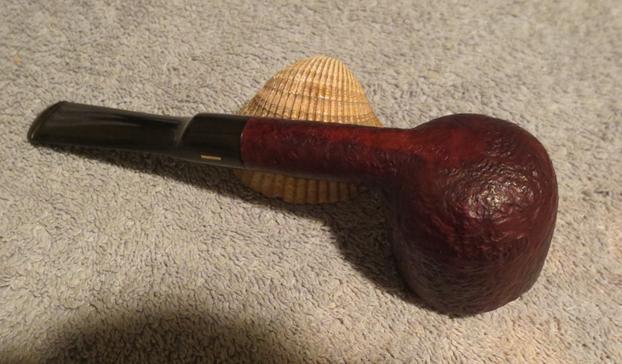
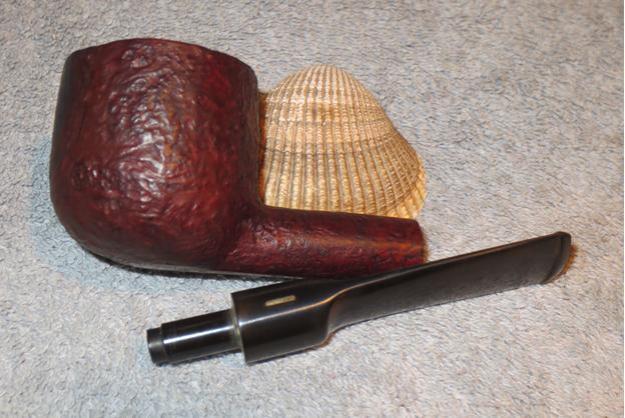
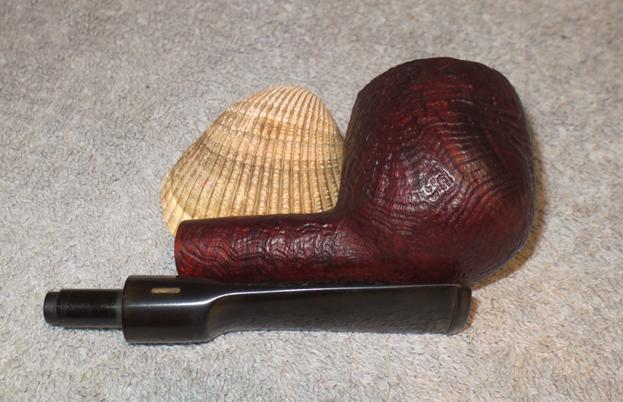
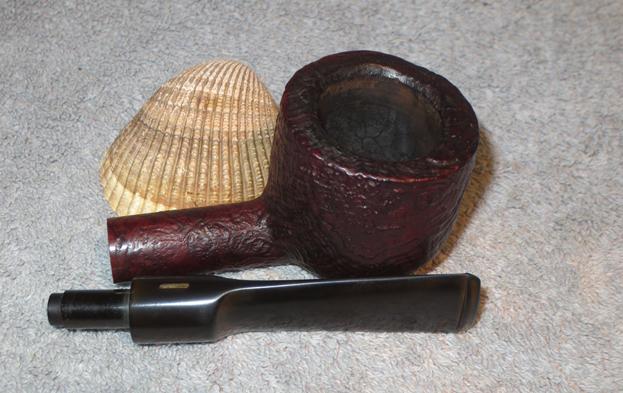
I have a box of pipes from a friend in Dawson Creek to clean up. In trade for a few restorations he was the one who gave me the Preben Holm Pair. I asked him to prioritize which pipes he wanted me to tackle first. Number one on his list was a Stanwell made Royal Guard 504 that combines smooth and sandblast areas into the finish. It was in rough shape. The finish was dirty and worn with the brown top coat worn down. The vulcanite shank extension was oxidized and the RG stamp on the left side was faded. The bowl was thickly caked and the lava overflow on the top of the bowl was also very thick. I was a bit concerned that underneath the cake I would find burn. You can never tell – sometimes a thick cake protects the rim top and sometimes it hides a lot of rim damage. Once I got into the cleanup I would be able to tell better with this one. The stem was lightly oxidized and there was tooth chatter and bite marks on the top and the bottom sides near the button. The top edge of the button had a small dent as well. The deepest tooth mark was on the topside of the stem and would need to be repaired. But even under all the grime I could see that this pipe would be a thing of beauty once it was finished.RG1 RG2I took a closeup photo of the rim to show how thick the cake was in the bowl and the extent of the overflow on the rim. It was very thick and quite hard.RG3I reamed the bowl with the first three cutting heads on the PipNet reamer and then cleaned it up more with the Savinelli Pipe Knife. The amount of carbon that came out of the bowl was amazing.RG4I used a pen knife with a thin stiff blade to carefully scrape off the buildup on the rim. It was pretty thick and hard so I slowly and carefully flaked it off with the knife.RG5I scrubbed the bowl and rim with acetone on a cotton pad and was able to remove the grime and the buildup of wax and oils in the grooves of the sandblast.RG6There were some scratches and nicks in the curved top of the rim that needed to be sanded out. I also sanded the inner bevel on the rim. I used 180 and 220 grit sandpaper to remove most of the damaged areas. The photo below shows the rim after quite a bit of work. There was still more sanding to do at this point.RG7I did some more work on the rim with sandpaper and on the inner edge of the rim with the Savinelli Pipe Knife and was able to smooth out some more of the damage.RG8I wiped down the inner edge of the bowl and the rim with alcohol to see where I stood with the rim resurfacing. It was starting to look really good.RG9I used black super glue to repair the deep tooth mark on the top side of the stem. When it dried I sanded it and filed it smooth the surface of the stem.RG10I sanded the shank extension with micromesh sanding pads. I wet sanded it with 1500-2400 grit pads and dry sanded it with 3200-6000 grit pads. I rubbed it down with Obsidian Oil. I used some European Gold Rub n’ Buff on the stamping on the stem to refresh it.RG11I restained the bowl with a dark brown aniline stain cut by 50% with alcohol. I applied the stain and flamed it with a lighter. I repeated the process until I was satisfied with the coverage.RG12I wiped the bowl down with isopropyl alcohol to even the stain coat and make it more transparent. The combination of grains in the sandblast and underneath is beautiful.RG13 RG14I scrubbed out the internals with alcohol, pipe cleaners and cotton swabs until the airways in the shank and the stem and the mortise in the shank were clean.RG15I buffed bowl with Blue Diamond on the buffing wheel and then gave it multiple coats of carnauba wax. I buffed it with a clean buffing pad to raise the shine.RG16 RG17Once I had the repair smoothed out and blended into the surface of the stem top I polished the stem with micromesh sanding pads. I wet sanded it with 1500-2400 grit pads and dry sanded it with 3200-12000 grit pads. I rubbed the stem down with Obsidian Oil after each set of three pads. Once I had finished I set the stem aside to dry.RG18 RG19I forgot to take a photo of the stem after sanding it with the 6000-12000 grit pads. I took the pipe to the buffer and buffed the stem with Blue Diamond and then gave the pipe multiple coats of carnauba wax. I buffed it with a clean buffing pad and with a microfibre cloth to deepen the shine. The finished pipe is shown in the photos below. I am hoping the pipe man in Dawson Creek likes the new look to this old pipe. It is truly a beauty. Thanks for looking.RG20 RG21 RG22 RG23 RG24 RG25 RG26 RG27
Restoring a Pair of Preben Holm Deluxe Walnut Pipes


Blog by Steve Laug

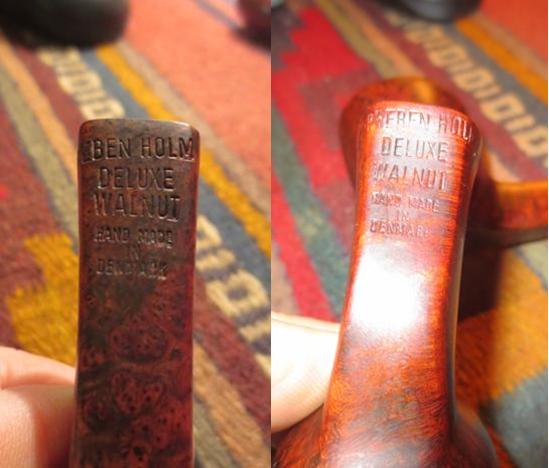
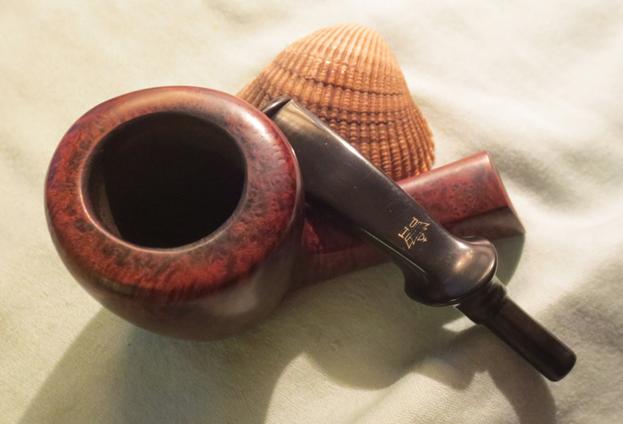
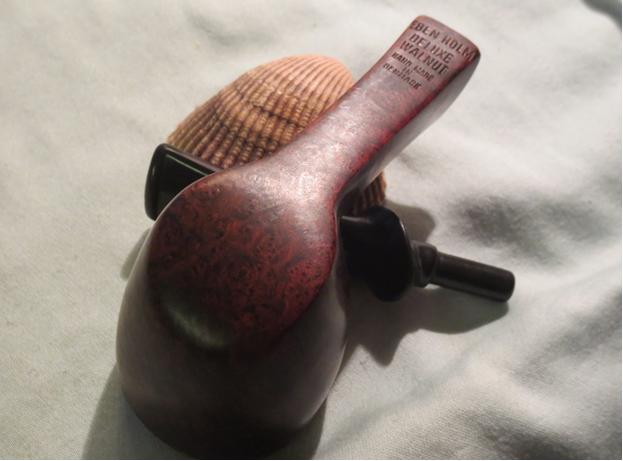
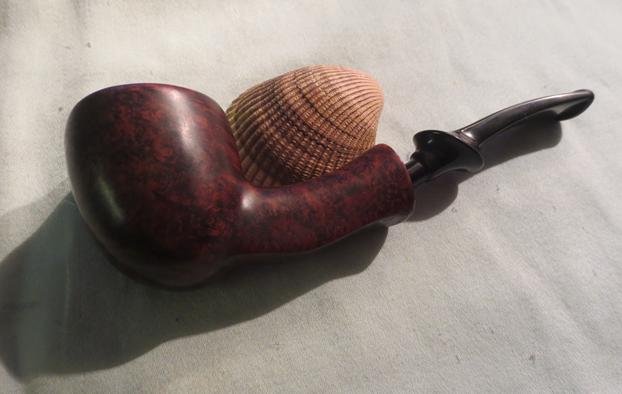
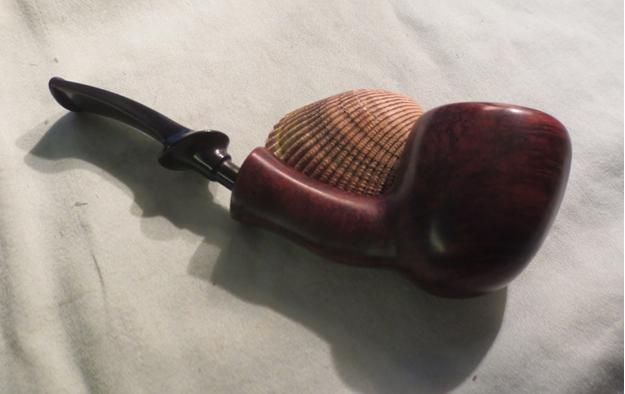
I picked up this pair in a trade for a pipe I was selling plus some restoration work credit. They are really an interesting pair of Preben Holm pipes. I have no idea of the age or where they fall in the line of Preben’s pipes but I liked the look of the two of them. Both of them are stamped Preben Holm over Deluxe Walnut over Hand Made in Denmark on the underside of the shank. Both had a matte finish dark reddish-brown stain with identical stems. Both pipes were sitters.
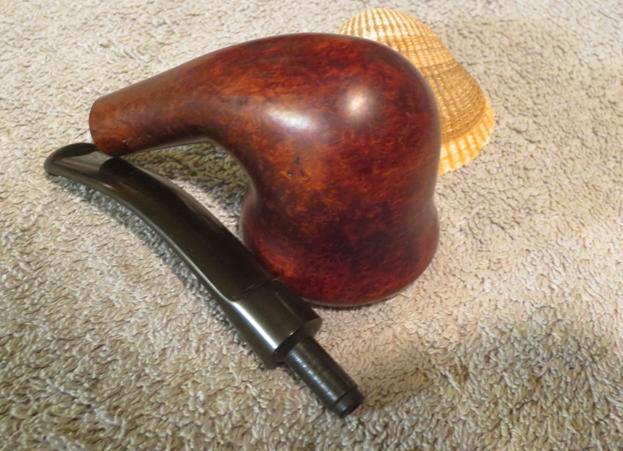
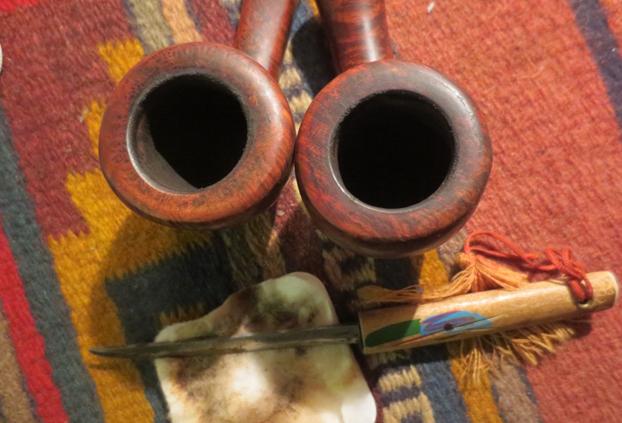
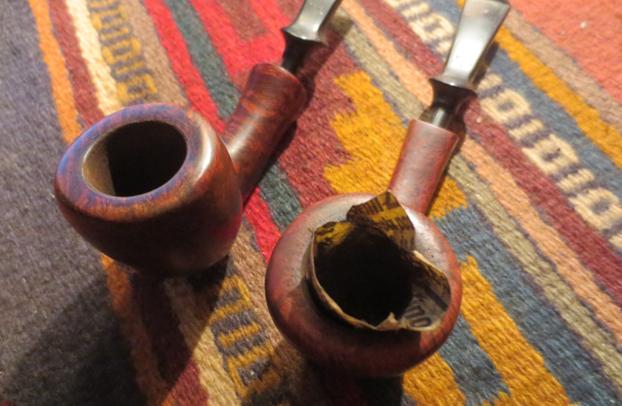
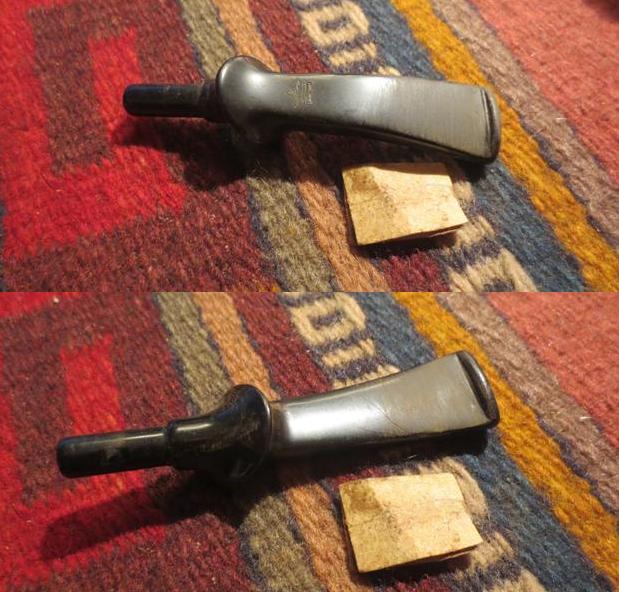
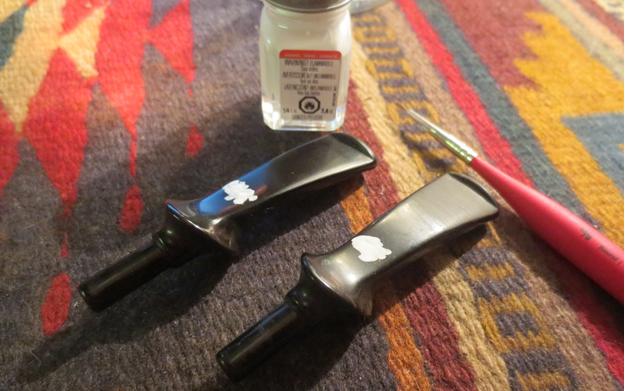
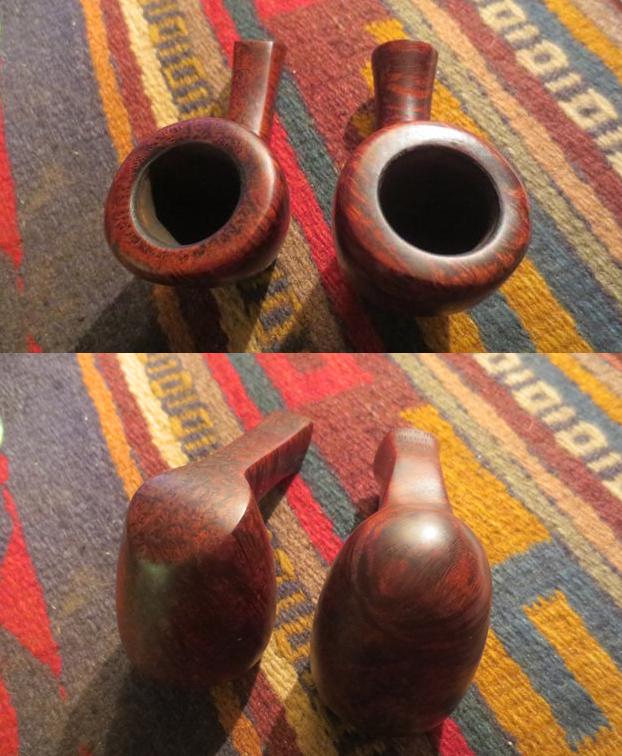
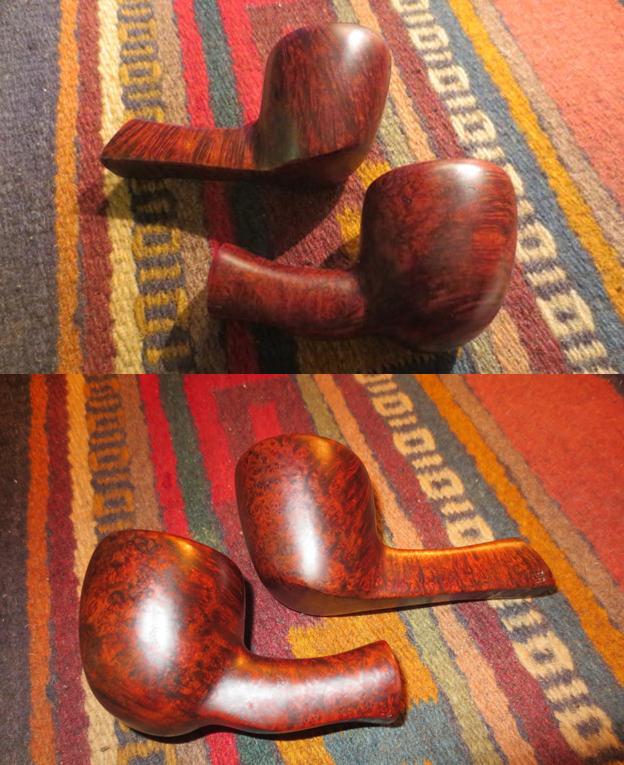
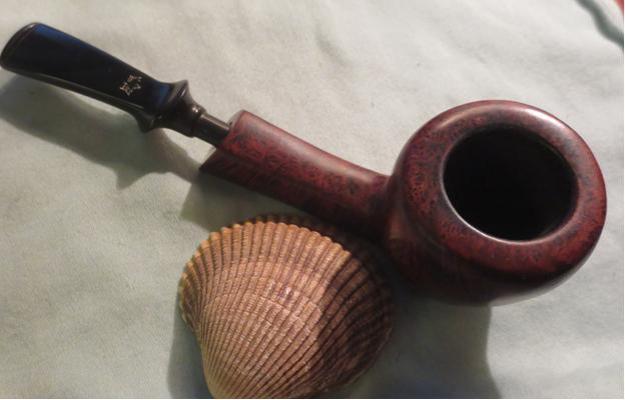
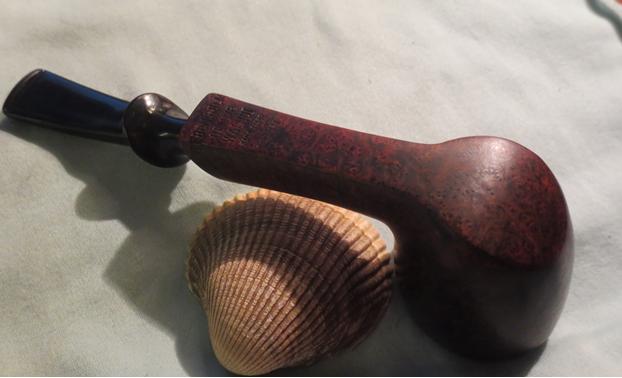
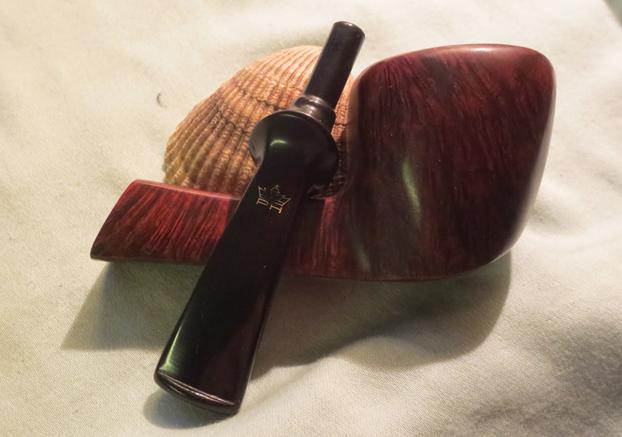
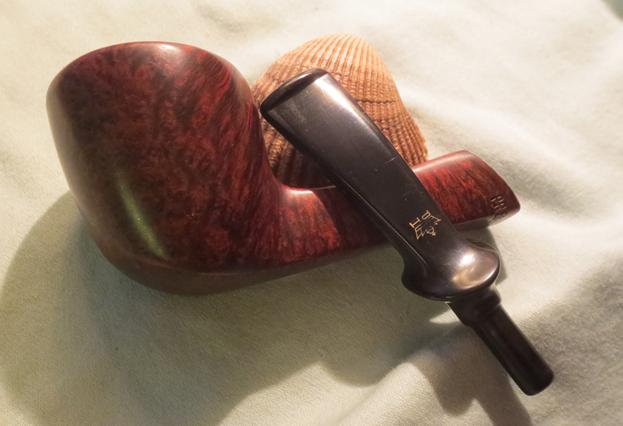
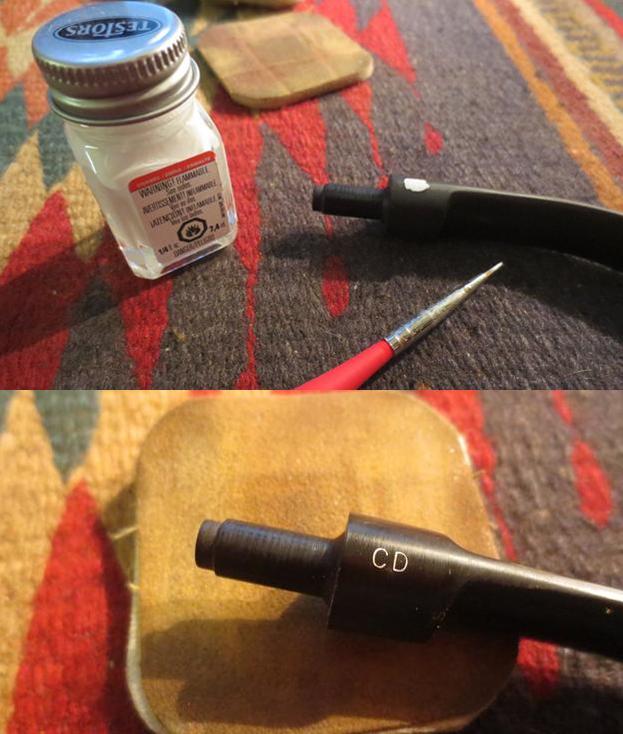
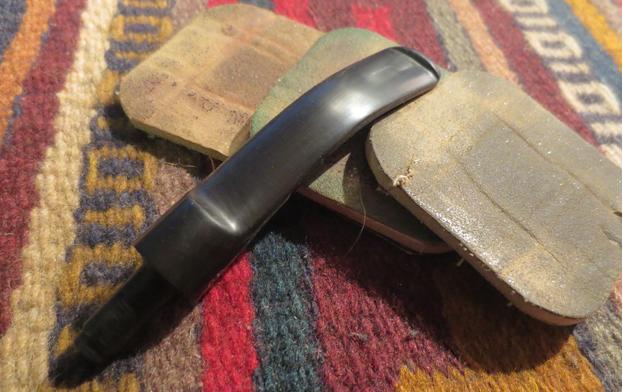
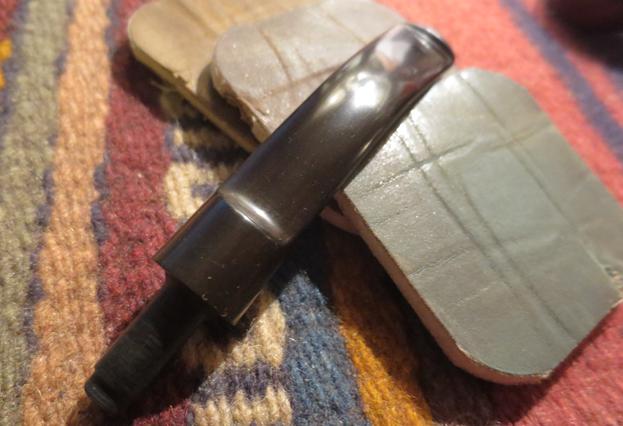
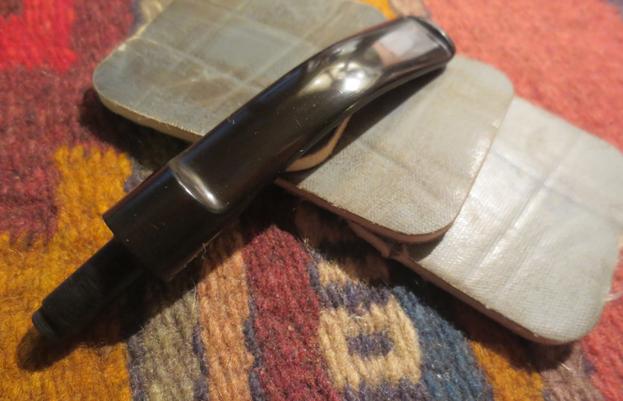
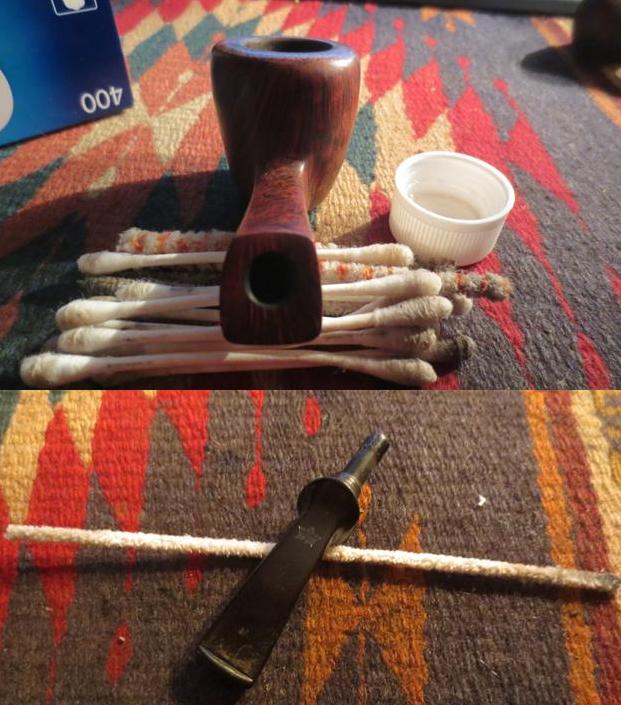
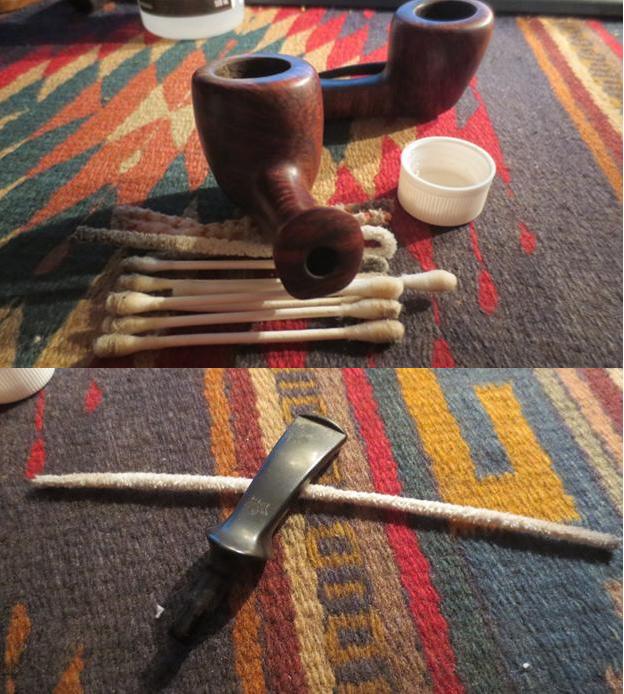
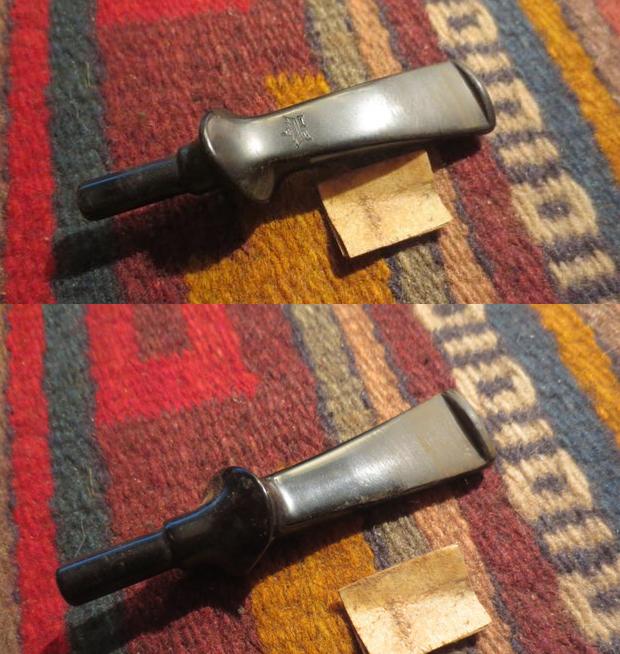
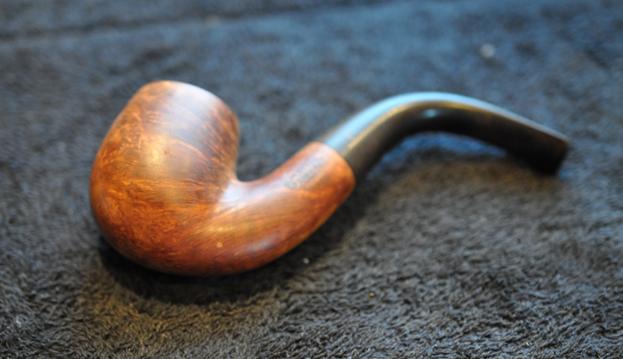
The first of them was a square long shanked Dublin freehand with rounded outer edges to the bowl. The grain looked quite good on the briar but it was dirty. The rim had some heavy cake buildup on it and the bowl was thickly caked. The stamping on the underside of the shank was very sharp and clear. The stem was lightly oxidized and there was lots of tooth chatter and tooth marks on the top and bottom sides near the button. The crown logo with the PH below it on the stem was faint but legible. Here are some pictures of the first pipe when it arrived.Deluxe1 Deluxe2I took a close up photo of the bowl rim to give you a clear picture of what the rim and the cake looked like. It would take some careful scrubbing to remove the build up without damaging the finish.Deluxe3The second of the pair had a more rounded edge semi-square shank and was also a more squat Dublin freehand with rounded outer edges to the bowl. The grain on the briar looked just as good as that on the first and was just as dirty. The rim on this one also had some heavy cake buildup on it and the bowl was thickly caked. The stamping on the underside of the shank was very sharp and clear. The stem was lightly oxidized and there was lots of tooth chatter and tooth marks on the top and bottom sides near the button. The crown logo on the stem was faint but legible. Here are some pictures of the second pipe when it arrived.Deluxe4 Deluxe5I took a close up photo of the bowl rim to give you a clear picture of what the rim and the cake looked like. It would take some careful scrubbing to remove the build up without damaging the finish.Deluxe6I reamed both pipe with a PipNet pipe reamer starting with the smallest cutting head and working up to the third head. I cleaned up the transitions with a Savinelli Pipe Knife.Deluxe7I scraped the tarry build up on the rims of the pipes with a pen knife I used for that. It is sharp and thin so with it I can carefully scrape the cake off the rim. I wiped the rims down with alcohol on cotton pads.Deluxe8I sanded the inside of the bowls with a rolled piece of sandpaper around my index finger. I was able to smooth out the inside of both of the bowls.Deluxe9I scrubbed out the mortises and airways in the bowls and stems with alcohol, cotton swabs and pipe cleaners.Deluxe10 Deluxe11I sanded the tooth chatter and tooth marks on both sides of both stems. All the marks were identical on both pipe stems so I am guessing that they belonged to the same smoker. The first two photos are of the first pipe’s stem and the next two are from the second pipe.Deluxe12 Deluxe13I used a small brush and some white acrylic paint to touch up the crowns on the top of each stem.Deluxe14I waxed both bowls and buffed them on the buffing wheel. The photos below show the bowls after the cleanup and buffing.Deluxe15 Deluxe16 Deluxe17I polished the stem on the first pipe with micromesh sanding pads – wet sanding it with 1500-2400 grit pads and dry sanding it with 3200-12000 grit pads. I rubbed down the stem with Obsidian Oil between each set of three pads. When I got through with the 12000 grit pads I gave it another coat of oil and set it aside to dry.Deluxe18 Deluxe19 Deluxe20I repeated the polishing practice spelled out above on the second stem. The photos below show the progress of the work.Deluxe21 Deluxe22 Deluxe23I buffed the pipes with Blue Diamond on the wheel and gave them both multiple coats of carnauba wax. I buffed it with a clean buffing pad to raise the shine. I hand buffed it with a microfibre cloth. The finished pipes are shown in the photos below. These two came out looking really nice. The shape and the finish of both are eye catching. Thanks for looking.Deluxe24 Deluxe25 Deluxe26 Deluxe27 Deluxe28 Deluxe29 Deluxe30 Deluxe31 Deluxe32 Deluxe33 Deluxe34 Deluxe35 Deluxe36 Deluxe37 Deluxe38 Deluxe39
A Fine Couple of Days Hunting


Blog by Steve Laug

A few weekends ago my friend John came to visit Vancouver from Calgary. When he visits we usually used the weekend to catch up and also do some pipe hunting at the same time. He brought a couple of pipes he wanted me to repair and also some tobaccos to sample and share. He arrived on a Friday afternoon and we had a great evening chatting with a mutual friend at an Irish Pub near the airport where we were dropping him off. On Saturday morning after breakfast we drove down to Bellingham and visited a few of the antique shops and malls that I check for pipes. I happened to find a bowl for a Custom-Bilt Billiard and he found a pipe that had a 14K gold band that we needed for a repair on a Stanwell pipe with a cracked shank that he brought along for me to fix. We also visited Mike at Senate Smoke Shop and each of us picked up some pipe cleaners and a tin of tobacco. After a great Mexican Lunch at Mi Mexico we headed home. We got their later in the afternoon and I repaired his pipe with the cannibalized band and fixed a second one that had a small drill hole in the bottom of the bowl.

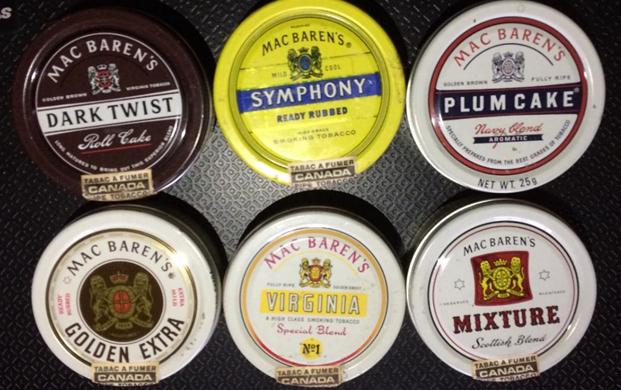
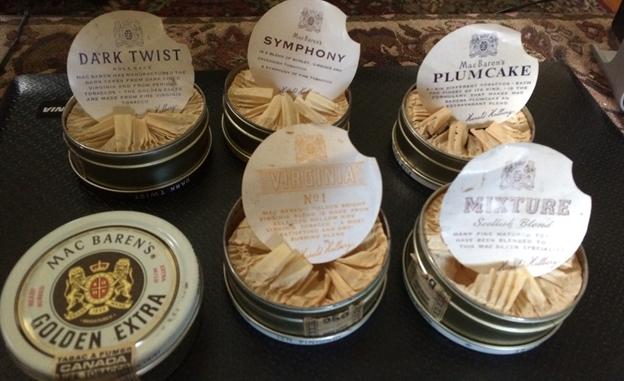
On Sunday we went to a Flea Market here in Vancouver that I generally find pipes and pipe paraphernalia at. We looked at quite a few beat up old Grabows and Medicos with chewed stems and rough bowls and walked away wondering if we would be skunked. There is one booth that I almost always find something at. I have found Peterson pipe bowls, collections of stems and parts and a few Brigham pipes. I went to the part of the Market where that booth was only to find that it was gone. We wandered a bit more and low and behold we stumbled upon the guy. We chatted a bit and he said that he had been cleaned out of his pipes by a fellow who comes through often and buys everything that he can find. While we talked I happened to look in a glass display case that he had on the wall. On the bottom shelf I saw a stack of small Mac Barens tins. I have gotten into the habit of always checking tins to see if they had any tobacco left in them.find1I asked to see them and carefully shook the tins. To my surprise several of them seemed to have tobacco in them. The Dark Twist had enough for a few samples as did the Plum Cake. Both tobaccos were dry but could easily be rehydrated and sampled. The Golden Extra Tin was not even opened yet and was sealed with a tax stamp. I opened each of the tins and took out the insert that was in each one and took a photo of the paper liner and the insert.Find2I wrote to Brian Levine who is the Mac Baren Representative in the US and also the radio host of Pipes Magazine Podcast. I asked if he could give me any information on the dating of the tins to get a bit of an idea of the age of the tobacco we were dealing with. He wrote back and said that his guess was that they were part of a sampler that was sold in the 1980s. So we were dealing with some age on the tins in the neighbourhood of 30 +/- years. Not too bad. John and I loaded out pipes with the Dark Twist and breathed into the bowl to rehydrate the tobacco enough for a good pipe. It was a nice flavourful smoke.

The next two photos show the tax stamp on the sealed tin of Golden Extra. It is a Canada Tax stamp for 25g tin. It is issued in the name of Harald Halberg of Denmark who was the president of Mac Baren in those days. I sent the tins home to Calgary with John to share with his Saints and Sinners Pipe Club. They had a meeting and these would provide some interesting smokes and conversation for them as they examined the tins.Find3

Thanks for looking!

Breathing new life into a Chippendale 276 Cauldron made by Charatan


Blog by Steve Laug

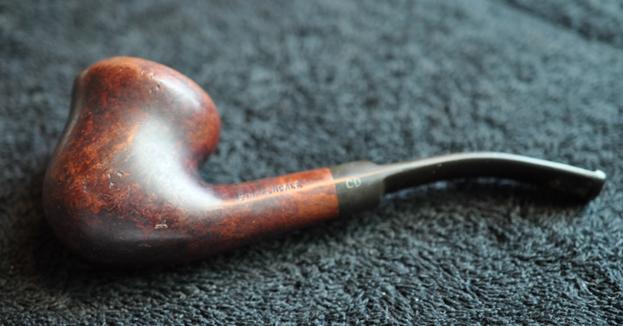
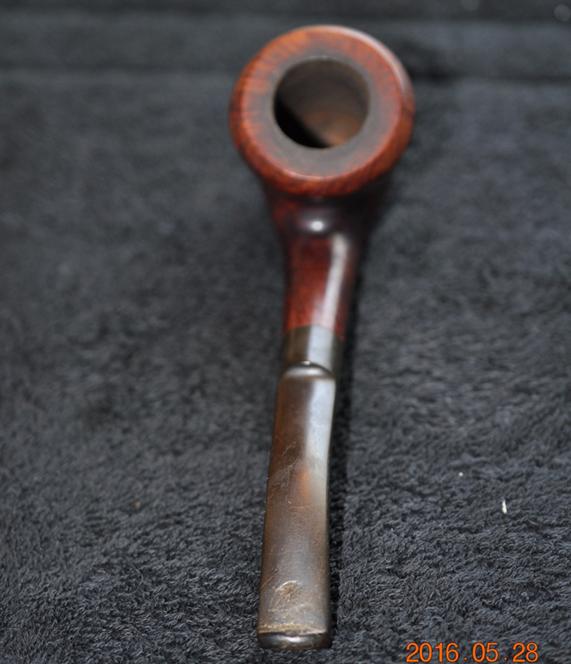
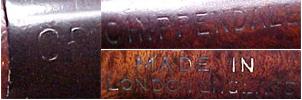
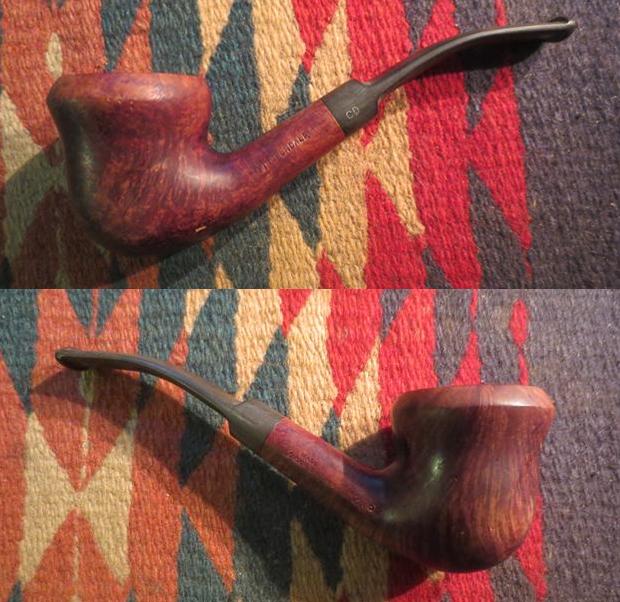
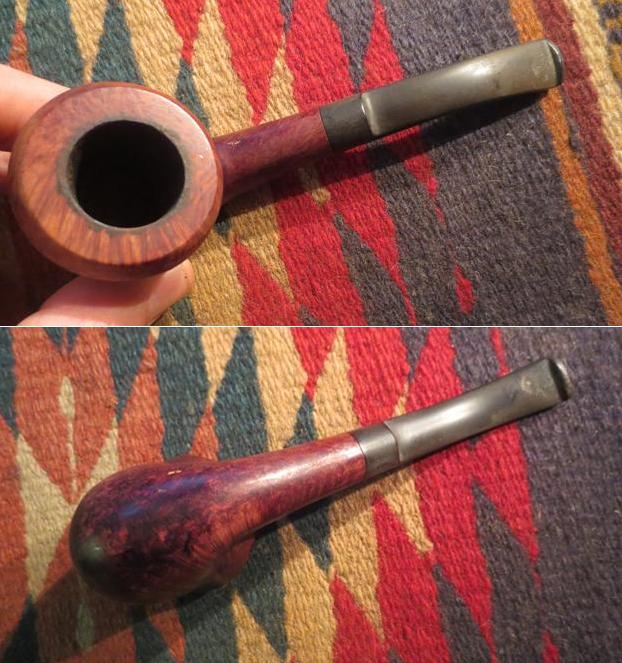
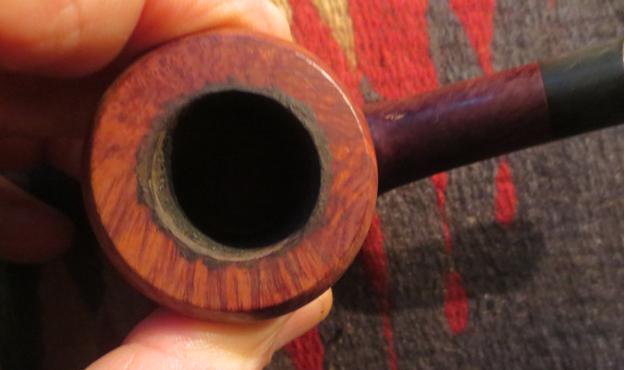
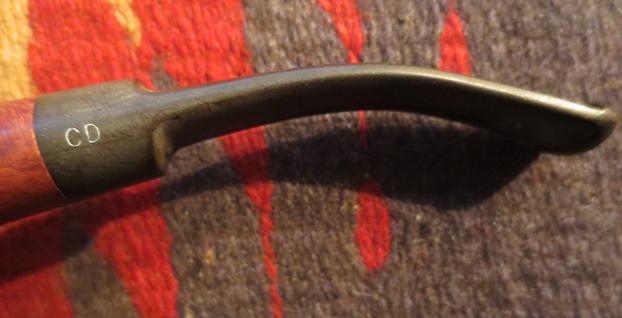
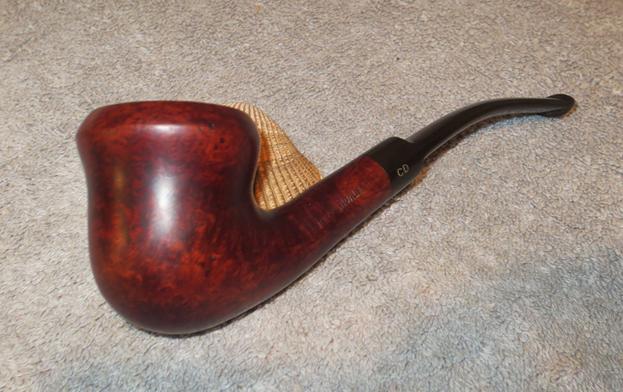
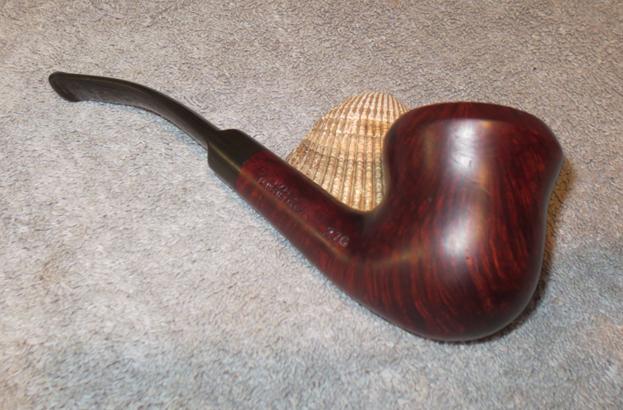
My brother sent me this interesting old pipe to clean up and restore. He included some photos of what it looked like when he received it from the eBay seller. The stain colour was really nice and showed the contrast to highlight the grain. There were some nicks and dents in the briar on the bowl sides and bottom. The rim had a thin lava coat on the top. The inner and outer edges were in excellent condition. The bowl was darkened with a light cake on the bowl sides. The bottom quarter of the bowl was still light unsmoked, undarkened briar. The bowl seems to have never been smoked to the bottom. The stem was lightly oxidized with tooth marks and chatter on both the top and the bottom sides near the button. The stamping on the side of the stem was readable but looked like it was worn.Chip2 Chip3Chip1This unusual old pipe is stamped on the left side of the shank with the block letters CHIPPENDALE. On the right side it is stamped Made in over London England and a shape number 276. On the saddle portion on the left side of the stem it bears a CD stamp. I looked for the brand on the pipephil site and found that the brand was listed there with photos of stamping identical to the one that I had. I have included the photo of the stampings courtesy of pipephil’s site.

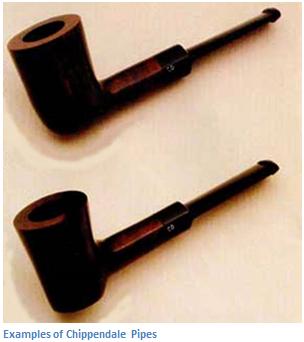
I did some more research at the pipephil site did not give any information regarding the maker. I looked in one of my go to references, Who Made That Pipe and found that the Chippendale brand was made by Ben Wade in London. I use WMTP regularly and one of the limitations of the book is that it gives no other information. In the back of my head I had a memory of a link between Ben Wade and Charatan. That sent me on a further hunt.Chip4Further research lead me to an article on Pipedia entitled Dating of Charatans by Fabio Ferrara. The article definitively links the Chippendale pipes to Charatan. I quote from the section on Pipedia entitled Identification of Fifth Era Pipes in full with the information the Chippendale stamping highlighted in bold and underlined. Here is the link: https://pipedia.org/wiki/Dating_of_Charatans

Identification of a fifth era pipe (First Dunhill era, 1977-1981)

Dunhill finally acquired Lane Ltd. in April 1976. To be honest this era should begin that year, however to clarify matters, knowing that during the first months everything changed in the production, I assume the beginning of this era to be 1977.

The characteristics of this era are close to the previous one, except for the absence of the LANE symbol (approx. ending of 1980).

In this very first period Dunhill didn’t change the production site and the original methods, making plans for the future, and the real revolution took place in 1982.

You may come across a pipe of the ‘old generation’, it is important to note that if the DC has been added later, it is often out of line with the shape code.

The Belvedere series is sold as a special, named the Chippendale brand, exclusively for Tinderbox.

1) The mouthpiece is frequently double comfort, rarely saddle without the double comfort, never tapered. If the stem is not a double comfort but a saddle one, it is characterized by the letter X on the right of the shape code (e.g. 2502X), naturally in this case the letters DC are not displayed.

2) In the CP logo, the C enters the P (until approx. 1980).

3) Absence of £ on the shank (from the end of 1980 approx., this is because during the first period Dunhill kept the £, as Lane Ltd was property of Dunhill that could use its trademark).

4) Presence of the letter DC just after the shape number (e.g. 2502 DC) or of the letter X only if the stem is not a double comfort one.

5) Presence of the writing “Made by Hand – In – City of London” (until 1979).

6) The pipes marked Chippendale are just a Belevedere series, On the mouthpiece, instead of the CP they display CD.

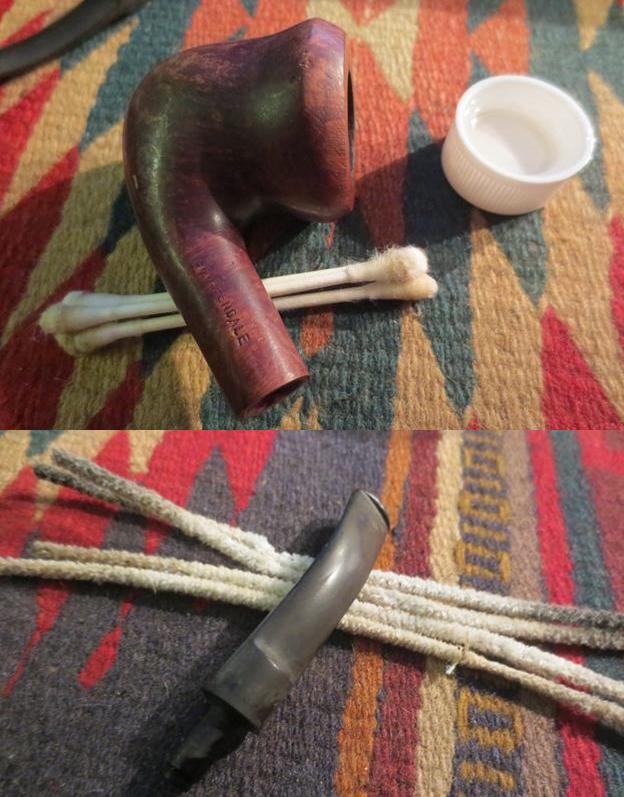
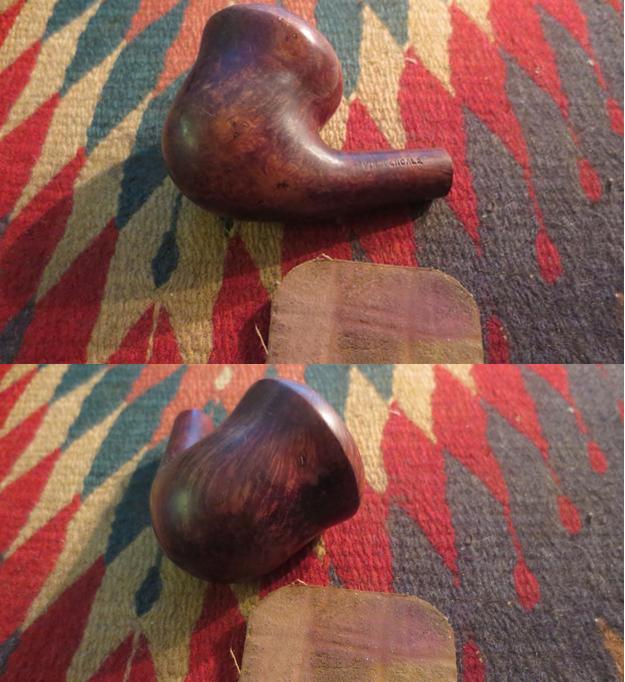
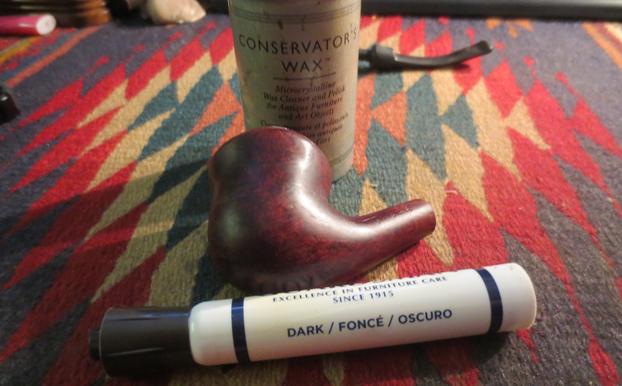
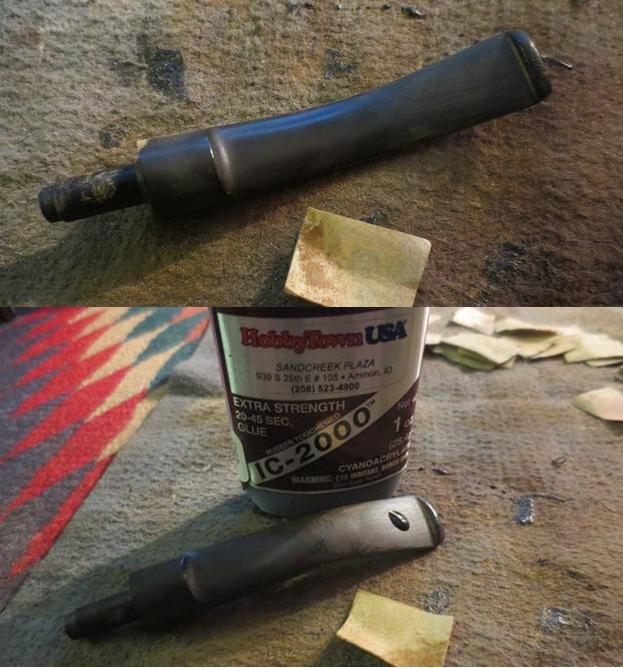
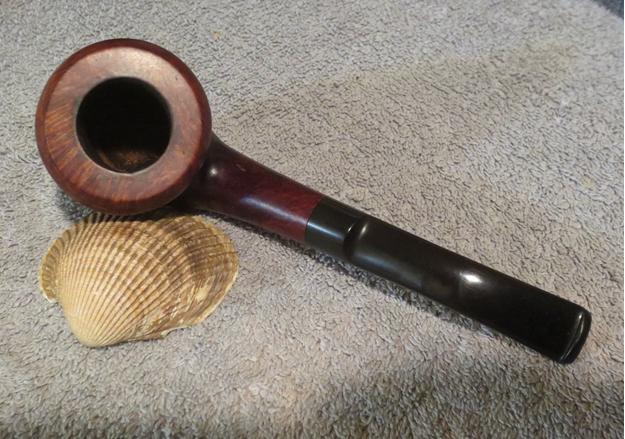
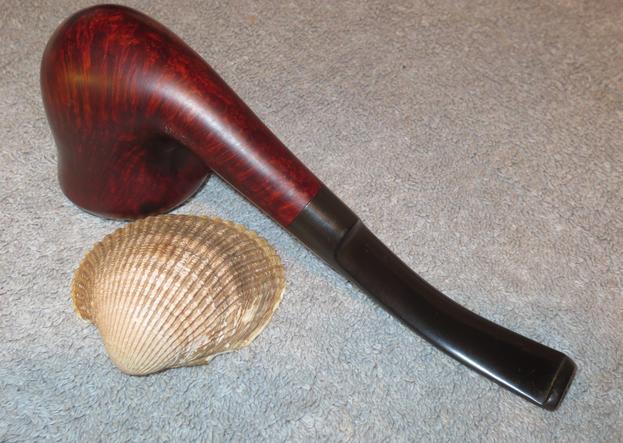
From the above information it appears that the Chippendale stamping was put on pipes that were made Charatan and sold by Tinderbox in the US. They are essentially Charatan Belvedere series pipes. Now that I knew that it was time to work on the pipe. I took the next four photos to show what the pipe looked like after my brother cleaned it up with his usual thoroughness and I received it here in Vancouver.Chip5 Chip6I took some close up photos of the rim and the stem to show the condition of both. The rim is very clean except for a light build up on the front and the back side of the rim top. The photos of the stem show the tooth chatter on both sides and a deep tooth mark on the top side and underside of the stem.chip8 chip9I also took a close up photo of the stamping on the stem. The logo is a CD instead of the CP for Charatan just as was noted in the research. It was faint so it would need to be touched up after the stem was cleaned.Chip10I ran some cotton swabs and alcohol through the shank and the mortise. It was very clean as my brother had done a great job cleaning it. I ran some pipe cleaners through the stem. The slot in the button had some hardened tars in it. I picked the slot open with a dental pick before cleaning the inside of the stem.Chip11There were some deep nicks and divots in the surface of the briar on the front and the left side of the bowl. I filled them with drops of clear super glue.CHip12Once it dried I sanded the repairs even with the surface of the briar using 220 grit sandpaper. I then sanded it with 1500-2400 grit micromesh sanding pads.Chip13I touched up the sanded repairs with a dark brown stain touch up pen. I gave the bowl two coats of Conservator’s Wax. When it dried I buffed the bowl by hand.Chip14I sanded the stem with 220 grit sandpaper. I was able to remove the tooth chatter and the tooth mark on the underside of the stem. I also sanded the rest of the underside to remove the oxidation. I sanded the topside tooth marks. I was able to remove the tooth chatter but the deep tooth mark needed to be repaired. I cleaned the tooth mark with a cotton swab and alcohol and then filled it with black super glue.Chip15I painted the logo on the stem with a white acrylic paint and a small paint brush. I sanded the excess paint off the side of the stem and left the paint in the stamping.Chip16I polished the briar with micromesh sanding pads – wet sanding with 1500-2400 grit pads and dry sanding with 3200-12000 grit pads. I wiped the bowl down with a light coat of olive oil and hand polished it.Chip17 Chip18I polished the stem after sanding it with 220 grit sandpaper with micromesh sanding pads – wet sanding it with 1500-2400 grit pads and dry sanding with 3200-12000 grit pads. I rubbed it down with Obsidian Oil between each set of three pads. When I finished sanding with the 12000 grit pad I gave it a final coat of oil and set it aside to dry.Chip19 Chip20 Chip21I buffed the stem and bowl with Blue Diamond on the buffing wheel to polish it. I gave the bowl and the stem multiple coats of carnauba wax and buffed it with a clean buffing pad to raise the shine. I hand buffed it with a microfibre cloth. The finished pipe is shown in the photos below. To me it has the look of a Charatan and with the history I found it turns out it is one. The pipe was made for Tinderbox to be sold in the US. This one is available to anyone who wants to add it to their rack. Send me a message or an email to slaug@uniserve.com. Thanks for looking.Chip22 Chip23 Chip24 Chip25 Chip26 Chip27 Chip28 Chip29

What to do with a cracked bowl – Options for their repair


Blog by Steve Laug

Often a pipe crosses my work table that has a dual attraction – it had obviously been someone’s favourite pipe or it was one that belonged to a loved one and it was severely damaged with a cracked bowl that provides a challenge. No one wants to throw away a pipe that is part of a family history and has deep personal stories attached. The cracked bowl can make that appear to be the only choice. However, it is not the only choice as there are other options. Each of these options has been used repeatedly by me or by one of the other writers on rebornpipes. They do work well and provide more years of service from a cracked pipe.

Method #1 The bowl can be shortened if the cracked portion is high enough on the bowl.

Method #2 A cracked bowl can be shortened and a new section can be spliced on top of the remaining bowl. The original height can be restored.

Method #3 The crack can be filled in and repaired with a mixture of briar dust and super glue that is used like putty. Others have used chimney repair/mortar repair mix or JB Weld to repair the cracks.

Method #4 The cracks can be stitched together with small pieces of wire set at angles to pull the crack back together.

In this blog I will explain each of these methods of dealing with cracked bowls. I will talk through the process of each of the four options and provide photos to illustrate the work. Each of the photos come from previous blog posts on rebornpipes.

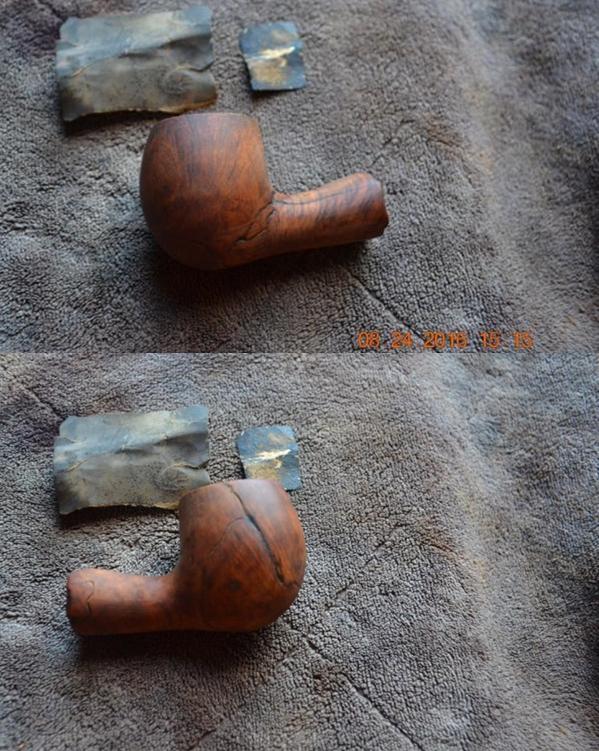
Method #1 Shortening a cracked bowl. This is by far the easiest method of repairing a cracked bowl. I only use this method in cases where the crack is not long and the look of the bowl once I have removed the offending portion is still pleasing to the eye. I have received bowls that were cut off this way and were just too ugly to leave. (The photos that I am using on this repair came from a pipe purchased on eBay from the Dutchman. It was a Rhodesian that he had cut off and then sold the pipe as fully restored. It was not! I reshaped the pipe and reclaimed it.) My methodology is basic and straightforward.

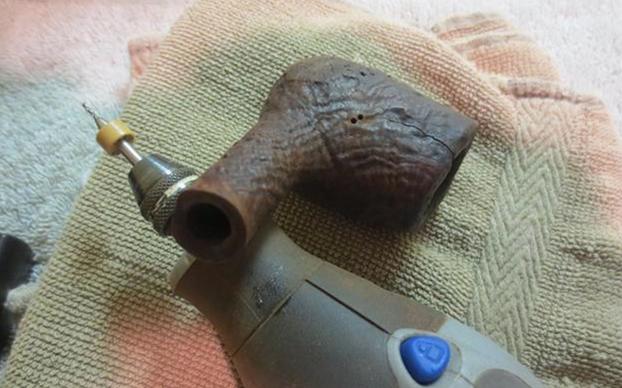
1. Use a microdrill bit on a Dremel to drill a pin hole at the end of the crack. This stops the crack from spreading further.

2. Cut off the cracked portion of the bowl using a coping saw, table saw or band saw. I have even used a Dremel and sanding drum to bring it reasonably close to the finished height.
crack13. Top the newly cut off bowl to ensure that it is straight and smooth. Check it often in the process to make sure that things are straight.

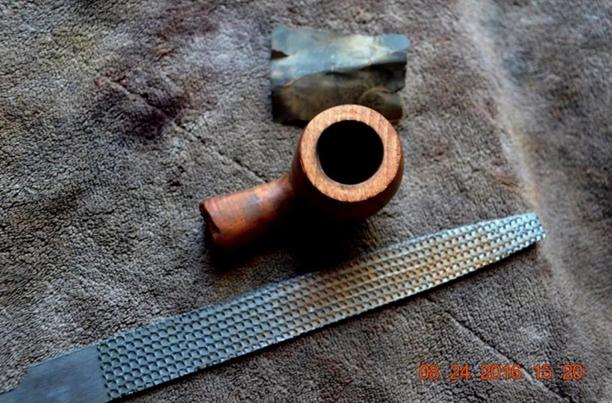
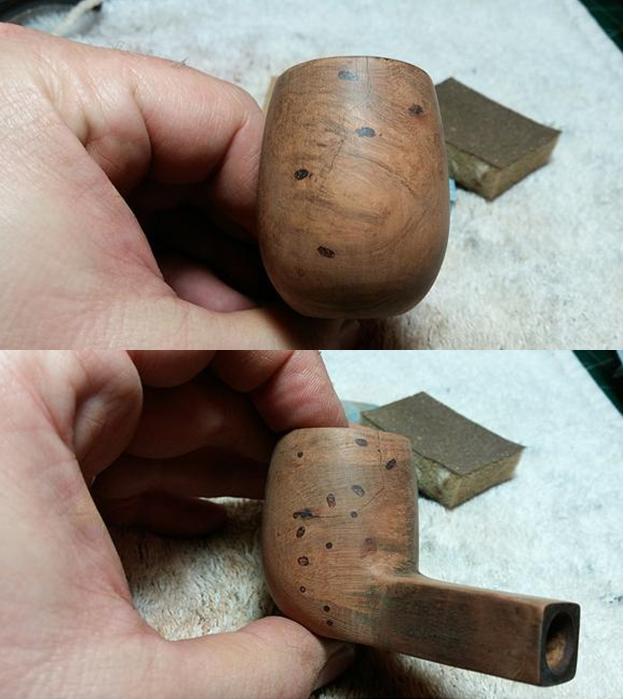
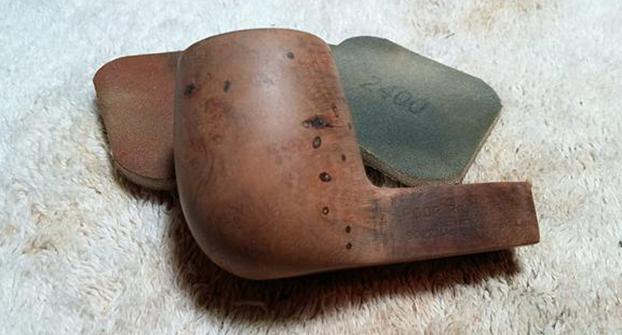
4. Reshape the new top of the bowl either by hand or with the Dremel to give it a finished look that tapers upward from the bulging sides of the bowl. (This pipe took a lot of shaping work. The next three photos give different angles of the progress along the way.crack2crack35.  Sand out the scratches left behind by the Dremel sanding drum and fine tune the shaping of the bowl and rim with 220 grit sandpaper. I have found that this grit of sandpaper is very effective for shaping and leaves behind scratches that are easier to sand out than 180 grit or coarser grits. It still cuts away the excess but does not leave a lot of damage to the finish to repair.crack46. Sand the bowl with a medium and a fine grit sanding sponge. This will polish the briar and when you have finished with it you will see the scratches that have been left behind that require further attention.Crack57. Wipe the entire bowl and shank down with acetone to remove the finish on the lower portion of the bowl. It will also remove a lot of the stain that is present in that portion so that blending in the two areas of the bowl is easier to achieve.

8. I finish sanding the bowl with micromesh sanding pads – wet sanding it with 1500-2400 grit pads and dry sanding it with 3200-12000 grit pads. Each successive grit of micromesh sanding pad polishes the bowl more. The bowl is ultimately very smooth and the scratches that remain stand out and can be addressed by repeating the process noted in 5 and 6 above.crack69. Heat the bowl with a heat gun or blow dryer and stain it with an aniline based stain. The heated briar opens the pores so that the stain is taken in. I light the stain on fire with a lighter and it sets it in the grain.

10. If the stain is too dark, wipe it down with a cotton pad and alcohol.

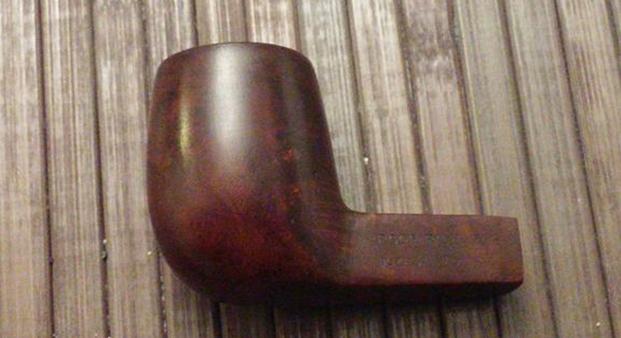
11. Buff it with Blue Diamond and give it several coats of carnauba wax. Buff it with a clean buffing pad to raise the shine.Crack712. If you have done a good job reshaping the bowl it will look natural. Examples of this are a billiard that with shortening become a pot, an apple that with shortening becomes a prince… etc.

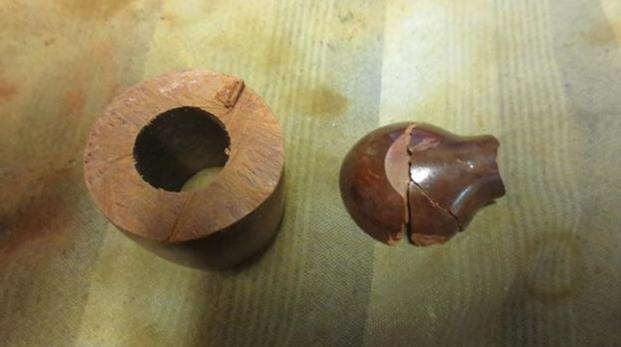
Method #2 Splicing two bowls together. A cracked bowl can be shortened and a new section can be spliced on top of the remaining bowl. The original height can be restored. This method is labor intensive and involves cutting the bowl off of a donor pipe that is junk and then working to fit it to the cut off base of a cracked bowl.

1. Cut of the cracked portion of the bowl and flatten the remaining base and shank on a topping board.

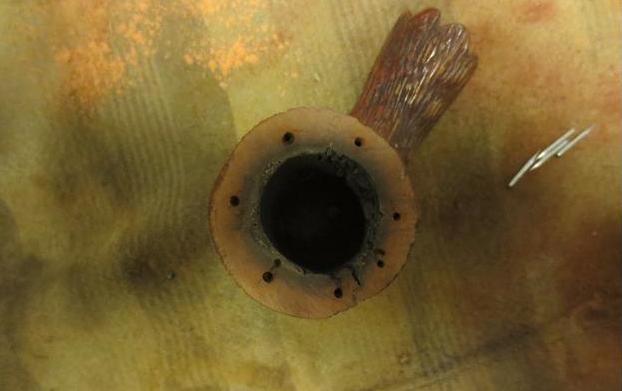
2. Cut off the donor bowl the same height as the cracked portion you removed from the other bowl. Don’t worry about diameter or finish at this point.crack83. Drill a series of microdrill holes in the base. These will go around the bowl centered in the briar that remains of the bowl walls.crack94. Cut off pieces of stiff metal or a paper clip. In this case I used small brads. These pieces need to be about 3/4 to 1 inch tall.

5. Set the wires in the drilled holes in the base of the pipe. They should stand straight up all around the bowl.

6. Set the cut off bowl on top of the wires and line up the front, back and sides. Push down on the bowl hard enough to mark the holes that need to be drilled on the cut off bowl but not too hard as you will bend the wires.

7. Remove the cut off bowl and microdrill the holes in that portion to match the bottom.

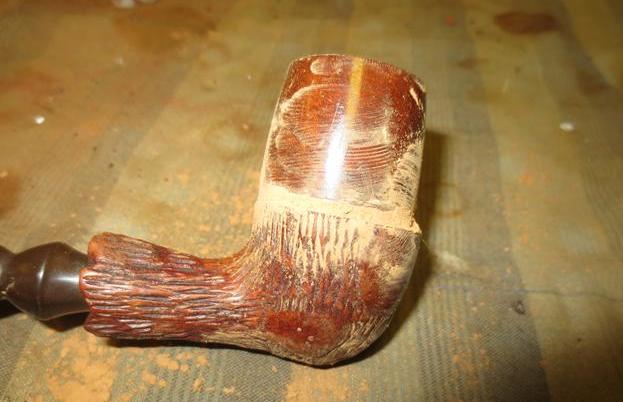
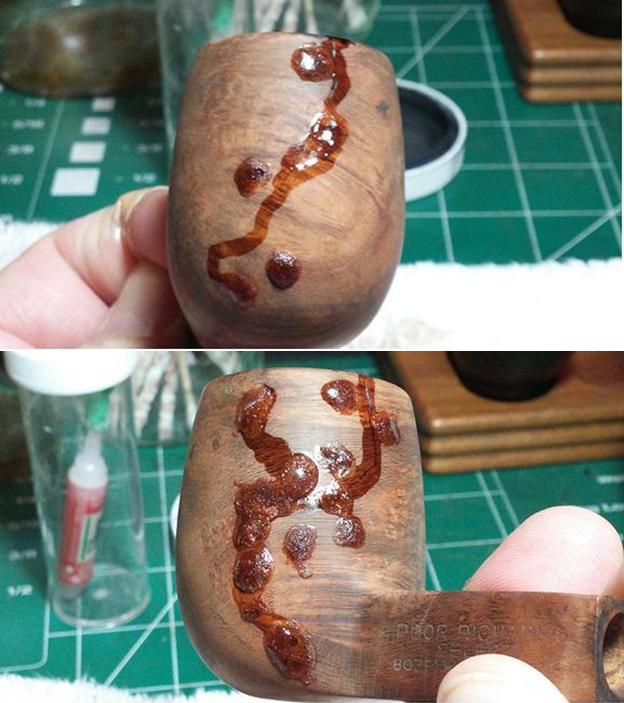
8. Super glue the pins or wires in place in the base. Once the glue sets put the top portion of the bowl on the pins. Do not push it into place at this point.crack109. Paint the surfaces of the both pieces of the bowl with a two-part epoxy and slowly press the top portion of the bowl onto the pins. Maneuver it until the bowl lines up on the bottom portion.crack1110. Let the epoxy cure. Then use a Dremel and sanding drum or a spade drill bit to even out the inside of the bowl. You want a clean fit of the bowl sides so that there is no ledge or shelf between to two halves.crack1211. Use a Dremel and sanding drum to reshape the bowl so that the parts align and the transition is smooth and the bowl looks natural. Fill in any gaps in the joint with super glue and briar dust.crack1312. At this point you have a choice. You can either rusticate the entire bowl or you can rusticate the joint of the two bowls.

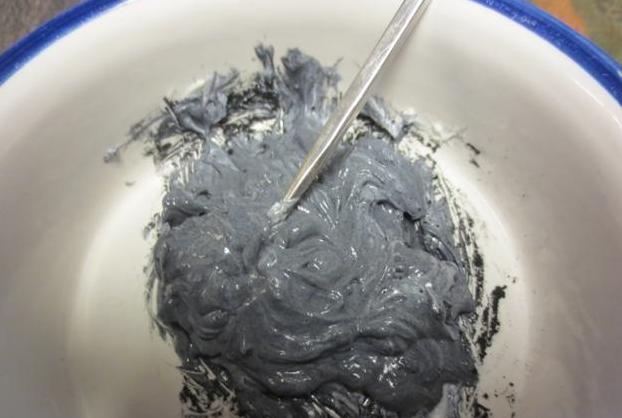
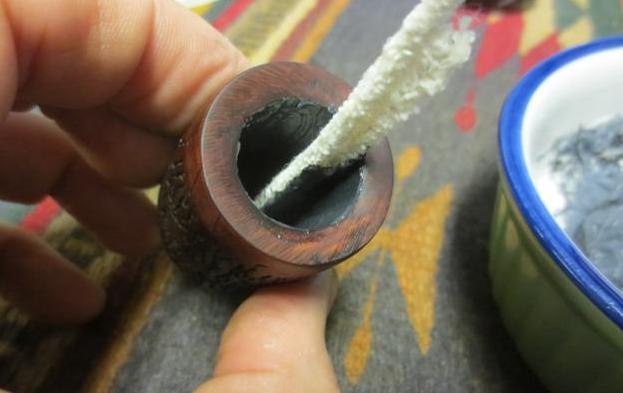
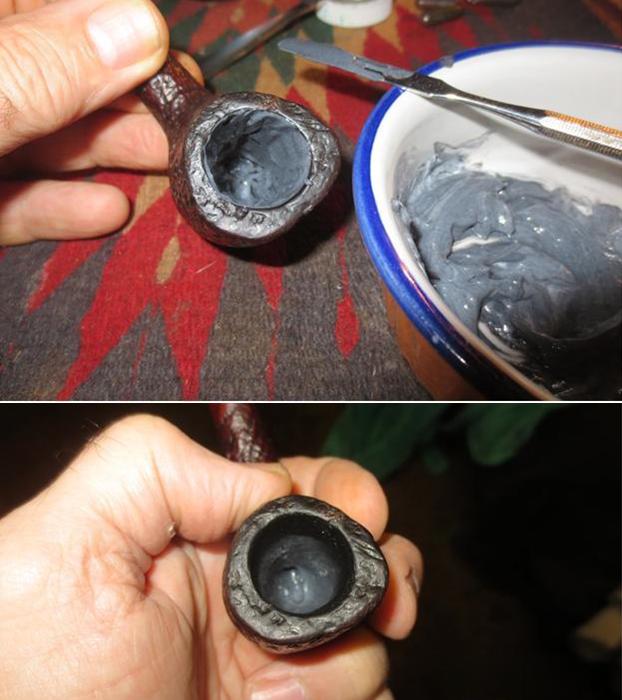
13. Mix a batch of bowl coating using charcoal powder and sour cream or plain yogurt. Stir them together until you get a charcoal grey paste. Paint the inside of the bowl with the mixture using a folded pipe cleaner. Make sure to smooth it out. Set the bowl aside to dry. Once it cures the inside is complete.crack14crack1514. Stain the bowl and rim to your own taste. If you rusticate it you can do a contrast between black and brown or even different browns to accentuate the grooves and smooth portions.crack16

Method #3 Filling the crack. The crack can be filled in and repaired with a mixture of briar dust and super glue that is used like putty. Others have used chimney repair/mortar repair mix or JB Weld to repair the cracks.

1. Drill a pin hole at the end of the crack to stop it from spreading further down the bowl or across the bowl.crack172. Clean out the crack in the bowl with a dental pick to remove the debris and any dust from the crack.

3. Press briar dust into the crack with a flat blade or a dental spatula. I use the dental pick to make sure that there are no air pockets in the dust.crack184. Some folks vary the slightly and mix the slow curing super glue and briar dust on a small jar lid and press the mixture into the crack. Personally I use the method I explained above and put the glue in afterwards. Both methods or variations will work.

5. Fill in the crack over the briar dust with clear super glue. I have found that this takes time and should be done slowly so as not to overdo.

6. Press more briar dust into the super glue to ensure that the crack is filled in.

7. Once the repair is cured I sand the patch with either a folded piece of 180 grit sandpaper or a Dremel and sanding drum. I sand it until it is even with the bowl sides. I love using this method on sandblast pipes as it is easy to blend the repair into the finish.crack198. Smooth out the sanded area with 220 grit sandpaper and then with micromesh sanding pads.

9. I use a stain pen or a black sharpie to stain the repair and then restain the entire bowl to blend in the patch with the bowl colour.crack20crack2110. Mix a batch of bowl coating using charcoal powder and sour cream or plain yogurt. Stir them together until you get a charcoal grey paste. Paint the inside of the bowl with the mixture using a folded pipe cleaner. Make sure to smooth it out. Set the bowl aside to dry. Once it cures the inside is complete.crack22
Method #4 Stitching the Cracks. The cracks can be stitched together with small pieces of wire set at angles to pull the crack back together. This method was used by Charles Lemon on a pipe we worked on together. The pipe traveled back and forth across Canada. Charles stitched the bowl together with brass wire. Here is his methodology. With this method I am giving more detail to explain the process.

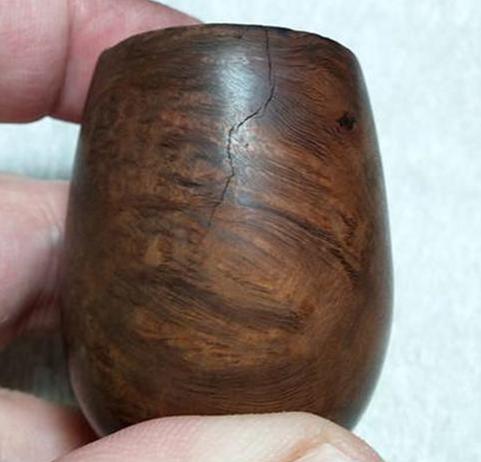
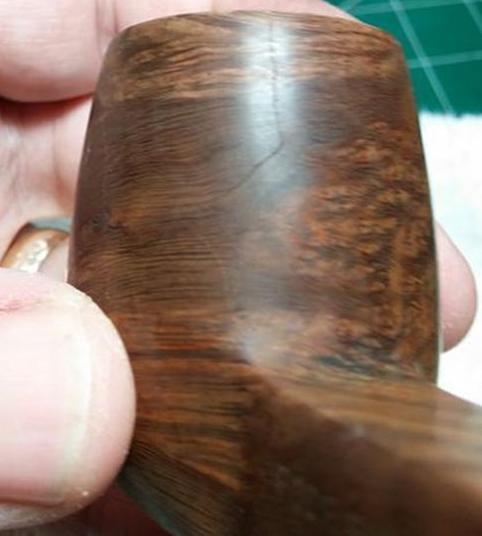
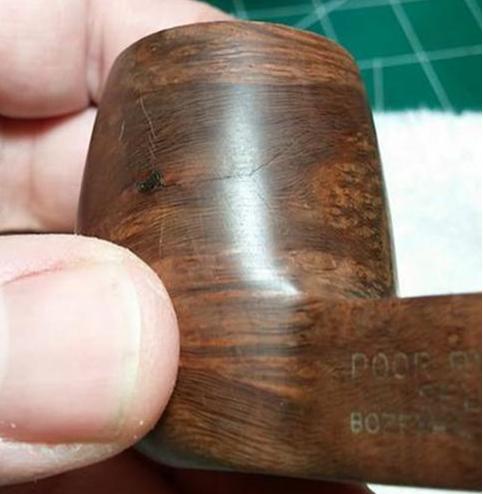
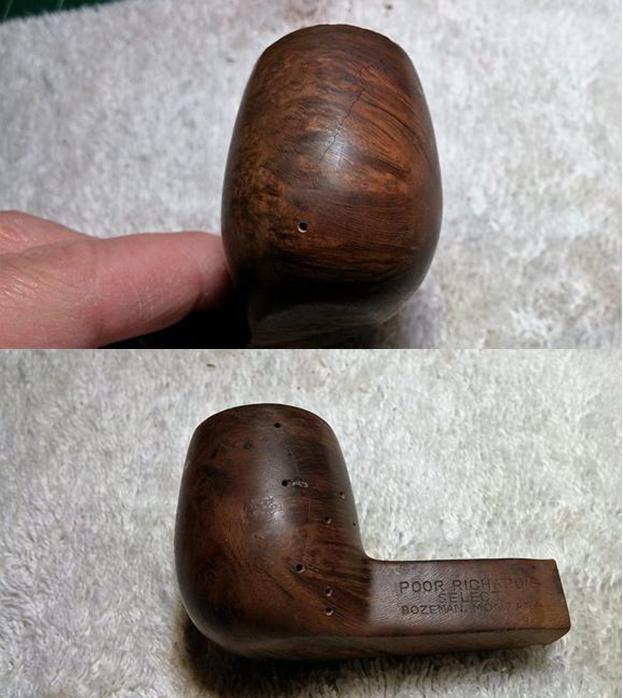
1. There were two major cracked areas at the front and back of the bowl. Both cut all the way through the chamber walls, all but slicing the bowl in half lengthwise. The front crack looked like a clean break running from the rim down the face of the bowl to the bottom of the tobacco chamber. The rear crack wasn’t as straightforward. Instead of a single linear crack, the damage at the rear started at the rim, dropped down to roughly the centre of the bowl, and took a sharp left as it sought out an old fill – a natural weak spot in the briar. From the fill the crack had “spidered”, with thinner cracks running up, down and across the bowl. The cracks could be visibly moved by squeezing and releasing the bowl. Without some way to lock the briar in position, the bowl would have to be retired.crack23crack24crack252. Drill a pin hole at the end of each of the cracks to ensure that the existing spider cracks did not run further into the briar. Be careful not to drill through to the tobacco chamber. These “end cap” holes would stop the cracks.crack263. In a bowl as seriously damaged as this one glue alone would not provide sufficient holding power to keep the cracks tight and immobile. There would need to be some sort of physical reinforcement of some kind to ensure that the bowl stayed in one piece after being placed back in service.

Charles and I took on this pipe as a challenge to a conversation we had had earlier regarding when or if a bowl was irreparable.

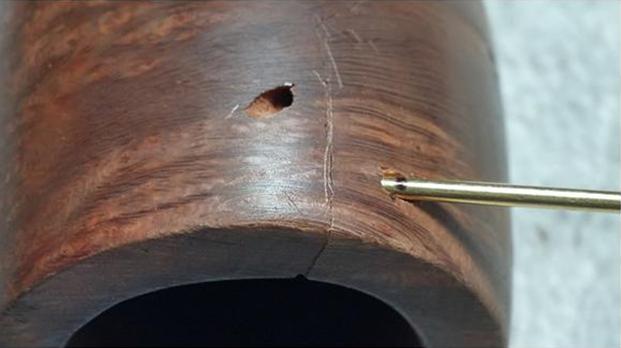
4. The cracks would have to be pinned using metal wire. In this case a length of 1.2mm brass rod did the trick. Match the diameter of the rod to a micro drill bit and drill pin shafts across the crack, through the curved walls of the bowl, without drilling into the chamber. These shafts only had one end and the pin would be inserted across the cracks.

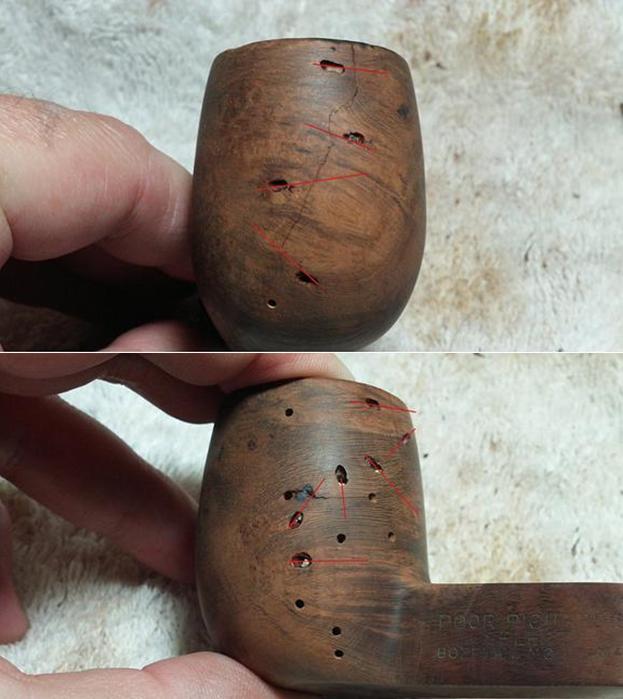
5. The next close-up picture shows the flat angle of the drilling. A brass rod is in position to show how the process will work. The rod length was marked and then cut shorter so that when fully seated in the shaft, the outer end of the rod would be below the outer surface of the briar. The brass pin was roughened with 220-grit sandpaper to give the glue more gripping surface. Super glue was dripped into the shaft before pushing the pin home.crack276. The second shaft was at an angle relative to the first one – in the photo it is clear that it’s not even close to parallel. This is deliberate. Each pin was drilled at an opposing angle to its neighbours. Doing this assured that any movement of the briar as it heats and cools will be blocked by one or more pins. If the pins were parallel, pressure in the wrong direction could push the crack open again.

7. In all ten brass pins were installed – four in front and six in back – and seven end cap holes were drilled to stop the cracks (all but one of these in the back). The red lines in the photos below show the direction of the pin shafts. You can see how the pins work to stitch the crack shut. The front repair doesn’t look too bad, but the rear of the bowl looks like it was attacked by termites!crack288. With the pins in place the crack no longer moved. The lack of movement shows that the bowl was acting as a single piece of briar instead of several bits of loosely connected wood.

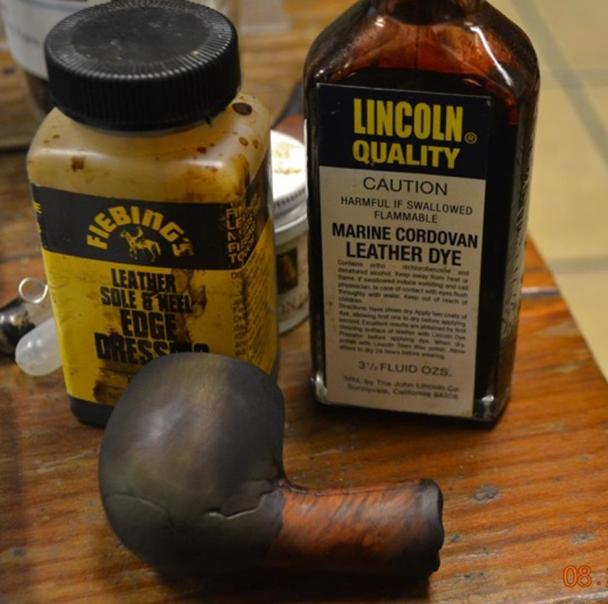
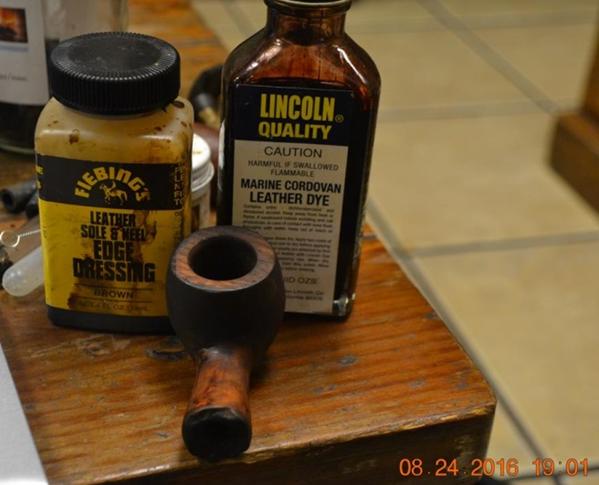
9. Patch the 17 end cap and the pin holes with super glue and briar dust as shown in the photos below.Crack2910. When the glue has cured in the fills, file and sand the patches until they are flush with the surface of the briar.crack3011. Sand the entire bowl with micromesh sanding pads to remove the scratches in the briar and further blend the repairs into the briar. The photo below shows the filled end cap and rod holes. They are smooth and flush with the briar.crack3112. At this point the bowl is ready to stain. The large number of repairs required a darker finish than would have originally been used on this pipe. In this case the stain undercoat was Fiebing’s Black water-based leather dye. This was used to bring out the grain. When that coat had dried the bowl was polished with 0000 steel wool and water. This left the grain stained black while the rest of the wood remained lighter. The second stain coat was a wash of Fiebing’s Dark Brown stain diluted about 50% with alcohol that was used as a wash over the briar repeatedly until the coverage was good. After that coat had dried a medium stain pen was used over the repaired fills to help push them to the background without obliterating the grain altogether.

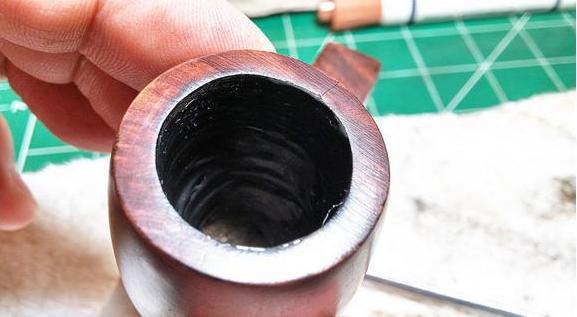
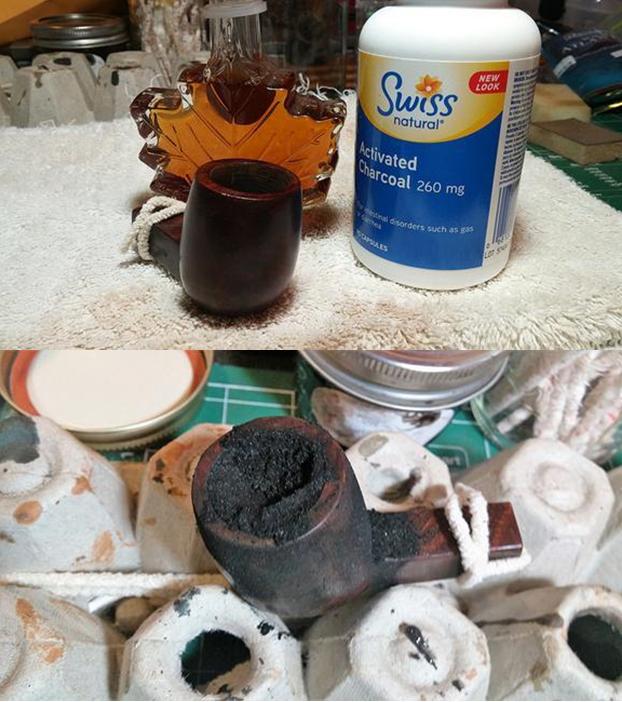
13. Buff the pipe with White Diamond on the buffing wheel and give it multiple coats of carnauba wax. Buff lightly with a clean buffing pad to give the pipe a shine. In the photo below you will note that the fills and cracks have disappeared almost completely. The stain is translucent enough to allow the grain to shine through. The cracks across the rim are hard to find. The repairs are still visible under strong light, but the repair passes the casual inspection test.crack3214. To further stabilize the repair JB Weld was pressed into the cracks on the inside of the bowl. After the JB Weld had cured sand out the excess. The idea is to only leave the JB Weld in cracks themselves and leave behind smooth chamber walls.crack3315. Mix a bowl coating of either the kind described in the other methods above or the one that Charles used on this pipe. He mixed activated charcoal powder and maple syrup. He coated the walls with the syrup and then packed the bowl with charcoal powder. Once dry dump out the excess powder. The coating provides an extra layer of protection for the repairs as well as a consistent surface upon which to build a new layer of cake.crack3416. Wipe down the bowl exterior and let the interior cure.

17. The photo below shows the repaired rim and the repaired interior with the bowl coating. The pipe was finished.crack35crack36
In all of the methods used the repaired pipes have been repeatedly smoked since the repair was made and there is no sign of cracking continuing or spreading. Each bowl has begun to build up cake and the pipes are serving well in delivering a cool dry smoke. The old battered and repaired pipe has a restored dignity and will last for more years to come.

Restoring a Vacation Find – A Cased Bruyere Garantie Long-Shanked Billiard


Good quick tutorial of a refurb from the ground up. Nice work.

Charles Lemon's avatar

I recently returned from a family vacation to Charlottetown, Prince Edward Island. It was great to see family and friends again and do a bit of “touristing” with the kids before the back-to-school maelstrom hit. My father-in-law helped me track down this pipe at an antique shop not too far from the Confederation Bridge, which links PEI with New Brunswick.

The shop had a few estate pipes on offer, but after sifting through the cracked bowls and gnawed stems, I discovered this little beauty hiding on a shelf among the flotsam and jetsam. The case caught my eye first, and I wondered if there could be a meerschaum pipe inside. Upon opening the case, however, I was presented with a neglected but still elegant looking long-stemmed briar billiard.

The pipe looked to be in ok condition under the dirt, so I looked a little closer for clues to the pipe’s…

View original post 1,289 more words

Revitalizing a Savinelli de luxe Milano 118KS


Blog by Steve Laug

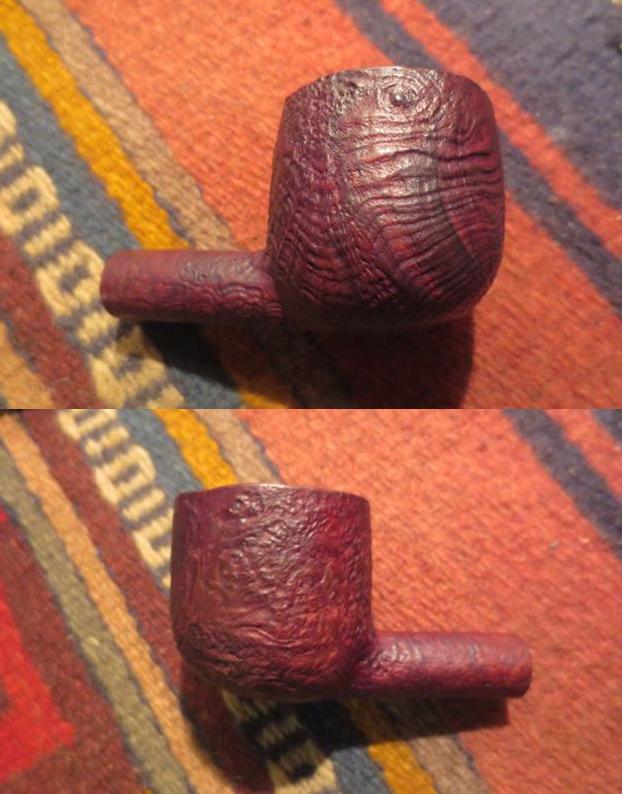
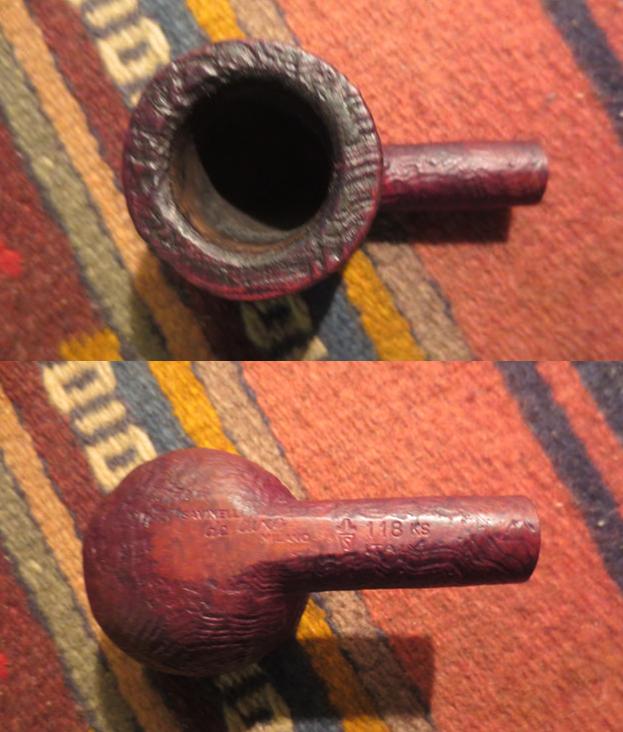
Sav1This pipe came to me from my brother. I am not sure if he found it in one of his antique shop forays between Idaho and Nebraska or on a recent trip to California or even if he found it on eBay. It really doesn’t matter in the long run where it came from. Though sometimes I wish that the pipes I cleaned up could talk and tell their stories. It was obviously a favourite of the pipeman who owned it. It was well smoked but not broken down. The pipe is stamped on the smooth underside of the bowl and the shank with clear and distinct markings. On the bottom of the bowl it reads Savinelli over de luxe over Milano. Next to that it was stamped with the Savinelli Shield logo and the shape number 118KS. Under that is stamped Italy. It is a standard Pot shaped pipe with a large bowl that is one inch in diameter.

The sandblast shown on the pipe in these photos is stunning. Even under the tar, oils and dirt the pipe is quite beautiful. The bowl had a fairly thick cake that had overflowed onto the rim and filled in the grooves. The dust and dirt had filled many of the grooves of the blast on the sides of the bowl and the shank. The stem was oxidized but was high quality vulcanite. In the photos below it is inserted upside down with the brass/gold bar that generally was on the left side of the saddle was turned to the right side. There was some tooth chatter on the top and bottom sides of the stem. On the top side of the stem (which was turned upside down) there was a deep tooth mark.

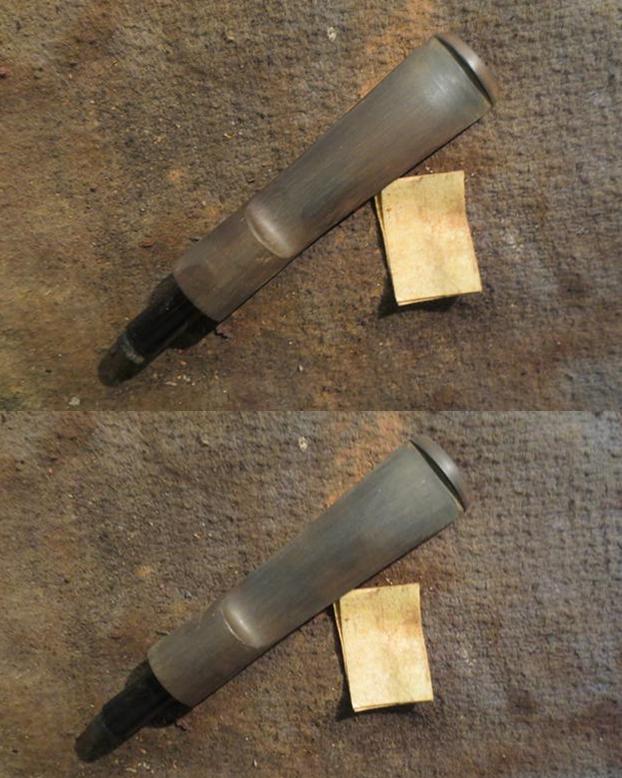
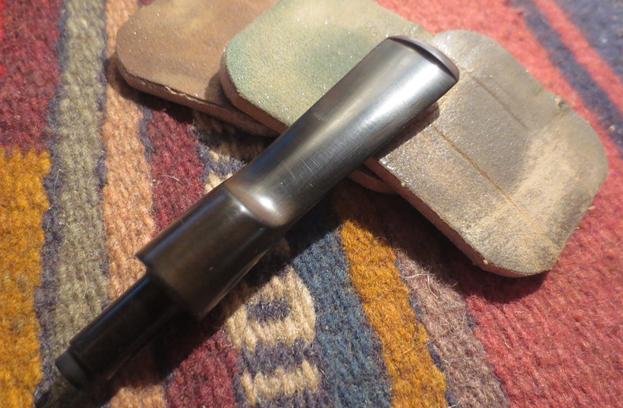
My brother took these three photos before he cleaned up the pipe. He reamed it with a PipNet reamer to rid the bowl of the cake and scrubbed the exterior with Murphy’s Oil Soap to remove the tars and grime. He cleaned out the airway in the shank, the mortise and the stem airway and removed all of the tar that had collected there.Sav2When the pipe arrived it was spotless. The sandblast really stood out with clarity as can be seen in the next set of four photos. The ring grain, the birdseye and even the flame grain showed but there was also an under grain that shown through that was beautiful as well.Sav3 Sav4I took some close up photos of the pipe. The first shows the stamping on the bottom of the bowl. You can see the clear markings on the pipe and how they stand out on the flat smooth bottom of the bowl and the shank. The second photo shows the rim. There was still light dust and grit in the grooves of the rim.Sav5I also took some close up photos of the stem. I turned it right side up and the tooth mark on the topside near the button is visible in the first photo below. The underside of the stem showed some tooth chatter. Both sides are oxidized.Sav6I used a brass bristle brush to clean out the debris from the grooves in the rim top. It did not take much but once finished the rim was not as dark. I ran a couple of cotton swabs and alcohol through the shank and it was very clean.Sav7I wiped the bowl down with acetone on a cotton pad to remove dust from the bowl surface in preparation for staining the bowl. I applied some dark brown stain thinned by 50% with isopropyl alcohol using a folded pipe cleaner. I flamed the stain and then repeated the process.Sav8I hand buffed the bowl with a microfibre cloth to raise a shine. The next four photos show the bowl after the initial hand buffing. The grain really stands out clearly in these photos.Sav9 Sav10I sanded out the bite marks with 220 grit sandpaper. Thankfully they were not as deep as I thought and were easily removed. I sanded the oxidation as well and gave the stem a general workover.Sav11I polished the stem with micromesh sanding pads – wet sanding it with 1500-2400 grit pads and dry sanding with 3200-12000 grit pads. I rubbed the stem down with Obsidian Oil after each set of three pads. I gave the stem a final rubdown with the oil after sanding with the 12000 grit pad and set it aside to dry.Sav12 Sav13 Sav14

I buffed the bowl and stem with Blue Diamond on the buffing wheel to polish it. I used a light touch on the bowl so as not to get the polish stuck in the grooves of the sandblast. The stem took some work to polish off some of the stubborn oxidation at the shank stem union. I polished the stem with multiple coats of carnauba wax a buffed it with a clean buffing pad. I hand waxed the bowl with Conservator’s Wax and buffed the bowl with a clean buffing pad. I hand buffed the pipe and stem with a microfibre cloth to deepen the shine. The finished pipe is shown in the photos that follow. It is a great looking pipe with an amazing sandblast finish that is worth taking the time to look at. Thanks for looking.Sav15 Sav16 Sav17 Sav18 Sav19 Sav20 Sav21

“The fix was right in front of me” (Restomoding a Falcon)


Mike that is well done. Creative solution on the tubing. Thought I would share it with the readers of rebornpipes. Great work.

mikespipes's avatarMikesPipes

image

A couple months ago I bought a cheap little Falcon pipe. (For anyone who may not know what the falcon pipe is, in the 1930’s a man named Kenly Bugg invented a way to create a cooler, drier smoke using a removable bowl and aluminum.) Twelve dollars is what I pay for any pipe at this antique booth, and I’ve always wanted a falcon ever since I binge read all of RebornPipes and friends. I walked out with a smile and what I didn’t know was going to be a pain in my side.

The pipe was decent, banged up, dulled, minor filiform corrosion, and an odd smell… A smell I recognized from working in fast food, the dreaded “I’ll take one of everything herb” after soaking in alchol for a couple hours, I reamed the bowl and continued with a light topping. The internals were decent, until I snapped…

View original post 268 more words

From Block to Pipe – the birth of a Morta Apple Hand Crafted by Ed James


Blog by Steve Laug

Ed James, Ozark Southpaw posted a Morta pipe that he had made, a beautiful Dublin with a Cumberland stem and an interesting addition of a piece of black palm that was fitted onto the stem. It was an amazing looking pipe and certainly one I would have loved to own. I wrote to Ed and asked about it but it was sold. We went back and forth on email and finally I decided to commission Ed to make a pipe for me. I wanted the same work on the stem – Cumberland and Black Palm. He was getting some Morta from Croatia and he said it was great stuff so we decided to wait until he had it in hand. We discussed the shape of the pipe and I decided to go with an apple – one of my favourite shapes. I have yet to have one of Ed’s pipes and I have never had a Morta before so this was several firsts in one pipe. I was looking forward to seeing what he was going to make. I asked if he would mind sending me some photos along the way as he made the pipe. He said he would gladly do so.

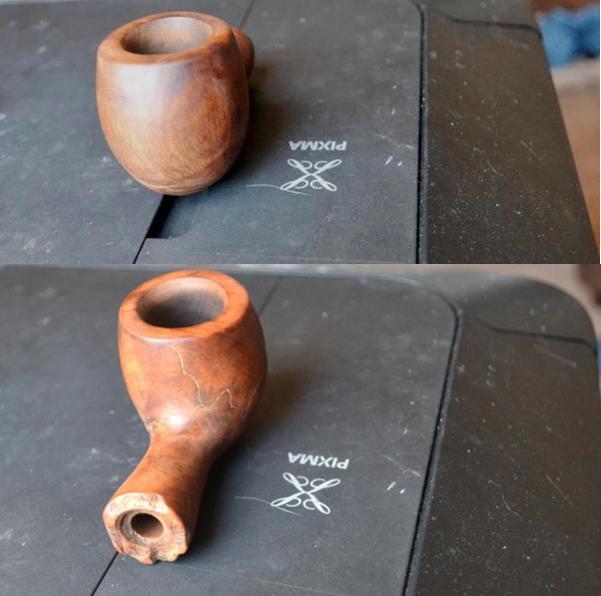
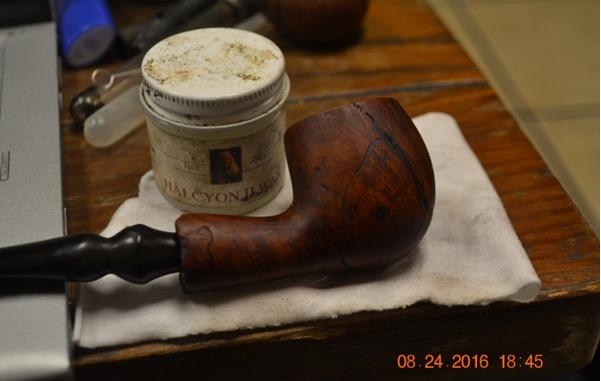
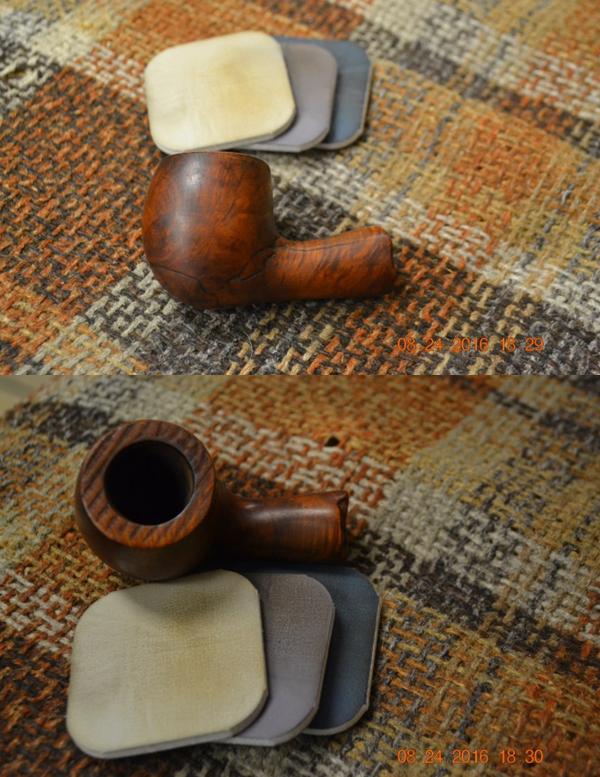
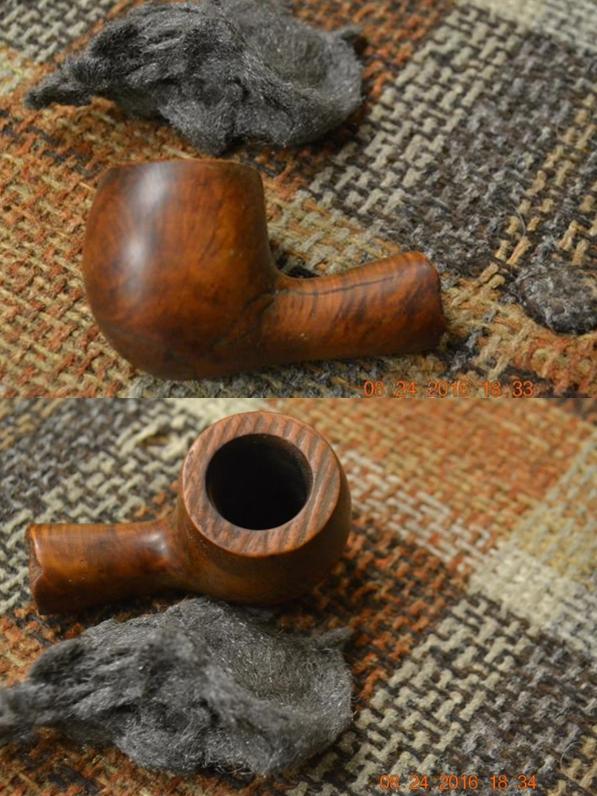
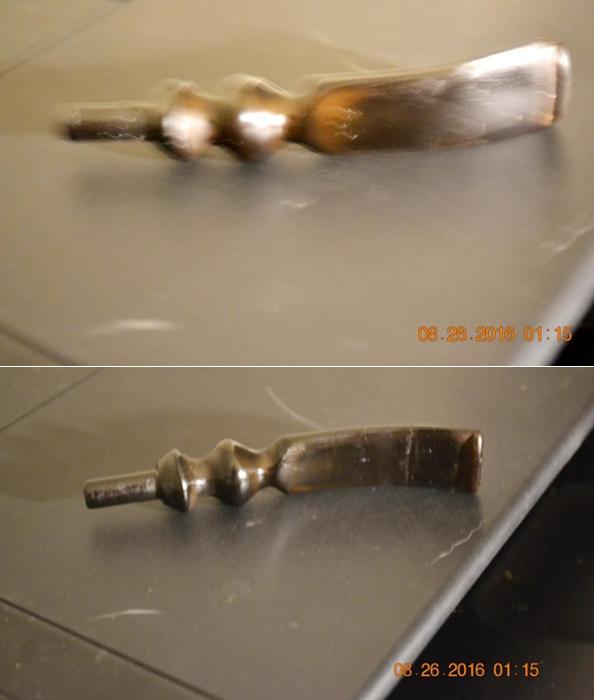
Here is the first set of photos Ed sent me. The first shows his sketch of the pipe or the pattern of how he laid it out on the block of Morta. From the pictures that follow it is clear that it was stuck to the Morta block and when he cut away the pieces noted with the Xs there is paper stuck to them in the third photo below.  Black1The next photo shows the drilled block of Morta, the Delrin tenon and the Cumberland rod stock with the Black Palm overlay on the rod. I like the looks of the parts of the pipe so far. That block of Morta looks really clean and has some interesting grain on it. The speckled Black Palm is one of my favourite exotic woods and I love the look of it with Cumberland.Black2Ed cut away the excess from the block leaving the rough form of the apple in the midst of the slices of Morta. The bowl shape is present and the shank is emerging from the bowl.Black3I believe that Ed began to turn the bowl on the lathe to round out the top half of the pipe and the shank. The grain on the Morta is really showing through.Black4He removed the rest of the excess material on the remainder of the shank and the bottom of the bowl. He also began to shape the stem. The black palm looks great against the Cumberland and the Morta. Ed asked if I wanted to leave it natural or wanted a red stain on the Palm. My choice was to leave it natural. The cut away portion of the palm that flows into the Cumberland is also a nice touch. The arch of Cumberland extending into the Palm will stand out nicely once the stem is finished.Black5Ed sent a close up of the bowl to give me an idea of the shape and the grain. It is looking really good at this point. The speckled Black Palm looks really good with the Morta. Black6He also flattened the bottom of the bowl so the pipe would stand on its own on the desk.Black7He did a lot more sanding and shaping of the bowl and the stem. The next photos show the pipe polished and ready for its final finish. Ed wrote and said he want to do some polishing on the Morta. I can’t wait to see what it looks like once it is done. The pipe shown in the photos below is stunning to me. The Black Palm and the Cumberland work really well together. The shine he achieved on both is amazing. Thanks Ed.Black8 Black9 Black10 Black11 Black12Ed wrote me on the weekend and said that the pipe just needed some polishing. He hand rubbed the pipe with some Halcyon II Wax. He applies it with a finger and rub it in well, lets it dry for 5-10 minutes then buff with a clean wheel — then repeats the process. He has found that the Halcyon Wax doesn’t build up in the pores of the Morta like carnauba does and looks better to his eye. He said, like I have often discovered when buffing a pipe that he had to do a bit more sanding as he found some scratches that he didn’t get out on the bowl. The polished and finished pipe is shown in the photos below. To me it is a beauty and I can’t wait to get it here and see it in person. Thanks Ed for making a beautiful looking pipe. You got my attention with this first Morta that I have purchased.Black13 Black14 Black15 Black16

ADDENDUM:

Ed just sent a photo of a tamper that he made from the pieces of Black Palm and Morta. It is a beauty. Thanks for the tamper Ed.14138235_10208671525778286_2489666687520545610_o