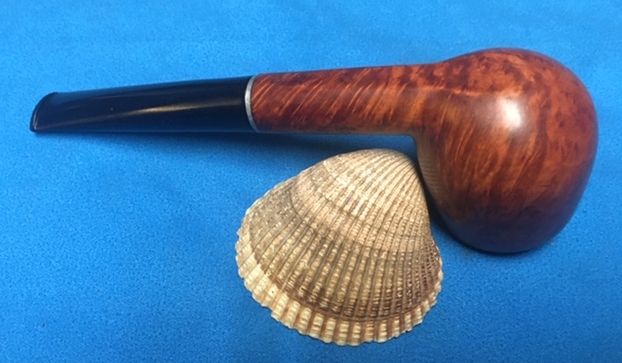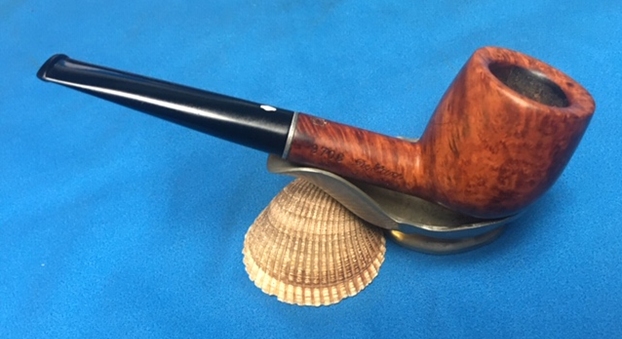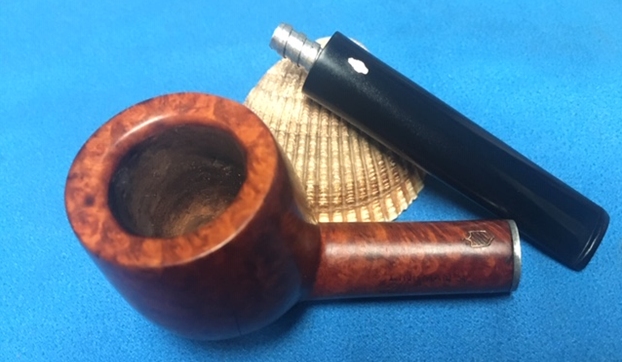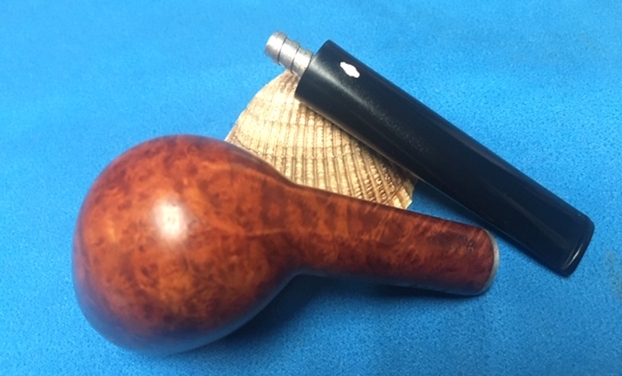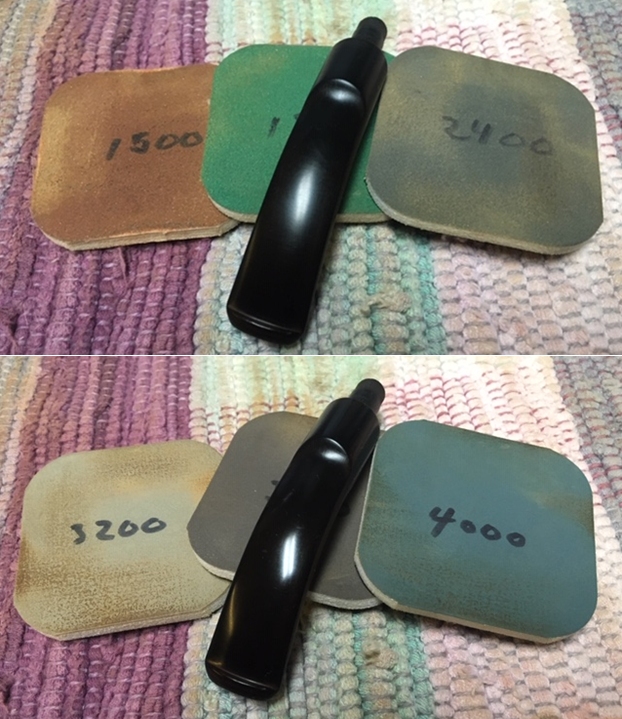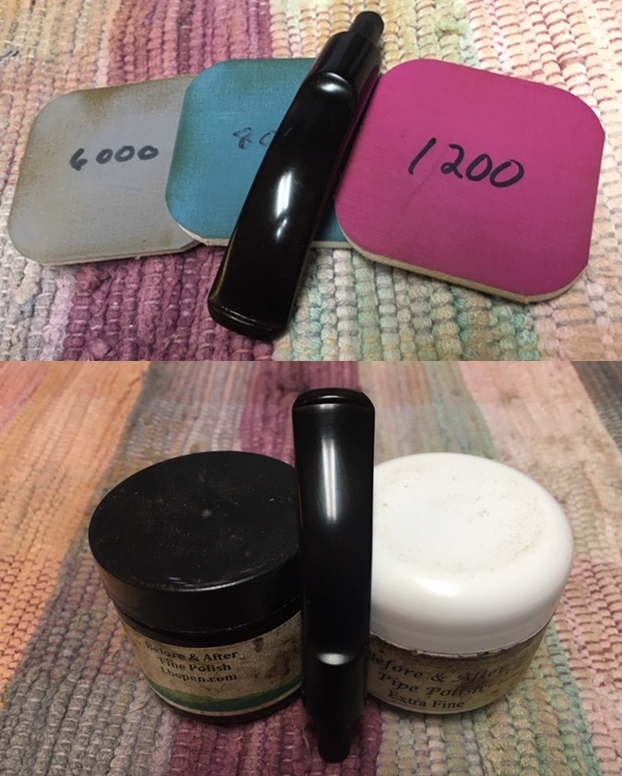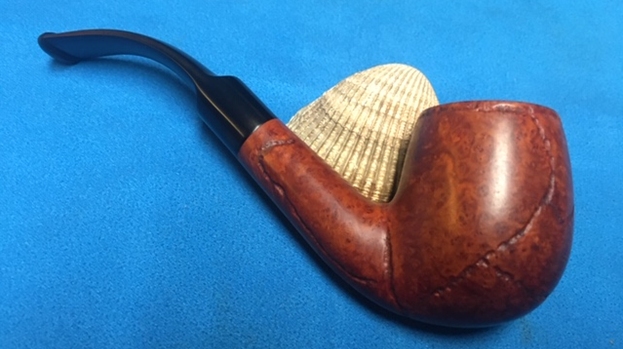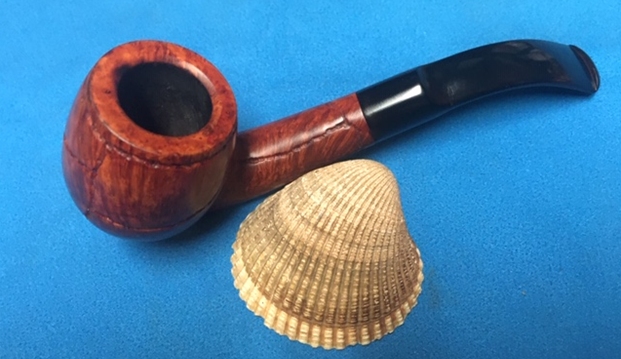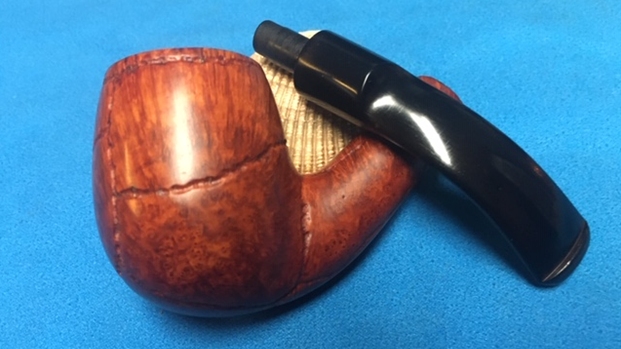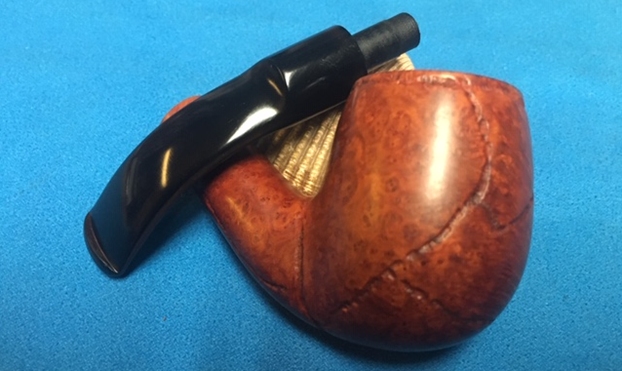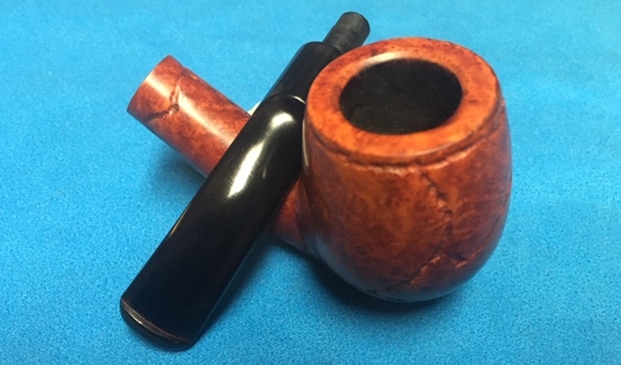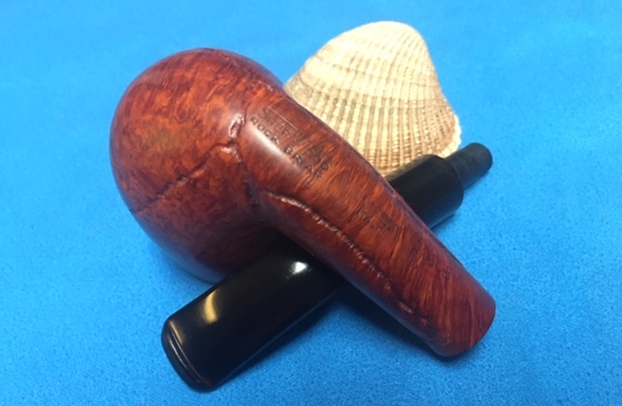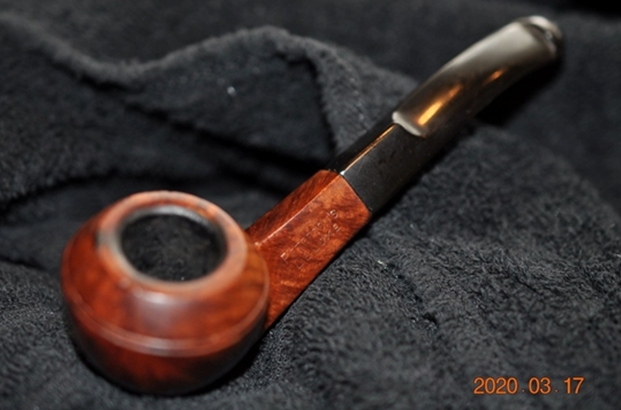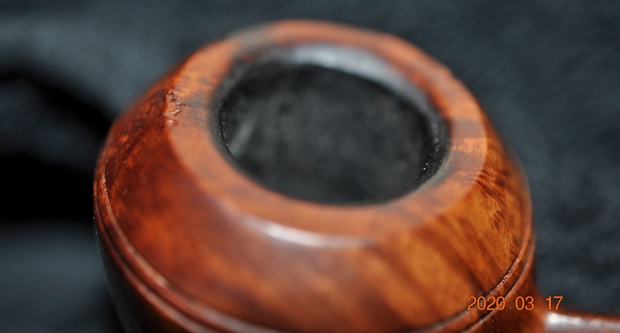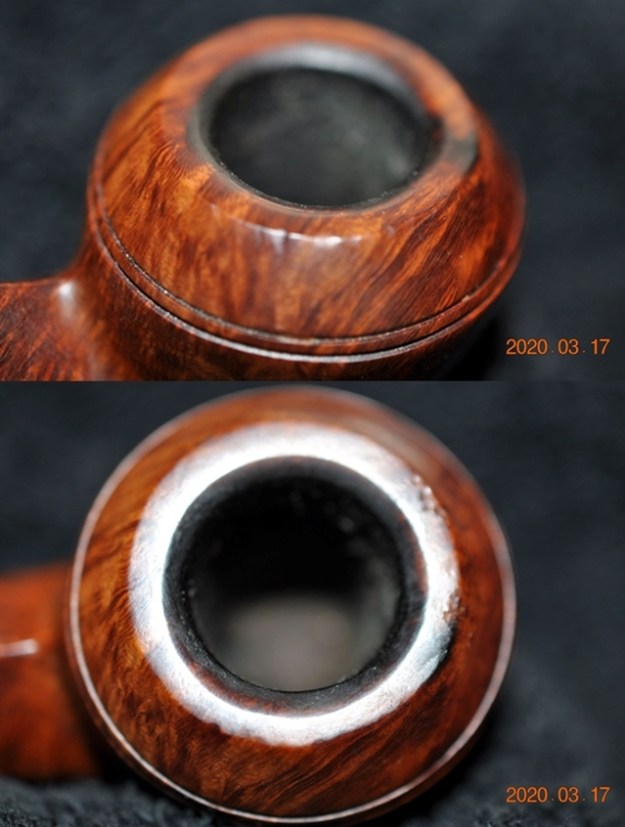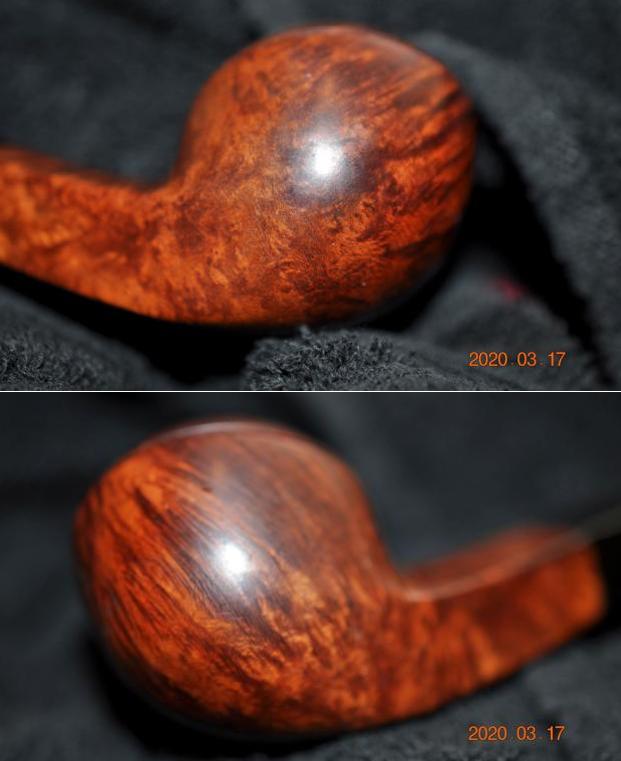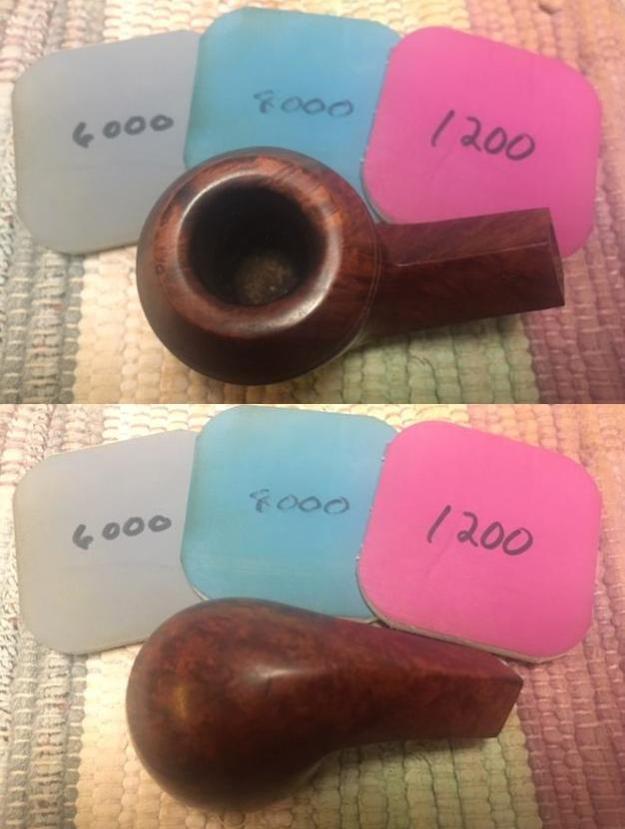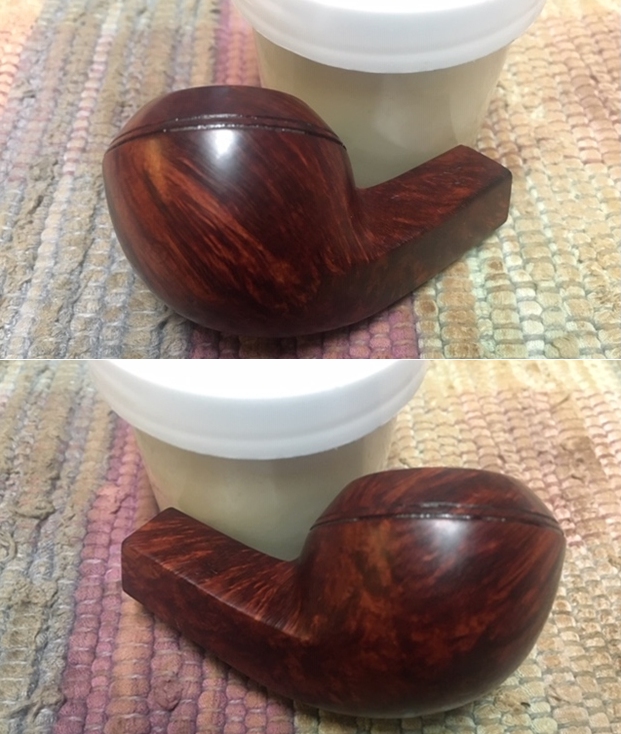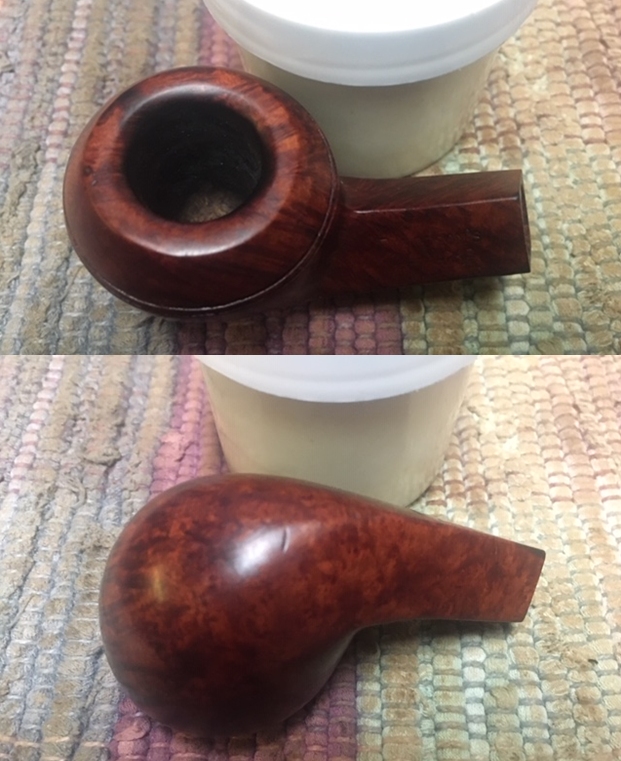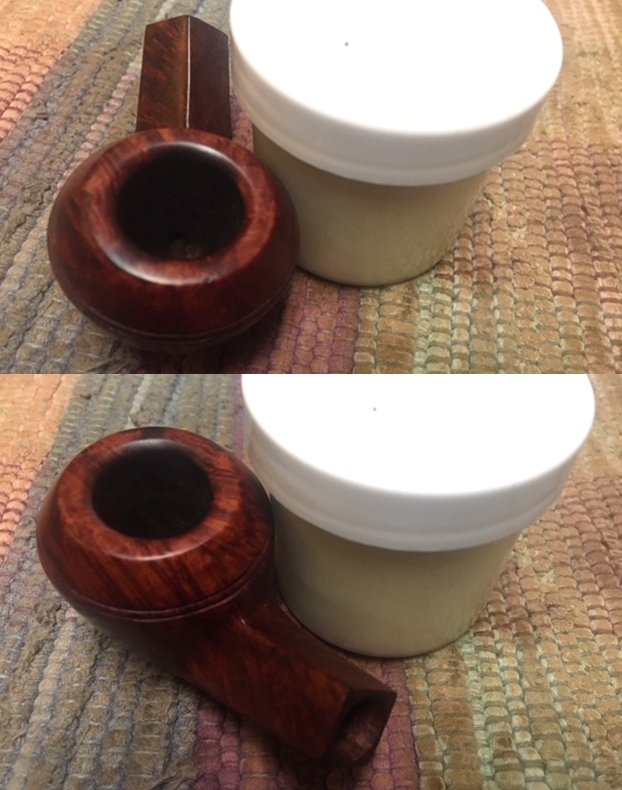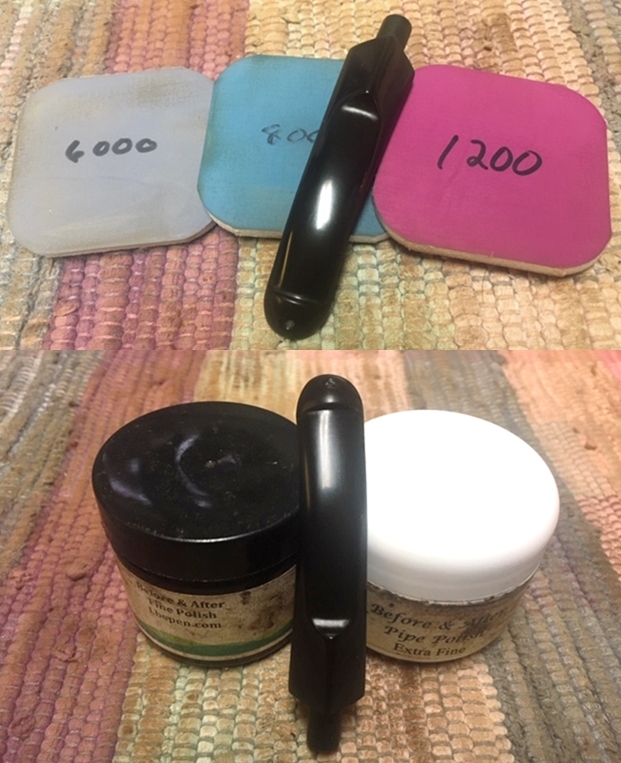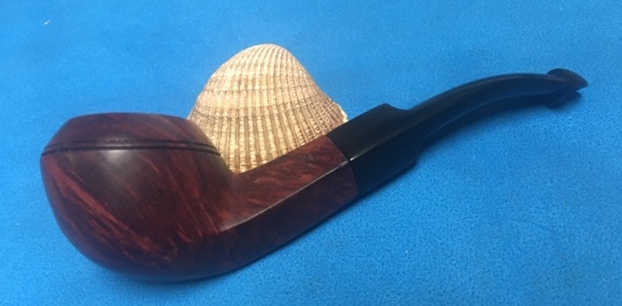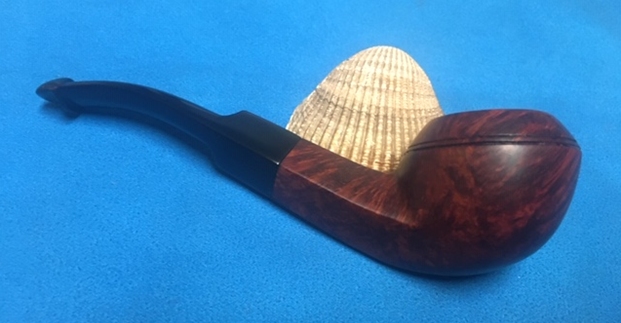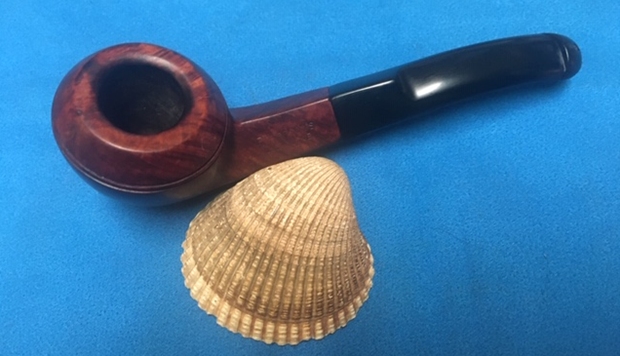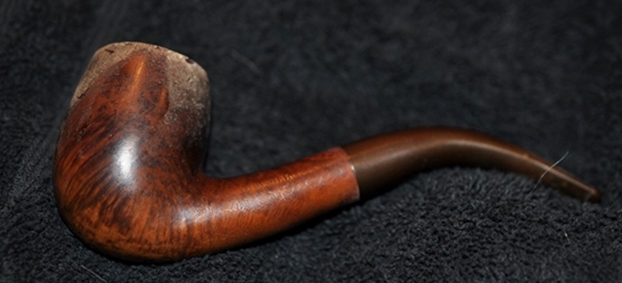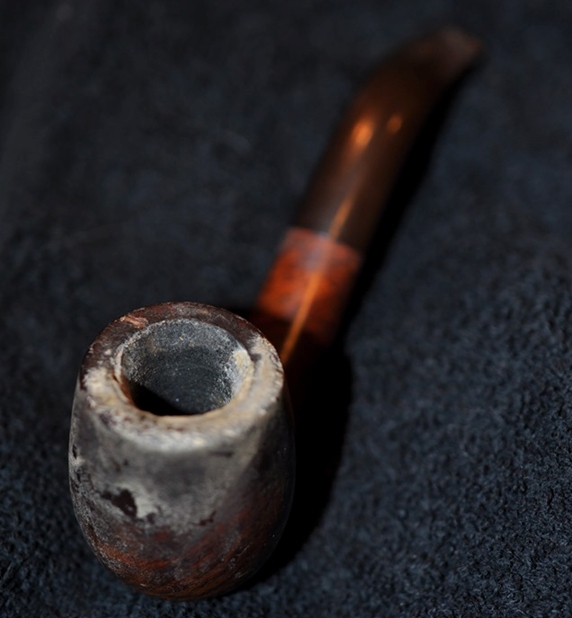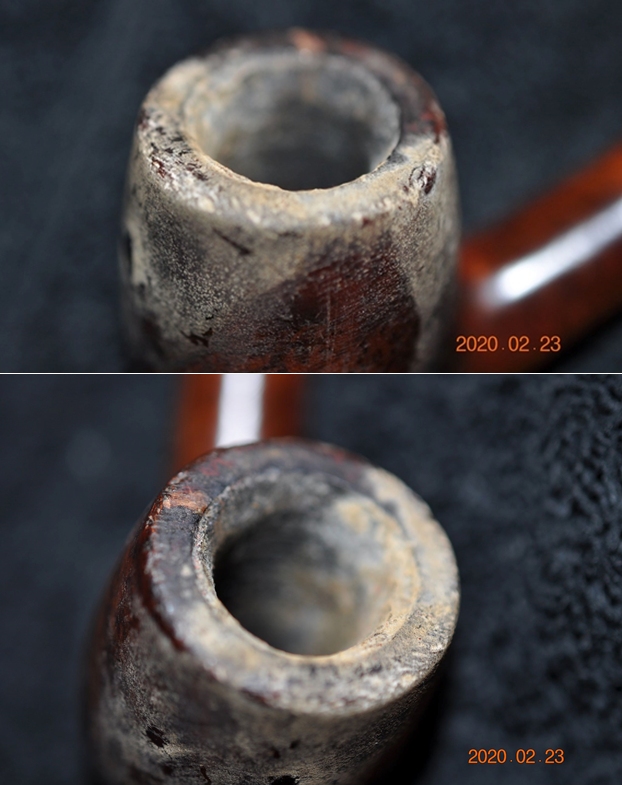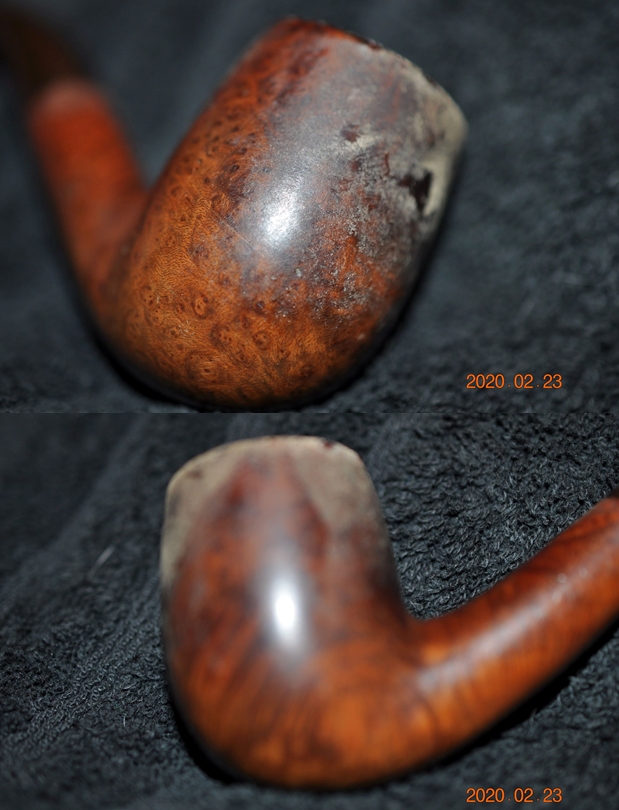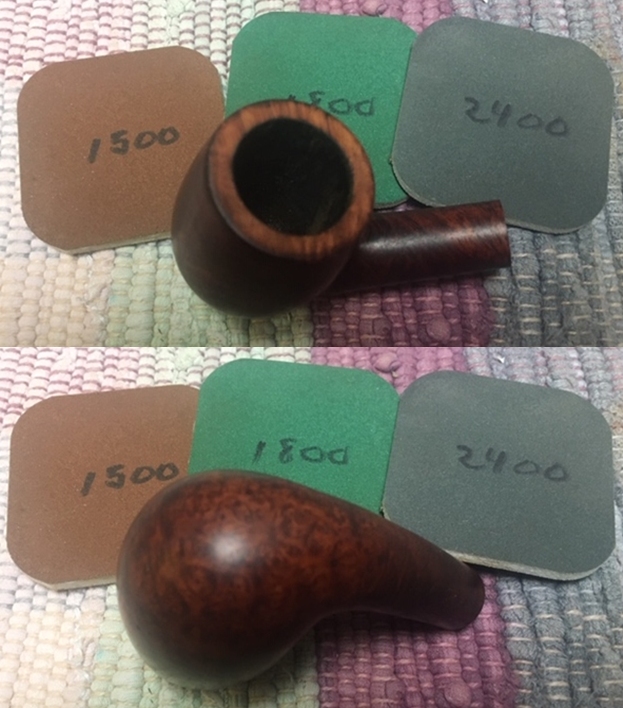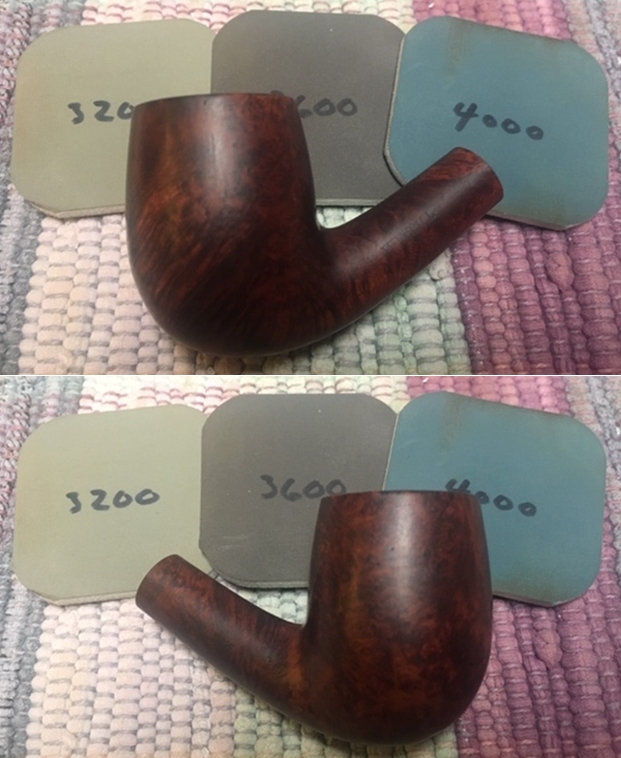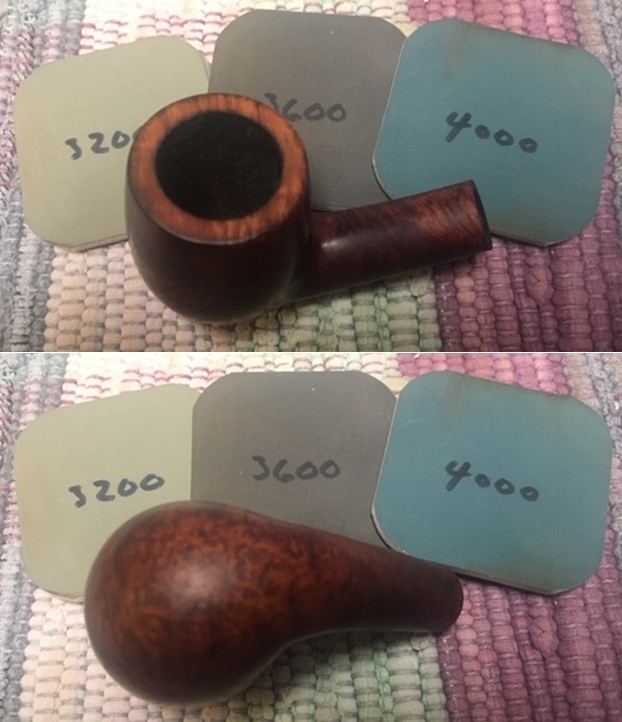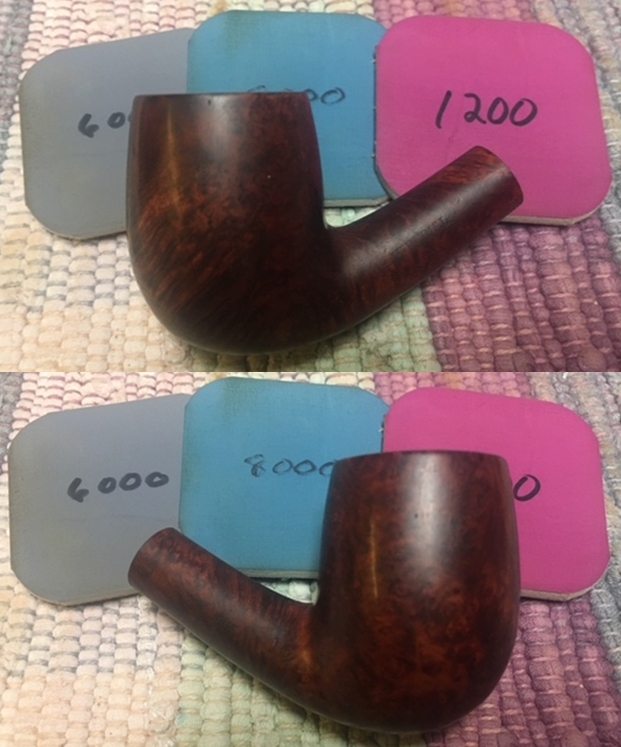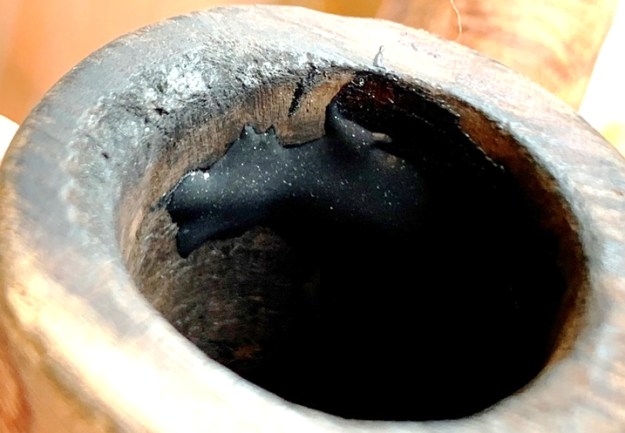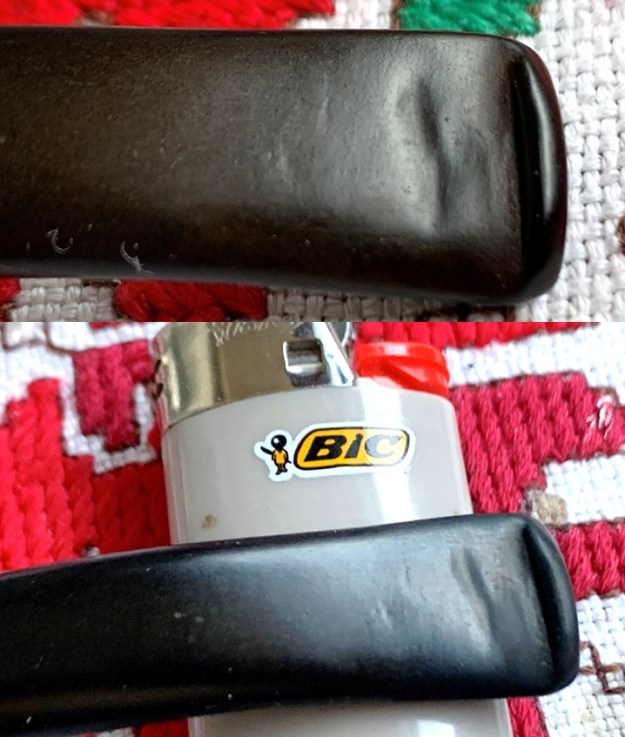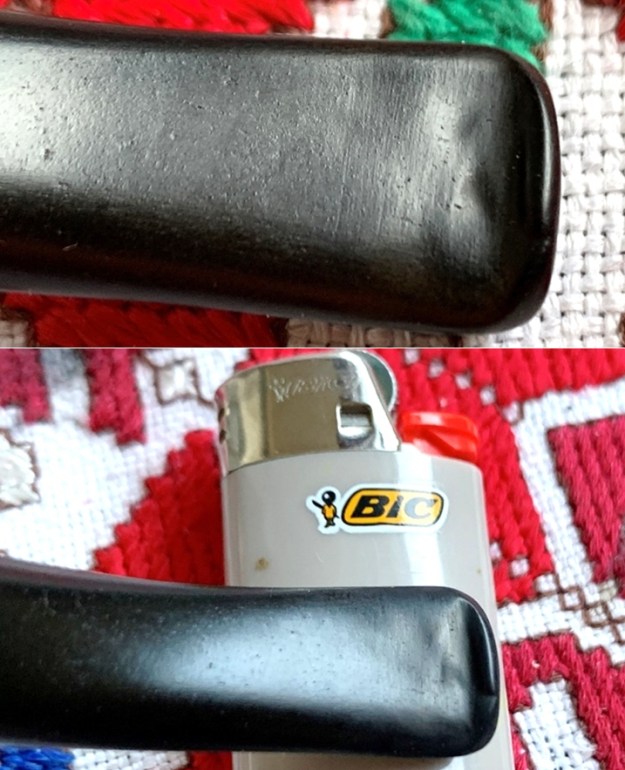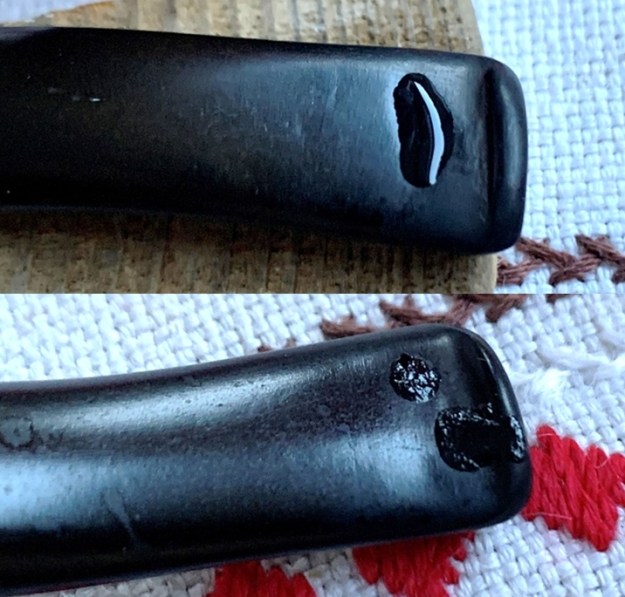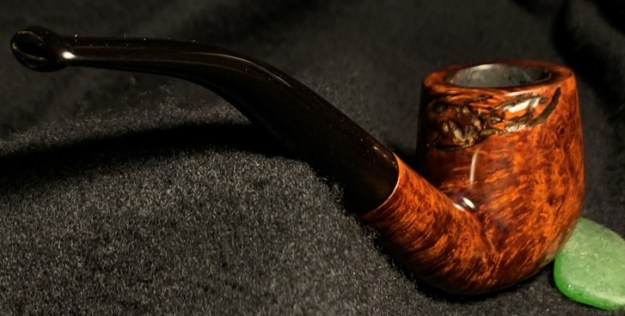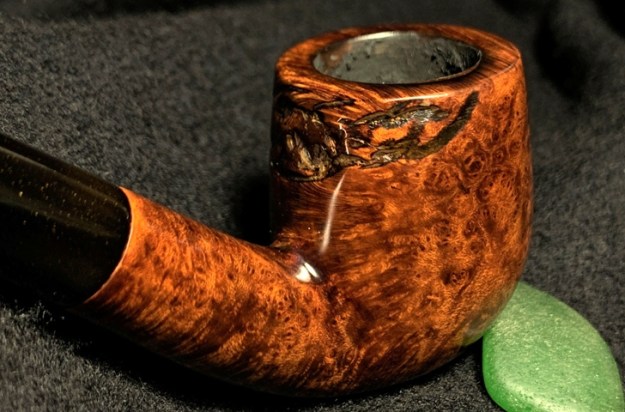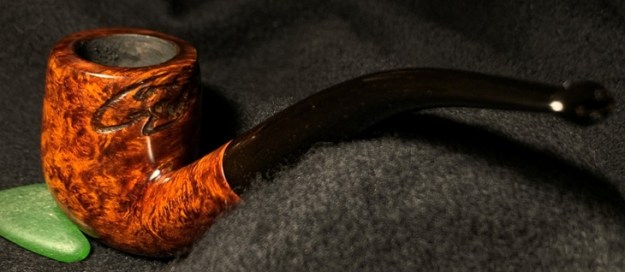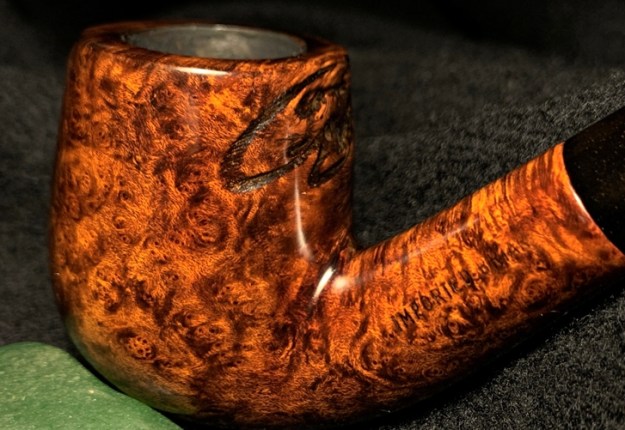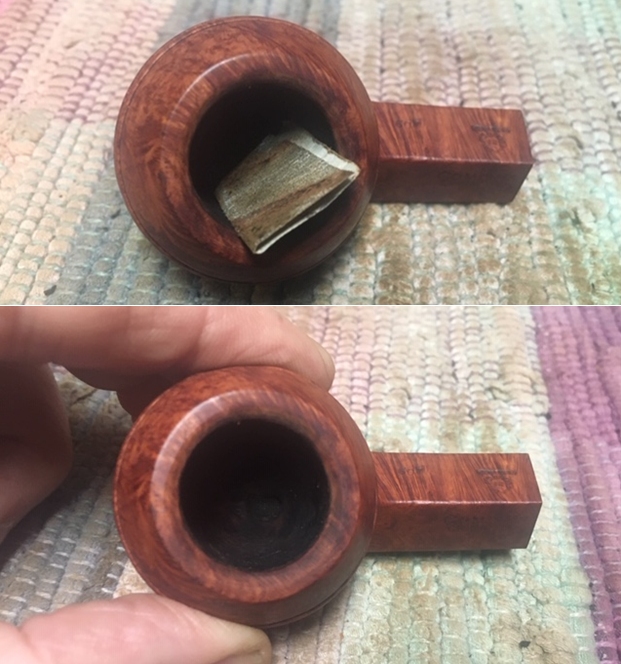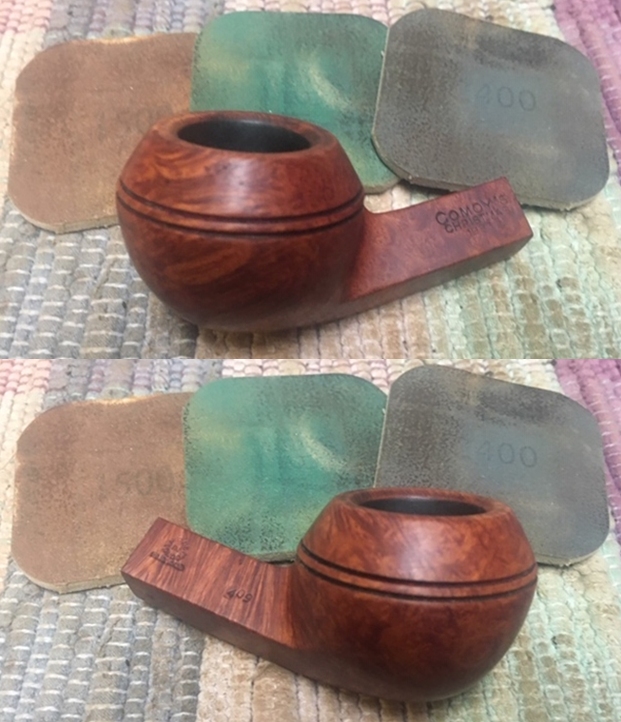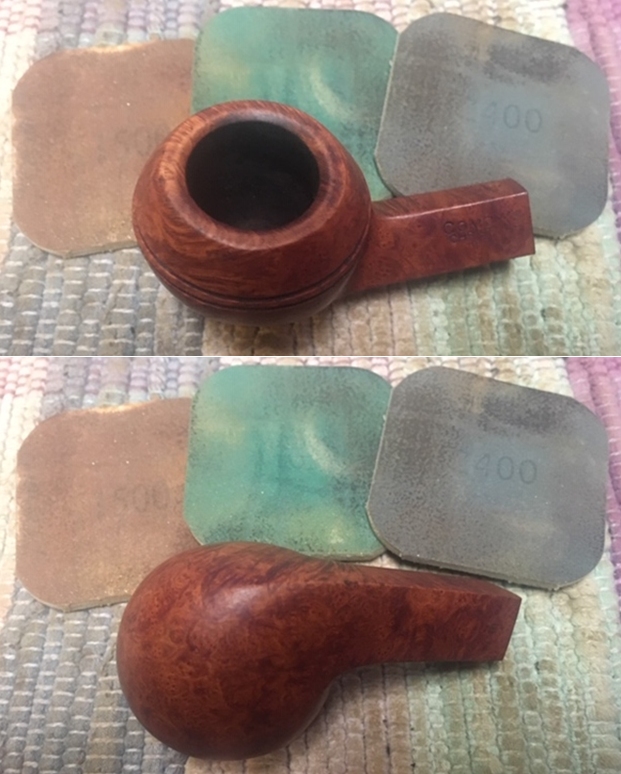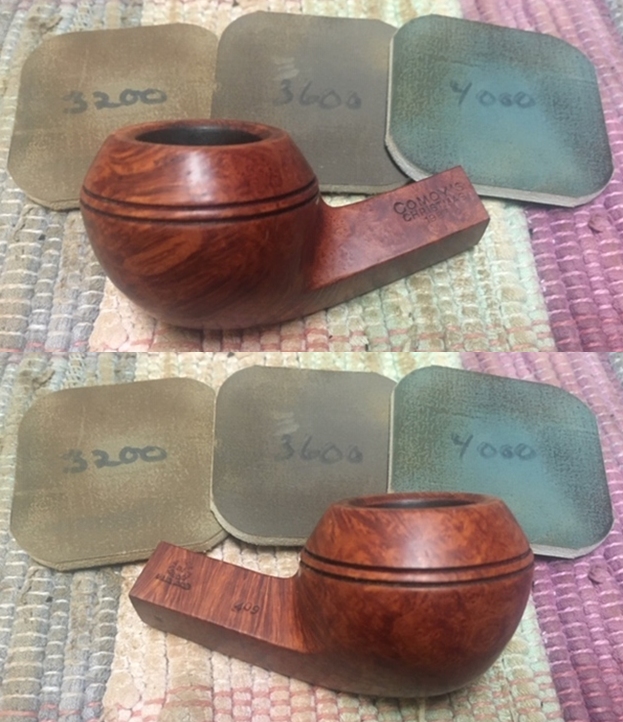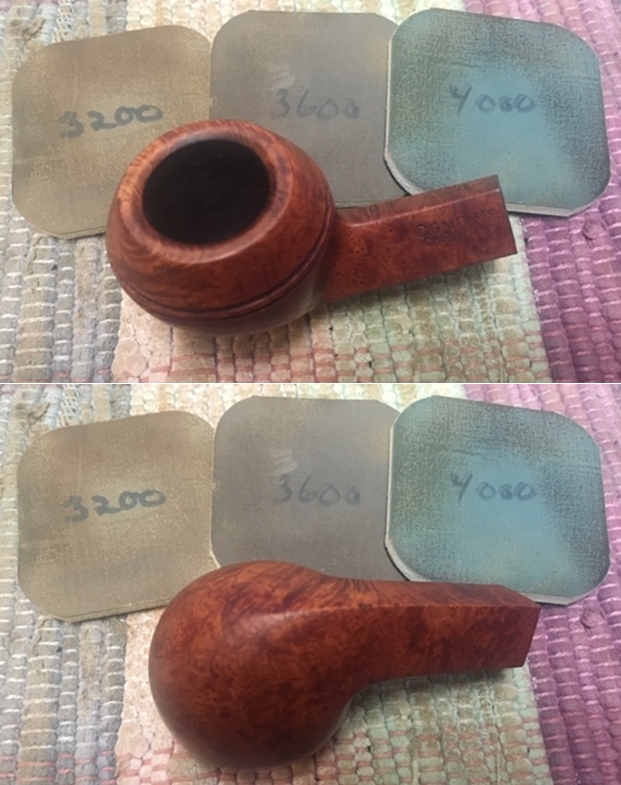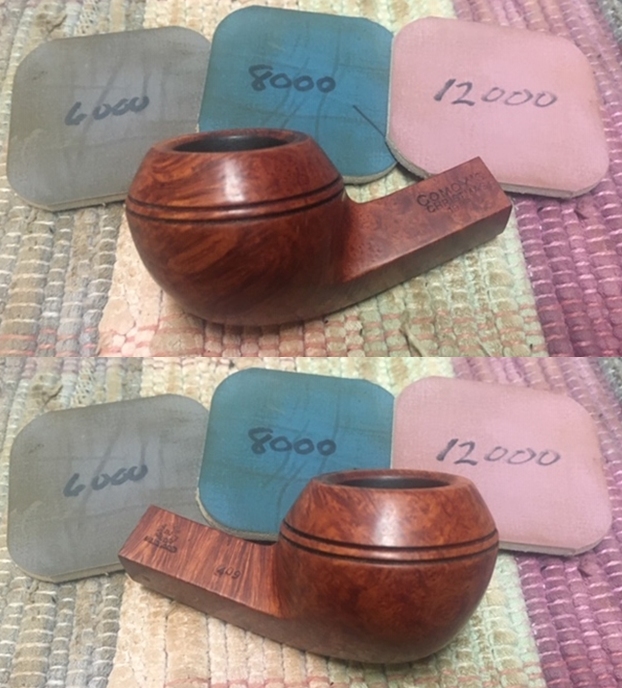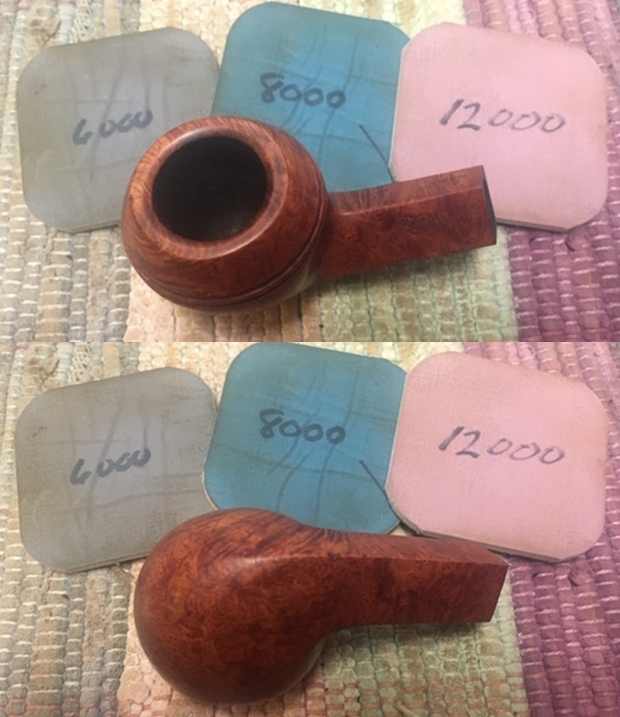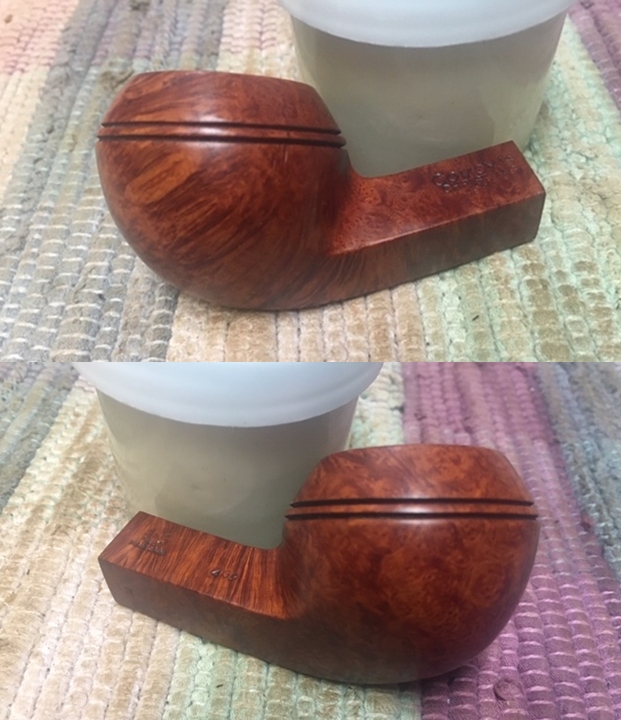
Tag Archives: topping a bowl

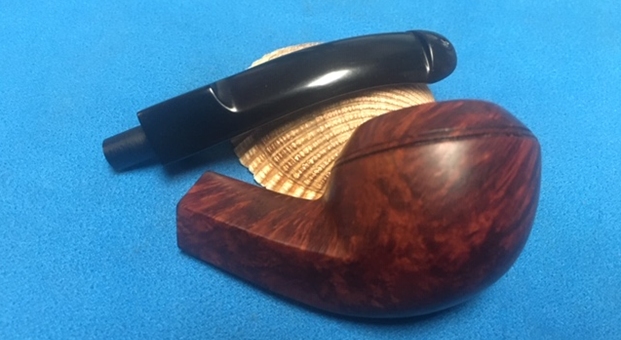
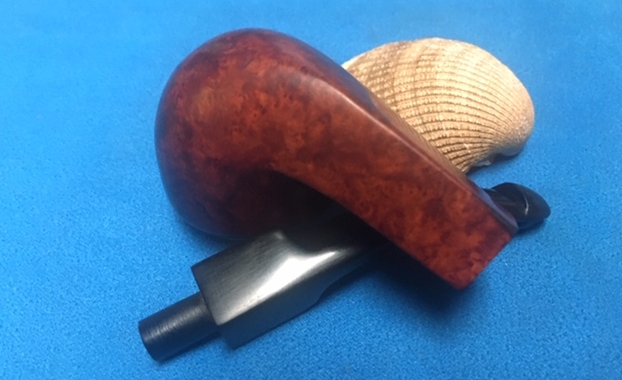
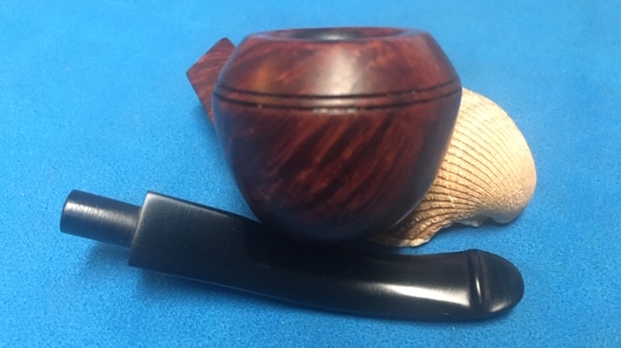
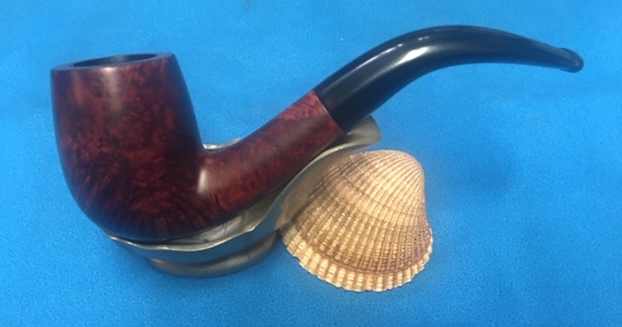
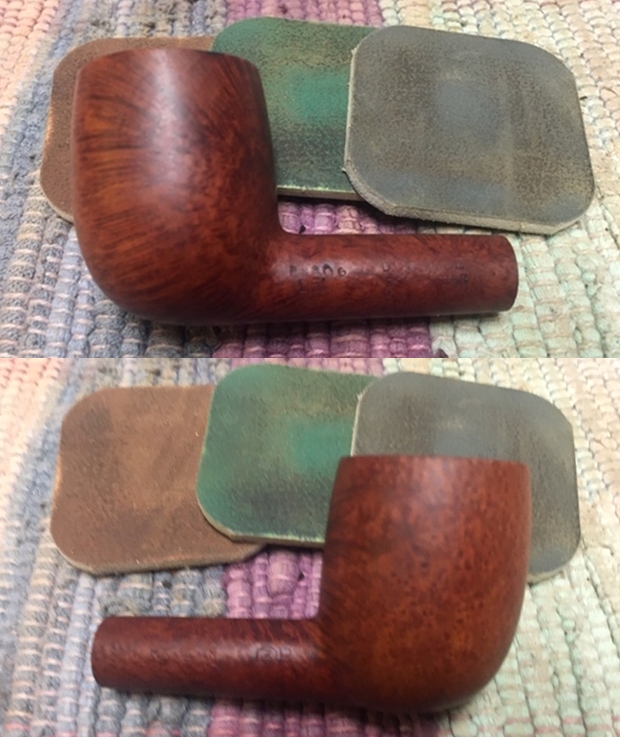
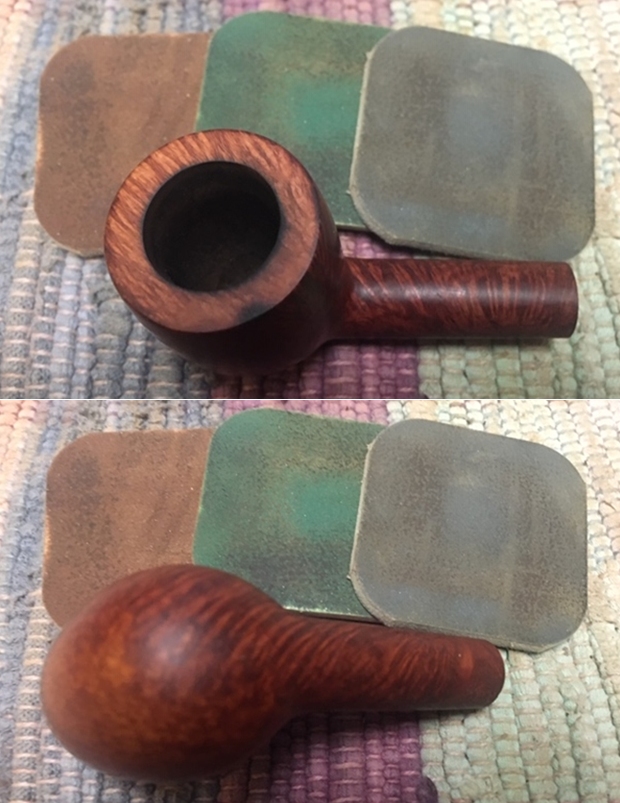
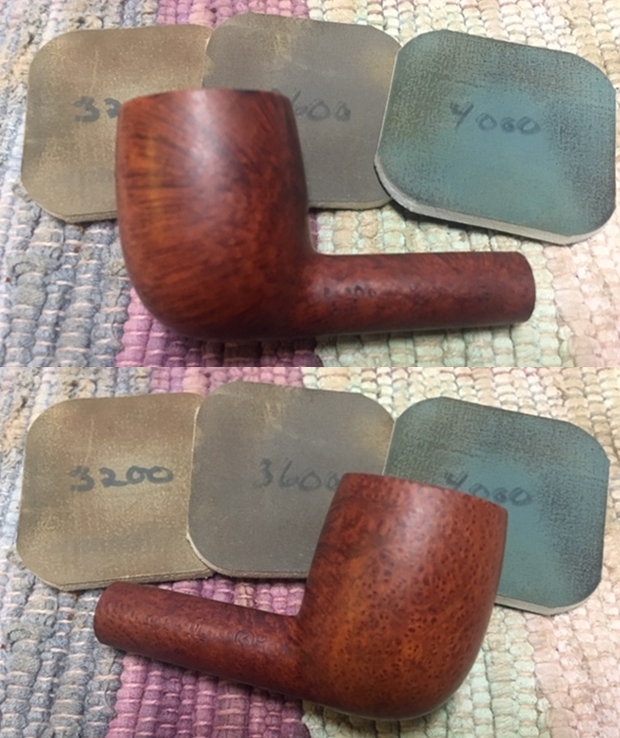
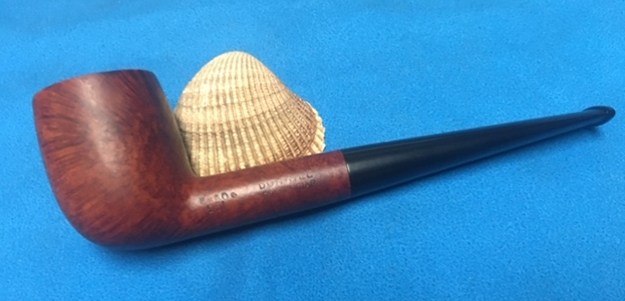
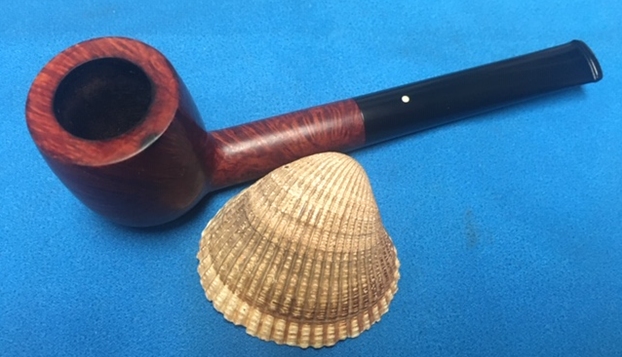
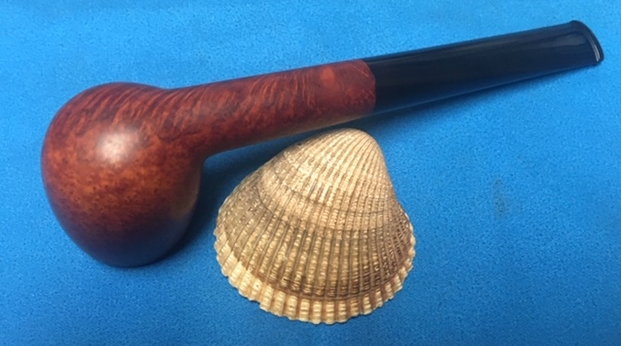
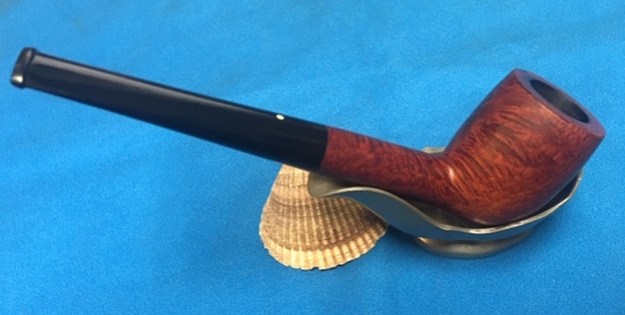
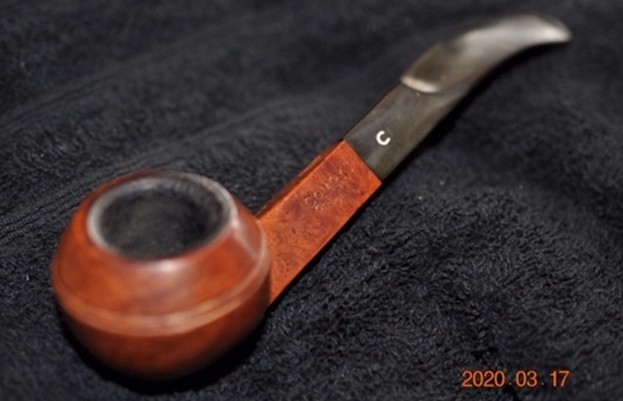
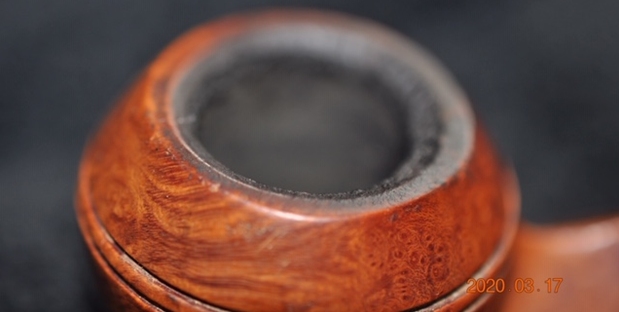
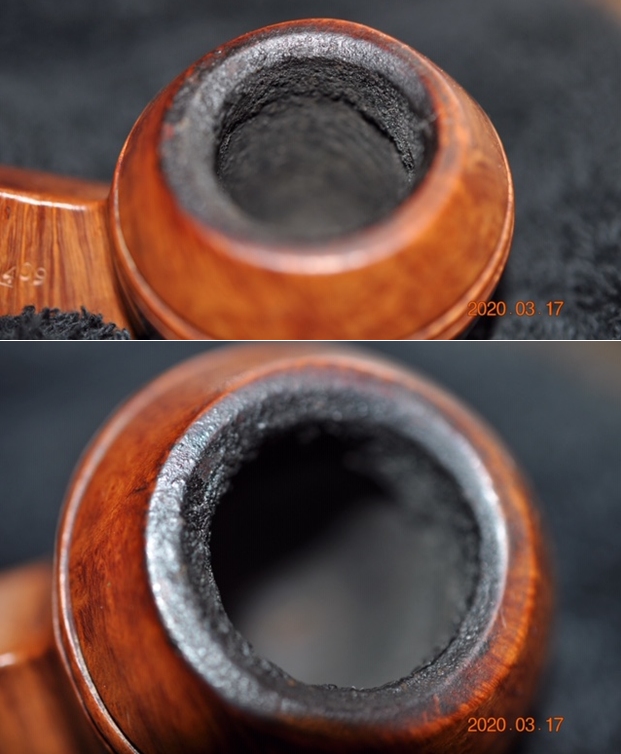
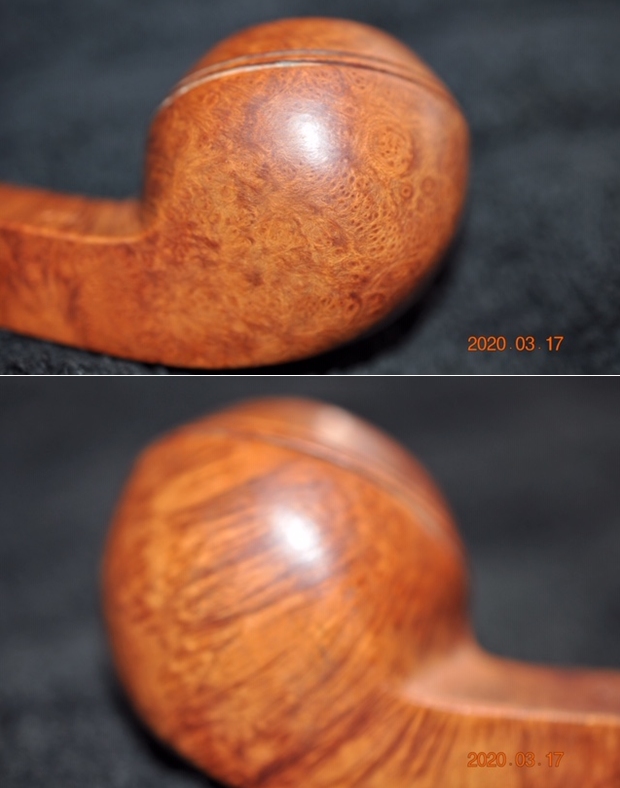
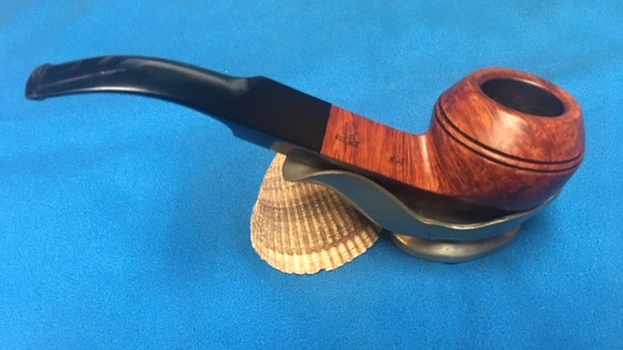
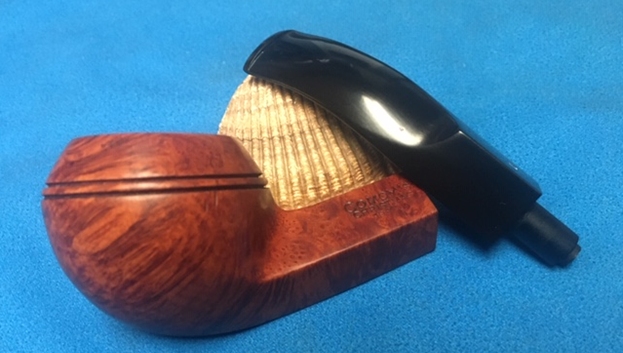
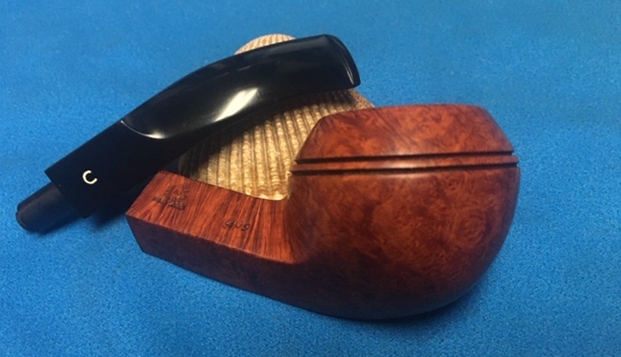
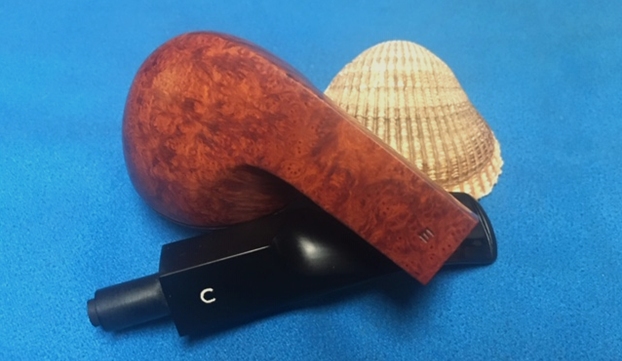
Restoring a Linkman’s Dr. Grabow 9708 De Luxe Billiard


Blog by Steve Laug

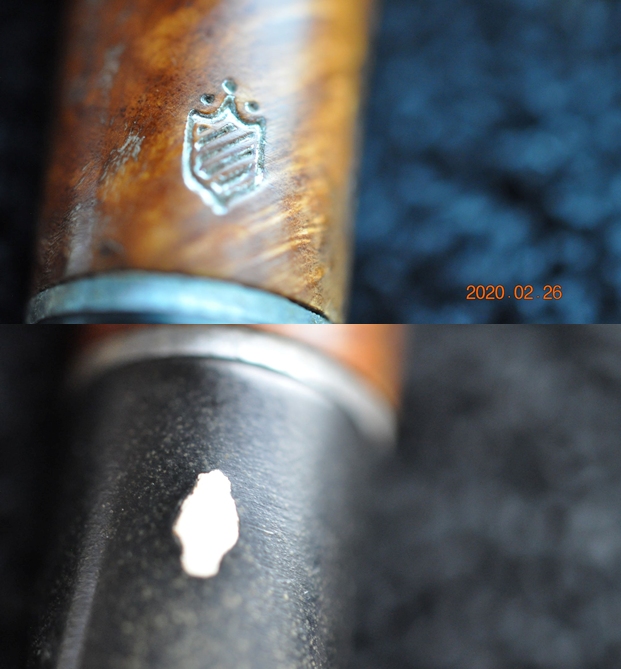
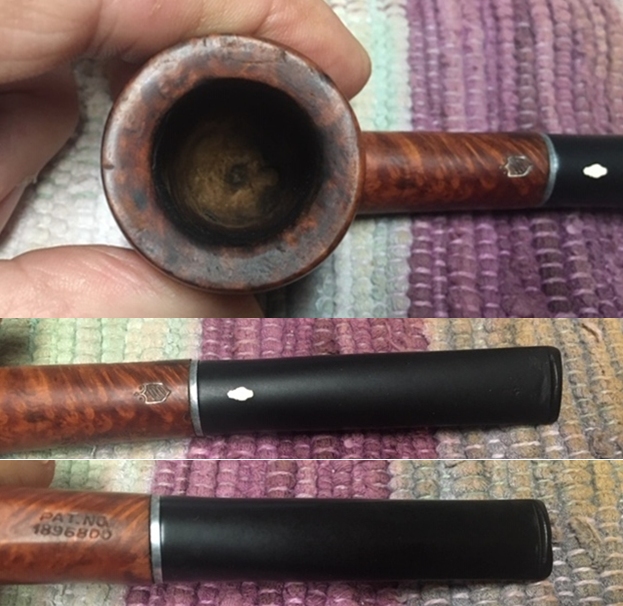
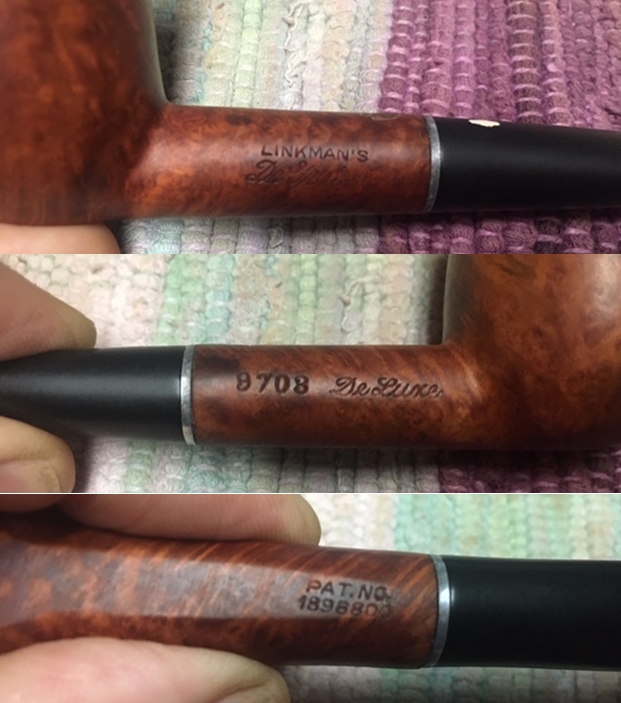
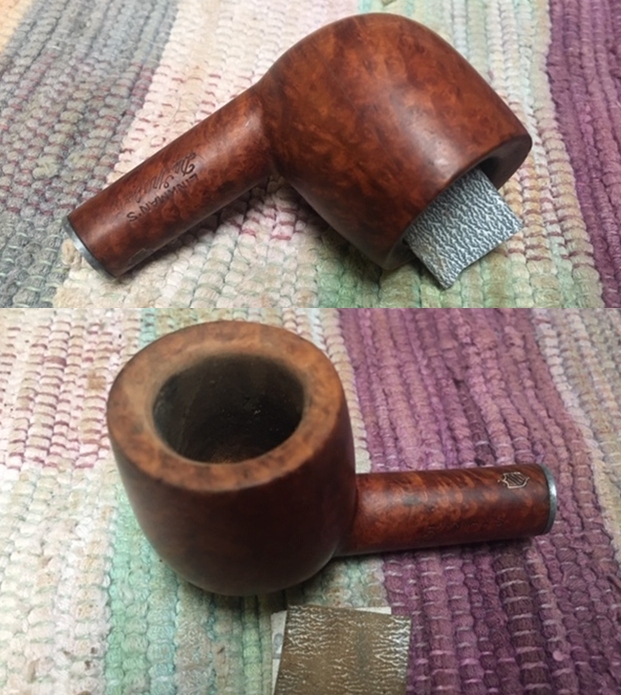
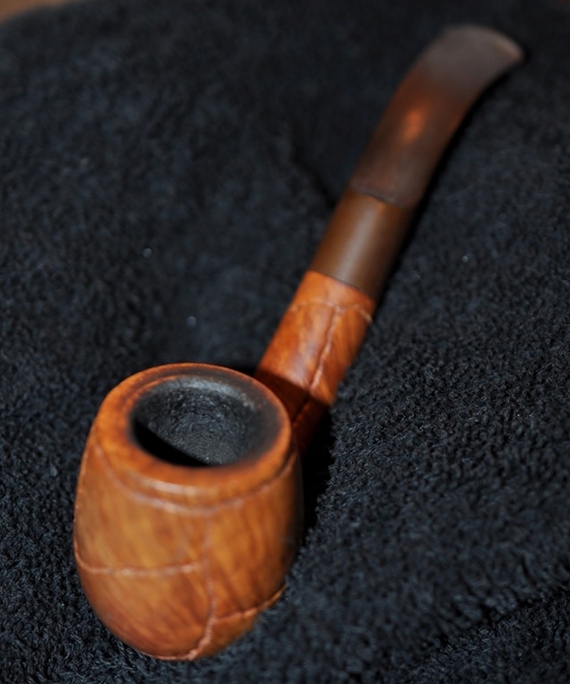
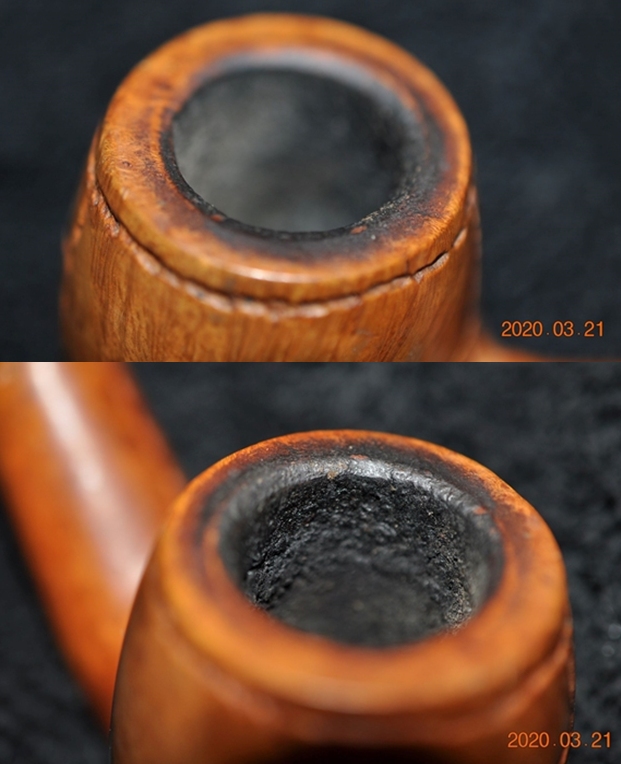
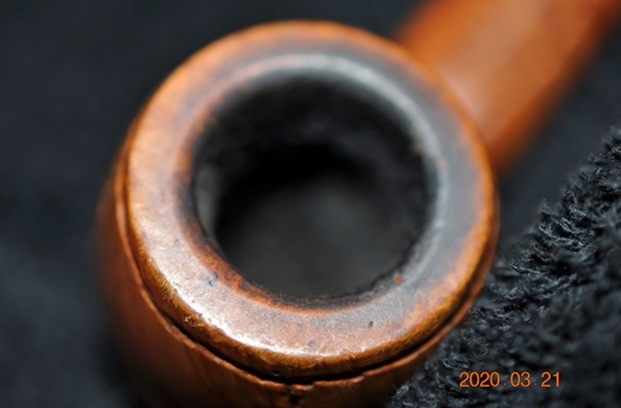
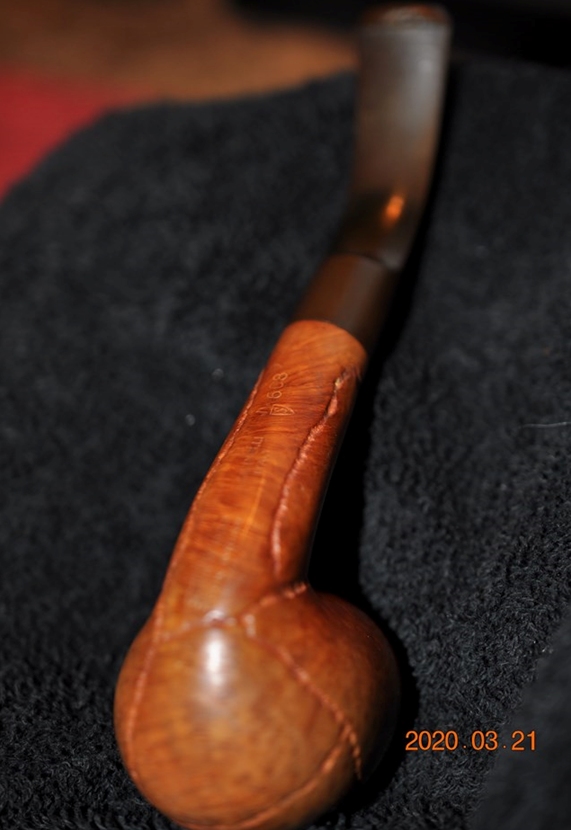
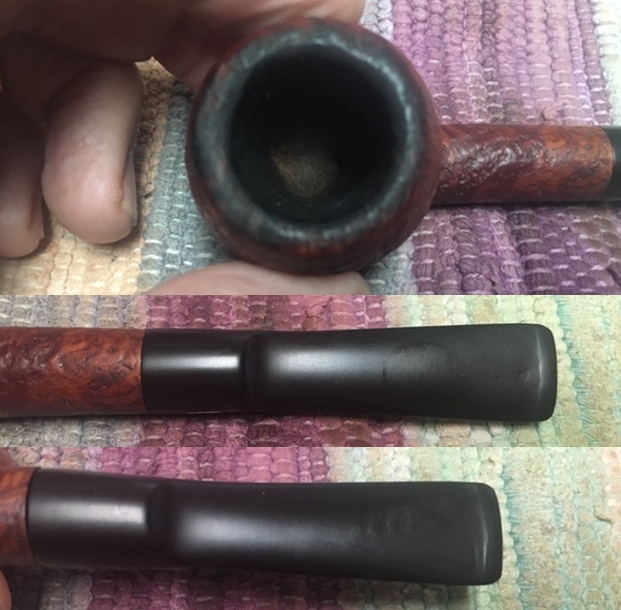
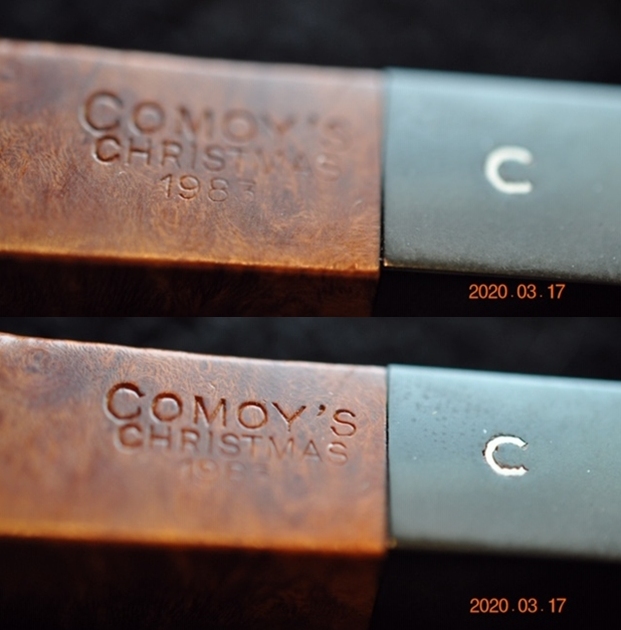
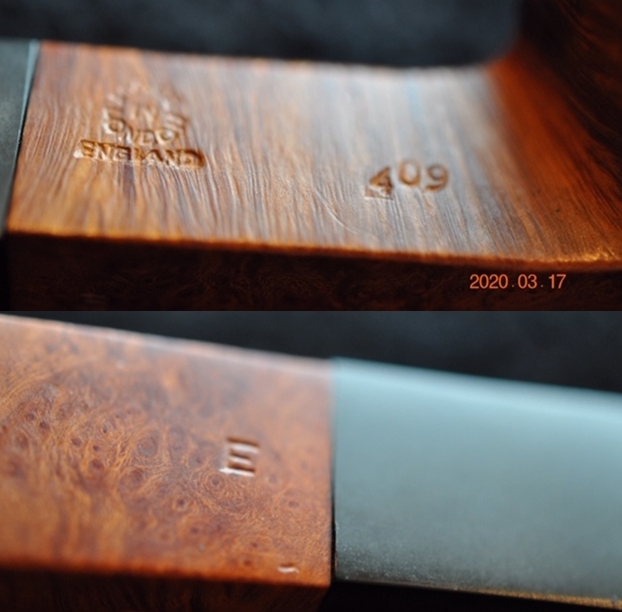
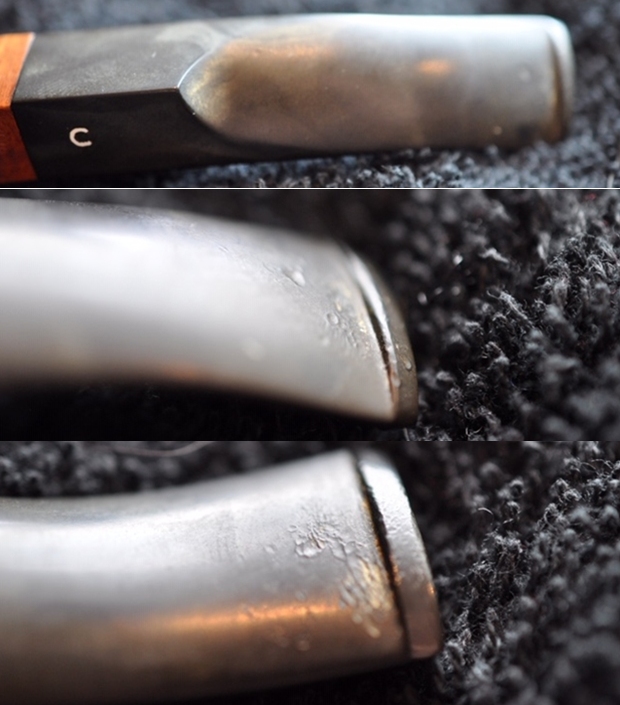
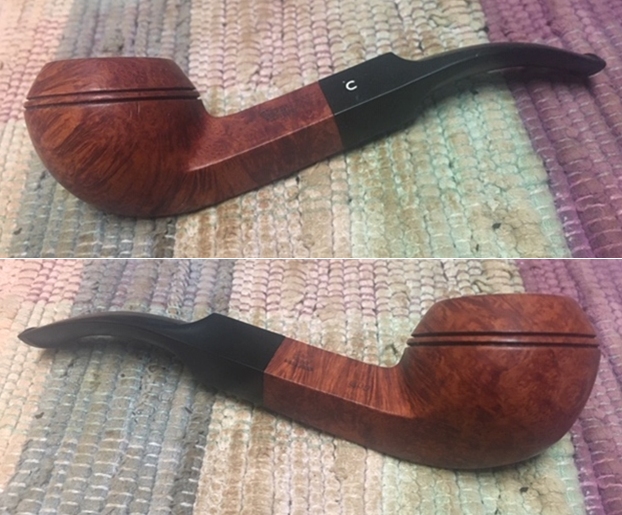
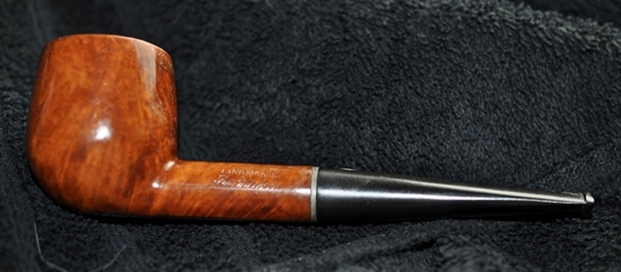
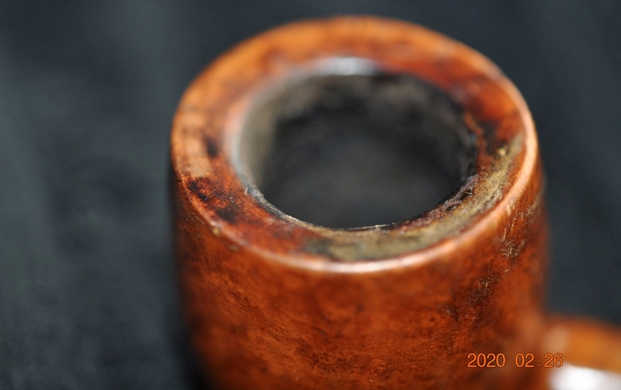
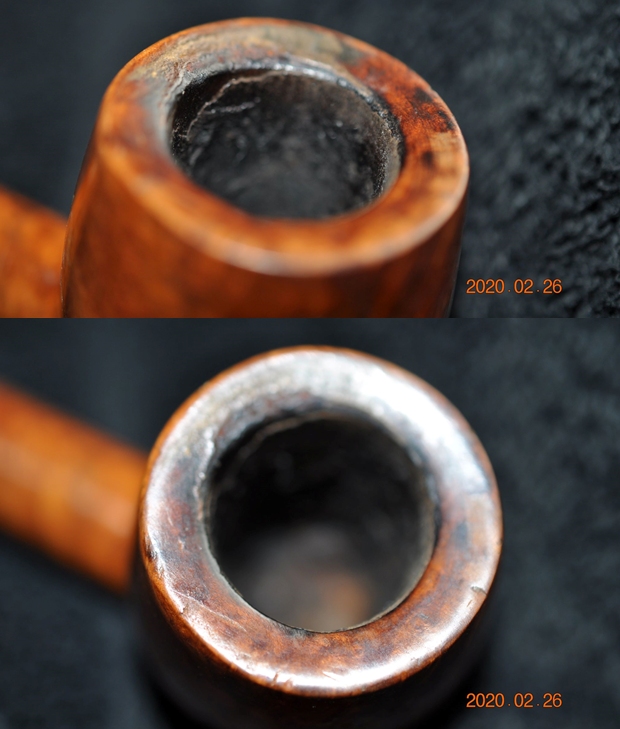
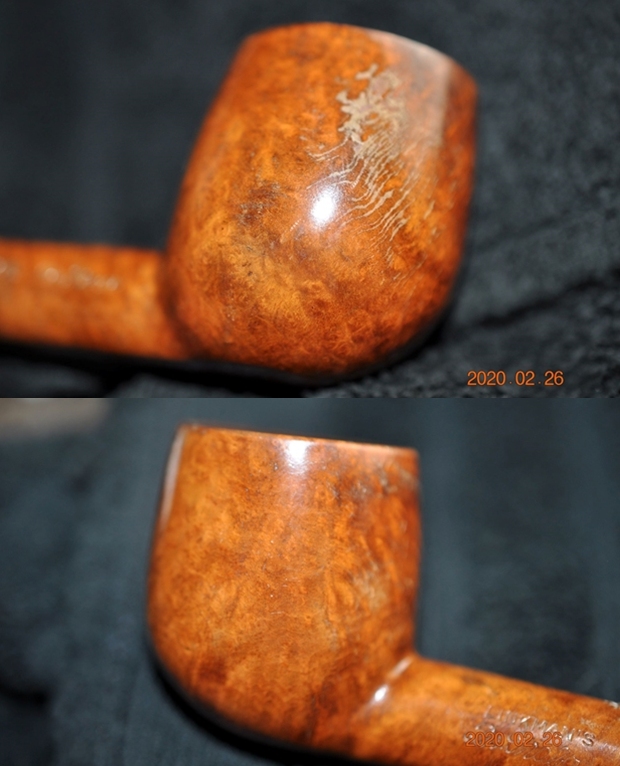
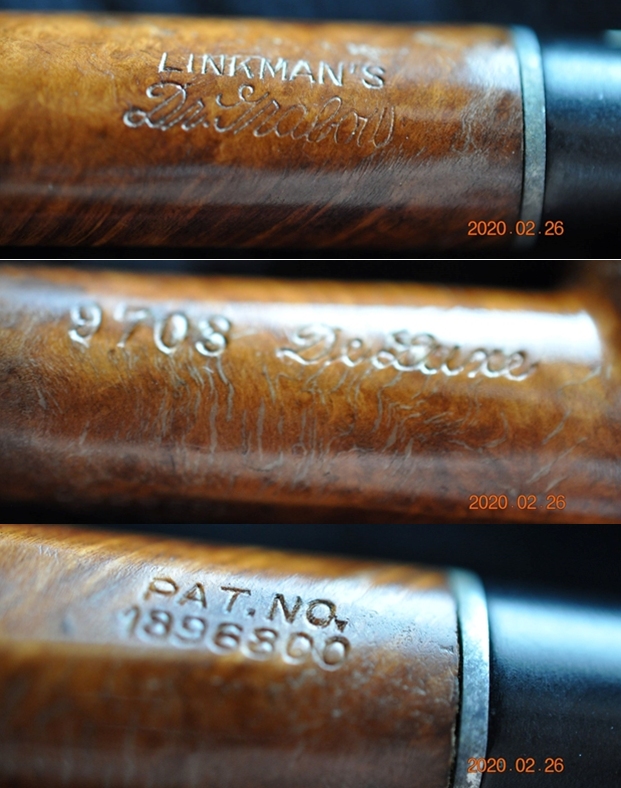
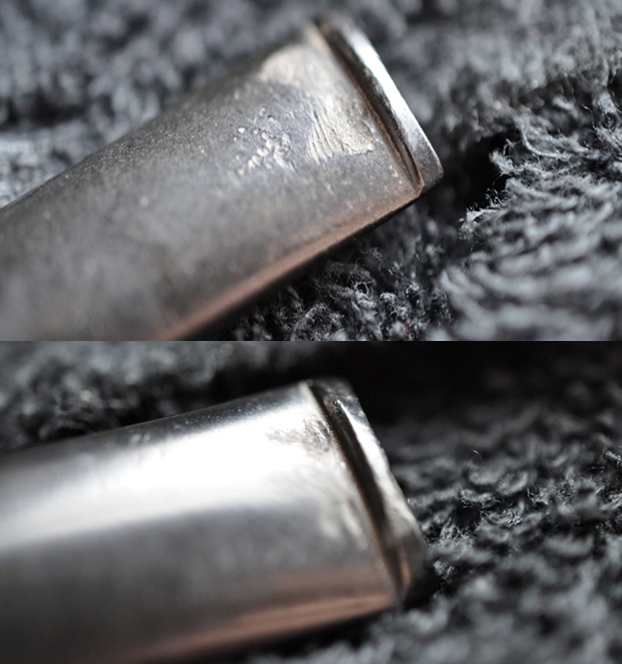
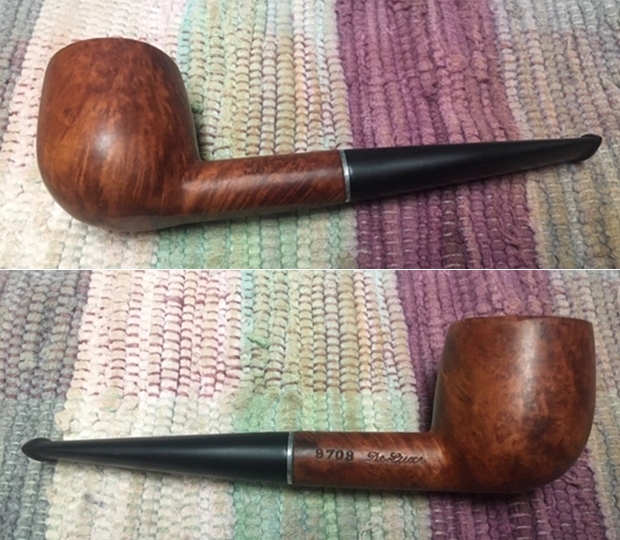
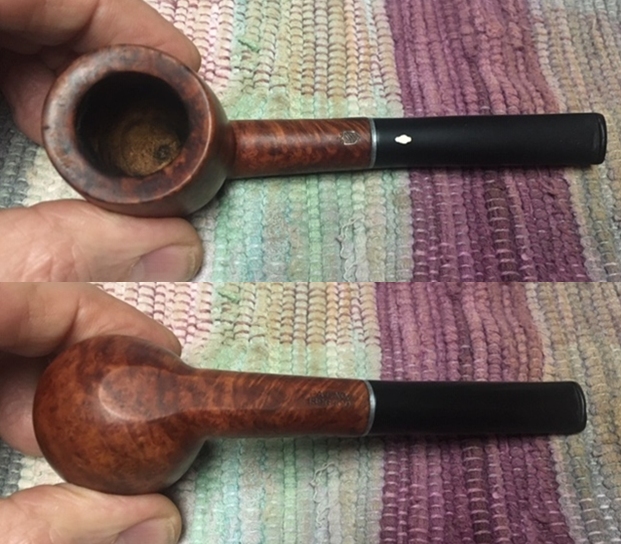
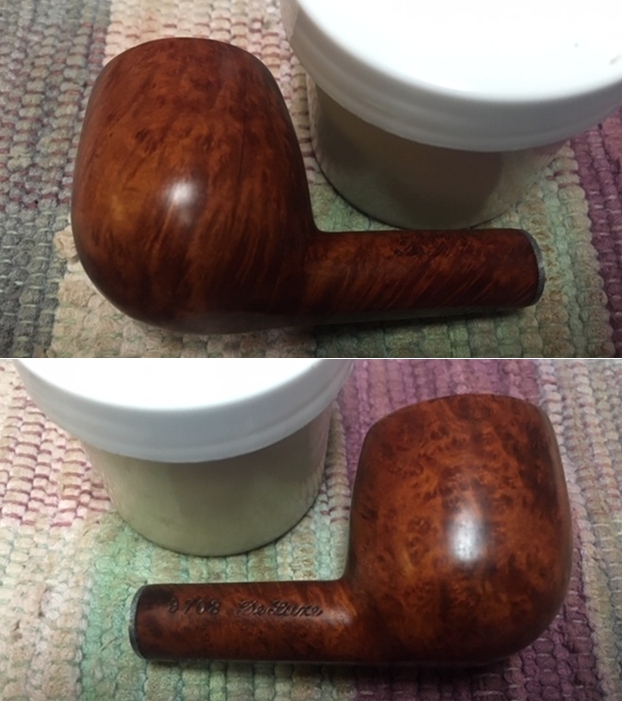
I am getting to the bottom of the current box of pipes for restoration. I think there were probably 40+ pipes in the box when I started. I am down to the last four. Two of them are Linkman’s Dr. Grabow pipes. The first one I took out of the box was the billiard. It is stamped Linkman’s Dr. Grabow on the left side of the shank and 9708 De Luxe on the right side of the shank. On the underside it bears a Patent Number 1896800. The pipe was dirty and there was some lava on the inwardly beveled rim top and inner edge. There was a thick cake in the bowl. The exterior of the pipe was varnished and almost looked like it had been done over the grime on the briar as a sales ploy. The stem was slightly underturned but would be fine once cleaned up. It was lightly oxidized and had tooth marks and chatter on both sides near the button. Jeff took photos of the pipe before he started his work on it. Jeff took some photos of the rim top from various angles to show the condition. You can see the lava on the top and the dust and debris. The varnish coat is crackling and will need to be removed. There is a thick cake in the bowl and lava on the inner edge. The varnish coat was crackling on the exterior of the bowl but there was great grain shining through. This would be a beautiful pipe once the varnish coat and grime was removed. The next photos capture the stamping around the sides of the shank. They read as noted above and they are clear and very readable. I forgot to note above that there was a worn silver chevron on the top side of the shank at the end. The topside of the stem had the propeller logo that was always associated with the Linkman brand.The stem was lightly oxidized that the photos below show the tooth marks and chatter on the surface. They do not look deep but there a lot of them.I turned to Pipephil to pin down the dates of the pipe (http://www.pipephil.eu/logos/en/logo-l4.html). I have included the screen capture of the section on the brand below.The M. Linkman and Co. was established by Louis B. Linkman and August Fisher in 1898. The company closed down in the 1950s and the Dr Grabow branch was sold to Henry Leonard and Thomas Inc. Early Linkman’s pipes were stamped MLC in an oval.
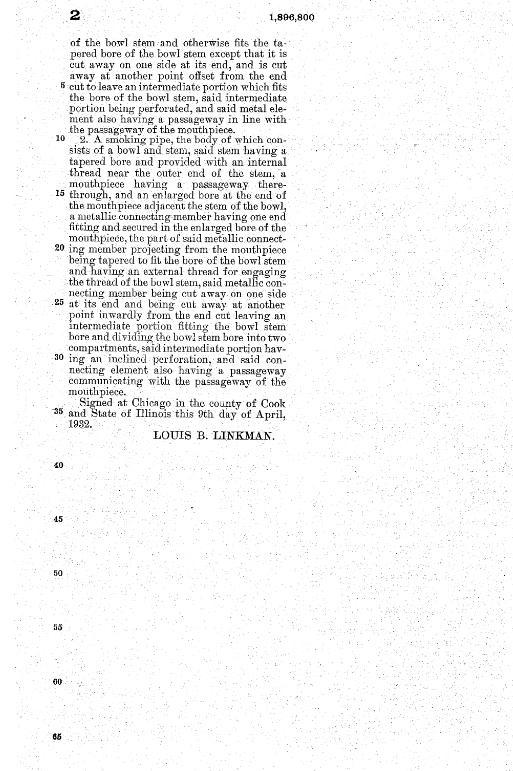
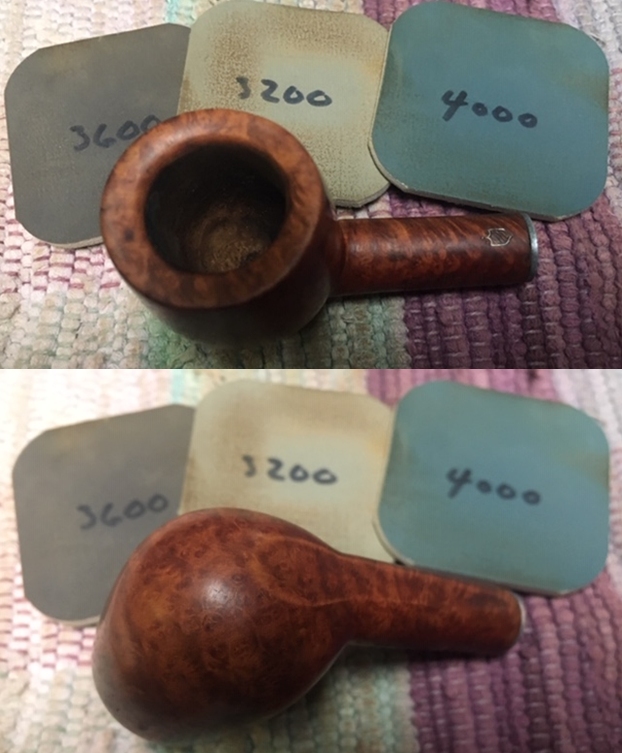
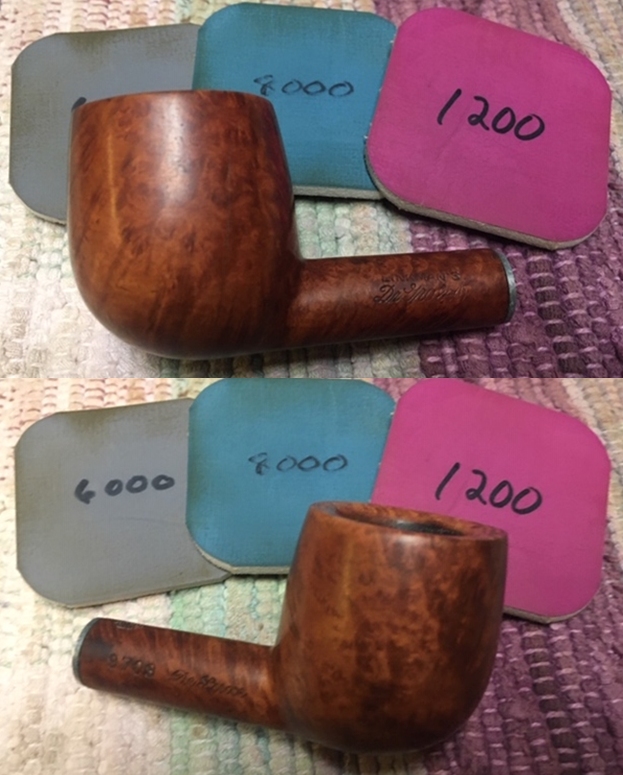
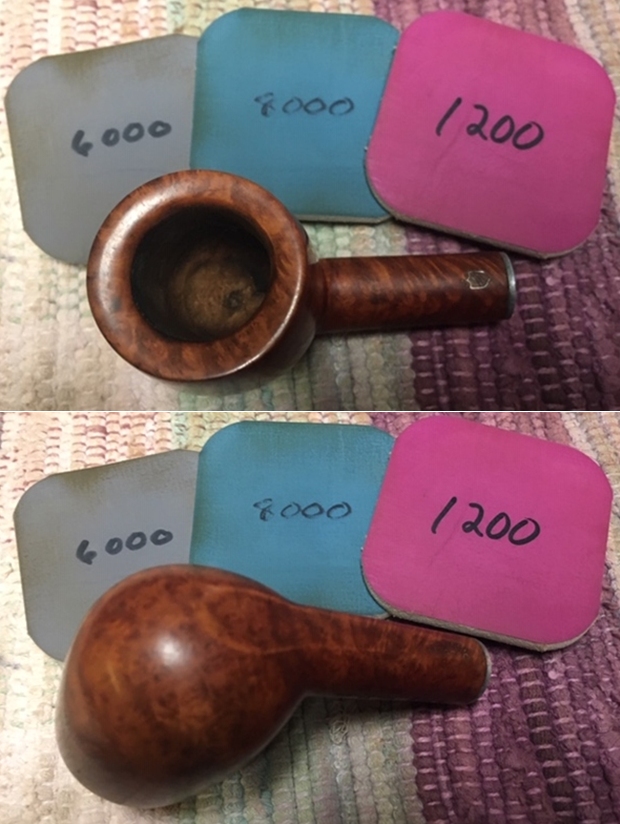
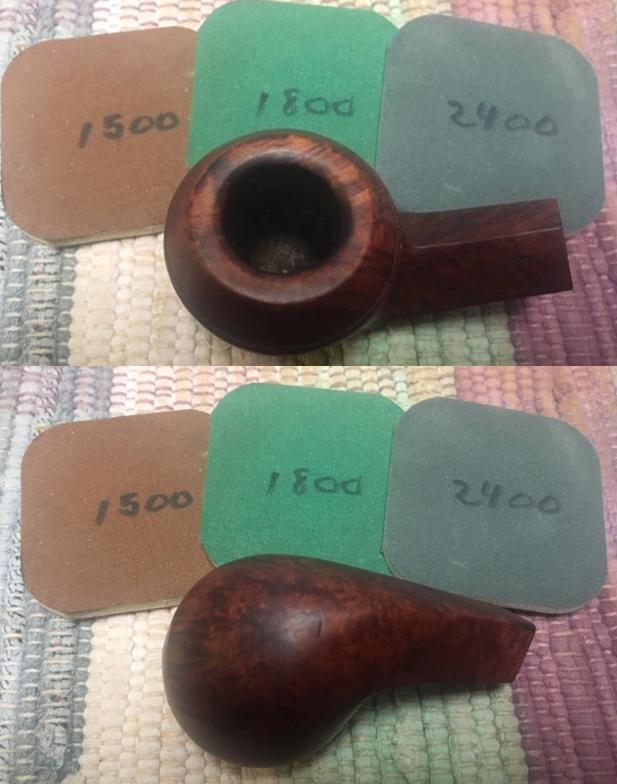
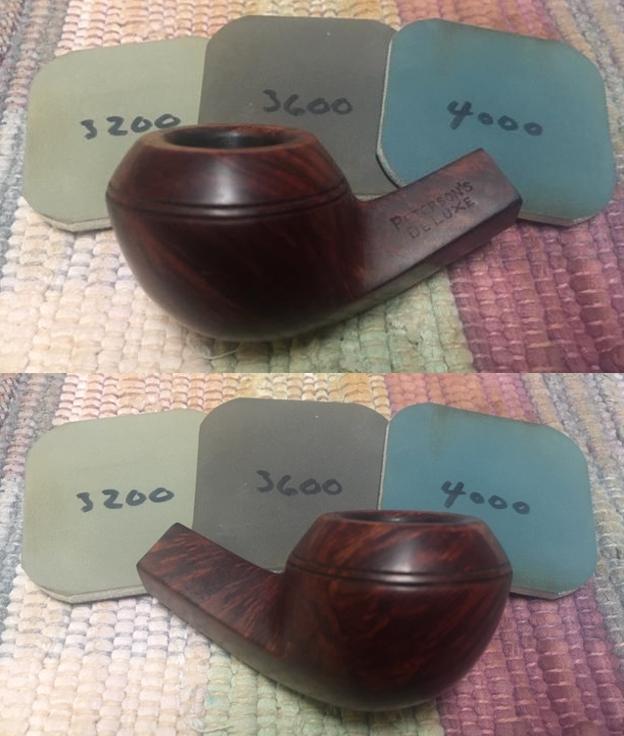
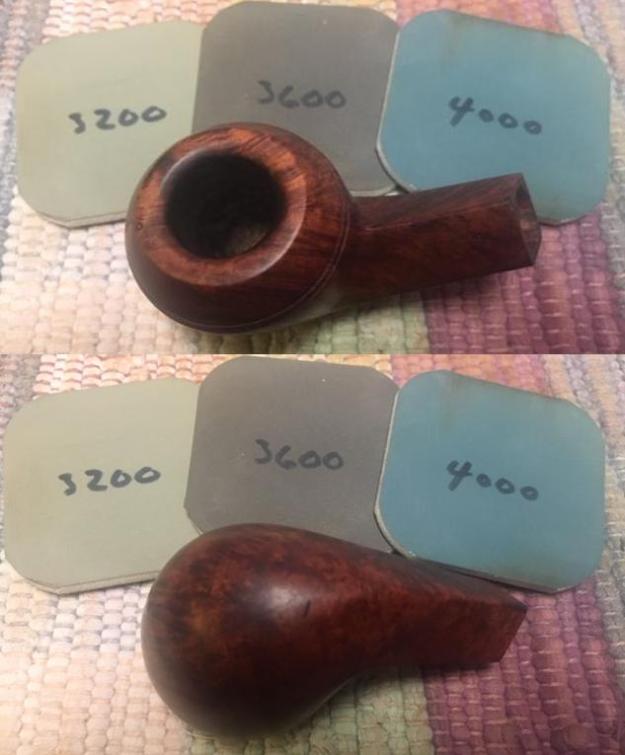
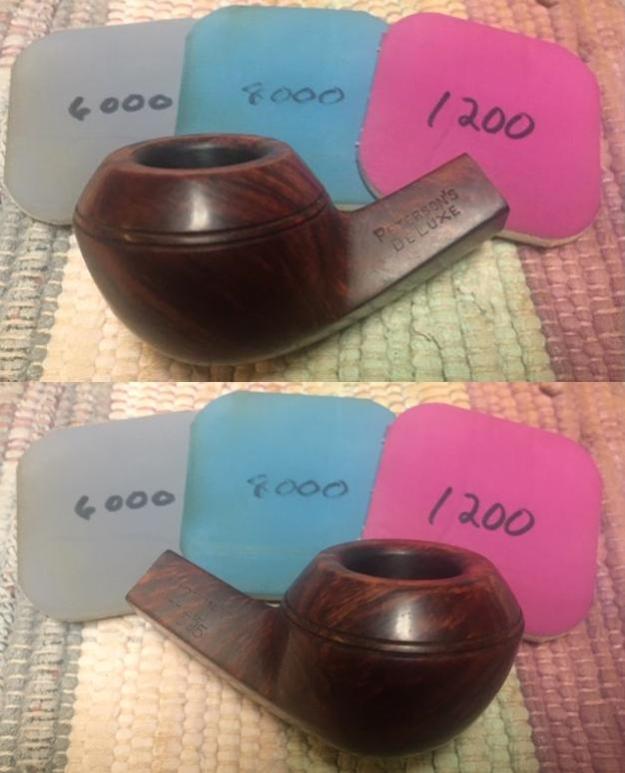
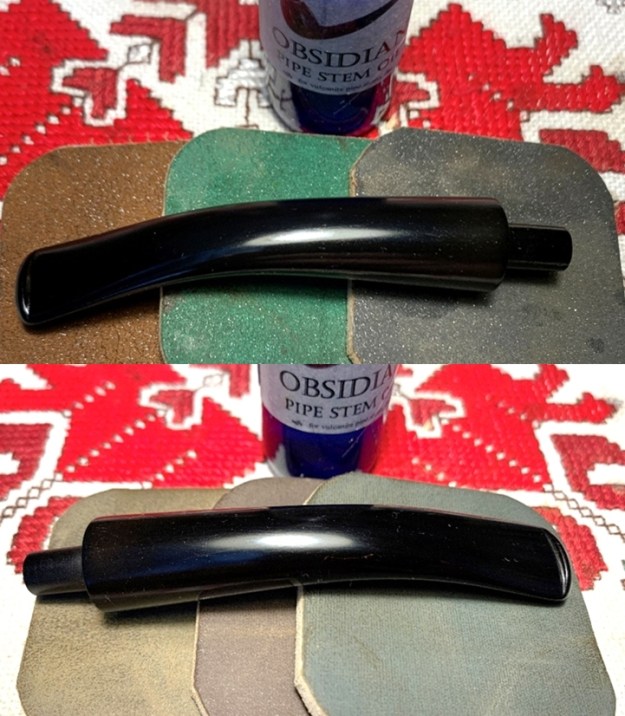
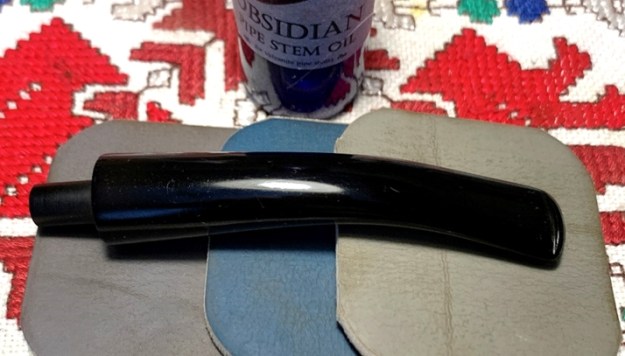
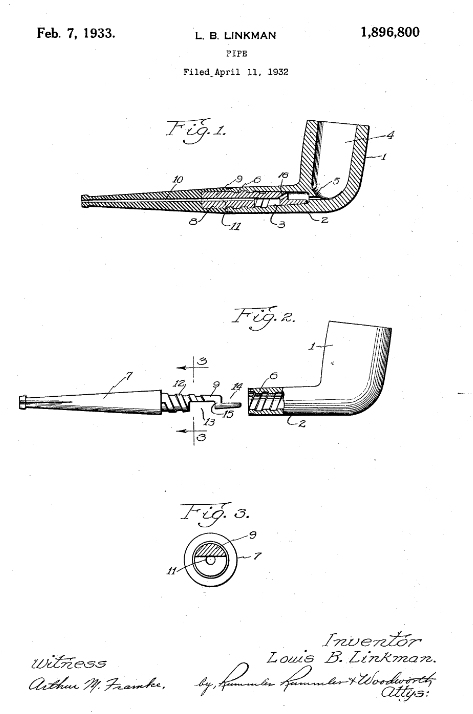
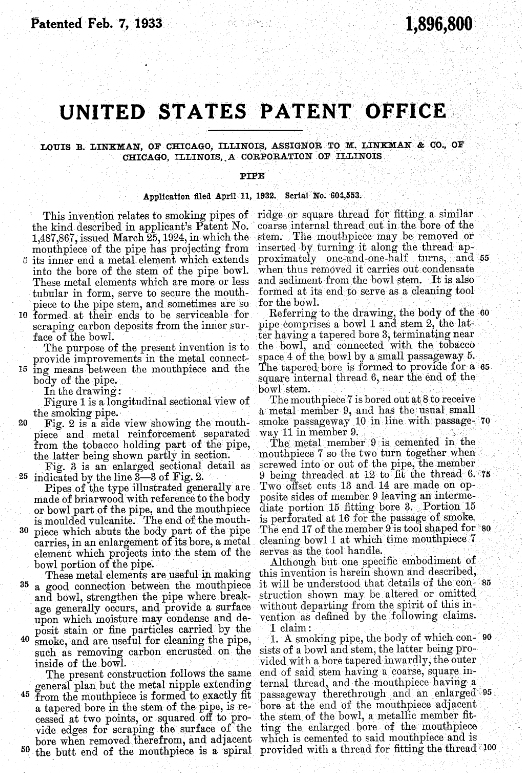
I then did a patent search on the US Government Patent site using the patent number on the underside of the shank. I found the following Patent information. It specifically refers to the stinger apparatus that is attached to the tenon. It was filed in April 11, 1932 by L.B. Linkman. I am including the full patent information below. I knew that I was working on a pipe made after Feb. 7, 1933 when the patent was granted and prior to the early 1950s when the company was closed. Armed with that information and a clearer picture of the original pipe I turned to work on the pipe on my work table. Jeff had done a great job cleaning up the pipe as usual. He reamed the pipe with a PipNet reamer and cut back the cake back to the bare briar. He cleaned up the walls with a Savinelli Fitsall Pipe Knife. He scrubbed the interior of the bowl and shank with pipe cleaners, cotton swabs and alcohol to remove the tars and oils. He scrubbed the exterior of the pipe with Murphy’s Oil Soap and a tooth brush to remove the grime from the finish. He worked on the rim top lava and darkening with the soap and tooth brush. He scrubbed the inside of the stem with alcohol and pipe cleaners. He scrubbed the exterior with Soft Scrub and then soaked it in Before & After Deoxidizer. He washed it off with warm water to remove the Deoxidizer. The pipe looked far better. I took photos of the pipe when I received it before I started working on it.  I took a photo of the rim top showing the damage to the inward bevel on the rim and the damage on the inner edge of the bowl. There was some darkening and nicks around the out edge of the bowl and some burn areas on the inner edge.I took a photo of the stamping on the shank. The stamping is clean and still readable.I took the stem off and took a photo of the appearance of the pipe. It is missing the stinger. It is not cut off but it is a removable one. It is missing but the draught is much better without it.I decided to address the damage to the beveled rim and the edges of the bowl – both outer and inner. I sanded it with a folded piece of 220 grit sandpaper to remove them and to remove the damages. Once it was finished it looked a lot better.I polished the rim top and bowl with micromesh sanding pads – wet sanding with 1500-12000 grit pads and wiped the bowl down after each sanding pad. I rubbed the briar down with Before & After Restoration Balm. I worked it into the briar with my fingertips. The product works to clean, enliven and preserve the briar. I let it sit for 10 minutes while I worked on the stem. After the time passed I buffed it with a cotton cloth to deepen the shine. The briar really comes alive with the balm.  I set the bowl aside and turn to address the issues with the stem. I sanded out the tooth marks and chatter on the top and underside of the stem with 220 grit sandpaper and started polishing it with 400 grit wet dry sandpaper.I polished the stem with micromesh sanding pads – wet sanding it with 1500-12000 grit pads. I wiped it down after each pad with some Obsidian Oil to preserve the stem and to give some bite to the sanding. I finished the polishing with Before & After Pipe Polish – both Fine and Extra Fine polishes. I rubbed the stem down with the polishes and buffed it with a cotton pad. I gave it a final coat of Obsidian Oil. This older Linkman’s Dr. Grabow 9708 De Luxe straight Billiard is another interesting piece of pipe history. The mix of brown stains highlights the mix of nice grain around the bowl – sides, top and heel. With the varnish removed the finish on the pipe is in excellent condition and the contrasting stains work well with the polished black vulcanite saddle stem. I put the stem back on the bowl and carefully buffed the pipe with Blue Diamond on the buffing wheel using a light touch on the briar. I gave the bowl and stem multiple coats of carnauba wax on the buffing wheel and followed that by buffing the entire pipe with a clean buffing pad. I hand buffed the pipe with a microfiber cloth to deepen the shine. The finished Linkman’s Dr. Grabow De Luxe Billiard is quite nice and feels great in the hand. Give the finished pipe a look in the photos below. The dimensions of the pipe are Length: 5 ½ inches, Height: 1 ½ inches, Outside diameter of the bowl: 1 ¼ inches, Chamber diameter: ¾ of an inch. Thanks for walking through the restoration with me as I worked over another beautiful pipe. This pipe will be added to the American Pipe Makers section of the rebornpipes store soon. If you want to add it to your collection send me an email or a message! Thanks for your time.
 

A Savinelli Sherwood Rock Briar 608 Bent Billiard


Blog by Steve Laug

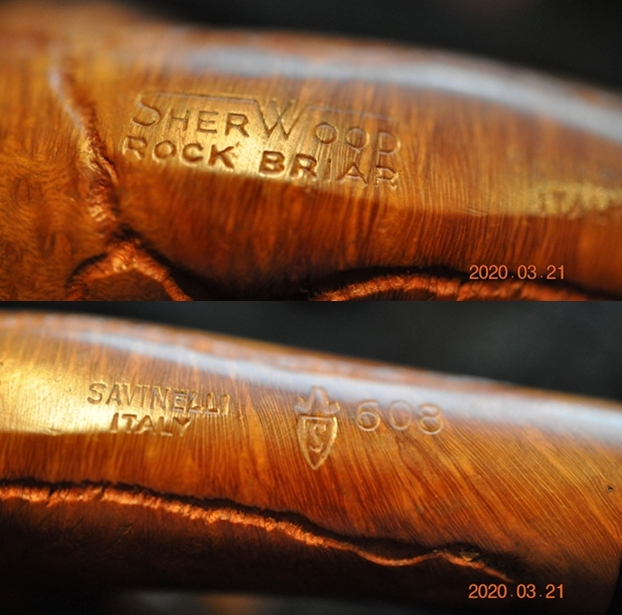
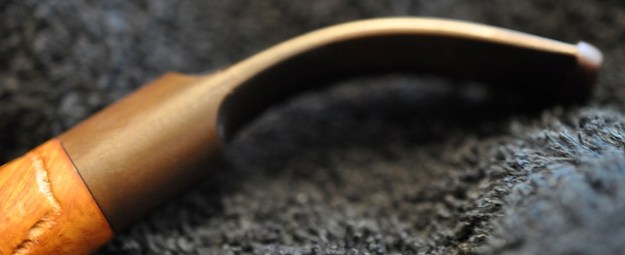
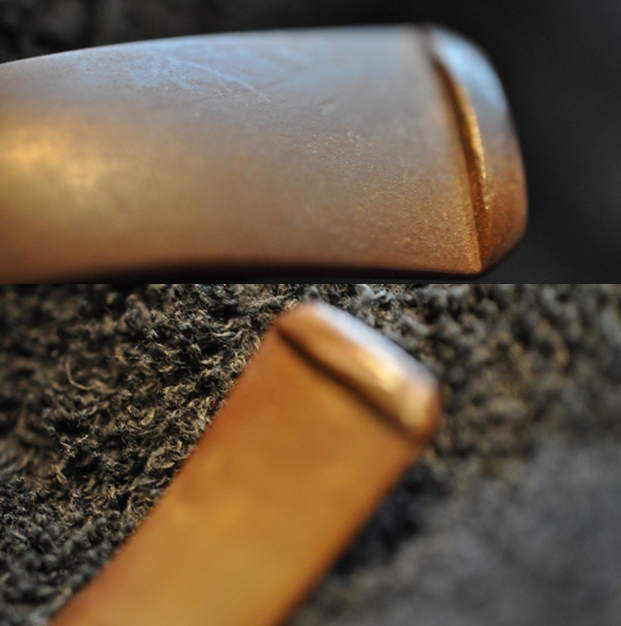
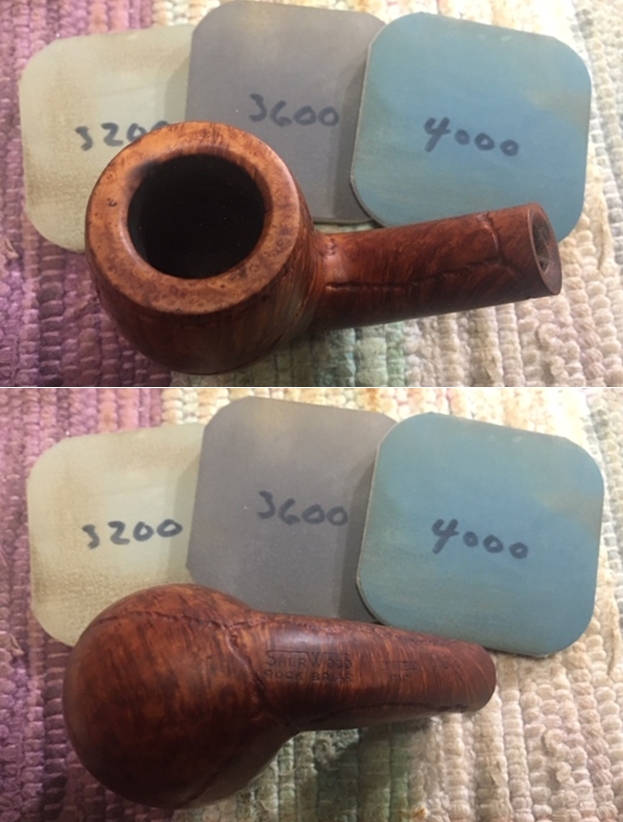
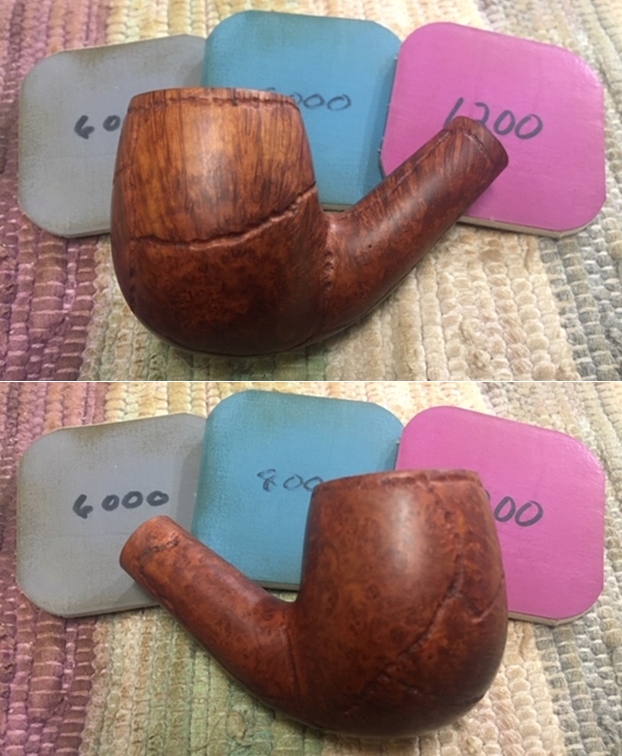
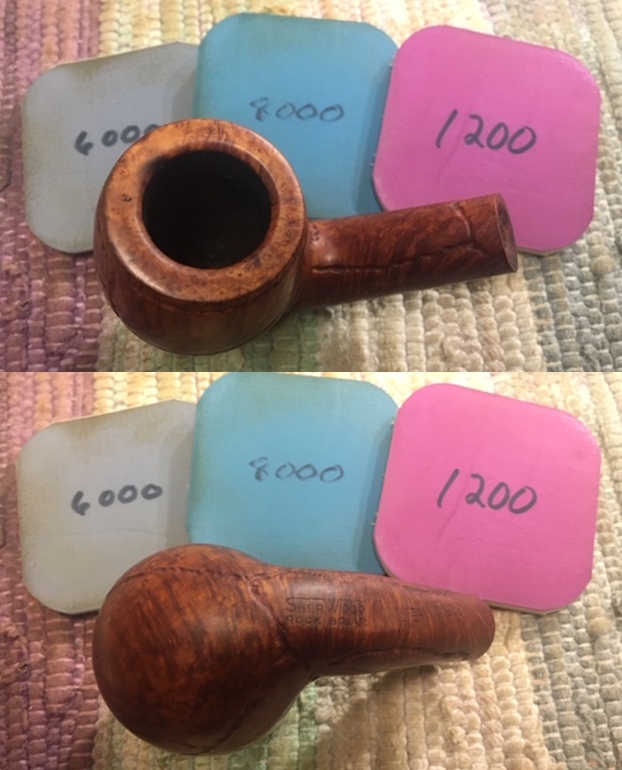
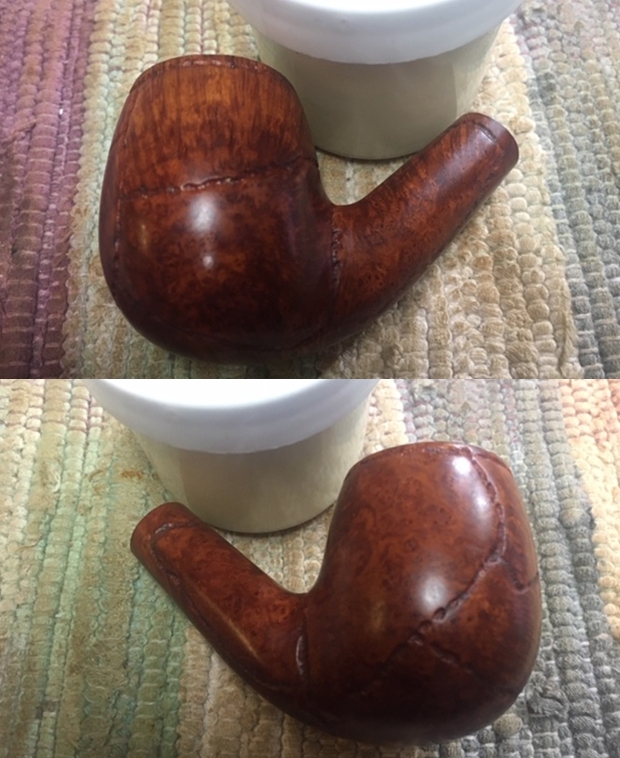
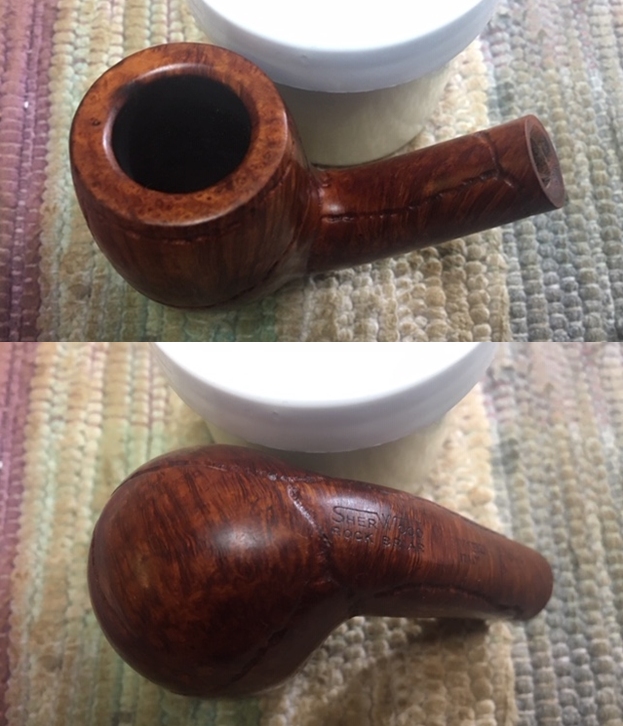
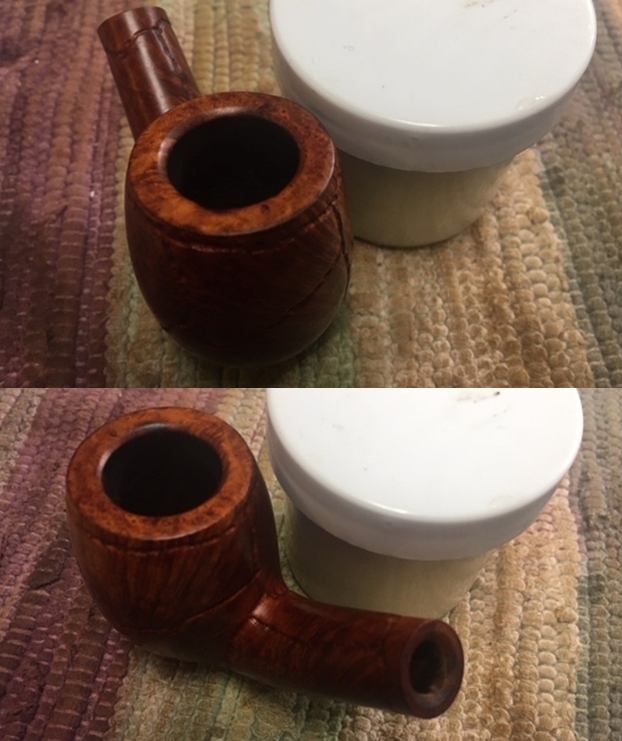
The next pipe on the table came to us from one of Jeff’s pipe hunts. It is an interestingly rusticated Bent Billiard with darkening around the rim edge and top. It is stamped with Sherwood over Rock Briar on the heel of the bowl followed by the Savinelli “S” shield and the shape number 608 over Italy on the shank. The stamping is clear and readable. The pipe has a combination of brown stains and the worm trail rustication is not only tactile but also a purposeful pattern to the finish. The finish was very dirty with grime ground into the bowl. The bowl had a thick but even cake in the bowl and a heavy lava overflow on the inner edge of the top toward the back of the bowl. There was darkening on the briar around the inner edge and the top of the rim. The saddle stem was oxidized and there were tooth marks and chatter on both sides and on the top and bottom edges of the button. There is no stamping on the stem. Jeff took photos of the pipe before he cleaned it up. Jeff took photos of the rim top to show the thick cake in the bowl and the lava overflow on the inner edge of the beveled rim.  Jeff took some photos of the bowl sides and heel to show the “worm trail” rustication around the bowl and the great looking grain as well. It is actually a nice looking pipe.  The stamping on the underside of the shank is shown in the photos below. They look very good and readable.The stem was a very good fit to the shank. It was oxidized, calcified and had debris stuck to the surface of the vulcanite. It also shows the tooth marks on the stem and on the button surface.  I am including the section from the previous blog I did o the Sherwood Rock Briar pipe that I restored. I quote:

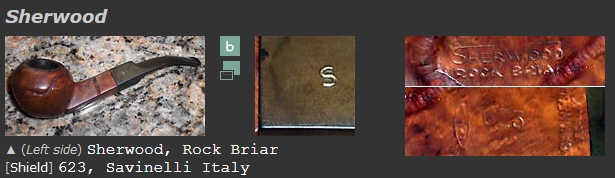
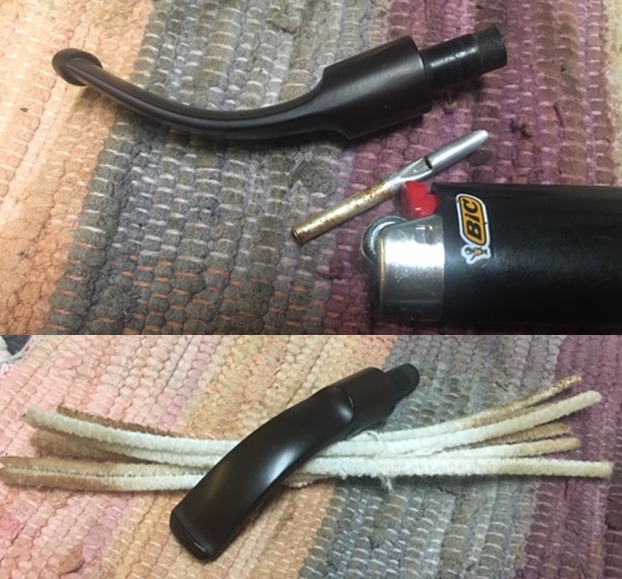
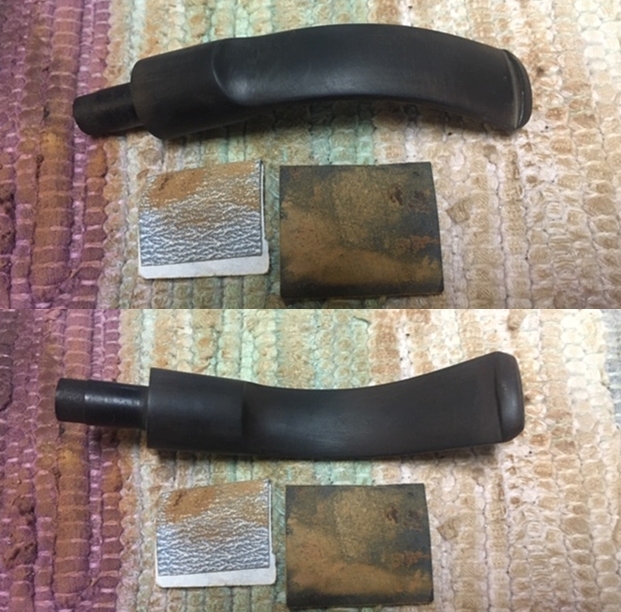
I turned to Pipephil (http://www.pipephil.eu/logos/en/logo-savinelli3.html) to read about the Sherwood Rock Briar. It is a smooth pipe with the worm trail carving around the bowl. Sometimes I wonder if it was not Savinelli’s answer to the Custombilt Craze or what Lorenzo was selling that was similar. This is definitely tamer! I have included the screen capture from the site below. Armed with that information and a clearer picture of the original pipe I turned to work on the pipe on my work table. Jeff had done a great job cleaning up the pipe as usual. He reamed the pipe with a PipNet reamer and cut back the cake back to the bare briar. He cleaned up the walls with a Savinelli Fitsall Pipe Knife. He scrubbed the interior of the bowl and shank with pipe cleaners, cotton swabs and alcohol to remove the tars and oils. He scrubbed the exterior of the pipe with Murphy’s Oil Soap and a tooth brush to remove the grime from the finish. He worked on the rim top lava and darkening with the soap and tooth brush. He scrubbed the inside of the stem with alcohol and pipe cleaners. He scrubbed the exterior with Soft Scrub and then soaked it in Before & After Deoxidizer. He washed it off with warm water to remove the Deoxidizer. The pipe looked far better. I took photos of the pipe when I received it before I started working on it. I took photos of the bowl and rim top as well as the stem to show how clean they were. You can see the darkening on the inner edge and the top on the right front the bowl. The stem looks clean of oxidation and the tooth marks and chatter are very clear in the photos.    I took a photo of the pipe with the stem removed to show the overall look of stem, tenon and profile of the pipe. There was a crimped aluminum tube in the tenon once the stem was off and it inhibited airflow and was really unnecessary.I decided to start my work on the pipe by addressing the darkening on the rim top and the inner edge. I used a folded piece of 220 grit sandpaper to work on the edge and the rim top at the front of the bowl to remove the darkening. It took a bit of work but I was able to remove the majority of it and the end product looked much better.I polished the bowl and rim with micromesh sanding pads – wet sanding with 1500-12000 grit pads. I worked over the rim top and edge of the bowl with the pads. I wiped the bowl down with a damp cloth after each pad to remove the sanding debris.   Because the bowl and rim top looked so good I decided to move on to rubbing the briar down with Before & After Restoration Balm. I worked it into the briar with my fingertips and a horse hair shoe brush to get it into the crevices. The product works to clean, enliven and preserve the briar. I let it sit for 10 minutes while I worked on the stem. After the time passed I buffed it with a cotton cloth to deepen the shine. The briar really comes alive with the balm. I set the bowl aside and turned my attention to the stem. I decided to pull the crimped tube in the tenon so I heated it with a lighter and twisted it free. Behind and under the aluminum tube there was a lot of tars and oils so I recleaned the inside of the stem with pipe cleaners and alcohol.   I worked over the oxidation on the stem and the button with 220 grit sandpaper and sanded it until I had removed it. I started polishing the stem with 400 grit wet dry sandpaper. At this point it is starting to look much better.   I rubbed the stem down with Denicare Mouthpiece Polish – a red, gritty Tripoli like substance that is a paste. I rubbed it into the surface of the stem and polished it off with a cotton pad. I have found that is a great intermediary step before polishing with micromesh pads. I am not sure what I will use once the final tin I have is gone!   I polished the vulcanite with micromesh sanding pads – 1500-12000 grit pads. I wiped it down with Obsidian Oil after each sanding pad. I used Before & After Pipe Polish – both Fine and Extra Fine to further polish the stem.   This Savinelli Sherwood Rock Briar 608 Bent Billiard is another interesting looking pipe. The mix of brown stains highlights the smooth briar between the rusticated patterns around the bowl sides, top and bottom. The finish on the pipe is in excellent condition and the contrasting stains work well with the polished black vulcanite saddle stem. I put the stem back on the bowl and carefully buffed the pipe with Blue Diamond on the buffing wheel using a light touch on the briar. I gave the bowl and stem multiple coats of carnauba wax on the buffing wheel and followed that by buffing the entire pipe with a clean buffing pad. I hand buffed the pipe with a microfiber cloth to deepen the shine. The finished Sherwood Rock Briar 608 Bent Billiard is quite nice and feels great in the hand. Give the finished pipe a look in the photos below. The dimensions of the pipe are Length: 5 ½ inches, Height: 2 inches, Outside diameter of the bowl: 1 ¼ inches, Chamber diameter: ¾ of an inch. Thanks for walking through the restoration with me as I worked over another beautiful pipe. This pipe will be added to the Italian Pipe Makers section of the rebornpipes store soon. If you want to add it to your collection send me an email or a message! Thanks for your time.
This Savinelli de luxe Milano 206 Apple was worn and tired pipe


Blog by Steve Laug

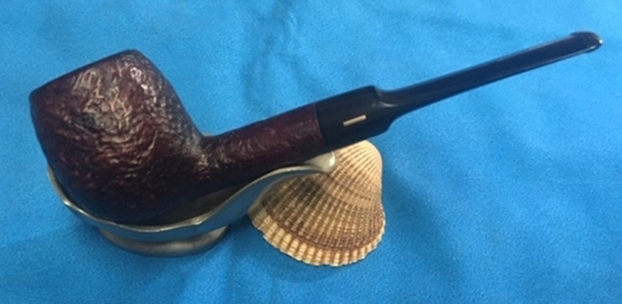
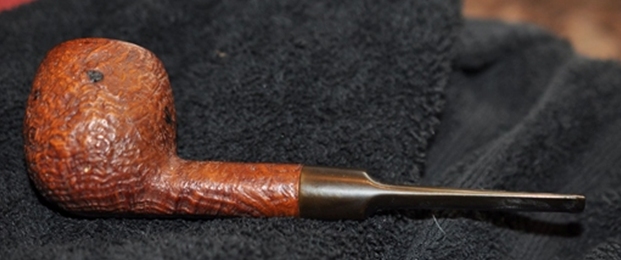
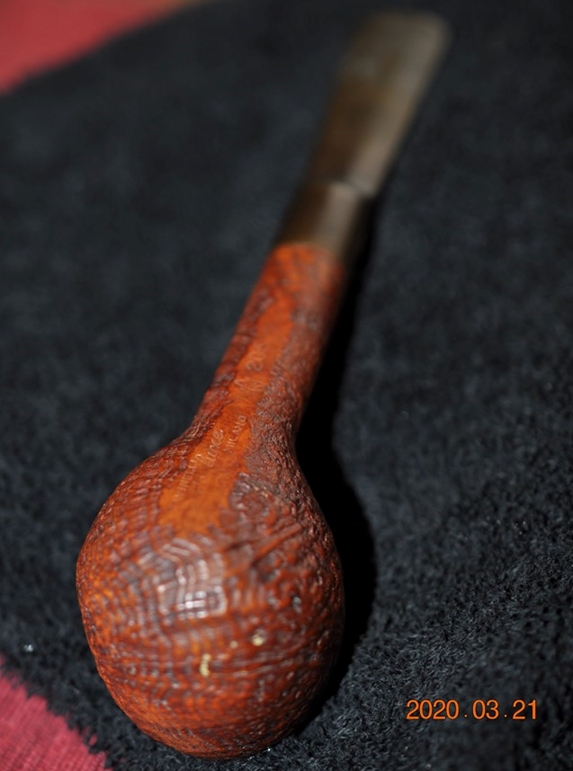
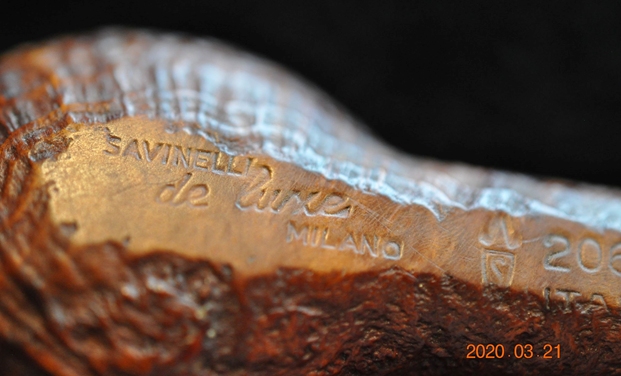
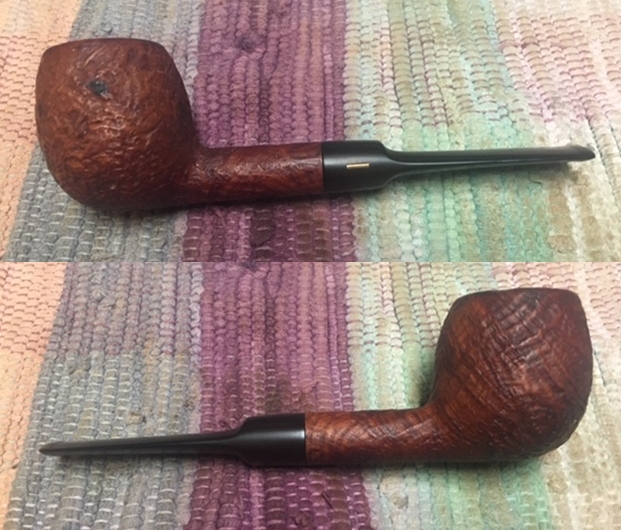
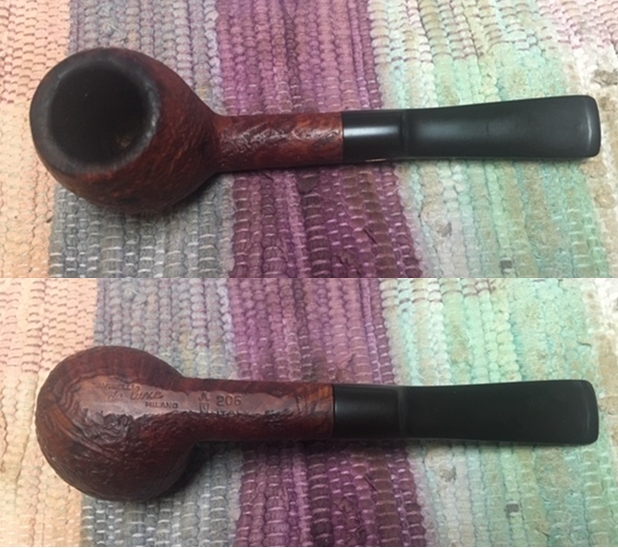
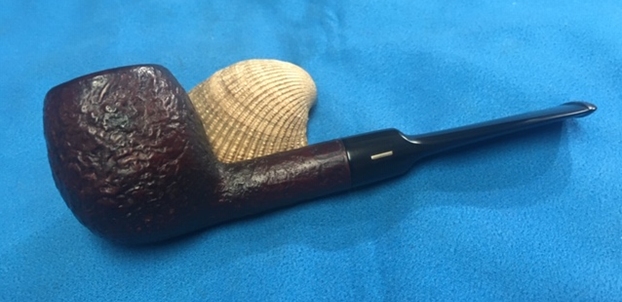
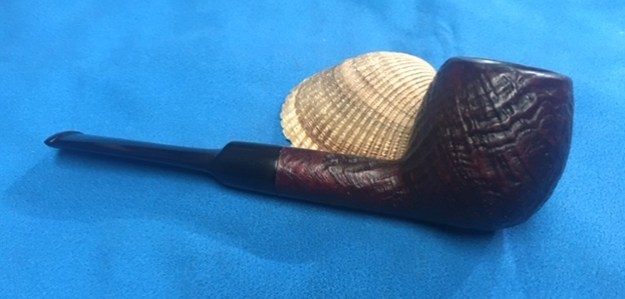
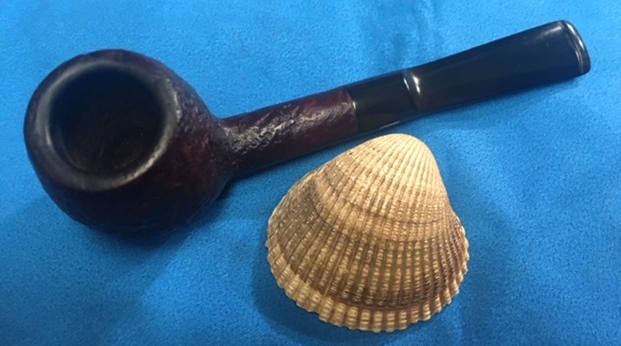
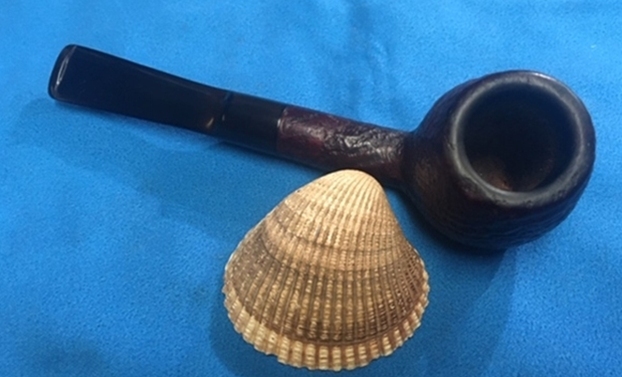
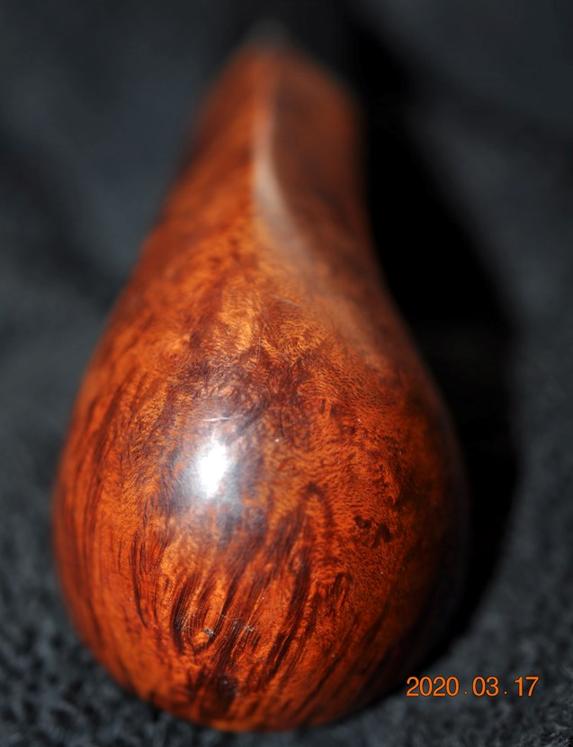
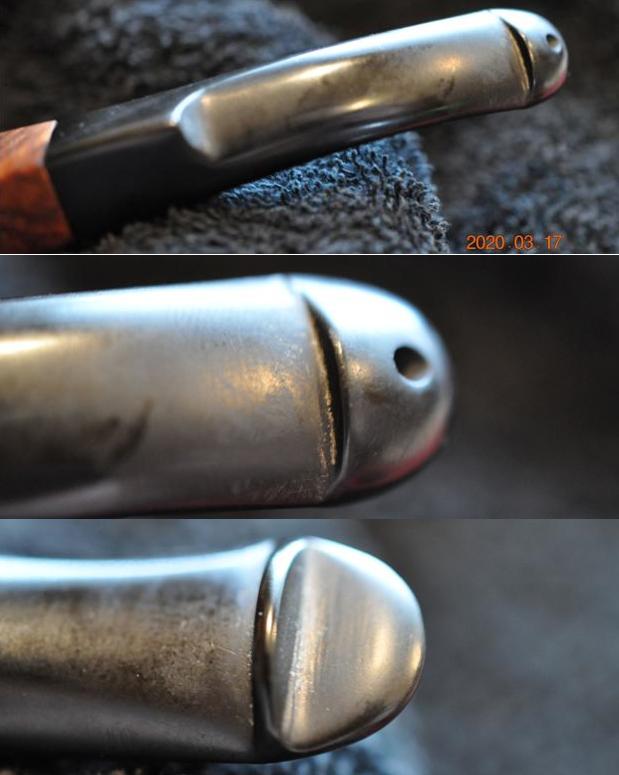
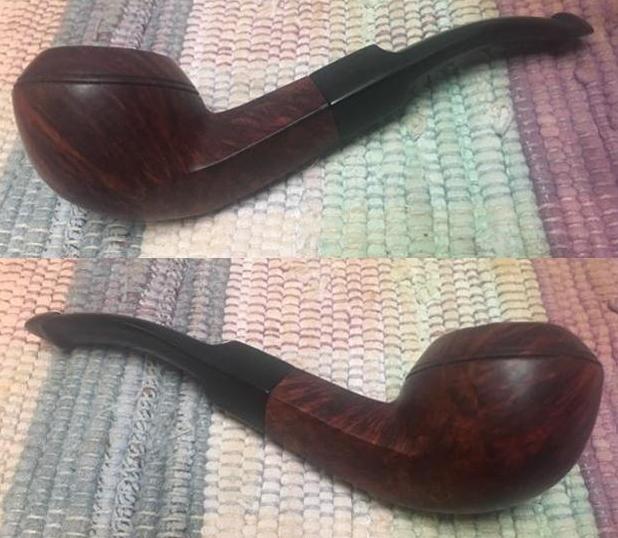
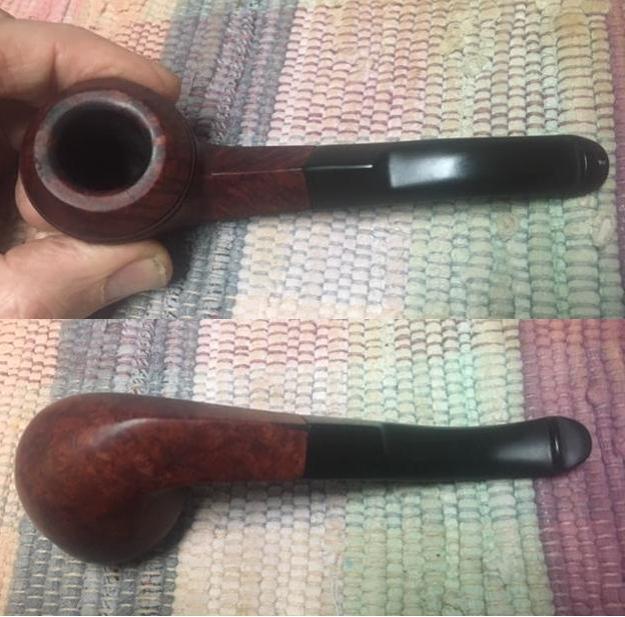
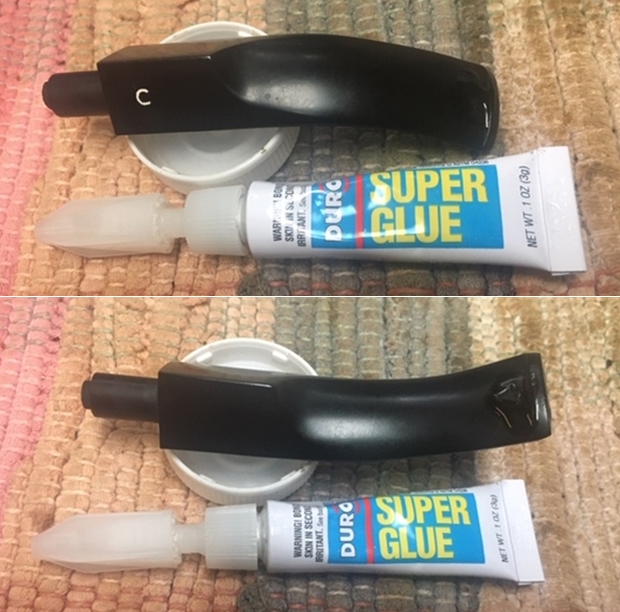
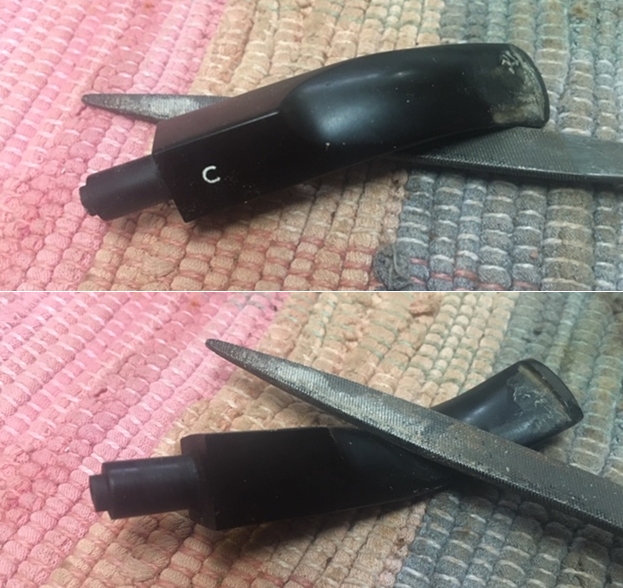
The next pipe on the table is one I have been avoiding working for this whole box of pipes. I just keep putting under others. Today I am getting to the bottom of the box and decided to take this one on. It is a well-shaped sandblast apple made by Savinelli. That is itself is not an issue as it has a great shape and look. The round bowl, slender shank and saddle stem with a thin blade – what’s not to like?  It was stamped on a smooth panel on the underside of the shank and read Savinelli de luxe Milano on the heel and that was followed by the Savinelli S shield and the shape number 206 over Italy. The finish was very dirty with a heavy coat of grime ground into the bowl and rim top as can be seen in the photos. There were dark spots all around the bowl and a deep nick on the right side of the crowned rim top. The bowl had a thick cake with a heavy lava overflow on the rim top. There was too much lava on the rim top and edge to know what they looked like but more would be revealed once it was cleaned. The stem was oxidized and there were deep tooth marks and chatter on both sides and on the top and bottom edges of the button. Jeff took photos of the pipe before he cleaned it up so you could see what we saw. Jeff took photos of the rim top to show lava build up around the rim, the wear on the edges and cake in the bowl. The lava actually was running down the edges of the crown of the bowl and had filled in some of the nooks and crannies in the sandblast. Jeff took some photos of the bowl sides and heel to show the dark spots around the bowl sides mixed in with the nice sandblast. It was a dirty pipe but I think it will be a beautiful one once we are finished.    The stamping on each side of the shank is shown in the photos below. They are clear and read as noted above.  There is a brass bar on the left side of the saddle stem. The stem was a good fit to the shank. It was oxidized, calcified and had debris stuck to the surface of the vulcanite. It also shows the tooth marks on the stem and on the button surface.  It was my turn to work on the pipe now. I was really looking forward to what the pipe would look like once Jeff had worked his magic. What would the rim top look like? What would the dark spots around the bowl look like? I had no idea. When I took it out of the box I was struck great job cleaning up the pipe Jeff had done. It was impressive! He had reamed the pipe with a Pipnet piper reamer and taken the cake back to bare briar. He cleaned up the remaining cake with a Savinelli Fitsall Pipe Knife. He scrubbed the interior of the bowl and shank with pipe cleaners, cotton swabs and alcohol to remove the tars and oils. He scrubbed the exterior of the pipe with Murphy’s Oil Soap and a tooth brush to remove the grime from the finish. He worked on the rim top lava and darkening with the soap and tooth brush. He scrubbed the inside of the stem with alcohol and pipe cleaners. He scrubbed the exterior with Soft Scrub and then soaked it in Before & After Deoxidizer. He washed the stem off with warm water to remove the deoxidizer. The pipe looked far better. While some of the dark marks had faded it became clear that they were dark stains rather than burn marks as I suspected. I took photos of the pipe when I received it before I started working on it. I took photos of the bowl and rim top as well as the stem to show how clean they were. You can see that there is still some darkening to both the briar rim top and inner edge. The stem is clean and the tooth damage on both sides is very clear in the photos. Lots more work to do on this pipe.I took a photo of the stamping on the underside of the shank. The stamping is readable as noted above. There is also the expected inset brass bar on the left side of the saddle.I took a photo of the pipe with the stem removed to show the overall look of stem, tenon and profile of the pipe. It really is a beautifully shaped pipe.I decided to start my work on the pipe by addressing the darkening on the briar rim top. I sanded the crowned rim top and inner edge of the bowl with a folded piece of 220 grit sandpaper. I was able to remove some of the darkening to the top and smooth out the inner edge of the bowl. I wiped the rim top down with alcohol on a cotton pad.I wiped down the entire bowl with alcohol and used a brass bristle wire brush to work over the darkened areas on the bowl sides and top. Once it was dried off I restained the bowl and shank with a Tan Aniline Stain. I applied it to the briar and flamed it with a Bic lighter. I repeated the process. The alcohol burns off with the flame and the stain is set in the briar. I let the bowl sit and the stain cure overnight. In the morning I buffed it on the buffer with Red Tripoli and Blue Diamond. I took photos of the bowl with its new look. I rubbed the briar down with Before & After Restoration Balm. I worked it into the briar with my fingertips and a horsehair shoe brush to get it into the crevices of the sandblast. The product works to clean, enliven and preserve the briar. I let it sit for 10 minutes while I worked on the stem. After the time passed I buffed it with a cotton cloth to deepen the shine. The briar really comes alive with the balm.   I set the bowl aside and turned my attention to the stem. I “painted” the stem with the flame of a Bic lighter to lift the deep dents in the surface.I filled in the remaining indentations and built up the top and bottom of the button with clear super glue. Once the repair cured I used a needle file to reshape the button edges and also flatten the repaired areas. I sanded the stem with 220 grit sandpaper to finish the shaping and to remove the remaining oxidation. I started polishing the stem with 400 grit wet dry sandpaper. I wiped the stem down with Obsidian Oil before further polishing it.   I polished the vulcanite with micromesh sanding pads – 1500-12000 grit pads. I wiped it down with Obsidian Oil after each sanding pad. I used Before & After Pipe Polish – both Fine and Extra Fine to further polish the stem.     This nice looking Savinelli deluxe Milano 206 Apple with a saddle stem turned out very nice. The addition of a tan stain to the mix of brown stains highlights the nooks and crannies of the sandblast around the bowl sides and bottom. The finish on the pipe looks much better and they go well with the polished black vulcanite saddle stem. I put the stem back on the bowl and carefully buffed the pipe with Blue Diamond on the buffing wheel. I gave the bowl and stem multiple coats of carnauba wax on the buffing wheel and followed that by buffing the entire pipe with a clean buffing pad. I hand buffed the pipe with a microfiber cloth to deepen the shine. The finished straight apple is very nice and feels great in the hand. Give the finished pipe a look in the photos below. The dimensions of the pipe are Length: 5 ½ inches, Height: 1 ¾ inches, Outside diameter of the bowl: 1 ¼ inches, Chamber diameter: ¾ of an inch. Thanks for walking through the restoration with me as I worked over another beautiful pipe. This pipe will be going on the rebornpipes store shortly. If you are interesting in adding it to your collection let me know! Thanks for your time.

Is New Life Possible for this Rough Old Custom-Bilt Billiard?


Blog by Steve Laug

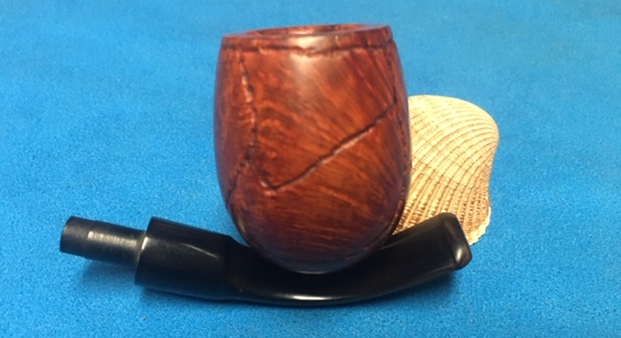
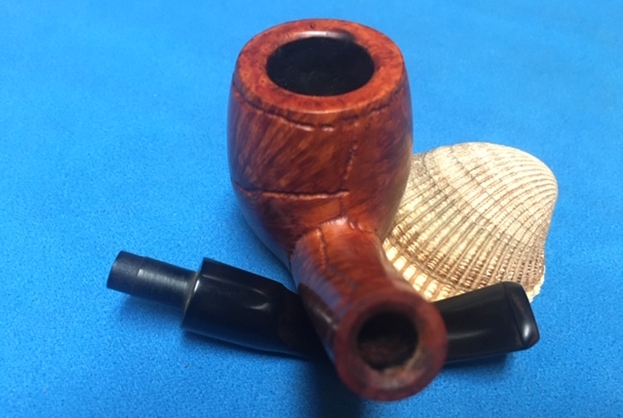
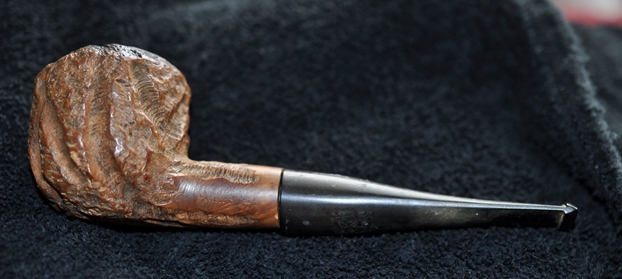
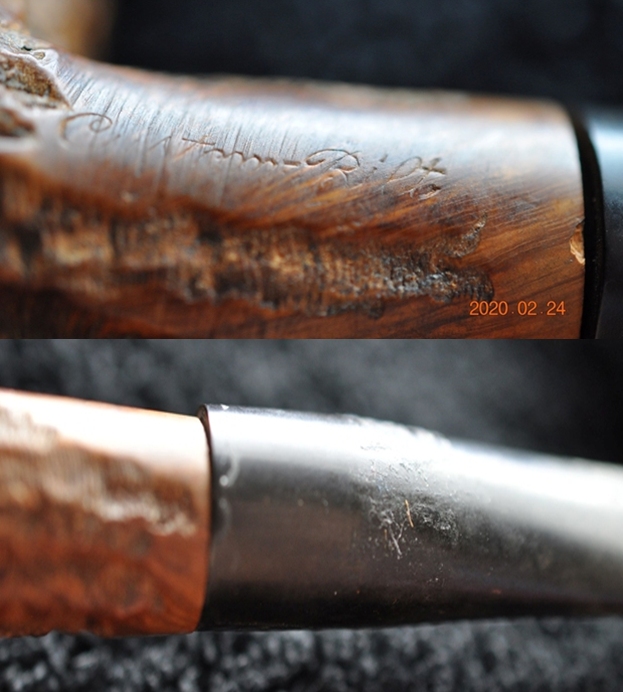
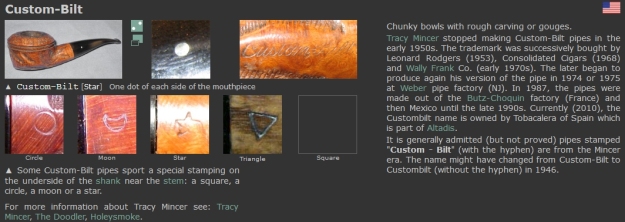
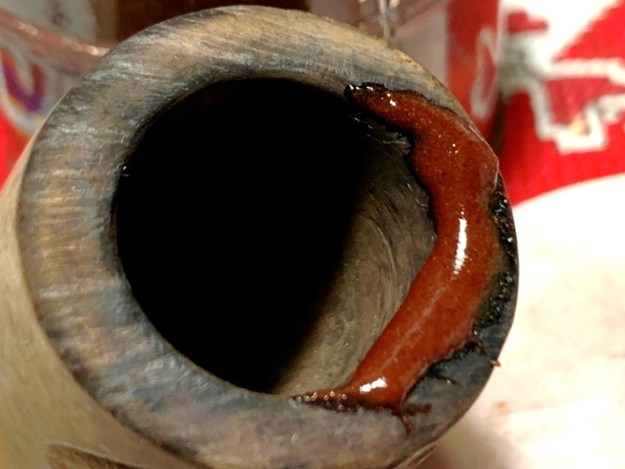
Sometimes when we are caught up in the Adrenalin of a pipe hunt often sympathy for an old pipe surpasses logic. That was certainly the case with this tired and damaged old Custom-Bilt Billiard. We just picked it up and said it was going with us. Later in looking at it I wondered what we had done. The thick cake in the bowl and the fact that the pipe was filthy were not huge problems for us so ignore those. Here are just a few of the issues with the pipe. There appeared to be serious burn damage to the rim top and inner edge of the bowl. The stem was an obvious replacement which is not a problem but it appeared to be crooked. Was the issue the stem or the shank? Taking it out of the shank it was clear that the issue was both. The stem was too large and the tenon was off centre. However it was also clear that the shank had been hacked off at an angle and was not straight. There were chips of briar missing on the shank end. Fortunately it appeared that the mortise was straight and still functional. Those were just the issues I saw without spending a lot of time looking. But there was still some charm in the old pipe that made me want to try. Jeff took the pipe home with him to do his work on it. He took the following photos of the pipe before he started his cleanup. Jeff took photos of the damage to the rim top. You can see the damage on the inner edge of the bowl where there is some serious burn damage. There is also damage on the rim top itself. The rustication is filled in with lava and it is hard to see the extent of the damage.He took photo of the rustication around the sides and heel of the bowl to show both the damage and the grime ground into the bowl sides. He took a photo of the stamping on the shank side showing the Custom-Bilt stamp. It is readable but fainter toward the bottom of the stamp. The second photo below shows the fit of the stem to the shank and it is clear how it is both larger and off in terms of the fit.The next photos show the condition of the stem. I am not too concerned with it because it will need to be replaced.I turned to Pipephil (http://www.pipephil.eu/logos/en/logo-c8.html) to get a quick view of the brand once again. I knew that I was working with one of the older pipes and   probably made by Tracy Mincer himself. He stopped making the Custom-Bilt pipes in the early 1950s. The screen capture I included below shows a brief history of the brand.I turned to Pipedia (https://pipedia.org/wiki/File:CustomBilt_Stamp1.jpg) for a quick read. The majority of the information there was two book reviews of the Custom-Bilt Story by Bill Unger. The one line I culled was the following: “Tracy Mincer started the original Custom-Bilt pipes it appears in 1934”.

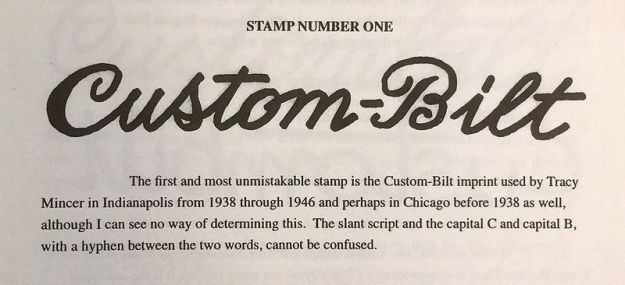
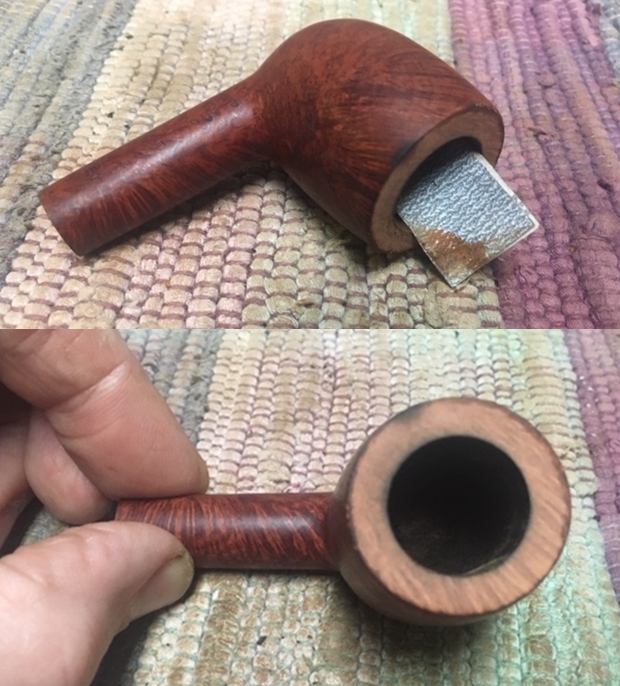
I did a screen capture of the stamping that matched the stamping on the pipe that I am working on.What I learned from that is that the stamp was used by Tracy Mincer in Indianapolis in the US from 1938-1946 and possibly in Chicago before 1938 as well. So now I had a possible date for this pipe. It was an old timer and it was well worth working on.

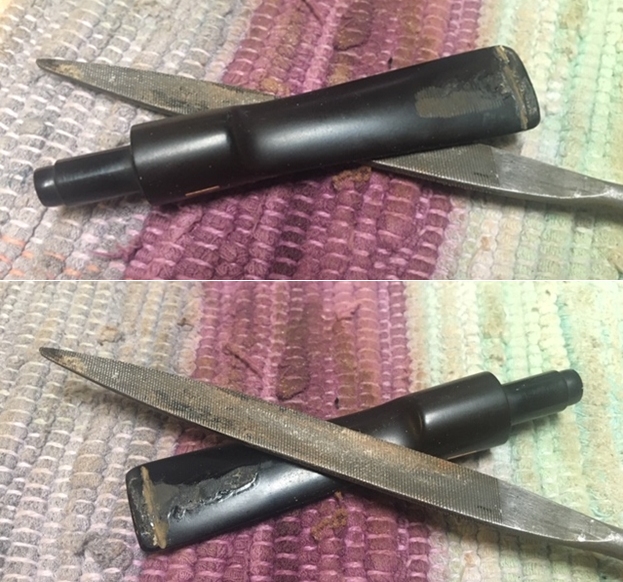
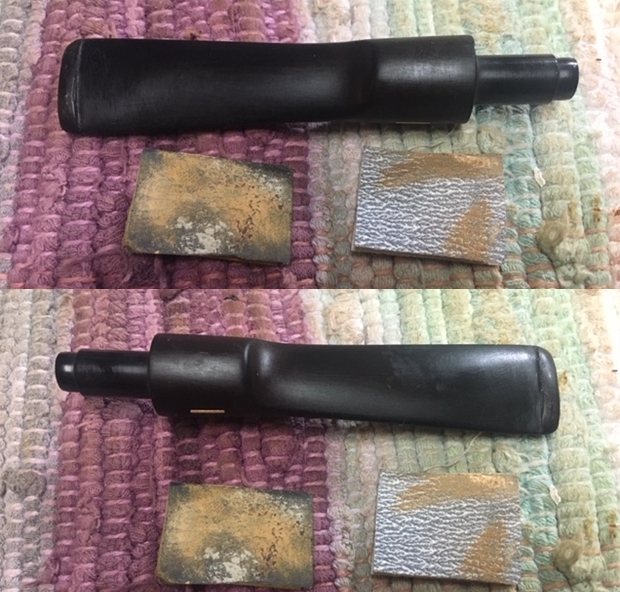
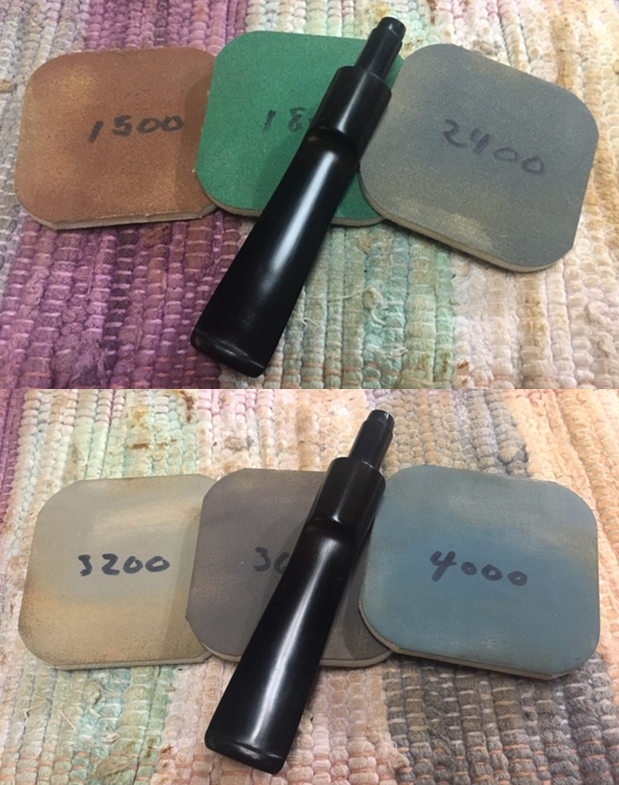
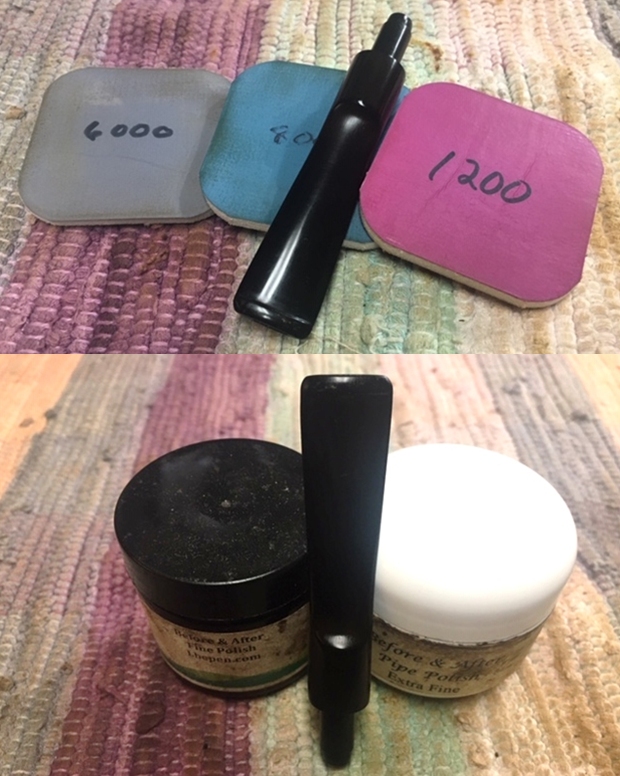
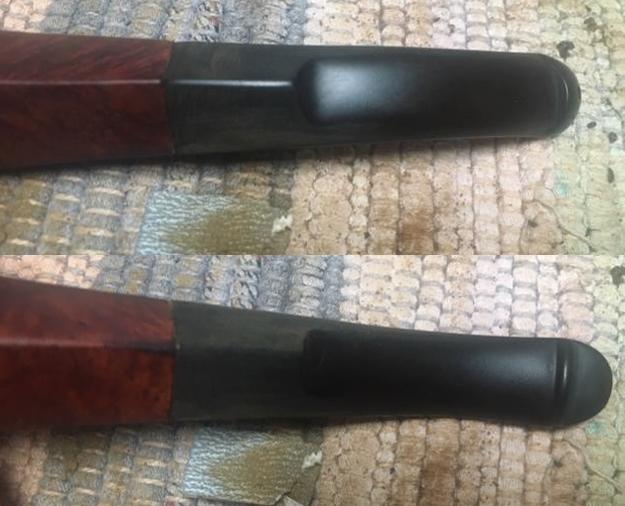
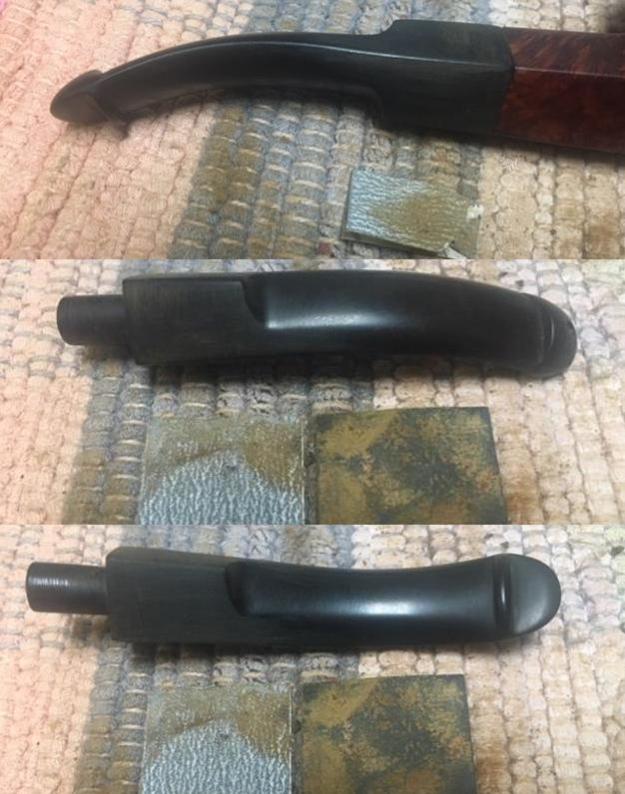
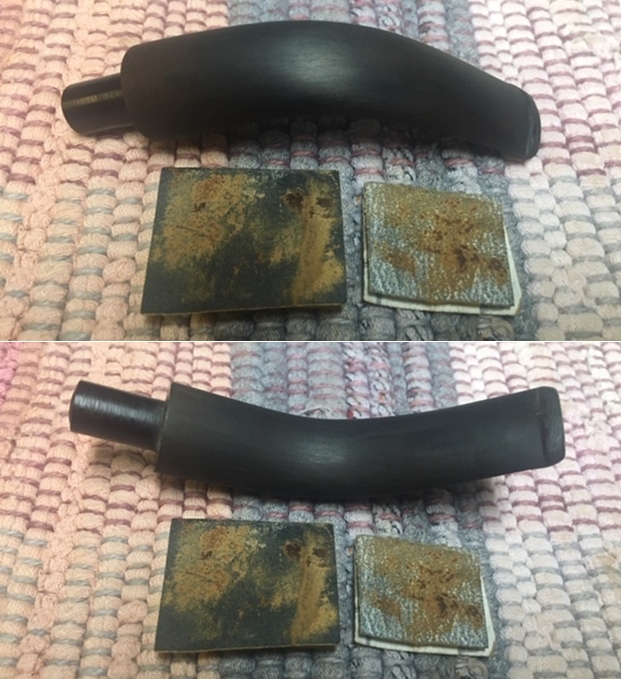
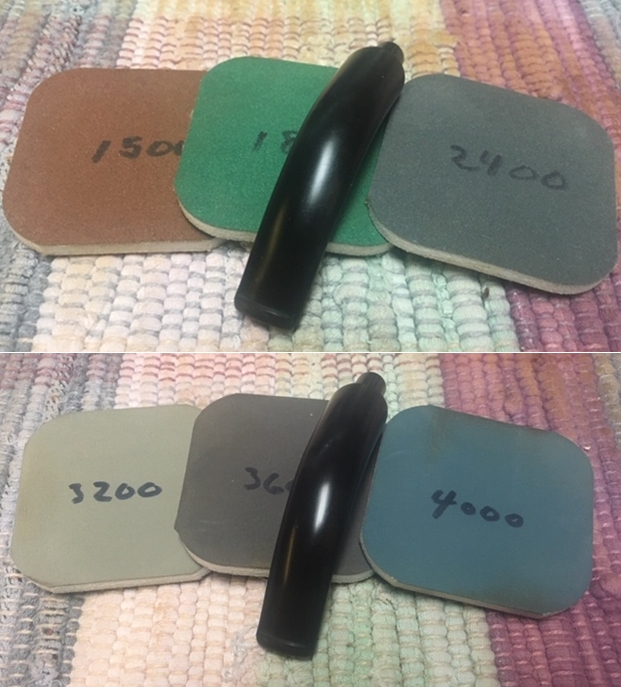
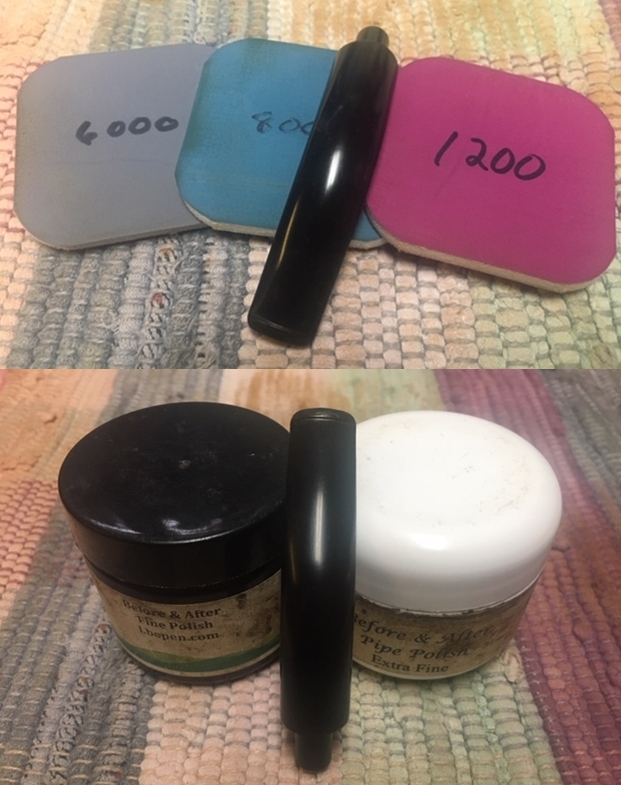
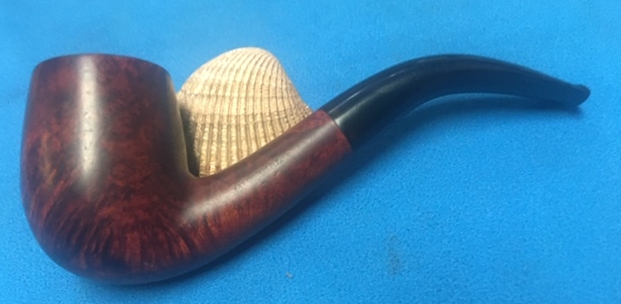
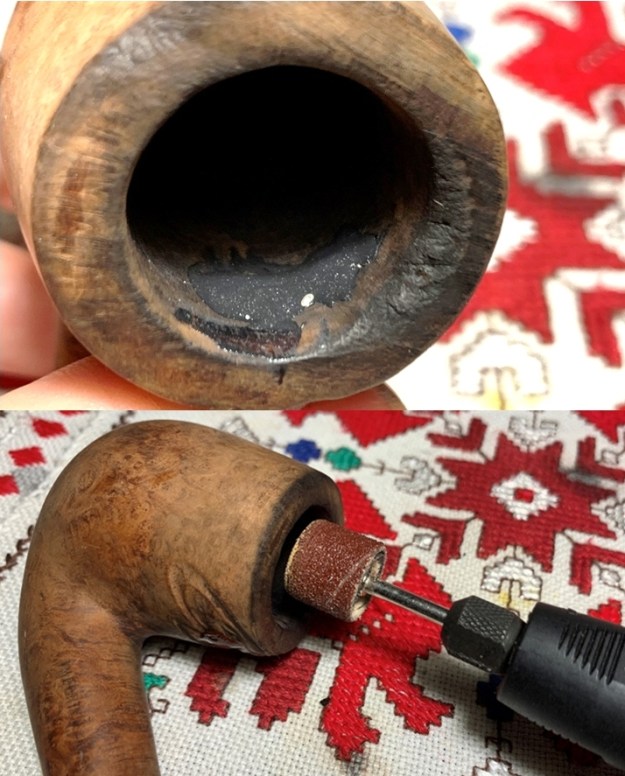
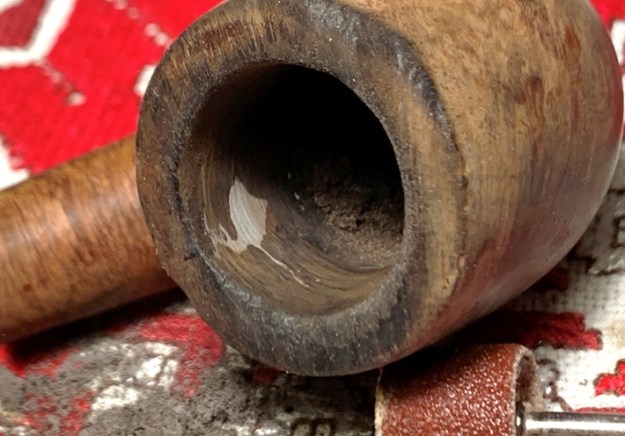
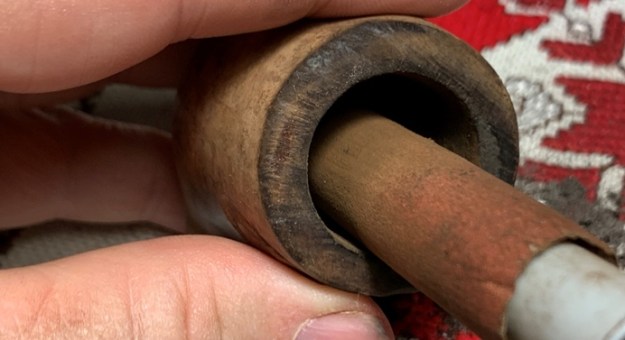
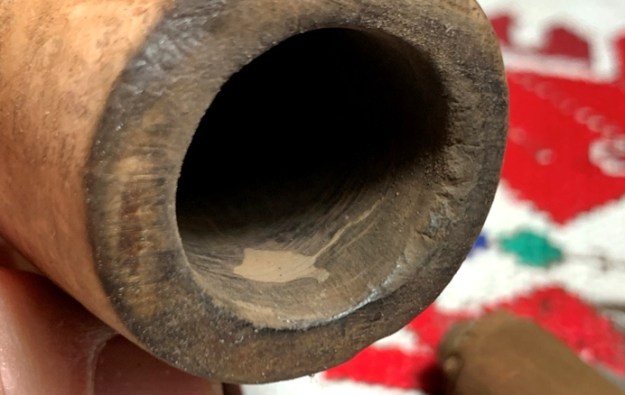
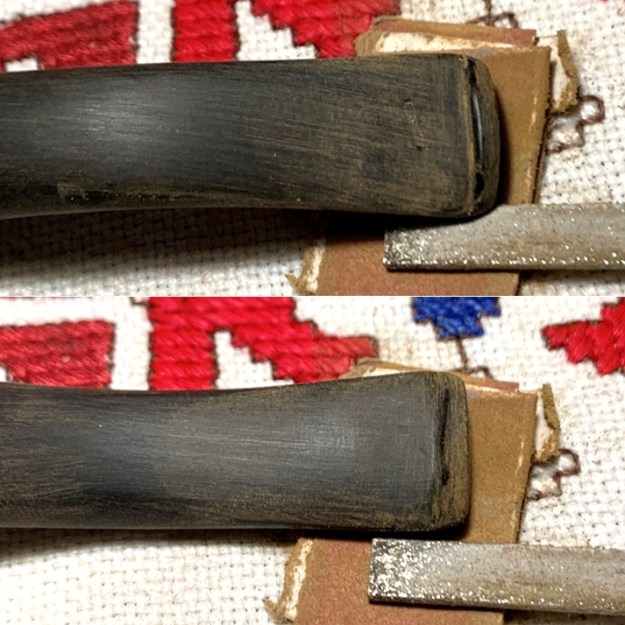
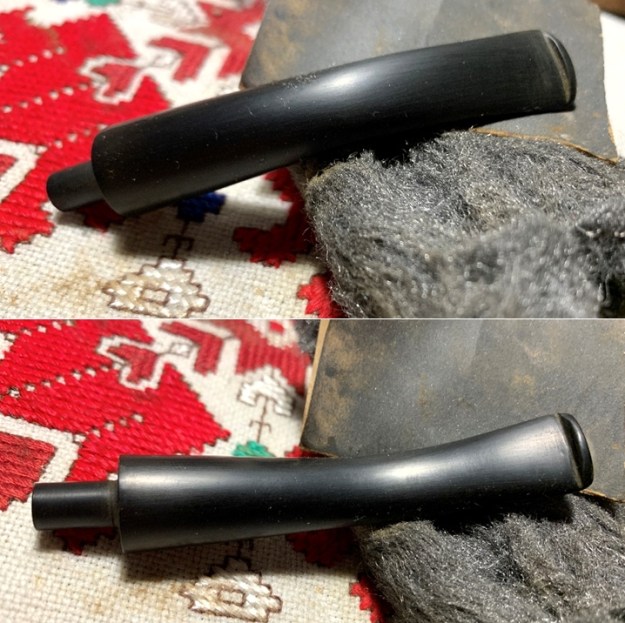
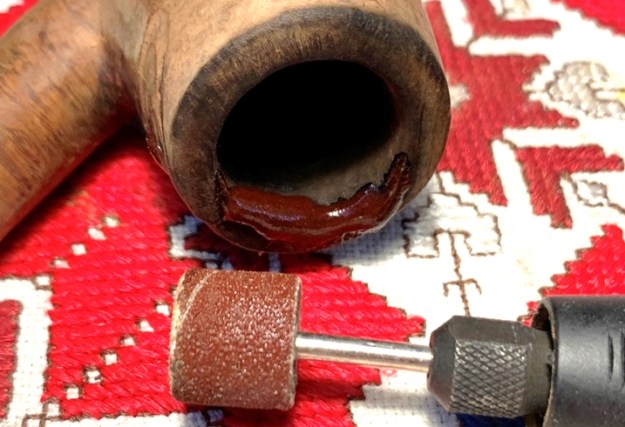
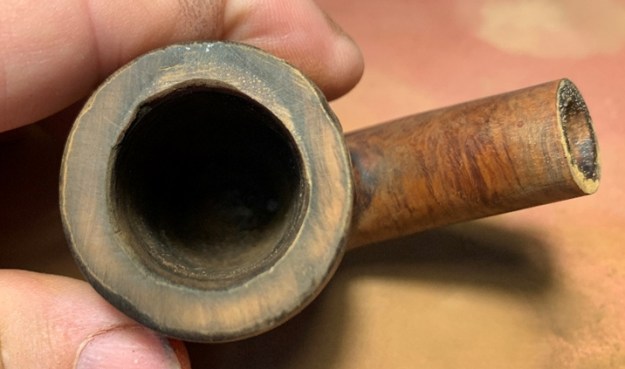
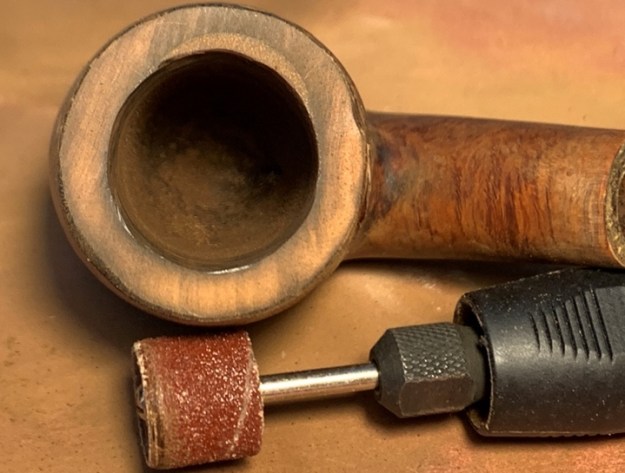
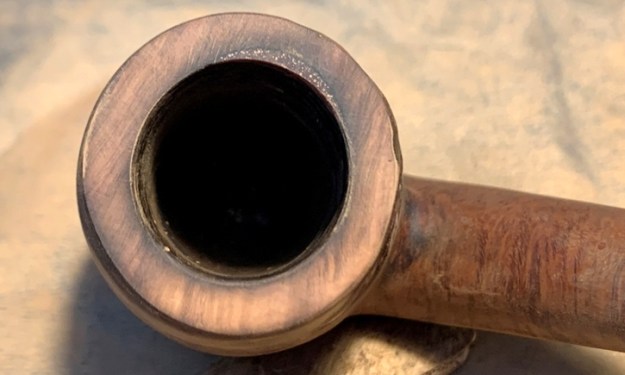
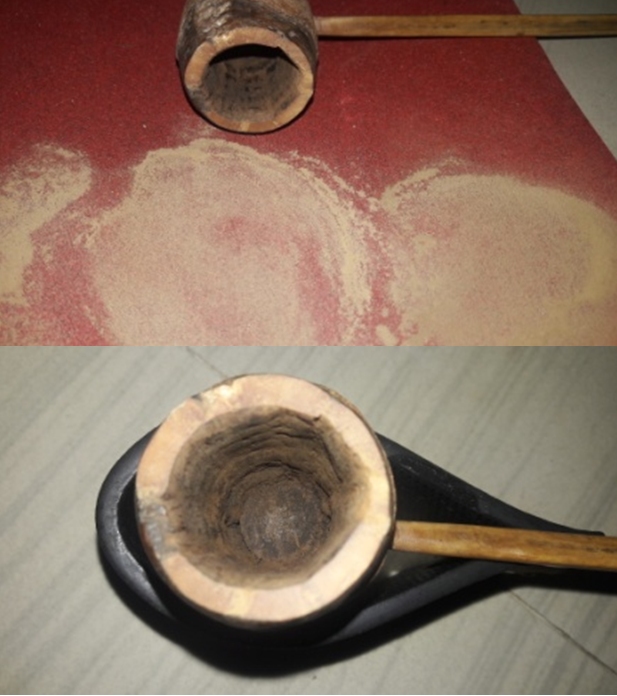
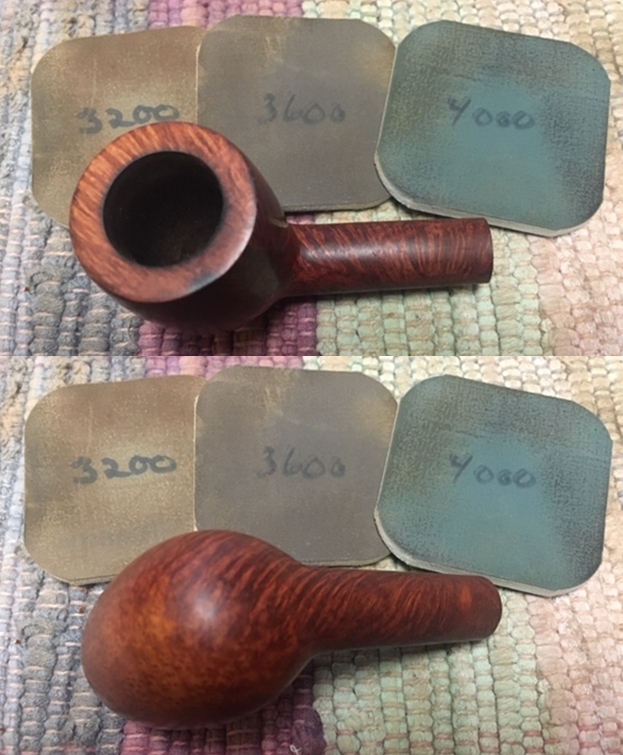
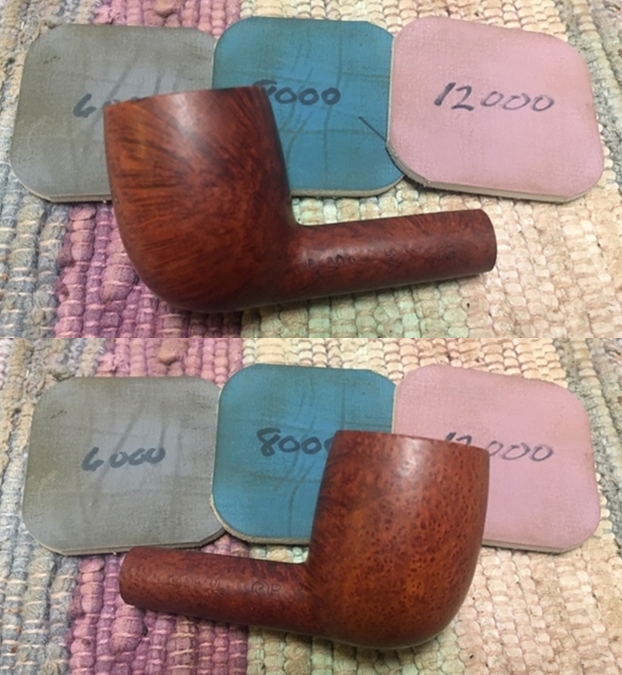
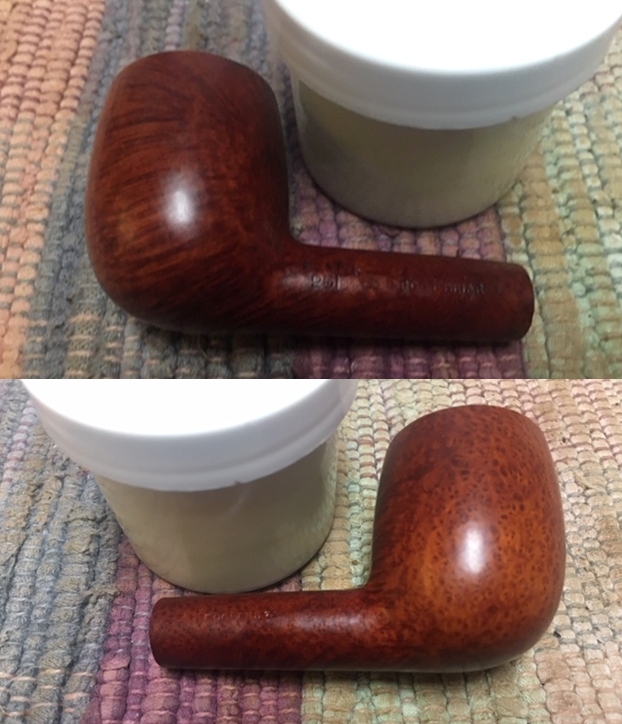
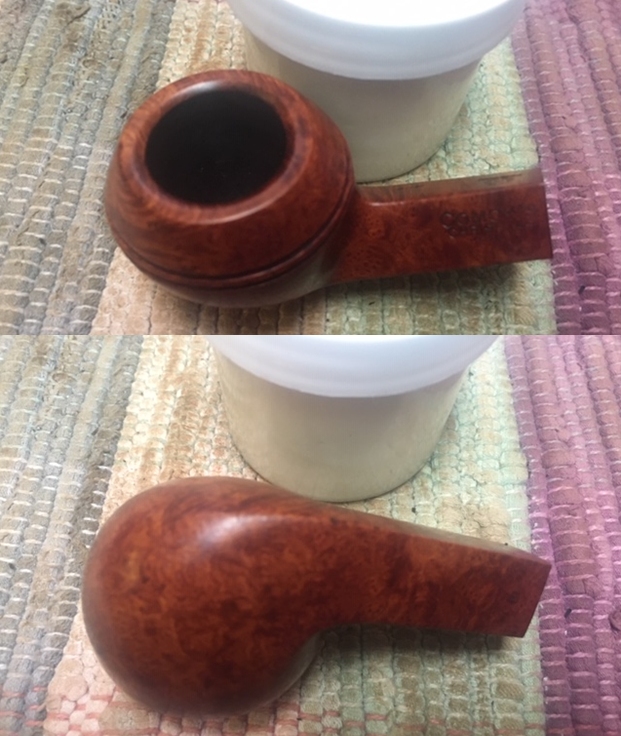
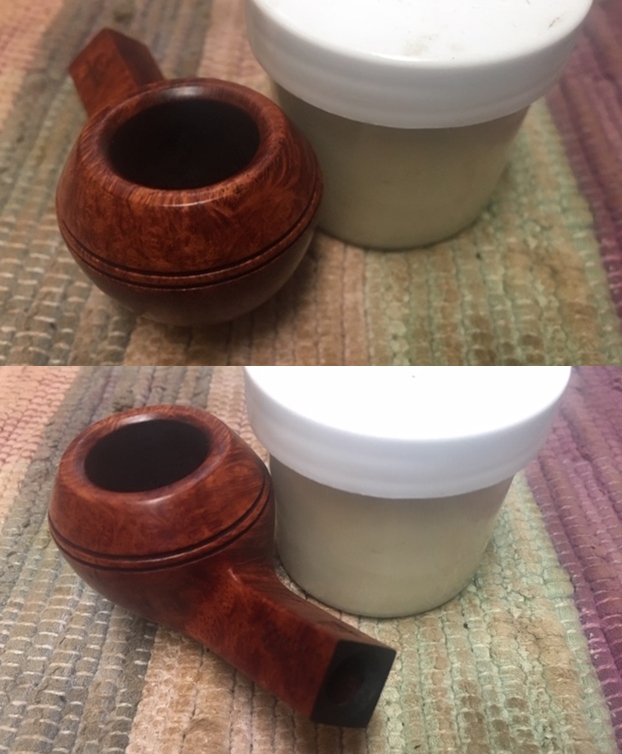
Armed with that information I turned to work on the pipe itself. Jeff had done a great job cleaning up the pipe as usual. He reamed the pipe with a PipNet reamer and cut back the cake back to the bare briar. He cleaned up the walls with a Savinelli Fitsall Pipe Knife. He scrubbed the interior of the bowl and shank with pipe cleaners, cotton swabs and alcohol to remove the tars and oils. He scrubbed the exterior of the pipe with Murphy’s Oil Soap and a tooth brush to remove the grime from the finish. Jeff cleaned up this stem even though it would probably be replaced. He scrubbed the inside of the stem with alcohol and pipe cleaners. He scrubbed the exterior with Soft Scrub and then soaked it in Before & After Deoxidizer. He washed it off with warm water to remove the deoxidizer. The pipe looked far better. I took photos of the pipe when I received it before I started working on it. You can see the misfit stem. I took a photo of the rim top to show how well it cleaned up and the damage on the front and rim top. I also took a series of photos to show the angles of the misfit stem. You can see that the fit is at an angle. The shank end is also not straight. I went through my collection of stems and found one that was the right profile and right length. I found a perfect stem that even had a turned tenon that would just need adjustment. I took some pictures of the shank end to show the cut angle of the shank. It is just slightly off not a huge amount but when a stem was against the shank it was obvious. The right side was longer than the left and the top was longer than the bottom.I used the topping board to lightly sand the shank end but it was not to be without removing more of the shank end than I wanted. The chips out of the shank end made it necessary to sand deeper. I decided to use a thin brass band that also capped the end of the shank. I coated the shank end with some all-purpose glue and pressed the band in place. I put the new stem on the shank and adjusted the band to take care of any deviation in the face of the shank. I removed the stem and set the bowl aside to let the glue cure. Once the glue on the band had cured I put the new stem in place in the shank to show the fit to the shank end. There is a lot of material to remove from the diameter of the stem at this point but the fit is perfect. I used my Dremel and sanding drum to carefully remove the excess material. I always start this process with the stem in place on the shank. I get it as close as possible to the shank size as I can without nicking the band. Once I have it close I remove the stem and finish it without the shank. The photo below is one I sent to Jeff to show him the progress. It shows the stem after the rough fitting. Lots of work still to do but you can see that it is coming along well.Now the shaping work began in earnest. I used folded 220 grit sandpaper to sand the stem and remove the scratching left behind by the Dremel and sanding drum. I also adjusted the fit to the shank by repeatedly taking photos of the fit. I have included some of those below so you can see the progress.I continued to sand the stem until all of the sanding marks from the drum were gone and the stem was smooth. I started the polishing of the stem with 400 grit wet dry sandpaper. The photos below show the stem at this point.I set the stem aside at this point and rubbed some Before & After  Restoration Balm into the surface of the briar. I worked it into the nooks and crannies of the briar with my fingertips and a horse hair shoe brush. The product works to clean, enliven and preserve the briar. I let it sit for 10 minutes while I worked on the stem. After the time passed I buffed it with a cotton cloth to deepen the shine. The briar came alive with the balm. When I am doing a restemming job I like to put it on the bowl and get a look at the pipe all along the way. There is something satisfying in watching the new pipe take shape. I was pleased with how the pipe was looking. I liked the flow of the stem and new shank band. It definitely was a step up from where I started. All that remains now is to finish polishing the stem and then buffing the pipe and waxing it. I was definitely getting there! I removed the stem from the bowl and set the bowl aside. I polished the stem with micromesh sanding pads – 1500-12000 grit pads. I wiped it down with Obsidian Oil after each sanding pad. I used Before & After Pipe Polish – both Fine and Extra Fine to further polish the stem. This early Tracy Mincer made Custom-Bilt billiard was an absolute disaster when we found it. I cleaned up the shank, banded it to smooth it out and made a new stem. It is a great looking pipe. The brown stain on the mixed grain shining through the rustication is quite nice. The finish on the pipe is in excellent condition and the contrasting stains work well to give some contrast to the finish of the pipe. The polished black vulcanite taper stem adds to the mix. With the grime, debris and burn marks minimized from the finish the bowl it is really is eye-catching. The thin gold coloured band looks really nice on the shank. I put the stem back on the bowl and buffed the pipe with Blue Diamond on the buffing wheel, carefully avoiding the stamping on the shank. I gave the bowl multiple coats of Conservator’s Wax and the stem multiple coats of carnauba wax on the buffing wheel and followed that by buffing the entire pipe with a clean buffing pad. I hand buffed the pipe with a microfiber cloth to deepen the shine. The finished chunky, rustic Bulldog is quite nice and feels great in the hand. Give the finished pipe a look in the photos below. I can only tell you that like the other pipes I am working that it is much prettier in person than the photos capture. The dimensions of the pipe are Length: 5 ½ inches, Height: 2 inches, Outside diameter of the bowl: 1 ¾ inches, Chamber diameter: ¾ of an inch. Thanks for walking through the restoration with me as I worked over another interesting pipe. This rustic Mincer Custom-Bilt Billiard will be going on the rebornpipes store shortly. Keep an eye on the American Pipe Makers section of the store. If you want to add it to your collection send me an email or a message! Thanks for your time.
New Life for a Peterson’s DeLuxe,  Made in Ireland 595 Bulldog (Rhodesian)


Blog by Steve Laug

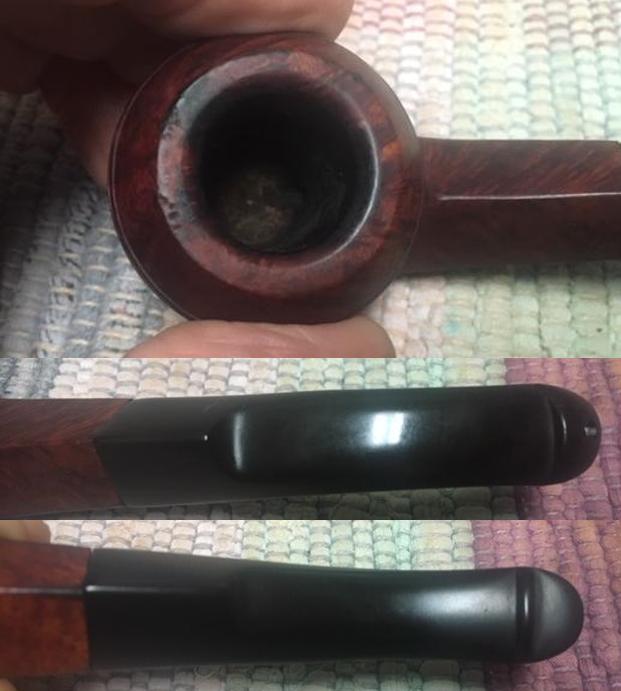
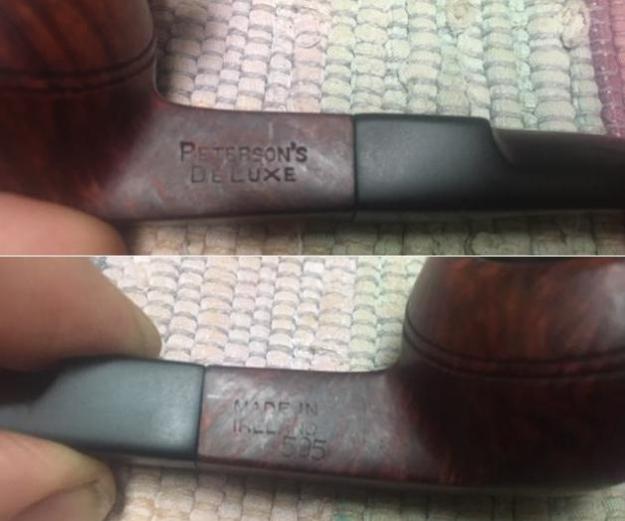
The next pipe on the table came to us from one of Jeff’s pipe hunts or auctions. It is a smooth finished Peterson’s DeLuxe 595 Bulldog. The smooth finish is quite nice with at that classic Peterson’s look. The brown stains on the bowl really highlight the grain on the bowl. The pipe was very dirty, with grime and dust deep in the twin rings around the rim cap. The bowl had a thick cake in the bowl and surprisingly and some lava on the rim top. There was darkening on the rim top and on the inner bevel of the rim. The pipe is stamped on a left side of the diamond shank and reads Peterson’s DeLuxe. On the right side is stamped Made in the Ireland over the shape number that looks like 595. The stamping is clear and readable on the pipe. The stem was dirty and lightly oxidized. The stem was in otherwise good shape. There were no tooth marks or chatter on the surface. It was in good condition under the grime. The stem showed one of pet peeves – someone had rounded the sharp edges on the stem/shank junction in their work cleaning it. That look really bothers me. Jeff took photos of the pipe before he cleaned it up. Jeff took photos of the rim top to show the cake in the bowl and the lava on the beveled edge and spots of it on the rim top. There were also dents and marks in the rim top toward the front of the bowl like the pipe had been dropped. The photos show the rim top and bowl from various angles. Jeff took some photos of the bowl sides and heel to show the grain around the bowl sides. It is a quite beautifully crafted pipe. The finish is quite dirty. The stamping on the sides of the shank read as noted above. The photo shows that they are very clear and readable. You can also see the rounded corners at the stem/shank joint.The stem was oxidized, calcified and had debris stuck to the surface of the vulcanite. There was light tooth chatter and marks on both sides of the stem and on the button surface.  I was confused by several things about the stamping. The first was the shape designation. No matter where I looked I could not find a 595 shape at all and all the Bulldog shapes that were like it were stamped 80S. I was also confused by the MADE IN IRELAND stamp on the shank. From what I read it seemed like a Pre-Republic stamp but the shape number did not fit in that period. With those two issues at hand I turned to Mark Irwin. I wrote him several emails with my questions and pictures of the stamping on the pipe seeking his help and some clarification. I have included his email responses without my questions as they are in themselves great information.

Hey Steve, this is from the 500 shape group, although I’ve not documented the 595 before. It’s an upsized-version of the 80s. Peterson would call this shape a Rhodesian, incidentally, saving bulldog for their round shanks. You can see more 500s at https://petersonpipenotes.org/2016/10/24/the-peterson-500-shapes-and-new-old-stock/ . [Editor’s note: this connection to the 500 series shape group turns out to be incorrect from later research. The dating of the pipe to the Later Republic Era of 1969-1990 is more accurate as the shape has been around for a long time]. The POY 2019 for Peterson was taken from this group as well. I make the argument in that blog post that these shapes were made in the late 1970s and early 1980s when they owned their own US distributor, Allied, and were going after the US market. c. 1980-85, so Late Republic Era, 1969-1990.

So I wrote back and thanked him and asked again about the Made in Ireland stamp. I told him that everything I read pointed to that stamp being Pre-Republic. His response was a clear NO. Here is what he wrote:

No it’s not (a Pre-Republic). It has documented use in every decade from 1930 to 2010. My hunch is that it is an indication that the pipe is a high grade. It’s found on several of the special collections Tom Palmer released in the 1990s and 2000s. Pre-1949 stamps are found in the Peterson book at the very beginning pages of each of the “pipe” chapters—IFS, Eire, Early Republic, Late Republic.

With that information in hand I knew what I was dealing with in terms of the stamping and the age of this pipe. I knew from the information that the pipe was part of the 500 series of shapes made during the Late Republic Period and the stamping dates it as being made between 1980-1985. I also learned that the Made In Ireland stamp could well be an indication of a high grade pipe The pipe that I call a Bulldog Peterson’s calls a Rhodesian – go figure. Now it was time to work on the pipe.

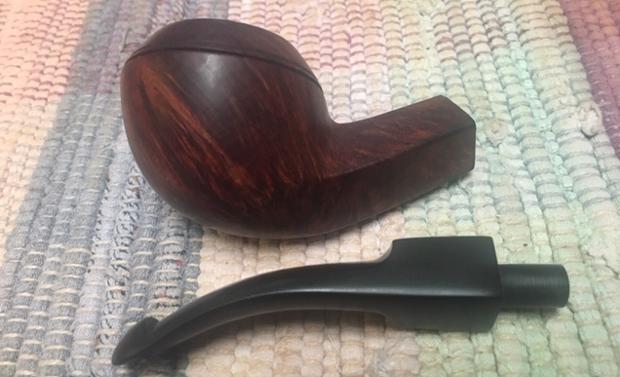
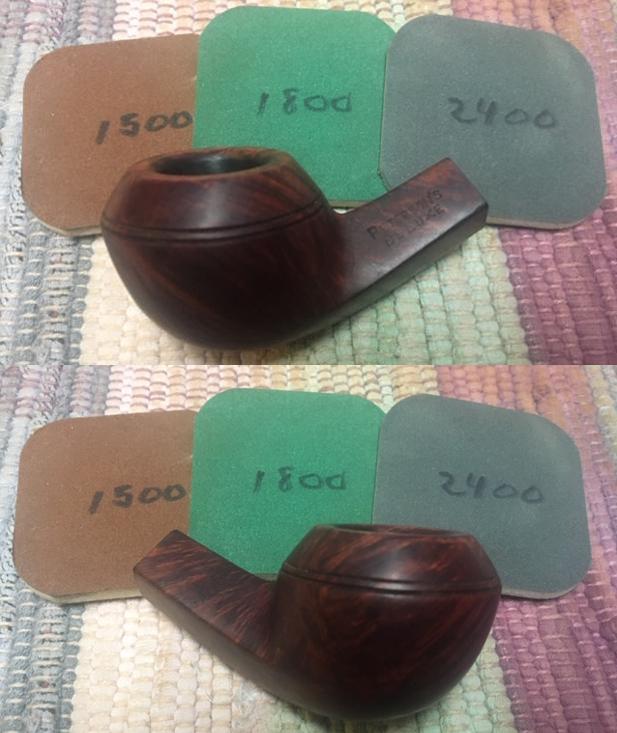
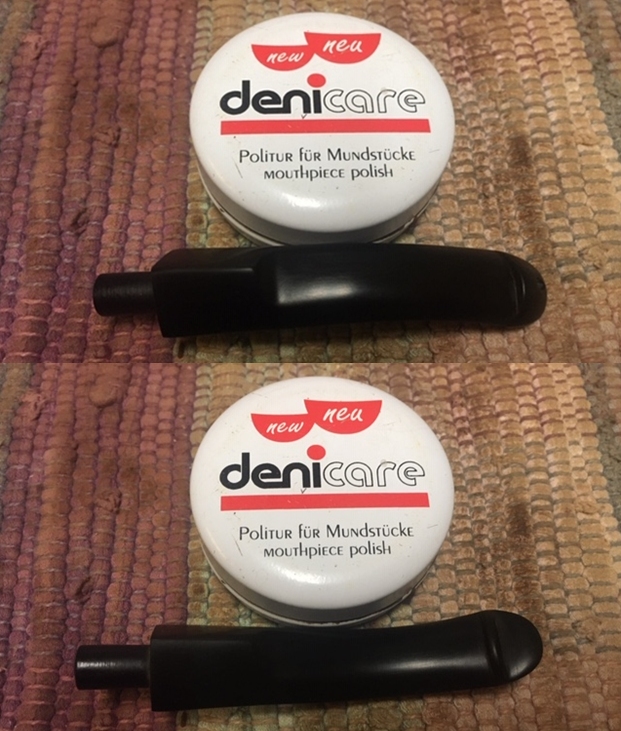
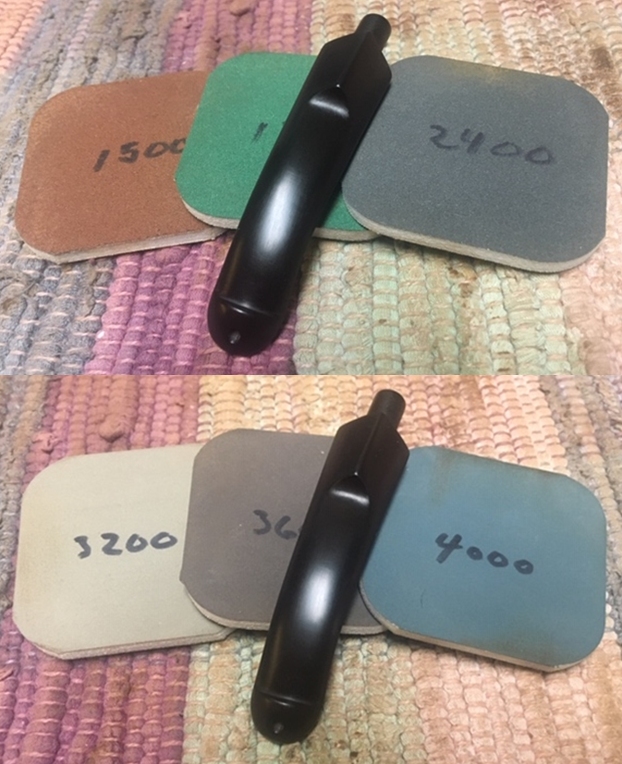
Armed with that information I turned to work on the pipe itself. Jeff had done a great job cleaning up the pipe as usual. He reamed the pipe with a PipNet reamer and cut back the cake back to the bare briar. He cleaned up the walls with a Savinelli Fitsall Pipe Knife. He scrubbed the interior of the bowl and shank with pipe cleaners, cotton swabs and alcohol to remove the tars and oils. He scrubbed the exterior of the pipe with Murphy’s Oil Soap and a tooth brush to remove the grime from the finish. He scrubbed the inside of the stem with alcohol and pipe cleaners. He scrubbed the exterior with Soft Scrub and then soaked it in Before & After Deoxidizer. He washed it off with warm water to remove the deoxidizer. The pipe looked far better. I took photos of the pipe when I received it before I started working on it. I took photos of the bowl and rim top to show how clean it was. The rim top and edges look good. There were some nicks on the front rim top as noted above and the inner beveled edge had some darkening. The stem looks clean of oxidation and the only issue was the rounded edges at the shank/stem junction.I took photos of the stamping to show what they looked like after the cleanup. They are very readable with faint spots in the middle of each stamp. They read as noted above. You can also see the rounded edges at the stem/shank junction in the photos.I took a photo of the pipe with the stem removed to show the overall look of stem, tenon and profile of the pipe. It is a great looking pipe.I sanded the beveled inner edge of the rim and the damaged areas on the rim top at the front of the bowl with a folded piece of 220 grit sandpaper. I carefully worked on it and was able to remove the damage and majority of the darkening.I polished the rim top and bowl with micromesh sanding pads – wet sanding with 1500-12000 grit pads. I wiped the briar down with a damp cloth after each pad to remove the debris. By the end of the cycle the bowl took on a rich glow. I rubbed the briar down with Before & After Restoration Balm. I worked it into the briar with my fingertips and a horse hair shoe brush to get it into the twin rings around the rim cap. The product works to clean, enliven and preserve the briar. I let it sit for 10 minutes while I worked on the stem. After the time passed I buffed it with a cotton cloth to deepen the shine. The briar came alive with the balm. I set the bowl aside and turned my attention to the stem. I sanded the saddle junction between the stem and shank with 220 grit sandpaper to flatten out the rounded edges and rounded corners. Once I had it looking better I began the polishing with 400 grit wet dry sandpaper. I rubbed the stem down with Denicare Mouthpiece Polish – a red, gritty Tripoli like substance that is a paste. I rubbed it into the surface of the stem and polished it off with a cotton pad. I have found that is a great intermediary step before polishing with micromesh pads. I am not sure what I will use once the final tin I have is gone!I polished the stem with micromesh sanding pads – 1500-12000 grit pads. I wiped it down with Obsidian Oil after each sanding pad. I used Before & After Pipe Polish – both Fine and Extra Fine to further polish the stem. This Late Republic Peterson DeLuxe 595 1/4 Bent Bulldog is part of the 500 series of pipes released between 1980 and 1985. It is a great looking pipe. The brown stain on the mixed grain is beautiful around the bowl sides and shank and they really stand out with the polishing. The finish on the pipe is in excellent condition and the contrasting stains work well to give some contrast to the finish of the pipe. The polished black vulcanite P-lip saddle stem adds to the mix. With the grime and debris gone from the finish and the bowl it is really is eye-catching. I put the stem back on the bowl and buffed the pipe with Blue Diamond on the buffing wheel, carefully avoiding the stamping on the shank. I gave the bowl and the stem multiple coats of carnauba wax on the buffing wheel and followed that by buffing it with a clean buffing pad. I hand buffed the pipe with a microfiber cloth to deepen the shine. The finished Bent Bulldog is quite nice and feels great in the hand. Give the finished pipe a look in the photos below. I can only tell you that like the other pipes I am working that it is much prettier in person than the photos capture. The dimensions of the pipe are Length: 5 ½ inches, Height: 1 ½ inches, Outside diameter of the bowl: 1 5/8 inches, Chamber diameter: ¾ of an inch. Thanks for walking through the restoration with me as I worked over another interesting pipe. This nice 595 DeLuxe Bulldog will be going on the rebornpipes store shortly. Keep an eye on the Irish Pipe Makers section of the store. If you want to add it to your collection send me an email or a message! Thanks for your time.

Cleaning up a messy Bent Billiard that appeared to be old…


Blog by Steve Laug

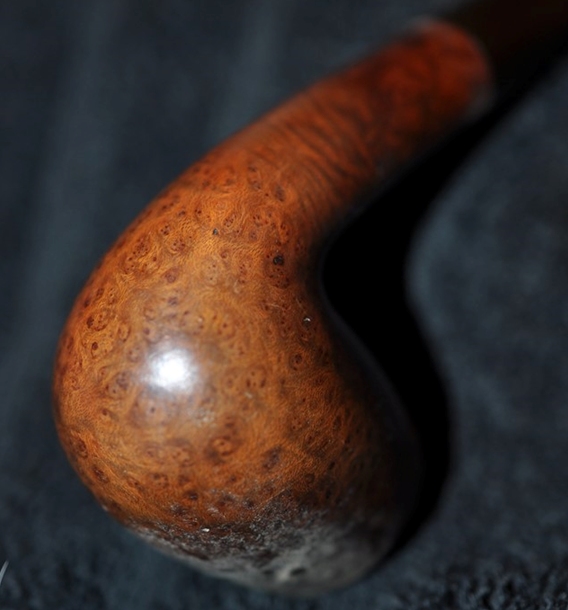
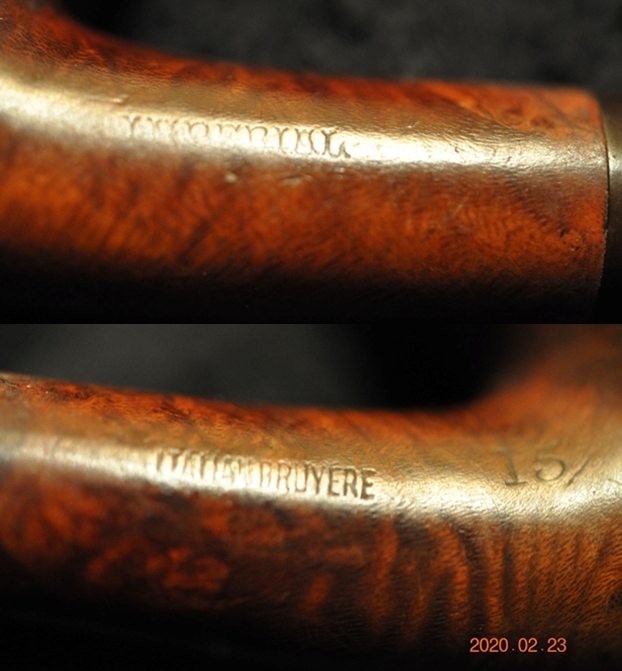
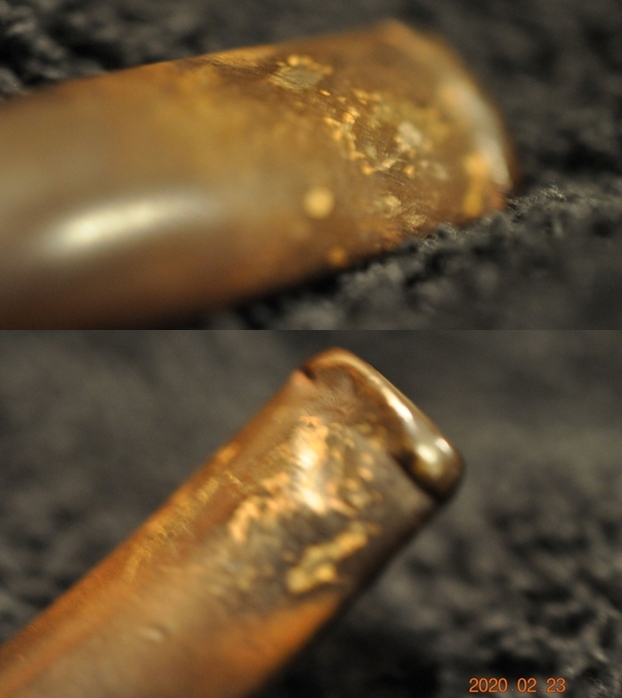
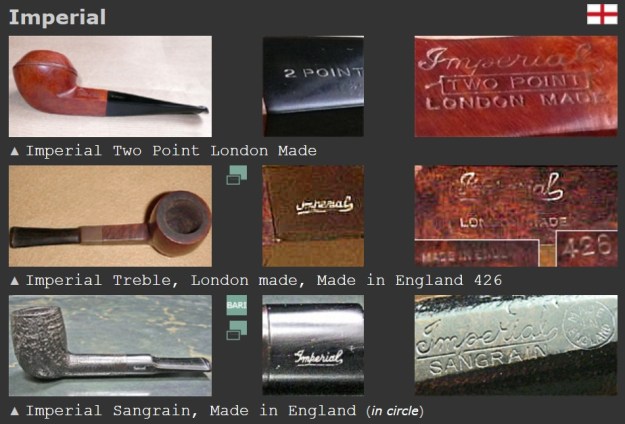
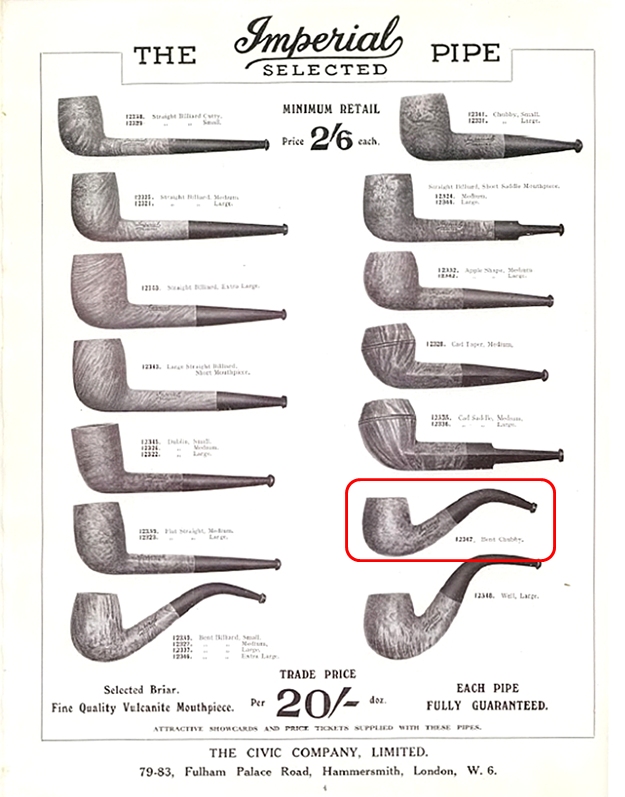
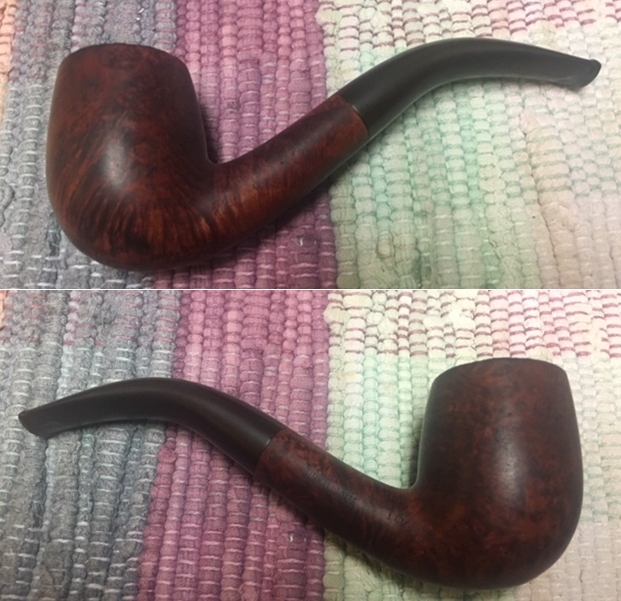
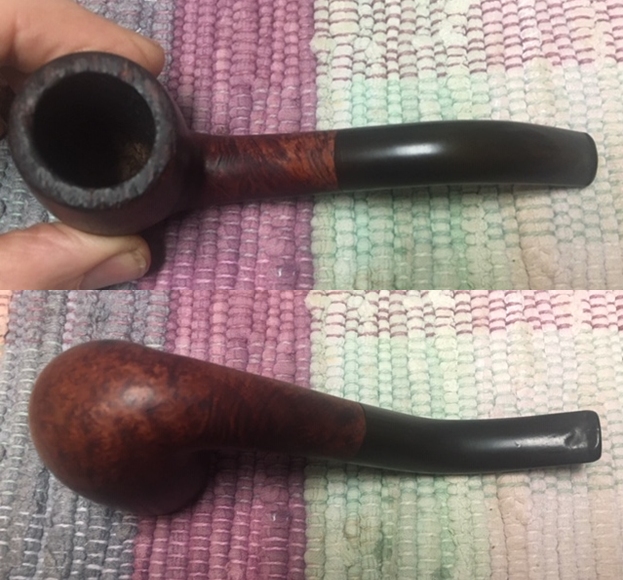
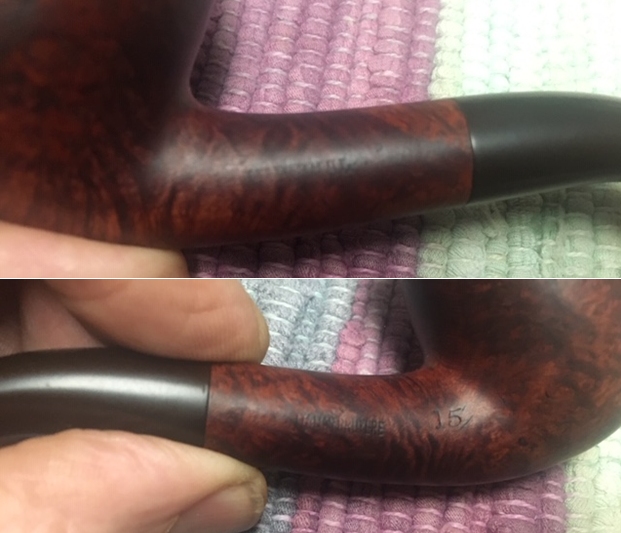
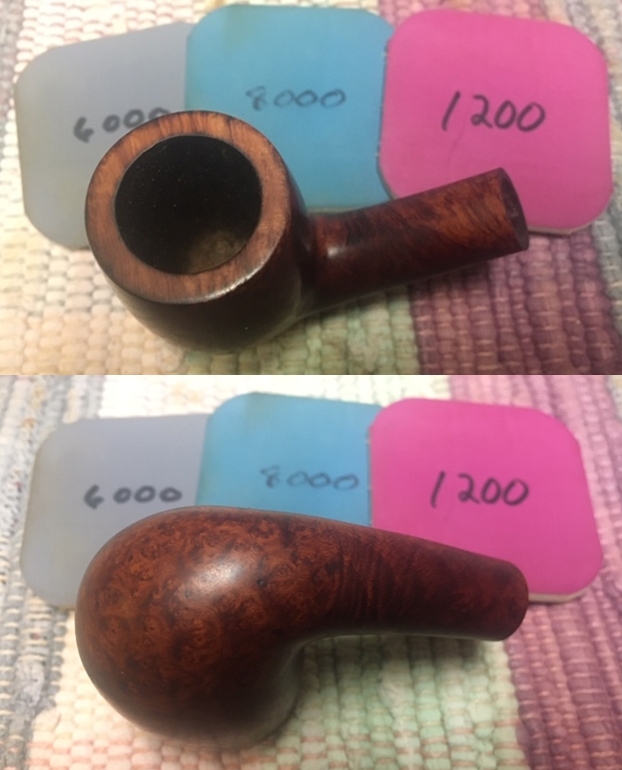
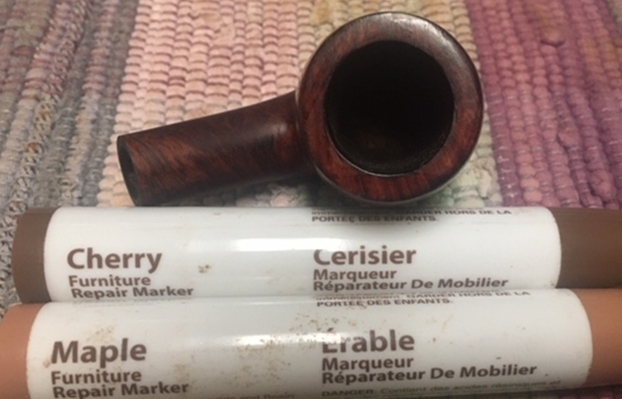
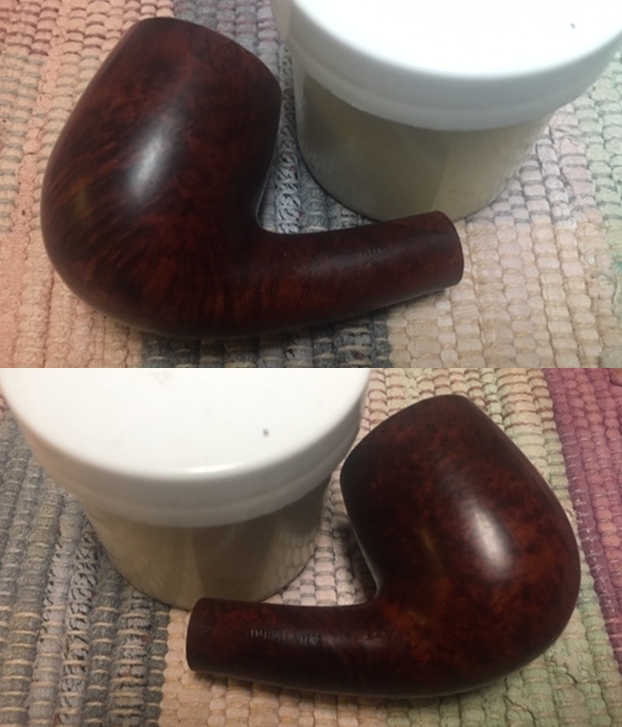
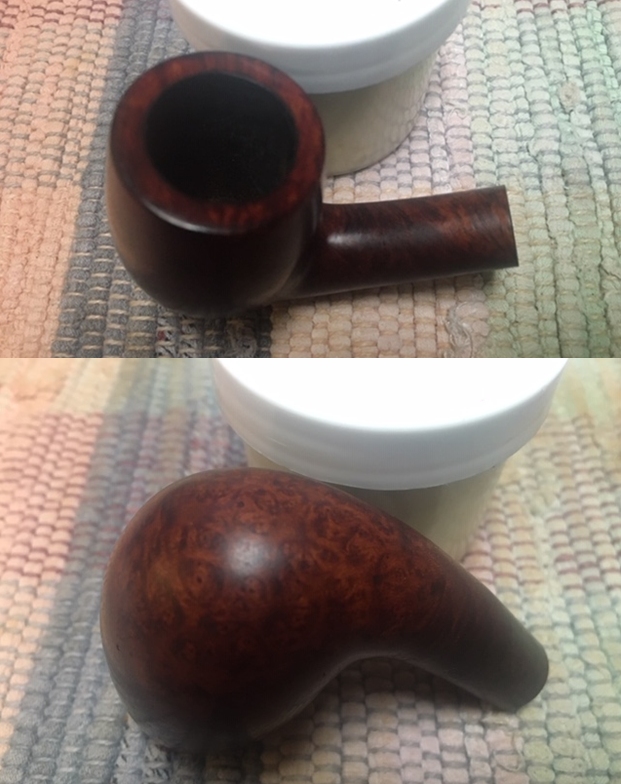
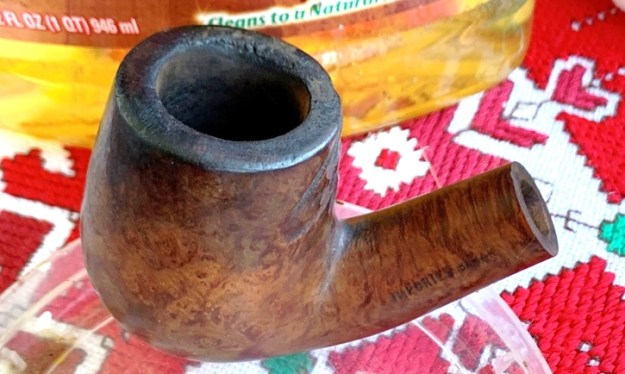
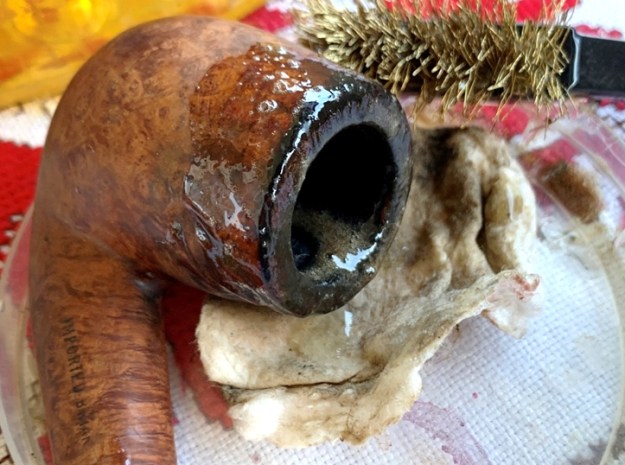
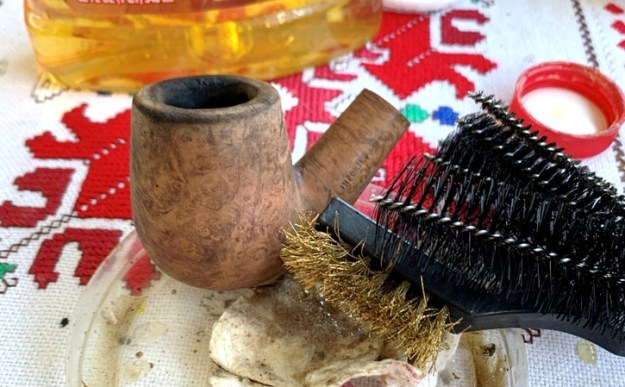
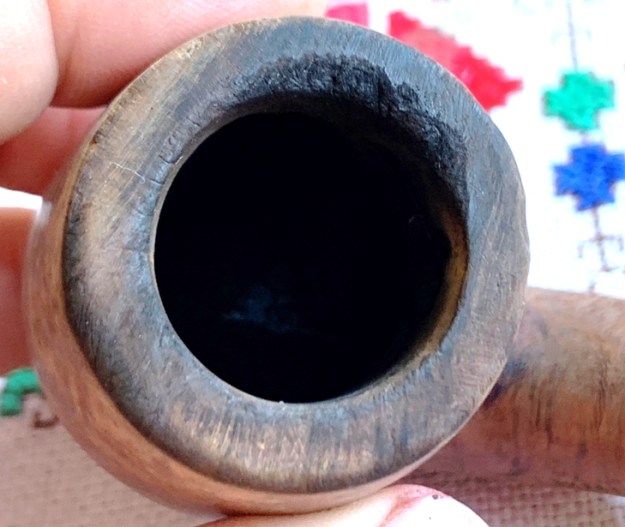
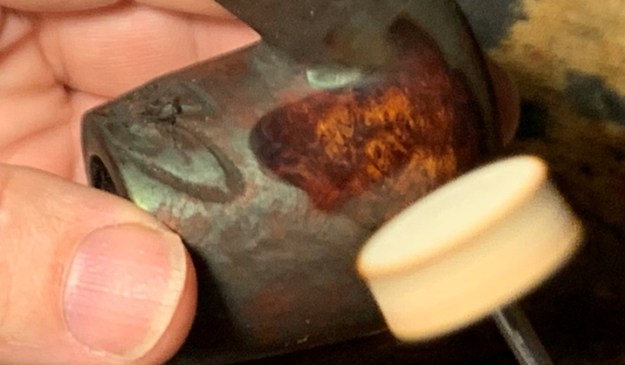
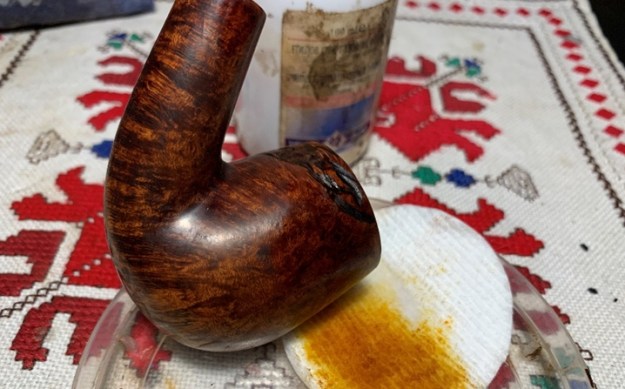
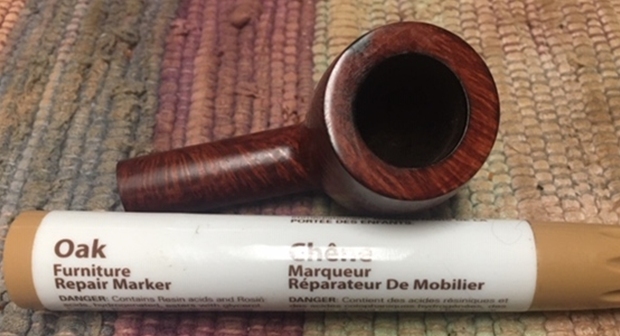
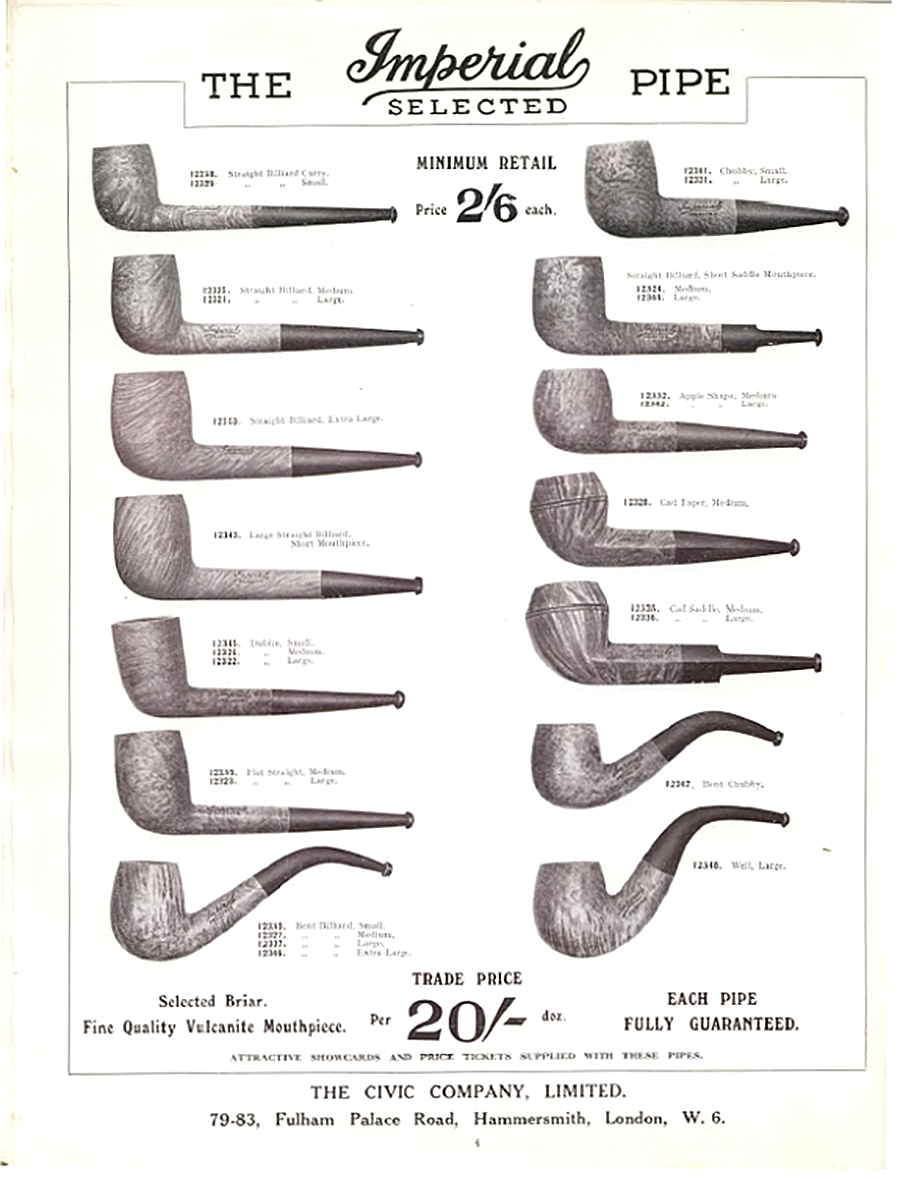
Jeff and I found the next pipe on our Oregon Coast Pipe Hunt. I saw it in a display cabinet and there was something about it spoke to me even through the thick coat of what looked like some kind of moldy dust. It did not smell like mold it really was more like old dust. It made me wonder if the seller had found it in the wall of a house that was being renovated. It is a well-shaped Bent Billiard that had some nice grain poking through the grime. Under the outdoor light and using a lens I could see that it was stamped on the left side of the shank and read IMPERIAL over what appeared to read London Made. The stamping on the right side of the shank reads Italian Bruyere and the number is 15 is at bowl shank junction. The briar that showed has a combination of brown stains that highlights the grain. The finish was very dirty with a heavy coat of grime ground into the bowl and rim top as can be seen in the photos. The bowl had a thick cake with a heavy lava overflow on the inner edge of the top around the bowl. There was too much dust and debris to know what the rim edges looked like but more would be revealed once it was cleaned. The stem was oxidized and there were deep tooth marks and chatter on both sides and on the top and bottom edges of the button. The underside of the stem was badly dented and worn. Jeff took photos of the pipe before he cleaned it up so you could see what we saw. It was a disastrous mess! Jeff took photos of the rim top to show dusty build up around the rim and bowl. It almost obscures the thick cake in the bowl and the lava overflow on the rim top and the inner edge of the rim.    Jeff took some photos of the bowl sides and heel to show debris on the bowl but also the grain that showed beneath that. I think that this will be a beautiful pipe once we are finished. The stamping on each side of the shank is shown in the photos below. They faint but still readable. It reads as noted above.  The Imperial stamping is not in the expected script but it is clear and the London Made beneath is readable under a light. The Italian Briar makes me wonder a bit concerning the provenance of the pipe. The stem was a very good fit to the shank. It was oxidized, calcified and had debris stuck to the surface of the vulcanite. It also shows the deep tooth marks on the stem and on the button surface.  The button is in very bad condition on both the top and underside.    I turned to Pipephil (http://www.pipephil.eu/logos/en/logo-i.html) to read about the Imperial Pipes. The screen capture also helps to clarify the stamping on the left side of the shank. There was also a difference in the IMPERIAL Stamp. This one is script and the one I have is more Germanic script upper case letters.I turned to Pipedia to check out the brand (https://pipedia.org/images/5/52/Imperial_Page.png). There was an interesting catalogue page that shows the shape of the pipe that I am working on. I have drawn a box around it in the photo below. The bend in the stem, the stem style and the shape of the shank and bend look to be the same.Armed with that information and a clearer picture of the original pipe I turned to work on the pipe on my work table. I was really looking forward to what the pipe would look like once Jeff had worked his magic. Would it live up to my expectations? Would there be new issues that I had not expected? I had no idea. When I took it out of the box I was struck great job cleaning up the pipe Jeff had done. It was impressive! He reamed the pipe with a PipNet reamer and cut back the cake back to the bare briar. He cleaned up the walls with a Savinelli Fitsall Pipe Knife. He scrubbed the interior of the bowl and shank with pipe cleaners, cotton swabs and alcohol to remove the tars and oils. He scrubbed the exterior of the pipe with Murphy’s Oil Soap and a tooth brush to remove the grime from the finish. He worked on the rim top lava and darkening with the soap and tooth brush. He scrubbed the inside of the stem with alcohol and pipe cleaners. He scrubbed the exterior with Soft Scrub and then soaked it in Before & After Deoxidizer. He washed it off with warm water to remove the deoxidizer. The pipe looked far better. I took photos of the pipe when I received it before I started working on it. I took photos of the bowl and rim top as well as the stem to show how clean they were. You can see the heavy damage to the rim top and edges of the bowl. The rim top is rough to touch with chips and gouges. The inner edge is also rough and the outer edge is also damaged. It almost looks like the bowl was used as a hammer! The stem is clean and the tooth damage on both sides is very clear in the photos. Lots of work to do on this pipe.I took a photo of the stamping on the sides of the shank. The stamping is faint but readable as noted above.    I took a photo of the pipe with the stem removed to show the overall look of stem, tenon and profile of the pipe. It really is a beautifully shaped pipe.I decided to start my work on the pipe by addressing the damage on the rim top. I topped it lightly with 220 grit sandpaper on a topping board. I was able to remove the damage to the top while at the same time removing the damage on the inner edge and minimizing the outer edge damage. I would polish the rim top with micromesh when I polished the bowl.In handling the bowl it appeared that there was a crack in the front side. I examined with a bright light and lens and was not sure. It almost looked like a scratch in the finish. Polishing the bowl would make it clear one way or another exactly what I was dealing with.I polished the bowl and rim with micromesh sanding pads – wet sanding with 1500-12000 grit pads. I worked over the rim top and edge of the bowl with the pads. I wiped the bowl down with a damp cloth after each pad to remove the sanding debris. I touched up the stain on the rim top using a Cherry and Maple stain pen to blend in the rim top with the rest of the bowl colour.I rubbed the briar down with Before & After Restoration Balm. I worked it into the briar with my fingertips to get it into the crevices. The product works to clean, enliven and preserve the briar. I let it sit for 10 minutes while I worked on the stem. After the time passed I buffed it with a cotton cloth to deepen the shine. The briar really comes alive with the balm. I set the bowl aside and turned my attention to the stem. I “painted” the tooth marks on the top and underside to lift the vulcanite. It actually worked quite well. I filled in the remaining dents and built up the edges and top of the button on both sides as well using clear super glue. Once the repairs had cured I used a needle file to shape the button surface and recut the edge of the button on both sides of the stem. I flatted out the repairs to the stem surface at the same time. Once I had done the rough shaping work I sanded the stem with 220 grit sandpaper to finish the shaping and to remove the remaining oxidation. I started polishing the stem with 400 grit wet dry sandpaper. I wiped the stem down with Obsidian Oil before further polishing it. (Please forgive the fuzziness of the photo of the underside of the stem.) I polished the vulcanite with micromesh sanding pads – 1500-12000 grit pads. I wiped it down with Obsidian Oil after each sanding pad. I used Before & After Pipe Polish – both Fine and Extra Fine to further polish the stem.   This older Imperial London Made 15 Bent Billiard turned out far better than I expected when we found it. I really had no idea what would happen when we cleaned it up. I think Jeff probably thought I was crazy paying for this worn out looking piece of “debris” but I saw something that caught my eye and after the restoration you can see what I saw! It is a great looking pipe. The mix of brown stains highlights the beautiful mixed grain around the bowl sides, top and bottom. The finish on the pipe is in excellent condition and the contrasting stains work well with the polished black vulcanite saddle stem. I put the stem back on the bowl and carefully buffed the pipe with Blue Diamond on the buffing wheel. I gave the bowl and stem multiple coats of carnauba wax on the buffing wheel and followed that by buffing the entire pipe with a clean buffing pad. I hand buffed the pipe with a microfiber cloth to deepen the shine. The finished Bent Billiard is very nice and feels great in the hand. Give the finished pipe a look in the photos below. It is a petite pipe whose dimensions are Length: 5 inches, Height: 1 ¾ inches, Outside diameter of the bowl: 1 ¼ inches, Chamber diameter: ¾ of an inch. Thanks for walking through the restoration with me as I worked over another beautiful pipe. This pipe will stay with me for a while but who knows it could end up on the store one day! Thanks for your time.
My Future Daughter-in-Law Commissions a Sculpted Bent Billiard as a Gift for Her Father


Blog by Dal Stanton

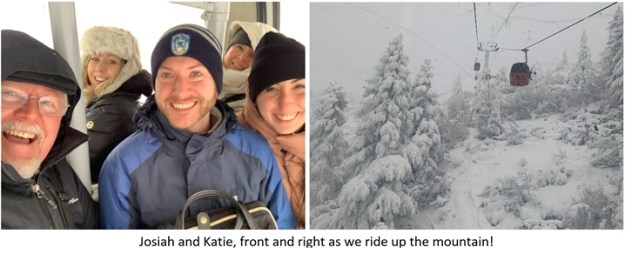
When your son brings home (to Bulgaria!) a young woman for you to meet, you know it’s serious.  That’s what happened this past Christmas!  Our son, Josiah, who lives in St. Louis, Missouri, brought Katie, who lives in Chattanooga, Tennessee, to Sofia to meet Mom and Dad – no pressure on her!  They met in college and after graduation, they stayed in touch as friends, Josiah ending up in St. Louis where he finished his master’s degree and is now a counselor.  Katie stayed in Chattanooga and works on staff with youth in a church.  Our daughter and husband also made the trip to Sofia from Nashville for a quintessential Bulgarian Christmas.  The family was together at the Sofia Airport when Josiah (center) and Katie (flowers 😊) arrived from the US.  Johanna and Niko had arrived a few days earlier – ready to celebrate Christmas!

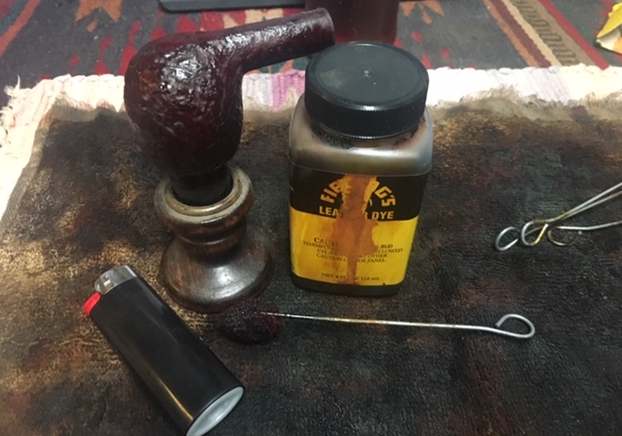
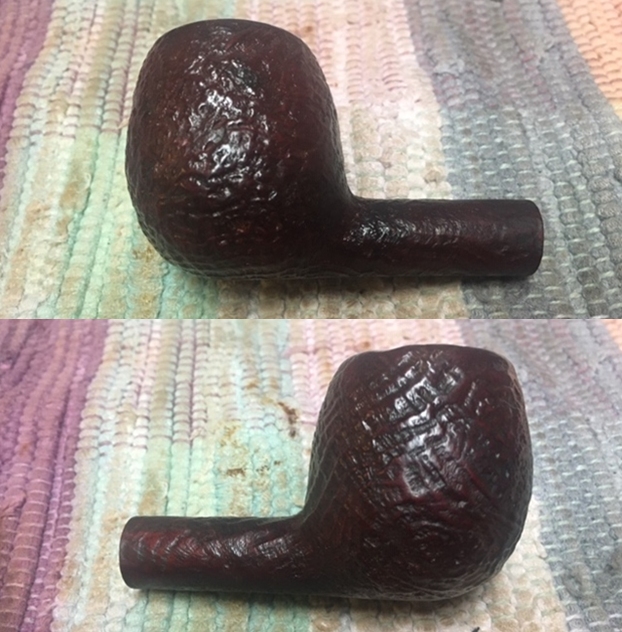
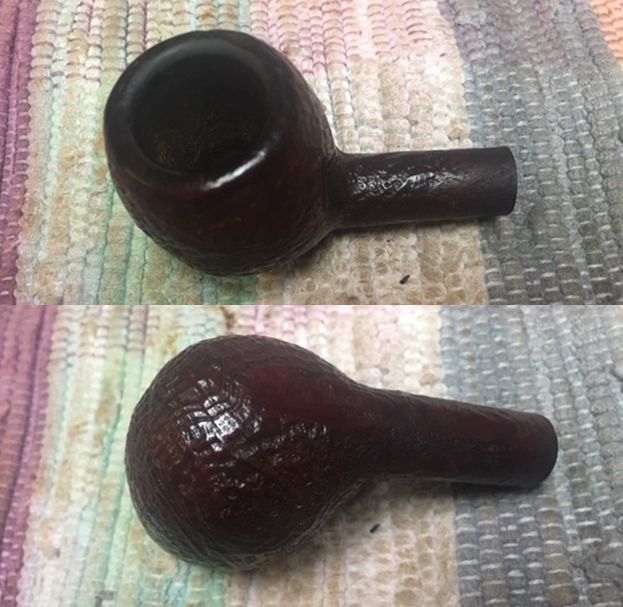
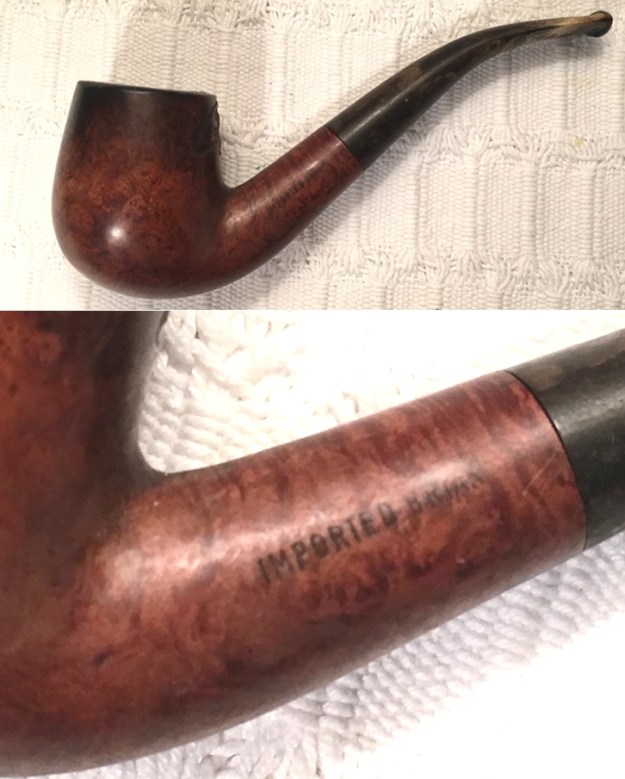
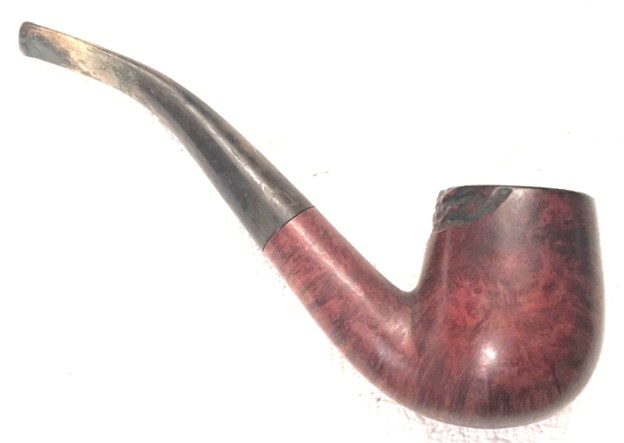
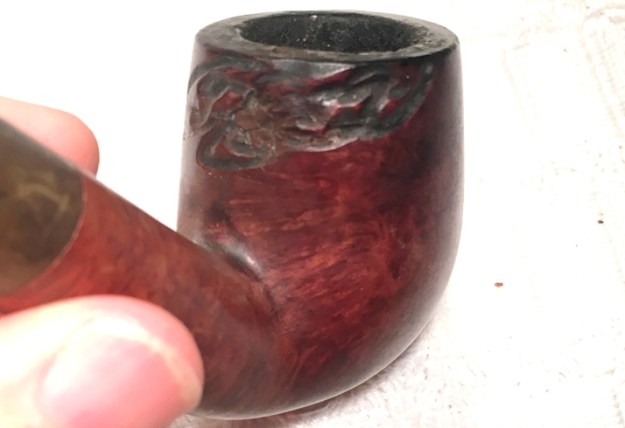
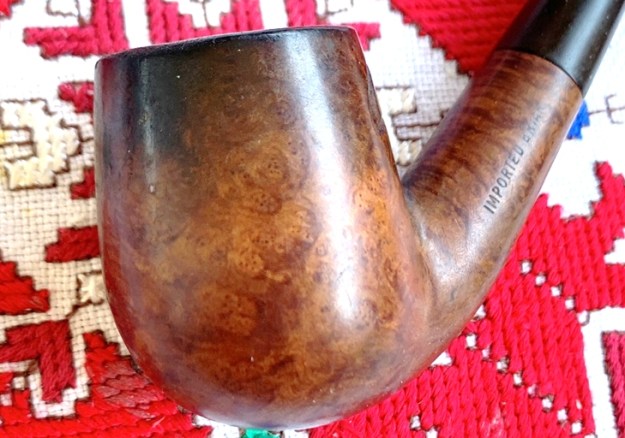
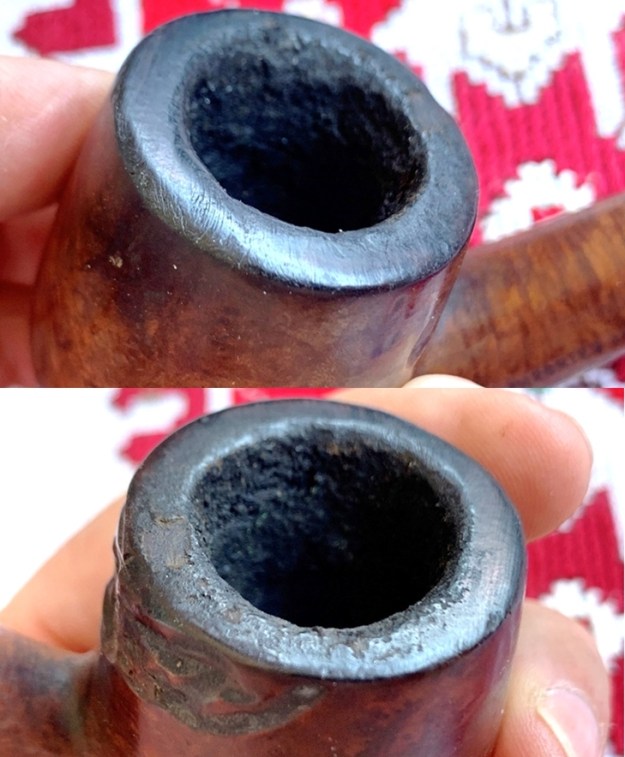
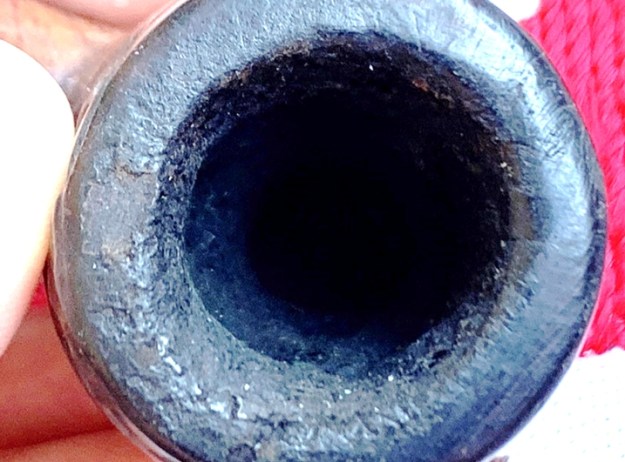
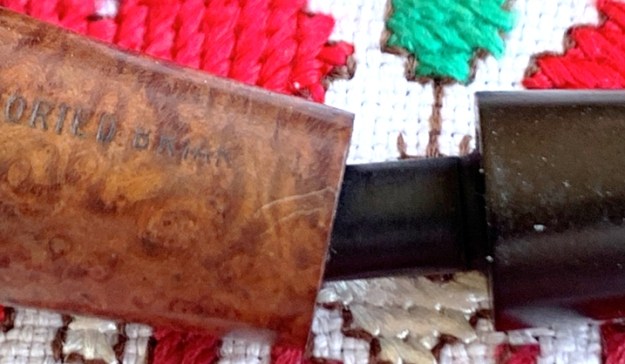
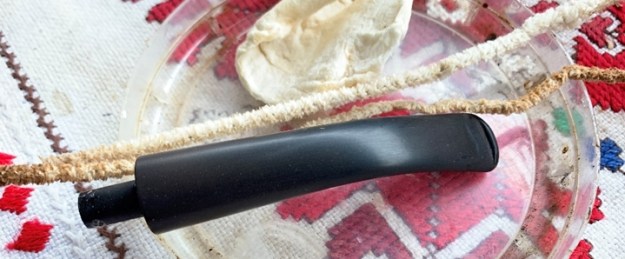
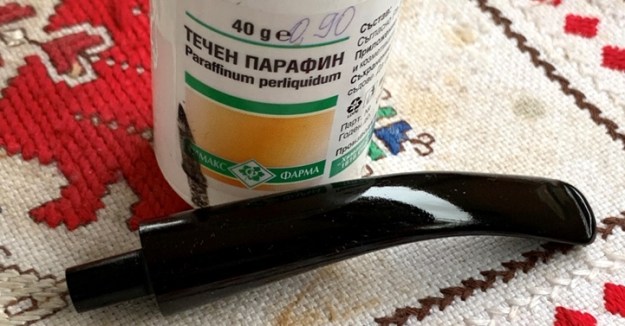
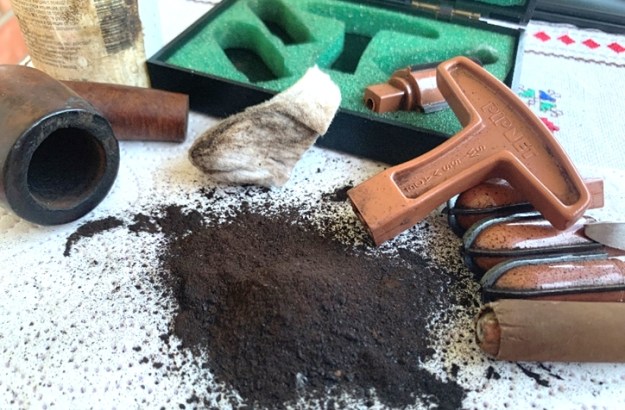
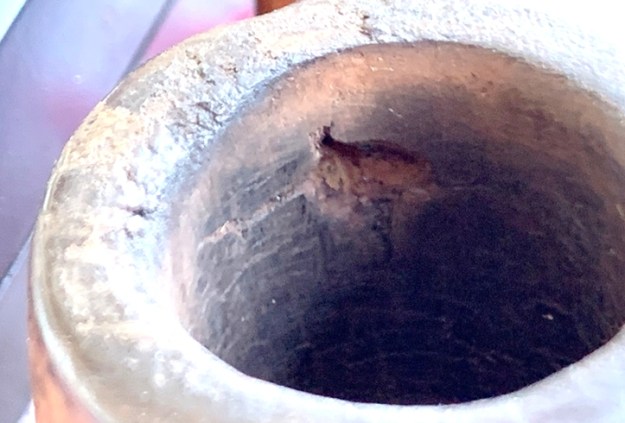
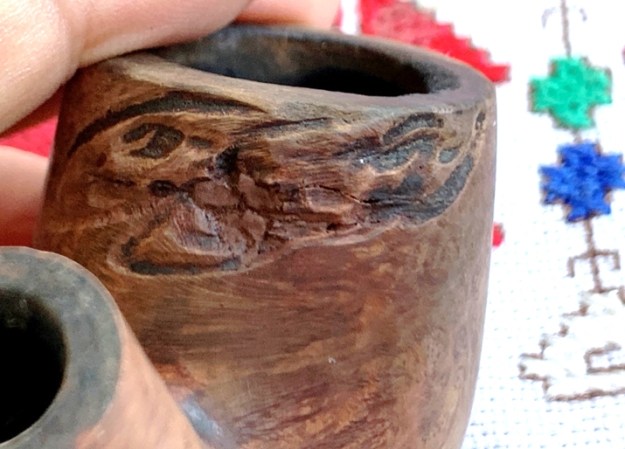
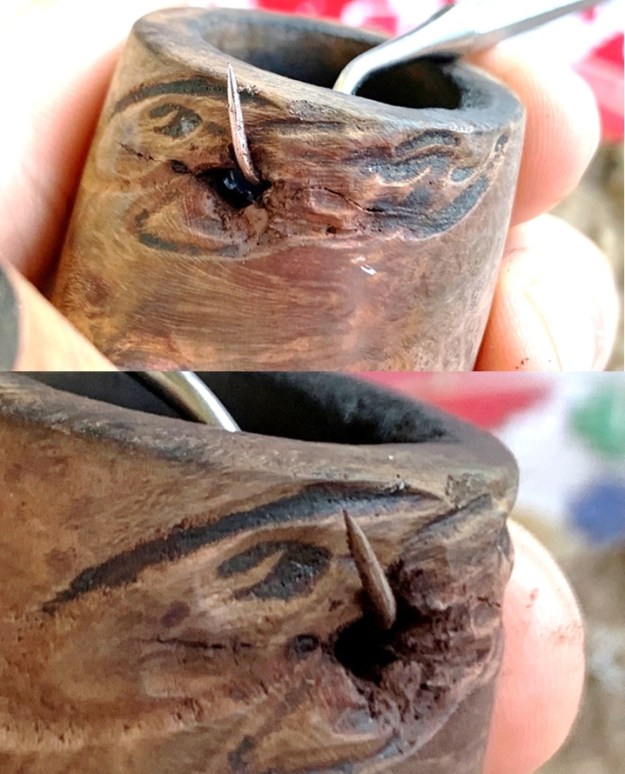
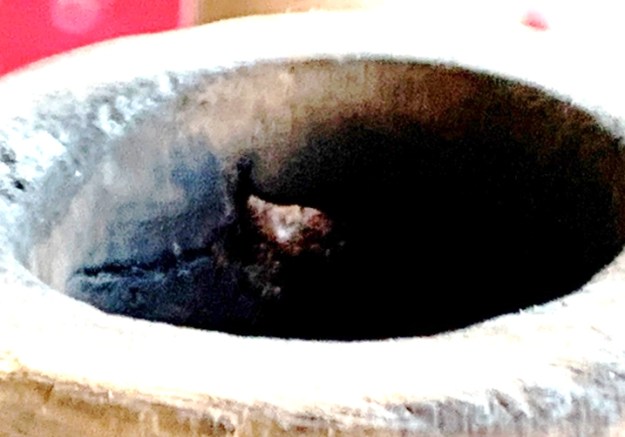
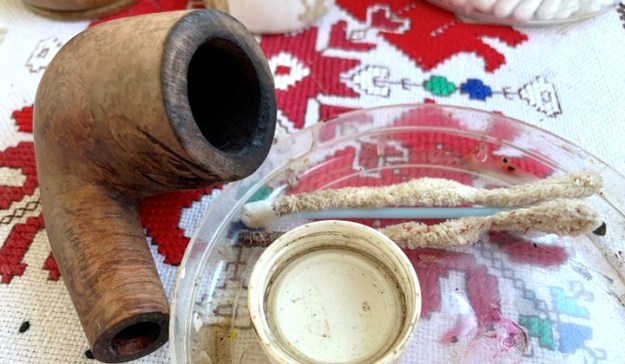
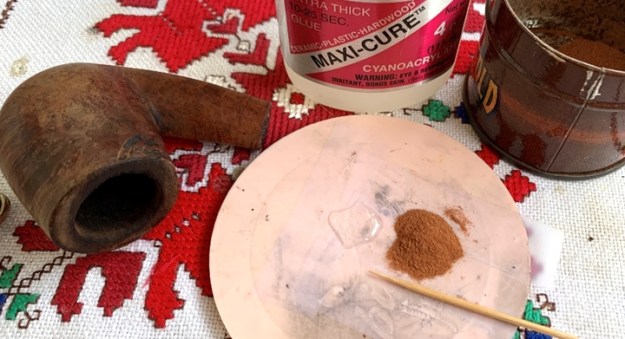
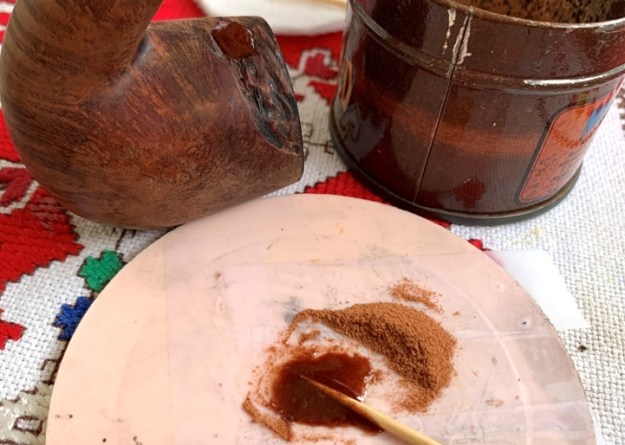
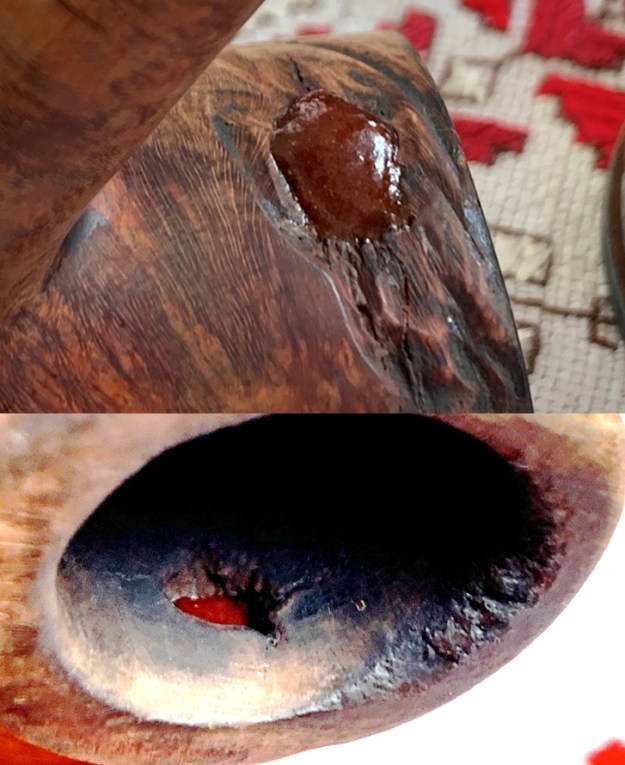
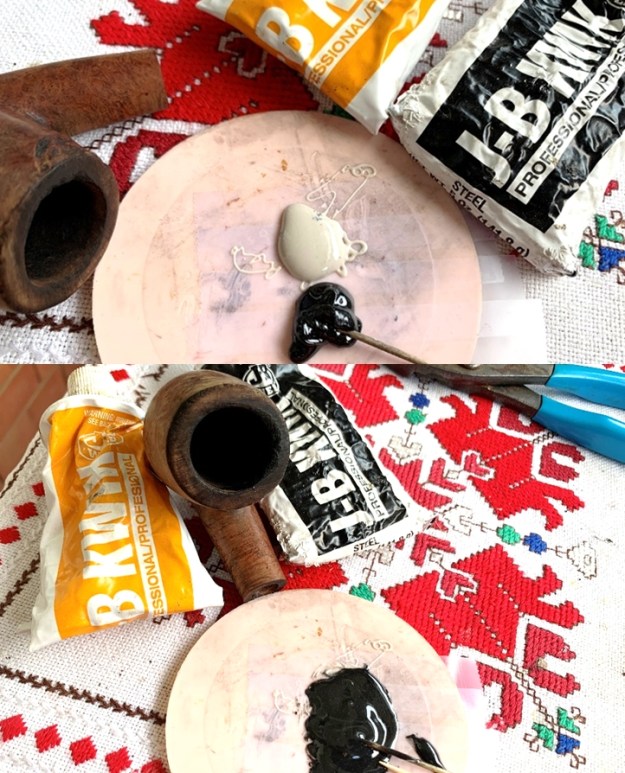
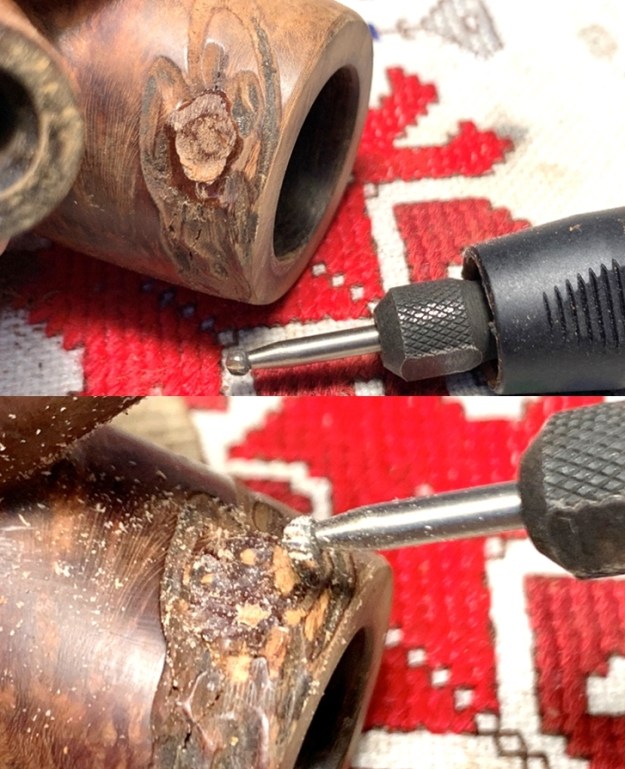
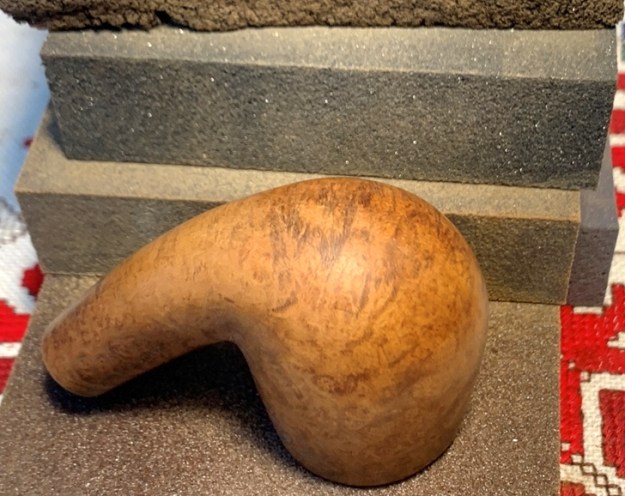
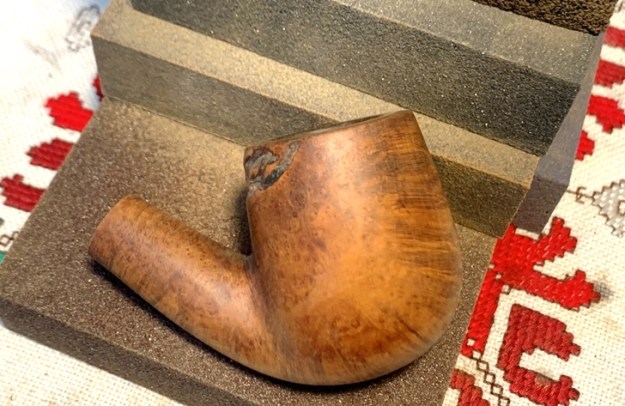
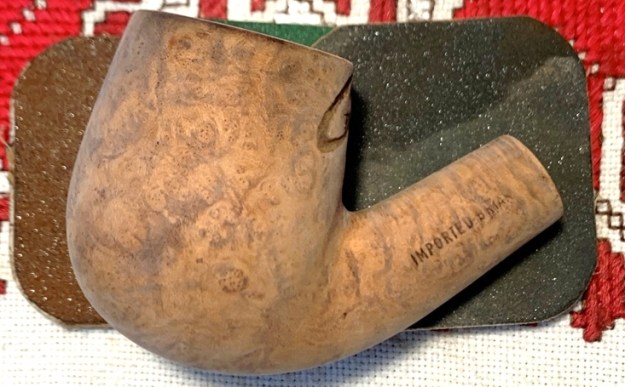
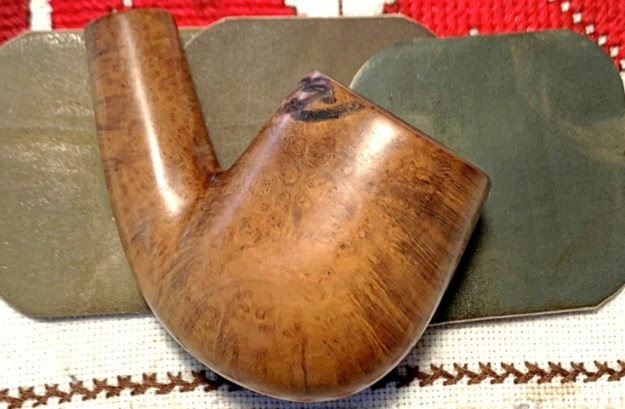
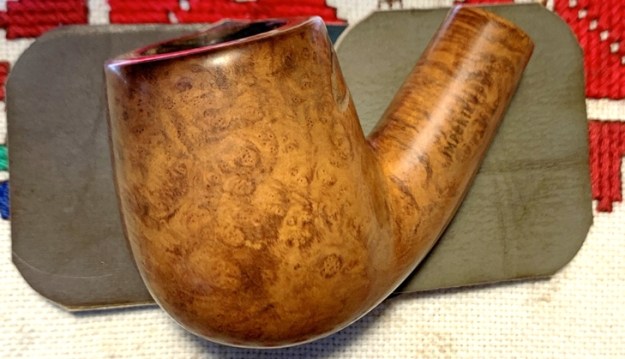
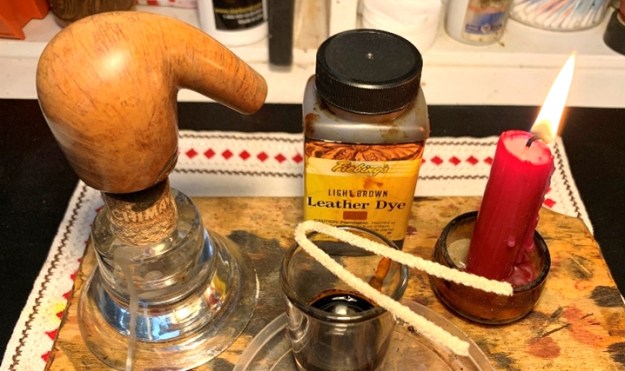
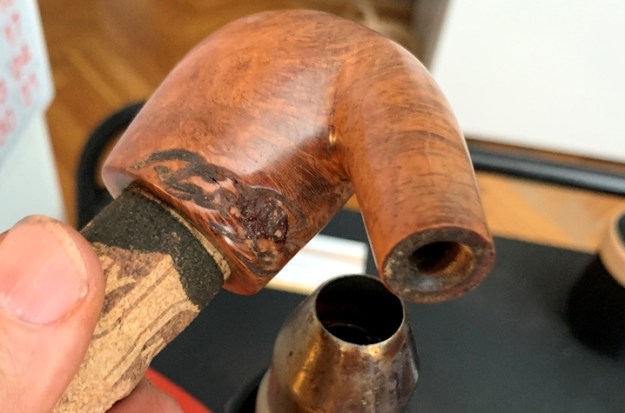
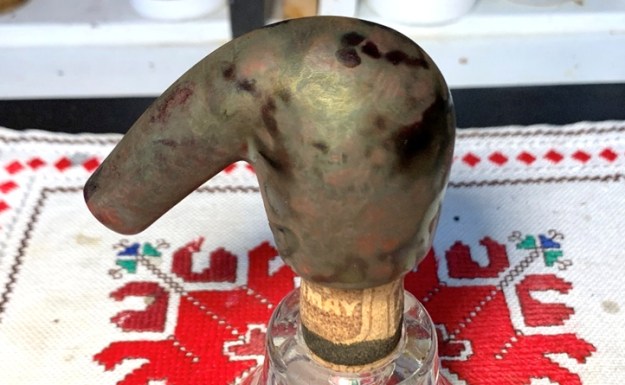
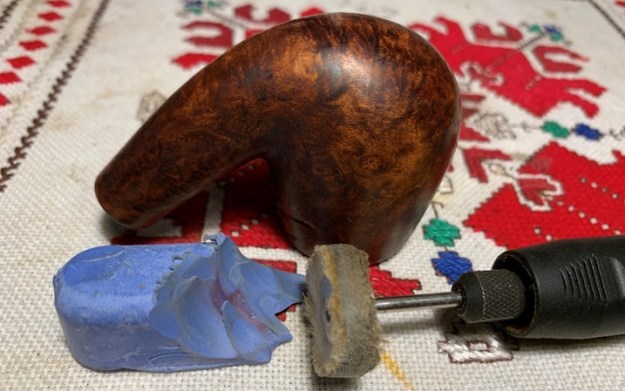
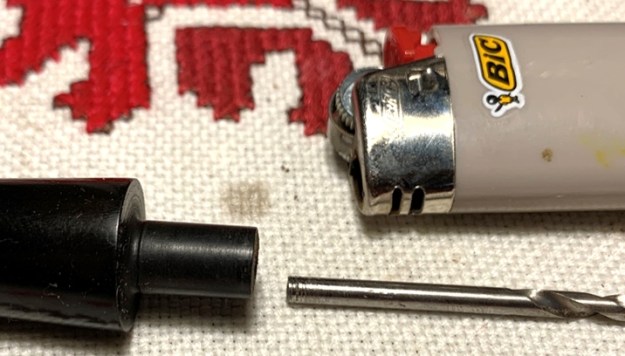
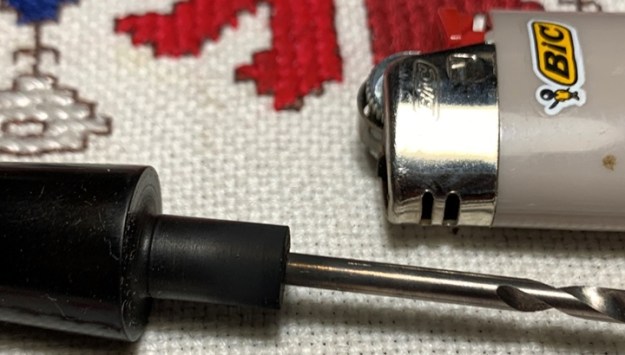
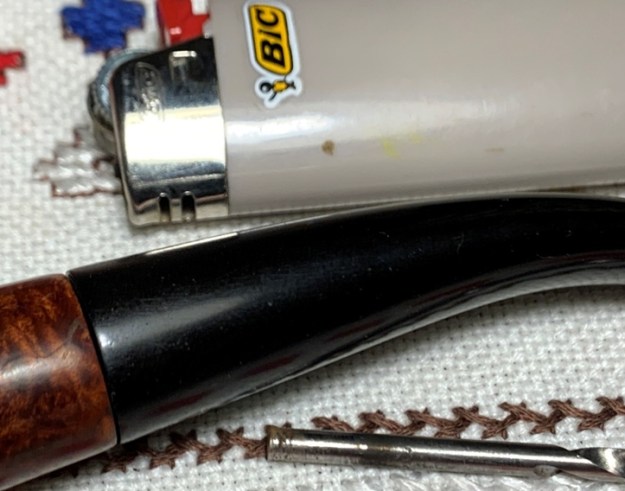
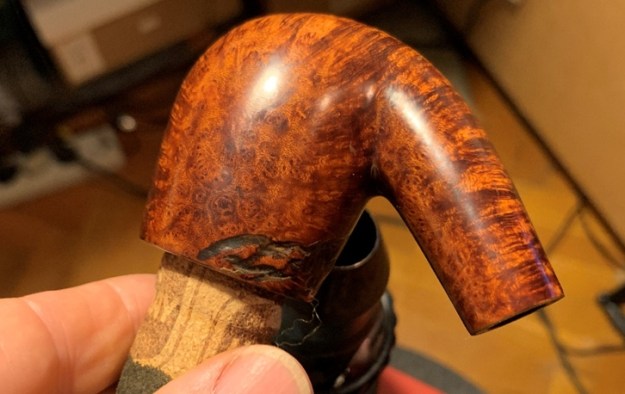
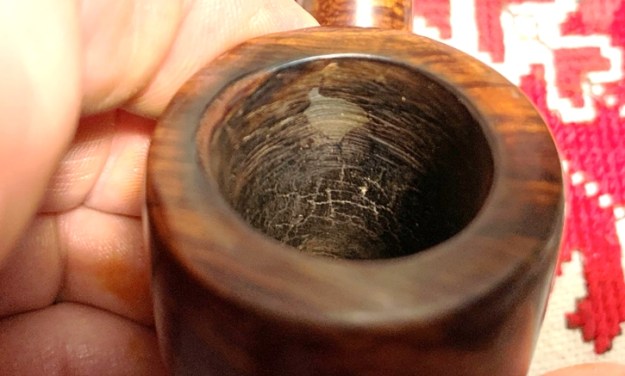
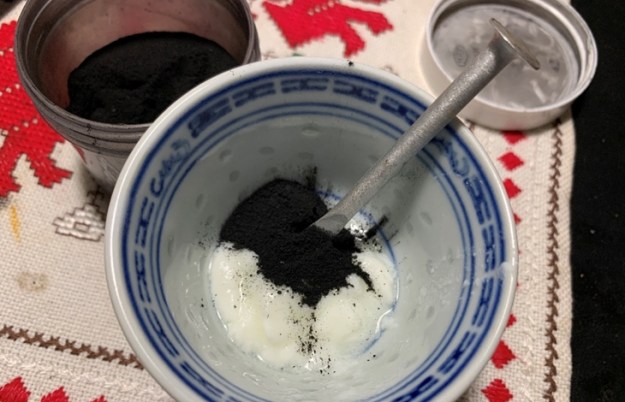
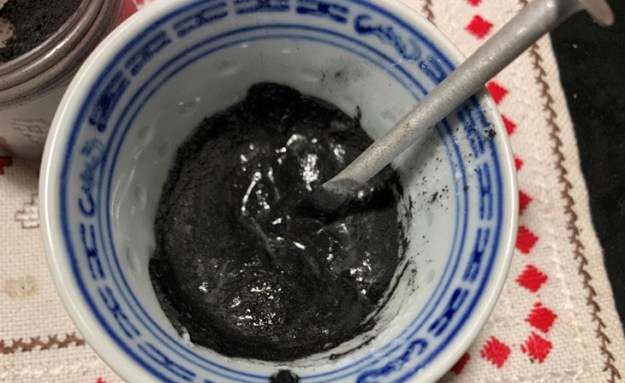
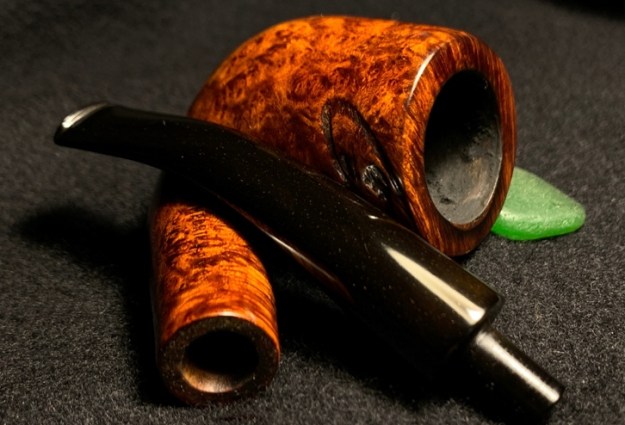
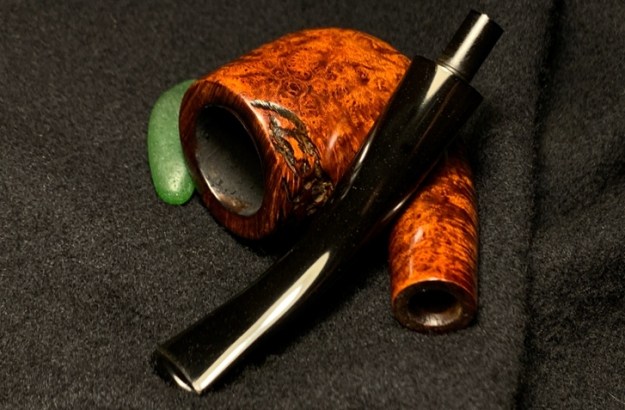
As you would expect, we had limited time with our kids, and we packed it as full as we could!  What Christmas celebration would be complete without including snow, riding gondolas and skiing in Bulgaria’s beautiful Pirin Mountains and spending time together as a family AND getting to know the young women who would become our future daughter-in-law in August.  The time with our kids went too quickly, but before they left, Katie’s future father-in-law was an interesting character with the moniker, The Pipe Steward, and she was interested in finding a special pipe she could commission from The Pipe Steward to give to her father as a gift for his birthday.  Unlike most people who go through the virtual ‘Help me!’ baskets in the online collection I call, For “Pipe Dreamers” Only!, Katie was able to go through the physical boxes of my inventory to find the perfect pipe that called her name for her father.  What added to the experience was that Katie knew that the pipe she chose would benefit the Daughters of Bulgaria!  The pipe that got Katie’s attention after listening to many, many pipes, was a very hopeful Sculpted 3/4 Bent Billiard with only the marking, ‘IMPORTED Briar’ on the left shank flank which I had acquired from the Lot of 66 – a huge Lot of pipes that came from a non-profit in Georgetown, Texas, called the Caring Place.  Here are some of the original pictures I took when the Lot of 66 arrived. Christmas is now, long gone, our world has changed by the covid-19 pandemic, the kids are in the US navigating life, and  Katie’s pipe for her father is now on my worktable.  I take a closer look at the Sculpted Bent Billiard with some pictures.  There is genuinely nice briar grain lurking beneath the darkened, tired finish – many bird’s eye formations draw my attention.  The upper bowl surface is darkened in comparison to the other briar landscape indicating potential overheating problems which may be revealed when the chamber is cleared of the cake.The rim is in rough shape with thick lava flow and nicks and skinned edges – it’s been a well-used pipe!The picture doesn’t show the thick carbon cake buildup that I can see with the eye.  The chamber closes and narrows as you move toward the chamber floor.The mortise is too loose so that the tenon has no grab.  This needs to be addressed and tightened.The stem has deep oxidation and calcium buildup on the bit area. The button needs refreshing.The nomenclature is thin with only ‘Imported Briar’ on the shank.  The spelling of briar probably indicates this to be a US manufactured pipe.  To begin the restoration of Katie’s pipe, the stem’s airway is cleaned with a pipe cleaner wetted in isopropyl 95%.With the oxidation being so deep and with the calcium buildup, I get a head start on removing the oxidation using 000 grade steel wool along with a ‘Soft Scrub-like’ product I can get here in Bulgaria. This helps with the cleaning before putting the stem into the soak.The next step is to give the stem a soak in Before & After Deoxidizer that does an adequate job of removing oxidation that isn’t too deep.  The stem joins other stems and pipes in the queue.  I let it soak for several hours.After removing the stem from the Deoxidizer, I let the liquid drain and I squeegee the stem with my fingers.  I then use cotton pads wetted with isopropyl 95% to wipe the stem removing raised oxidation.  I clear the fluid from the airway with a few pipe cleaners also wetted with isopropyl 95%.To help condition the vulcanite stem, paraffin oil is applied with a cotton pad.  Paraffin Oil is a mineral oil.  I then put the stem aside to give time for the oil to be absorbed.Next, turning to the bowl, I use the Pipnet Reaming Kit to start clearing the hard, thick carbon cake from the chamber. I use 3 of the 4 blade heads available in the kit to ream the bowl.  I follow the reaming tool by scraping the chamber wall with the Savinelli Fitsall Tool.  I finish by sanding the chamber with 240 paper wrapped around a Sharpie Pen. After wiping the chamber with a cotton pad wetted with alcohol, I discover what appears to be some heating damage on the upper backside of the chamber – behind the sculpting.  There is a hole with a crevasse cutting to the left from the deep pit.  This will need attention after the cleaning of the stummel is completed.Next, I continue with the cleaning of the external surface using undiluted Murphy’s Oil Soap on a cotton pad.  I also utilize a brass bristled brush to work on the lava covered rim.  Brass does not damage the briar and adds some cleaning power.  I transport the pipe to the kitchen sink and continue the cleaning using shank brushes and anti-oil dish soap. With the brushes the mortise is scrubbed.  After a thorough rinsing, the bowl is back on the worktable.The rim cleaned up revealing the internal edge burn damage from lighting practices on the right side of the bowl.  This will be addressed later.The bigger surprise comes after inspection of the sculpted area.  The center of the sculpting is a filler.  The question is, was the sculpting used to hide an imperfection in the briar itself or to blend a repair possibly caused by a burn-through?  I don’t believe it’s a burn through, but the fill corresponds to the hole in the chamber.Using a dental probe, it doesn’t take much to clean the hole and to complete the tunnel passageway to the chamber.  Daylight is now visible looking from the inside.  Ugh. There appears to be a lateral crack that the sculpting has incorporated.  This pipe falls into the ‘Dreamer’ category but is not beyond hope!  The briar surface is nice, and this challenge I hope does not create too much of an obstacle. Continuing with the cleaning regimen, I return to cleaning the internals using cotton buds and pipe cleaners wetted with isopropyl 95%.  I discover that a couple pipe cleaners and one cotton bud are all that is needed.  The internals are clean.My approach to repairing the hole in the stummel is to first start with applying briar dust putty to the external briar side.  I don’t push the putty through into the chamber but leave a gap that will be filled with JB Weld on the internal fire side. Using burrs with the Dremel, I’ll ‘re-sculpt’ the external surface to blend the patch. Working on a plastic disk as a mixing palette, scotch tape helps with an easy cleanup. After cleaning the area with alcohol, I begin by mixing briar dust with BSI Extra Thick Maxi-Cure CA glue using a toothpick.  I draw briar dust into the puddle of glue until the thickness is that of molasses.  I then use the toothpick to trowel the putty to the hole.  I press the putty into the hole partially to fill it.  I use an accelerator to quicken the curing and to hold the patch in place. After the briar dust putty is fully cured, the next step is to apply JB Weld to the internal fracture and crevasse.  JB Weld is heat resistant and works well has a chamber repair.  I mix equal parts of the ‘Steel Resin’ and the ‘Hardener’ and then mix with a toothpick.  The mixed epoxy begins to harden in about 4 minutes giving plenty of time to apply the Weld to the hole and to the crevasse running from it.  After applied, I set the stummel aside for some hours for the patch to cure. Switching my focus now to the stem, to expand the tooth compressions on the upper and lower bit, I first use the heating method.  Using a Bic lighter, I paint the bit with the flame thereby warming and expanding the rubber compound, vulcanite.  I take before and after pictures to show the comparison on the upper and lower. The heating method may have helped some, but not enough to avoid using Black CA glue to spot drop patches on the upper and lower bit.  After applying the CA glue, I put the stem aside for the patches to cure.With the stem on the side curing, I turn again to the stummel. The JB Weld patch has fully cured. To remove the excess epoxy and to smooth the chamber wall, I mount a sanding drum to the Dremel.  It does a quick and good job. I then sand and smooth the chamber patch using 240 grade paper wrapped around a Sharpie Pen.  The patch looks good conforming exactly to the hole and crevasse it filled. The rim has sustained a good bit of damage on the right inner edge.  My first thought was to top the stummel at this point to remove the damage.  After a second thought, this would remove a good bit of briar real estate from the rim.  Instead, I decide to rebuild the inner edge using briar dust putty then after the patch cures to top and sand the rim. I first remove all the residual carbon from the surface from the lighting damage that caused the problems.  I brush the area with the brass wired brush as well as sand it with 240 paper getting down to fresh briar.This picture shows the damage to the rim well and the area needing to be rebuilt.I mix briar dust with Extra Thick CA glue by gradually pulling briar dust into the puddle until it reaches the thickness of molasses.  Then the briar putty is applied with the toothpick to the inside of the lip to build up toward the rim and in toward the chamber.  I use an accelerator to quicken the curing process. Allowing the rim patch to thoroughly cure, I turn back to the stem filing and sanding the black CA glue patches on the upper and lower bit.  I use the file to refresh and redefine the button.  The sanding is expanded to the entire stem to remove vestiges of oxidation.Following the 240 sanding paper, the stem is wet sanded with 600 grade paper followed by applying 000 grade steel wool.  The stem is shaping up nicely.The rim briar dust putty rebuild is fully cured and using the sanding drum mounted onto the Dremel, I begin removing the excess patch material on the internal chamber wall.  The goal is to restore a rounded chamber. Next, the excess patch material is removed from the rim top.I also smooth out the external hole path in the sculpted area. With the excess patch material removed from the rim, I then take the stummel to the topping board.  I removed the excess first so that the topping will be more balanced and not get pushed off or out of balance because of the different level of surface. I start first with 240 sanding paper on the chopping board. After some rotations on the board, the ‘roundness’ or lack of, of the chamber becomes more distinct. I return to the sanding drum on the Dremel to continue to round the chamber wall and rim edge.  This goes slowly to make sure not to take too much off!  I also use 240 sanding paper rolled to clean the outer and inner edges of the rim.   It’s looking good.After changing the topping board to 600 grade paper, the stummel is rotated several more times.  I like what I see.  The rim rebuild patch looks good and the rim’s balance has been restored without great loss of briar off the top of the bowl.Before continuing with sanding the stummel, I attach a burr to the stummel to shape the sculpting.  I try to match some swings and swirls but dipping in and out with the burr is pretty random.  At the end, I think it looks good.I plan to apply a light brown dye to the stummel.  To clean the surface and to help to lighten the dark spots caused by heating, especially near the rim, I apply sanding sponges. I usually use 3 sanding sponges – coarse, medium and light to finish.  I add a coarser sponge to this regimen with a total of 4 sanding cycles. The grain has started to emerge.  I continue by using the full regimen of micromesh pads.  Starting with pads 1500 to 2400 I wet sand.  Following this, dry sanding with pads 3200 to 4000 and 6000 to 12000 bring out the latent grain in the briar.  I’m liking the appearance of several bird’s eye swirls. The grain is lively and expressive. The stummel still shows darkened areas from charring and heating. This is especially on the rim and near the top of the bowl.  I decided early on with the repairs and the briar blemishes, that I would apply Fiebing’s Light Brown Leather Dye to the briar surface.  I assemble the dying module on my work desk.I begin by heating the stummel with a hot air gun.  The gun heats and expands the briar helping it to be more receptive to the dye.  I then paint the stummel with the aniline dye using a folded pipe cleaner and with each section, I ‘flame it’ by lighting it with the lit candle with the result that the alcohol in the dye combusts leaving behind the dye pigment.I thoroughly apply the dye and fire it making sure the entire stummel has been covered.  The stummel is then set aside for several hours to ‘rest’.  This allows the new dye to be absorbed into the briar grain.With the stummel resting, I turn again to the stem.  I apply the full regiment of micromesh pads by wet sanding with pads 1500 to 2400 and dry sanding with pads 3200 to 4000 and 6000 to 12000.  Between each set of 3 pads, Obsidian Oil is applied to help condition the stem and to protect from oxidation. The newly dyed stummel has been resting for several hours and it’s time to ‘unwrap’ the fire crusted shell.  I use a felt buffing wheel mounted on the Dremel at the lowest speed.  Using the felt wheel Tripoli compound is applied to the stummel surface.Next, I wipe the stummel with a cotton pad wetted with alcohol not so much to lighten but to remove excess dye ‘clumped up’ that was missed through the buffing process.Next, I reunite stem and stummel and apply (stem attachment not shown!) and apply Blue Diamond compound.  With a cotton buffing wheel attached to the Dremel, the speed is set at approximately 40% full power and the compound is applied to pipe.  After applying the compound, a felt cloth is used to wipe/buff the pipe to remove any compound dust in preparation for adding wax.I had observed earlier that the stem was loose.  There is too much play with the mortise fitting.  To remedy this, I use the smooth end of a drill bit, one-step larger than the airway diameter.  I then heat the mortise carefully with a Bic lighter to warm the vulcanite making it more supple.  As the mortise heats, I gently insert the larger drill bit into the airway expanding the diameter of the tenon as I go. The procedure works well.  The mortise-tenon fit is snugger as it should be.Next, just to help guard against dye leeching when the pipe is first put into service, I reheat the stummel and wipe it well with a cotton cloth.  This emulates the heating when the pipe is first put into service.  Sometimes, newly dyed stummels will leech the dye when they are first used coloring the new steward’s fingers – in this case, Katie’s father!  I don’t want this to happen!With the repair having been done to the upper chamber with the filling of the hole with JB Weld, a protective coating of natural Bulgarian yogurt and activated charcoal will help initiate a layer for a carbon cake to develop.  The normal healthy cake width for a chamber is the width of a US dime.  Not much, but this helps to guard the briar in the fire chamber.  I add the charcoal to a small amount of natural yogurt.  Sour cream can also be used.I add charcoal until the mud mixture will not drip off the pipe nail but remains firm.After putting a pipe cleaner in the airway to guard the draft hole from being obstructed, I then trowel the mud into the chamber and cover the chamber wall thoroughly.  The hour is late, so I put the stummel aside for the mud to dry through the night. The next day, after rejoining stem and stummel, carnauba wax is applied to the entire pipe.  Another cotton cloth buffing wheel is mounted on the Dremel for this purpose and the speed is maintained at 40% full power.  After the application of a few coats of wax, the pipe is given a rigorous hand buffing with a microfiber cloth to remove any excess wax and to raise the shine.Wow!  This Sculpted 3/4 Bent Billiard had some issues to work through.  The hole repair and the rim were the largest challenges and I’m pleased with how these repairs turned out.  The briar grain is fun and expressive and really made an appearance through the dying and buffing process.  I’m pleased and I trust that my future daughter-in-law, Katie, will be pleased as well as she gives this pipe to her father as a gift for his birthday.  What makes this gift even more valuable is that this pipe benefits the Daughters of Bulgaria – women and girls who have been trafficked and sexually exploited.  Thanks for joining me!

Refurbishing A Vintage Corn Cob Pipe With An Albatross Wing Bone


Blog by Paresh Deshpande

I had recently worked on one large, humongous sized pipe which definitely did not qualify as beautiful but surely can be termed as ruggedly handsome, from an estate lot of 40 pipes that I had acquired about six months ago. Here is the link to that write up which will provide a background to this lot and the condition of the pipes that I had received  (https://rebornpipes.com/2020/03/08/refurbishing-a-real-cherry-foreign-pipe-from-estate-lot-of-40/).

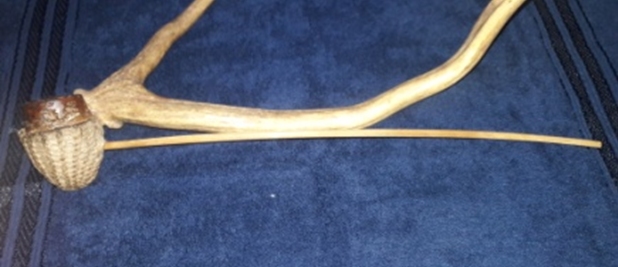
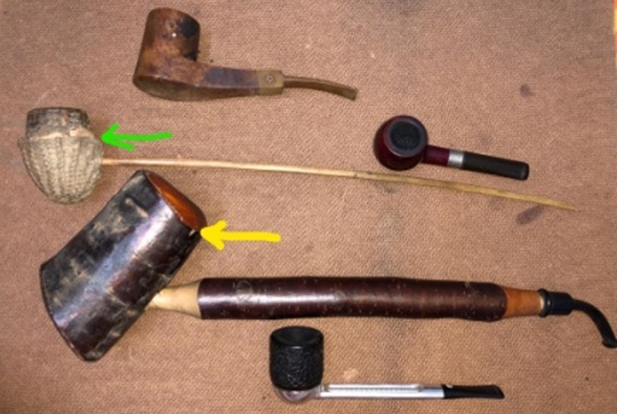
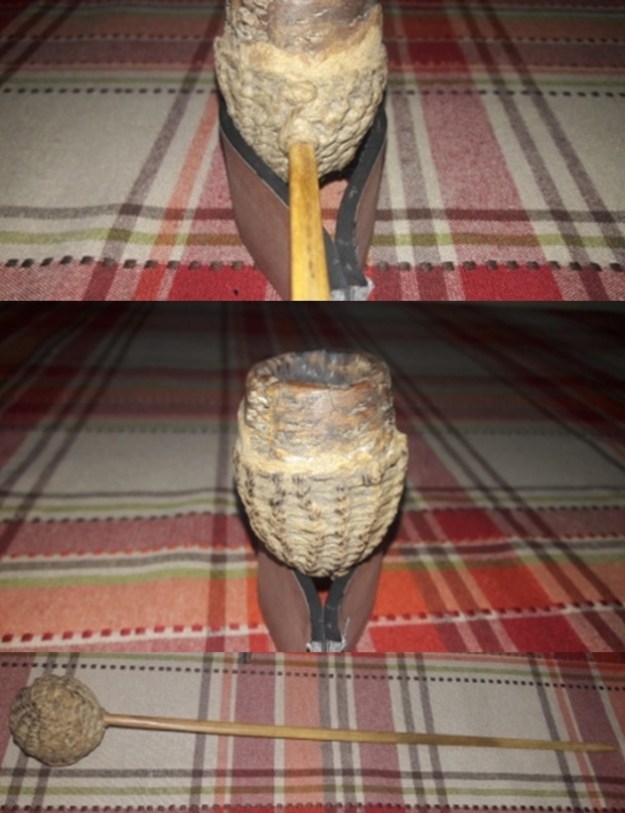
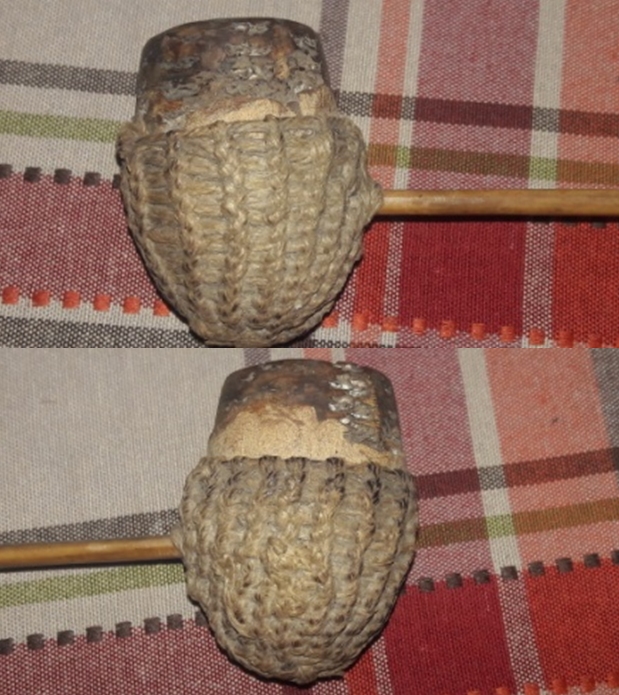
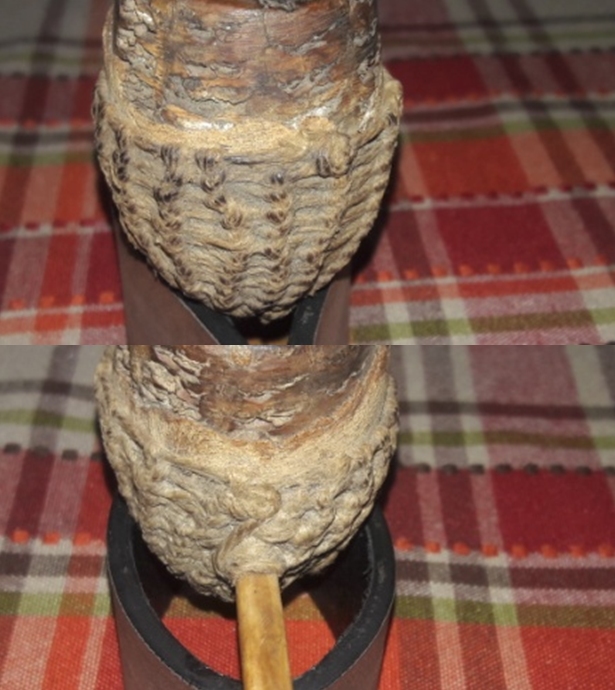
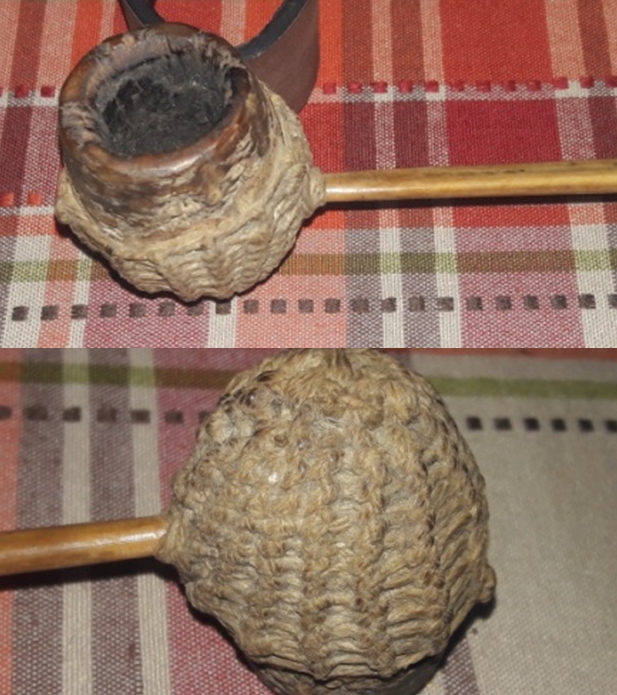
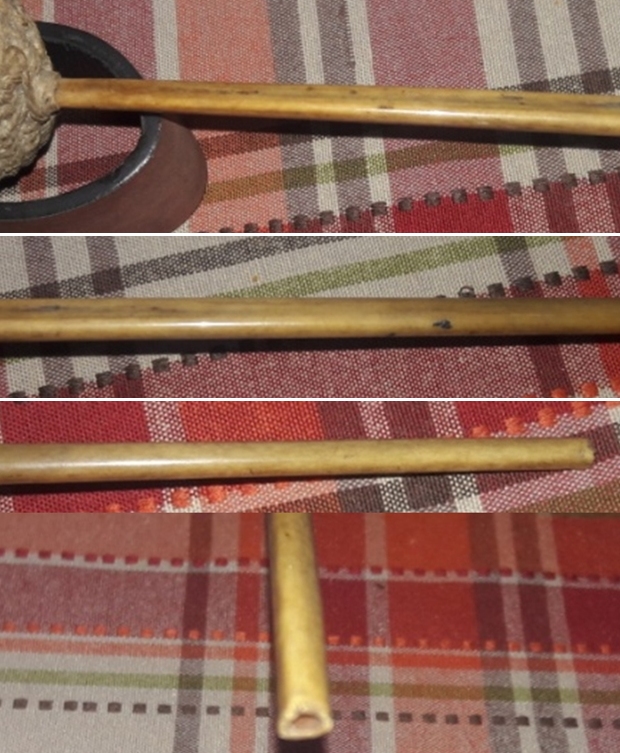
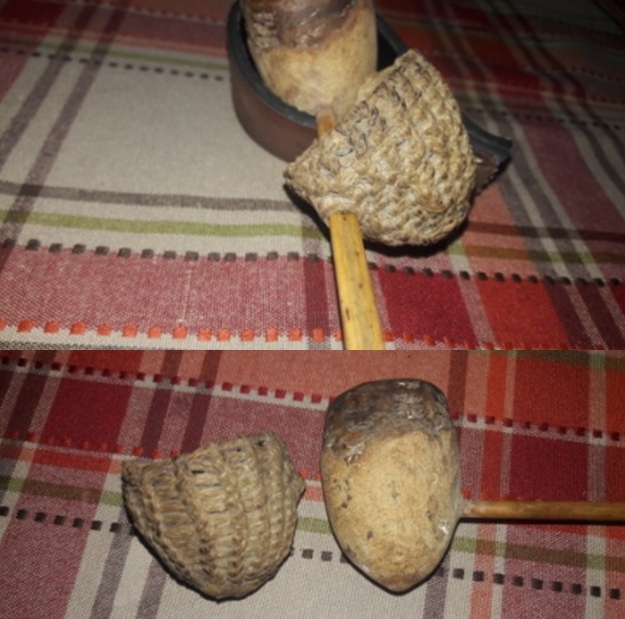
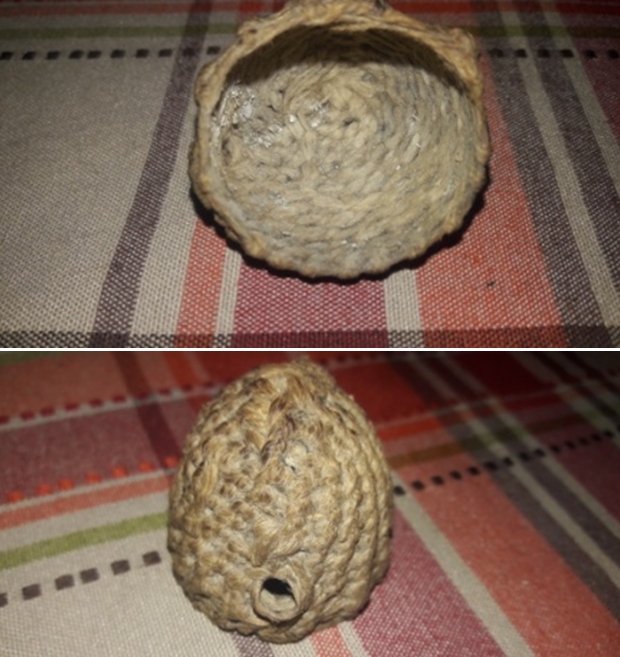
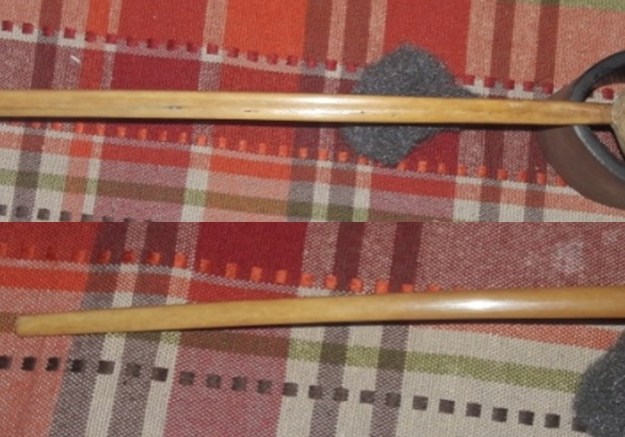
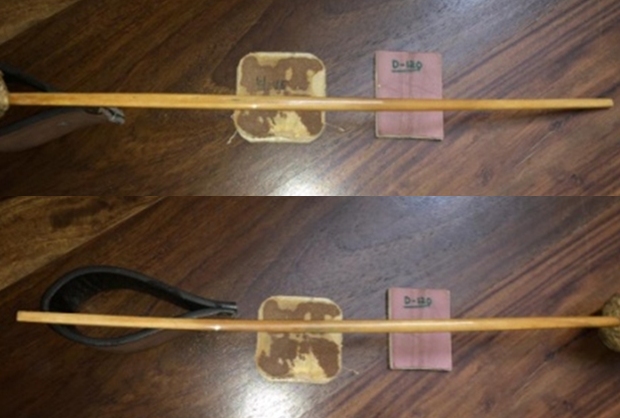
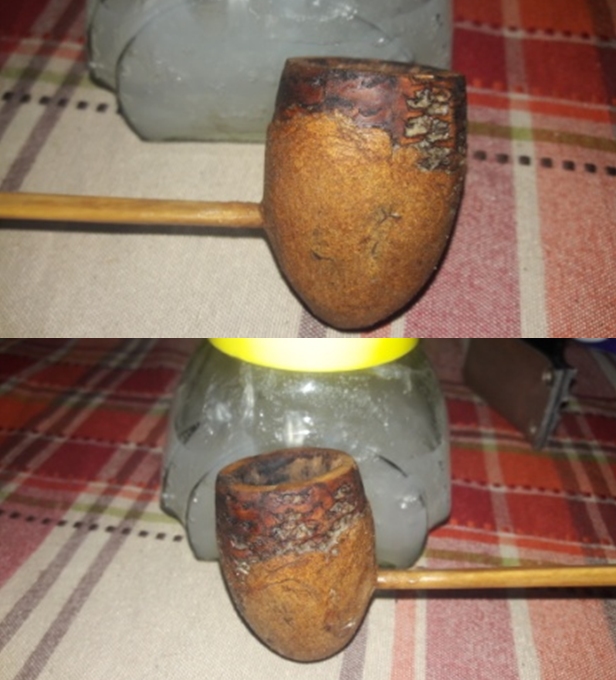
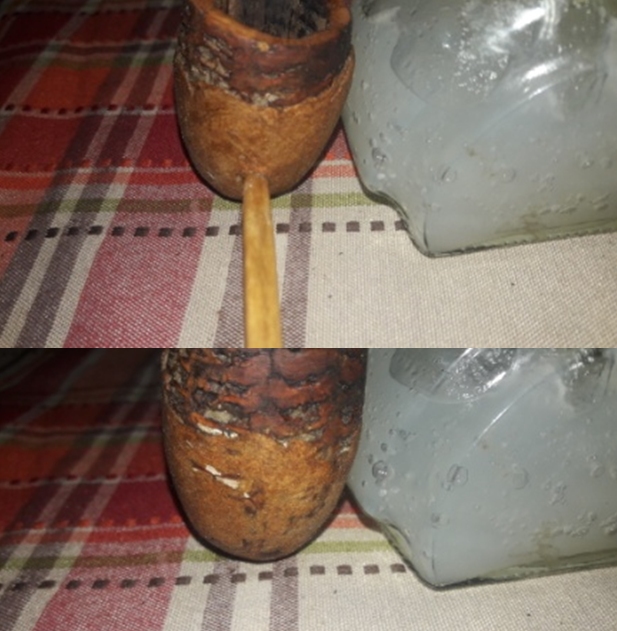
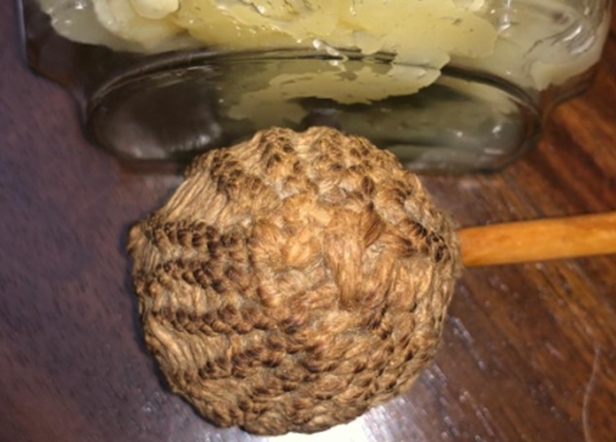
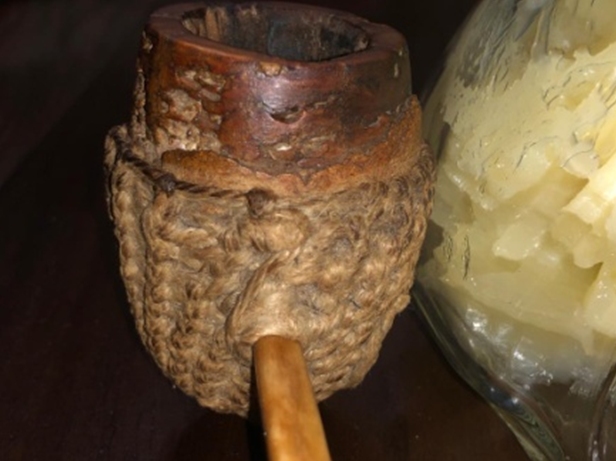
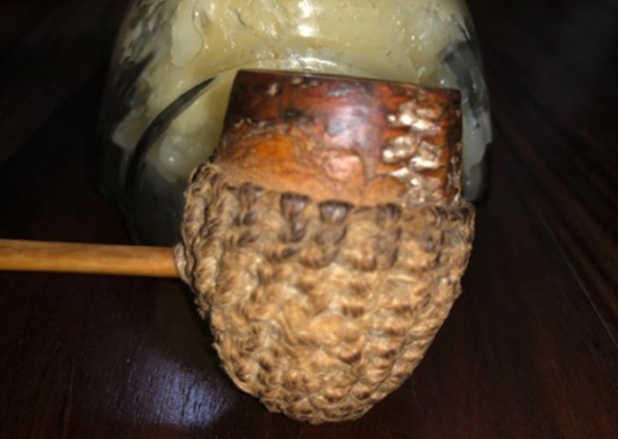
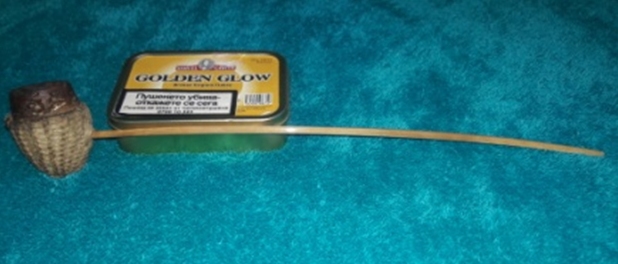
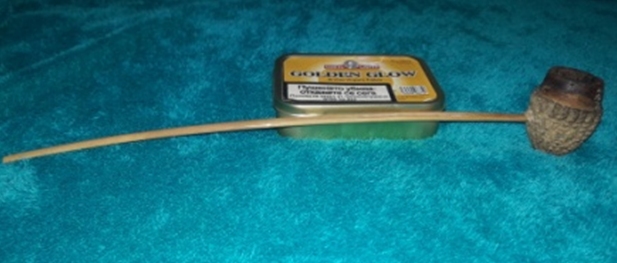
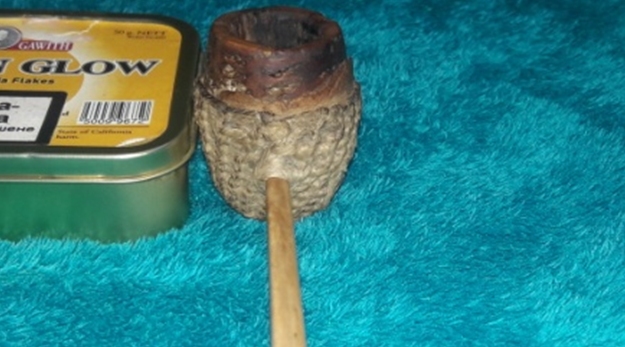
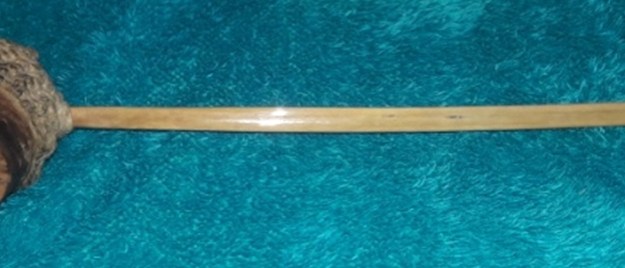
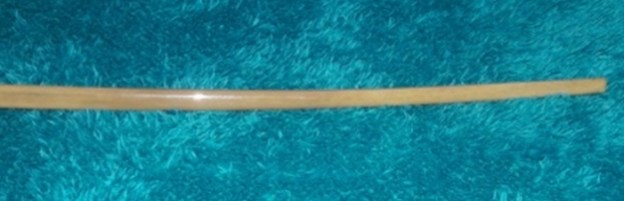
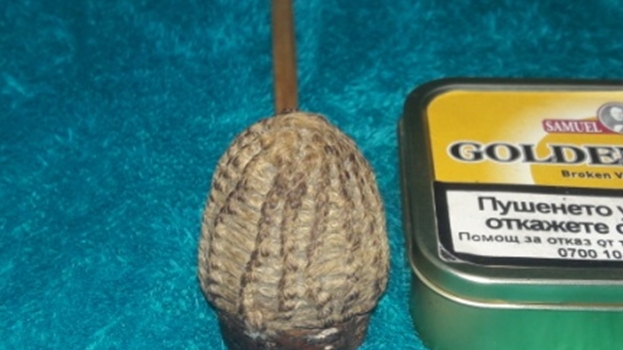
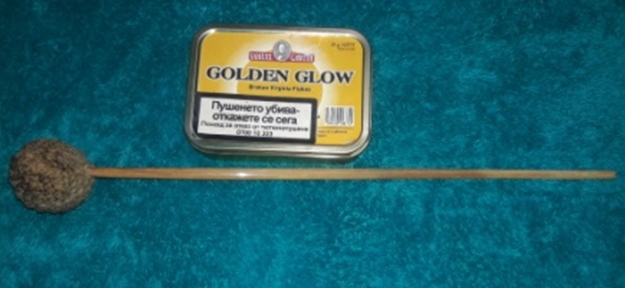
The second pipe from this lot currently on my work table, is again a very long pipe that is both ruggedly beautiful and delicate at the same time. It’s a Corn Cob (ruggedly beautiful aspect) with a 15 inch long thin bone stem (the delicate aspect). This pipe is marked with a green arrow in the picture below and readers will also get a general idea about the size and delicate beauty of this pipe.Holding this pipe in hand really makes me wonder as to how anyone could let go off such an exquisite pipe. Well, someone’s loss is my gain!! I have never come across anything like this pipe till date. It’s a Corn Cob in Acorn shape with a long (15 inches) thin single piece bone stem. The cob is covered in a tightly crocheted jute bag which extends from the bottom and up to two third height of the stummel. The bone stem is attached to the stummel and cannot be removed. There is no stamping visible over the entire pipe. Here is how the pipe looks as it sits on my work table. I absolutely had no clue or thread to follow to know the vintage or maker of such pipes as the pipe is devoid of any stampings. To know more about the provenance of this pipe, I posted pictures of this pipe on one of the active pipe restorers group on Face Book. However, apart from a few likes, there was no information that was forthcoming from the viewers. I reached out to my friend, mentor and guru, Steve Laug. He suggested that this pipe is “most probably a homemade job what with the crocheted cap, the whole thing”. As regards the stem, he thought that it could be reed stem. When I confirmed it to be a bone stem and my appreciation that given the lightness, length and size, it could be an Albatross wing bone, he concurred that “odds definitely are very good for it to be an Albatross wing bone as they have that kind of wing span”.

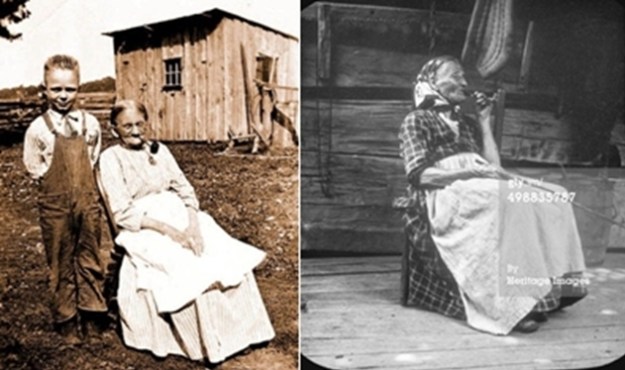
He further suggested the pipe to be from the period 1920s to 1930s. According to him, with the crochet cap and the delicate nature of this pipe, it could well be a woman’s’ pipe and shared pictures of old grannies smoking such pipes.Well, I would go with the input provided with Steve and given the historical documented proof that Albatross feather hunting was banned in 1922, this homemade corn cob ladies pipe could be broadly dated to have been made in the 1920s.

Any clarification/confirmed input on this pipe are requested from all the learned readers of this write up!!

Initial Visual Inspection
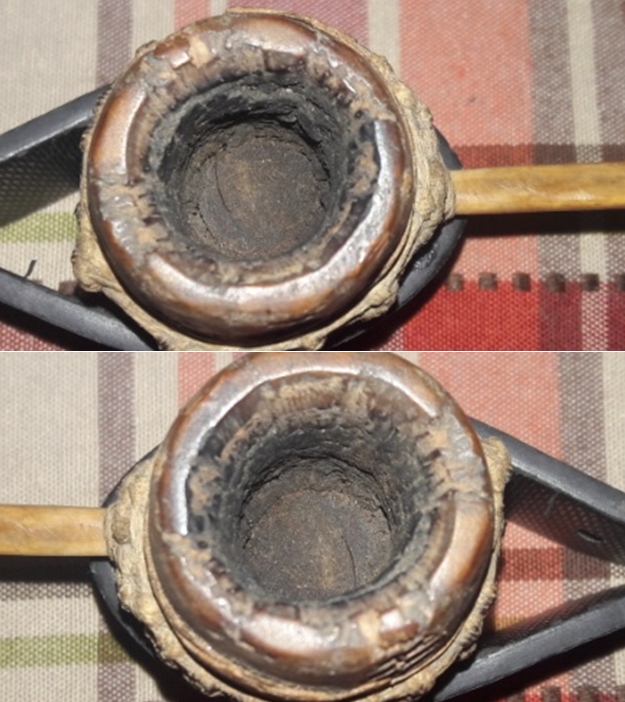
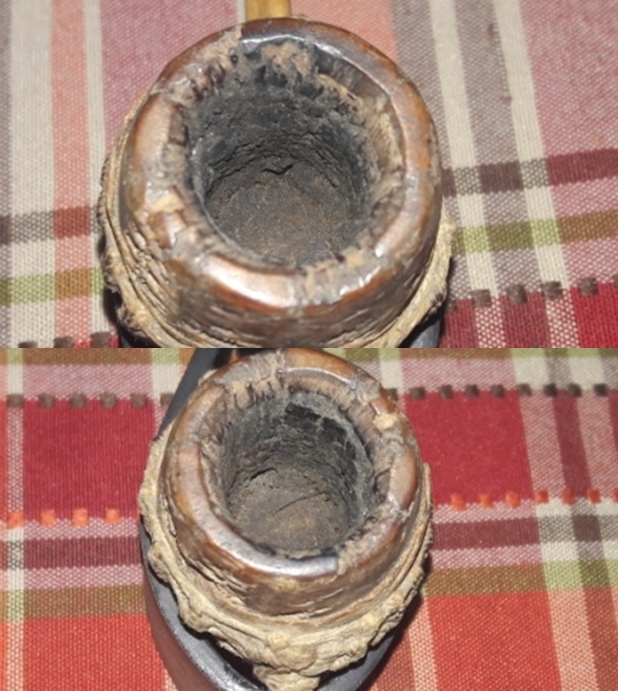
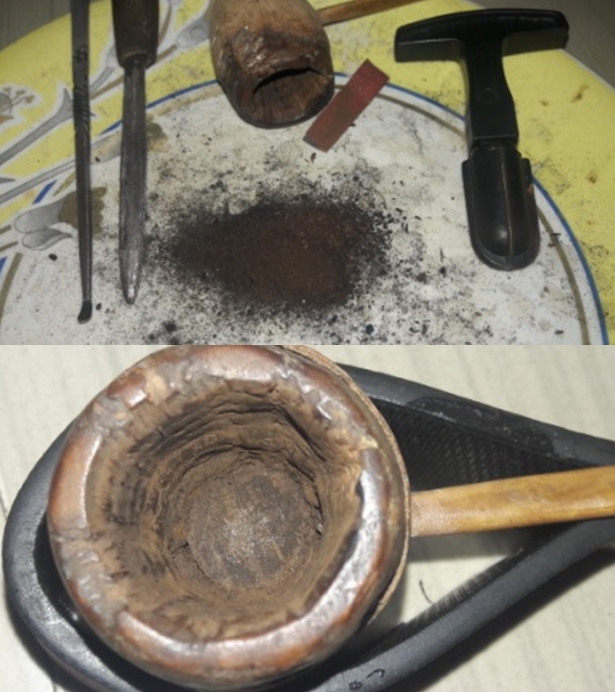
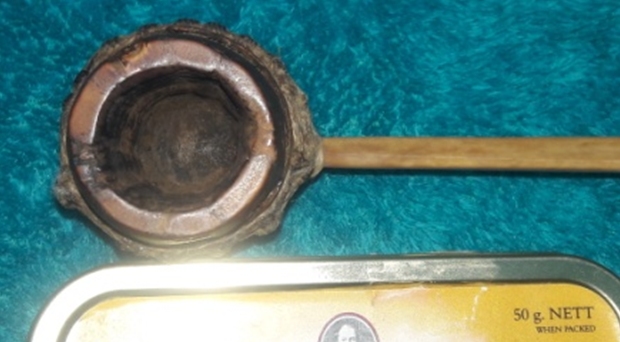
The chamber has a decent and uneven layer of dry and hard cake. It seems that the chamber walls themselves are uneven, the condition of which can be ascertained only after the cake has been removed to expose the walls. The rim top surface is highly uneven with the indentations of the chaff being clearly visible and intermingled with chipped surface areas. However, there are no signs of charring to the rim edges. I shall decide if I would top the rim to try and make it perfectly even. The stummel is partially covered in thick brown paper under a crocheted cap made out of jute. This is covered in dust and grime. The brown paper has either torn away from the top half or possibly was meant to cover the bottom half of the stummel. The rustic and unrefined finish that presents itself makes commenting on it with any degree of certainty, well neigh a difficult task. The old cob has aged well and feels rugged in its patchy and scaly texture of the chaff and dark color. The stummel has no shank and the long, delicate and slender Albatross wing bone stem is permanently attached to the stummel itself.  The Albatross wing bone is covered in dust and dirt from the outside while the insides show few dark areas signifying accumulated old oils and tars in the air way. However, the bone has colored well with age, I say. It will be a challenge to clean the stem internals as I do not have such long pipe cleaners and with the stem fixed in to the stummel, makes cleaning impossible from the other end. The stem end is uneven but I didn’t feel any jagged edges, so I think I shall let it be just to maintain that rustic homemade look and feel of this pipe.The Process
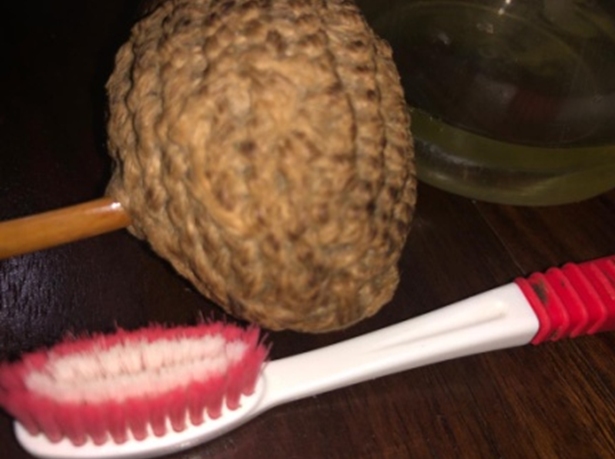
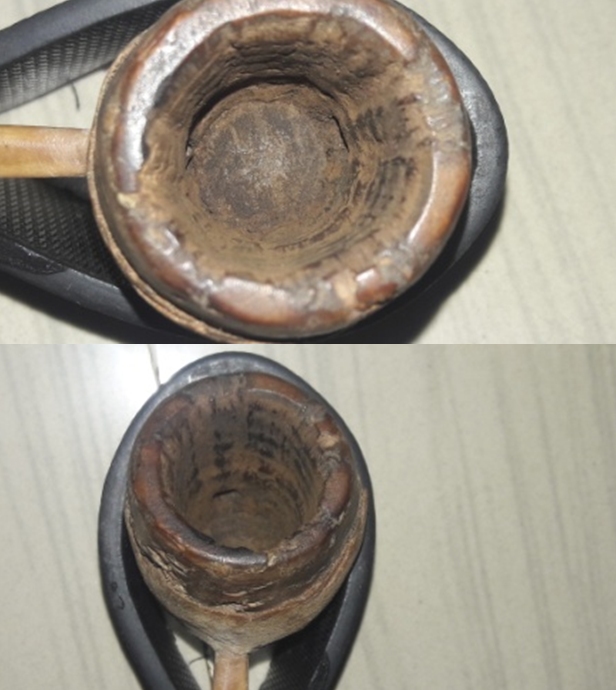
I began the process of refurbishing this pipe first by working on the stummel. The crocheted jute cap initially had some give to it and very carefully and delicately, I separated the cap from the stummel. The thick brown paper that covered the bottom half of the cob was intact. It’s my guess that the purpose of this paper was to provide some insulation for the hands from the heat of the burning tobacco. I washed the crocheted jute cap using a detergent and toothbrush to clean the surface of all the dirt, dust and grime of yesteryears. I set it out to dry naturally without wringing it as I feared that the weave may unravel. I reamed the chamber with a Castleford reamer tool, using the size four head of the tool. Using my fabricated knife; I further took the cake down to the bare wood. With a 150 grit sand paper, the walls of the chamber were rid of all the remnants of the cake, revealing solid chamber walls. I further wiped the chamber with a cotton swab wetted with isopropyl alcohol to completely remove the sanding dust. The uneven chamber wall appears to be natural and akin to the slots where the cob kernels are attached (chaff). The rim surface was too uneven. Again the rim top appears uneven due to the chaff slots and this brings me to the question whether I should attempt to top it and get the rim surface as even as possible or let it remain as is…natural look! I discussed it with Abha, my wife, and it was decided that the rim should be topped just sufficient to make it even but not too much that the natural chaff slots are all but lost. Truth be told, I did not understand what exactly was needed other than the fact that topping was essential. I topped it on a 180 grit sand paper, frequently showing it to Abha and continued till she liked the looks of the rim top. That I too liked it goes without saying!! Here is how the rim appears at this stage. Next, I cleaned up the stem air way with liquid detergent, pipe cleaners and cotton swabs. The stem internals cleaned up nicely with a smooth and full draw. I followed up the internal cleaning with cleaning the external surface of the albatross wing bone stem. I cleaned the wing bone surface with dish washing detergent and Scotch Brite and followed it up with a piece of 0000 grade steel wool. The Albatross wing bone stem is now nice and clean. With the cleaning of the wing bone stem complete, I polished the stem with micromesh pads, wet sanding with 1500 through 12000 grit pads. The off white residue that was seen during the polishing further confirmed the stem material to be bone. The length of the stem, diameter of the hole and lightness has left no doubts in my mind that this has to be an Albatross wing bone.I applied “Briar Cleaner”, a product that has been developed by my friend Mark Hoover, to the external surface of the bowl. It works similar to Murphy’s oil soap and needs to be applied to the stummel surface and set aside for 5-10 minutes. The product pulls out all the dirt and grime to the surface making further cleaning easy. I am quite happy with this product. I used a hard bristled tooth brush to scrub the stummel with the solution, wiped it clean with a moist cloth and dried it using paper towels and soft cotton cloth. I deliberately cleaned the rim and set the stummel aside to dry out naturally. Staying with the stummel restoration, I polished the rim top surface with micromesh pads, wet sanding with 1500 to 12000 pads. I wiped the surface with a soft cloth at the end of the micromesh cycle. The rim top surface looks nice with a deep shine. I rubbed a small quantity of “Before and After Restoration Balm” in to the cob stummel to enliven and protect it. I rubbed this balm deep in to the patchy/ scaly surfaces of the stummel and smooth rim top with my fingers and let it rest for a few minutes. The balm almost immediately works its magic and the cob now has a nice vibrant appearance. I further buff it with a horse hair shoe brush. At this stage in restoration, I reattached the crocheted jute cap with the stummel. To complete the refurbishing, I gave a vigorous hand buff to the cob stummel with a microfibre cloth to deepen the dark colouration and shine on the cob. Needless to say, I was careful with the jute cap least I unravel the stitches. This rustic finish, unrefined and most likely home made pipe has a charm that can only be felt while holding it and will definitely find a place of pride in my modest collection. Whether or not I shall smoke it, I cannot say at this point in time, but in case the pipe calls out to me and shares its life story, I shall love to smoke it while listening to it. Here are some pictures of the refurbished pipe. P.S. This is in no way a beautiful well crafted pipe, but a rustic and delicate looking one with such solid construction that it feels capable of lasting for ages!! The pictures of the old ladies sitting around with their grandchildren in many ways remind me of my grand old man!! Thanks for sharing these pictures, Steve!

I should also mention here that this pipe has, by far, been the most difficult pipe to capture on camera for its length, beauty and appeal. Appreciate your patience in reading thus far and looking forward to input on the write up and any information/additional snippets/ clarifications on this pipe. Cheers…

Praying for the safety and well being of all the readers and their loved ones in these troubled times…

Breathing Life into a 1957 (or is it a 1967) Dunhill Root Briar 251 EX606 Billiard


Blog by Steve Laug

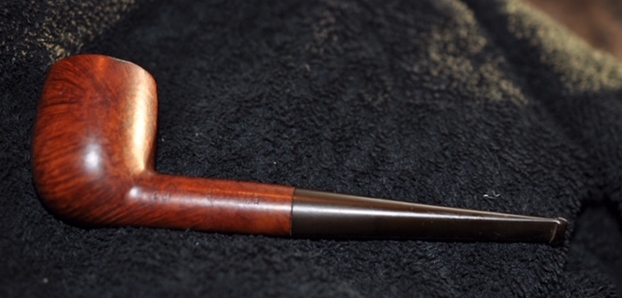
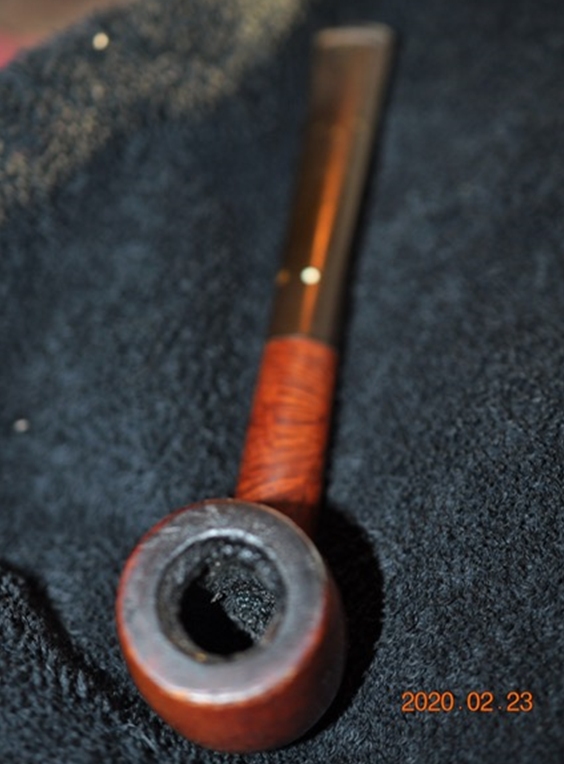
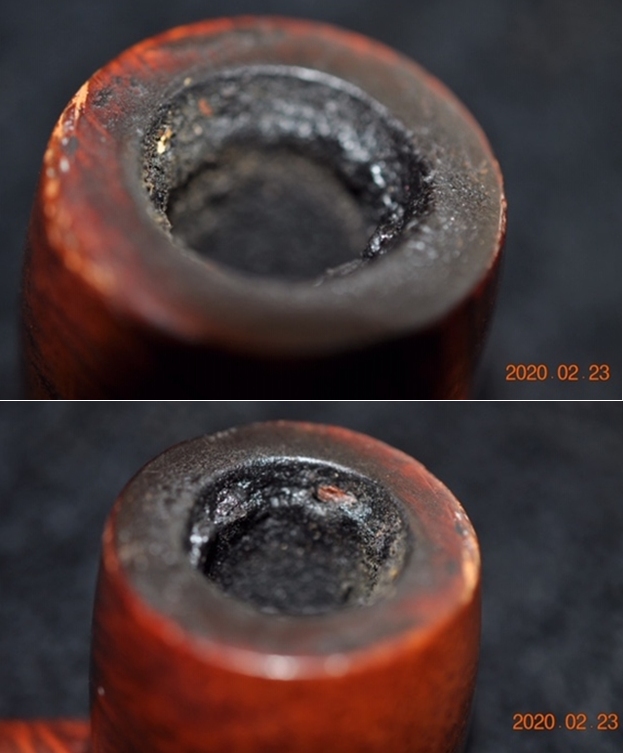
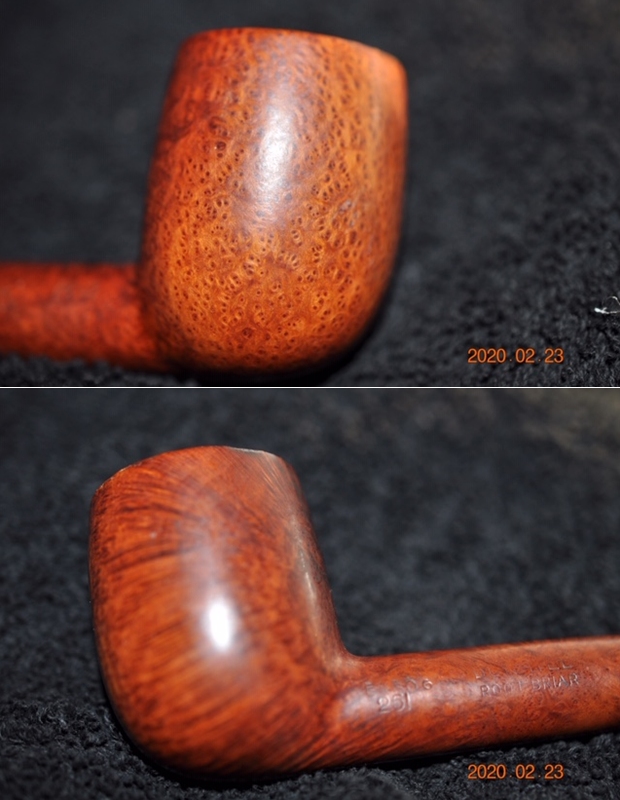
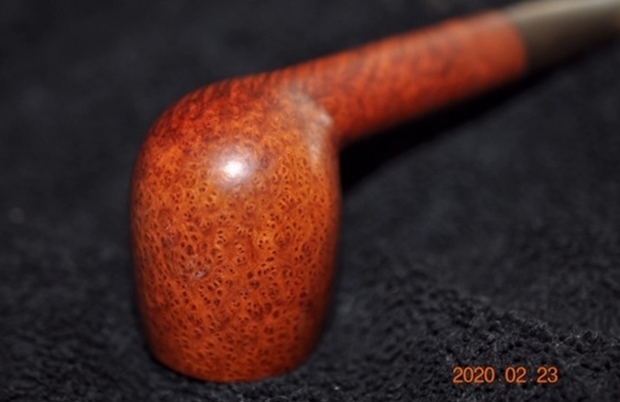
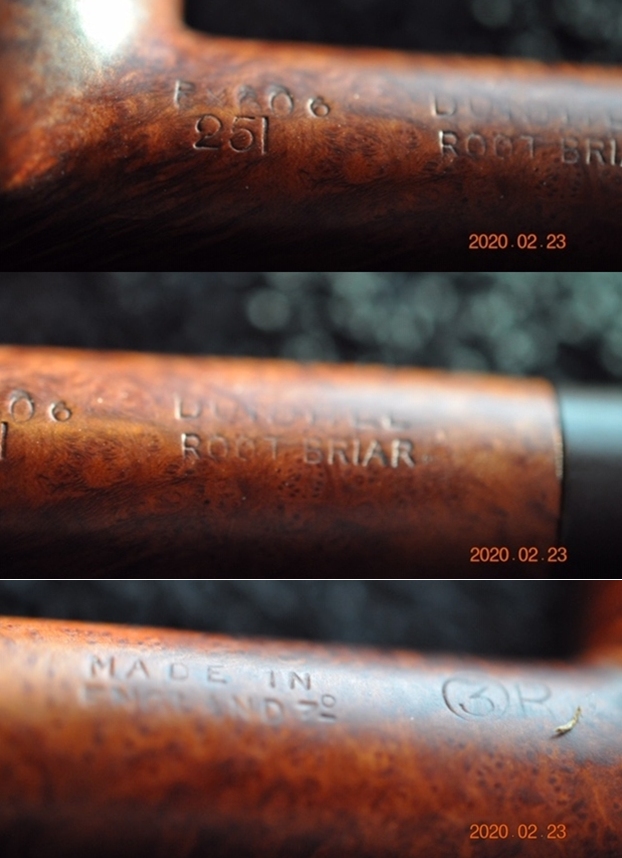
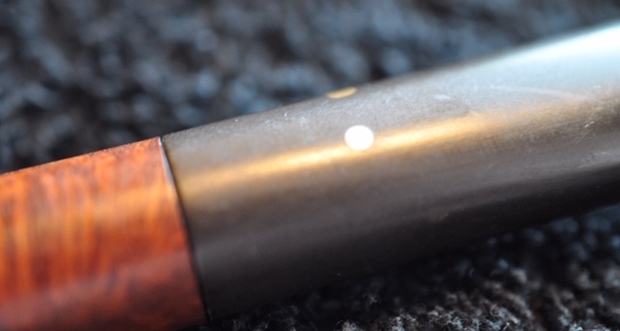
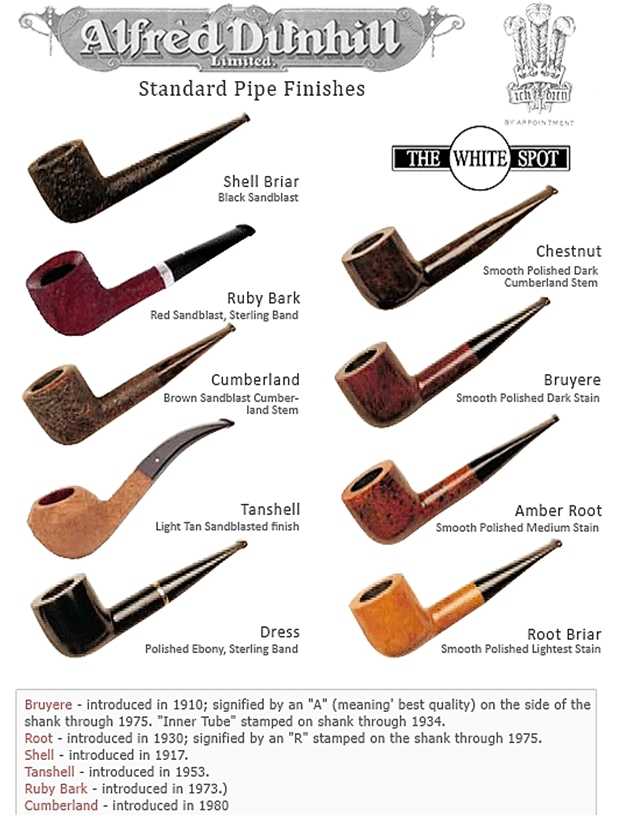
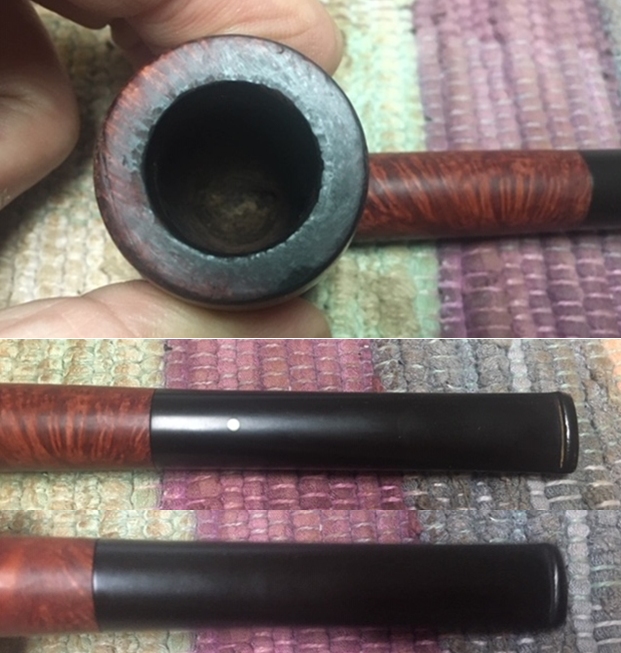
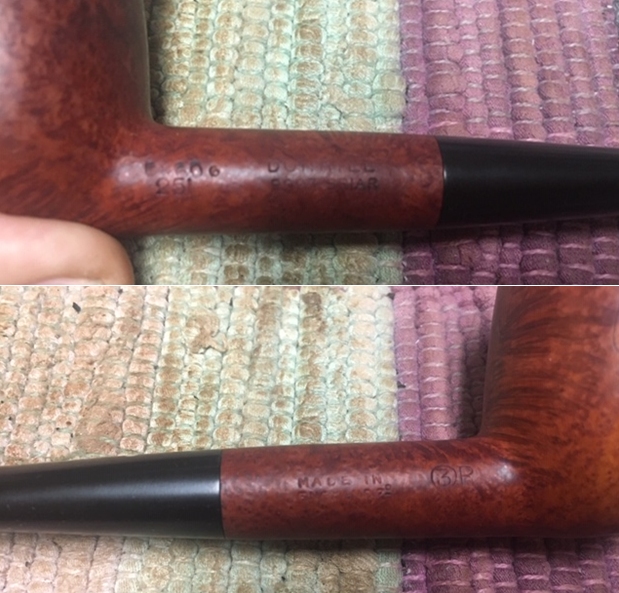
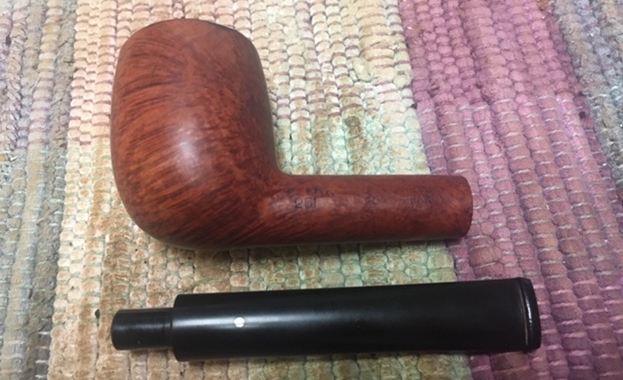
The next pipe on the table came to us from one of Jeff’s pipe hunts on the Oregon Coast. It is a Dunhill Root Briar Billiard that is in decent condition. It is stamped EX606 over 251 which is the shape number followed by Dunhill over Root Briar on the left side of the shank. On the right side it is stamped with the 3R (which is the Group size and the R for Root Briar) and to the left is reads Made in England with what looks like a 7 superscript to me and 0 which gives the date the pipe was made. The stamping is clear and readable. The pipe has a medium brown finish and some amazing grain that the shape follows well. The finish was very dirty with grime ground into the grain around bowl sides. The bowl had a thick cake in the bowl and a heavy lava overflow on the top and the inner edge of the top. There was a burn mark on the left outer edge of the bowl. It was hard to know the overall condition of the rim top and edges because of the grime. The stem was dirty, oxidized and had some calcification around the button. There was light tooth chatter and marks on the stem near the button on both sides. The stem has the Dunhill White Spot logo on the top of the taper stem. Jeff took photos of the pipe to show what it looked like before he cleaned it up. Jeff took photos of the rim top to show the thick cake in the bowl and the lava overflow on the top and damage to the outer edge of the rim. The photos show the rim top and bowl from various angles.Jeff took some photos of the bowl sides and heel to show the nice grain that was on this bowl. It is a quite beautifully grained pipe. The stamping on each side of the shank is shown in the photos below. They look very good and readable. Here is where the question comes in on the date – is the 7 after the D in England on the third photo below a superscript or is it the same as the D. To me it is a superscript. You can also see the White Spot on the top of the taper stem in the last of the four photos below. The stem was a very good fit to the shank. It was oxidized, calcified and had debris stuck to the surface of the vulcanite. There was tooth chatter and marks on both sides of the stem and on the button surface.    I turned to Pipedia’s section on Dunhill Root Briar to get a bit of background on this particular Duhill finish (https://pipedia.org/wiki/Dunhill#Root_Briar). I quote:

Introduced in 1931 and highly prized because the grain is more pronounced in this finish (usually made using Corsican briar). The Root Briar finish requires a perfectly clean bowl with excellent graining. Therefore, it is the most expensive of the Dunhill pipes. Corsican briar was most often used for the Root finish since it was generally more finely grained. This is a rare finish, due to the scarcity of briar suitable to achieve it. These pipes are normally only available at Company stores, or at Principle Pipe Dealers. Straight grained pipes were formerly graded A through H, but are now only “Dr’s” and graded with one to six stars, with the letters G and H still used for the very finest pieces.

The article also cited a section from John Loring confirming the above information and giving a bit more colour to the information.

“Dunhill introduced its third major finish, the Root finish, in 1931. Corsican mountain briar is characteristically beautifully grained and the Root was made exclusively from that briar into the 1960s. The pipe was finished with a light natural stain to allow the beauty of the graining to show through. Although always available with a traditional black vulcanite bit, the Root was introduced in either 1930 or more likely 1931 and fitted with a marble brown dark and light grained vulcanite bit that has since become known as the ‘bowling ball’ bit because of the similarity in appearance between the bit’s finish and that of some bowling balls of the time. With the war, however, the bowling ball bit was dropped from production. Through 1954 (and after) the Root pipe nomenclature (including shape numbers) was identical to that of the Bruyere except that instead of the “A” of the Bruyere, the Root was stamped with an “R”. In 1952 when the finish rather than LONDON was placed under DUNHILL, ROOT BRIAR rather than BRUYERE was used for the Root.” Loring, J. C., The Dunhill Briar Pipe, The Patent Years and After (self-published, Chicago, 1998).

I have also included a chart from the site from Dunhill spelling out the Standard Pipe Finishes and giving short information and a timeline.

I also wanted to understand the additional stamps on the shank. There were two I wanted to clarify. One the left side there was the EX606 over the shape number. On the right side there was the superscript Date code and a second number – an underlined 0. I continued to search the connected pages on Dunhill. There was a specific page or section on the Dunhill Additional Stamps that helped some (https://pipedia.org/wiki/Dunhill_Additional_Stamps).

“The reason for dating a pipe was due to a one-year-guarantee offered by Dunhill, that they would replace a pipe if it had any issues in its first year. Sometimes, a pipe would be made and stamped, yet wouldn’t leave the factory until the next year or even later, when it would then receive a current extra date-code. Due to this, there are several examples of pipes with double, triple, or even quadruple date-codes stamped onto them.” Steven Snyder.

These additional codes were added by the retail stores – that’s why they were not uniform. For example, situations that the pipes were not sold in the same year of production, it was a way to establish a new warranty period. In cases where the customer requested a F/T stem (for example) or some minor cosmetic issue was found, the pipe returned to the factory and, in some cases, received a new coverage date. In these situations the extra date-code is uniform.

“It might have been added by the point-of-sales (shop, when the pipe was actually sold, so the guarantee period was easier to identify.” Hener, K. S., Product Line Director – The White Spot Smoker’s Accessory Division and Walthamstow site.

There is a bit of question as to the date on this pipe. I have had people on the various groups on Facebook say it is a 1957 sold in 1960 pipe and others say it is a 1967 sold in 1970 pipe.  All of the dating is dependent on how you see the 7 after the D in England. I turned to Pipephil (http://www.pipephil.eu/logos/en/dunhill/cledat-en1a.html) to see what I could find out. Here is the chart I used and I have drawn a red box around the portion I used.I also captured the stamping on two separate pipes to show my conclusion. The first one shows the stamp on a 1967 pipe with the 7 being essentially the same size as the D in England. The second one is a 1958 pipe with a smaller superscript that is in the same placement as the 7 on the pipe that I have in hand. So I am pretty confident that the double date stamp was the year the pipe was made and the year that it sold. In this case it was a 1957 pipe that sold in 1960.

I turned to Eric Boehm’s part of the article on the Pipedia section on the Dunhill shapes. I found the listing for the Billiard that I was working on but still no information on the EX 606 number above it (https://pipedia.org/wiki/Dunhill_Shapes_List). I quote:

251 Billiard, tapered bit (Relief bit) 3 5¾” 1950 3

That fits this pipe perfectly – a billiard with a tapered stem with a length of 5 ¾ inches. First used in 1950 in a Group 3 size.

I posted a question on the stamping on the Tobacco Pipe Restorers Group on Facebook and got this response from Alfredo Baquerizo:

This is a Root Briar from 1957 shape 251, group 3 and the R is for root. It’s an EX an exchange pipe by warranty Dunhill system. The 606 I think that is the exchange pipe number, I’m not sure.

I also posted on the Vintage Dunhill Pipes Group on Facebook and enjoyed the responses. One of the posters there, Jean-Paul Varon gave this information.

Ex606 = exchange of a pipe under guarantee.

That was the extent of the information that I could find at this point. It seems likely that the EX is the Dunhill Exchange Warranty system and the 606 could well be the Exchange pipe number. Is it possible that the EX606 could also include a date code in it? Possibly being the year 1960 and the sixth pipe of the year that was a replacement?

I turned to work on the pipe itself. Jeff had done a great job cleaning up the pipe as usual. He reamed the pipe with a PipNet reamer and cut back the cake back to the bare briar. He cleaned up the walls with a Savinelli Fitsall Pipe Knife. He scrubbed the interior of the bowl and shank with pipe cleaners, cotton swabs and alcohol to remove the tars and oils. He scrubbed the exterior of the pipe with Murphy’s Oil Soap and a tooth brush to remove the grime from the finish. He worked on the rim top lava and darkening with the soap and tooth brush. He scrubbed the inside of the stem with alcohol and pipe cleaners. He scrubbed the exterior with Soft Scrub and then soaked it in Before & After Deoxidizer. He washed it off with warm water to remove the deoxidizer. The pipe looked far better. I took photos of the pipe when I received it before I started working on it. I took photos of the bowl and rim top as well as the stem to show their condition. You can see the damage to the rim topo and inner edge. There a nicks and chip on the edge and top there is a burned area on the rear left outer edge. There is generally some heavy darkening on the top.  The stem on the other hand looks very good in the photos. I took photos of the stamping on the sides of the shank. The stamping is clear and readable as noted above.   I took a photo of the pipe with the stem removed to show the overall look of stem, tenon and profile of the pipe.I decided to start my work on the pipe by addressing the darkening and damage on the rim top and edges of the top. I lightly topped the bowl to remove the damage on the top and the inner edge of the rim. It also helped with the damage to the outer edge as well. I used a folded piece of 220 grit sandpaper to work on the inner edge a bit more. It took work but I was able to remove the majority of it. There was still one spot of burn damage on the left rear outer edge but it was smaller than when I had started.   I polished the briar with micromesh sanding pads – dry sanding with 1500-12000 grit pads and wiping the bowl down with a damp cloth after each pad.   I stained the polished rim top with the lightest coloured stain pen I have – Oak and was able to blend it into the overall colour of the bowl. The rim top looked amazingly better than when I started and has some great grain that is parallel to that on the heel of the bowl.I rubbed the briar down with Before & After Restoration Balm. I worked it into the briar with my fingertips. The product works to clean, enliven and preserve the briar. I let it sit for 10 minutes while I worked on the stem. After the time passed I buffed it with a cotton cloth to deepen the shine. The briar really comes alive with the balm.  I set the bowl aside and turned my attention to the stem. Because it was in such good condition I polished the vulcanite with micromesh sanding pads – 1500-12000 grit pads. I wiped it down with Obsidian Oil after each sanding pad. I used Before & After Pipe Polish – both Fine and Extra Fine to further polish the stem.   I decided to pause and go sit in the yard in the shade and enjoy a bowl of MacBarens HH Old Dark Fired in my Downie Pipe before I polished the Dunhill. Need a bit of a break!This uniquely stamped Dunhill Root Briar 251 Billiard is a piece of Dunhill’s Warranty History – made in 1957 and sold or exchanged in 1960 at least that is my call though others have seen it as made in 1967 and sold in 1970. It is a great looking pipe in spite of the remaining burn mark on the rim. The Light Brown stain highlights some great grain around the bowl sides and the heel. It has some of the most stunning birdseye grain I have seen in a while on the right side of the bowl. The finish on the pipe is in excellent condition and the stain works well to highlight the grain. The polished black vulcanite taper stem adds to the mix. With the grime and debris gone from the finish and the bowl it was a beauty and is eye-catching. I put the stem back on the bowl and buffed the pipe with Blue Diamond on the buffing wheel being careful to not buff the stamping. I gave the bowl and the stem multiple coats of carnauba wax on the buffing wheel and followed that by buffing it with a clean buffing pad. I hand buffed the pipe with a microfiber cloth to deepen the shine. The finished 251 Billiard is quite nice and feels great in the hand. Give the finished pipe a look in the photos below. I can only tell you that like the other pipes I am working that it is much prettier in person than the photos capture. The dimensions of the pipe are Length: 5 ¾ inches, Height: 1 ¾ inches, Outside diameter of the bowl: 1 ¼ inches, Chamber diameter: ¾ of an inch. Thanks for walking through the restoration with me as I worked over another beautiful pipe. This pipe will be added to the British Pipe Makers section of the rebornpipes store soon. If you want to add it to your collection send me an email or a message! Thanks for your time.

Life for a Comoy’s Christmas 1983 Bent 409 Bulldog


Blog by Steve Laug

The next pipe on the table came to us from one of Jeff’s pipe hunts not far from where he is located. It is a Comoy’s 409 Bulldog that is in decent condition. It is stamped Comoy’s Christmas 1983 on the top left side of the diamond shank. On the right side it is stamped with the Comoy’s circular COM stamp Made in London in a circle over England. That is followed by the shape number 409. On the right underside it is stamped with the letter E near the stem/shank junction. The stamping is clear and readable. The pipe has a medium brown finish and some amazing grain that the shape follows well. The finish was very dirty with grime ground into the grain around bowl sides. The bowl had a thick cake in the bowl and some lava overflow on the top and the beveled inner edge of the top. There was darkening on the briar around the inner beveled edge of the rim. The stem was dirty, oxidized and calcified. There was light tooth chatter and marks on the stem near the button on both sides. The stem has the inset C logo of Comoy’s on the top left side of the diamond saddle stem. Jeff took photos of the pipe before he cleaned it up. Jeff took photos of the rim top to show the thick cake in the bowl and the lava overflow on the top and beveled inner edge of the rim. The photos show the rim top and bowl from various angles. Jeff took some photos of the bowl sides and heel to show the nice grain that was on this bowl. It is a quite beautifully grained pipe. The stamping on each side of the diamond shank is shown in the photos below. They look very good and readable. You can also see the inset C logo on the top left side of the diamond stem. The stem was a very good fit to the shank. It was oxidized, calcified and had debris stuck to the surface of the vulcanite. There was tooth chatter and marks on both sides of the stem and on the button surface.  I knew that I was dealing with a 1983 Comoy’s 409 Bulldog that was specially made as a Christmas Pipe. I turned to work on the pipe itself. Jeff had done a great job cleaning up the pipe as usual. He reamed the pipe with a PipNet reamer and cut back the cake back to the bare briar. He cleaned up the walls with a Savinelli Fitsall Pipe Knife. He scrubbed the interior of the bowl and shank with pipe cleaners, cotton swabs and alcohol to remove the tars and oils. He scrubbed the exterior of the pipe with Murphy’s Oil Soap and a tooth brush to remove the grime from the finish. He worked on the rim top lava and darkening with the soap and tooth brush. He scrubbed the inside of the stem with alcohol and pipe cleaners. He scrubbed the exterior with Soft Scrub and then soaked it in Before & After Deoxidizer. He washed it off with warm water to remove the deoxidizer. The pipe looked far better. I took photos of the pipe when I received it before I started working on it. I took photos of the bowl and rim top as well as the stem to show how clean they were. You can see the darkening on the inner edge of the rim and the top.  The stem looks clean of oxidation and the tooth marks and chatter are very clear in the photos.I took photos of the stamping on the sides of the shank. The stamping is clear and readable as noted above.   I took a photo of the pipe with the stem removed to show the overall look of stem, tenon and profile of the pipe.I decided to start my work on the pipe by addressing the darkening on the rim top and beveled inner edge. I used a folded piece of 220 grit sandpaper to work on the finish to remove the darkening on both. It took a bit of work but I was able to remove the majority of it and the end product looked much better.   I polished the briar with micromesh sanding pads – dry sanding with 1500-12000 grit pads and wiping the bowl down with a damp cloth after each pad. I rubbed the briar down with Before & After Restoration Balm. I worked it into the briar with my fingertips. The product works to clean, enliven and preserve the briar. I let it sit for 10 minutes while I worked on the stem. After the time passed I buffed it with a cotton cloth to deepen the shine. The briar really comes alive with the balm.  I set the bowl aside and turned my attention to the stem. Some of the tooth marks were deep – fortunately small but deep on both sides. I filled in the divots with clear super glue and set the stem aside to dry while I took my dog for a walk. When I got back I used a needle file to sharpen the edge of the button and flatten the repairs. I sanded out the repairs on both sides of the button surface and stem with 220 grit sandpaper to blend them into the surface. I began polishing the stem with 400 grit wet dry sandpaper.I polished the vulcanite with micromesh sanding pads – 1500-12000 grit pads. I wiped it down with Obsidian Oil after each sanding pad. I used Before & After Pipe Polish – both Fine and Extra Fine to further polish the stem.   This Comoy’s Christmas 1983 Bulldog is a real beauty. The Medium Brown stain highlights some great grain around the bowl sides and the heel. The finish on the pipe is in excellent condition and the contrasting stains work well to highlight the grain on the pipe. The polished black vulcanite saddle stem adds to the mix. With the grime and debris gone from the finish and the bowl it was a beauty and is eye-catching. I put the stem back on the bowl and buffed the pipe with Blue Diamond on the buffing wheel. I gave the bowl and the stem multiple coats of carnauba wax on the buffing wheel and followed that by buffing it with a clean buffing pad. I hand buffed the pipe with a microfiber cloth to deepen the shine. The finished Bent Bulldog 409 is quite nice and feels great in the hand. Give the finished pipe a look in the photos below. I can only tell you that like the other pipes I am working that it is much prettier in person than the photos capture. The dimensions of the pipe are Length: 5 ¼ inches, Height: 1 ½ inches, Outside diameter of the bowl: 1 ½ inches, Chamber diameter: ¾ of an inch. Thanks for walking through the restoration with me as I worked over another beautiful pipe. This pipe will be added to the British Pipe Makers section of the rebornpipes store soon. If you want to add it to your collection send me an email or a message! Thanks for your time.