Tag Archives: super glue

Breathing Life into a Knute of Denmark Freehand


Blog by Steve Laug

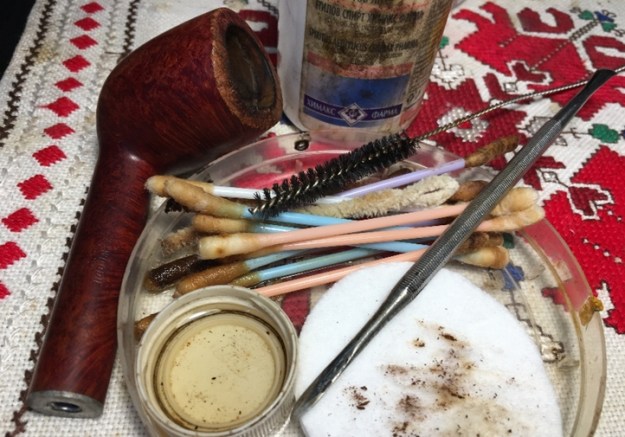
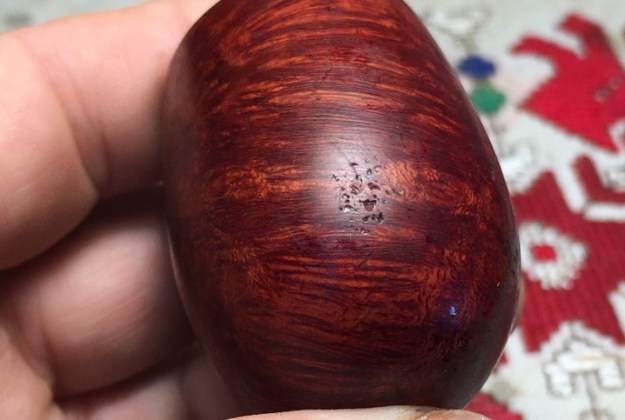
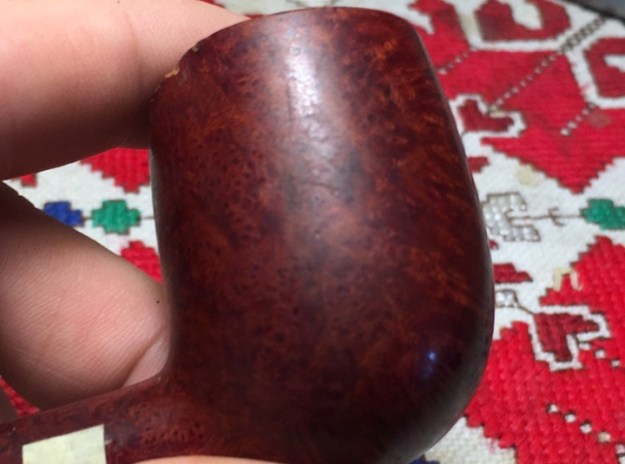
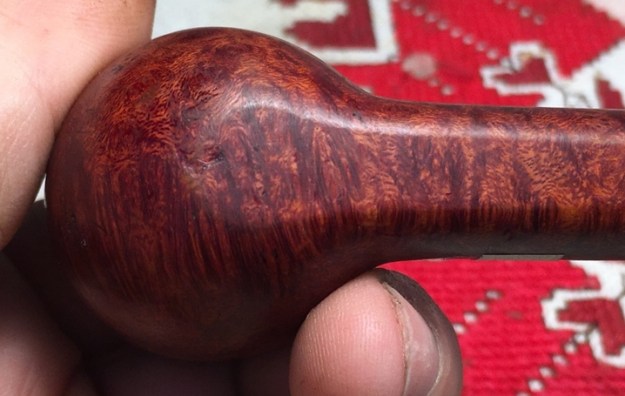
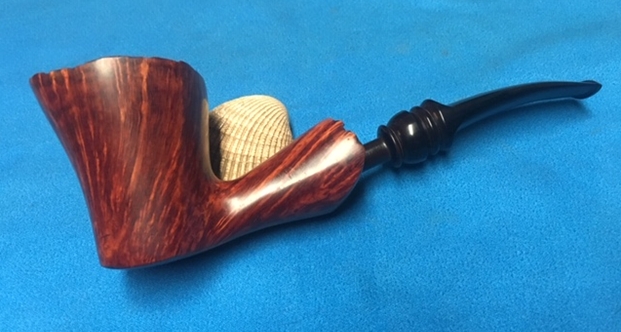
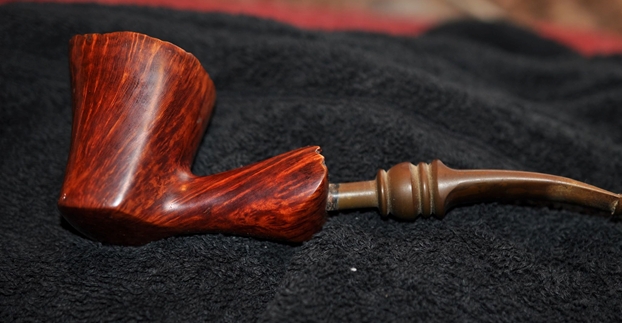
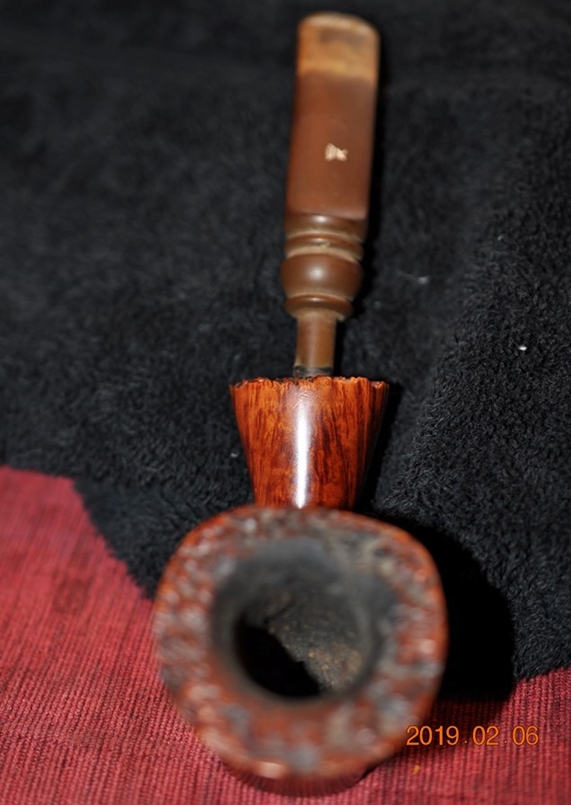
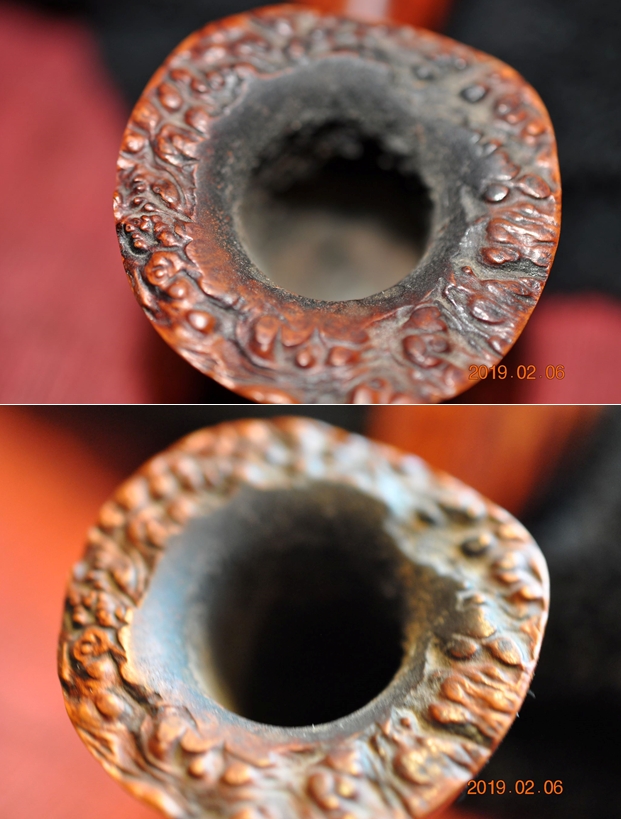
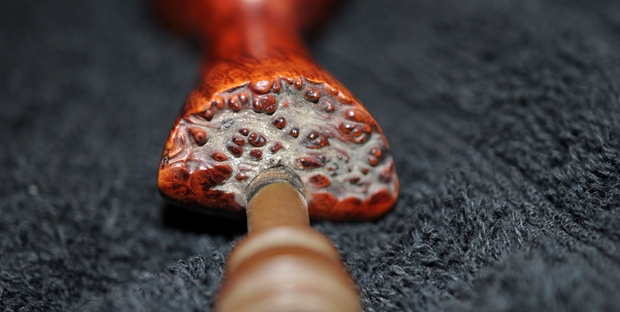
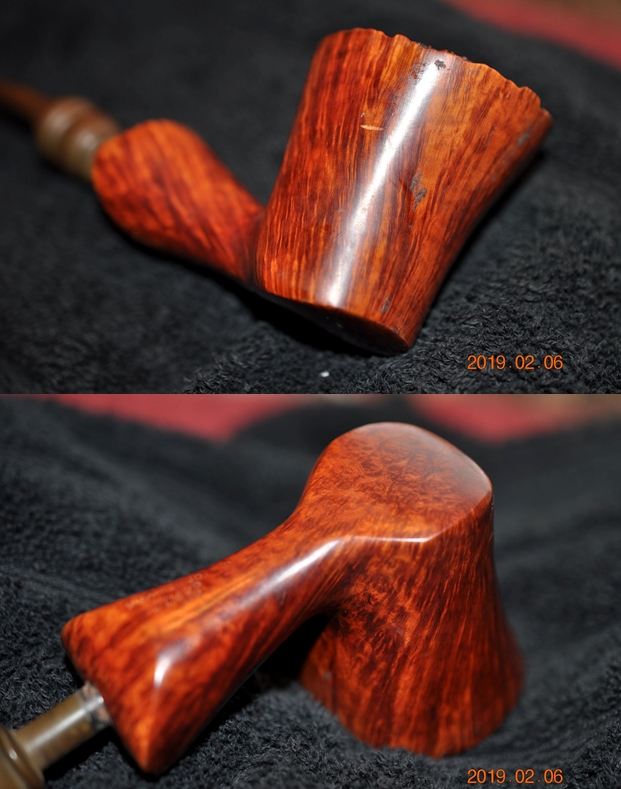
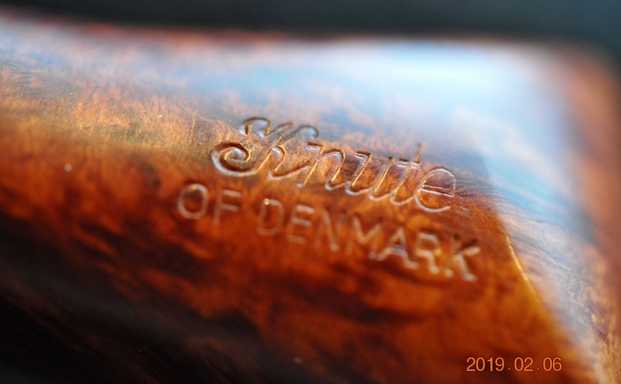
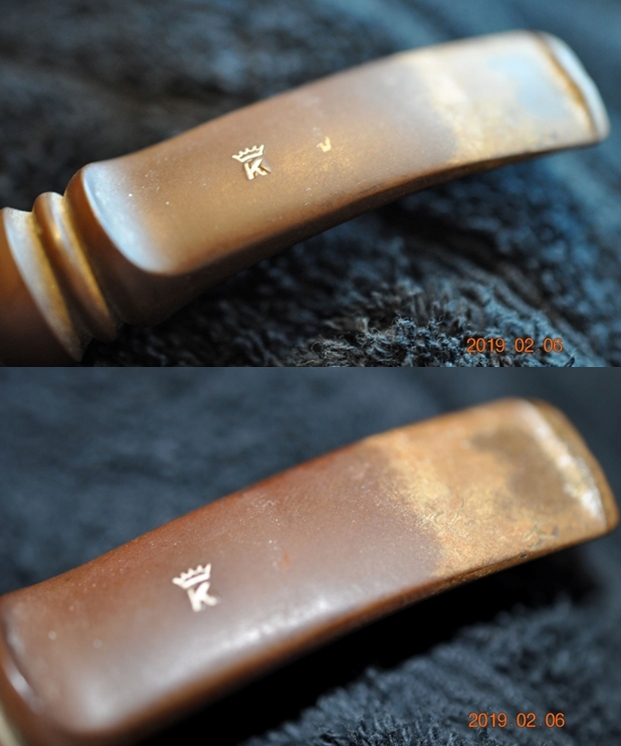
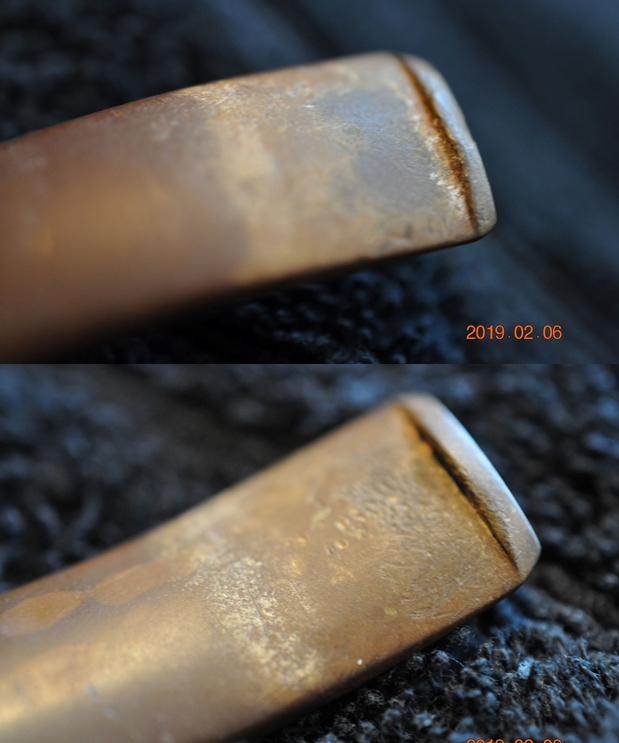
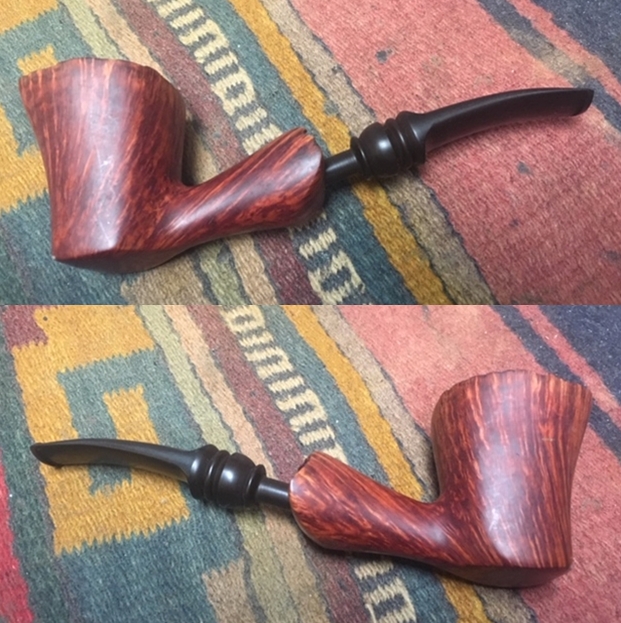
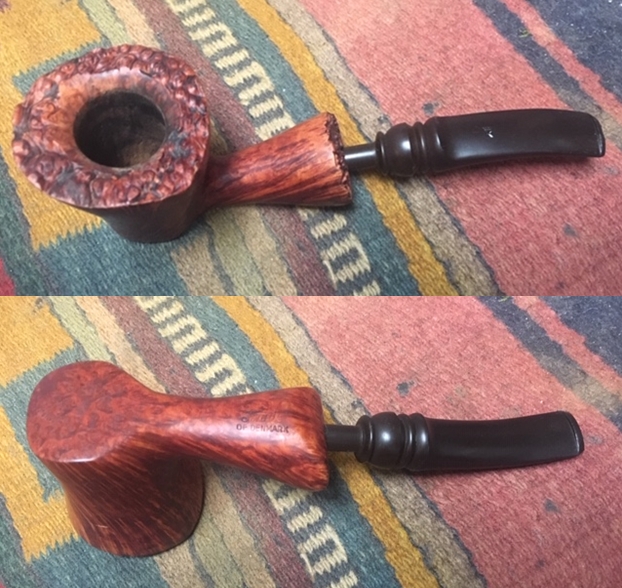
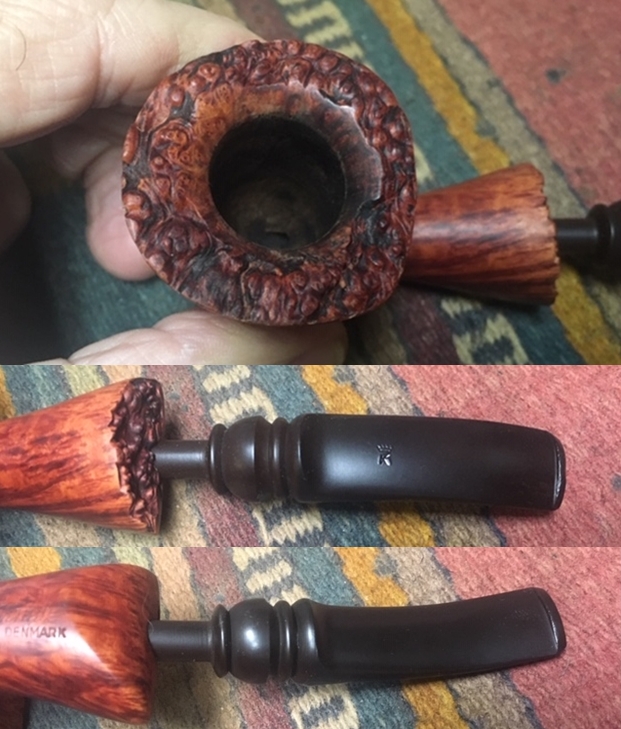
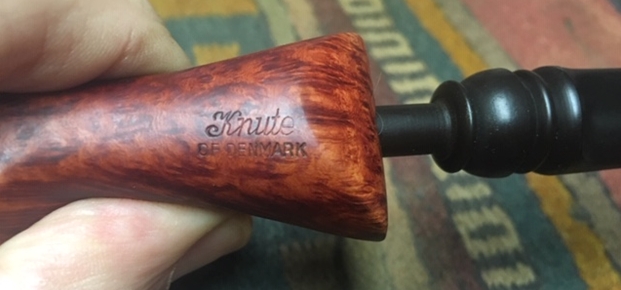
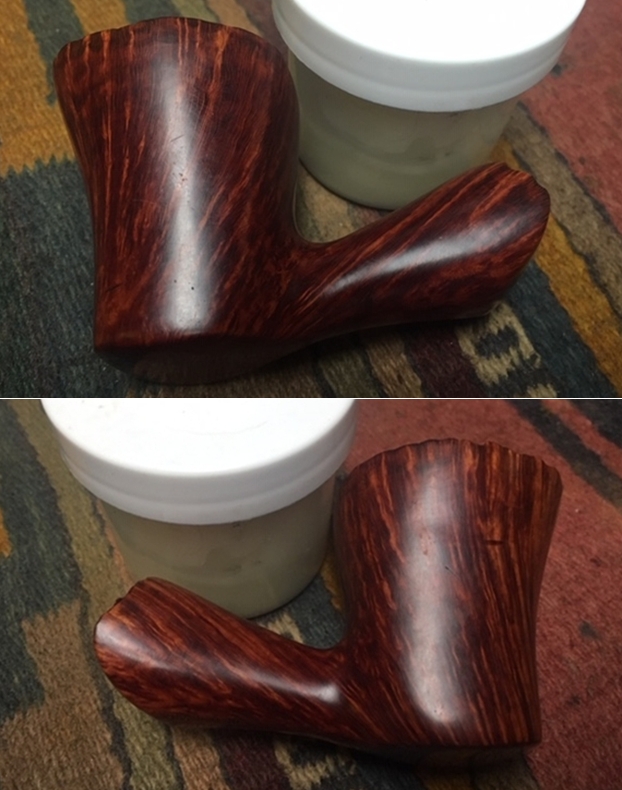
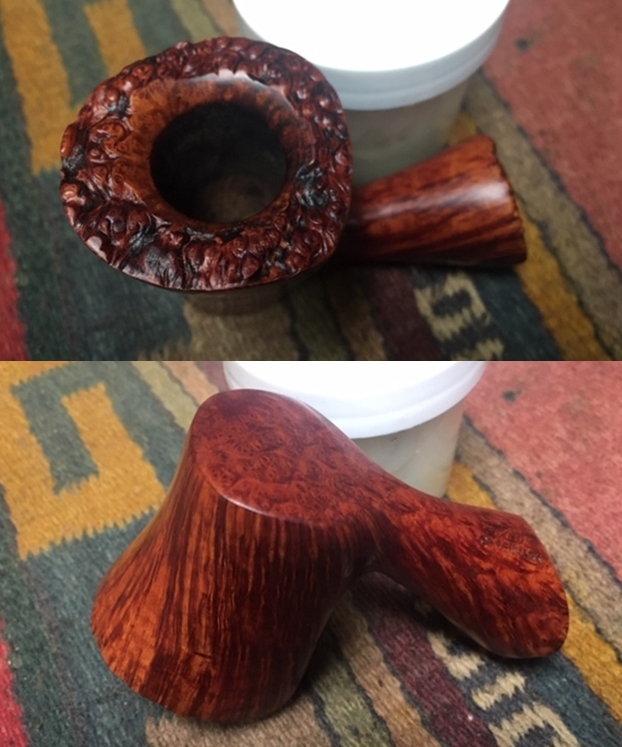
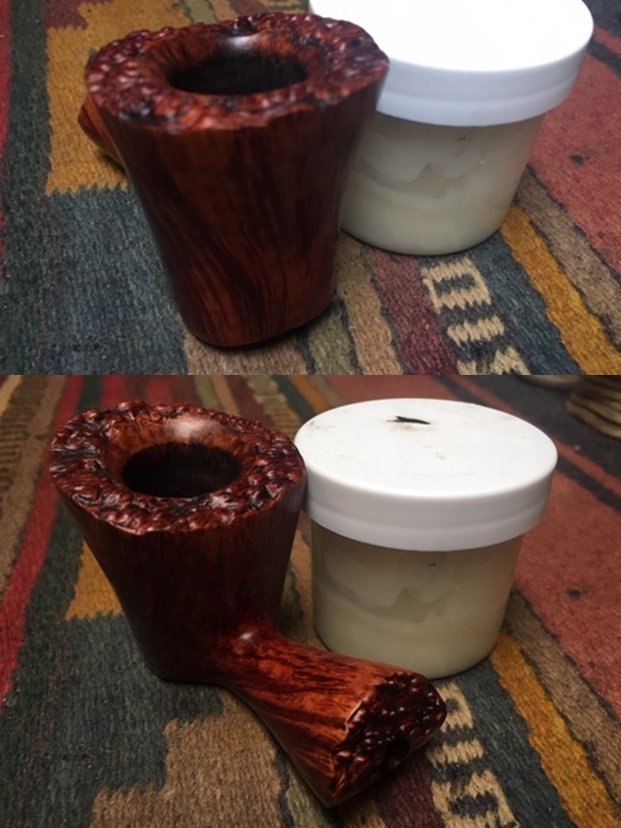
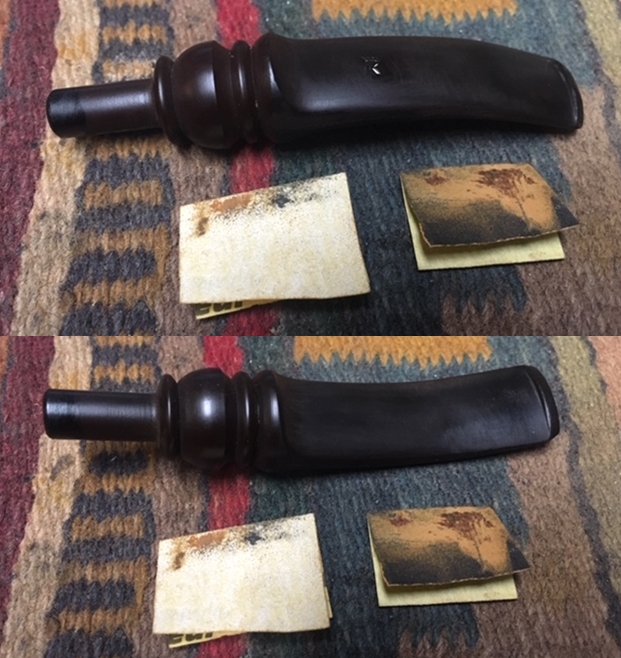
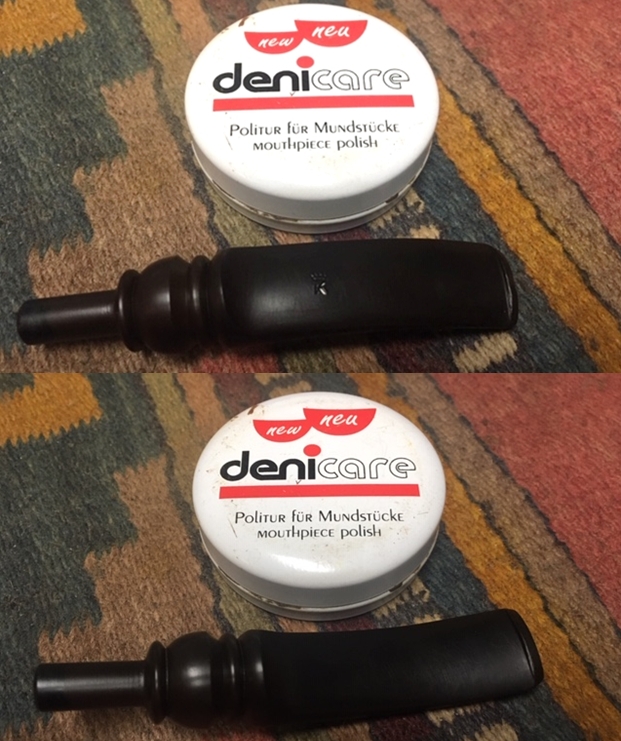
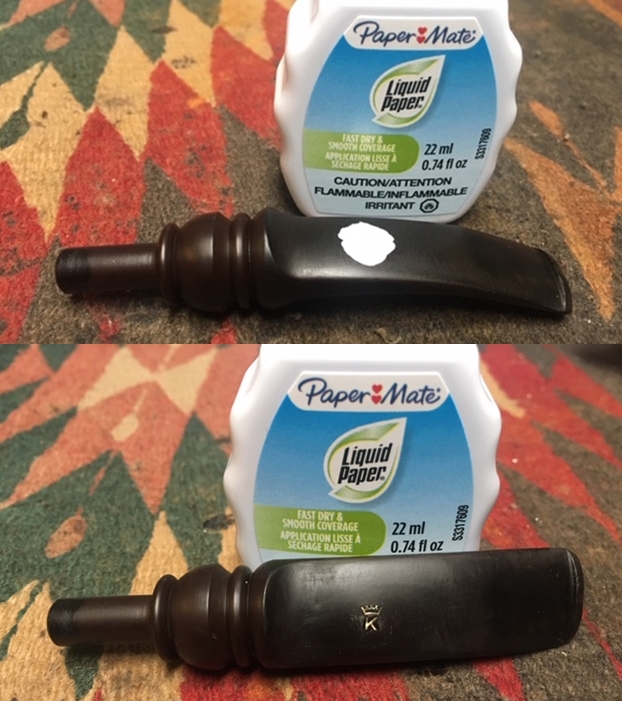
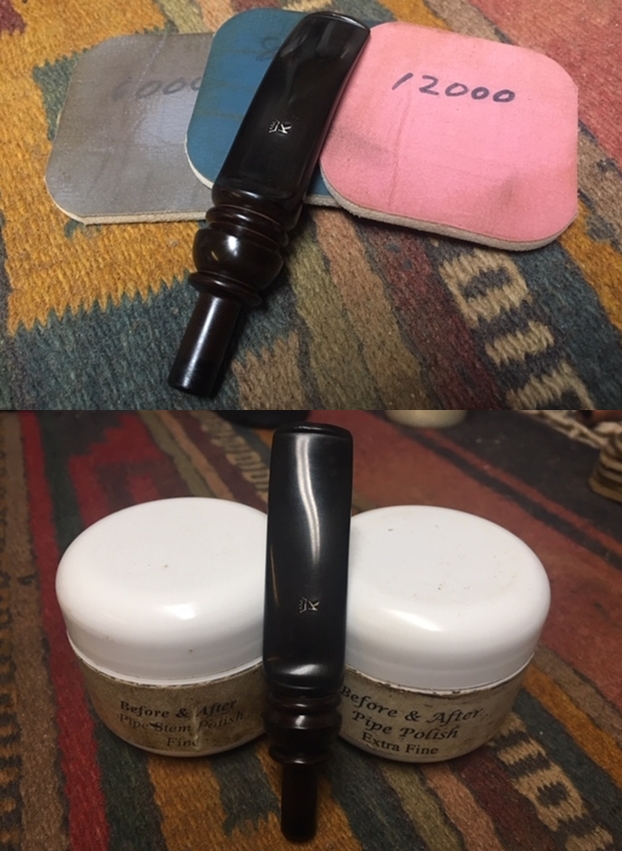
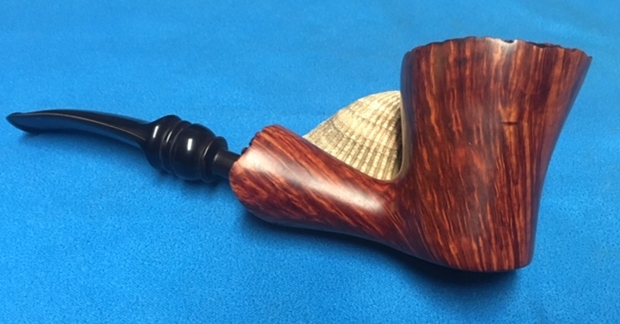
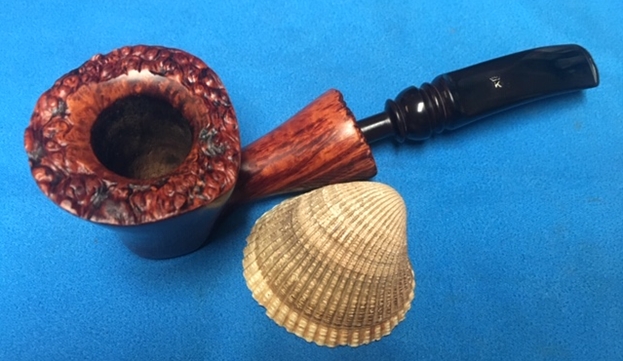
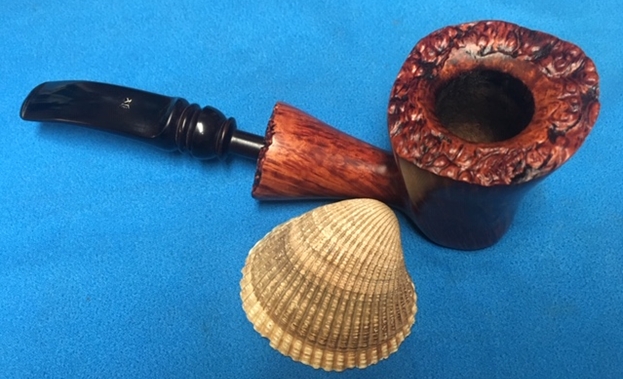
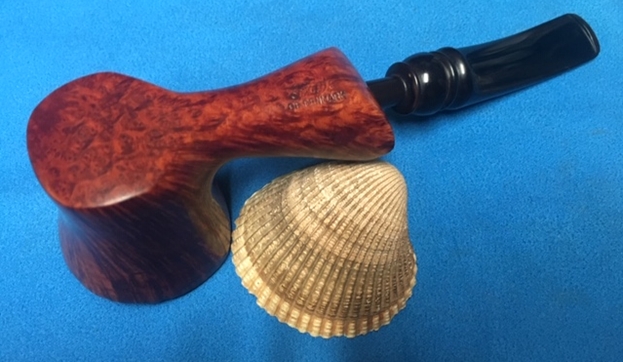
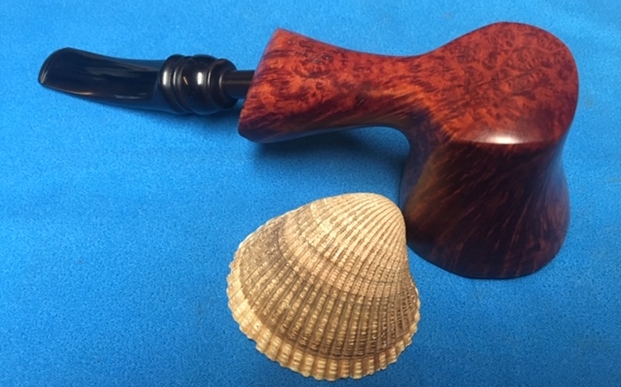
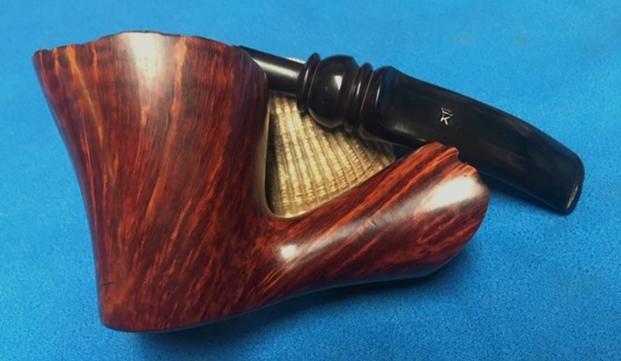
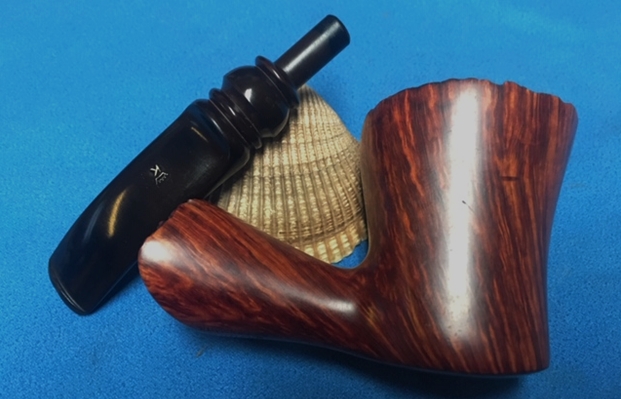
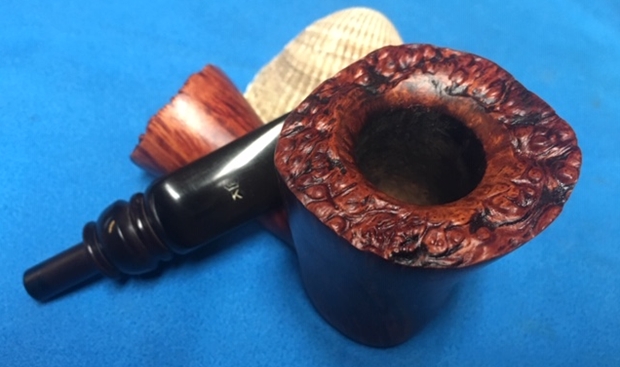
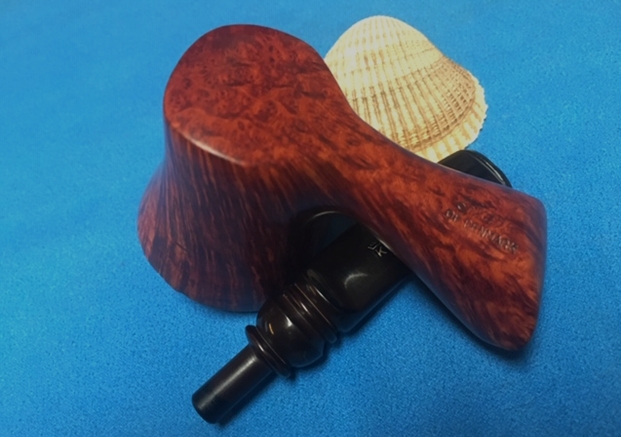
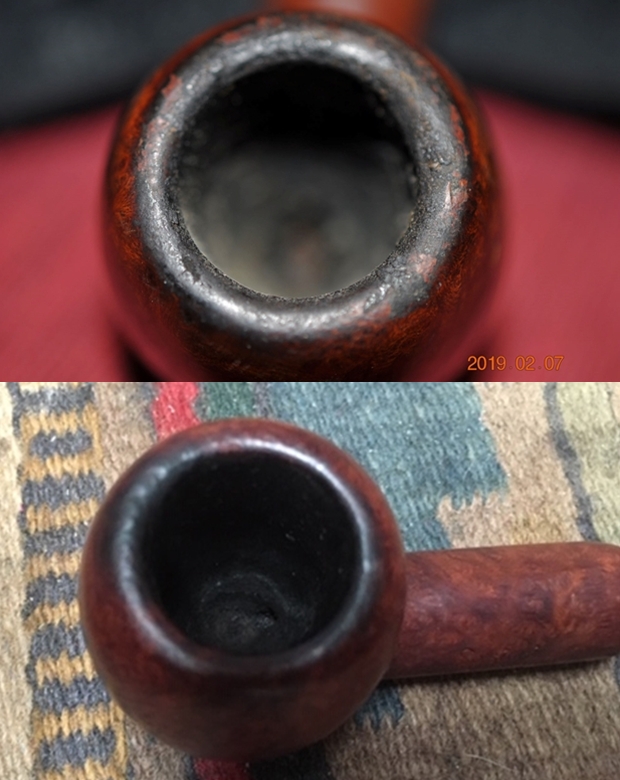
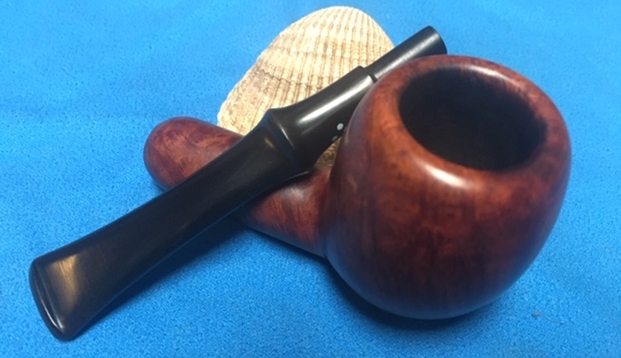
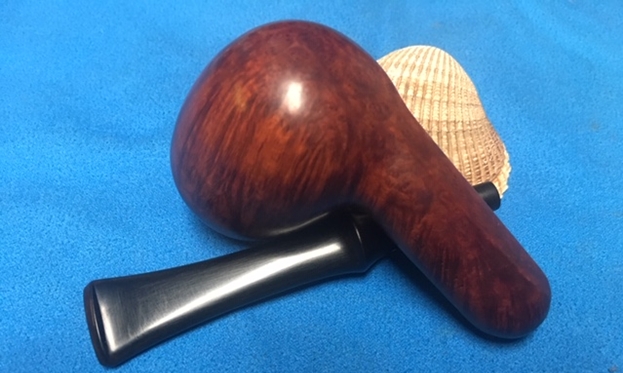
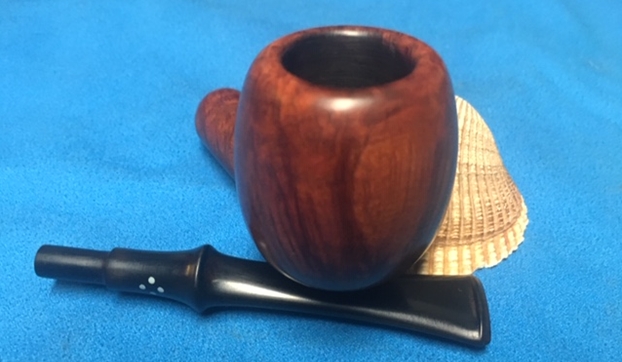
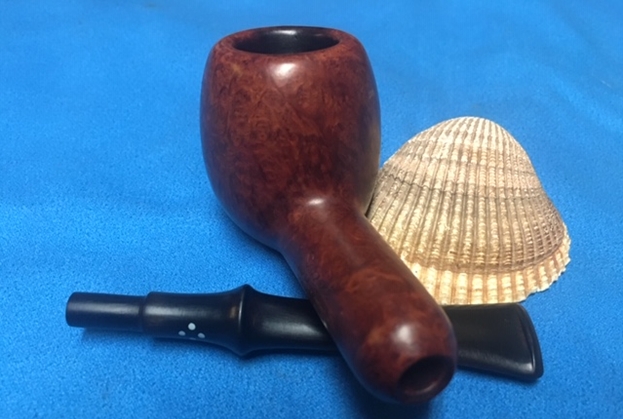
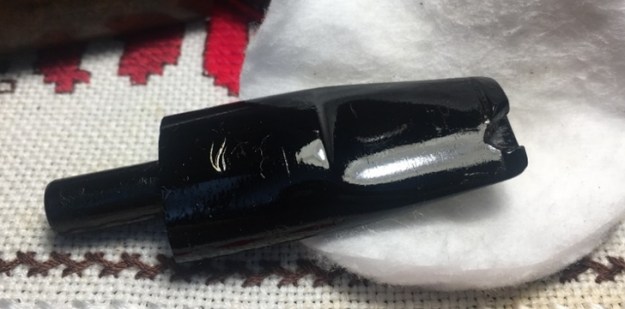
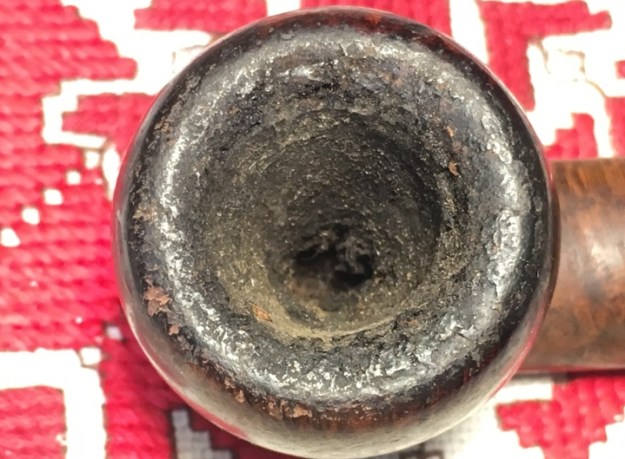
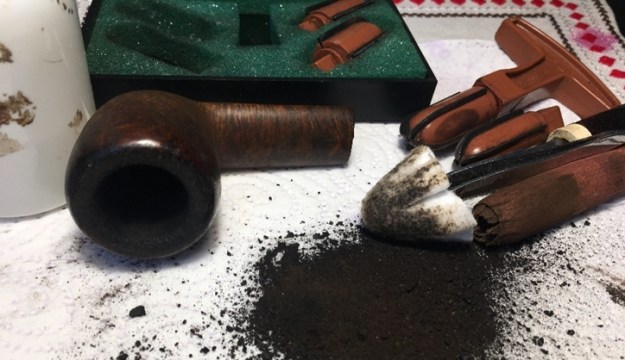
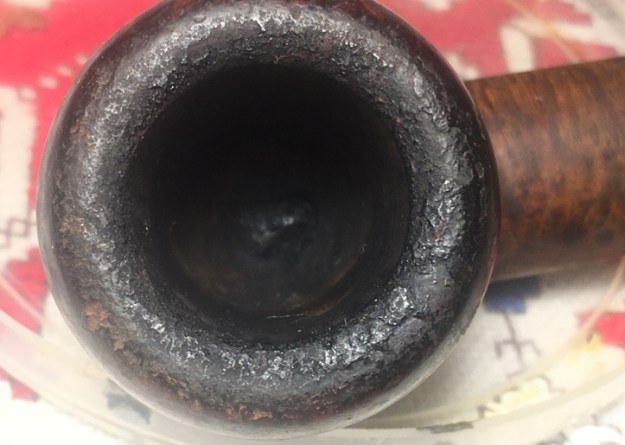
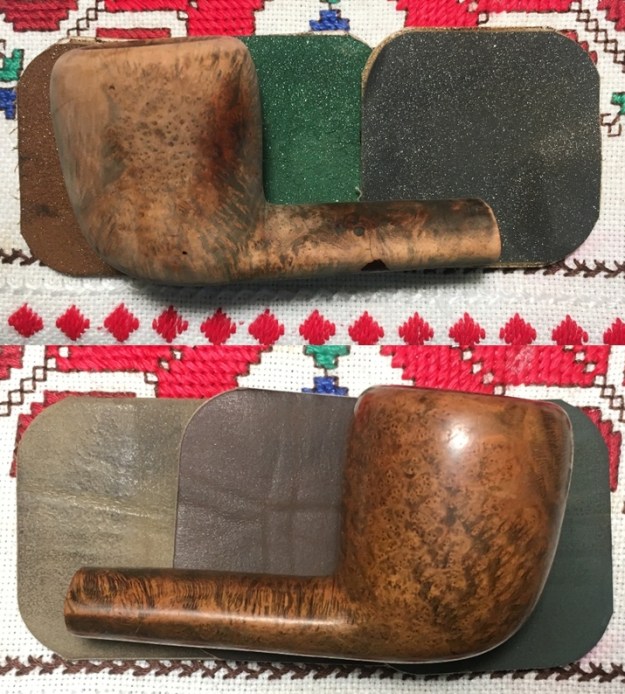
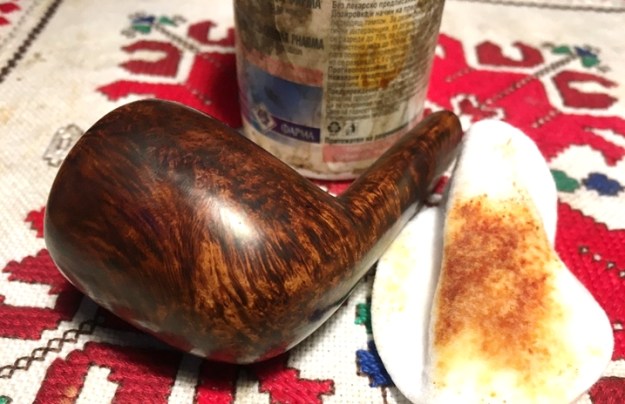
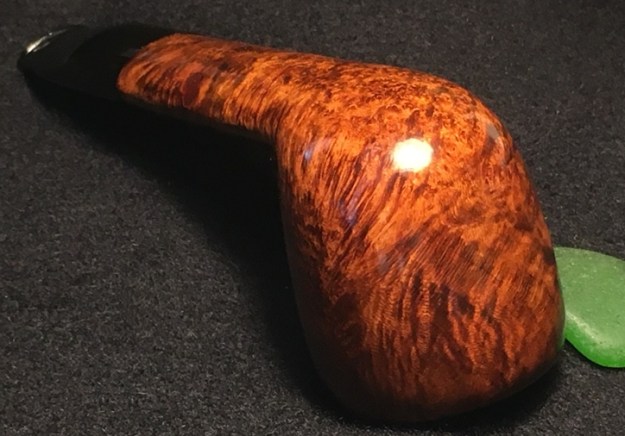
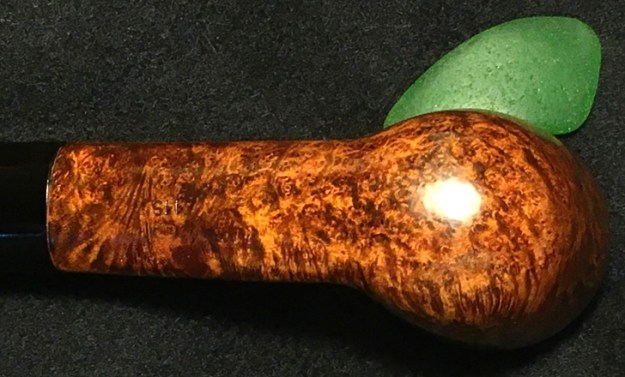
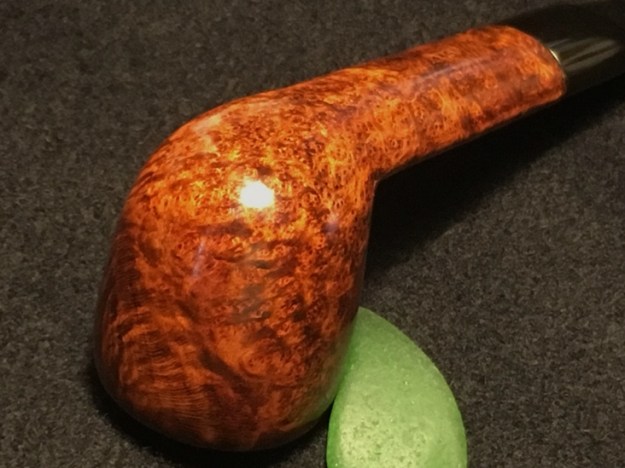
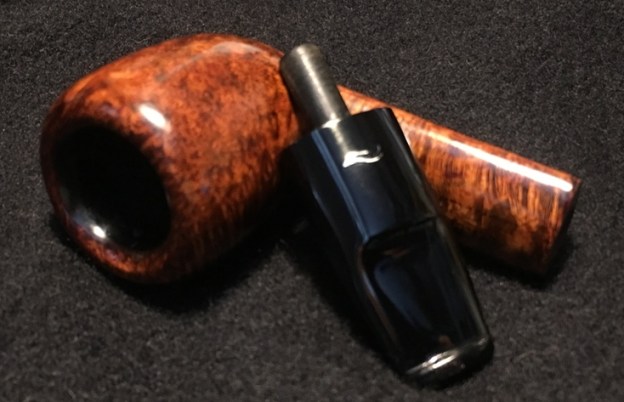
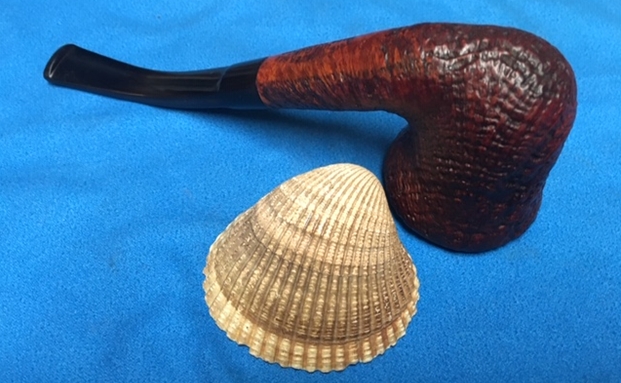
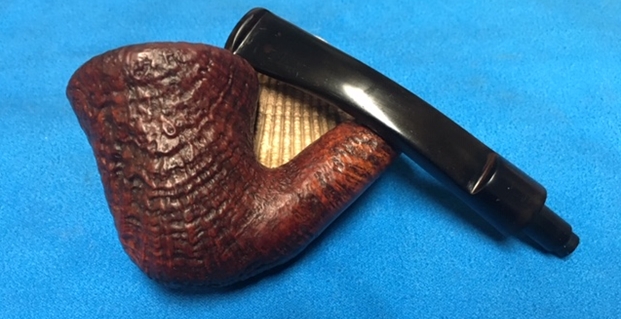
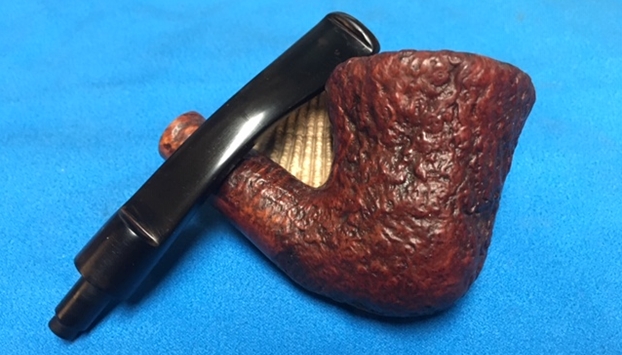
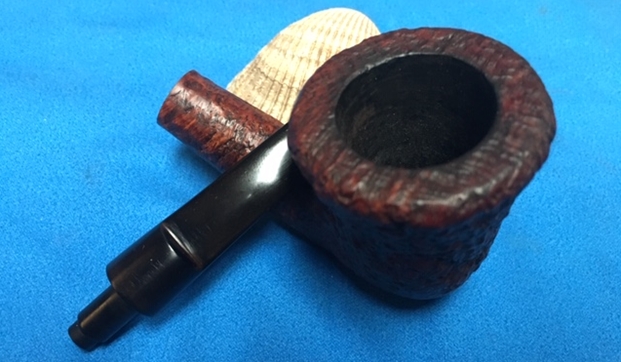
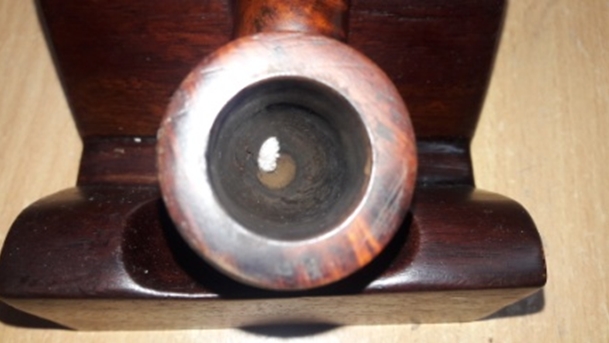
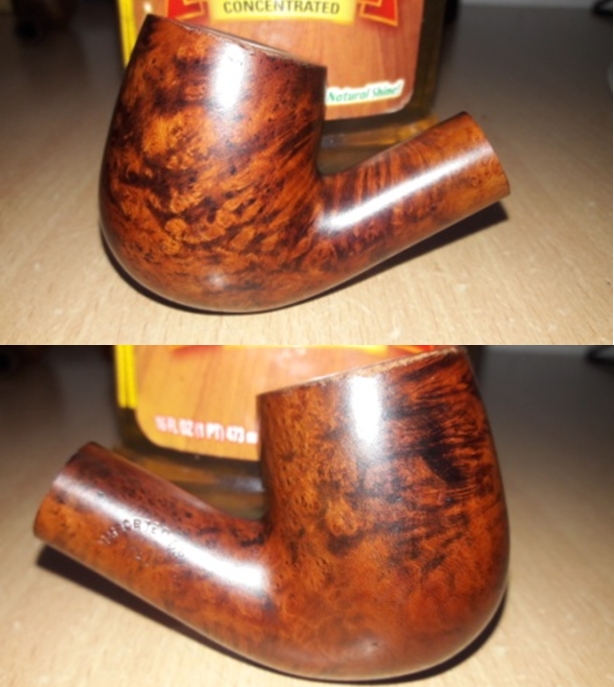
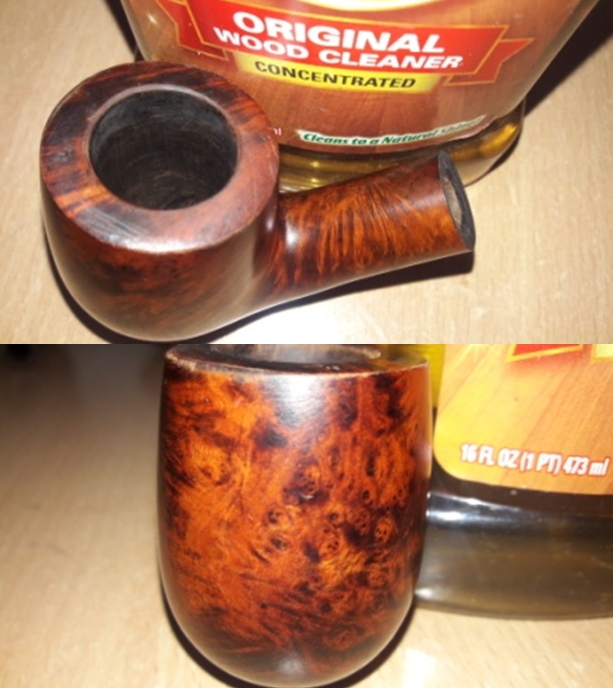
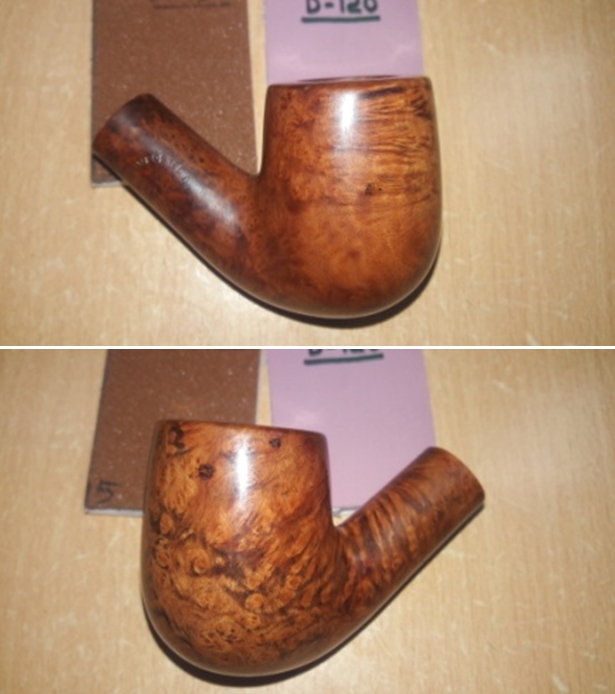
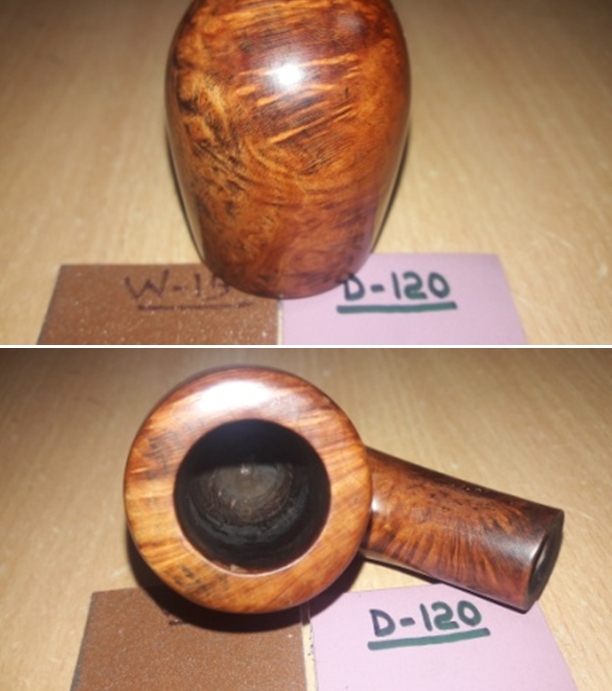
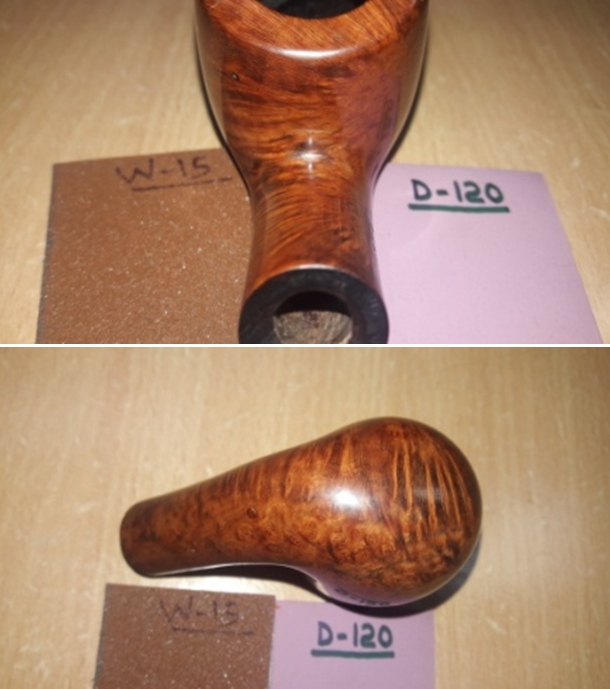
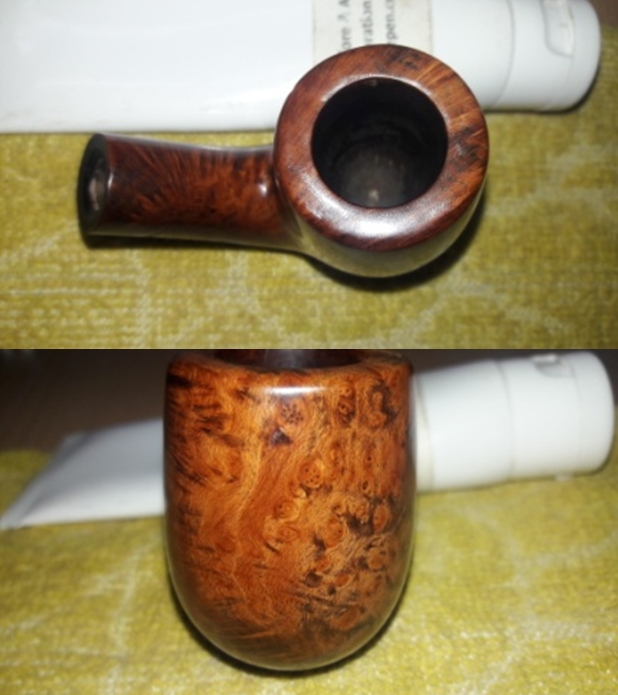
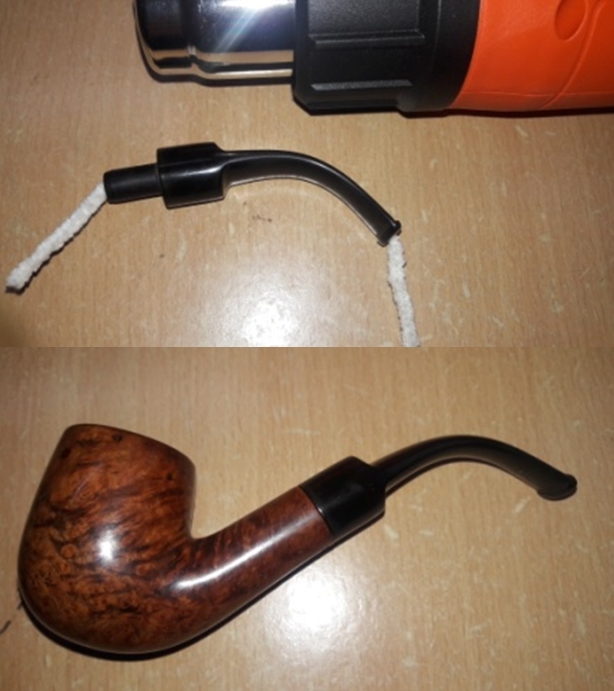
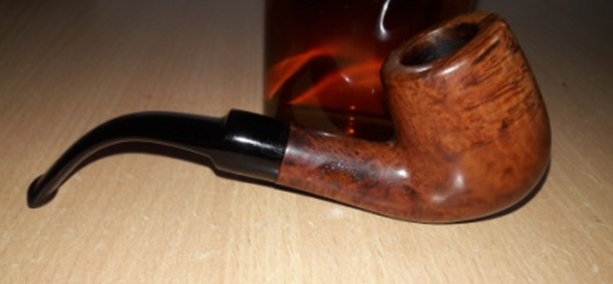
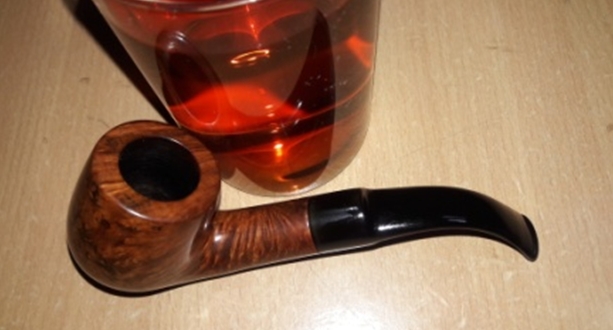
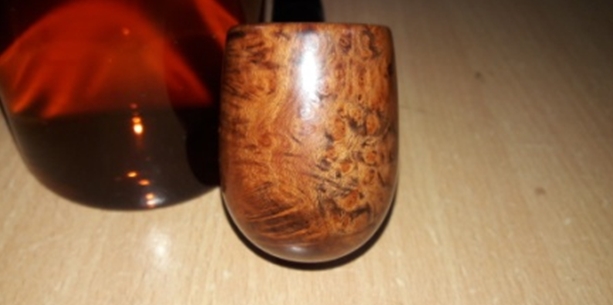
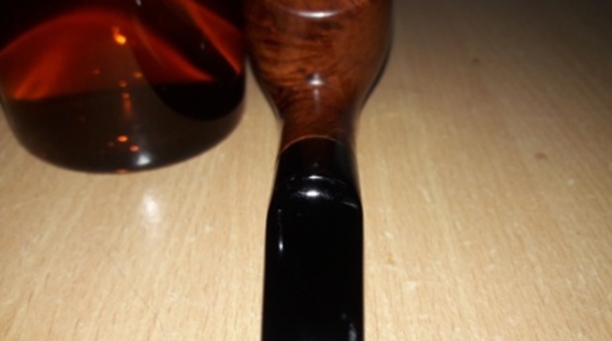
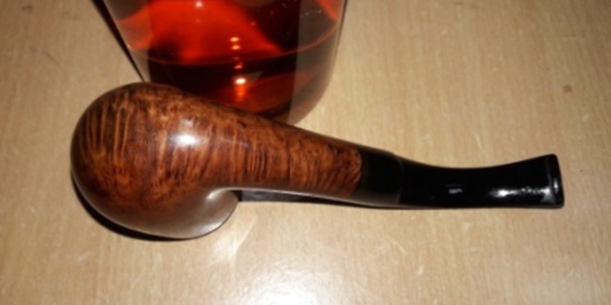
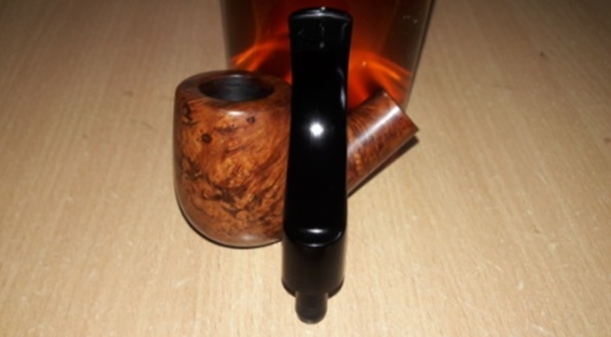
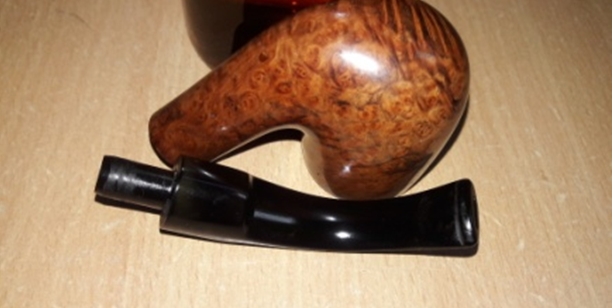
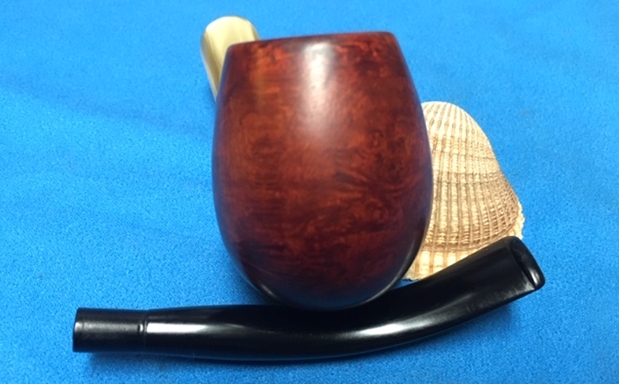
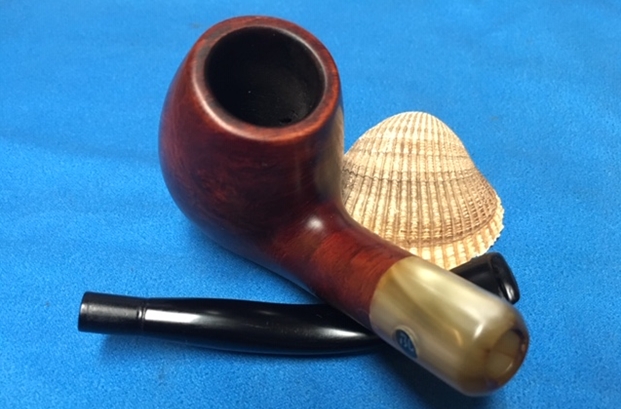
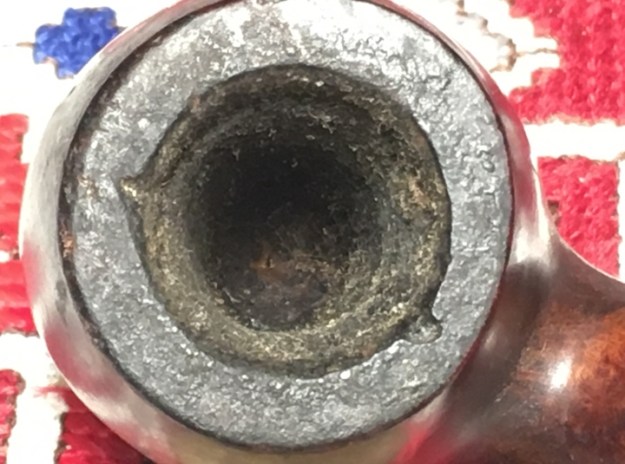
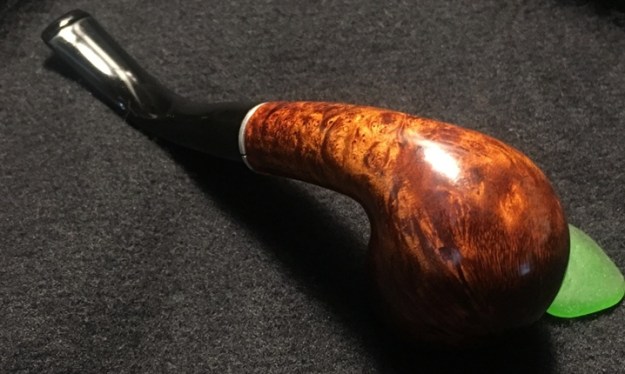
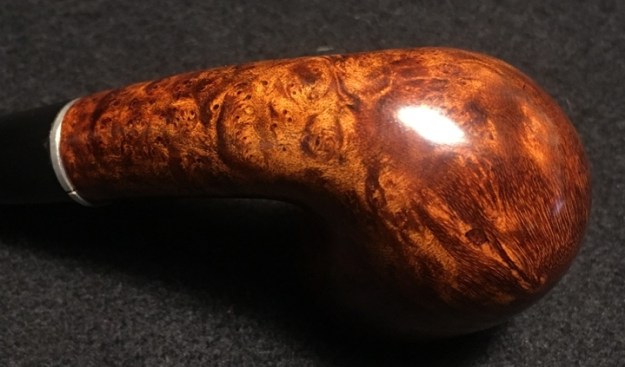
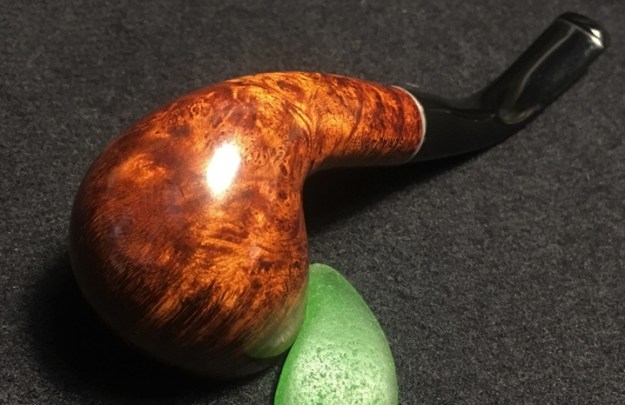
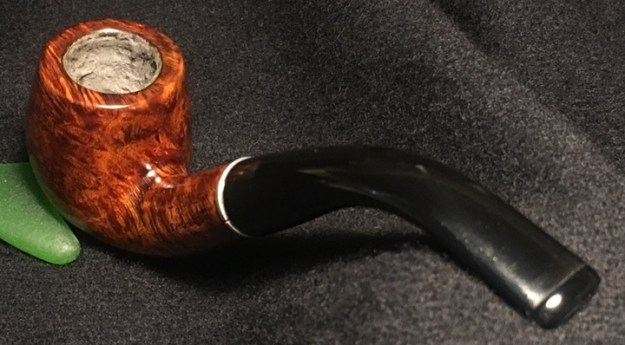
I chose the next pipe to work on from some that Jeff and I recently purchased from a guy in Illinois. There were some nice pipes in the assortment from a variety of ranges. The pipe on my worktable comes from that collection. This one is a beautifully grained Knute Freehand with a turned vulcanite stem. The rim top and shank end are plateau and have been selectively darkened in the grooves and valleys. The shape follows the grain of the block of briar very well. It is stamped on the underside of the shank Knute of Denmark. There is no other stamping on the pipe. The pipe is shaped to sit nicely on a desk or table top. The stem is stamped with a Crown over the letter K on the top. The pipe was very dirty with a thick cake in the bowl and some lava overflowing on to the plateau rim top. It was hard to know what the inner edge of the rim looked like because of the lava and cake. Other than being dirty the finish appeared to be in good condition. The stem was oxidized and had come calcification where a pipe Softee bit had been. There was some tooth chatter and marks on both sides of the stem at the button. Jeff took photos of the pipe before he started working on it so I could see what he was dealing with. He took photos of the rim top to show the thick cake in the bowl and the overflow of lava. The cake is thick and hard and the lava overflows into the plateau. The bowl is a real mess but it must have been a great smoking pipe. He also took a photo of the dusty plateau at the shank end. The next photos show the sides and heel of the bowl to give a clear picture of the beauty of the grain around the bowl of the pipe. Under the grime there is some great grain peeking through. Jeff took a photo of the stamping to capture the clarity of it even under the grime. The stamping reads Knute in script over of Denmark running horizontally along the underside of the shank.The stem looked dirty and oxidized with the calcification left behind by a pipe Softee bit. The bite marks and tooth chatter on the stem was light and should not take too much work to remedy. The Crown over K logo looked good at this point. Hopefully the cleanup will preserve it well. Before I started my work on the pipe I wanted to remind myself of the provenance of the pipe. I remembered that it was linked to Karl Erik as the earlier pipe I worked on was. I wanted to know where this pipe fit into the Karl Erik lines so I turned to the first of two sites that I always check to gather information on a brand. I turned first to Pipedia (https://pipedia.org/wiki/Karl_Erik). There it is clearly identified and linked to Karl Erik Ottendahl. It is designated as a second and frequently having rustication. For some reason this beauty does not have any rustication and it is a great piece of briar.

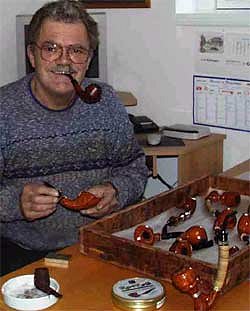
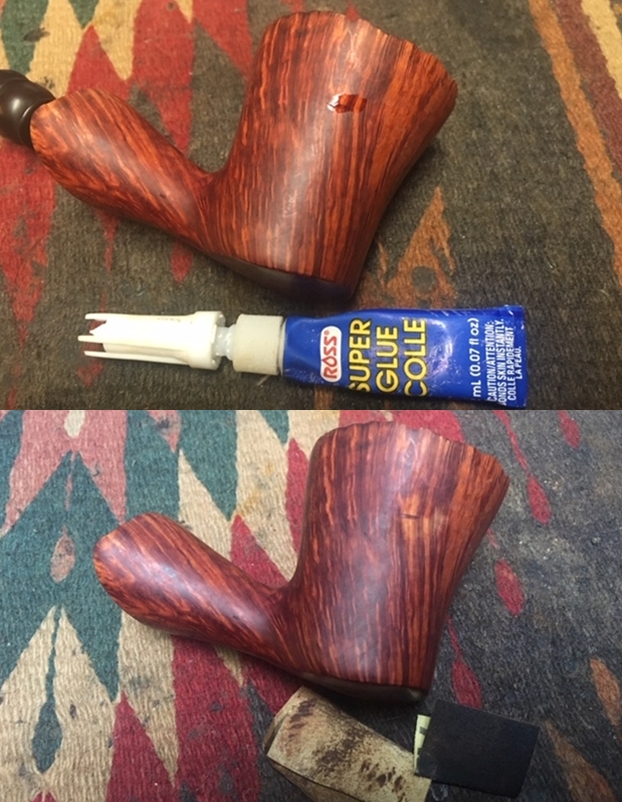
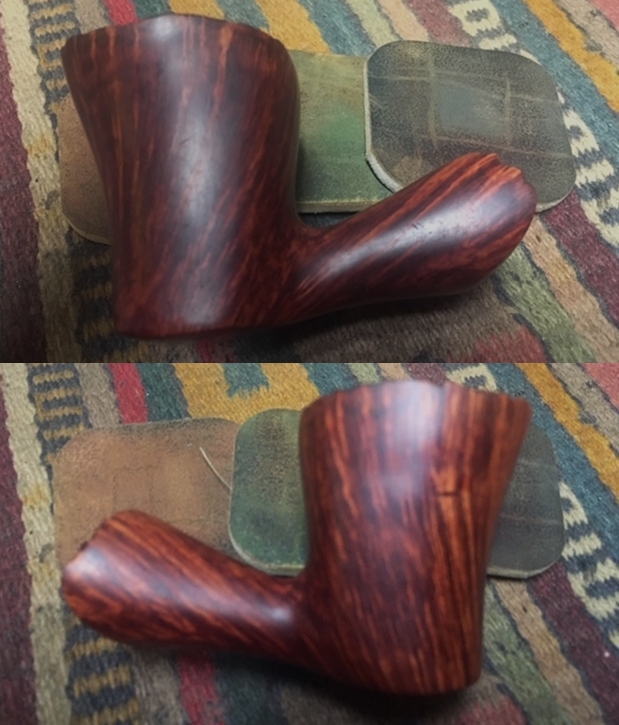
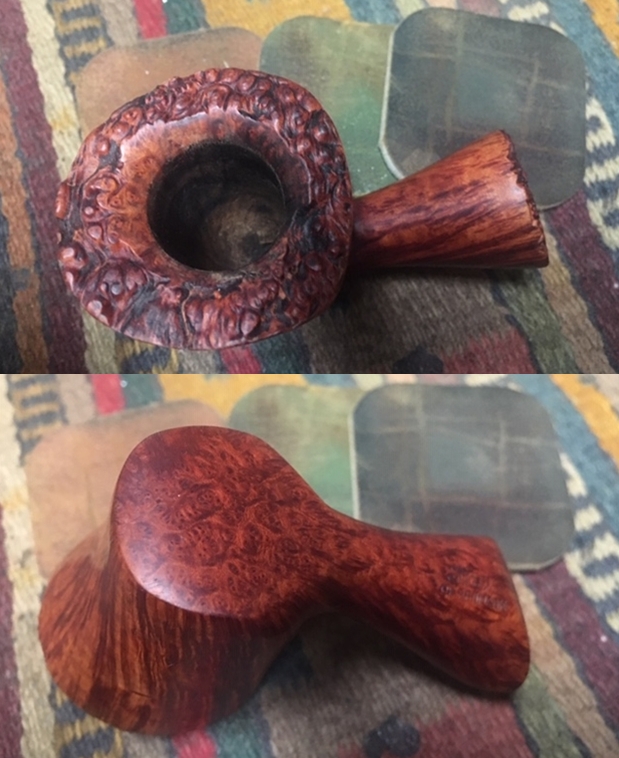
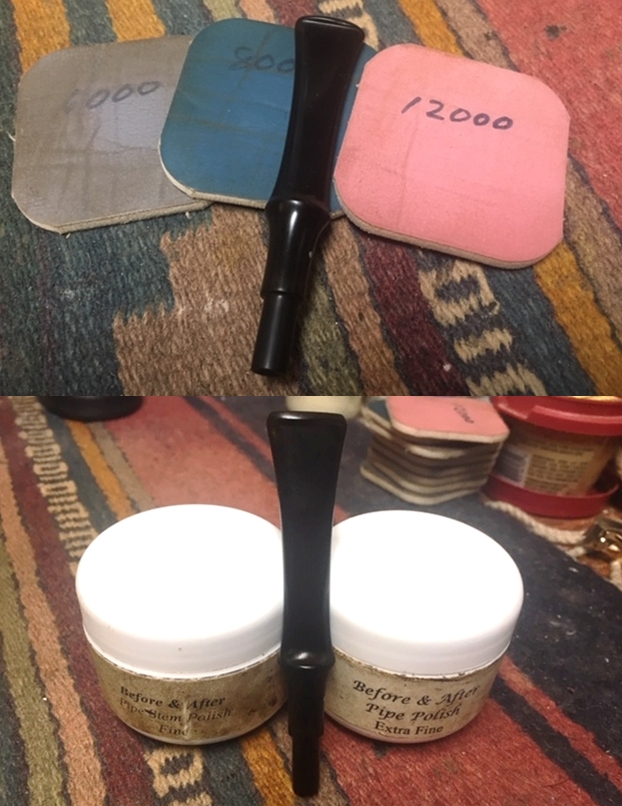
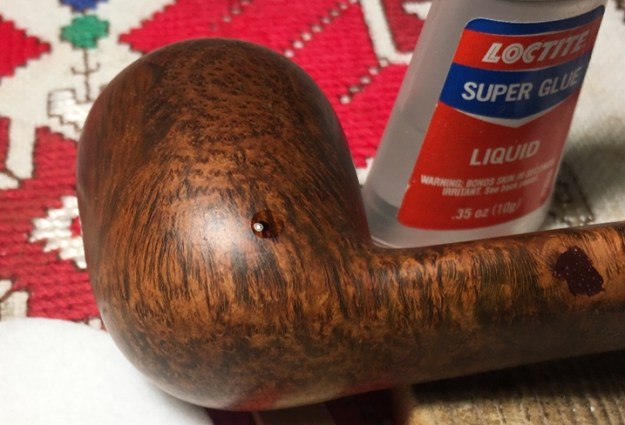
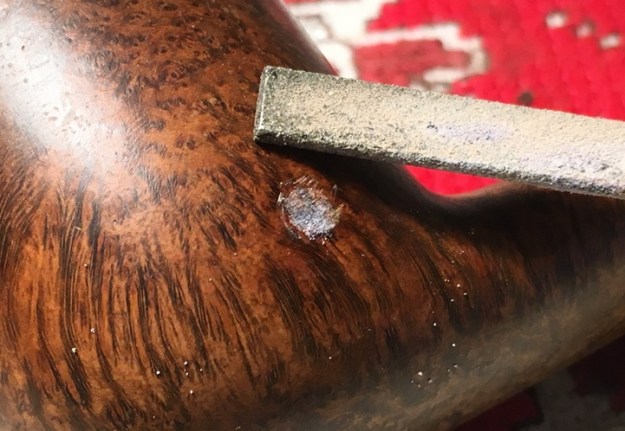
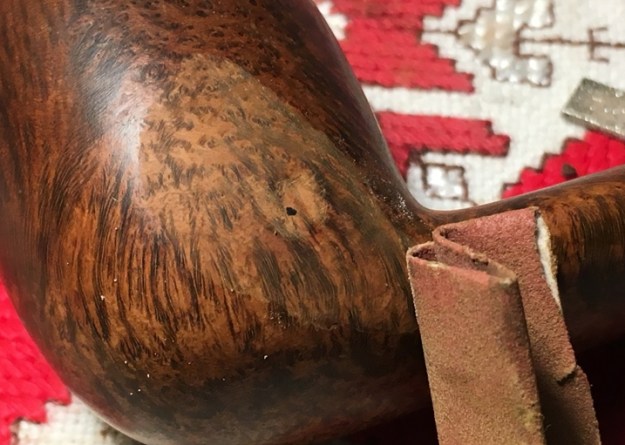
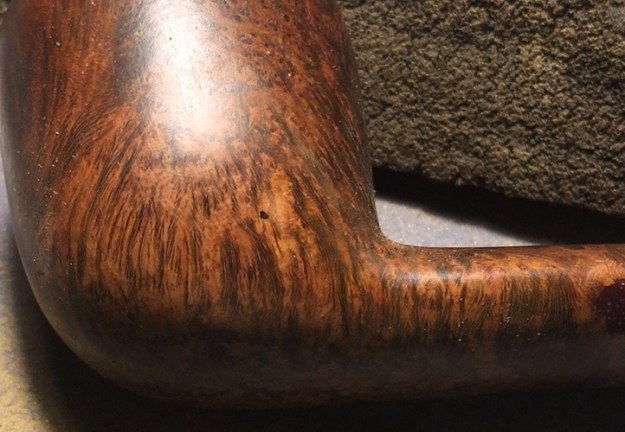
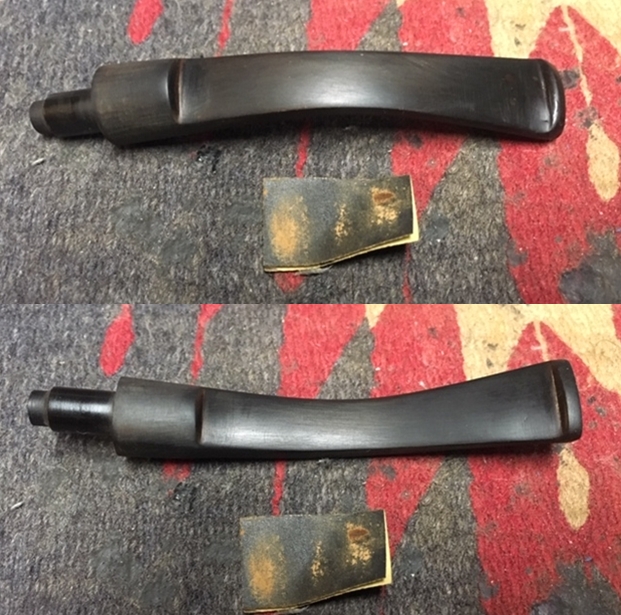
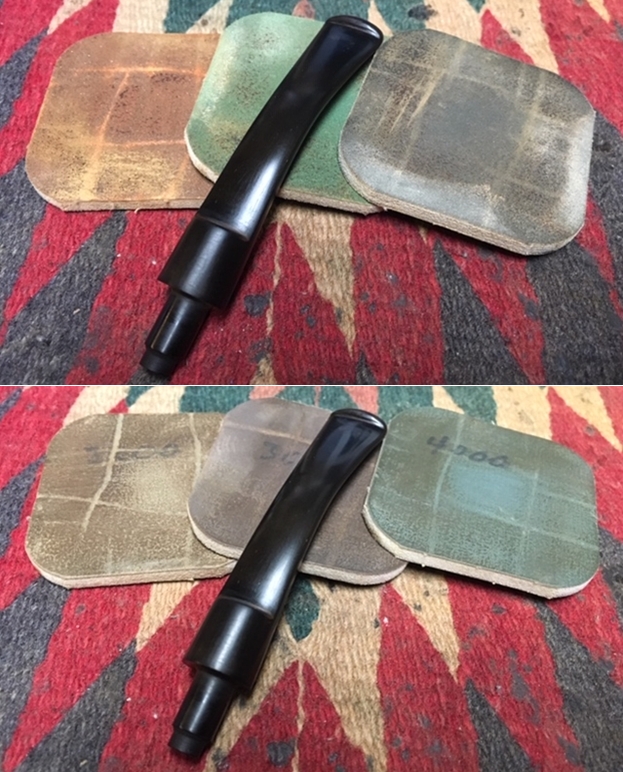
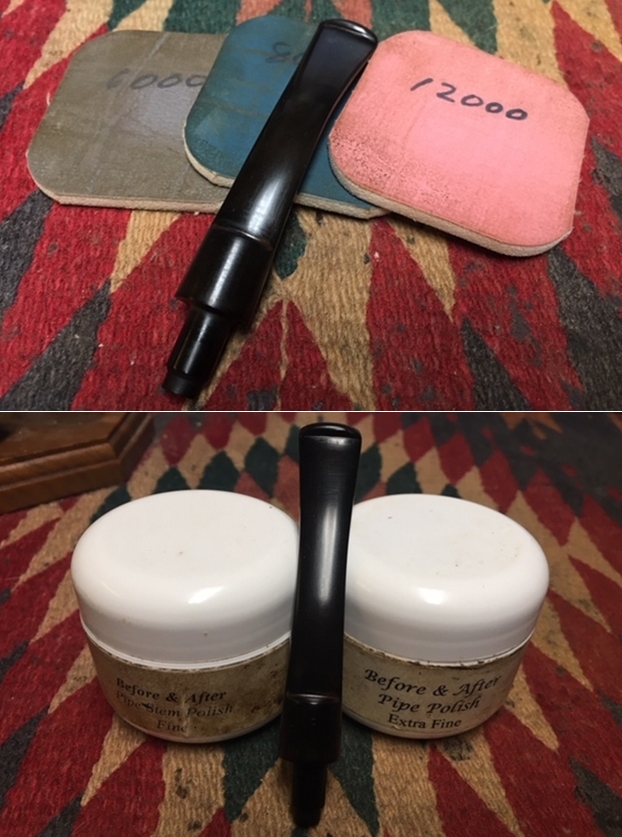
I turned to the second information site – Pipephil’s (http://www.pipephil.eu/logos/en/logo-k3.html) got a quick overview on the brand once again connecting it to Karl Erik.Pipedia also had this great picture of Karl Erik Ottendahl and I decided to include it here as a reminder of the artisan who first carved and released this pipe. Reminded of the tie to Karl Erik I knew a bit about the pipe at hand. I turned to address the pipe itself. Jeff cleaned up the pipe for me. He reamed the bowl with a PipNet pipe reamer and cleaned it up with a Savinelli Fitsall Pipe Knife. He scrubbed the exterior with Murphy’s Oil Soap and a tooth brush to clean off the grime off the finish and the heavy overflow of lava on the rim top. The cleaning had removed some of the black stain on the rim top. He cleaned up the internals of the shank, mortise and stem with pipe cleaners, cotton swabs and alcohol to remove all of the oils and tars in the pipe. He soaked the stem in Before & After Deoxidizer and was able to remove much of the oxidation. When it arrived here in Vancouver it was a clean pipe and I knew what I had to work with. I took photos of it before I started my part of the restoration. I took photos of the rim top and the stem to show their condition once it arrived in Canada. Jeff was able to clean up the incredibly thick cake and lava overflow that was shown in the rim and bowl photos above. The plateau and the inner bevel to the rim look really amazing. He was also able to get rid of the grime and grit in the surface of the briar. The rim top and edges looked very good. The stem looked very good and was much cleaner. There was light tooth marks and chatter on both sides near the button. The white paint in the stamping had been removed by the soak and cleaning but the stamp was still good so I could repaint it.I have noticed on some repairs that folks don’t pay much attention to the stamping when they are restoring a pipe. To me this is a critical part of the restoration to leave undamaged as it is the only link we have to who made the pipe. I took a photo of the stamping on the underside of the shank to show that it was very readable and undamaged by the cleanup work.There was a small cut in the briar on the right side of the bowl mid bowl that I would take care of first. I filled in the cut with a small drop of super glue. Once it cured I sanded it out with a worn piece of 220 grit sandpaper and polished the scratches left behind with 400 grit wet dry sandpaper.I started polishing the briar with micromesh sanding pads. I wet sanded it with 1500-12000 grit pads. I wiped the bowl down after each pad with a damp cloth. The bowl began to take on a rich shine and grain was beginning to stand out. I wet sanded with all of the pads and wiped the bowl down after each pad with a soft cloth. I rubbed the bowl and shank down with Before & After Restoration Balm to deep clean the finish on the bowl and shank. The product works to clean, enliven and protect the briar. I worked it in with my fingers to get it into the briar. I used a horsehair shoe brush to work it into the plateau top and shank end.  After it sat for a little while I wiped it off and buffed it with a soft cloth. The briar really began to have a rich shine. I took some photos of the bowl at this point to mark the progress in the restoration. It is a beautiful bowl. I set the bowl aside and worked on the stem at this point in the process. I sanded tooth chatter and the remaining oxidation on the stem with folded pieces of 220 to remove the marks and the light brown colouration on the stem surface. I sanded them with 400 grit sandpaper until the marks were gone and the oxidation was gone. I wiped it down with Obsidian Oil. I rubbed the stem down with Denicare Mouthpiece Polish and a cotton pad to remove remnants of oxidation and to further blend in the sanding. The stem was showing some promise at this point in the process. I used a liquid paper to touch up the stamping on the top side of the fancy saddle stem. I rubbed it into the stamp and set it aside to dry. I polished off the excess white product and left the remainder in the stamp itself.I polished the stem with micromesh sanding pads – wet sanding with 1500-2400 grit pads and dry sanding with 3200-12000 grit pads. I wiped the stem down after each pad with a damp cloth to remove the sanding dust. I used the Before & After Pipe Polish to remove the small minute scratches left in the vulcanite even after the micromesh regimen. I finished by wiping the stem down with a final coat of Obsidian Oil and set it aside to dry. I put the stem back on the pipe and took the pipe to the buffer. I buffed the bowl and stem with Blue Diamond to polish the briar and the vulcanite. Blue Diamond does a great job on the smaller scratches that remain in both. I gave the bowl and the stem several coats of carnauba wax and buffed the pipe with a clean buffing pad to raise the shine. I hand buffed it with a microfiber cloth to deepen the shine. The pipe polished up really nicely with a great contrasting stain look to the briar. The finished pipe is shown in the photos below. This is a beautiful Karl Eric Freehand – the fancy turned stem and plateau shank end give the pipe a great look. The polished black vulcanite stem looks really good with the rich browns standing out in the grain. The dimensions of the pipe are Length: 6 1/2 inches, Height: 2 inches, Outside diameter of the bowl: 1 3/4 inches, Chamber diameter: 3/4 of an inch. This is another pipe that I will be putting it on the rebornpipes online store shortly, if you are interested in adding it to your collection. Thanks for walking through the restoration with me on this beauty!

Restoring Another of Jennifer’s Dad’s Pipes – A Sasieni Four Dot Walnut “Appleby” M


Blog by Steve Laug

Once again time to get back to Jennifer’s Dad’s pipes. The next pipe on the worktable is from the estate of George Rex Leghorn. You may not have read about this estate before, so I will retell the story. I received an email from Jennifer who is a little older than my 64+ years about whether I would be interested in her Dad’s pipes. My brother Jeff and I have been picking up a few estates here and there, so I was interested. Here is the catch – she did not want to sell them to me but to give them to me to clean up, restore and resell. The only requirement she had was that we give a portion of the sales of the pipes to a charity serving women and children. We talked about the organization I work for that deals with trafficking and sexual exploitation of women and their children and she decided that would be a great way to carry on the charitable aspect of her Dad’s character. With some great conversation back and forth she sent the pipes to Jeff and he started the cleanup process on them. Once he had finished cleaning them all he sent them to me to do my work on them.

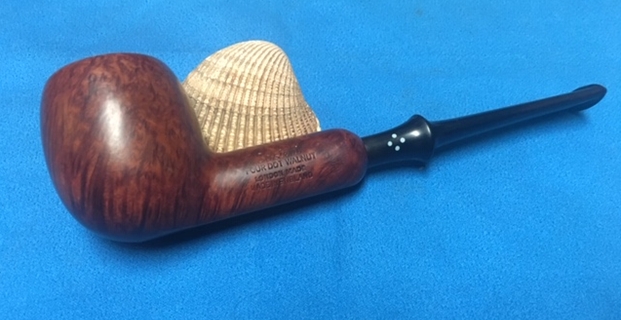
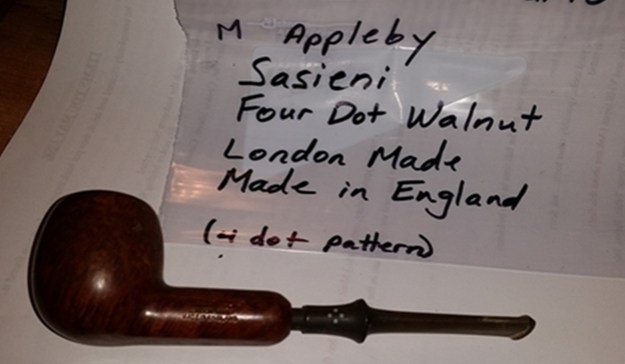
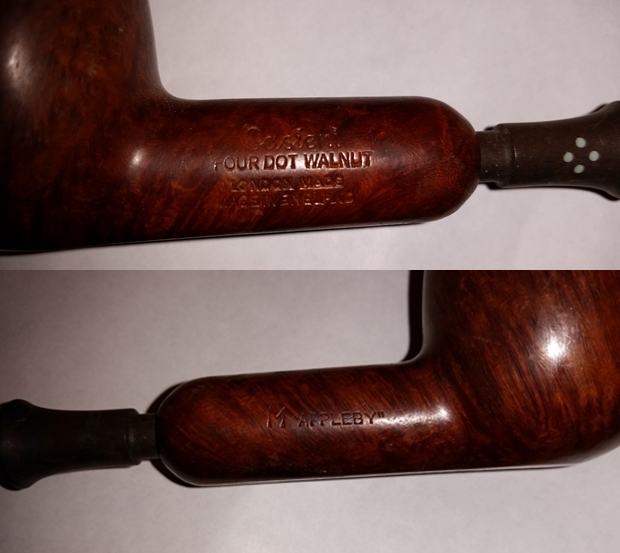
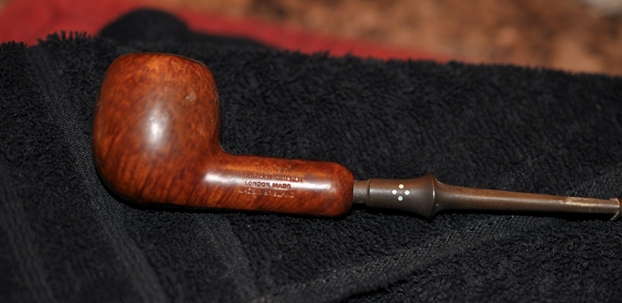
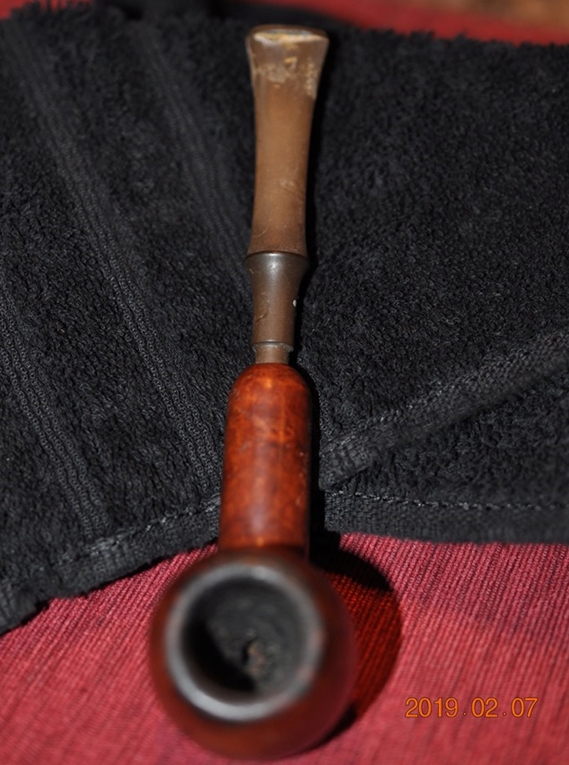
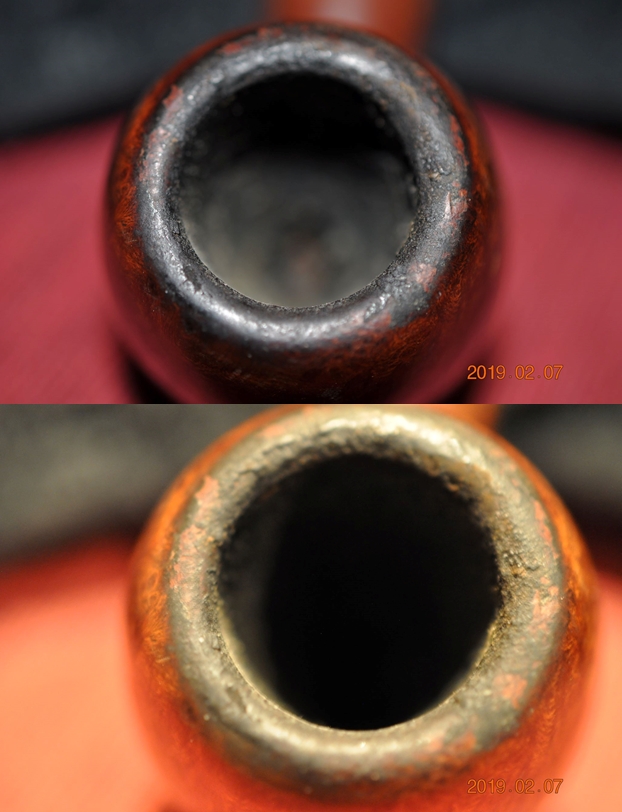
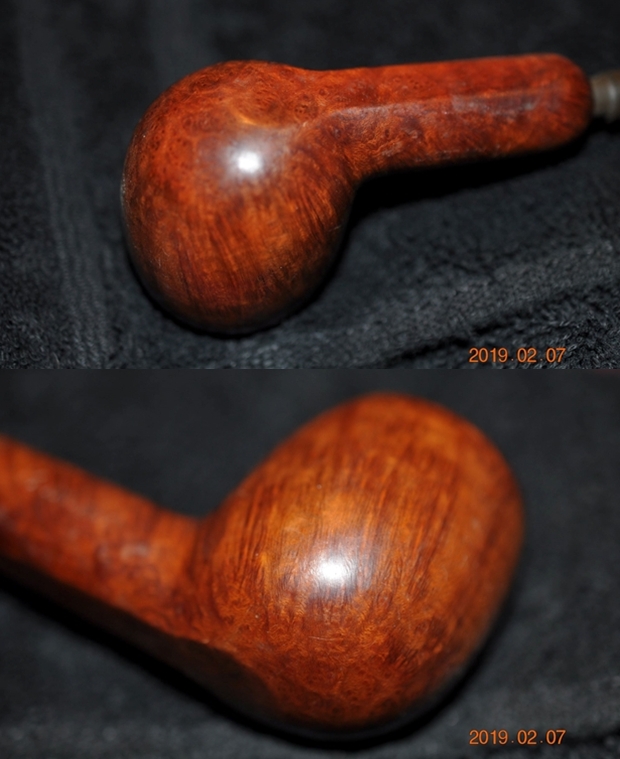
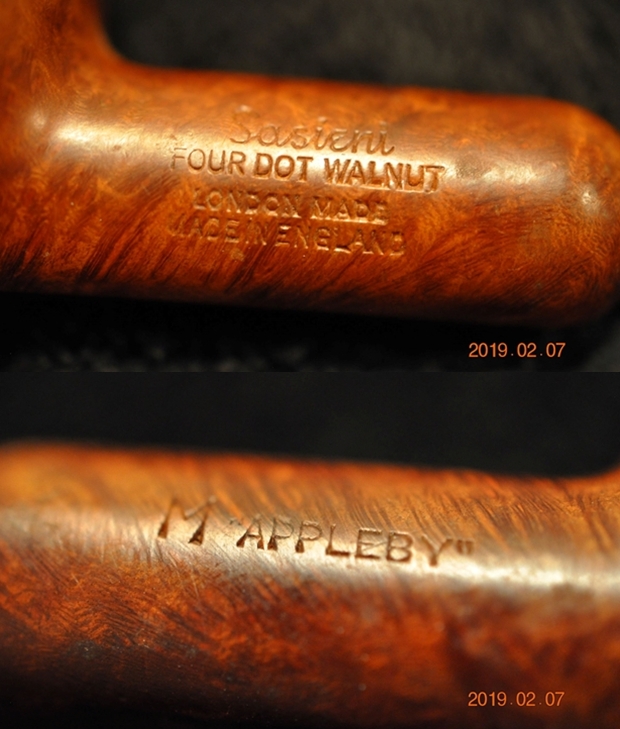
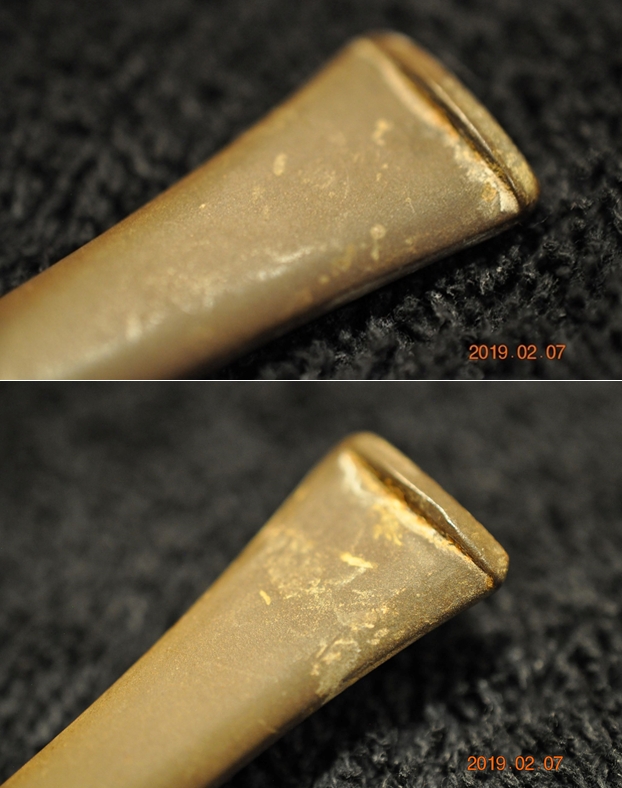
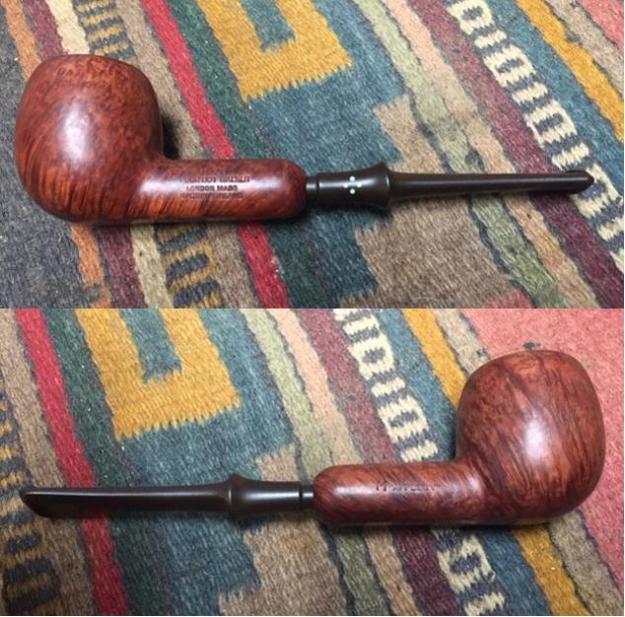
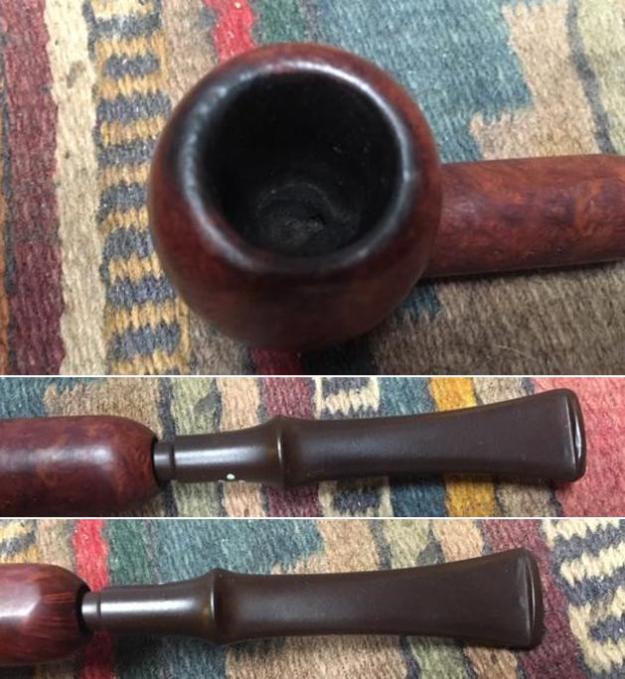
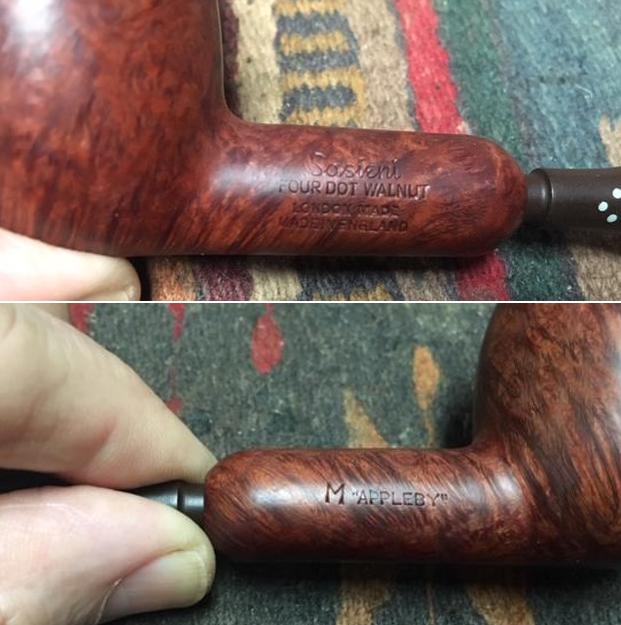
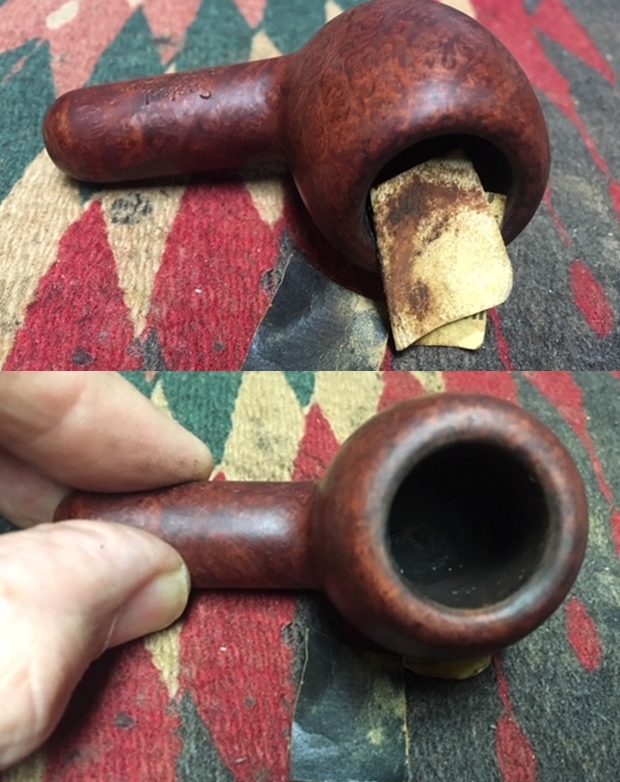
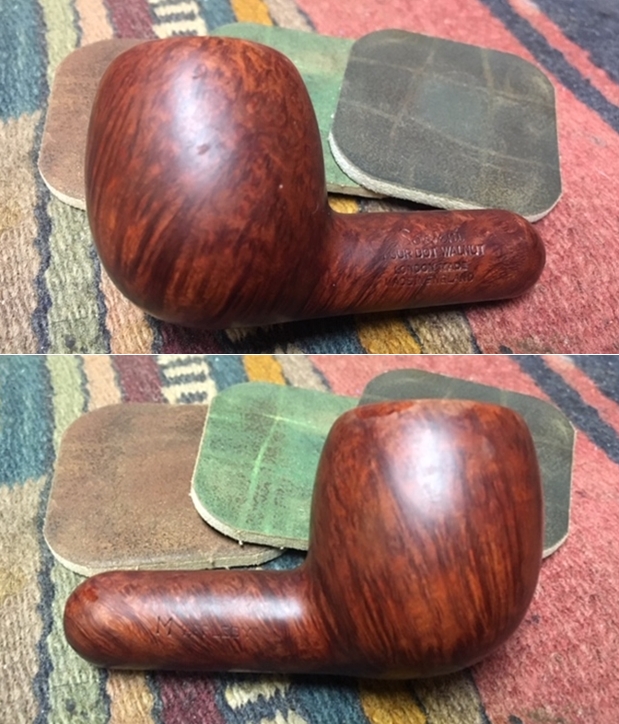
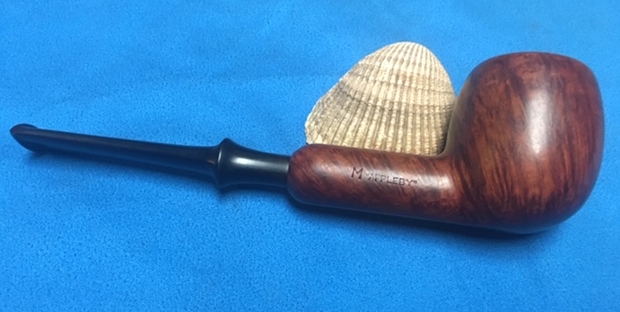
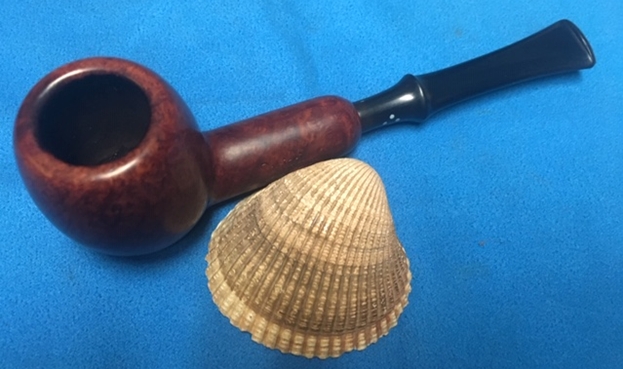
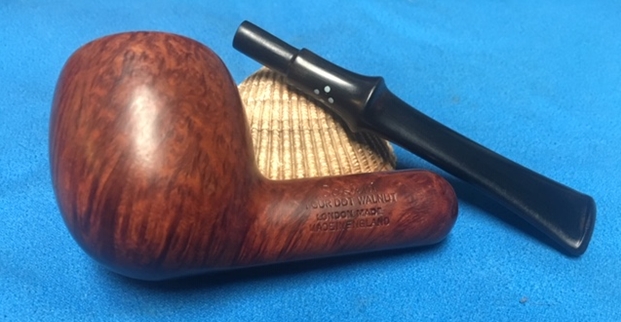
The next pipe I chose to work on from the lot was an interesting Apple shaped Sasieni with a military type bit. The pipe is stamped Sasieni in script over FOUR DOT WALNUT over London Made over Made in England on the left side of the shank. On the right side it is stamped M “APPLEBY”. It has some beautiful flame and straight grain mixed with birdseye grain around the bowl sides and shank. It had a rich reddish brown stain but it was dirty and hard to see the colour well. There was a thick cake in the bowl and it had overflowed with lava was dirty and tired looking. There was some burn marks and lava on the rim top. The stem was badly oxidized with tooth marks and chatter on the top and underside near the button. The button was in excellent condition. There were four blue dots on the left side of the saddle stem. It had been sitting in boxes for a lot of years and it was time to move ahead with the restoration. Jennifer took photos of the pipes she was sending. I have included three she included from this pipe. When the box arrived from Jennifer, Jeff opened it and took photos of each pipe before he started his cleanup work on them. This interesting looking Sasieni with a round rim top and shank end was different from any that I have worked on in years past. This is a classic shape with a twist. The stem is faux military bit that sits tight against the rounded end of the shank. The pipe appeared to be in good condition underneath the grime and oxidation on the bowl and stem. The finish looked intact under the grime. The bowl had a thick cake that had hardened with time. The lava overflow on the rim but it could very well have protected the rim from damage. We won’t know what is under it until Jeff had cleaned it off. The stem was worn looking with a lot of deep oxidation and scratches in the vulcanite on both surfaces. There was some tooth chatter and bite marks on both sides at the button. Jeff took photos of the bowl and rim top to show the cake in the bowl and the lava build up on the edges of the bowl. It was thick and hard but hopefully it had protected the rim and edges from damage. The lava coat looks horrible and it points to a well-used good smoking pipe.Jeff took photos of the sides and heel of the bowl to show the condition of the finish – the grime and grit all over the sides and flat bottom of the bowl. It is a dirty pipe.Jeff took photos of the stamping on the left and the right side of the shank. The stamping was very readable. On the left side of the shank it read Sasieni in script over FOUR DOT WALNUT. Under that it reads London Made over Made in England. On the right side it read M “Appleby”. Jeff took photos of the top and underside of the stem showing the scratching, oxidation and light tooth damage to the stem surface and slight wear to the edges of the button. I looked on the Pipedia website to see if I could get a bit of background information on the Sasieni Four Dot Walnut (https://pipedia.org/wiki/Sasieni). I quote from that site the pertinent information on the brand:

Once Alfred took over the company in 1946, these elements changed in fairly rapid succession. The first thing to be changed was the nomenclature itself. In place of the elaborate “Sasieni” stamp of pre-war pipes, a simpler, though still script style, “Sasieni” was used. This can be seen on patent pipes which have the small, old style dots.

Soon after, Sasieni enlarged the dots themselves, and they formed an equilateral rather than an elongated diamond. My pet theory on this is the dots were enlarged to make up for the fact there were no longer eight of them, but I can’t prove it. Finally the patent number was discontinued, and the words “Four Dot” were added. The shank thus read:

Sasieni

Four Dot

London Made.

Somewhat later still, this was modified to reflect the finish, e.g. Four Dot Walnut, or Four Dot Natural. All these changes seem to have been made in the years between 1946 and 1950. Therefore a pipe with new style dots and old style stamping almost certainly has a replacement stem.

This system changed little if at all in the ensuing thirty years. When the company was sold in 1979, one of the first things the new owners did was to eliminate the town names from the shanks. The dots were enlarged yet further, and the Sasieni name, though still done in script, was larger, as was the rest of the shank nomenclature, which in all other ways was similar to the Pre-Transition nomenclature. While these pipes are not as collectible as the family made pipes, they were made with care and are high quality.

The pipe in my hand is stamped with four lines on the left side. Under the London Made stamp it reads Made in England. The left side could be a town name – M “Appleby”. This would date the pipe being made between 1946 and 1979. Sometime shortly after 1946 the words FOUR DOT were added. That gives a rough time frame for the making of this pipe.

I wrote to Al Jones (upshallfan here on rebornpipes) and asked what he knew about the brand. He sent back this response this morning. He confirms what I had figured out from the Pipedia article. He adds information that I could not find in terms of the M stamp.

That’s a beauty! Four Dot with town name (Appleby), made between 46-79. The Appleby is usually a tapered stem, but the M stamp indicated a military stem, a bit unusual. Great pickup. Four Dot’s have been one of the few pipes that are still currently holding their value… — Al

Now I had the information that I was searching for. The Sasieni that I have is an interesting Four Dot Sasieni with a military stem. Al says it is a bit unusual and I would concur having never seen one like this before. Thanks Al. 

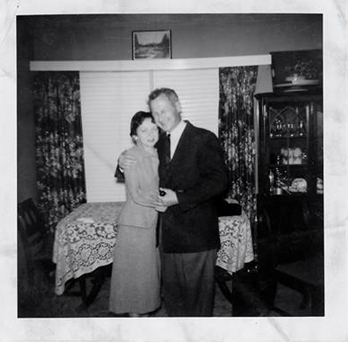
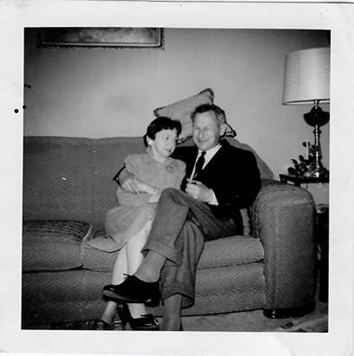
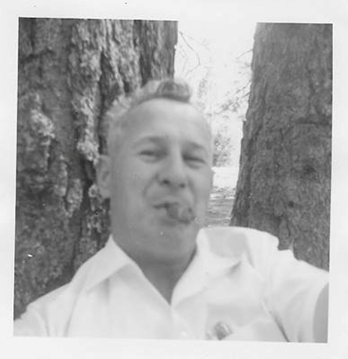
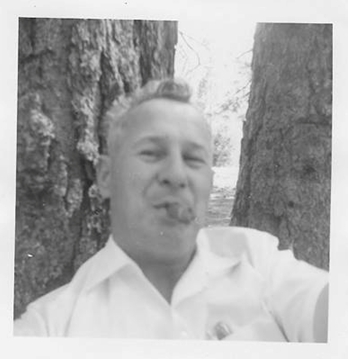
Before I get on to cleaning up the pipe I thought I would once again include the tribute that Jennifer wrote to her Dad for the blog. She also sent some photos and an article that her Dad wrote for Jeff and me to be able to get a feel for him. I have included those below. Note in each of them that he is holding a pipe in his left hand. I asked her to also send me an email with a brief tribute to her Dad. Here is her tribute from an email to me.

Steve, I want to thank you again for accepting my dad’s pipes.  They were so much a part of my dad’s life that I could not simply discard them. But as his daughter, I was not about to take up smoking them either. *laughing* I think my dad would like knowing that they will bring pleasure to others.  I know that I do.

I’m not sure what to say about his pipes. I always remember Daddy smoking pipes and cigars.

First a bit about my dad. Though my father, George Rex Leghorn, was American (growing up in Alaska), he managed to join the Canadian Army at the beginning of WWII, but in doing so lost his American citizenship.  He was fortunate to meet a Canadian recruiting officer who told him the alphabet began with “A” and ended with “Zed” not “Zee”, and also told him to say that he was born in a specific town that had all its records destroyed in a fire.  When the US joined the war my dad, and thousands of other Americans who had made the same choice*(see the link below for the article), were given the opportunity to transfer to the US military, and regain their citizenship.

After WWII, my dad, earned his degree at the University of California Berkeley and became a metallurgist. There is even a bit about him on the internet.

He loved taking the family out for a drive, and he smoked his cigars on those trips. (As a child, those were troubling times for my stomach.)

I most remember my father relaxing in his favorite chair with a science fiction book in one hand and a pipe in the other… Sir Walter Raleigh being his favorite tobacco… and the pipes themselves remind me of him in that contented way.  If I interrupted his repose, he’d look up, with a smile on his face, to answer me.

It seemed he smoked his Briarwood pipes the most, though he had others.  At the time, it was only the Briarwood I knew by name because of its distinctive rough shaped bowl.  And it was the Anderson Free Hand Burl Briar, made in Israel, which I chose for his birthday one year, because I thought he might like that particular texture in his hand.

At least two of his pipes, he inherited from his son-in-law, Joe Marino, a retired medical laboratory researcher (my sister Lesley’s late husband)… the long stemmed Jarl (made in Denmark), and the large, white-bowled, Sherlock Holmes style pipe.  I believe Joe had others that went to my dad, but Lesley was only sure about those two.

The Buescher, corncob pipe my older sister Lesley bought for Daddy while on one of her travels around the States.

A note on the spelling of my sister’s name…

My dad met my mother, Regina, during WWII and they married in Omagh, Ireland.  My mother was English and in the military herself.  The English spelling of Lesley is feminine, and Leslie masculine, in the UK… just the opposite of here in the United States.  I guess my mom won out when it came to the spelling of the name.

I’ll send you photos of my dad soon, along with his WWII experience story.

Jennifer

*https://www.thestar.com/news/world/2013/10/22/the_americans_who_died_for_canada_in_wwii.html

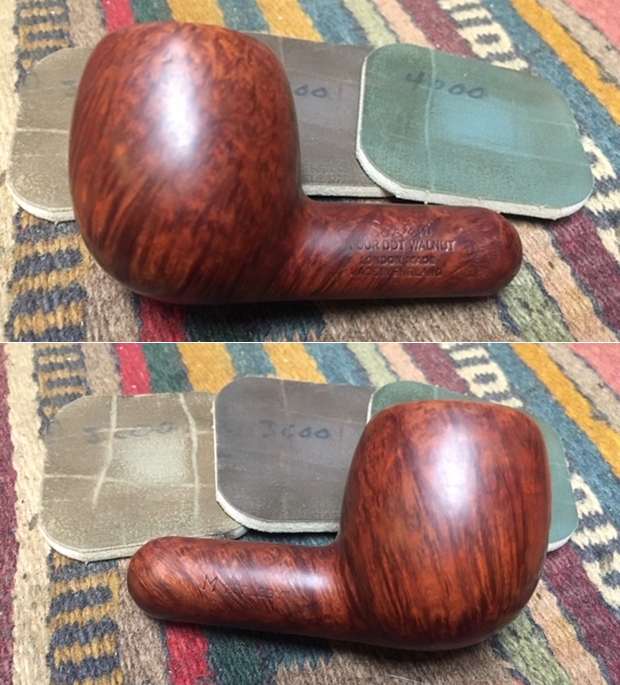
Jeff cleaned the pipe with his usual penchant for thoroughness that I really appreciate. This one was a real mess and I did not know what to expect when I unwrapped it from his box. He reamed it with a PipNet pipe reamer and cleaned up the reaming with a Savinelli Fitsall Pipe Knife. He scrubbed out the internals with alcohol, pipe cleaners and cotton swabs until the pipe was clean. He scrubbed the exterior of the bowl with Murphy’s Oil Soap and a tooth brush to remove the grime and grit on the briar and the lava on the rim top. The finish looks very good with mixed grain around the bowl and shank. There was still some darkening on the front and rear edge of the rim. The briar was rough in those two places. He soaked the stem in Before & After Deoxidizer to remove the oxidation on the rubber. When the pipe arrived here in Vancouver for the second stop of its restoration tour it looked very good. I took photos before I started my part of the work. I took some close up photos of the blackened areas of the rim top and also of the stem surface. I wanted to show what an amazing job Jeff did in the cleanup of the rim top. But I also wanted to clearly show the damage that remained on the surface of the rim top. I also took close up photos of the stem to show the tooth marks and chatter in front of the button on both sides.I also took photos of the stamping on the pipe on the underside of the shank. It read as noted above.The next series of photos show the rim top when we received the pipe (photo 1), after Jeff had cleaned the lava off leaving some damage (photo 2) and my work on it (photos 3-4). I worked over the top and edges of the rim with a folded piece of 220 grit sandpaper followed by a piece of 400 grit wet dry sand paper (photo 3). One I had finished the rim looked very good. I was able to remove much of the damage and leave a clean rim (photo 4). I polished the bowl and rim with micromesh sanding pads. I wet sanded it with 1500-12000 grit pads and wiped it down between pads with a soft cotton cloth. You can see the progress in the shine as you go through the photos. I worked some Before & After Restoration Balm into the finish of the bowl and the rim top with my fingertips to clean, enliven and protect it. I find that the balm really makes the briar come alive again. The contrasts in the layers of stain really made the grain stand out. I let the balm sit for a little while and then buffed with a cotton cloth to raise the shine. The pipe really looks good at this point. I am very happy with the results.  I painted the surface of the stem with the flame of a Bic lighter to raise the tooth marks in the surface of the stem on both sides. I was able to raise some of them but some still remained. I sanded the remaining tooth marks on the stem with 220 grit sandpaper to blend them in and to remove some of the oxidation. I was able to remove much of the damage to the surface. What remained I filled in with clear super glue. I set the stem aside to let the repairs cure. Once the glue had cured I sanded the repairs smooth with 220 grit sandpaper until they were blended in to the surface of the stem. I wiped the stem off with a damp cloth to remove the sanding dust. I put the stem into a bath of Before & After Deoxidizer to let it do its magic on the oxidation that remained deep in the vulcanite. I let it soak for several hours.I took the stem out of the bath and rinsed it in warm water. I blew air through the stem to clear the airway and ran water through it as well. I dried it off with a microfibre cloth and buffed it dry to remove as much remaining oxidation as I could. I ran pipe cleaners and alcohol through the stem to further remove traces of the bath.I took photos of the stem at this point to show its condition.I polished the stem with Denicare Mouthpiece Polish and a cotton pad to scrub off remaining oxidation on the stem surface particularly around the curves. I buffed it with a microfibre cloth to raise a shine and check out the issues remaining.I polished the stem with micromesh sanding pads – wet sanding it with 1500-12000 grit pads. I polished it further with Before & After Pipe Stem Polish – both fine and extra fine. I finished by wiping it down with Obsidian Oil after each pad and set it aside to dry. I put the stem back on the bowl and polished the bowl and stem with Blue Diamond polish on the buffing wheel. I gave the bowl and the stem multiple coats of carnauba wax. I buffed the pipe with a clean buffing pad to raise the shine. I hand buffed it with a microfiber cloth to deepen the shine. The stain and the smooth finish on this briar combine well with the grain. The shine on it makes the variations of colour really pop. The pipe polished up really well. The polished black vulcanite military bit seemed to truly come alive with the buffing. The apple shaped pipe feels great in my hand and when it warms with smoking I think it will be about perfect. It must have been a fine smoking pipe judging from the condition it was when we received it from Jennifer. There should be a lot of life left in this Sasieni Four Dot Walnut “Appleby”. Have a look at it with the photos below. The dimensions are Length: 6 inches, Height: 1 3/4 inches, Outside diameter of the bowl: 1 1/4 inches, Chamber diameter: ¾ of an inch. This is one that will go on the rebornpipes online store shortly. If you want to carry on the pipe trust of George Leghorn let me know. Thank you Jennifer for trusting us with his pipes. Thanks to each of you who are reading this blog. Remember we are not pipe owners, we are pipemen and women who hold our pipes in trust until they pass on into the trust of the next pipeman or woman.

Bringing a Silver Match Toronto 115 Squat Lumberman Back to Life


Blog by Dal Stanton

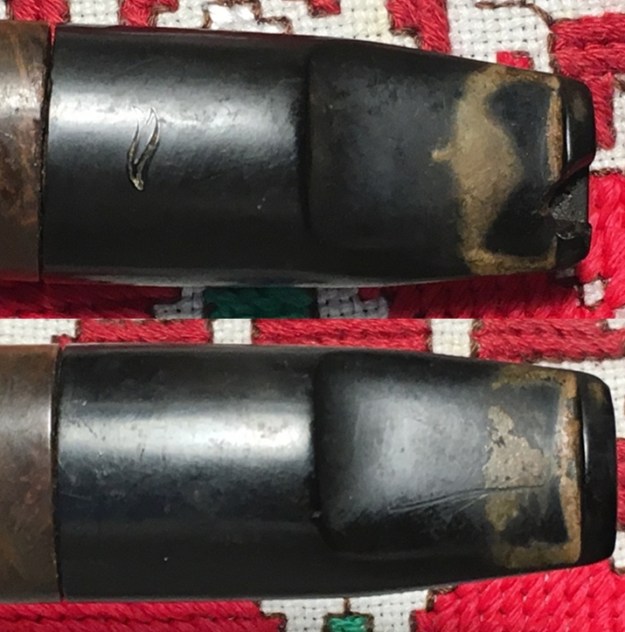
I acquired this Silver Match Toronto from what I have called, the ‘French Lot of 50’.  It was on the French eBay auction block and I was fortunate enough to have the winning bid.  When the Lot arrived here in Bulgaria from France, I unpacked it, took pictures of each pipe and posted them in the ‘For “Pipe Dreamers” Only!’ collection for potential new stewards to find and commission.  I have already restored many treasures in this French Lot of 50 for new stewards.  Robert saw the Silver Match Toronto 115 Squat Lumberman in the ‘Dreamers Only!’ collection and wrote me about commissioning it.  In my interchanges with Robert describing the pipe and what was involved in commissioning it, he wrote this in response:

Dal I’m still interested in commissioning the lumberman pipe and I’m in no rush. My wife and I just had a baby he just turned 1 week old! I found out about your restorations on Facebook on The Gentleman’s Pipe Smoking Society.  Thanks for returning my email and I can’t wait to see the outcome of this little pipe!

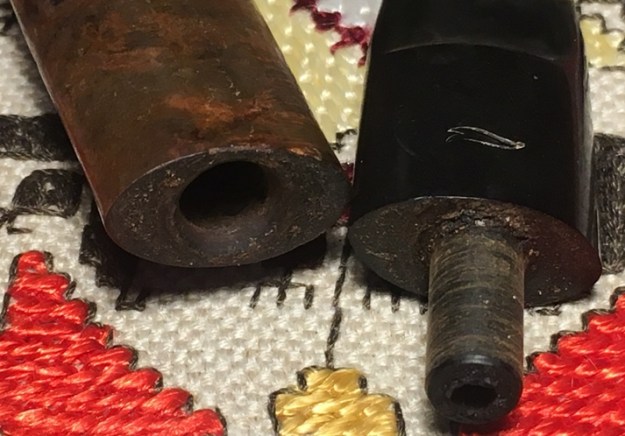
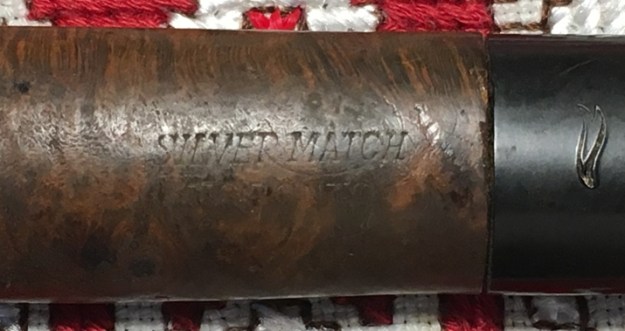
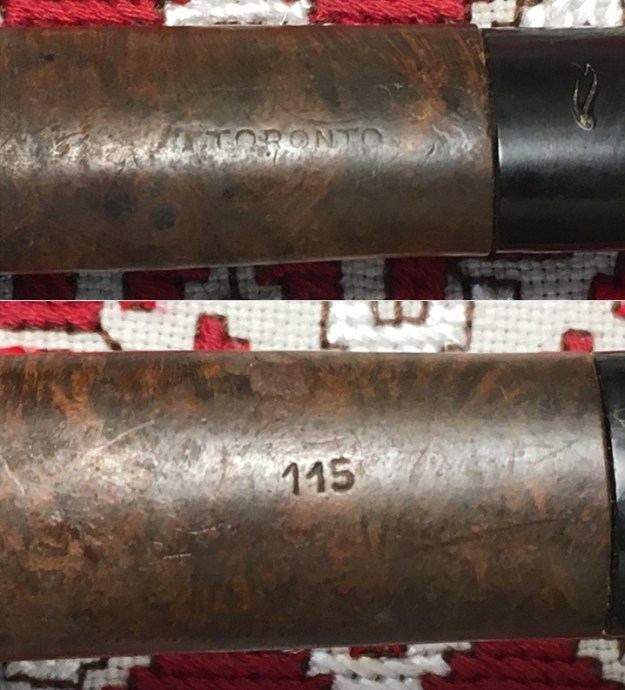
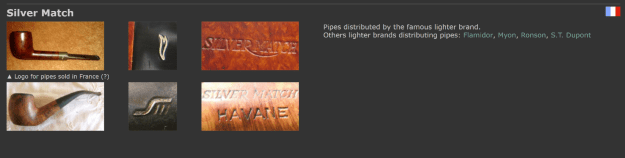
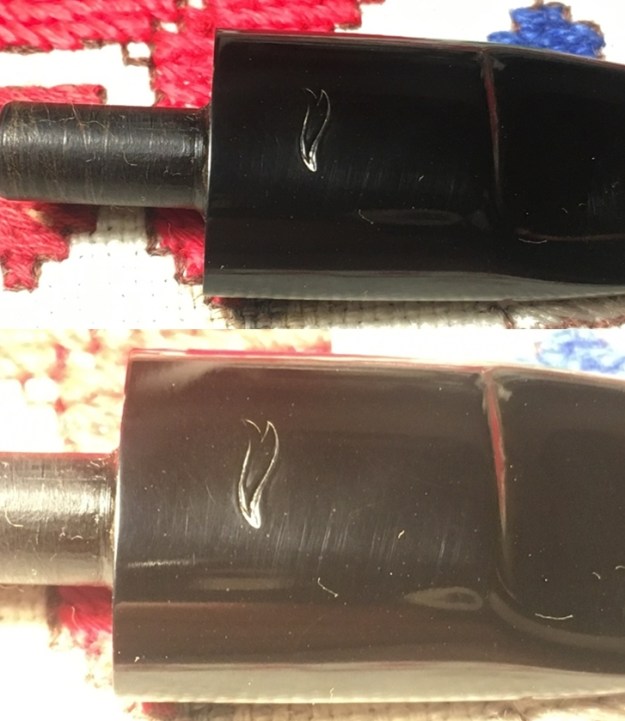
I also found out that he and his family reside in central Virginia and when we were writing, it was getting ready to snow where he lived!  Well, that was last November, and it has taken this long for Robert’s Lumberman to work its way up the queue and I’m thankful for Robert’s patience! – As well as all the stewards who commission pipes which benefit the Daughters of Bulgaria – women and girls who have been trafficked and sexually exploited.  Here’s a picture of the original Lot of 50 in the ‘wild’ that I saw on eBay – the Lumberman it identified with an arrow.Now with Robert’s commission on my worktable, I take more pictures to show this smart squat Lumberman – I call it ‘Squat’ but the bowl is large and will handle a nice packing of one’s favorite blend. The nomenclature is stamped on the upper and lower sides of the oval stem.  On the upper is stamped ‘SILVER MATCH’ [over] ‘TORONTO’.  The lower shank bears what I’m assuming to be a shape number: ‘115’.  The stem is also stamped with a design which I assume is the flame of a match being depicted – my best guess at this point, but I’m not sure! The information about the Silver Match name is thin.  A quick search on the internet shows that Silver Match has been the name of tobacco accessories manufacturer since the 1800s, but mainly of lighters.  Silver Match lighters seem to be highly collectable with vintage lighters dating back to the 1800s but most listed that I saw have a French origin.  The only information in Pipedia refers to Silver Match in the list of British pipe makers as an inexpensive brand sold by Roy Tallent Ltd., and marked with the stamping SM (LINK).  This is confirmed in my copy of Wilczak & Colwell’s, ‘Who Made That Pipe?’ that Silver Match has English origins and manufactured by Roy Tallent LTD/S’Elite LTD – both of which seem more to be in the accessories market than focusing on the manufacturing of pipes.  Pipephil.eu (LINK) brings these two together in the following panel.  It pictures pipes distributed by the famous lighter brand, Silver Match, but shows the two different stem stampings that may indicate either French or British manufacturing – the flame (French) and the SM (England).  If this is correct, the Silver Match Toronto 115 has a French origin, but I found no other information to corroborate this.  Arriving from France in my ‘French Lot of 50’ is anecdotal evidence perhaps supporting this.I’m calling this Silver Match a ‘Squat’ Lumberman because he meets all the qualifications of his place in the Canadian family with the oval shank, but he’s on the shorter side but I’m impressed with the nice ample bowl. I did look at both French and British made shape charts to see if I could discover a lead on who produced the Silver Match but found no matches with 115 that provided this information.

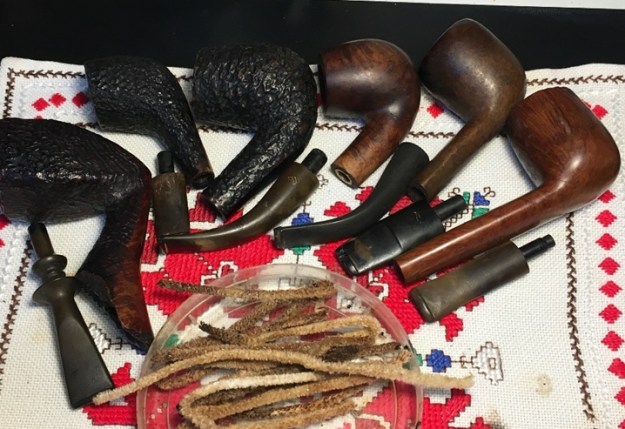
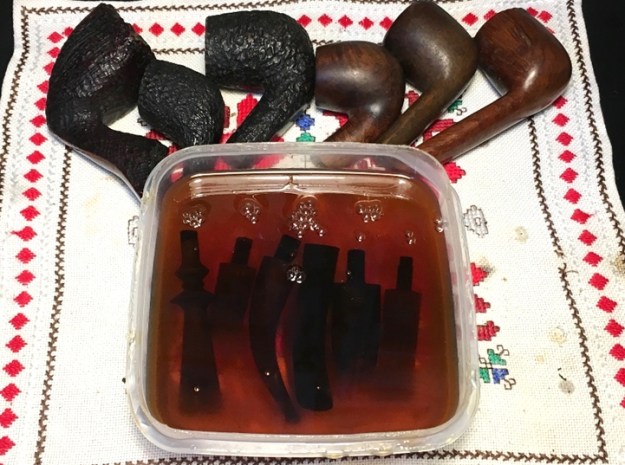
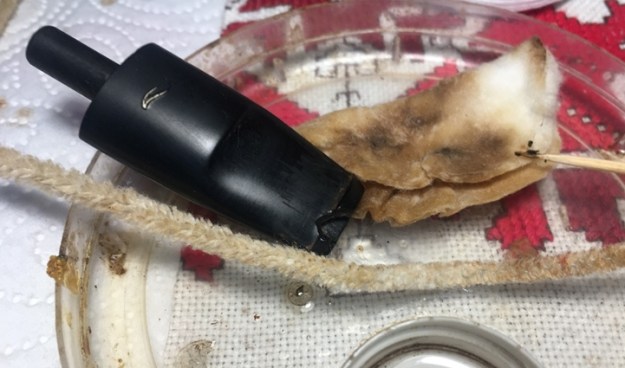
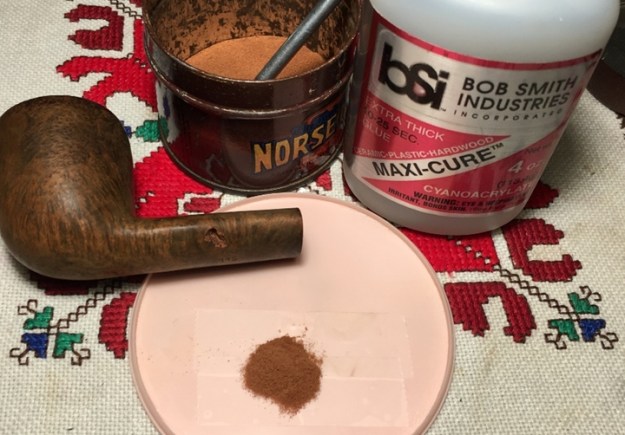
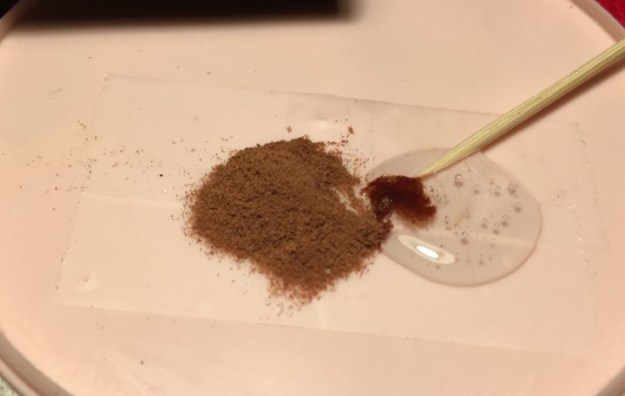
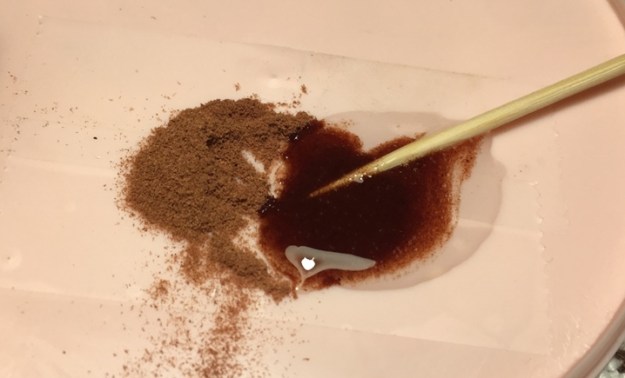
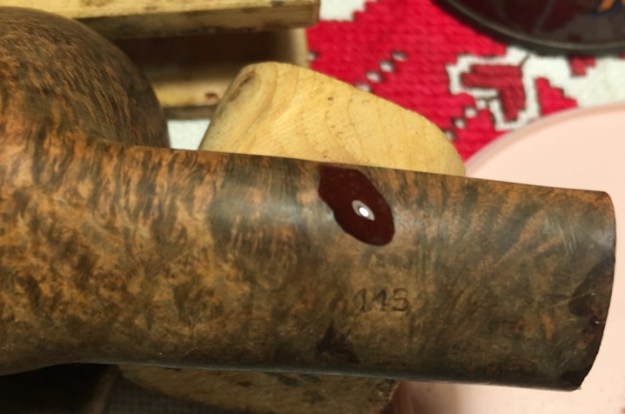
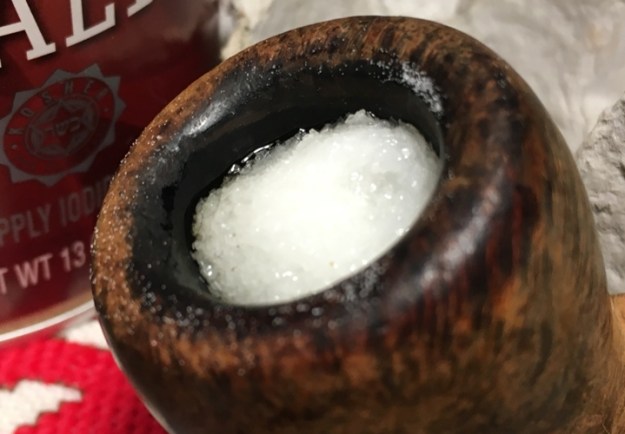
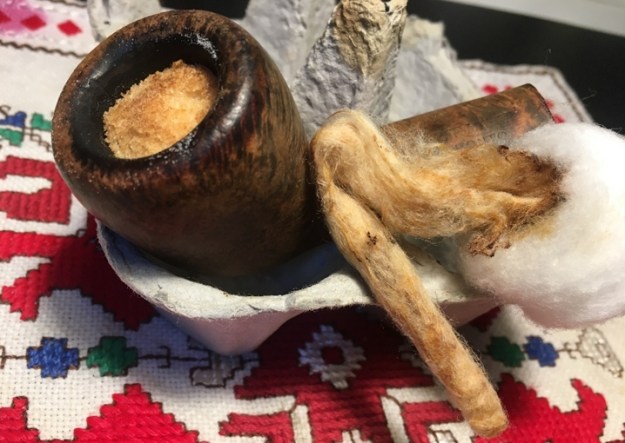
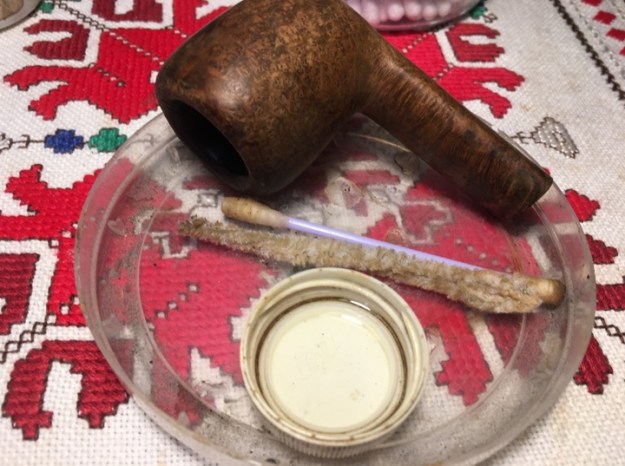
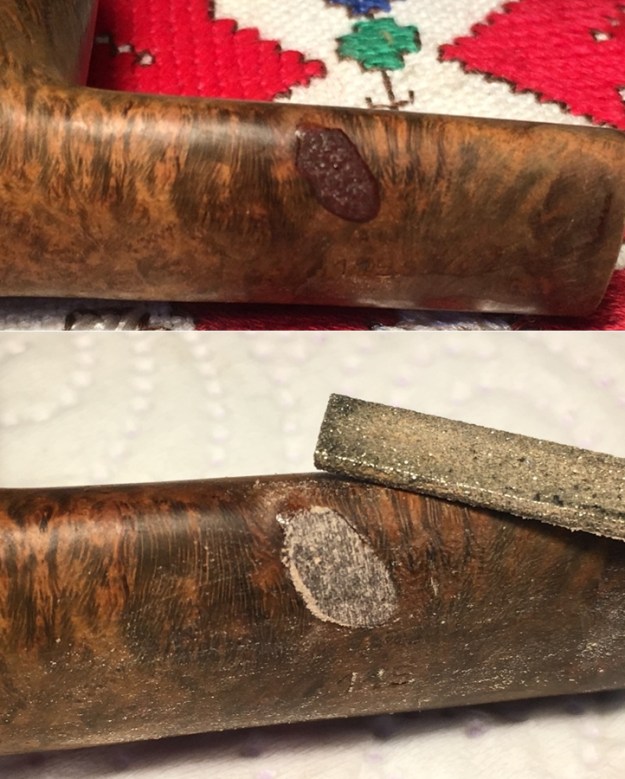
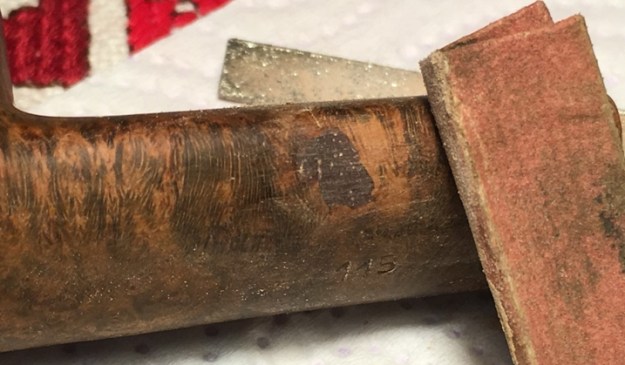
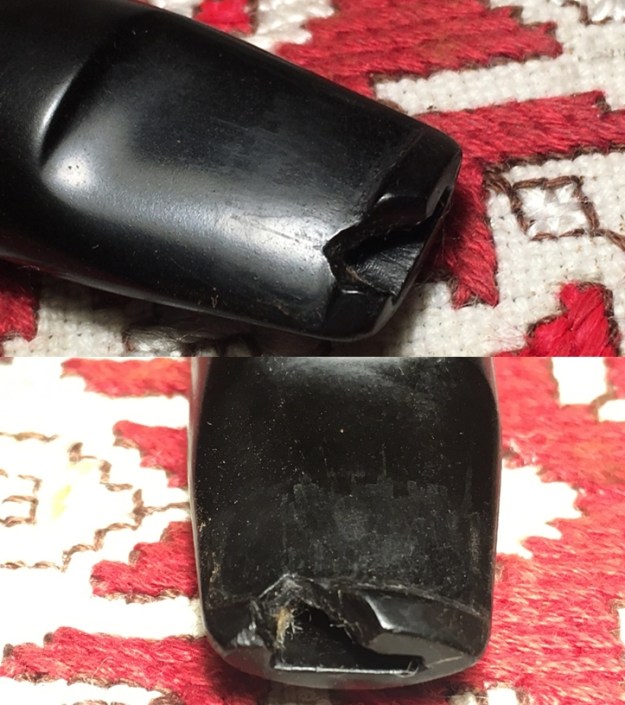
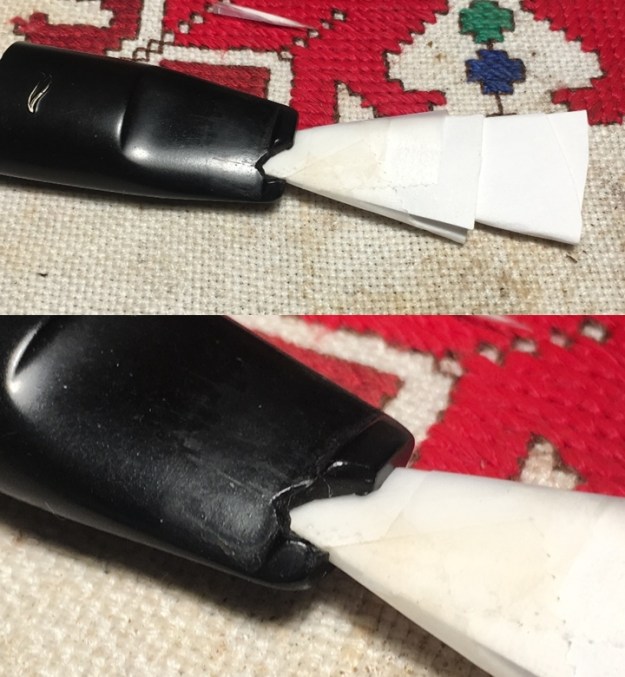
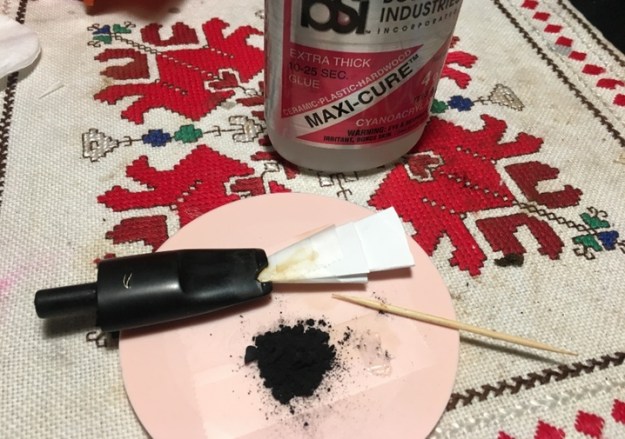
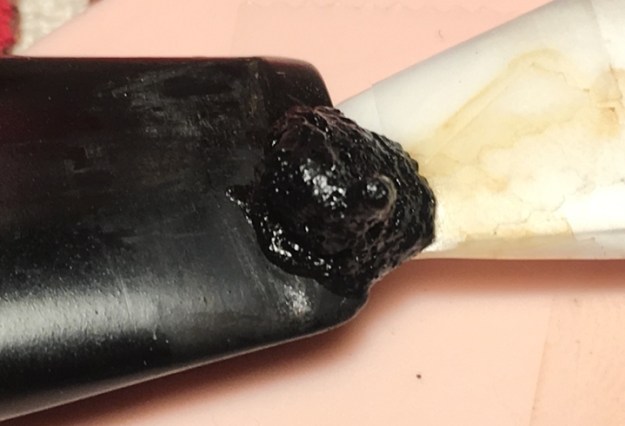
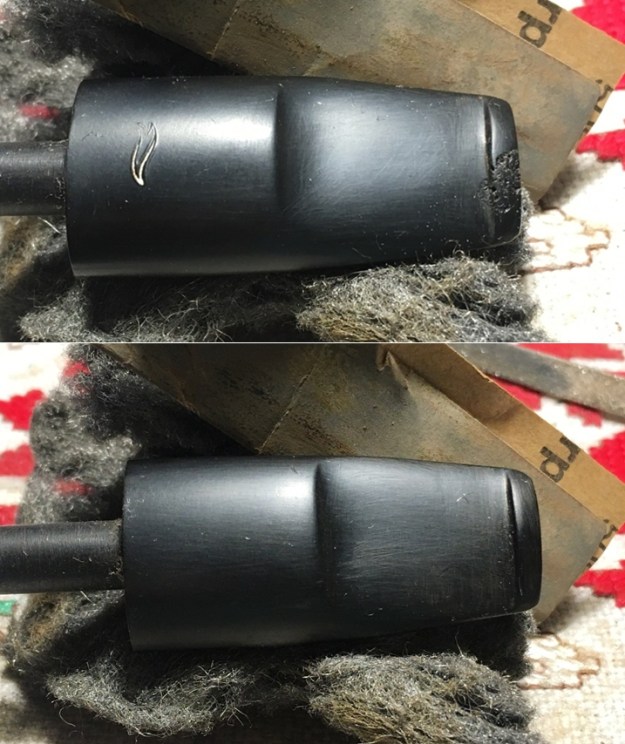
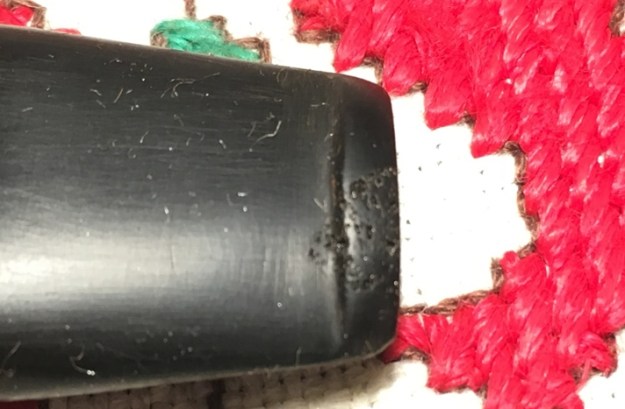
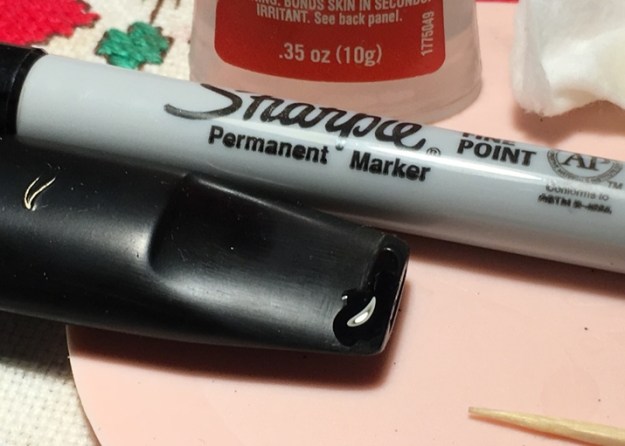
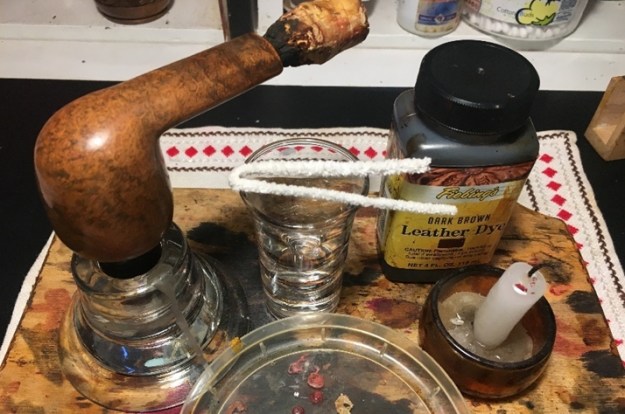
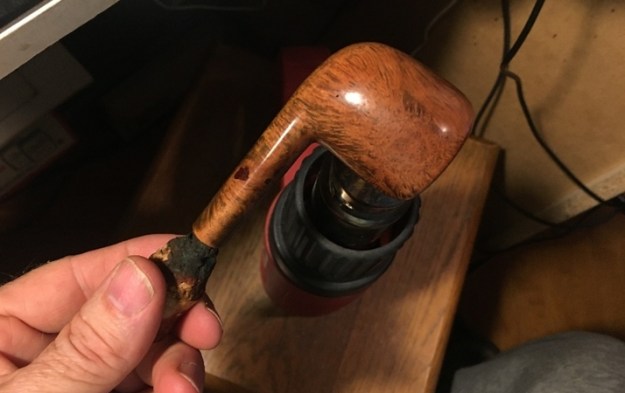
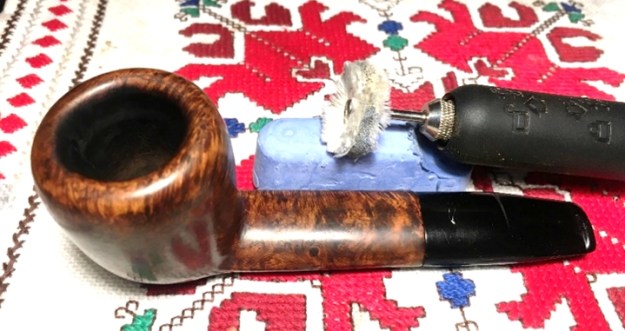
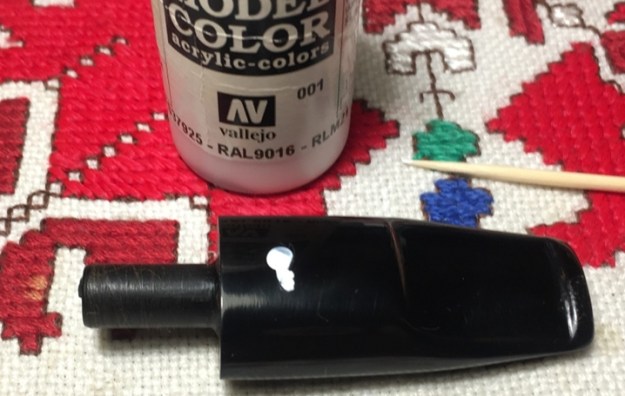
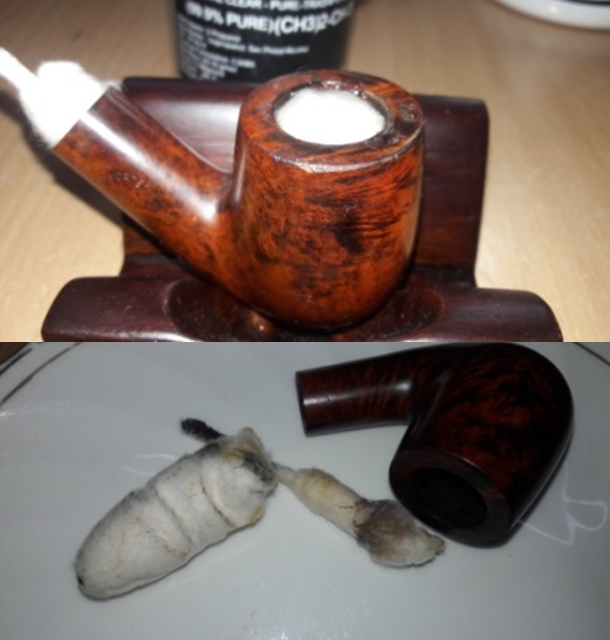
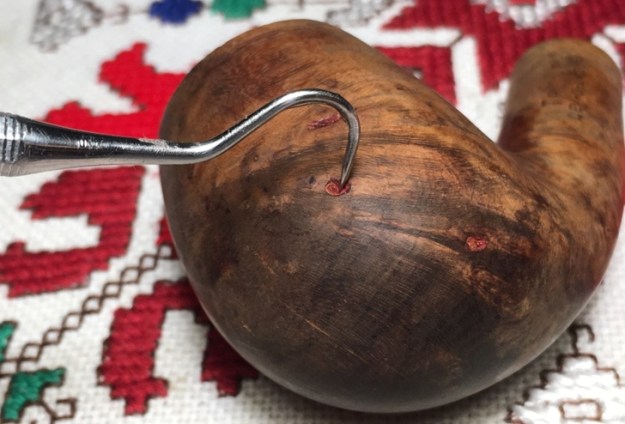
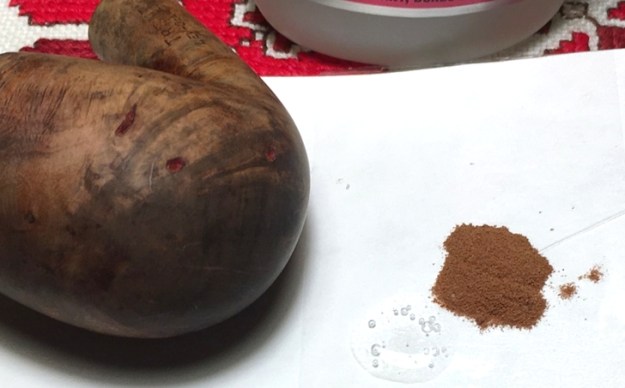
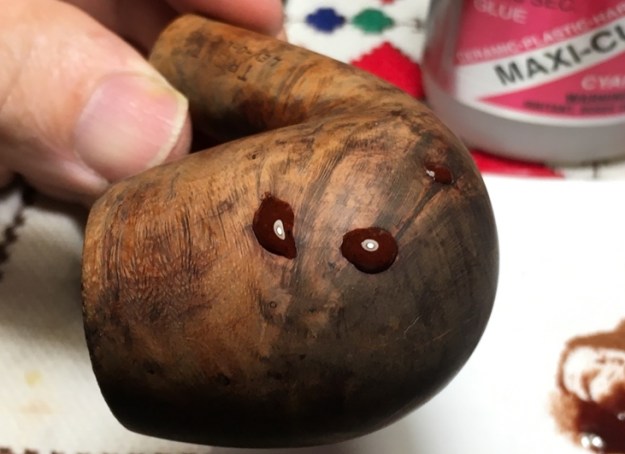
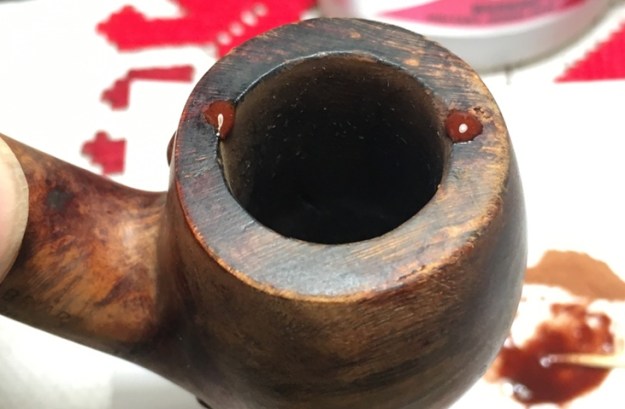
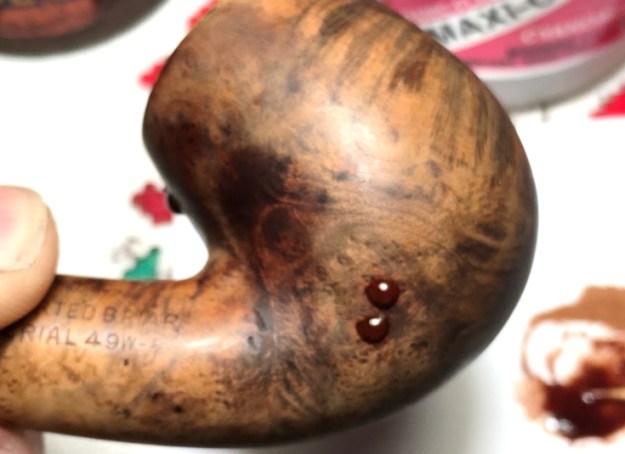
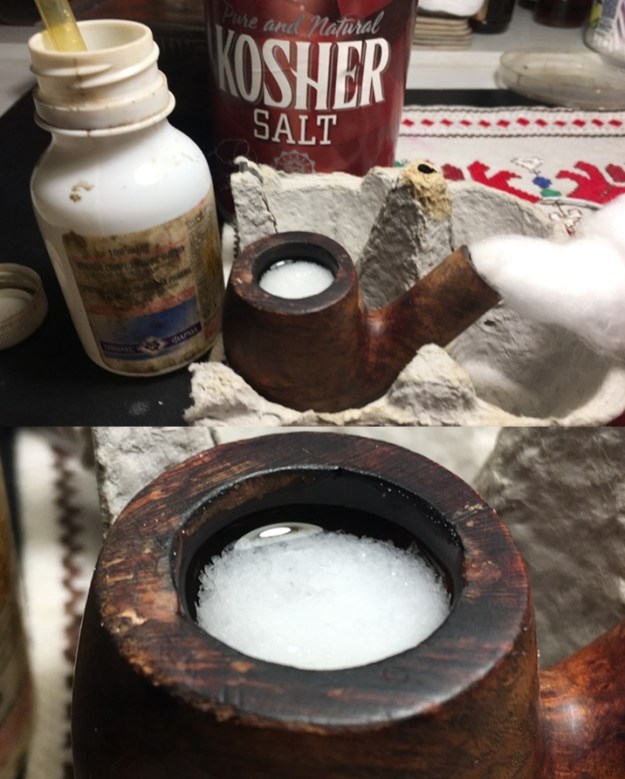
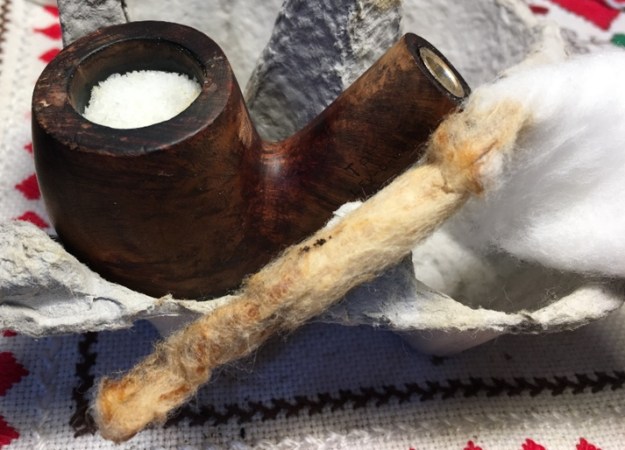
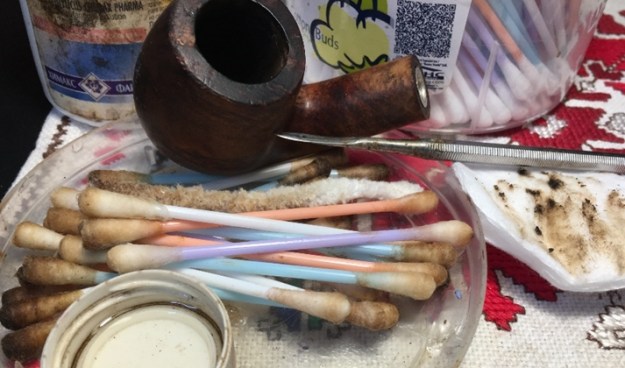
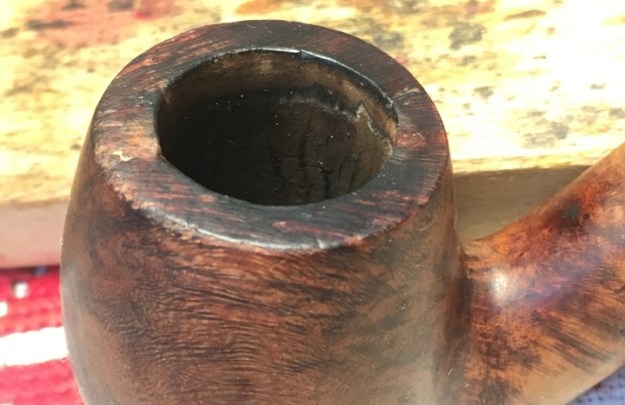
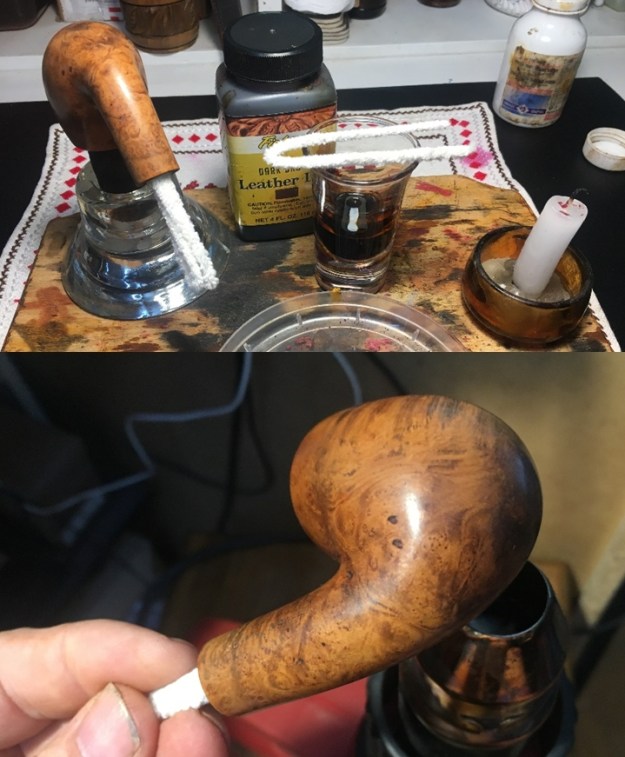
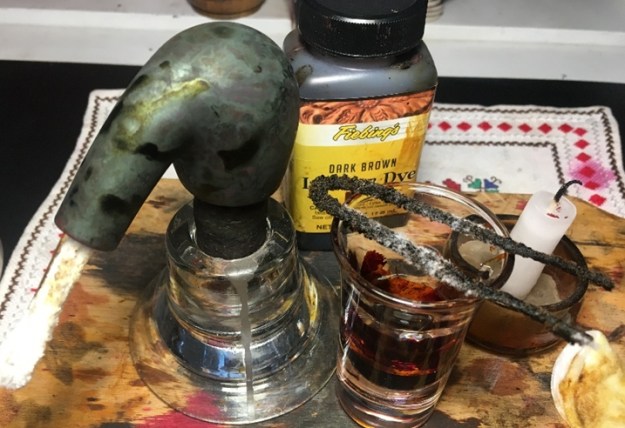
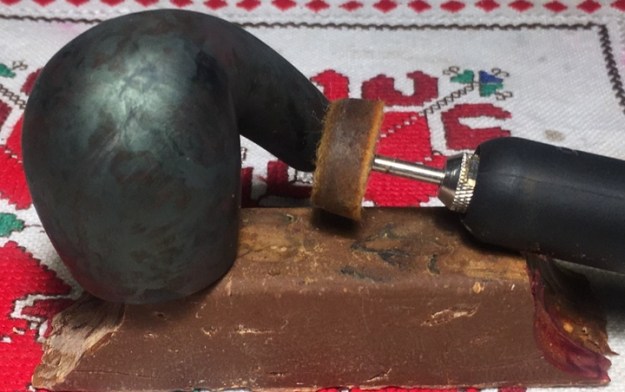
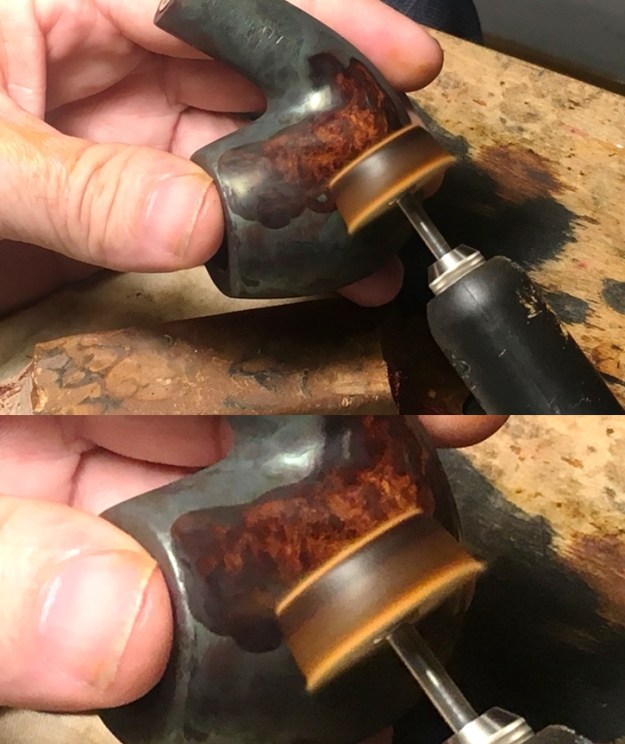
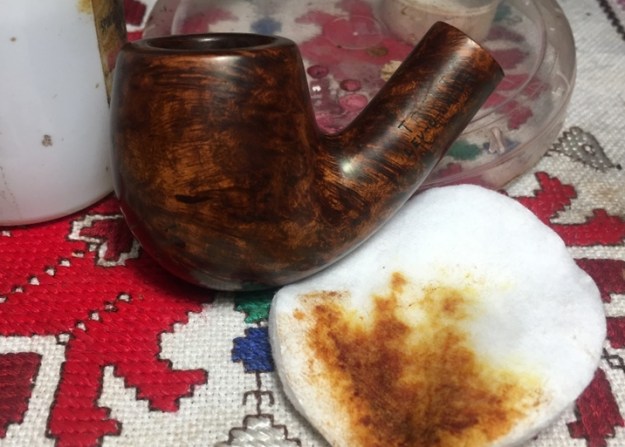
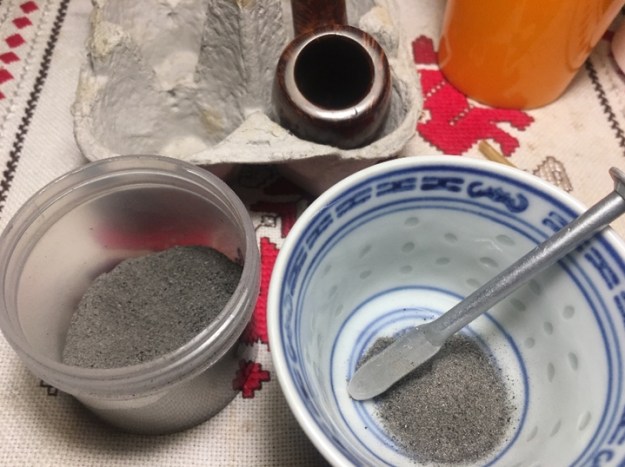
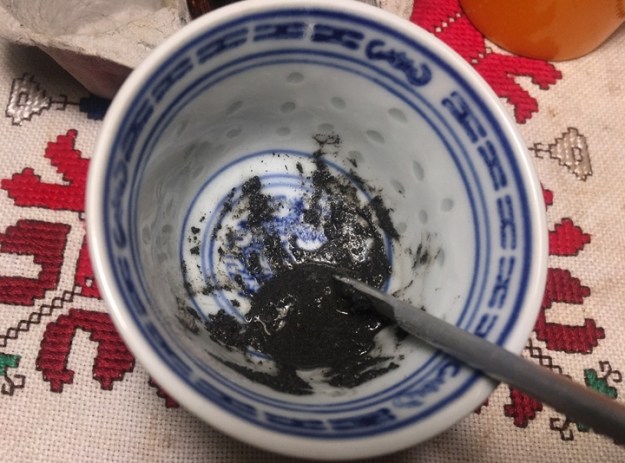
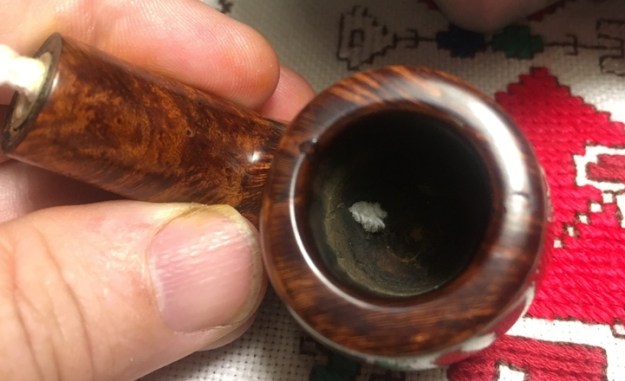
I can see some nice briar underneath the thick layer of grime over the briar surface, but I see one large fill that will need attention on the lower shank near the shape number.  The cake is thick in the chamber with corresponding lava covering the rim.  The stem has oxidation and the button is chipped and will need to be rebuilt.  With this inventory of the challenges this Silver Match Toronto Lumberman faces, I start the restoration by adding the oxidized stem to a soak of Before & After Deoxidizer along with other pipes in the queue.  I first clean the airway with a pipe cleaner wetted with isopropyl 95%. After several hours I fish the Silver Match stem out of the Deoxidizer and use a cotton pad wetted with alcohol to wipe off the raised oxidation. I also run another pipe cleaner wetted with isopropyl 95% through the stem to clean the Deoxidizer remaining in the airway.The Before & After Deoxidizer does a good job and it preserves the white in the Silver Match stem stamp logo – I still can’t figure out for sure what it’s depicting!  I follow by applying paraffin oil to the stem to begin the rejuvenation process.  I put the stem aside to dry and absorb the oil. Next, I address the very thick cake in the chamber.  The chamber is almost closed off as the cake angles down the chamber.  Using the Pipnet Reaming Kit, starting with the smallest blade head, I use 2 blades of the 4 available to me.  I follow the reaming by using the Savinelli Fitsall Tool to further scrape and clean out the carbon build-up.  Finally, I sand the chamber after wrapping a piece of 240 grade paper around a sharpie pen to give me reach and leverage.  To remove the carbon dust, I wipe the chamber with a cotton pad wetted with isopropyl 95%. After the cleaning, I inspect the chamber and it doesn’t have any cracks and fissures from heating damage.  It looks good!Next, I continue the cleaning by using undiluted Murphy’s Soap on the external surface using a cotton pad to scrub.  I also use a Winchester blade to scrape the rim addressing the thick lava you can see in the picture above. I also use a brass wire brush on the rim which doesn’t damage the briar.  After being in India, I learned about some of Jeff Laug’s (Steve’s brother) cleaning techniques and I decide to employ some of them.  After cleaning the stummel with Murphy’s, I take the stummel to the sink and clean the external surface with a bristled toothbrush with regular dish soap – the kind that is anti-oil.  I also use shank brushes to clean the mortise with the dish soap and warm water. After rinsing well, I dry the stummel with a cloth.  It came out well.As I observed earlier, there is a very large fill on the underside of the shank.  As expected, the cleaning of the stummel softens the old fill material and most of it fell out with the cleaning.  Using a sharp dental probe, I continued to excavate the material from the hole to clean it.Addressing the internals, I now use cotton buds, pipe cleaners, shank brushes and a dental spatula to scrape the mortise wall.  Using my tools to clean takes a bit of effort, but after some time, the buds started coming out lighter.  Later I will give the internals a further cleaning using a kosher salt and alcohol soak.Next, I patch the huge crater on the shank.  After I make sure all the old fill material has been removed, I clean the hole with alcohol. In the recent trip to India I discovered that there was some mild controversy around my method for filling holes using a putty created by mixing CA glue and briar dust.  Both Steve and Paresh said that they could not duplicate what I’ve been doing for some time – mixing the two components and creating a putty that remained supple.  What they experienced was the CA glue instantaneously solidifying when it touched the briar dust.  We discussed many different possible factors that would cause this difference in results – elevation, kind of glue, etc.  Another possible difference I suggested was that when I used an index card as a mixing platform, I would first cover the card with a strip of packing tape so that the glue would not be absorbed into the paper – which may, if it did absorb, cause the CA to solidify more rapidly.  Both Steve and Paresh were mixing on an index card surface without the tape.  I don’t know if they’ve had better results yet!  I decide to use a plastic lid as my new mixing platform.  You can see that I also put some scotch tape down so that I can clean easily.  I place briar dust on the tape and add BSI Extra Thick Max-Cure CA glue.I gradually pull briar dust into the puddle of CA glue and mix it with a toothpick.  I don’t overwhelm the glue with a lot of briar dust but gradually mix more in.As you can see, the CA is not solidifying as I add more.When the resulting mixture thickens to that of molasses, I use the toothpick and trowel the putty to the shank and fill the huge hole.  After filled, I put the stummel aside to allow the briar dust putty to cure.With the hour becoming late, I further advance the internal cleaning with a kosher salt and alcohol soak.  The patch on the shank has set up sufficiently.  I fashion a ‘mortise wick’ using a cotton ball. I stretch and twist the cotton until it creates a wick that will serve to draw out the tars and oils from the mortise.  I stuff the wick down the mortise with the help of a stiff wire.  After placing the stummel in a egg carton for stability, I fill the bowl with kosher salt which doesn’t leave an aftertaste as does iodized salt.  I then add isopropyl 95% to the bowl until it surfaces over the salt.  After a few minutes, the alcohol absorbs, and I top off with some additional alcohol and then put the stummel aside to soak through the night.   The next morning, I see what I was hoping to see.  The salt has soiled and after I draw out the wick it shows that it has continued the internal cleaning process of drawing out the tars and oils. After thumping and dumping the expended salt in the waste, I wipe the bowl with a paper towel and blow through the mortise to remove the salt crystals.I follow with a pipe cleaner and cotton bud wetted with isopropyl 95% to clean residue left behind after the soak.  I find that the internals are clean and refreshed for the new steward.  I move on!The crater fill on the lower side of the Lumberman shank has cured, and I begin the process of removing the excess briar putty using a flat needle file.  I file the mound down almost to the briar surface and then I switch to sanding with 240 grade paper to bring the patch flush with the briar surface. As is often the case, from the picture above, you can see the air pockets left in the sanded patch material.  To blend this, I touch up the patch with a dye stick after sanding the patch further using 600 grade paper.Turning now to the rim, the front and sides of the rounded rim have been skinned up a good bit which the following two pictures show. I use 240 grade paper on the rim and go with the rounded rim flow and sand out the roughened areas around the rim. I follow the rim sanding using sanding sponges over the entire stummel, including the rim.  I use a coarse sponge, followed by a medium sponge and finish with a fine sanding sponge.  The briar on this Silver Match Toronto is expressive and It’s coming out nicely with the sanding. After the sponge sanding, I identify a pit on the lower left side of the bowl. I decide to apply a clear CA glue patch to fill this pit.  After cleaning this area with alcohol, I blacken in the pit using a fine point Sharpie Pen then apply a drop of regular clear CA glue and set the stummel aside for the glue to cure. Not long after, the CA glue cures and I file the patch with a flat needle file followed by 240 and 600 grade papers. The result of this quick patch looks good.Waiting in the wings is the short stem of the Lumberman which sports a chipped button.  The button will need to be rebuilt using a mixture of activated charcoal powder and CA glue.I form an initial triangular insert from index card stock which fits into the slot of the button fully.  I had covered the inserted part with a layer of scotch tape to serve as a barrier to the patch material – to easily be able to remove the insert after the charcoal powder and CA mixture cures.  I then insert another triangular piece of card stock into the initial insert.  This serves to expand and tighten the insert.I open one capsule of activated charcoal dust on the plastic disc (also put a few strips of tape down for easier cleaning) and add BSI Maxi-Cure Extra Thick CA glue in a small puddle next to the charcoal powder and mix in gradually using the toothpick.  As with the briar dust putty, I draw charcoal powder into the CA glue until it reaches the viscosity of molasses and then trowel the putty to the stem to fill the missing button cavity. I trowel enough to fully over-coat the area.As hoped, after the charcoal patch sets up after a few minutes, with a bit of wiggling, the insert comes out leaving the slot and airway clear of the patch material.After several hours, the patch material has fully cured, and I go to work using a flat needle file.  I first work on clearing the excess patch material on the end of the stem.To more rapidly remove the mound of excess patch over the button I employ a small sanding drum mounted on the Dremel.  This removes the patch material very easily. I follow using the flat needle file to bring about the fine shaping of the button repair. I follow the filing and shaping of the button with 240 grade sanding paper to further smooth and shape.  I notice significant air bubbles being revealed by the sanding – ugh…Following the 240 paper, sanding with 600 grade paper and 0000 grade steel wool – upper and lower stem, brings out the air pockets even more distinctly. To address the significant presence of air pockets in this button repair, I first darken the pockets with a fine point Sharpie Pen then I paint thin CA glue over the button lip.  I put the stem aside for the CA to cure.Putting the stem aside for the time, I turn back to the stummel sanding it with the full regimen of micromesh pads.  Beginning with pads 1500 to 2400, I wet sand the stummel.  Following this, I dry sand using pads 3200 to 4000 and 6000 to 12000.  Wow!  The grain on this Silver Match Lumberman is nice.  You can tell that when the grain patterns in the briar are random, as in this stummel, it is usually a good indication that it was cut from the upper part of the burl which is called the ‘branch wood’ section where the branches of the briar shrub form.  This article I’ve found helpful in understanding better the nature of briar grain – Published in Pipes & Tobaccos, Fall 1999, GRAIN: The first of an infrequent series of articles concerning THE BRIAR PIPE By R. D. Field (See: LINK).  The grain that emerges through the micromesh process is very nice – the Silver Match Toronto is shaping up well. The thing that bothers me like a burr under a saddle is the huge crater fill on the underside of the shank. Even with a darkened stain to mask the fill, it will still be there.  Yet, the light briar surrounding it in the current state is too much contrast for me to swallow!  I come to a decision to stain the stummel a dark brown to provide as much blending as possible and to use the staining process to tease out in greater contrast of the grain. I assemble on the worktable all the needed components for applying stain to the stummel.  I will use Fiebing’s Dark Brown Leather Dye with the possibility of lightening the dye because it’s an aniline dye – alcohol based.  I can wipe it with a cotton pad wetted with alcohol to lighten the finish and blend it.  I first clean the surface using isopropyl 95% and a cotton pad and using a cork inserted into the shank as a handle, I heat the stummel with a hot air gun.  This expands the briar and helps the grain to be more receptive to the dye.  I then use a folded over pipe cleaner to apply dye in swatches and then I flame the wet dye using a lit candle.  This immediately combusts the alcohol in the dye and it sets the dye pigment into the surface.  I methodically apply dye to the surface and flame as I go.  I then set the newly dyed stummel aside to allow the dye to rest – I’ll let it sit through the night.  This helps setting the new stain so that it will not come off on the hands when the stummel is first fired up when it goes into service. With the stummel resting, I return to the patched button addressing the air pockets.  Unfortunately, I forgot to take pictures during this process, but the result is shown.  I use a flat file to remove the some of excess patch material and then gently sand with 240 grade paper and 600 paper.  I finish this phase using 0000 steel wool over the entire stem.  I’m not 100% satisfied with the button rebuild, but the stem is structurally ready to return to service.I move straightaway to using micromesh pads on the stem.  I begin wet sanding with pads 1500, 1800, and 2400 and follow with dry sanding with pads 3200, 3600, and 4000 and finish with pads 6000, 8000 and 12000.  Between each set of three I apply Obsidian Oil to the stem to help rejuvenate the vulcanite and the expected high-level gloss of the stem makes an appearance.  Nice.  I put the stem aside to dry and absorb the oil. The newly stained stummel rested through the night and it’s time to unwrap the stummel from the flamed crust residue revealing the grain below.  To do this I mount a new felt cloth buffing wheel to the Dremel and set the speed to the slowest possible to reduce the possibility of overheating with the friction.  I then apply Tripoli compound to the entire stummel.  I have been asked how long this process takes as I ‘plow off’ the crust and ‘clean’ the residue dye revealing the grain detail.  I timed it this time and the Tripoli compound application took me one hour and 10 minutes – yep, that long. When the help of my wife, she takes a picture of the process of removing the crust and revealing the hue of the newly stained briar underneath.  I’m pleased with the results.  The crater fill on the underside of the shank almost disappears as it blends with Fiebing’s Dark Brown Leather Dyed grain.  After I complete the application of Tripoli with the felt cloth wheel, I switch to a cotton cloth wheel, increase the speed to about 40% full power, and again apply Tripoli to the stummel.  I do this for two reasons.  First, with the cotton cloth wheel I’m able to reach into the crook of the bowl and shank which the felt cloth wheel cannot reach.  Secondly, I find that it sharpens the grain presentation as additional excess dye is taken away.  The result is almost like a luminescent effect. After applying the Tripoli, I give the stummel a gentle wipe with a cotton pad wetted with alcohol.  This lightens the hue a bit and helps blend the new dye.Next, I mount another cotton cloth buffing wheel and maintain speed at 40% and apply Blue Diamond compound, less coarse than Tripoli, to both stummel and stem.Next, I again detach the stem and I want to freshen the Silver Match ‘flame’ stamping.  It took me a while to figure out that was what it was – at least that’s what I think it is!  I apply white acrylic paint over the stamp and then gently wipe it off while still wet using the flat side of a toothpick. I use a cotton bud and the point of the toothpick to clean off the excess. The result is about 80% success.  The upper part of the flame wasn’t deep enough to catch the paint.  The result still looks good.After reuniting the stem and stummel, I mount another cotton cloth wheel to the Dremel, maintaining 40% full power, and apply carnauba wax to the entire pipe.  I give the pipe a few coats of wax then I give it a rigorous hand buffing with a microfiber cloth to raise the shine and complete the restoration of this nice looking pipe.

This Silver Match Toronto Squat Lumberman came out well.  The grain is striking with a smattering of swirls, waves, bird’s eye, and flame…, it’s an expressive piece of briar!  The darkened stain works great and masked the fill on the underside of the shank almost to perfection.  I’m pleased with the button rebuild, though I want to work more on reducing the air pockets in the process.  Overall, this stout Lumberman is ready for service.  Robert commissioned him and has the first opportunity to purchase this pipe from The Pipe Steward Store.  This pipe benefits the Daughters of Bulgaria – helping women and girls who have been trafficked and sexually exploited.  Thanks for joining me!

Rebirthing another Schoenleber Hand Made – A 31 Bulldog


Blog by Steve Laug

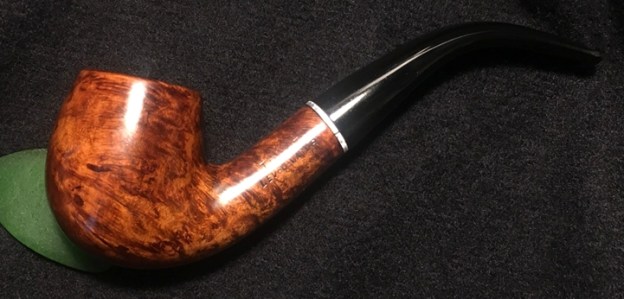
The next pipe in the queue is another pipe from the batch of pipes I am cleaning up for Alex – this one is another Schoenleber Hand Made – a ¼ Bent Bulldog with some beautiful grain around what appears to be an oil cured bowl and shank. The entire pipe has some beautiful mixed birdseye, cross and swirled grain around the bowl and shank. The pipe does not appear to have been stained but sports the same look as the Malaga pipes that I have been working on. The carver did a great job utilizing the block of briar to maximize the grain. The pipe is stamped on the top left side of the diamond shank. It reads Schoenleber over Hand Made. On the top right side of the shank it is stamped Imported Briar. On the right side next to the bowl/shank junction there is a number 31 which is either a shape number or size designation. The saddle stem is vulcanite and has no marking or stamping. This is another nice looking piece much like many of the pipes Alex is picking up. The bowl has been reamed and cleaned to all appearances. There some darkening on the rim top. The exterior of the briar was dirty with grime and dust. The stem deep tooth marks and chatter on both sides near the button. The photos below tell the story and give a glimpse of the pipe before clean up. I took a photo of the bowl and rim to capture the condition of the pipe before I started my cleanup work. There was significant darkening on the top of the inwardly beveled rim at the back of the bowl. The bowl was quite clean. The outer edge of the bowl appeared to be in excellent condition. The stem was in decent condition. There was also some tooth chatter and two deep tooth marks on both sides of the stem near the button.I also took a photo of top, right side of the diamond shank to show the stamping. The stamping is readable in the photo below and is as noted above – Schoenleber Hand Made. On the opposite side it reads Imported Briar. There is also a 31 at the shank/bowl junction on the right side.I remember working on a Schoenleber pipe in the past and had a memory of the pipe being made for a shop in the New York area but could not remember much more than that. I quickly googled the brand to see what I could learn and found a link on Pipedia. Here is that link. I quote the article in full (https://pipedia.org/wiki/Schoenleber).

Louis Schoenleber lived in North Arlington N.J. and was an Austrian immigrant and skilled artisan in pipe making. His hand carved pipes were available in his shop, ‘Schoenleber’s Newark Pipe Shop’, at 26 Branford Pl., Newark NJ, thought to open in the 1920’s. Schoenleber’s carried a full line of tobaccos as well as related pipe smoking accessories. It’s thought the shop operated until the late 1960’s, and Louis Schoenleber died in 1976. It’s also fairly certain they may have sold to other brands such as Jelling, also in Newark and are very similar in design and finish.

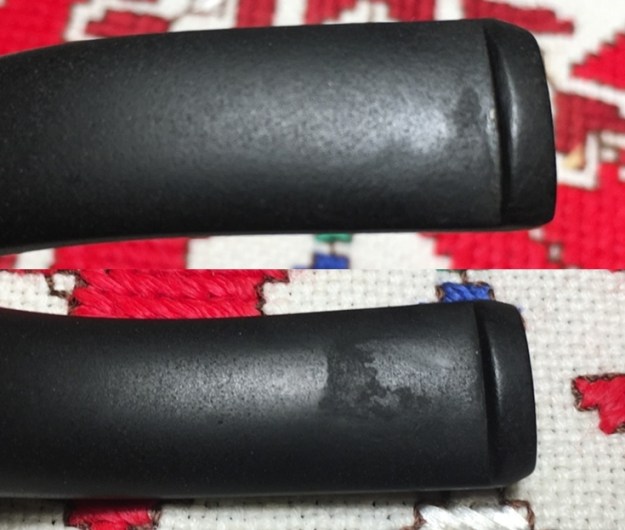
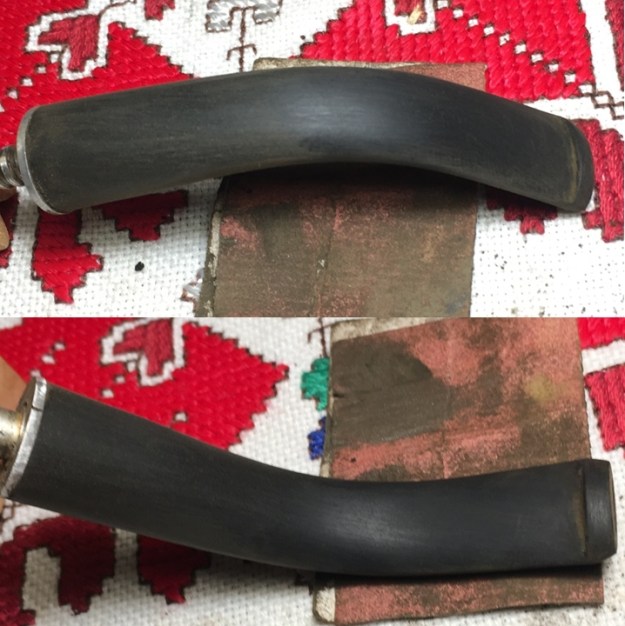
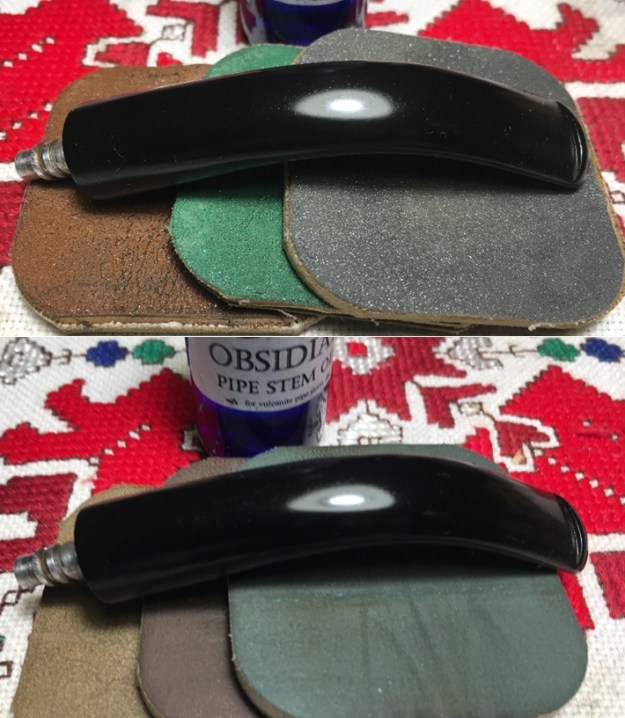
There was also an advertising card on the site that I have included below. It speaks to my assumptions about the curing process and the finishing process on the pipe. It also connects the pipe to Schoenleber’s Newark Pipe Shop in Newark, N.J. It also has a comment on the fact that pipes were made to order.I started the restoration by working on the darkening to the rear bevel of the rim top rim by lightly sanding the top with 220 and 400 grit sandpaper. I was able to remove the darkening and maintain the patina on the pipe.The mortise and the airway in the shank were very clean and there was even bare uncoloured briar showing on the walls and the end of the mortise. No internal cleaning was necessary in this beautifully clean pipe. I turned to polishing the bowl and rim with micromesh sanding pads – wet sanding with 1500-12000 grit pads. I wiped the bowl down after each pad to remove the sanding debris. I worked some Before & After Restoration Balm into the surface of the briar with my fingertips to clean, enliven and protect it. I let the balm sit for a little while and then buffed with a cotton cloth to raise the shine. With the bowl finished I set it aside and turned my attention to the stem. I painted the tooth marks in the stem with a Bic lighter to try to raise the deep marks. Once the stem had cooled I filled in the remaining tooth marks with clear super glue. Once the repairs cured, I filed the repaired areas with a needle file to blend them into the surface of the stem. The filing made the sanding a bit simpler as it took the excess material down to the surface. I sanded the filed stem surface with 220 grit sandpaper to remove the filing marks on both sides of the stem. I am happy with the stem surface once that was done. I started the polishing of the surface with 400 grit wet dry sandpaper. I polished the stem with micromesh sanding pads – wet sanding it with 1500-12000 grit pads. I wiped the stem down with a damp cloth after each pad. I further polished it with Before & After Pipe Polish – both Fine and Extra Fine. I wiped it down with a coat of Obsidian Oil and set it aside to dry. With both parts of the pipe finished, I polished the bowl and the stem with Blue Diamond polish on the buffing wheel. I gave the bowl and the stem multiple coats of carnauba wax. I buffed the pipe with a clean buffing pad to raise the shine. I hand buffed it with a microfiber cloth to deepen the shine. The pipe polished up pretty nicely. The rich oil cured finish and the grain came alive with the buffing. The finish on the briar works well with the polished black vulcanite stem. The finished pipe is a well-proportioned, nicely grained ¼ bent Bulldog. Have a look at it with the photos below. The dimensions are Length: 5 1/2 inches, Height: 1 1/2 inches, Outside diameter of the bowl: 1 3/4 inches, Chamber diameter: 3/4 of an inch. This Schoenleber Hand Made Bulldog will be going back to Alex soon to join his growing collection of American made pipes. Thanks for walking through the restoration with me on another of Alex’s pipes.

Restoring Another of Jennifer’s Dad’s Pipes – A Tinder Box Unique English Made


Once again time to get back to Jennifer’s Dad’s pipes. The next pipe on the worktable is from the estate of George Rex Leghorn. You may not have read about this estate before, so I will retell the story. I received an email from Jennifer who is a little older than my 64+ years about whether I would be interested in her Dad’s pipes. My brother Jeff and I have been picking up a few estates here and there, so I was interested. Here is the catch – she did not want to sell them to me but to give them to me to clean up, restore and resell. The only requirement she had was that we give a portion of the sales of the pipes to a charity serving women and children. We talked about the organization I work for that deals with trafficking and sexual exploitation of women and their children and she decided that would be a great way to carry on the charitable aspect of her Dad’s character. With some great conversation back and forth she sent the pipes to Jeff and he started the cleanup process on them. Once he had finished cleaning them all he sent them to me to do my work on them.

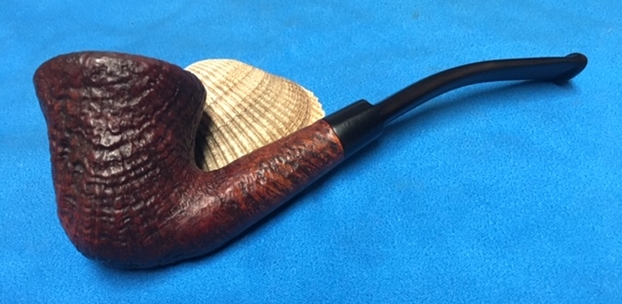
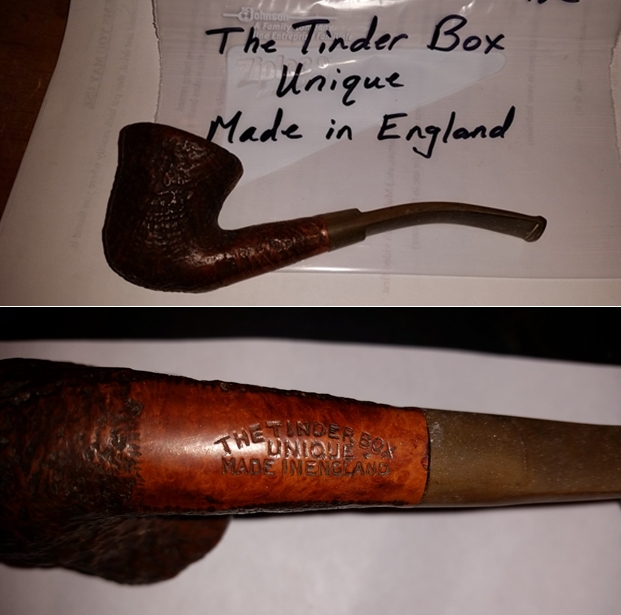
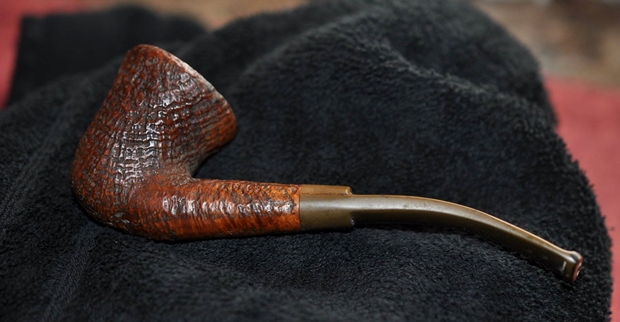
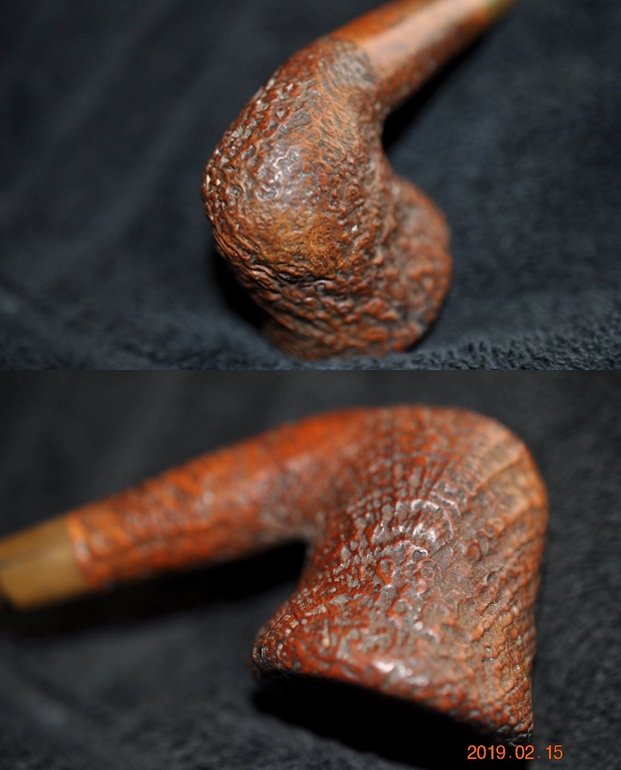
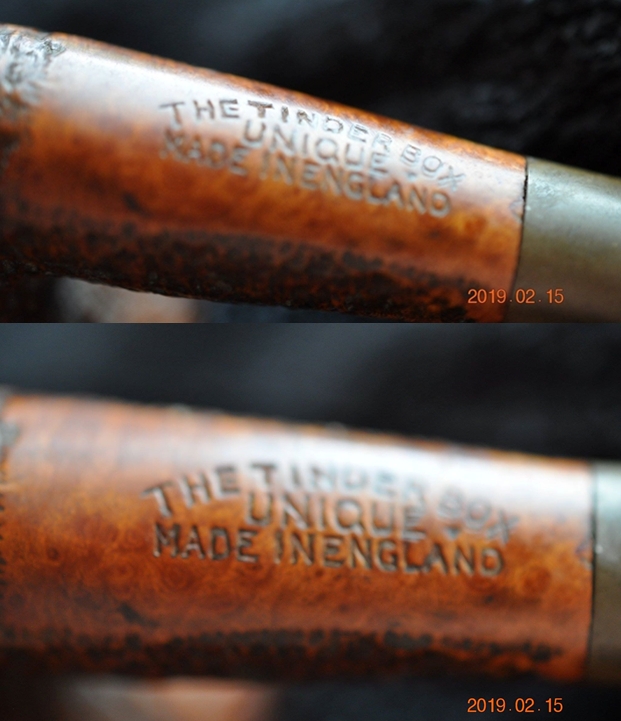
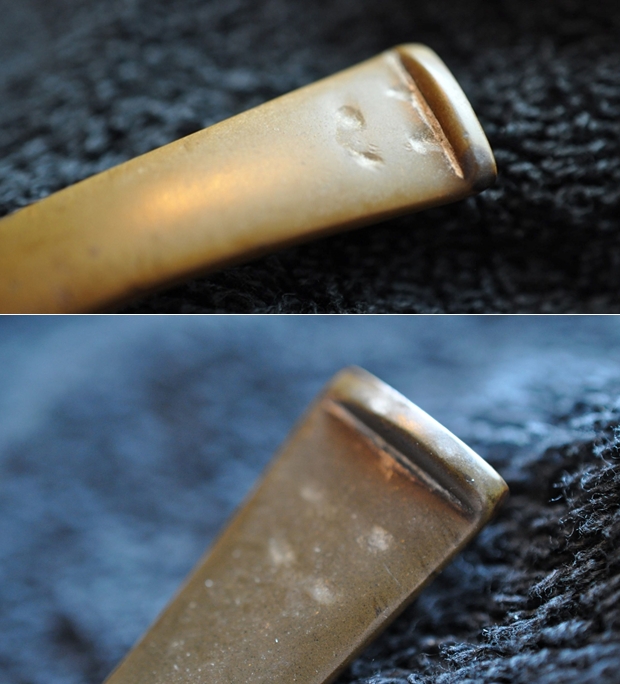
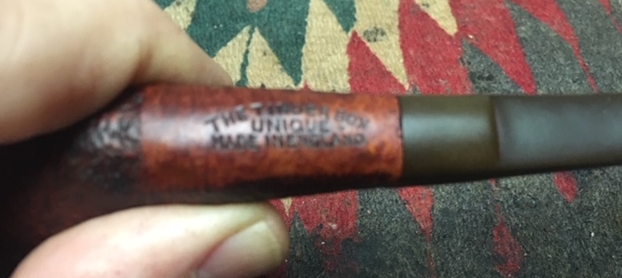
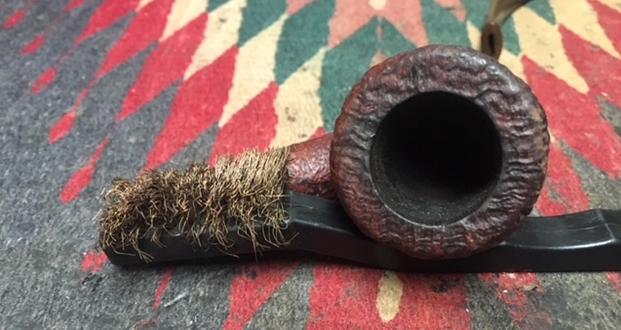
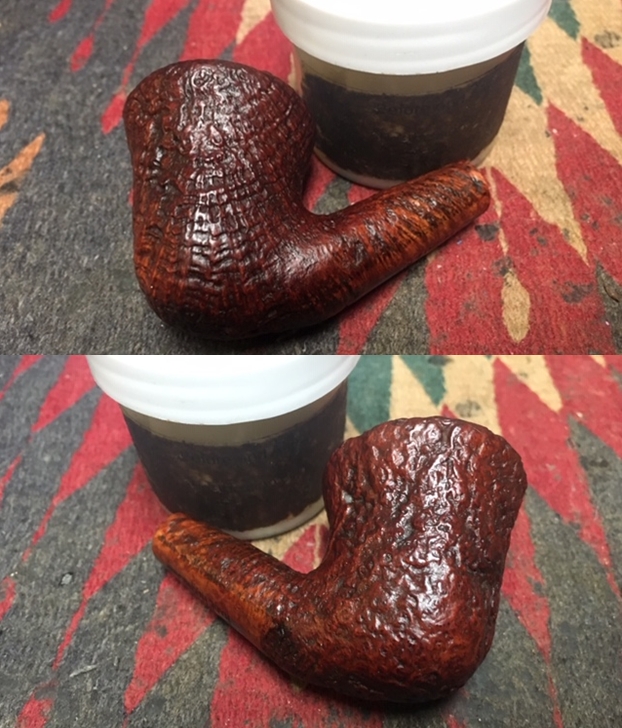
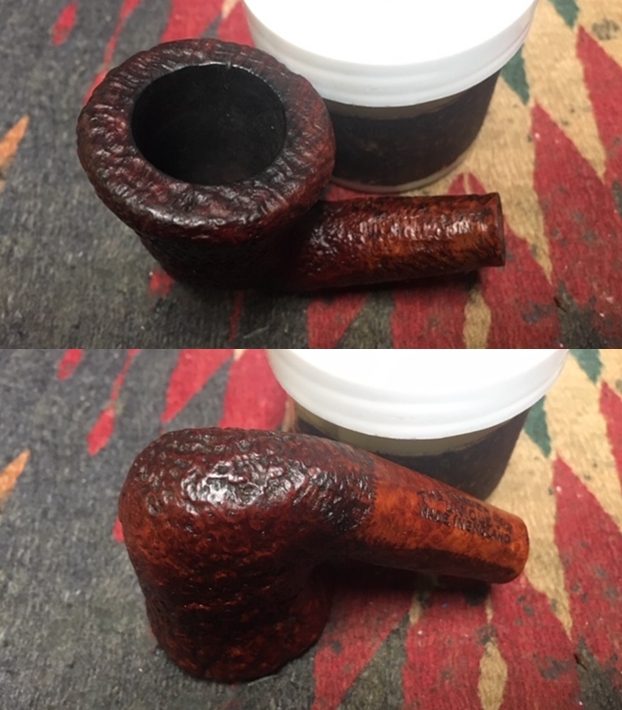
The next pipe I chose to work on from the lot was an interesting Calabash Shaped sandblast pipe stamped The Tinderbox Unique over Made in England pipe with a saddle stem. It has some beautiful mixed grain on the bowl sides and shank. It had a rich reddish brown stain but it was dirty and hard to see the colour well. The stem was badly oxidized with tooth marks and chatter on the top and underside near the button. The button was in excellent condition. There was a thick cake in the bowl and it had overflowed with lava was dirty and tired looking. It had been sitting in boxes for a lot of years and it was time to move ahead with the restoration. Jennifer took photos of the pipes she was sending. I have included two she included from this pipe.When the box arrived from Jennifer, Jeff opened it and took photos of each pipe before he started his cleanup work on them. This petite looking Tinderbox Unique Calabash with a flat rim top appeared to be in good condition underneath the grime and oxidation on the bowl and stem. The finish looked intact under the grime. The bowl had a thick cake that had hardened with time. The lava overflow on the rim but it could very well have protected the rim from damage. We won’t know what is under it until Jeff had cleaned it off. The stem was worn looking with a lot of deep oxidation and scratches in the vulcanite on both surfaces. There was some tooth chatter and bite marks on both sides at the button. Jeff took photos of the bowl and rim top to show the cake in the bowl and the lava build up on the edges of the bowl. It was thick and hard but hopefully it had protected the rim and edges from damage. The third photo shows the lava flowing down the outside of the bowl leaving a thick dark ring around the outside of the bowl. Jeff took photos of the sides and heel of the bowl to show the condition of the finish – the grime and grit in the grooves of the sandblast. Jeff took photos of the stamping on the underside of the shank. The stamping was very readable. On the underside of the shank on a smooth panel it read The Tinder Box arched over Unique. Under that it was stamped Made in England. Jeff took photos of the top and underside of the stem showing the scratching, oxidation and light tooth damage to the stem surface and slight wear to the edges of the button. When I looked on the Pipedia website there was a tie between Charatan and the Tinderbox Unique brand (https://pipedia.org/wiki/Charatan). It appears that the brand was carved by Charatan for Tinderbox. The pipe that I am working on is clearly a Charatan shape and the Made in England stamp is also a Charatan stamp.

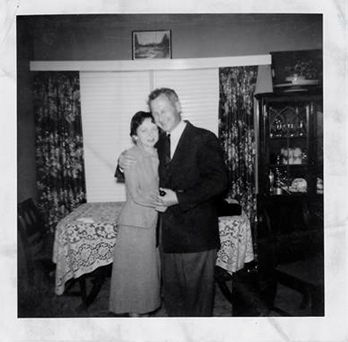
Before I get on to cleaning up the pipe I thought I would once again include the tribute that Jennifer wrote to her Dad for the blog. She also sent some photos and an article that her Dad wrote for Jeff and me to be able to get a feel for him. I have included those below. Note in each of them that he is holding a pipe in his left hand. I asked her to also send me an email with a brief tribute to her Dad. Here is her tribute from an email to me.

Steve, I want to thank you again for accepting my dad’s pipes.  They were so much a part of my dad’s life that I could not simply discard them. But as his daughter, I was not about to take up smoking them either. *laughing* I think my dad would like knowing that they will bring pleasure to others.  I know that I do.

I’m not sure what to say about his pipes. I always remember Daddy smoking pipes and cigars.

First a bit about my dad. Though my father, George Rex Leghorn, was American (growing up in Alaska), he managed to join the Canadian Army at the beginning of WWII, but in doing so lost his American citizenship.  He was fortunate to meet a Canadian recruiting officer who told him the alphabet began with “A” and ended with “Zed” not “Zee”, and also told him to say that he was born in a specific town that had all its records destroyed in a fire.  When the US joined the war my dad, and thousands of other Americans who had made the same choice*(see the link below for the article), were given the opportunity to transfer to the US military, and regain their citizenship.

After WWII, my dad, earned his degree at the University of California Berkeley and became a metallurgist. There is even a bit about him on the internet.

He loved taking the family out for a drive, and he smoked his cigars on those trips. (As a child, those were troubling times for my stomach.)

I most remember my father relaxing in his favorite chair with a science fiction book in one hand and a pipe in the other… Sir Walter Raleigh being his favorite tobacco… and the pipes themselves remind me of him in that contented way.  If I interrupted his repose, he’d look up, with a smile on his face, to answer me.

It seemed he smoked his Briarwood pipes the most, though he had others.  At the time, it was only the Briarwood I knew by name because of its distinctive rough shaped bowl.  And it was the Anderson Free Hand Burl Briar, made in Israel, which I chose for his birthday one year, because I thought he might like that particular texture in his hand.

At least two of his pipes, he inherited from his son-in-law, Joe Marino, a retired medical laboratory researcher (my sister Lesley’s late husband)… the long stemmed Jarl (made in Denmark), and the large, white-bowled, Sherlock Holmes style pipe.  I believe Joe had others that went to my dad, but Lesley was only sure about those two.

The Buescher, corncob pipe my older sister Lesley bought for Daddy while on one of her travels around the States.

A note on the spelling of my sister’s name…

My dad met my mother, Regina, during WWII and they married in Omagh, Ireland.  My mother was English and in the military herself.  The English spelling of Lesley is feminine, and Leslie masculine, in the UK… just the opposite of here in the United States.  I guess my mom won out when it came to the spelling of the name.

I’ll send you photos of my dad soon, along with his WWII experience story.

Jennifer

*https://www.thestar.com/news/world/2013/10/22/the_americans_who_died_for_canada_in_wwii.html

Once again Jeff cleaned the pipe with his usual penchant for thoroughness that I really appreciate. This one was a real mess and I did not know what to expect when I unwrapped it from his box. He reamed it with a PipNet pipe reamer and cleaned up the reaming with a Savinelli Fitsall Pipe Knife. He scrubbed out the internals with alcohol, pipe cleaners and cotton swabs until the pipe was clean. He scrubbed the exterior of the bowl with Murphy’s Oil Soap and a tooth brush to remove the grime and grit on the briar and the lava on the rim top. The finish looks very good with mixed grain around the bowl and shank. There was still some darkening on the right side of the outer edge of the rim toward the back of the bowl (I have circled the spot in red in the second photo below). He soaked the stem in Before & After Deoxidizer to remove the oxidation on the rubber. When the pipe arrived here in Vancouver for the second stop of its restoration tour it looked very good. I took photos before I started my part of the work. I took some close up photos of the carved blackened rim top and stem surface. I wanted to show what an amazing job Jeff did in the cleanup of the rim top. It looked almost flawless. I also took close up photos of the stem to show the light tooth marks and chatter in front of the button on both sides. I also took photos of the stamping on the pipe on the underside of the shank. It read as noted above.There was some rim top darkening that needed to be dealt with. I scrubbed it with a brass bristle wire brush to remove the darkening and some of the debris that was still in the grooves of the finish. It did not take too much to make it clean.I worked some Before & After Restoration Balm into the sandblast finish of the bowl and the rim top with my fingertips to clean, enliven and protect it. I worked it deep into the finish with a horsehair shoe brush. I find that the balm really makes the briar come alive again. The contrasts in the layers of stain really made the grain stand out. I let the balm sit for a little while and then buffed with a cotton cloth to raise the shine. The pipe really looks good at this point. I am very happy with the results. I painted the surface of the stem with the flame of a Bic lighter to raise the tooth marks in the surface of the stem on both sides. I was able to raise the ones on the underside more than the ones on the topside.  I sanded the stem with 220 grit sandpaper to blend the tooth marks and chatter in and to remove some of the oxidation. I was able to remove much of the damage to the surface. What remained I filled in with clear super glue. I set the stem aside to let the repairs cure.  Once the glue had cured I sanded the repairs with 220 grit sandpaper to blend them into the surface of the vulcanite. I followed that by sanding with 400 grit sandpaper to start the polishing process.  I shaped the button and polished the stem with micromesh sanding pads – wet sanding it with 1500-12000 grit pads. I polished it further with Before & After Pipe Stem Polish – both fine and extra fine. I finished by wiping it down with Obsidian Oil after each pad and set it aside to dry. I put the stem back on the bowl and polished the bowl and stem with Blue Diamond polish on the buffing wheel. I gave the bowl and the stem multiple coats of carnauba wax. I buffed the pipe with a clean buffing pad to raise the shine. I hand buffed it with a microfiber cloth to deepen the shine. The multi coloured stained finish on this briar is quite beautiful and the shine on it makes the variations of colour really pop. The pipe polished up really well. The wax and the contrasting stain on the bowl made the grain just pop on the briar. The polished black vulcanite seemed to truly come alive with the buffing. The petite pipe feels great in my hand and when it warms with smoking I think it will be about perfect. It must have been a fine smoking pipe judging from the condition it was when we received it from Jennifer. There should be a lot of life left in this Charatan made pipe. Have a look at it with the photos below. The dimensions are Length: 5 1/2 inches, Height: 2 inches, Outside diameter of the bowl: 1 1/2 inches, Chamber diameter: ¾ of an inch. This is one that will go on the rebornpipes online store shortly. If you want to carry on the pipe trust of George Leghorn let me know. Thank you Jennifer for trusting us with his pipes. Thanks to each of you who are reading this blog. Remember we are not pipe owners, we are pipemen and women who hold our pipes in trust until they pass on into the trust of the next pipeman or woman.

Restoring an Unbranded Italian Bent Billiard # 908


Blog by Paresh Deshpande

I had just finished restoring the sixth Dunhill from my Mumbai Bonanza find, a 1965 DUNHILL SHELL #56 F/T and now this is a no name smooth ¼ bent Billiard from the same lot. This may be a ‘no name’ pipe, but something about the pipe, like the feel in hand, quality of grain and the finish screams of quality and added to that the design elements, are all pointers to a pipe made by a reputed pipe maker.

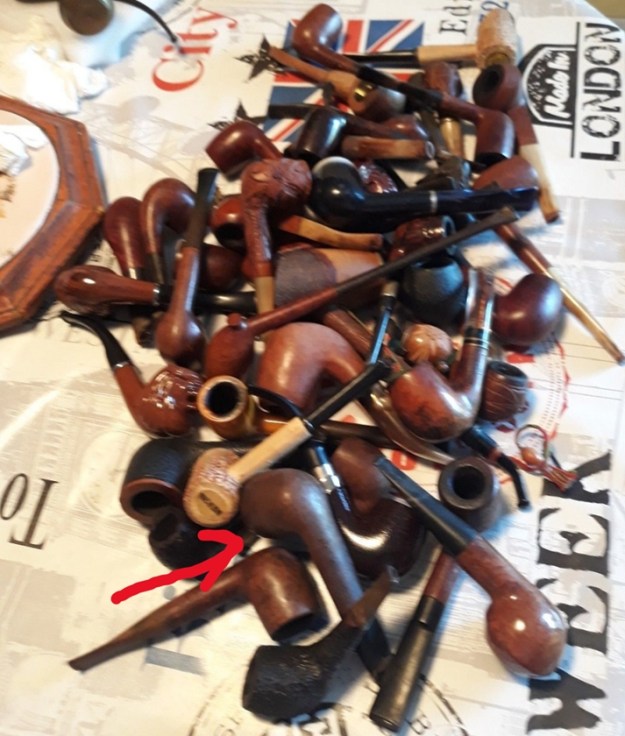
I was fortunate enough to have heeded to the advice of my dear friend and mentor, Mr. Steve, and struck a deal with a trash collector from Mumbai. He did not know what he was selling and I did not know what I was buying as we reside in different cities!!!!! The argument that Mr. Steve presented was that if not anything, I shall at least have some spares and this was logical. I struck a deal and here are pictures of the pipes that I received in this lot.        This lot contains some very nice collectible pipes, a few well known brands and some mediocre brands. Overall, with seven Dunhill pipes, a Preben Holm #1, a couple of “Made in England” Pete System pipes, Charatan’s, Custom-Bilt, Stanwell and other assorted pipes, I would say that I had hit a huge jack pot!!! Hence, I like to call this find as “Mumbai Bonanza”.

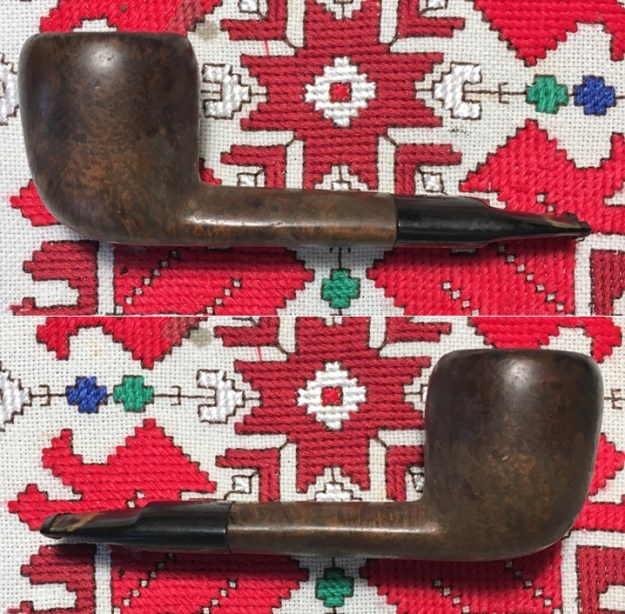
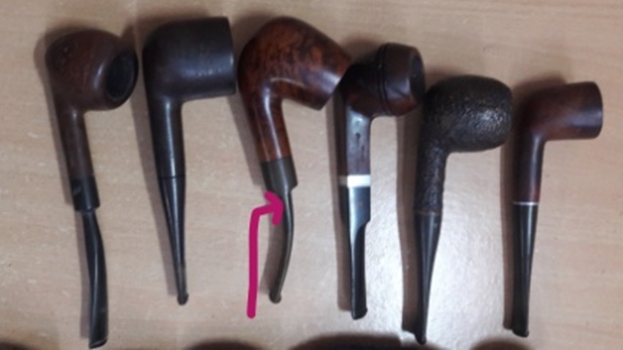
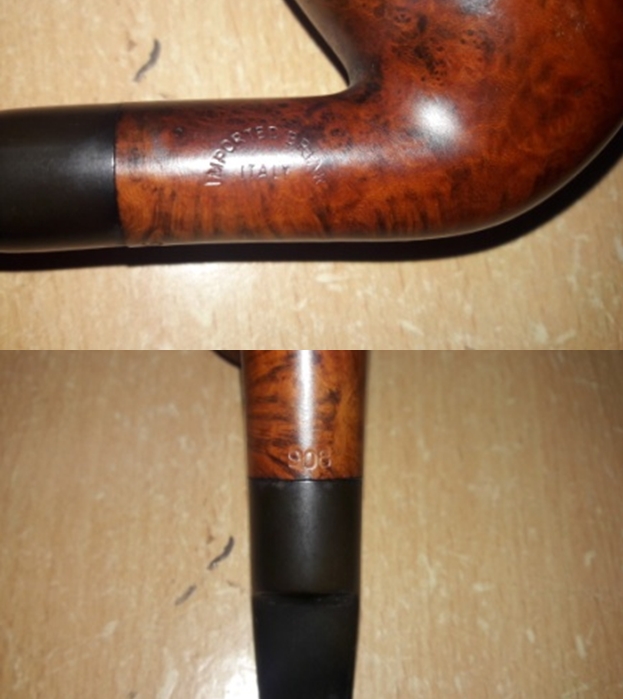
The pipe that I decided to work on from this find is an unbranded slightly bent billiard, and is indicated in magenta colored arrow in the picture below. It is stamped on the underside of the shank with the shape number 908 at the end of the shank and stem junction. On the right side of the shank it is stamped as IMPORTED BRIAR in a semi circle over ITALY in the center. There is no other stamping anywhere on the stummel. Even the stem is devoid of any stamping. My attempts to identify, with pinpoint accuracy, the maker of this pipe have come to a naught due to lack of any tell tale stampings hinting at the carver. However, the IMPORTED BRIAR stampings are generally associated with pipes designated for American markets and the COM stamp ITALY, is self explanatory. My appreciation is that this pipe was made by an Italian firm as a Basket pipe for an American pipe shop. If any of the readers has any viable input on this pipe, you are most welcome to share it with the community in form of comments on rebornpipes.com.

INITIAL VISUAL INSPECTION
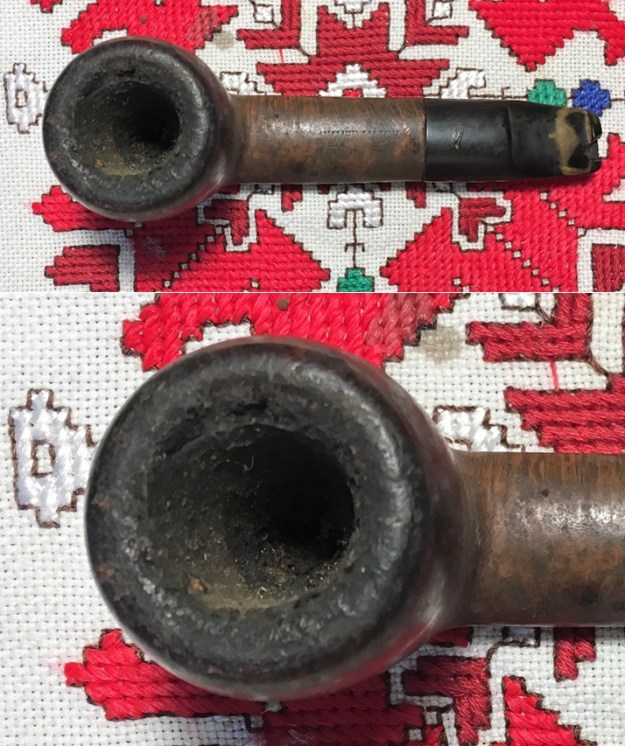
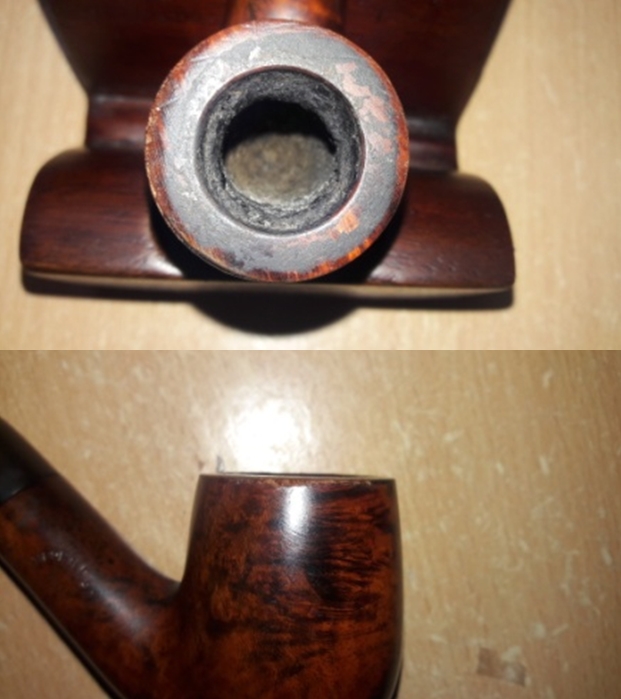
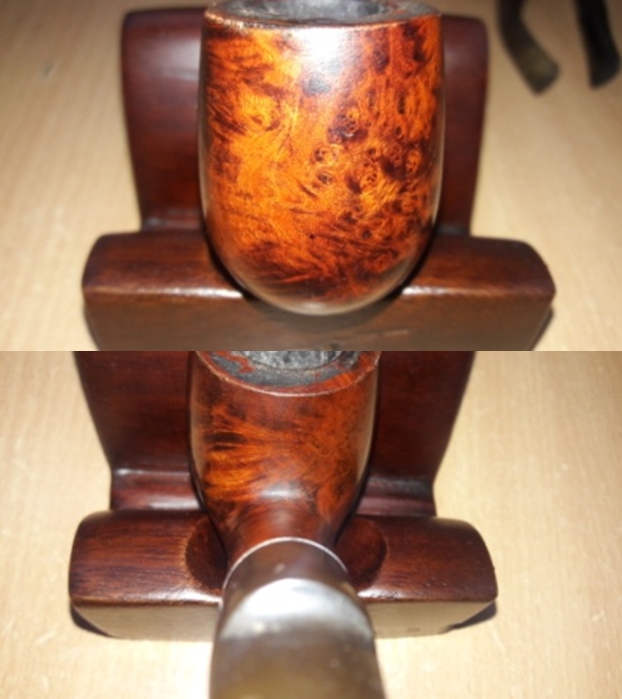
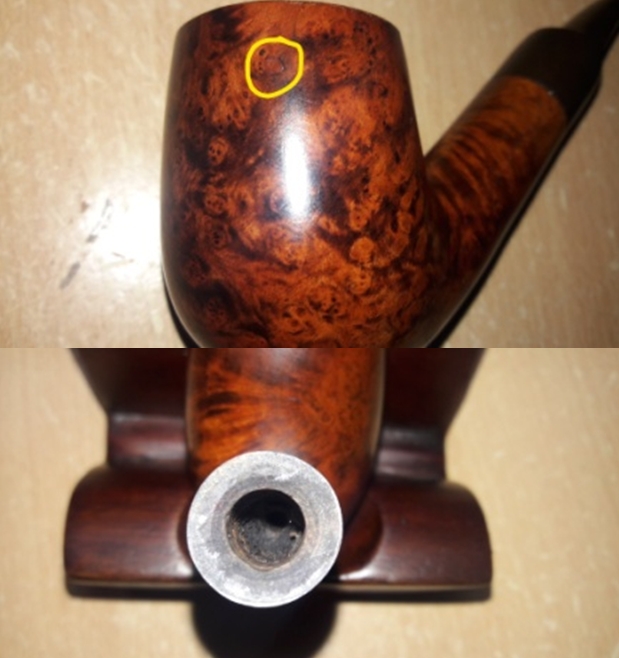
There is a thick layer of cake in the chamber which has been reamed and maintained at a thickness of a dime!!! This indicates that this pipe has seen heavy usage but has also been well cared for. In order to comment on the condition of the walls of the chamber, I need to ream the cake down to the bare briar. The rim top surface is covered with overflowing lava through which the inner rim edge appears to be intact. Also through the overflow of lava, a few dents and dings are visible towards the right and back of the rim. Similarly, the outer edge of the rim is slightly damaged on the right side in 4 ‘O’ clock direction. There is a sweet odor to the chamber.The stummel boasts of some beautiful mixed pattern of bird’s eye and cross grain all around. It is dirty with grime, oils and tars covering the stummel surface and added to this are a few dents and dings to the sides and front of the stummel. Surprisingly (because being an unbranded pipe, I expected more!), I could see only one fill (circled in yellow) on the left side of the stummel, another indicator to the fact that this is a quality pipe made by a quality conscious Italian carver. The stummel has an orange hued stain and appears to be coated with lacquer, both of which are not my favorite finish. These will have to go, period! I have the experience of working on a Dr. Grabow, OMEGA and it was not easy to get rid of the lacquer coating. The mortise shows heavy accumulation of dried tars mixed with ash and remnants of tobacco, making the flow of air through the mortise laborious. This will have to be cleaned and refreshed. The vulcanite stem shows major damage to the button end on both upper and lower surface. The upper surface has a through hole in the bite zone, including bite marks to the button while deep tooth marks are visible in the bite zone and button. The button on either surface will have to be sharpened and made crisp. The tenon end is crusted with dried out tars and grime. The horizontal slot shows accumulation of remnants of dried out oils and tars, blocking the air flow through the stem airway. The fit of the stem in to the mortise is loose and will need to be tightened for a nice snug fit. The stem is heavily oxidized; however, the quality of vulcanite is good. The bend on the stem does not match with the plane of the stummel and profile of the pipe. This will have to be addressed. The stem repair, then, will be a major issue to address and I shall begin this project by addressing the stem repairs first. THE PROCESS
As decided during my initial appreciation of the condition of the pipe, I start this project by tackling the stem first. I flame the stem surface with the flame of a Bic lighter to raise the tooth indentation to the surface and follow it up with sanding the stem with a folded piece of 220 grit sand paper. This helps in getting rid of the oxidation while providing a smooth surface for the intended fills to reconstruct the damaged bite zone on both surfaces and also the button edges. I cleaned out the tenon and the internals of the stem with hard bristled and regular pipe cleaners dipped in isopropyl alcohol. The grunge had hardened to such an extent that I had to use the dental spatula to dig out the dried out oils and tars. Once I was satisfied with the internal cleaning, I wiped the stem surface, particularly the damaged button end, with a cotton pad and alcohol to remove any traces of dirt and grime. I wiped the stem with a little Extra virgin olive oil to hydrate the stem surface. Firstly, I inserted a pipe cleaner smeared in Vaseline in to the stem air way. This prevents the mix of CA superglue and activated charcoal from permeating in to the air way and blocking it subsequently. I prepared a mix of CA superglue and activated charcoal and carefully applied it over the damaged bite zone on both surfaces and lip and set it aside for curing over night. Before moving ahead, I would like to mention here that I had applied this mix in sufficient thickness which would help during the filing and sanding to match the fills with the stem surface and shaping the button.While the stem repair was set aside to cure, I moved ahead to deal with the stummel cleaning. With size 1 and 2 head of a PipNet reamer, I took the cake down to bare briar. Using a folded piece of 180 grit sand paper, I sand out the last traces of cake and expose the walls of the chamber to ascertain that there are no cracks/ heat fissures. I wiped the chamber with a cotton pad dipped in isopropyl alcohol to remove the carbon dust left behind by all the reaming and sanding process. It is always a big relief to find the walls of the chamber to be solid with no damage. This was followed by gently scraping away the lava overflow from the rim top surface with my fabricated knife. I cleaned the mortise by scraping away at the dried gunk with my fabricated spatula and followed it up with further cleaning using cue tips, pipe cleaners and shank brush dipped in isopropyl alcohol. Even though the internals were nice and clean, the sweet smell in the chamber was all pervading. I shall address this issue with an alcohol bath before cleaning the external surface of the stummel. Once the cake was removed and the chamber walls cleaned, I noticed that the draught hole was not aligned to the center of the chamber, but skewed towards the right as you hold the pipe while smoking. I was in two minds; should I correct this alignment by re-drilling the air way through the mortise or let it be. The thick cake indicates that this was a fantastic smoker and a favorite of the previous steward, so should I tamper with its smoking characteristics? Well, once I am through with refurbishing, I shall load a bowl and test it for myself before deciding further course of action. Here are pictures of what I have been discussing above. It was now time for me to address the issue of the sweet smell in the pipe. I stuffed the chamber with a cotton ball. I made a wick out of one cotton ball, wound it around a folded pipe cleaner and inserted it tightly in to the mortise. Using a syringe, I topped the chamber with 99.9% pure isopropyl alcohol and set it aside on a pipe stand for the alcohol to draw out all the residual oils and tars from the mortise and the chamber. About half an hour later, I refilled the chamber with alcohol and set it over night. By next evening, the alcohol had drawn all the stubborn oils and tars from the mortise and chamber and these were trapped in the cotton ball and wick. I gave a final cleaning to the mortise using pipe cleaners and q-tips dipped in alcohol. The old smells are history and the pipe now is fresh and clean.I followed up the internal cleaning with external refreshing of the stummel surface. Using a hard bristled tooth brush dipped in undiluted Murphy’s oil soap, I very deliberately scrubbed the stummel and the rim top to remove the overflow of lava from these surfaces. The stummel and rim top was dried using paper napkins and soft cotton cloth and set it aside to dry out naturally. The stummel looks clean, but the orange stain now stands out prominently and so does the single fill which I had observed earlier has now increased to four!!!!!!! I checked the fills and realized that it had gone soft and would have to be filled afresh. But before that, I need to remove the orange stain and lacquer coating to let the natural briar shine through and breathe freely. Using a folded piece of 180 grit sandpaper, I sand the entire stummel surface to first remove the lacquer coating and thence the orange stain. It took a considerable time to remove the lacquer coat. At the end, I still observed a few patches on the stummel surface where the old stain was still visible. I cleaned up all these patches by wiping the entire stummel with a cotton swab dipped in pure acetone. The stummel is now completely rid of the lacquer coating and the obnoxious orange stain and beautiful swirls of bird’s eye and cross grains now peek through the rough surface. This clean up made the dents and dings to the rim top surface and the outer edge all the more prominent and these are the issues which I tackle next. On a piece of 220 grit piece of sand paper, I top the rim surface, checking frequently the progress that was being made. Once I was satisfied that the dings and dents to the rim surface has been addressed, I worked the outer rim edge to address the dents and dings visible. With a folded piece of 220 grit sand paper pinched between my thumb and index finger, I created a light bevel on the outer rim edge which masked the dents nicely. I am very pleased with the progress made so far; the stummel has been rid of the orange stain and lacquer, the internals of the stummel are clean and fresh, the dents and dings to the rim top and outer edge has been taken care of and the stem fill has hardened solid. The next issue that I tackled was the issue of newly discovered fills which hitherto fore were hidden under all the stain and lacquer coating. Using the sharp point of my fabricated knife, I gouge out the old fill and replace it with a fresh fill of CA super glue and briar dust. I always over fill the holes so that when I sand them down they are smooth and I can feather in the fills with the rest of the briar. I set the stummel aside to cure. Once the glue dried (very quickly by the way), I resorted to sanding the entire stummel surface using a folded piece of 180 grit sand paper and follow it up by further sanding with 320, 600 and 800 grit sand papers. This step addressed three issues; firstly matching and blending the fill with the rest of the surface, secondly, the dents and dings on the stummel were evened out and lastly, the annoying orange stain and lacquer coating was completely eliminated. Using the micromesh pads, I complete the polishing cycle by wet sanding the surface with 1500 to 2400 grit pads and dry sanding with 3200 to 12000 girt pads. The stummel looks great with the grains showing themselves in great splendor. I really like this natural finish to the briar!!!! This is how the stummel appears at this stage. Next, I rub a small quantity of ‘Before and After Restoration Balm’ in to the briar with my finger tips and let it rest for a few minutes. The balm almost immediately works its magic and the briar now has a nice vibrant appearance with the beautiful bird’s eye and cross grains on full display. I further buff it with a horse hair shoe brush. I was contemplating if at all I should stain this stummel or let the fills be seen as part of its past life; a friend of mine who has taken up to enjoying a pipe, dropped in and saw this pipe. He loved the grains, the shape and heft of this beauty and immediately requested it to be passed on to him. I discussed with him about the stain and he was keen to keep with the natural finish! Since this pipe was being passed on to him, his desire prevailed. This look to the stummel attracted him the most. I am sure that after the final polish and waxing, the grains will be further accentuated. I set the stummel aside and turned my attention to the stem repair. The fill had cured nicely and I moved ahead and began the process of filing and shaping the button end with a flat head needle file. For a better blending, I further sand the entire stem with 220 followed by 400, 600 and 800 grit sand paper. This helps to reduce the sanding marks left behind by the more abrasive 220 grit paper. To bring a deep shine to the vulcanite stem, I went through the complete set of micromesh pads, wet sanding with 1500 to 2400 grit pads and dry sanding with 3200 to 12000 grit pads. I wiped the stem with alcohol after each pad and rubbed it down with Extra Virgin Olive oil to rehydrate the vulcanite. The repairs have blended in very well and the stem now looks shiny black and beautiful. The internals of the stem was once again cleaned out using alcohol and pipe cleaners to clear the airway of all the debris resulting due to the sanding. The finished stem is shown below. The next stem issue that I addressed was the loose fit of the tenon in to the mortise. To address this issue, I heated the tenon with the flame of a Bic lighter; moving the flame constantly, till the tenon was pliable. I had pre-selected a drill bit which was a tad larger than the tenon hole and gradually inserted it in to the tenon and set it aside to cool down. Once the tenon had cooled down, I removed the drill bit and tried the seating of the tenon in to the mortise. The fit was perfect.Before moving on to the final polishing and wax coating, I had to address the issue of the bend to the stem. Somehow, the existing bend does not suit the profile of the stummel. I exchanged pictures of the stem and pipe with Mr. Steve and he suggested that the stem needs to bend more. I inserted a pipe cleaner through the stem’s air way and heated the stem with a hot air gun till pliable. Using the slot end of the pipe cleaner, I bend the stem eyeballing it in to desired shape. The two precautionary measures which are required to be ensured; firstly, inserting a pipe cleaner in to the stem’s airway prevents the surface from collapsing inwards. Secondly, while bending the stem, heat only up to the place from where the bending is intended. I did try two different bend angles, but that did not seem correct. Third try was successful and the stem now has a nice bend to it and the pipe feels very comfortable in the mouth. To complete the restoration, I re-attach the stem with the stummel. I mounted a cotton cloth buffing wheel to my local machine which is similar to the Dremel.  I set the speed at about half of the full power and applied White Diamond compound to the entire pipe. I wiped/ buffed the pipe with a soft cotton cloth to clear it of any leftover compound dust. With a cotton buffing wheel earmarked for Red Tripoli, which has a finer grit than White compound, I buffed the stem to a fine glossy finish. I then re-attach the stem to the stummel, mounted another cotton cloth wheel on to the polishing machine and applied several coats of carnauba wax. I finished the restoration by giving the entire pipe a rigorous hand buffing using a microfiber cloth to raise the shine further. The completed pipe looks lovely, fresh and vibrant; the pictures speak for themselves. I really enjoyed working on this pipe and hope that readers too enjoyed walking with me through this restoration. If only this handsome pipe could share the secret of its birth and its past life with all of us…if only!! Cheers.

PS: The freshly refurbished pipe was handed over to the new Steward (to use the term coined by my friend, Mr. Dal Stanton) who immediately loaded his favorite tobacco, LANE 1Q, and smoked it with me. He was very happy with the way it smoked and appreciated the easy and smooth draw. This reconfirmed my appreciation that I should not tamper with the alignment of the shank air way.

Restoring a French Made Butz Choquin Camargue 1310 Bent Billiard


Blog by Steve Laug

The next pipe on the table Jeff picked up at an antique shop near his home in Idaho. It is a Butz Choquin Made in France pipe. On one side is written Butz Choquin over Camargue. On the other side St. Claude is arched over France with the shape number 1310 under that. On the horn coloured Lucite shank extension are the initials BC in a clear acrylic insert. The military bit stem is vulcanite and has a slight bend in it. It is lightly oxidized and there are deep tooth marks on both sides of the stem near the button and wear on the button on the underside. There are also some dents on the top and underside near the bend. The smooth finish is very dirty and dusty. The rim top has a thin coat of lava near the back side. The bowl has a thick cake that flows onto the back of the bowl rim. It is hard to know if the inner edge of the rim is in good condition because of the lava and cake. The outer edge looks very good. Jeff took the following photos before he started his clean up. Jeff took a photo of the rim top and bowl. You can see the lava on the back side of the rim that obscures the condition of the rim edge. You can see the condition of the bowl as well in the photo.He took photos of the heel and the sides of the bowl to give a clear picture of the remarkable grain on this beautiful pipe.The next photo is a bit of a mystery to me… there is clearly a crack shown in the photo of the somewhere on the bowl. The problem is that it is not clear where it is on the bowl in the photo. Is it the heel or a side or…? I will have to go over the bowl with a light and a lens to hunt for it as I restore the pipe. It should be easy to repair once I find it!The next two photos capture the stamping on the left and right side of the shank. The third photo shows the BC logo on the horn coloured Lucite shank extension. The stamping on the left side reads Butz Choquin at an angle up the shank toward the shank end and underneath it is stamped Camargue. The other side is stamped with the St. Claude, France stamp and the shape number 1310. The last two before photos show the condition of the stem. You can see the tooth marks on both sides of the stem along the length of the stem. You can also see the calcification and oxidation on the stem. It is dirty but very repairable.When the pipe arrived it was my turn to do my part of the restoration work. Jeff had reamed the bowl with a PipNet pipe reamer and followed up with a Savinelli Fitsall pipe knife to remove the cake. He scrubbed out the mortise and the airway in the shank and the stem with alcohol, cotton swabs and pipe cleaners. He scrubbed the exterior of the bowl, rim, shank and stem with a tooth brush and Murphy’s Oil Soap to remove the oils and tars on the rim and the grime on the finish of the bowl. He rinsed it under running water. He dried it off with a soft cloth. He was able to remove lava build up on the rim top and you could see the great condition of the bowl top and edges of the rim. There was still some darkening to the rim top toward the back of the bowl. He soaked the stem in Before & After Deoxidizer to remove the oxidation. I took photos of the pipe before I started my work on it. I took a close up photo of the rim top to show the condition of the bowl and rim after Jeff had cleaned up the grime and lava. Both the inner edge of the rim look good. There was some damage on the front outer edge. The stem photos show that the oxidation is gone. The light tooth chatter is hard to see but I should be able to sand it out quite easily. The tooth marks on the top and underside and the scratching and gouges will take a little more work to remove. The damage to the button top on the underside is also going to take some work.I also took a photo of the stamping on the left side of the shank showing how the stamping was laid out. The Camargue stamp is quite faint. To clean up the rim top damage and minimize the roughness on the front outer edge I lightly topped the bowl with 220 grit sandpaper on a topping board. I did not have to do too much topping as the damage was not too extreme.I polished the bowl and rim top with micromesh sanding pads – wet sanding with 1500-2400 grit pads and dry sanding with 3200-12000 grit pads. I wiped the bowl down with a damp cloth after each sanding pad to remove the sanding dust. It was during this process that I found the crack. It is on the right side of the bowl toward the back. I have circled it in red to highlight it. Now that I had found the crack and checked that it was not deep and not on the inside of the bowl it was time to address it. I drilled the ends of the crack with a microdrill bit to stop the crack from spreading. I filled in the pin holes and the crack surface with clear super glue. I spread some briar dust on the top of the repaired areas and pressed it into the drill holes with a dental spatula. I set it aside to cure. Once the repair cured I sanded it smooth with a piece of 220 grit sandpaper to blend it into the surface of the briar. I started the polishing process with 400 grit sandpaper. I polished the area with 1500-2400 grit micromesh pads and wiped the area down with alcohol.I restained the pipe with a Tan aniline stain to blend the repaired areas into the rest of the finish. Sometimes it pays to stain the entirety of a bowl rather than fuss with trying to match an area this large into the rest of the surrounding briar. I flamed and stained and repeated the process until I was happy with the coverage. I set the bowl aside to dry.I buffed the bowl with red Tripoli on the buffing wheel to remove thick overcoat of stain. I sanded it with a medium and a fine grit sanding sponge to smooth out the stain coat coverage. I followed that by wet sanding it with a 1500 grit micromesh sanding pad to even out the coverage of stain across the bowl sides and over the repaired crack. I have really come to appreciate many of Mark Hoover’s Before & After Products. One of my favourites is his Restoration Balm. I worked some of the Balm into the finish of the briar with my fingertips to clean, enliven and protect it. I let it sit for a short time and buffed it off with a cotton cloth to raise the shine. The Restoration Balm really makes the pipe take on a rich glow. I set the finished bowl aside and turned to address the issues with the stem. I filled in the deep tooth marks and nicks in the stem surface and button with clear super glue. I set it aside to cure. Once the repairs had cured I used a needle file to smooth out the repairs and then a folded piece of 240 grit sandpaper to blend the tooth marks and chatter into the surface of the stem. After the surface was smooth I sanded out the scratch marks and started the polishing of the stem with a folded piece of 400 grit sandpaper. I wiped the stem down with Obsidian Oil. I polished the stem with micromesh sanding pads – wet sanding it with 1500-2400 grit pads and dry sanding it with 3200-12000 grit pads. I wiped the stem down with Obsidian Oil after each pad. I polished it with Before & After Pipe Polish – both Fine and Extra Fine and gave it a final coat and set it aside to dry.  I put the stem and bowl back together and buffed the stem with Blue Diamond on the buffing wheel. I gave the bowl and the stem with multiple coats of Carnauba Wax. I buffed the bowl and stem with a clean buffing pad until there was a rich shine then hand buffed it with a microfiber cloth to deepen the shine. This Butz Choquin Camargue Bent Billiard with a faux horn acrylic shank extension is a beautiful pipe. The grain really stands out with a combination of birdseye, cross grain and swirls surrounding the bowl give it a rich look. The rich contrasting brown stains makes the grain stand out while hiding the repaired cracks. It is a proportionally well carved pipe. The polished black vulcanite stem had a rich glow. The finished pipe is a beautiful bent billiard that feels good in the hand and the mouth. Have a look at it with the photos below. The dimensions are Length: 6 1/2 inches, Height: 2 inches, Outside diameter of the bowl: 1 1/4 inches, Chamber diameter: ¾ of an inch. I will be putting this beauty on the rebornpipes online store soon. If you are interested let me know. Thanks for walking through the restoration with me as it was a pleasure to work on.

Recommissioning an Interesting Trent Lev-O-Lator Bent Billiard


Blog by Dal Stanton

This interesting Trent Lev-O-Lator came to me in a lot from Craig’s list.  One of the great things about friends and family knowing that I restore pipes for the Daughters of Bulgaria is that I have eyes all over the world watching for pipes!  Jon, a colleague working in the same organization, was in the US for a time of furlough after working in Ukraine and was in the Philadelphia area.  This lot of several pipes came up on Craig’s List in his locality and he sent me an email concerning them.  He went to look at them and gave me some descriptions, and many of the pipes were beyond a state of being restored, but for the price being asked, the remaining pipes would make it worthwhile.  Here is picture of the Craig’s List Lot that Jon acquired for me.  As a bonus, the pipe racks would be nice to have here in Bulgaria!They finally made it to Bulgaria where I sorted them and posted many of them online in my For “Pipe Dreamers” Only! collection where pipe men and women can commission a pipe to be restored that ‘speaks’ to them.  Andy has commissioned pipes before and is a return patron of The Pipe Steward.  Before my wife and I moved to Europe with our family over 25 years ago, Andy and his wife, were part of a church in Maryland that I helped start.  Previously, I restored a very nice Monarch Pat. 1989069 – 1074H Bent Ball for Andy as well as create a Churchwarden from a repurposed bowl and had fun with the write-up calling it, Fashioning a Churchwarden from a Forlorn, Throw away Billiard – a story of the Phoenix.  Andy returned to the ‘Dreamers!’ collection and another pipe spoke to him, a Trent Lev-O-Lator, part of the Craig’s List Lot from Jon.  Here are pictures of the pipe that got Andy’s attention. The nomenclature stamped on the left flank of the shank is ‘TRENT’ [over] ‘LEV-O-LATOR’.  The right side of the shank is stamped ‘IMPORTED BRIAR’ [over] ‘SERIAL 49W-5’.I had never seen this name on a pipe, and I had no idea was a ‘Lev-O-Lator’ was.  My first queries to Pipedia and Pipephil.eu, my regular first stops for information and research, came up empty.  A quick look in my copy of ‘Who Made That Pipe?’ by Wilczak & Colwell, also came up empty.  When I searched more broadly in Google, I came up with two helpful threads.  The first was from Pipes Magazine Forums where another person was asking the same question in 2015 – had anyone any information about a pipe marked ‘Trent Lev-O-Lator’?  He had acquired a Zulu with this nomenclature and was hoping to understand better its provenance.  One helpful response in the thread from ‘eJames’ started to build a road map:

Bruce Peters pipes (and a couple of others) were made by HLT for the Penn Tobacco Co. If this is a Bruce Peters it was most likely made before HLT bought Grabow, probably in the 1940’s.

Taking this information, I returned to Pipedia and found ‘Bruce Peters’ listed among American pipe makers:To understand more about the Henry Leonard & Thomas Inc., I look at the Pipedia article about HLT:

Henry Leonard & Thomas, Inc. (HLT) was founded in Ozone Park, Queens, New York by Henry J. Lavietes and two partners on May 31, 1938. The company patented a stem design for pipes and cigarette holders designed by Henry on March 9, 1943. Henry was the son of David Lavietes, who moved to Sparta, North Carolina in the early 1940s to purchase laurel and rhododendron burl to ship back to his son and HLT. Lavietes decided to stay in Sparta and founded the D&P Pipe Works with his other son Paul, originally as a 15-person operation. David Lavietes was the inventor of the Ajustomatic feature incorporated into Dr. Grabow pipes even today.

There is no mention of “Trent” or “Lev-O-Lator” but there is mention above of David Lavietes’ invention called the ‘Ajustomatic’ which later became a feature of Dr. Grabow pipes when in 1953 (same article) HLT acquired Dr. Grabow.  In the same article, the Popular Mechanics advertisement (LEFT – Courtesy of Doug Valitchka) describes the ‘Ajustomatic’ technology which looks much like the Lev-O-Later.  Here is the text enlarged:I continue to search for more leads and I find one additional thread that shed more light on the path.  This time the thread was from Tapatalk.com, in the “Dr. Grabow Pipes” Thread.  The thread started in 2017 when ‘SpadeFan’ asked:

Found this nice 86 from HL&T stamped BRUCE PETERS and LEV-O-LATOR.  Anyone know what the term LEV-O-LATOR means? Sound like I should plug it in and make coffee or something.Responses in this thread speculated that the ‘Ajustomatic’ and ‘Lev-O-Lator’ were one and the same:

JoeMan: That fitment sure looks a lot like an ajusto…and the cleaner may be identical to that of a Van Roy…and that logo looks a LOT like the Van Roy logo too.  I wonder if it’s a Van Roy production pipe which was then branded as a Bruce Peters.  If so…and if it is Ajusto…then I bet Lev-o-lator is their fancy name for the ajusto function.  

Pipesbywhitney:  I sold one a while back and here are my notes on it; This is a Trent Lev-O-Lator “Serial 49W-5” longer stem pear also stamped “Imported Briar.”  I can find no provenance for Trent pipes but the Import Briar stamping tells us it was most likely American made. The Lev-O-Lator system seems to be a metal drinkless mechanism attached to the tenon similar to many used in various American pipes during the mid-20th Century. I can find a Trend pipe similar to this one made around the same time by the Wm. Demuth Co. in New York so there could be a connect.I could find no additional information specifically placing the ‘Trent’ name in a time-line, but what I can deduce is that the ‘Trent Lev-O-Lator’ is the same ‘Ajustomatic’ internal technology that is traced back to before Dr. Grabow was acquired by HLT in 1953.  Without any specific reference to ‘Trent’, it’s difficult to say much more with certainty.  The Trent Lev-O-Lator on my worktable has the feel of being dated from the 40s to the 60s but this is only speculation.  I would need to find the Trent in a catalog to place it more specifically.Looking at the pipe itself, it’s a very nice half-bent Billiard.  The chamber has some thick cake build-up with the rim showing thick lava flow.  The rim also has two dents on the forward and rear internal edge. The stummel is darkened from grime and age.  I can see a few fills and dents on the briar surface which will require some work.  The stem has oxidation, which is moderate, but the good news is that the bit has little tooth chatter.

True confession is good for the soul: The research that I have just completed examining the ‘Ajustomatic’ technology was done AFTER I started working on the restoration!  With my practice of putting a batch of stems in the Before & After Deoxidizer soak to remove oxidation, I started on this before doing the research.  Unfortunately, I did not realize that the tip of the ‘Lev-O-Lator’ would come off.  This fitment serves as an air regulator which is cool.  Without realizing that it would come off making my attempt to clean the airway with a pipe cleaner wetted with isopropyl 95% much easier, I decided to remove it.  The shank ring was already loose, and I felt I could remount the metal ‘stinger’ the same way I took it off.I heated the entire metal tenon with a Bic lighter.  After it heated up, I wrapped a cotton pad around the tenon and gently applied a little torque with a pair of plyers and voila!  The vulcanite loosened its grip and the Lev-O-Lator came out.  I still didn’t realize the end regulator could be removed.Along with other pipes in queue, I clean the Trent’s stem with pipe cleaners wetted with isopropyl 95% before placing the stems in the soak with Before & After Deoxidizer. After some hours, I fish the Trent’s stem out of the Deoxidizer and let it drain. I then use a cotton pad wetted with alcohol to wipe off the oxidation that had surfaced.  I also work on the cavity of the vacated metal Lev-O-Lator with cotton buds wetted with isopropyl 95% as well with pipe cleaners clearing the airway of the Deoxidizer.I then apply paraffin oil, a mineral oil, to the stem to begin the revitalization of the vulcanite.Now, with an understanding of the research I did previously, I remove the air adjustor of the Lev-O-Lator after I reheat the tenon, insert it into the cavity and then screw the stem to the right to tighten it in the mortise.  When it tightens, I’m able to continue rotating the stem to the right because the metal is still hot.  I rotate the stem clockwise until aligned and then let it cool. The ajusto air regulator is totally clogged with what looks like mud.  I use a dental probe to clean it and wipe it down with a cotton pad and alcohol.I apply a few drops of CA glue to the inside facing of the shank ring and attach it to the stem.  This should hold it in place.Next, I use the Pipnet Reaming Kit and starting with the smallest blade I go to work on the thick cake.  This was the hardest cake build up I think I’ve experienced in any of my previous restorations!  Oh my, it took a good bit of time for the smallest blade head to work through the brick hard cake.  I was careful not to force the blade too aggressively for fear of breaking the blade head.  The blade head finally broke through to the floor of the chamber and I switch to the next larger blade.  I use only 2 blade heads of the 4 available in the Kit and then transition to scraping the chamber using the Savinelli Fitsall Tool which fine tunes reaching to the areas that the blades would not.  Finally, I sand the chamber using 240 grade paper wrapped around a Sharpie Pen and then clean the chamber using a cotton pad wetted with isopropyl 95%.  After completing the chamber inspection, I detect some small heating cracks running on the chamber wall.  To remedy this, later I’ll coat the chamber wall with pipe mud to provide a layer that will help restart a healthy protective cake.Next, to clean the external surface and work on the lava flow over the rim, I use undiluted Murphy’s Oil Soap on a cotton pad.  I also use a brass wire brush to work on the thick lava flow on the rim.  The grime is thick, and the rim does a good job coming clean, but it’s in pretty rough shape.  I take some pictures to inventory the issues I see on the bowl and rim.  The rim is beat up.  There are divots out of the briar on opposite sides of the rim.  The outer edge of the rim is also dinged and skinned.There are several old fills that are soft and drawn up.  Often this happens after the cleaning and the stummel is wet. I move methodically to each of the fills and excavate the old fill material using a sharp dental probe. To fill these holes, I use briar dust mixed with a thick CA glue.  I put a small mound of briar dust on an index card and I put some CA glue next to the mound.  Using a toothpick, I gradually pull briar dust into the CA glue mixing as I do.  I continue to create the putty until it reaches the thickness of molasses and then I apply small amounts of the briar dust putty to each of the holes including on the rim.  After doing this, I set the stummel aside allowing the patches to cure. Now, turning to the stem, I take some additional pictures to get a closer look.  The upper and lower bit has very little tooth chatter and the button is in relatively good shape.  What stands out about the stem is the very rough surface that remains over the entire stem after the soaking in the Before & After Deoxidizer. To remove any remaining oxidation and to address the rough surface texture, I sand using 240 grade paper.  I also focus on the sharpening and freshening the button area.I then transition to the sink with 600 grade paper and wet sand the entire surface.  Well, during this process, the shank ring that I had attached with CA glue popped off and went down the drain.  Fortunately, after immediately turning off the water, I was able to unattach the trap underneath the sink and retrieve the ring!  I follow wet sanding using 000 grade steel wool.  The stem looks great.On a roll with the stem, I apply the full regimen of micromesh pads to the stem.  First, I wet sand with pads 1500 to 2400 then dry sand with pads 3200 to 4000 and 6000 to 12000.  Between each set of 3 pads, I apply Obsidian Oil to rejuvenate the vulcanite and record that phase with a picture to show that newly polished vulcanite pop!  I then put the stem aside allowing it to dry. With the stem on the sidelines, I look back to the stummel.  The briar dust putty filling the several holes on the rim and stummel surface has cured.  I begin to file each fill mound down with a flat needle file – bringing the mounds down almost to flush with the briar surface.After the filing is complete, I transition to sanding each fill site with 240 grade paper to bring the patches flush with the briar surface and removing all the excess fill material. My normal process order is a little out of order but the grime on the inside of the mortise and airway is patiently waiting.  Using many cotton buds and pipe cleaners dipped in isopropyl 95%, I attack the internals.  I also employ the full arsenal of dental probes, spoons and shank brushes.  At the end of the carnage pictured below, I have yet to come to a place of declaring the internals clean enough to satisfy me. With the frontal assault paused, I use the slower, more passive approach to continue the cleaning through the night.  Using kosher salt and isopropyl 95% I let it soak and work on the internals.  I first pull and twist a cotton ball to form a wick that I stuff down the mortise and airway with the help of a stiff wire.  The cotton wick serves to draw out the tars and oils.  I then fill the bowl with kosher salt and set the stummel in an egg crate to stabilize it.  I then fill the chamber with isopropyl 95% until it surfaces over the salt.  I wait a few minutes as the alcohol recedes and then top it off once more.  I set the stummel aside to soak.The next morning, the salt is not soiled in a great way, but the wick is what is what I want to see.I follow again with a renewed frontal attack using cotton buds and pipe cleaners wetted with alcohol as well as additional scraping the mortise walls with a dental spoon.  Eventually, the buds start surfacing lighter and I call it, ‘Cleaned!’ and move on.With the internals clean, I now focus on the external surface restoration.  I start from the top with the rim by topping the rim using 240 grade sanding paper on the chopping board.  With the damage on the rim, and the briar dust fills on the rim, the topping will give the rim a fresh start with new lines and surface.The half-bent shank reach extends beyond the parallel plane of the rim, so I need to hang the shank over the edge of the board while I top.  With the stummel inverted on the 240 grade paper, I do a tight rotation of the stummel on the corner of the topping board.  I check after a few rotations until it looks clean.I then switch the 240 grade paper with 600 grade paper and rotate the stummel several more times.  I like what I see. Even after the topping, there remains some roughness on the external edge of the rim.  The former divots in the internal rim edge are all but gone, but there are still some slight indents where the briar dust patches are. To remedy this, I create an internal rim bevel.  I start on the internal rim edge using a coarse rolled piece of 120 paper to cut the initial bevel.  I follow this by using 240 and 600 grade papers tightly rolled.  My method of creating the bevel is to pinch the paper against the internal rim edge with my thumb pressing the paper while my index finger puts consistent counter pressure on the external side of the rim and then rotate consistently around the circumference of the rim.  This usually provides a consistent result. I do the same with the external rim edge, but not with the same intent of creating a bevel.  My goal is simply to clean the rim as much as needed.  The result is not only to clean the rim, but to soften the rim presentation. With the rim repair and initial sanding complete, I use sanding sponges for the next phase.  I use coarse, then medium and light grade sponges in that order.  I’m careful to guard the nomenclature during the sanding phases. After completing the sponge sanding, I go directly to sanding with the full regimen of micromesh pads.  I begin by wet sanding with pads 1500 to 2400 then follow by dry sanding with pads 3200 to 4000 and 6000 to 12000. I love the way the grain emerges during the micromesh process. I now reach a decision point which is not in limbo too long.  I decide to apply a darker brown dye to the Trent stummel primarily to aid in masking the fills which are dark on the briar landscape.  I will use Fiebing’s Dark Brown Leather Dye with the flexibility to lighten the aniline dye if I choose. I assemble my desktop staining tools with the Dark Brown Leather Dye in a shot glass to apply with a bent over pipe cleaner.  I begin by wiping the stummel with a cotton pad wetted with alcohol to clean.  I then warm the stummel using a hot air gun.  This heats the briar and expands the grain allowing the dye pigment to have a better reception.When heated, I use the pipe cleaner applicator to paint the stummel with the Dark Brown Leather Dye in sections and then with each painted section I flame the wet aniline dye with the lit candle.  This immediately combusts the alcohol in the dye which flames off with a ‘poof’ and the dye pigment sets in the grain.  I do this methodically around the stummel until the entire stummel is thoroughly covered with the fire crusted dye.  When it’s completed, I set the stummel aside for at least 6 hours to allow the new dye to settle.  This ‘rest’ helps guard against the dye later coming off on the steward’s hands after the first few uses of the pipe when the stummel is heated.  I put the stummel aside and wait.After several hours, I’m ready to unwrap the fired stummel.I mount the felt cloth buffing wheel to the Dremel and set the speed at the lowest RPMs.  This is to reduce the heat generated by the coarser felt wheel as I apply the coarser Tripoli compound.With my wife’s assistance, she takes a few pictures as I ‘unwrap’ the stummel revealing the results of applying Fiebing’s Dark Brown Leather Dye to the stummel.  After completing the first round applying Tripoli compound with the felt buffing wheel, I change to a cotton cloth buffing wheel and increase the speed to about 40% full power.  I again apply Tripoli using the cotton cloth wheel which can reach into the crook of the bowl and shank which is not possible with the felt wheel.  After doing this, I go over the entire stummel once more with the cotton cloth wheel using Tripoli compound. This pass using the cotton cloth wheel sharpens the grain lines – making them very distinctive and almost seeming to be luminescent. After completing the application of Tripoli compound, I wipe the stummel with a cotton pad wetted with alcohol not so much to lighten it, because I like the dark shade of the briar, but to blend the new dye and to dissipate possible dye clumps that collected on the surface.After reuniting the Trent stummel and stem once more, I mount the Dremel with another cotton cloth pad, maintaining 40% full power, and apply the finer Blue Diamond compound to the pipe – stem and stummel.  When finished, I buff the pipe with a felt cloth to remove the compound dust from the surface.  Before applying the wax, I have one project left to accomplish.  Earlier I noted that there were some heating cracks in the chamber which were not severe enough to warrant the use of J-B Weld but could be addressed though applying a pipe mud. Pipe mud is the mixture of cigar ash and water to form a ‘mud’ that provides a hard, protective coating over the chamber walls and serves as a starter layer to develop a healthy dime width protective cake.  With gratitude to my colleague, Gary, living in the nearby city of Plovdiv, I have cigar ash that he provides me periodically from his passion of smoking Romeo cigars.  I clean the ash through a sifter and it works very well.I mix small amounts of ash and water until I get a mud-like texture.  After putting a pipe cleaner in the airway to block the draft hole from closing, I use a small dental spoon to scoop the mud and deposit it on the chamber wall.  I also use the spoon to spread the mud so that it disperses evenly. After applying the pipe mud, I set the stummel in an egg carton and let the mud dry and harden through the night. The next morning, the mud transformed into the hardened protective layer as hoped.  If Andy is the next steward of this Trent, he should know not to use a metal tool to clean the chamber during the initial stages of use.  After using the pipe, stir the resulting ash carefully and after dumping it, take a folded over pipe cleaner and rub the chamber wall to loosen the debris.  This avoids scraping the new protective layer which will help encourage a new protective cake to develop.Now the homestretch.  I mount another cotton cloth buffing wheel on the Dremel, maintain about 40% full power speed, and apply a few coats of carnauba wax to the Trent Lev-O-Lator Bent Billiard – stem and stummel.  After application of the wax, I give the pipe a hearty hand buffing with a microfiber cloth to disperse any collected wax and to raise the shine.

When I started this restoration, I had never heard of the ‘Lev-O-Lator’ adjustment fitment.  It would be interesting to play with the movable adjuster valve to see what the difference in the experience would be.  The grain on the Trent half-bent Billiard came out very well with the thick, dark grains masking well the fill repairs.  I did not re-glue the shank ring in place – I will leave that to the new steward to determine according to his preferences.  Andy commissioned this Trent Lev-O-Lator Half Bent Billiard from the For “Pipe Dreamers” Only! collection and will have the first opportunity to acquire it at The Pipe Steward Store.  This pipe benefits the Daughters of Bulgaria, our work here in Bulgaria among women and girls who have been trafficked and sexually exploited.  Thank you for joining me!


Reclaiming Paw’s Kaywoodie “500” 04 Long Stem Billiard – A Great-Grandfather’s Legacy


Blog by Dal Stanton

One of the greatest challenges to me AND honors is to receive a request to restore a pipe that is a family’s heirloom.  It’s amazing how when a loved one passes from this life, the things they leave behind become present links to the memories of the past.  Pipes are favorite heirlooms because they hold an enormous sense of the presence of the loved one – the smell, marks left on the pipe, memories of the loved one sitting and reflecting with pipe in hand and a wink of the eye….  This was one of the reasons I took the name, The Pipe Steward, because of this strong sense of passing on something of great value – not just the physical pipe, but the memories and associations welded to that pipe’s presence.   Joe contacted me with a request for some pipes that hold this honor.  Joe and Hannah work in the same organization as my wife and I, but live in Athens, Greece.  I met them for the first time at a conference there last year.  This was Joe’s request:

Hey Dal,
Joe here…, we talked for a while about pipes. I have some old pipes. They were my wife’s Great-Grandfather’s pipes from Winston-Salem, NC.  I’d love for them to be restored, and I’d love for the money to go to a good cause like
the Daughters of Bulgaria program. All of them need an intense deep cleaning, and some have some stem damage. If I sent you some pictures, do you think you could offer a guesstimation of the price? I’d love to give these pipes to my father-in-law in the same condition as his grandfather smoked them.

Many blessings,
Joe

Joe sent some pictures on to me and he settled on one pipe as a starter project – a Kaywoodie “500” Lovat shape – or what I originally identified it as.  Here were a few pictures showing the major issues.Since Joe wanted to gift the pipe to his father-in-law, which belonged to his grandfather – Hannah’s great-grandfather, I asked Joe what he knew about the pipe’s history.  This is what he wrote:
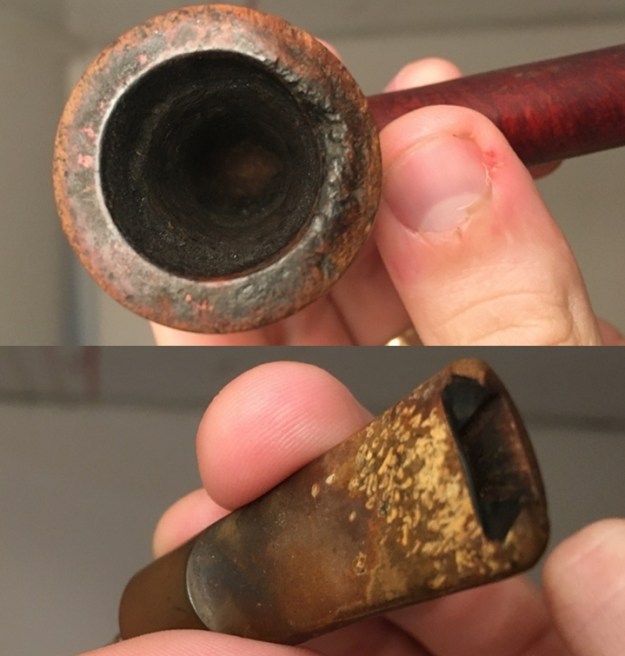
History of the pipe… hmmm. That’s going to be tricky. I will ask and see if anyone can offer more input on the history of Paw’s pipes, but I can’t honestly say much myself.

Ben is my father-in-law. He was raised by a single mom, who worked a lot to raise her 4 boys. So, Ben’s grandparents raised the boys while the mom worked so much. When Ben’s mom passed away a few years ago, we were all cleaning out her home and I noticed a pipe stand in the garage with 5 pipes and a Sir Walter Raleigh bowl cleaner, and someone was asking if that should go in the garage sale. I quickly offered to be a home for it if no one else wanted it, which made Ben happy. He didn’t really have the capacity to decide things that week, he was just glad it was staying in the family and not going to a stranger. 

My ultimate goal is to get these pipes, the stand, and this bowl cleaner in good shape to re-give them back to Ben (maybe for his 60th Birthday next year).  I’ve really just been a pipe steward, myself. I think it will mean a lot to Ben to have an heirloom from his grandfather (who functionally was his father).

Dusty, cobwebby garages often hold the key to finding special heirlooms!  After I wrote Joe describing some of the issues and remedies for Paw’s Kaywoodie “500”, he wrote back with some special instructions to preserve some of the evidences of Paw’s time with his Lovat.  With the heavy erosion to the back of the rim, I had suggested rounding/topping the rim.  Joe’s response:

My initial thoughts are to not round out the rim. I like the flat surface of the rim. As far as the damage on the backside, I know it should be cleaned up, but I wonder if taking 1/10 of an inch off instead of 1/8, if that would yield a proper looking bowl, yet still with the slightest reminder that Paw lit his pipes with a match from the back of the bowl.   It’s just a thought.   I like it when antiques look in their original condition (or close) but I’m also a sucker for the sentimental stuff, so I don’t mind having at least a little bit of the bowl erosion still visible. 

The pipe made it to Bulgaria from Greece via another colleague and another conference in Barcelona that I attended.  With the Kaywoodie “500” now on my worktable I take more pictures to get a better idea of the pipe’s condition. The nomenclature on both sides of the long Lovat stem is clear.  The left flank is stamped KAYWOODIE [over] “500” [over] IMPORTED BRIAR [over] PAT. 2808837.  The right side of the shank is stamped with the Kaywoodie shape number, ‘06’.  The stem holds the classic inlaid Kaywoodie shamrock or clover.  Almost missed and lurking on the lower side of the stem is stamped: “B75” – I’ll need to check this out! Looking first for information about the shape number, ‘06’, Pipedia Kaywoodie Shapes Numbers list is helpful:
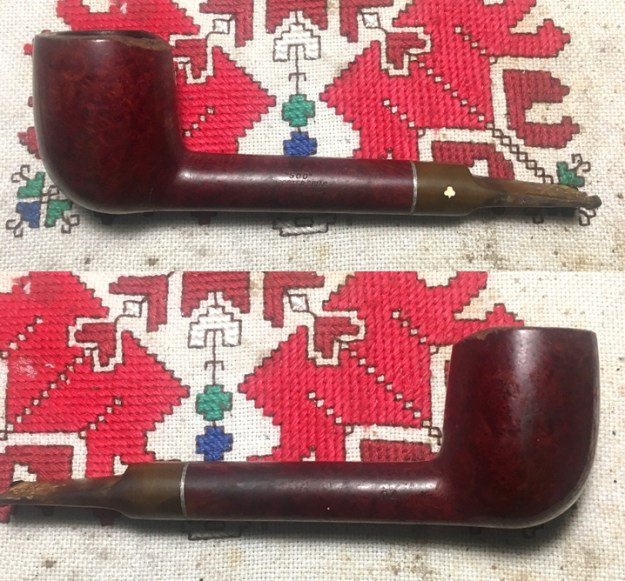
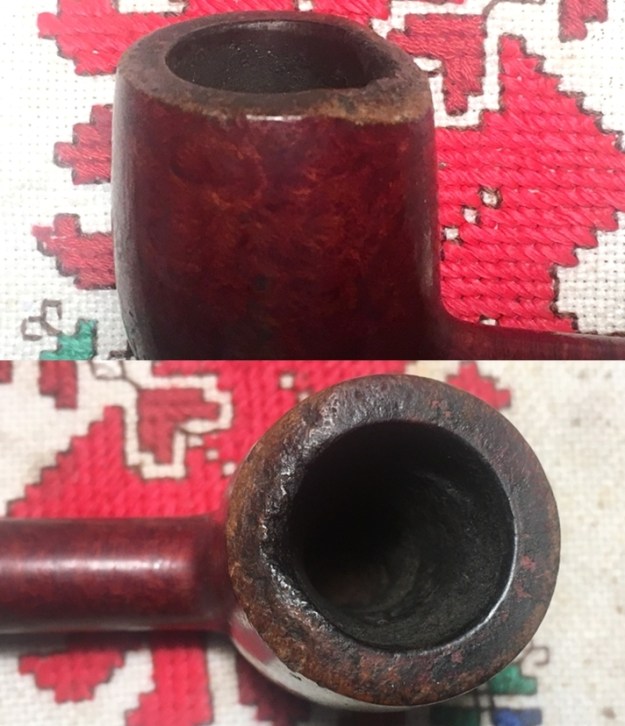
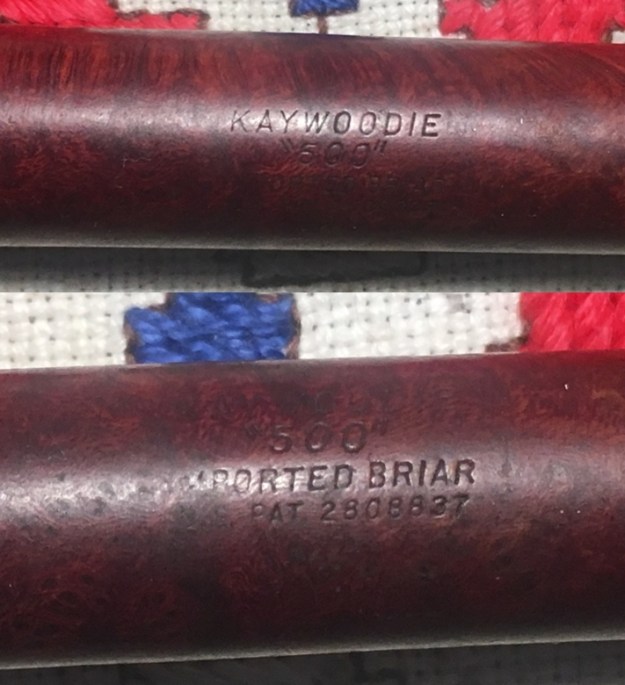
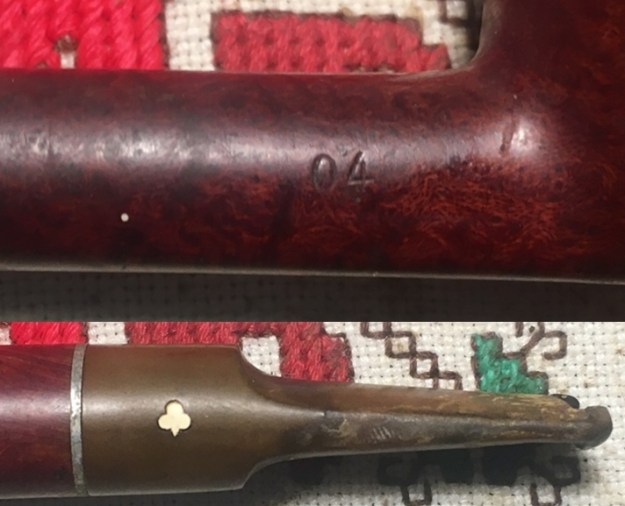
04 Large saddle bit billiard, long shank, short bit 1931-1958, 1961-1970

The description is spot on with the saddle stem and long shank.  Calling it a long shank Billiard is essentially the same as a Lovat, in the Canadian family of shapes.  The potential dating brackets are also helpful.  Another Kaywoodie Shapes chart I go to at Kaywoodie Free Forum confirms that this number describes a medium Billiard, long shank, saddle stem but I also see specific shape numbers for Canadians, ‘71’, and such.  So, in deference to the Kaywoodie shape number specifications, I’ll be calling this a Long Shank Billiard and not a Lovat.  Also at Kaywoodie Free Forum, there is a very helpful Kaywoodie Master List that was compiled and I quickly find the Kaywoodie “500” series listed as ‘low end pipes’ with the date range of 1957 to 1967.  The list provided this example of the “500” series of a classic Billiard which matches Paw’s pipe scheme perfectly.  These were not expensive pipes but attractive and well within a working man’s budget.I still have not seen anything regarding the ‘B75’ stamp on the lower side of the saddle stem.  So, as I often do, with all of Steve’s rebornpipes.com experience, I send a note to him with the inquiry.  This response cleared up the mystery:

As for the stamping on the stem I was told by a fellow on the KW forum that they were part numbers to make replacement of a stem easy, I have seen it on quite a few of the KWs I have restored.

So, with that mystery resolved, I look more at the Kaywoodie name.
I’ve worked on several Kaywoodies before this and I am always intrigued by the story and repeat it here to give the broader heritage of Paw’s “500”. The Kaywoodie website, actually the S. M. Frank Co. & Inc. site, is informative:

The history of S. M. Frank & Co. spans nearly a century and half of pipe making, supporting our claim as the “oldest pipe house in America.” S. M. Frank, as it exists today, is a combination of some of the biggest names in pipe making from the early part of the 20th. century. The pipe names Kaywoodie, Yello-Bole, Reiss-Premier, DeMuth, Medico, Heritage and Frank are familiar to generations of pipe smokers.

The article describes how in 1919 the Kaufman Brothers & Bondy Company (KBB) produced the Kaywoodie and Dinwoodie pipe lines.  By 1924 the Dinwoodie line fell by the wayside and the primary name of Kaywoodie was the mainstay pipe line and the company came to be known by that name.  Little is known about the early activities of the KBB Company which started in 1851 by the German born Kaufman brothers.  The company had several locations but was centered in the New York City region throughout its production history.  The expansion of the KKB Company following the gold rush I find fascinating:

produced the Kaywoodie and Dinwoodie pipe lines.  By 1924 the Dinwoodie line fell by the wayside and the primary name of Kaywoodie was the mainstay pipe line and the company came to be known by that name.  Little is known about the early activities of the KBB Company which started in 1851 by the German born Kaufman brothers.  The company had several locations but was centered in the New York City region throughout its production history.  The expansion of the KKB Company following the gold rush I find fascinating:

When one of the men from the New York office got “gold fever”, he carried a large supply of pipes with him to California that he sold along the way. This early “national distribution” did much to build the reputation of KBB. By the late 1800’s, branches of KBB were opened in Chicago, Atlanta, San Francisco and St. Louis with family and friends acting as agents. The trademarks, for the inlaid cloverleaf and the cloverleaf with the KBB initials inside, were issued in 1881. 

In 1935, KBB boasted of being the largest pipe making facility in the world with 500 employees and a production of 10,000 pipes per day from their facility in West New York, New Jersey.  In 1955, Kaywoodie was acquired by S. M. Frank & Co. (See Link) and continues to the present with well-known names Yello-BoleReiss-PremierWilliam Demuth CompanyMedico, Heritage (Heritage Pipes Inc.), along with Kaywoodie (Link).

I enjoyed seeing this picture in the 1955 Kaywoodie Catalog from Pipedia with a specific listing of shape 04.  The ‘04’ is the forth pipe down (picture to the left) and this shows that the shape designations for Kaywoodie pipes stay consistent.  This catalog pre-dates by a few years the ’57 to ’67 dating for the “500” series, but the shape again is spot on.  I enjoyed seeing this catalog page because it shows the huge inventory variety that Kaywoodie provided its customers.  The subtle nuances between these long shank, saddle stem Billiards is interesting to me.  The ‘04’ enjoys the distinction of the longest shank compared to the shapes presented.

It is obvious from the condition of the Kaywoodie “500” that Paw loved this pipe and this pipe hung in there a long time!  As you would expect, the briar surface has its share of nicks and grime after over half a century of service. The chamber has thick cake that has built up and closes the chamber as you go downward. The rim has seen better days.  What I first thought might be burn damage on the back side of the rim.  I think there’s evidence of that too, as the inner rim lip is burnt and receded, but there’s more.  Because the briar is raw here, it indicates something else about Paw’s habits and rituals of pipe smoking.  It looks as if Paw was a knocker.  With that nice long shank in hand after finishing his bowl, my guess is that he would twist the pipe over and give the bowl a few knocks on whatever hard surface was nearby to loosen and remove the ashes.  The knocker dent is what Joe would like to preserve to some extent as a lasting memory of Paw.  The second picture below is convincing forensically to prove that Paw was a knocker – the angle is perfect! The stem is a mess.  The oxidation is deep.  The tooth chatter and button compressions suggest also that Paw was a chewer!  The upper bit over time took the brunt and over time cracked and the entire top of the button broke off, taking with it some of the flat bit vulcanite real estate.  This area will need rebuilding.The stem shows one more issue that needs addressing: the stem is over-clocked.  It tends to be normal with these pipes as they age, with much wear and use, the metal fittings rubbing, gradually there is a microscopic loss in the metal composition.  The result is more thread room and therefore, when the stem turns to the right and tightens, it’s not in the proper orientation.  This is the case for this Kaywoodie “500” as this picture shows. With an ongoing appreciation for the history of the Kaywoodie name, and of this pipe’s former steward and Joe’s desires to gift the pipe to his father-in-law, Ben, I begin the restoration of Paw’s Kaywoodie “500” with a pipe cleaner dipped in isopropyl 95% and clean the airway of the stem.  I also use a thin shank brush to clean up through the air hole on the metal Kaywoodie tenon.  I then add the stem to a soak of Before & After Deoxidizer to work on the deep oxidation in the vulcanite.  I don’t believe the Deoxidizer will have total success in raising all the oxidation, but this is a good start.  There are other pipes and stems in the commissioning queue that the Kaywoodie joins, all of which have been restored and shipped off to new stewards!After several hours, I fish out the Kaywoodie saddle stem and let it drain.  I then put another pipe cleaner wetted with alcohol through the airway to remove the excess Deoxidizer liquid.Next, wiping the stem surface with cotton pads wetted with alcohol removes much of the raised oxidation.  Much comes off, but the evidence of the residual deep oxidation is easily seen.  I take some close up pictures of the upper and lower bit to show what I’m seeing – I notch down the aperture of the iPhone app I use to allow more light to see the brown/olive green oxidation more clearly. For now, with a cotton pad I apply paraffin oil (a mineral oil) to the stem to begin the process of revitalizing the stem.I now commence the cleaning regimen of the stummel. First, I remove the carbon cake build up by reaming the chamber.  I take a picture of the chamber to mark the start.  I start by using the Pipnet Reaming Kit. After putting paper towel down to minimize cleanup, I start with the smallest blade head and go to work. It takes some time for the blade to break through to the floor of the chamber – the cake is hard and stubborn.  In addition, I use the next 2 larger blade heads of the 4 blades available in the kit.  I then scrape the walls more using the Savinelli Fitsall tool and finish by sanding the chamber with 240 grade sanding paper wrapped around a Sharpie Pen to give me reach and leverage.  After wetting a cotton pad with alcohol, I clean the chamber of the carbon dust residue left over.  The pictures show the progress. When I inspect the chamber, the walls look good. There are heating veins in the wood, but no cracks or fissures from heating damage.  I do note two things that give me some concern.In the picture below I mark off the draft hole with 2 yellow marks.  The first issue I see is marked by the arrows. Through decades of reaming and scraping, which I just added to, a curved ridge has formed – you can see the edge of the ridge marked by the arrows.  The briar curves outwardly to the ridge which I show with the curved red line.  The ridge is only on the back side of the chamber, over the draft hole.  I may need to sand this ridge down so that the chamber doesn’t have an abrupt bump to hinder future reaming and cleaning.  The second issue is caused by overzealous reaming.  The floor of the chamber drops underneath the proper amount of space below the draft hole.  A floor cavity has been created by the chamber floor wearing down over time.  The ridge of this floor cavity is marked with the red dashes. Not only does this create a burning dynamic that will always leave excess tobacco beneath the draft hole, but also the danger of a burn through is a concern with the thinning of the floor.  I will continue to think about these new issues as I continue the cleaning process.Next, I work on cleaning the external briar surface by using undiluted Murphy’s Oil Soap on a cotton pad and I scrub.  I also use a brass wire brush to clean the thick lava flow over the rim.  I use cool tap water to rinse off the soap.  The Murphy’s Soap does a good job cleaning, but the cleaning reveals the rough shape of the stummel. The finish is very thin with shiny finish patches here and there.  There are also many scratches and pits – too many to count.  I take pictures for an inventory. I need to remove the old finish so that there aren’t the shiny patches and unevenness.  I first try wiping the stummel surface with cotton pads wetted with isopropyl 95%.  The pads take a good deal off as evidenced in the coloration of the cotton pads, but there are still patches with the old finish hanging on.Next, I wet a cotton pad with acetone and again I scrub the surface.  This does the trick.  I move on.I turn now to the stummel internal cleaning.  The effort is made difficult by the Kaywoodie metal shank facing which only provides a very small access point to the mortise through the thread air hole.   I use cotton buds and pipe cleaners wetted with isopropyl 95% to clean the tars and oil accumulation out of the mortise and airway.  I also reach through the metal hole with a smaller dental spatula to scrape the mortise wall as far as the tool will reach.  But it doesn’t reach far.  To save on my limited supply of pipe cleaners, I utilize shank brushes also wetted with isopropyl 95%.  After some time, I decide to call a halt to this frontal assault which reminds me of the carnage of WWI – carnage but little advance as the lines were kept in check.  The hour is late, and I change gears.I utilize the more passive approach of allowing the stummel to soak through the night with a kosher salt and alcohol soak. First, I stretch and twist a cotton ball to create the ‘wick’ which I stuff down through the mortise into the long shank airway.  The wick will help draw out the tars and oils from the internal briar.  I then set the stummel in an egg crate to stabilize it and fill the bowl with kosher salt which does not leave an aftertaste.  I then fill the bowl until with isopropyl 95%, the purest alcohol I can purchase in Bulgaria, until it surfaces over the salt.  In a few minutes I top off the alcohol after it has absorbed into the internals.  I then turn the lights off and another day ends. The next morning, I’m hoping that the fact that the cotton wick and salt are strongly soiled is indication that the cleaning of the internals has advanced significantly with the kosher salt and isopropyl 95% soak through the night.  I toss the expended salt in the waste and clean the leftover salt from the chamber with a paper towel, also blowing through the mortise to remove crystals.  I follow this with a renewed regimen of pipe cleaners, cotton buds, shank brushes, and scraping with a dental spatula.  Eventually, as I hear the hallelujah course in the recesses of my mind, the cotton buds begin to lighten and finally I declare that the job completed!  The new steward will do well to clean the internals on a regular basis to avoid this in the future! For a change of scenery and to start on the stem repairs, I take a close look at the stem upper and lower.  There remains deep oxidation of the vulcanite stem requiring sanding to bring it out.  It is mainly in the flat part of the saddle stem.  The tooth chatter and button compressions are significant and of course the upper button must be rebuilt using a mixture of CA glue and activated charcoal.  Before working on this, I decide to use the heating method to bring out and minimize the tooth chatter by painting the areas with a Bic lighter.  I do this before rebuilding the button because of the differences in the materials.  Vulcanite will expand with heat – the CA glue/charcoal will not – at least not in the same way.  So, to be on the safe side, I will work on raising and minimizing the tooth chatter and lower button compressions first, before working on the rebuild.  Sanding will be necessary after both.I paint both upper and lower bit with a Bic and sand with 240 grade paper.  The heating did raise the chatter nicely and the sanding erased it.  I also work on the lower button with a flat needle file to refresh the lip and to work on a small compression.  I’m pleased with this first phase of the stem repair.Next, the button repair. The first thing I do is create a wedge that fits in the slot. I use stiffer index card material to do it.  I fold the card stock to form it into a triangle so that it wedges up the slot into the airway.  I trim it a bit with scissors to make a good fit.  I then cover the fashioned wedge with smooth scotch tape to help it not to stick to the patch material. I leave the end of the wedge open – not covered by the tape in order to leave a ‘sleeve’ opening to tighten the fit. I fit the wedge into the slot then slide other folded pieces of the index card through the end of the wedge which expands the wedge to hold it firm but also to form a mold for the formation of the slot. I also put a very thin coating of petroleum jelly on the wedge to help with the non-sticking.With the wedge firmly in place, I open a capsule of activated charcoal on an index card.  I then place a puddle of thick CA glue next to the charcoal and then draw charcoal into the CA glue gradually until the mixture thickens to the consistency of molasses.  I then apply the mixture to the button and build a mound over the cavity. The first application hardens on the index card before I had dolloped enough to area.  I wait a few minutes and mix another batch and finish building the mound over the button rebuild area.  With this completed, I set the stem aside for several hours for the CA glue and activated charcoal rebuild fully to cure.I look again to the stummel and decide that I will continue in the mixing and patching mode.  I mix a small amount of J-B Weld Kwik to rebuild and reinforce the chamber floor.  It will not take much J-B Weld to do this.  I put a pipe cleaner in through the airway to better show the landscape.Again, on an index card, I mix a small amount of the two components of the Weld, the ‘Steel’ and the ‘Hardener’.  The Weld does not set up immediately which is good.  It takes about 4 minutes before it begins to set.  As it’s setting, I will form a rounded chamber floor so that it’s not flat.  I begin by wiping the chamber floor with a cotton pad wetted with alcohol to clean it.  I mix small equal amounts of the J-B Weld and then spoon up a portion of the Weld on the end of a dental spatula and carefully carry it to the floor of the chamber. I hold the dental spatula there allowing the Weld to slide off the spatula to fill the cavity. I then carefully remove the spatula to avoid getting the Weld on the chamber wall.  I repeat this again by bringing a spoon of Weld and allowing it to fill the cavity as it runs off the spatula. I take a picture of the Weld filling the cavity in the chamber floor and decide that I would let it set as it is which will result in a flat floor.  I will use a grinding ball on the Dremel later to round it out for a more natural bowl.  I set the stummel aside allowing the J-B Weld to cure fully.The stem button rebuild has set up and cured.  As hoped, the wedge easily is removed revealing the rough form of a slot to be shaped.Using a flat needle file, I file and shape by bringing the build overhang of the wedge flush with the button face.After filing so that the button face is flush, I’m able to see the basic form of the slot.  The left side of the slot is closed more than the right side as you can see in the picture above.  I use a rounded sharp needle file to file the tighter end.  I’m patient.  I file gently and methodically.I come to a place where the button slot looks balanced.  I can fine tune it later.Next, again using the flat needle file, I file the top of the button down to form the upper contours.  I have the advantage of having the original ends of the button on both sides that were not broken off.  These provide me with the angles of trajectory the upper button lip took.  I try to file down to be consistent with this to form the button.The button is looking good, but I’m concerned that I did not put enough CA glue/charcoal mixture at the side.  In the picture below you can see the unfiled repair material jutting on the right side.  I’m concerned that this may leave a gap when I start filing the inner edge of the button.  To be on the safe side, I apply a drop of Black CA glue on this gap to make sure that I have a uniform platform to file out and shape the button.  I put the stem aside to allow the patch to cure.When CA patch cures, I quickly file off the excess patch material and continue with the lateral filing to form the internal button edge.After completing the filing, I switch to sanding the newly formed button with 240 grade paper and continue to smooth.  I also sand the upper and lower bit to remove residual oxidation.While sanding the new button, an air pocket is uncovered which is visible on the lower side of the button.To fill this very small air pocket, I paint the button with regular CA glue.  I apply a small drop on a toothpick and spot drop it and this spread the CA over the area.I spray the CA glue patch with an accelerator which quickly cures the glue.  I then sand it with 240 grade paper.The stem is still rough from the 240 sanding and filing.  I switch to 600 grade paper and wet sand the entire stem and follow this with applying 000 grade steel wool.  Wow!  I am pleased with the button rebuild.  It looks great and blends well.   I put the stem aside for now.Again, focusing attention on the stummel and the chamber repair.  The J-B Weld is fully cured filling the cavity at the chamber floor. With gravity forming the orientation of the Weld, the floor is now flat.  For a more natural bowl curvature, I initially use a round grinding ball mounted on the Dremel.  Using the round ball, I grind out the flat surface of the J-B Weld.  As I rotate the ball moving it in circles, I check often with my thumb to measure the progress.When the floor feels good, I mount a small sanding drum on the Dremel and reach in to the lower chamber above the new floor where I had earlier detected a distinct ridge from overzealous reaming.  I use the sanding drum to smooth these out.  I do the same as with the grinding ball, I sand and then feel with my thumb.  Progress is made.After the sanding drum, I switch to sanding with 240 grade paper wrapped around a Sharpie Pen to help me reach and give me leverage.  I further smooth the lower chamber.  A ridge is still detected, but it is much less distinct.  I like the progress and the entire chamber looks and feels much better. The new floor is now at a more appropriate orientation to the draft hole that is seen in the picture below.With the internal chamber repair complete, I turn to the external surface.  The first thing I look at is the rim repair.  Joe wants the pipe in a pristine condition as much as possible.  Yet, he asked to preserve in some degree the rim knocking damage at the back of the rim as an ongoing remembrance of Paw. With this motif in view, the restored rim will provide a strong contrast of new and old, but not forgetting what the ‘old’ represents.  To begin the rim preservation and restoration, I take the chopping board and place 240 grade paper on it.  Keeping the forward rim surface in contact with the board, I top the forward part of the inverted bowl.The picture below first shows the beginning progression and then after further rotations, the second picture shows the full extent of topping with 240 grade paper.  I leave the area on the back side of the rim and it looks good.I then switch the paper on the board to 600 grade paper and turn the inverted stummel several more rotations to smooth out the 240 scratches.After the topping, I examine the rim edges.  The external rim edge still shows many cuts and nicks.  The internal edge is darkened. To freshen the rim edges and to address the residual blemishes I lightly run a rolled piece of 240 grade paper around the external and internal circumferences (minus Paw’s patch).  I follow the 240 grade with 600 grade.  This doesn’t introduce a bevel as much as clean the edges and soften the flat rim presentation.  I think it looks good.Next, I take another inventory of the stummel’s briar surface.  It has many nicks, scratches and some bruising on all sides of the stummel. I decide to clean the surface by utilizing sanding sponges.  Sanding sponges do a great job addressing the minor issues of normal wear and tear that accumulates on the briar surface.  The soft sponge texture also helps clean and freshen the nooks and corners.  To protect the already thin Kaywoodie “500” nomenclature and shape number, I cover them with masking tape to protect their integrity during the sanding phase.I first use a coarse sanding sponge followed by medium and light grade sponges.  The results are good, but I decided that whatever remains on the surface that is not removed through the sanding belong to Paw 😊.Next, I take the Kaywoodie to the sink to wet sand with micromesh pads 1500 to 2400 grade pads.  I follow wet sanding by dry sanding with pads 3200 to 4000 and 6000 to 12000. I take a different angle picture with each set of 3 pads. For the last 6 pads I remove the protective masking tape which reveals the contrast of the finish as it was and as it is now. I will add a stain to the stummel which will mask the difference between the dark nomenclature residue of the former hue and the rest of the stummel.  To reduce this contrast, I try rubbing the darkened areas with a cotton pad wetted with acetone.  This works somewhat, but there’s still a contrast, but toned down some.The cotton pad in the picture above gives a good indication of the reddish hue of the original stain which is consistent with other examples that I’ve found on line of the “500” series.  Pipephil’s information on the Kaywoodie “500” provides a few pictured examples.  Here is one that shows the color used for this line of Kaywoodie pipes.  I’ll aim to match it.  My approach will be to first stain the stummel using a dark brown stain.  I’ll then apply an overcoat of Fiebing’s Oxblood over this.  I start with the dark brown first to darken the grain which is evident in the pictures below.I assemble my desktop staining station and fit the stummel with bent pipe cleaners through the mortise to serve as a handle.  I have Fiebing’s Dark Brown Leather Dye in a shot glass with another bent over pipe cleaner ready to serve as an applicator.  I wipe the stummel with a cotton cloth wetted with isopropyl 95% to clean it. I then warm the stummel with a hot air gun to heat the briar to expand the grain making it more receptive to the dye.  I then use the pipe cleaner to apply the Dark Brown dye to the stummel and as I paint different sections of the stummel, I flame the dye by igniting it with a lit candle.  As an aniline dye, the alcohol combusts, and it flames out leaving the dye pigment set in the grain.  After I apply the dye thoroughly, I set it aside for a few hours to rest before the next step of the process. After a few hours, I mount the Dremel with a felt cloth buffing wheel, speed set at the lowest possible to avoid too much heat.  I then apply Tripoli compound to the stummel to remove the fired shell on the stummel.  It takes some time to methodically move through the process of ‘plowing’ the crust then following with Tripoli. With my wife’s assistance, a picture of this is shown. When completed, I change the felt buffing wheel to a cotton cloth buffing wheel and again apply Tripoli compound to the entire stummel.  This time it is much faster and the felt wheel allows me to reach into the elbow of the shank and bowl which was not possible with the harder felt wheel.  After I complete the cotton cloth wheel cycle of Tripoli, I then buff the stummel with a felt cloth to remove the compound dust.The first phase results in the darkened grains.  The grain is beautiful – the next pictures show the side of the bowl with beautifully swirled bird’s eye.The first phase results in the darkened grains.  The grain is beautiful – the next pictures show the side of the bowl with beautifully swirled bird’s eye.I repeat the same process for the next phase of applying Fiebing’s Oxblood Leather Dye over the dark brown stained stummel – warming the stummel, applying and flaming the aniline Oxblood dye. I put the newly stained stummel aside to rest overnight.Before I rest, I turn again to the Kaywoodie saddle stem waiting in the wings.  I apply the entire regimen of 9 micromesh pads beginning with wet sanding using pads 1500 to 2400 followed by dry sanding with pads 3200 to 4000 and 6000 to 12000.  Between each set of three pads I apply a coat of Obsidian Oil to enrich the vulcanite.  This stem has come a long way and is looking great. Next, after a few days of a business-related trip, I return to Sofia and to the stummel that had been dyed first with a dark brown undercoat then with an Oxblood overcoat.  I remove the Fiebing’s Oxblood Leather Dye fire crusted shell using a cotton cloth buffing wheel on the Dremel applying Tripoli compound.  When completed, I use a cotton pad wetted with alcohol to lightly wipe the stummel to blend the dyed surface.  I then change to another cotton cloth buffing wheel on the Dremel, remaining at 40% of full power and apply Blue Diamond to both stummel and stem.  Following this, I wipe the surface of the stummel and stem with a felt rag to remove the compound dust.Before moving to applying carnauba wax, I reunite the stem and stummel and address a few smaller projects.  First, I noted before that the stem was overclocked by a few degrees.  This happens through time.  To realign the stem to the correct orientation, I heat the metal stinger until the heat loosens the grip of the metal stinger and while it is hot, I rejoin the stem and turn it clockwise.  When it tightens it puts the necessary torque on the heated stinger which loosens it and allows me to continue the clockwise turn.  I turn it a full 360 degrees bringing it back around into proper orientation. This works well.  I move on.Next, I do a quick job of polishing the metal shank facing using a piece of 000 steel wool.  It did a great job.On last project before applying the wax.  I rebuilt the chamber floor using J-B Weld. Now I apply a mixture of natural yogurt and activated charcoal to form a thickened mixture to apply to the chamber floor and wall to create a cake starter.  After inserting a pipe cleaner in the airway to block the mixture, I then put a small about of Bulgarian natural yogurt in a dish and add activated charcoal and mix it.  I continue to add charcoal and mix until it thickens and will not run. I then apply it to the chamber floor and wall using a dental spatula to apply and spread.  It works well and I put the stummel aside for a time for the coating to cure. In the home stretch, I mount another cotton cloth buffing wheel to the Dremel, maintaining the same speed, and apply carnauba wax to the stem and stummel.  After applying a few coats, I then give the pipe a rigorous hand buffing using a microfiber cloth.  This raises the shine even more.
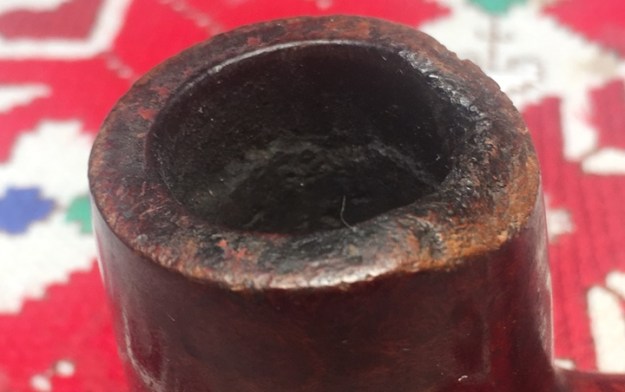
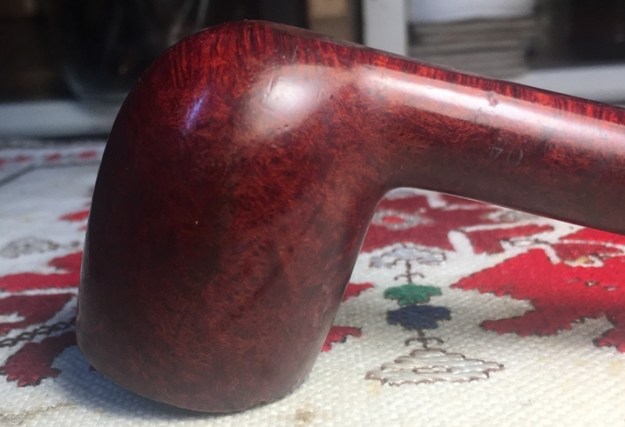
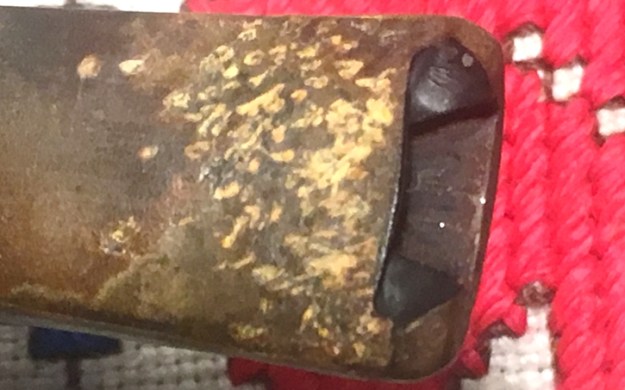
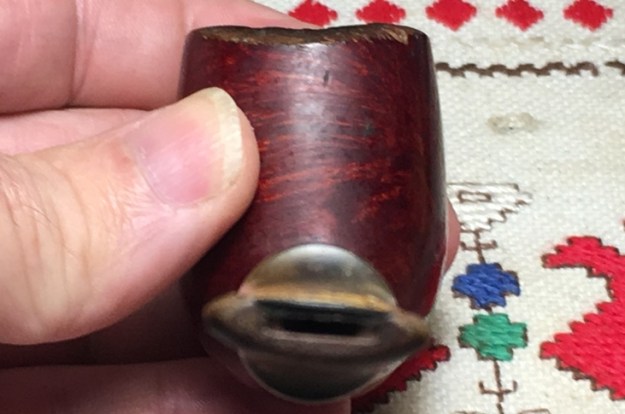
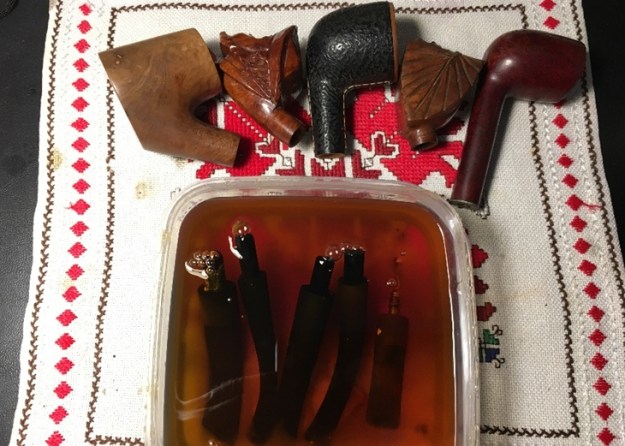
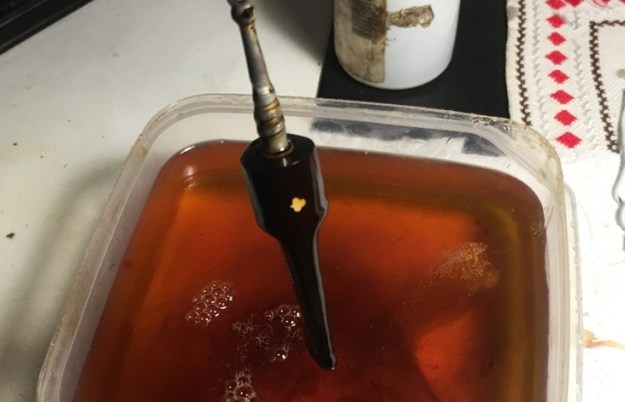
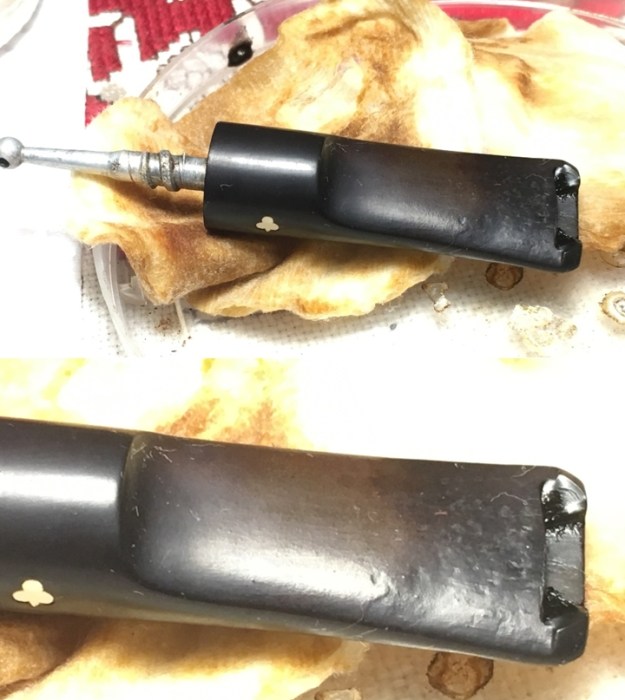
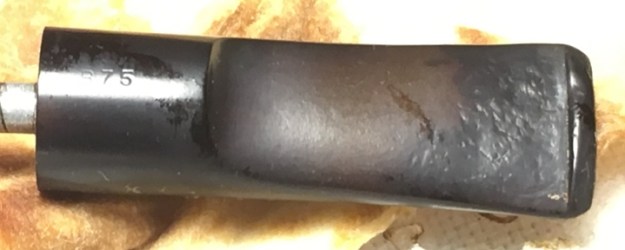
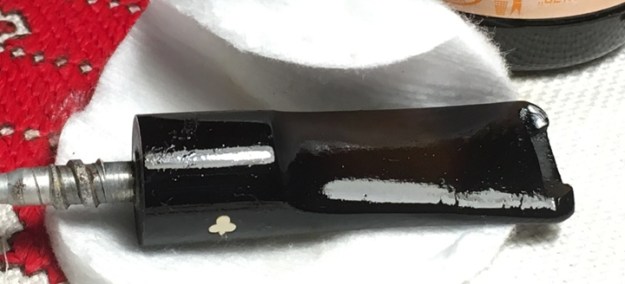
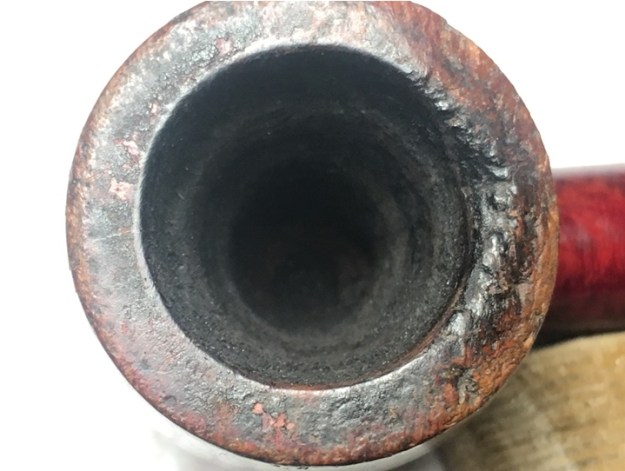
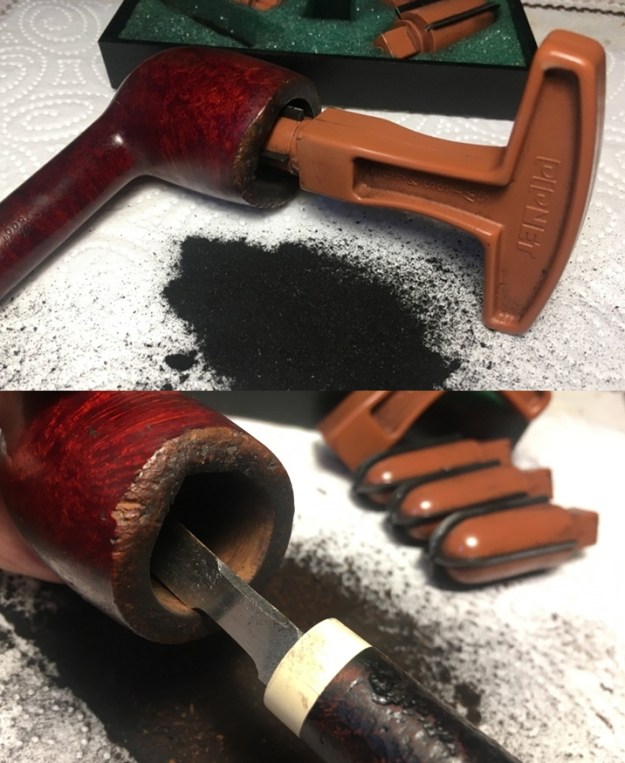
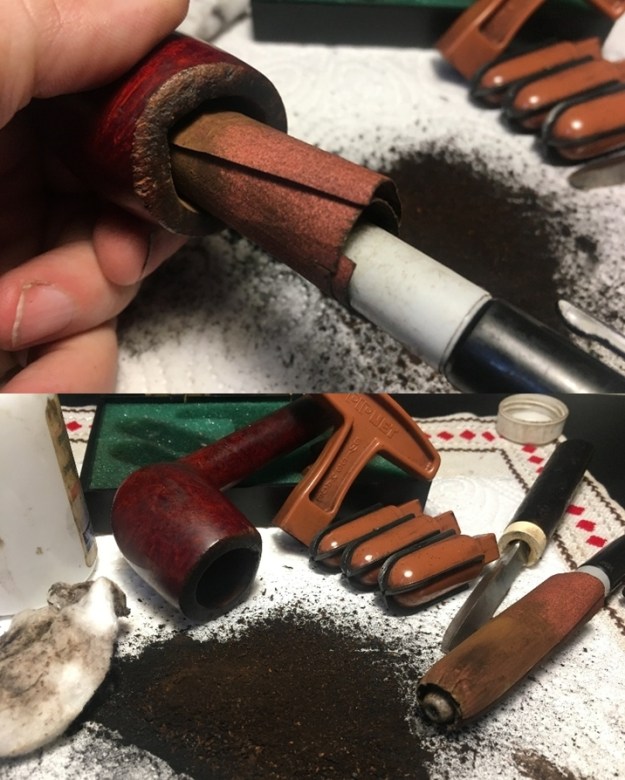
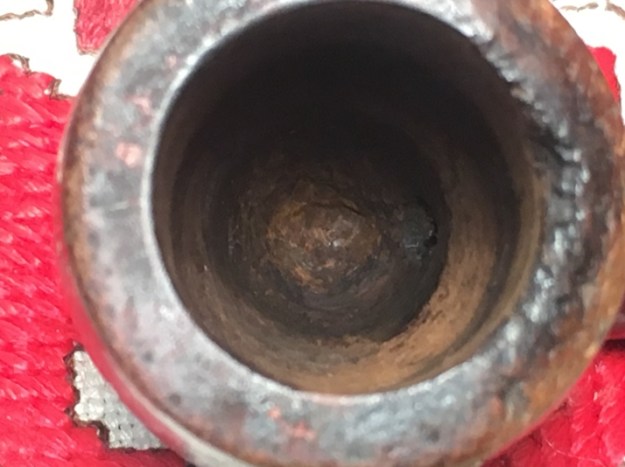
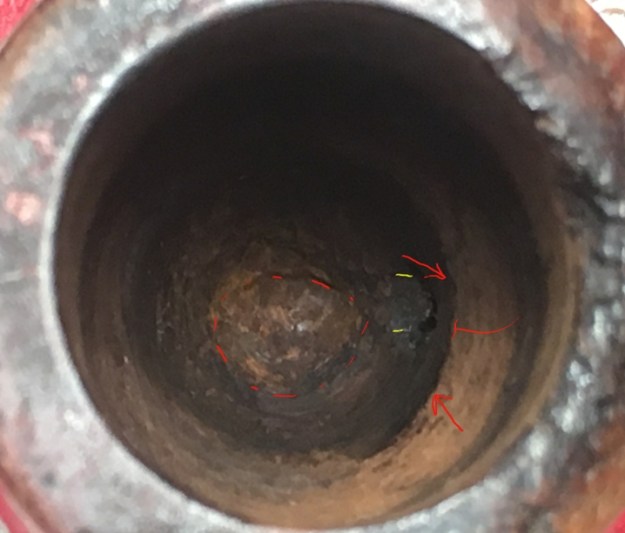
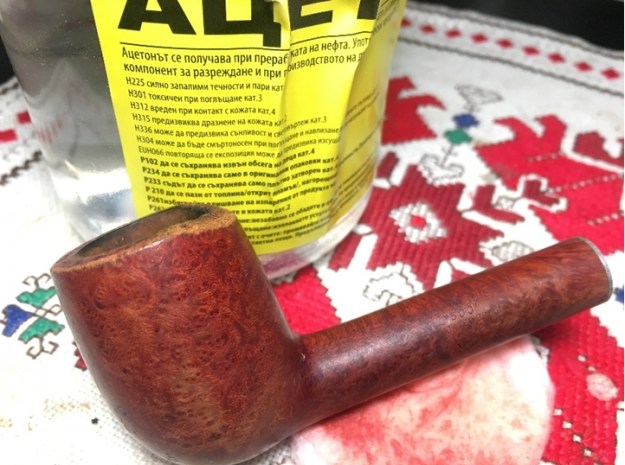
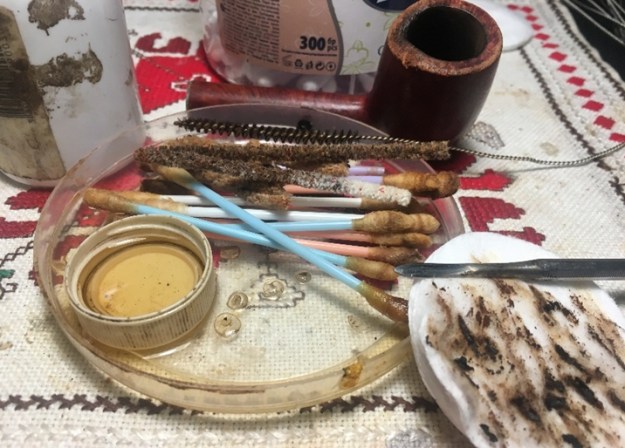
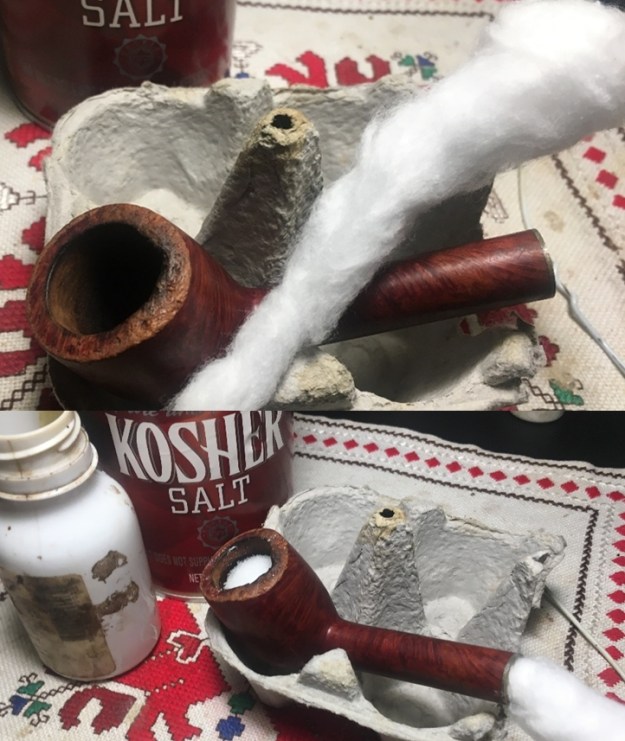
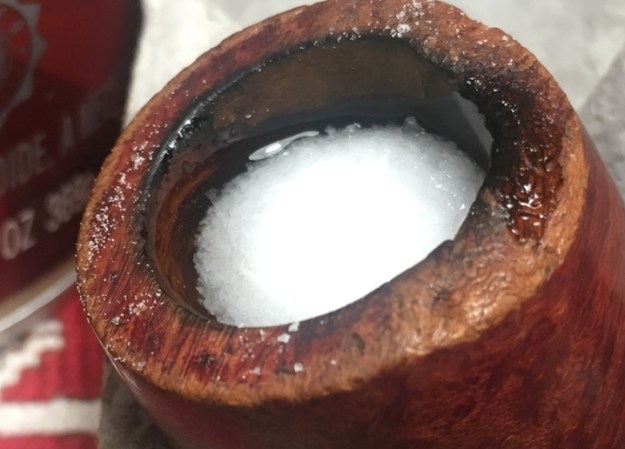
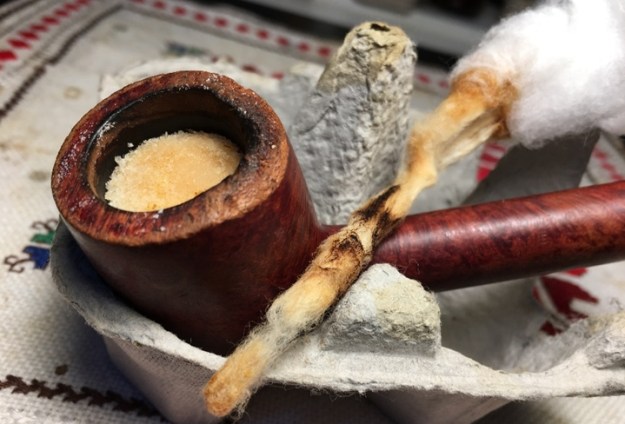
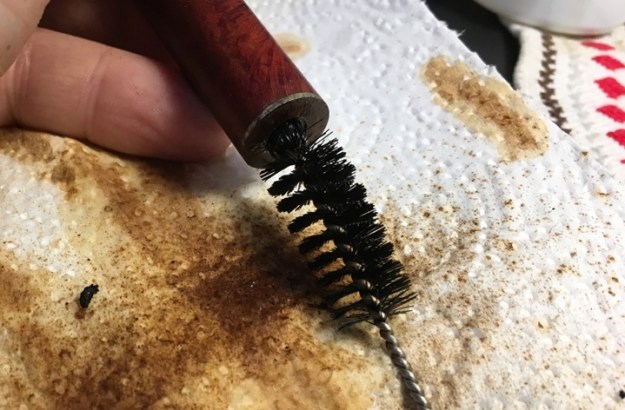
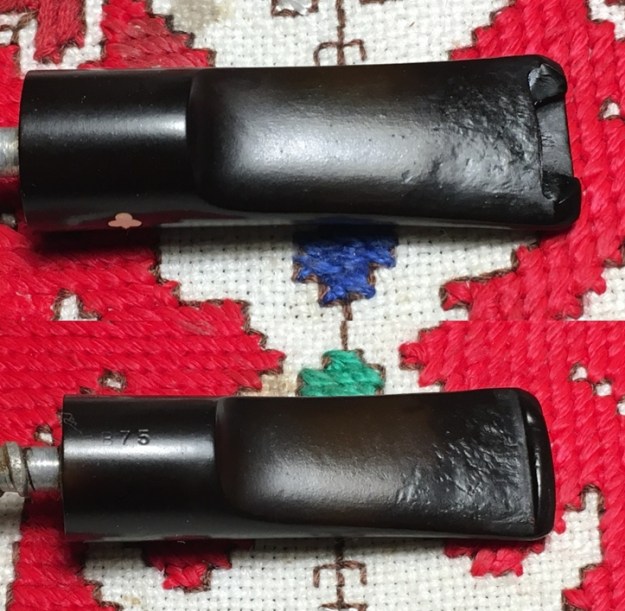
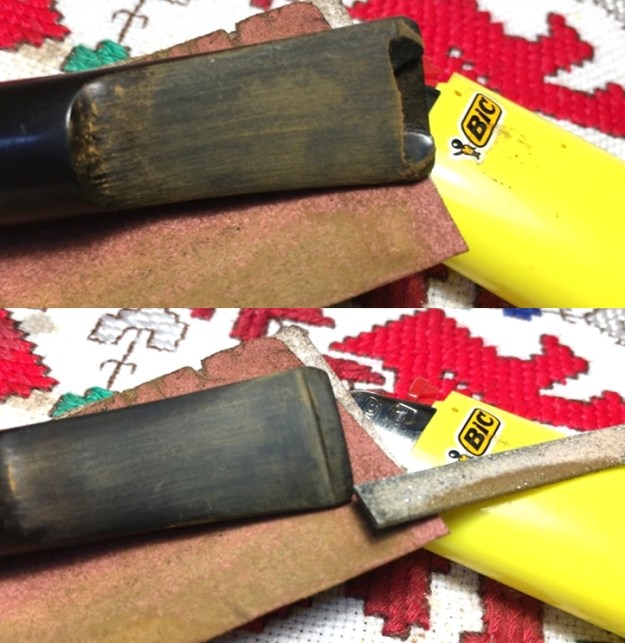
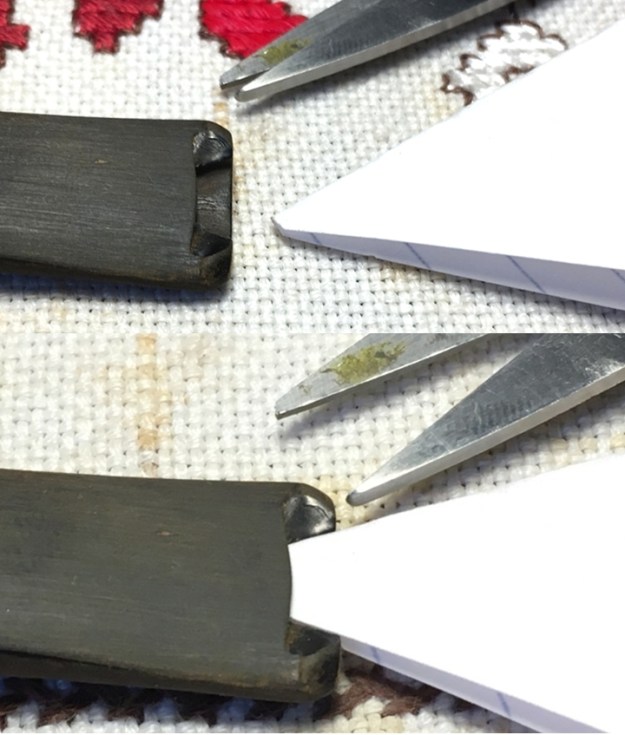
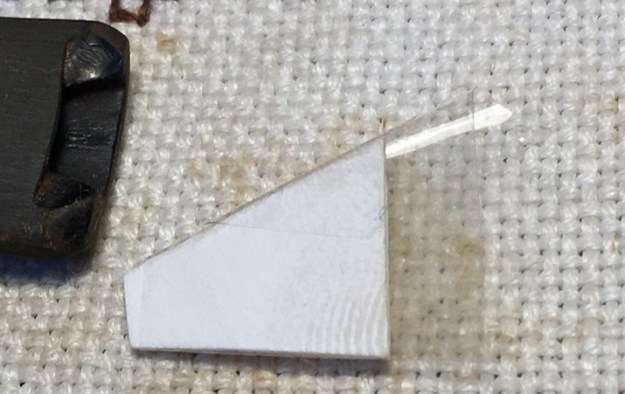
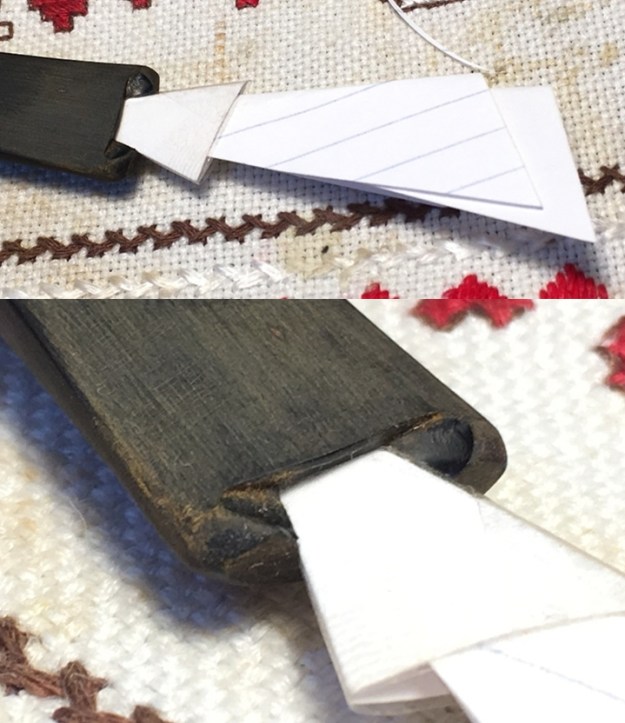
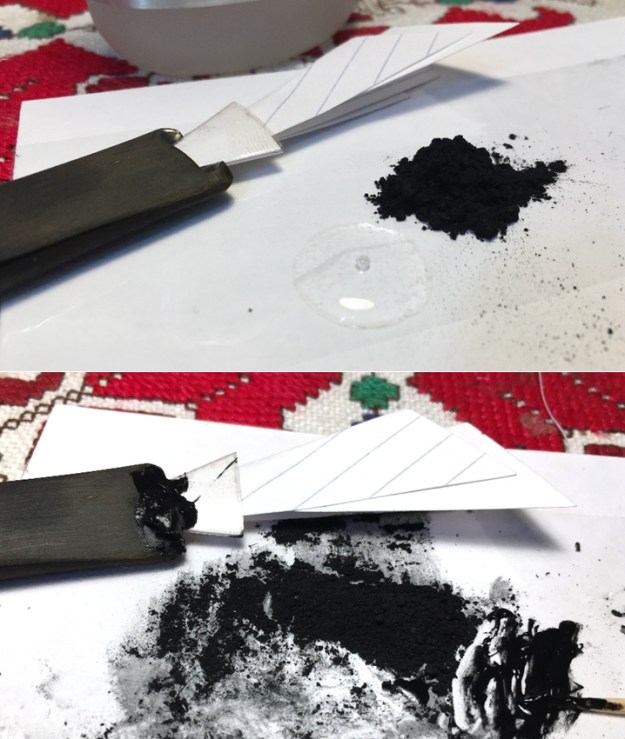
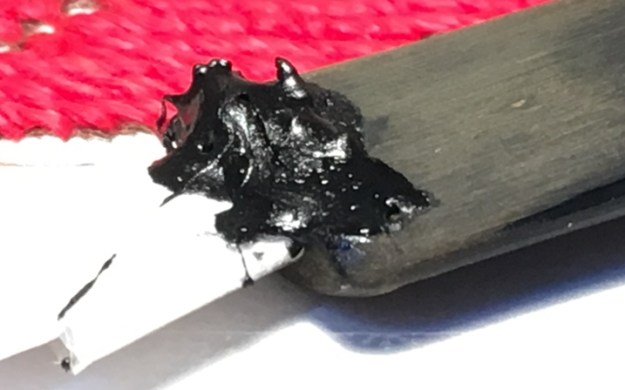
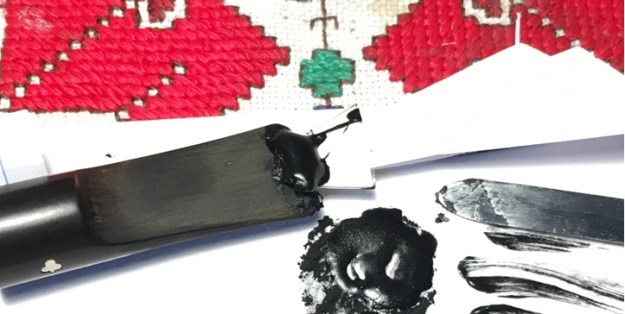
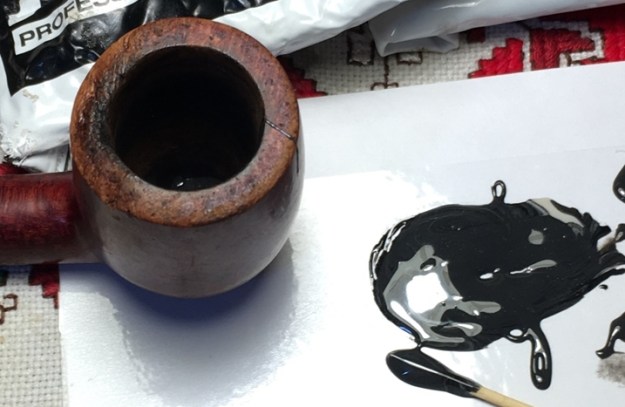
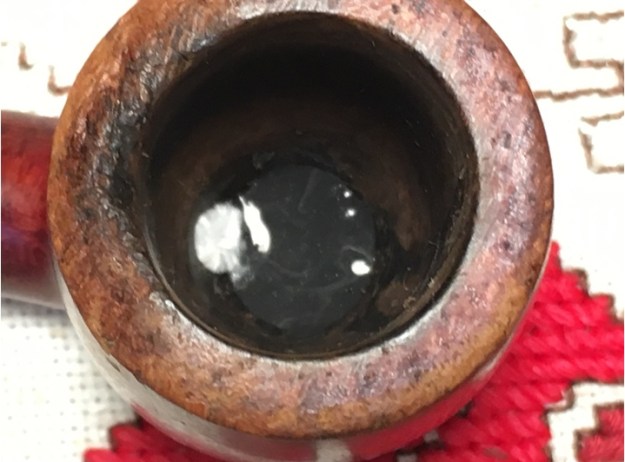
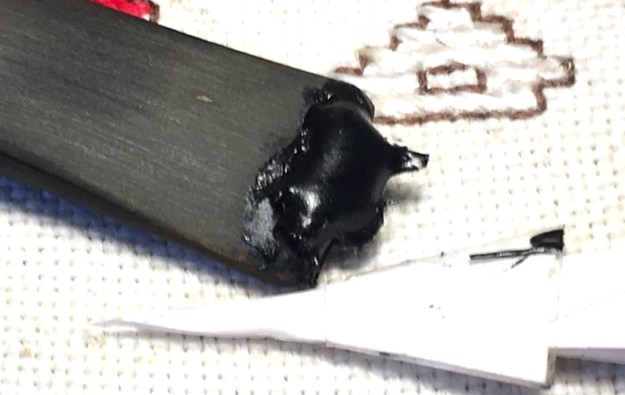
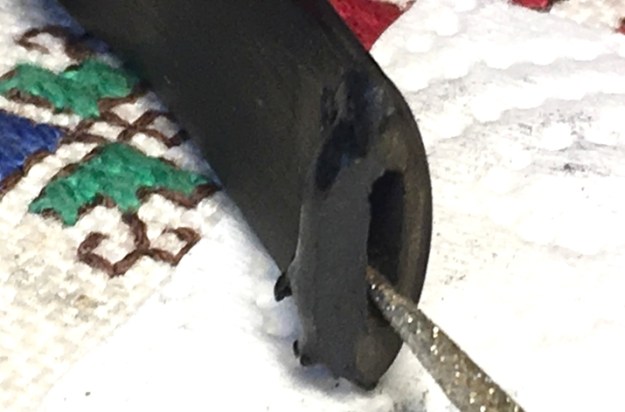
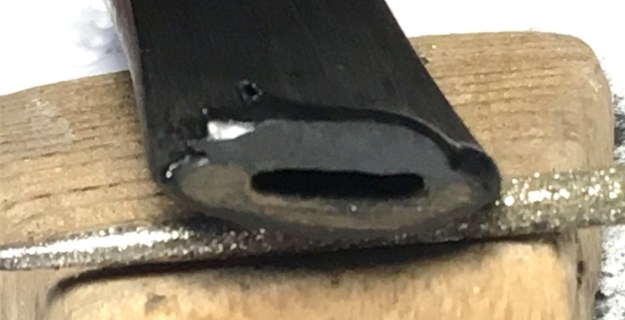
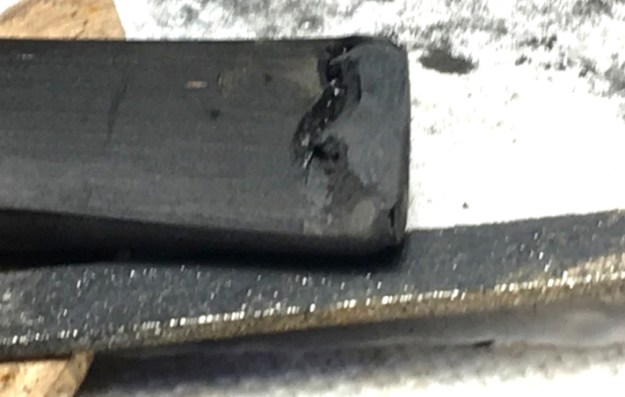
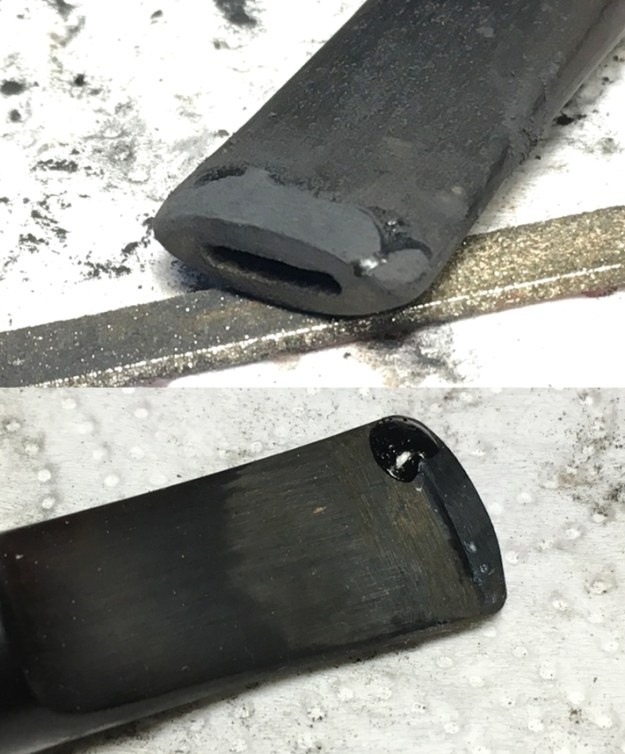
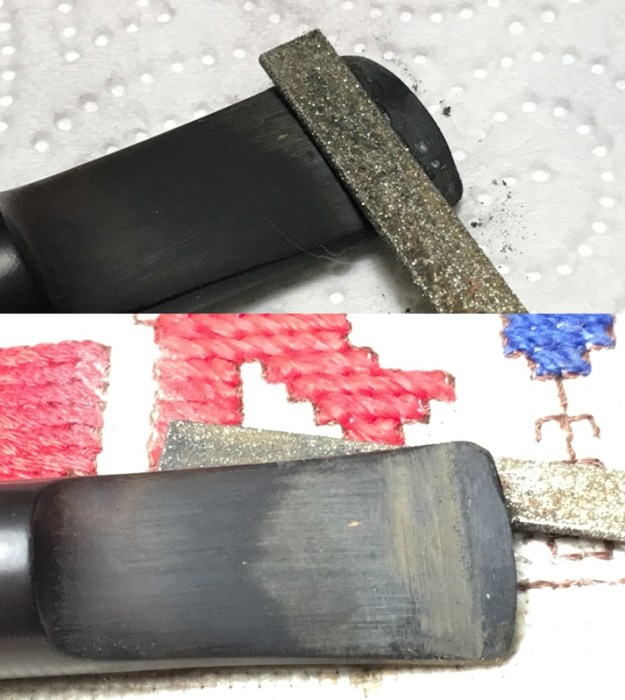
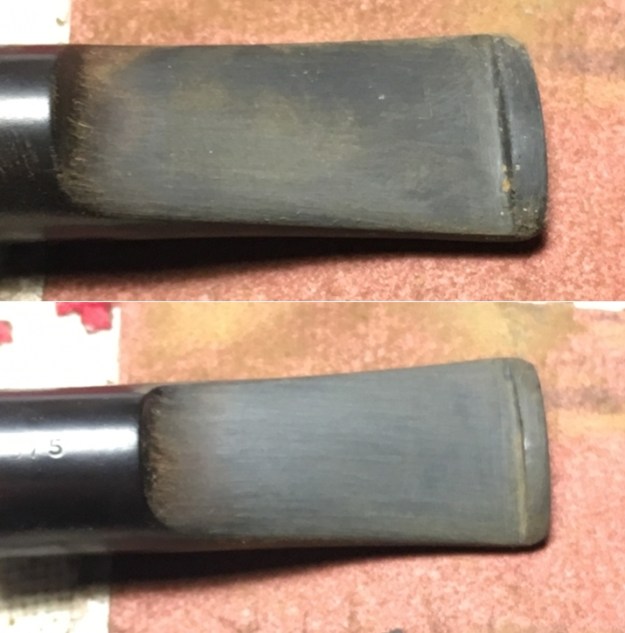
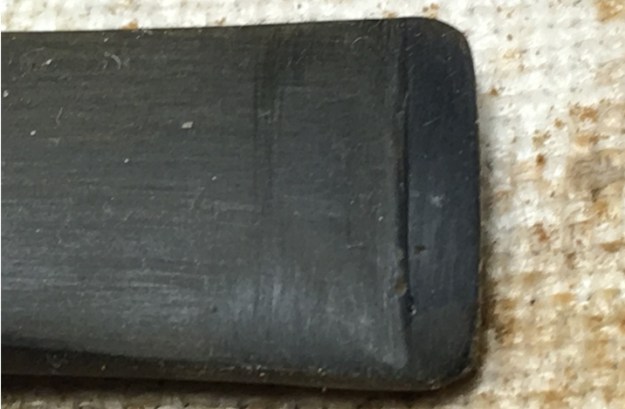
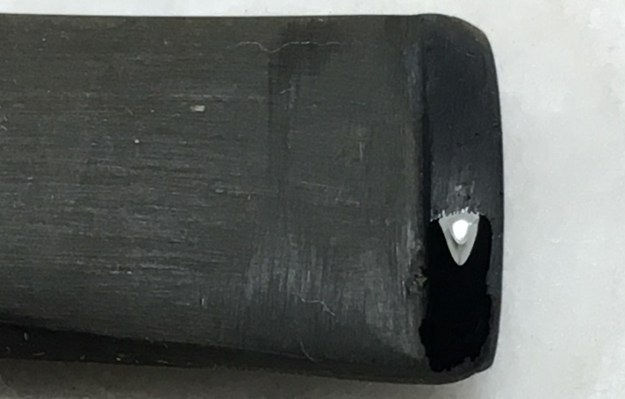
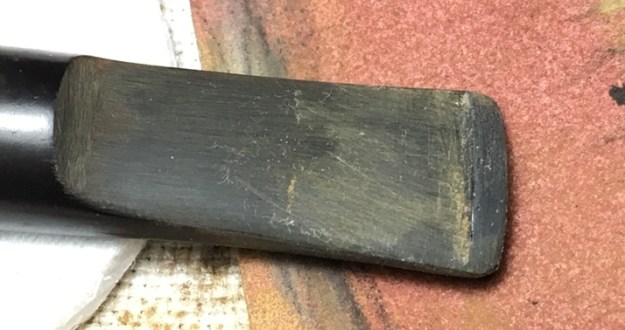
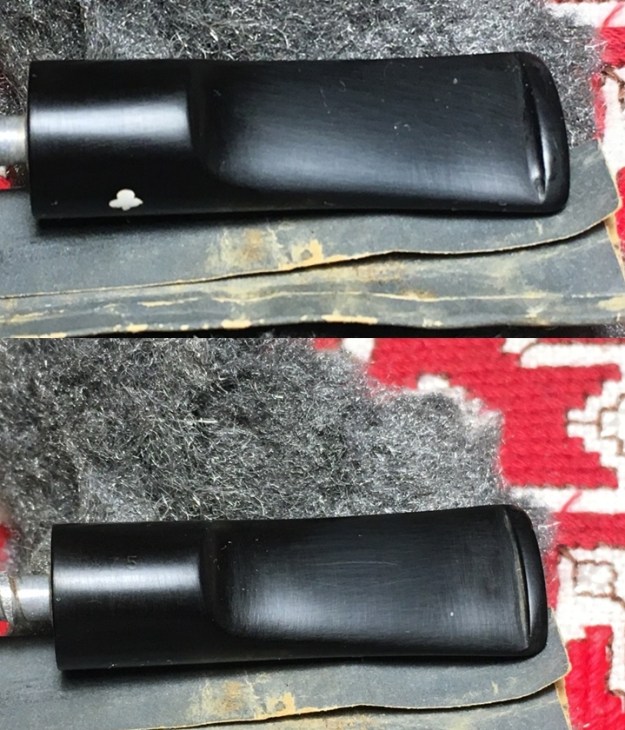
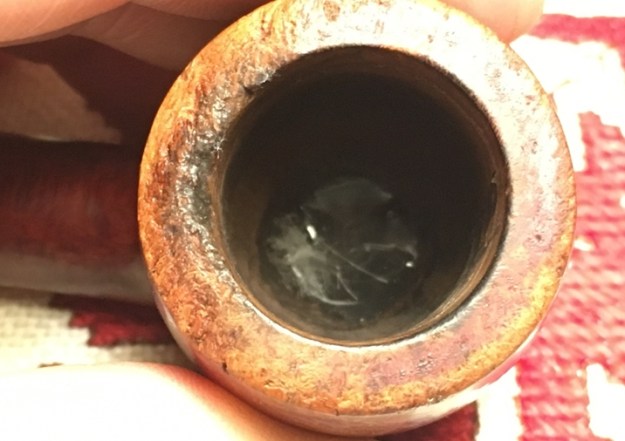
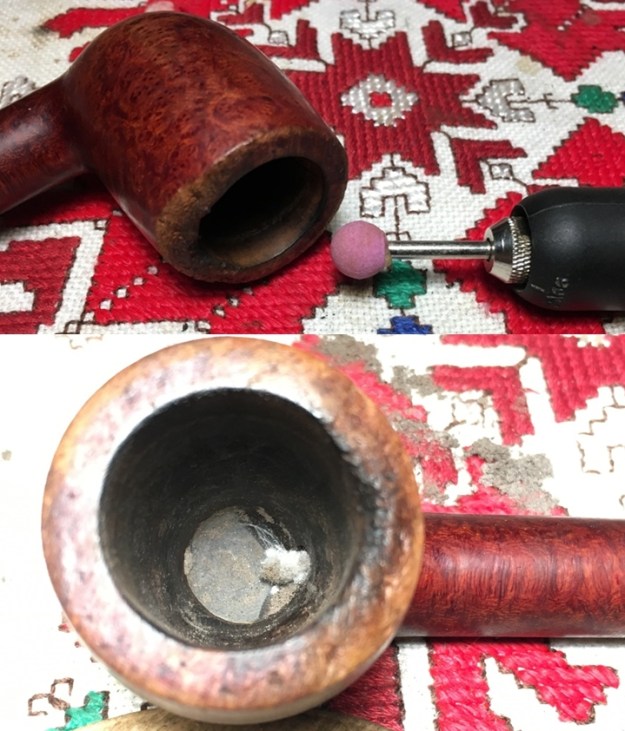
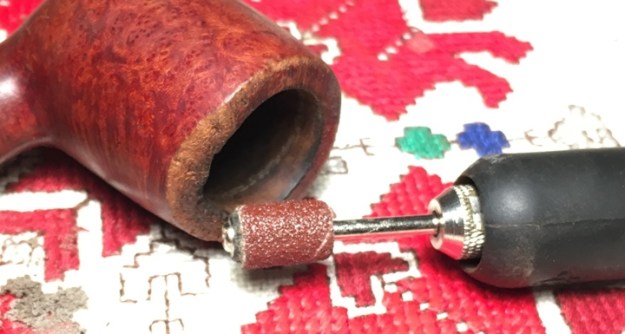
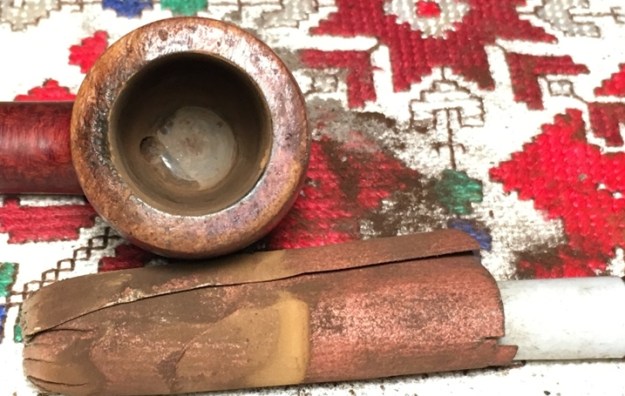
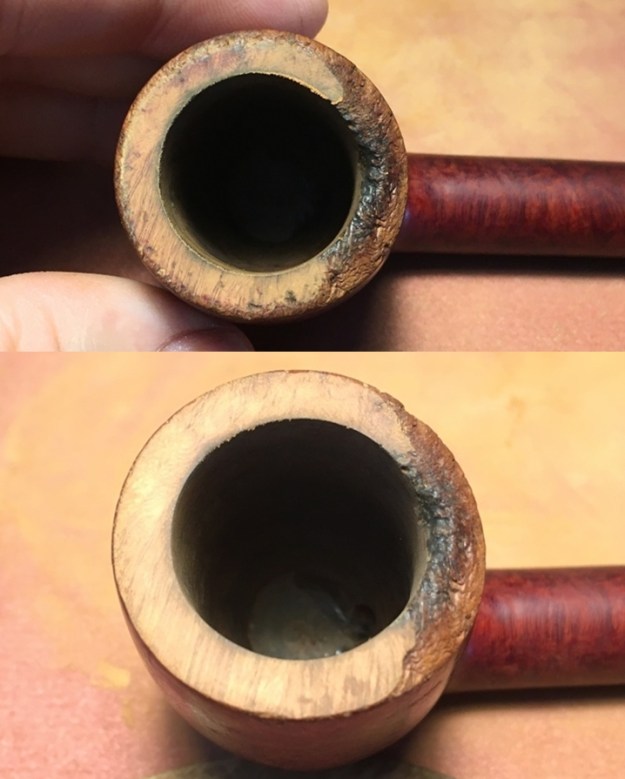
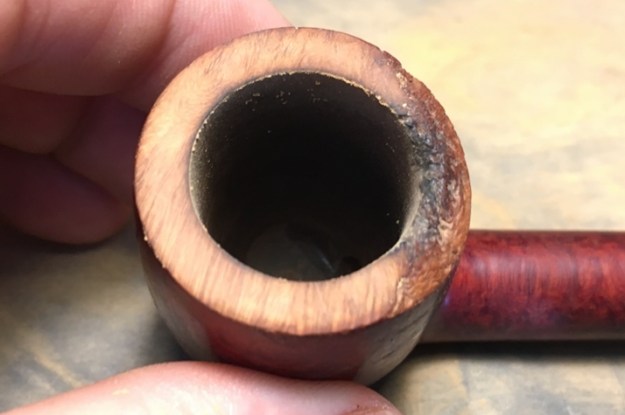
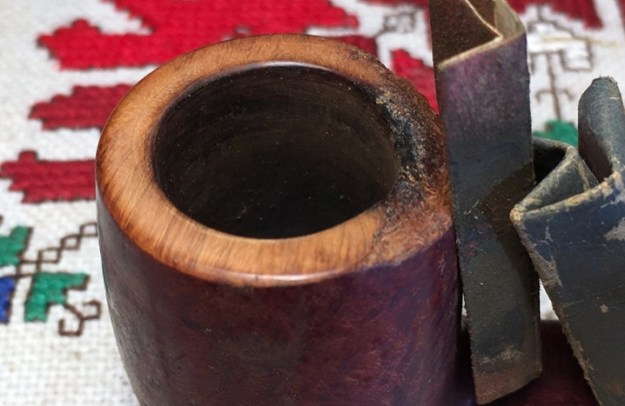
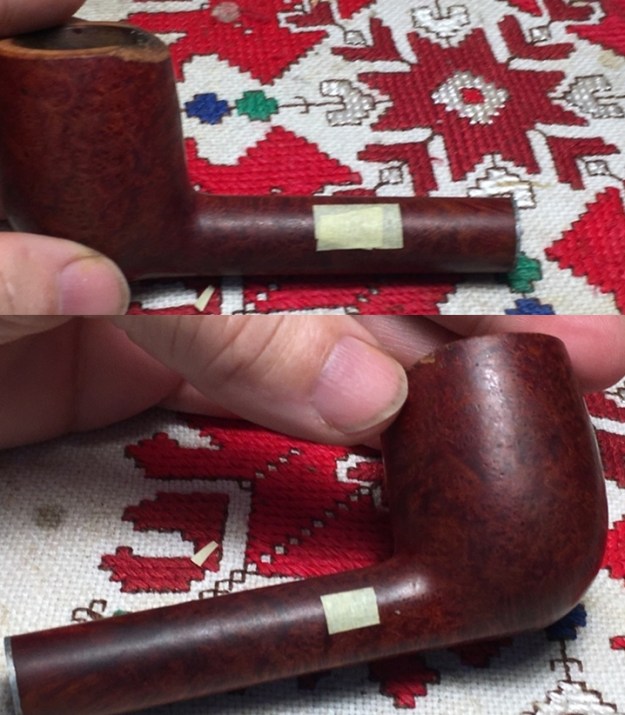
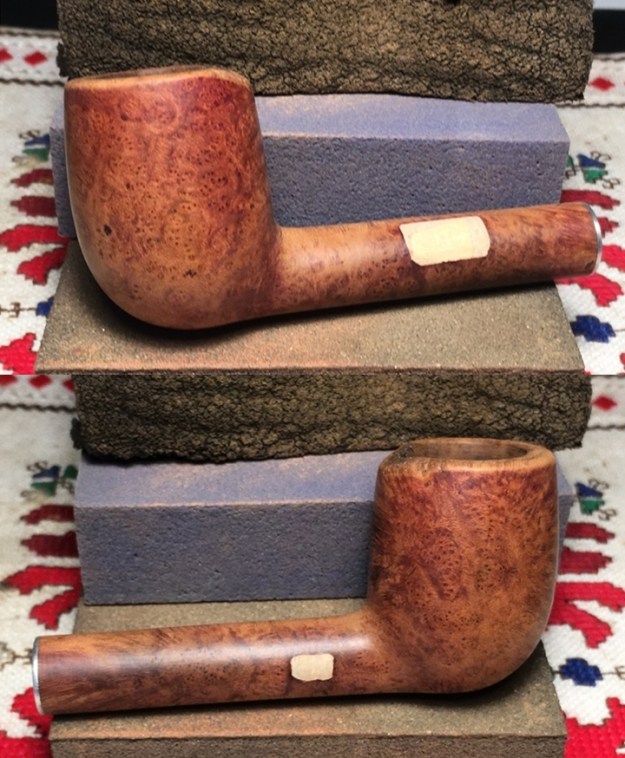
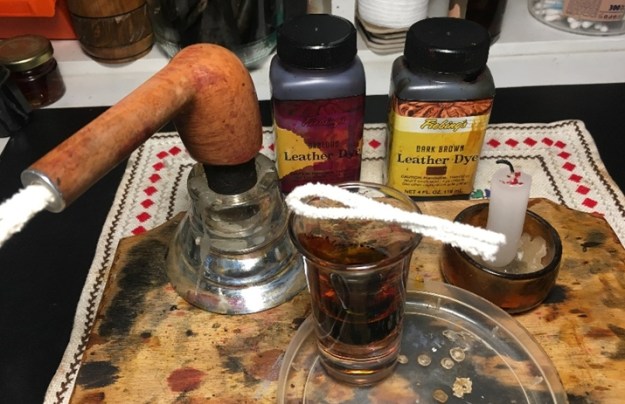
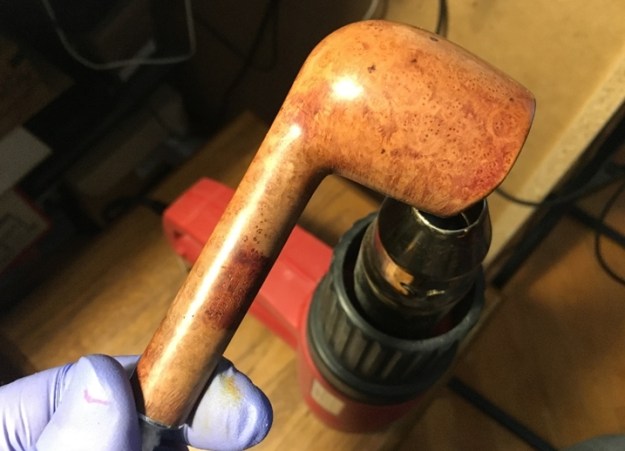
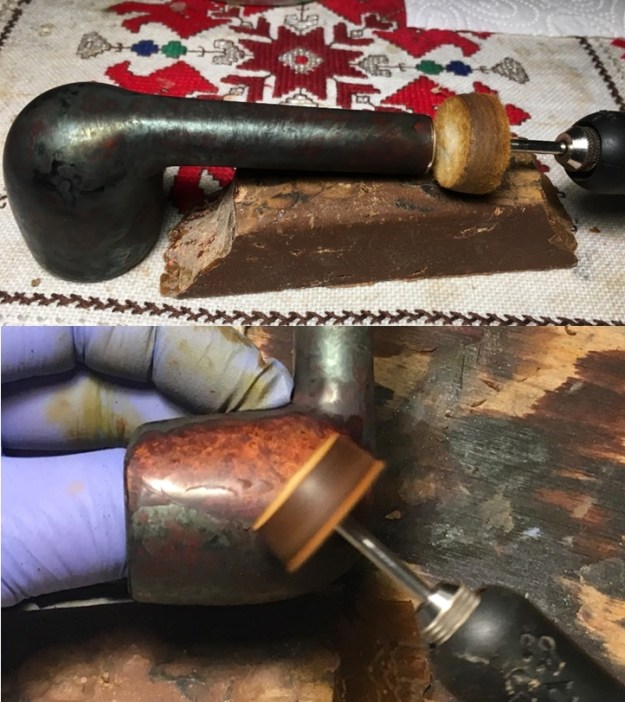
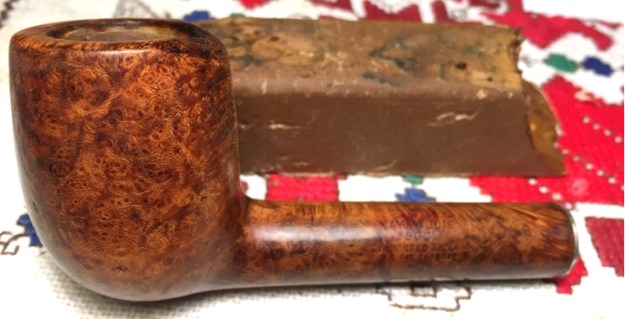
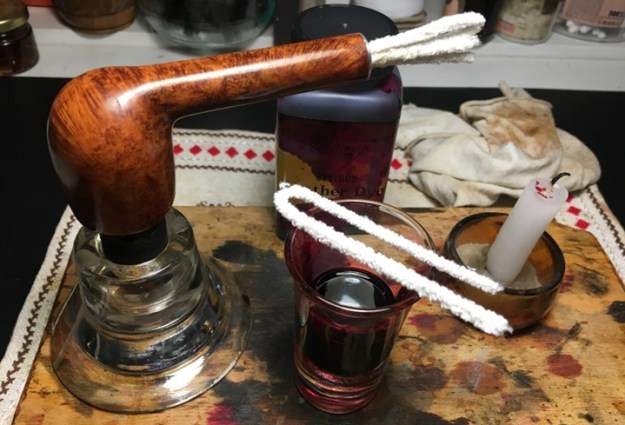
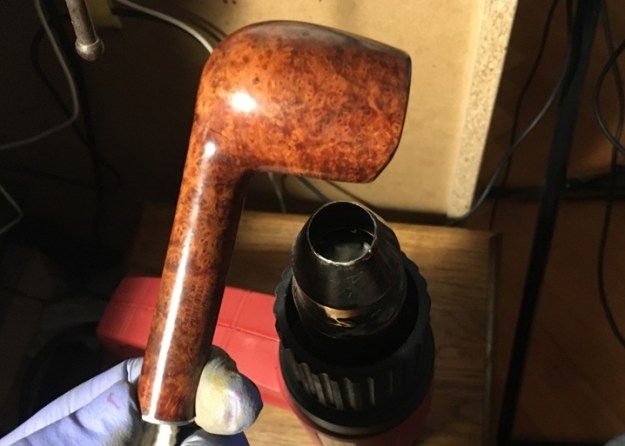
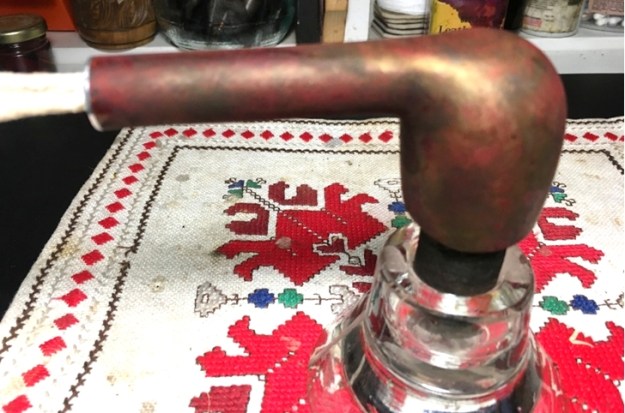
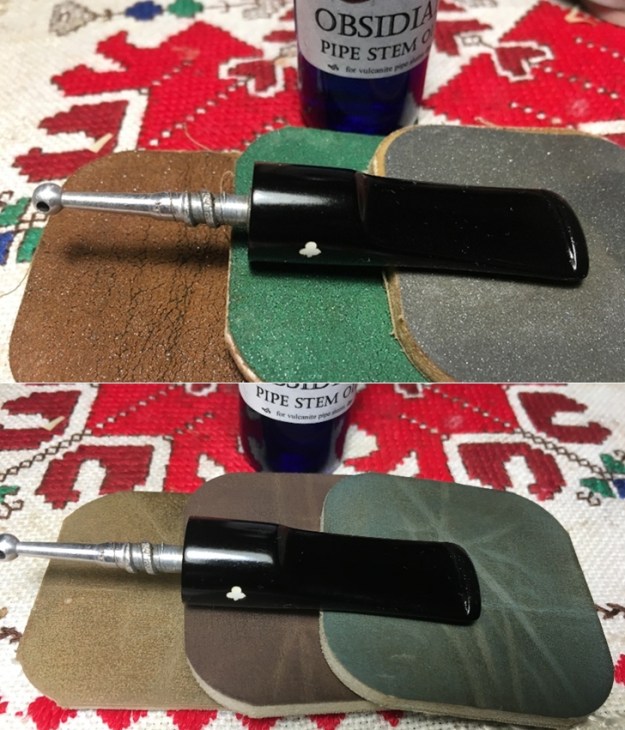
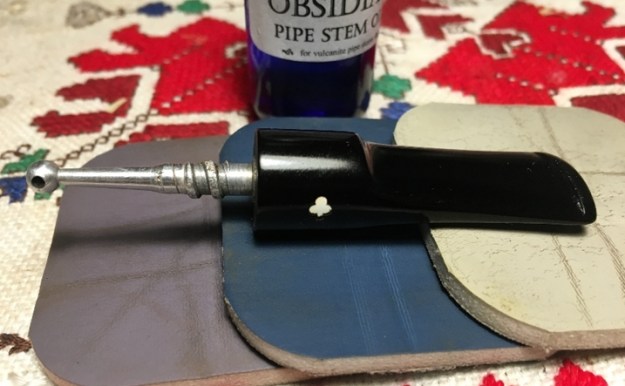
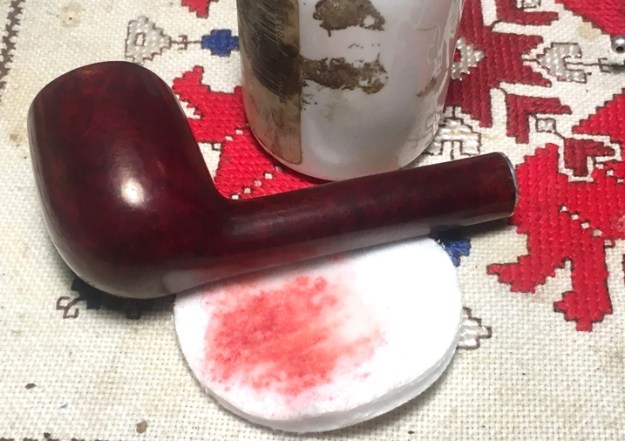
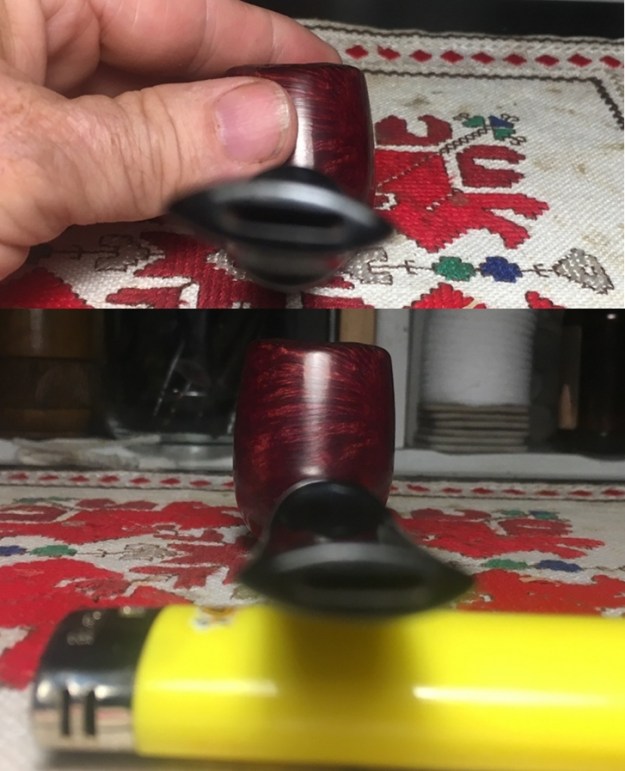
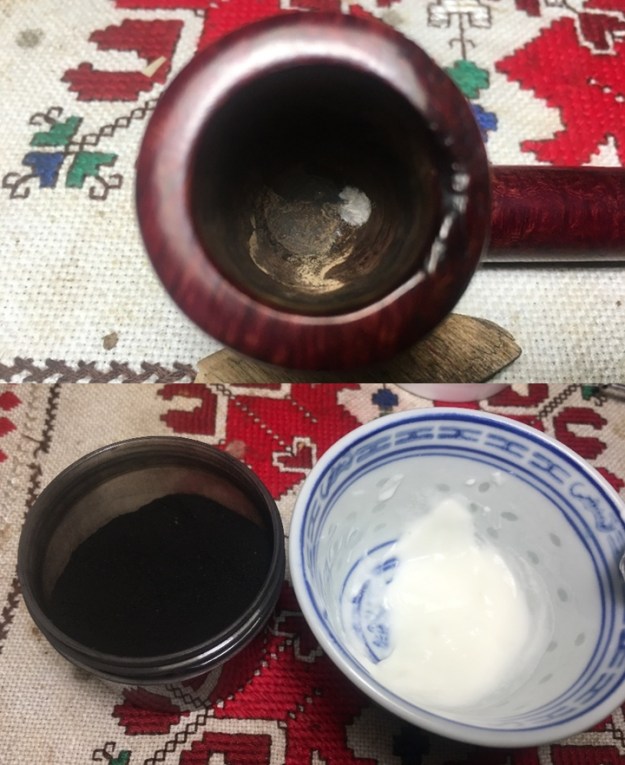
It was a privilege to restore Paw’s old Kaywoodie “500” Long Stem Billiard.  I’m pleased with the stem button rebuild and catching the thinning chamber floor.  I think the final stained hue captures well the historic Kaywoodie “500” theme that ranges from 1957 to 1967 – truly a vintage pipe.  Best of all are the remnants of Paw’s stewardship of the Kaywoodie.  Leaving the rim with latent evidences of Paw’s thumping and lighting, as he went through his own unique ritual with his Kaywoodie in hand, reflecting on life and family with his favorite blend stoked and ready to go.  Joe’s desire to safeguard this heritage and restore this pipe for his father-in-law, benefits the Daughters of Bulgaria – women and girls who have been trafficked and sexually exploited.  Thanks, Joe!  And thanks for joining me (ThePipeSteward)!
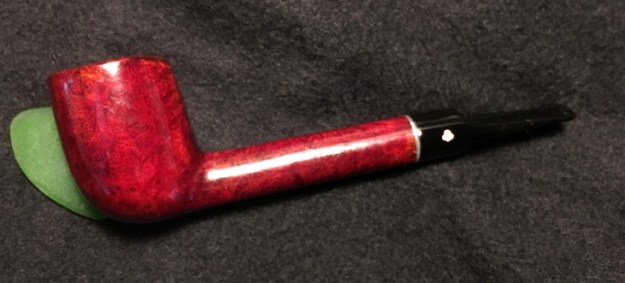
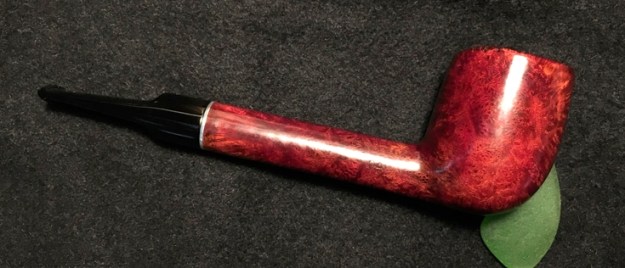
 

Light in April


Blog by Robert M. Boughton
Copyright © Reborn Pipes and the Author except as cited
https://www.roadrunnerpipes2k.com/
https://www.facebook.com/roadrunnerpipes/

“The past is never dead.  It’s not even past”
— William Faulkner, Requiem for a Nun, 1951

As another loose and humble homage – some of which have been received well, others less so – I offer this tribute to the great American author and Southerner William Faulkner (1897-1962).  Perhaps as an inducement to those who may at least entertain the notion of reading on from beginning to end, I also tender a reward: one fine African meerschaum bent billiard of unknown make to the first person who identifies the names of a few of Faulkner’s magnificent literary works contained within this story blog as simple text.  Anyone willing to take the challenge, if such it may be called, need only reply at the end with the titles uncovered.MONDAY, APRIL 15
Perched on a whitewashed planter flecked with dirt and displaying dead flowers, the man smoked a pipe that was carved when his great-grandfather was young, thinking about the never-ending drudge of life but knowing he was not awake enough to keep the idea going.  The camouflaged cinderblock showpiece for the all but disintegrated yarrow, yellow marigold and other forgotten floral detritus, almost as common to the area as weeds and sagebrush and the five local seasons – spring, summer, fall, winter and wind – was prominent between the fractured cement driveway and stylish stone garden that had a proprietary name few locals knew other than perhaps a few grizzled flyboy retirees who flocked to this high desert town to spend their final years and paychecks. Still, the house he rented would always be the mansion to his way of thinking.

He heard the first of many coffee pots, percolating on the stove, that would goad him through the spring day, telling himself out loud how each of them would make him a little more sociable as the warm April sunlight he regarded as somehow less special that the light in August came and went in the course of the day.  The gurgle and flush of the old thing made him crankier, thinking the piñon nuts mixed with the dark ground beans would never taste as good as he thought he remembered before the whole enchilada started breaking bad.  He said, “I hope a cupful will give me a minimum of contentment.”

His parents gave him a name, but he liked to be called Bert, which was a half-baked sort of diminishment of his official designation inscribed on a certificate somewhere, but he was alright with that, thinking, names don’t amount to a hill of pinto beans, and since this one was given to me I can toss it in the river if I want..

Having gotten along in years to the condition where he remembered being a boy like it was yesterday but was hogtied to dredge up a word he wanted or where he saw someone the day before, Bert would tell himself he was no hoary, broken-down wraith of the sad, amusing sort of flags in the dust he saw ambling down bedraggled, pot-holed, sage brush-strewn roads in the hamlet where he lived.  Feeling shackled to call the place home by the antiquated convention of the vague class known as society, all Bert could think was, “That’s Tamalewood, huh.”  The town was no sanctuary to him, if it ever was.  The problem was recollecting the particulars of the fancies that flashed inside his mercurial stream of consciousness that was not as sharp as Hatch chile like it used to be.  He was long since at peace in that respect.

When he was a boy he grabbed hold of the early-onset codger in him as though it were something dear he might lose, knowing in later life he was not as old as most of that breed of character, thinking maybe I’m a curmudgeon but hoping better and pushing the notion out of his head as he would flick mosquitoes from his arm with the nail of a calloused finger.

Trying to piece together how he came to be in frequent contact with a fellow pipe restorer by the name of Benjamin Loveless of Tennessee, Bert’s first thought was how the name evoked a character from some might-have-been Dickens novel – an attorney maybe, or someone else with a good education anyway.  Then, jarring back to reality, he recalled the first encounter was an email from this Loveless in early February, asking for information on Colossus Pipe Factory pipes.  Little more than a week later, he sent a photograph of a rare peculiar wooden pipe in the style named after those who kept watch over churches in years long past, with the head of a tiger cocked to the left.  Seized by a powerful lust from that first gander at the fine old smoker, even if it was a bit what he called froufrou, he had but two words for his chance of ever affording whatever Loveless wanted for it, “Eeee!” followed by “Oraley!” and resented the tease.  If he really wanted to burn that bridge he would have told Loveless to bounce.

Bert knew a thing or two about CPF pipes and wanted that one in the worst way, and being a codger if not a curmudgeon he never counted on Loveless’ proffered hospitable and charitable ways.  In fact he still did not altogether trust the hope sparked inside his chest by the offer Loveless made him.   One way or another, the two men cut a deal on trust that Bert would come through with a reasonable monthly installment until the debt was paid.  The whole while, Bert thought it sounded too good to be true, like ordering from the Sears & Roebuck catalog, based on no more than his pledge.  In all truthfulness, they both knew the end price fixed upon was a good deal higher than anything the regular market would support, but that’s the nature of the pipe hunger beast.for you.  Bert had heard tell of four others he could have bought for the price of the one, if he had the cash on hand that is, but to his eyes they were all Walgreens quality by comparison.  Bert knew, Some day as I lay dying, God willing not before I’ve had time to enjoy it, I’ll never forget the favor Loveless cut me!  The amazing pipe arrived by express mail two days later and was in Bert’s own disbelieving hands.
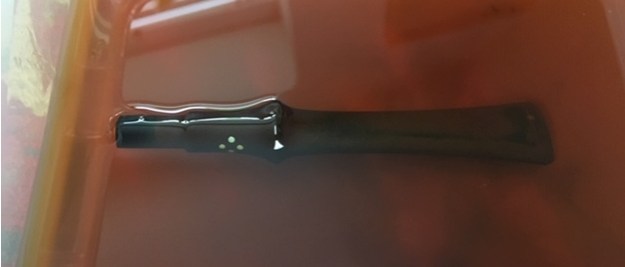
PRESERVATION
Bert heard tell later from a source of unassailable integrity that Briarville Pipe Repair LLC, thinking of its motto, “Pipe Repair as Close as Your Mailbox” ™, replaced the horn extension with a shiny black bit fixed in place.  Having assisted Briarville in finding the answer to an intriguing old pipe question before, he decided to telephone the business and determine what if any work the excellent operation indeed performed.  The restorer was relieved he did so, as the answers the owner sent back prove why fact-checking is imperative for all types of writing, whether investigative journalism or much simpler pipe restoration blogging.   Indeed, Bert had more than the one questions wanting answers.

    1. Did Briarville provide a replacement extension and bit, and if so, what model was used to choose the very appropriate look? Briarville did not replace anything but instead repaired a single crack in the extension.
    2. What materials formed the extension and bit? Knowing the query might sound somewhat daft given the obvious horn appearance of the extension, he had never worked with the alternative accessory and wanted to be sure it was what it appeared to be.  Also, the bit looked to be something he thought was not invented until after 1915 when CPF closed shop.  The answer was that the extension in fact was horn as it seemed and Bert’s original source suspected, and the bit was Vulcanite as he had guessed.  And so, researching the date Vulcanite was patented, he found US3633A by Charles Goodyear dated June 6, 1844, shown below.  That was excellent news, suggesting the two combined parts were original.
    3. From what type of wood was the stummel carved? The reply to that was briar, but with all due respect to Briarville, Bert had serious doubts about that for several reasons: the extreme darkness of the wood that lightened very little after an extensive soak in alcohol, the somewhat tiger-like grain, and the unique taste of the wood that melded quite well with the tobacco.  Some of the photos that follow will demonstrate Bert’s point, but in the end he emailed photos to his artisan pipe maker friend Don Gillmore in hope of settling the issue.  Don is known for his use of alternative woods such as walnut, maple and pecan, and still others more exotic including bog wood (a.k.a. morta, ebony wood, black wood and abonos wood), and trusted if anyone he know could identify the genus, it was he   From the darkness of the wood, Bert suggested cherry.  Don shot that down, noting the grain and lack of iridescence were not present.  He noted “the color is within the range of walnut,” but as it turned out he was only going by Bert’s conviction it wasn’t briar.  When Bert responded that it was heavy and dense, Don’s final conclusion was “probably briar.”  And so Bert saw no choice but to join the consensus, however contrary the necessity.
    4. What time frame would the pipe’s manufacture date be? The guess was early 20th century. That may very well be the case, Bert knew, and there was no way to pinpoint it, but in this case stuck to his guns and argued his pipe’s creation to be in the late 1800s, with cause having nothing to do with a desire to make it older than it was.  Since 2013, when Bert first heard of CPF, he was confident to a point just short of calling himself an expert that he had researched the brand and its pipes – wood and meerschaum – as thoroughly as anyone.  He never before set eyes on any ornate wooden CPF like the tiger’s head.  More to the point, when Kaufman Brothers & Bondy bought CPF in 1883, the shift from ornate to more traditional models began and continued until the company’s end, and by the time 1900 was rung in by turn-of-the-century revelers, ornate wood pipes were all but phased out.  Nevertheless, when it comes to arguing the potential difference in age from 119 to 136 years, Bert said again out loud he was not going to quibble.  He hated that species of know-it-all more than anything.  His “newest” pipe was an antique with more than enough years to spare, whatever its date of creation.

To give a better perspective of the actual size of the CPF shown in Loveless’ beautiful photo that isn’t apparrent below (even with the lovely Peterson dwarfed by it), the length was 10 1/2”, the bowl height 2” and the chamber diameter a unique ⅞” x 2”.  Bert chose unique because of the peculiar straight evenness of the depth, which accommodated far more tobacco than his favorite Ben Wade by Preben Holm Danish freehand that sported a 1” x 2” tapered chamber.  The second photo shows the same tobacco needed to fill both the CPF and the PH, left to right.  Despite the trick of the angle, both lids were identical in size, but the left held about five good pinches, and the right three. The tiger’s head needed no cleaning and was unblemished by any apparent damage to the horn extension.  Bert, of course, following his nature, tried it out and enjoyed it so much he made it the only pipe he smoked for a couple of days.  Then, to his horror, he observed the sudden appearance of two cracks in the horn that could only be described as honking.  To make it clear right off, he was not blaming anyone for the weirdness of the manifestation.  He suspected it was due to the extreme age of the horn and long disuse, and may very well require ongoing attention. For the edification of those whose personal values (which are formed by family, social and peer forces as by clay with all of the potential for works of art or bricks or quagmires of mud and possess the same qualities of steady hardening into solids that can nevertheless be shattered) deny them the sublime enjoyment of reading the dry legalese of patents, the second paragraph describes Goodyear’s idea of “combining sulphur and white lead with the india rubber” and heating in such a way that the result is both heat- and cold-resistant, thereby making Vulcanite less apt to soften and crack, although Vulcanite is never mentioned by name.

Illustrated next is the rest of the phenomenal pipe when Bert decided to fix the cracks and re-do the stain, only to satisfy his own quirky druthers. The only real CPF expert Bert knew told him the hallmarks on the brass-coated nickel band were meaningless for dating or other helpful purposes, but they looked impressive.

Commencing his journey to salvation, Bert gave the stummel, extension and bit a quick wipe with a paper towel and purified water, then reamed and sanded the chamber with 220- and 320-grit papers and pre-cleaned the inner shank and air hole with cleaners dipped in Everclear he would have found refreshing for his own consumption in earlier years. He then bathed the extension/bit in an OxiClean solution as though it were a hot natural spring water cure ordered by a physician and got the retort out of the way with his newer laboratory grade kit, which, fueled with Isopropyl alcohol, makes an impressive and mighty flame that should be respected but does boil the Everclear through the rounded Pyrex tube with great speed and efficiency.Concluding there was no time like the present to tackle the only repair needed, Bert confronted the crack with the determination of David against Goliath but an approach that required two applications of Super Glue rather than a sling and stones, the initial one clamping the cracks shut long enough to dry afterward and the other just filling in remaining gaps again before sanding and buffing smooth. In his work of fine-tuning, Bert did not record the multiple buffing steps.  As for the stummel, he had set his mind on as much of a two tone as he could achieve to give the stunning, intricate carving of the tiger’s head a more lifelike color and leave the smooth area darker but still showing a hint of the grain.  After a long Everclear soak, he let it dry and used super fine “0000” steel wool to lighten the color. The remainder of the trek was a blur, and again he failed in his usual obsessive observance of details.  The almost final steps were micro meshing from 1500-12000 and staining the smooth area with Lincoln Brown Leather Dye and the carved part with something a little different: Fiebing’s British Tan.So close to the end and almost delirious, Bert went over the top in obsessiveness making the regal, proud, all-but-lifelike head light enough to suit his exacting taste, using steel wool again and even light sanding with a double-sided 220-320-grit pad.  In almost all cases of waxing carved surfaces of pipes, Bert employed a white, hand-applied concoction, but not this time.  He buffed the carved part on the electric wheel with carnauba alone and the smooth with red Tripoli and carnauba.  In a moment of blinding revelation, the sound and the fury of the experience came together in an epiphany that left him dazed. AFTERWORD
Bert remained one of the unvanquished, believing that so long as the past is remembered and preserved, it never goes away.

SOURCES
https://briarville.com/
https://patents.google.com/patent/US3633?oq=3633a
http://www.teltinc.com/
https://www.etsy.com/shop/DonWarrenPipes
https://rebornpipes.com/2013/04/14/some-reflection-on-the-historical-background-on-cpf-pipes/
https://rebornpipes.com/2019/02/22/reflecting-on-a-few-of-my-cpf-pipes-colossus-pipe-factory-pipes/