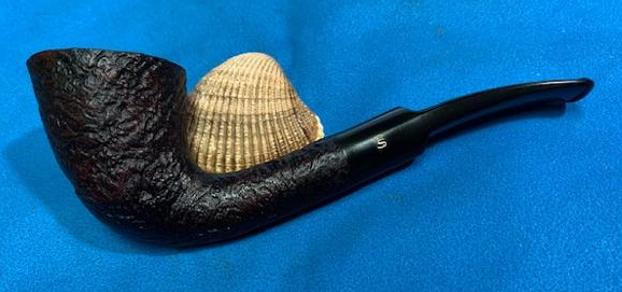
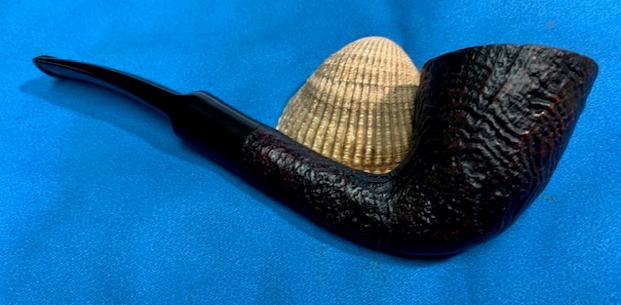
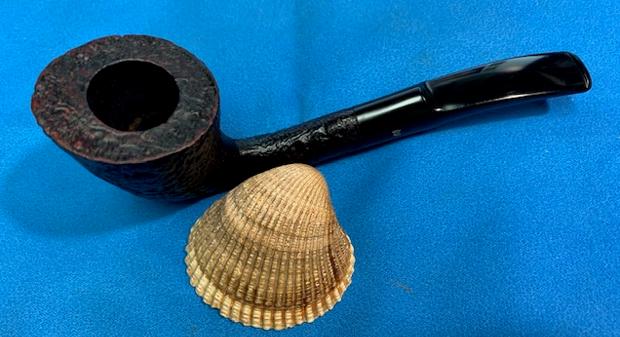
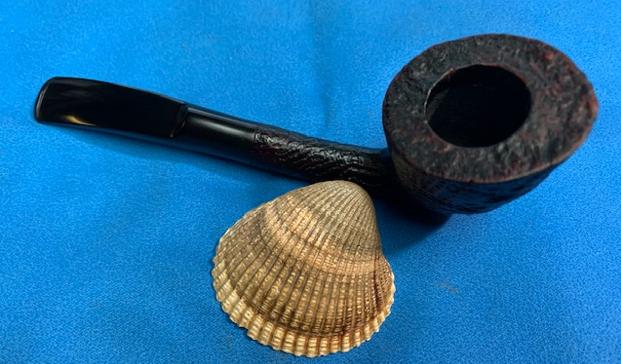
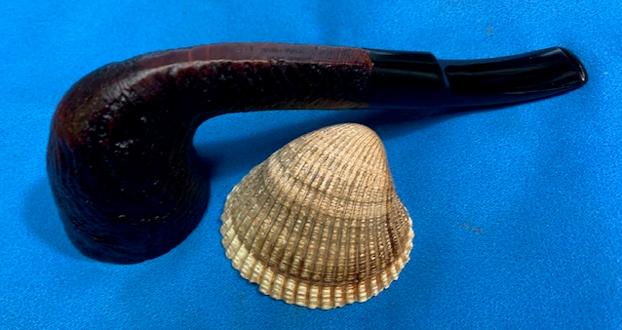
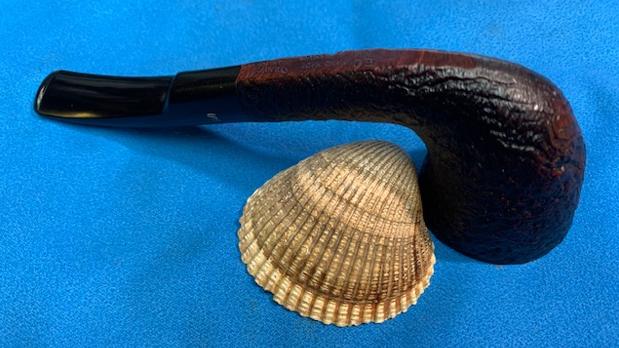
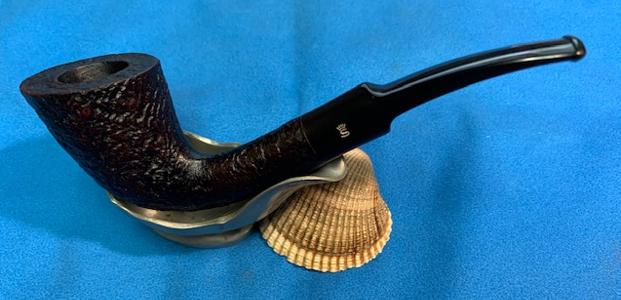
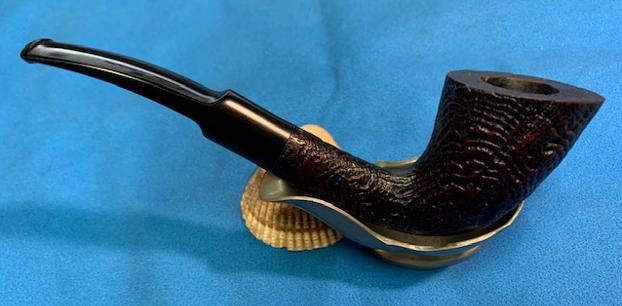
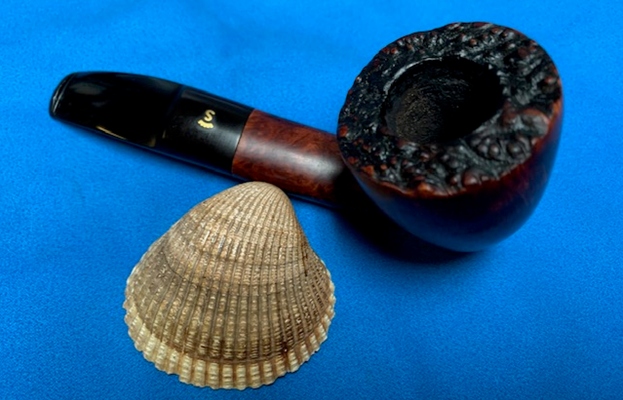
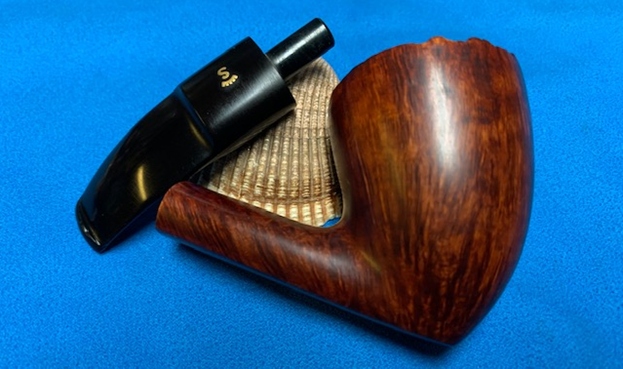
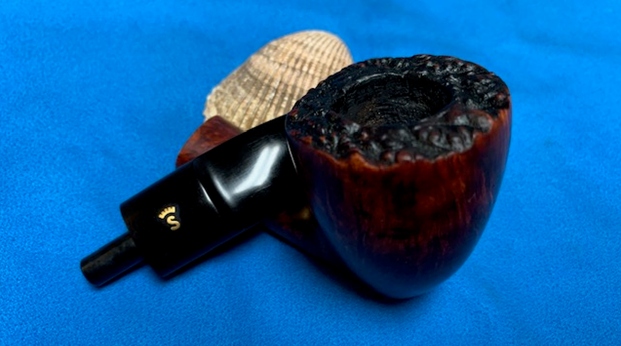
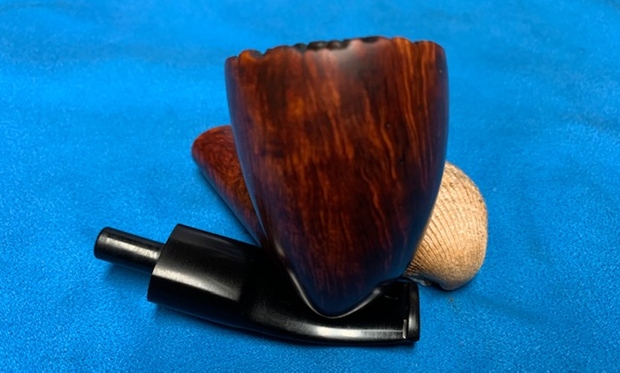
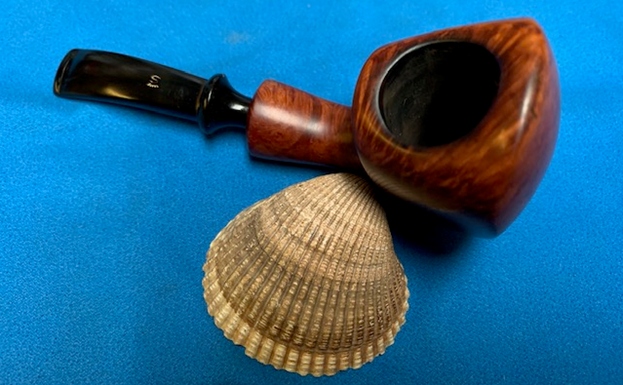
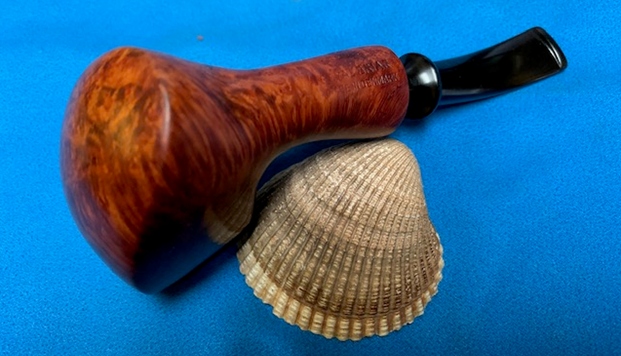
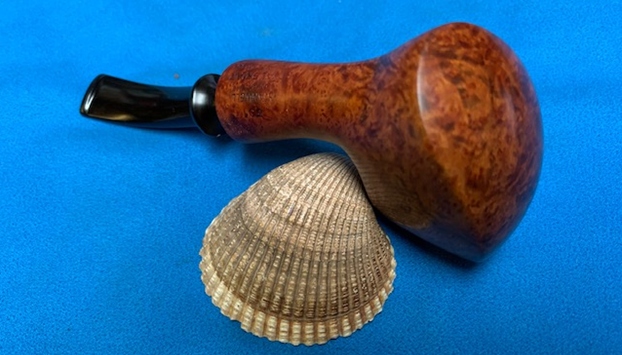
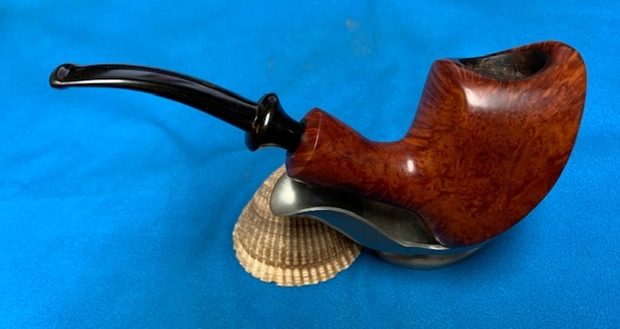
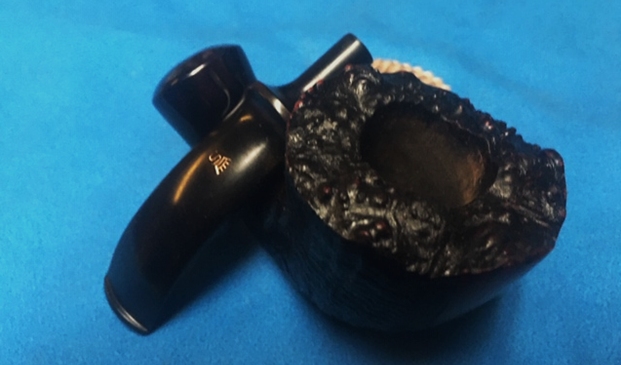
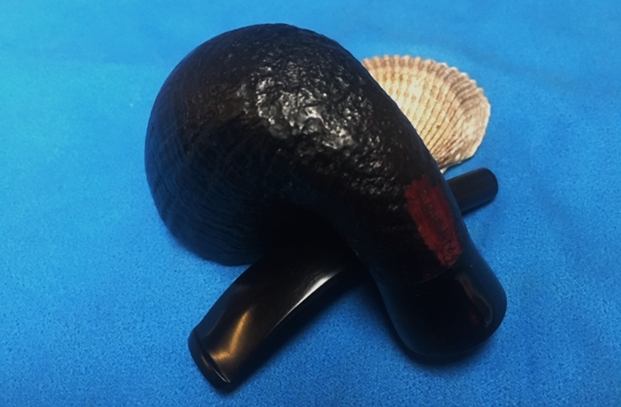
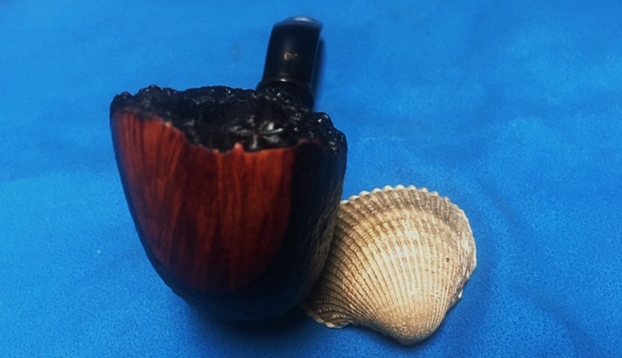
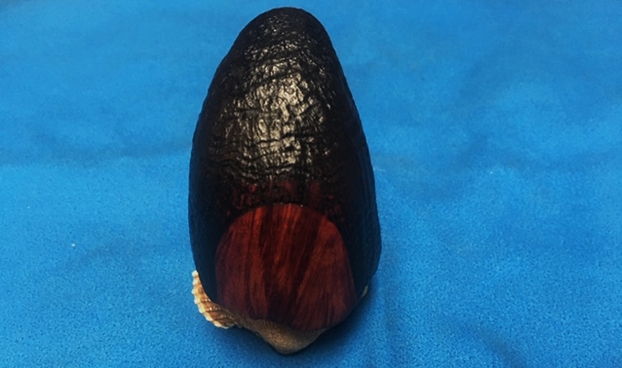
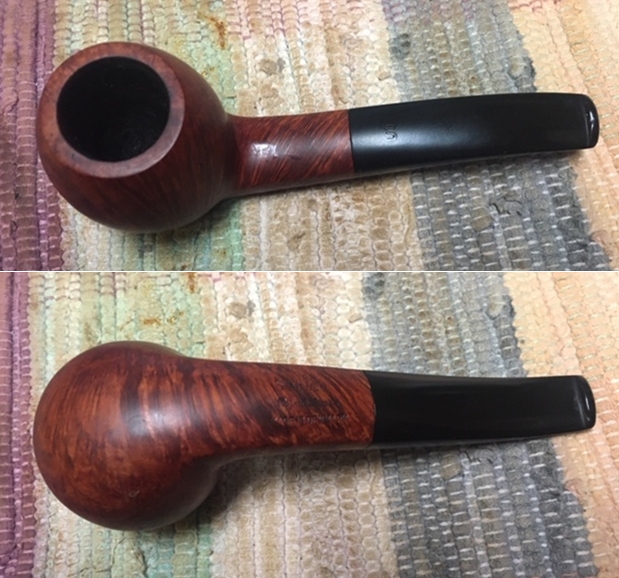
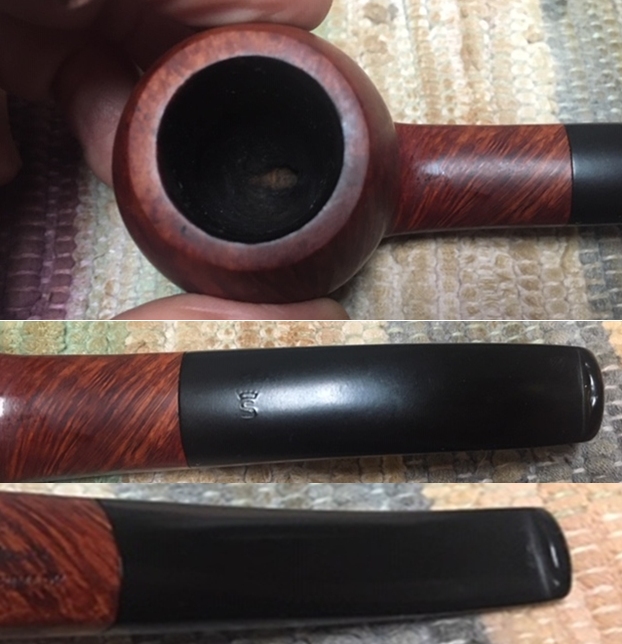
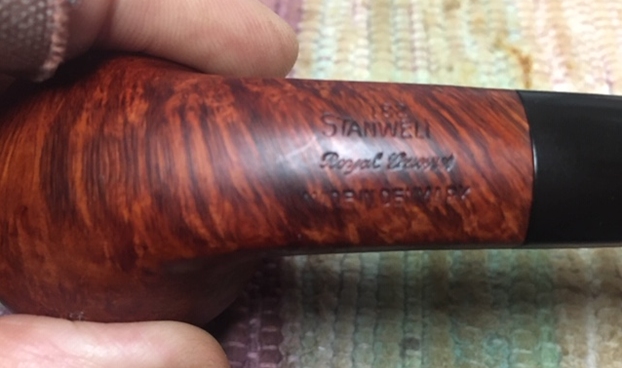
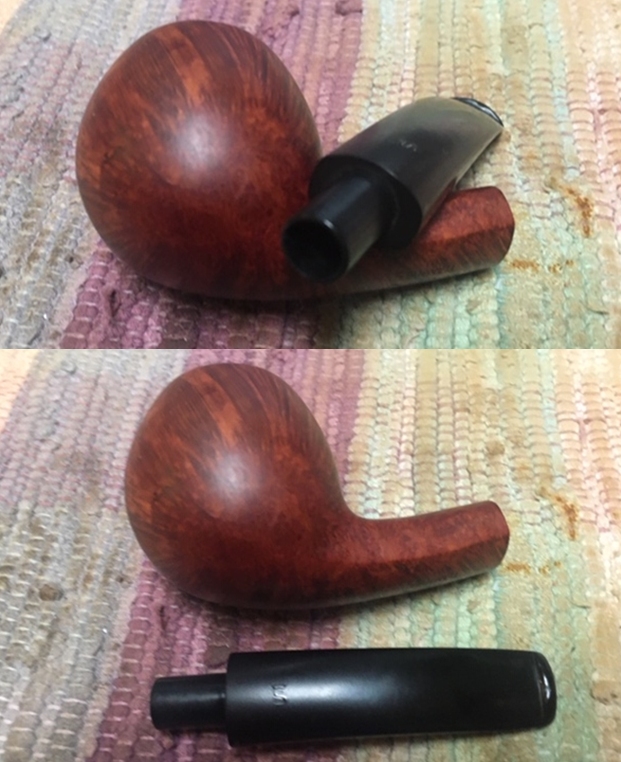
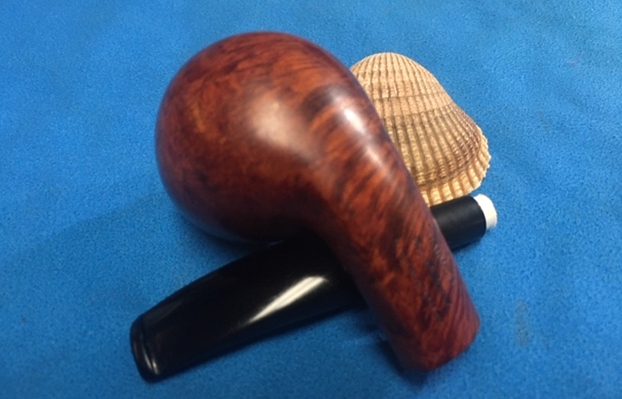
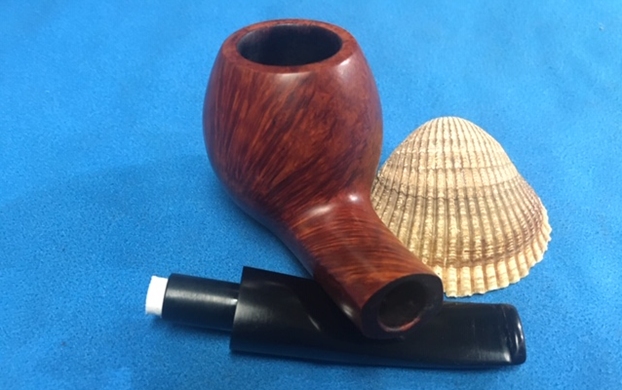
Tag Archives: Stanwell Pipes

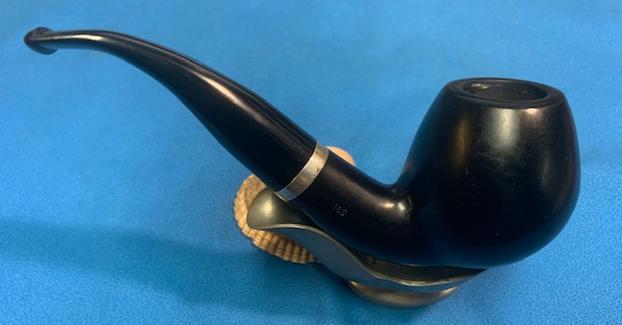
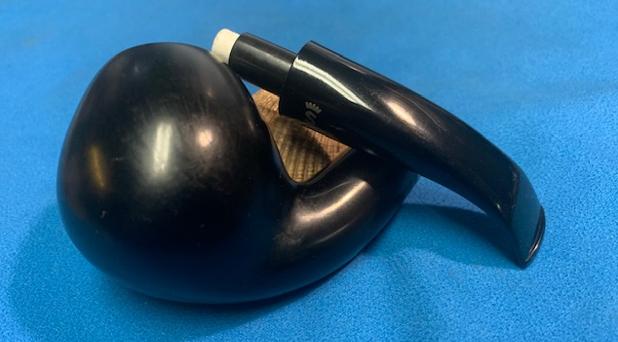
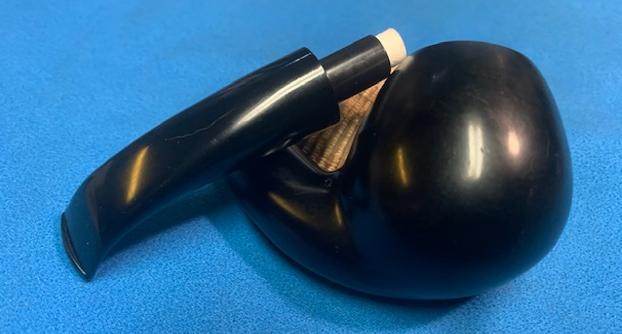
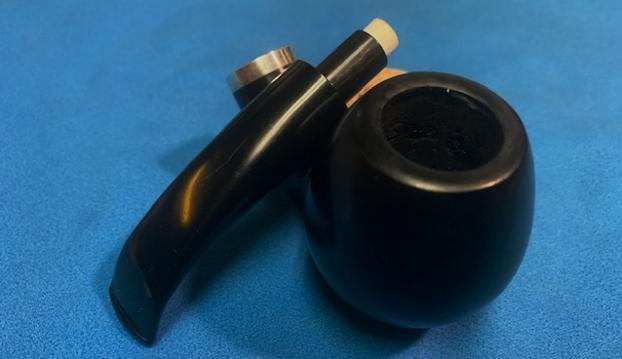
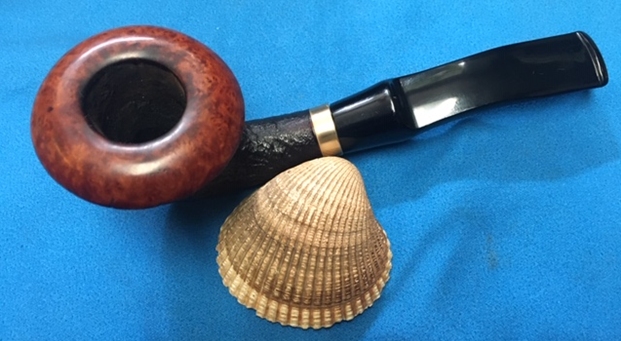
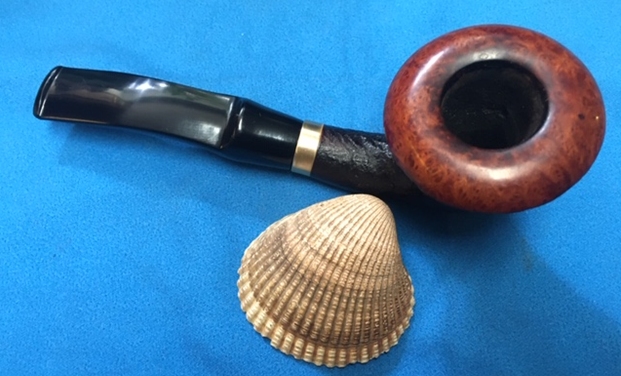
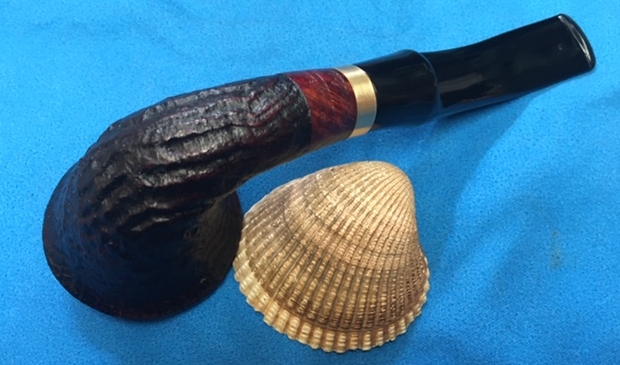
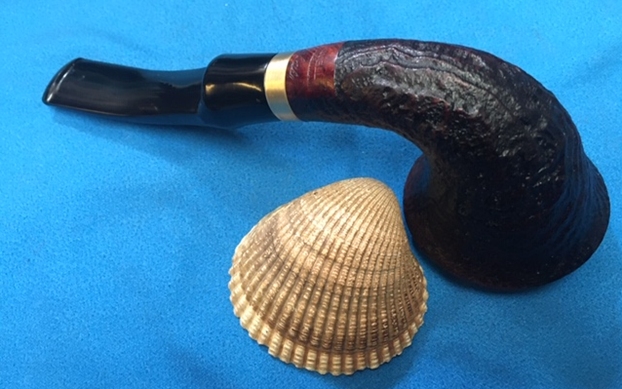
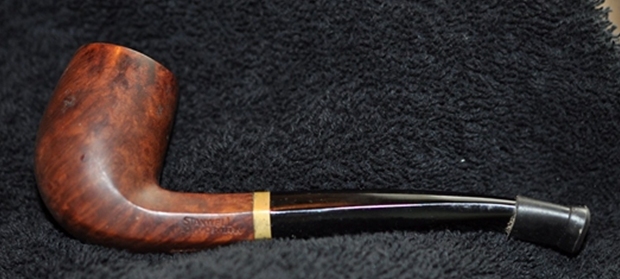
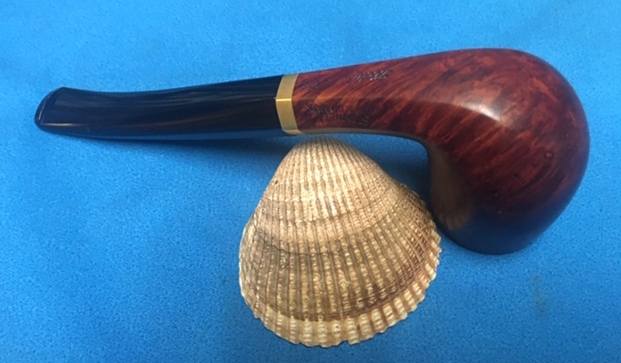
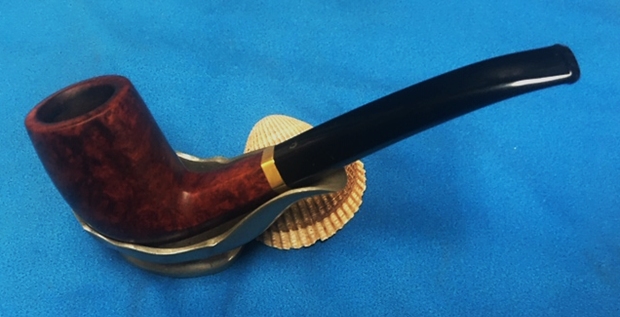
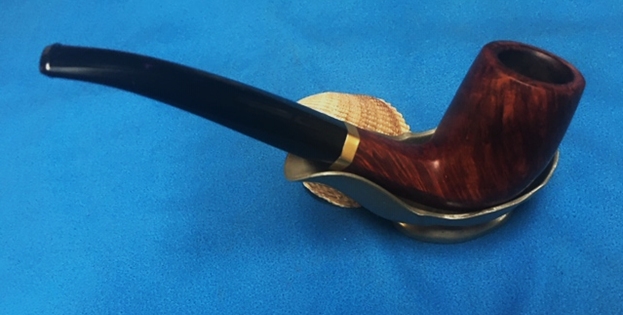
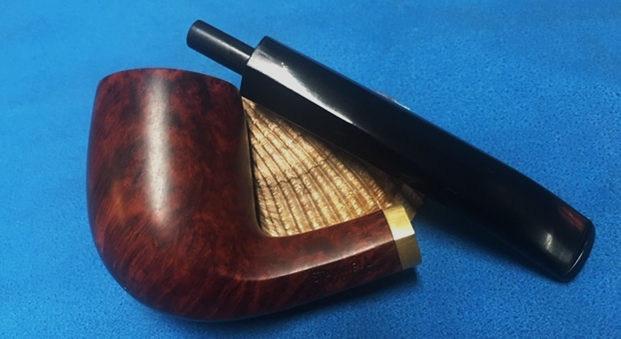
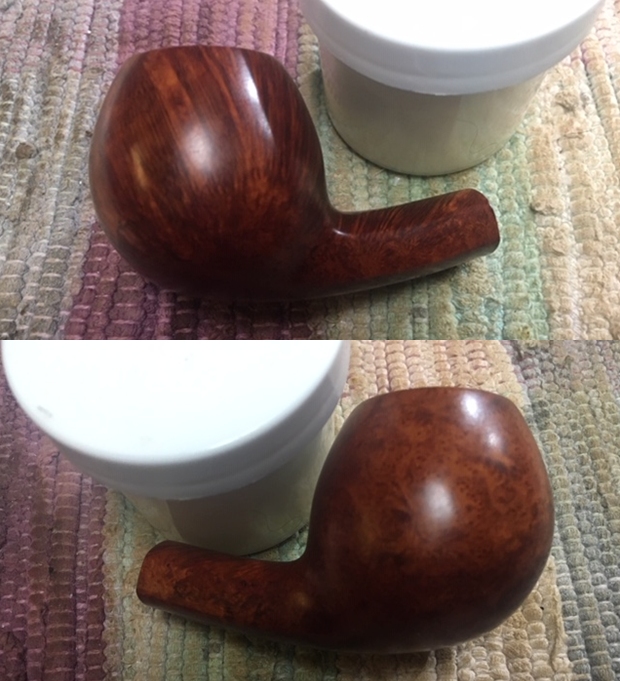
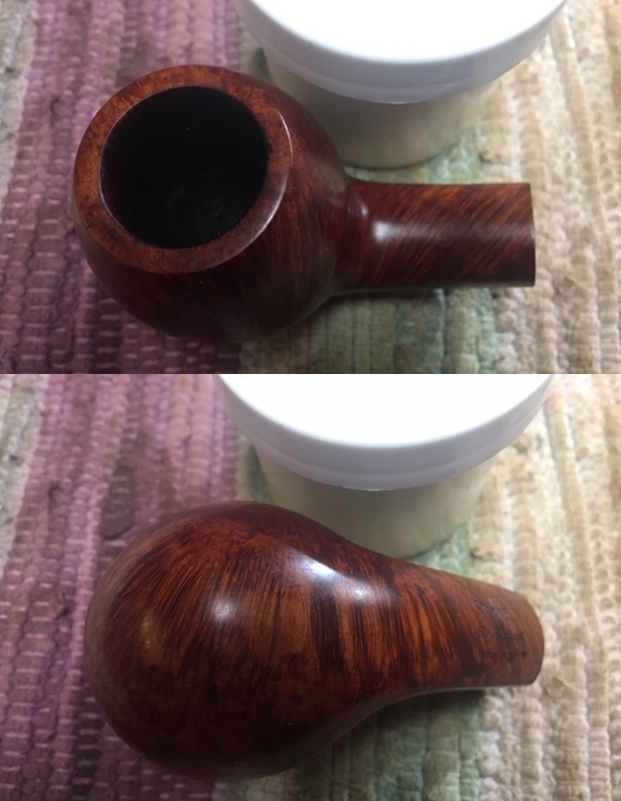
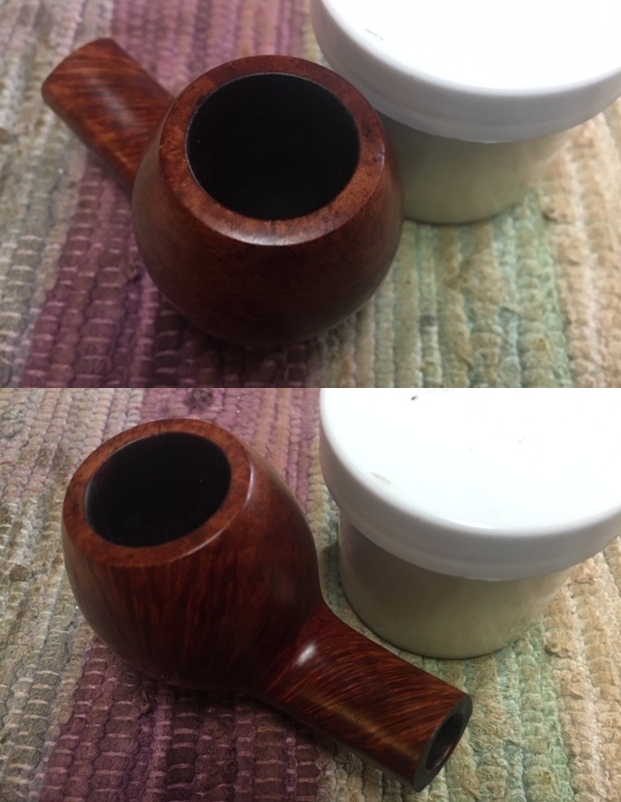
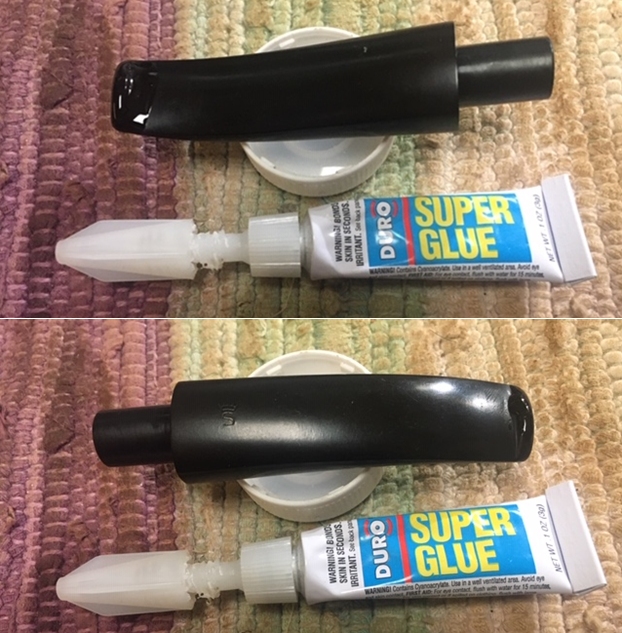
Breathing New Life into a Stanwell Black Diamond Polished Model 185 Bent Apple


Blog by Steve Laug

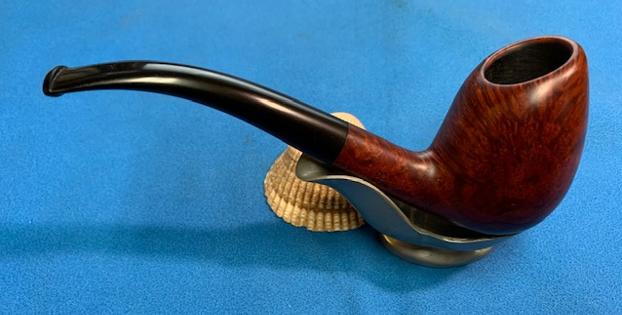
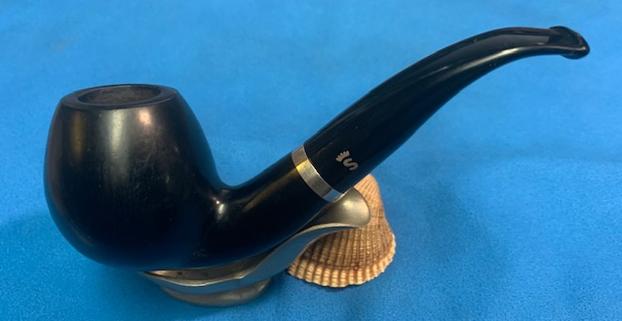
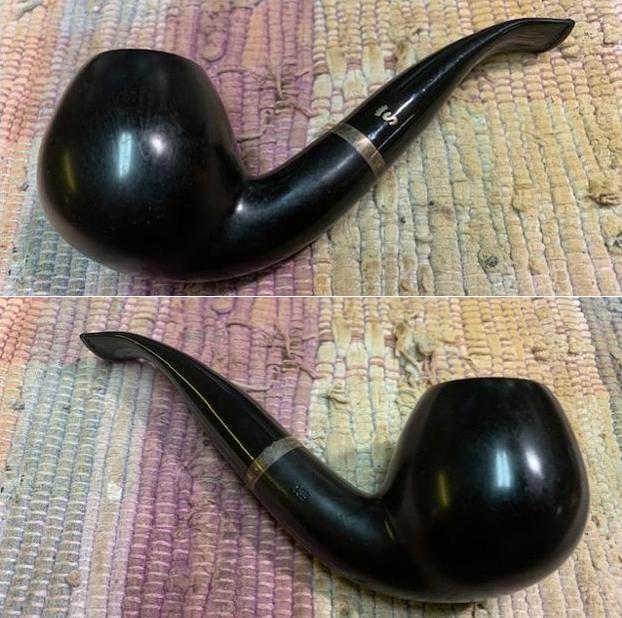
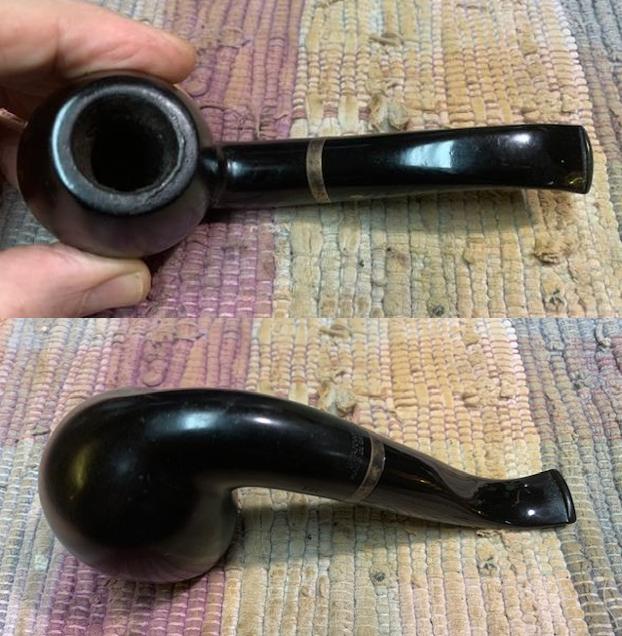
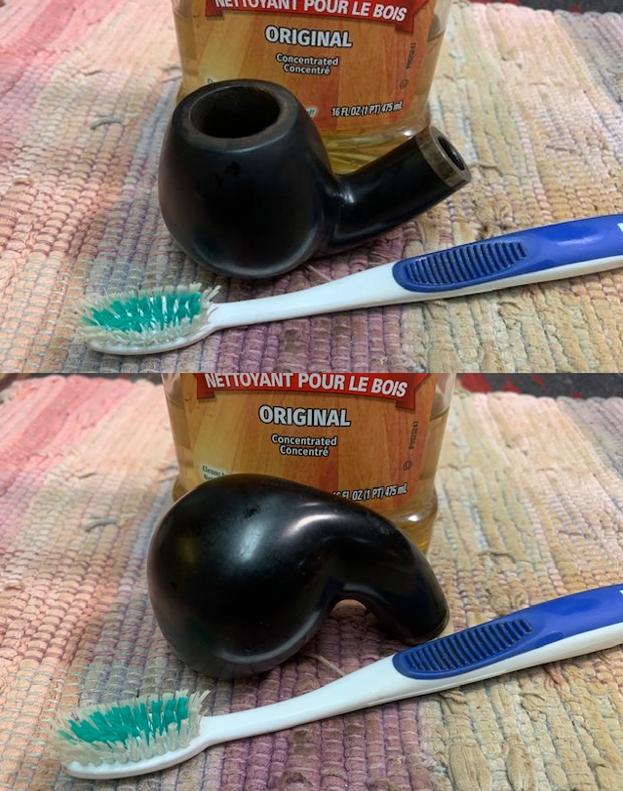
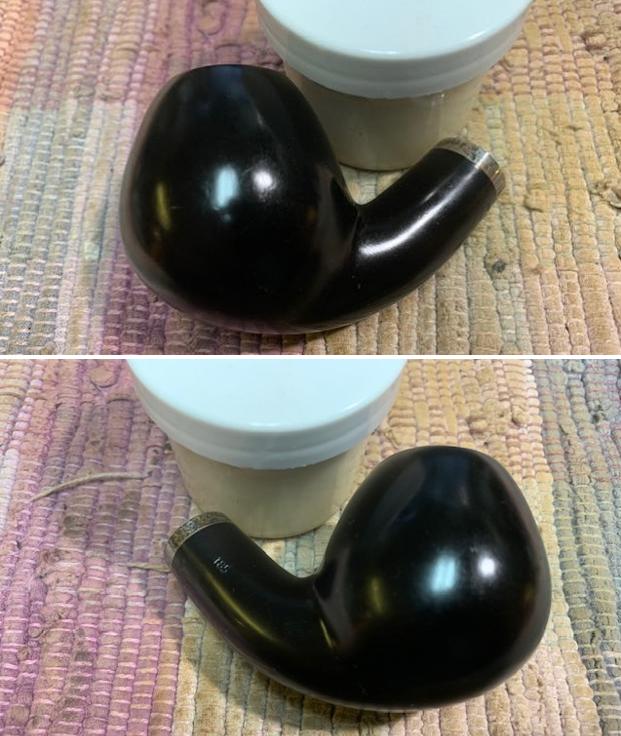
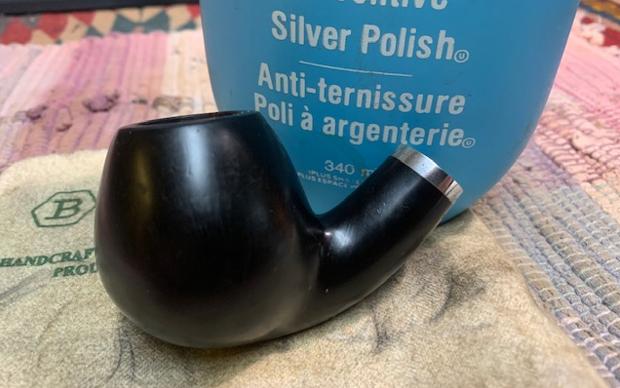
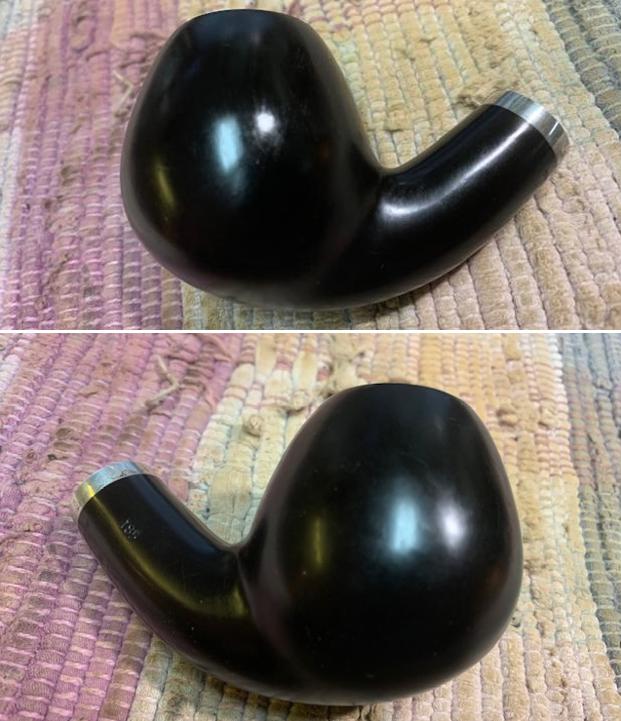
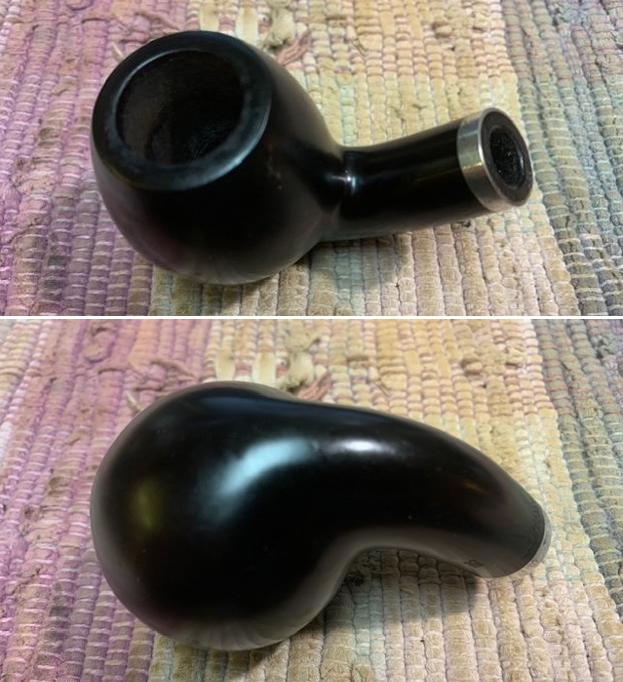
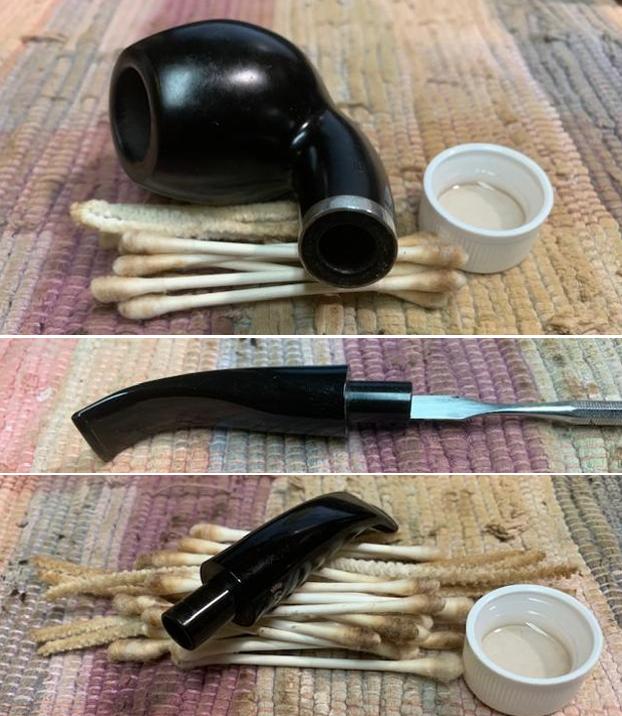
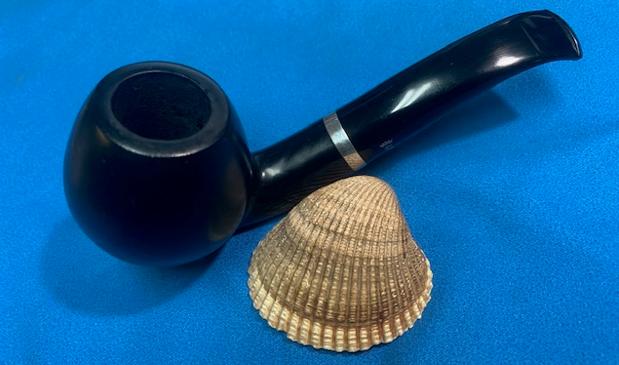
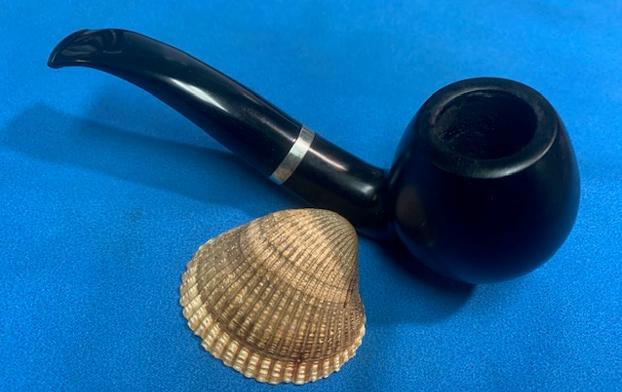
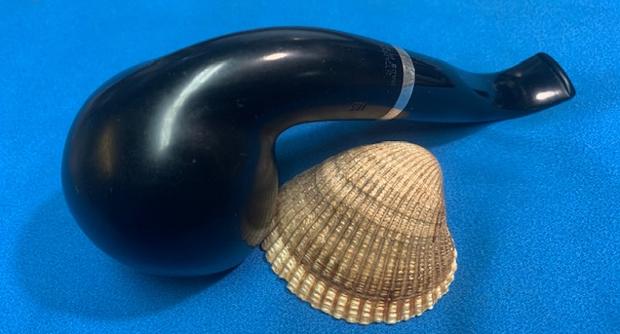
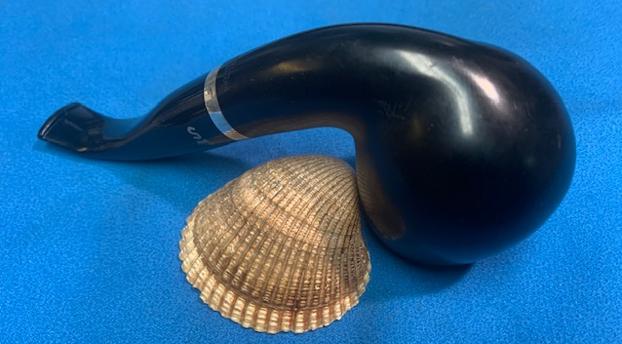
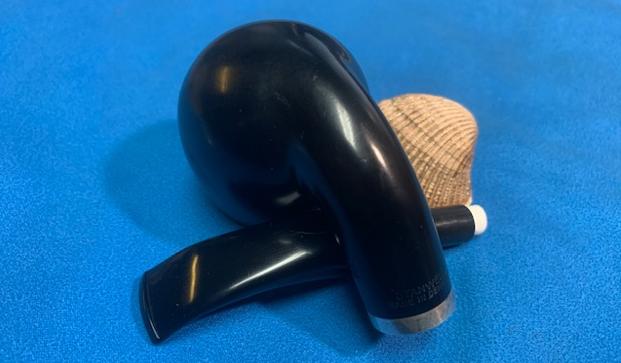
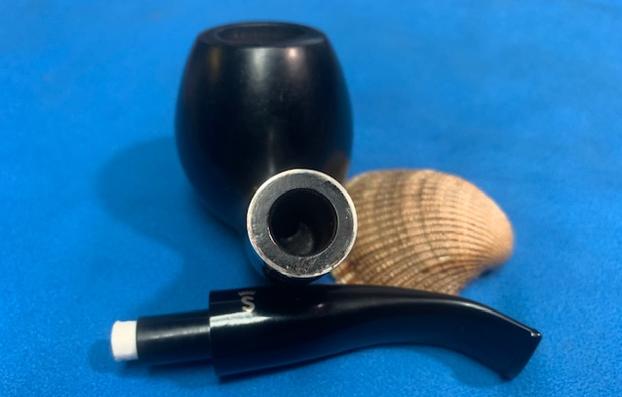
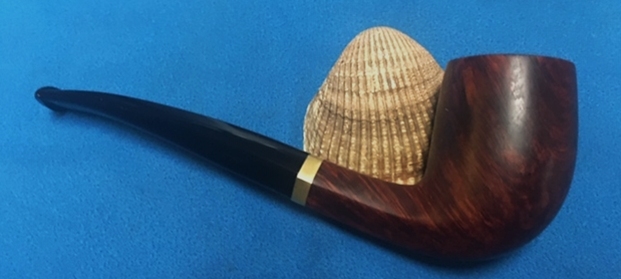
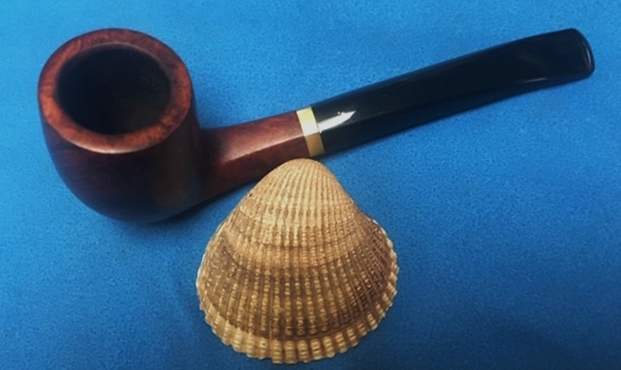
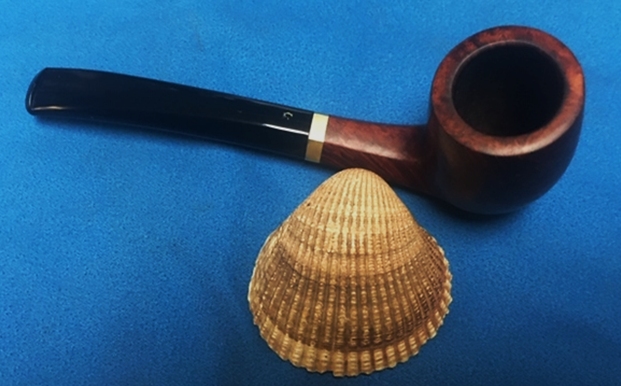
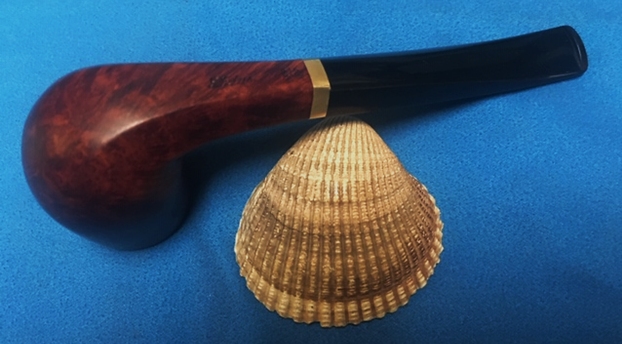
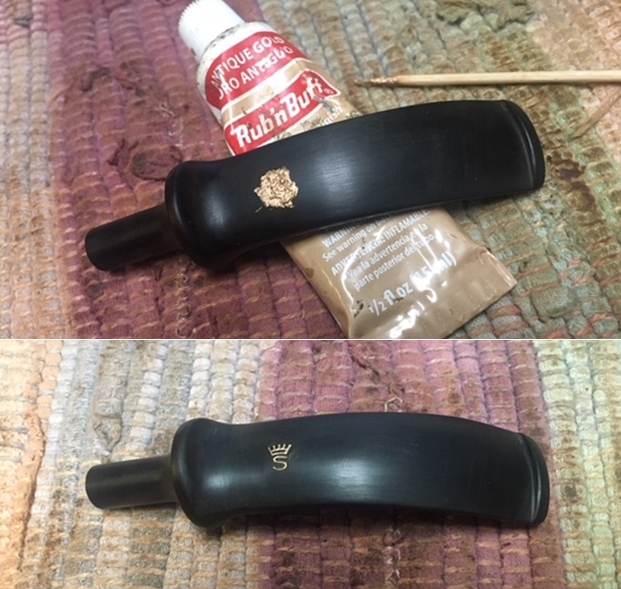
The next pipe on the work table came to me from either a trade I made (pipes for labour) or a find on one of my pipe hunts. I honestly don’t remember where it came from. It has been around for a while waiting to be worked on. It is a black stained pipe that allows the grain to peek through which is unusual for the black dress pipes that I have worked on. It has a Stanwell Silver Crown S and silver band make it one of the Black Diamond Polished line of pipes. The Black Diamond series from Stanwell isn’t completely black. The grain is vaguely visible through the stain. I have worked on this line before and written about it on the blog. Here is the link to that pipe (https://rebornpipes.com/tag/stanwell-black-diamond-pipes-with-a-semi-transparent-black-stain/).

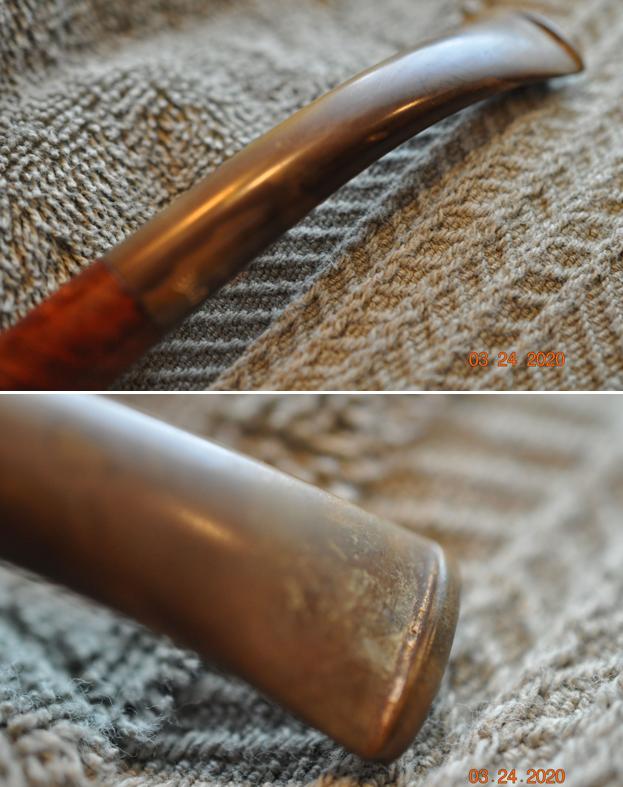
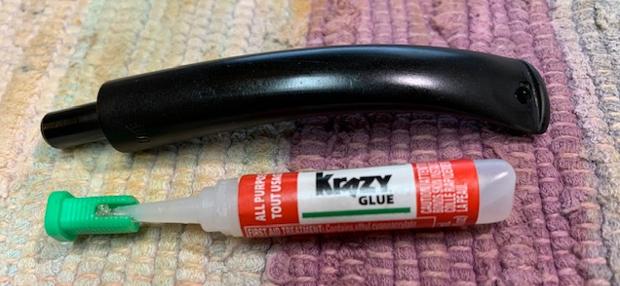
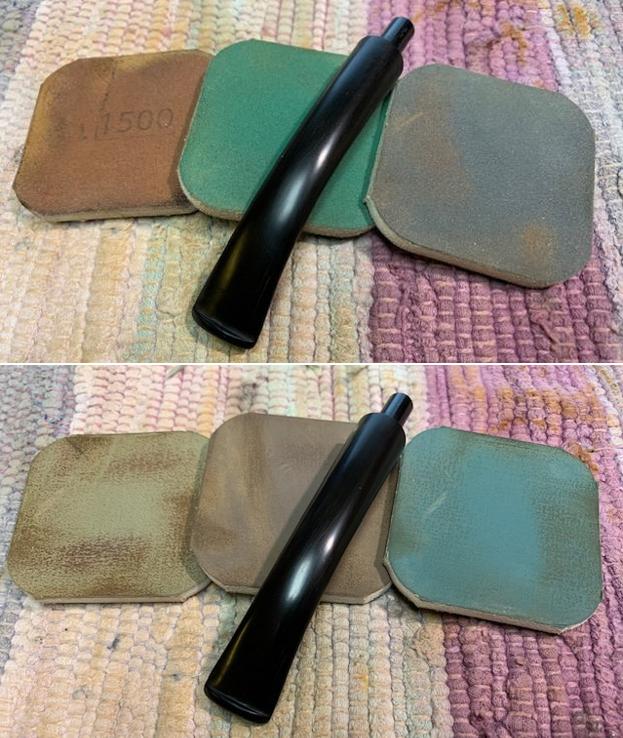
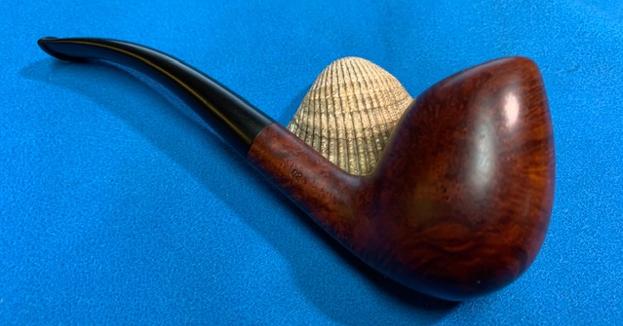
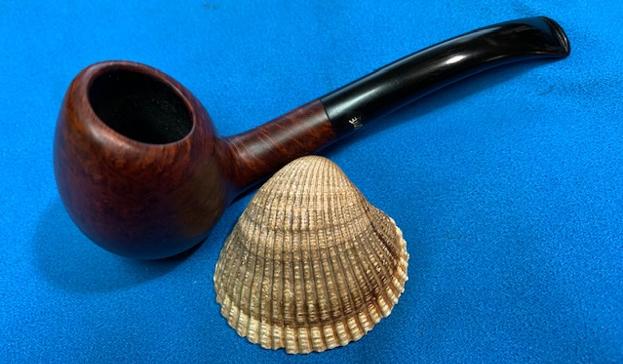
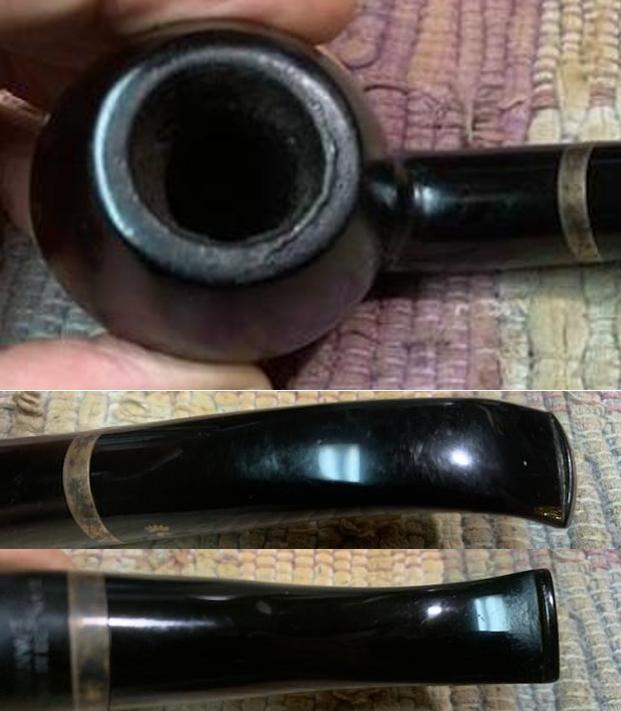
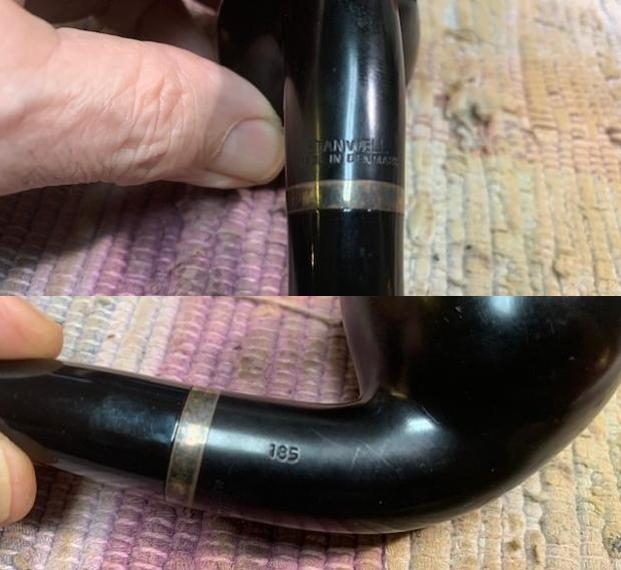
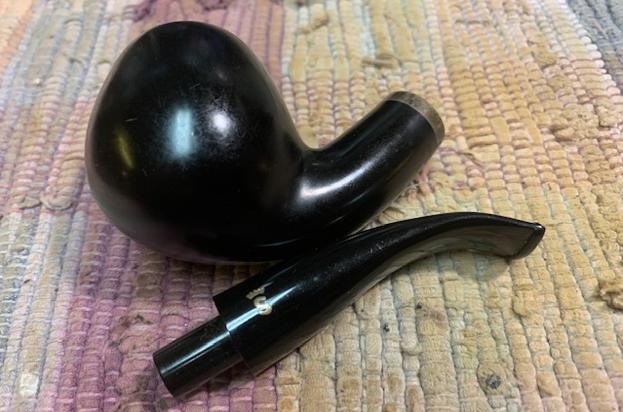
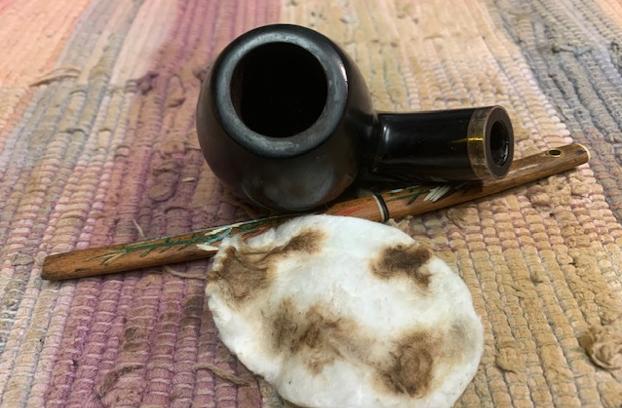
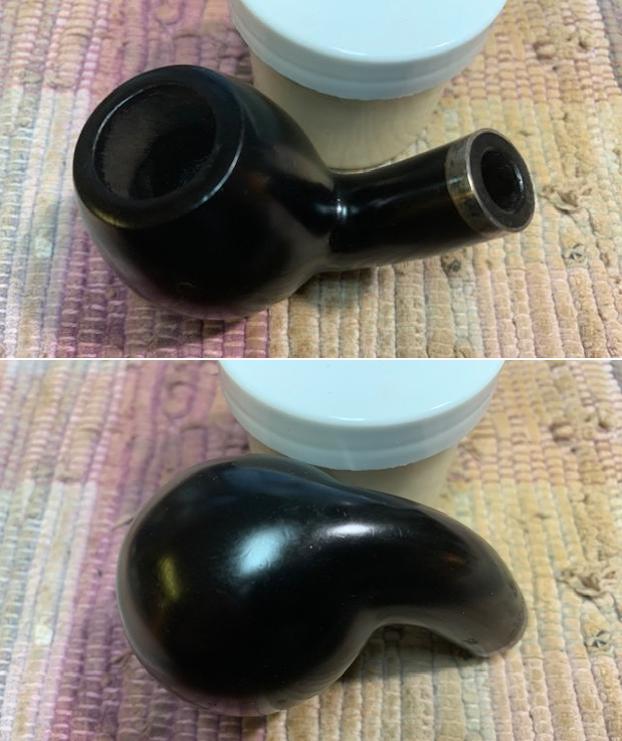
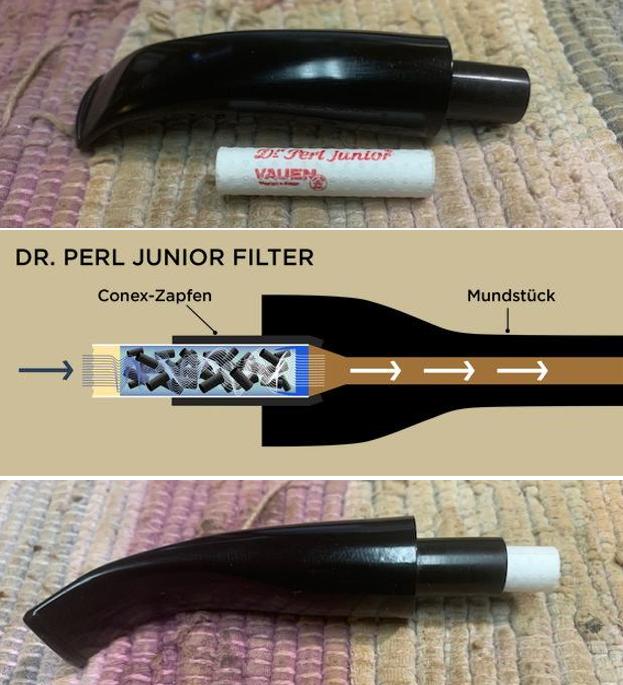
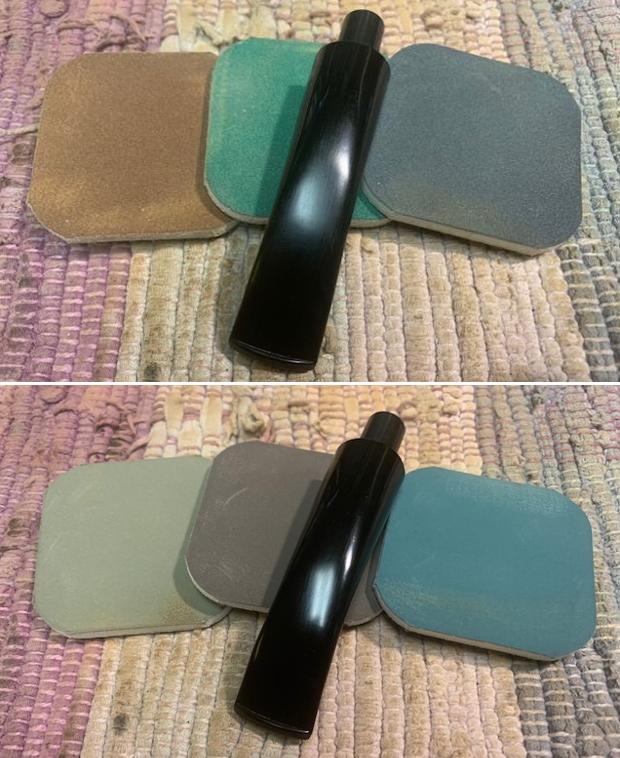
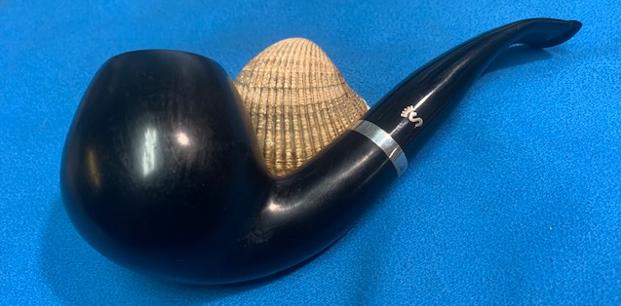
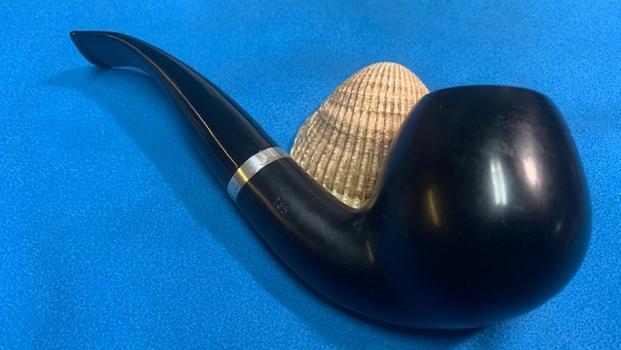
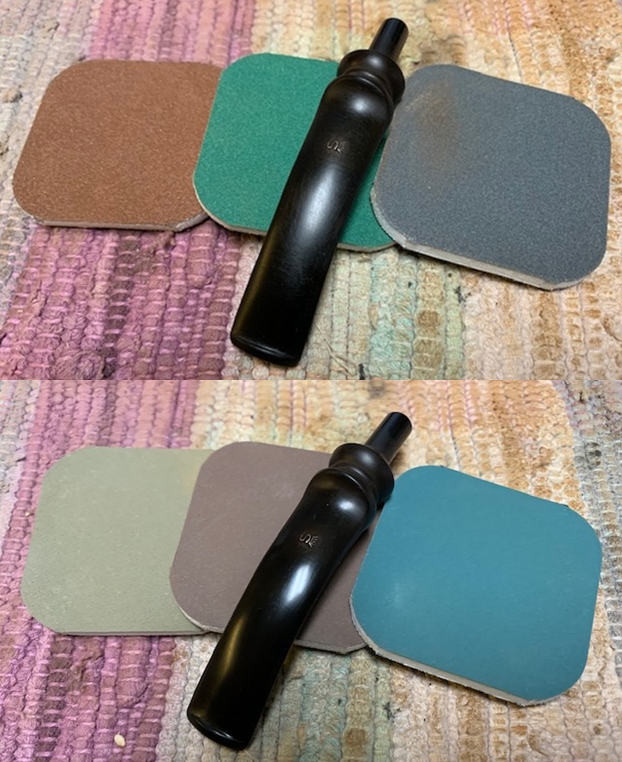
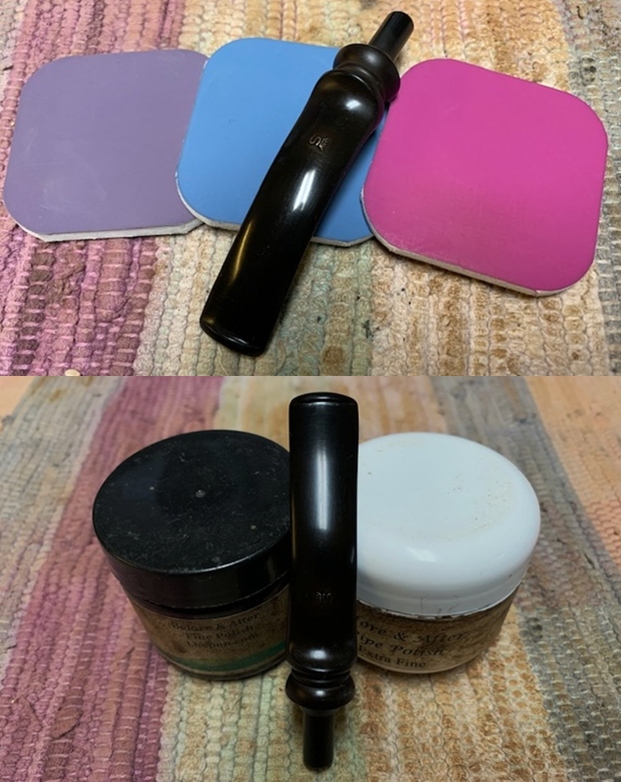
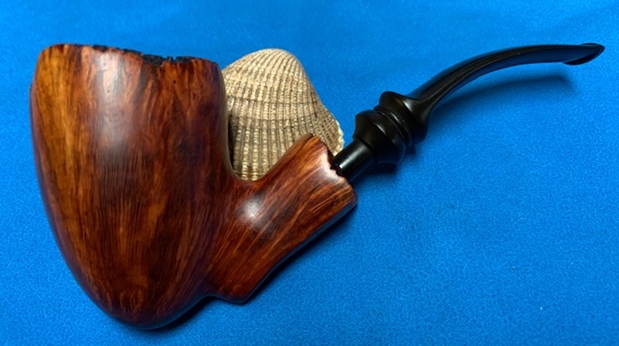
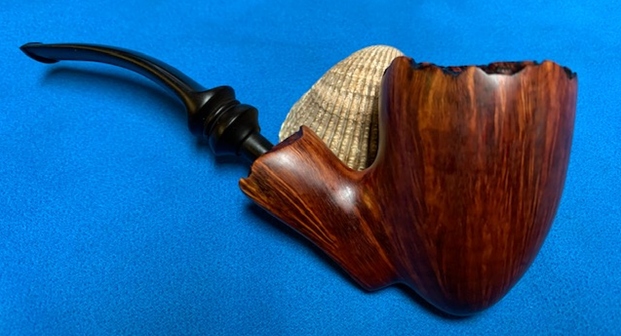
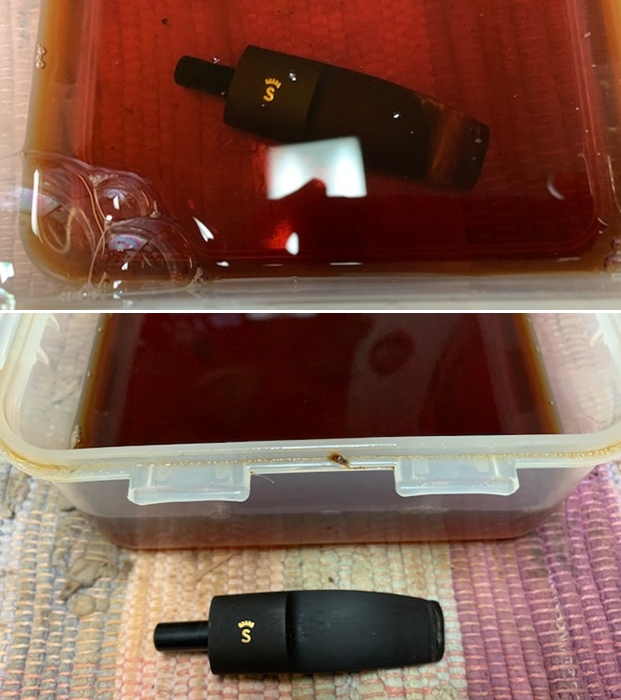
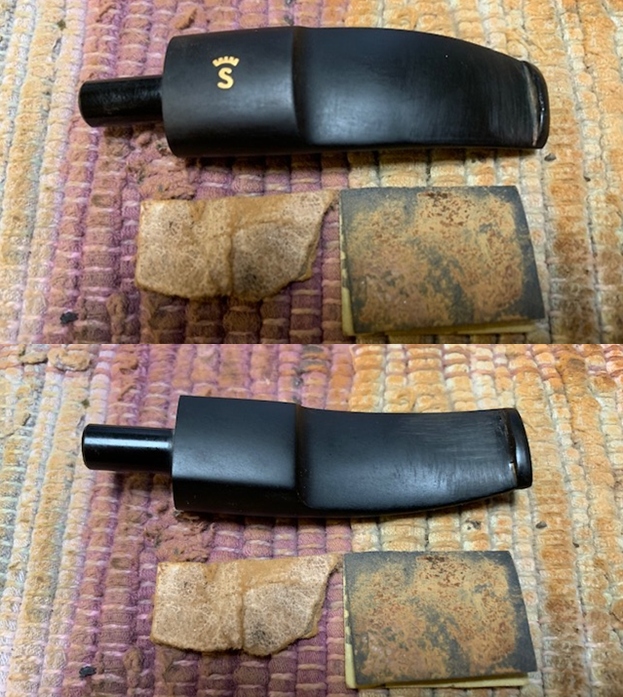
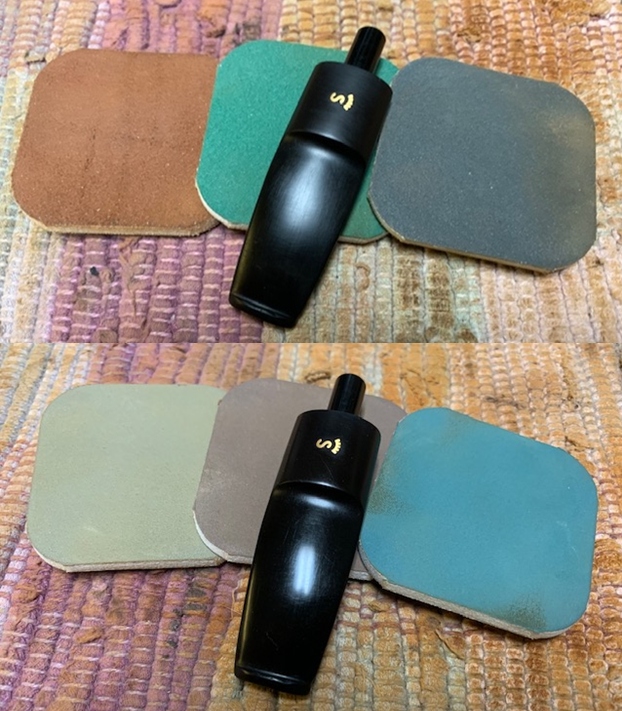
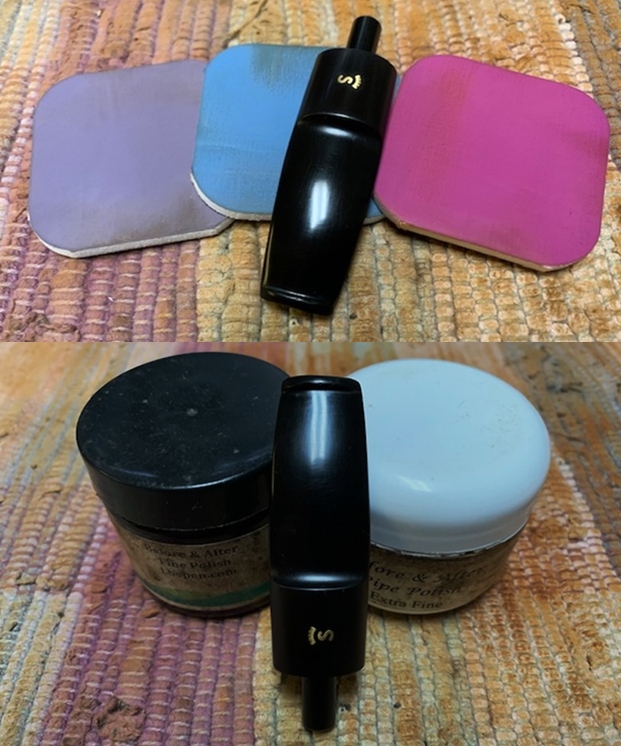
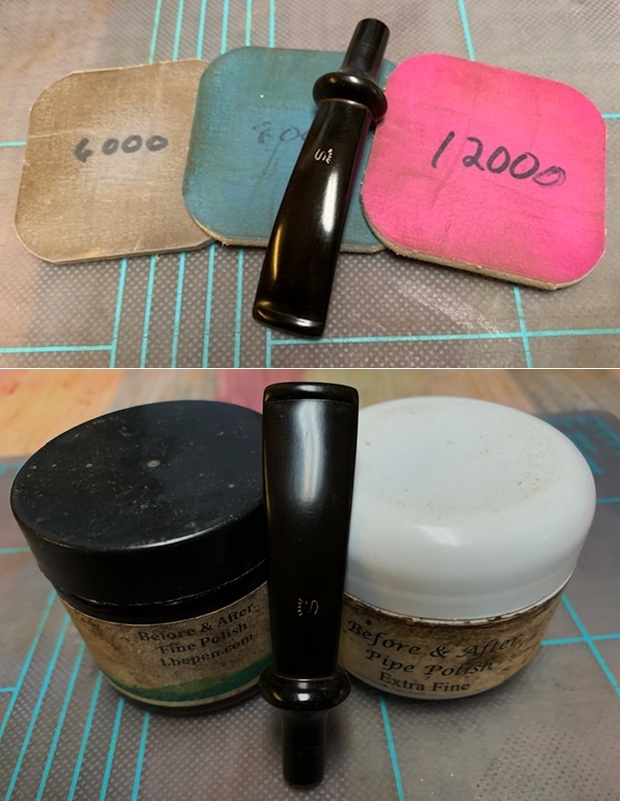
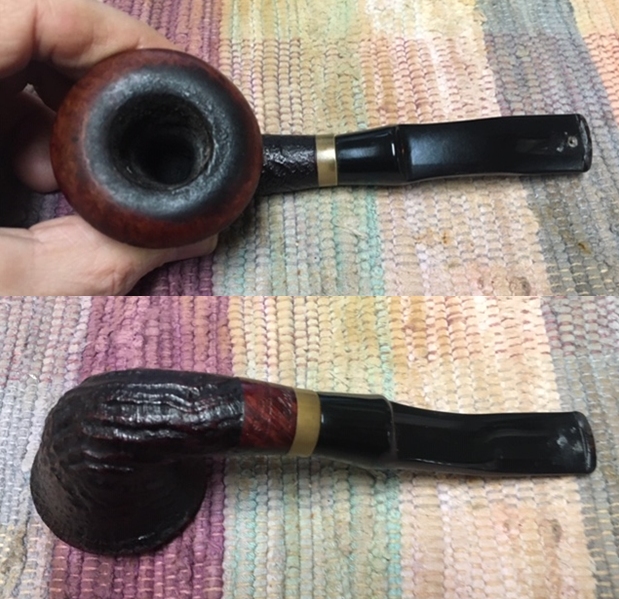
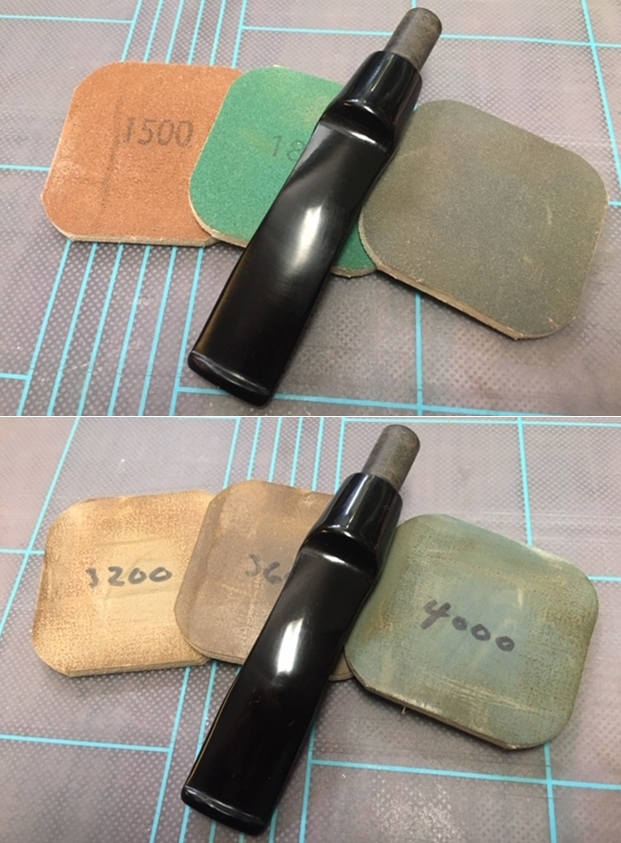
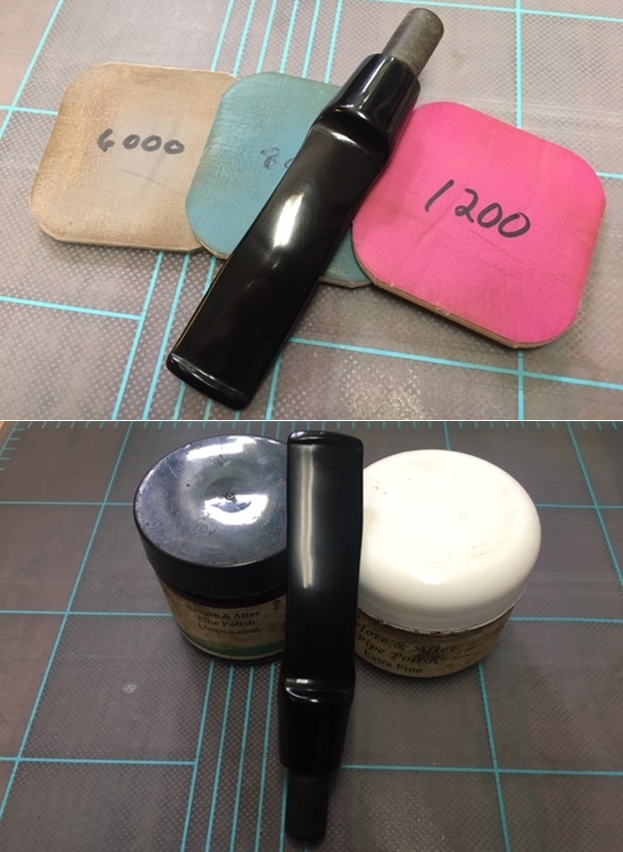
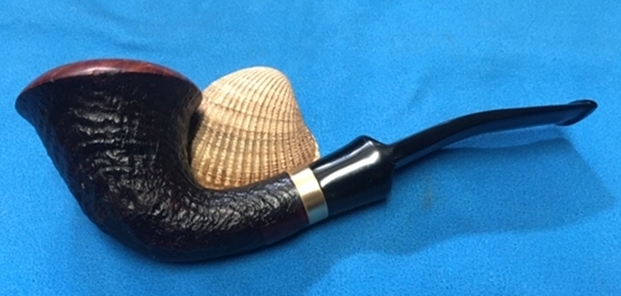
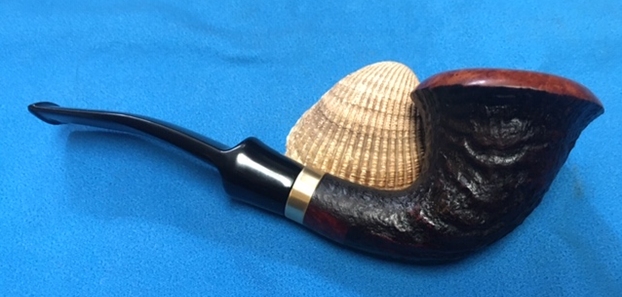
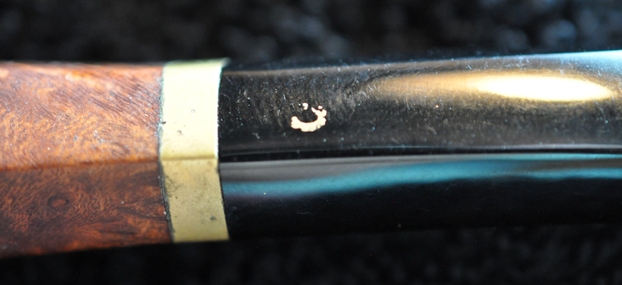
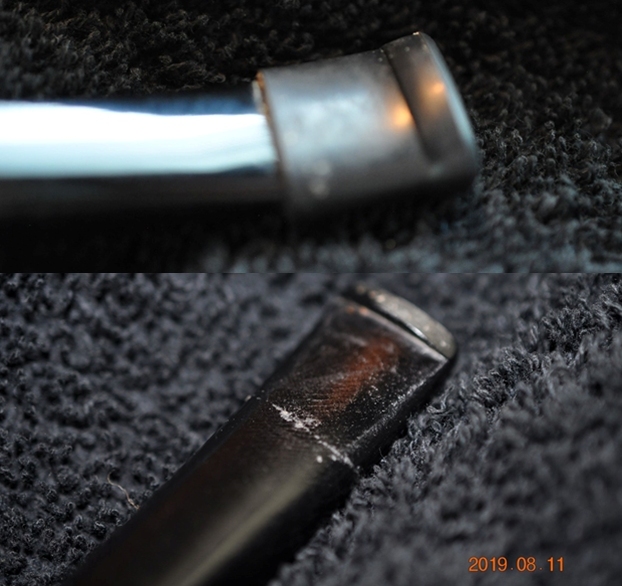
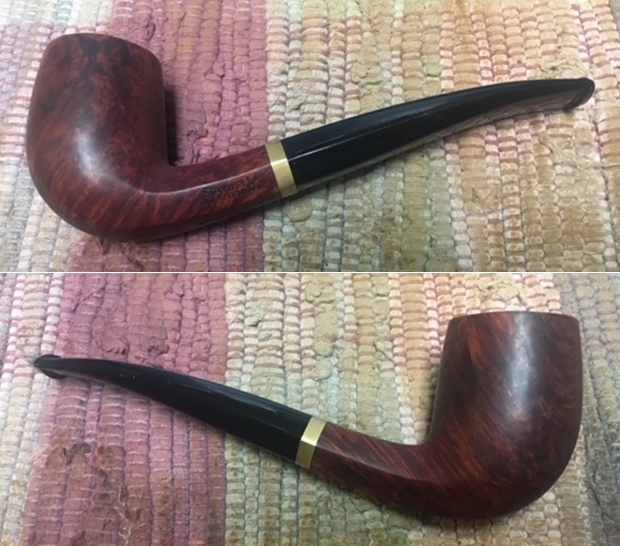
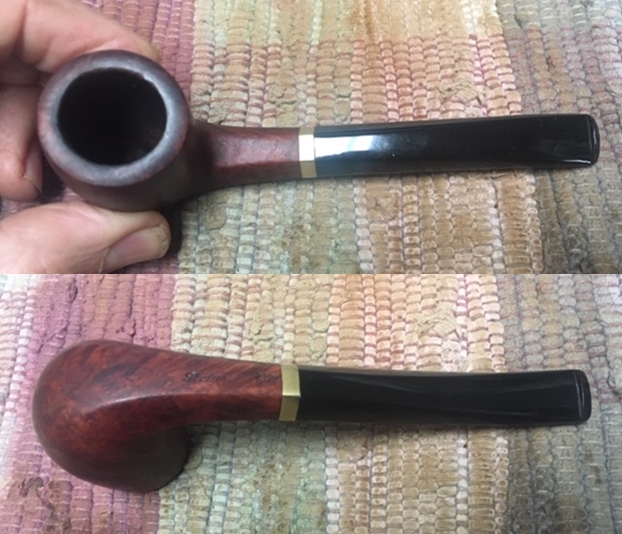
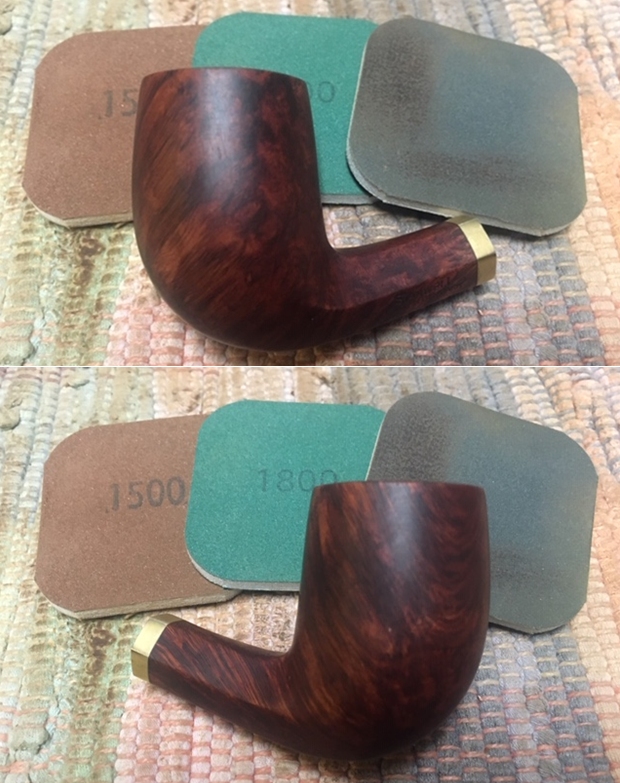
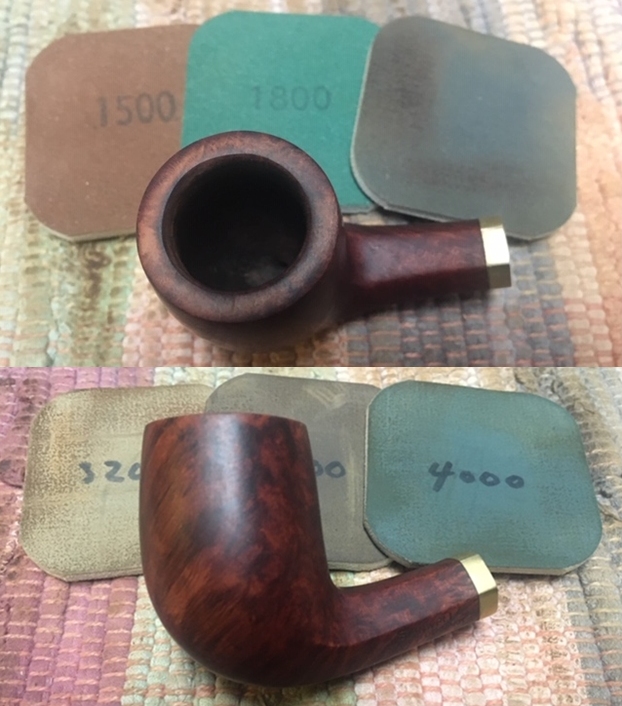
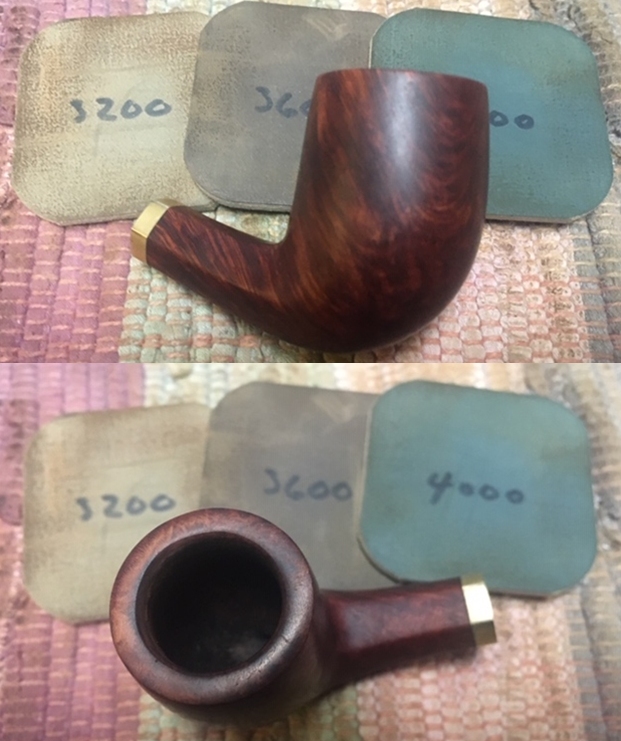
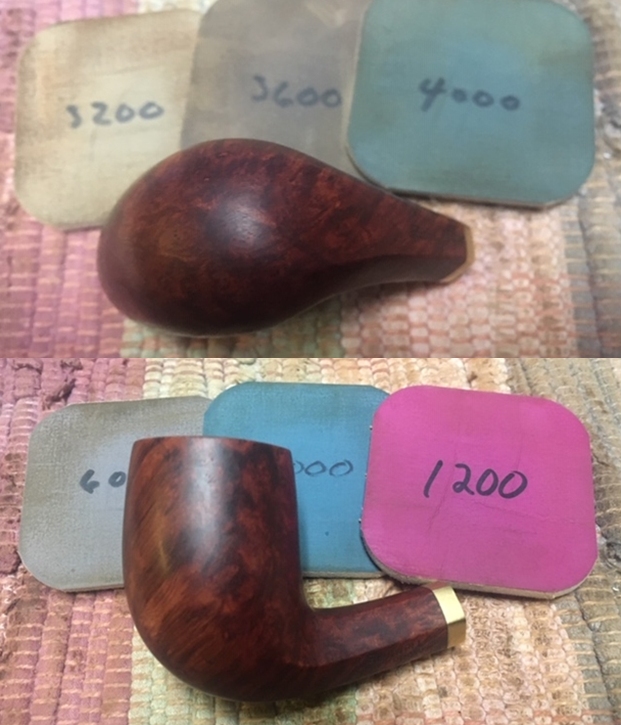
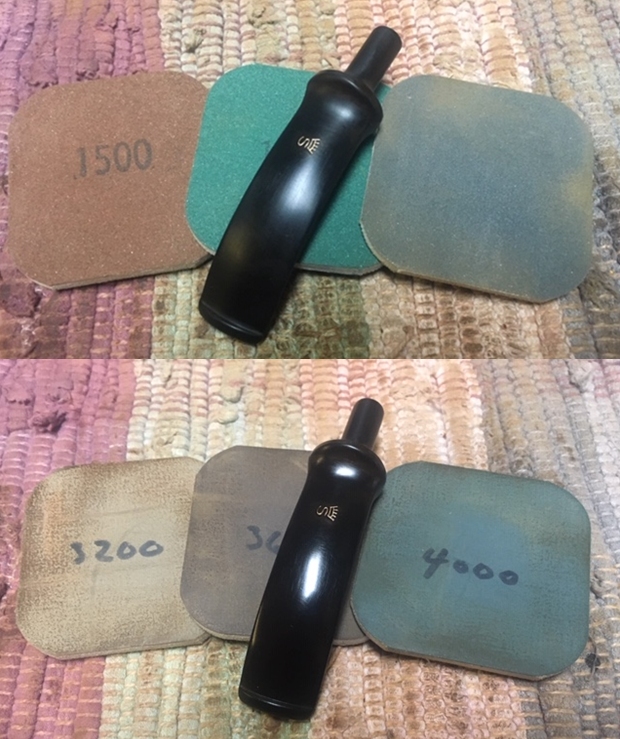
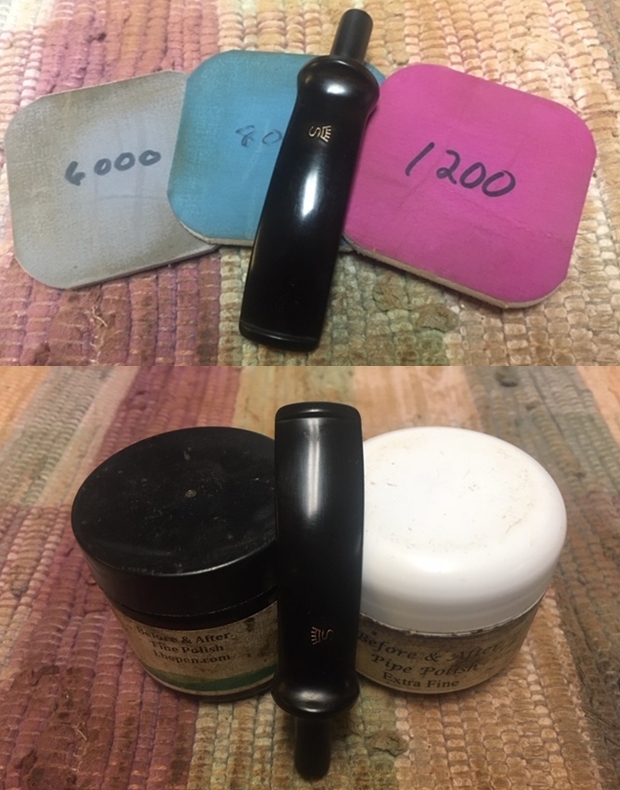
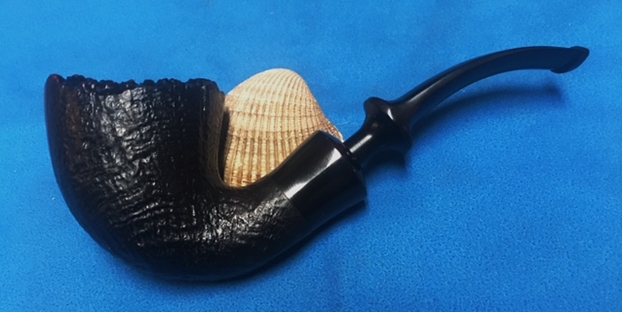
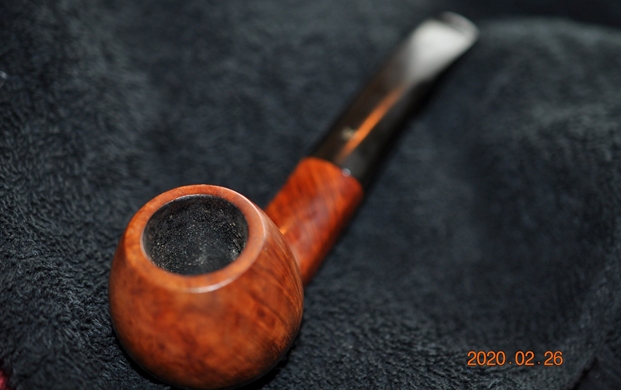
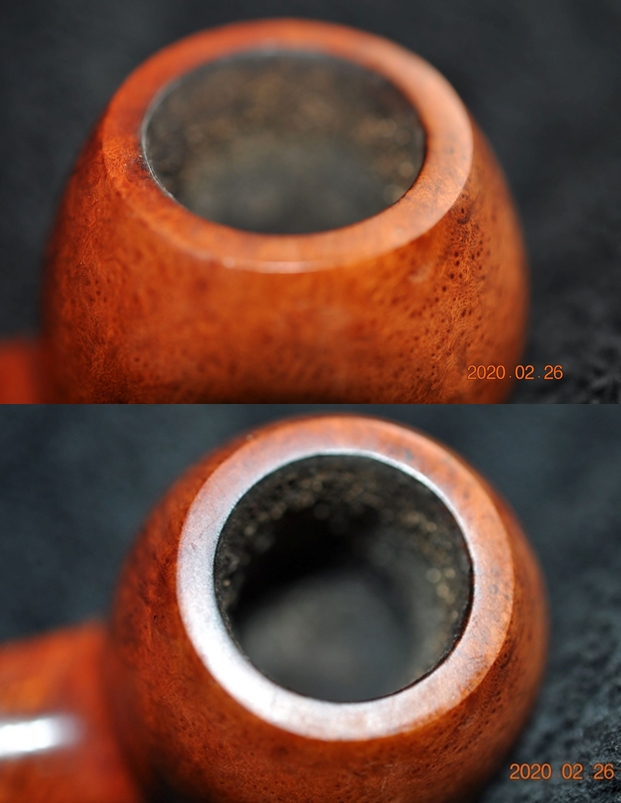
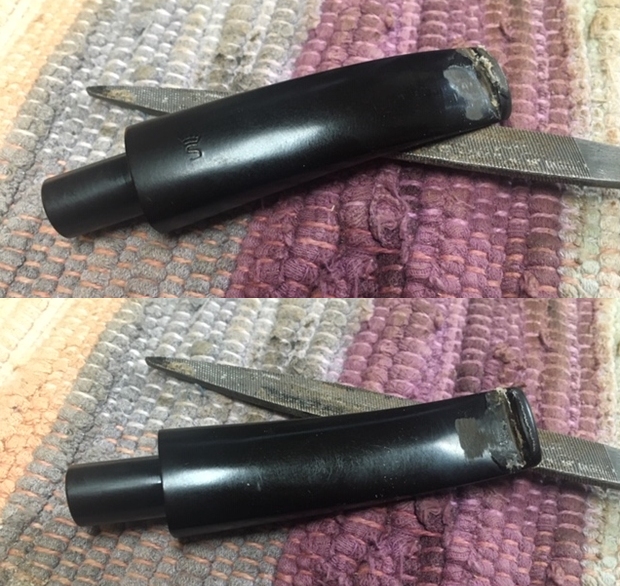
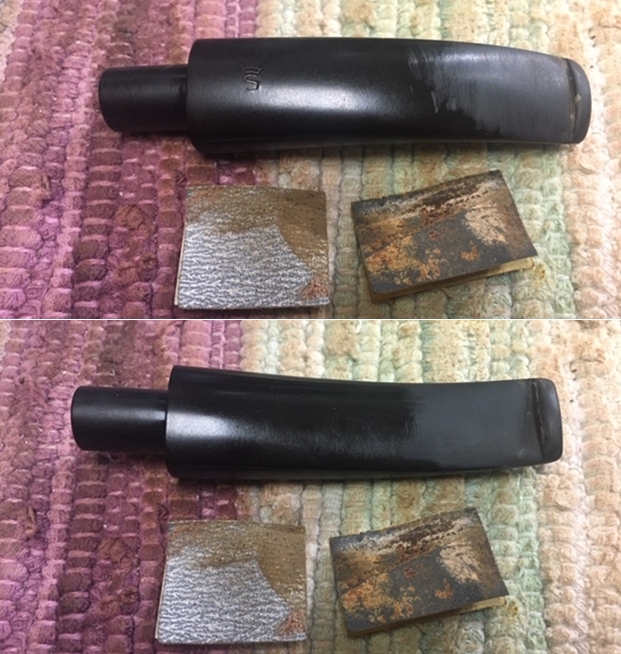
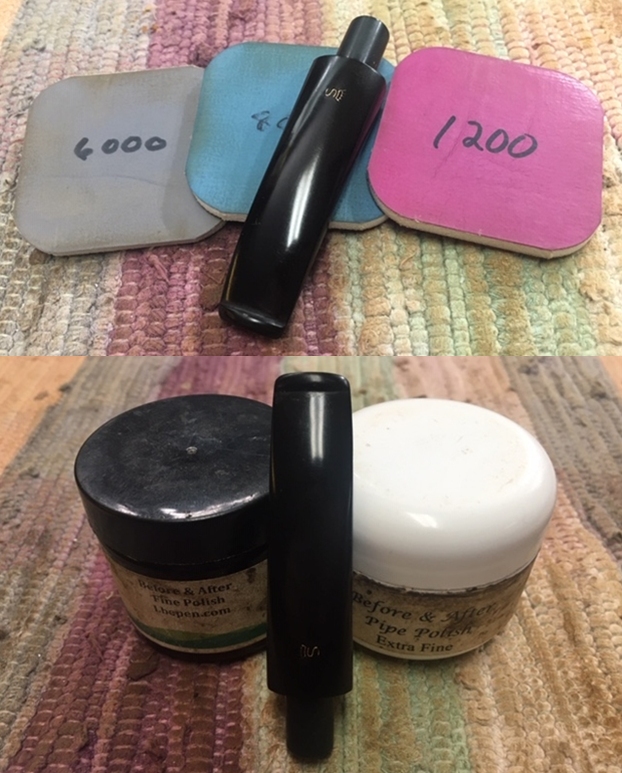
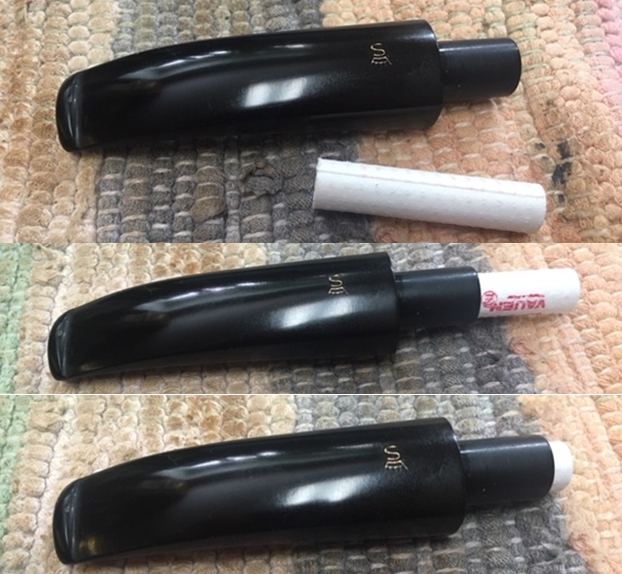
The stamping on this bent Apple is clear and readable. It is stamped on the underside of the shank and reads Stanwell [over] Made in Denmark. To the right side of the shank it is stamped with the shape number 185. The pipe had a lot of grime ground into the smooth finish on the bowl and some darkening around the sides of the bowl. The bowl was heavily caked and had an overflow of lava on the back side of the rim top. It was hard to know what the rim top and inner edge of the bowl looked like under the grime. The acrylic filter stem dirty and had light tooth chatter and marks on the top and underside and the top surface of the button had a tooth mark. There an inset silver Crowned S on the left side of the taper stem. The pipe had promise but it was very dirty. I took photos of the pipe before I started my cleanup work.   I took photos of the rim top and bowl to give a clear picture of the thickness of the cake and the overflow of lava on the rim top. It is hard to know for sure if there is damage to the inner edge of the bowl because of the thickness of the lava coat. The thin silver band is tarnished and black. I also took photos of the top and underside of the stem to show the light chatter and tooth marks. I took photos of the stamping on the underside and right side of the shank. It reads as noted above and is clear and readable. There is a silver Crown S logo on the top of the saddle stem.I took the stem off the bowl and took a photo of the parts. It is a nicely shaped pipe. The tenon is a filter tenon. Now it was time to work on the pipe. I have to say it once again that I am really spoiled having Jeff clean up the pipes for me. Having to start with them in this condition adds time. I reamed the bowl with a PipNet pipe reamer using the second and third cutting heads. I followed up by scraping the remaining cake with a Savinelli Fitsall Pipe Knife. I finished cleaning up the cake in the bowl with a piece of dowel wrapped in 220 grit sandpaper to smooth out the walls of the bowl.    I scrubbed the exterior of the bowl and rim top with a tooth brush and undiluted Murphy’s Oil Soap to remove the debris from the finish. I rinsed the bowl with warm water to remove the grime and soap and dried it off with a soft towel. I used a small knife to carefully scrape off the lava on the rim top. I scrubbed the surface with cotton pads and saliva to remove the grime that remained.I rubbed the bowl and shank down with Before & After Restoration Balm. I worked it into the surface of the bowl sides and shank with my fingertips to clean, enliven and protect the briar. I let the balm sit for a little while and then buffed with a cotton cloth to raise the shine.     I polished the Sterling Silver shank band with Hagerty’s Silver Polish to clean up the silver and remove the tarnish. I buffed it with a jeweler’s cloth to deepen the shine. Both of these things work to slow down the tarnish process. I took some photos of the band and bowl after the polishing. I cleaned out the mortise and airway in the shank with pipe cleaners, cotton swabs and alcohol. It took quite a few of them to clean out the chamber. I find that filter pipes are often dirtier than none filter pipes. I scraped the walls of the tenon with a dental spatula to remove the hardened tars there. I clean it out with pipe cleaners, cotton swabs and alcohol as well. Once finish the pipe smelled far better.    I gave the bowl a coat of Conservator’s Wax and set it aside and turned my attention to the stem. The stem was made for a 9MM filter. I have a box of Vauen Dr. Perl Junior Filters that is perfect for this stem. The filter has a blue end and a white end and I can never remember which way they fit in the tenon. I looked it up on the Vauen site and did a screen capture of the way it sits in the stem. The blue end goes into the stem.The stem was in very good condition and the chatter and tooth marks were light. I polished them out of the acrylic stem with micromesh sanding pads – 1500-12000 grit pads. I wiped it down with a damp cloth after each sanding pad. I used Before & After Pipe Polish – both Fine and Extra Fine to further polish the stem.     This beautiful Stanwell Black Diamond 185 Bent Apple with an acrylic taper stem is a great looking pipe now that it has been restored. The rich blacks of the stains on the bowl allow the grain to poke through. It came alive with the polishing and waxing. I gave the bowl multiple coats of Conservator’s Wax as I did not want to buff off the stain. I gave the stem multiple coats of carnauba wax on the buffing wheel and followed that by buffing the entire pipe with a clean buffing pad. I hand buffed the pipe with a microfiber cloth to deepen the shine. The finished Stanwell Black Diamond is a beauty and fits nicely in the hand and looks very good. Give the finished pipe a look in the photos below. The dimensions of the pipe are Length: 5 ½ inches, Height: 2 inches, Outside diameter of the bowl: 1 ¼ inches, Chamber diameter: ¾ of an inch. . The weight of the pipe is 67grams/2.36oz. I will be adding it to the rebornpipes store shortly and it will be in the Danish Pipe Makers section of the store. If you are interested in adding this pipe to your collection send me a message or an email. Thanks for reading this blog and my reflections on the pipe while I worked on it. There are many more to come!

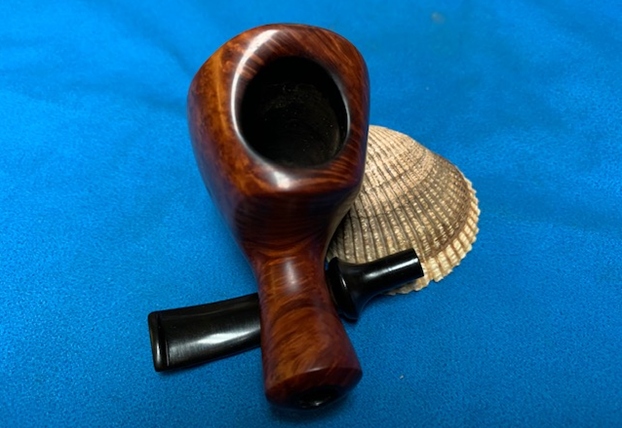
Look at the grain on this Stanwell Regd No. 969-48 Freehand


Blog by Steve Laug

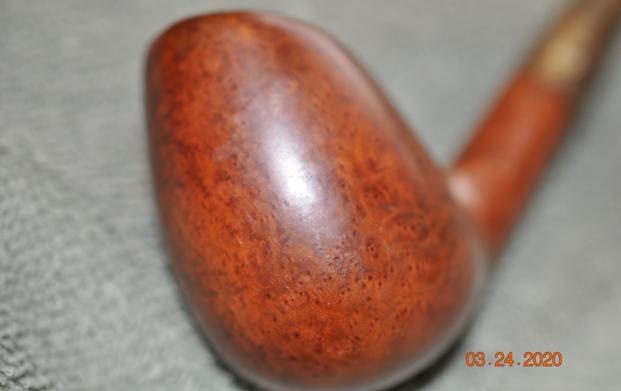
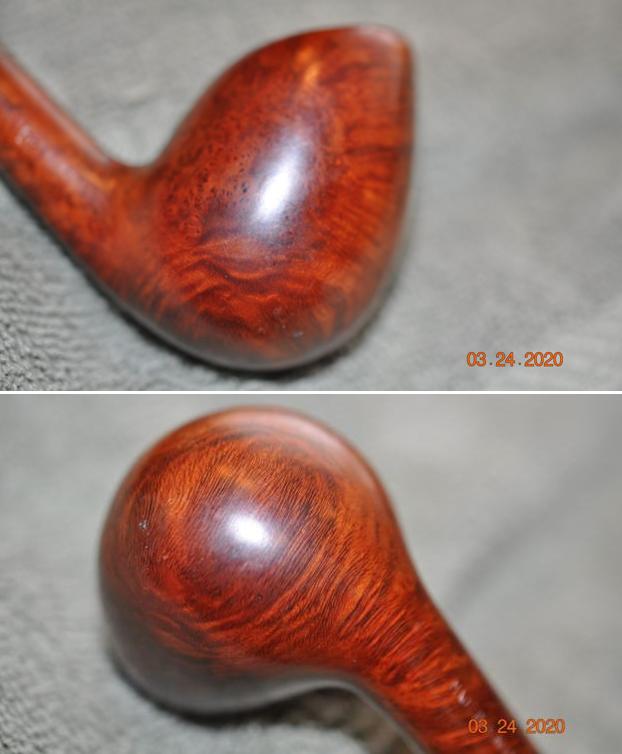
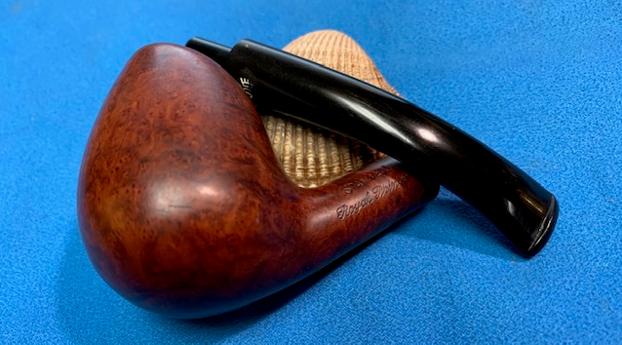
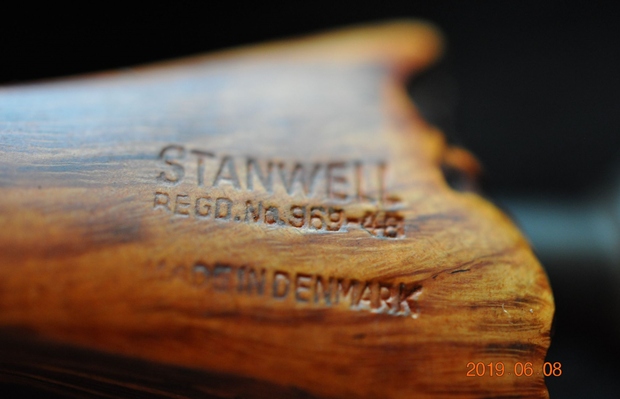
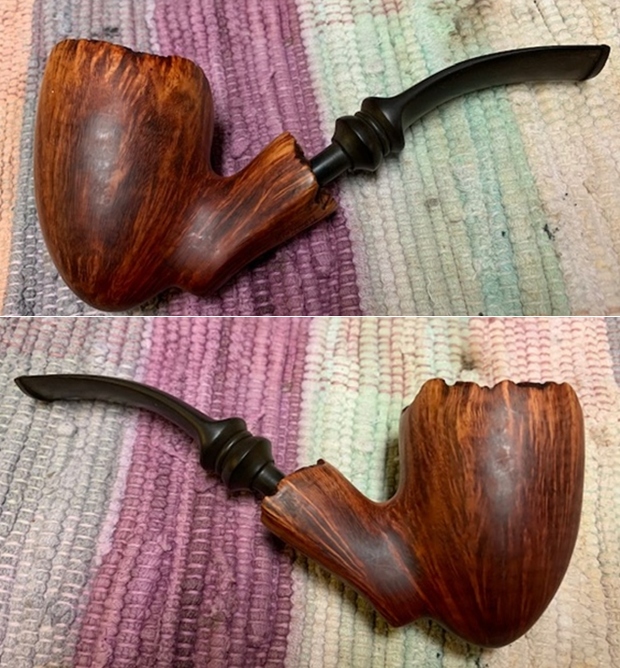
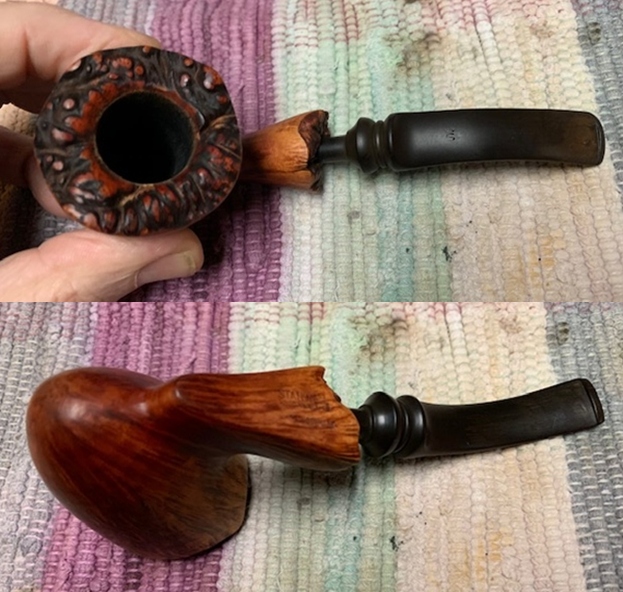
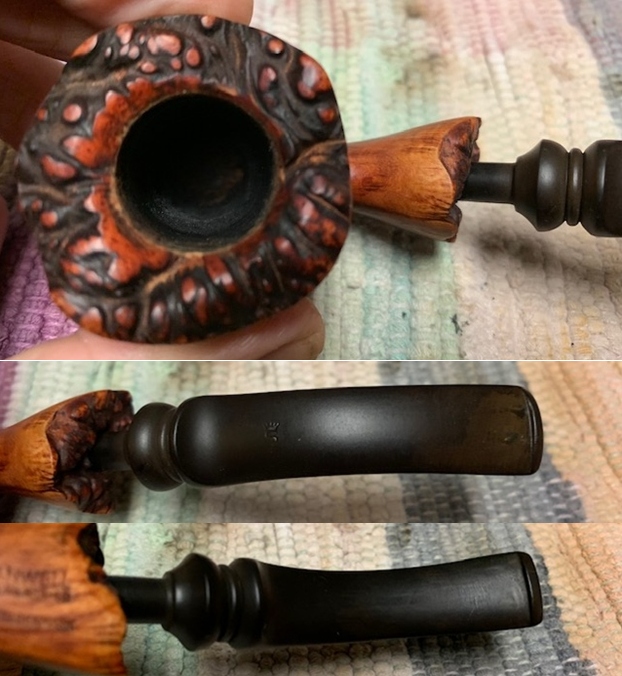
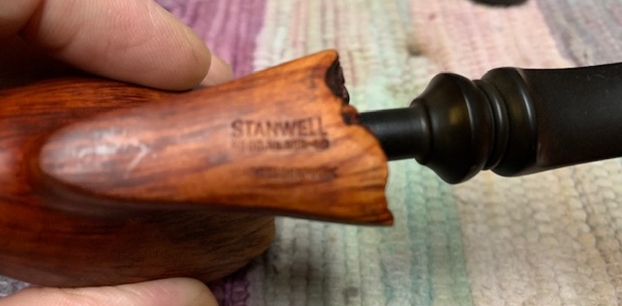
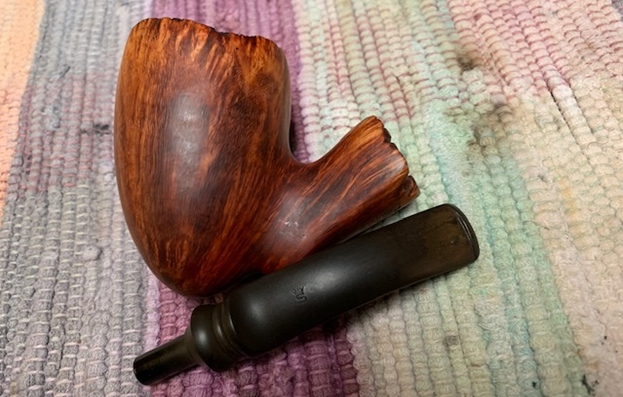
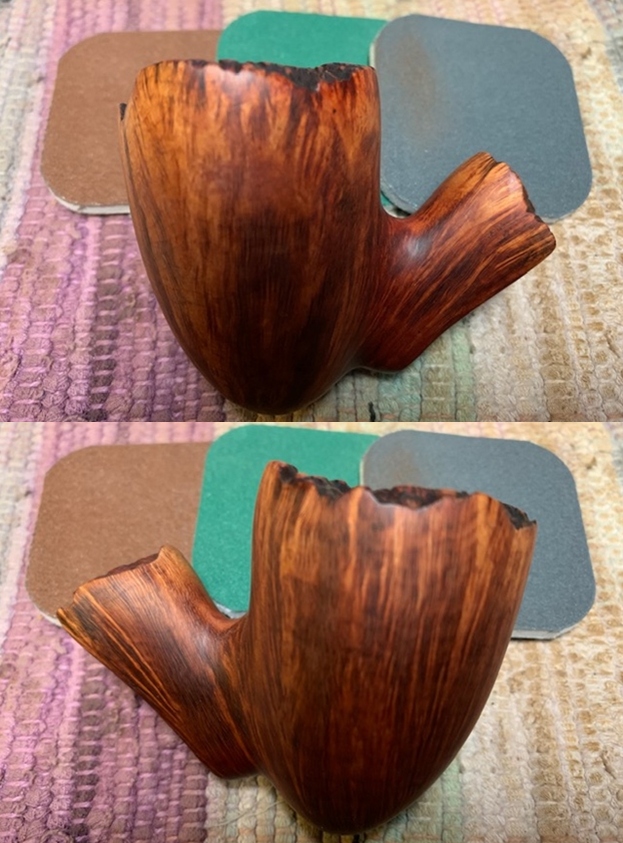
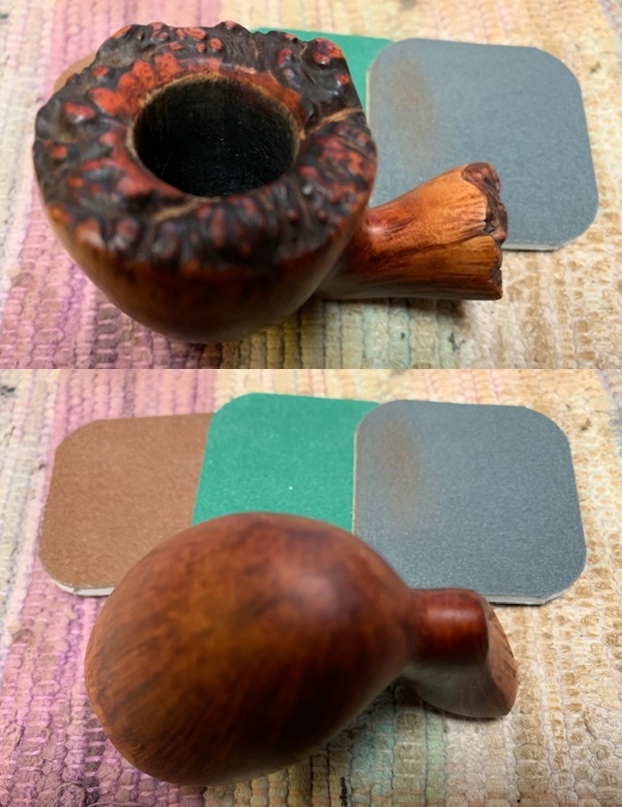
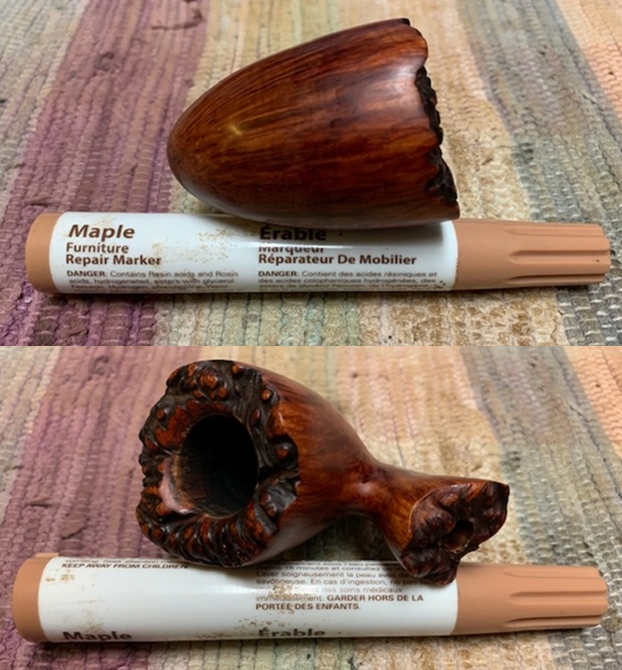
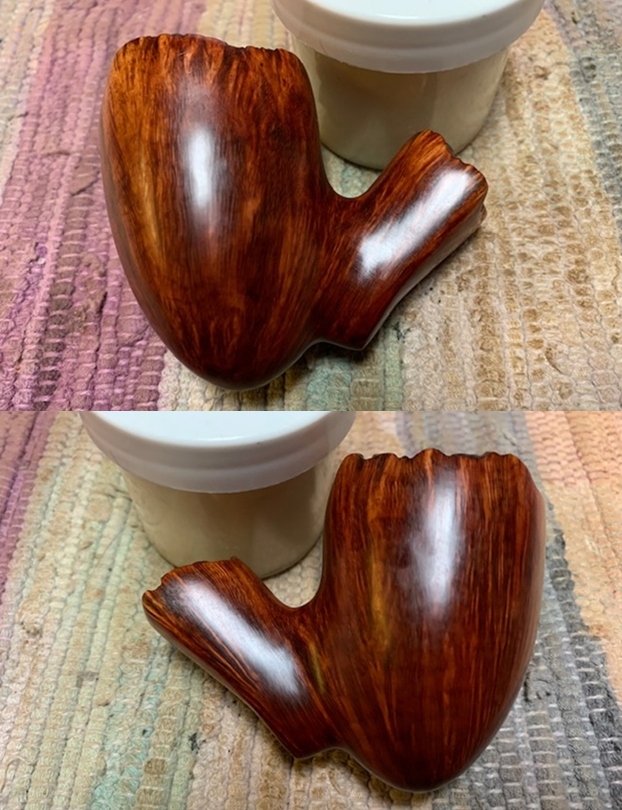
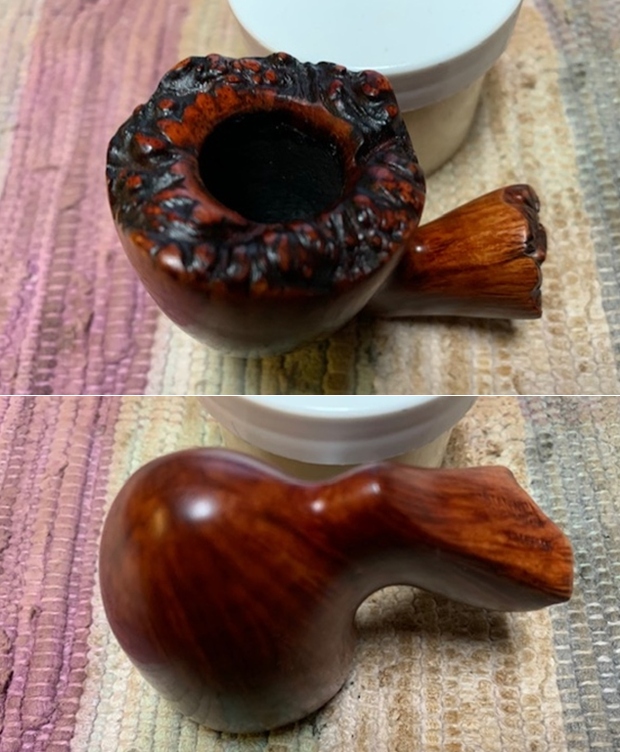
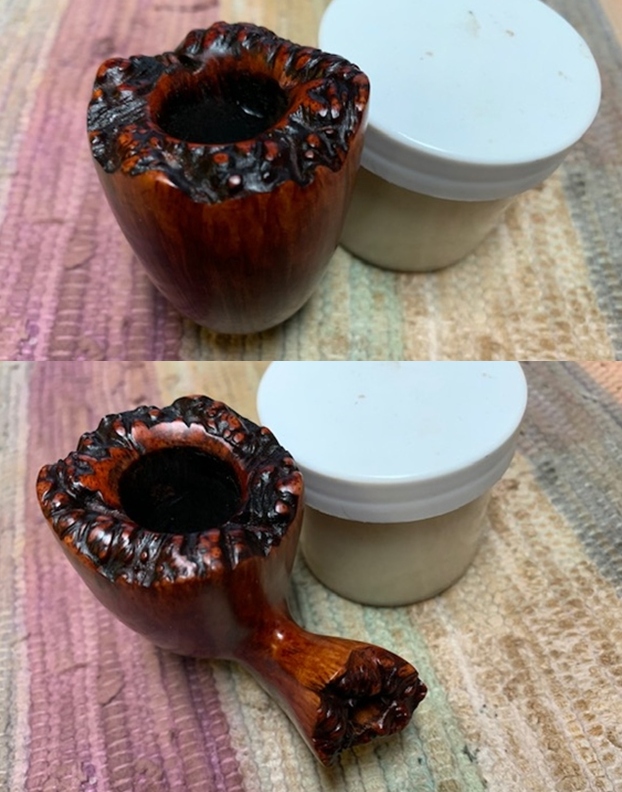
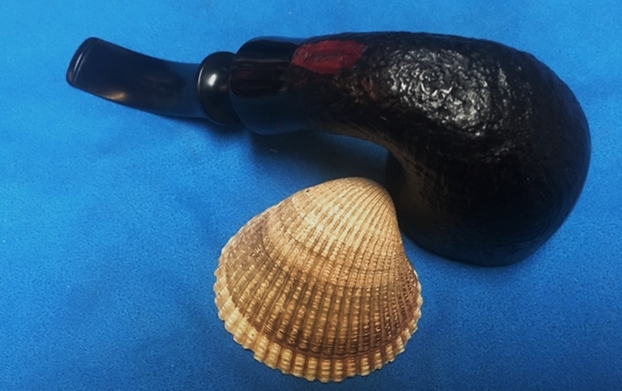
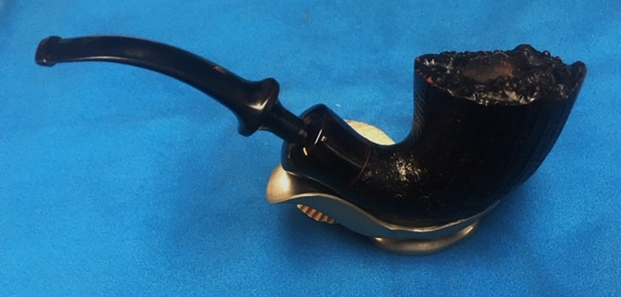
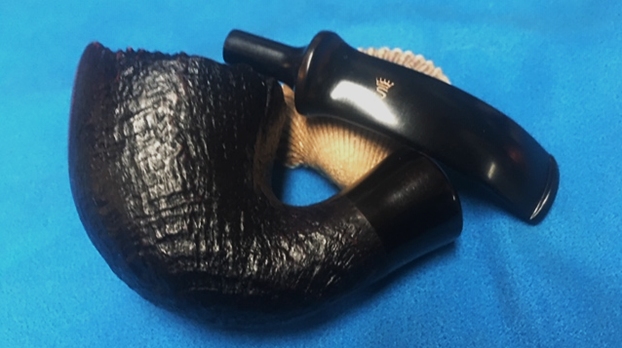
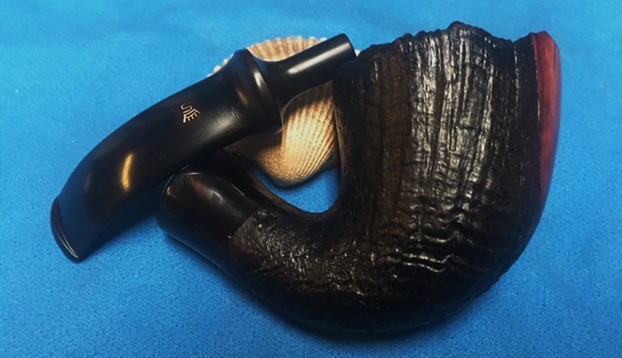
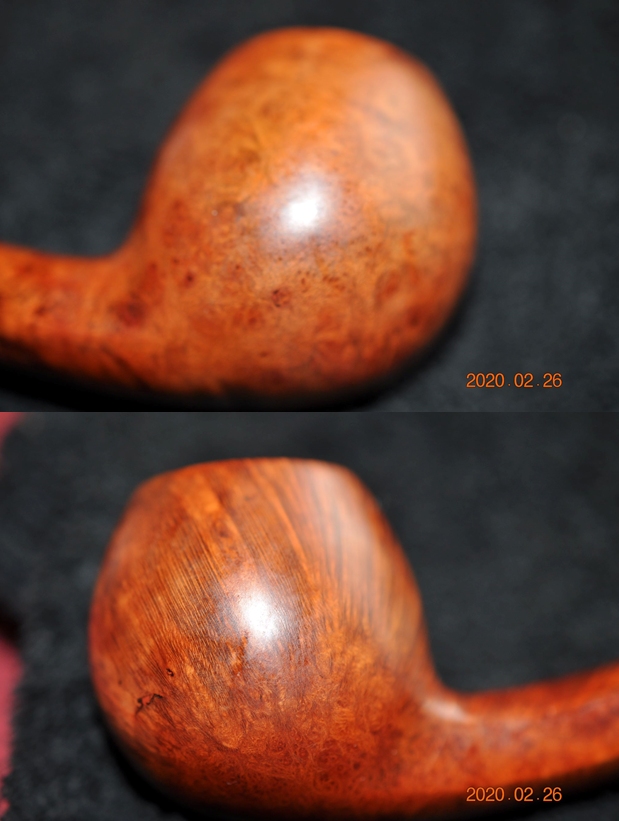
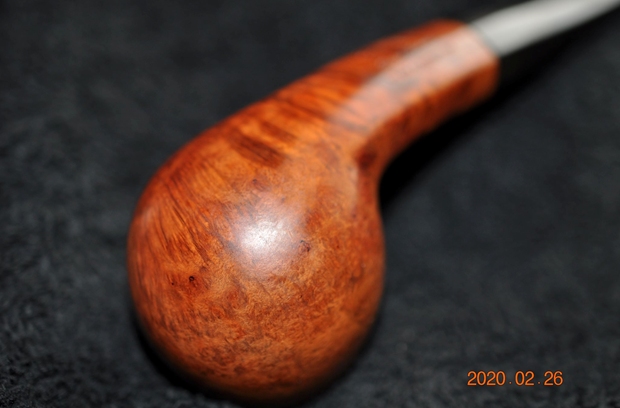
I woke up to the sound of something large jumping on the roof next to our bedroom window around 4:30am this morning. That gave me an early start at the work bench. I have to tell you that on days like today I miss my old supervisor Spencer who would greet me no matter what time and beg for a treat… strange to not have him here. Ah well time to work. The next pipe on the table came to us in a group of pipes that we picked up from an Antique Store in Montana, USA in mid-2019 so it has been sitting here for a while. Even though the finish was a dirty and worn it had some amazing grain showing through the grit and grime of the years. On the underside of the shank it was stamped Stanwell [over] Regd. No. 969-48 [over] Made in Denmark. The pipe is a freehand and there is no shape number stamped on it at all. The finish is filthy with grime and oil ground into the briar of the bowl and shank sides. The bowl had a thick cake and there was an overflow of lava on the rim top filling in the plateau and inner bevel of the rim. The stem was a fancy turned vulcanite stem that fit snugly in the ferrule. It had the Stanwell Crown S faintly stamped on the topside of the saddle stem. The vulcanite was oxidized, calcified and had tooth marks and chatter on both sides ahead of the button. Jeff took some photos of the pipe to show its overall condition before he started his cleanup work. He took photos of the rim top and bowl to give a clear picture of the thickness of the cake and the lava and dust ground into the plateau finish of the rim top. There is dust and debris stuck to the walls of the bowl clearly visible in the photos. He also took photos of the top and underside of the stem to show the chatter and tooth marks. Otherwise the stem is quite clean. Jeff took photos of the sides and heel of the bowl to give a picture of what the briar around the pipe looked like. There are a lot of angles on this pipe and there is some stunning grain under the grime.    He took a photo of the stamping on the shank. It reads as noted above and is clear and readable. I turned first to Pipephil’s site to get a quick idea of when this pipe was made by reference to the Regd. No. on the underside of the shank (http://www.pipephil.eu/logos/en/logo-stanwell.html). I quote what I found there.

The “Regd. No.” stamping discontinued in late 1960s to very early 1970s.

I also turned to Pipedia’s article on Stanwell but it did not add any further information. It is a great read in terms of the history of the brand (https://pipedia.org/wiki/Stanwell).

With that information in hand I knew what I was dealing with in terms of the stamping and the age of this pipe. I knew from the information from Pipephil that the Regd. No. stamping was discontinued in the late 60s to very early in the 70s. Now it was time to work on the pipe.

Jeff had cleaned up the pipe with his usual penchant for thoroughness. He reamed the pipe with a PipNet Pipe Reamer and cleaned up the remnants with a Savinelli Fitsall Pipe Knife.  He scrubbed the bowl with undiluted Murphy’s Oil Soap with a tooth brush. He worked over the debris on the rim top and was able to remove it. He rinsed it under running warm water to remove the soap and grime. He cleaned out the inside of the shank and the airway in the stem with alcohol, cotton swabs and pipe cleaners. He soaked the stem in Before & After Pipe Stem Deoxidizer and rinsed it off with warm water. He scrubbed the stem with Soft Scrub and cotton pads to remove remaining oxidation on the ferrule and the stem. He rinsed it with warm water and dried it off. I took photos of the pipe once I received it. It really looked good.  The rim top and the inner edge of the rim looked very good after the cleaning. It had a few small tooth marks and chatter on both sides near the button.  I took a photo of the stamping on the underside of the shank. It was clear and read as noted above. I removed the stem and took a photo of the pipe to give a sense of the whole. The stem is fancy turned vulcanite. I polished the bowl and the smooth portions on the rim top with micromesh sanding pads – dry sanding with 1500-12000 grit pads and wiping it down after each pad with a damp cloth.  The bowl had lightened around the top edge and on the shank end. I touched up the stain on the bowl with a Maple stain pen.    I rubbed the bowl and shank down with Before & After Restoration Balm. I worked it into the surface of the bowl sides and shank with my fingertips. I used a horsehair shoe brush to work it into the plateau on the rim top and shank end.. The product works to clean, enliven and protect the briar. I let the balm sit for 15 minutes and then buffed with a cotton cloth to raise the shine. I “painted” the stem surface on both sides with the flame of a lighter to lift the tooth marks. I was able to lift all of them on the underside of the stem but two of them on the topside remained. I filled them in with clear super glue. Once the repairs cured I reshaped the button with a rasp and a file. I smoothed out the repairs further with 220 grit sandpaper. I started the polishing with 400 grit wet dry sandpaper. I touched up the faint stamping on the top of the stem. It was a Stanwell Crown S logo. Parts of it were faint but I was able to get some of the stamping to show up with the Rub’n Buff Antique Gold.    I polished the vulcanite stem with micromesh sanding pads – 1500-12000 grit pads. I wiped it down with a damp cloth after each sanding pad. I used Before & After Pipe Polish – both Fine and Extra Fine to further polish the stem.  This beautiful Stanwell Regd. No. 969-48 Freehand with a fancy, turned vulcanite stem is a great looking pipe now that it has been restored. I put the stem back on the bowl and carefully buffed the pipe with Blue Diamond on the buffing wheel using a light touch on the briar. I gave the bowl and the stem multiple coats of carnauba wax on the buffing wheel and followed that by buffing the entire pipe with a clean buffing pad. I hand buffed the pipe with a microfiber cloth to deepen the shine. The finished Stanwell Danish Freehand fits nicely in the hand and feels great. Give the finished pipe a look in the photos below. The dimensions of the pipe are Length: 6 inches, Height: 2 ½ inches, Outside diameter of the bowl: 1 ¾ inches, Chamber diameter: ¾ of an inch. The weight of the pipe is 54grams/1.90oz. I will be adding it to the rebornpipes store shortly in the Danish Pipe Makers Section. Thanks for reading this blog and my reflections on the pipe while I worked on it. There are many more to come!
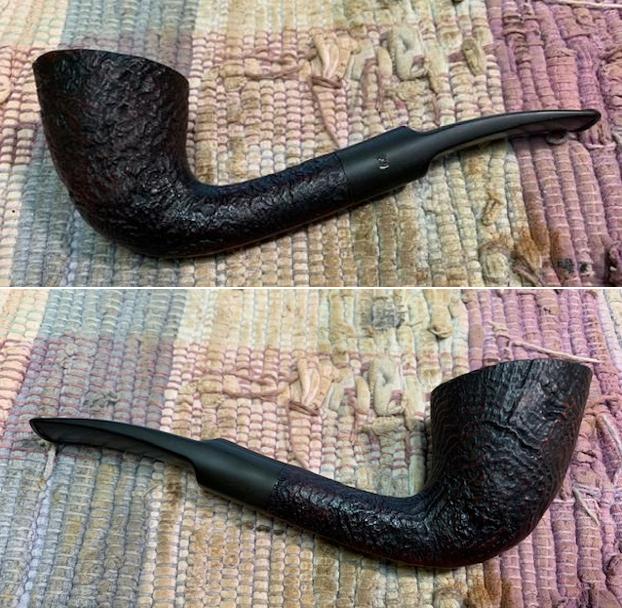
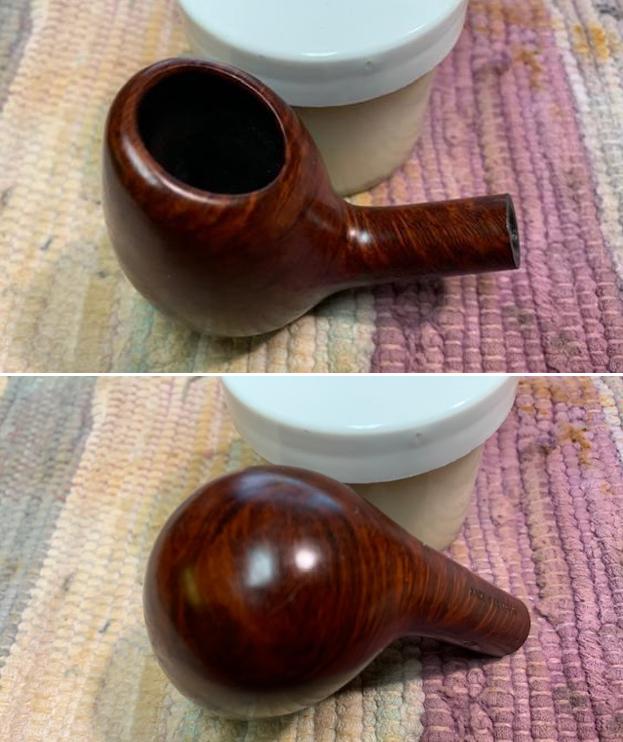


Breathing New Life into a Stanwell Golden S Dublin 64


Blog by Steve Laug

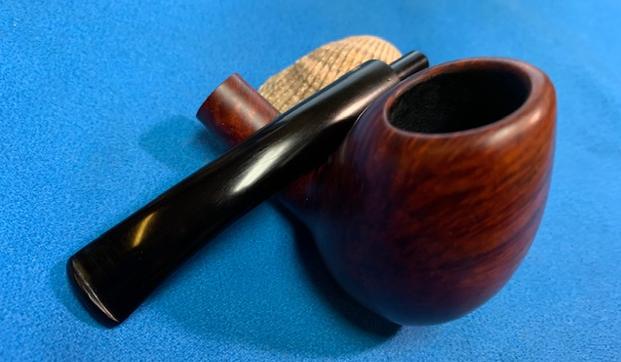
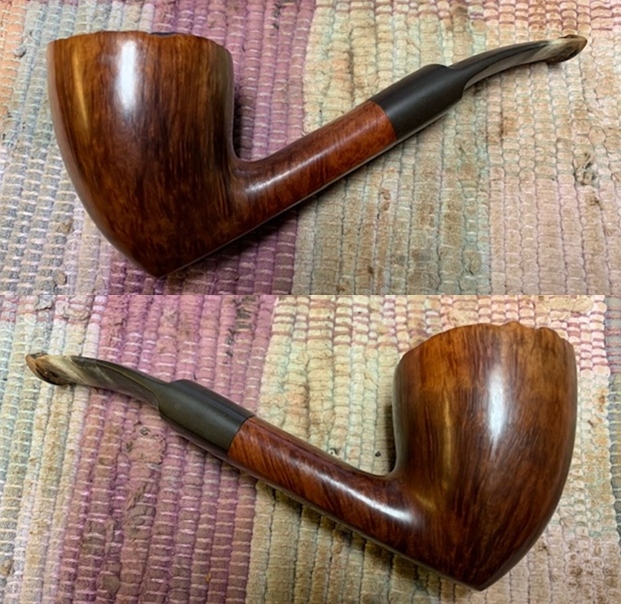
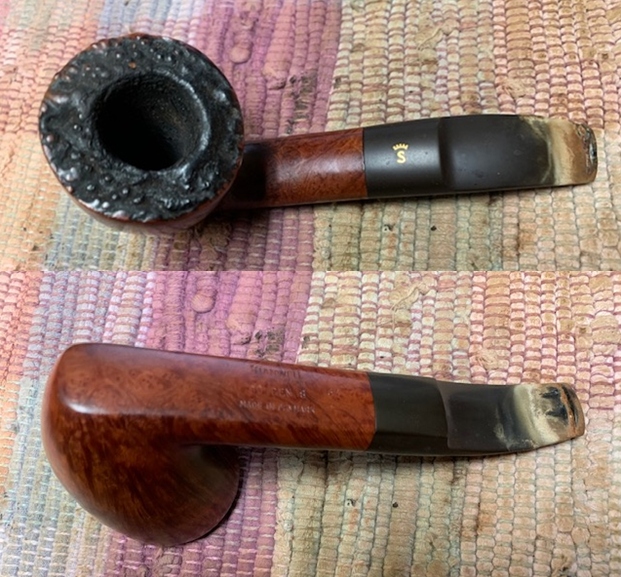
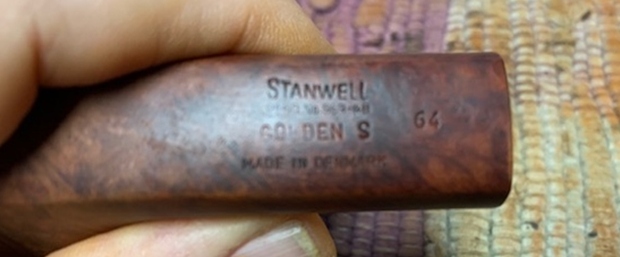
The next pipe on the work table came to me from either a trade I made (pipes for labour) or a find on one of my pipe hunts. I honestly don’t remember where it came from. It has been around for a while waiting to be worked on. It is a beautifully grained Stanwell Golden S Dublin that really looks quite nice. The stamping is clear and readable. It is stamped on the underside of the shank and reads Stanwell [over] Regd. No. 969-48 [over] Golden S [over] Made in Denmark. To the right of that stamping is the shape number 64. The pipe had a lot of grime ground into the smooth finish on the bowl and some darkening around the sides of the bowl. The bowl was heavily caked and had an overflow of thick lava on the plateau rim top. It was hard to know what the rim top and inner edge of the bowl looked like under the grime. The stem was calcified, oxidized and had light tooth chatter and marks on the top and underside and the top surface of the button had a tooth mark. There an inset golden Crowned S on the top of the saddle stem. The pipe had promise but it was very dirty. I took photos of the pipe before he started his cleanup work. I took photos of the rim top and bowl to give a clear picture of the thickness of the cake and the overflow of lava on the rim top. It is hard to know for sure if there is damage to the inner edge of the bowl because of the thickness of the lava coat. I also took photos of the top and underside of the stem to show the oxidation, calcification, light chatter and tooth marks.     I took a photo of the stamping on the underside of the shank. It reads as noted above and is clear and readable. There is a gold Crown S logo on the top of the saddle stem.I looked on Pipephil’s site for information on the Stanwell Regd. No. 969-48 Golden S line and found the following information (http://www.pipephil.eu/logos/en/logo-stanwell.html). I found one piece of information on the Regd. No. that was helpful to me. I quote:

The “Regd. No.” stamping discontinued in late 1960s to very early 1970s

I also went to Pipedia and read the article on the Stanwell brand. It is a great read and worth the time to read it (https://pipedia.org/wiki/Stanwell). There was a note toward the end of the article on the Golden S series. I quote that note below:

Golden S: This series was last produced in the mid to late 1970s. Its distinguishing mark was an 18 carat gold Stanwell logo, crown and “S”, on the mouthpiece.

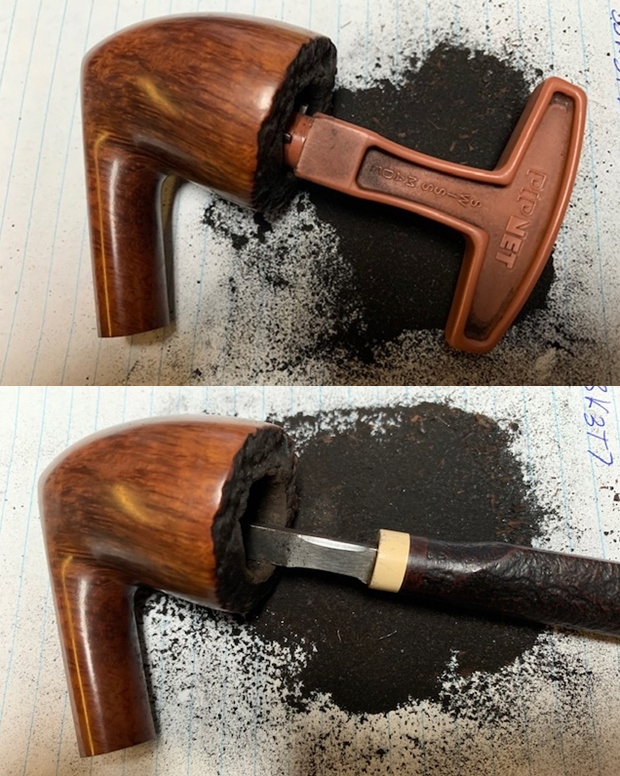
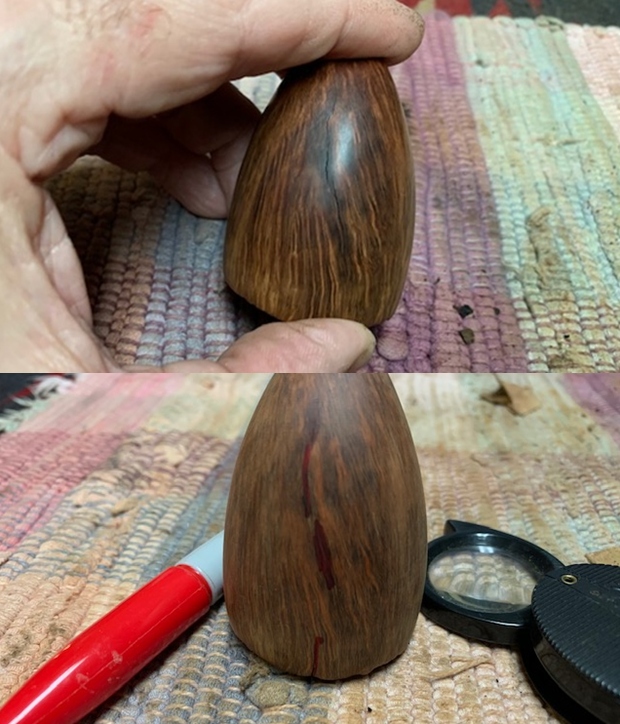
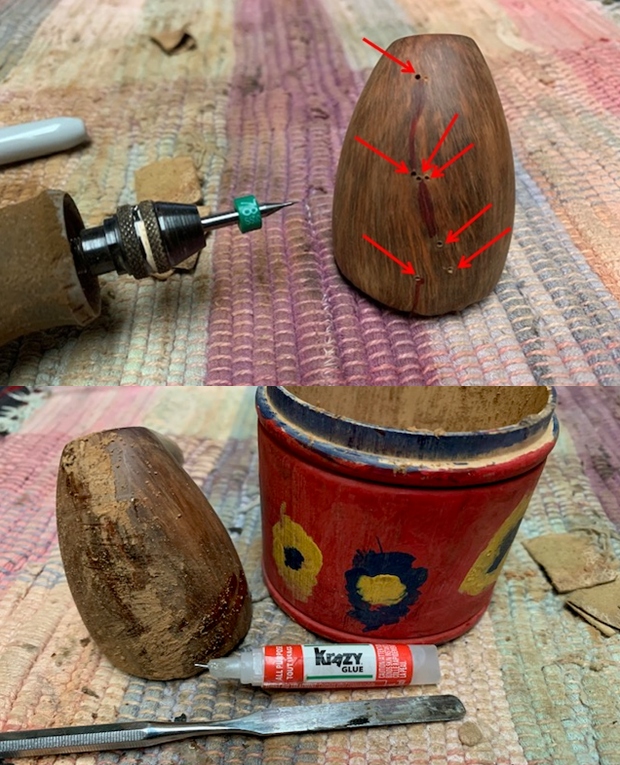
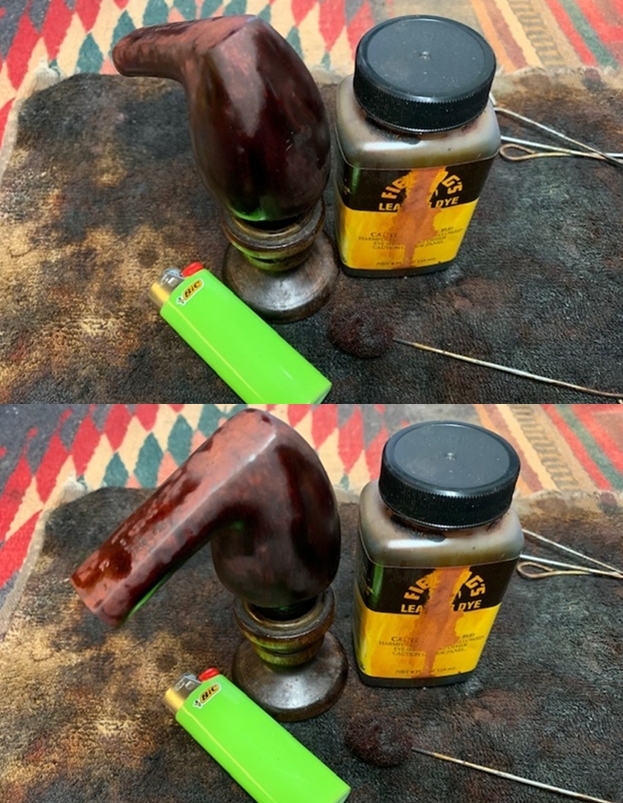
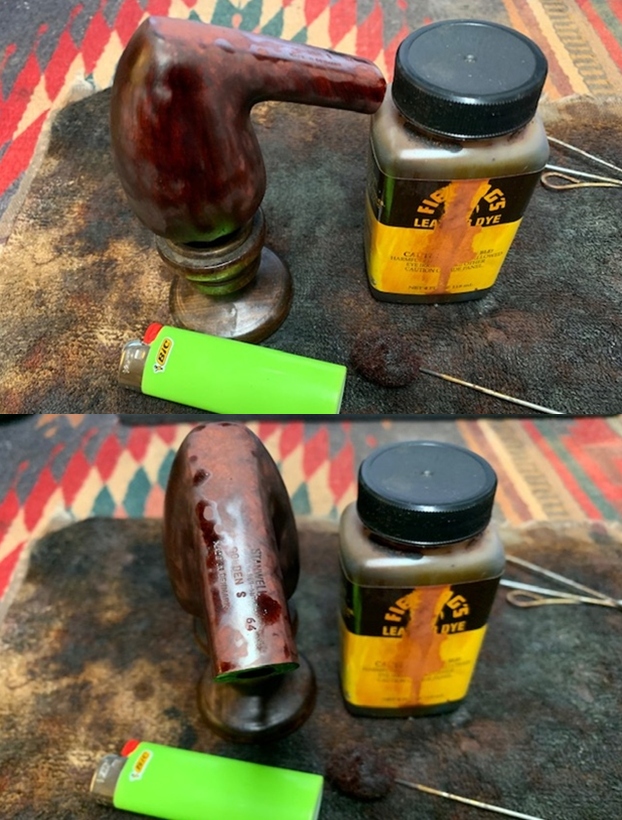
Now it was time to work on the pipe. I have to say it once again that I am really spoiled having Jeff clean up the pipes for me. Having to start with them in this condition adds time. I reamed the bowl with a PipNet pipe reamer using the first two cutting heads. I followed up by scraping the remaining cake with a Savinelli Fitsall Pipe Knife. I finished cleaning up the cake in the bowl with a piece of dowel wrapped in 220 grit sandpaper to smooth out the walls of the bowl.  I used a dental pick to pick out the lava in the plateau finish on the rim top. I used a brass bristle wire brush to remove the debris from the finish. The rim top cleaned up really well with the lava coat removed. I scrubbed the exterior of the bowl and rim top with a tooth brush and undiluted Murphy’s Oil Soap to remove the debris from the finish. I rinsed the bowl with warm water to remove the grime and soap and dried it off with a soft towel. While I was scrubbing the bowl I felt a rough spot on the front of the bowl. I examined it and found cracks on the front. There was a short one at the top from the rim down about ½ inch and below that were two further cracks extending down the height of the bowl. None of them go through to the inside of the bowl and are quite shallow. In the second photo below I showed the line of the crack with red ink. I used a microdrill bit on the Dremel to drill pin holes at the ends of each crack. You will see 7 pin holes in the photo below. I filled in the drill holes and the cracks with briar dust and clear super glue. Once the repair cured I sanded it smooth with 220 grit sandpaper and followed that with 1500-2400 grit micromesh sanding pads.  I stained the bowl with a dark brown aniline stain and flamed it with a Bic lighter to set it in the grain. I repeated the process until the coverage of the briar was even and the repaired areas were hidden.  I stained the plateau rim top with a black stain pen to highlight the grooves in the finish. I wiped the bowl down with alcohol on a paper towel to remove the excess stain and bring the grain to the surface. I polished the bowl and the rim top, sides and shank with micromesh sanding pads –sanding with 1500-12000 grit pads and wiping it down after each pad with a damp cloth. I rubbed the bowl and shank down with Before & After Restoration Balm. I worked it into the surface of the bowl sides and shank with my fingertips to clean, enliven and protect the briar. I let the balm sit for a little while and then buffed with a cotton cloth to raise the shine.   While I was working on the bowl the stem was soaking in Briarville Pipe Repair’s – Pipe Stem Oxidation Remover. The stem sat in the mixture for 2 ½ -3 hours. I removed the stem from the bath, scrubbed lightly with a tooth brush and dried if off with a paper towel. I was surprised that it was quite clean. Just some light tooth marks on the button and underside of the stem near the button.   I filled in the small tooth marks on the surface of the stem on both sides with clear super glue. Once the repairs cured I sanded the stem with 220 grit sandpaper and started polishing it with 400 grit wet dry sandpaper.  I polished the vulcanite stem with micromesh sanding pads – 1500-12000 grit pads. I wiped it down with a damp cloth after each sanding pad. I used Before & After Pipe Polish – both Fine and Extra Fine to further polish the stem. At this point it dawned on me that I had not cleaned the inside of the shank or stem… boy I am rusty at this and have to tick off the steps! I cleaned the shank and the airway in the stem with alcohol, cotton swabs and pipe cleaners until the pipe smelled and looked clean.  This beautiful Stanwell Golden S shape 64 Dublin with a vulcanite saddle stem is a great looking pipe now that it has been restored. The rich browns and blacks of the contrasting stains on the bowl and the plateau rim top came alive with the polishing and waxing. The repairs to the cosmetic cracks on the front of the bowl blended in very well. I put the stem back on the bowl and carefully buffed the pipe with Blue Diamond on the buffing wheel using a light touch on the briar. I gave the bowl and the stem multiple coats of carnauba wax on the buffing wheel and followed that by buffing the entire pipe with a clean buffing pad. I hand buffed the pipe with a microfiber cloth to deepen the shine. The finished Stanwell Golden S Dublin is a beauty and fits nicely in the hand and looks very good. Give the finished pipe a look in the photos below. The dimensions of the pipe are Length: 5 ½ inches, Height: 2 inches, Outside diameter of the bowl: 1 ½ inches, Chamber diameter: ¾ of an inch. If you are interested in adding this pipe to your collection send me a message or an email. Thanks for reading this blog and my reflections on the pipe while I worked on it. There are many more to come!
Breathing Fresh Life into a Stanwell Royal Briar 301 Pick Axe


Blog by Steve Laug

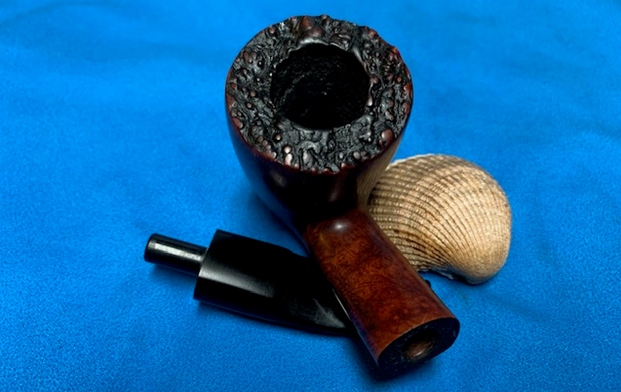
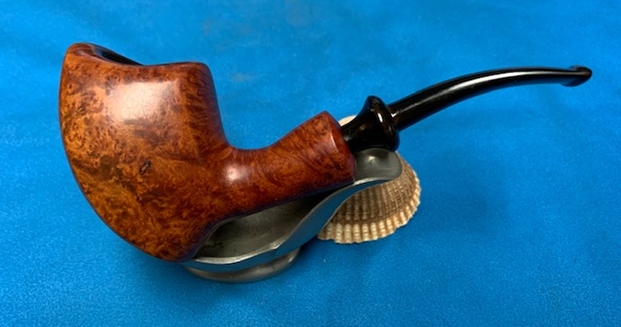
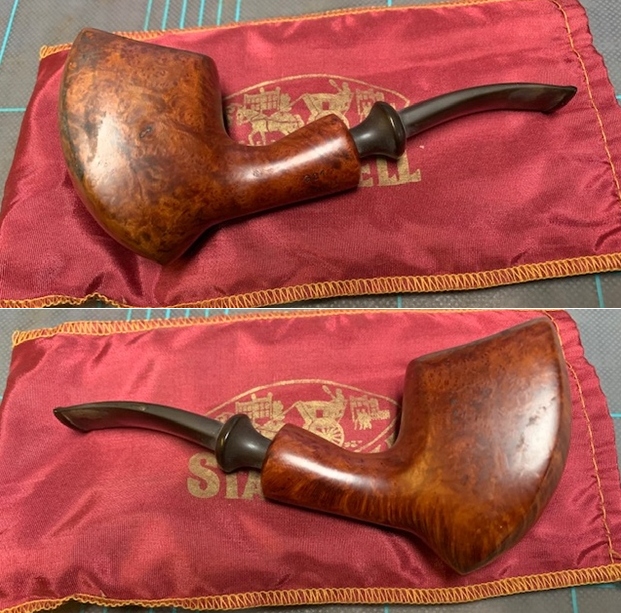
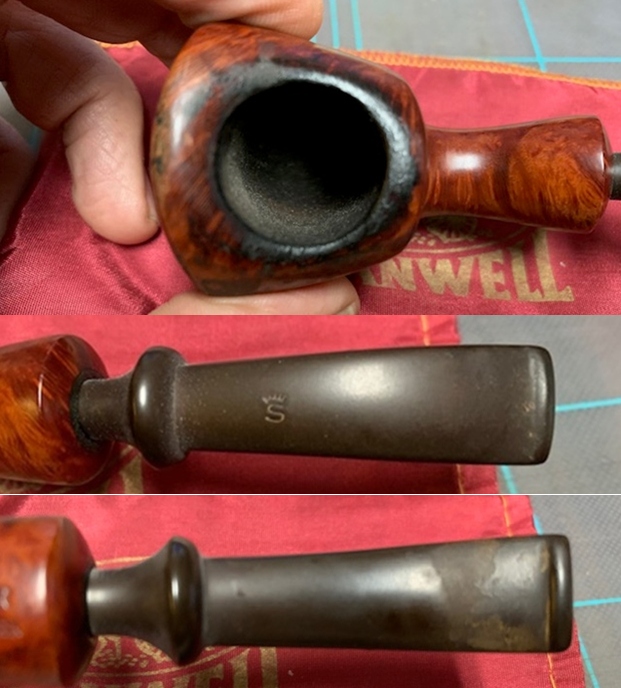
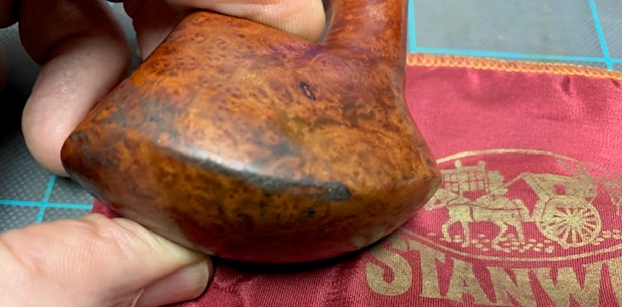
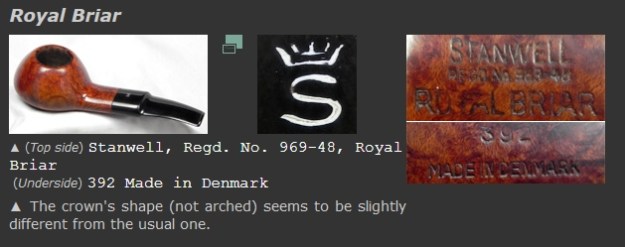
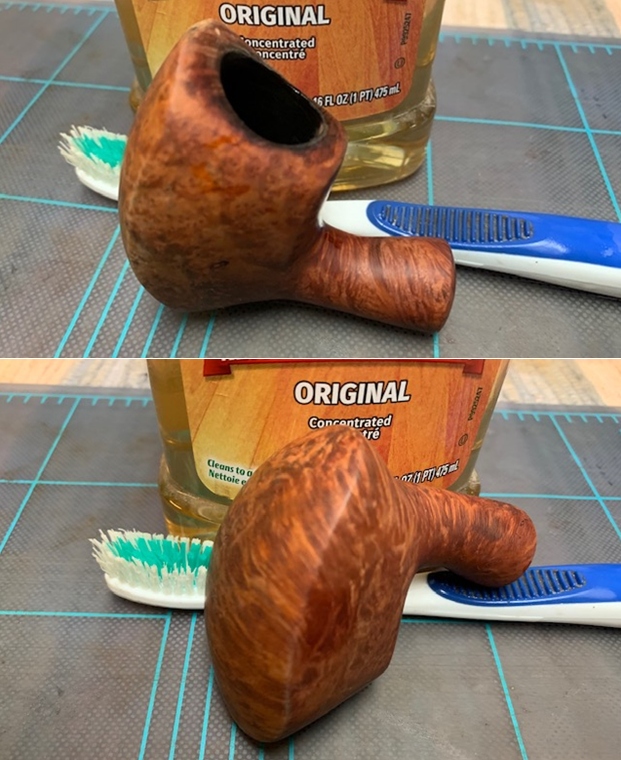
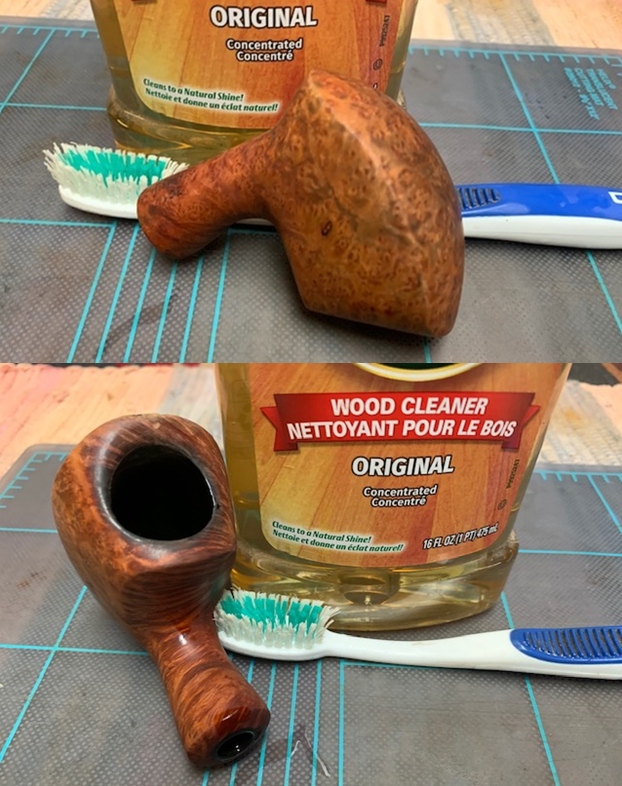
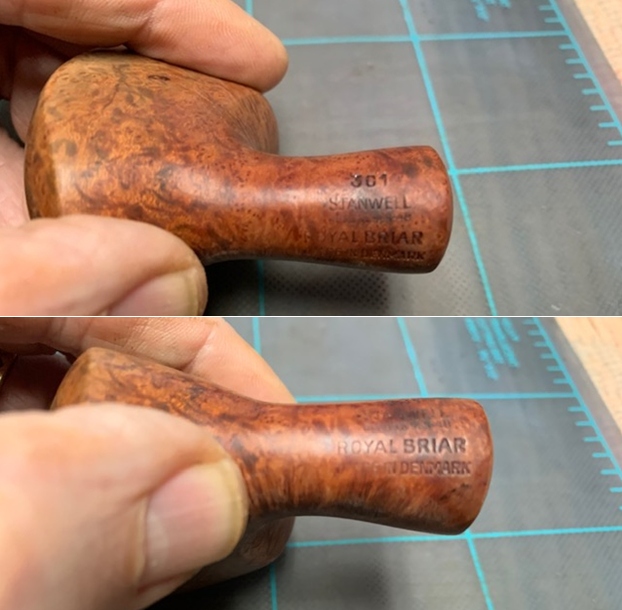
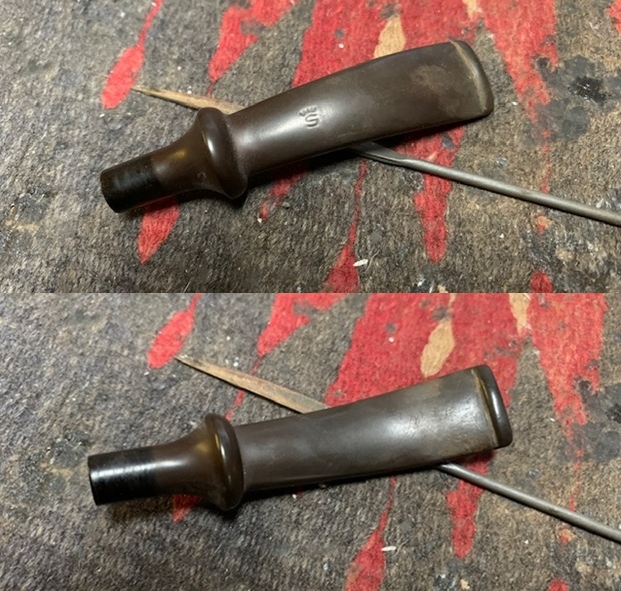
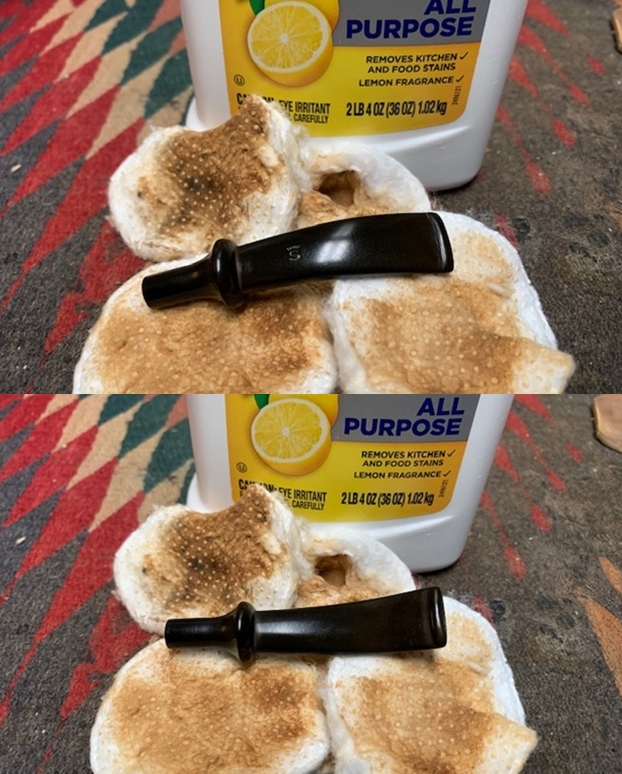
The next pipe on the work table came to me from one of my pickups. Jeff and I pick up many together but this was one I traded for. Between us we pick up quite a few pipes for restoration. I try to work them into the restoration queue so that I can keep them moving. This next one a Stanwell 301 shape that came in a red Stanwell pipe bag. The pipe is stamped on the left side with the shape number 301. On the underside it is stamped Stanwell Regd. No. 969-48 [over] Royal Briar [over] Made in Denmark. The finish had a lot of grime ground into the smooth finish on the bowl and some darkening around the sides of the bowl. The bowl was thickly caked with an overflowing lava coat on the top of the rim. The edges looked to be in good condition. The shank is lined with a Delrin insert. The stem was oxidized, dirty and had light tooth chatter and marks on the top and underside near the button. The stem bore the Stanwell Crown “S” on the top of the fancy saddle stem. It had promise but it was very dirty. I took some photos of the pipe before I started the cleanup work. This was one of those that I picked up and did the cleanup and restoration work.    I took photo of the rim top and bowl to give a clear picture of the thickness of the cake and the overflow of lava on the rim top. There were also nicks on the front outer edge of the bowl. I took photos of the top and underside of the stem to show the oxidation, light chatter and tooth marks. Otherwise the stem is quite clean.     I took a photo of the left side and heel of the bowl to give a picture of what the briar around the pipe looked like. There is some stunning grain under the thick ground in grime.   I took a photo of the stamping on the underside of the shank. It reads as noted above and is clear and readable.  Later photos will give a clearer picture of the stamping.I turned to Pipephil to see if there was any information on the line that gives me the background info that I enjoy as I work on a pipe (http://www.pipephil.eu/logos/en/logo-stanwell.html). I am including a screen capture of the line that I found there. The crown stamp on the stem is the normal Stanwell shaped crown that differs from the one in the photo below.From this information I knew that I was working on an older Danish model that still had the Regd. No 969-48 on the shank that means it was made post 1948. It is an interesting shape that I could not find on Pipedia’s great history article.

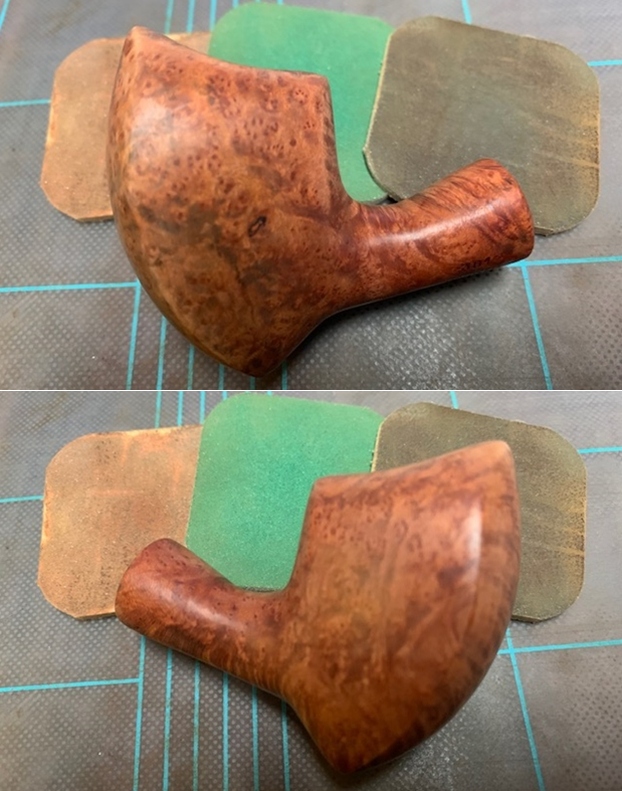
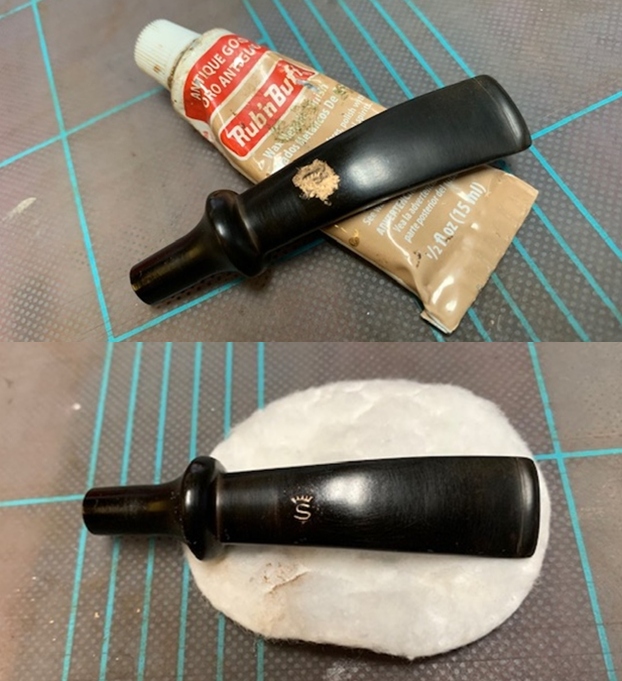
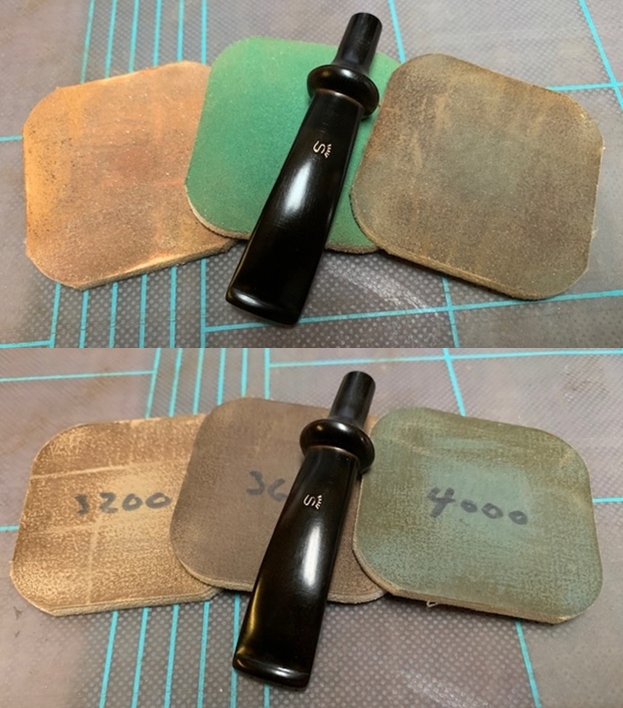
Jeff and I follow the same process in our cleanup of pipes. I started my work on the pipe by reaming it with a Savinelli Fitsall Pipe Knife and followed up sanding the bowl with a piece of dowel wrapped with 220 grit sandpaper.  I scraped the rim top with the sharp edge of the knife to clean off the lava build up.I scrubbed the externals bowl with undiluted Murphy’s Oil Soap with a tooth brush. I rinsed it under running warm water to remove the soap and grime.   I cleaned out the inside of the shank and the airway in the stem with alcohol, cotton swabs and pipe cleaners.      I took some photos of the stamping to show the clarity of it after the clean up. It reads as noted above.   I polished the bowl and the rim top, sides and shank with micromesh sanding pads – wet sanding with 1500-12000 grit pads and wiping it down after each pad with a damp cloth.    I rubbed the bowl and shank down with Before & After Restoration Balm. I worked it into the surface of the bowl sides and shank with my fingertips to clean, enliven and protect the briar. I let the balm sit for a little while and then buffed with a cotton cloth to raise the shine.    I set the bowl aside and turned to work on the stem. I redefined the button edges with a needle file. Once I had it finished it looked clean and well defined.  I scrubbed the stem with Soft Scrub to remove the oxidation on the surface of the vulcanite. It took a lot of scrubbing and you can see from the pile of pads below in the photos the amount of oxidation that came off during the scrubbing.    I touched up the gold stamp on the stem surface with Rub’n Buff Antique Gold. I rubbed it onto the stamping and buffed it off with a cotton pad.I polished the vulcanite stem with micromesh sanding pads – 1500-12000 grit pads. I wiped it down with a damp cloth after each sanding pad. I used Before & After Pipe Polish – both Fine and Extra Fine to further polish the stem.    This Stanwell Royal Briar 301 Pick Axe with a fancy vulcanite saddle stem is a great looking pipe now that it has been restored. I put the stem back on the bowl and buffed the pipe with Blue Diamond on the buffing wheel. I gave the bowl and the stem multiple coats of carnauba wax on the buffing wheel and followed that by buffing the entire pipe with a clean buffing pad. I hand buffed the pipe with a microfiber cloth to deepen the shine. The finished Stanwell Pickaxe fits nicely in the hand and feels great. Give the finished pipe a look in the photos below. The dimensions of the pipe are Length: 5 inches, Height: 2 inches, Outside diameter of the bowl: 1 ½ inches, Chamber diameter: ¾ of an inch. If you are interested in adding this pipe to your collection send me a message or an email. Thanks for reading this blog and my reflections on the pipe while I worked on it. There are many more to come!

A Pause from Bob Kerr’s Estate – Repairing a Bite Through on a Stanwell Calabash for my Local Pipe Shop.


Blog by Steve Laug

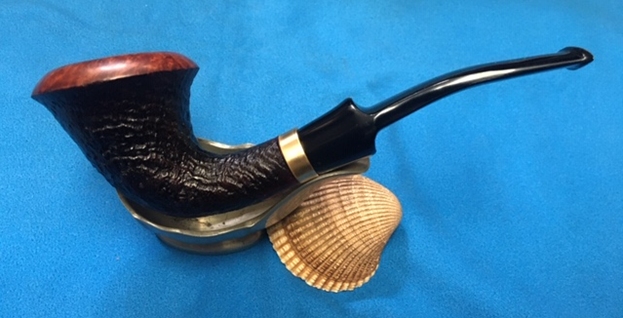
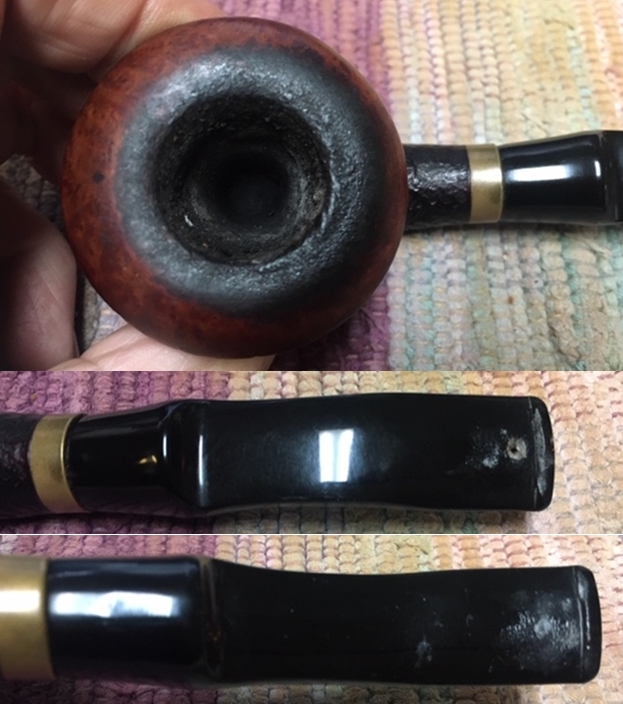
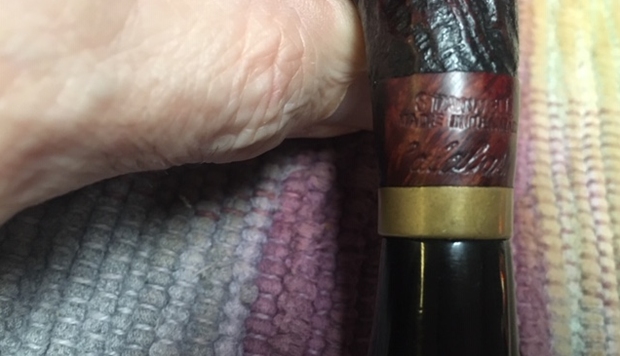
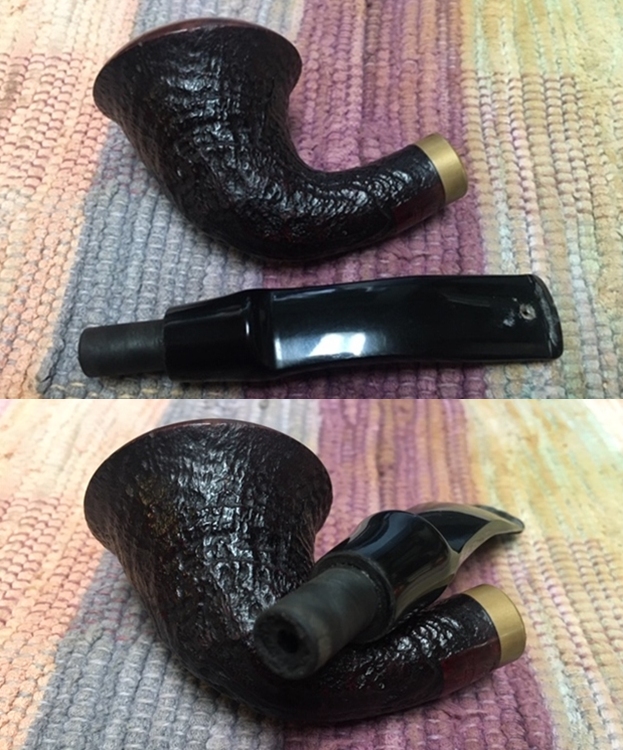
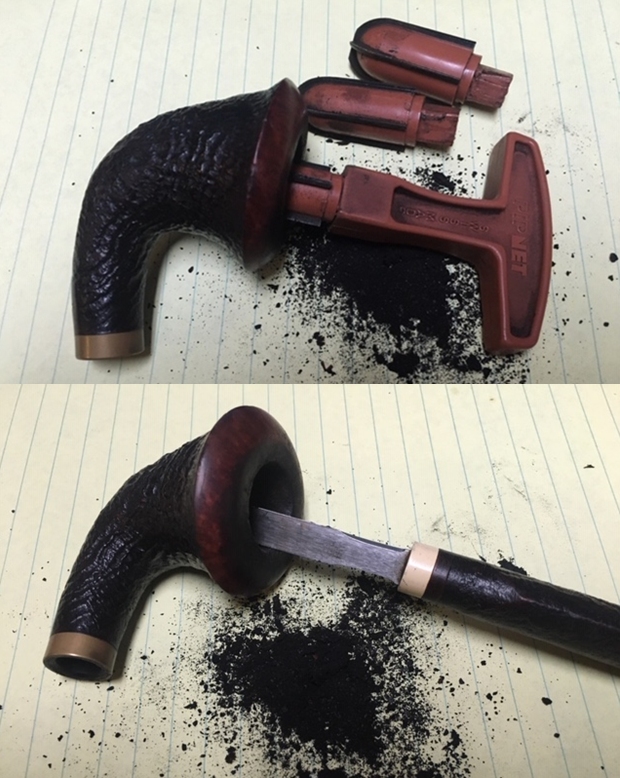
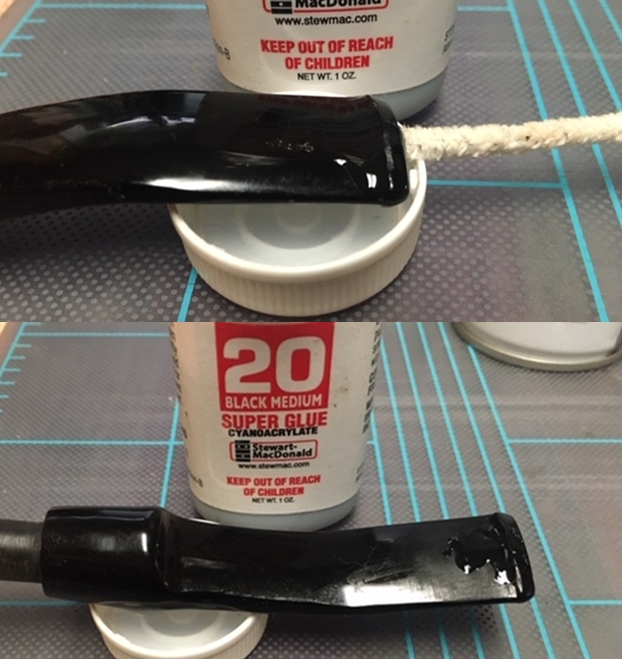
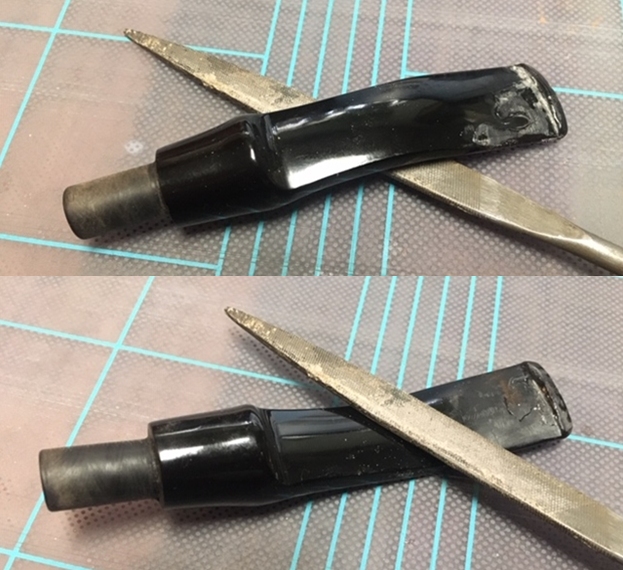
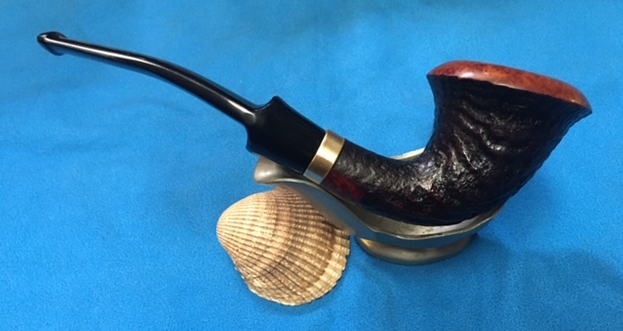
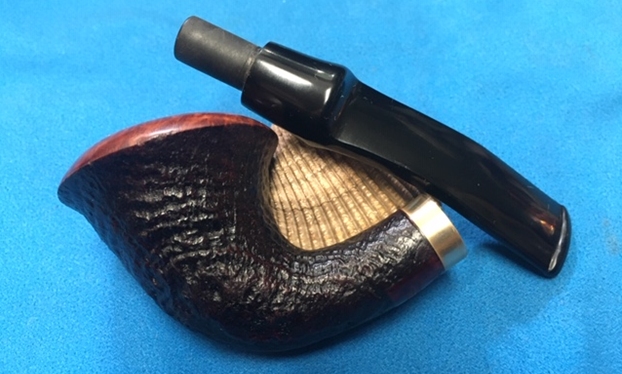
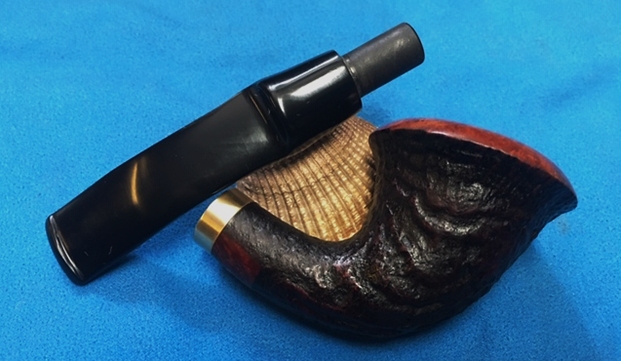
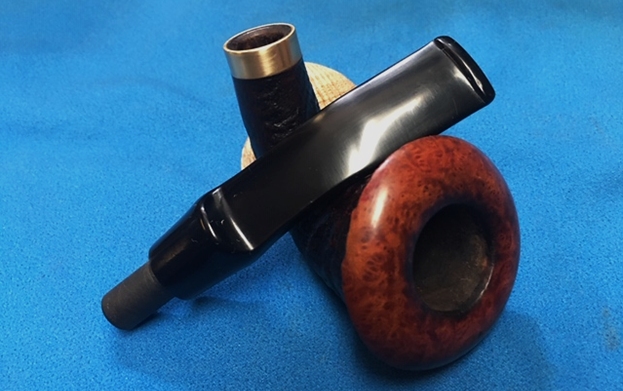
On Friday a fellow from my local pipe shop called and said that he was bringing a pipe by for repair. He had a pipe that he had bitten through on the top side of the stem. He said he would leave it for me to work on. I have been having the shop drop their repairs off in my mail box. When my daughter picked this one up she was blown away by the heavy vanilla aromatic smell that filled the mail box and wafted from the pipe wherever it was. She brought it to my basement work table for me to see. This is what I saw. It was obviously a well smoked pipe that the pipeman must have really loved. It had a thick cake in the bowl and heavy overflow of lava on the rim top that was also very thick. The inner edge of the bowl was also thickly caked. The photos I took of the stem are also very clear. There were tooth marks and chatter on both sides of the acrylic stem and a small bit through on the topside of the stem. Fortunately it was not too big a bit through so it was repairable.I took a photo of the stamping on the shank and it read Stanwell [over] Made in Denmark [over] Calabash in script. The brass decorative band was dull and oxidized.I took the stem off the shank and took photos of the pipe. The first photo below shows the pipe in profile and shows the bite through very clearly. The second photo shows the end of the tenon and how clogged it was with the tars and oils. My first thoughts were that it had an adapter in the tenon to fill it and convert it to a non-filter pipe. Once I cleaned it up it was clear that it was a regular tenon with a slight inset.I like working on clean pipes so I reamed the bowl with three of the four cutting heads on the PipNet Pipe Reaming set. The bowl is conical so it took all three heads to remove the cake from the bowl. I cleaned up the remnants of cake with a Savinelli Fitsall Pipe Knife. I also scraped the calabash rim top with the knife to remove the lava. I cleaned out the internals of the shank and stem with pipe cleaners, cotton swabs and alcohol. I worked them over until the inside of the pipe was clean.I scrubbed the exterior of the bowl and rim with a tooth brush and Murphy’s Oil Soap. I scrubbed the buildup on the rim top with the soap and tooth brush and was able to remove it all from the calabash top. I rinsed it off with running water and dried the pipe with a cotton cloth. I polished the smooth calabash rim top with micromesh sanding pads – 1500-12000 grit pads. I wiped the rim top down with a damp cloth after each sanding pad. The rim top began to look very good as it took on its shine. I rubbed the bowl and rim top down with Before & After Restoration Balm. I worked it into the surface of the briar with my fingertips and a horse hair shoe brush to clean, enliven and protect it. I let the balm sit for a little while and then buffed with a cotton cloth and shoe brush to raise the shine. The Balm does a great job in bringing life to aged briar that has been cleaned. I set the bowl aside and went to work on the stem. I cleaned off the surface of the stem with alcohol to remove greases and oils from the acrylic. I wanted it clean and dry so I could do the repair. Once it was clean I greased a pipe cleaner with Vaseline and inserted it into the airway of the stem. The greased pipe cleaner keeps the glue from filling in the airway.Since the hole in the top of the stem was quite small I decided to use just black super glue to fill in the damaged spot. I also used it to fill in the tooth marks and the dents in the surface. I set the stem aside to let the repairs cure.Once the repair cured I used a needle file to smooth out the repaired areas. I also cut the edges of the button on both sides and smooth it out. I would need to do a lot of sanding to blend it in but it would certainly look better. I sanded it with a folded piece of 220 grit sandpaper to smooth it out. I started the polishing with a folded piece of 400 grit wet dry sandpaper. I polished the acrylic stem with micromesh sanding pads – 1500-12000 grit pads. I wiped it down with a damp cloth after each sanding pad. I used Before & After Pipe Polish – both Fine and Extra Fine to further polish the stem. The repairs and restoration of the Stanwell Calabash turned out really well. The mix of brown stains highlights the sandblasted grain around the bowl sides as well as the smooth calabash rim top. The finish on the pipe is in excellent condition and the contrasting stains work well with the polished acrylic saddle stem. I put the stem back on the bowl and carefully buffed the pipe with Blue Diamond on the buffing wheel using a light touch on the briar. I gave the bowl and stem multiple coats of carnauba wax on the buffing wheel and followed that by buffing the entire pipe with a clean buffing pad. I hand buffed the pipe with a microfiber cloth to deepen the shine. The finished Stanwell Calabash fits nicely in the hand and feels great. Give the finished pipe a look in the photos below. The dimensions of the pipe are Length: 5 ¾ inches, Height: 2 inches, Outside diameter of the bowl: 1 ¼ inches, Chamber diameter: ¾ of an inch. I am looking forward to hearing what the pipeman who dropped it off thinks of it when he picks it up. It should continue to serve him well. Thanks for reading this blog and my reflections on the pipe while I worked on it. This is an interesting pipe to bring back to life.


A Stanwell Sixtus 212 Tom Eltang Designed Hex Shank Billiard


Blog by Steve Laug

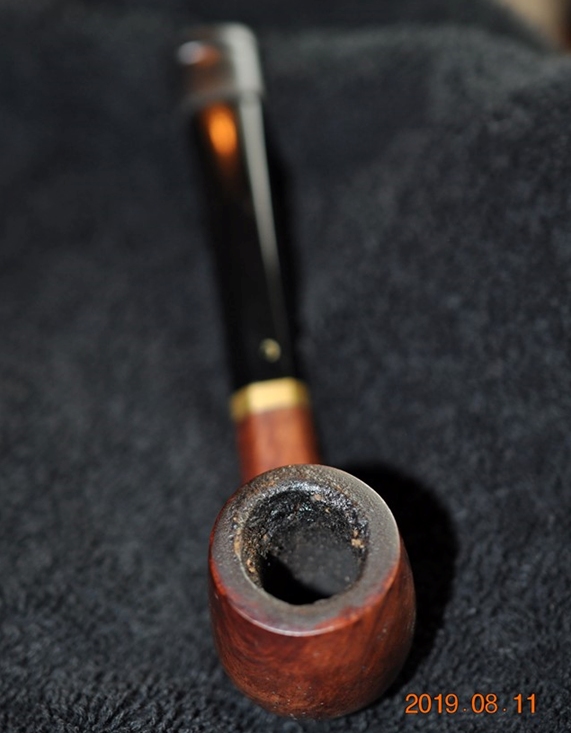
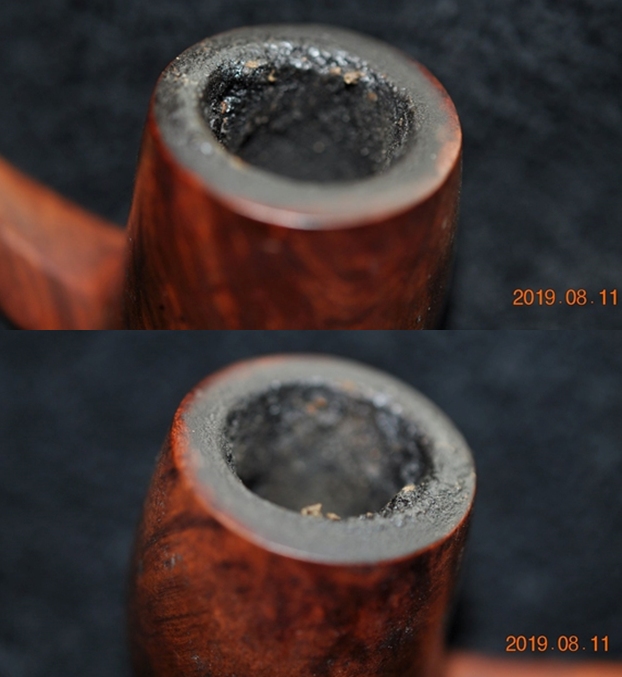
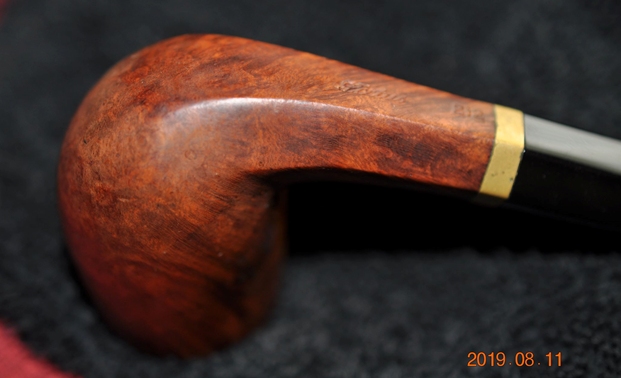
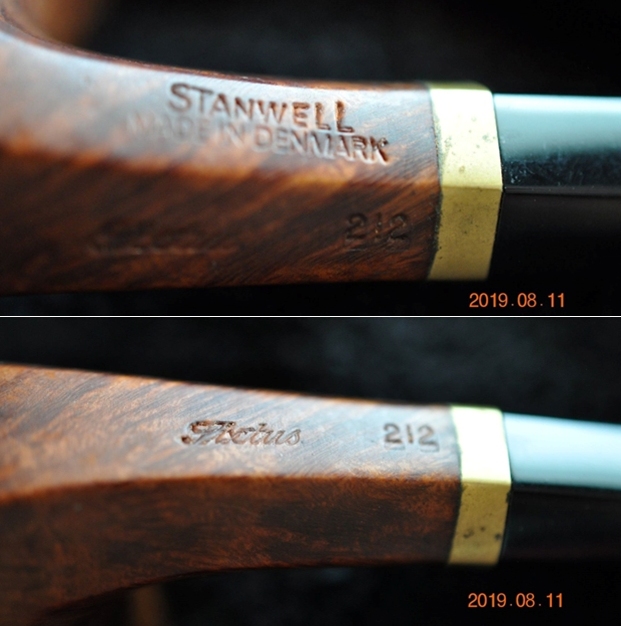
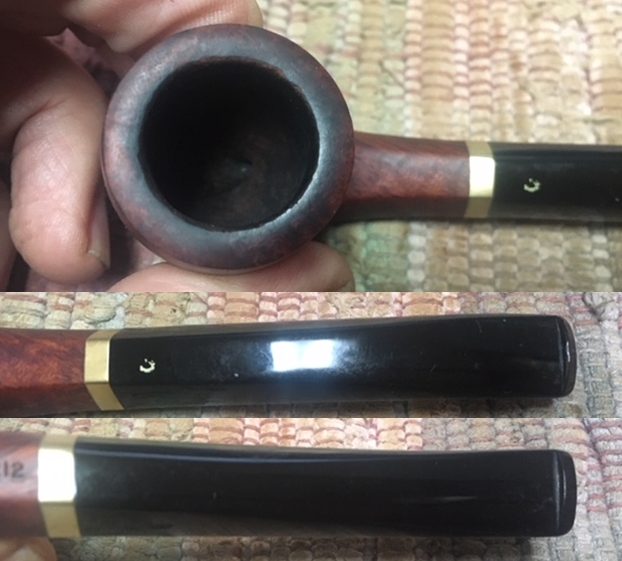
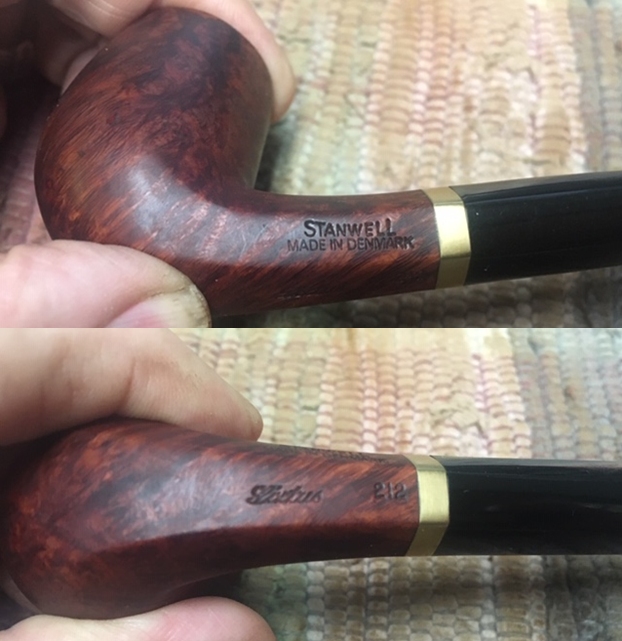
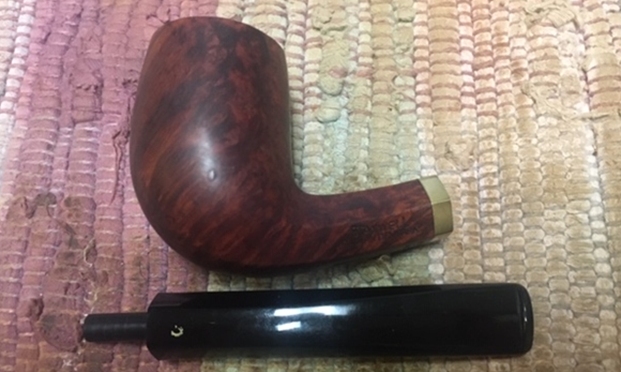
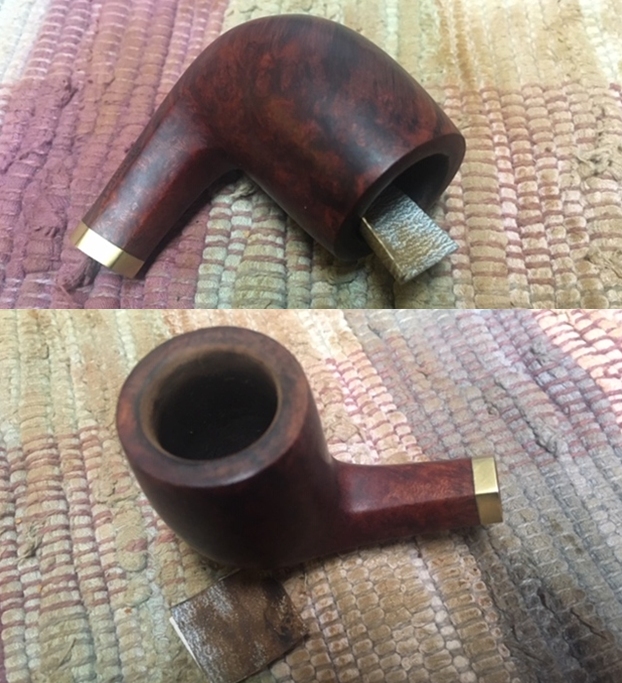
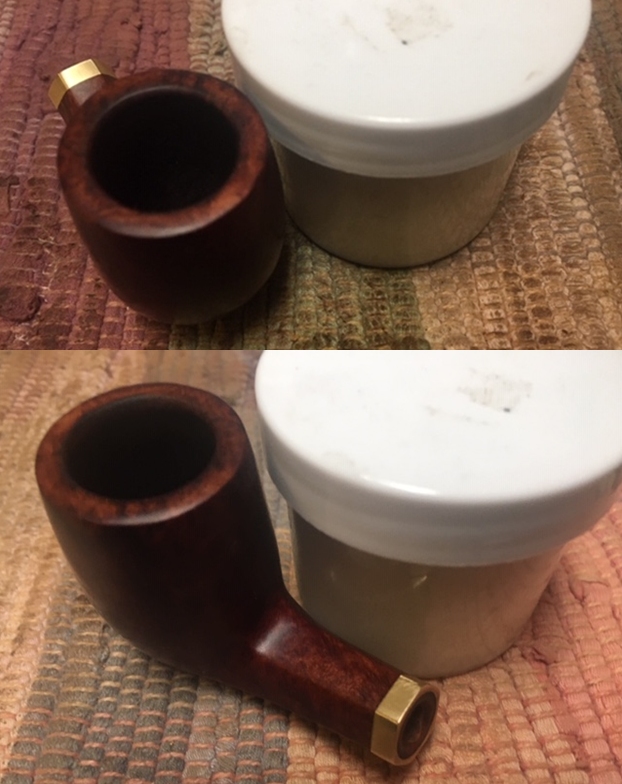
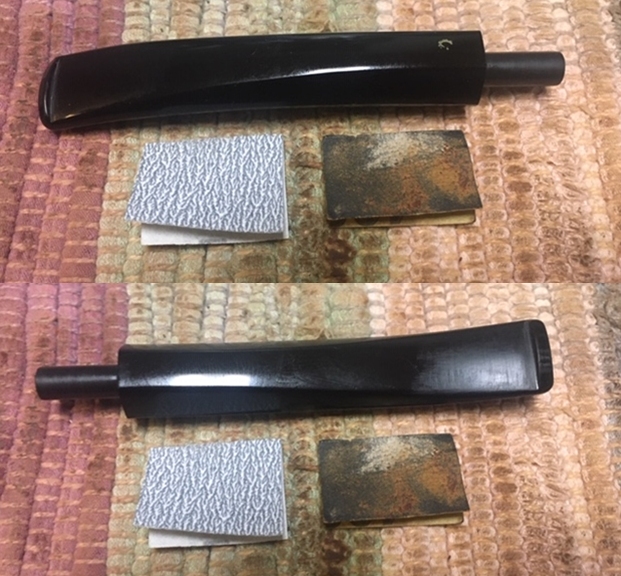
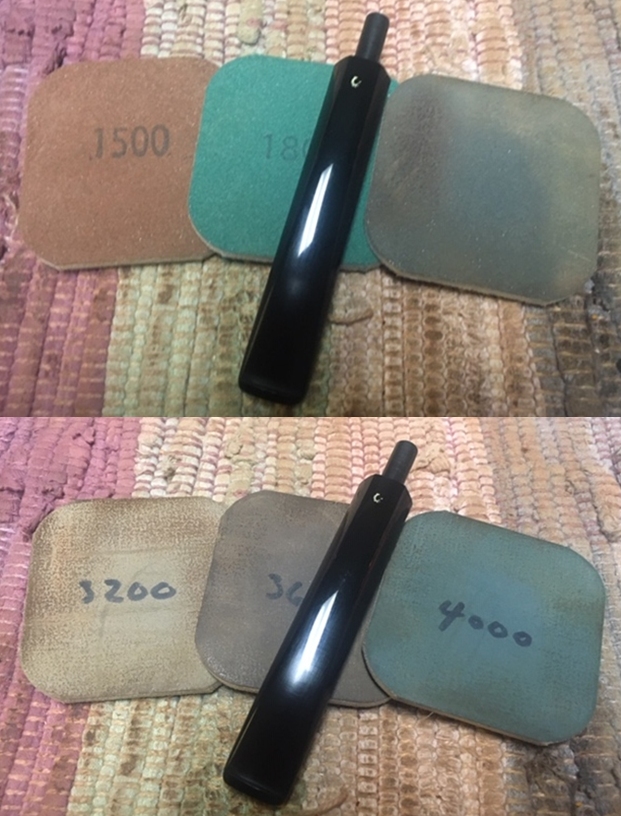
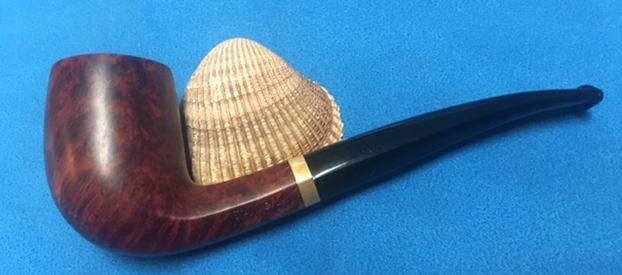
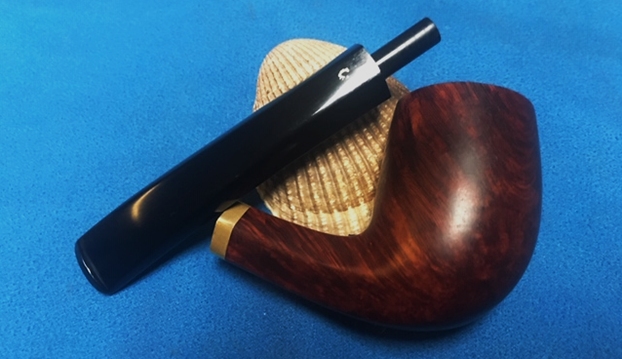
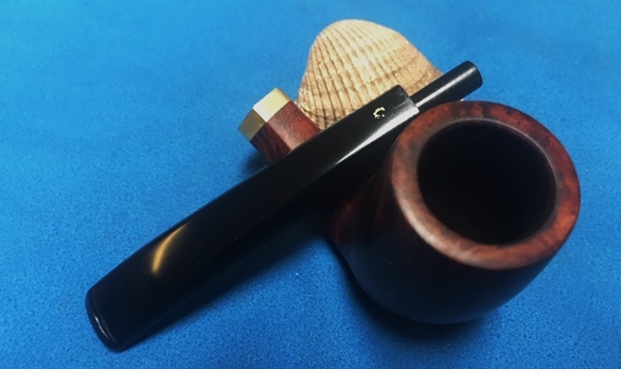
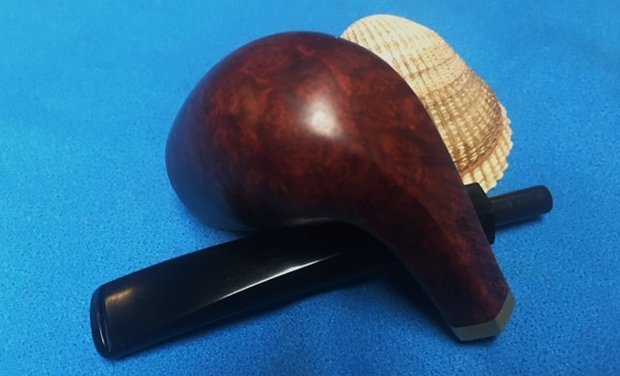
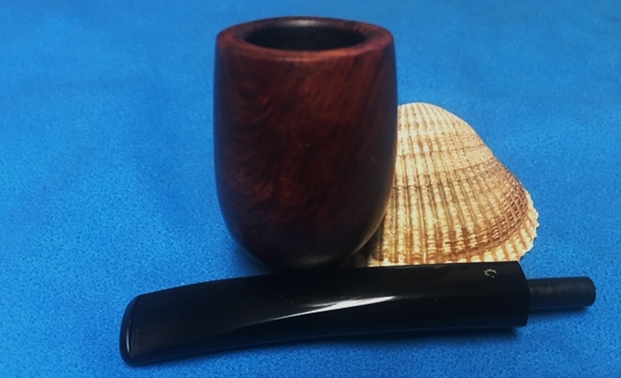
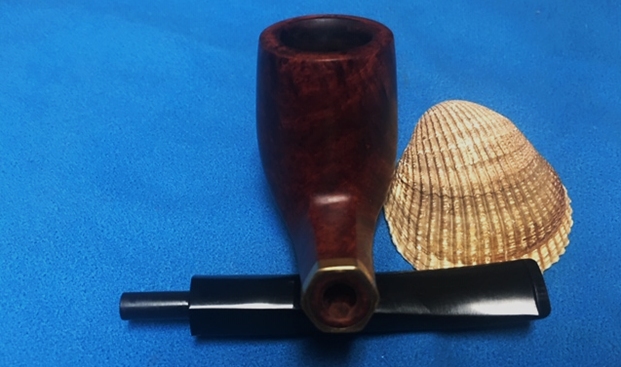
The next pipe on the table is from the next box of pipes I am working through. It is another Stanwell pipe. This time it is a nicely grained bent billiard. It is a Stanwell Sixtus shape 212 ¼ bent billiard with a hexagonal shank and stem. The Billiard shaped bowl, hexagonal shank and black acrylic hexagonal stem combine to make this Stanwell Sixtus a beauty. To me this is another classic Stanwell shape and it instantly recognizable. The finish is a smooth well grained piece of briar stained with a mix of stains to highlight the grain. The top of the bowl is smooth. It was stamped on the second panel and third panel of left side and reads Stanwell Made in Denmark followed by the line Sixtus and the shape number 212. The finish was very dirty with a heavy coat of grime ground into the bowl and rim top as can be seen in the photos. The bowl had a thick cake with a lava overflow onto the plateau rim top and the inner edge of the bowl. The acrylic stem was dirty and there was a Softee bit that was made to protect the surface of both sides and on the top and bottom edges of the button. I would not know if it worked until we removed it during the cleanup. Originally the Stanwell Crown S on the top of the hexagonal stem was a gold decal. Jeff took photos of the pipe before he cleaned it up so you could see what we saw. Jeff took a photo of the rim top to show lava build up in the plateau rim top, the edges and cake in the bowl. This one was obviously someone’s favourite pipe and it was a mess.     Jeff took some photos of the bowl sides and heel to show the absolutely dirty finish ground into the briar. It was a dirty pipe but I think it will be a beautiful one once we are finished.     The stamping on the underside of the shank is shown in the photo below. It is clear and read as noted above. There was a Stanwell Crown S logo decal on the top of the stem that was damaged and missing parts. The acrylic stem was dirty and had debris stuck to the surface. In the first photo of each pair below you can see the rubber Softee bit on the stem and in the second photo of each pair it is removed. The bit did a good job of protecting the stem surface from the majority of tooth damage but even so there are light spots on the surface that will need to be removed. I checked my usual sources for information on the Sixtus line but there was nothing specific on either Pipedia or Pipephil’s site. I also checked on the Pipedia site in the article there on shape number and shape designers(https://pipedia.org/wiki/Stanwell_Shape_Numbers_and_Designers). From there I found that the shape number 212 was designed by Tom Eltang and was a Freehand with and acrylic stem. I did a screen capture of the listing and have included it below.It looks like I am dealing with a pipe designed for Stanwell by Tom Eltang. Now it was my turn to work on the pipe. Jeff had done his usual thorough cleanup of the pipe. He had reamed the pipe with a Pipnet piper reamer and taken the cake back to bare briar. He cleaned up the remaining cake with a Savinelli Fitsall Pipe Knife. He scrubbed the interior of the bowl and shank with pipe cleaners, cotton swabs and alcohol to remove the tars and oils. He scrubbed the exterior of the pipe with Murphy’s Oil Soap and a tooth brush to remove the grime from the finish. He worked on the rim top lava and darkening with the soap and tooth brush. He scrubbed the inside of the stem with alcohol and pipe cleaners. He scrubbed the exterior with Soft Scrub and then soaked it in Before & After Deoxidizer. He washed the stem off with warm water to remove the Deoxidizer. The pipe looked far better. I took photos of the pipe when I received it before I started working on it. I took photos of the bowl and rim top as well as the stem to show how clean they were. The inner edge of the rim had some damage and was slightly out of round. The rim top had some darkening and light nicks. The stem is clean and the minimal damage on the button top and bottom edges is not too bad.     I took a photo of the stamping on the hexagonal patterns of the shank. The stamping is readable as noted above.     I took the stem off the bowl and took a photo of the pipe showing the overall look of the design.I decided to address the issues of the damage to the inner edge and rim top first. I used a folded piece of 220 grit sandpaper to smooth out edge and reshape it. I also smoothed out the damage on the rim top and darkening at the same time. It looked a lot better once I had finished.  I polished the briar with micromesh – wet sanding with 1500-12000 grit micromesh sanding pads. I wiped the bowl down after each sanding pad with a damp cloth.      I rubbed the briar down with Before & After Restoration Balm. I worked it into the briar with my fingertips. The product works to clean, enliven and preserve the briar. I let it sit for 10 minutes while I worked on the stem. After the time passed I buffed it with a cotton cloth to deepen the shine. The briar really comes alive with the balm.   I sanded the stem with 220 grit sandpaper to remove the small tooth chatter and marks near the button. I started polishing the stem with 400 grit wet dry sandpaper. I wiped the stem down with Obsidian Oil before further polishing it.        I polished the vulcanite with micromesh sanding pads – 1500-12000 grit pads. I wiped it down with Obsidian Oil after each sanding pad. I used Before & After Pipe Polish – both Fine and Extra Fine to further polish the stem. This Stanwell Sixtus 212 Tom Eltang Designed Billiard with hexagonal shank and stem turned out very nice. The mix of brown stains highlights the grain around the bowl sides and bottom. The rim top and edges look very good. The finish on the pipe is in excellent condition. I put the stem back on the bowl and carefully buffed the pipe with Blue Diamond on the buffing wheel. I gave the bowl and stem multiple coats of carnauba wax on the buffing wheel and followed that by buffing the entire pipe with a clean buffing pad. I hand buffed the pipe with a microfiber cloth to deepen the shine. The finished Bent Billiard is very nice and feels great in the hand. Give the finished pipe a look in the photos below. It is a nice pipe whose dimensions are Length: 5 ½ inches, Height: 2 inches, Outside diameter of the bowl: 1 ¼ inches, Chamber diameter: ¾ of an inch. Thanks for walking through the restoration with me as I worked over another beautiful pipe. This Stanwell Sixtus 212 Bent Billiard designed by Tom Eltang will be going on the rebornpipes store shortly. If you are interesting in adding it to your collection let me know! Thanks for your time.

Restoring a Stanwell Antique 144 Chonowitsch Designed Calabash


Blog by Steve Laug

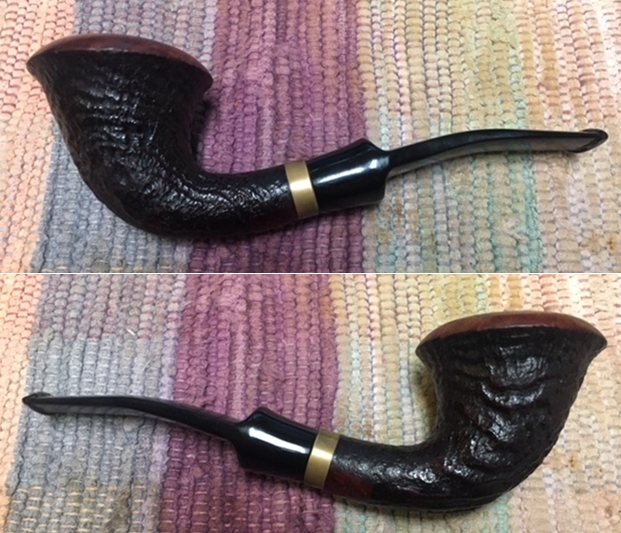
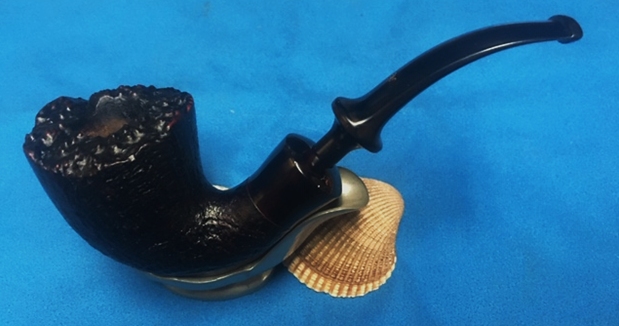
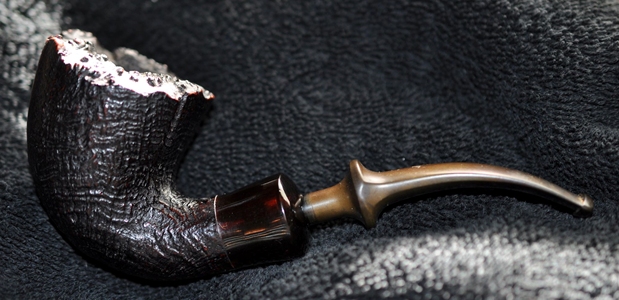
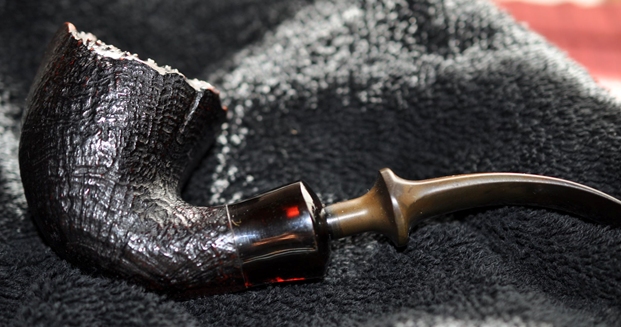
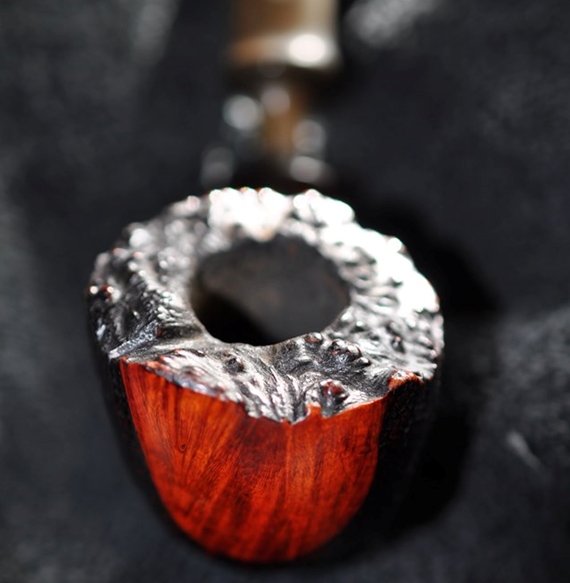
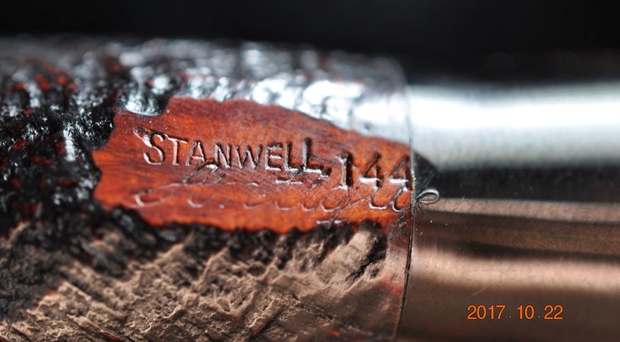
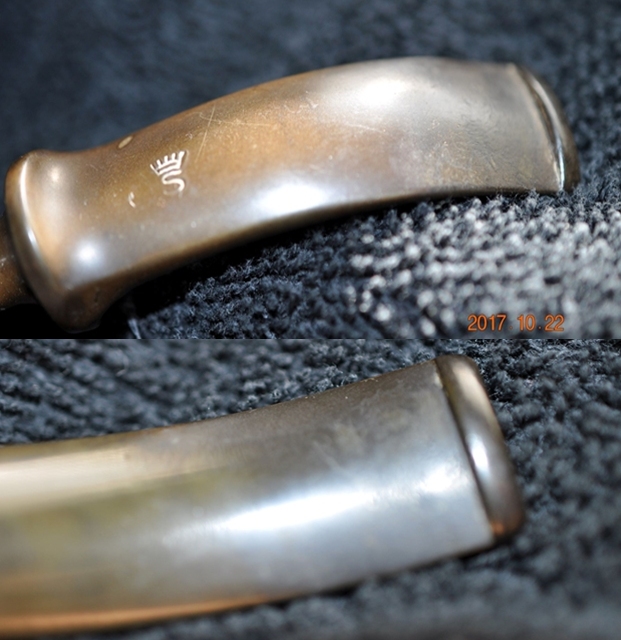
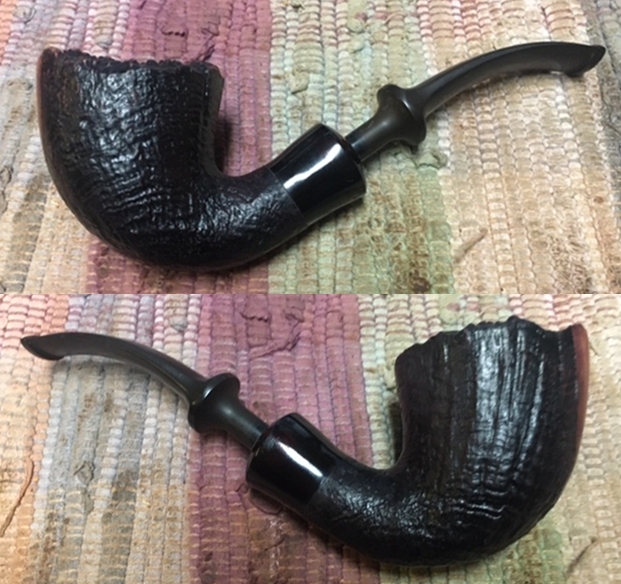
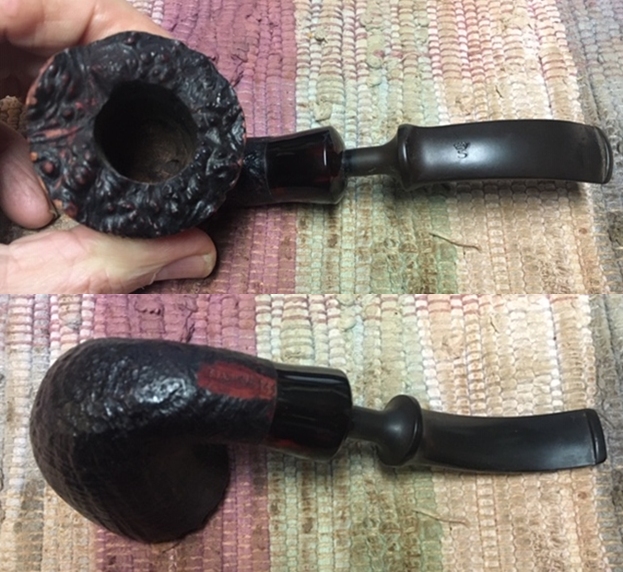
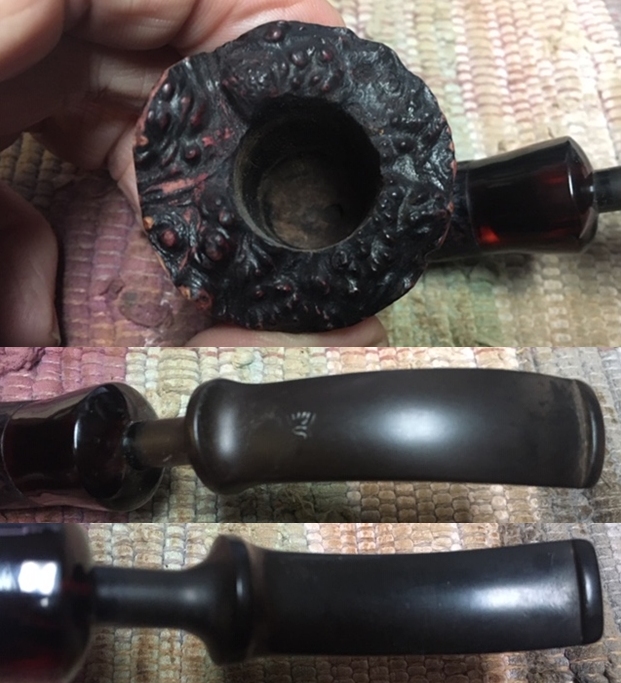
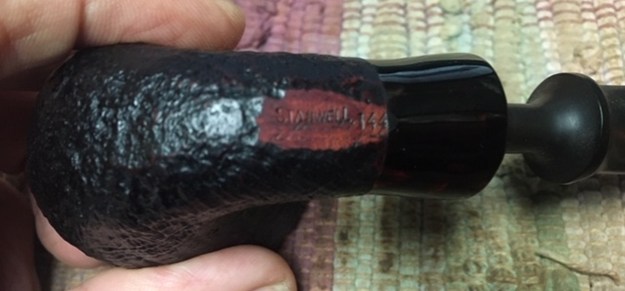
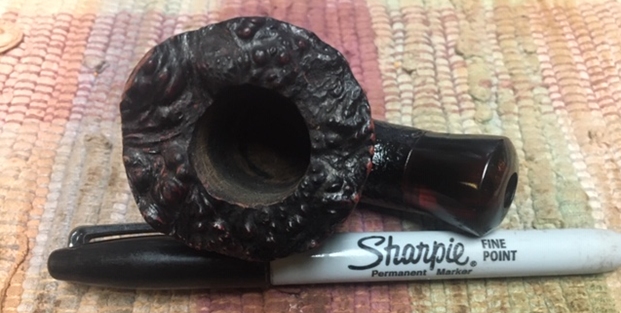
The next pipe on the table is from the next box of pipes I am working through. It is a Stanwell Antique 144 Calabash. The Calabash shaped bowl with a plateau rim top, round shank and red acrylic shank extension combine to make this Stanwell Antique a beauty. To me this is a classic Stanwell shape and it instantly recognizable. The finish combines a smooth natural patch with great grain on the front of the bowl with the rest of the bowl a dark brown finished rugged sandblast. The top of the bowl is plateau. The pipe was stamped on the underside of the shank on a smooth patch and read Stanwell over Antique followed by the shape number 144. The Antique stamp continues into the red acrylic shank extension. The finish was very dirty with a heavy coat of grime ground into the bowl and rim top as can be seen in the photos. The bowl had a thick cake with a lava overflow onto the plateau rim top and the inner edge of the bowl. The stem was heavily oxidized and there were tooth marks and chatter on both sides and on the top and bottom edges of the button. It was also stamped with a Stanwell Crown S on the top of the saddle stem. Jeff took photos of the pipe before he cleaned it up so you could see what we saw. Jeff took a photo of the rim top to show lava build up in the plateau rim top, the edges and cake in the bowl. This one was obviously someone’s favourite pipe and it was a mess.Jeff took some photos of the bowl sides and heel to show the absolutely dirty finish ground into the briar. It was a dirty pipe but I think it will be a beautiful one once we are finished. The stamping on the underside of the shank is shown in the photo below. It is clear and read as noted above. The stem was oxidized, calcified and had debris stuck to the surface of the vulcanite. It also shows the tooth chatter and marks on the stem and on the button surface.  There was a Stanwell Crown S logo stamped on the top of the stem. I checked my usual sources for information on the Antique line but there was nothing specific on either Pipedia or Pipephil’s site. I also checked on the Pipedia site in the article there on shape number and shape designers(https://pipedia.org/wiki/Stanwell_Shape_Numbers_and_Designers). From there I found that the shape number 144 was designed by Jess Chonowitsch and was a large pipe (Freehand) with plateau top and a saddle stem. I did a screen capture of the listing and have included it below.It looks like I am dealing with a pipe designed for Stanwell by Jess Chonowitsch. Now it was my turn to work on the pipe. Jeff had done his usual thorough cleanup of the pipe. He had reamed the pipe with a Pipnet piper reamer and taken the cake back to bare briar. He cleaned up the remaining cake with a Savinelli Fitsall Pipe Knife. He scrubbed the interior of the bowl and shank with pipe cleaners, cotton swabs and alcohol to remove the tars and oils. He scrubbed the exterior of the pipe with Murphy’s Oil Soap and a tooth brush to remove the grime from the finish. He worked on the rim top lava and darkening with the soap and tooth brush. He scrubbed the inside of the stem with alcohol and pipe cleaners. He scrubbed the exterior with Soft Scrub and then soaked it in Before & After Deoxidizer. He washed the stem off with warm water to remove the Deoxidizer. The pipe looked far better. I took photos of the pipe when I received it before I started working on it. I took photos of the bowl and rim top as well as the stem to show how clean they were. The edges of the rim look very good. Some of the black colour on the plateau is washed out and missing but otherwise it is clean. The stem is clean and there is some residual darkening. The tooth damage on the button top and bottom edges is minimal. I took a photo of the stamping on the underside of the shank. The stamping is readable as noted above.   I used a Black Sharpie to touch up the black areas on the rim top. I would look better after buffing.I rubbed the briar down with Before & After Restoration Balm. I worked it into the briar with my fingertips and a horse hair shoe brush. The product works to clean, enliven and preserve the briar. I let it sit for 10 minutes while I worked on the stem. After the time passed I buffed it with a cotton cloth to deepen the shine. The briar really comes alive with the balm.   I sanded the stem with 220 grit sandpaper to finish the shaping and to remove the remaining oxidation. I started polishing the stem with 400 grit wet dry sandpaper. I wiped the stem down with Obsidian Oil before further polishing it.I used some Rub’N Buff Antique Gold to touch up the Stanwell Crown S stamp on the topside of the stem.  I polished the vulcanite with micromesh sanding pads – 1500-12000 grit pads. I wiped it down with Obsidian Oil after each sanding pad. I used Before & After Pipe Polish – both Fine and Extra Fine to further polish the stem.  This Stanwell Antique 144 Calabash with a saddle vulcanite stem turned out very nice. The mix of brown stains highlights the sandblasted grain around the bowl sides and bottom. The plateau rim top and edges look very good. The finish on the pipe is in excellent condition. I put the stem back on the bowl and carefully buffed the pipe with Blue Diamond on the buffing wheel. I gave the bowl and stem multiple coats of carnauba wax on the buffing wheel and followed that by buffing the entire pipe with a clean buffing pad. I hand buffed the pipe with a microfiber cloth to deepen the shine. The finished Calabash is very nice and feels great in the hand. Give the finished pipe a look in the photos below. It is a nice pipe whose dimensions are Length: 5 ½ inches, Height: 2 inches, Outside diameter of the bowl: 2 inches, Chamber diameter: ¾ of an inch. Thanks for walking through the restoration with me as I worked over another beautiful pipe. This Stanwell Antique Calabash designed by Jess Chonowitsch will be going on the rebornpipes store shortly. If you are interesting in adding it to your collection let me know! Thanks for your time.

Stanwell Really Made Some Stunning Pipes Like this Royal Guard 182


Blog by Steve Laug

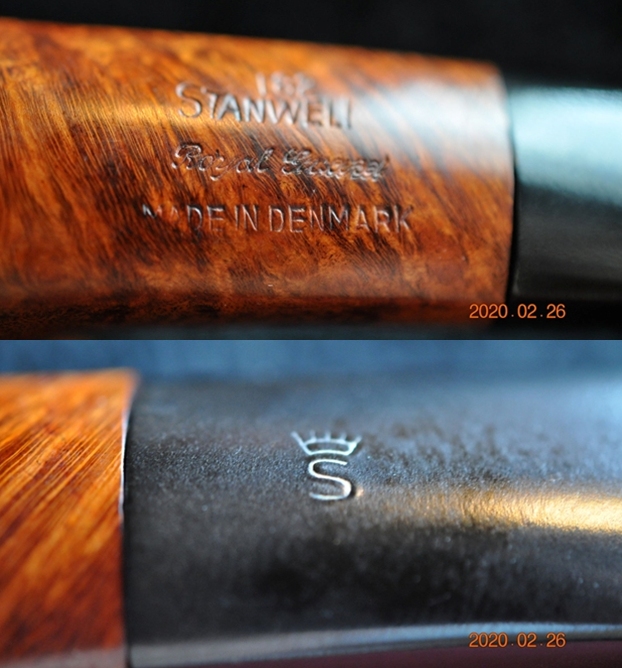
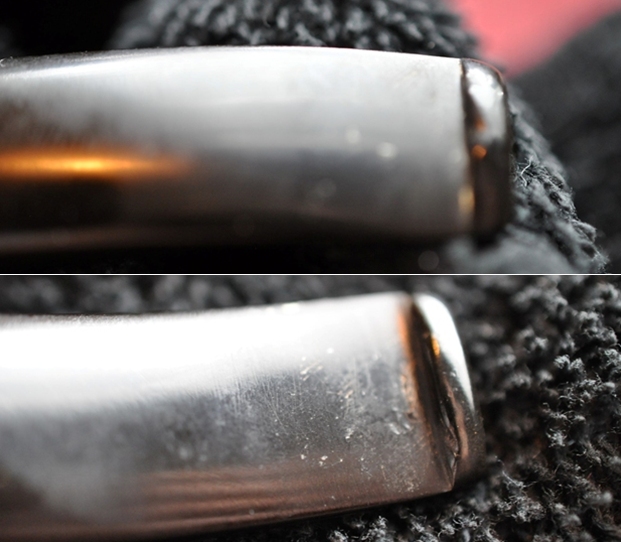
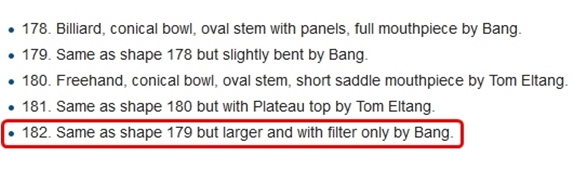
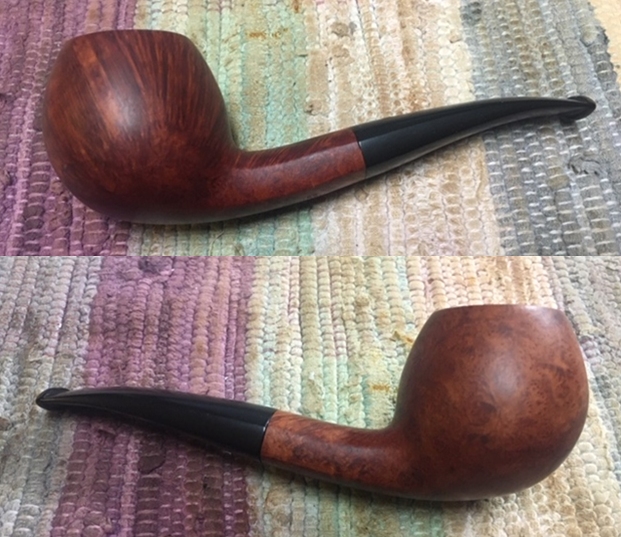
The next pipe on the table is one that was also at the bottom of the box of pipes I am working on. It is a Stanwell Royal Guard Apple. The round shaped bowl, oval shank and taper stem made up a nicely shaped pipe. The smooth finish showed great grain through the ground in dirt and grime. There are also some well hidden fills in the briar. It was stamped on the underside of the shank and read 182 at the top over Stanwell over Royal Guard over Made in Denmark. The finish was very dirty with a heavy coat of grime ground into the bowl and rim top as can be seen in the photos. The bowl had a thick cake with a lava overflow on the inner edge of the rim top but very little on the top itself. It appeared that both the inner and outer edges of the bowl looked clean and undamaged. The stem was oxidized and there were tooth marks and chatter on both sides and on the top and bottom edges of the button. The stem was made for a 9mm filter. Jeff took photos of the pipe before he cleaned it up so you could see what we saw. Jeff took photos of the rim top to show lava build up around the rim, the edges and cake in the bowl. Jeff took some photos of the bowl sides and heel to show the absolutely dirty finish ground into the briar. It was a dirty pipe but I think it will be a beautiful one once we are finished.  The stamping on the underside of the shank is shown in the photos below. It is clear and read as noted above.  There was the Stanwell Crown S stamped on the top of the stem. The stem was a good fit to the shank. It was oxidized, calcified and had debris stuck to the surface of the vulcanite. It also shows the tooth marks on the stem and on the button surface. Pipedia has a great article on Stanwell Shape Numbers & Designers that matches the shape numbers of Stanwell pipes with the designer of the shape. I enjoy that information (https://pipedia.org/wiki/Stanwell_Shape_Numbers_and_Designers?fbclid=IwAR0ULK-xl-hW0RZXbt64VWijPtpMgn1uTDEawHywln8fGcDXtbWcmB6SA24). Turns out the design of this pipe was done by Bang and is a filter pipe. I am including the following screen capture.It was my turn to work on the pipe now. I was really looking forward to what the pipe would look like once Jeff had worked his magic. What would the rim top look like? What would the dirty sandblast on the bowl look like? I had no idea. When I took it out of the box I was struck great job cleaning up the pipe Jeff had done. It was impressive! He had reamed the pipe with a Pipnet piper reamer and taken the cake back to bare briar. He cleaned up the remaining cake with a Savinelli Fitsall Pipe Knife. He scrubbed the interior of the bowl and shank with pipe cleaners, cotton swabs and alcohol to remove the tars and oils. He scrubbed the exterior of the pipe with Murphy’s Oil Soap and a tooth brush to remove the grime from the finish. He worked on the rim top lava and darkening with the soap and tooth brush. He scrubbed the inside of the stem with alcohol and pipe cleaners. He scrubbed the exterior with Soft Scrub and then soaked it in Before & After Deoxidizer. He washed the stem off with warm water to remove the Deoxidizer. The pipe looked far better. I took photos of the pipe when I received it before I started working on it. I took photos of the bowl and rim top as well as the stem to show how clean they were. You can see that rim top and edges look very good. The stem is clean and the tooth damage on the button top and bottom edges. I took a photo of the stamping on the underside of the shank. The stamping is readable as noted above. The stamping GUARD is a double stamped and gives me a bit of a mystery. Royal Guard was a Stanwell second and generally was not stamped Stanwell. This one was! The stem on the Royal Guard was also stamped RG and this one bears the Stanwell Crown S.I took a photo of the pipe with the stem removed to show that the tenon was drilled for a 9MM filter. I also took a photo of the bowl and stem to get an overall look of stem, tenon and profile of the pipe. It really is a beautifully shaped pipe.  I decided to start my work on the pipe by polishing the pipe with micromesh because it was in such good condition. I polished it with 1500-12000 grit micromesh sanding pads. I wiped the bowl down after each sanding pad with a damp cloth. I rubbed the briar down with Before & After Restoration Balm. I worked it into the briar with my fingertips. The product works to clean, enliven and preserve the briar. I let it sit for 10 minutes while I worked on the stem. After the time passed I buffed it with a cotton cloth to deepen the shine. The briar really comes alive with the balm.      I set the bowl aside and turned my attention to the stem. I filled in the indentations on the button edge and built it up with clear super glue. Once the repair cured I used a needle file to reshape the button edges and also flatten the repaired areas.   I sanded the stem with 220 grit sandpaper to finish the shaping and to remove the remaining oxidation. I started polishing the stem with 400 grit wet dry sandpaper. I wiped the stem down with Obsidian Oil before further polishing it.   I used some Rub’n Buff Antique Gold to touch up the gold that remained in the Crown S stamp on the top of the stem.     I polished the vulcanite with micromesh sanding pads – 1500-12000 grit pads. I wiped it down with Obsidian Oil after each sanding pad. I used Before & After Pipe Polish – both Fine and Extra Fine to further polish the stem.   I have a box of Vauen 9MM filters so I took one out of the box and inserted it in the tenon. The fit is perfect and fills in the tenon.  This S. Bang designed Stanwell Royal Guard 182 Apple with a taper vulcanite stem turned out very nice. The mix of brown stains highlights the grain around the bowl sides and bottom. The rim top and edges look very good. The finish on the pipe is in excellent condition. I put the stem back on the bowl and carefully buffed the pipe with Blue Diamond on the buffing wheel. I gave the bowl and stem multiple coats of carnauba wax on the buffing wheel and followed that by buffing the entire pipe with a clean buffing pad. I hand buffed the pipe with a microfiber cloth to deepen the shine. The finished apple is very nice and feels great in the hand and can be used as a sitter with the wide base. Give the finished pipe a look in the photos below. It is a nice pipe whose dimensions are Length: 5 ½ inches, Height: 1 ¾ inches, Outside diameter of the bowl: 1 ¼ inches, Chamber diameter: ¾ of an inch. Thanks for walking through the restoration with me as I worked over another beautiful pipe. This Stanwell Royal Guard 182 will be going on the rebornpipes store shortly. If you are interesting in adding it to your collection let me know! Thanks for your time.

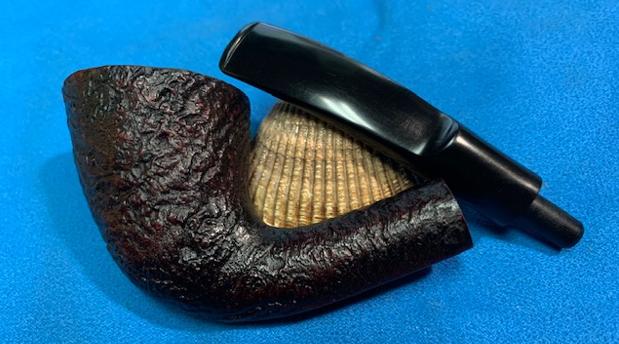
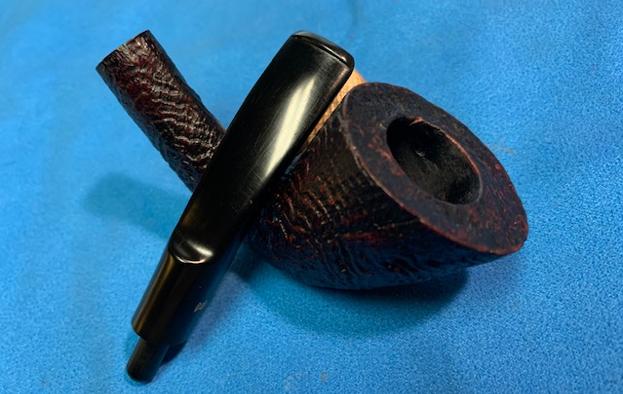
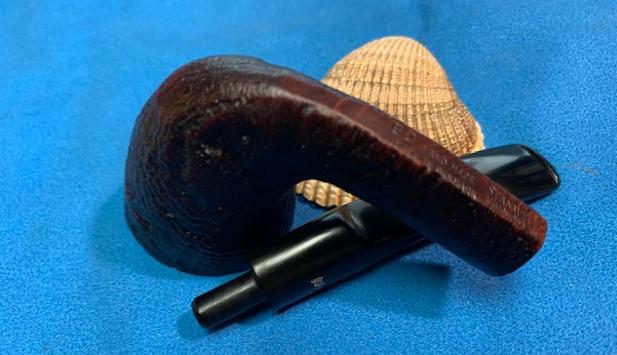
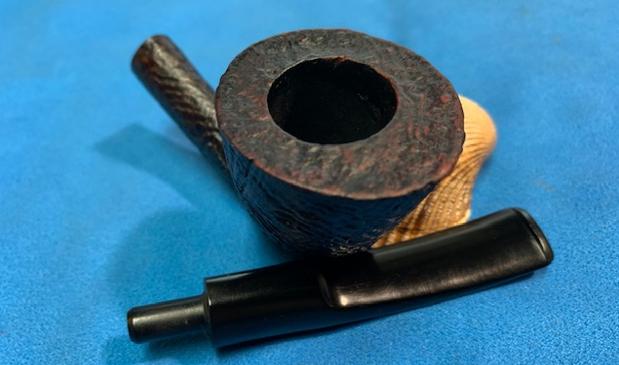
Back To Working On My Inheritance; A Stanwell # 62 Freehand


Blog by Paresh Deshpande

Being on leave that has been compulsorily extended by 40 days due to the virus pandemic being rampant and the country under a lock down was a blessing in disguise. I have enough time to spend with my daughters, catch up on some reading and most importantly, get working on some pipes!! The only downside to the last activity was that I have left behind at my place of work, most of my tools and paraphernalia that I use for restoring pipes. This greatly restricts the types of repairs that I can undertake at the moment. With these limitations, I rummaged through the pile and chose this inherited Stanwell as my next project on the premise that it would be a simple ‘refurbishing only’ task.

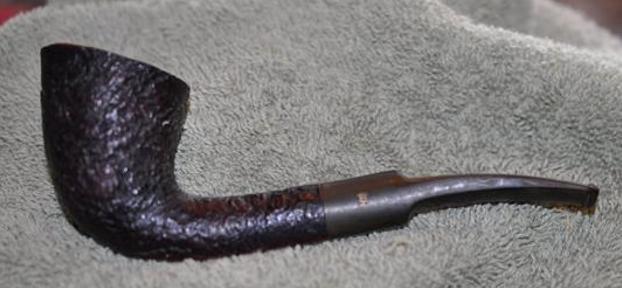
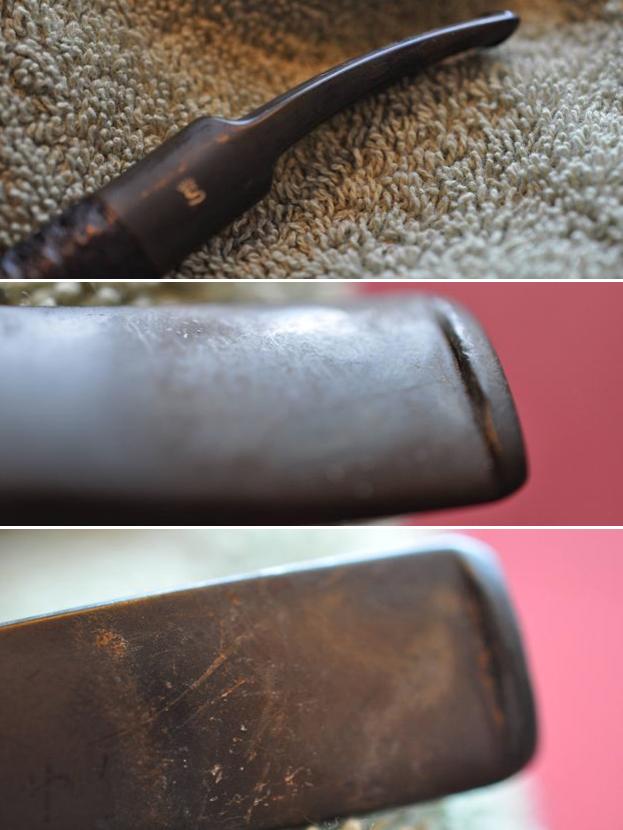
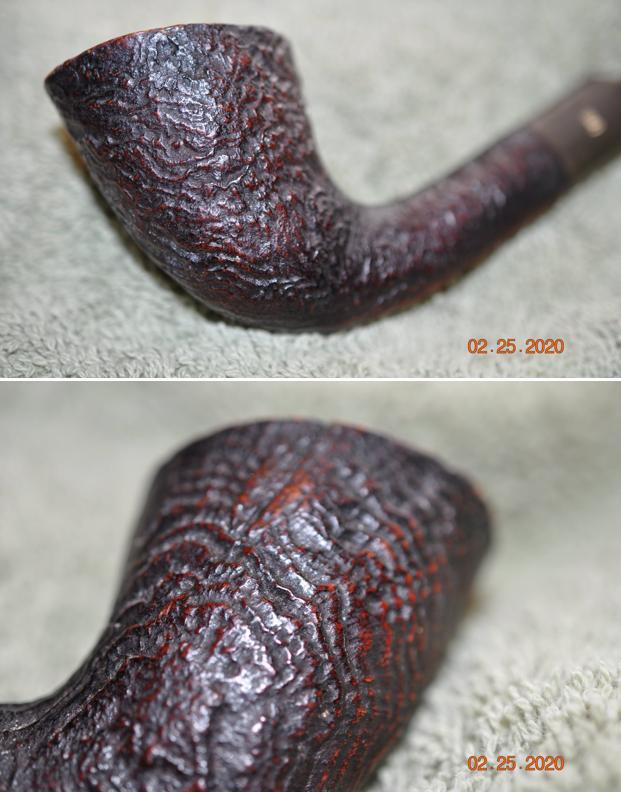
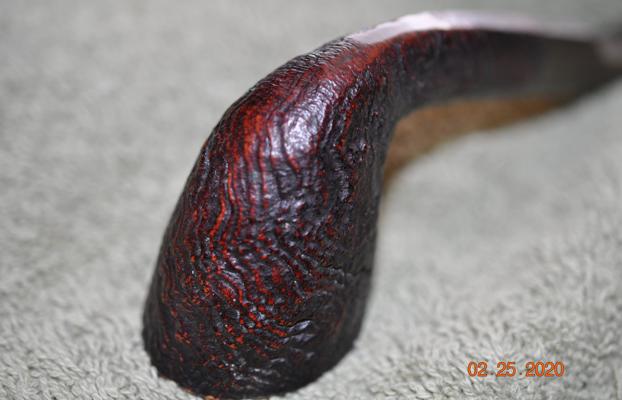
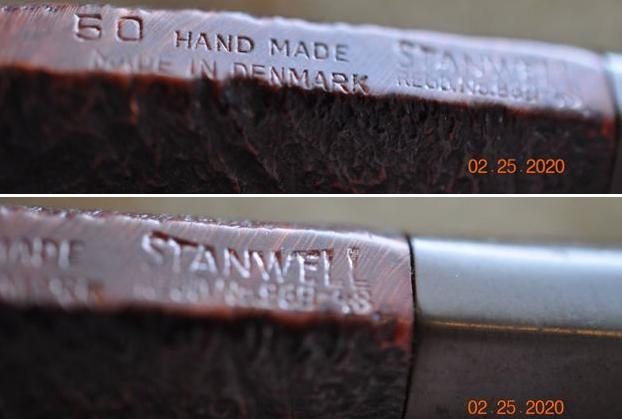
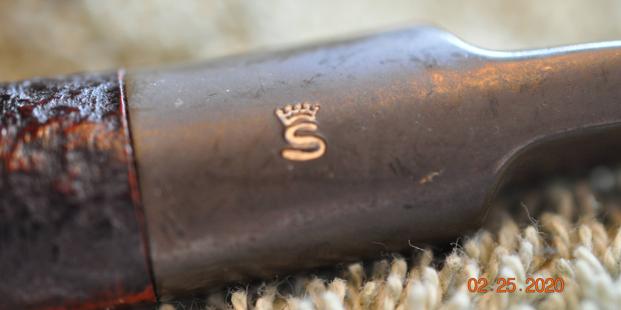
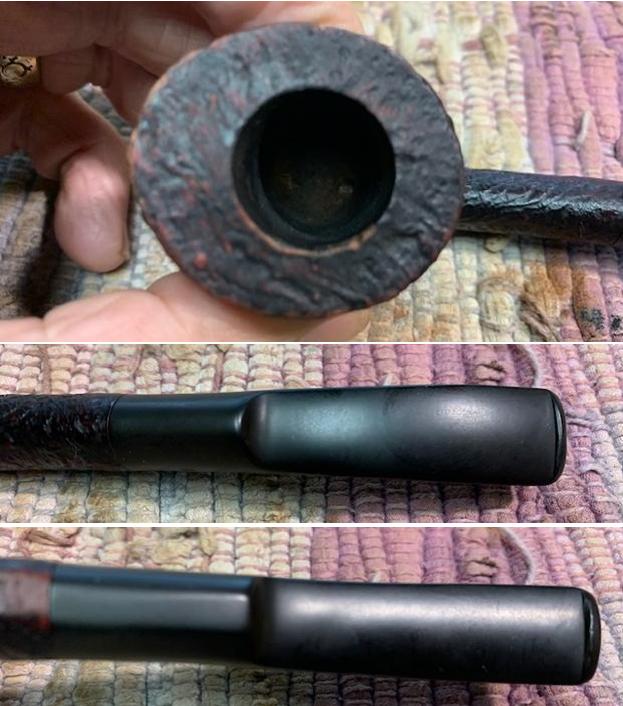
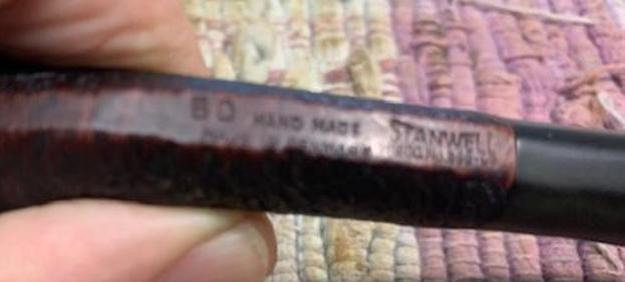
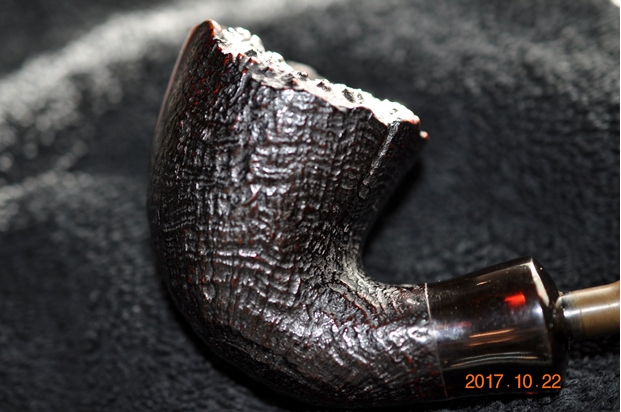
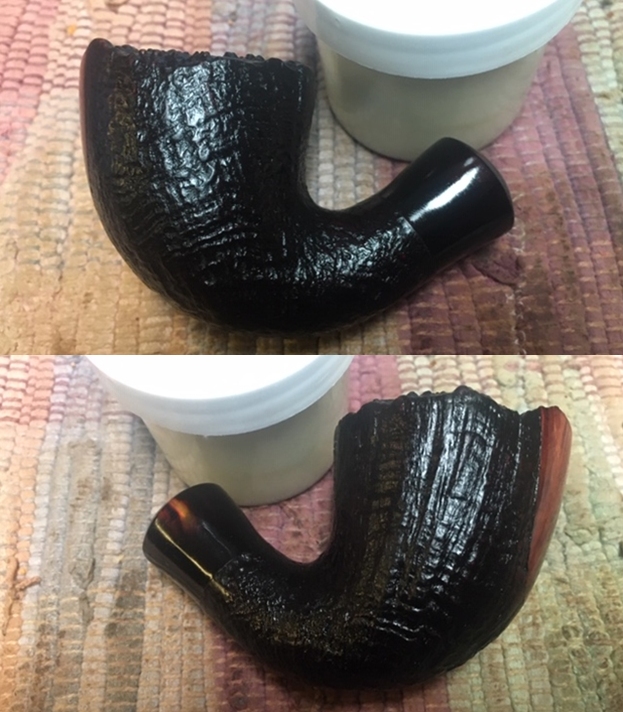
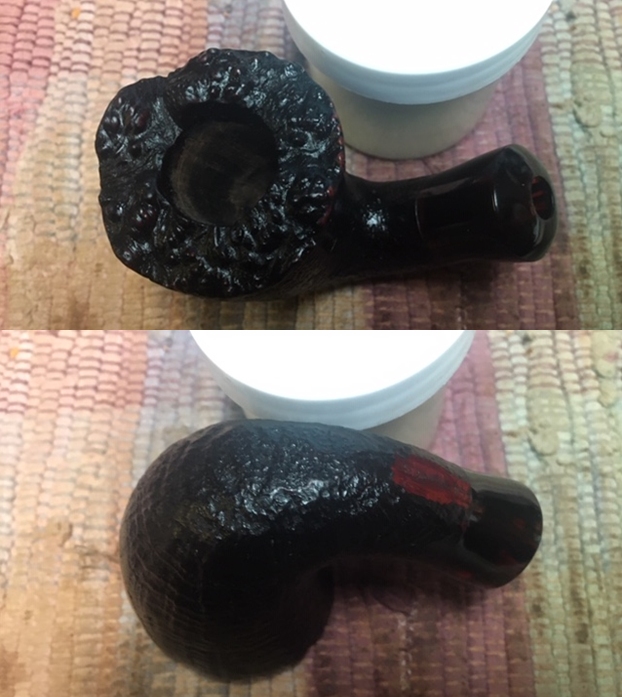
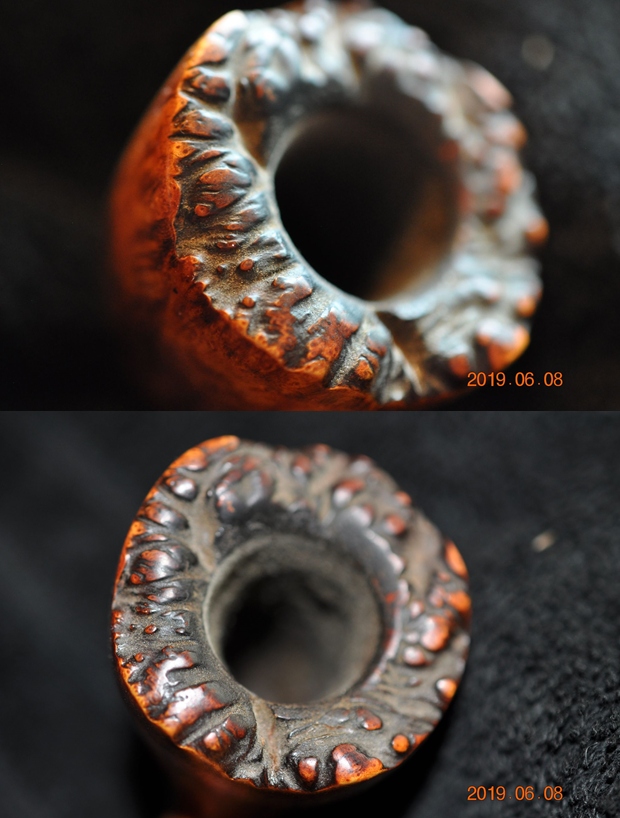
This large sandblasted freehand pipe with plateau rim top is stamped on the smooth underside of the shank from the foot towards the shank end as “HAND MADE” over “MADE IN DENMARK” in block capital letters followed by “STANWELL” in an inverted arch. Towards the shank end is the shape code/ model number “62”. The silver “Crowned S” adorns the left side of the vulcanite stem. The stampings on the stummel have worn off in the first half from the foot towards the shank end and can be seen in bright light and under magnification.There is adequately detailed and informative material available on both pipedia.org and pipephil.eu on the brand; however, I was keener to know the exact dating and correlate the pipe details with the shape code. Basil Stevens is considered an authority on all things Stanwell and on surfing the net, I came across this site which gives out pointers to dating a Stanwell pipe; here is the link https://www.scribd.com/document/45022903/Stanwell-Dating-Pricing-Information-by-Basil-D-Stevens.

I reproduce the relevant pointers which help in dating the Stanwell on my work table:-

Dating Information:

  1. Block letter stamp “Silver S” used until late 1960s and then changed to script.
  2. Up until the early 1960s only the top pipes, e.g. “Hand Cut” had the stem/mouth pieces stamped with the Stanwell logo of a crown over “S”.

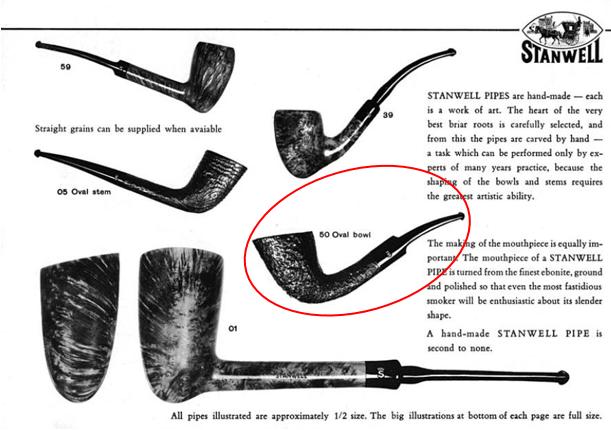
The last bit of curiosity in my mind was to link the model number on my Stanwell to the description of the shape and designer, if possible. Again pipedia.org has a section on “Stanwell Shape Numbers and Designers” and sure enough, 62 finds a mention, here is the link

(https://pipedia.org/wiki/Stanwell_Shape_Numbers_and_Designers).

I quote and reproduce the relevant information:-

  • Two versions of this shape number
  1. a) Liverpool, medium size.
  2. b) Freehand, Plateau top, saddle mouthpiece, by Sixten Ivarsson.

Thus from the above, it is amply evident that the pipe now on my work table is a Freehand pipe from the late 1960s designed by Sixten Ivarsson!!

Now on to restoring this Stanwell Freehand pipe with a delicate vulcanite saddle stem……..

Initial Visual Inspection
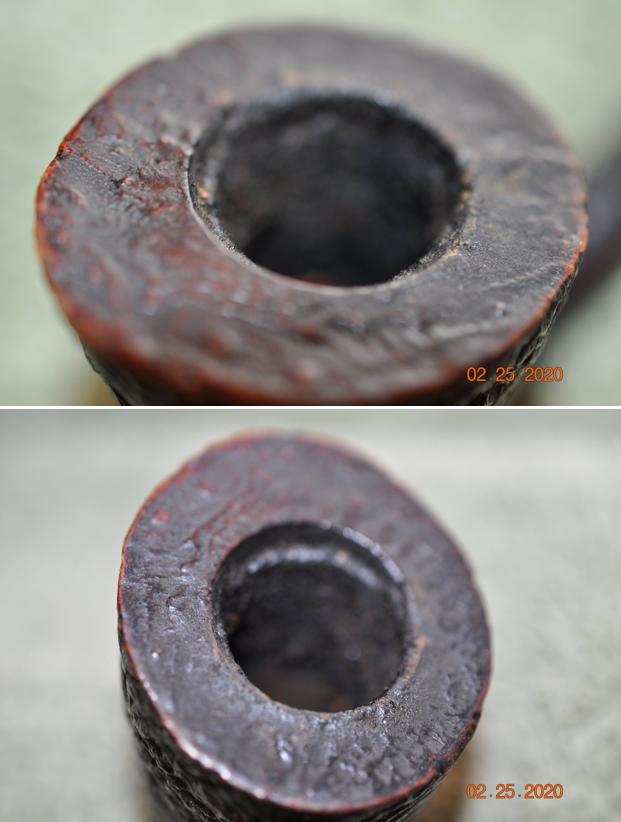
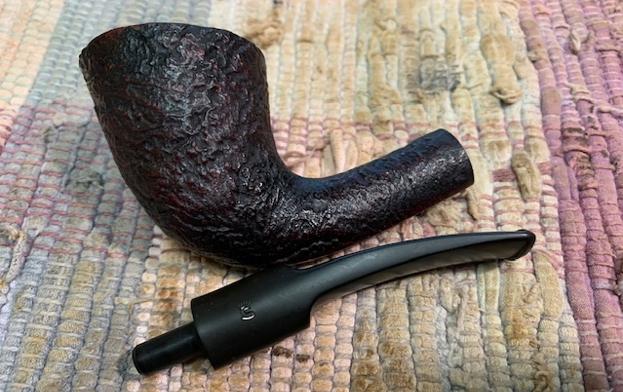
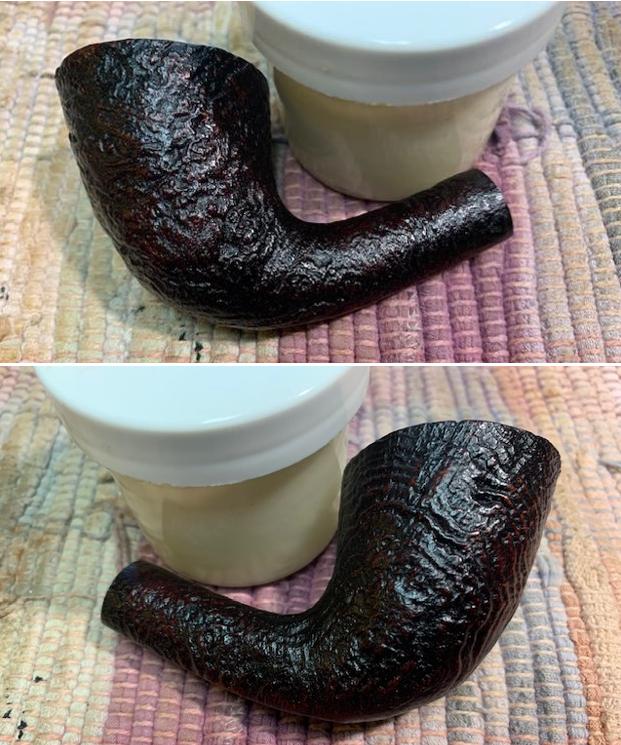
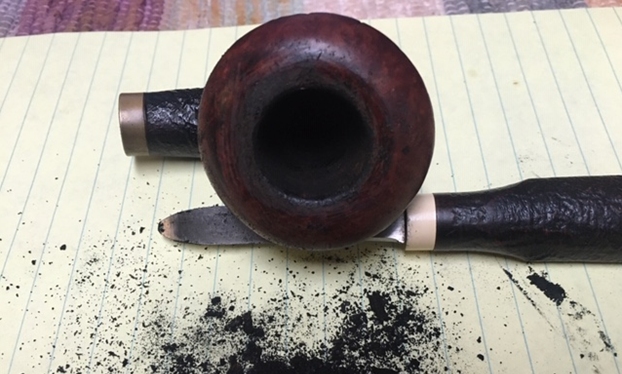
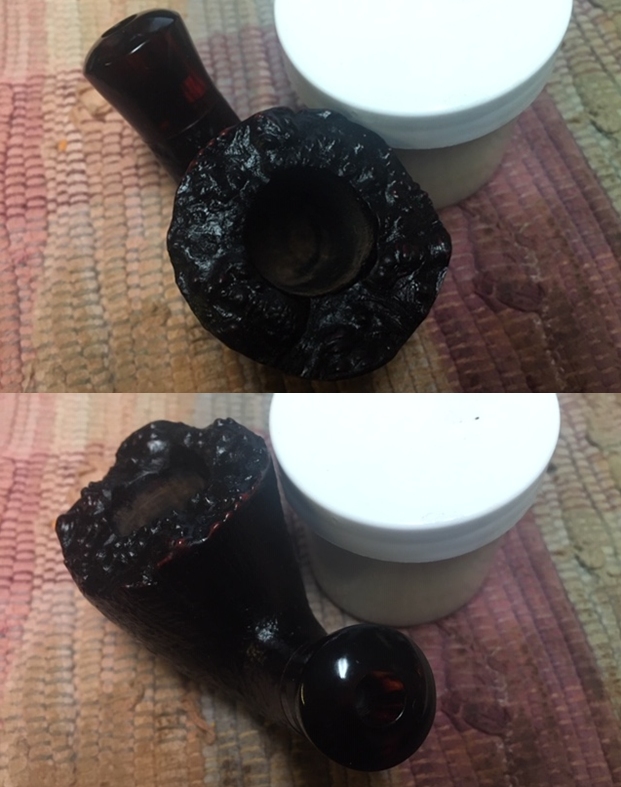
This medium sized sandblasted freehand pipe has a good heft and nicely fills the hand. Like most of the pipes from my inheritance; this too has a thick layer of cake in the chamber with overflow of lava on the plateau rim top. The cake is dry and hard. The inner rim edge appears sans any damage and this would only be confirmed once the chamber has been reamed. The condition of the walls of the chamber can be commented upon once the cake has been taken down to the bare briar. However, the external surface of the stummel feels and looks solid and hence I do not foresee any major issues surprising me later in the course of restoration. The ghost smells are very strong in the chamber. As is commonly seen on sandblasted pipes with some age on them, the crevices are always filled with dust, dirt, oils, tars and grime from all the years of smoking and storage. This one is no exception to this observation. The grooves of the sandblast are filled with dust and grime. The fact that the textured patterns of the rustications are dusty and filled with dirt is accentuated more due to the contrast of dark and medium brown stains on the stummel and the shank. The briar looks lifeless and bone dry and has taken on black dull hues. The mortise is full of oils, tars and gunk and the air flow is restricted. Through all the dirt, dust and grime, beautiful sandblast patterns can be seen and appreciated. The delicate vulcanite saddle stem is beautifully contoured to match the flow of the pipe with a smooth surface at the bottom of the saddle contiguous with that of the shank. The stem is heavily oxidized with a couple of deep tooth indentations on both the upper and lower stem surface in the bite zone. The lip edge on either surface has bite marks. These repairs should be easy. The tenon and horizontal slot is covered in dried oils, tars and gunk. The stem air way too appears to be clogged as the air flow through the stem is laborious to say the least. The stem logo of the letter ‘S’ with a crown on top is crisp and deep.The Process
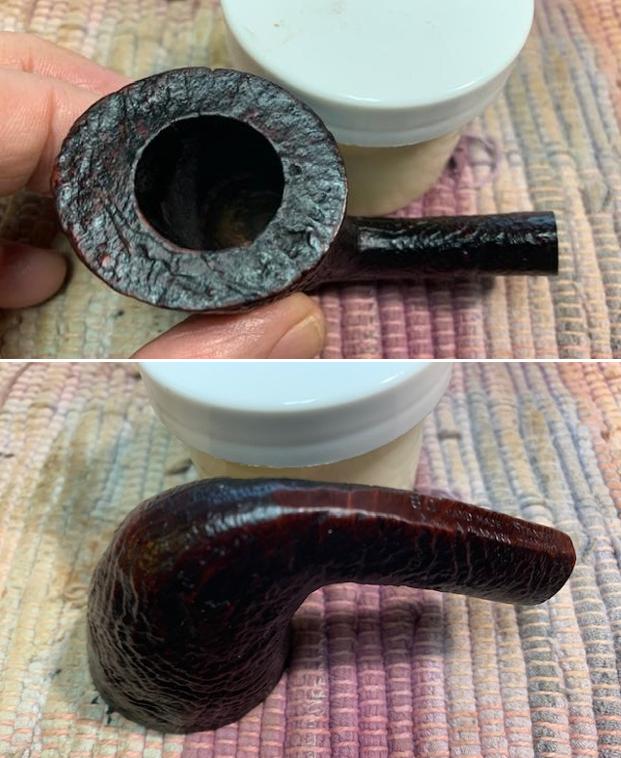
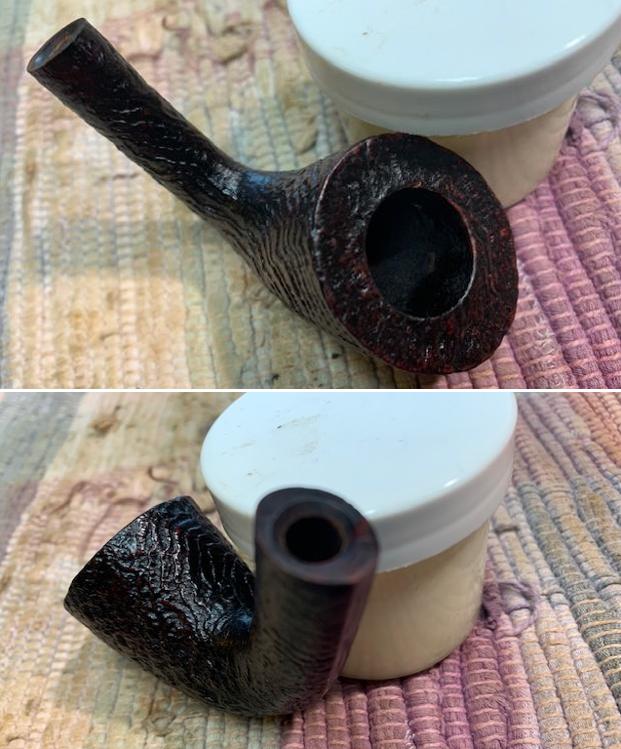
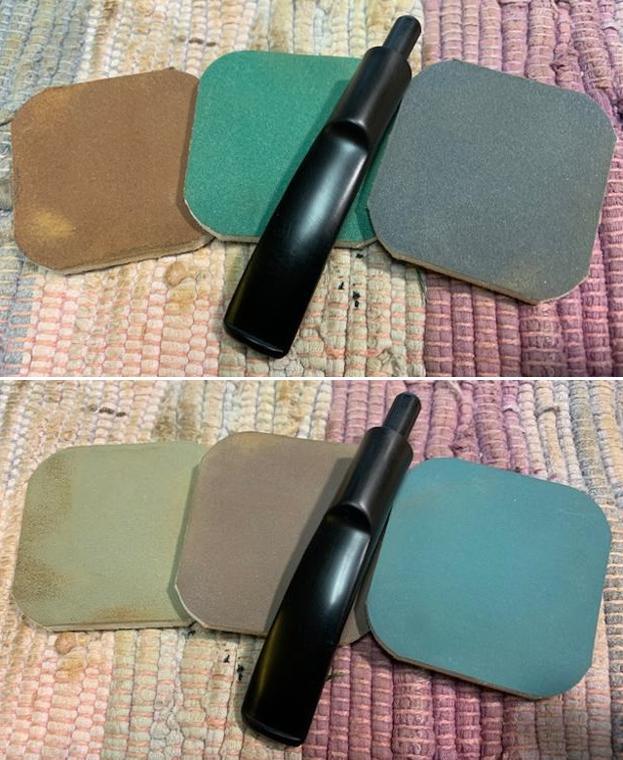
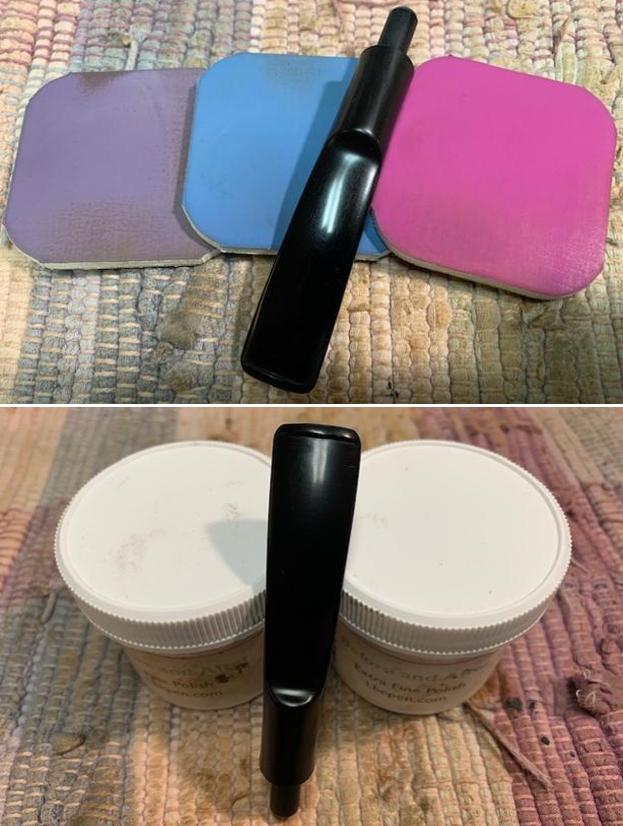
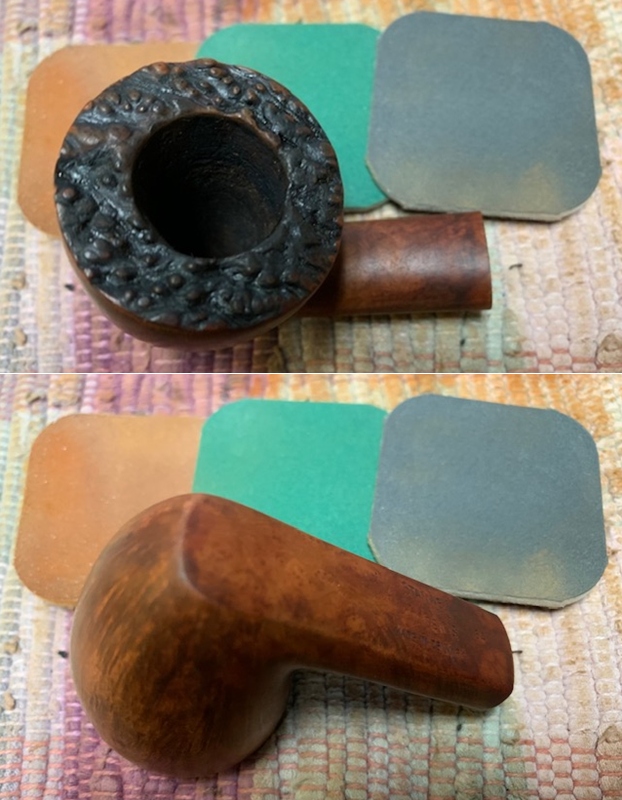
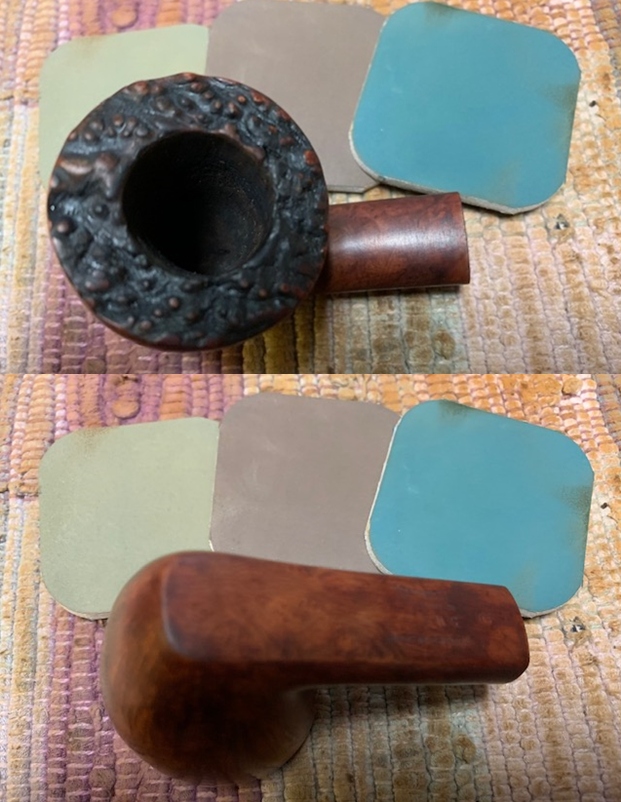
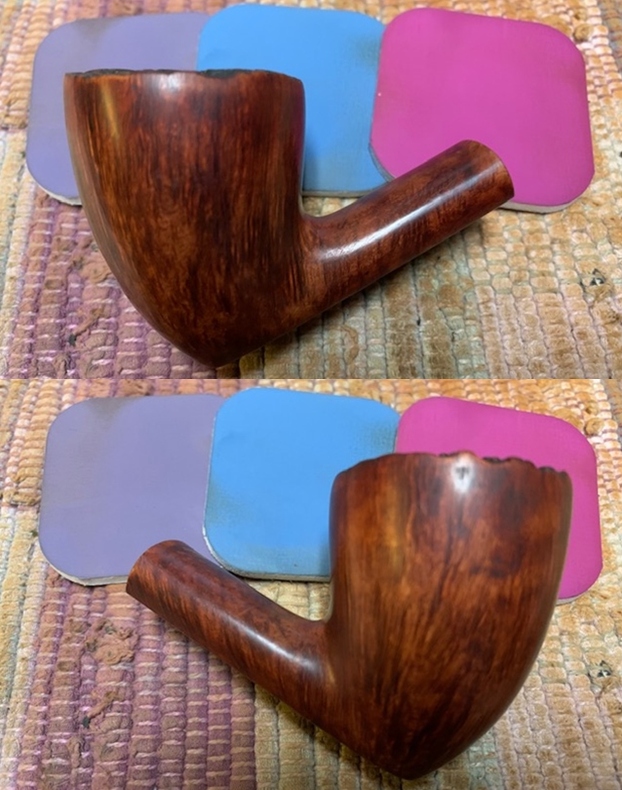
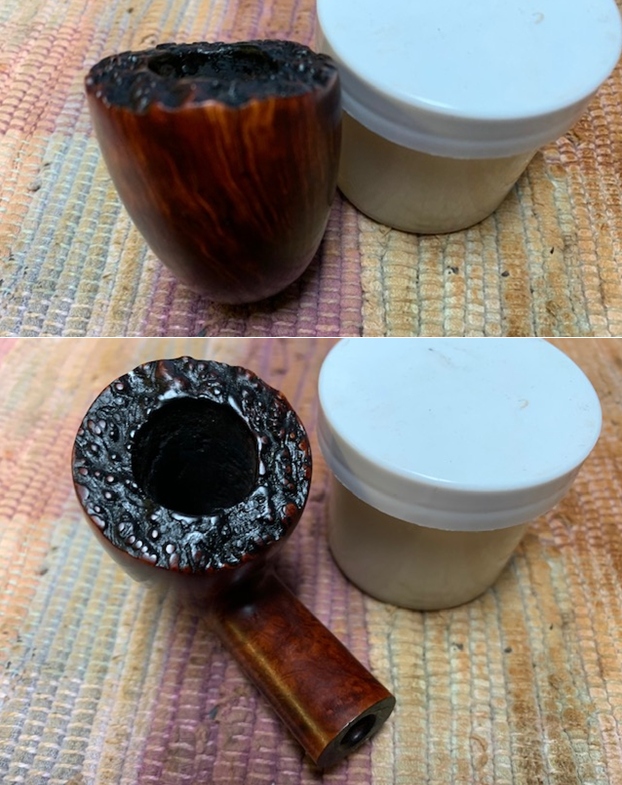
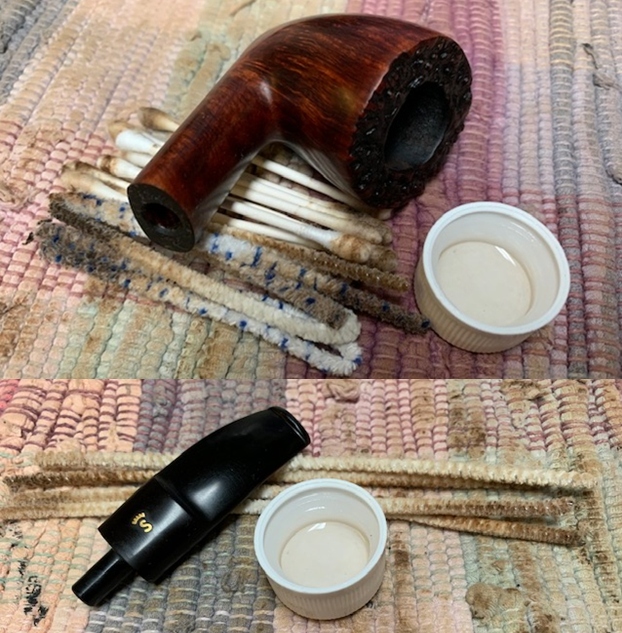
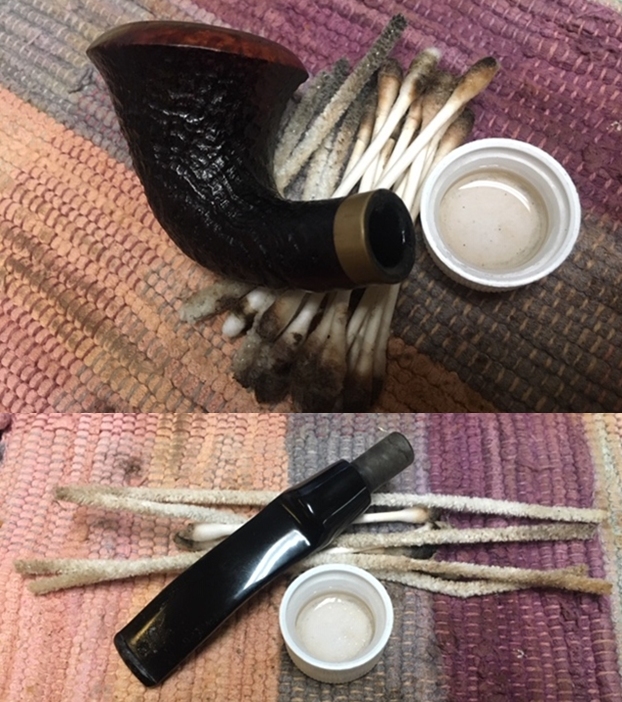
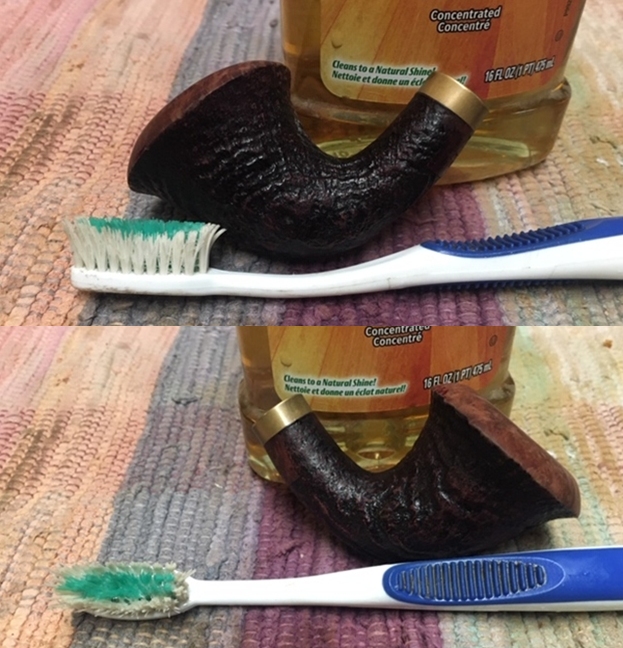
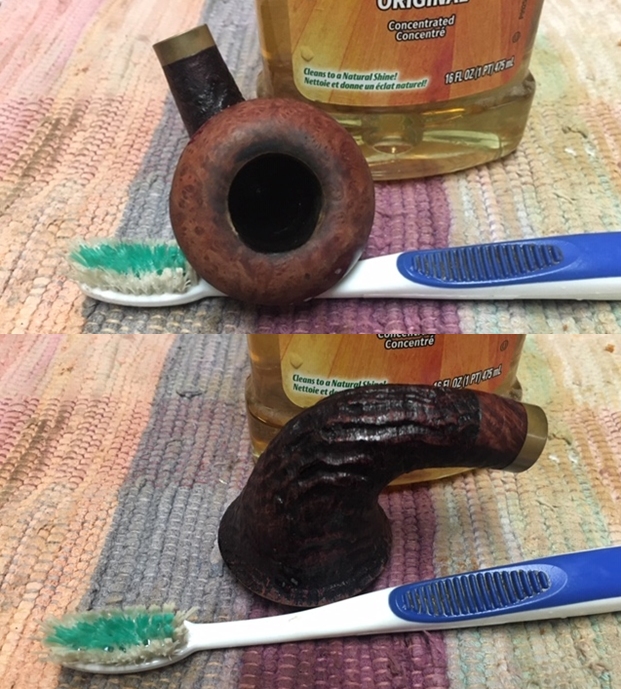
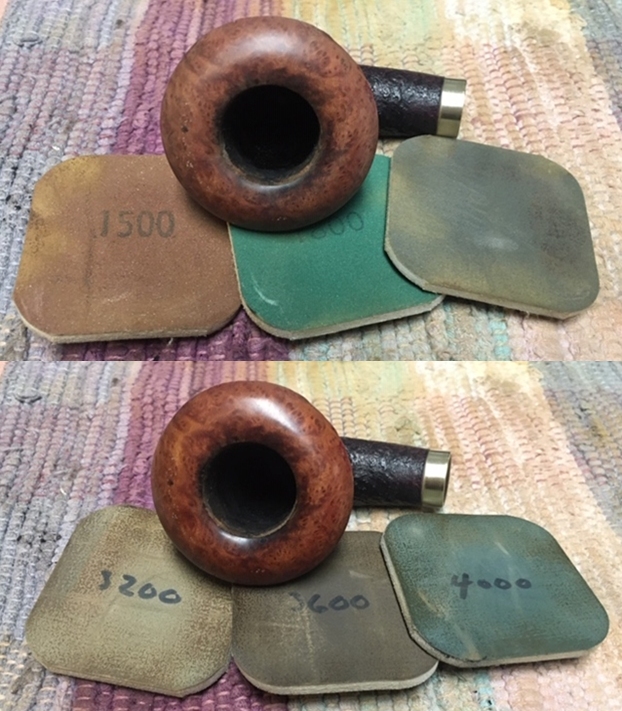
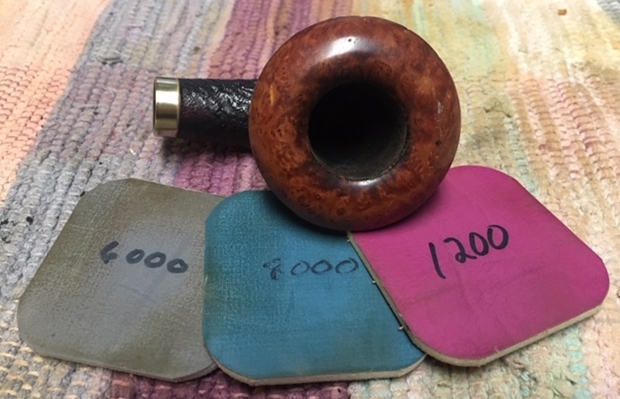
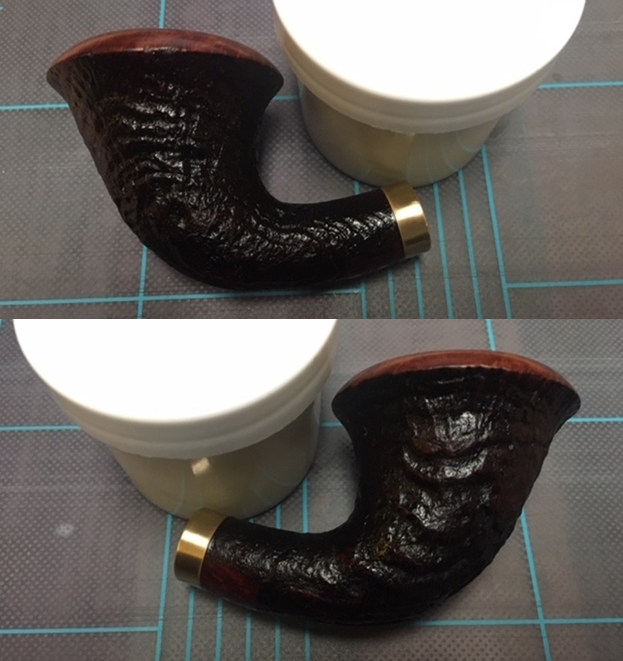
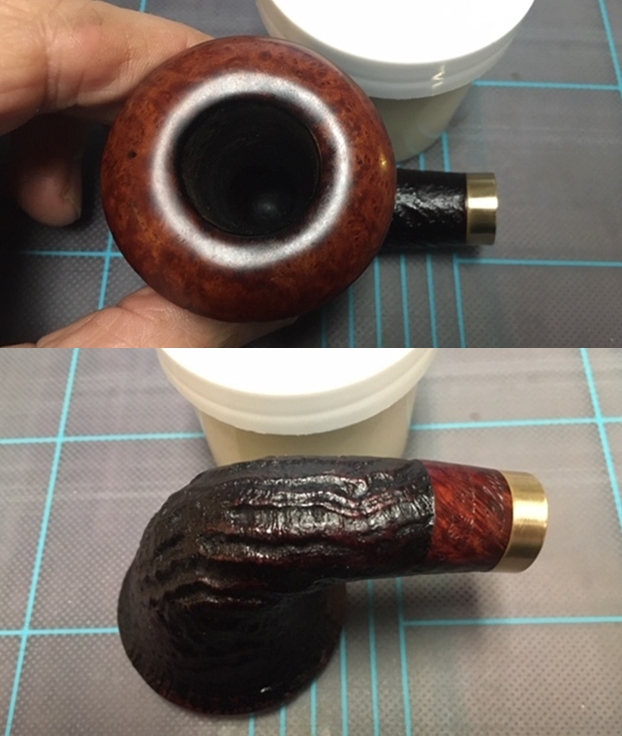
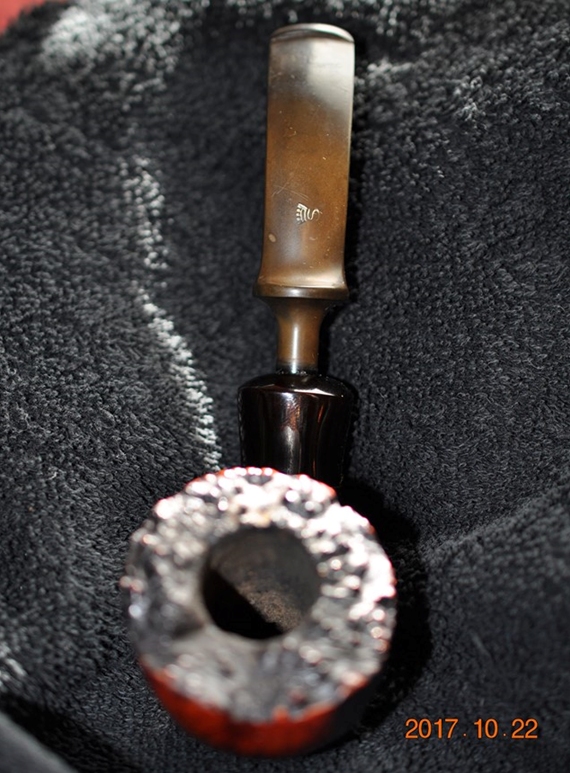
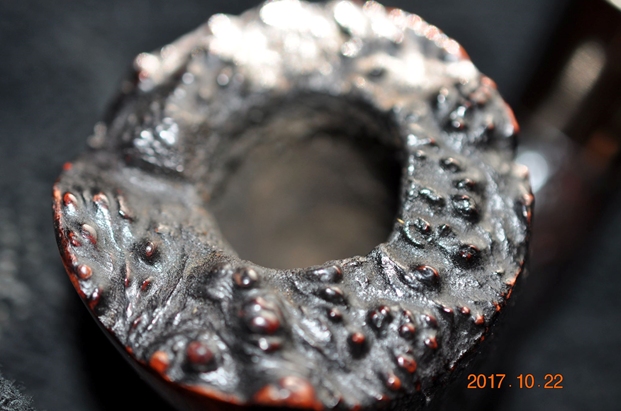
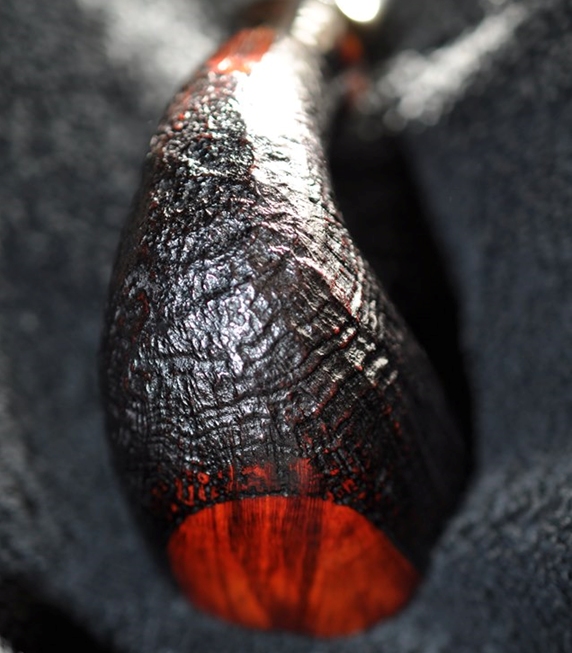
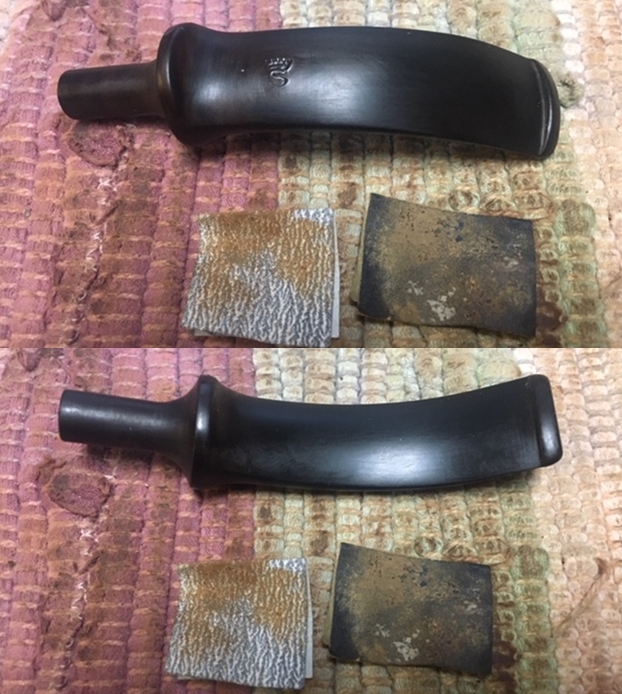
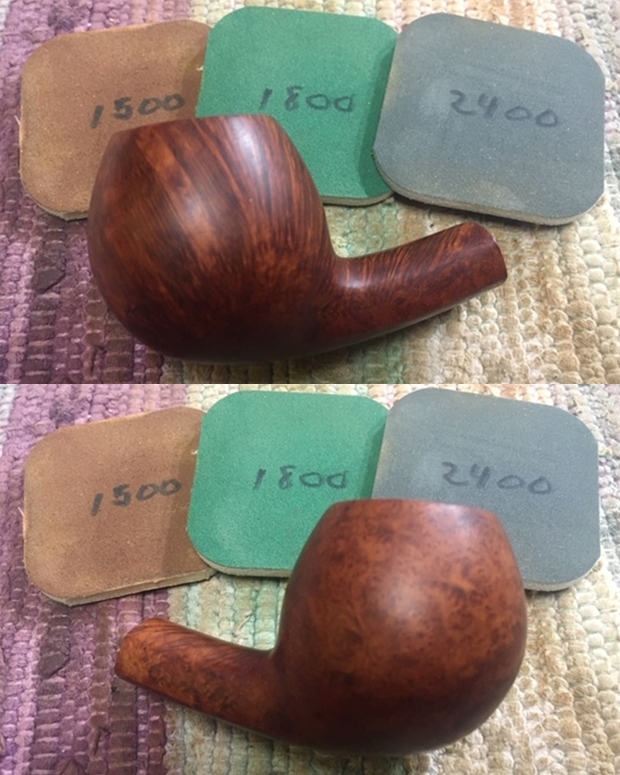
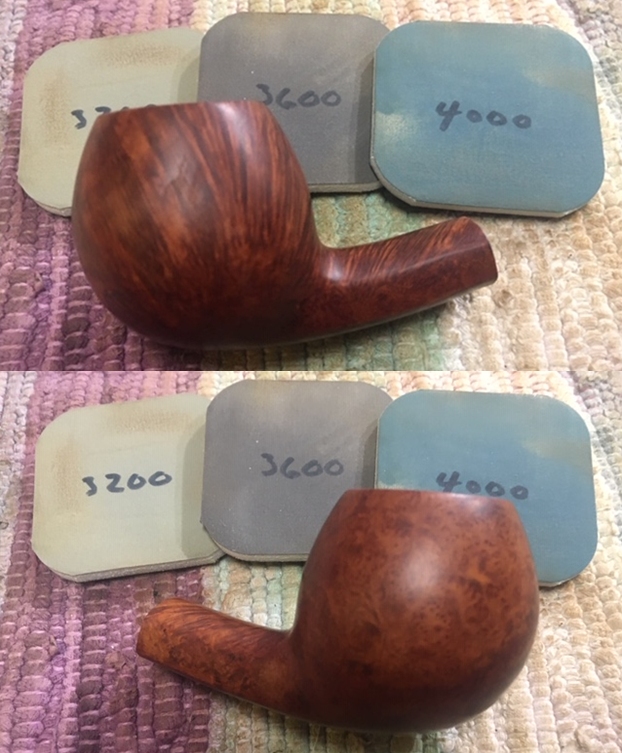
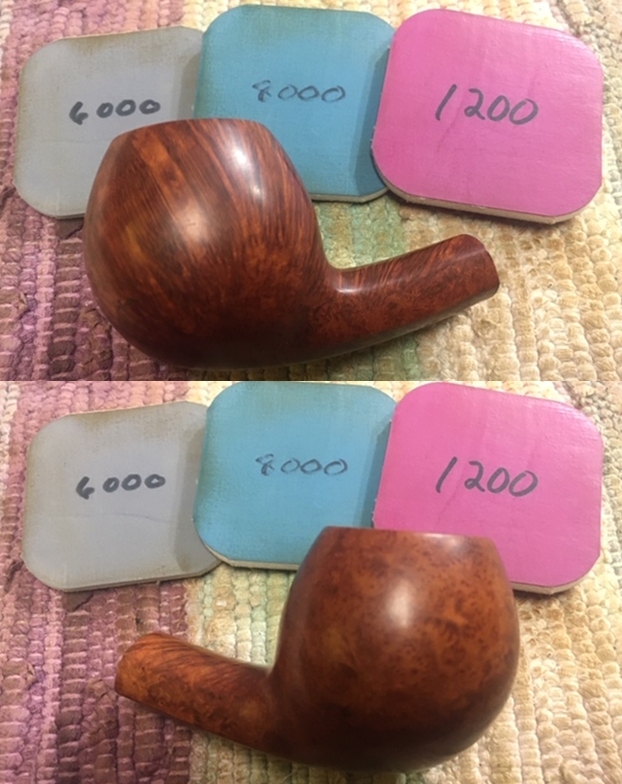
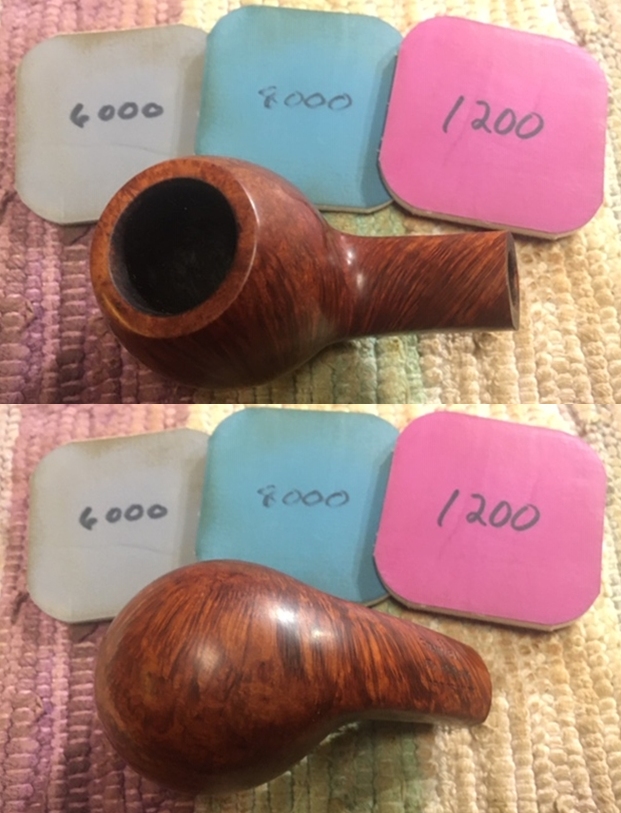
The process of refurbishing this pipe started with the cleaning of the stem. Abha, my wife, cleaned the stem air way with regular and bristled pipe cleaners dipped in 99.9% pure isopropyl alcohol. She further cleaned the stem internals with thin shank brushes and dish soap to remove the stubborn and thick gunk from within the airway. The heap of pipe cleaners and their appearance tells a sordid story. With my sharp fabricated knife, she scraped off all the dried tars and gunk from the tenon end.Once the stem internals had been cleaned, I gently sand the stem surface with a used piece of 220 grit sand paper and immersed it in “Before and After Deoxidizer” solution along with the stem of other pipes in line for restoration. This solution has been developed by Mark Hoover and works to draw out all the deep seated oxidation from the surface making it’s subsequent cleaning and polishing a breeze. I would definitely recommend this product as it saves on to time and efforts. It has been our experience that before immersing the stem in to the stem deoxidizer, light sanding of the stem with a folded piece of 220 grits sand paper loosens the oxidation a bit and helps get fantastic end results. The pipe has been marked with a green arrow for easy identification.Simultaneously, while Abha was working on the stem, I reamed the bowl with a Castleford pipe reamer using the first three head sizes. Using my fabricated knife, I cleaned the cake from areas which could not be reached by the reamer heads. I used a 220 grit sand paper, pinched between my thumb and forefinger, to sand the inner walls of the chamber. Once I had reached the bare walls, I wiped the chamber with a cotton pad dipped in isopropyl alcohol. This removed all the residual carbon dust and also allowed a clear inspection of the walls. The walls of the chamber are nice and solid with no signs of heat fissures or cracks. The inner rim edge shows no charring or chipping. The ghost smells are still strong and all pervading. Hopefully these smells will be exorcised once the shank and mortise are thoroughly cleaned! I cleaned the mortise and shank walls using q-tips, shank brush, regular and hard bristled pipe cleaners dipped in isopropyl alcohol. I scraped the walls with a dental tool and removed the entire accumulated gunk. I shall further clean it with a shank brush and liquid dish soap once I clean the stummel surface. The strong smells still persist though the mortise is nice and clean as can be seen in pictures.With the bowl internals clean, I move to clean the exterior of the stummel. I generously applied “Briar Cleaner”, a product that has been developed by my friend Mark Hoover, to the external surface of the bowl and the plateau rim top surface. It works similar to Murphy’s oil soap and needs to be applied to the stummel surface and set aside for 5- 10 minutes. The product pulls out all the dirt and grime to the surface making further cleaning easy. I am quite happy with this product. I used a hard bristled tooth brush to scrub the stummel and rim top with the solution. After the scrub with Briar cleaner solution, I washed the stummel under running warm water with anti oil dish washing detergent till clean and dried it using paper towels and soft cotton cloth. I deliberately cleaned the plateau rim top with Scotch Brite pad and set the stummel aside to dry out naturally. I simultaneously cleaned the shank internals with the detergent and hard bristled shank brush. The stummel surface has cleaned up nicely with the intricate sandblast patterns on full display. The ghost smells in the chamber were still quite strong and hence I decided to address this issue. To eliminate the ghost smells from the pipe, I decided to treat it with salt and alcohol. I do not use Kosher salt as it is not readily available here and if available, it’s very expensive. I use a cotton ball which is an at par substitute as I have realized over the last year or so. I draw out a wick from the cotton and along with a folded regular pipe cleaner; insert it into the mortise and through the draught hole into the chamber. Thereafter, I pack the chamber with cotton balls to about quarter of an inch below the rim’s inner edge. I soak the cotton balls with isopropyl alcohol up to the brim. About half an hour later, the level of alcohol goes down, having been absorbed by the cotton. I top it up once again and set it aside overnight. By next morning, the cotton and alcohol has drawn out all the remaining oils and tars from the chamber and mortise, fulfilling its intended task. I removed the cotton ball and ran pipe cleaners through the mortise to clean out all the loosened tars and gunk. The chamber now smells clean and fresh. I set the stummel to dry out naturally.The next morning, Abha removed the stems that had been soaking in the deoxidizer solution overnight. She cleaned the stem and the stem airway under running warm water and scrubbed the raised oxidation from the stem surface using a Scotch Brite pad and the airway with thin shank brush. She further removed the oxidation by scrubbing the stem with 0000 grade steel wool and applied a little olive oil to rehydrate the stem.The deep tooth indentations are now clearly visible. Since I did not have a lighter to heat and raise these indentations to the surface (my preference to use it for this purpose), I used a lit match stick instead. I have experimented with a lit candle also and the results of both these alternatives are equally good; however, one has to be doubly careful as the heat from a candle flame is more intense as compared to a match stick or a lighter. These tooth indentations were raised to the surface to some extent due to the heating; however, it would require a fill to complete the repairs.I prepared a mix of CA superglue and activated charcoal and carefully applied it over the damaged bite zone on both surfaces and lip and set it aside for curing overnight. I had applied this mix in sufficient thickness which would help during the filing and sanding to match the fills with the stem surface.While the stem was set aside for the fills to cure, I decided to polish the raised portions of the plateau rim top surface. The polished lightened and shining raised portion should be a nice contrast to the surrounding rim surface. I dry sand the raised portions with 1500 and 2000 grit sand papers (1500 to 2400 grit pads have worn out) followed by dry polishing with 3200 to 12000 grit micromesh pads. I like the appearance of the rim top at this stage. Next, I rubbed a small quantity of “Before and After Restoration Balm” in to the briar with my fingertips, working it deep in to the sandblasts and let it rest for a few minutes. I generously rubbed the balm in to the plateau rim top surface. The balm almost immediately works it’s magic and the briar now has a nice vibrant appearance with the beautiful sandblast patterns displayed in their complete splendor. The contrast of the dark browns of the raised sandblast with the dark black of the rest of the stummel added an interesting dimension to the appearance of the stummel. The most interesting aspect was the appearance of the plateau rim top which may be insufficiently described in words and be rather seen in person. I further buffed it with a horse hair brush. I set the stummel aside and worked on the stem. The stem fills had cured nicely and using a flat head needle file, I sanded the fill to achieve a rough match with the surrounding stem surface. I further sanded the stem surface with a folded piece of 220 and 320 grit sand papers to further blend in the repairs and followed it with wet sanding the entire stem with 1500 to 12000 grade micromesh pads. I wiped the stem with a moist cloth to remove the dust and monitored the progress being made after every three grit pads. The stem polished up nicely and had a rich deep black shine to it. I applied a little Extra Virgin Olive oil to rehydrate the vulcanite and set the stem aside. I refreshed the stem stamping with a white correction pen. The end result shows a perfectly refreshed stem logo.To complete the restoration, I mounted a cotton cloth buffing wheel on to my hand held rotary tool and applied several coats of carnauba wax. I finished the restoration by giving the entire pipe a rigorous hand buffing using a microfiber cloth to raise the shine further and remove any residual wax from in between the sandblasts. The finished pipe looks amazingly beautiful and is now ready for its long second innings with me. I only wish it could share with me it’s life story of the past years while I enjoy smoking my favorite Virginia blend in it or maybe an English blend or maybe just keep admiring it!! P.S. This and the subsequent restoration that I have lined up are all simple and straight forward projects, however, I would assure the readers that each one is unique and each project is interesting.

In these troubled times when at one point in time the world wide call was for mankind to come closer, it is now necessary to maintain and observe social distancing. I wish that we maintain physical distance to prevent the spread of the virus but let’s bond together mentally, emotionally and spiritually.

I wish to thank each one for sparing their valuable time to read through this write up and praying for the health and safety of entire mankind. Stay home…stay safe!!

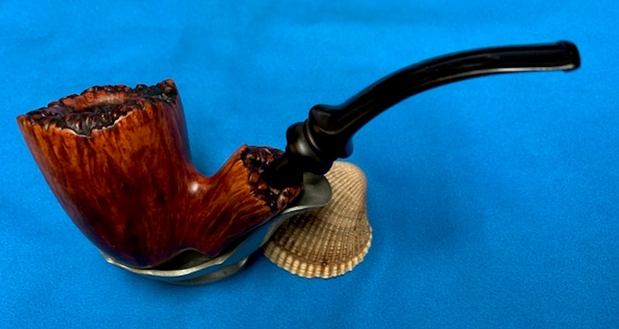
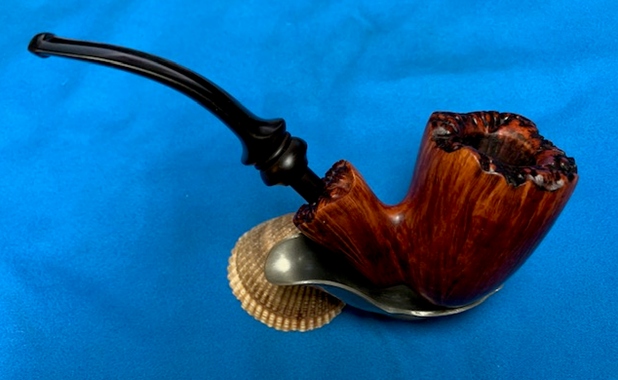
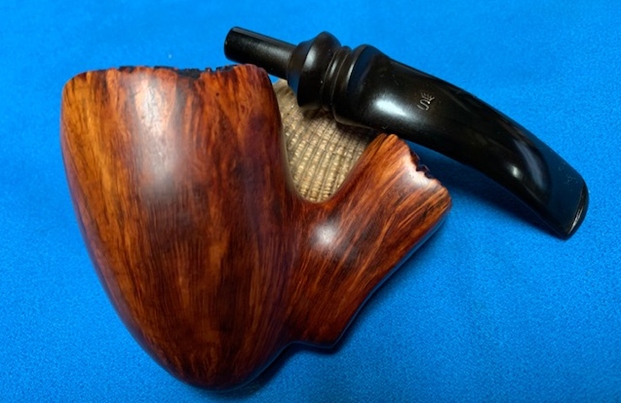
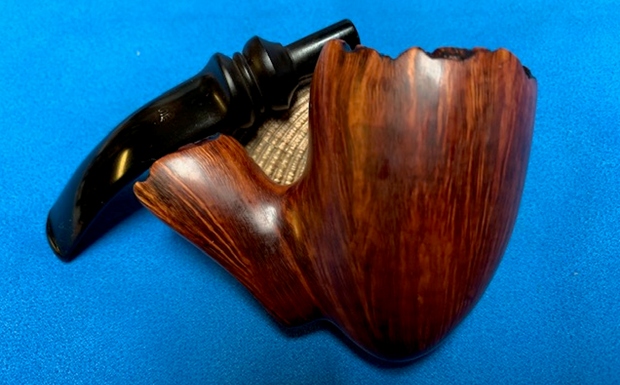
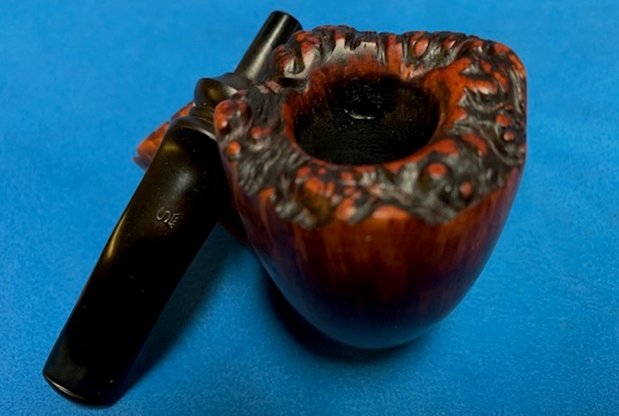
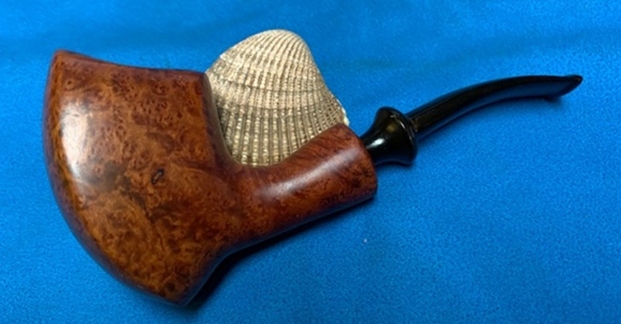
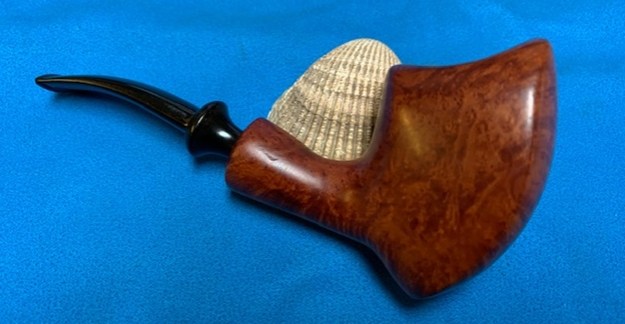
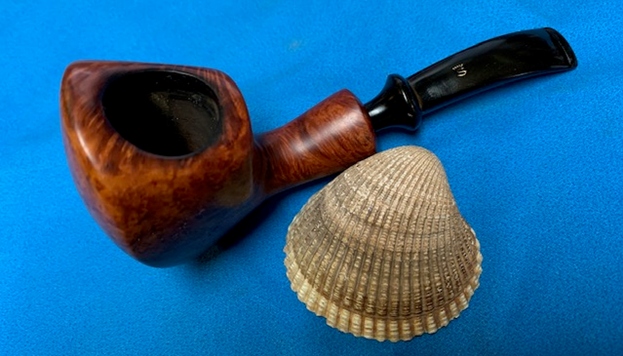
Replacing a Broken Tenon on a Stanwell RP Freehand


Blog by Steve Laug

Yesterday a fellow pipe smoker called to say he was in front of my house and had a pipe that he had dropped while on a walk and needed a replacement tenon. He put the pipe in my mail box and I picked it up and while he was on the front side walk I chatted with him from the front porch – very much observing social distancing. The pipe was a beautiful Stanwell RP Freehand. Sure enough the tenon was stuck in the shank and snapper off just ahead of the fancy turned ball on the stem. Tenon replacements on these freehand styles are some of the easiest to do. It means that the stem end is flattened and drilled out to accommodate a new tenon. He also pointed out some road rash on the left side of the bowl where the pipe had bounced off the sidewalk. While I am not taking on new work what could I say to a previous customer standing at my gate asking for help. Of course I took the pipe in and today decided to address the broken tenon. I took pictures of the pipe to show its condition before I started. I took some photos of the shank end to show the snapped tenon in the shank and the broken end on the stem. I tried to pull the tenon with some simple tricks and it was stuck in the shank. It would not budge no matter how I tried. I put the bowl in the freezer for 10 minutes to see if a change in temperature would loosen the tenon.I took the bowl out of the freezer and screwed a drywall screw into the airway in the tenon. It did not take much effort at all to wiggle it and pull out the broken tenon. I kept the piece of tenon so that I could match the replace tenon to the diameter of the broken tenon.Before moving on to make the new tenon I decided to address the road rash on the side of the bowl. I have circled it in red in the first photo below. For this application I used a wet cloth and heated the blade of a butter knife over the flame of my gas stove. I put the wet cloth over the damaged spot and when the knife became hot I touched it to the wet cloth. The heat generated steam from the wet cloth and began to lift the damaged spot. I knew that it would not come up totally as it was a rough area but I knew that I could improve the look. The second photo shows the area on the bowl side after the steam application. I enclosed the repaired damage with a red circle.The damage looked much better after the steaming, not perfect but better! I stained the upper portion of the bowl with an Oak stain pen to blend it into the rest of the surrounding briar. Once it was polished it would blend in very well.I worked some Before & After Restoration Balm into the surface of the briar with my fingertips. The product works to clean, enliven and protect the briar. I let the balm sit for about ten minutes and then buffed with a cotton cloth to raise the shine. I find that it also helps to blend a newly stained area into the rest of the bowl. The photos show the bowl at this point in the restoration process. I set the bowl aside and turned my attention to replacing the tenon. I had a threaded tenon that I had started turning down to size for another pipe that would work perfectly. It is shown in the photo below next to the broken chunk of the original tenon. I would need to use a Dremel and sanding drum to finish turning the tenon portion down to match the diameter of the broken one. I would also need to reduce the diameter of the threaded tenon end because of the size of the end of the stem.I set the tenon aside and flattened the jagged portion of the broken tenon on the stem with the Dremel and sanding drum. Once it was flat I began the process of drilling out the airway to receive the new tenon. I always start with a drill bit slightly larger than the existing airway so that I do not chip of damage the stem. I don’t want create more work! I worked my way up to a ¼ inch drill bit as it was the largest one that I could get away with drilling into the stem end without damaging the external surface.I reduced the diameter of the portion of the tenon that fit in the shank and the portion that would be anchored in the stem using a Dremel and sanding drum to rough fit it. I straightened out the edges of the insert portion with a rasp and squared up the edge so that it would seat in the stem. Once I had a good fit in the stem and the shank I used slow setting super glue to anchor the new tenon in the stem. I coated the edges of the tenon and then set it in place and aligned it so that it was straight.Once the glue had cured I cleaned up the surface of the tenon so that it was not scratched with sandpaper and so that it fit well in the shank. I polished the stem with micromesh sanding pads – wet sanding with 1500-12000 grit pads.  I wiped down the stem after each pad with a damp cloth. I polished the fancy turnings on the stem and area around the new tenon with Before & After Pipe Polish (both Fine and Extra Fine) using a cotton swab to get into the grooves and angles. When I was finished I rubbed the entire stem down with the polish and buffed it with a microfibre cloth. With that the pipe is complete. I buffed it on the buffing wheel with Blue Diamond Polish and gave the entire pipe several coats of carnauba wax on the wheel. I buffed it with a clean buffing wheel and then hand buffed it with a microfiber cloth to deepen the shine. The pipe is now ready to go back to the pipe man who dropped it off Friday afternoon. I look forward to hearing what he thinks of his repaired pipe when he picks it up. Thanks for walking with me through this restoration. Cheers.