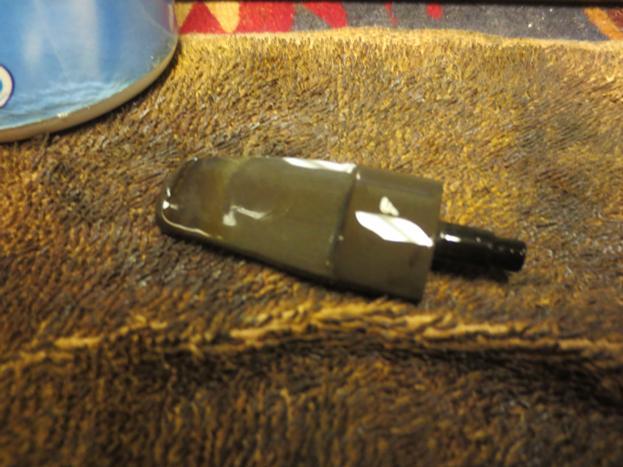
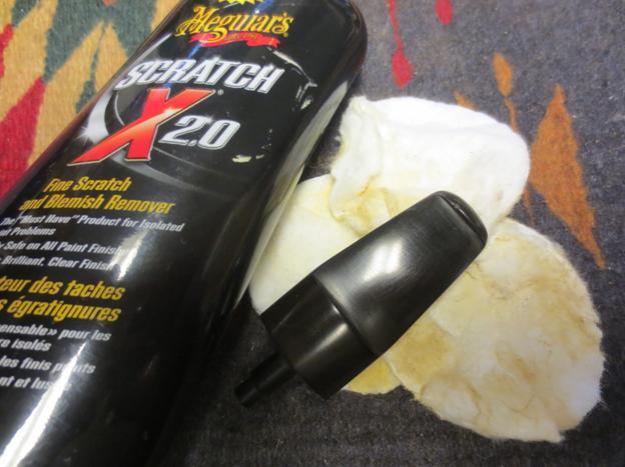
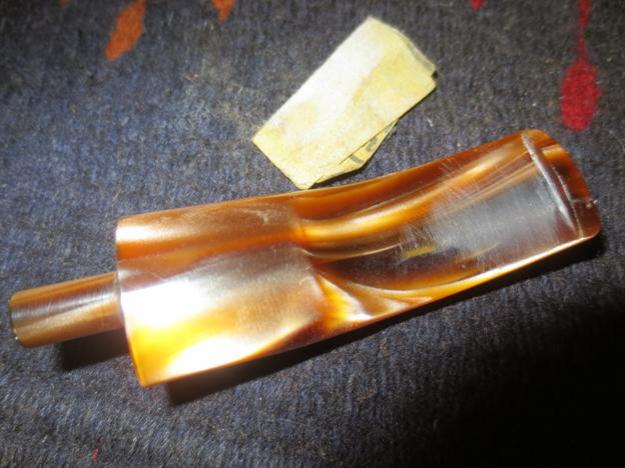
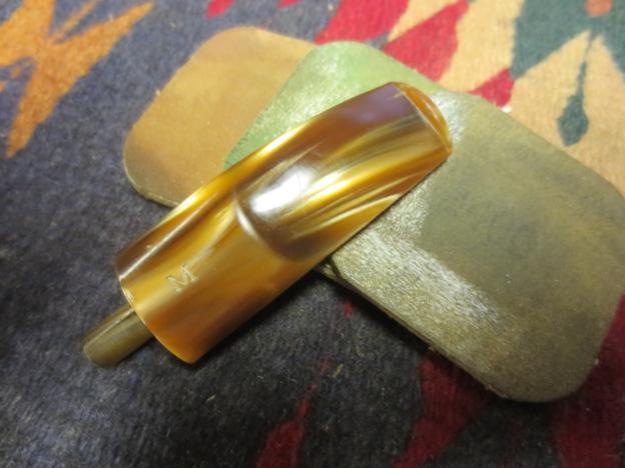
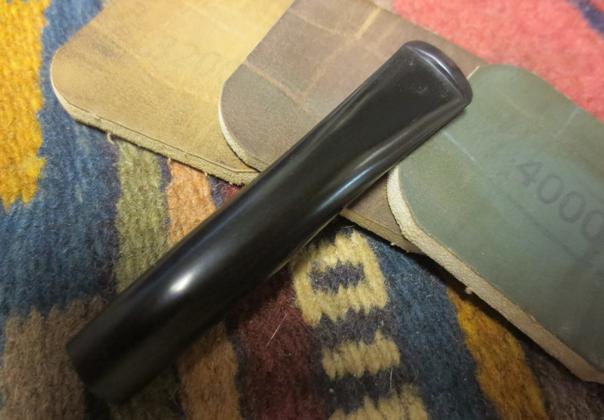
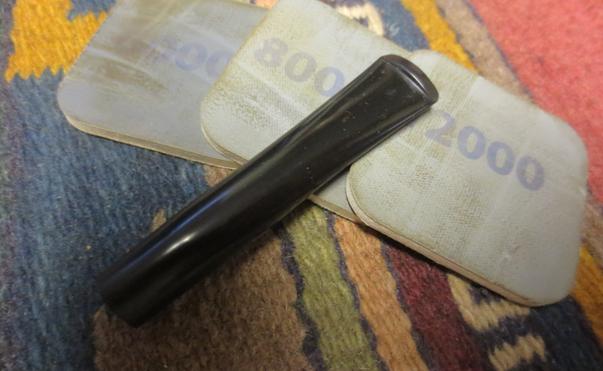
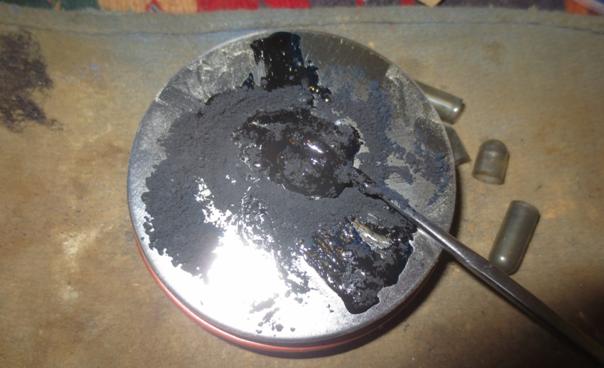
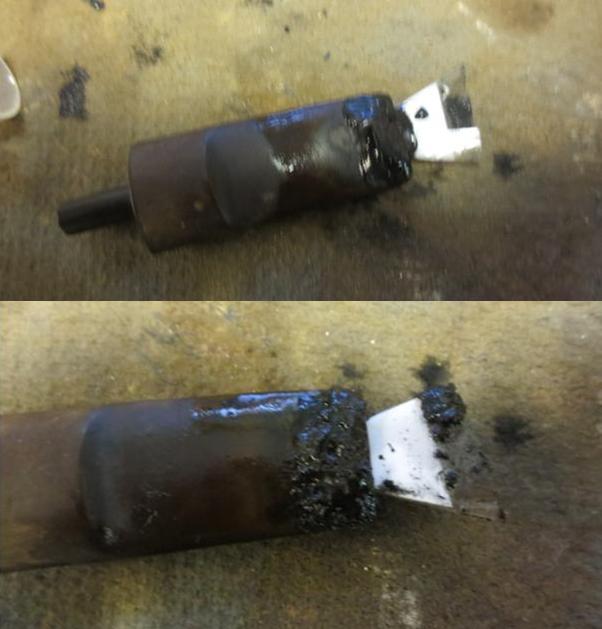
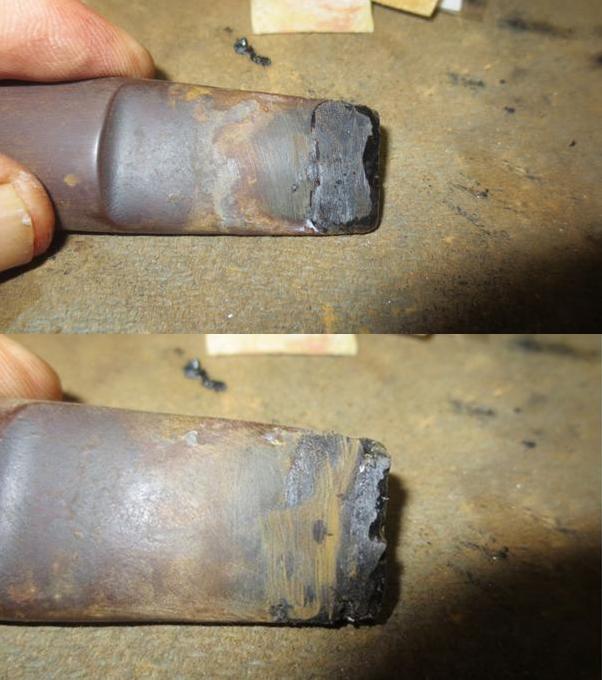
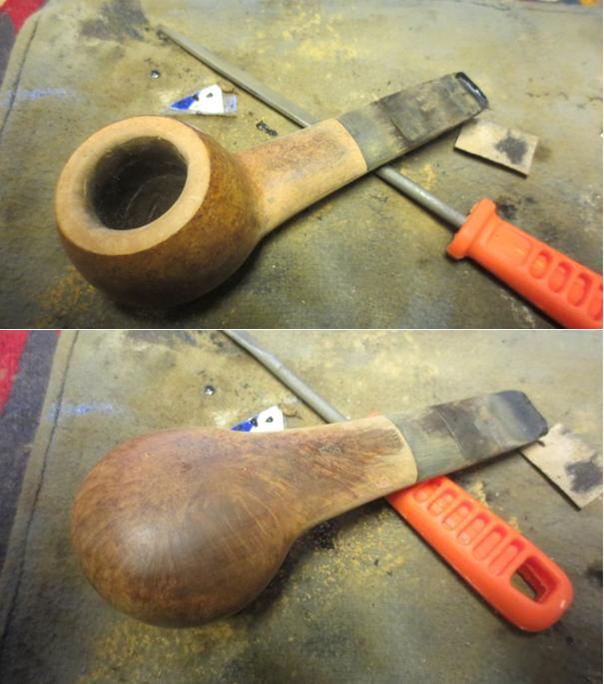
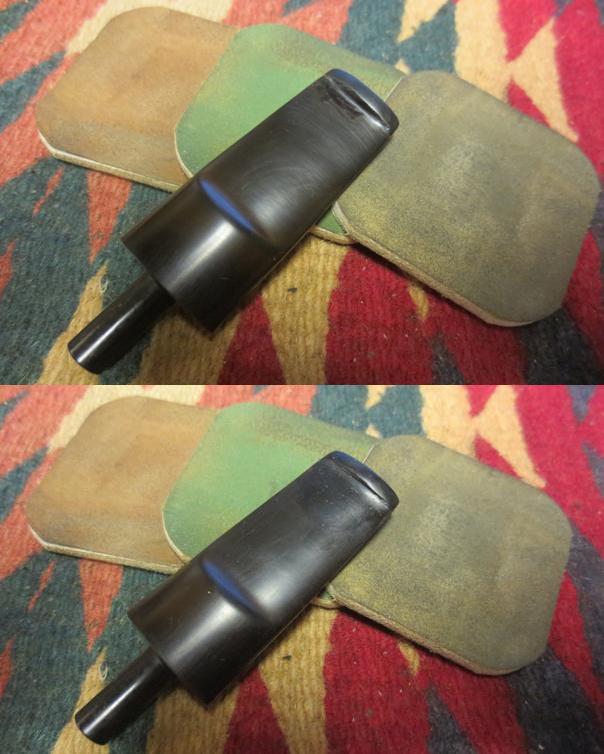
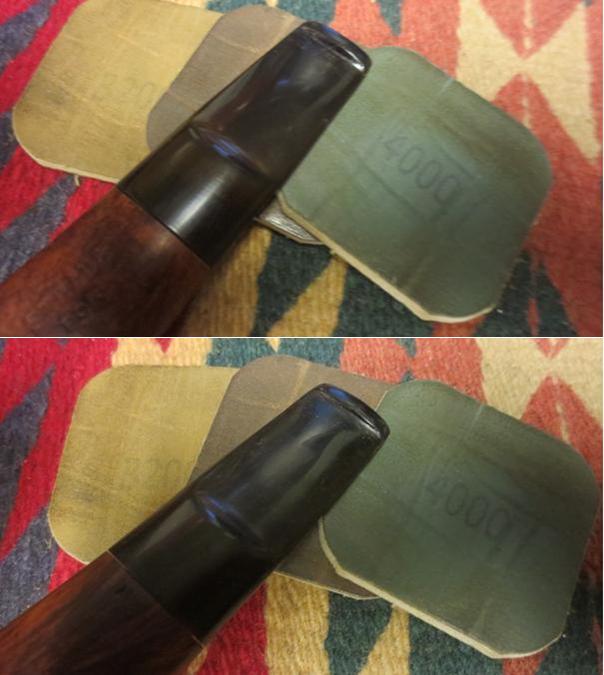
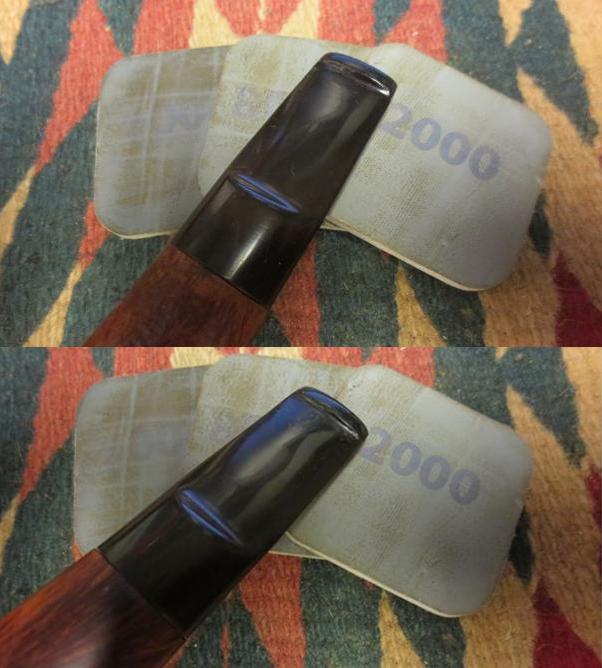
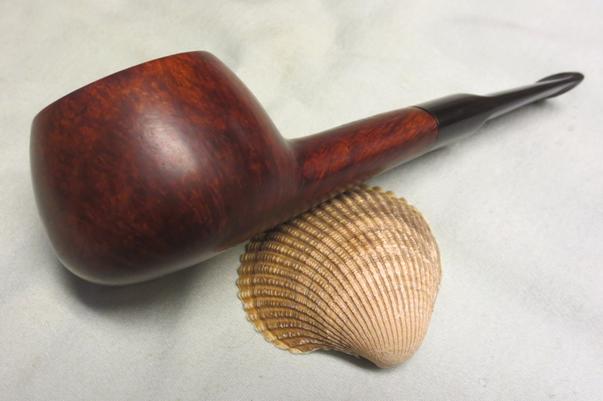
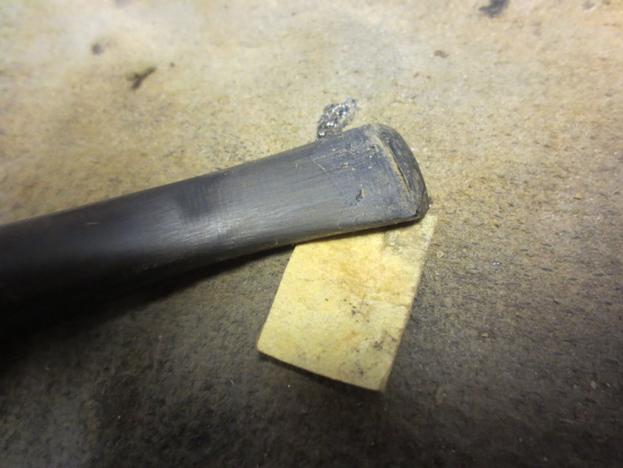
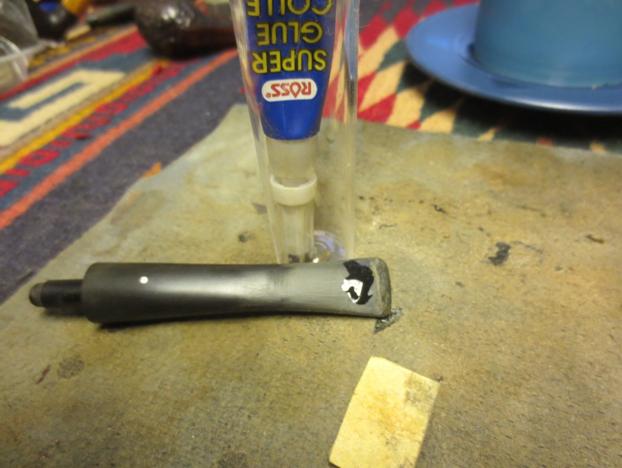
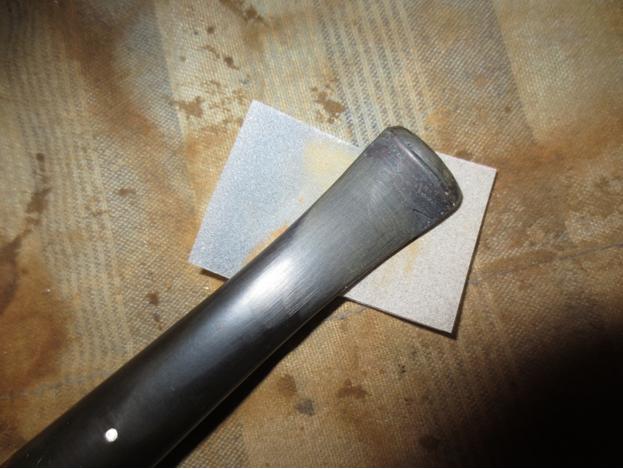
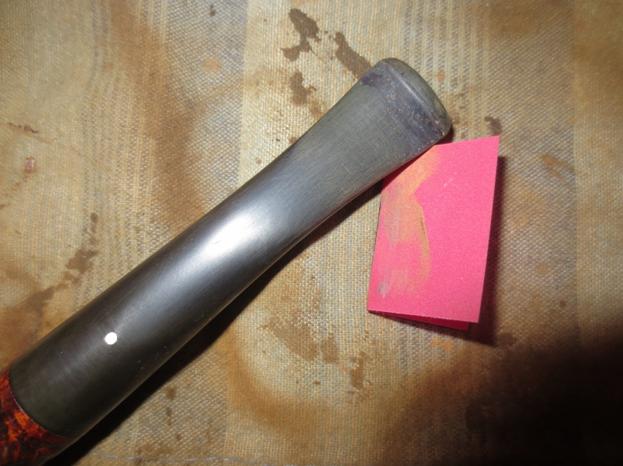
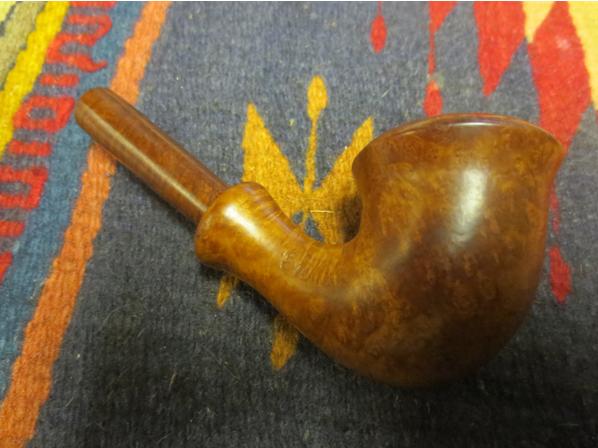
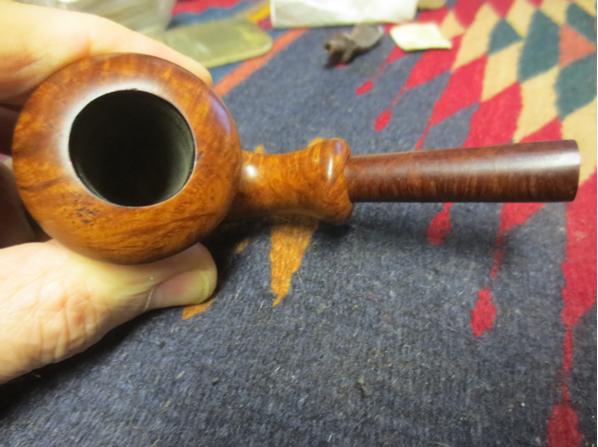
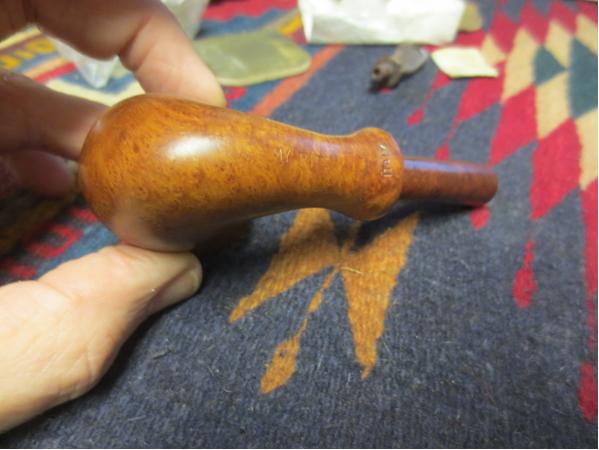
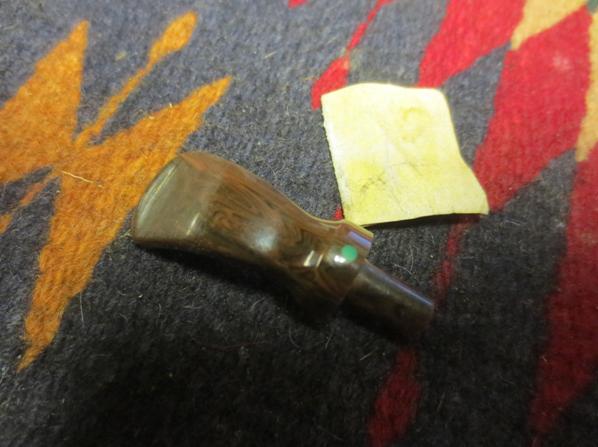
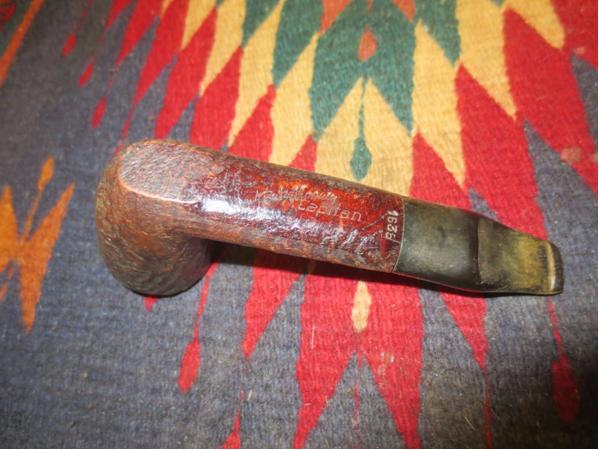
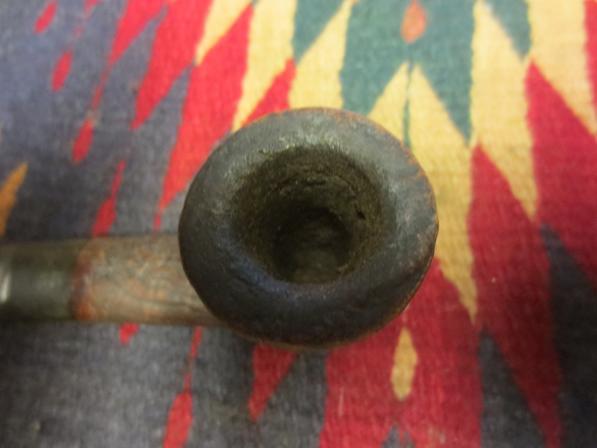
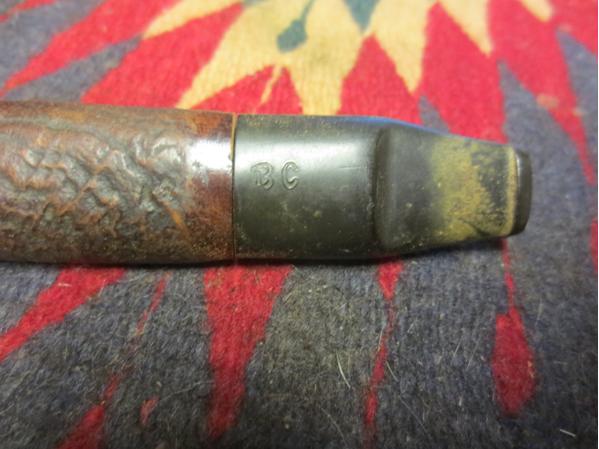
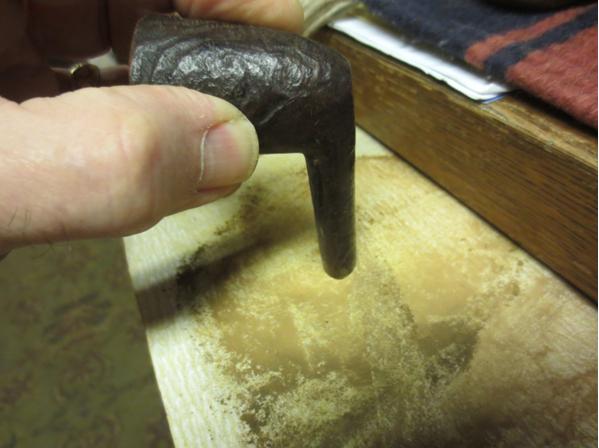
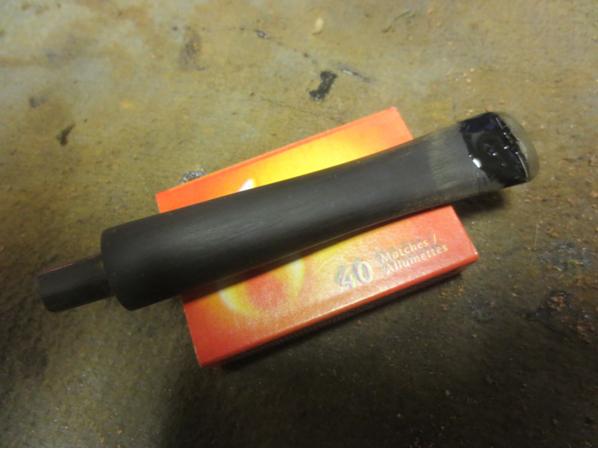
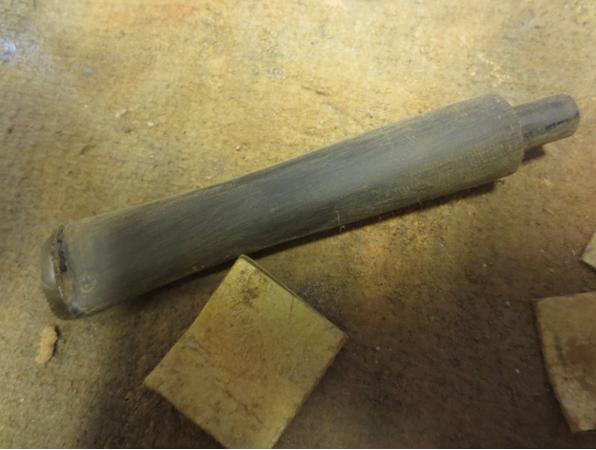
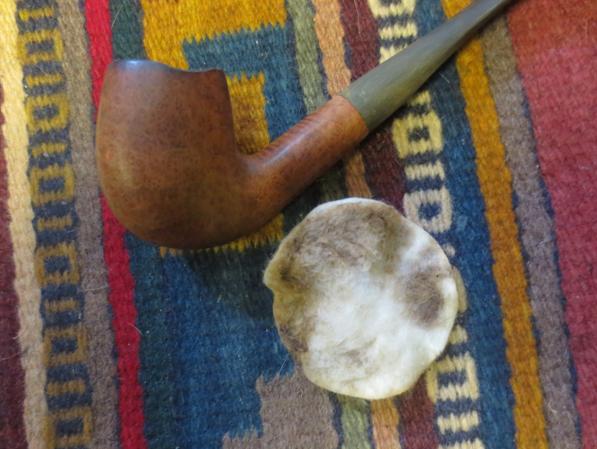
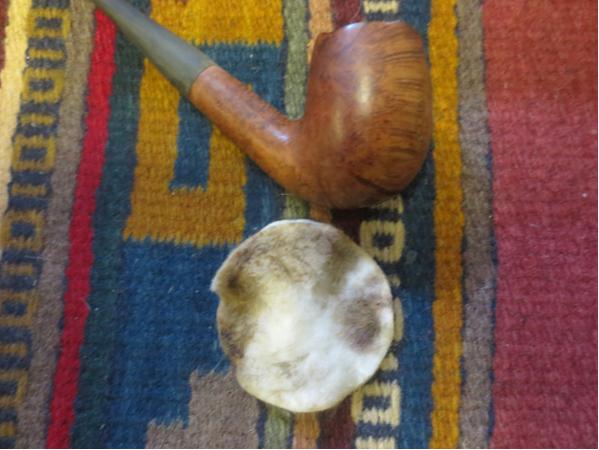
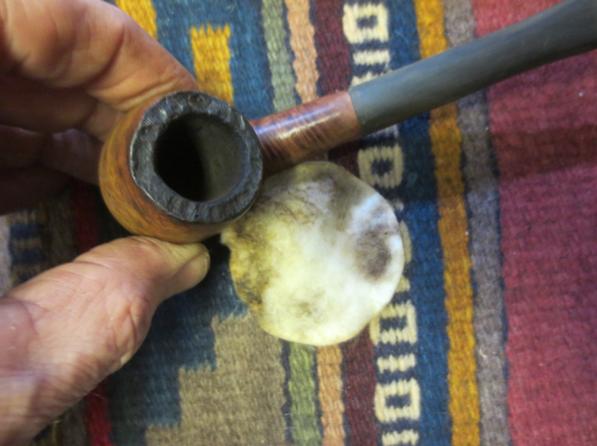
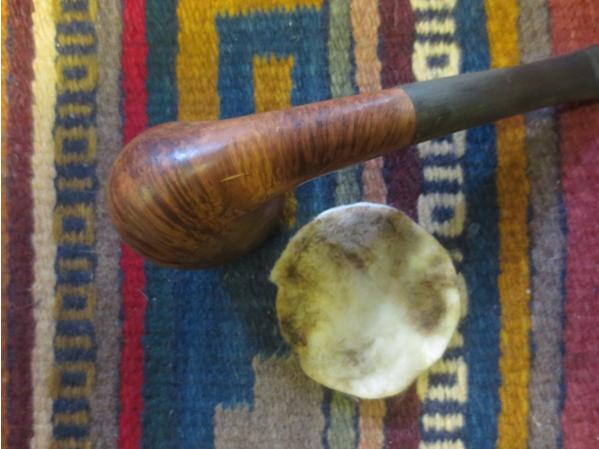
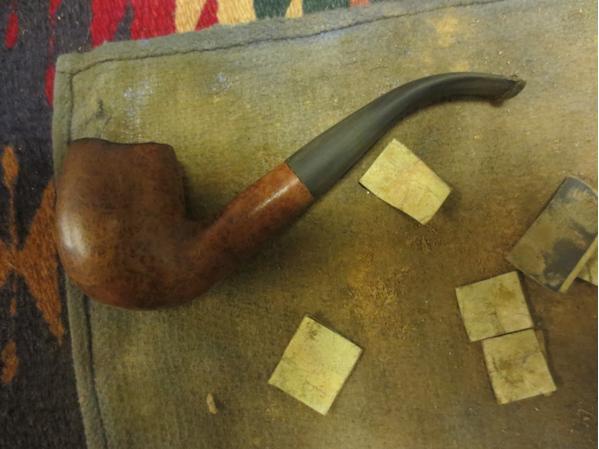
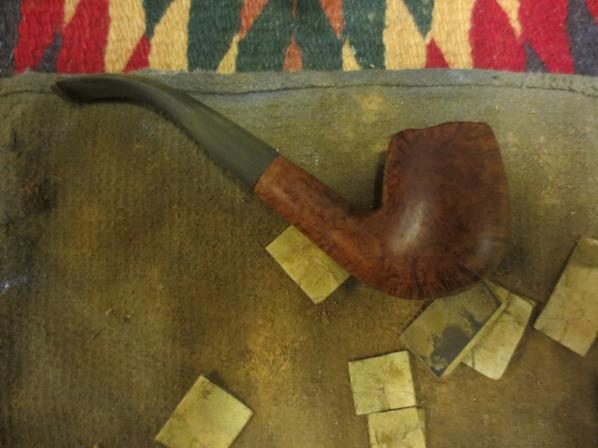
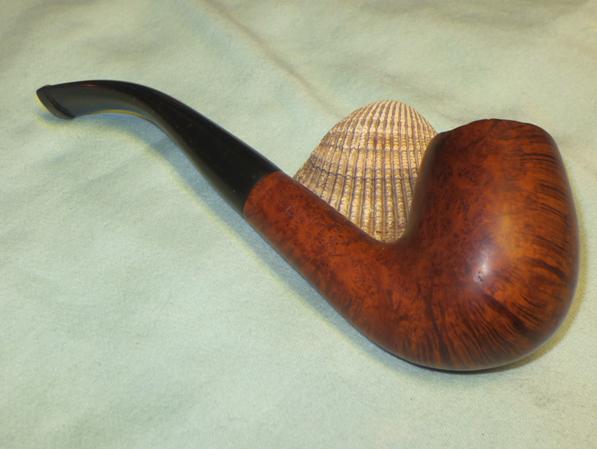
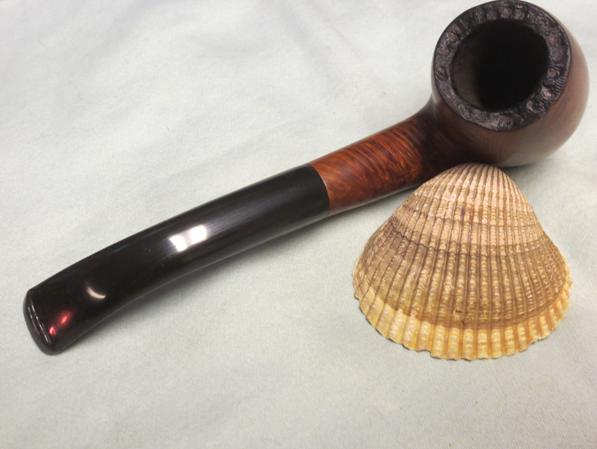
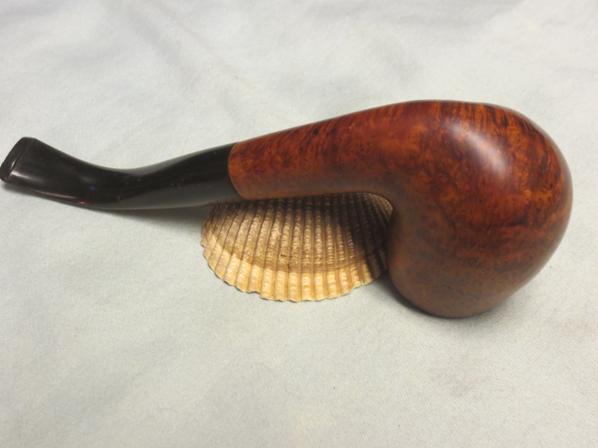
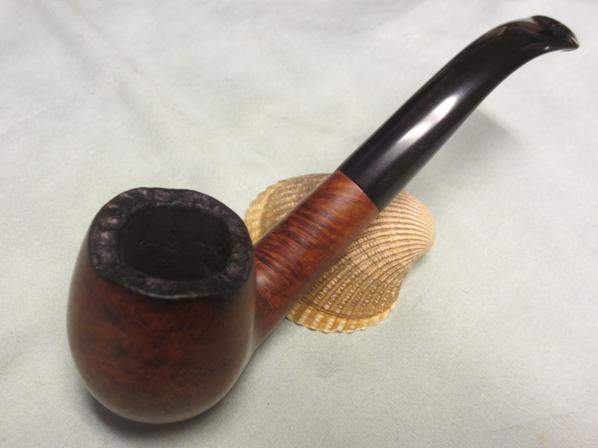
Tag Archives: shaping a stem

Cleaning up my first Sofia find – A Shell Pipe 141


Blog by Steve Laug

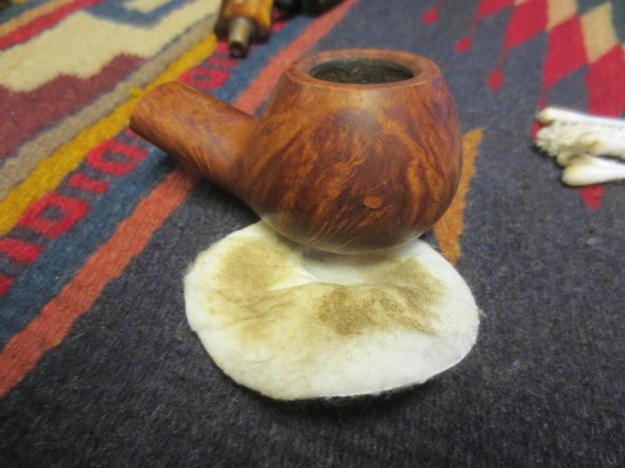
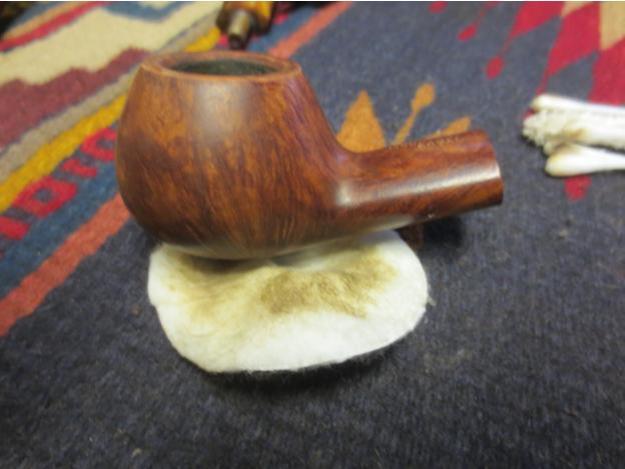
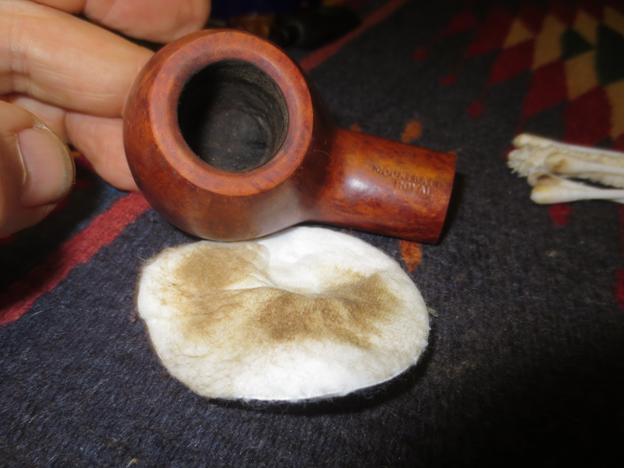
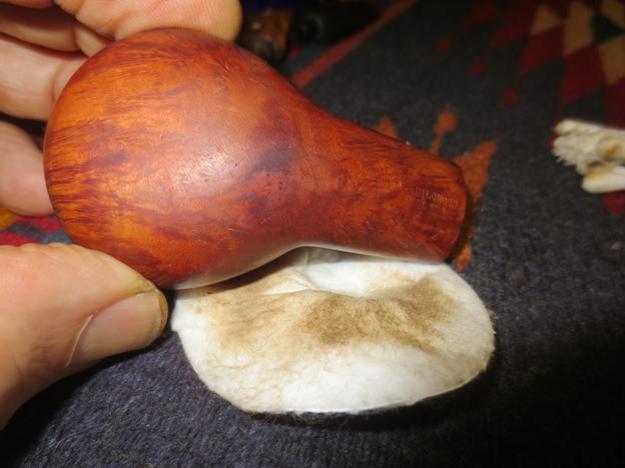
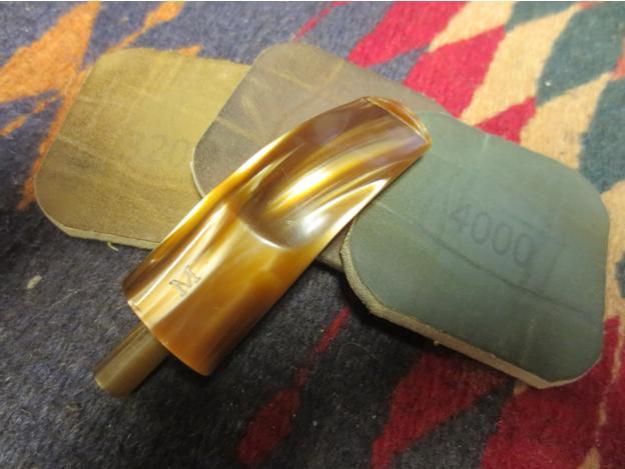
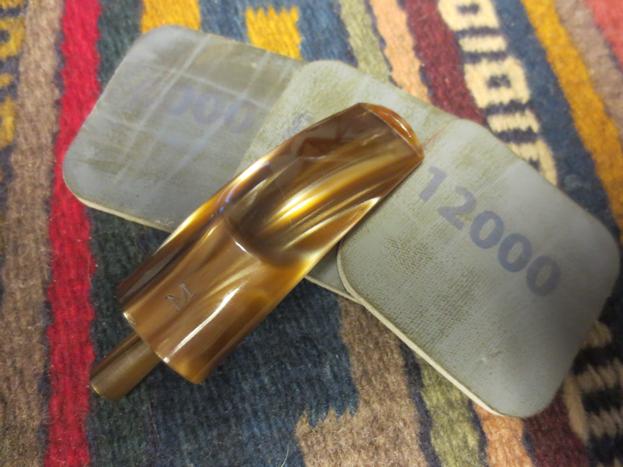
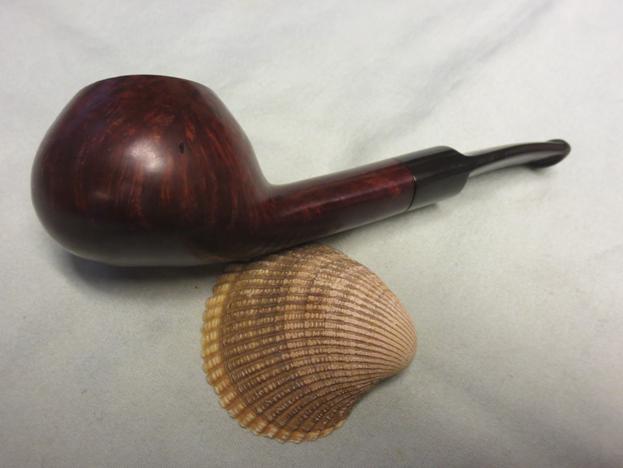
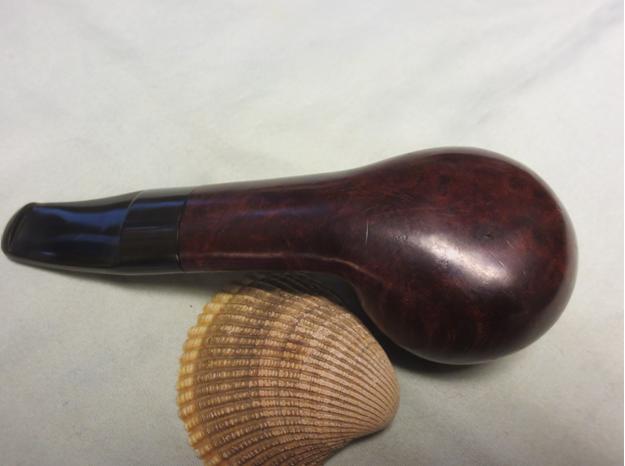
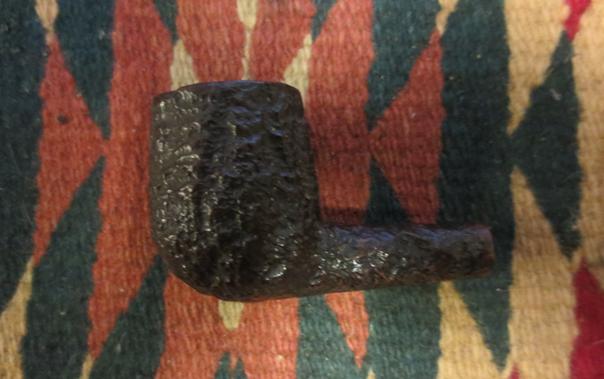
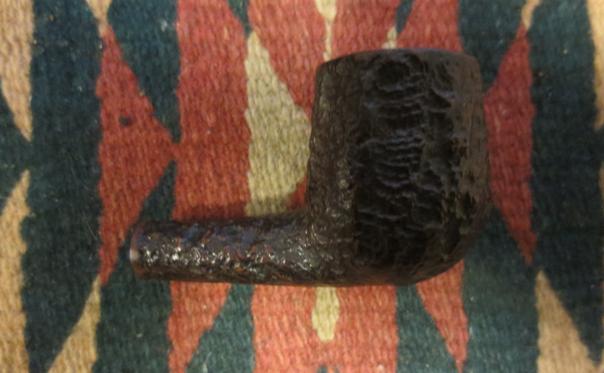
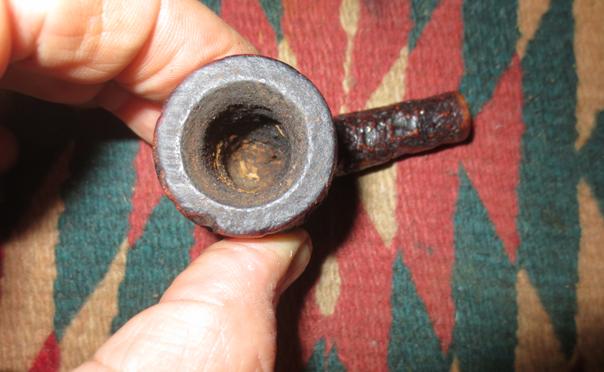
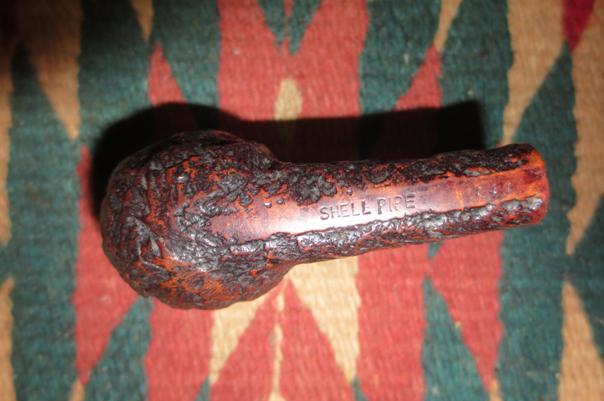
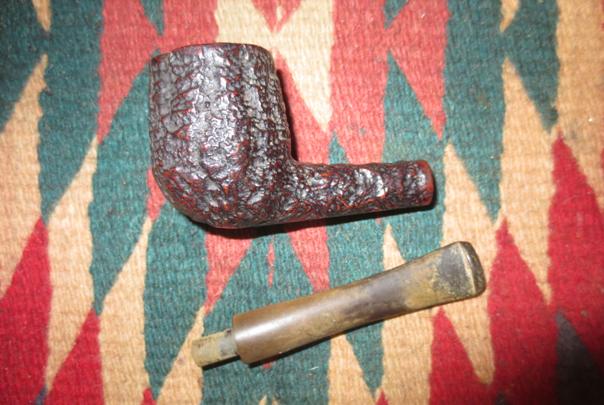
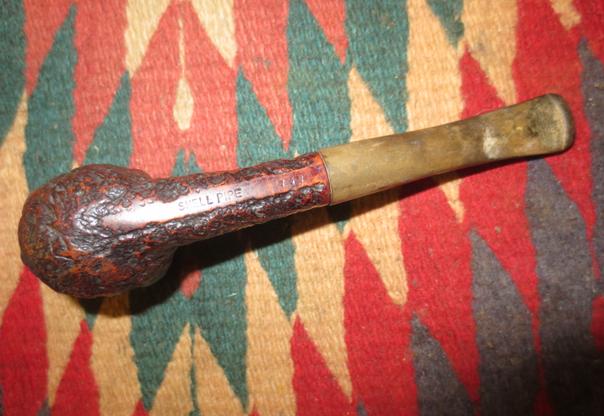
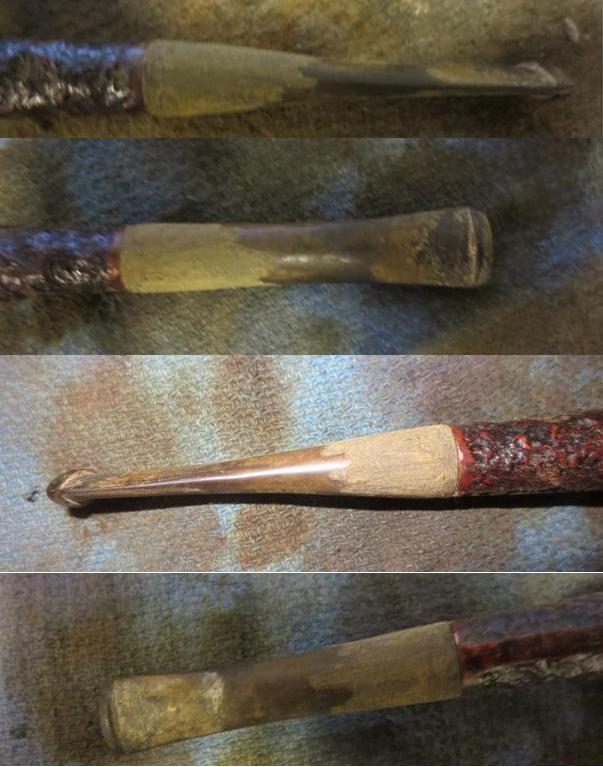
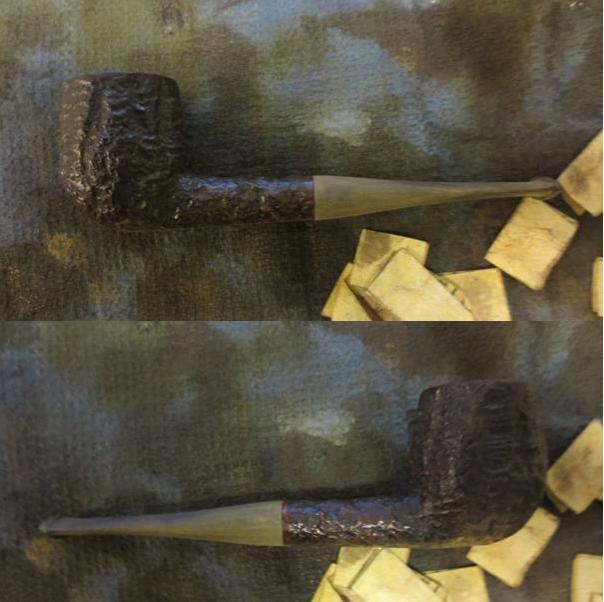
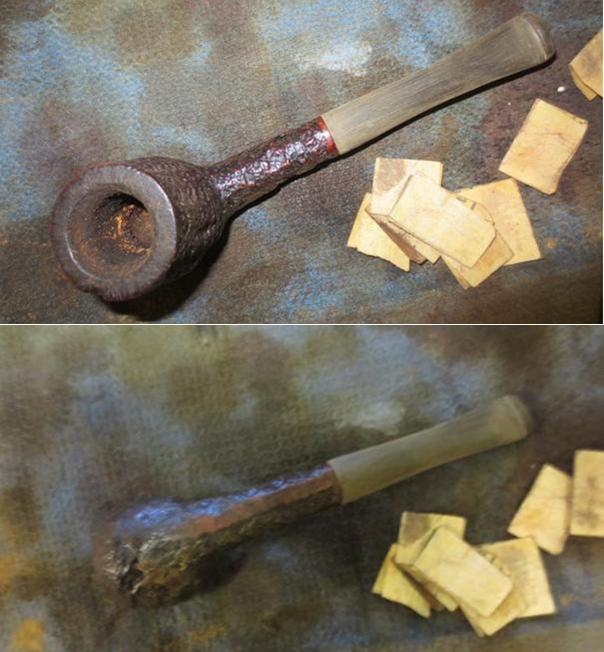
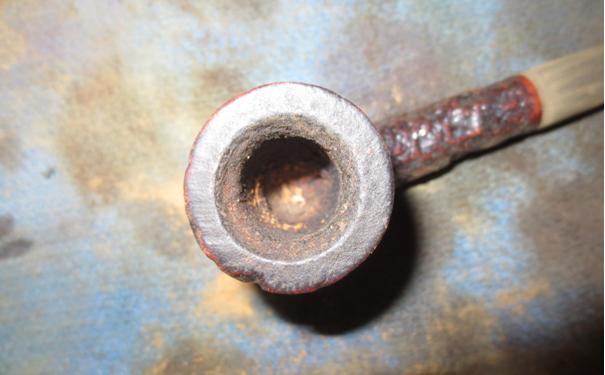
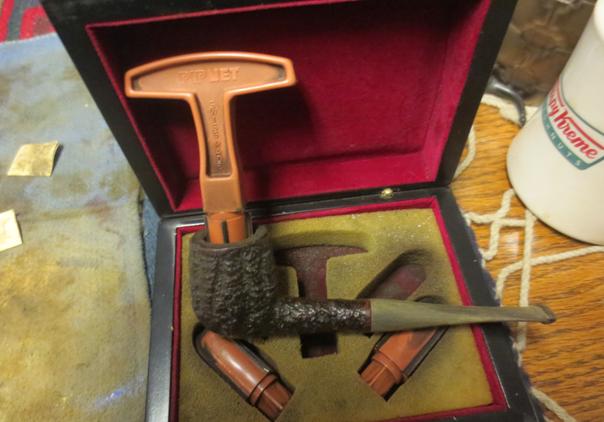
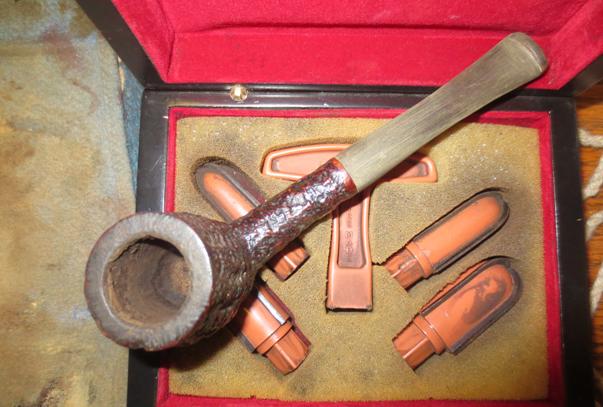
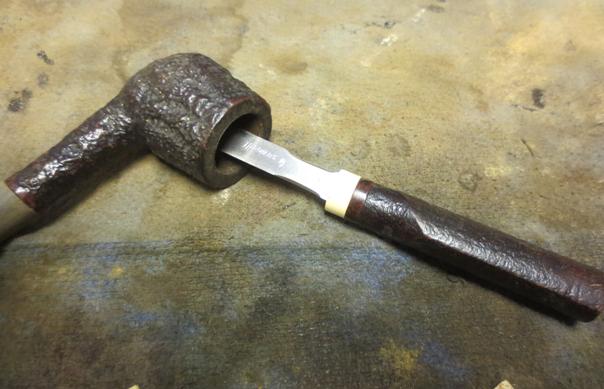
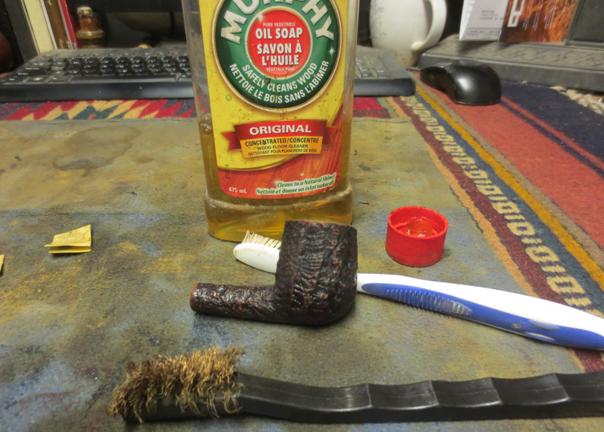
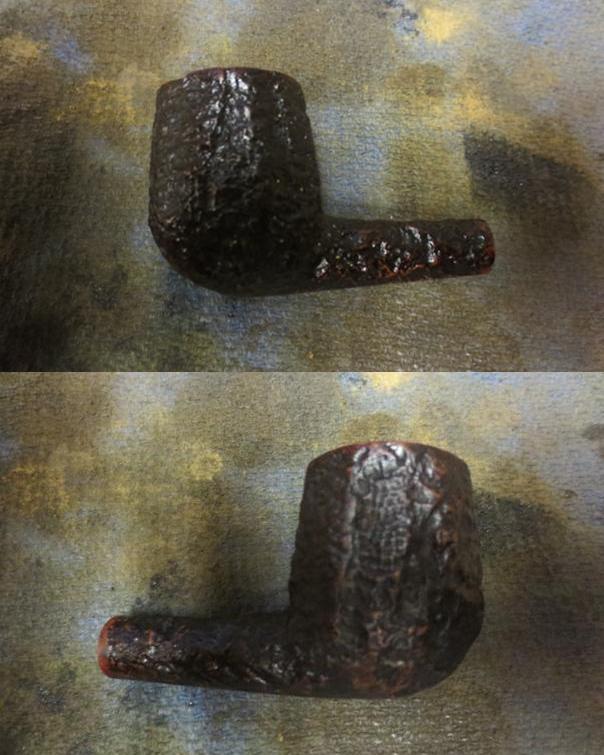
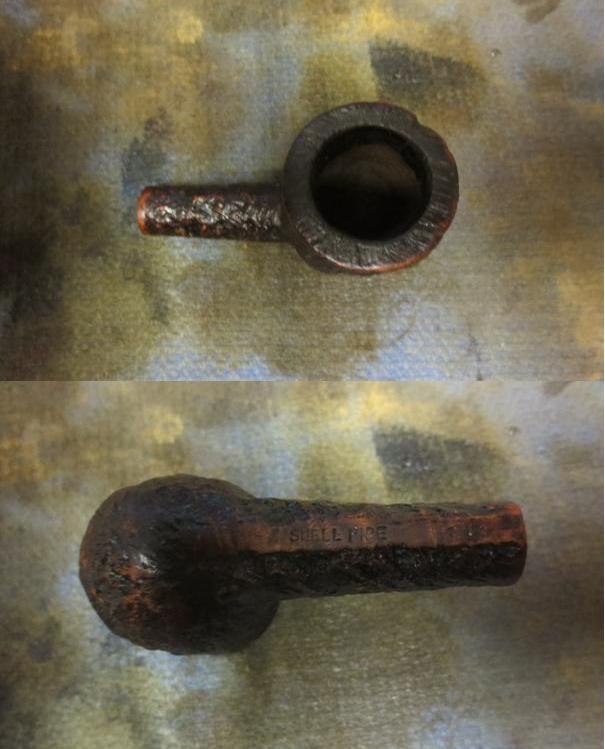
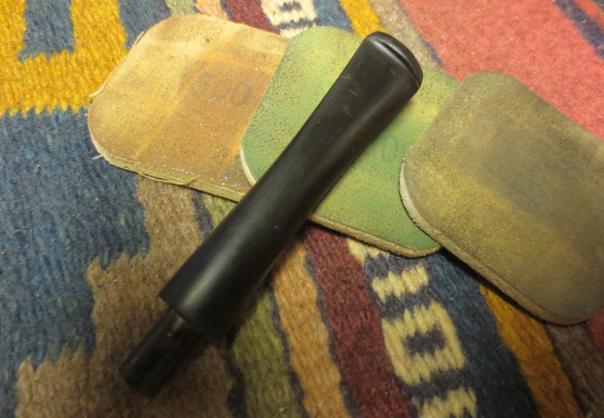
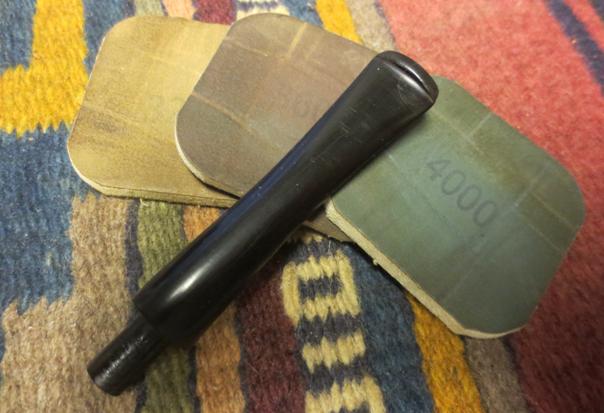
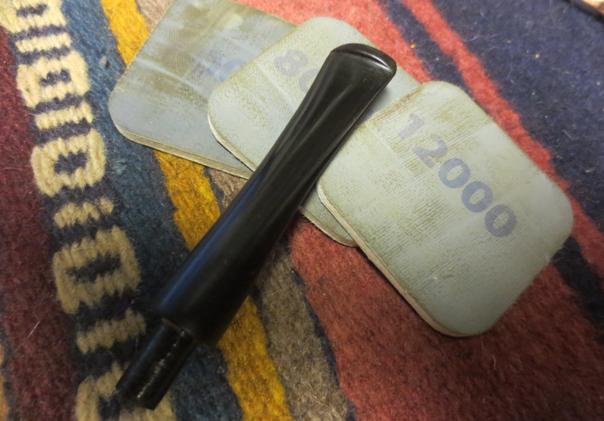
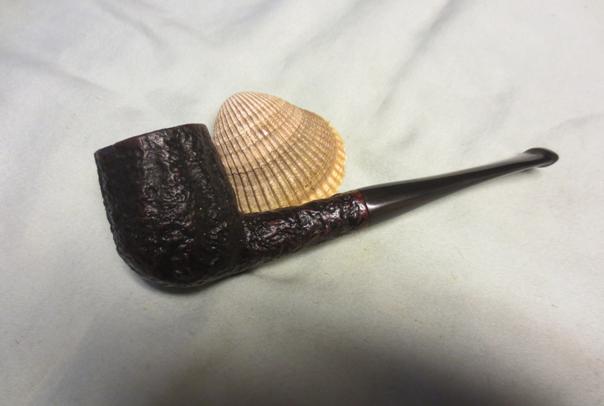
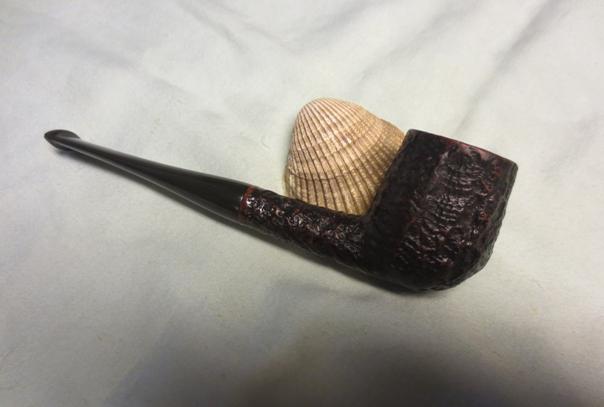
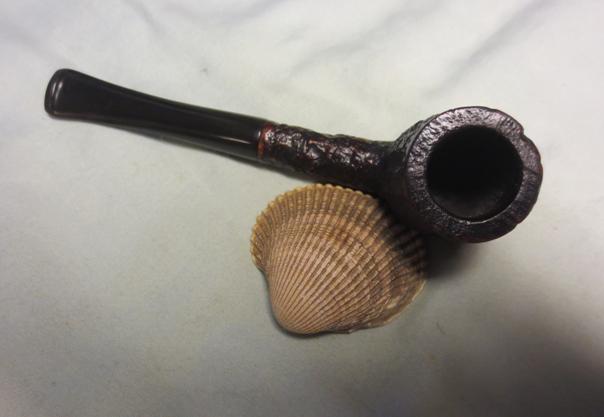
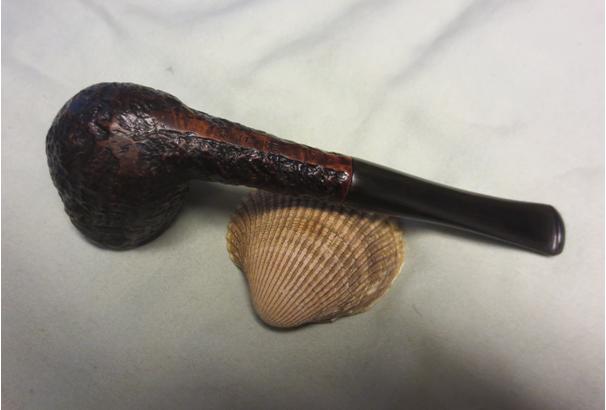
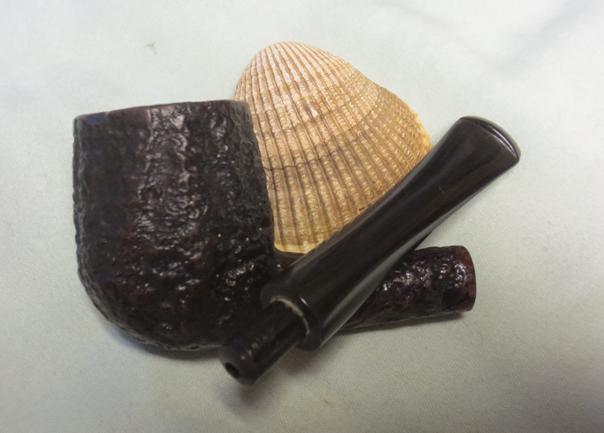
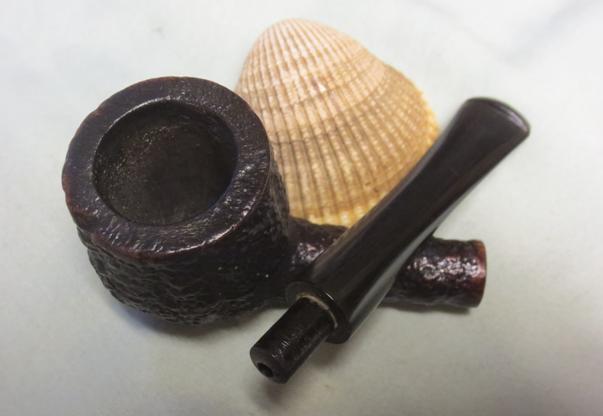
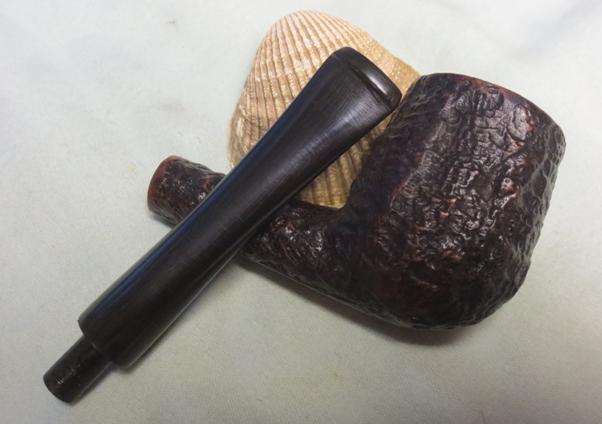
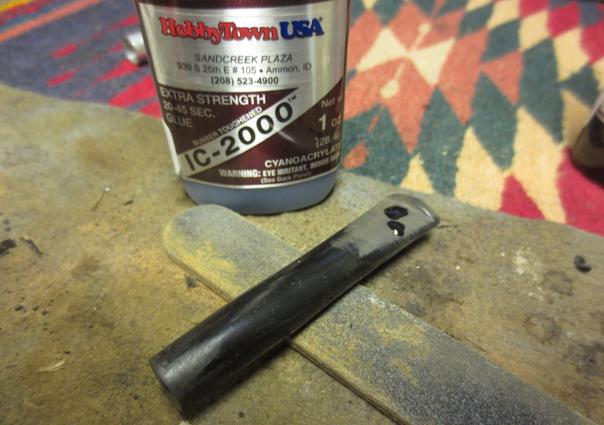
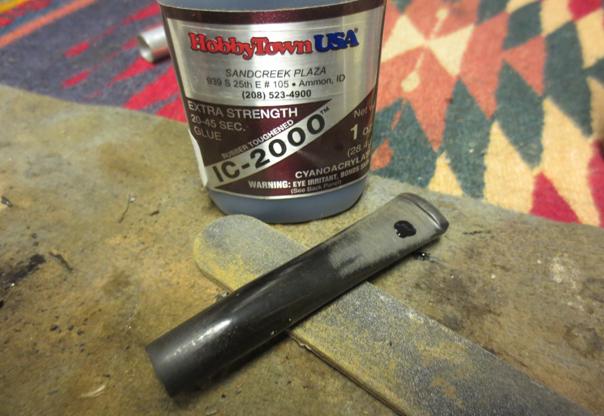
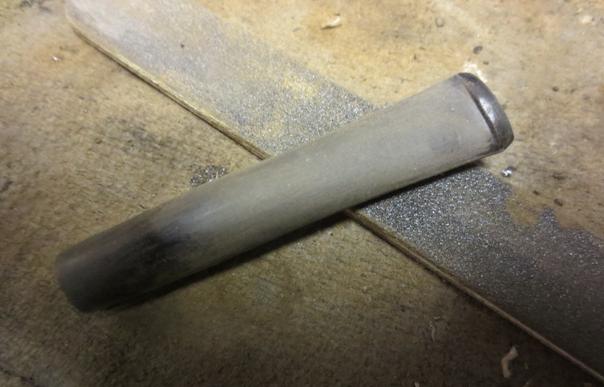
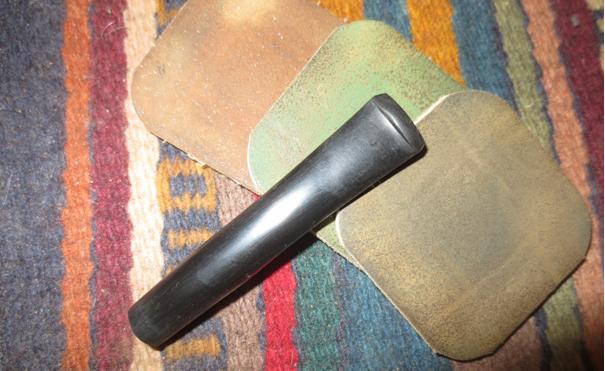
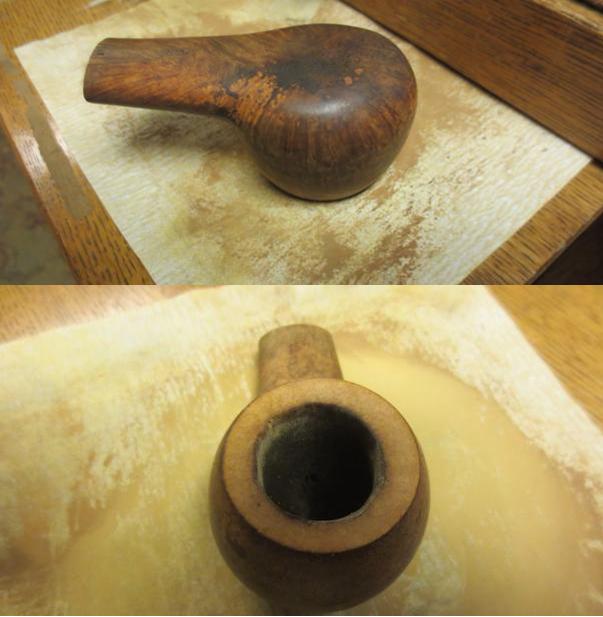
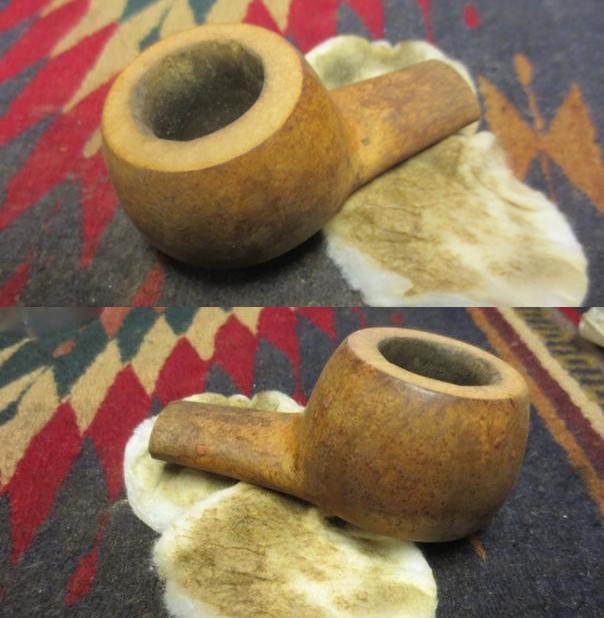
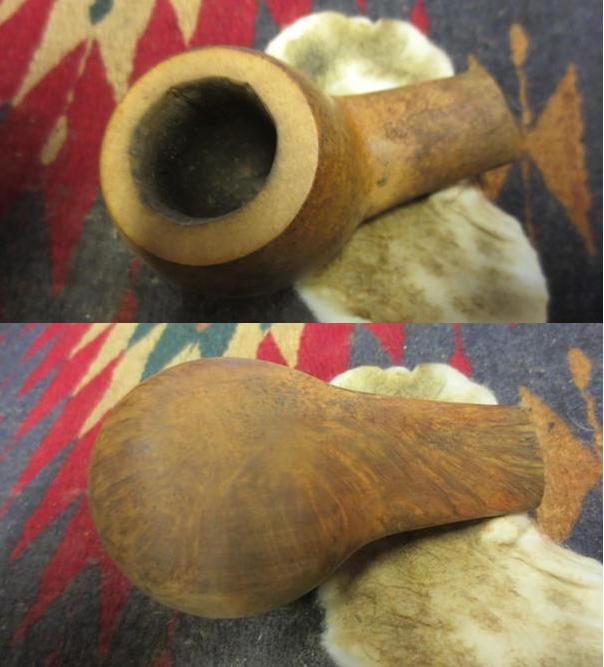
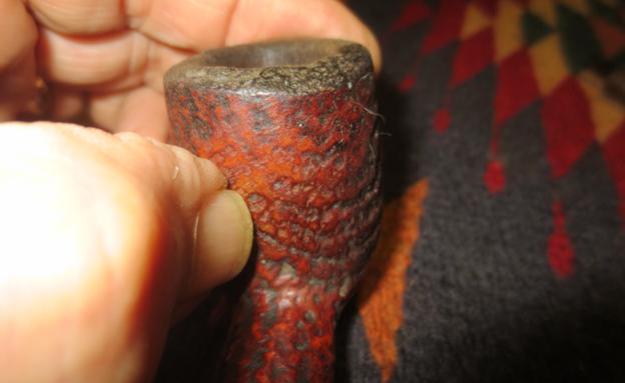
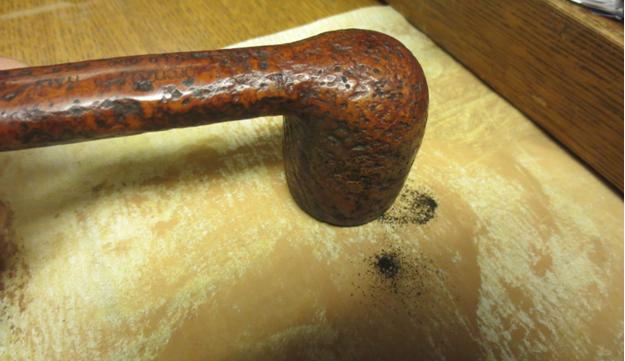
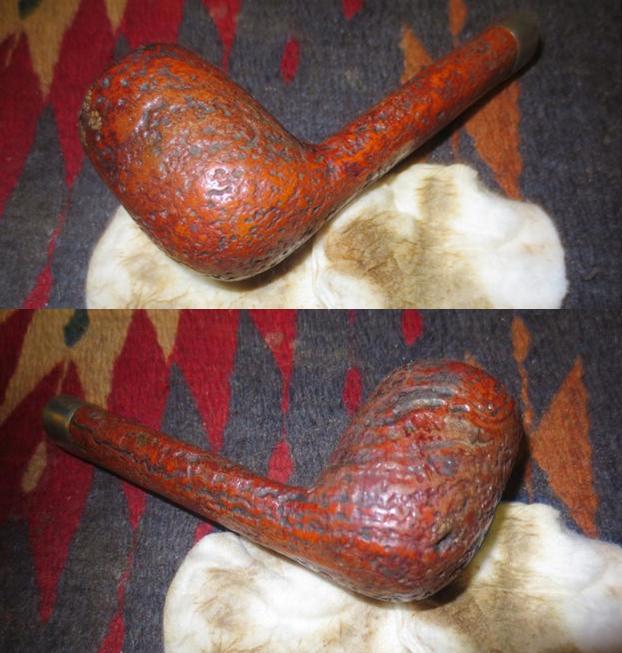
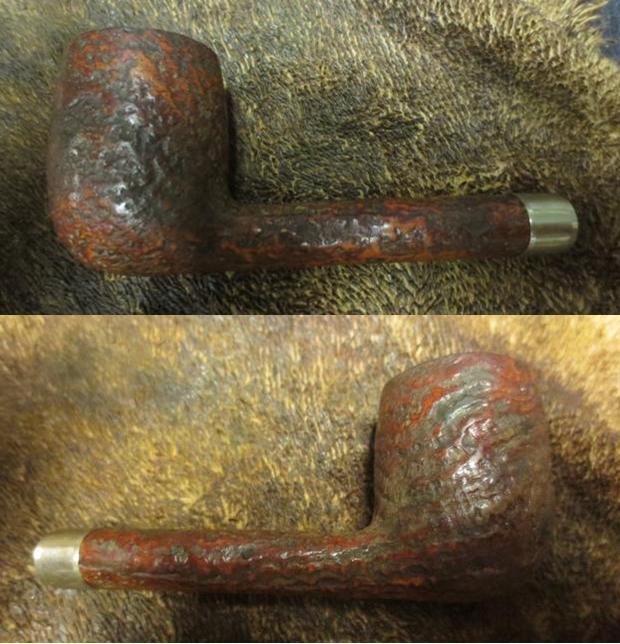
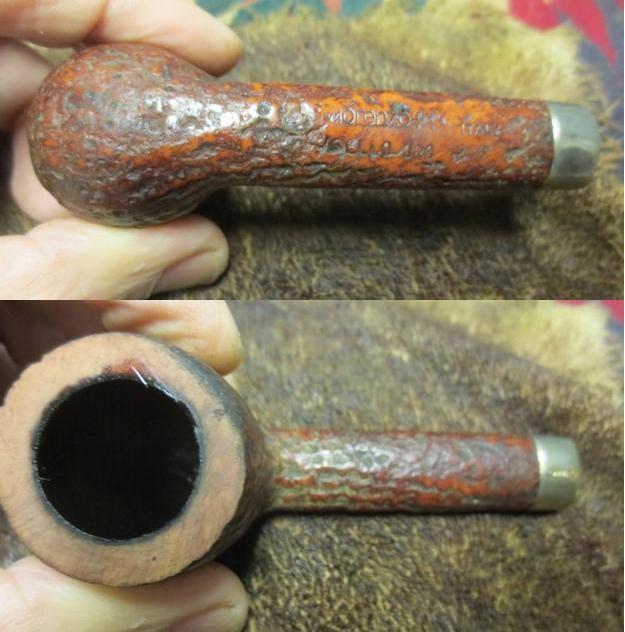
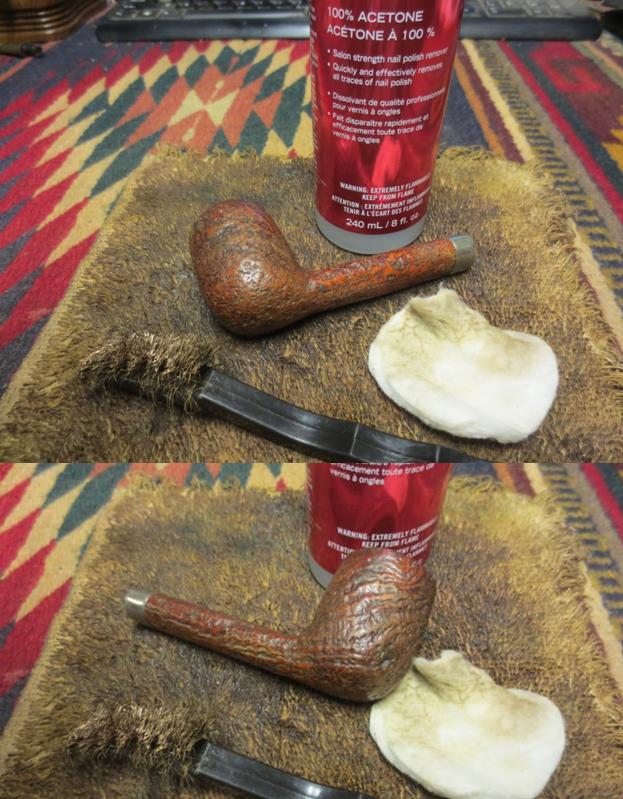
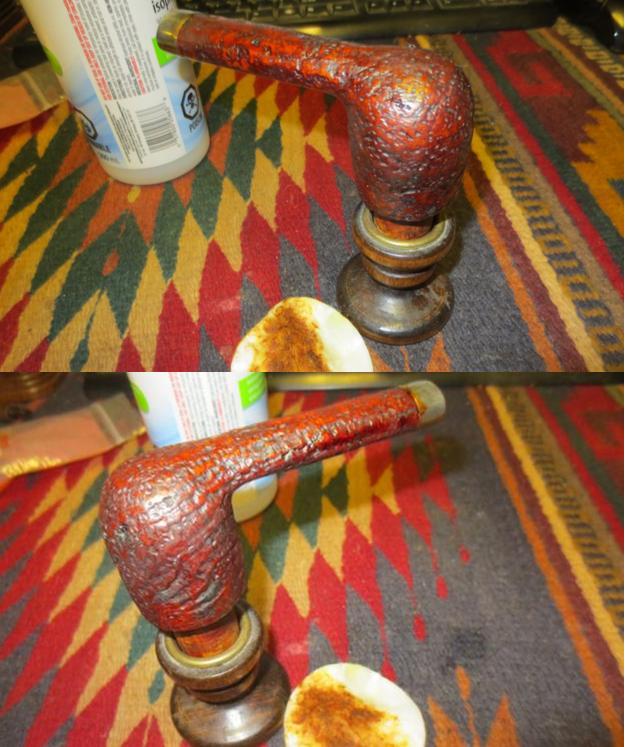
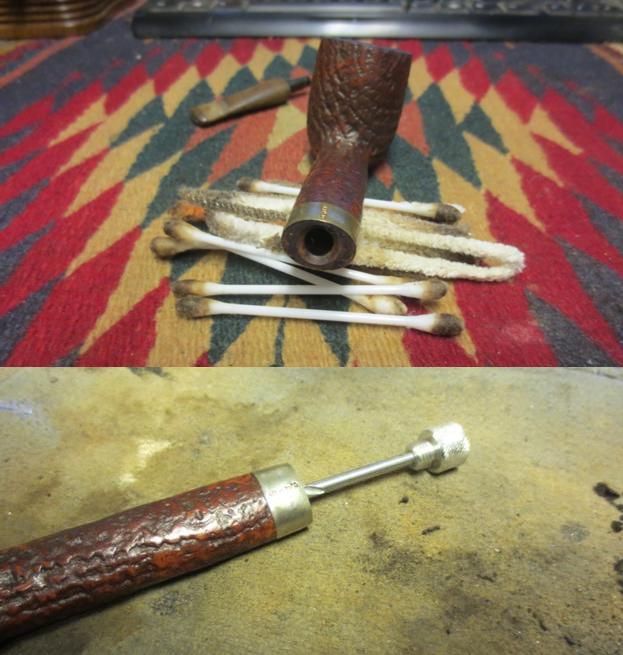
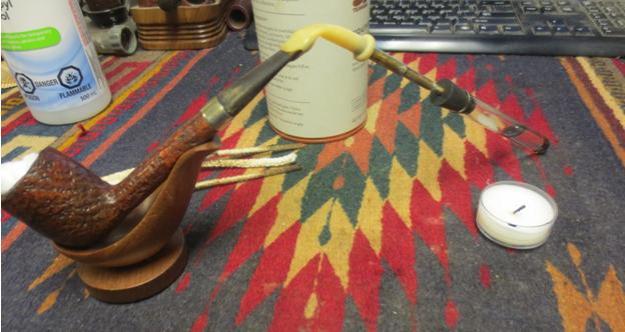
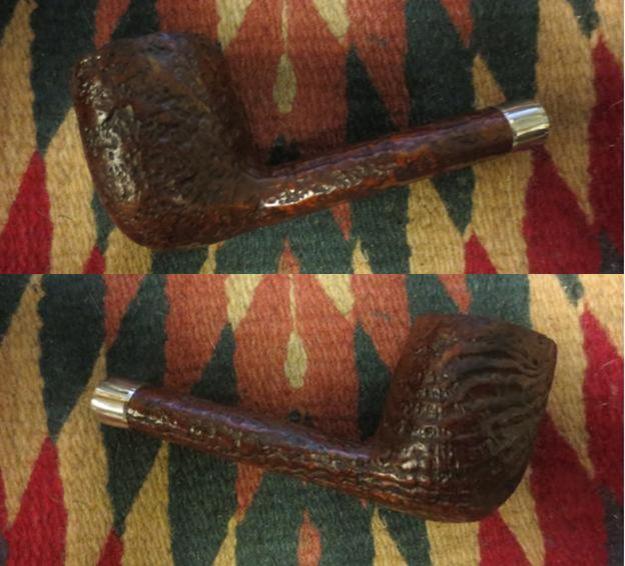
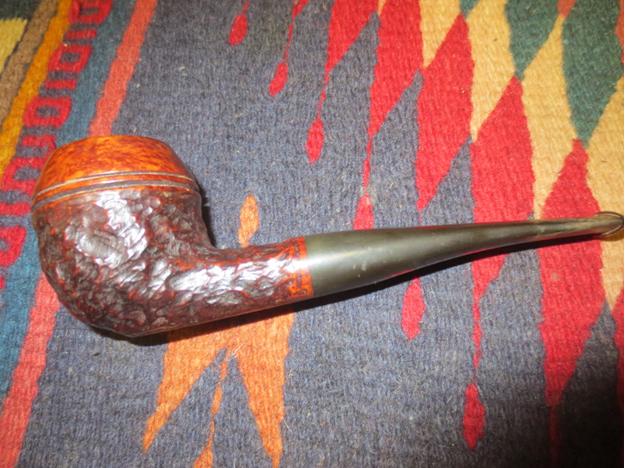
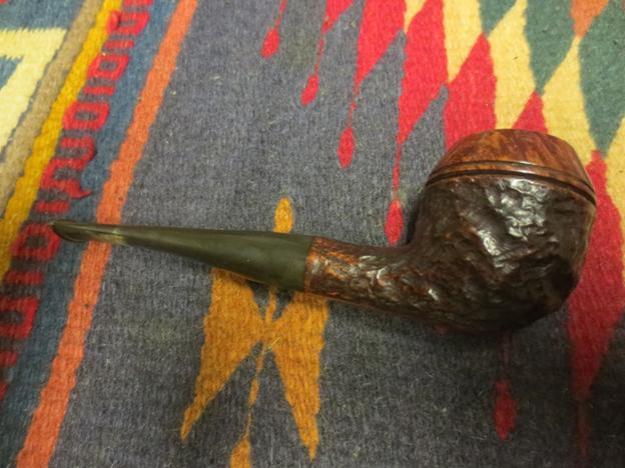
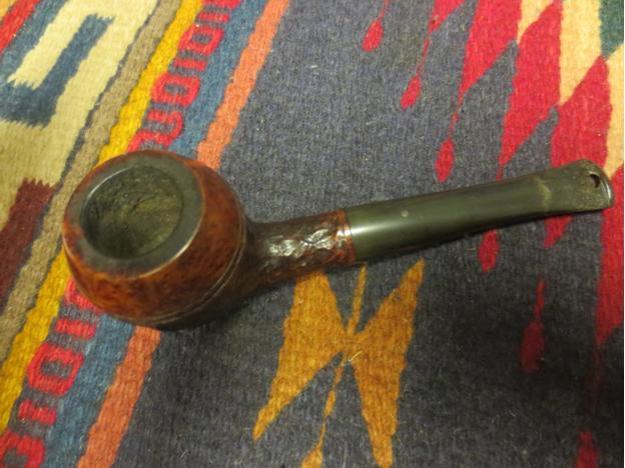
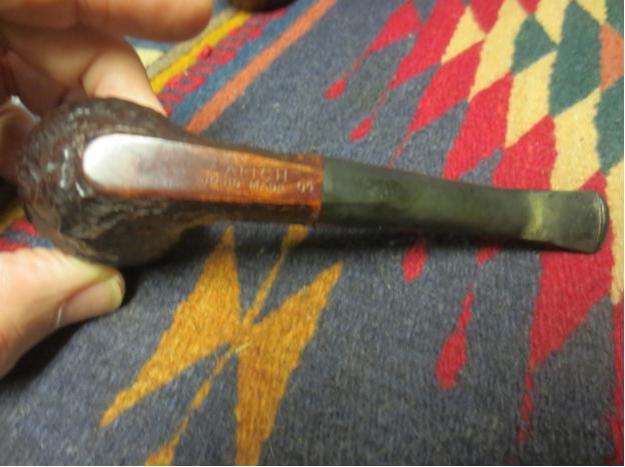
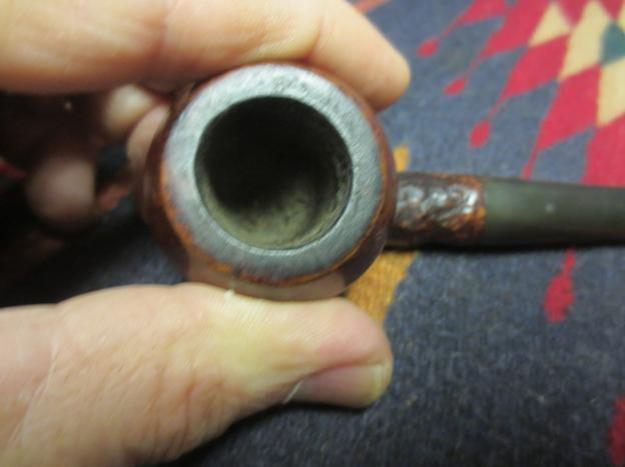
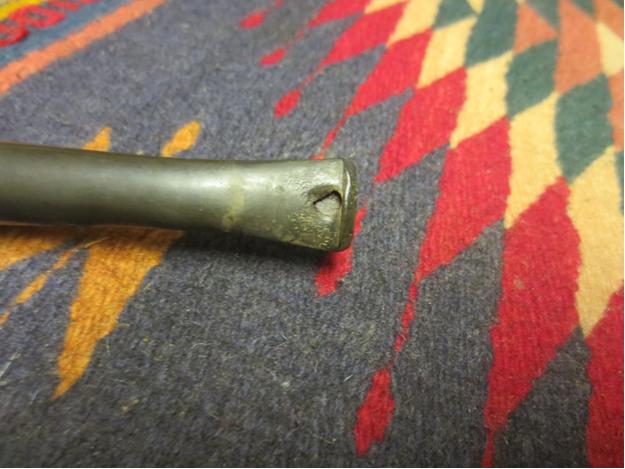
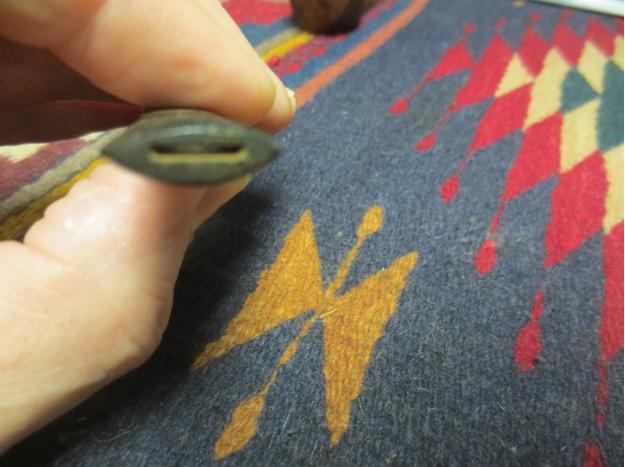
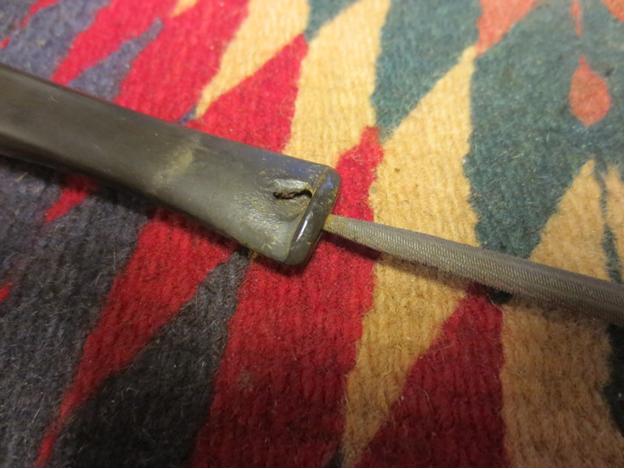
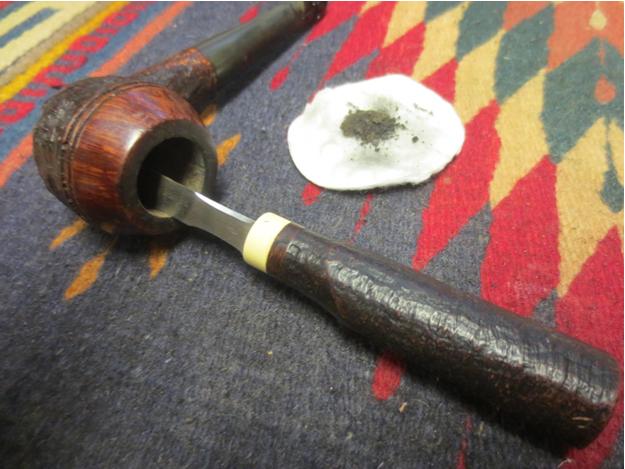
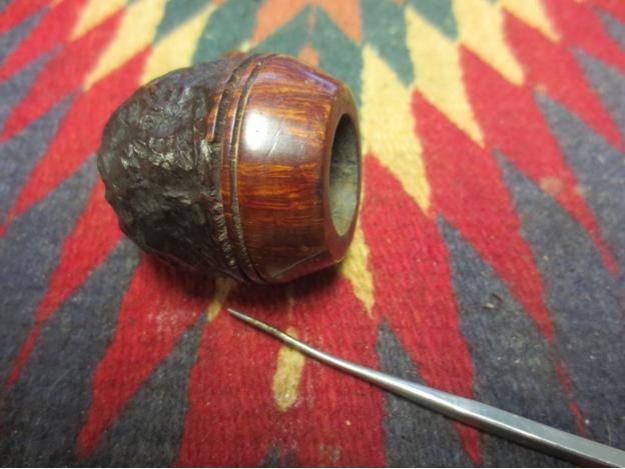
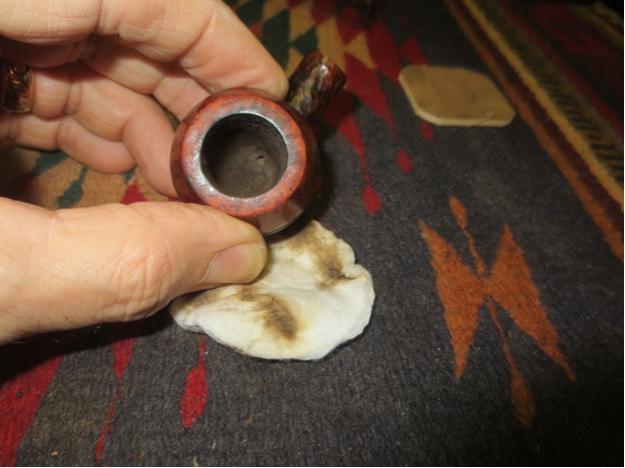
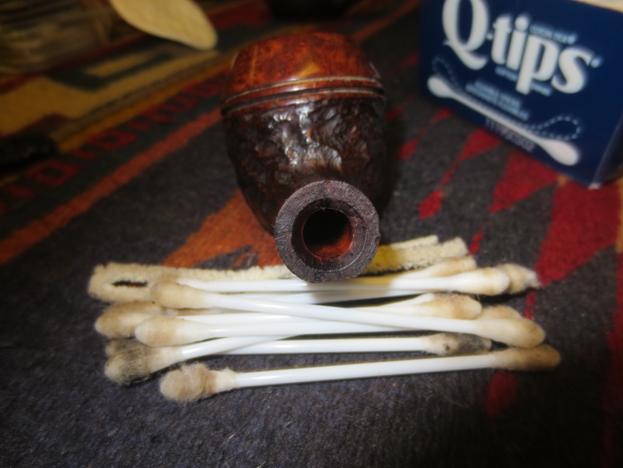
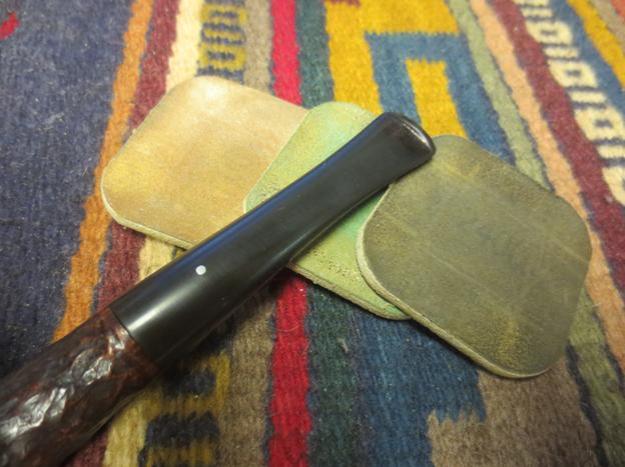
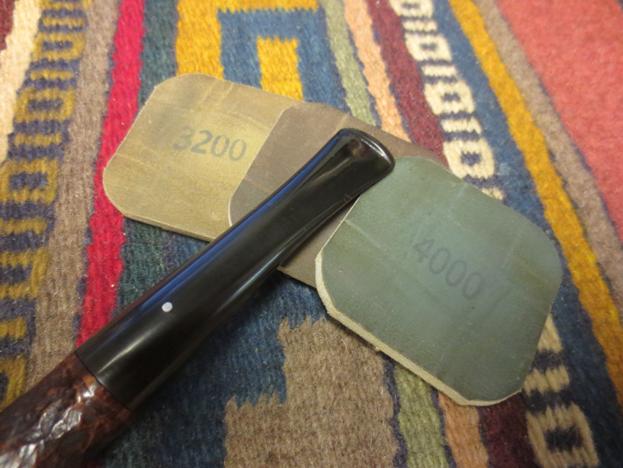
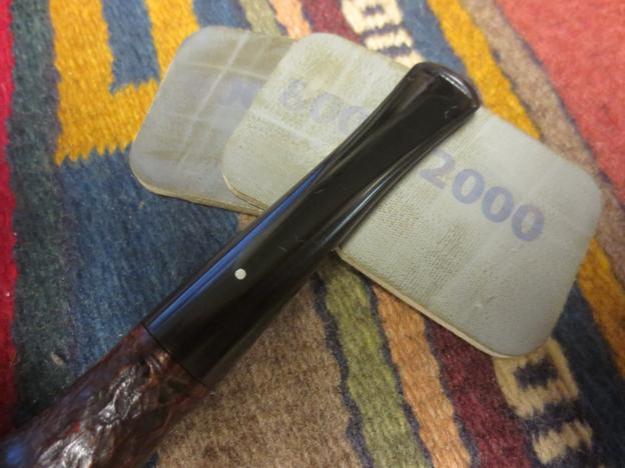
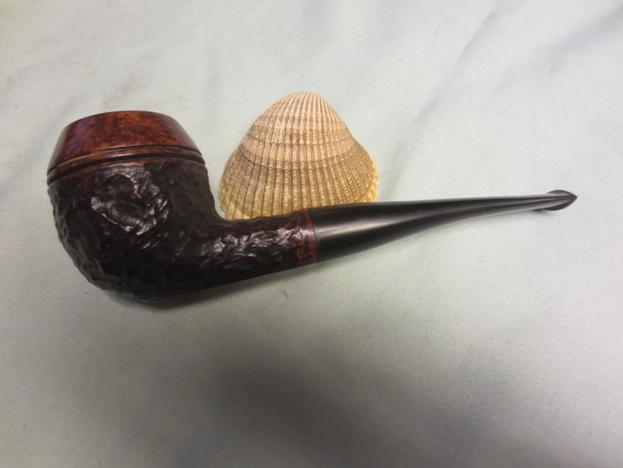
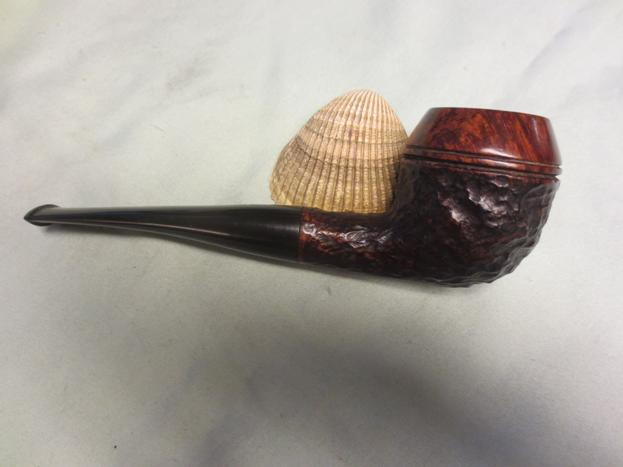
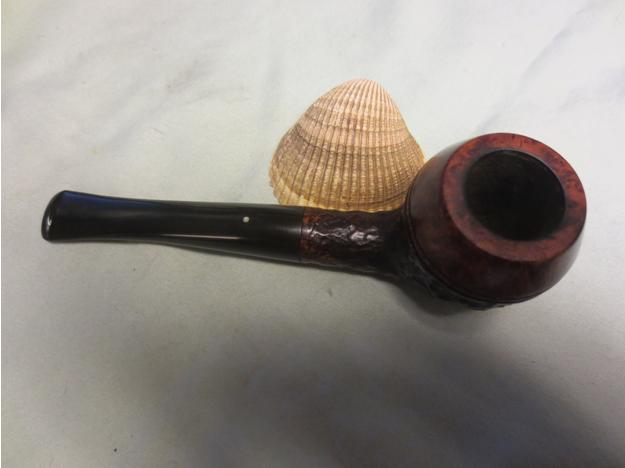
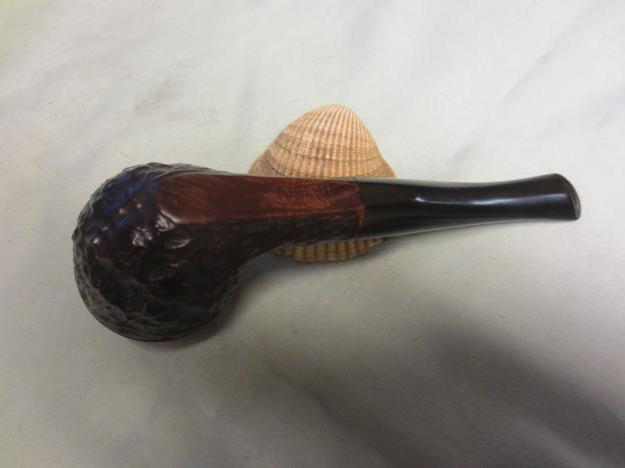
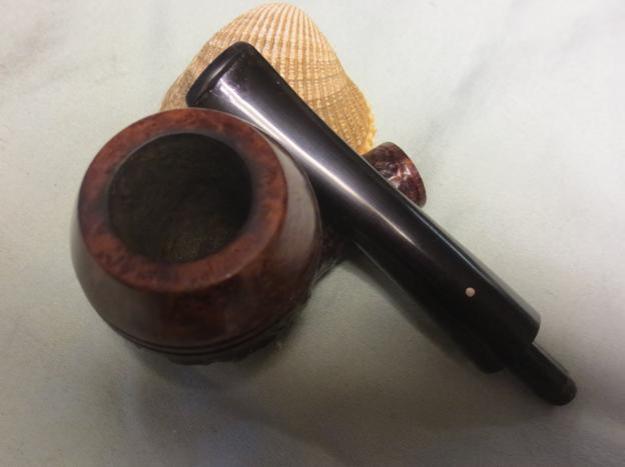
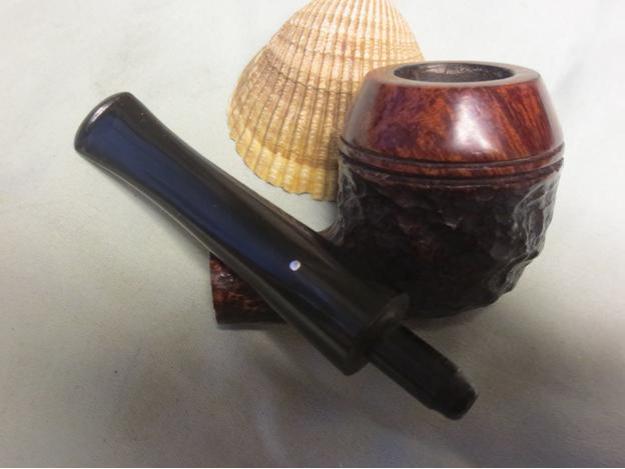
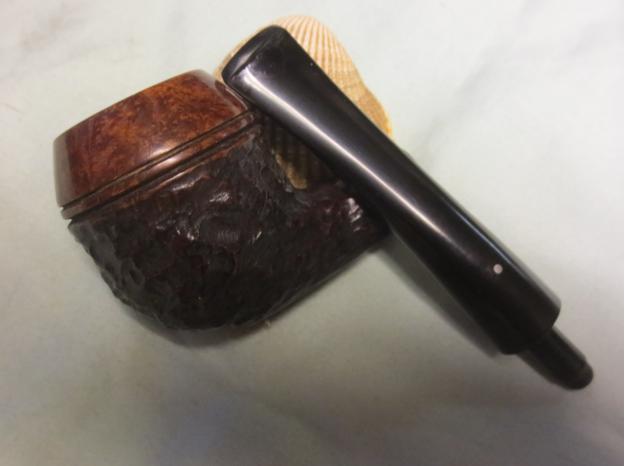
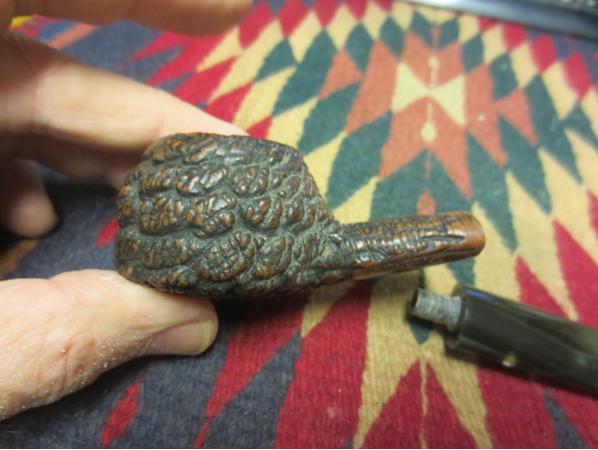
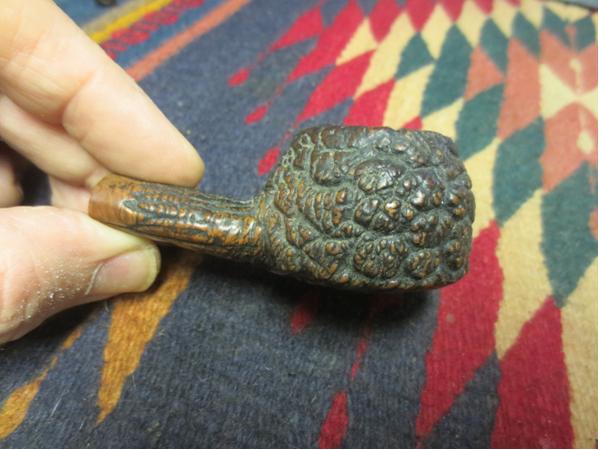
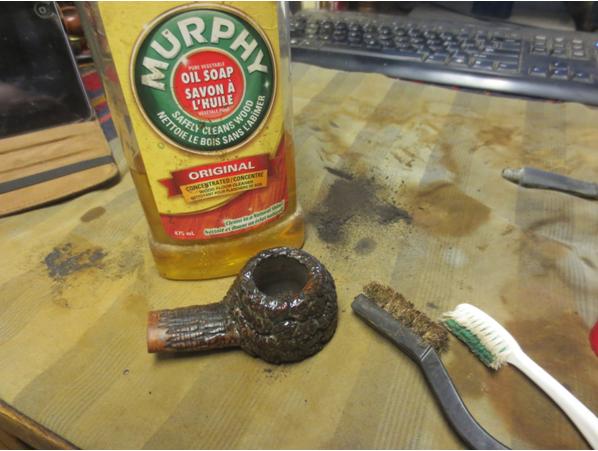
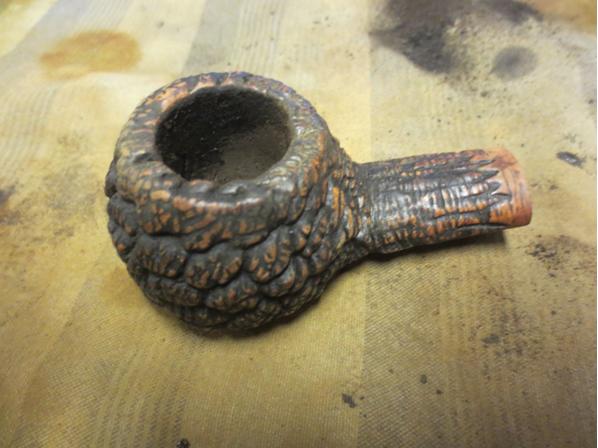
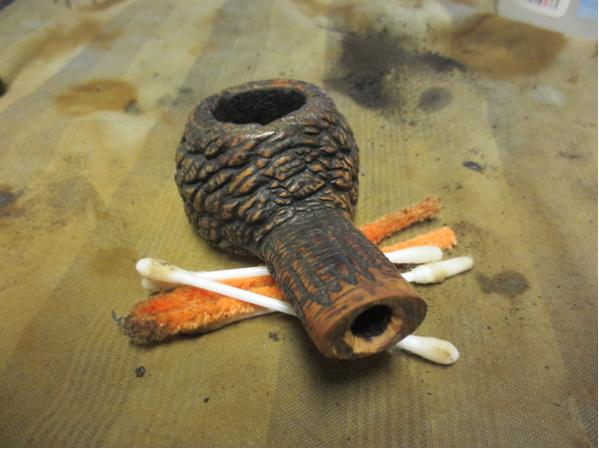
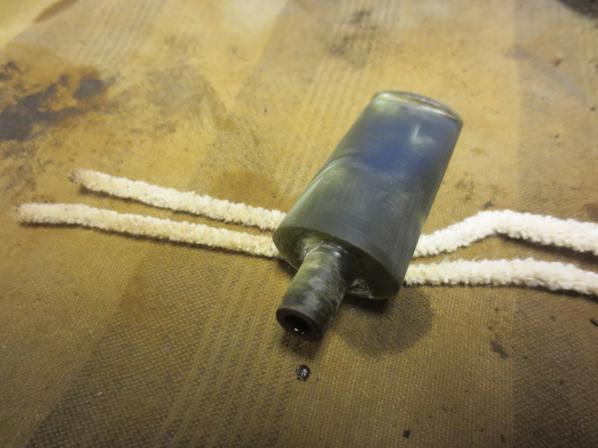
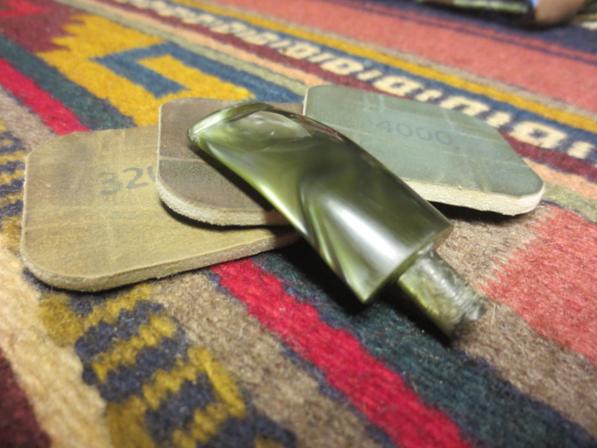
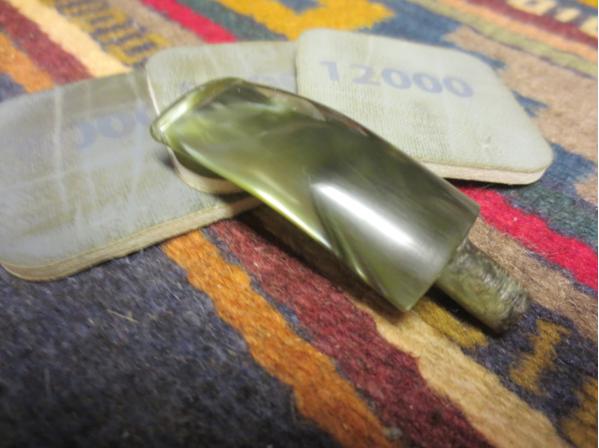
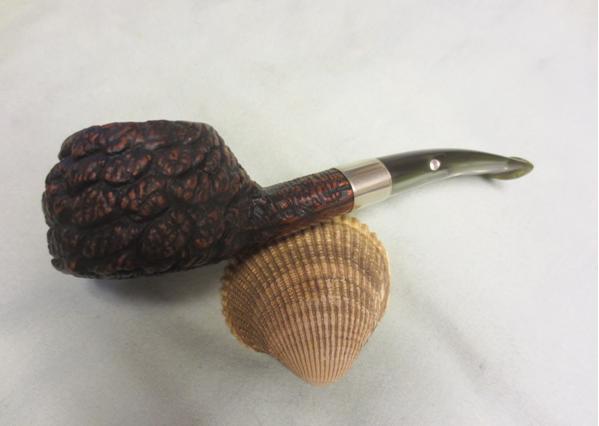
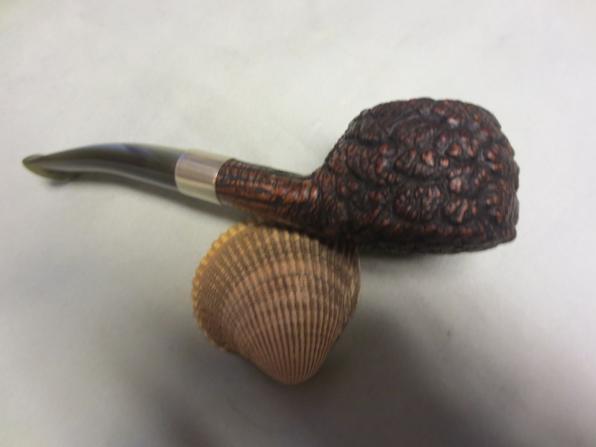
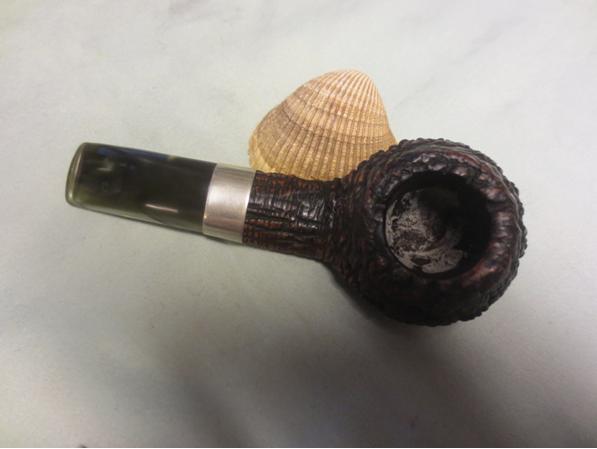
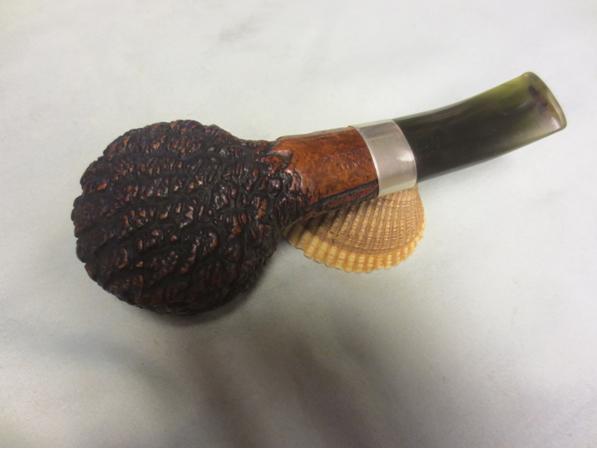
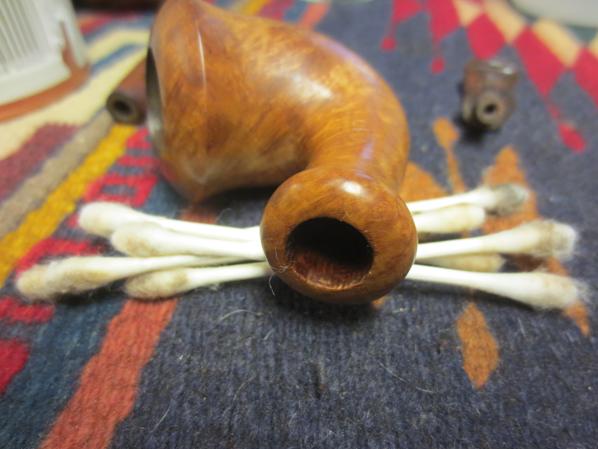
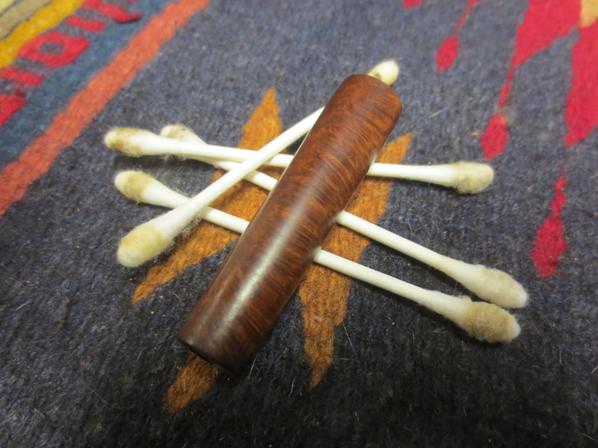
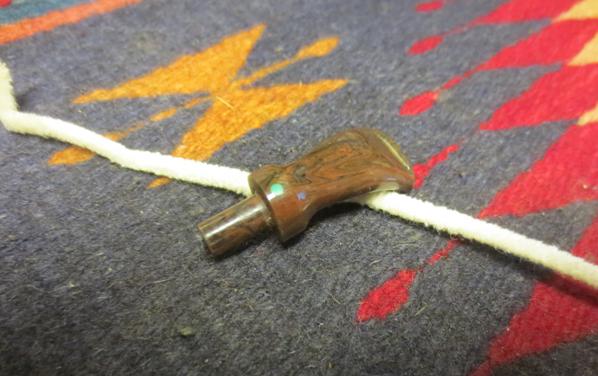
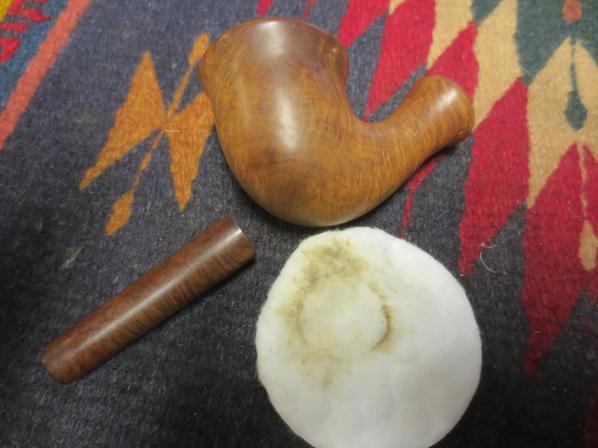
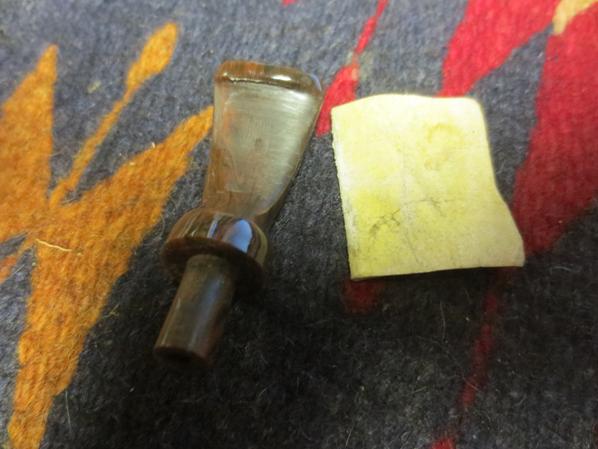
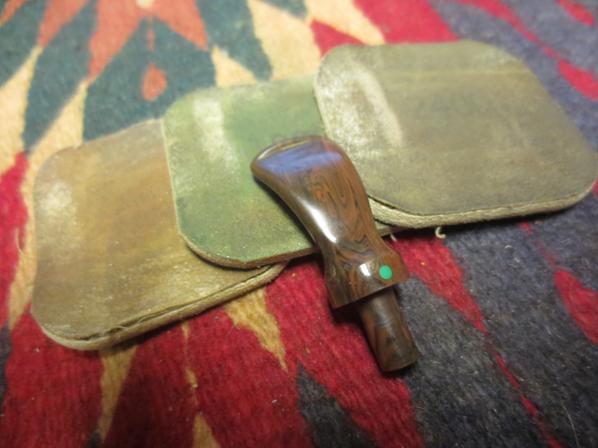
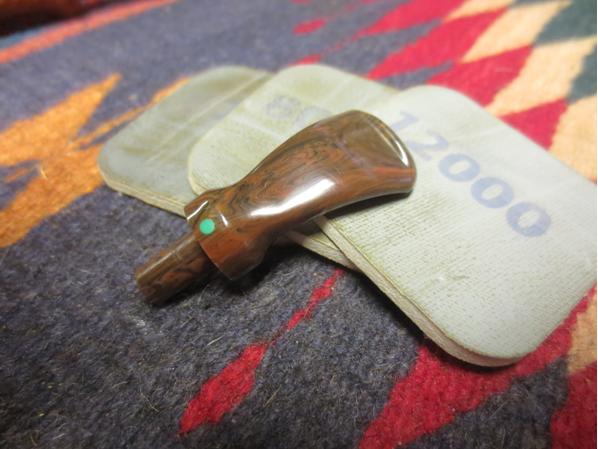
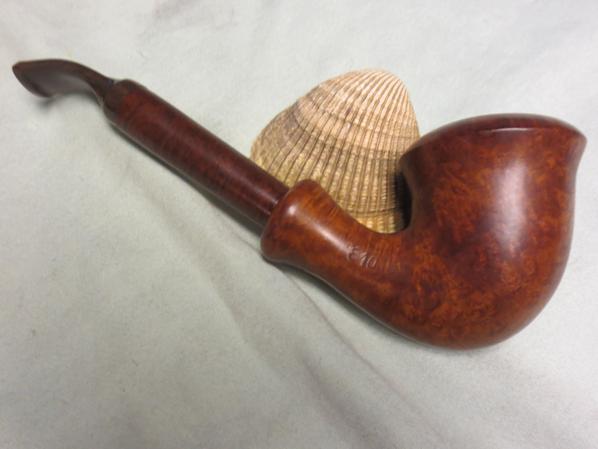
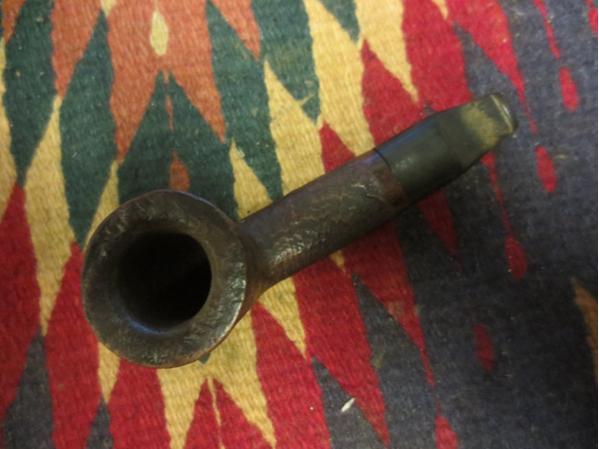
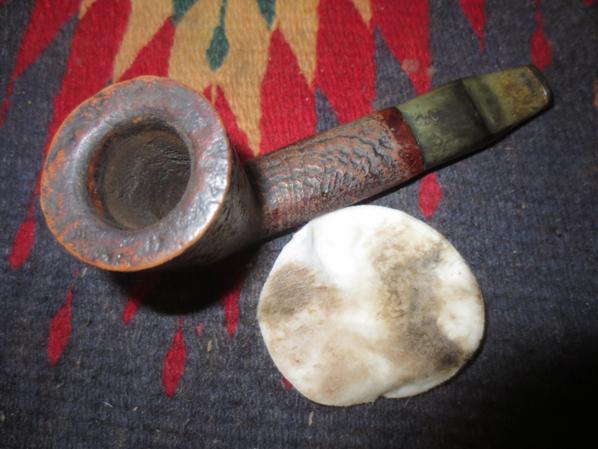
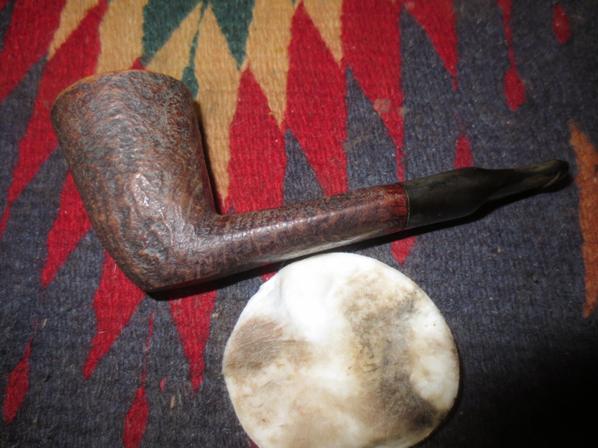
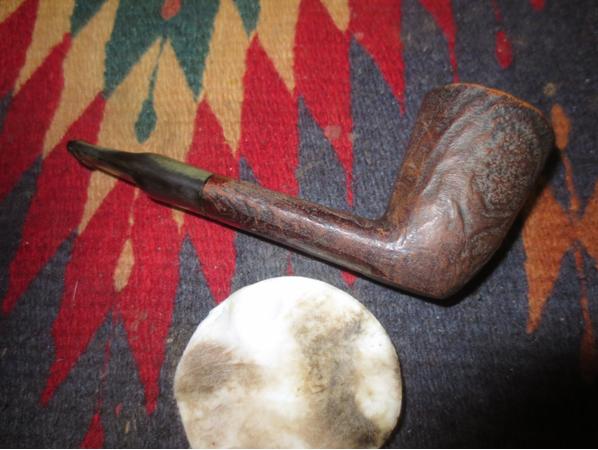
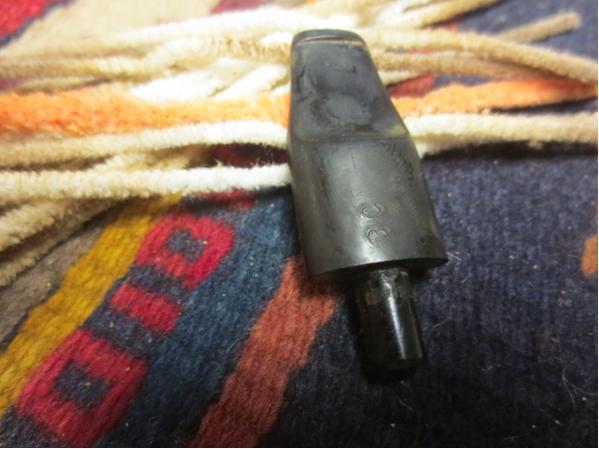
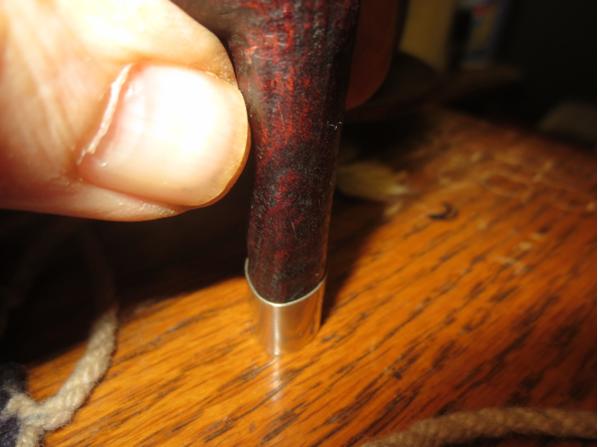
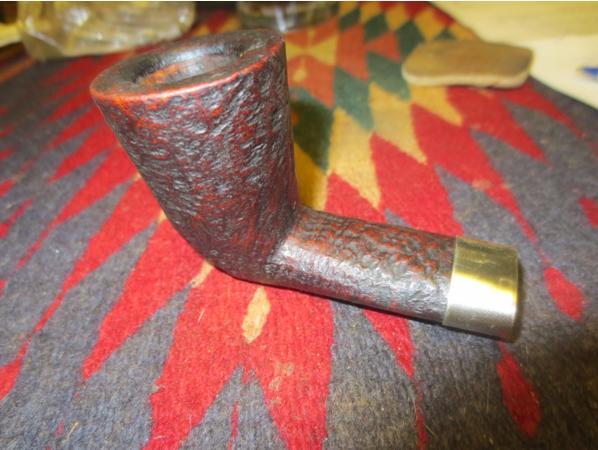
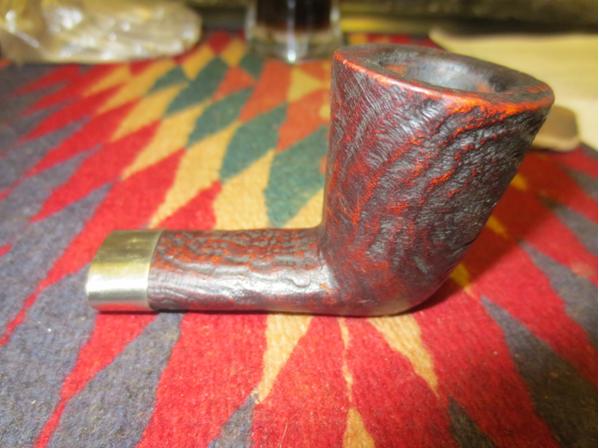
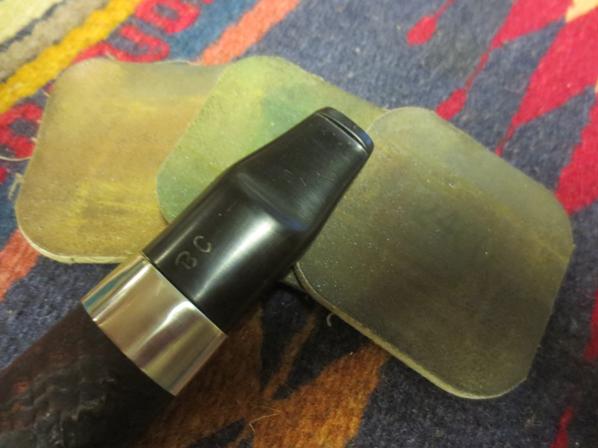
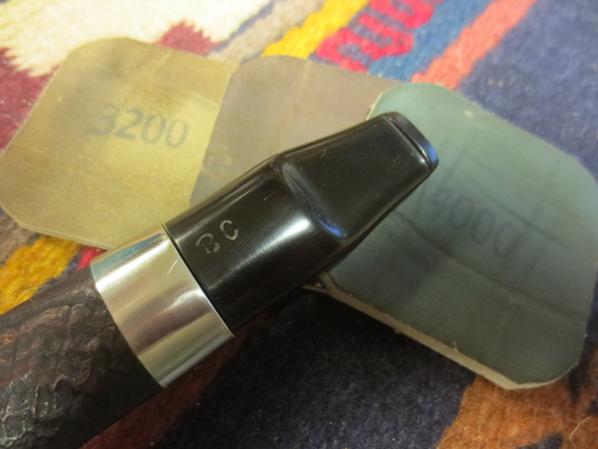
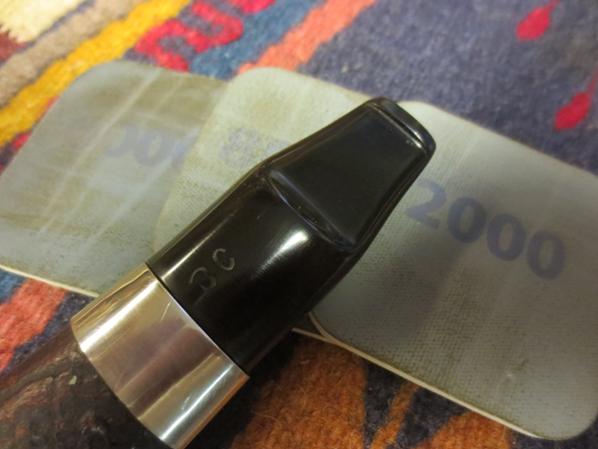
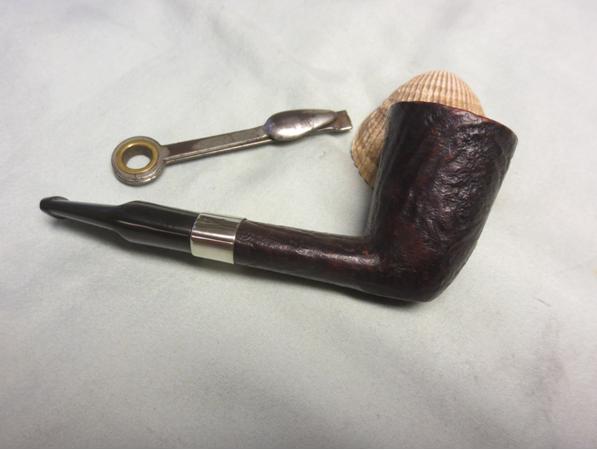
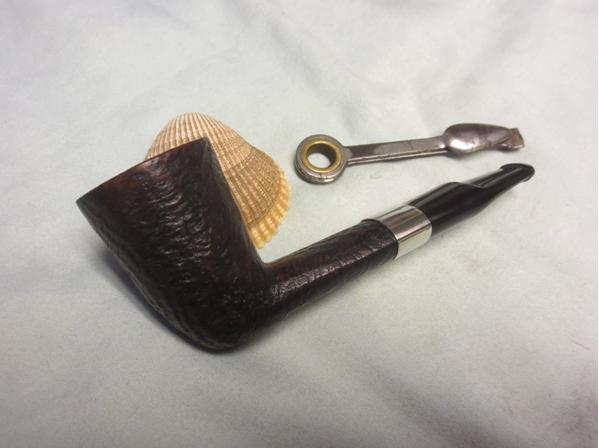
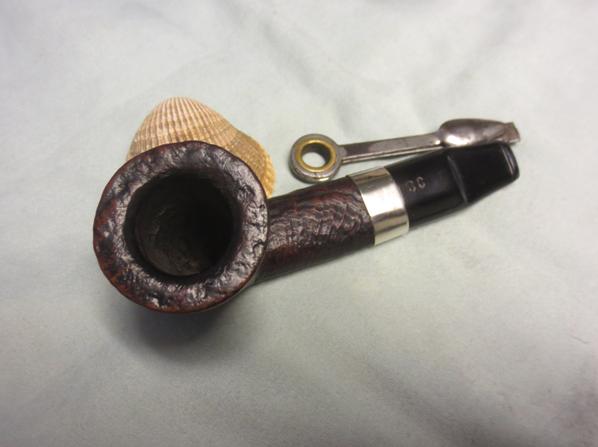
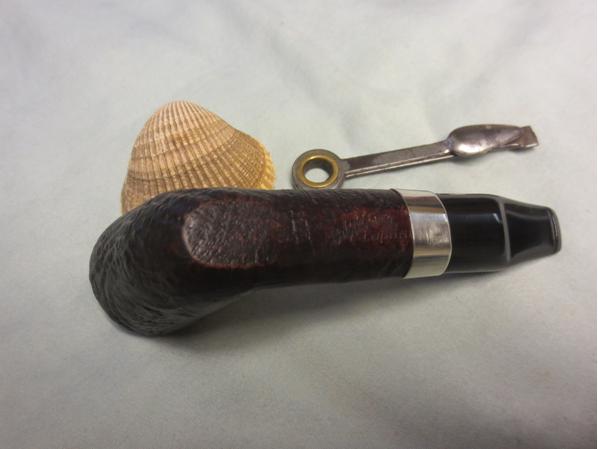
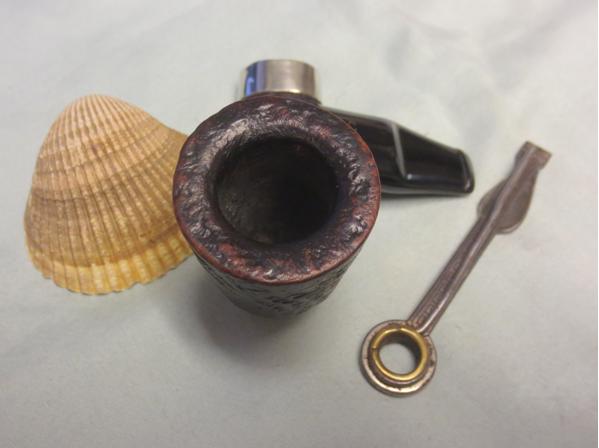
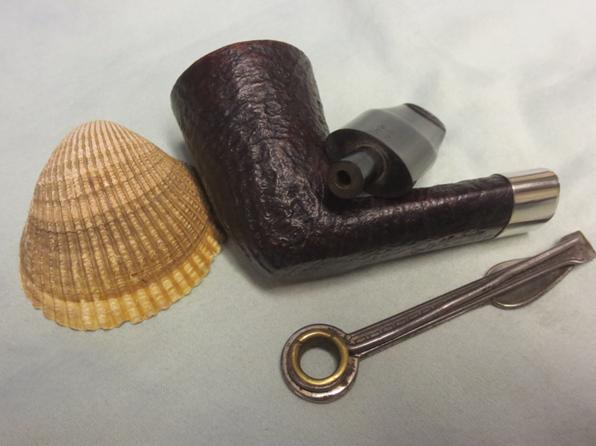
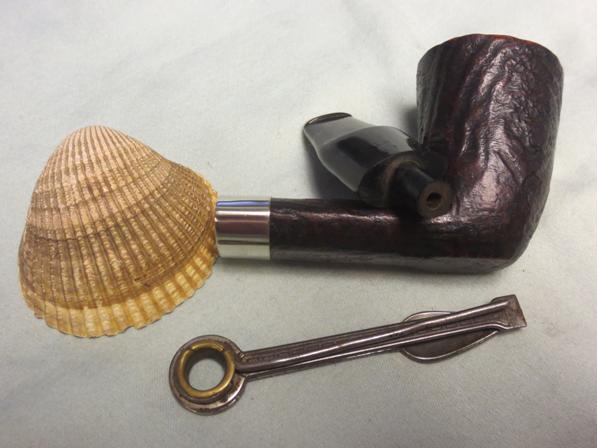
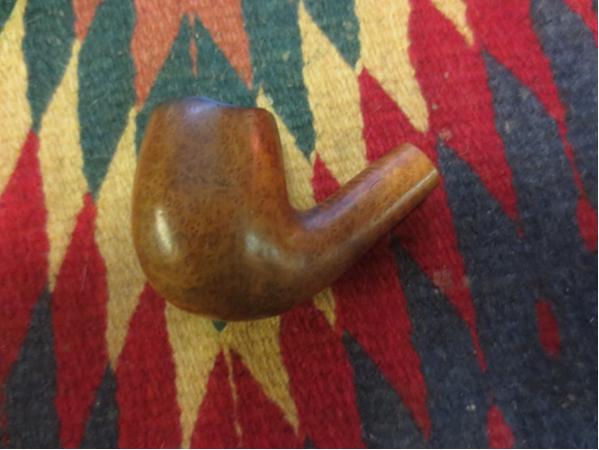
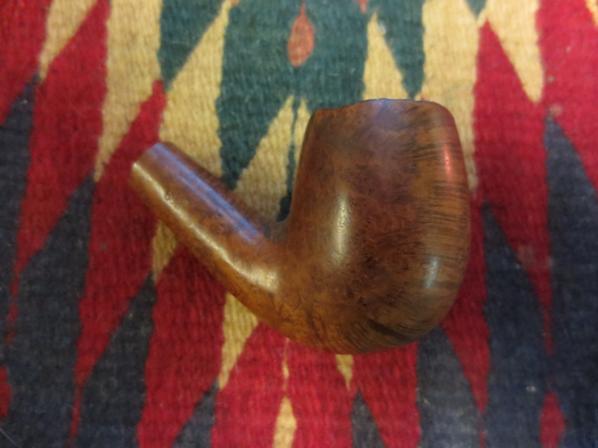
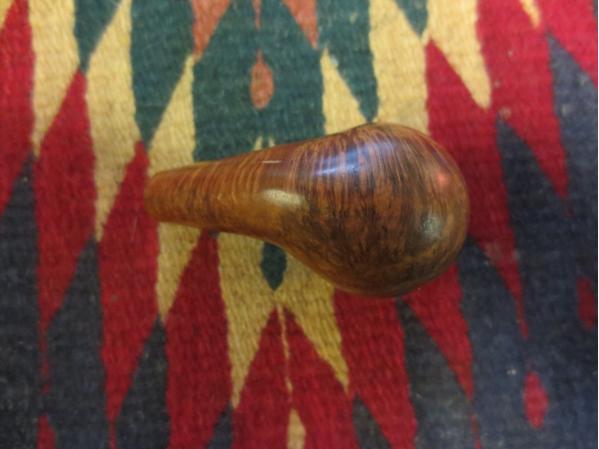
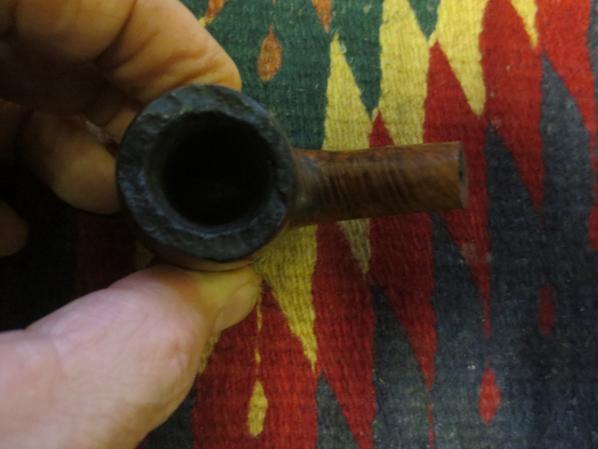
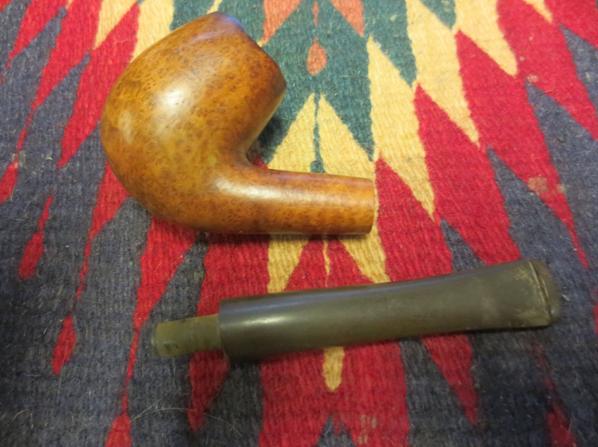
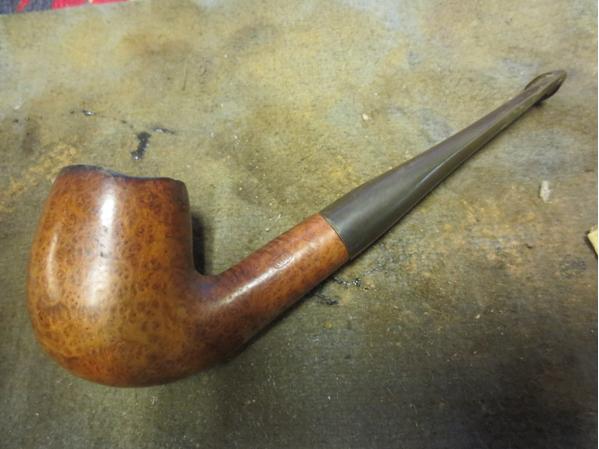
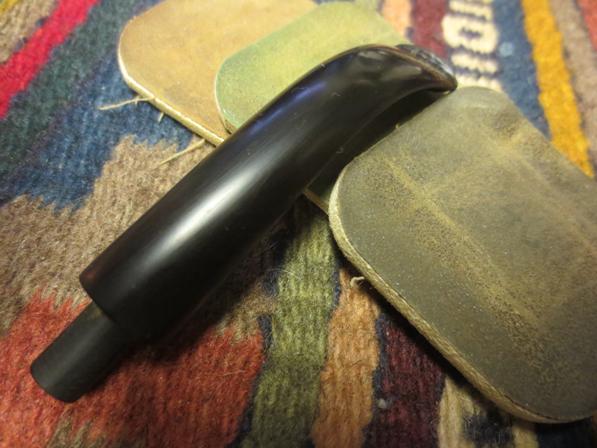
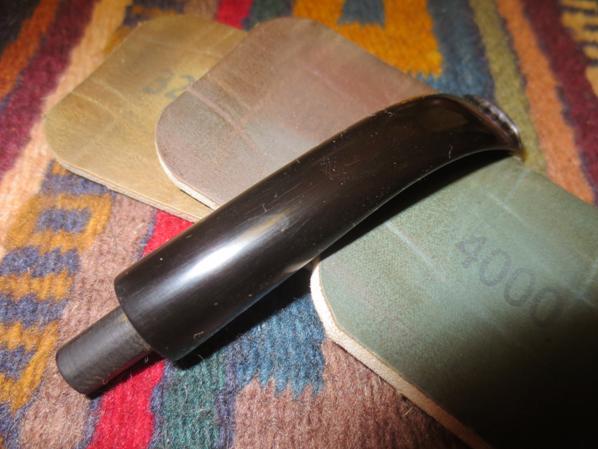
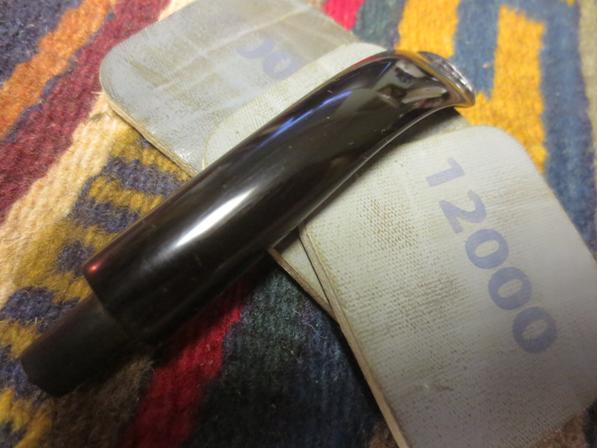
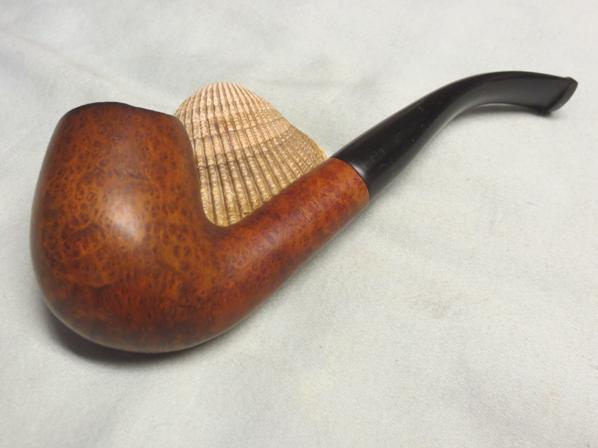
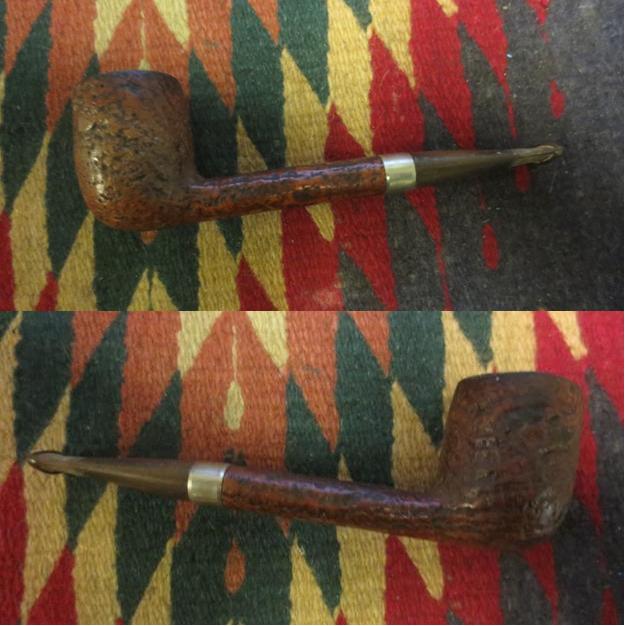
After I had settled into my hotel in Sofia, Bulgaria on a recent trip Dal took me to one of his pipe hunting haunts – an outside antique market in the shadow of Sofia’s largest church building – Nevski Cathedral. We visited the same vendor where he had purchased the Dr. Plumb Oom Paul pipe that he restored and restemmed. He had a lot of pipes on his table for sale. I worked through them and purchased one – a bent billiard with a windcap. Then I went through a bag of bowls and stems that he had and chose the bowl shown in the photo below. The bowl was stamped Shell Pipe 141. The combination sandblast and rustication give the pipe a great look. The finish looked to be pretty decent under the grime that filled the nooks and crannies of the blast. The rim was filled in with tars and oils to the point that the rustication on the surface was invisible. There was a pretty thick uneven cake throughout the bowl. The shank was dirty and almost clogged with tars. There was no stem on the pipe but there was no crack in the shank and I was pretty certain that I had a stem that would fit it once I got home to Vancouver.Shell1 Shell2 Shell3 Shell4I went through my can of stems and found a stem that would fit with a bit of adjustment. I sanded the tenon in order to get a proper fit in the mortise of the bowl. The stem was slightly larger in diameter than the shank end and would need to be reduced to fit. The star on the stem would disappear once the stem was properly fit in the shank.Shell5 Shell6 Shell7 Shell8 Shell9I used the Dremel and sanding drum to reduce the diameter of the stem to match the shank. I sanded it with the stem in the pipe to make sure that I could match the stem and shank. I sanded it as close as possible with the Dremel and then worked on it by hand to get the lines of the fit correct.Shell10I sanded the stem with 220 grit sandpaper to remove the scratches left behind by the Dremel sanding drum and to fine tune the fit against the shank.Shell11 Shell12With the stem fit completed I turned to the bowl. I took a close-up photo of the bowl to show the build up on the rim and the state of the cake in the bowl.Shell13I reamed the bowl back to bare briar with a PipNet pipe reamer and finished cleaning it up with a Savinelli Pipe Knife.Shell14 Shell15 Shell16I scrubbed the sandblast/rusticated finish with Murphy’s Oil Soap and a tooth brush and worked on the rim with a wire brush.Shell17I rinsed the bowl with warm water under the tap (being careful to keep it out of the inside of the bowl). The cleaned briar is shown in the next series of photos.Shell18 Shell19I cleaned out the airway in the stem, mortise and airway in the bowl with pipe cleaners, cotton swabs and alcohol.Shell20 Shell21With the bowl cleanup finished and the internals on the stem down it was time to work on the finish of the stem. I wet sanded it with 1500-2400 micromesh sanding pads and gave it a coat of Obsidian Oil. I dry sanded it with 3200-4000 grit micromesh pads and gave it another coat of oil. I finished sanding it with 6000-12000 grit pads and gave it a final coat of Oil. I let it sit until the oil was dry.Shell22 Shell23 Shell24I buffed the bowl and stem with Blue Diamond on the wheel. I used a light touch on the bowl and a heavier touch on the stem as I did not want to get the polishing compound in the grooves and crevices of the blast. I gave the stem multiple coats of carnauba wax and buffed it with a clean buffing pad. I gave the bowl several coats of Conservator’s Wax and buffed it with a shoe brush. I hand buffed the finished pipe with a microfibre cloth. The finished pipe is shown below. I am pleased with the outcome. The bowl from Sofia, Bulgaria and the new stem from Canada work well together. Thanks for looking.Shell25 Shell26 Shell27 Shell28 Shell29 Shell30 Shell31

Breathing New Life into a Design by Curtis Metal Pipe


Blog by Steve Laug

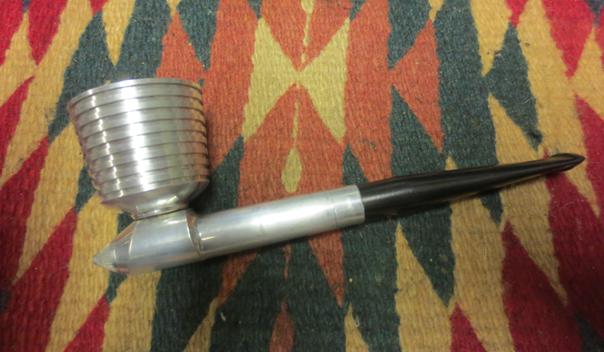
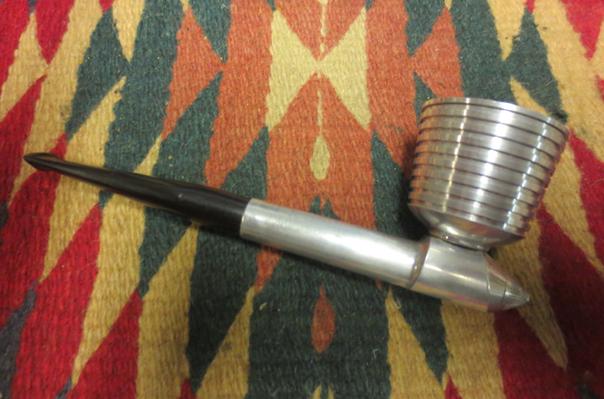
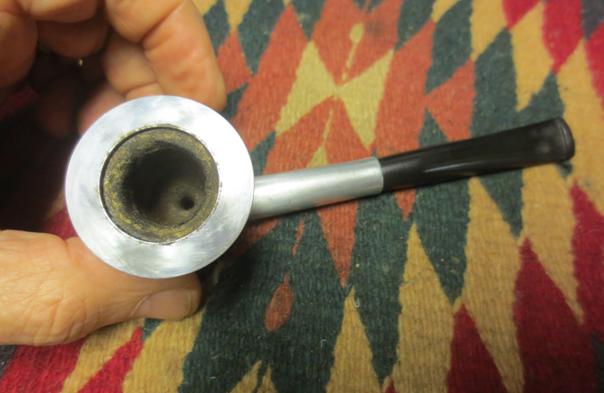
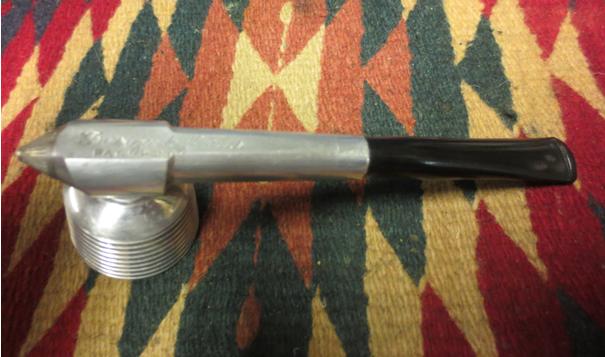
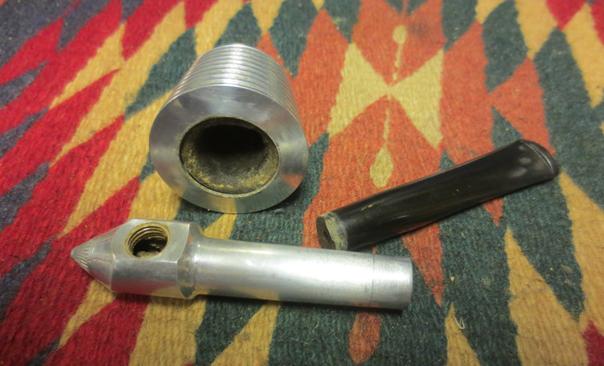
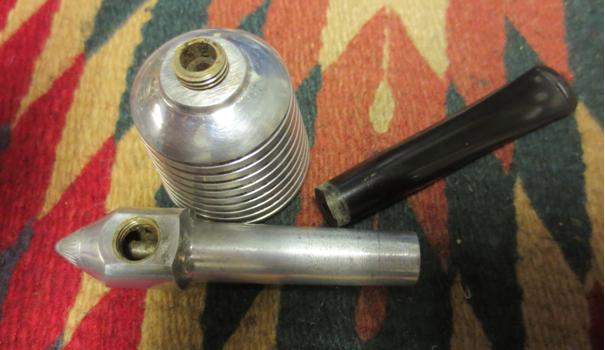
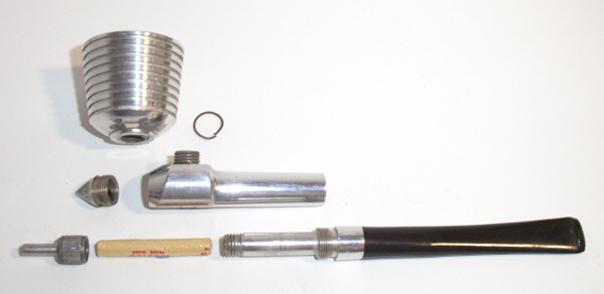
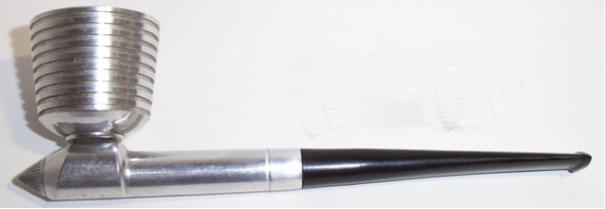
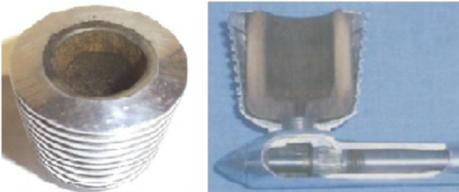
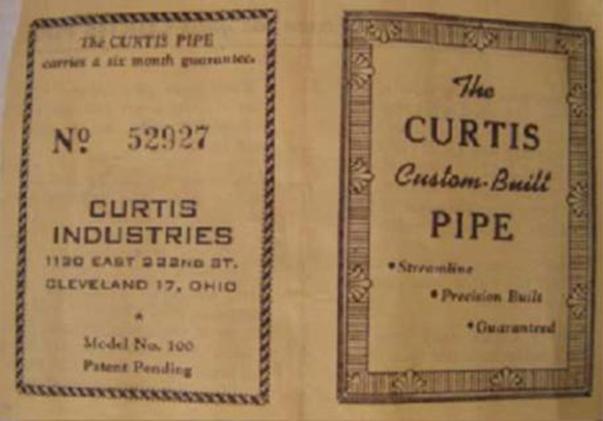
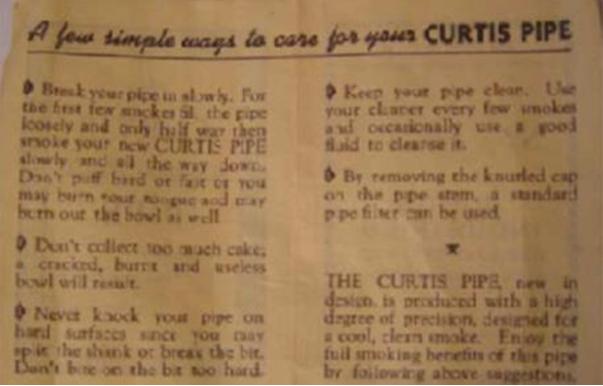
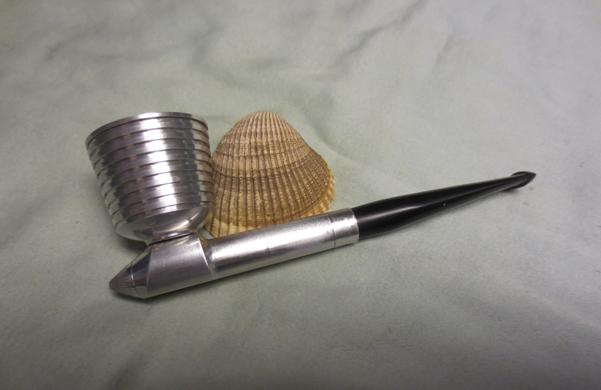
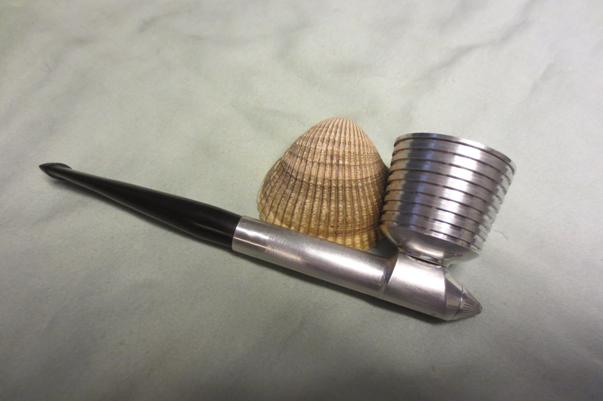
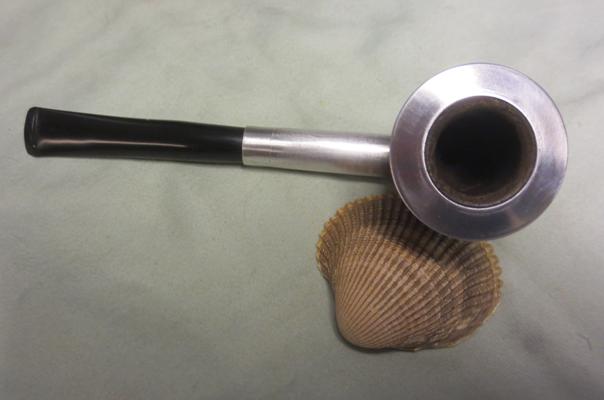
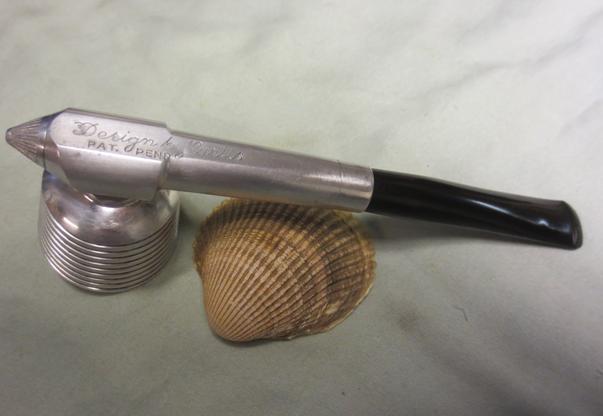
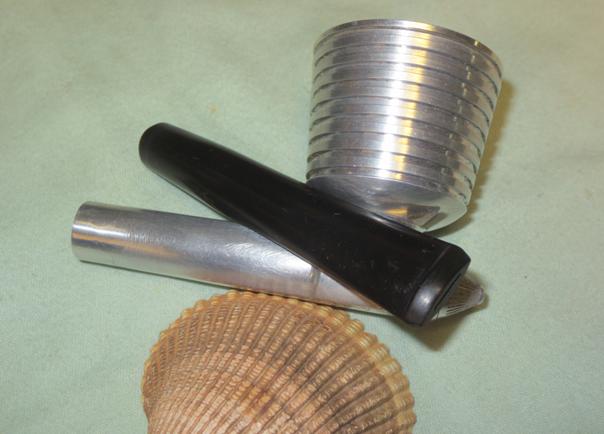
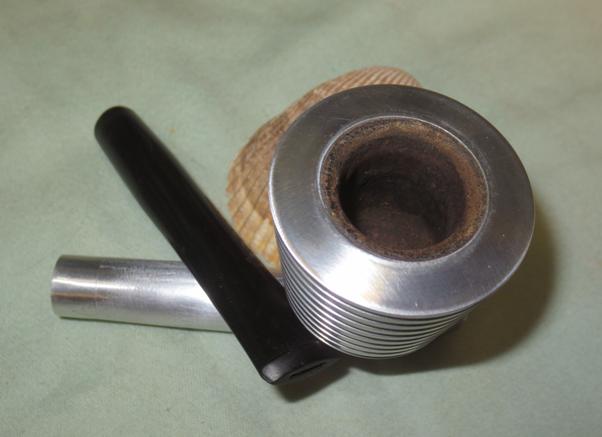
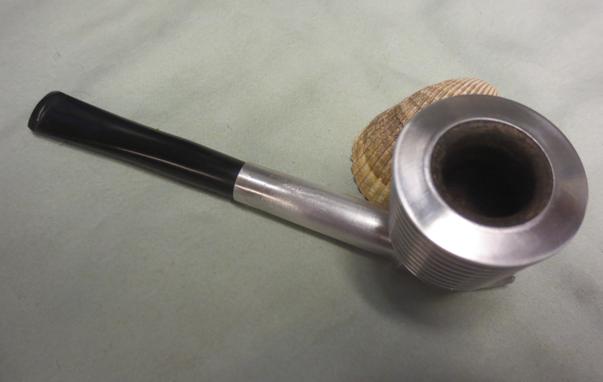
This smoking metal pipe is really Art Deco looking. It has a metal finned bowl with a pressure fit top cap holding in a briar bowl. There is a threaded connector between the bowl and the metal shank base. The connector threads into both the bowl and the shank. The shank has a pointed end cap that is frozen in place. The bowl was caked and worn. The stem had bite marks on both the top and the bottom sides near the button. The stem is a military mount that sits in a stepped down interior of the metal shank. There is a tube at the end of the airway in the shank that seems to have holes in it as the air flows through when blown into the end. The exterior of the pipe is oxidized and dull. The bottom of the shank is stamped Design by Curtis over Pat. Pend. It is a brand about which I know nothing.Curtis1 Curtis2 Curtis3 Curtis4I took some close-up photos of the bowl and the stamping on the shank to give a better idea of what the pipe looked like when I started.Curtis5 Curtis6I took the pipe apart to have a look at the pieces individually and see what I could learn from the way it fit together. I was unable to take the end cap off the shank and I was not willing to damage the cone shaped piece to work it free.Curtis7 Curtis8 Curtis9I wanted to learn more about the pipe so I did a bit of digging on the Smoking Metal Pipes Site and found this information and pictures (http://www.smokingmetal.co.uk/pipe.php?page=52 ). The site showed a picture of another version of the pipe. It may be newer than the one that I had in hand. It was marked as a Curtis Custom-Built Pipe Model 100. It was manufactured by Curtis Industries of 1120 East 222nd Street, Cleveland, Ohio. They were first seen around 1946. The pipe that was pictured was different in several ways. The stem was different in that it had a filter insert and a threaded tenon. My version did not have a filter system and also did not have the stinger end cap that held the filter in place. The pictures that follow come from that site. I have cropped and rearranged them to better suit the order of my blog. The brochure also comes from that site.Curtis9a Curtis9bFrom the Smoking Metal Site it appears that the patent was applied for 25 December 1945. It had the patent number #D143257 and the inventor is named as Howard Abrams from University Heights, Ohio. The site also showed a cut away photo of the bowl and cup.Curtis10It also includes a copy of the brochure that was included with the pipe. The cover of the brochure reads The Curtis Custom-Built Pipe and three descriptors – Streamlined, Precision Built, Guaranteed. The back reads The Curtis Pipe carries a six month guarantee. The rest reads No. 52927 over Curtis Industries 1120 East 222nd St. Cleveland, Ohio over Model 100 Patent Pending.Curtis11Inside it reads A few simple ways to care for your Curtis Pipe. I typed out the contents below the picture.Curtis121. Break your pipe in slowly. For the first few smokes fill the pipe loosely and only half way then smoke the new Curtis Pipe slowly and all the way down. Don’t puff hard or fast or you may burn your tongue and may burn out the bowl as well.

2. Don’t collect too much cake, a cracked, burnt and useless bowl will result.

3. Never knock your pipe on hard surfaces since you may split the shank or break the bit. Don’t bite on the bit too hard.

4. Keep your pipe clean. Use your cleaner every few smokes and occasionally use a good fluid to cleanse it.

5. By removing the knurled cap on the pipe stem, a standard pipe filter can be used.

The Curtis Pipe, new in design is produced with a high degree of precision, designed for a cool, clean smoke. Enjoy the full smoking benefits of the pipe by following above suggestions.

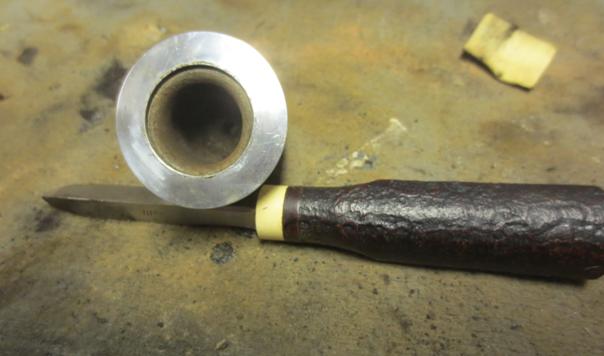
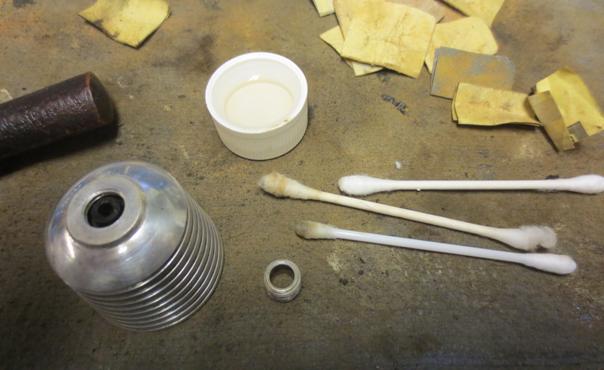
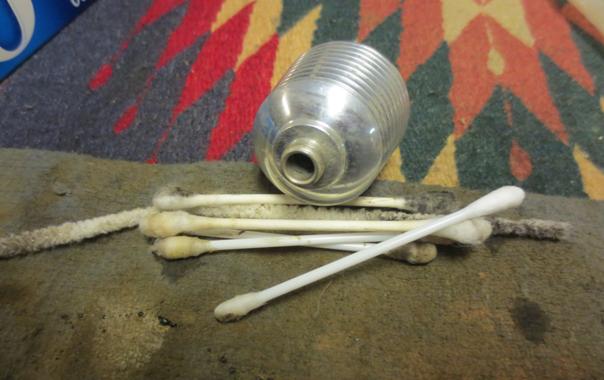
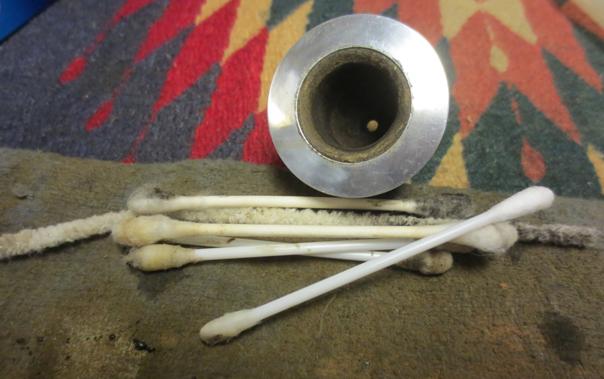
Armed with this information I took the pipe apart and began to clean and restore it. I reamed the bowl with the Savinelli Pipe Knife to remove the cake and clean up the briar rim of the bowl insert.Curtis13 Curtis14I unscrewed the bowl and the threaded connector from the bottom of the bowl. I cleaned out the connector and the airway in the bowl with alcohol, pipe cleaners and cotton swabs.Curtis15 Curtis16I scrubbed the rim and the interior of the bowl with cotton swabs and alcohol to clean out the remaining debris in the bowl and on the rim.Curtis17I scrubbed out the mortise and airway with alcohol, pipe cleaners and cotton swabs to remove the tars and residue.Curtis18 Curtis19I heated the end cap and still could not remove it so I cleaned out the inside of the airway from the top of the shank with pipe cleaners, cotton swabs and alcohol. It was a bit of a pain to work around the tube in the shank below but I was able to remove the grime and build up in that place.Curtis20I set the shank aside and worked on the stem. I cleaned it out with alcohol. There were two deep tooth marks on top and the underside of the stem. Curtis21 Curtis22I wiped the stem surface down and filled in the dents with black super glue. I sprayed the glue with the accelerator and then sanded the repairs down with 220 grit sandpaper and a medium grit sanding stick until they matched the surface of the stem.Curtis23 Curtis24 Curtis25I wet sanded the stem with 1500-2400 grit micromesh sanding pads and rubbed it down with Obsidian Oil. I dry sanded with 3200-4000 grit pads and gave it another coat of oil. I finished sanding it with 6000-12000 grit pads and gave it a final coat of oil. I let the oil dry.Curtis26 Curtis27 Curtis28I dry sanded the aluminum barrel shank and the rim of the bowl with 4000-12000 grit micromesh pads. I buffed the stem with Blue Diamond and then buffed it with a clean flannel buffing pad. The finished pipe is shown in the photos below. It is a beautiful example of the Curtis pipe and the finished pipe is a great addition to my metal collection. Thanks for looking.Curtis29 Curtis30 Curtis31 Curtis32 Curtis33 Curtis34 Curtis35 Curtis36

ADDENDUM

I received and email from one of the blog’s readers, Doug with some photos of the break down of the bowl system. It looks like the rim top is indeed pressure fit. Thanks for providing these photos Doug. They certainly add to our understanding of the way the bowl was designed. thumbnail_20160709_144214-1_resized[1] thumbnail_20160709_144222-1_resized[1] thumbnail_20160709_144234-1_resized[1] thumbnail_20160709_144253-1_resized[1] thumbnail_20160709_144305-1_resized[1]


This one was just plain ugly it was such a mess


Blog by Steve Laug

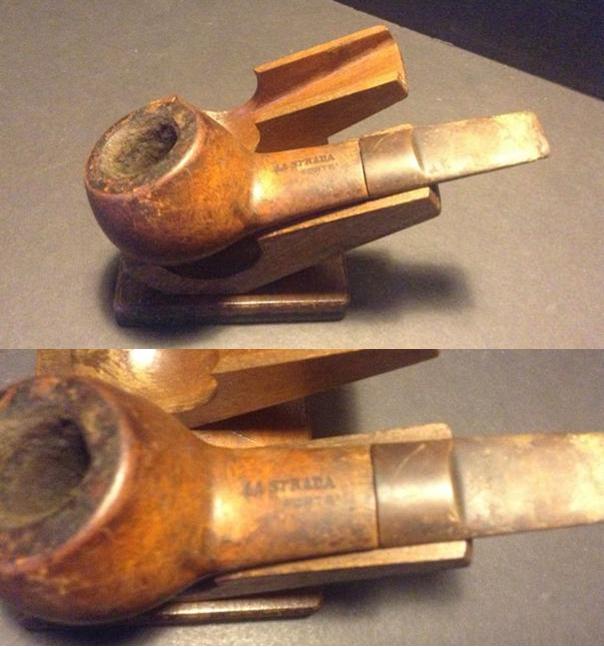
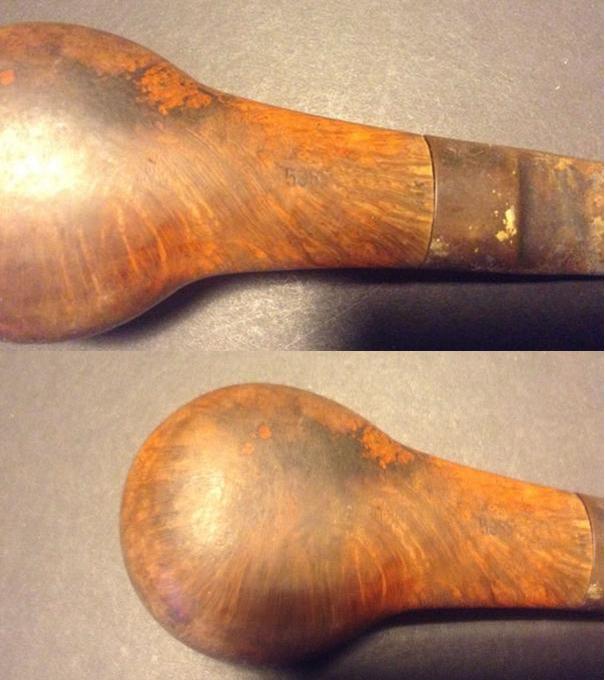
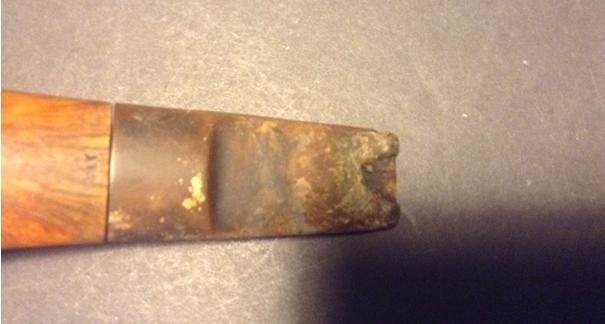
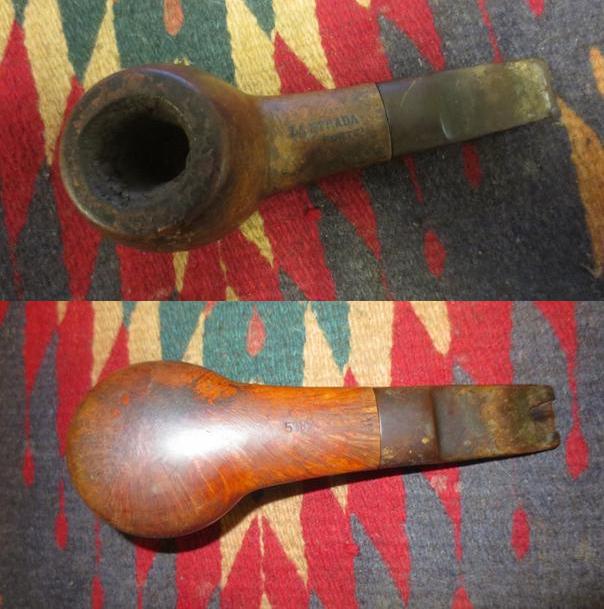
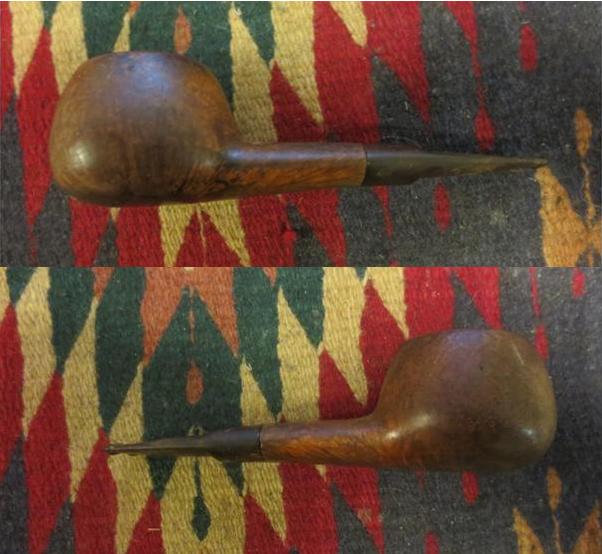
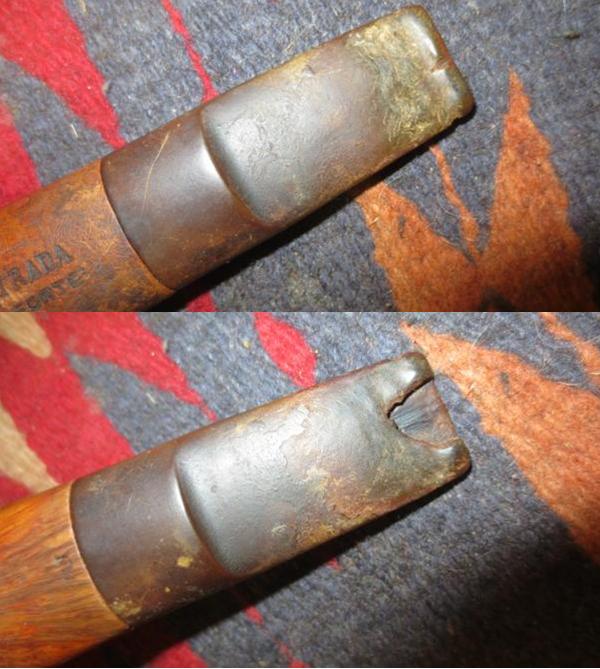
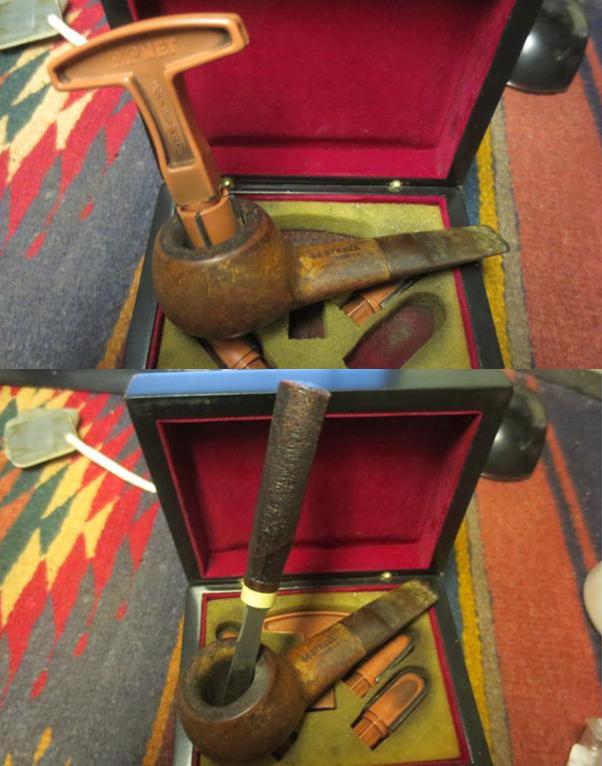
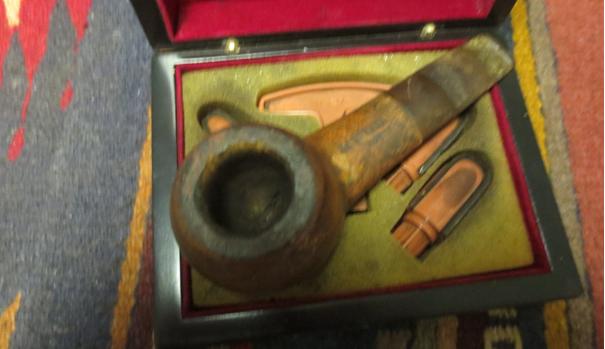
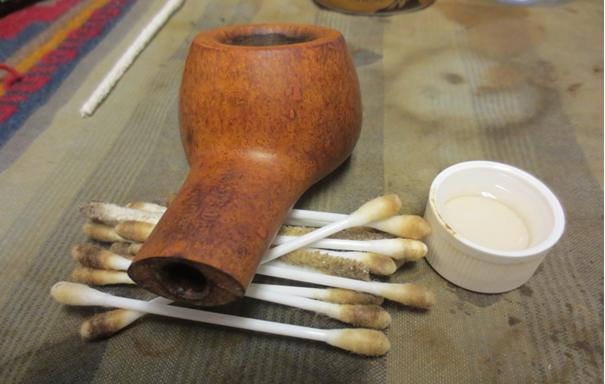
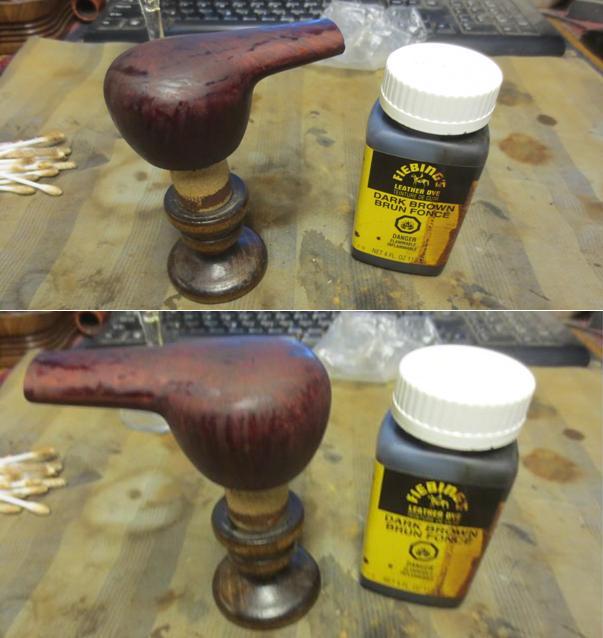
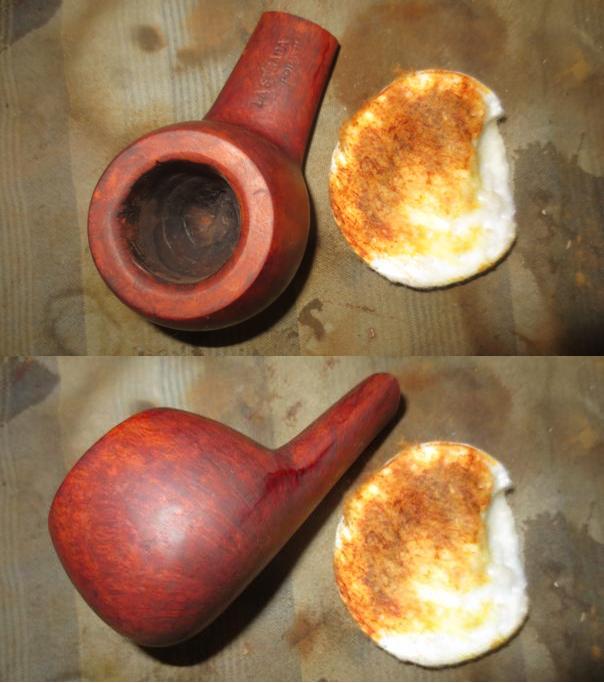
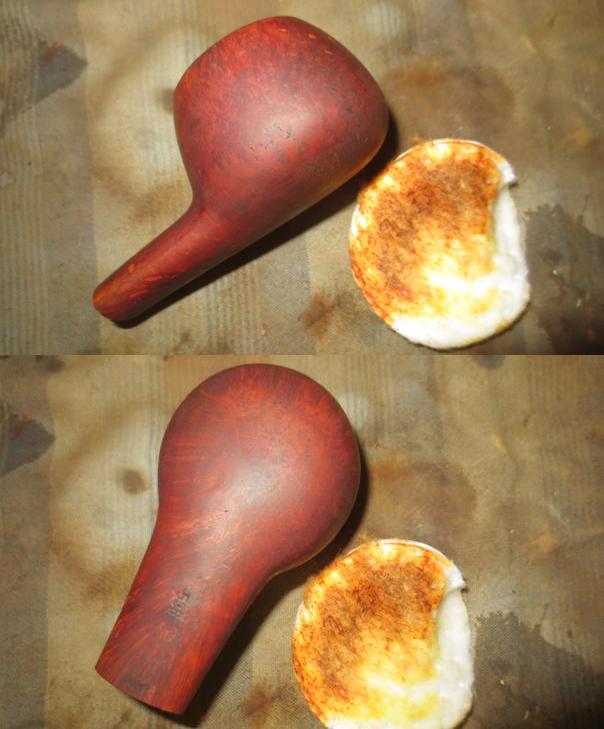
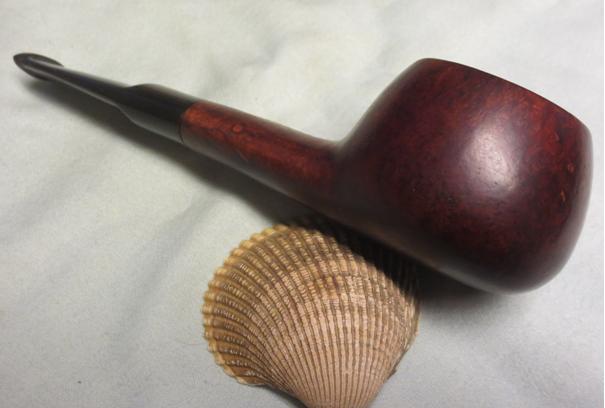
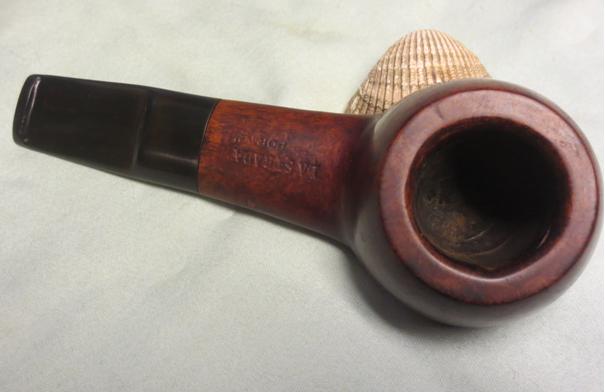
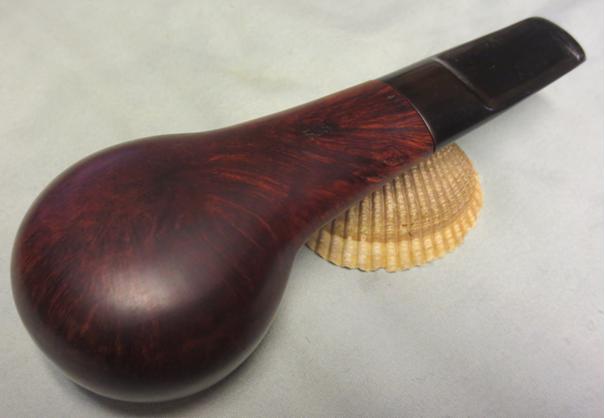
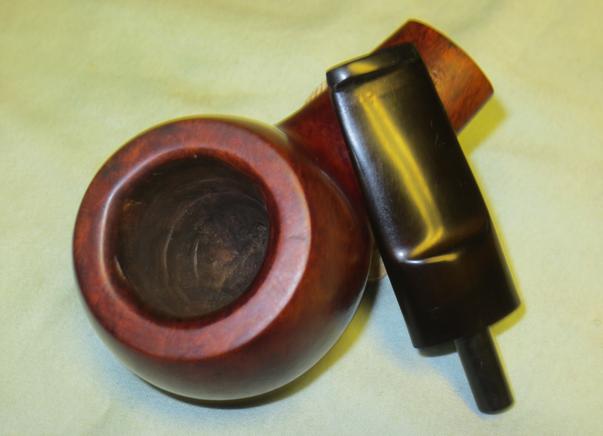
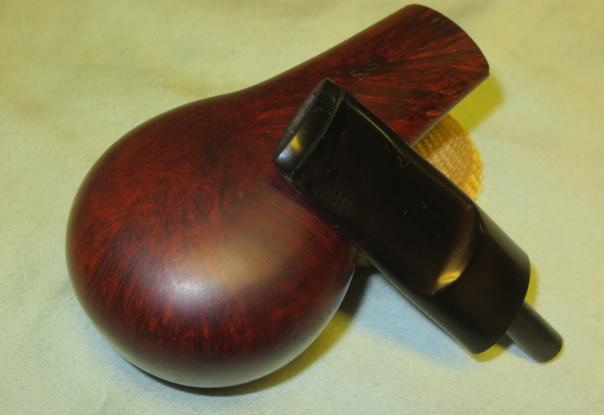
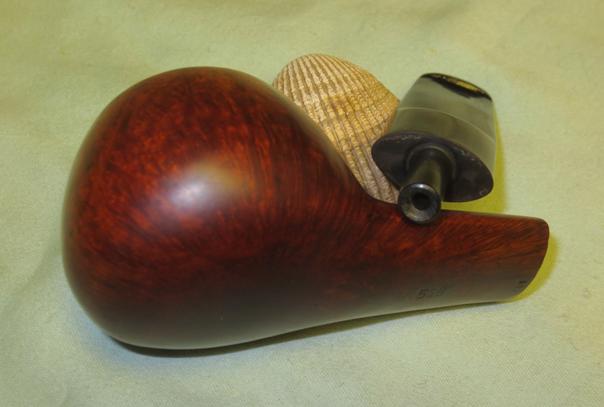
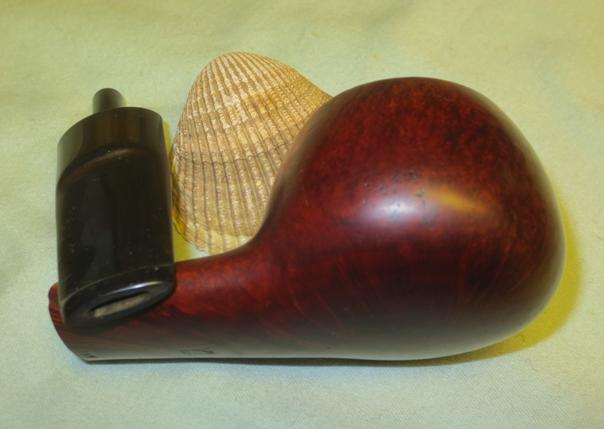
When my brother sent me the link for this one and I scrolled through the pictures the seller included, I almost said to pass on it. It was such a mess that the ugliness made me not want to even deal with this one. But there was something challenging about the pipe and through the gunk it looked like it might have some interesting grain. I know in the early days of my estate buying on EBay I did not pay attention to the measurements on the pipe. I figured it would be a moderately sized Banker or Author with an oval shank. I also ignored the brand stamping on the pipe. It read La Strada Forte on the top of the shank which also should have been a bit of a giveaway. Even the photos below that the seller included of the pipe in a rest should have been a clue. But I missed the clue because I was blown away by the sheer disaster of the pipe. As you look at it below try to catalogue the issues that you see.La1 La2 La3 La4Let me tell you what, no matter how much I prepared myself by cataloging the issues I saw in the pictures they in no way captured the reality of the mess this pipe was in. It was actually quite unbelievable. First off, I should have read the measurements. This pipe was huge. The length was average really, at 5 ½ inches long. The width of the shank was a bit bigger at 1 1/8 inches wide. The diameter of the bowl exterior was 2 1/8 inches. The chamber appeared to be an inch in diameter but the cake in it reduced it to about ¾ inch. The cake was thick and it was hard. It overflowed onto the top of the bowl and part way down the sides. The inner edge of the rim looked like someone had hacked at it with a knife so underneath the thick cake I could see the chop marks of the knife in the edges of the bowl. The finish was more than shot – it was gone and in its place was thick oily grime ground into the briar. The stamping was black with the oils. It was thick enough that the grime was flaking off on the bottom of the bowl. The stamping was readable and said LA STRADA over FORTE on the top side. On the underside was the shape number 538 and next to the shank stem junction was stamped Italy. The stem was not only oxidized but really worn. The top edge of the button was almost flattened and there were tooth marks in the top of the stem. The underside was another story – there was a chunk of vulcanite missing and the button was gone. The airway was collapsed and the inside surface was gouged with file marks. This poor pipe was looking pretty desperate and I thought about cannibalizing it for briar and parts.La5Then I looked at the briar through the grime. The bottom of the bowl had some really nice grain – a few fills popping through – but still really nice. The sides of the bowl also had some promise under the grime. And, I liked the shape of the pipe even though it was a war club. Maybe…just maybe…La6I took a close-up photo of the top of the bowl and the cake inside. I still shake my head when I see the state of the bowl and the damage to the inner rim. It was really in bad shape. Just look at the hack job that had been done to that inner edge.La7I also took a couple of close-up photos of the stem to show the extent of damage that had been done to it as well. It was in very rough shape.La8I reamed the bowl with a PipNet reamer starting with the smallest cutting head to clean up the walls of the bowl slowly. I worked through all four reaming heads ending with the largest one. I used the Savinelli Pipe Knife to do some clean up to the edges and try to smooth out some of the rim damage. La9Between the largest PipNet cutting head and the pipe knife I was able to do a lot of redeeming work on the inner edge of the rim.La10I topped the bowl on the topping board to remove the damaged finish and to reduce the damage to the inner edge of the rim.La11I scrubbed the surface of the briar with acetone on cotton pads to remove the dirt and grime in the grain as well as the oils. It was amazing how much grit came off the bowl. La12 La13Once the surface was clean I worked on the inner rim. I used a folded piece of 220 grit sandpaper to bevel the edge inward and clean up the cuts and nicks in the edge. I did not take a picture at this point but you will see the cleaned up rim in the pictures that follow the work on the stem.

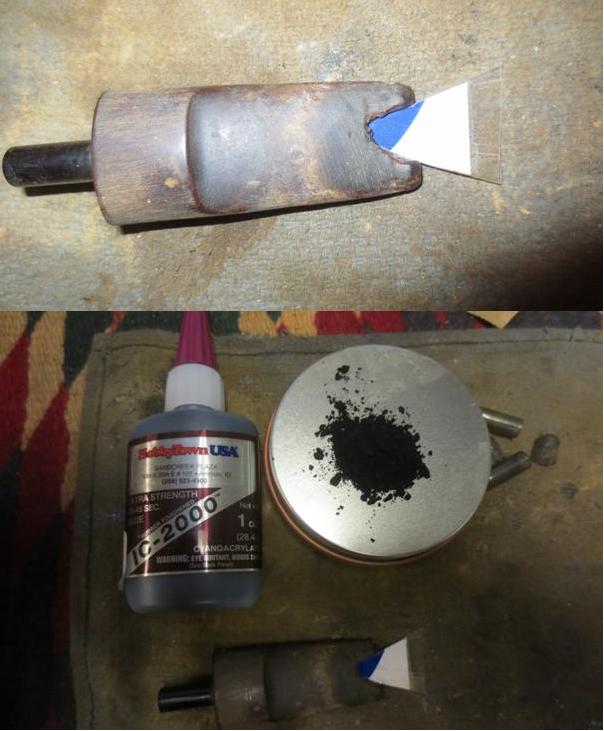
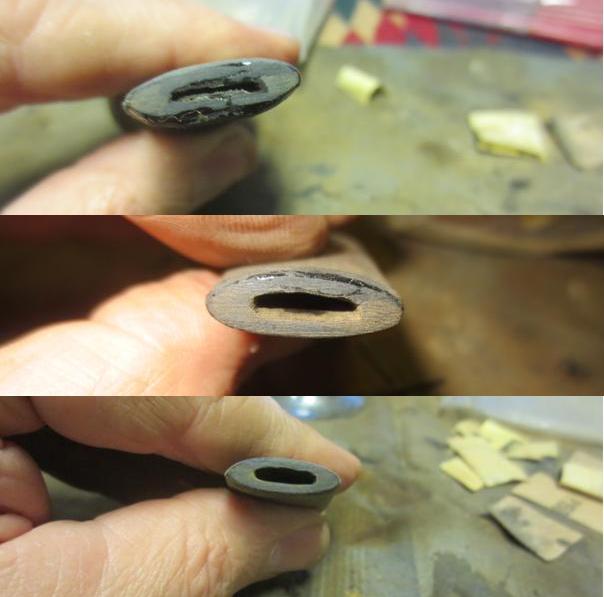
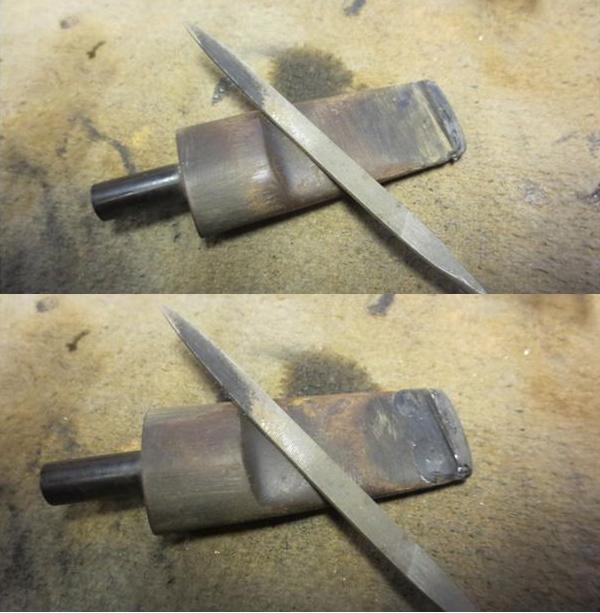
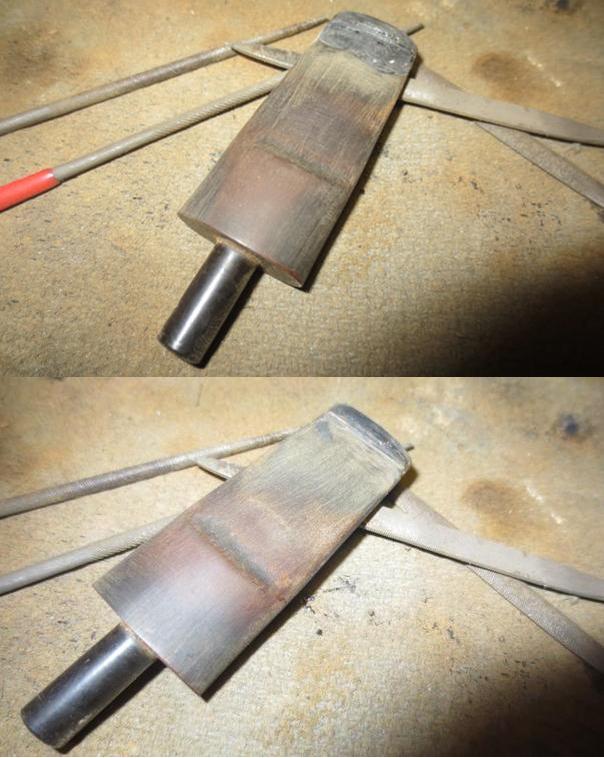
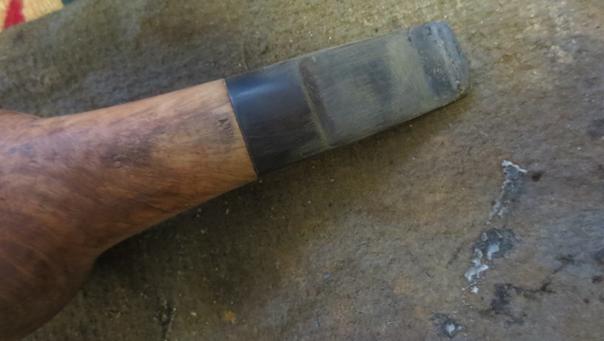
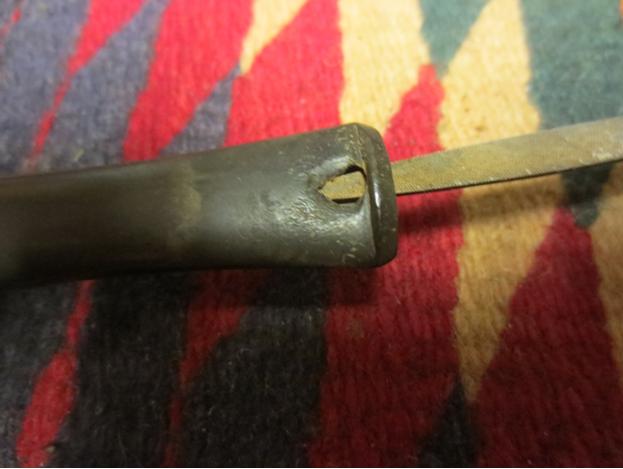
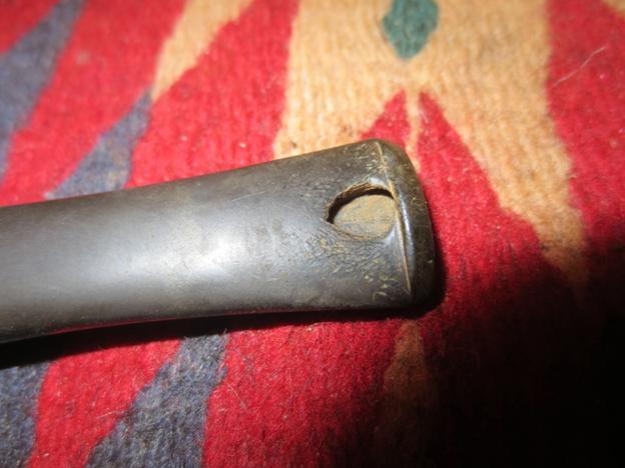
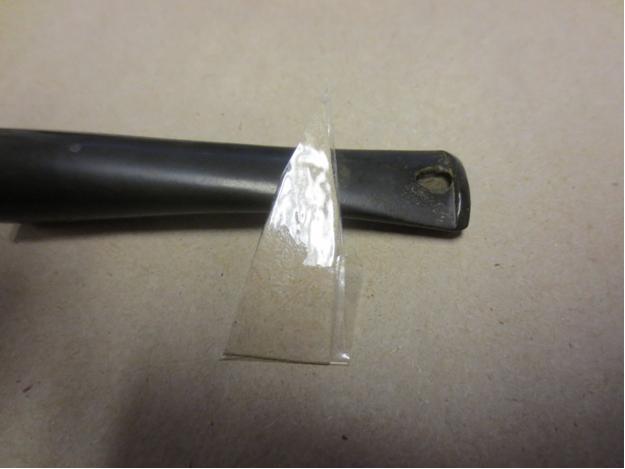
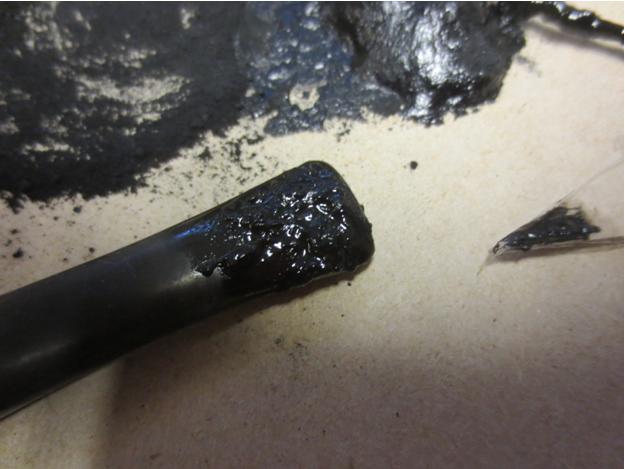
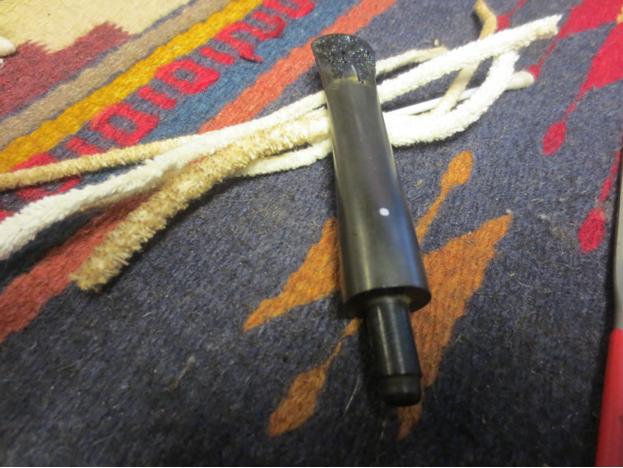
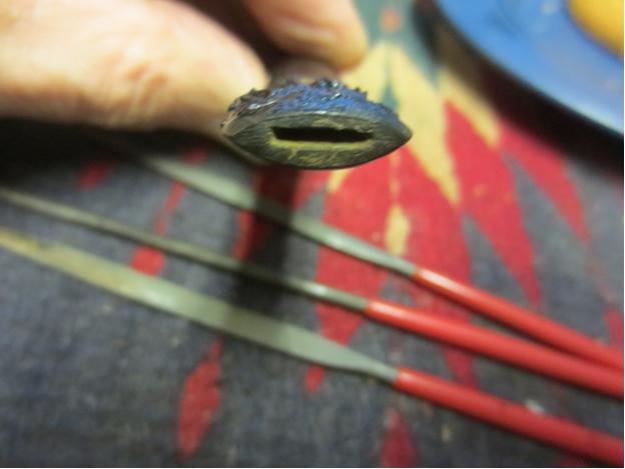
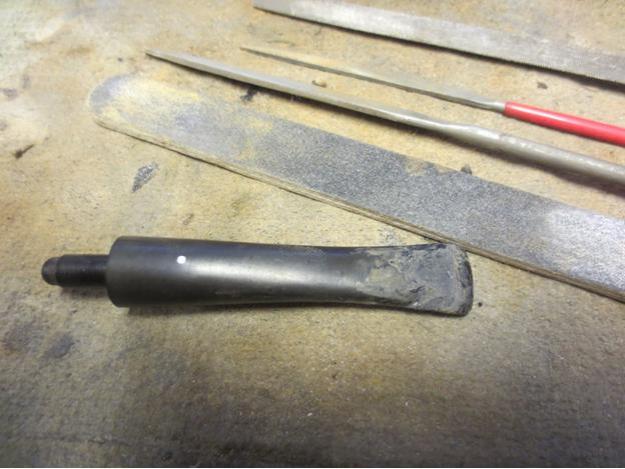
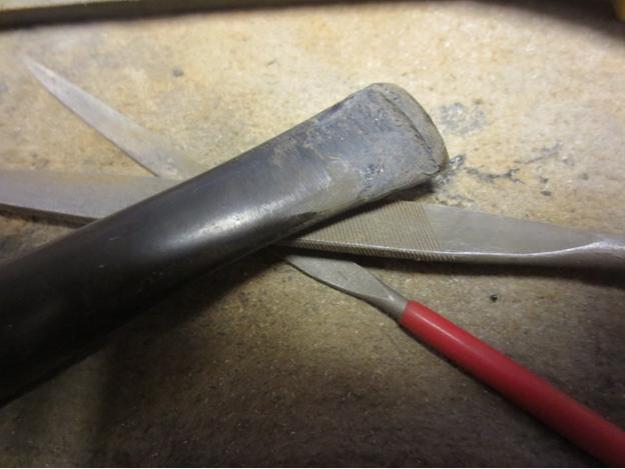
I set the bowl aside to work on the stem. To take care of the damaged stem I made a wedge out of cardboard and covered it with clear strapping tape so that the super glue mixture I was going to use would not stick to it. I wanted it thick enough to leave an airway/slot in the stem. I mixed up a paste of charcoal powder and black super glue. The glue has a slow drying time so I was able to mix a thick paste with the combination.La14 La15I used a dental pick and spatula to put the mixture in place on the top and the bottom of the stem and build up the area that would become the button on the top side and the repair and button on the underside. I also built up a slope on the stem underside to give me a bit more thickness over the airway. At this point I sprayed the repair with an accelerator to harden the surface of the glue. I set it aside to let the glue repair cure/harden.La16Once the repair had hardened I used the sanding drum on the Dremel to smooth out the repair. I would still need to sand it by hand but the Dremel took a lot of the heavy spots out of the mix and also allowed me to rough shape the button.La17The next photos show the repairs after a lot of filing and sanding. The shape is very clear and distinct. The repair is rock solid. You can also see the inner rim bevel on the rim of the bowl in the first photo.La18The slot was really tight in the button. It was partially closed off and need to be reopened. I used different shaped needle files to open the slot and to reshape it. I also reshaped the button with the needle files. The three photos below show the development of the slot and the button.La19I reshaped the button edges with needle files and reshaped the taper of the stem from the saddle to the button. I sanded it with 220 grit sandpaper to blend it into the surface of the vulcanite stem. The photos show the progression in the shaping. There is still a lot of sanding to do to finish the shaping and polishing of the stem but I set it aside and worked on the bowl for a while.La20 La21 La22I cleaned out the inside of the mortise and the airway in the shank with pipe cleaners, cotton swabs and alcohol. It took a lot of scrubbing to clean out the airway and mortise.La23I heated the briar with a blow dryer and then stained it with a dark brown aniline stain mixed 50% with isopropyl. I used a black Sharpie to darken the fills on the bowl and shank then applied the stain with a cotton swab and flamed it with a lighter to set it in the grain.La24I wiped the bowl down with alcohol cotton pads to blend the stain and to make it more transparent. The photos below show the bowl after the wipe down. The scrubbed bowl looks quite a bit lighter but once it is waxed it will darken again.La25 La26I wet sanded the stem with 1500-2400 micromesh sanding pads and rubbed the stem down with Obsidian Oil. I dry sanded it with 3200-4000 grit pads and gave it another coat of oil. I finished sanding it with 6000-12000 grit pads and gave it a final coat of oil and let it dry. (The photos below show both sides of the stem with each set of micromesh pads.)La27 La28 La29I buffed the pipe with Blue Diamond on the wheel and then gave it multiple coats of carnauba wax. I buffed it with a clean buffing pad to polish the wax. I buffed it by hand with a microfibre cloth to add depth to the shine. I am pleased with the overall look of the pipe and considering what it was like when I first looked at it the improvement is vast. The stem repair is quite extensive. It has cured and is hard now and I am curious as to how it will hold up over time. The pipe looks good and should have a long life ahead of it. Thanks for looking.La30 La31 La32 La33 La34 La35 La36 La37

Something About This Lorenzo Canadian Caught My Eye


Blog by Steve Laug

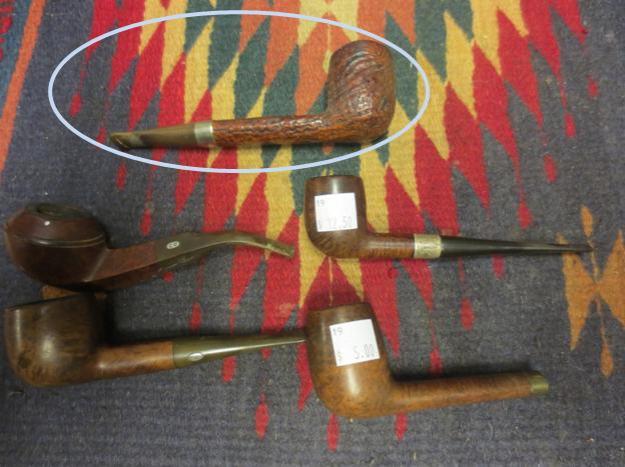
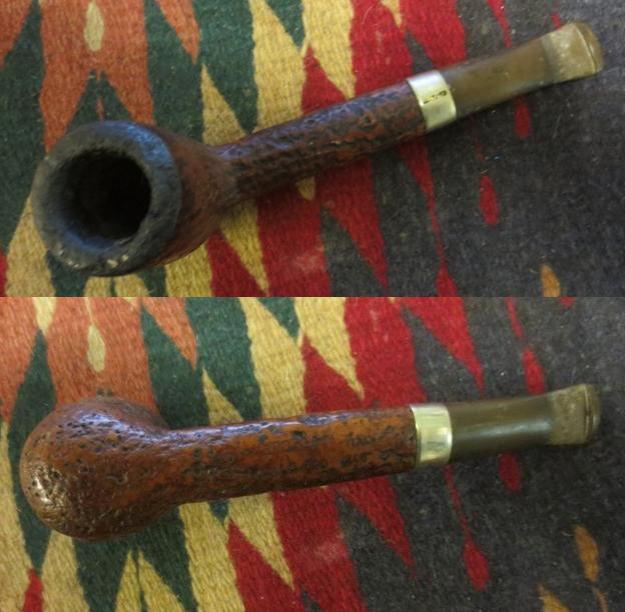
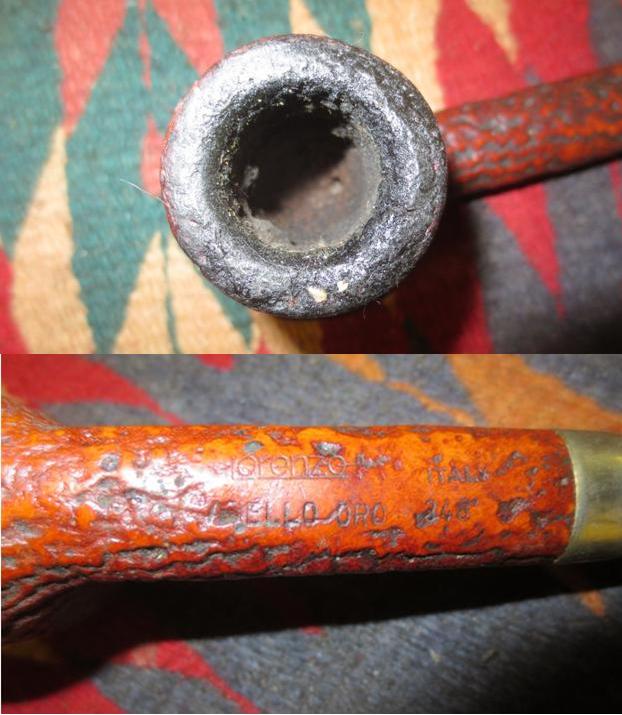
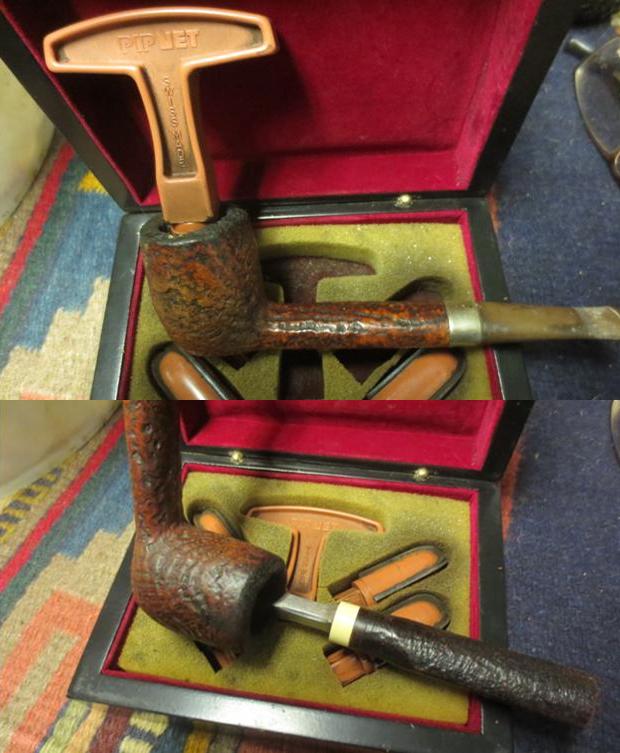
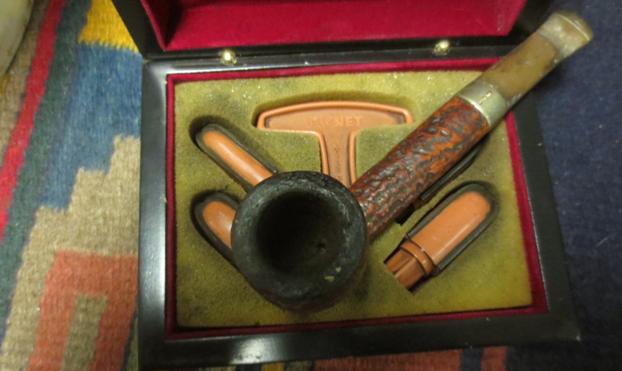
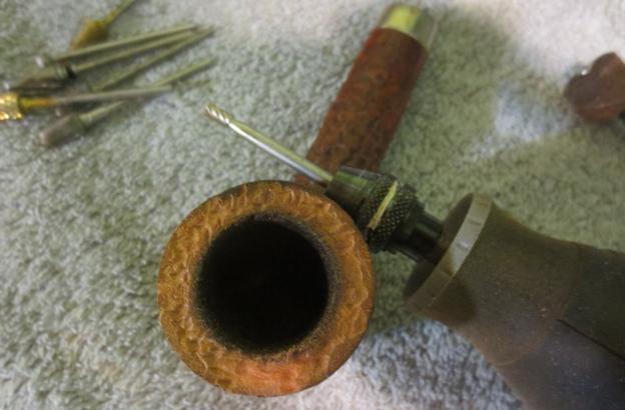
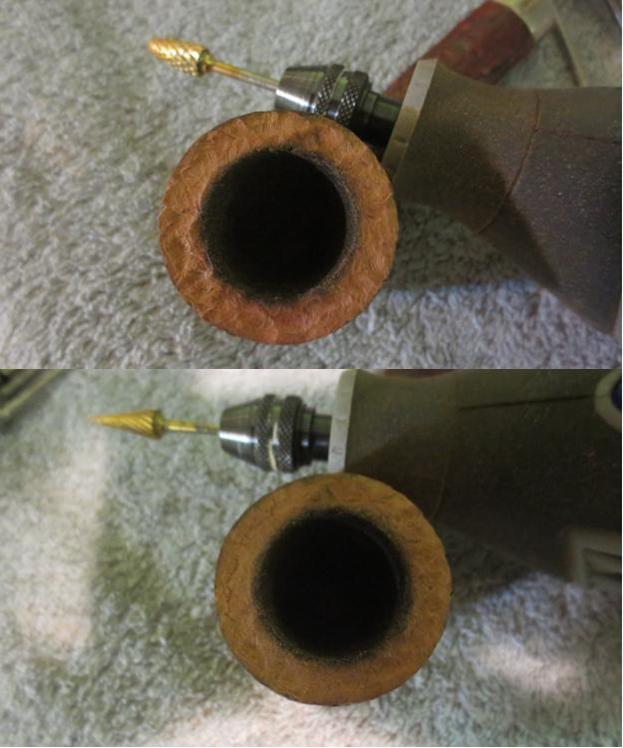
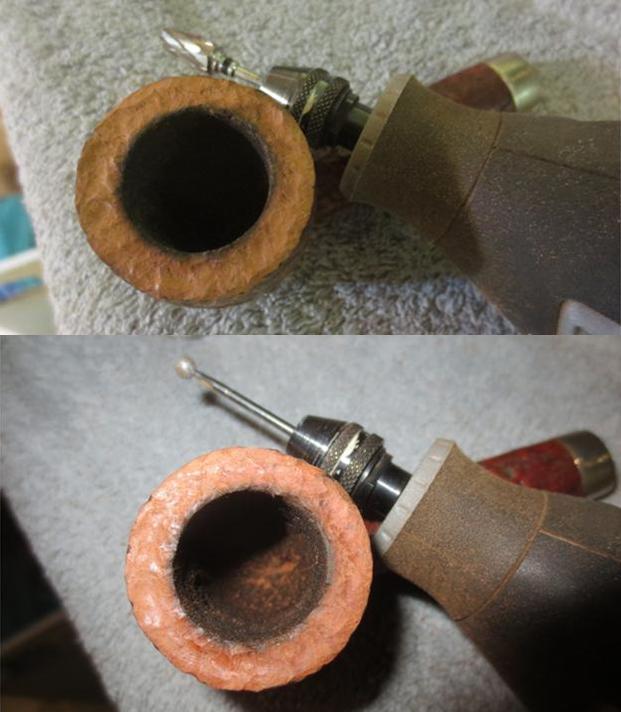
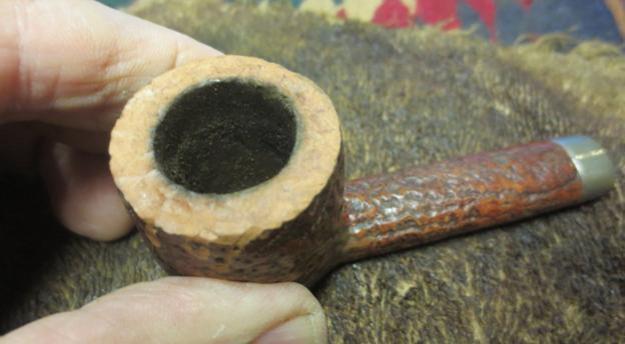
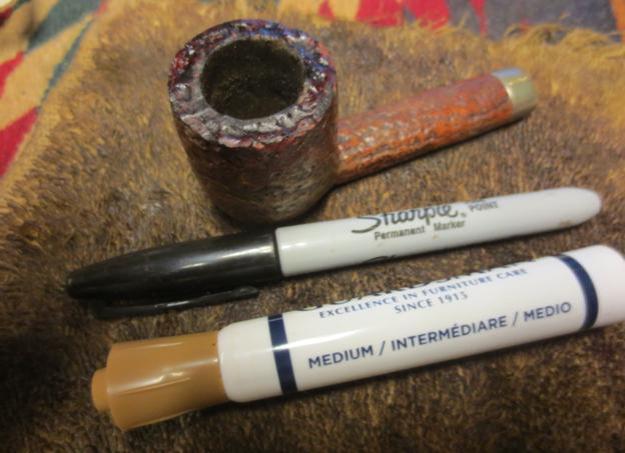
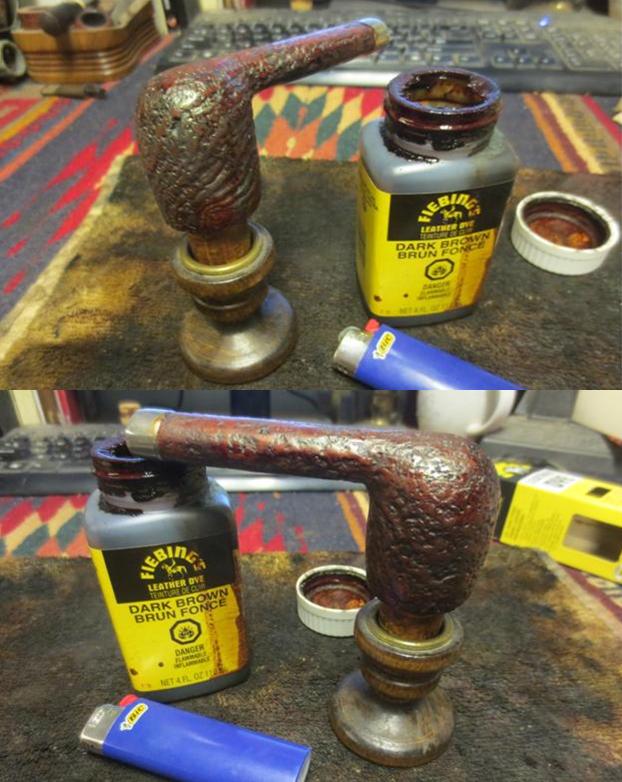
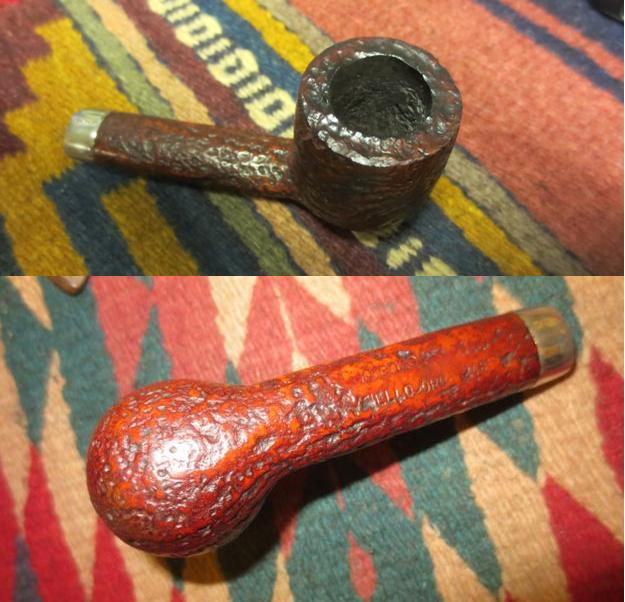
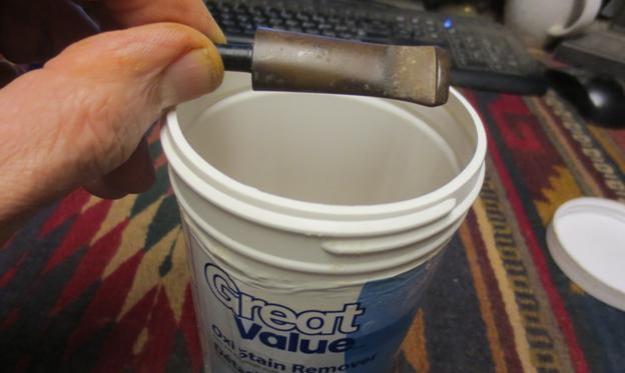
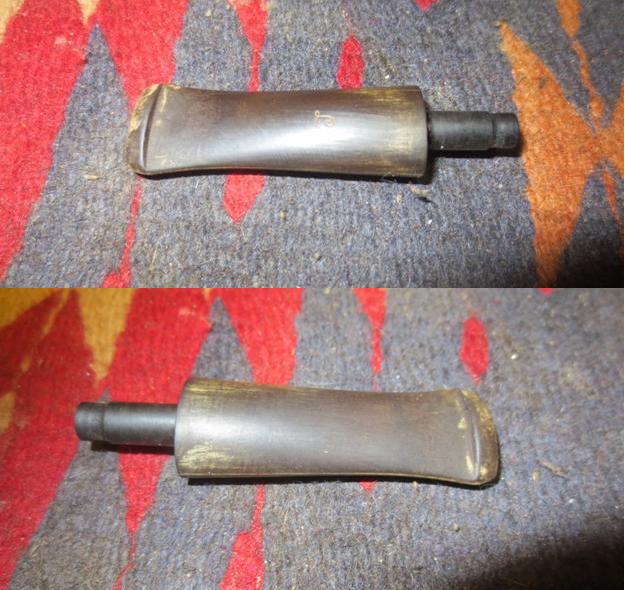
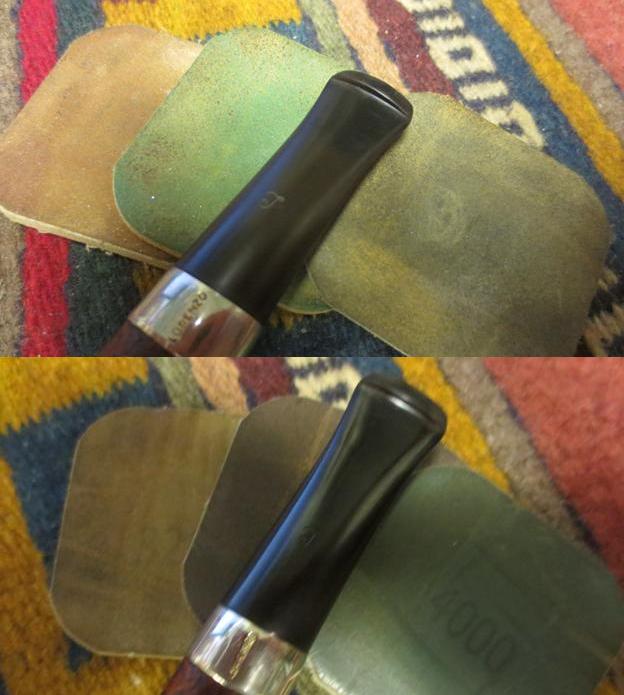
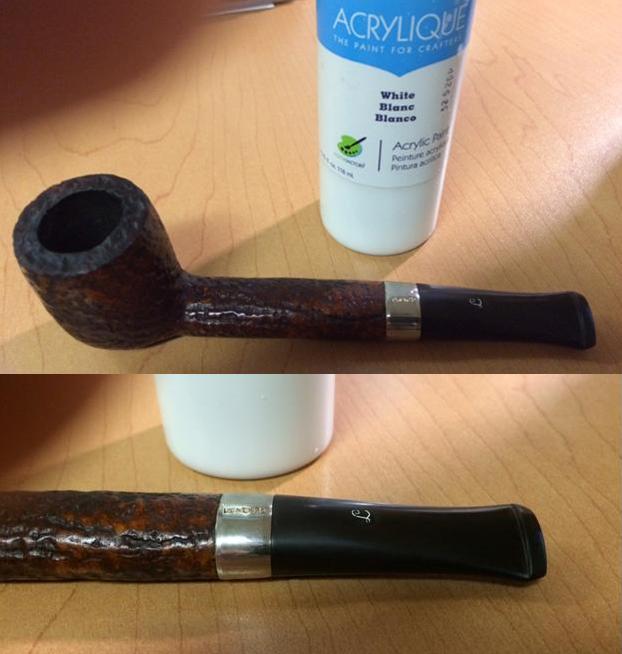
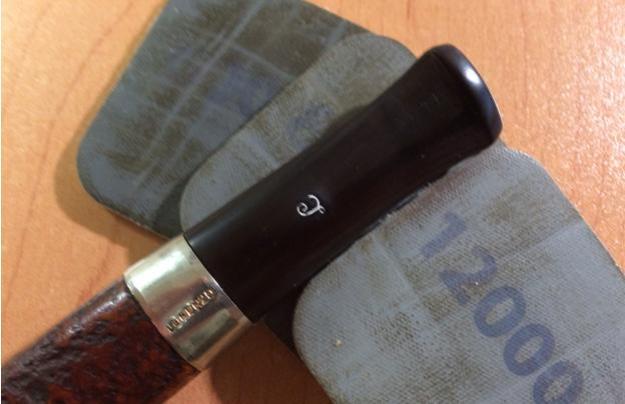
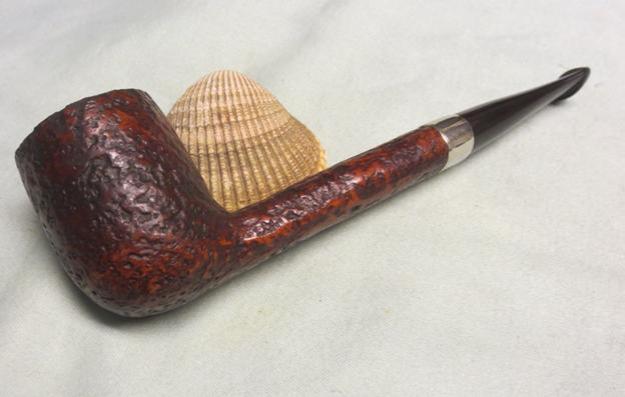
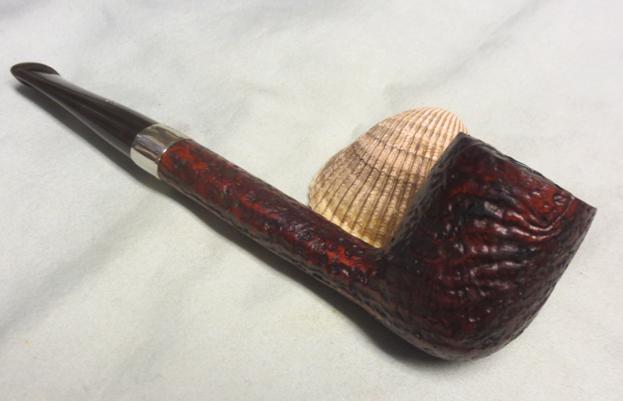
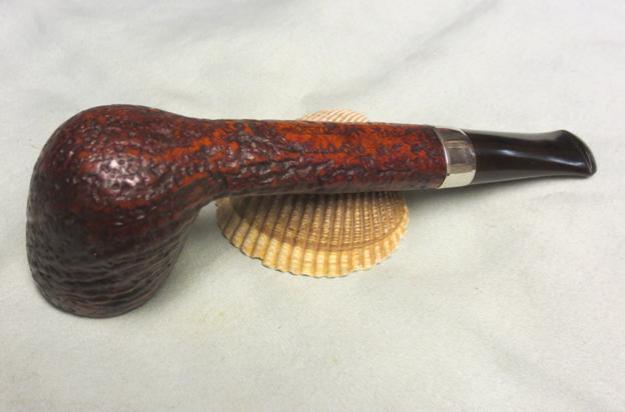
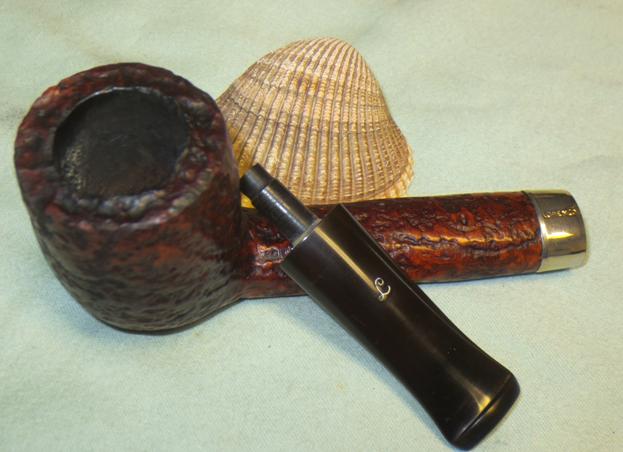
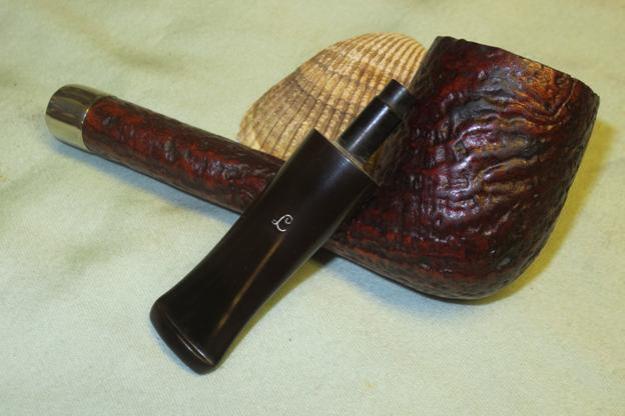
A few weeks ago my family took my wife down to the US from Vancouver for her birthday. After a huge breakfast celebration the ladies went shopping and I hit a few favourite antique shops. I found a nice handful of old pipes. One of the lot was sandblast Lorenzo Canadian. It had a nice looking blast and I could see underneath the high gloss, grit and ruined rim what looked like a great pipe. It was in pretty rough shape. The bowl had a thick cake of sweet smelling aromatic tobacco. It was soft and crumbly but it was thick. There was a significant lava flow of tars over the rim to the point it was hard to see what the rim looked like. The back right outside edge of the rim was worn away, rough and rounded. The finish looked as if it had been coated in urethane as a sealer. It almost looked as if that had been done after the grime and build up on the bowl. It was a mess. There was a nickel band on the shank that was stamped Lorenzo across the top face. The underside of the shank was smooth and stamped Lorenzo in script over AMELLO-ORO (at least that is what it looks like as the blast goes across the stamping. There is also the shape number 348 below the stamp ITALY. The stem was oxidized and dirty but seemed to have a cursive L mid stem on the top side. I picked it up for $12 US. The photo below shows the five pipes I picked up that day. The Lorenzo is in the oval at the top of the photo.Lorenzo1I took the next series of photos to show the condition of the pipe when I brought it to the work table. It has clean lines but is in sad shape. Can you see the beauty under the grime on this one?Lorenzo2 Lorenzo3I took a close-up photo of the rim to give you a clear picture of the state of the bow and the rim when I started working on it. It needed a lot of work on the bowl and rim before it would be usable again. The second photo below shows the stamping on the pipe. You can see where the sandblast covered portions of the stamping.Lorenzo4I started by reaming the bowl with a PipNet reamer. I used the smallest cutting head and worked my way up to one that had the same diameter as the bowl. I finished cleaning up the inside of the bowl with a Savinelli Pipe Knife.Lorenzo5 Lorenzo6The rim was not only heavily covered with lava but also was worn down on the back right side of the outer edge.Lorenzo7I topped the bowl with 220 grit sandpaper on the topping board and took off the damage to the rim as much as possible without changing the profile of the pipe.Lorenzo8I wiped the bowl down acetone to try to break down the urethane top coat that had been applied. It the bowl had not been sandblasted it would have been easy to sand off the top coat. In this case it was going to be a combination of things that I would have to use to break through the coating and remove it.Lorenzo9While the acetone removed a lot of the coating I decided to let the bowl soak overnight in an alcohol bath. My experience was that what the acetone softened the alcohol bath loosened.Lorenzo10In the morning I took the bowl out of the bath and dried it off. The coating was definitely much less shiny and in many places was gone altogether.Lorenzo11 Lorenzo12I used a brass bristle wire brush to scrub the surface and get into the crevices and grooves in the blast. I wiped it down afterwards with acetone on cotton pads. I repeated the process until the finish coat was gone and I was left with the stain on the briar.Lorenzo13With the finish removed it was time to rusticate the topped rim to match the finish on the bowl more closely. I used an assortment of burrs with the Dremel to make a random pattern on the rim top. I wanted the grooves and cuts to be at different depths and in different styles to approximate the look of the sandblast on the bowl and shank. The photos below show the progression of the rustication and each burr that was used. Lorenzo14 Lorenzo15 Lorenzo16I used the brass bristle wire brush to knock off any loose pieces of briar and to further rusticate the rim surface. The finished rustication is shown in the photo below.Lorenzo17I used a black Sharpie pen to colour in the grooves and crevices in the rim and to add some depth to the finish. I stained over the top of it with a medium brown stain pen for contrast.Lorenzo18With the rim finished I restained the entire bowl with a dark brown aniline stain thinned by 50% with isopropyl alcohol. I applied it with a cotton swab and then flamed it to set it in the grain of the pipe.Lorenzo19I wiped down the bowl with alcohol on cotton pads to further thin it down and make it more translucent. I wanted the dark stain in the grooves and crevices of the blast to show through the top coat of stain and approximate the colouring I had done on the rim surface.Lorenzo20I scrubbed the interior of the airway and mortise with pipe cleaners, cotton swabs and alcohol to begin the cleanup. The condition of this pipe and the heavy aromatic tobacco that had been smoked in it demanded a more drastic measure. I used the drill bit that is part of the KleenReem reamer to clean out the airway from the mortise to the shank. A huge amount of thick tars and grit came out on the bit. It took quite a bit of push to get the bit through the buildup in the airway. It was virtually clogged. I twisted the bit in until the airway was clean and then used the retort on the pipe. I set up the retort and boiled three tubes of alcohol through the shank before I was able to get one tube that was clean.Lorenzo21 Lorenzo22I wanted to see how the stain on the bowl and rim looked at this point so I buffed the bowl with Blue Diamond on the wheel. I polished the metal band on the shank with a jeweler’s cloth to remove the oxidation on the surface and give it a shine. I liked the look of the finish and knew that with a little more effort I would be able to finish the pipe and have it look far better.Lorenzo23 Lorenzo24I dropped the stem in Oxyclean before I went to work and in the evening when I came home took it out of the bath. The oxidation had softened and risen to the surface. I used a coarse towel to scrub it off. The majority of it came off leaving the stem almost clean. Lorenzo25 Lorenzo26I sanded the stem with 220 grit sandpaper to remove the remaining oxidation on the stem and ran some pipe cleaners through the airway to clean it out. I was careful as I sanded around the cursive L on the stem face so as not to damage it. I went on to wet sand the stem with 1500-2400 grit micromesh sanding pads. I gave the stem a coat of Obsidian Oil and then dry sanded it with 3200-4000 grit pads. I gave it another coat of oil and finished sanding it with 6000-12000 grit pads. I gave it a final coat of oil and let it dry.Lorenzo27At this point in the polishing of the stem I paused to address the faded logo on the top of the stem. I used a small #4 artist’s brush and some white acrylic paint to fill in the cursive L logo. The white paint made the logo stand out and added a finishing touch to the stem.Lorenzo28I finished sanding the stem with 6000-12000 grit micromesh pads and gave it a final coat of Obsidian Oil. I set the stem aside to let the oil soak in and dry.Lorenzo29I buffed the pipe – lightly on the bowl and shank, normally on the stem with Blue Diamond polish on the buffing wheel and then gave the stem several coats of carnauba wax. I buffed the stem with a clean buffing pad. I gave the bowl several coats of Conservator’s Wax and buffed it with a shoe brush between each coat. I lightly buffed the bowl with a clean buffing pad and then hand buffed the whole pipe with a microfibre cloth. The finished pipe is shown in the photos below. It has definitely come a long way from the mess I started with but the “good bones” I saw when I picked it up at the antique shop proved to be truly present. The pipe is restored and ready for a long life. Thanks for looking.Lorenzo30 Lorenzo31 Lorenzo32 Lorenzo33 Lorenzo34 Lorenzo35 Lorenzo36

Restoring a Pair of Mountbatten Authors


Blog by Steve Laug

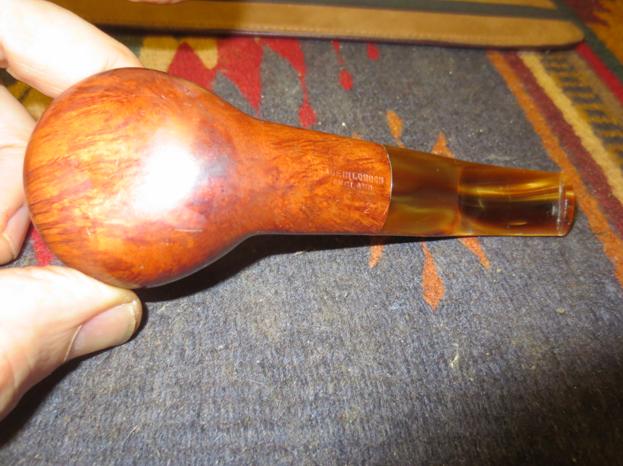
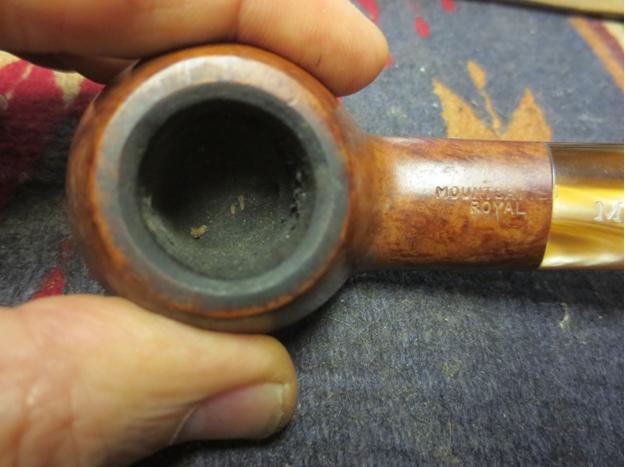
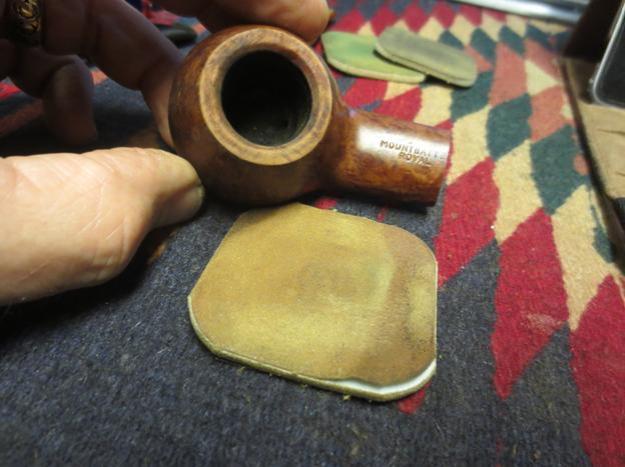
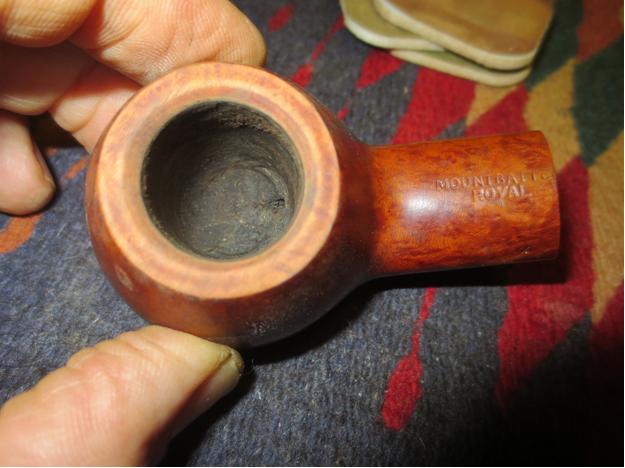
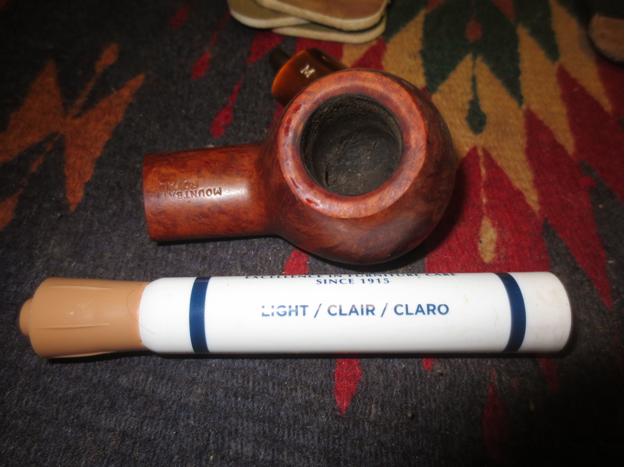
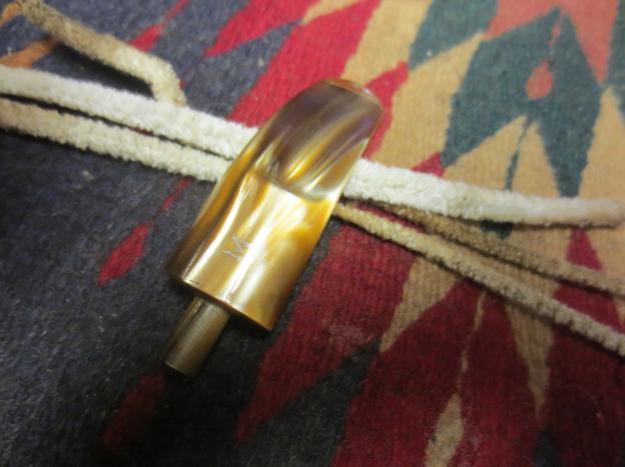
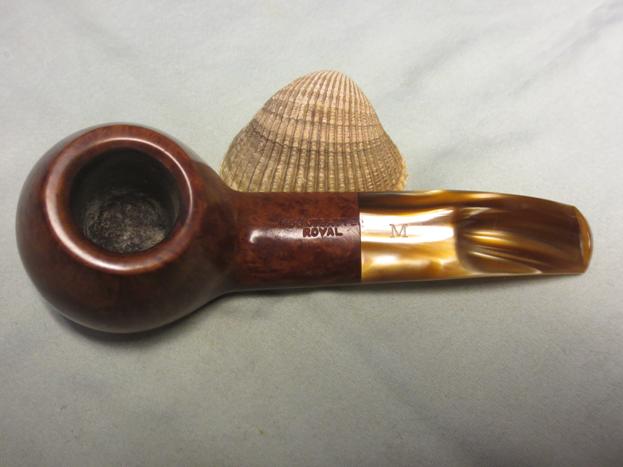
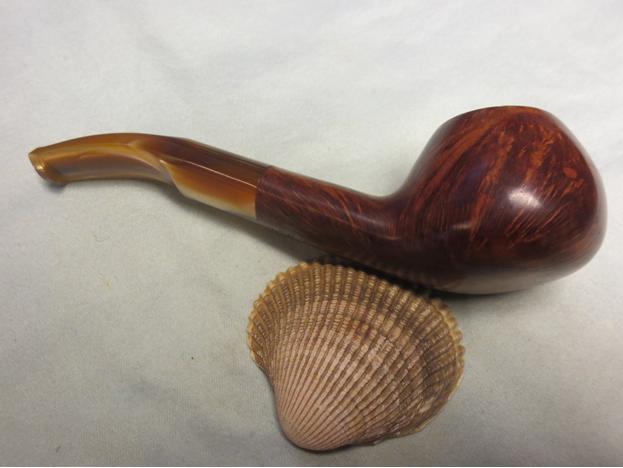
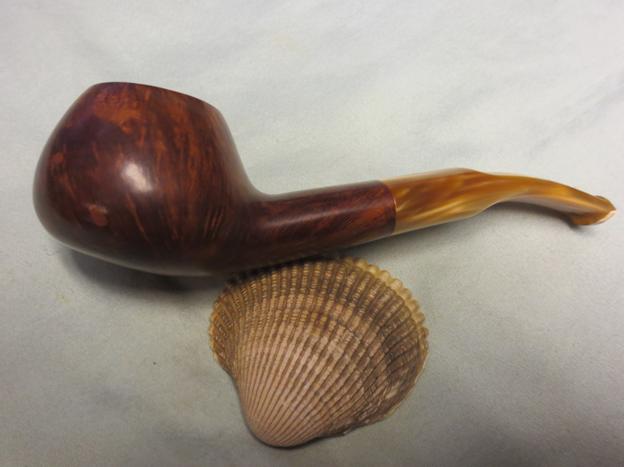
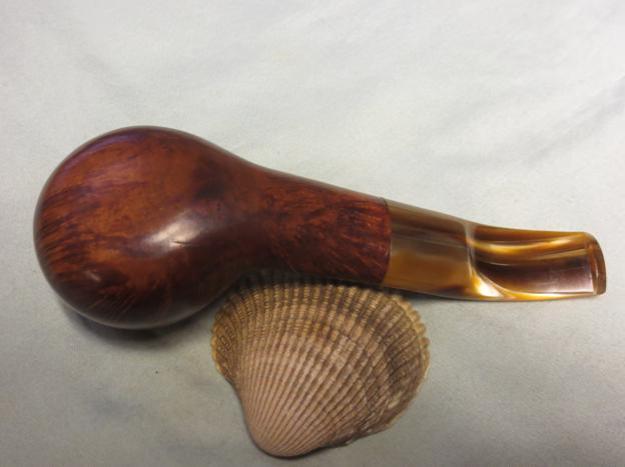
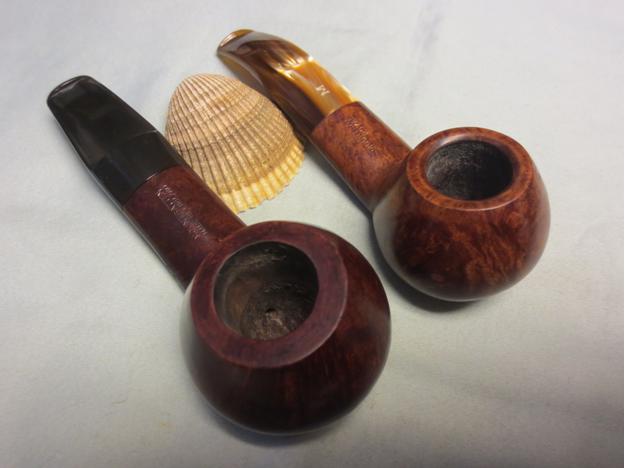
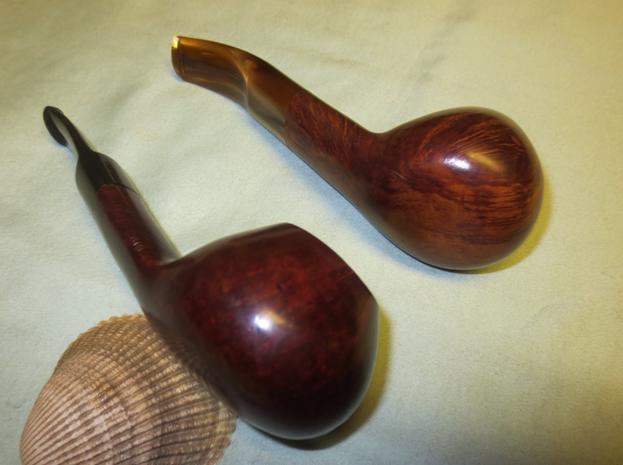
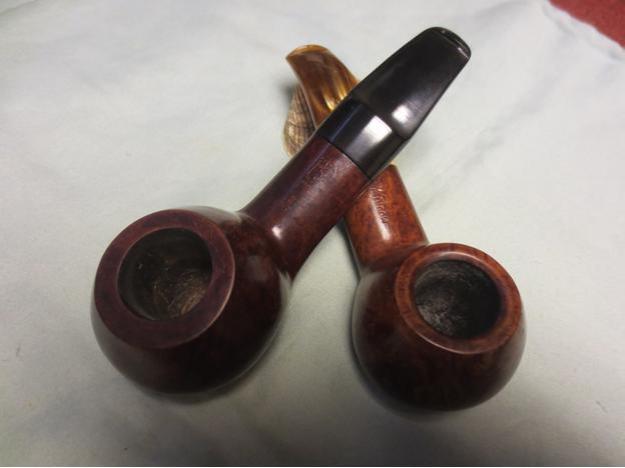
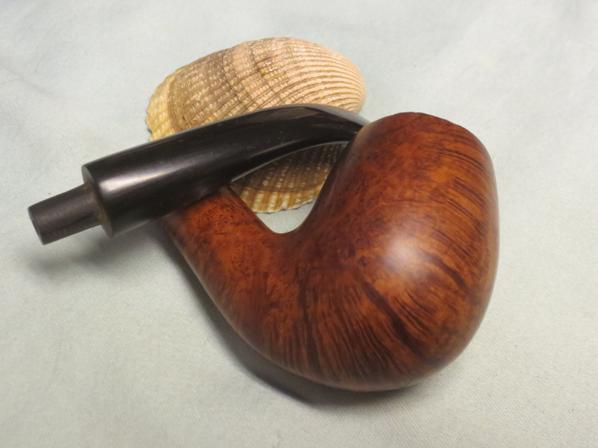
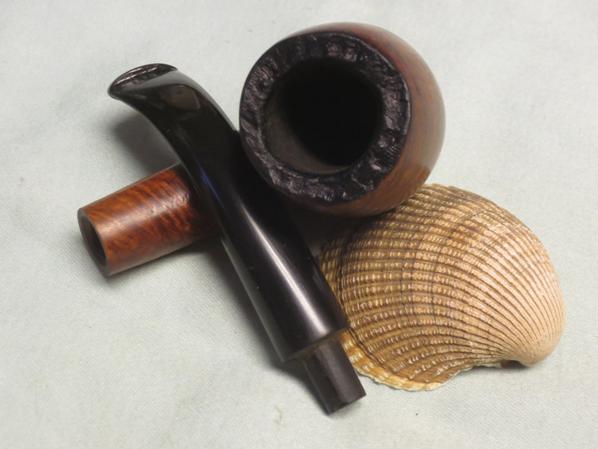
My brother sent me pictures of the first pipe in this pair of Mountbattens and wondered what I thought of it. We decided that it was worth a bid as the shape interested me. I had no idea who produced Mountbatten pipes, but this one had the look of an older one. The narrow taper on the stem back to the button, the darker stain, the narrow slot in the rounded button and the stepped down tenon all pointed to a pipe from an older time period. This one was stamped on top of the shank Mountbatten over Made in England. On the right side of the oval shank it bore the shape number 819. The finish was in decent shape other than a badly beat up rim top. The cake in the bowl was pretty thick. The stamping was distinct and clear. There were some dents and dings in the bowl sides. The stem had what appeared to be a surface logo on top of the saddle. It was not stamped and was peeling on one edge. It was oxidized and had some tooth marks on the top and underside near the button edge. The slot was so narrow that a pipe cleaner would not easily pass through to the bowl.Mt1Mt2 Mt3 Mt4He sent a picture of the second one as well – same shape as the first but having a different shape number and a Lucite stem. It was a newer version of the pipe. The shape was similar but slightly smaller. The taper on the stem was not as drastic and flowed to the button ending at the button almost the same width as the beginning at the saddle. The button shape, the shape and style of the slot in the button end, the stamping of the M on the top of the saddle all were signs of a newer version. This one was stamped on top of the shank Mountbatten over Royal. On the underside of the shank it was stamped Made in London over England. Under that near the stem shank union was the shape number. It was different from the older one – 207. The finish on this one was lighter and more of a matte. There were also quite a few fills in the sides of the bowl that were pink putty. They were pretty well blended into the grain so they would be fine. The bowl had a light cake in it and the beveled inner edge of the rim was darkened and had some lava that ran over the top edge. The Lucite stem was in good shape with some small tooth marks on the top and underside near the button.Mt5 Mt6 Mt7 Mt8This would be a fun pair of pipes to clean up and restore. Before I started to work on them I decided to do a bit of research on the brand. I started with my usual first stop – PipePhil’s Logo and Stampings site. I found out there that the pipe was made by Charatan. There were pictures of a variety of stampings on the stem and some beautiful looking pipes but no other information. Here is the link to that page: http://www.pipephil.eu/logos/en/logo-m7.html.
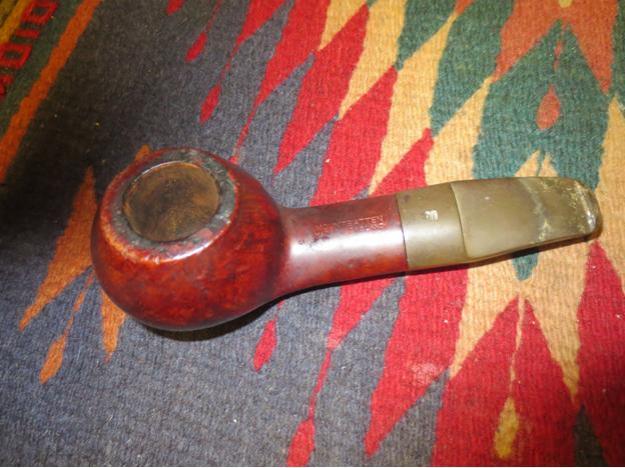
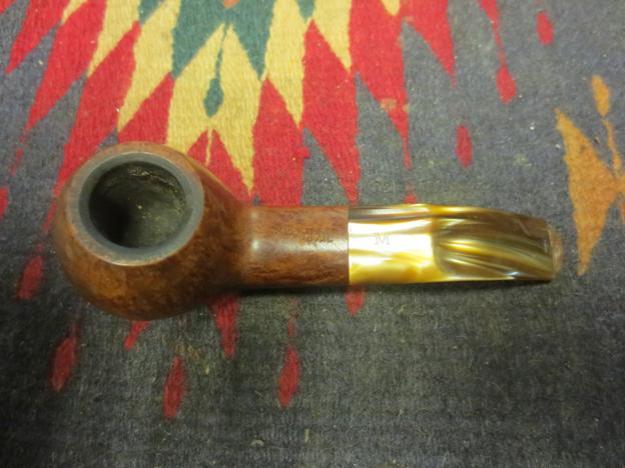
I did some further digging and found a link on Pipes Magazine’s forum where the brand was discussed: http://pipesmagazine.com/forums/topic/mountbatten-pipe. There was a discussion on that thread regarding the brand. Quite a few of the respondents originally said that the brand was a Charatan second. There was one dissenting voice that led to more responses similar in tone. The fellow said that the pipe was not a second. There was a quote from another site.

I googled the information and found that the quote came from a thread on pipes.org. Here is the link: http://pipes.org/forums/messages/23/45025.html?1169997817 I quote the original dissenter on the Pipes Magazine site in full because of the information that it gives. The original poster was Bill Ramsey. Here is Bill’s reply:

“Friends, after 40 years of nosing around pipes, what I have gleened is this: Charatan sold its seconds under private labels and later acquired the English rights for Ben Wade for just this purpose. Mountbatten, on the other hand was not a “second”(in that there was some physical deformity in the pipe) but rather a first line production from Charatan’s apprentice program. Each Charatan carver might have four or six apprentices at any one time of various skill levels. As they improved and started cutting pipes themselves, these pipes had to move… thus the Mountbatten. These were made on Charatan tooling with Charatan materials and teaching. Bear in mind that there was a high attrition rate and , perhaps, one apprentice in nine or ten made it to cutting their own bowls much less a Charatan carver. This is why you see more Charatans than Mountbattens on the market. You’re never going to put your kid through college by selling one but you’ve got a day to day workhorse of the first order. Good luck and happy puffing.”

That was just the kind of information I had been looking for. I close this section on the history of the brand with a quote that pretty well sums up the details that I had learned. It is taken from the same conversation that is traced in the last link above. “Yup now I know Mountbatten pipes were the fruit of an apprentice’s labor made under the supervision of a Master Pipe Maker at Charatan, most likely in the pre-Lane era; not a second, but a “sub-brand” (even though many experts still classify them as seconds anyway).”

A bit better educated about the pipes I was working on I was ready to start the refurbishing process on them both. I took some close up photos of the rims of both pipes. The first one is the older 819 pipe and the second is the newer 207 bowl. The damage to the first bowl would require topping while that on the second was less extensive and would only need a cleanup.Mt9 Mt10I set up my topping board and topped the 819 carefully so as not to remove more of the top than necessary to flatten and remove the damage to the outer edge of the bowl and rim.Mt11 Mt12
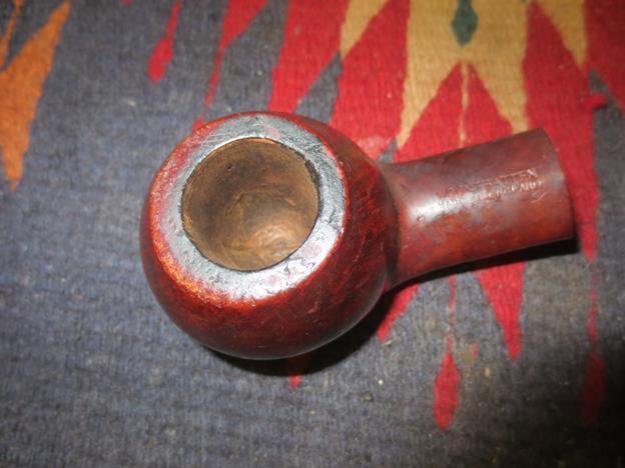
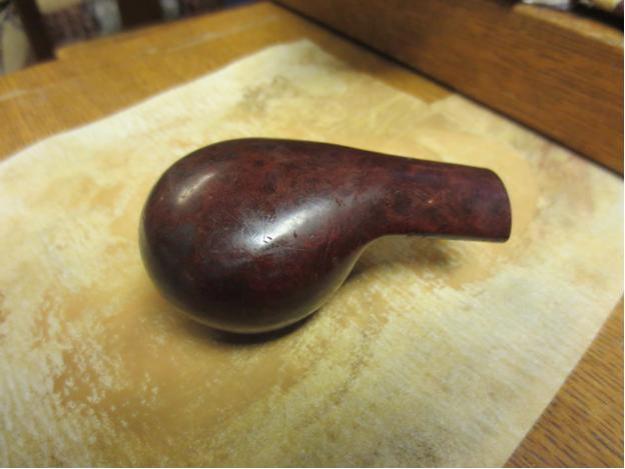
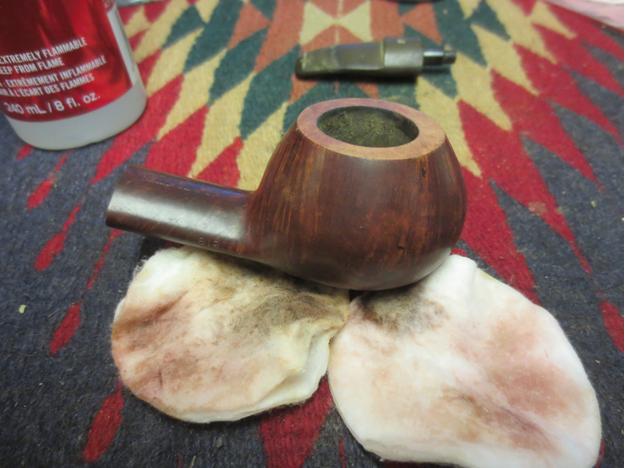
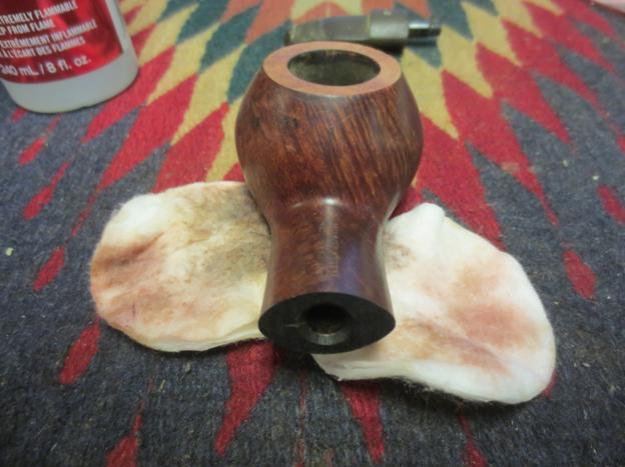
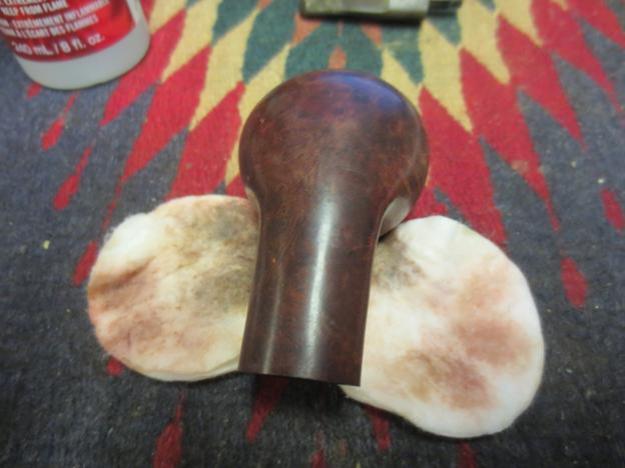
I reamed the bowl of the newer bowl with the Savinelli Pipe Knife and took out the thin cake that was on the walls. I used a flat penknife blade scrape the lava from the rim face and the inner bevel on the rim and then wet sanded the top with 1500-2400 grit micromesh sanding pads. The photo below shows the cleaned up rim surfaces.Mt13 Mt14 Mt15I carefully scrubbed the bowl walls and shanks with alcohol on a cotton pad to remove the grime. It did not take much scrubbing to clean up both bowls.Mt16 Mt17 Mt18 Mt19 Mt20 Mt21 Mt22 Mt23 Mt24
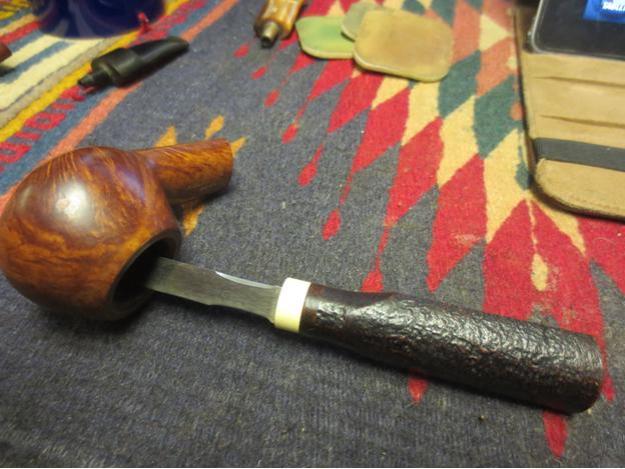
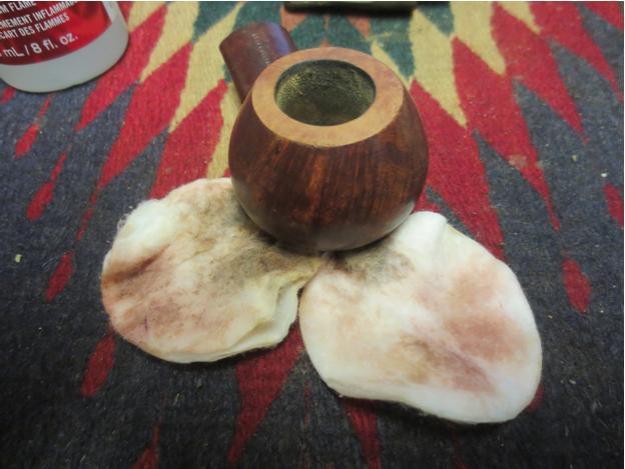
I sanded the topped bowl on the older, darker pipe with 1500-2400 grit micromesh sanding pads until the scratches left behind by the topping were gone. I then stained the top of the bowl with a dark brown stain pen. I stained the top of the lighter, newer bowl with a light brown stain pen to match the bowl sides.Mt25 Mt26

I cleaned the internals of both pipes: mortise, airway in the shank and stem and the slot in the button with alcohol, cotton swabs and pipe cleaners.Mt27 Mt28 Mt29 Mt30
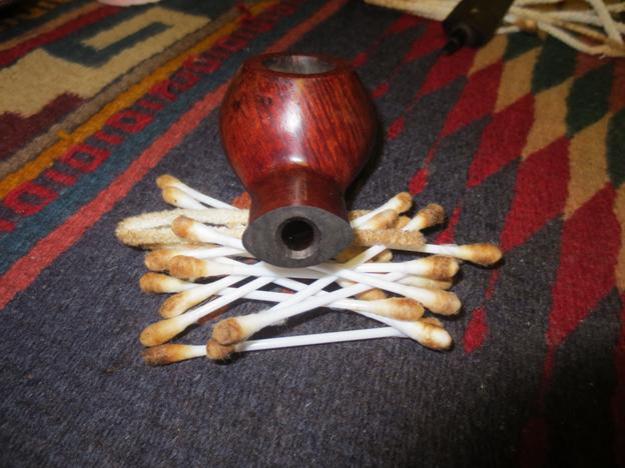
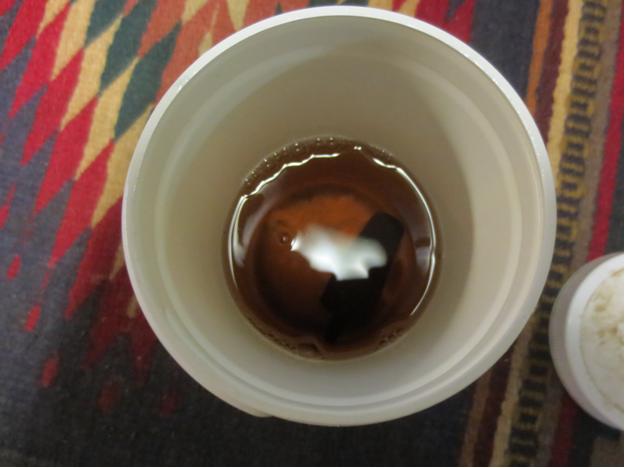
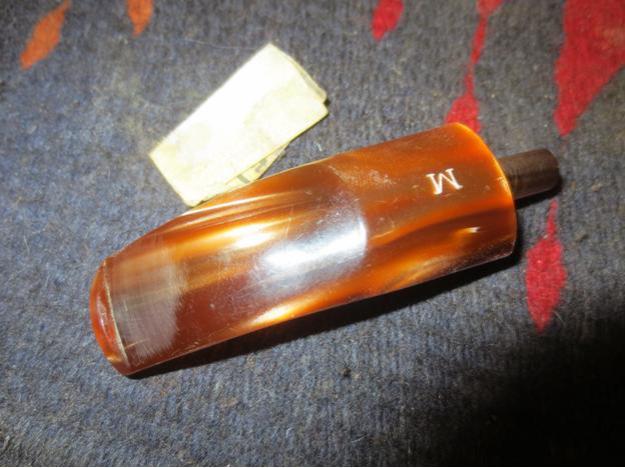
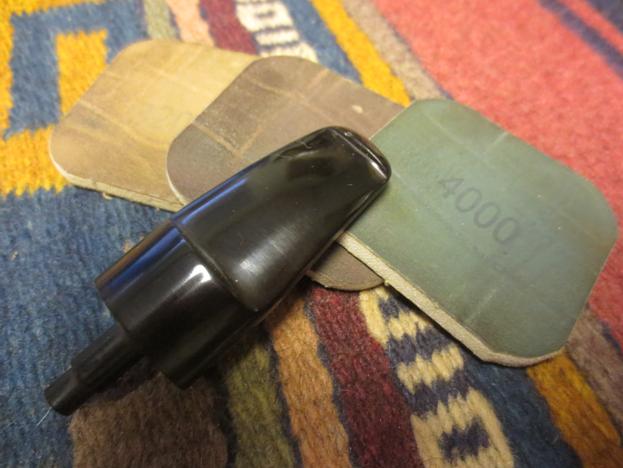
The stem clean up on each of the pipes was slightly different. The vulcanite stem needed the most attention. I sanded the tooth marks on the top and bottom side of the stem next to the button with 220 grit sandpaper and followed that with 280-600 grit sandpaper. I soaked it in Oxyclean overnight to soften the oxidation. I removed it in the morning and after drying it off scrubbed it with Meguiar’s Scratch X2.0 to remove the softened oxidation.Mt31 Mt32 Mt33The Lucite stem was much easier to work on. I sanded the tooth marks on both the top and underside of the stem at the button with 220 grit sandpaper to remove them. It took some focused sanding to remove the two marks but once I was done sanding them they were no longer visible.Mt34 Mt35With the oxidation taken care of on the vulcanite stem and the tooth marks removed from both stems it was time to work on them with micromesh sanding pads. I wet sanded both stems with 1500-2400 grit micromesh sanding pads.Mt36 Mt37I wiped the vulcanite stem down with Obsidian Oil and then dry sanded both stems with 3200-4000 grit micromesh sanding pads.Mt38 Mt39I wiped down the vulcanite stem with another coat of oil. I sanded both stems with 6000-12000 grit micromesh sanding pads. I gave the vulcanite stem a final coat of oil and set it aside. Once the oil dried I would put the stems on the bowls and buff them.Mt40 Mt41I put the stems back on the pipes and gave them a final buff with Blue Diamond polish on the wheel. I gave both multiple coats of carnauba wax and buffed them with a clean buffing pad to raise the shine. I hand buffed them with a microfibre cloth to add depth to the shine. The finished pair are shown in the photos below. The young apprentice carvers at Charatan did a great job in shaping and finishing these two pipes. They look great together. The mystery to me is the different number stamps on the pipes. They are similar in shape even though the newer is a little smaller. They look like they came from the same shape chart in terms of appearance. I suppose I will never know why the numbers are different but I do know that both should be great smoking pipes. Thanks for looking.Mt42 Mt43 Mt44 Mt45 Mt46 Mt47 Mt48 Mt49 Mt50 Mt51 Mt52
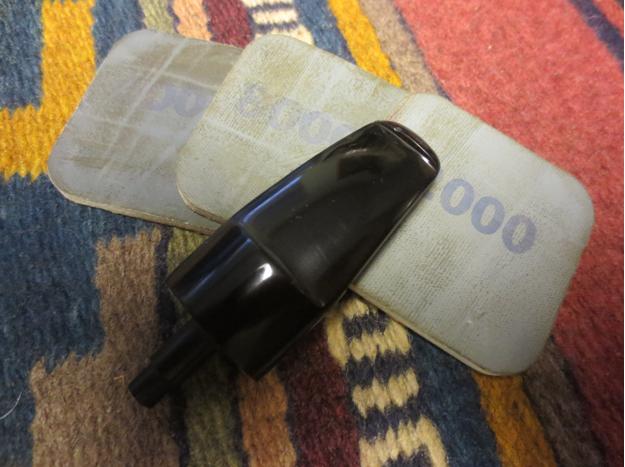
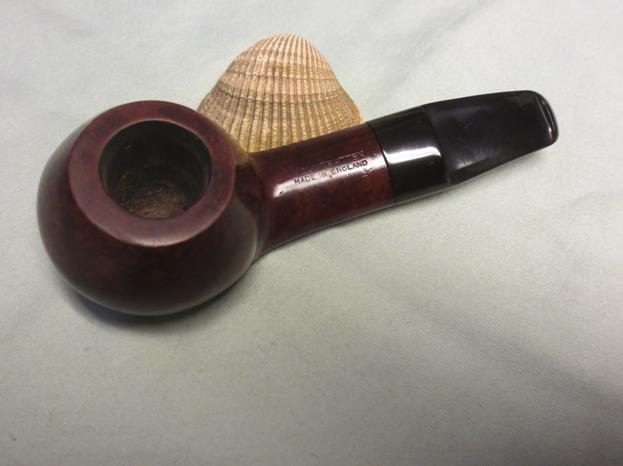
Restoring a Lovely Rhodesian by John Calich


Blog by Steve Laug

I have had a thing for Calich pipes since John made a new stem for a bowl I bought on Ebay for one of his pipes. It was a labour of love and one which led to several phone conversations and correspondence with John. He was a great guy and a definite loss to the Canadian pipe smoking community. Whenever I come across one of his pipes in need of work I try to purchase it and restore it. The pipe I am writing about at this time is a Calich Hand Made Rhodesian that is stamped that way on the underside of the shank. It also has a 04 stamping. The photos below were shown by the eBay seller. The bowl appears to be in great shape. The stem is slightly oxidized and the seller noted that there was a hole in the top side of the stem at the button. I knew what I was getting into when I purchased this pipe – or so I thought.Calich1I have written several blogs about Calich pipes that help give an idea of the age of the pipe. While I waited for the pipe to arrive I reread those pieces to refresh my memory on the stamping. I have included the links to the blogs below.

https://rebornpipes.com/2015/03/03/one-of-my-john-calich-pipes-a-calich-ee-billiard/

I summarize the dating information from those blogs now: From my research and conversations I learned that John’s pipes were graded 3E – 8E. The retail prices for them ranged from $145.00 to $500.00. Each pipe was stamped “CALICH” and given an E grade. His earlier pipes were graded from 3-14 and had a single, tiny silver dot applied to the top of the stem. More information can be found at the Pipedia website by clicking on this link. http://pipedia.org/wiki/Calich This information told me as expected that the pipe I had was an earlier one.

I vaguely remembered that I had found further information but could not remember it so I read the next blog I wrote. https://rebornpipes.com/2014/03/21/reflecting-on-my-collection-of-john-calich-pipes/ There the information honed in on the date more closely. I quote from that blog now: I did find out some further information on the dating of Calich pipes as the information on Pipedia was not complete. What I found was very helpful. His early pipes were graded with numbers from 3 – 14. By the late 1980’s Calich introduced 15, 16, and even one 17. In the mid-90’s the grade system changed employing a number of E’s. The more EE’s the higher the grade. From that information I knew that the pipe I had was not only an earlier one but came from early in the 1980s.

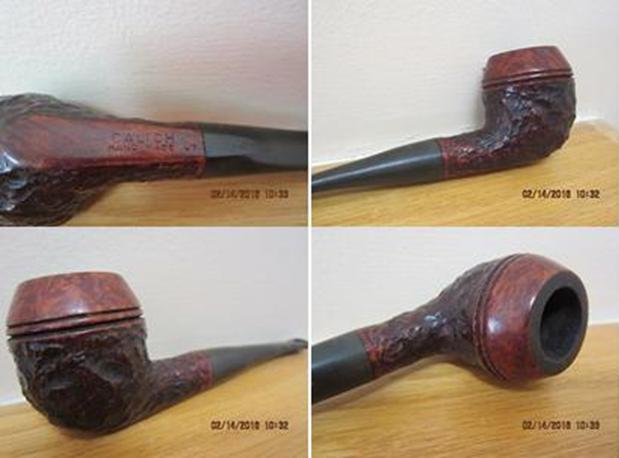
When the pipe arrived I took some photos of it to give a clear picture of what I was going to have to deal with in the restoration of this pipe. The stem was more oxidized than the seller’s photos showed and the finish also showed more debris in the rustication and the double rings around the bowl cap than had appeared in the photos. The rim top looked about the same – there was a thin build up of lava on the flat surface but the inner and outer edges were undamaged.Calich2 Calich3The bowl had a light cake in it and would be easy to deal with. There was no damage to the inner bowl. As I looked over the surface of the bowl it was clear that under the grime the pipe was in pretty decent shape. The big issue was the hole in the top side of the stem at the button.Calich4 Calich5 Calich6I took a photo of the bite through to show the extent of the damage. The edges of the bite through were also pushed down into the airway on the stem constricting the airway so that a pipe cleaner would not pass through. The topside of the button was also thinned down considerably and would need to be built up. Calich7 Calich8I used needle files and a dental pick to open up the airway and clean up the crushed edges of the bite through. It enlarged the hole but the airway was wide open when I finished. I also roughed up the edges of the cleaned up hole with the needle files to give a rough surface for the repair to bond to.Calich9 Calich10 Calich11With the stem hole cleaned up I was ready to begin the repair. I cut a wedge of cardboard and covered it with clear tape to make a surface that the glue would not stick to. I inserted it into the airway under the hole and wedged it in place. I mixed a batch of activated charcoal powder and black super glue to make a patching mortar and using a dental spatula applied the material to the hole and the top of the button to build it up. I sprayed it with some accelerator to harden the surface so I could continue to work on the pipe and removed the cardboard wedge.Calich12 Calich13I reamed the bowl with the Savinelli Pipe Knife to clean out the thin cake. You can see from the photo that there was not much of a build up so it was quick job.Calich14I set the stem aside and used a dental pick to clean out the rings around the bowl cap. I scrubbed the rustication with some Murphy’s Oil Soap to clean up the dust in the grooves and crevices of the finish.Calich15I scrubbed the top of the rim with saliva and cotton pads and was able to remove the lava on the surface without harming the finish on the bowl top.Calich16 Calich17I cleaned out the inside of the mortise and shank with cotton swabs, pipe cleaners and alcohol.Calich18By that time I was also able to clean out the inside of the stem with pipe cleaners and alcohol. The pipe cleaners went through with little issue and the stem was clean.Calich19The next morning after the glue had cured overnight I worked on the stem. I needed to reshape the slot to facilitate easy cleaning so I used needle files to clean up the entrance of the airway.Calich20I sanded the stem repair and the surface of the button top with a sanding board to begin the process of reshaping the surfaces of both.Calich21I cleaned up the edge of the button and shaped the surface of the button with needle files until the edge was sharp the surface matched that of the underside of the button.Calich22With all of the hard shaping done it was time to begin the tedious process of sanding the repairs. I started with 220 grit sandpaper to smooth out the surface and the transition to the rest of the stem.Calich23There were still some small holes around some spots on the fill. I used a clear super glue to fill these in and smoothed out the patch with a spatula.Calich24 Calich25When the repair had dried I sanded it with some finer grit sand papers until the surface was smooth.Calich26 Calich27 Calich28I moved on to sand the stem with micromesh sanding pads – wet sanding it with 1500-2400 grit pads and then giving it a coat of Obsidian Oil. I dry sanded with 3200-4000 grit pads and gave it another coat of oil. I finished by sanding it with 6000-12000 grit pads and giving it a final coat of oil. I let the oil dry before buffing the pipe.Calich29 Calich30 Calich31I buffed the pipe and stem with Blue Diamond on the wheel and then gave the stem several coats of Carnauba wax. I buffed the stem with a clean buffing pad. I gave the bowl several coats of Conservator’s Wax and hand buffed it with a shoe brush. The finished pipe is shown in the photos below. The stem repair is solid and though visible to me as I have looked at it so long, it is not obvious. The pipe is useable and looks as close to what it must have looked like when John shipped it out from his shop in the 80s. Thanks for looking.Calich32 Calich33 Calich34 Calich35 Calich36 Calich37 Calilch36

Restemming and Restoring a Potpouri Author


Blog by Steve Laug

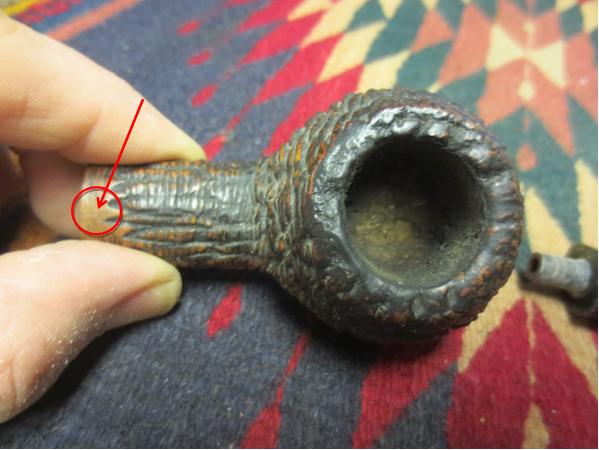
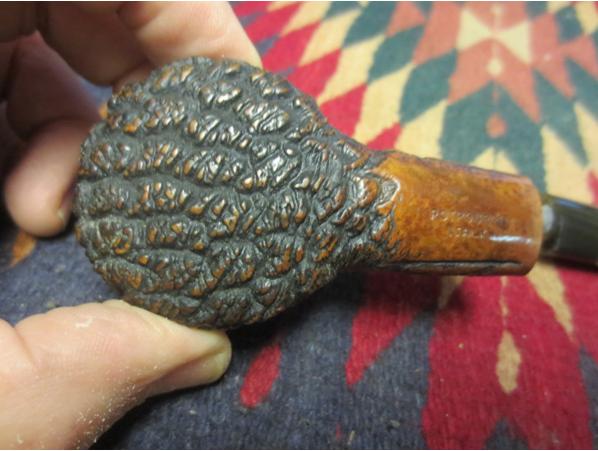
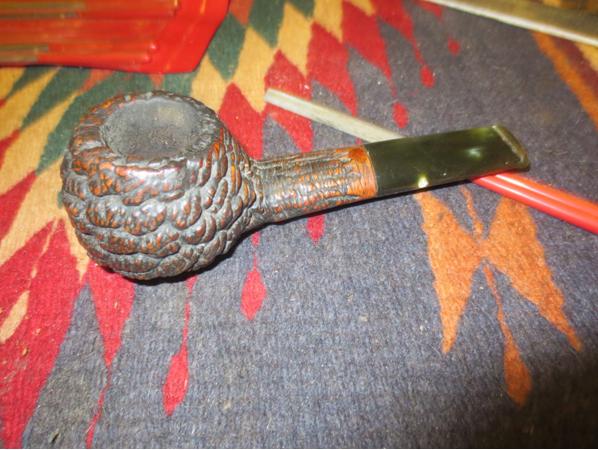
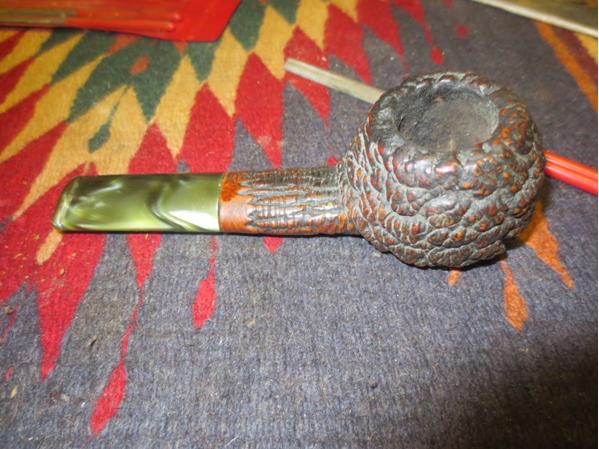
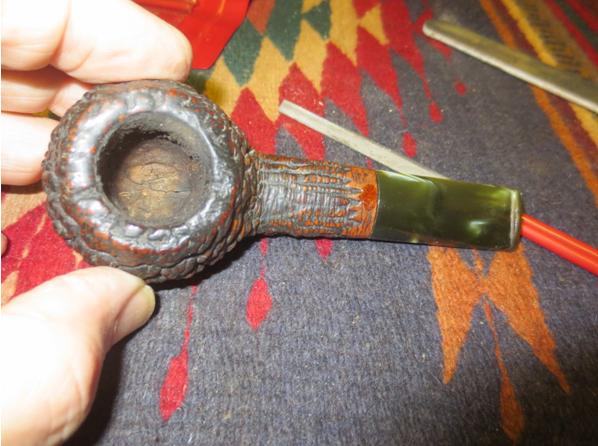
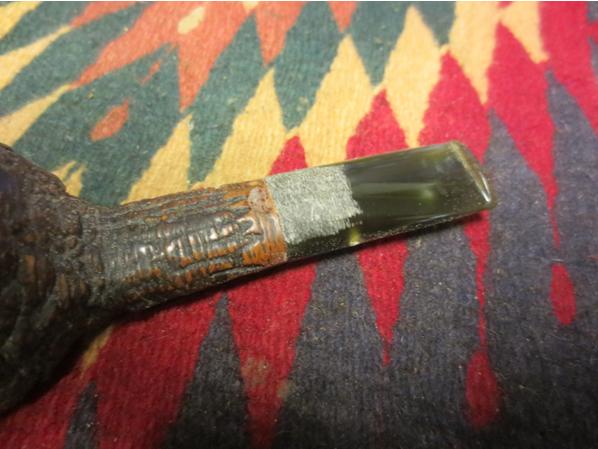
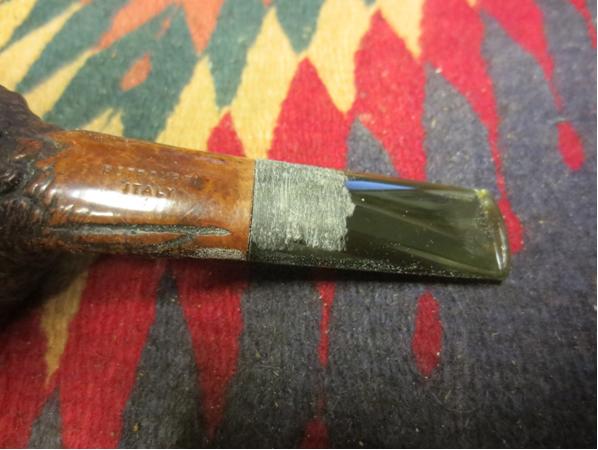
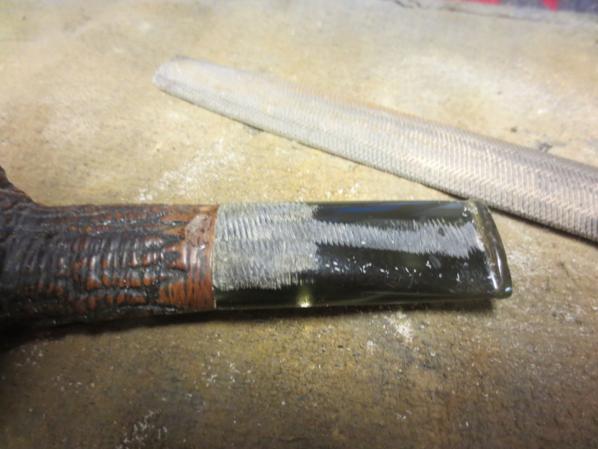
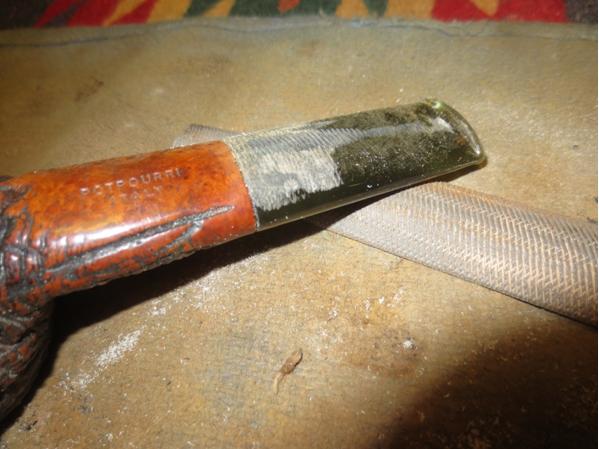
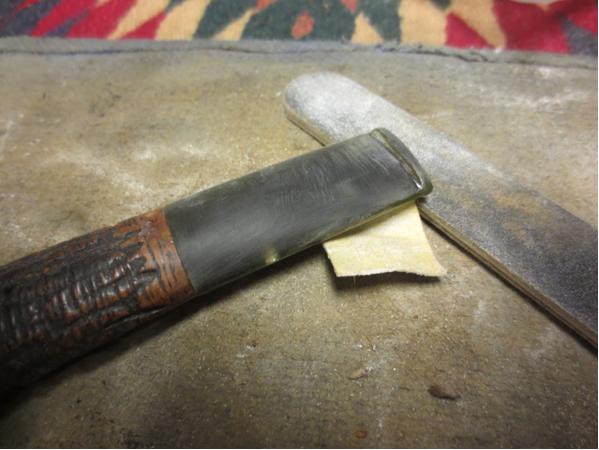
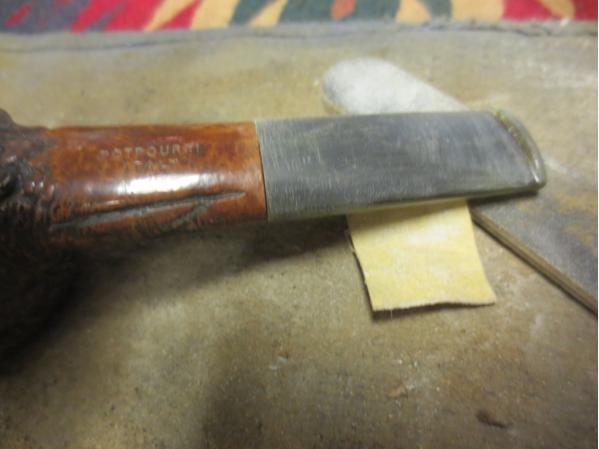
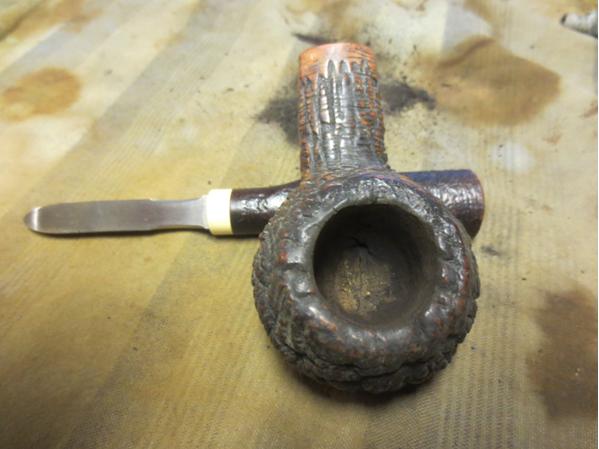
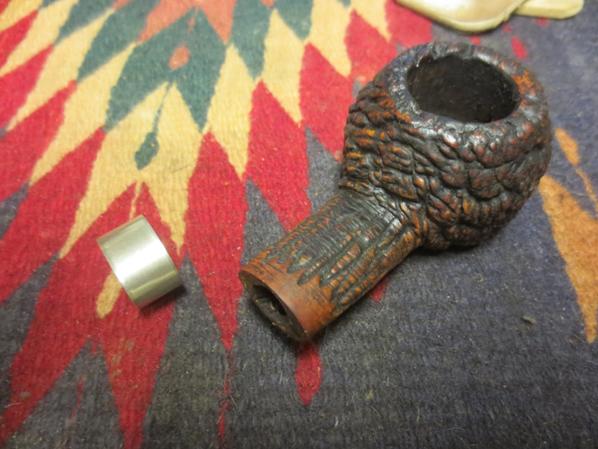
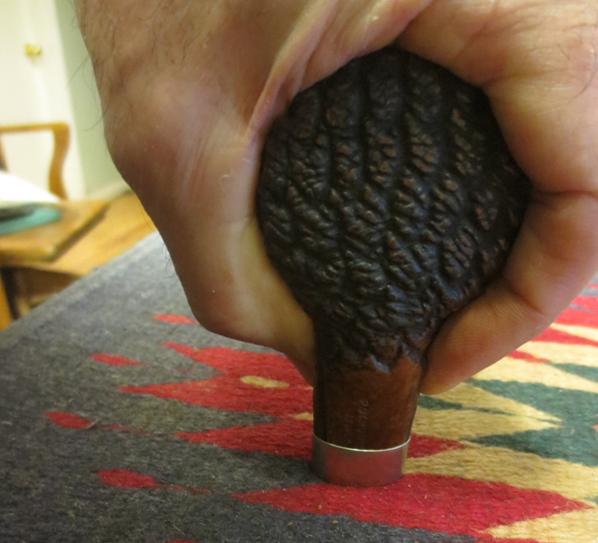
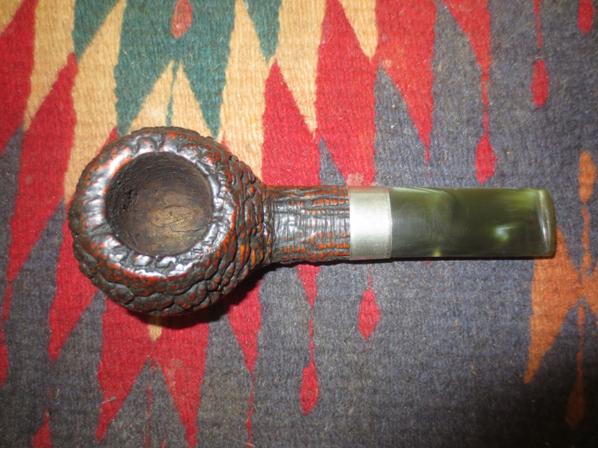
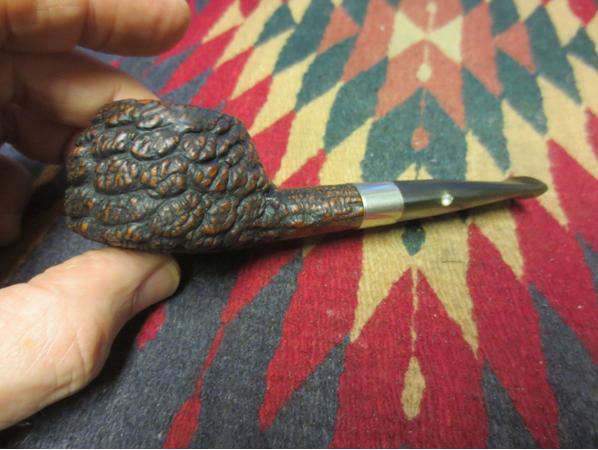
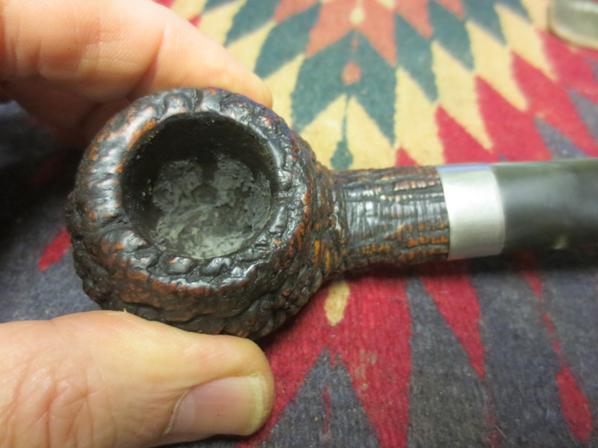
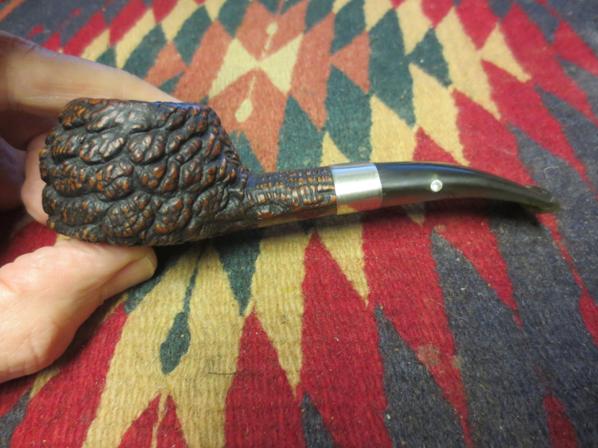
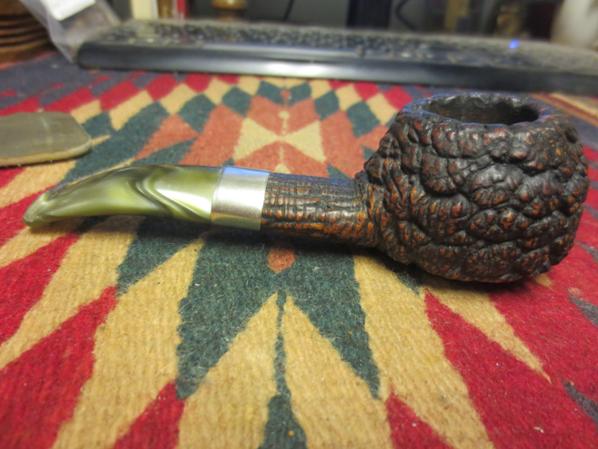
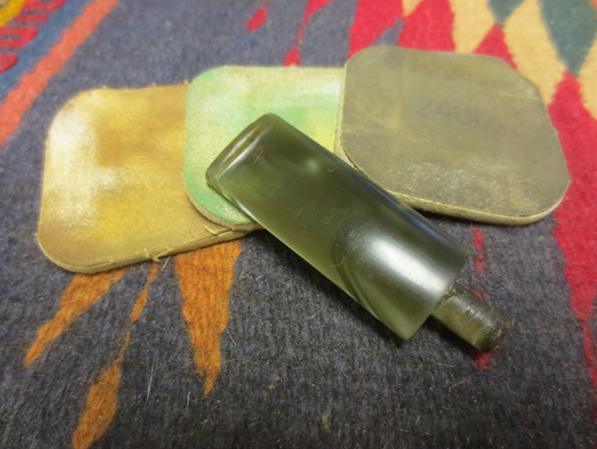
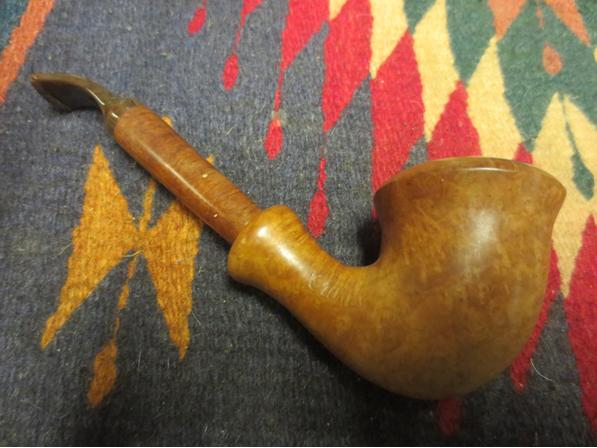
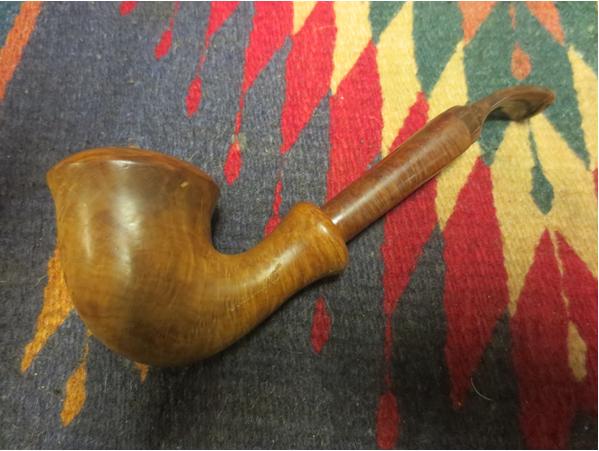
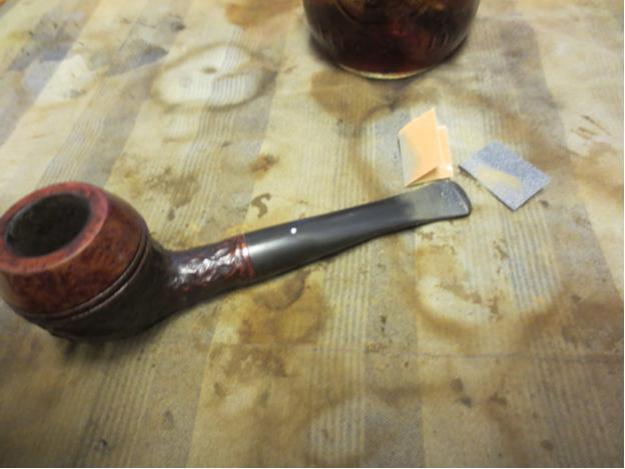
I have a growing box of bowls that came to me without stems. It seems each time I clean it out and restem the pipes I inherit more of them. This is not a complaint as I actually enjoy restemming pipe bowls. It is always a challenge to get a new stem to align properly with the shank and to deal with cracks or damages to the bowl or the shank. This bowl came to me and I immediately fell for the rustic rocklike features of the rustication. It was gnarled and rough looking and felt great in the hand. The bowl was dirty and the deep grooves of the rustication had a lot of dirt and grime build up in them. The rim was caked and the rustication pretty much filled in the grooves making the rim surface smooth. The bowl had a rough cake in it and looked as if someone had started reaming the bowl but did not finish. There were some small fissures like cracks in the sides of the bowl near the entrance of the airway and on the bottom and the top of the airway. Someone had cleaned out the shank so it was not too dirty. There was a small crack on the top of the shank that was about 1/8 long. I could open it slightly with a wedge so it would need to be glued and banded. The pipe showed a lot of promise though and I could see it come alive if I had the correct stem for it.Pot1 Pot2In the photo below there is a small crack barely visible in the middle of the shank end between my fingers. I have circled it with red to focus your eye on it. The tip of the red arrow is on top of the crack in the shank. It extends about 1/8 to ¼ inch.Pot3 Pot4I took a close-up photo of the bowl and rim to give you an idea of the state of things when I started. It is hard to see but at this point I could see some small cracks around the entrance of the airway to the bowl.Pot5I went through my can of stems and found a green acrylic stem that would do the trick on this pipe. It would go well with the rustication and the length and width of the stem would carry through the thickness of the bowl. I sanded the tenon with the Dremel and sanding drum until it was a close fit to the shank. I finished sanding by hand with 220 grit sandpaper. It fit well in terms of the width of the shank but it was slightly thicker on the top and the bottom where it met the shank. I was careful inserting it as I did not want to crack the shank further.Pot6 Pot7 Pot8I used the Dremel and sanding drum to remove much of the excess thickness on the top and the bottom of the stem at the shank junction. I do this carefully with the stem in place in the shank so that I can get it as close as possible without damaging the finish on the shank. You can see in the next two photos that the junction is pretty smooth now and the thickness is almost a match.Pot9 Pot10I finished the fit with a file and took off the remaining thickness that had to go. I also used the file to remove the tooth indentations on both sides of the stem near the button.Pot11 Pot12With the fit nearly perfect it was time to sand out the filing marks and smooth out the stem. I have a medium grit sanding stick that works perfect for this application and I sanded with it until all of the file marks were gone and the transition between the shank and the stem was smooth.Pot13 Pot14With the stem fit roughed in I turned my attention to the bowl and shank. I wanted to have the shank and bowl clean so I could deal with the repairs to the airway in the bowl and the crack on the top of the shank. I reamed the bowl with a PipNet reamer using the largest cutting head. I cleaned up the remaining cake with the Savinelli Pipe Knife.Pot15 Pot16I scrubbed the exterior of the bowl with Murphy’s Oil Soap and a tooth brush on the sides, shank and the bowl of the bowl. I scrubbed the rim with a brass bristle brush until all of the lava that filled the rustication was gone.Pot17I rinsed off the soap with warm water and dried the bowl with a soft towel. The cleaned and reamed pipe is shown in the photo below.Pot18With the bowl reamed and the finish clean I turned to the internals. I cleaned out the mortise and airway into the bowl with pipe cleaners, cotton swabs and alcohol. It did not take too much to clean out the pipe. I cleaned the stem the same way and used a dental pick to clean up the slot in the end of the button.Pot19 Pot20I lightly sanded the crack on the top of the shank and spread it open with a dental pick. I used a tooth pick to push super glue into the crack and then held the crack together until the glue set. Once it was dry I found a round band that had the right circumference to fit the shank and heated it with a lighter and pressed it onto the shank of the pipe.Pot21 Pot22With shank repair complete and the bowl cleaned and ready I put the stem in place in the shank and took some photos of the pipe. I really liked the look of the band breaking up the rustic bowl and the smooth green stem. The band fit perfectly and did not cover the stamping on the underside of the shank. I still needed to sand the stem some more to get a shine but you can see what the pipe will look like at this point. Pot23 Pot24I mixed a batch of pipe mud (cigar ash and water) and used a dental spatula to apply it to the bottom of the bowl. I inserted a pipe cleaner in the airway and used the spatula to apply the mud to the small cracks and fissures around the airway. Once the mud cured the pipe bowl would be in good shape until a new cake was built.Pot25I heated the stem in a cup of water in the microwave until it was pliable and then put a gentle bend in it to give it a more elegant look and comfortable feel.Pot26 Pot27I wet sanded the stem with 1500-2400 grit micromesh sanding pads to remove the scratches. I dry sanded with 3200-4000 grit pads and then finished with 6000-12000 grit pads. I rubbed away the sanding dust with a damp cloth.Pot28 Pot29 Pot30I gave the pipe a light buff with Blue Diamond on the wheel to bring some deep shine to the stem. I then gave the stem several coats of carnauba wax and buffed it with a clean buffing pad. I finished by hand buffing it with a microfibre cloth. The finished pipe is shown in the photos below. The green acrylic stem works well with the rough finish on the bowl. I like the finished look. What do think? Thanks for looking.Pot31 Pot32 Pot33 Pot34
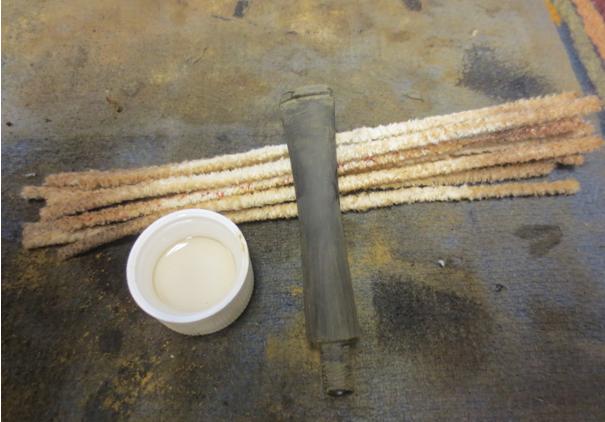
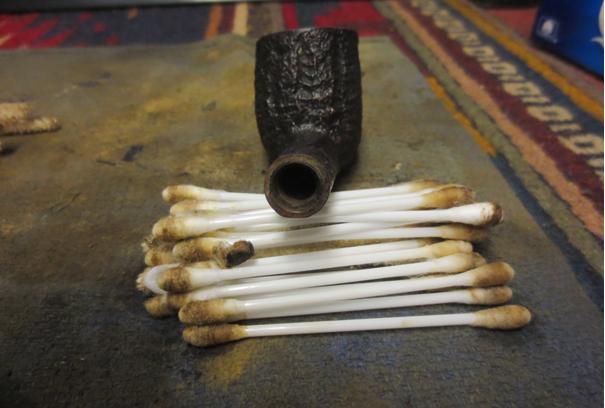
Refreshing a Beautiful and Unusual Clairmont Pipe


Blog by Steve Laug

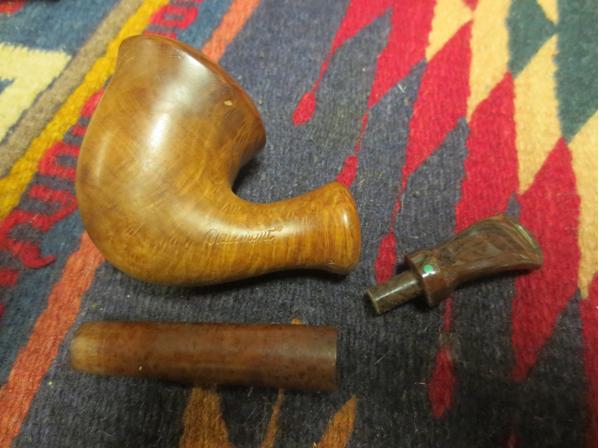
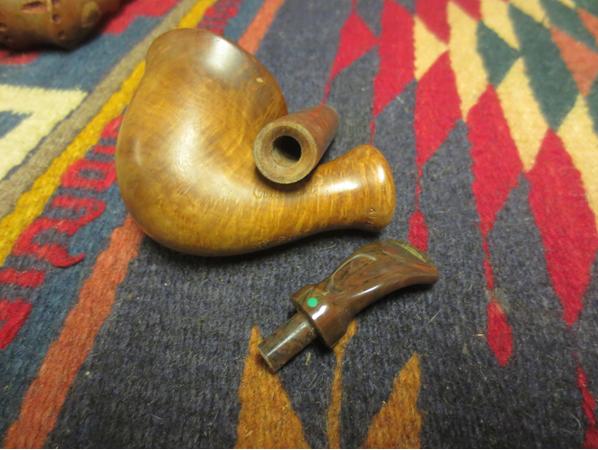
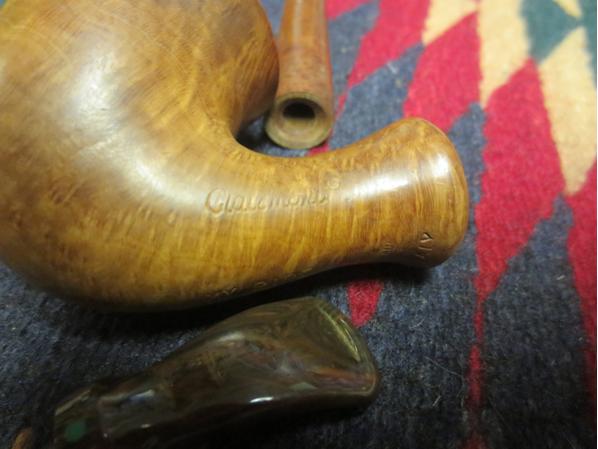
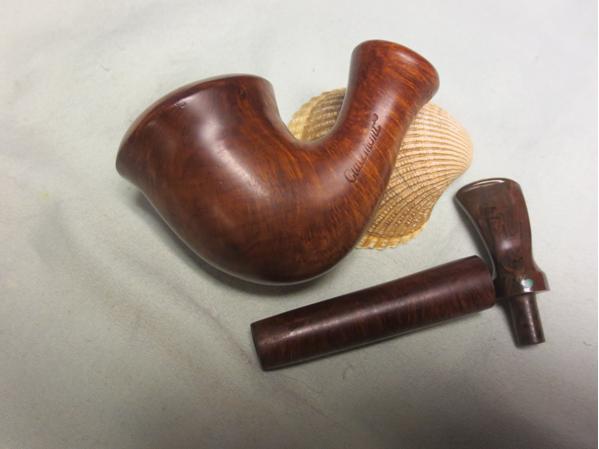
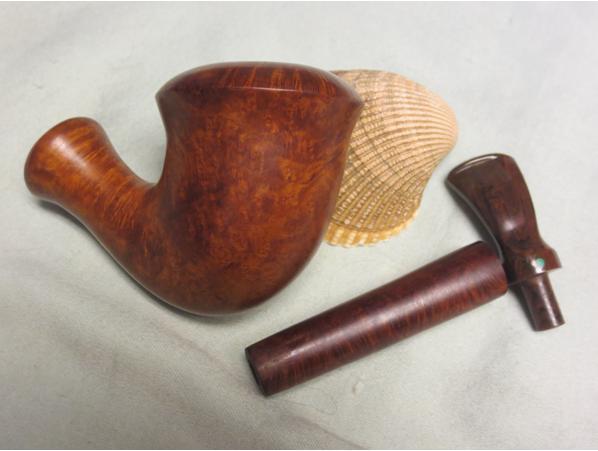
Once again my brother Jeff scored a beautiful and unusual pipe. It is stamped Clairmont on the left side of the shank. On the underside it is stamped MY PIPE and Handmade Italy. On the right side it bears the stamping 810 (it appears to be double stamped). The briar is naturally finished with no stain. There are some small fills on the shank extension and one on the left side of the bowl on the underside of the outer rim lip. They are small but visible at this point. The bowl had a slight cake in it that was uneven and there were some tobacco remnants on the bottom of the bowl. The top of the rim was dirty as was the rest of the finish. The Cumberland stem was in good shape but there were some light tooth marks on the top and underside next to the button edge. The slot in the end of the stem was rough and uneven. There was some red (maybe Tripoli) in the edges of the slot.Spanu1 Spanu2 Spanu3 Spanu4I took the pipe apart and photographed the parts. The shank insert is pressure fit in the mortise of the bowl. It is a good snug fit with no looseness. The stem fit in the other end is also very snug and clean. The green dot on the Cumberland stem looks good. The tenon on the stem is integral to the stem. The finish on the stem is dull.Spanu5 Spanu6 Spanu7While I really liked the looks of the pipe and knew it was Italian handmade I had no idea who made the brand. The stamping MY PIPE on the underside still has me mystified. I don’t know if the maker stamped it that way or if the first owner had it stamped that way. I will probably never know that but I wanted to know who made this pip as I had never seen this brand. Like always I begin the hunt for information at one of my favourite websites Pipephil’s Logos and Stamping site. It did not take long and I found the information at this link: http://www.pipephil.eu/logos/en/logo-c5.html.
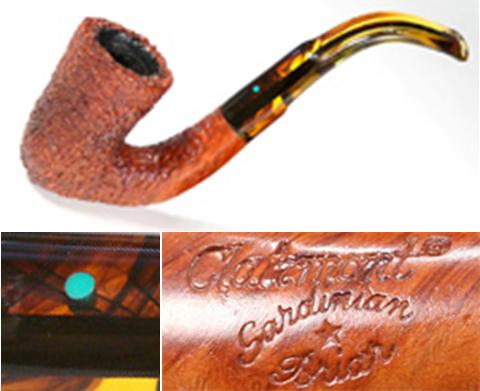
The site showed a nice looking full bent pipe with a Lucite stem that had the green dot on the top side just as the stem I had did. The stamping was the same in terms of the script Clairmont. The Sardinian Briar * stamp was not present on mine. I found out that the brand was created by Alberto Paronelli in the 1970’s. I found that the pipes were usually crafted by Tom Spanu. Both of those names were familiar to me so that help. I have one of Tom’s Olivewood pipes and love it. The link gave information on the name. It turns out that “Clairmont” is a Francization of “Chiaramonti” which is the birthplace of Tom Spanu.Spanu8Now I knew that I was dealing with a 1970’s era pipe made by Tom Spanu and named after his birthplace. For me this solidified the connection to Spanu. It was time to work on his pipe. As I worked on it I wondered if the MY PIPE stamp on the bottom was stamped by Tom and this was one of his own pipes. I cleaned up the internals of the pipe, reaming the bowl with the Savinelli Pipe Knife and scrubbing out the airways from button to bowl with alcohol, pipe cleaners and cotton swabs. Spanu9 Spanu10 Spanu11 Spanu12I scrubbed down the exterior of the bowl with acetone on cotton pads to remove the grime and oils that were dirtying the natural finish of the bowl and shank extension. I was able to get quite a bit of the rim darkening off this way. The crowned rim top is beautiful.Span14 Spanu13I thought it was fitting to rub down an Italian natural finish pipe with a light coat of olive oil. I rubbed down each of the briar parts of the pipe and put it back together. The olive oil brought life back to the briar and the grain began to shine through. This is a beautiful piece of briar.Spanu14 Spanu15 Spanu16 Spanu17I set the bowl and shank aside and worked on the stem. I sanded the surface of the stem with 220 grit sandpaper to remove the tooth marks and smooth out the flat surfaces.Spanu18 Spanu19I sanded the end of the button to clean up some of the nicks and damage there. I also used a needle file to clean up the inside of the slot and smooth out the lines.Spanu20I wet sanded the stem with 1500-2400 grit micromesh sanding pads to smooth out the scratches. I dry sanded with 3200-12000 grit micromesh pads to progressively polish the stem and bring the depth of the Cumberland back to life.Spanu21 Spanu22 Spanu23I buffed the pipe and stem with Blue Diamond on the wheel and then gave the entire pipe several coats of carnauba wax. I buffed it with a clean buffing pad to raise the shine. I hand buffed it with a microfibre cloth to add depth to the shine. The finished pipe is shown in the photos below. I like this one a lot so I think it will probably stay in my collection. Thanks for looking!Spanu24 Spanu25 Spanu26 Spanu27 Spanu28 Spanu29 Spanu30 Spanu31

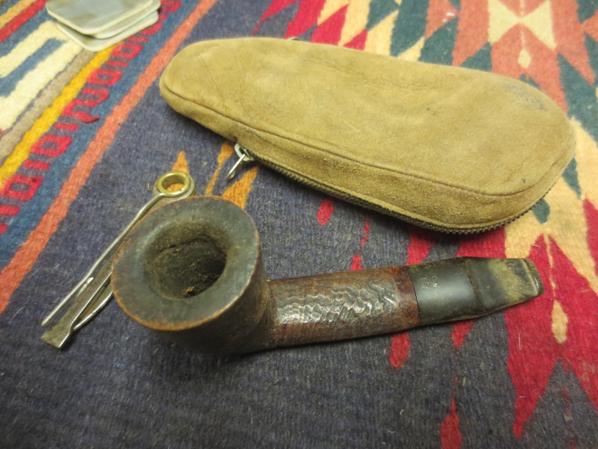
Unzipped an old Pouch and found a Butz Choquin Oval Shank Capitan 1635


Blog by Steve Laug

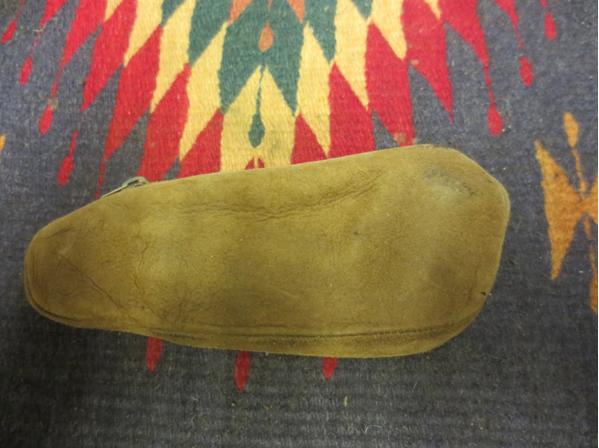
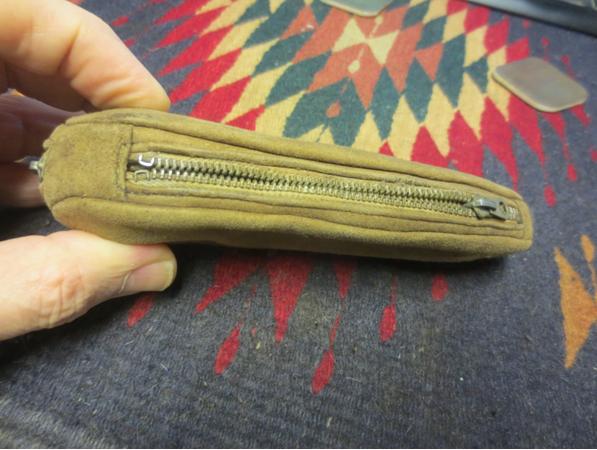
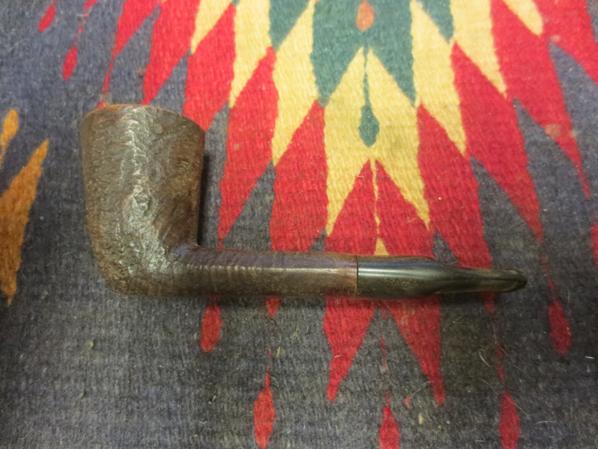
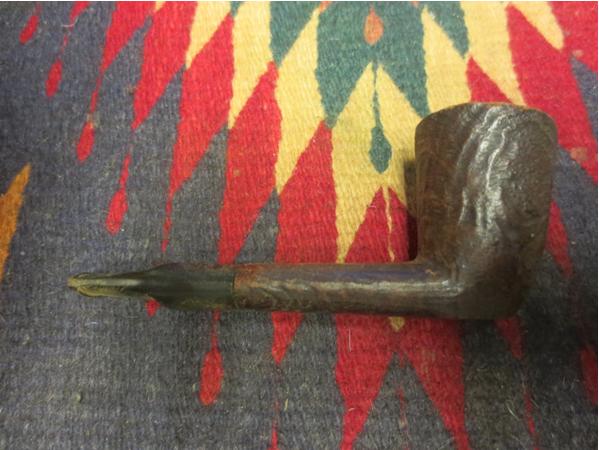
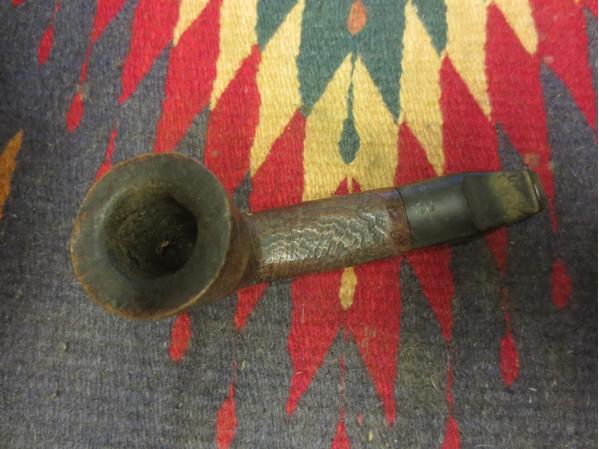
My brother sent me another box of pipes that he had picked up on eBay and in different shops. Included in this lot was a suede leather pipe pouch. It was dried out and worn with a zipper on the top and a zipper on the bottom. I unzipped the top area and found that it was canvas lined and had an old 3 way pipe tool inside. I unzipped the bottom and found a small compact Dublin pipe. It was a mess and looked well smoked and poorly cared for. The finish was worn and dirty but had an interesting sandblast poking through. The rim was caked with lava and it was hard to see any of the blast on the surface. The bowl had a very thick, hard cake inside that would need to go. The pipe was stamped Butz Choquin over Capitan on the underside of the shank. At the stem shank union it had the shape number 1635. The mouthpiece did not sit against the shank. There was a gap on both sides with the stem touching in the middle. When held up the light this gap was angled and large. It was also wider on the underside of the stem than the topside. The stem was oxidized and dirty. The slot in the button was closed to the size of a small thumb tack.Butz1 Butz2 Butz3I took some pictures of the pipe before I started working on it (I remembered to do that once again!). You can see the issues that I pointed out above as you look at the photos.Butz4 Butz5 Butz6 Butz7I took some close up photos of the rim/bowl and the stem to try to capture how dirty this pipe was when I removed it from the pouch. In the photo of the stem you can see the gap I mentioned at the stem shank union.Butz8 Butz9I decided to try a variety of methods to try to tighten up the fit of the stem. I started by carefully facing the shank on a topping board. I have had success in the past with this and was hoping that it would solve the issue.Butz10I also used a sharp knife to bevel the end of the mortise thinking that it would better accommodate the rise around the tenon.Butz11But none of these measures solved the issue of the fit against the shank. The fit was better but the gap remained. I would need to come up with another solution.Butz12 Butz13I laid that issue aside and reamed the bowl with a PipNet reamer.Butz14 Butz15After reaming I used a brass brush to clean off the buildup on the rim. I was able to get rid of the thick tars and reveal the sandblast that was underneath.Butz16I scrubbed the finish on the bowl with acetone and cotton pads to remove the grime and grit in the crevices of the blast.Butz17 Butz18 Butz19 Butz20The more I looked at the pipe the more I wondered if someone had not cut off the end of the shank to shorten it or to remove damaged areas. The number stamping was really close to the stem even before I faced it. I worked on the stem to clean it up. I used a dental pick to open the slot on the end and then used pipe cleaners and alcohol to clean out the tars and oils.Butz21I cleaned out the shank at the same time with pipe cleaners, cotton swabs and alcohol. While I was at it I thought a band might look good on the pipe and give me a clean edge to fit the stem against. I went through my box of bands and found a round one that was the correct diameter. I squashed it to the shape of the shank and heated it with a lighter. I pressed it onto the shank. It covered the shape number but did not affect the rest of the stamping.Butz22I liked the classic look of the nickel band on the shank of the Dublin and figured that once I had polished it and the stem I would have a good looking pipe.Butz23 Butz24I sanded the stem with 220 grit sandpaper to clean up the bite marks, the tooth chatter and the build up around the button. It also loosened the oxidation. I wet sanded it with 1500-2400 grit micromesh sanding pads and gave it a rub down with Obsidian Oil. I dry sanded it with 3200-4000 grit micromesh pads and then gave it another coat of oil. I finished sanding it with 6000-12000 grit pads and gave it a final coat of oil. I let the oil dry.Butz25 Butz26 Butz27I buffed the pipe with Blue Diamond on the buffing wheel to raise the shine on the stem and the band. I lightly buffed the bowl so as not to damage the sandblast. I gave the bowl a light coat of carnauba wax and the stem several coats of wax. I buffed it with a clean buffing pad and then by hand with a microfibre cloth to deepen the shine. The finished pipe is shown in the photos below. I think the band gave this particular pipe a touch of class. The pipe is a beautiful example of this shape. Thanks for looking.Butz28 Butz29 Butz30 Butz31 Butz32 Butz33 Butz34

Restemming a GBD International London Made – 508 Bent Billiard


Blog by Steve Laug

Quite a while ago now my brother Jeff picked up a handful of pipes from an antique shop in Montana. There were quite a few GBD pipes in the lot. One of them was this GBD International bent billiard. It came with a gnawed off stem that was irreparable. The bowl was caked and dirty and the rusticated/plateau top was filled with grime to the point that it was almost smooth. The bowl looked good under the grime and the finish looked salvageable. The pipe was stamped GBD in an oval over International over London Made on the left side of the shank. On the right side it was stamped with London England over the shape number 508. I failed to take photos of the bowl before I cleaned it up as I was on a roll with about four bowls going at the same time. Here is what it looked like after I had wiped it down with alcohol. I scrubbed the plateau top with a brass bristle brush and some Murphy’s Oil Soap. I rinsed it down with cool water and dried it off. It is in very good shape. I had reamed the bowl with a PipNet reamer and cleaned out the shank and the bowl. GBD1 GBD2 GBD3 GBD4I went through my stem can and had several potential stems there. I chose one that was slightly larger in diameter than the shank. I had to shorten the tenon as it was too long to sit correctly in the shank.GBD5 GBD6With the tenon shortened the stem fit nicely in the mortise. The diameter was close and I would adjust it to fit.GBD7The stem was a used one that I recycled and it had one deep bit mark on the top side near the button. I sanded it smooth and cleaned it before I filled it in with black super glue. Once the glue cured I sanded the repair with 220 grit sandpaper to smooth it out.GBD8 GBD9I used the Dremel and sanding drum to reduce the diameter of the stem. I sanded it with 220 grit sandpaper until the transition was smooth. I wiped down the bowl with acetone on cotton pads to clean off the remaining grime before restaining the rim with a Black Sharpie.GBD10 GBD11 GBD12 GBD13I heated the stem over a heat gun until it was pliable and bent it to the proper angle. I set the bend with cold water. I sanded the stem with 220 grit sandpaper to remove the scratches left behind by the Dremel and smooth out the flow of the stem.GBD14 GBD15I sanded the stem with micromesh sanding pads – wet sanding with 1500-2400 grit pads. I rubbed the stem down with Obsidian Oil and then dry sanded it with 3200-4000 grit pads. I gave it another coat of oil and then finished sanding it with 6000-12000 grit pads. I gave it a final coat of oil and let it dry.GBD16 GBD17 GBD18I buffed the bowl and stem with Blue Diamond on the buffing wheel and then gave the pipe multiple coats of carnauba wax. I buffed it with a clean buffing pad and then hand buffed it with a microfibre cloth. The finished pipe is shown in the photos below. The grain on this pipe is spectacular – great birdseye on the sides and cross grain on the front, back and bottom. The plateau or rustication on the rim that I stained black gives it a unique look. I think it is a beauty! Thanks for looking.GBD19 GBD20 GBD21 GBD22 GBD23 GBD24 GBD25 GBD26 GBD27