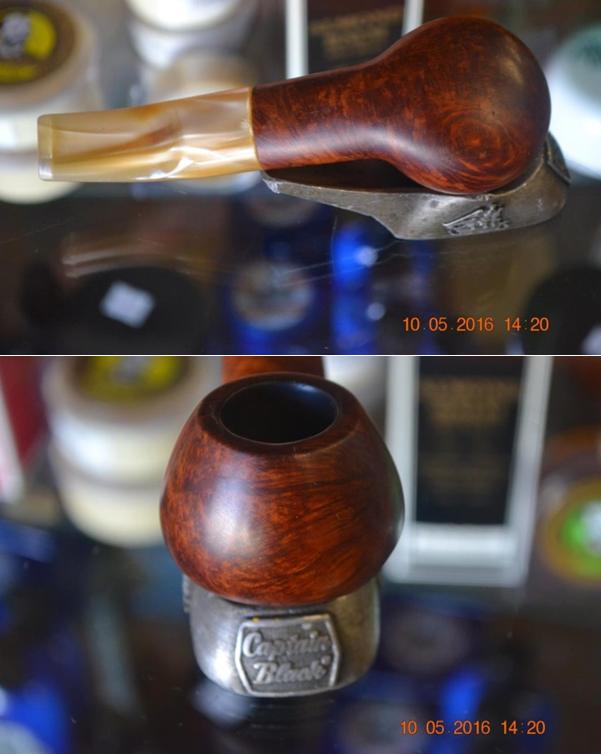
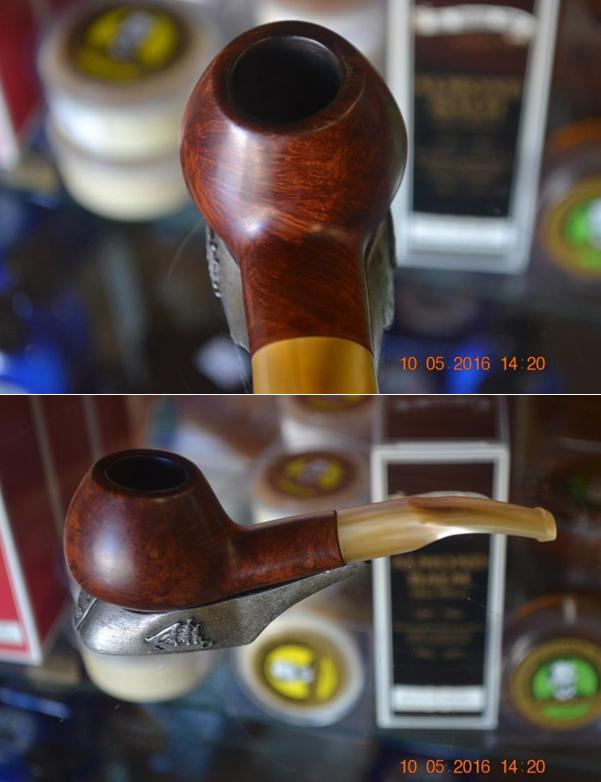
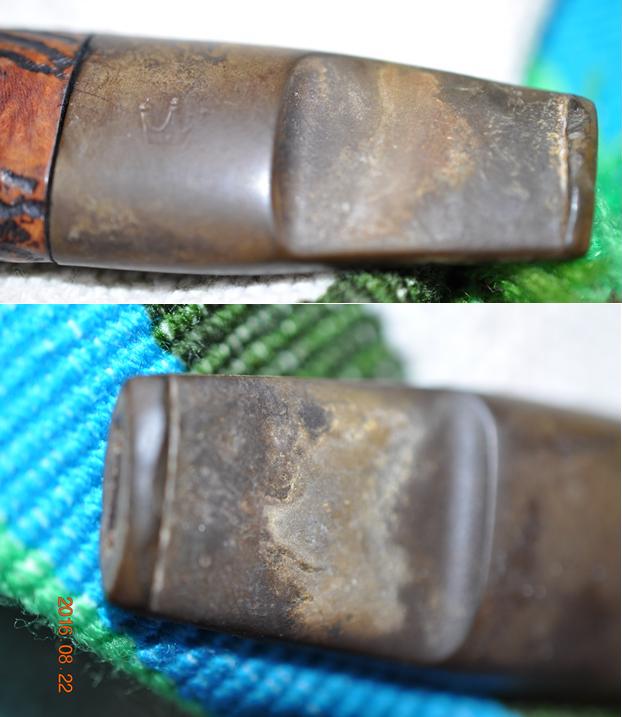
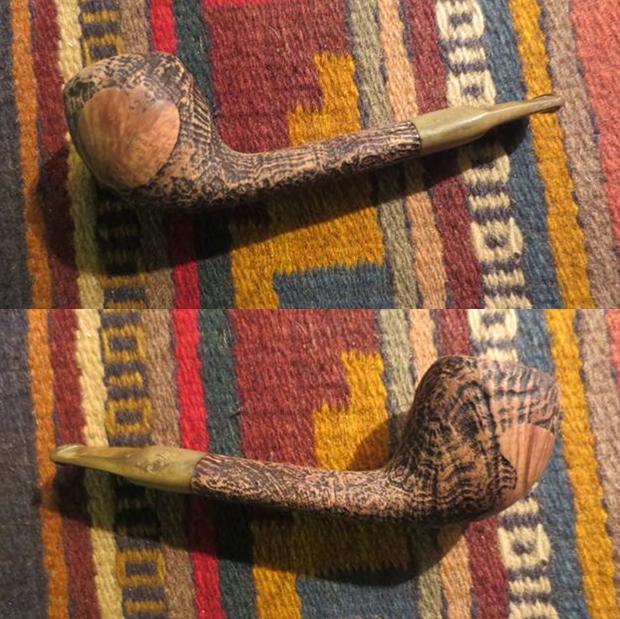
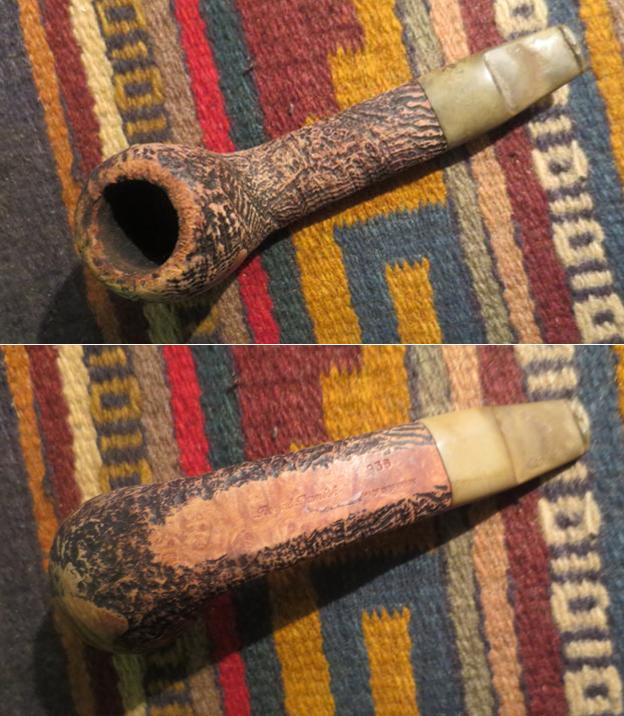
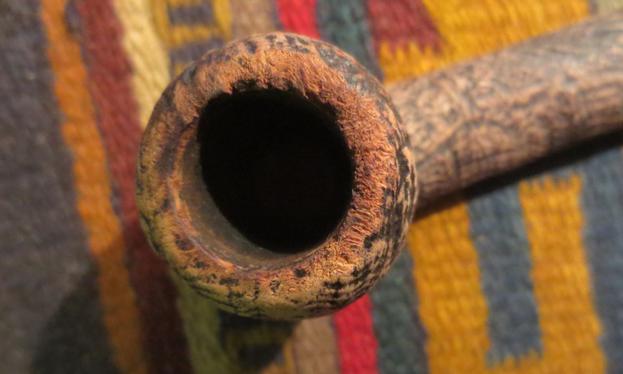
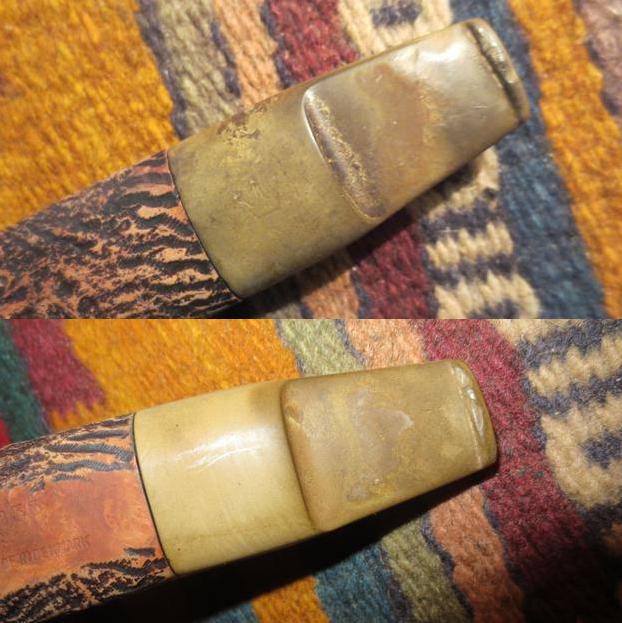
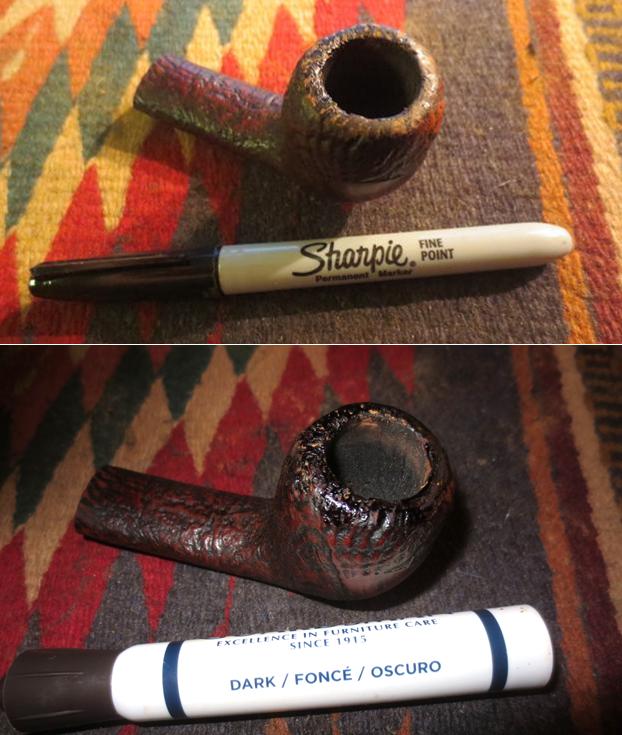
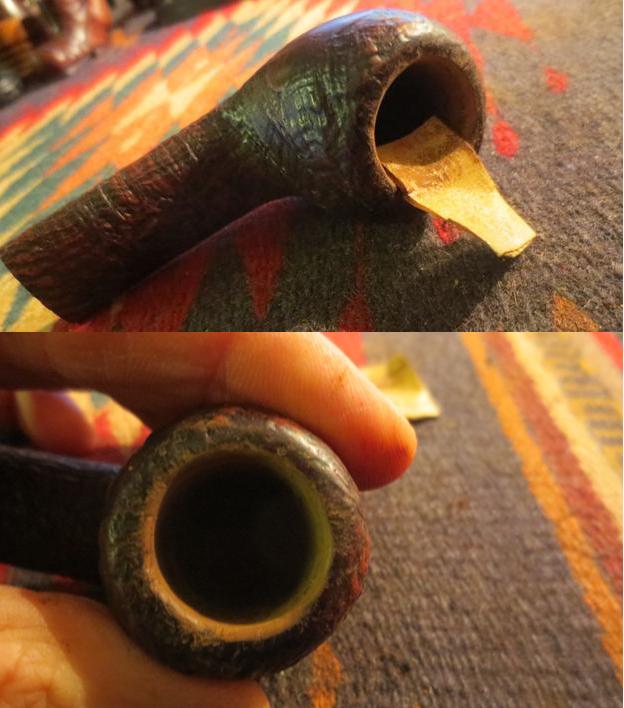
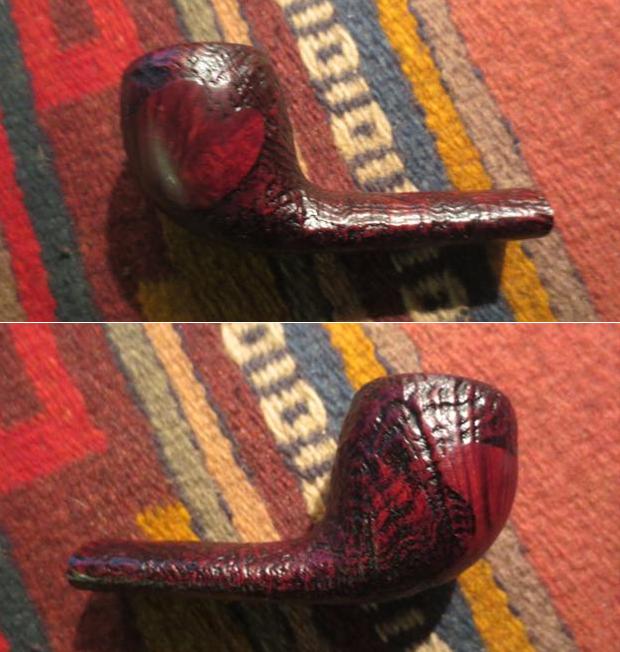
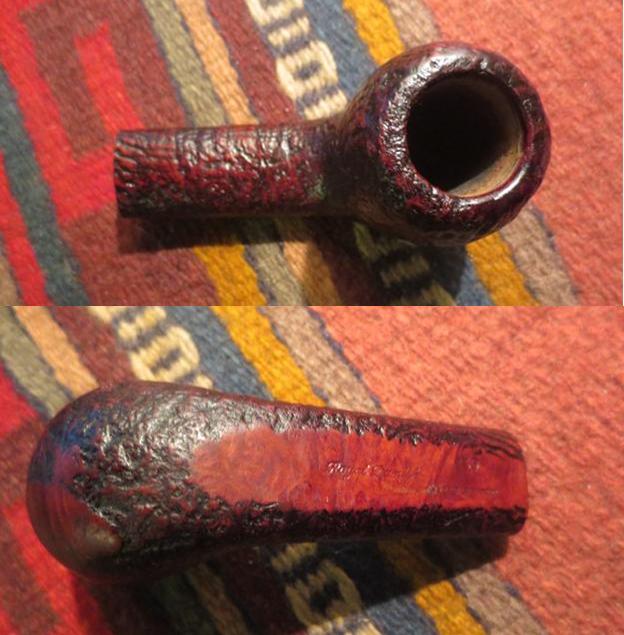
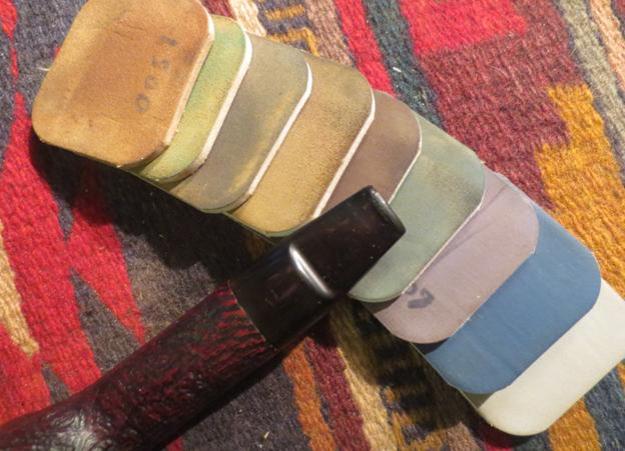
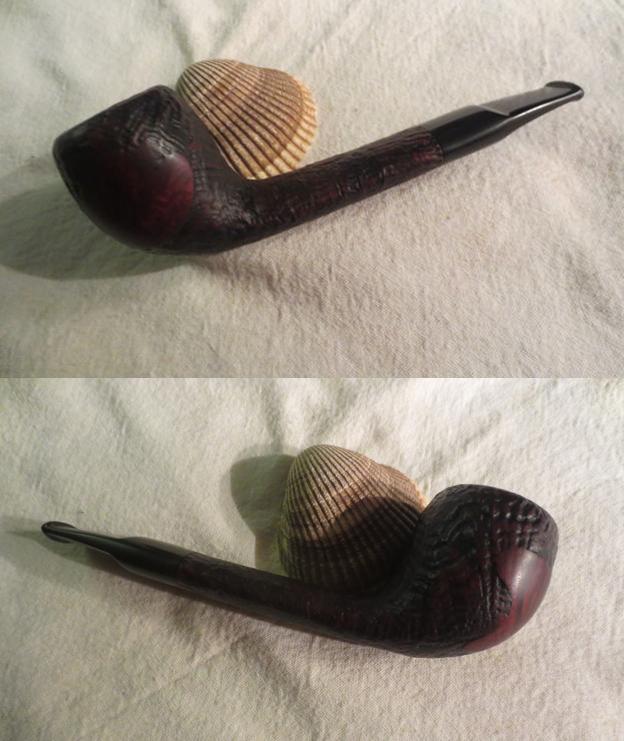
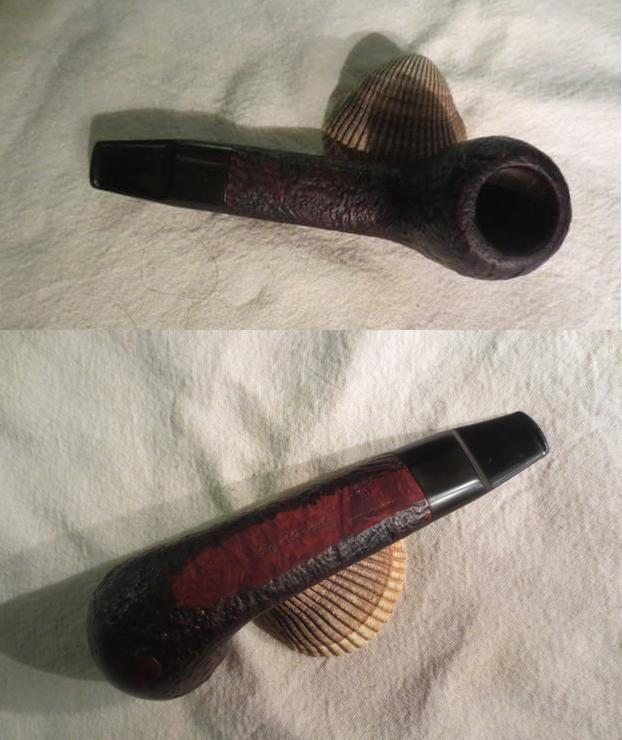
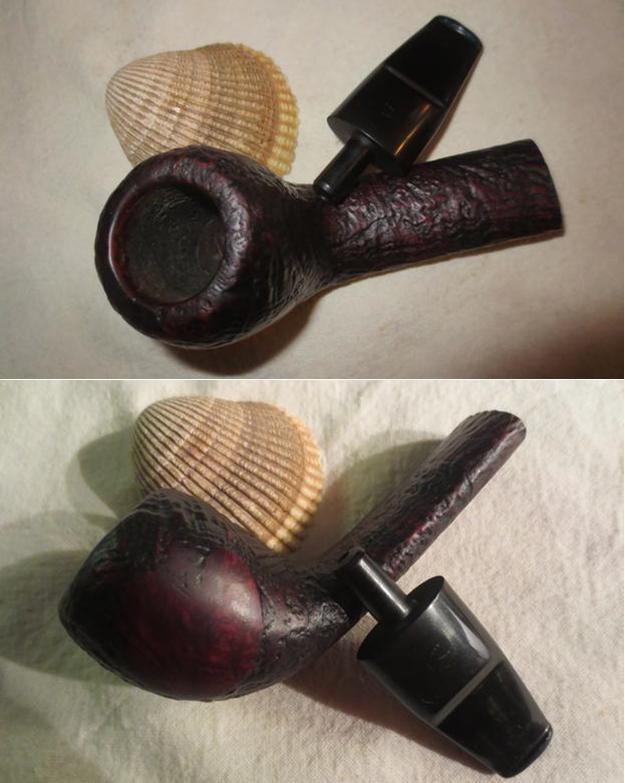
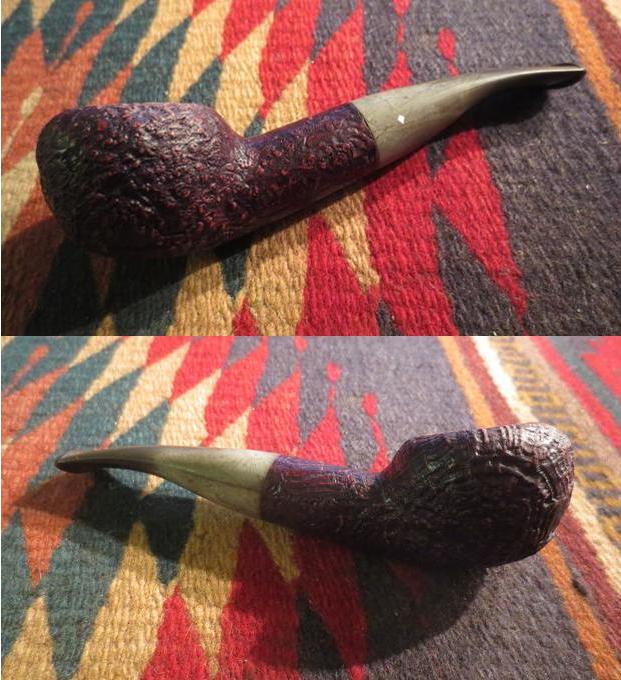
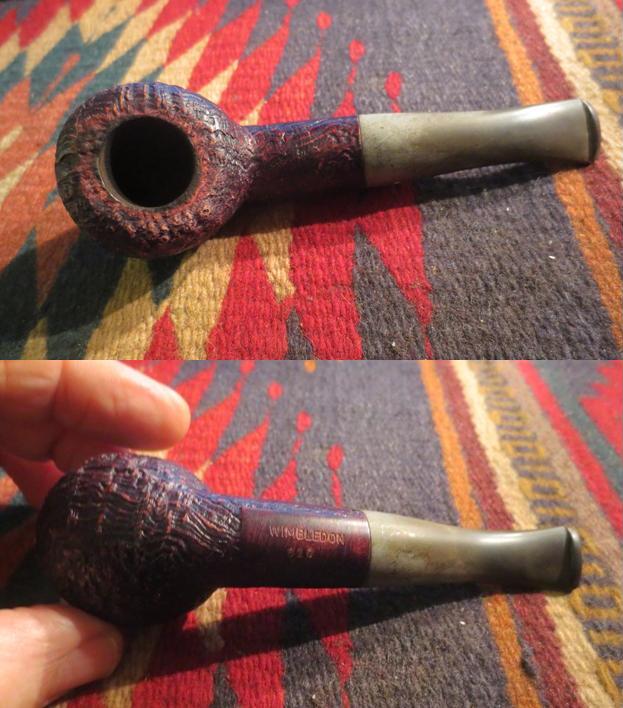
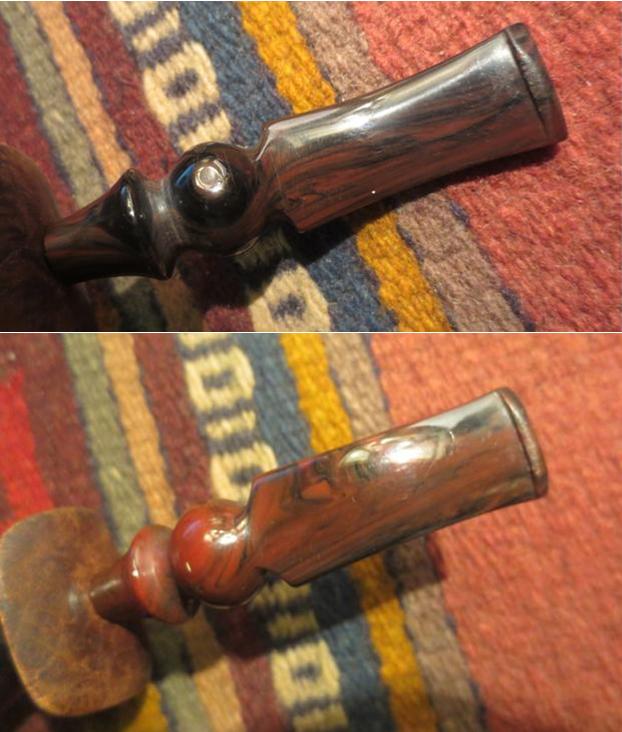
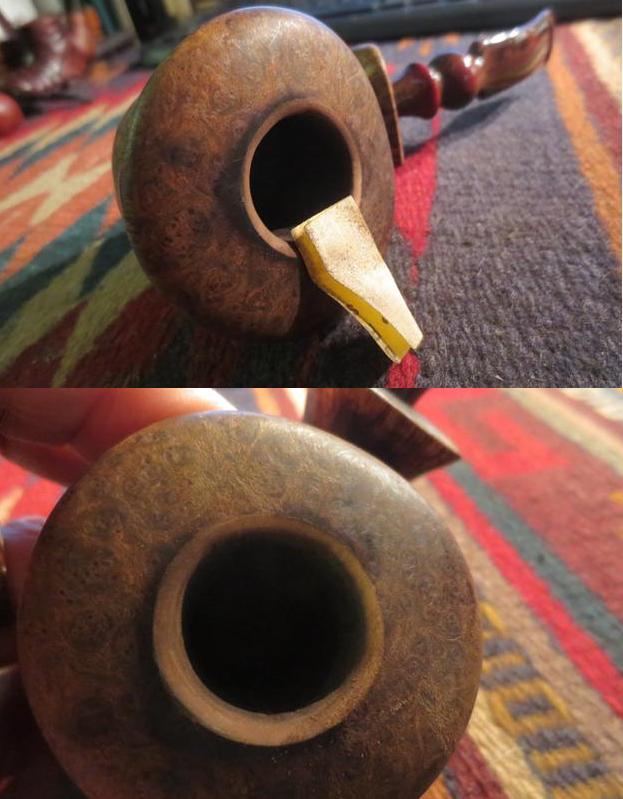
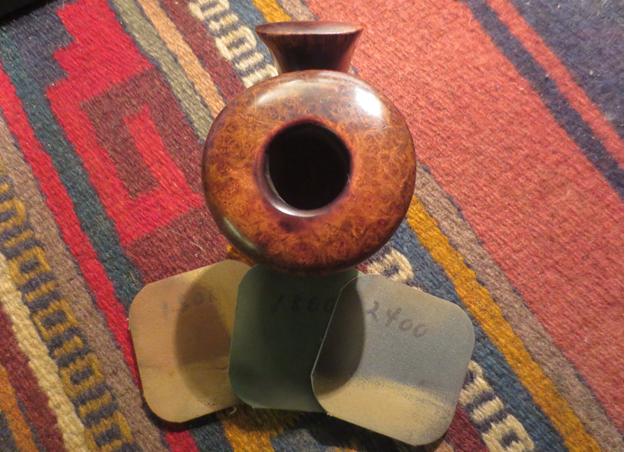
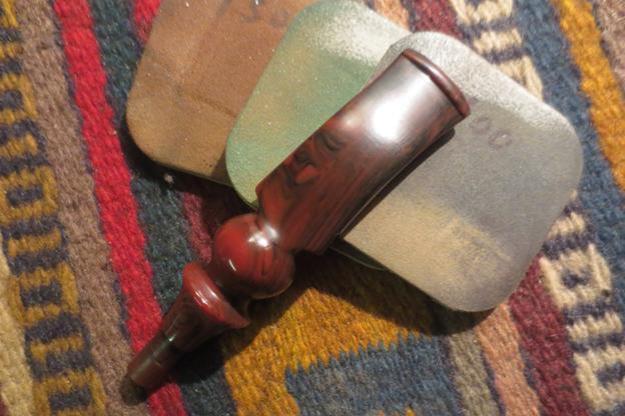
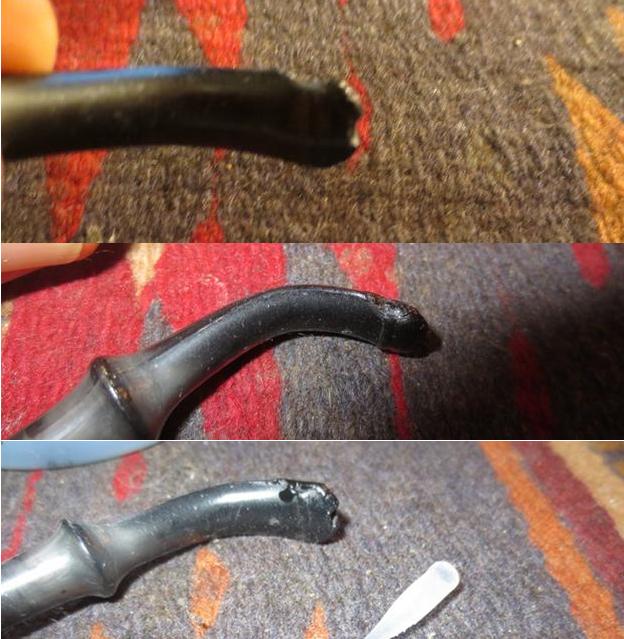
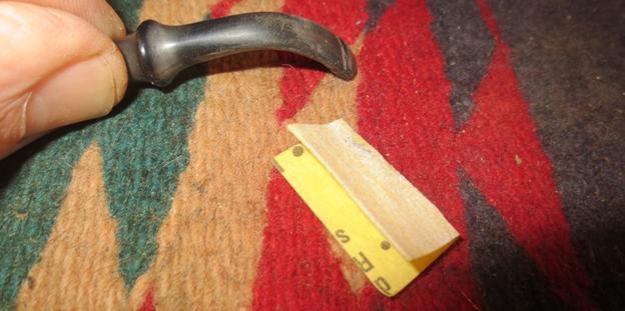
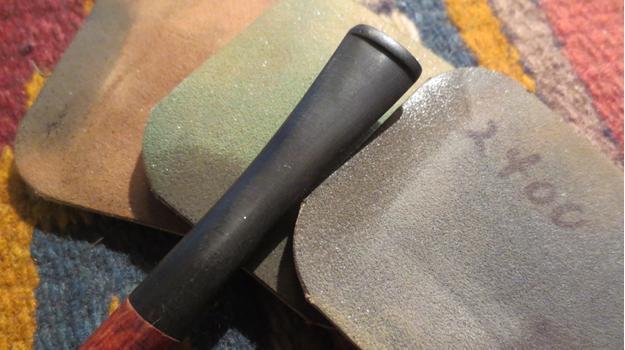
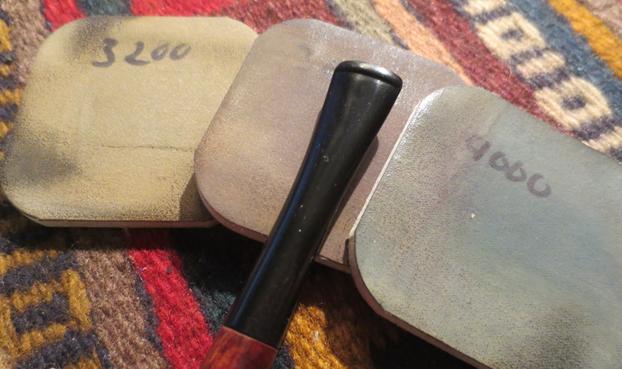
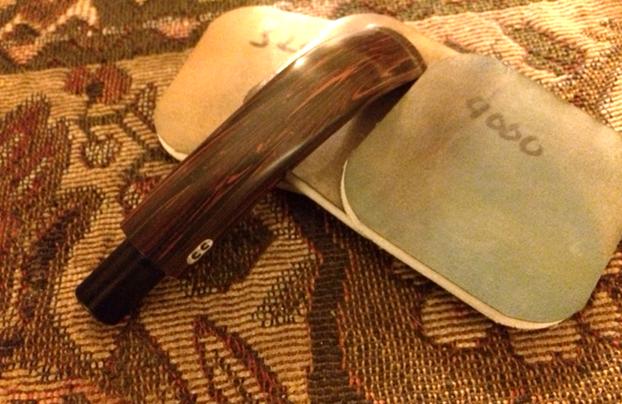
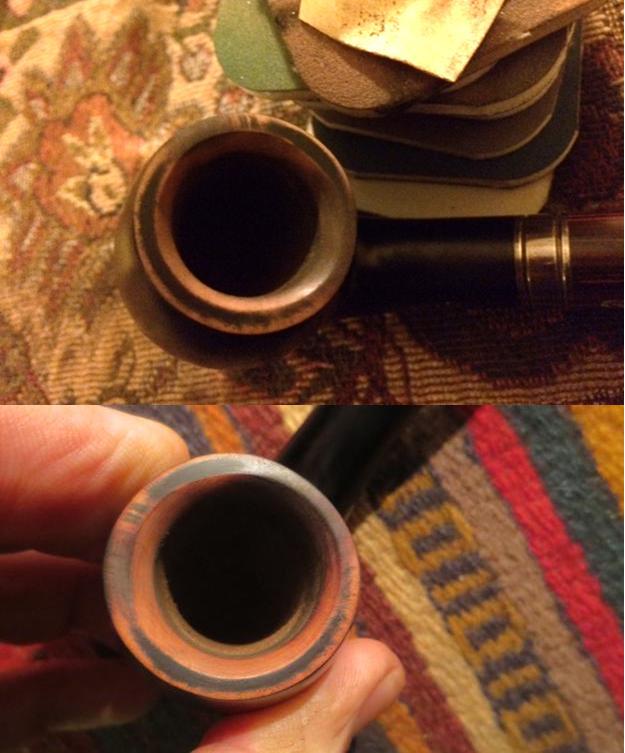
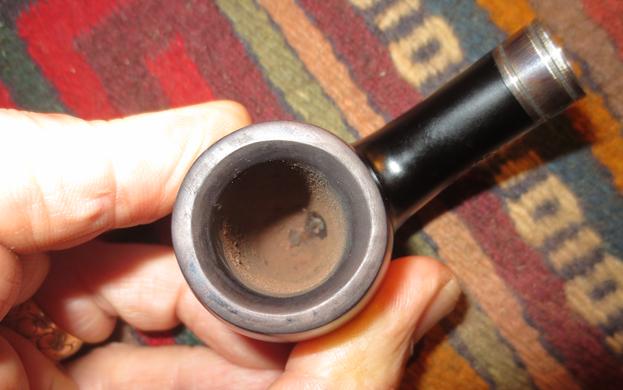
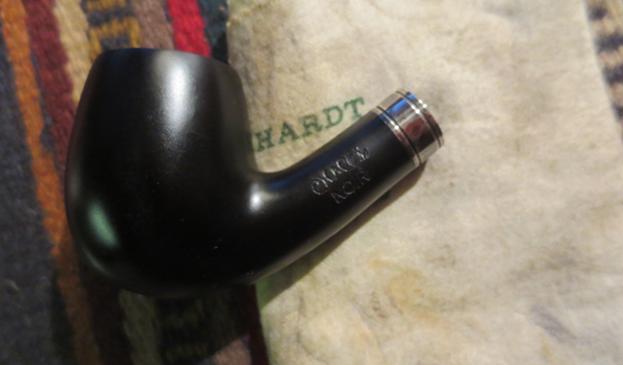
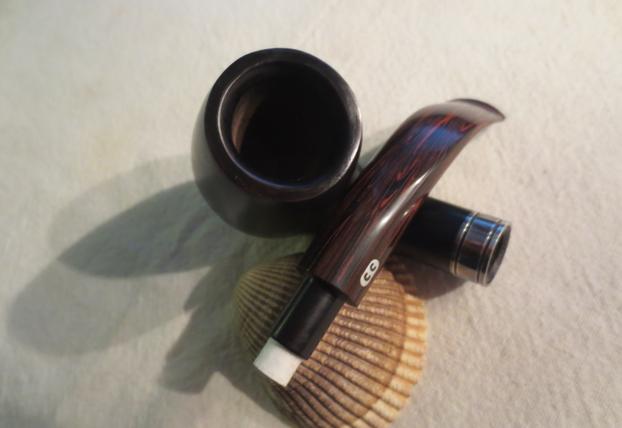
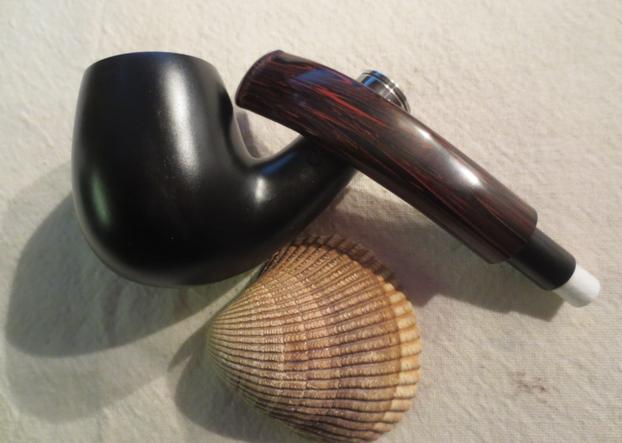
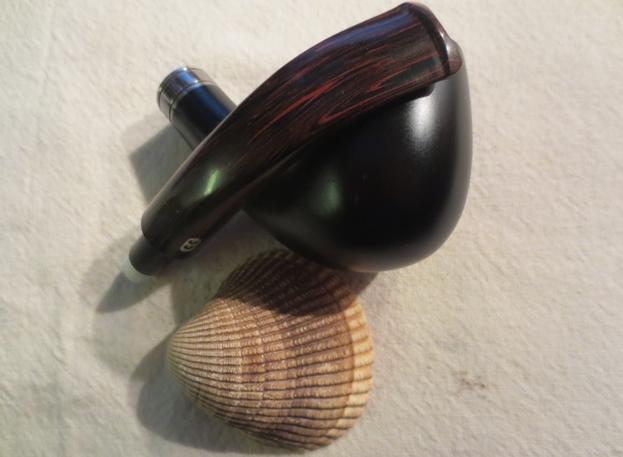
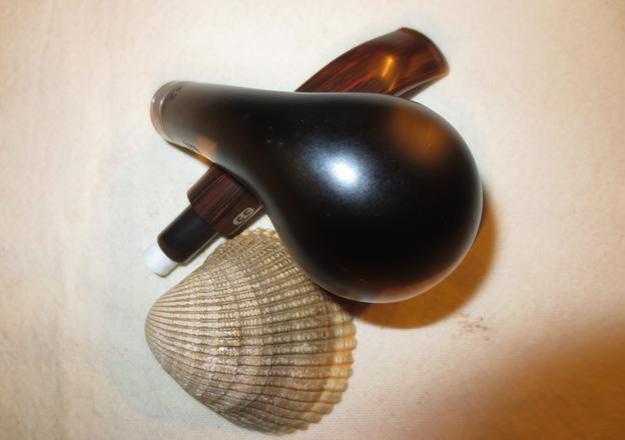
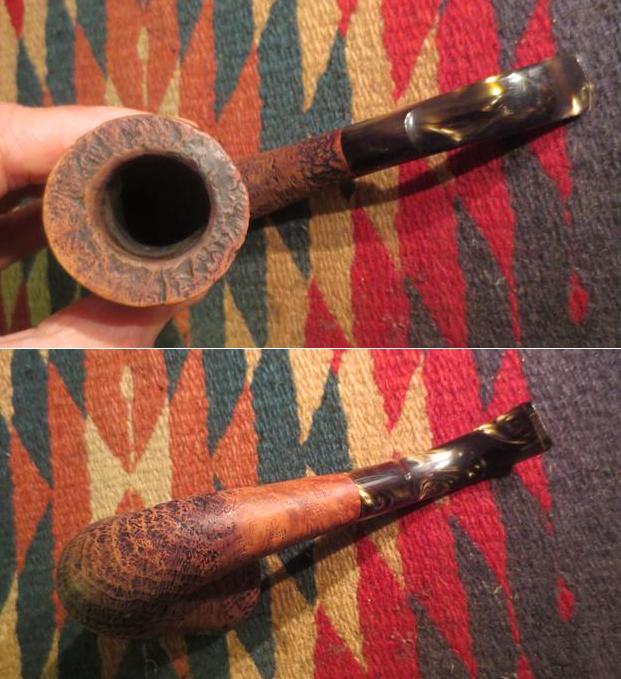
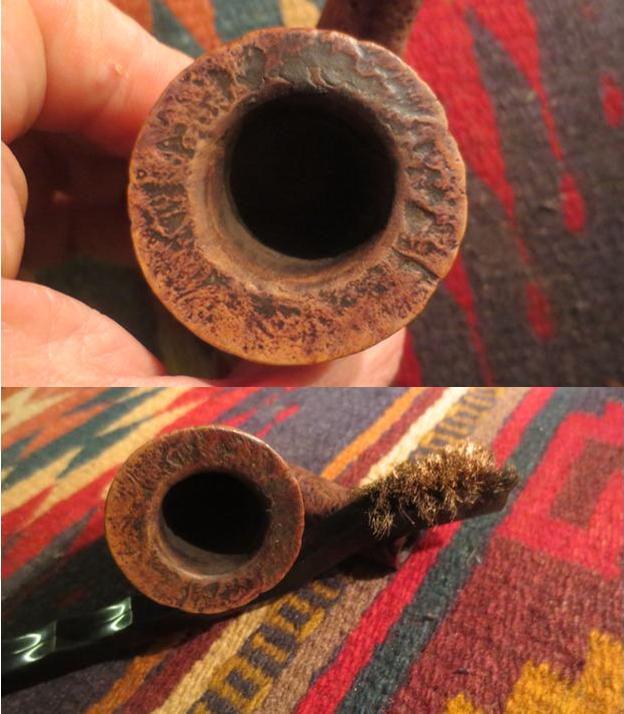
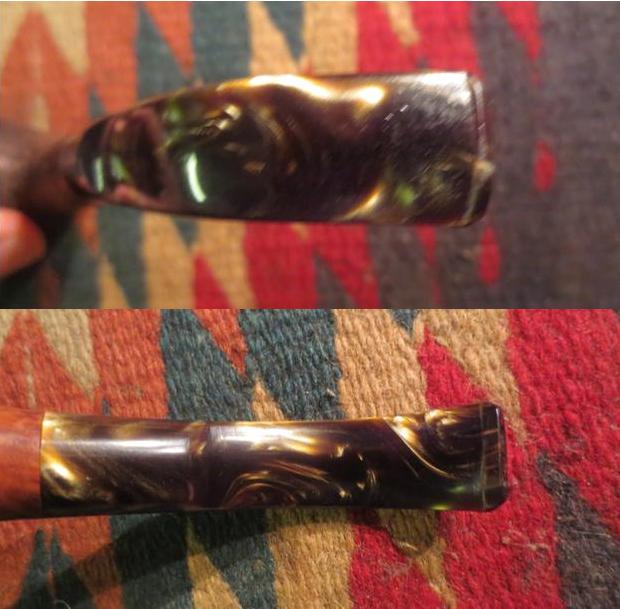
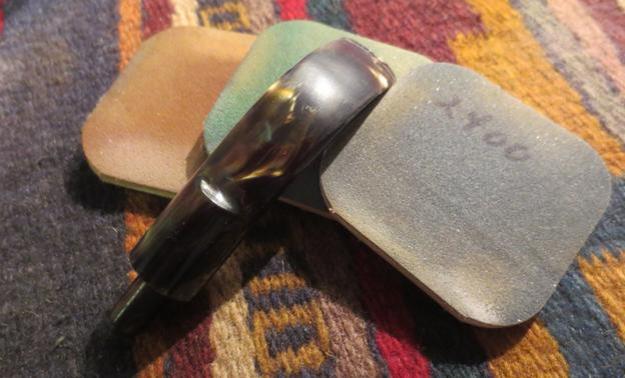
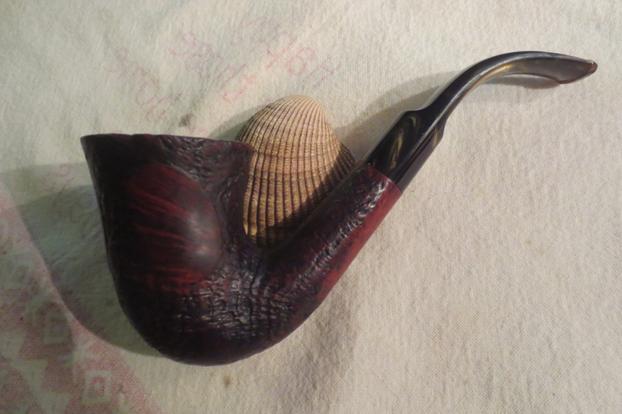
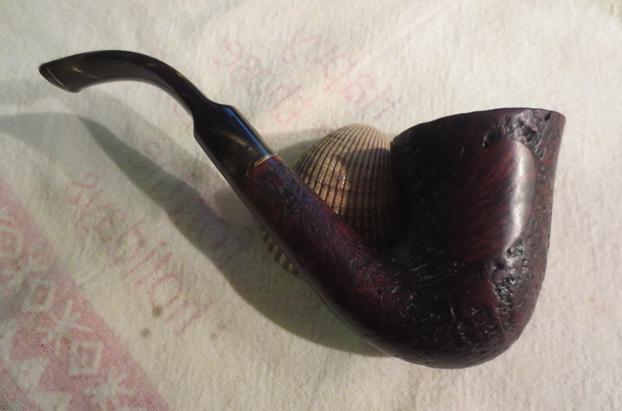
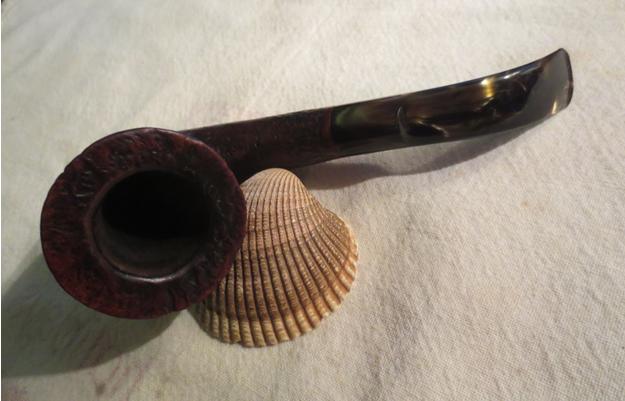
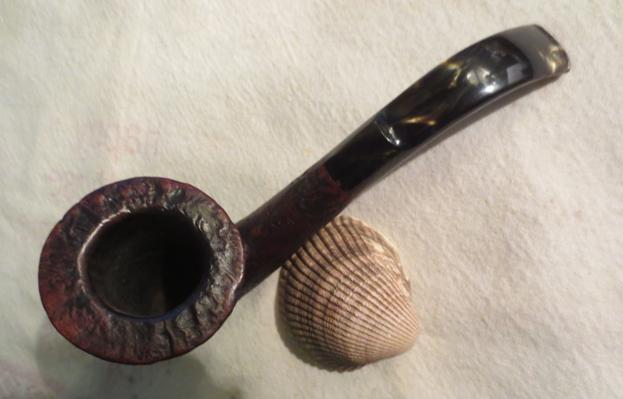
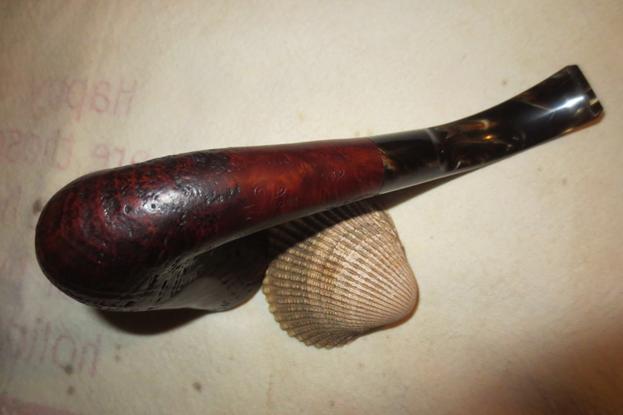
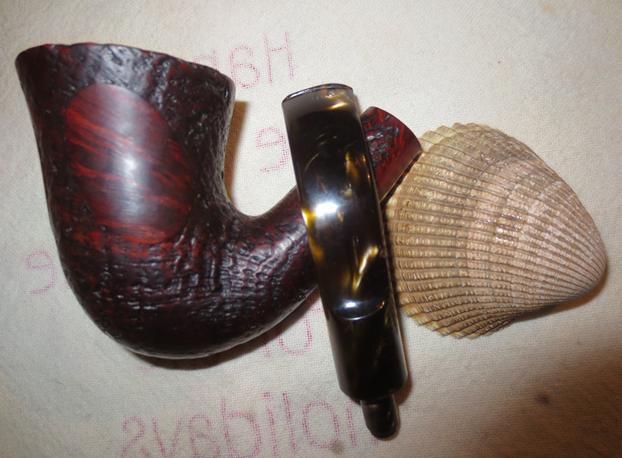
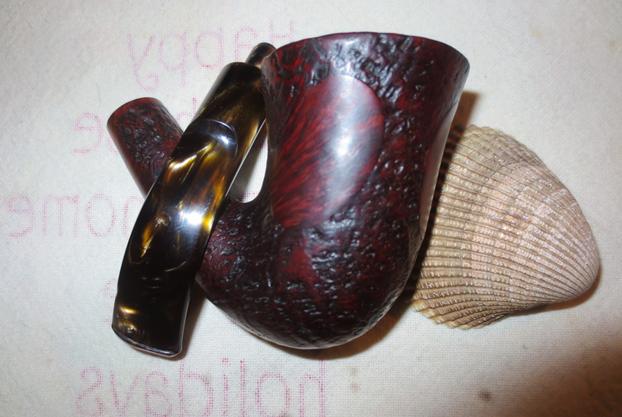
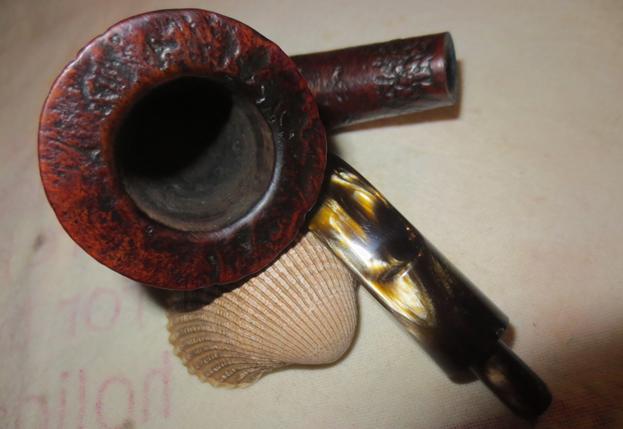
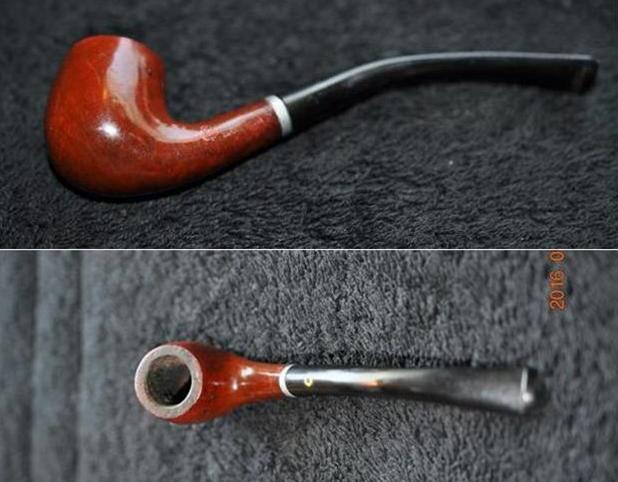
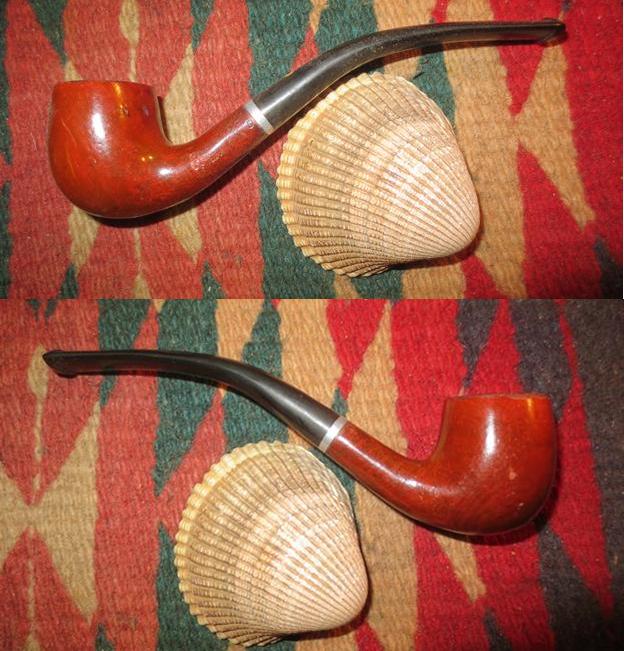
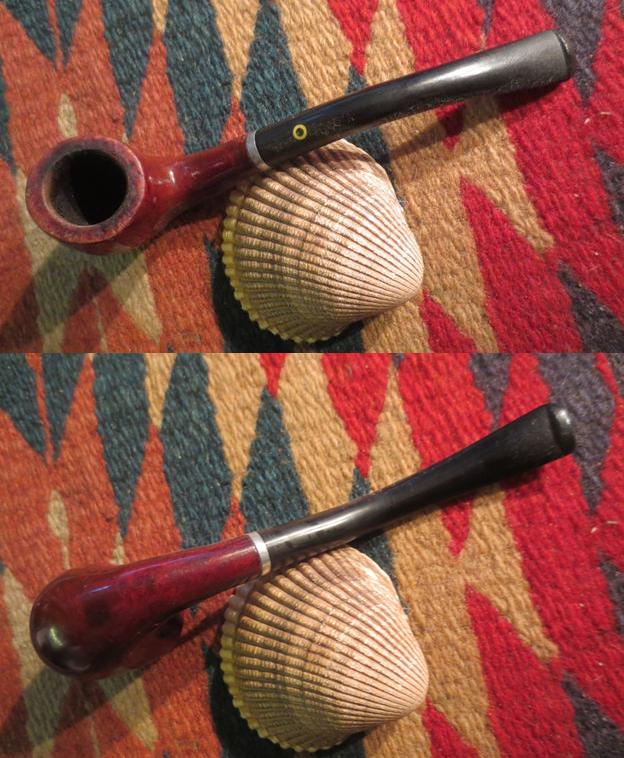
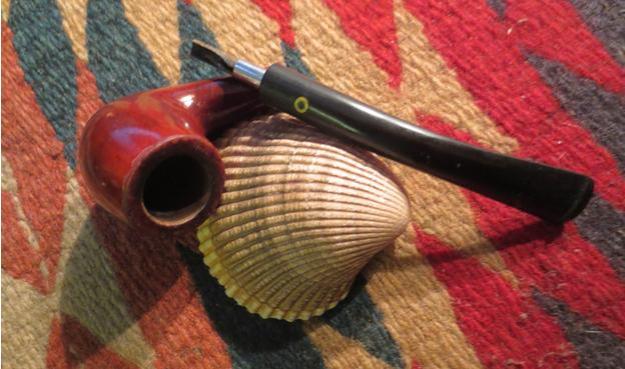
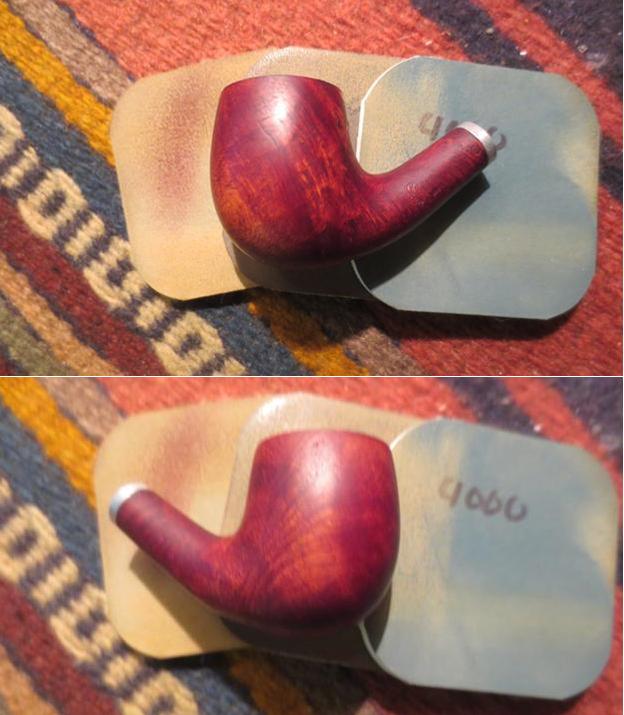
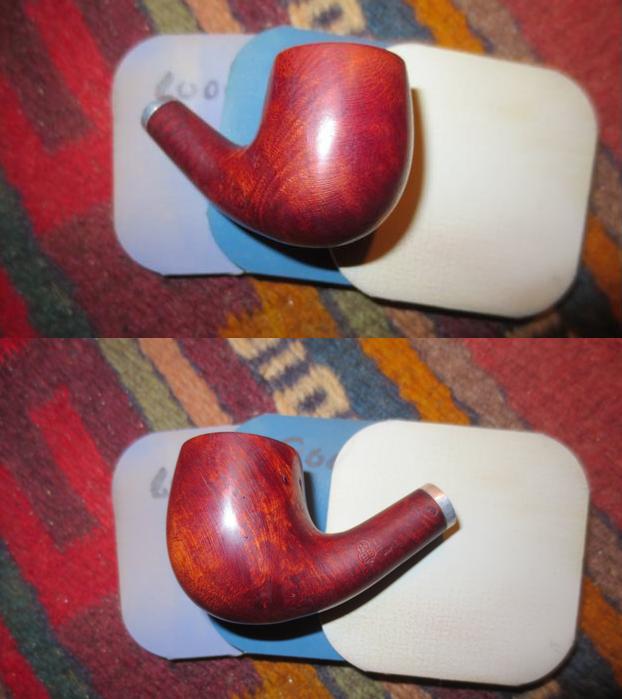
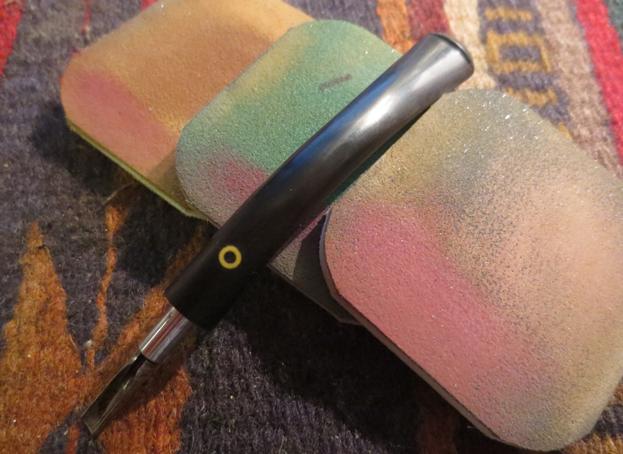
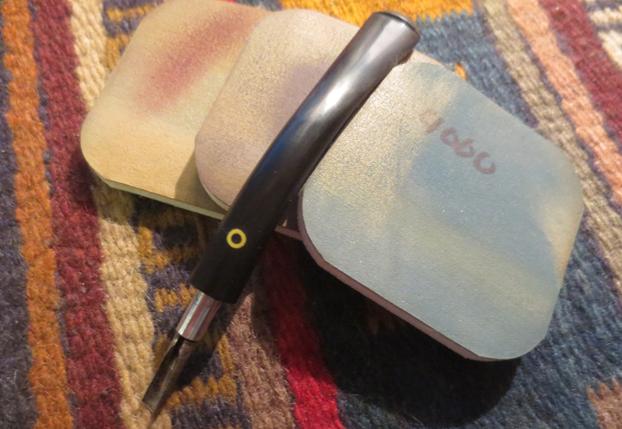
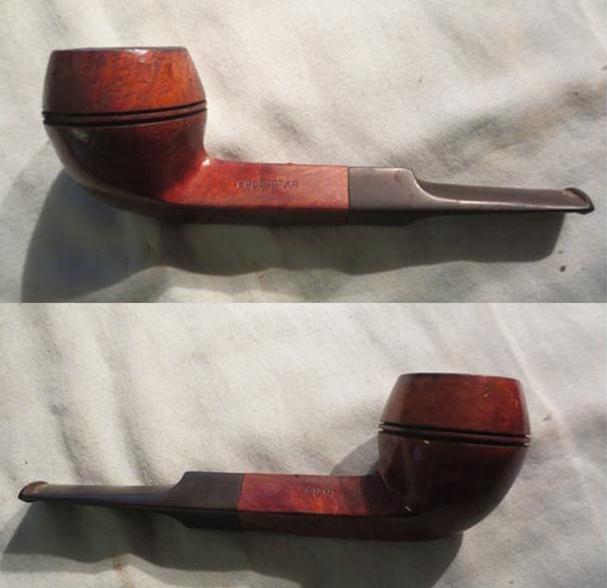
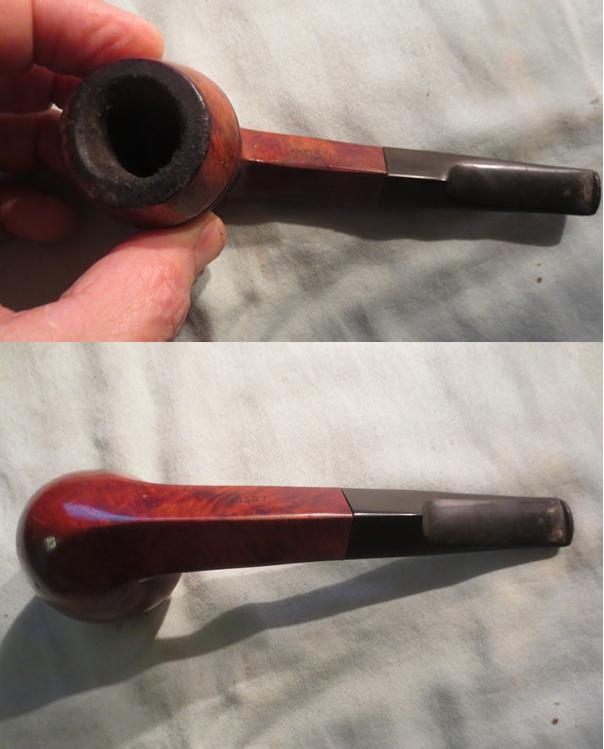
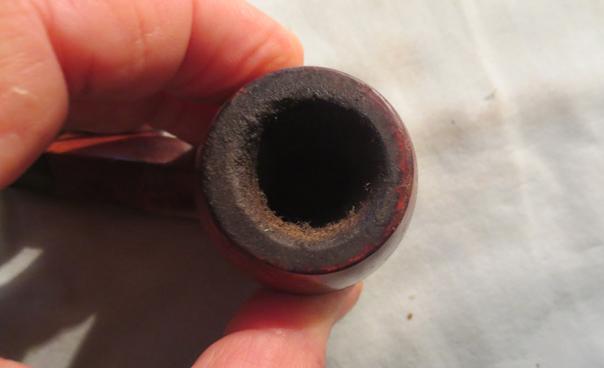
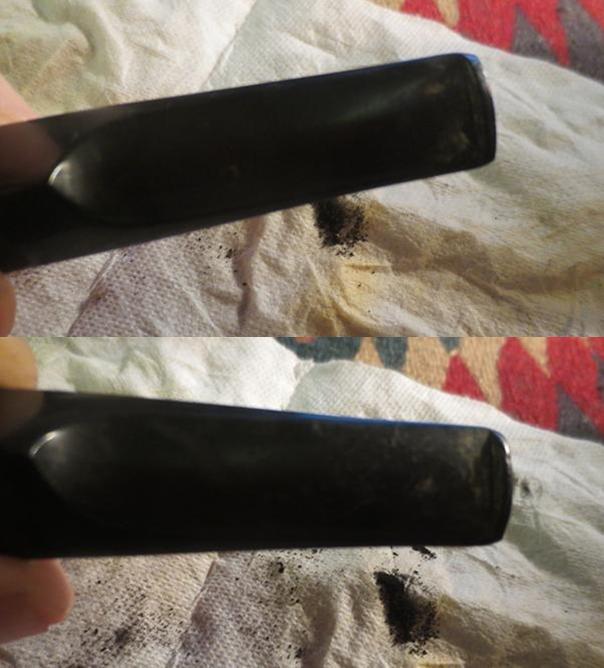
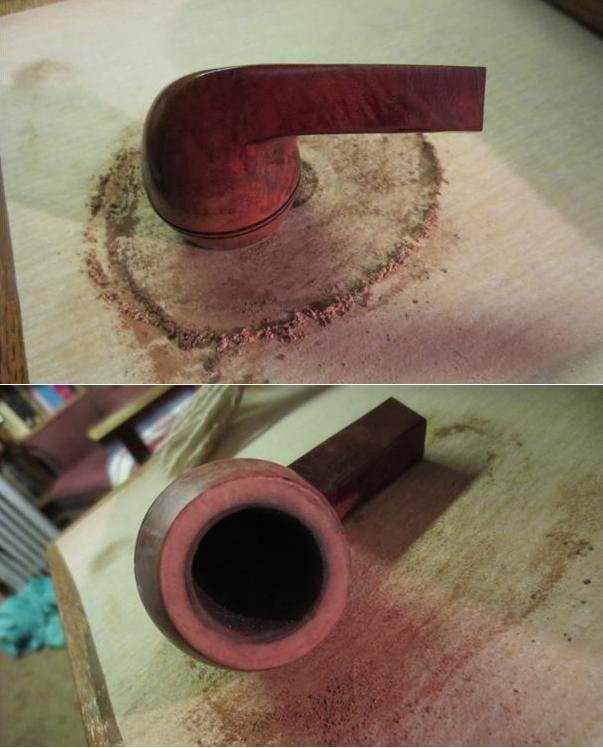
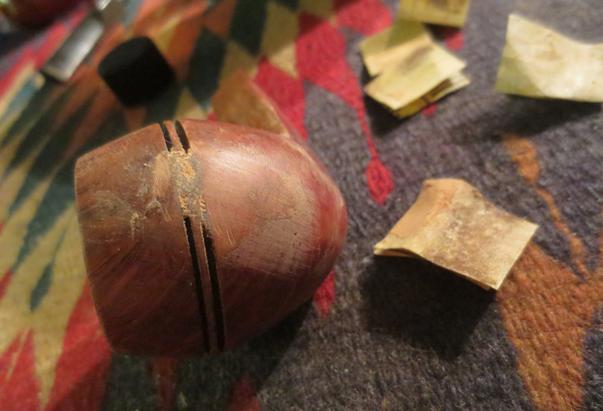
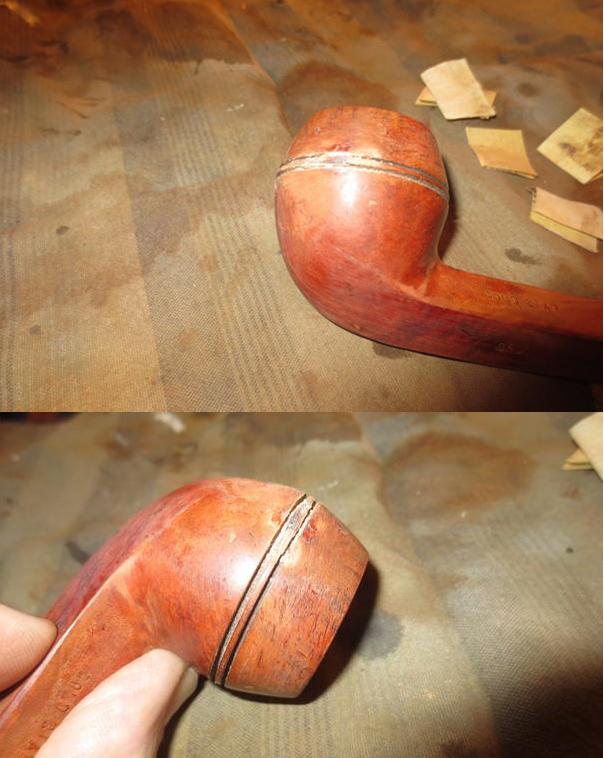
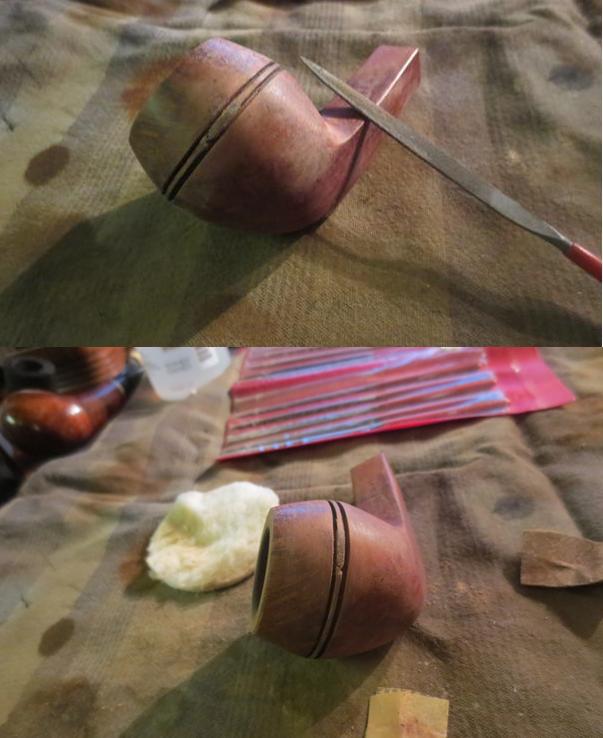
Tag Archives: restaining a bowl and rim

An odd assortment of tiny Salesmen’s Pipes


Blog by Steve Laug

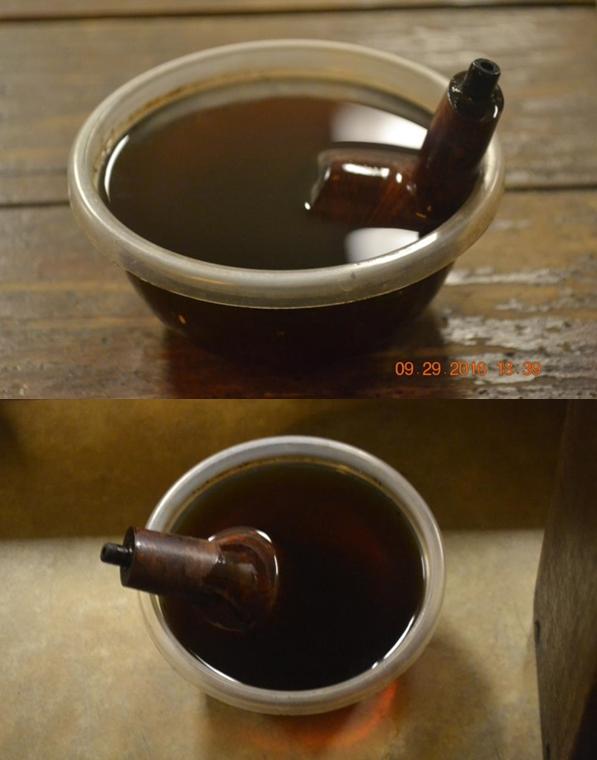
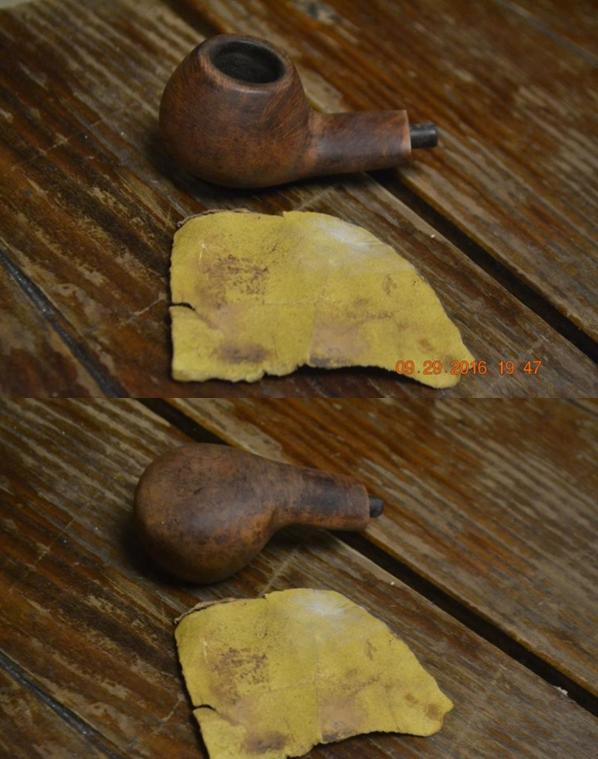
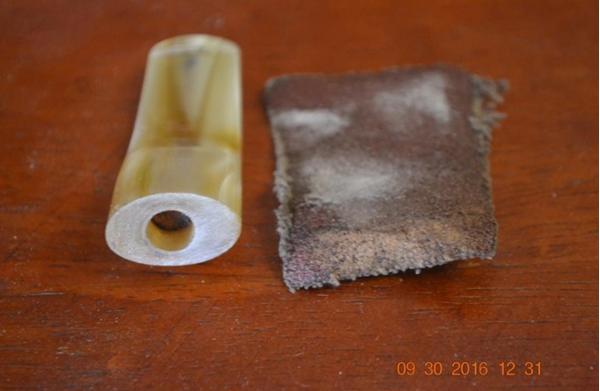
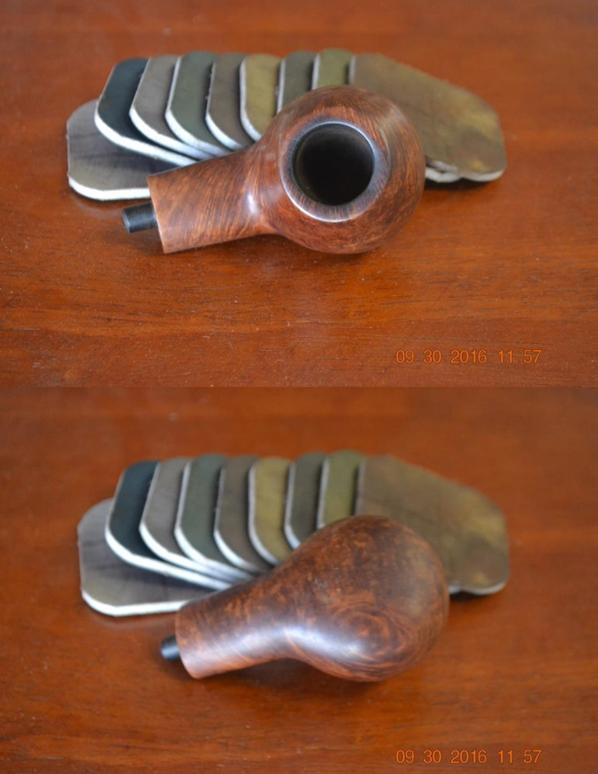
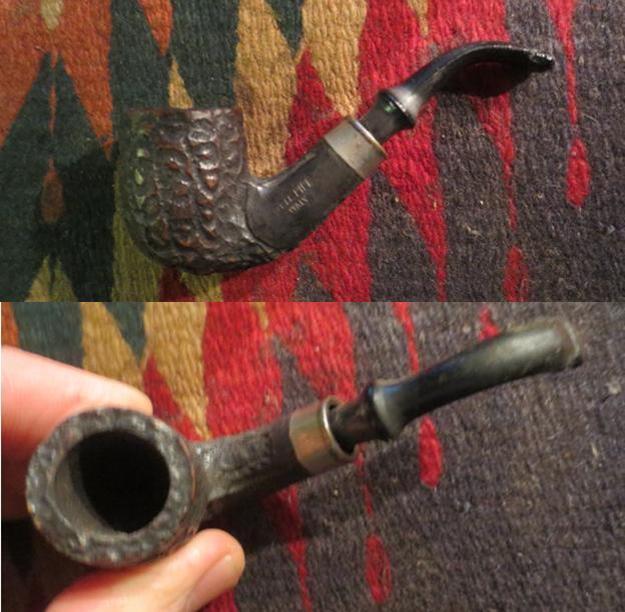
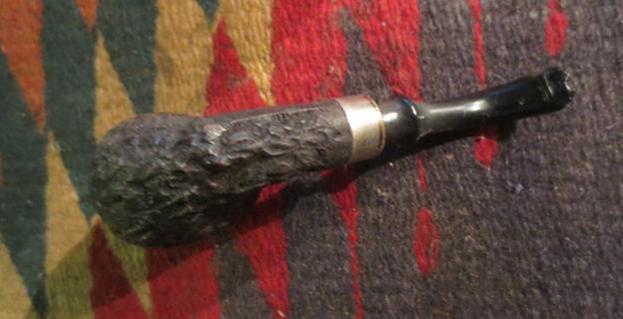
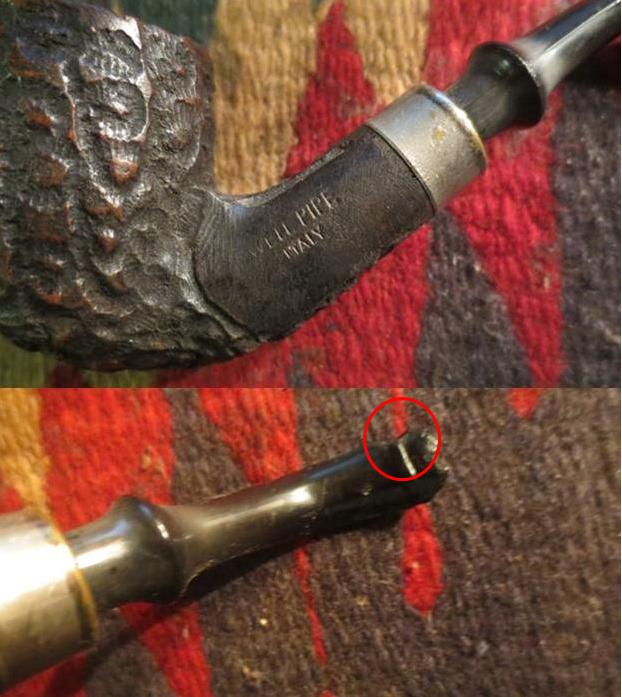
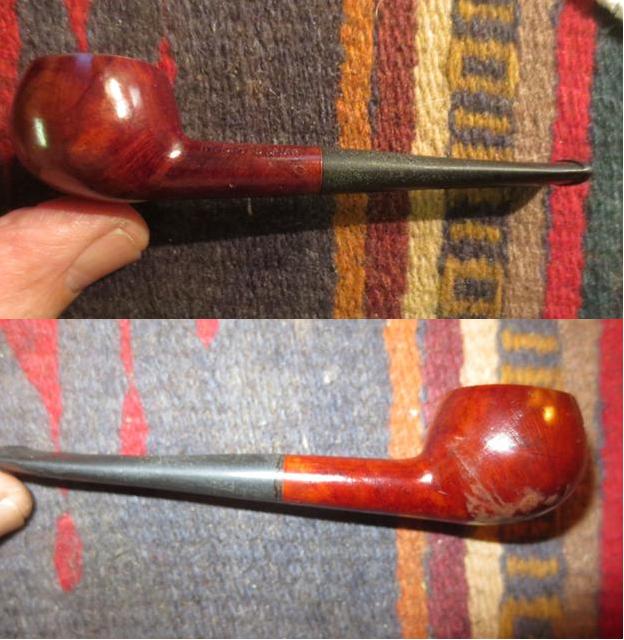
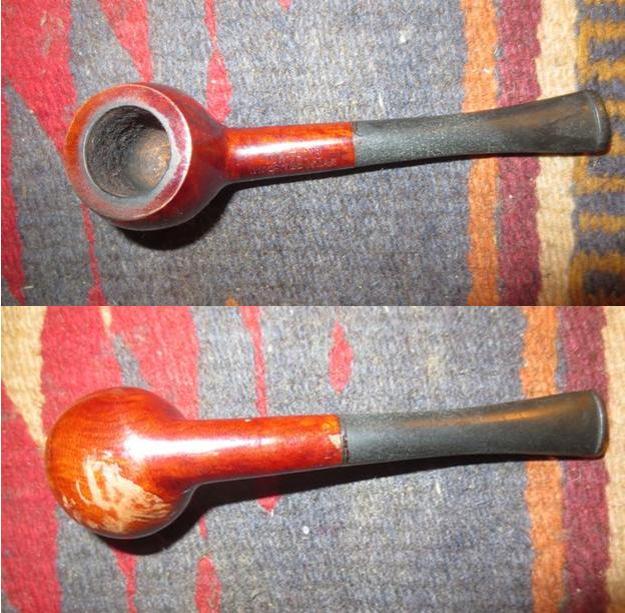
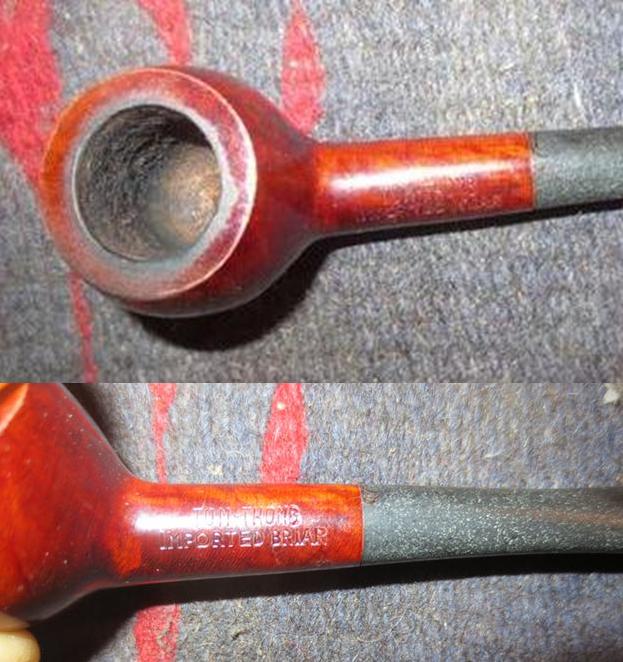
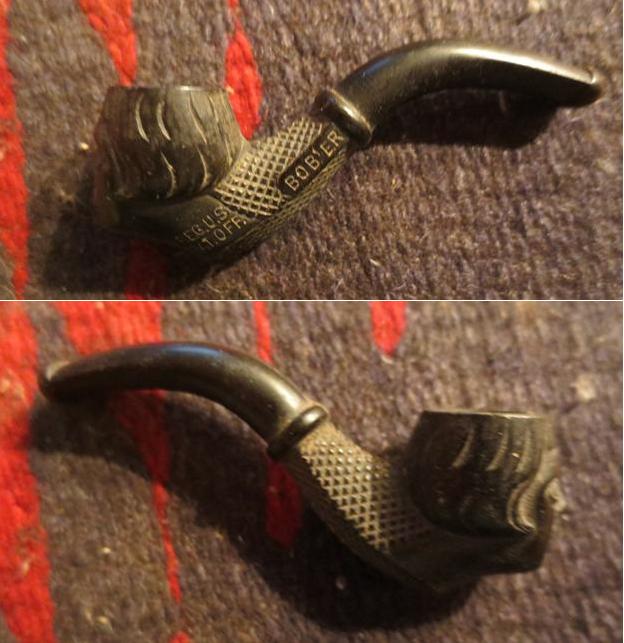
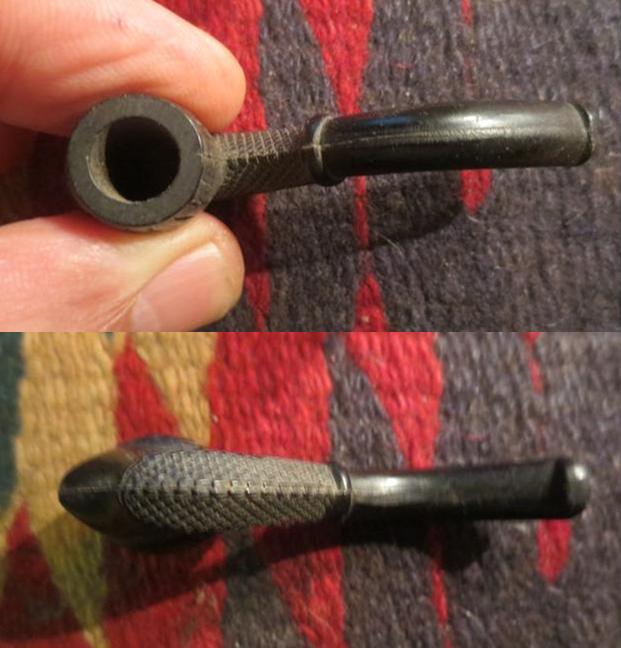
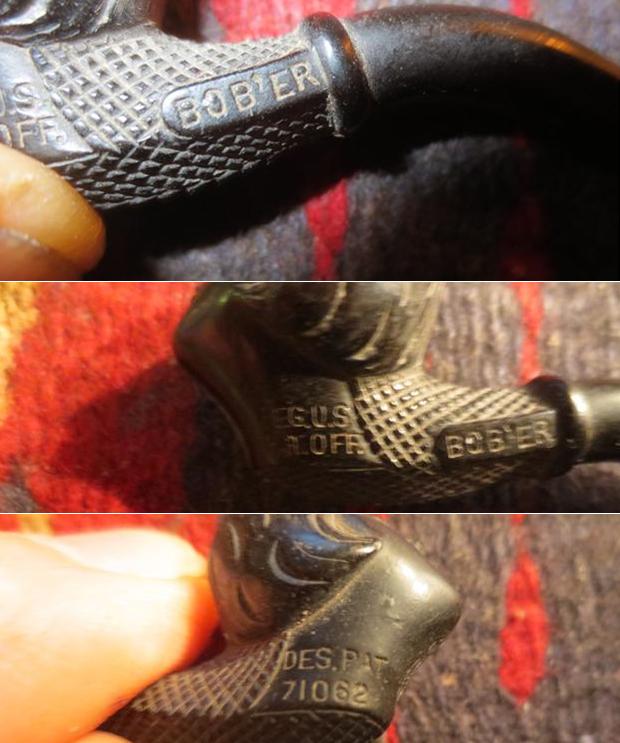
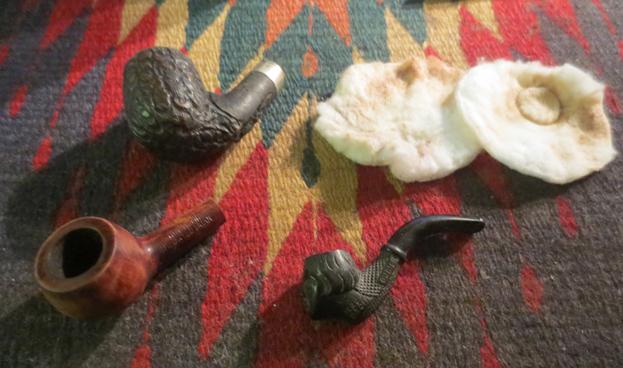
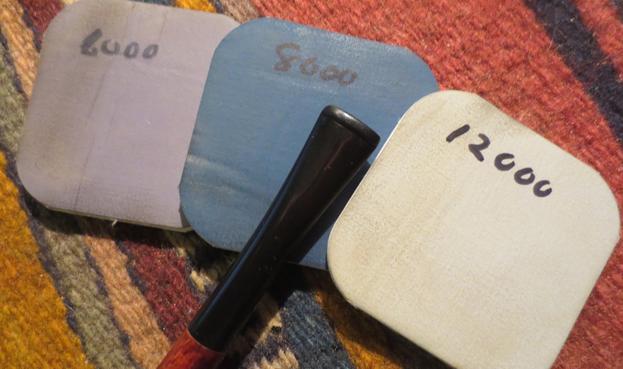
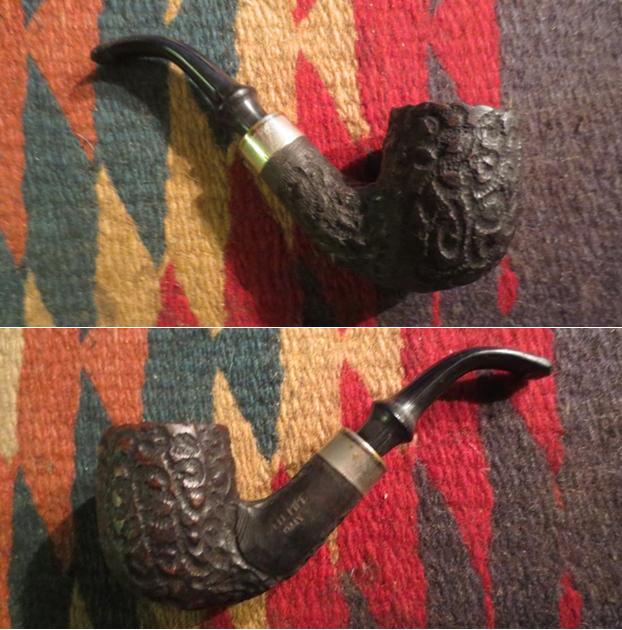
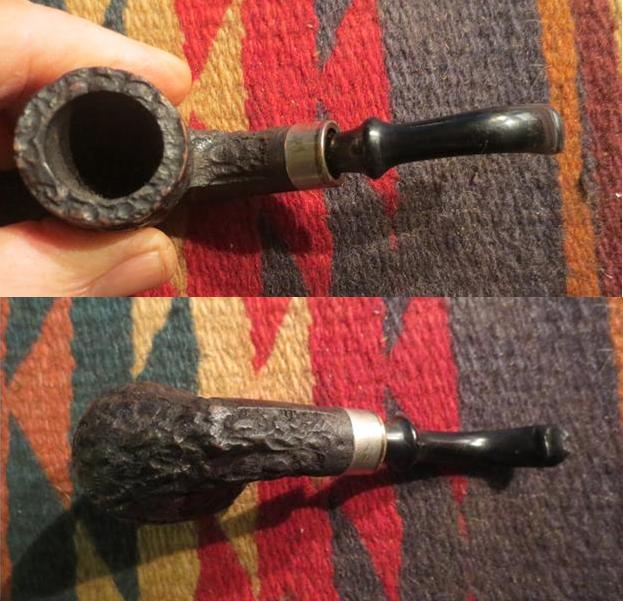
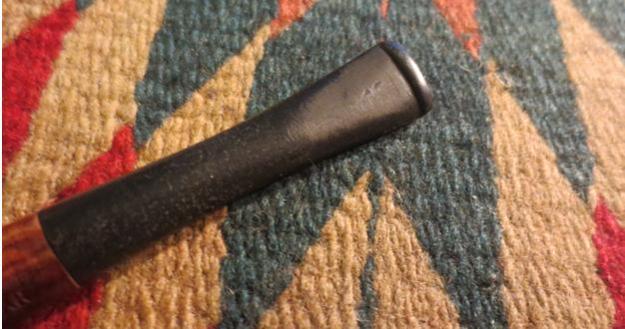
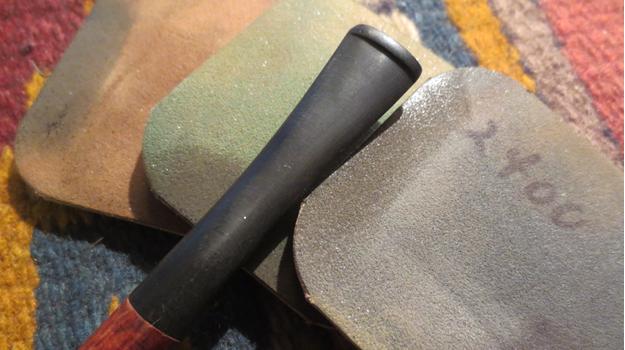
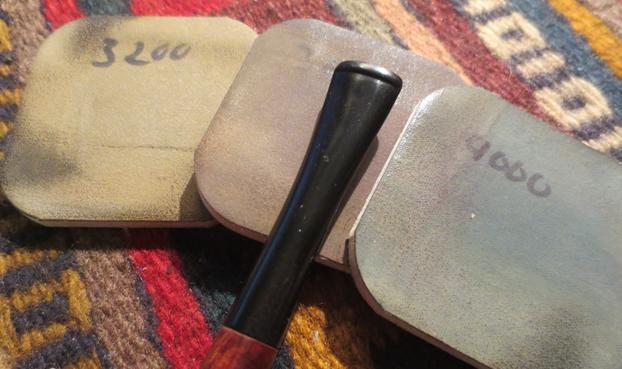
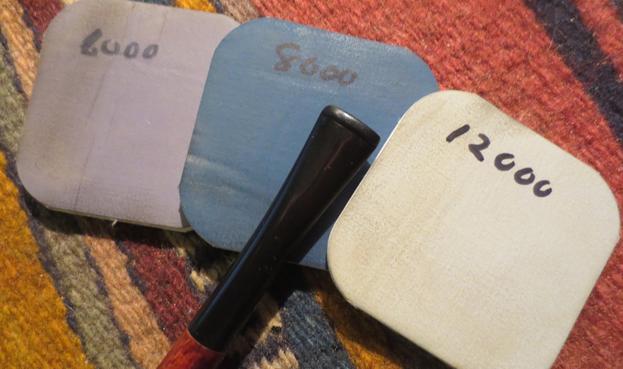
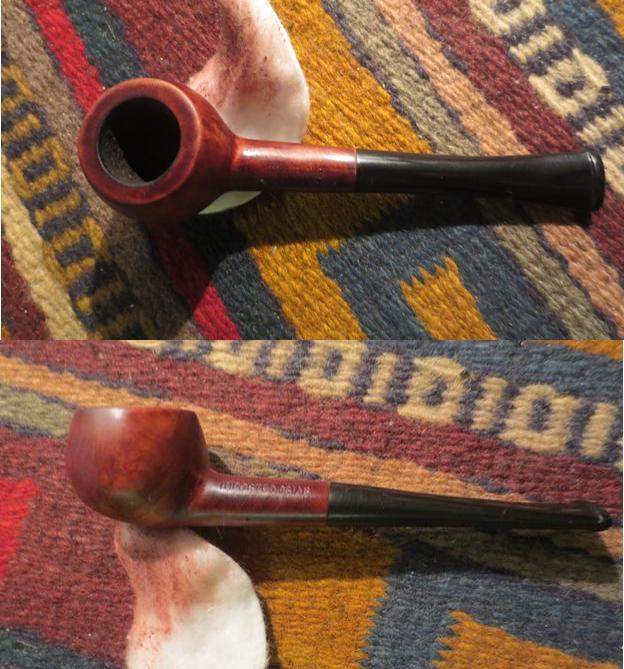
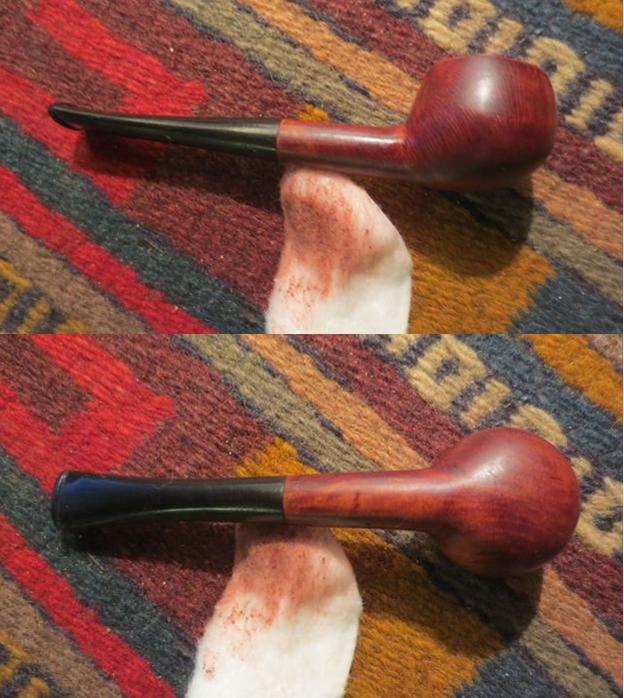
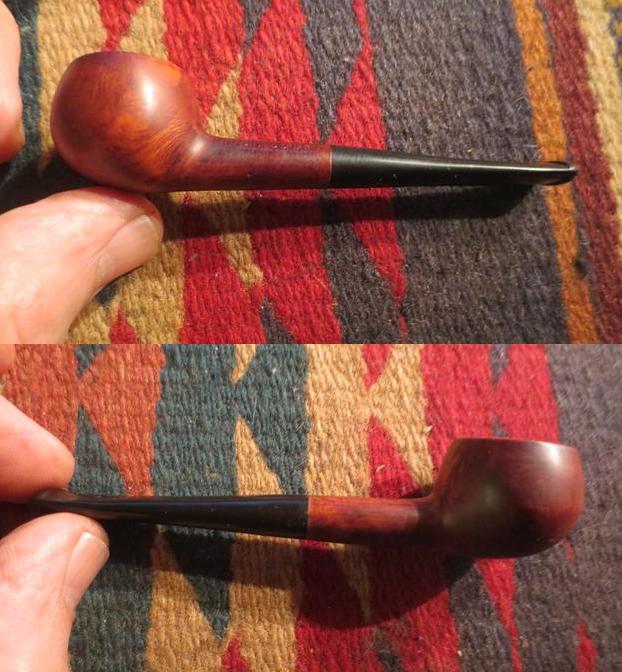
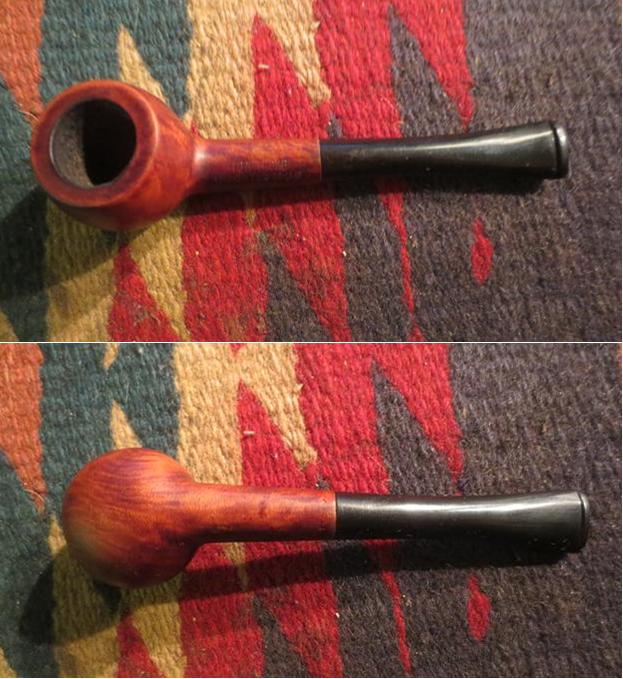
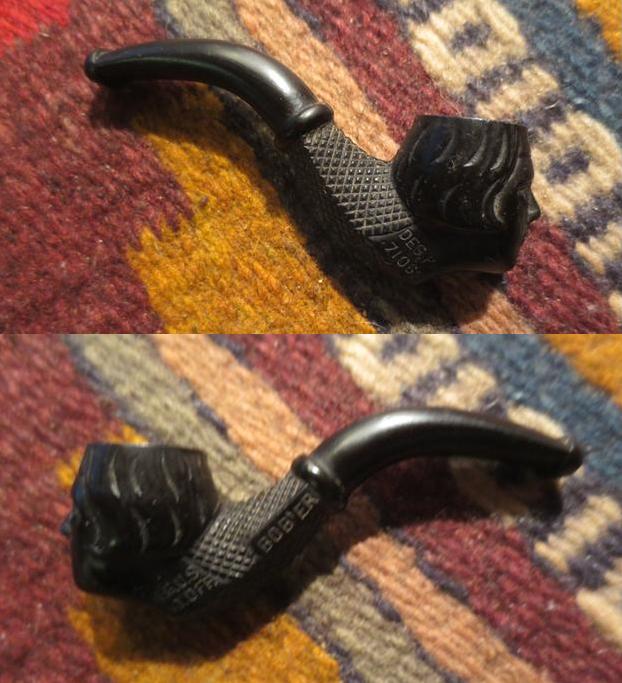
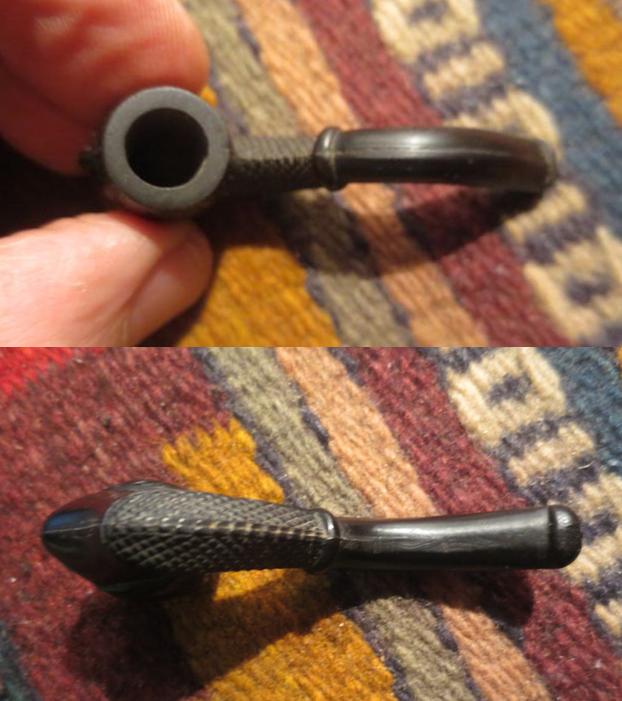
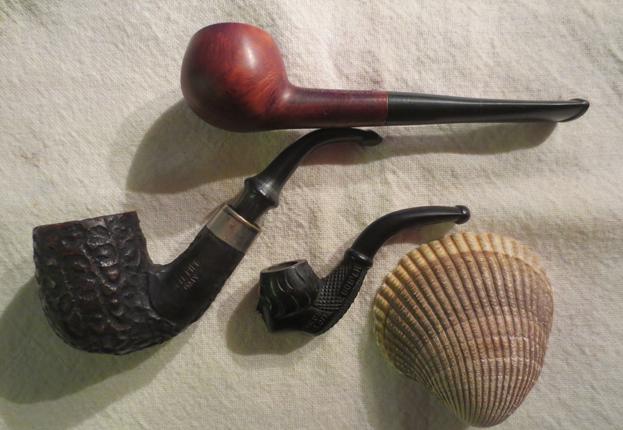
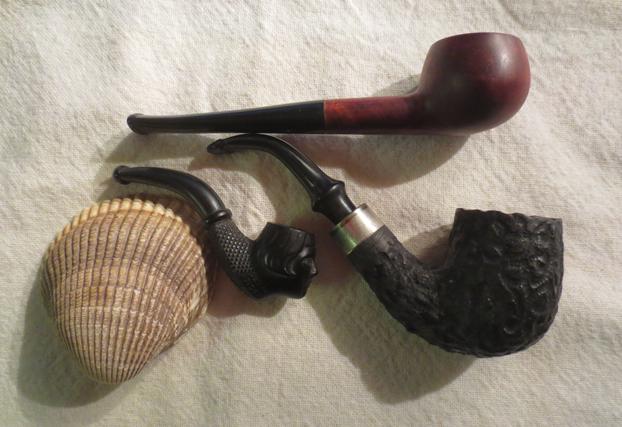
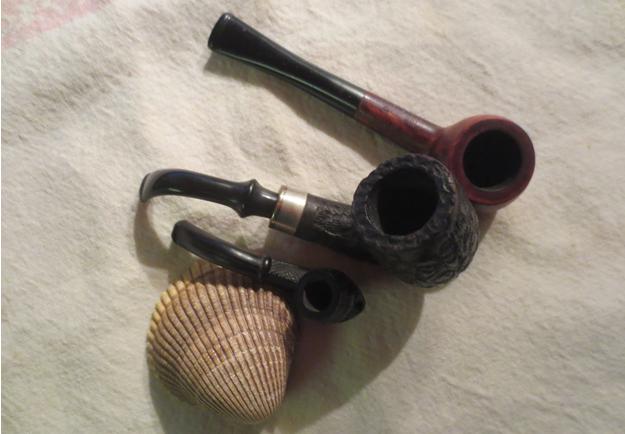
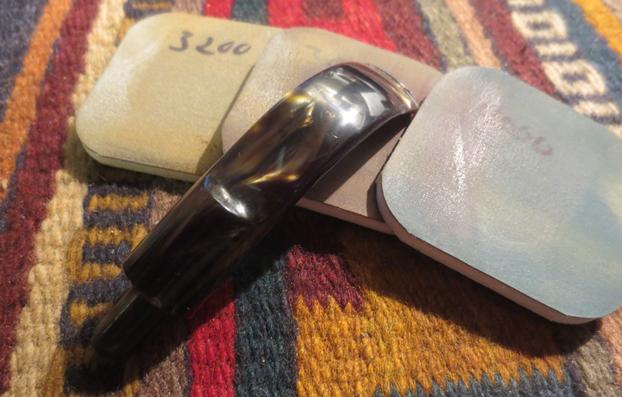
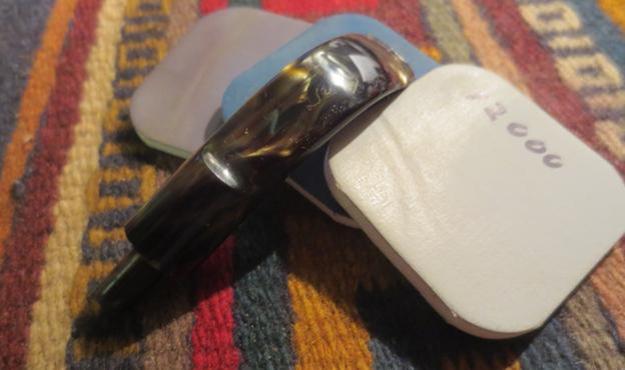
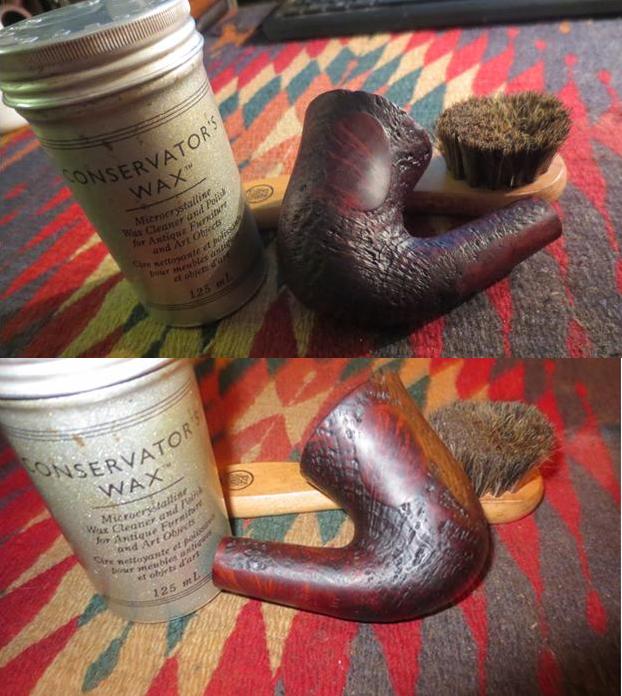
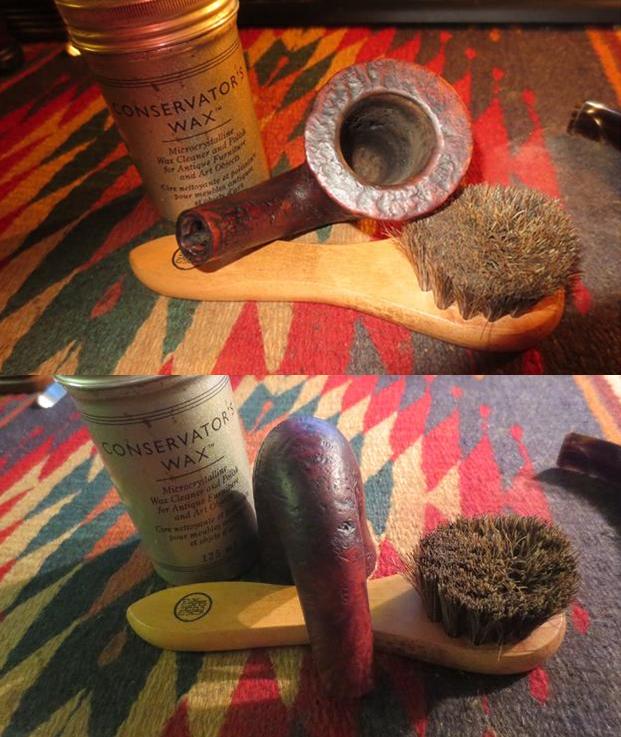
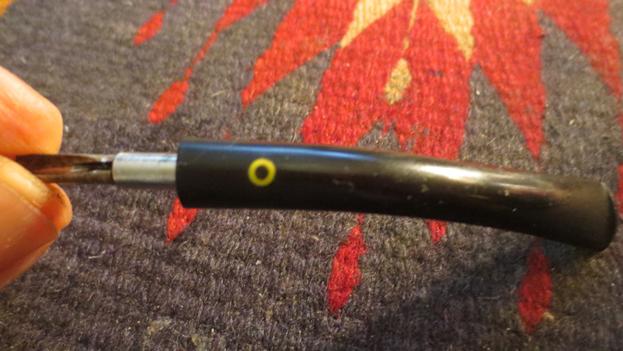
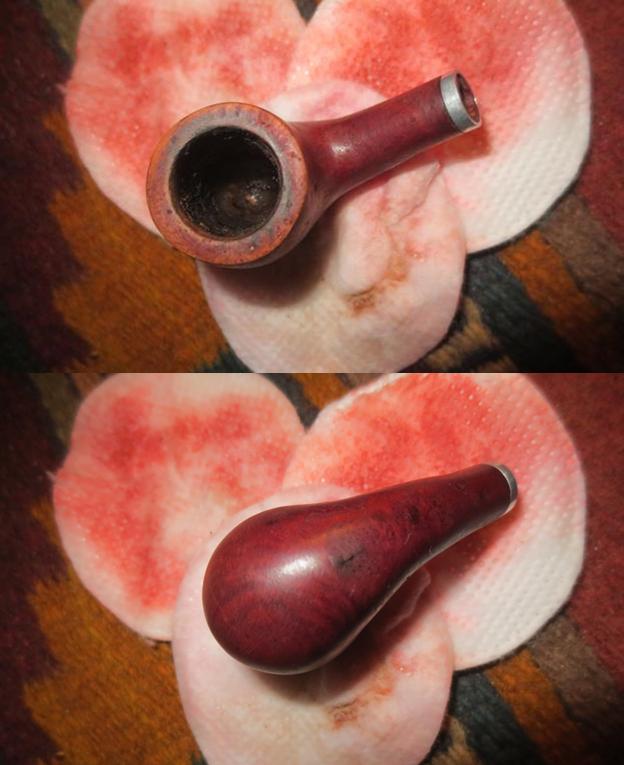
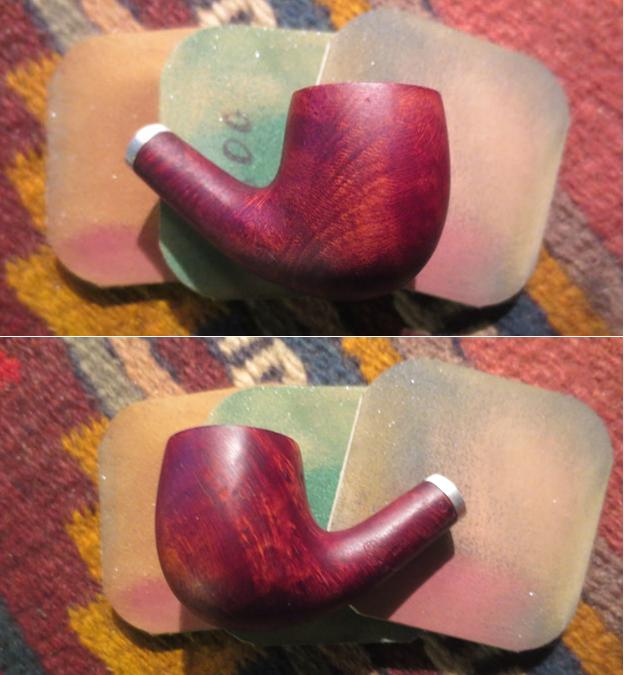
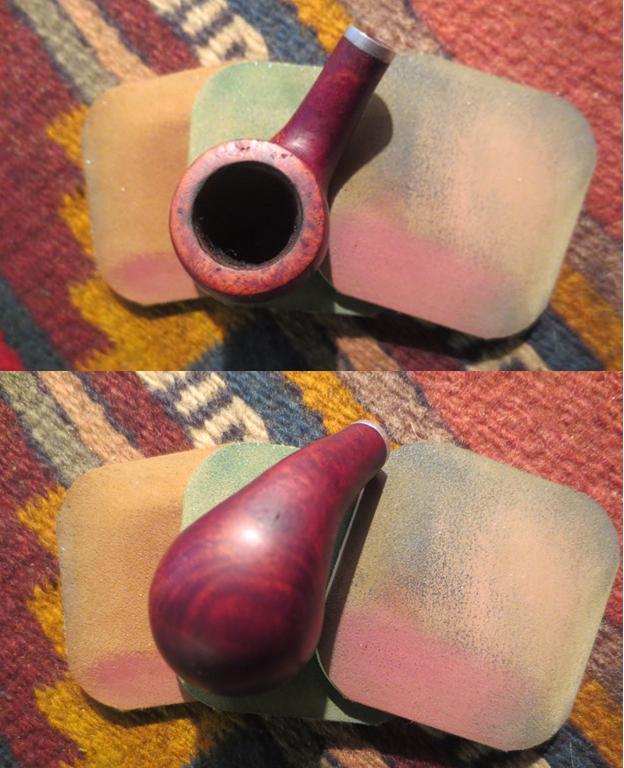
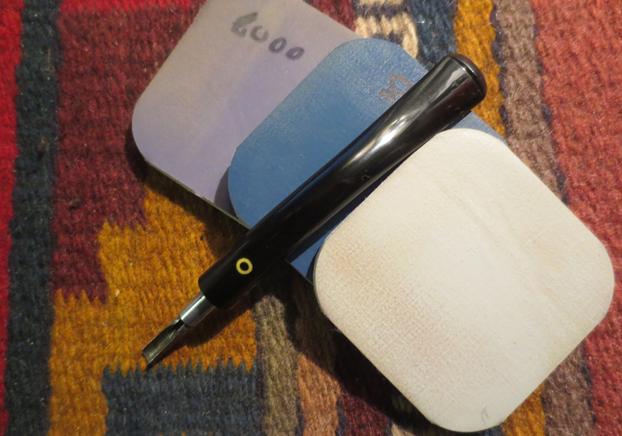
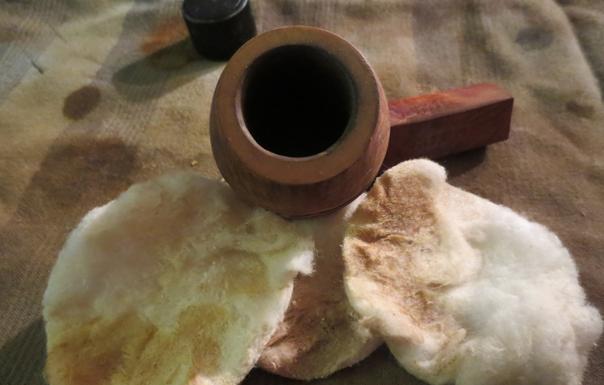
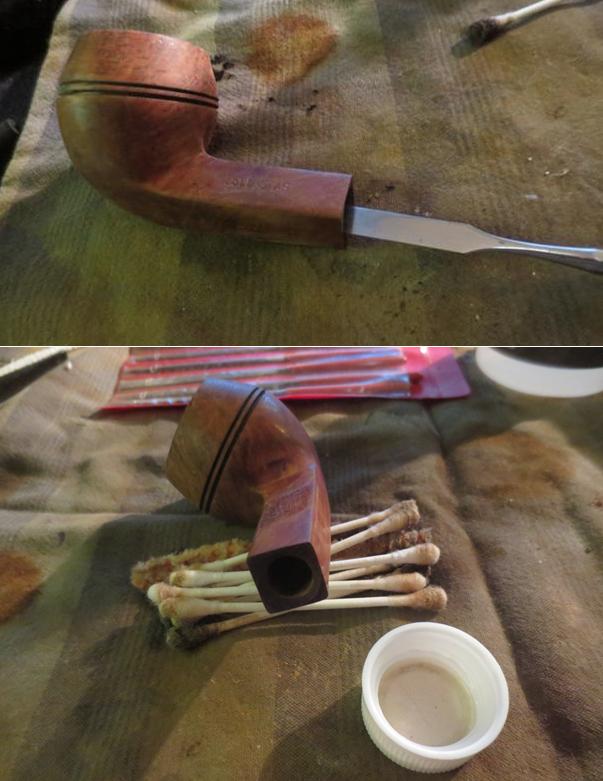
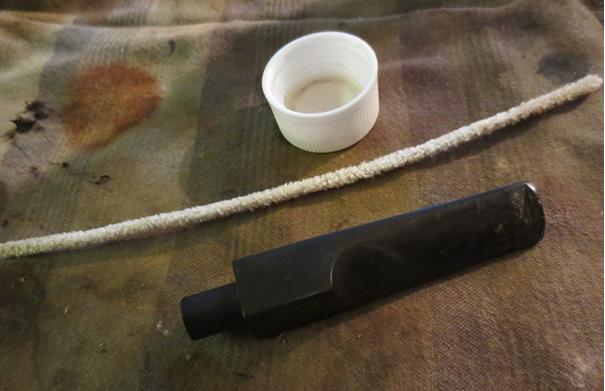
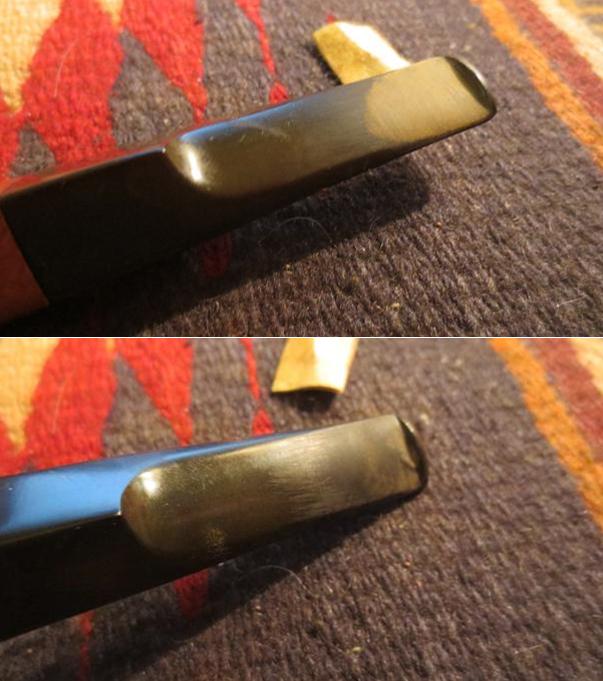
Over the past six months or so I have been taking the tiny pipes that my brother has sent and stack them to the side of the desk in a “maybe someday” pile. That is a pile that I might work on some day – you know what I mean kind of a cast of pipe pile. Finally last evening I was looking at them again. It may have been triggered by the refurbish I just did on the little KBB Yello-Bole bent billiard that refurbished recently (https://rebornpipes.com/2016/10/08/a-living-tiny-kbb-yello-bole-salesmans-pipe/). I am not sure but whatever it was I picked up the three pipes that were in the pile. The first was a rusticated bent billiard that looks like an old WDC System pipe. It is stamped Well Pipe over Italy on a smooth portion of the left side of the shank. The second one was a straight prince shaped pipe that was stamped Tom Thomb over Imported Briar on the left side and top of the shank. The third was a very unique pipe made of Bakelite I believe. It is a tiny carved figural head of a man who looks like a page. It is stamped Bob’er on the left side of the shank. On the neck and chin of the figural it was stamped on the left side Reg.US.Pat.Off and on the right side neck and chin Des.Pat. 71062. I took two photos of the group of three pipes as they were when I started.tiny1The first pipe, the Well Pipe was a fascinating little fellow. It is 3 ½ inches long, 1 ½ inches tall and the diameter is 1 inch. The chamber diameter is ½ inch. Proportionally, the pipe is very nicely done. The metal rim is oxidized. The bowl had a light cake that my brother had taken out. The stem was cast rubber with a typical P-lip type stem though the airway is directly in the end. The stem was chewed and there was a chunk out of the side of the stem below the button on the left side.tiny2tiny2aI took some close up photos of the stamping on the side of the shank and the condition of the stem. The bowl and stamping were in great shape. The nickel band was dirty and oxidized. The stem has a chunk missing out of the end of the stem. I have circled it in in red.tiny4The second pipe, the Tom Thomb prince was in decent shape. The bowl had a light cake that my brother reamed before sending it to me. The finish was peeling off the bowl on the right side and the bottom of the bowl. The rim had a tar buildup and some cake over flow. It is 4 inches long, 1 inch tall and the diameter is 1 inch. The chamber diameter is ½ inch. Proportionally, the pipe is very nicely done. The vulcanite stem was oxidized and there were two blisters on the top and bottom left side ahead of the button.tiny5 tiny6I took a close up photo of the rim to show the condition and the stamping to show its location on the shank. You can also see the oxidation in the vulcanite stem.tiny7The third pipe was the unique pipe Bakelite figural head of a man. The carved face is quite well done. It is a cast as the pipe has a seam on the top of the stem across the bowl and down the front and underside of the bowl and shank. It is 2 1/2 inches long, 3/4 inch tall and the diameter is 1/2 inch. The chamber diameter is 1/4 inch. The stem and bowl are pristine. The bowl is unsmoked. There is a cross hatched pattern on the shank. The casting is quite well done.tiny8 tiny9I took some close up photos of the stamping on the pipe. The first photo shows the left side shank stamp shows up clearly as Bob’er. The second photo shows the stamping on the left side of the neck and chin of the figural. The Reg.US.Pat.Off. stamping is very clear. The final photo shows the stamping on the right side neck and chin. Again the Des.Pat. 71062. is very clear.tiny10I wiped down the bowls with alcohol on cotton pads. I scrubbed the prince with acetone on a cotton pad. I was able to remove the grime and build up on the Well and the Bob’er. The acetone barely dented the surface of the peeling finish on the Tom Thomb.tiny11I started working on the stem of the Well pipe. I took a photo of the missing chunk. I cleaned the area with alcohol and then filled it in with black super glue using a tooth pick to place it in the divot.tiny12Once the repair had cured I sanded it with 229 grit sandpaper and shaped it with a needle file. I wanted it to match the right side of the stem and look like it had originally. I also shaped the P-lip on the top and bottom sides.tiny13I wet sanded the stem with 1500-2400 grit micromesh sanding pads and dry sanded it with 3200-12000 grit pads. After each set of three pads I rubbed the stem down with Obsidian Oil. After the final sanding of the 12000 grit pad I gave it a final coat of oil and set it aside to dry.tiny20 tiny21 tiny22I buffed the stem and the bowl with Blue Diamond and gave them multiple coats of carnauba wax. I buffed it with a clean buffing pad and then by hand with a microfibre cloth. The finished Well pipe is shown in the photos below.tiny17 tiny18With the Well Pipe finished I focused on the Tom Thomb prince. I started by sanding out the blisters on the stem. On both the top and the bottom there were blisters on the left side near the button. I forgot to take a photo of the bubbles but after I had started sanding it with 220 grit sandpaper I took the next photo. I sanded out the bubbles and then wet sanded the stem with 1500-2400 grit micromesh sanding pads. I dry sanded it with 3200-12000 grit sanding pads. I rubbed it down with Obsidian Oil after each set of three pads and let it dry after the last pad.tiny19 tiny20 tiny21 tiny22I sanded off the finish on the bowl and shank avoiding the stamping. I wiped it down with acetone on cotton pads to remove the remaining finish. I stained the pipe with Danish Oil and Cherry stain.tiny23 tiny24I buffed the pipe and stem with Blue Diamond on the wheel and gave it multiple coats of carnauba wax. I buffed it with a clean buffing pad and then by hand with a microfibre cloth. The finished Tom Thomb pipe is shown in the photos below.tiny25 tiny26The last pipe, the Bakelite pipe did not take a lot of work. I gave it a coat or Conservator’s Wax and hand buffed it with a shoe brush and a microfibre cloth. The finished pipe is shown in the photos below.tiny27 tiny28I thought I would take some photos of the finished lot. The tiny pipes shine with a new sparkle. As I look at them I wonder if this is what they looked like when the salesmen carried to the pipe shops to sell orders for year’s pipes. Thanks for looking.tiny29 tiny30 tiny31 tiny32


There was an old woman who lived in a shoe…


Blog by Steve Laug

There was an old woman who lived in a shoe.
She had so many children, she didn’t know what to do;
She gave them some broth without any bread;
Then whipped them all soundly and put them to bed.
-Child’s Nursery Rhyme – Mother Goose

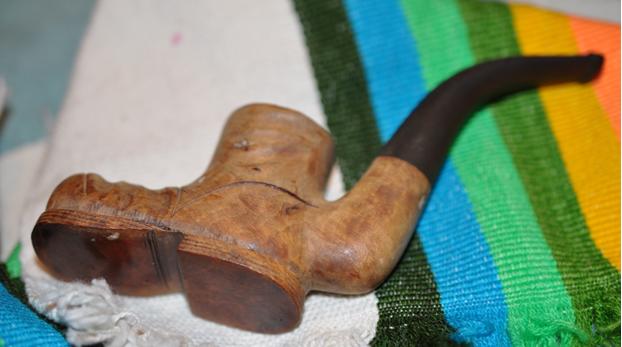
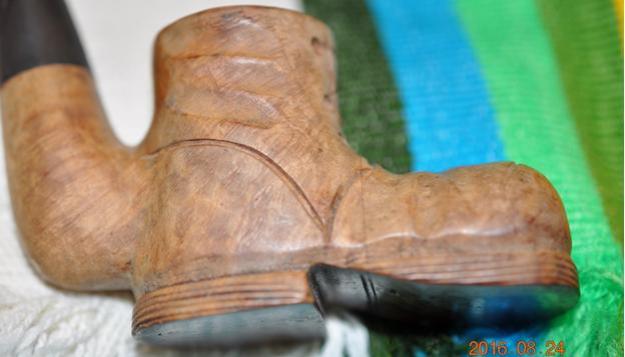
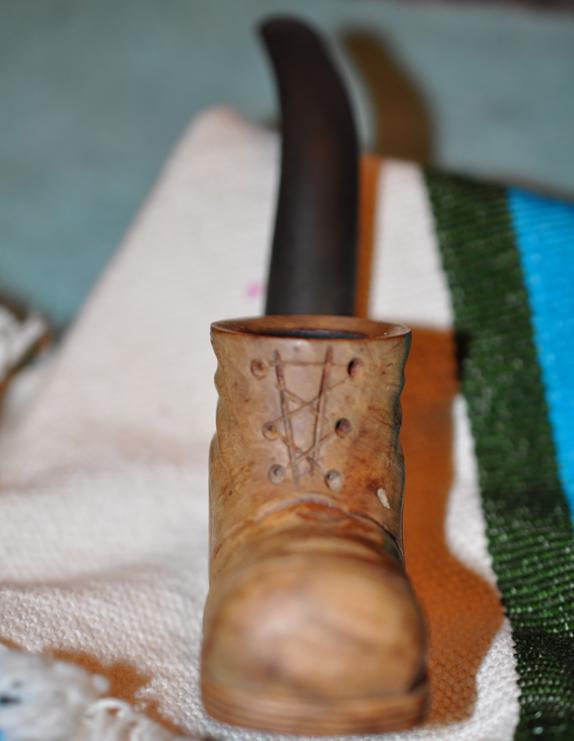
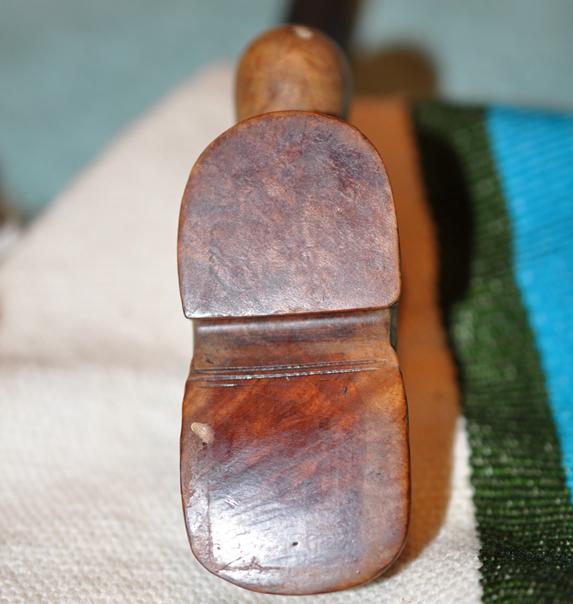
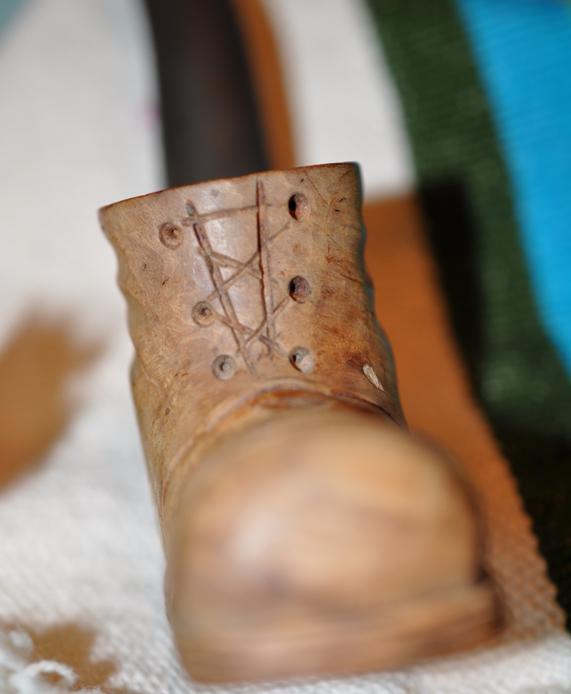
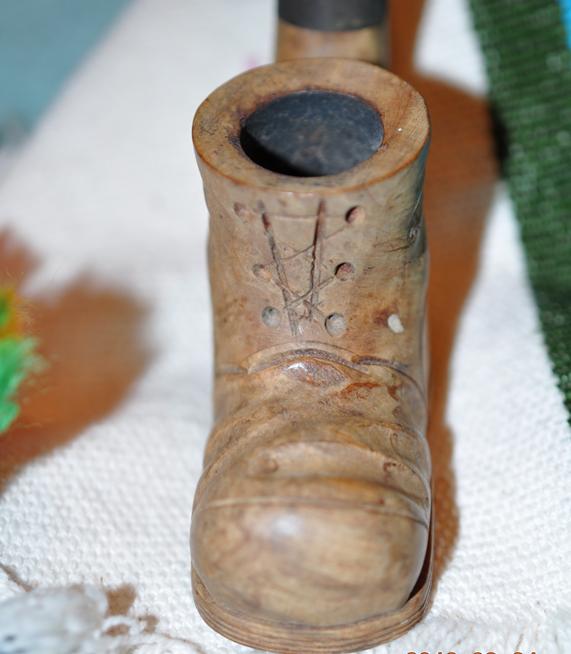
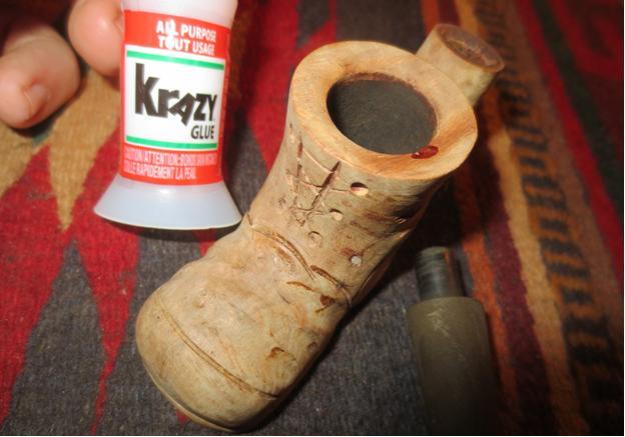
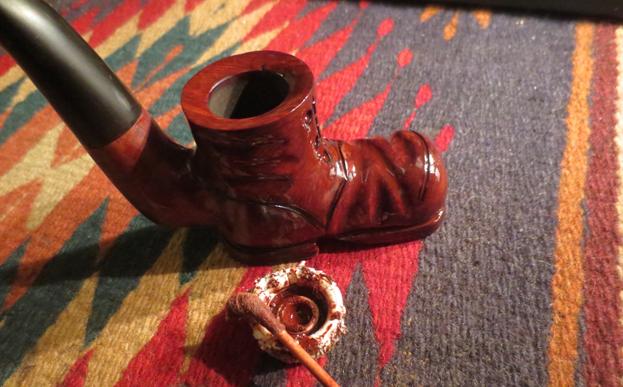
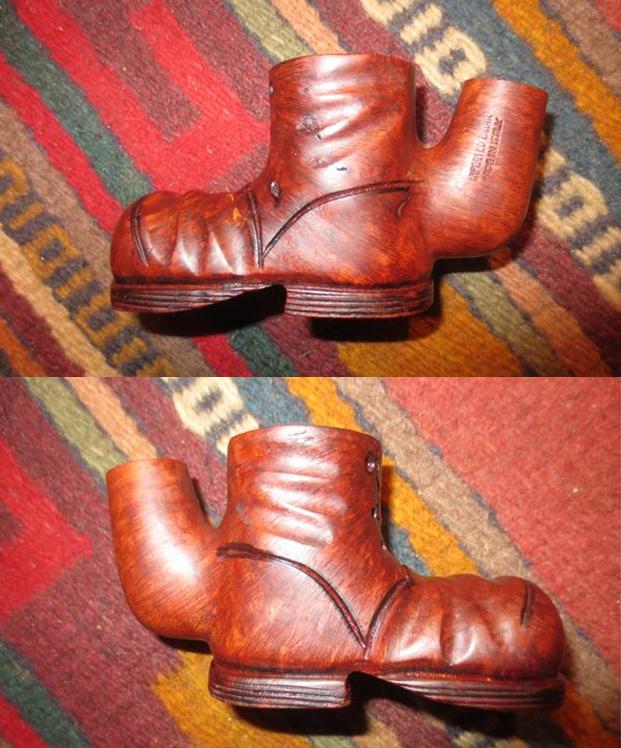
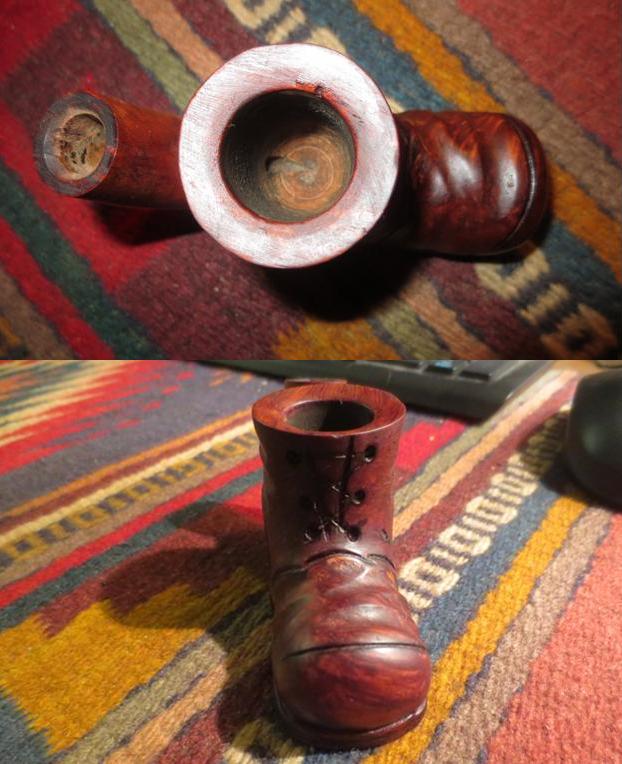
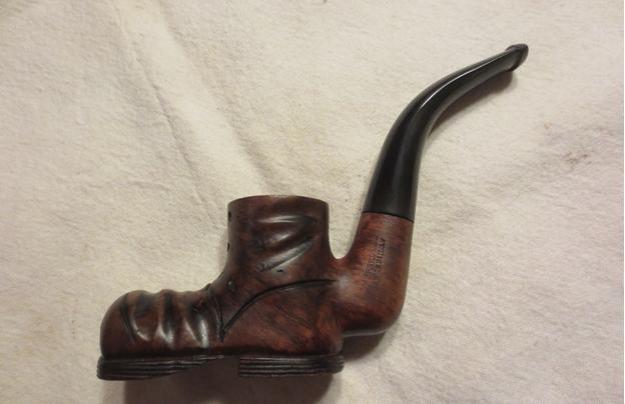
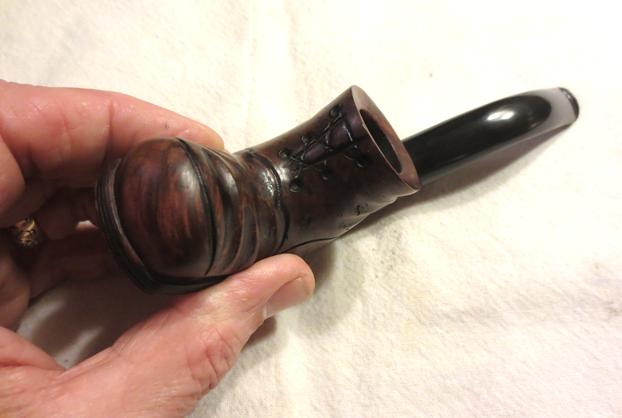
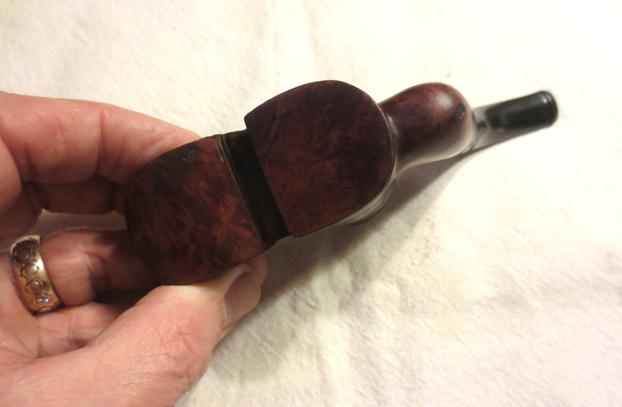
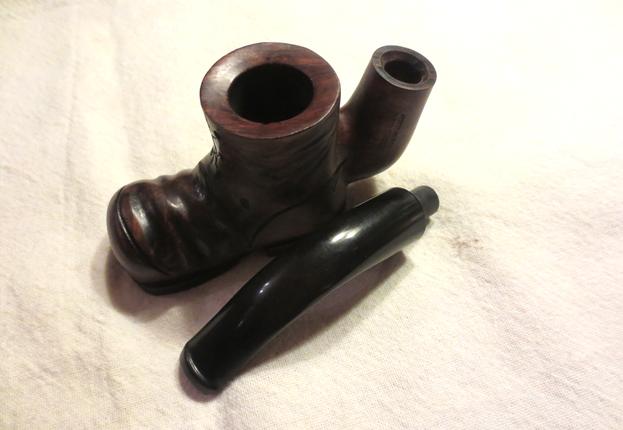
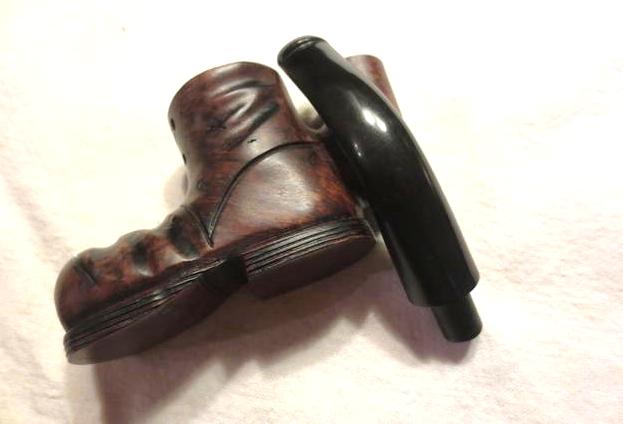
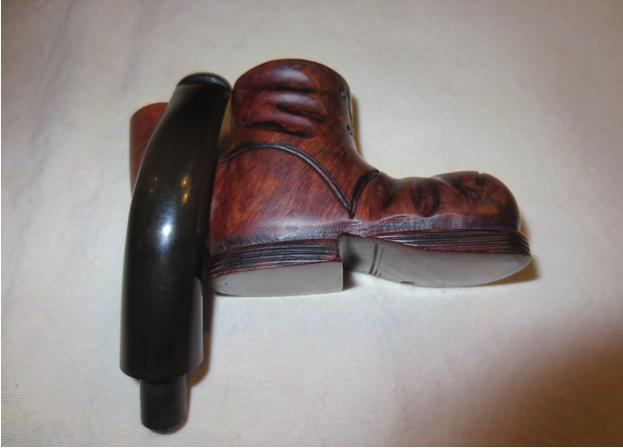
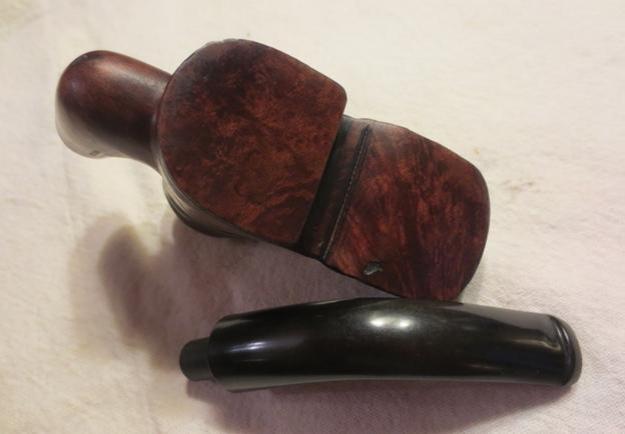
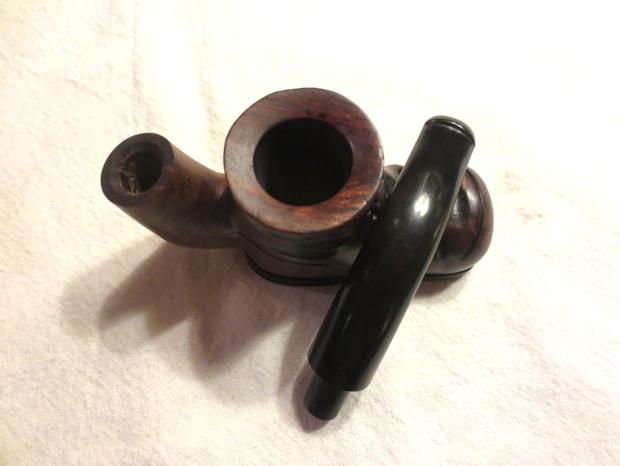
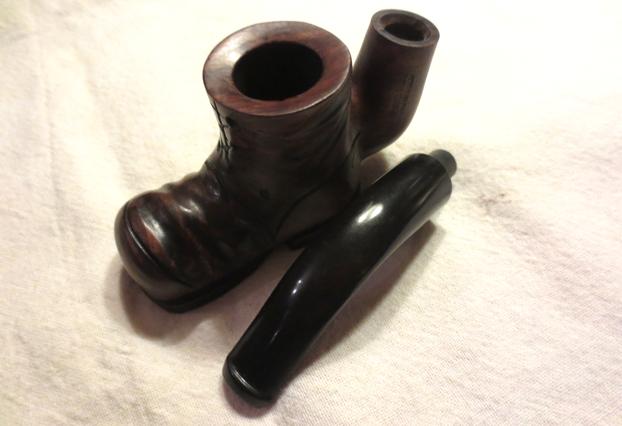
When I opened the box and saw this old pipe that my brother sent my first reaction was why? Then I started to look it over and I began to understand the attraction of it. It reminded me of the children’s rhyme, “The old woman who lived in a shoe”, that I used to recite growing up so it led me down memory lane. From what I can find the pipe is probably from the 30’s. The carving and detail of the shoe is quite well done. The lines demarcating the stitching and the worn look of a well broken in shoe add to the attraction. The carver even detailed the sole of the shoe and the bead around the boot. He carved in the laces and the tongue of the shoe. Even the fills added to the worn and well broken in boot look of the pipe.

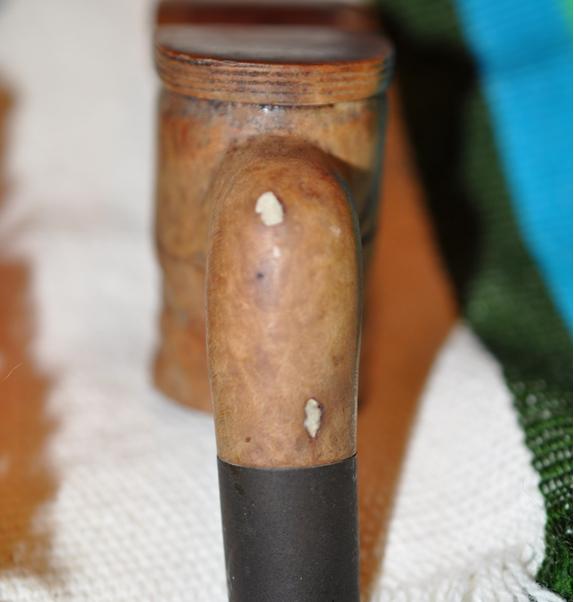
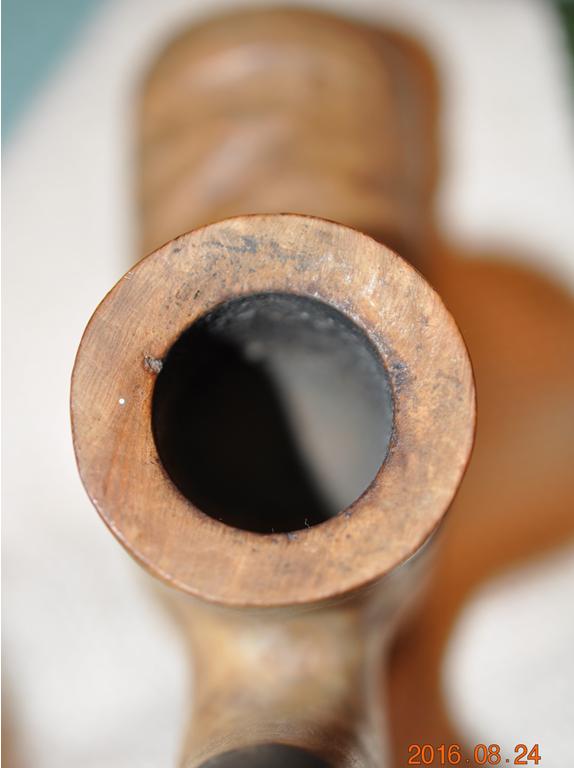
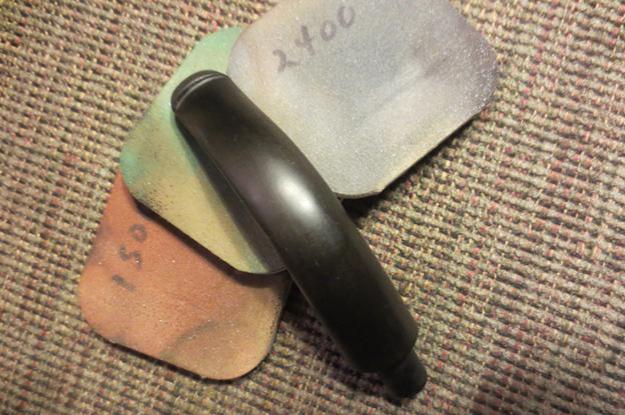
My brother sent me some photos of the pipe to show what it looked like when it was found. He found it in an antique shop on a recent trip around the Butte and Anaconda, Montana area. He added some other nice pipes and then this one as well. The pipe is not tiny, but is a full-sized smoking pipe. The dimensions will tell the story. It is 7 inches long and the bowl is 2 inches tall. The diameter of the bowl exterior is 1 ¼ inches and the chamber is ¾ inches in diameter. The photos focus in on the details of the carving on the pipe and the placement of the fills – which even give the pipe a worn and broken in feel of a worn boot.shoe1 shoe2 shoe3 shoe4 shoe5 shoe6 shoe7 shoe8I decided to work on the bowl first. The missing fill on the rim of the pipe that is shown in the above photo at the 10 o’clock position (left side of the photo toward the top of the bowl) was the first one I worked on. I cleaned off the rim with some isopropyl alcohol then filled in the divot with some clear super glue and briar dust. Once it dried I sanded the fill smooth to blend it in with the rest of the surface of the rim. I sanded the inside edge as well and smoothed it out.shoe9I used a Black Sharpie pen to mark out the lines used demarcate the stitching and lacing of the boot. I stained the briar with a cherry stain/Danish Oil combination. I rubbed the stain onto the briar and used a cotton swab to apply it in the grooves. I wiped it off with a soft cloth. The first photo below shows the pipe before I wiped it off.shoe10The next five photos show the pipe after I wiped it down. The cherry stain looked really good on the briar. I would need to reapply the black Sharpie to highlight the grooves and do some more highlights of brown into the worn areas of the boot.shoe11 shoe12 shoe13I used the black Sharpie to redefine the grooves in the stitching areas and tongue and laces once again. In the folds I applied some dark brown stain with a stain pen to add shadows. The next photos show the pipe after that. The browns add shadows to the finish and give the folds some depth.shoe14 shoe15I sanded the stem with 220 grit sandpaper to smooth out the roughness of the old vulcanite. It was pitted and rough in texture. The initial sanding smooth out the roughness. I wet sanded it with 1500-2400 grit micromesh sanding pads and the shine began to rise. I rubbed it down with Obsidian Oil. I dry sanded the stem with 3200-12000 grit pads. I rubbed the stem down with the oil after each set of three sanding pads. After sanding with the 12000 grit pad and rubbing it down with Obsidian Oil I set it aside to dry.shoe16 shoe17 shoe18I used a sharper pointed Black Sharpie Pen and a red felt tip pen to highlight more of the shadows in the folds of the boot. I buffed the pipe with Blue Diamond on the buffing wheel and .gave the pipe and stem multiple coats of carnauba wax. I buffed the pipe with a clean buffing pad to raise the shine. I hand buffed it with a microfibre cloth. My goal was to get the pipe looking like it was made out of old soft leather. I wanted the shadows in the folds and the stitch lines to look authentic. Hopefully the stain and the fussing with pens have achieved that. The finished pipe is shown in the photos below and personally I think the old woman’s shoe looks amazing. This was a fun project and really a diversion from the usual routine of pipe restoration. Thanks for looking. Enjoy.shoe19 shoe20 shoe21 shoe22 shoe23 shoe24 shoe25 shoe26 shoe27 shoe28 shoe29

Restoring a damaged rim on a Chacom Noir Dress Pipe


Blog by Steve Laug

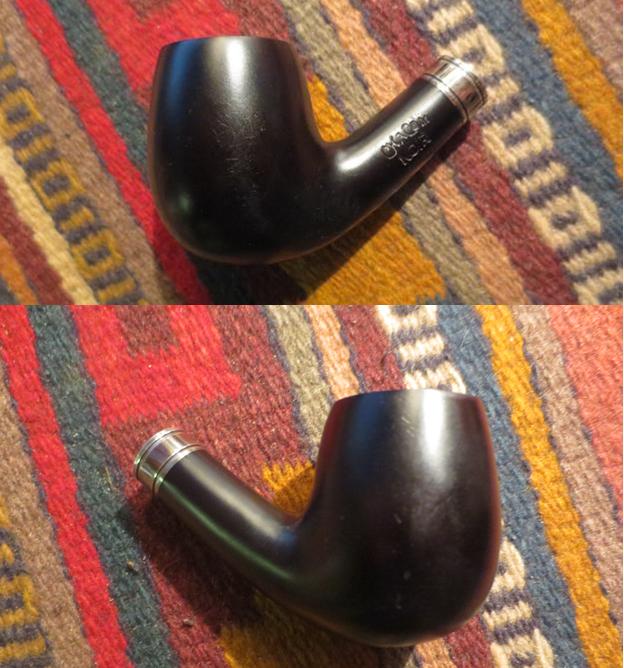
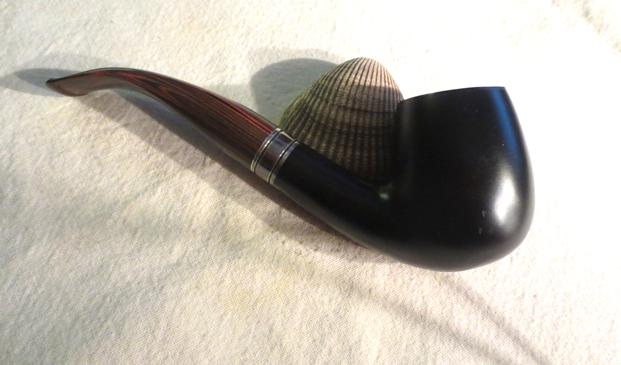
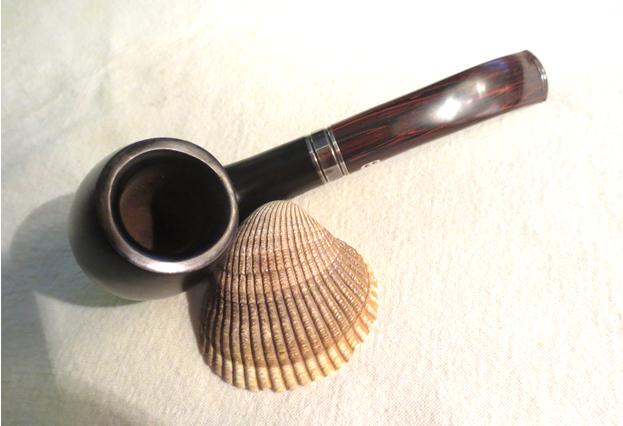
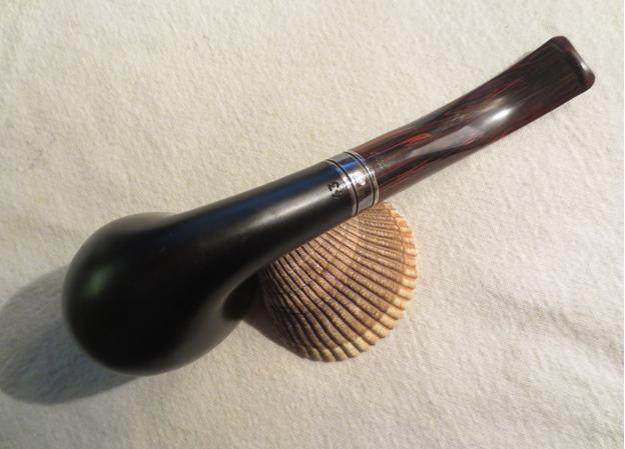
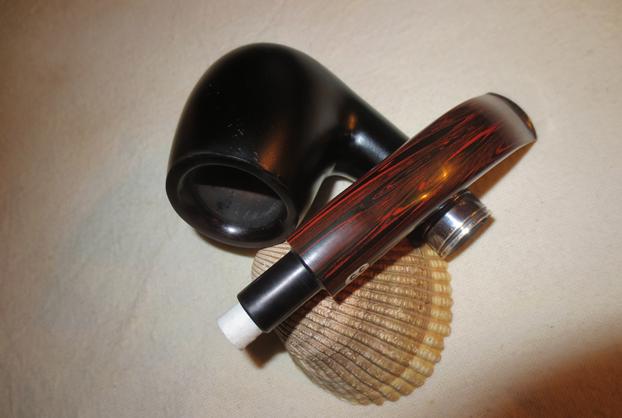
One of my recurrent nightmares in terms of refurbishing pipes is to find a black dress pipe with a perfect finish on the bowl and some kind of damage to the finish at some point on the pipe that ruined the perfectly good pipe. Well that nightmare came to life in the most recent restoration project I took on. My brother sent me a boxed Chacom Noir. It was stamped on the left side of the shank Chacom over Noir. On the underside of the shank it had the shape number 43 stamped next to the sterling silver band stamped with 925 in an oval. He had shown me pictures of it and we decided to leave it alone in terms of clean up until I had in it hand.

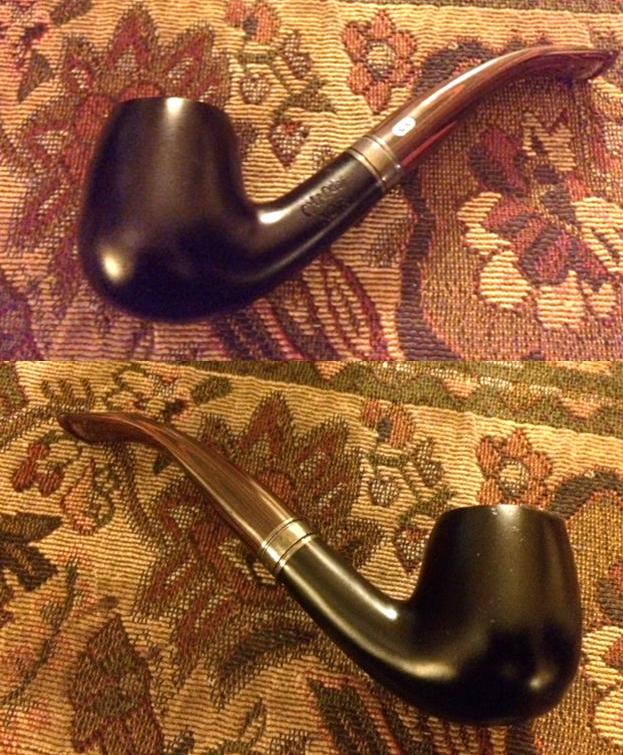
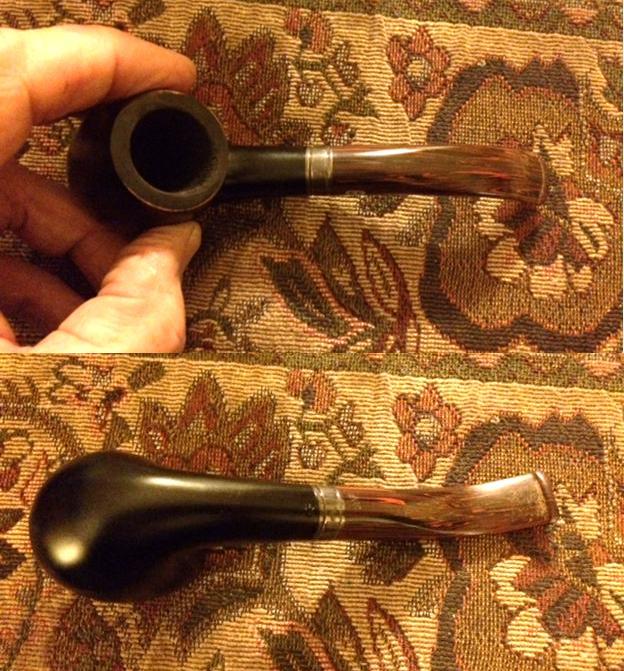
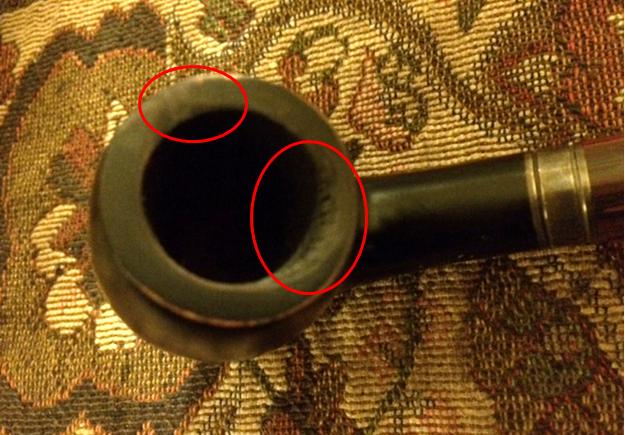
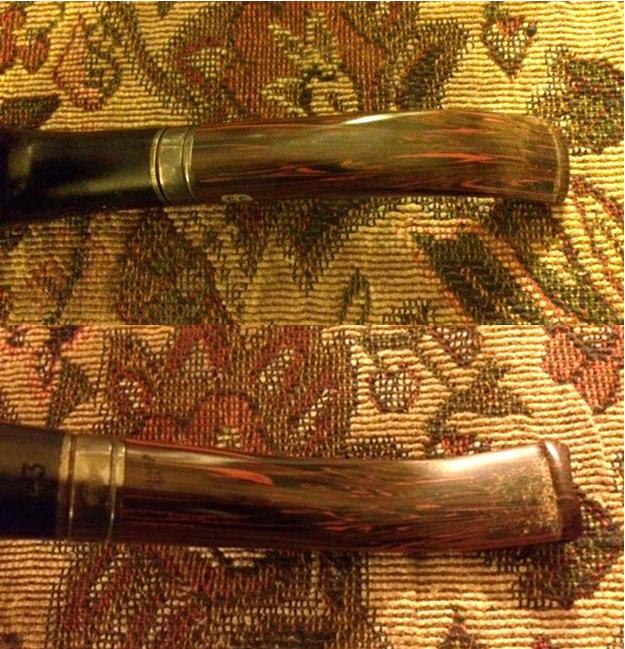
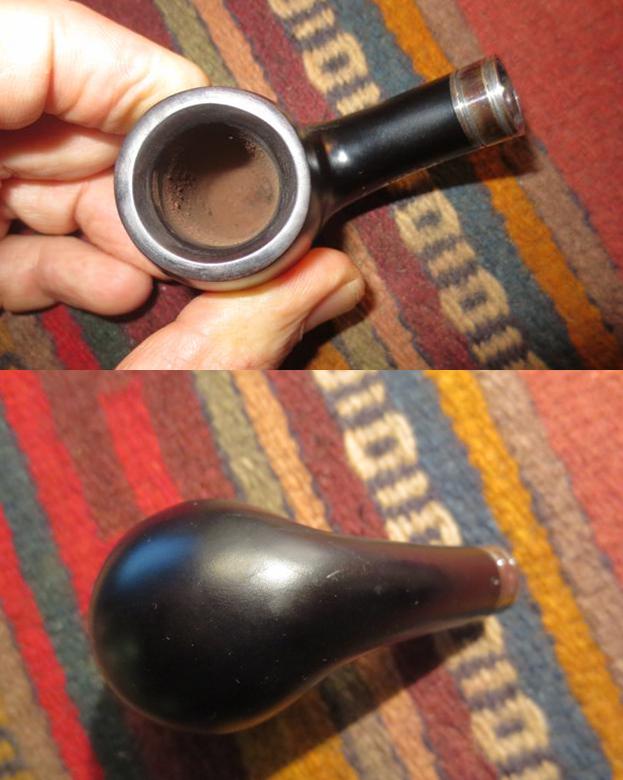
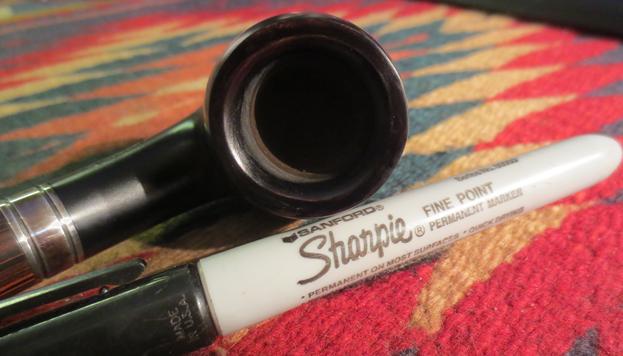
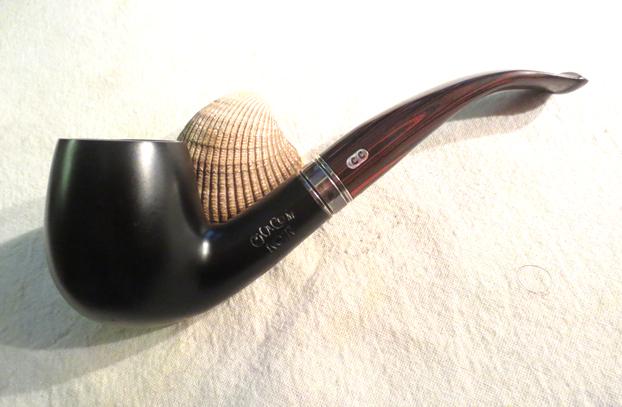
When I opened the Chacom box and saw the pipe sock in the box and the quite stunning Noir pipe nestled in the folds of the cloth I was hoping for the best. I turned it over in my hands and was visibly relieved when I saw the condition of the finish on the bowl. It looked great. There were no scratches or gouges in the finish the nice black bowl was set off perfectly by a sterling silver band that had a bit of oxidation and by the Cumberland stem that was stamped Hand Cut. The stem had no significant tooth marks just a lot of tooth chatter that would be easily cured. This pipe looked like it would be an easy restoration.chacom1 chacom2Those thoughts would come back to haunt me. I examined the rim with a light and my finger tips and immediately saw a big issue. The inside edge of the rim was damaged all along the back side. Repeated lighting had burned the edge and created a burned area in that spot. The wood was charred and missing and there was a significant slope to the rim. That particular area on the rim was thinner than the rest of the bowl. There was also a burn spot on the rim top on the right side of the pipe that was not nearly as bad. Now I had a problem and the work would be a challenge. Could I remove the burned area and still retain the black finish on the bowl? That would be something that I would find out. It was either give it a try or get rid of the pipe. I tend to love the challenge so of course I took this pipe on. The worst case scenario was that it would end up with a smooth stained rim that would contrast with the black bowl. The best case would be that I could make it work. The photo below shows the damaged area on the two spots on the bowl. I have circled them in red to highlight them.chacom3The stem was oxidized but otherwise fair condition. There was a bit of tooth chatter on the top and underside of the stem at the button as can be seen in the next two photos.chacom4The stem would be the easiest part of this restoration (besides the polishing of the silver band) so I decided to start there. I removed the stem and dumped out the 9mm filter. I was still thinking about the rim issues and the black finish so I had given no thought to the fact that my brother had cleaned out the internals of the pipe. He had reamed it and cleaned the mortise and shank and he had cleaned out the airway in the stem. I just naturally grabbed some pipe cleaners, cotton swabs and alcohol and recleaned them only to find that other than removing black stain from the mortise the pipe was impeccably clean. Thanks Jeff!chacom5I sanded out the tooth chatter with 220 grit sandpaper until it was smooth and then worked on the stem with micromesh sanding pads. I wet sanded the stem with 1500-2400 grit pads and dry sanded it with 3200-12000 grit pads. After each set of three pads I rubbed the stem down with Obsidian Oil. After the last rubdown with Obsidian Oil I set the stem aside to dry.chacom6 chacom7 chacom8With the easy work done I spent some time looking at the rim top to decide the best course of action to take. I knew that I could top the bowl but the extent damage to the inner edge of the bowl would mean that I would need to top it pretty radically. I also knew that if I topped the bowl I would expose a raw edge to the black finish at the bowl top. I was not sure if I was dealing with paint or stain but I dreaded sanding back the rim only to have the outer edges of the bowl begin to peel. So I decided to do something a bit different. I worked to bevel the inner edge of the rim to remove the burnt portion and to match the rest of the bowl to that area. It took quite a bit of sanding with 220 grit sandpaper to get the rim edge smoothed out. I sanded it with 1500-1200 grit micromesh sanding pads to polish the newly sanded bevel. Once I was finished the rim looked better. It was still a little thinner at the back of the bowl but overall it was more round looking. I was hoping that a black stain would blend with the rest of the bowl and minimize the look of the rim edge. chacom9I still was not certain that a black stain would match the finish on the pipe. It could easily not work and the rim repair would have to be addressed in a different manner. Several possible issues could arise – the stain would be too transparent or it would be a different shade of black. I would not know unless I tried so with a bit of trepidation I stained the rim and bevel with a black aniline stain, let it dry and restained it. I did not flame the stain as I did not want to risk damaging the rest of the finish on the bowl. The photo below shows the rim after several coats of black stain have dried. After this I gave it several more coats of black stain to get a match.chacom10I cleaned the sterling silver band with a jeweler’s cloth until the silver shone. This cloth easily removes most light oxidation without much effort. They are available at jewelry shops for a minimum cost. I have had mine for about 10 years and it works well.chacom11I gave the bowl and rim several coats of Conservator’s Wax and hand buffed it with a microfibre cloth. I did not want to risk removing some of the finish from the bowl by buffing it on the wheel. I was relieved to see that the rim colour blended in very well after waxing and buffing. I would still need to clean out the debris in the bowl but the pipe was beginning to look better than when I started.chacom12 chacom13I decided to use a black Sharpie pen to add some depth to the colour on the rim of the pipe. I wiped down the rim to remove the wax then used the Sharpie to give it a top coat. The black pen and the stain together made a better blend to the rim. I gave it another coat of Conservator’s Wax and hand buffed the rim.chacom14I gave the bowl and stem multiple coats of Conservator’s Wax and hand buffed the pipe with a microfibre cloth. While the rim is not perfect the colour matches perfectly and the shine on it matches the finish on the bowl. The finished pipe is shown in the photos below. I am pleased with the finished pipe and the results of the experiment. This pipe will also find its way to the rebornpipes store soon. It comes with a Chacom box and pipe sock. There is a lot of life left in this beautiful pipe. The contrast of the Cumberland stem, the silver band and the matte black finish on the pipe works really well together. Email me if you are interested in the pipe before it goes on the store. My email is slaug@uniserve.com.

Thanks for looking.chacom15 chacom16 chacom17 chacom18 chacom19 chacom20 chacom21 chacom22 chacom23 chacom24

Rejuvenating a GBD Colossus Fantasy 9552 Bell Dublin


Blog by Steve Laug

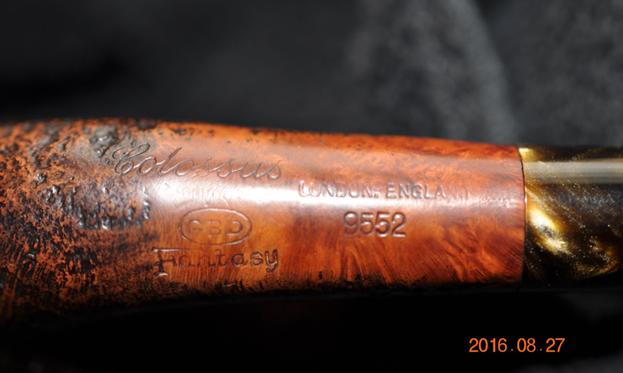
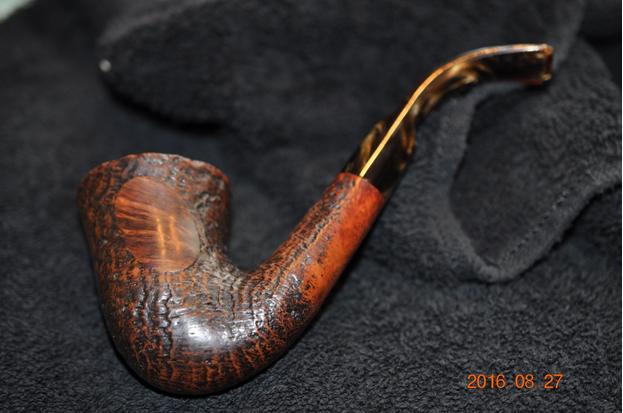
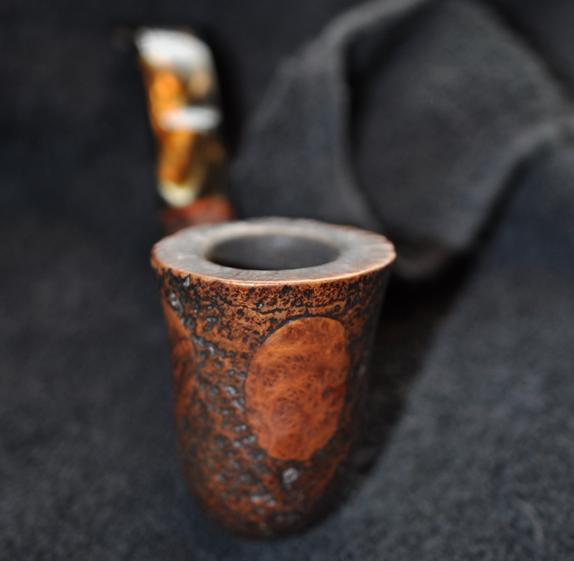
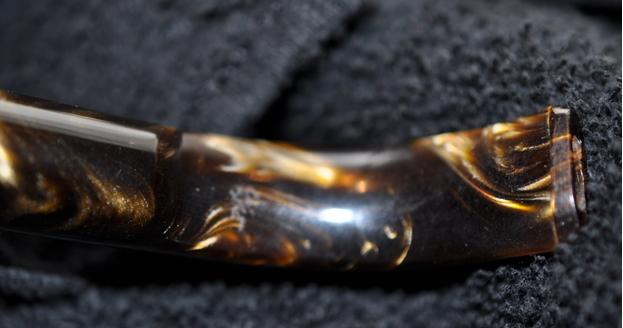
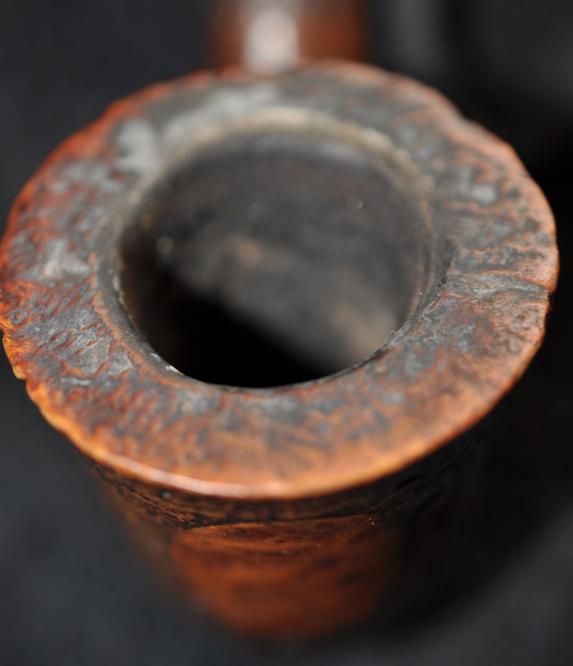
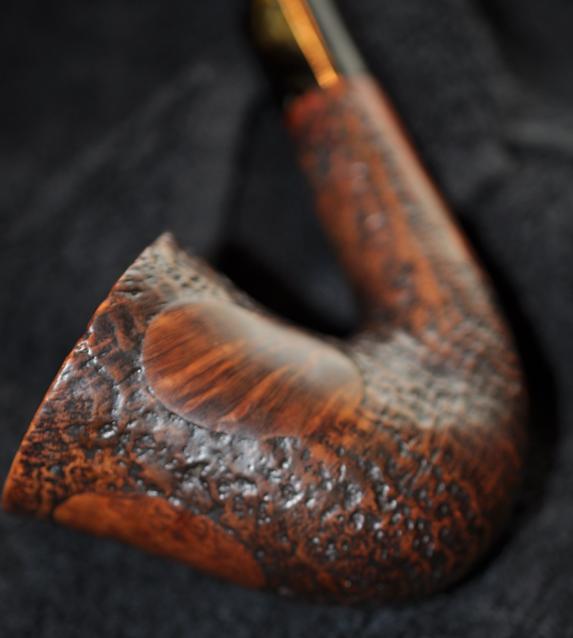
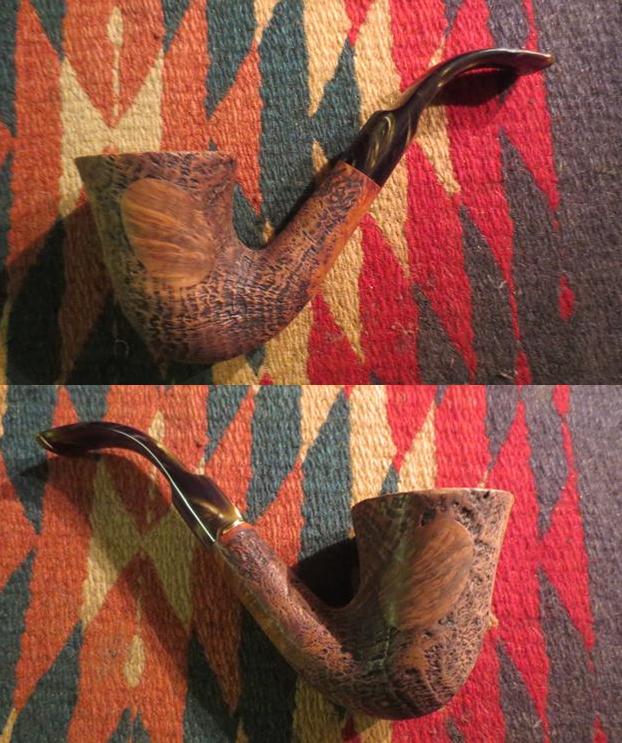
When I first took this one out of the box I figured it was an Italian made pipe. Something about the look led me to think that way. But I was way off. My brother had told me he was sending along a pipe that might surprise me. This was it. The bent Bell Dublin look did not give me a clue to the stamping that was on the pipe. Here is how it is stamped. Surprised? Maybe not but I sure was. The stamping is really clear (lighter in some spots than others). It reads Colossus over the GBD oval over Fantasy. Next to that it is stamped London, England and the shape number 9552. I had no idea that the pipe was a GBD, a Colossus or a Fantasy. But it is.colossus1Here are some of the photos that my brother sent me to give me a hint. Once I had seen the stamping the combination of smooth panels and sandblast finish fit well. The brown swirled Lucite stem also fit into the GBD Fantasy look. Okay so I should have known it was a GBD but I did not.colossus2 colossus3 colossus4 colossus5 colossus6 colossus7My brother scrubbed the grime off the pipe. When it arrived it was very clean and the rich brown stain was dull and light. The black understain in the pits and crevices still showed through. It would not take too much to bring it back. The bowl and rim were clean and the shank and the inside of the stem were also clean.colossus8 colossus9I took a close up photo of the rim. You can see a little more grime and tar deep in the grooves in the crevices of the rim particularly toward the back of the rim. I used a brass bristle tire brush to clean up the rim. I scrubbed it back and forth until the sandblast was clean.colossus11I took photos of the tooth marks and the tooth chatter on the top and the underside of the stem near the button. None of the marks were deep but they were very present.colossus12I stained the bowl with a dark brown aniline based stain that I mixed 50/50 with isopropyl alcohol. I flamed the stain and repeated the process until the briar was equally covered.colossus13I sanded out the tooth marks and chatter with 220 grit sandpaper.colossus14I wet sanded the stem with 1500-2400 grit micromesh sanding pads. I wiped it down with a damp cotton pad. I dry sanded it with 3200-12000 grit sanding pads and wiped it down once again to remove the sanding dust.colossus15 colossus16 colossus17I gave the bowl several coats of Conservator’s Wax (micro-crystalline wax) and buffed it once it had dried with a shoe brush to raise the shine.colossus18 colossus19I buffed the bowl and stem with Blue Diamond on the buffing wheel. I gave the pipe a light coat of carnauba wax (a very light touch on the bowl). I buffed it with a clean buffing pad to raise the shine. I hand buffed it with a microfibre cloth. The finished pipe is shown in the photos below. The finish is quite nice with the contrast between the medium looking brown stain and the black undercoat. The contrast between the stains on the bowl and the striations of brown on the Lucite stem is amazing and the pipe looks new. Thanks for looking.colossus20 colossus21 colossus22 colossus23 colossus24 colossus25 colossus26 colossus27 colossus28

A Living Tiny KBB Yello-Bole Salesman’s Pipe


Blog by Steve Laug

I have always been fascinated with miniature copies of larger items. When my daughters were younger we used to buy them brass miniature stoves and household items that were surprisingly real. All of them had working parts and were small copies of the larger counterparts. I found out that Salesmen’s samples were similar to these items I bought my daughters. They were a common item in the early 20th century. Salesmen needed a smaller version of their product to show off to retailers, and retailers in turn needed a way to demonstrate the features of larger items, which might need to be ordered from the manufacturer, to their customers. Many salesmen’s samples were highly detailed, with additional marketing copy pointing out important features of the product. http://www.collectorsweekly.com/advertising/salesmans-samples I have cleaned up a few tiny salesmen’s pipes over the years that were working models of larger pipes. They have all been smokeable.

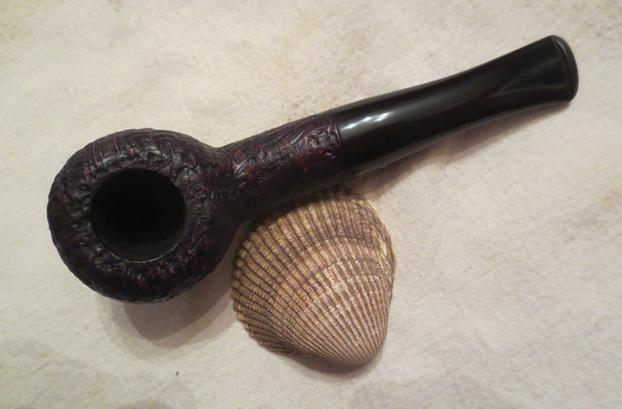
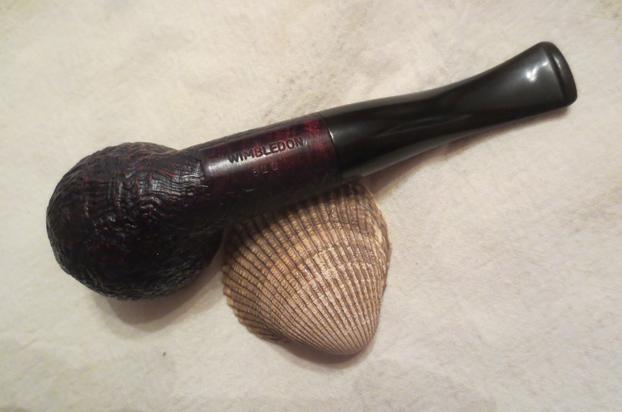
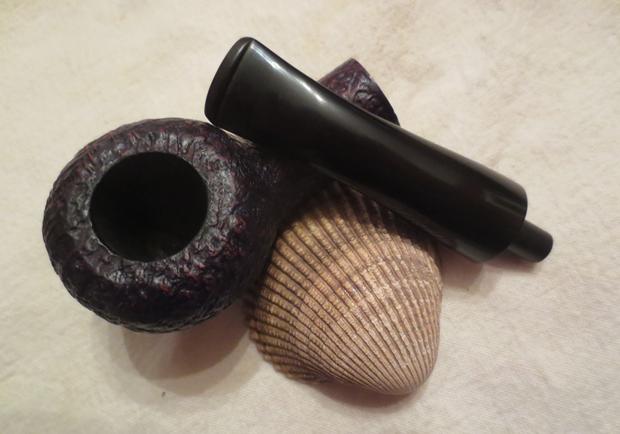
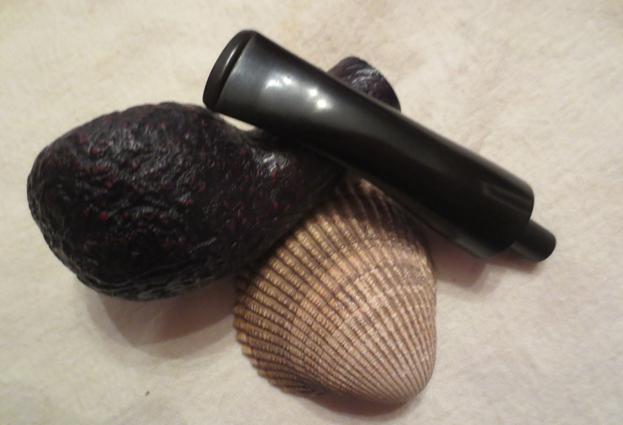
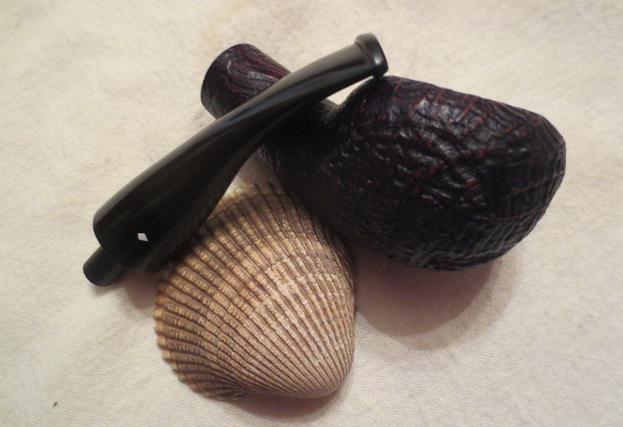
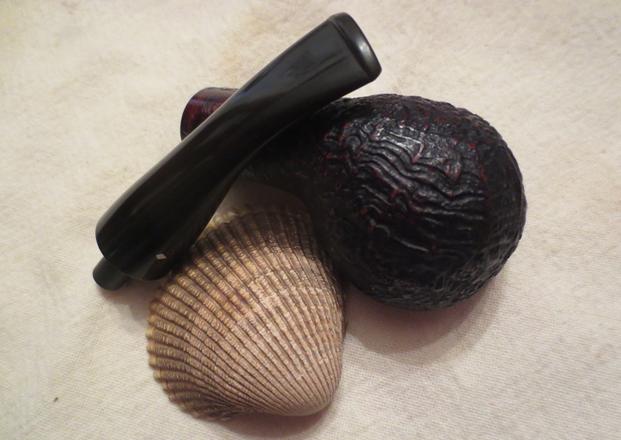
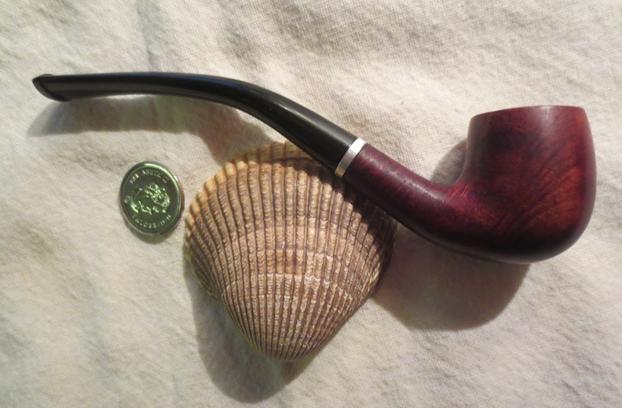
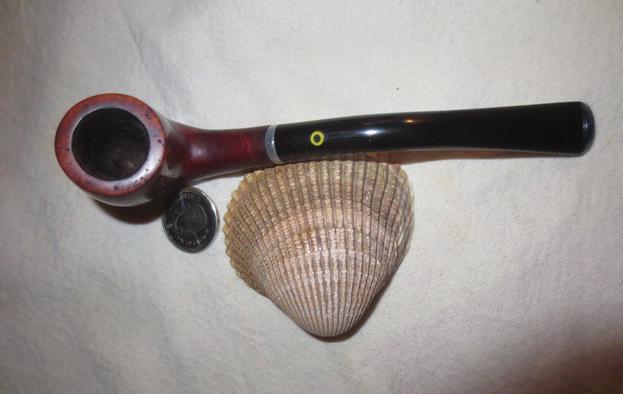
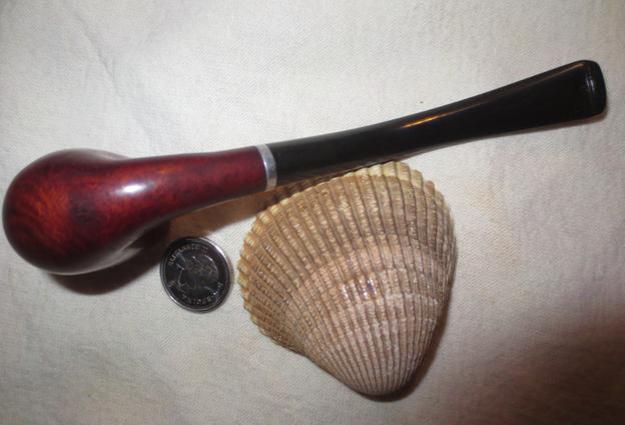
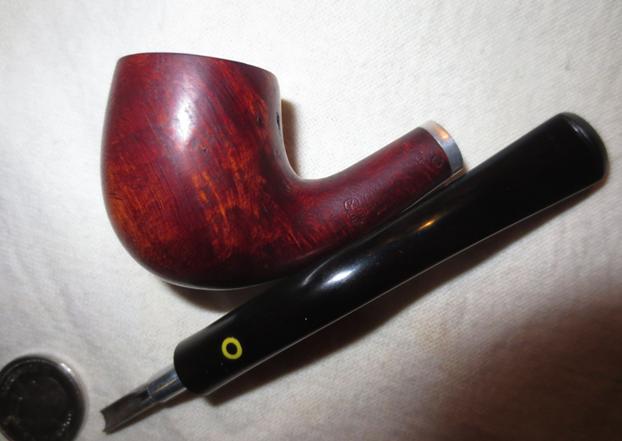
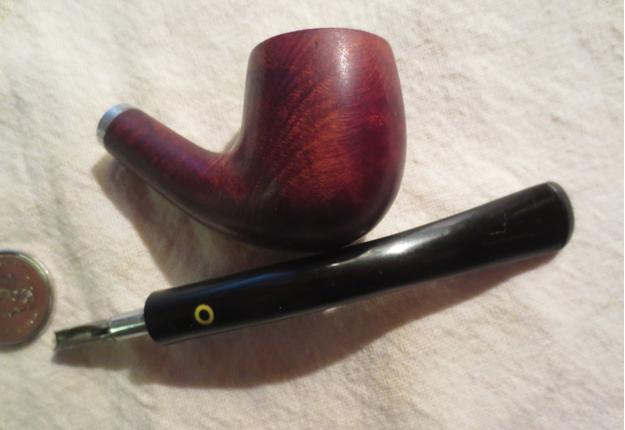
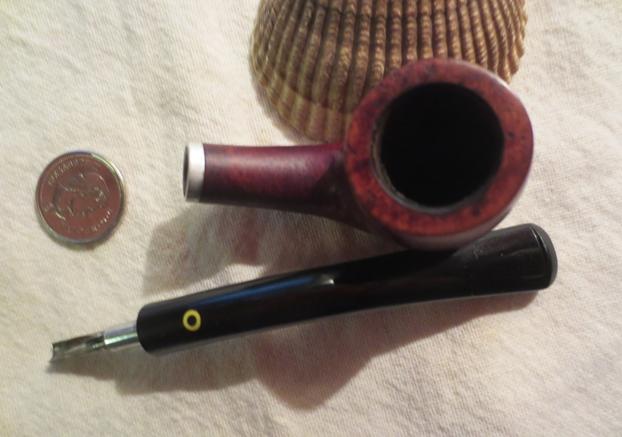
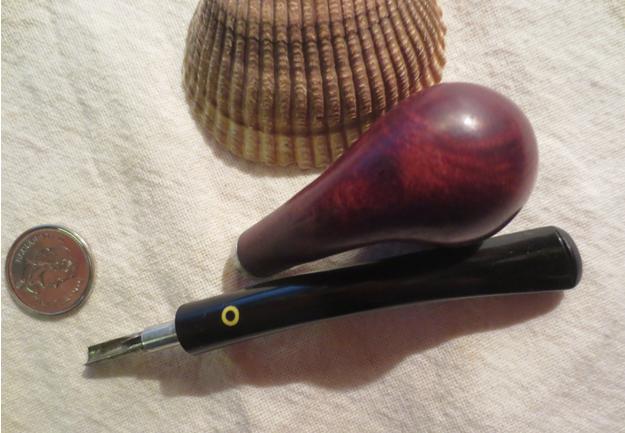
Today I worked on one that came in my brother’s box of pipes. It is stamped KBB in a cloverleaf and next to that Yello-Bole over Imported Briar. The stem is vulcanite and the pipe bowl is briar. It had been smoked and there was a light cake in the bowl.yb1None of the reamers that my brother had would fit the tiny bowl of the pipe. My little finger is still too big to fit into the bowl. The bowl had a light cake in it and the rim was damaged both with tars and with dents from tapping the pipe out. The stem was lightly oxidized and there were tooth marks and chatter on the top and the bottom sides near the button. The finish on the bowl sides was peeling and flaky. The pipe was tiny but well used. I took the next four photos to show what the pipe looked like when I started to work on it. I put the pipe next to the seashell that I have been using for all my photos to give an idea of its diminutive size. I reamed the bowl with the Savinelli Pipe Knife but forgot to take photos of it before and after.yb2 yb3When I took the stem off the pipe it had the standard Yello-Bole shovel like stinger. It was pressure fit in the tenon. The tenon on this tiny pipe was metal which was different from previous Yello-Bole Salesmen’s pipes I have refurbished.yb4I carefully removed the stinger from the tenon with a pair of pliers. While the pipe was apart I cleaned out the shank and the airway in the shank and the stem with pipe cleaners, cotton swabs and alcohol.yb5I cleaned the spoon shaped stinger with a brass bristle wire brush, cotton swabs, pipe cleaners and alcohol to remove the tars and oils. Once it was clean and the stem was clean I pushed it back in place in the shank.yb6I took off the peeling varnish coat on the bowl with acetone and cotton pads. It did not take a lot of scrubbing to take off all of the finish. The acetone took off the varnish coat and some of the opaque stain on the bowl. Once it was gone I could see some nice grain showing through. The cotton pads give an idea of how small this pipe is.yb7 yb8I sanded the bowl with 1500-12000 grit micromesh sanding pads to even out the finish and smooth out some of the dings and dents on the briar. There was a dark spot on the bottom of the shank where it joined the bowl that appeared to be a burned area. I sanded it and was able to remove most of it. Each successive grit of micromesh sanding pad brought more shine to the surface of the briar. By the end of the progression, the 12000 grit pad the bowl had a shine to it that looked really good and showed off the nice grain on the bowl.yb9 yb10 yb11 yb12I sanded out the tooth chatter with 220 grit sandpaper and then wet sanded the stem with 1500-2400 grit micromesh sanding pads. I dry sanded the stem with 3200-12000 grit pads. I rubbed the stem down with Obsidian Oil after each set of three pads. I set the stem aside to dry after sanding it with the 12000 grit pad.yb13 yb14 yb15I put the stem on the bowl and buffed the pipe with Blue Diamond on the buffing wheel. The polish made the bowl and the stem shine. I was careful around the stamping so as not to damage it. I gave the pipe multiple coats of carnauba wax and buffed it with a clean buffing pad to raise the shine. The finished pipe is shown in the photos below. To give an idea of the size of the pipe I took the photos with a Canadian dime or 10 cent piece next to it. The Canadian dime is the same size as the American dime. Thanks for looking.yb16 yb17 yb18 yb19 yb20 yb21 yb22 yb23

Breathing New Life into a Gold Star Giant 8597


Blog by Steve Laug

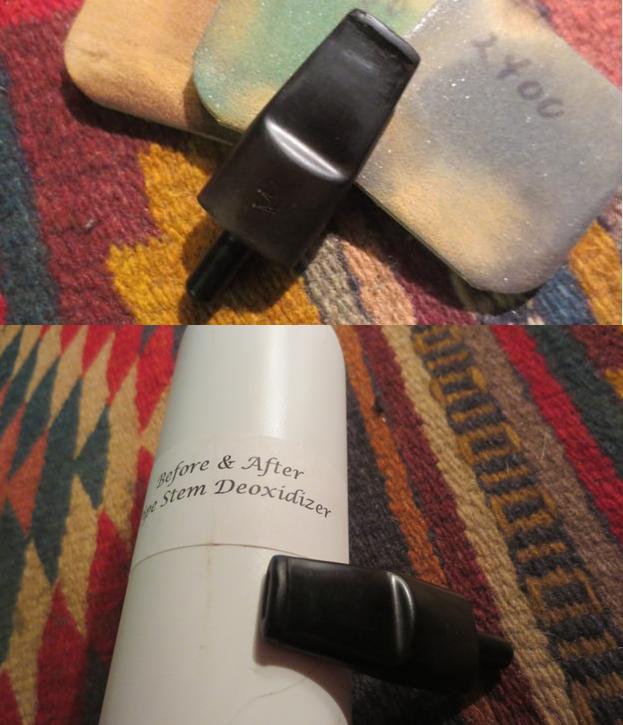
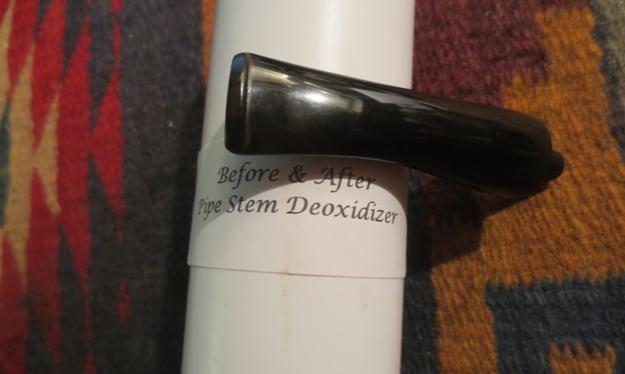
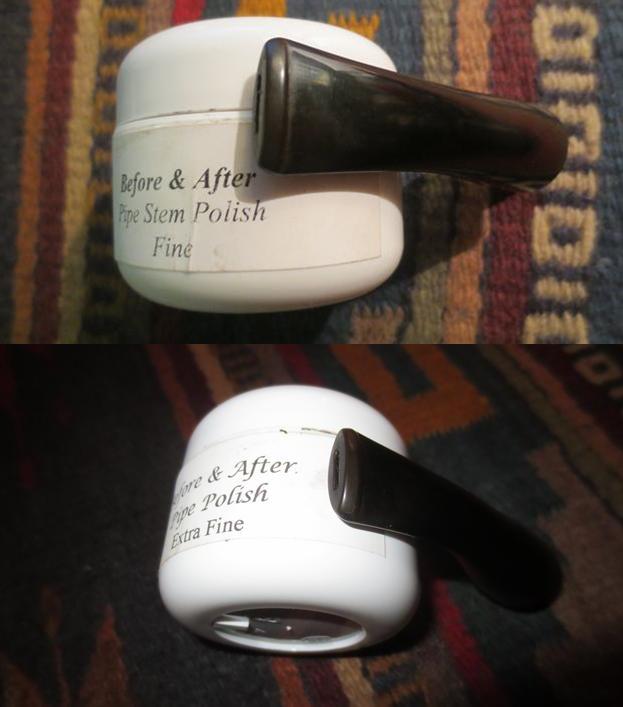
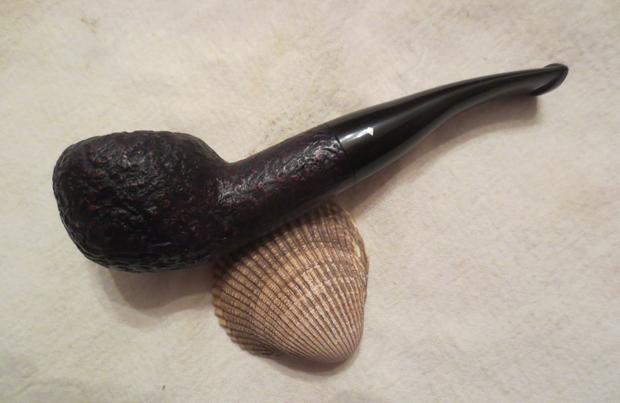
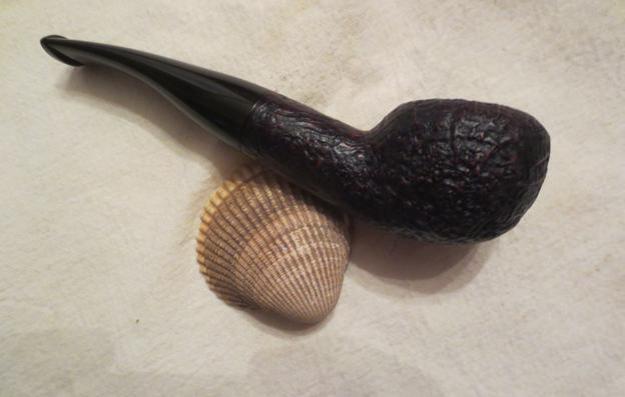
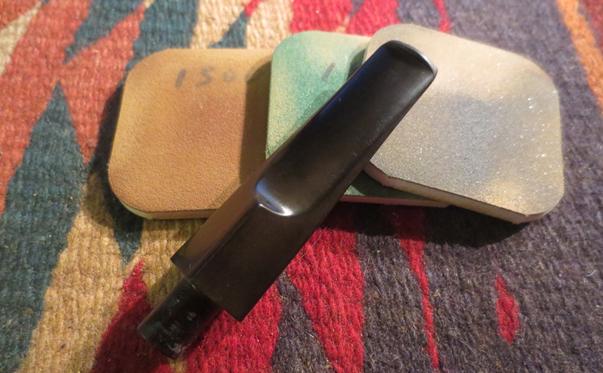
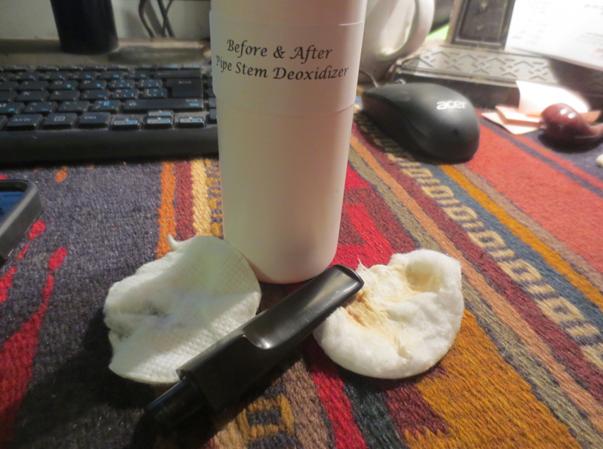
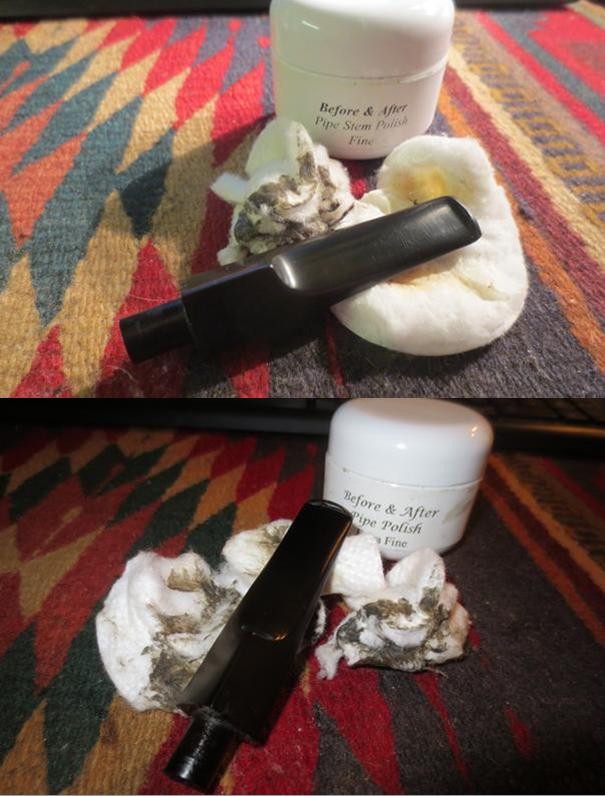
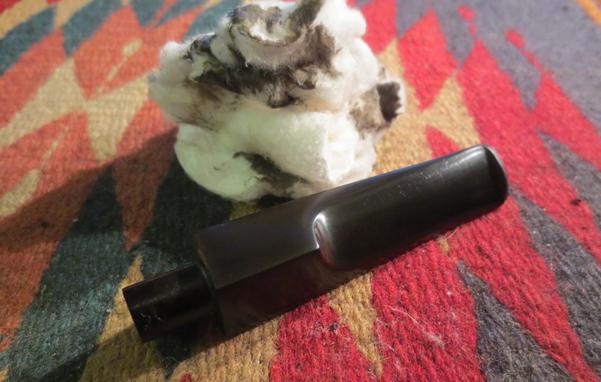
I have a lot of pipes to work on so making a decision which one to work on it a bit interesting. Several months ago now Steve in Dawson Creek sent me a box of pipes for restoration as allowed. He sent me a list of priorities regarding which pipes he wanted restored in the order of importance to him. So I decided to work on one of the pipes that he sent me for restoration. The next one on his list of priorities was a bulldog that was in pretty rough shape. It is stamped Gold Star on the left side of the shank and Giant on the right side. On the underside of the left side of the diamond shank it is the shape number 8597. I can’t much information about the brand. It is a bit of a mystery pipe but under the grime and the peeling finish there was nice looking grain. gold1The pipe was dirty and the finish was very rough. The varnish coat was peeling away. There was a large chip out of the ring on the right side of the bowl. The rim was darkened and caked under tars. The cake was thick and overflowing the bowl. The stem was oxidized and there were tooth marks on the top and underside of the stem next to the button.gold2I took a close up photo of the rim and the bowl to show you what I was working on in dealing with this pipe. The bowl was a mess. I also took close up photos of the stem to show the bite marks on the top and underside of the stem.gold3 gold4I reamed the bowl with a PipNet reamer and a Savinelli Pipe Knife to take the cake back to bare briar on the bowl walls. There was a lot of cake so it took some time. I used the largest cutting head and the cutting head just below that one.gold5I topped the bowl on a topping board with 220 grit sandpaper. I worked the rim against the sandpaper until the damaged bowl top was removed and the bowl was once again smooth and round.gold6I repaired the damaged portion of the ring around the bowl with briar dust and super glue. I mixed the two together and made putty and pressed it into the damaged area of the ring. In the photo below you can see the repaired area on the ring.gold6aI used the Dremel and sanding drum to remove the excess patch and sanded it back until it was smooth against the rest of the bowl.gold7I sanded it with 220 grit sandpaper until the ring blended in with the rest of the pipe. I used a hack saw blade to recut the grooves on each side of the ring repair. The photo below shows the recut grooves and the repaired ring. It still needs to be cleaned up but it is looking better.gold8I used a knife blade needle file to clean up the grooves. I was able to match the grooves on the rest of the bowl. I sanded the ring with 220 grit sandpaper.gold9I wiped the bowl down with acetone (fingernail polish remover) on cotton pads. I broke up the peeling varnish with sandpaper and wiped it down again.gold10I scraped the inside of the mortise with a dental spatula to remove the hardened tars. It scraped away all of the buildup and then I scrubbed it down with pipe cleaners, cotton swabs and alcohol until it was clean. I cleaned the airway in the stem until it was clean.gold11 gold12I sanded the tooth marks out the top and underside of the stem with 220 grit sandpaper until they were minimized.gold13I wet sanded the stem with 1500-2400 grit micromesh sanding pads to smooth out the scratches in the vulcanite.gold15I scrubbed the stem with Before & After Pipe Stem Deoxidizer to remove the oxidation. It took some elbow grease but I was able to remove all of the oxidation with the new product. I am starting to really like this stuff.gold14I polished the stem with the Before & After Pipe Polish using the fine and the extra fine polishing compound. I rubbed it on by hand using a finger and then scrubbed it off with a cotton pad until the polish was gone and the stem shone.gold16 gold17I stained the bowl with a medium brown aniline stain and flamed it to set it in the grain. I repeated the process until the stain was evenly spread on the bowl.gold18I buffed the bowl on the buffing wheel to see what the new stain coat looked like. I liked the new look of the old Gold Star Giant. What do you think?gold19 gold20I buffed the pipe and stem with Blue Diamond on the wheel to bring a shine to the bowl and gave it multiple coats of carnauba wax. I buffed it with a clean buffing pad and then with a microfibre cloth. The finished pipe is shown in the photos below. Steve, this one turned out to be another beauty. I am looking forward to hearing what you think about it once you get it back to Dawson Creek.gold21 gold22 gold23 gold24 gold25 gold26 gold27 gold28


Identifying, Categorizing and Refurbishing a Masta Diplomat


Blog by Robert M. Boughton

Member, International Society of Codgers
Member, North American Society of Pipe Collectors
Member, Facebook Gentlemen’s Pipe Smoking Society
https://www.facebook.com/roadrunnerpipes/ Now Open!
http://about.me/boughtonrobert
Photos © the Author except as noted

“Who are you?” [Inigo Montoya screamed to the man in black.]
“No one of import.  Another lover of the blade.”
“I must know!”
“Get used to disappointment.”

— William Goldman (b. 1931), U.S. novelist, playwright, screenwriter, in The Princess Bride, Ch. 5, 1973

INTRODUCTION
Having a firm belief that no one and nothing in this world exists without importance and consequence, although whether for good or bad is debatable, I have developed a certain passion for inquiring of those I think might have the answers I seek.  When on frequent occasions that approach fails, I research.  By no means do I always find conclusive documentation, but I’m with Inigo Montoya in the great story of the power of true love referenced above, rejecting the worldview of growing accustomed to disappointment.  When successful, I tend to be thorough; when I strike out, it’s more like crashing and burning.

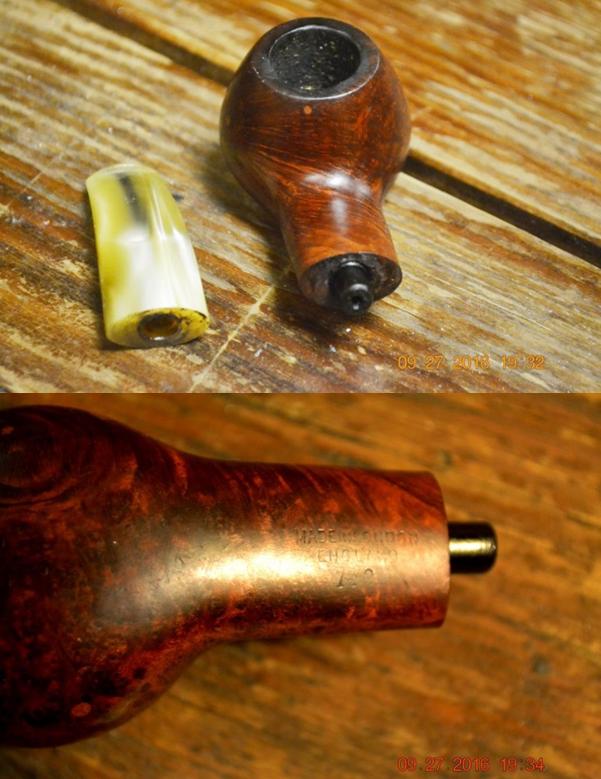
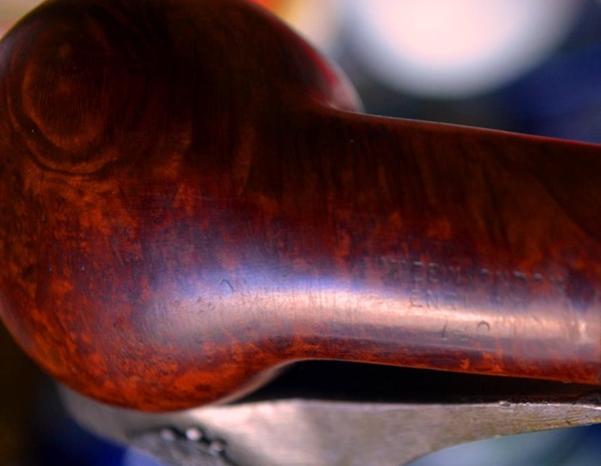
By way of an example of a success story, I found myself unable to make out any nomenclature on the pipe this blog concerns other than Made in London above England, and below that what looked like 140.  I went on a hunch that it might be a Comoy’s and consulted a meticulous list of that maker’s shape numbers.  They skipped from 133 to 158.  At this early, eyes-on exam stage of the refurbish, I was not even convinced the first digit of the shape was a 1 – it might have been a mere scratch – and so I looked for just 40.  Both that and 41 were missing.  Thus, for the sake of pure curiosity, I made my way all the way up through the 800s and discovered that Comoy’s has a 340 and a 440, both straight and with an M denoting Medium (the former a billiard and the latter a Rhodesian, FYI).

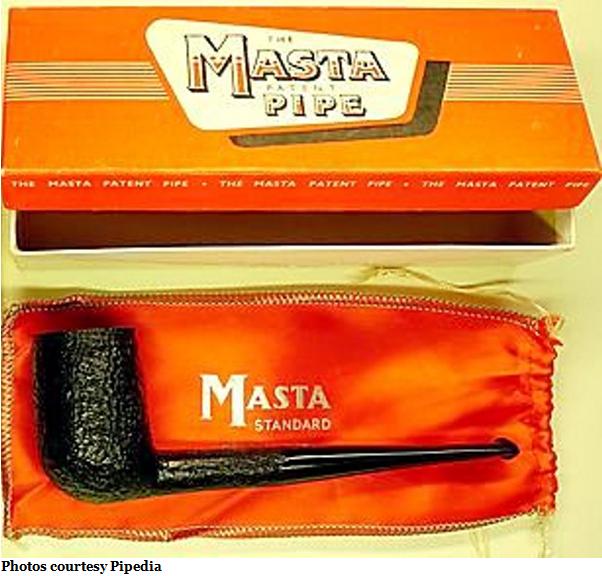
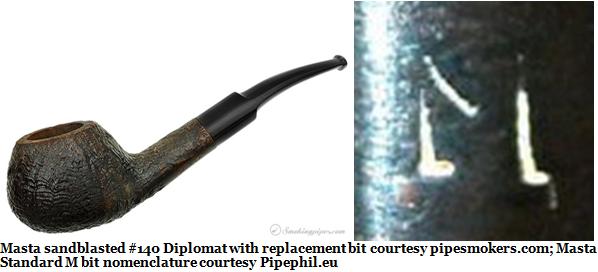
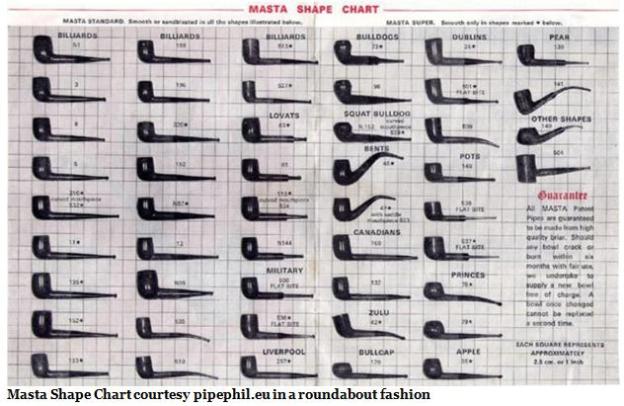
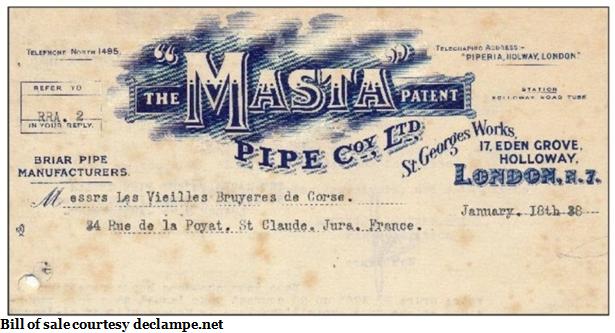
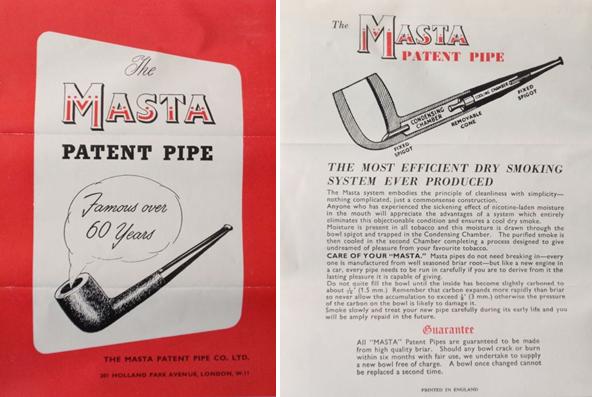
Nowhere near the point of declaring defeat, I took what some Internet search engines refer to as the “I’m Feeling Lucky” approach and Googled “tobacco pipe 140 shape number.”  I should have been in Vegas with the hit I got that was luckier than my wildest dreams, for at the top of the list on the first page was “Images of tobacco pipe 140 shape number.”  The third of these in the preview window was the spitting image of my pipe, albeit a sandblasted version.masta1 Armed with a brand name, I looked first in Pipephil, where I read of Masta being a British pipe brand founded in about 1900 that was “integrated to Parker-Hardcast[le] Ltd in 1967.” Pipephil, as it turned out, had a shape chart that was not savable. That’s why I tracked down this copy elsewhere, showing shape 140, a Diplomat, relegated to the end under “Other Shapes.”masta2 Here is a 1938 bill of sale from the Masta Patent Pipe Co. Ltd. to Las Vieilles Bruyères de Corse. (Old Briars of Corsica).masta3 Once again I found discordant information on a brand, and this time differing views of its quality. Moving to Pipedia provided the fullest overall account of Masta’s lineage, with the same approximate information as Pipephil, but noted the complete full name as the Masta Patent Pipe Company Ltd. Pipedia goes still further in pointing out that the brand seems to be out of production, and since Dunhill owns Parker/Hardcastle, it is therefore a big part of the picture. Claiming, without source citation, that as part of Parker/Hardcastle, Masta was produced “primarily for the Scandinavian market,” the Pipedia entry concludes with an unfortunate appraisal that “Masta was at the end rarely the equal of a Parker.”
This last rather snarky comment, which paints Masta as inferior rather than superior to Parker (but leaves Hardcastle unmentioned), is also vague and raises several issues. One, when indeed did the manufacture of Masta pipes end? Two, in what way or ways was the brand somehow less than the implied superlative qualities of a Parker? Three, given Dunhill’s standards during the period of time in question, which I acknowledge is uncertain but clear enough, why would that great pipe maker assign an insignificant brand to Parker/Hardcastle, much less make such a careless purchase in the first place? Four, for argument’s sake (and I am not making this argument), let me throw in the key question: if Pipedia is right, could an antipathy of the two proud old British pipe houses toward the perceived interloper, Masta, have affected a decline in the quality of the new kid on the block? The last part is thrown in as something to chew on, that’s all.

I propose the following answers to these basic questions.
1. The end of the line for Masta remains undetermined, but the probable answer is sometime in the early to mid-1970s.
2. In no way whatsoever are Masta pipes either inferior or superior to Parker. Both brands are often sandblasted to hide blemishes or stained dark enough that any irregular grain is obscured. There are, of course, gorgeous exceptions in both brands.
3. Dunhill’s acquisition of Masta was anything but uncalculated. The reasons Dunhill purchased Masta were premeditated to cash in on the market for well-made pipes that could be offered at lower prices, and to eliminate one more of the many competitors of the day.
4. Addressing the possibility that an overblown and unwarranted competitive drive could have existed, with Parker and Hardcastle gunning to discredit and eliminate the hapless Masta, all I can do is resurrect the great line from “Rowan and Martin’s Laugh-in”: You bet your sweet bippy it could have. But to be fair, there is a lack of strong support for this theory.
masta4masta5 An account of the – ahem – sticky history between Dunhill and Hardcastle comes from the trustworthy source of Iwan Ries and Co. Ltd., tobacconists since 1857. Founded in 1908, Hardcastle made for itself a solid reputation “among the numerous British mid-graders.” [Emphasis added on the final word.] Then, in 1935, Dunhill made a somewhat bold challenge to Hardcastle, throwing down the glove as it were, by commencing construction of a new factory smack next-door. Within a year, the Hardcastle family had sold 49% of the interest in its business to Dunhill.

In 1946, Dunhill delivered the final blow to Hardcastle, buying its remaining shares and consuming it altogether into a mere Dunhill subsidiary. Members of the Hardcastle clan were allowed to continue serving on its board and retain a semblance of independence that came to an end in 1967 when – you guessed it – Hardcastle was put to the final indignity of being merged with the likes of Dunhill’s Parker Pipe Co. created in 1923. On top of everything else, being forced to tolerate close-quarters with a riff-raff commoner such as the Masta Patent Pipe Co. Ltd. must have been the harrowing final straw for both Parker and Hardcastle.

Now we come to another authority concerning Masta: a British seller of estate pipes called Reborn Briar (no relation to this forum). Call me biased if you like, but this site being situated in the same country of manufacture of all four of the related brands mentioned, I suspect it might have an upper hand as far as insights are concerned.

According to Reborn Briar, Dunhill acquired Masta in 1960 as one of its own seconds, seven years before the Parker/Hardcastle additions and reassignment of the Masta name. A splendid-looking Masta Patent Pipe Co. natural tall billiard sitter that was sold by Reborn Briar for GB£40 (a tad more than US$51 at today’s exchange rate) can be seen at the first source link below. An obvious smooth version of the sandblast pictured above, the pipe has beautiful birds-eye grain and a sleek but sturdy look to it, by every angle shown ready to provide a cool, pleasant tobacco enjoying experience. I would, in fact, be happy to add the pipe to my own collection at that price.

Last but not least is the telling information about Dunhill’s low view of Parker pipes that is related with chilling, blunt eloquence by Cup o‘ Joes. To begin, consider Dunhill’s word for the pre-worked stummels it passed on to Parker as “its failings,” rather than the standard term seconds, for stummels deemed less than ideal for use with its own name under the quintessential English pipe maker’s exacting standards of excellence. In fact, during the early relationship between Dunhill and Parker, many of the unfinished pipes it dumped on Parker bore a large X over the Dunhill stamp. Even “Damaged Price” with the actual revised amount was made a permanent imprint in the wood. What’s more, not just a minor flaw or two separated a pipe destined to be a Parker instead of a Dunhill. The crude shapes passed off to Parker would have been rejected altogether after the initial turning process because of significant flaws. Perhaps most telling of the Dunhill-Parker unhappy connection is a lack of any documentation that Dunhill ever marketed or advertised Parkers in its catalogs or stores. For more details on this no-doubt stressed liaison, see the last source link below.

Nuff said about that.

RESTORATION
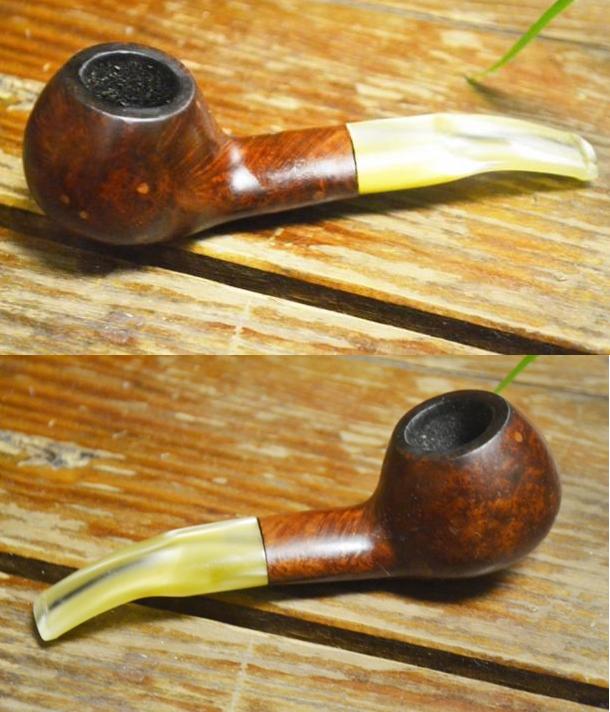
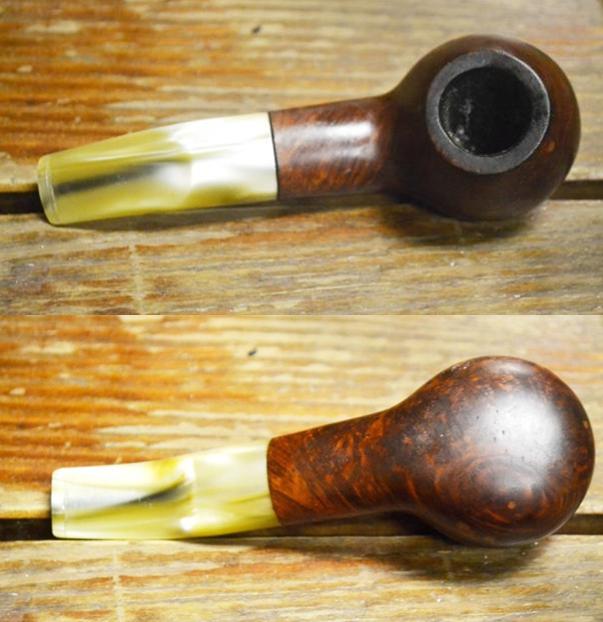
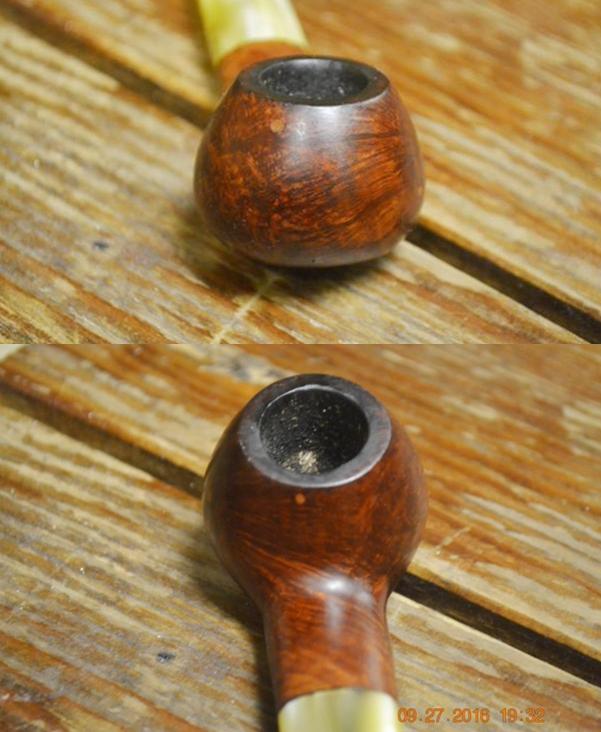
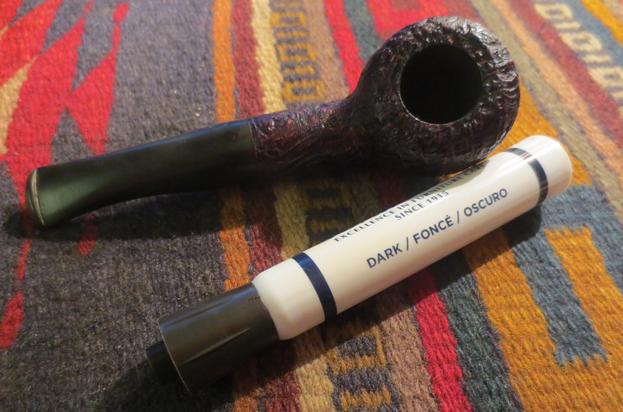
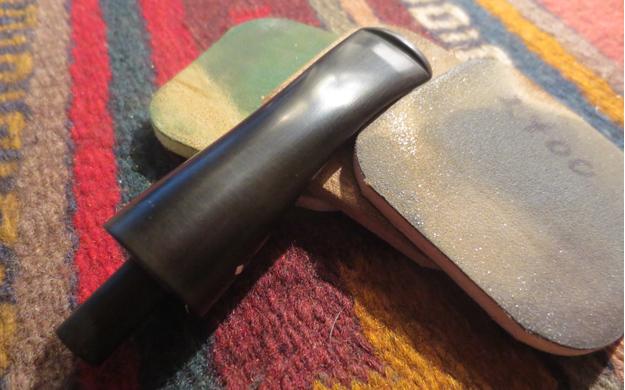
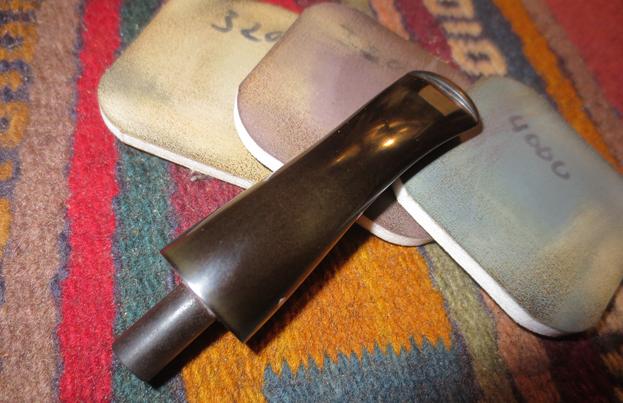
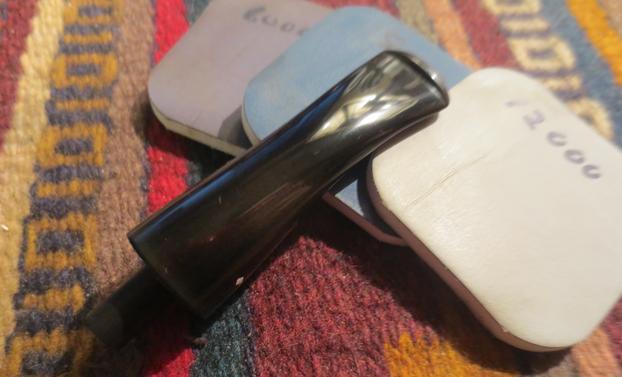
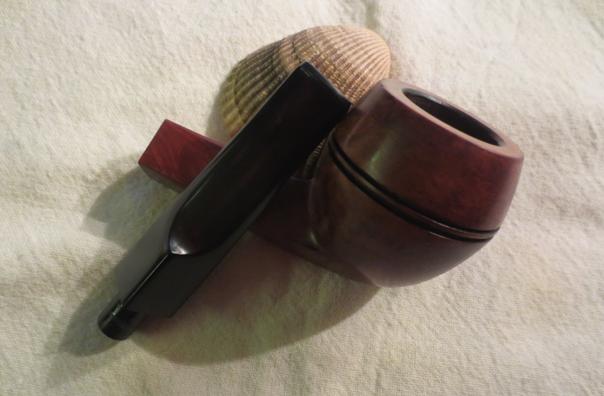
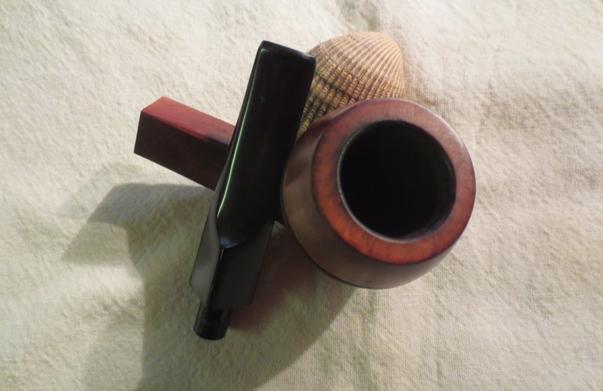
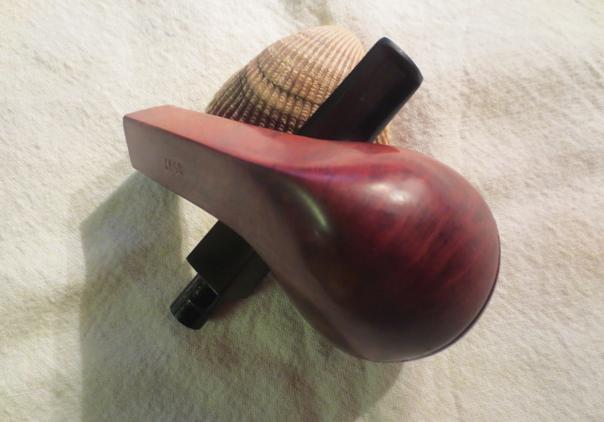
masta6masta7masta8masta9 The first order of business was scooping out old tobacco that had the unusual appearance of being better suited for cigarettes.masta10 I ran a few Everclear-soaked cleaners through the shank and bit before giving most of the stummel a nice, long soak in alcohol, careful to an almost neurotic state not to leave the shank submerged. I will never forget the GBD Prestige debacle in which I obliterated the last remaining revenant-like nomenclature, and was determined to avoid the same mistake. I made periodic turns of the bowl in the Everclear to keep the stripping of old finish even. I have heard that using strong alcohol to clean Lucite air holes can lead to severe damage to the polymethyl methacrylate plastic (the same as Perspex). Perhaps that is so, but in my experience a quick job of it is safe and effective. No harm was done to this bit in its refurbish.masta11masta12 After about an hour and a half, I removed the stummel from the alcohol, worked one regular pipe cleaner (not bristled and not extra fluffy) through the shank and another through the bit, to dry the inside of the plastic and ensure no damage; stuffed a small soft cotton gun cleaner cloth into the chamber and scrubbed that area dryer while doing the same to the outer part of the wood. I took off the remaining stain with 320-grit paper.masta13masta14 The bit, while a good match for the easy bent Diplomat shape of the original Vulcanite one that came engraved with an M on the pipe, was not an even fit to the shank. Note the gap. Holding the bit and the opening of the shank side by side up to a light, I saw the problem was in the bit that was uneven on the right side of the second picture below (the left in the photo). I admit I still have trouble with the counter-intuitive nature of thinking my way through how to adjust this kind of misalignment, but I used 150-grit paper in slow, patient steps until it fit.masta15masta16masta17 Then I reamed the chamber and sanded it with 150-, 220- and 500-grit paper.masta18 Micro meshing the stummel all the way from 1500-12000, the briar took on a nice, darker shine.masta19masta20masta21 After applying Fiebing’s medium brown boot conditioner and flaming the alcohol out of it, I progressed from 3600-12000 micromesh before achieving the lightness I wanted with superfine “0000” steel wool.masta22masta23masta24masta25masta26 The tenon was undersized, making the bit spin, and so I added a small layer of Black Super Glue. After it dried, I retorted the pipe – again violating established practice by boiling the Everclear through the Lucite bit and into the chamber, but also again with complete success.masta27 Very gentle turning of the steel wool around the tenon took it from an over-tight fit to just right, twisting onto the bit with ease. When the retort was finished, I once more ran a cleaner through the bit’s air hole to assure it stayed in shape, and both ends of two more in the shank until they came out clean.
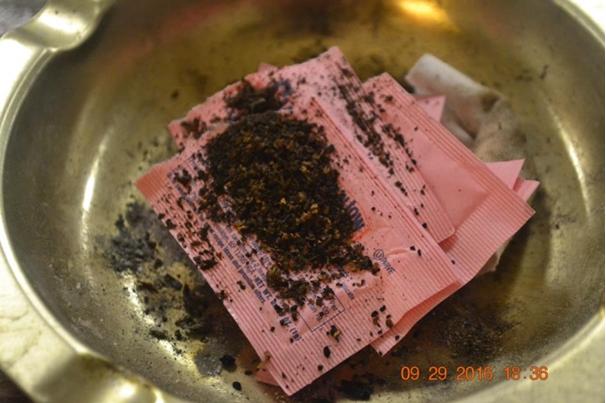
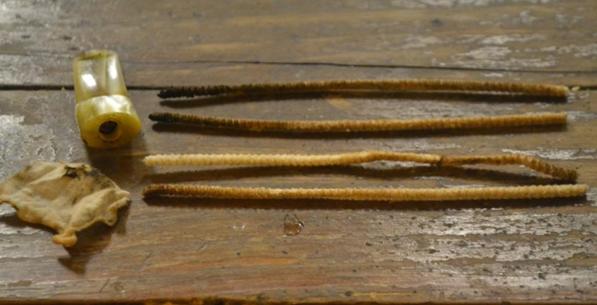
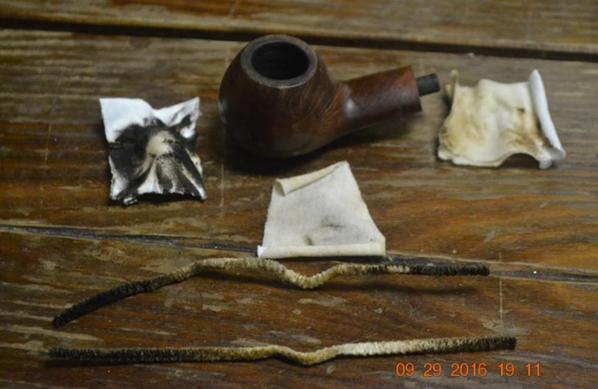
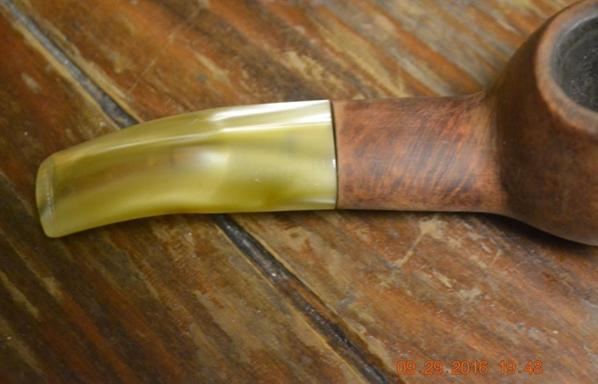
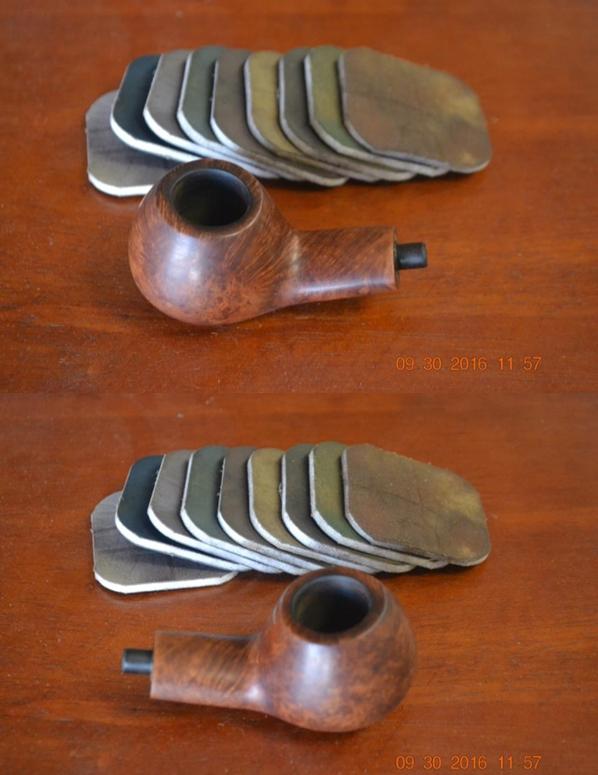
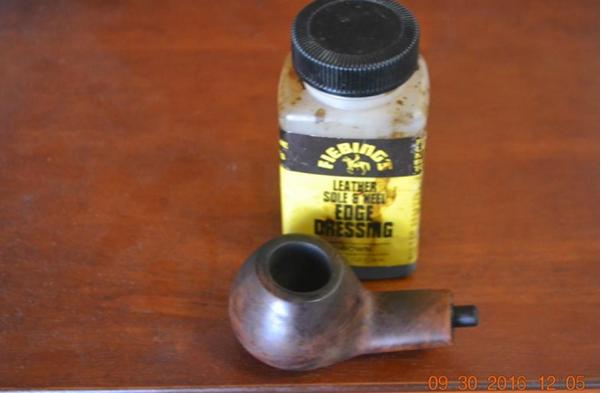
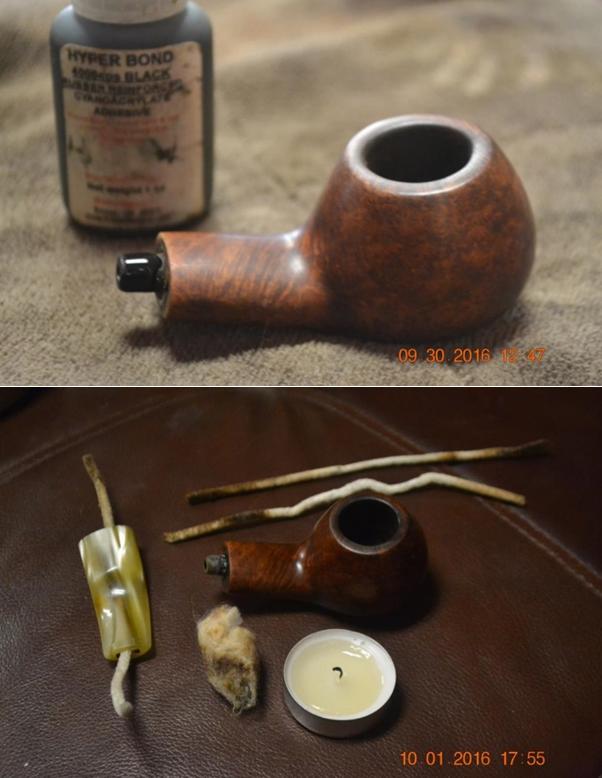
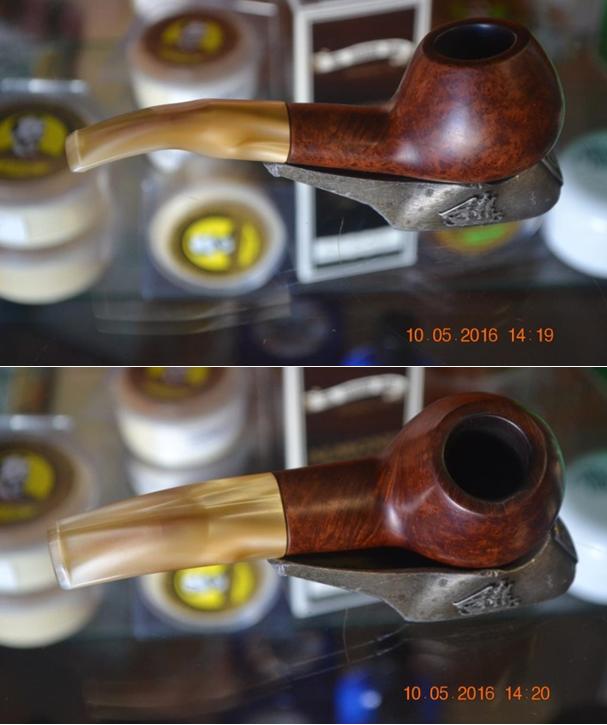
Thinking the bit was done, upon closer examination I noticed very fine scratches. I decided to see if an OxiClean soak would work those out, and indeed it did. I completed the project by running the bit on the clean electric buffer and the stummel using brown Tripoli and carnauba, alternated on the “clean” buffer, which, by the way, I do in fact clean on a regular basis.masta28masta29masta30masta31
CONCLUSION
Masta pipes, before and during their affiliation with Dunhill/Parker/Harcastle, were well-crafted instruments for enjoying tobacco and, in many cases, beautiful pieces of work. Whatever the reason for its eventual demise, the Masta Patent Pipe Co. Ltd. name should be remembered, and the examples of its creations available for purchase today are more than worthy of consideration by pipers in general and collectors in particular. Or maybe vice-versa.

SOURCES

http://estatepipes.co.uk/shop/Masta-Patent-Standard-Tall-Billiard-588
http://www.pipephil.eu/logos/en/logo-m3.html
https://pipedia.org/wiki/Masta
http://www.iwanries.com/Hardcastle_C1516.cfm
https://www.delcampe.net/en_GB/collectables/invoices-commercial-documents/united-kingdom/facture-de-la-manufacture-de-pipes-the-masta-patent-pipe-coy-ltd-st-georges-works17-eden-grove-holloway-london-n-7-216950551.html
http://www.cupojoes.com/pipes/parker/

Nice find in Plovdiv, Bulgaria – Denicotea Deluxe Curling Bruyere Extra


Blog by Dal Stanton

In my last post restoring the Jeantet Fleuron (Link), I mentioned my recent pipe hunting expeditions during our R&R travels in Bulgaria with our daughter and son-in-law visiting from Denver, Colorado.  Jordan, my son-in-law, is a blooming pipe man and was my eager accomplice as we dipped in and out of antique shops we found.  One of those ‘dips’ unfolded in one of the longest inhabited cities in Europe and the world (since 5000BC!) – Plovdiv, Bulgaria, which enabled me to land the Denicotea Deluxe Curling before me now.  Since my field shape identification skills are still in development, when I first saw the pipe in the display case, I thought it was from the Canadian family – the longish shank and the long saddle stem got my attention.  Since the antique shop was situated in Old Towne, Plovdiv, in the shadow of the historic Thracian settlement (to the Romans, they were the ‘Barbarians’) the lady with whom I negotiated was pretty tough – I assume because her overhead expenses were more due to her classic location!  So the deal we struck was not as good as I was hoping, but with new pipe in hand, I took these initial pictures outside the antique shop with ancient cobblestone as a backdrop.de1 de2 de3 de4After just finishing the Jeantet Fleuron and my research zeroing in on French pipe making mecca, Saint Claude, I was anxious to start my work on this Denicotea Deluxe Curling, a name also ‘claimed’ by Saint Claude, according to one of my sources in that research. Here’s where the confusion began.  The source, a pipe shop of Saint Claude, La Pipe Rit, stated on their home page:

On our website, you will find pipes from Saint Claude made by the most famous brands, such as EoleChacomBayard, Butz-ChoquinDenicoteaJeantet and Ropp. The works of Saint Claude’s craftsmen are also present, for example, the unique handmade pipes created by Pierre Morel. You will also discover pipes from all over the world through VauenBig Ben, DunhillL’anatraPetersonPorscheSavinelliStanwellViprati and meerschaum pipes as well.  (La Pipe Rit)

This blurb led me to the assumption that the name Denicotea was claimed by Saint Claude, but when I started my digging on the Denicotea Curling on Pipedia I found, what many of you already know, Denicotea is a German enterprise.  Pipedia says of Denicotea,

Brand founded in 1932 in Cologne, Germany, by Willy Heineberg. Denicotea is actually the name of a silica gel filter, cigarette holders and care products for pipes and cigarette holders. They also introduced the brands Aldo Morelli, Adsorba, Wessex. (Link)

Pipephil confirms this information and adds that pipes were also manufactured by an English third party and marketed under the Denicotea brand. (Link).

So, at this point in my research I’m wondering what the French connection is – assuming that both sources were correct?  I dug a lot (learned a lot too!) looking at Pipedia and other sources seeking to confirm another ‘sighting’ of the name Denicotea in Saint Claude but found none.  The most plausible hypothesis that I was cultivating was that perhaps Willy Heineberg, who was born actually in Metz, France, had connections with Saint Claude before moving across the Rhine River into Germany (Metz and Cologne are relatively close) to establish the Denicotea operation.  I discovered that Willy Heineberg was born a Frenchman (though his surname appears to be of a German-Jewish lineage – see: Link) when I unearthed an interesting letter he wrote on July 31, 1951, to the director of the CIA, General Walter Bedell Smith, seeking help for the rebuilding of a French village raised by the Nazis during WWII – Saint-Die’.  Heineberg references in this letter that he was born in Metz, France, nearby Saint-Die’ and therefore wanted to help his compatriots.  At the time of writing, his letterhead placed him in NYC on 41 Park Avenue – the tobacco business must have been going well! (See the letter here: Link – in the letter he references at least one other tobacco mogul of RJ Reynolds along with other ‘who’s who’ of his day)

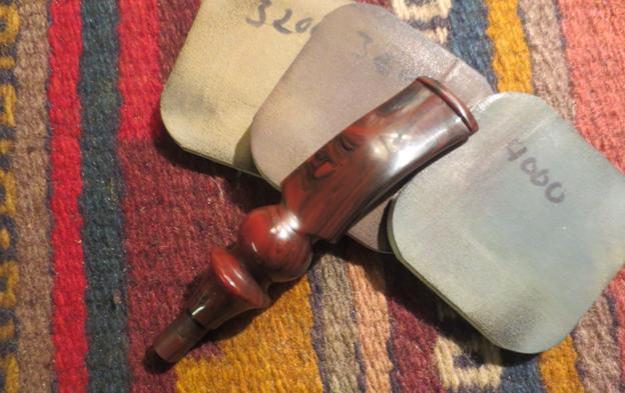
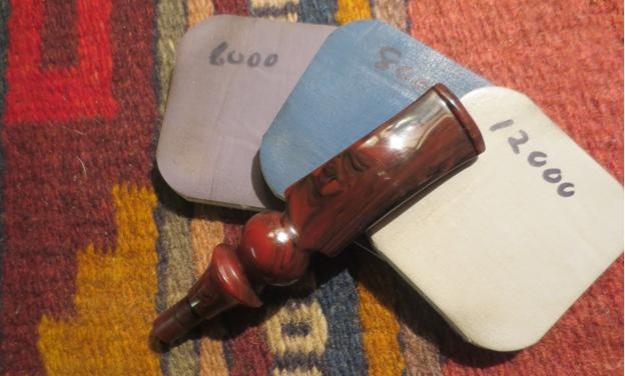
My research on Denicotea pipes was not terribly fruitful – one mostly finds information about their filter and accessory lines of production.  Notwithstanding, I’m looking at this Denicotea, not from Saint-Claude, yet very handsome and I’m attracted to the long saddle stem of this classic billiard – my revised shape identification.  On the left side of the shank is an arched Denicotea over De Luxe.  The right side is Curling over Bruyere Extra.  A shape number is pressed on the bottom of the shank which I believe is 118 or possibly 119 – not sure.  The saddle stem has a very faint, warn stamped D ensconced in a circle.  I hope to bring this fading stamp back from the edge of oblivion with some acrylic paint applied – we’ll see if there’s enough imprint to hold the paint.  The bowl is in good shape with some minor nicks and scrapes on the bottom.  There is some crusty cake build up in the fire chamber and the rim has some nicks and lava flow on it but it appears minor and in good shape.  The stem has significant oxidation but very little tooth chatter to worry about.  I take some additional pictures on my work table after returning home to Sofia.de5 de6 de7 de8de9I remove the stem and deliver it to the Oxi-clean bath to begin raising the oxidation from the vulcanite stem.  When I remove the stem and examine the mortise, I’m not sure what I see.  Has the tenon become dislodged from the stem and now unceremoniously implanted in the mortise or does this pipe by design have a vulcanite filter extension coming out of the mortise?  I also see what appears to be an old used filter jammed pretty snuggly in the mortise and I cannot remove it with my fingernails.  I also try to remove it with tweezers and after scraping at it a bit, I discover that what I thought was an old used filter is metal – I haven’t seen anything like this before.  It appears to have an airway slot on the lower portion of the metal ‘insert’. After trying unsuccessfully to pull the metal object out with my fingernails and gently trying to coax it out with my Buck knife, I decide to dip the mortise end in alcohol hopefully to loosen things up. After some careful prying so as to not damage the vulcanite ‘tenon’ in the mortise, what emerged was not anything I was expecting.  I have no idea what kind of internal stinger contraption I’m looking at.  After I clean it up the only thing I can think of is some clever internal stinger system that Denicotea came up with seeking that ever elusive cooler, dryer smoking experience.  I’m still not sure if the tenon has dislodged from the stem and is stuck in the mortise or if what I’m looking at is by design. de10 de11Taking my questions back to the internet, it didn’t take long to figure things out.  Pipephil’s entry for Denicotea (Link) has a picture showing a shape almost identical to the Curling and the mortise has the same vulcanite insert.  When I Googled for images, I saw other Curling styles with the same design.  With one particular entry from eBay, the metal insert I dislodged looks very familiar to the object in the Denicotea advertisement pictured below – it appears to be part of a filtration system which wedges up against an elongated filter of sorts that fits in the broad/long stem.  The very next thought that came to mind was that I hadn’t thought to look into the stem for a filter before dropping it into the Oxy-clean bath!  I’m not sure what I will do with the insert, but it does appear to serve as an air restrictor that would be helpful for use without a filter.  Any feedback on this would be appreciated! de12 de13With the object removed, I take my new Savinelli pipe knife to ream the bowl on my 10th floor balcony ‘Man Cave’.  This is where I’m able to smoke my pipes (door sealed) with my wife’s blessings.  With it being a beautiful fall day in Bulgaria, I’m happy to work there.  I can see why Steve enjoys using his Savinelli pipe knife – it takes the cake off very well and allows for a more delicate and selective approach when needed.  After reaming, I use 240 grit paper and clean and smooth the chamber walls further.  I like to work on clean pipes so I take pipe cleaners and Q-tips dipped in isopropyl 95% and go to work on the internals of the stummel.  After several Q-tips the mortise was not coming clean.  With Q-tips I detect an internal ridge inside the mortise created by the vulcanite inserted to the mortise.  I’m thinking that this design is a natural gunk collector which makes cleaning more of an on-going challenge.  I decide to hold off on more Q-tips and try the salt and alcohol technique I’ve read in other blogs (See at DadsPipes).  I use ‘all natural’ non-iodized Himalayan salt that I can find on the store shelves in Bulgaria. Why non-iodized?  I asked Charles Lemon at DadsPipes, why he used kosher salt?  His reply was that it was not ionized – that the ionization could leave an iodine taste when smoking the pipe.  I twist an unraveled cotton ball into the mortise to plug up that end.  I stabilize the stummel on the pipe stand and fill the bowl with salt.  Then I carefully add alcohol 95% to the bowl until I see it emerge at the top layer of salt.  It’s getting late so I let it soak overnight. de14 de15While the salt and alcohol does its thing, I fish the saddle stem out of the Oxy-clean bath.  My first instinct is to look down the throat of the stem to see if a long Denicotea stem filter is lying in wait.  To my chagrin, it is.  I take pictures to commemorate my discovery and then begin to wet sand the stem’s oxidation with 60 grit paper then with 000 steel wool.  I’m careful to avoid the stamped ‘D’ area of the stem, but when I look at the area of the D stamp my concern grows because it looks like the Oxi-clean bath itself caused some further deterioration.  I now realize that I should have covered the area with Vaseline to protect it…. learning one mistake at a time….  The oxidation on the stem has been minimized and I take pictures to show the progress.  Turning to the lodged stem filter, I use a dental probe to pull up on the filter while pushing from the button end with a pipe cleaner.  The surgery is successful and what looks like a charcoal filter emerges from the long saddle stem.  An economic theory starts forming in my mind about Denicotea pipes – could they be designed, produced and exist primarily for the filters Denicotea produces?  It makes economic sense.  A pipe is sold once and its profit is finite.  While filters made for that pipe are a continuous revenue stream.  Could my theory hold water? de16 de17With stem free of old filters, I clean the airway up with Q-tips and pipe cleaners dipped in isopropyl 95%.  After using a few Q-tips I simply rolled large cotton ball pieces to clean the inside of the large stem using tweezers.  It did not take long.de18 de19The next day I dump the salt out of the bowl and wipe out the bowl with a paper towel to remove any left-over salt residue.  I returned to the Q-tip therapy to find out if the salt/alcohol soak had an impact on the gunk in the shank.  I discover residue so I expend several more Q-tips but finally get to the bottom of the gunk build-up in the shank and turn to the external bowl clean up.  To clean up the lava flow on the rim and the bowl surface I use Murphy Oil Soap undiluted with a cotton pad.  After the Murphy Oil Soap scrub I rinse the stummel with cool tap water careful not to allow water into the mortise or bowl.  The rim and bowl cleaned up nicely allowing me to see more clearly the wood and problem areas.  The rim has a burn mark just over the shank junction.  It looks like the previous owner drew the flame over the back side of the rim when lighting the tobacco.  I used a brass brush, which will not scratch the briar, with alcohol on that spot to see if it would remove the burn but it did not.  As I work on the burn, I see that it has burned ‘into’ the rim as well and because of this the inner bowl rim is slightly out of round – I need to correct this.  The stummel is showing attractive fire grain and some birds eye – I like the potential.  With a close inspection of the finish, I detect some blotches and what I call ‘candy apple shine’ spots.  The finish is worn.  I decide to remove it to get down to the bare briar.  I use cotton pads with acetone to do the job.  After removing the finish, I cut a slight bevel on the inner rim to regain round and remove the burn damage.  I use 120 grit paper rolled up tightly for the initial bevel followed by 240 then 600 to smooth it. I take pictures to show the progress, and yes, the picture below is ‘Acetone’ in Cyrillic!de20 de21 de22 de23To remove the light nicks and cuts on the stummel I use a medium grade sanding sponge and follow with a fine grade sanding sponge.  I then take a cotton pad with alcohol and wipe down the stummel to clean it from the sponge sanding residue.  I do this to take a closer look at the surface for fills or blemishes that need attention before I move on to the micro-mesh sanding.  I do find some pitting on the surface that I address with sanding sponges directly. I rejoin stummel and stem to assess the progress.  After taking a close up look at the stem after purging the oxidation with an Oxi-clean bath and sanding, I see no teeth chatter that needs to be addressed.  I also take another look at the Denicotea circle-D stamp on the stem to see if it can be salvaged.  Unfortunately, only the right portion of the circle is barely viable along with a very faint D.  Applying acrylic paint would only highlight the fact that it’s not all there, so I decide to finish the stem trying to salvage the remnant stamp as is.de24 de25 de26Using micro-mesh pads 1500-2400, I wet sand the stem attached to the stummel and follow by applying Obsidian Oil. With pads 3200 to 4000, then 6000 to 12000, I dry sand the stem and apply Obsidian Oil after each set of 3.  I never tire watching the shine make an appearance during the micromesh process!  I take pictures to show the progress and set the stem aside to dry.de27 de28 de29Turning to the bowl, I begin preparing the surface finish by wet sanding using micromesh pads 1500 to 2400 followed by dry sanding with micromesh pads 3200-4000 and 6000-12000.  I’m liking very much the briar’s grain movement on this bowl.  I document the progress at each step.de30 de31 de32I started this restoration with the idea of experimenting with a staining technique I read in one of Steve’s restores – I’m not sure which one as I’ve read so many!  He used a black dye followed by a rub down with alcohol.  The purpose was to set the dark hue in the veins of the grain and then lighten the backdrop briar – Steve didn’t describe it quite like this but this is what recorded in my memory!  He then followed with another die hue to cast the contrast. I would like to try the same by first setting the dark hue with a dark walnut Italian aniline stain I found here.  I will follow this with a new arrival with my daughter and son-in-law from the States, Fiebing’s Oxblood Leather Dye.  I’m looking for the rich, deep reddish, burgundy hues in the briar that hopefully is subtle – I like this classic look even though it would be a total change in the color scheme of this Denicotea billiard, I hope it will dress it up nicely.  I give the stummel a quick wipe down with a cotton pad and alcohol to rid the surface of any possible residue leftover from the micromesh sanding.  I mount the inverted corked stummel on the candle stick holder and decide to try another technique I read recently from one of Steve’s postings of warming the briar first before applying the stain.  I do this with an air gun then, after putting on throw-away poly vinyl gloves, with a cotton dauber I apply the dark walnut dye generously to the inverted bottom and allow the die to saturate the stummel. I pick up the candle stick and rotate the stummel and make sure I daub die into the inverted rim.  After the surface is adequately covered I ‘flame’ the surface by lighting the wet dye with a butane lighter.  The alcohol in the die burns off very quickly to set the hue in the briar. I follow by wiping the stummel surface with alcohol and cotton pads to lighten and blend the initial dark walnut stain.  I repeat the process with Fiebing’s Oxblood Leather Dye diluted about ¼ with alcohol.  I complete the second application by flaming the dye which sets the oxblood over the dark walnut hue in the briar.  After taking pictures to show progress, I put the stummel aside allowing the stain to rest overnight.  I look forward to seeing how my experiment turns out when I return to the project tomorrow!de33 de34 de35I really enjoy witnessing the initial revelation of the briar surface after the staining process.  This pipe was no exception.  I take my compact Dremel tool (a wonderful friend when workshop space in not available!) with a felt wheel and apply Tripoli to the final flamed Oxblood surface I completed the night before.  I use the lowest speed and do not apply a great deal of pressure to the felt wheel as I consistently move it over the stummel surface.  I allow the speed of the wheel and the compound to do the work.  The briar is emerging as I buff with the Tripoli.  I love the mosaic of grain design that emerges as I work over the stummel surface.  I follow the Tripoli compound with Blue Diamond, also using a felt wheel with the Dremel speed set to the lowest RPM.  After completing the Blue Diamond, I attach a cotton cloth wheel to the Dremel and increase the speed by one number and apply several applications of carnauba wax to both stummel and the rejoined saddle stem.  Through trial and error, I’ve been able to develop a technique for applying the compounds and carnauba wax that works well for me – in my compact 10th floor work station.  Under a bright light, with the sheen of the stummel surface my focus, I am able to see the application of the compound and how it disburses over the briar with the different wheels.  I am able to identify compound or wax that hasn’t integrated into the surface – it appears as a thick ripple, and I’m able to revisit it with the wheel rotation to work in more thoroughly what has been ‘left-behind’.  This works especially well with the carnauba wax which disburses with the heat of the wheel’s rotation.  I can see the wax liquefy and am able to spread it over a portion of the surface.  After applying several applications of carnauba wax, I Dremel buff the entire stem and stummel surface with a clean cotton wheel and complete the process with a rigorous hand-buff with a clean microfiber cloth to raise the shine more.
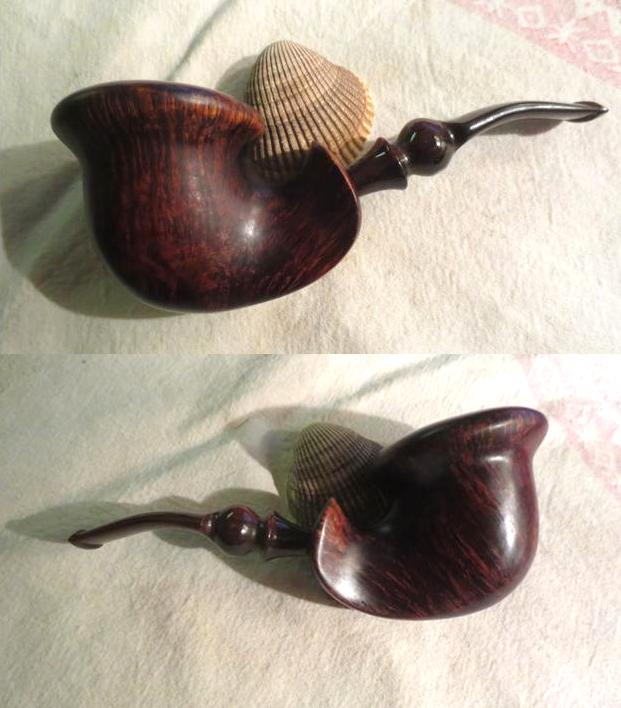
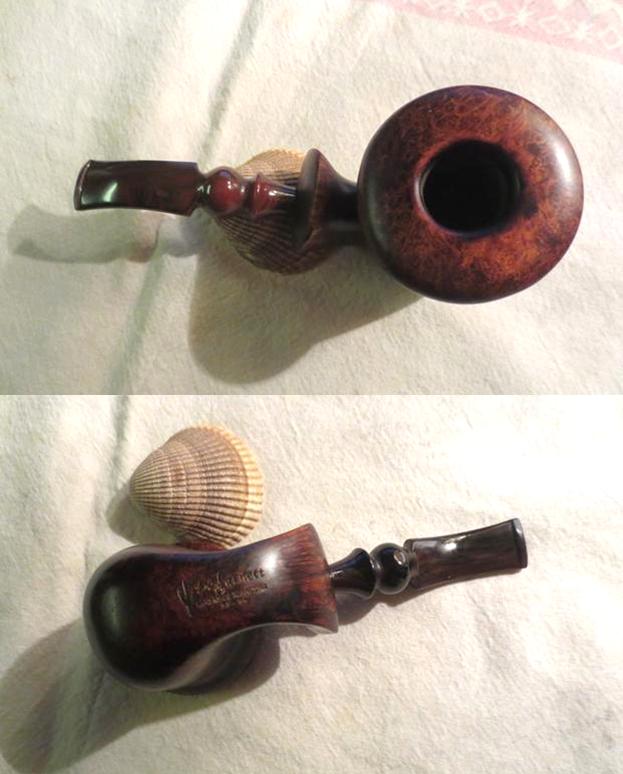
I am thoroughly pleased with the rich, deep hues the stains contributed to the beautiful briar grain of this Denicotea DeLuxe Curling Bruyere Extra.  I’m not sure the pictures below capture the depth of grain that I can appreciate with the naked eye.  The color and the shape bring to mind what could be a pleasing match for a classic smoking jacket one might see donned by the Earl of Grantham, Robert Crawley, as he retires to the smoking room at Downton Abbey.  ‘Classic’ is the one word that keeps coming to mind about this pipe!  One question that remains for me is what to do with the internals of the filtration system – any thoughts on that would be appreciated.  As I shared with my last post, my wife has lovingly put her foot down! This pipe will reluctantly head to eBay or, if you have an interest in adding this classic shape to your collection, let me know.  Thanks for joining me!de36 de37 de38 de39 de40 de41 de42 de43 de44

A Heibe Filter Bruyere Extra 1132 Churchwarden Made in West Germany


Blog by Steve Laug

Looking at the stamping on this older churchwarden pipe I can distinguish HEI__ on the left side of the shank over FILTER. From what I can see looking at it under a bright light with a lens it looks to me like the stamping is HEIBE. On the right side of the shank it is stamped Bruyere over Extra. On the underside of the shank it is stamped Made in West Germany followed by the number 1132. The pipe is 10 ½ inches long and the bowl is 2 inches tall. The diameter of the chamber is 5/8 inches. The finish was in decent shape with some scratching and the pipe is dirty. The rim was damaged and the bowl had a burn mark on the inside edge of the inner rim. The bowl was out of round and the top of the bowl was also damaged. The stem was oxidized and the pipe smelled foul. The next series of photos with the granite/marble counter top were taken by the eBay seller and show the overall state of the pipe.h1According to Pipedia, Heibe pipes were made by the company of the same name, owned in turn by Erich Heikaus, KG, in Bergneustadt, Germany. The trademark for the Heibe name was first filed on March 9, 1966 and registered on January 14, 1967. The sole trademarked line name of Heibe is the Heibe Goldpoint, which was applied for in 1970 and granted on May 31, 1972. Pipes have been seen stamped both “Germany” and “West Germany”, showing that the Heibe Company continued to make pipes after 1990, but these pipes appear to no longer be in production. https://pipedia.org/wiki/Heibe h2 h3The next photos are close ups of the pipe. They show the condition of the rim and the grain around the sides of the bowl.h4 h5My brother reamed the bowl cleaned up and scrubbed the exterior of the bowl and stem. He took some photos of the pipe after he cleaned it. h6The next photos show the stamping on the pipe. The first one shows the underside of the shank with the shape number and West Germany. The left side shows the brand over the word Filter. The right side shows the name Bruyere Extra.h7 h8 h9The next two photos show the beautiful grain on this pipe. The spots and streak on the second photo were just grime on the pipe. When I received it those were gone.h10 h11The next photo shows the damage to the rim top. There outer edge shows damage and the inner edge bevel is rough and looks like it did not belong originally. There is clearly a burn mark at the back side of the inner rim. There are a lot of dings and dents on the rim edge.h12When the pipe arrived in Vancouver I took the next four photos to show what it looked like before I started on it. My brother did a great job cleaning up the surface of the bowl. He was able to scrub off the finish and the grain just pops.h13 h14The next photo shows the rim after my brother cleaned it up. The dents and dings on the out edge are visible. The burn mark at the back of the inner rim is very clear. It is not deep but it is present. The bowl will need to be topped.h15I topped the bowl on the topping board with 220 grit sandpaper. It took some time to remove the inner rim damage. I sanded and checked constantly to make sure I did not sand too far. The second photo shows the topped bowl and the cleaned rim edge.h17I sanded the inside of the bowl with the rolled sandpaper to smooth out the inner edge of the bowl. The second photo below shows the fresh edge of the bowl.h18I sanded the rim top with 1500-4000 grit micromesh sanding disks until the scratches were gone. I restained the rim with a dark brown stain pen to blend it into the colour of the bowl. h19I cleaned out the mortise and airway in the shank with cotton swabs, pipe cleaners and alcohol. It appears that the bowl was dip stained as the cotton swabs came out with a red stain and no tars or oils. I cleaned the stem with pipe cleaners with and alcohol.h20I used my new micromesh sanding pads on the stem and it made short work of removing the oxidation. I forget how quickly new micromesh pads remove oxidation and polish the vulcanite. I sanded it with 1500-12000 grit sanding pads – wet sanding with 1500-2400 and dry sanding with 3200-12000 grit pads. I rubbed the stem down with Obsidian Oil after each set of three pads. I set the stem aside to dry after the last rub down.h21 h22 h23I buffed the bowl and stem with Blue Diamond on the buffing wheel to polish the scratches. It always amazes me how much different the pipe looks after buffing. I buffed it with several coats of carnauba wax to protect the vulcanite and bowl. I buffed it with a clean buffing pad to raise the shine and then by hand with a microfibre cloth to add depth. The photos below show the new restored German Churchwarden. It is a beauty. Thanks for looking.h24 h25 h26 h27 h28 h29 h30
 An easy restore on a smooth Jobey Extra Underslung Pipe


Blog by Steve Laug

I think that the shape of this one is what caught my brother’s eye when he saw this Jobey. He has introduced me to some neat looking Jobey’s that have great grain, shape and stem work. The Jobey Link tenon system is a breeze to replace and repair as it screws into the shank and is pressure fit into the stem. This one has some great grain on it all the way around – birdseye on the sides and cross grain on the front, back and the top and bottom of the shank. It was in decent shape with just a few dings in the left side of the bowl. The rim was lightly tarred and the cake in the bowl was not very thick. The finish was faded in spots. The stem was in great shape other than the usual tooth chatter on the top and underside near the button. There were no deep tooth marks. The link system was undamaged.  extra1 extra2The next two close up photos show the stamping and the condition of the rim. The stamping is simply Jobey in script over Extra. The E on Extra is faint. The Jobey medallion on the stem is in great shape. The inner edge of the rim shows some buildup of tars and oils.extra3As usual my brother cleaned up the pipe before sending it to me. I am getting spoiled as he is doing a lot of the hard clean up. He reamed the bowl with the PipNet reamer and scrubbed the exterior with Murphy’s Oil Soap and a soft tooth brush. He rinsed of the soap with running water. He cleaned out the airway in the stem and the shank and the mortise with cotton swabs, pipe cleaners and alcohol. When it arrived in Vancouver I took the following photos.extra4 extra5The next photo shows the bowl and the rim after he had cleaned it up. It was in excellent shape.extra6The next two photos show the tooth chatter on the stem and a light oxidation that was over the surface of the stem.extra7I tried to steam the dents out of the side of the bowl with a damp cloth and a hot knife and was able to lift quite a few. There were three of them with rough edges that I lifted some but was not able to smooth them out with steam. I used some drops of clear super glue to fill in the spots on the bowl side. Once the glue dried I sanded it with 220 grit sandpaper and then with 1500-4000 grit micromesh sanding pads.extra8I restained the areas on the bowl that had lightened from sanding with a combination of light, medium and dark stain pens and a little bit of black Sharpie pen. I gave the entire bowl several coats of dark brown aniline stain mixed 50/50 with isopropyl alcohol. I flamed it and repeated the process until I had an even coverage. I set the bowl aside to dry. I was sure that I would need to do some more touch ups to blend the stain well but I wanted the stain to set.extra9 extra11 extra12I sanded the tooth chatter off the stem with 220 grit sandpaper and was able to smooth out all of the tooth marks.extra10I polished the stem with micromesh sanding pads – wet sanding with 1500-2400 grit pads and dry sanding with 3200-12000 grit pads. I rubbed the stem down with Obsidian Oil after each set of three pads. After the final rub down I let the stem dry.extra13 extra14 extra15I buffed the pipe with Blue Diamond after the stain had cured and gave it multiple coats of carnauba wax. I buffed it with a clean buffing pad to raise the shine and then by hand with a microfiber cloth to deepen the shine. The pipe is really a beauty and the stain and shine make the grain stand out. This one will also be going on the store so if you are interested in adding it to your collection let me know via email, message or a comment on the blog. Thanks for looking.extra16 extra17 extra18 extra19 extra20 extra21 extra22 extra23