
Blog by Steve Laug
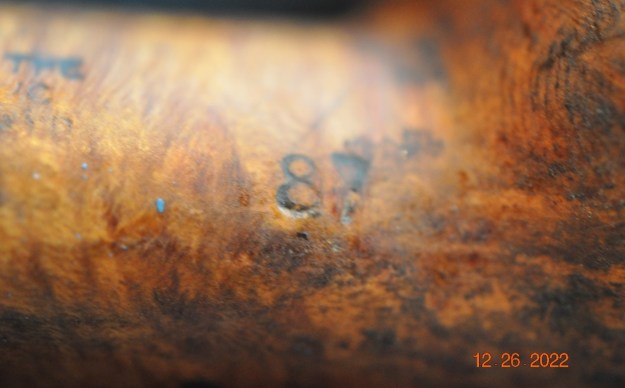
The next pipe I have chosen is smooth finished Peterson’s “Kildare” Apple shaped pipe that had a very dirty/grimy finish but had some good looking grain around the bowl sides and shank. It came to us from an Antique Store on 10/20/2022 in Vancouver, Washington, USA. This Lightweight Apple was stamped on the left side of the shank and read Peterson’s [over] “Kildare”. It was stamped on the right side and read Made in the Republic of Ireland (three lines) followed by the number 87 near the shank/bowl junction. The pipe was in filthy condition when he brought it to the table. The finish was dirty with grime ground into the briar sides and rim. There was a thick cake in the bowl and a coat of lava on the rim top but the edges of the bowl. The inner edge of the bowl was thickly coated in lava and it was hard to know how the rim top and edges looked underneath. The stem was dirty with oxidation and calcification on it. There were tooth marks and chatter on the top and underside on and near the button and on the button edges as well. The P lip portion of the stem was bent downward putting the airway on the end of the stem. There was no “P” stamp logo on the taper stem. Jeff took photos of the pipe before his cleanup work. They tell the story and give a glimpse of the promise that we see in this pipe.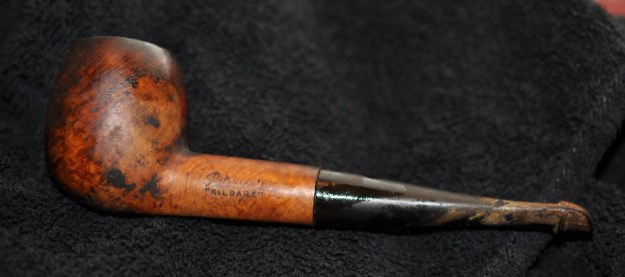
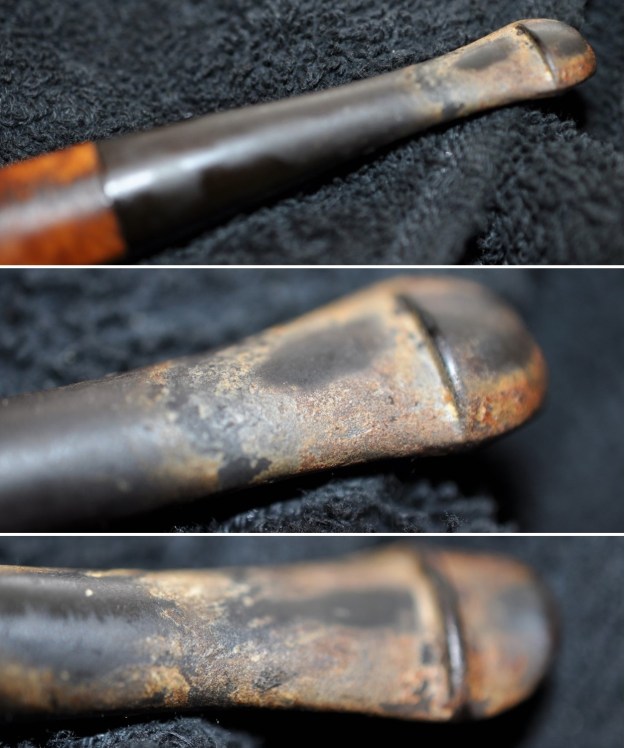
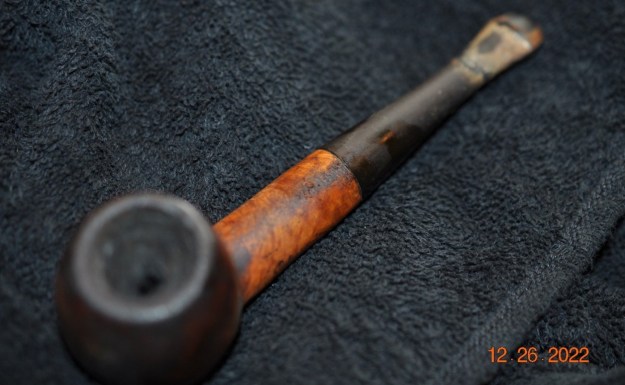 Jeff took photos of the rim top and stem to show the general condition of the pipe. The bowl is thickly caked and the rim top has a lava coat flowing down the outside of the bowl and the inner edge. The finish on the bowl is rough but I will know more once it is cleaned up. The photos of the stem show the oxidation, calcification and the tooth marks and chatter on both sides near the button. The P-Lip has been heated and turned downward making the airway enter at the bend end!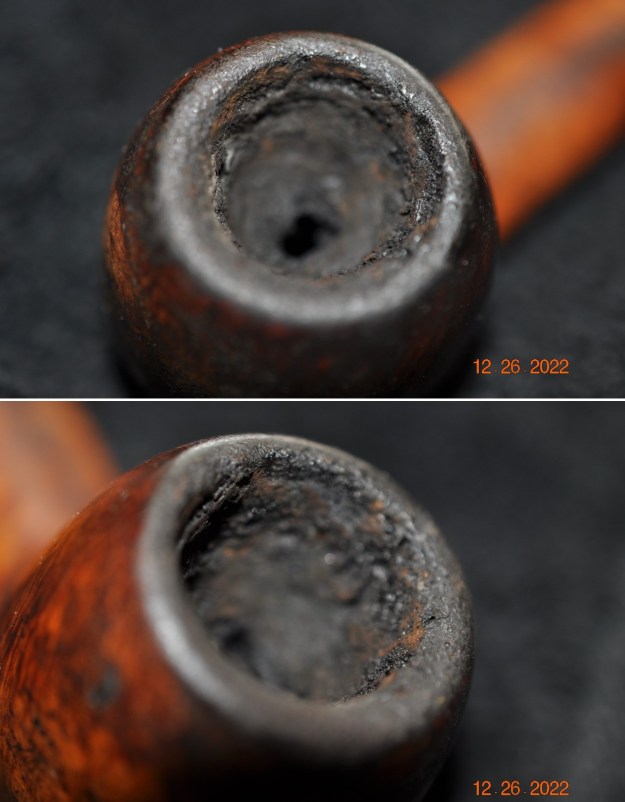
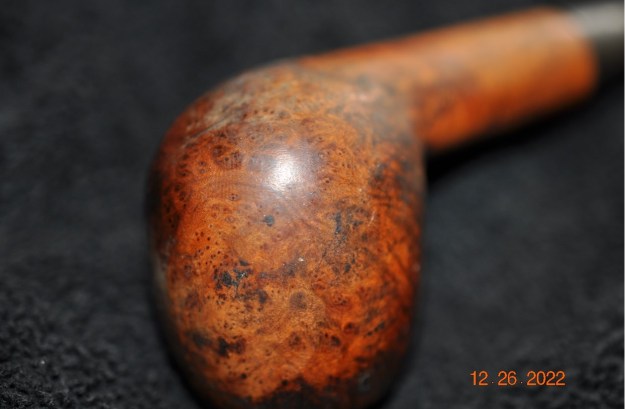
 Jeff took some photos of the bowl sides and heel to show the amazing grain that is peeking out from underneath that overflow of lava and grime on the surface around this bowl. It is appears to have a nice looking pipe hidden underneath it all!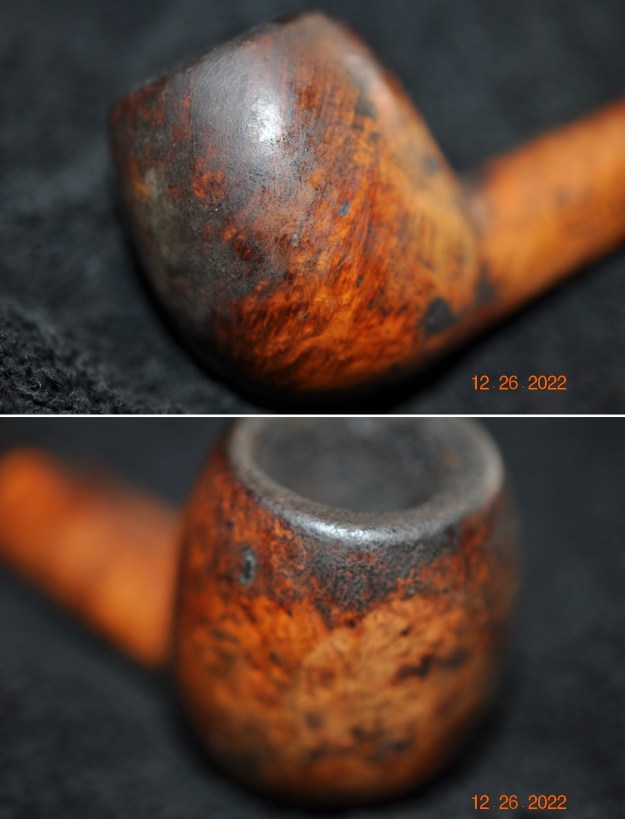
 He took photos of the sides of the shank to show the stamping. The stamping is faint but readable in the photos below and is as noted above.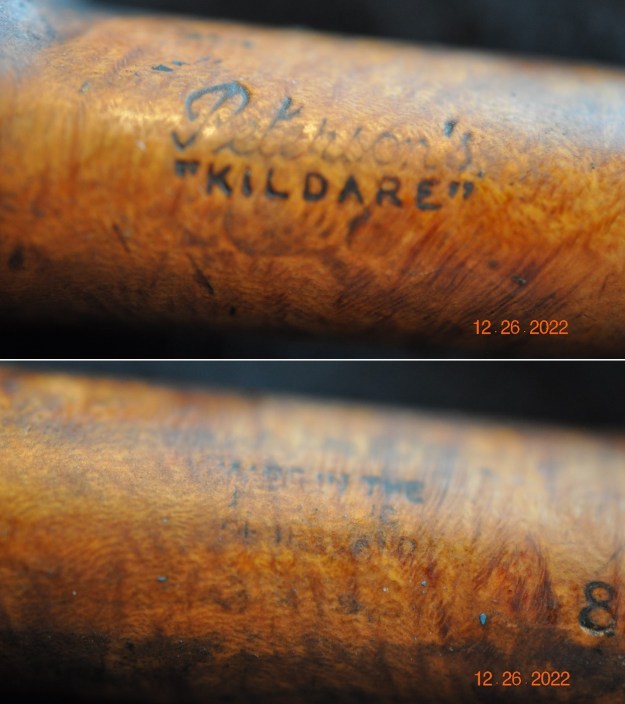
 I am including the information from Pipedia’s article on Peterson pipes. It is a great read in terms of the history of the brand (https://pipedia.org/wiki/Peterson). I have included a bit of the pertinent history here.
1950 – 1989 The Republic Era – From 1950 to the present time, the stamp for this era is “Made in the Republic of Ireland” in a block format generally in three lines but two lines have been used with or without Republic being abbreviated.
During the 1950’s and 60’s the Kapp & Peterson Company was still in the ownership of the Kapp family. However, 1964 saw the retiral of the company Managing Director Frederick Henry (Harry) Kapp.
I turned to “The Peterson Pipe” by Mark Irwin and Gary Malmberg to get some background on the Peterson’s System Line. On page 314 it had the following information.
Kildare (1965-) First issue of line with matte-finish in Classic Range shapes, P-Lip and fishtail mouthpiece. Second issue C.1979 as Kildare Patch, with rusticated patches on pipe surface. Third issue 2010, matte-brown, P-Lip or fishtail mouthpiece, no band. Fourth issue 2011-, burgundy sandblast finish, nickel army mount, fishtail mouthpiece, exclusive to smokingpipes.com.
Judging from the description above I believe that I am working on a First Issue of the line in the time period of 1965-1979. It is a late Republic Era Classic Shaped pipe with a matte-finish and a P-Lip stem. Now it was time to work on the pipe.
With that information at hand I turned to work on the pipe itself. Jeff had thoroughly cleaned up the pipe. He reamed the pipe with a PipNet Pipe Reamer and cleaned up the remnants with a Savinelli Fitsall Pipe Knife. He scrubbed the bowl with undiluted Murphy’s Oil Soap with a tooth brush. He rinsed it under running warm water to remove the soap and grime. There were portions of the bowl sides where the tars had stained the briar but it was clean! He cleaned out the inside of the shank and the airway in the stem with alcohol, cotton swabs and pipe cleaners. He scrubbed the exterior of the stem with Soft Scrub to remove as much of the oxidation and calcification as possible. He soaked the stem in Before & After Deoxidizer and rinsed it off with warm water. I took photos of the pipe once I started to work on it. 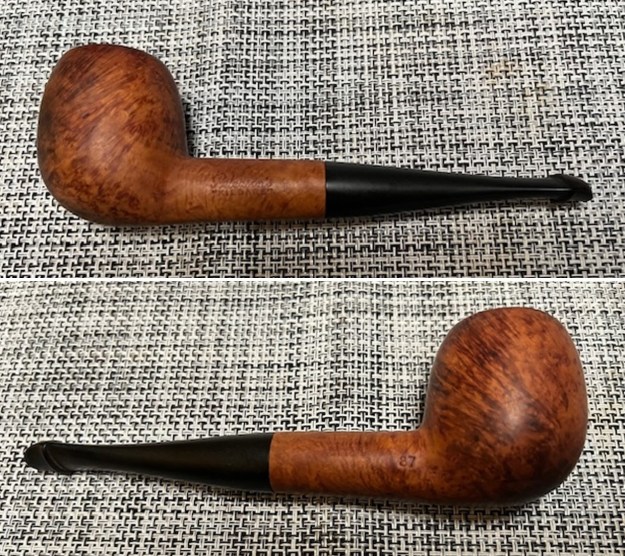
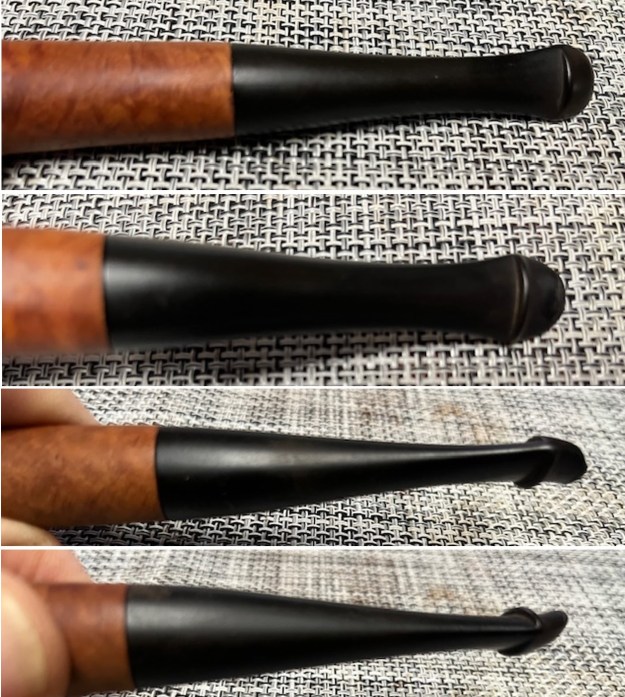
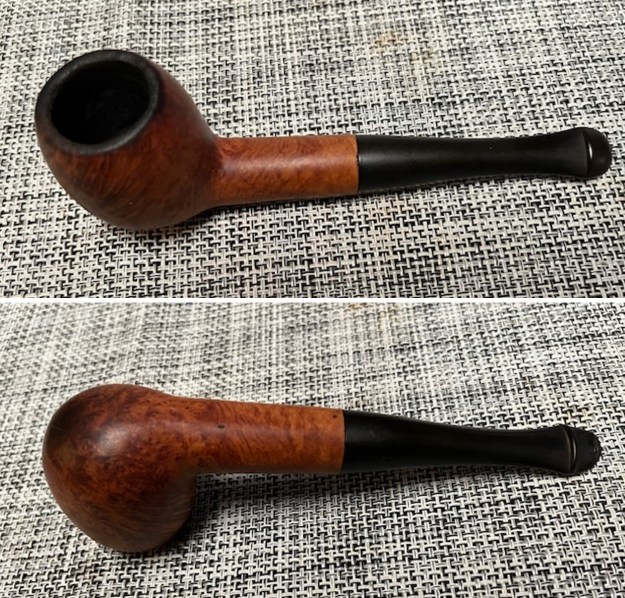 I took some close-up photos of the rim top, bowl front and heel as well as the stem surface. I wanted to show what an amazing job Jeff did in the cleanup of the rim top. The rim top and inner edge had darkening and damage. There was damage to the inner edge on the front and back of the bowl. The bowl front and heel had some darkening from the tars staining the briar. I also took close up photos of the stem to show the condition of the vulcanite. It was quite clean and the light tooth marks on the stem ahead of the button that do not show up well. The button was also bent downward and the airway was at the stem end.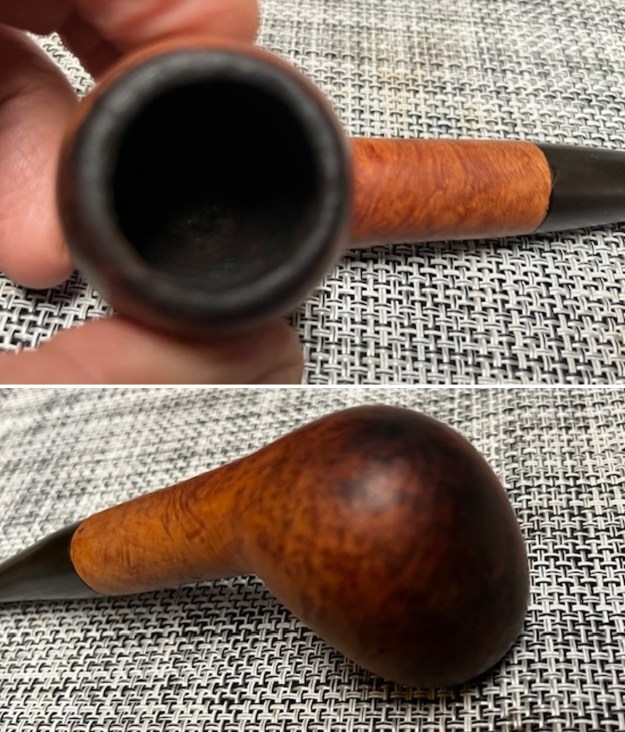
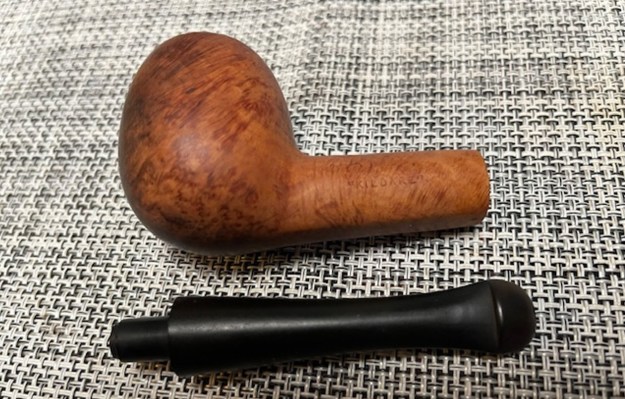
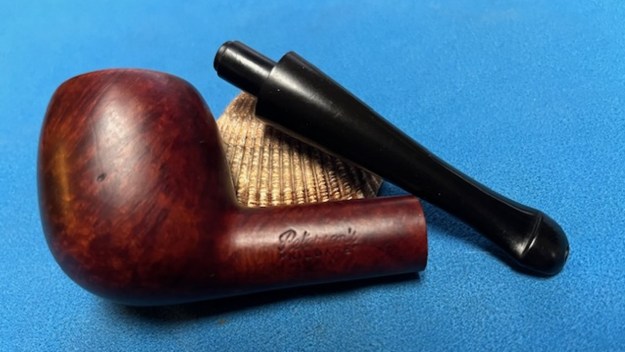
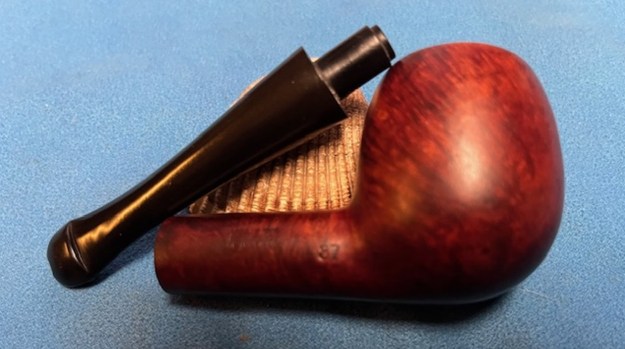
 One of the things I appreciate about Jeff’s cleanup is that he works to protect and preserve the nomenclature on the shank of the pipes that he works on. The stamping on this one was very faint to start with so I was worried that it would disappear altogether with the cleanup. He was not only able to preserve and maintain its condition in the process. I took some photos to show the clarity of the stamping. I have noticed that many restorers are not careful to protect the stamping in their cleaning process and often by the end of the restoration the nomenclature is almost destroyed. I would like to encourage all of us to be careful in our work to preserve this as it is a critical piece of pipe restoration! I took the stem off the shank and took a photo of the pipe.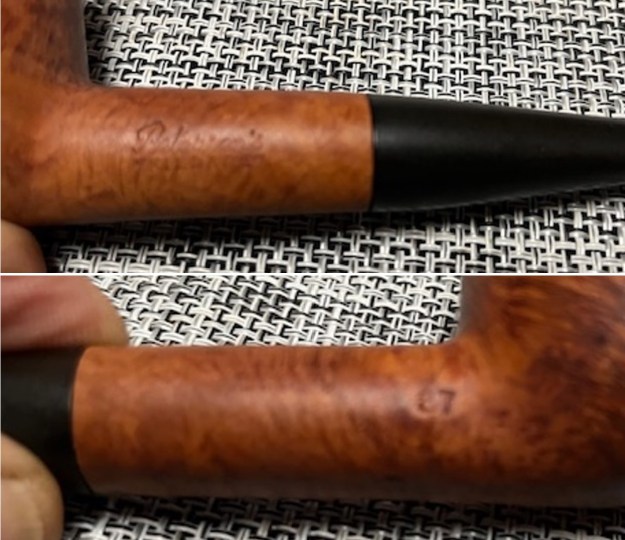
 I decided to start my work on the pipe by cleaning up the rim top, inner edge of the bowl and the darkening on the front of the bowl. I worked over the edge with a folded piece of 220 grit sandpaper. I minimized the damage on the inner edge and rim top. It looked significantly better. I used a medium grit sanding sponge and 220 grit sandpaper to sand the darkening on the bowl front. It looked better but still was too dark to my liking. I mixed a batch of oxalic acid and wiped down the darkened areas to see if that method would lighten it more. Each step took more of the darkening away. I sanded it again with the sanding sponge and 220 grit sandpaper and finally it was as good as it would get. Some of the darkening remained but it was still a big improvement.
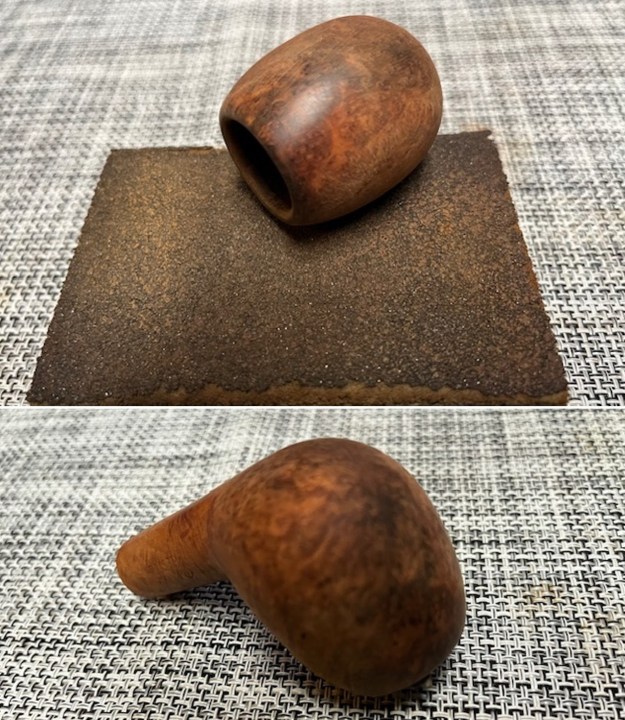
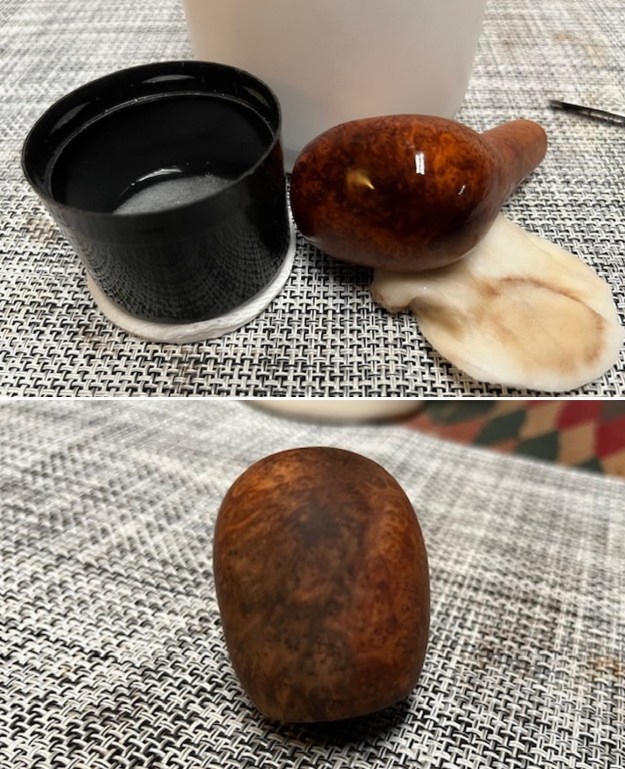
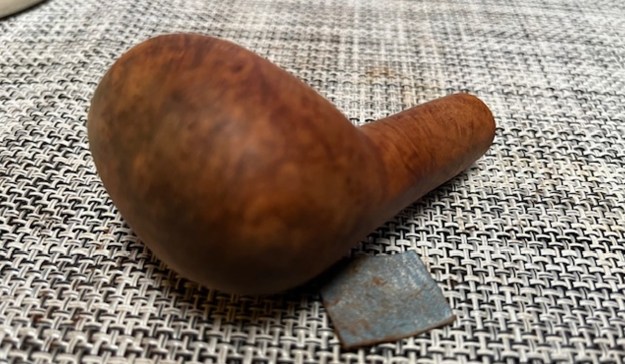 I stained the bowl with a light brown aniline stain to try to cover and blend in the darkening on the rim top and front of the bowl. I applied the stain with a wool dauber and flamed it with a Bic lighter to set it in the grain. I set it aside to let the stain coat cure.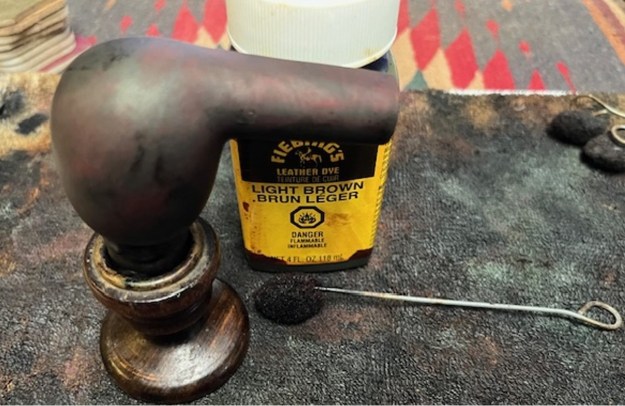
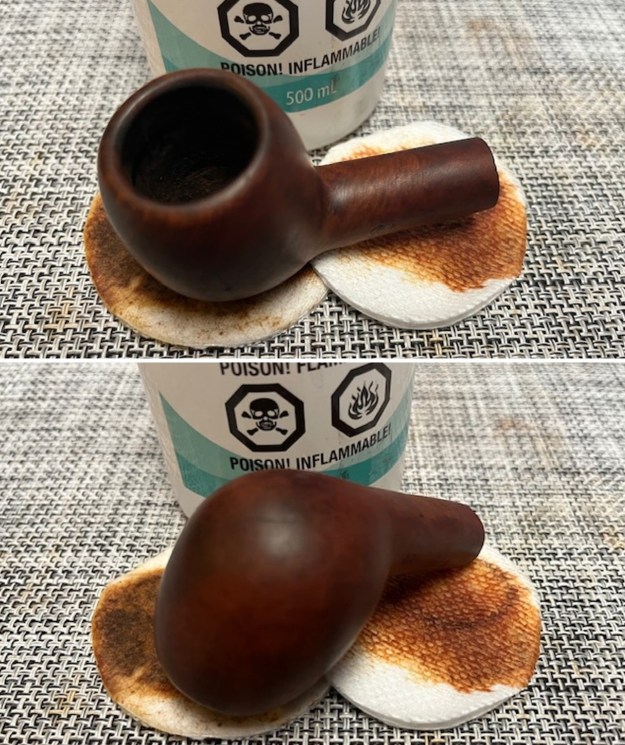
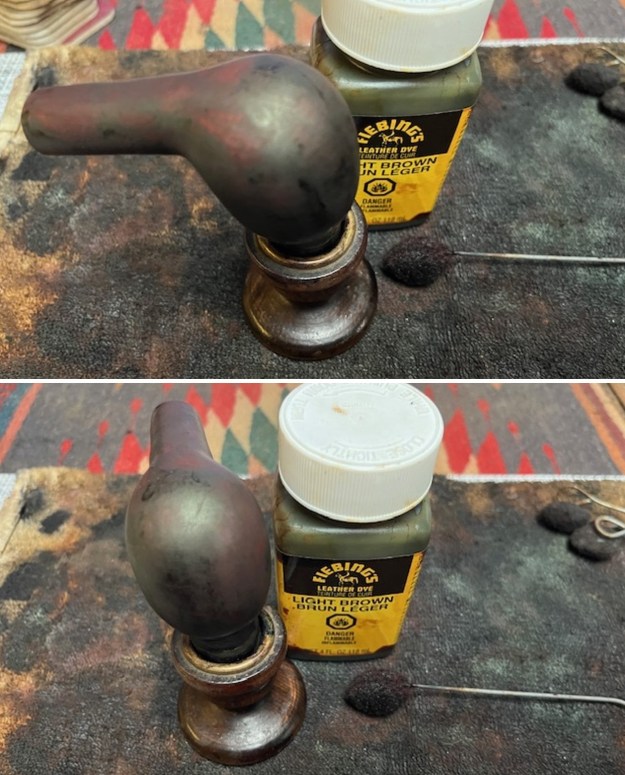 I wiped the bowl down with alcohol on cotton pads to lighten the opaque stain and make it more transparent. I like the way the pipe looked at this point in the process. I still needed to use micromesh on it but it was looking better.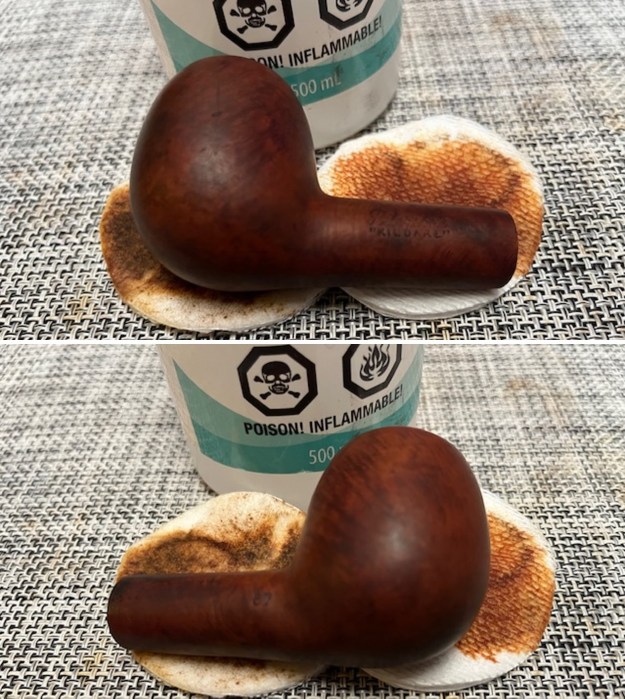
 I polished the briar with micromesh sanding pads – dry sanding it with 1500-12000 grit sanding pads. I wiped it down with a damp cloth after each sanding pad to remove the dust. The briar was really shining by the final pad.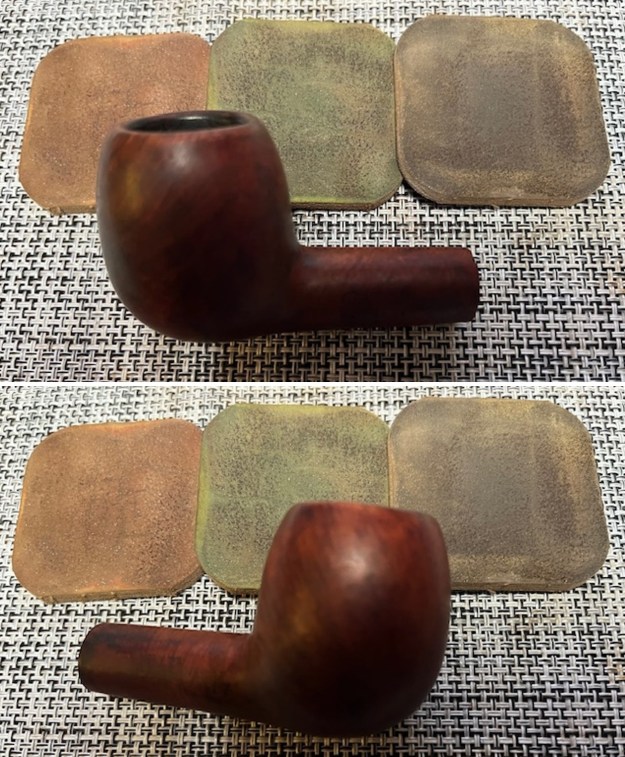
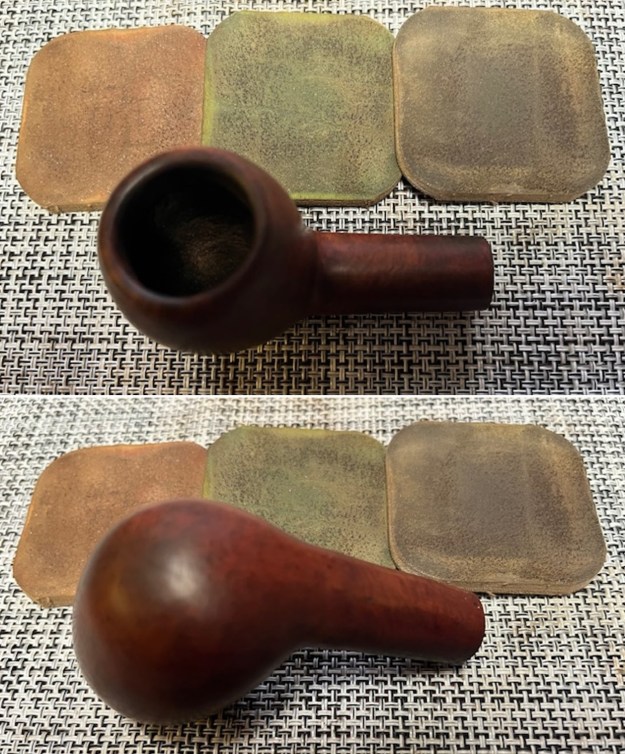
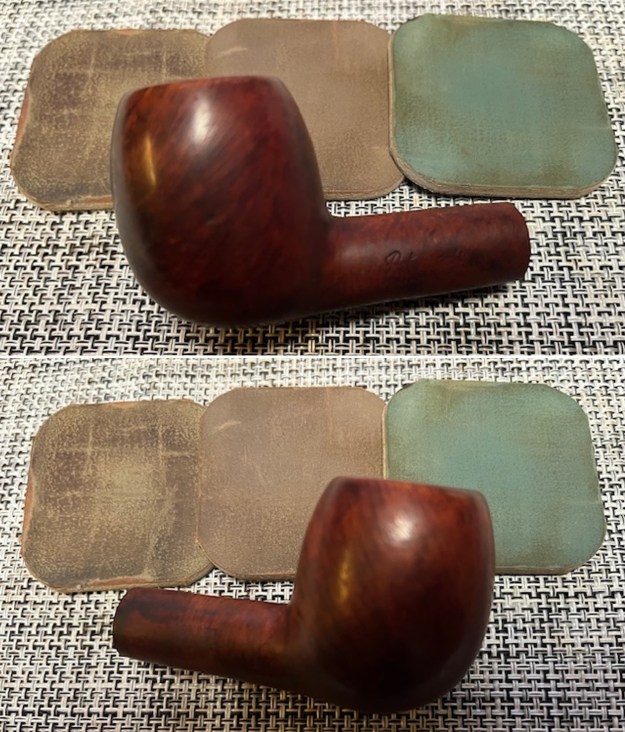

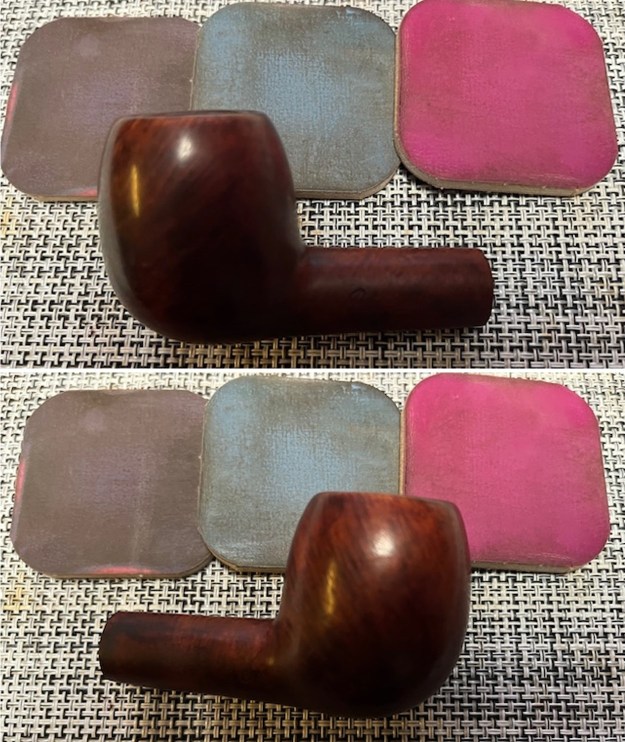
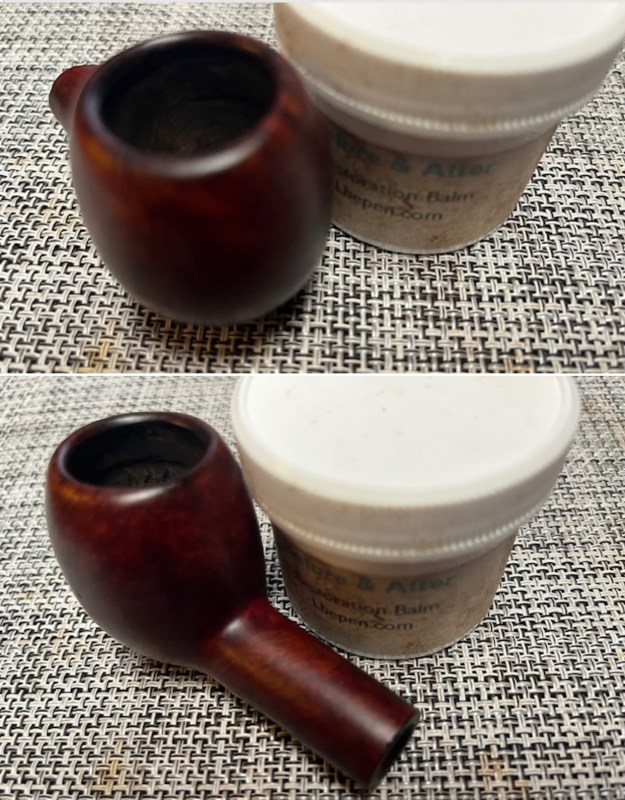
 I rubbed the bowl and rim down with Before & After Restoration Balm. I worked it into the surface of the briar with my fingertips to clean, enliven and protect it. I let the balm sit for 10 minutes and then buffed with a cotton cloth to raise the shine. I really like watching the Balm do its magic and bring the briar alive.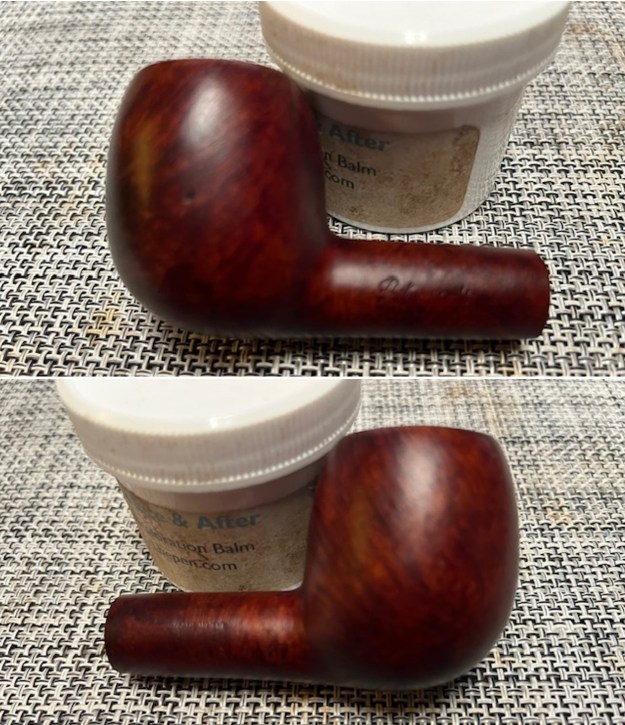
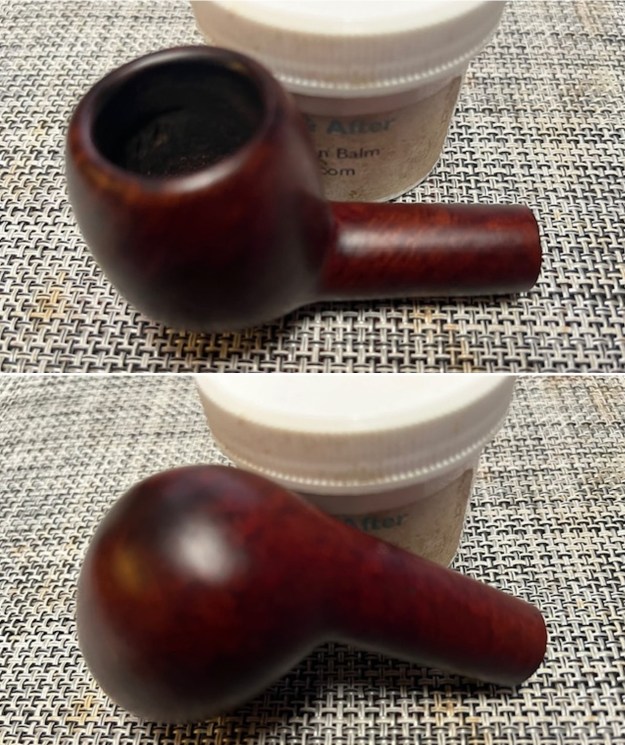
 I set the bowl aside and turned my attention to the stem. Someone had heated the tip of the button and bent it down to bring the airway on the top of the P-lip down to form a straight opening in the stem end. I heated the tip with a heat gun and carefully bent it back up and straight once again. The airway opening is certainly closer to the original than it was when I started. A bit more shaping is going to be necessary but it is better.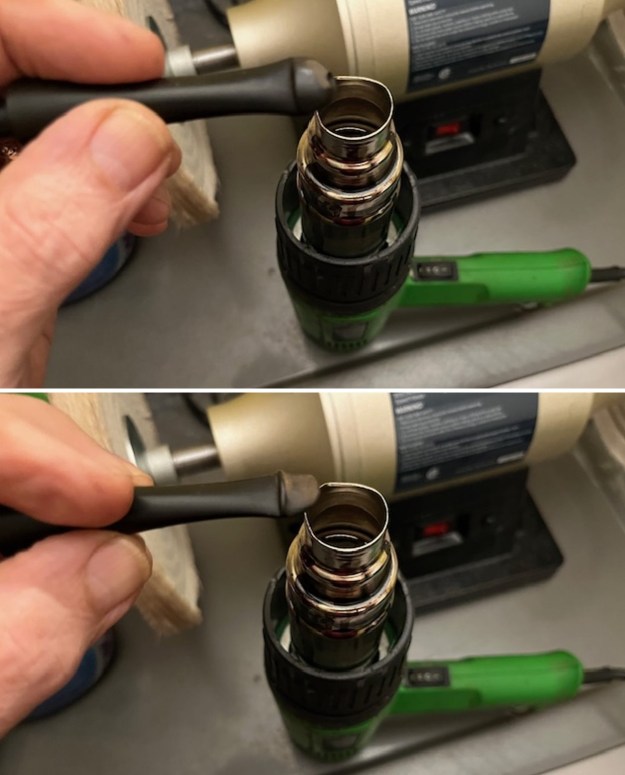
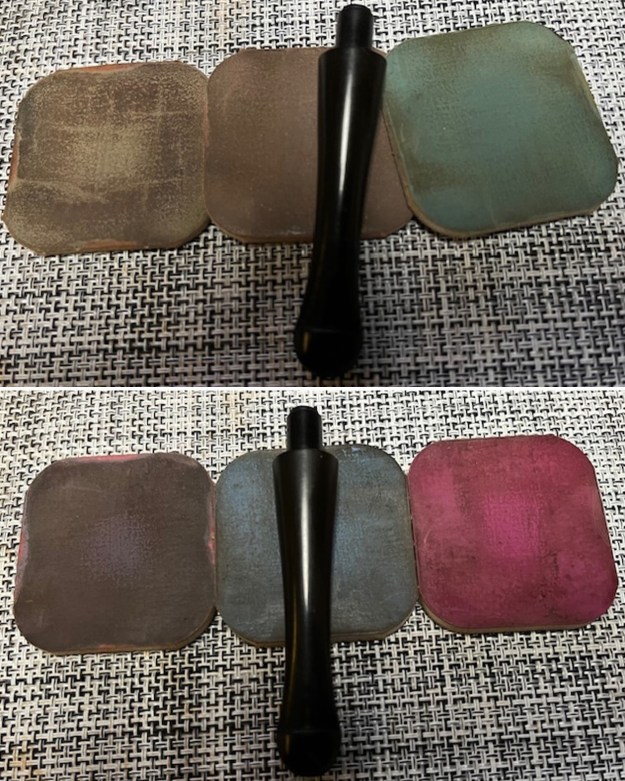
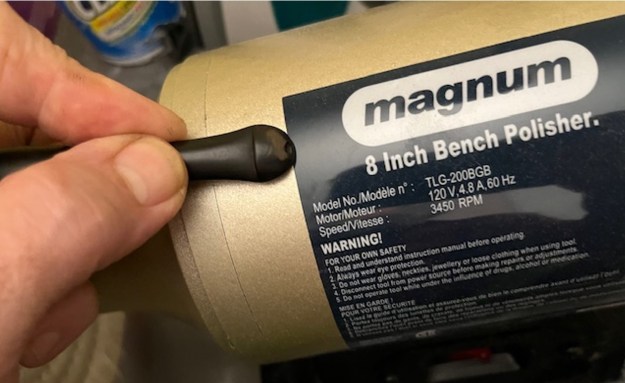 I polished the stem with micromesh sanding pads – wet sanding with 1500-12000 grit pads. I wiped the stem down after each sanding pad with Obsidian Oil.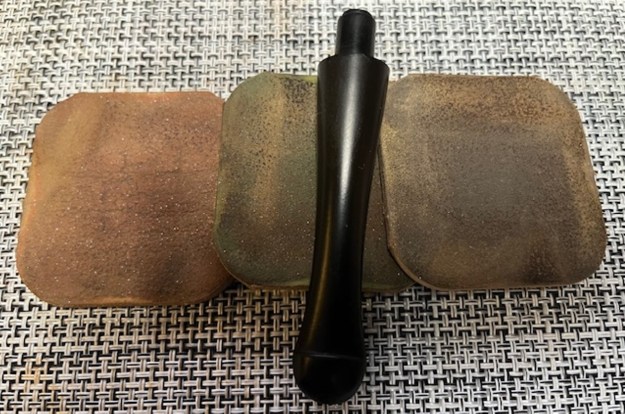
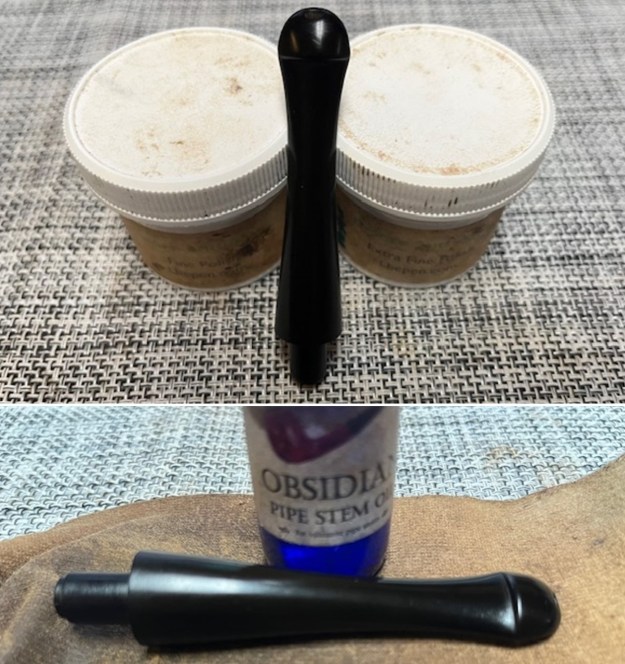
 I polished it with Before & After Pipe Stem Polish – both Fine and Extra Fine. I gave it a coat of Obsidian Pipe Stem Oil. It works to protect the stem from oxidizing. I set it aside to dry.
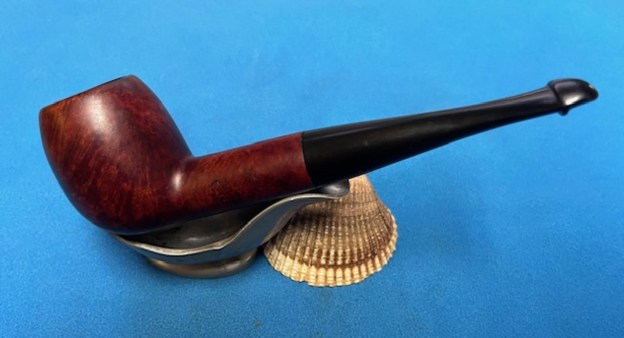
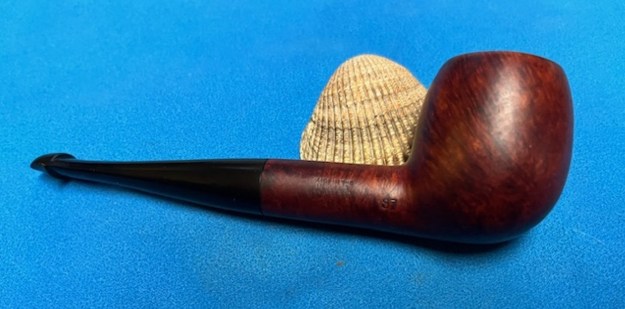
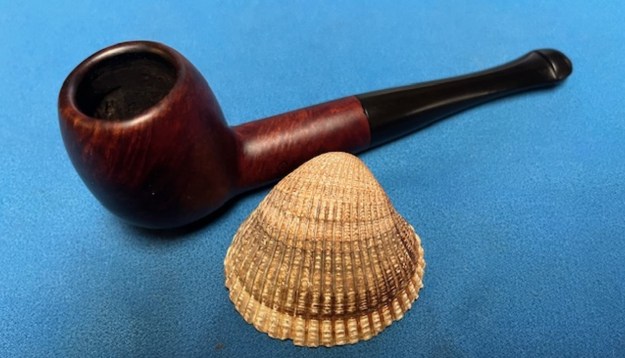
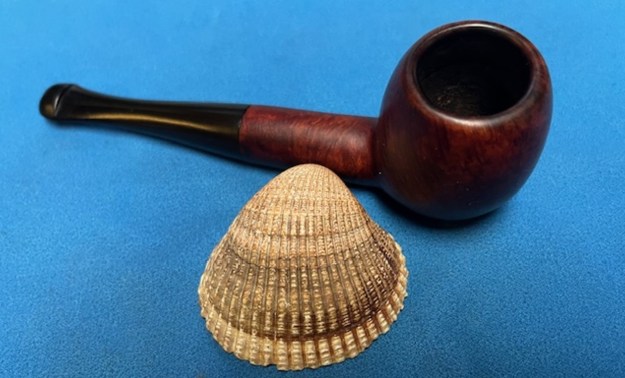
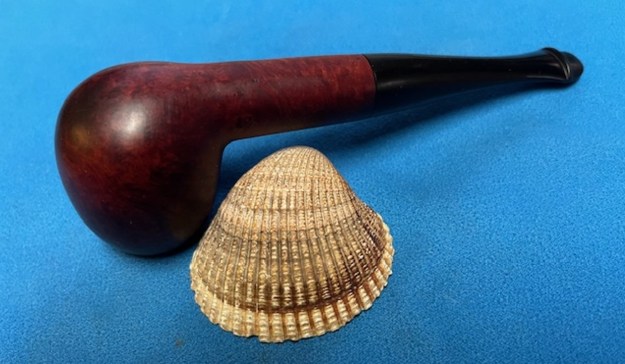
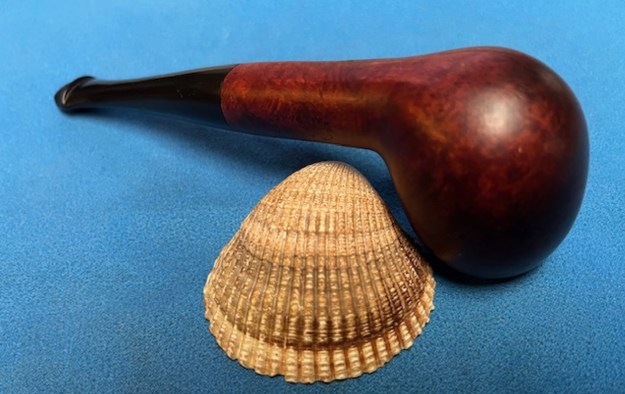
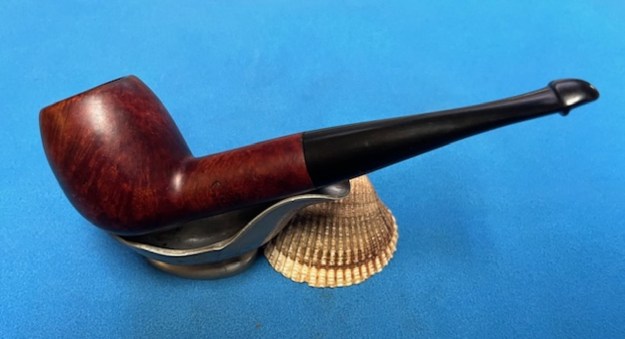
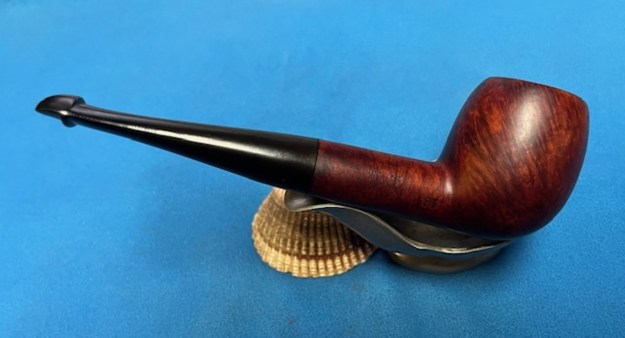
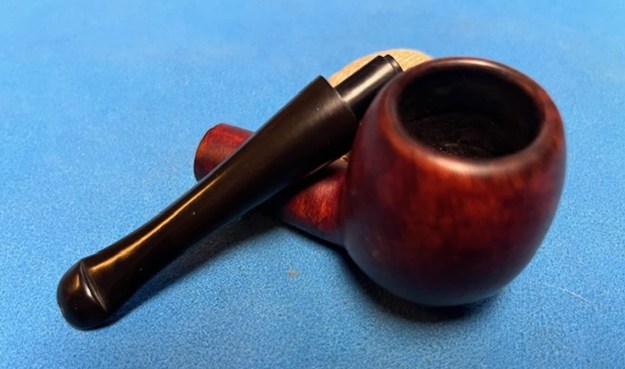
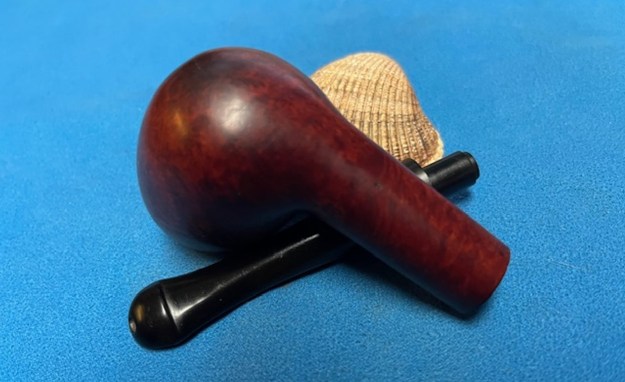
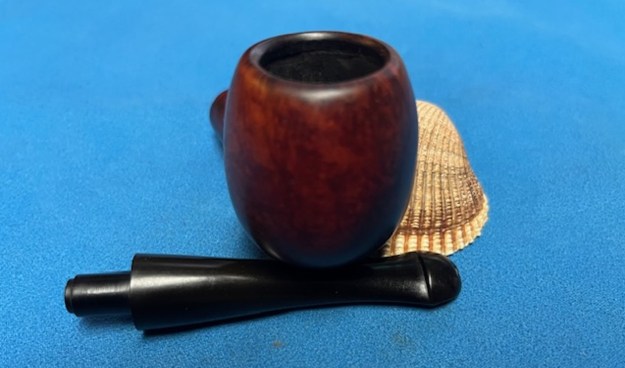
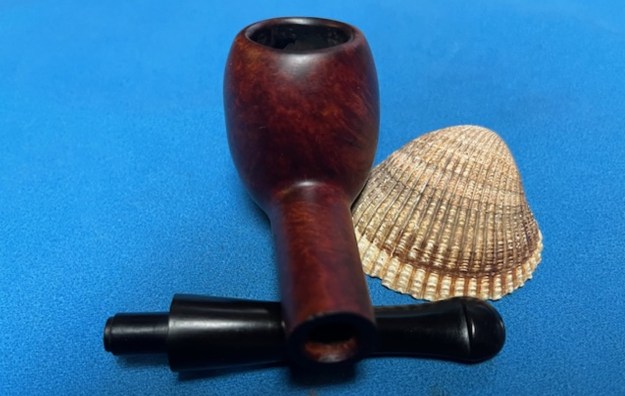
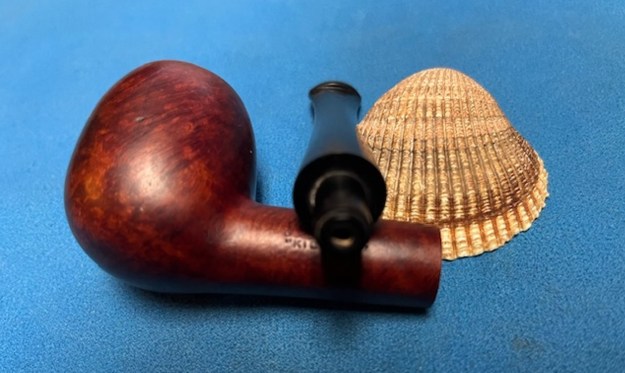
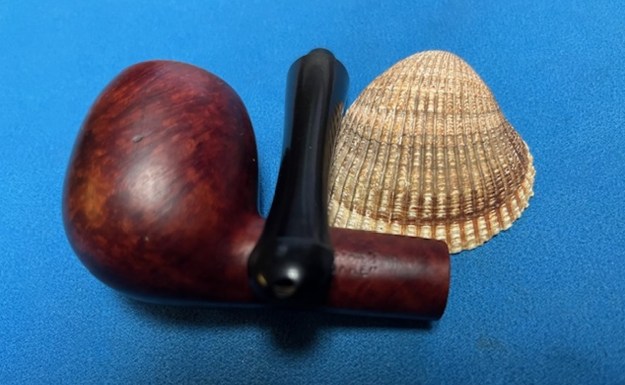
  Once again at this point in the restoration process I am excited to be on the homestretch. I look forward to the final look when the Republic Era Peterson’s “Kildare” 87 Apple with a taper stem is put back together, polished and waxed. I put the bowl and stem back together. I lightly polished the bowl and stem with Blue Diamond to polish out the scratches in the briar and the vulcanite. I gave the bowl and the stem multiple coats of carnauba wax. I buffed the pipe with a clean buffing pad to raise the shine. I hand buffed it with a microfiber cloth to deepen the shine. The pipe polished up pretty nicely. The depths of the rustication really pop with the wax and polish. The shiny black vulcanite stem is a beautiful contrast to the browns of the bowl and thick shank. This Republic Era Peterson’s “Kildare” 87 Apple was another challenging pipe to work on. It is a nice piece of briar that cleaned up really well. The pipe feels great in the hand will be better when warmed up while smoking. The finished pipe is shown in the photos below. The dimensions of the pipe are Length: 5 ½ inches, Height: 1 ¾ inches, Outside diameter of the bowl: 1 inch, Chamber diameter: ¾ of an inch. The weight of the pipe is 1.13 ounces/32 grams. I will be putting it on the rebornpipes store in the Irish Pipemakers Section if you would like to add it to your rack and carry on the previous pipeman’s legacy. This is an interesting estate to bring back to life.
As always, I encourage your questions and comments as you read the blog. Thanks to each of you who are reading this blog. Remember we are not pipe owners; we are pipe men and women who hold our pipes in trust until they pass on into the trust of those who follow us.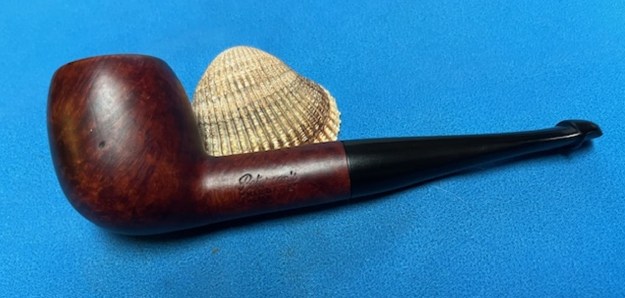
 rebornpipes