
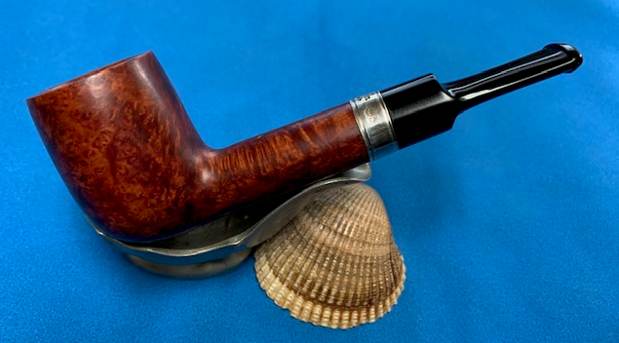
Blog by Steve Laug
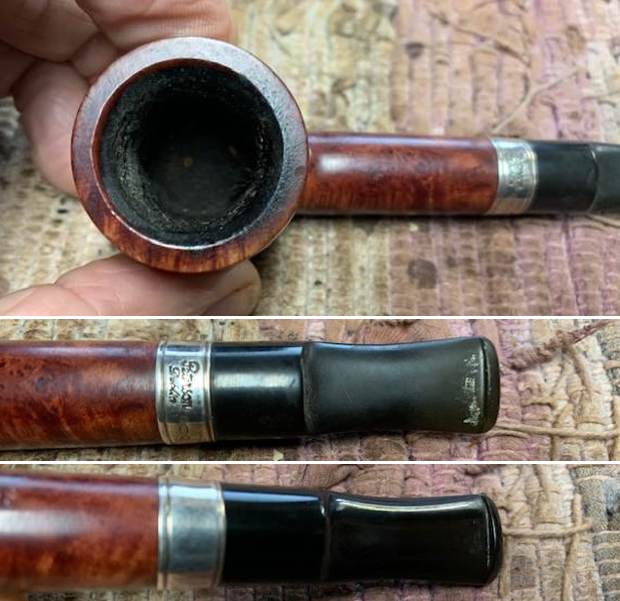
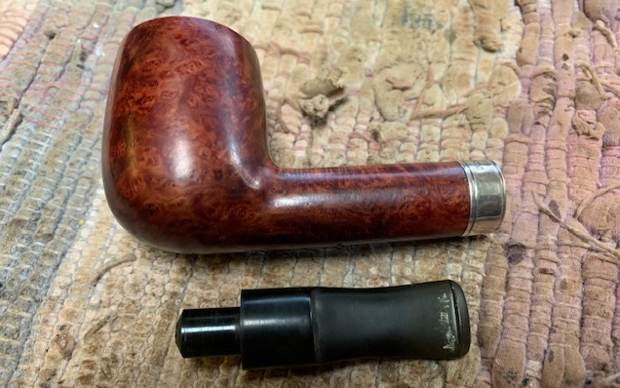
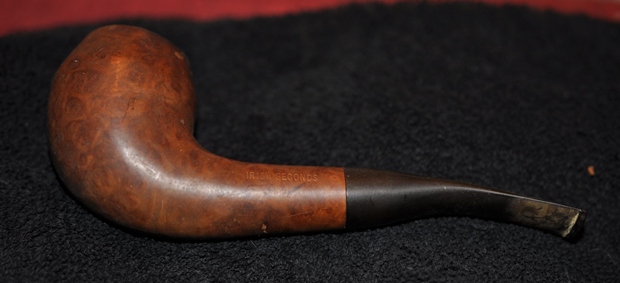
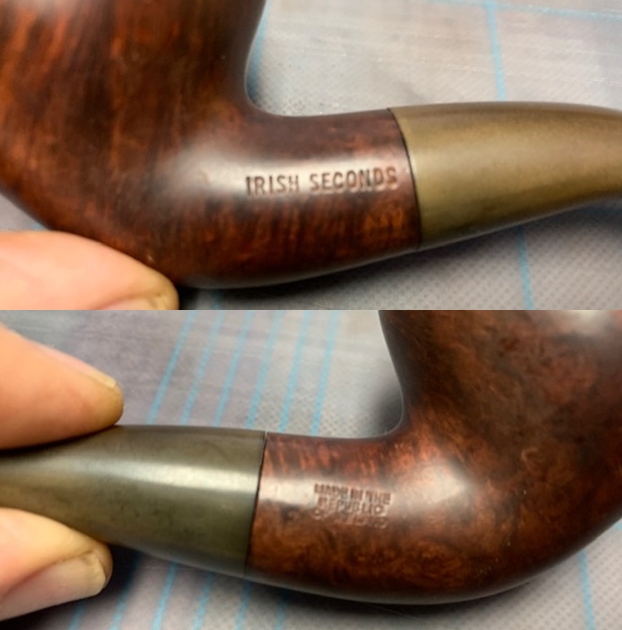
The next pipe on the work table came to me in a group of six pipes I bought from a fellow in Eastern Canada. It included two Canadian made pipes – a Blatter of Montreal and a Trypis. In the mix was an English made Charatan second stamped Mountbatten and two Peterson’s and an Irish Second. The pipes were well used and all had been smoked. The seller sent me a photo of the pipes so that I could see what he was selling. We discussed some options together and arrived at an agreement and the pipes were on their way to me in Vancouver.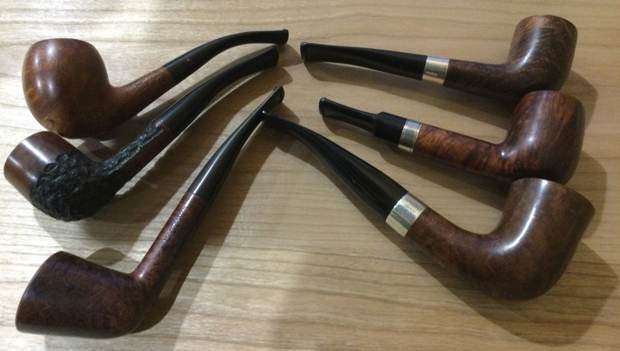 There was something about the chunky Lovat, the second one down in the right column that grabbed my attention and made me want to start with it. I brought it to the worktable and examined it before starting my work. It had a thick shank, a stamped silver band and a vulcanite saddle, fishtail stem. The pipe is stamped on the underside of the shank and reads IRISH SECONDS [over] 2. On the fancy silver band on the shank end it is stamped Peterson [over] Dublin. To the right of that there are three hallmarks – a seated woman (Hibernia), an oval with 925 centered in it (quality of the silver used) and the letter F (the date letter). There are a few fills in the bowl so it is clearly a Peterson’s second, but it is odd that the band is Sterling Silver. The finish had some grime ground into the finish on the bowl but still looked to be in good condition. The bowl was thickly caked with some light lava on the top at the back and some darkening on the top and the beveled inner edge of the rim. The stem had some calcification and tooth chatter on the top and underside near the button. There were not markings or a logo on the stem. It had promise but it was dirty. I took some photos of the pipe before I started my cleanup work.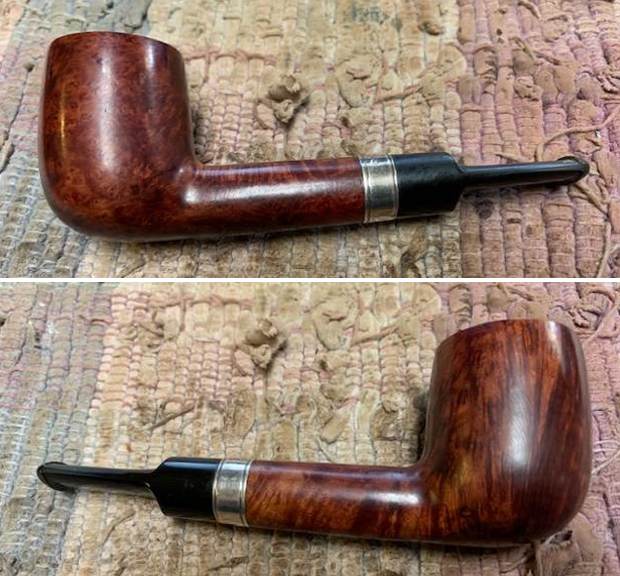
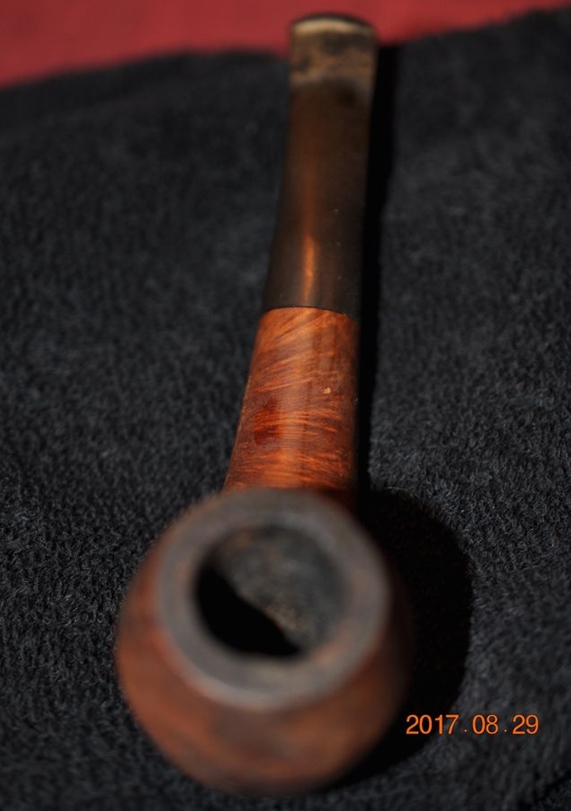
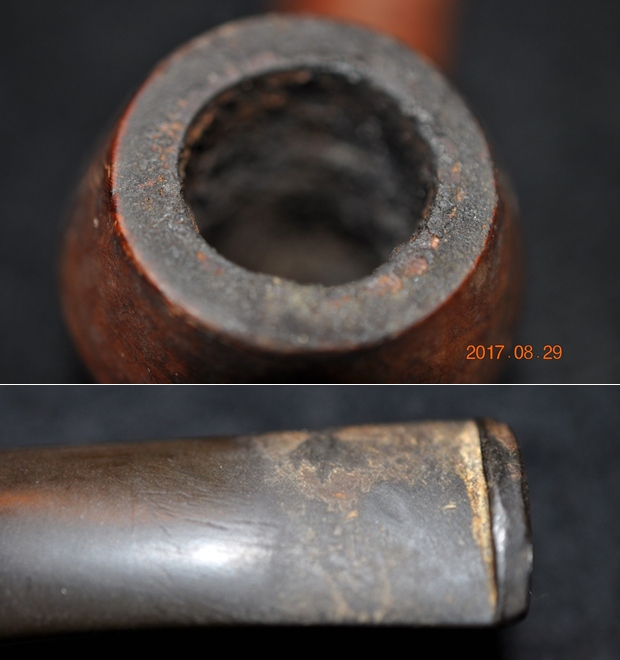
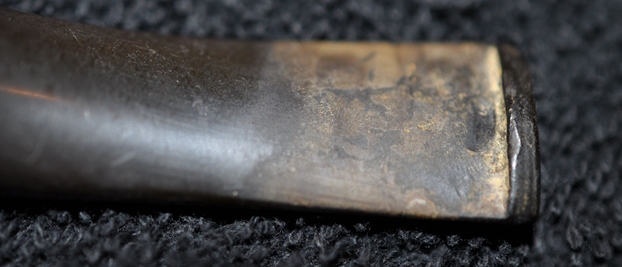
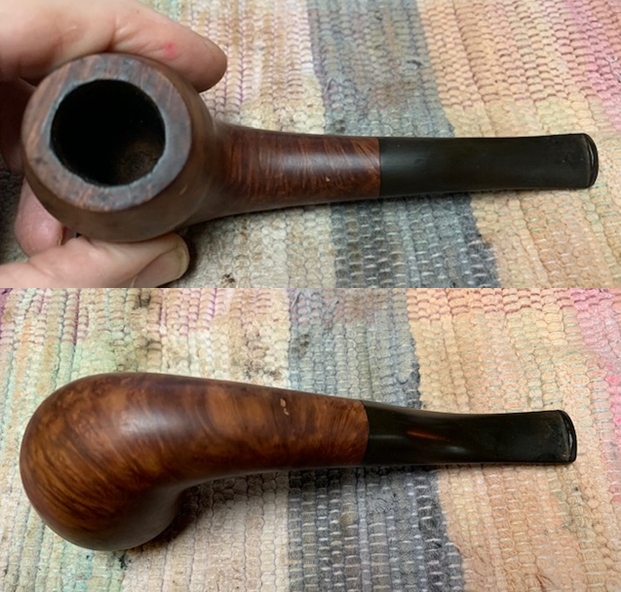
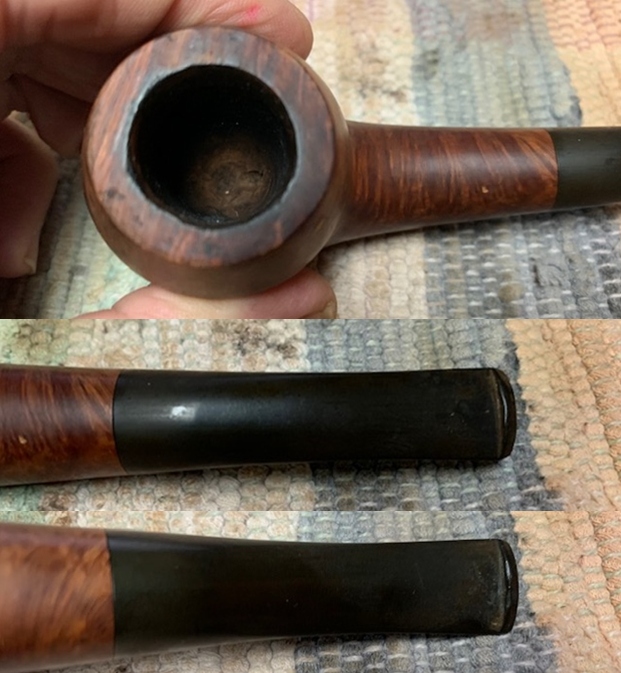
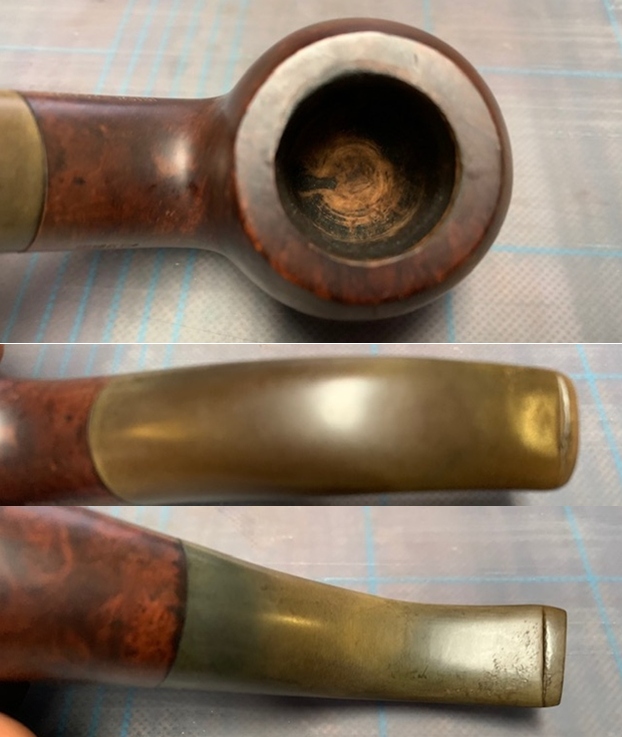
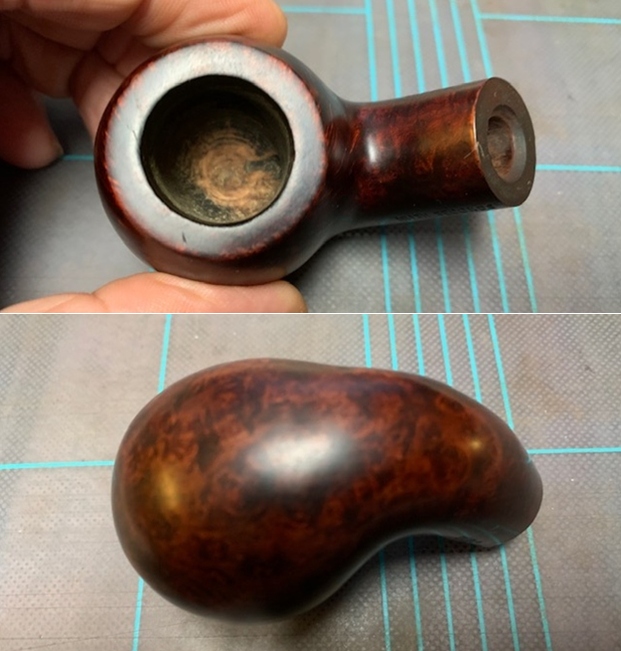
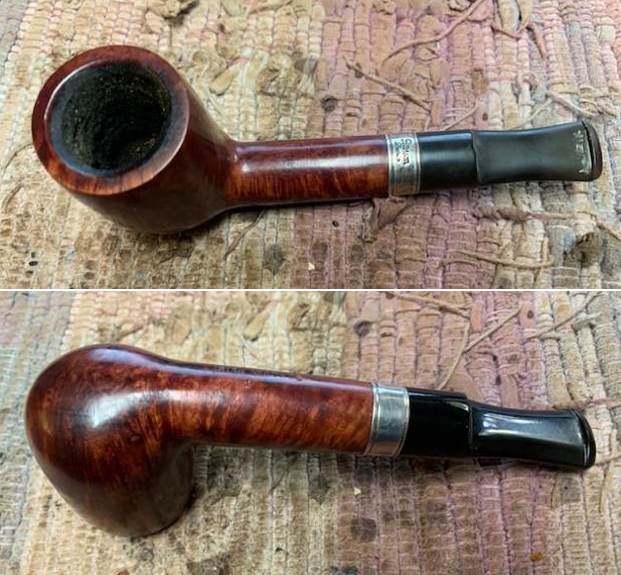 I took photos of the rim top and bowl to give a clear picture of the thickness of the cake and the overflow of lava on the rim top. I also took photos of the top and underside of the stem to show the oxidation and the chatter and tooth marks.
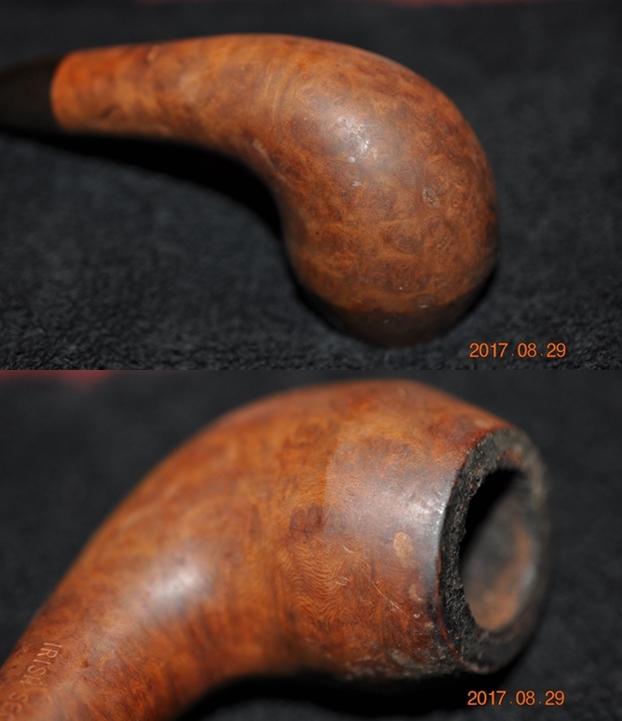
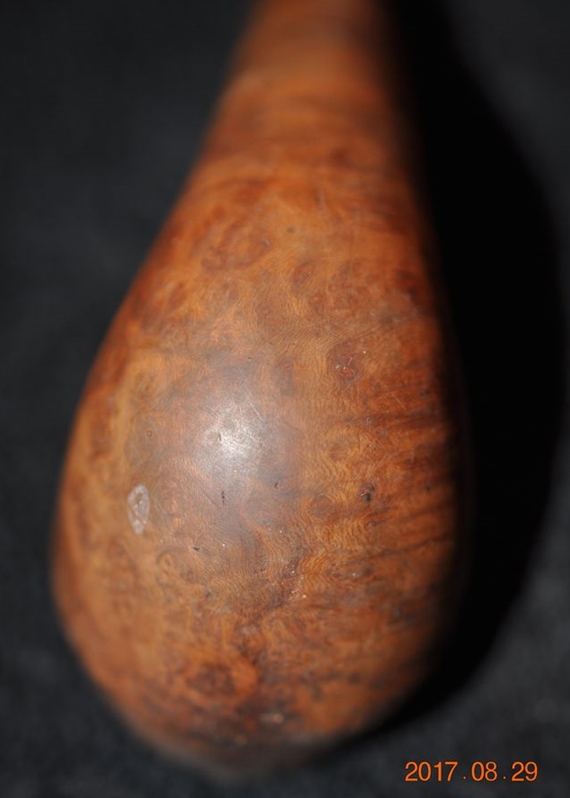
  I took photos of the sides and heel of the bowl to give a picture of what the briar around the pipe looked like. There is some stunning grain under the grime.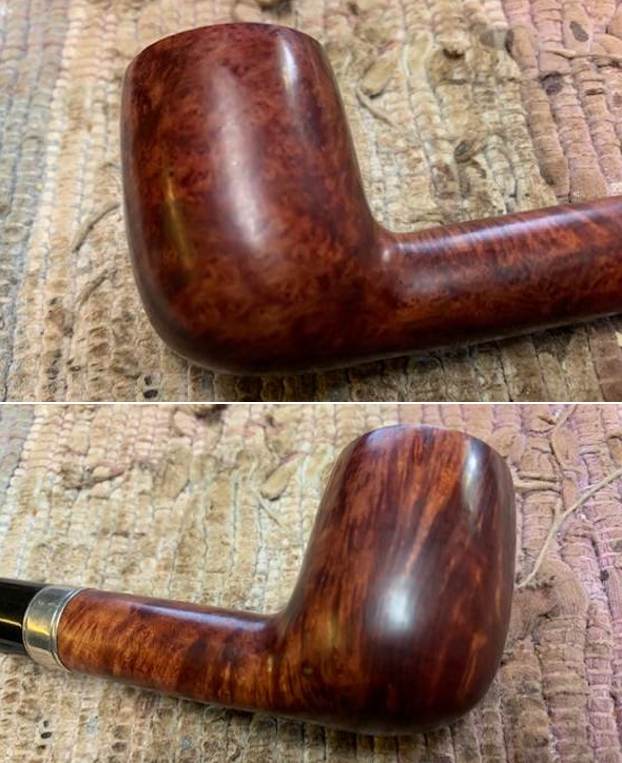
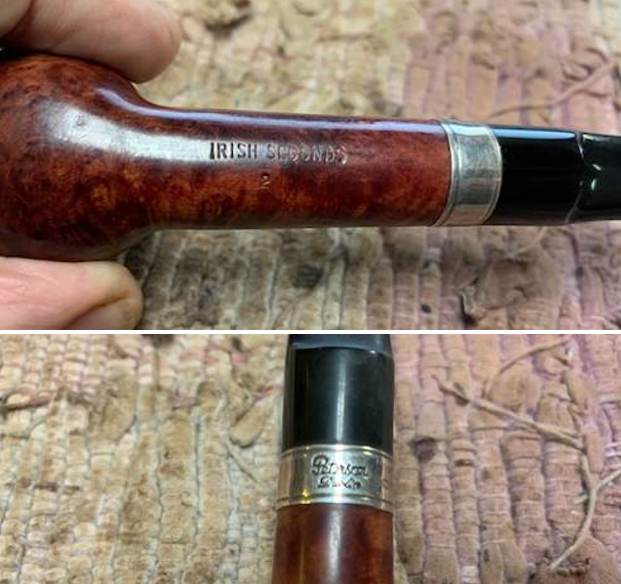
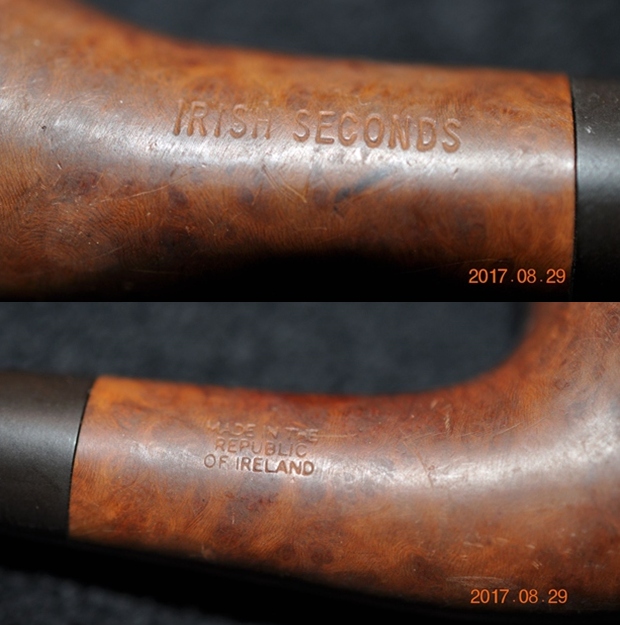
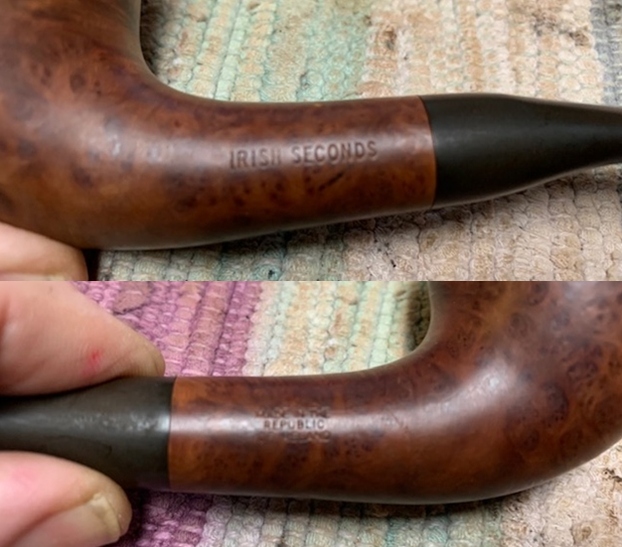
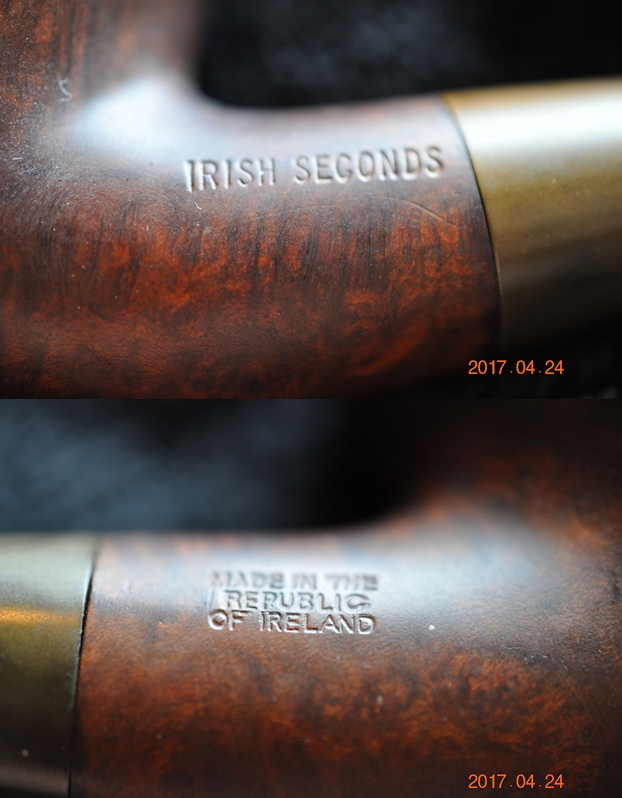
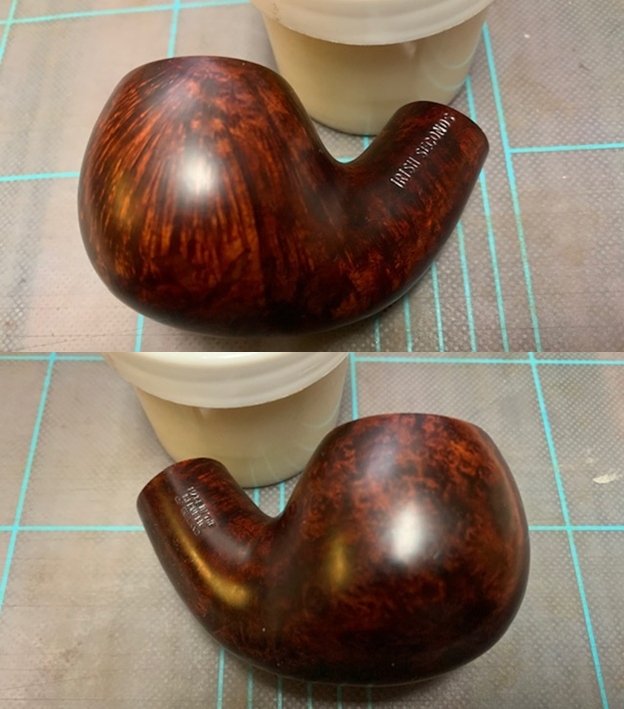
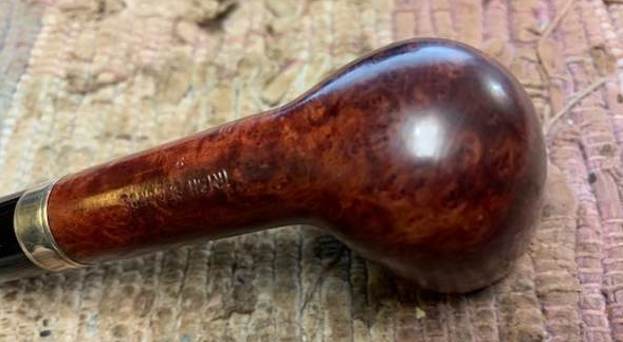 I took photos of the stamping on the underside of the shank and on the band. It reads as noted above and is clear and readable.
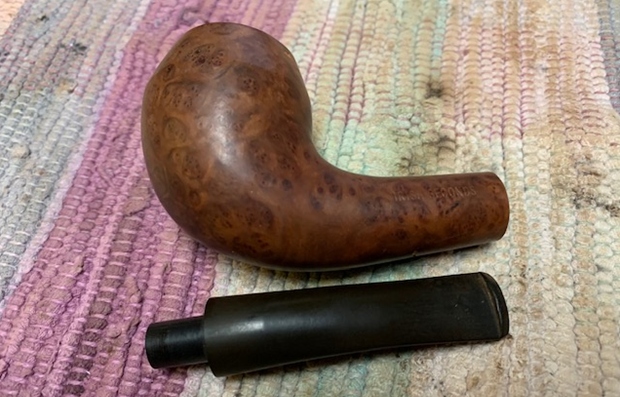
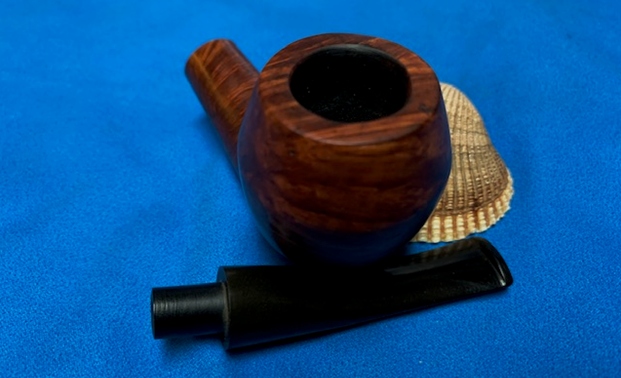
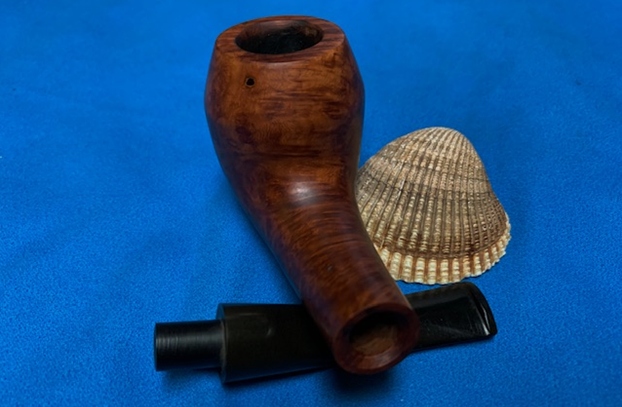
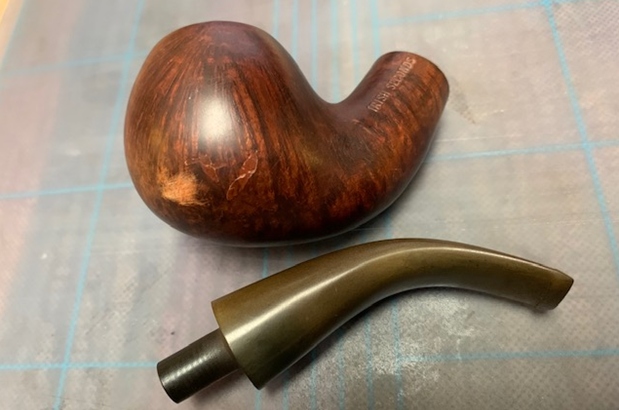
  I removed the stem from the shank and took a photo of the pipe to give a sense of the proportion of this thick shank Lovat.
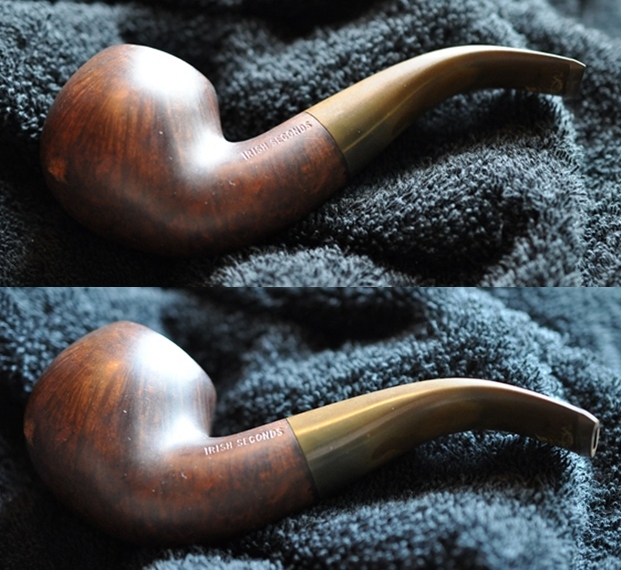
 I turned to Pipedia to read the article on Irish Seconds (https://pipedia.org/wiki/Irish_Seconds). I quote it below in full.
Irish Second pipes begin life alongside Peterson pipes in Dublin, but at some point a flaw appears making future life as one of those celebrated pipes impossible. At this point the pipes were roughly finished, given a standard vulcanite stem instead of a P-Lip, and stamped only with “Irish Second” and “Made in the Republic of Ireland”. These pipes were sold at a far more affordable rate than Peterson pipes, but are believed to no longer be sold new.
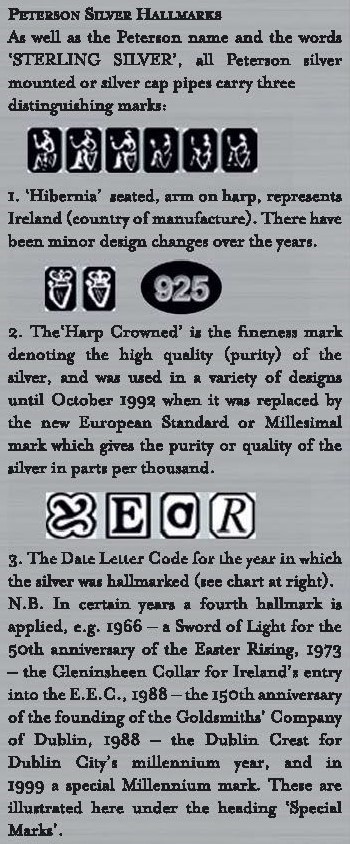 I also wanted to be able to interpret the hallmarks on the silver band. I have captured a portion of the chart that include below that helps to clarify the meaning of each of the three hallmarks. I like the Hallmark feature on the higher end Peterson pipes with Sterling silver bands. It helps to pin down the date even further.
“Hibernia” seated, arm on harp represents Ireland (country of manufacture). There have been minor design changes over the years.
The “Harp Crowned” is the fineness mark denoting the high quality (purity) of the silver, and was used in a variety of designs until October 1992 when it was replaced by the new European Standard or Millesimal mark which gives the purity or quality of the silver in parts per thousand.
The Date Letter Code for the year in which the silver was hallmarked (see the chart below). In certain years a fourth hallmark is applied – for example 1966 – a Sword of Light for the 50th anniversary of the Easter Rising 1973. There were also other marks used for the fourth hallmark.
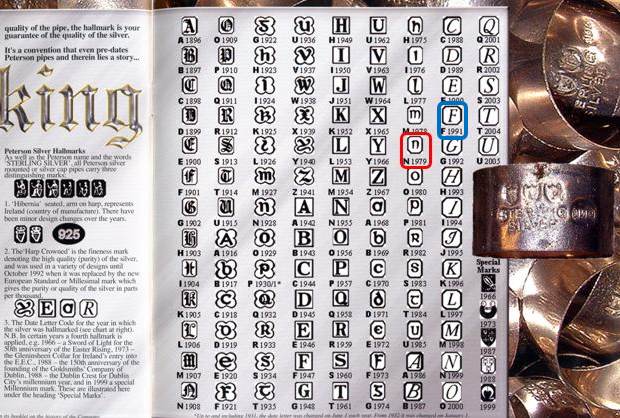
I turned to a blog I wrote on rebornpipes that had a Peterson’s catalogue and a hallmarking chart (https://rebornpipes.com/tag/peterson-hallmark-chart/). I have included it below. On the chart I looked for an upper case italic F in a hexagonal cartouche. I also included a enlargement of the chart and drawn a box around the “F” in blue in the second photo below showing a close up of the dates. From that I am able to date the pipe to 1991.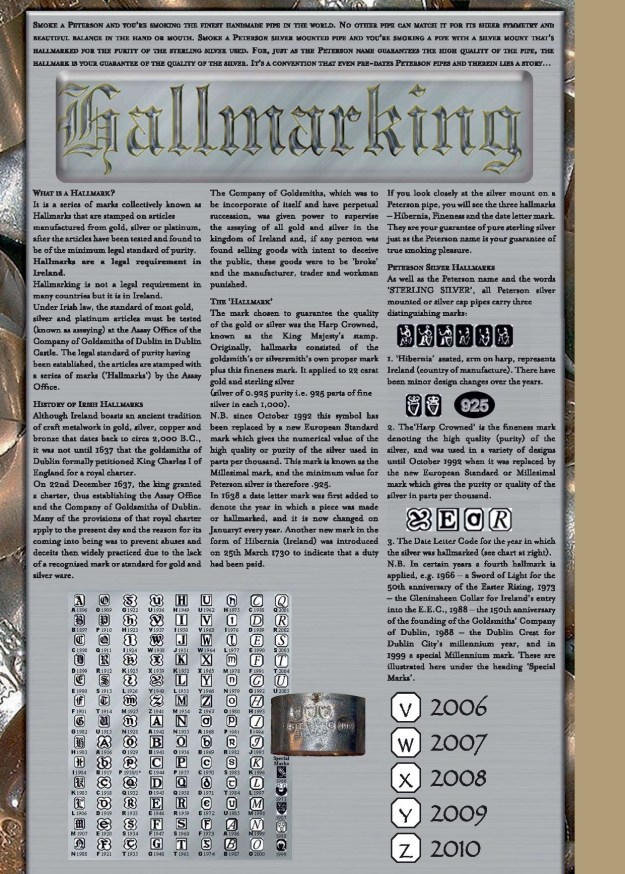
 Now I knew I was dealing with a pipe made in 1991. I am not sure how it became an Irish Second rather than one of the first grade lines. Perhaps it is the small fills in the bowl and shank but I have seen others that are full grade that have more fills than this one. It really is a beautiful pipe. Now it was time to work on the pipe itself.
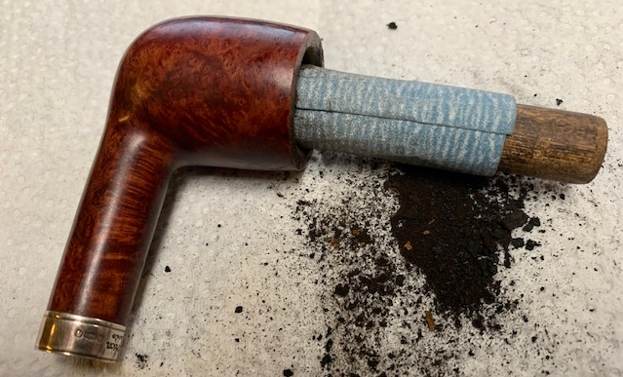
I started my work on the pipe by reaming the bowl the pipe with a PipNet Pipe Reamer using the first and second and third cutting heads to remove the cake. I cleaned up the remnants of the cake on the walls with a Savinelli Fitsall Pipe Knife. I finished by sanding the bowl smooth with 220 grit sandpaper wrapped around a piece of dowel.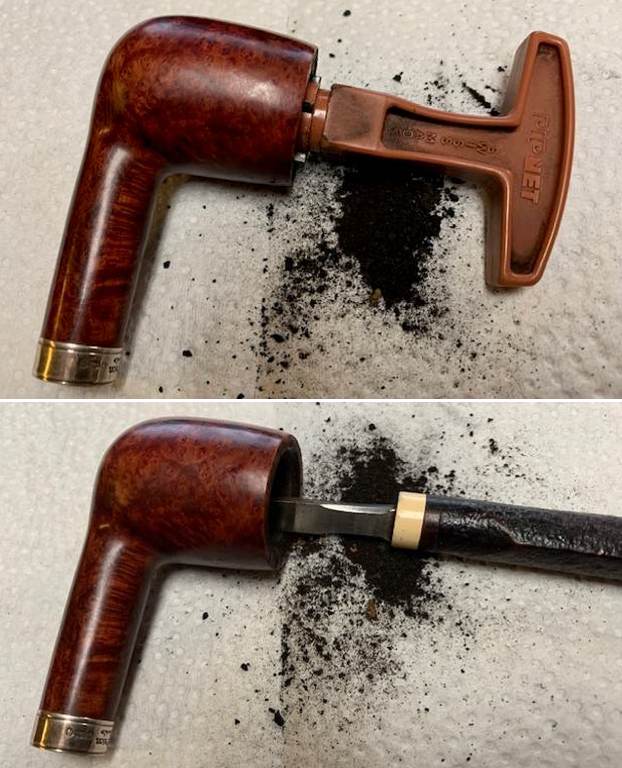
 I scrubbed the externals of the pipe with undiluted Murphy’s Oil Soap with a tooth brush. I rinsed it under running warm water to remove the soap and grime. The bowl and rim top cleaned up really well with the lava coat removed. The inner edge of the rim was in good condition.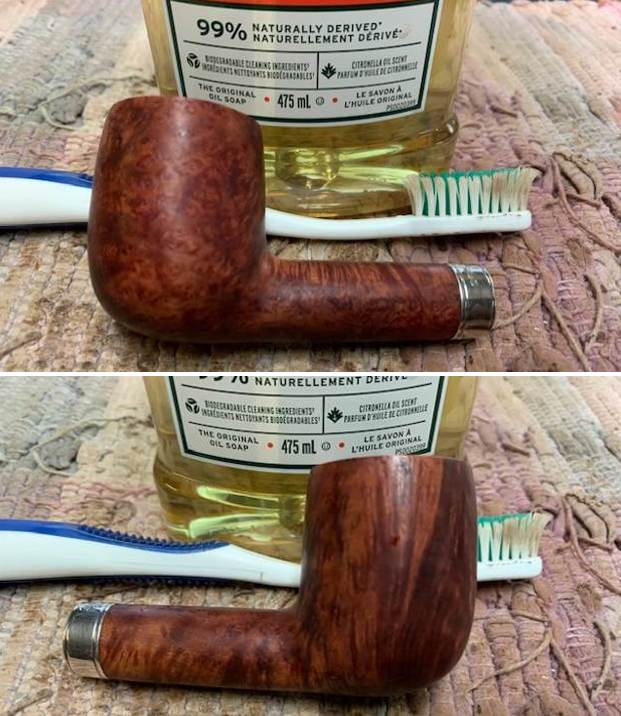
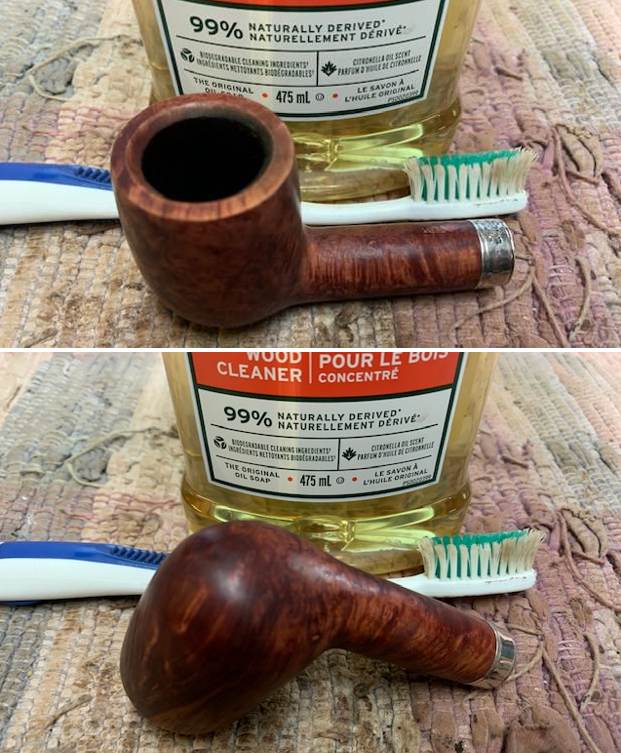 I cleaned up the inner edge of the rim with a folded piece of 220 grit sandpaper. I was able to remove almost all of the darkening with the sandpaper.
 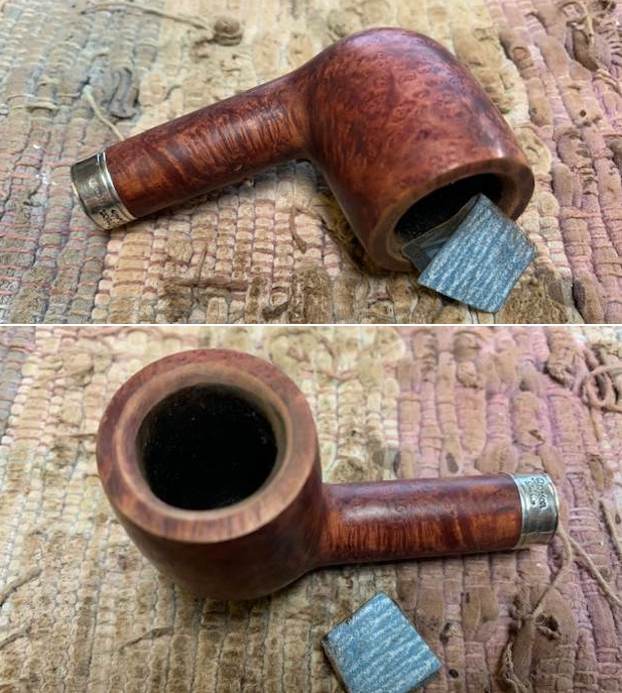 I cleaned out the inside of the mortise, shank and the airway in the stem with isopropyl alcohol, cotton swabs and pipe cleaners.
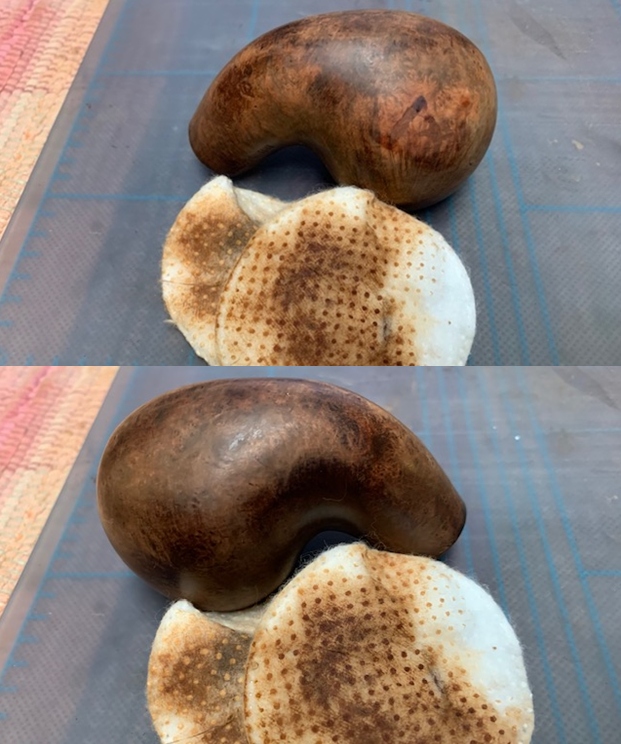
 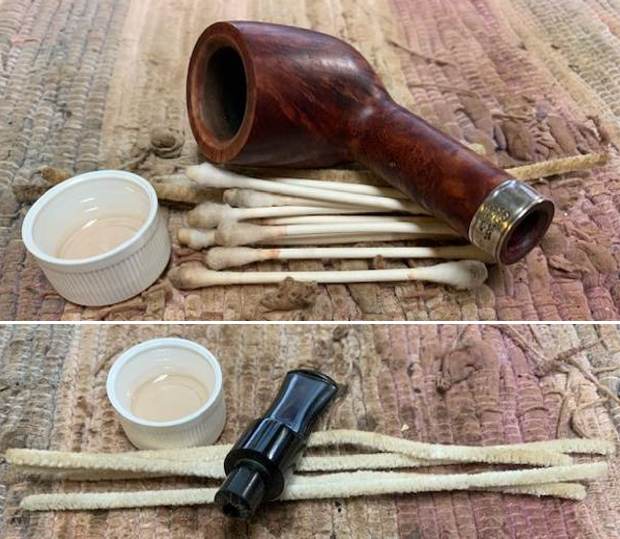 The pipe had a strong aromatic smell like a mix of fruit and vanilla so it needed to be deghosted. I filled the bowl with cotton boles and twisted a plug into the shank end. I used and ear syringe to fill the bowl with alcohol. The alcohol will eventually evaporate from the bowl wicking out the oils and tars in the briar into the cotton. I let it sit over night and in the morning pulled it out and took photos of the cotton at that point.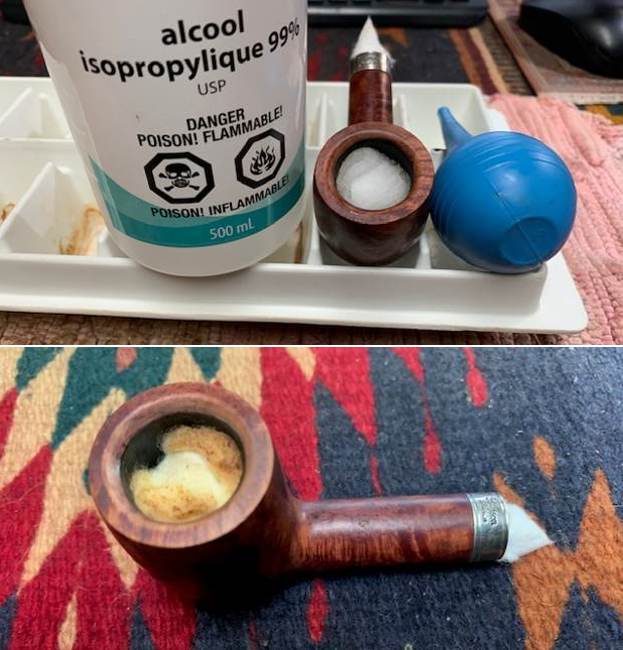
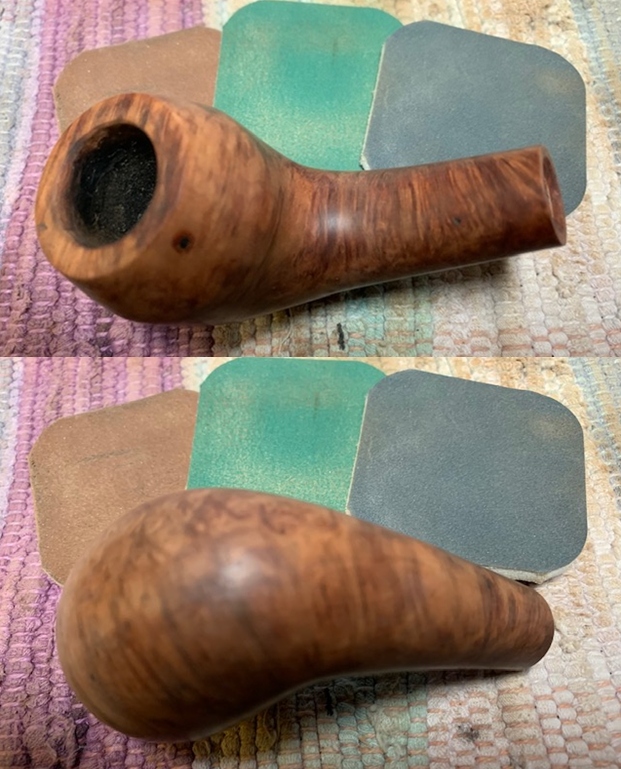
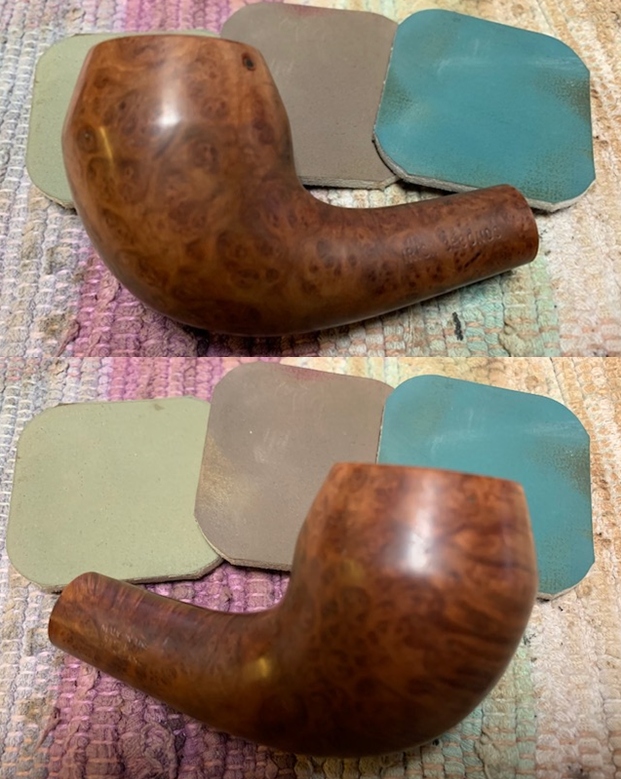
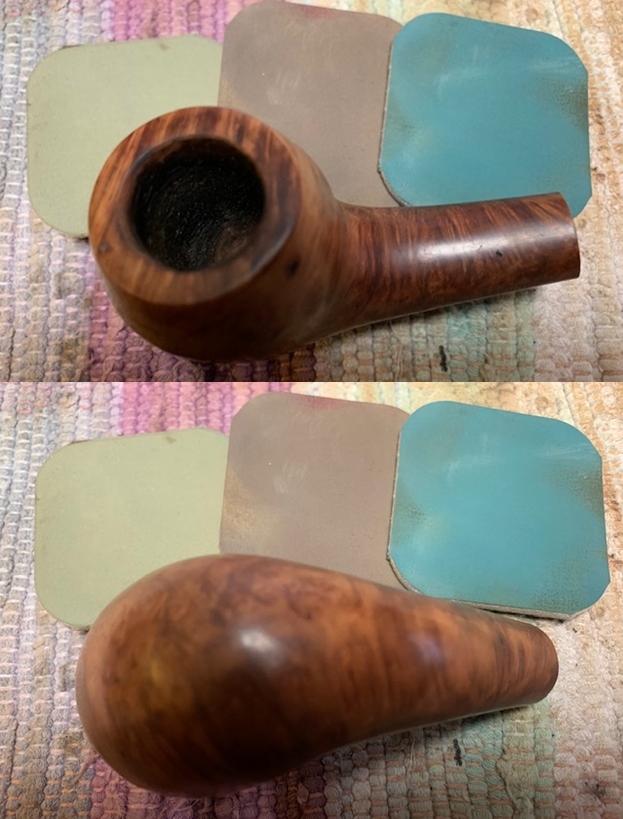
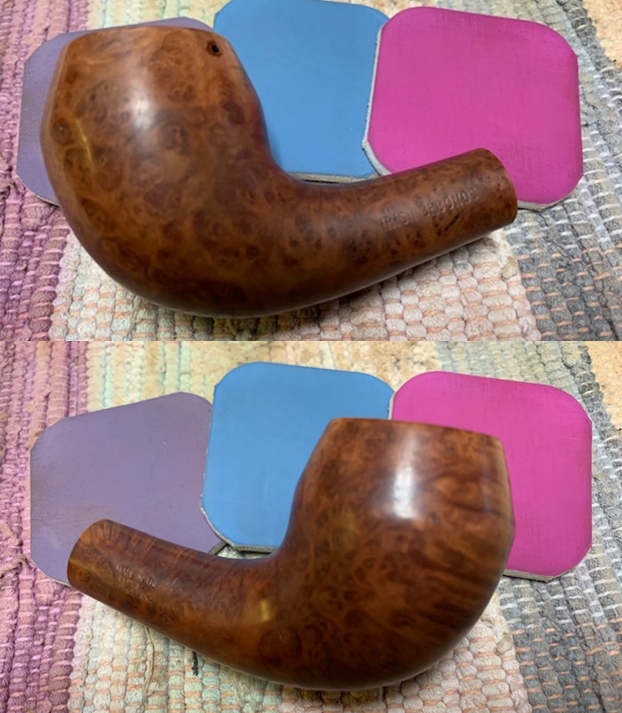
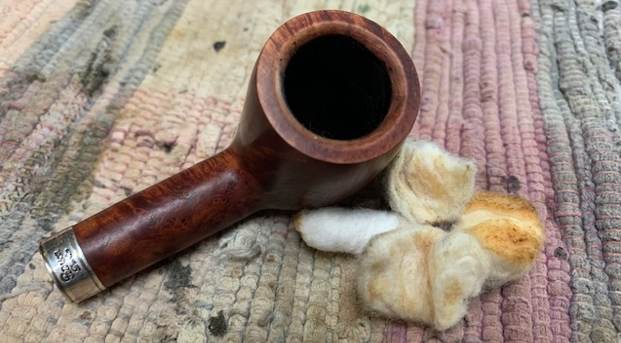 I polished the smooth briar with micromesh sanding pads – dry sanding with 1500-12000 grit pads and wiped it down with a damp cloth after each sanding pad.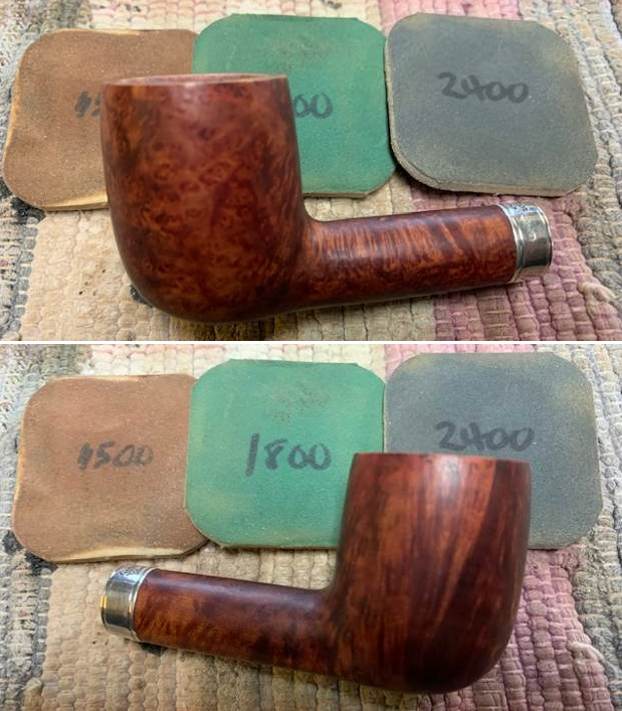
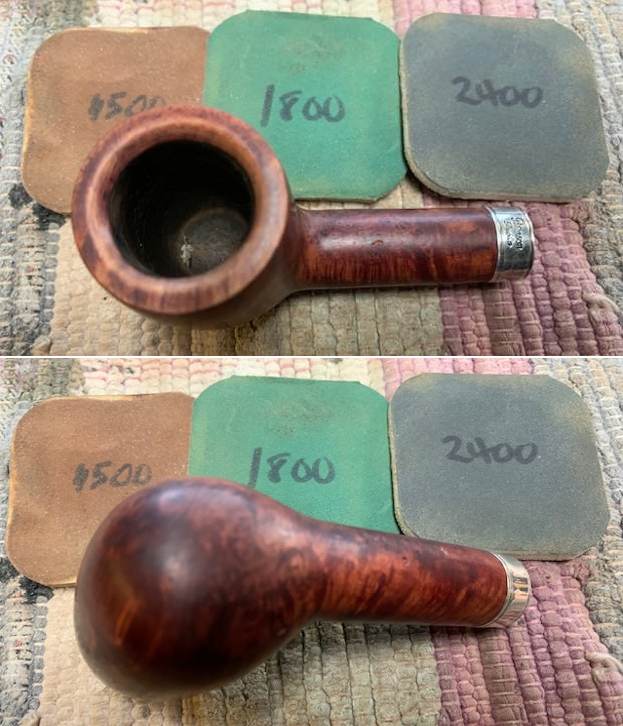
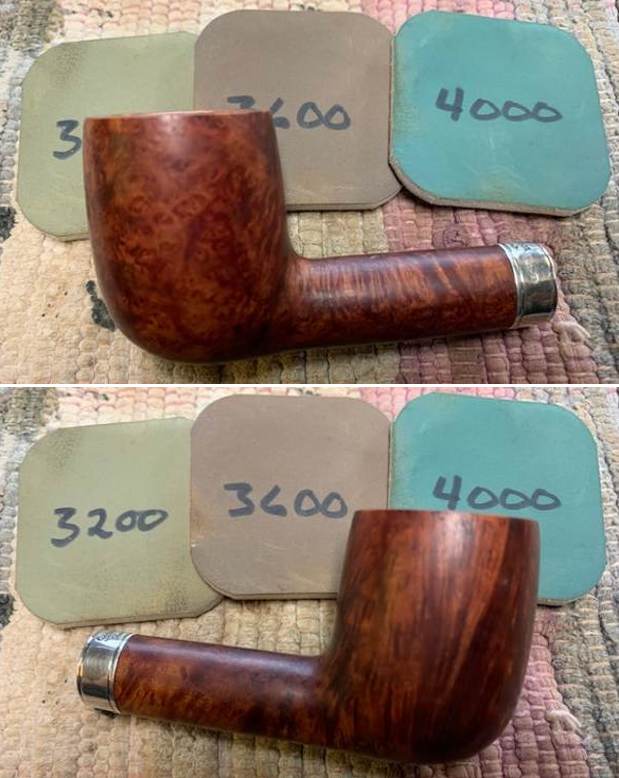
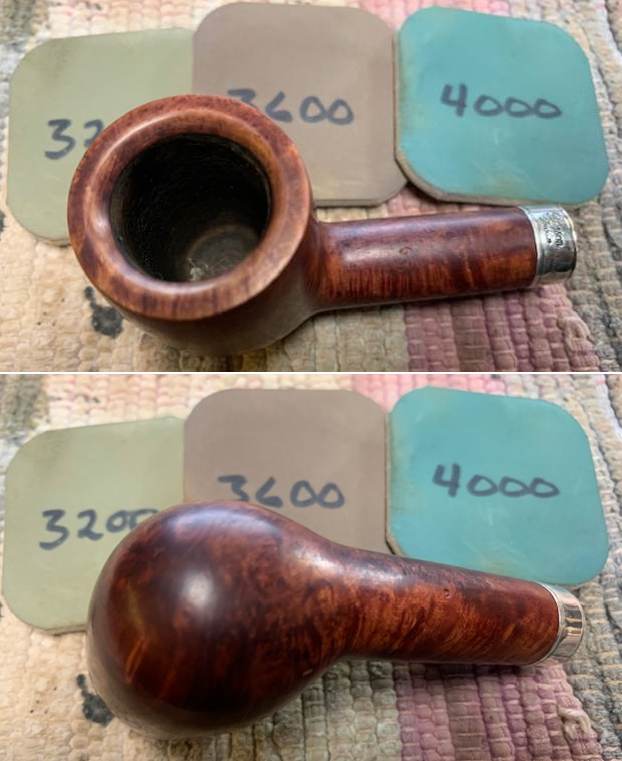
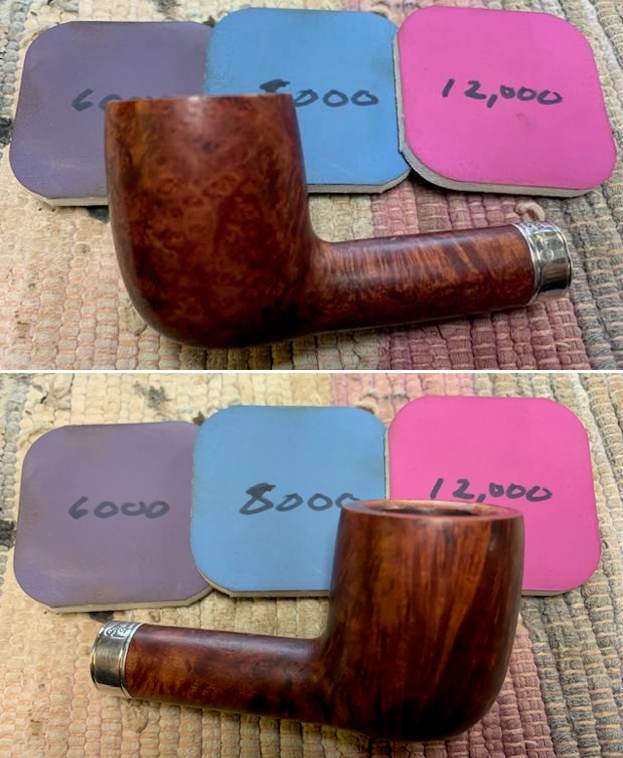
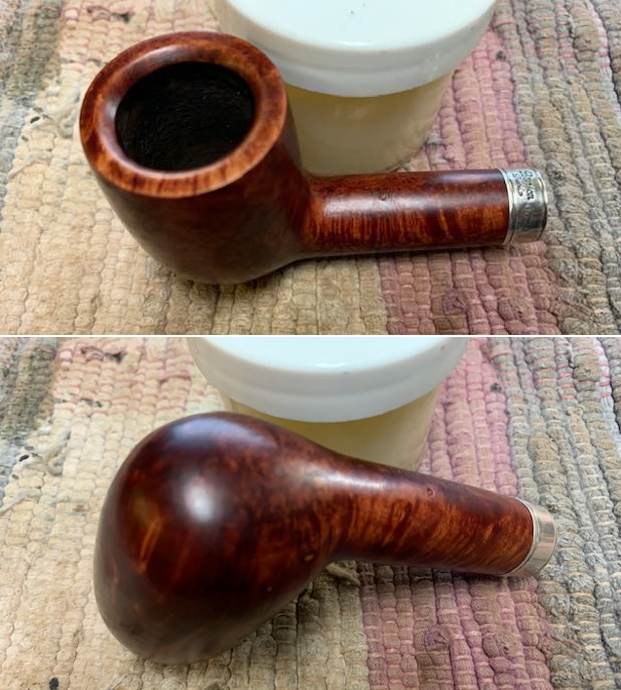
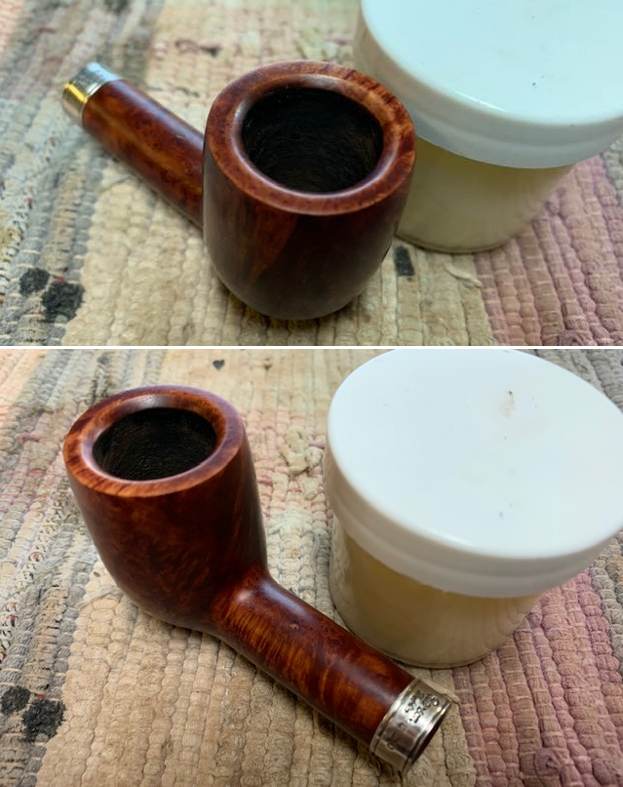
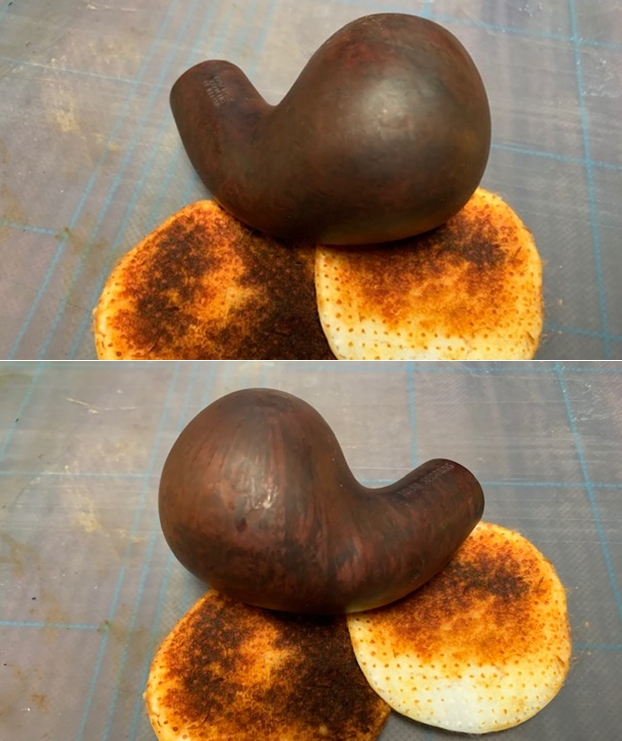
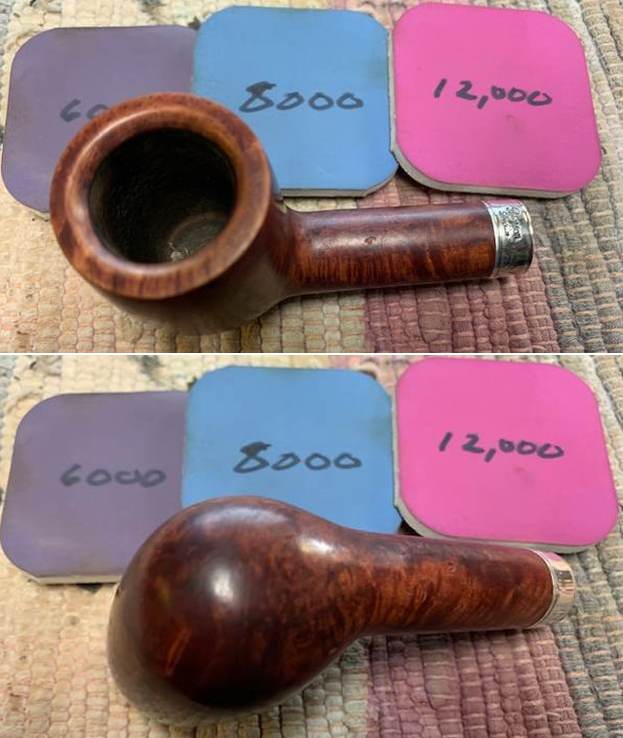 I worked some Before & After Restoration Balm into the surface of the briar with my fingertips to clean, enliven and protect the briar. I let the balm sit for 15 minutes and then buffed with a cotton cloth to raise the shine. The photos show the bowl at this point in the restoration process.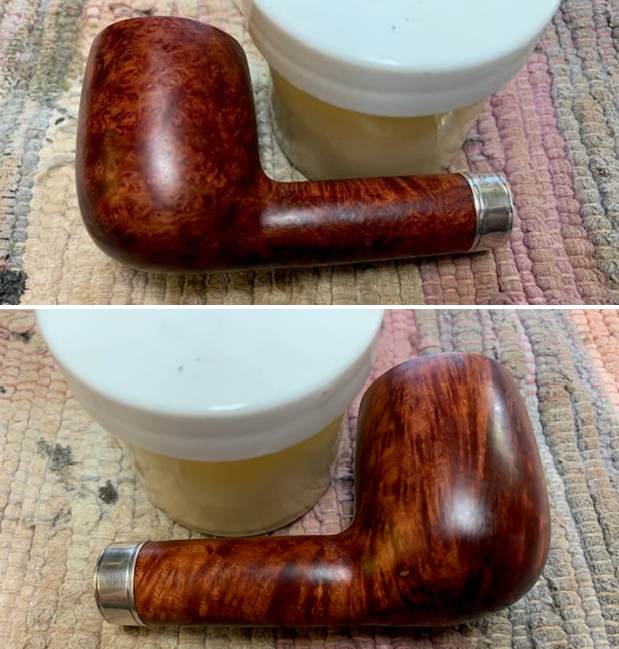
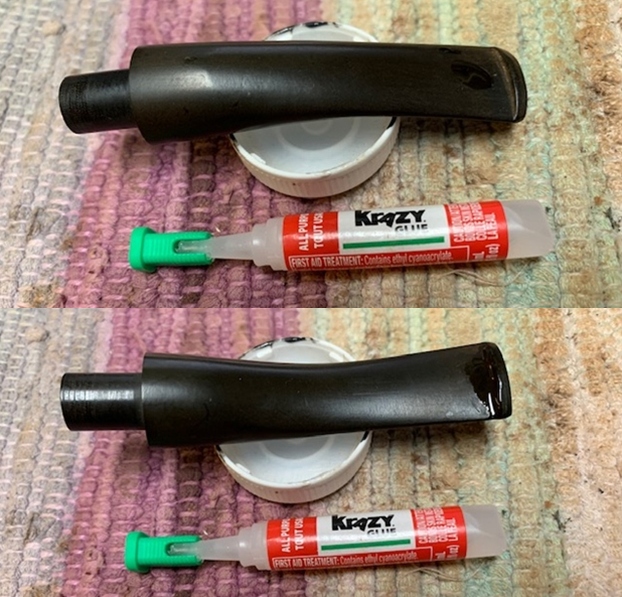
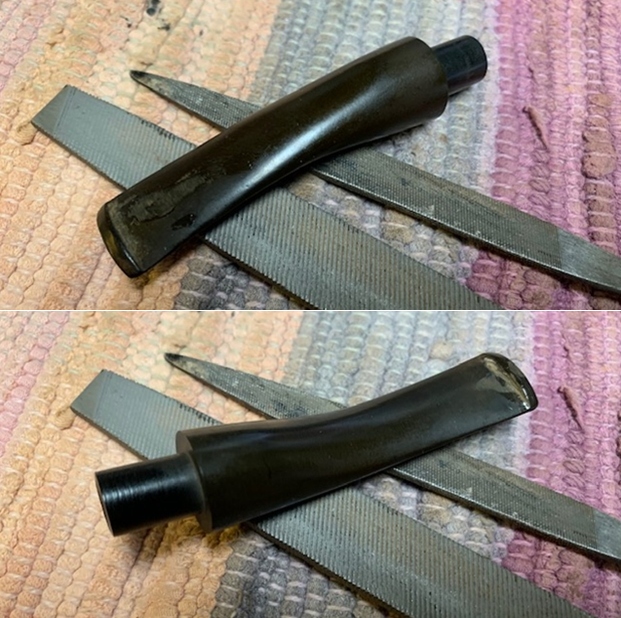
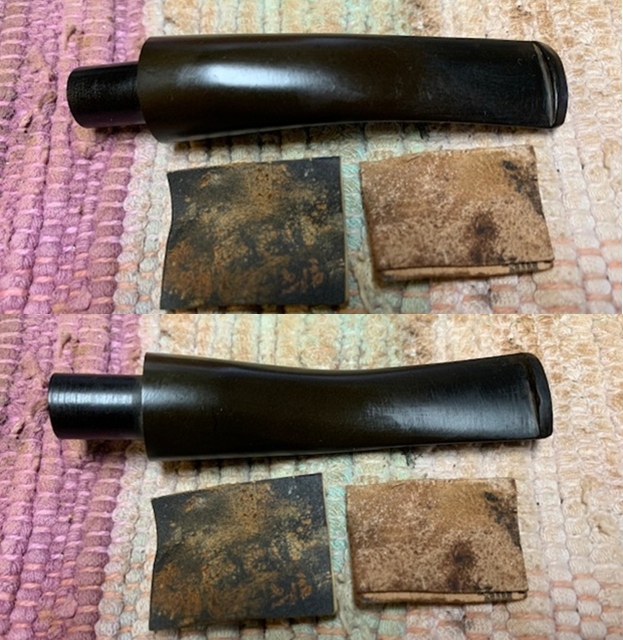
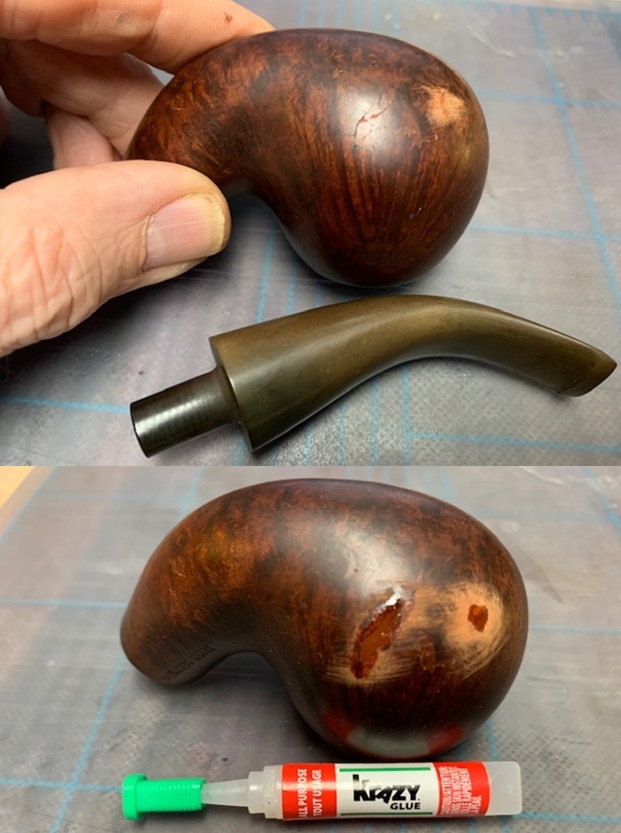
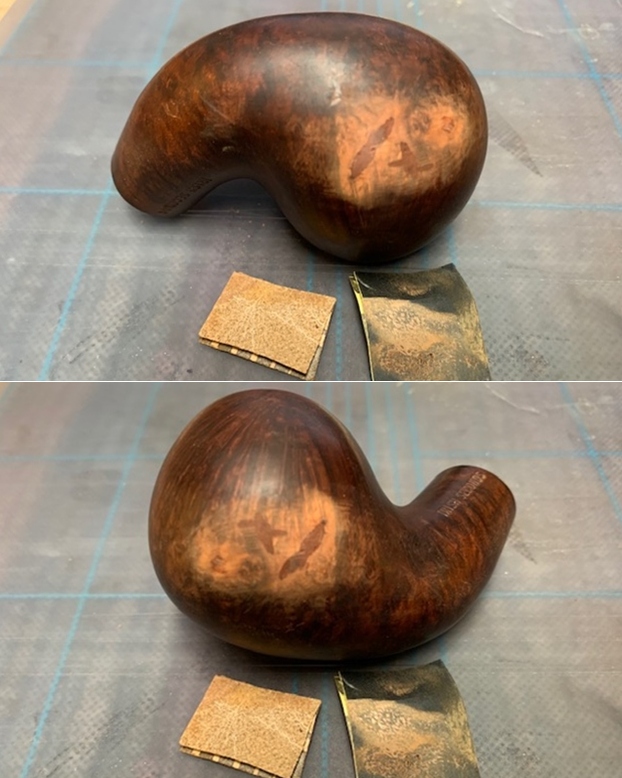
 I used a folded piece of 220 grit sandpaper to smooth out the repair and then started polishing it with 400 grit wet dry sandpaper.
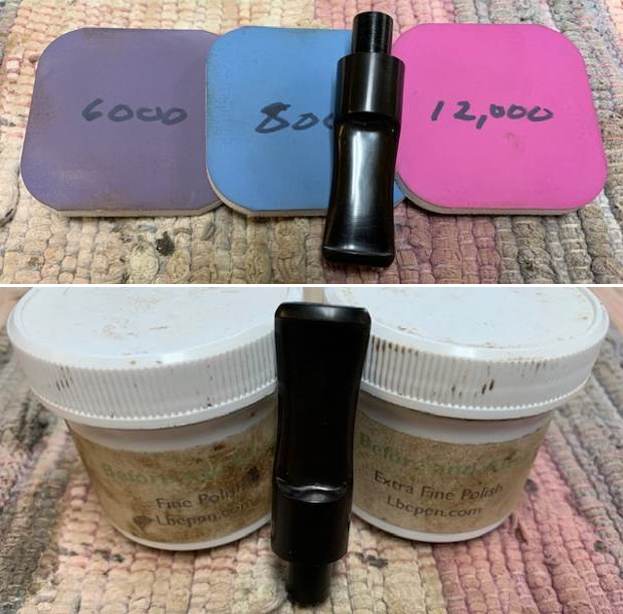
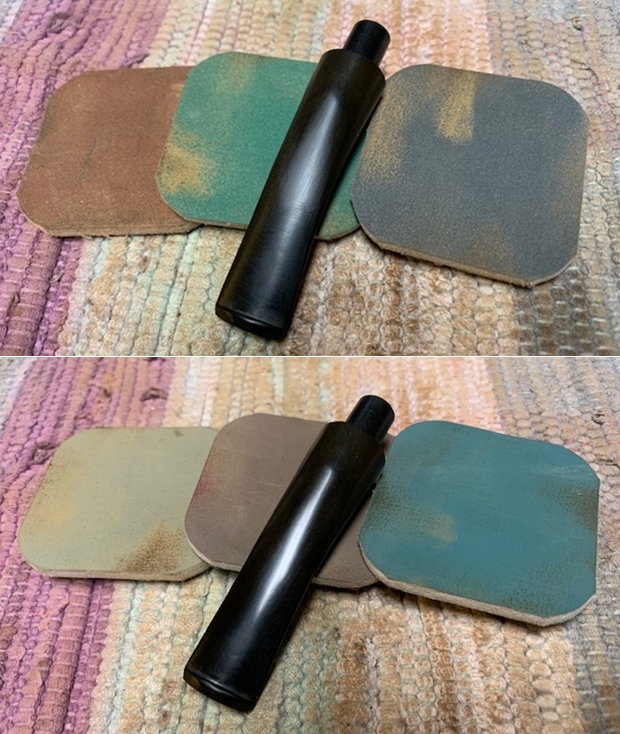
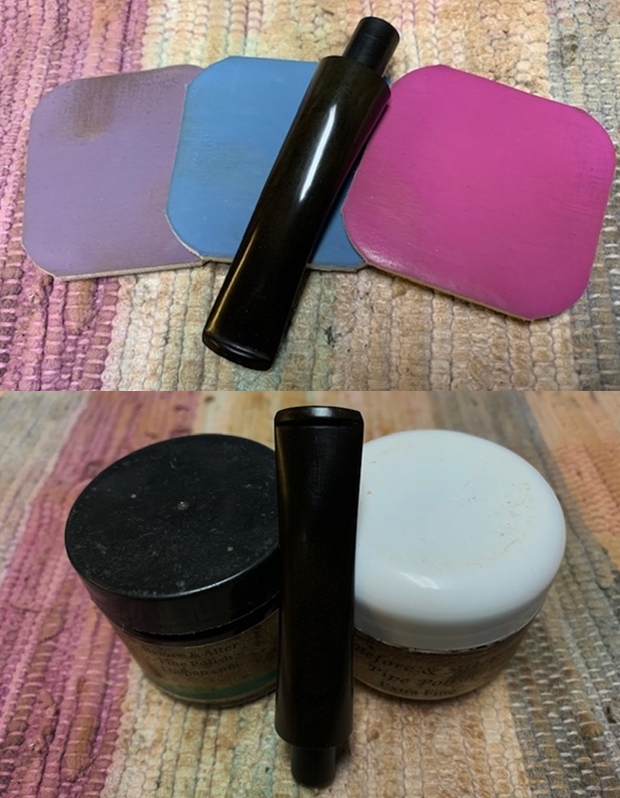
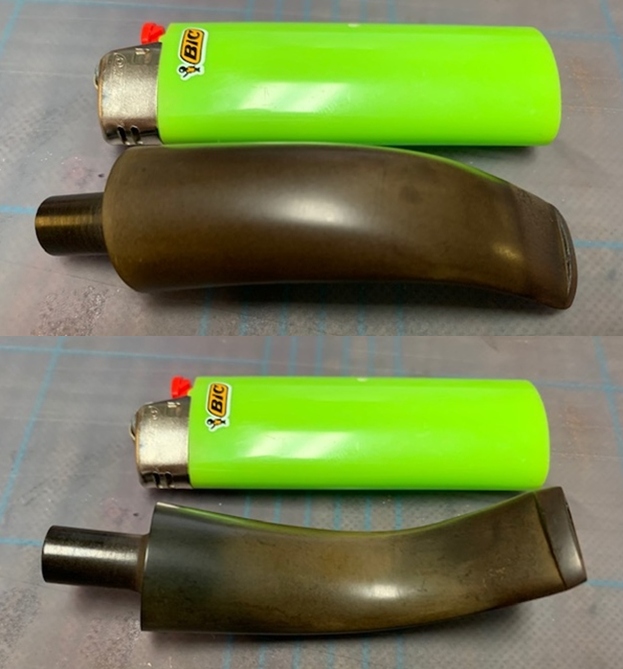
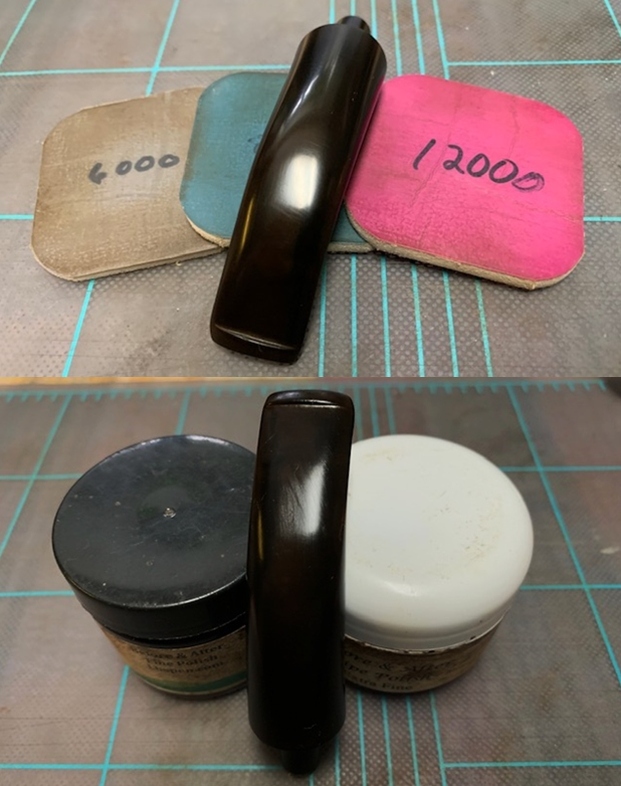
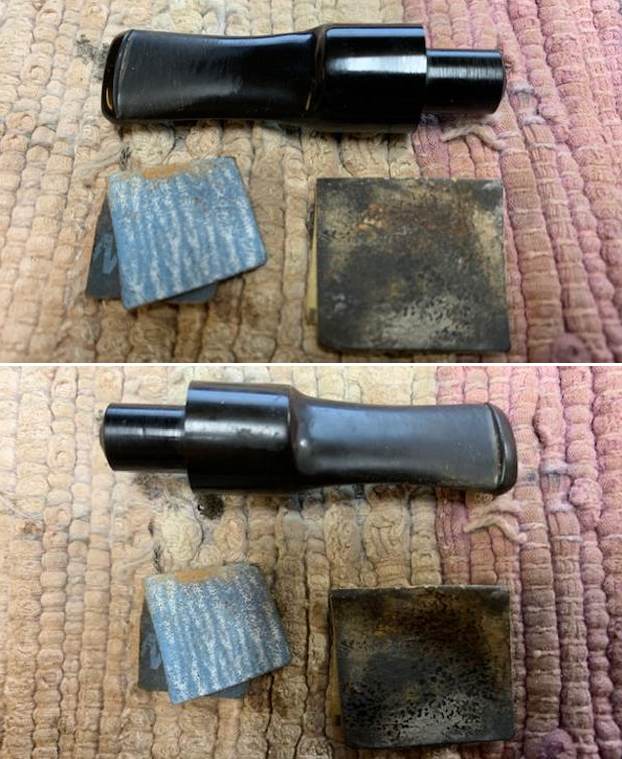 I polished the stem with micromesh sanding pads – wet sanding with 1500-12000 grit sanding pads. I wiped it down after each sanding pad with Obsidian Oil. I polished it with Before & After Pipe Stem Polish – both Fine and Extra Fine.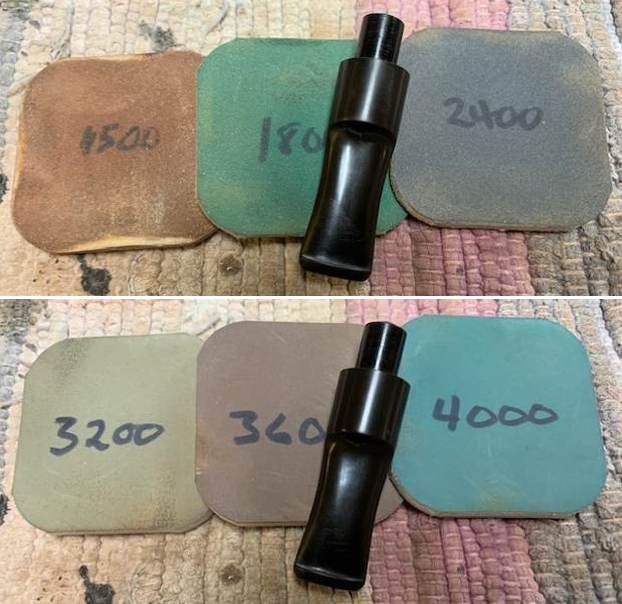
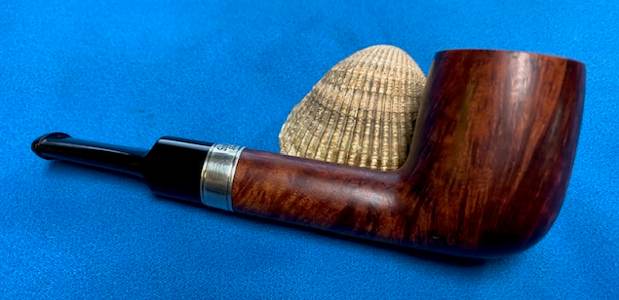
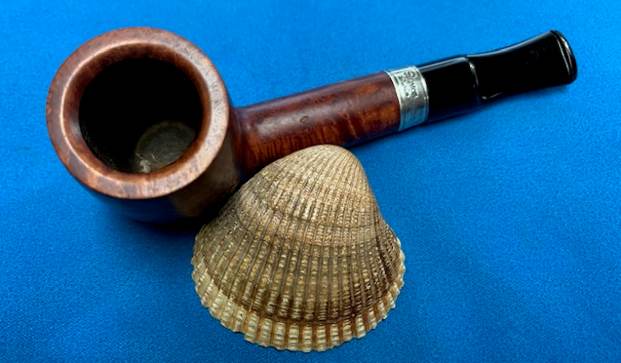
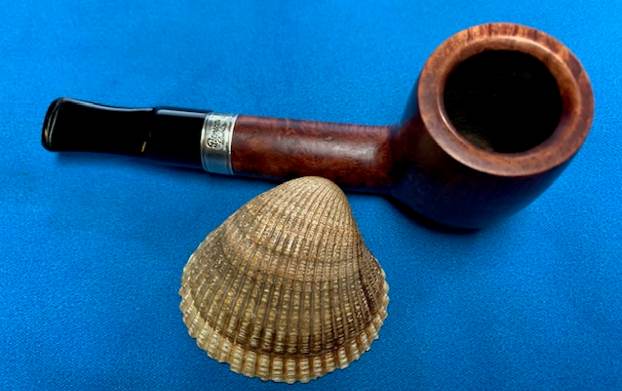
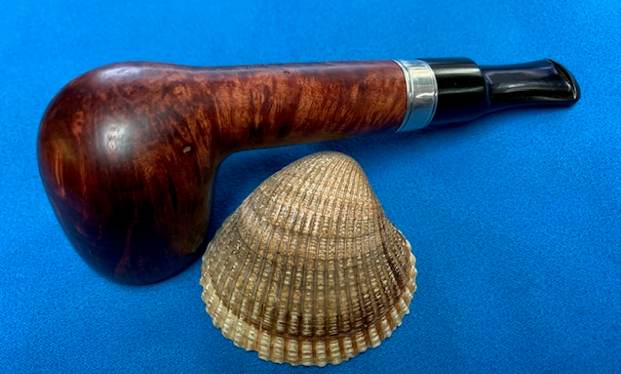
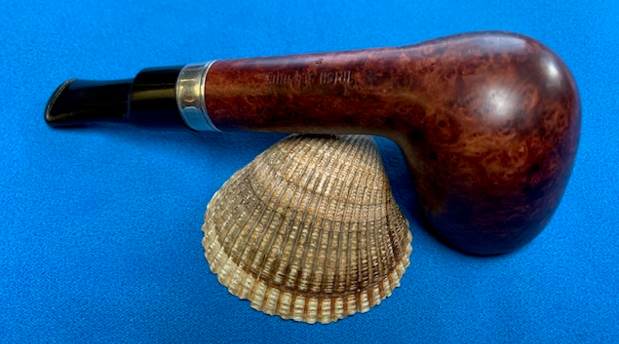
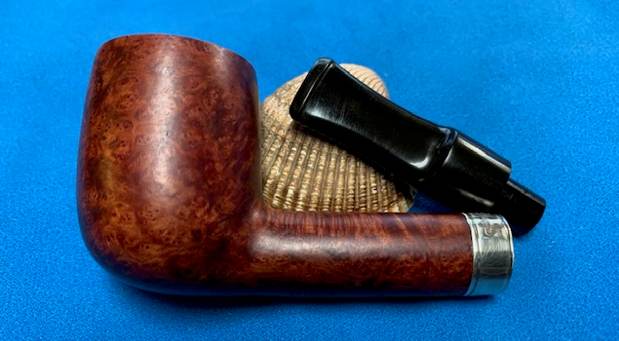
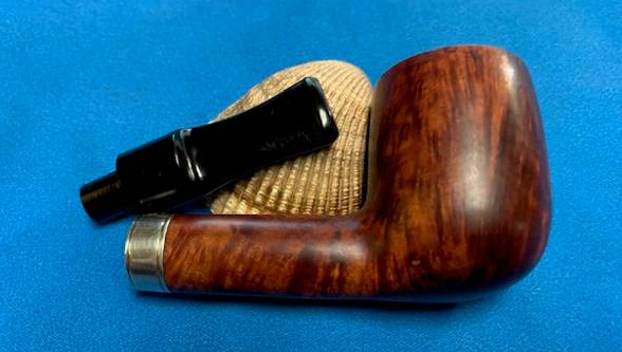
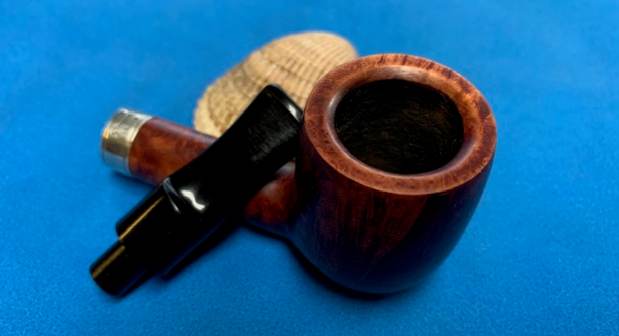
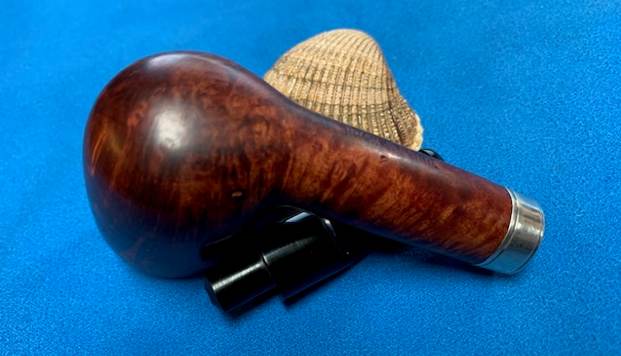
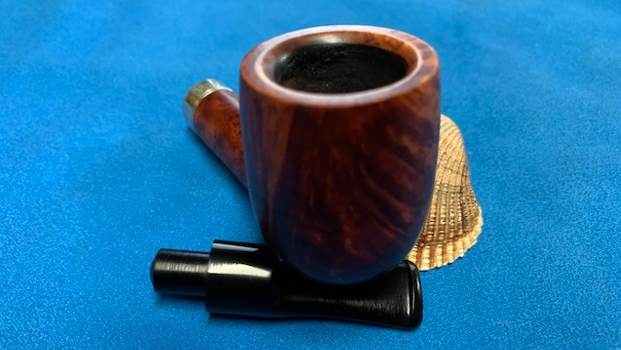
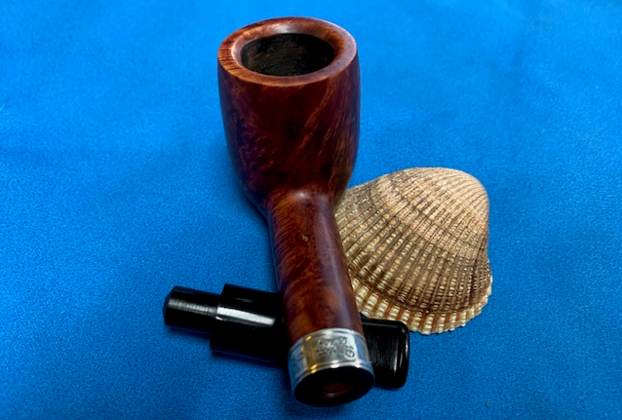
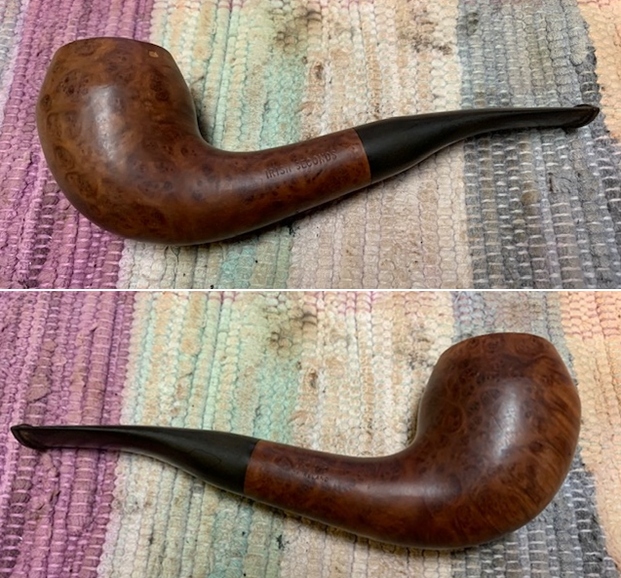
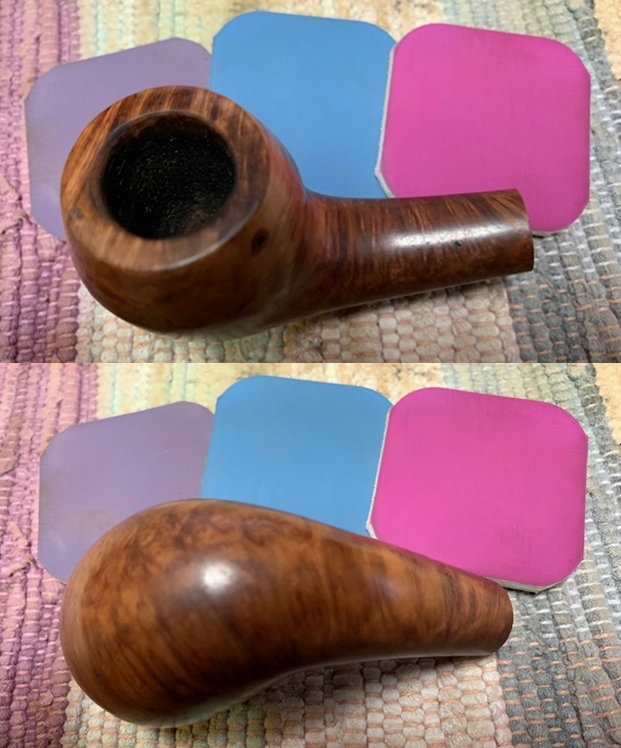
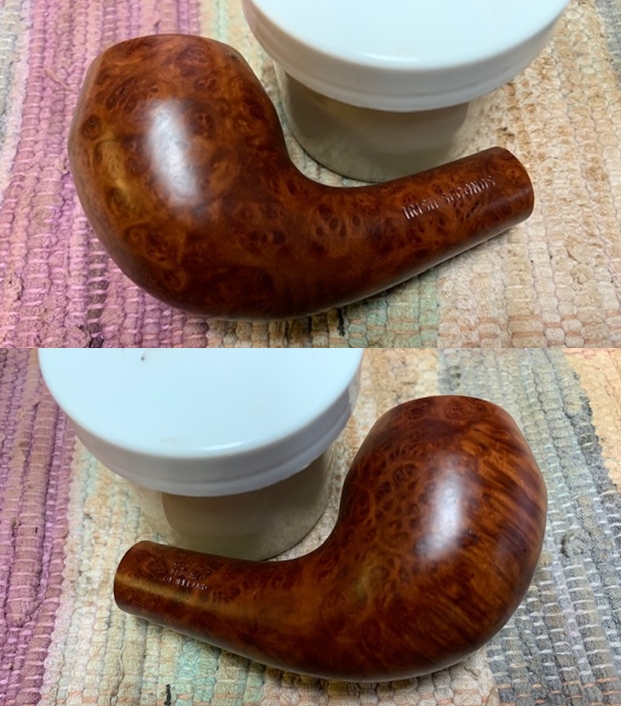
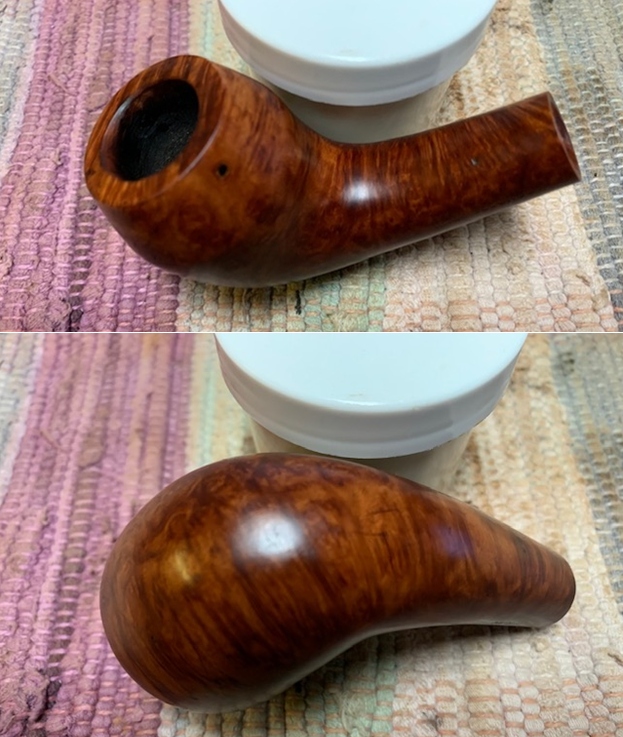
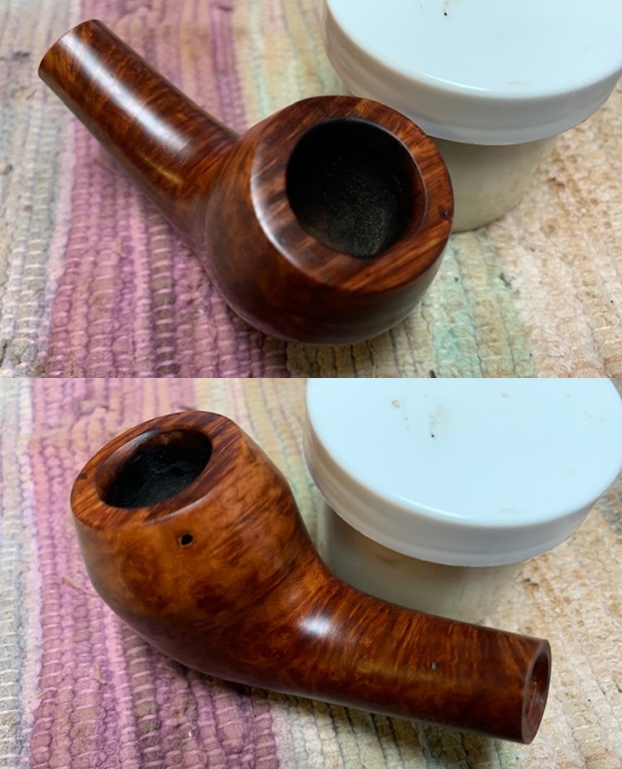
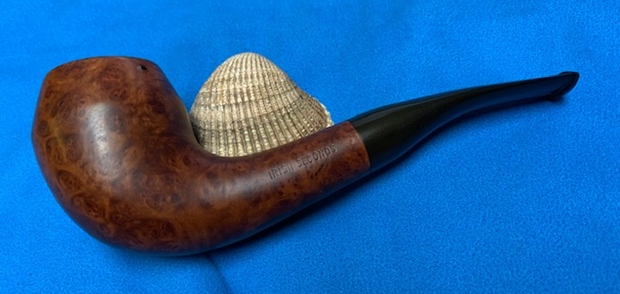
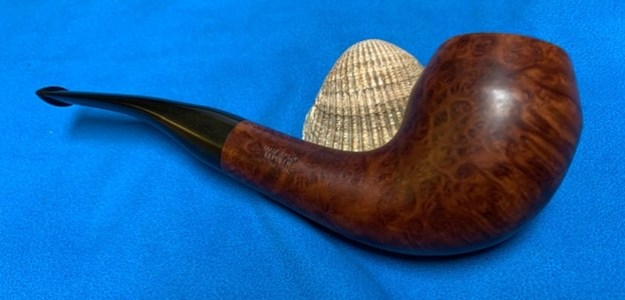
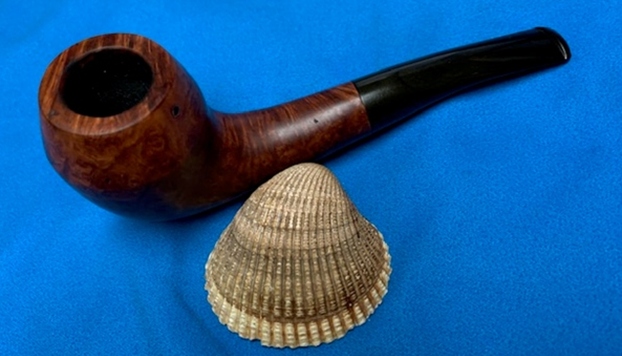
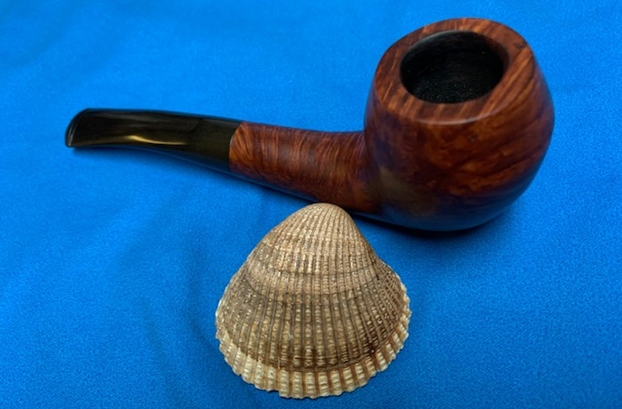
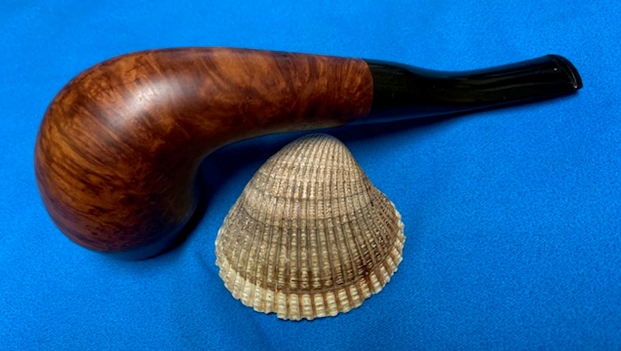
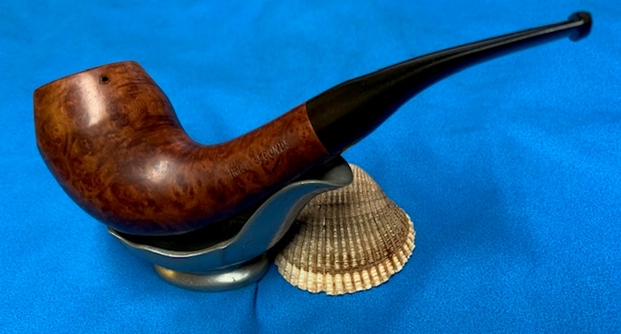
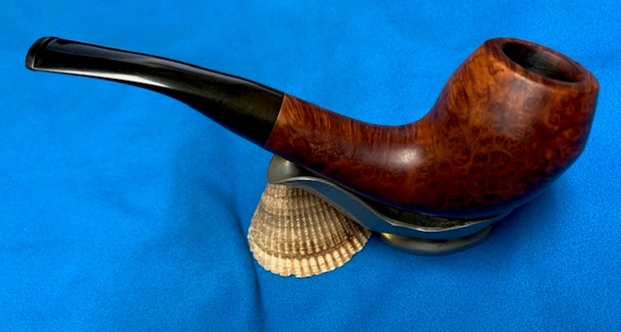
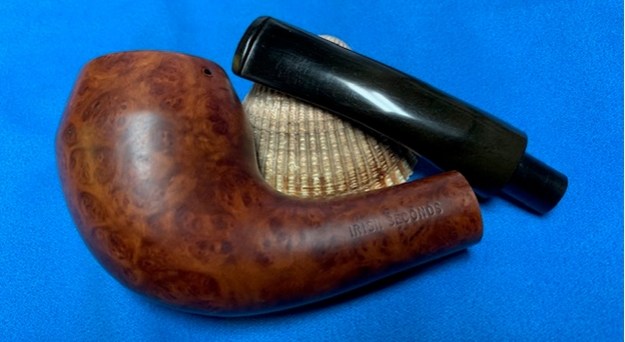
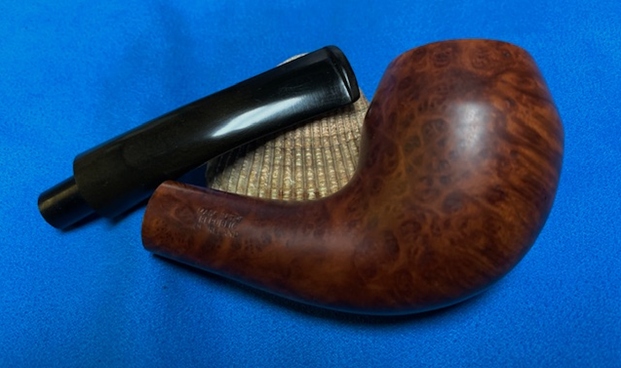
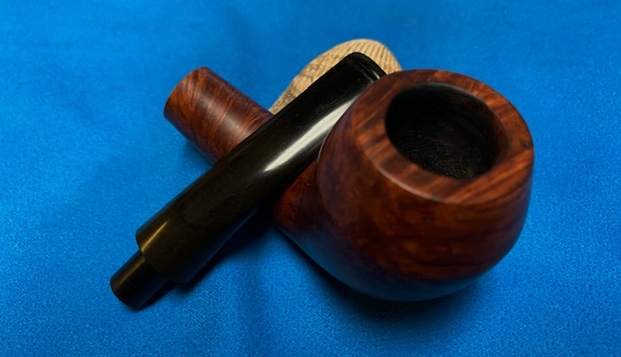
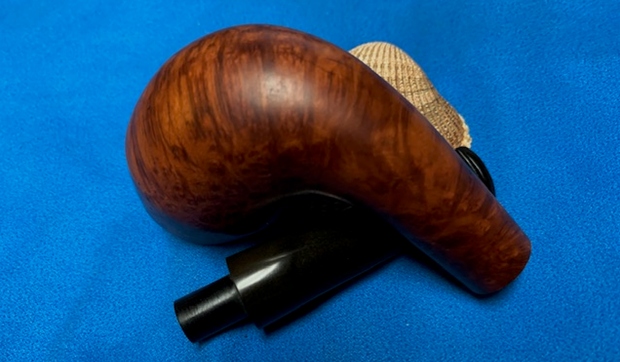
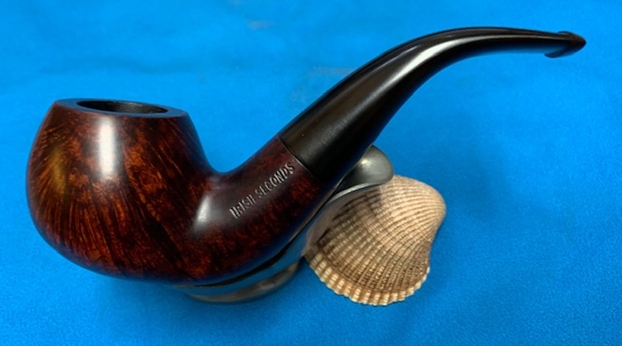
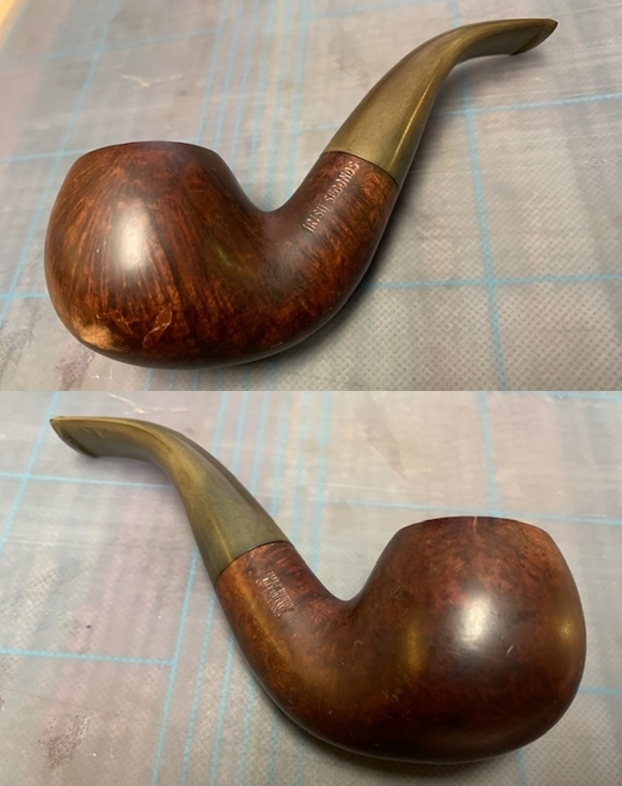
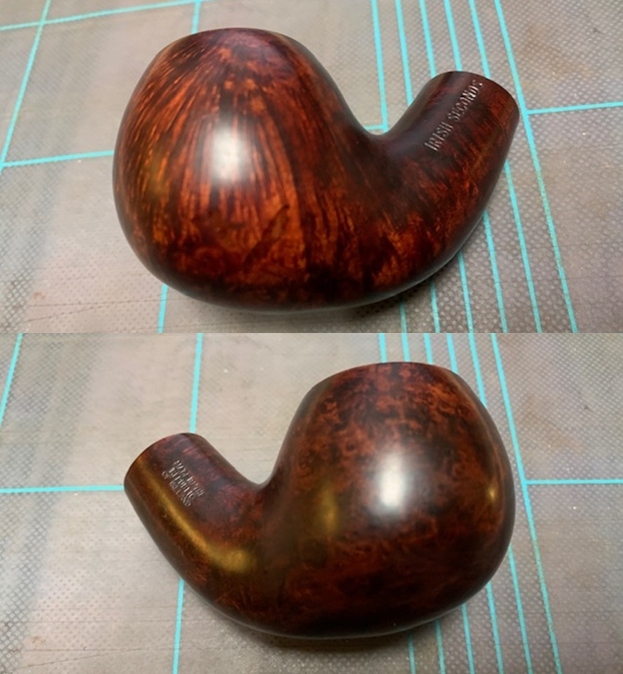
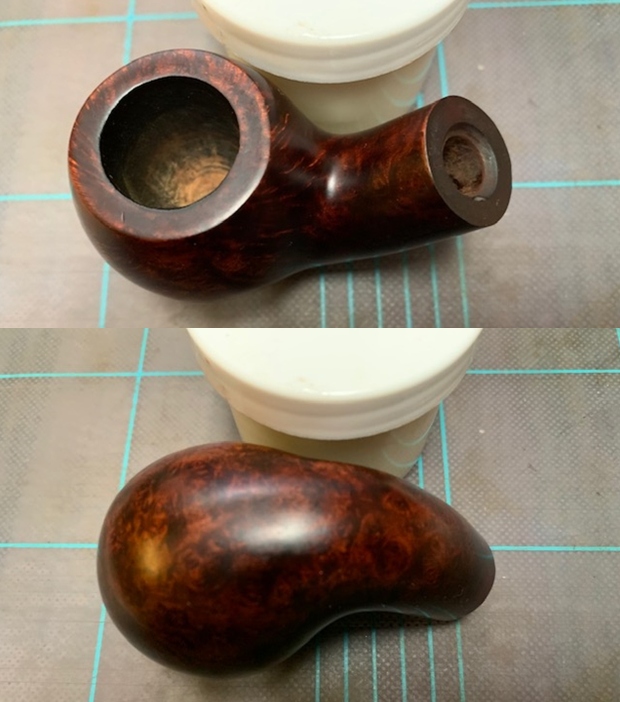
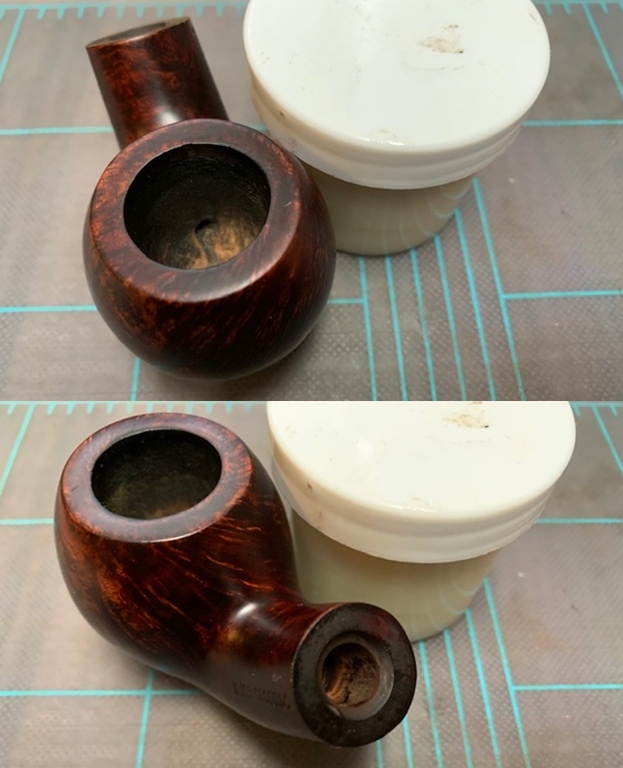
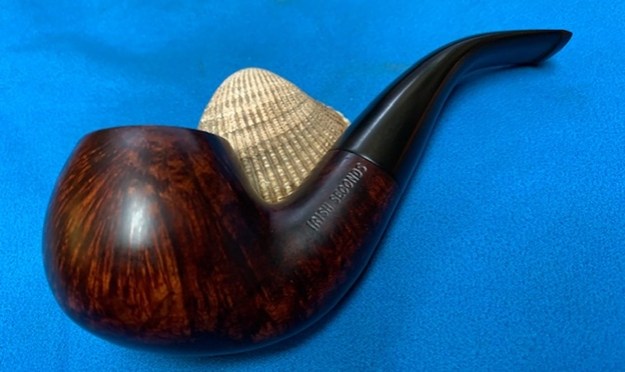
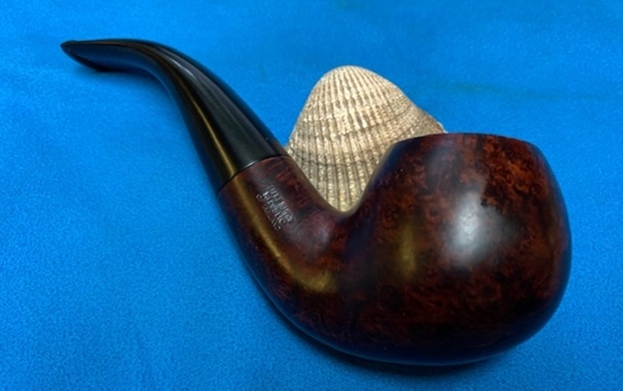
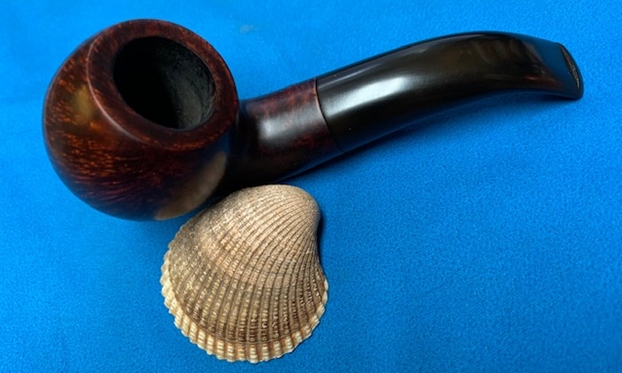
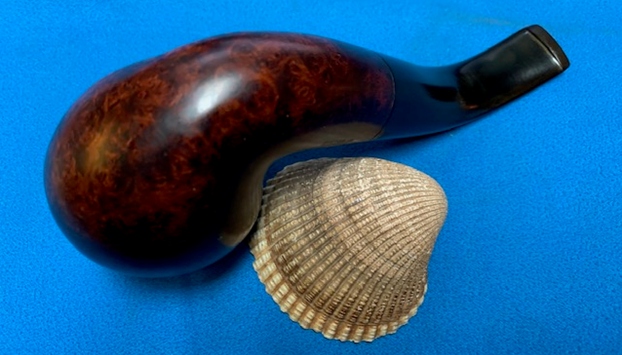
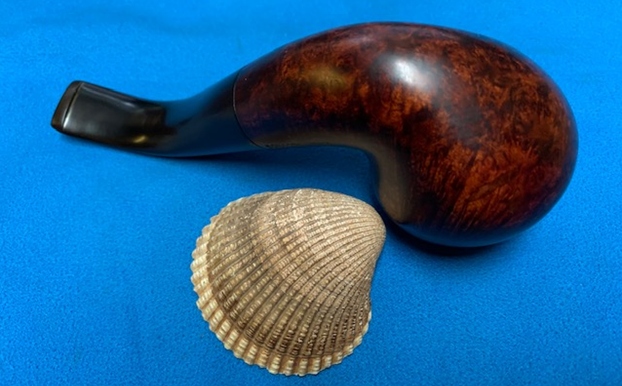
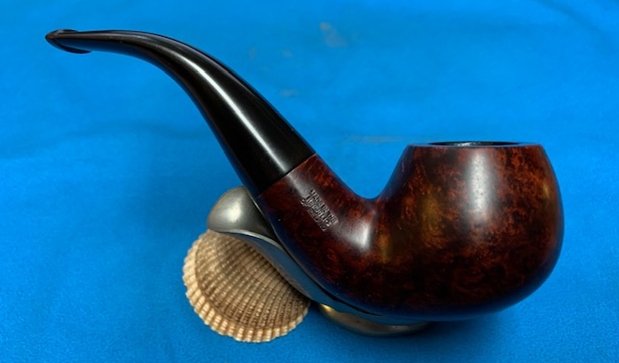
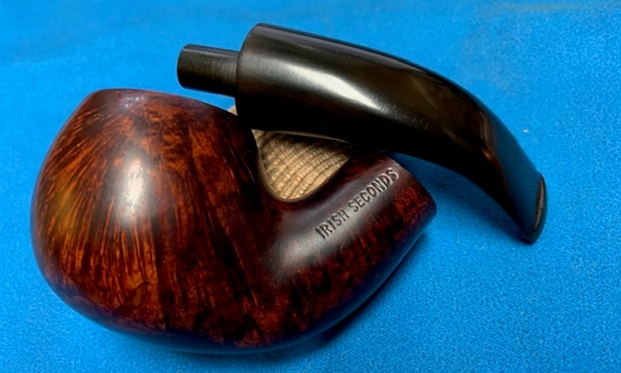
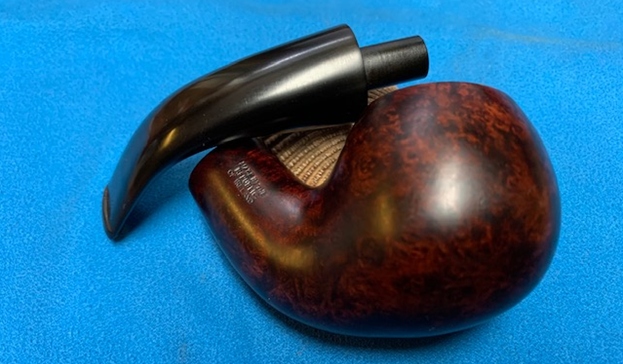
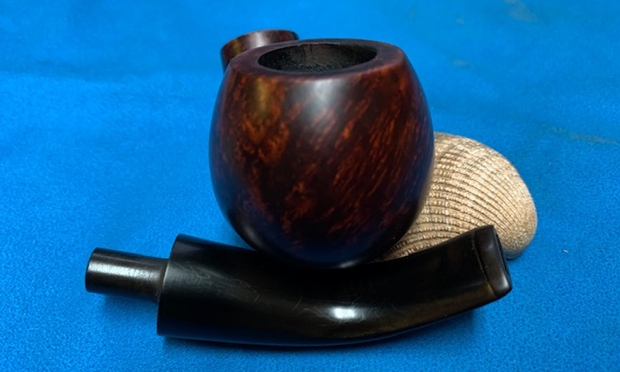
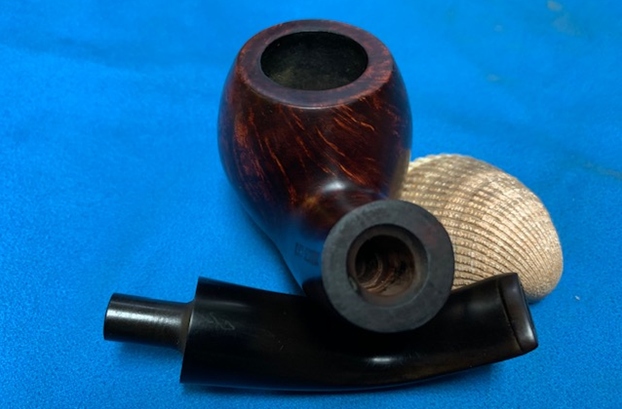
 It was great to finish this Peterson’s Made Irish Seconds 1991 Lovat. I put the pipe back together and buffed it with Blue Diamond on the buffing wheel. I gave the bowl multiple coats of Conservator’s Wax and the stem multiple coats of carnauba wax. I buffed the pipe with a clean buffing pad to raise the shine. I hand buffed the pipe with a microfiber cloth to deepen the shine. It is fun to see what the polished bowl looks like with deep sandblast all around it. Added to that the polished black vulcanite stem was beautiful. This Silver Banded Irish Seconds Lovat is great looking and the pipe feels great in my hand. It is light and well balanced. Have a look at it with the photos below. The dimensions are Length: 5 inches, Height: 1 ¾ inches, Outside diameter of the bowl: 1 ¼ inches, Chamber diameter: 7/8 of an inch. The weight of the pipe is 39 grams/1.41 ounces. It is a beautiful pipe and one that will soon be on the rebornpipes store in the Irish Pipe Makers Section of the store. If you want to add it to your collection let me know. Thanks for walking through the restoration with me as I worked over this pipe. Thanks to each of you who are reading this blog.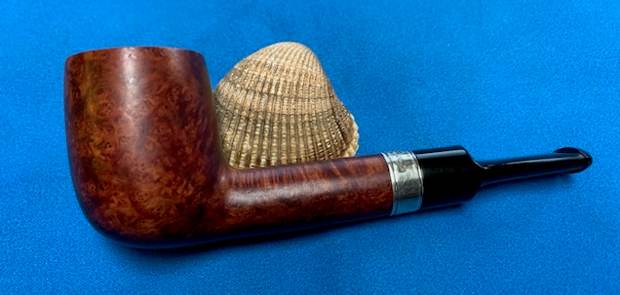












 rebornpipes