Tag Archives: GFB Pipes

Resurrecting an old GFB Bent Bulldog


Blog by Steve Laug

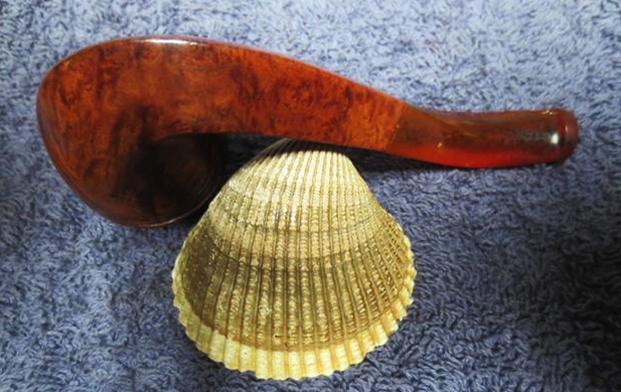
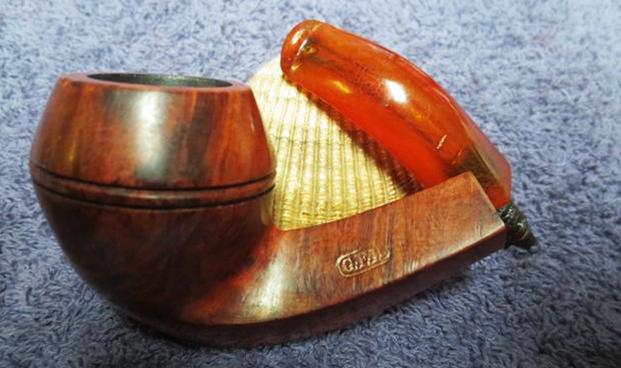
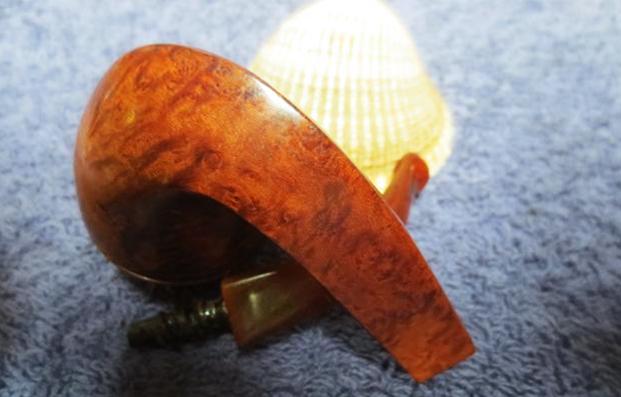
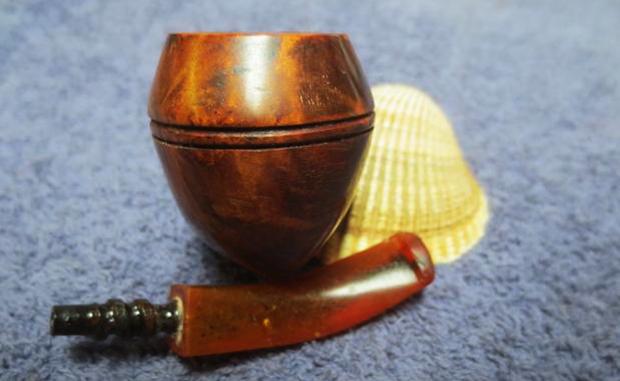
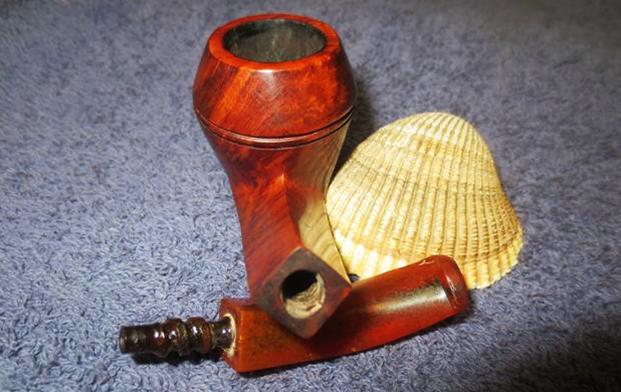
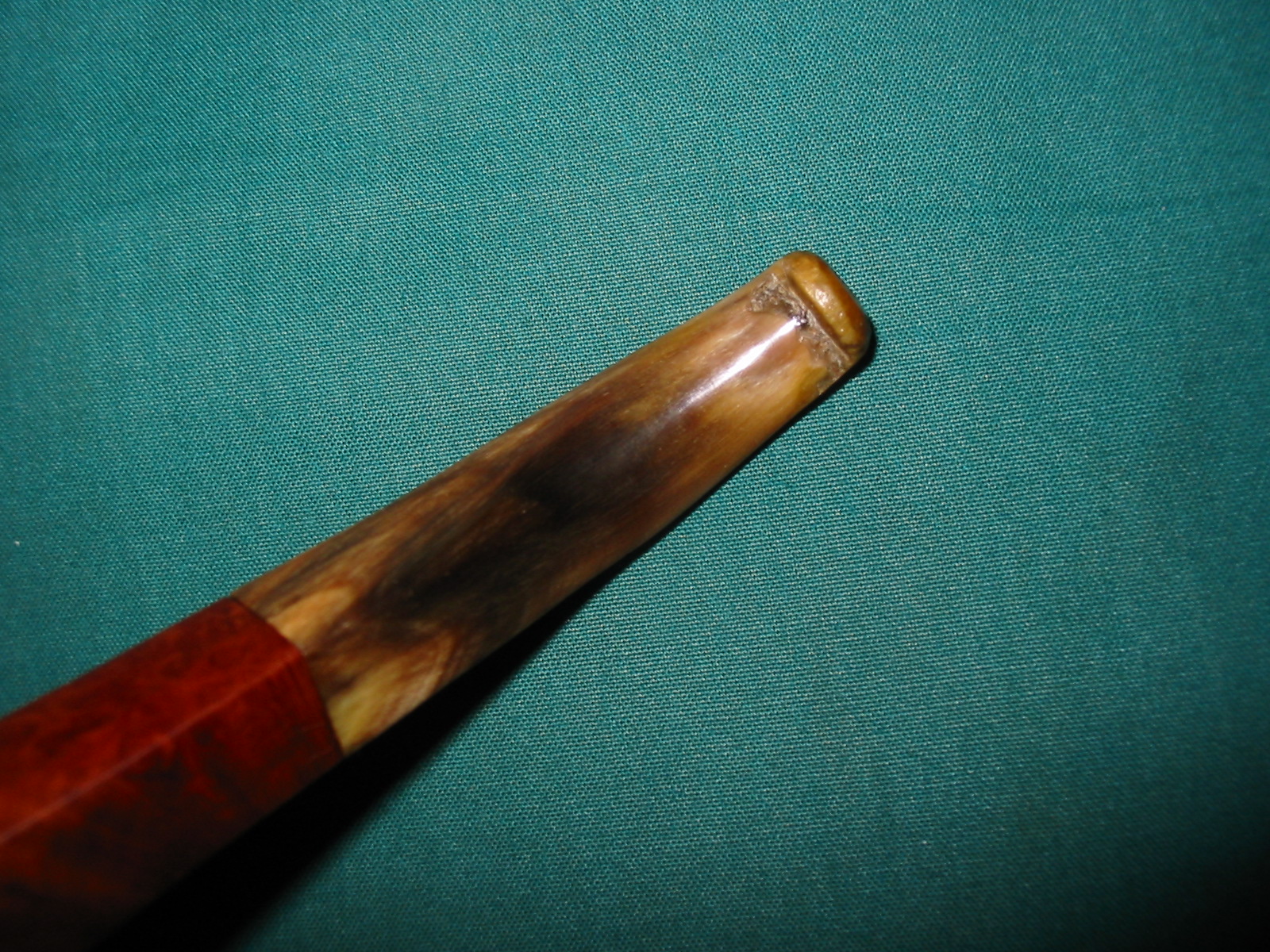
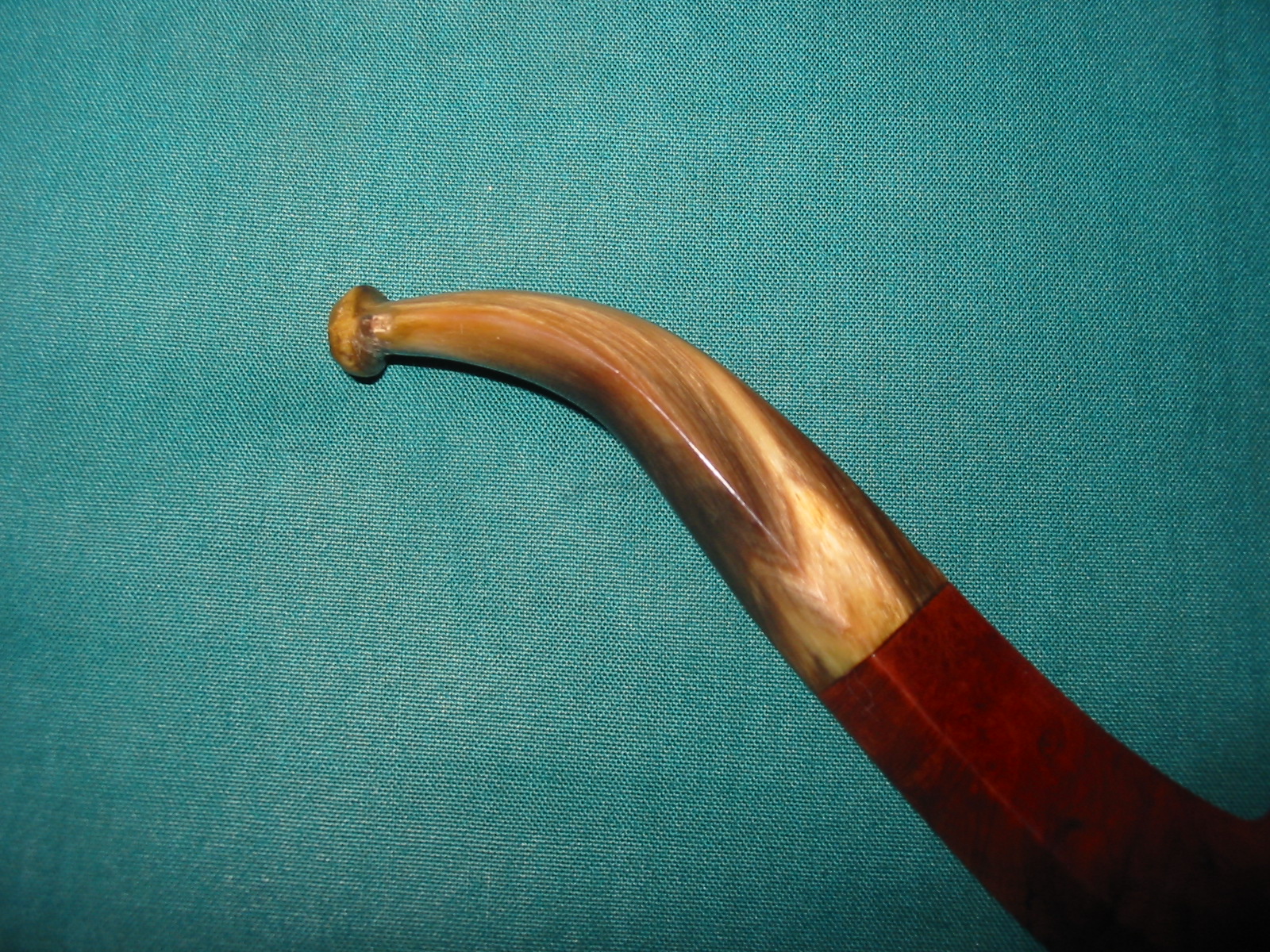
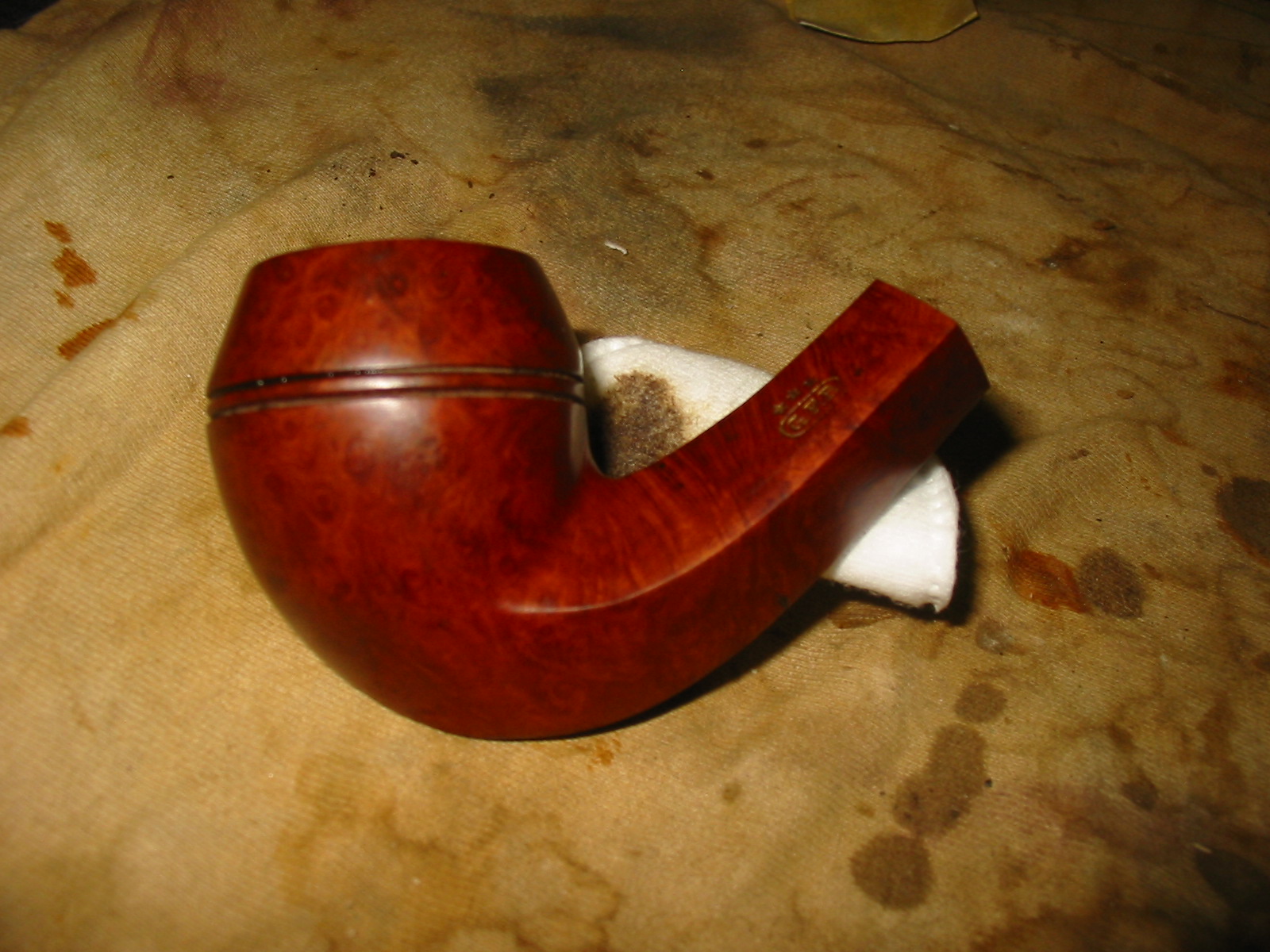
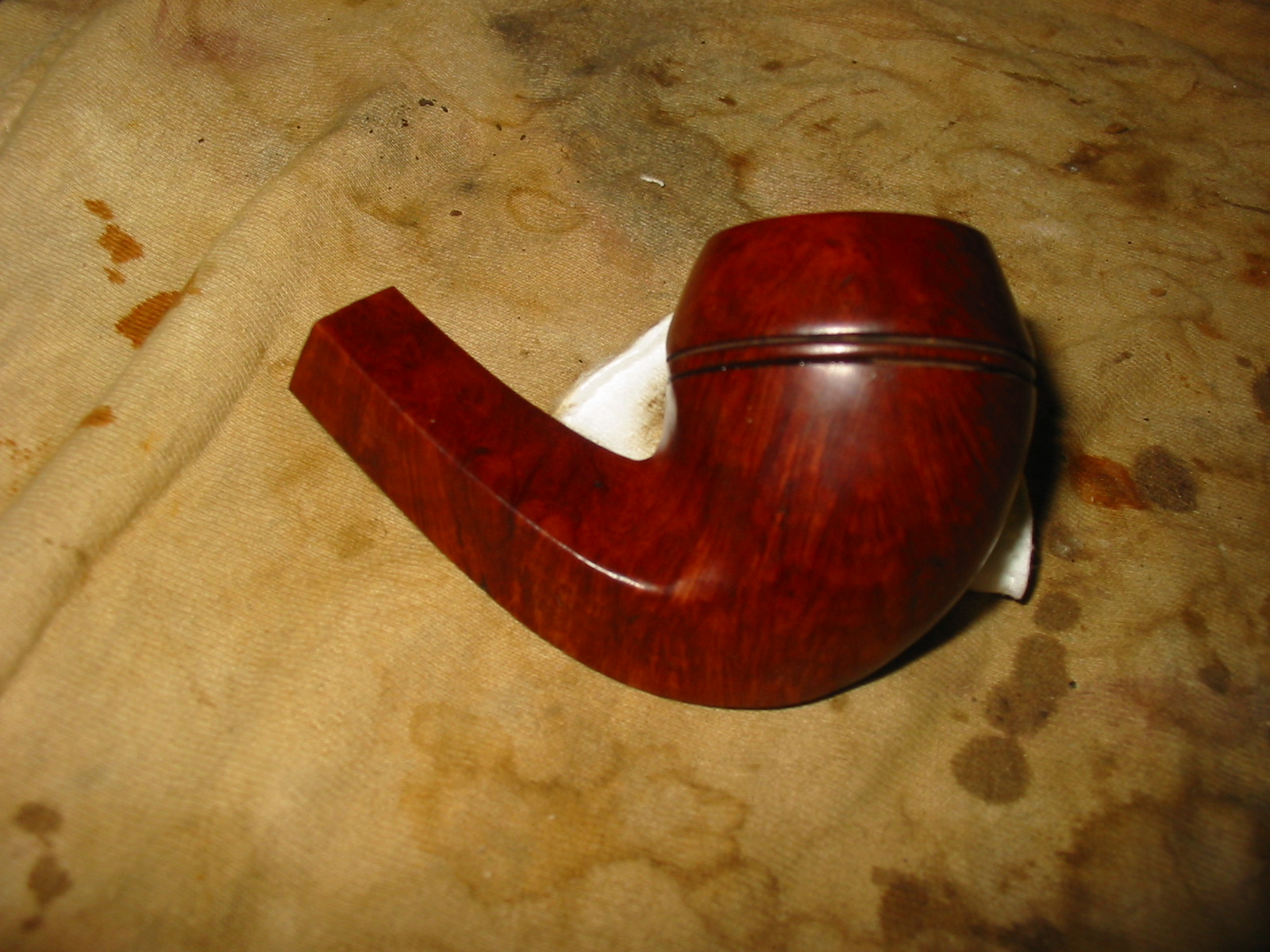
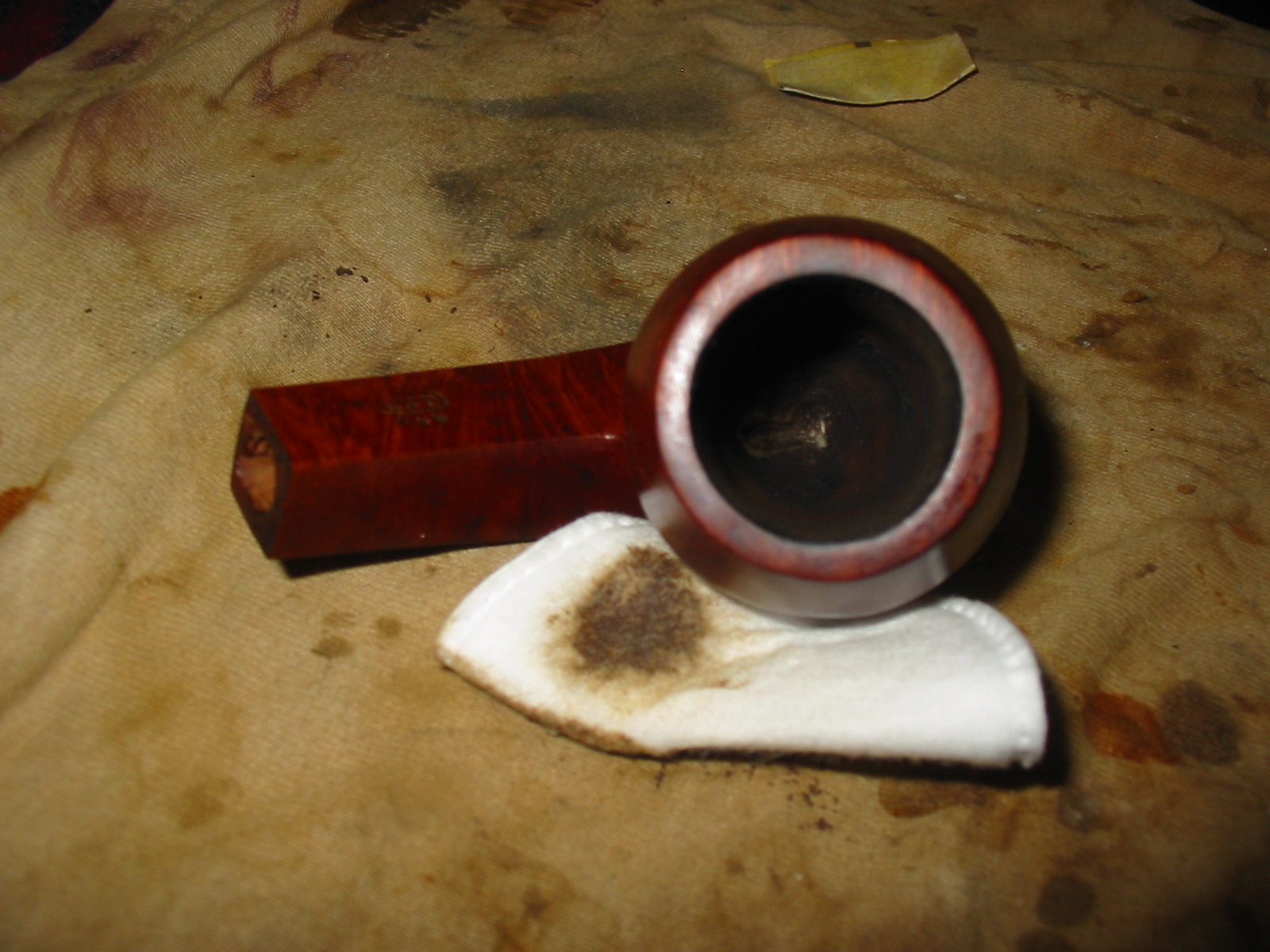
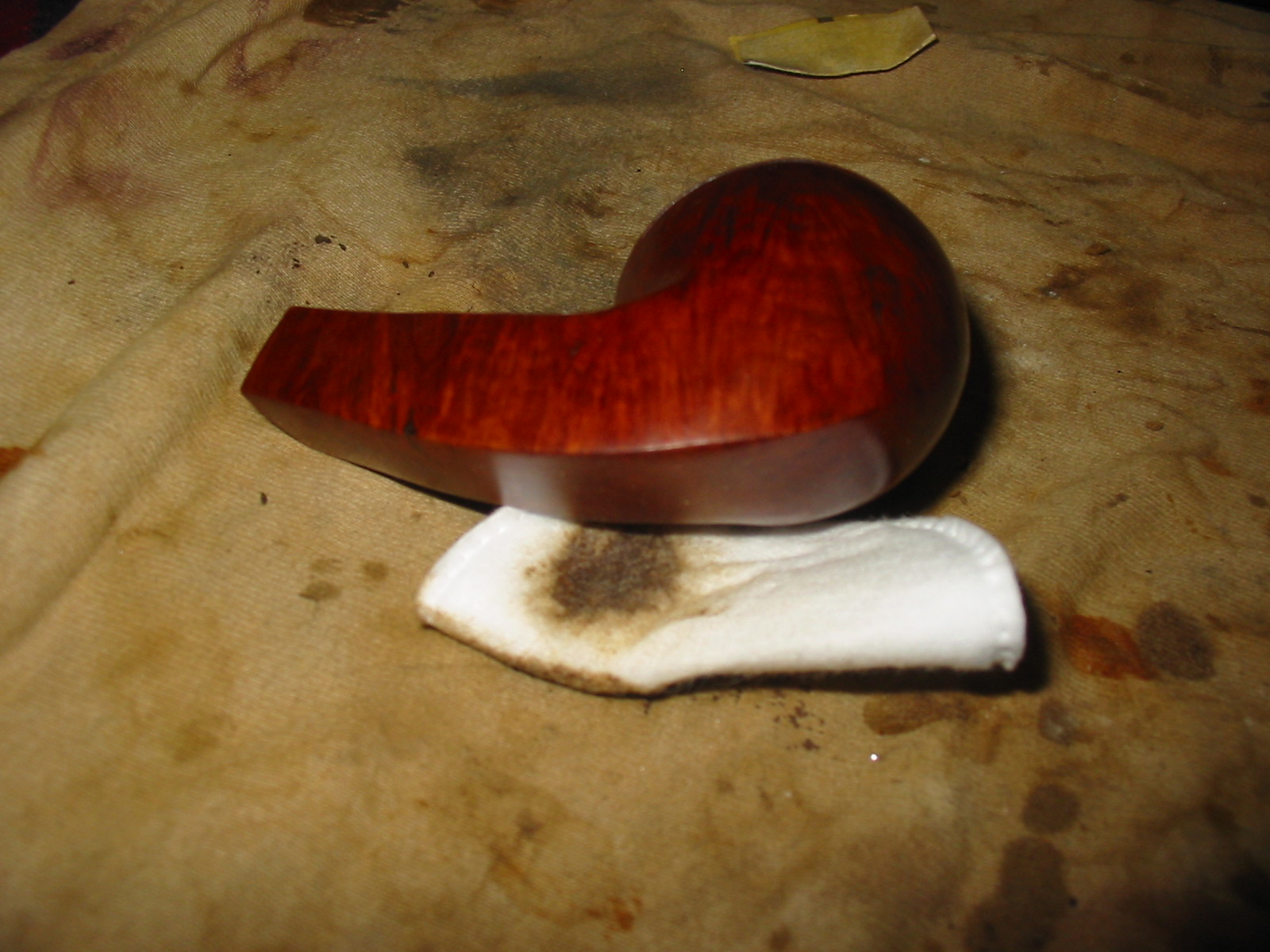
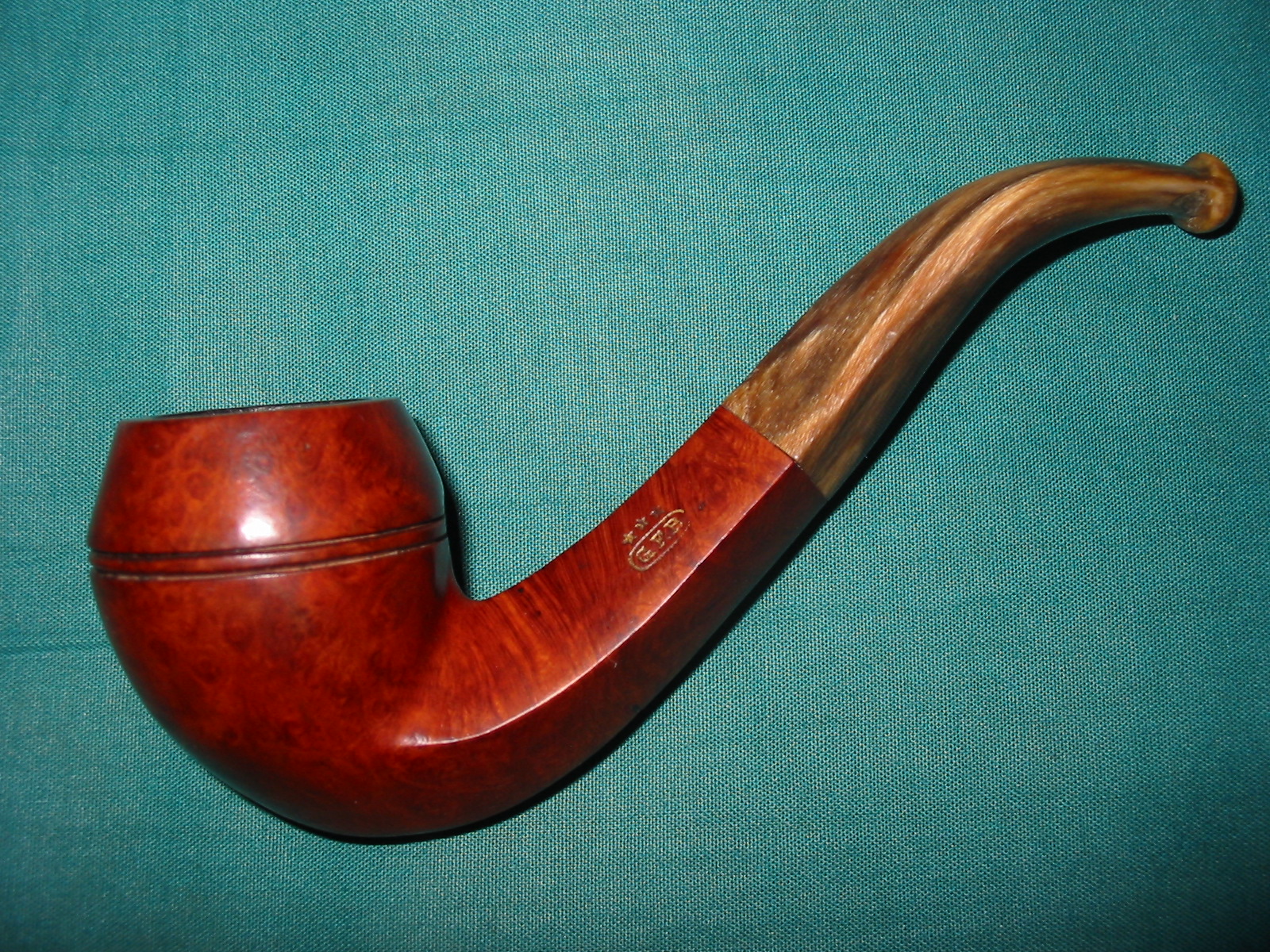
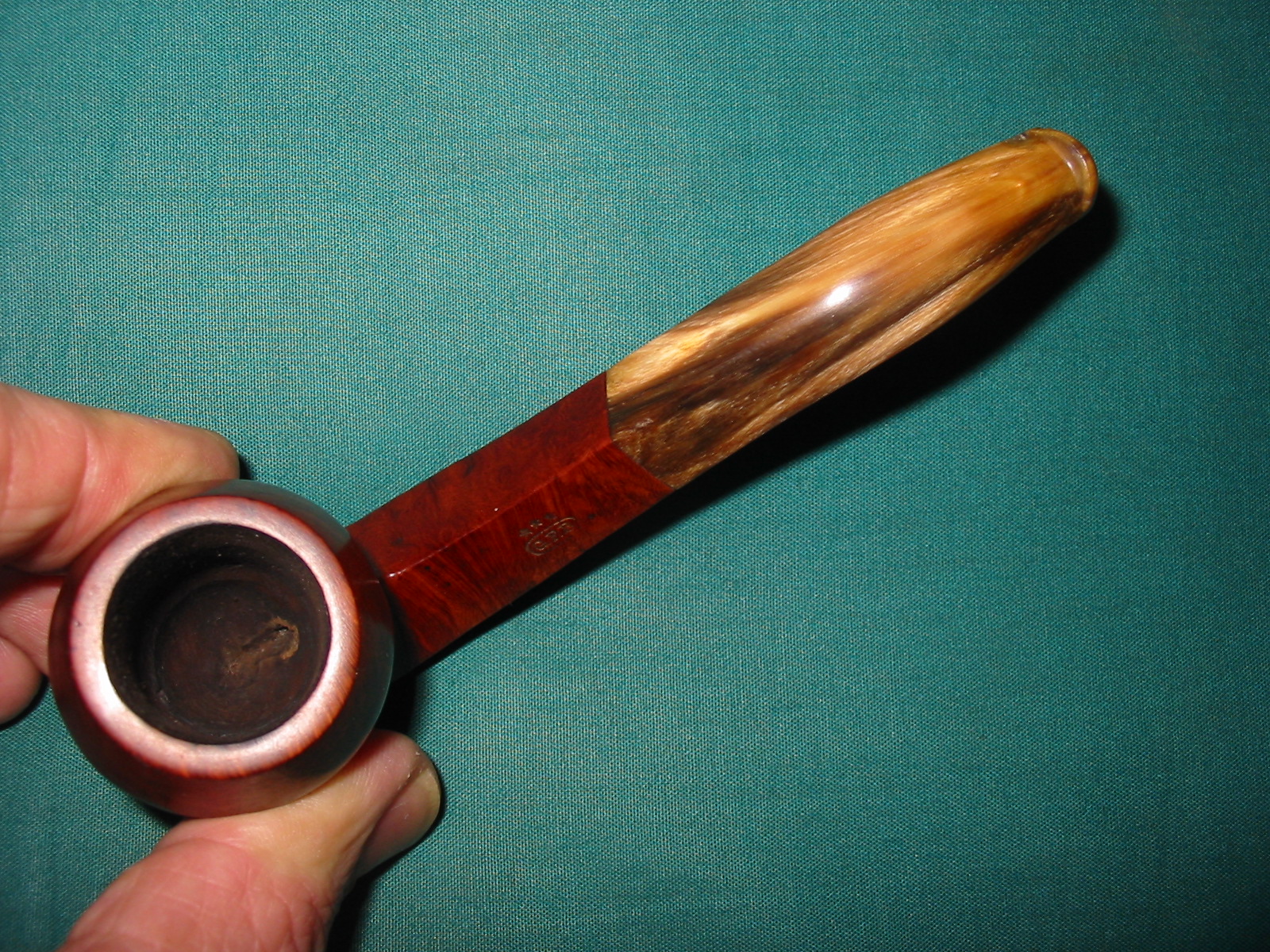
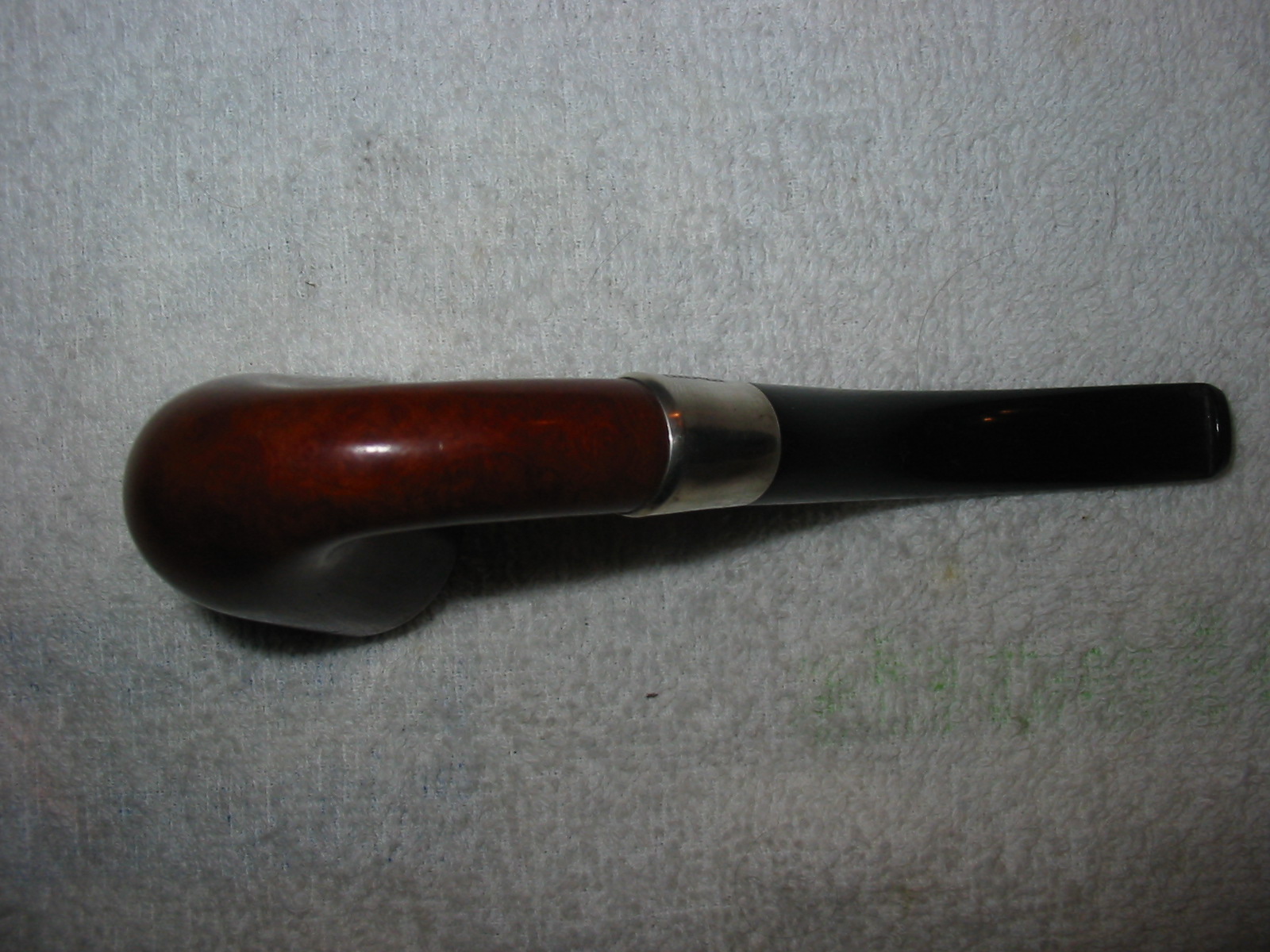
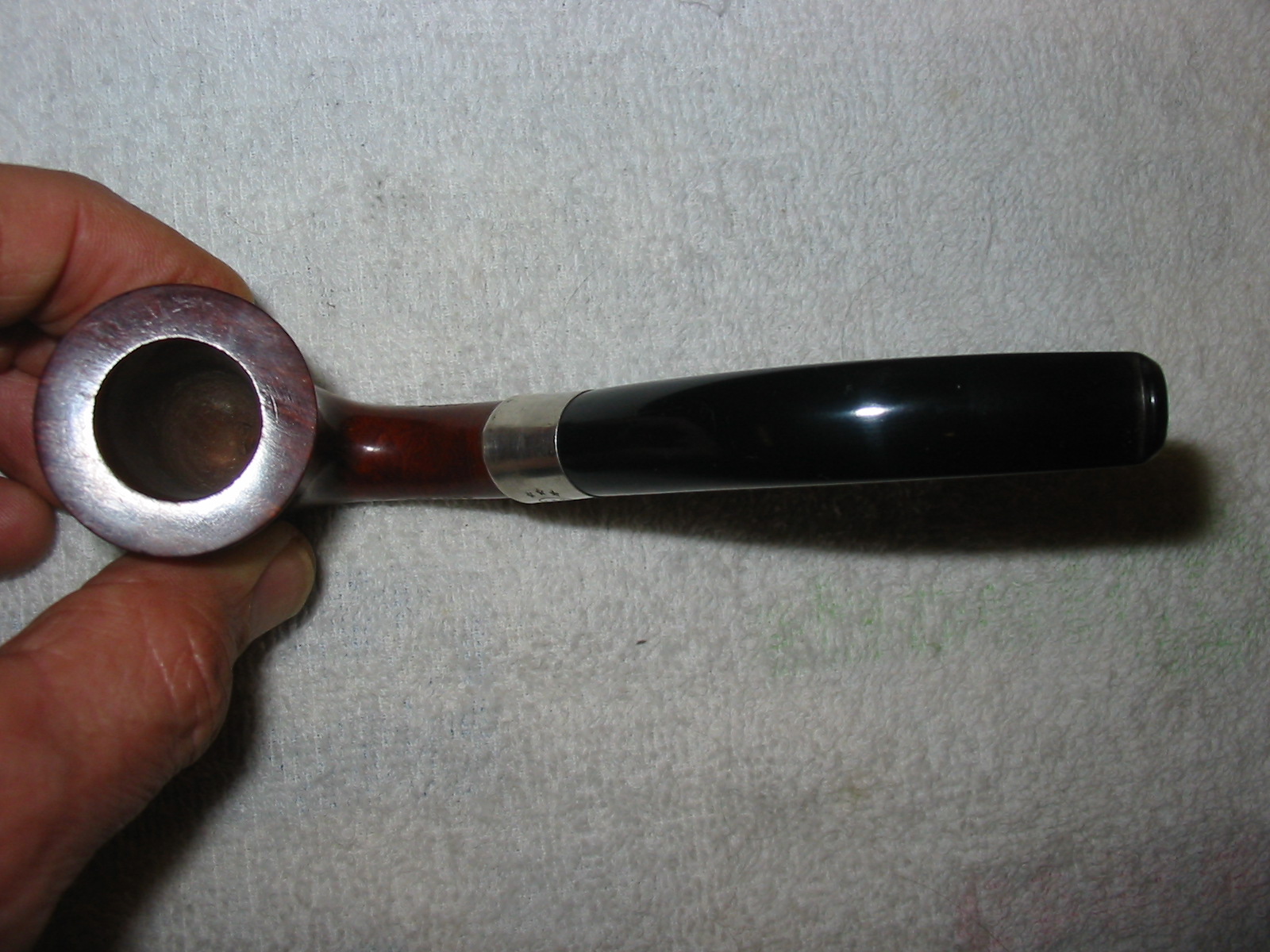
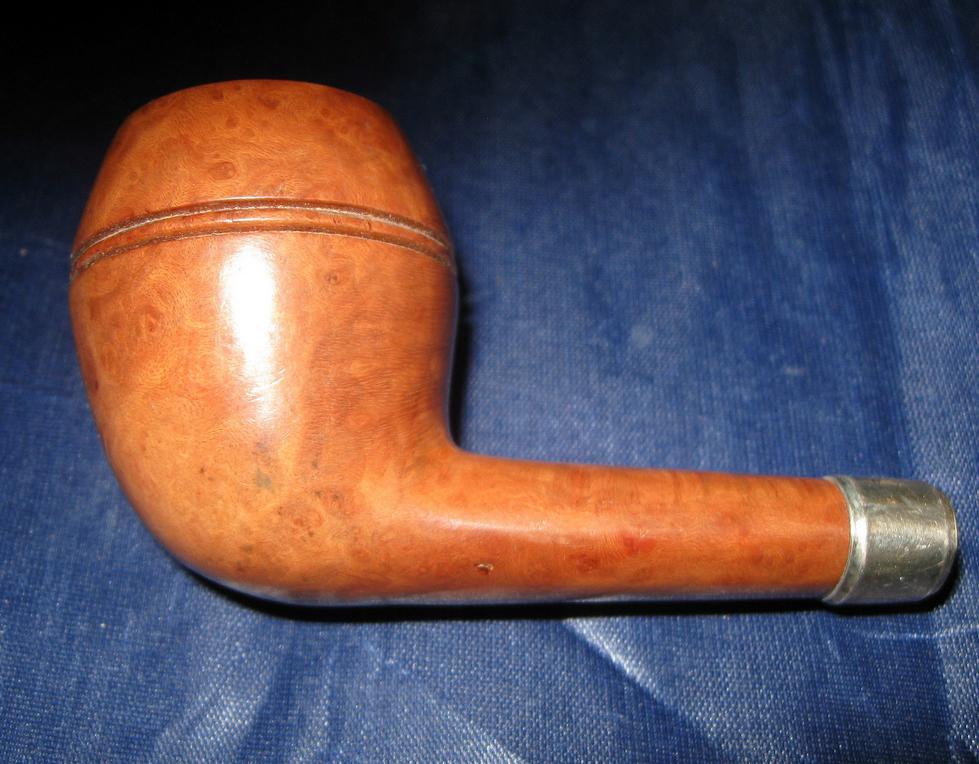
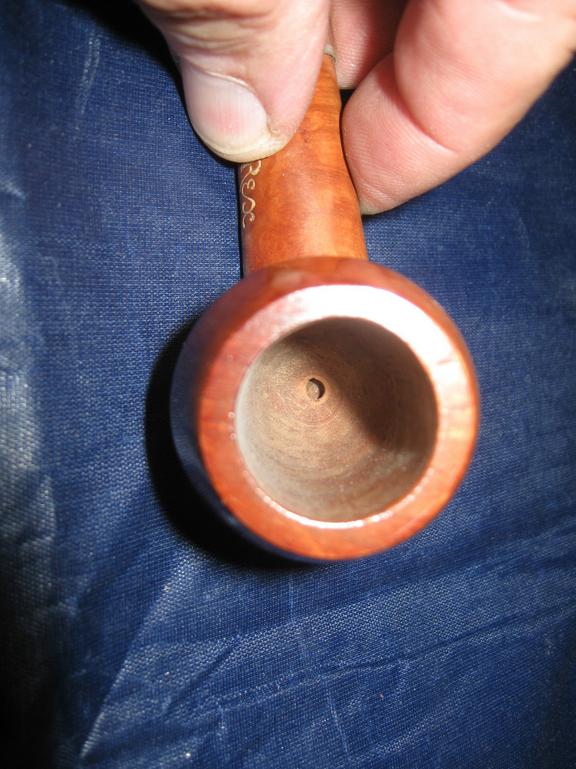
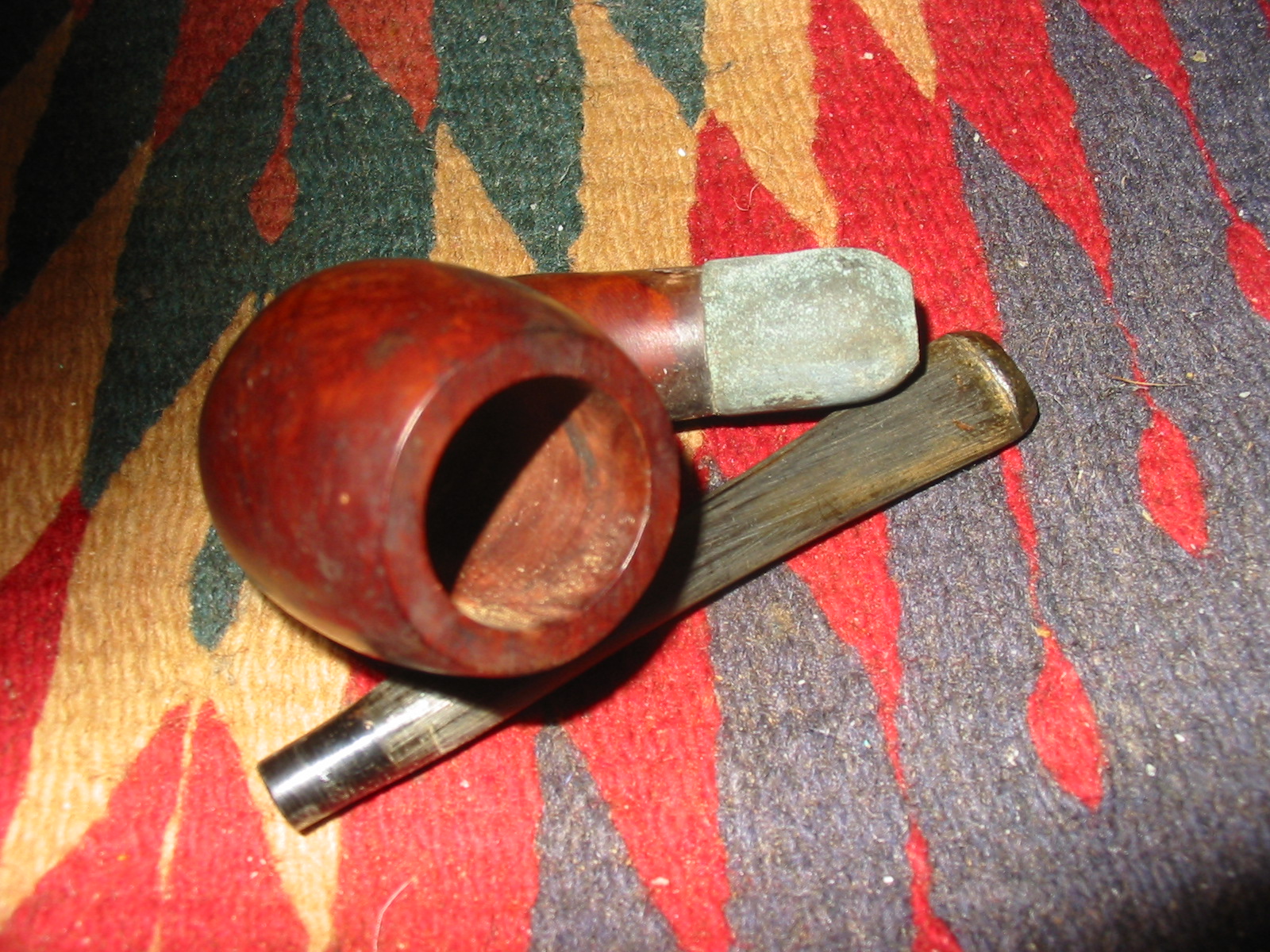
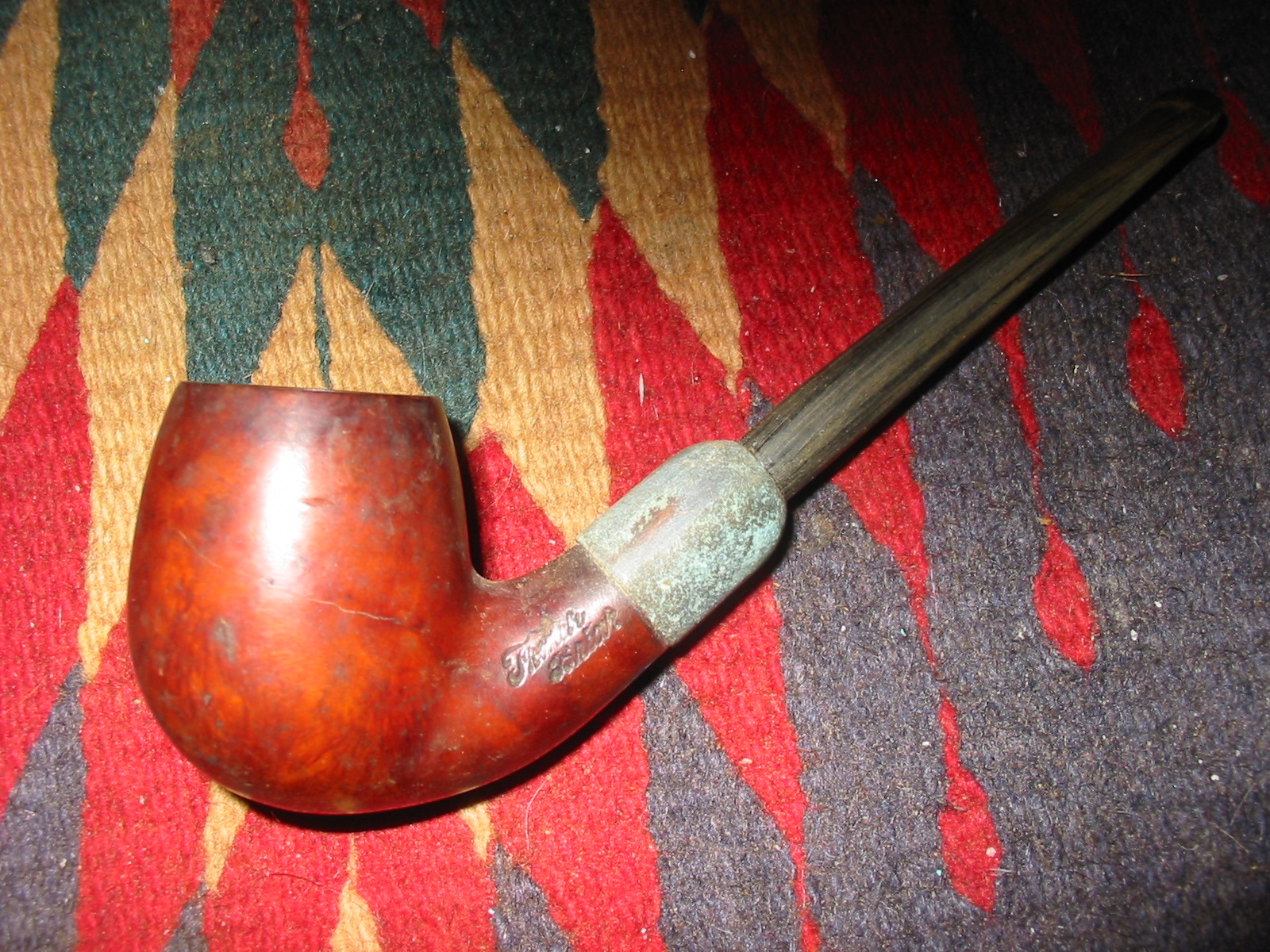
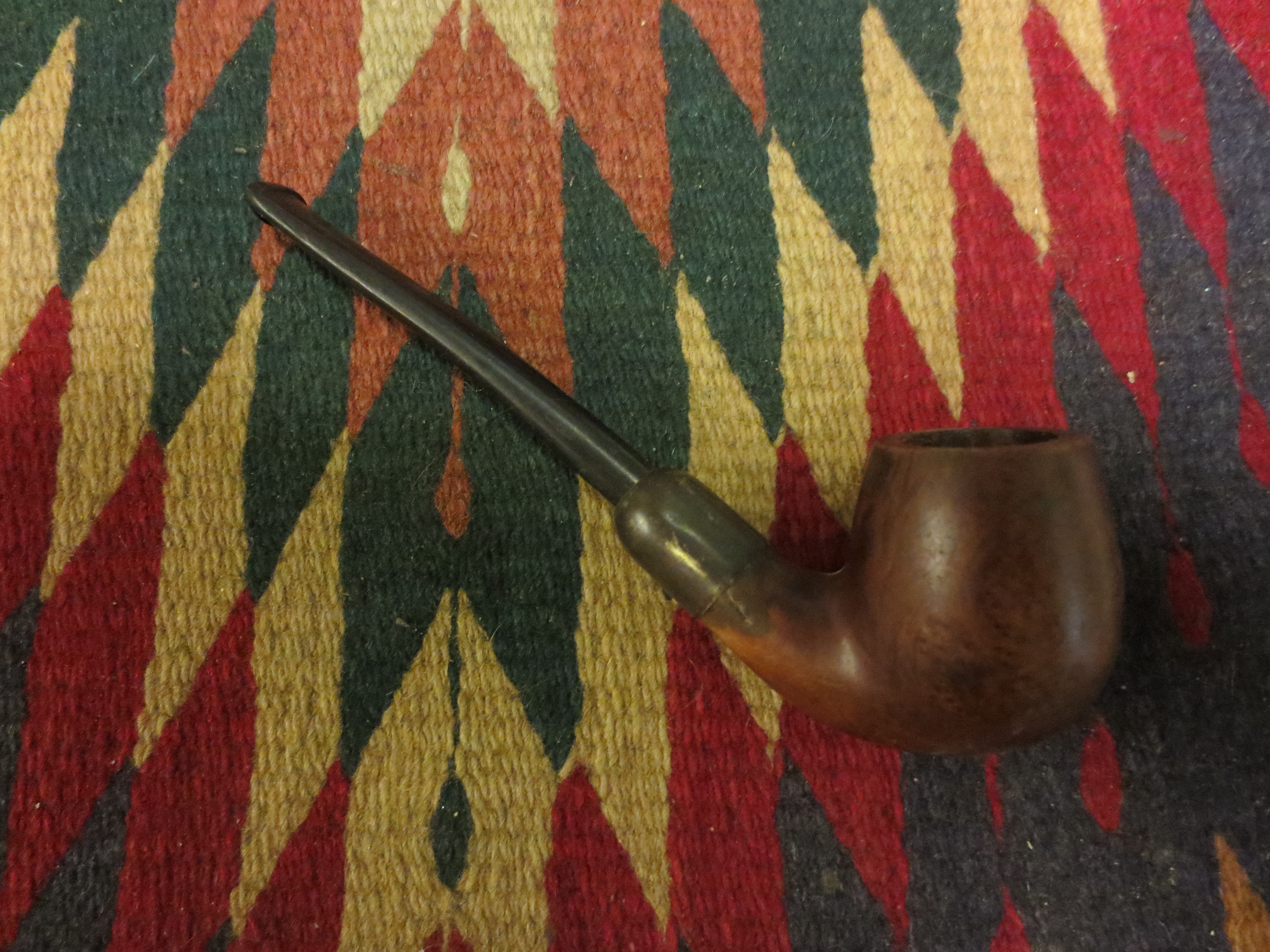
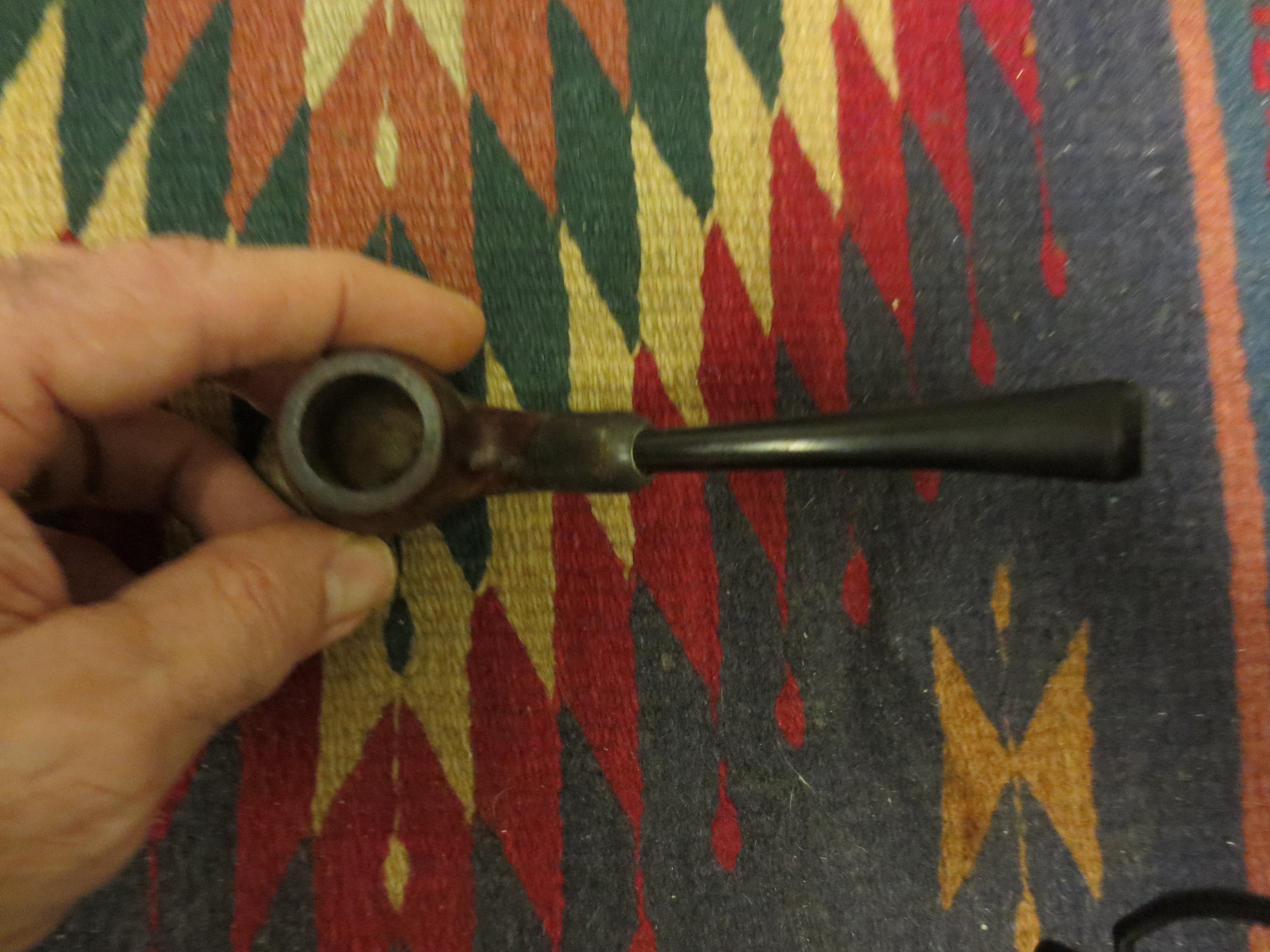
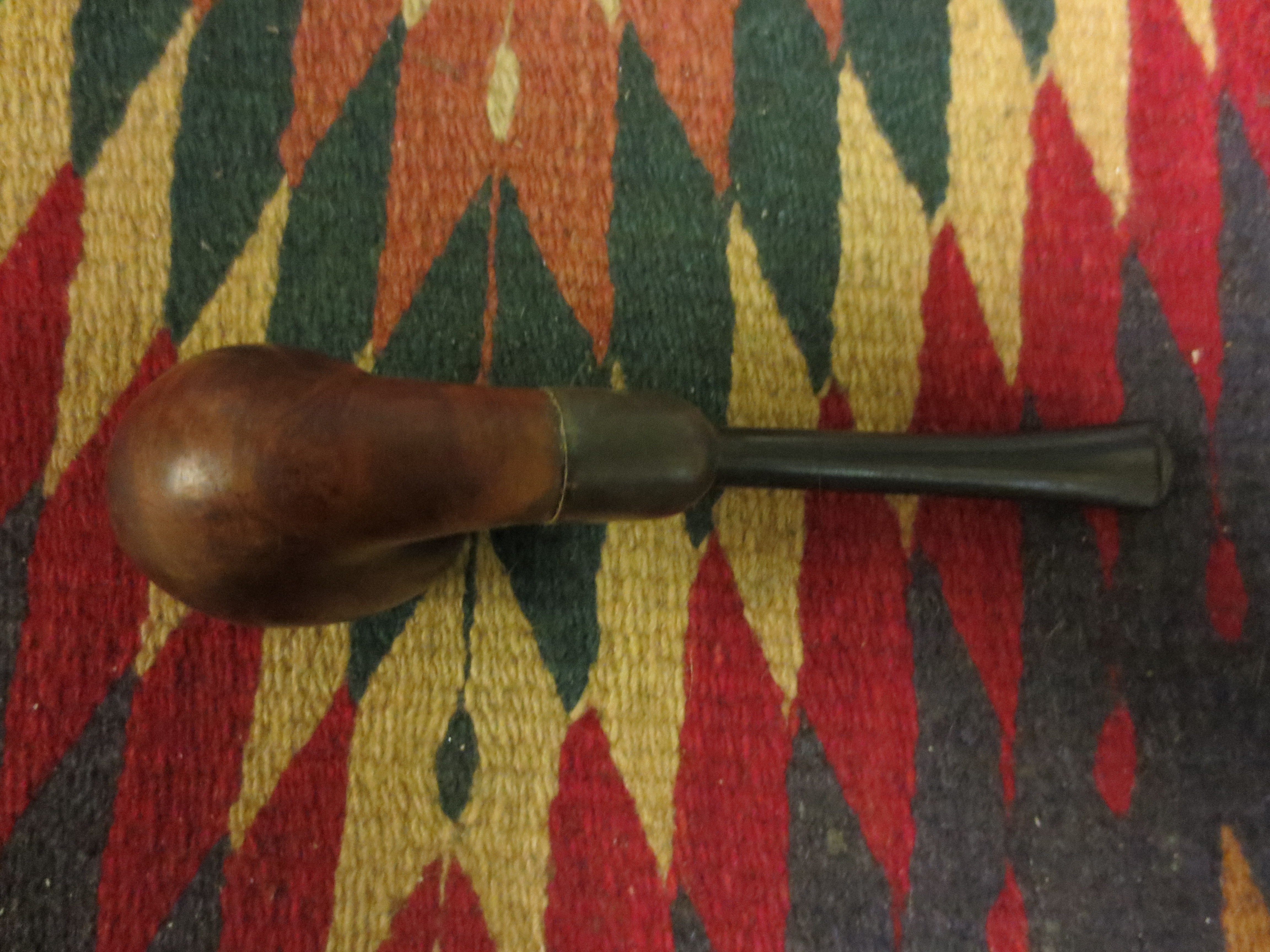
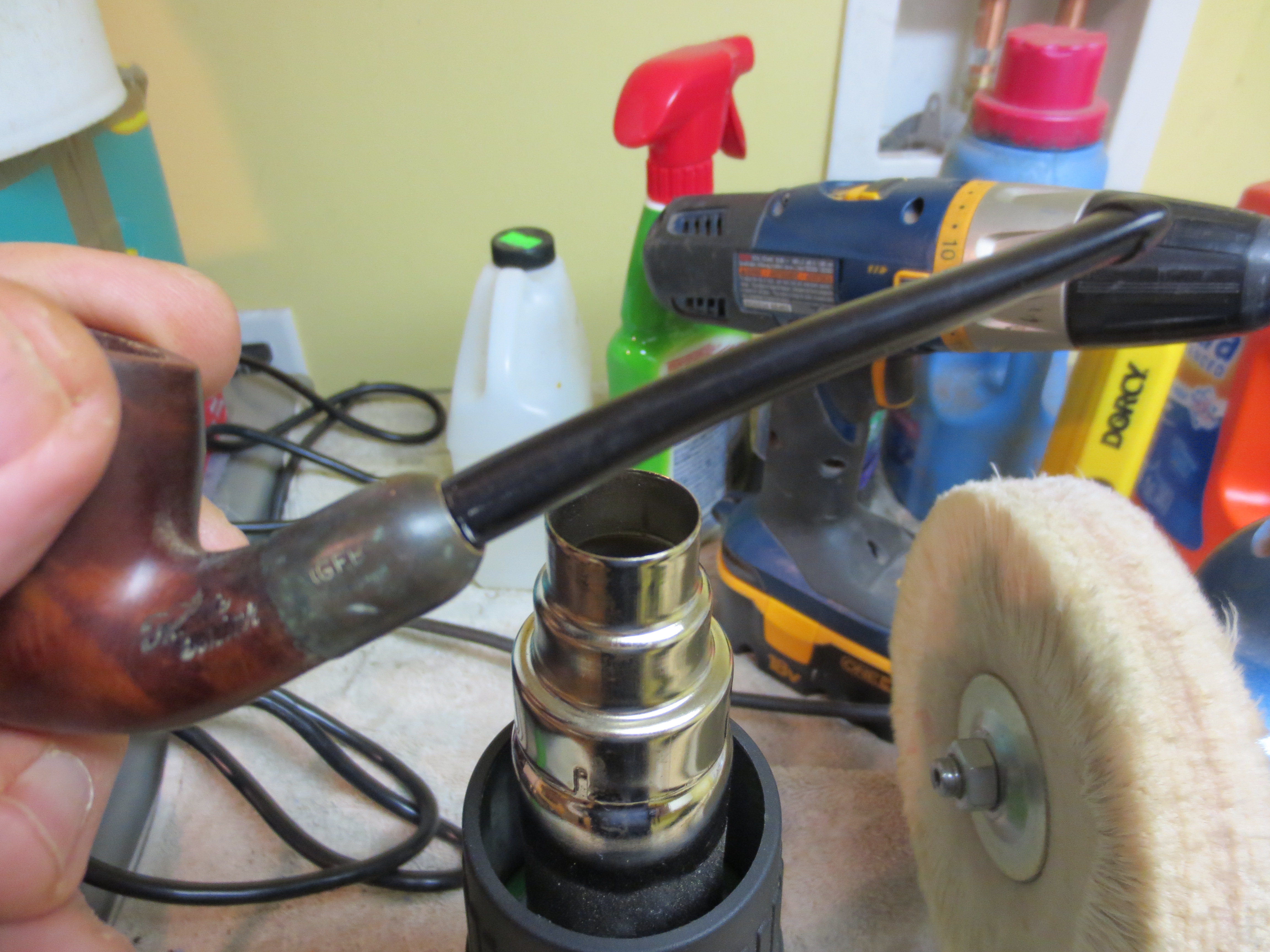
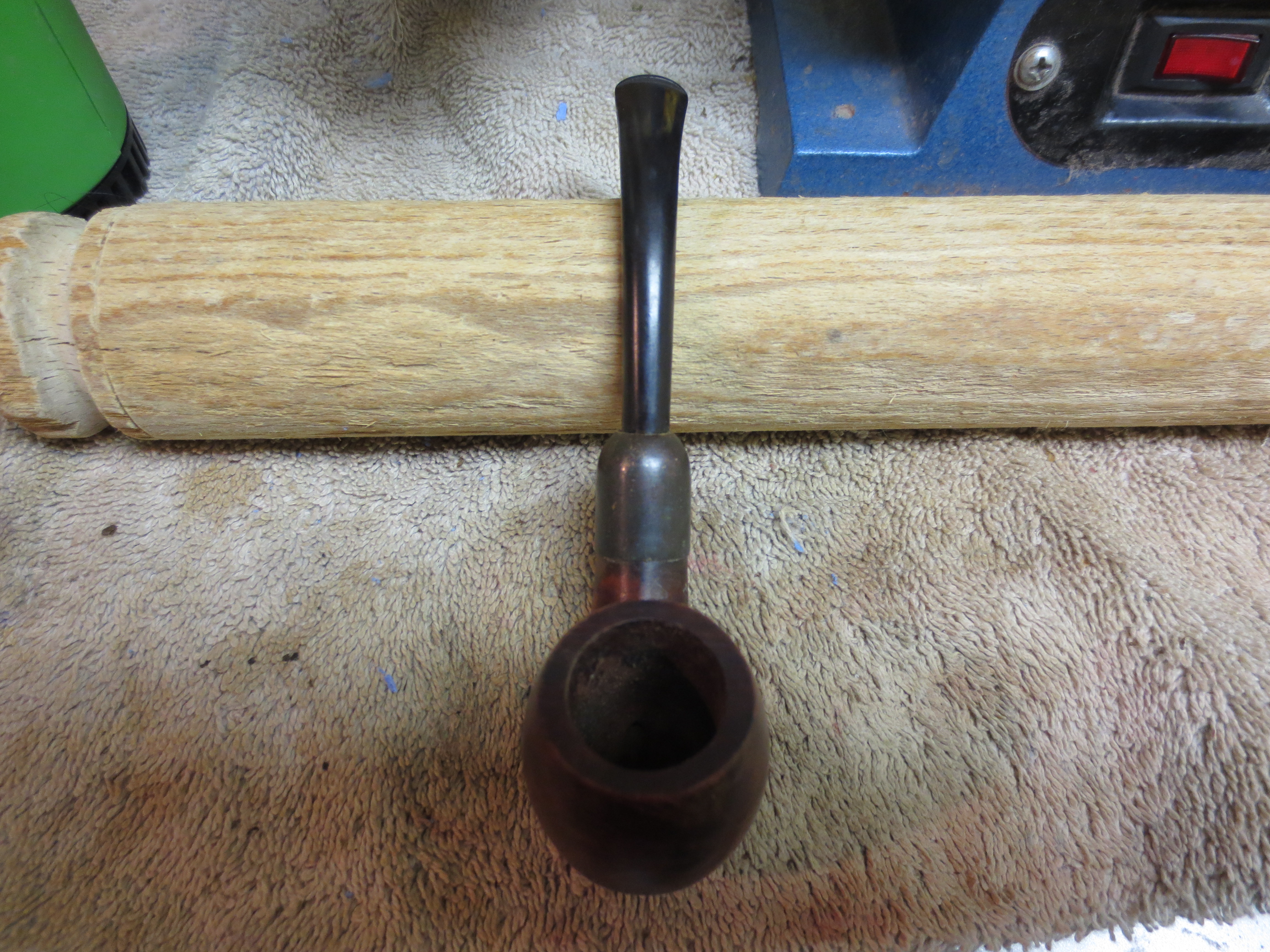
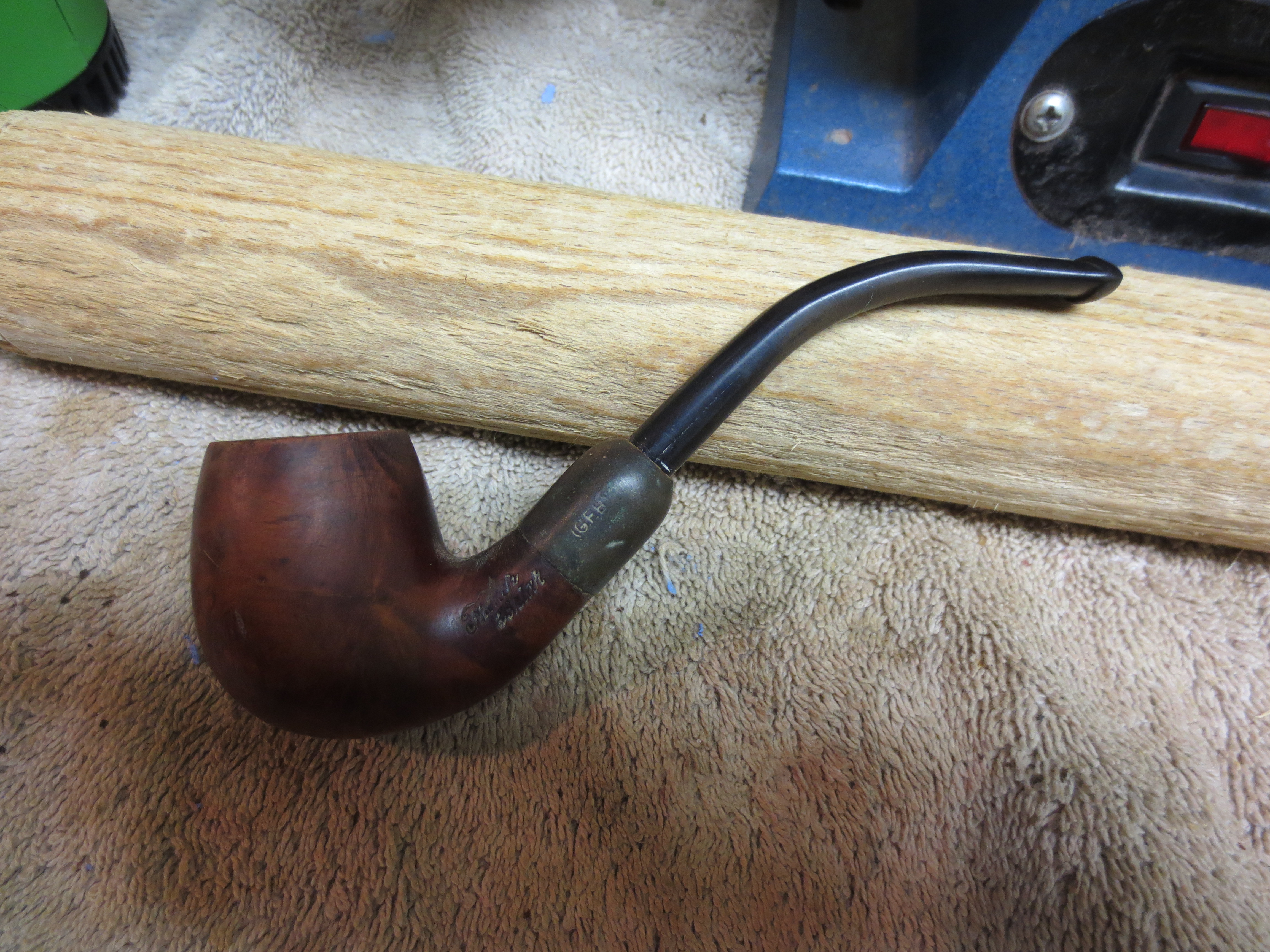
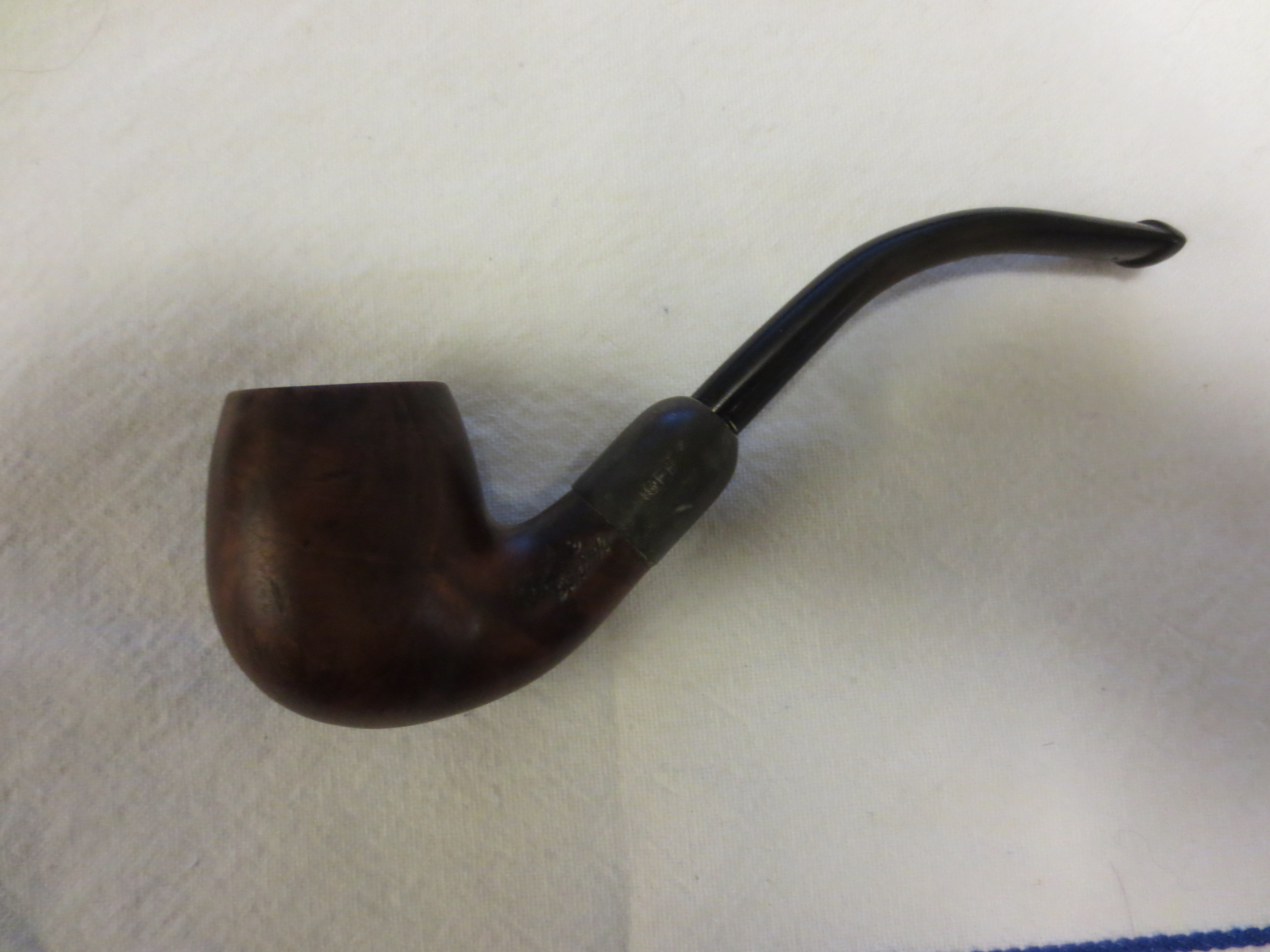
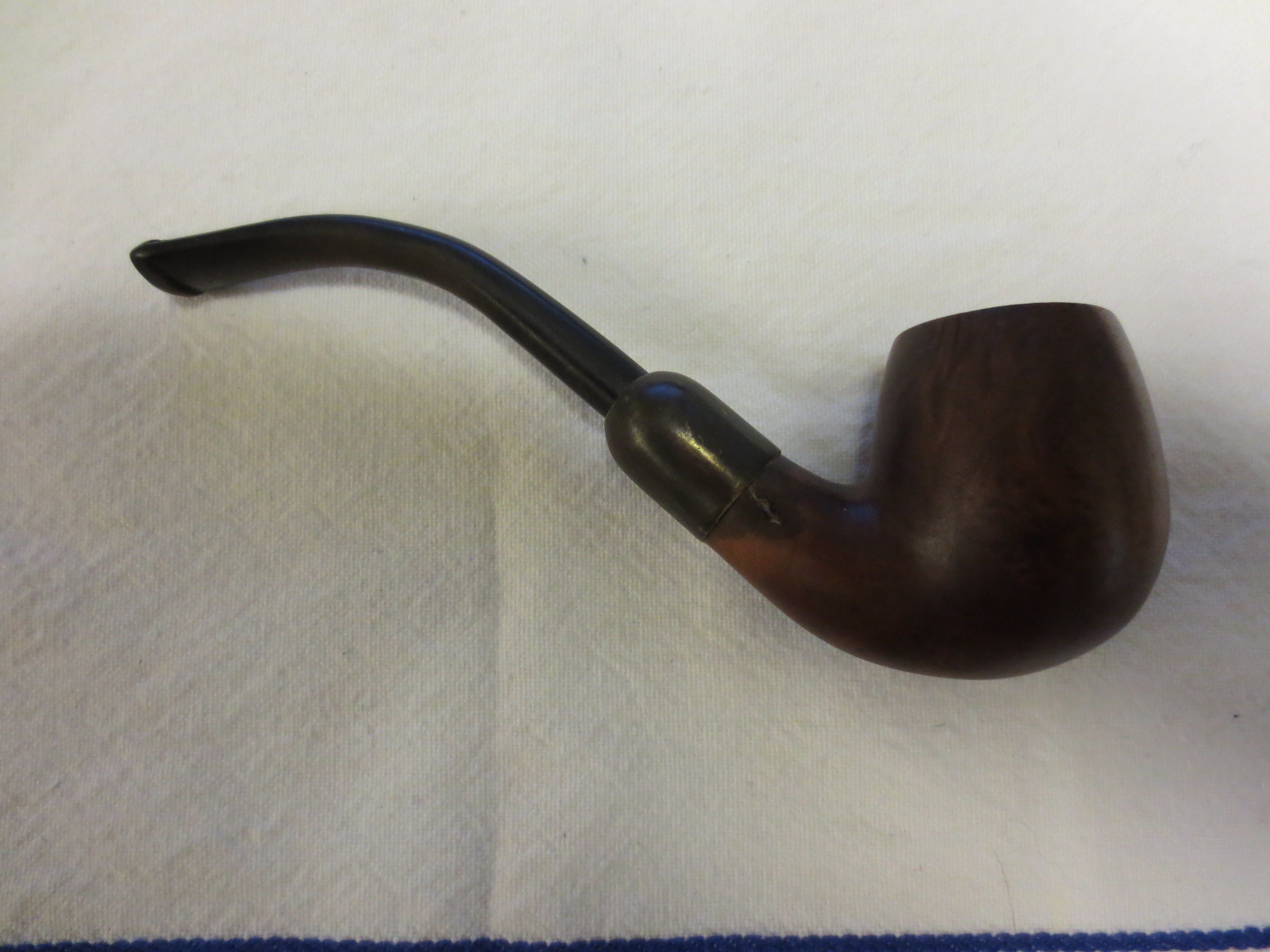
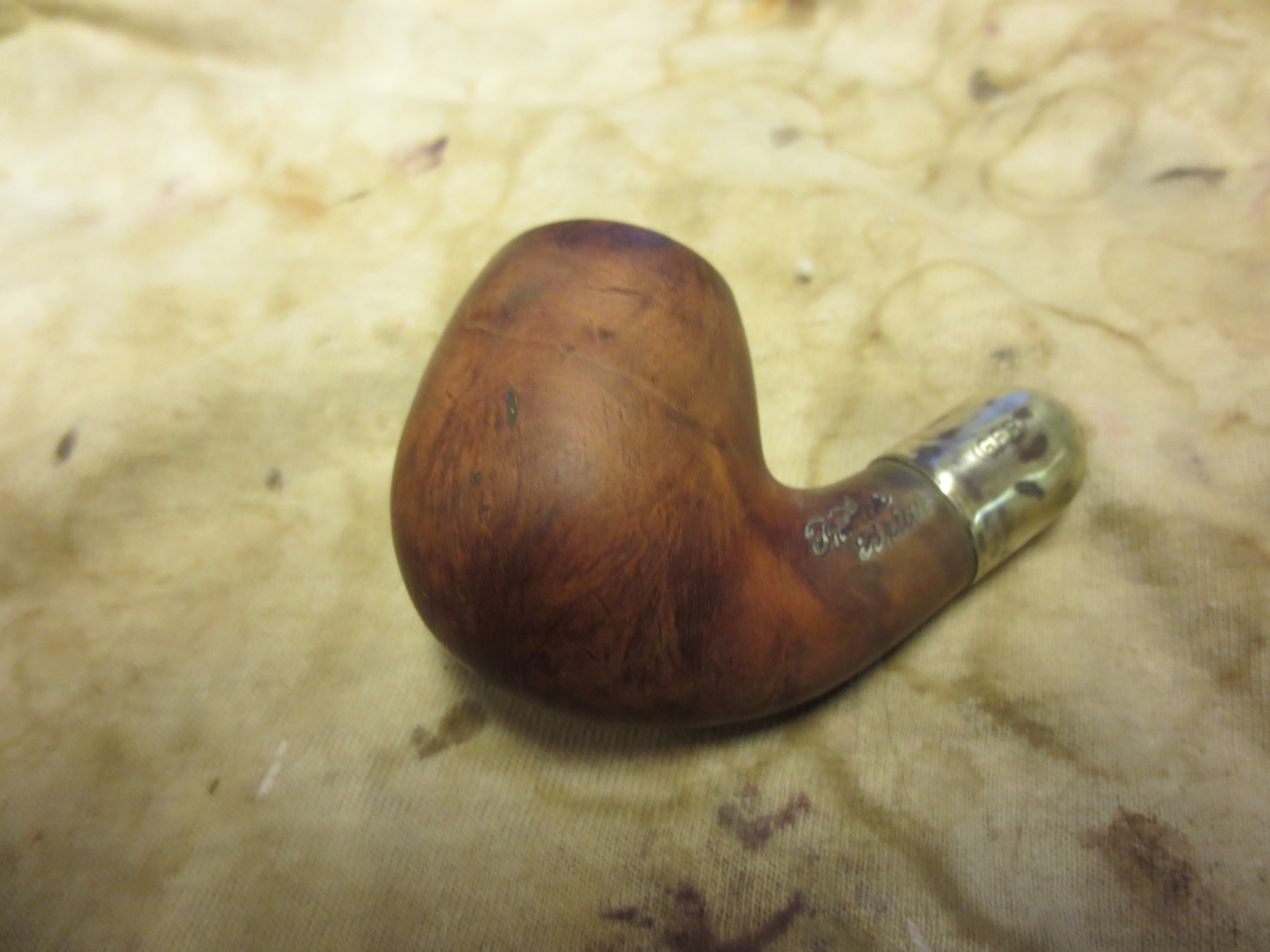
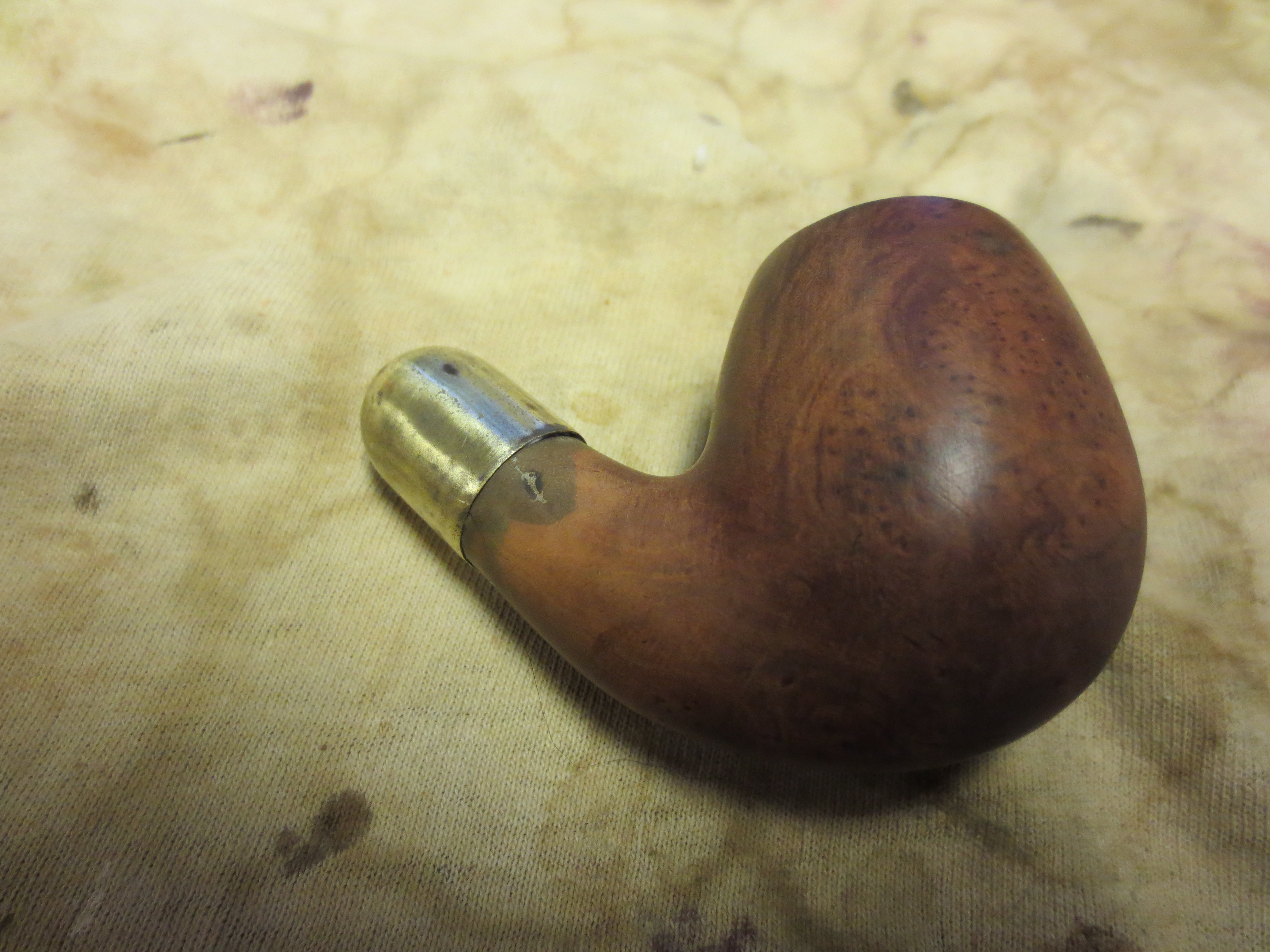
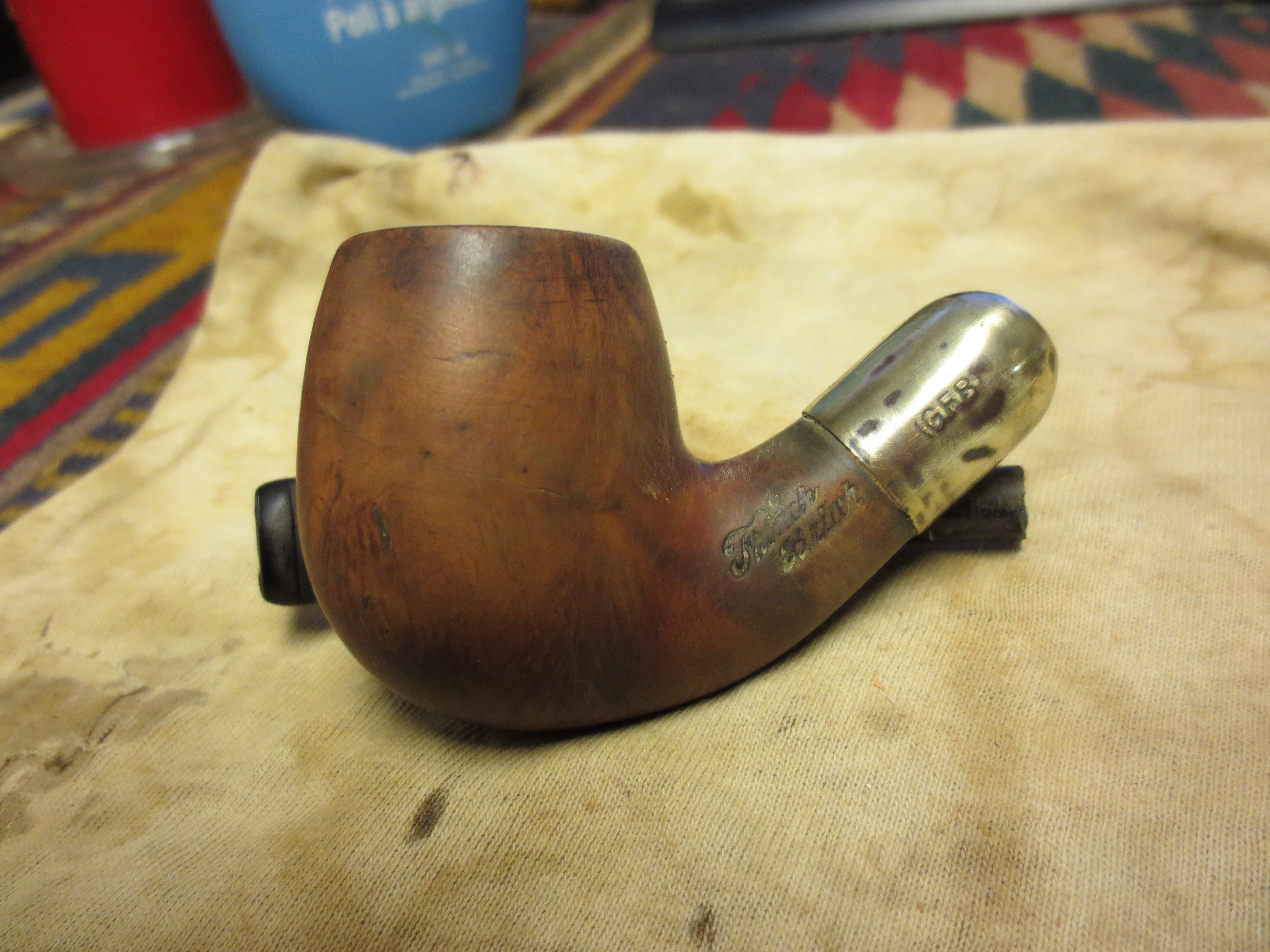
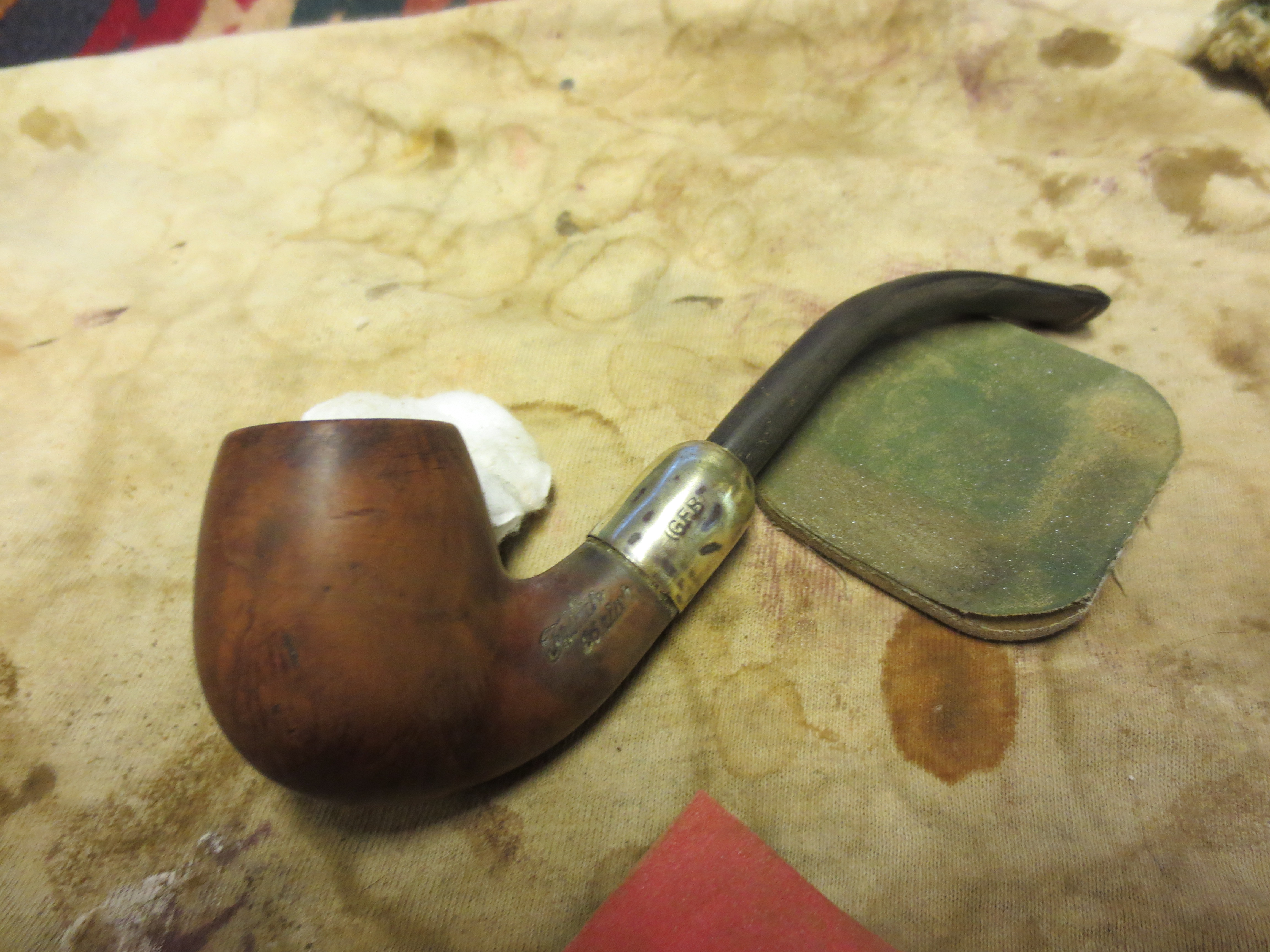
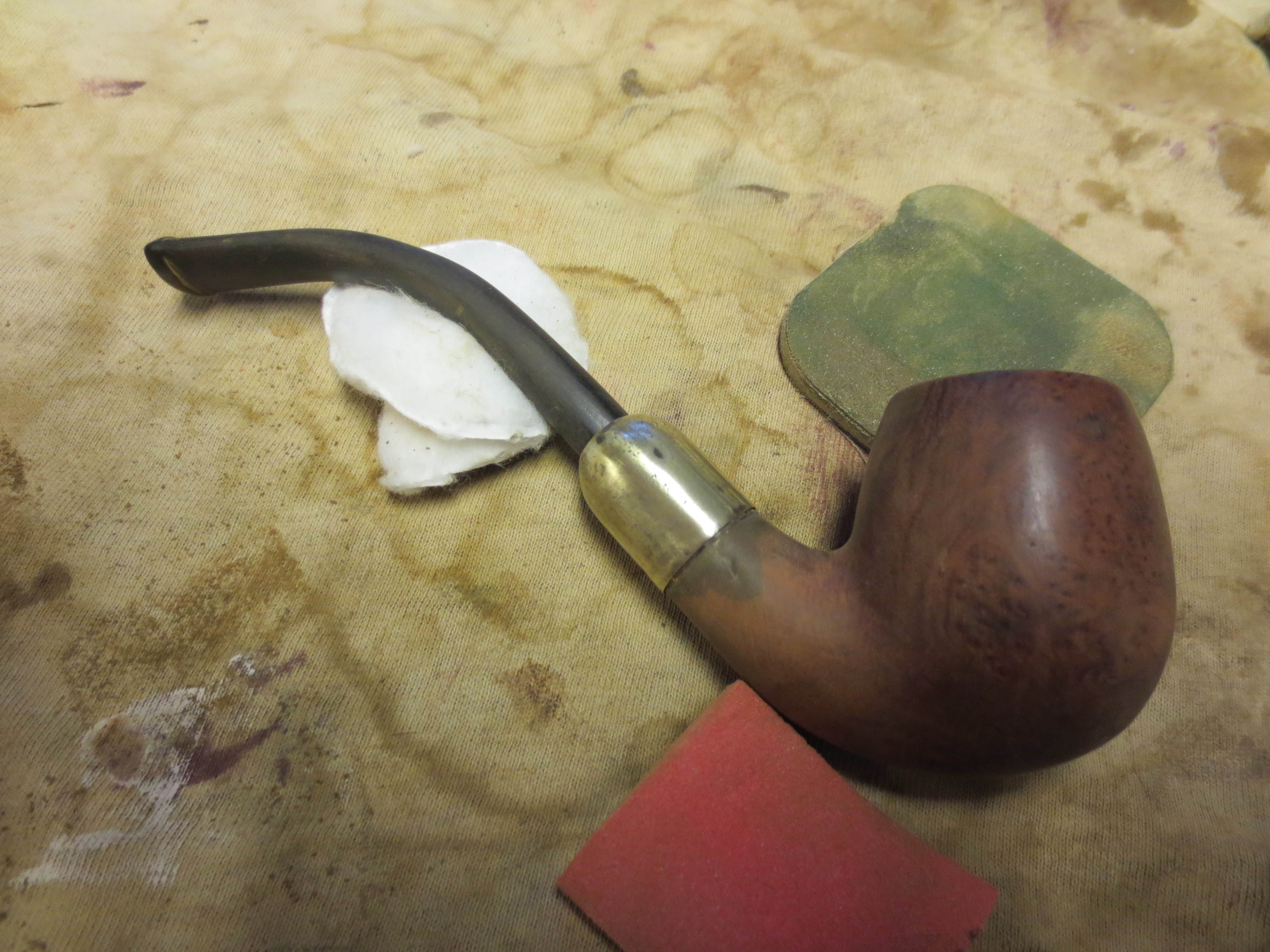
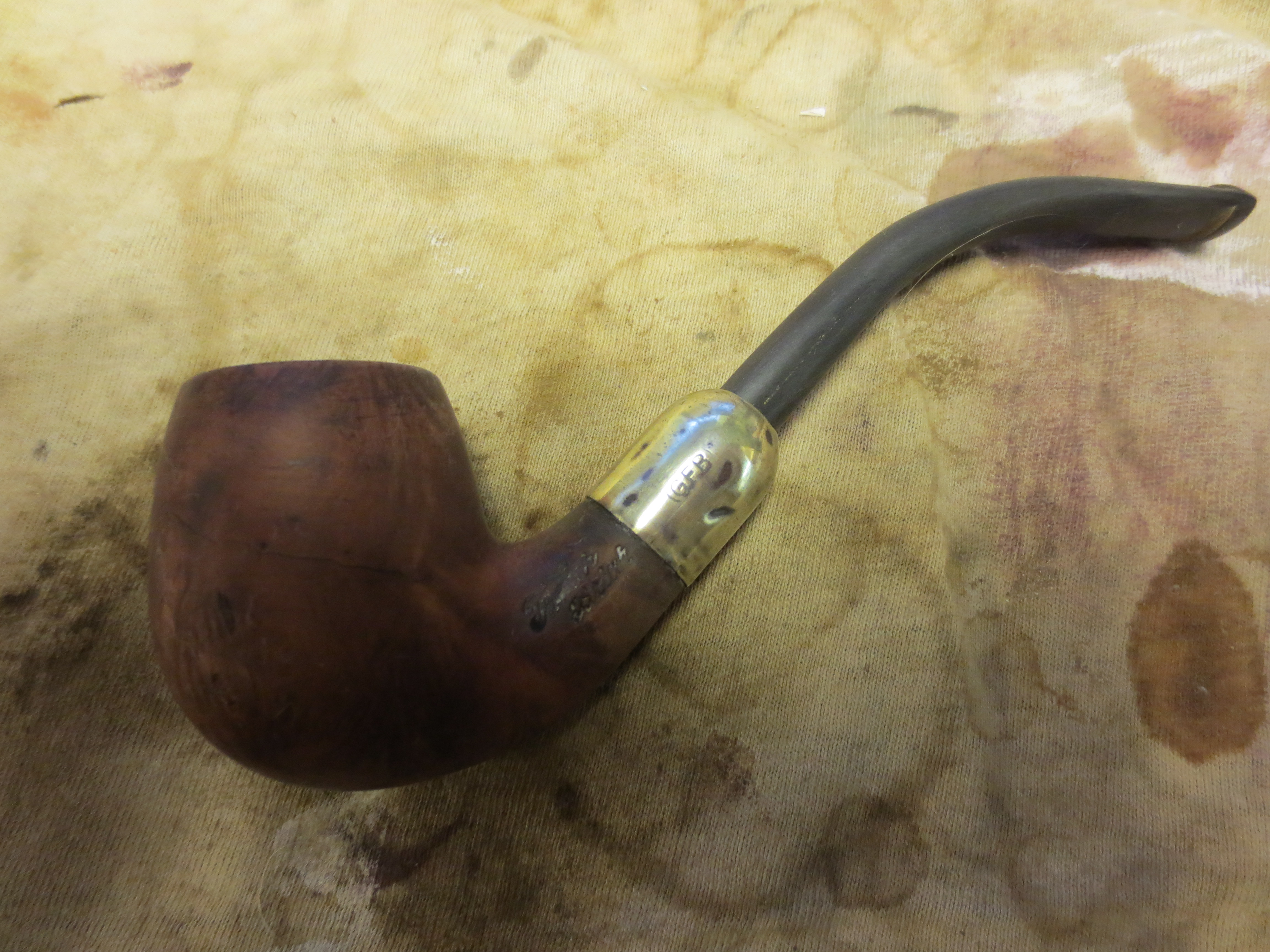
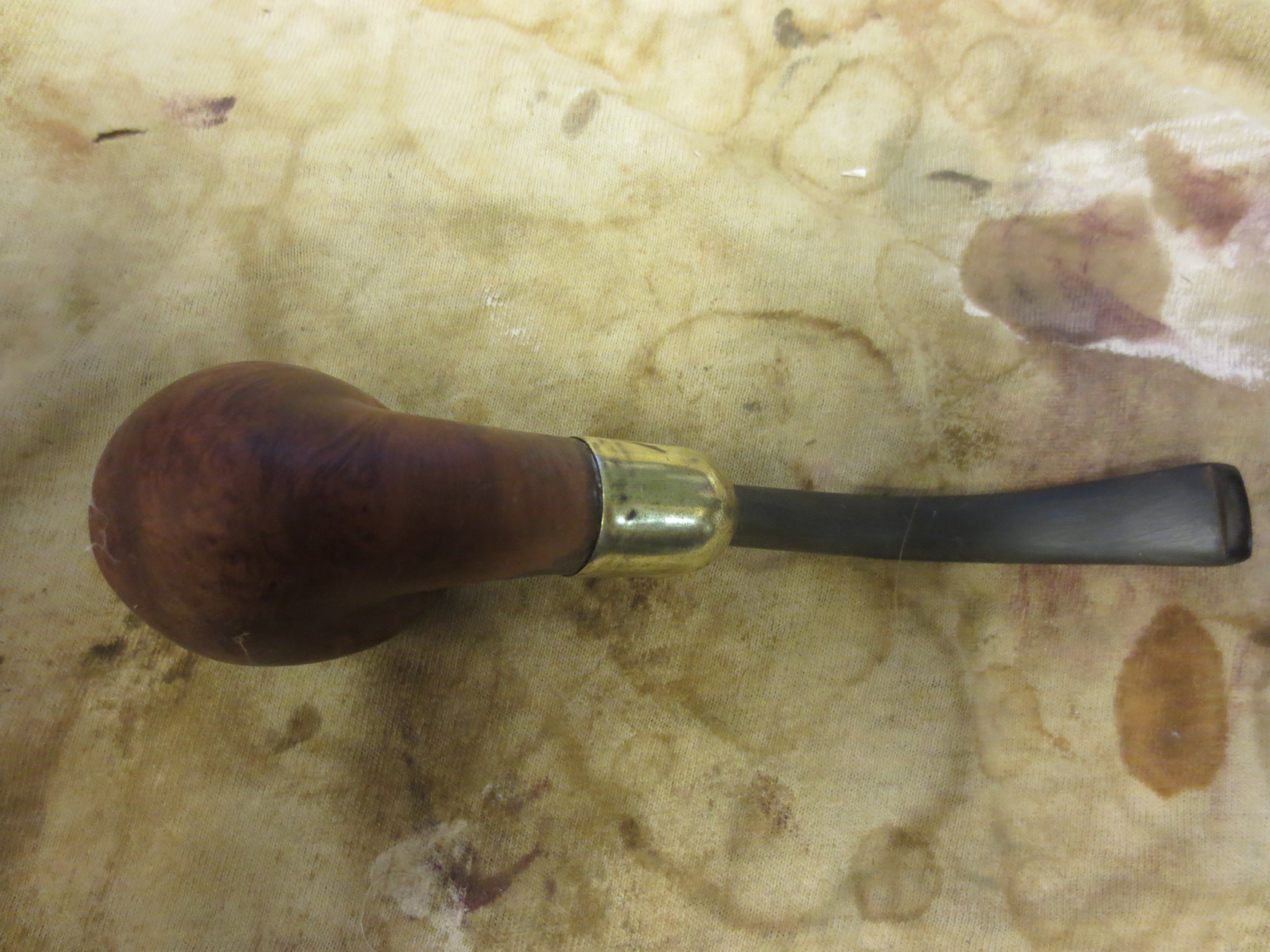
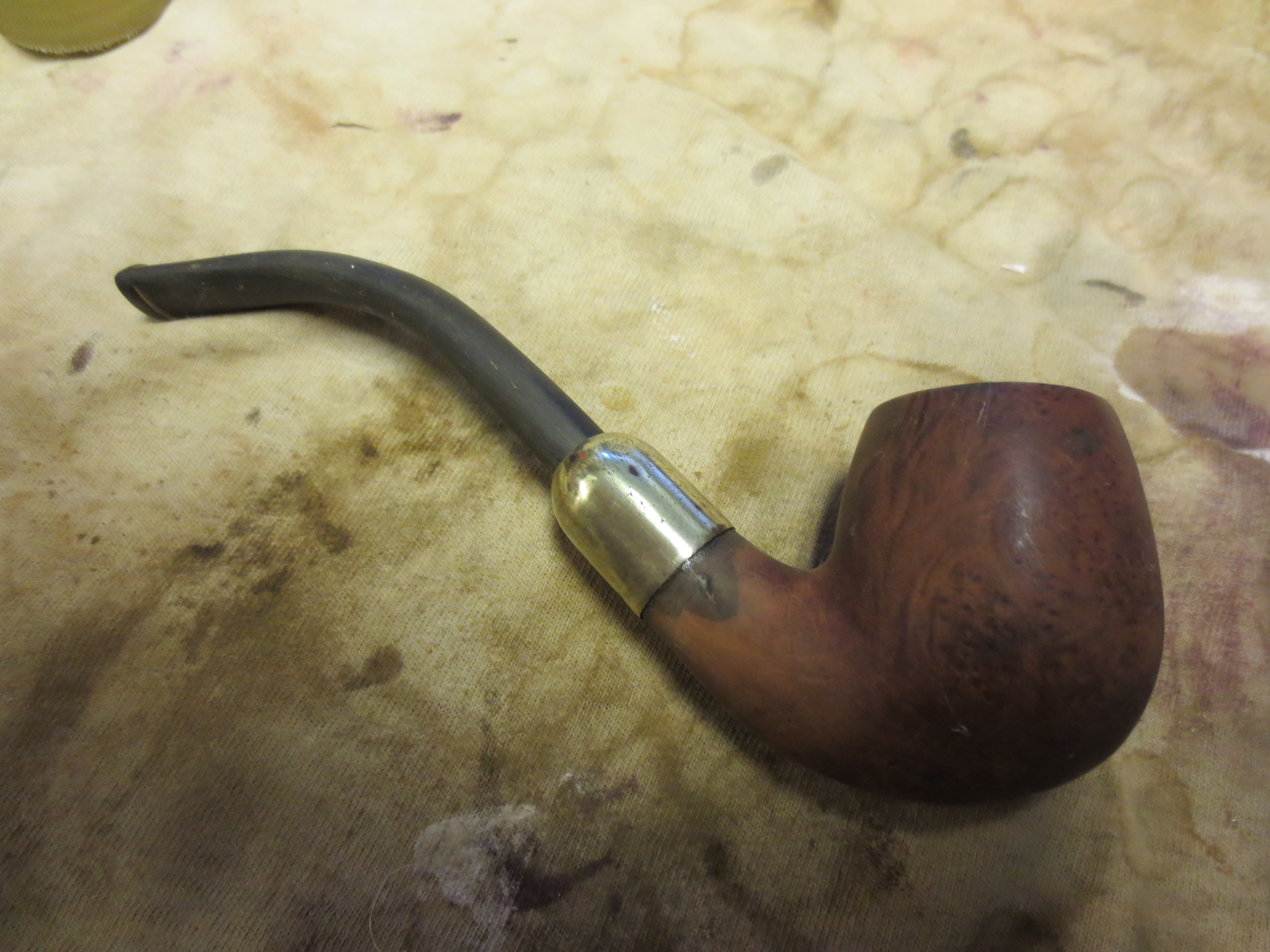
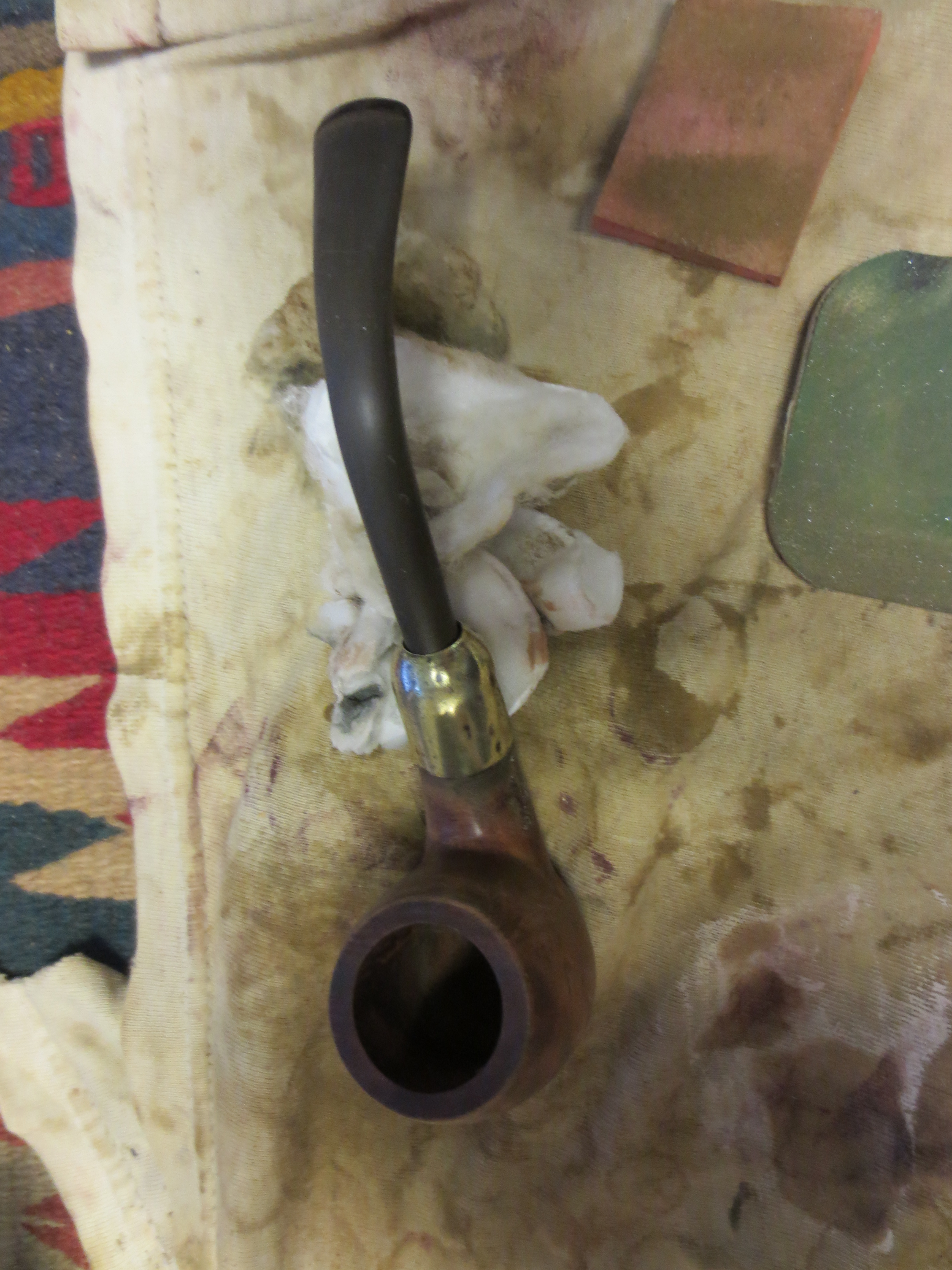
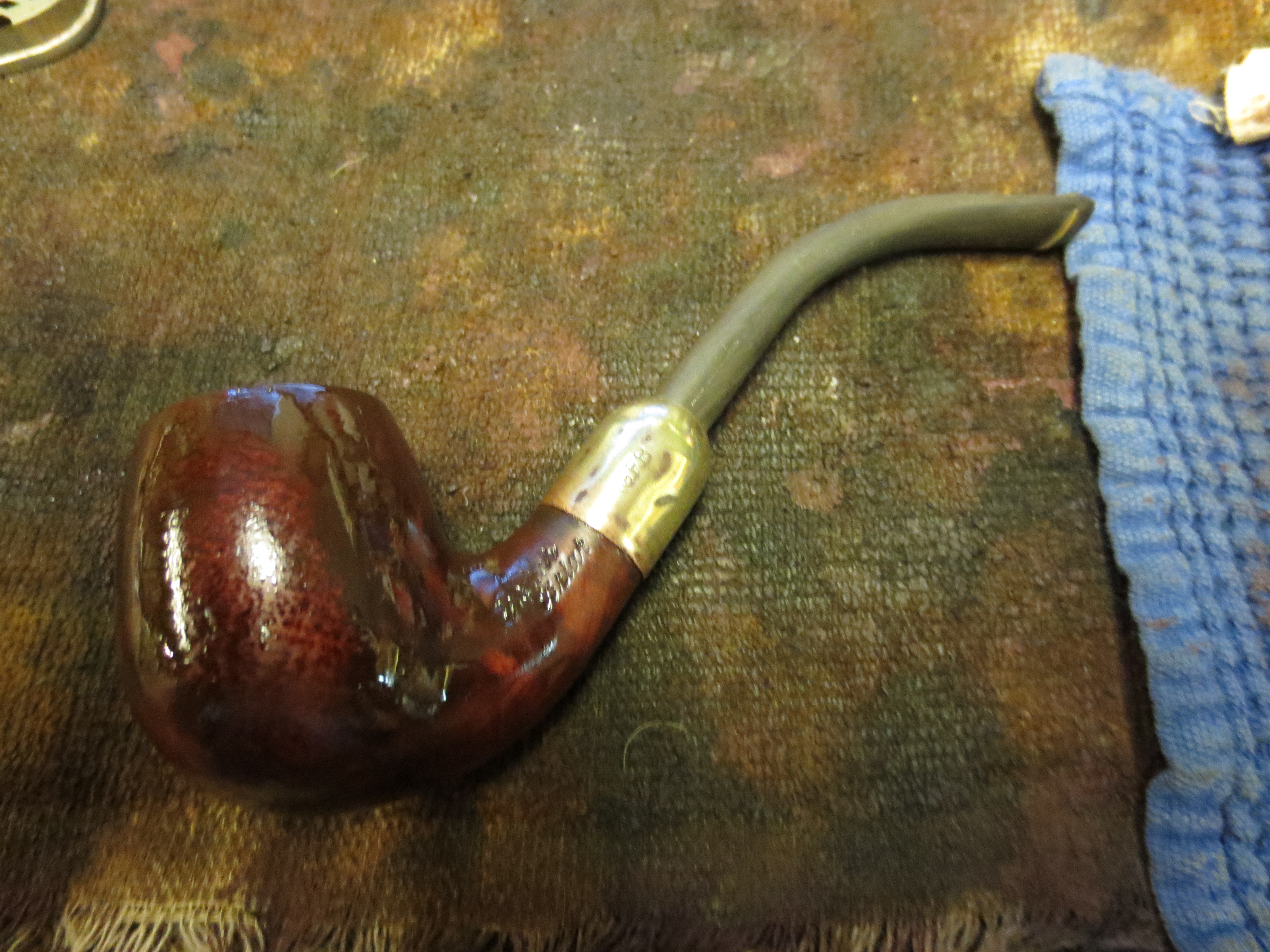
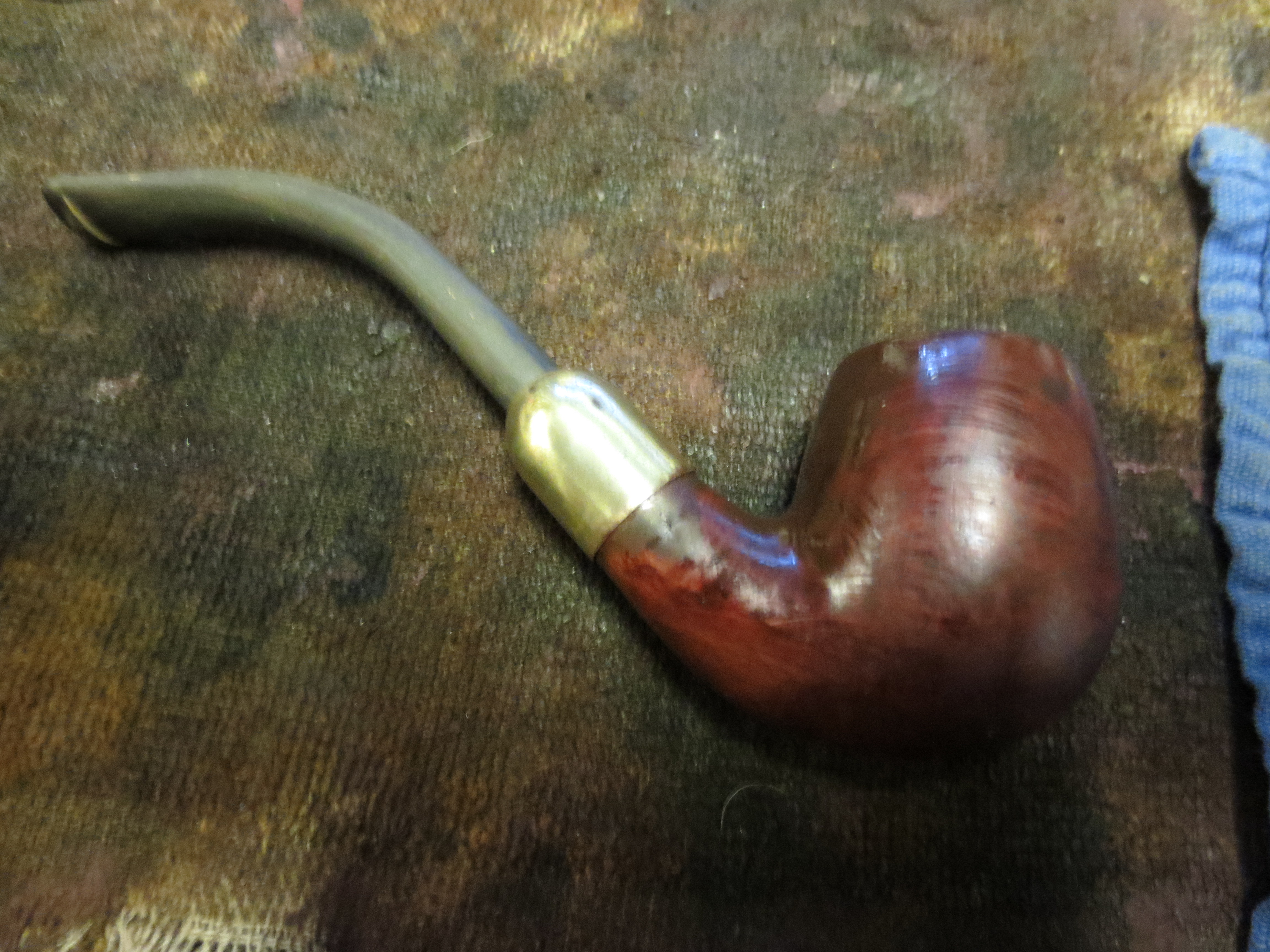
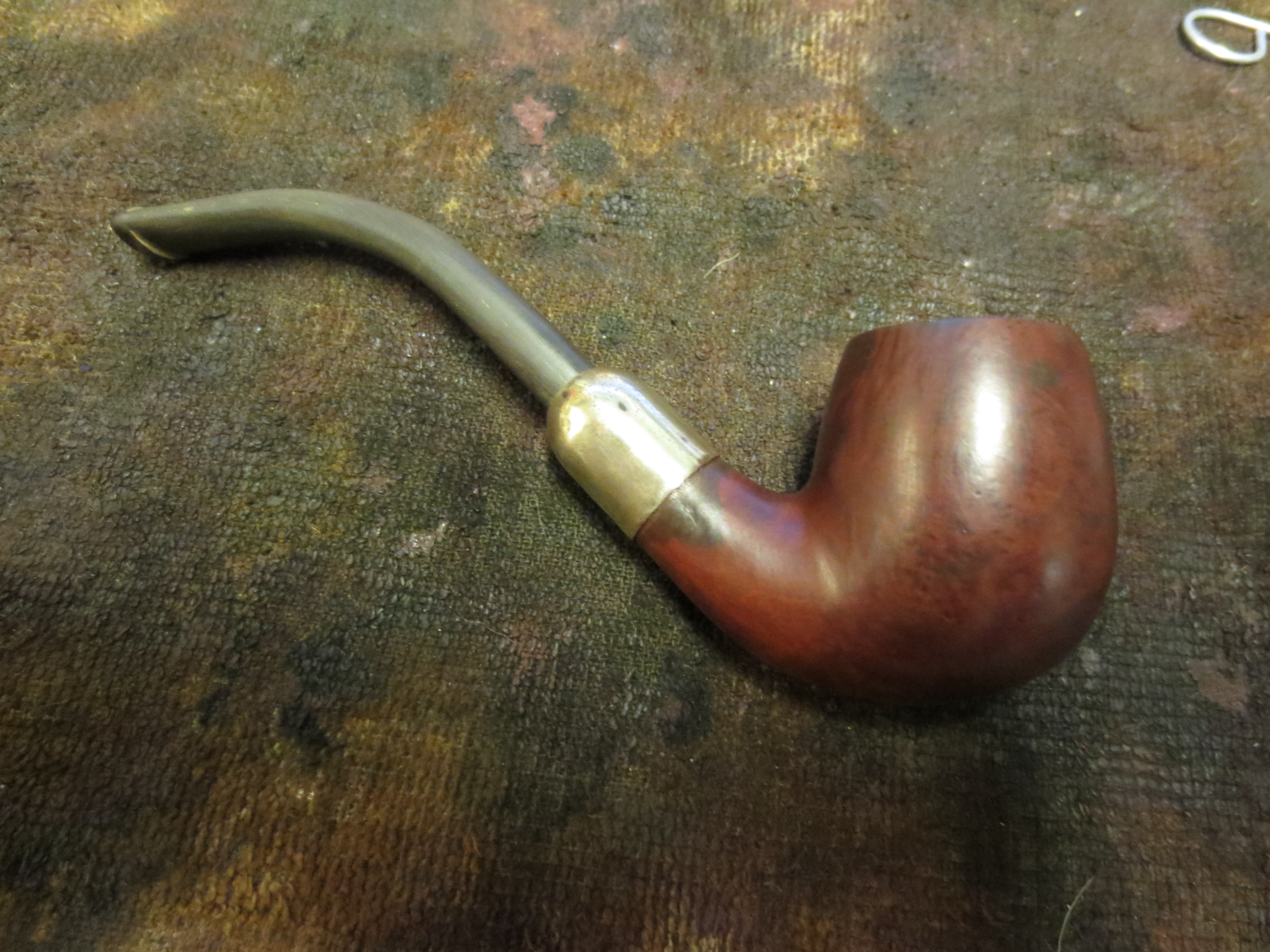
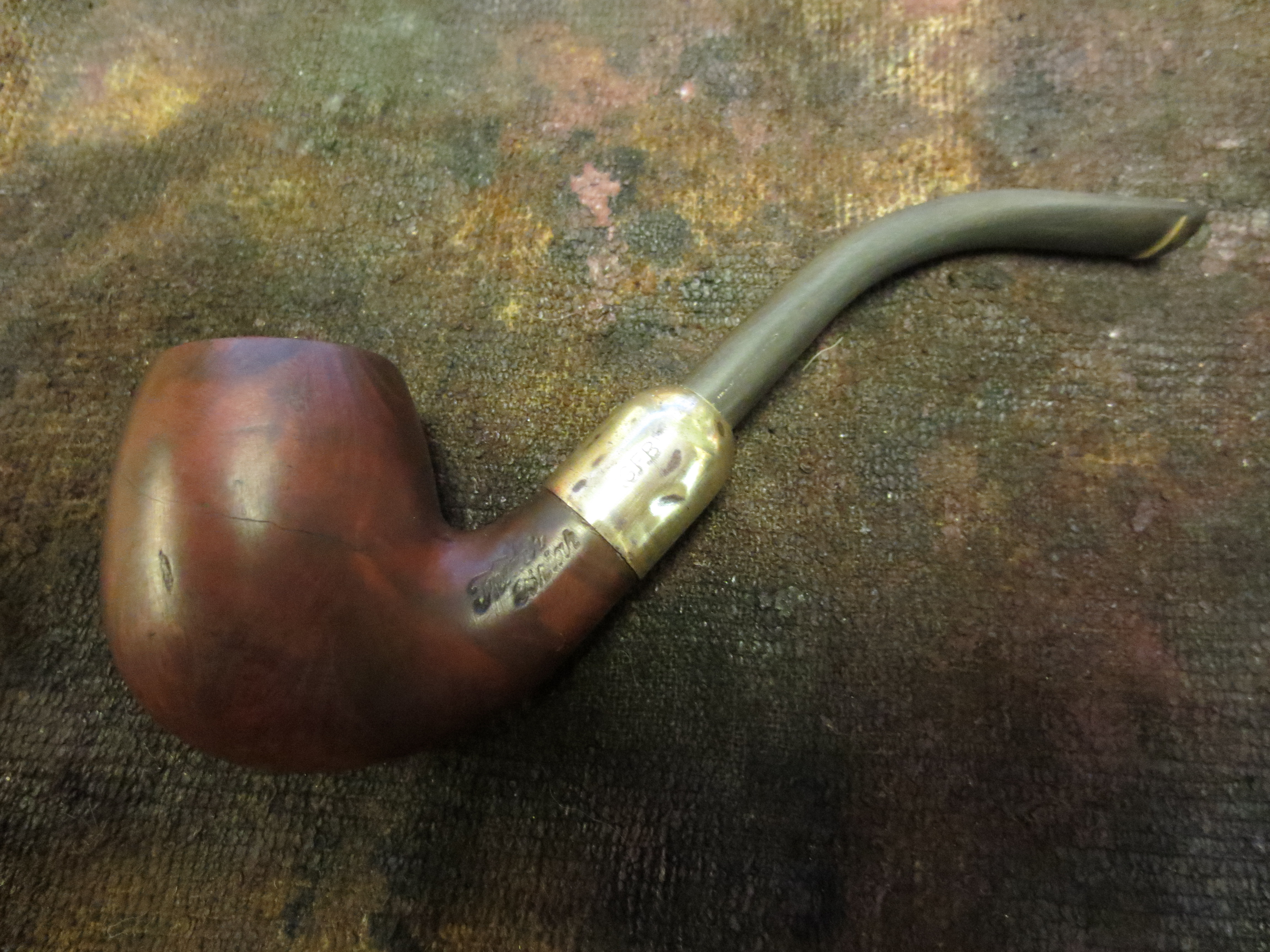
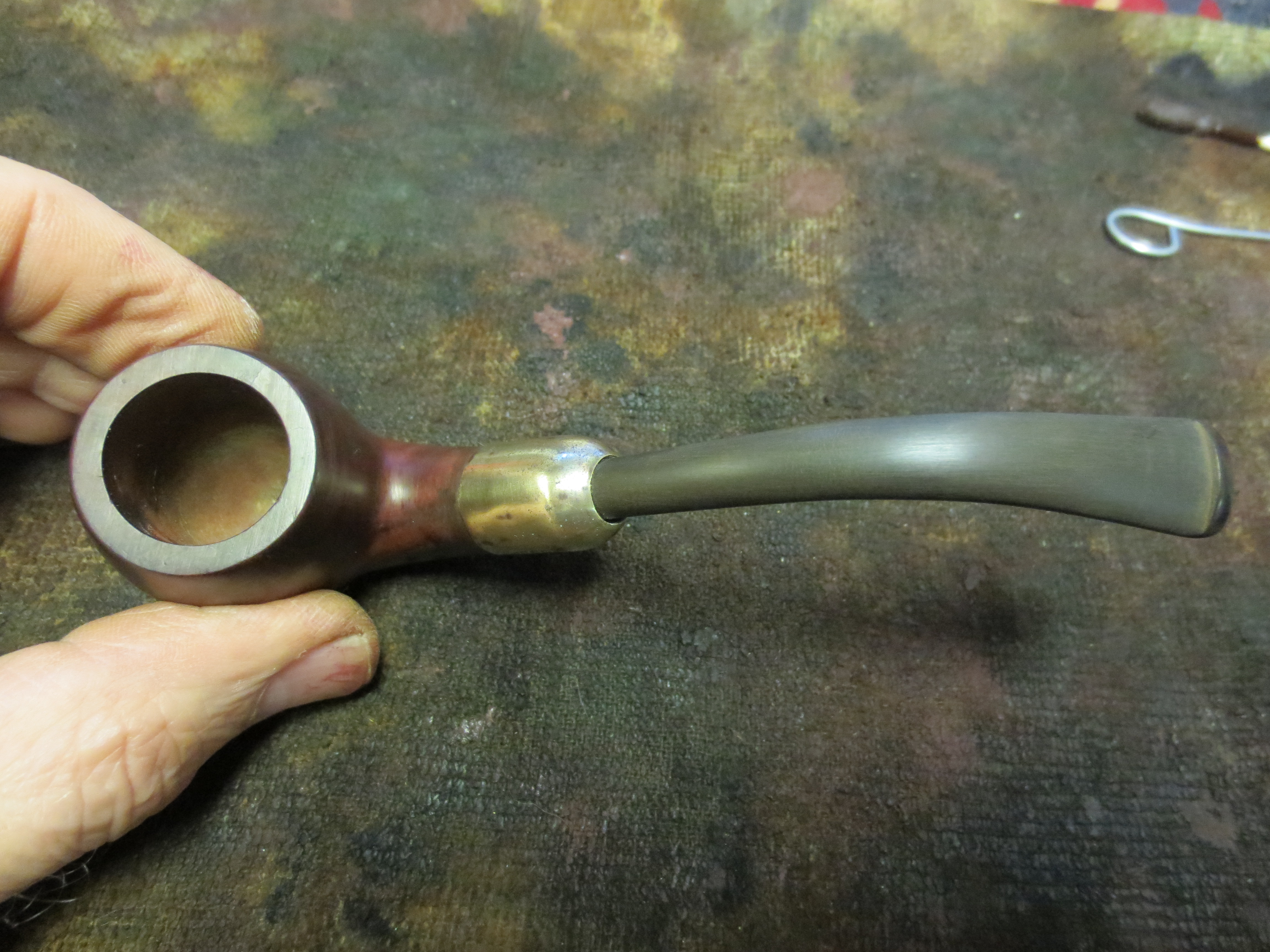
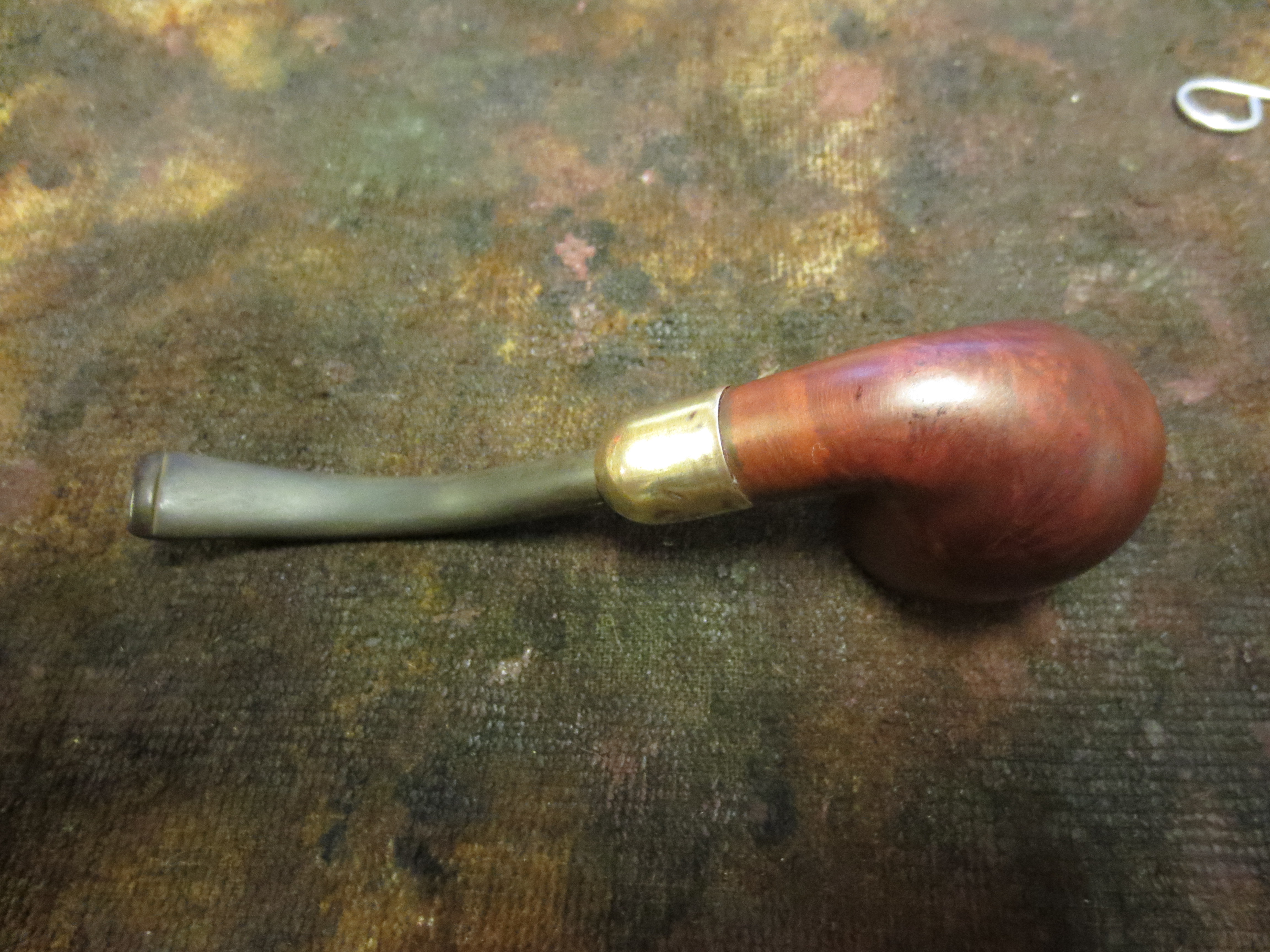
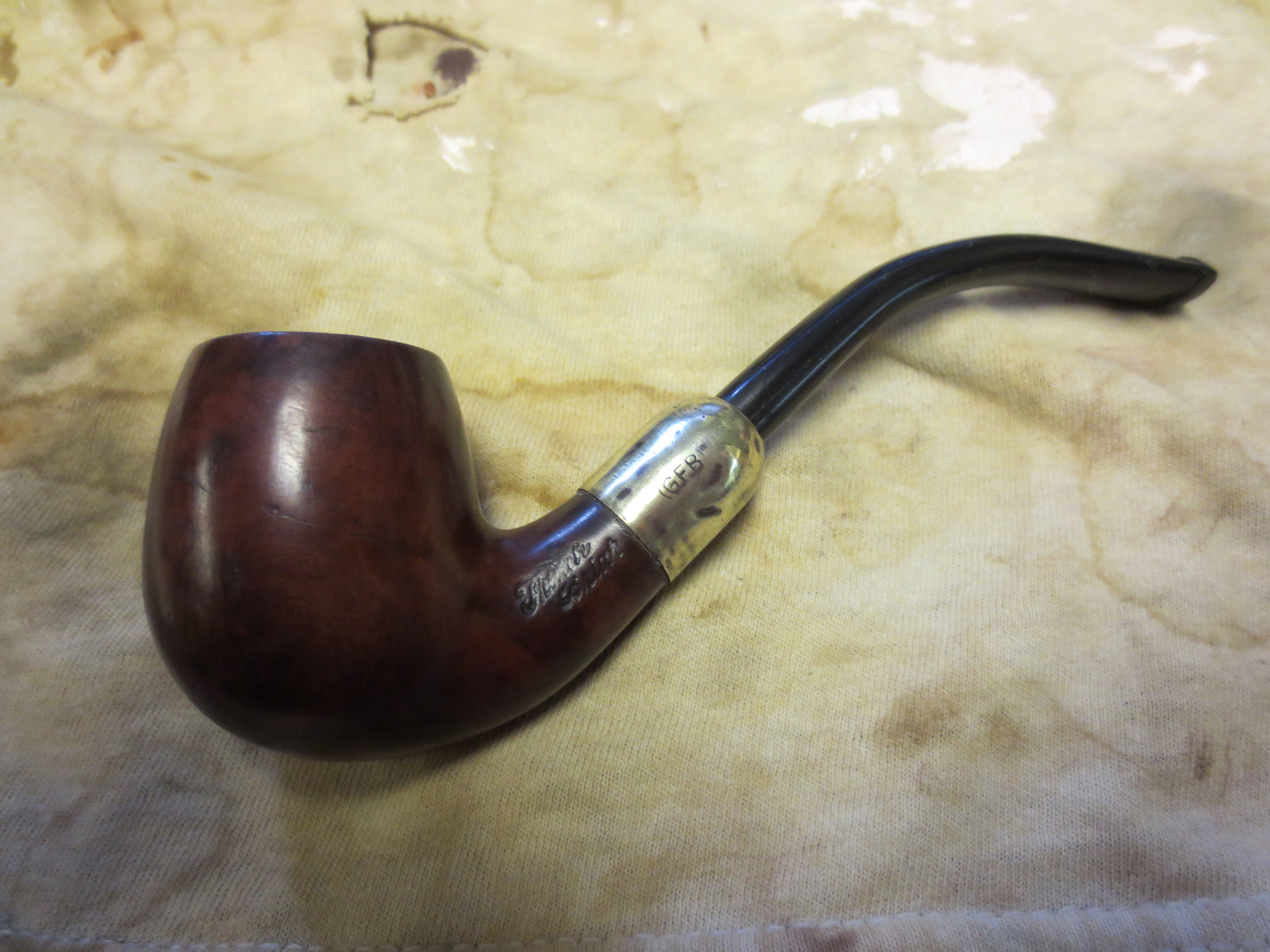
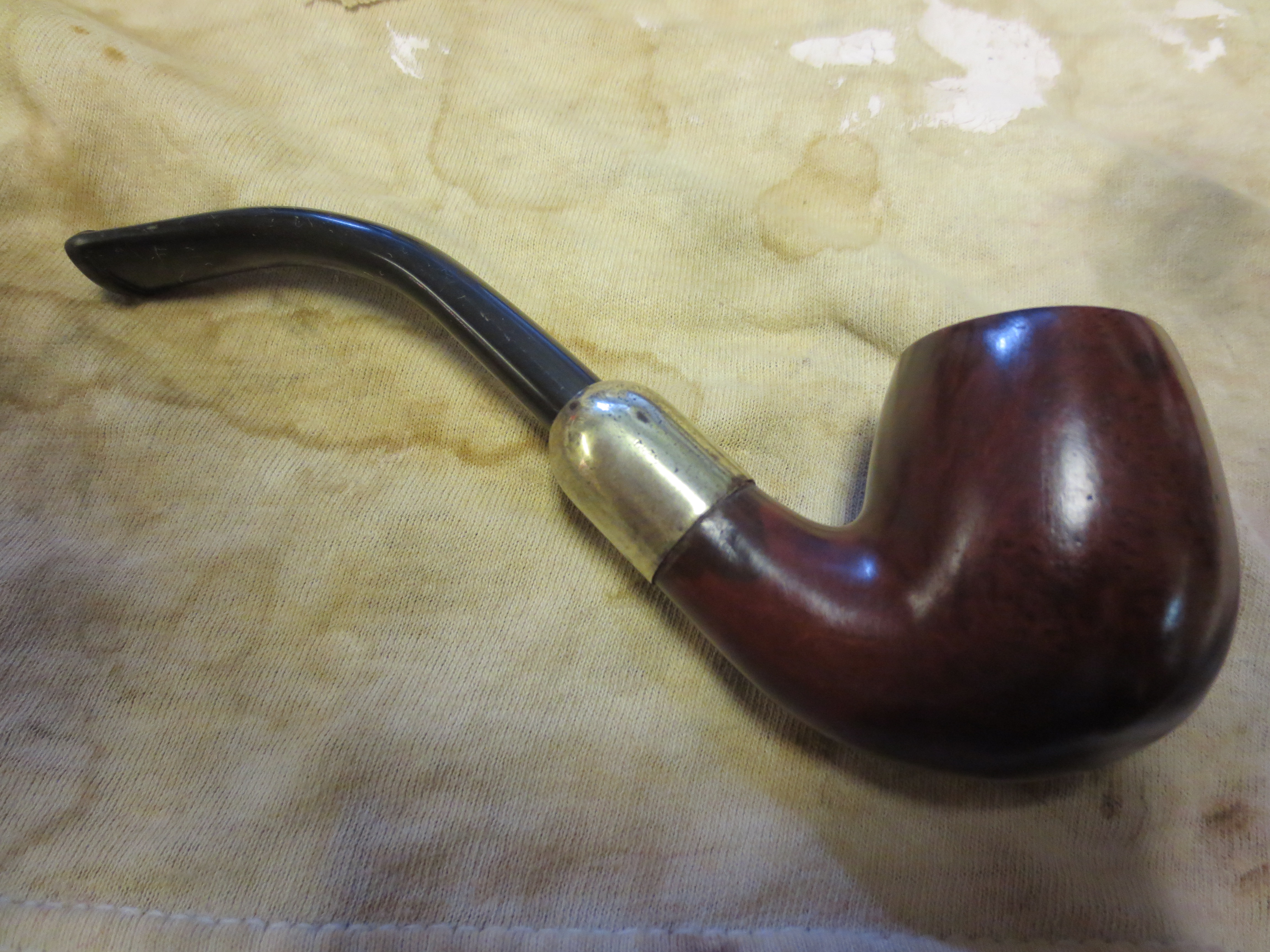
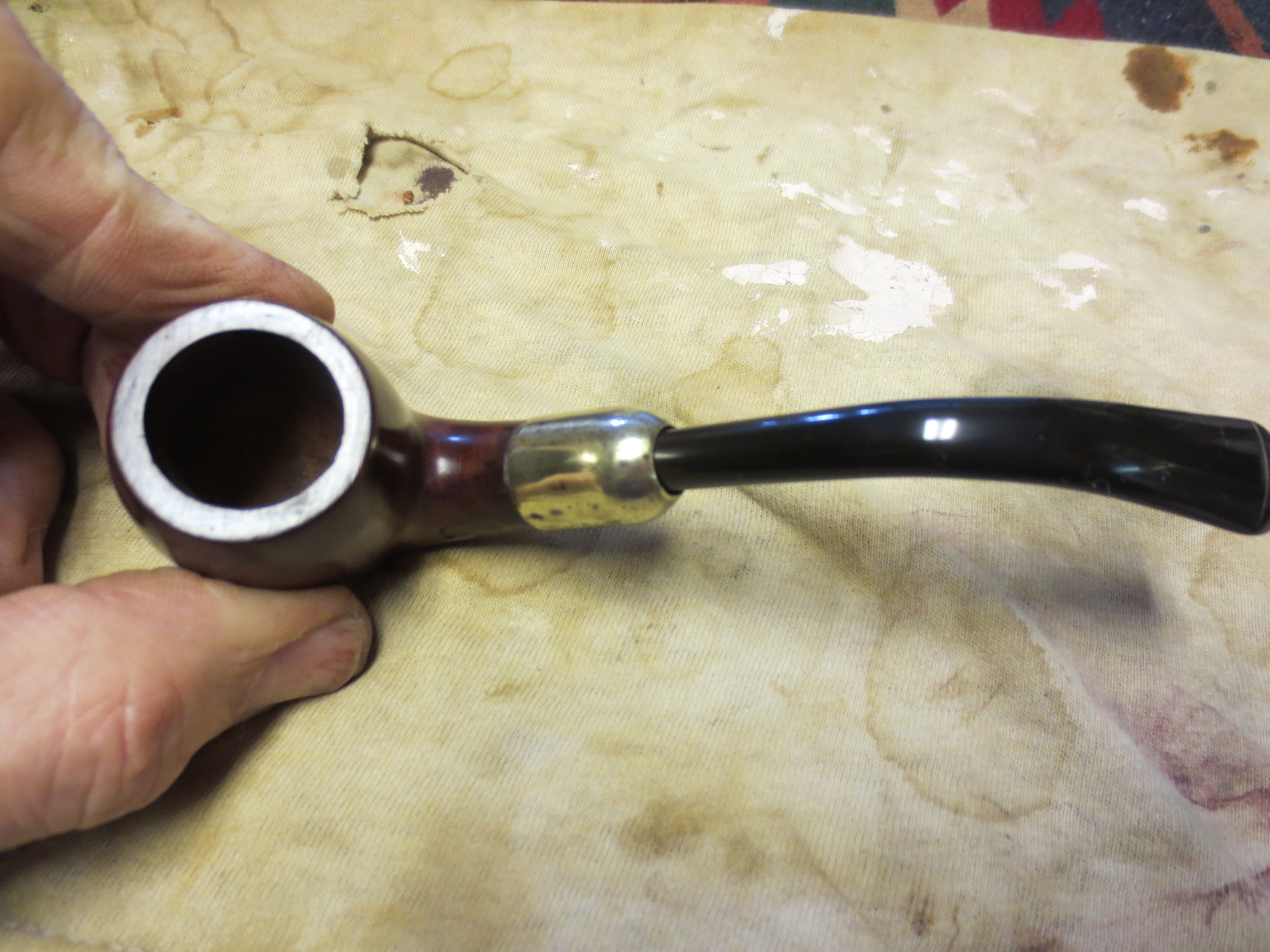
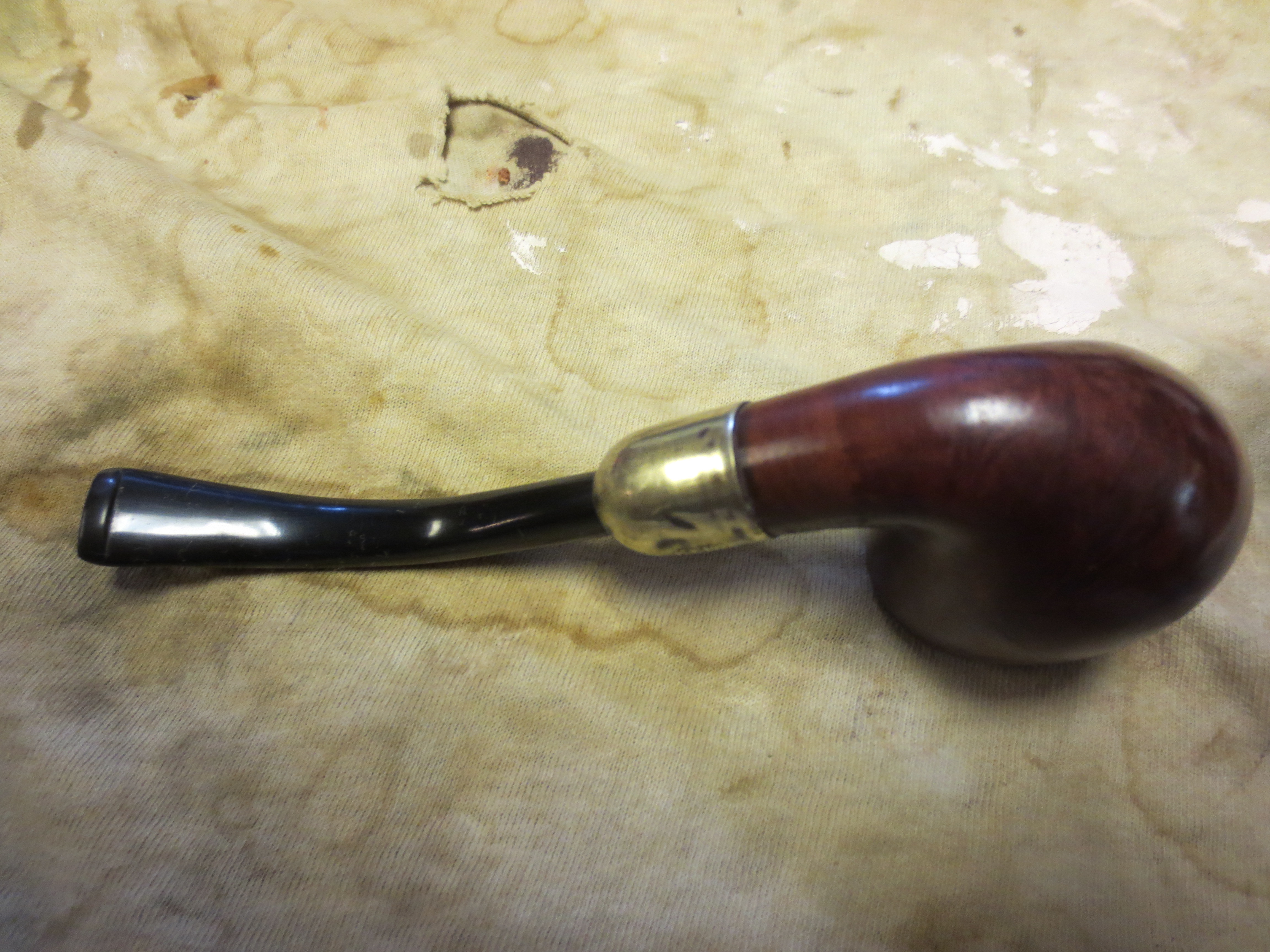
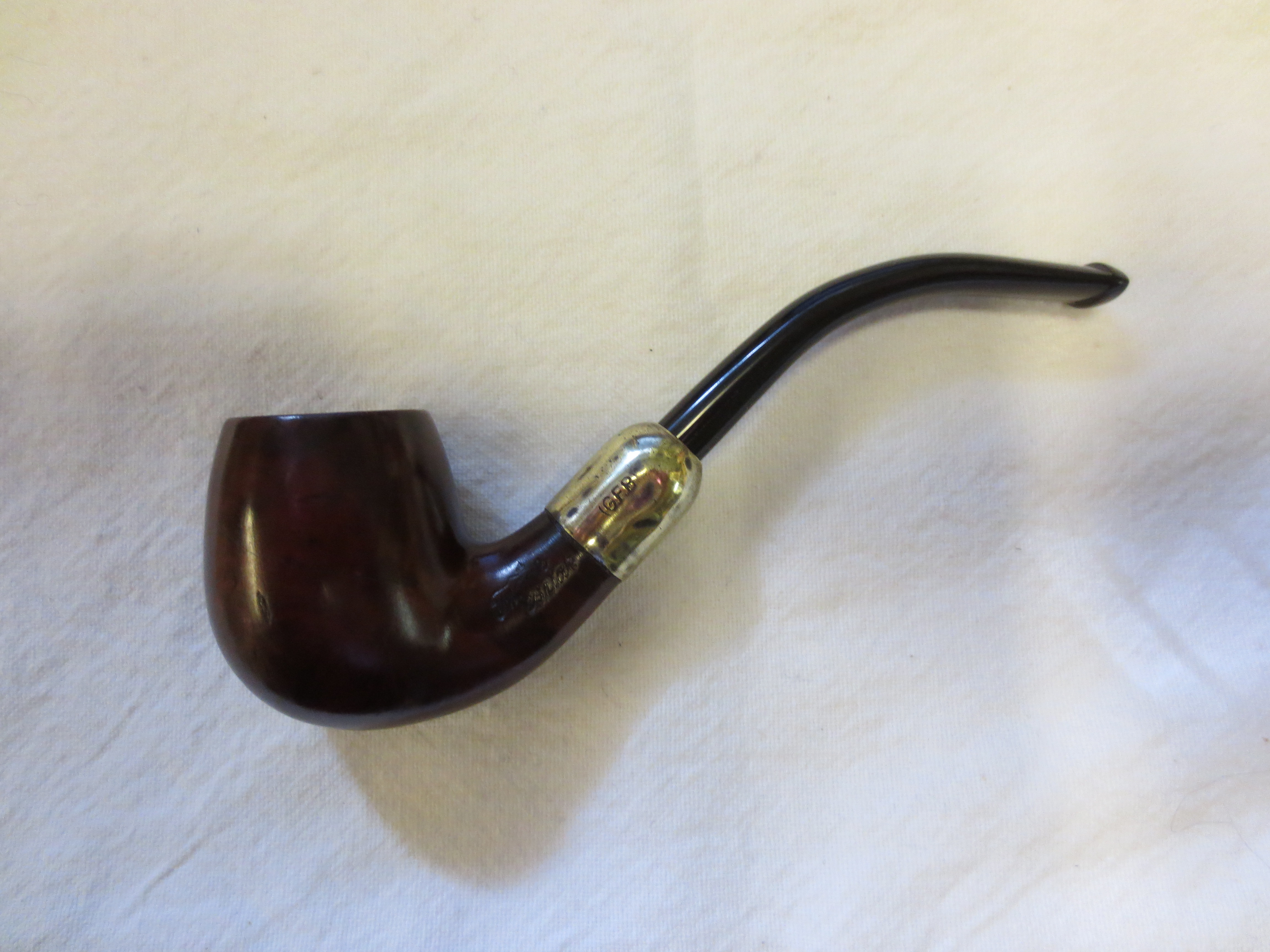
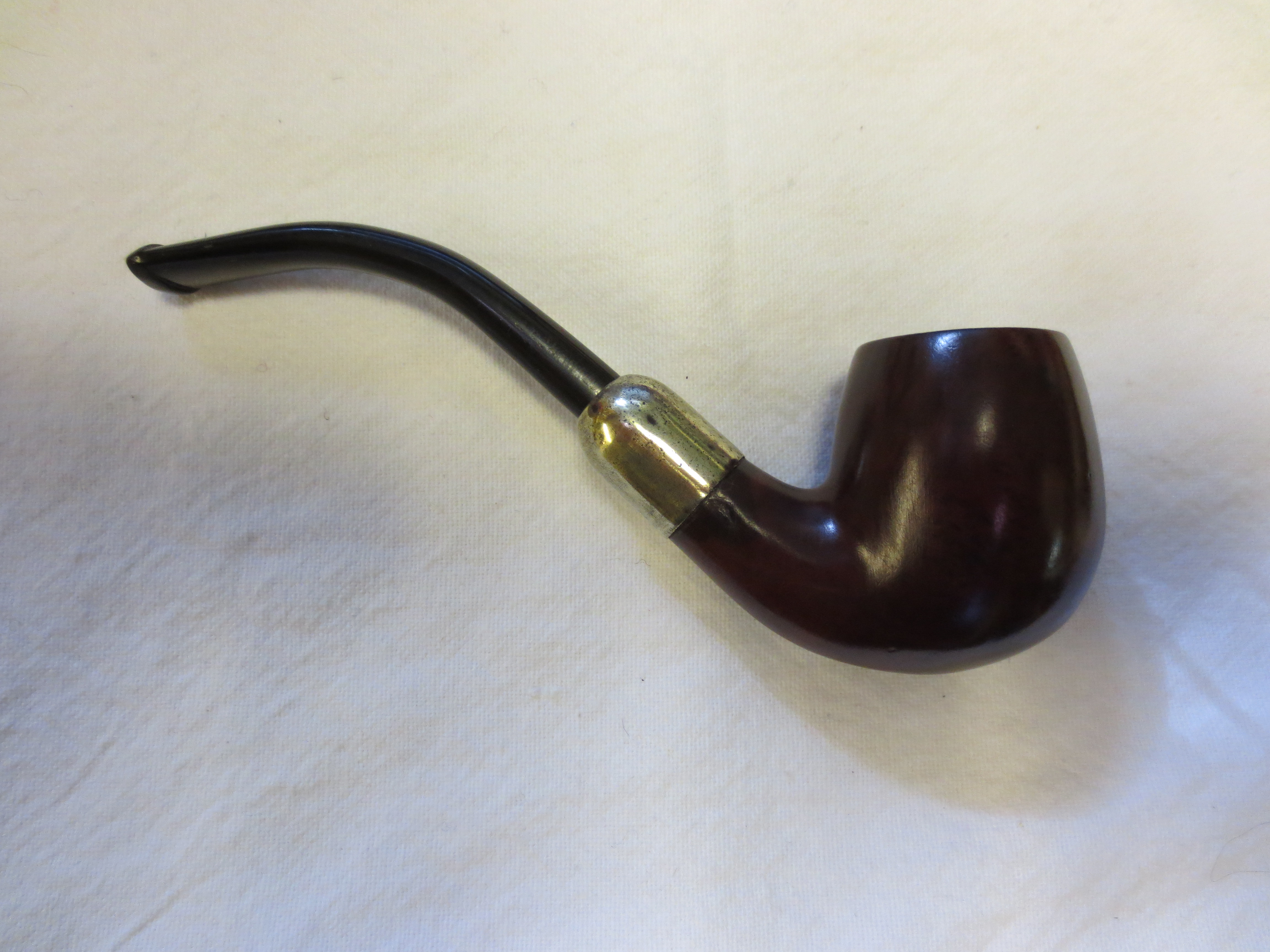
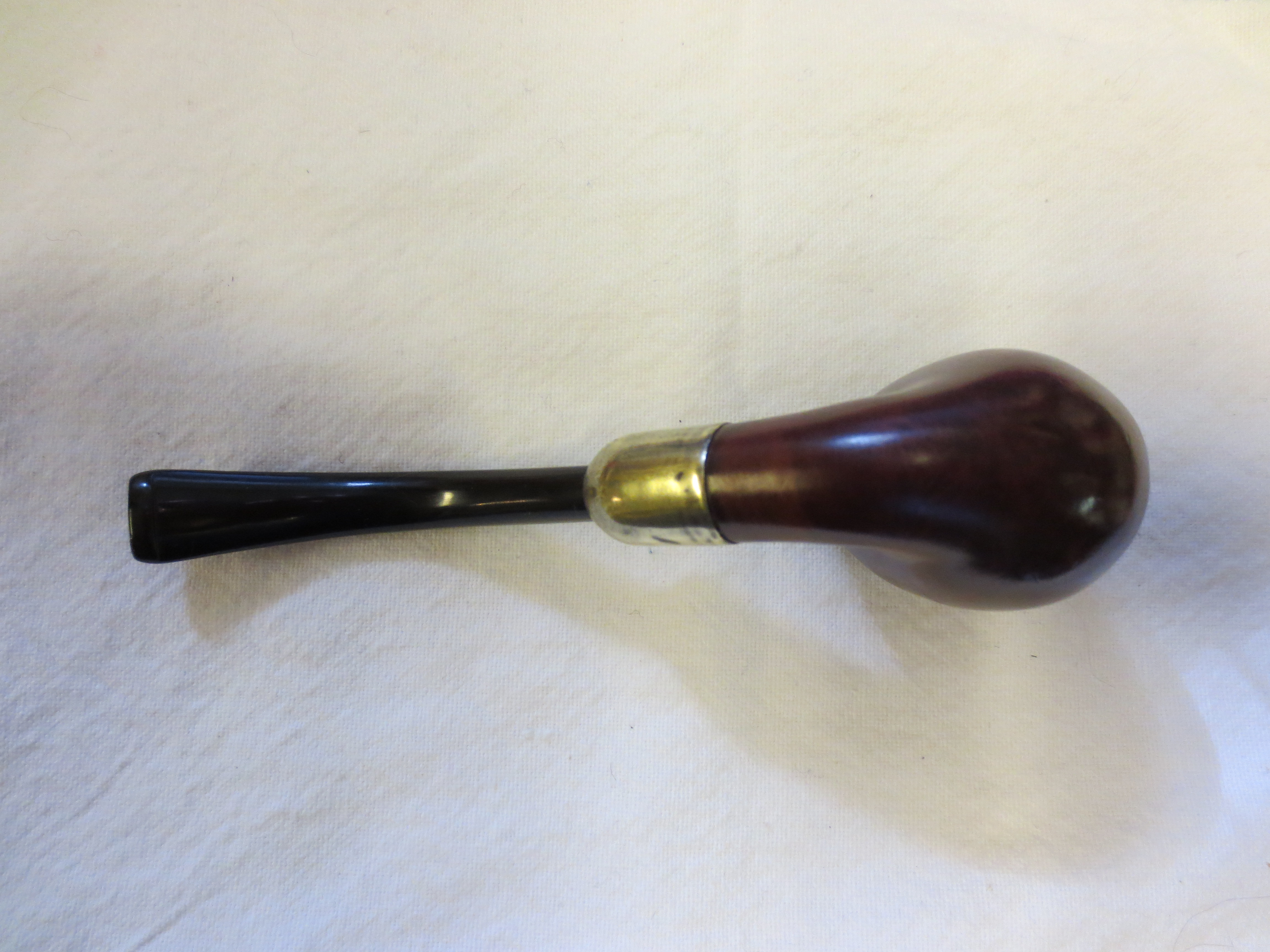
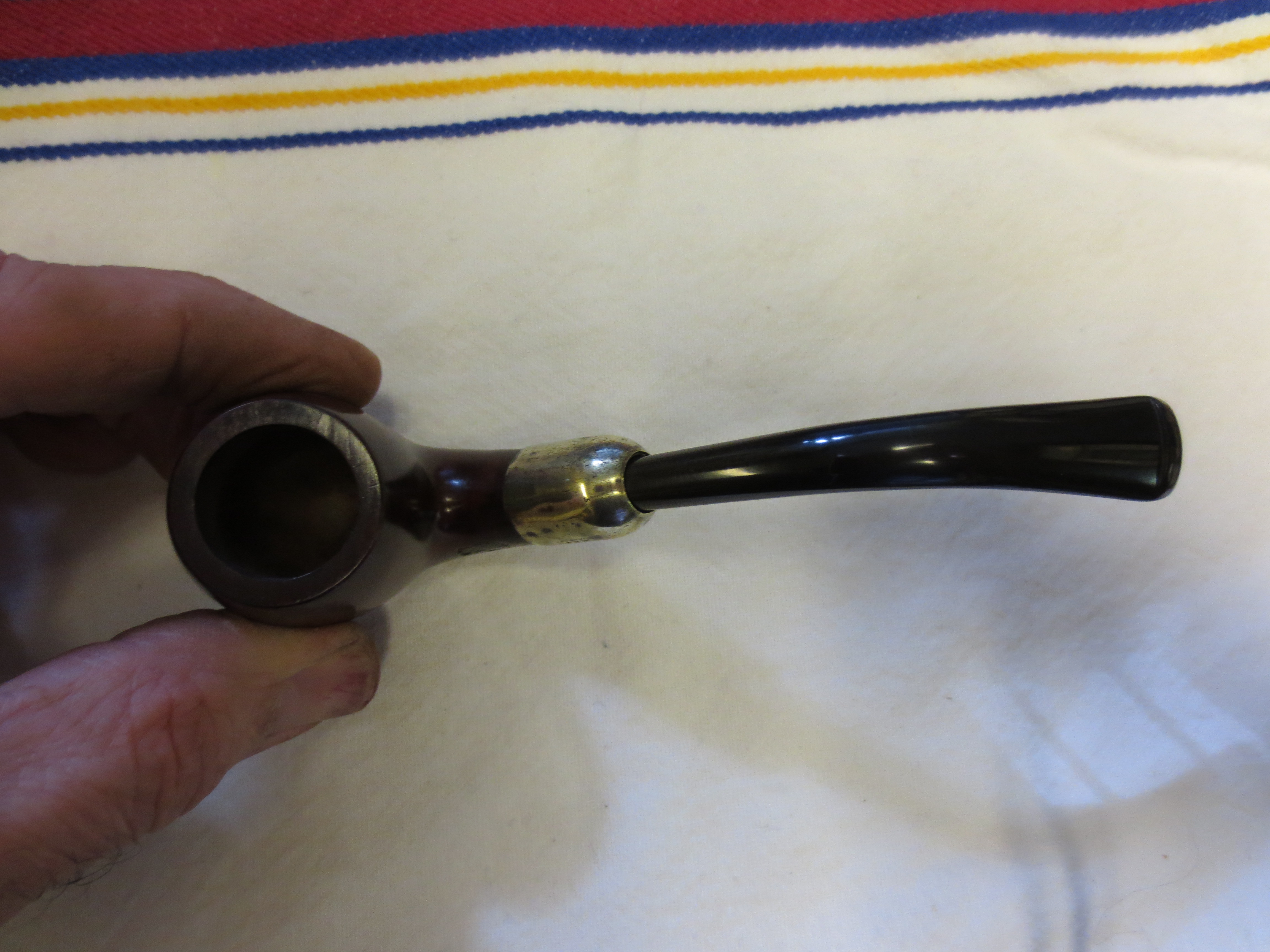
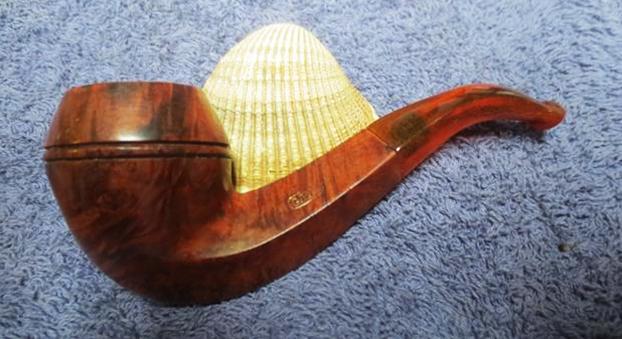
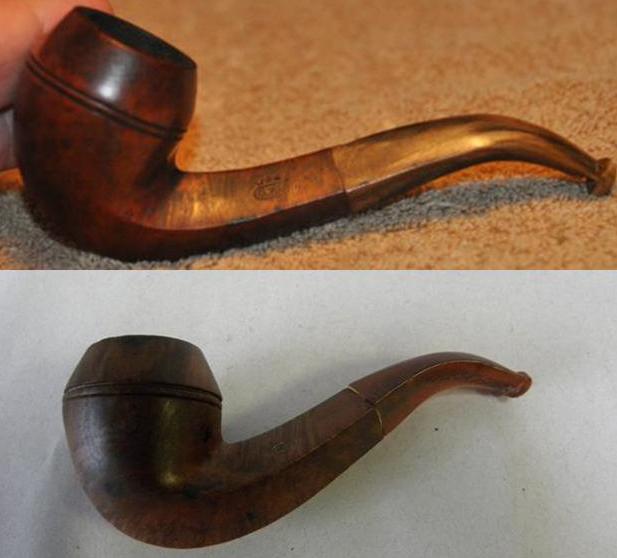
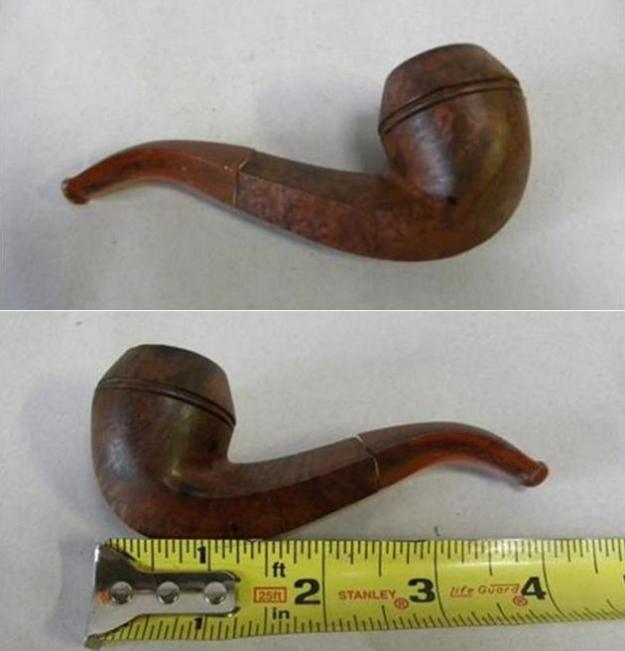
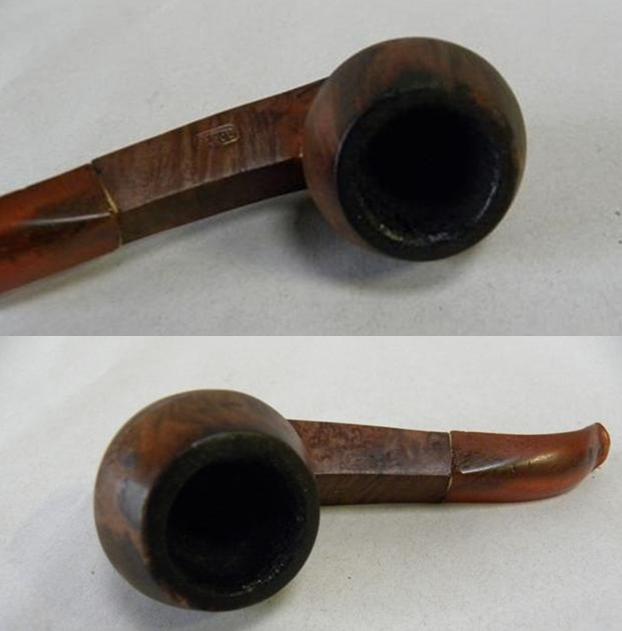
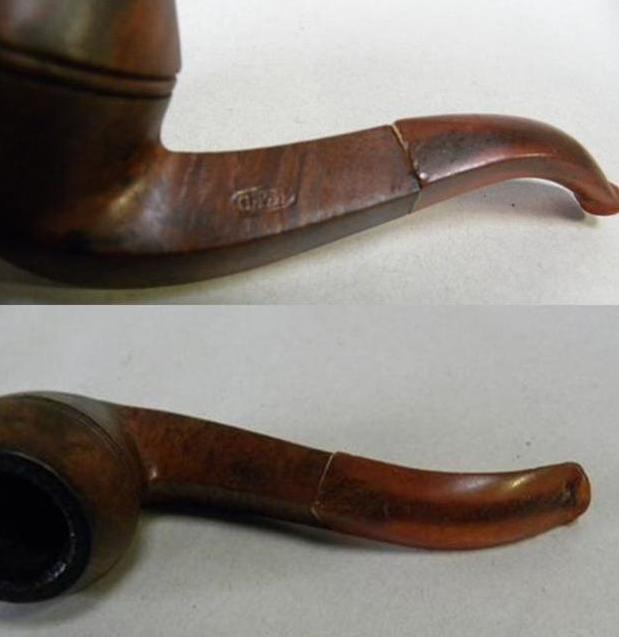
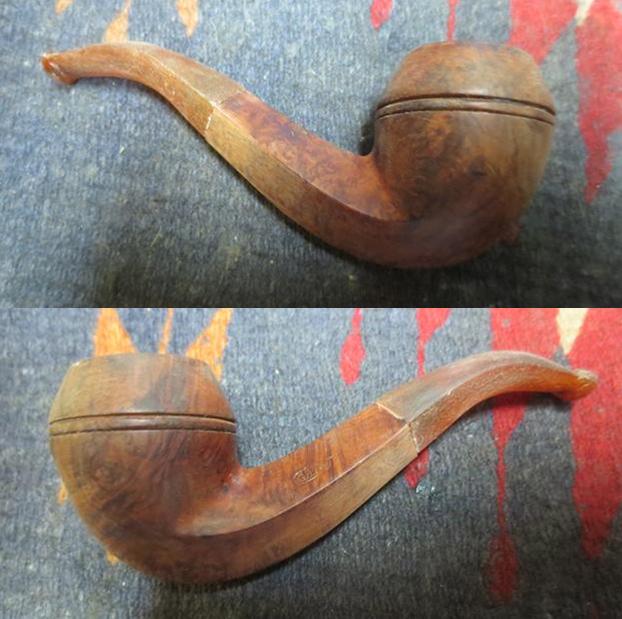
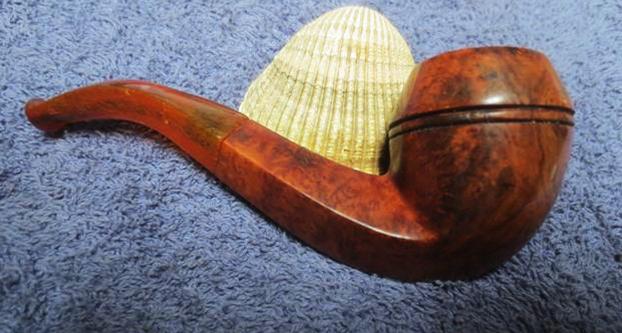
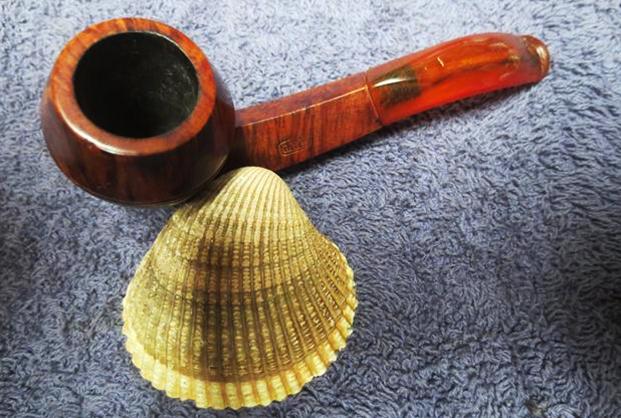
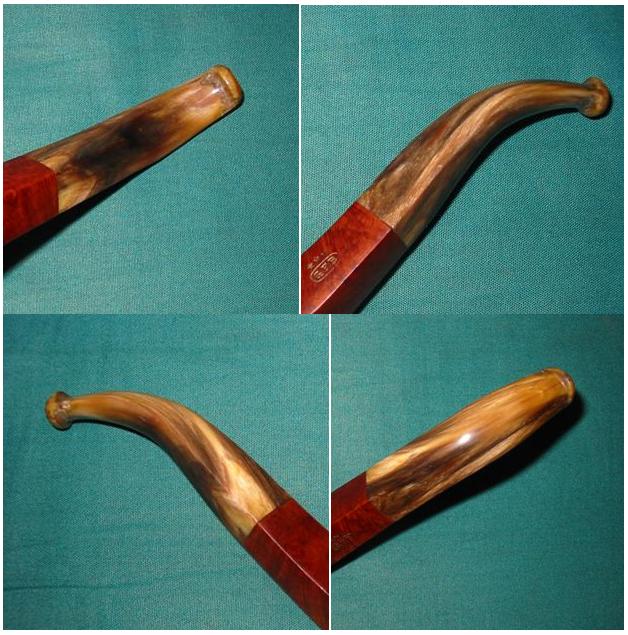
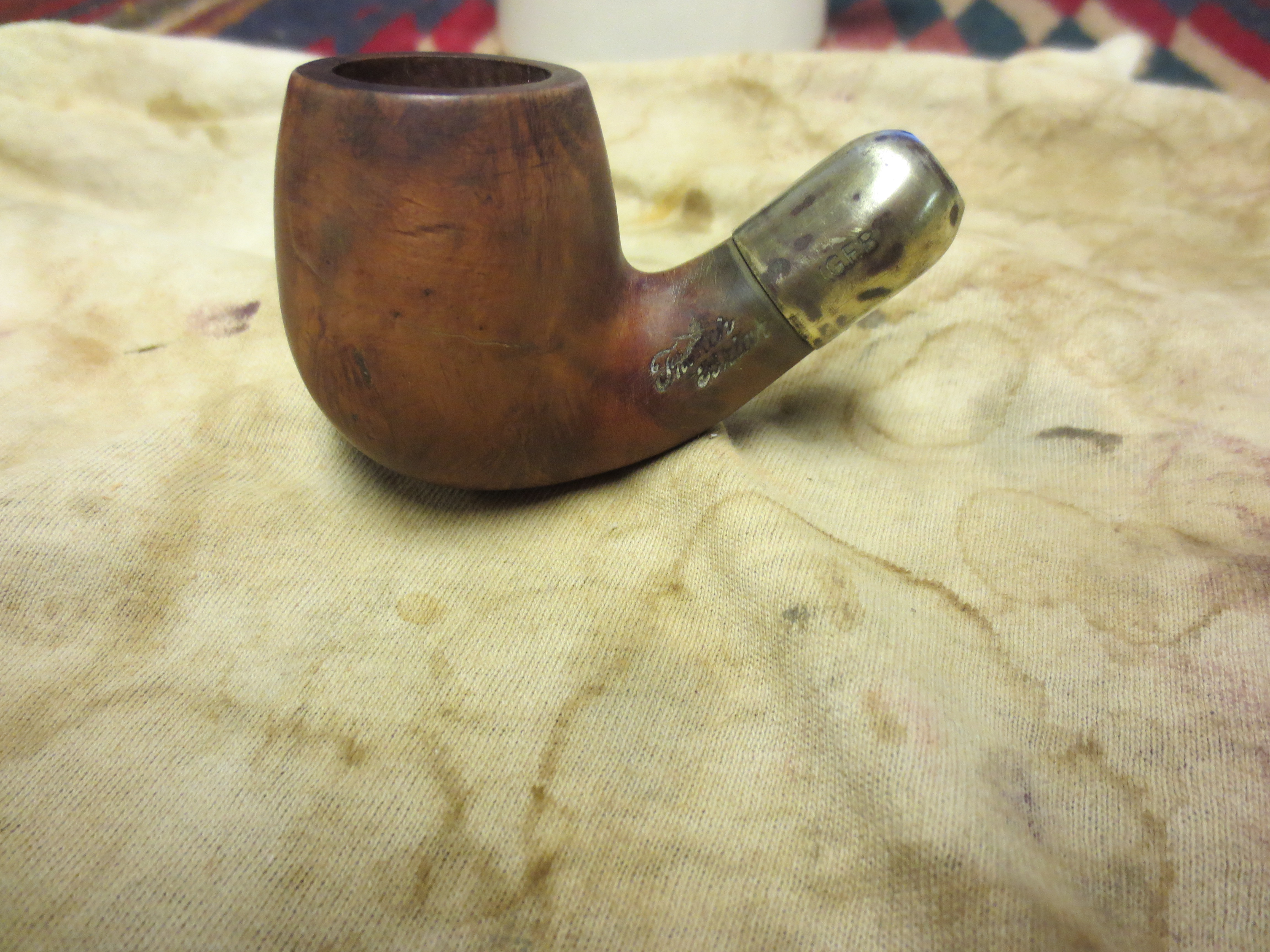
I have worked on three older GFB pipes over the past 4 years. One was an unsmoked briar calabash, one a military mount bent billiard and the final one a horn stemmed bulldog. All had the same stamping as the pipe I am working on now. All were made of a nice piece of briar and all had the same classic shape to them. When I saw this old pipe on eBay I wanted to add it to the collection. It was similar in shape to the little GFB horn stemmed bulldog though the stem was shorter. The first photo below shows the horn stemmed GFB and the second one was photo that the seller included in the eBay advertisement. The stem on the second one is a Bakelite amberoid stem. The finish on both pipes appeared to be similar. The shape is identical. The stamping on the top pipe was GFB in an oval with three stars over the oval. The second pipe has the same GFB oval but it did not have the stars on it. I am including the link to the previous blog. https://rebornpipes.com/2013/11/21/restoring-an-older-gfb-three-star-horn-stem-bent-bulldog/I am including the rest of the photos that seller attached to the item. They give a pretty good picture of what I saw when I was hooked by the pipe. The finish was very worn. The stem was the same size as the shank and lined up straight on all angles. The stem appears to have a paper washer between the shank and the stem to help keep things straight. It appears that there is a small gap between the shank and the stem but I would not know for sure until I saw it. It is a small pipe – just 4 inches long and 1 ¾ inches tall.The rim top looked to be darkened and possibly burnt in the next two photos but it is hard to tell by the dark quality of the photos. The stem shows some damage on the edge at the joint with the shank. The photos show that the pipe is clearly stamped with the GFB in an oval logo. In the article I noted above on the other GFB bulldog I found some interesting information that I have included here for ease of reference.
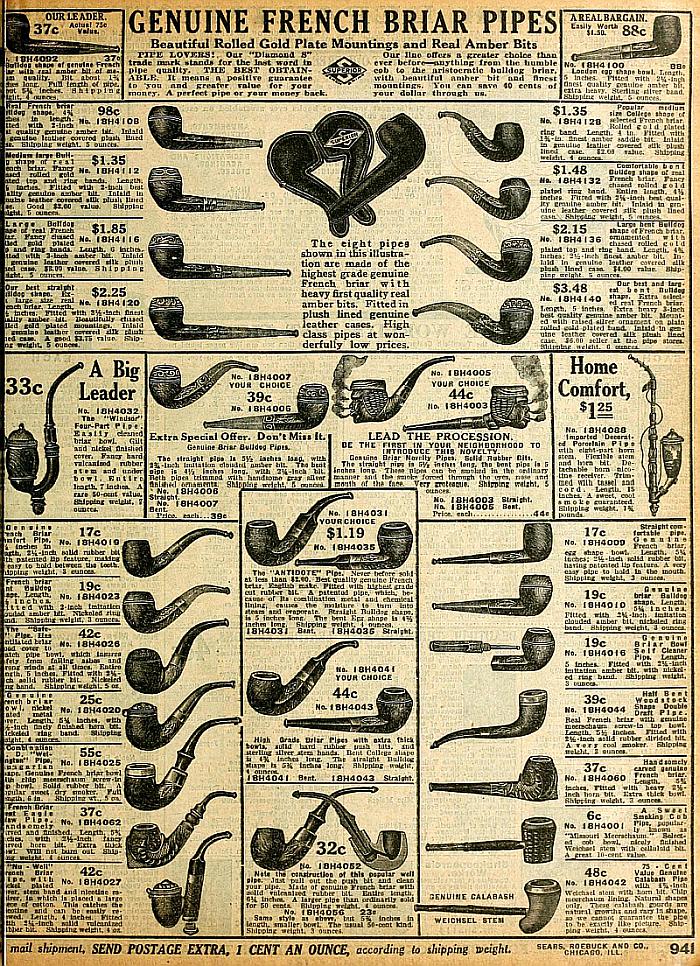
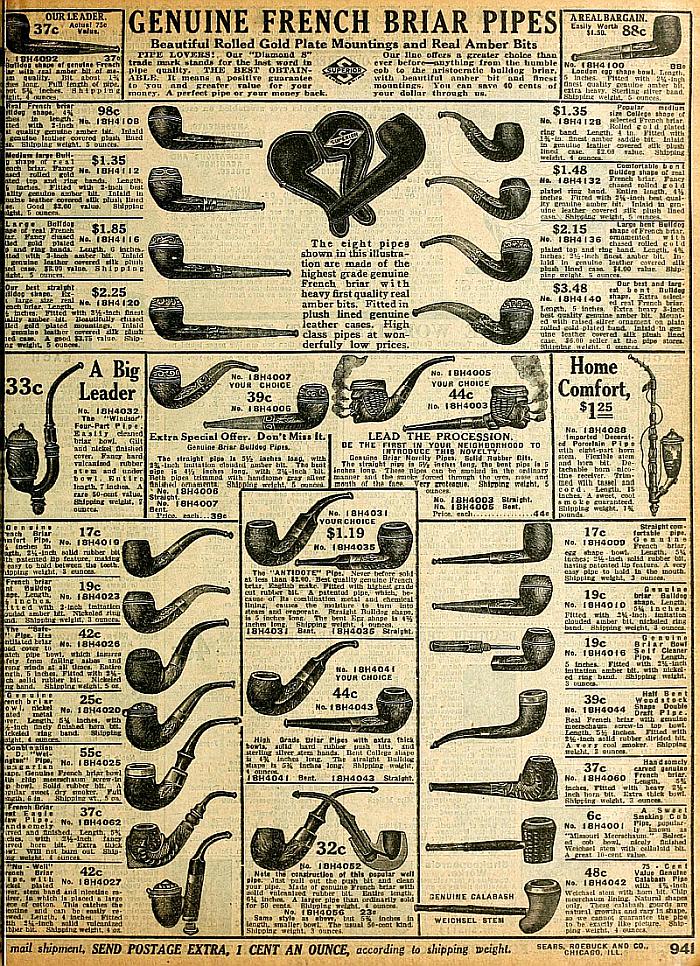
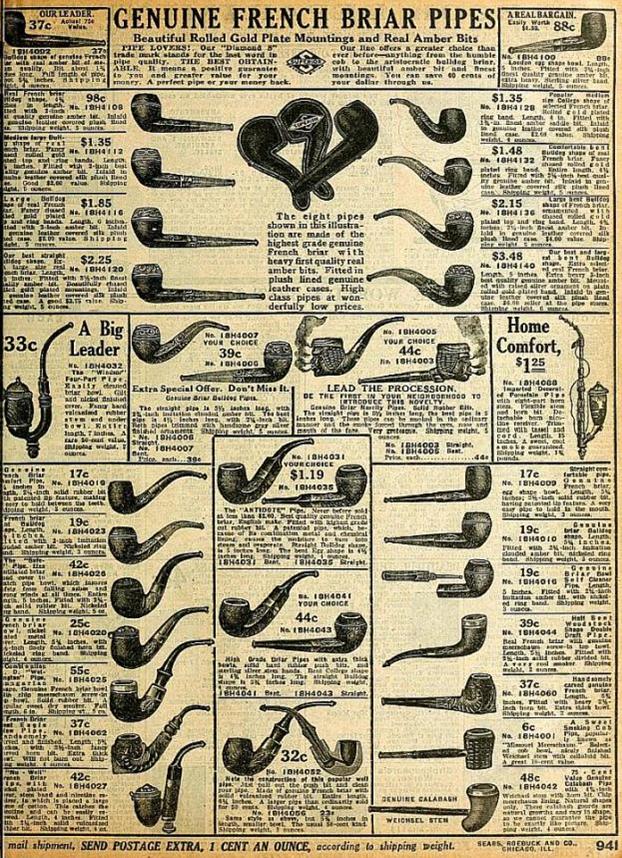
The first thing I found was information that the GFB brand was an older French Trademark and that it came from Saint Claude, France. A more focused search for GFB French Briar Pipes led to information that the stamping GFB stood for Great French Briar – something about that did not seem right to me so I continued to look and finally came across the following advertisement from a Sears Catalogue. It shows a full page of GFB pipes and the header says GENUINE FRENCH BRIAR. That made much more sense to me, and all three of my GFB pipes match the pipes in the catalogue. It was good to be reminded of the old brand. I am pretty sure that all three of my GFB pipes come from either the late 1890’s or the early 1900’s. Here are links to the other two GFB pipes that I restored and restemmed if you are interested in some further reading on the brand.
https://rebornpipes.com/2013/06/07/restemming-and-reclaiming-an-older-unsmoked-gfb-briar-calabash/

https://rebornpipes.com/2013/04/01/restoring-a-gfb-bent-billiard-another-reclamation-project/

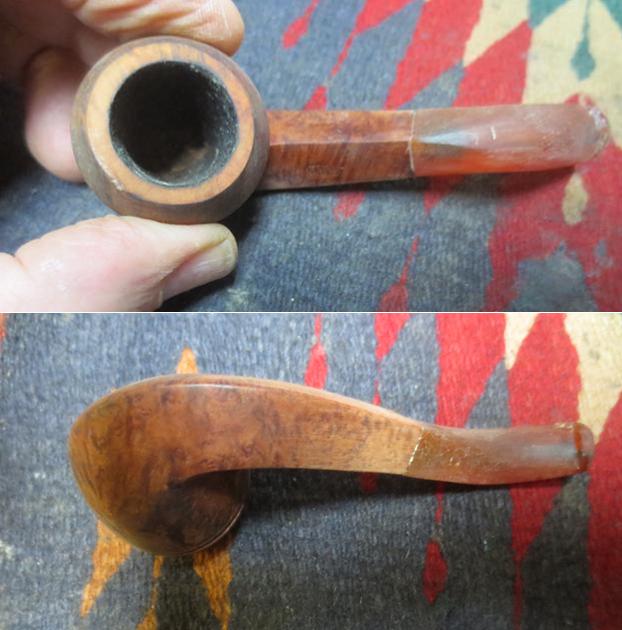
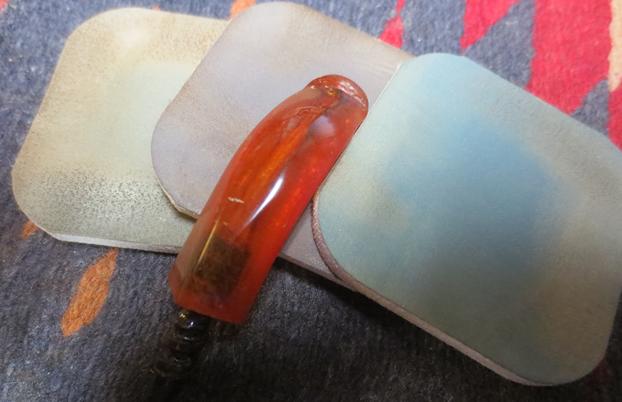
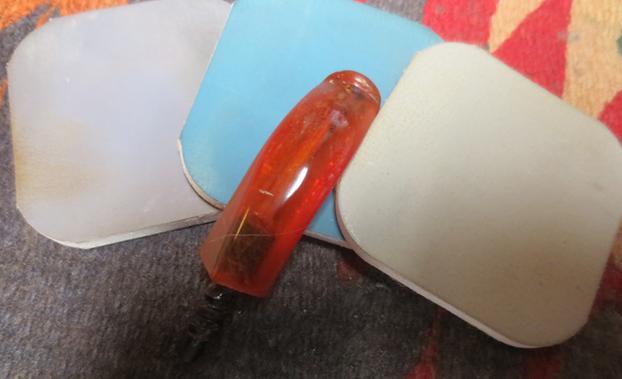
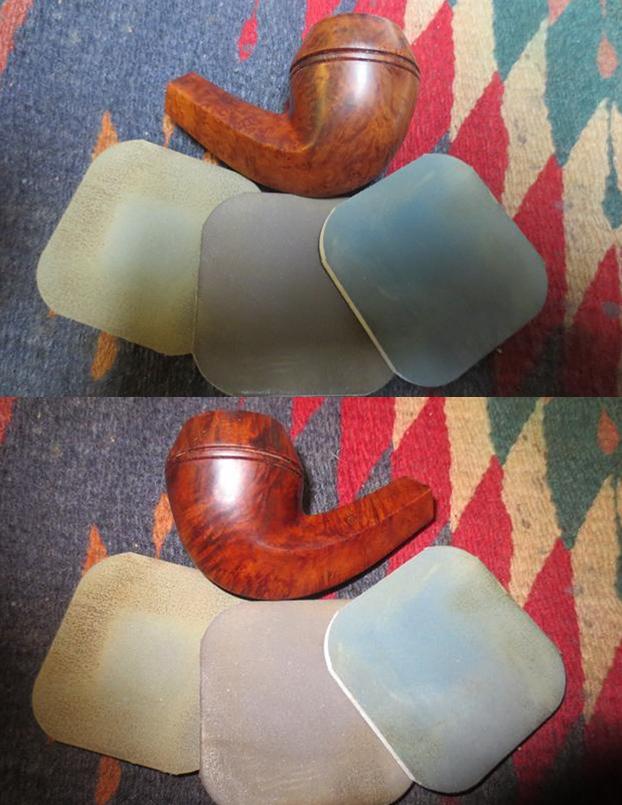
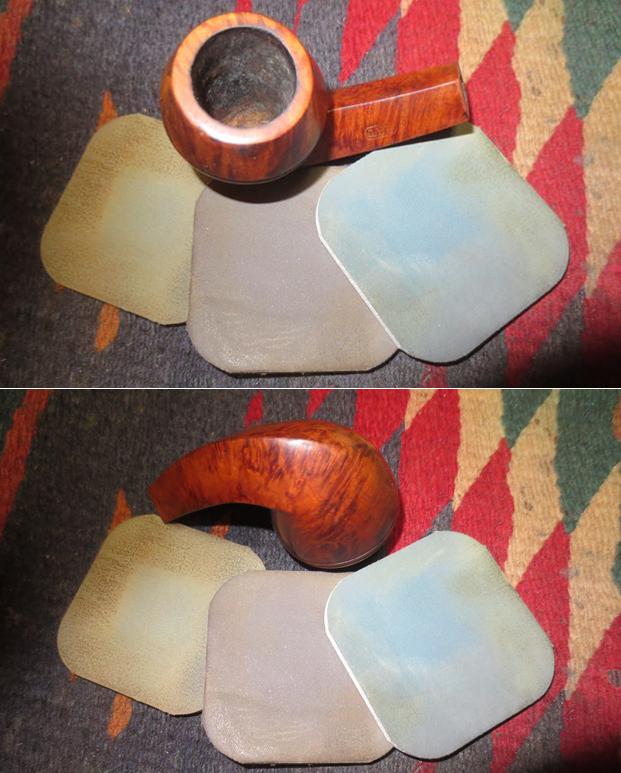
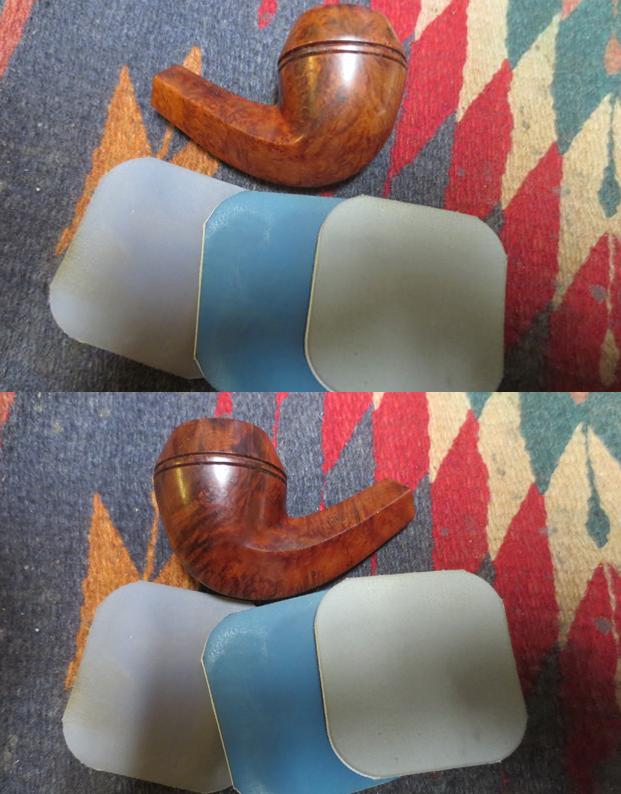
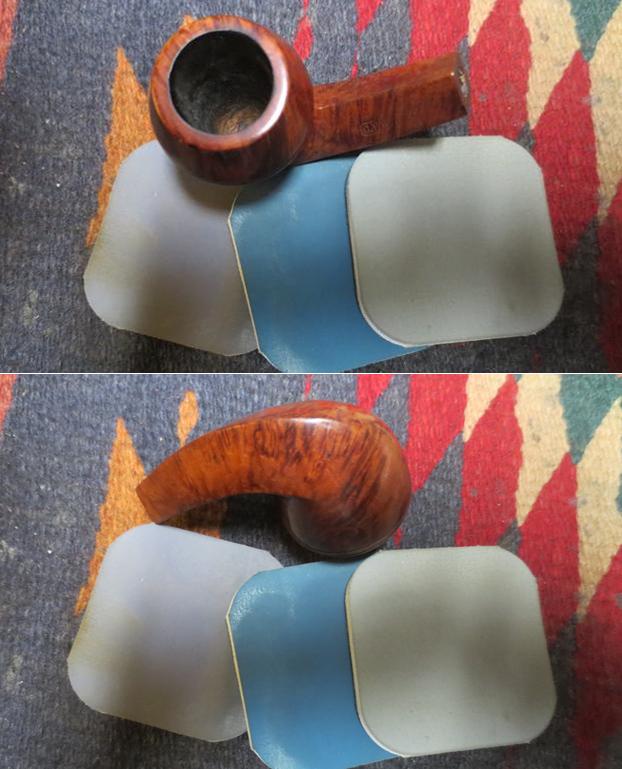
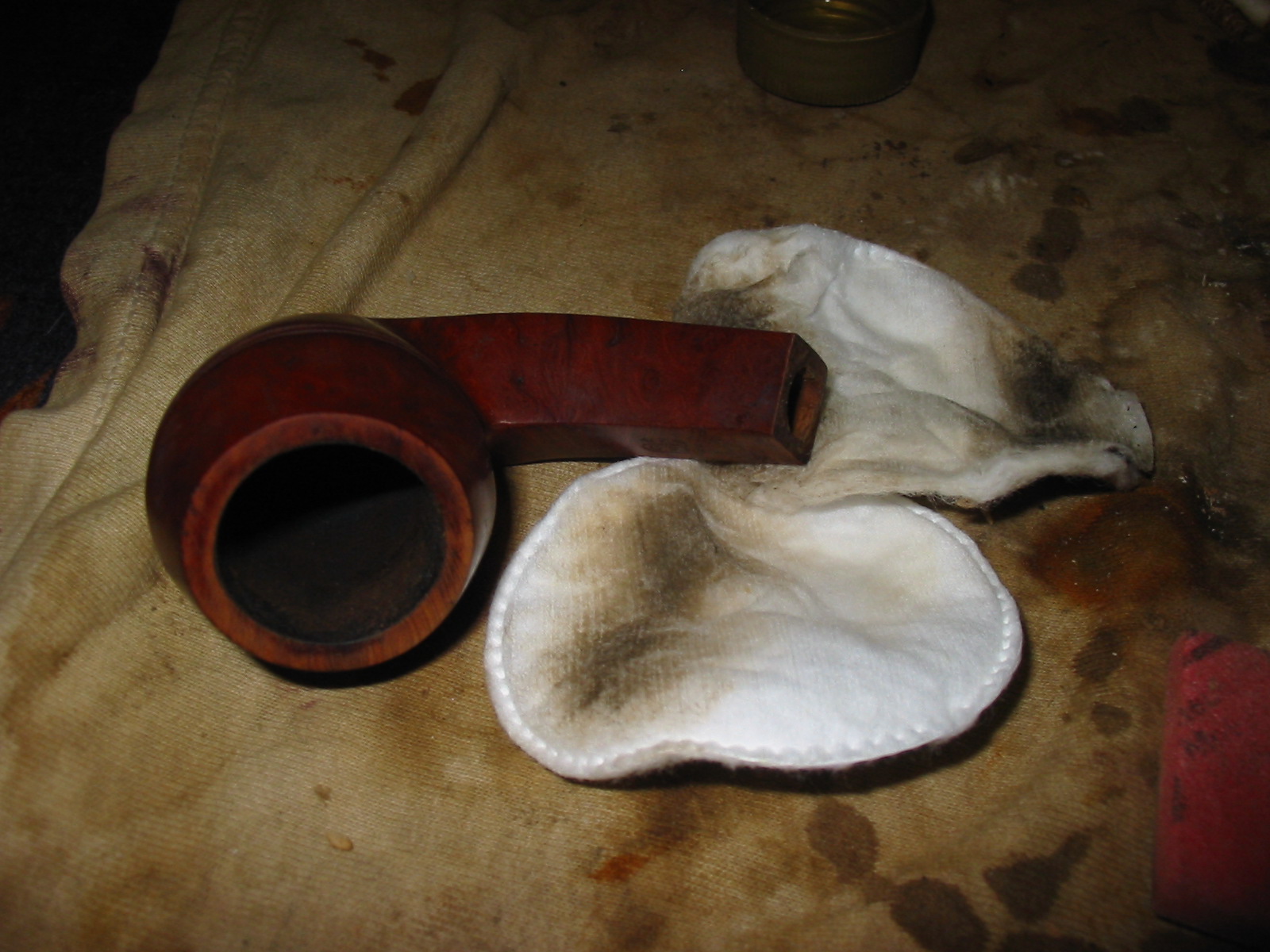
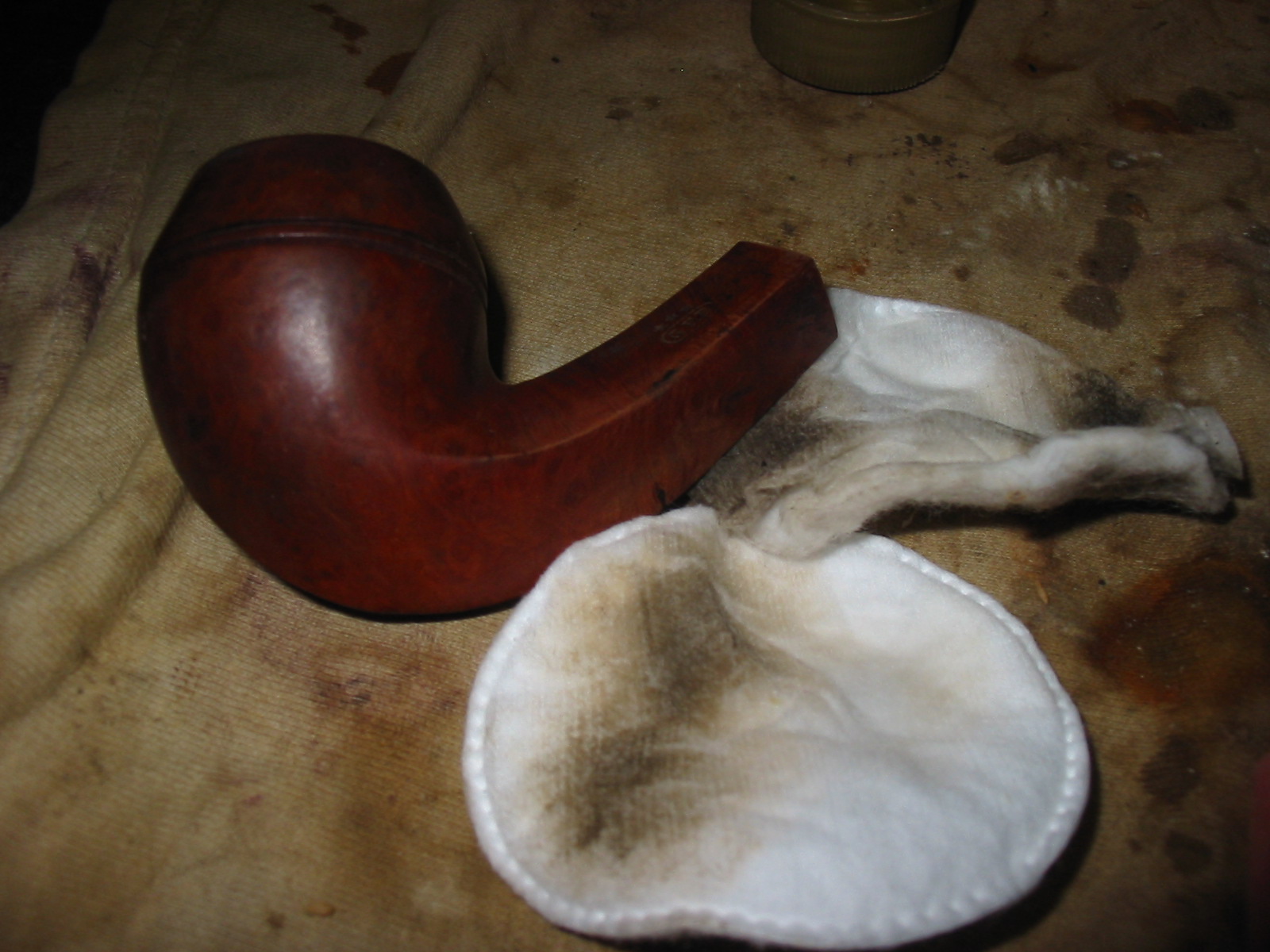
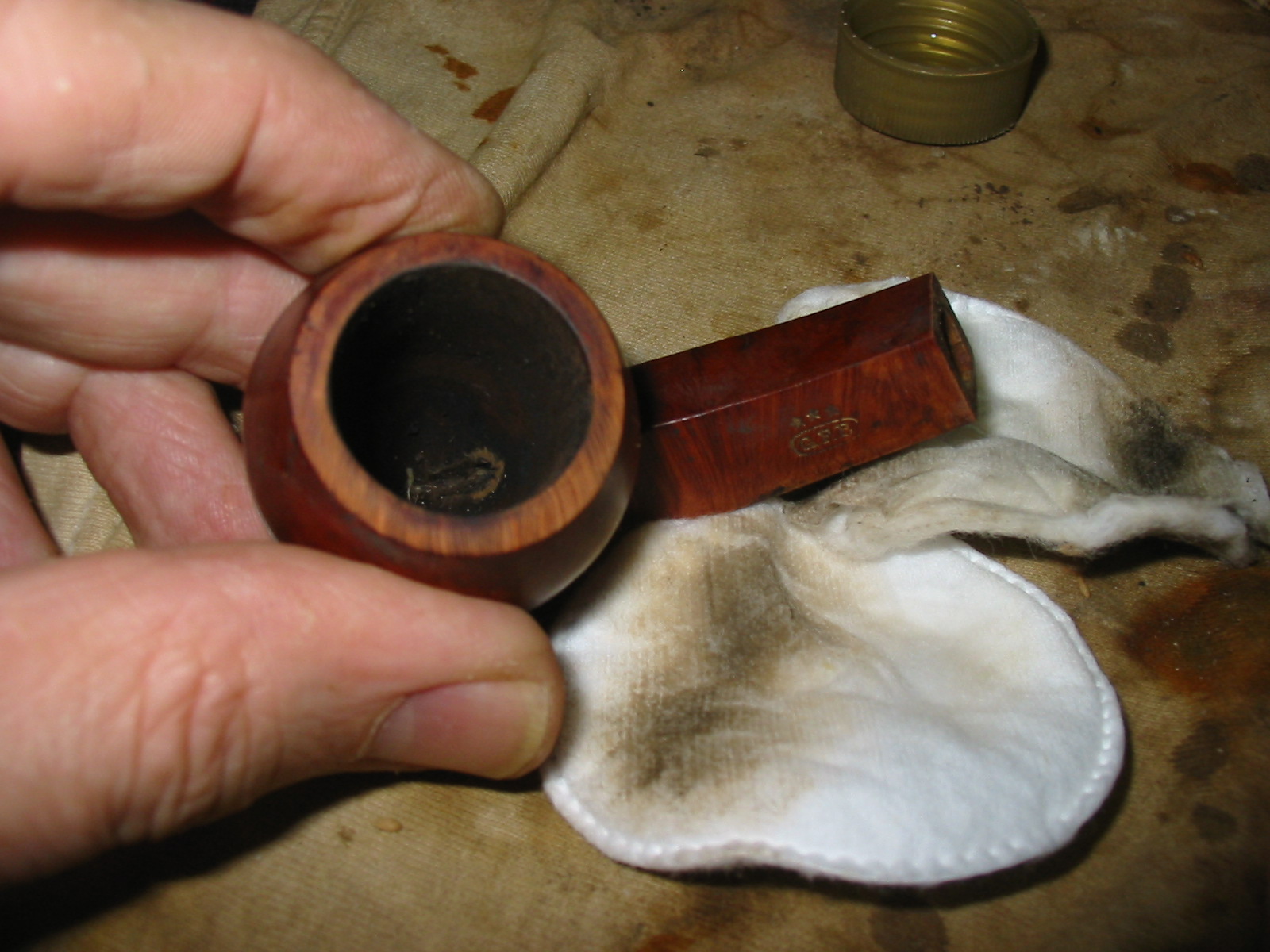
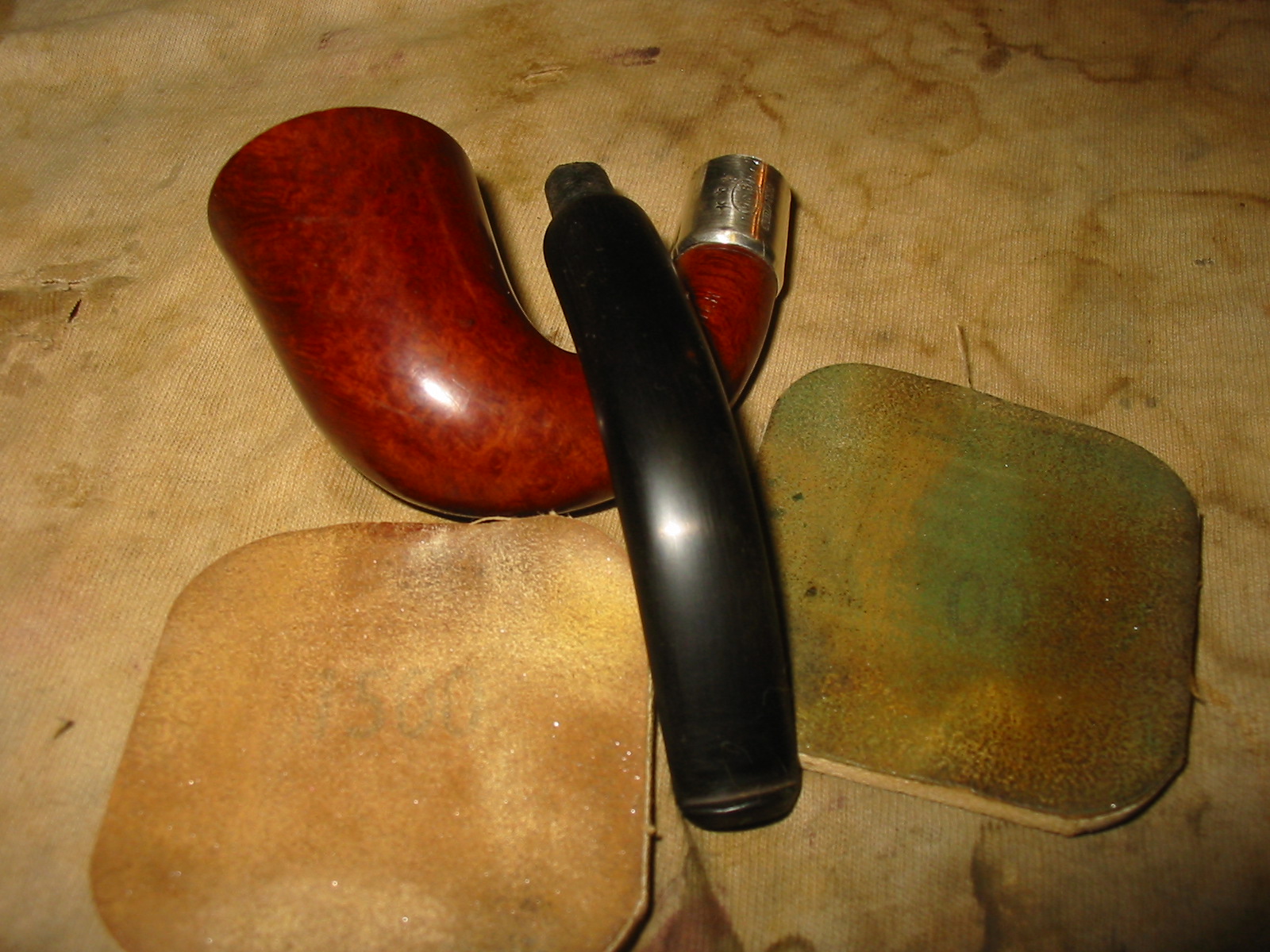
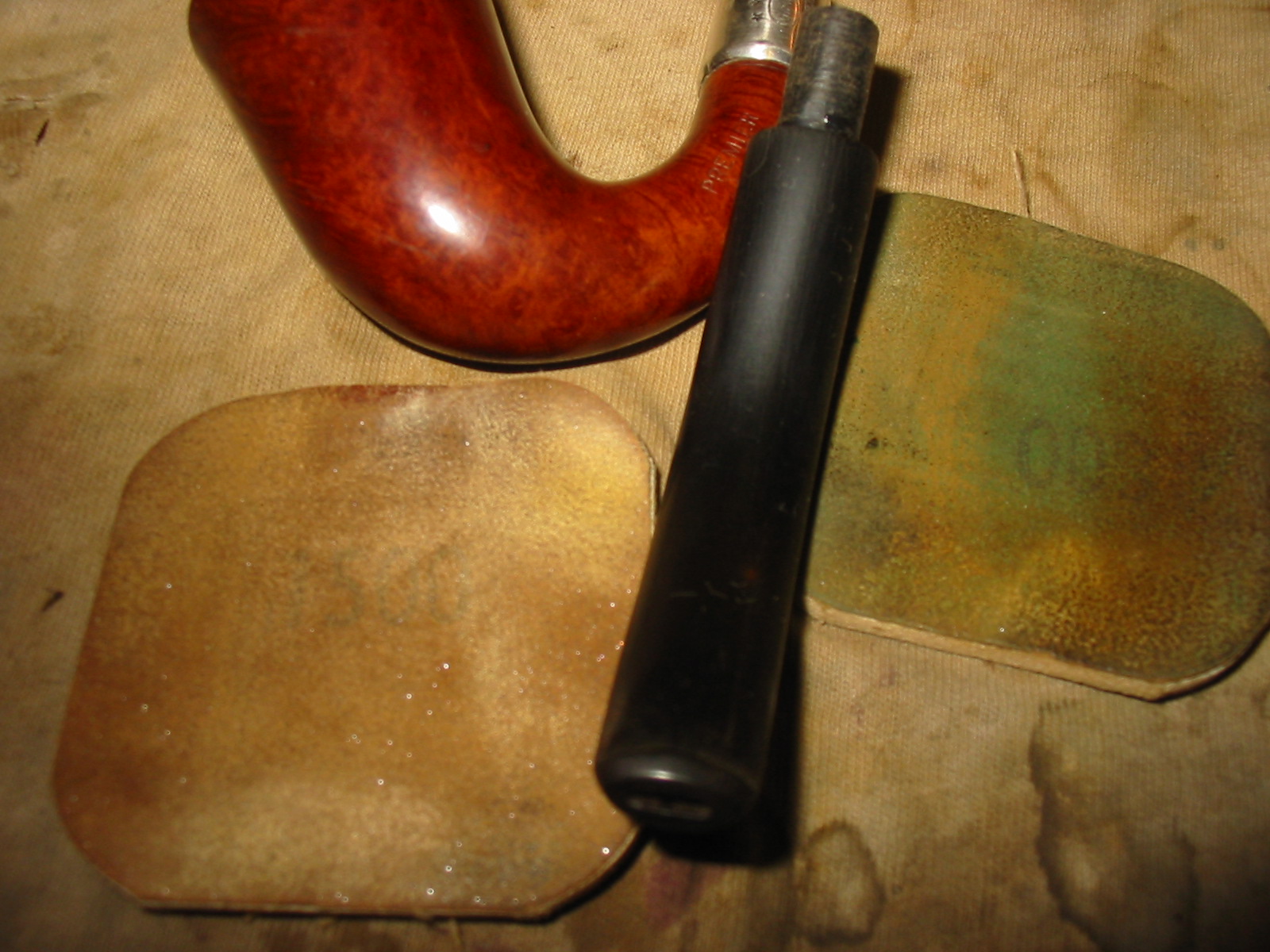
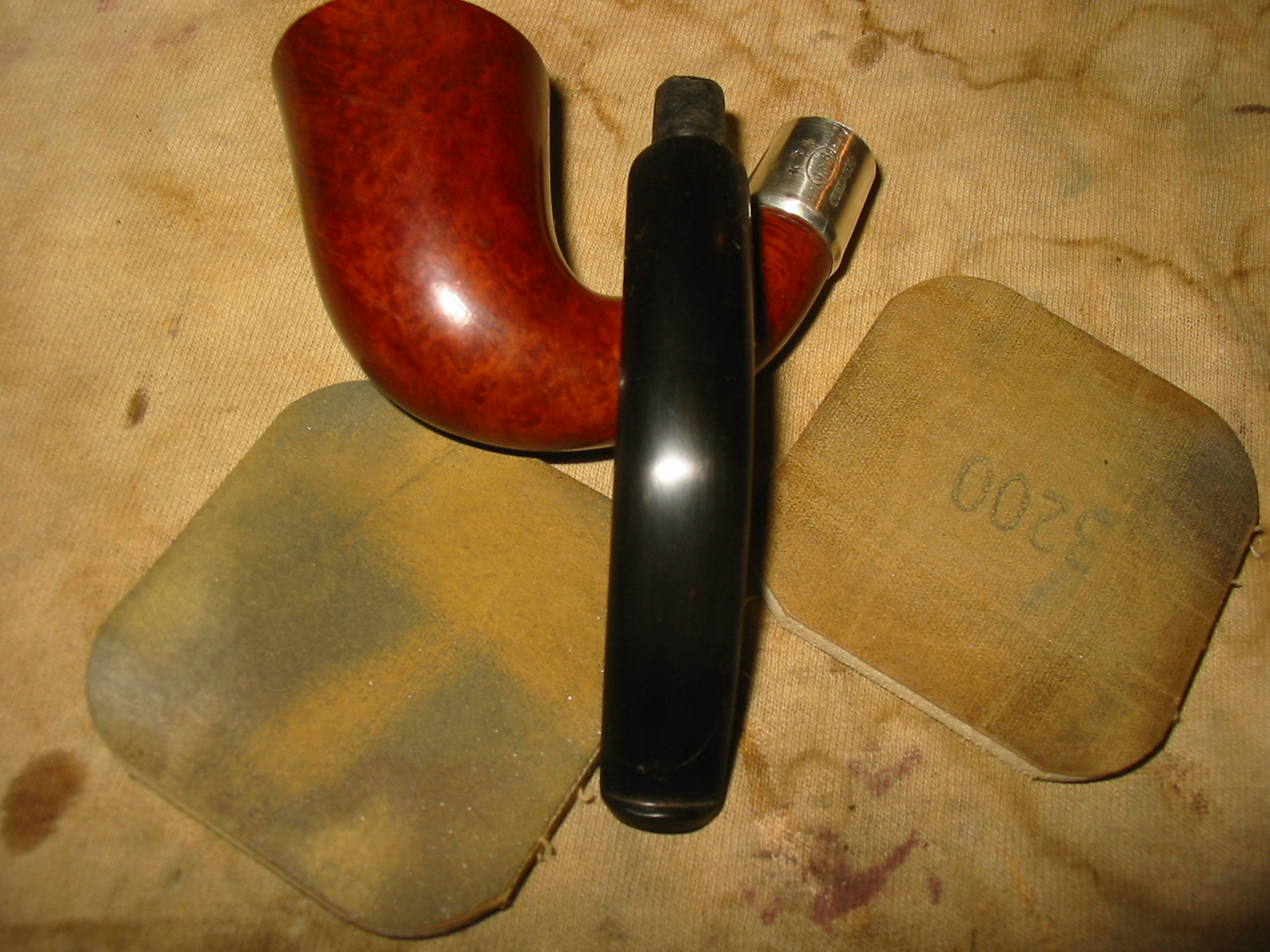
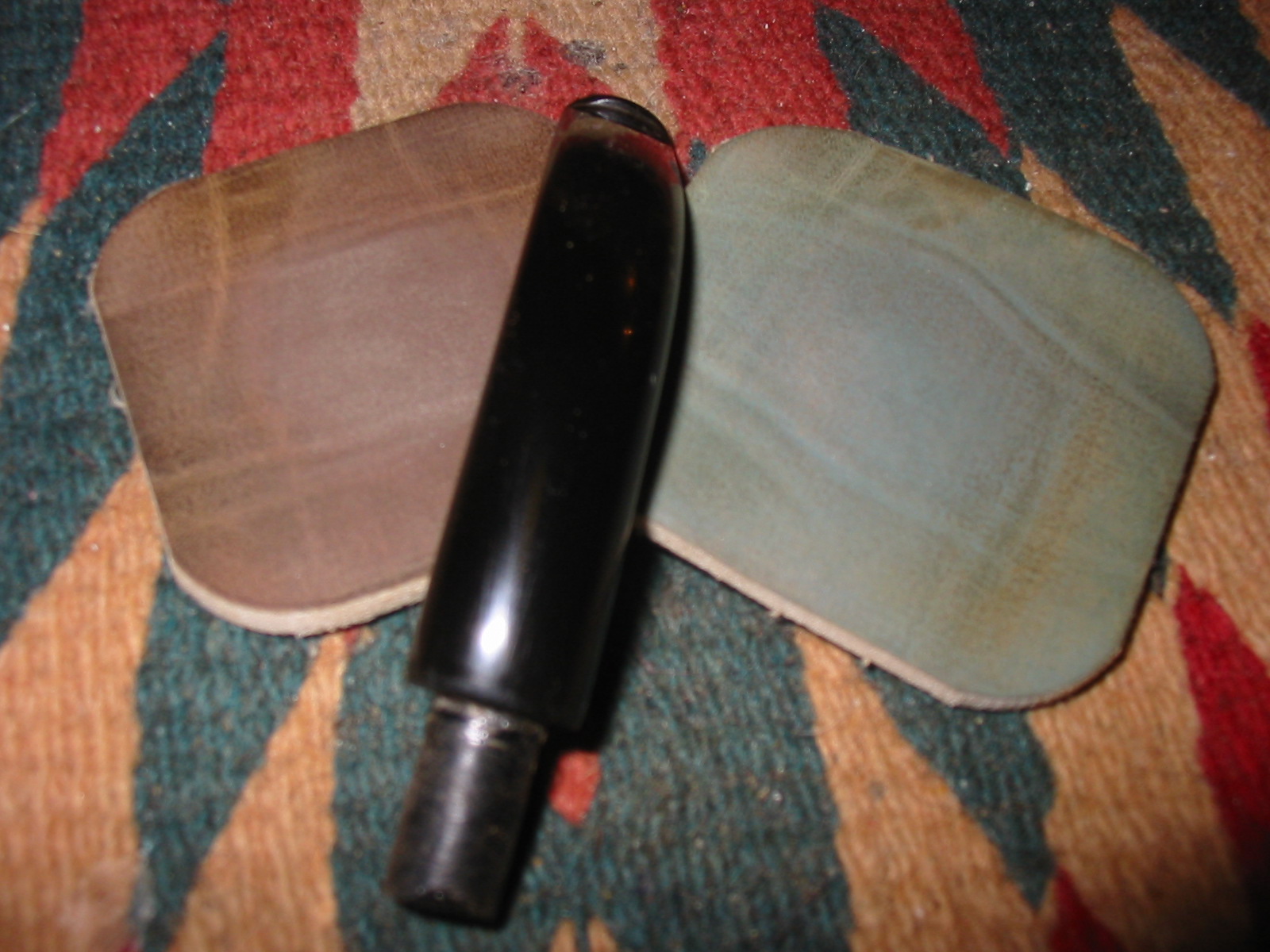
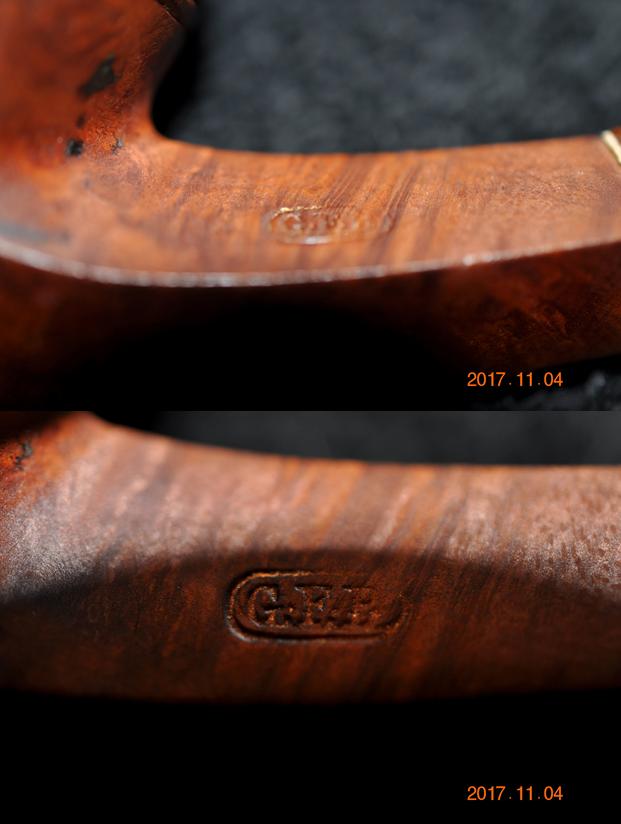
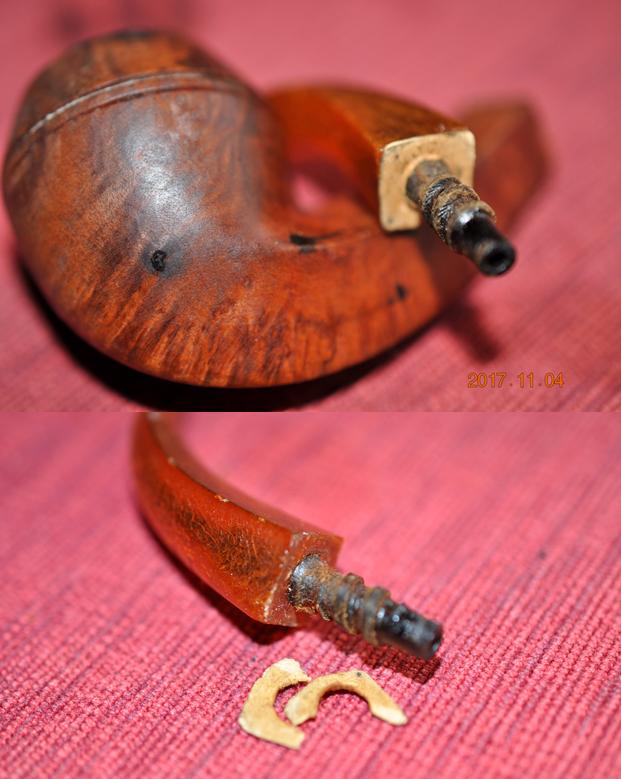
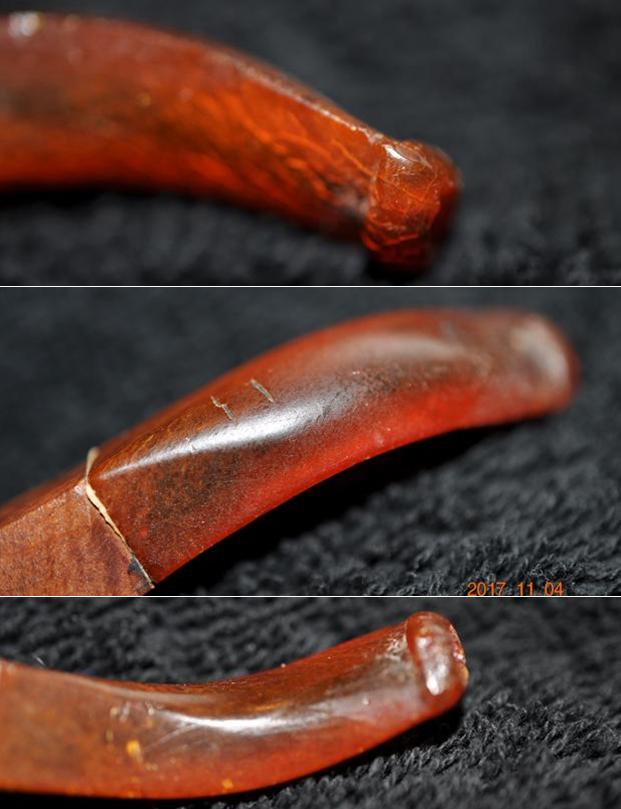
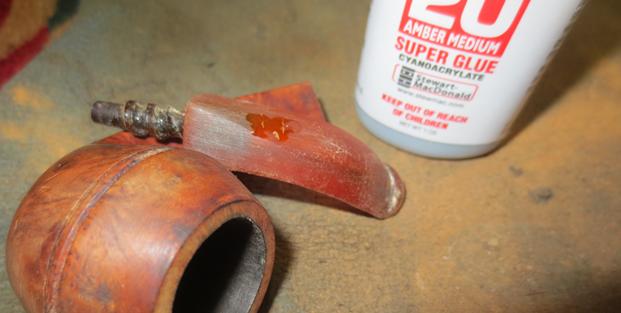
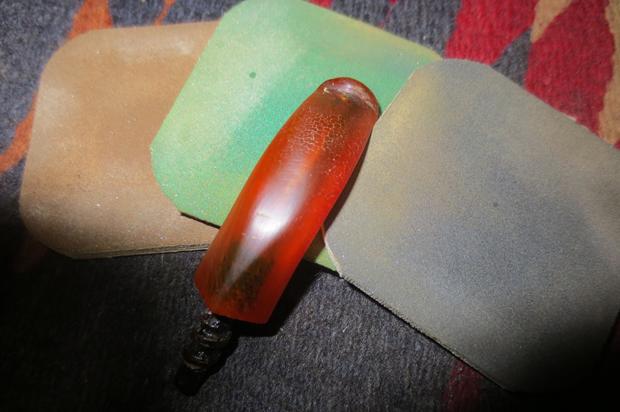
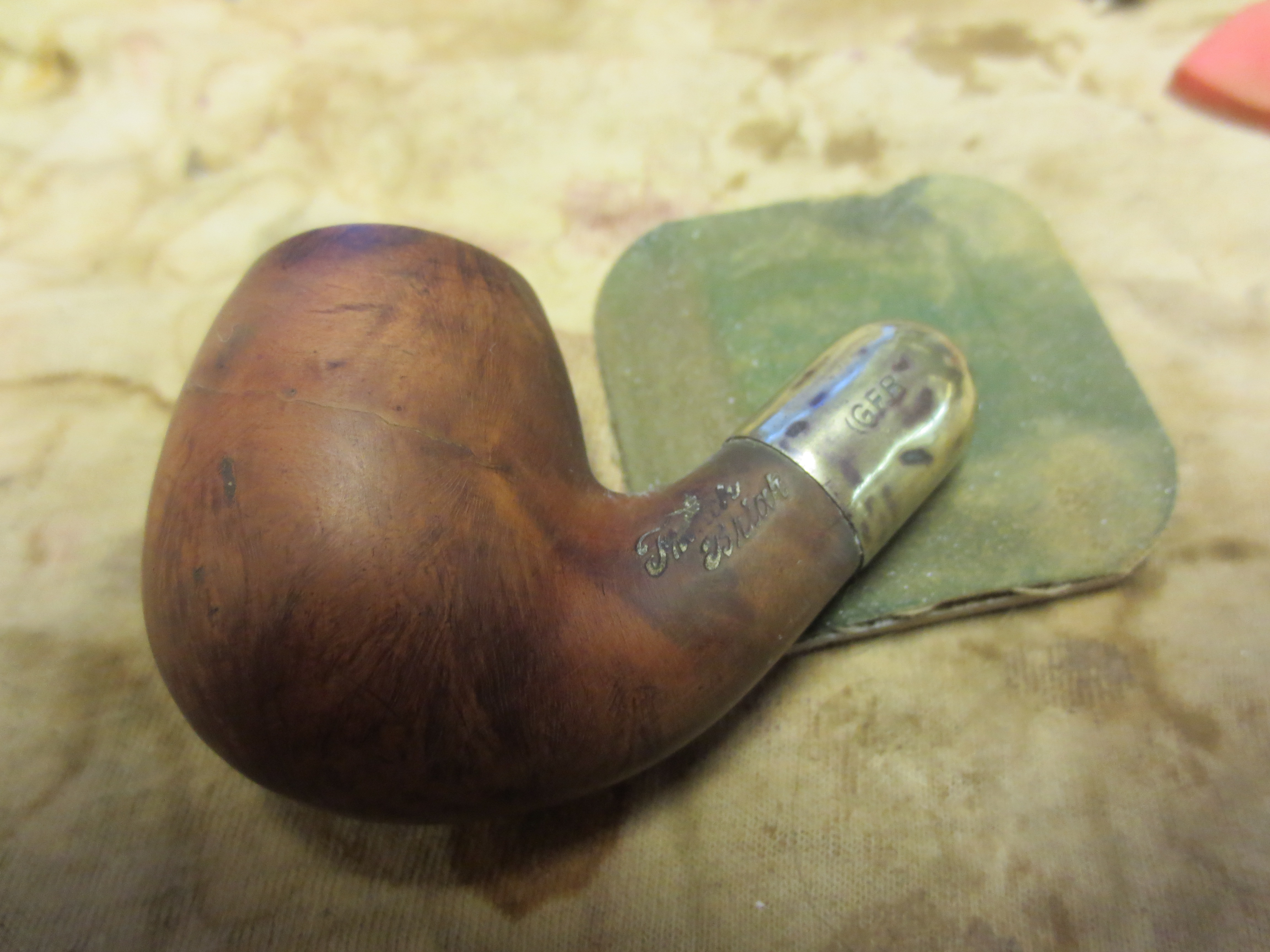
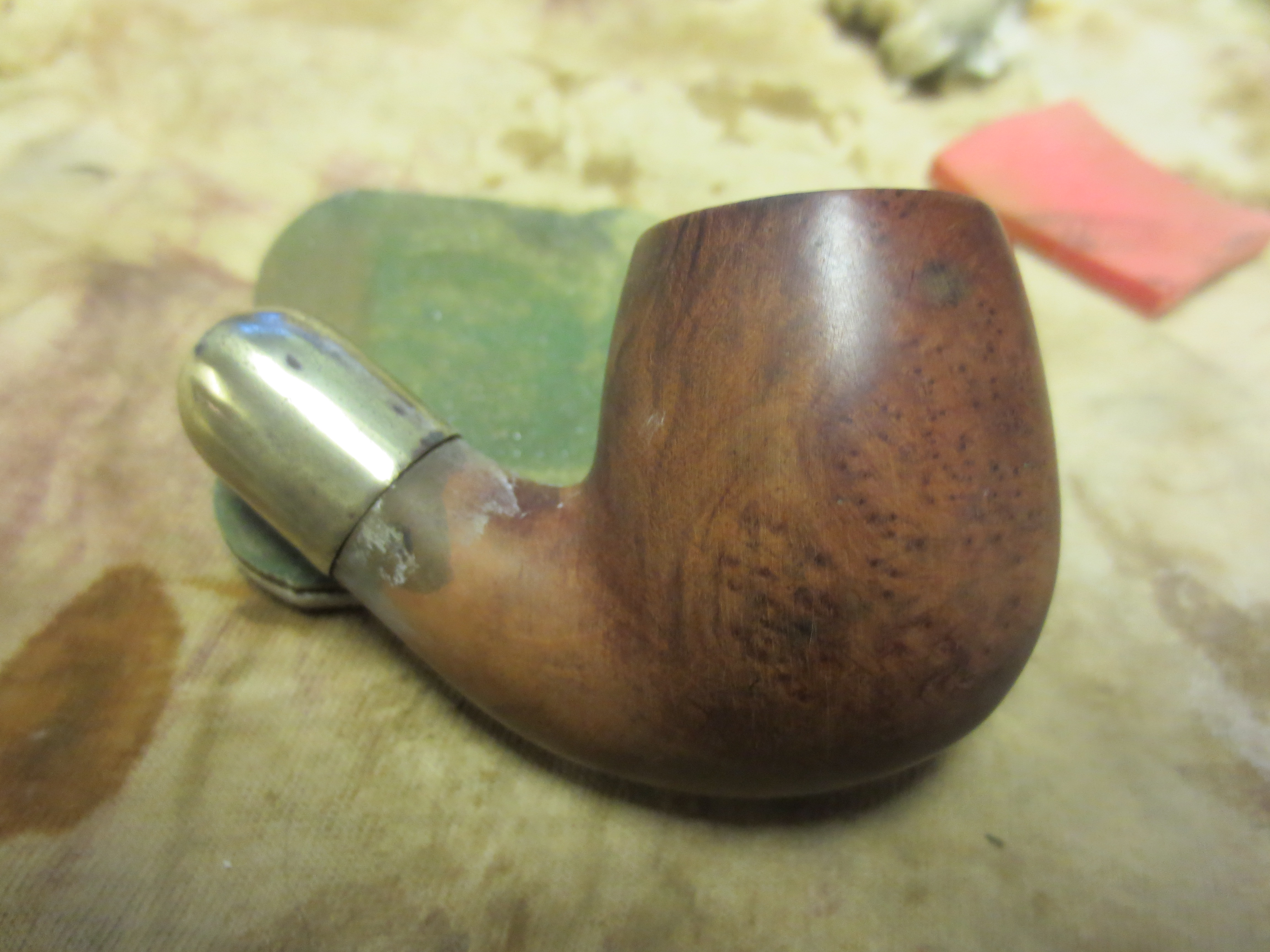
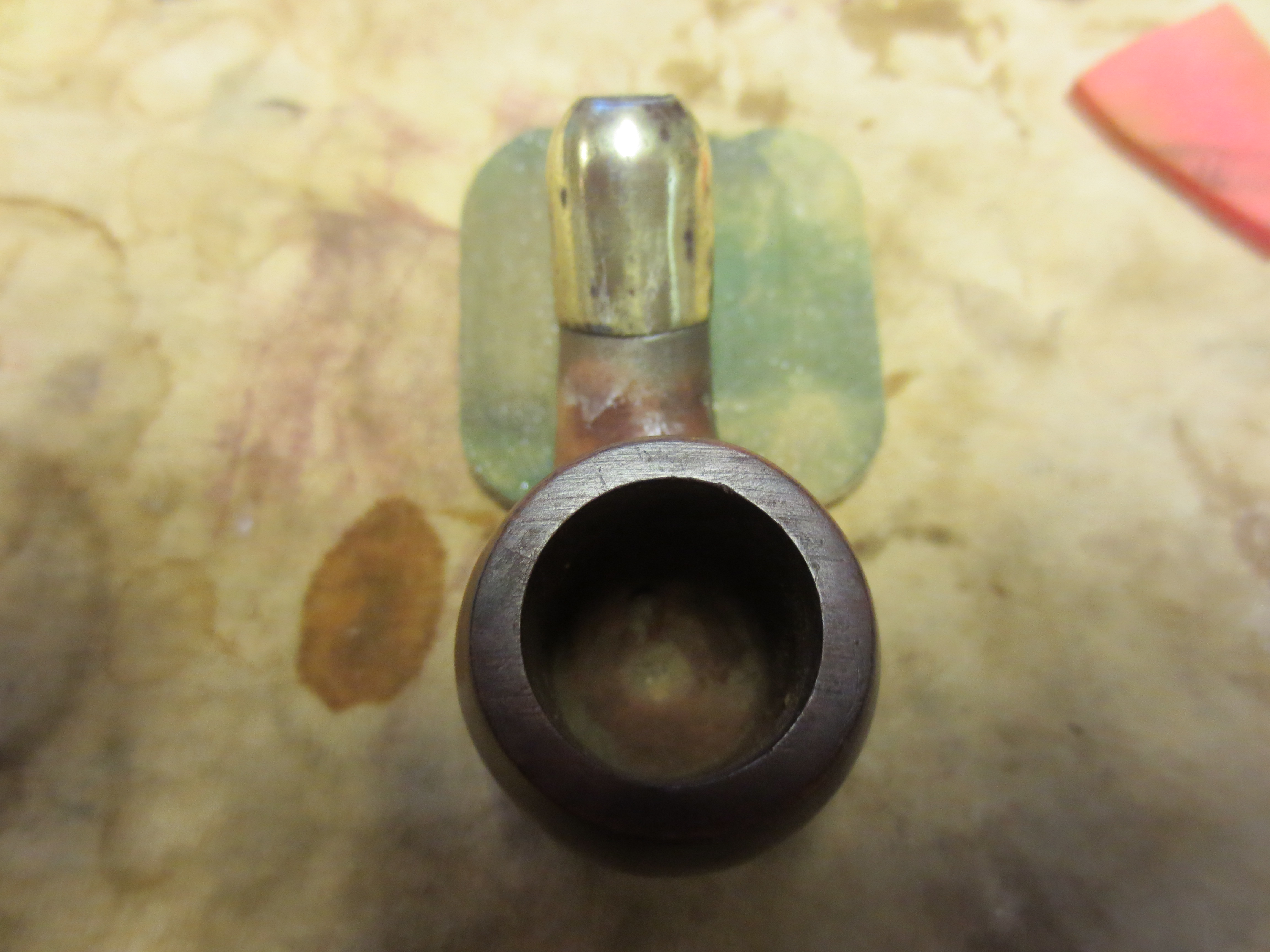
When the pipe arrived in Idaho, Jeff took photos of it. His photos gave a more accurate look at the condition of the pipe before he cleaned it up. The bowl had a lot of black spots all around the sides of the bowl and the shank. The paper washer can be seen between the stem and the shank. It almost looks like a spacer. The Bowl had a thick cake that had overflowed onto the rim top and hardened like lava. The finish on the bowl was worn and tired but the original reddish brown stain still looked good underneath the grime. The rim top was so covered it was hard to know if the inner or outer edge had damage. The stem had tooth marks on both the top and the underside near the button itself was worn as was the slot in the end. The stem material was amberlike but was not amber. There was some crazing in the stem material on both sides of the stem. Jeff took a close up photo of the stem to show the condition of the bowl and the rim top. You can see the thick cake in the bowl and it appears that there may be a little damage on the front right side of the inner edge of the bowl. He also included a picture of the left side of the bowl with the black spots on the finish – it almost looked like tar. The next two photos show the stamping on the left side of the shank. It shows the GFB in an oval logo. It is slightly worn but still showed signs of the gold leaf that is stamped inside the logo.Jeff unscrewed the stem from the shank. In the next photos you can see the buildup of tars and oils on the bone tenon and the wear on it as well. The paper washer was torn and when he removed it off the tenon it fell apart.The next photos show the crazing in the stem and a few cut marks on the top side. The stem was worn, dirty and the sharp edge of the button had smoothed out and was worn into the surface.Jeff did a thorough cleanup on the bowl and stem. He reamed the bowl back to bare briar with a PipNet pipe reamer and cleaned up the remnants with a Savinelli Fitsall reamer. He cleaned the internals with alcohol, pipe cleaners and cotton swabs – scrubbing out the mortise as it was very dirty. He scrubbed the exterior of the pipe with Murphy’s Oil soap and a tooth brush and was able to remove all of the tars and oils built up on the briar. He was able to remove all of the tars and lava on the rim top and left it looking very clean. The damage on the rim top and outer edge was clean and visible. He cleaned the stem with warm soapy water and rinsed it with clean water to remove the soap in the airway. When it arrived I forgot to take photos of the pipe. I started to work on it before I took the photos. I remembered after I had topped the bowl and also started to sand the stem and fit it to the shank. I painted the worn tenon with clear fingernail polish to build it up. Then fit it to the shank and took some photos of it to show how it looked before I continued on the restoration. I took photos of the stem to show the crazing in the Bakelite and some of the damaged areas on the top and underside.I took some photos of the topping process on the bowl. I did not have to remove too much of the rim surface to get rid of the damage to that area. I used 220 grit sandpaper on the topping board and carefully worked on the rim top until it was smooth and the damaged removed.I set the bowl aside and turned my attention to the stem. I filled in the deep gouges on the top of the stem with amber super glue. I sprayed it with accelerator and when it dried I sanded out the repairs with 220 grit sandpaper to blend them into the surface. I polished out the sanding scratches and marks in the Bakelite with micromesh sanding pads – wet sanding it with 1500-2400 grit pads and dry sanding it with 3200-4000 grit pads. I wiped the stem down with Obsidian Oil after each sanding pad. I carefully buffed the stem with Blue Diamond on the buffing wheel so as not to let it get too hot and damage the material. I brought it back to the table and sanded it with the final three 6000-12000 grit pads. After the final pad I gave it a final coat of oil and set it aside to dry. I was able to polish out much of the damage to the stem. Most of crazing was on the surface so most of it is gone as well. The amber Bakelite polished up really well and almost glowed. That part of the restoration went well and the stem looked new and would look good on the finished pipe bowl.
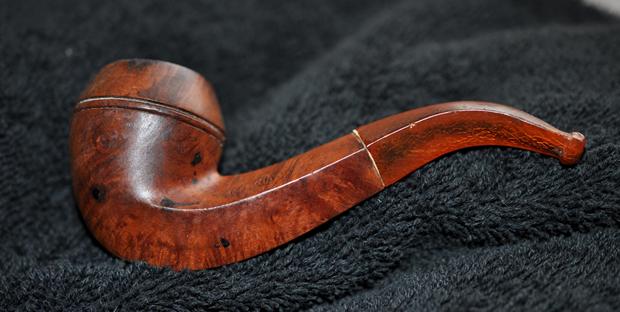
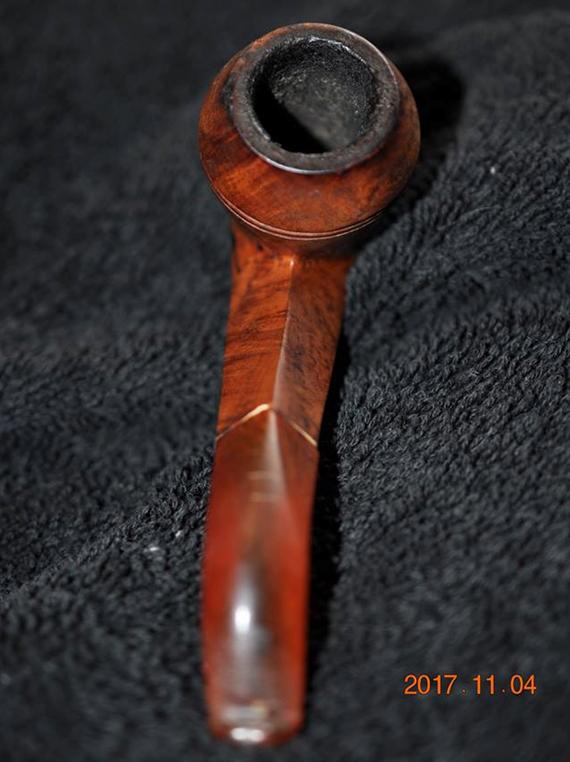
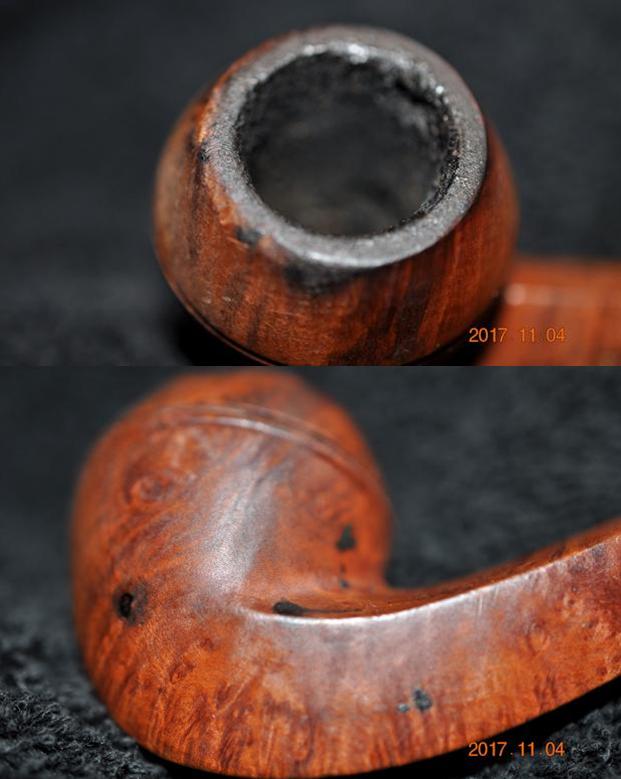
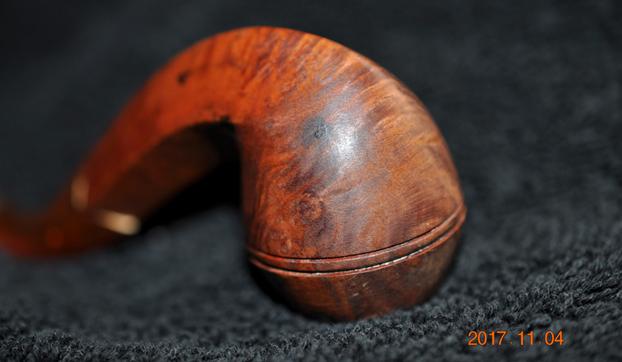
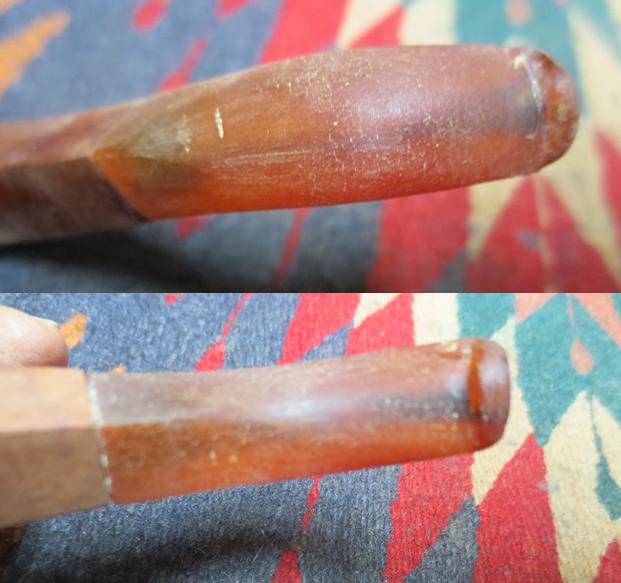
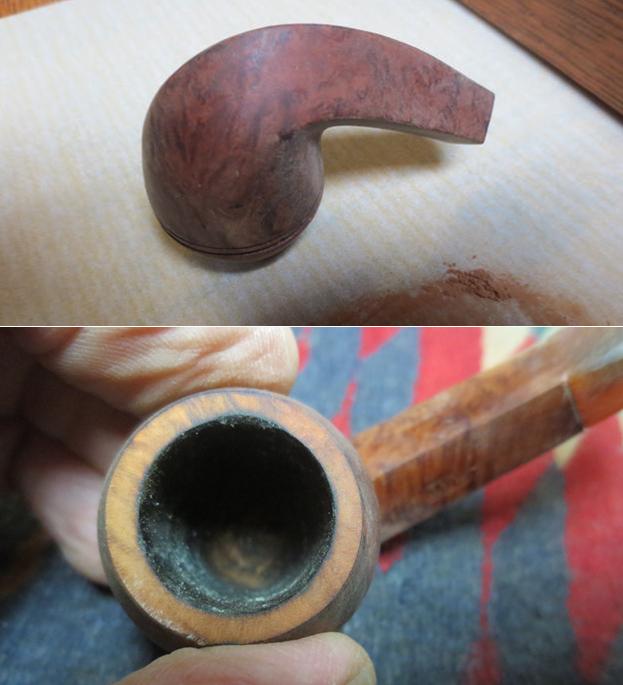
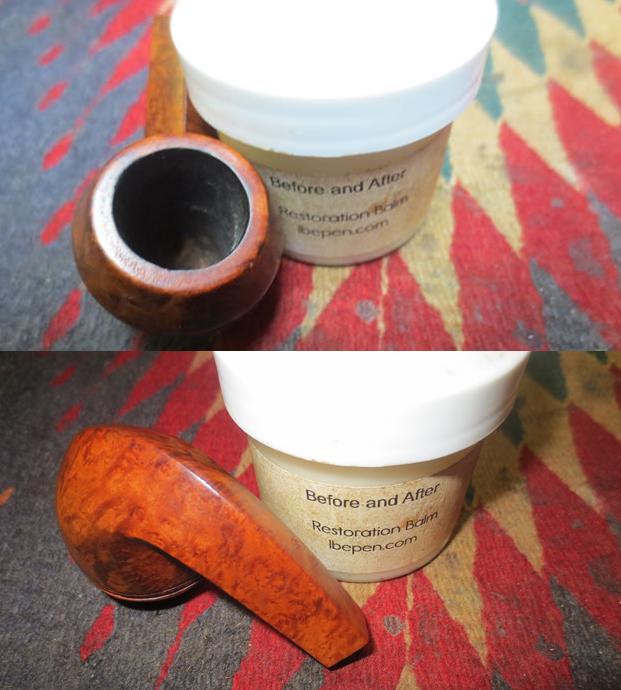
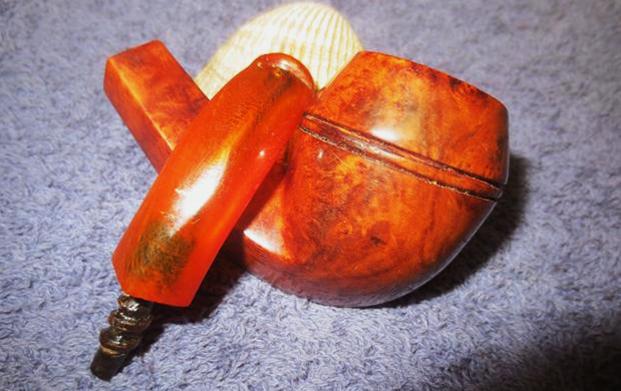
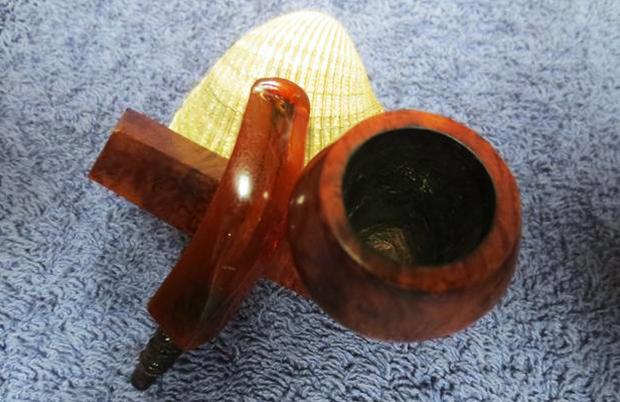
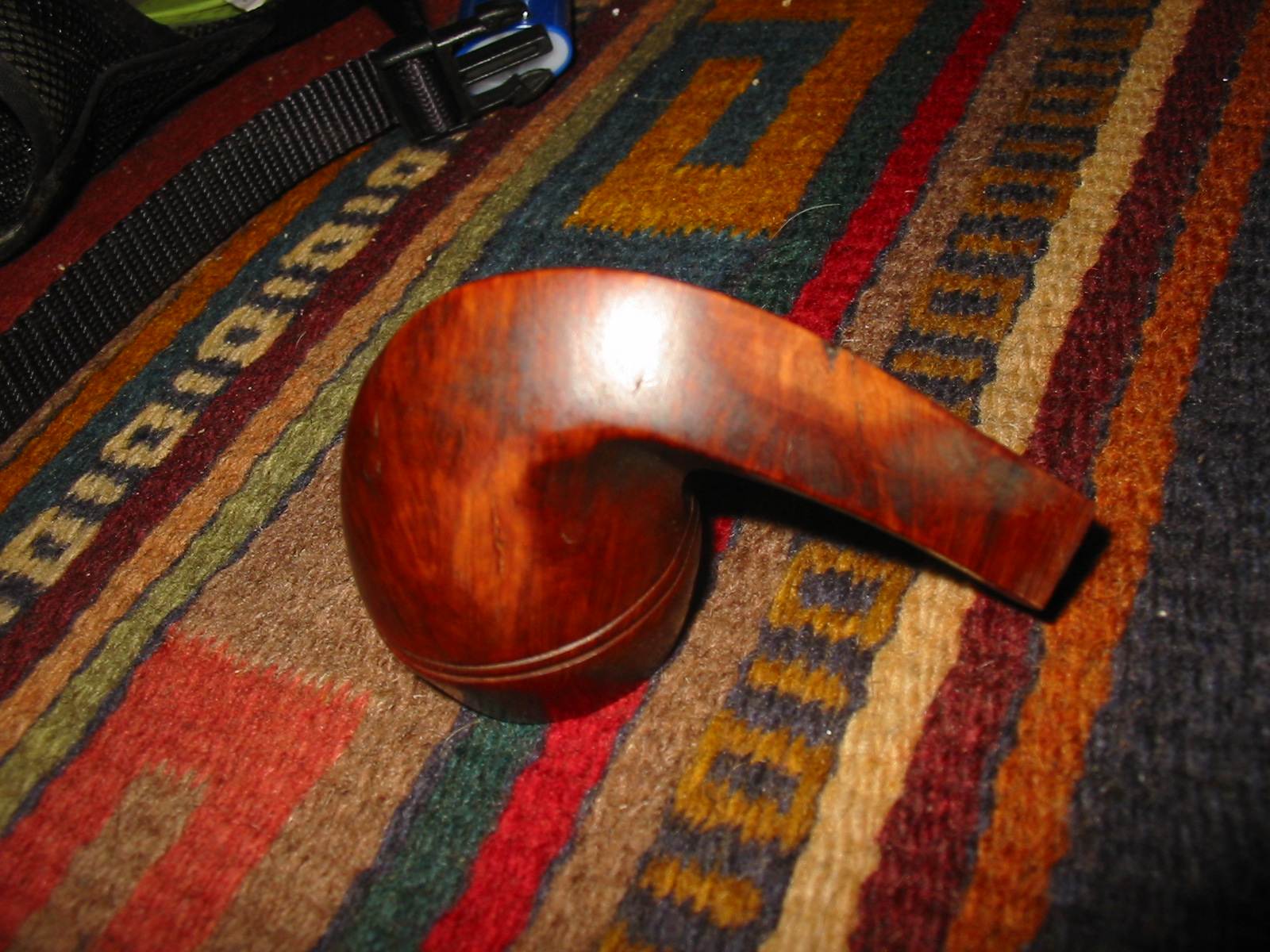
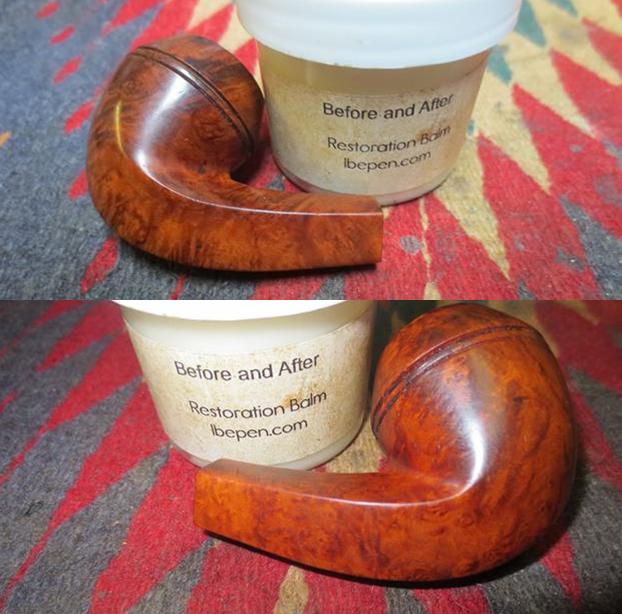
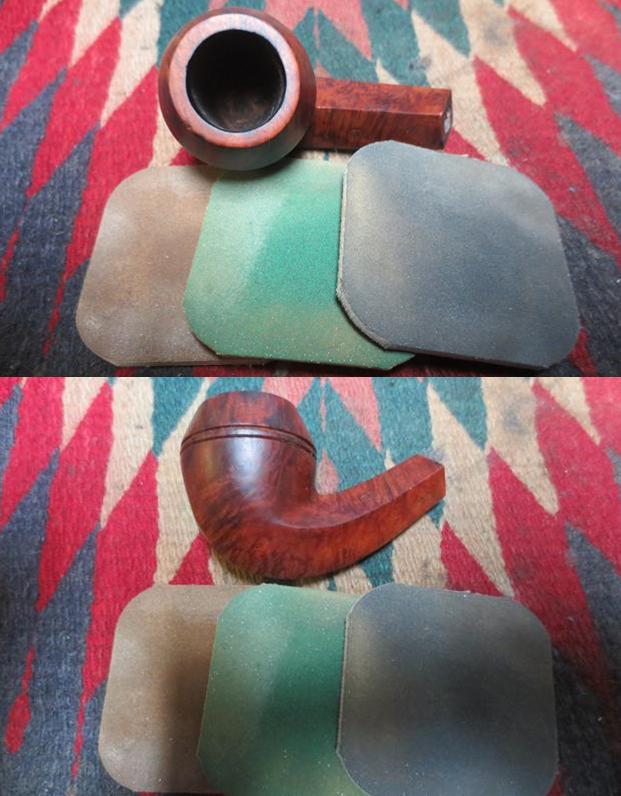
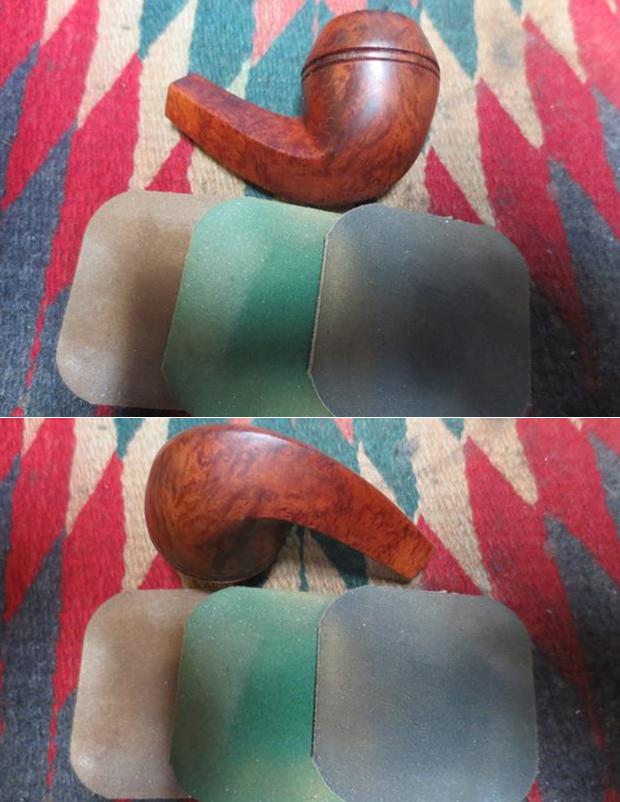
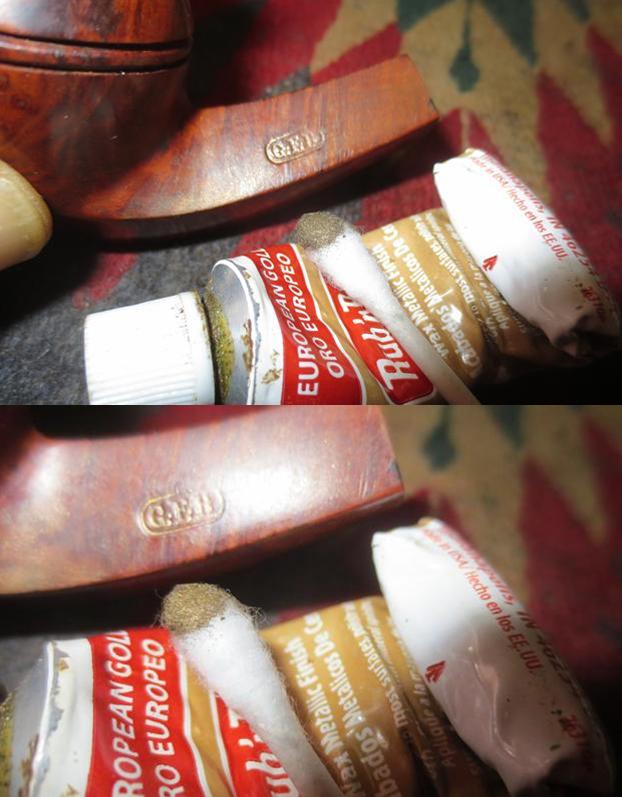
I set the stem aside and rubbed the briar down with Before & After Restoration Balm to deep clean the smooth finish, enliven and protect the briar. I hand rubbed it with my fingers and wiped it off with a soft cloth. I buffed the bowl with Blue Diamond on the wheel to polish it. It really began to have a deep shine in the briar. The rich reds in the briar and the brown stain really looked good at this point in the process. I took some photos of the bowl to mark the progress in the restoration. I decided to leave the small nicks in the bowl surface as marks of character rather than damage the original finish by sanding them all out. I polished the bowl and rim top using the micromesh sanding pads – wet sanding with 1500-2400 grit pads and dry sanding with 3200-12000 grit pads. I wiped the rim down after each pad with a damp cotton pad. When I finished the polishing I wiped it down a final time. I used some Rub’n Buff European Gold to touch up the GFB stamp on the left side of the shank. I applied it to the stamp with a cotton swab and worked it into the stamp. I repeated the process until the coverage was good. I wiped it off and buffed the shank with a cotton pad.I put the stem back on the bowl and worked the pipe over on the buffing wheel using Blue Diamond to polish the bowl and shank. I lightly buffed the stem to raise the gloss on the Bakelite. I gave the bowl multiple coats of carnauba wax and the stem multiple coats of Conservator’s Wax. I buffed the entire pipe with a clean buffing pad to raise the shine. I hand buffed it with a microfiber cloth to deepen the shine. The finished pipe is shown in the photos below. The rich reddish brown stain on the bulldog shaped bowl works well with the amber gloss of the Baklite stem. This old GFB pipe has a nice mix of grain and now that it is restored it has lots of life in it. It is pipes like this that I wish could speak and tell their story. I would love to know the length and breadth of its journey around the world from France to the US and now to Canada. I guess though I will have to be happy adding my own story to the ongoing saga of this old pipe. Thanks for looking.
 

Restoring an Older GFB Three Star Horn Stem Bent Bulldog


Blog by Steve Laug

The pipe below is one I bought off EBay because it looked like a challenge, that and the fact that it was another GFB pipe. This is the third GFB that I have in my collection. I love the way they feel in the hand and the elegant look of the curves and angles they have. I went back and reread my previous two posts on the GFB pipes I had refurbished to remind myself of their history. There I described the process of hunting down information on the brand. I summarize that here for those may not have read the other two posts. (https://rebornpipes.wordpress.com/2013/06/07/restemming-and-reclaiming-an-older-unsmoked-gfb-briar-calabash/ , https://rebornpipes.wordpress.com/2013/04/01/restoring-a-gfb-bent-billiard-another-reclamation-project/)

The first thing I found was information that the GFB brand was an older French Trademark and that it came from Saint Claude, France. A more focused search for GFB French Briar Pipes led to information that the stamping GFB stood for Great French Briar – something about that did not seem right to me so I continued to look and finally came across the following advertisement from a Sears Catalogue. It shows a full page of GFB pipes and the header says GENUINE FRENCH BRIAR. That made much more sense to me, and all three of my GFB pipes match the pipes in the catalogue. It was good to be reminded of the old brand. I am pretty sure that all three of my GFB pipes come from either the late 1890’s or the early 1900’s.
genuine-french-briar-pipes-on-parade

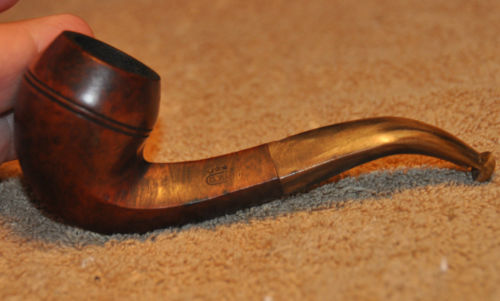
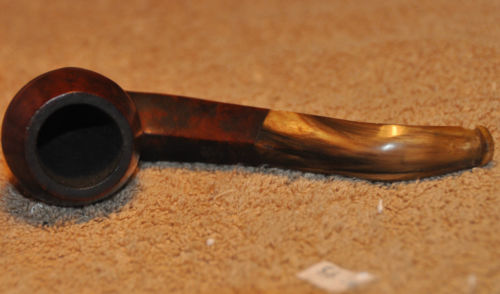
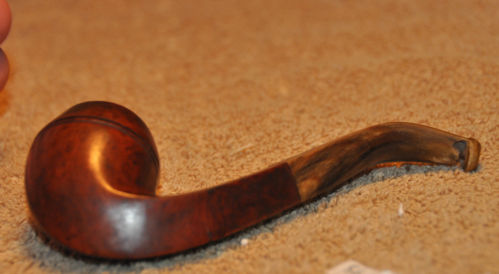
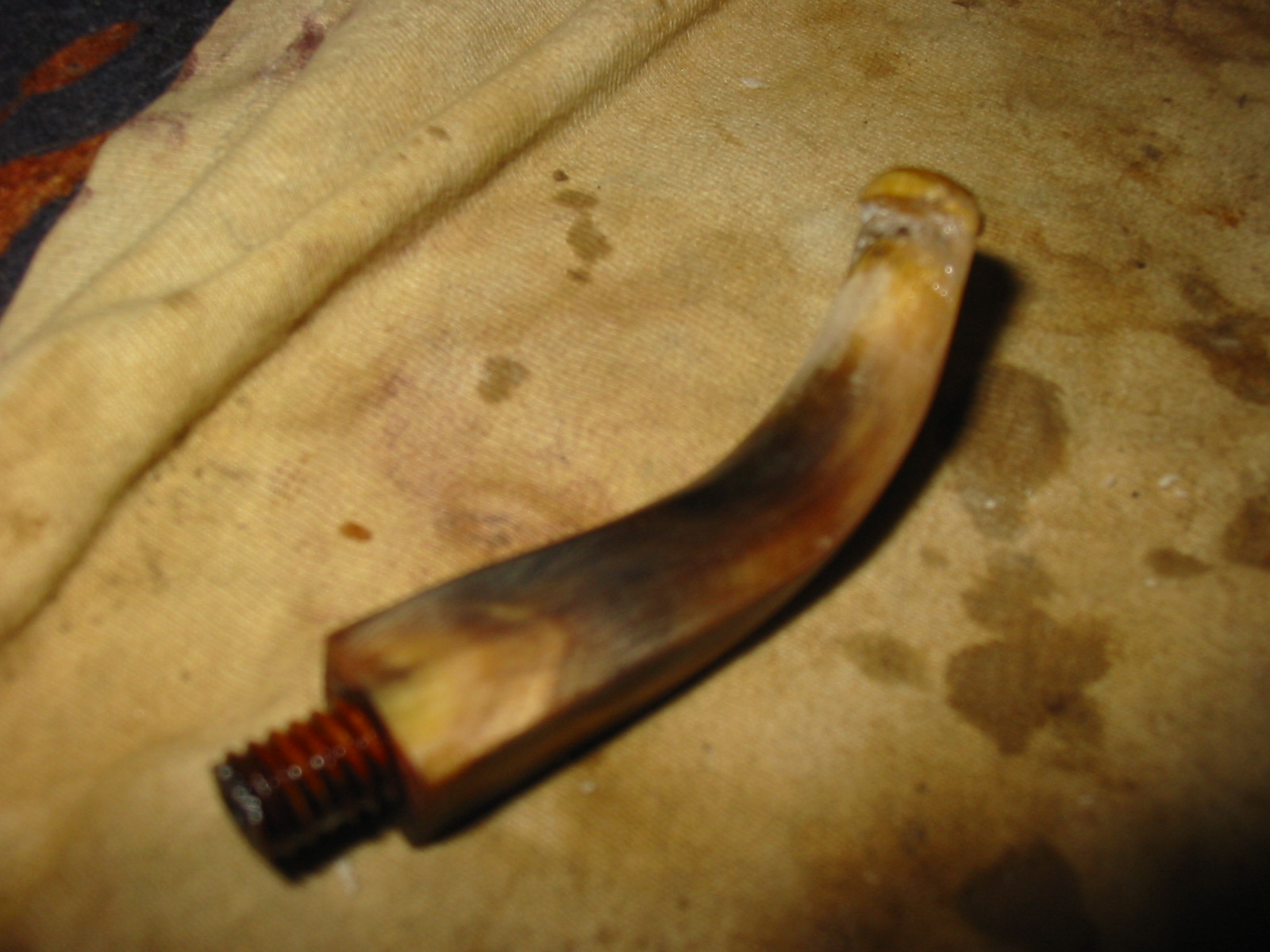
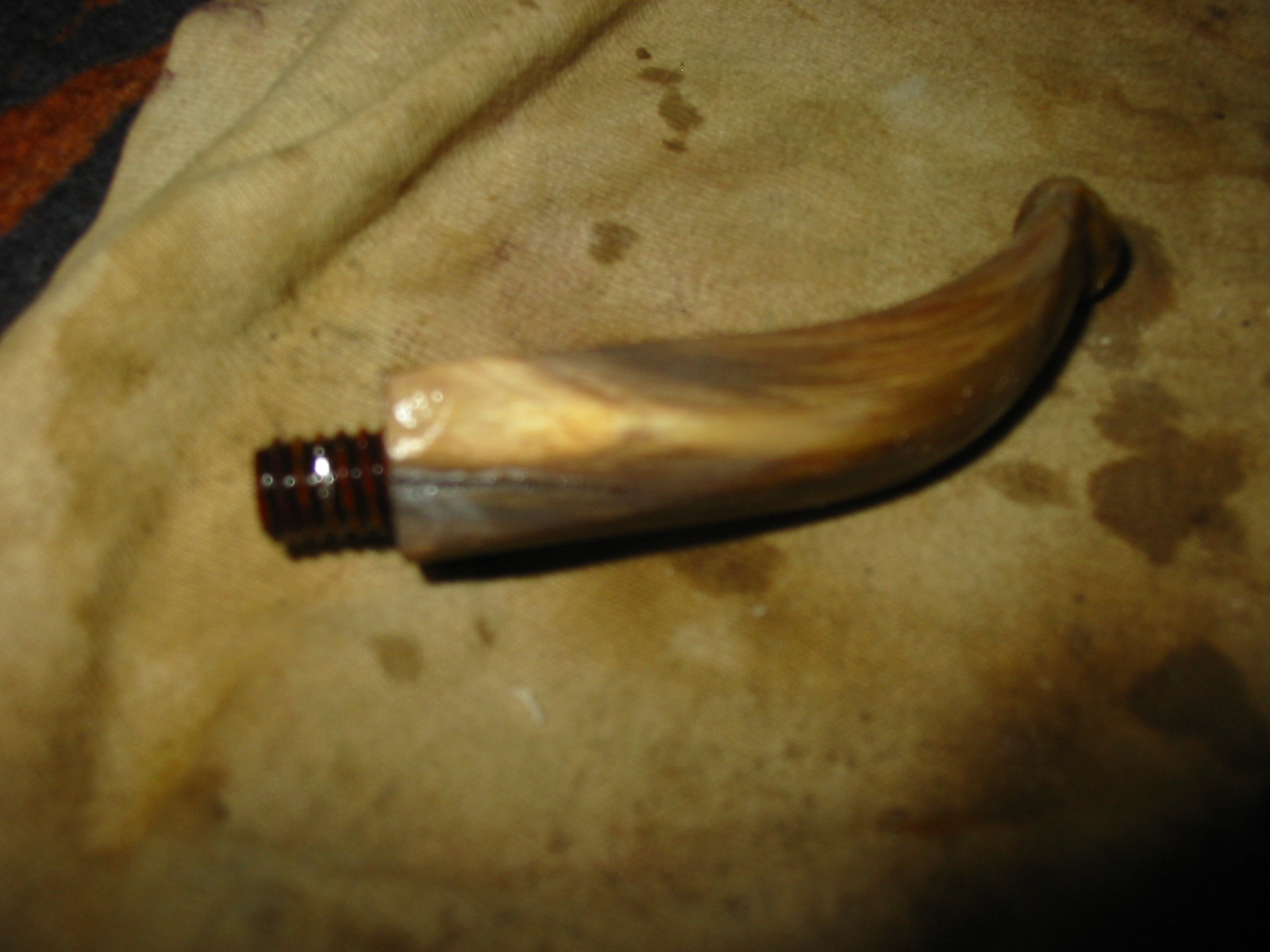
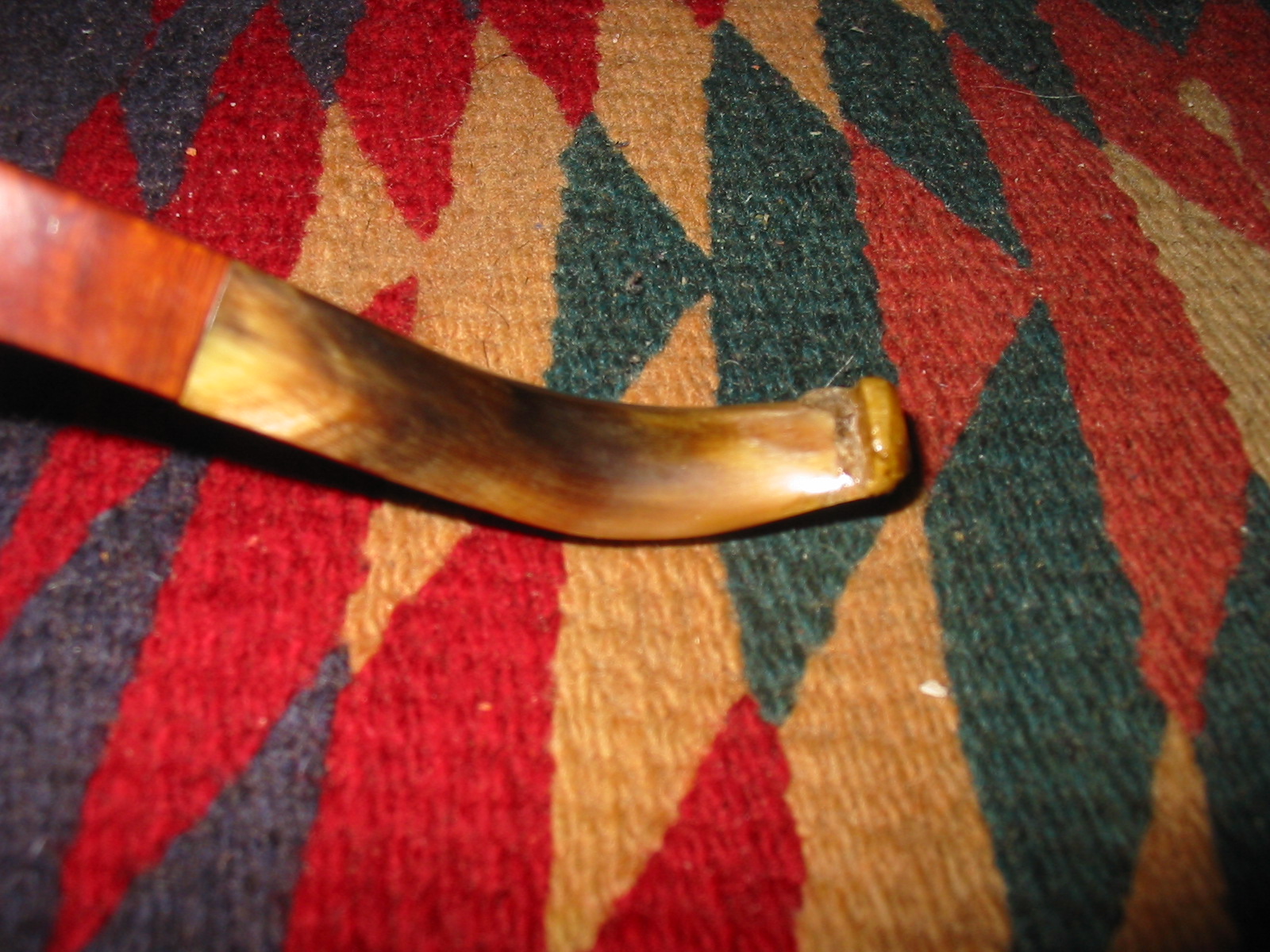
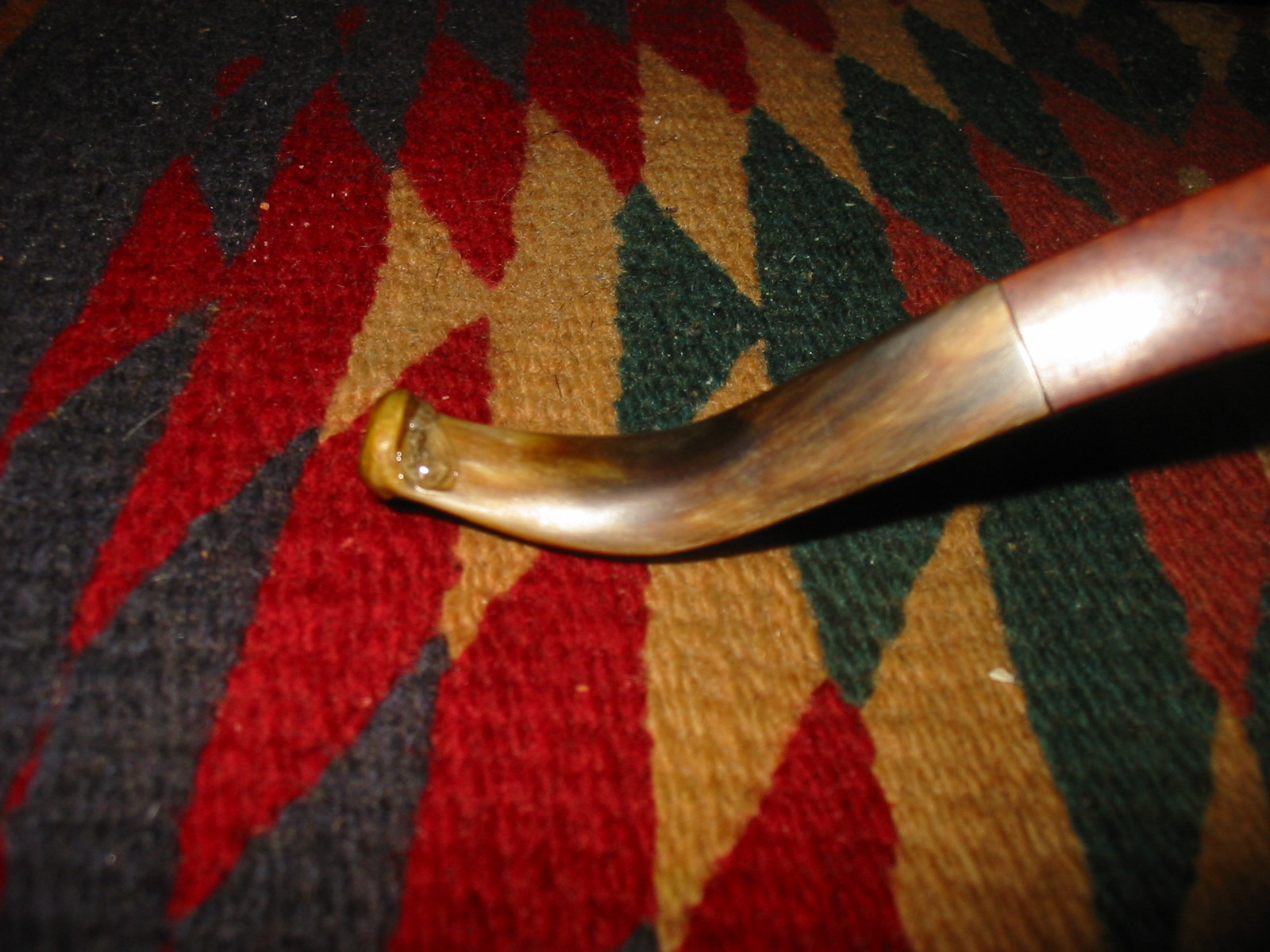
This third pipe was a charmer to me. When I saw the photos I decided I would bid to win it. The elegance of the old pipe caught me. The bowl appeared to be in good shape and it had a horn stem. The striations and colour of the stem was beautiful even in its oxidized state. The three photos below were included in the EBay sale. The third photo shows the underside of the stem and the damage to the underside near the button. It looked to be more than tooth marks or chewing. It actually looked like “worm” damage. From the photos it appeared to be localized to that part of the stem and was worth a chance. Worst case scenario, I would sacrifice the stem and restem the old pipe with a vulcanite stem.
GFB1

GFB2

GFB3

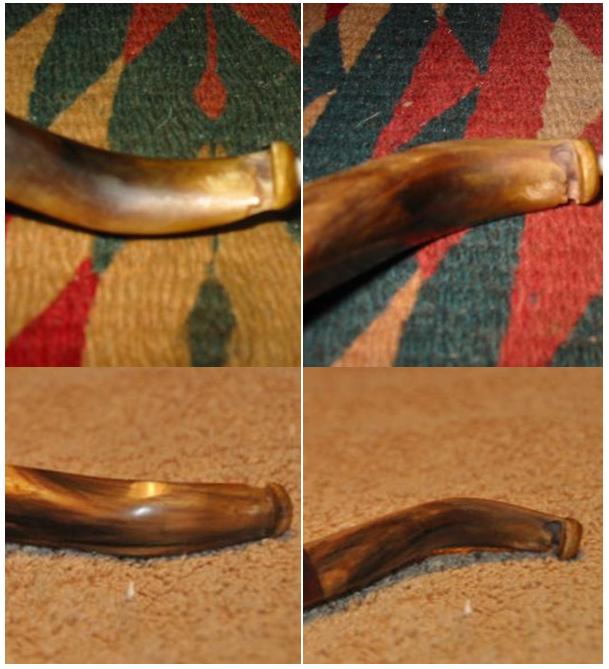
I find that photographing stem damage is difficult and my photos can be out of focus. But I now have a tripod to help with the clarity of the photos (did not get it until after I had started the repairs on this stem. Ah well sorry about the clarity of some of these). When the pipe arrived I took it apart and examined the holes on the end of the stem. Under the lens it was clear that it was not a worm hole at all. Rather it had been bitten and the stem had crumbled in that area. It did not go through into the airway so I think that the previous owner had scraped out the crumbled area of the horn stem for cleanliness and just kept smoking it. That was encouraging to me as it meant that I could repair and not worry about an old “worm” somewhere in the horn stem chewing his way out later! The next two photos show the extent of the damage to the area
GFB4

I cleaned out the open area with cotton swabs and Everclear, careful to not use too much of the alcohol on the horn stem. Once it was clean of debris and dust I decided to fill the area with a superglue gel rather than the usual liquid superglue I generally use (Photo 1). My thinking was that the gel would sit better in the large area without running all over the stem. There were also nicks on the sharp edges near the shank that I also repaired with the superglue gel (Photo 2). I layered the glue into the hole to build it up gradually (Photo 3) as each previous layer dried.
GFB5

GFB6

GFB7

Once the glued cured over night I sanded the area with medium grit emery paper to remove the high spots and smooth out the surface (Photo 1). I refilled the low areas on the fill to further level out the area. There was also a deep nick on the sharp edge of the shank. I cleaned that out and used the superglue to fill that as well. It would dry black but with the staining of the bowl that could be minimized and I wanted it smooth to the touch rather than the sharp cut of the nick that was previously present (Photo 2).
GFB8

GFB10

With everything glued I set the bowl and stem aside and went to work for the day. I would work on the patched areas when I returned home in the evening.
When I returned in the evening, the patches were dry and the pipe was ready to be worked on. I reamed the bowl with the PipNet reamer. On this particular pipe the bowl was conical so it took three different cutting heads on the T handle to ream the bowl to the bottom. With down I cleaned the bowl, shank and stem with Everclear, pipe cleaners and cotton swabs. I wanted the pipe cleaned out before I worked on the exterior.
GFB11

GFB15

The next two photos show the stem after the patches had hardened. Though the photos are a bit blurry, the shininess of the spots where the superglue patches were applied is very clearly visible. Those areas would need to be sanded smooth to match the surface of the surrounding horn.
GFB12

GFB13

I sanded the patch on the shank of the pipe with 220 grit sandpaper and also medium grit sanding sponge to remove the excess glue from the patch. Then I wiped the bowl down with Everclear on a cotton pad. I decided not to use acetone as the stamping on the shank was filled with a gold paint and was still visible. I did not want to damage that stamping. I carefully worked the Everclear around the stamping so as not to get any in the grooves of the stars and GFB stamp.
GFB14

GFB16

GFB17

GFB18

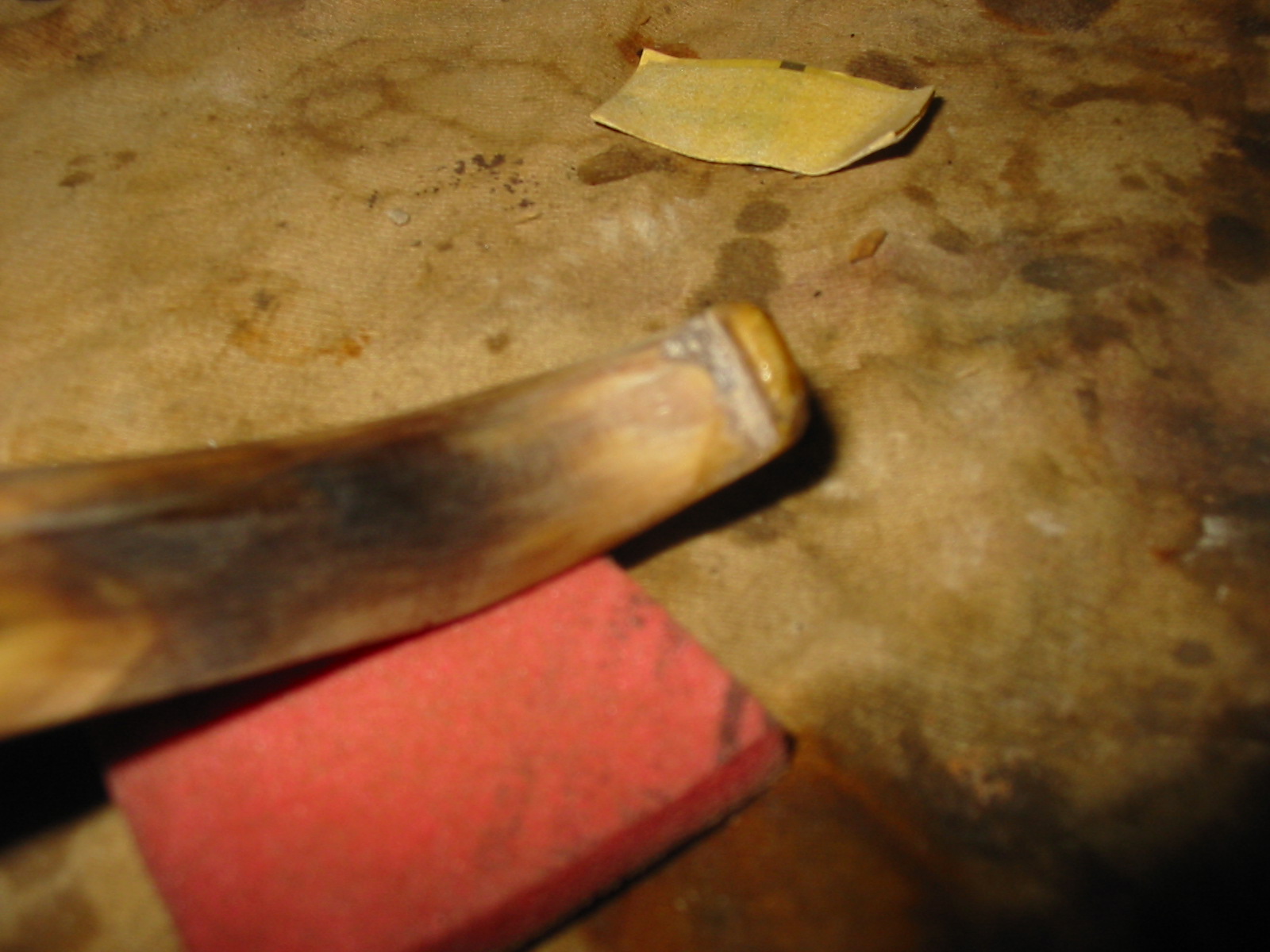
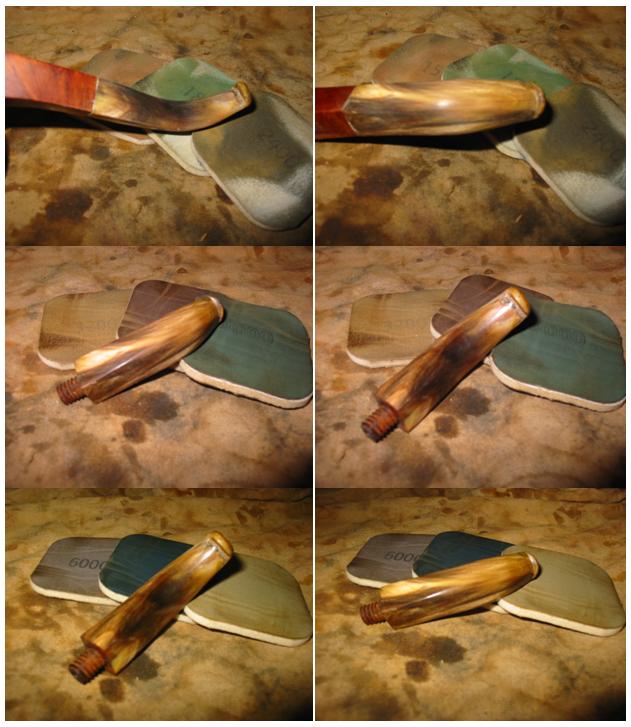
I sanded the patch on the stem with 220 grit sandpaper and then a medium grit sanding sponge to smooth out the patch. I continued to sand it with the micromesh sanding pads. I wet sanded with 1500-2400 grit and dry sanded with the remaining grits up to 12,000.
IMG_2645

GFB19

I buffed the stem with White Diamond on the buffer and the finished stem is shown below. The patch still shows some small holes that need to be repaired with superglue. The sanding and polishing made them very apparent in the first photo below. The patch at the sharp edge near the shank came out very well and is invisible. The horn of the rest of the stem has a deep sheen to it after all the sanding and polishing.
GFB20

GFB21

I unscrewed the stem and set it aside while I stained the bowl. I used a medium walnut stain mixed with linseed oil to stain this pipe. The colour is a rich brown with a slight red in certain lights. It matches the colour of the other GFB pipes that are in my collection. I buffed the bowl with White Diamond on the buffing wheel. Then I gave it a coat of carnauba wax and set it aside to work some more on the stem.
GFB22

GFB23

GFB24

GFB25

I was not completely satisfied with the stem patch so I sanded it next to the button some more and cleaned it out. I put some more of the superglue in the low spots and set it aside to cure while I went to work for the day.
GFB26

GFB27

When I returned the glue was hard and the patch a solid bubble on the surface of the stem. I sanded it with the medium grit emery paper and then 220 grit sandpaper to remove the over fill. I always over fill the spots as the glue shrinks as it dries. I have learned that it is easier to remove the excess than to continue to fill and sand repeatedly. I sanded it with a medium grit sanding sponge and then went through the grits of micromesh sanding pads again from 1500-12,000 grit. When I had finished I rubbed the stem down with Obsidian Oil and set it aside to absorb. Once done I buffed it on the wheel with multiple coats of carnauba wax.
GFB28

After buffing and polishing the horn stem I buffed the entire pipe with White Diamond on the buffing wheel to polish it then gave it multiple coats of carnauba wax to restore and preserve the shine on the horn and the briar. The finished pipe is back to usable with the stem patch taking care of the deep holes that were previously in the stem. The striated horn stem looks like new and the colouration of the horn goes amazingly well with the medium brown walnut stain. Other than the slightly visible patch the pipe looks like new. I intend to enjoy a bowl of some aged tobacco in a pipe that is far older than I am. I look forward to the day when I pass it on in trust to the next pipeman who will care for and cherish it. Sentimental? I don’t think so, just a realist who knows that this pipe has lived and will live longer than I.
GFB29

GFB30

GFB31

GFB32

Restemming and Reclaiming an Older, Unsmoked GFB Briar Calabash


Blog by Steve Laug

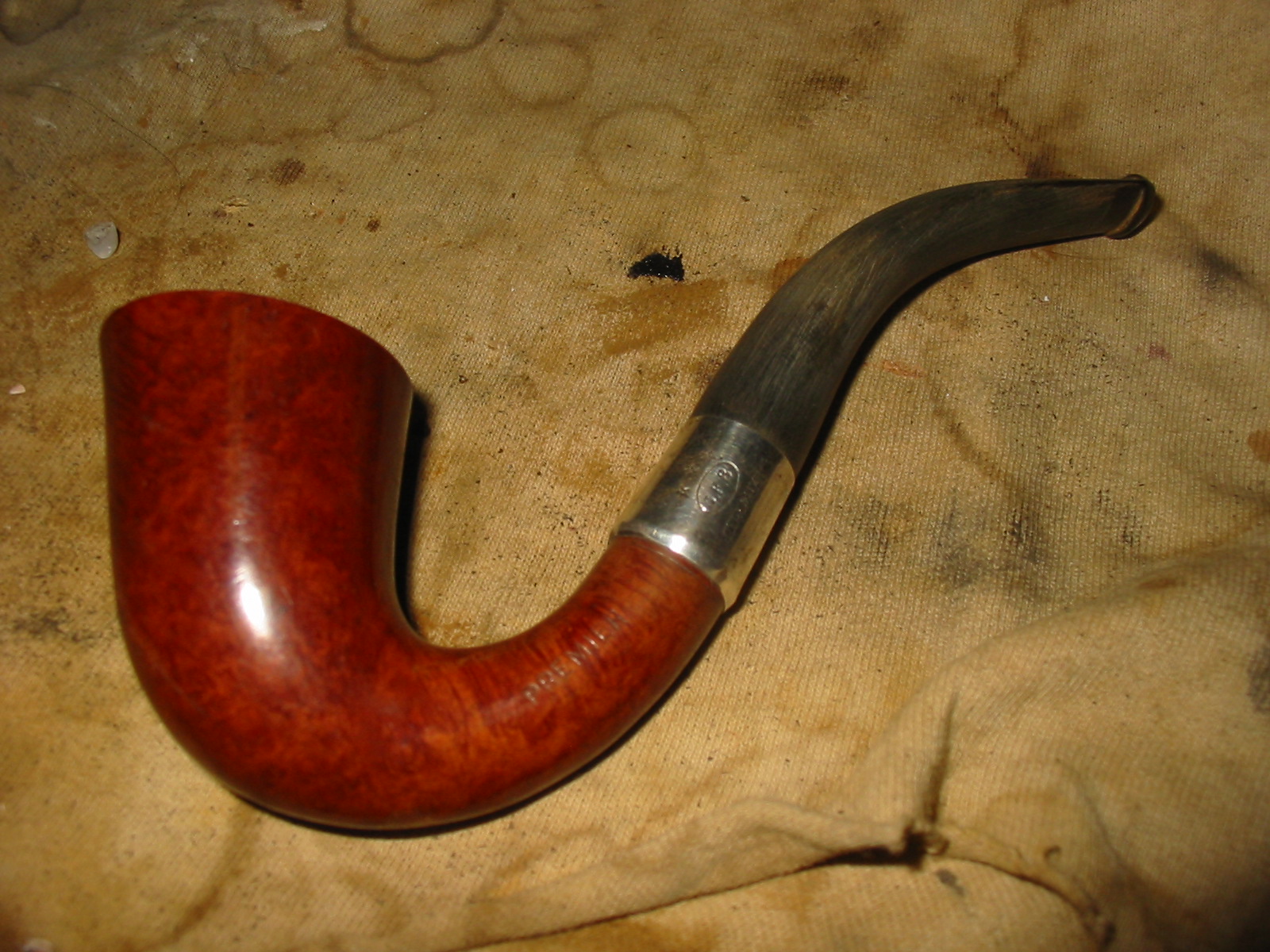
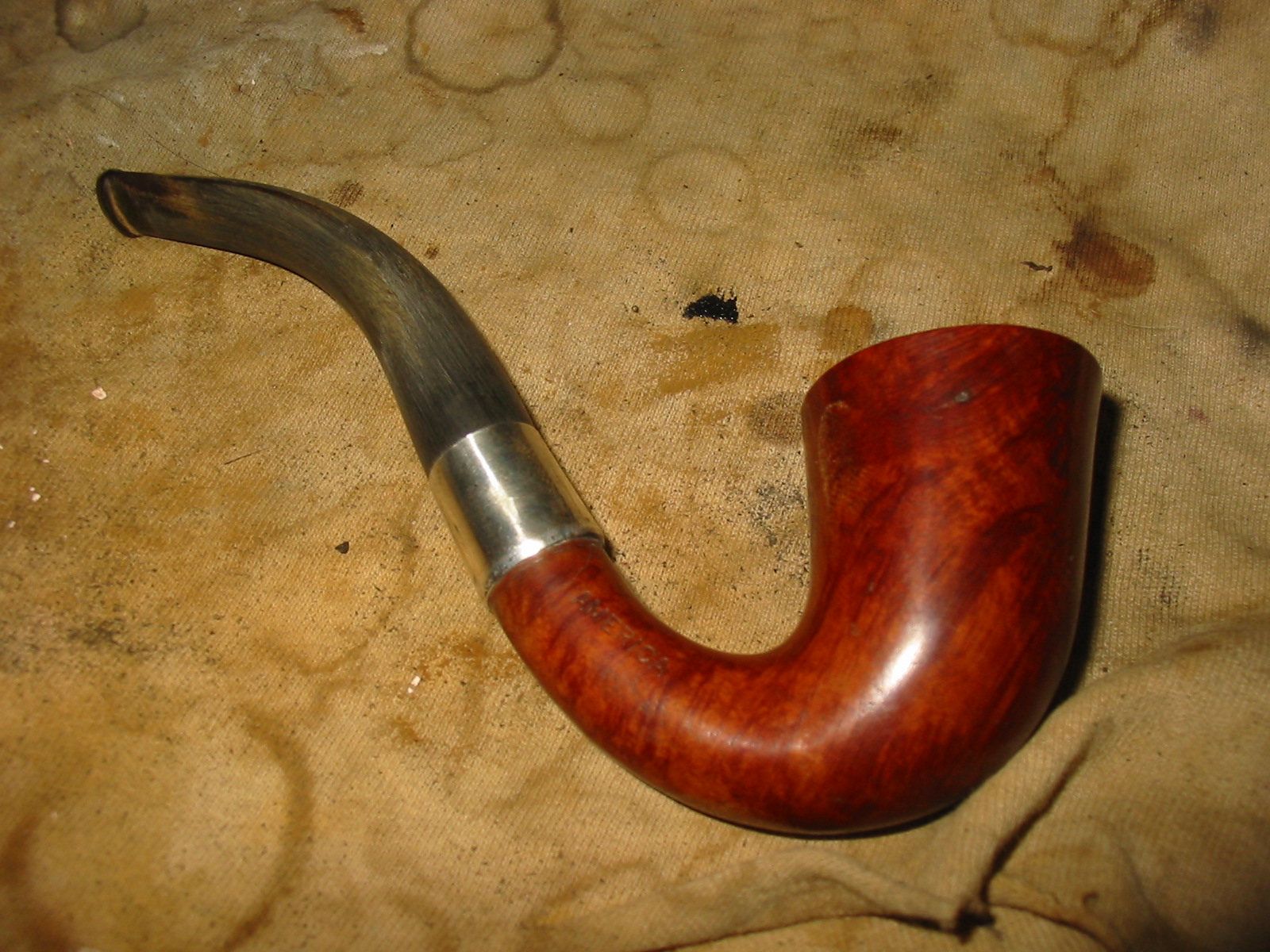
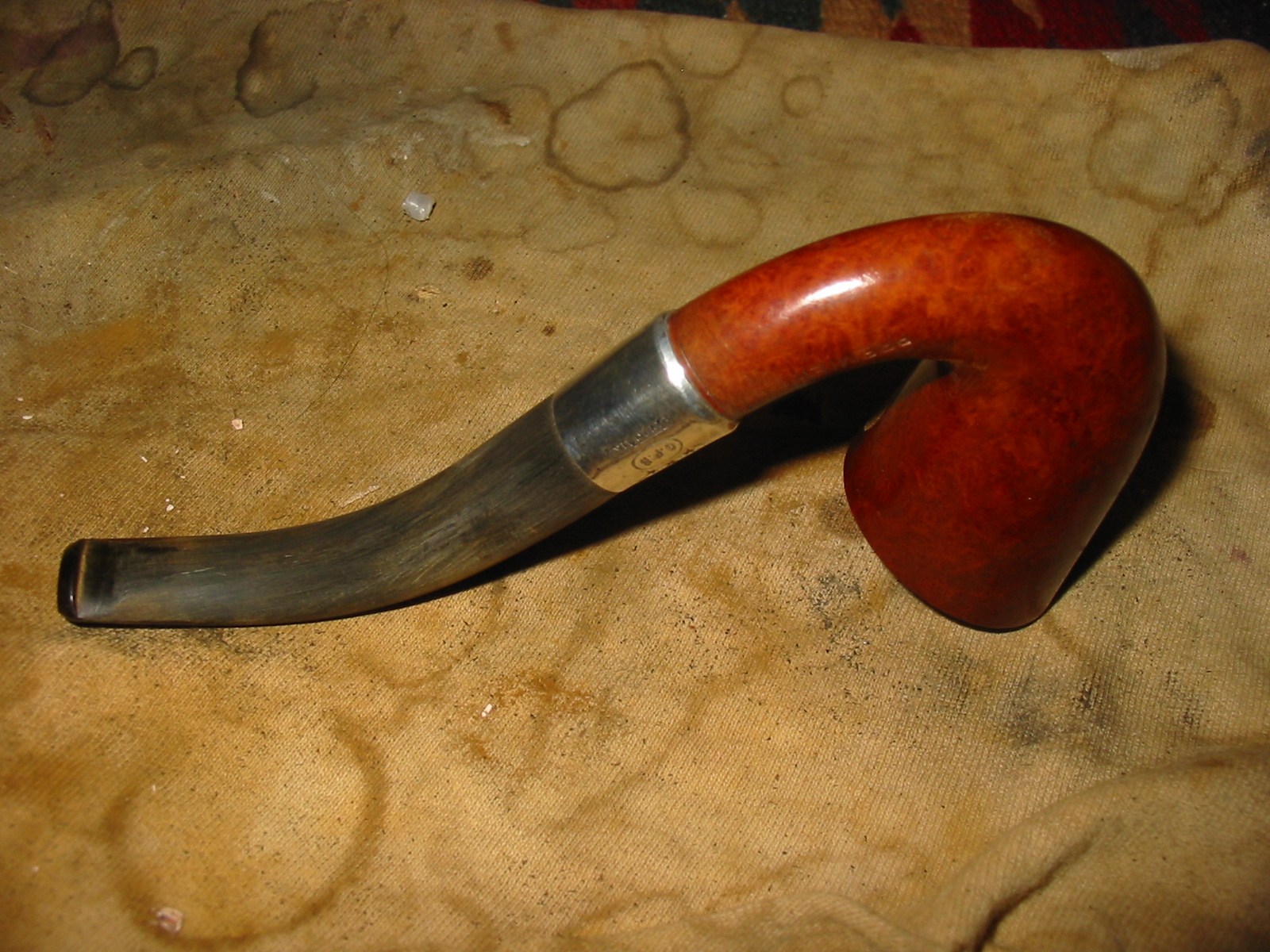
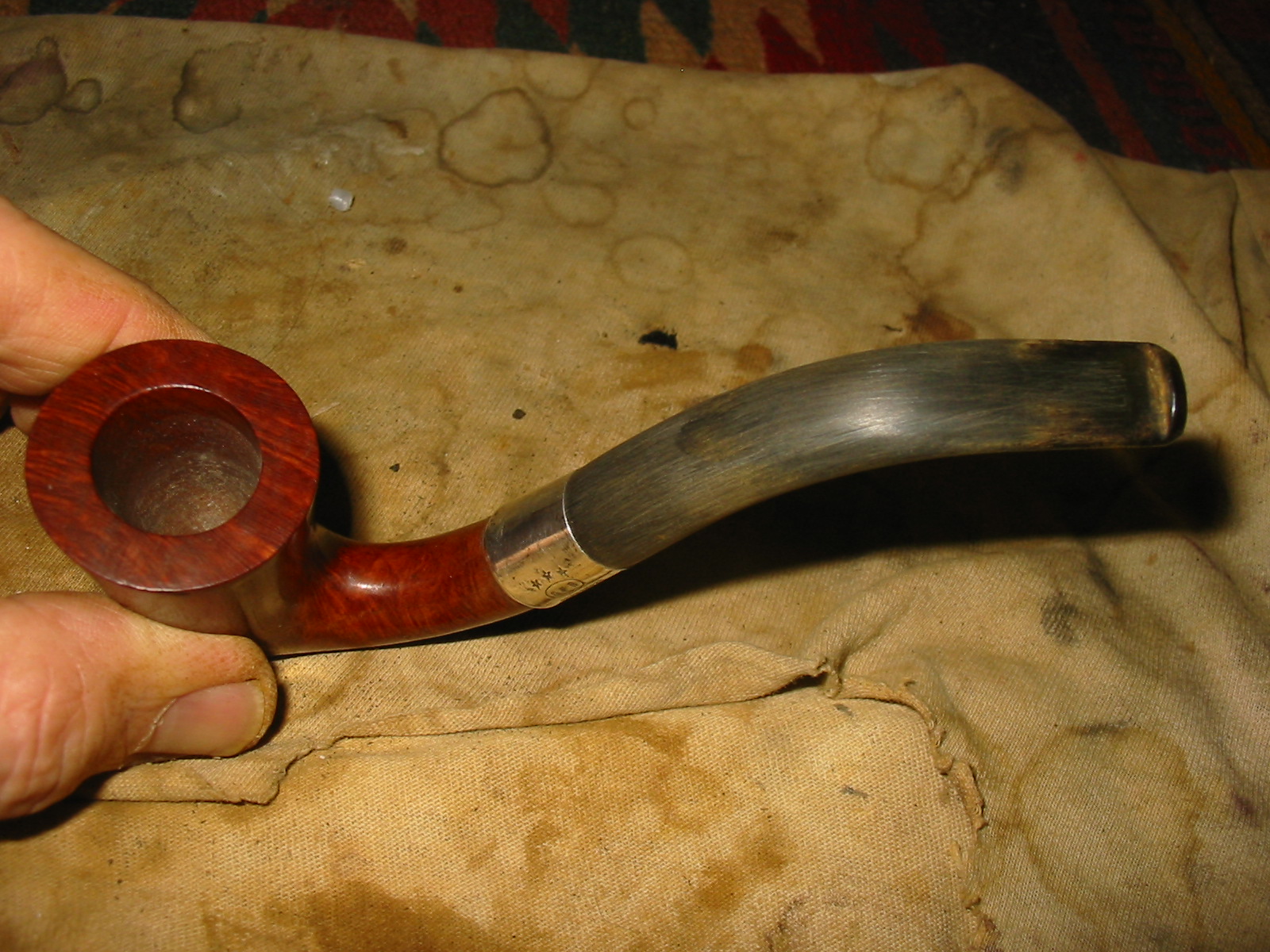
I bought three unsmoked pipe bowls from the same seller on EBay. One of them was a GFB calabash. With the first of this brand I bought a while back I did some digging on the web and found very little information. So this time I did a bit more searching and I was able to get some information on the brand. Many of the links I found through Google took me to others who were looking for information on the brand. I came across one that gave the information that the GFB brand was an older French Trademark and that it came from Saint Claude, France. With that information I did a more focused search for GFB French Briar Pipes and came across a post that said GFB stood for Great French Briar – that seemed a little farfetched to me so I continued to look and finally came across the following advertisement from a Sears Catalogue. It shows a full page of GFB pipes and the header says GENUINE FRENCH BRIAR. That made much more sense to me and the pipes in the catalogue matched the ones that I have in my collection and the ones that I have seen. For me that gives a better picture into the meaning of the brand letters.

Genuine-French-Briar-Pipes-On-Parade

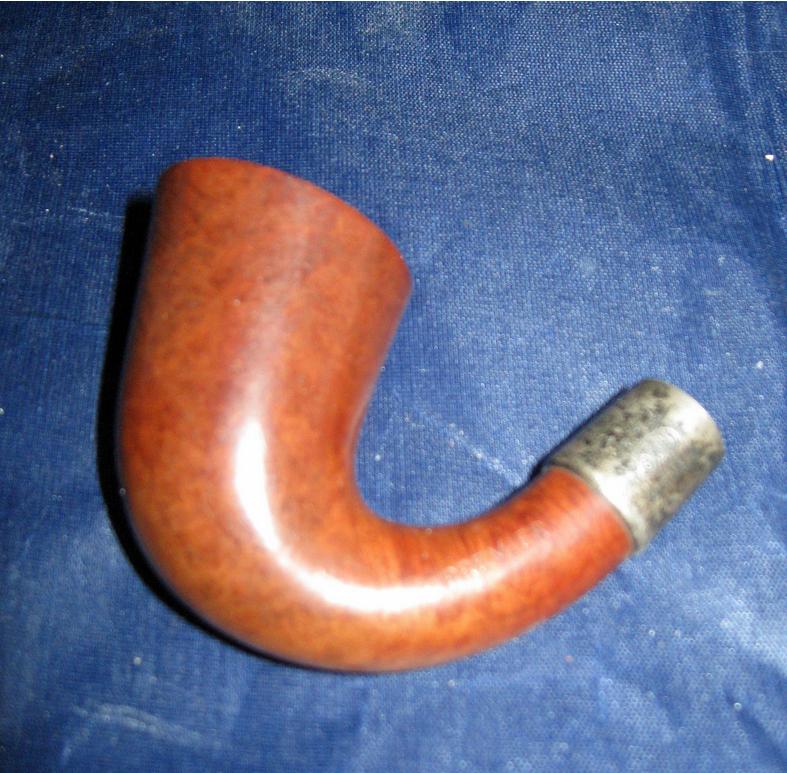
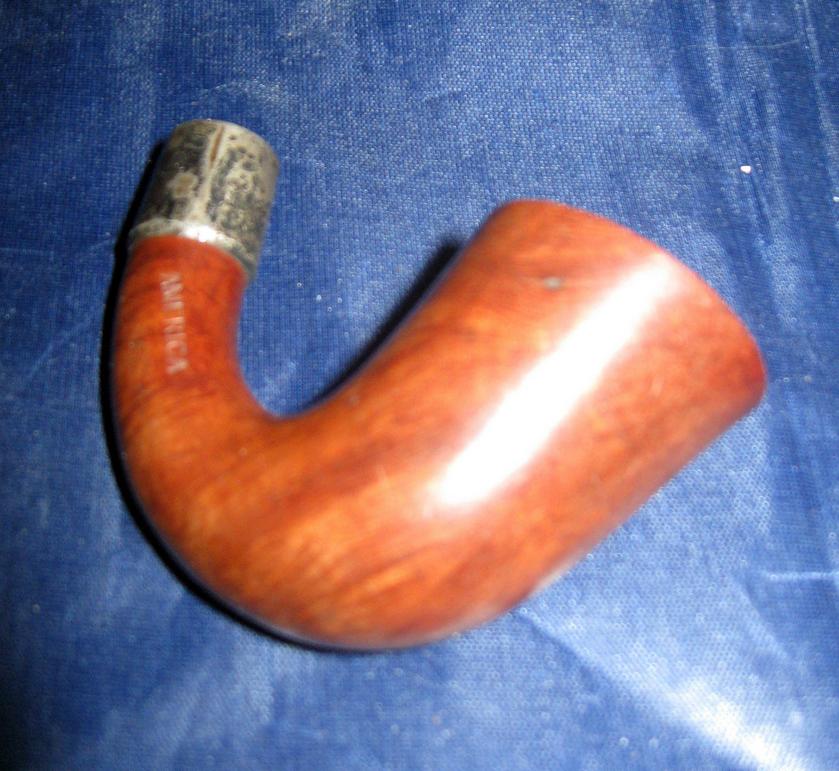
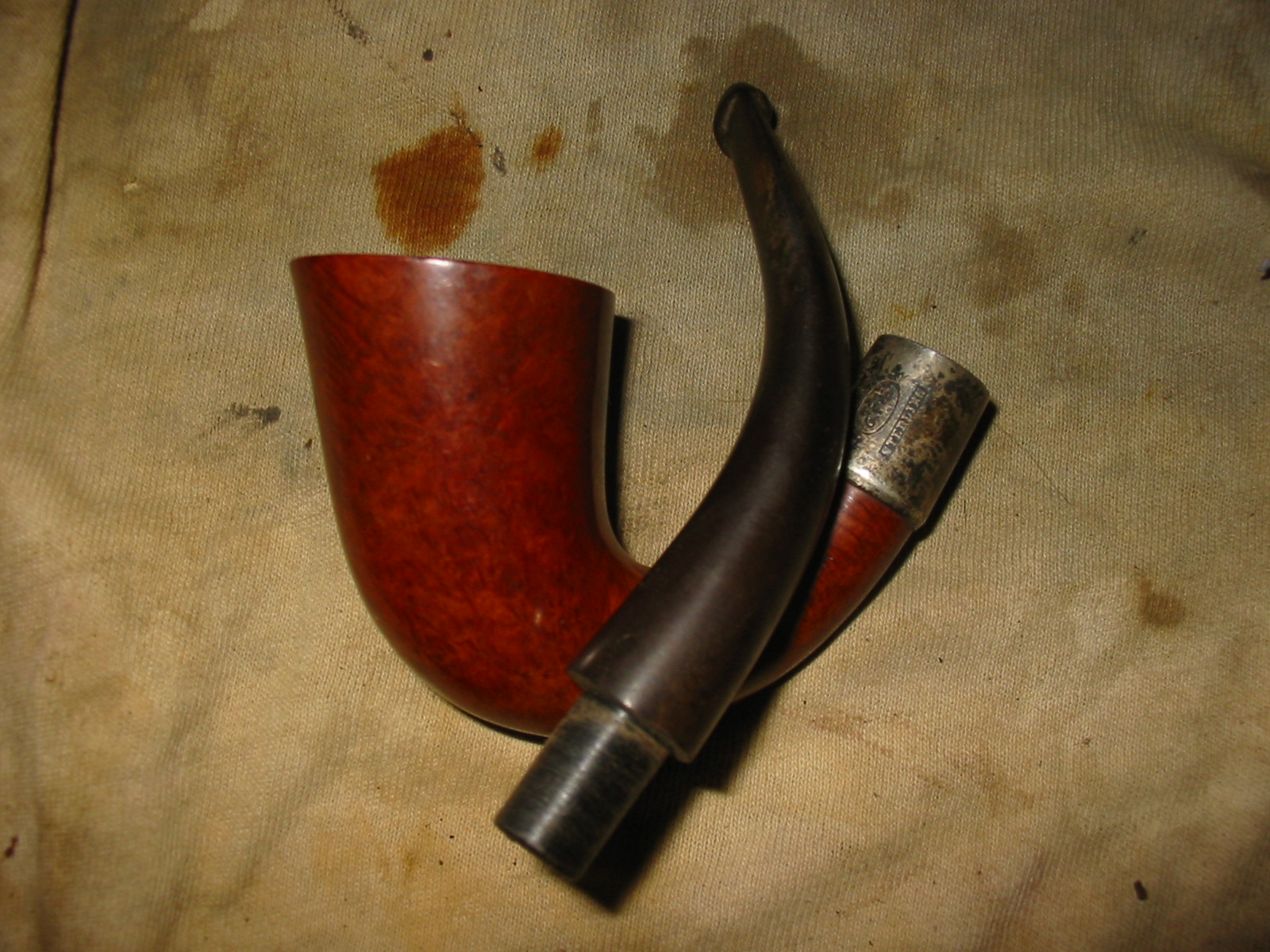
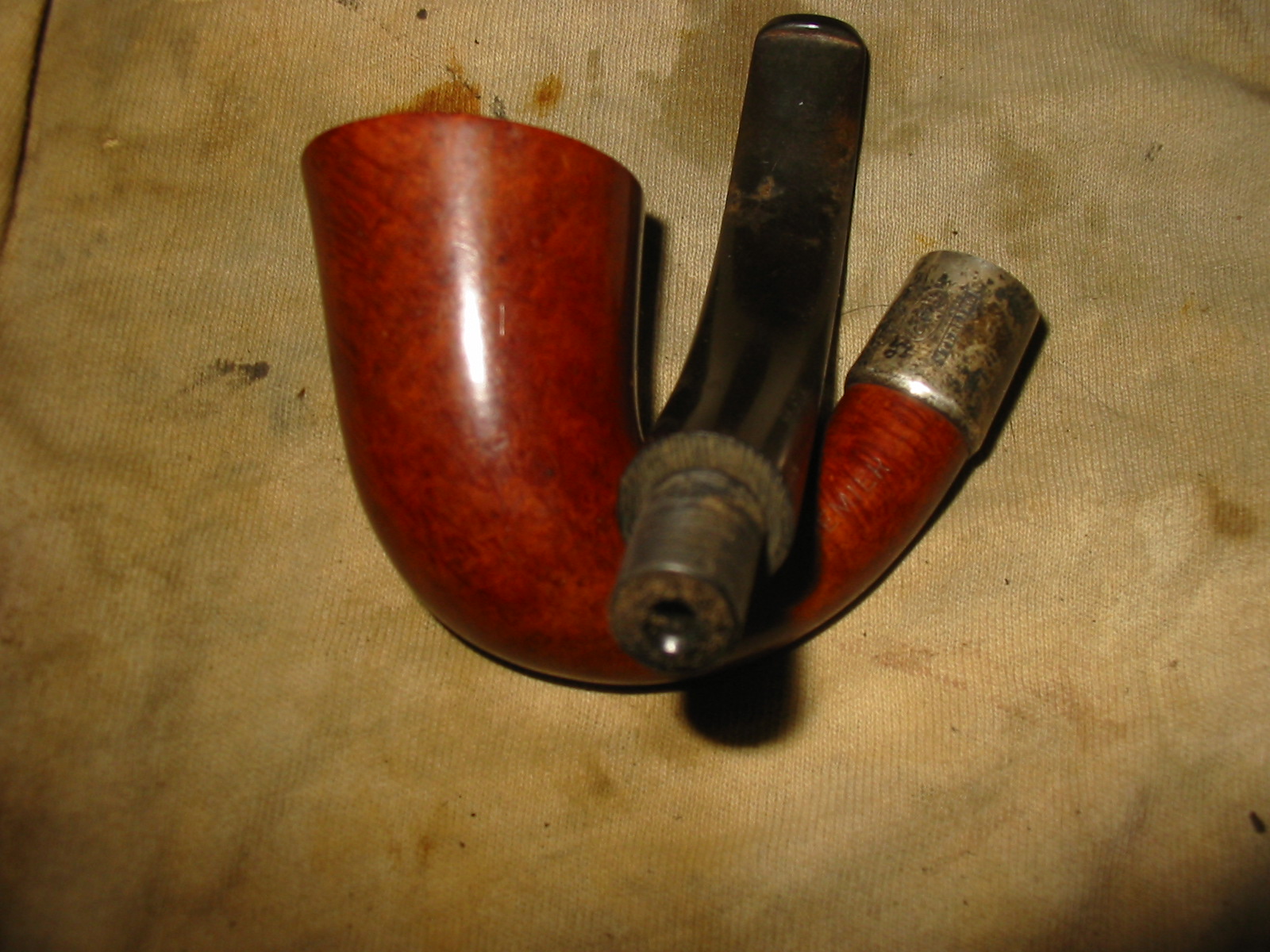
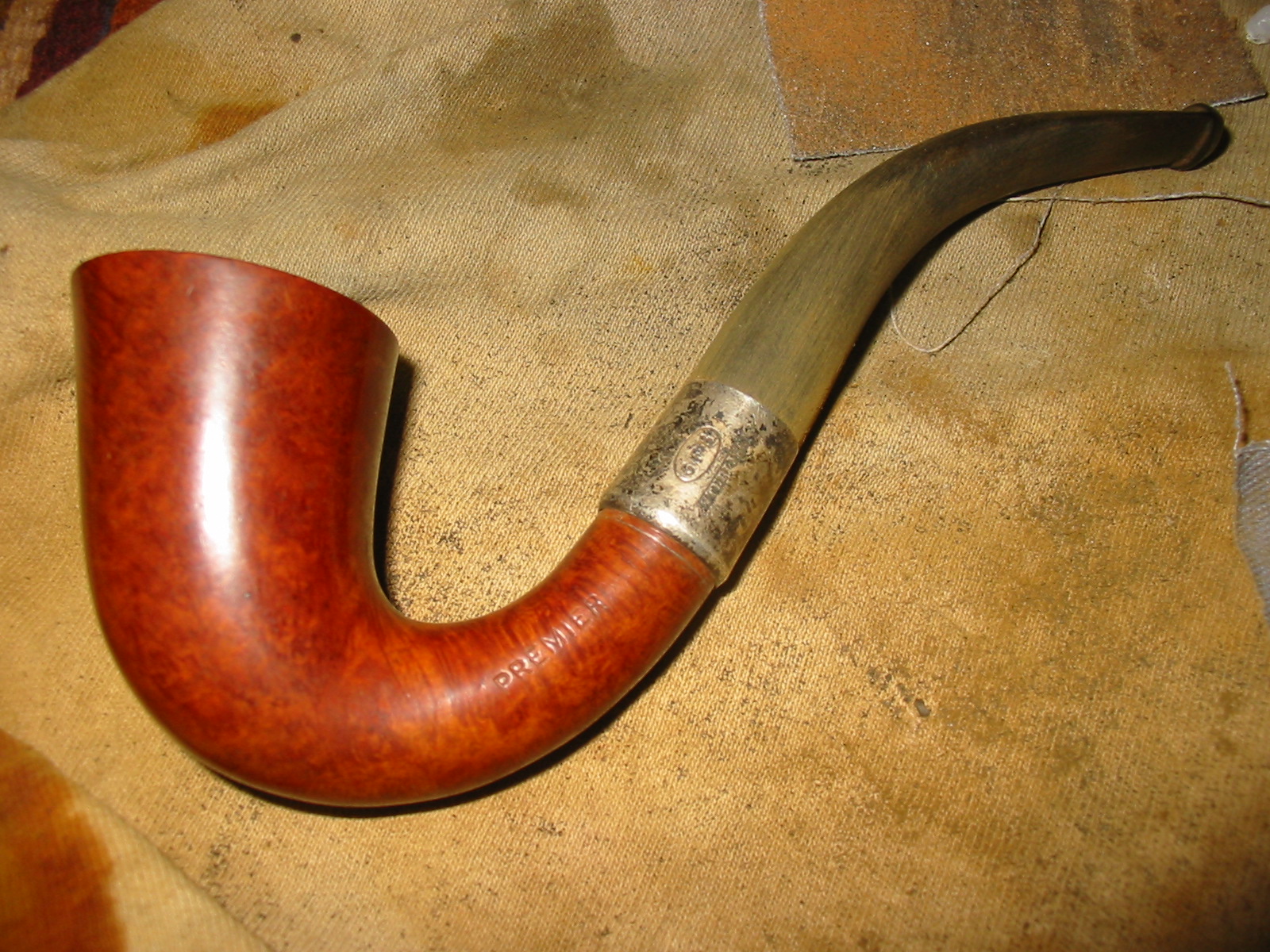
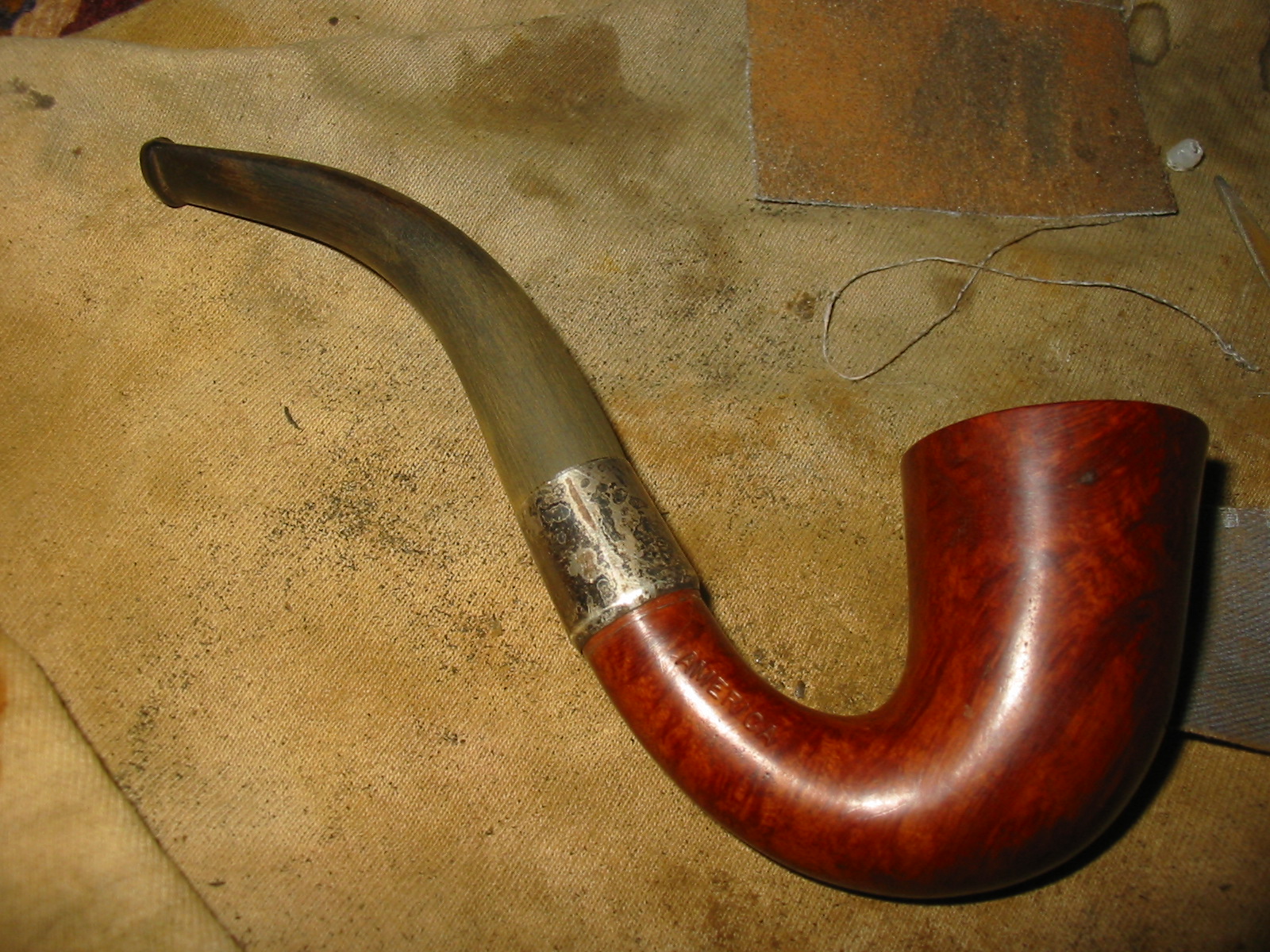
Armed with this new information I went to work on the GFB Calabash pipe bowl that I purchased. The bowl itself was in astonishingly great shape for being over 100 years old. The pipe was unsmoked – new condition. The bowl was dusty but raw briar. The shank was clean and also pristine. This was an unsmoked – new old stock pipe bowl. The silver band was very tarnished and loose. There was no stem to be found. I wrote to the seller and asked what had happened to the stems for this old timer and two others I purchased from them. I did not receive an answer. The first four photos below are the seller’s photos as the pipe appeared on EBay. The first two are out of focus but give an idea of the bowl shape. The last two give close up photos of the stamping and the clean bowl. It was pretty hard to know the size of the pipe from their information. But it looked to be of similar age as an older 1912 BBB Calabash I have so I put in a bid and won.

GFB1

GFB2

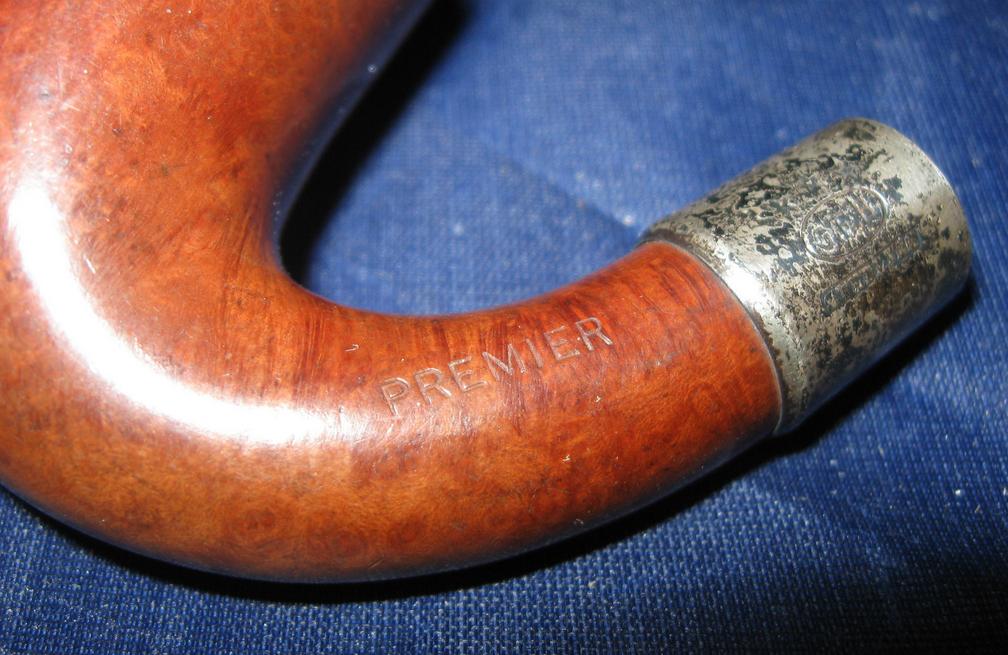
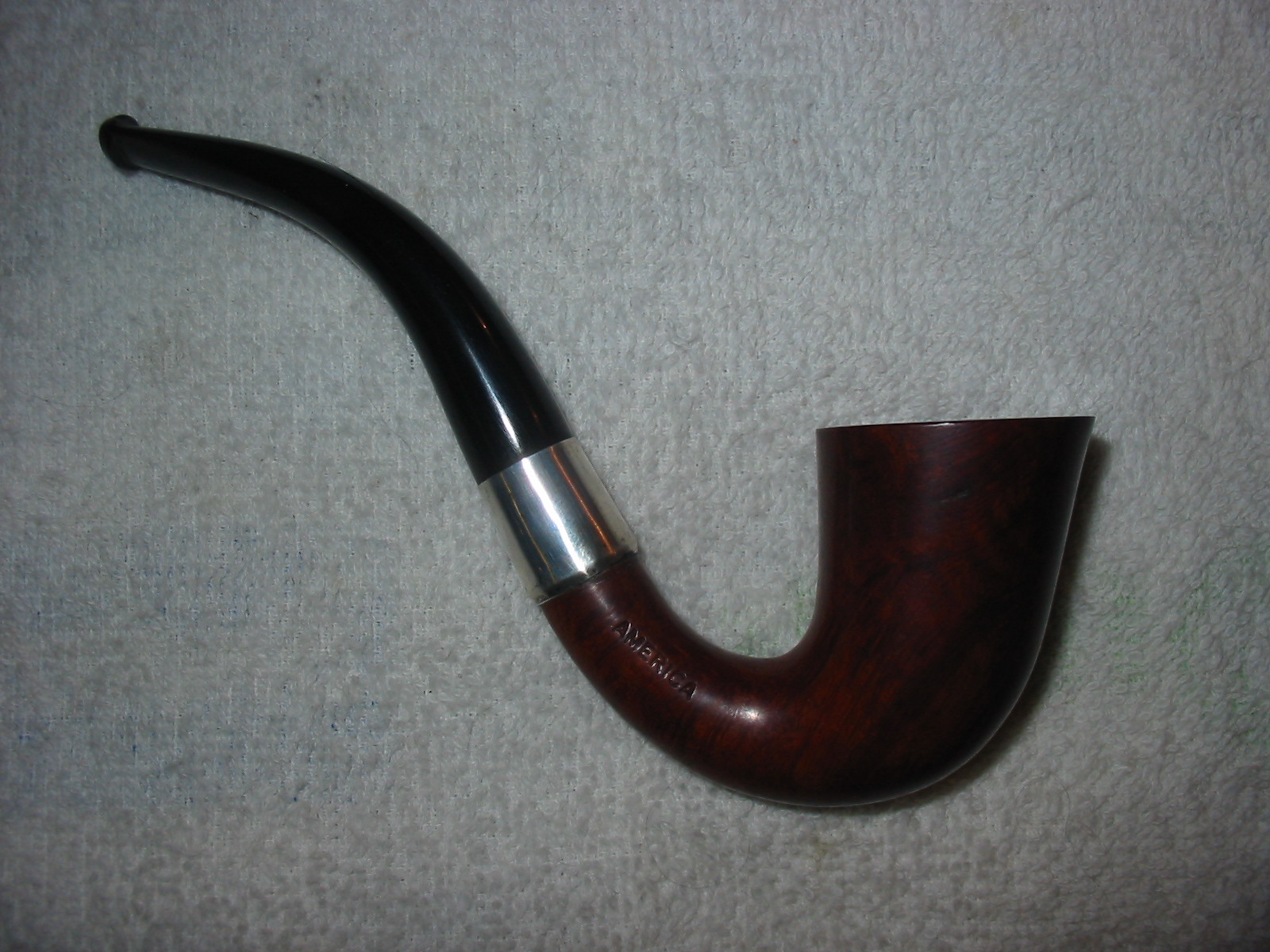
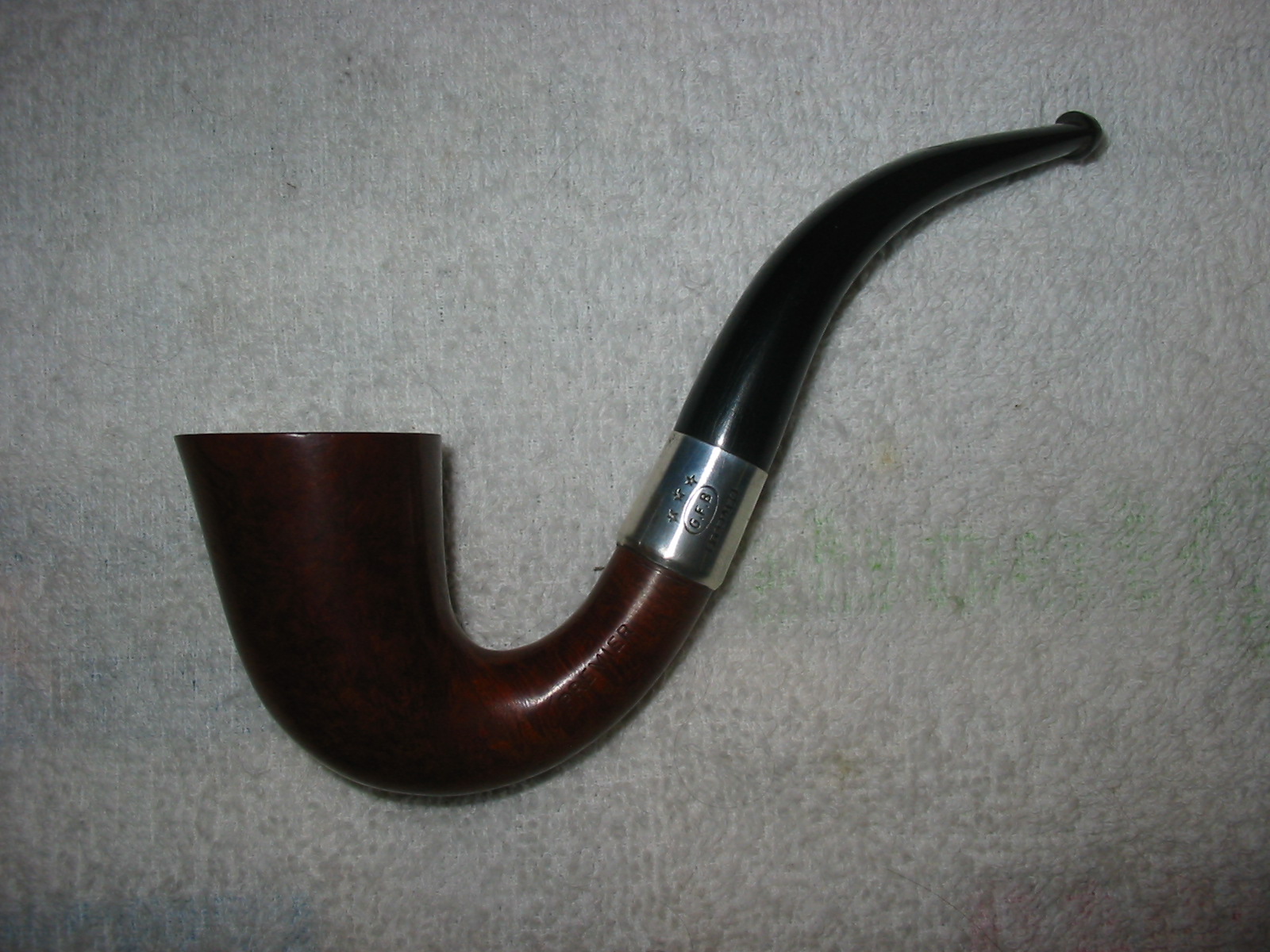
The right side of the shank is stamped America and the left side is stamped Premier. The band has three stars *** over the GFB in an oval and under that is the Sterling stamp. The stamping led me to assume incorrectly that this was an older American made pipe. I was wrong. The stamping America obviously is the name of the pipe.
GFB3

GFB4

I looked through my box of old stems to find one that would be not just a proper fit but of an age that was appropriate to this old pipe. I found one that did not have a tenon, it had either broken or fallen out somewhere along its journey. I have a bag of Delrin threaded tenons that I use regularly for replacing broken tenons. I chose the smallest one as it would fit the mortise with a little bit of work. The stem was oxidized but in good shape with no tooth marks or dents. The button was a slight slot and the stem was quite narrow at the button end. It would look perfect on the pipe once I had the tenon replaced.

IMG_0962

I drilled out the stem so that the threaded tenon would fit into it. I used a tap to thread the stem. The first photo below shows the drilled and tapped stem ready to receive the new tenon. I coated the threads with some black super glue and threaded it into the stem (second photo). The third and fourth photos below shows the tenon screwed into place. The tenon is now repaired. I needed to remove some of the Delrin to reduce the diameter of the tenon to get a good fit on the shank. I used my Pimo Tenon turner to do this. It was a little tricky in that the stem was bent but I proceeded slowly to turn it down until it was close. I finished reducing it by hand until it fit snugly in the mortise.

IMG_0964

IMG_0965

IMG_0966

IMG_0967

Once the stem fit snugly in the shank I needed to reduce the diameter of the stem in order to get a good match with the band on the shank. I sanded it with medium grit emery paper to bring it down to size. The next two photos show the stem in place. At this point the band had not been glued into place. It was still loose, so I removed the stem and used Weldbond white carpenters glue (which is non-toxic) to glue the band in place. I cleaned up the old glue lines on the shank with micromesh sanding pads.

IMG_0972

IMG_0973

The next four photos show the silver band after it had been glued in place and cleaned and polished with some Hagerty Tarnish Preventive Silver Polish. I have used this bottle for years and it works extremely well. I purchased it at a jewelry shop along with a polishing cloth that I used on the band as well. Once the band was polished the hallmarks were very visible. I have described the stamping on the band above. After shining they stood out clearly. I am not able to ascertain a date from the stamping as there are no date stamps. I also polished the bowl with a quick buff of White Diamond on the buffer and then I gave it multiple coats of carnauba wax.

IMG_0975

IMG_0976

IMG_0977

IMG_0978

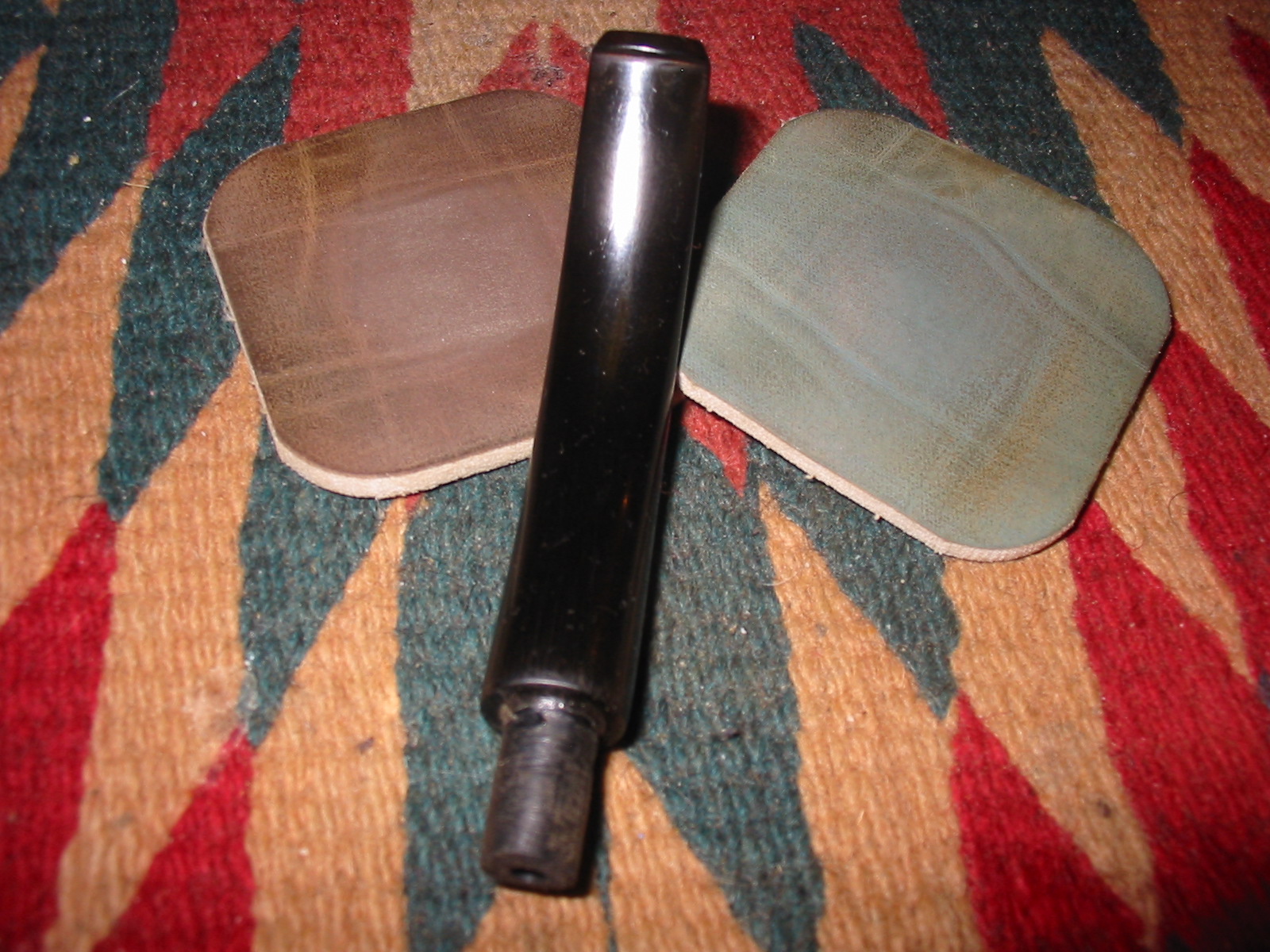
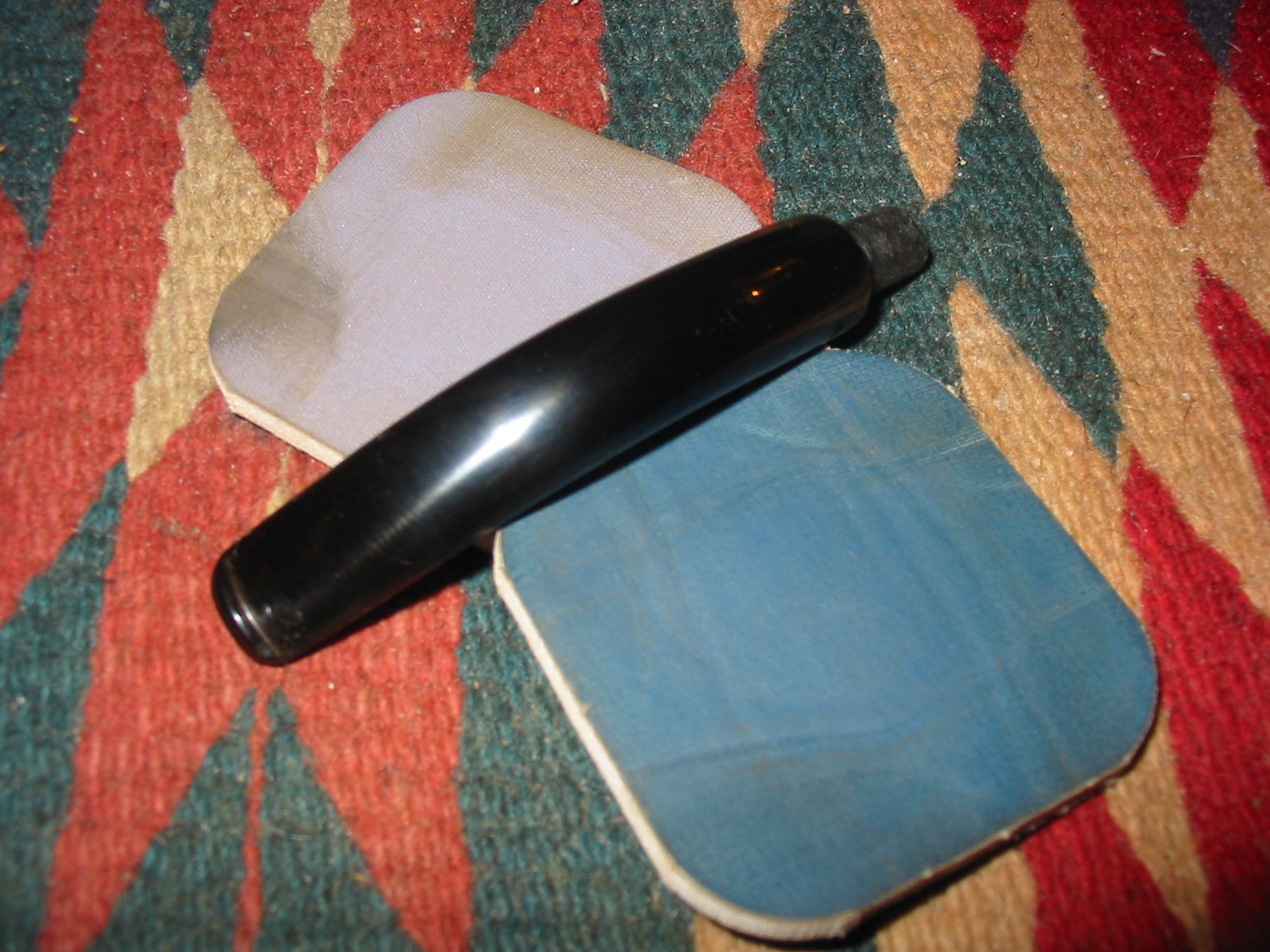
With the bowl and band finished it was time to work on the stem. I sanded it with 220 and 340 grit sandpaper followed by sanding with a medium grit sanding sponge and then a fine grit sanding sponge. This series of sandpapers and sanding sponges has worked well for me in removing the scratches left by the emery paper as well as the remaining oxidation on the stem. I then sanded the stem with micromesh sanding pads from 1500-12,000 grit to bring out the sheen on the stem and polish it. Between the 4000 and the 6000 grit I polished the stem with Maguiar’s Scratch X2.0 plastic polish. I finished with the last grits of micromesh sanding pads. The next series of six photos show the progressive shine on the stem with the various grits of micromesh.

IMG_0983

IMG_0984

IMG_0985

IMG_0986

IMG_0987

IMG_0988

I buffed the stem and bowl with White Diamond and then gave the pipe several coats of carnauba wax. The finished pipe is pictured below in the last series of four photos. It is amazing that this old pipe has existed this long since it was made and has not been smoked. That will change soon!

IMG_0990

IMG_0991

IMG_0992

IMG_0993

What’s the Story to be told by 3 Old Unsmoked Pipes without Stems?


I bid on these three pipes on Ebay based on the pictures I have included in this post. They were two different lots from the same seller in California. They were unsmoked according to the seller and as best as I could tell from the photos they looked at least very clean if not unsmoked. They arrived yesterday in the post and they are amazingly clean. All three are unsmoked and what I would label as New Old Stock. I am curious as to how they were separated from their stems and when this happened. They all came from the same seller and I asked what happened to the stems and was told that they were that way when they bought them. That is not a problem as I can easily restem them. They are all older pipes – my guess for the second and third pipe is that they came from the early 1900’s. Not sure about the BBB.
The first is a BBB Hand Made Dublin shape with an oval shank. In the photos the bowl looks dark, but upon examination it is unsmoked. It may have stain in the bowl that I will have to remove before it is smoked. The finish is very good with no fills. There are a few small scratches and dings that come from sitting unused for so long. I am guessing but I would say that the three and several others that the seller had all must have been kept in the same box for years. This one has a very clean shank mortise area so it should be fairly easy to match a stem to it. I am waiting on a BBB stem but in the mean time I have fit it with a vulcanite stem. I have to clean the stem up and finish the fit and the polish but it looks good.
BBB1

BBB2

BBB3

BBB4

The second pipe is a GFB calabash. It is stamped Premier on the left side of the shank and America on the right side. The band says GFB in an oval with 3 stars above that and Sterling underneath. The band was loose when it came. The photos made it a bit hard to tell what the size of the pipe was and also what the grain was like on it because of the lack of focus. When I took it out of the package I was glad to see that it was smaller than expected. The finish is great and the bowl is pristine. The shank and bowl are raw smooth briar. The silver was tarnished but the pipe was unsmoked. Like the one above it has some small scratches and dings from sitting in a box for so long. I am pretty sure this is an early 1900’s pipe. It is identical in shape to a 1912 BBB calabash I have here. The beauty is that I will get to break in this ancient old pipe. It is incredibly light weight. I worked on a stem for it last evening and have it fitted and the first stage of sanding and polishing finished. I will write it up when I am finished on the weekend.

GFB1

GFB2

GFB3

GFB4

The third pipe was a bit of a mystery to me. It is stamped with a gold filigree – REX in a script on the right side of the oval shank. It has a long shank and a factory fit silver band that is also stamped REX and Sterling. It too is unsmoked and very clean. Again like the others it has a few dings and scratches but otherwise is in good shape. There are several very small sandpits on it but they do not detract from the look and finish. I tried several lengths of stems on it before settling on an oval stem that would go on a Canadian. It looks right on this old guy. I can find out nothing regarding the REX stamping though my guess would be that it is an American made pipe. The seller noted that this one is an early 1900’s pipe as well but I got no response on how they know that. The look and feel of the pipe, the size and shape, the silver band all would argue for that age but there is no way to know for sure that I can tell. Do any of you recognize the brand? Some thought it might be an early Barclay-Rex pipe but I cannot find any back story that would make that certain. So for now the mystery remains. I will finsih polishing and shaping the stem over the weekend and then do a write up on the threesome. They are all beautiful examples of well made bowls.

Rex1

Rex2

Rex3

Rex4

With these three in hand from the same seller I am very curious as to their stories. Where did they come from? Who had them? Were they always without a stem? Were they purchased and set aside for a special time and then got separated from their stems? Did their stemless condition guarantee their not being smoked? Or maybe they came from a shop somewhere and the stems just were never put in place after they arrived from their makers. Who knows? All I know is that they will soon be put to the use they were intended for. I wish they could tell their stories. I for one would love to sit and listen. Wouldn’t you?

I just finished the initial work of restemming them. Here is a photo of the three bowls with their new stems inserted. A lot of work remains in terms of fitting the stems but the idea is clear from these photos.

IMG_0974

Restoring a GFB Bent Billiard – Another Reclamation Project


Blog by Steve Laug

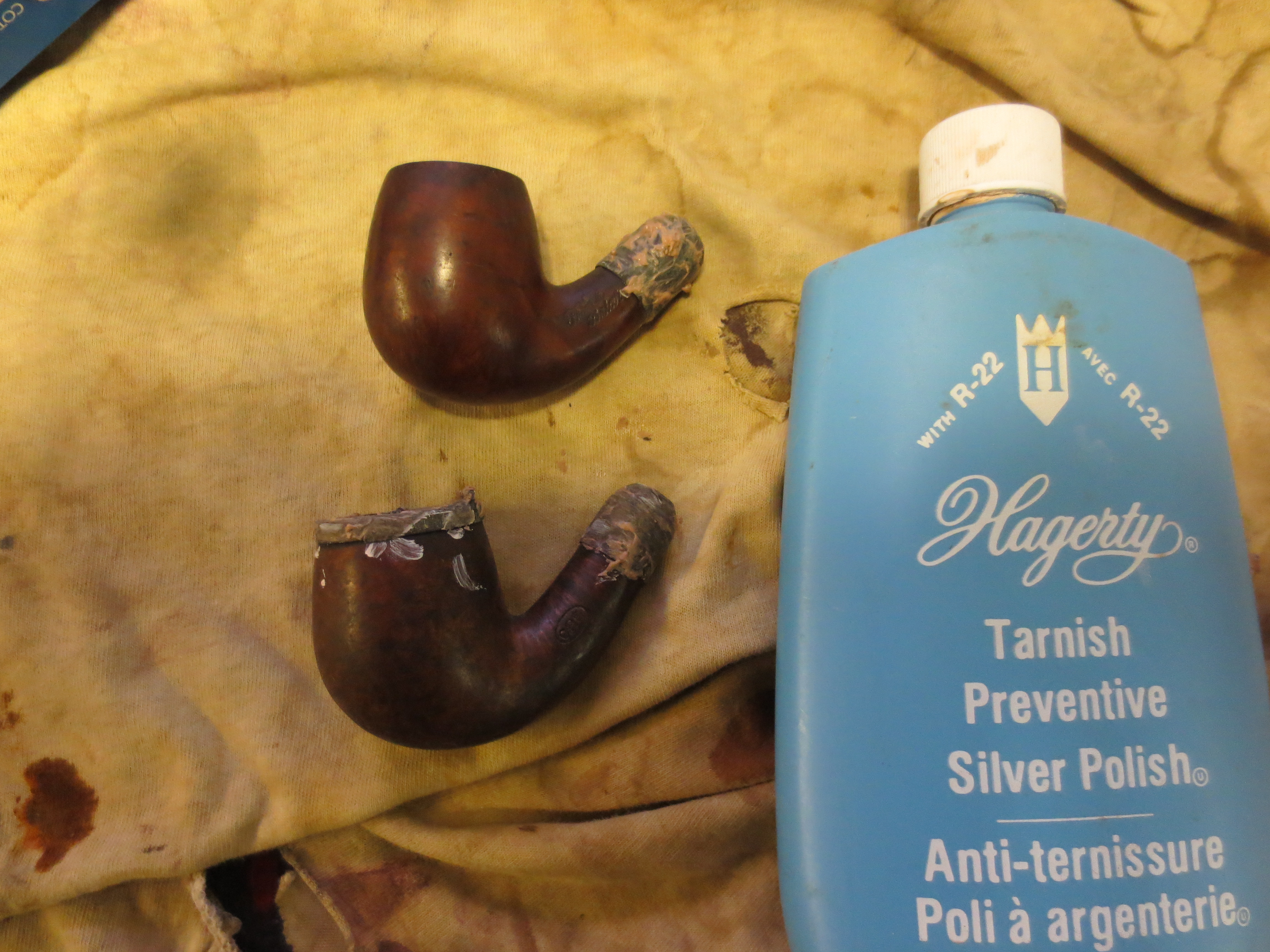
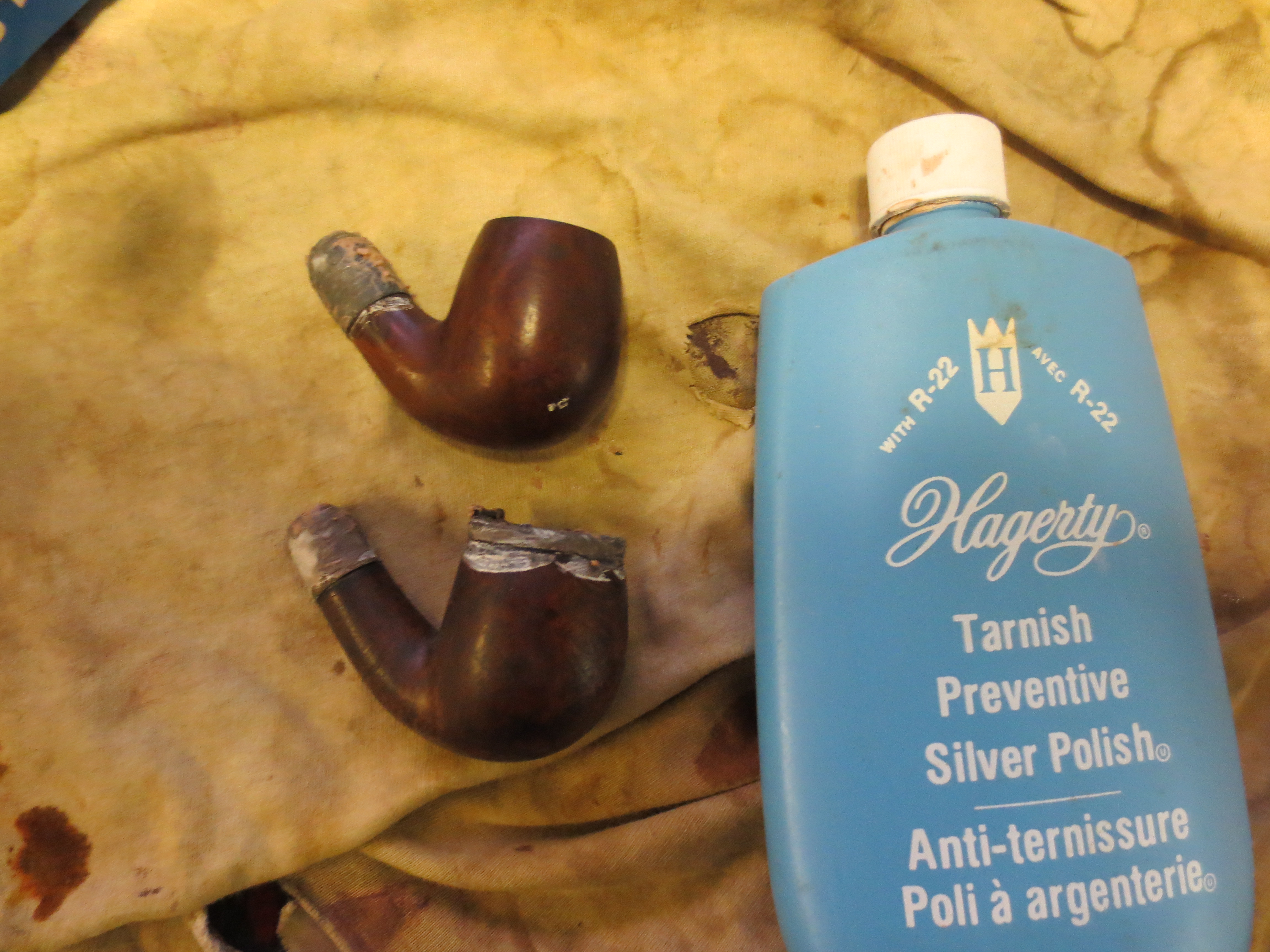
This project was another pipe bowl that was in the lot from EBay. It is a billiard stamped French Briar in script on the left side of the shank and it too was in very rough shape at first glance. It is an old timer. The band on this one was also as badly oxidized as the CPF billiard I wrote of before. It was to the point of being crusty with oxidation and a greenish hue. They were also rough to the touch which led me to believe that they were pitted underneath all of the oxidation. It came stemless but I found a stem of the proper age in my can of stems. The finish was rough, a reddish hue in terms of stain, but there were no deep dings or dents. There was one spot on the right side of the shank near the shank cap where there was a sandpit that had darkened from some bleed off the oxidized shank cap. This one did not have any darkening around the bowl or shank other than the one spot near the sandpit. The shank cap on this one was also loose and when I touched it, it came off (I am glad they stayed on the pipe long enough to arrive here. One of the lot is missing the end cap so that will prove a later challenge. Again after the initial examination I came to see that underneath the grime there was a pretty nice piece of briar. The first series of two photos shows the state of the pipe when I took it to my work bench to begin working on it early this morning.

ImageImage

I cleaned the shank cap the same time I worked on the CPF billiard. I applied the Hagerty Tarnish Remover and scrubbed the cap with a cotton pad. I was able to remove some of the heavy oxidation and darkening but not a significant amount. The next two photos show the process of cleaning the shank cap with the Hagertys.

ImageImage

I dropped the bowl in the alcohol bath with the CPF billiard and let it soak while I work on the CPF pipe. Once it had been sitting in the bath for about an hour I removed it and dried it off.

Image

The next series of four pictures show the pipe after it had been sitting overnight and dried from the alcohol bath. Most of the grime is gone from the outside of the bowl of the pipe and the oxidation on the stem was not fairly smooth – just black and needed to be cleaned. The shank cap also had quite a few dents that would make it a challenge to remove the oxidation.

ImageImageImageImage

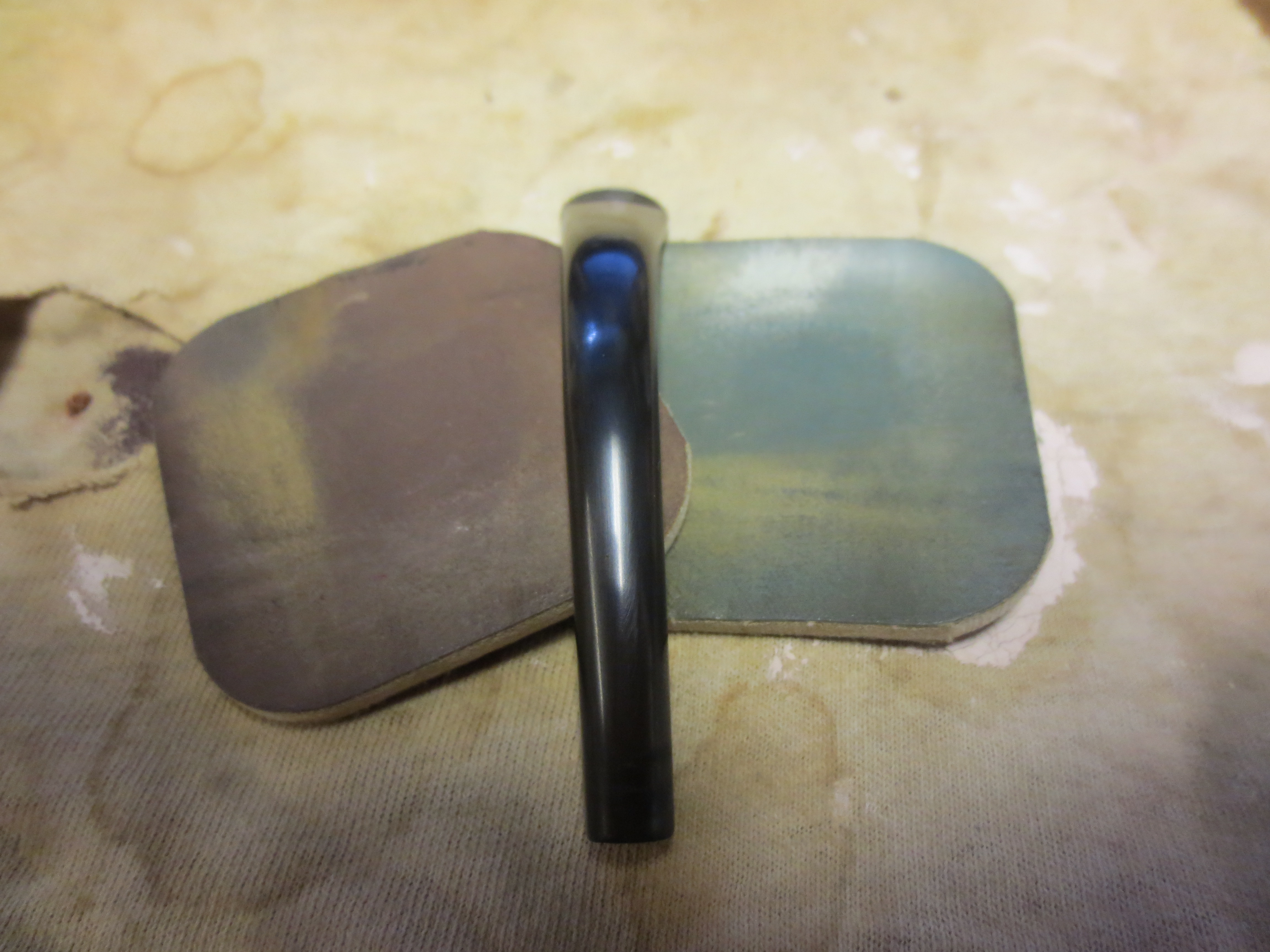
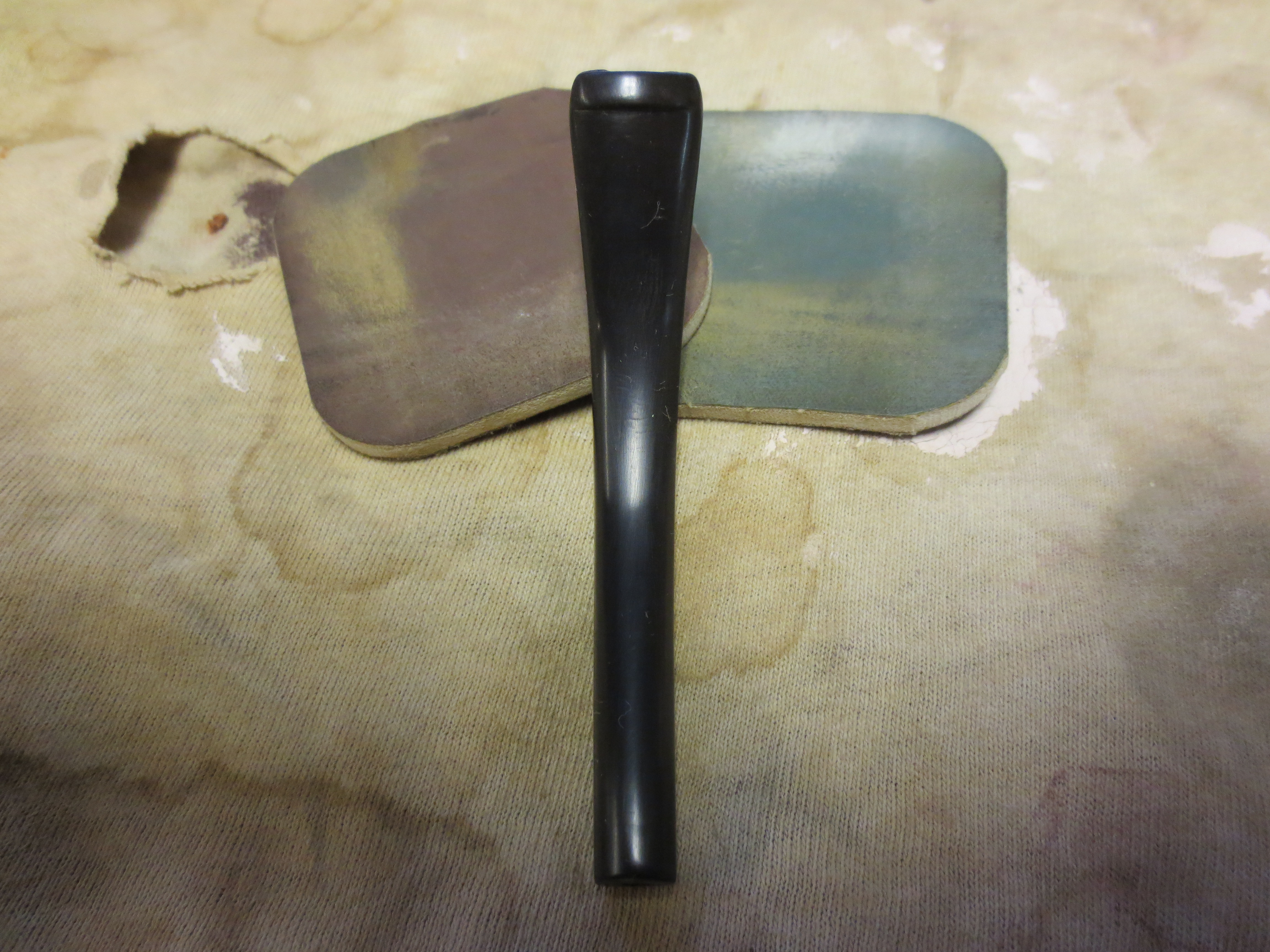
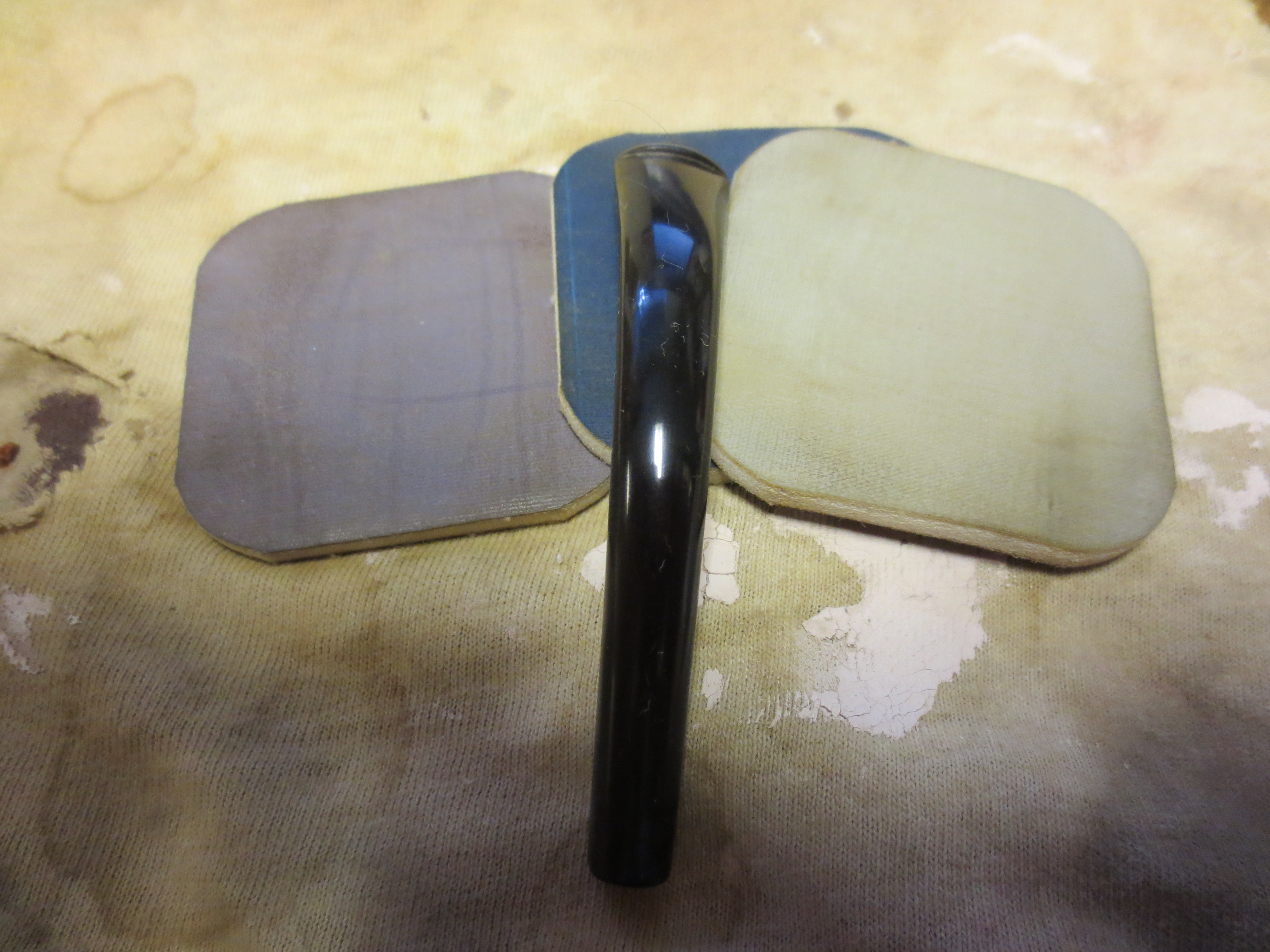
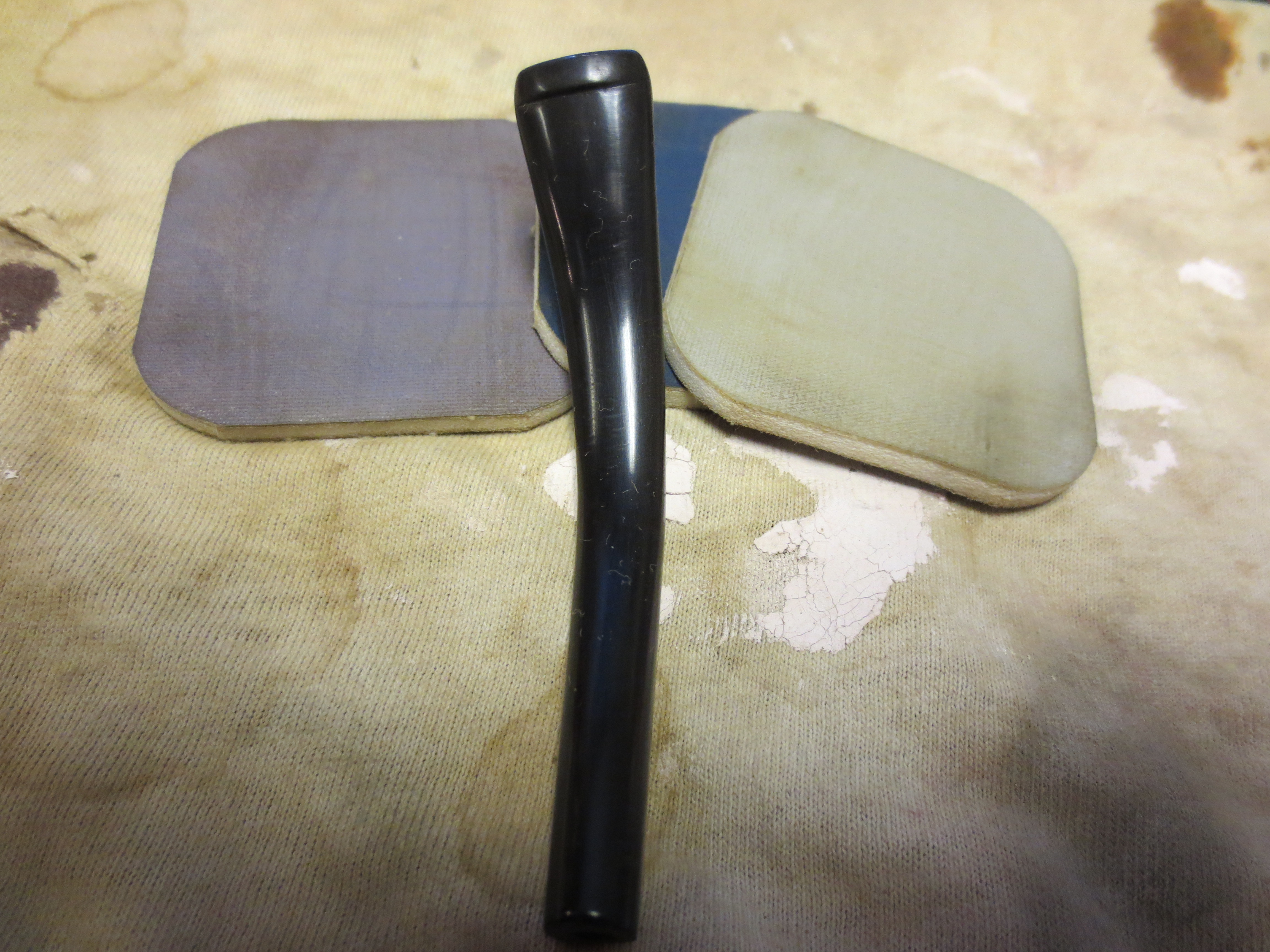
At this point in the process I decided to bend the stem. It was pretty clean and did not have any oxidation on it. It merely needed to be polished and shined. So I set up my heat gun and the old rolling pin to bend the stem over and went to work on it. The next three photos show the bending process and the finished bend in the stem.

ImageImageImage

At this point in the process I took the pipe back to the work table and took two more pictures before taking the end cap off the shank and working on the pipe bowl and end cap.

ImageImage

I scrubbed down the shank cap with the Hagertys Tarnish Remover while I had it off of the shank. I also sanded it with my fine grit sanding sponge to remove the heavy buildup of oxidation. It took a lot of elbow grease to clean it off and to avoid damage to the stamping that became apparent in the cleaning of the cap. Once I had it relatively clean I sanded the bowl with the sanding sponge, wiped it down with an acetone wet cotton pad and prepared to reglue the shank cap. I used white glue to reglue the cap. I applied the glue to the shank of the pipe quite heavily as I wanted to close the gap between the cap and the shank. I pushed the cap into place and wipe away the excess glue. The next three photos show that process.

ImageImageImage

While the glue was drying I picked out the grit from the sandpit on the right side of the shank and repaired it with briar dust and superglue. The photo below shows the filled and repaired sandpit just next to the shank cap. The second photo below shows the newly place end cap and the work that still remained on the nickel/silver (?) shank cap.

ImageImage

I worked on the shank cap once it was dry with micromesh sanding pads. I used 1500 – 2400 to wet sand the cap. It took much elbow grease to get it to the point is at in the four photos shown below.

ImageImageImageImage

The GFB stamp on the cap shows up clearly in the photo above and the ones below. There were many small dents in the cap that I was not able to remove. However, I continued to polish the cap with some Neverdull Wool – a cotton product that is impregnated with a tarnish remover. It is soft enough to get into the dents on the cap. I then went on to sand the bowl with the fine grit sanding sponge to clean up the finish. The next six photos show the sanding progress. Once it was finished I wiped the bowl down with some Everclear on a cotton pad to remove the sanding dust and prepare the surface of the wood for restaining.

ImageImageImageImageImageImage

I decided to restain the pipe bowl with an oxblood stain to maximize the stain that remained in the briar. I believe the original stain was oxblood coloured so the look would approximate the original finish of the pipe. I applied the stain, flamed it, reapplied it and flamed it a second time. The first two photos below show the pipe after the application of the stain. The next four photos show the pipe after it has been hand buffed with a soft cotton cloth to remove excess stain on the briar. The filled area near the shank cap on the right side is visible and the darkening of the area is also clear.

ImageImageImageImageImageImage

At this point in the process I set the bowl aside and worked on polishing the stem. I quickly gave it a once over with the fine grit sanding sponge and then worked my way through the micromesh sanding pads from 1500 – 12,000 grit. The next series of eight photos shows the shine that comes to the surface of the vulcanite with each successive grit of micromesh.

ImageImageImageImageImageImageImageImage

I wiped the stem down with Obsidian Oil and then hand waxed it with some carnauba paste wax that I have in the shop. It is the wax available from Walker Briar Works and I will often hand apply it to the stems at this point in the process and hand buff a shine. I then reassembled the pipe, polished the bowl with a little of the carnauba as well. I hand buffed the pipe with a soft cotton cloth I use for that purpose. The next four photos show the pipe after this process. I purposely did this on this pipe to see if the wax would cause the area on the right side of the shank that is darker to blend in a bit and be less visible. It seemed to work very well.

ImageImageImageImage

Once I was finished with the hand buff and had checked out the dark spot I took the pipe to my buffer. I lightly buffed the pipe and stem with White Diamond and then gave it multiple coats of carnauba wax and a final buff with a soft, clean flannel buffing pad. The next four photos show the finished pipe. It has been brought back to life and should well serve a new generation of pipe smokers. I do believe it will live longer than I do!

ImageImageImageImage

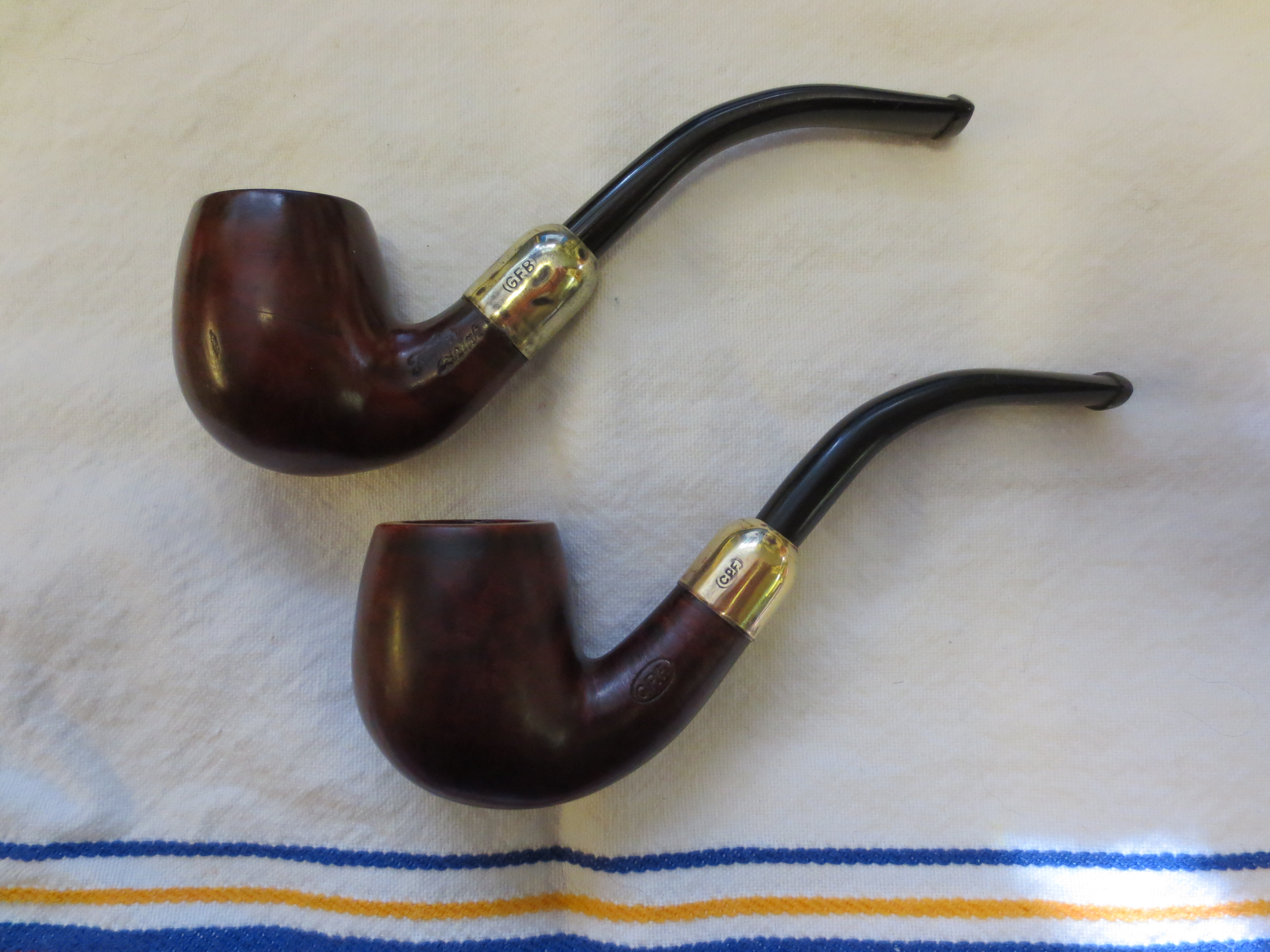
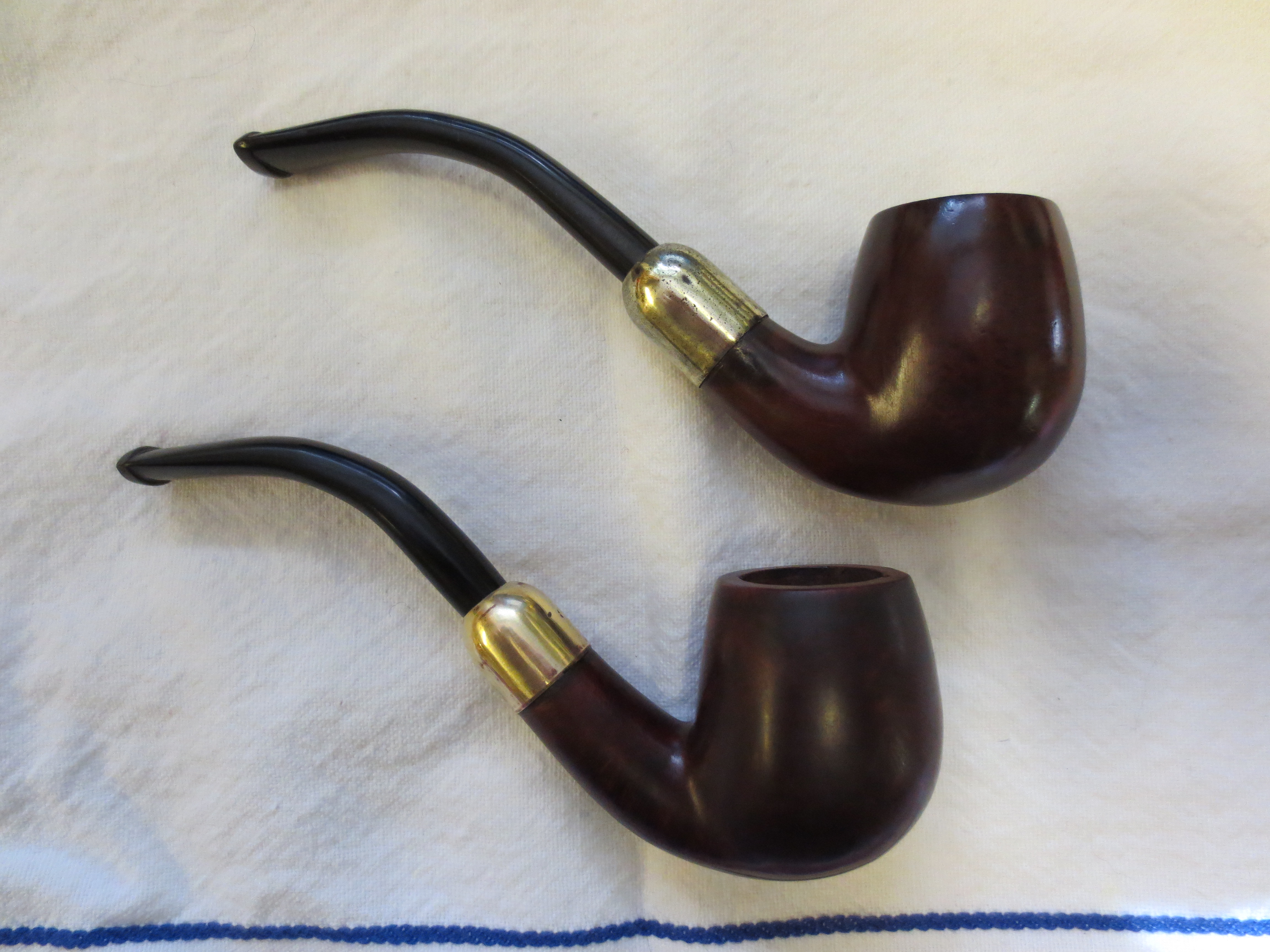
As I finished this piece on the GFB pipe I thought I would take some photos of the CPF and the GFB old timers posed together. The next two photos show the pair in their newly found glory. I can’t help but think that this is how they looked when they were purchased by the original owner. I believe that both came from the same pipe smoker so now they are returned to the look that must have caught his eye when he purchased them. The pair look enough alike I wanted you to see them in this pose! A noble pair of old pipes, don’t you agree?

ImageImage