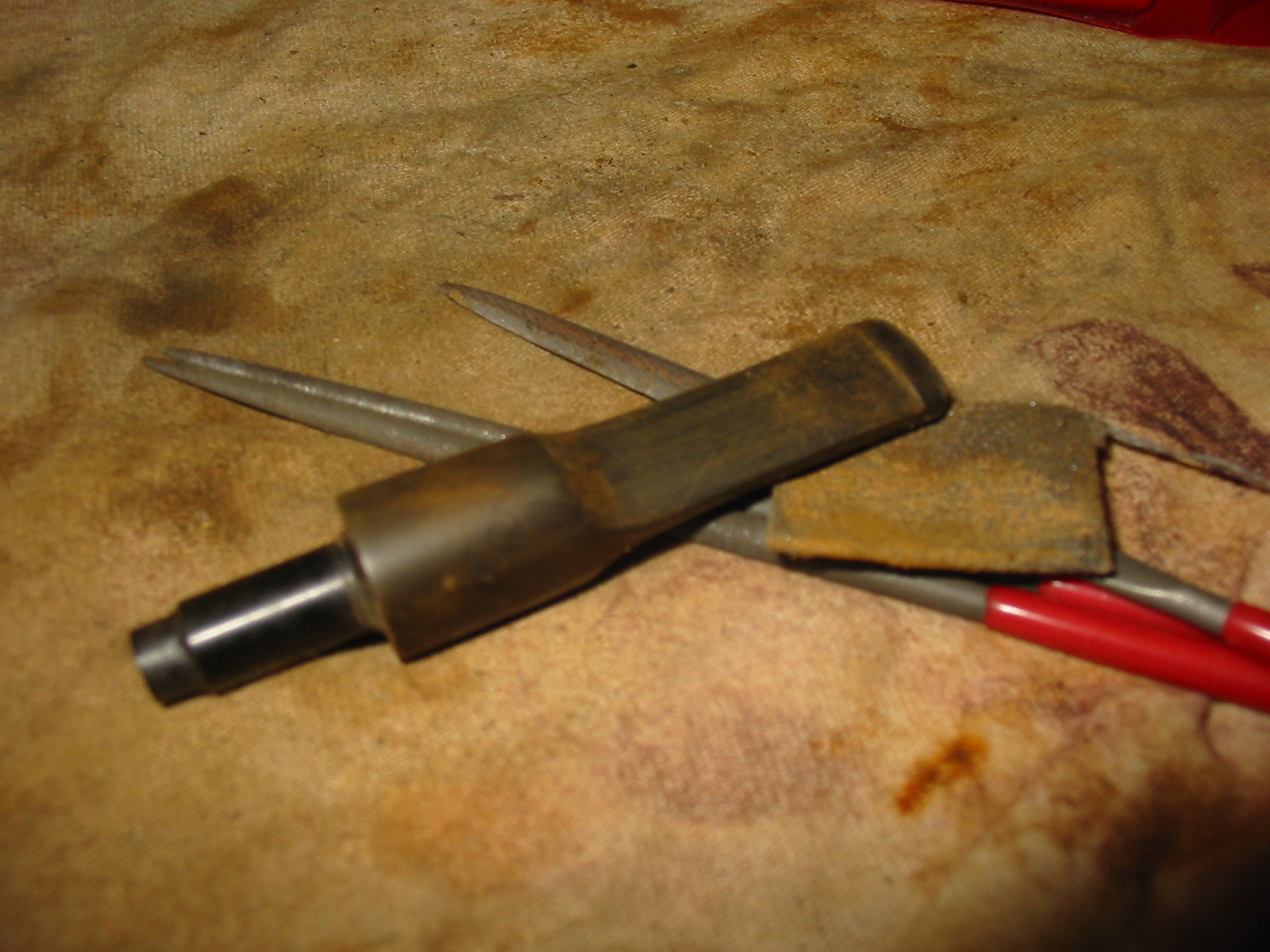
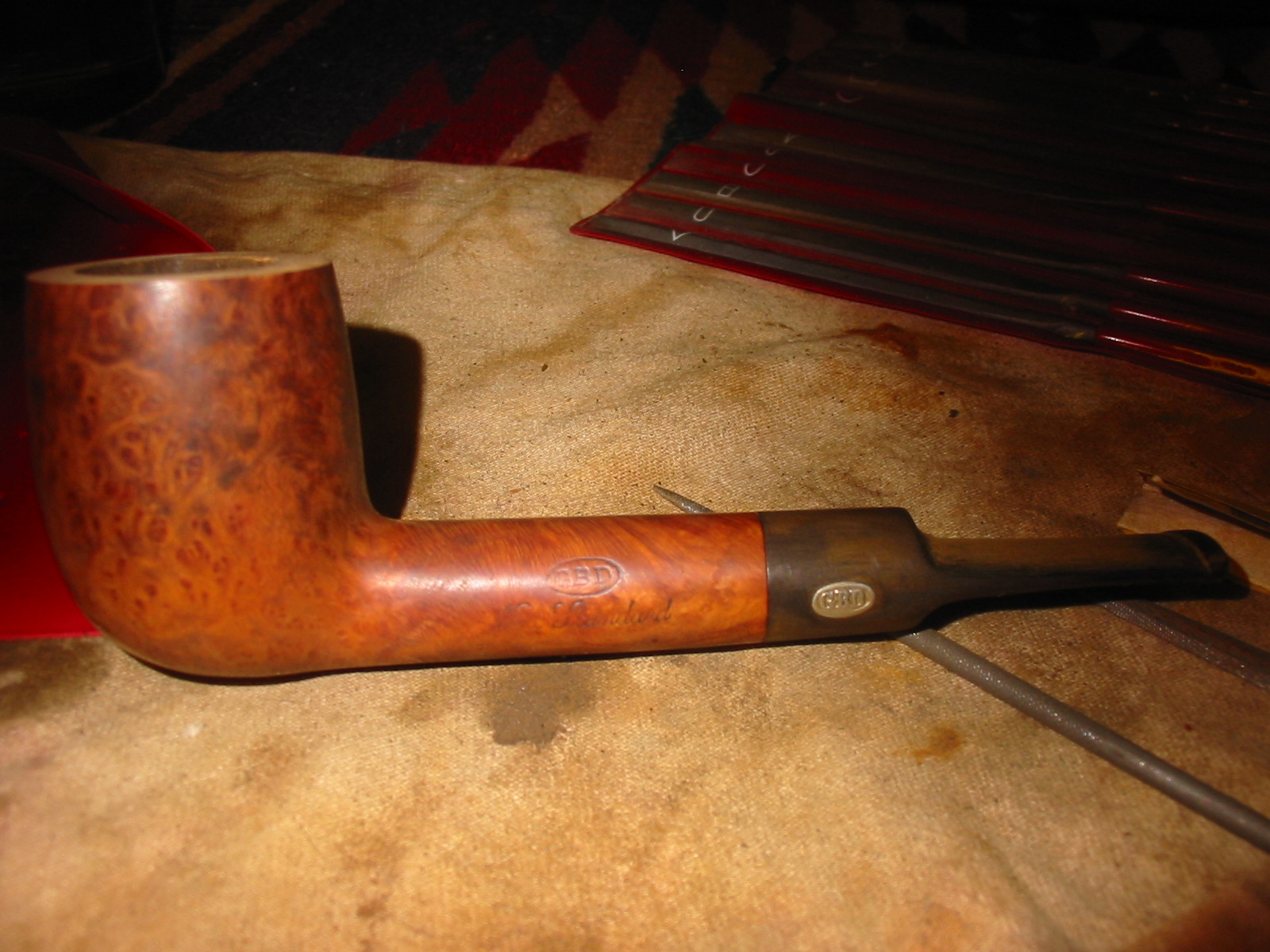
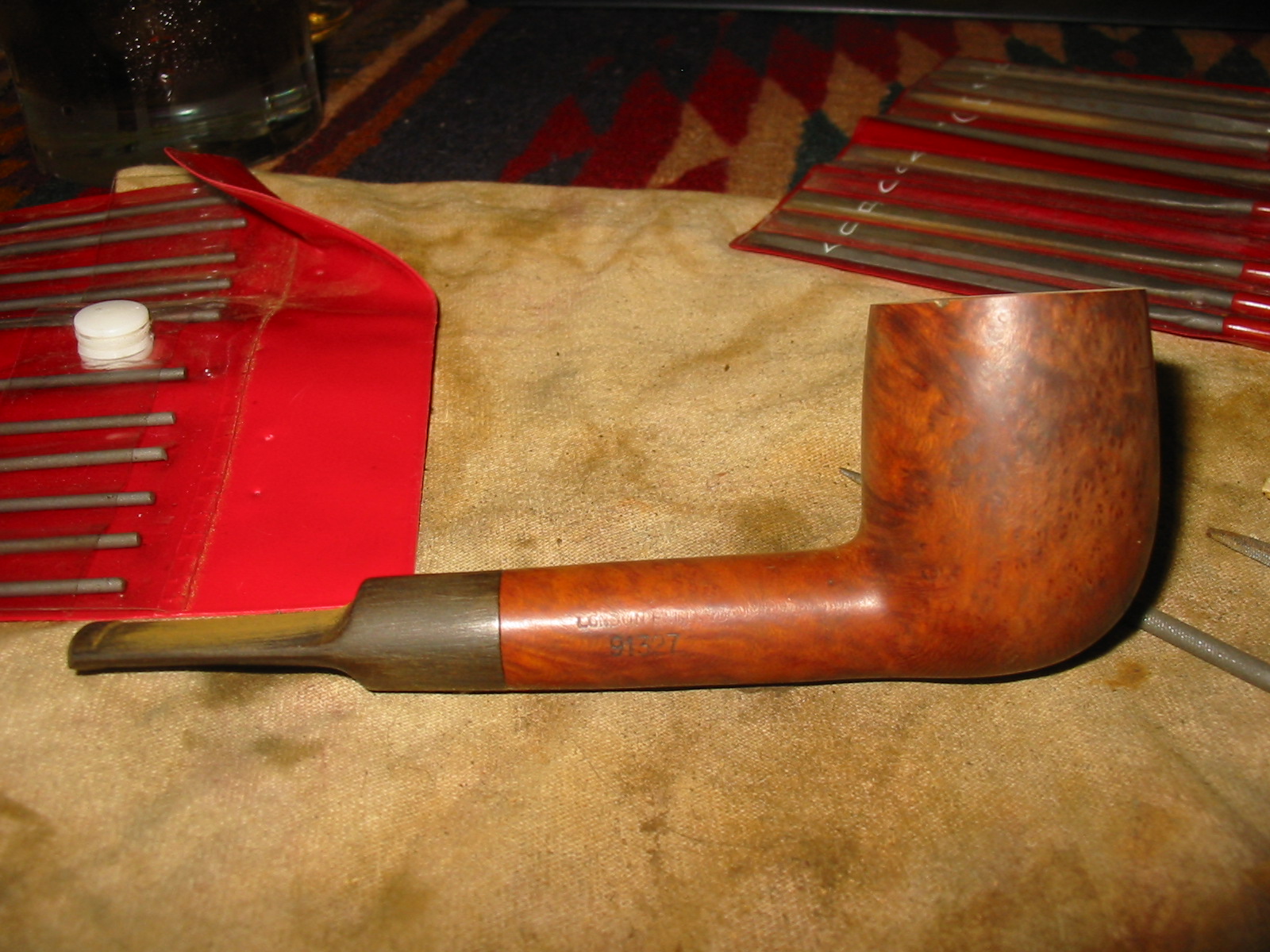
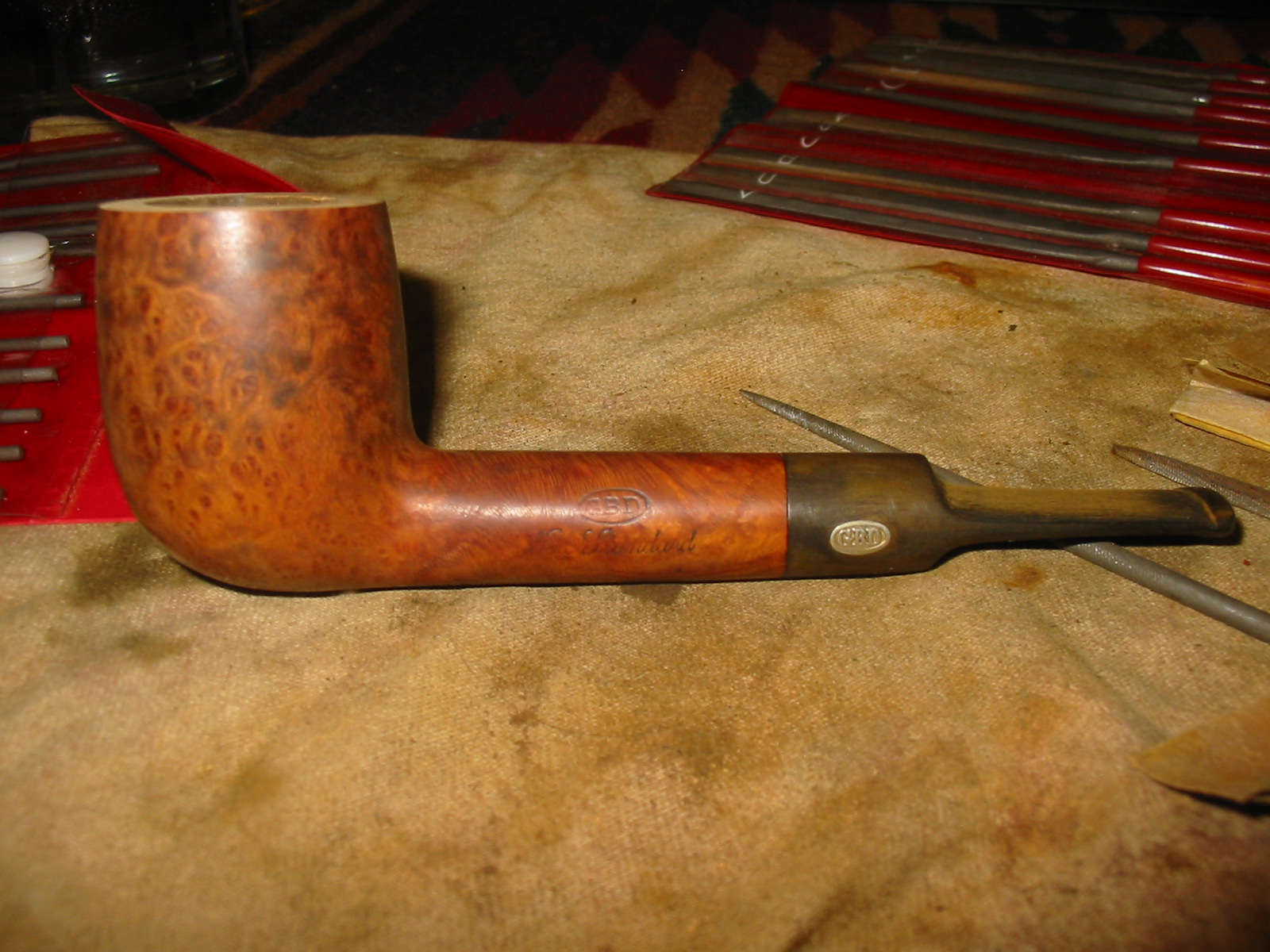
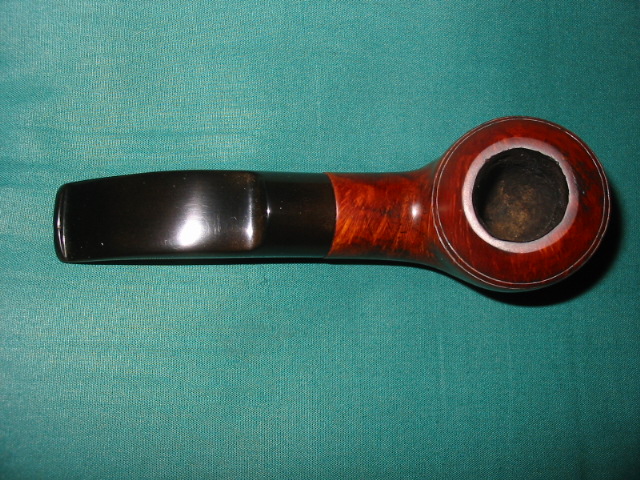
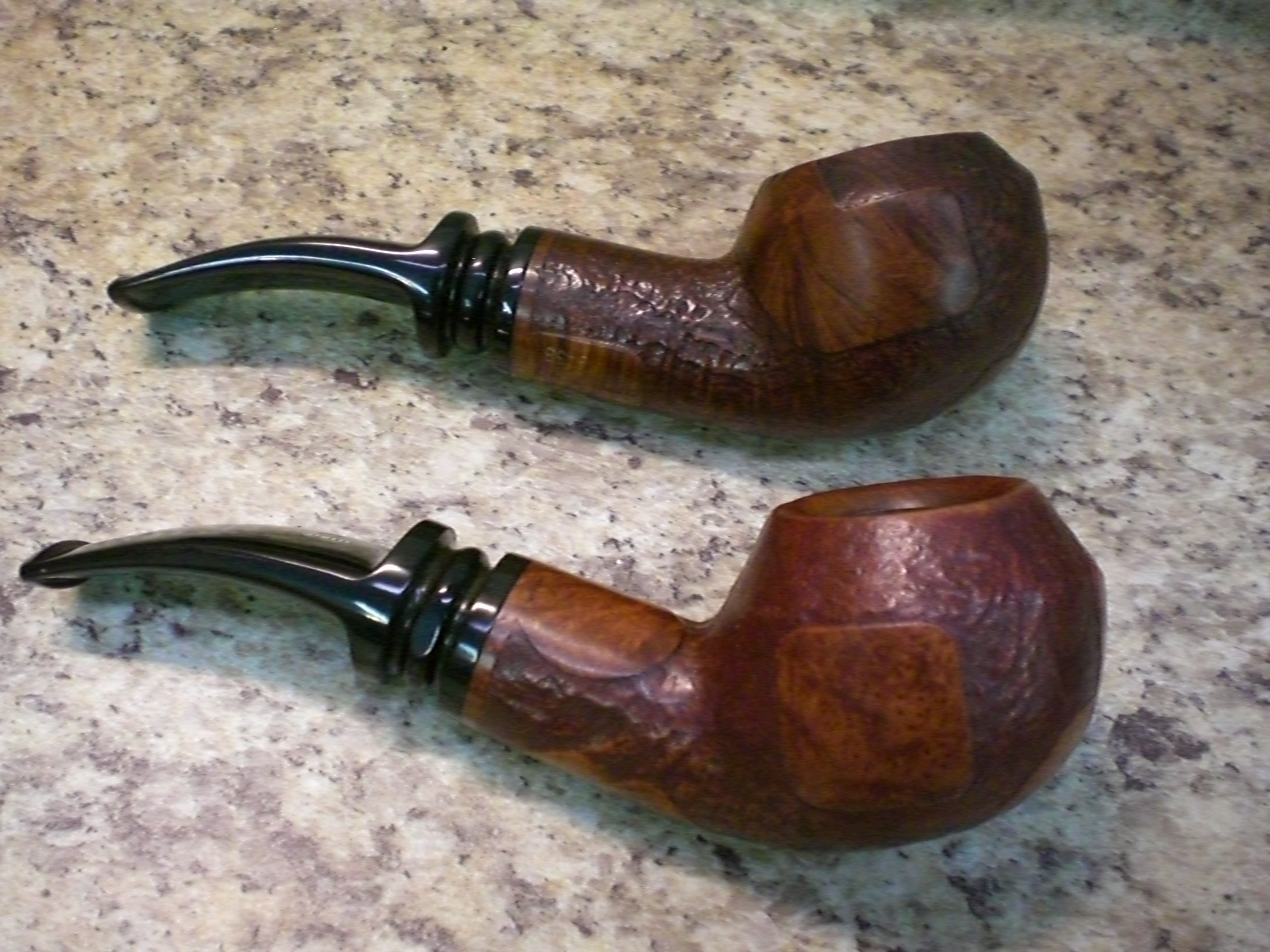
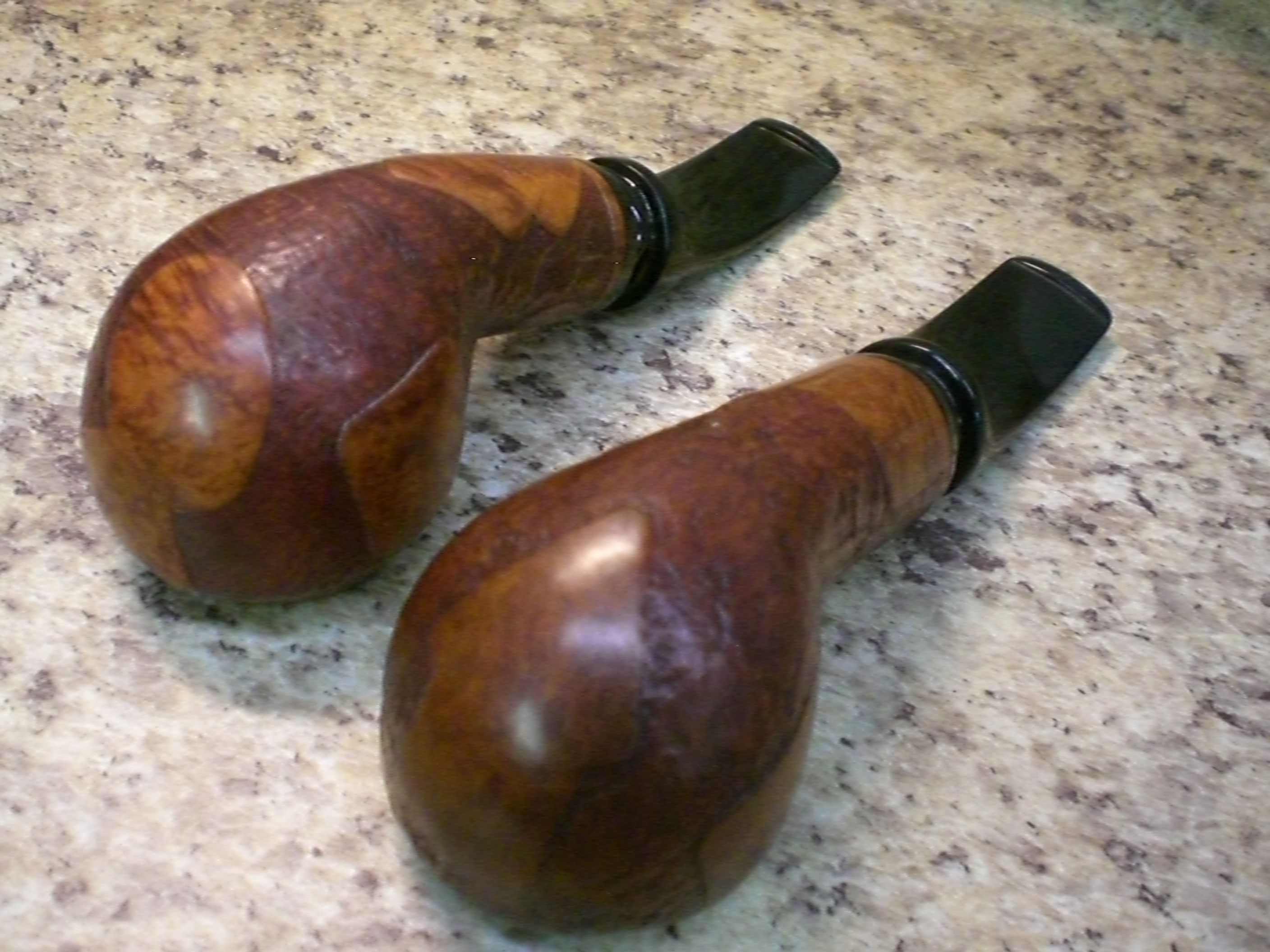
Tag Archives: GBD pipes

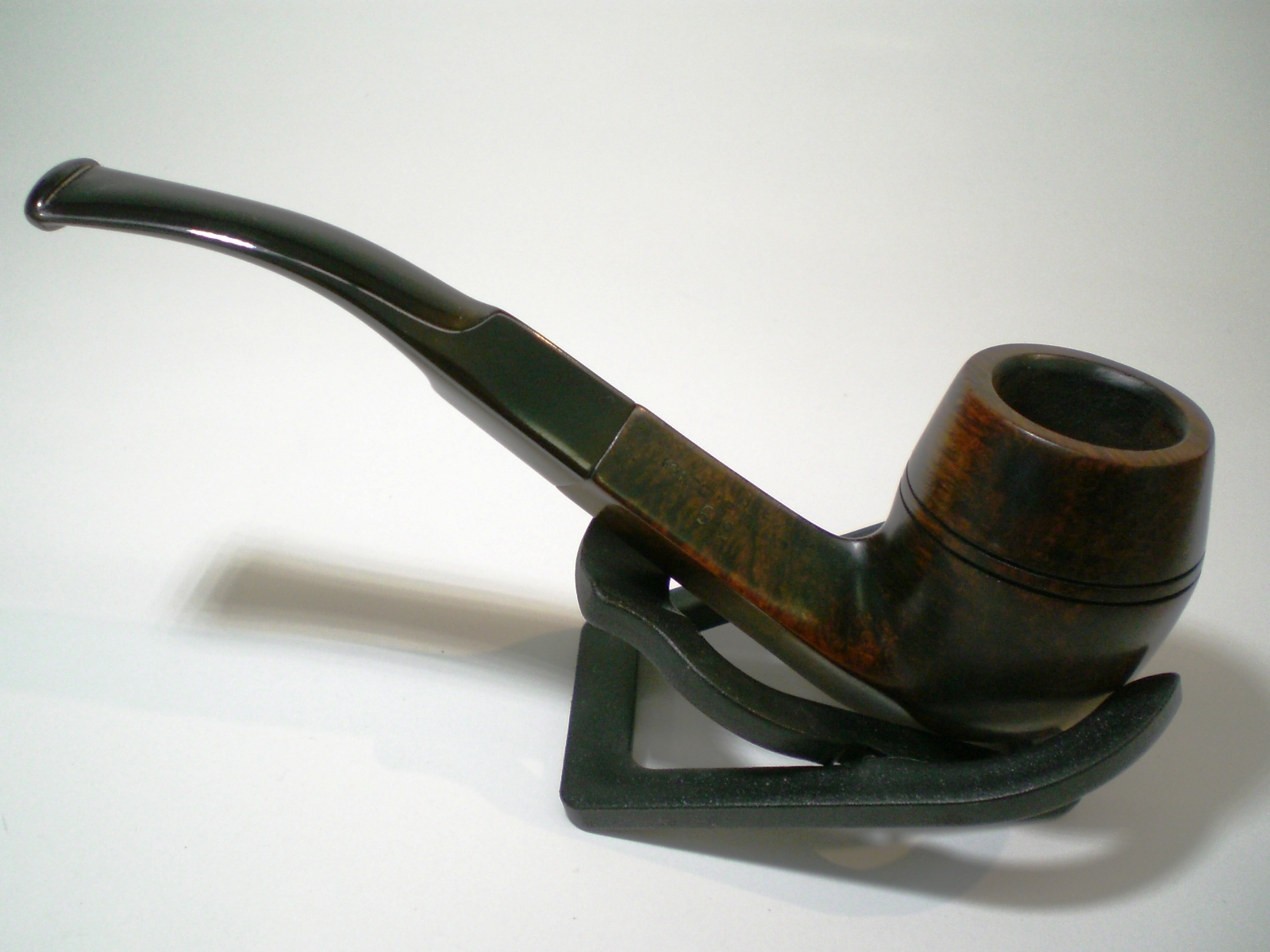
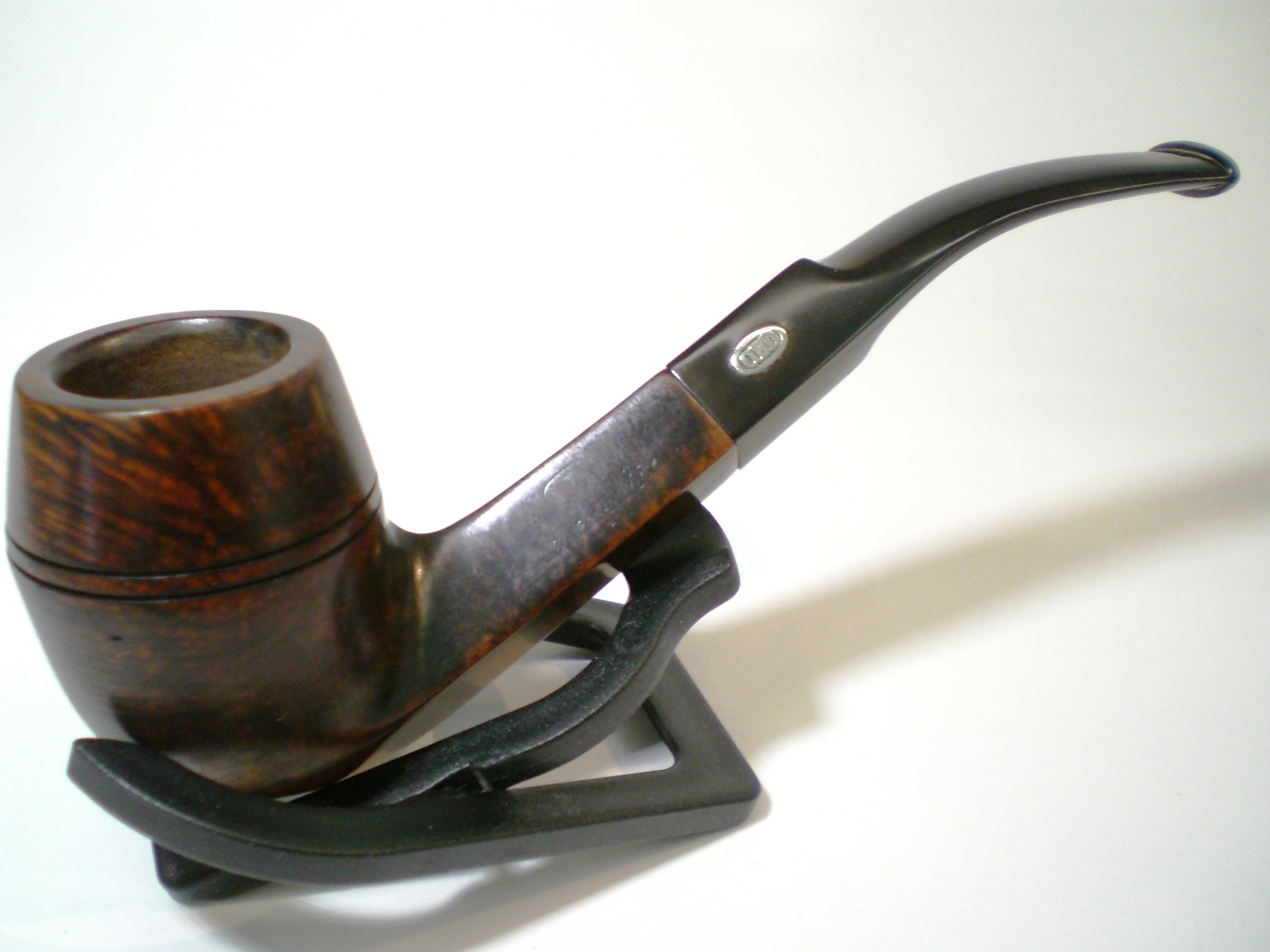
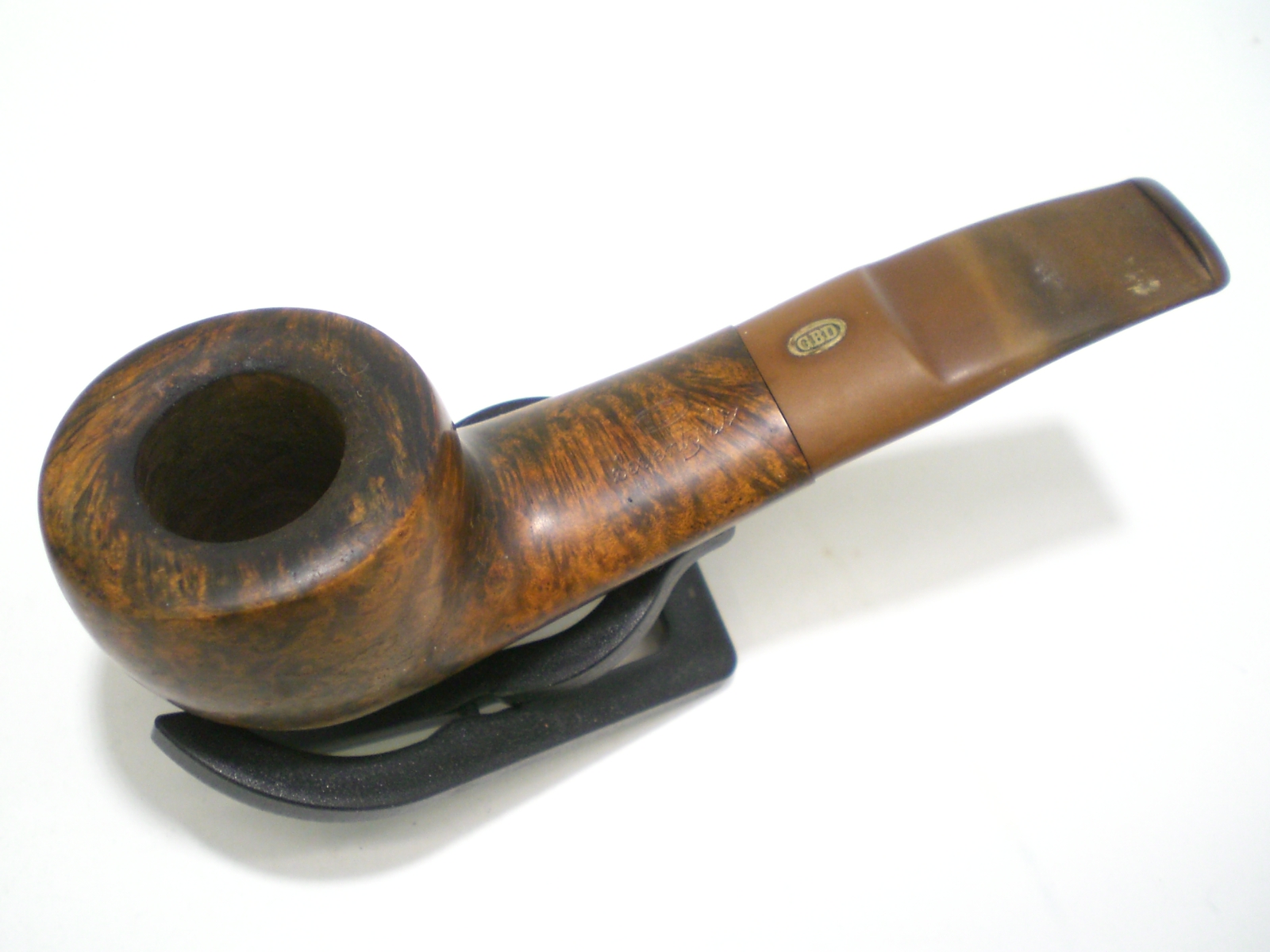
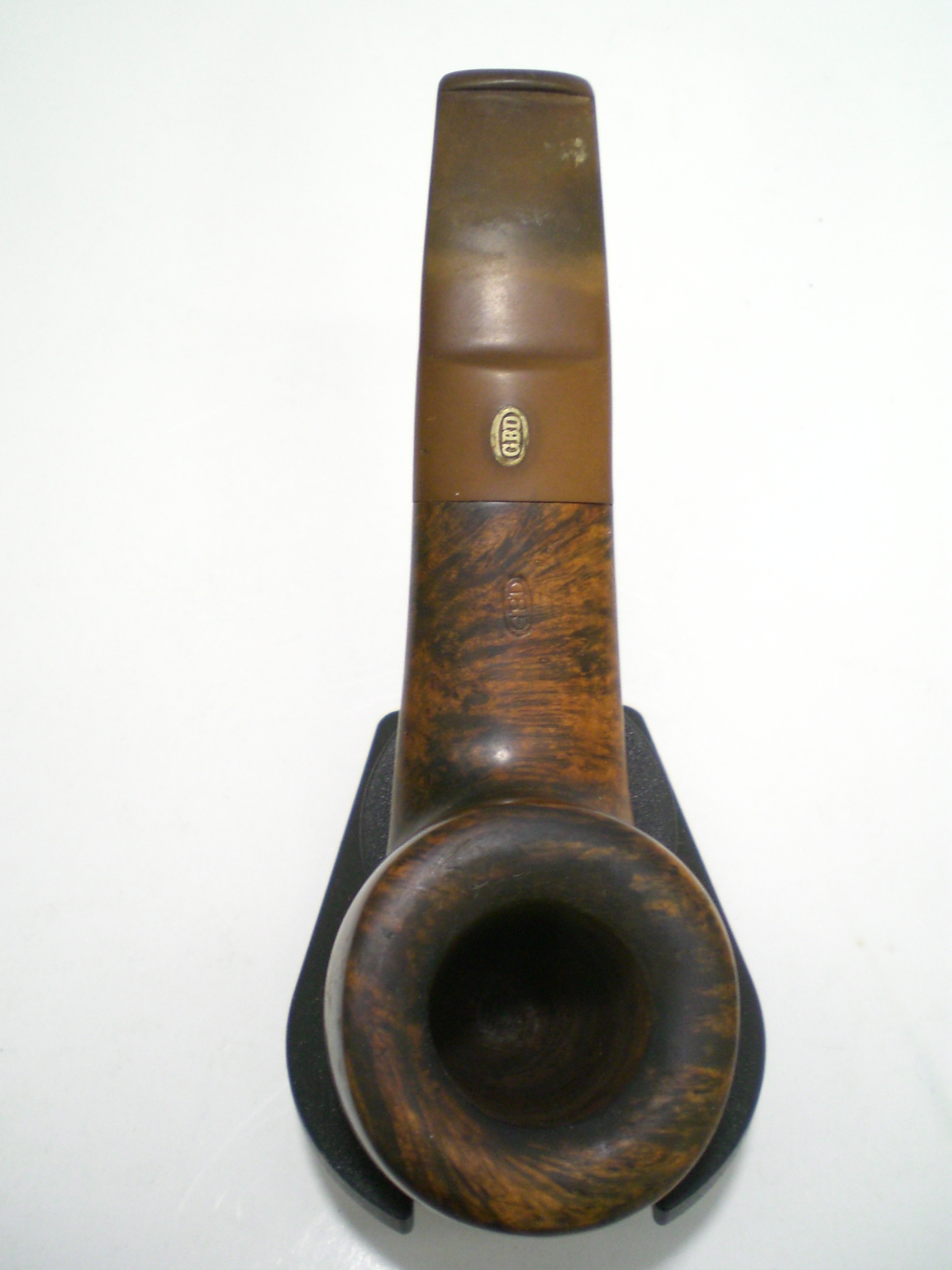
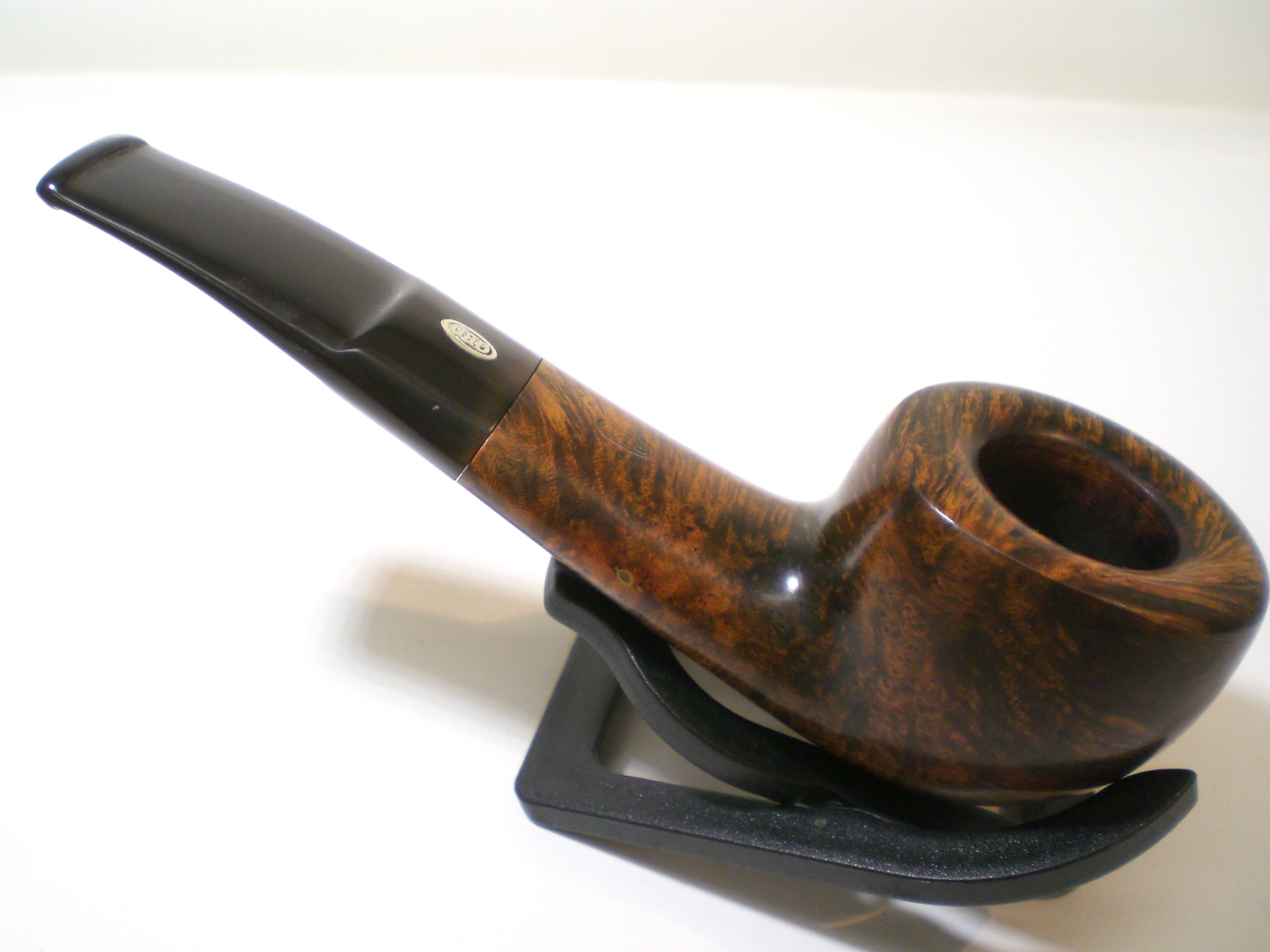
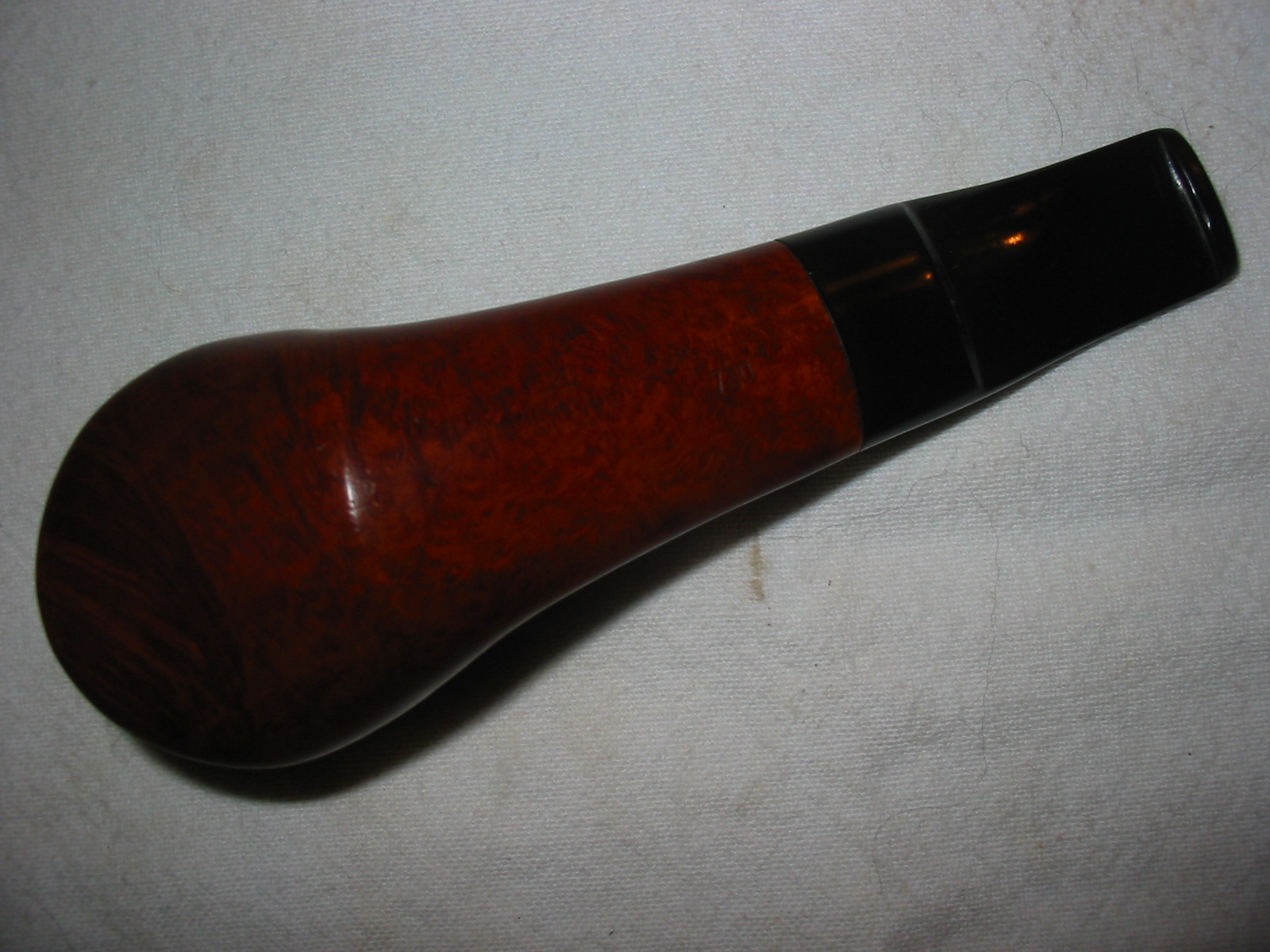
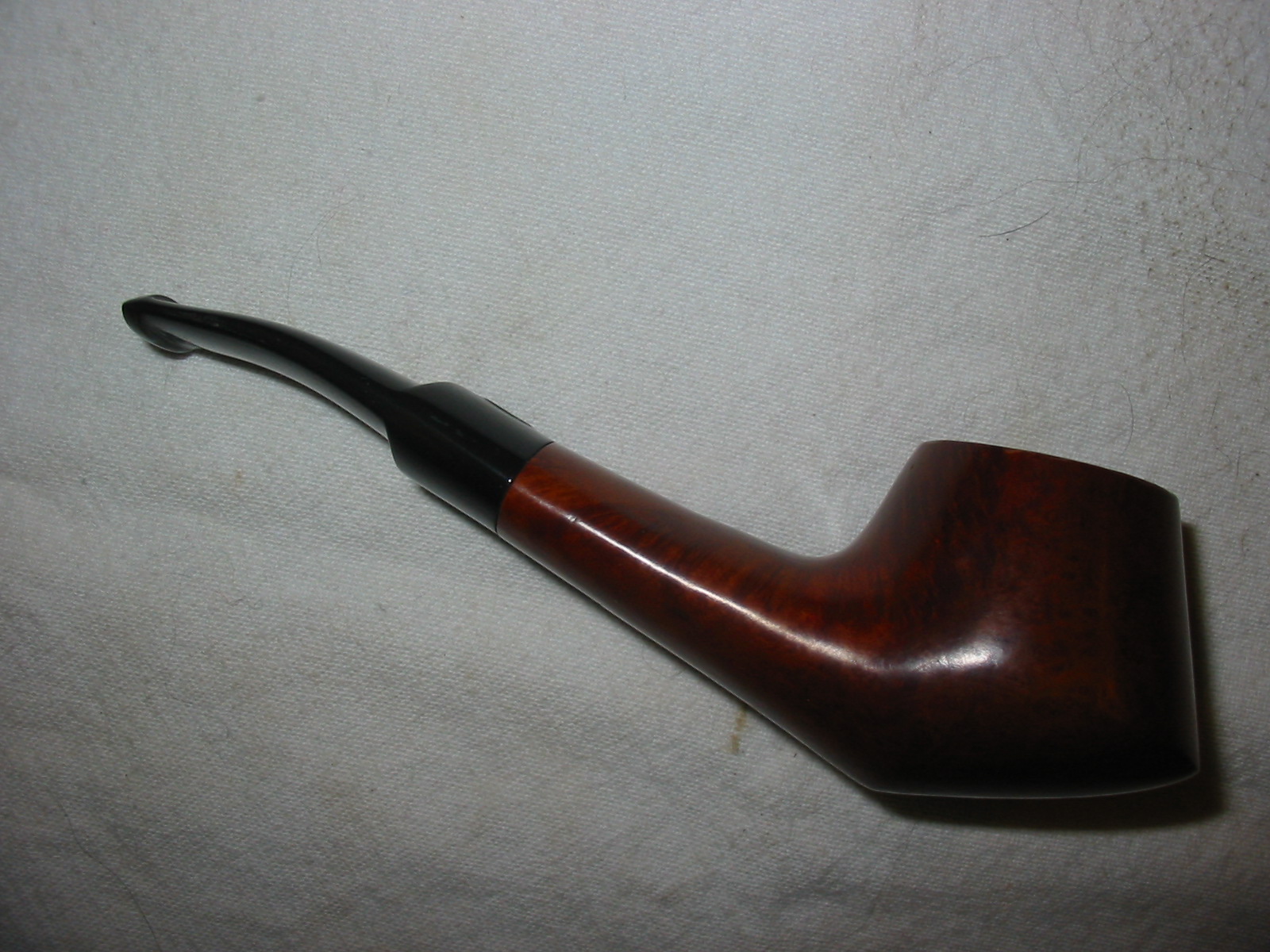
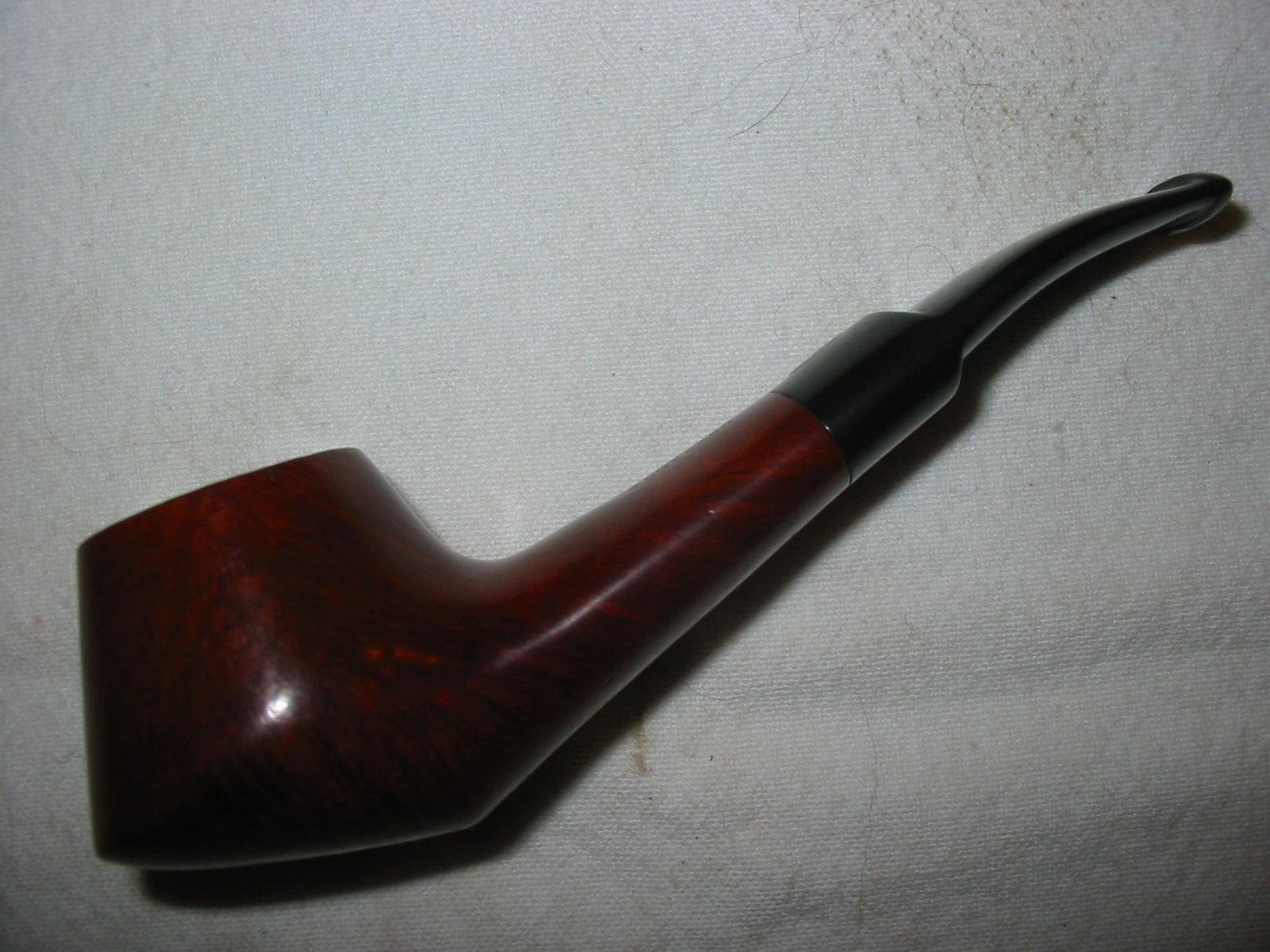
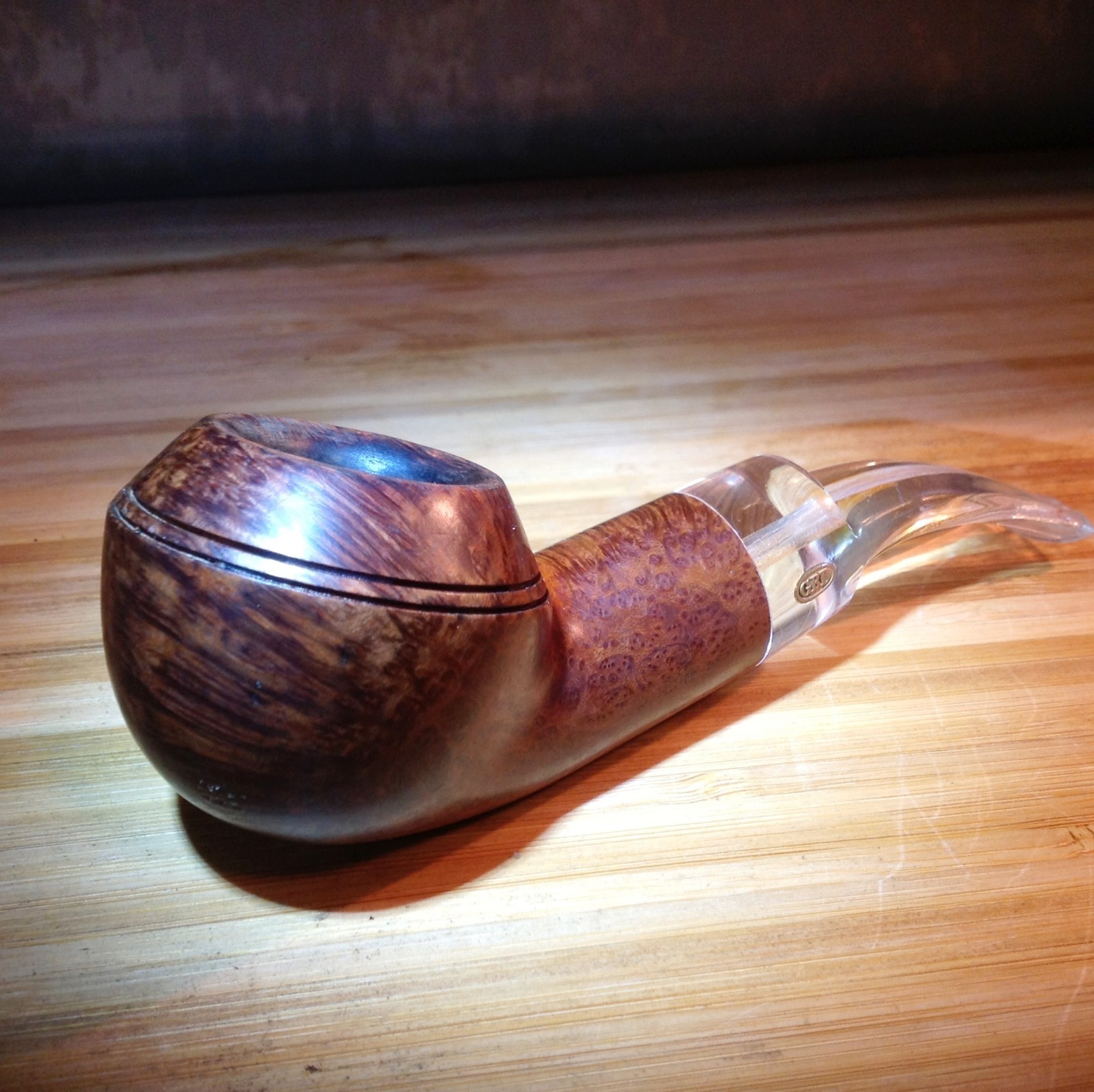
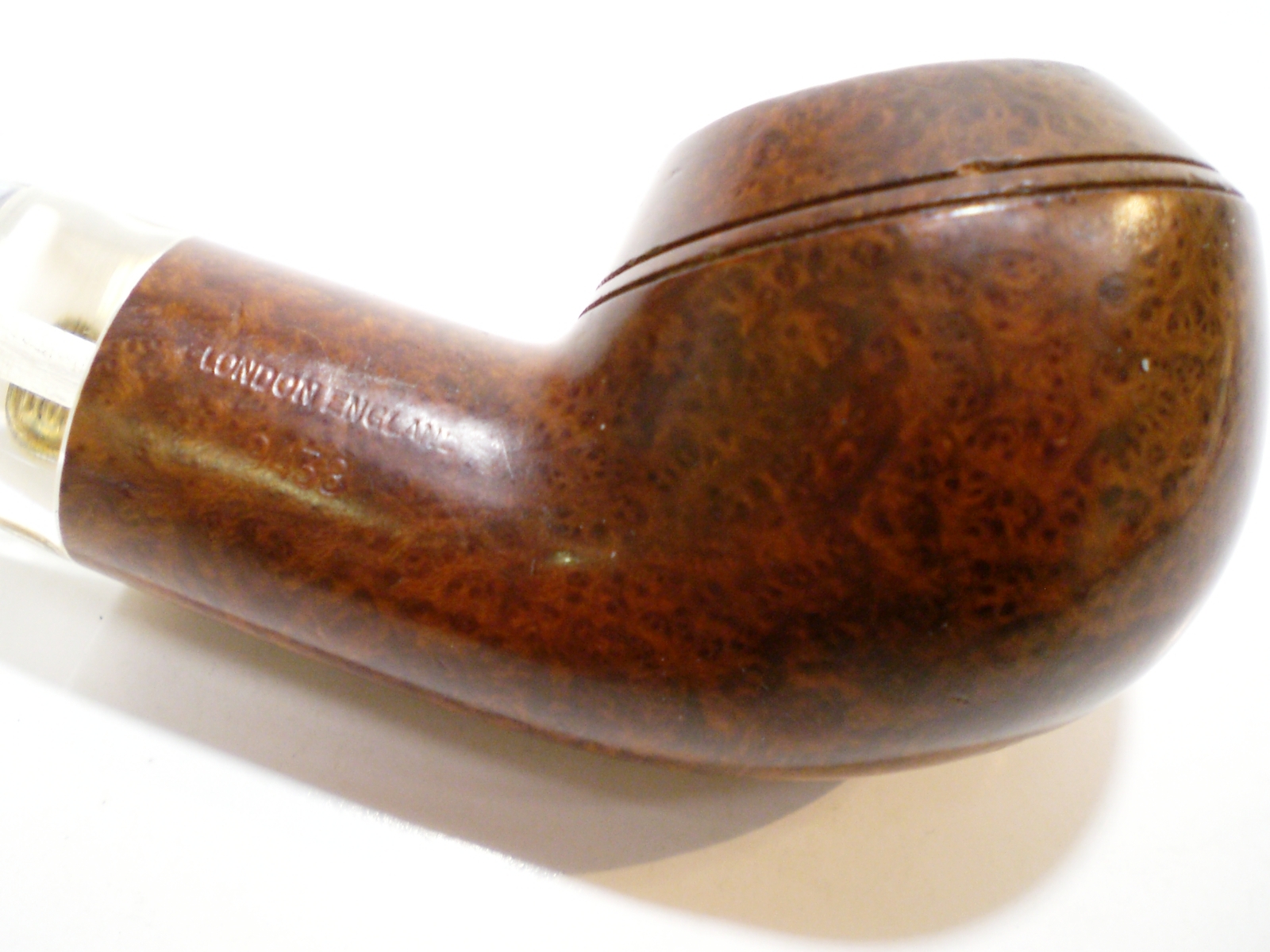
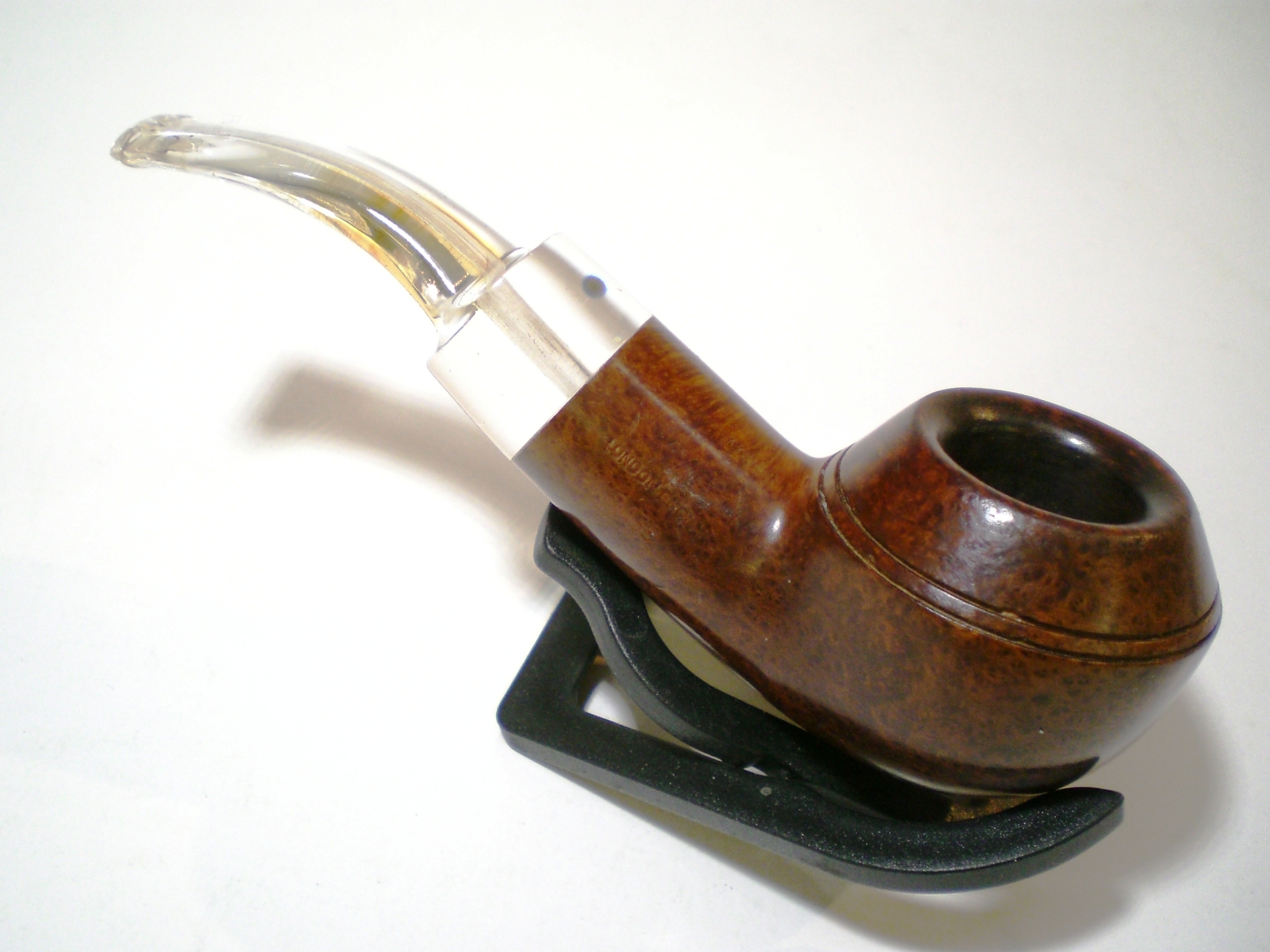
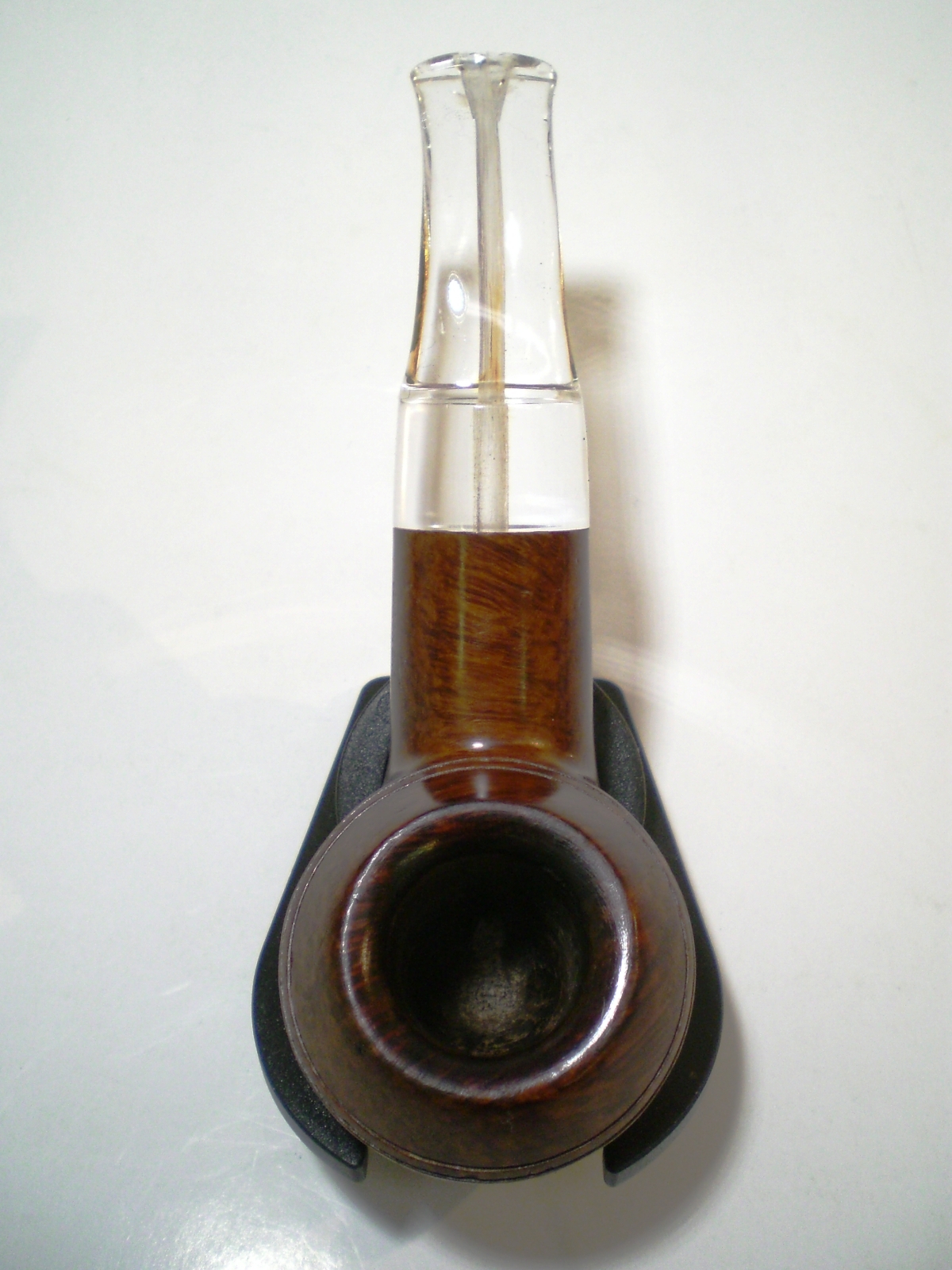
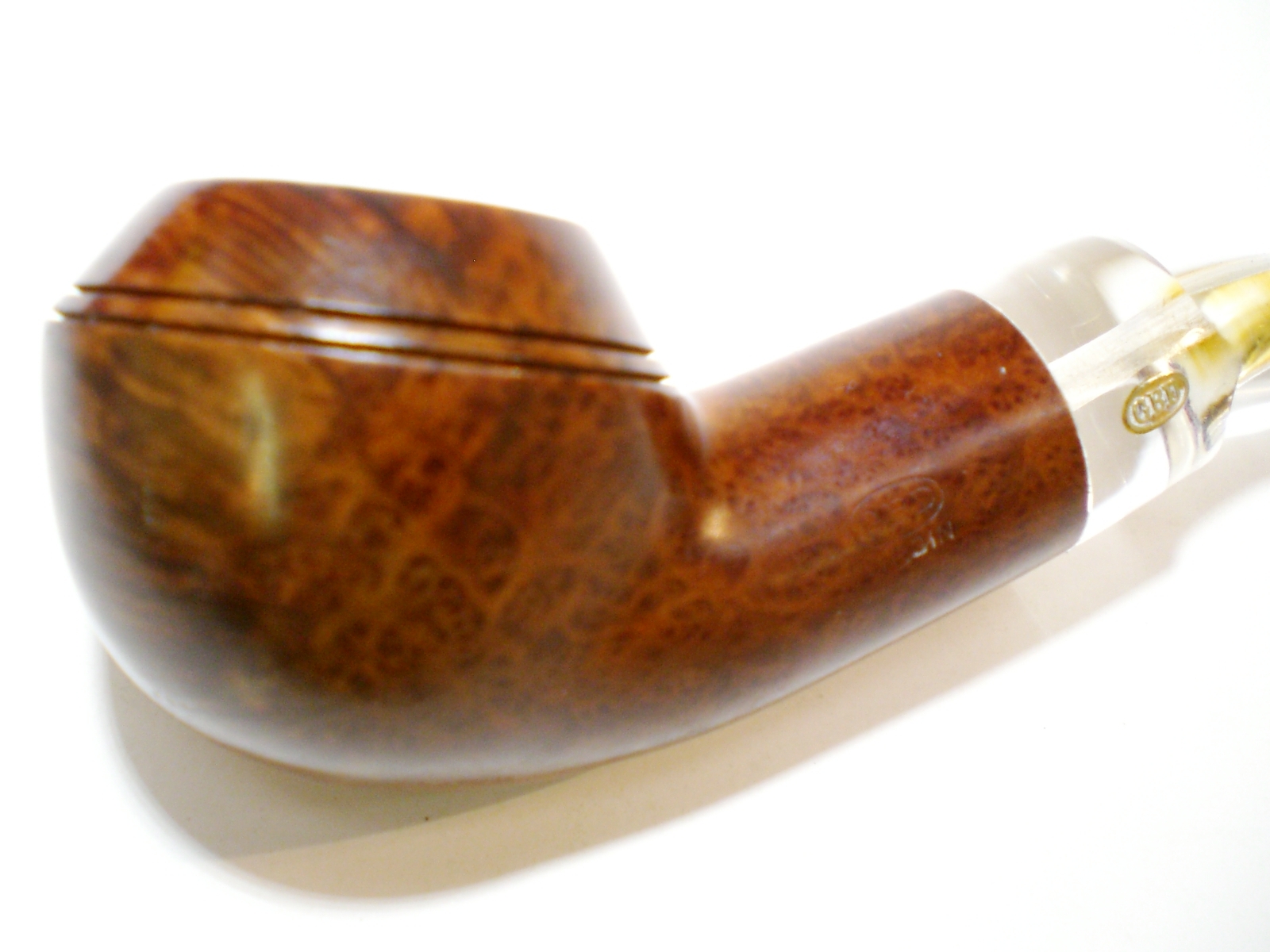
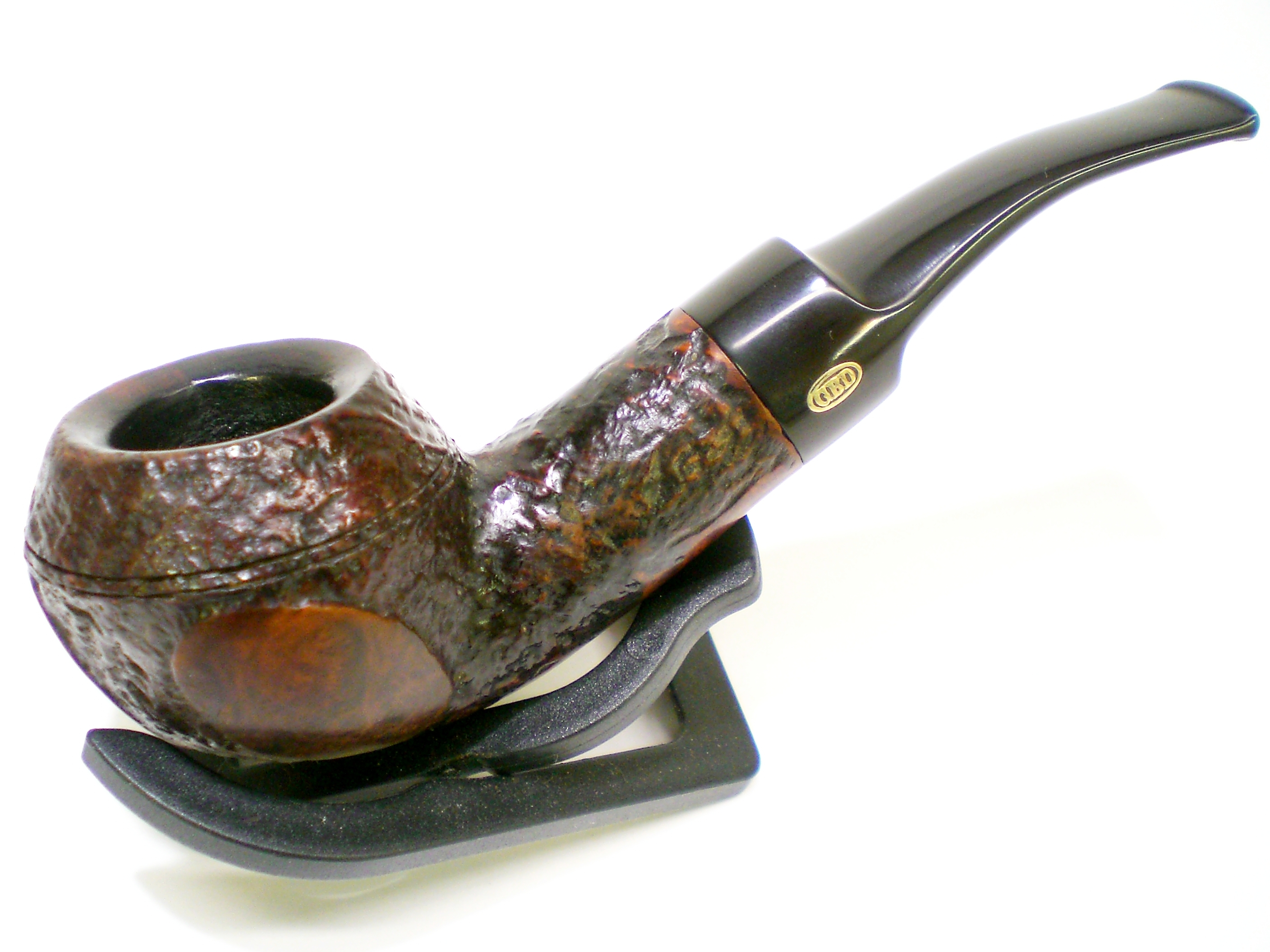
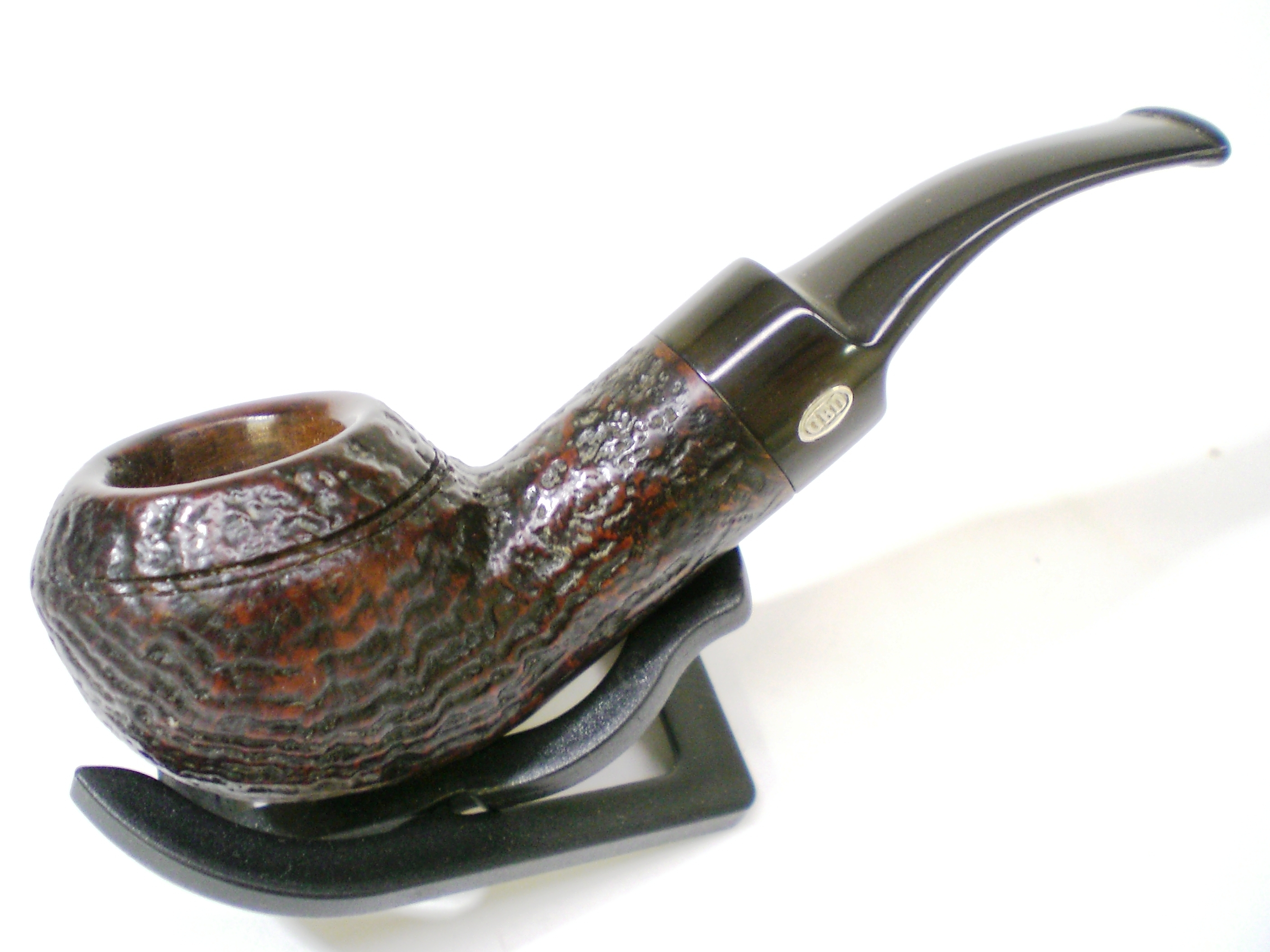
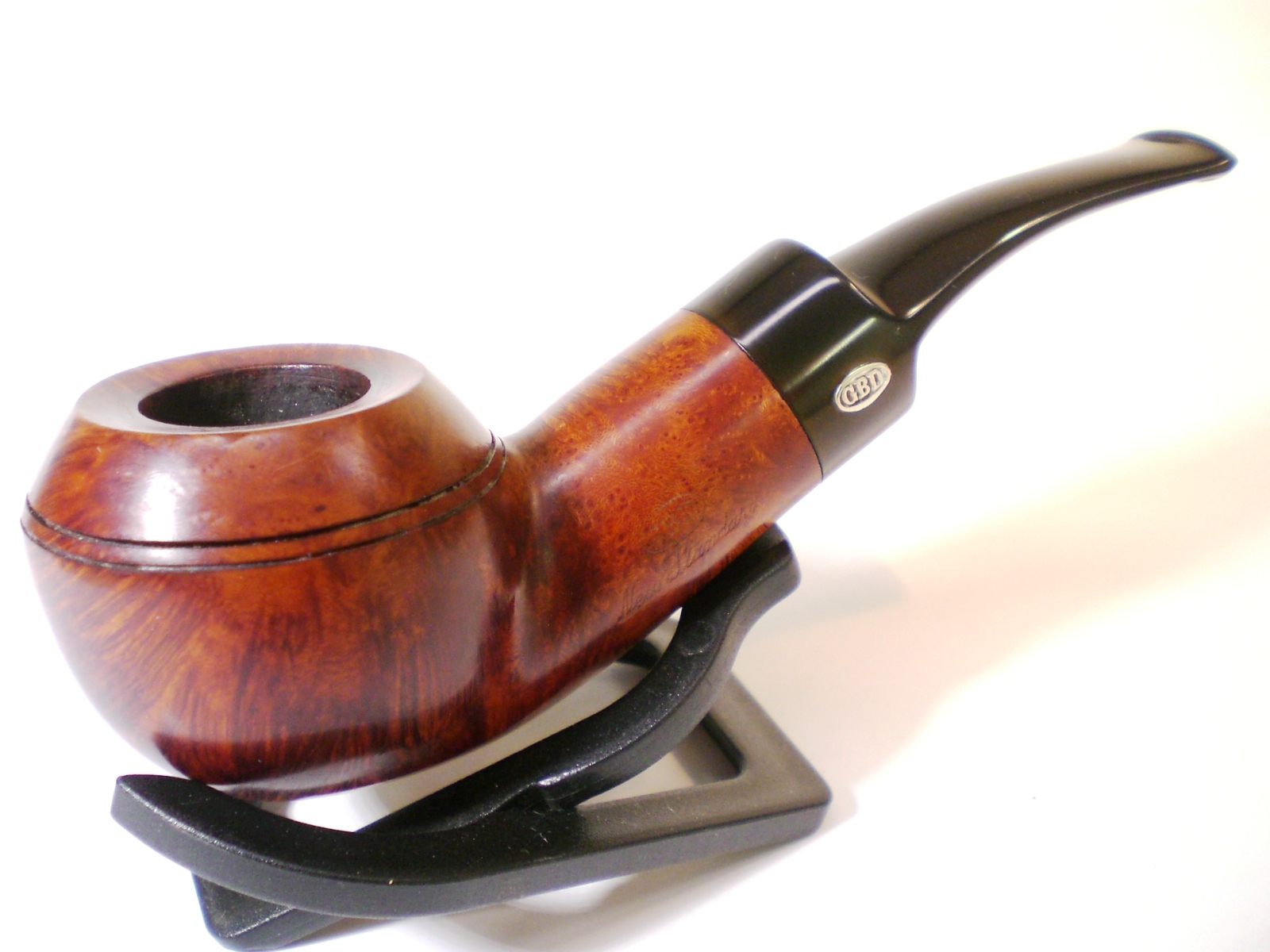
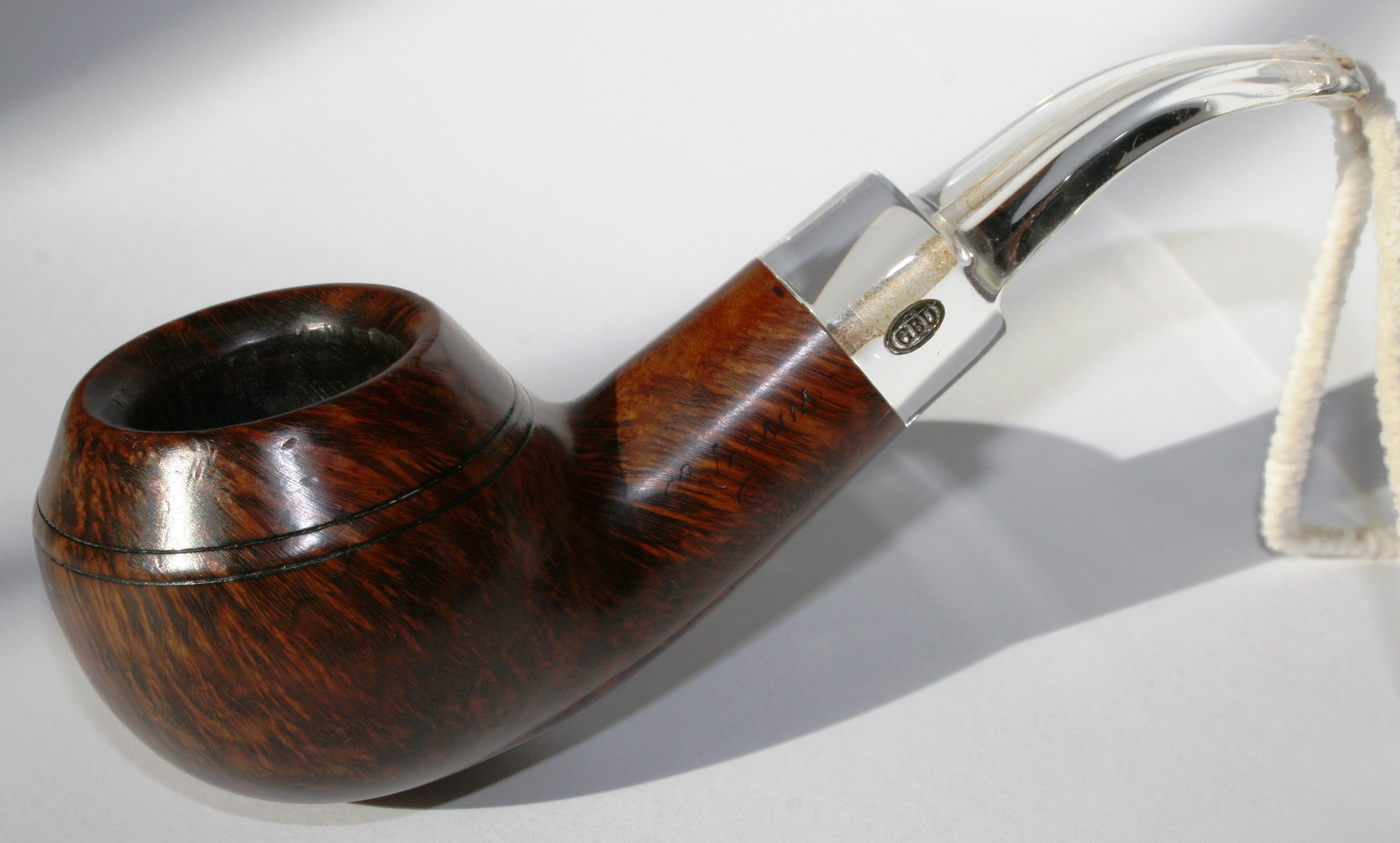
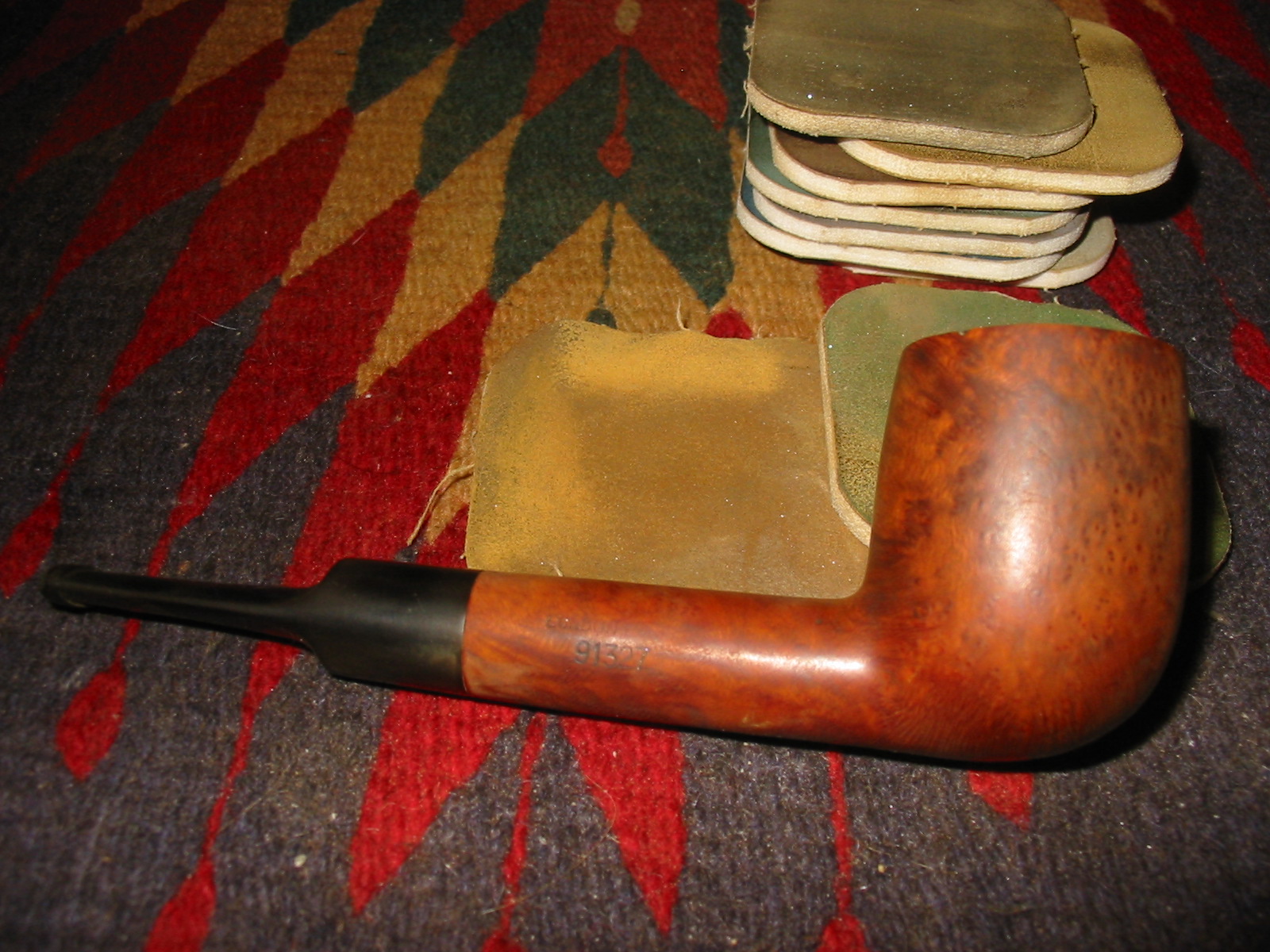
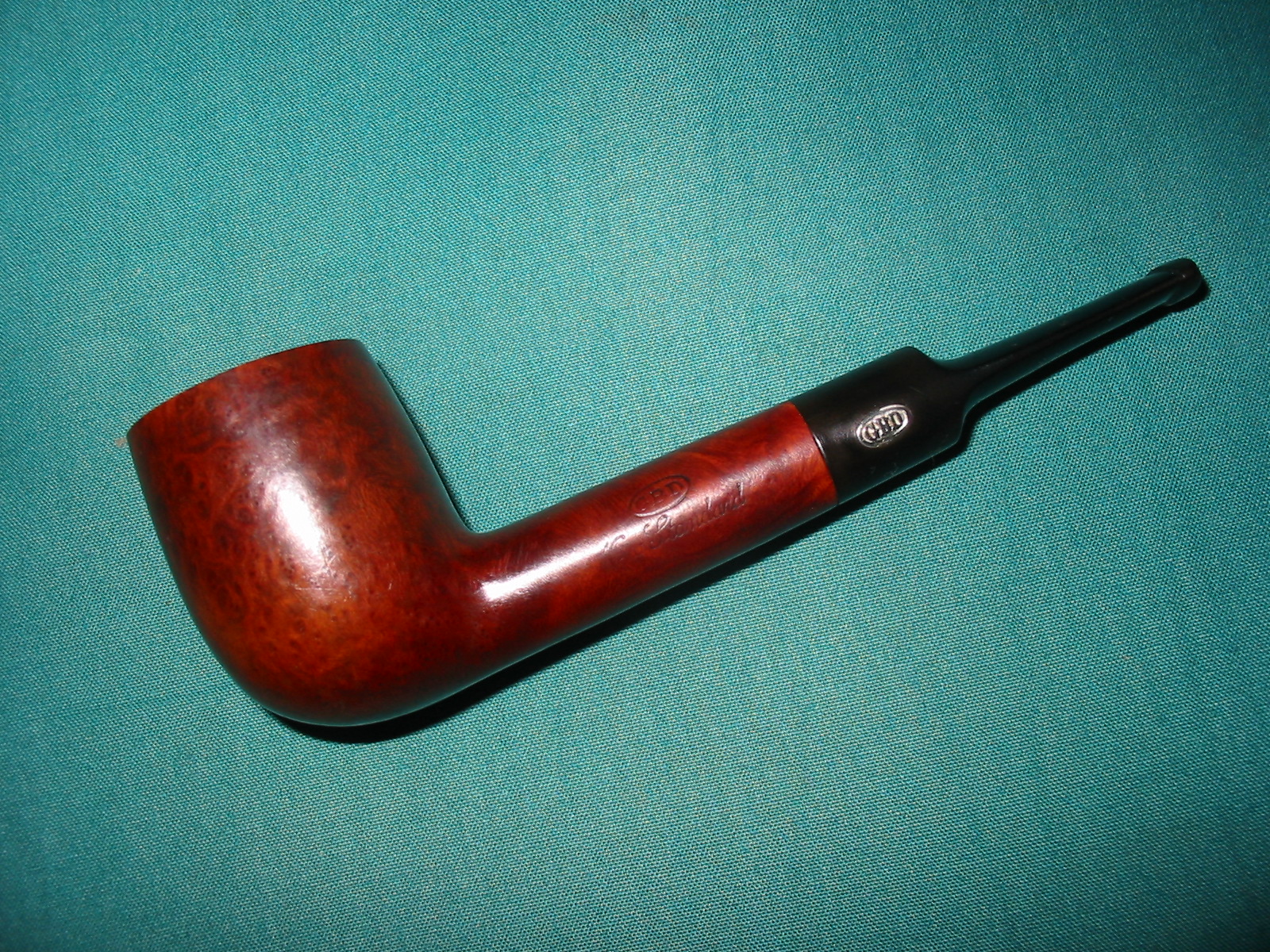
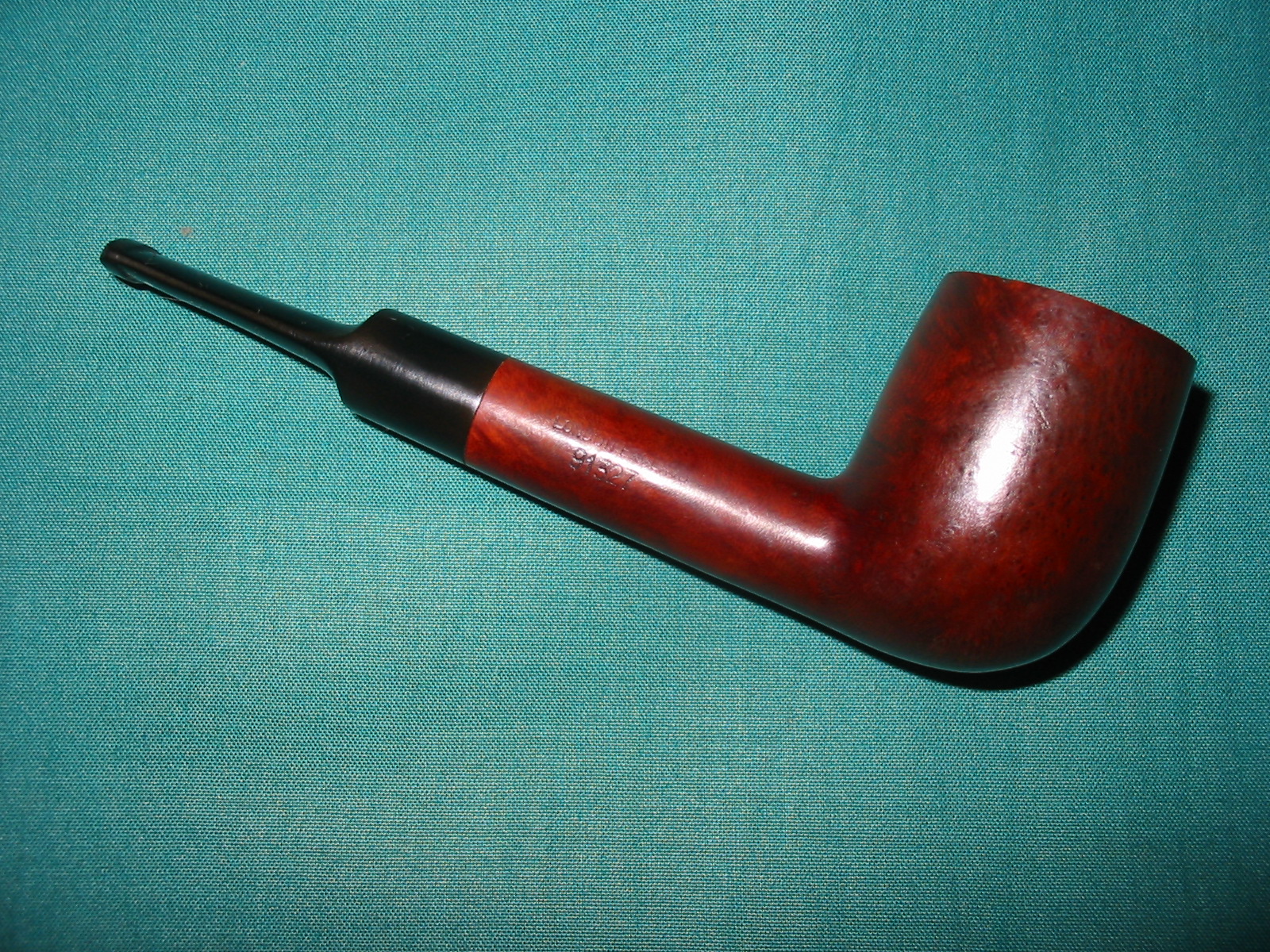
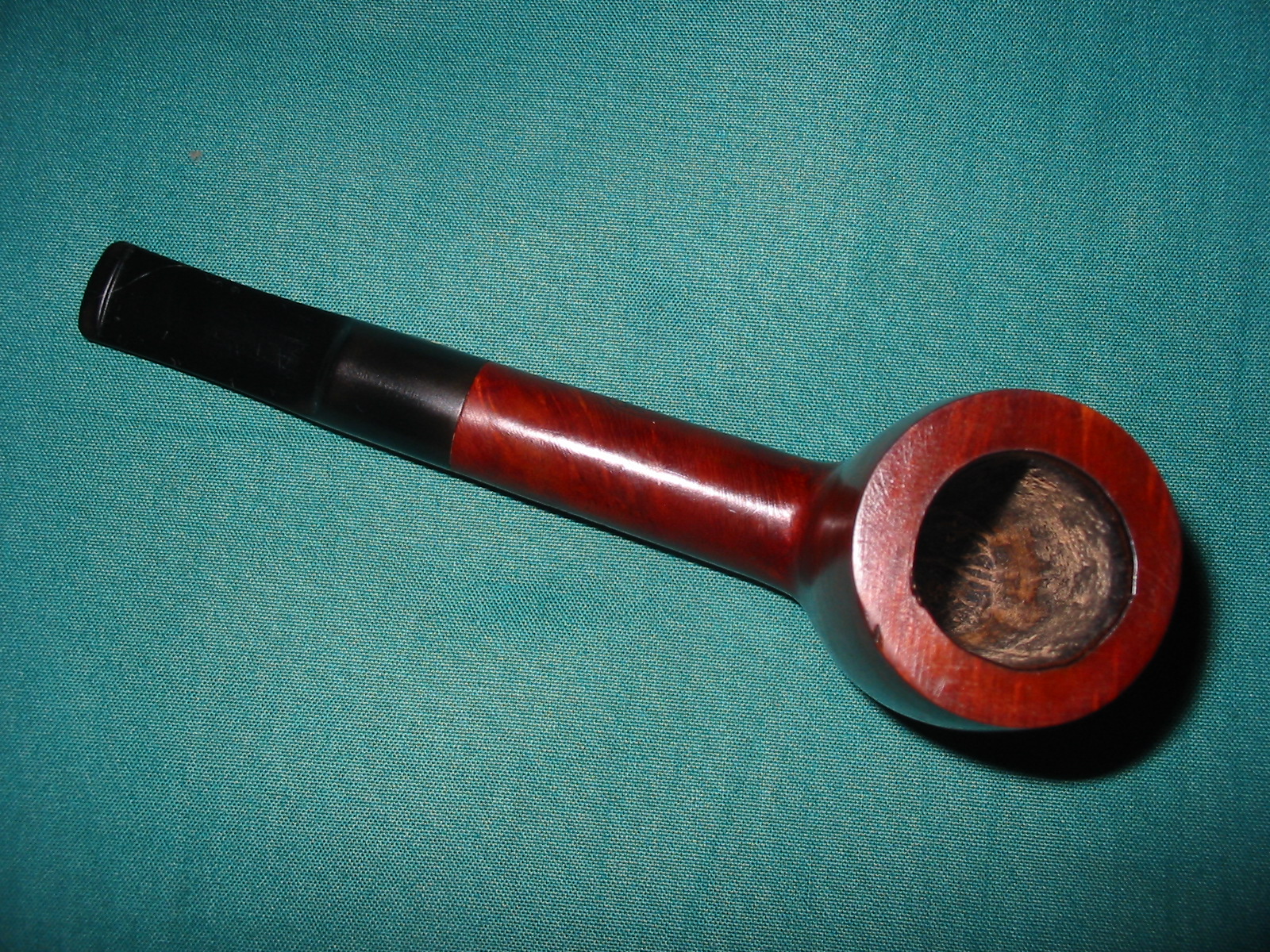
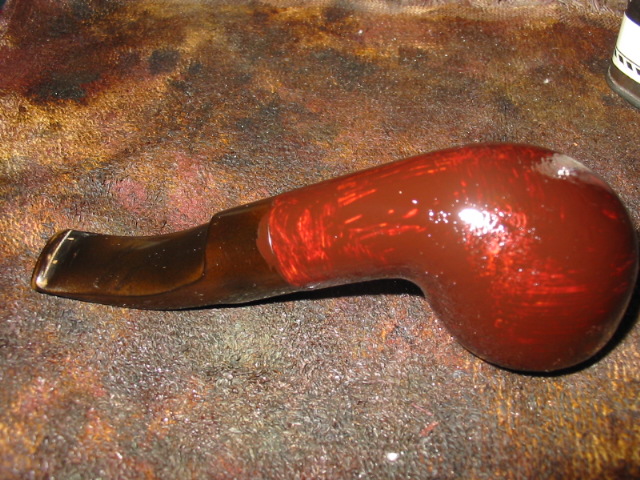
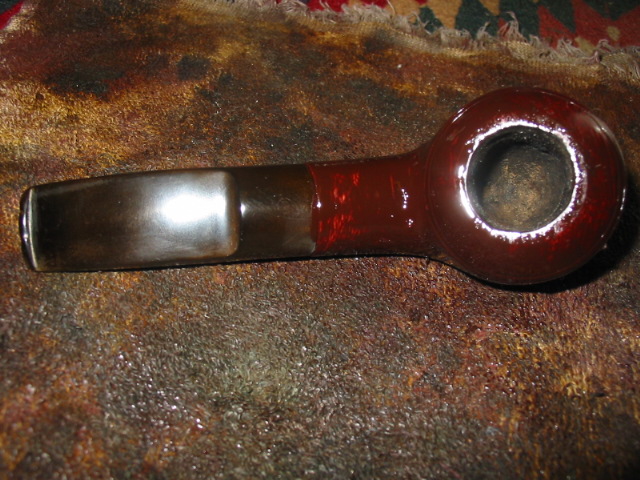
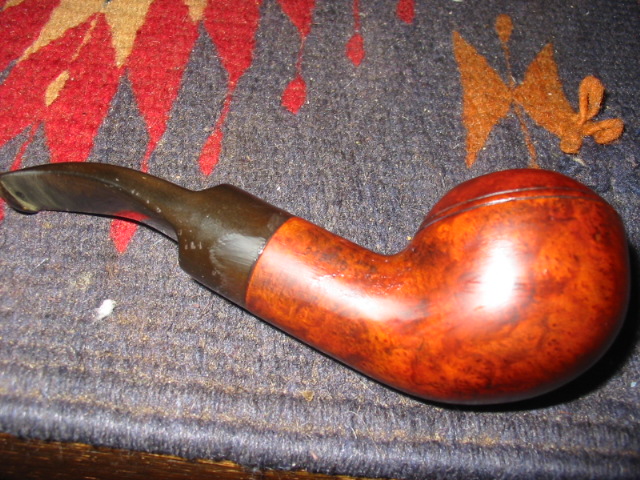
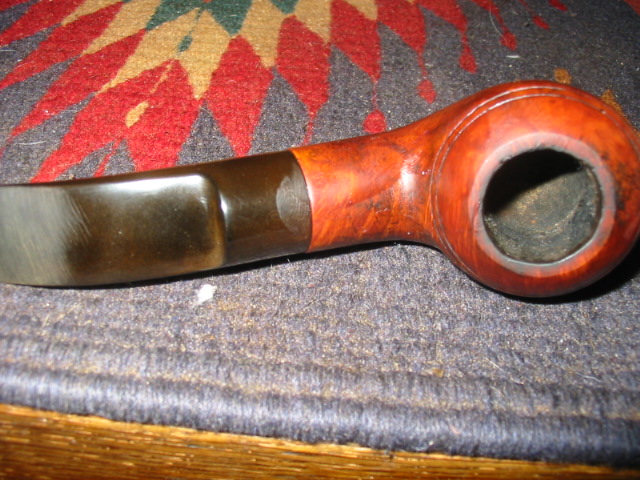
An Engagement Pipe (GBD 548 Seventy-Six)


My family had a pretty big life event here last week. My daughter came home from New Orleans for a week of vacation, with the boyfriend of two years in tow again. He had called us a few weeks prior to ask permission to marry her, the first of our daughters to get engaged. This young man is quite a gentleman, as you might have guessed (who knew guys still ask for permission?). He and I share a number of interests, including pipes. I enjoyed my week with him and we were able to spend some time in the shop where I shared with him some estate pipe restoration techniques. He left here with a few briars that he cleaned. I miss him and her already.

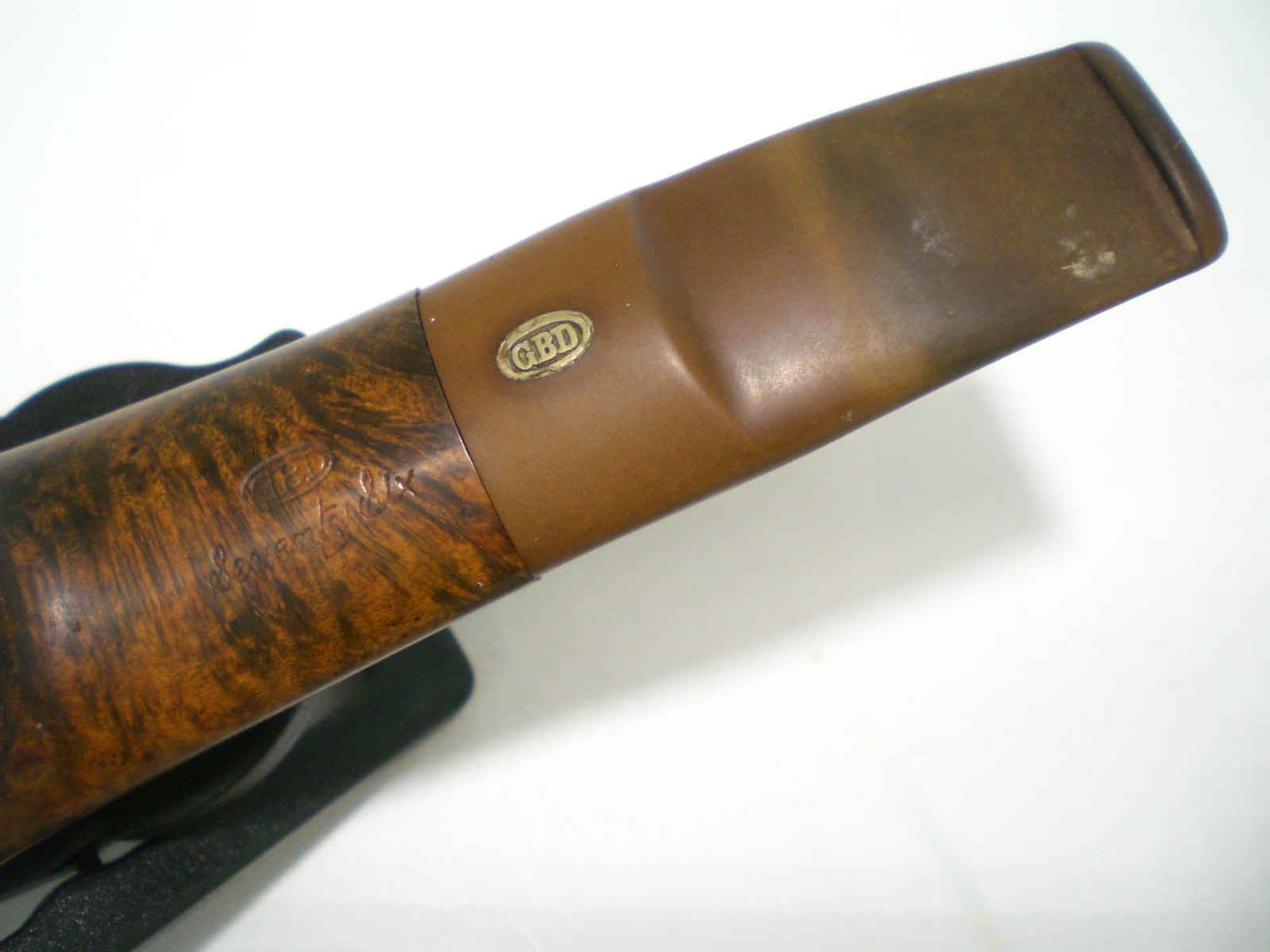
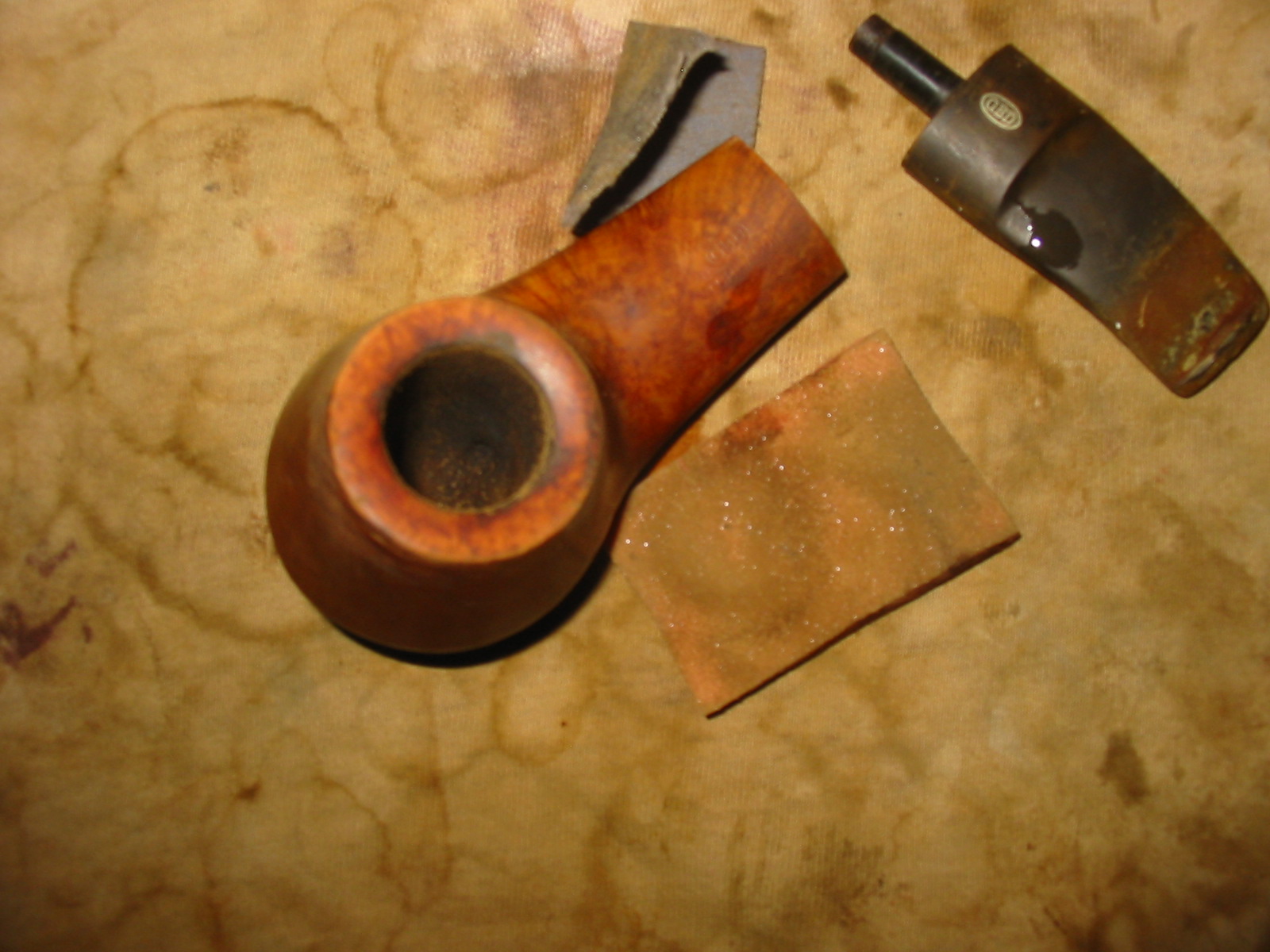
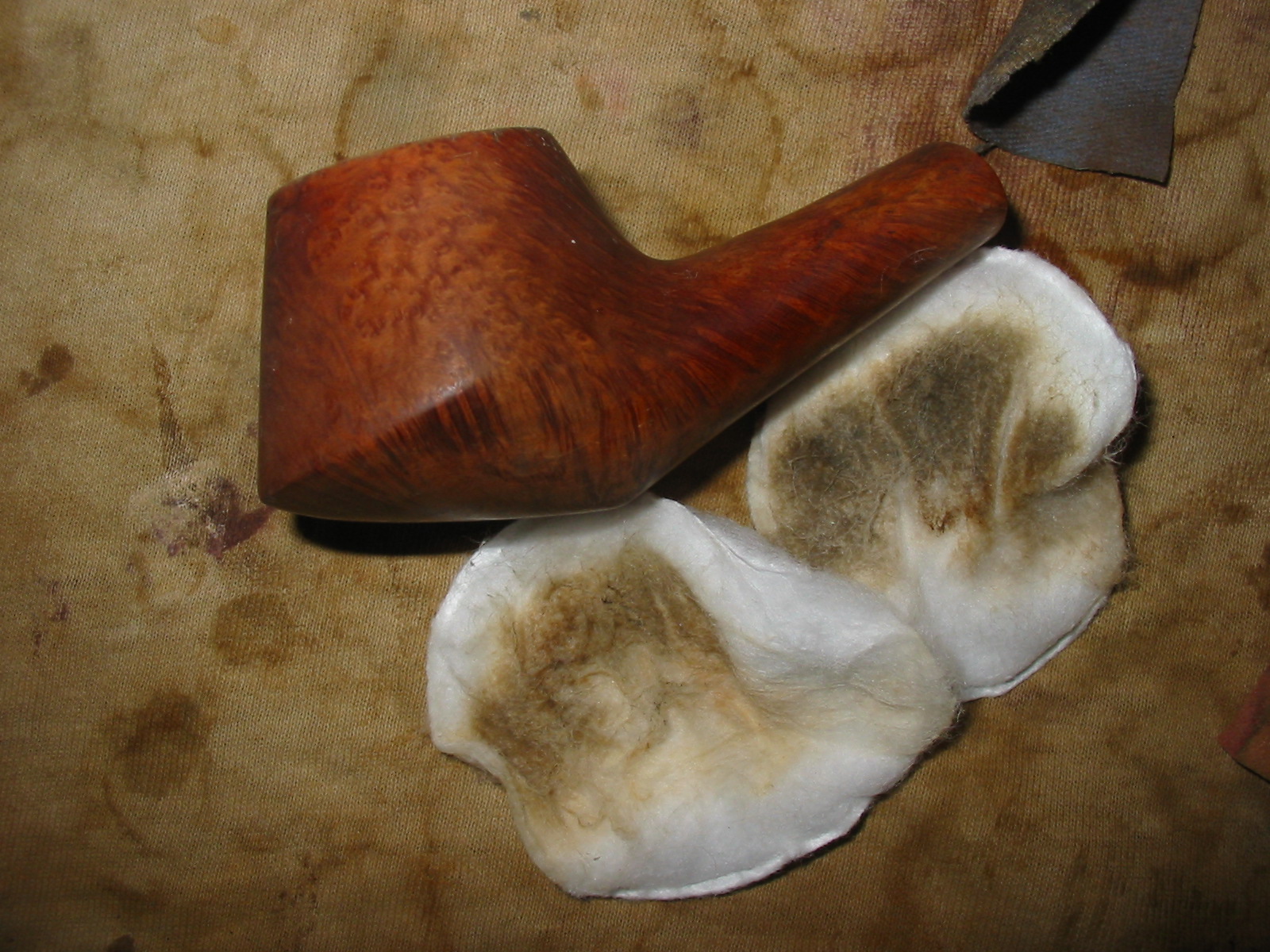
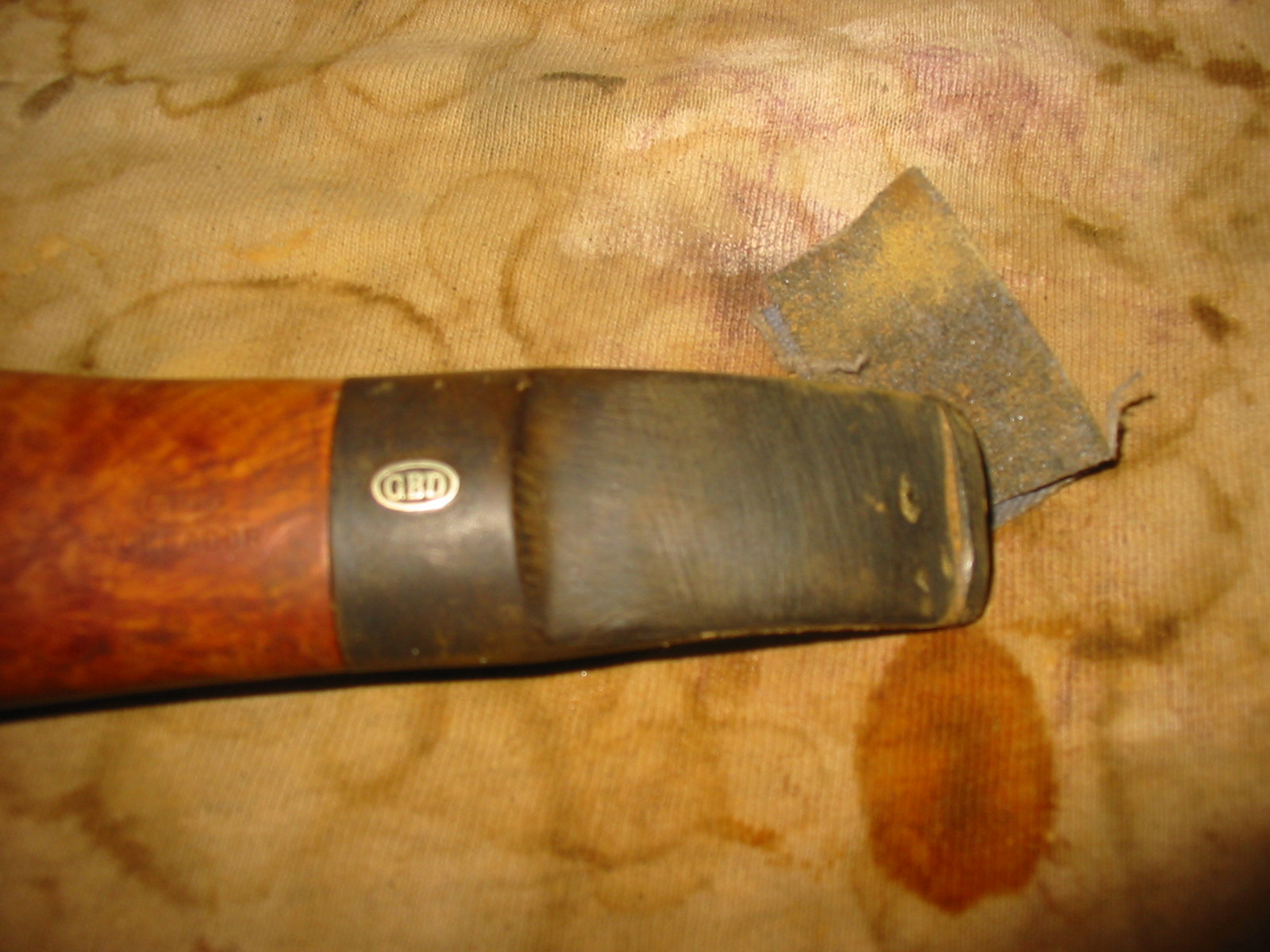
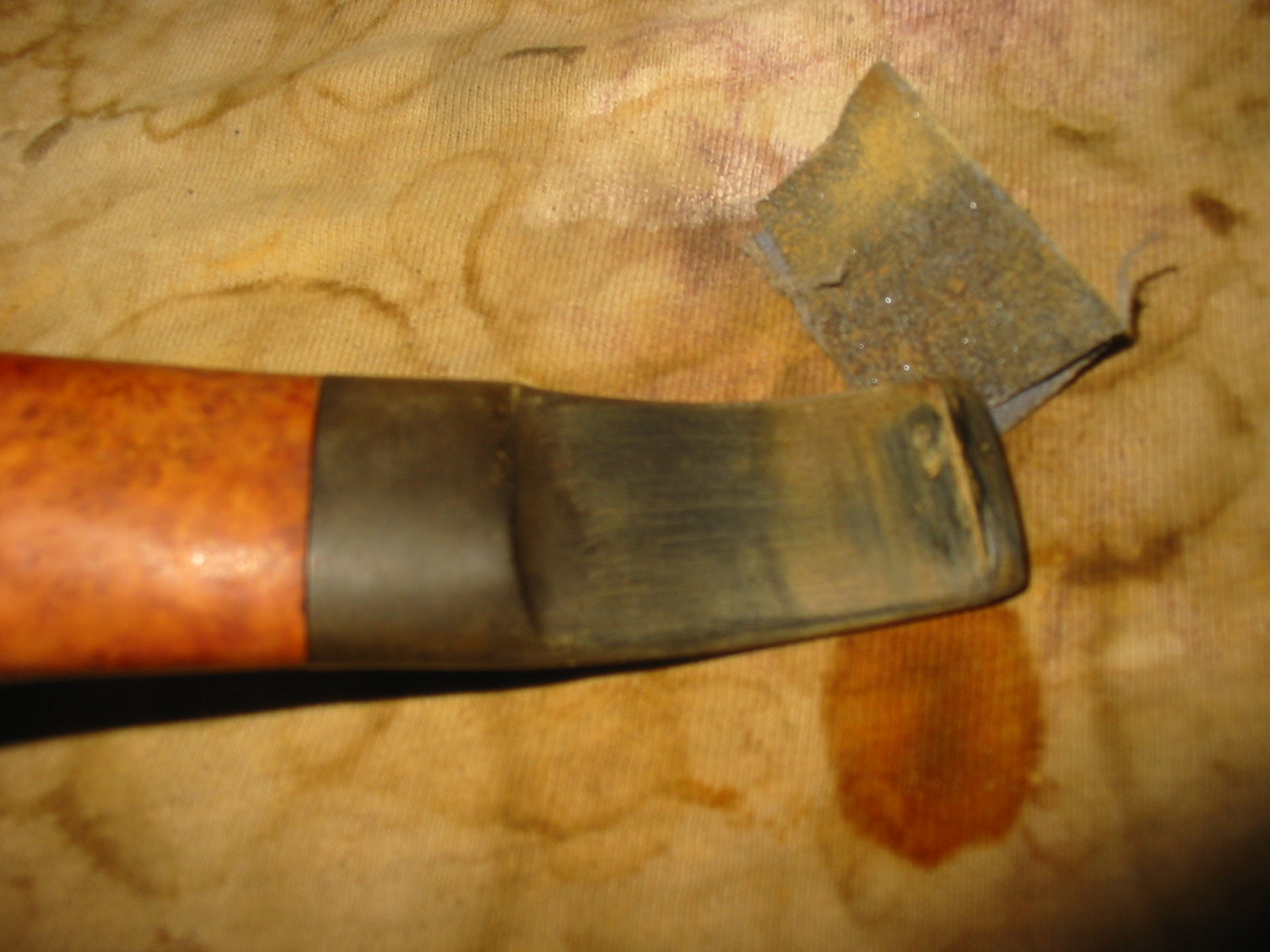
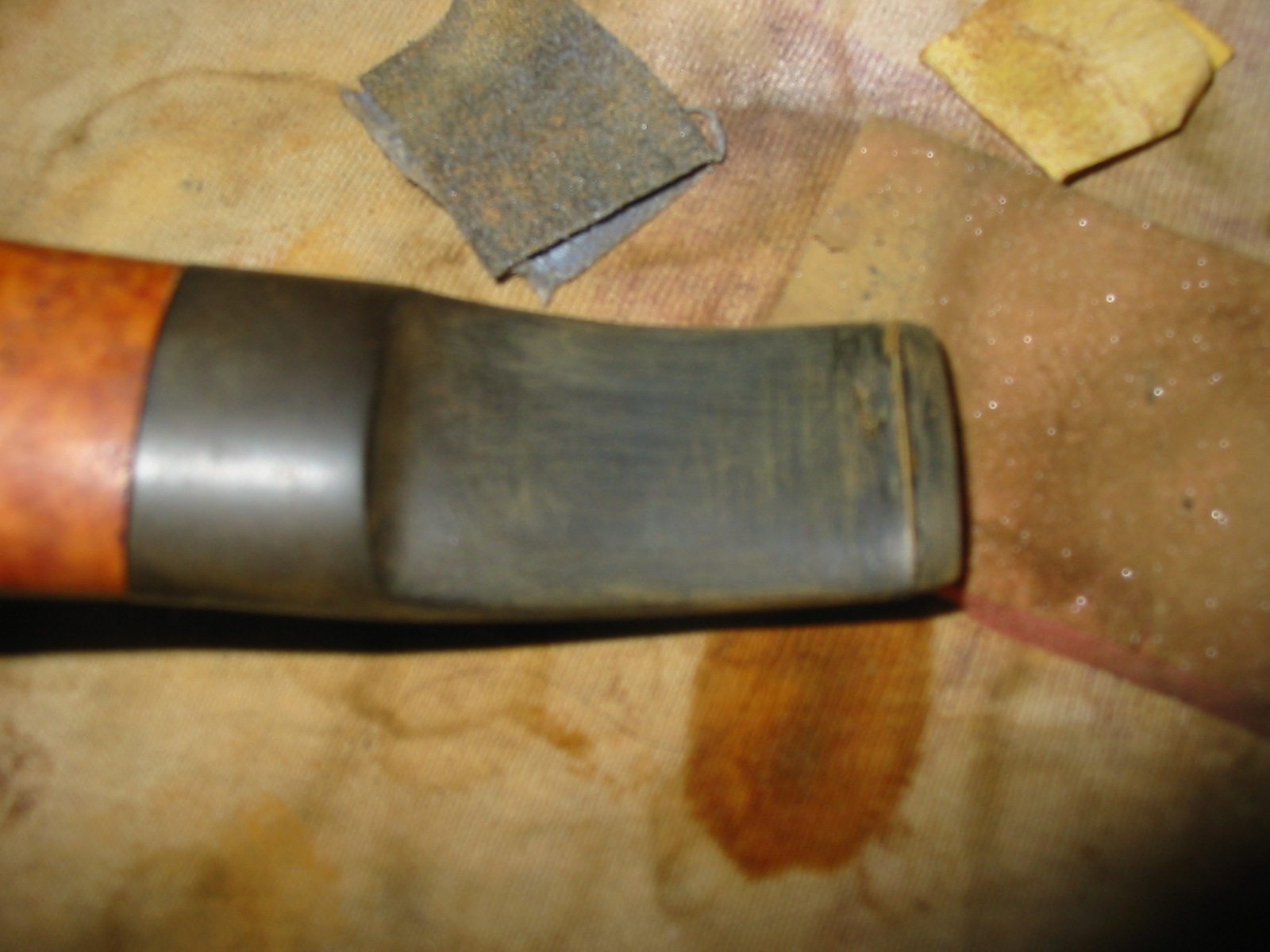
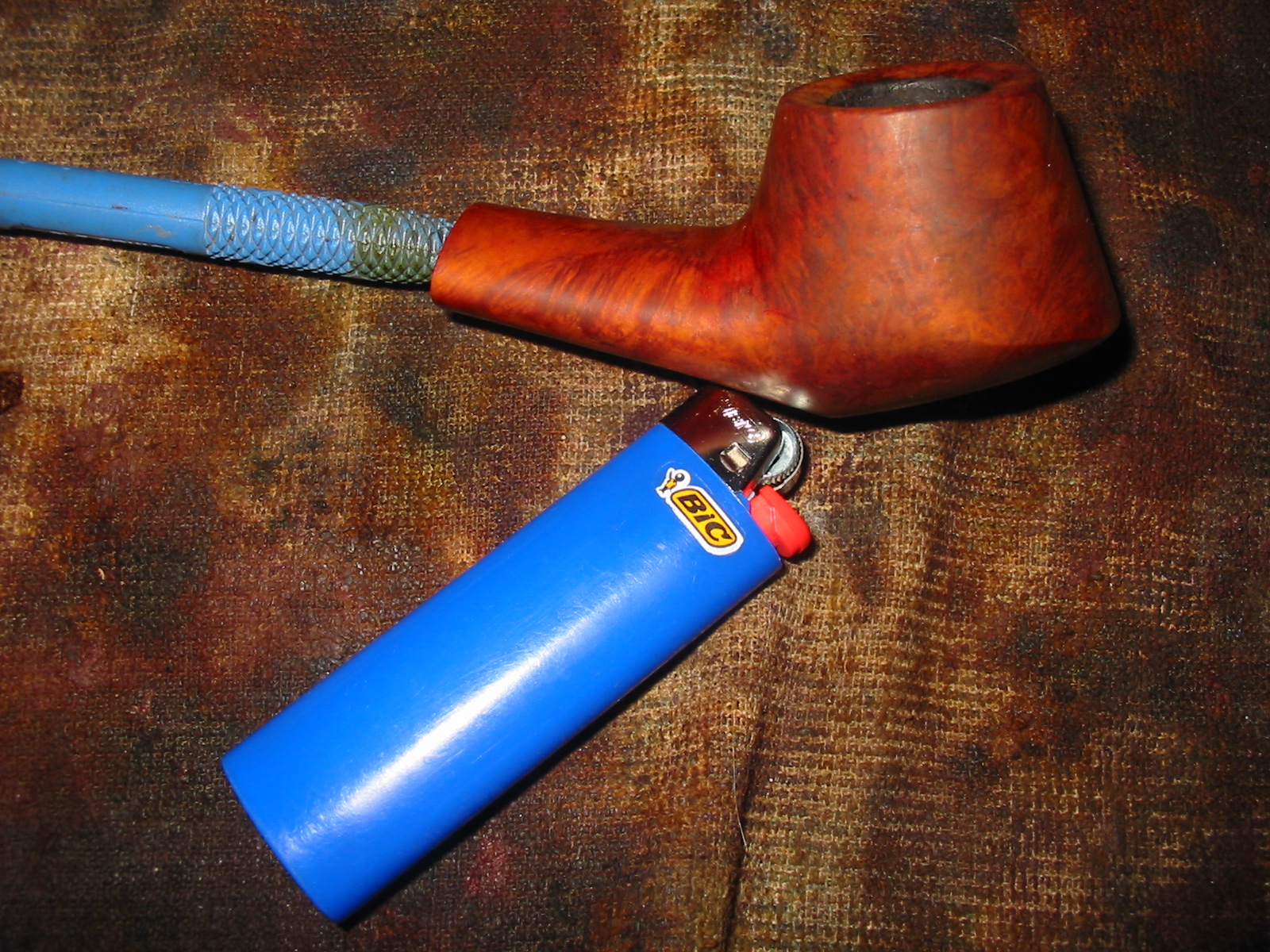
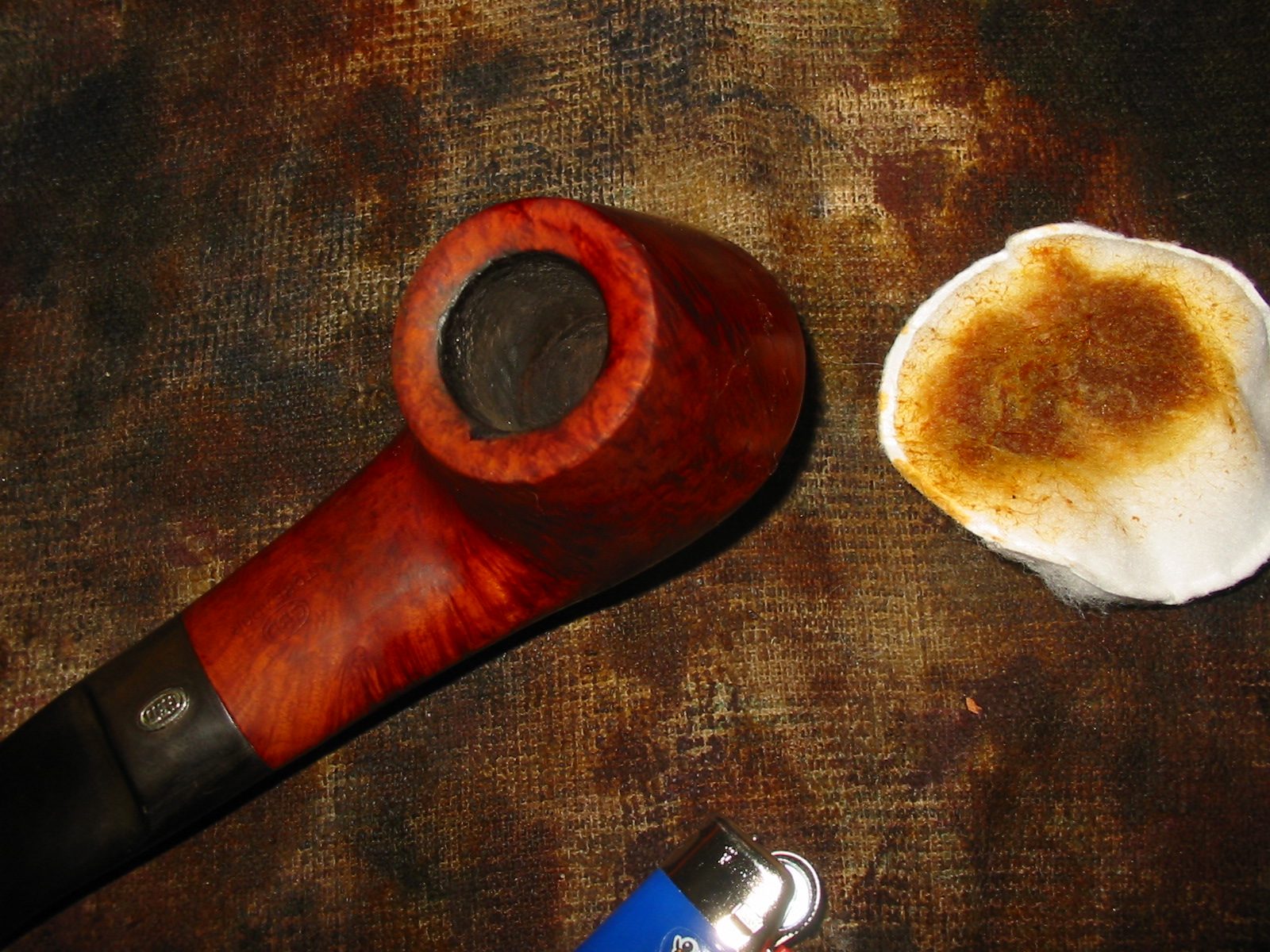
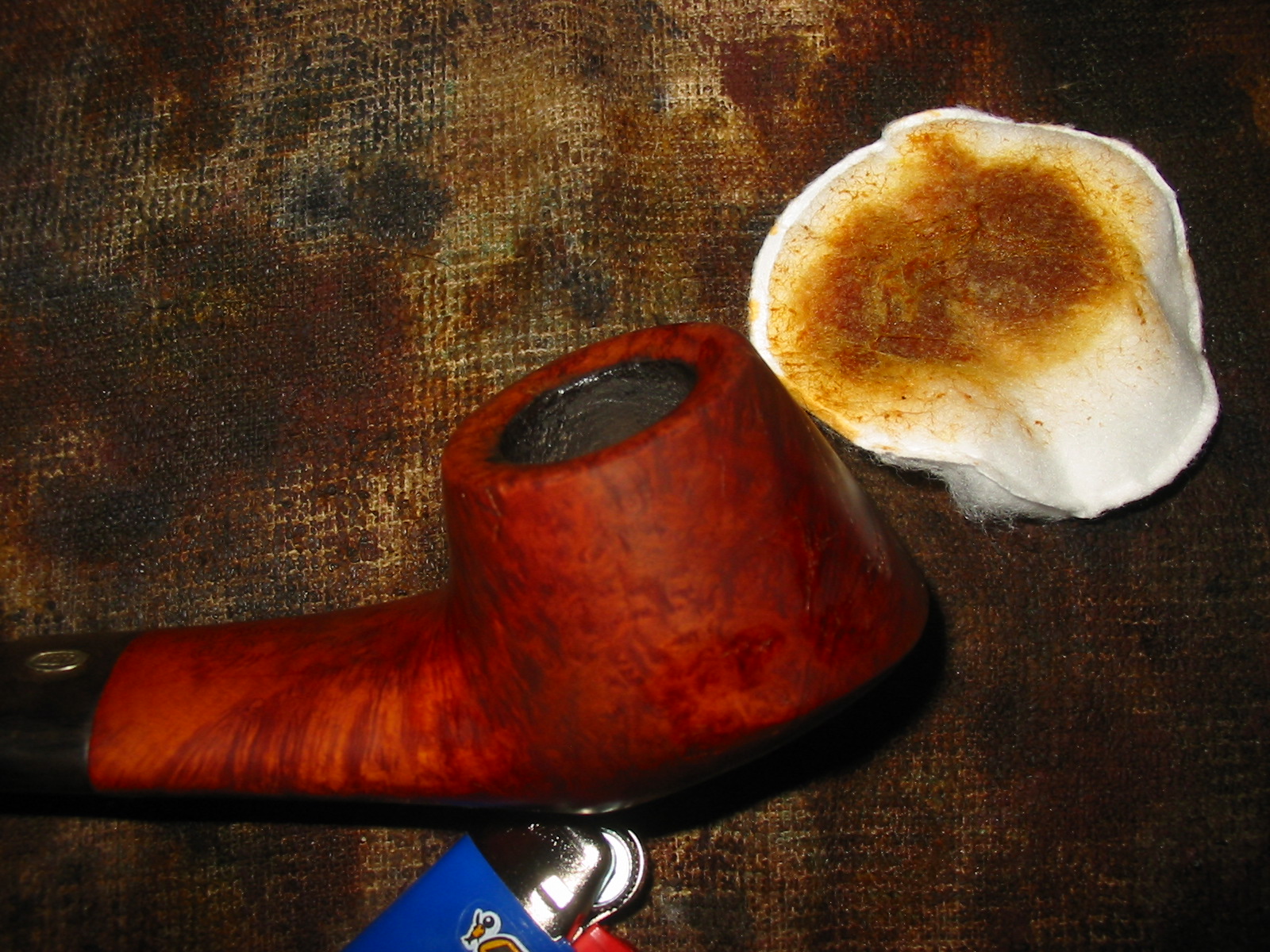
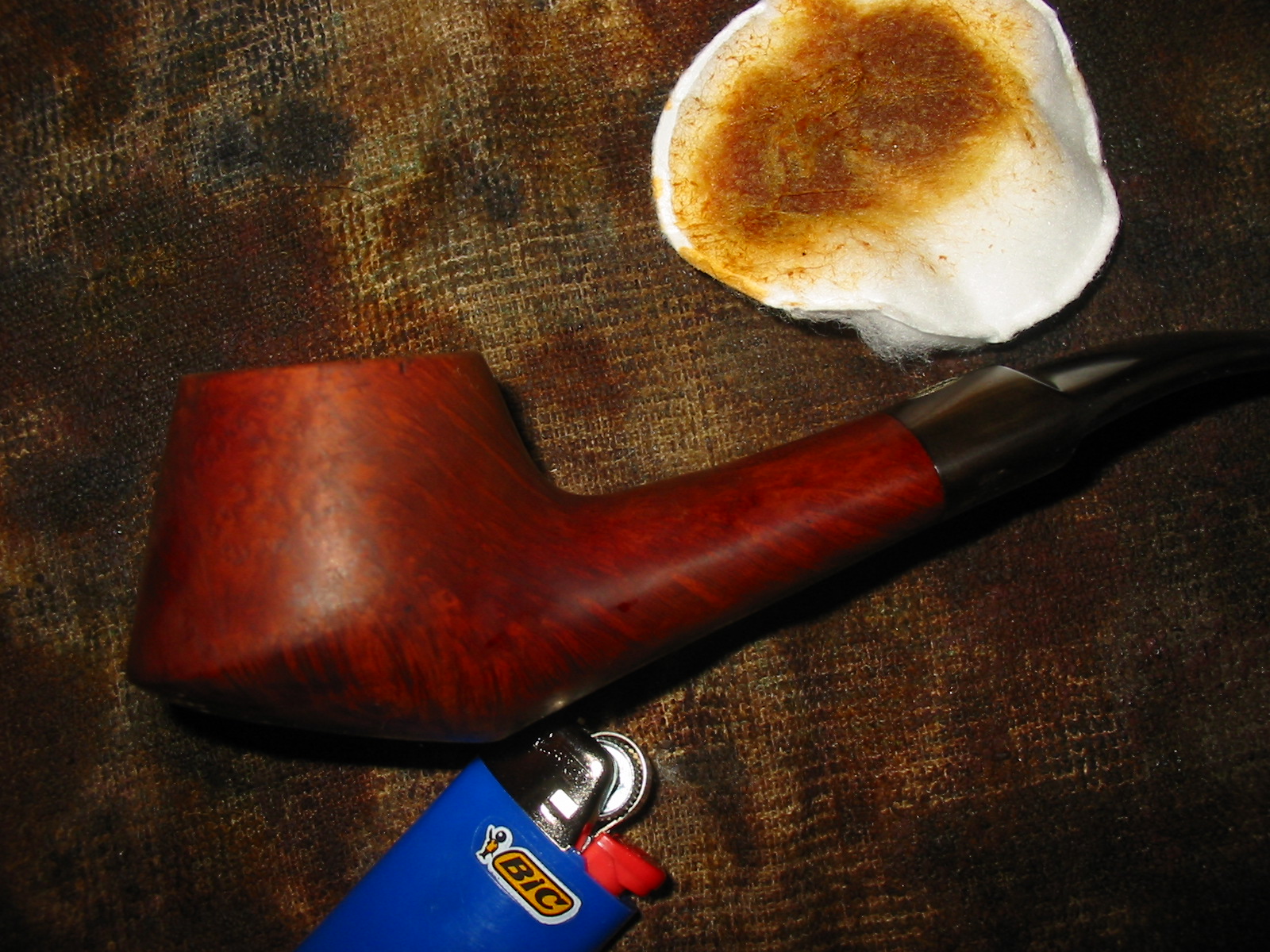
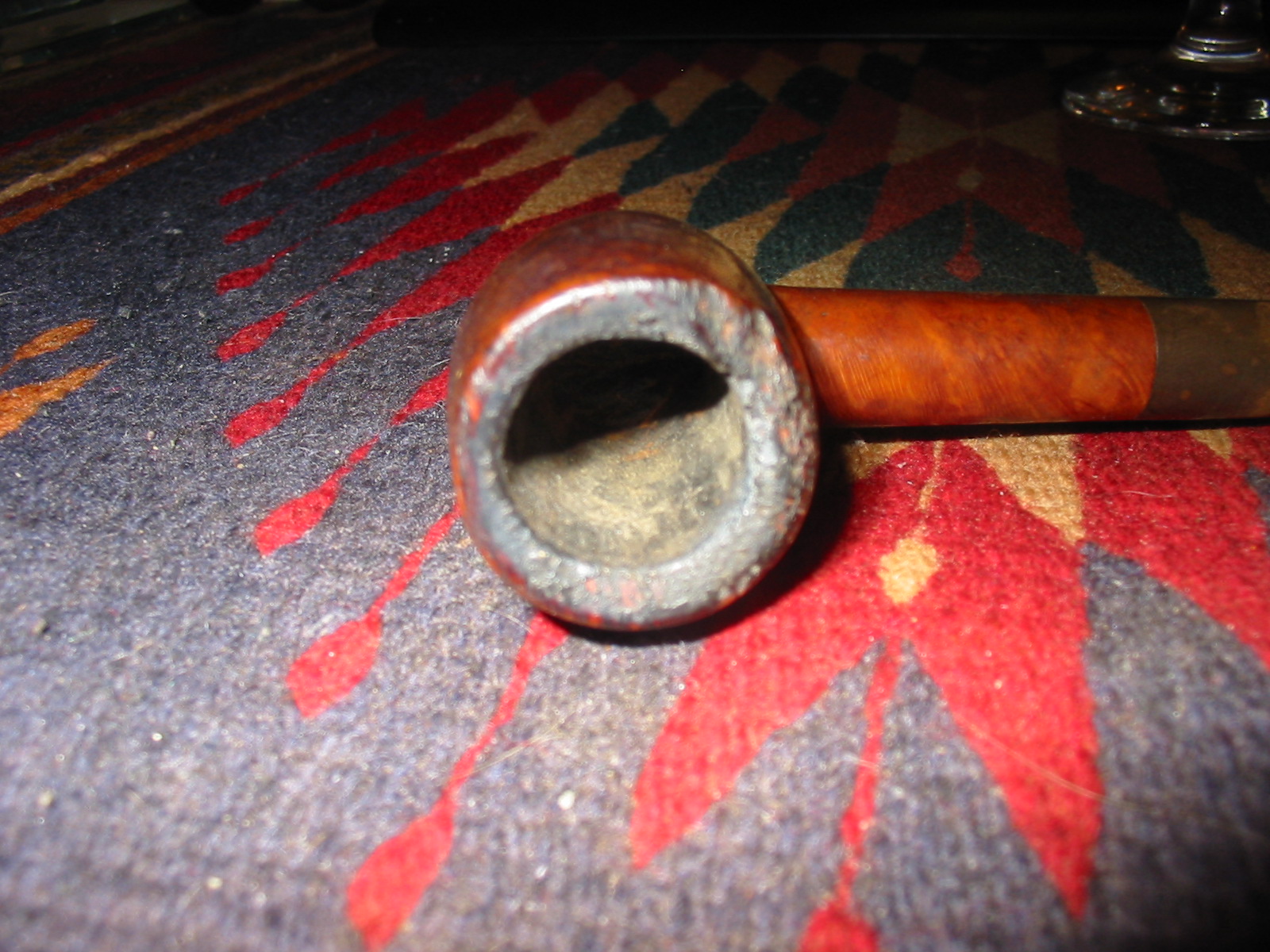
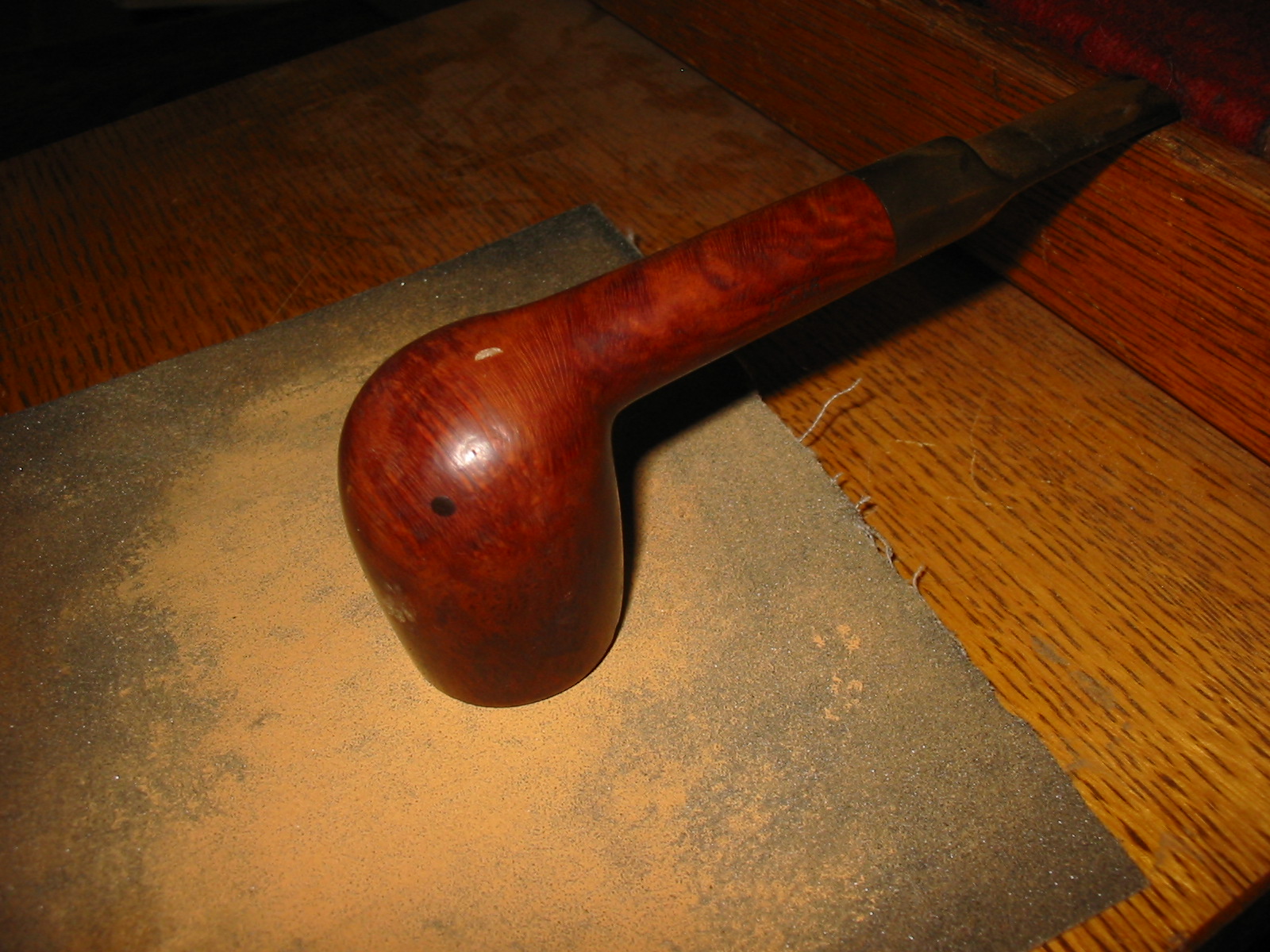
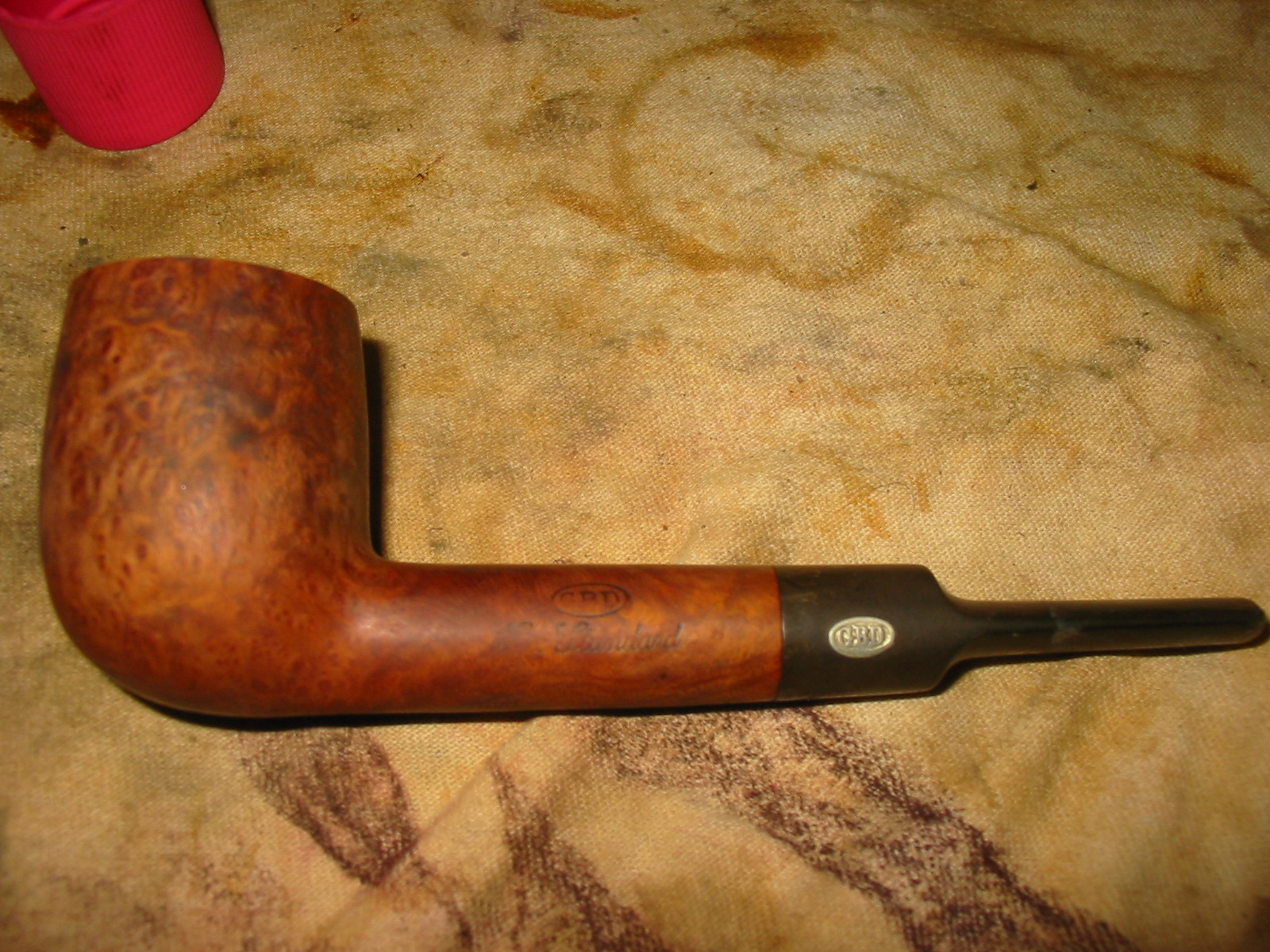
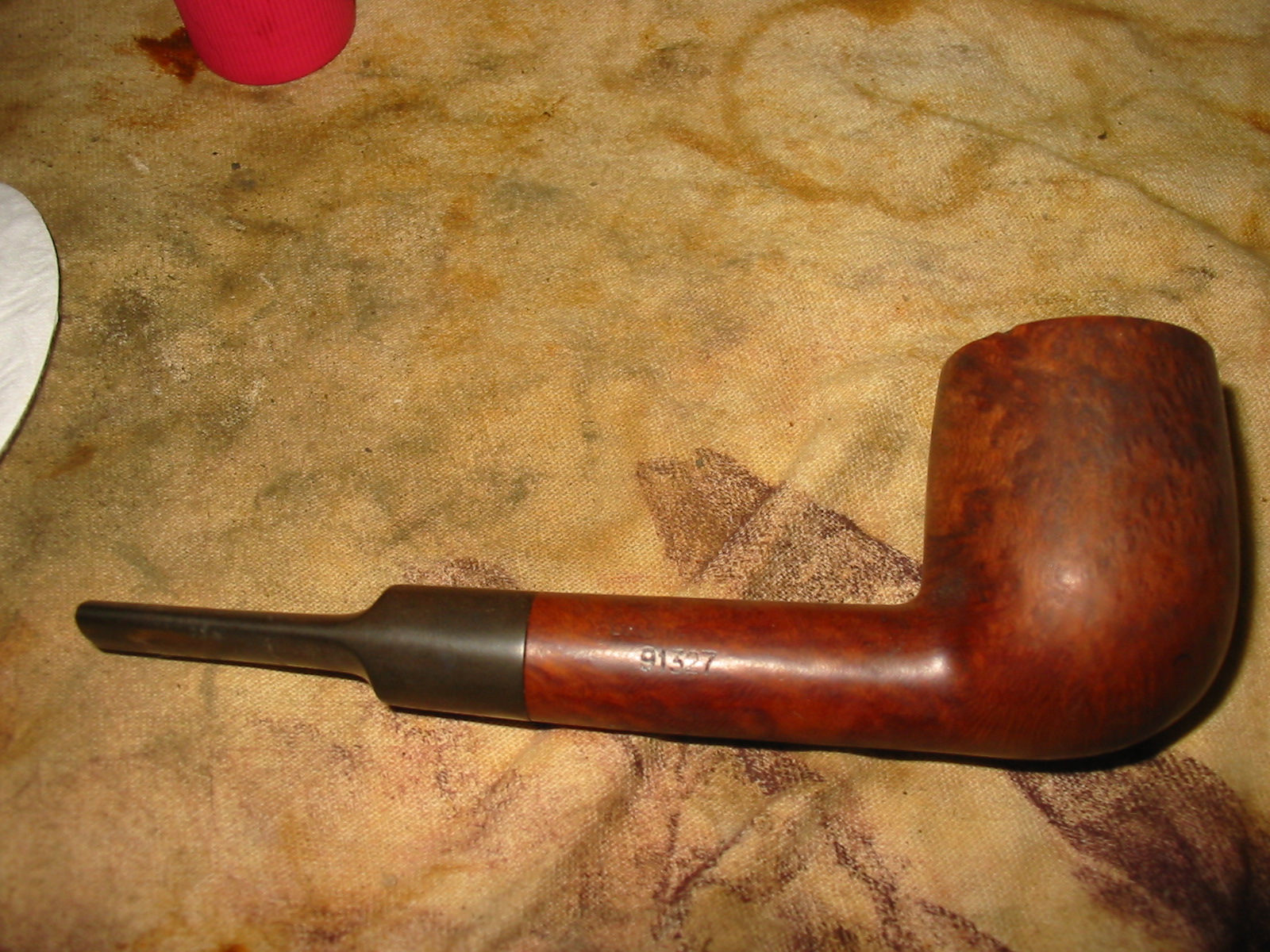
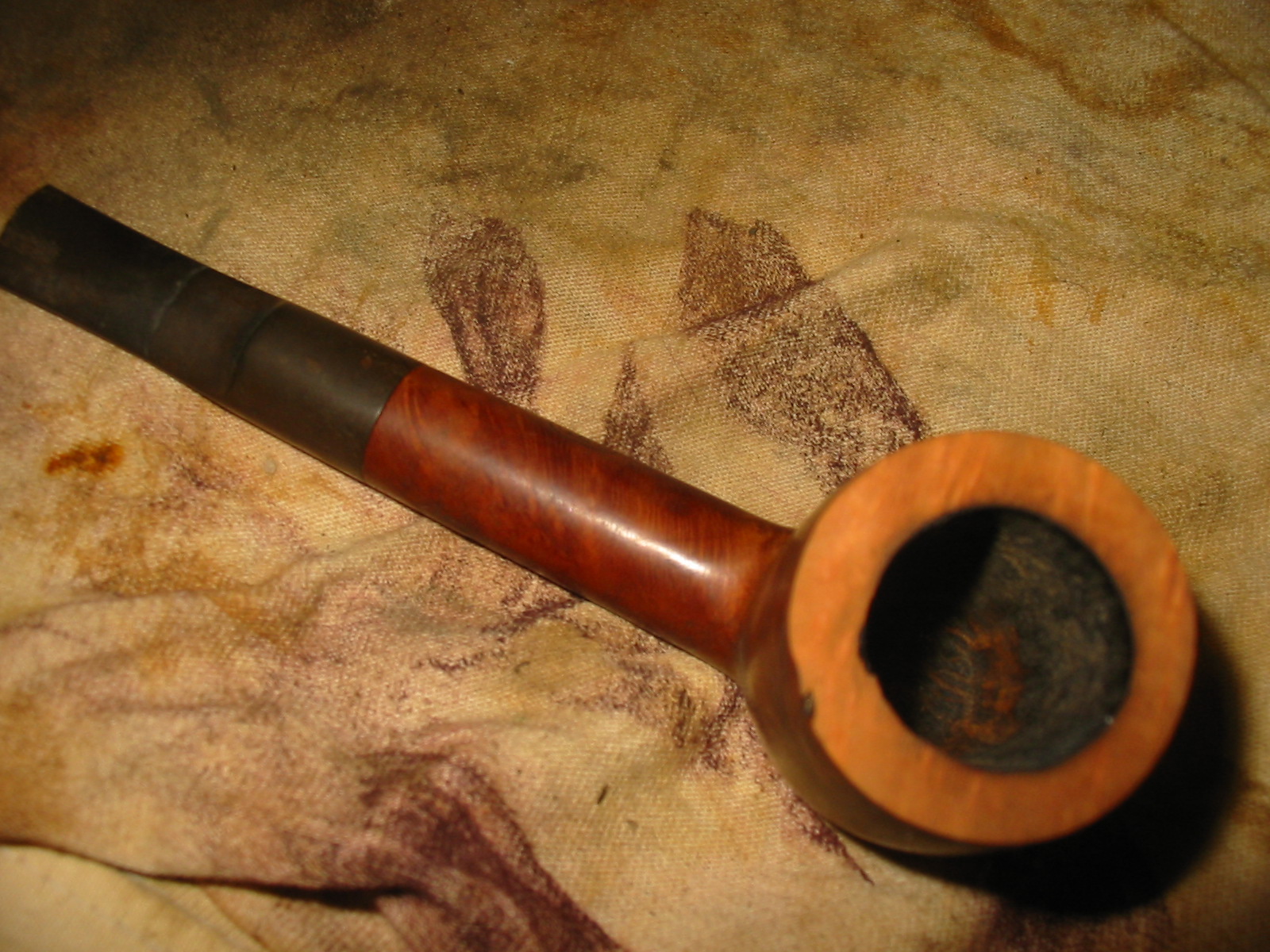
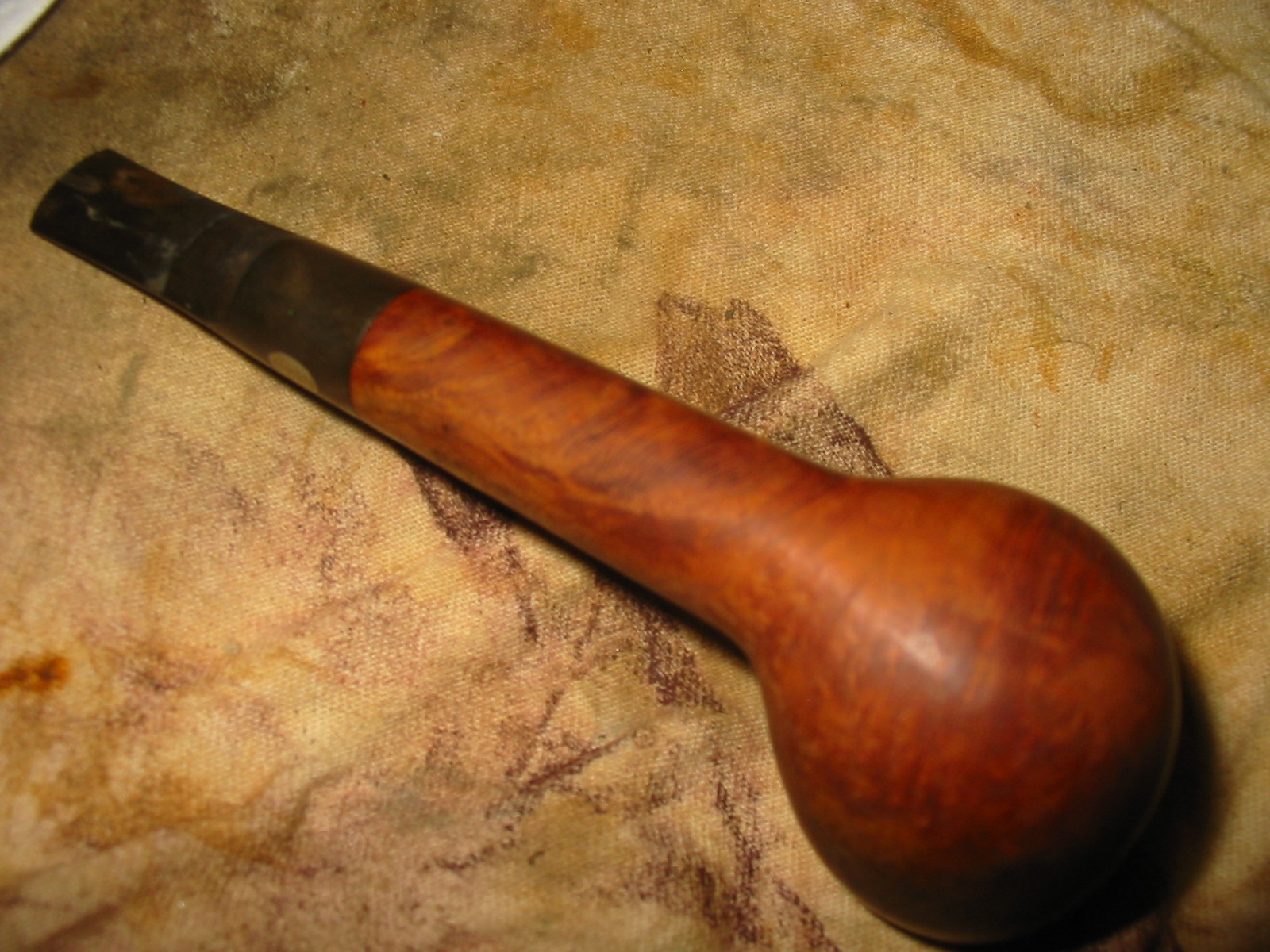
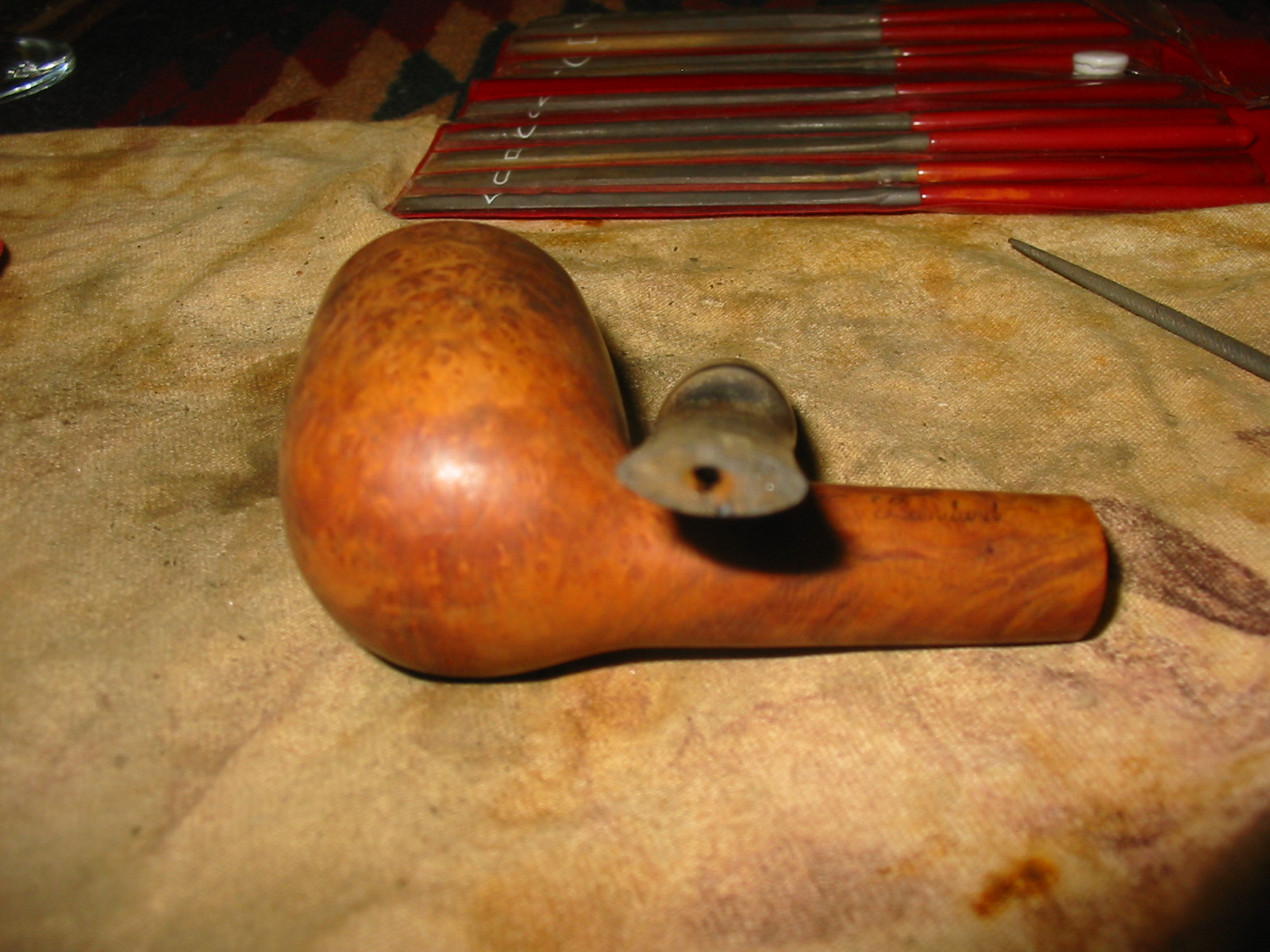
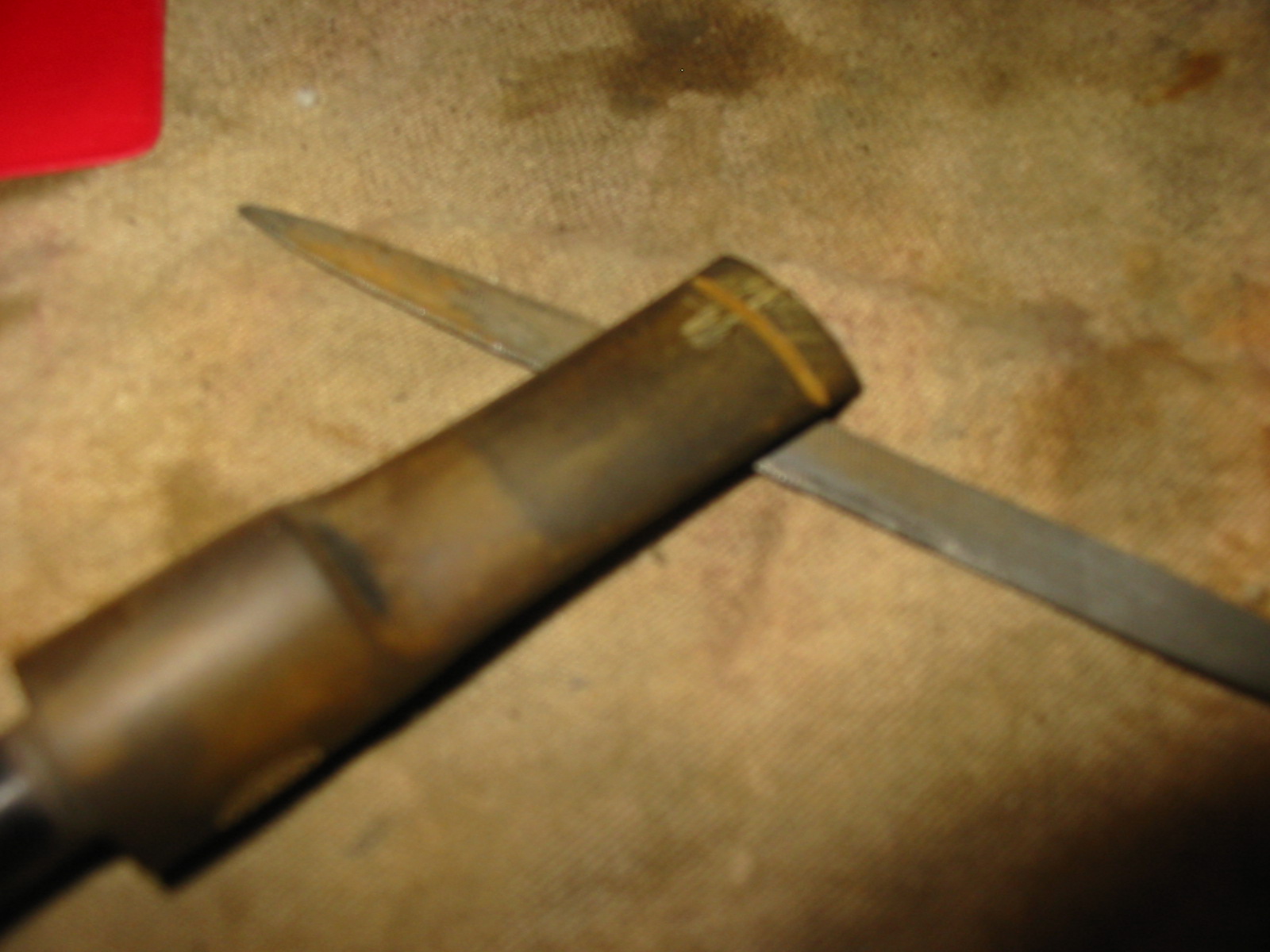
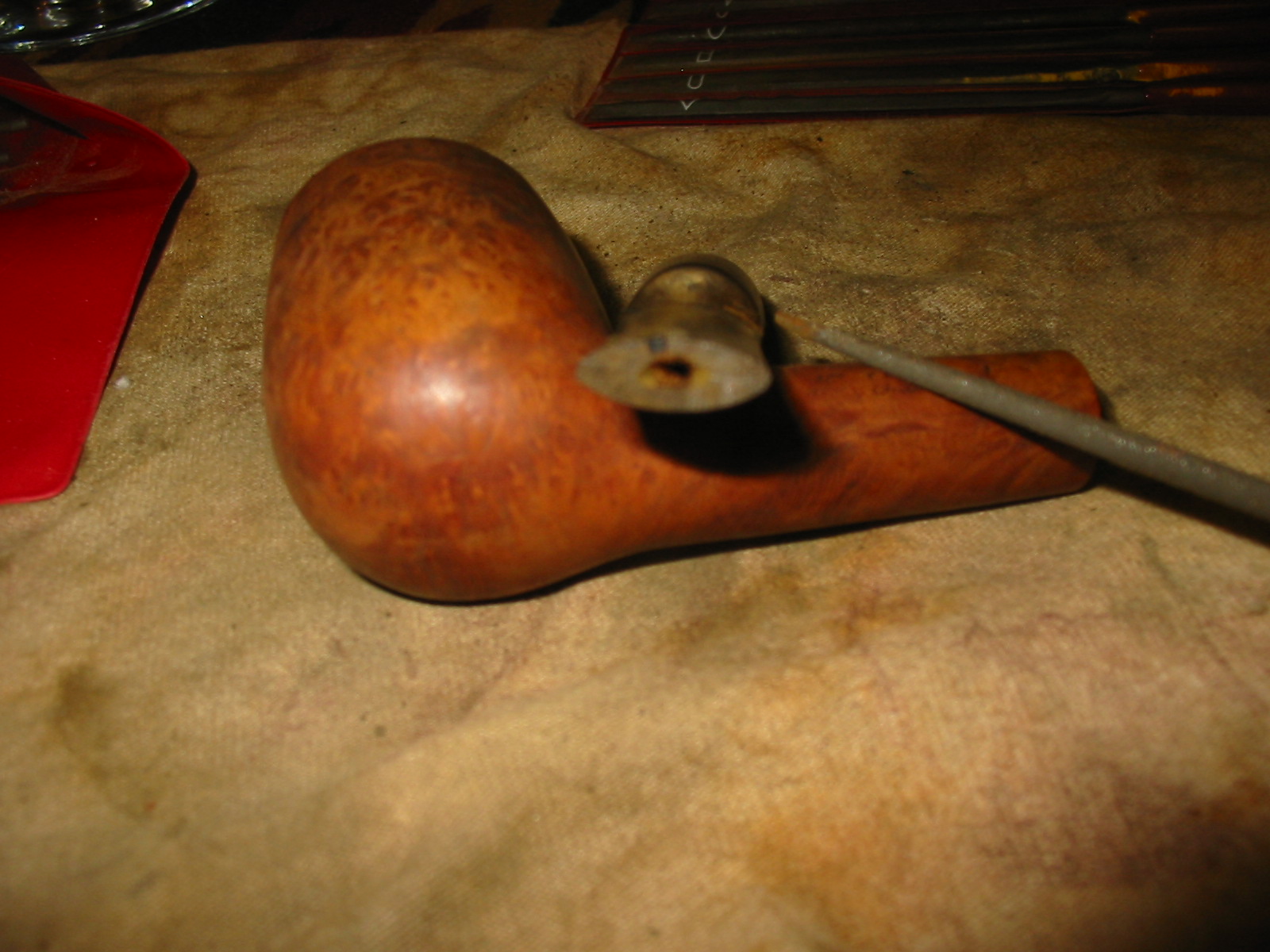
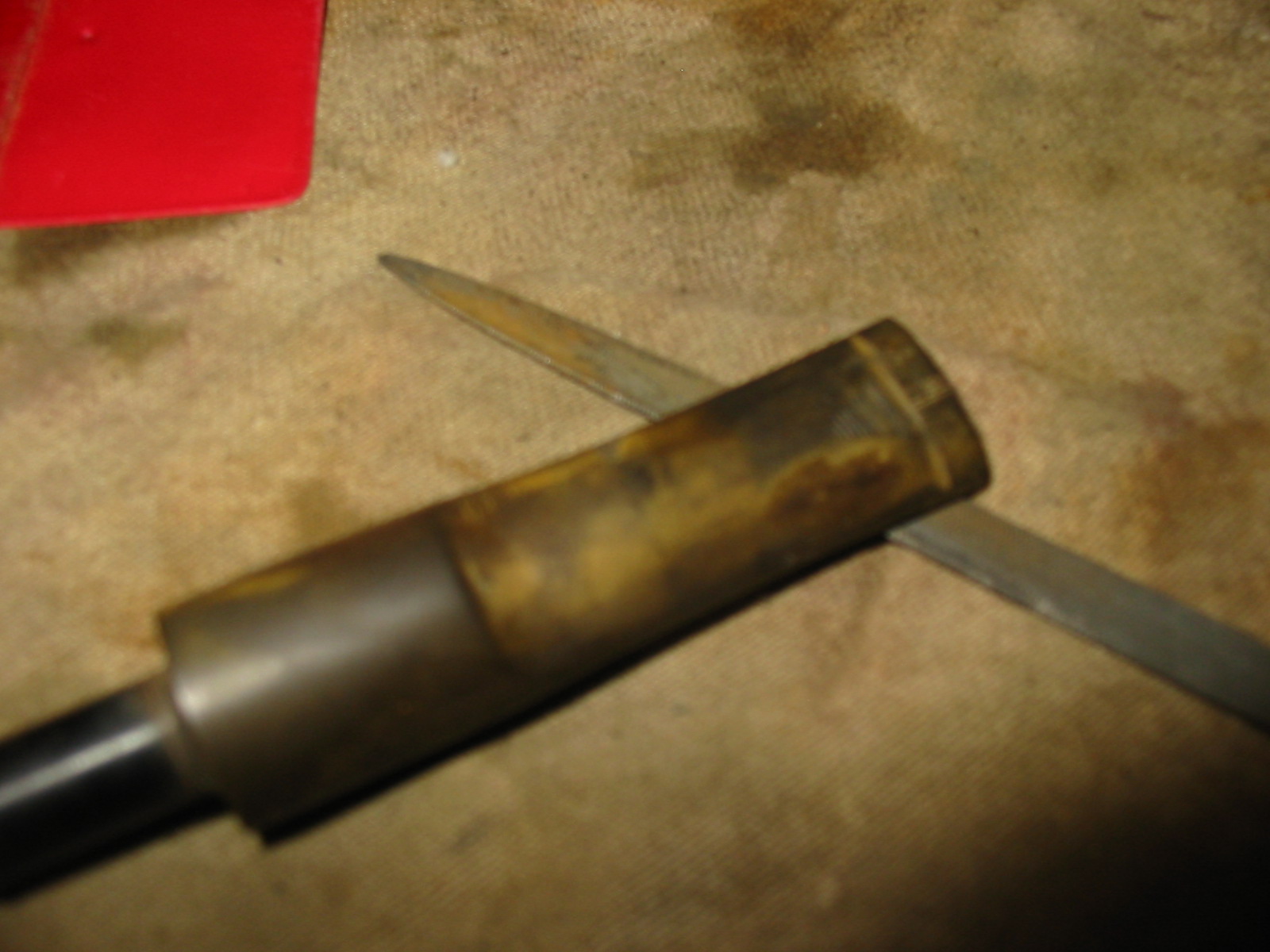
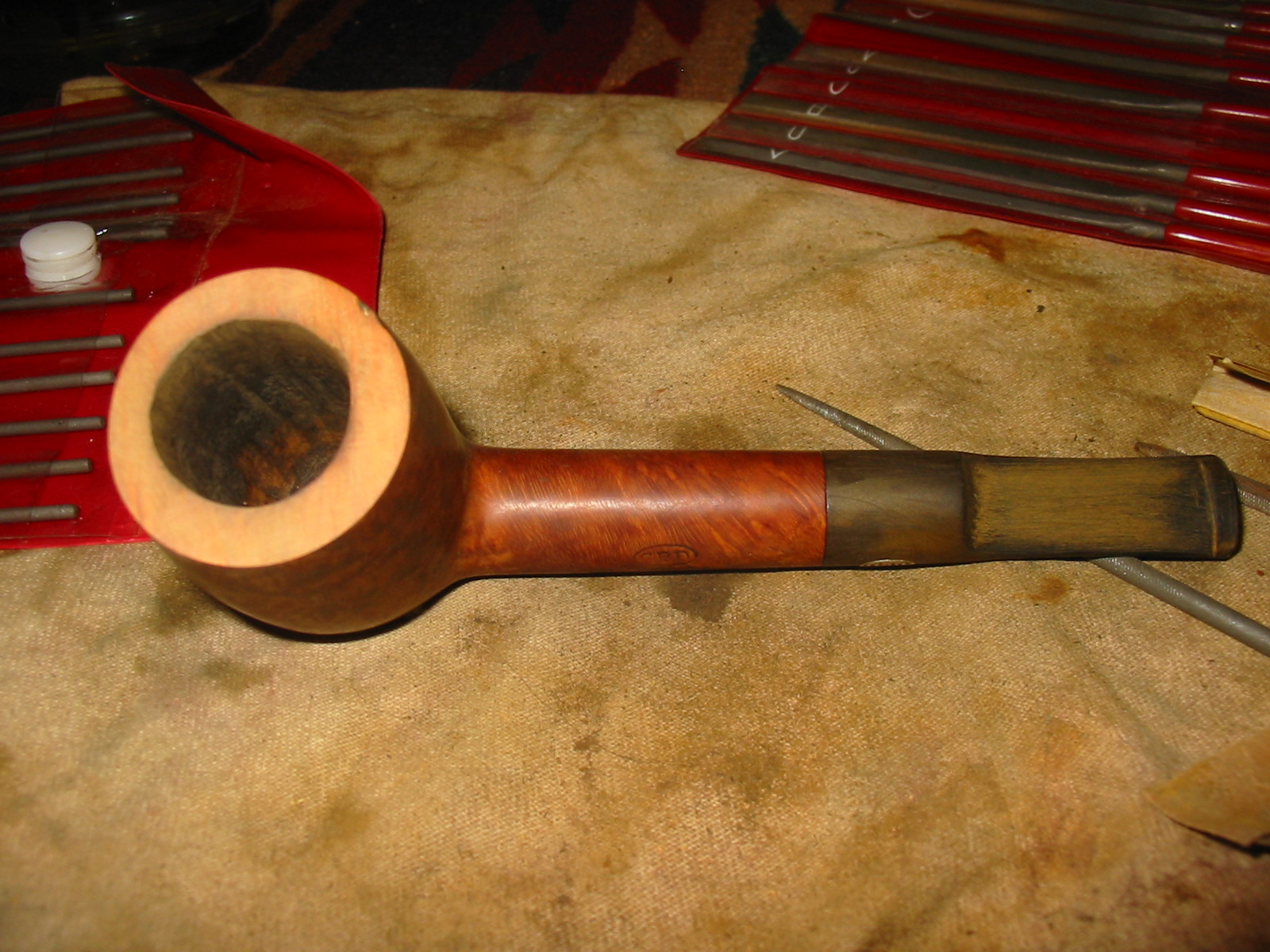
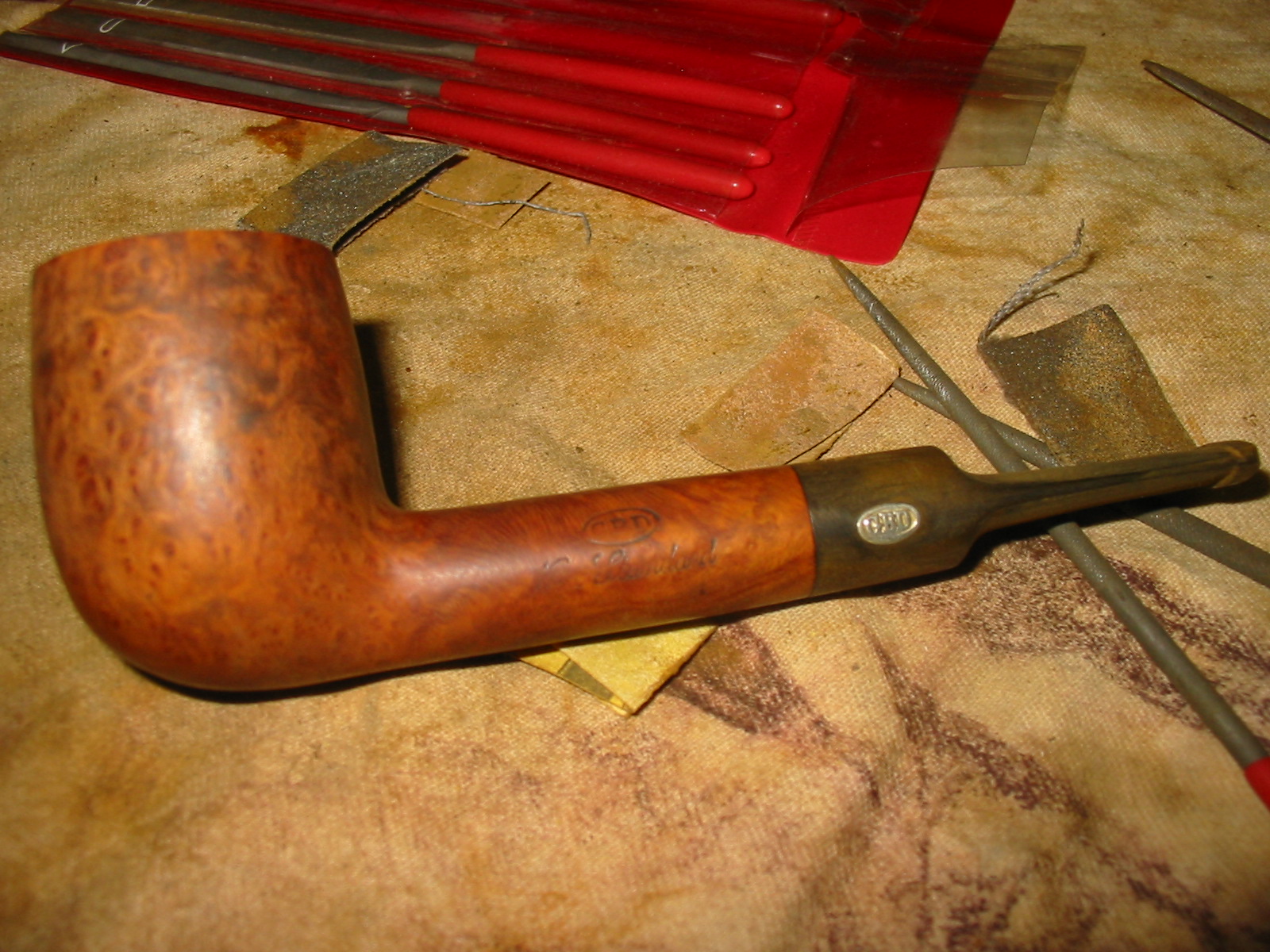
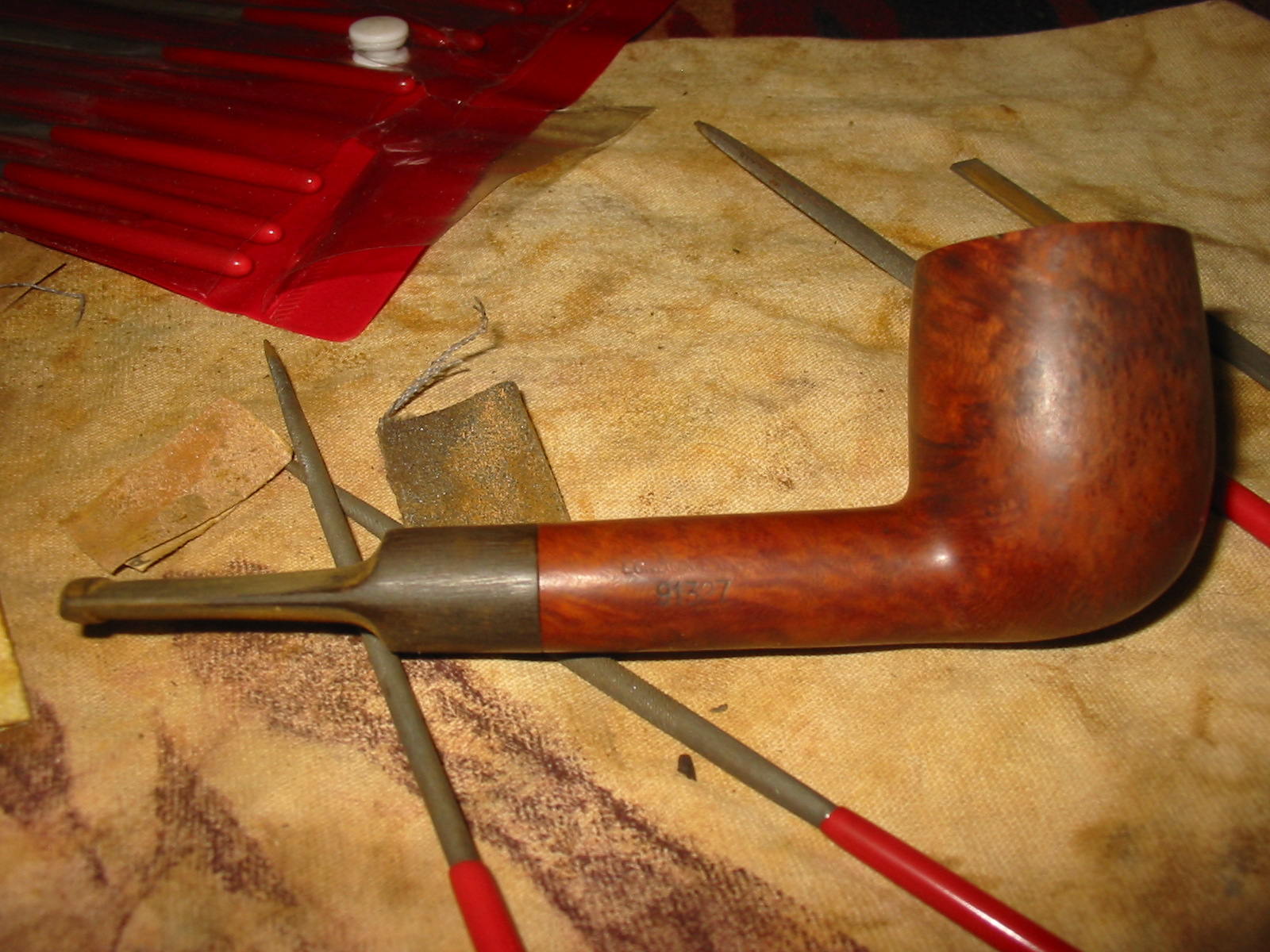
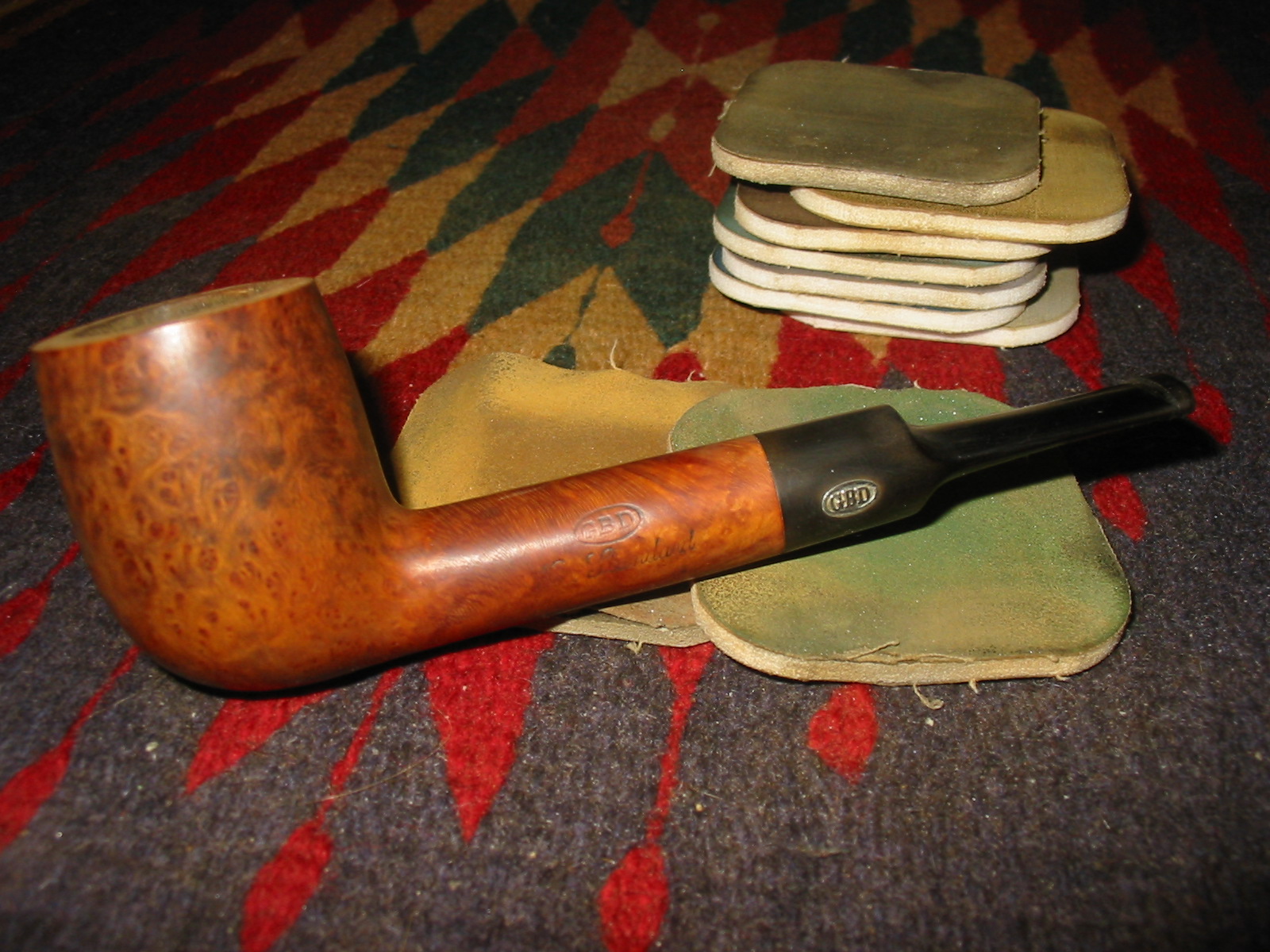
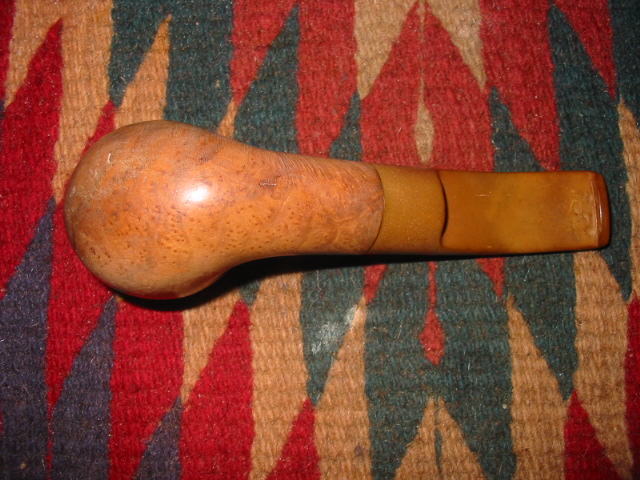
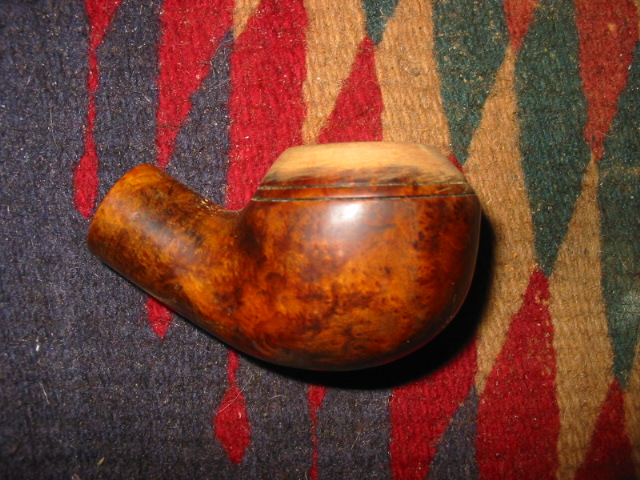
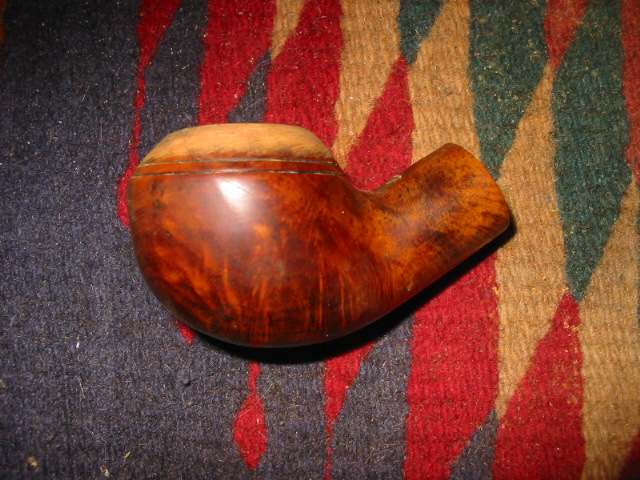
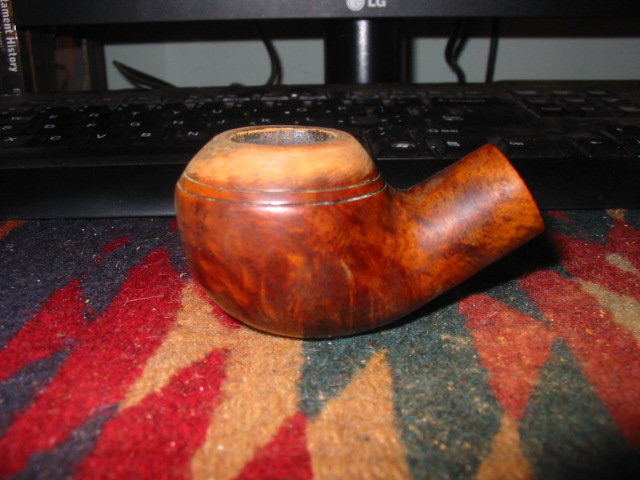
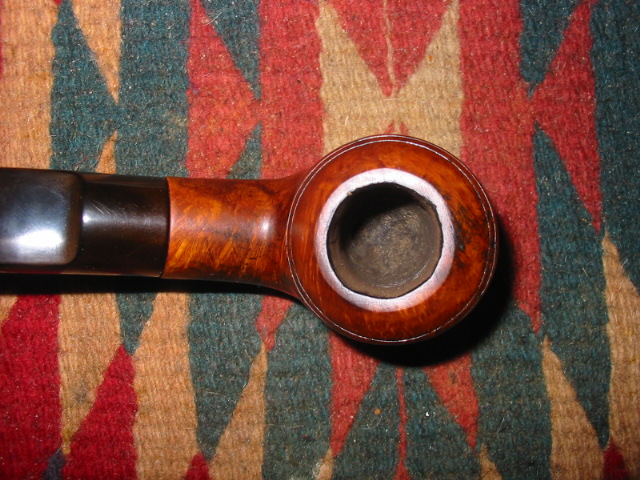
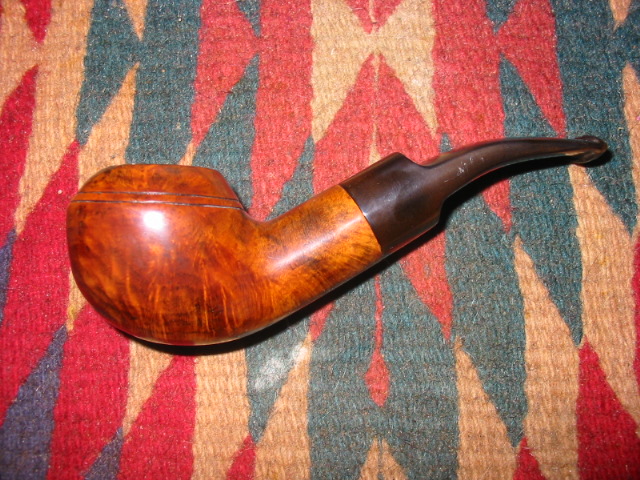
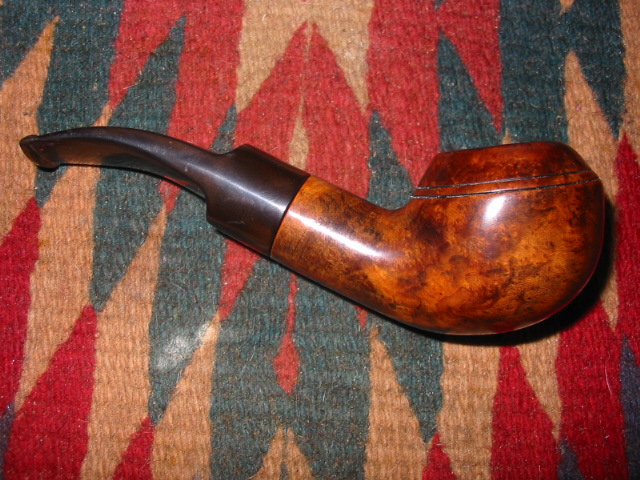
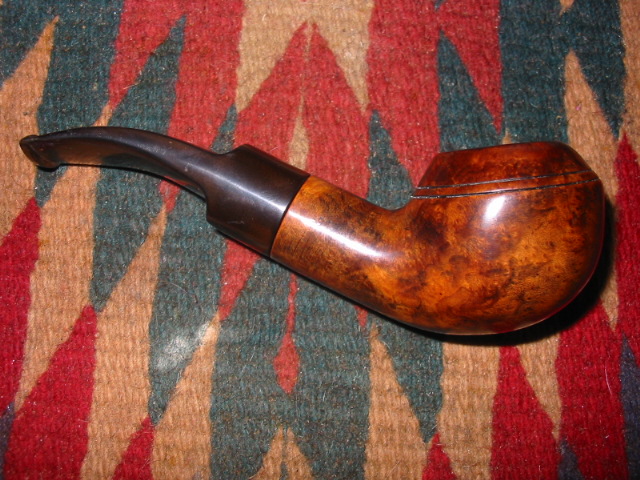
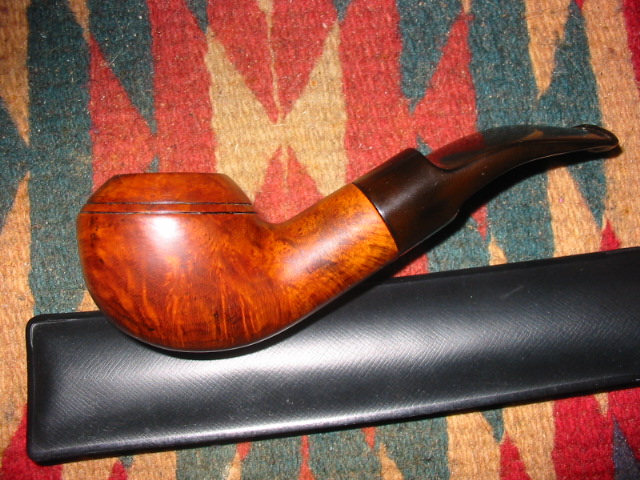
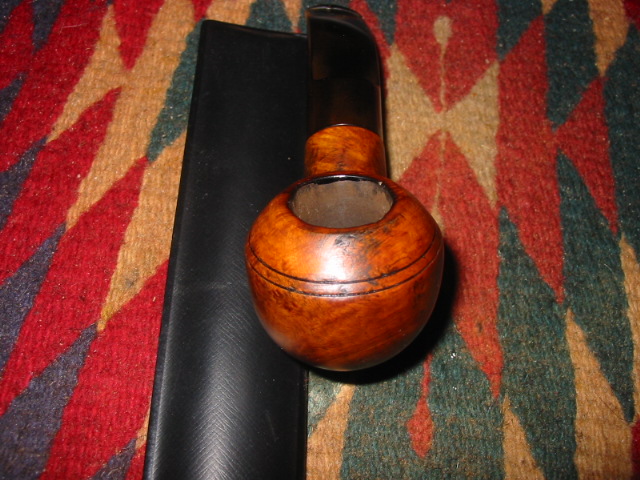
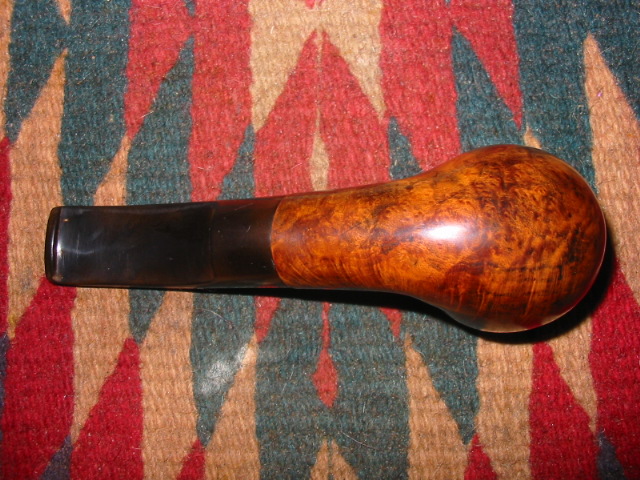
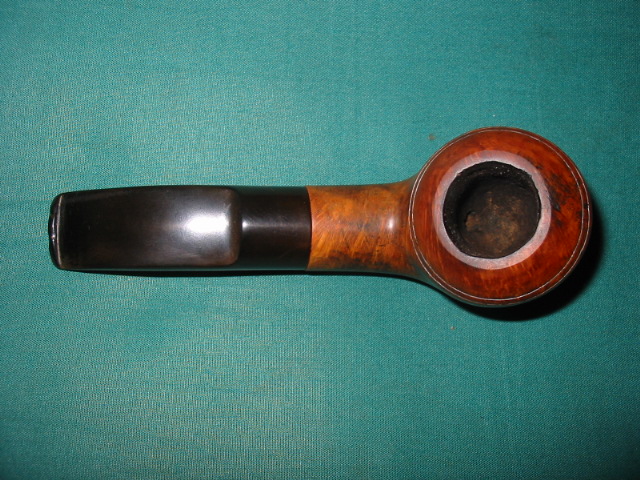
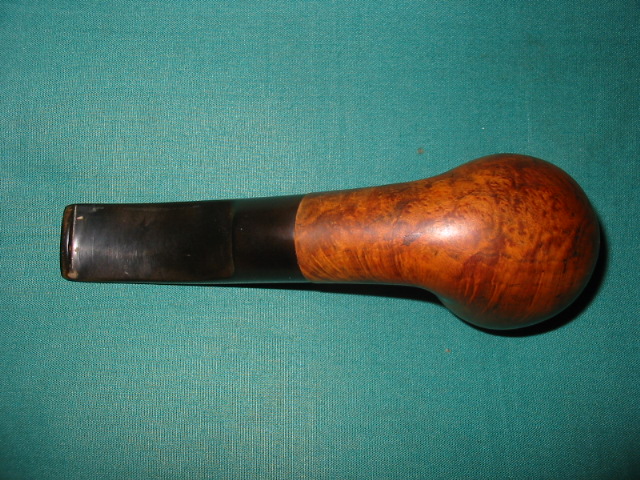
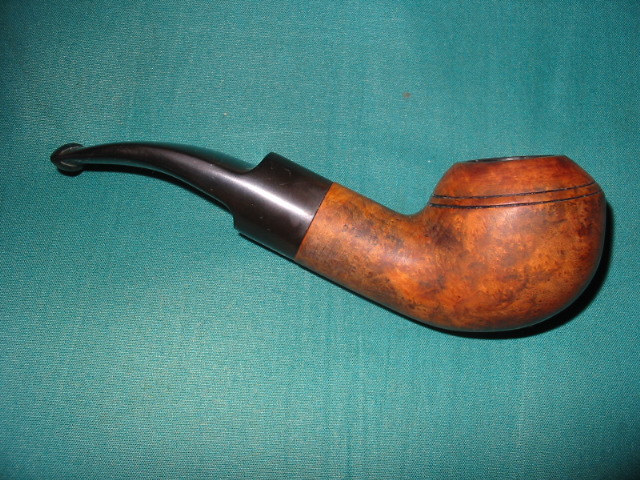
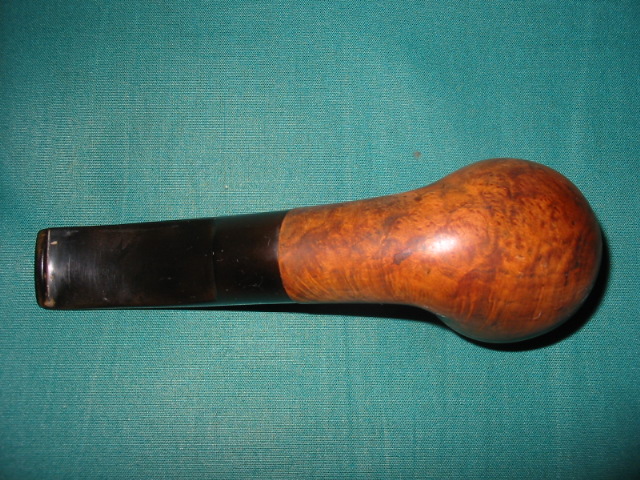
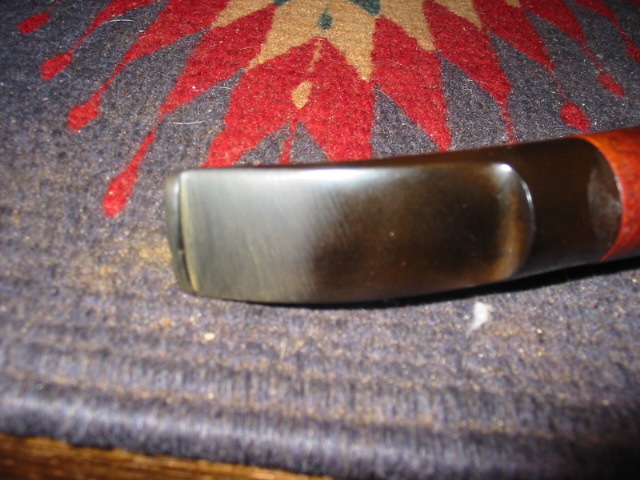
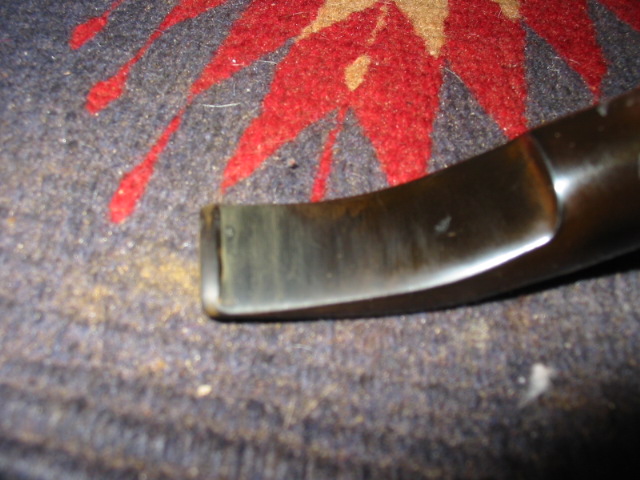
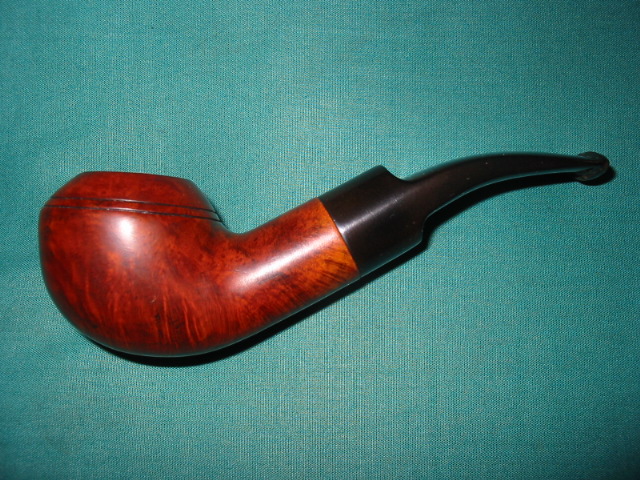
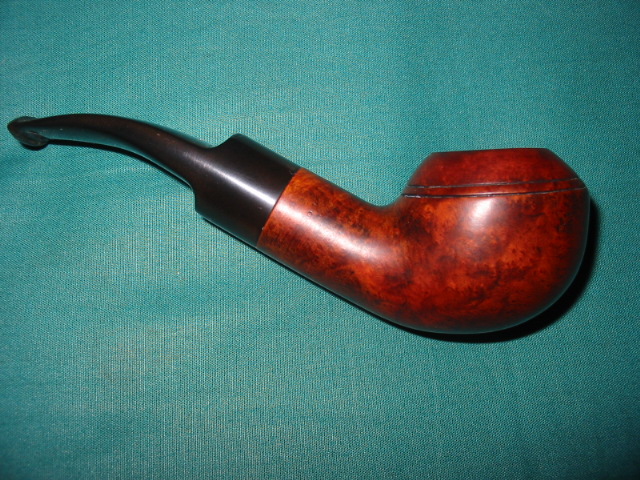
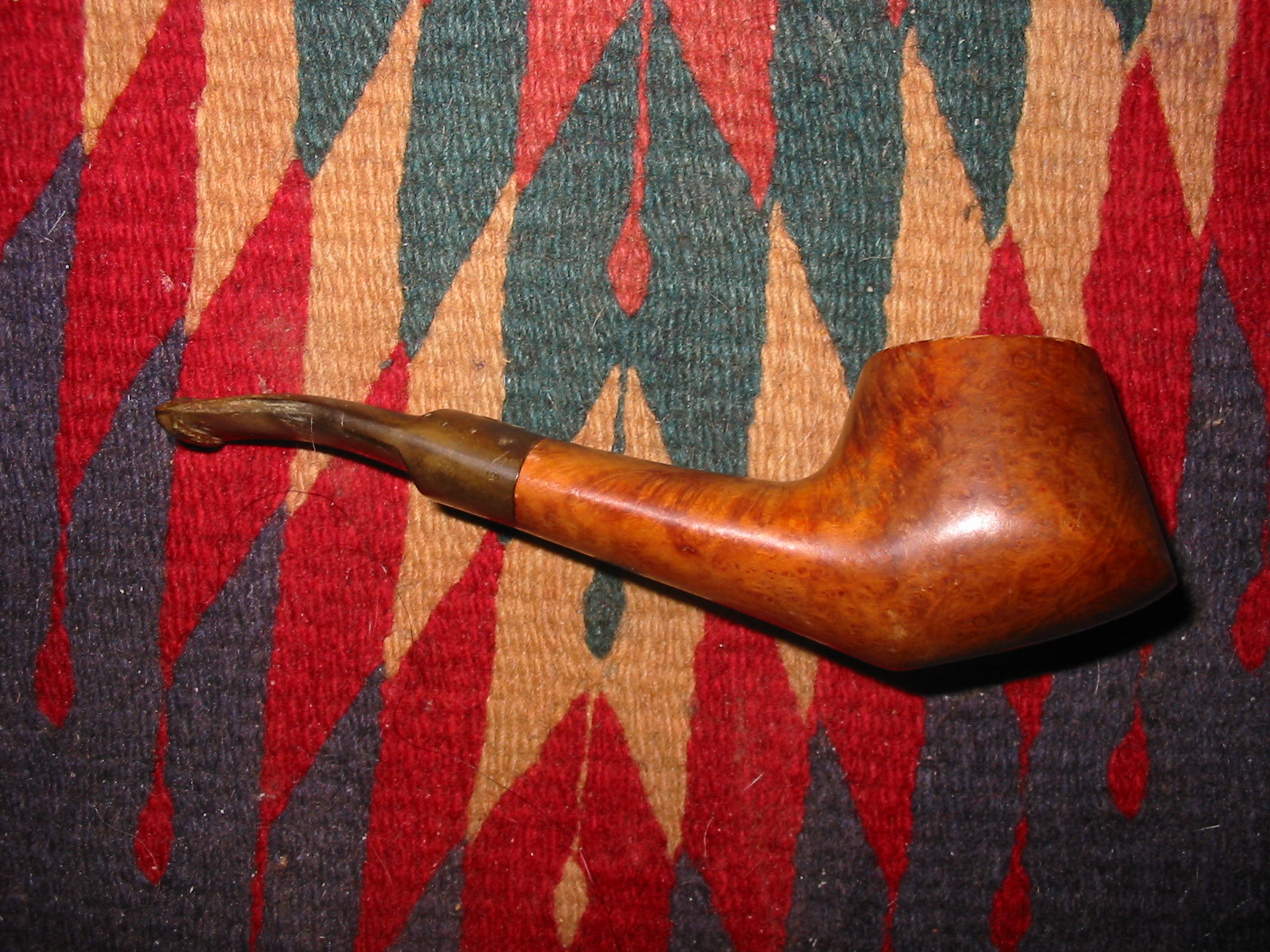
As they were getting ready to depart, I found this GBD Seventy-Six, shape 548, on Ebay. I later learned it was sold by our own Bob Landry. The pipe had some issues and I was a bit skeptical that a good outcome could result. I’m a fan of the Seventy-Six line and I liked the tall bulldog shape. The bowl top had some chips on it but the tall bowl looked like there was plenty of briar there to top it just a bit. The stem was in great shape, just oxidized and I rationalized that if it didn’t work out, at least I had a brass rondell for the parts box. The big concern was the two burn marks on the briar (photographed and described well by Bob). I knew it would require a restain. Here is the pipe as it was received.

GBD_584_76-Before

GBD_584_76-Before (1)

GBD_584_76-Before (2)

GBD_584_76-Before (3)

GBD_584_76-Before (4)

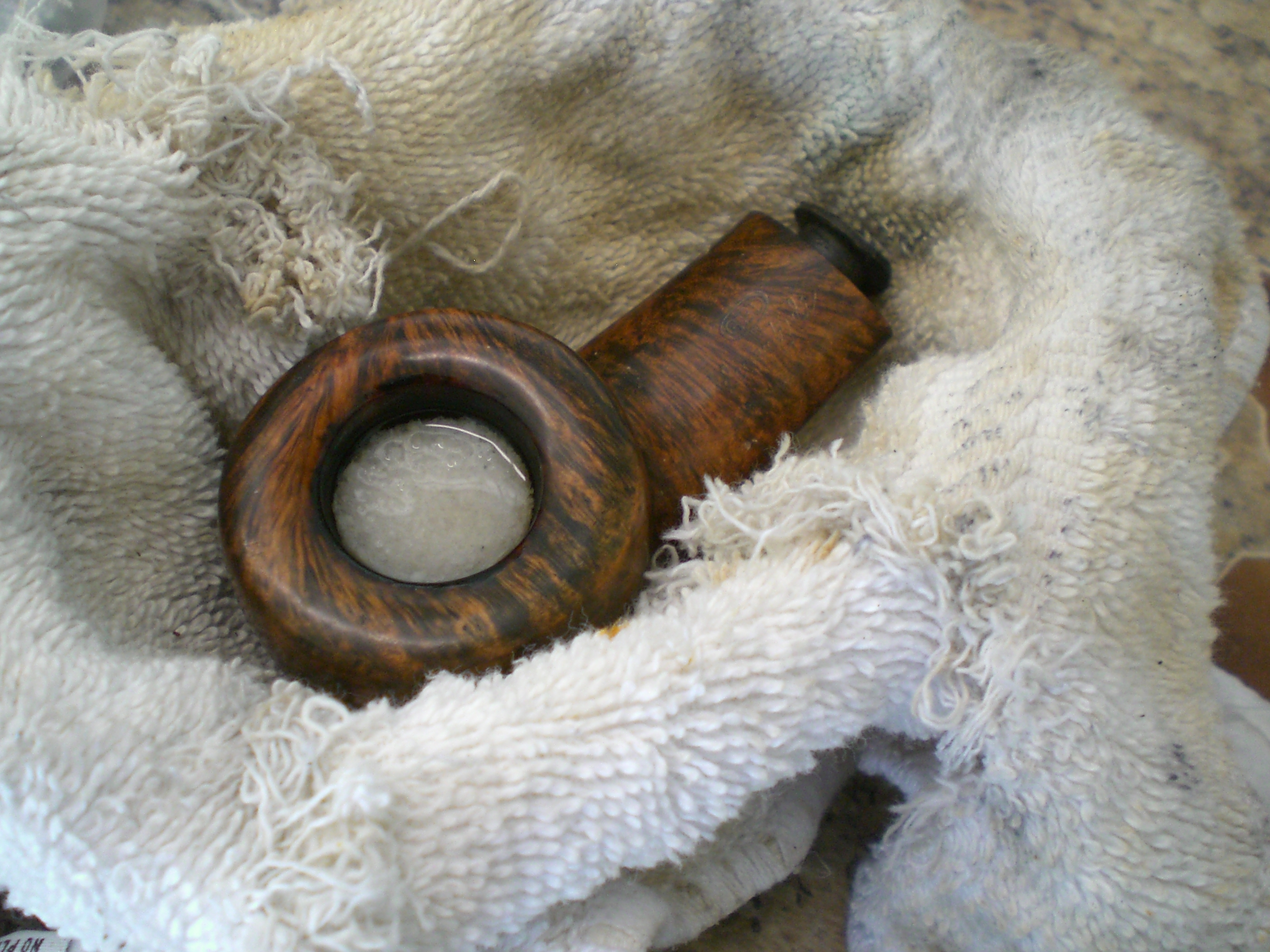
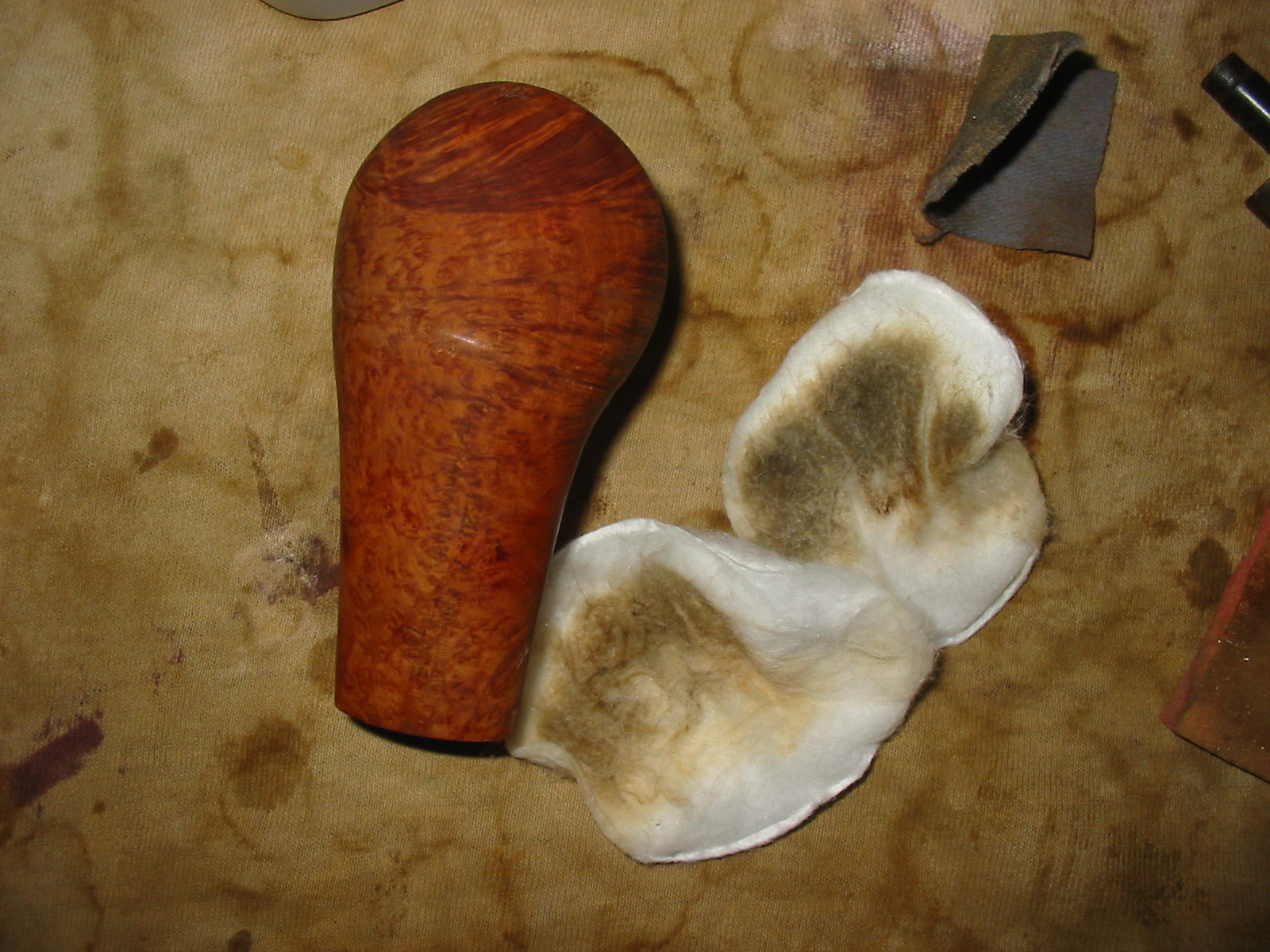
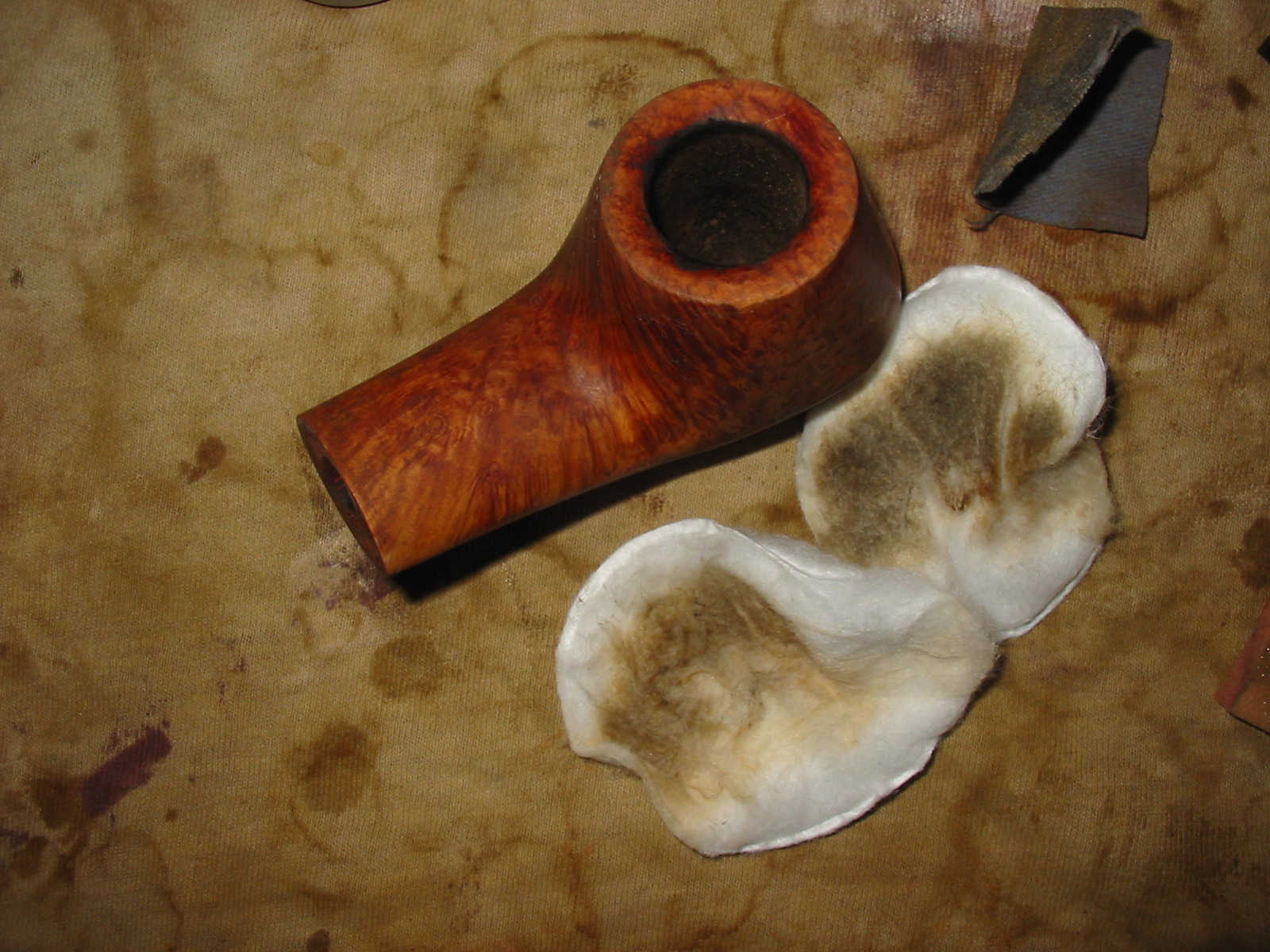
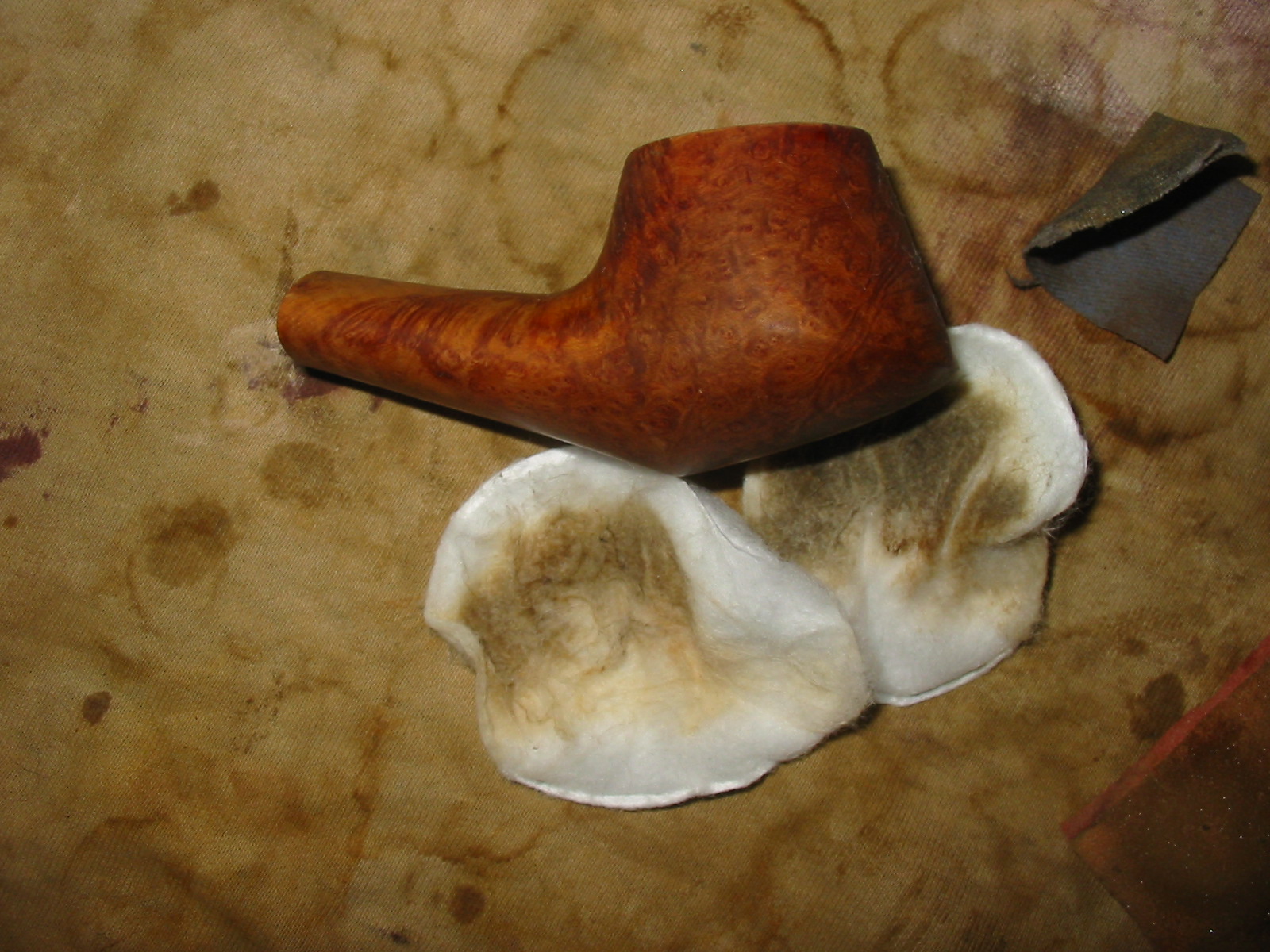
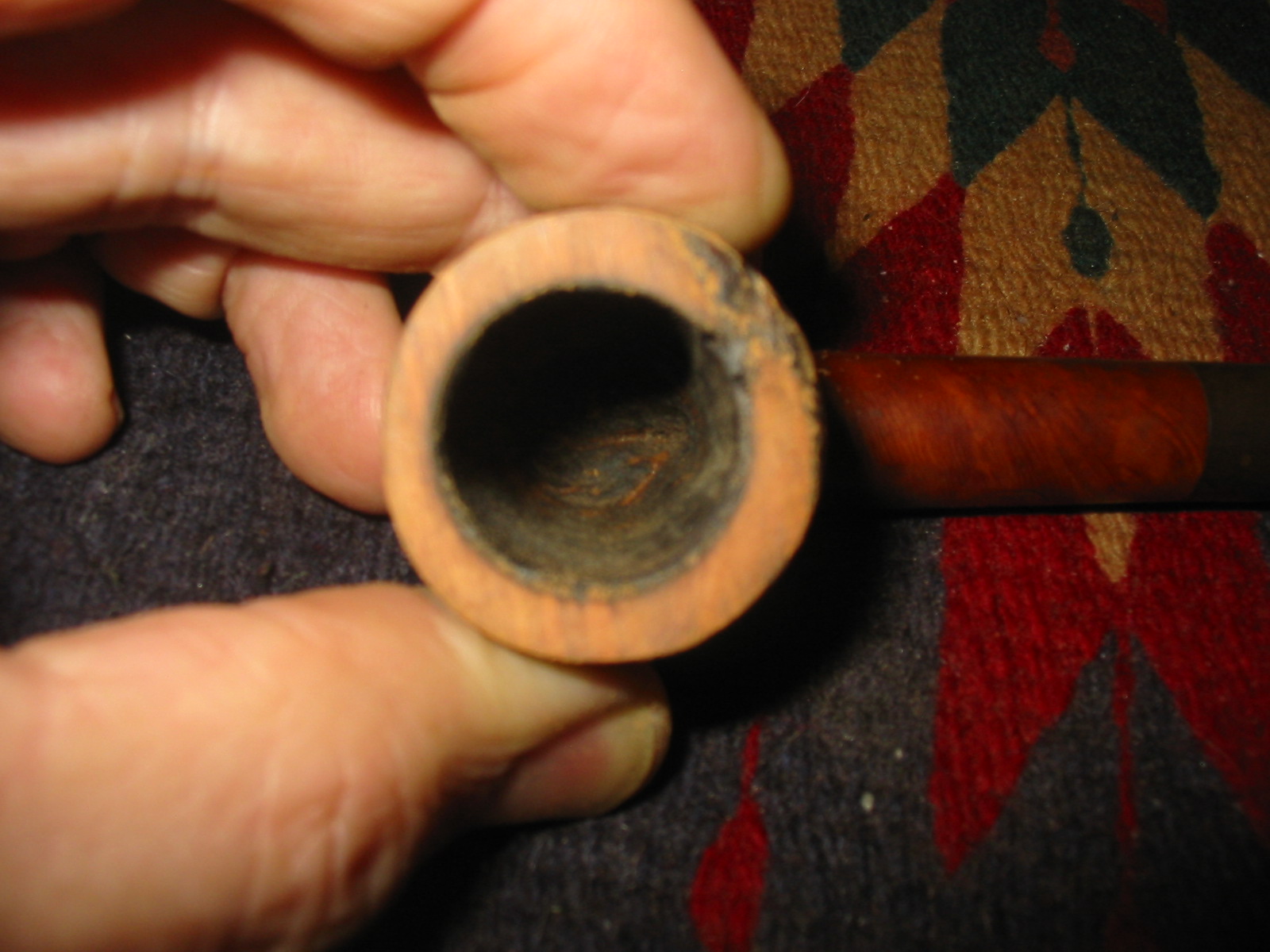
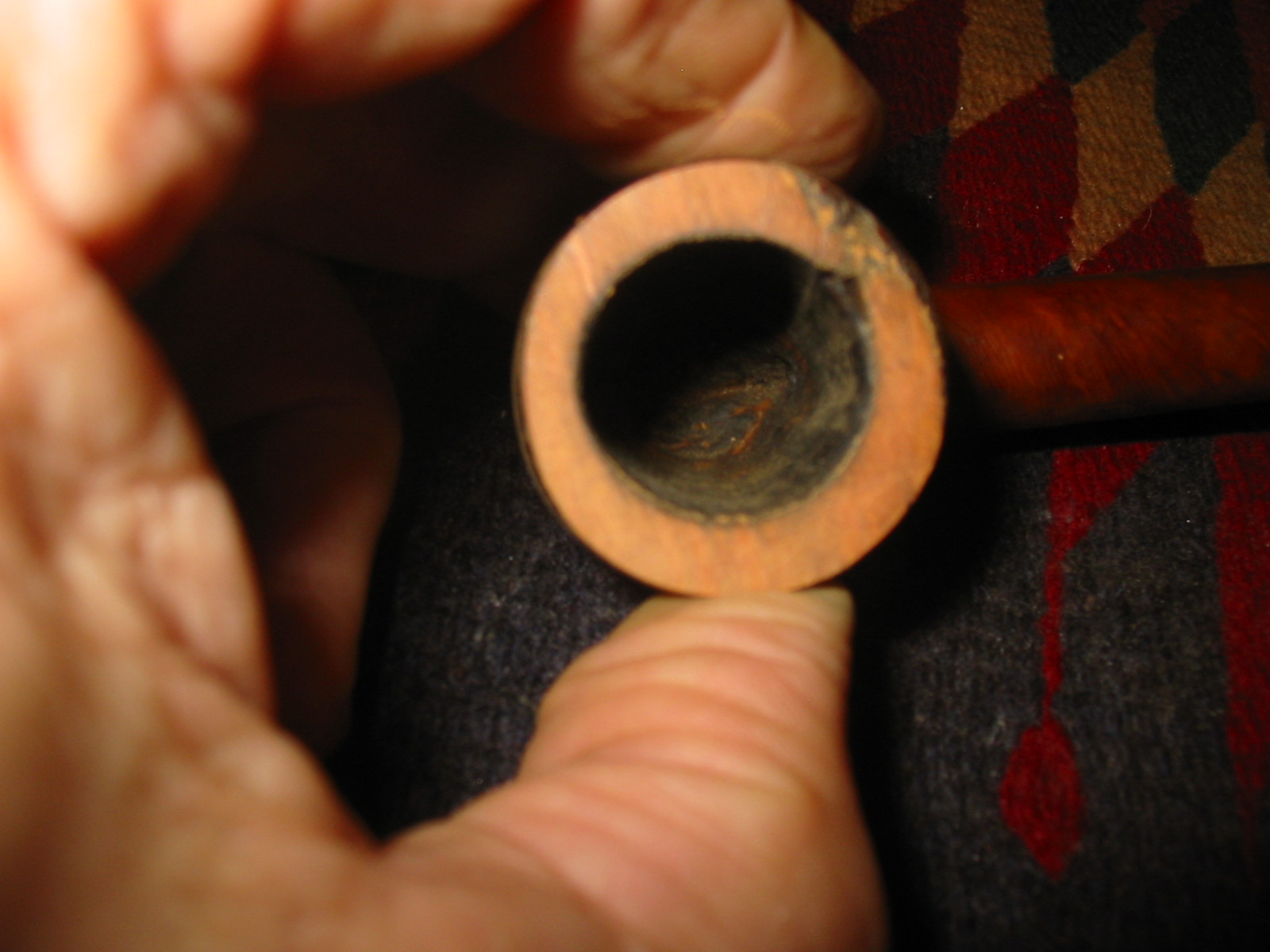
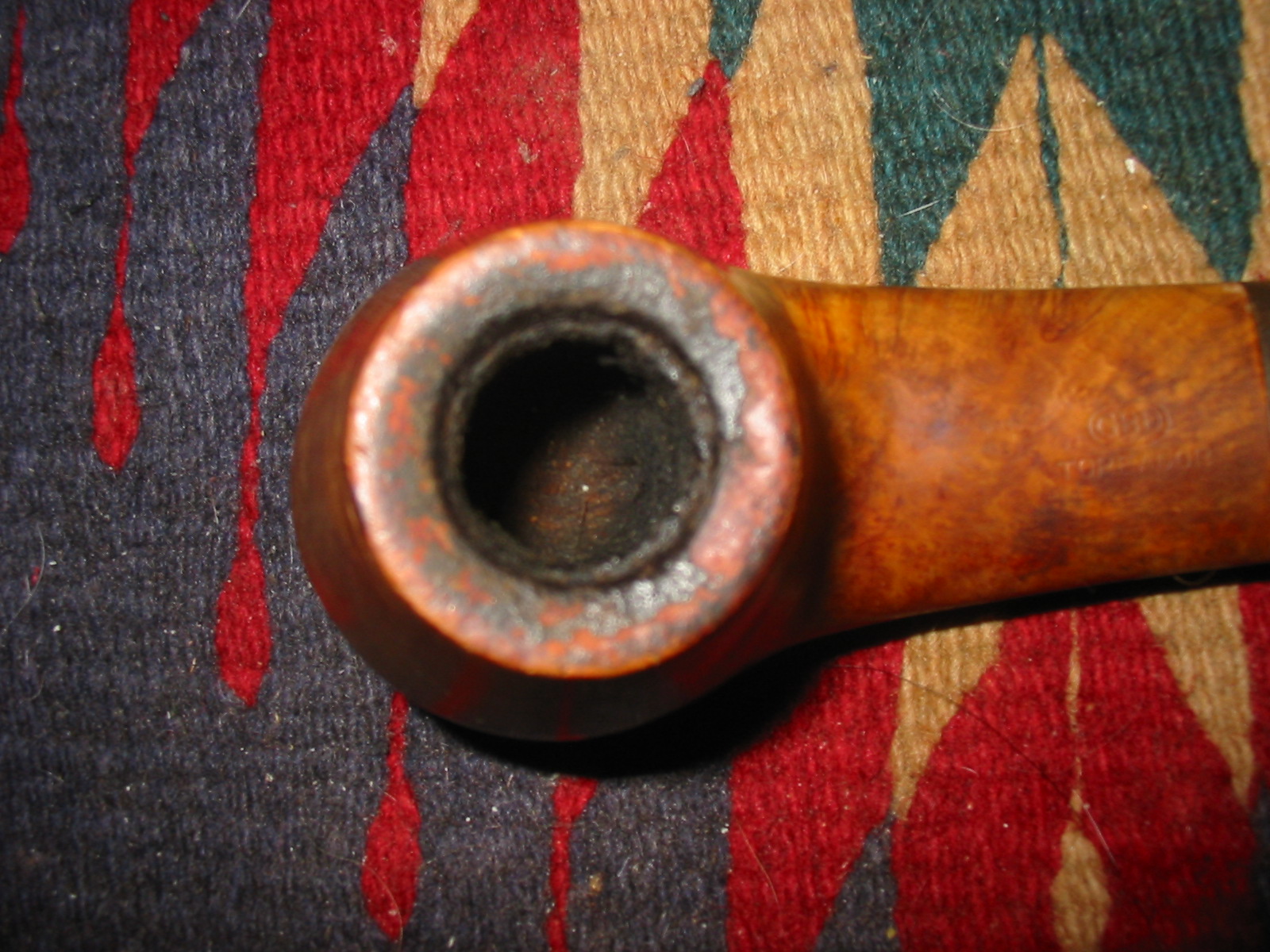
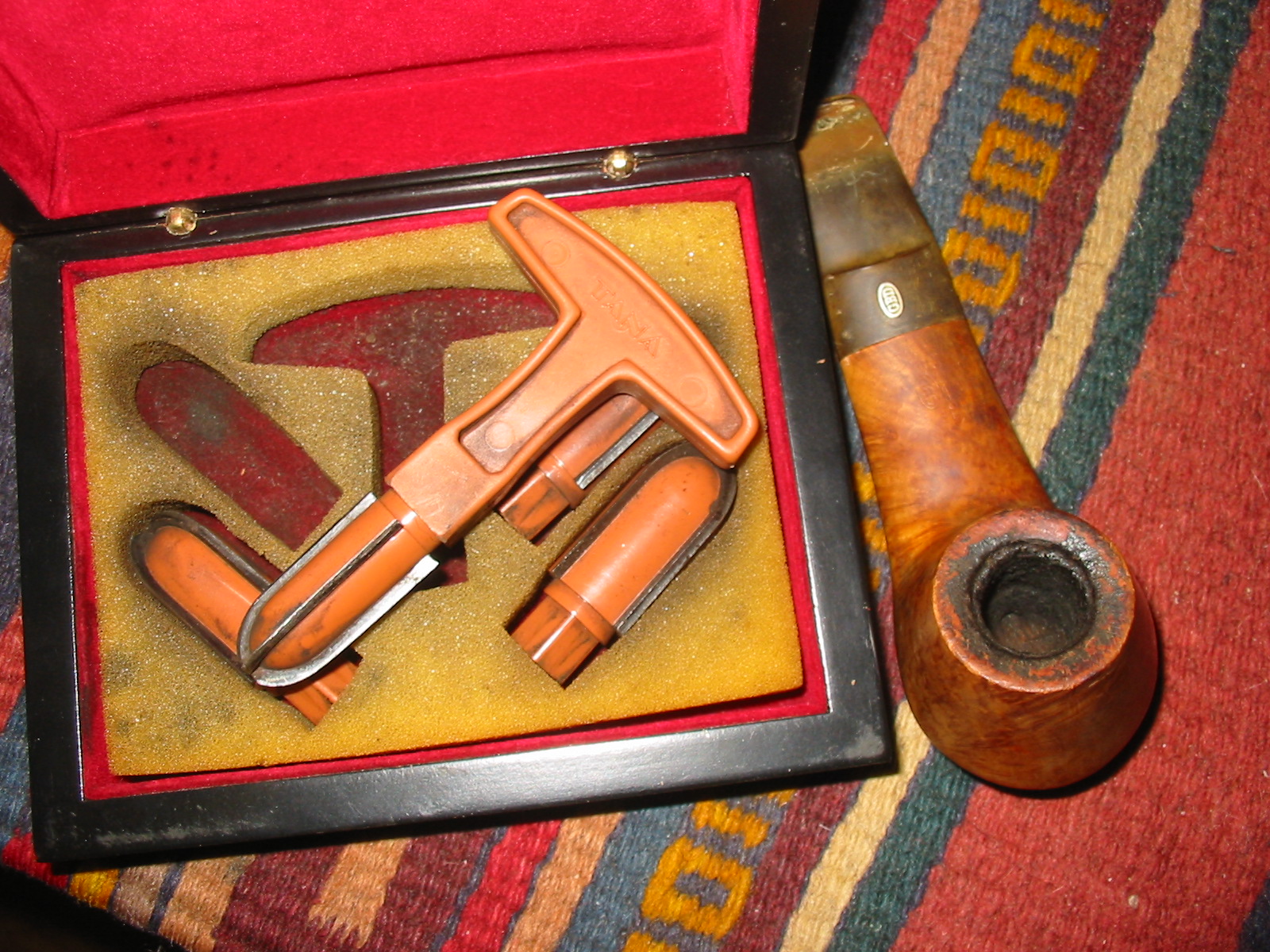
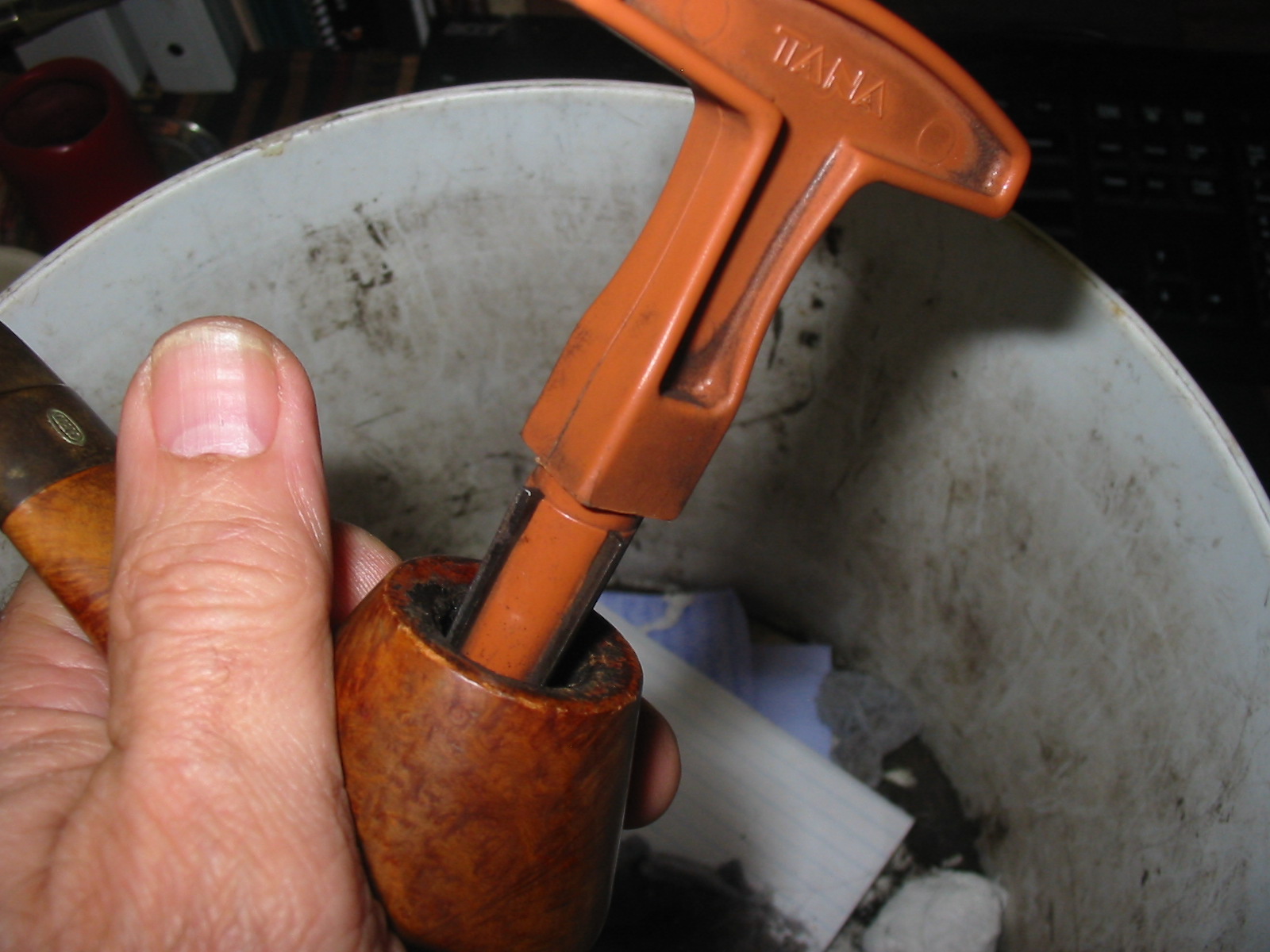
I reamed the bowl and found it to be in great shape. I used a sheet of 800 grit paper on my flat work bench to top the bowl and work past the damaged area. That fix came out great and the tall bowl definitely lent itself to that repair. Next up, I soaked the bowl in alcohol to remove the stain. This really exposed the burned areas. I tried to sand past them, but that was not possible and I was afraid of putting a flat spot on the bowl, particularly on that right side. This work exposed some other nicks on the bottom of the bowl. I was able to buff/sand out most of those.

GBD_548_76_Work (4)

GBD_548_76_Work (3)

GBD_548_76_Work

GBD_548_76_Work (2)

The GBD Seventy-Six line used a two stain process that I really like, much like Comoys used. I stained the bowl black but must have put it on too heavy, as I had a hard time getting the black off. The plan was to sand off the black, leaving it to highlight the grain and then apply a very light brown stain. I mulled over just leaving it black, but that didn’t set well with me either. I was a bit frustrated at this point and almost bagged the whole project and save the stem for a future project. I left it on the bench for the better part of a week, working on other projects. I decided to soak off the black stain and left it in an alcohol bath for several days. That finally did the trick and afterwards, I sanded the briar smooth with some 2000 grit paper and then 8000 grit micromesh.

GBD_548_76_Work (5)

GBD_548_76_Work (6)

GBD_548_76_Work (9)

GBD_548_76_Work (8)

GBD_548_76_Work (7)

I then applied a very light brown stain using Feiblings Medium Brown heavily diluted with alcohol (20:1 ratio or so?) The combination of the black and brown stain finally hid the burn marks rather well and I was pleased with the outcome. The bowl was then polished with White Diamond and then several coats of carnuba wax was applied.

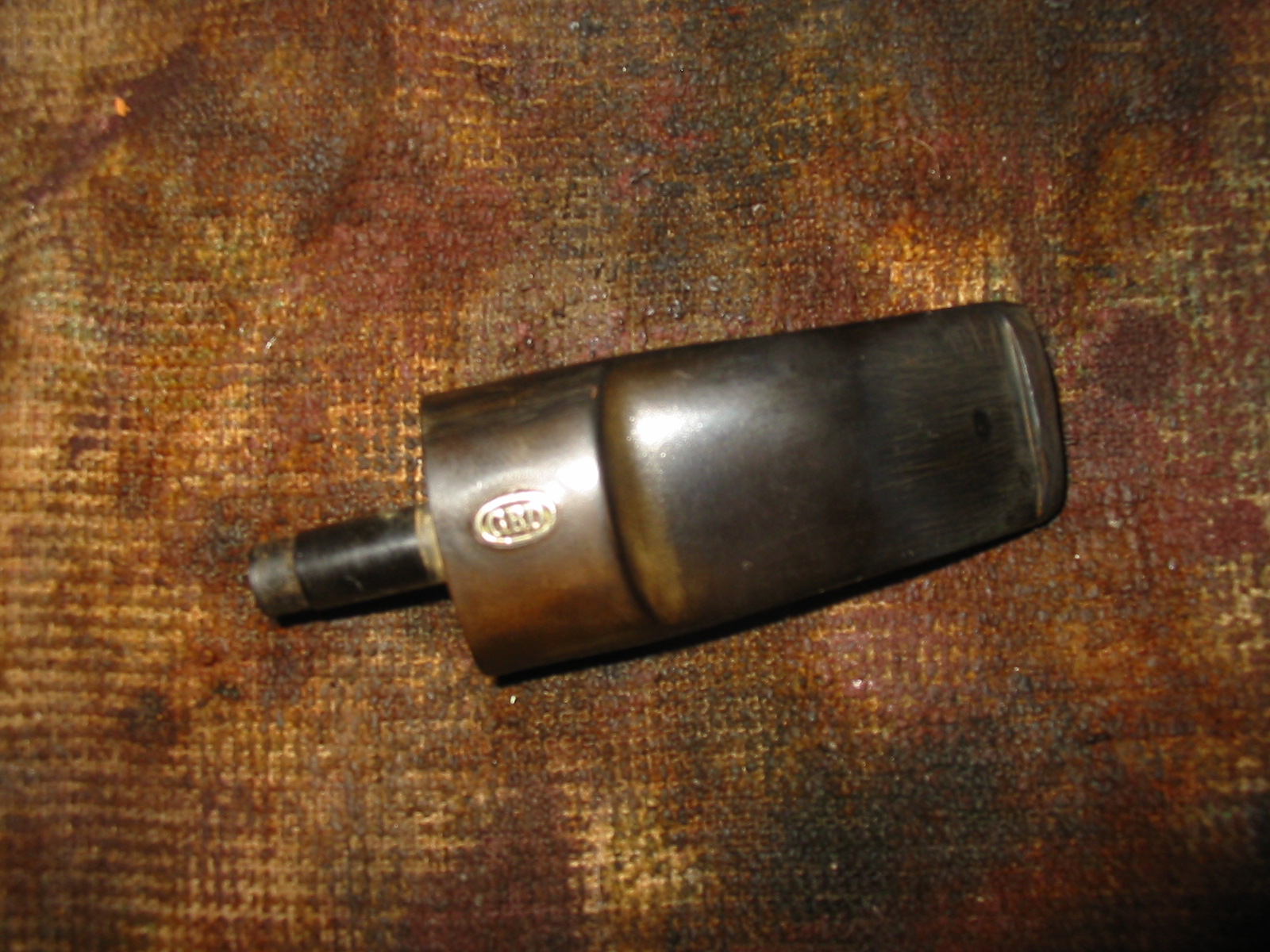
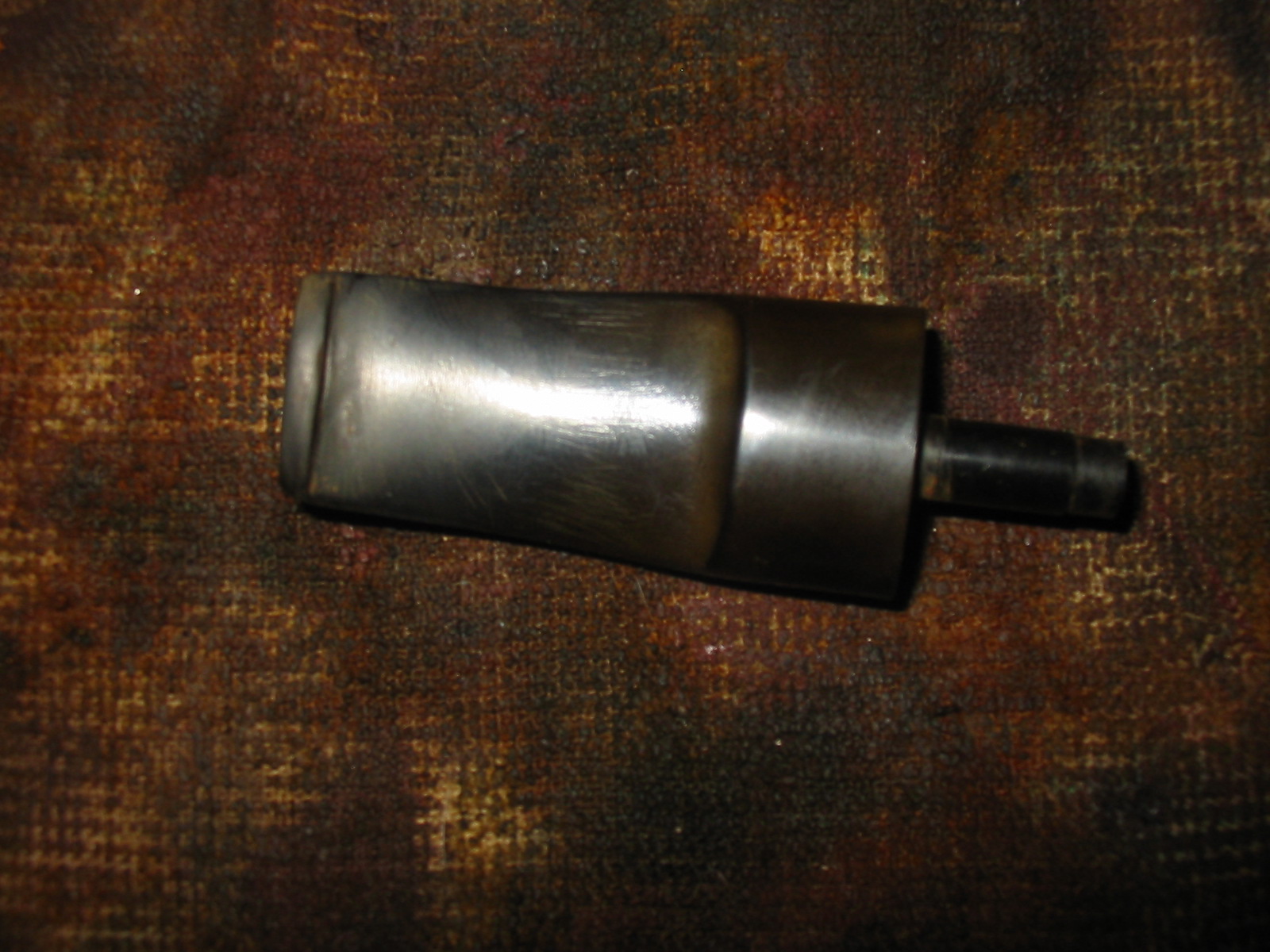
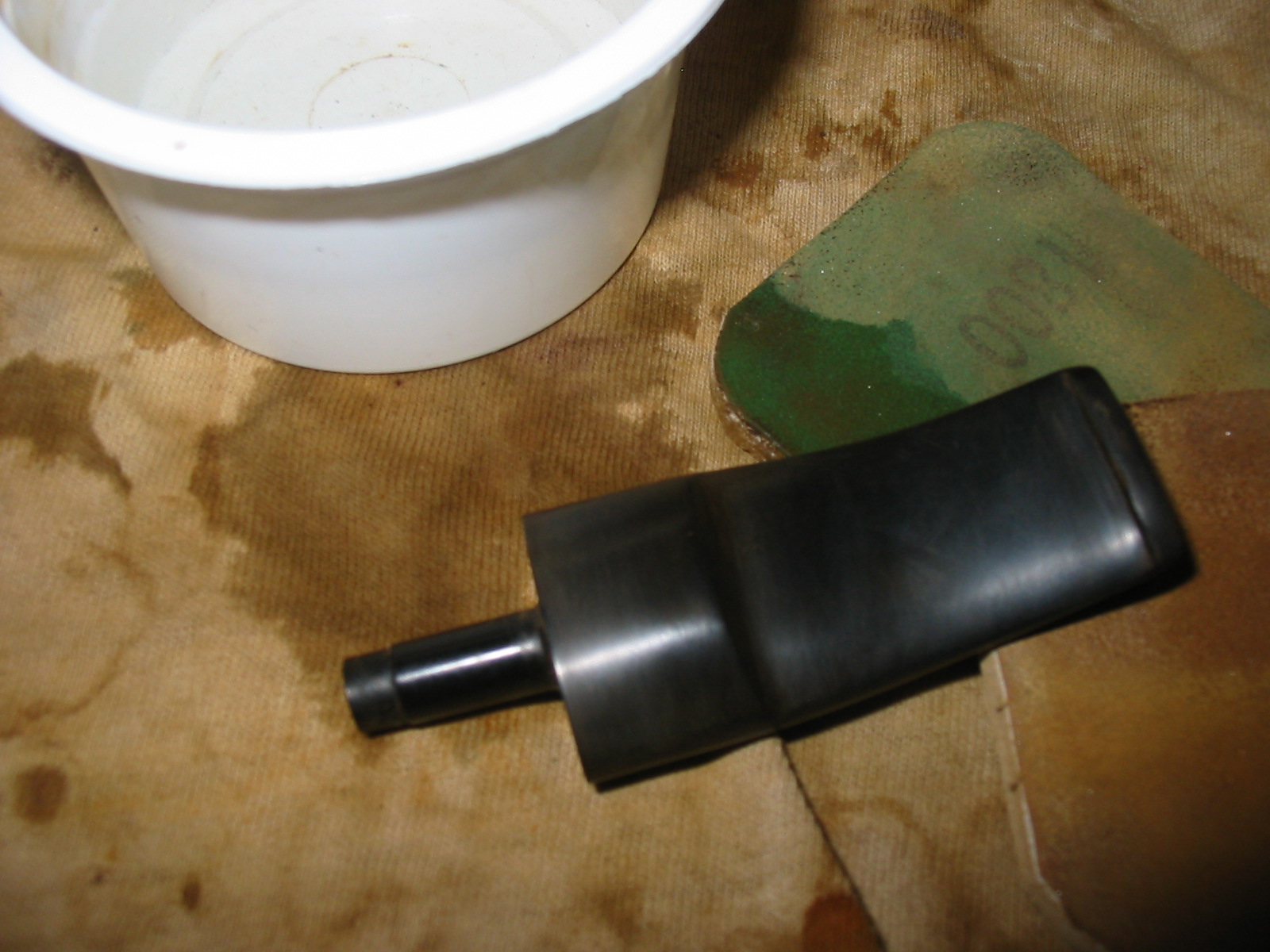
With the bowl completed, I turned my attention to the stem, which didn’t require nearly as much work. Using a piece of plastic, cut into a round shape I inserted it as a shield between the stem and the briar for the sanding work. I sanded the stem with 800, 1500 and 2000 grit paper, all wet. I then moved to 8000 and 12000 grit micromesh sheets. The stem was then buffed with White Diamond and an automotive plastic polish.

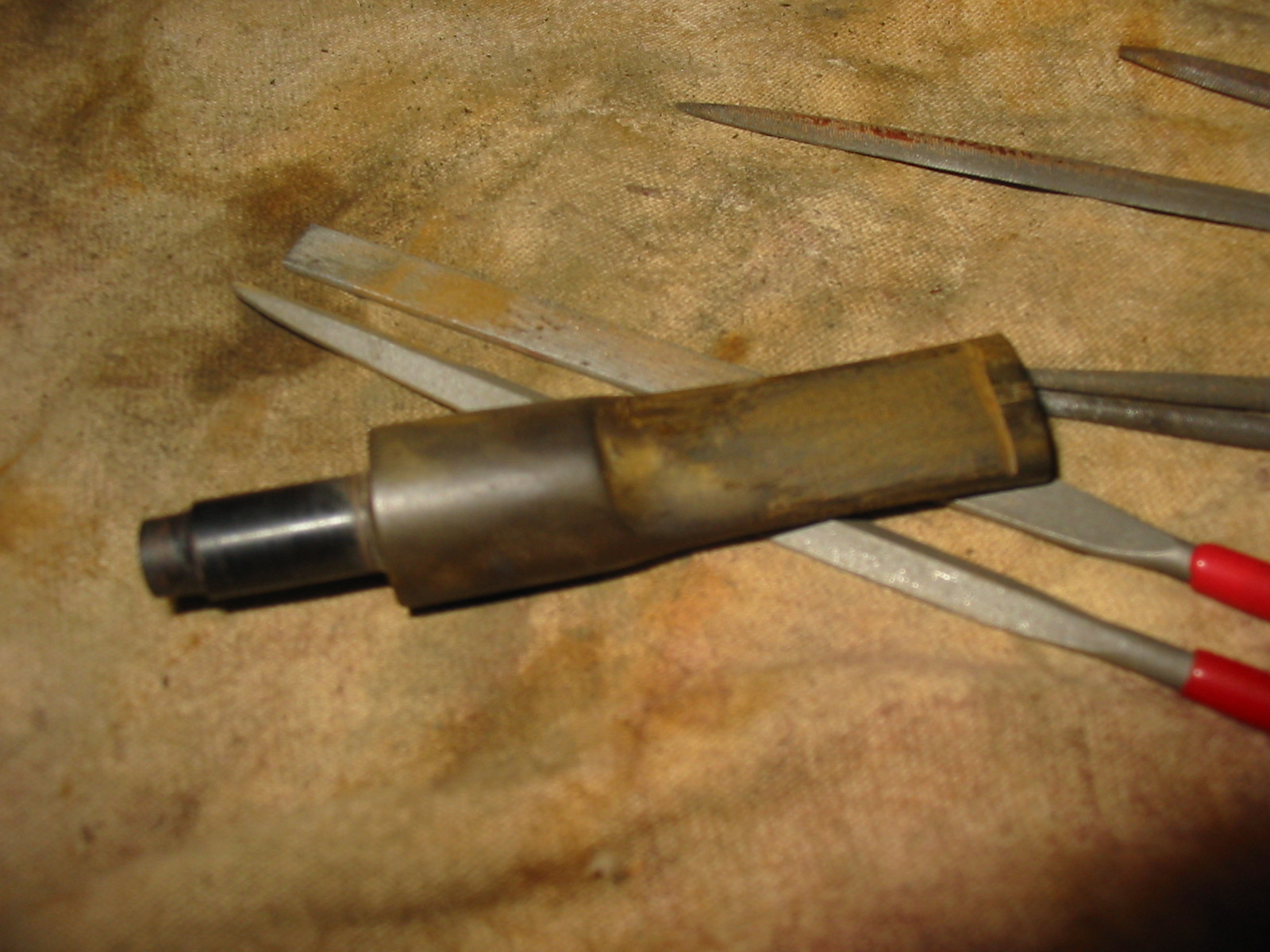
This shows the plastic shield.

GBD_584_76_Work (10)

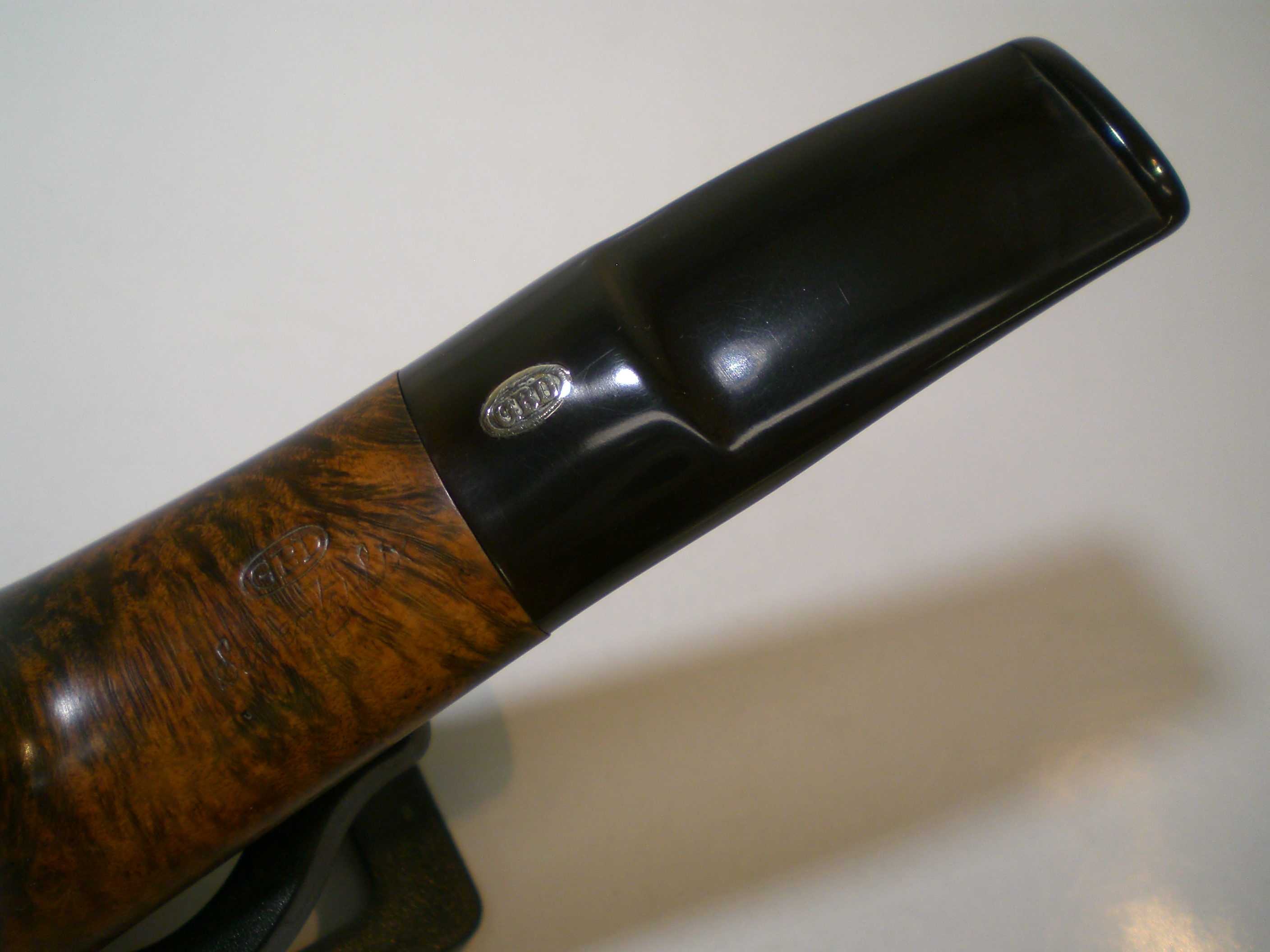
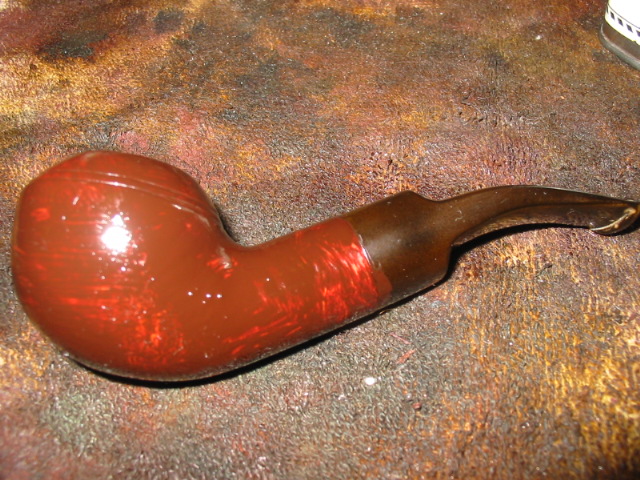
As I was finishing the pipe and thinking about my daughters marriage, it struck me that there were some similarities in this pipe project and a successful marriage. Like a marriage, at times things don’t always go the way you anticipated and being patient with your spouse or a project always pays off. I sent the pipe off to my future son-in-law with a note welcoming him to our family. I hoped when smoking the pipe, he would remember the week he spent here and his proposal to my daughter.
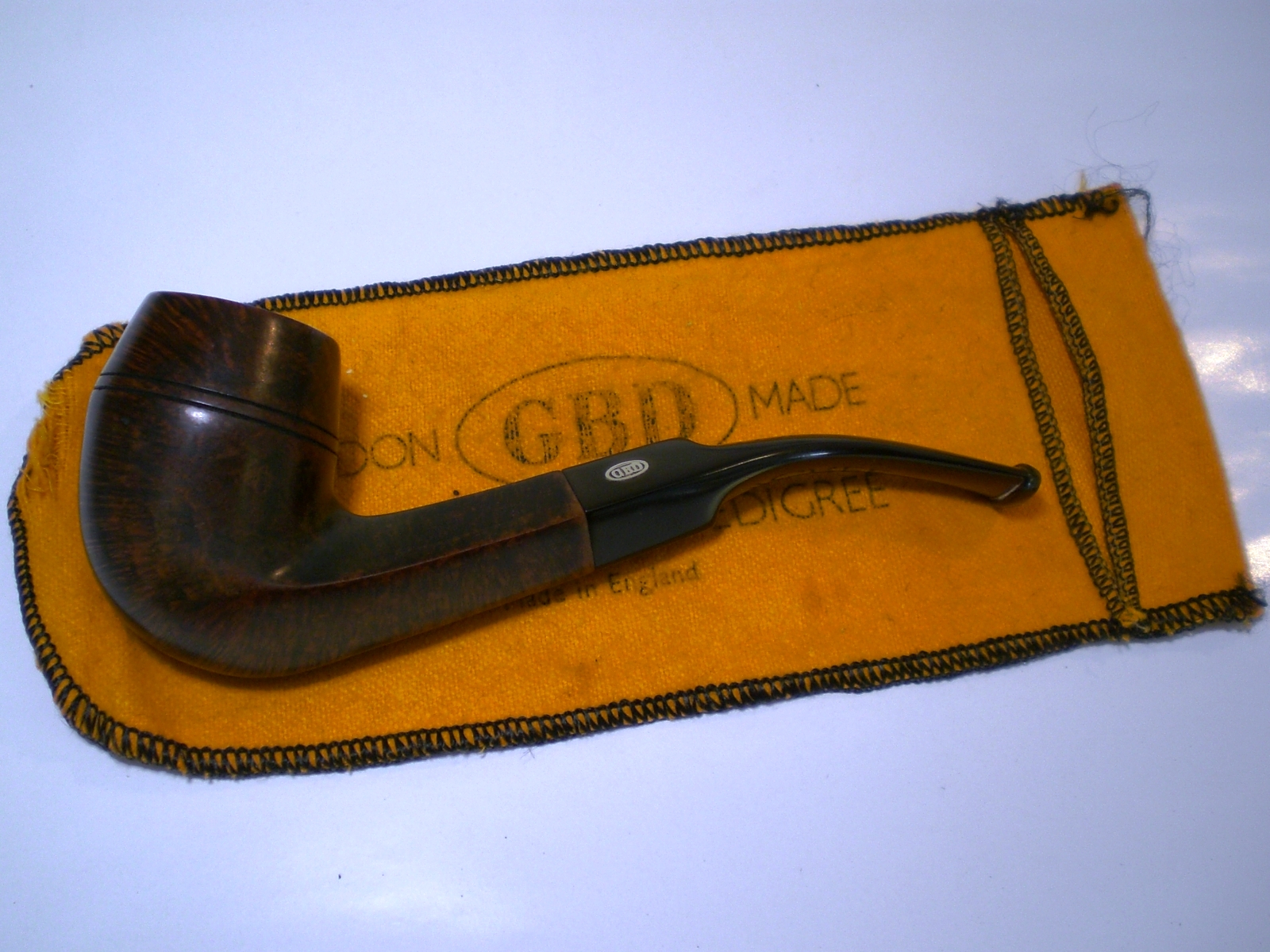
GBD_584_76-Finished (4)

GBD_584_76-Finished (3)

GBD_584_76-Finished (2)

GBD_584_76-Finished (1)

GBD_584_76-Finished

GBD Oval-Shank Pot “Seventy-Six” Restoration


In 1976 GBD introduced a series called the “Seventy-Six” to commemorate the United States Bicentennial.  I was in Sophomore in high school during 1976 and the year-long celebration had a big impact on me.  The Seventy-Six model remained in the GBD catalog until 1981.  From the 1976 Catalog:

“The GBD “Seventy-Six” is our contribution to the Bicentennial celebrations.  We have really pushed out the boats for “the colonies” in launching this new series that will be remembered by its proud owner long after the celebrations are forgotten.”

My first “Seventy-Six” model was a 1976 Coloussus and I’ve since added three more, including this Shape 1353.  I would call this a banker, but in a Smokers Haven sales ad, it is referred to as a “bent oval-shank pot”.

The pipe was in decent shape, with a moderate coating tars on the bowl top, along with a few nicks and dents.  The stem, while heavily oxidized still had the brass rondell.  The rondell along with the “London, England” stamp indicated a pre-Cadogan era GBD.  The stem was also free of any serious teeth marks.  Several of the nicks were very noticeable and I wasn’t sure they could be removed or hidden easily.

GBD_1353_76_Before GBD_1353_76_Before (1) GBD_1353_76_Before (2) GBD_1353_76_Before (3)

I reamed the bowl and soaked it for six hours with some Everclear and sea salt.  Prior to soaking, I buffed the pipe lightly with some Tripoli and White diamond followed by a buff with carnuba wax.  I like to leave the wax on the pipe during the soaking process in the event some alcohol is splashed on the briar bowl top and I believe the wax gives it some protection from lifting the stain.  While the bowl was soaking, the stem was also soaked in a mild solution of Oxy-clean.  I put a dab of grease on the brass rondell.  The oxidation was so heavy, part of the rondell was obscured and at first I thought it was just worn heavily.   That turned out not to be the case.

GBD_1353_76_Restore (13) GBD_1353_76_Restore (5)

After the bowl was soaked, I emptied the salt and alcohol solution.   I heated a kitchen knife with a torch and applied that to the dents with a wet towel.  The steam generated allows the dents to pop back out most of the time.  In this case, the dents did spring back to shape and I was able to reduce the depth of some of the nicks.  Next I buffed the briar bowl again, using separate wheels of Tripoli, White Diamond and several coats of carnuba wax.  I was able to diminish all of the nicks, in particular the one on the right side of the oval stem.

Next I went to work on the stem, which I re-attached to the bowl in order not to round off the crisp edge.  I removed the oxidation with 1500 grade wet paper (dipped in my oxy-clean solution) followed by 2000 grade paper.  Next I moved to the Micromesh sheets, using 8000 and finally 12000 grade paper.  I then buffed the stem with white diamond and Blue Magic brand plastic polish.

A wire bristle brush dipped in Everclear was used to clean the shank.  It took approximately 25 swabs with the bristle cleaner until the brush came out clean.    I’ll let the briar dry out for a few days before smoking the pipe.   Below are some pictures of the finished pipe.

GBD_1353_Gallery2 GBD_1353_Finished (1) GBD_1353_Finished2 (3) GBD_1353_Finished (3) GBD_1353_Finished (5) GBD_1353_Finished (4)

GBD Midnight 9456


Blog by Greg Wolford

The last few months have been extremely busy for me. It is amazing how much a disabled, non-working person can be obligated to do; I think I had more “free time” when I was working full time in the car business! Ah, but I digress …

By chance, I found myself today with no obligations, no chores, no appointments, just a day to myself. Unfortunately it also stormed badly which flared up my arthritic joints but I was able, finally, to get to a project, if only a simple one.

I picked up this GBD Midnight about two weeks ago. It was a fair price and an interesting pipe to me; all of the Midnight models I had seen before had acrylic stems and this one had vulcanite. Some later research led me to believe that there were at least two productions of this line: the first with vulcanite stems shortly after the merger and another some time later with acrylic stems.

Although I forgot to take “before” photos the seller’s were quite accurate except for the oxidation was a bit more than I anticipated: it wasn’t thick or heavy but was even, all over brown. The seller said he had only smoked it a few times over the years and didn’t like it; he prefers a 9 mm filter pipe. He said there were a few tooth dents but not bad ones and that he had cleaned it; these things were accurate, if he meant cleaned the inside.

The too had a fair amount if tar build up but not thick. The stummel was dirty but not in bad shape at all. And the dents were mild as be had said.

I began with an alcohol soaked pad, wiping down the stummel, paying extra attention to the rim’s build up. It didn’t take a lot to get it cleaned up and the rim smoothed out. I then reamed the bowl, which needed it but wasn’t badly caked. I set the stummel aside and began to work on the stem.

I started by rubbing the entire stem well with Back-to-Black, which removed a lot of oxidation. Then I took some automotive rubbing compound and cotton pads and polished away almost all of the remaining oxidation. After the rubbing compound I took the stem to the heat gun to raise the dents. They came up pretty well but not completely. But they were now slight enough I decided to not sand them smooth; I wanted to finish this pipe and write this blog tonight, those things and the small dents left made this decision for me easy. I did wet sand the stem with 400 grit wet/dry paper to remove the last of the oxidation and the few scratches I saw.

I reassembled the pipe and went to the buffing wheel. I like to buff the shank-stem union together so as to keep a nice fit. I began with black buffing compound, about an 800-grit I believe. After the union was buffed I took the stem and stummel apart and buffed each piece. I moved onto brown tripoli, then white diamond doing the same process.

I had a small deviation at the end of the white diamond buffing: the wheel grabbed the stummel and bounced it off my table. It left two dents, the bounce across the garage, that totally irritated me. I then had to steam the the dents out; thankfully the dents weren’t bad and came out. I went back to the white diamond and re-buffed the stummel.

I reassembled the pipe and gave it several coats of carnauba wax, buffed it on a soft, clean wheel and, finally, hand buffed it wearing a pair of linen gloves I bought just for that purpose.

The pipe came out quite well I think. After cleaning and buffing it is a bit lighter on color, which I am very happy with; the grain, especially the Birdseye on the front of the bowl really pops now.

Hopefully the frantic pace of life will slow some over the coming weeks; I have many more wonderful old pipes that are patiently awaiting being brought back to life. And I am anxious to do the work an share it with you.

20130613-222006.jpg

20130613-222015.jpg

20130613-222023.jpg

20130613-222030.jpg

20130613-222040.jpg

20130613-222049.jpg

20130613-222056.jpg

20130613-222105.jpg

20130613-222111.jpg

20130613-222119.jpg

20130613-222126.jpg

20130613-222132.jpg

Restoring a GBD 730 Toreador Volcano


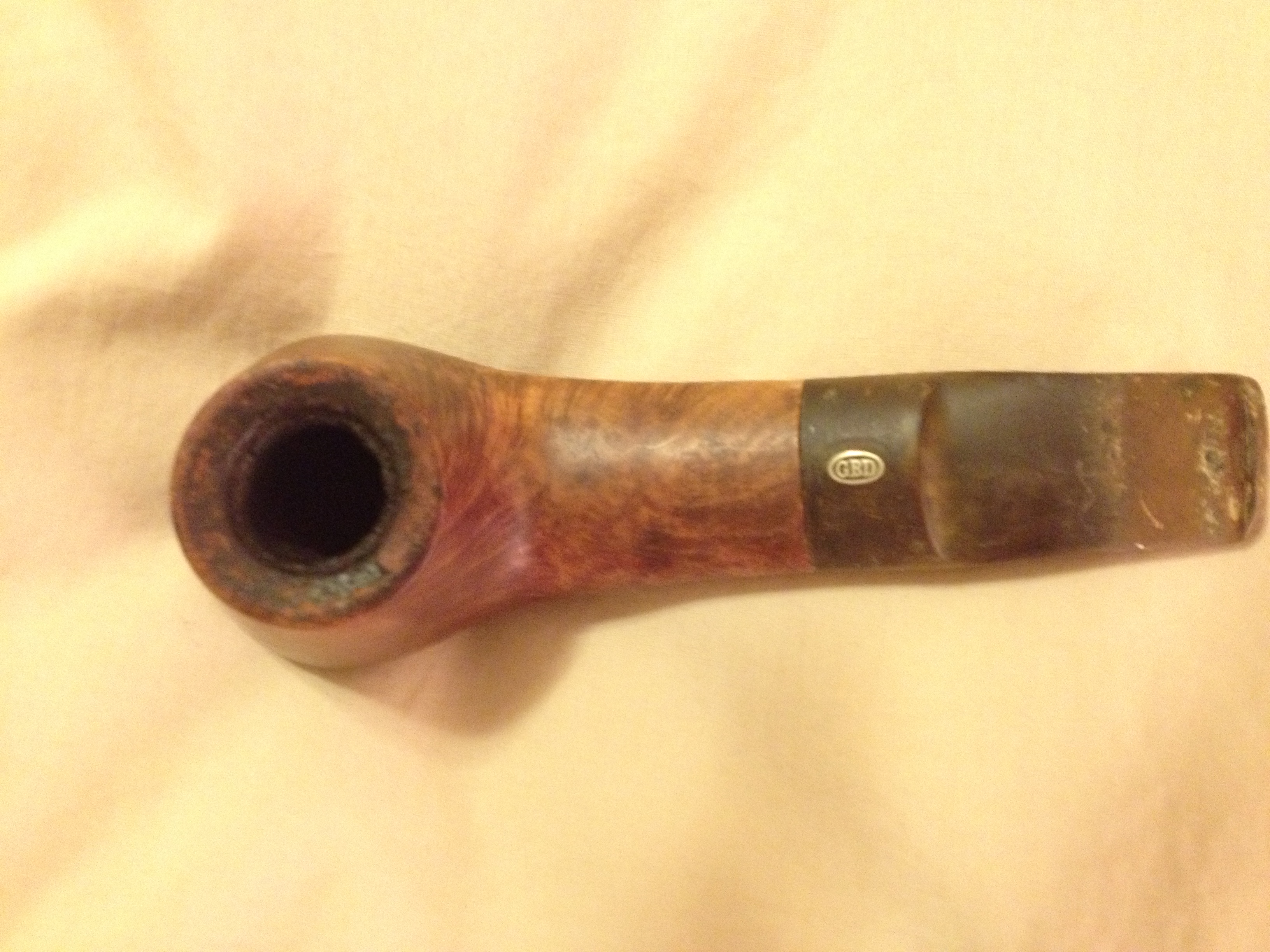
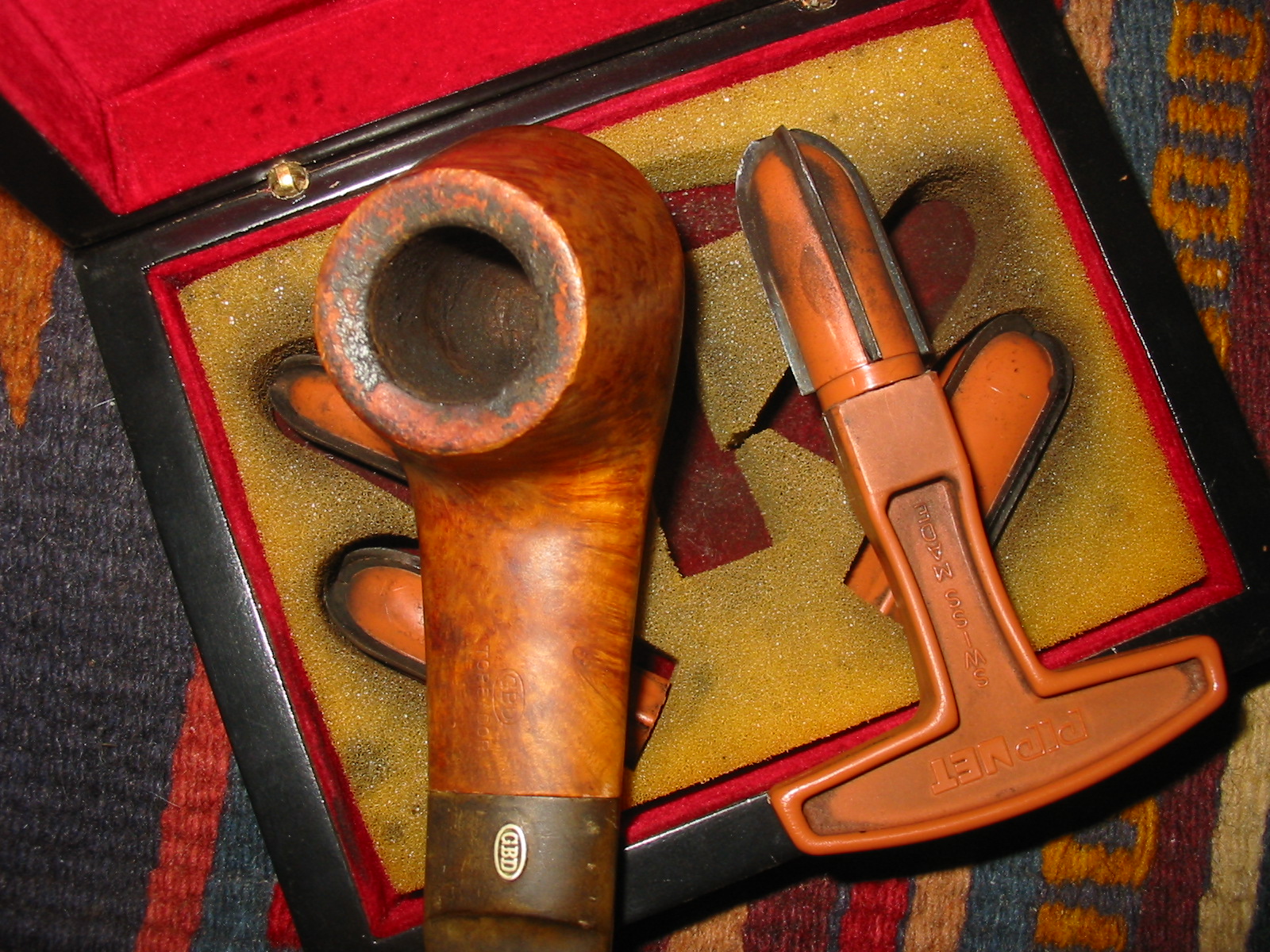
I picked this old-timer up at an antique mall in Edmonton, Alberta two weeks ago. It was part of the threesome of pipes and tobacco and pipe cleaners that I purchased at the mall that day. In the photo below it is the pipe on the bottom of the picture.
IMG_0302
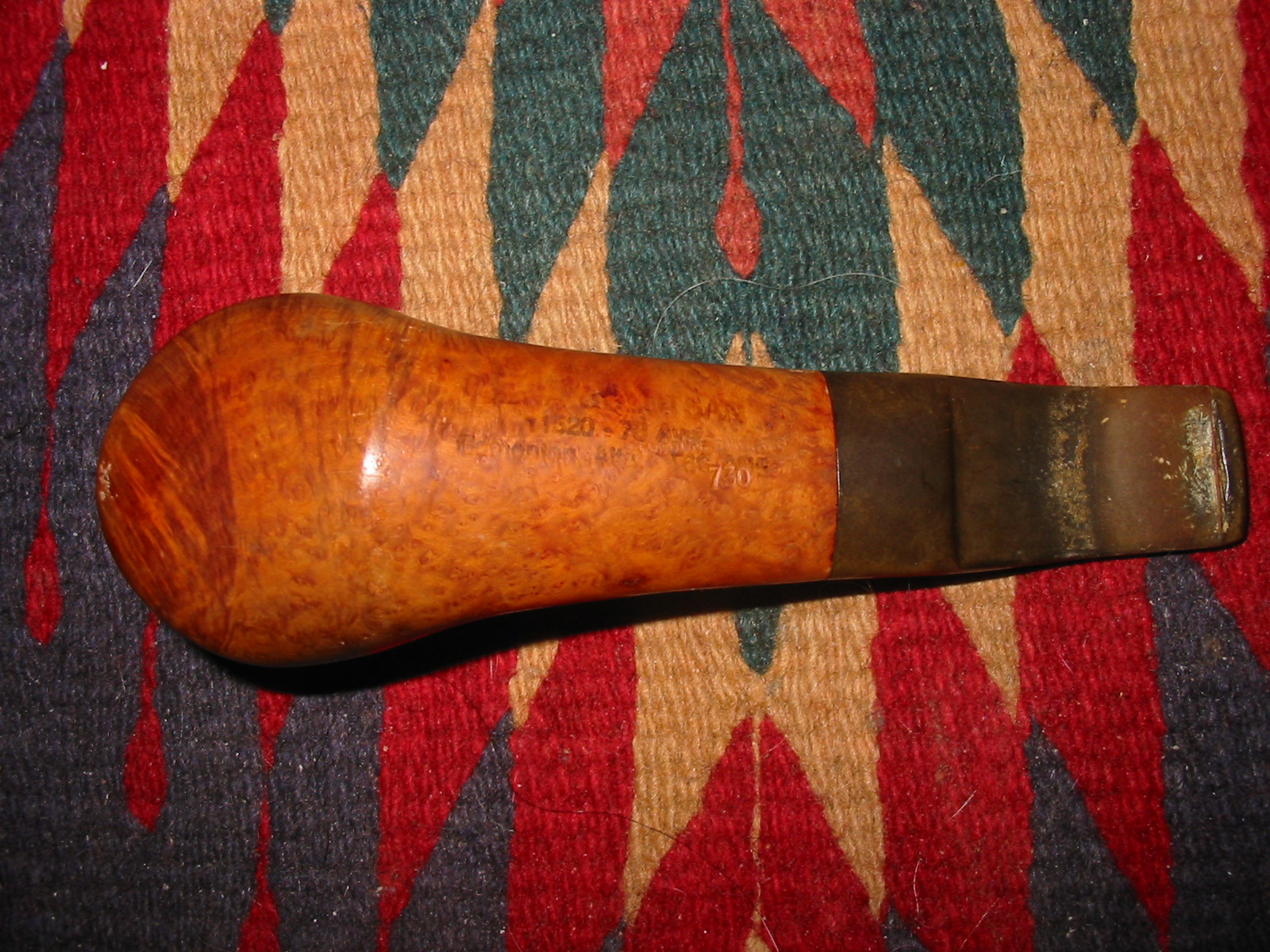
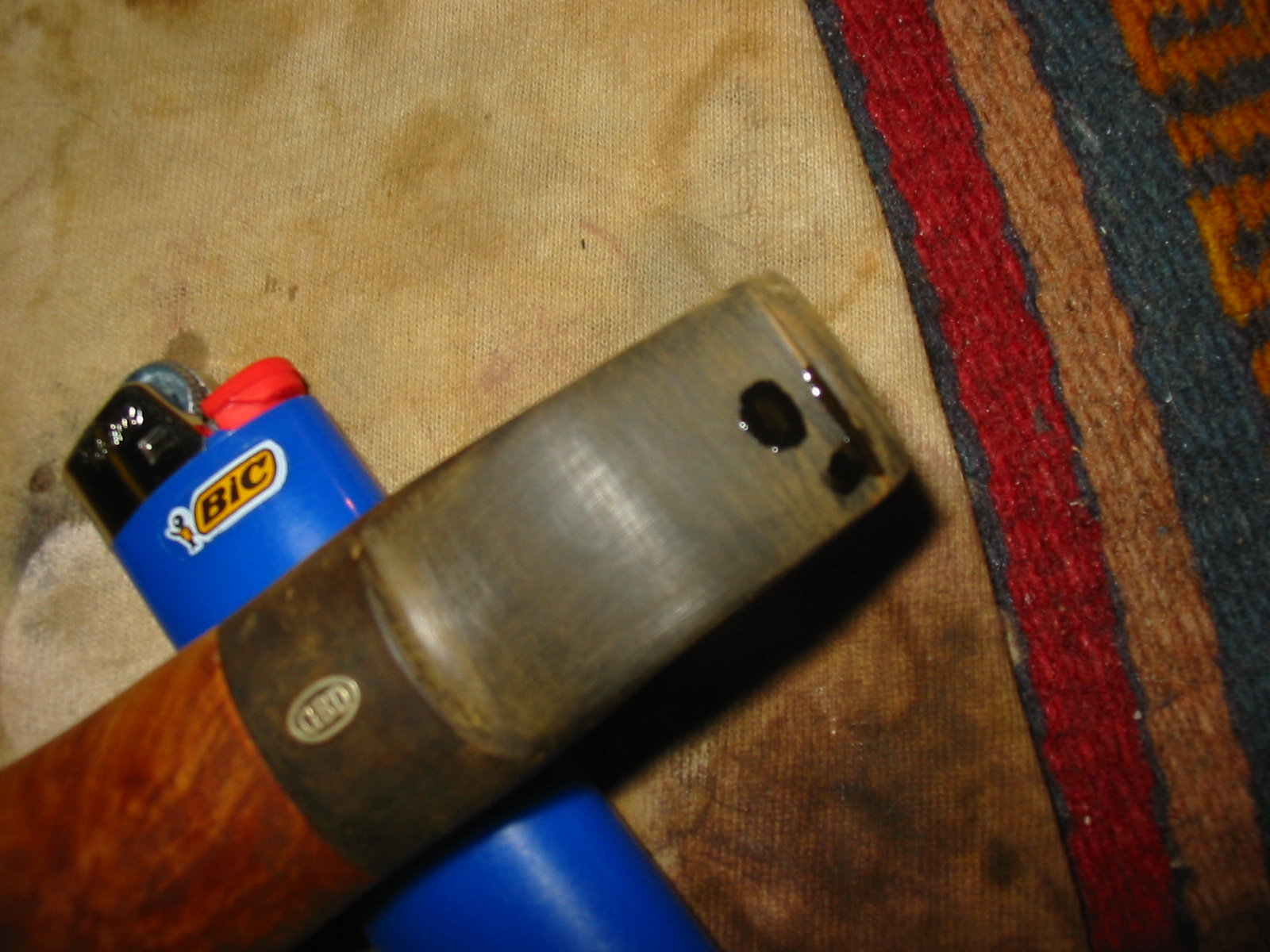
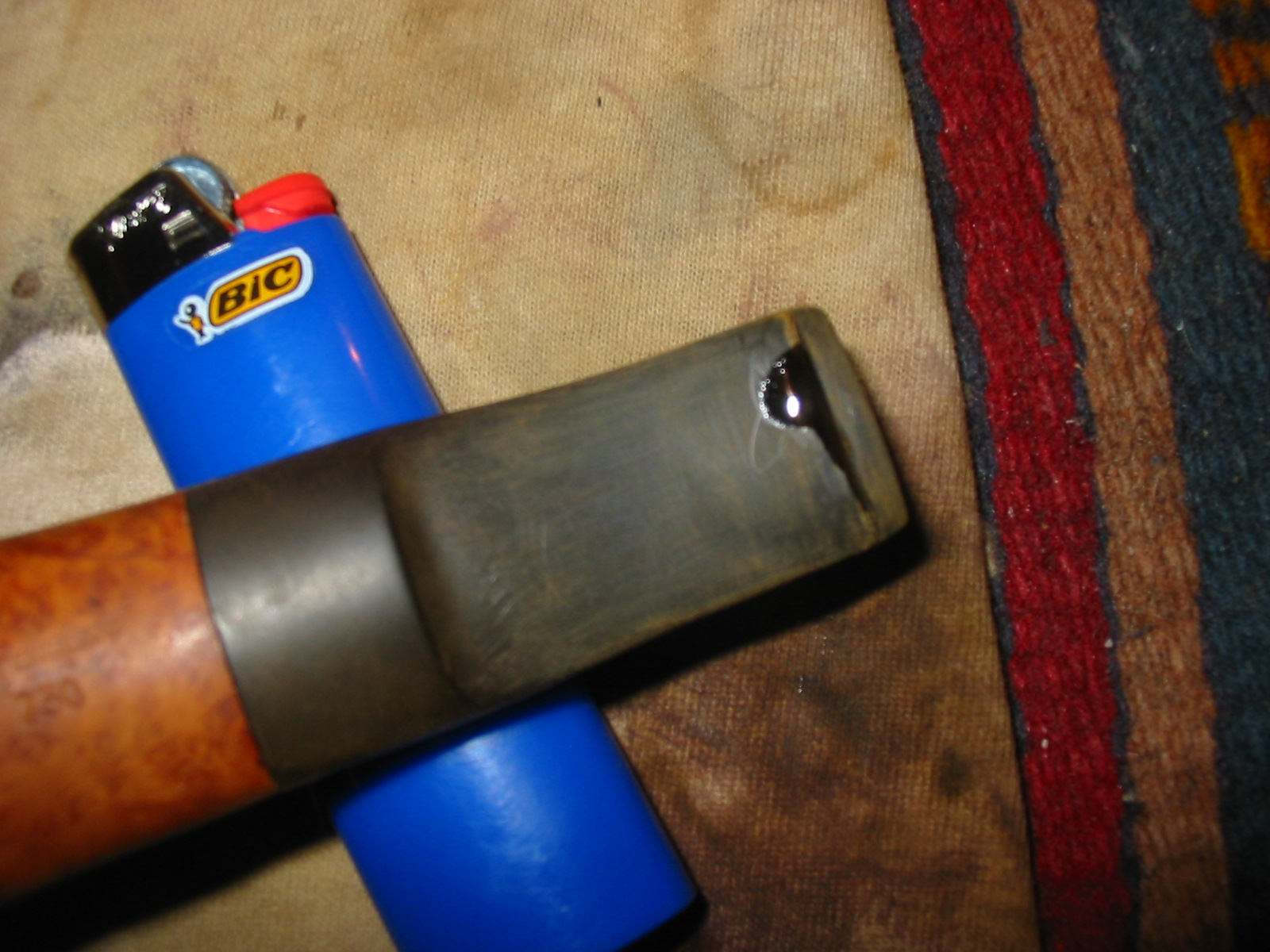
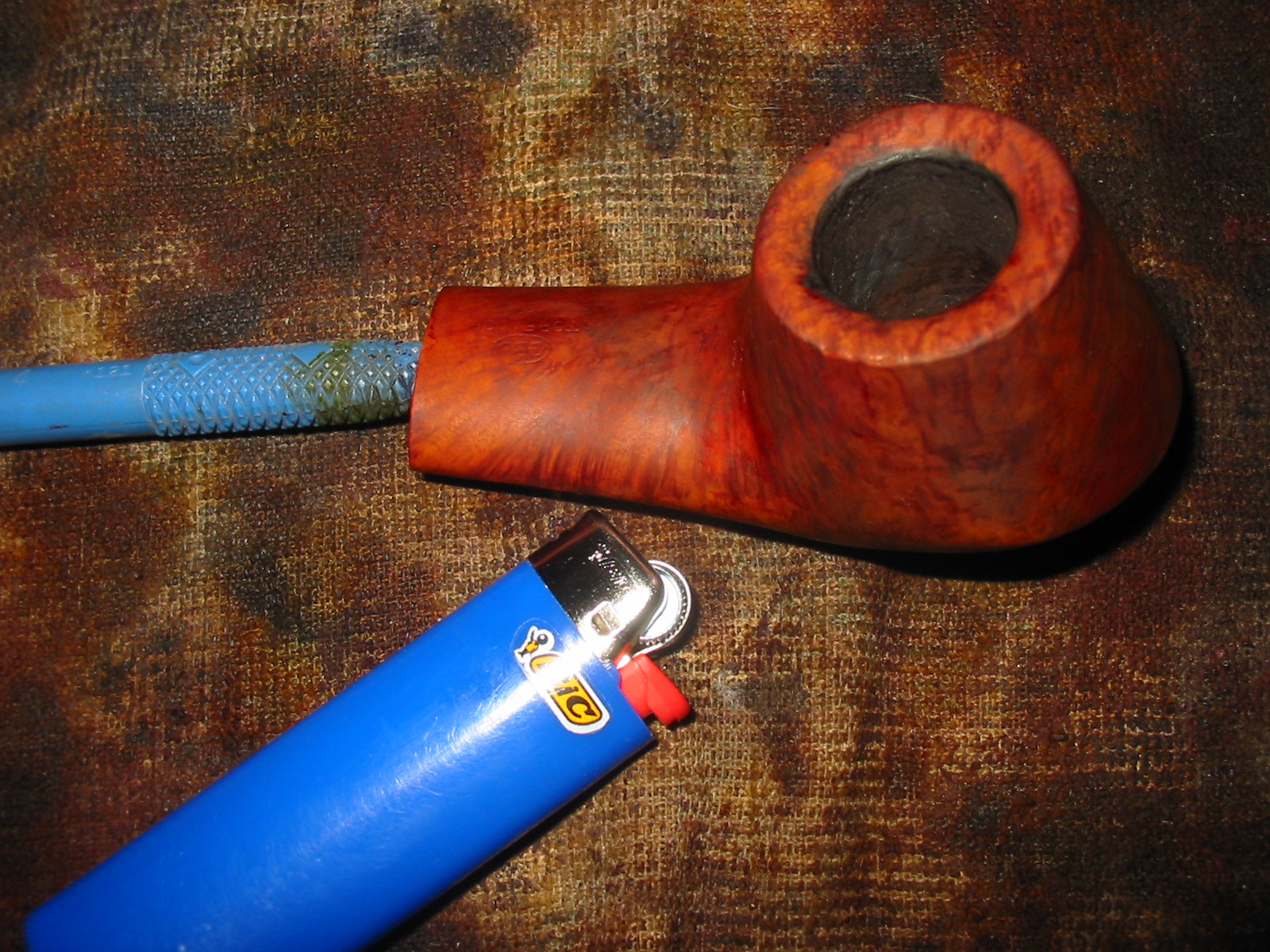
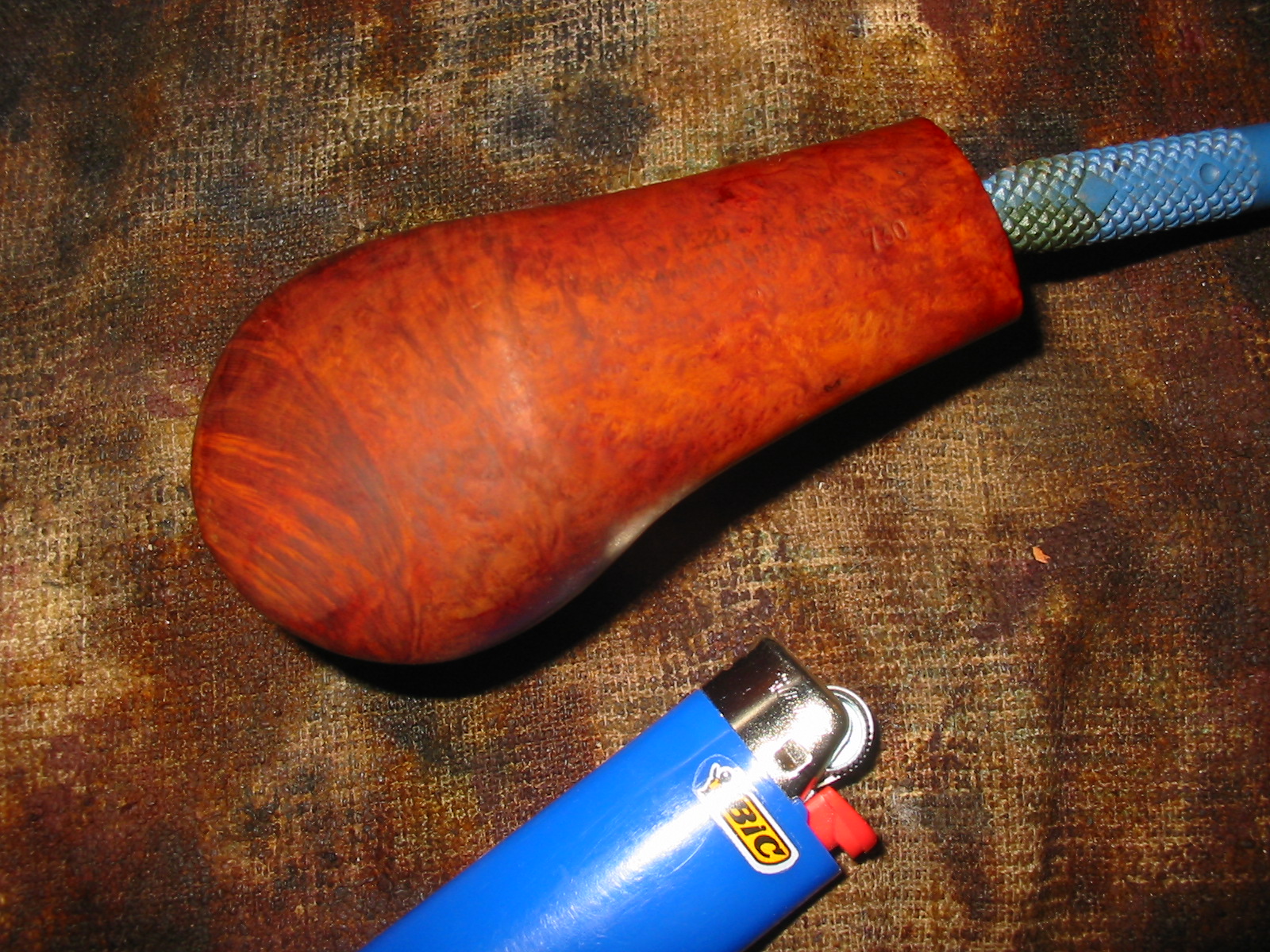
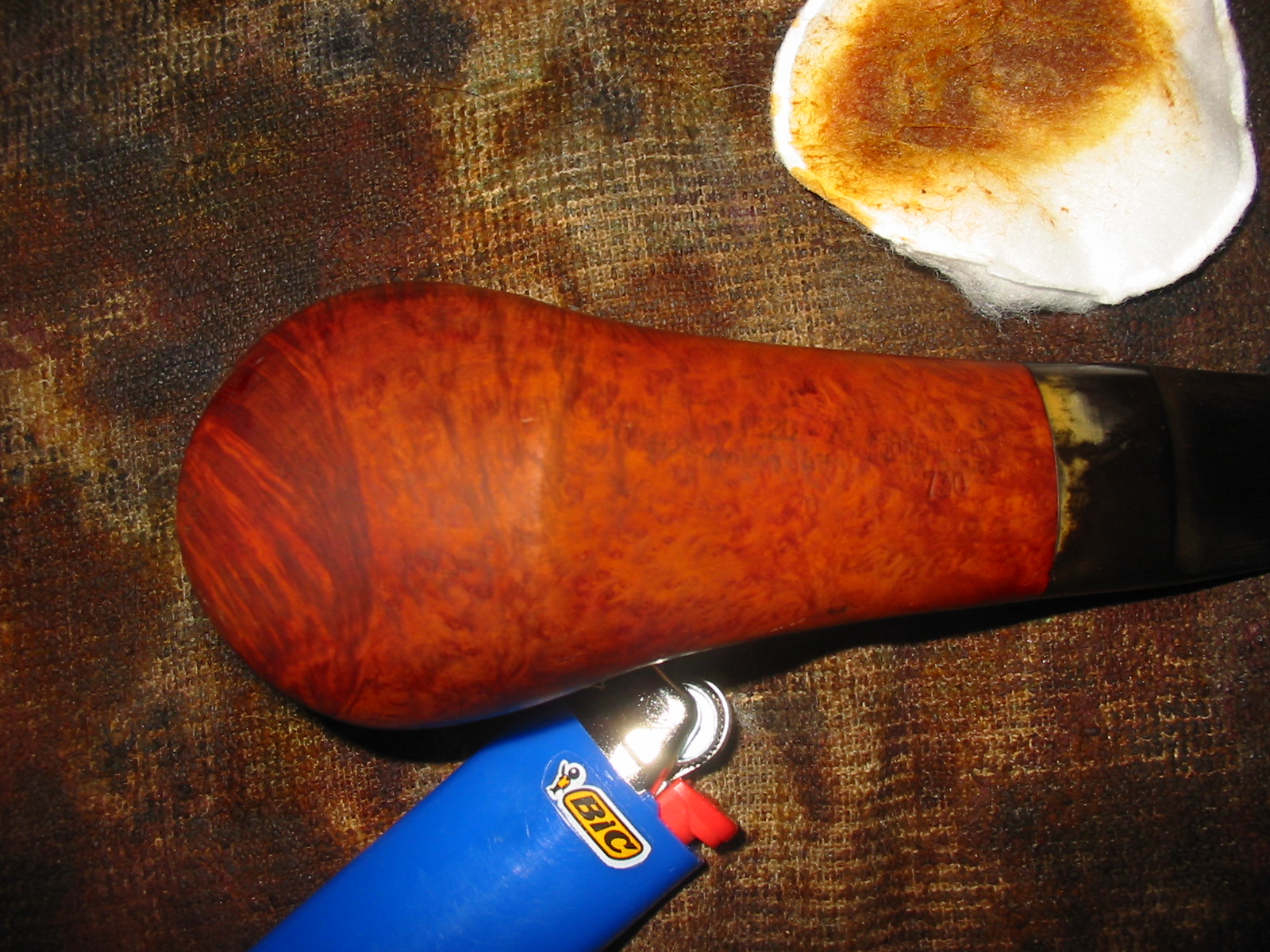
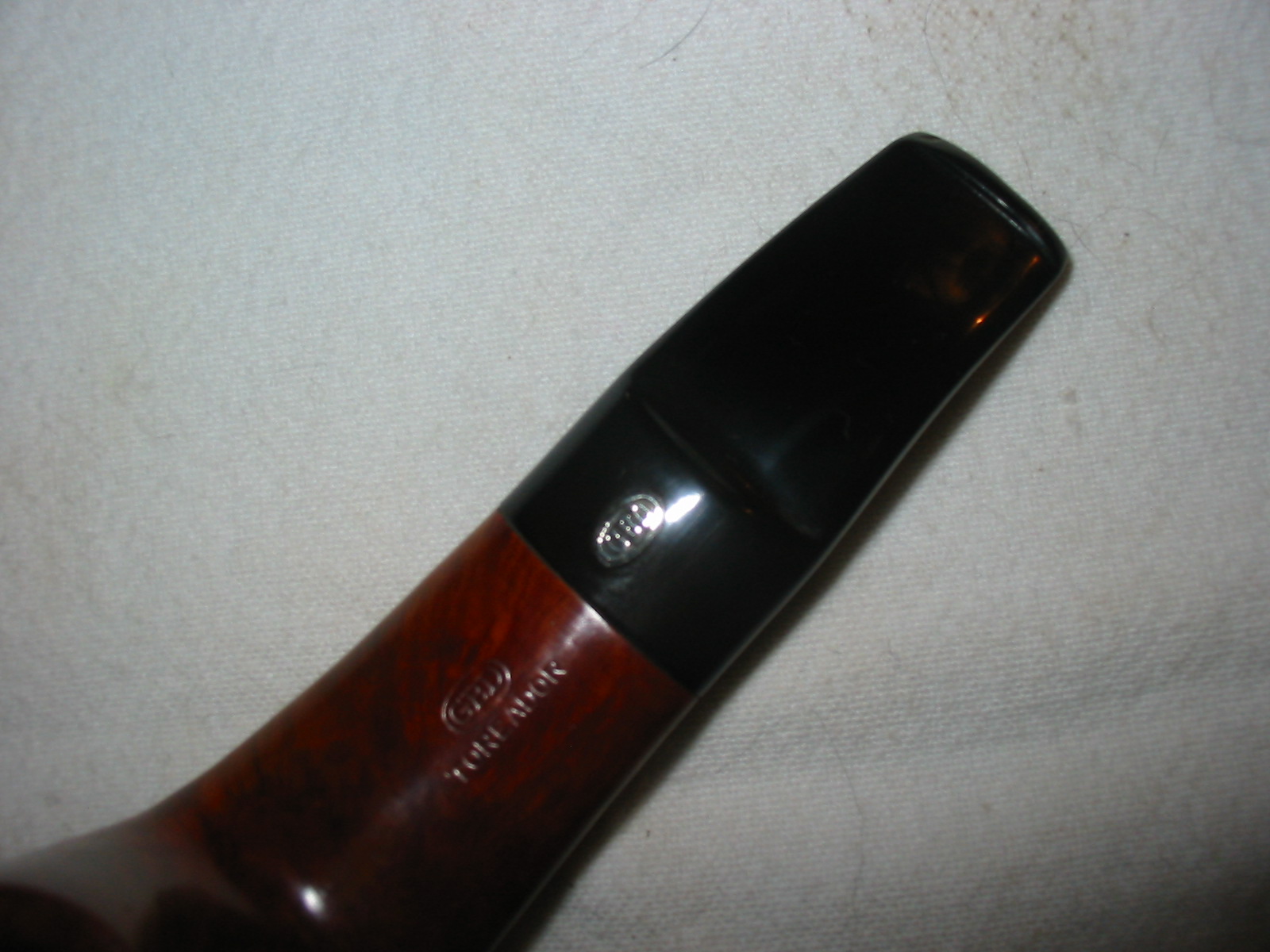
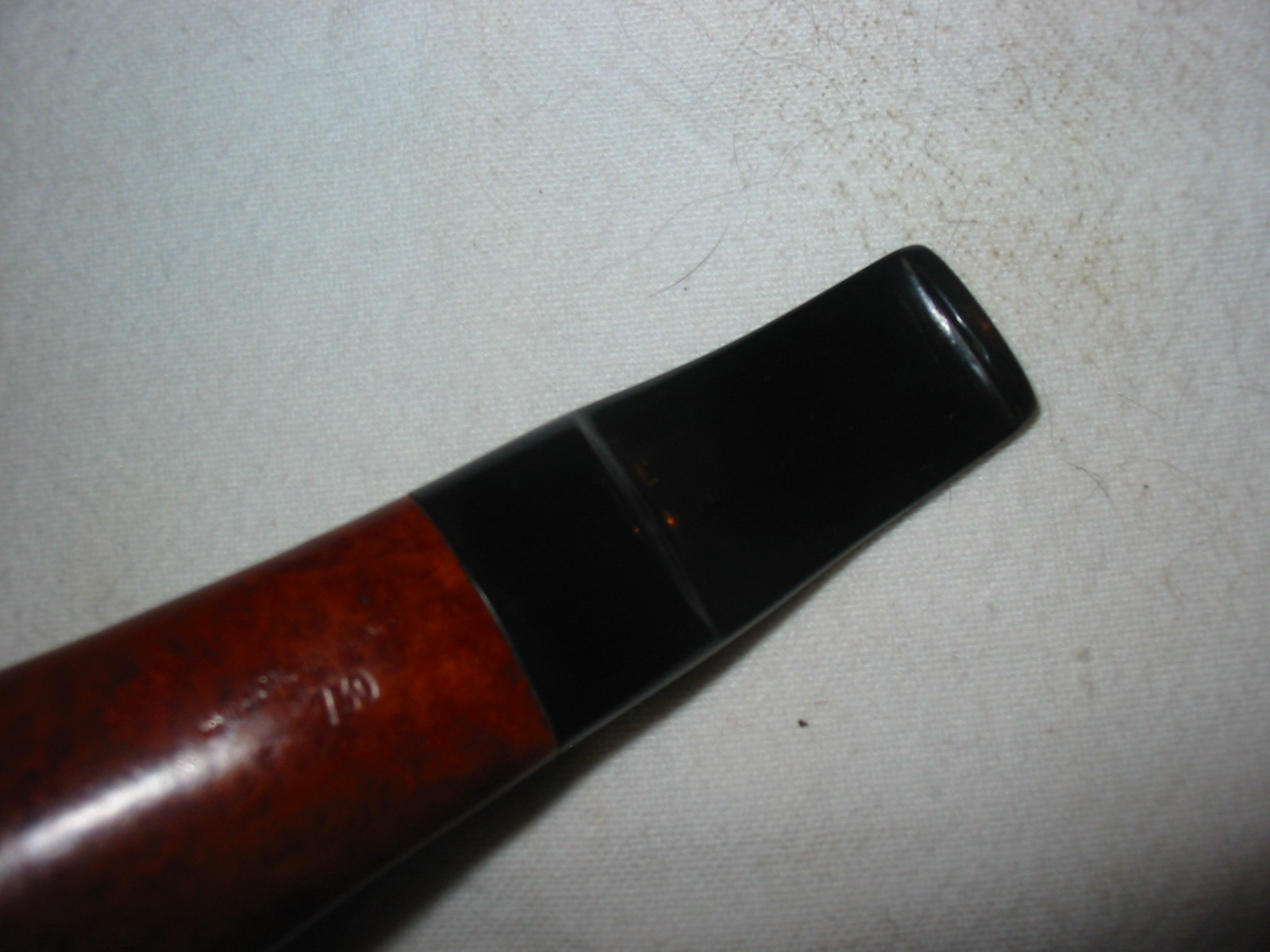
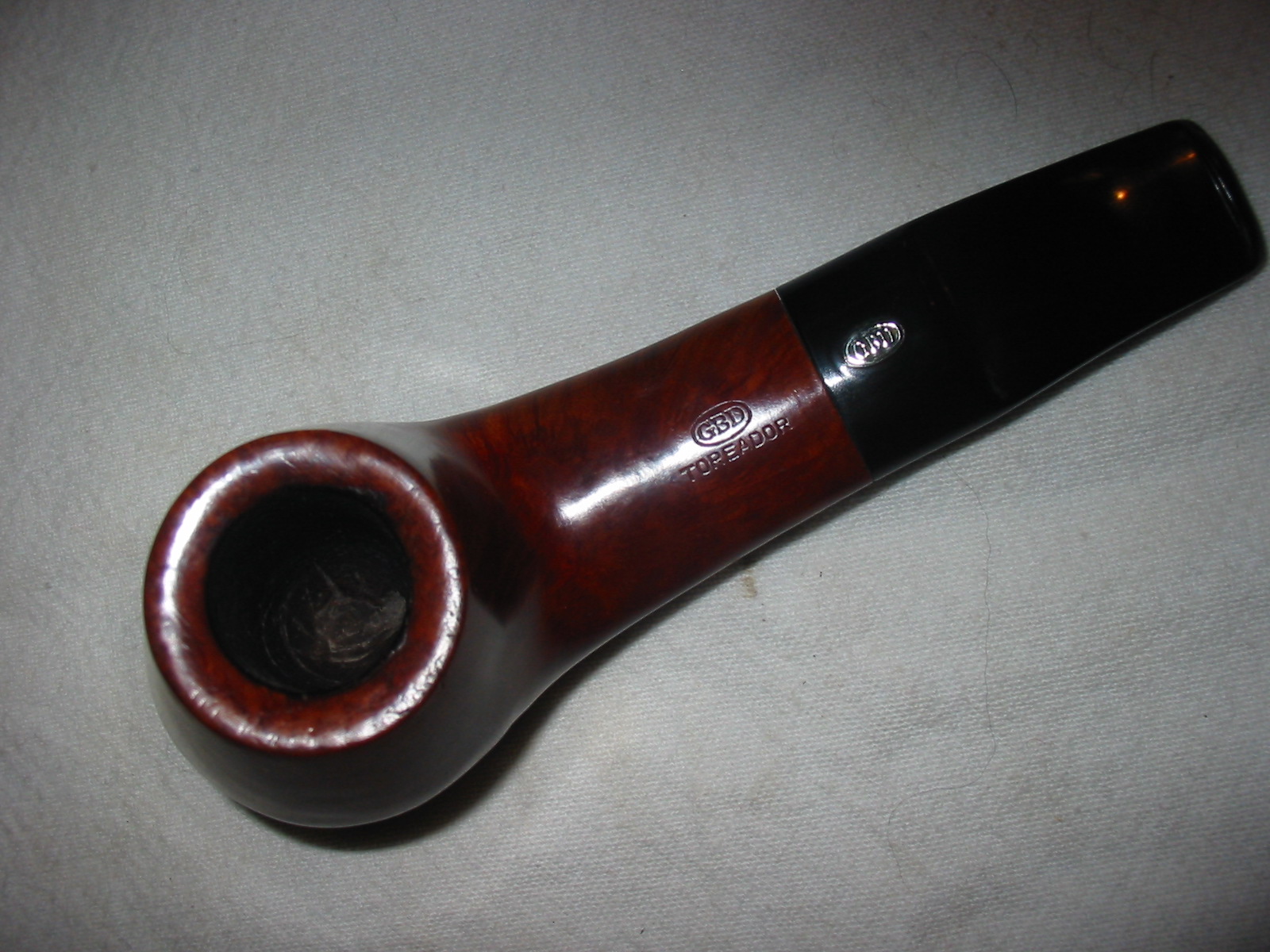
I had never seen the stamping on a GBD nor had I seen the shape number. It is not listed on any of the GBD name or shape charts that I have on my computer. I wrote to a friend who works with a lot of GBDs and he replied as follows: “I have not heard of a “Toreador” line, but nothing surprises me on GBD lines. They had a seemingly endless array of model lines. The 730 shape isn’t listed on my shape charts, but they are full of holes and I constantly see shape new shape numbers pop up. The pre-Cadogan key is the “London, England” stamp coupled with a metal rondel. “Made in London England” in a circle is Cadogan era, even with a metal rondell”. From my research and his I looked at the stampings on this pipe. It is stamped GBD in an oval over Toreador on the top of the shank. On the underside it is stamped London, England over 730. This would seem to put the date of this pipe in the pre-Cadogan era.

The next series of six photos show the pipe as it was when I found it. The first picture was taken at the antique mall with my iPhone. The remaining five photos were taken at my work bench before beginning to work on the pipe. The bowl was thickly caked with a hard buildup of carbon. The rim was coated with tars and buildup as well. The stem was upside down when I picked it up and very tight. I was able to turn it and straighten it out for the picture. It was oxidized and there was a line across the stem that showed where it had a rubber bite guard in place on it. There were two tooth marks on the top of the stem visible below and also two on the underside of the stem near the button. The slot in the end of the button was closed off with tar and the shank and inside of the stem were filthy.
IMG_0303

IMG_0595

IMG_0596

IMG_0597

IMG_0598

IMG_0599
I decided to use my PipNet reaming set on the bowl. I started with the smallest bit and worked it around. Once I dumped out the cuttings I used the next size up to take the cake back to the briar. I like to start over and build my own cake in the bowl. I find that I can develop a hard cake when I work at it slowly.
IMG_0600

IMG_0601

IMG_0602
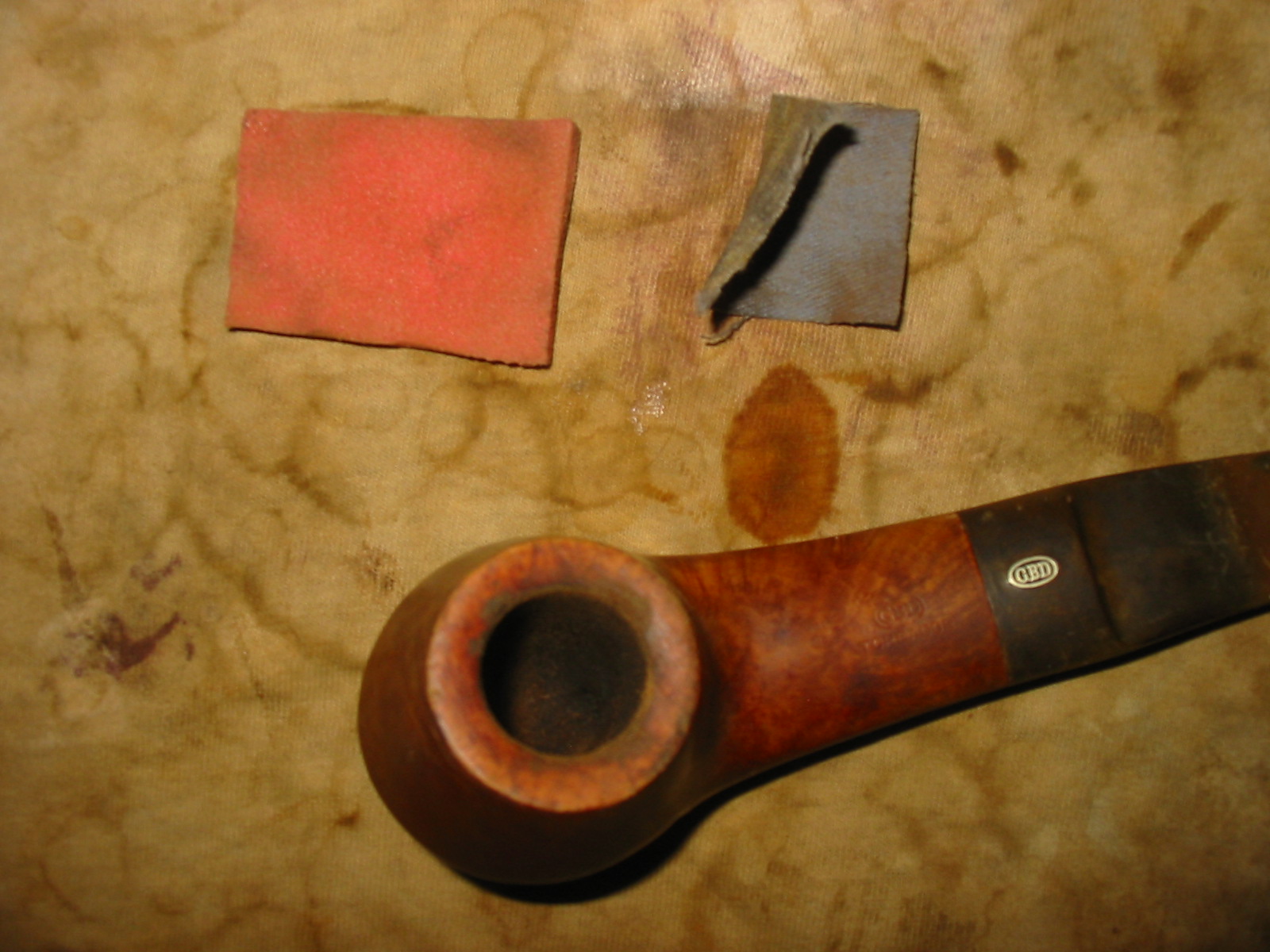
Once I reamed the bowl out to the way I like it I worked on the rim of the bowl. I used some fine grit emery cloth to start breaking up the hard tars and then a fine grit sanding sponge to remove what remained. I work to keep the sharp inner and outer edge of the rim. I do not like it when it is rounded. This rim was also chamfered in toward the bowl and I wanted to keep the angles on that even when I was finished working it over. The next two photos show the cleaned rim. It has been sanded and the buildup is removed. There is a bit of rim darkening that will come off with a bit more work.
IMG_0603

IMG_0607
The next four photos show the bowl after I have wiped it down with acetone on a cotton pad. The darkening on the rim is growing fainter with each wipe. The pads are coloured from the dirt and grime as well as the stain from the pipe. I have found that the dark and medium brown wipe off and leave a yellow colour on the pads. I repeated the wipe down several times until the surfaces were clean.
IMG_0608

IMG_0609

IMG_0610

IMG_0611
After wiping the bowl down I cleaned out the stem and the shank. I used pipe cleaners and Everclear to scrub out the insides of the stem and shank. I scrubbed until they came out clean. I worked on the area of the button slot to clean out the tar buildup in that area. Then I decided to work on the stem. I sanded out the calcification on the stem from the rubber stem bite protector. It leaves a white sediment buildup that is rock hard so I sand it with medium grit emery paper. Removing this buildup also reveals the depth and nature of the tooth marks in the stem. The first picture below shows the topside of the stem and the tooth marks. The second picture shows the underside of the stem and the two tooth marks next to the button.
IMG_0612

IMG_0613
I then sanded the stem with 240 grit sandpaper and the medium grit sanding sponge to further remove the scratches and clean up around the tooth marks. Once I had the stem cleaned up of the white buildup and the scratches reduced I wiped down the stem with Everclear. I heated the surface of the stem with a lighter to lift the tooth marks as much as possible and then I picked out the grit and grime in the tooth marks with a dental pick to provide a clean surface for the superglue repair. The first two photos show the sanded stem and cleaned surface. The third and fourth photos below show the superglue patch. On this stem I chose to use clear superglue rather than the black glue. I often use them interchangeably.
IMG_0614

IMG_0615

IMG_0616

IMG_0617
I set the stem aside to dry and worked on the bowl again. I wiped it down a final time with acetone on a cotton pad. I chose to stain it with a dark brown aniline stain, thinned 2:1 with isopropyl alcohol. I did not want to darken the colour of the pipe but merely bring it back to its original colour as determined from several other smooth GBD pipes of this era. I gave it a coat of stain and flamed it with a lighter. I reapplied the stain and also flamed it a second time. The next series of four photos show the pipe after it has been stain. I wiped it down with a soft cloth. It had not been buffed at this point.
IMG_0618

IMG_0619

IMG_0620

IMG_0621
After the initial staining the colour was a bit dark and opaque to my liking so I use a cotton pad and wiped the bowl down with Everclear to lighten it and make the grain stand out a bit more. The next four photos show the bowl after wiping it down.
IMG_0624

IMG_0625

IMG_0626

IMG_0627
With the bowl finished it was time to work on the stem once again. The superglue was dry and it was time to do some sanding. The next two photos below show the stem after sanding on the patches. The topside and the underside tooth marks are repaired and even with the surface of the stem at this point. Now the stem needed to be worked on with further sandpapers and the micromesh sanding pads.
IMG_0622

IMG_0623
I wet sanded the stem with 1500 and 1800 grit micromesh sanding pads to remove the scratches left by the other sandpapers. I wet the sanding pads and then sanded the stem, wiped off the grime and water and resanded it until the majority of the scratches were removed from the surface of the stem. I worked the pads around the GBD rondel so as not to sand it and remove surface or stain in the metal. The next two photos show the stem after sanding with these two grits.
IMG_0632

IMG_0633
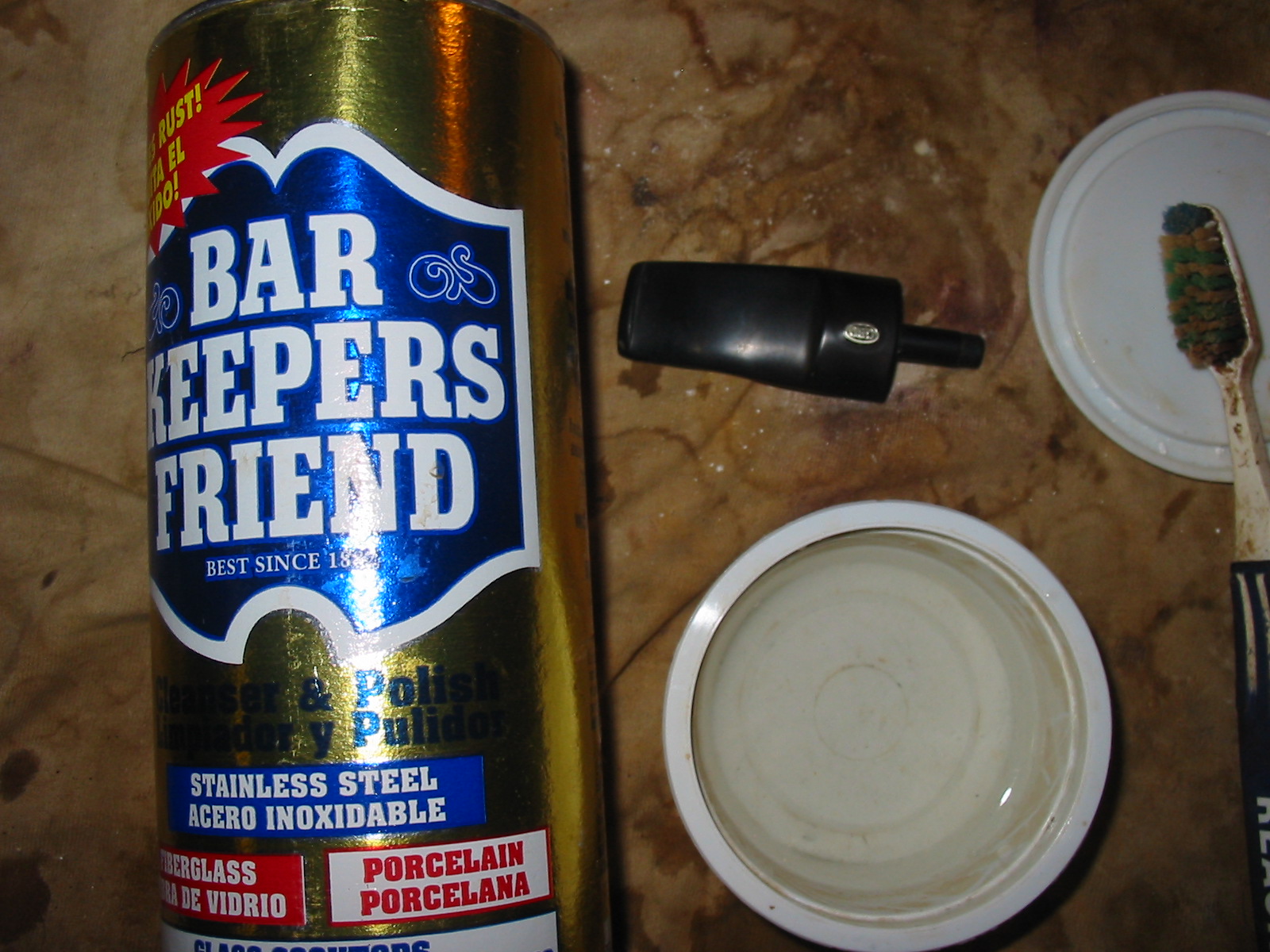
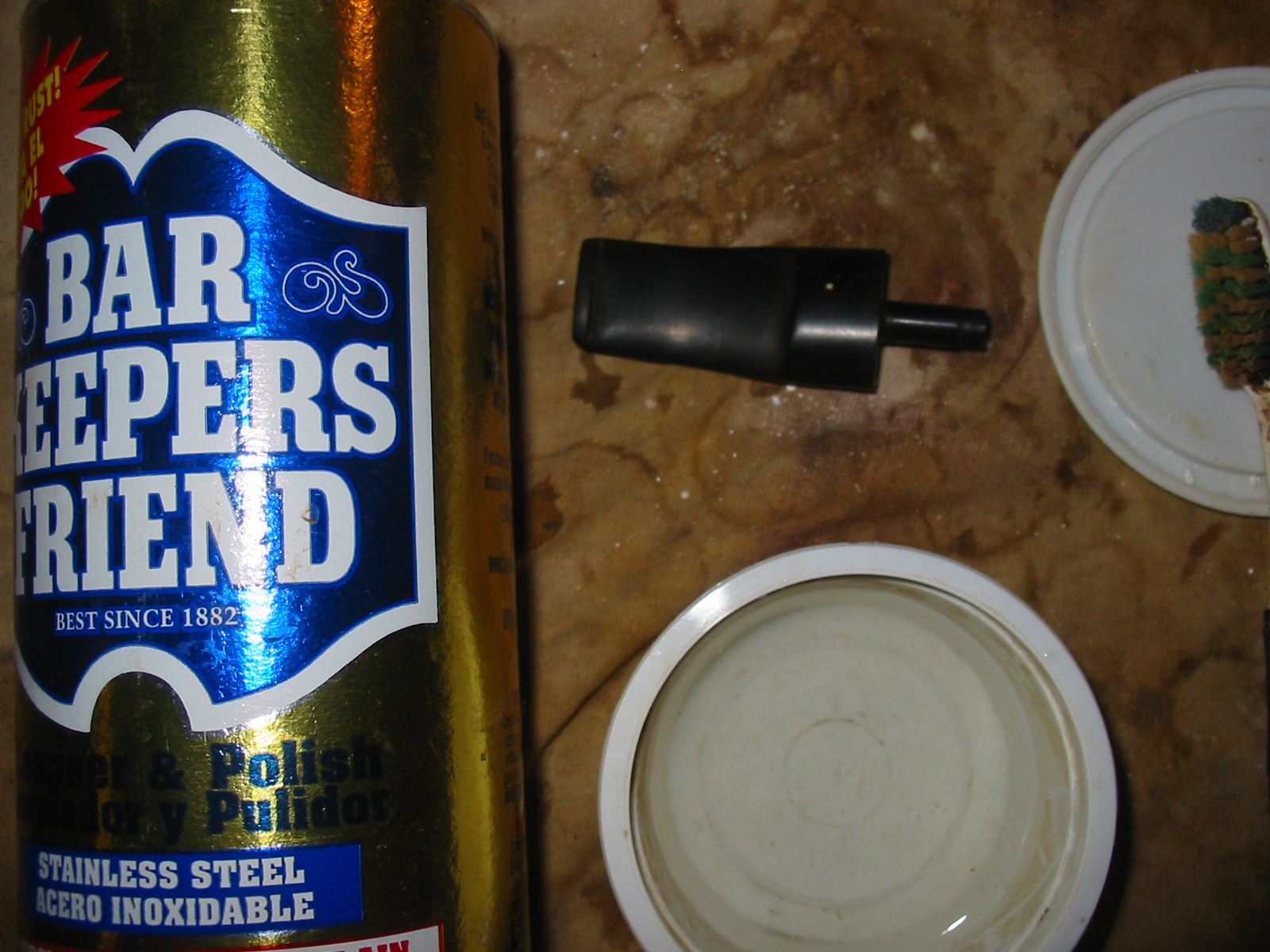
I had read much about using the Barkeepers Friend cleaner to remove oxidation so I mixed up a paste of the powder and scoured the stem with a tooth-brush. The paste worked very well to remove the oxidation around the rondel and around the sharp edges of the button. It really took care of the remaining oxidation. I applied the paste, wiped it off, rinsed, reapplied and repeated the process until I was satisfied with the results. The next two photos show the stem after polishing with the paste.
IMG_0634

IMG_0635
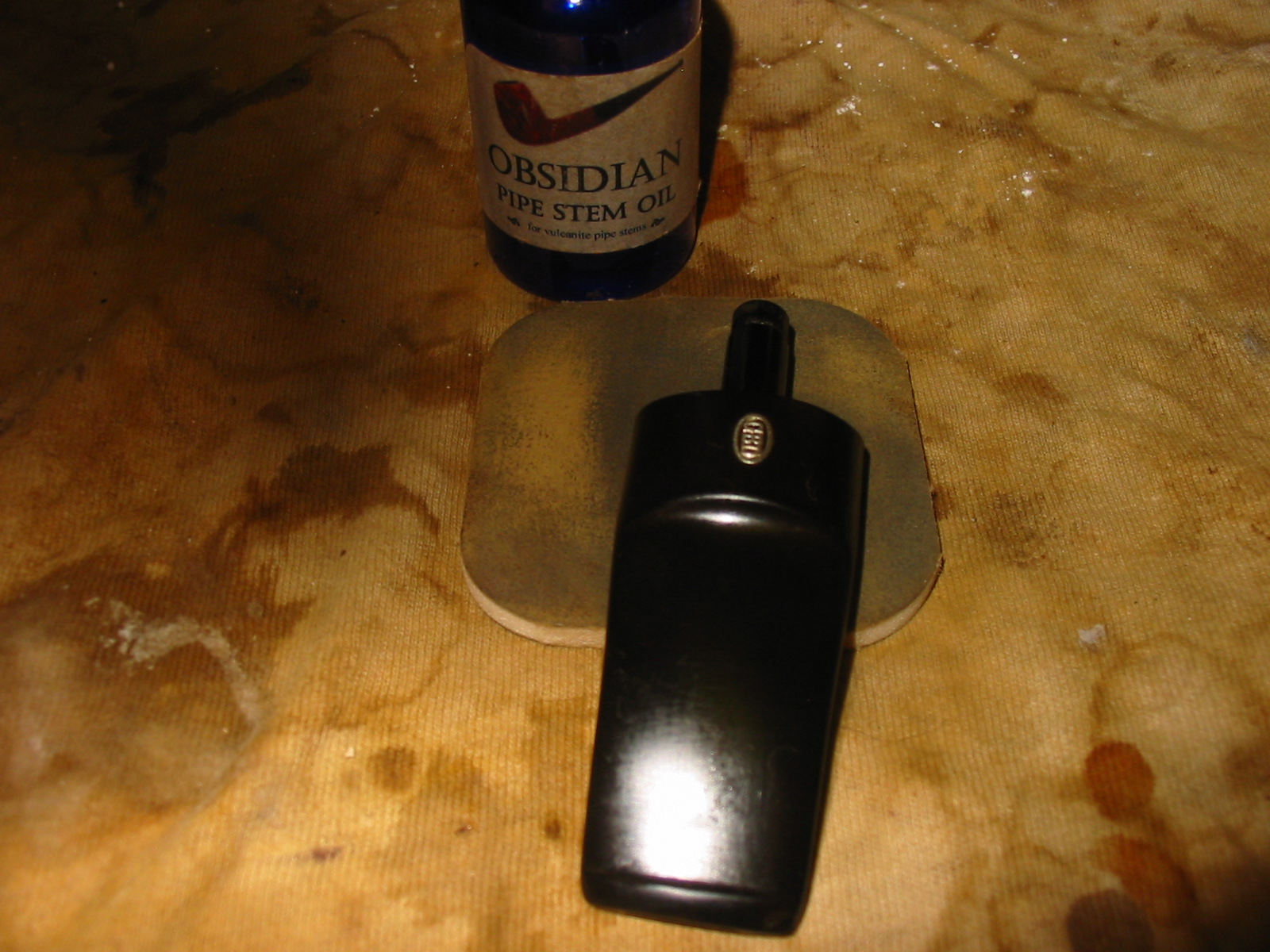
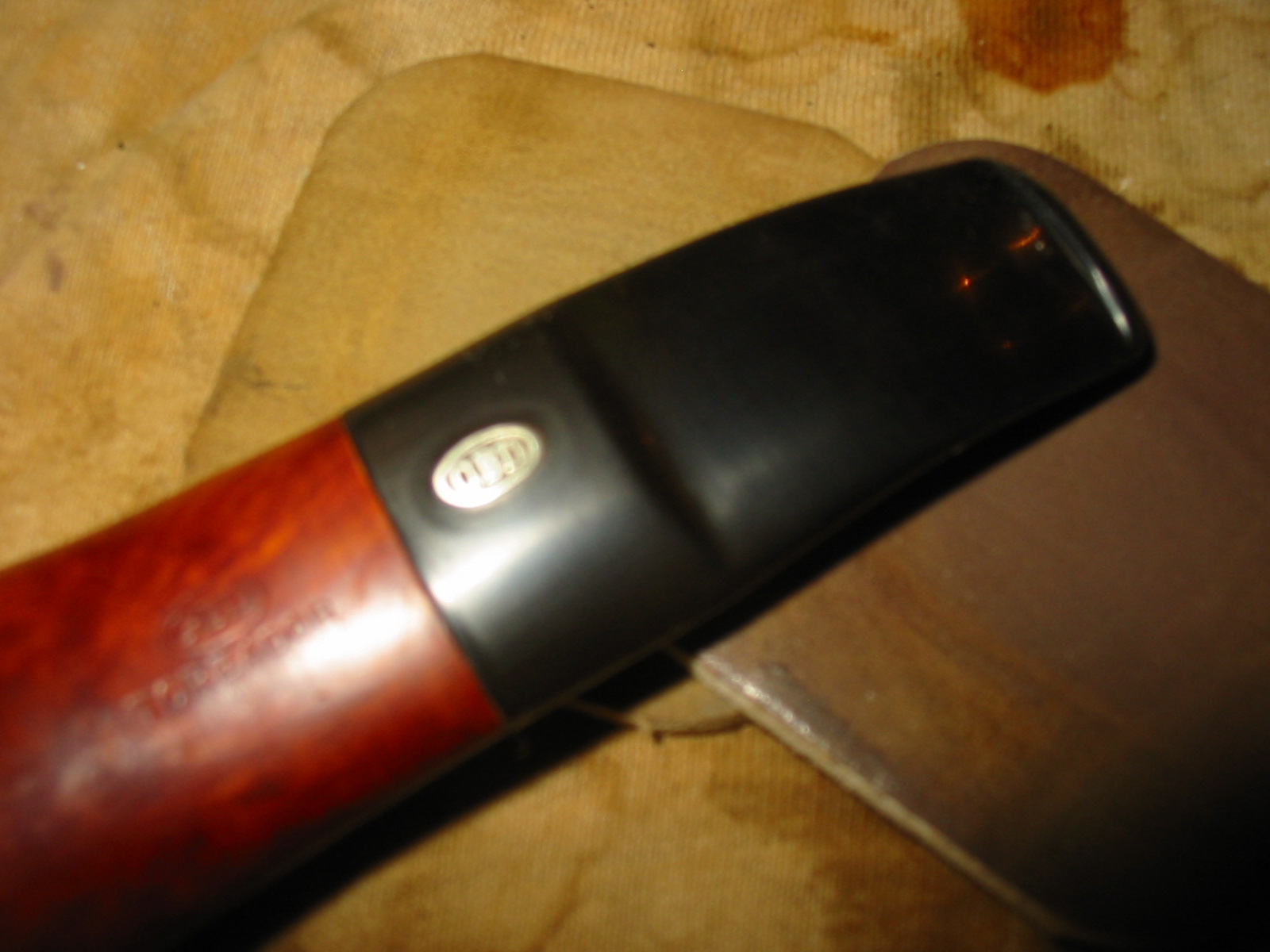
I then sanded the stem with 2400 and 3200 grit micromesh sanding pads to begin to bring out the shine. I also applied a coat of Obsidian Oil to the stem, rubbed it in and let it dry. The first two photos below show the stem after this treatment. Photos three and four show the stem after I had dry sanded it 3600 grit micromesh sanding pads. Photos five and six show the stem after I had finished sanding it with the remaining 4000 – 12,000 grits of micromesh sanding pads. I gave it another coat of Obsidian Oil before I took the pipe to the buffer and gave it a final buff with White Diamond.
IMG_0636

IMG_0637

IMG_0638

IMG_0639

IMG_0645

IMG_0646
The final series of four photos show the finished pipe. There are some dents remaining in the surface of the rim that show up under the light of the flash. They are not nearly as visible in normal light. The pipe is ready to be put to use. It came a long way from the shelf of the Edmonton Antique Mall to the finished pipe it is now.
IMG_0640

IMG_0641

IMG_0642

IMG_0643

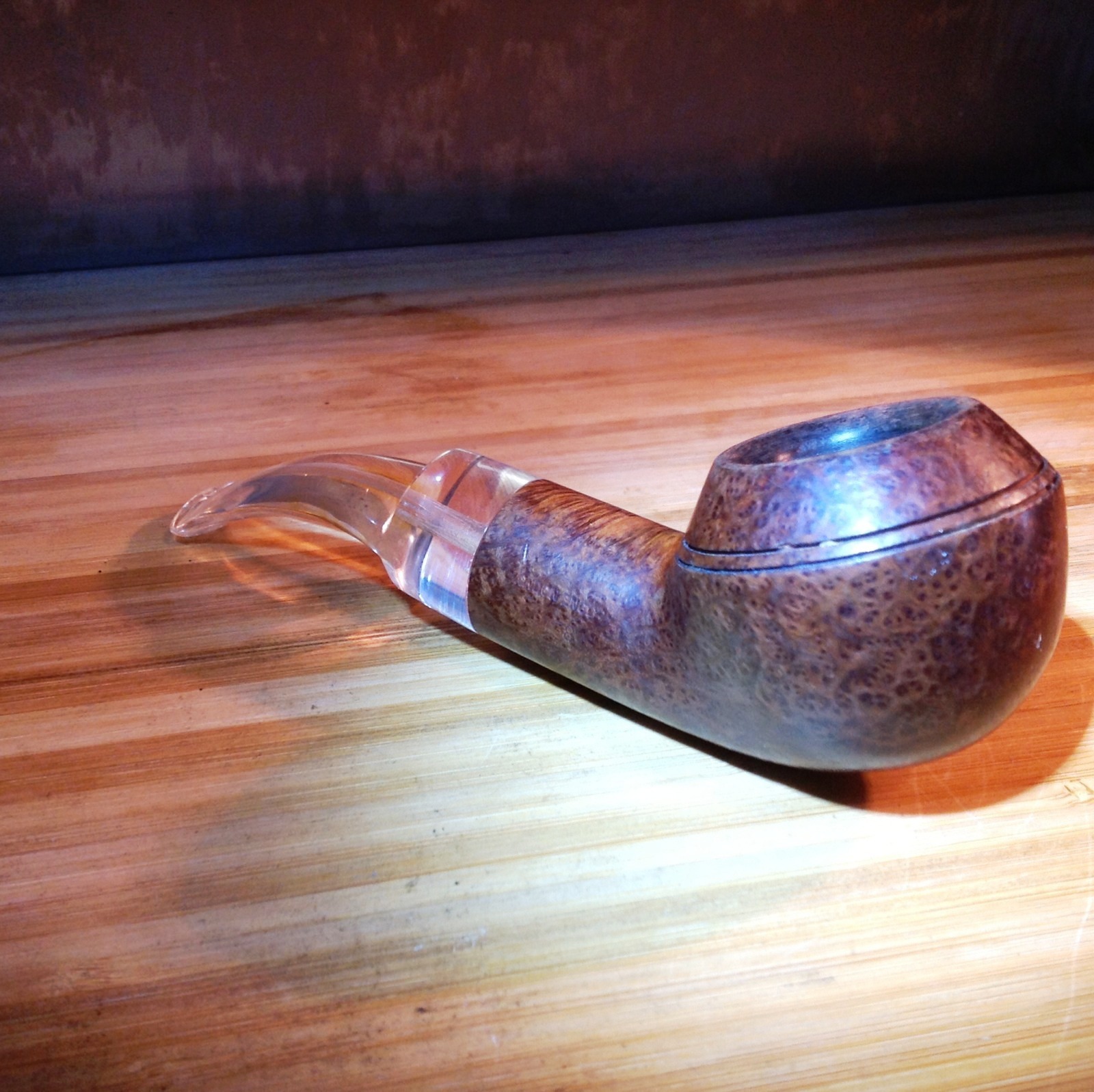
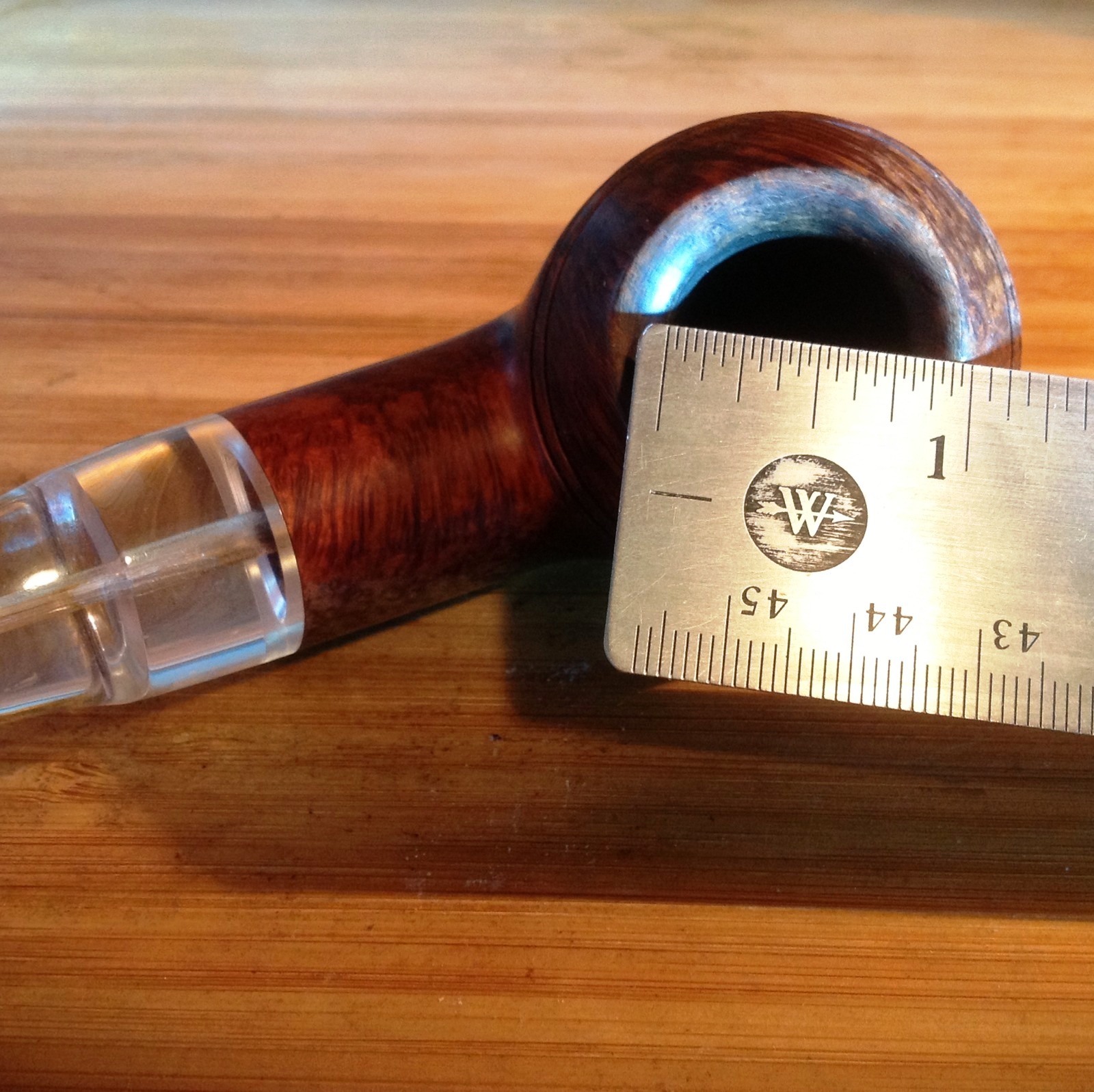
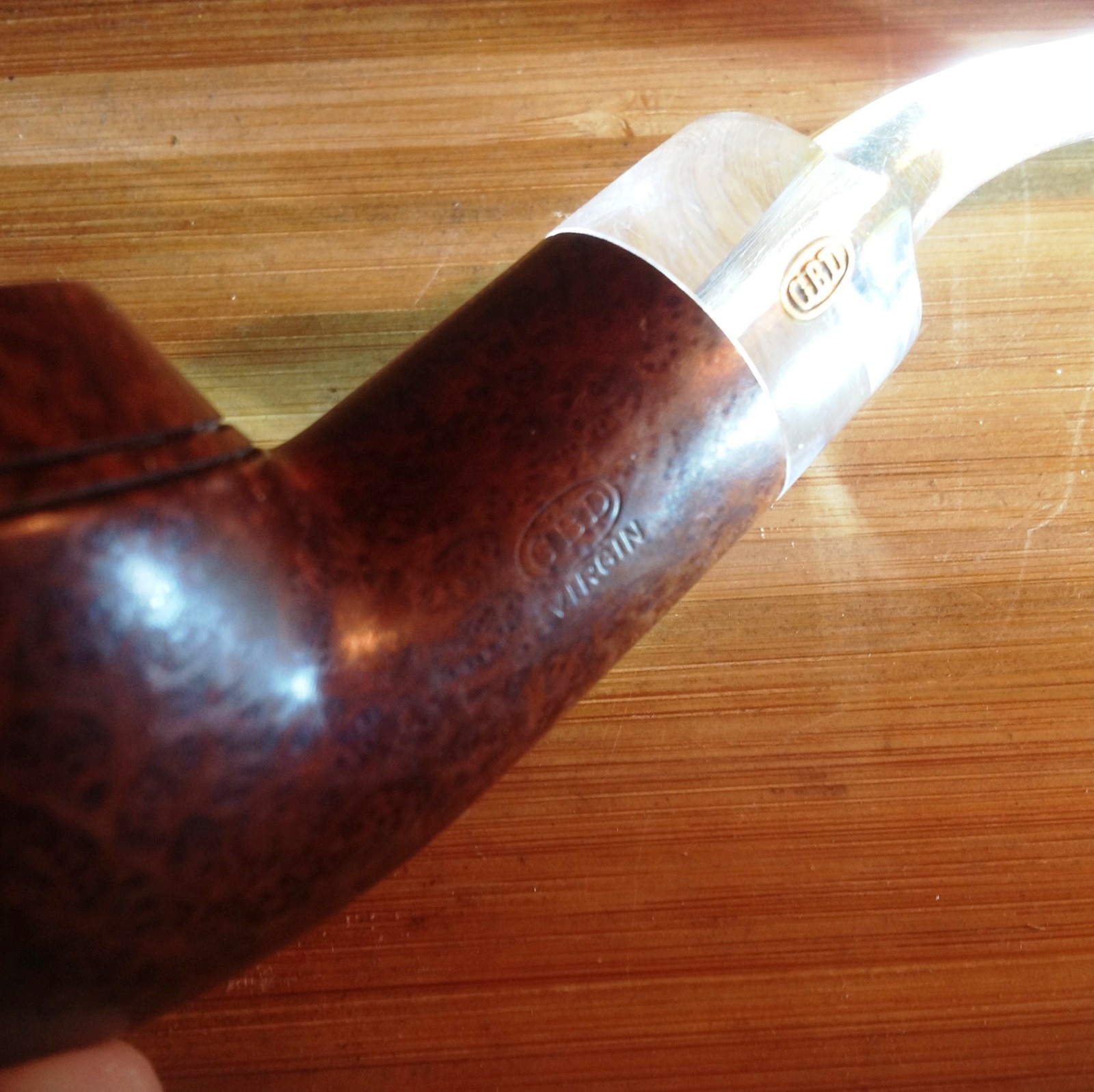
GBD 9438 Virgin Restoration


Blog by Al Jones

If you have followed my previous posts, you’ve noticed that I am a fan of the GBD 9438 shape. There is just something about the chubby Rhodesian shape that appeals to me. All of the 9438’s in my collection are excellent smokers and feel great in the hand. For the past two years, I’ve been on the lookout for one of the highest grades in that shape, the Virgin. I found this somewhat tattered 9438 Virgin with a Perspex stem on Ebay.

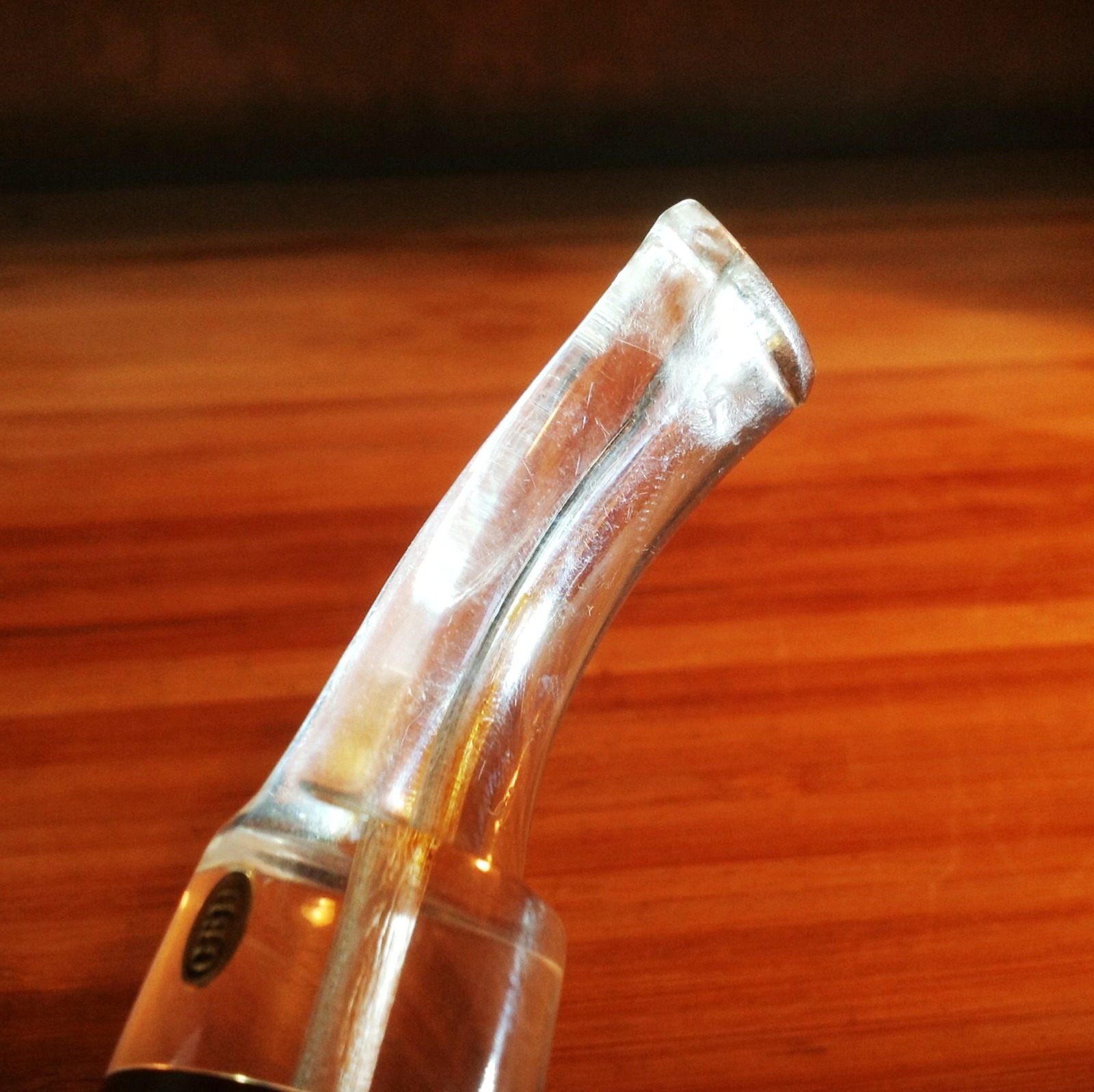
The pipe showed some bruising and nicks on the bowl, but the top looked in decent shape as did the Perspex stem. Photographing details of a Perspex stem is never easy, but this seller had plenty of good photographs.

Below are the pictures posted by the seller.  You can see the handling marks on the bowl in the first shot.

GBD_9438_Virgin-Before (10)

GBD_9438_Virgin-Before

GBD_9438_Virgin-Before (1)

GBD_9438_Virgin-Before (2)

GBD_9438_Virgin-Before (5)

GBD_9438_Virgin-Before (6)

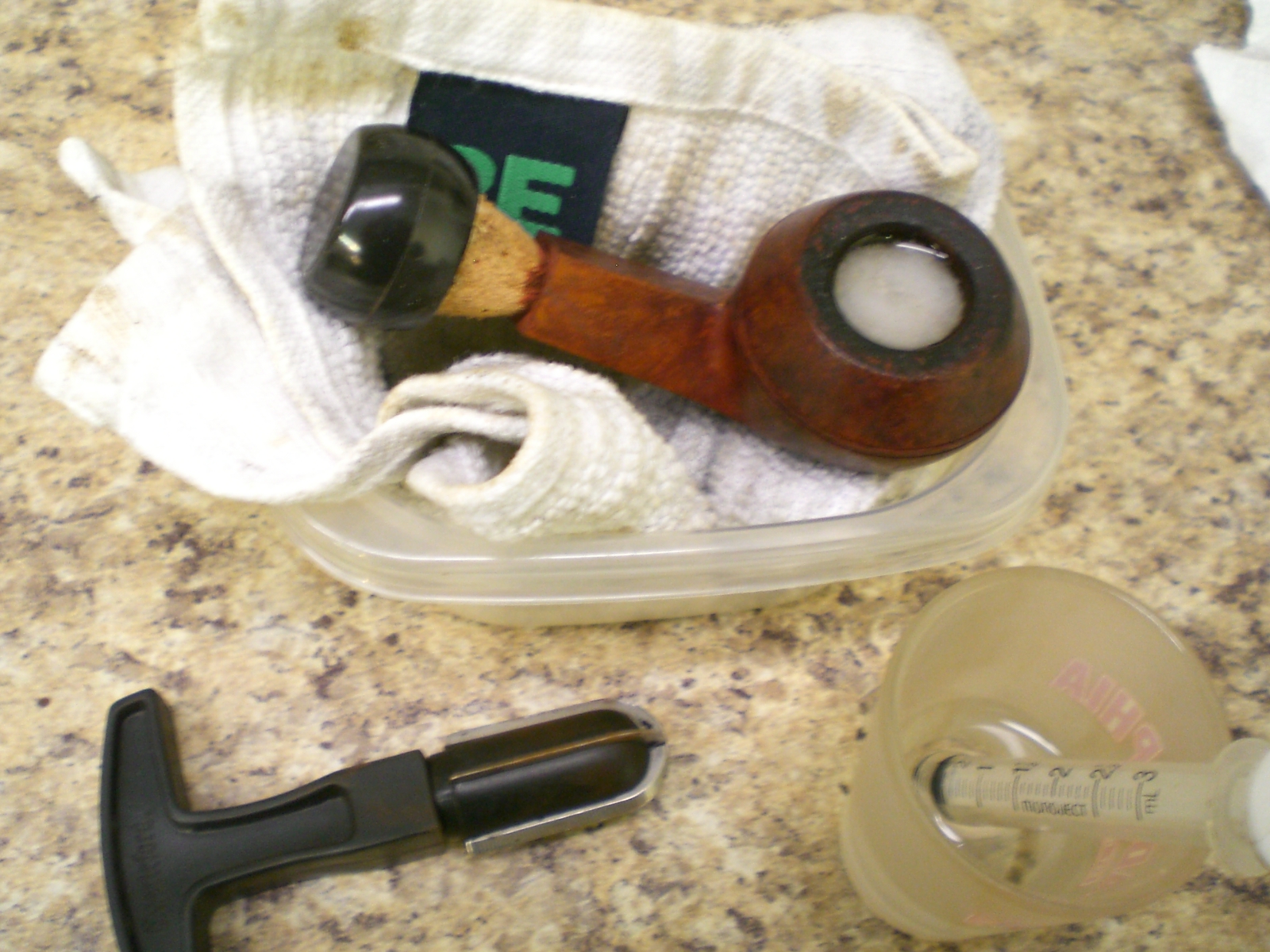
The bowl had a light cake, which I reamed close to the briar with my Castleford reamer. I soaked the bowl overnight with Everclear and sea salt. I use a champagne cork to plug the shank end and try to work a little of the salt/Everclear slurry into the shank.

The stem was in pretty good shape, but had a tooth indention on the lower side and some scratches. I tried to lift the tooth mark with some heat, but the Perspex isn’t as resilient as Vucanite. I removed the scratches with some 1500 then 2000 grit wet 3M automotive grade wet sandpaper. Next I completed the stem work with 8,000 and then 12,000 grit micromesh sheets. I buffed it lightly with some automotive plastic polish. The draft hole isn’t heavily stained, which is a fortunate find on a Perspex stem. The tooth mark is on the bottom and the clear Perspex hides it nicely. (and makes it difficult to photograph)

My biggest concern about the briar was what appeared to be handling pinprick marks in several spots, probably from banging around in a drawer/box for a few decades. Using a torch, wet cloth and a pirated kitchen knife, I was able to lift a majority of the marks. The nomenclature was light, so I carefully buffed the bowl with first White Diamond then two coats of carnuba wax. That helped even out the color and hide some of the bruising. It’s not perfect, but has a nice level of patina.

GBD_9438_Virgin_Finished (6)

GBD_9438_Virgin_Finished (1)

GBD_9438_Virgin_Finished (2)

GBD_9438_Virgin_Finished (3)

GBD_9438_Virgin_Finished (4)

GBD_9438_Virgin_Finished (5)

GBD_9438_Virgin_Gallery

With this addition of this Virgin, I now have five different grades of the 9438 shape.

Fantasy

GBD_9438_Fantasy_Gallery 3

Tapestry

GBD_Tapestry_9438_2nd_Gallery

Prehistoric

GBD_9438_Prehistoric_Gallery

New Standard

GBD_9438_New_Standard_Gallery

I include this Seventy-Six Colossus as it is an oversized 9438 (stamped 9676) and clearly the 9438 chubby Rhodesian shape.

GBD_Colossus_76_Gallery

A Transformation from a GBD Billiard to a GBD Lovat


Blog by Steve Laug

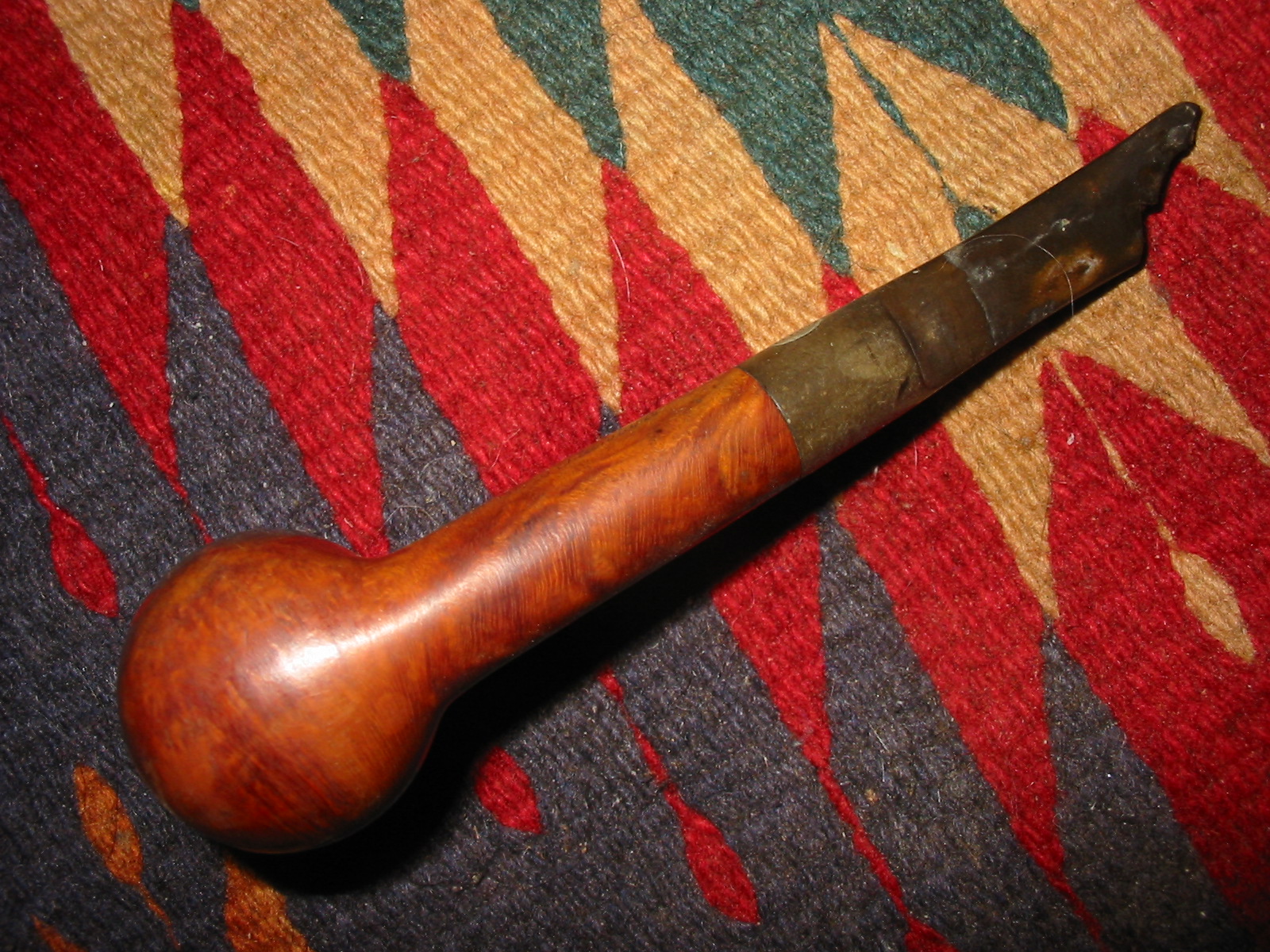
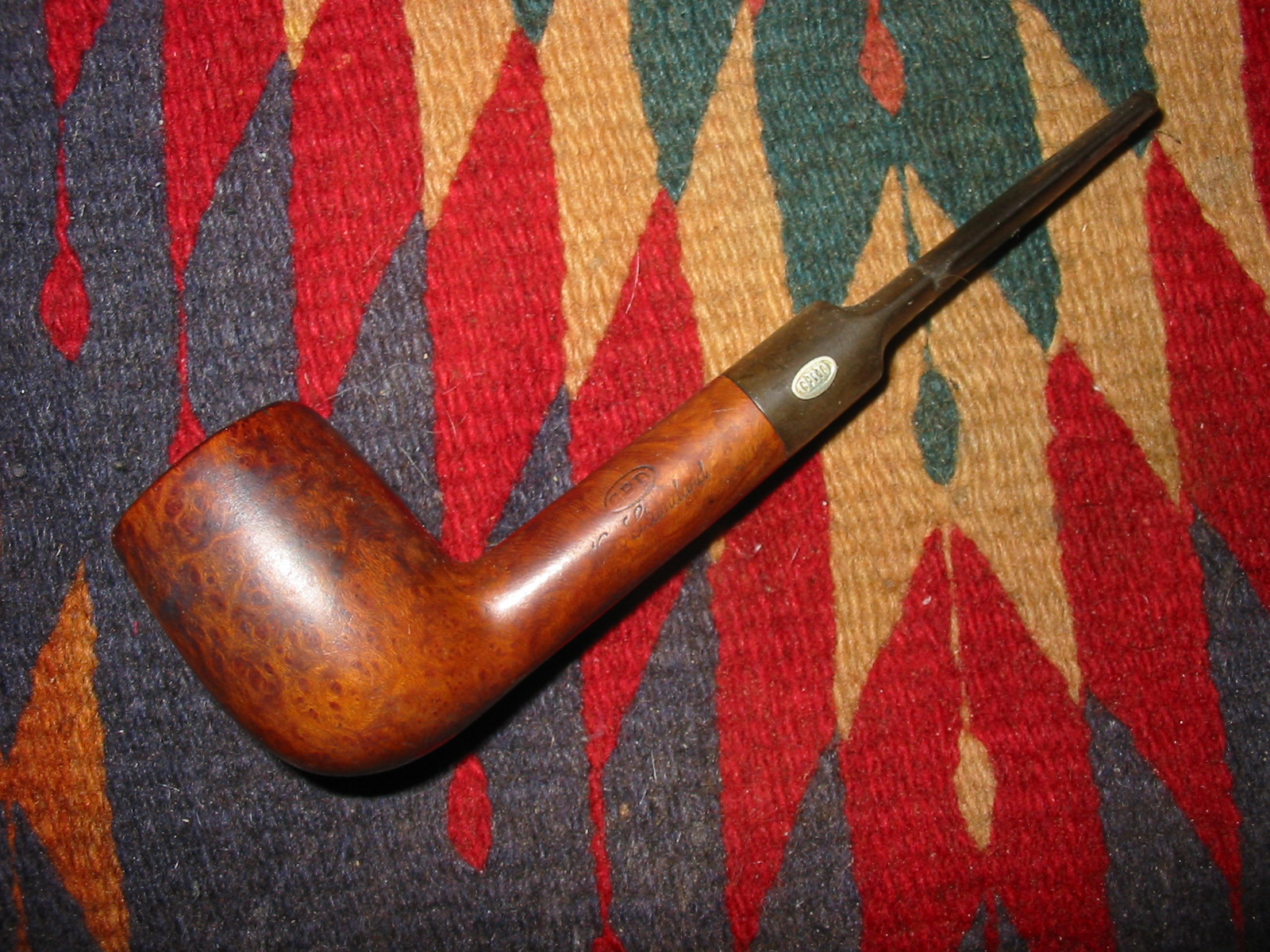
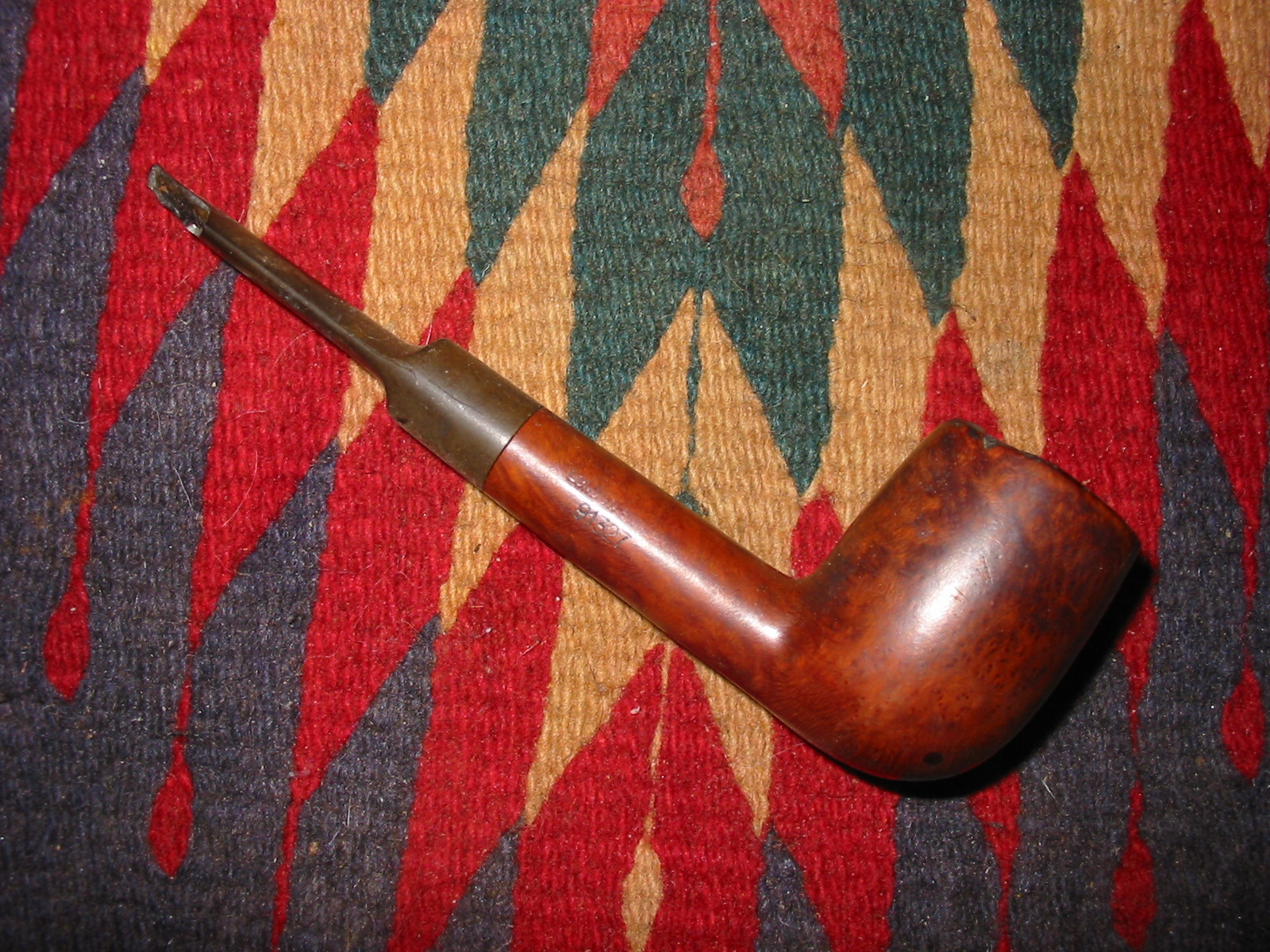
I picked up this little GBD New Era Billiard while traveling awhile back. It had a cracked and broken stem. The GBD roundel was still intact and in good shape. The bowl was a mess in that the rim was hammered. The top of the rim was chipped and rough. It was also out of round from over reaming. Since I had found it I had been looking for a new stem for a replacement. I had searched EBay and some of my other usual spots to see if I could pick up a GBD stem or even broken pipe that would work for me. This evening I gave up on the hunt and decided to see what I could do with the existing stem. I set out to transform the pipe from a billiard to a lovat by shortening the stem.

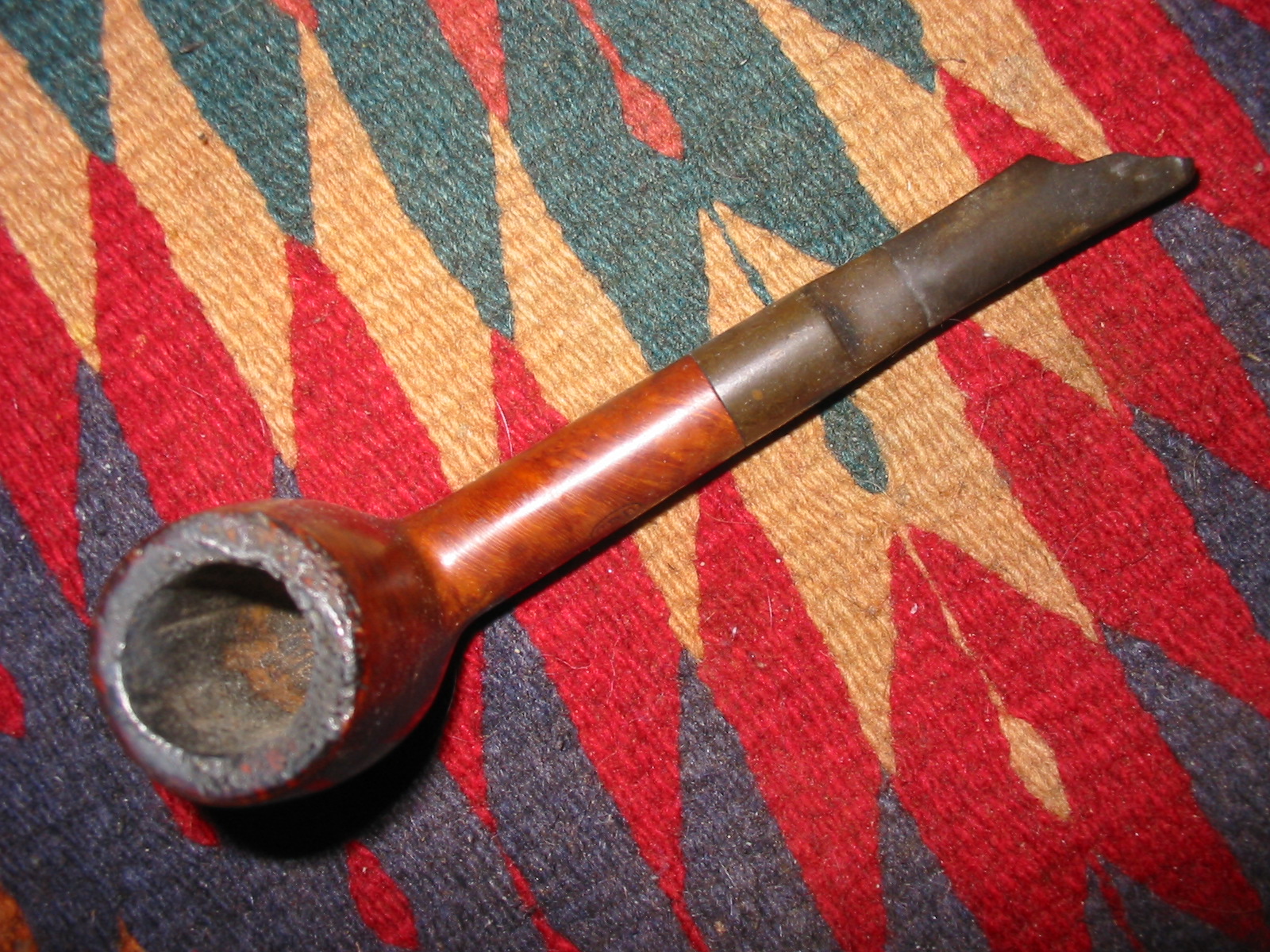
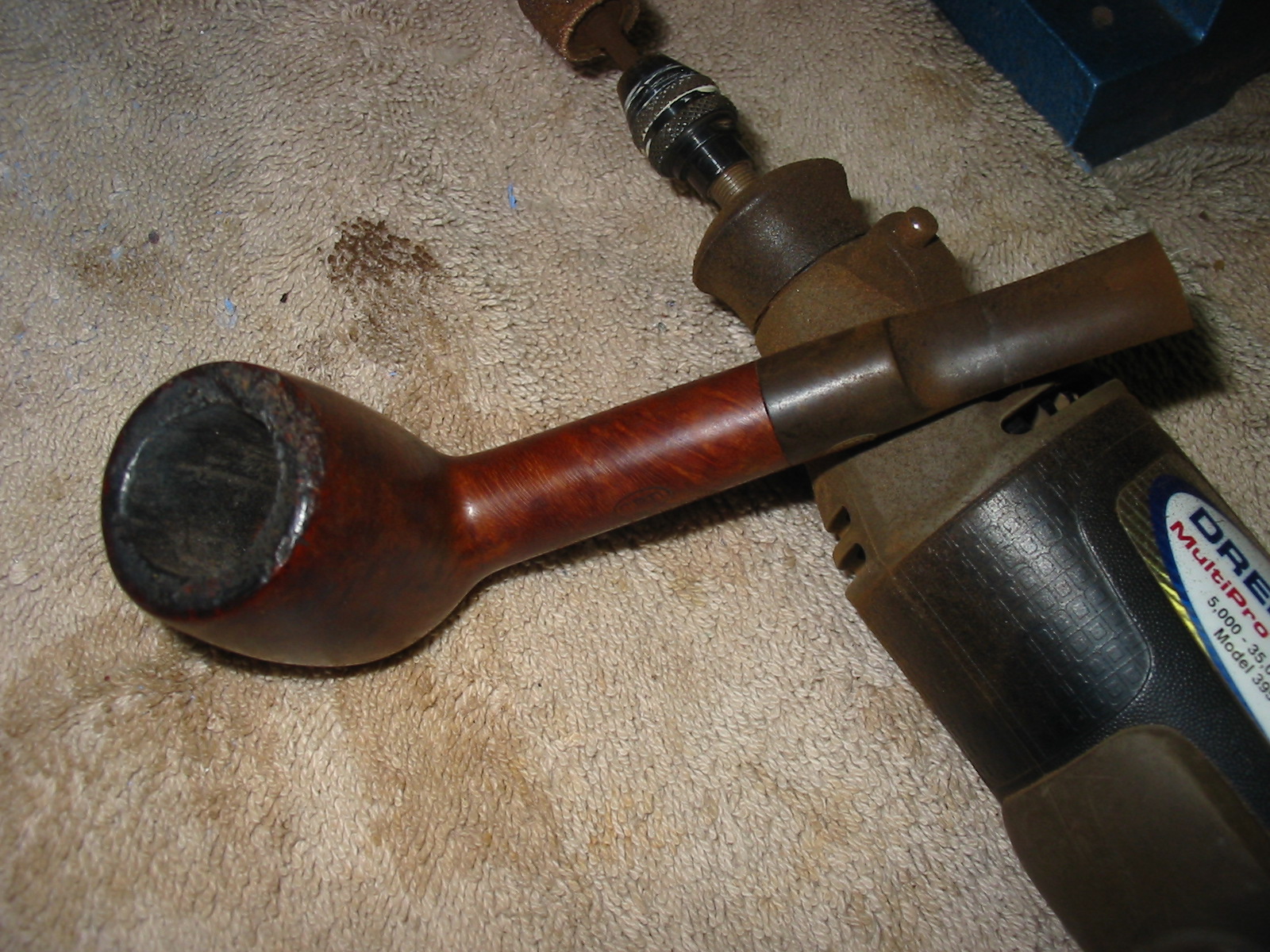
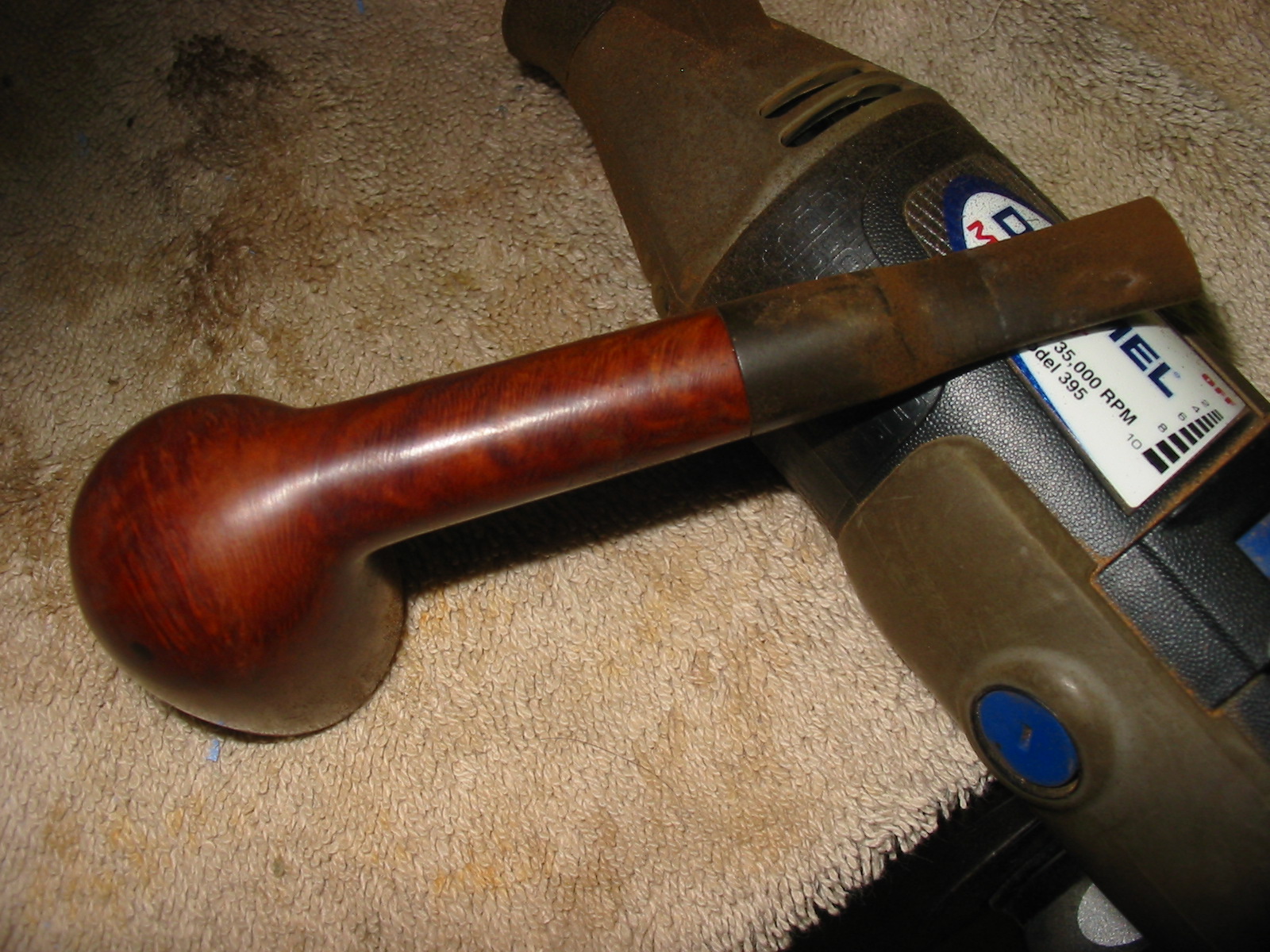
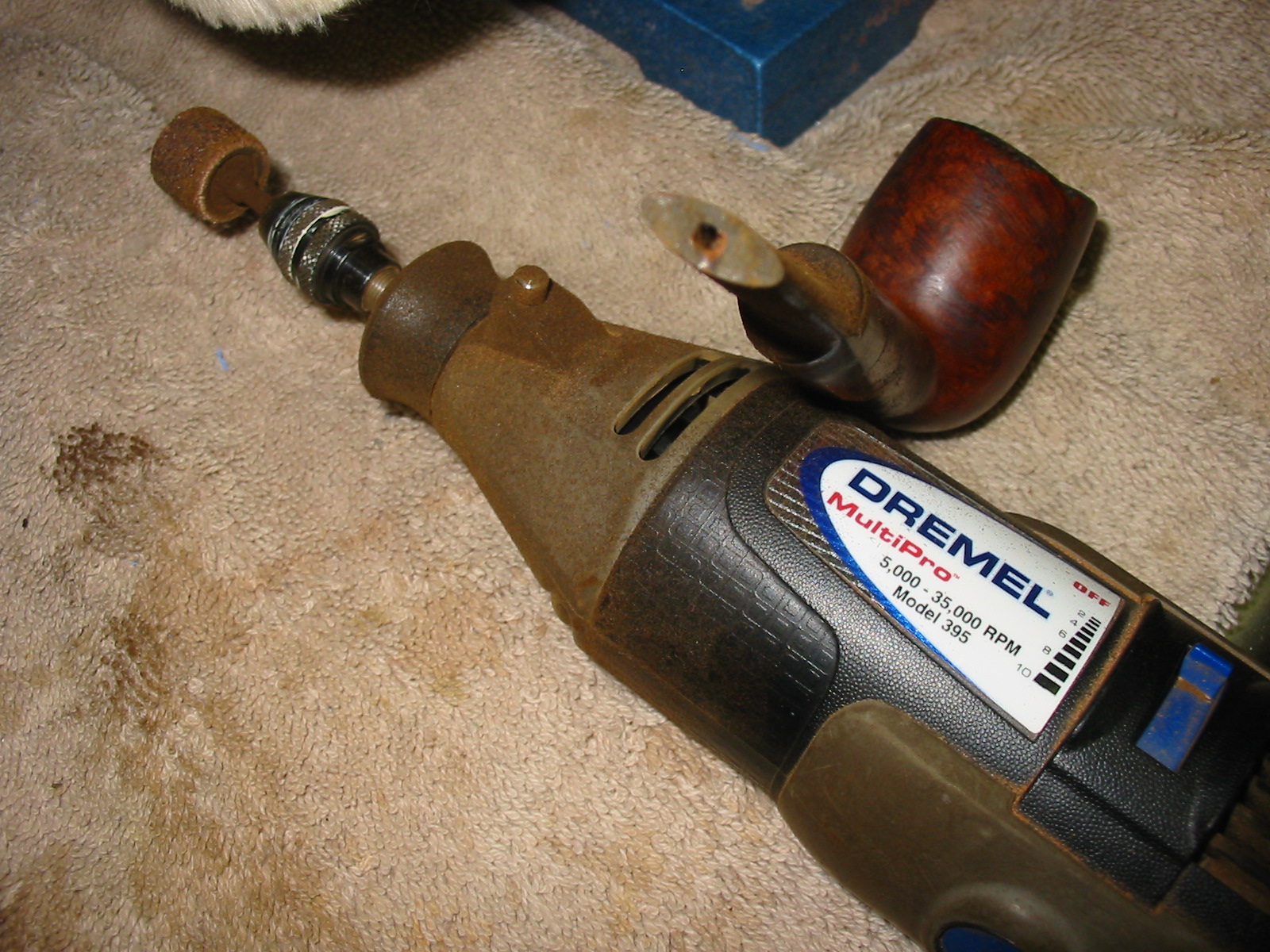
ImageImageImageImage

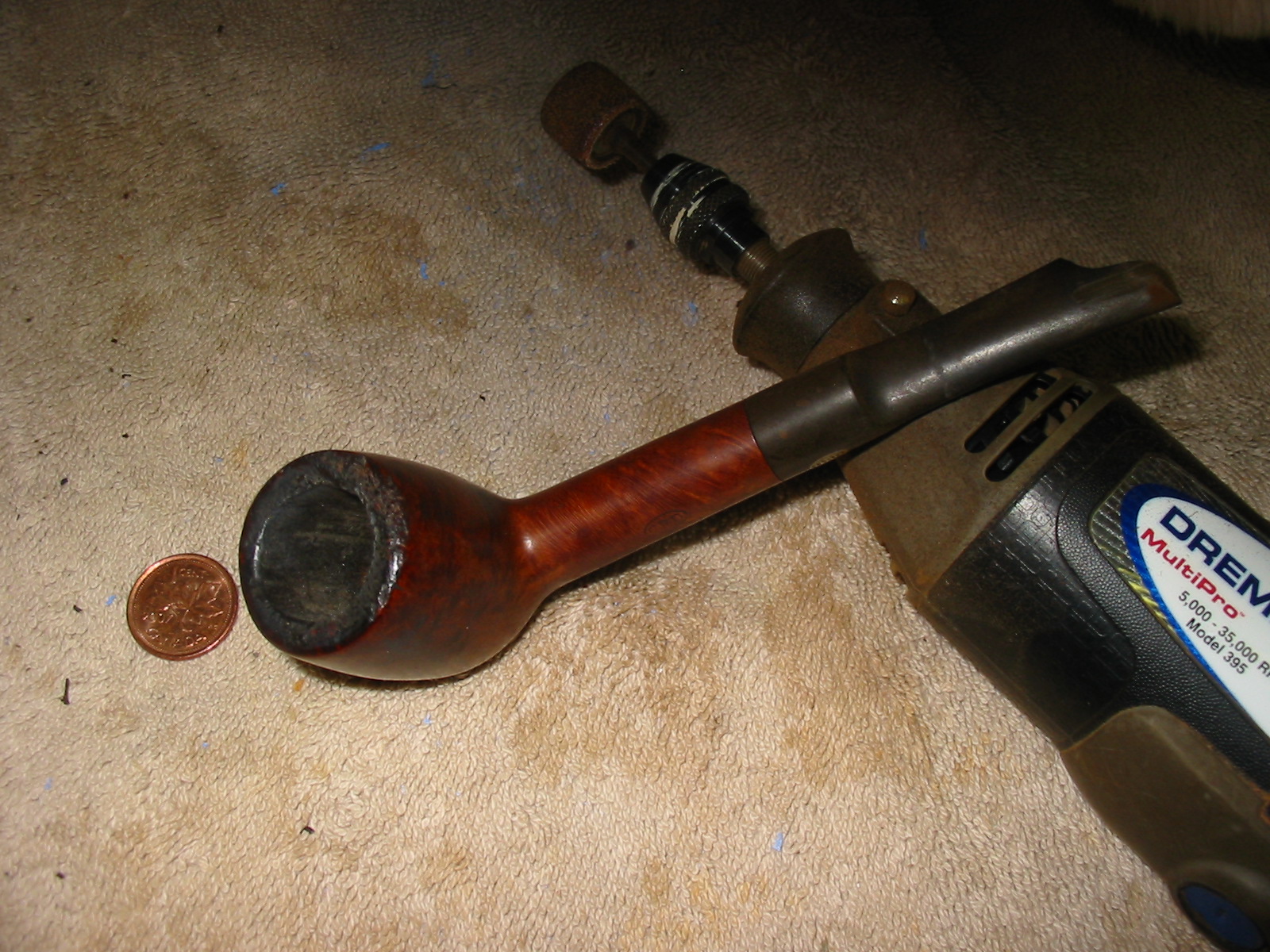
The first step in that process was the shortening of the stem – the removal of the damaged portion of the stem would have to go. I used my Dremel with the sanding drum to remove the broken part of the stem and cut a straight line across it. The next three photos show the stem before the cutting and after. The fourth photo in the series shows the airway in the stem. There was plenty of vulcanite for me to cut a new button on the stem and to open a slot in the button.

ImageImageImageImage

The next series of six photos show the process and results of topping the bowl. I used emery cloth on a solid board to sand away the damage to the rim. I chose the emery cloth because the damage was quite deep and extensive and I wanted to be able to remove the rough briar before sanding the rim with higher grit sandpaper. I hold the pipe with the rim flat against the sandpaper and work the pipe over the surface of the sandpaper in a clockwise motion. I find that this works better than using a horizontal or vertical motion and minimizes the scratches on the surface of the briar. I sanded the top until all of the damage was removed on the rim. There was one spot at about 5 o’clock on the rim where there was a large chunk taken out of the briar. I minimized that as best as I could but could not remove it all without damaging the profile of the pipe.
ImageImageImageImageImageImage

Once the rim was finished I decided to clean the pipe inside and out. I used Everclear and pipe cleaners and cotton swabs to clean out the interior of the pipe and stem and then some acetone on a cotton pad to wipe down the bowl surface. I also sanded the rim with 320 grit sandpaper and went on to use 400 and 600 grit wet dry sandpaper to wet sand the rim. In the four photos below you can see the little lovat being born.

ImageImageImageImage

Once the pipe was clean I decided to work on the slot in the end of the stem before cutting the button. There is no logical order to what I worked on next; it was more a matter of whatever I wanted to look at first. I opened the slot with needle files and started to shape the slot into the oval opening I was aiming for. Once it was roughed in I cut the button on the surface of the stem with needle files. The first two photos show the slot taking shape. The next seven photos show the progress of the button and the adjustments to the slope of the stem. I carved the stem with my files removing vulcanite on the top to flatten the profile of the rounded stem. It took quite a bit of sanding to the top and bottom of the stem to achieve the right angles. I also used folded emery cloth to smooth out the flow and remove the file marks from the surface of the stem. By the seventh photo you can see the progress of the button and the slope quite clearly.

ImageImageImageImageImageImageImageImageImage

The next series of six photos show my next steps in shaping the stem. I put it back on the pipe and continued to work on the slope of the stem surface and the definition of the button. By the sixth photo the stem is virtually done in terms of shaping. I finished cutting the slot and smoothing it out by a folded piece of sandpaper. I also sanded the remaining parts of the stem on the saddle to remove the oxidation that was prevalent on that stem as a whole.

ImageImageImageImageImageImage

Once the shaping was finished and the rough sanding done to the surface of the stem I progressed through 320 grit sandpaper and 400 and 600 wet dry sandpaper used wet to remove the scratches left behind by the emery paper. It took quite a bit of fine sanding to work around the roundel and not damage the stamping of the brass. When I finished with the sandpapers I worked with micromesh sanding pads. I used the first three grits – 1500, 1800 and 2400 and wet sanded the stem. I find that the rounded corners of the sanding pads allow me to work closely around the roundel and clean up the oxidation and scratches.

ImageImage

I then polished the stem with Maguiar’s Scratch X 2.0 to remove the surface scratches and to see what remained to work on in terms scratches and marks. I rub the polishing compound on with my finger and work it over the surface of the stem and into the angles of the button. Once it is applied that way I scrub it with a cotton pad to polish and remove the compound. I then sanded it with the next three grits of micromesh – 3200, 3600 and 4000. I dry sanded with these grits and began to see a deep shine emerging. Once finished with the 4000 grit I rubbed the stem down with Obsidian Oil and set it aside. I then stained the pipe with medium brown aniline stain that I thinned down 2:1 with isopropyl. I flamed the stain to set it and then reapplied the stain, flamed it again and then reapplied it to the rim a third time and flamed it. I took it to the buffer and used Tripoli and White Diamond to buff it. I wiped the bowl down with isopropyl on a soft cotton pad to lighten the stain and make the grain variations more visible. I put the stem back on the pipe and finished sanding it with the final three grits of micromesh – 6000, 8000, 12,000. After dry sanding with these pads I took the pipe to the buffer and buffed it with White Diamond. I finished by giving pipe and stem several coatings of carnauba wax and buffing with a soft flannel buff. The new little lovat is pictured in the four photos below.

ImageImageImageImage

GBD Bulldog #549 New Standard Restoration


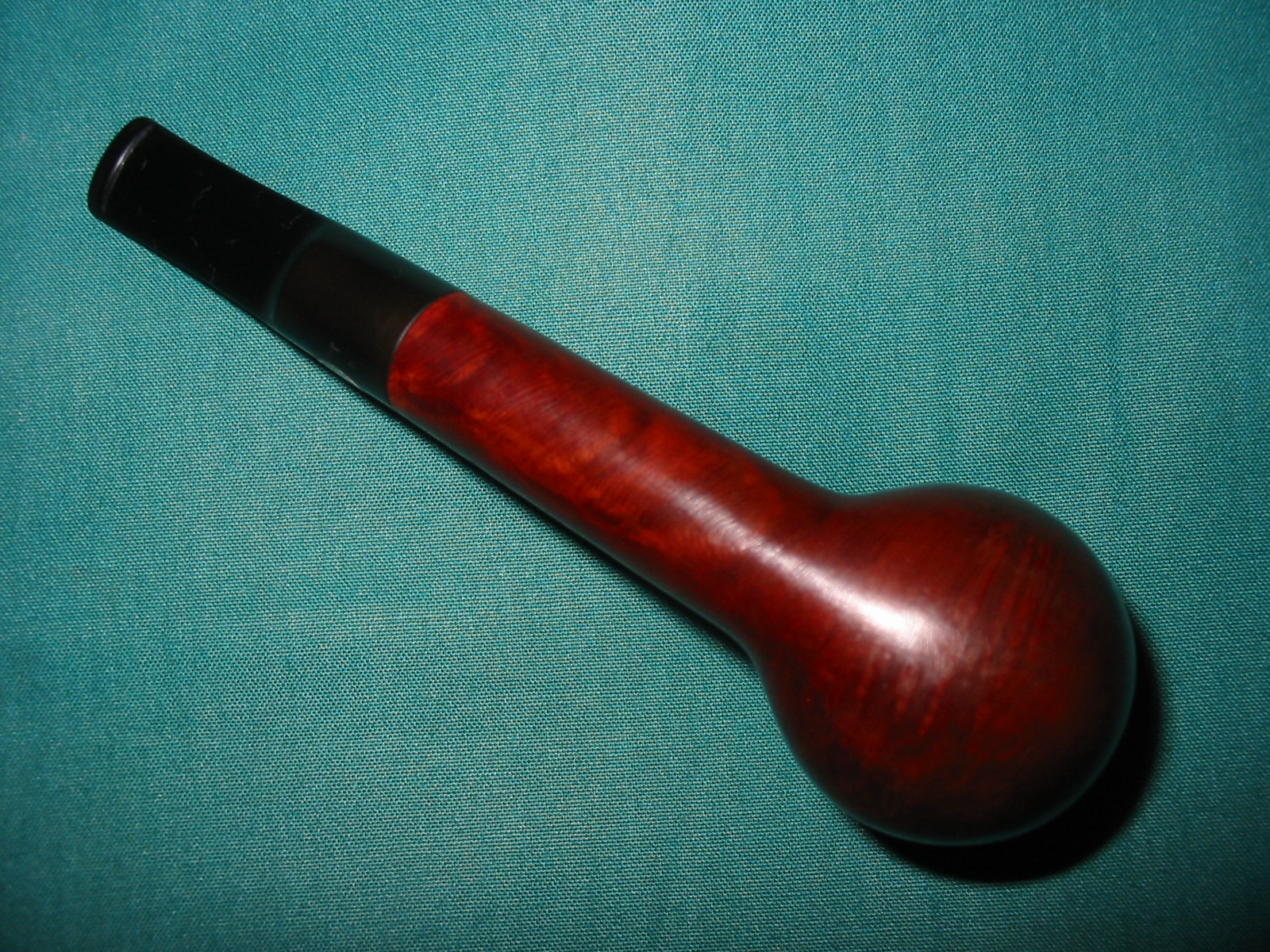
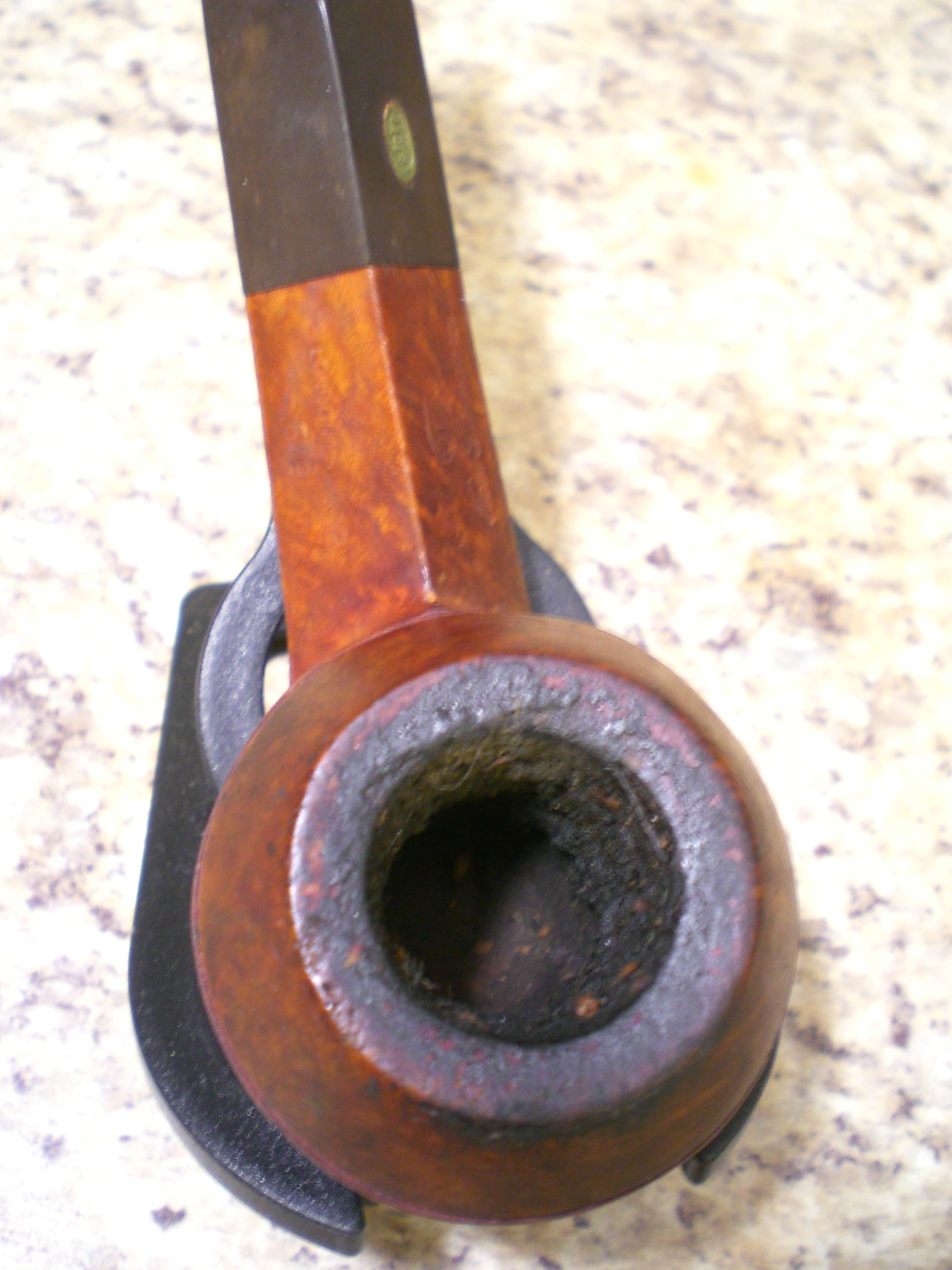
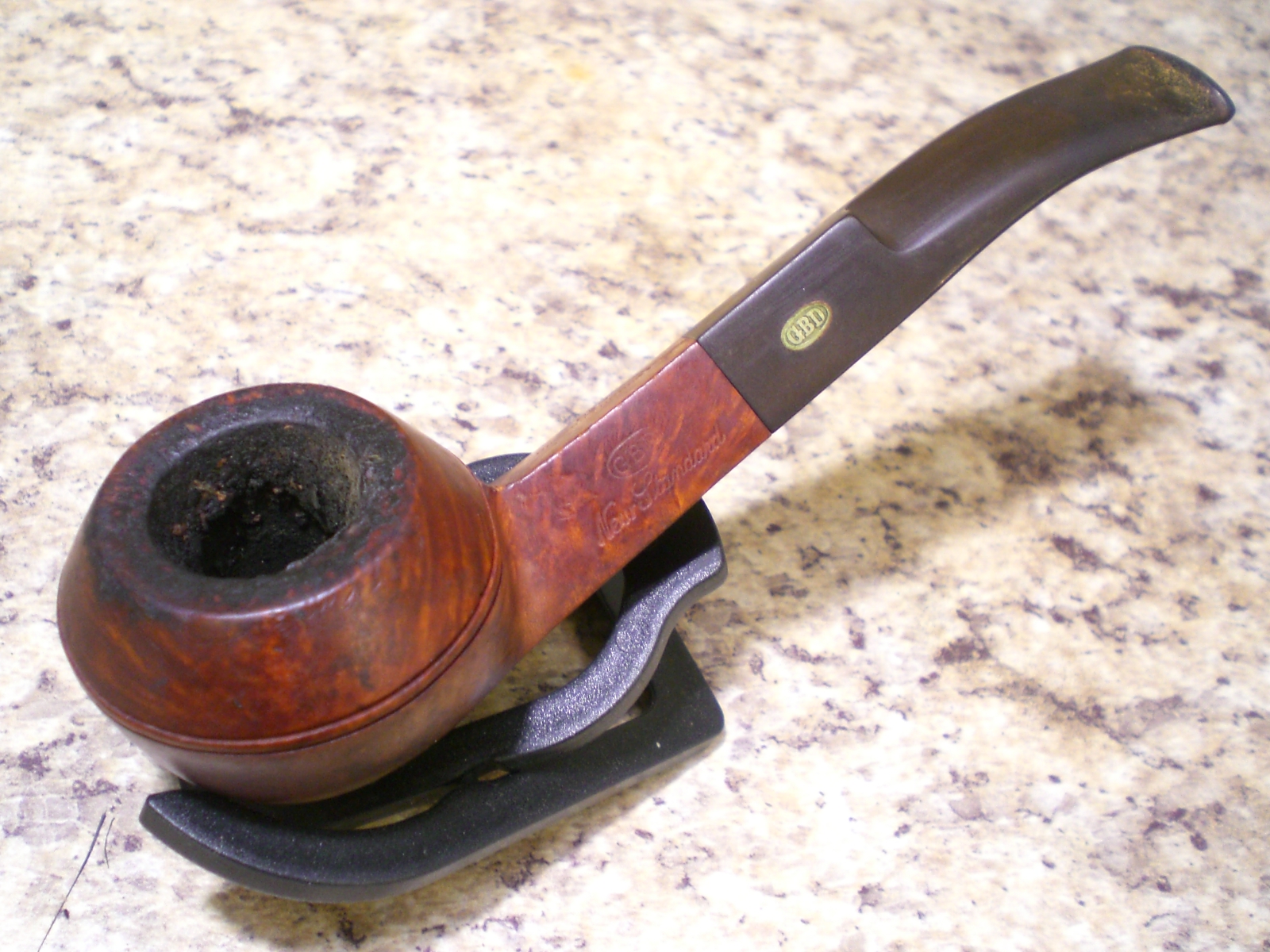
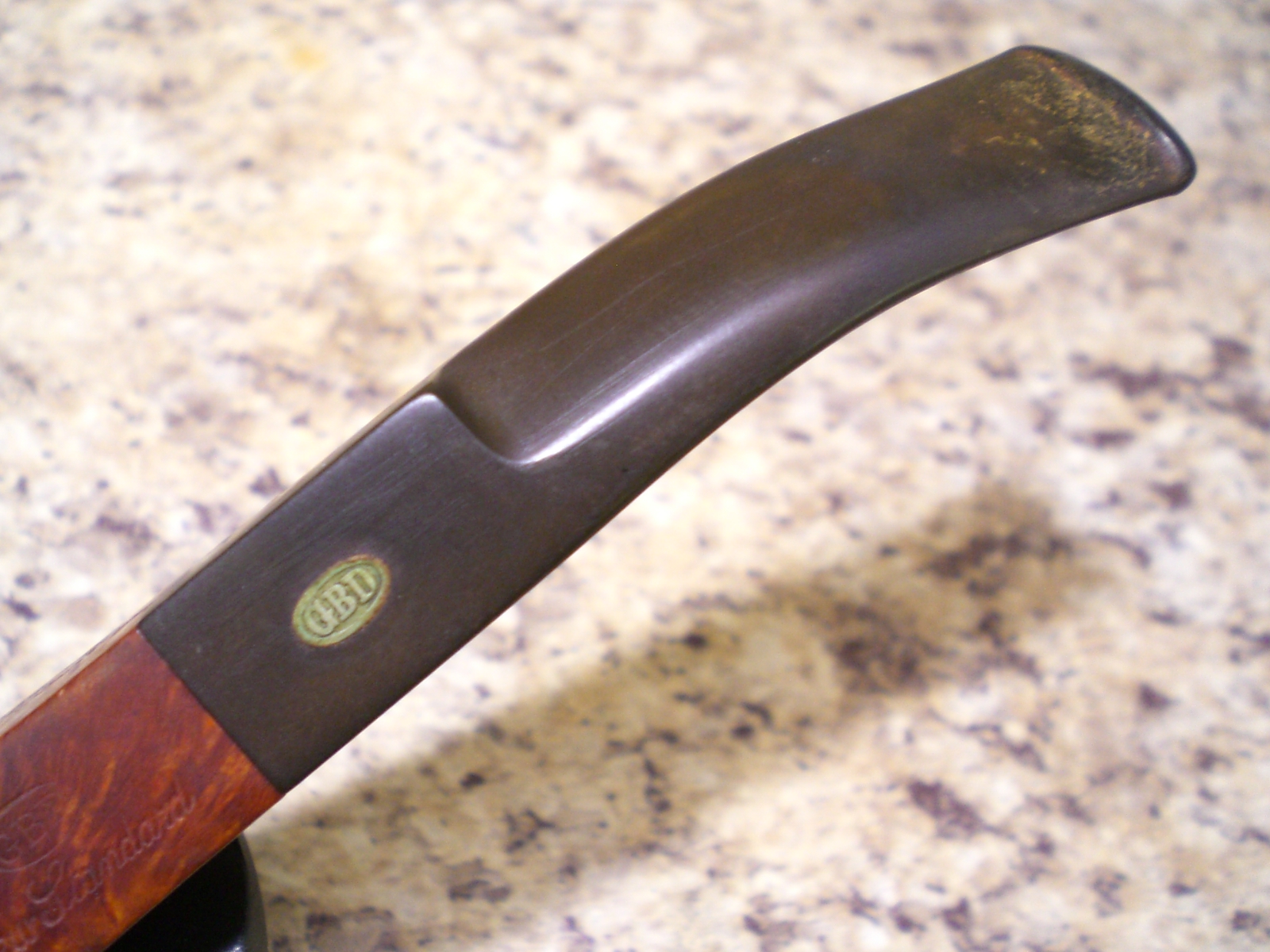
I picked up this New Standard GBD bulldog on Ebay recently.
They briar had quite a build-up of what I hoped was just tars on the bowl top and the stem had a small amount of chatter that I thought could be removed.

I reamed the bowl and soaked in in 91% isopropyl alcohol and sea salt.  The stem was soaked in a 3:1 solution of Oxyclean and water.  I put a dab of grease on the brass GBD rondelle.  Here is the bowl soaking in oxyclean.
After a few hours of soaking in the Oxyclean solution, the stem was ready for sanding.  I removed the teeth chatter with 800 grit wet paper. One tooth indention remained, but it was small enough I didn’t bother trying to fill it.  1500 and 2000 grit wet papers were used next to bring up the shine.  The stem looked like this after the 1500 grade paper:
I then buffed it on a machine with tripoli rouge which removed most of the oxidation.  Then, back to the micromesh papers, using the 8000 and 12000 grades of paper to bring up the shine.  The stem was then finished with white diamond on the buffer followed by an automotive plastic polish.

After the bowl was done soaking, I turned my attention to it.  It was buffed on the wheel with tripoli, white diamond and finally several coats of carnuba wax.  Despite the heavy cake and tar buildup, inside the  shank was really clean inside.  So, I anticipate no ghosting.
Below is the finished pipe, which is being enjoyed by its new owner who lives in Norway and happens to be a reader of this blog – Enjoy!

A Beatup GBD 9438 Given a New Look


I bid on this one knowing full well that it was going to take a lot of work to get it back to some semblance of beauty and functionality. When I found it on EBay I thought it might be worth the effort but let it sit for awhile and then before the bidding ended I put in my bid. I honestly think I was the only bidder so I got it for a pittance.

When it arrived it was more rough than the EBay pictures intimated. The front edge of the bowl and rim looked like it had been used as a hammer. Not only were there dents and holes on the front of the bowl but the rim was chewed up like it had been hammered out on a piece of concrete. The finish was absolutely gone. The surface of the bowl was permeated with oils and grease from dirty hands and from looked like having been laid on its side in a full ashtray! At least the bowl was still semi-round and there were no burn marks. The other remarkable thing to me was that the stem was virtually unchewed. That surprised me actually given the overall state of the pipe. It was very oxidized and a deep brown colour. ImageImageImageImage
I reamed and cleaned the bowl and shank to remove the grime and tars. It took a lot of pipe cleaners and isopropyl alcohol to clean things up. I dropped the bowl in the alcohol bath and the stem in a bath of Oxyclean for a while and went about other work that I had going. I believe it soaked overnight before I got back to it. When I did I removed it from the bath, dried it off and went to work on the damaged rim and bowl. I used some medium grit emery cloth to reshape the rim. The tricky part here was to keep the angles even on all sides of the bowl. The front edge was heavily damaged and the rim itself was also badly chewed up. After the emery cloth I used 240 grit sandpaper to smooth the scratches out and then 400 and 600 grit wet dry sandpaper to finish the shaping. The series of three photos below show the progression of the shaping. ImageImageImage

Once the top was smooth and the shape retained I wiped the bowl down with an alcohol soaked cloth to remove any dust from the sanding. I also used a dental pick to clean out the rings around the bowl to prepare them for staining. I find that those collect a lot of grit and grime and can almost be smooth due to the buildup. I then stained the bowl with a medium brown aniline stain and flamed it to set the stain. I took it to the buffer and gave it a light buff with Tripoli to remove the excess stain and also give it a slight polish. Then took it back to the work table to work on the stem and to sand the bowl with micromesh to smooth the surface and bring the grain to the front. The pictures below show the stem after the soak in Oxyclean and then light sanding with 400 grit wet dry sand paper to remove the oxidation that was softened. The stem still needed more work to get out some of the stubborn places but it was getting close. ImageImageImage

I used micromesh pads 1500-6000 grit on the bowl and the stem to finish the smoothing and restoration. Once it was done and shining I gave the whole pipe a buff with White Diamond to polish it and then gave it multiple coats of carnauba wax and buffed it with a clean soft flannel buff to polish. ImageImageImageImage

Irwin 943810 by GBD – A Makeover.


I have had this older Irwin 943810 made by GBD for some time now. It is described on the GBD Models website http://www.perardua.net/pipes/GBDlines.html as follows: “The warm dual-tone brown finish deepens with repeated smoking. Finest rum is used in the special process of maturing these fine pipes. Its smooth flavour compliments the natural taste fine tobacco. Catalogue (1976)” With that description my old pipe looked pretty faded and worn.  The warm dual-tone brown finish was pretty much washed out and no longer “warm”. The dark undercoat on the pipe was clearly visible, highlighting the grain but it seemed that previous owners had buffed the pipe hard and the top stain of brown was gone. The bowl was dirty. The stamping is really light and I can just make out the Irwin stamp and the numbers on the side. The stem had some tooth damage in terms of scratching and tooth chatter but at least there were no deep dents. The edge of the button on the top had some minor denting to it. Tonight I decided it was time to give it a makeover.

As an aside, I have never seen the 6 digit stamping on the GBD lines so this one was interesting to me. I have sent out several emails to search out the stamping details but so far no luck. Anyone have any clue as to the meaning of the stamping? Thanks.

I started the makeover by wiping down the bowl with acetone and cleaning off the remnants of the stain and the finish that was pretty well gone. I also wanted to see if wetting the stamping would make it a bit more visible to my eye. It did and afterwards I was able to read the stamping. You can see the scratches and marks on the stem in the last two photos below. Right next to the button and on top of it there are some white spots that show the marks and scratches.

I decided to work on the stem with a medium grit sanding pad to remove the tooth marks and scratches. It also brought up the oxidation that was present but not visible in the photos above. Once I had the rough sanding done I stained the pipe with some oxblood stain. I daubed it on with the cotton/wool dauber that comes with the stain and then flamed it to dry it. In the photos below you can see the stain just after I applied it. I put it on good and heavy as I was wanting a rich coat to this old timer.

I hand buffed the bowl with a soft cotton cloth to remove the excess stain and to give it a quick polish. I decided not to use my buffer as I did not want to further damage the stamping that is already faint on this one. My goal was to enhance the pipe and try to raise the stamping a bit to make it more legible. I was able to do it enough to read it but it is still very faint. The hand buffing takes more work but I find that it does not harm the stamping at all.

The next series of four photos show both the new stain and the work that I was doing on the stem. You can see in the first and the third photos how the whole stem looked at this point in the process. The major scratches have been removed but there are still small scratches and oxidation that needed to be dealt with. In the second and the fourth photos you can see close up shots of the stem and button area. I continued to sand the stem at this point moving on to a fine grit sanding block to remove more of the scratches and the marks in the stem and the button.

I sanded the stem with micromesh pads from 1500 to 12,000 grit and the stem began to take on a shine. I gave it a coating of Obsidian Oil, rubbed it in and let it dry. I finished by giving the pipe several coats of carnauba wax.


GBD Tapestry 9438 Re-boot


Earlier this year I refurbished a GBD 9438 in Tapestry finish and vowed never to touch a chair-leg stem again. That pipe proved to be a wonderful smoker and is a frequently used pipe in my rotation. A few weeks ago I found the identical pipe on Ebay and won the auction. This second 9438 was in a little better shape and the stem was not nearly as oxidized. The Rondell appeared to be damaged.

The bowl was in terrific shape, with very crisp nomenclature. There is an “E” stamp just at the end of the stem. If anyone has an insight as to what that means, please comment. The bowl was lightly reamed, then soaked with Everclear and sea salt. After the bowl was soaked, I buffed the briar with some Tripoli, White Diamond and finally a few coats of Carnuba wax. The briar is in really nice shape and the polished top is unmarred.

My attention then went to the stem. From the Ebay picture, I thought a piece of the brass rondell was missing. But that proved to be only grime. These rondells now appear to be unattainable, so I was pleased to discover this. The stem was soaked in an oxyclean solution. It was then cleaned with 2000 grit wet paper, than the last few grades of micromesh. After sanding, I buffed the stem with white diamond and then plastic polish.

I’m very pleased with the finished pipe. The briar a bit nicer than my first 9438 Tapestry. I bought it with the intention of giving to a family member as a Christmas gift, but now.….

Perspective of the pictures makes it appear the pipes are different sizes. However, they are identical in size. The tenon on the recent addition is curiously a bit longer than my first 9438.

Before:

The fisnished pipe and some shots with the sister 9438 Tapestry:

Al Jones aka “Upshallfan”