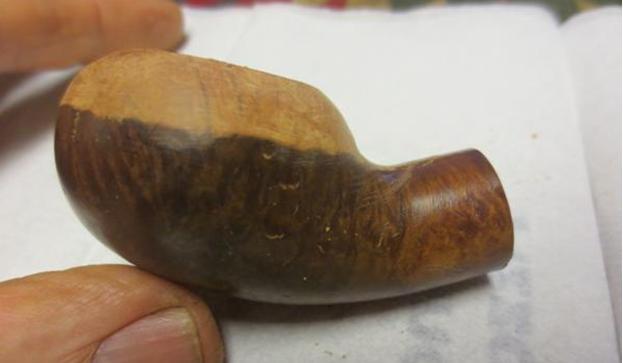
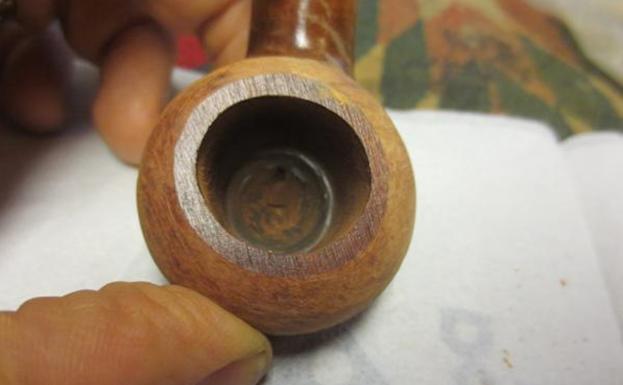
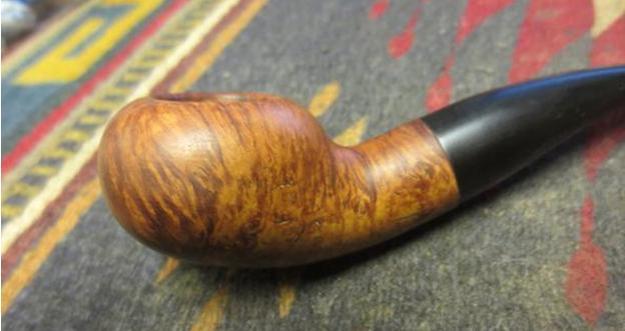
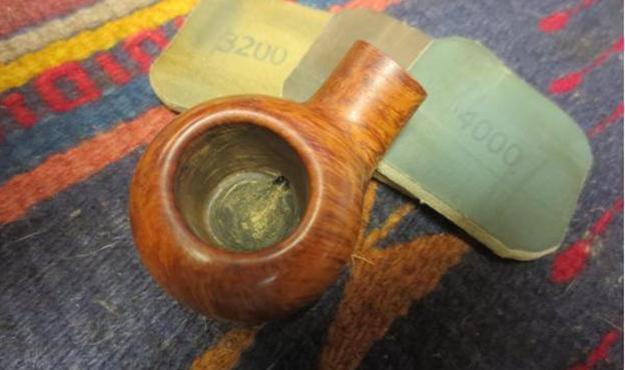
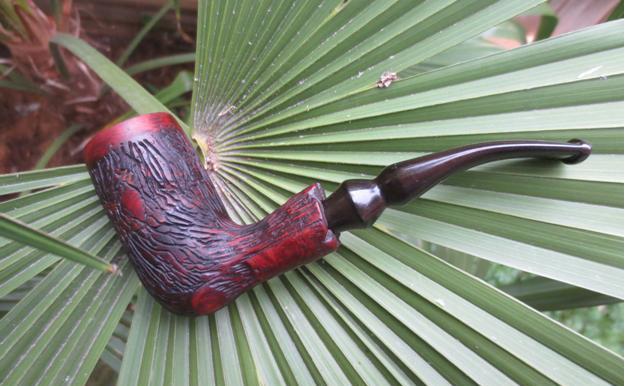
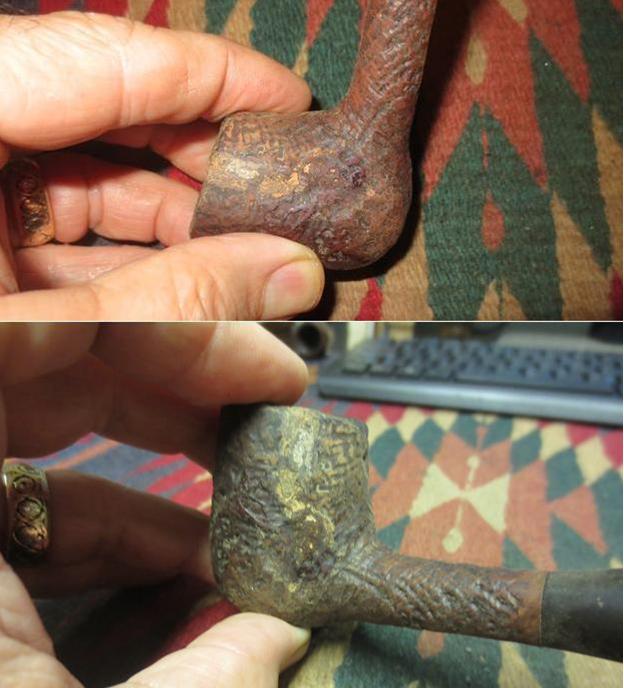
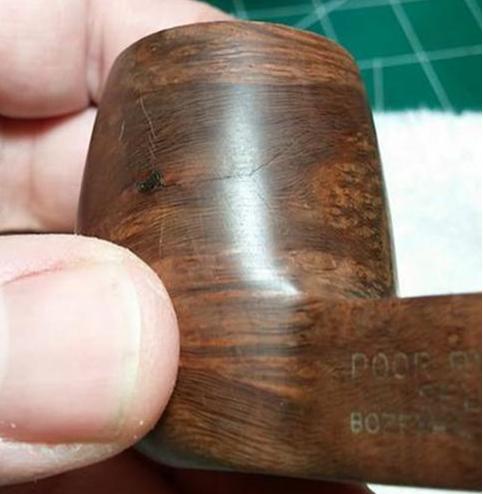
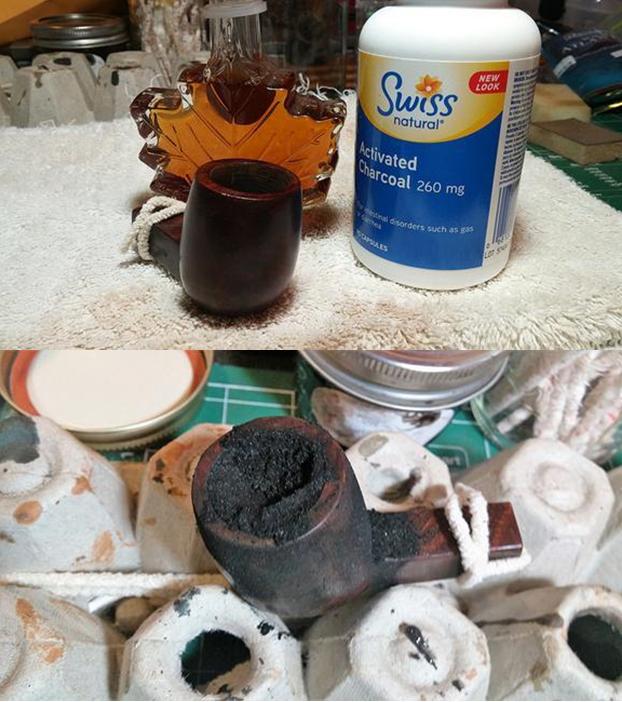
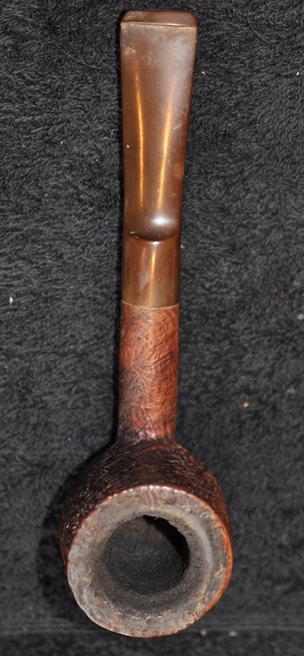
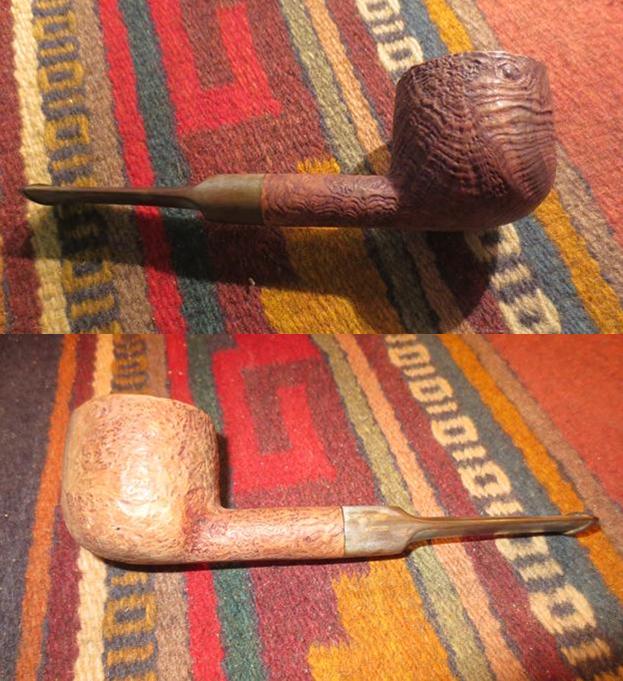
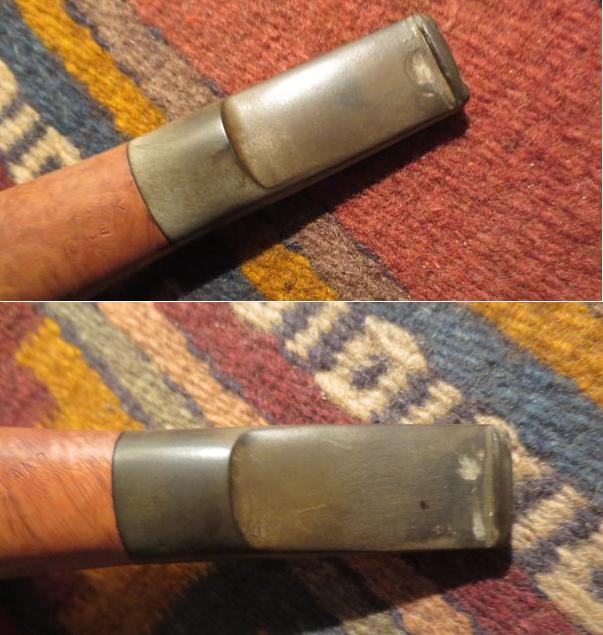
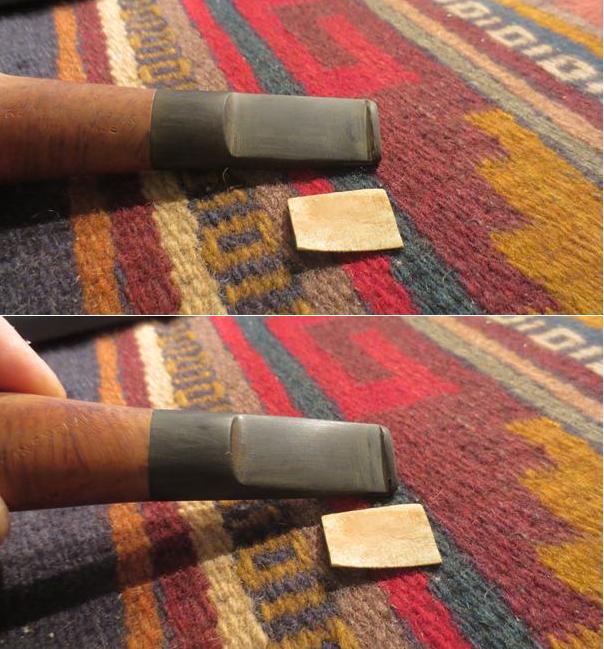
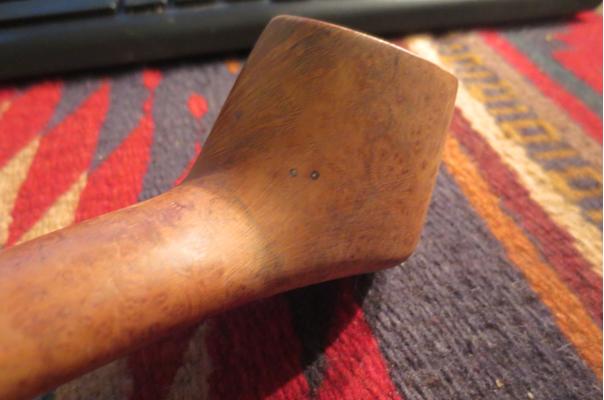
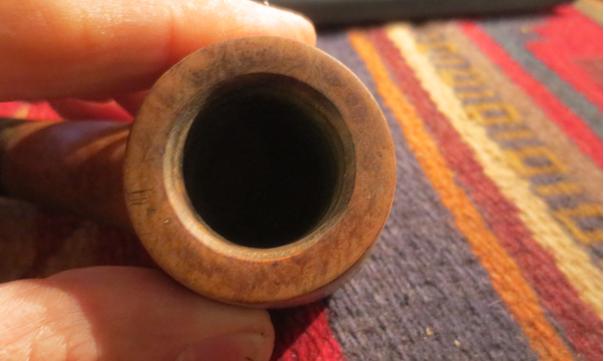
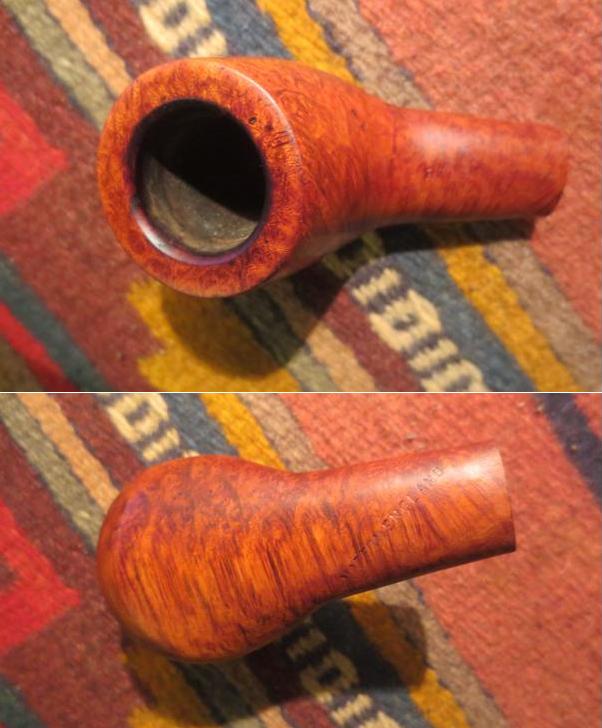
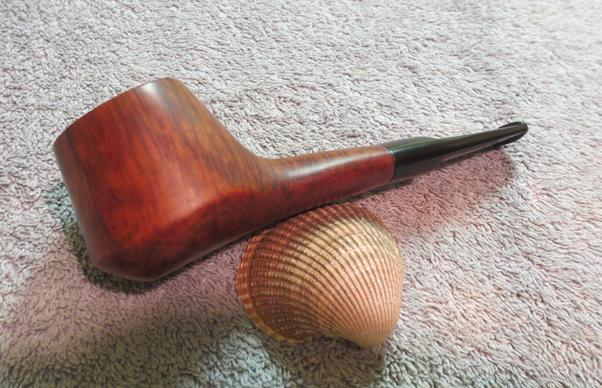
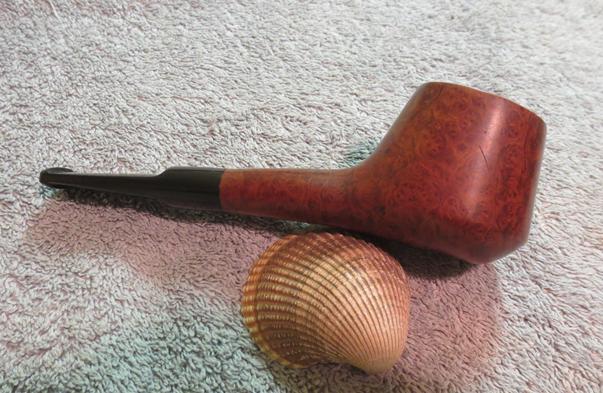
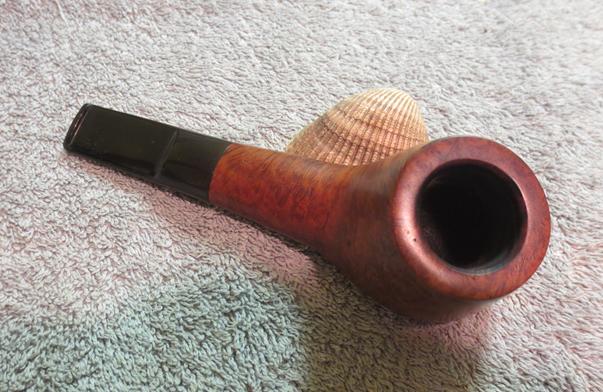
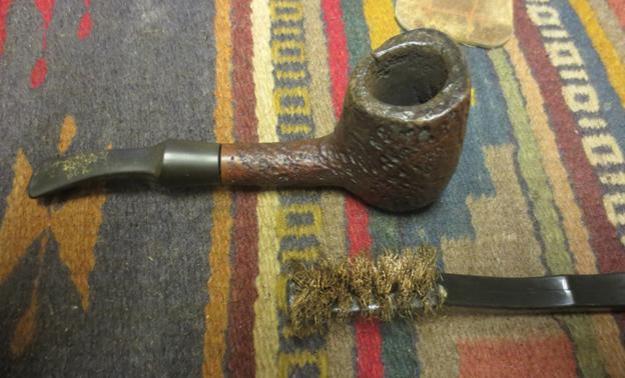
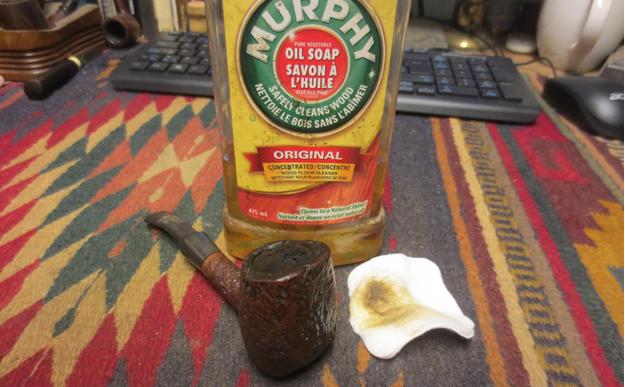
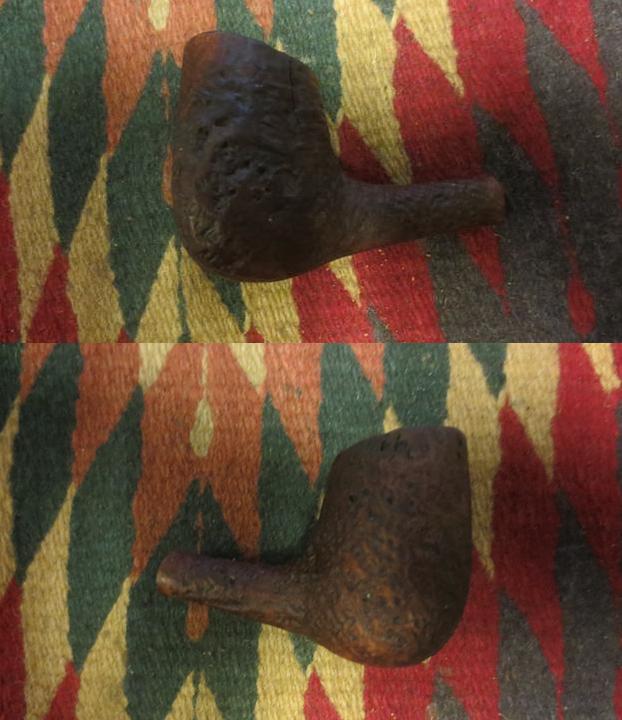
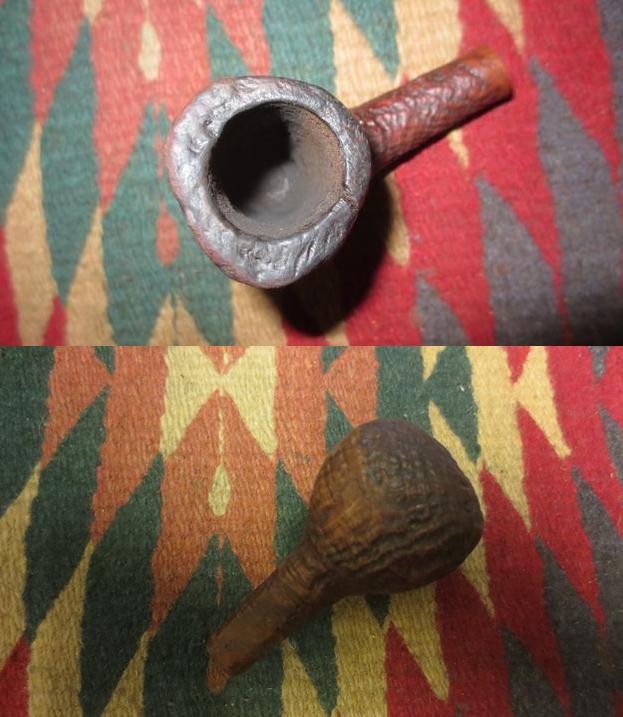
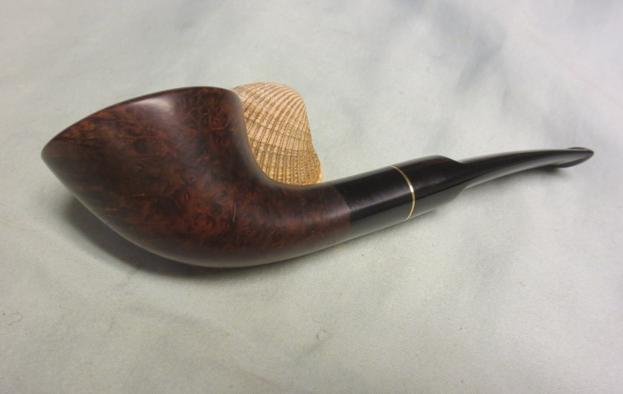
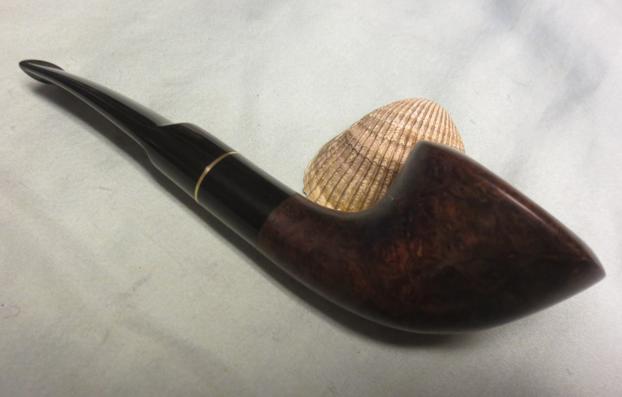
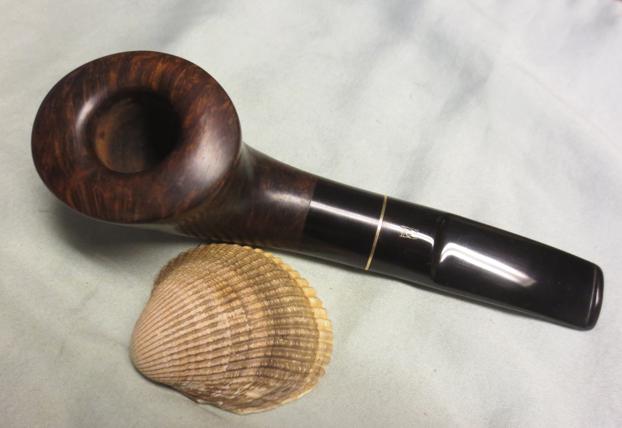
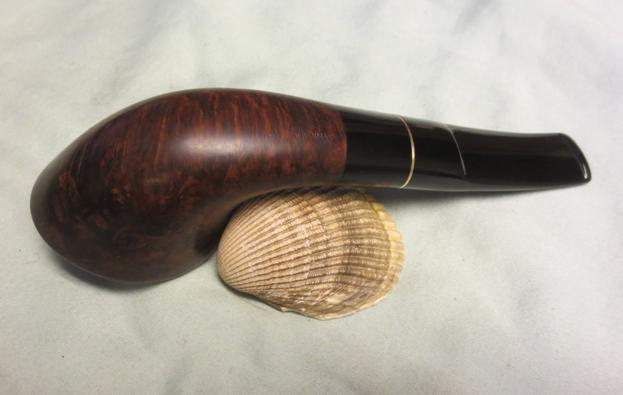
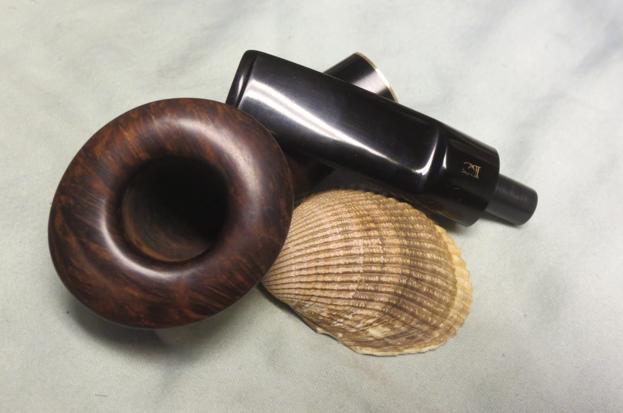
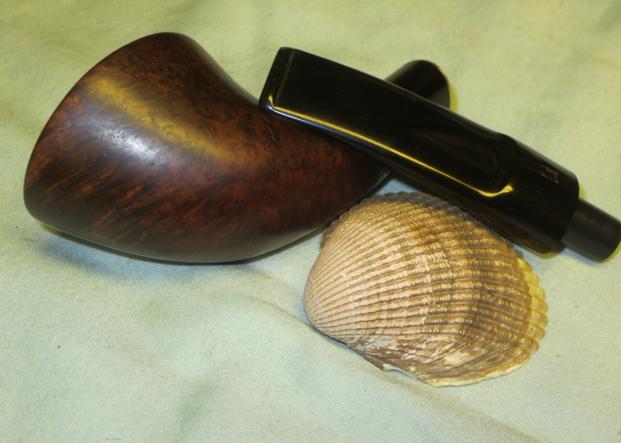
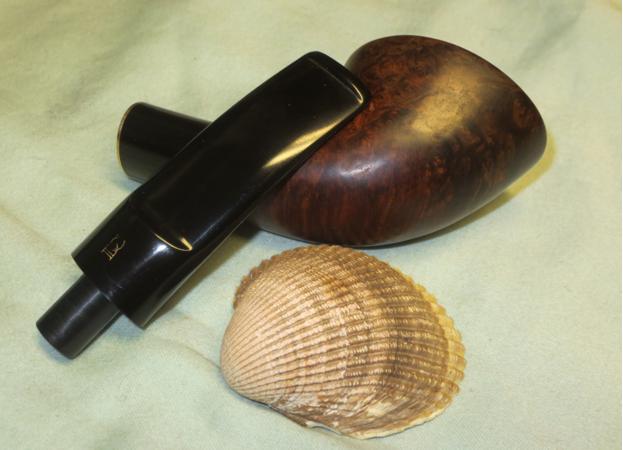
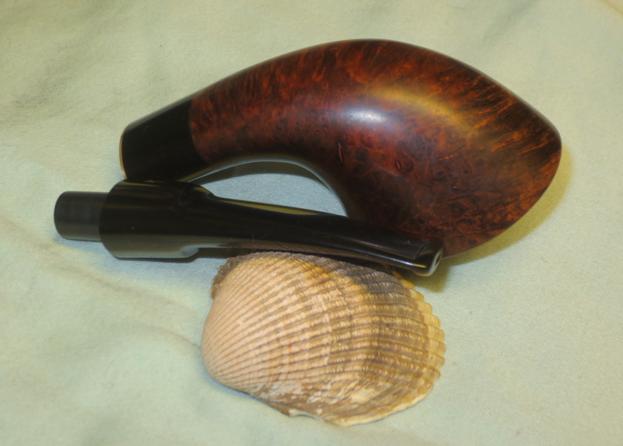
Tag Archives: contrast staining

A Cased Bakelite Manhattan with a Lockrite Stem


Blog by Steve Laug

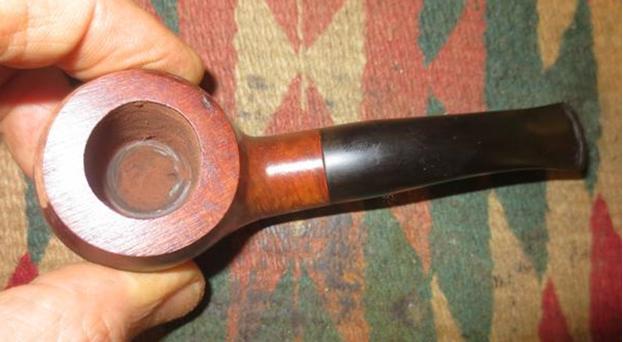
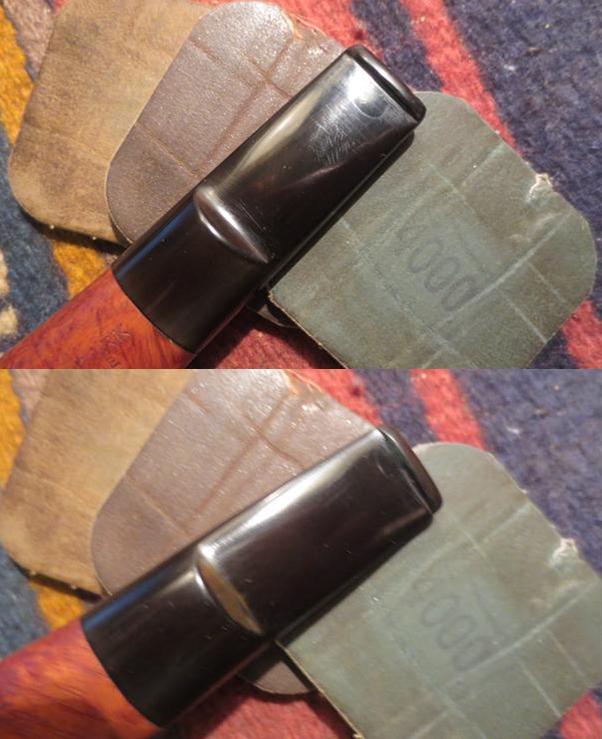
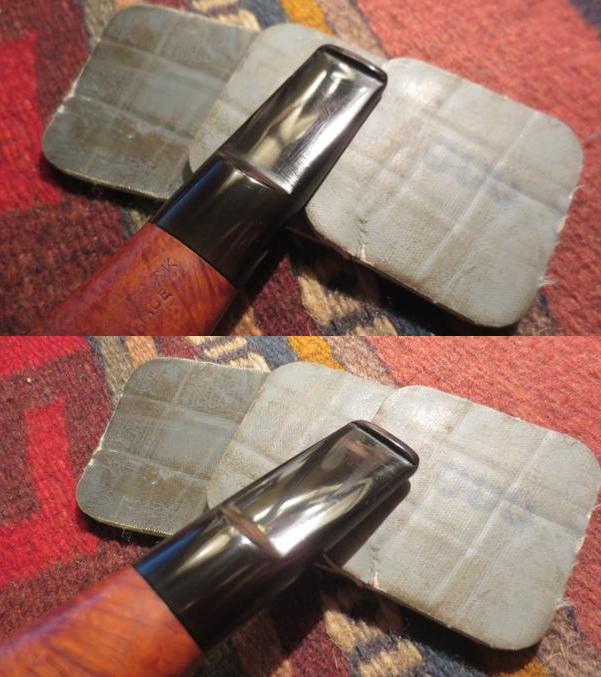
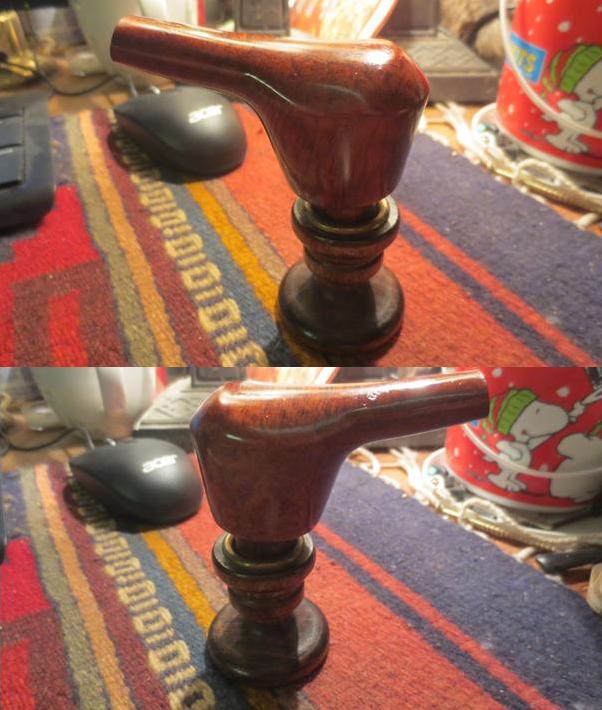
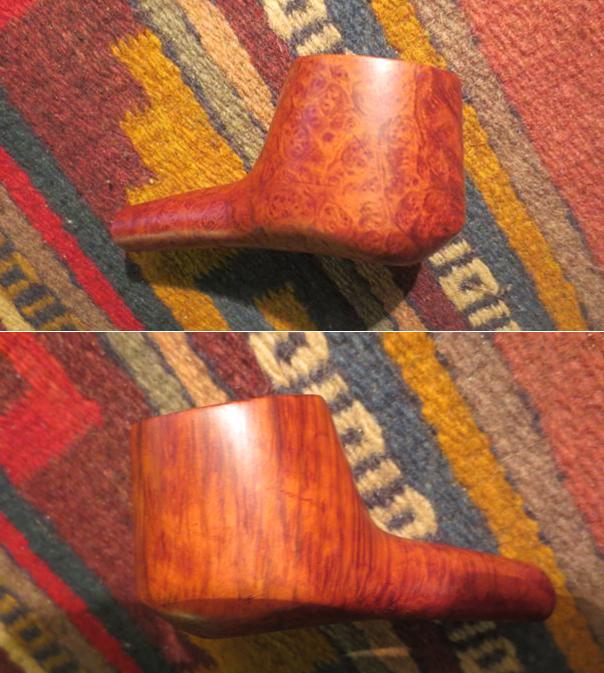
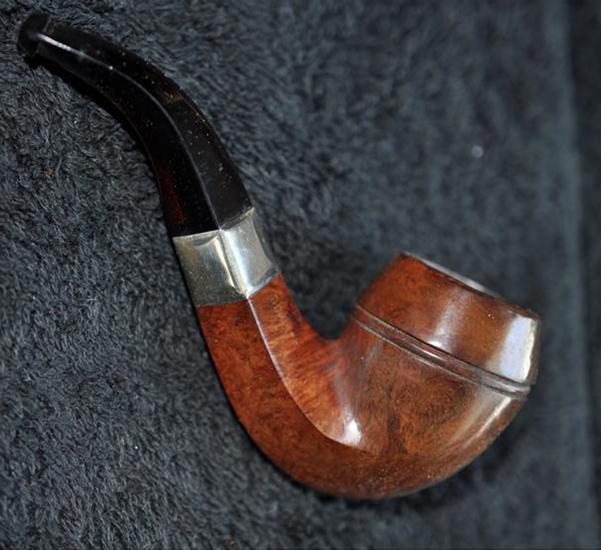
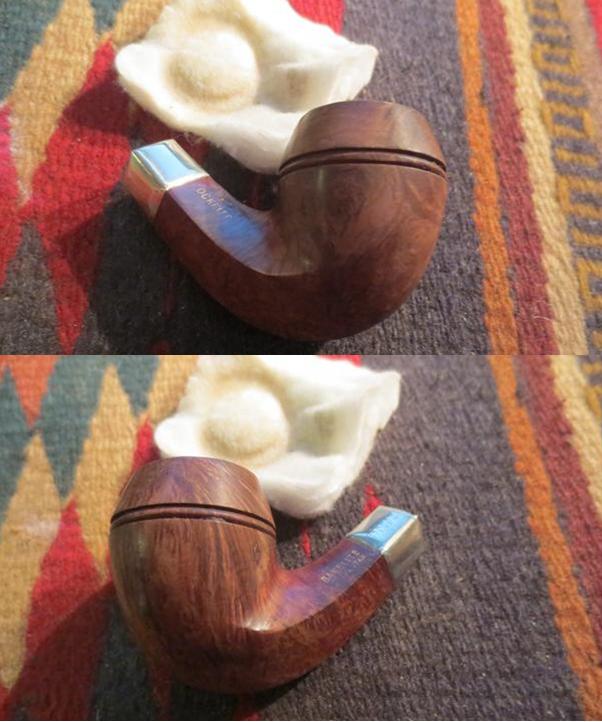
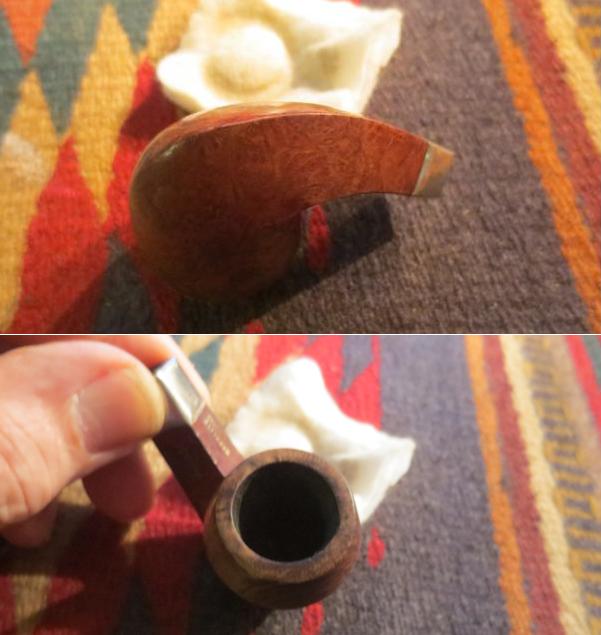
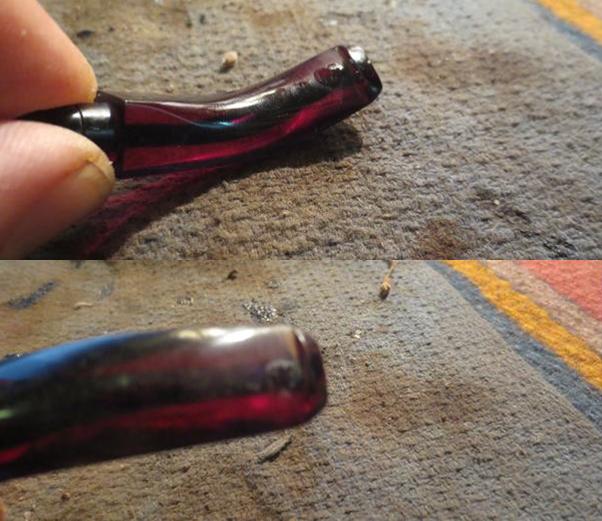
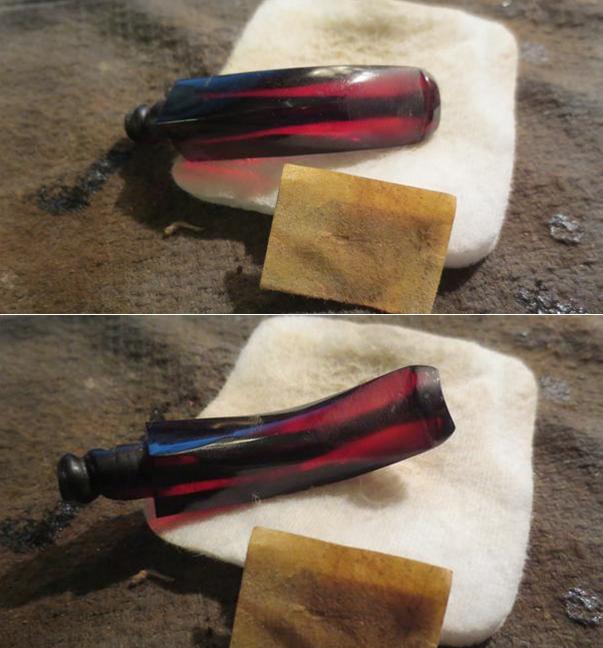
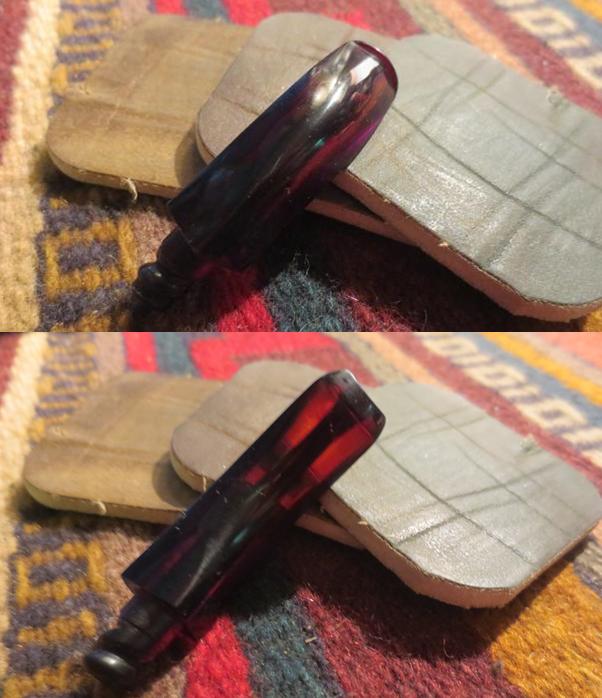
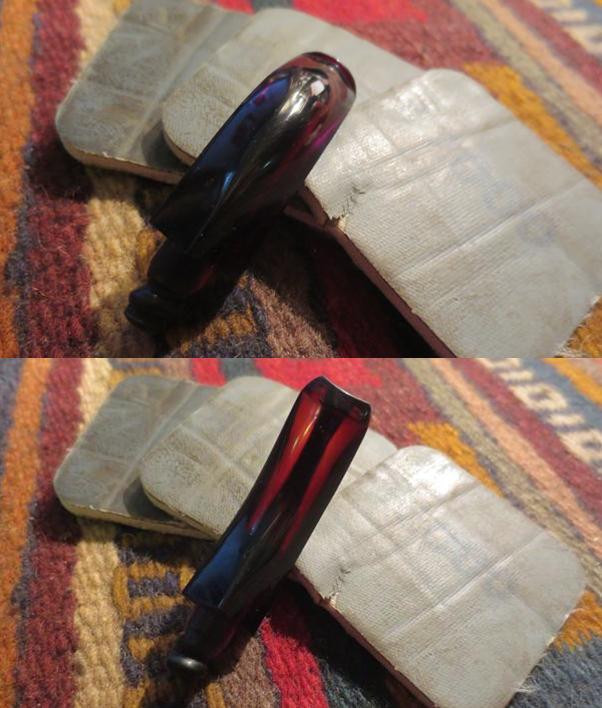
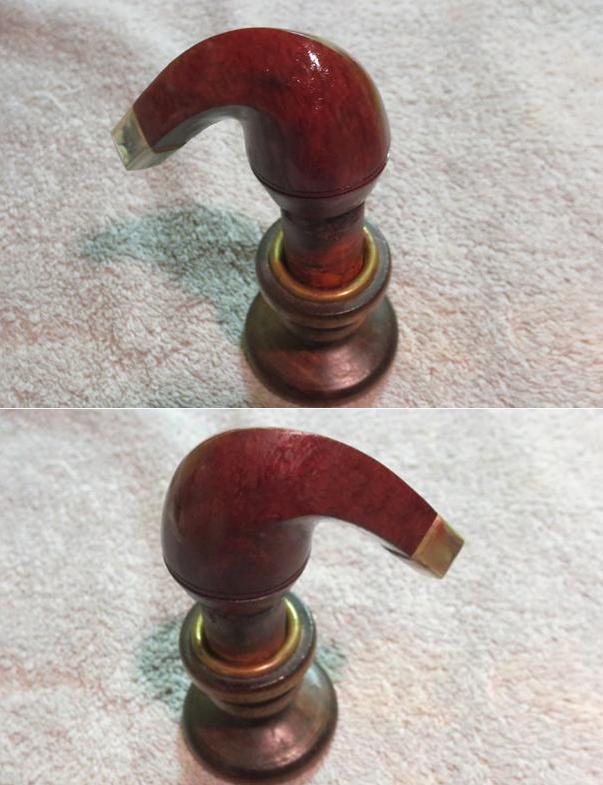
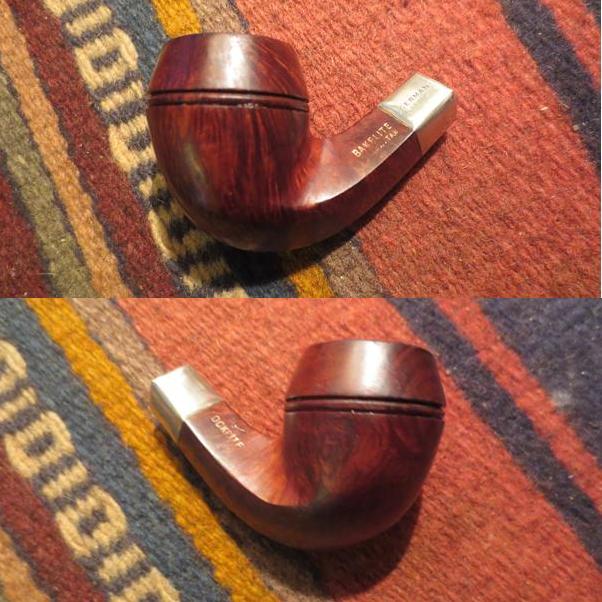
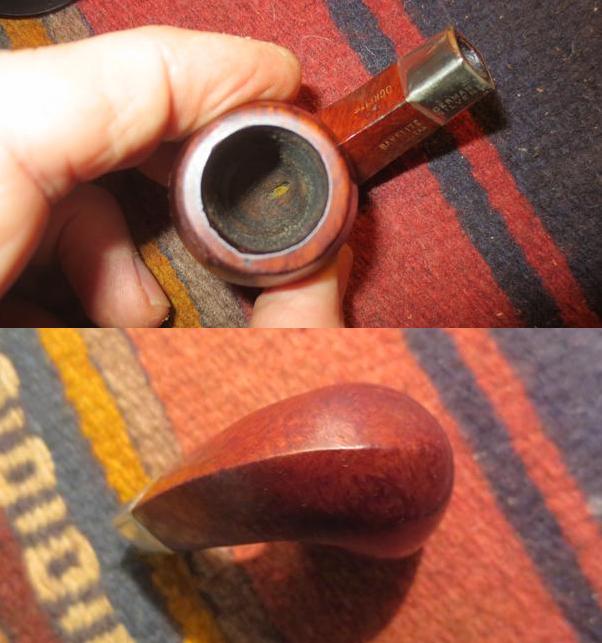
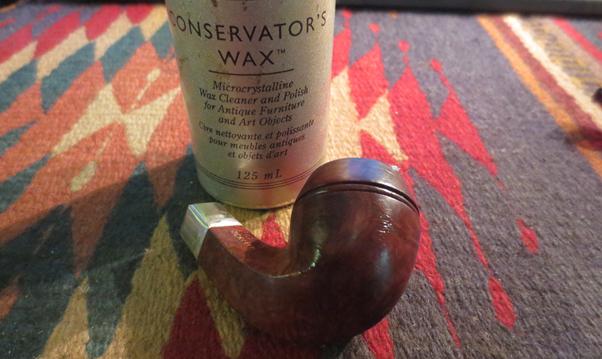
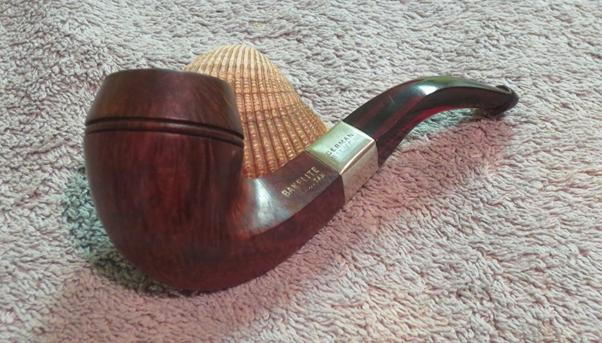
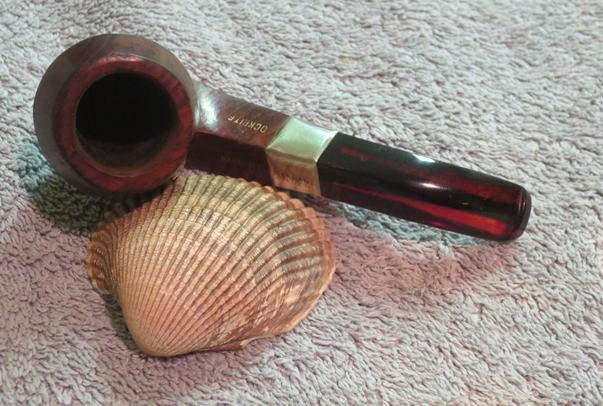
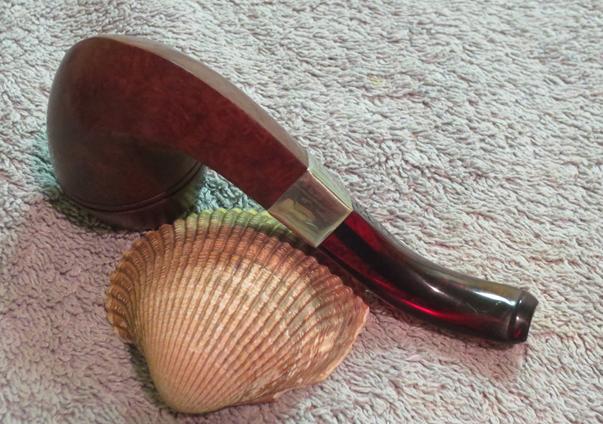
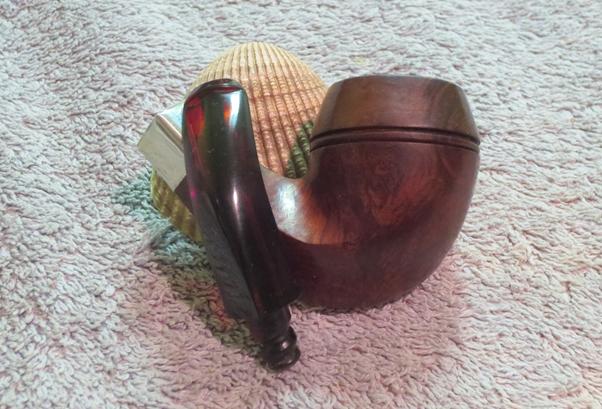
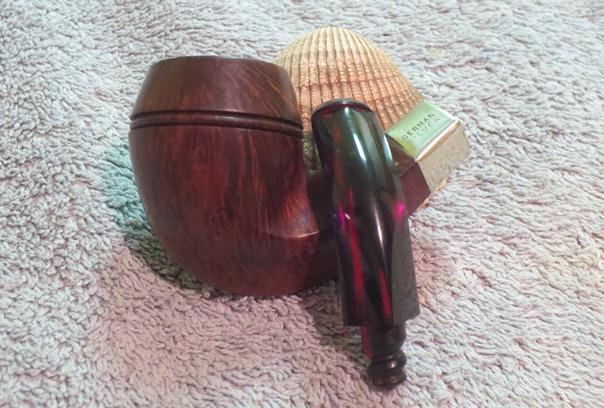
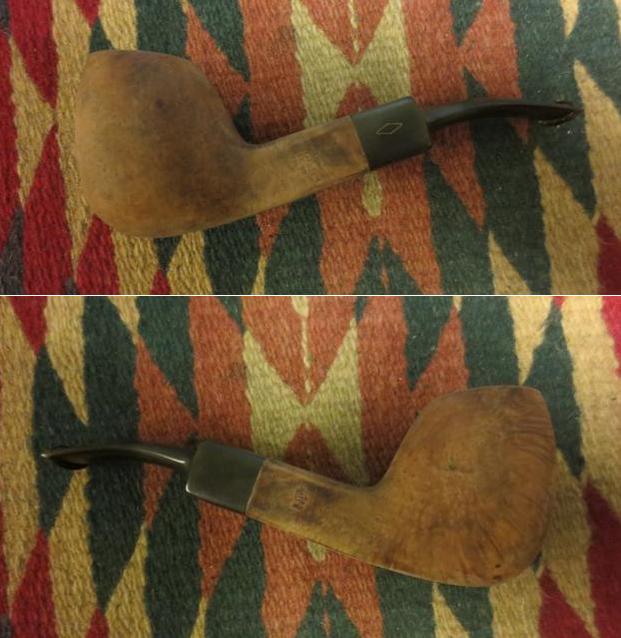
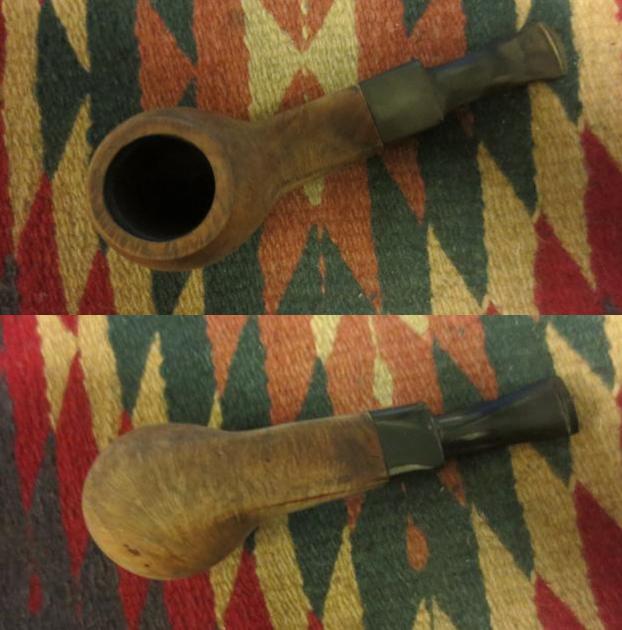
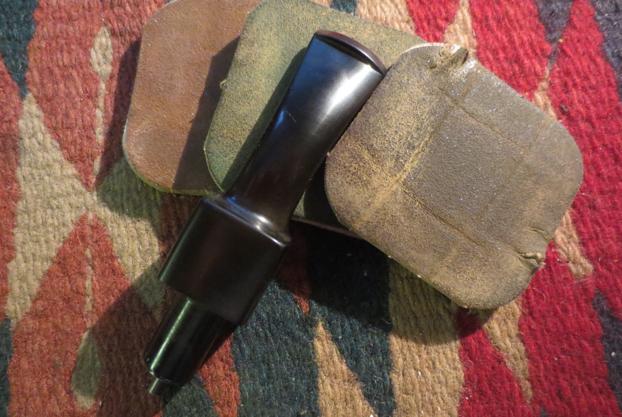
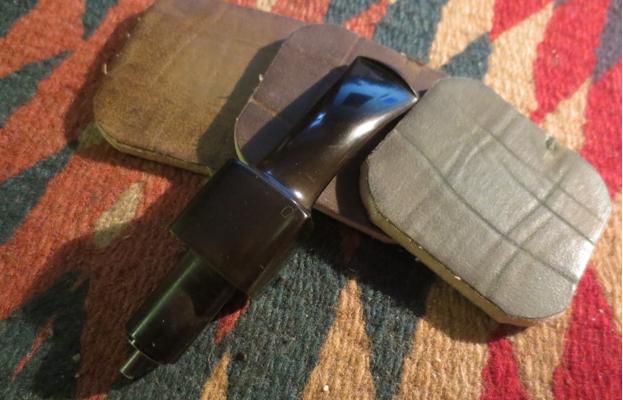
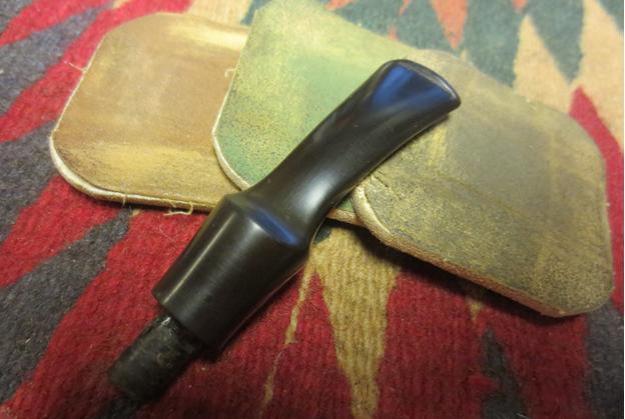
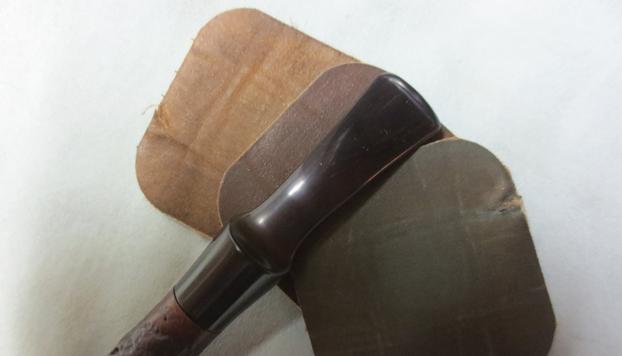
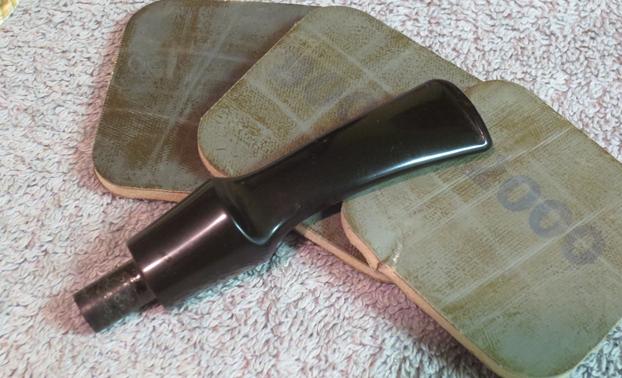
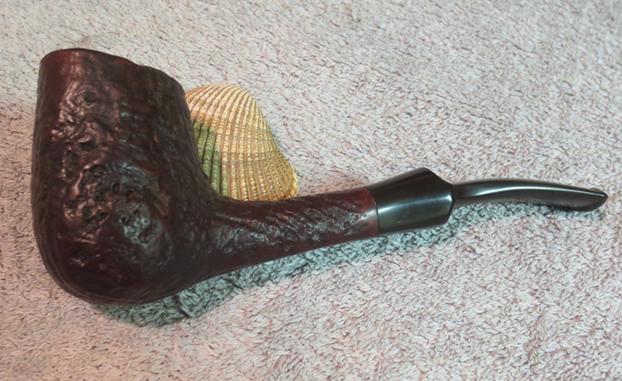
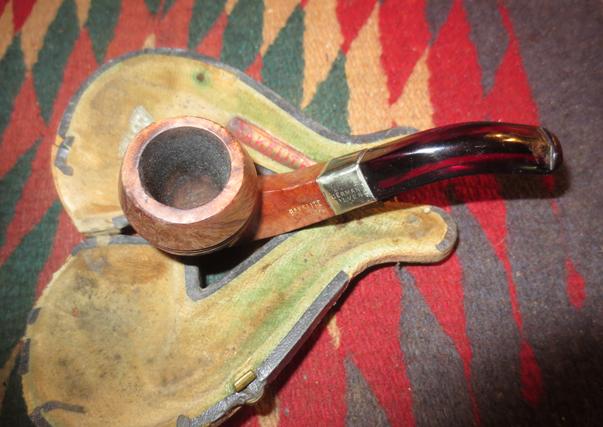
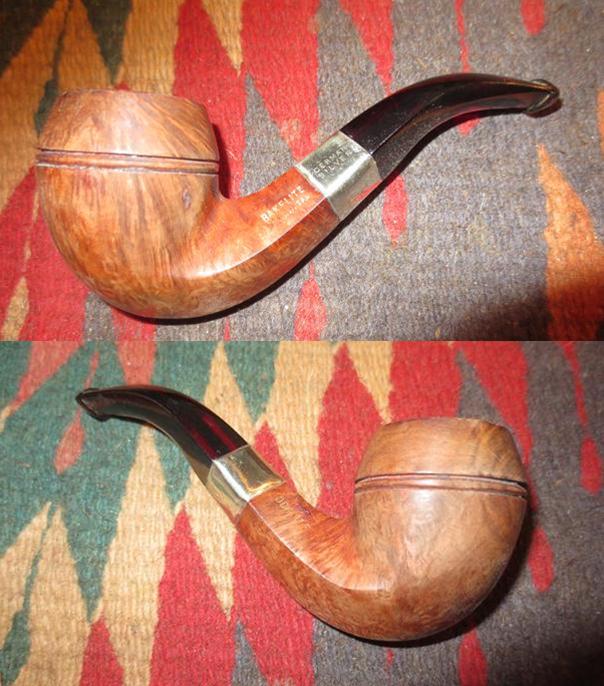
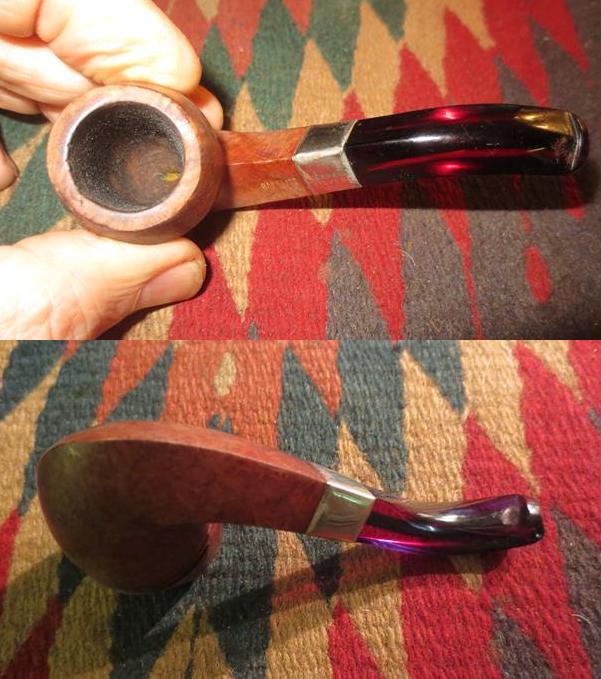
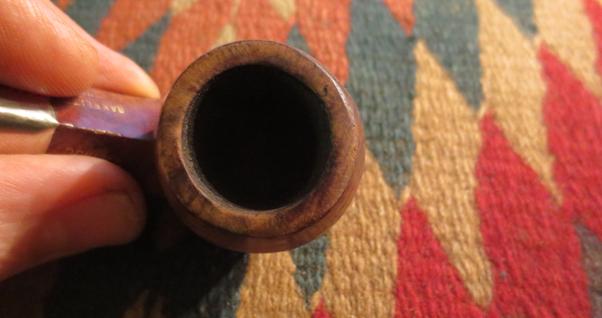
I am always on the lookout for older CPF or WDC cased pipes. I bid on them when I get the chance and I used to win many more of them than I do now. They seem to have not only become more popular than they used to be but are also commanding higher prices. I was showing my brother some of them and asked him to keep an eye for them as well. He came across this little cased pipe. It looks like both the CPF and the WDC pipes and probably comes from the same era. The case has a label that reads Bakelite on it and it sits in the lid of the case over the stem. The pipe itself is stamped BAKELITE over MANHATTAN on the left side of the shank and is filled with a gold foil or paint. The right side of the stem also has a gold foil stamp that reads LOCKRITE. The band on the shank is stamped GERMAN SILVER.Bake1The pipe appeared to be barely used. There was some darkening on the rim and some light cake on the top part of the bowl. The bottom of the bowl was like new. The finish was dirty and the varnish coat had some wear and tear. The gold leaf stamping on the shank was worn on the second line on the left side. The German Silver band was lightly tarnished and had some scratches. The Bakelite stem had deep tooth marks on the top and underside of the stem at the button. The Lockrite stamping on the right side of the shank referred to the newly designed tenon system that took care of the perpetual over clocking that occurred with a bone tenon.Bake2My brother Jeff scrubbed the surface of bowl being careful around the gold stamping on the shank. He cleaned out the bowl and the mortise areas and the airway in the stem. When he sent it to me it was very clean. I took photos of the pipe when it arrived to my work table. The first two photos show the case and the first view of the pipe when I opened it.Bake3I lifted it from the case and took a photo of the pipe looking down at it from the top. The rim looks excellent from this view.Bake4The next four photos show the pipe apart from the case. The finish is clean but the twin rings around the bowl cap are dirty. The silver is lightly tarnished and the gold stamping is light on the left and the right sides. You can see the tooth mark on the stem in the last photo of the underside of the pipe and stem.Bake5 Bake6I took a close up photos of the rim and the stem to show the state of both. The rim looked very good though there was some scratching. The stem had deep tooth marks on both sides though it was hard to capture them with the deep red of the Bakelite stem.Bake7 Bake8I took a photo of the newly designed Lockrite tenon on this pipe. It is extremely well designed and worked well to keep the stem aligned with the shank.Bake9The next two photos show the stamping on the shank. The left side reads BAKELITE over MANHATTAN as mentioned above and the right side reads LOCKRITE.Bake10I wiped down the bowl and shank with acetone and cotton pads to remove the remnants of varnish. I was careful to not damage the gold stamping.Bake11 Bake12I used the dental pick to clean out the tooth marks and wiped the stem down with an alcohol dampened cotton pad. I filled the tooth marks with clear super glue.Bake13Once the glue dried I sanded the surface of the repairs with 220 grit sandpaper to smooth out the repairs to match the surface of the Bakelite stem.Bake14With the tooth marks repaired and smoothed out it was time to polish the stem with micromesh sanding pads. I wet sanded the stem with 1500-2400 grit sanding pads and rubbed it down with Obsidian Oil. I dry sanded with 3200-4000 grit pads and gave it another coat of oil. I finished sanding it with 6000-12000 grit pads and gave it a final coat of Obsidian Oil. I set the stem aside to dry.Bake15 Bake16 Bake17I stained the bowl with a Danish Oil and Cherry stain. I let it dry for about 20 minutes before rubbing the bowl down with a soft cloth.Bake18After rubbing it down with a soft cloth I took the following photos of the bowl. The grain on this one is also very pretty. Some of these older pipes were made of really nice briar.Bake19 Bake20I waxed the bowl twice with Conservator’s Wax and hand buffed it once it had dried. I polished the German Silver band with 6000-12000 grit micromesh sanding pads and also with a jeweler’s silver polishing cloth.Bake21I lightly buffed the bowl and stem with Blue Diamond on the wheel. You have to be careful buffing the Bakelite as the heat of the buffer will melt the stem and make more work for you. I gave the bowl and stem several coats of carnauba wax and lightly buffed it with a clean buffing pad to raise the shine. I hand buffed it with a microfibre cloth to deepen the shine. The finished pipe is shown in the photos below. It is really a beauty. Thanks for looking.Bake22 Bake23 Bake24 Bake25 Bake26 Bake27 Bake28
An Old Timer Horn Stem, Cherrywood Shank and Briar Bowl BBK Bosshardt Luzern


Blog by Steve Laug

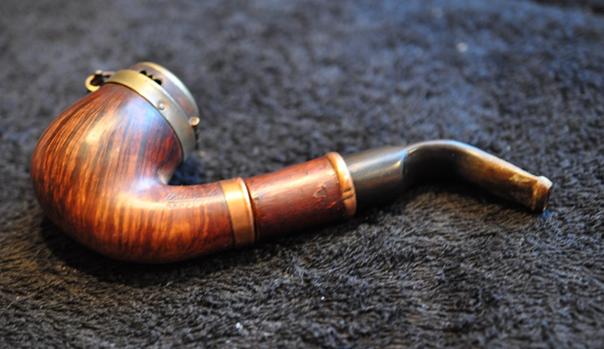
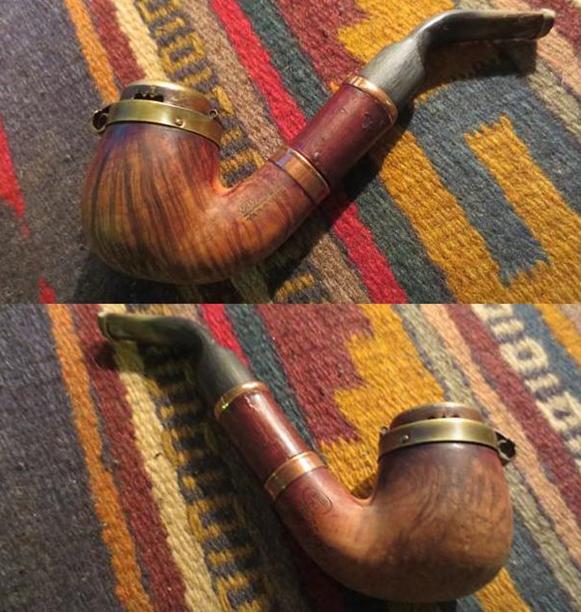
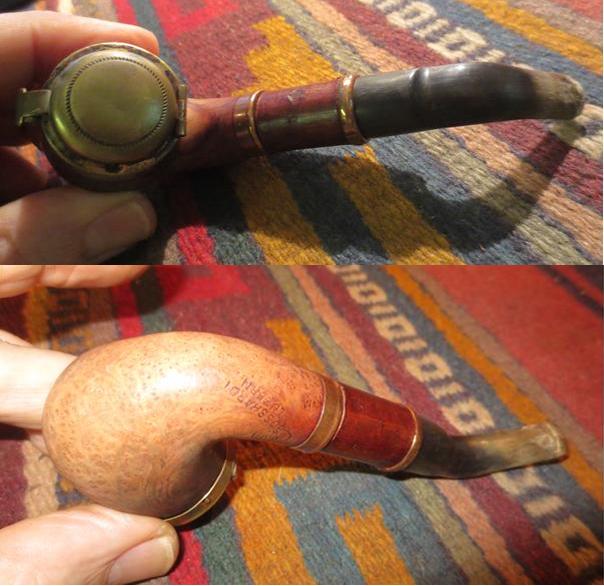
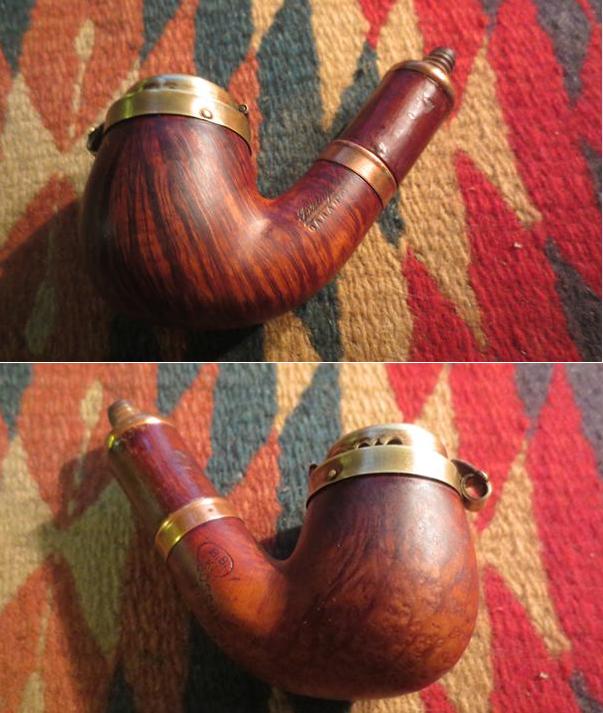
This old pipe came to me from my brother. He picks up some interesting pipes in his hunts and eBay purchases and this is a unique one. The bowl is a really nice piece of briar with some amazing grain – a mix of flame and birdseye on the bowl. The rim cap and bowl cap are brass coloured. The hinge on the back of the rim connects the rim cap and the bowl cap. There is a curved spring piece of brass on the front that fits over a ridge on the front of the rim. The end of the briar shank has a brass shank cap/ferrule. It was tarnished to almost copper coloured brass. The shank extension is cherry wood and is pressure fit into the mortise. The top of the cherry wood extension has a brass ring that is pressure fit on the end of the extension. The stem is horn. The end of the cherry wood has a threaded end that the horn stem screws onto. The stem had some tooth marks and chatter on the top and underside of the stem next to the button. The shank of the pipe is stamped on the left side with the words Bruyere over Garantee. On the right side of the shank it is stamped BBK in an oval over Bosshardt over Luzern.BBK1Through the years I have cleaned up several BBK pipes. The last one was a rusticated hunter pipe with a windcap. Prior to that, I restored a square shanked panel billiard. I have written about both them on rebornpipes at the following links: https://rebornpipes.com/2012/09/21/refurb-on-a-bbk-panel-billiard-swiss-made/, https://rebornpipes.com/2014/08/31/restoring-an-old-bbk-hunter-pipe/.

When I worked on the BBK Hunter I researched the brand. The BBK was a Swiss made brand as the shanks of all the pipes I had cleaned up and restored were stamped that way. Pipedia was my primary reference in that blog. Here is the link: http://pipedia.org/index.php?title=Bru-Bu. I have included the material from the previous blog below.

“Josef Brunner, oldest son of the farmer Konstantin Brunner from the hamlet Nieder-Huggerwald, belonging to the community of Kleinlützel (Canton Solothurn), was sent in 1871 to a pipe turner in Winkel/Alsace for his apprenticeship. As was usual at that time, Brunner wandered as a journeyman after ending the apprenticeship. Eventually, he went to Saint-Claude, France which was then the world’s stronghold of briar pipe manufacturing. There, Brunner was able to increase and deepen his knowledge in the field of industrial pipe making. When he returned home in 1878, he installed a small turner’s workshop in the house of his father. With the energetic support of his two younger brothers, he began to produce tobacco pipes of his own calculation, taking them to the markets in the surrounding area. In 1893, Bernhard Brunner’s wife inherited the mill in Kleinlützel. At this point, the pipe fabrication was transferred to an annex belonging to the mill. Now it was possible to drive the machines by water power – an important relief to the workers and a considerable innovation compared to the previous pedal-driven system.”

“The business developed so well after the turn of the century even when a lack of workers in Kleinlützel occurred. The problem was solved by founding a subsidiary company in the small nearby town Laufen an der Birs in the Canton of Bern. This plant didn’t exist too long. The disastrous economic crisis in the 1920’s and early 1930’s forced the Brunner family to restrict the fabrication of pipes dramatically. In addition the big French pipe factories in Saint-Claude – although suffering from the same circumstances – flooded the Swiss market with pipes at prices that couldn’t be matched by Swiss producers. By 1931 approximately 150 of 180 Brunner employees had been sacked – the rest remained in Kleinlützel, where the cheap electric energy ensured a meager survival.”

“In 1932, Mr. Buhofer joined the Brunner family. The company was named Brunner-Buhofer-Kompagnie, and, shortly thereafter, Bru-Bu. Buhofer had made his fortune in the United States but, homesick, returned to Switzerland to search for a new challenge. Bru-Bu’s fabrication program was expanded with many handcrafted wooden art articles: carved family coats of arms, bread plates, fruit scarves, and – more and more – souvenir articles for the expanding Swiss tourism industry. Pipes remained in the program continuously, but the offerings changed from traditional Swiss pipes to the more standard European shaped pipes. Bru Bu is widely known as BBK.”

The last paragraph of the Pipedia article linked BBK pipes to Former Nielsen. I have two of Former’s pipes so this stood out to me. “At some point in the late 1970’s, Bru-Bu went out of business. Some of the Brunners, as far as known, continued as timber traders. But in 1986 new life filled the old Bru-Bu pipe workshop, when Dr. Horst Wiethüchter and “Former” Nielsen started to produce the high-grade Bentley pipes there.”

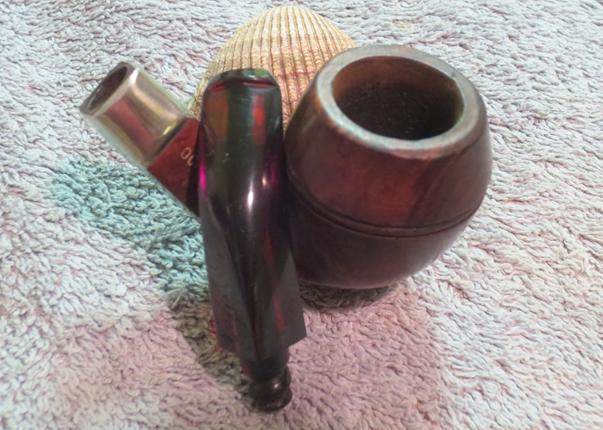
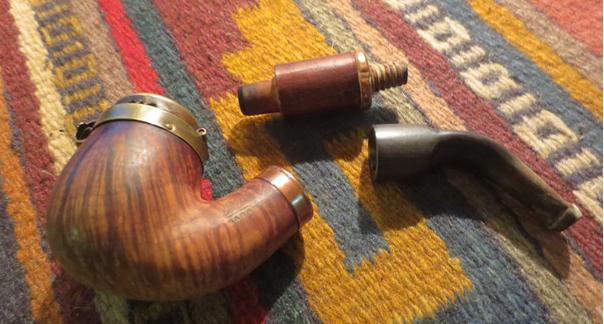
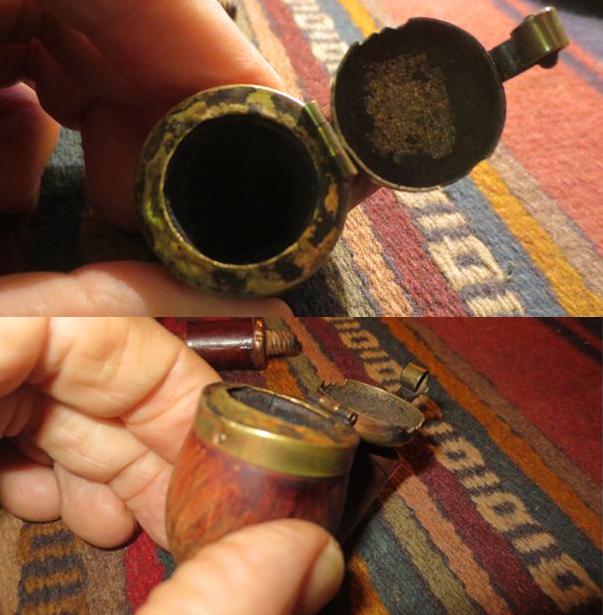
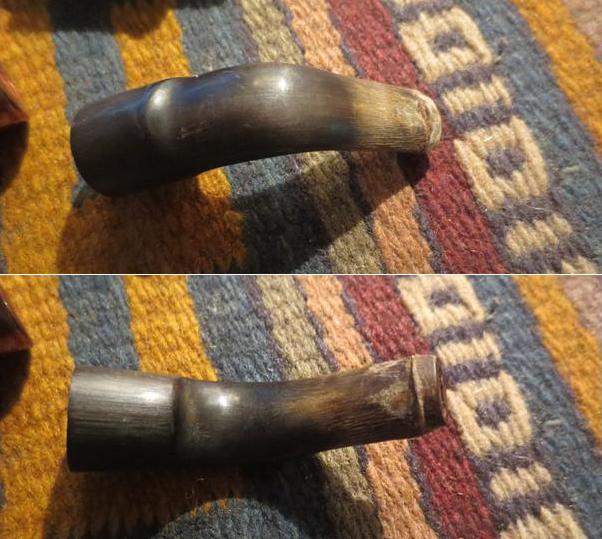
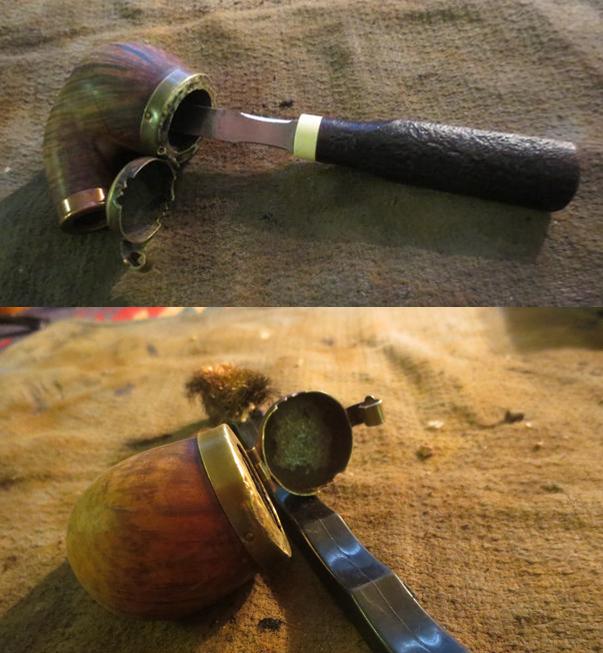
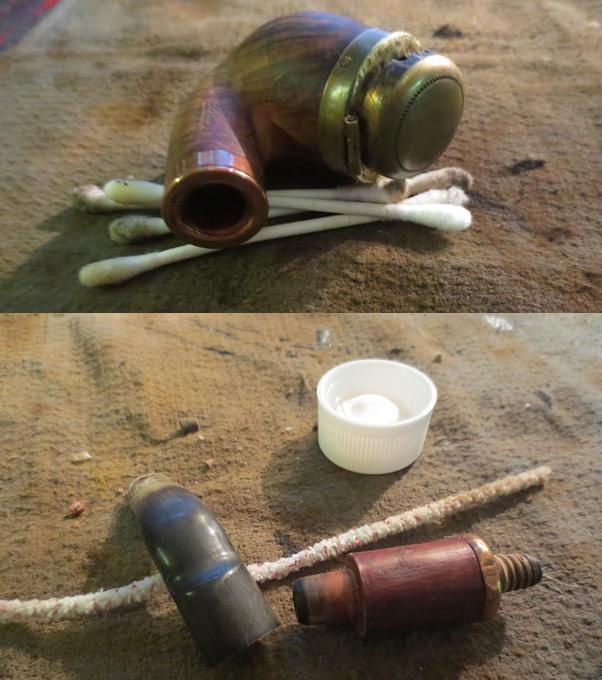
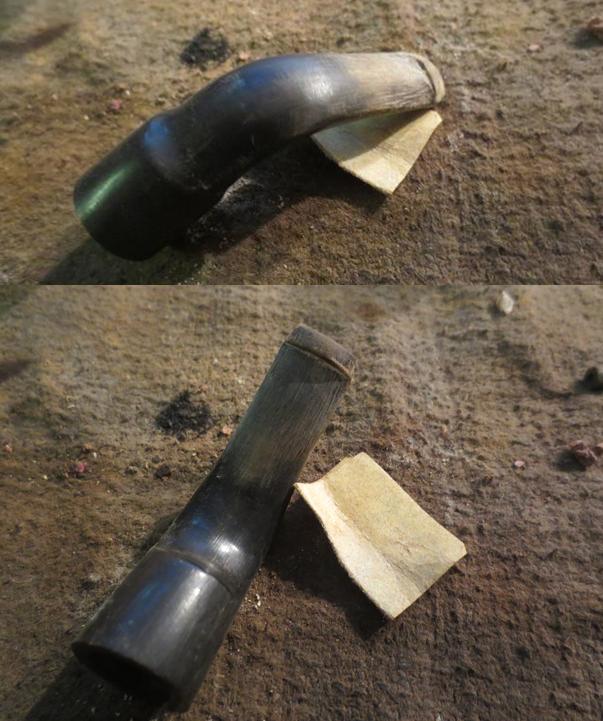
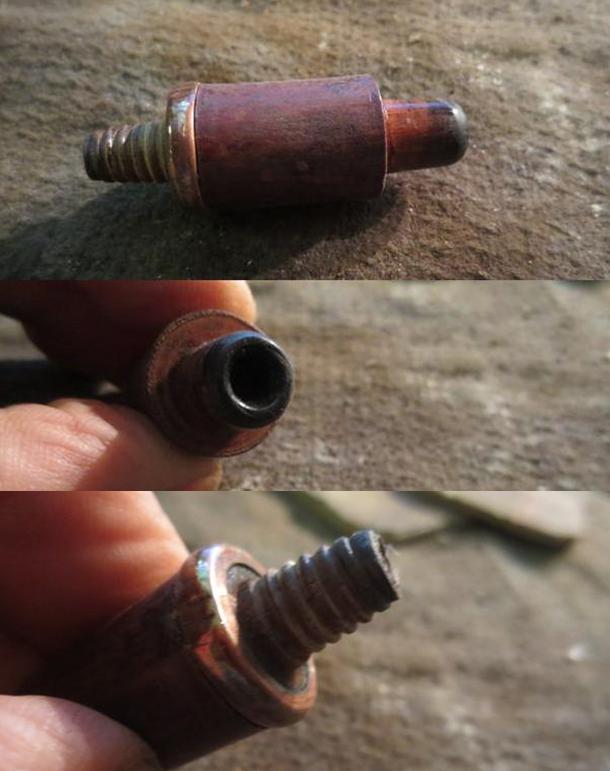
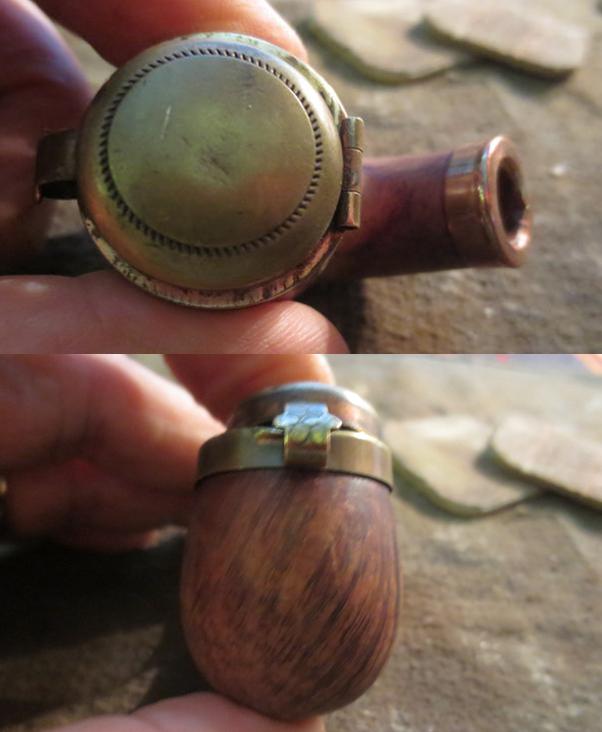
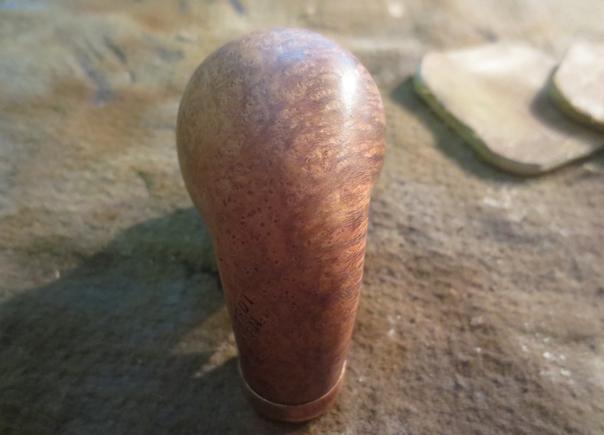
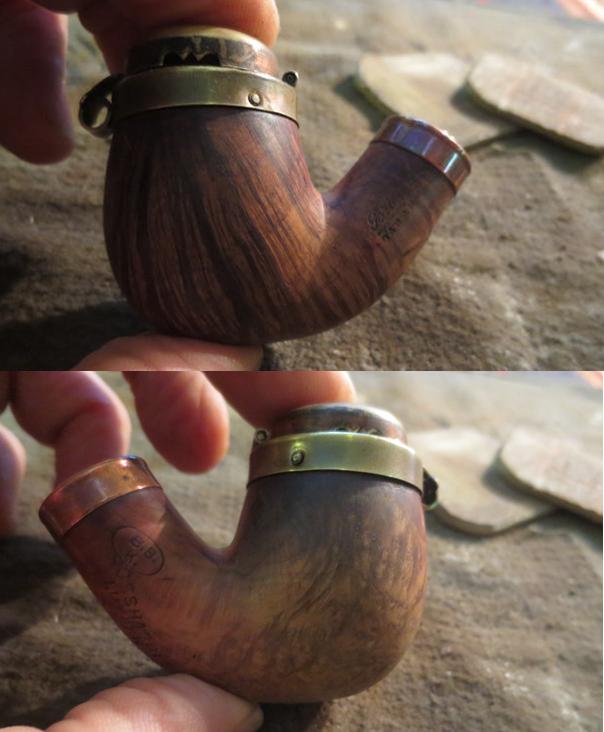
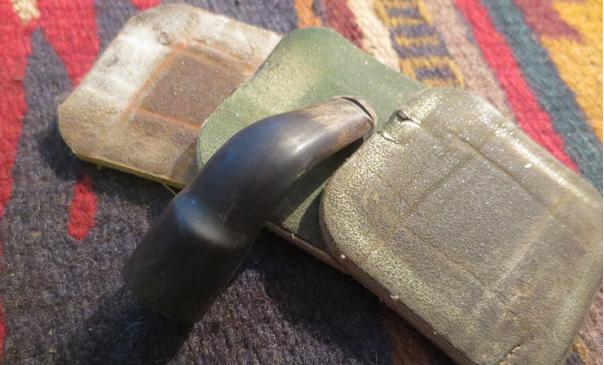
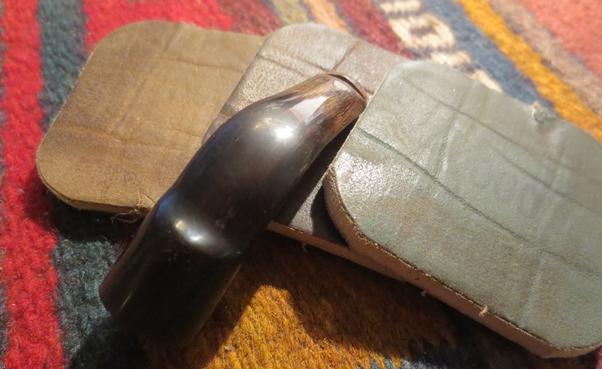
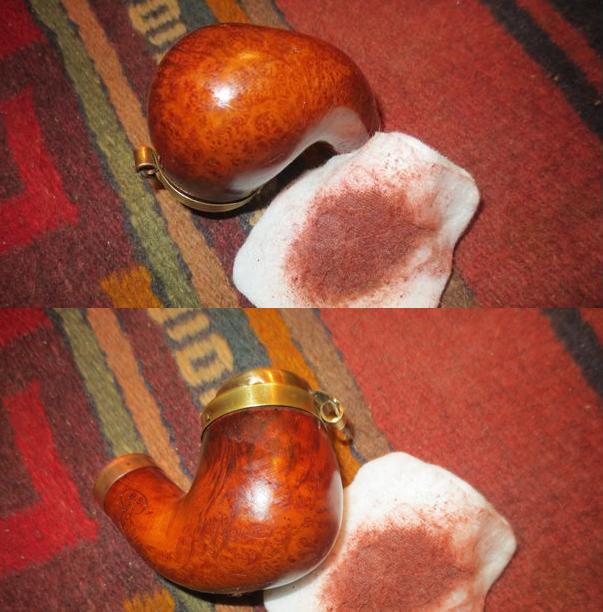
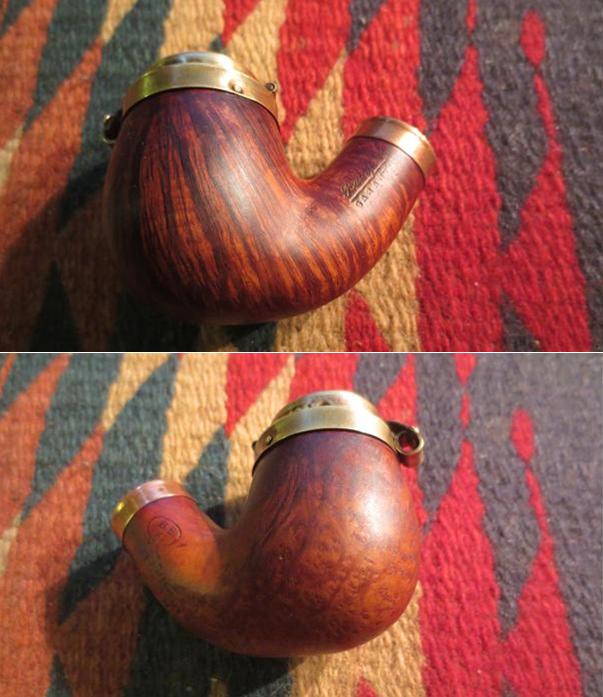
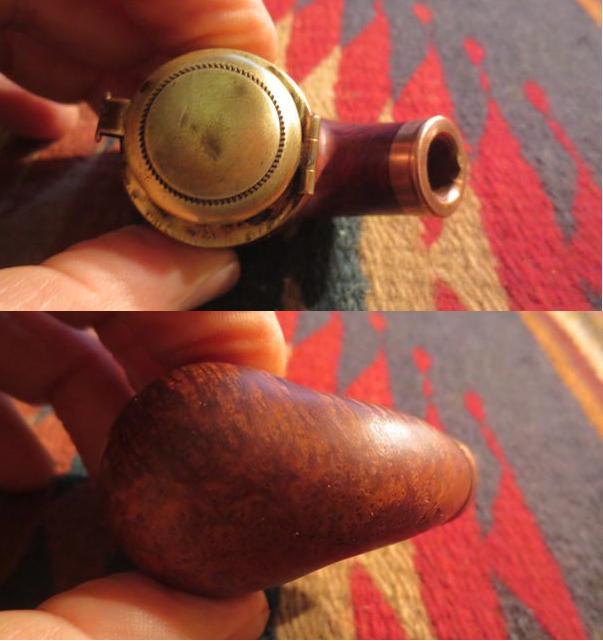
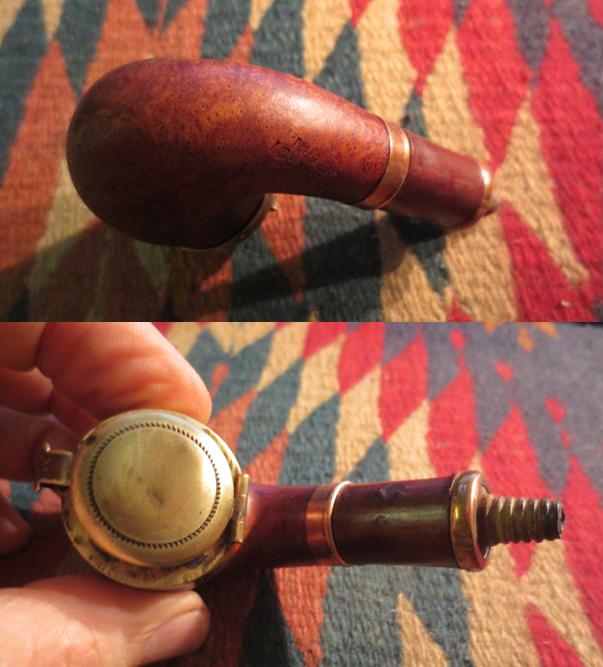
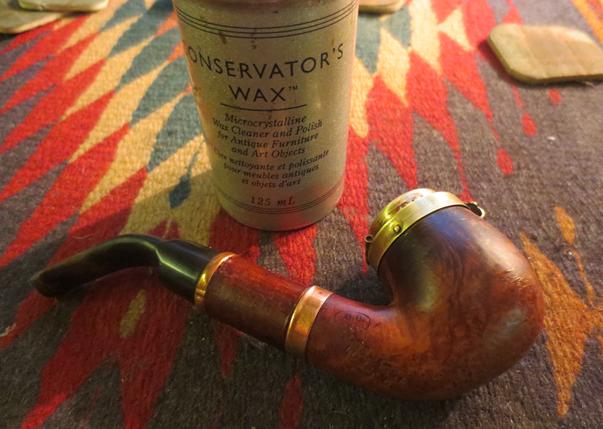
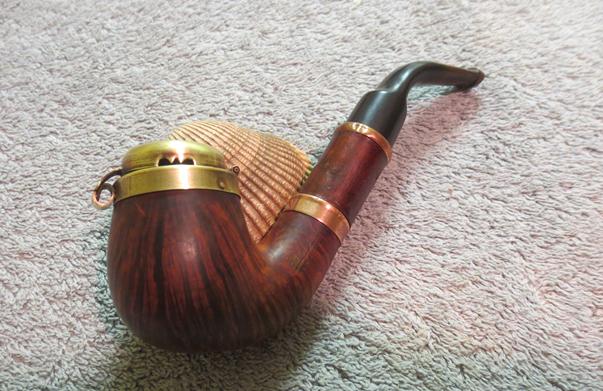
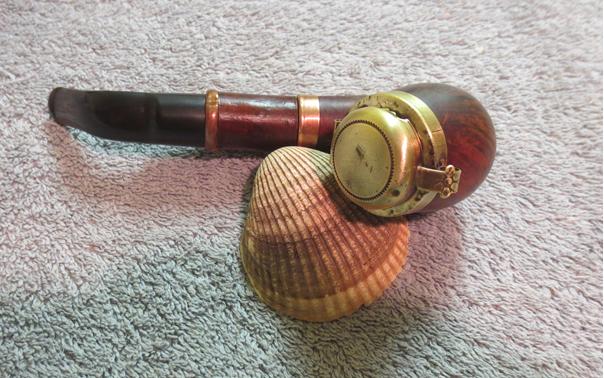
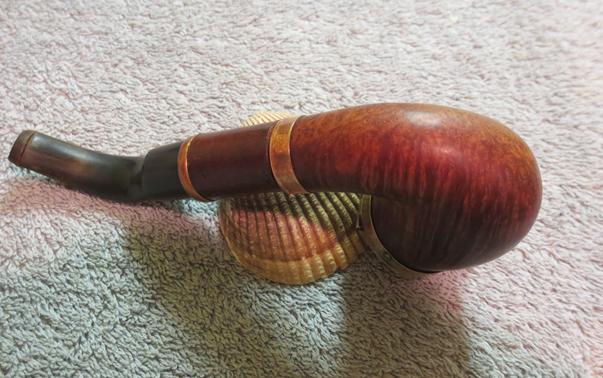
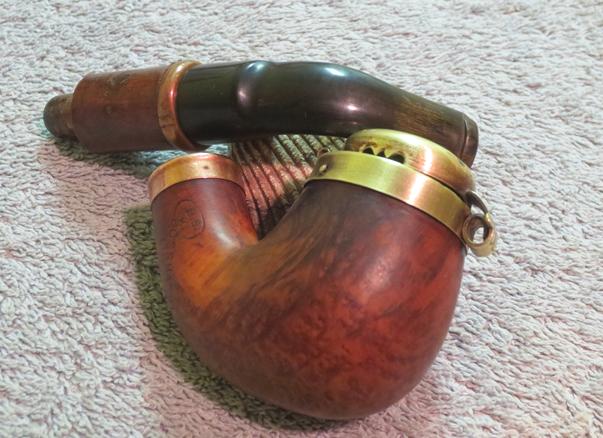
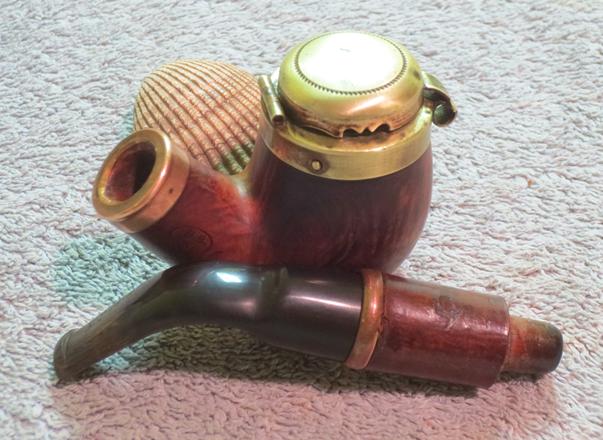
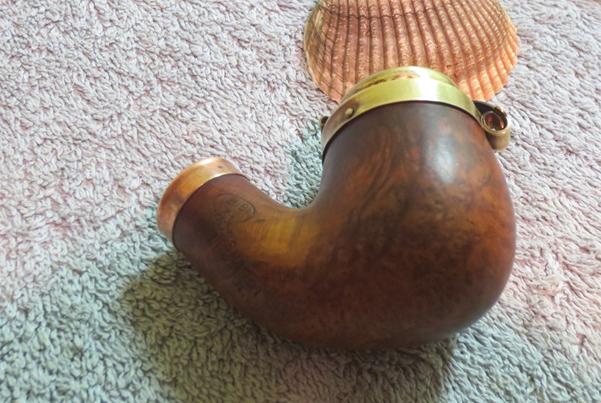
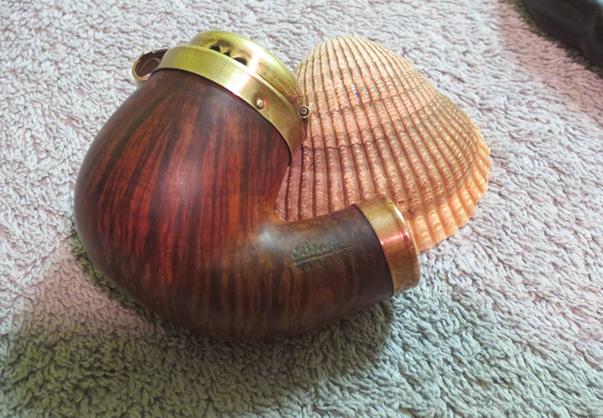
My brother cleaned up the pipe and reamed the bowl. He scrubbed out the wind cap and the brass rim cap. He cleaned out the shank and the airways in the stem, shank extension and the mortise. It turned out that the cherry wood extension was loose fitting in the shank. The wood had worn enough that it was no longer snug. The horn stem was clean but had tooth chatter and a deep tooth mark on the underside of the stem near the button. The brass rim cap was dented and worn but the wind cap still fit tightly against it. The next set of four pictures show the condition of the pipe after he had cleaned it up. BBK2 BBK3I took the pipe apart to show the various components of the pipe. The cherry wood extension in the centre of the photo has a tapered end that fits into the shank and a threaded end that the stem screws onto.BBK4I took a close up photo of the rim cap and the inside of the wind cap. You can see from the photo that the rim is badly dented and quite dirty. The inside of the wind cap is pitted and has some rust. The edge of the rim on the front had lifted slightly from the inner edge of the bowl and was dented on the front. The ridge on the edge was still there and held the front spring on the wind cap in place.BBK5I took some photos of the stem to show the tooth chatter and worn surface of the stem near the button on both the top and the bottom near the button. There was also some deeper tooth marks on the underside of the stem.BBK6I used a small ballpein hammer to flatten the rim cap to the briar rim underneath. I worked on it to minimize some to the dents and dings in the brass rim.BBK7I cleaned out the remaining debris in the bowl with a Savinelli Pipe Knife. My tapping the hammer on the rim knocked some pieces of cake free so the knife cleaned up what remained. I used a brass bristle wire brush to clean out the inside of the wind cap. I was able to remove some of the rust on the inside with the brush.BBK8I scrubbed the shank with alcohol and cotton swabs to remove any of the dust from my quick ream clean up. It was amazingly clean. I also ran pipe cleaners and alcohol through the shank extension and the stem.BBK9I sanded the tooth chatter and the tooth marks on the horn stem with 220 grit sandpaper to remove them and blend them into the material. I also wanted to smooth out the roughness of the stem at those points.BBK10The cherry wood shank extension was dirty so I wiped off the exterior with an alcohol dampened cotton pad. I noticed that the end of the pressure fit tenon had a horn end cap to seal the end of the wooden tenon. I believe that addition preserved the tenon from shrinkage and splintering. The threaded tenon on the other end of the extension fit snug into the end of the horn stem.BBK11I polished the wind cap, rim cap and the shank cap with 1500-4000 grit micromesh sanding pads. I took some photos the pipe after the polishing was completed. It is a beautiful piece of briar.BBK12 BBK14 BBK13I polished the horn stem with micromesh sanding pads – wet sanding with 1500-2400 grit pads and dry sanding with 3200-12000 grit pads. I rubbed the stem down with Obsidian Oil between each set of three pads. I gave it a final rubdown of oil after sanding it with the 12000 grit pad and set it aside to dry.BBK15 BBK16 BBK17I stained the bowl with a Danish Oil and Cherry stain mixture.BBK18 BBK19After it sat for about 20 minutes I rubbed it down with a soft cloth to polish it. After the hand rubbing the grain stood out more clearly. The red stain and the brass caps really looked great together.BBK20 BBK21I gave the wooden friction fit tenon several coats of clear fingernail polish, being careful to keep it off of the horn cap on the end. That did the trick and the extension sat snug in the mortise.BBK23 BBK24I gave the bowl, shank and stem a thick coat of Conservator’s Wax and let it dry. I hand buffed it and gave it a second coat of the wax.BBK25I buffed the pipe by hand with a microfibre cloth and polished the metal with a jeweler’s cloth. The finished pipe is shown in the photos below. I love the way the grain just pops on this old pipe. The cherry wood shank extension adds not only length but also a touch of rustic to the pipe, though this particular piece of cherry wood has bark that is quite smooth. The dark striations of the horn stem also go well with the wood. The brass bands at the stem and the shank as well as the rim cap and wind cap give this old timer a real look of class. The finished pipe is shown in the photos that follow. It is a beautiful pipe to my eyes. Thanks for looking.BBK26 BBK27 BBK28 BBK29 BBK30 BBK31 BBK32 BBK33 BBK34
 

An Interesting Brebbia Silver AS1 Square Shank Brandy


Blog by Steve Laug

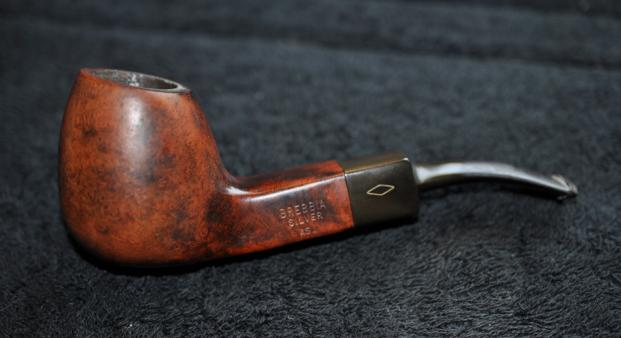
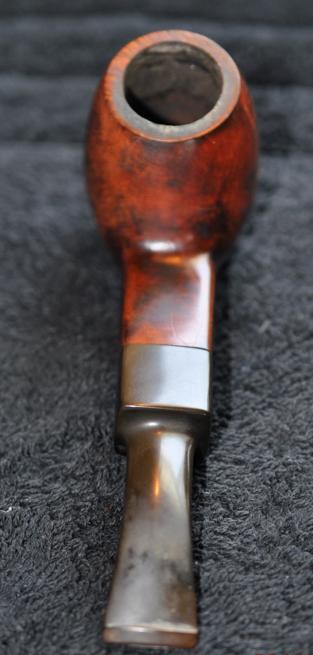
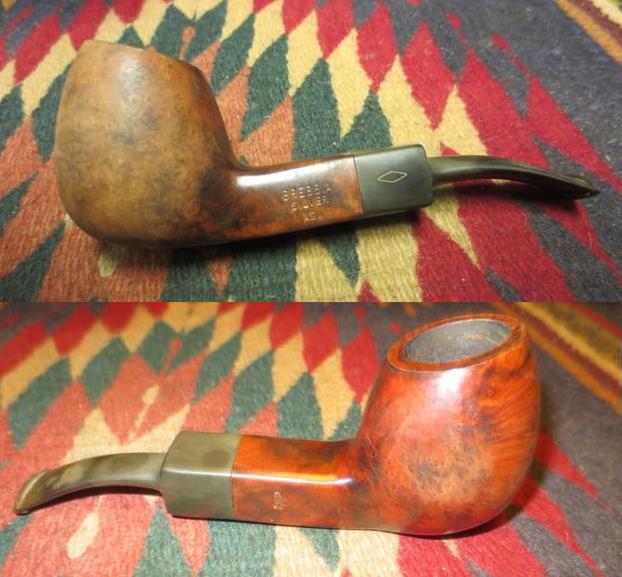
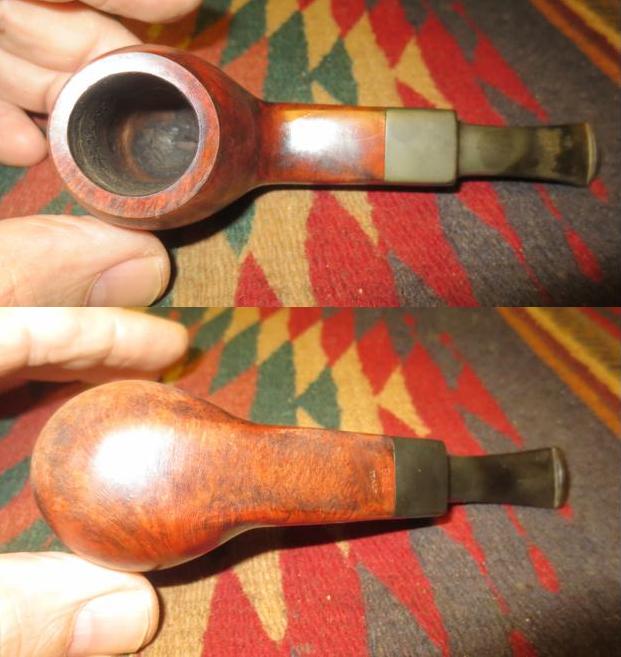
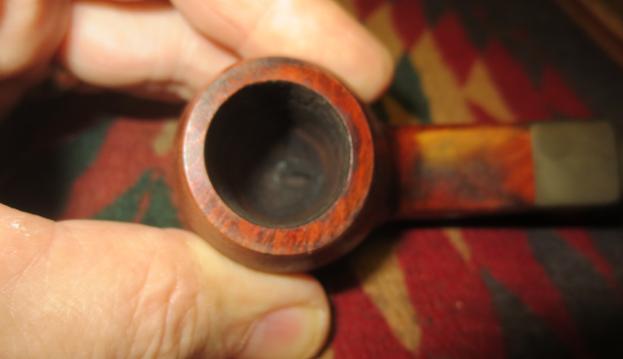
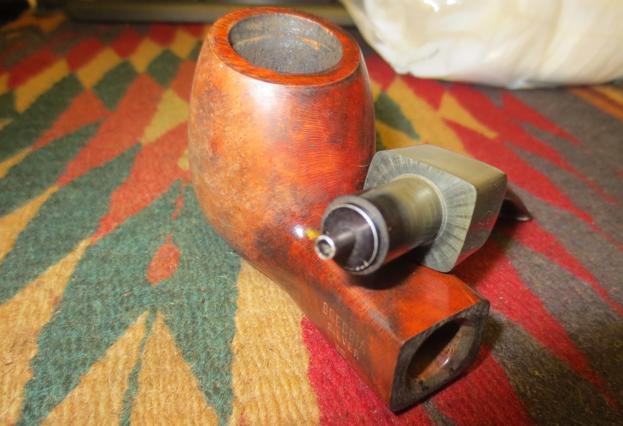
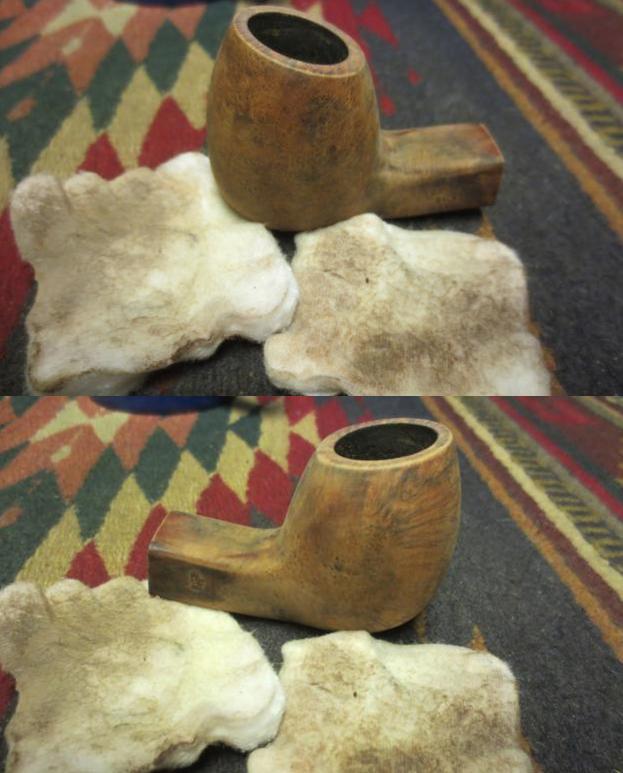
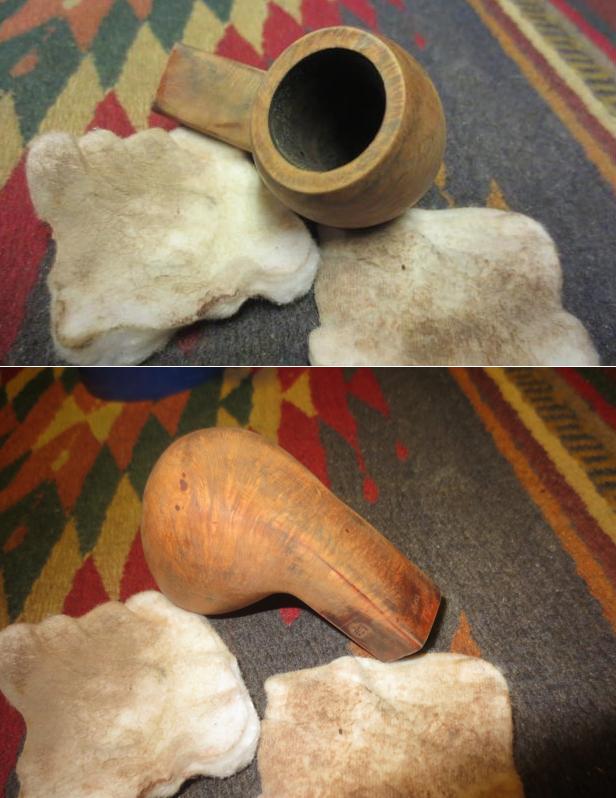
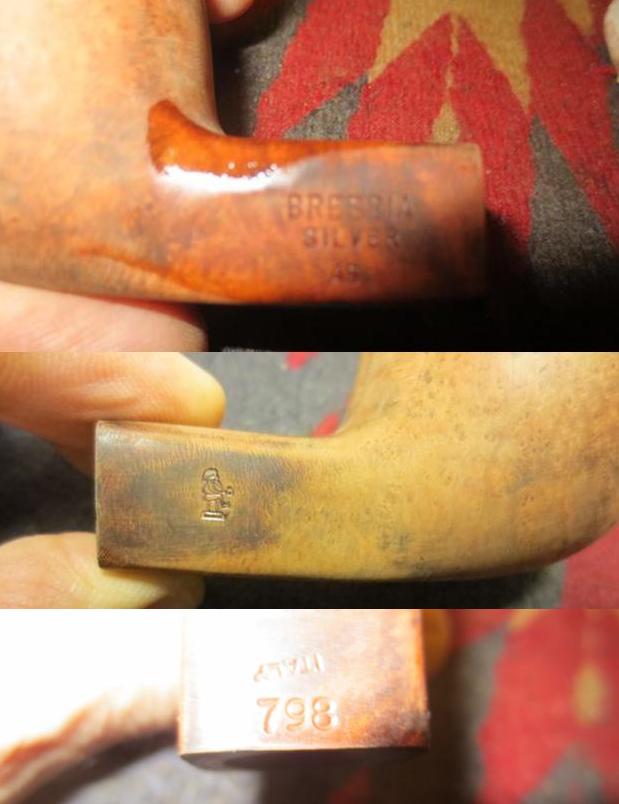
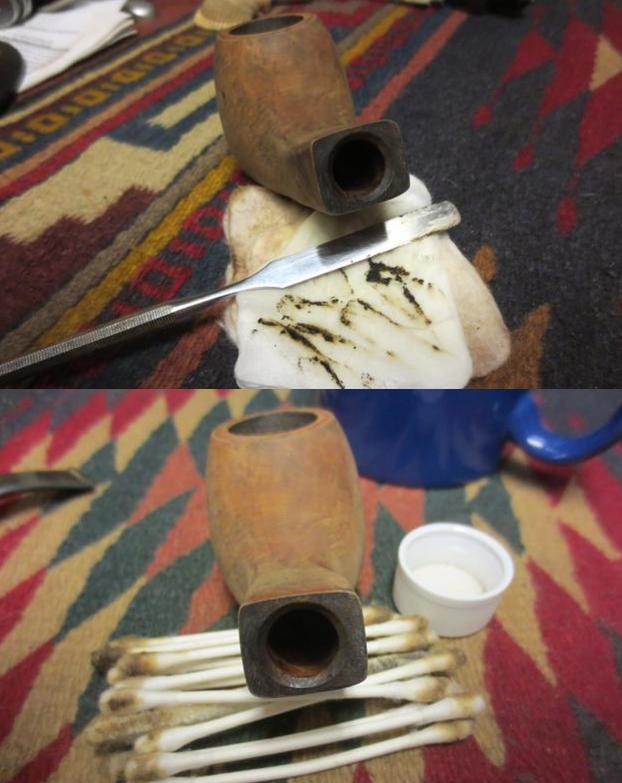
Over the years the only Brebbia pipes I have worked on have been the Iceberg Pipes. They have a beautiful rustication that just speaks to me. The rugged roughness looks like the briar came that way and I have always like the feel in the hand. However, every one of the pipes, Iceberg or otherwise have either belonged to someone else or were too big for my liking. I have never seen a pipe like the one that my brother Jeff found and sent my way. First it is a smooth briar not rusticated and second it is a brandy shape with a square shank and square saddle stem. I have not seen one like it before and I have looked around a fair bit and have not found another. In the photos of the pipe that my brother took before he began the cleanup it looked to be in good condition. The finish was a little mottled but it still looked to be decent. The bowl appeared to have a light cake so it potentially would be an easy clean up.Brebbia1 Brebbia2My brother scrubbed the bowl with Murphy’s Oil Soap and removed most of the finish but the stubborn spots on the shank. The stem was lightly oxidized and had some light tooth chatter on the top and bottom near the button. The next set of four photos show the pipe when it arrived here in Canada. Once again my brother did a great job cleaning this one up. I can’t believe how much time it saves to be able to begin with finishing rather than cleaning. Thanks Jeff.Brebbia3 Brebbia4I took a close up photo of the rim to show how clean it was and how the bowl was in round and the edges were not damaged.Brebbia5The stem was a bit of an oddity to me. I have not seen a stem with the kind of built in tube that this Brebbia sported. There is an end cap on the tenon with the tube protruding out. When the stem is in the shank the tube sits in the airway between the mortise and the bowl.Brebbia6To remove the stubborn finish on the shank I scrubbed the bowl and shank with acetone on cotton pads. It took a bit of elbow grease but the shank finally let loose of the finish.Brebbia7 Brebbia8I took some close up photos of the stamping on the shank as they were very clear. The left side of the shank reads Brebbia over Silver over AS_. I am assuming that the AS_ was probably AS1. The right side of the shank has a gnome stamped on it. The gnome was the logo Brebbia used to put on its stems from 1953 to 1956. On the underside it is stamped Italy 798.Brebbia9The stem was very tight in the shank so I examined it with a light and saw that there was a thick hard coat of tars on the walls of the mortise. I scraped the mortise with a dental spatula and removed the heavy coat of tars and then scrubbed it with pipe cleaners, cotton swabs and alcohol.Brebbia10I put the stem back in place and it fit snugly but the tightness was gone. I took some photos of the pipe at this point in the restoration.Brebbia11 Brebbia12I removed the stem again and worked on it with micrmesh sanding pads – wet sanding it with 1500-2400 grit pads and dry sanding with 3200-12000 grit pads. Between each set of three pads I rubbed the stem down with Obsidian Oil and also gave it a final rubdown after the 12000 grit pad. I set the stem aside to dry while I worked on the bowl.Brebbia13 Brebbia14 Brebbia15I stained the bowl with a dark brown aniline stain thinned by 50% with isopropyl alcohol. I applied it to the bowl with a folded pipe cleaner and flamed it with a lighter. I repeated the process until the coverage was even.Brebbia16I hand buffed the bowl with a microfibre cloth to polish the stain and even out the look of the finish.Brebbia17 Brebbia18I put the stem back on the bowl and buffed the bowl and stem with Blue Diamond on the buffing wheel. I gave the entire pipe several coats of carnauba wax and buffed it with a clean buffing pad to raise the shine. I finished by hand buffing the pipe with a microfibre cloth to deepen the shine. The finished pipe is shown in the photos below. Thanks for looking.Brebbia19 Brebbia20 Brebbia21 Brebbia22 Brebbia23 Brebbia24 Brebbia25

One of his Dad’s Pipes that needed work


Blog by Steve Laug

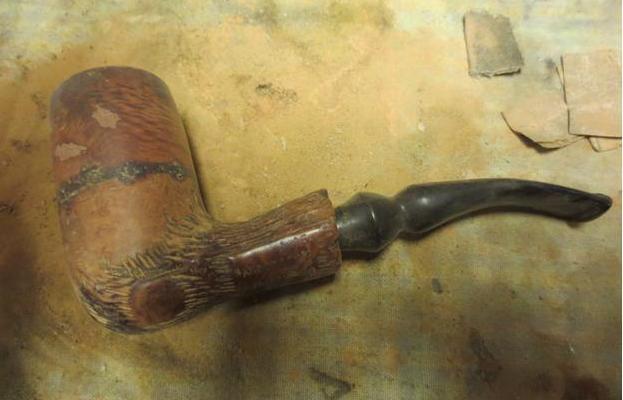
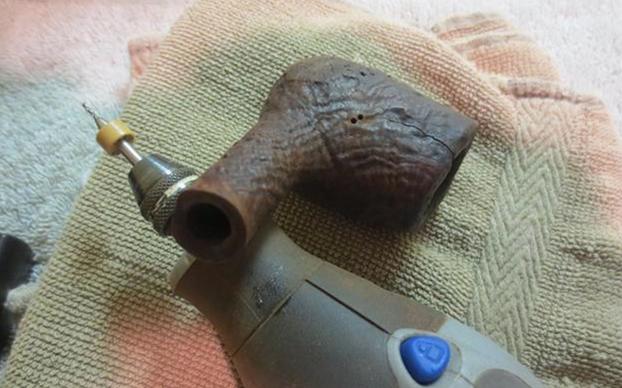
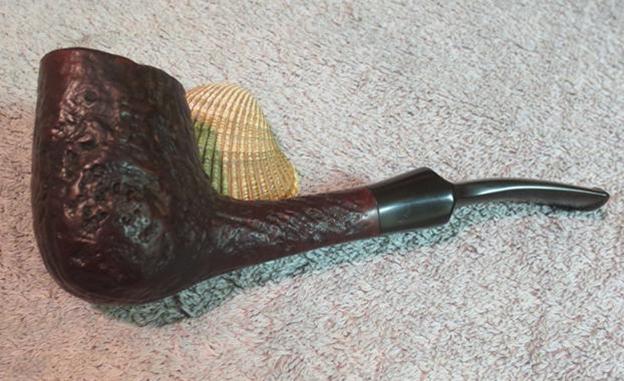
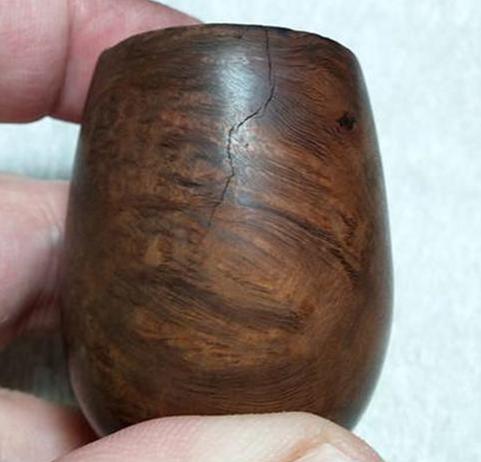
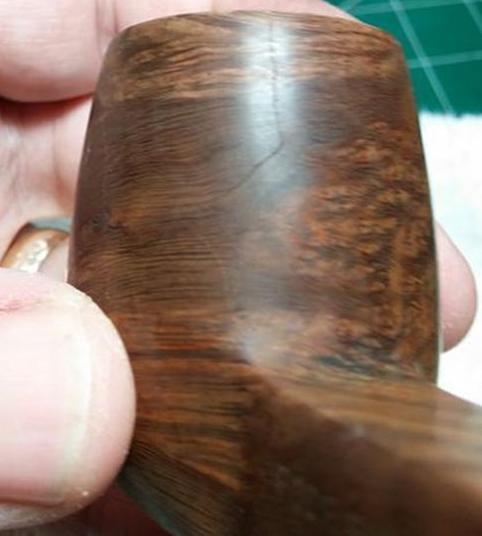
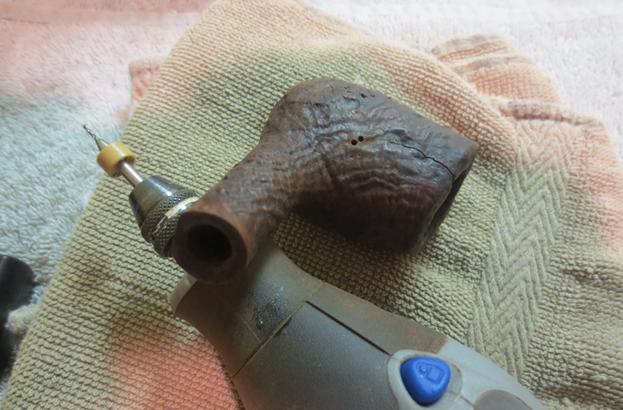
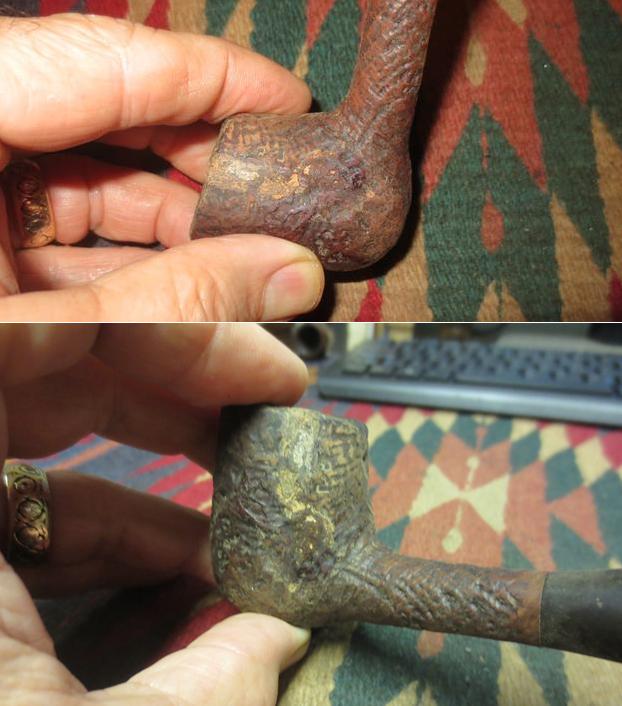
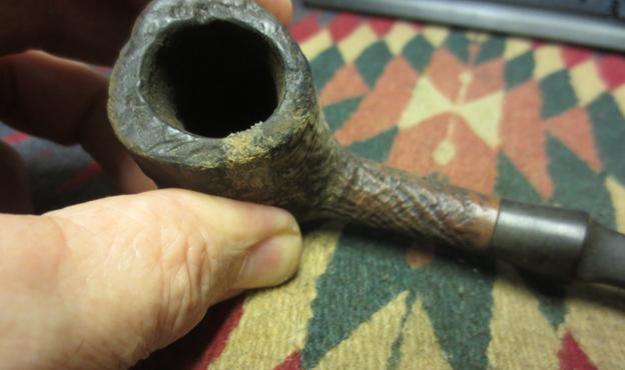
Not long ago I received a second pipe that was sent to me from Dawson Creek, British Columbia for repair.  It had belonged to the sender’s father and he wanted it restored so he could use it again. When it arrived it was obvious that I was dealing with a Stanwell product. It was stamped Scandia over Made in Denmark and was followed with the shape number 209. It had a classic Danish look with the flared saddle stem and the almost triangular shaped bowl. The stem was oxidized and worn with the edge between the button and stem worn away. The sandblast was dirty and the finish tired. But the worst issue was that the bowl itself had a large crack running from the rim down the bowl on the left side of the bowl toward the back. It took some photos and emailed them to the sender to let him know the state of the pipe after my assessment. He was surprised that the crack was there as he did not remember seeing it. I begin this blog with those photos below.Scandia1 Scandia2After photographing the crack in the side of the bowl I took some photos of the entire pipe to give an idea of the look of the pipe and the work that lay ahead of me. You can see the overall condition of the pipe from the photos below. I really like the shape of the bowl and the flow of the stem and shank. The pipe had good lines.Scandia3 Scandia4To begin the process of repairing the bowl I need to carefully ream it back to bare briar. I wanted to see if the crack extended into the bowl and how deeply it went down into it if it did. I also wanted to assess the overall condition of the bowl interior. I started reaming it with a Savinelli Pipe Knife so that I would not put too much stress on the cracked area. I finished carefully reaming the bowl with a PipNet pipe reamer to clean off the cake below the rim.Scandia5The crack went down about ¼ inch into the bowl from the rim. I used a brass bristle brush to scrub the top of the rim to remove the tars and lava overflow on the rim surface. I used a rolled piece of 220 grit sandpaper to sand out the interior of the bowl and remove the remnants of the carbon build up around the cracked area.Scandia6I scrubbed the exterior of the bowl and rim with a tooth brush and Murphy’s Oil Soap to clean off the grime and wax in the grooves of the sandblast. I wanted the surface clean so that I could repair the crack. I rinsed the pipe with running water and dried it off.Scandia7The next series of photos show the bowl after cleaning. The bowl was ready to repair.Scandia8 Scandia9I used the Dremel and a microdrill bit to put two pin holes at the end of the crack. I used a lens to look for the end and then drilled the first hole. When I took it back to the work table I looked at it under the lens again and notice that I missed the end by just a short distance. I drilled the second hole in the bowl side. I also sanded out the internal edge of the bowl and used the drill to put a hole at the end of the internal crack.Scandia10I used the dental pick to clean out the crack on the bowl side and pressed briar dust into the crack with a dental spatula. Once it was full I put drops of clear super glue on top of the crack to seal the area. I put more briar dust on top of the super glue and spread it out with the spatula. I put briar dust on the top edge of the rim and used the glue there and on the internal crack.Scandia11I sanded the filled in area with a folded piece of 220 grit sandpaper to smooth out the repaired areas and used a dental pick to create some grooves to follow the blast pattern.Scandia12 Scandia13The texture of the rim repair was rougher than the side of the bowl so I sanded it with a medium grit sanding block to smooth it out. I also sanded the inside of the bowl with a rolled piece of sandpaper to smooth out the repair on the interior wall. I wiped the bowl down with alcohol on a cotton pad to remove the sanding dust and stained the pipe with a dark brown aniline stain. I flamed it and repeated the process until the colour was matched. I used a black Sharpie pen to touch up the grooves in the patch and blended the repair with more stain.Scandia14The next photo shows the repaired areas and bowl.Scandia15The stain was too opaque for me so I washed it down with alcohol on cotton pads until the stain was more transparent.Scandia16With the bowl repair completed I turned my attention to the oxidized stem. It was not too bad – light oxidation and lots of tooth chatter. Fortunately there were no deep tooth marks. The sharp edge of the button was also very worn down and would need to be redefined.Scandia17I used a flat blade needle file to reshape the button edge and remove the tooth chatter and marks around the edge of the button. I also reshaped the curved edge of the button with the file.Scandia18I sanded the file marks out of the stem with a folded piece of 220 grit sandpaper. I worked over the rest of the stem with the sandpaper to remove the light oxidation on the saddle area.Scandia19I gave the bowl a light buff with Blue Diamond on the wheel to get a feel for the look of the bowl at this point in the process. You can see the repaired area in the two photos below. It will take some more blending with stain pens and sandpaper before it is finished.Scandia20I cleaned out the mortise and the airway in the shank as well as the airway in the stem with pipe cleaners, cotton swabs and alcohol. You can see from the photo of the stem that the polishing of the stem is coming along as well. The oxidation is pretty well gone and the sanding marks are disappearing.Scandia21I used my normal polishing process with micromesh pads – wet sanding with 1500-2400 grit pads and dry sanding with 3200-12000 grit pads. Between each set of three pads I rubbed the stem down with Obsidian Oil and when I finished with the 12000 grit pad I gave it a final coat of oil and set it aside to dry.Scandia22 Scandia23 Scandia24I lightly buffed the bowl with Blue Diamond to raise a shine and buffed the stem a bit more vigorously. I gave the stem several coats of carnauba wax and buffed it to a shine with a clean buffing pad. I gave the bowl several coats of Conservator’s Wax and buffed it with a clean buffing pad. The finished pipe is shown in the photos below. The repair is finished and the inside and the outside of the bowl look really good. It should last the pipe man who sent it to me for a long time as he enjoys a pipe that his dad smoked. Thanks for looking.Scandia25 Scandia26 Scandia27 Scandia28 Scandia29 Scandia30 Scandia31 Scandia32ADDENDUM

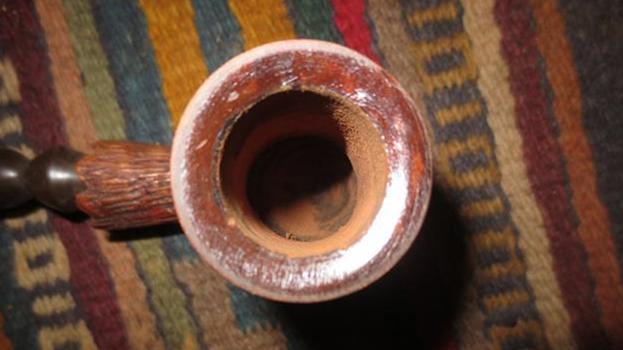
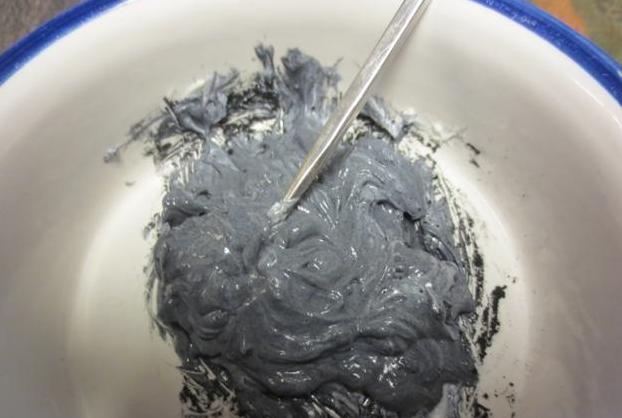
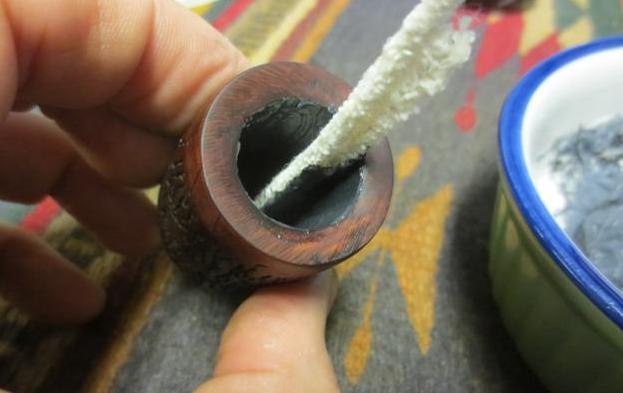
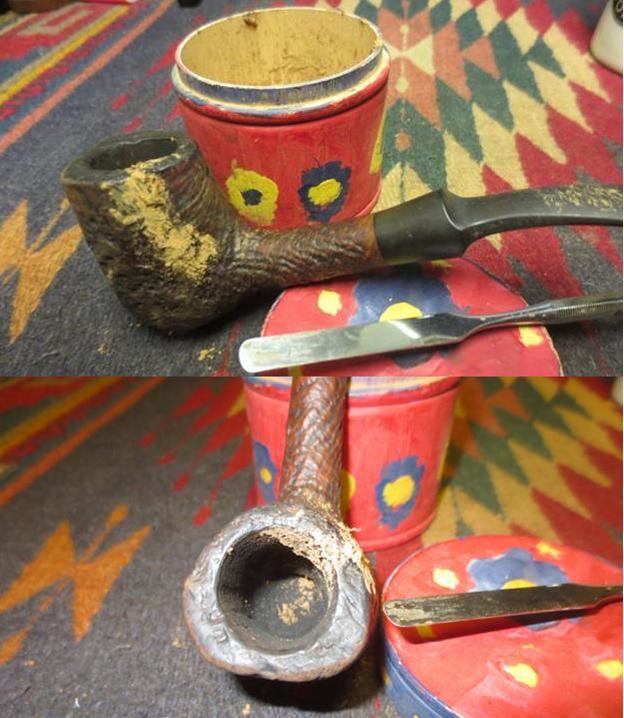
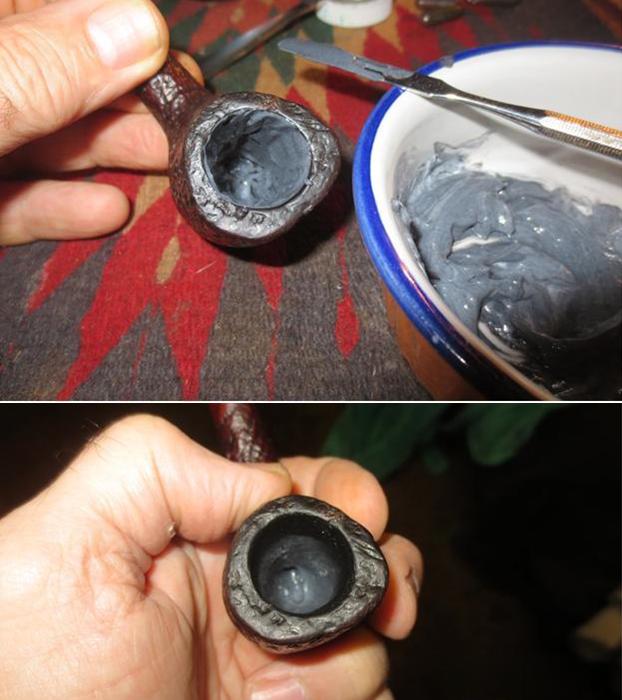
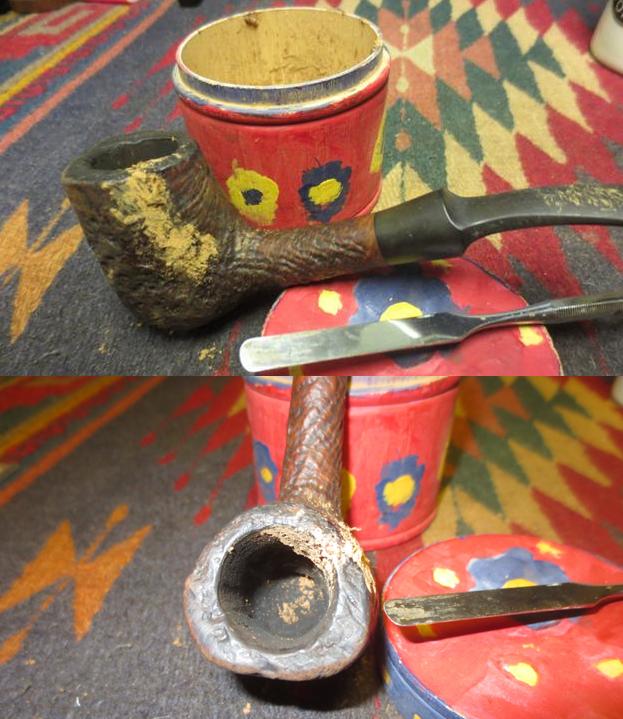
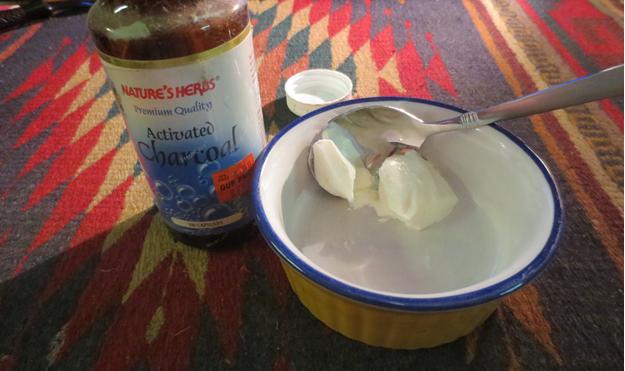
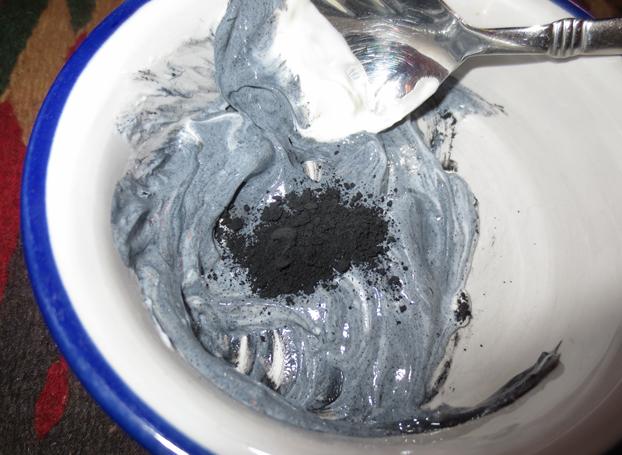
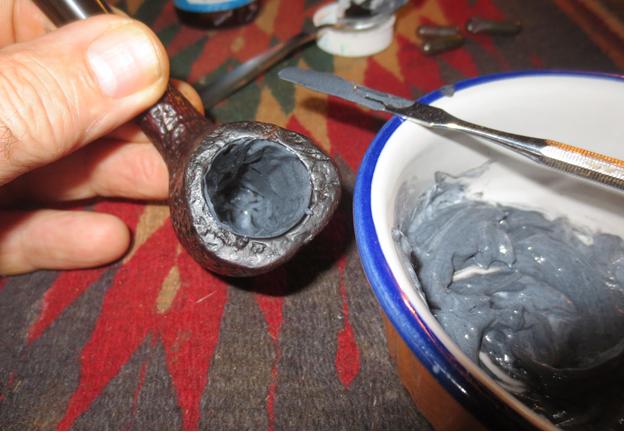
I decided to give the pipe a little more protection by putting a bowl coating on the interior walls of the pipe. I mixed some sour cream and charcoal powder to make a grey paste and apply it to the bowl. I used a dental spatula to put the mixture on the walls of the pipe and then used my finger to smooth it out. The mixture is neutral once it dries and imparts no flavour to the tobacco as the pipe is smoked. It merely serves to protect the repaired walls until a cake is developed in the bowl.char1Char2Char3
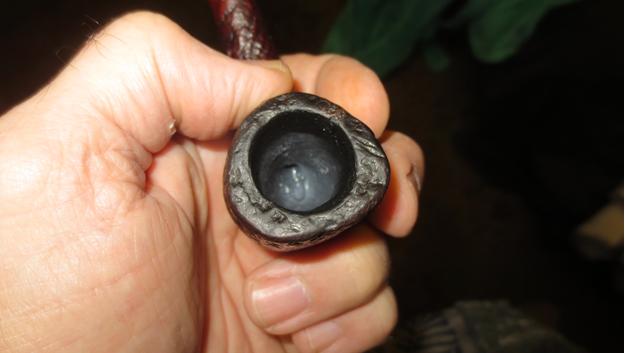
I set the pipe aside to dry overnight. The next two photos show the interior of the bowl this morning after a night of curing. I will leave it to cure throughout the day and it should be good to pack up and send back to Dawson Creek.Char4Char5

The Big Sleeplessness


Guest Blog by Robert M. Boughton

Member, International Society of Codgers
Member, North American Society of Pipe Collectors
http://www.naspc.org
http://www.roadrunnerpipes21.biz  under construction
http://about.me/boughtonrobert
Photos © the Author except as noted

NOTE: ALL BUT ONE TITLE OF RAYMOND CHANDLER’S NOVELS ARE INCLUDED WITHIN THE TEXT OF THIS BLOG, THE MISSING ONE BEING IN NO WAY VIABLE WITHOUT BECOMING RIDICULOUS.  I HAVE ALSO ADDED CERTAIN LESS OBVIOUS REFERENCES FROM THE GREAT NOVEL.  I WANT TO BE THE FIRST TO POINT OUT THAT THIS SINCERE HOMAGE IS NEVERTHELESS WANTING.  AS PARTIAL COMPENSATION, I OFFER THE PIPE THAT IS THE SUBJECT OF THE RESTORATION – FREE, NO GIMMICKS OR POSTAGE – TO THE FIRST READER WHO IDENTIFIES THE MOST TITLES AND OTHER ASSOCIATIONS.  IN ORDER NOT TO MAKE THE TASK TOO EASY, I WILL LET THE READERS SOLVE THE MYSTERY OF THE SPECIAL CONNECTIONS.  ONE HINT – THE 1940S SLANG USED IS A DEAD END.  POST ANSWERS IN THE COMMENTS SECTION.  GOOD LUCK!

From thirty feet away she looked like a lot of class.  From ten feet away she looked like something made up to be seen from thirty feet away.

— Raymond Thornton Chandler (1888-1959), British-American writer of poems, essays, literary reviews, screenplays and hard-boiled detective tales, through his great character Philip Marlowe in “The High Window,” 1942

I was wearing my powder blue boxers.  I was unkempt, dirty, unshaven and sober, and I couldn’t care less who knew any of it.  The sun was a big dark orange rooster mute with nothing left to crow about other than another shot at a life filled with danger, which reminded me I had not slept going on five days.  The freshness of the Sandia foothills was fooling no one who has blown the kind of time I have in this high desert burg, even if that steady, sandy ascent into the mountains was too formless to see yet.

The temperature during the longer shifts of light than dark grew hotter with each twenty-four-hour trudge that dragged on that miserable stretch, late July into August.  The dog days neared their end with no such luck appearing on the horizon for the solar blaze.  The sultriness outside was the kind that had nothing to do with dryness or humidity.  The oppressiveness that hung over the entire overblown town was all about the barometer.  At night the blood red color of the fourth planet from the sun, and the fact that it was closer to our little world than it had been in eleven years, only made the air outside seem hotter.

The weather fat-heads kept predicting rain but I hadn’t seen any since the part of the year I liked best, what the locals called the monsoon season with the kind of cock-eyed, soppy buzz that got under my skin, right after the mere sound of a Christmas carol.  Last I heard, a monsoon was driven by large bodies of surrounding water.  The whole forsaken state was landlocked.  While I’m on the subject of things I dislike, I might as well mention I’m not a big fan of opera – excuse me, the opera.  I’ve had to scratch under the collar through my share of these shows and would be none the poorer if I never sat through another.  Carmen was okay, come to think of it.  At least you could say that little tease got what she had coming.

The torridness was part of the reason I didn’t bother to put on one of my suits.  All of them were the same straight cut, most black or gray but a few with some color to them, like a rumor about me that was going around.  Not that any of those stories played a part in my trouble sleeping  The other excuse for not making myself more decent was that every one of my flannel uniforms was at Owen’s, my tailor, being taken in because of the weight that was sapped out of me.  I was everything the well-dressed pipe restorer who lived alone ought to be.  I was waiting on an eight thousand dollar check to clear the bank, and until that happened I wasn’t going anywhere.

The case I was working was a tough nut to crack.  Sometimes a gig was all aces, but this was bad news that made a big part of me not even want to cool down.  My biz was to fix the brodie, only in this case the charge sheet of senseless brutalities was full with counts.  I’ve never hung it up unless the pipe was done for, as in ready to stoke the fireplace or campfire.  Briar is a stern wood, though, and I had to take a shot.  In the crowd she came from, the little sister looked plenty ritzy.  Away from the crowd made her more into something any group would give a wide berth.

Some creep did a real number on this one.  She still had a swell figure and I could tell she was a dish back in the day, but that was long ago and far away, as the kid from Hoboken crooned.  In my book, a nice body is the important thing anyway.  Whatever genius plugged this dame had to be whacky or a twit.  As I saw it, the heartless S.O.B. deserved the hotsquat.  I’m not one to lash out unless I’m threatened to my face, but if I had nabbed him, he wouldn’t have known I had a beef until I put the kibosh on him.  Not that I had any idea to dog the numbskull.  It’s not like I had a Geiger counter tuned to a man’s sweat, and murder is about as simple as common sense is common.  Besides, by then he was long gone.

I picked the broad up for a five spot, but not for anything sappy, just to save her from the meat wagon.  I kept her wrapped up like I found her and got her safe and sound to my office on Agnes Avenue.  That’s also my cave, which makes it my castle.  My heater is the only insurance policy I carry.Amp1 Amp2 Amp3 Amp4 Amp5 Amp6 Amp7I’ll give you the dope, straight up.  She was worked over pretty good if that word can be used in this scenario.  Her kisser and most of the rest looked like a body that was dragged along a stretch of old road strewn with potholes and broken liquor bottles.  Maybe she took a dive from the high window, but that would have spelled farewell my lovely for this client.  Then there was the forehead that looked to have been pistol-whipped.Amp8This little gal, no big surprise, had a bad dose of amnesia.  The little bit of I.D. I found on her was all but eroded by years of grime on top of all the pushing around.  All of my local pipe gumshoes were sure they recognized her as Alpha, an Israeli, on account of a distinctive birthmark forming a curious A.  I’d known a couple of the type, and something about this A didn’t jibe.

I brought my friend Steve Laug, a fellow pipe investigator north-northwest of here in Canada, up to speed with my progress.  Laug was the best P.I. in the biz and had profiled more pipes than I had ever dreamed of in my humble philosophy, to crib from one okay yarn spinner.  I don’t buy a word of the stories that some fellow named Marlowe wrote any play credited to another Brit.  Anyway, Laug also had more skill patching up the abused and maimed than anyone else I knew.

He was the one who spotted the resemblance of my victim to one of the classic models from the Dr. Grabow stable, the 42 number.  Laug shot me the profile he did on one going by the name of Westbrook about a year before.  One mugshot in particular that Laug snapped of the Westbrook gal after he started cleaning her up showed the unmistakable genetic marker of my girl.  So they were related, but how?  That was for me to uncover.

Courtesy of S. Laug, P.I.

Courtesy of S. Laug, P.I.

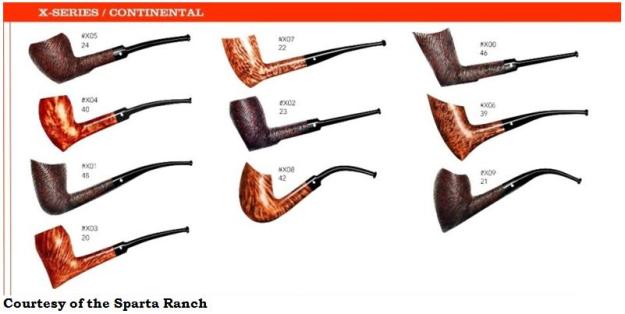
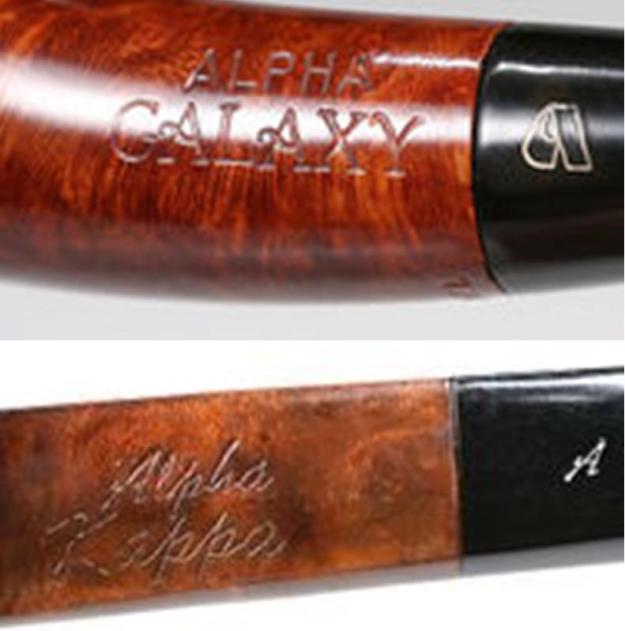
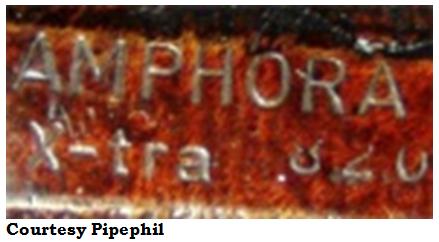
No man could miss the hot curves on Laug’s Westbrook knockout compared to those of my Jane Doe, even after someone put the screws to her.  I followed Laug’s tip to another lead that took me to a real treasure trove, including a group shot of Doc Grabow’s X Series Continental Line, class of ’81.  Letting my eyes move over the lines and curves of these gorgeous creatures clued me into why the doc rated them X, if you get my drift.aMP10Oh, so many beauties in this world, and so little time.  Still not being able to put a name to my little darling was driving me bat nuts, so I gritted my teeth and went to the archives, as I like to call the place.  It’s a reputable joint run by a Frenchman known on the streets as Pipephil.  First I inquired about Alpha and was introduced to a couple of sweet numbers that showed two styles of that outfit’s A, both about as similar as Laurel and Hardy.Amp11Roaming still deeper into the organized labyrinths of Pipephil’s place, I came across an A type that was a virtual twin of my Jane Doe, belonging to a swell called Douwe Egbert, a Dane no less.  That was when I got my big break and hit the jackpot with a connection to another part of the same clan, a blue blood great Dane from the house of Elbert Gubbels & Sons of the Royal Dutch Pipe Family.  They went belly up a few years back, but not before conceiving a certain new acquaintance of mine, even if they adopted her out and didn’t give her their own name, as if it was too good for her.  All that digging paid off.  Amphora was her name, and a beautiful one at that, from the Greek for a double-handled thingy used back in ancient times to hold wines and oils and whatnot.  I looked at the facial big boned structure on Amphora and got it right off.Amp12Relieved to have put a name to my innocent friend, I started saying it out loud, over and over, as I began the tasks of cleansing, mending and restoring Amphora to health.  It was a dirty job, as some guys liked to put it in those days, but that was my specialty.  After the initial wipe with soft cotton cloth strips soaked with purified water, I made the first definite visual confirmation.  The words were legible only because I knew what I was looking for from a gander at one very crisp tattoo on the left hip of one of Pipephil’s collection.Amp13 Amp14I never could get my Amphora’s number, maybe because she was too classy to let a man of my position become so familiar.

All I can say about the next step, when I finished washing her body and went to work on that wrecked forehead, is that I was glad she was still out cold.  I had to get rough, see.  There was nothing plastic about the surgery I had to perform, but it was cosmetic, alright.  The job started out gritty and got worse, about as low as I ever go, with 80 paper followed by 150 to clear away the char alone.  I’ve seen my share of bad burns, but this was as close to a crispy critter where the victim was still alive as I hope I ever see.

The harsh part was what followed.  I had no choice but to put a file to her scalp, behind the forehead that was caved in, to fix the mess the best I could.  After that part I took a deep breath and let it out, like a tea kettle giving off steam right before it hits full boil.  I stepped back to look over my handiwork so far.  The job wasn’t perfect, but that kind of work is above my paygrade.

I did most of the mop-up of that scene of the unfolding drama with what seemed like endless paperwork.  Let’s face it, this job runs on paperwork.  Fine tuning with the full scale of micro mesh was a pleasure.Amp15Maybe I took a liberty at that point, but I could not control the impulse.  Besides, I told myself, Amphora might very well awaken from her ordeal of the long goodbye, which she was lucky to survive. and not even notice the patchwork I did.  That last part was if Lady Luck shined on me, but who was I kidding?  I don’t place my faith in luck and never met a dame, not the type I liked to be seen with in public anyway, who didn’t know the instant a single strand of hair went amiss.  The best I could hope for was that she would keep quiet about it.

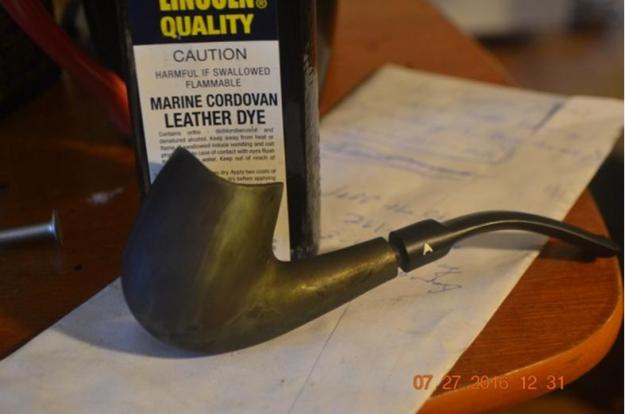
To give Amphora a healthy tone more like her old self, at least as I imagined she once was, I gave her a thick coat of high fashion skin colorizer called Lincoln, a burgundy color that I knew I could lighten to a more natural auburn.  I applied some heat to fix the solution so it wouldn’t run and with a patience that was anything but natural to my usual personality used a three-stage, six-pad micro mesh conditioner process.  I finished that part with a light rub of four-ought steel wool.Amp16 Amp17 Amp18 Amp19I saved the most slender part of Amphora for the last.  There were scratches along both sides, but no evident mayhem.Amp20This called for more paperwork, forms 180, 220 and 320 to start.Amp21I followed up with form 400 and the full treatment of micro mesh conditioner.Amp22The conditioner was old, and I could see it was out of date.  I checked my mail and found the new supply was in the box.  There’s a saying in billiards that the cue is only as good as the player, but a cue that’s an inch off from warping is plain bad news.  I would never carry a heater with a barrel that’s off, or one that’s not nice and tight all over.  I don’t even care for the 1911 .45 that’s designed that way for tactical reasons.  I had a playback, you could call it, to other times in my career when I re-stocked my supplies.

Repeating the full process with the new pads, I found that even an old dog can learn a new trick, in this case to keep your heater clean and well-oiled, if you get my meaning.Amp23Amphora was waking up and starting to squawk.  My only retort was that medicine never tastes good, and I gave it to her.Amp24 Amp25She was lucky her insides were cleaner than she had been outside, and I only had to give her the one dose.

While Amphora was still coming around, I found the makeup any lady of quality won’t leave home without putting on, just the usual compounds and waxes, and buffed her up.Amp26 Amp27 Amp28 Amp29 Amp30 Amp31My insomnia and other personal stresses had made me ready to go for the big sleep, but I was over all that and was just about to take a seat on the new recliner I bought for my new digs in a more genteel part of town, and relax with a long, full-bodied, folksy Ukrainian tiger I came across at one of those new places a man can now find such pleasures.  I even sat down with the broad in my hands, feeling her fearful symmetry that only the Master Craftsman Himself could dare frame, and was about to light her fire for a quickie before taking a nice long snooze.

That was when Amphora woke up and started to yap.

SOURCES
http://www.gutenberg.ca/ebooks/chandlerr-bigsleep/chandlerr-bigsleep-00-h.html

http://www.cultureify.com/1940s-slang-lingo-phrases/

http://graphics.latimes.com/finding-marlowe/

http://www.dailymail.co.uk/news/article-2836745/How-two-Hollywood-s-famous-detectives-Sam-Spade-Philip-Marlowe-named-inspired-black-private-eye.html

https://1fa1282d-a-62cb3a1a-s-sites.googlegroups.com/site/seanspipes/home/dr-grabow-shape-charts/1981SpartaShapeChart-continental.jpg?attachauth=ANoY7crnrqZwyaoMF6HNKflSv6JrH2Q7_rP-H_6Xxq1Sa06aylrImgtGNsFeVu_T_bqhD5Y6hzREmZd4gNHMqg8hnJsZvY1OOZ_YEhyY89J1hl6hxkkPDpByhf4a8lRCcpVWOhT8jl0dm1h8VzGTZsmNyXP2hkyYUh2qNPjvWbTB_Oe2ICpBIQvJIeuZRyXhXwUU9mg0Y7kKKFJRTa_wNVG6RMzhB5mZ1mQfDOblMM0GZrGp11FRY1RsH3x40zSzsxnvXA6ipj8iBYH4SPiuD8GaKDySNG2Fcw%3D%3D&attredirects=0

https://rebornpipes.com/2015/08/29/restoring-a-dr-grabow-westbrook-42/

https://sites.google.com/site/seanspipes/home/dr-grabow-shape-charts

https://pipedia.org/wiki/Shalom_Pipe_Factory

https://pipedia.org/wiki/Alpha

http://www.pipephil.eu/logos/en/logo-d7.html

http://www.pipephil.eu/logos/en/logo-a5.html#amphora

Giving a much needed face lift to a Danske Club 157 Scoop


Blog by Steve Laug

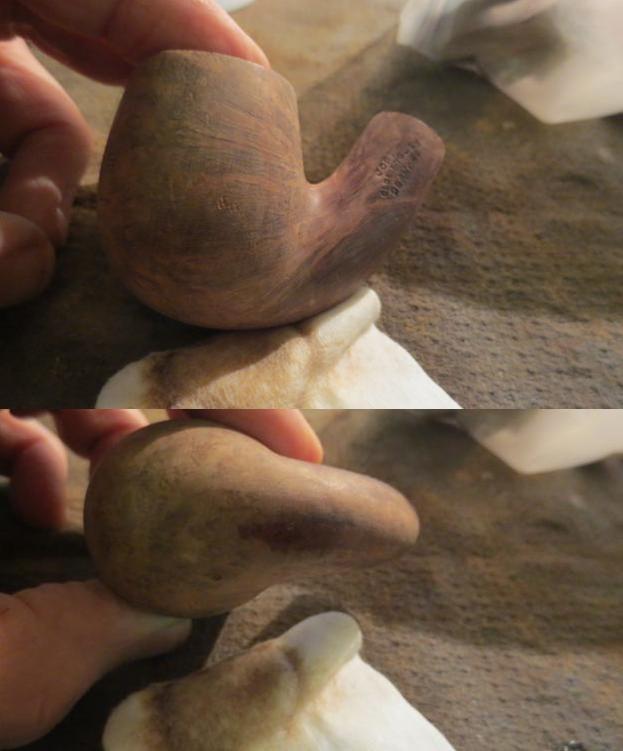
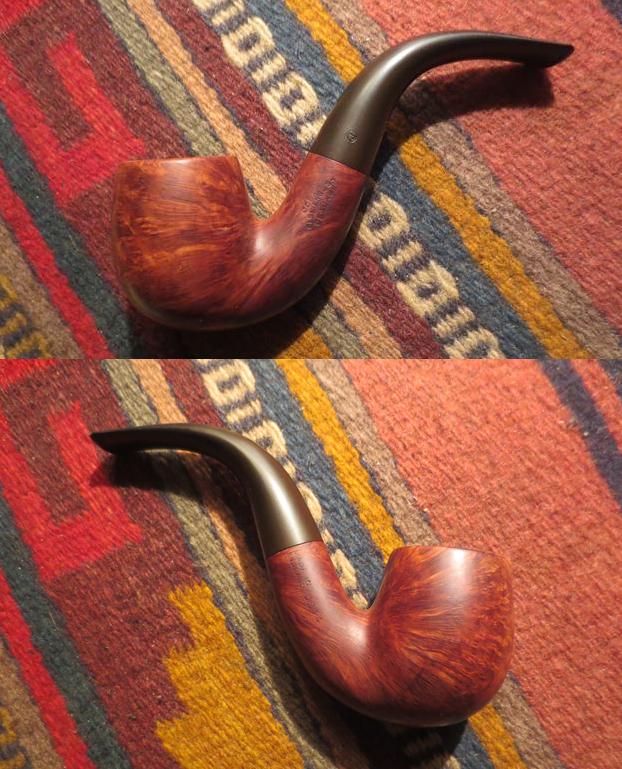
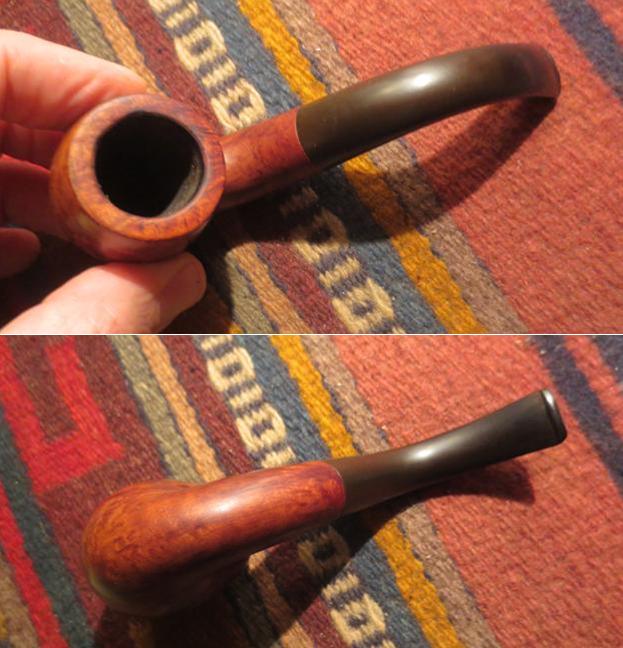
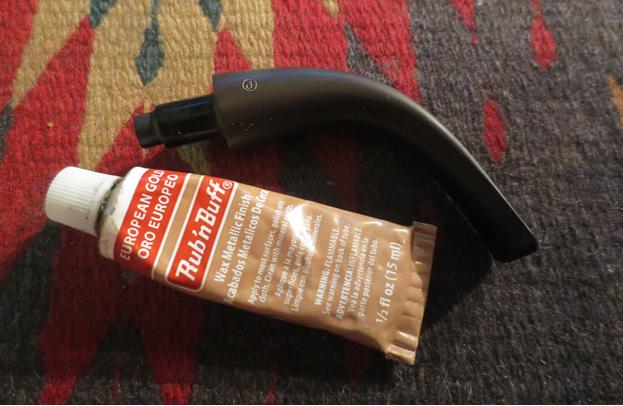
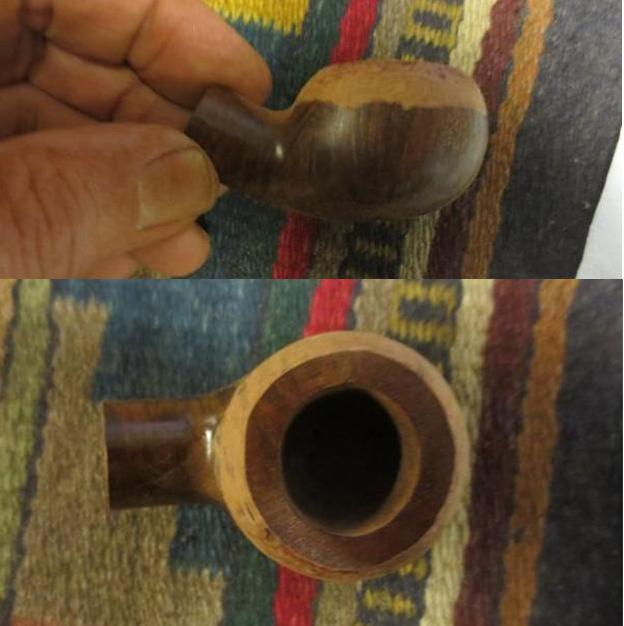
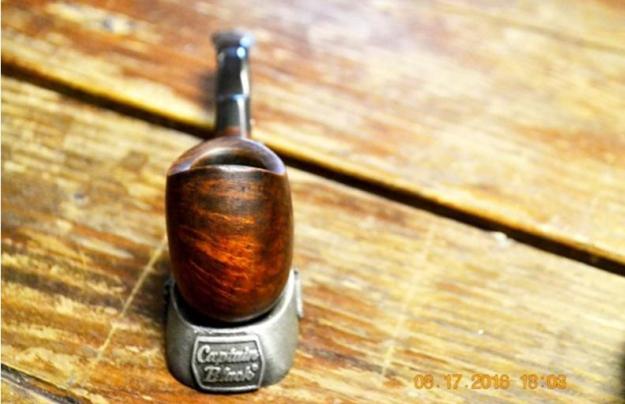
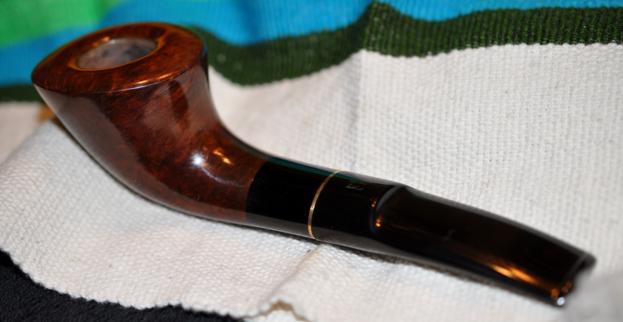
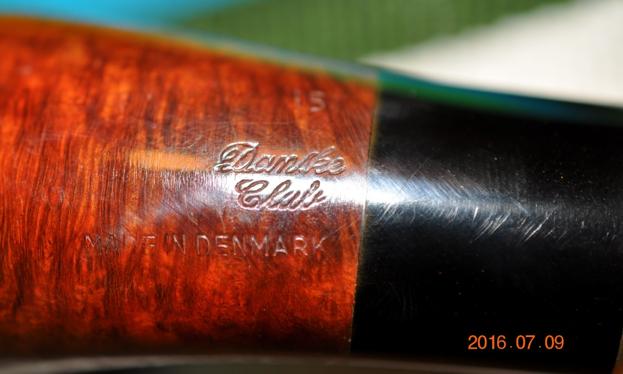
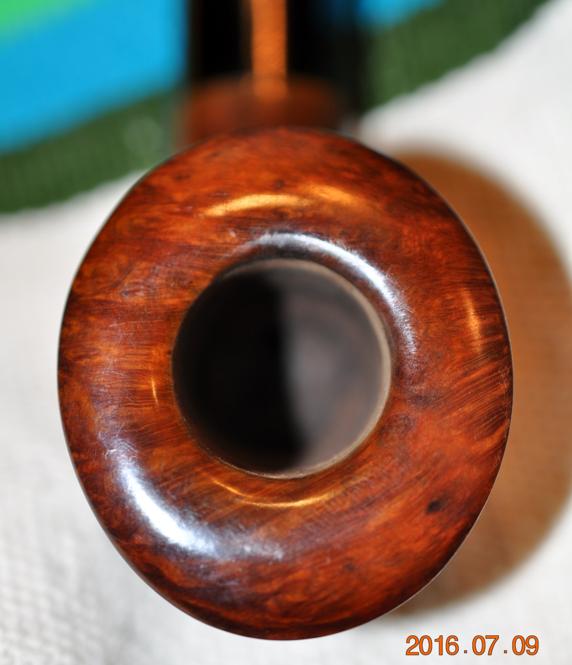
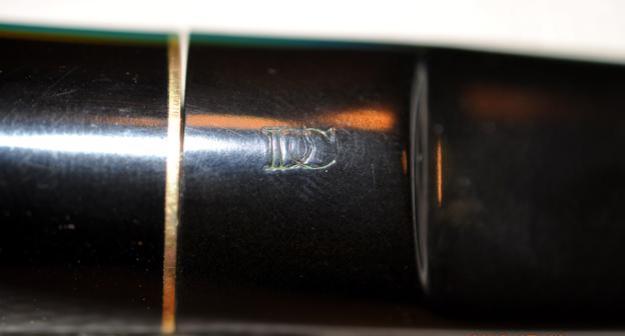
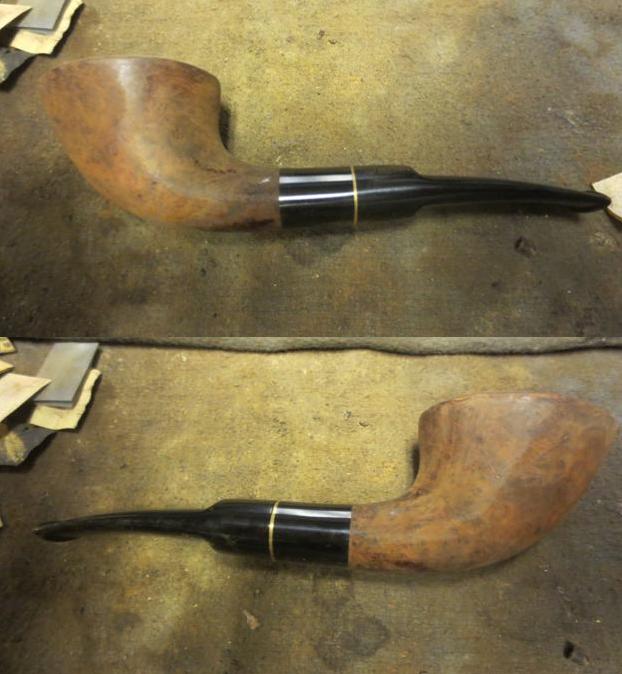
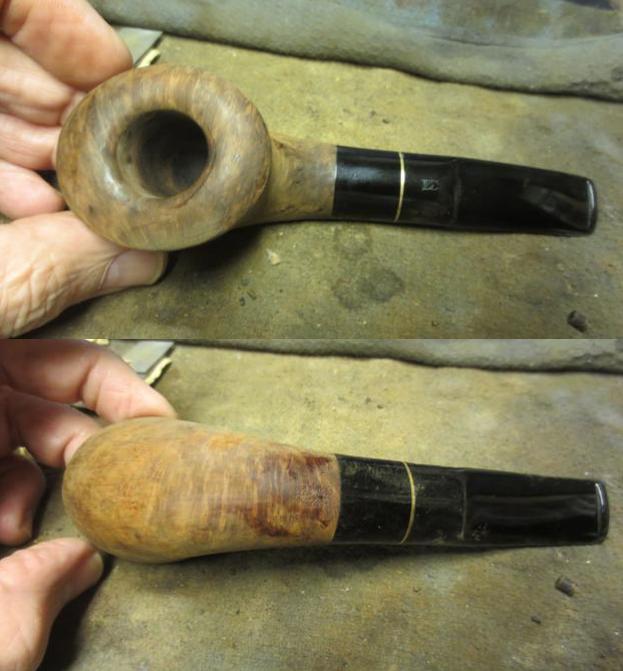
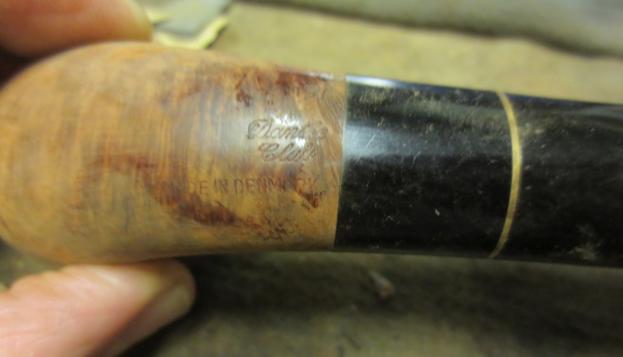
My brother has been picking up a lot of great looking pipes on his constant and intentionally pipe hunts. He has been feeding me many to work on and restore. We were talking on FaceTime and he showed me this pipe. It was a beauty. The bowl had a shiny shellac coat and the Lucite shank extension and brass end plate looked good. The finish had some light dents and scratches. The grain was obscured by the finish. Looking closely there was some nice grain under the top coat that would be good to release. The bowl had been lightly smoked, the bowl had no cake and the briar was only darkened from smoking. The DC stamp on the stem was visible but the gold was worn out of the indentations. The Lucite stem was lightly scratched but was still shiny. The scratches looked like the type that comes from a pipe sitting around and not getting used to much. There was no tooth chatter or tooth marks on the stem. When I removed it I found that it was made for a 9mm filter. I have some here so I will put a new one in the tenon.Dan1 Dan2The underside of the stem was stamped horizontally on the underside of the shank with the script Danske Club. Underneath that it read Made in Denmark. Above the Dansk Club stamping was the shape number 157. Dan3My brother took a close up photo of the crowned rim. You can see from the picture that it was in very good shape. There were some scratches on the surface. There was some nice grain poking through the shiny cover coat.Dan4He also took a close up photo of the stem. The stamping is faded by still legible – interlocking letters D and C. In the photo the stem sits at an angle and is not tight against the shank. I wondered if it was an alignment issue or if it was truly an issue.Dan5My brother scrubbed the bowl with Murphy’s Oil Soap with a tooth brush. Amazingly it removed the topcoat and the stain. It left a spotty bare briar behind with small specks of the stain and topcoat left all over the bowl. I took some photos of the pipe when I brought it to the work table. You can see what I saw in the next four photos.Dan6 Dan7I took a close up photo of the stamping on the underside to show where the topcoat and stain was in the stamping and all around it.Dan8I scrubbed the bowl with acetone on a cotton pad to remove the remnants of the finish and the oils that were still in the bowl.Dan9 Dan10There was a spot on the right side of the bowl where a fill had broken up and left a hole. I picked it out with a dental pick. I replaced the fill with briar dust and super glue. I sprayed it with an accelerator and took the following photo.Dan11I sanded the repair until it was flush with the surface of the briar. I sanded the entire bowl with a medium and fine grit sanding block to smooth out the finish. I rubbed the bowl down with a light coat of olive oil. Once oil dried a bit I sanded it with 1500-12000 grit micromesh sanding pads and wiped down the bowl when I finished. The pictures below show the pipe at this point.Dan12 Dan13I sanded the bowl with another round of the micromesh sanding pads using 1500-12000 grit pads before I prepared it to stain.Dan14I stained the bowl with Danish Oil with cherry stain. I set it aside to dry for a bit. Once it had dried I would rub it down with a soft cloth.Dan15 Dan16I applied some Rub N’ Buff to the logo on the stem and rubbed it down with a cotton pad to remove the excess. It filled in the stamping and gave it a renewed look.Dan18I polished the stem with 3200-12000 grit micromesh sanding pads. Between each set of three pads I wiped it down with a damp cotton pad. I hand buffed it with a microfibre cloth.Dan19 Dan20I put the pipe back together and buffed it with Blue Diamond polish on the buffing wheel. I was careful buffing around the stamping on the shank and the stem but the shine that began to come through was worth the effort. I gave the bowl and stem multiple coats of carnauba wax and buffed it with a clean buffing pad. I finished with my usual hand buff with a microfibre cloth. The finished pipe is shown in the photos below. Like many of the pipes I have been working on this one is available if you would like to add it to your rack. Send me an email or a message and we can talk about it. Thanks for looking.Dan21 Dan22 Dan23 Dan24 Dan25 Dan26 Dan27 Dan28
Restemming and Restoring a Tiny KBB Rocky Briar 1540B Salesman’s Pipe


Blog by Steve Laug

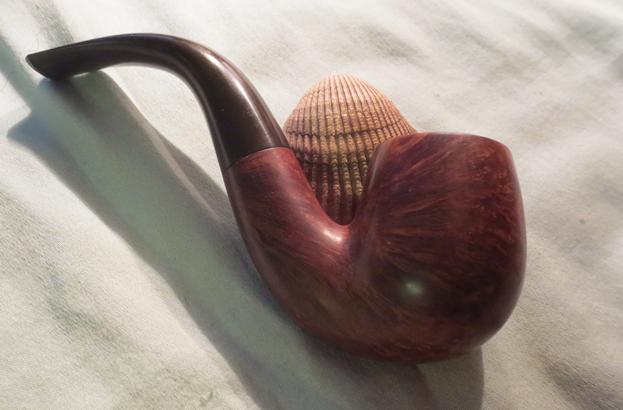
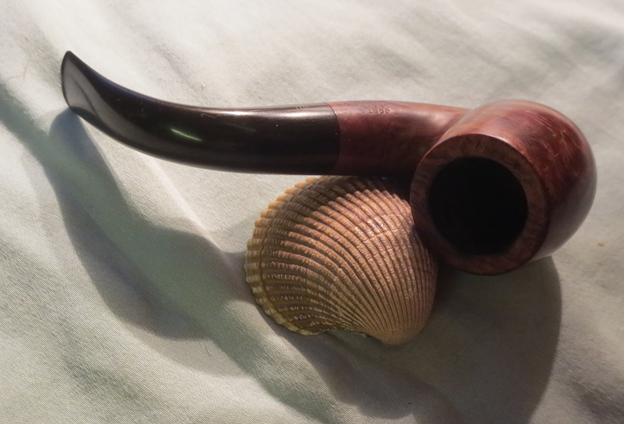
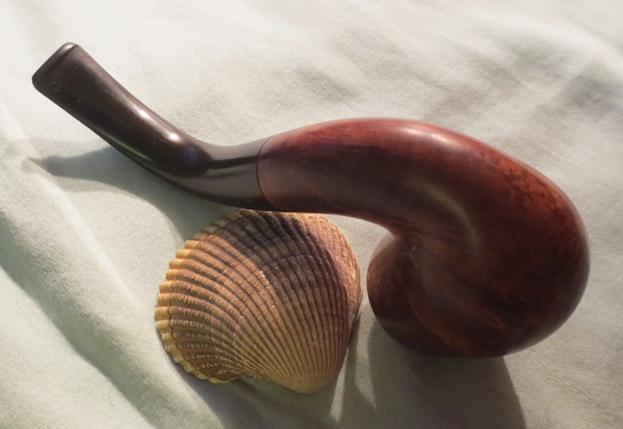
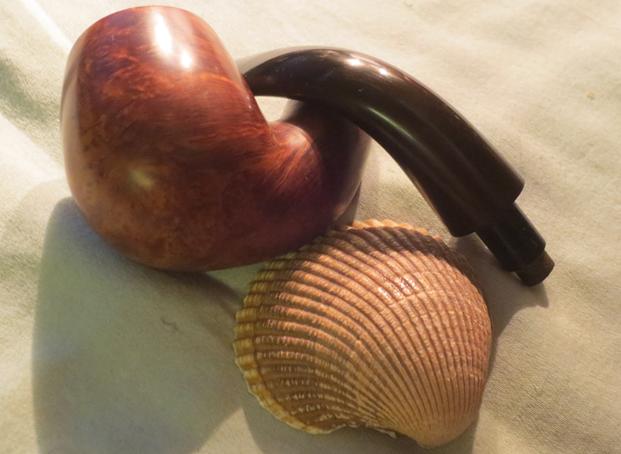
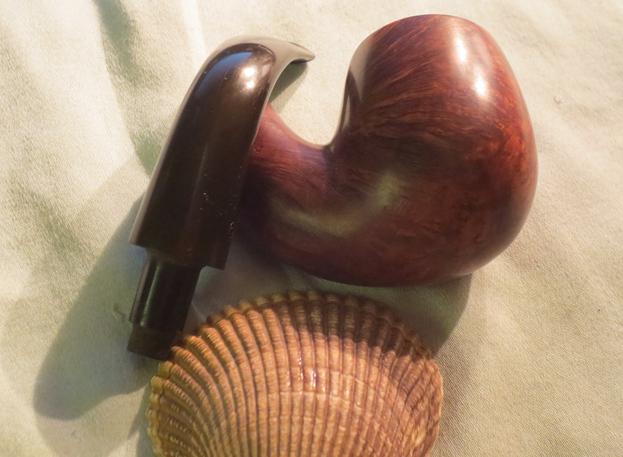
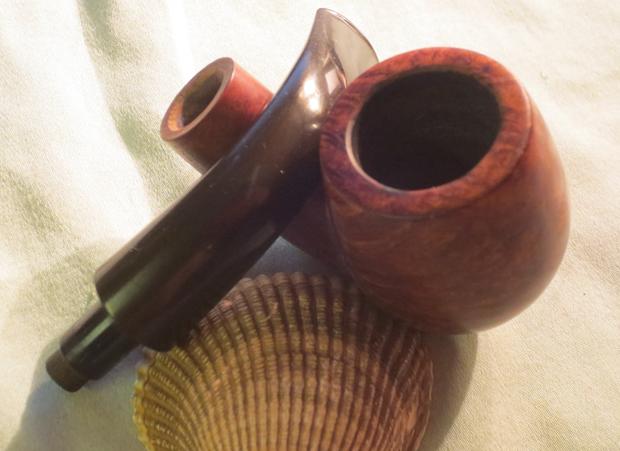
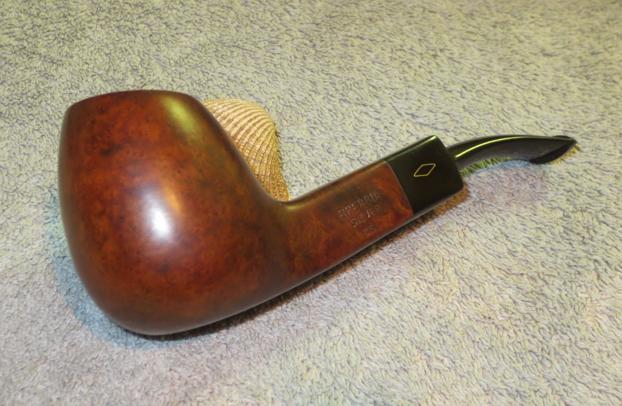
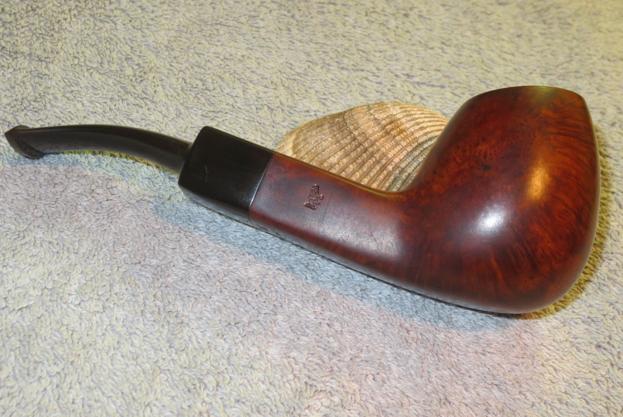
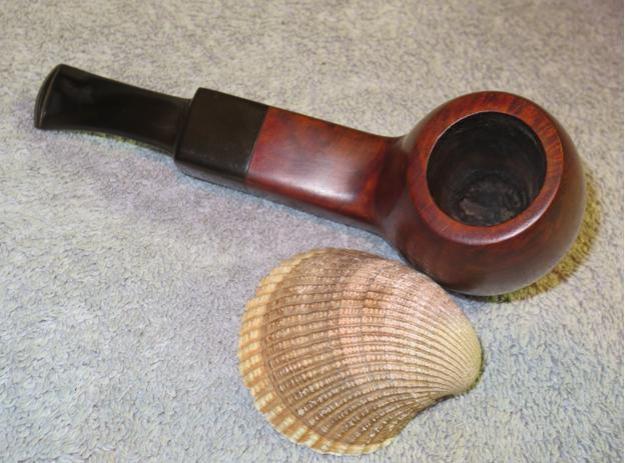
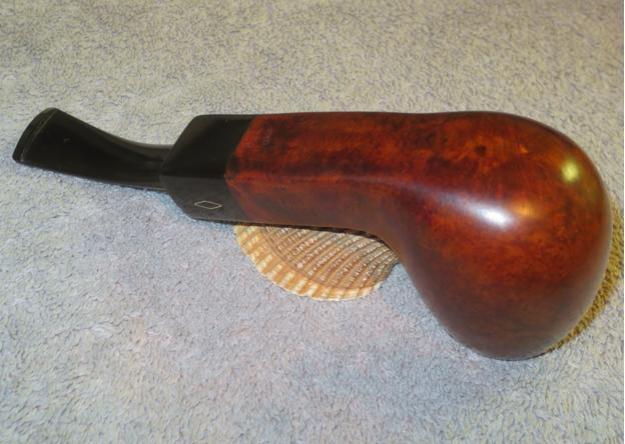
In the box of pipes my brother sent me was a beat up leather pipe and tobacco pouch. I pushed it aside and cleaned up the rest of the pipes in that particular part of the box. The other evening I was doing a bit of sorting and I took out the pouch and looked it over. It had a large tear on the bottom edge. The zipper was worn and hard to work and the leather was brittle. I almost tossed it in the bin but felt something inside of the pouch. I looked at the inside of the underside of the pouch and there was nothing there. I open the broken zipper on the top of the pipe and inside was a very small – tiny if you will – pipe. The tenon was broken and the stem and bowl sat in the pouch.  I took it out of the pouch to have a look. KBB1It was a KBB that was stamped Rocky Briar. Why it bore that stamp I have no idea as it is a smooth briar. There is no rustication or and carving on the bowl at all – just very smooth. Underneath the KBB in a cloverleaf stamp and the Rocky Briar on the left side of the shank it read Reg. Pat. No. 298978. On the right side of the shank it reads 1540B which it was the shape number. All of that seems very normal but did I say that this pipe is tiny? It is only 4 ¾ inches long, 1 1/8 inches tall. The diameter of the bowl is 5/8 inches and the chamber is 7/16 inches in diameter. All is proportional and well laid out. It makes me wonder if it was not a salesman’s pipe.KBB2The tenon was snapped in the shank but no damage had been done to the shank itself. Really the pipe looked quite good other than the broken tenon.KBB3Obviously the pipe had been smoked and quite often. There was a fairly thick soft cake in the bowl and the rim top had a coating of tars and oils. The back left side of the rim had a burn mark on it that was quite large.KBB4I took a photo of the pipe before I began to work on it. The finish was very shiny – like it had been given a coat of varnish. The rim was obviously rough as you can see from the photos but the rest of the pipe looked good. The stem had tooth chatter on the top and the bottom of the stem near the button. The logo on the shank was a clearly stamped circle within a circle. The broken tenon would need to be pulled and if possible the stem given a new tenon.KBB5I used a drywall screw to pull the broken tenon. I screwed it into the broken tenon in the shank and wiggled it free. Before I pulled it out of the shank I took the following photos.KBB5a KBB5bI pulled the piece of tenon out of the shank and reamed the bowl with the only reamer that would fit in the tiny opening – a Savinelli Pipe Knife. I scraped back the cake to bare briar.KBB6The burned area on the top of the bowl made it necessary to top the bowl on the topping board using 220 grit sandpaper.KBB7I scrubbed off the briar with acetone on a cotton pad. I wanted to clean off the sanded rim and the shiny coat on the bowl so that it would be easier to stain the bowl and rim to match.KBB8I used the Dremel and sanding drum to flatten the face on the stem and then set up my cordless drill to drill out the end of the stem. I hand twisted the stem onto the drill bit. I started with a bit slightly larger than the airway in the stem and worked my way up until I had opened up the airway large enough to hold the tenon in place.KBB9I decided rather than trying to turn a small tenon that would fit in the shank I would clean up and use the existing broken tenon. Fortunately on these old pipes the tenon was quite long. I glued the broken tenon piece into the newly drilled opening in the stem with black super glue. I filled in around the tenon piece with the super glue using a dental pick and a piece of paper clip. I smoothed out the glue and aligned the tenon in the shank and set the stem aside to let the glue cure. Once it hardened, I sanded the new tenon with 220 grit sandpaper to remove the excess glue and make the fit in the shank smoother.KBB10I put the stem in the shank and sanded the shank and stem to make the transition smooth. Once I had the stem fit adjusted I sanded the shank and stem with a 1500 grit micromesh sanding pad to remove the scratches.KBB12 KBB13I wet sanded the stem with 1500-2400 grit micromesh sanding pads. I rubbed it down with Obsidian Oil. I dry sanded it with 3200-4000 grit pads and gave it a second coat of oil. I finished sanding it with 6000-12000 grit pads and gave it a final coat of Obsidian Oil. I set the stem aside to dry.KBB15 KBB16 KBB17I gave the bowl a first coat of Medium Brown Stain with a staining pen to serve as an undercoat. KBB18I realize that for many of us who read about pipe restoration the measurements of this pipe really do not give a clear picture of the true size of the pipe. To give more of a sense of perspective to the diminutive size of the pipe I decided to take two photos of the tiny bowl with a regular sized Comoy’s long shank billiard. The first photo shows the pipe above the larger one. The second photo shows the bowl fitting inside of the regular sized bowl. Hopefully that helps give you a clear idea of the tiny nature of the pipe.KBB19I gave the bowl a second coat of stain using a Danish Oil Cherry stain. I wanted a bit of contrast to the brown and also to enhance the reds in the briar.KBB20 KBB21I rubbed the bowl down with a soft cotton cloth to spread the stain coat out and rub it into the briar. The next photos show the look of the pipe after a quick hand buff.KBB22I buffed the bowl with Blue Diamond on the buffing wheel to polish it. I gave the bowl several coats of carnauba wax and buffed it with a clean buffing pad. I hand buffed it with a microfibre cloth.KBB23KBB24I gave the bowl and stem another coat of carnauba wax and lightly buffed it with a clean buffing pad. I hand buffed the entire pipe with a microfibre cloth. The finished pipe is shown in the photos below. It came out really nicely. Looking at the pipe is hard to tell from the photos the tininess of the pipe as all is proportional. The seashell in the photo is the same one that I use in all of the final photos and with this pipe it seems quite large. Thanks for looking.KBB26 KBB27 KBB28 KBB29 KBB30 KBB31 KBB32 KBB33
A WDC Bakelite/Briar Pipe like none I have seen before


Blog by Steve Laug

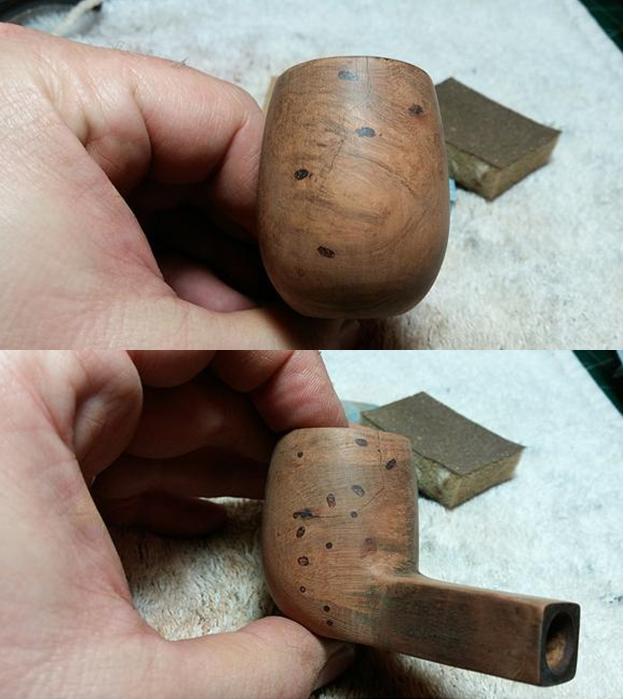
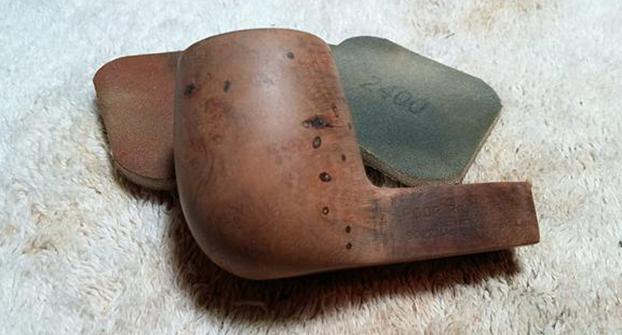
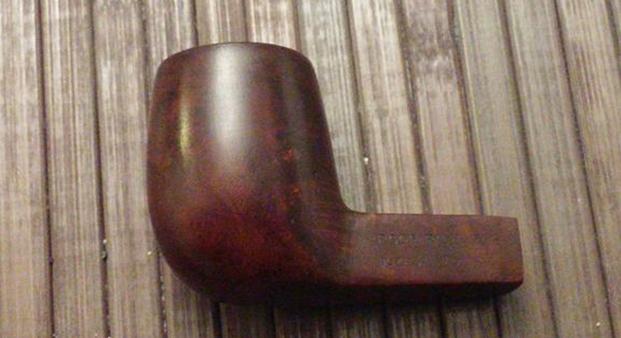
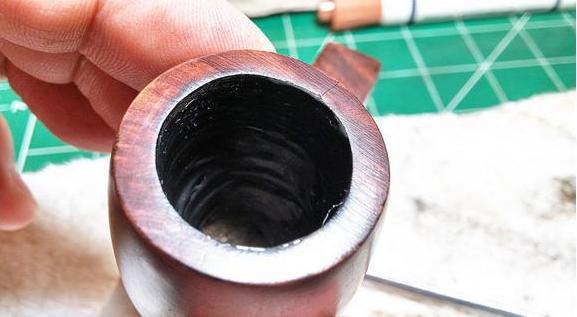
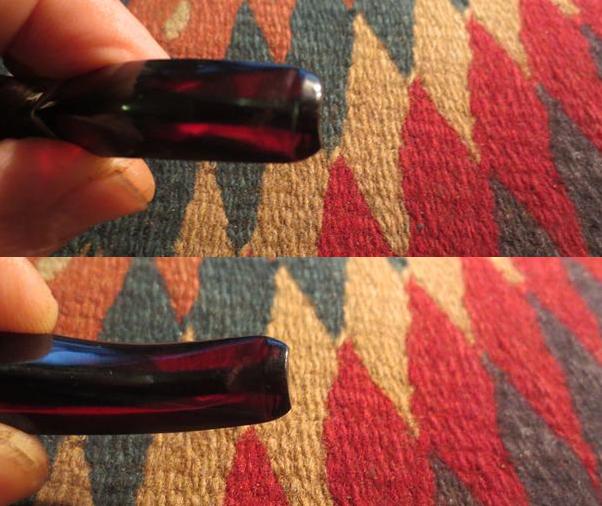
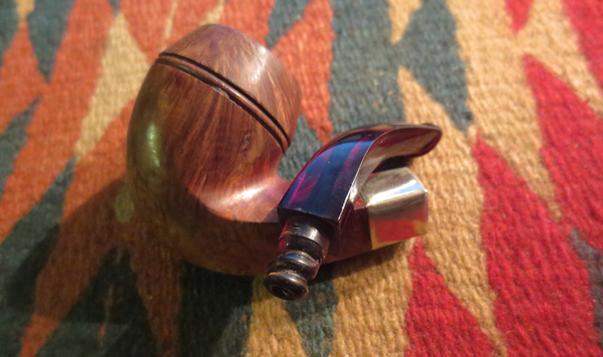
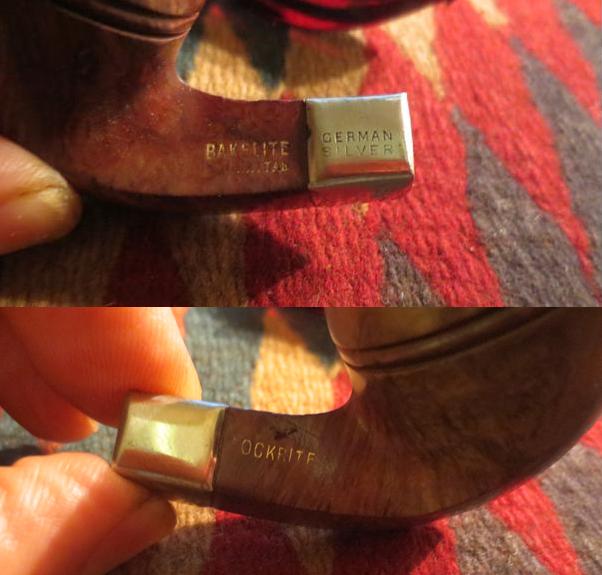
When my brother sent me this pipe I have to say I was surprised and enamored with it. I have cleaned up a lot of WDC pipes over the years and have come to really like them. There is something about them that always gets my attention. The workmanship is generally well done. The materials used are good quality. The briar always tends to have some flaws and is never perfect. But there is something about the brand that I like. Well this pipe is an oddity to me. It is a shape that is similar to some of the CPF pipes I have cleaned up and the combination of briar, brass and Bakelite it really nicely done. The first difference is that this one has a flat rectangular shank and saddle stem. The Bakelite base is rounded and flows into the flattened shank and stem. The stem is also Bakelite or Redmanol as the case may be. It is a rich reddish colour that is translucent and the light really plays with. The second difference is that in a lot of this style pipe the threaded connector and bottom of the bowl is metal. On this one it is white porcelain. When the bowl is removed the threaded connector is also porcelain – a single porcelain unit from the cupped bottom of the bowl to the connector. Those two differences intrigued me.WDC1There is a brass spacer between the base and the briar bowl and at some time in its life the spacer had been reversed and the sharper edges scarred the bowl. The Bakelite is actually notched to receive the sharp turned down edges of the spacer. The bowl had lots of dents and scars – character marks that I wish could talk and tell the story of the travels of this old pipe. The brass rim had long since come loose and was easily removed but for some reason never disappeared as it clung to the rim of the pipe. In the next photo you can see the rim top and the porcelain bottom of the bowl… it almost looks like the old milk glass that my grandmother collected.WDC2After looking at the two pictures above that came from my brother I was looking forward to seeing the pipe in person. When it arrived and I finally took it out to work on it was all that I had expected. The stem was over clocked so that would need to be addressed but I lined things up and took the next set of photos to show what the pipe looked like after my brother did an amazing job cleaning it. (It is great to have him work with me – it really speeds up the process on the restoration. He reams and cleans the pipes and does the dirty work of reaming and removing the debris of the years.) I looked it over to see if there were identifying marks. What I thought was brass may all be what is stamped on the right side of the band – 14K Gold Plated. The left side of the band bears the inverted WDC triangle logo.WDC3 WDC4I took a close up photo of the rim top to show the dents, scratches and scars on the surface. The photo also shows the porcelain cup in the bottom of the bowl. It has three round air holes for directing the smoke into the bottom chamber and into the stem.WDC5I dismantled the pipe to show the many parts that went into its construction. The photo below shows the broken down pipe.WDC6The next photos show the over clocked stem. (I had removed the loose band at this point in the process.) Once the base was screwed onto the stem it was grossly overturned. The metal tenon was set in the stem so it would need to be heated to be able to repair this.WDC7I heated the metal tenon with a lighter and once the glue softened I was able to align the stem and shank very easily. Underneath the band the number 43 had been scratched into the Bakelite shank. I am not sure if that is the shape number or if it is the “autograph” of the assembler of the pipe. Either way it is something that remained hidden for many years. WDC8I set the base aside and worked on the bowl. I removed the rim cap and cleaned off the glue that remained behind on the top of the bowl. It was rough and I was thinking that it was reason that the cap was no longer smooth. I scrubbed out the glue residue in the inside of the rim cap as well with alcohol and cotton swabs. I used a flat blade screw driver to smooth out the interior flat surface of the cap. I wiped down the bowl with acetone to remove the remnants of the finish and then glued the rim cap back in place with an all-purpose glue. I polish the rim with some micromesh and metal polish. I decided to leave some of the dents and dings as to me it gave the pipe character.WDC9 WDC10I cleaned the surface of the Bakelite base and sanded the whole base with micromesh sanding pads from 1500-12000 grit. I rubbed the base down with Obsidian Oil several times throughout the process to give the micromesh some bite as I polished the base. WDC11WDC12I gave the internals a quick clean with alcohol and cotton swabs to remove any of the sanding dust that might have found its way into the bowl base and shank. I also cleaned the airway in the stem at the same time with alcohol and pipe cleaners.WDC13I roughened the area on the base that would be underneath the band to give the glue something to bind to. I used an all-purpose glue and applied it sparingly to the shank. I had previously polished the band with metal polish to remove any tarnish and give it a shine. I pressed it in place and laid the base aside for the glue to set.WDC14I cleaned the inside of the space plate with alcohol and cotton swabs to remove the debris of the years. The spacer appeared not to have been glued in place so I left it that way. I polished it with micromesh sanding pads 1500-4000 grit until it gleamed. I laid it aside until I was ready to put the pipe back together.WDC15I turned my attention to the stem. There were some light tooth marks on the underside of the stem near the button. I sanded these out with 220 grit sandpaper. I wet sanded the stem with 1500-2400 grit micromesh sanding pads. I wiped the stem down with a damp cotton pad and dry sanded it with 3200-12000 grit pads. I gave the stem a final wipe down with the damp pad.WDC16 WDC17 WDC18With the stem finished and the glued band dried I put the base and stem back together. I would still need to buff the entirety with Blue Diamond on the buffing wheel.WDC19WDC20I used a medium brown stain pen to stain the bowl. I heated the briar and then applied the stain with the pen. I repeated the staining until the coverage was smooth and even.WDC21I gave the bowl several coats of Conservator’s Wax and hand buffed it to raise the shine with a microfibre cloth.WDC22WDC23With all the parts finished I took a final photo of the bowl and the base before putting it back together.WDC24I buffed the completed pipe with Blue Diamond to polish out some of the scratches in the base and the stem. I was not able to remove all of them so I left a few behind to tell the story. I gave the pipe several coats of carnauba wax and buffed it with a clean buffing pad. I hand buffed it with a microfibre cloth. The finished pipe is shown in the photos below. I am really pleased with the finished pipe and how it looks. Thanks for looking.WDC25 WDC26 WDC27 Wdc28 WDC29 WDC30 WDC31 WDC32
 

Another Attempt at a Drier Smoke – a Vintage Dri-Bowl Rhodesian


Blog by Steve Laug

My brother sent me a link to this sale on eBay and I found it intriguing. In the first photo there is what appears to be the edge of a dial on the bottom of the bowl – it is peeking out at the bottom of the bowl. That was intriguing to me. I wanted to know more about the pipe but at this point I had not read the seller’s description of the pipe. I was still looking at the pictures and seeing all of the fills and rim damage on the pipe in the first three photos. It really was quite a mess. The bowl appeared to be reamed but the dings and dents added to the fills made me wonder if it was worth the effort. I still had no idea what the bottom looked like and what made this a dry bowl. Scrolling through the rest of the seller’s photos soon made that clear.Dri1Dri2
Dri3The fourth and fifth pictures remove the mystery of the knurled edge on the bottom of the bowl that showed in the first photo. You can see in that photo of the bowl bottom that the silver disk looks like it was made to be rotated. We talked and my brother bid and won the pipe (I can’t wait for the pipe to get here so I can check this out). The fifth photo shows the inside of the bowl. The top of the disk appears to be a cup intruding into the bowl bottom. It was really odd looking.

I dropped to the bottom of the eBay ad to read the seller’s description of the pipe. I wanted to get some information on the pipe. I had done some searching on Google but was unable to find any information on the brand. It is a bit mysterious. The seller writes:
“This French Briar Rhodesian Dri-bole has a 5/8″ diameter silver metal “sump”, with knurled edge, set into the bottom of the bowl. The “sump” may actually be an alloy of silver, such as coin or sterling; metal is untested, but has silver-like qualities.”

“According to advertisements, found in various 1911 magazines, this “sump” was used to hold a provided, removable “wad”. The throw away “wad” would absorb all of the nicotine and saliva as the tobacco burns. Thus the tobacco was kept dry, so that it would be fully burned.”

“This extra nice Dri-bole pipe has the same “wad” holder or “sump”, as those “silver mounted” pipes patented on Sept. 7, 1909 and shown in 1911 Saturday Evening Post and Literary Digest Magazine advertisements! That would make this pipe over 100 years old, if it is indeed the same Dri-bole pipe! There are not any “wads” with this one, but it should be a good smoker, with a nice look and make a great conversation piece!”Dri4Dri5 That information was helpful on many levels. He did not however have any photos or drawings of the pipe or pictures of the advertisements. I wanted to know if the bottom “sump” as he called it was pressure fit or threaded and screwed into the briar. I wanted to know if the bottom of the bowl was damaged or if the “sump” sat as it was supposed to flush with the bottom. It was hard to tell from the photos. I wanted to know was the “wads” were that sat in the sump. From the look of the bowl bottom it appeared that the “wads” may well have been lozenges that fit in the curved cup and then sat flat in the bottom of the bowl. But what did they look like? More research would be needed to answer these questions. But at least the mystery of the knurled edge peaking from the first photo was solved. It was a single unit with a cup on the inside of the bowl. I could not wait to see this in person and “fiddle” with it.

The seller also included a photo of the stamping on the pipe and briefly spelled out what it said. The left side of shank is stamped DRI-BOLE (in crescent) and below the crescent it reads REG. U.S. PAT. OFF. The right side of the shank is stamped Imported Briar leading me to believe that is it American made. The bottom of shank is stamped “266”. Dri6He gave the dimensions of the pipe as follows: overall length: 5 ½ inches, bowl height: 1 ½ inches, diameter of the bowl: 1 5/8 inches, bore diameter: 7/8 inches, bore depth: 1 1/8 inches and the weight: 44 grams or 1.6 ounces

When the pipe arrived in Vancouver I was looking forward to working on it. My brother had done a great job cleaning the interior and stripping the shiny coat that had been applied to the pipe. It was clean and ready for me to work on. I tried to turn the knurled silver disk on the bottom of the bowl and could not move it at all. The rim looked rough and needed topping. The stem was in decent shape with some pitting and dulling to the old rubber. I was so excited that I forgot to take photos of the pipe before starting my restoration. I put the bowl in an alcohol bath to see if I could loosen the tars that held the silver disk tightly in place. I was guessing it was threaded so I was thinking that if I could soak the bowl overnight things would soften up. Dri7I took it out of the alcohol bath and heated the disk with the flame of a lighter. I used a pair of pliers to hold tightly to the edge of the disk and I was able to twist it out of the bowl. Once it popped free I could undo it by hand. The first photo below shows the inside of the silver disk. The second shows the knurled outside.Dri8To remove the damage to the rim top and edges I topped the bowl on a topping board with 220 grit sandpaper.Dri9There were some nicks around the hole in the bottom of the bowl so I sanded those smooth with sandpaper and then cleaned out the threads in the briar with a cotton swab and alcohol.Dri10I used the brass bristle brush to scrub the threads and the cup on the disk. I cleaned it afterwards with cotton swabs and alcohol.Dri11I used a cotton swab to coat the threads on the disk with Vaseline and turned it into the bottom of the bowl. I wanted to make sure that I could easily turn the disk by hand.Dri12I cleaned out the internals with pipe cleaners, cotton swabs and alcohol. It was pretty clean thanks to my brother. It did not take too many to clean it out.Dri13I sanded the bowl and stem with a medium and a fine grit sanding block. The pipe is beginning to look really good. I had to make a decision how far to sand the bowl and how many of the original dings and dents to remove without changing the “story” and character of this old timer.Dri14I heated the briar and then stained it with dark brown aniline stain cut by 50% with isopropyl alcohol. I flamed it to set the stain and repeated the process.Dri15I wiped down the stain with alcohol dampened cotton pads to make it more transparent and make the grain stand out. At this point the fills stood out and I would need to address them a bit differently.Dri16Dri17I used a black Sharpie Permanent Marker to draw some lines across the fills and blend them into the grain on the pipe. I then chose to give the bowl a second contrast staining using a Cherry Danish Oil stain. I find that the combination of the black marker and the cherry stain blends the fills better than a brown stain. The combination of the brown and the cherry stains gives depth to the finish so I like using them together.Dri18Once the cherry Danish Oil stain dried (overnight) I buffed it lightly on the wheel with Blue Diamond and then gave the bowl a coat of carnauba wax. I hand buffed it with a microfibre cloth. You can see the small dings that I left in the bowl sides rather than change the look. I polished the silver disk with a silver polishing cloth. The next series of photos shows the bowl at this point in the process.Dri19Dri20I set the bowl aside and worked on the stem. The old hard rubber that was used on this stem was good quality. There was very little oxidation if any on it. The main issue was the pitting that covered the surface of the stem. I sanded it with 220 grit sandpaper to address the pitting and smooth out the surface and then began my normal sequence of micromesh sanding pads. Between each set of three grits (1500-2400, 3200-4000, 6000-12000) I rubbed the stem down with Obsidian Oil. I gave it a final coat of the oil and let it dry before I buffed the pipe.Dri21Dri22I buffed the pipe and stem with Blue Diamond and gave it several coats of carnauba wax. I buffed it with a clean buffing pad to raise the shine. I hand buffed it with a microfibre cloth to put the finishing touches on the pipe. The finished pipe is shown in the photos below. Thanks for looking.Dri23Dri24Dri25Dri26Dri27Dri27aDri28Dri29Dri30


A Ropp La Montagnarde Deposee 298 Horn-Cherrywood-Briar


Blog by Steve Laug

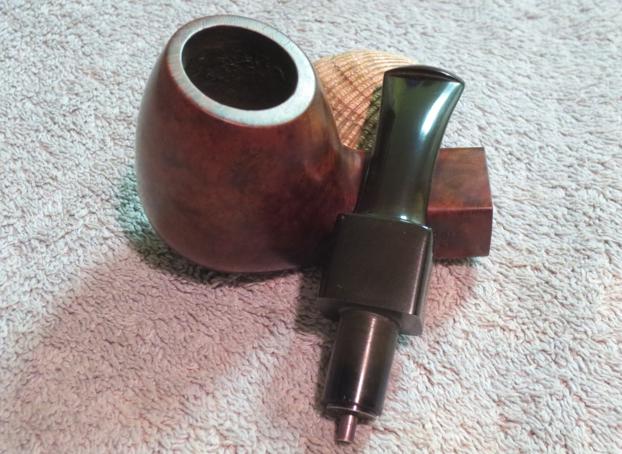
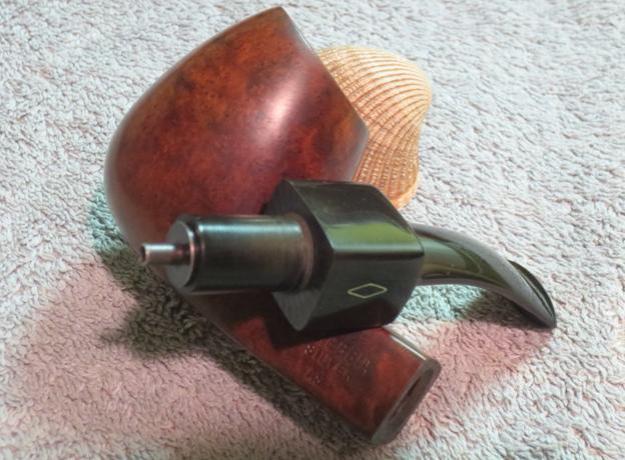
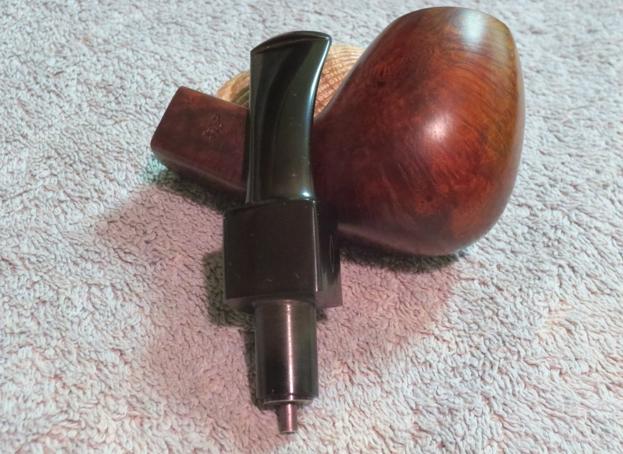
I have been cleaning up a lot of pretty standard pipes lately, whether metal, meerschaum or briar. It has been a while since I took on a unique looking piece that captured my interest. In the current box of pipes my brother sent there are some great one of a kind pipes that I have not seen before so I turned my attention to one of them. The first one that I decided to work on just called out my name. The combination of rustic cherrywood with the bark on, really nicely striated horn and beautifully grained briar just called out to see what I could do with a restoration. I have no idea of the age of the pipe but the horn stem with the orific button speaks of some age. The pipe is stamped on the left side La Montagnarde over Deposee and on the right side it is stamped with Ropp in an oval with the 298 shape number next to it. The brass band on the shank and the small wedding ring brass band on the cherrywood extension give the pipe a touch of class. The next two photos were the seller’s photos. The pipe looked to be in really good condition.Cherry1 Cherry2When the pipe arrived at my brother’s house it was not nearly as clean as it appeared. The finish was spotty and worn. It had been waxed or maybe shellacked to give it a shine. The stem screws into the cherrywood and then the wood end is pressure fit into the shank of the pipe. It was very loose and would not stay in place. My brother cleaned the internals and scrubbed the exterior with Murphy’s Oil Soap. It took off the soiled finish and the remnants of the polish. When I got it the pipe was very clean. The brass bands were tarnished and the horn was dull.Cherry3 Cherry4I took some close up photos of the rim and the stamping to have a better look. The top of the rim had a burn mark on the inner edge of the right side. It did not go deep into the surface of the briar so a light topping would remove the damaged area.Cherry5The second close up shows the stamping on the shank. La Montagnarde Deposee is what it reads. La Montagnarde translates from French as “The Mountain” and Deposee translates as “Filed” or “Registered”.Cherry6I topped the bowl with 220 grit sand paper on a topping board. Once the bowl was topped I used a rolled piece of sand paper to sand out the bowl and smooth out the inner edge of the rim.Cherry7 Cherry8The internals were pretty clean. My brother had done a good job scrubbing out the mortise and shank. I used a few cotton swabs and pipe cleaners and alcohol to remove and of the dust left behind by my sanding.Cherry9I stained the bowl with dark brown aniline stain and flamed it. I repeated the process until the bowl was covered.Cherry10I wiped the bowl down with a cotton pad and alcohol to thin the stain and make the grain stand out better.Cherry11I buffed the bowl with Blue Diamond and gave it a light coat of olive oil. I rubbed down the cherrywood bark with oil as well to bring some life to it. In the photo below you can see the way in which the pipe is held together.Cherry12The cherrywood insert has a threaded wooden tenon on the outer side which the horn stem threads onto. The other end is a wooden stinger apparatus that fits into the shank of the pipe and holds the stem in place on the bowl.Cherry12aI polished the brass bands with a tarnish polish to bring back the shine.Cherry13I cleaned out the threads in the end of the stem with cotton swabs and alcohol.Cherry14I sanded the stem with micromesh sanding pads – wet sanding with 1500-2400 grit pads and dry sanding with 3200-12000 grit pads. I rubbed the stem down with Obsidian Oil between each set of three pads. What appears to be chips along the end of the stem are not actually chips but striations that run through the rest of the stem.Cherry15 Cherry16 Cherry17I sanded the bowl with 1500-12000 grit micromesh sanding pads. As I sanded it the grain really began to pop and some of the scratches in the briar disappeared.Cherry18 Cherry19 Cherry20I buffed the bowl and stem with Blue Diamond. I avoided buffing the cherrywood insert as I did not want to risk peeling the bark. The finish began to take on a rich glow. The finished pipe is shown in the photos below. The first four photos show the pipe as a whole. The rest of the photos show the various pipe parts. Thanks for looking.Cherry21 Cherry22 Cherry23 Cherry24 Cherry25 Cherry26 Cherry27 Cherry28 Cherry29 Cherry30