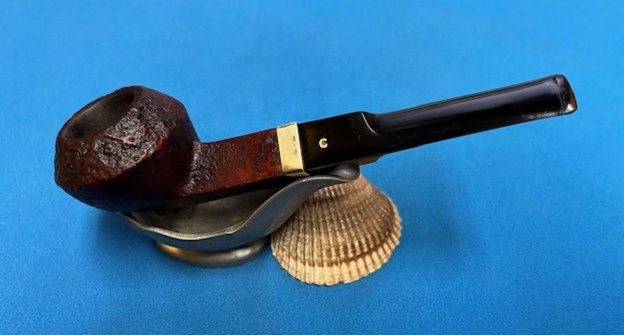
Tag Archives: Comoy’s Sandblast pipes

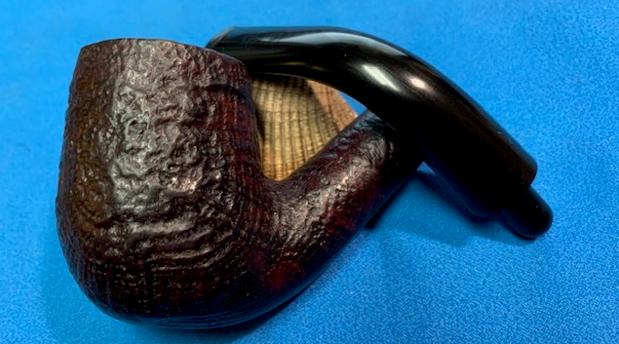
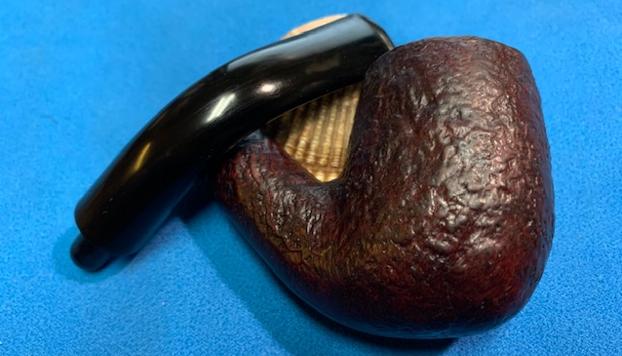
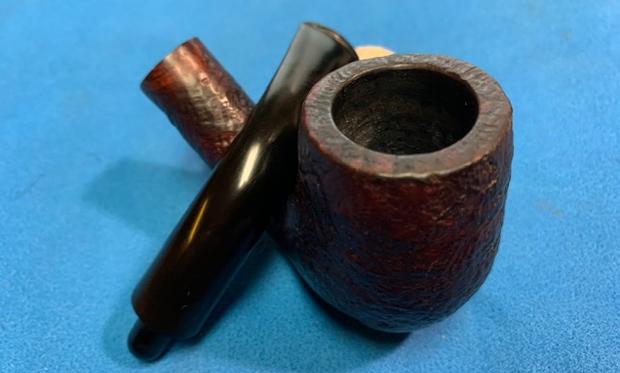
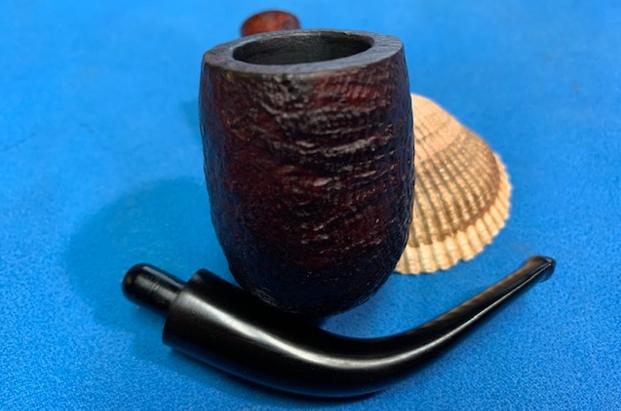
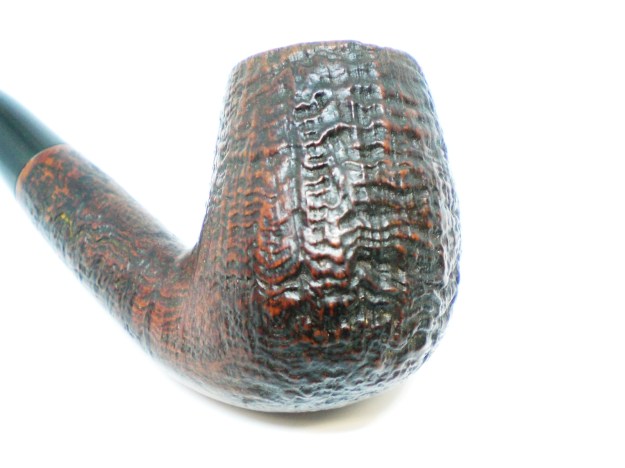
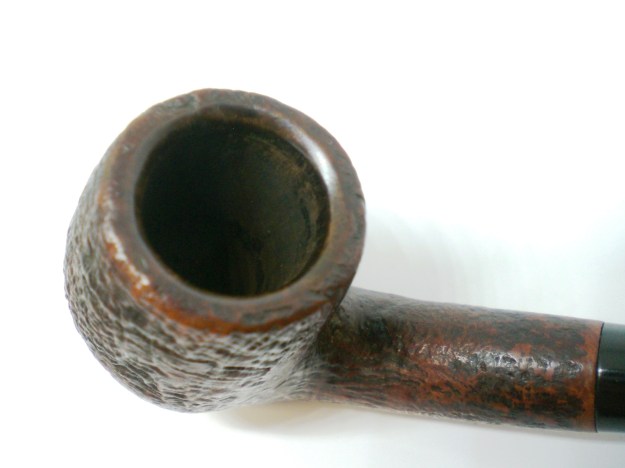
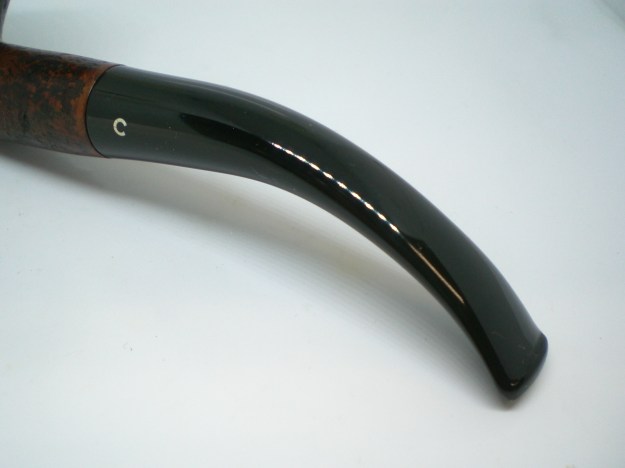
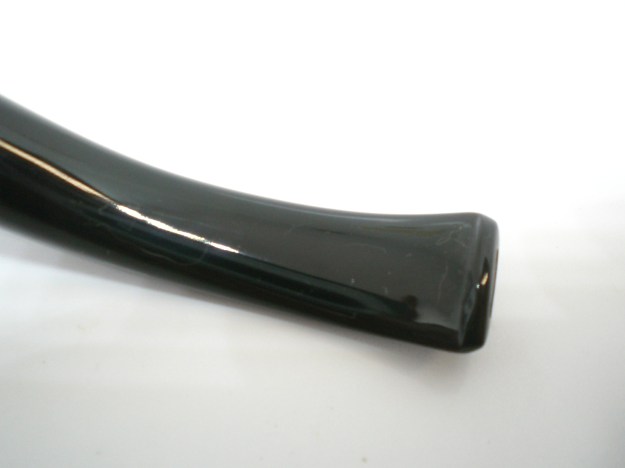
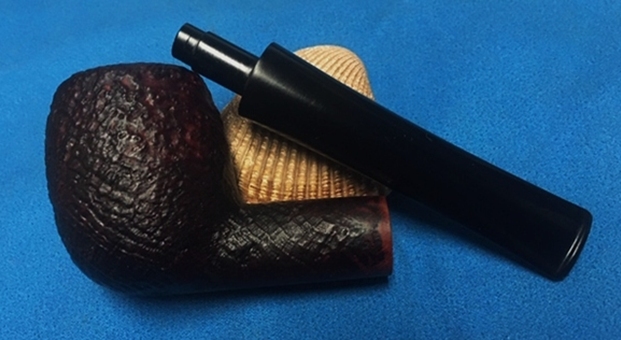
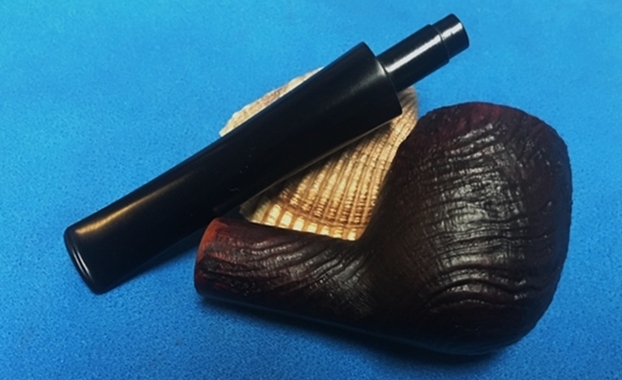
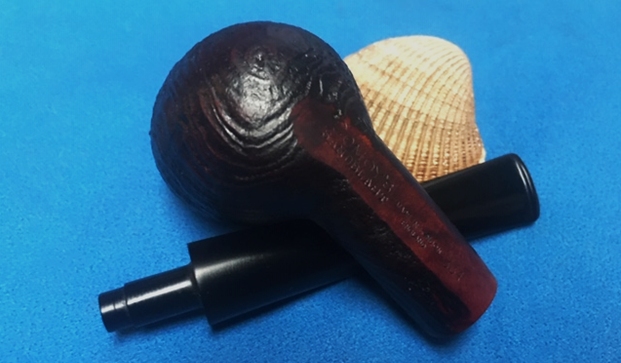
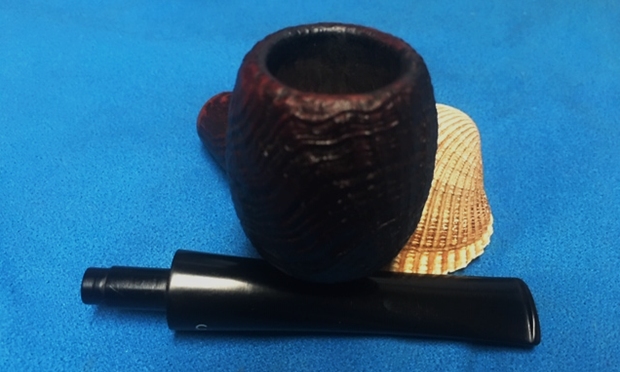
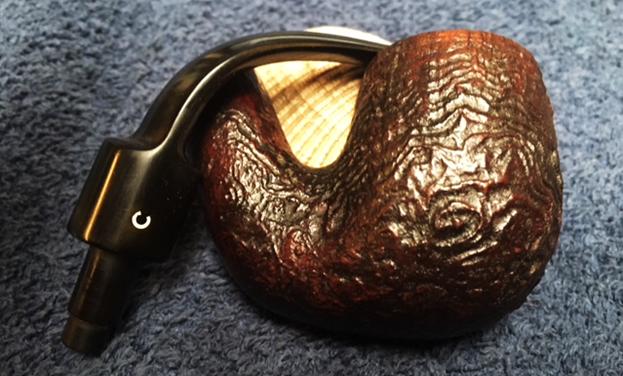
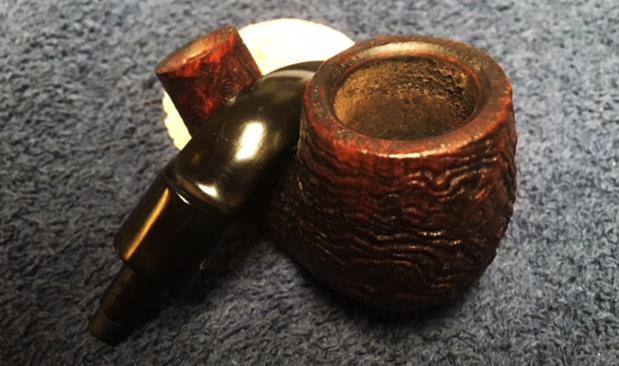
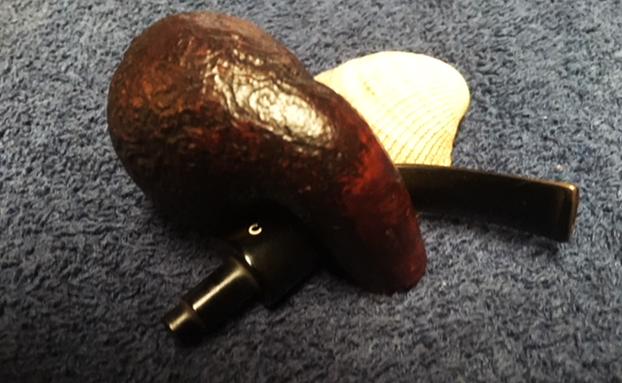
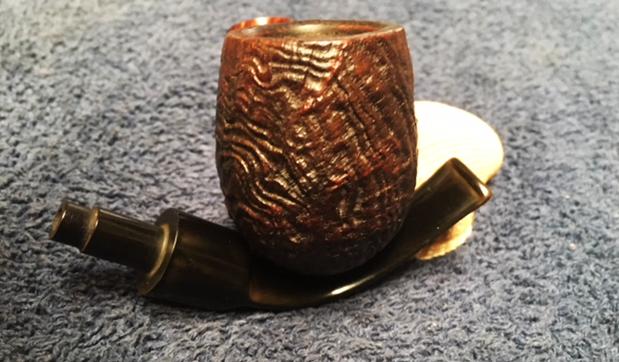
New Life for a Comoy’s Sandblast Squat Straight Bulldog


Blog by Steve Laug

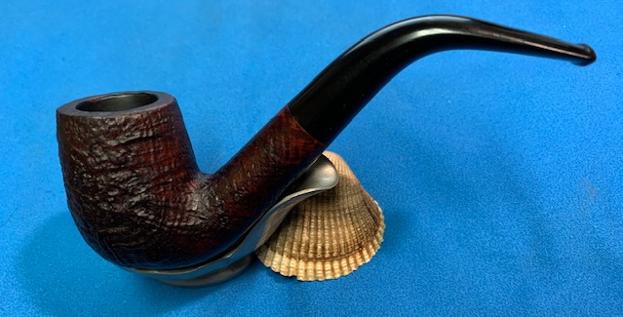
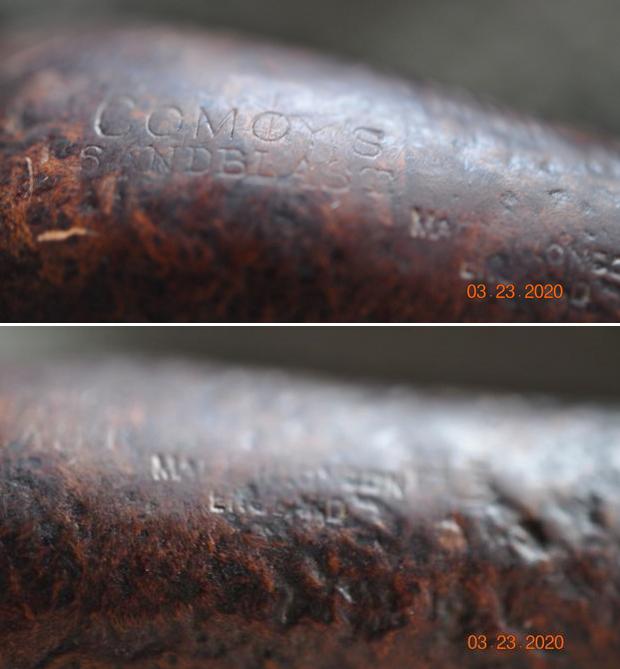
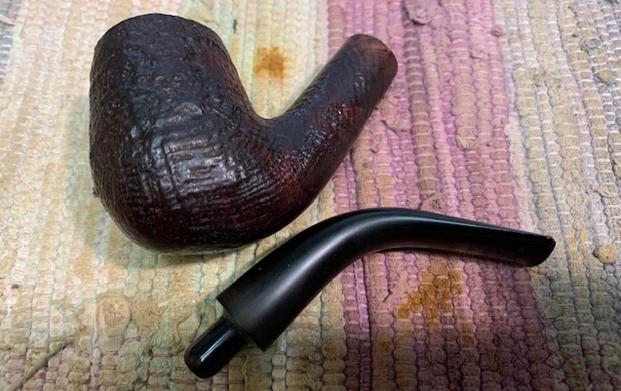
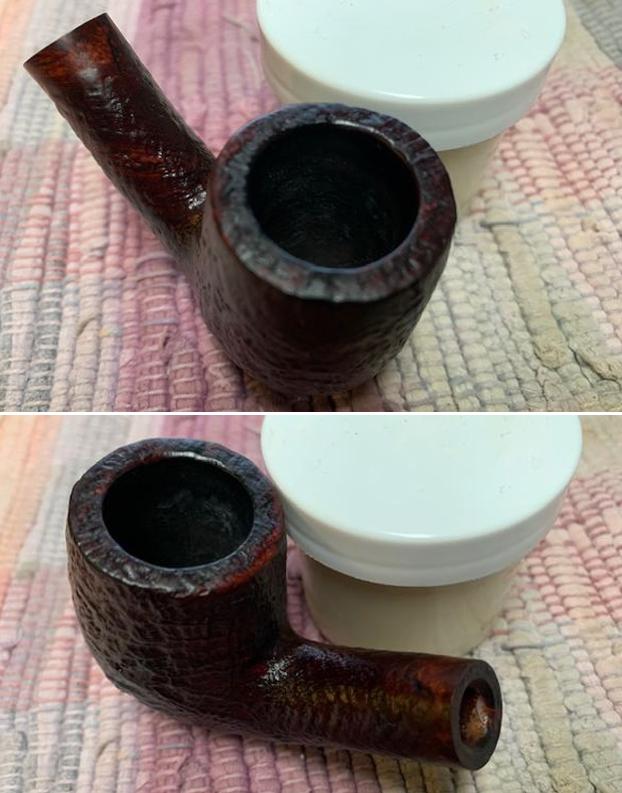
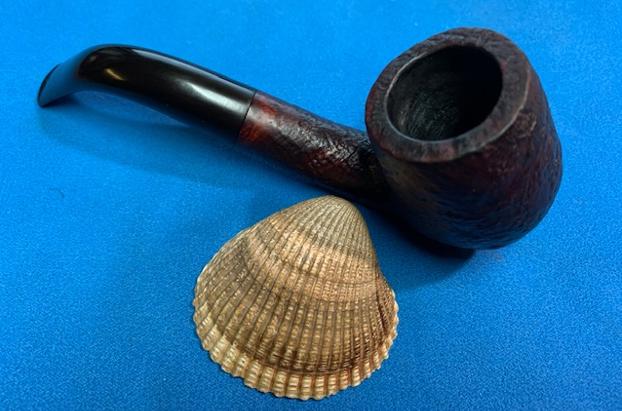
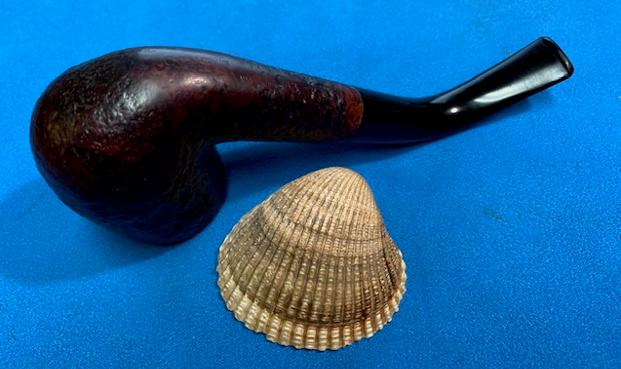
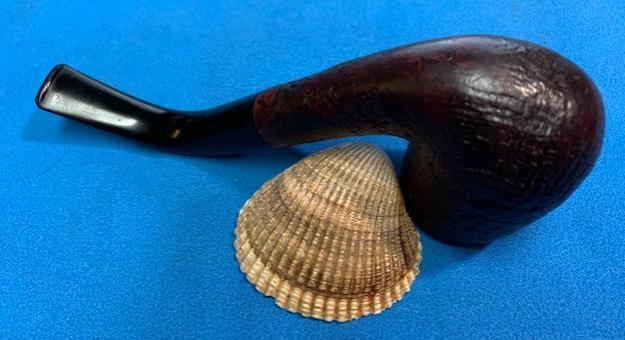
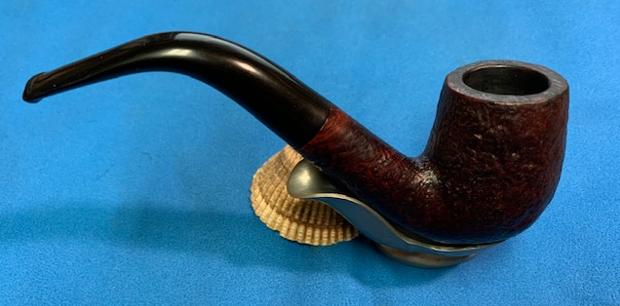
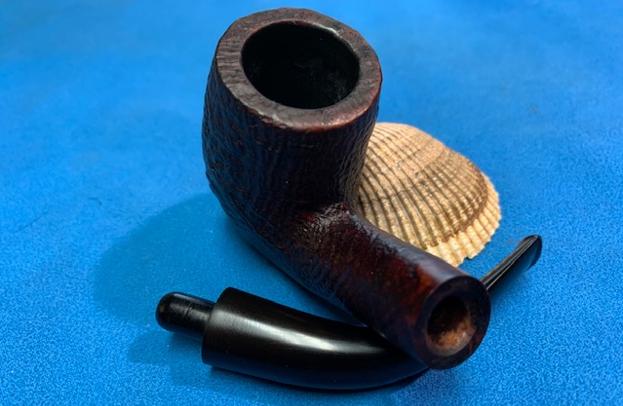
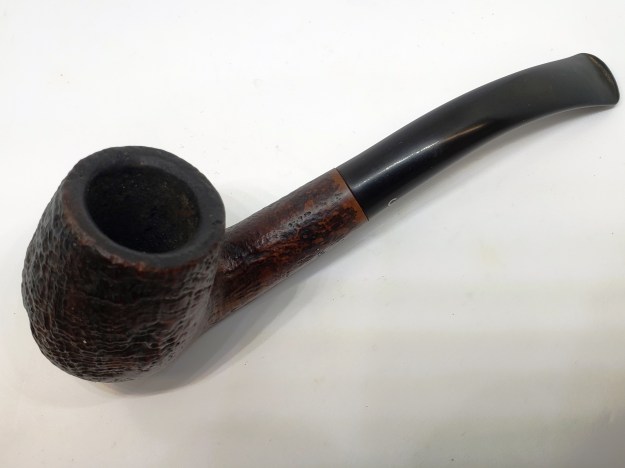
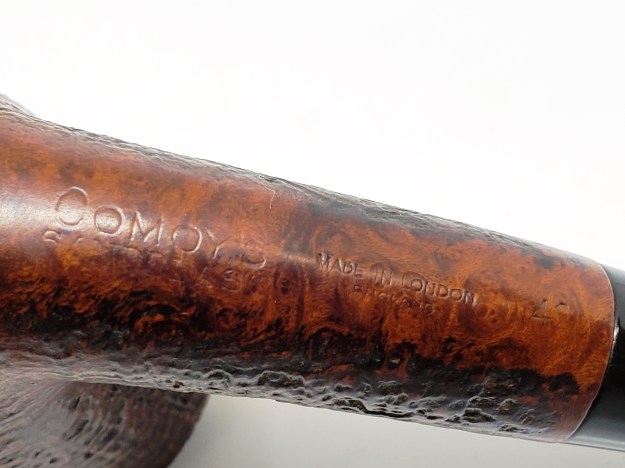
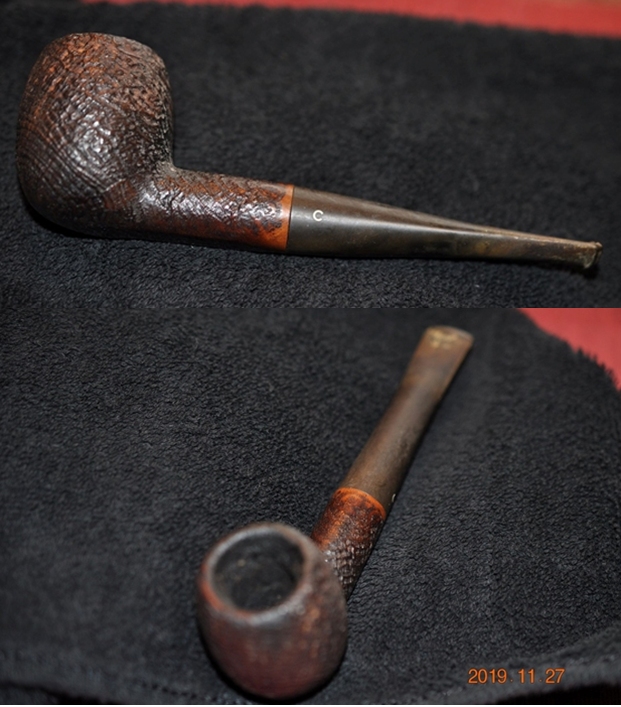
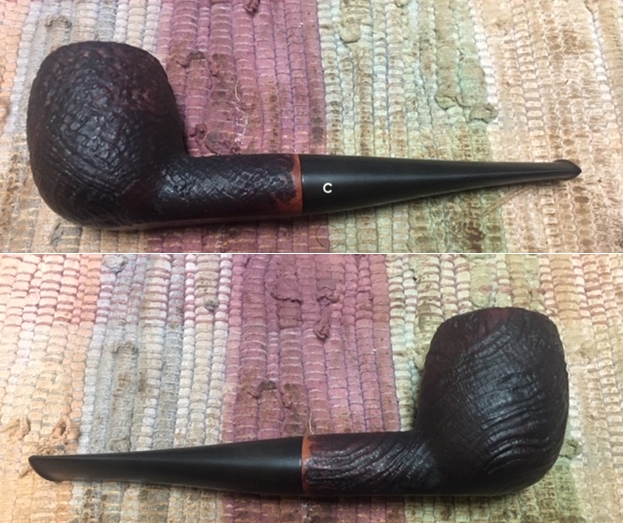
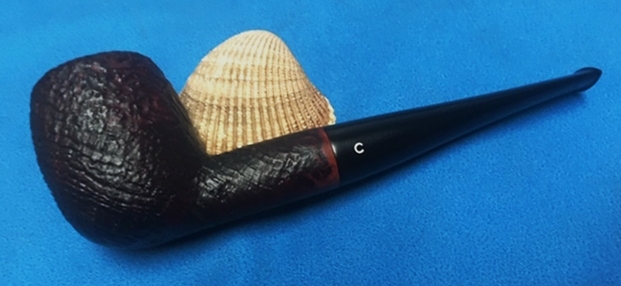
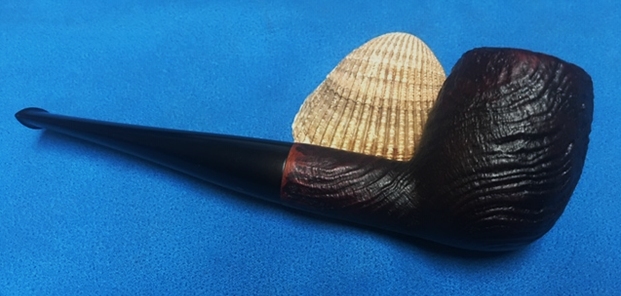
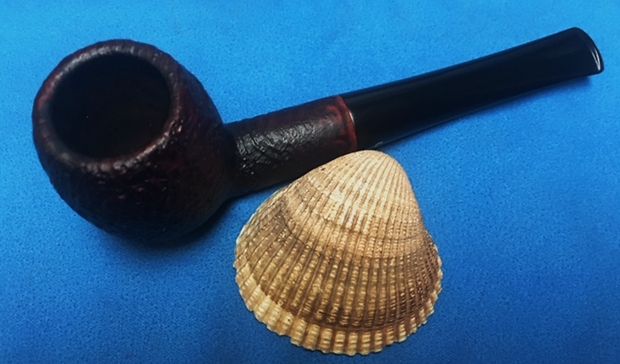
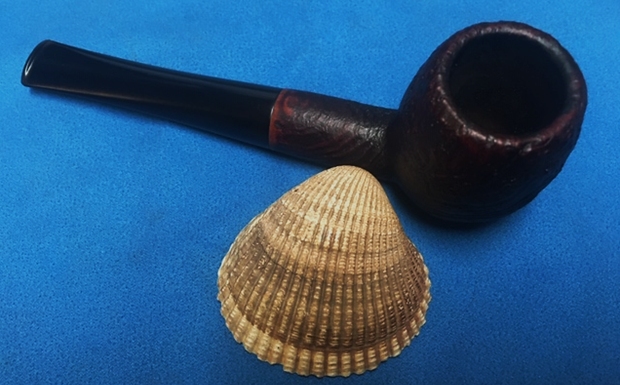
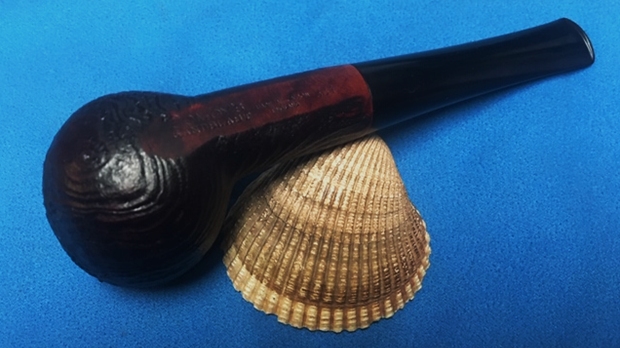
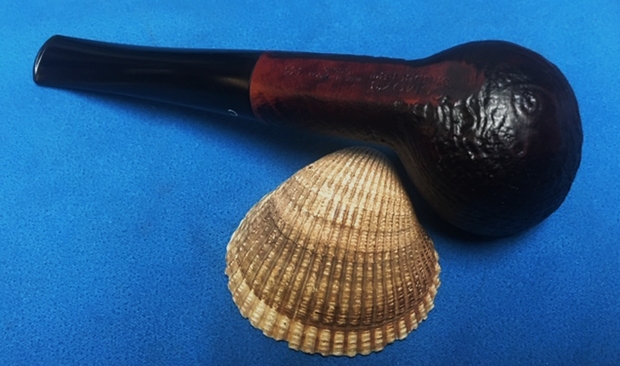
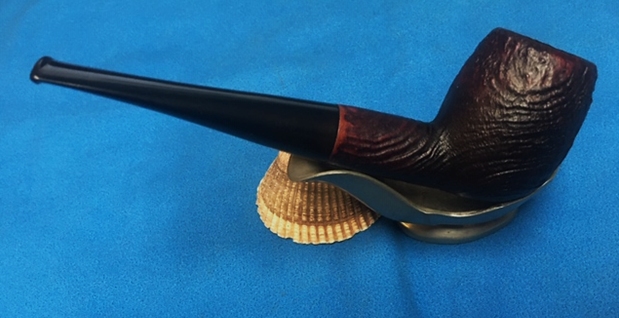
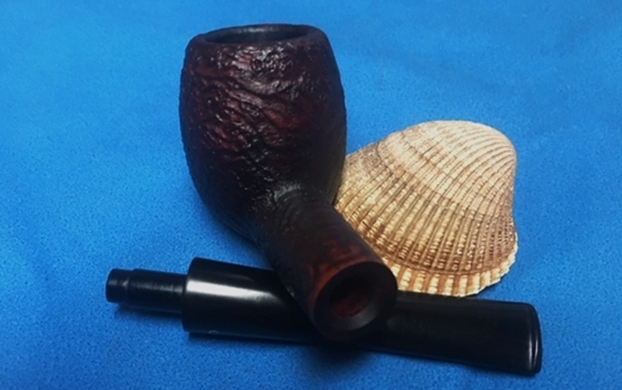
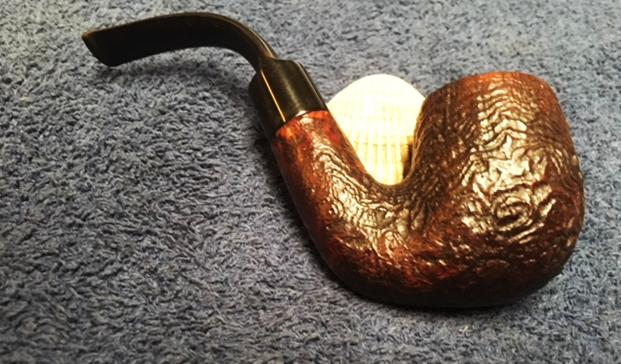
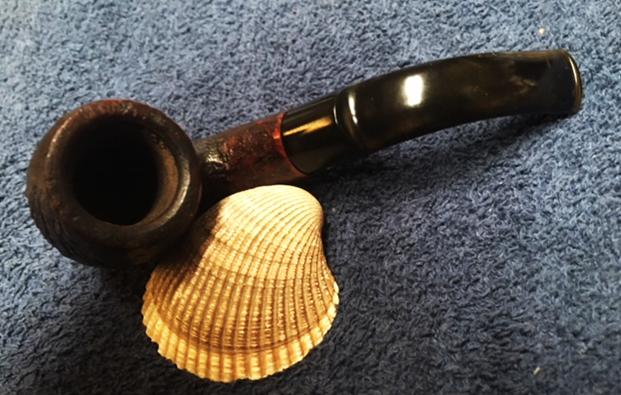
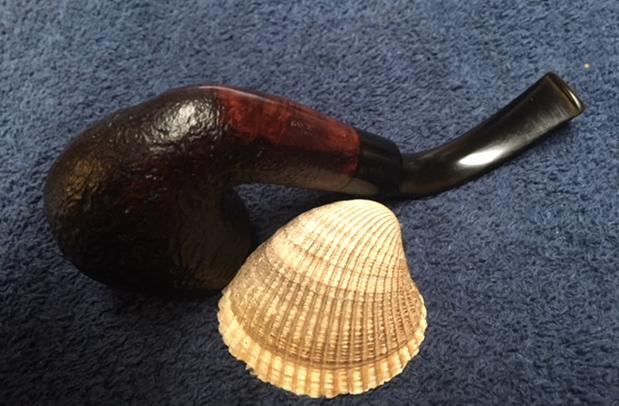
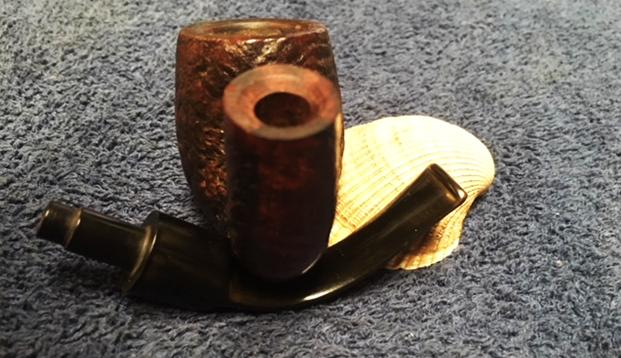
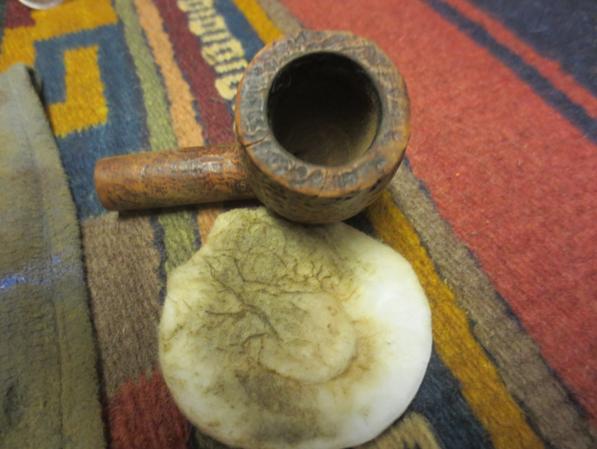
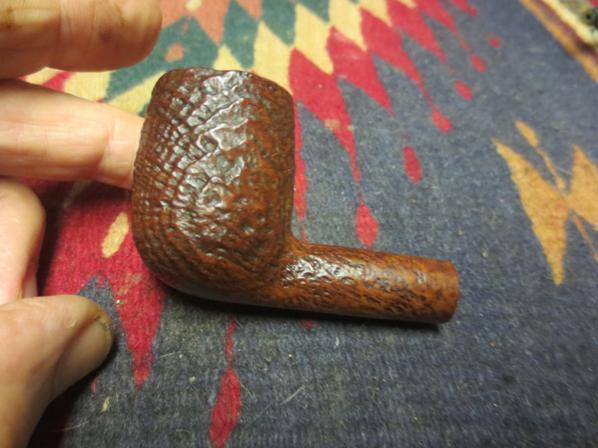
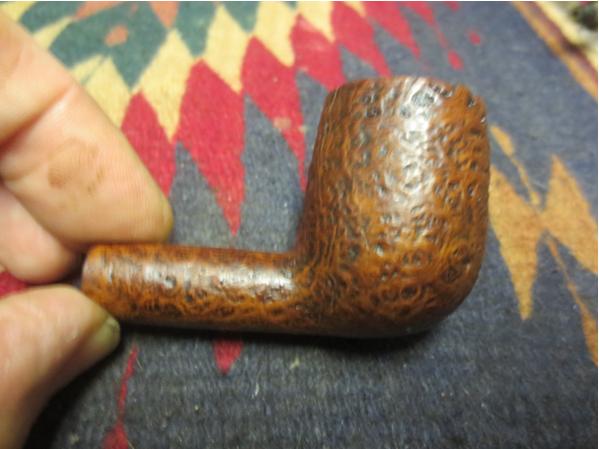
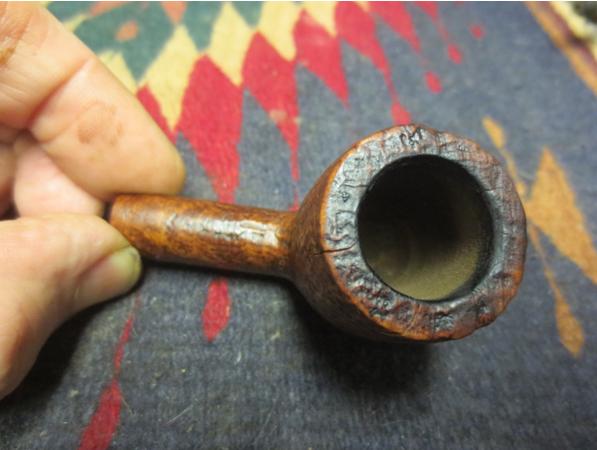
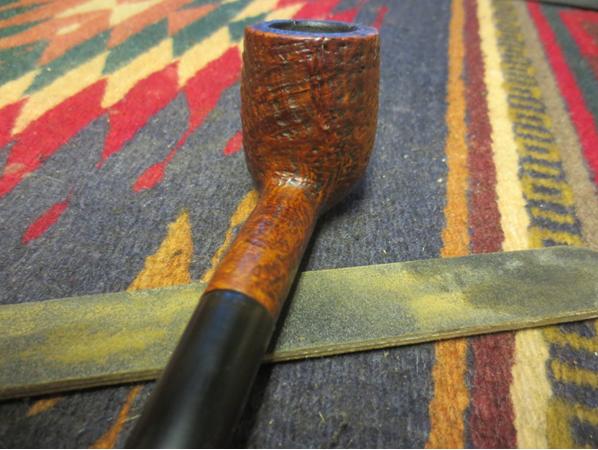
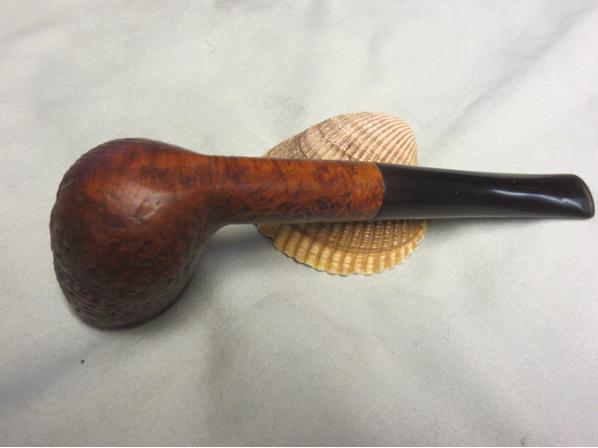
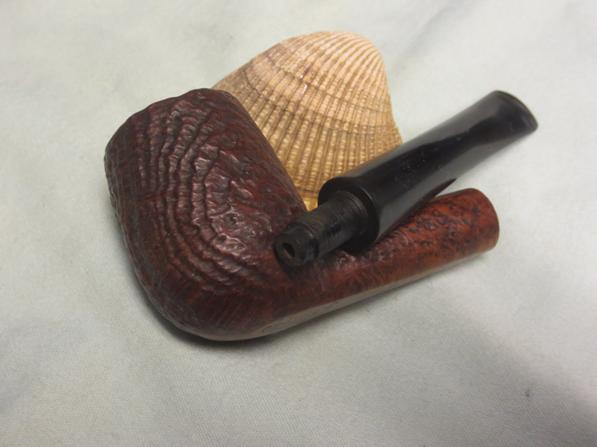
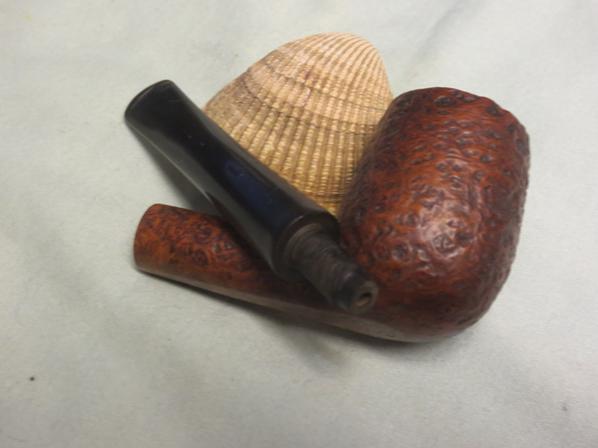
This Comoy’s Sandblast on my work table has a rugged, swirling sandblast finish with lots of nooks and crannies in the briar. It is a beauty! The straight Bulldog is clearly stamped on a smooth panel on the left underside of the diamond shank and reads Comoy’s [over] Sandblast. Underneath that it is stamped Made in London [over] England in two lines. There is no shape number stamped visibly though it could possibly be underneath the gold band. I received an email a few weeks ago from Alec,  a reader of the blog about the pipe. Here is what he wrote…

I have an old Comoy’s straight, sandblasted, squat bulldog pipe which I got from an antique store. From what I can tell, it is from the 60s or 70s, pre-Cadogan. The stem is vulcanite and has some deoxidization [sp]. I was wondering if you would be able to do some restoration work for me? I am not looking to sell it, but don’t have the time to go about doing it myself.

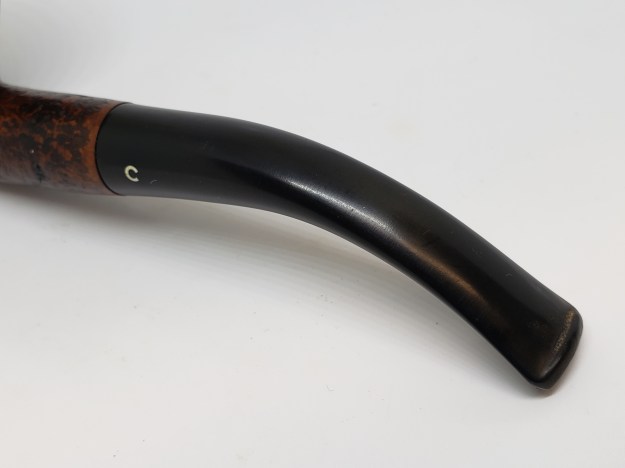
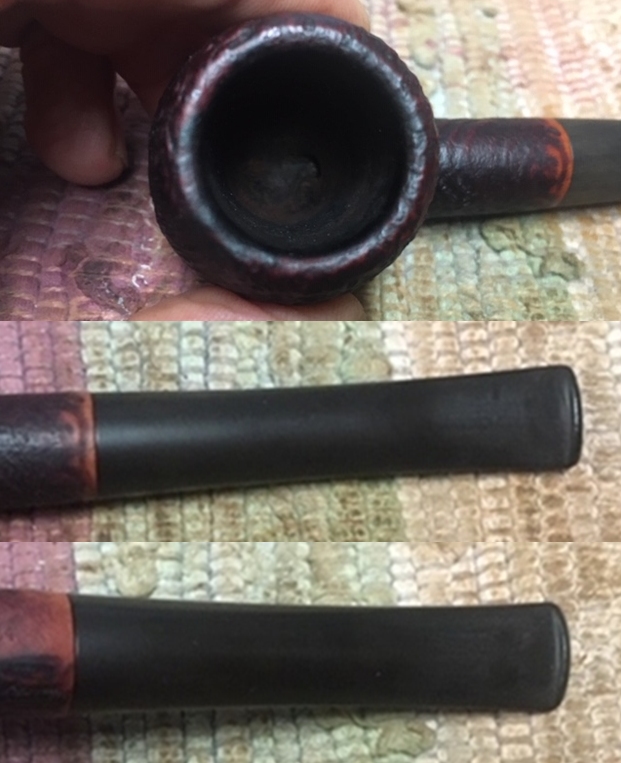
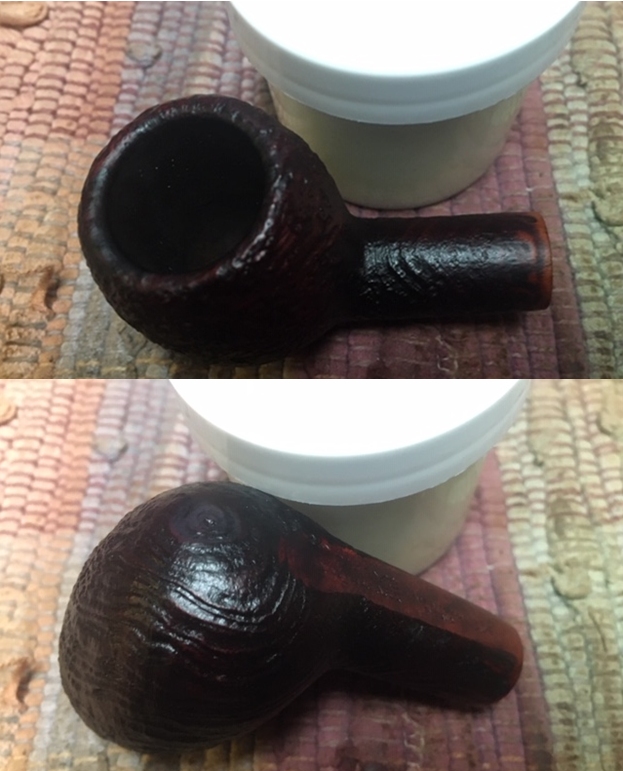
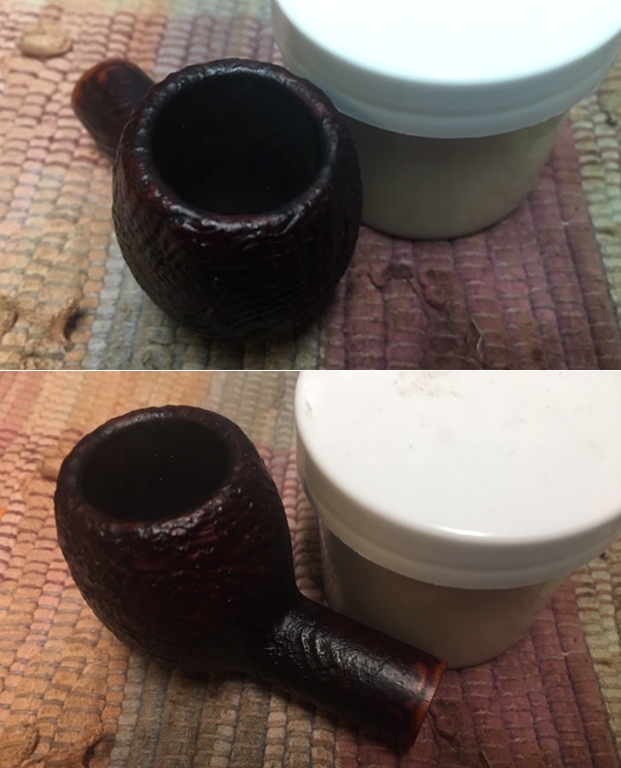
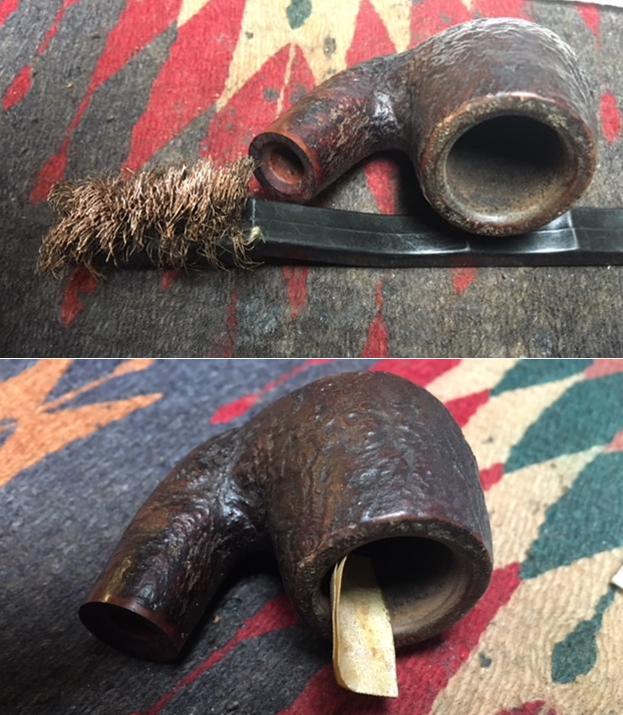
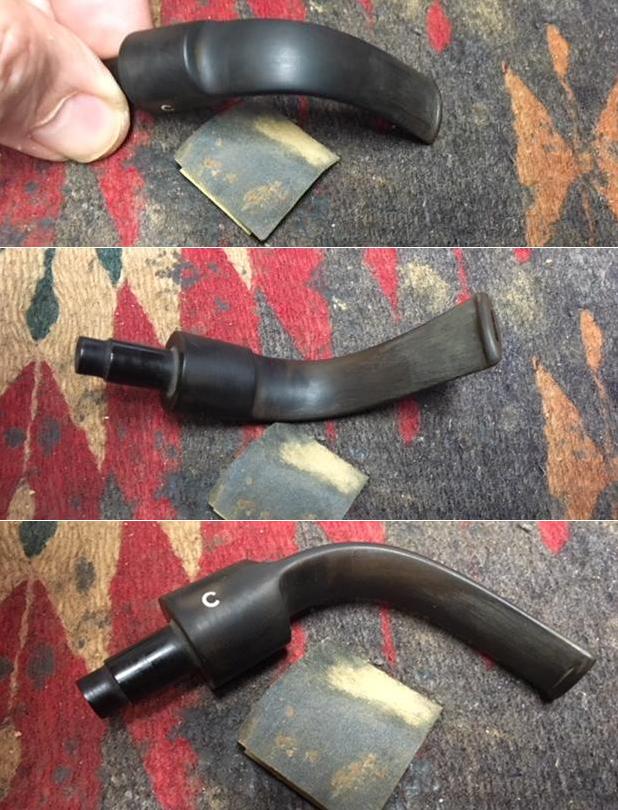
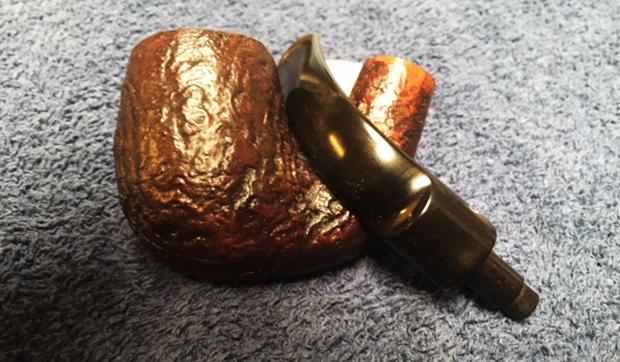
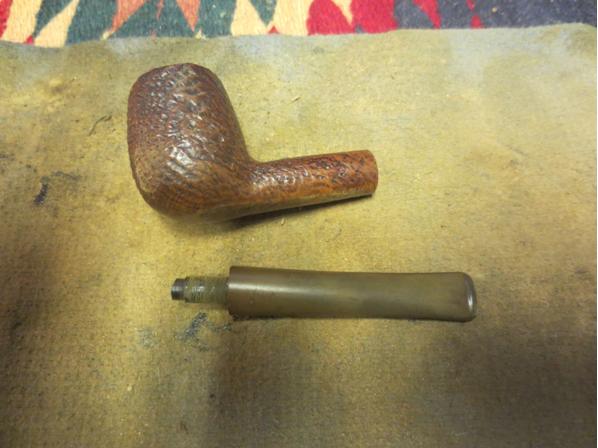
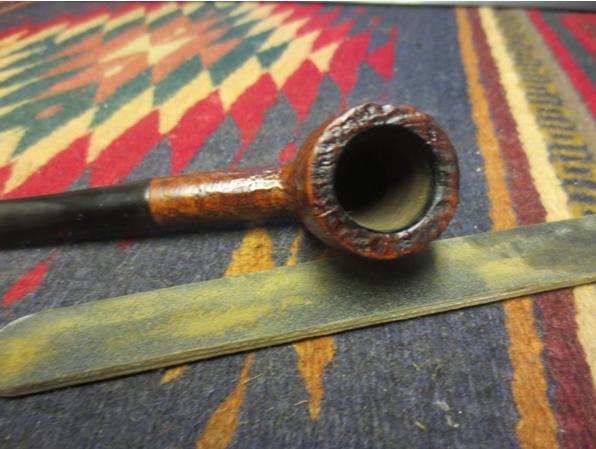
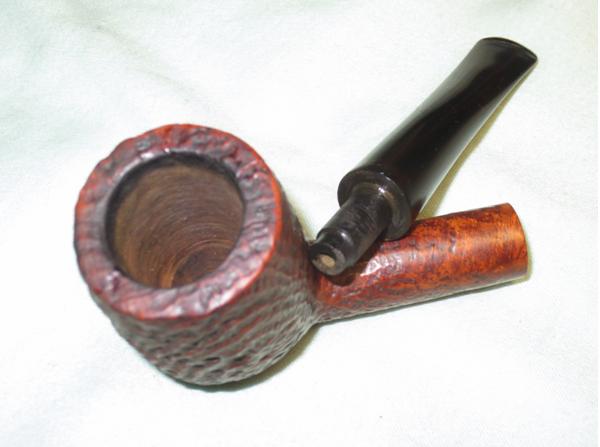
We wrote back and forth and he sent the pipe to me. It came yesterday and when I looked at it this morning this is what I saw. The valleys and ridges of the sandblasted grain showing through the grime and dirt are a mixture that leaves a rich texture. It had a rich dark and medium contrasting brown stain that does not look too bad. There was a moderate cake in the bowl with remnants of tobacco stuck on the walls. There was a light lava overflow in the blast on the rim. The edges of the rim and top are dirty but look pretty pristine under the grime. There was a scratched gold band on the shank end that upon examination showed a crack on the lower right underside. It was a beautiful pipe that was dirty and tired looking. The stem was oxidized and calcified with what appeared to be marks from a rubber Softee Bit toward the end. It had some tooth marks on the top and underside of the button. I took photos of the pipe before I started my cleanup work on it. I took photos of the bowl and rim top to show the cake in the bowl and the lava build up on the edges of the bowl. It was thick and hard but hopefully it had protected the rim and edges from damage. The edges look pretty good.I took a photo of the stamping on the smooth panel on the underside of the shank. The stamping was readable as you can see from the photo below. It read Comoy’s [over] Sandblast and underneath Made in London [over] England.  The second photo shows the C logo on the left side of the saddle stem is formed by three circles working to make the C.  I removed the stem from the shank and took a photo of the pipe to give a sense of proportion. Before my work on the pipe began, I wanted to see where it fit in the Comoy’s timeline. I looked on Pipedia to pin down a date for the pipe. Since the pipe is stamped Made in London England I decided to use that to see what I could find. Pipedia has a great article on dating these pipes (https://pipedia.org/index.php?title=Comoy%27s_Dating_Guide#Made_in_London_England). I found the information below. I have highlighted the pertinent portion in red in the paragraph below. The stamping matches the pipe I am working on.

Appears in two versions. This is again stamped in two straight lines “MADE IN LONDON” on the top and “ENGLAND” beneath. It can be assumed that this stamp was first used in the export drive in the early 1950s. On a Bulldog Sandblast from the early 50s the Comoy name has slightly more fancy block letters with serifs and the apostrophe. (It seems that some grades carried different stamps, or at least that the stamping changed in different years for some grades.)] was used together with “MADE IN LONDON” over “ENGLAND”. There are no known examples of pre-WW II Comoy’s stamped in this way. The second version is the same as above but in a “rugby ball” shape. This shape is verified on Comoy´s “Extraordinaire” pipes.

From that I knew that I was working a Comoy’s Sandblast Bulldog Made in London England from the early 1950’s.

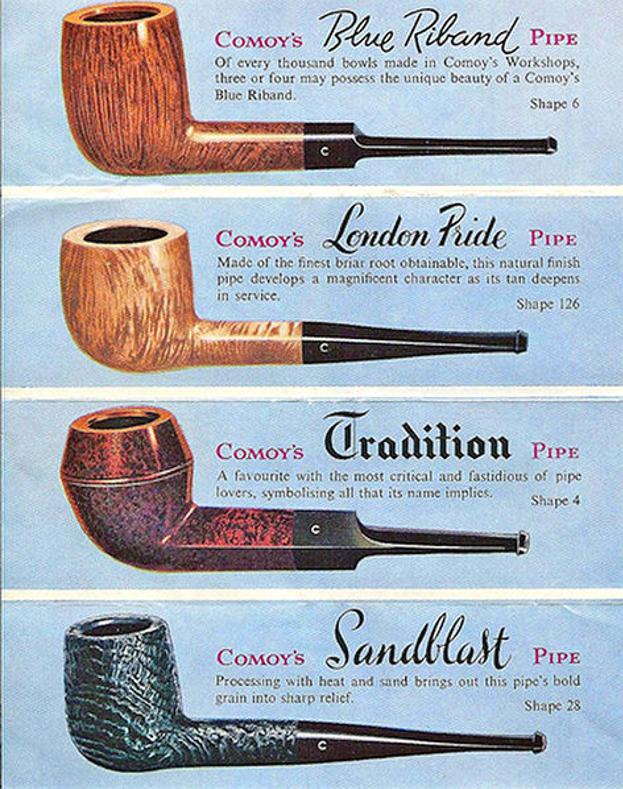
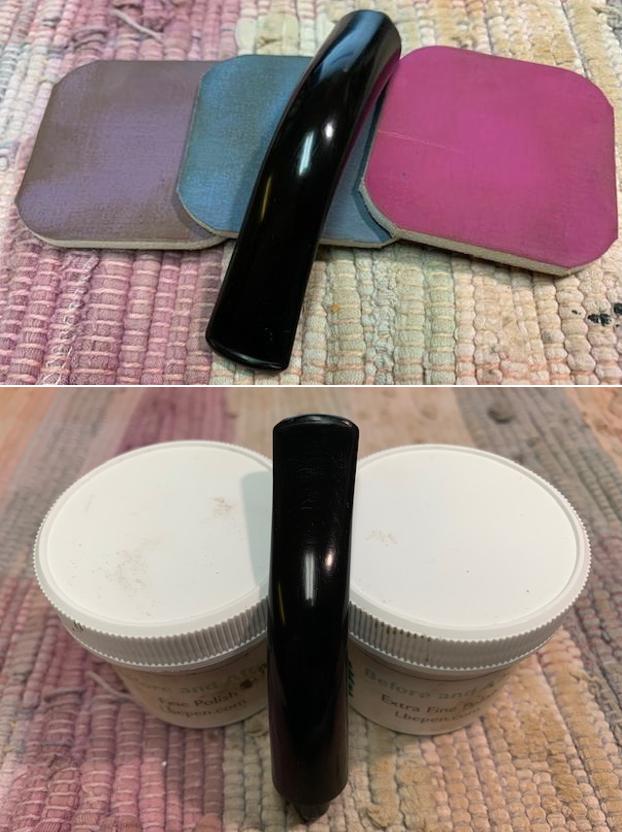
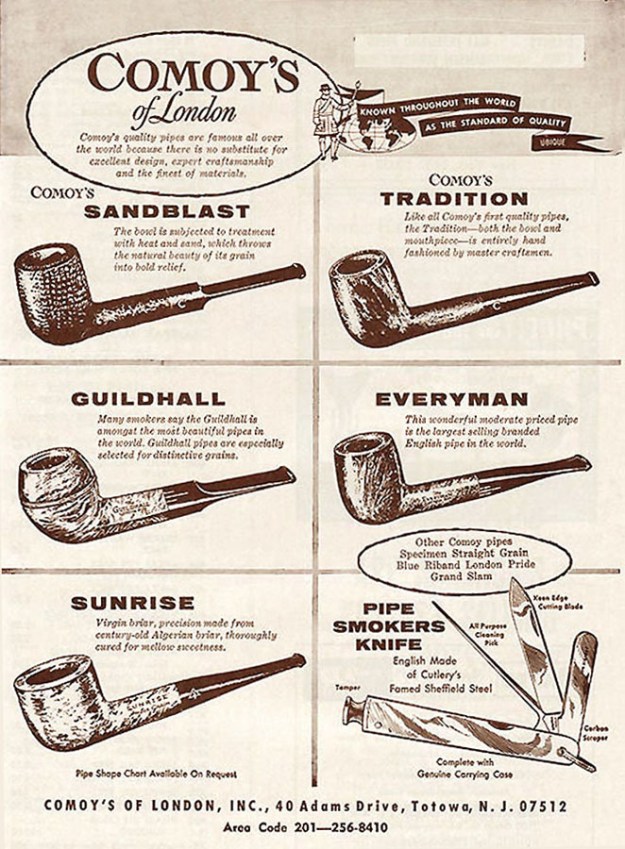
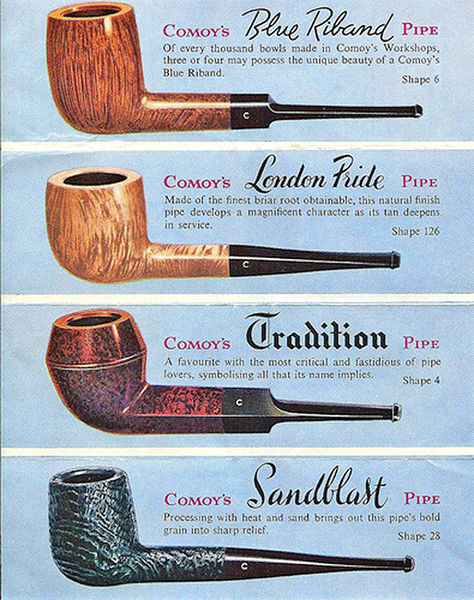
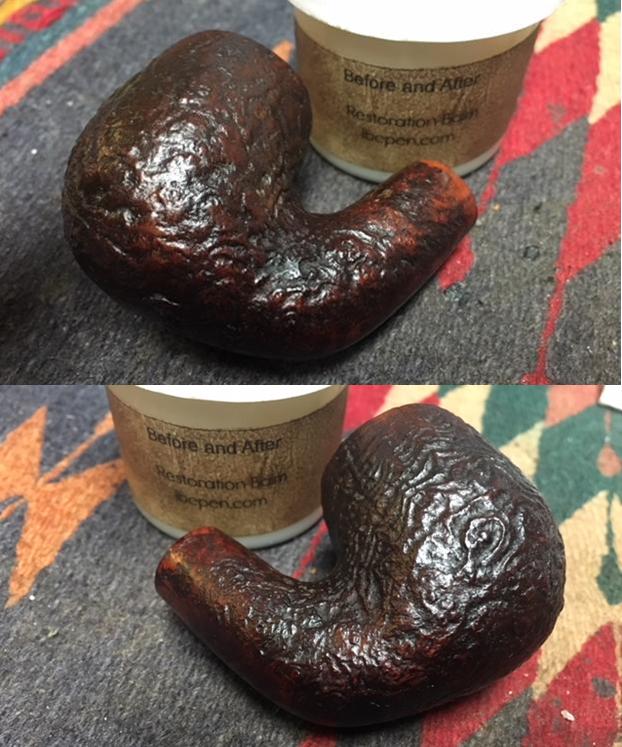
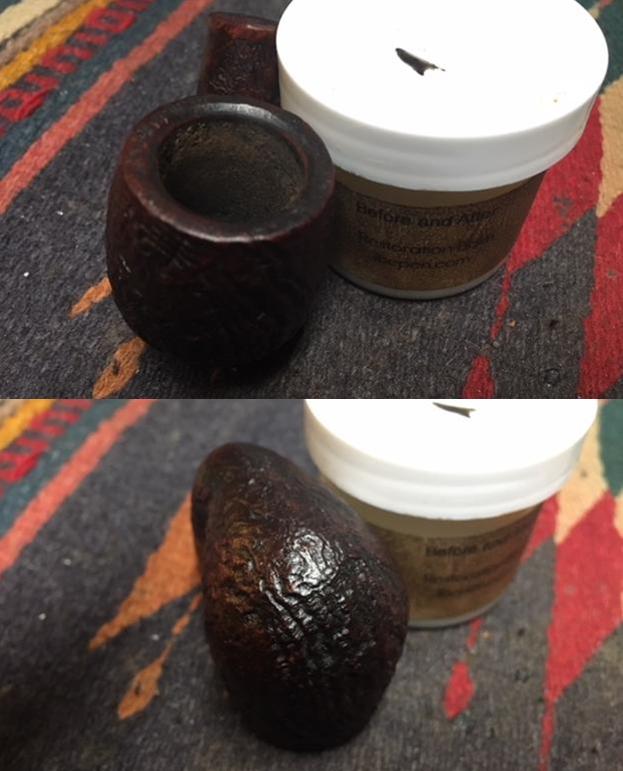
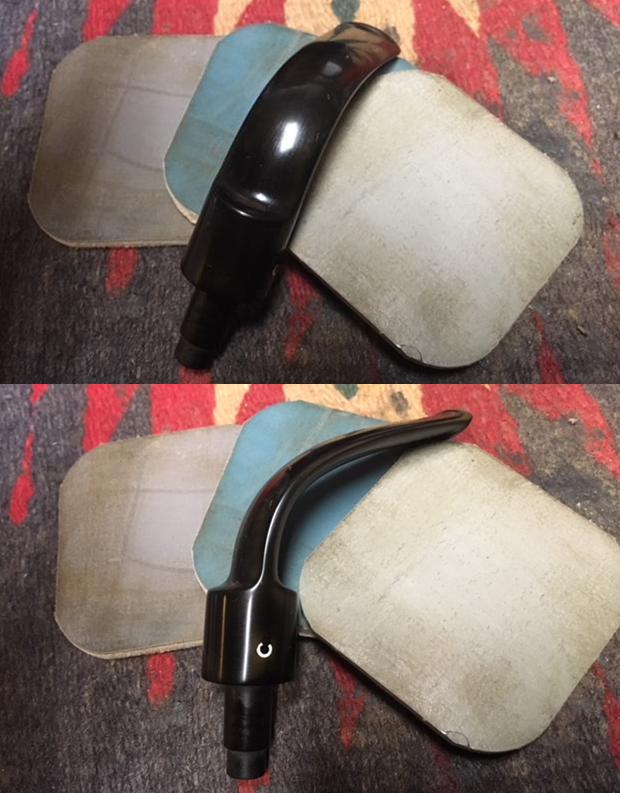
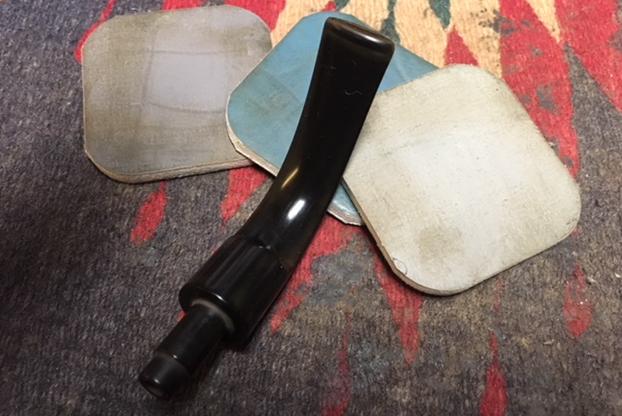
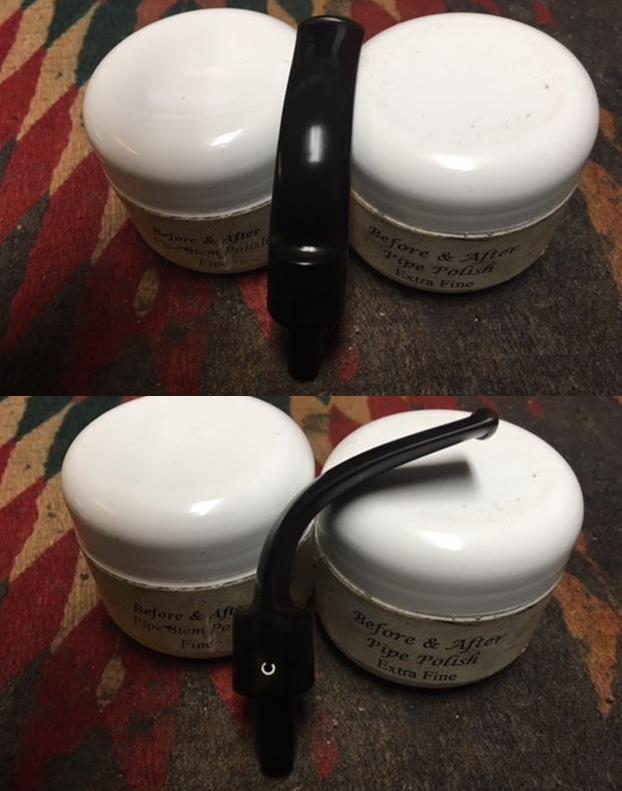
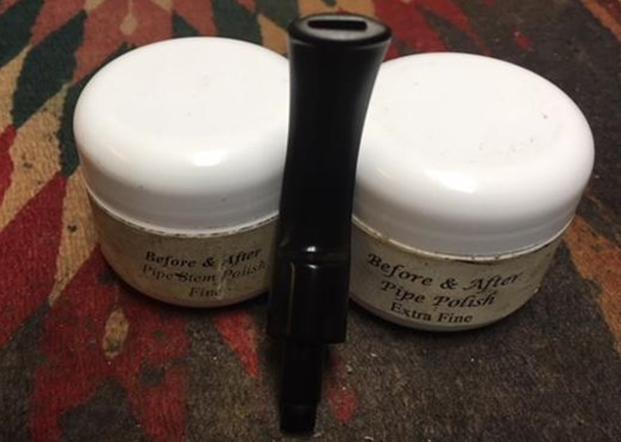
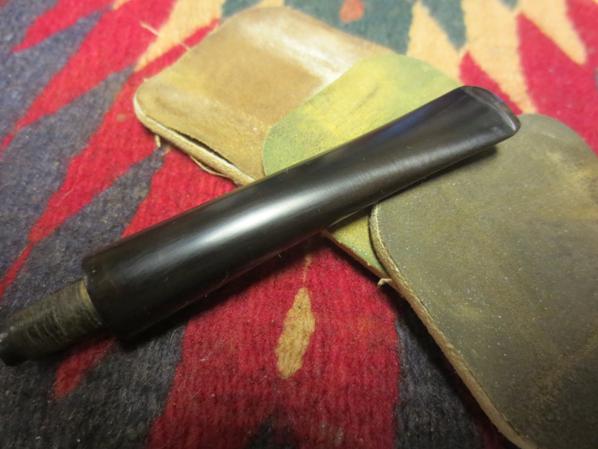
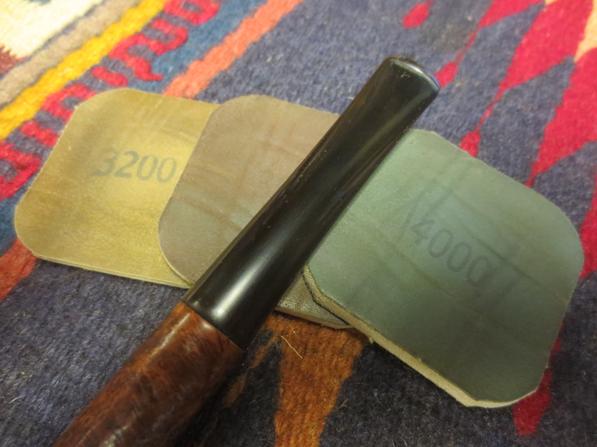
I have also included two catalogue pages from Pipedia as well to show the line for sale at several time periods in Comoy’s history (https://pipedia.org/wiki/Comoy%27s). The first page is from the 1922 Catalogue and the second one is from a later date. Read the description that highlights how they did their sandblasting combining heat and sand to bring out the grain. I started my work on the pipe by reaming the bowl. I reamed it back with a PipNet pipe reamer using the first two cutting heads to take off all of the cake back to bare briar. I cleaned up the reaming with a Savinelli Fitsall Pipe Knife and then sanded the bowl walls with 220 grit sandpaper wrapped around a piece of dowel. I cleaned out the interior of the pipe with pipe cleaners, cotton swabs and alcohol. It was not as dirty as I expected. I was able to remove all of the grime and tars that were in the mortise, shank and airway in the stem.I scrubbed the exterior of the bowl and shank with a tooth brush and undiluted Murphy’s Oil Soap. It looked surprisingly better and the dust and lava filling in the sandblast was gone. The pipe had a strong aromatic smell remaining in the bowl and shank even after cleaning thoroughly so I filled the bowl with cotton bolls and a cotton plug in the shank. I used an ear syringe to fill the bowl with 99% isopropyl alcohol to deghost it and remove the smell of the aromatic. I let it sit overnight. In the morning the cotton was dark with tars and oils. I removed it from the bowl and ran pipe cleaners and alcohol through it. I used some alcohol thinned light brown aniline stain as a wash on the briar. I applied it to the briar with a wood dauber and flamed it with a Bic lighter to set the stain in the wood. I set it aside to let the wash dry. I rubbed Before & After Restoration Balm on the pipe, working it into the grooves and deeper areas of the sandblast. The balm enlivens, cleans and protects the briar was it is worked into the finish. I let it sit for a short time and then buffed it off with a soft cloth. I took photos of the bowl to show the condition at this point. I set the bowl aside and turned my attention to the stem. I scrubbed the surface with Soft Scrub and cotton pads to remove some of the oxidation on the surface. While it worked it left behind some very deep oxidation. I “painted” the stem surface with a lighter flame and was able to raise them quite a bit. I cleaned up the stem end with 220 grit sandpaper and then filled in the remaining marks on the button edge and the surface with black CA glue. Once it cured, I used a file to shape the button edge and also smooth out the fill. I sanded the remaining marks with 220 grit sandpaper to blend them into the surface of the surrounding vulcanite. I started polishing the stem surface with 600 grit wet dry sandpaper. I polished the stem surface with micromesh sanding pads – wet sanding with 1500-2400 grit pads and dry sanding with 3200-12000 grit pads. I wiped it down with Obsidian Oil after each sanding pad. I finished polishing it with Before & After Pipe Stem Polish – both Fine and Extra Fine and buffed it off with a cotton cloth. I gave it a coat of Obsidian Oil to preserve and protect the stem.  I put the stem back on the bowl and worked the pipe over on the buffing wheel using Blue Diamond to lightly polish both the bowl and the stem. I buffed the bowl and stem to raise the gloss on the briar and the vulcanite. I gave the bowl a lighter buff than I did on the stem to keep the polishing material from clogging the deep grooves of the blast. There is a little remaining oxidation around the C logo which I am leaving as I do not want to damage it. There was also some water damage (lightening) just ahead of the button on both sides that remains after much work! I gave the bowl multiple coats of Conservator’s Wax and gave the stem multiple coats of carnauba wax. I buffed the entire pipe with a clean buffing pad to raise the shine. I hand buffed it with a microfiber cloth to deepen the shine. The finished pipe is shown in the photos below. The contrasting brown stain – both medium and dark brown goes well with the rich black of the vulcanite stem. The dimensions of the pipe are: Length: 5 1/2 inches, Height: 1 3/4 inches, Outside Diameter: 1 1/4 inches, Diameter of the chamber: 3/4 inches. Now that the pipe is finished I will soon pack it up and mail it back to Alec. I know he is looking forward to loading it up and smoking it. Thanks for walking with me through the restoration.

As always, I encourage your questions and comments as you read the blog. Thanks to each of you who are reading this blog. Remember we are not pipe owners; we are pipe men and women who hold our pipes in trust until they pass on into the trust of those who follow us.

Resurrecting What I think is an older Comoy’s Sandblast 43 Bent Billiard


Blog by Steve Laug

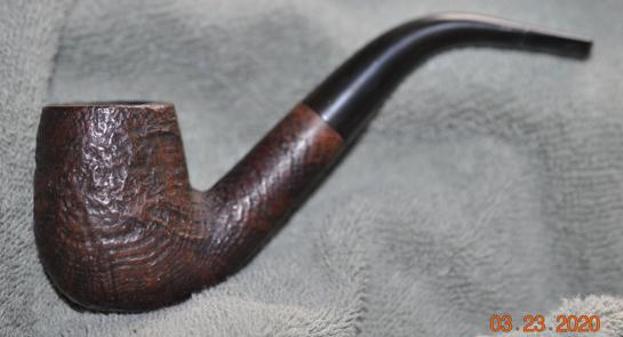
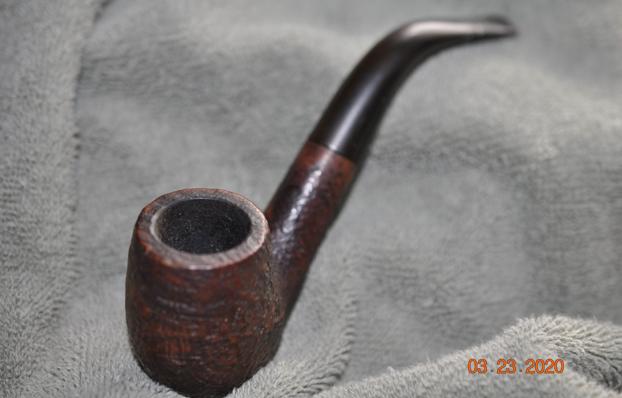
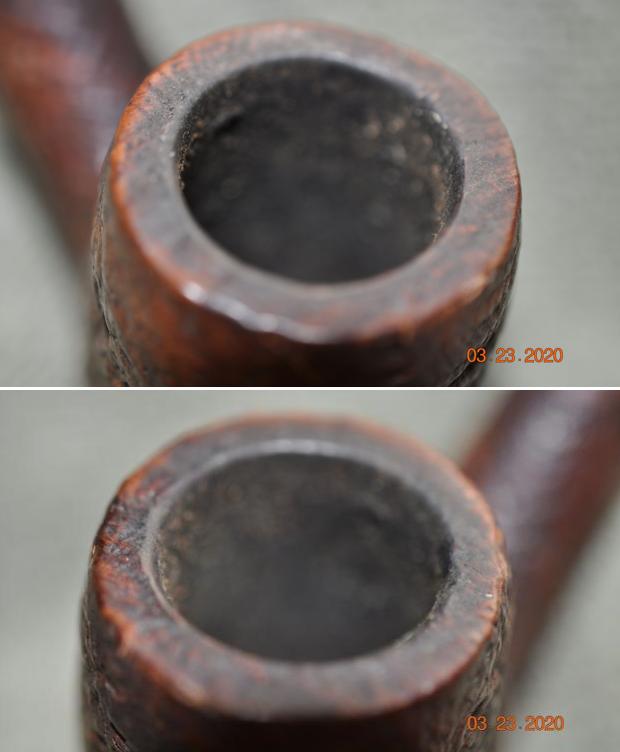
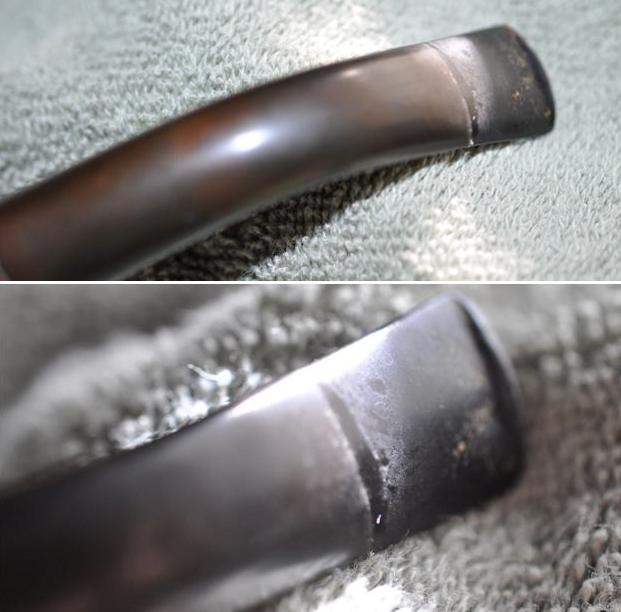
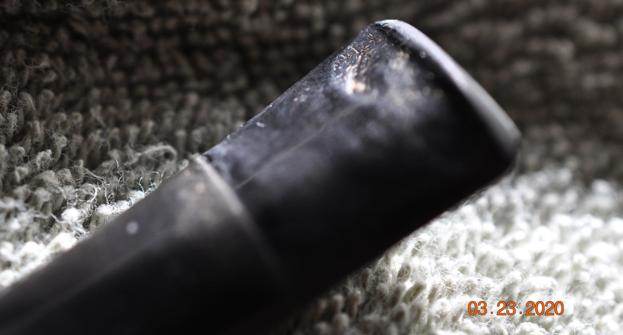
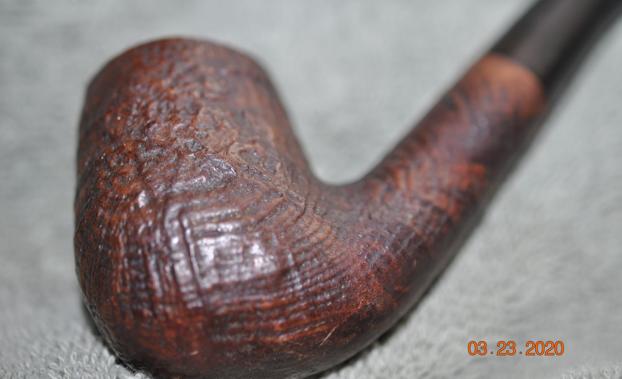
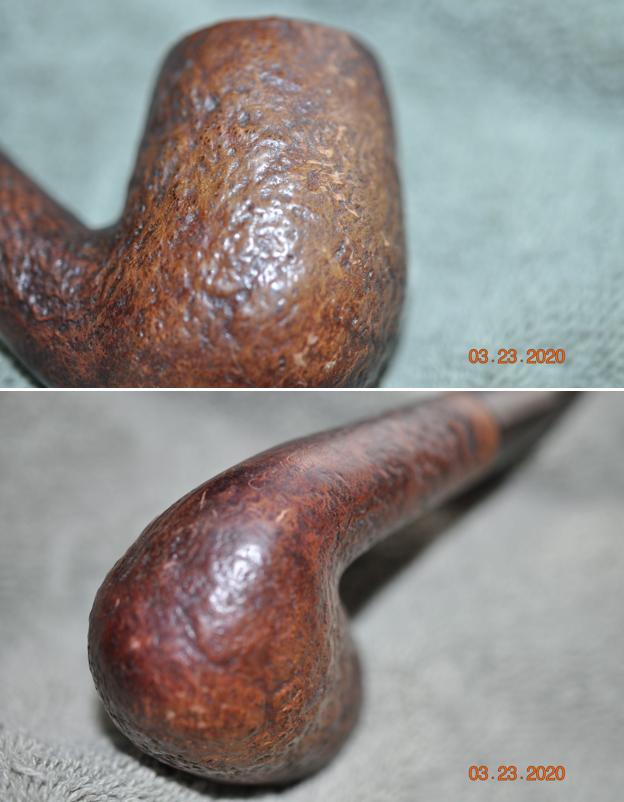
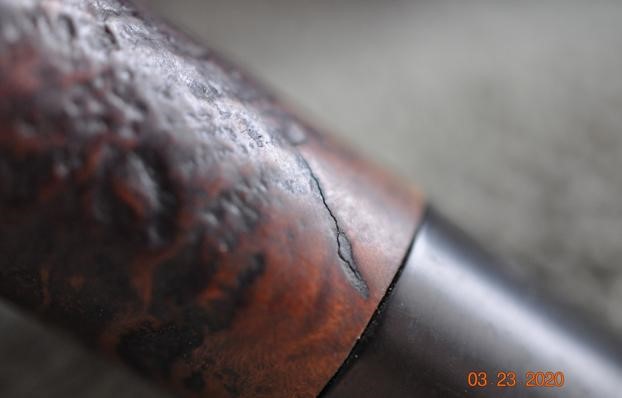
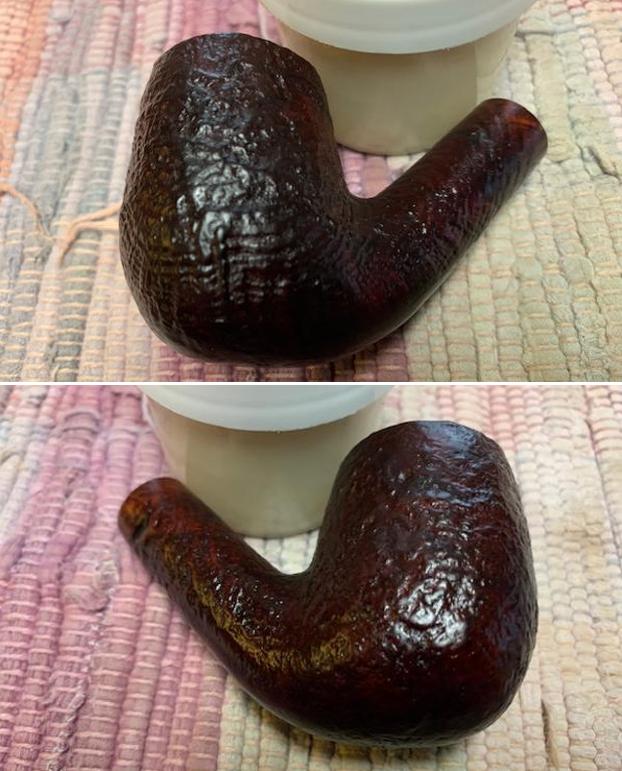
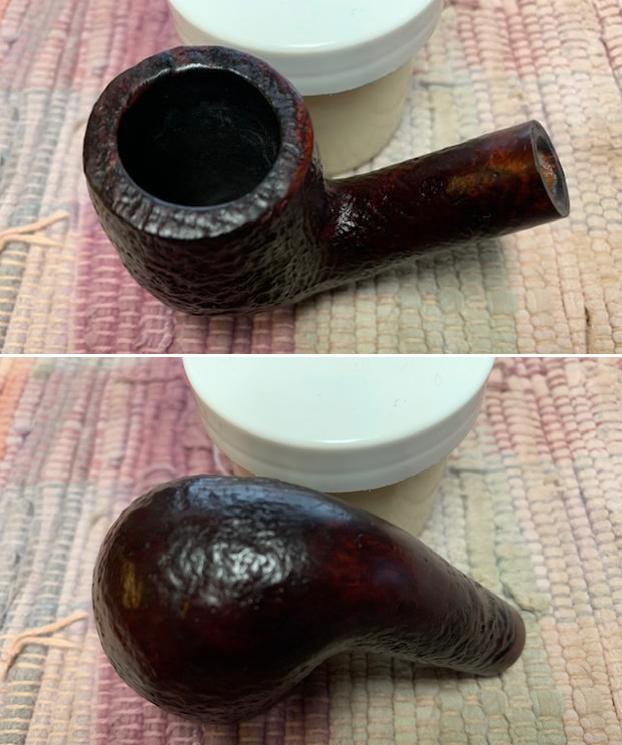
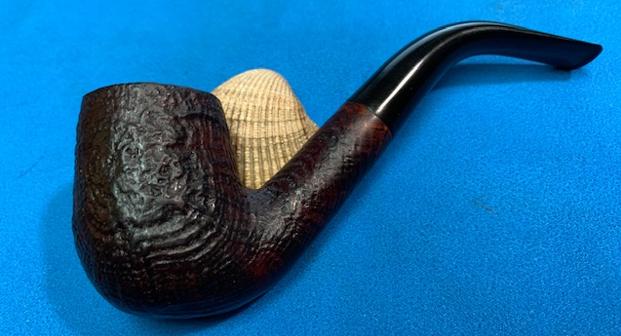
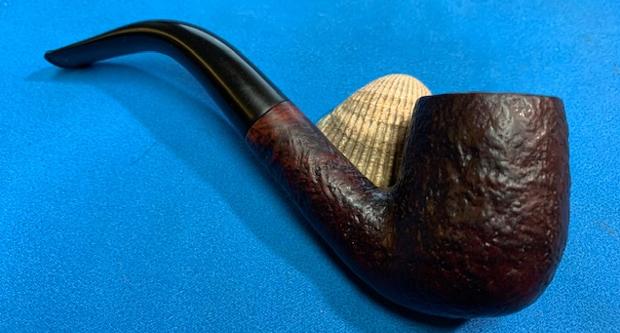
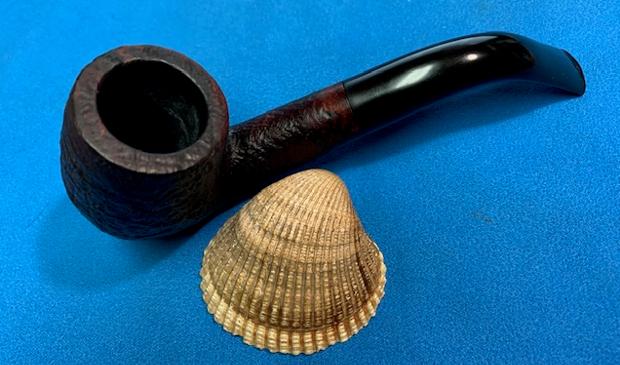
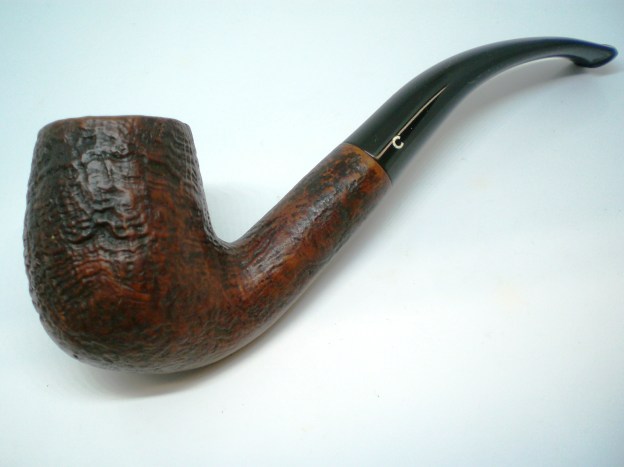
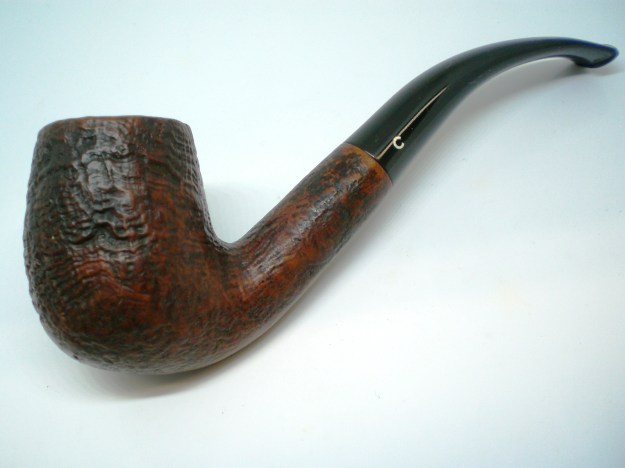
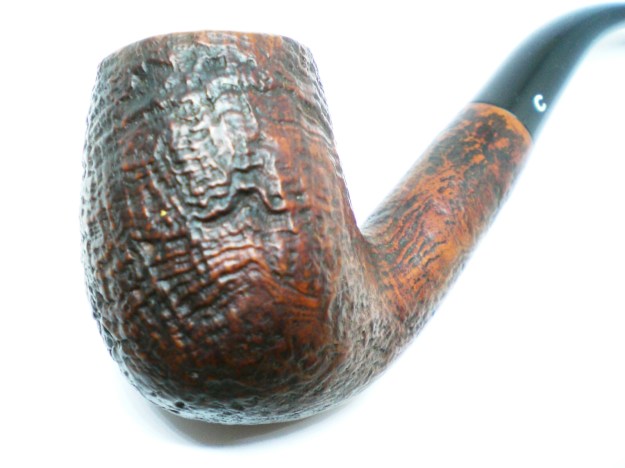
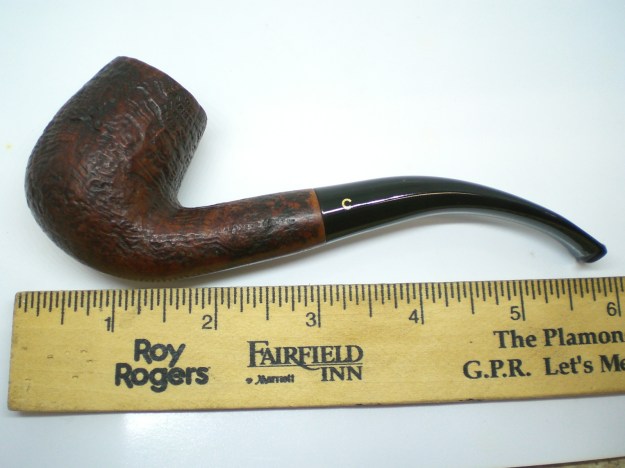
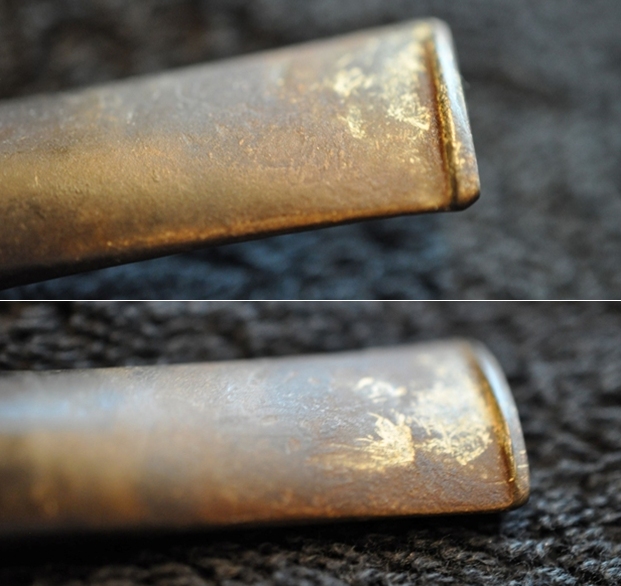
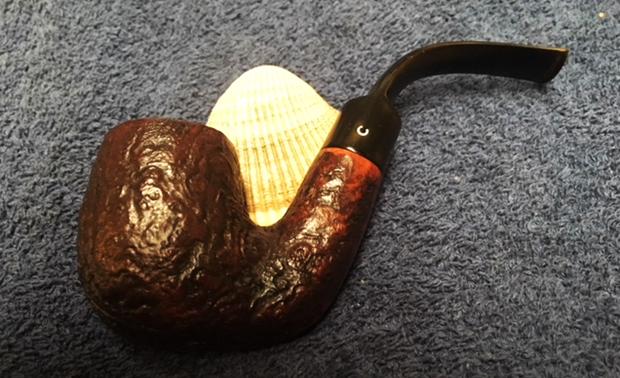
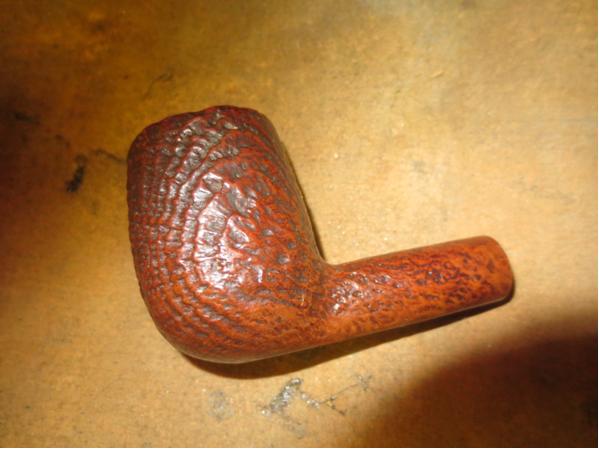
The next pipe on the work table came to us from a fellow in Brazil, Indiana, USA in March of 2020. The pipe is a classic looking Bent Billiard that has a deep and rugged sandblast. The pipe is stamped on the underside of the shank and reads Comoy’s [over] Sandblast followed by Made in London [over] England followed by the shape number 43. The stain is a mix of browns that contrasts well with the black of the hard rubber stem. The finish was very dirty with grime ground into the finish making it hard to see beyond that to the grain underneath. There was a thick cake in the bowl and it had overflowed with lava onto the rim top and edges. It was hard to know at this point the condition of the rim edges. The stem was made of hard rubber which pointed to an earlier date for the making of the stem. The stem had no stamping or identifying marks on it. Jeff took photos of the pipe before he started working on it. I include those below. He took photos of the rim top to show the thick cake and the thick lava coat on the edge and onto the top. It is hard to know what the condition of the rim top and edges is like under that thick lava. It is an incredibly dirty pipe but obviously one that was a great smoker. The stem has tooth marks and chatter on both sides ahead of the button. It also has some residue left behind by a rubber Softee Bit. He took photos of the sides and heel of the bowl to show the beautiful sandblasted grain around the bowl and the condition of the pipe. You can see the grime ground into the surface of the briar.    He took photos of the stamping on the underside of the shank. It is clear and readable as noted above. Jeff took a photo of the underside of the shank showing a shrunken fill with a crack in it. Fortunately it was not in the briar but in the fill itself. I turned to Pipedia (https://pipedia.org/wiki/Comoy%27s) and reread the great history of the brand and found an advertizement for the Sandblast line. I include that advert below.I turned to the listing on the site that gave shape numbers and a description of the various shapes in chart form (https://pipedia.org/index.php?title=Comoy%27s_Shape_Number_Chart). I found the shape number 43 which was on this pipe. It is described in the chart below as a ½ Bent Billiard in a large size. That is a perfect description of the pipe I am working on.It was time to work on the pipe. As usual Jeff had done a thorough cleanup on the pipe. He reamed the bowl with a PipNet pipe reamer and followed up with a Savinelli Fitsall pipe knife to remove the cake. He scrubbed out the mortise and the airway in the shank and the stem with alcohol, cotton swabs and pipe cleaners. He scrubbed the exterior of the bowl, rim, shank and stem with a tooth brush and Murphy’s Oil Soap to remove the oils and tars on the rim and the grime on the finish of the bowl. He rinsed it under running water. He dried it off with a soft cloth. He cleaned the internals and externals of the stem with alcohol, pipe cleaners and cotton swabs. He soaked the stem in Briarville’s Pipe Stem Deoxidizer and rinsed it off with warm water and cleaned out the airway in the stem with alcohol. This Bent Billiard pipe actually was quite stunning!   I took a photo of the rim top and stem to show the condition. The rim top and edges looked very good. The hard rubber stem had tooth chatter and marks on both sides ahead of the button and on the button edges. There was one deeper large one on the underside of the stem. I removed the stem and took a photo of the pipe to give a sense of the whole. It is a nice looking pipe that should clean up very well. I decided to address the crack in the fill on the underside of the shank first. I filled it in with clear CA glue and once it cured I smooth out the repair with 1500-2400 micromesh sanding pads. It looked much better once it was finished. I rubbed the bowl and shank down with Before & After Restoration Balm. I worked it into the surface of the bowl sides and shank with my fingertips to clean, enliven and protect the briar. I let the balm sit for a little while and then buffed with a cotton cloth to raise the shine. The Balm did its magic and the grain stood out.   I set the bowl aside and turned my attention to the stem. I “painted” the tooth marks on the stem with the flame of a lighter to raise them. I filled in the remaining tooth marks with clear CA glue and set it aside until the repairs cured. I used a small file to flatten the repair and recut the edge of the button. I sanded the repaired areas with 220 grit sandpaper to blend them into the stem surface and also worked on the remaining oxidation at the shank junction. I started the polishing process with 400 grit wet dry sandpaper.   I polished the hard rubber stem with micromesh sanding pads – 1500-12000 grit pads. I wiped it down with Obsidian Oil after each sanding pad. I used Before & After Pipe Polish – both Fine and Extra Fine to further polish the stem. The photo below shows the polished stem. This nice looking older Comoy’s Sandblast 43 Bent Billiard with a hard rubber taper stem is a great looking pipe now that it has been restored. The briar is clean and the blast really came alive. The rich brown and black stains gave the blast a sense of depth with the polishing and waxing. The grain really popped. I put the hard rubber stem back on the bowl and carefully buffed the pipe with Blue Diamond on the buffing wheel using a light touch on the briar. I gave the bowl multiple coats of Conservator’s Wax and the stem multiple coats of carnauba wax on the buffing wheel. I buffed the pipe with a clean buffing pad to raise the shine. I hand buffed the pipe with a microfiber cloth to deepen the shine. The finished Comoy’s Sandblast Bent Billiard really is a beauty and feels great in the hand and looks very good. Give the finished pipe a look in the photos below. The dimensions of the pipe are Length: 5 ½ inches, Height: 2 inches, Outside diameter of the bowl: 1 ¼ inches, Chamber diameter: 7/8 of an inch. The weight of the pipe is 54 grams/1.90 oz. The pipe will be going on the rebornpipes store soon. It will be in the section on British Pipe Makes if you would like to add it to your collection.Thanks for reading this blog and my reflections on the pipe while I worked on it. There are many more to come!

Comoy’s Shape 42 Sandblast Restoration


By Al Jones

It’s been over two months since I’ve had a pipe on my work bench, life, work and the pandemic have made life somewhat hectic.

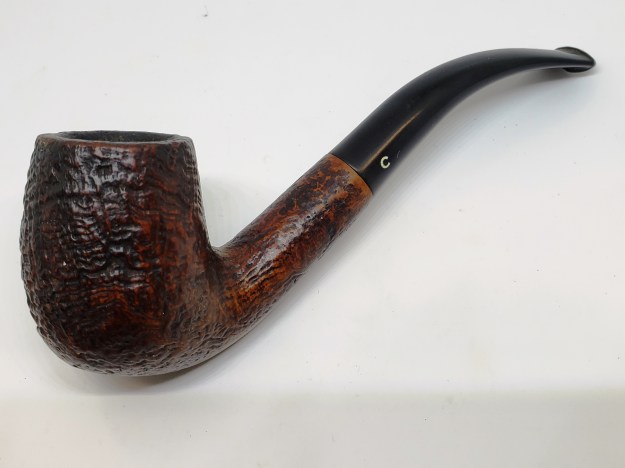
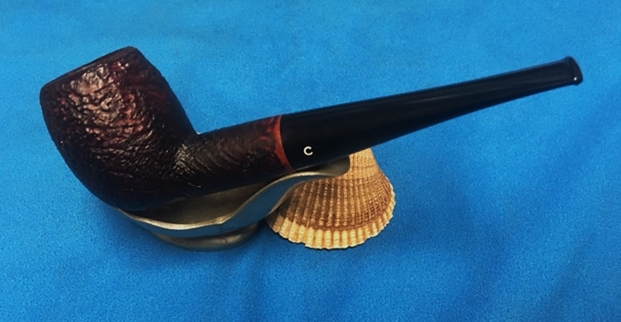
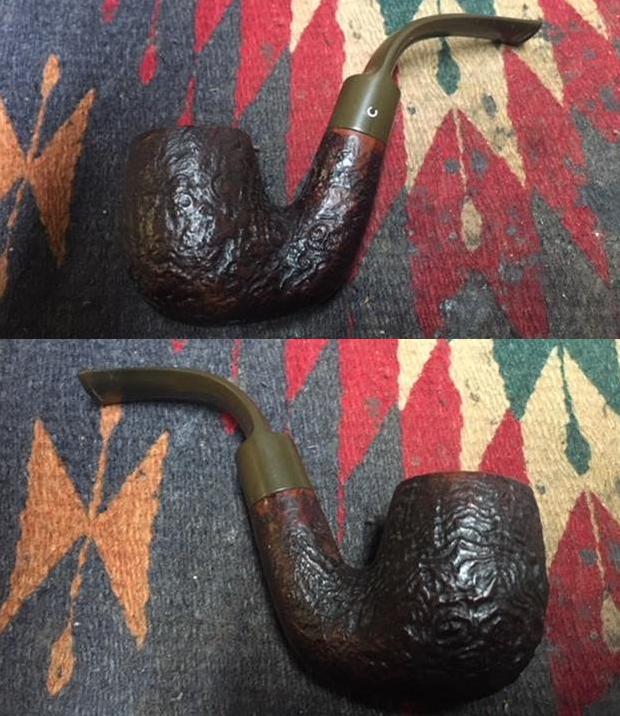
The shape 42, is the classic Comoy’s medium size bent billiard.  This one had the 3 piece stem stem logo, denoting a pipe made before the merger in 1981.  The pipe only made mild oxidation on the stem, some build-up on the bowl top and a few minor teeth indentions.

Below is the pipe as it was received.

I used a heat gun to work out the teeth indentions.   A worn piece of Scotch-brite was used to remove the build-up on the bowl top.  I used a piece of 2000 grit wet paper to revive the polished, beveled bowl edge.  The pipe was reamed of the modest cake and soaked with sea-salt and alcohol.

Following the soak, the shank was thoroughly cleaned with alcohol on a small bristle brush and twisted up paper towels, till they came out clean.  A bristle pipe cleaner was used to clean the inside of the stem.

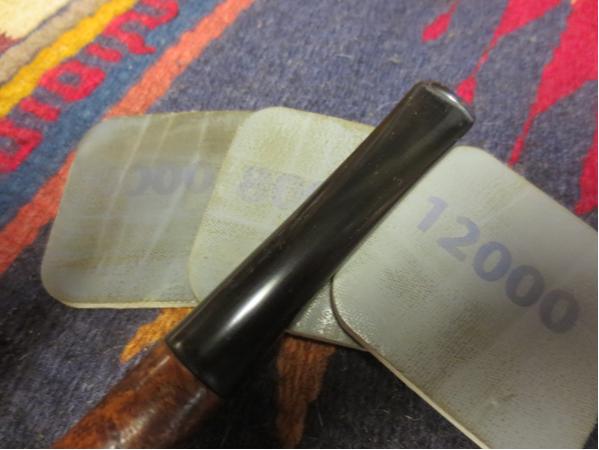
The stem was mounted and oxidation removed with 800, 1,500 and 2,000 grade wet paper.  This was followed by 8,000 and 12,000 micromesh sheets.  The stem was then polished with White Diamond and Meguiars Plastic Polish.

The bowl was hand polished with Halycon wax.

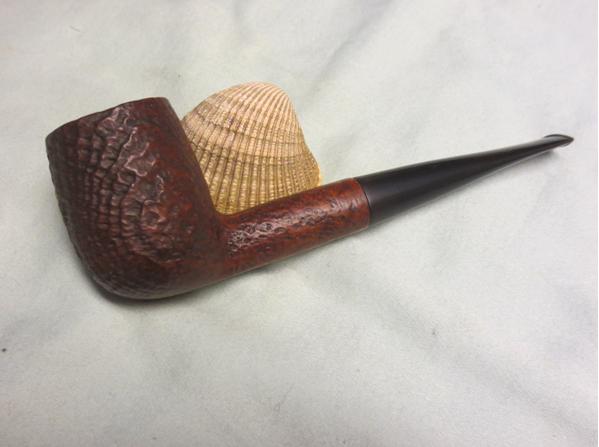
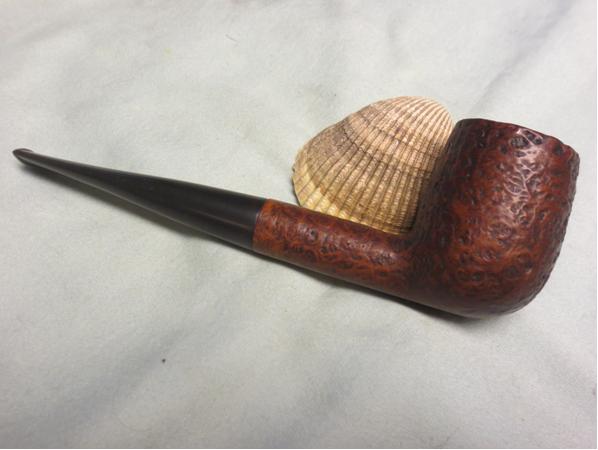
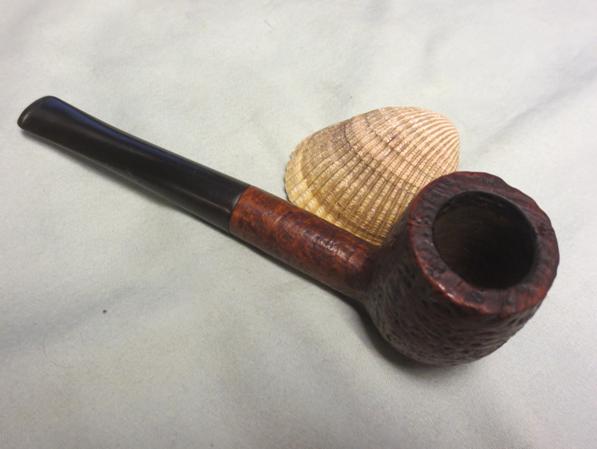
Below is the finished pipe.


Renewing another pipe from Bob Kerr’s Estate – a Comoy’s Sandblast Apple 334


Blog by Steve Laug

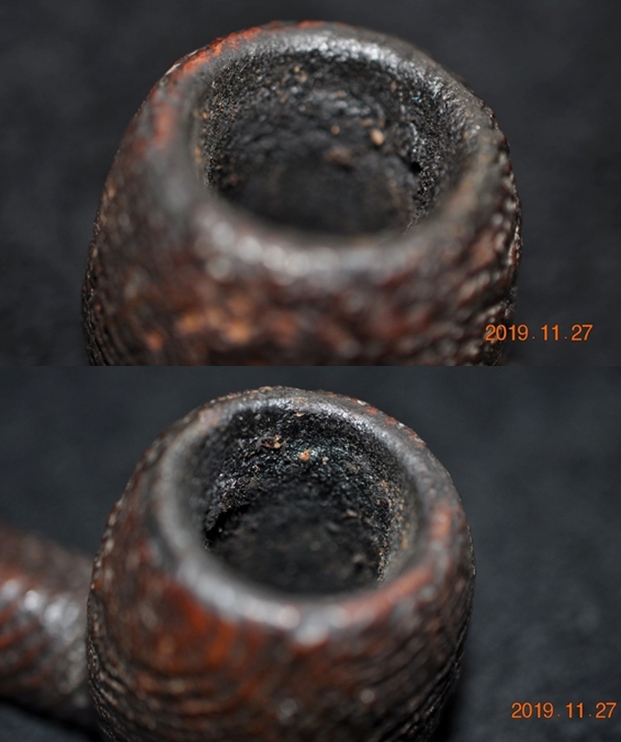
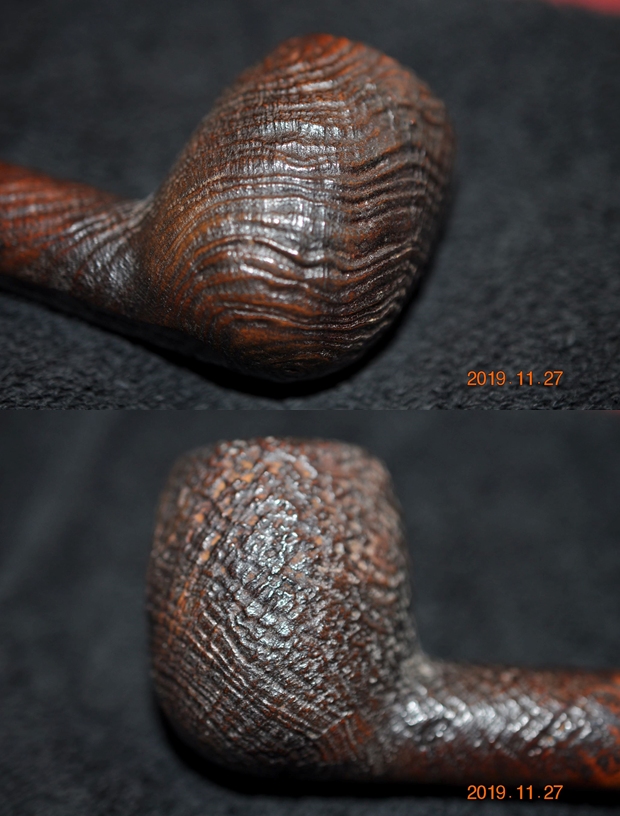
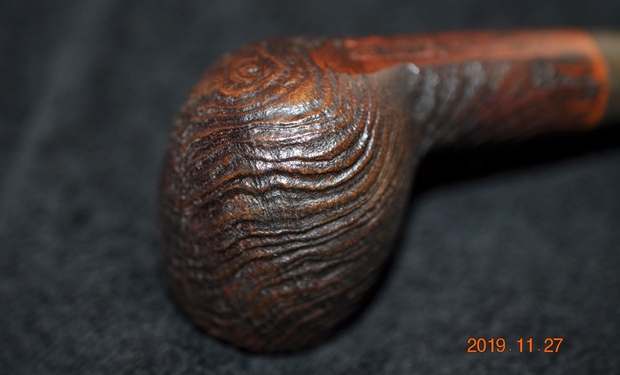
I am changing up my work and turning back to Bob Kerr’s estate for a while. I am getting closer to finishing restoring this large estate with only about 35 more pipes to do. This is one of his Comoy’s pipes that I am working on. I am cleaning them for the family and moving them out into the hands of pipemen and women who will carry on the trust that began with Bob and in some pipes was carried on by Bob. In the collection there were 19 Peterson’s pipes along with a bevy of Dunhills, some Comoy’s and Barlings as well as a lot of other pipes – a total of 125 pipes along with a box of parts. This is the largest estate that I have had the opportunity to work on. I put together a spread sheet of the pipes and stampings to create an invoice. I was taking on what would take me a fair amount of time to clean up. I could not pass up the opportunity to work on these pipes though. They were just too tempting. This Comoy’s Sandblast is a great pipe to work on. It is a shape that is interesting and unique. It will go on the rebornpipes store.

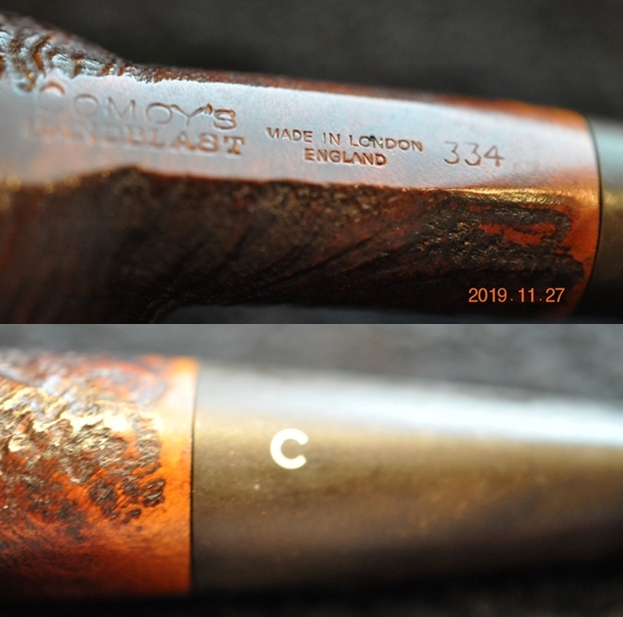
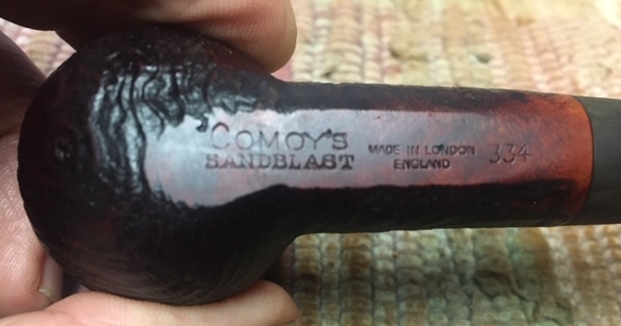
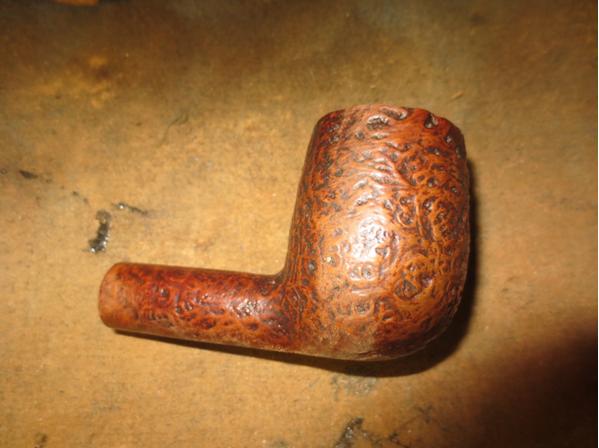
This Comoy’s Sandblast has a rugged, swirling sandblast finish with lots of nooks and crannies in the briar. It is a beauty! The pipe is stamped on a smooth panel on the underside of the heel and shank and reads Comoy’s Sandblast. That is followed by Made in London England and the shape number 334. The valleys and ridges of the sandblasted grain showing through the grime and dirt are a mixture that leaves a rich texture. It had a rich dark and medium contrasting brown stain that does not look too bad. There was a thick cake in the bowl with remnants of tobacco stuck on the walls. There was a fair lava overflow filling in the blast on the rim. The edges of the rim and top are dirty but look pretty pristine under the grime. It was a beautiful pipe that was dirty and tired looking. The stem was oxidized and calcified toward the end. Again, surprisingly it did not have the tooth marks that I have come to expect from Bob’s pipes. Jeff took photos of the pipe before he started his cleanup work on it. Jeff took photos of the bowl and rim top to show the cake in the bowl and the lava build up on the edges of the bowl. It was thick and hard but hopefully it had protected the rim and edges from damage. The edges look pretty good.Jeff took photos of the sides and heel of the bowl to show the condition of the finish. You can see the beautiful swirls of the sandblast. There is a lot of dust and grime filling in the valleys. He took a photo of the stamping on the smooth panel on the underside of the bowl and shank. The stamping was readable as you can see from the photos. It read Comoy’s Sandblast followed by Made in London England and the shape number 334.  The second photo shows the C logo on the left side of the taper stem is formed by three circles working to make the C. Jeff took photos of the top and underside of the stem showing the tooth chatter, scratching and oxidation on the stem surface and wear on the edges of the button.Before my work on the pipe began, I wanted to see where it fit in the Comoy’s timeline. I looked on Pipedia to pin down a date for the pipe. Since the pipe is stamped Made in London England I decided to use that to see what I could find. Pipedia has a great article on dating these pipes (https://pipedia.org/index.php?title=Comoy%27s_Dating_Guide#Made_in_London_England). I found the information below. I have highlighted the pertinent portion in red in the paragraph below. The stamping matches the pipe I am working on.

Appears in two versions. This is again stamped in a circle with “MADE” at the top, “IN” in the middle, and “LONDON” at the bottom, with “ENGLAND” in a straight line beneath. It can be assumed that this stamp was first used in the export drive in the early 1950s. On a Bulldog Sandblast from the early 50s the Comoy name no. 2 above [I insert number 2 here. A return to the slightly more fancy block letters with serifs and the apostrophe. (It seems that some grades carried different stamps, or at least that the stamping changed in different years for some grades.)] was used together with “MADE IN LONDON” over “ENGLAND”. There are no known examples of pre-WW II Comoy’s stamped in this way. The second version is the same as above but in a “rugby ball” shape. This shape is verified on Comoy´s “Extraordinaire” pipes.

From that I knew that I was working a Comoy’s Sandblast from the early 1950’s which fit very well into the timeframe of Bob’s other pipes.

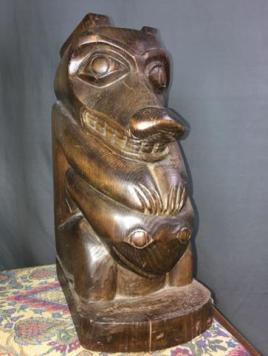
I have also included two catalogue pages from Pipedia as well to show the line for sale at several time periods in Comoy’s history (https://pipedia.org/wiki/Comoy%27s). The first page is from the 1922 Catalogue and the second one is from a later date. Read the description that highlights how they did their sandblasting combining heat and sand to bring out the grain. With over 125 pipes to clean from Bob’s estate I took a batch of them to the states with me when I visited and left them with Jeff so he could help me out. Jeff cleaned the pipe with his usual penchant for thoroughness that I really appreciate. This one was a real mess and I did not know what to expect when I unwrapped it from his box. He reamed it with a PipNet pipe reamer and cleaned up the reaming with a Savinelli Fitsall Pipe Knife. He scrubbed out the internals with alcohol, pipe cleaners and cotton swabs until the pipe was clean. He scrubbed the exterior of the bowl with Murphy’s Oil Soap and a tooth brush to remove the grime and grit on the briar and the lava on the rim top. The finish looks very good with good looking grain around the bowl and shank. Jeff scrubbed the stem down with Soft Scrub and then soaked it in Before & After Deoxidizer to remove the oxidation on the rubber. When the pipe arrived here in Vancouver for the second stop of its restoration tour it looked very good. I took photos before I started my part of the work.   I took some close up photos of the rim top and also of the stem surface. I wanted to show what cleaned bowl and rim top looked like. The rim top looks excellent and the edges and surface are undamaged. The sandblast finish is very nice. I also took close up photos of the stem to show the light tooth marks and the remaining oxidation on the stem surface.I took a photo of the stamping on the underside of the shank and it is clear and readable. It is stamped as noted above.I took the stem off the shank and took some photos to give a clear picture of the pipe from the left side profile and the top looking down. It is a really pretty pipe.Since this is another pipe Bob’s estate I am sure that some of you have read at least some of the other restoration work that has been done on the previous pipes. You have also read what I have included about Bob Kerr, the pipeman who held these pipes in trust before I came to work on them (see photo to the left). Also, if you have followed the blog for long you will already know that I like to include background information on the pipeman whose pipes I am restoring. For me, when I am working on an estate I really like to have a sense of the person who held the pipes in trust before I worked on them. It gives me another dimension of the restoration work. I asked Brian if he or his wife would like to write a brief biographical tribute to her father, Bob. His daughter worked on it and I received the following short write up on him and some pictures to go along with the words including one of Bob’s carvings. Once again I thank you Brian and tell your wife thank you as well.

I am delighted to pass on these beloved pipes of my father’s. I hope each user gets many hours of contemplative pleasure as he did. I remember the aroma of tobacco in the rec room, as he put up his feet on his lazy boy. He’d be first at the paper then, no one could touch it before him. Maybe there would be a movie on with an actor smoking a pipe. He would have very definite opinions on whether the performer was a ‘real’ smoker or not, a distinction which I could never see but it would be very clear to him. He worked by day as a sales manager of a paper products company, a job he hated. What he longed for was the life of an artist, so on the weekends and sometimes mid-week evenings he would journey to his workshop and come out with wood sculptures, all of which he declared as crap but every one of them treasured by my sister and myself. Enjoy the pipes, and maybe a little of his creative spirit will enter you!

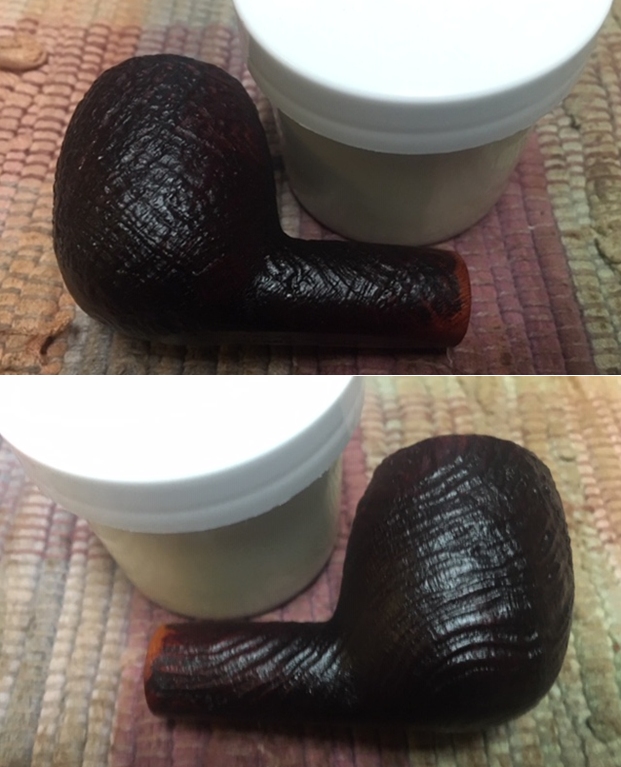
Now on to my part of the restoration of this Comoy’s Apple. The bowl and rim top were in great condition so this part of the restoration was very easy for me. I only had to rub the bowl down with Before & After Restoration Balm. I worked it into the surface of the briar with my fingertips and a horsehair shoe brush to clean, enliven and protect it. I let the balm sit for a little while and then buffed with a cotton cloth and shoe brush to raise the shine. Mark Hoover’s Balm is a product that I have come to appreciate and one I use on every pipe I have been working on. I set the bowl aside and turned my attention to the stem. I worked over the light tooth marks and blended them into the stem surface with 220 grit sandpaper. I started polishing the stem with 400 grit wet dry sandpaper. At this point it is starting to look much better.  I polished the vulcanite with micromesh sanding pads – 1500-12000 grit pads. I wiped it down with a damp cloth after each sanding pad. I used Before & After Pipe Polish – both Fine and Extra Fine to further polish the stem. This Comoy’s Sandblast 334 Apple turned out to be a great looking pipe. The mix of brown stains highlights the sandblasted grain around the bowl sides, top and bottom. The lighter brown stain on the flat bottom of the heel and shank as well forming a band around the shank end is a great contrast. The finish on the pipe is in excellent condition and the contrasting stains work well with the polished vulcanite taper stem. I put the stem back on the bowl and carefully buffed the pipe with Blue Diamond on the buffing wheel using a light touch on the briar. I gave the bowl and stem multiple coats of carnauba wax on the buffing wheel and followed that by buffing the entire pipe with a clean buffing pad. I hand buffed the pipe with a microfiber cloth to deepen the shine. The finished Comoy’s Sandblast Apple fits nicely in the hand and feels great. Give the finished pipe a look in the photos below. The dimensions of the pipe are Length: 5 ½ inches, Height: 1 ¾ inches, Outside diameter of the bowl: 1 ¼ inches, Chamber diameter: ¾ of an inch. If you are interested in carrying on Bob’s legacy with this pipe send me a message or an email. I have a lot more to work on of various brands. Perhaps one of those will catch your attention. Thanks for reading this blog and my reflections on the pipe while I worked on it. This is an interesting estate to bring back to life.

Restoring a Comoy’s Sandblast 215 Bent Billiard


Blog by Steve Laug

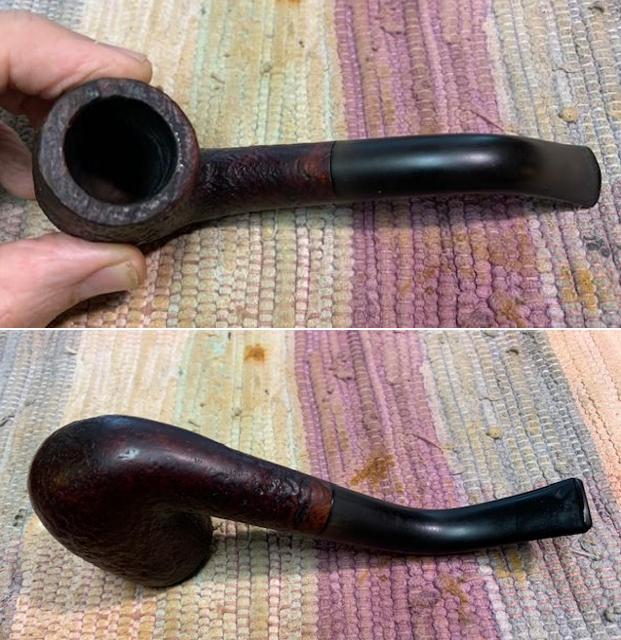
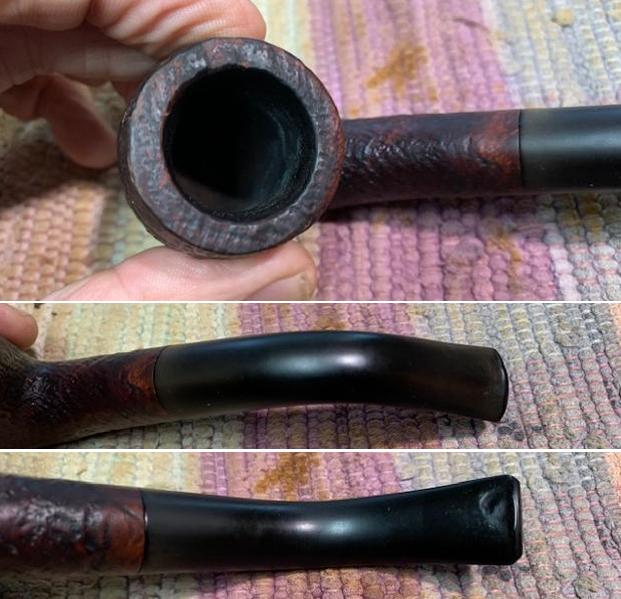
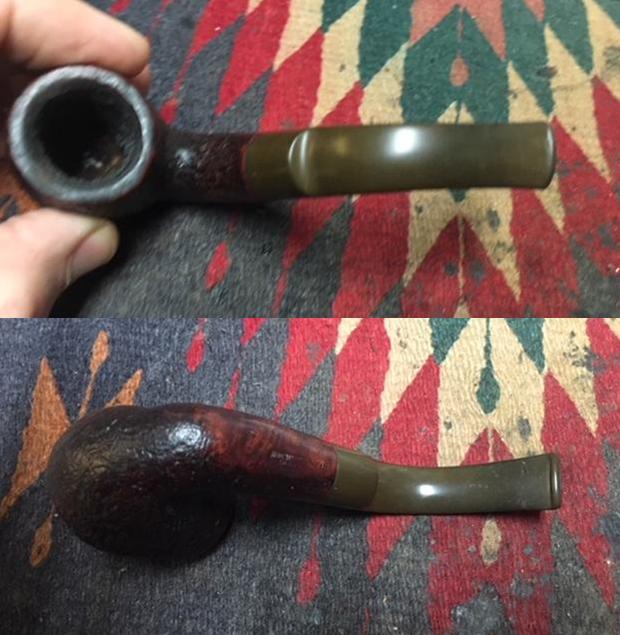
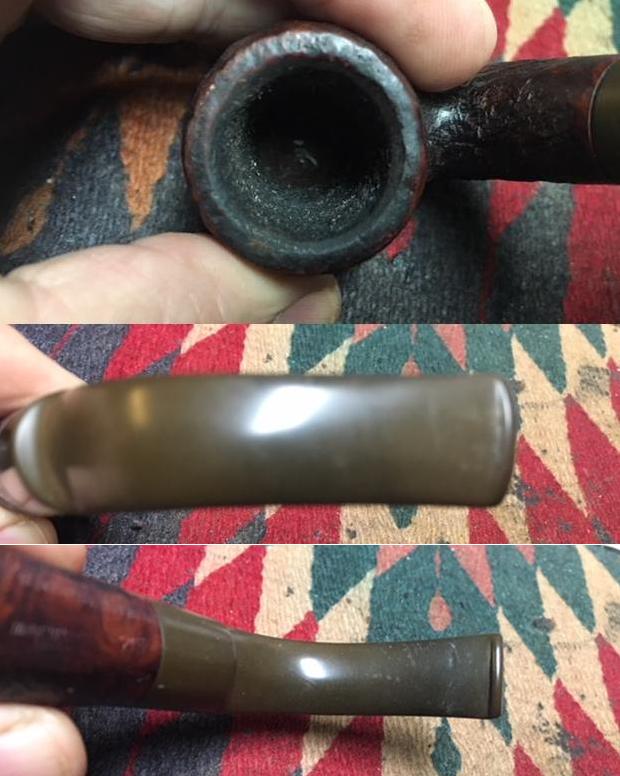
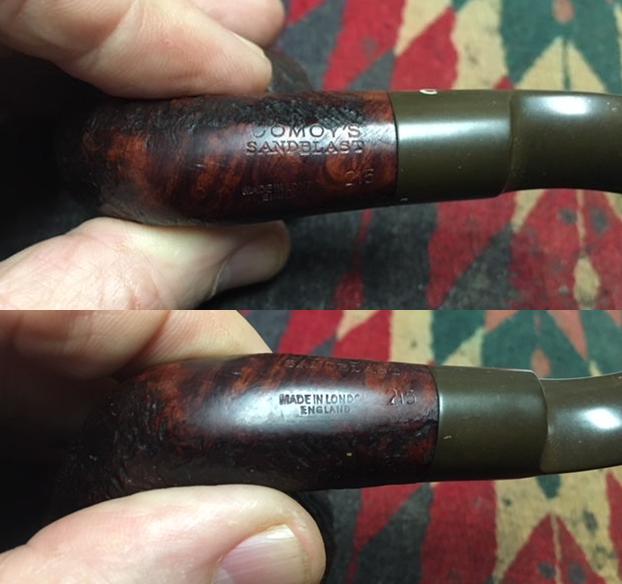
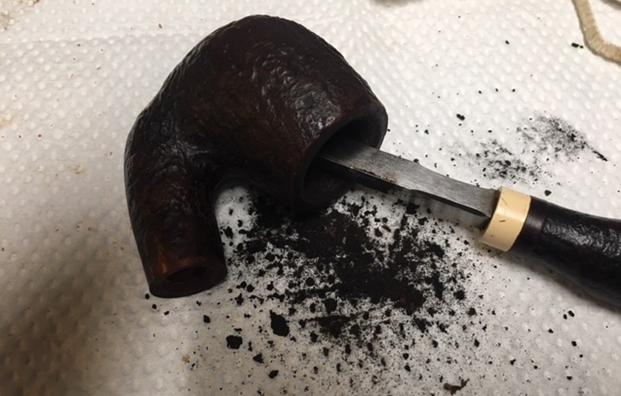
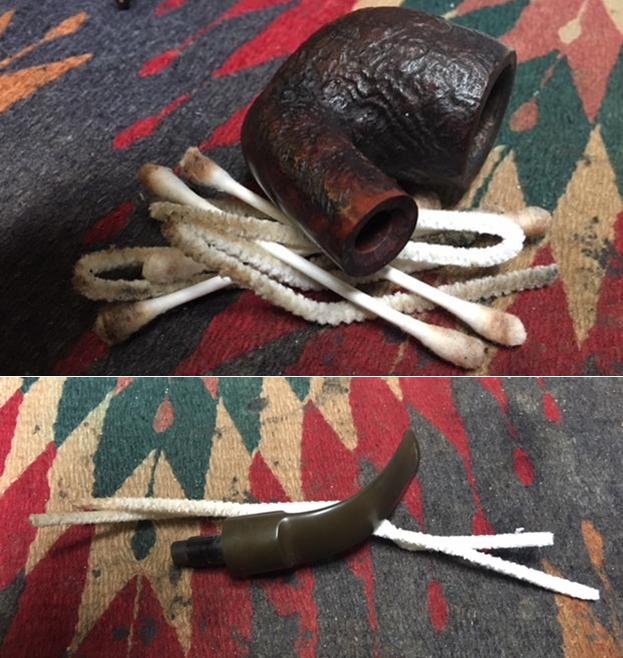
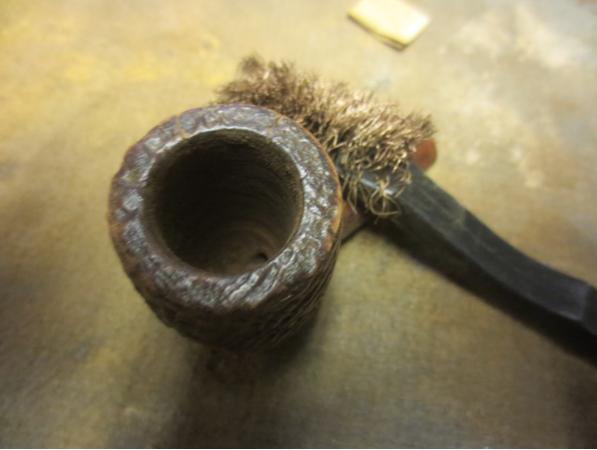
Recently I was contacted by a reader, Daniel about restoring a couple of pipes that he had picked up at a local antique shop. The first was a nice looking Art Deco style pipe with a prow and fins around the bowl. I wrote about the restoration of the C.B. Weber Streamliner already at this link: https://rebornpipes.com/2018/03/30/restoring-a-cb-weber-inc-maplewood-streamliner/. The second pipe was a briar Comoy’s Sandblast Bent Billiard that I worked on next. The bowl had a thick cake in it that had overflowed onto the rim top. There were shards of tobacco in the bottom of the bowl and on the sides as well. The finish was dirty but otherwise not too bad. There was a smooth band on the underside of the shank. It was stamped Comoy’s over Sandblast over Made in London over England and next to that was the shape number 215. The vulcanite stem was oxidized and there was tooth chatter on the top and underside at the button. The C logo was not the three part older logo that was on earlier Comoy’s pipe but rather a one part inlay with a different style font. I took photos of the pipe before I began the cleanup process. I took photos of the rim top and both sides of the stem to show the condition of both. The close up of the rim top shows the cake in the bowl and the overflow of lava in the grooves of the sandblast finish. The photo shows the tobacco debris stuck in bottom and on the sides of the bowl. The stem was oxidized and both sides of the stem had tooth chatter near the button. There were no deep tooth marks so it would be a fairly easy cleanup.I took two photos of the underside of the shank rolling it between photos to make sure that all of the stamping was readable.I reamed the bowl with a Savinelli Fitsall Pipe Knife to remove all of the cake and the tobacco debris that was stuck to the walls of the bowl. I scraped the cake back to bare briar so that I could examine the walls of the bowl. There were very clean and there was no checking or burn marks.I cleaned out the interior of the pipe with pipe cleaners, cotton swabs and alcohol. It was not as dirty as I expected. I was able to remove all of the grime and tars that were in the mortise, shank and airway in the stem.I used a brass bristle wire brush to clean up the rim top sandblast. I scrubbed it until the entire rim top was clean and the debris removed. I worked over the inside of the bowl with a folded piece of 220 grit sandpaper to clean up the edge.I scrubbed the surface of the briar with Before & After Restoration Balm, working it into the grooves and deeper areas of the sandblast. The balm enlivens, cleans and protects the briar was it is worked into the finish. I let it sit for a short time and then buffed it off with a soft cloth. I took photos of the bowl to show the condition at this point. I wet sanded the stem with 400 grit wet dry sandpaper to smooth out the tooth marks and chatter. I worked on it until I had removed the majority of the oxidation on the surface. I polished the stem surface with micromesh sanding pads – wet sanding with 1500-2400 grit pads and dry sanding with 3200-12000 grit pads. I wiped it down with Obsidian Oil after each sanding pad. I further polished it with Before & After Pipe Stem Polish – both Fine and Extra Fine deepen the shine. I gave the pipe a final coat of Obsidian Oil and set it aside to dry. I put the stem back on the bowl and worked the pipe over on the buffing wheel using Blue Diamond to lightly polish both the bowl and the stem. I buffed the bowl and stem to raise the gloss on the briar and the vulcanite. I gave the bowl a lighter buff than I did on the stem to keep the polishing material from clogging the deep grooves of the blast. I gave the bowl multiple coats of Conservator’s Wax and gave the stem multiple coats of carnauba wax. I buffed the entire pipe with a clean buffing pad to raise the shine. I hand buffed it with a microfiber cloth to deepen the shine. The finished pipe is shown in the photos below. The contrasting brown stain – both medium and dark brown goes well with the rich black of the vulcanite stem. The dimensions of the pipe are: Length: 5 1/2 inches, Height: 1 3/4 inches, Outside Diameter: 1 1/4 inches, Diameter of the chamber: 3/4 inches. This is a newer Comoy’s pipe as far as can tell from the shape and fit of the C logo on the stem. Now that Daniel’s second pipe finished I will soon pack them up and mail both of them back to him. I know he is looking forward to loading it up and smoking it. Thanks for walking with me through the restoration.
Restemming a Comoy’s Sandblast Goldenbark 6 Billiard


Blog by Steve Laug

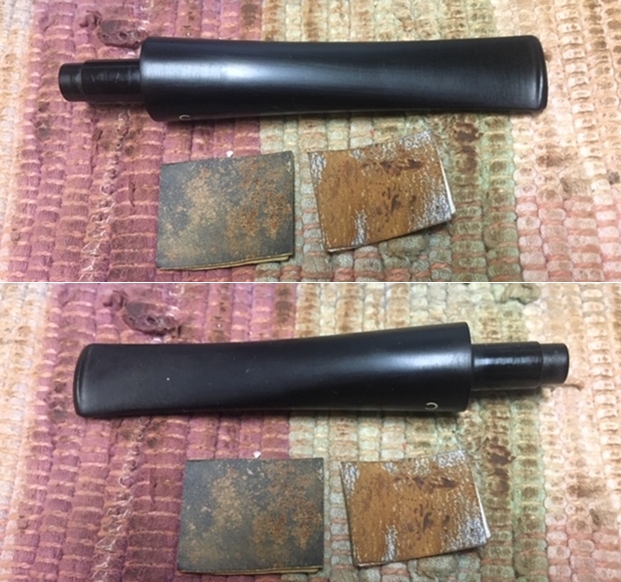
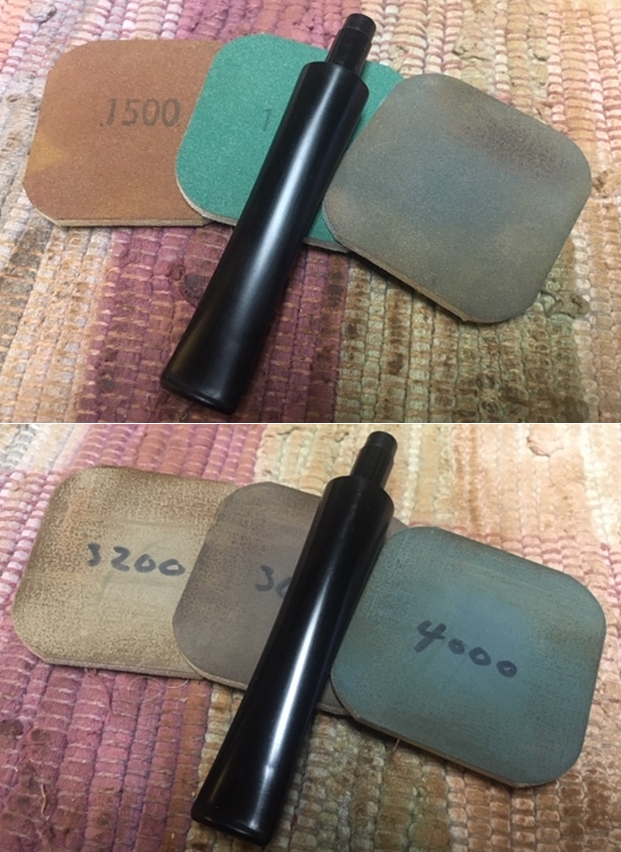
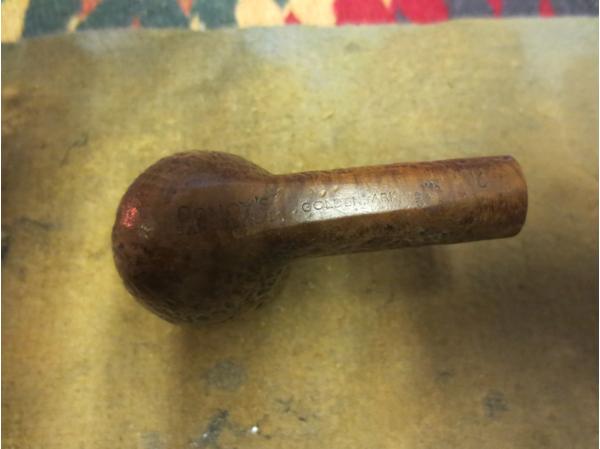
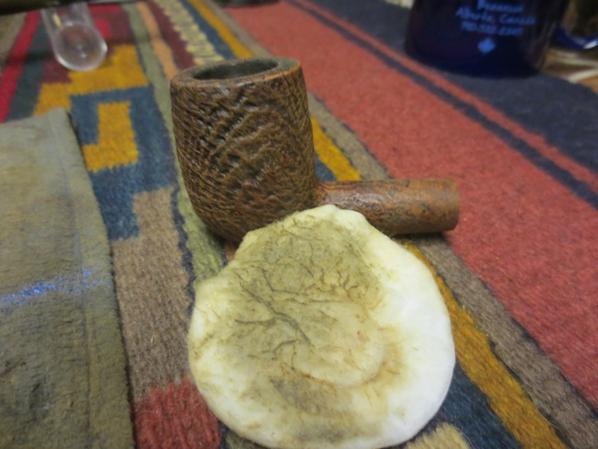
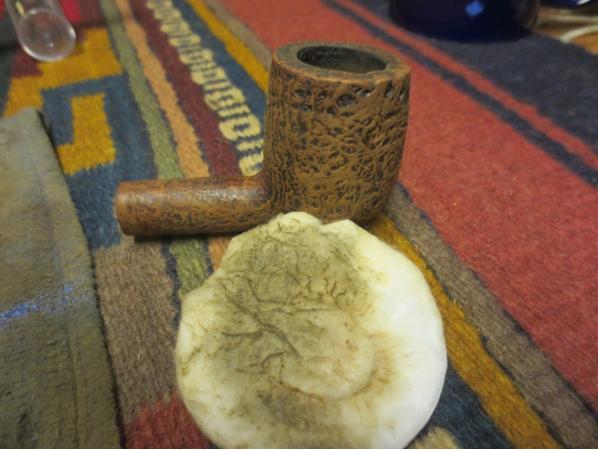
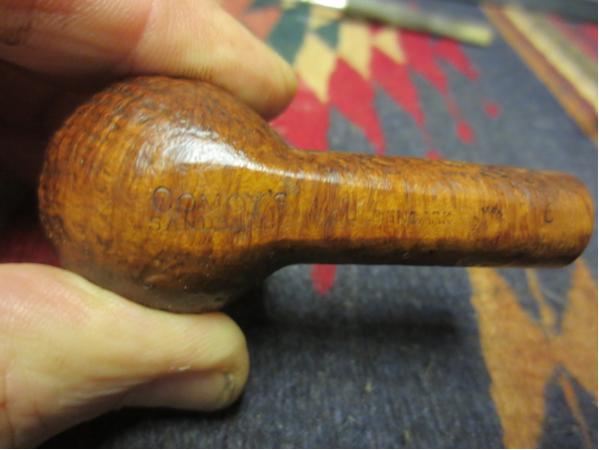
This sandblast bowl came to me in a lot of pipes from eBay. When I saw it I was pretty excited about refurbishing it. It had a great blast and really appeared to be a decent looking pipe. With a little bit of elbow grease it would be a beauty. It is stamped on the on the underside of the shank in a smooth flat base. It reads COMOY’S over SANDBLAST on the bottom of the bowl. Next to that is stamped GOLDENBARK followed by the Com Stamp – a circle composed of MADE ENGLAND with IN stamped in the middle of the circle. Following that it is stamped with the number 6. The finish was dirty but underneath there was some great grain showing through the blast. Someone had reamed the bowl before I got it so it was really quite clean. Once the grime was cleaned out of the swirls and ridges in the blast it would look really sharp. I would need to fit a stem to the shank to complete this pipe but it had a lot of promise.Comoy1 Comoy2 Comoy3 Comoy4I went through my can of stems and found this one. It took very little sanding on the tenon to get a snug fit in the shank.Comoy5 Comoy6I scrubbed the top of the rim with a brass bristle brush to remove the tars and grit in the sandblast in that area. The blast looked really good under the grit. So far so good!Comoy7I scrubbed the finish with acetone on cotton pads to remove the finish and the grit.Comoy8 Comoy9 Comoy10With the grime cleaned off the rim I found three disturbing looking cracks on the rim. One of them was small and was on the top with minimal cracking down the side of the bowl. One of them was cracked down the inside of the bowl about ½ of an inch and the third was cracked down the outside of the bowl almost an inch. This was a huge disappointment. I figured I had a nice example of a Comoy’s Sandblast and while it was the cracks gave me serious pause. This one would clean up and be good basket pipe but never one that is stellar. It would probably last longer than me but I was choked.

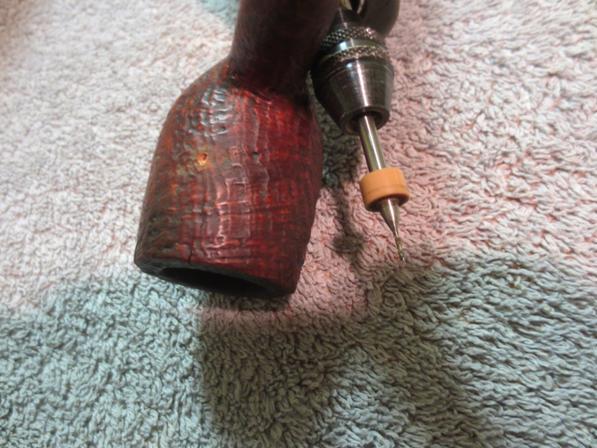
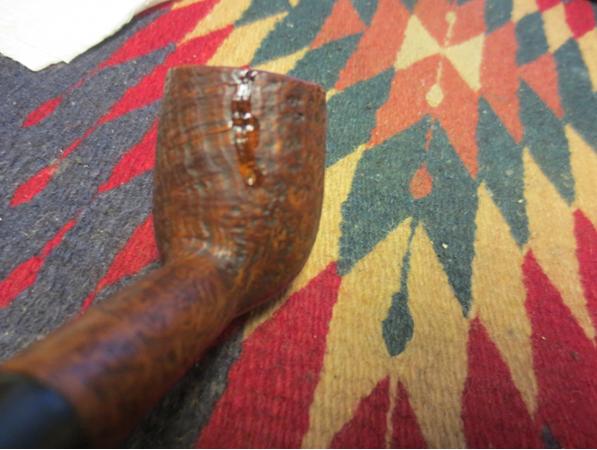
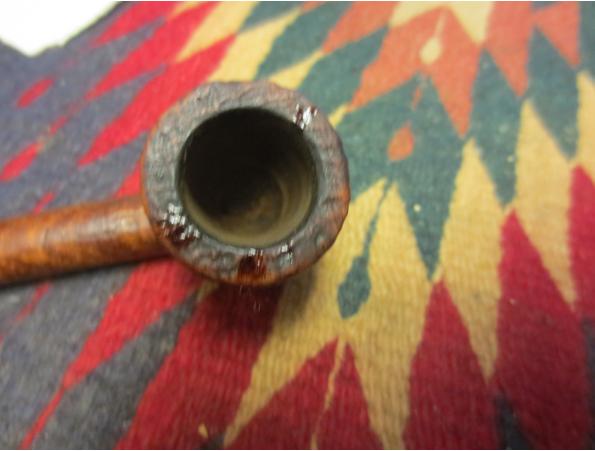
I almost stopped working on it at this point and pitched it back in the refurb box but I decided since I was so close to finishing it I would complete the task. I rubbed the bowl down with a light coat of olive oil and dried it off. I buffed the bowl with a shoe brush.Comoy11 Comoy12The photo below of the top of the rim shows the crack toward the back of the bowl that ran down the back side for almost an inch. I would need to drill the end of the crack and repair it. The other cracks are not as visible but they are at about 10 and 4 if the front of the bowl is 12.Comoy13 Comoy14I used a micro drill bit on the Dremel to drill a small hole at the bottom end of the largest crack. The crack on the inside of the bowl was irreparable at this point and I drilled a small hole at the end of the small crack as well. Comoy15I used a tooth pick to push super glue into the holes and then pushed super glue into the cracks on the bowl sides. At the top of the rim I also used the tooth pick and pressed the glue down into the cracks.Comoy16 Comoy17Once the glue had dried I used a sanding stick to gently sand the glue that was on the surface of the rim and in the cracks on the bowl sides to remove the excess.Comoy18 Comoy19The repairs to the cracks were as complete as I could make them so I set the bowl aside and worked on the stem. I have to tell you the pleasure of fitting this stem and making it shine had pretty much dissipated. This is one of the frustrating things about pipe restoration. You find what appears to be a great pipe only to run into unforeseen issues in the restoration. For me this one had move from a pleasure to a “get it done” pipe! I wet sanded the stem with 1500-2400 grit micromesh sanding pads and then rubbed it down with Obsidian Oil. I dry sanded with 3200-4000 and gave it another coat of oil. I finished with 6000-12000 grit pads and gave it a final coat of oil. I set it aside to dry.Comoy20 Comoy21 Comoy22I buffed the pipe with Blue Diamond on the buffing wheel – careful to have a light touch on the bowl. I then gave the pipe several light coats of carnauba wax. I buffed the pipe with a clean buffing pad to raise the shine. I then buffed it by hand with a microfibre cloth. The look of the blast is quite beautiful it is only a shame that the bowl had the cracks in it. The repairs are quite invisible but I know that they are there and to me it diminishes the beauty of the pipe. It will likely smoke well and last longer than me. One day I will likely gift it to a friend. Until then it will reside in my collection. The photos below show the finished pipe. Thanks for looking.Comoy23 Comoy24 Comoy25 Comoy26 Comoy27 Comoy28 Comoy29