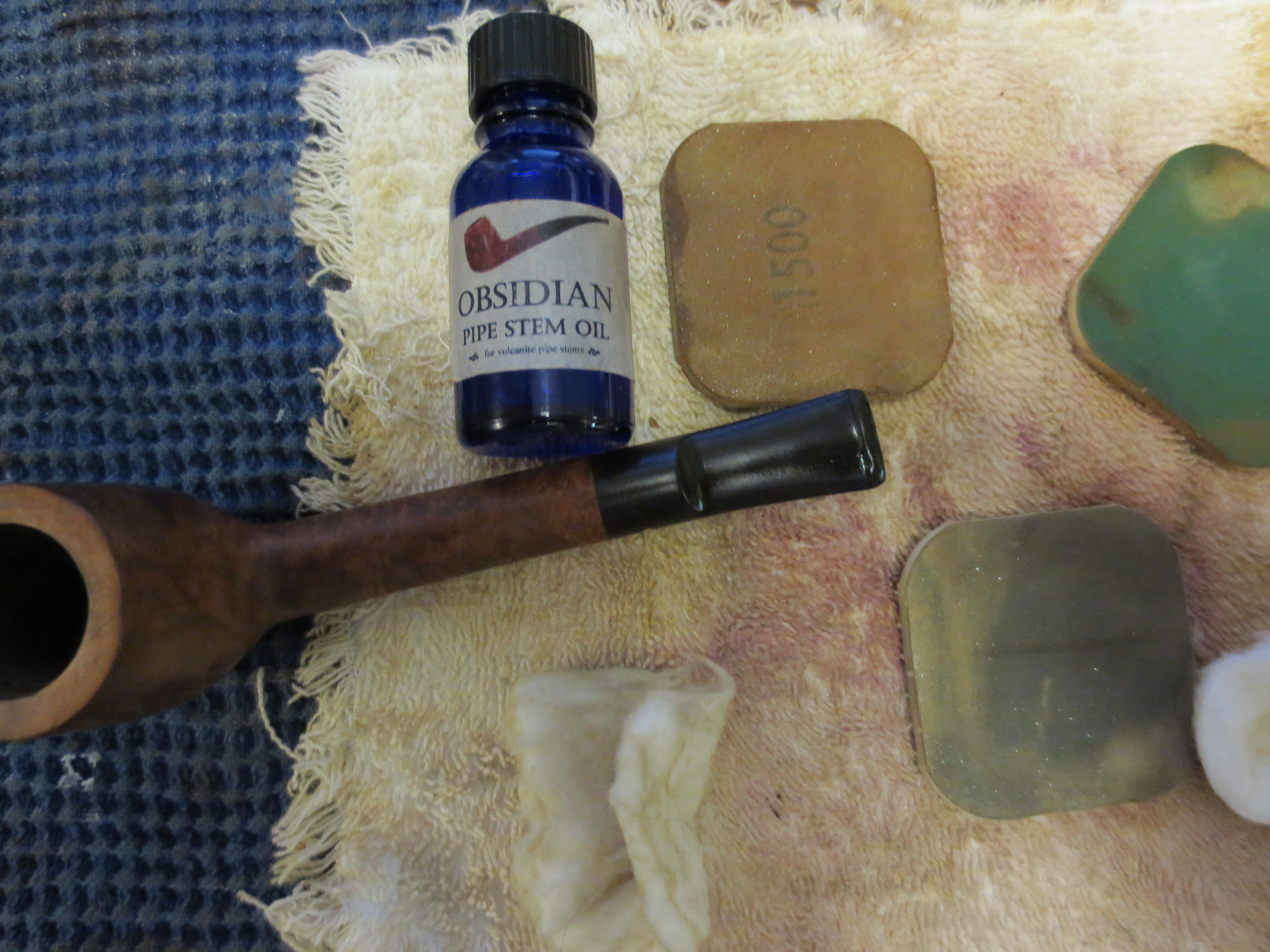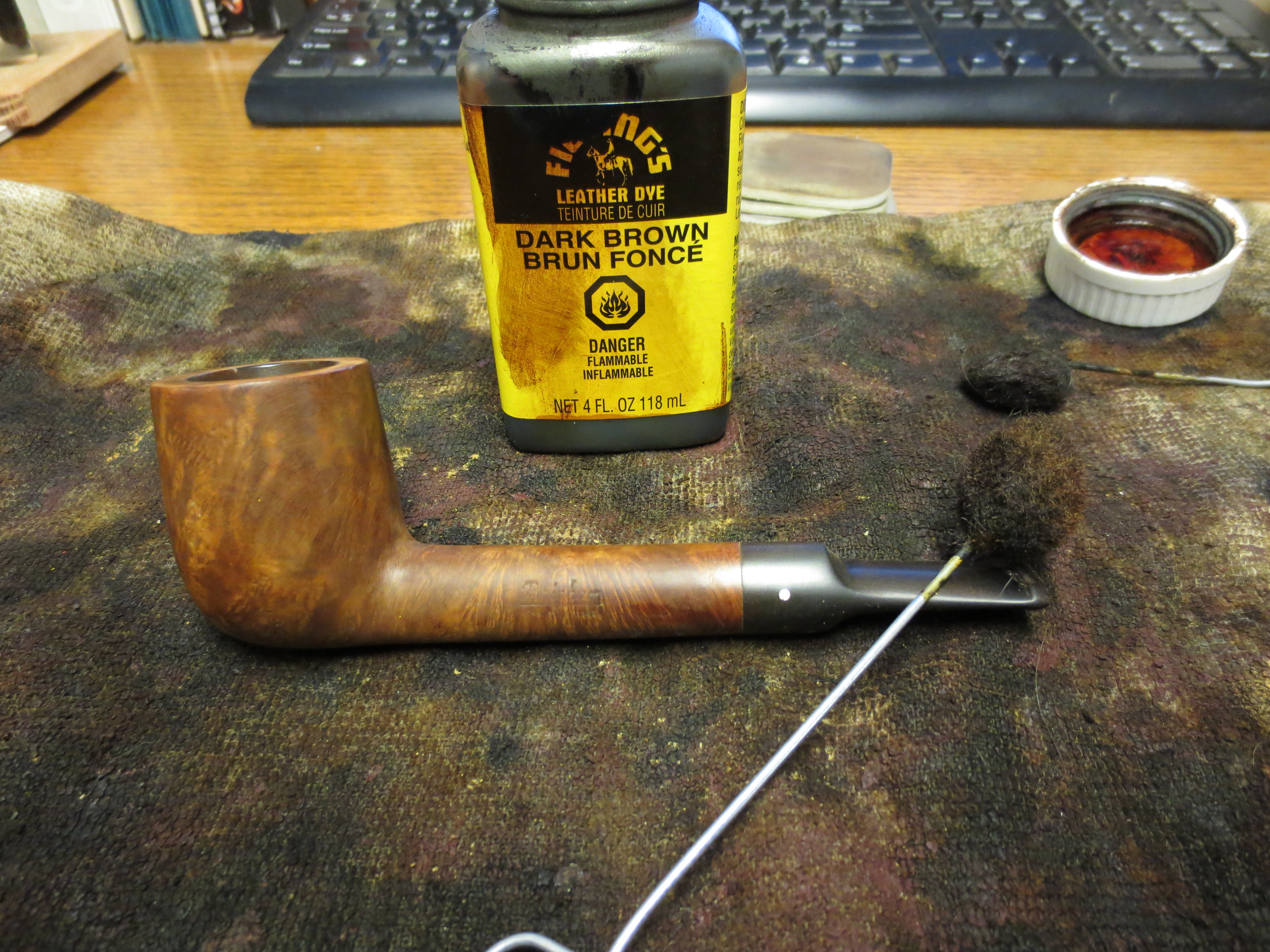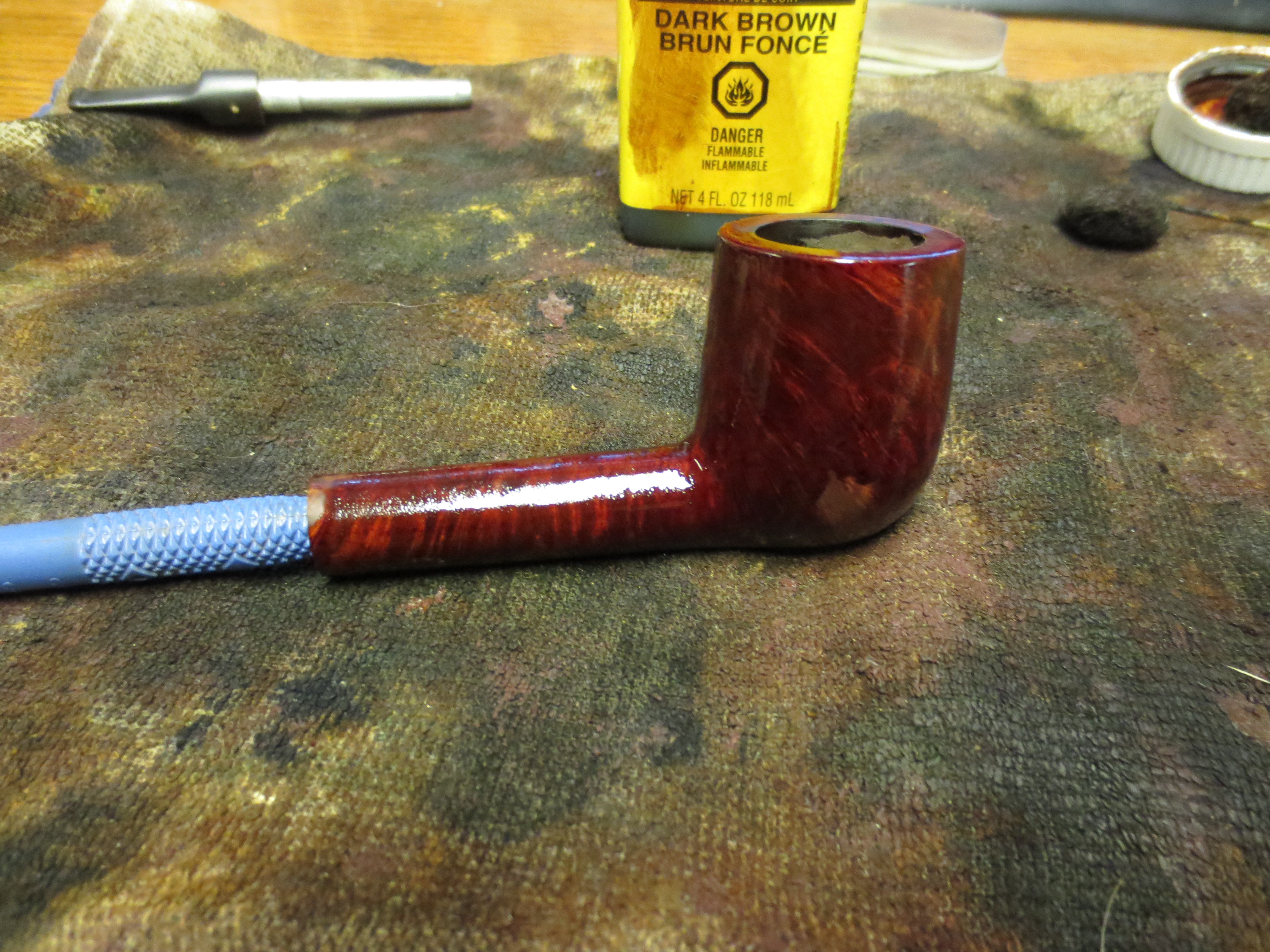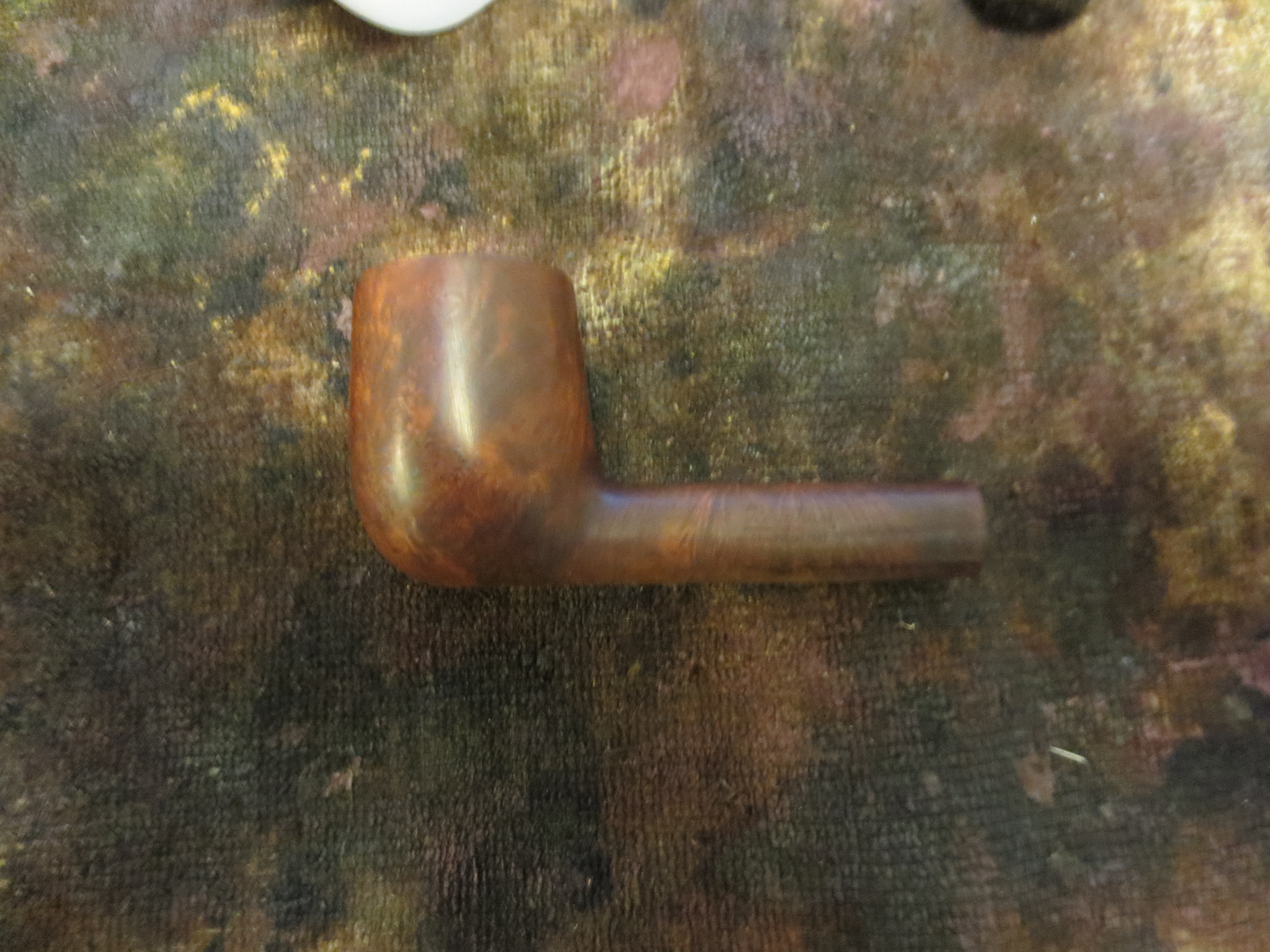
Tag Archives: Brigham System Pipes

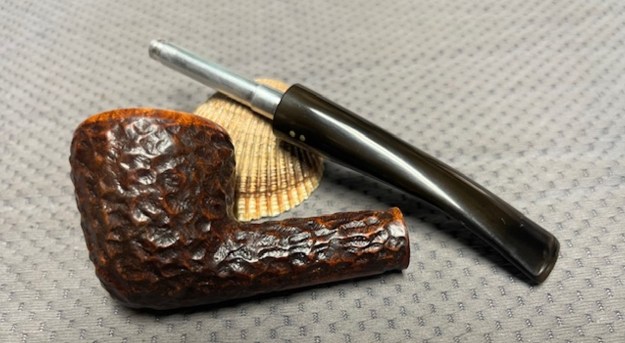
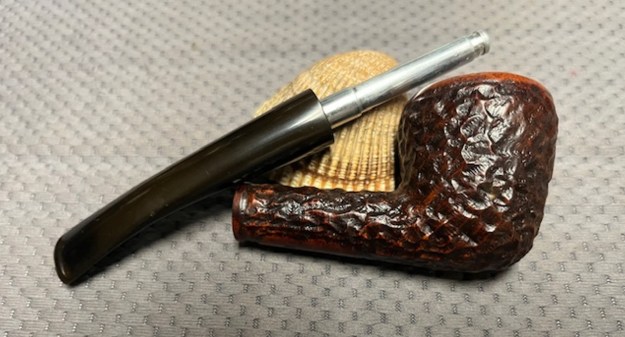
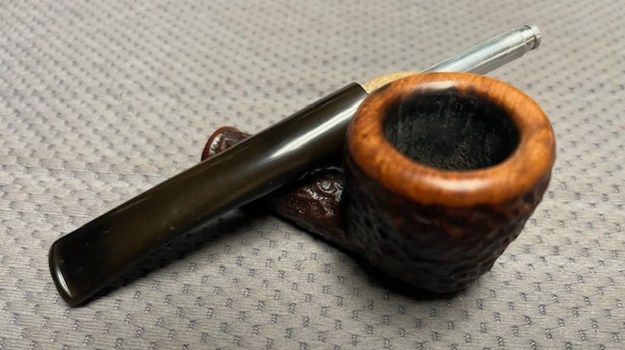
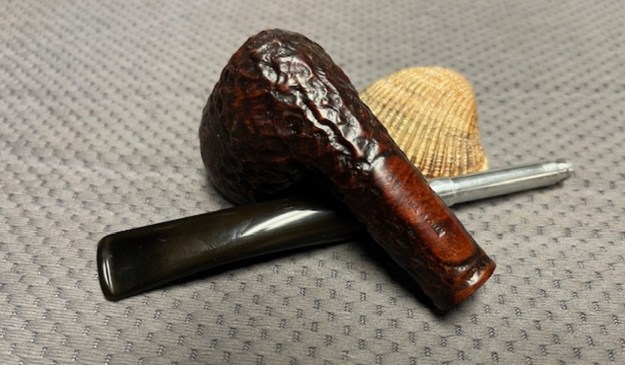
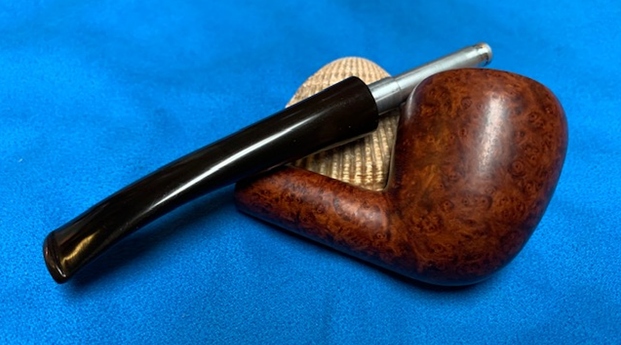
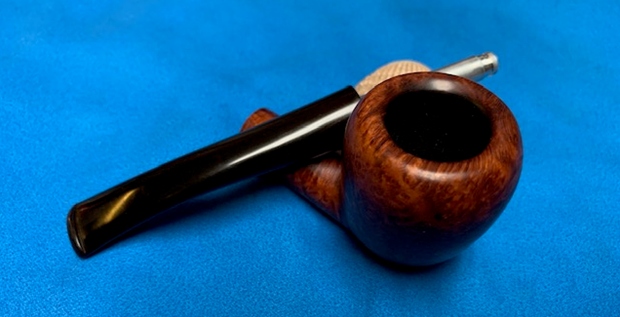
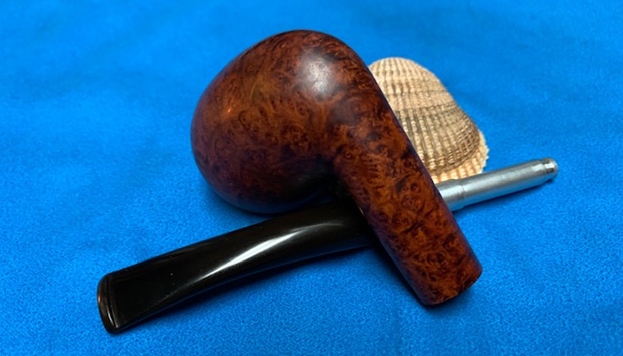
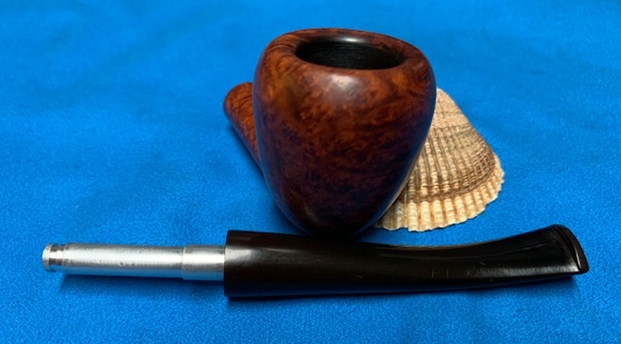
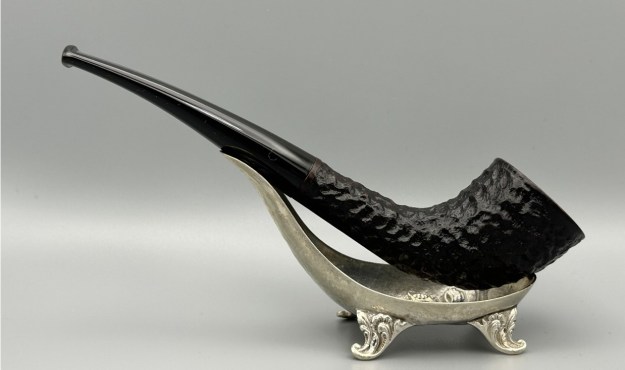
Restoring an Unlisted Brigham 3-Dot Scoop


by Kenneth Lieblich

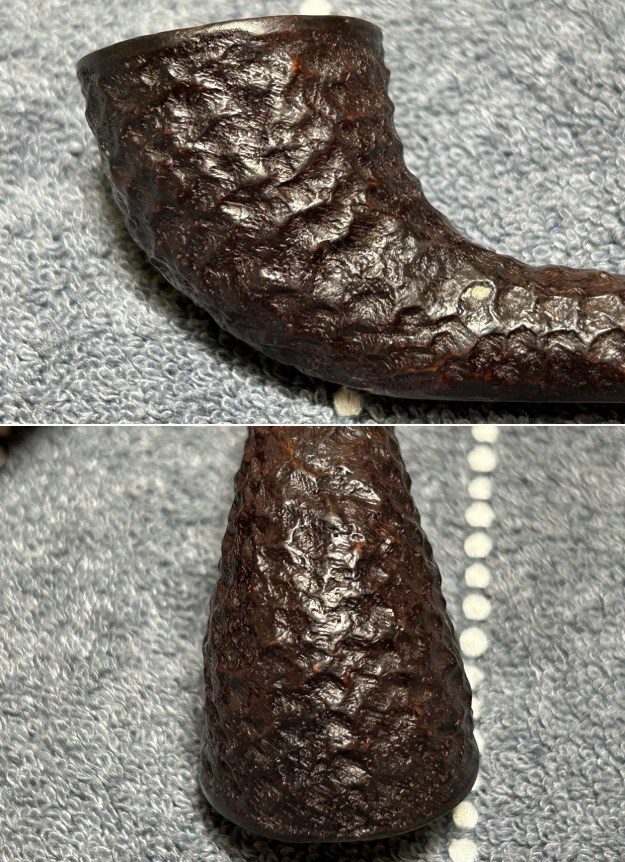
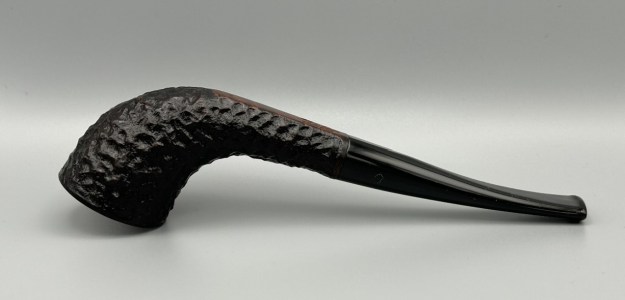
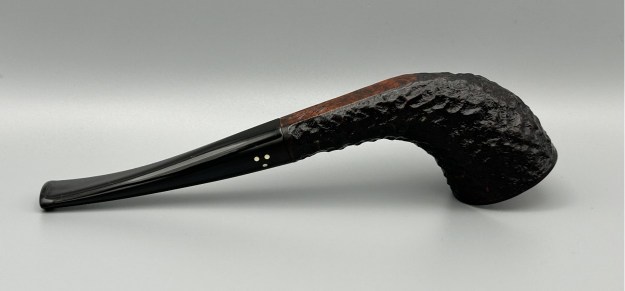
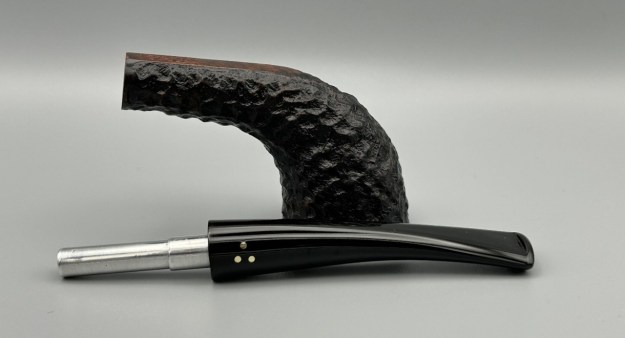
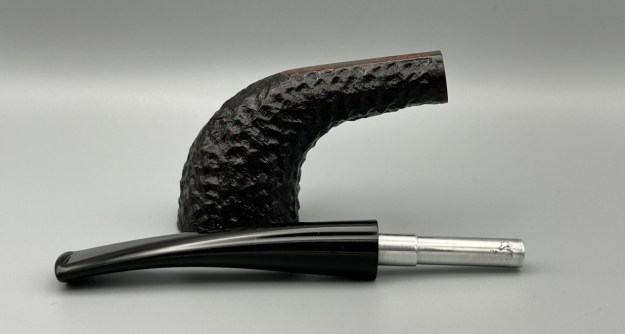
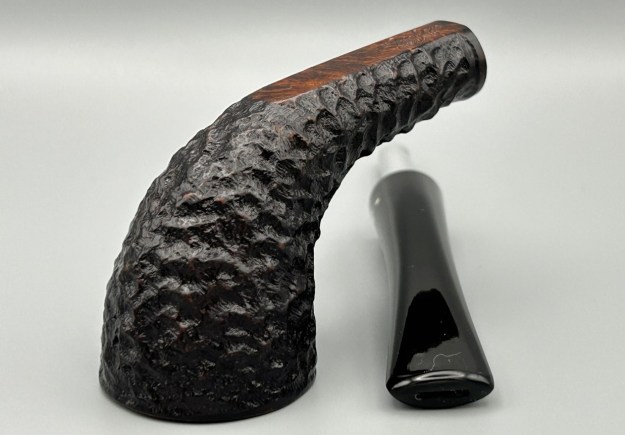
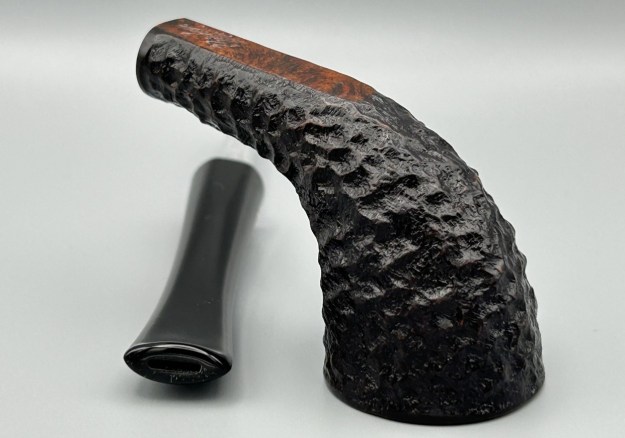
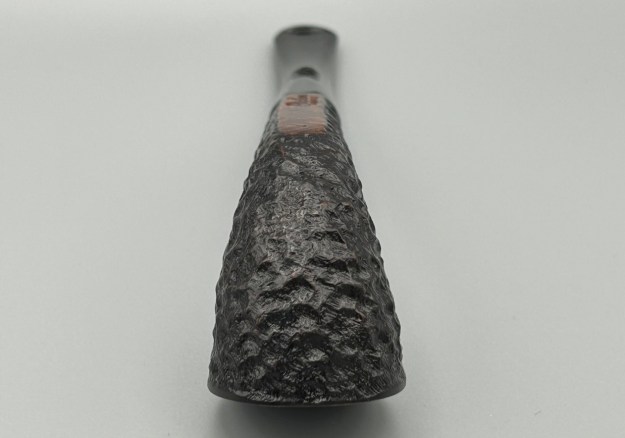
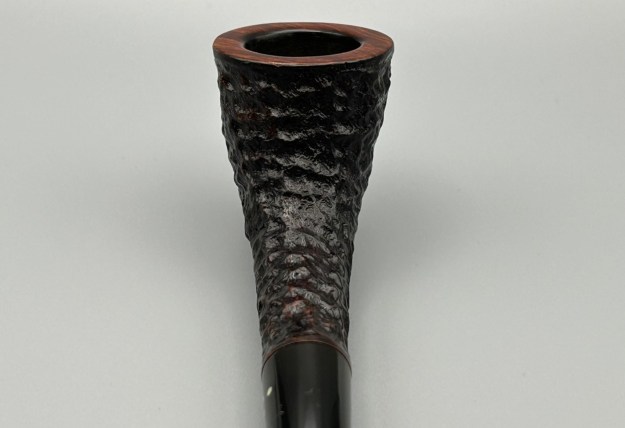
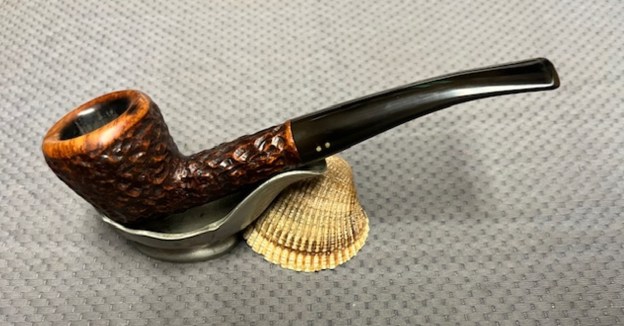
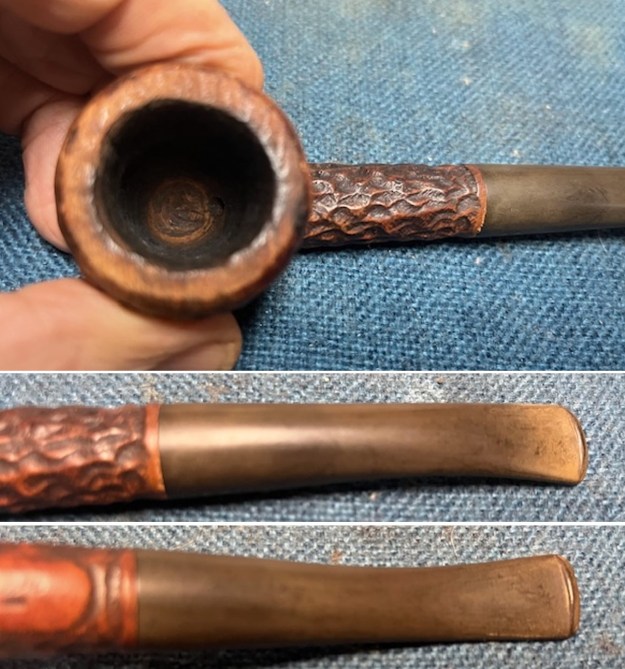
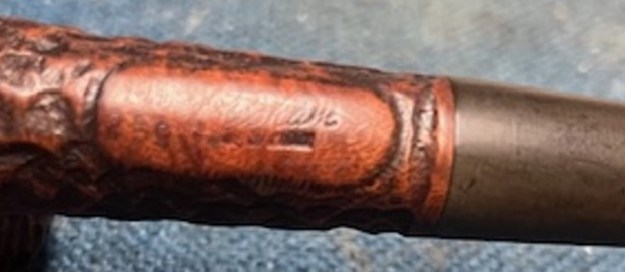
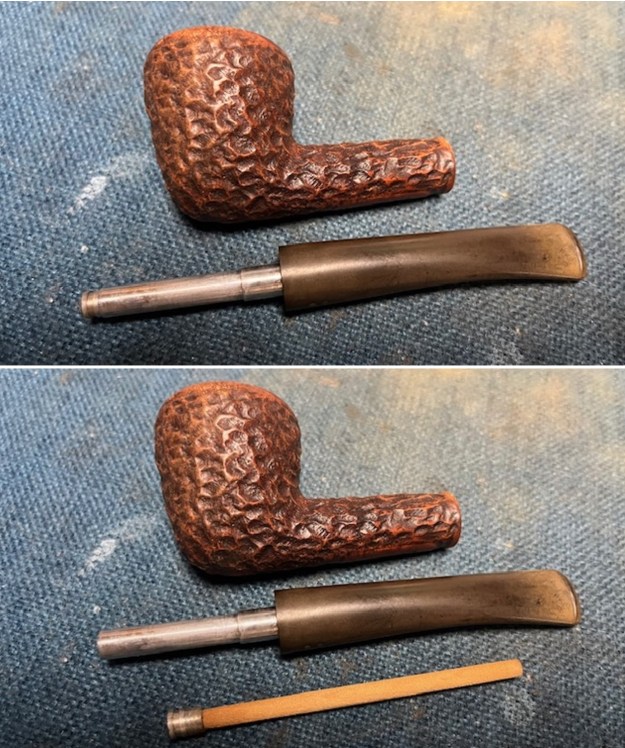
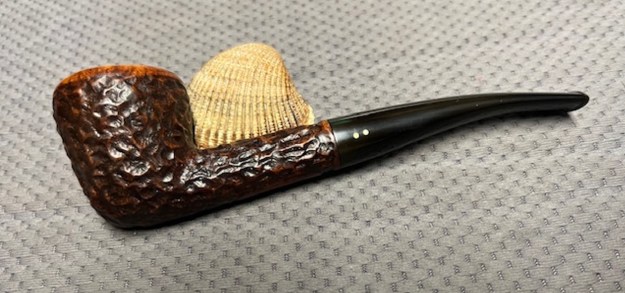
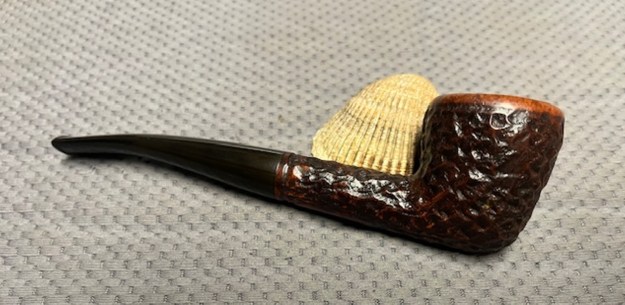
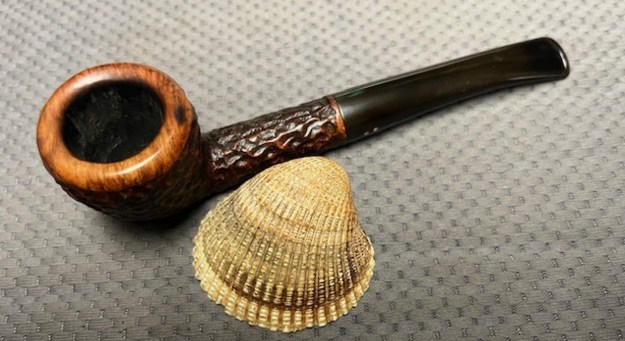
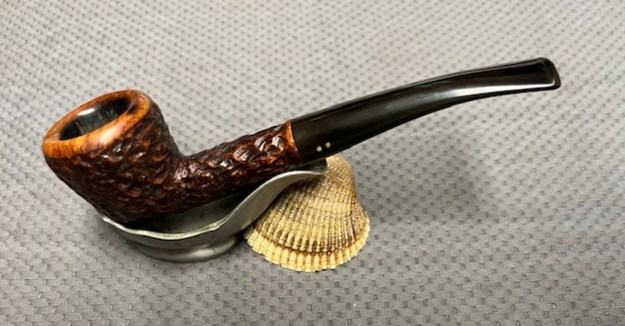
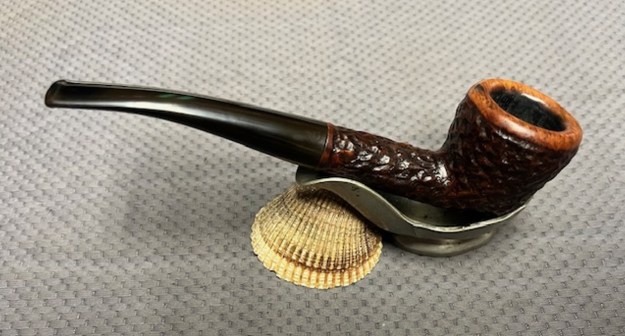
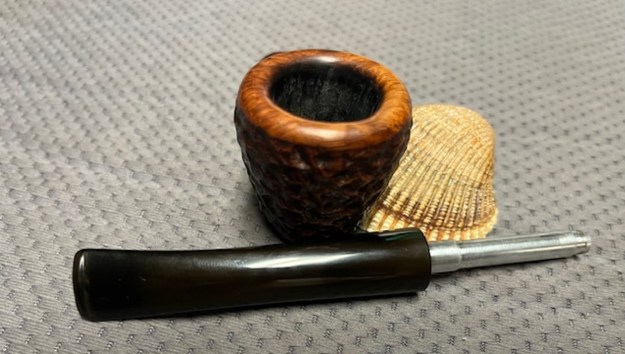
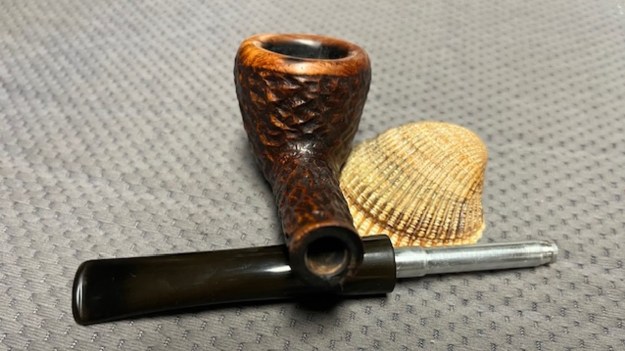
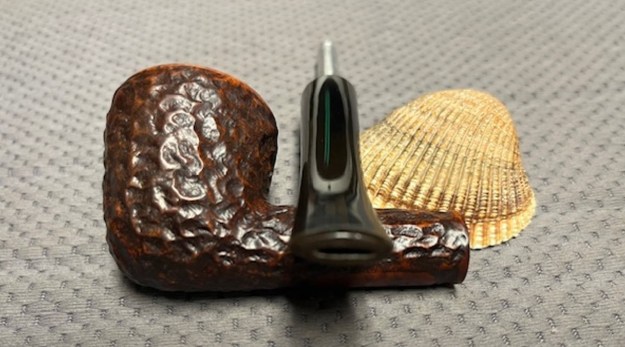
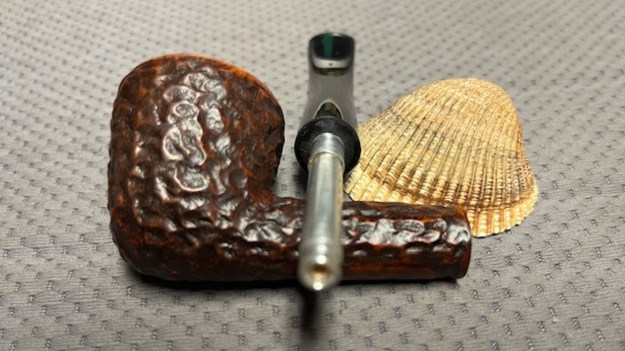
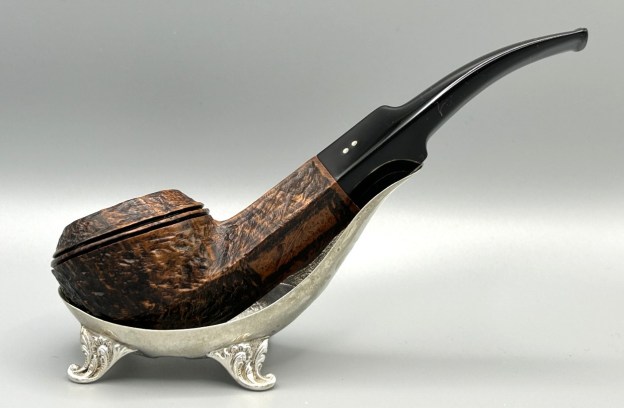
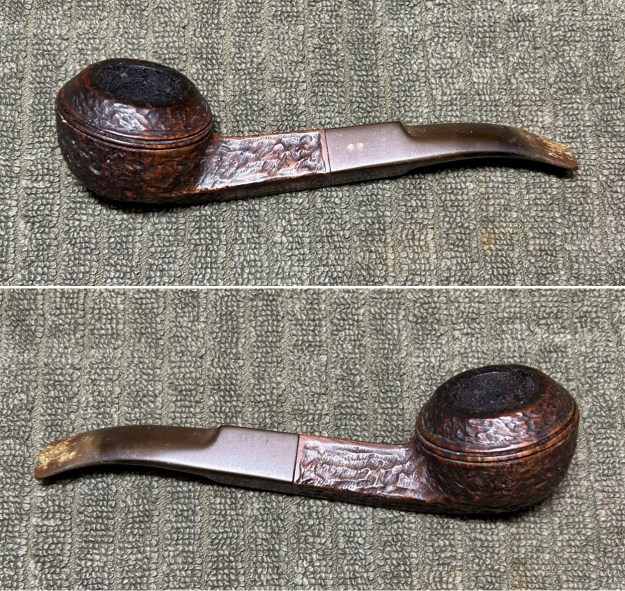
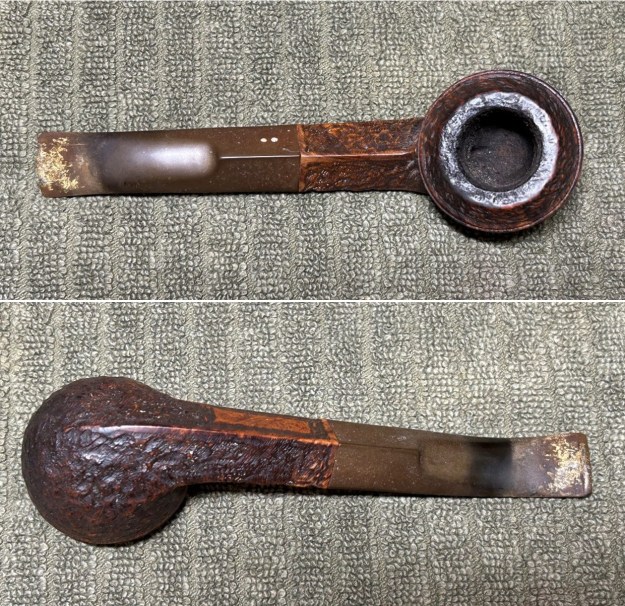
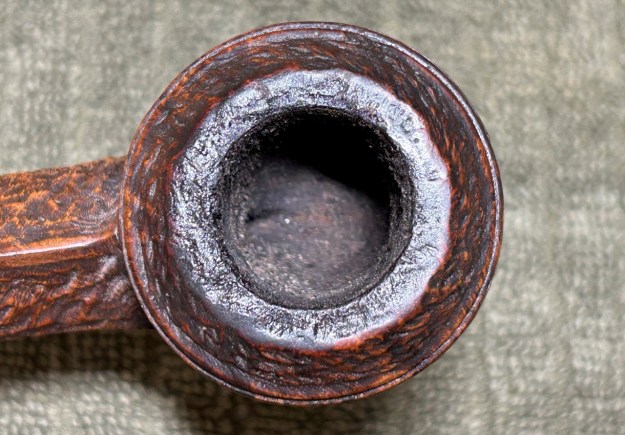
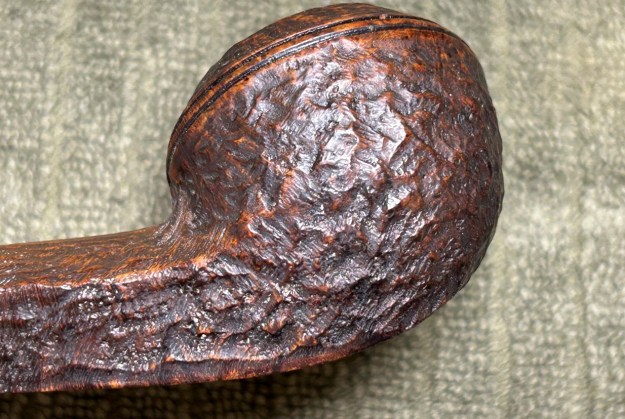
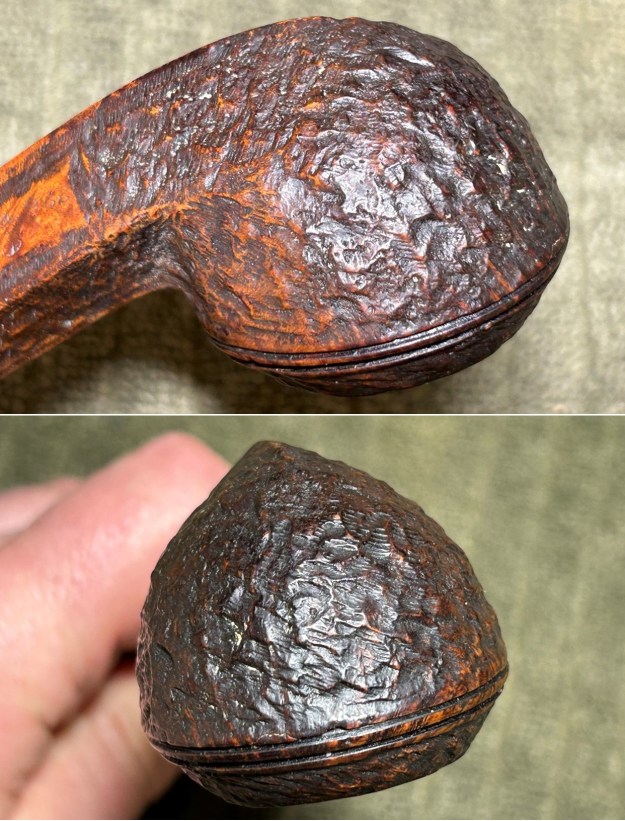
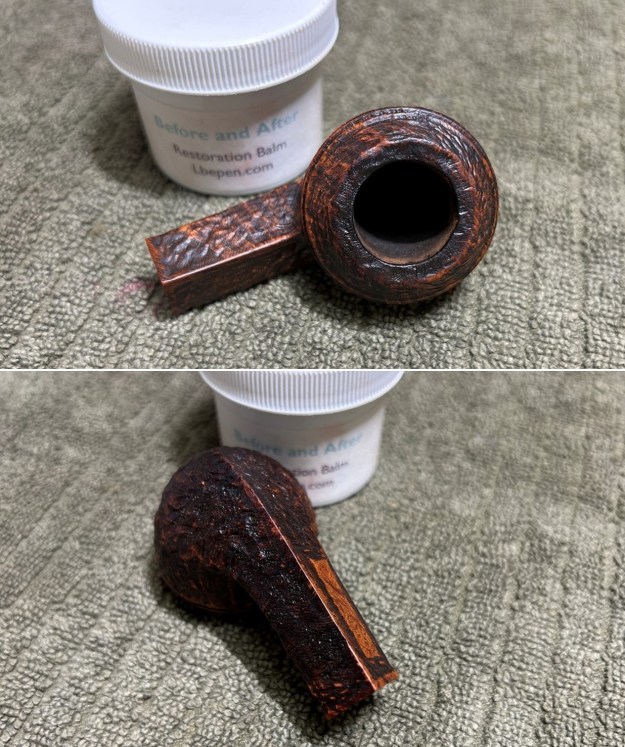
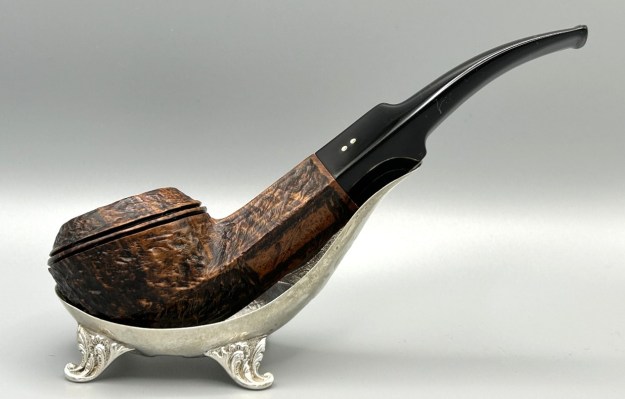
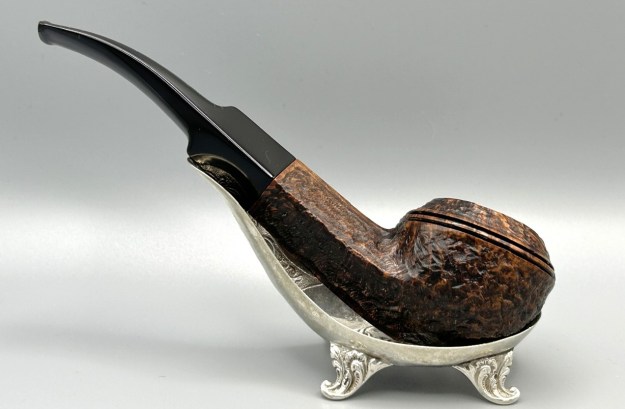
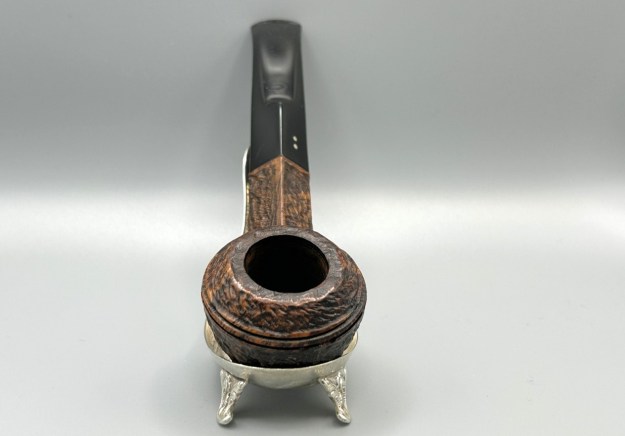
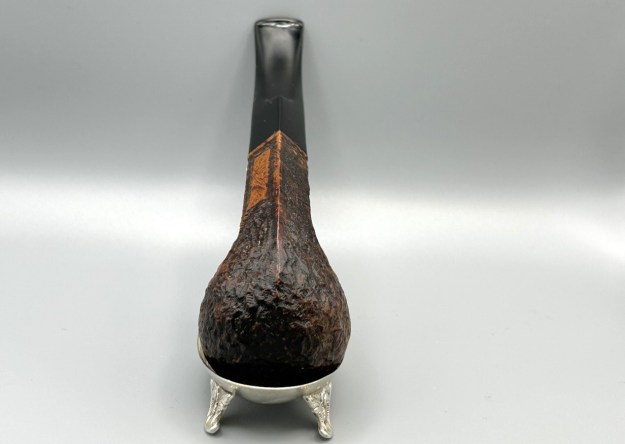
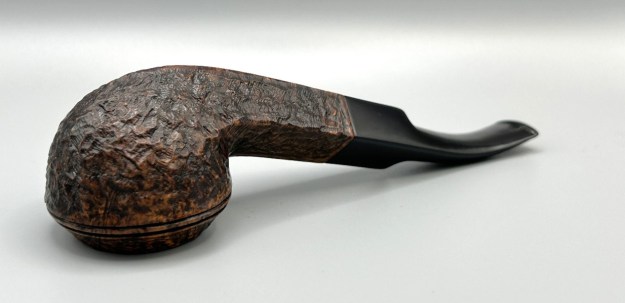
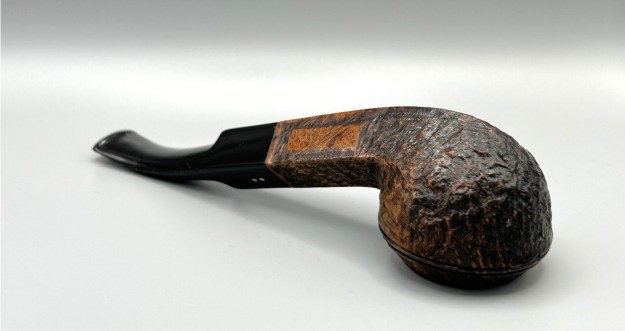
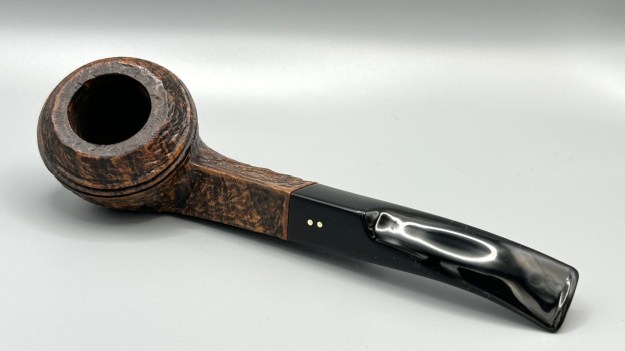
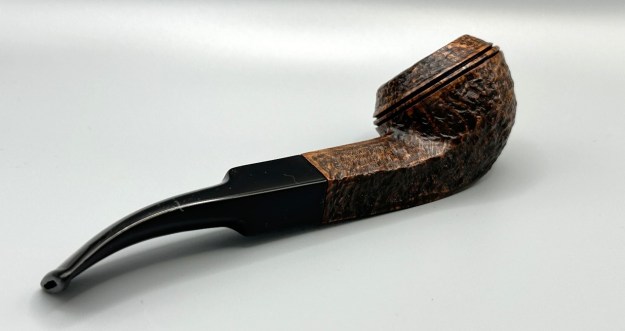
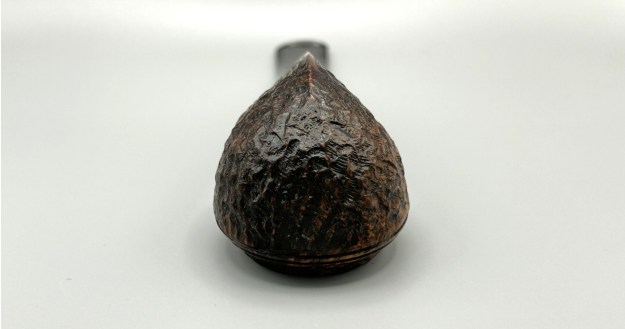
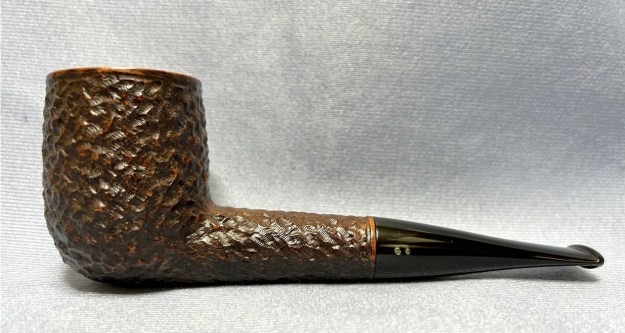
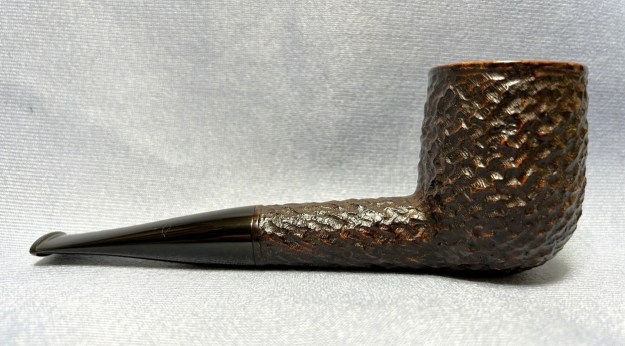
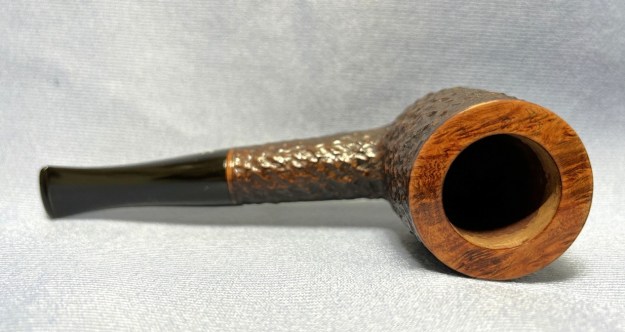
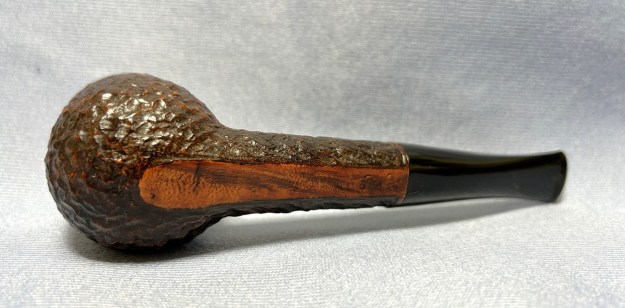
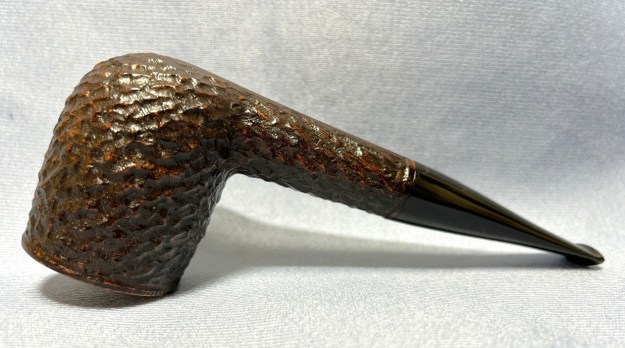
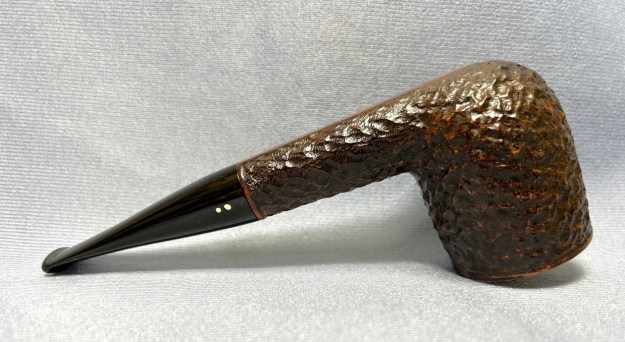
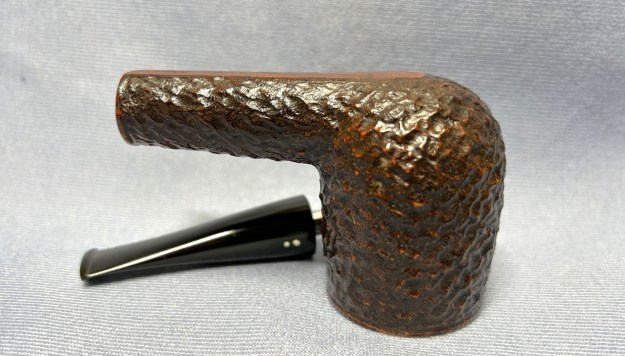
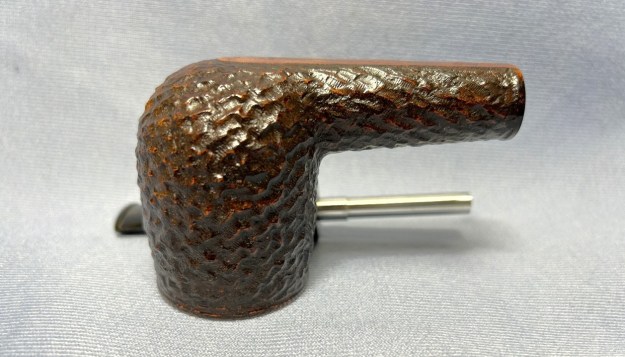
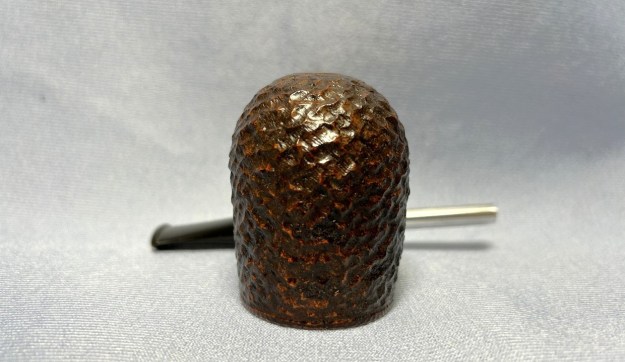
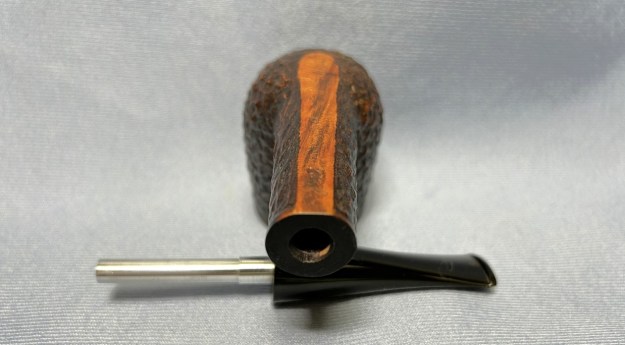
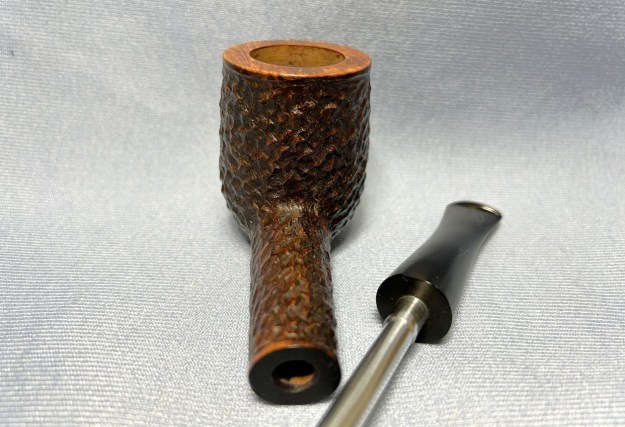
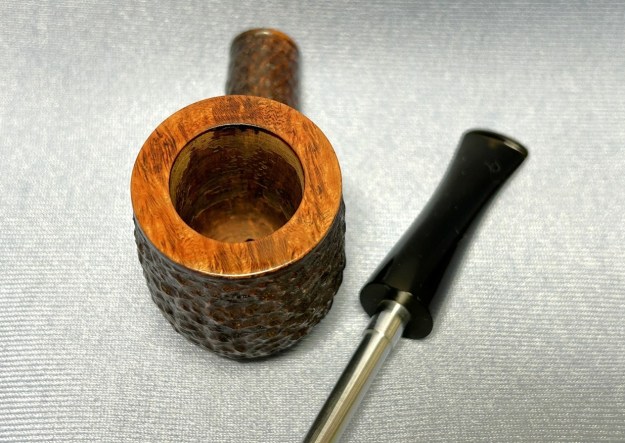
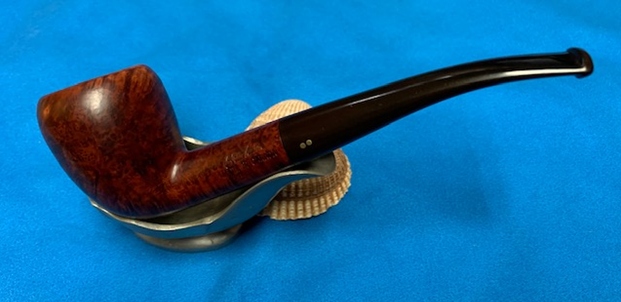
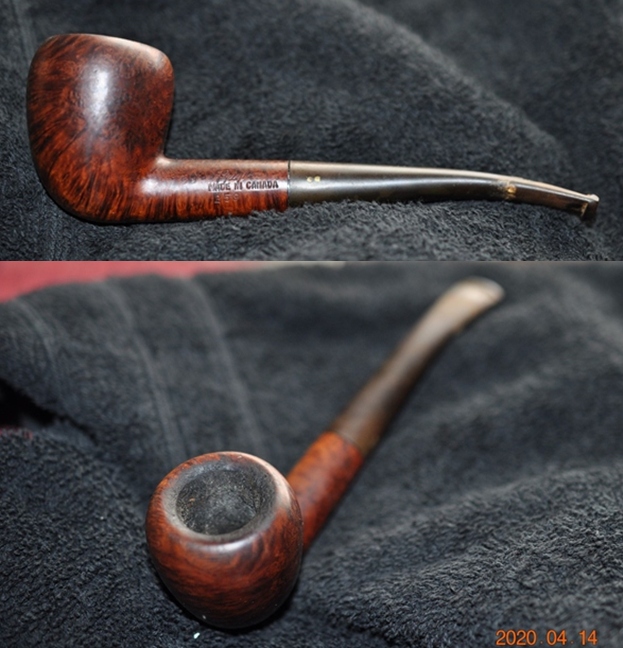
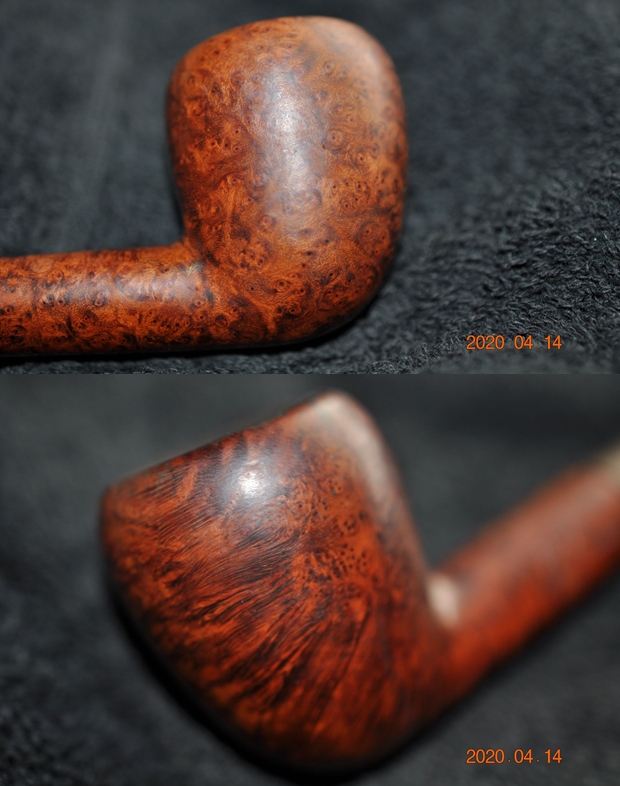
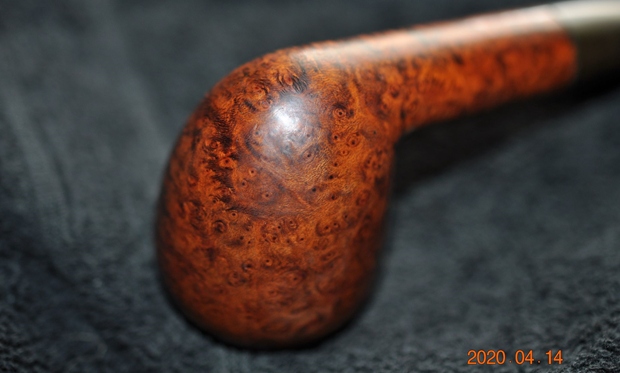
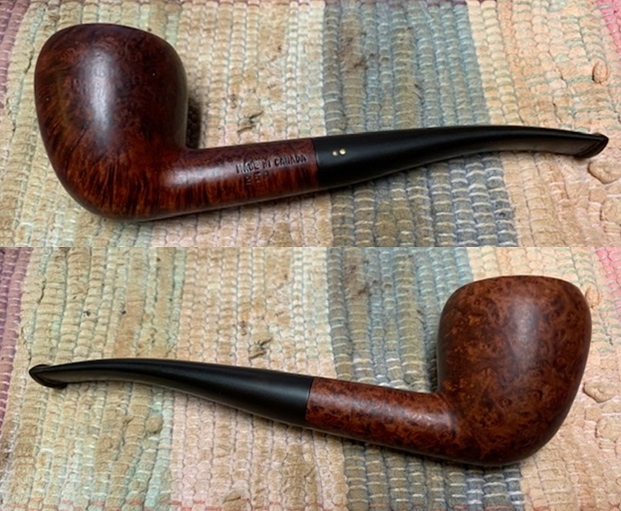
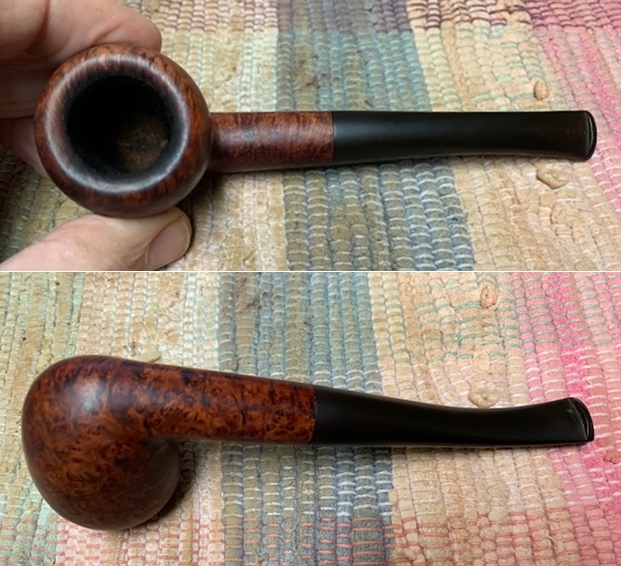
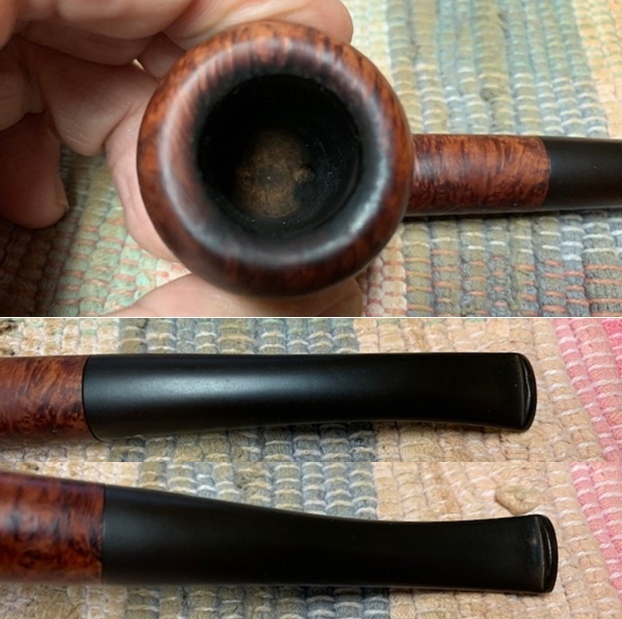
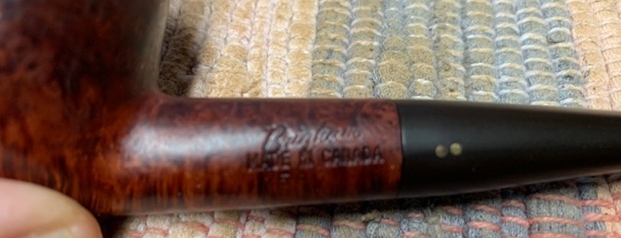
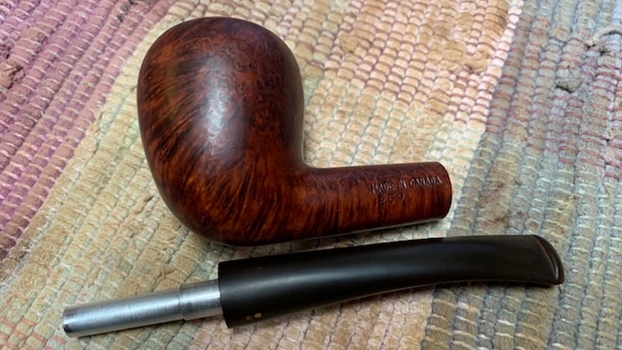
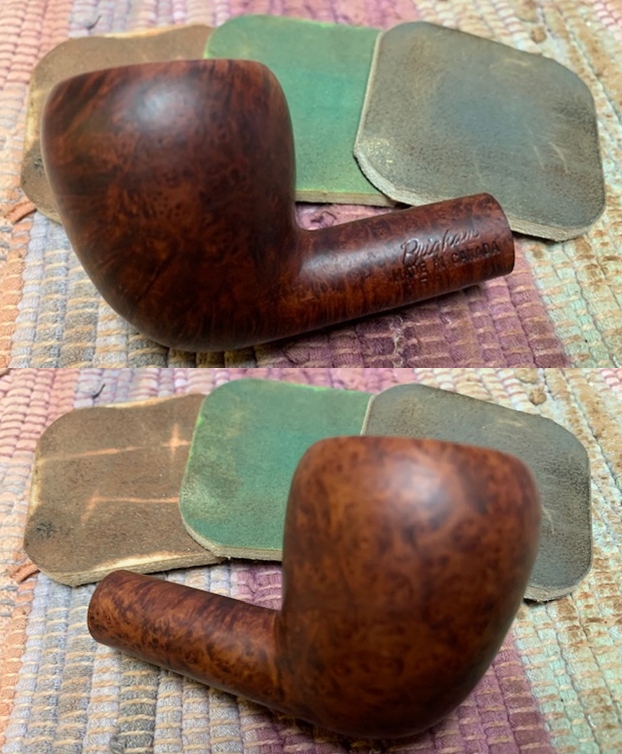
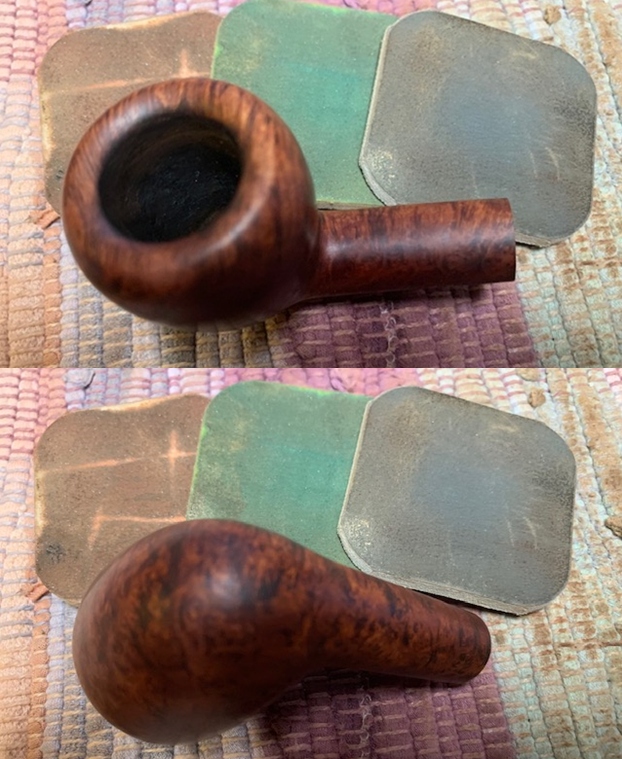
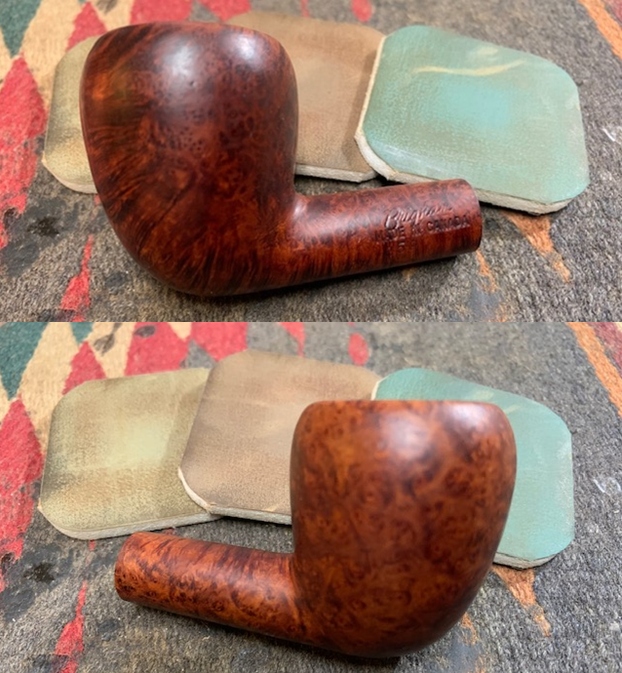
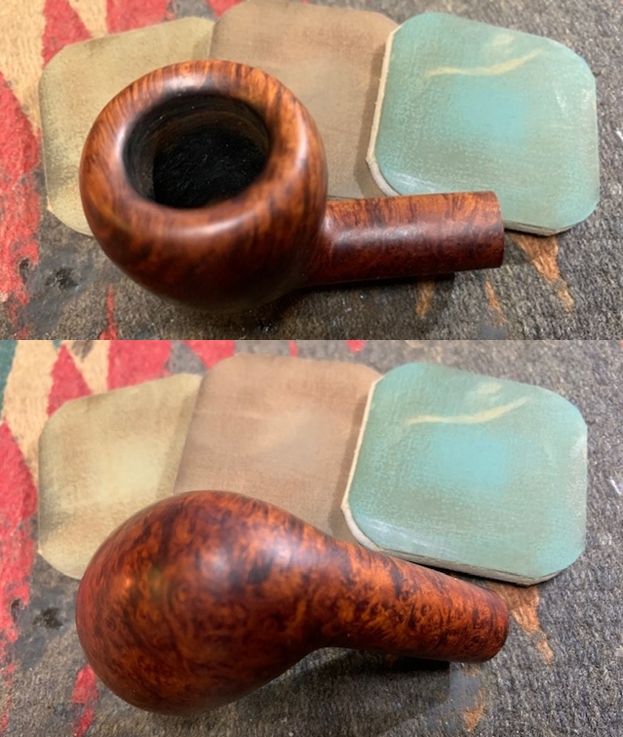
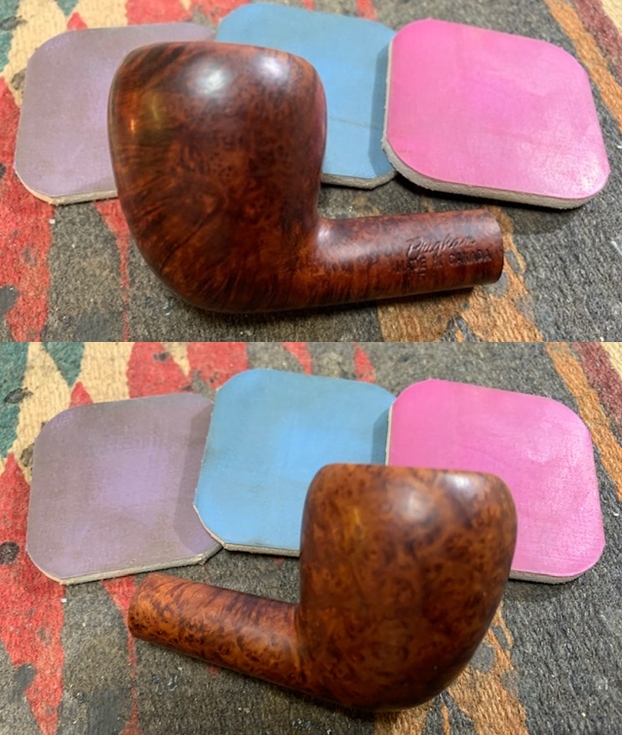
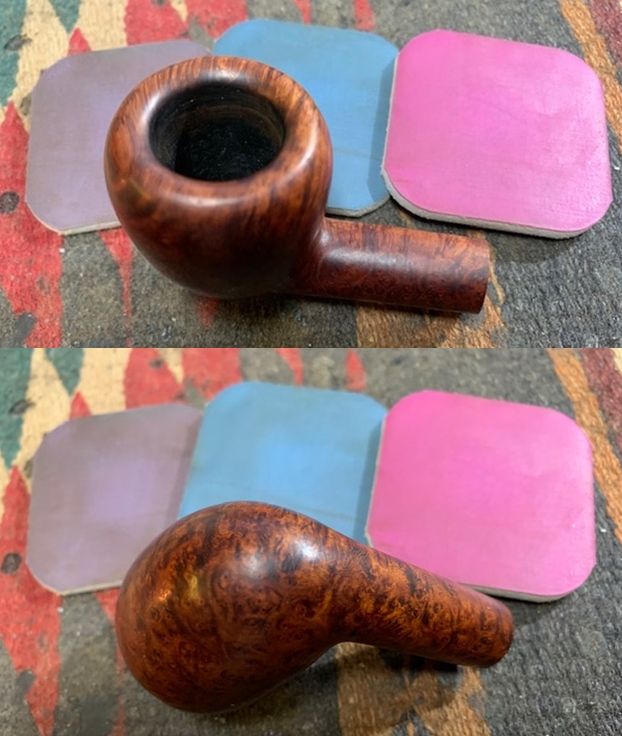
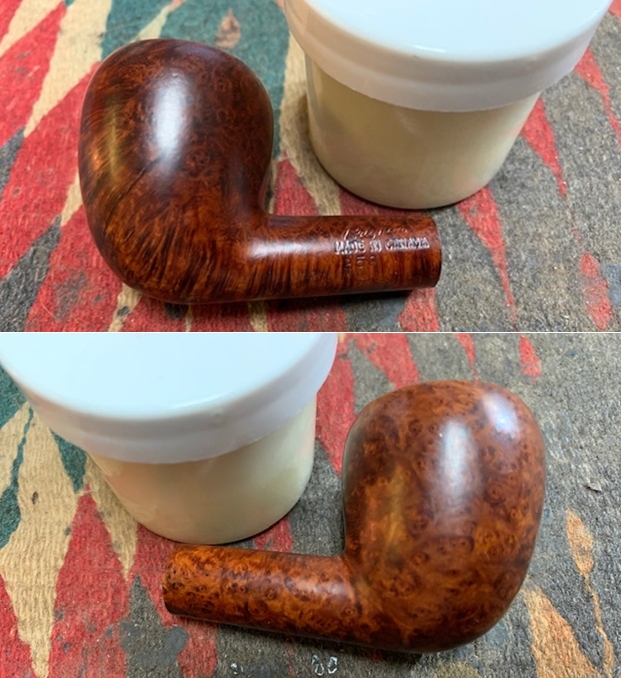
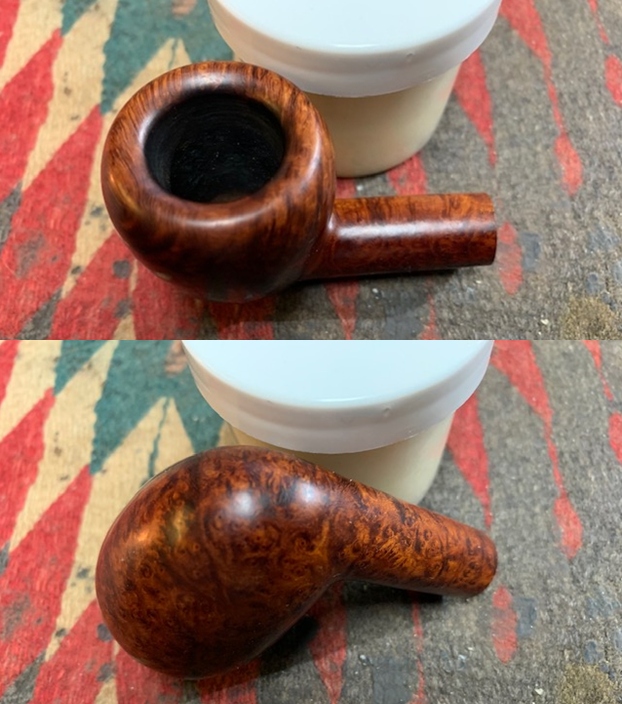
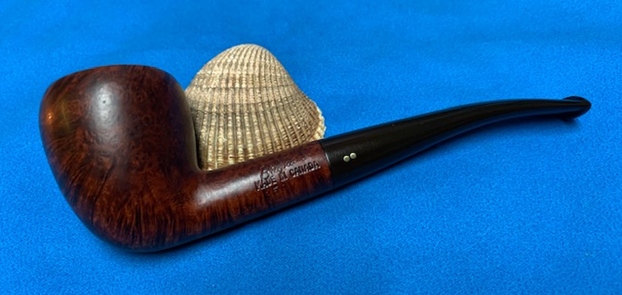
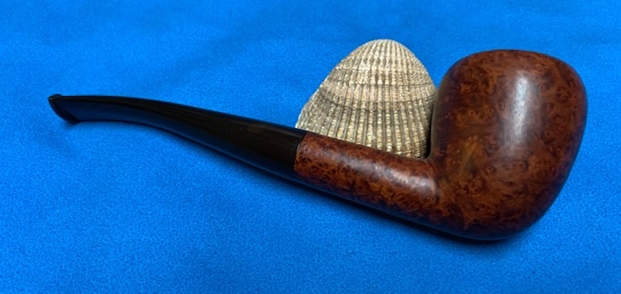
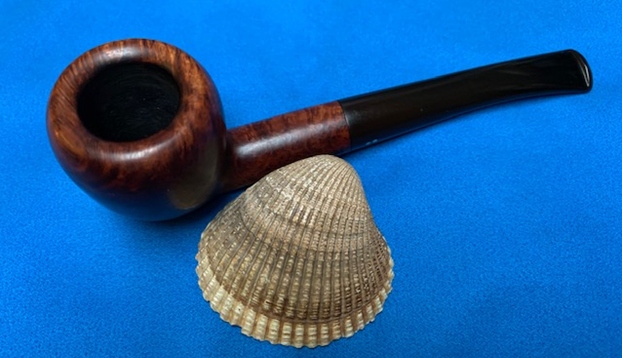
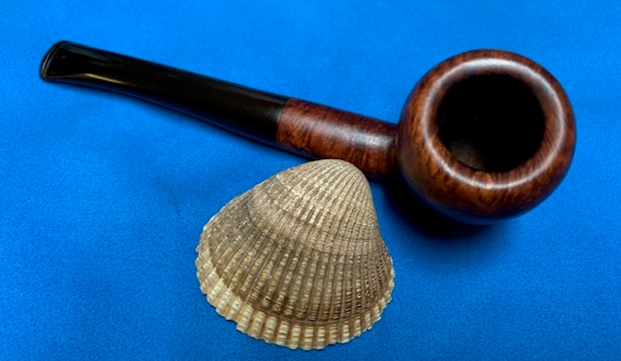
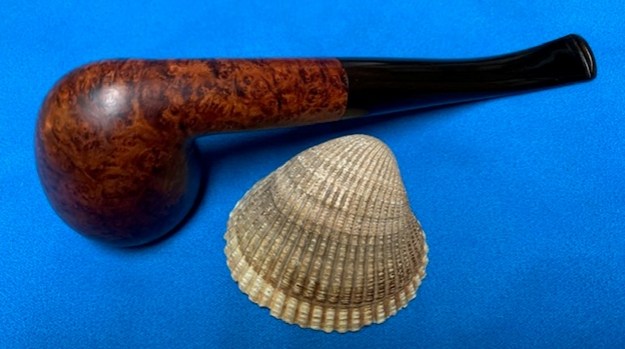
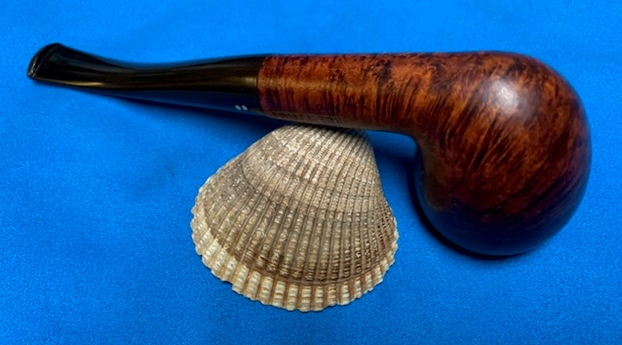
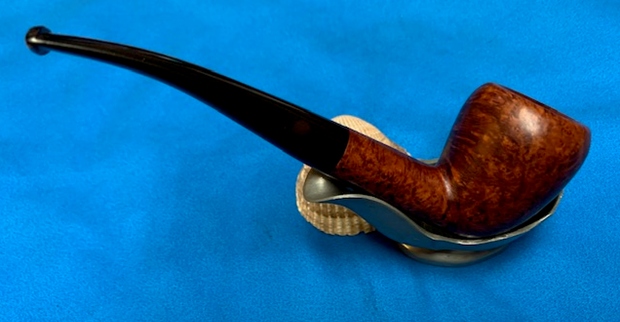
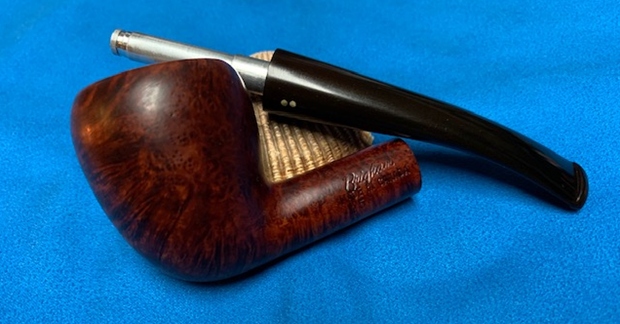
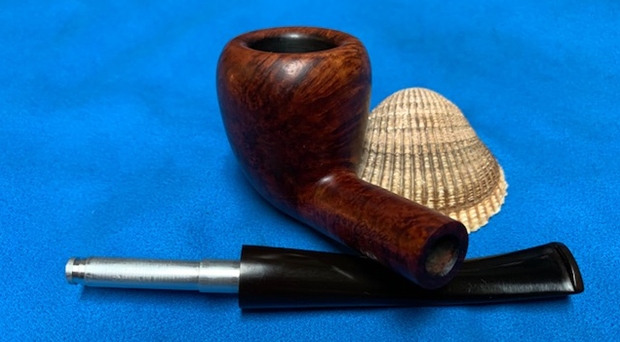
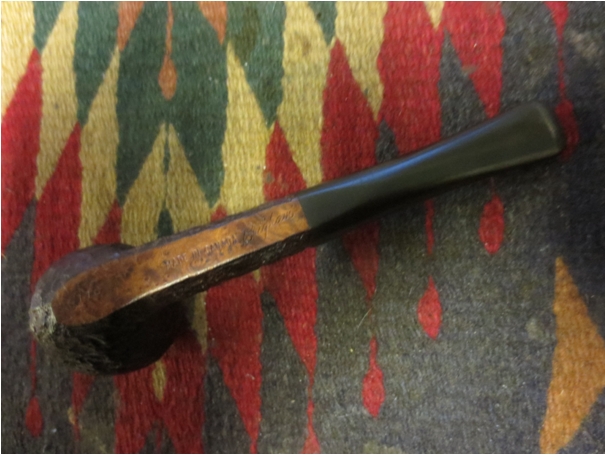
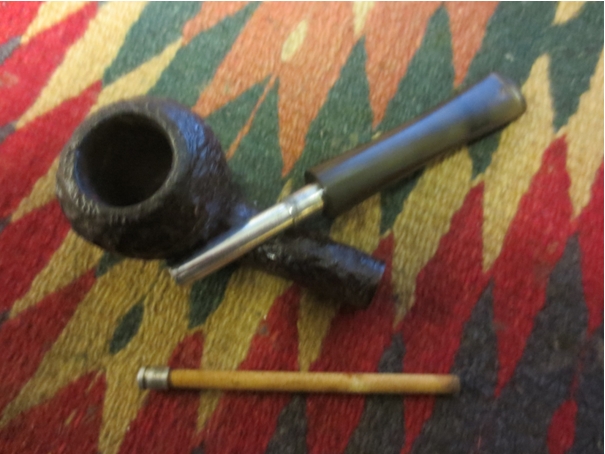
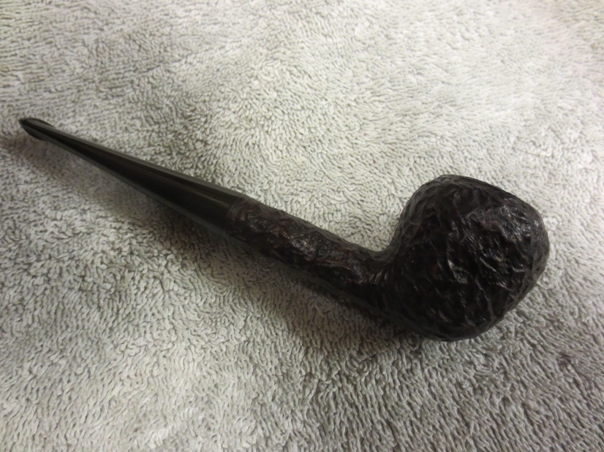
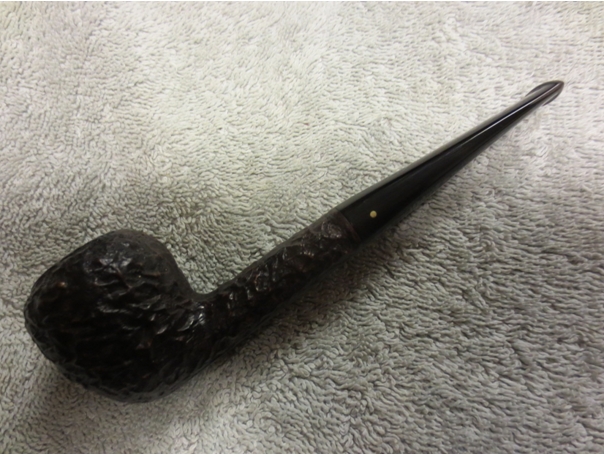
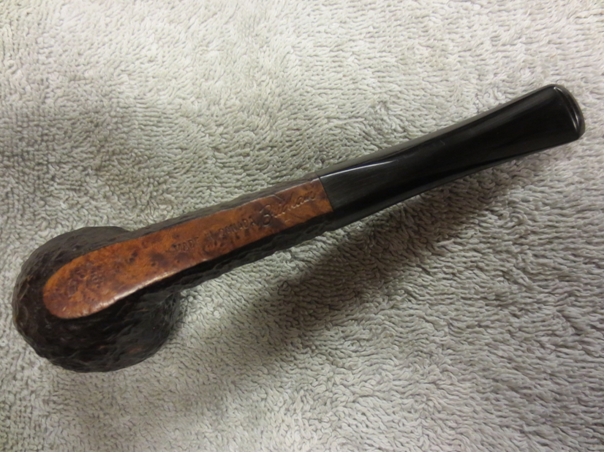
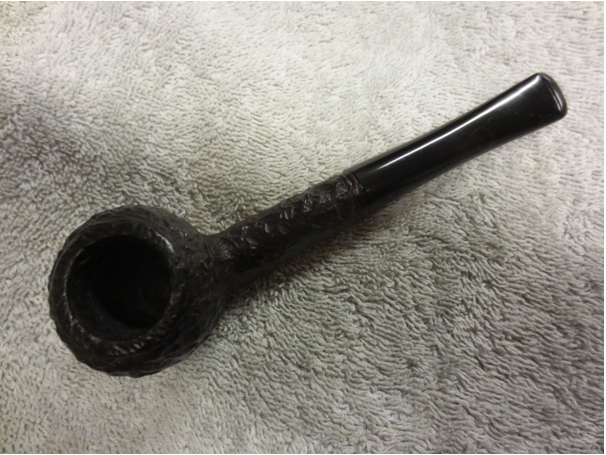
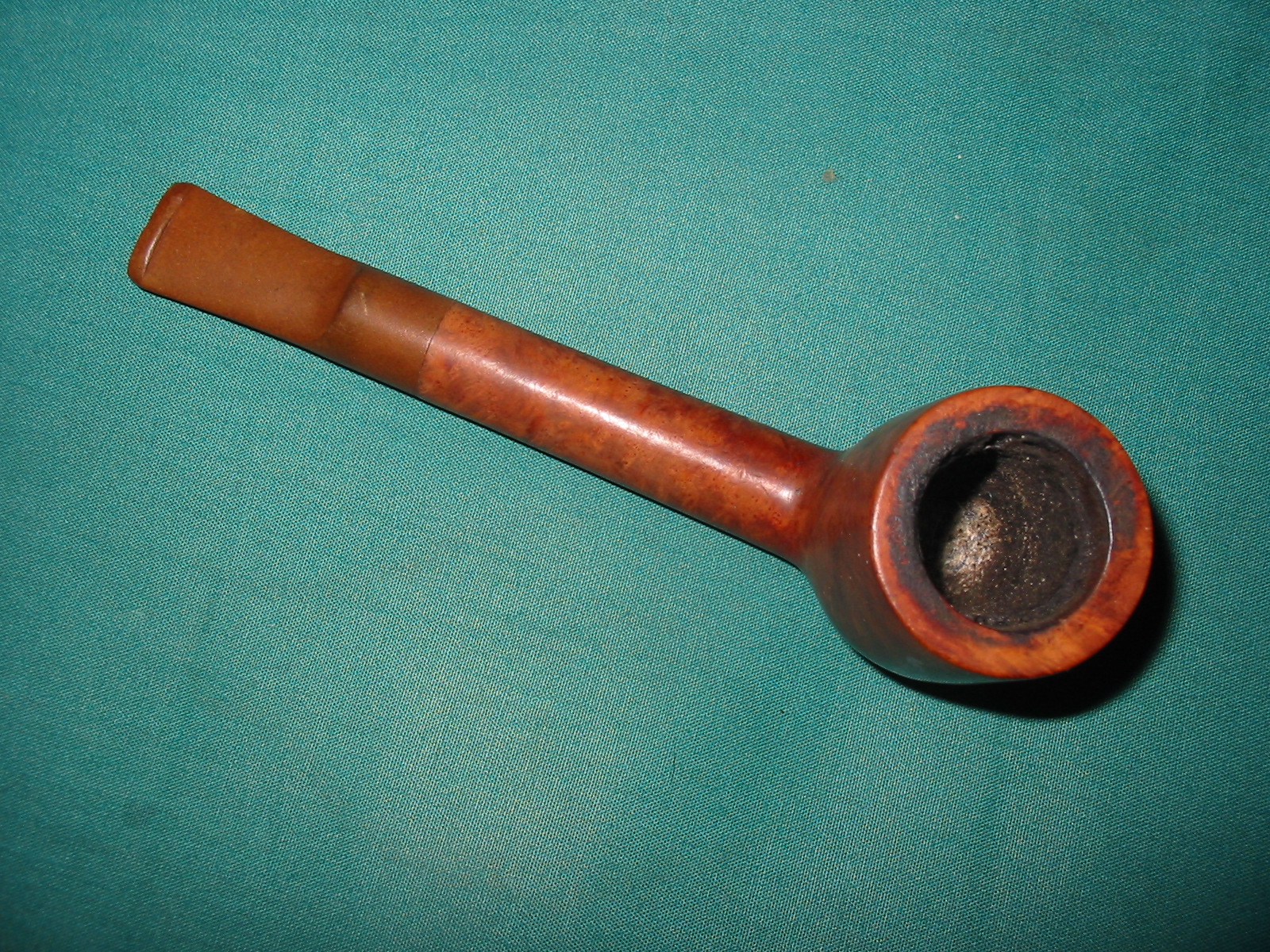
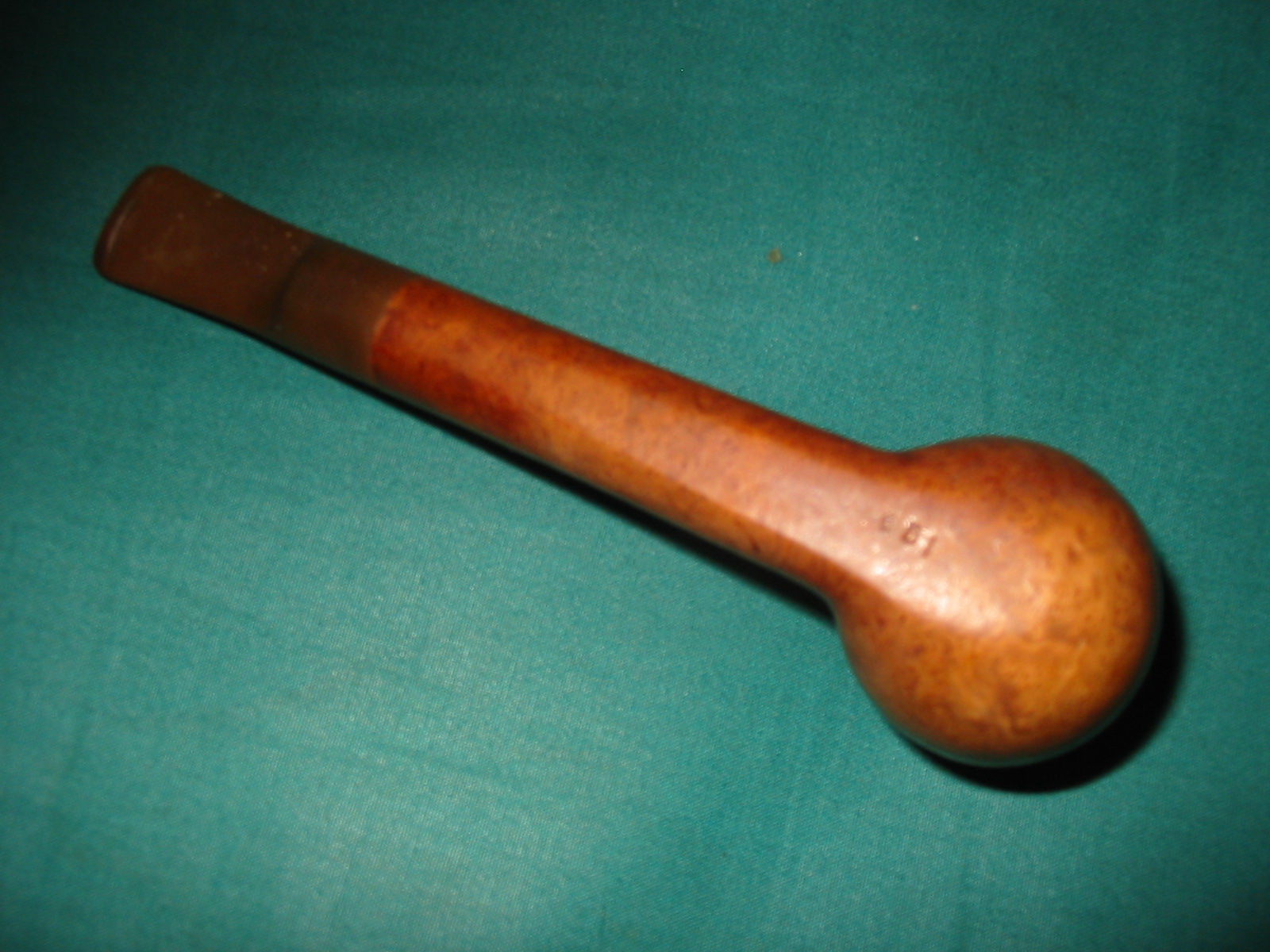
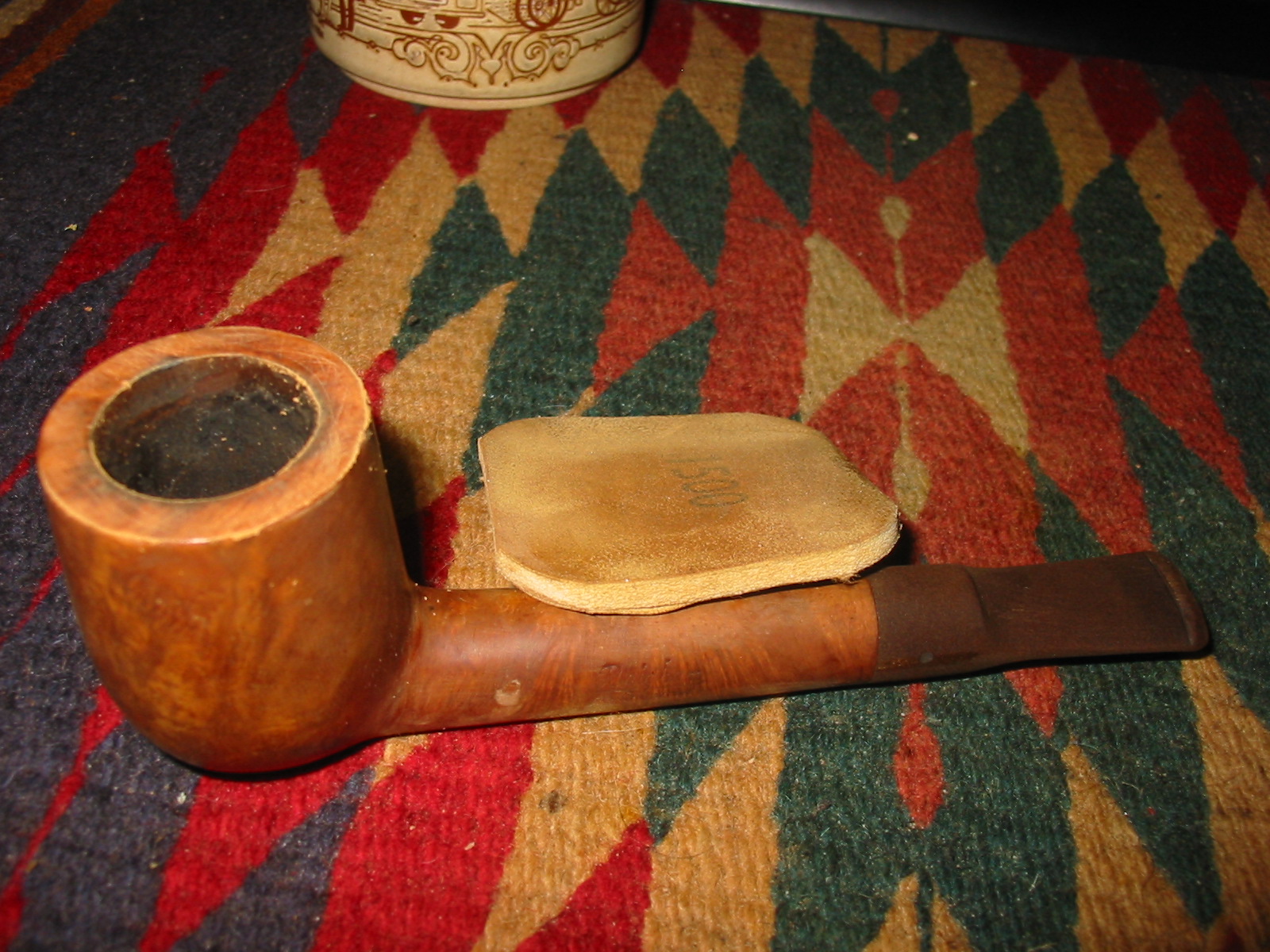
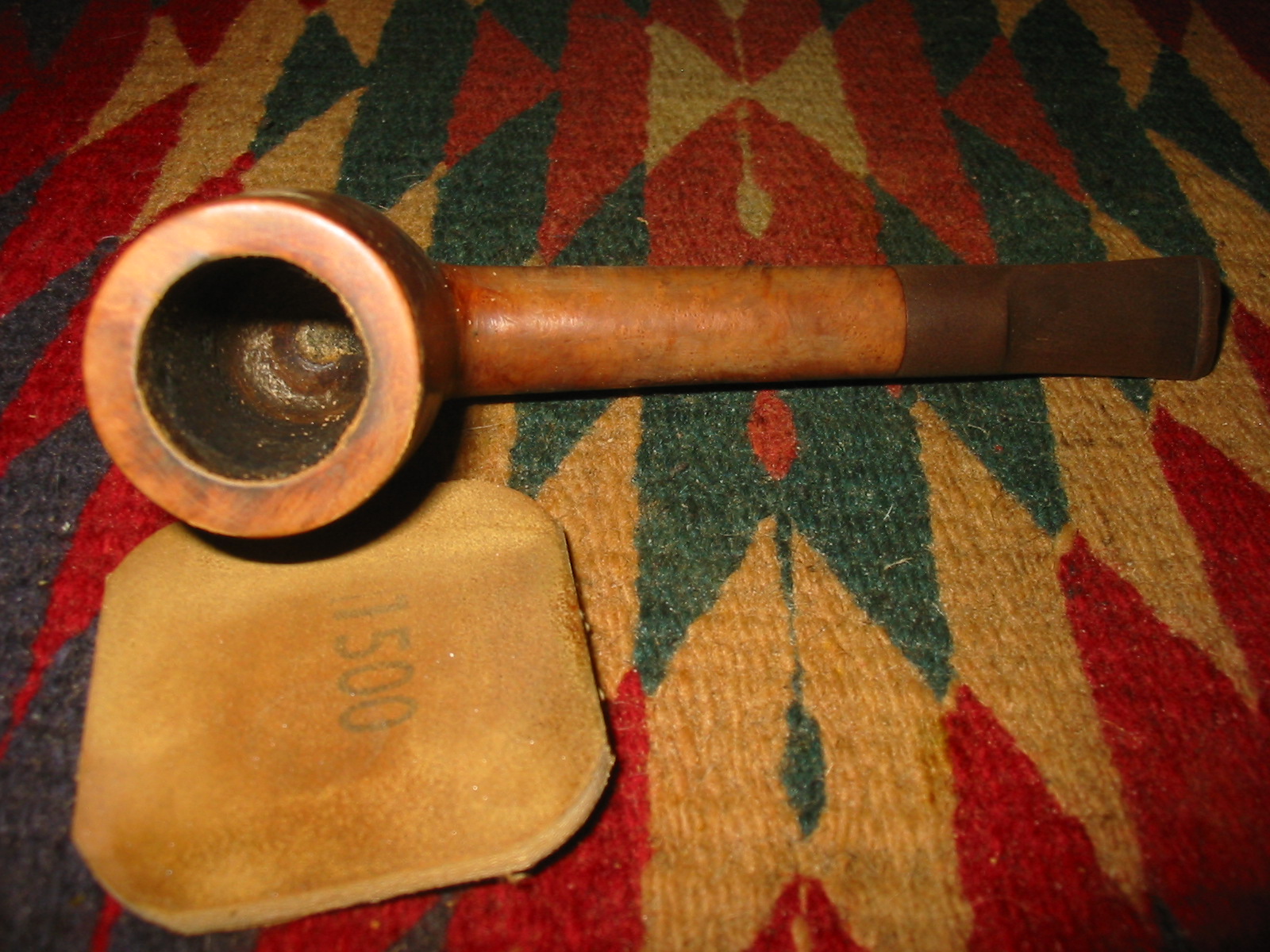
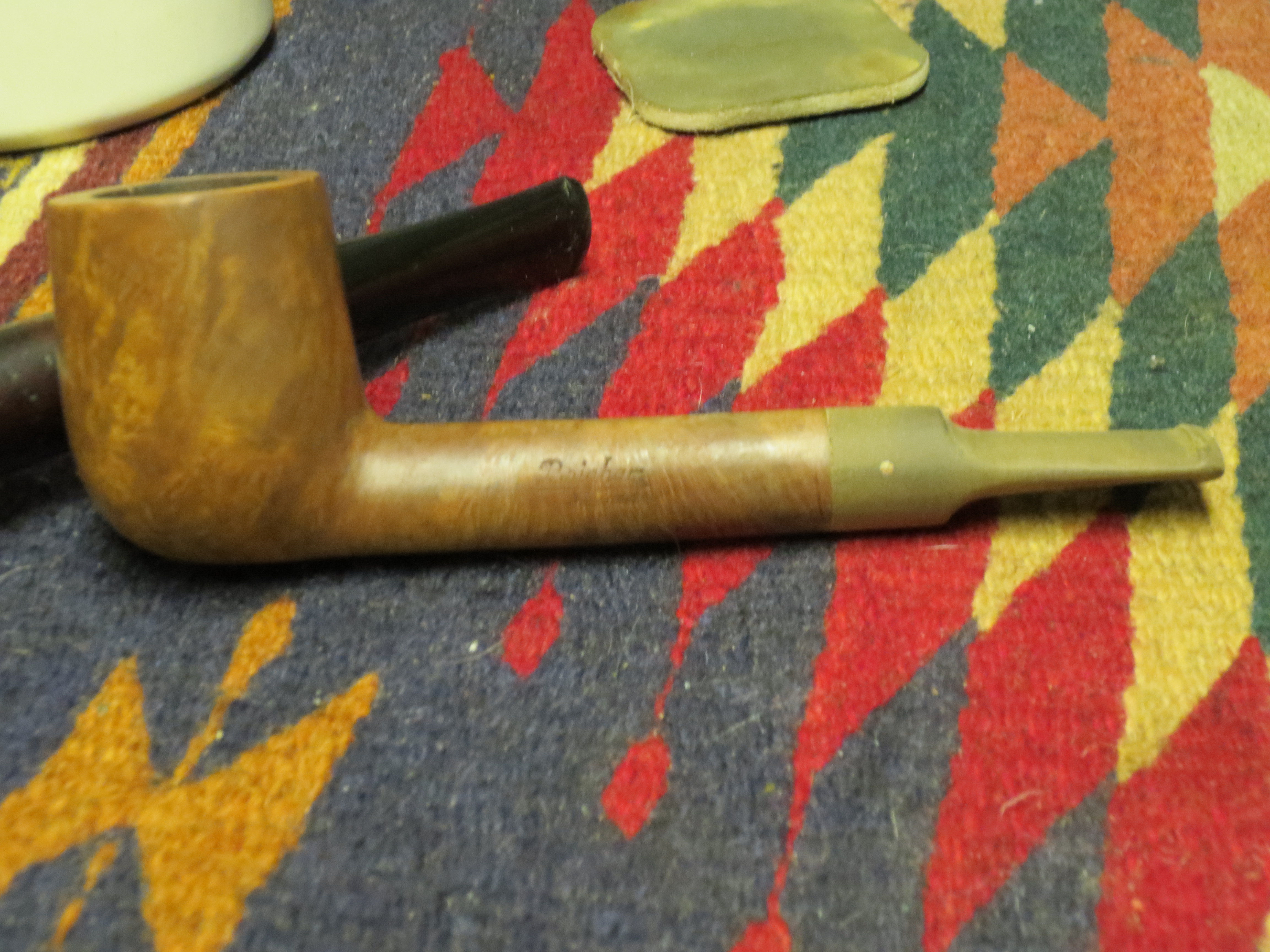
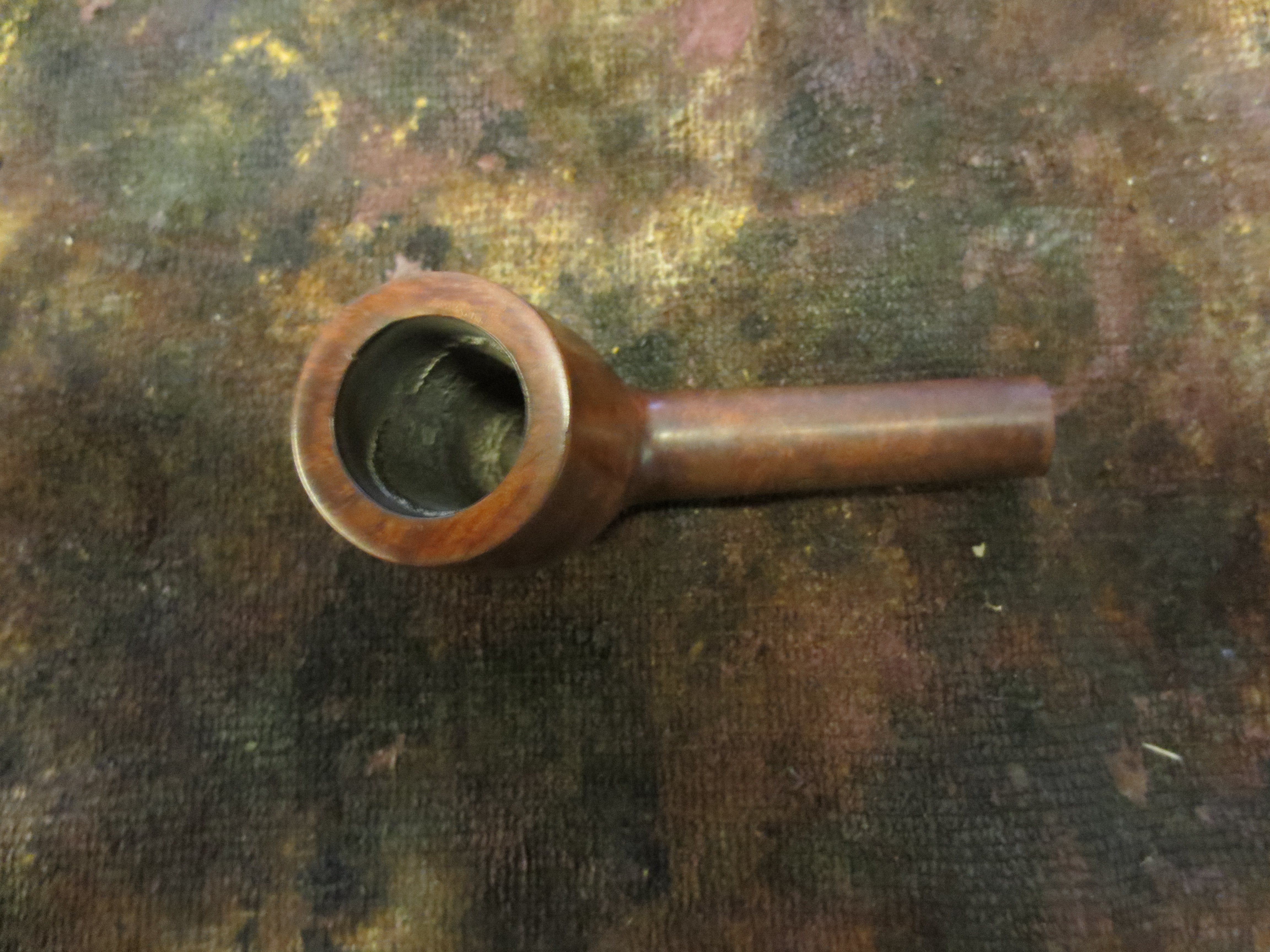
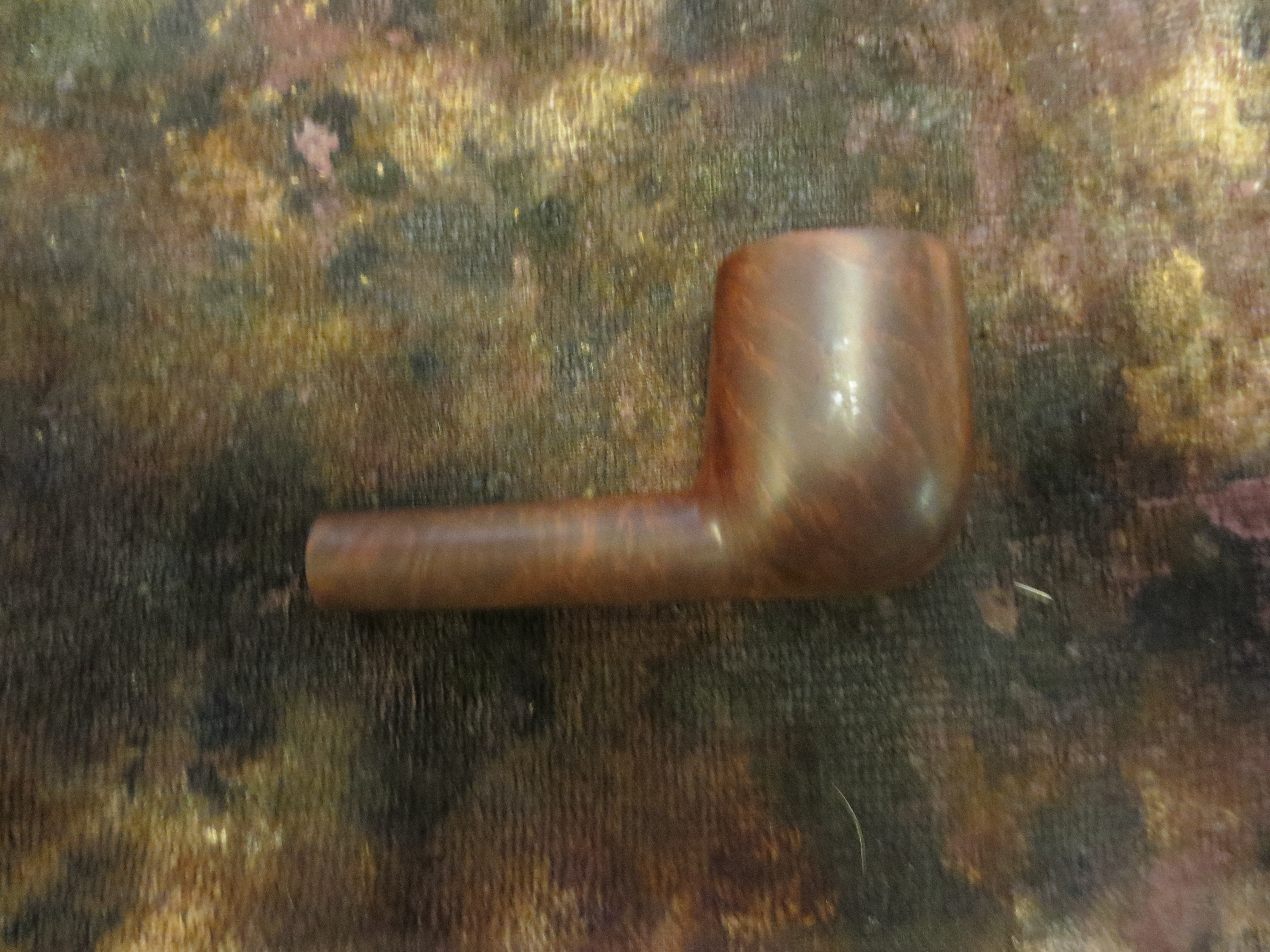
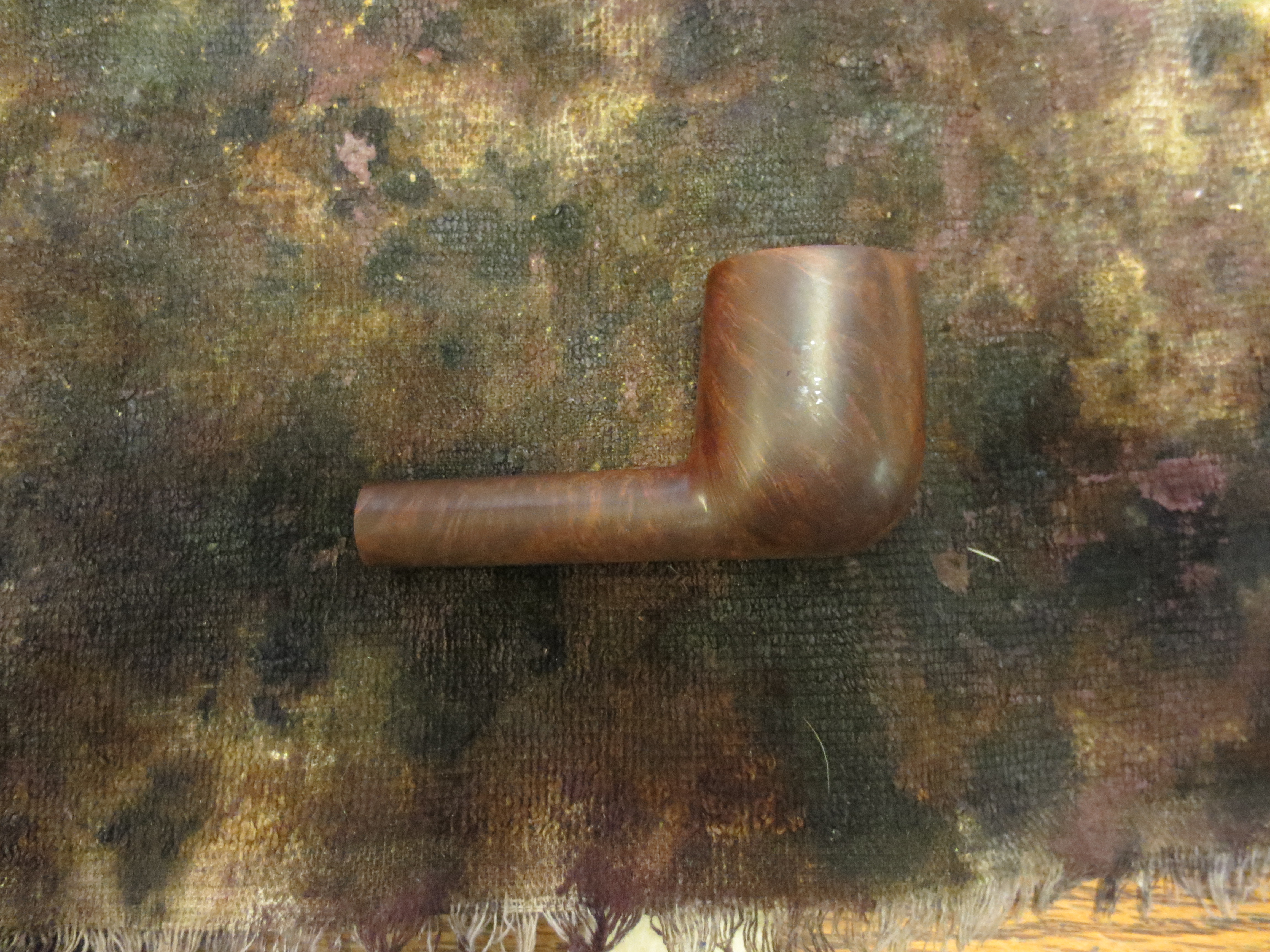
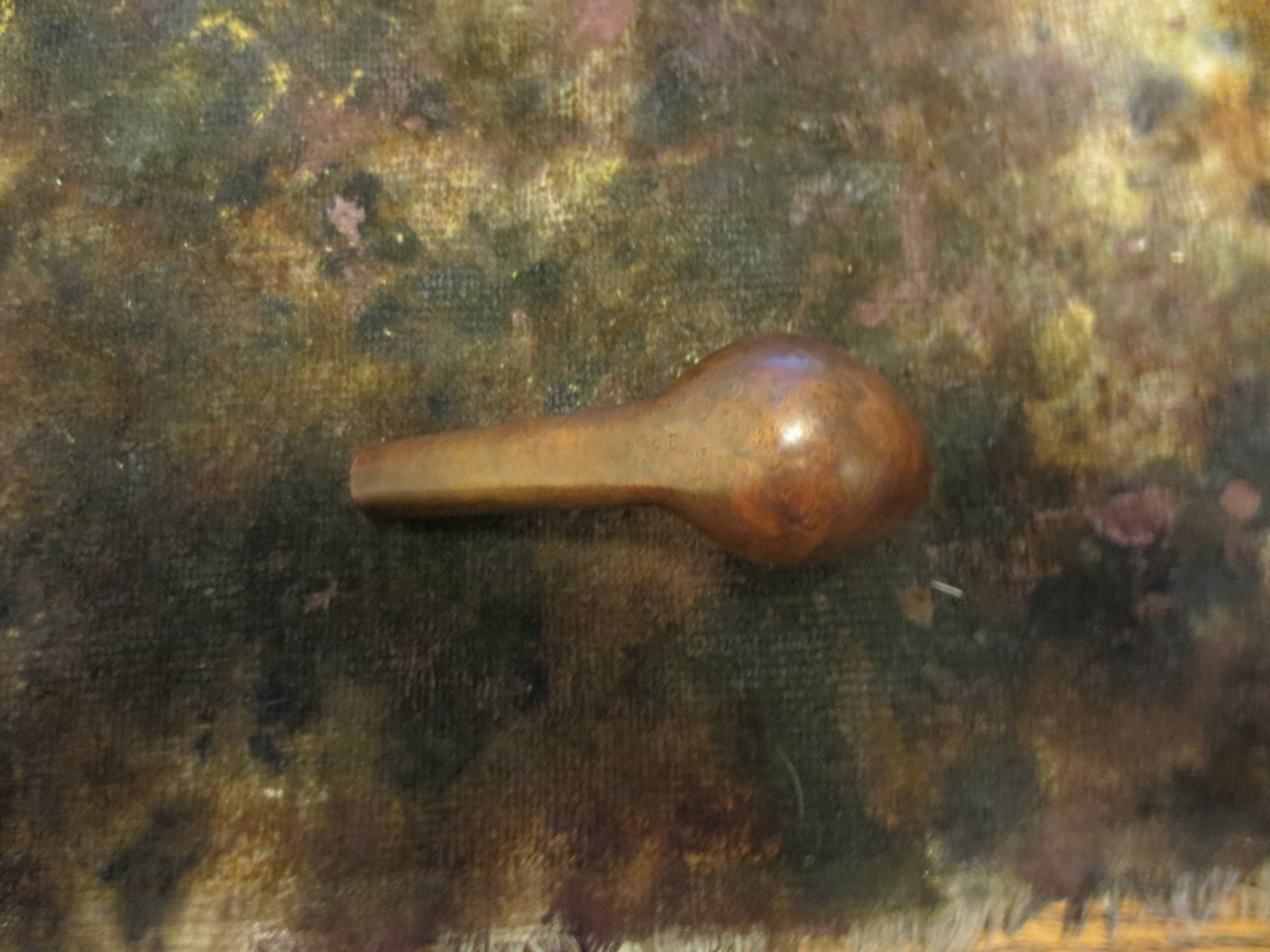
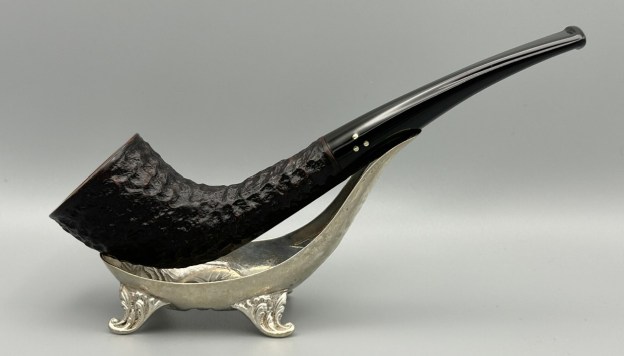
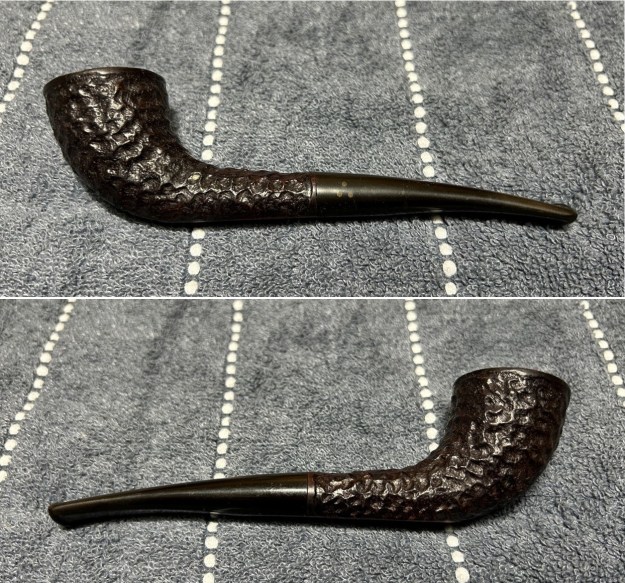
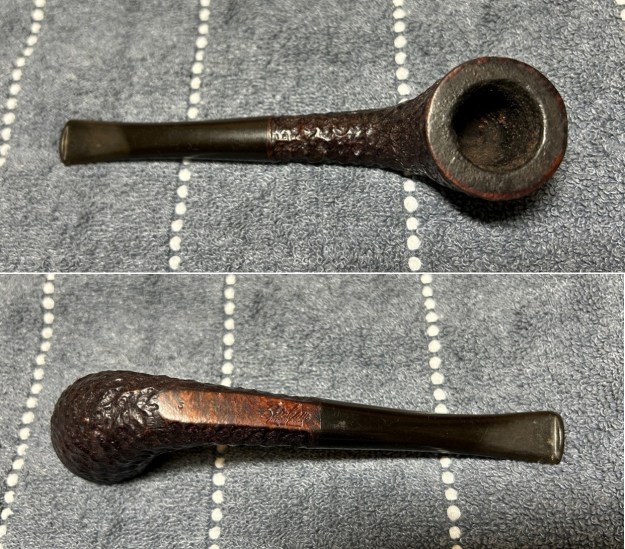
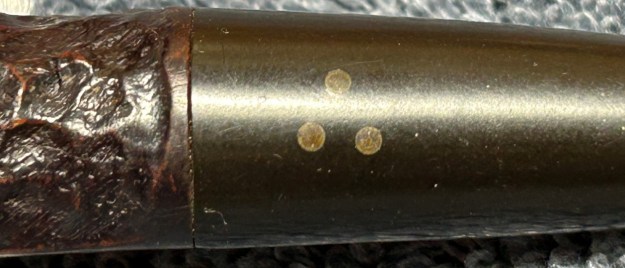
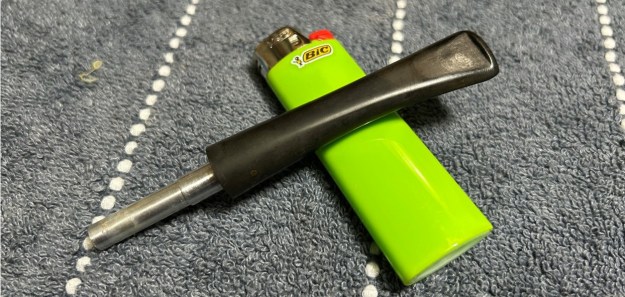
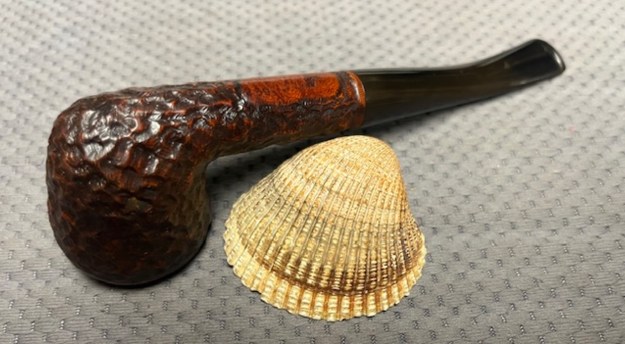
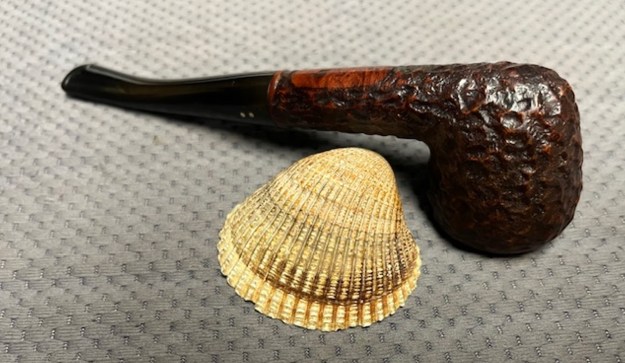
What a charming pipe this is! I got it in auction with a few other pipes, and I liked the shape of it immediately. This is a Brigham 3-dot scoop, with a handsome and rugged rustication. It really feels good in the hand. It has that look – no one could mistake it for anything but a Brigham. The tenon (which holds the maple distillator) on this pipe is made of aluminum – so it’s an older one. Curiously, it doesn’t have any shape number marked on it, nor is it listed in the book on Brigham pipes. Let’s examine what marks it does have. On the underside of the stummel, we read Brigham [over] Made in Canada. Of course, how those words are marked is what matters in dating Brigham pipes. I’ll get back to that. To the left of the aforementioned markings is the solitary digit 3. I can only assume that this refers to the three brass pins found on the stem. Thanks to Charles Lemon’s book, Brigham Pipes: A Century of Canadian Briar, dating this pipe was quite straightforward. On page 40, Lemon writes,
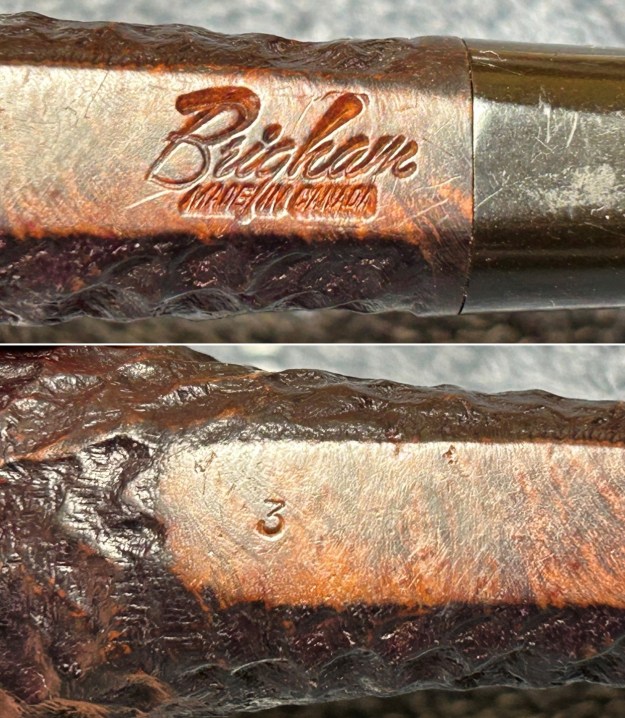
The Brigham Country of Manufacture (COM) stamp was modernized in about 1970 to consist of an upwardly-slanted Brigham logo over “Made in Canada” in small block letters. This stamp was used until approximately 1980.

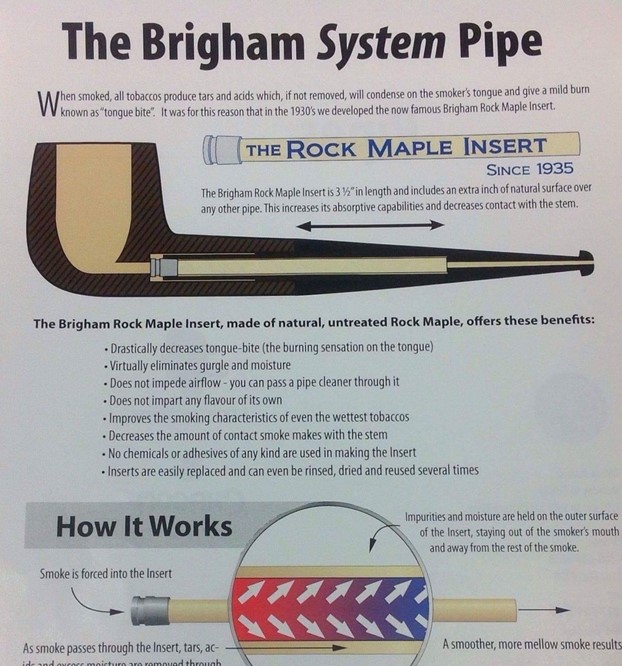
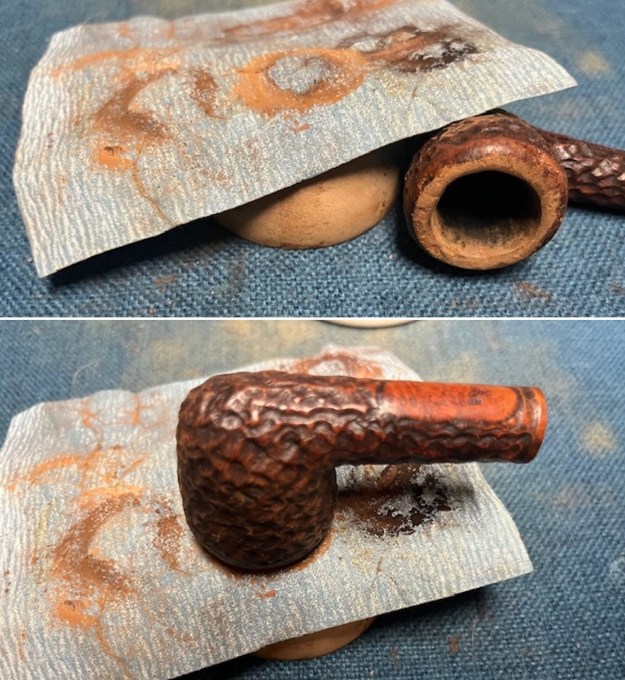
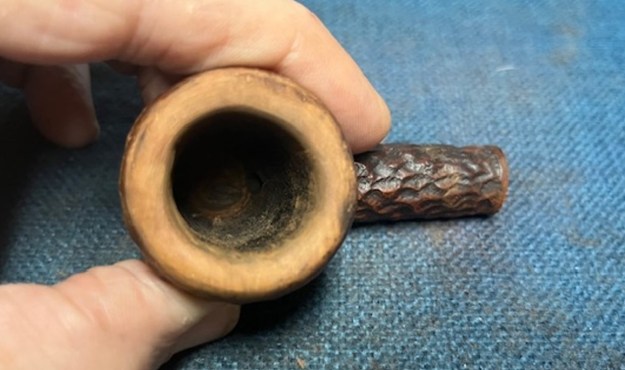
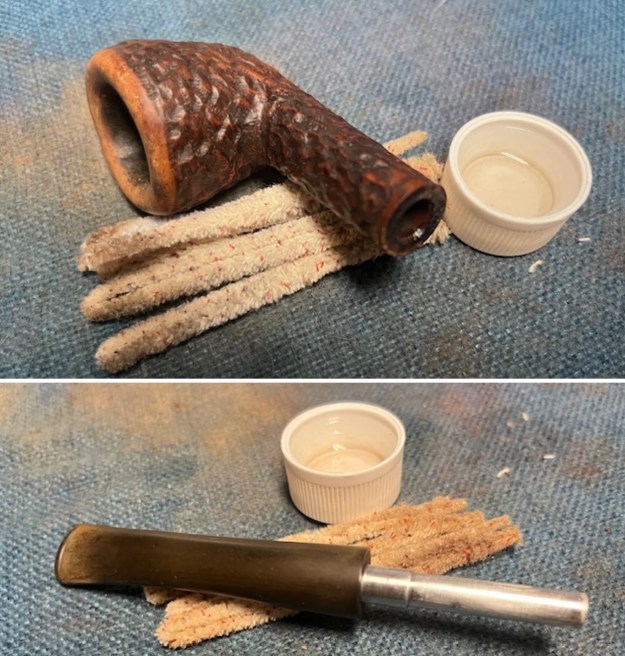
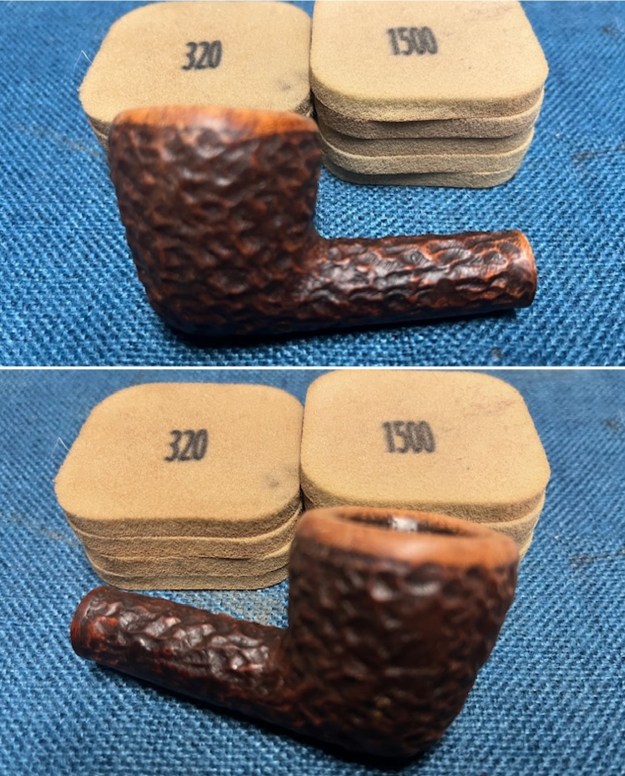
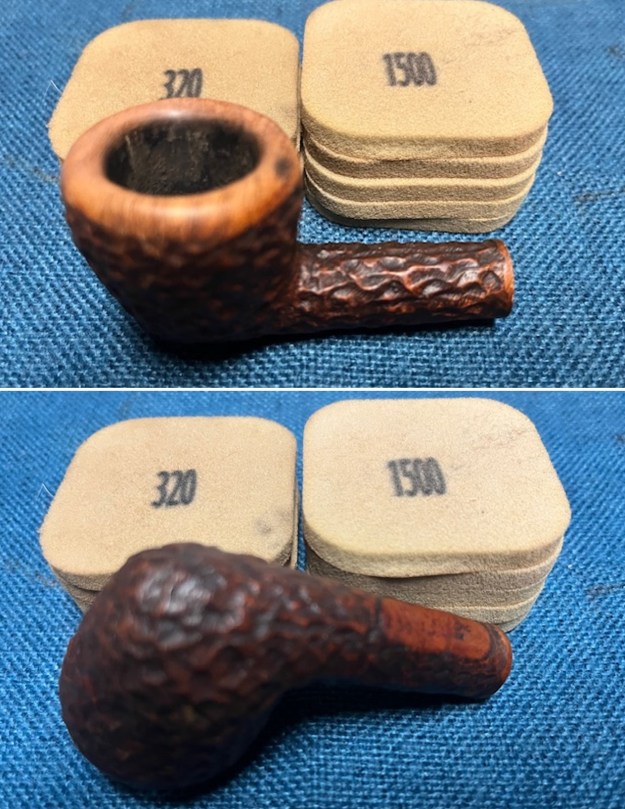
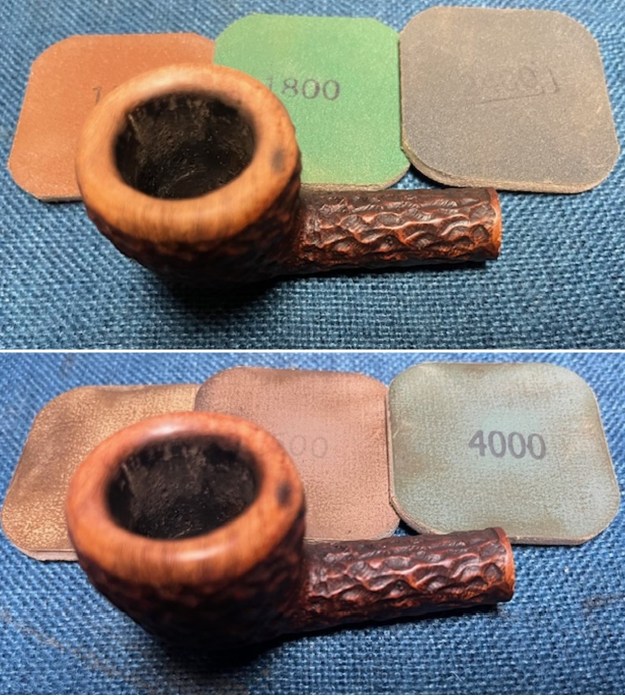
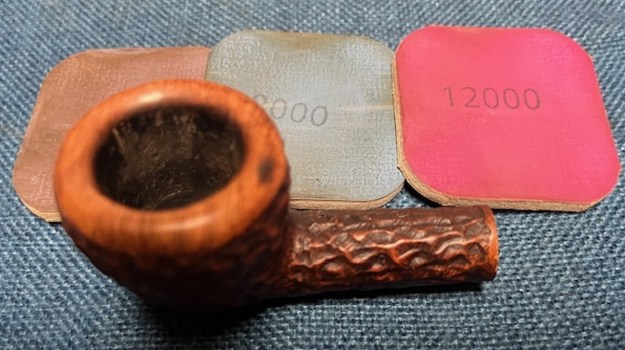
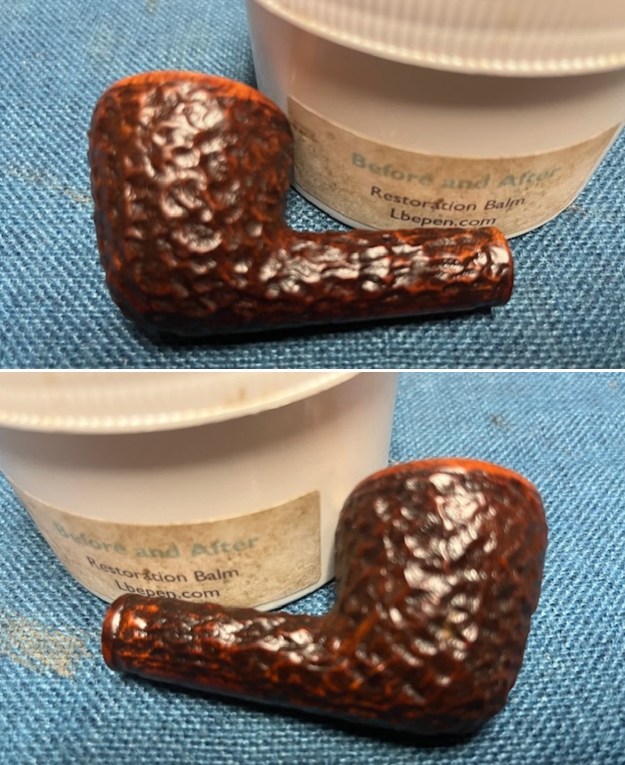
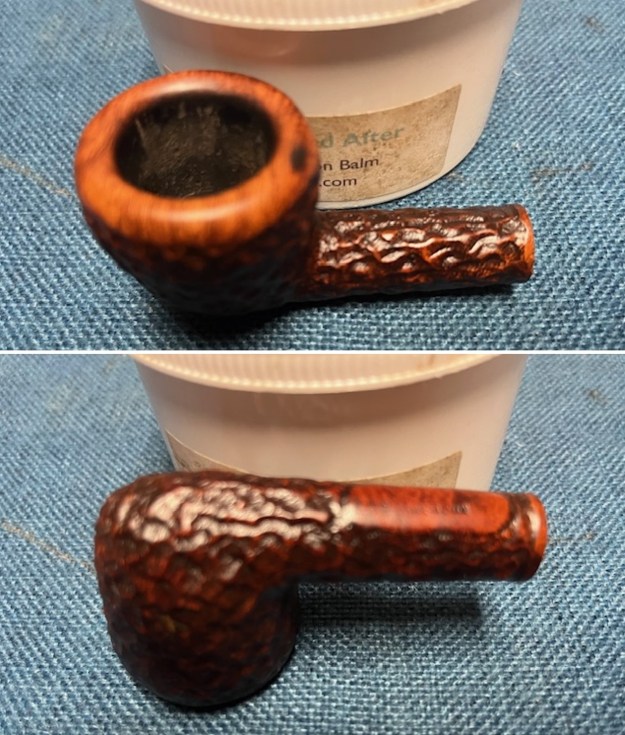
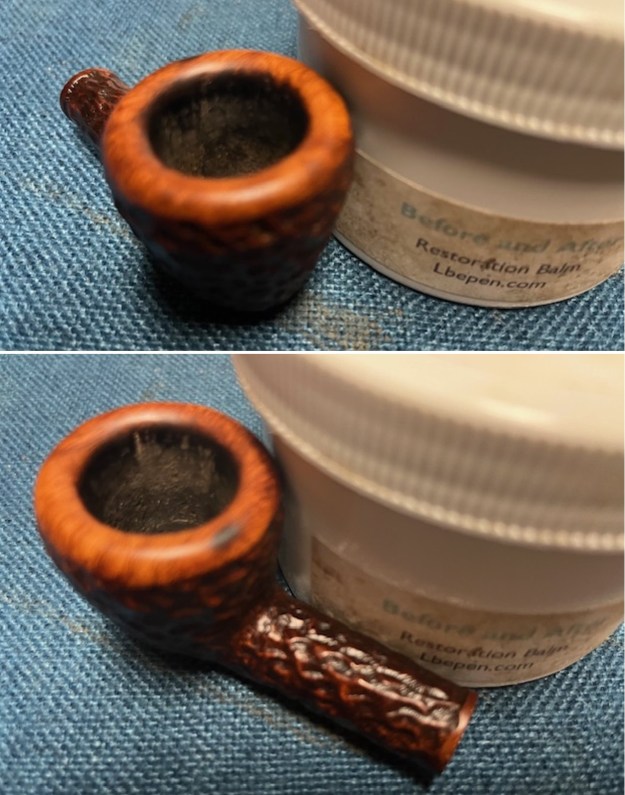
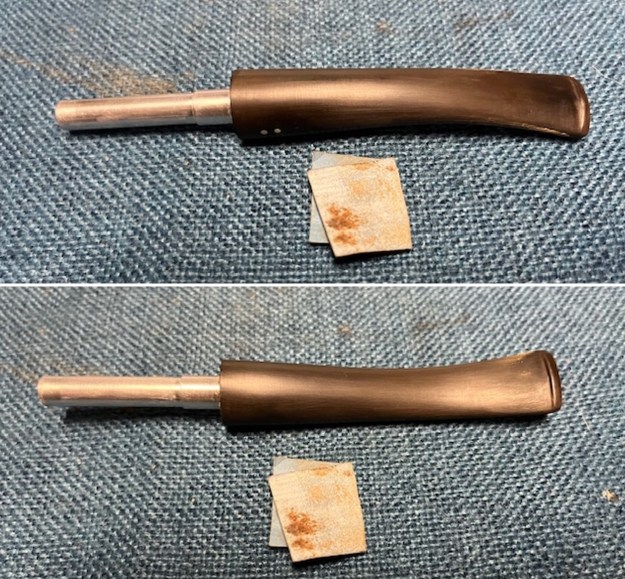
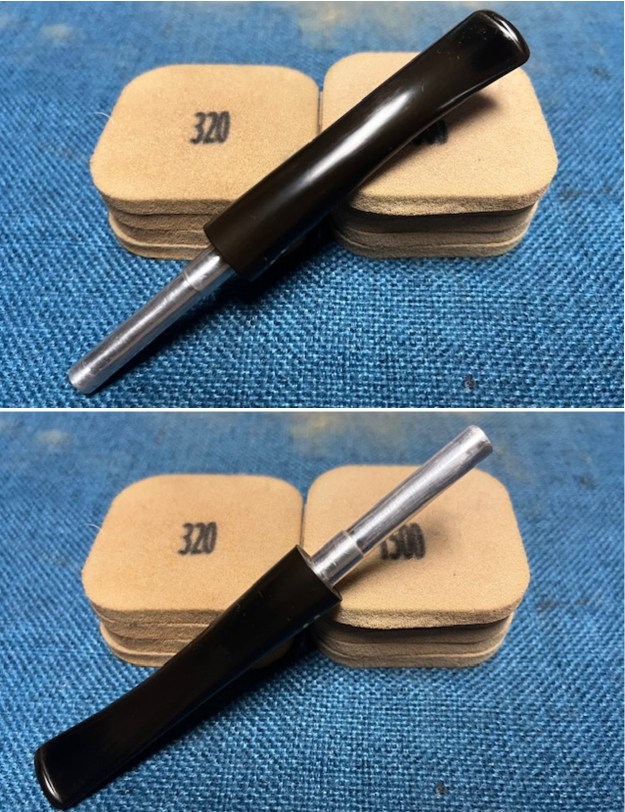
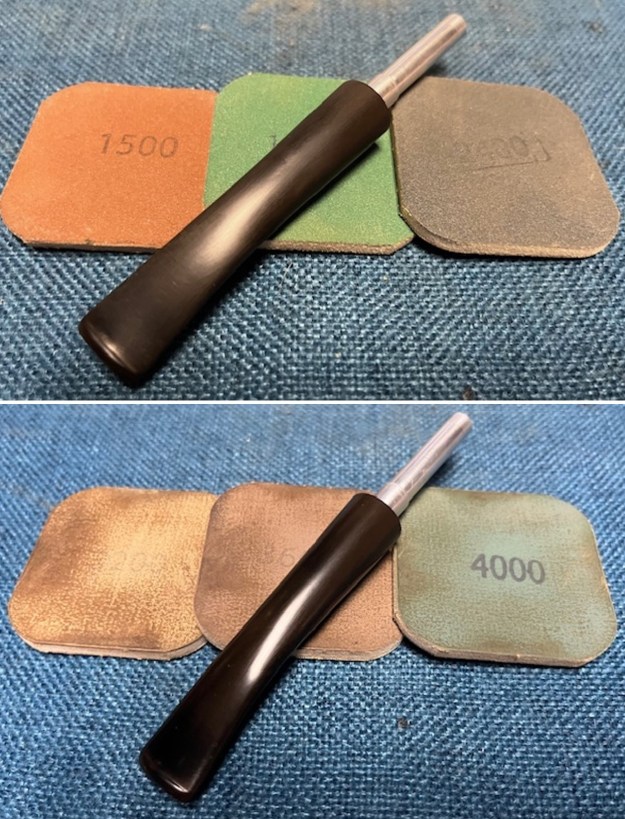
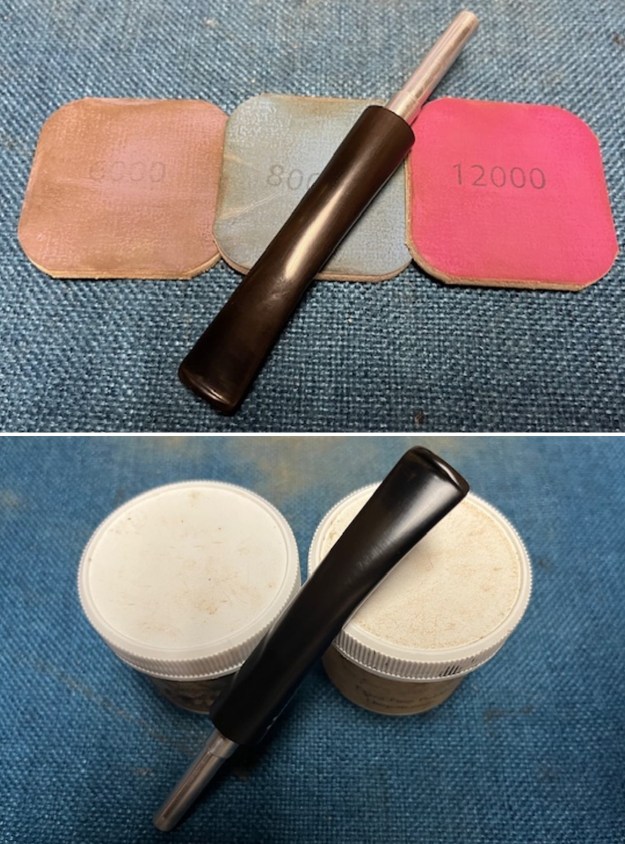
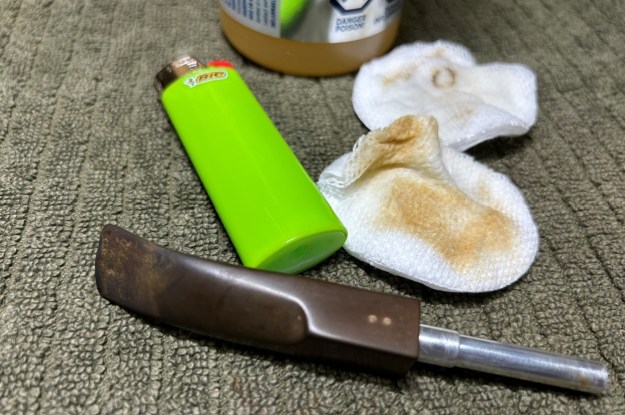
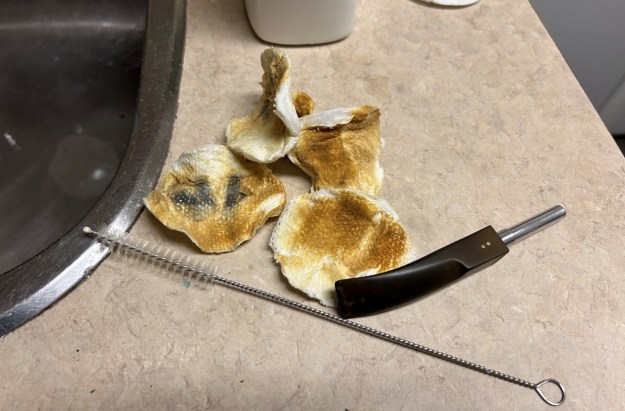
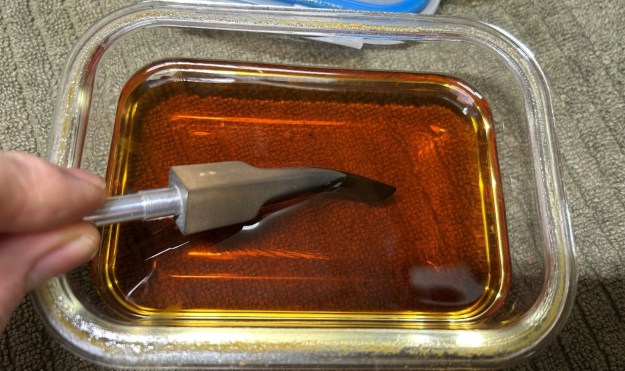
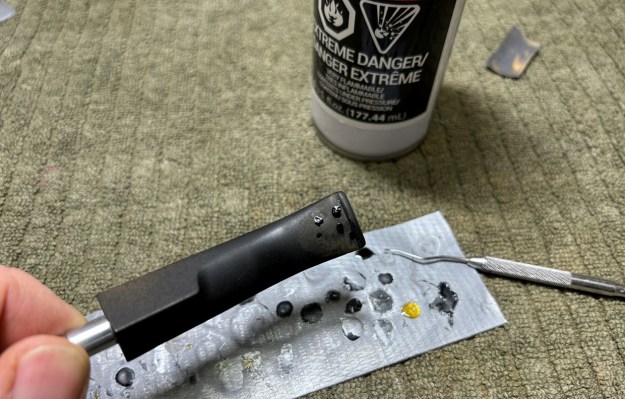
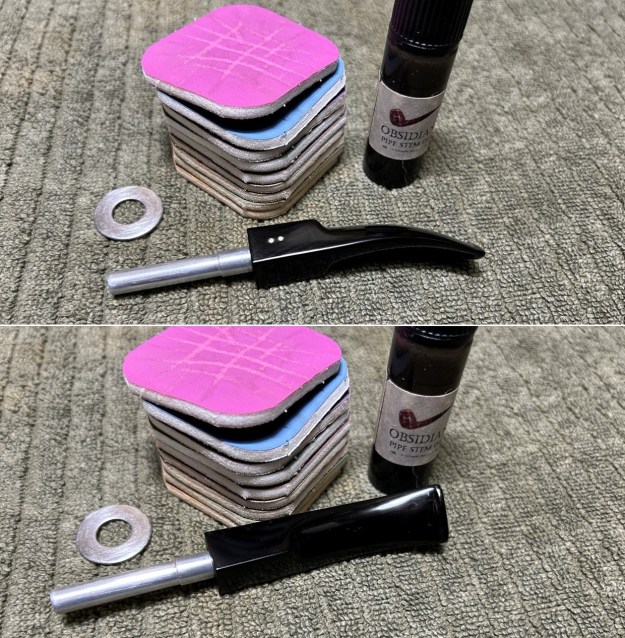
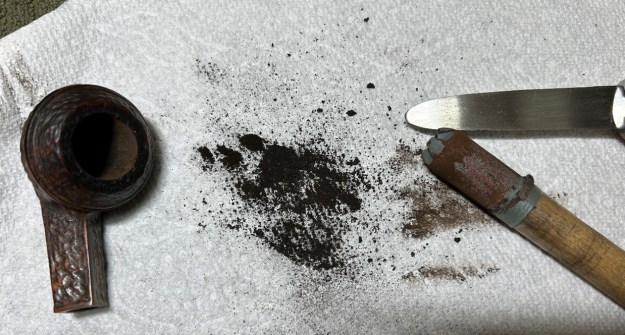
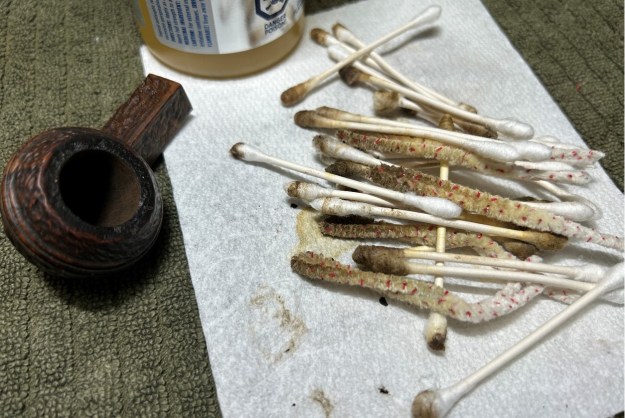
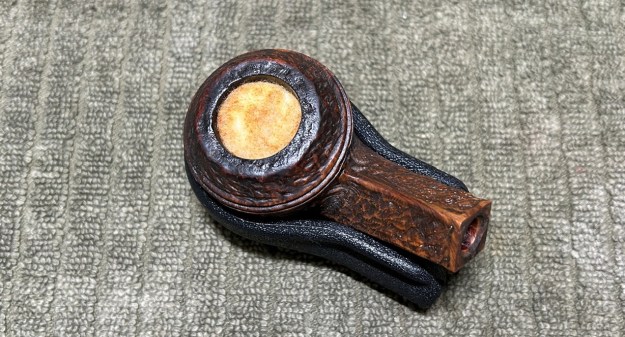
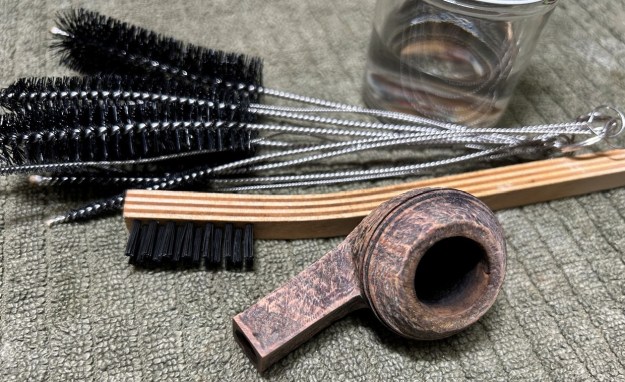
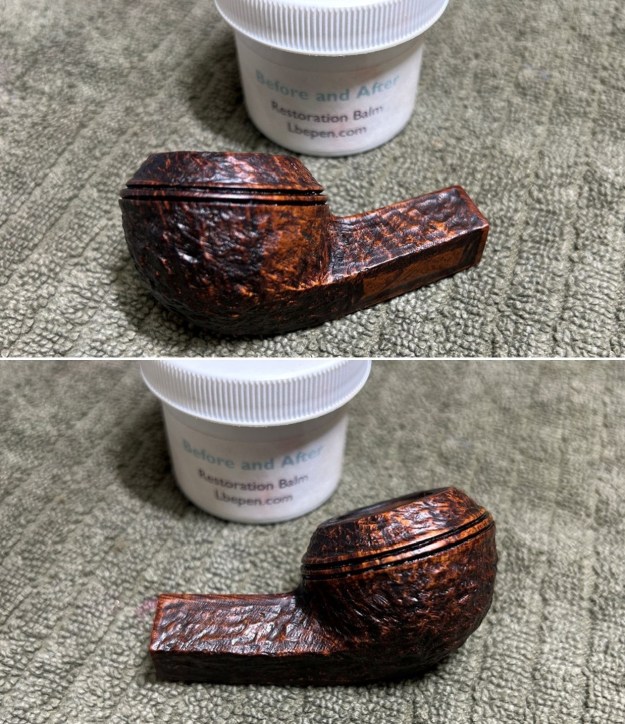
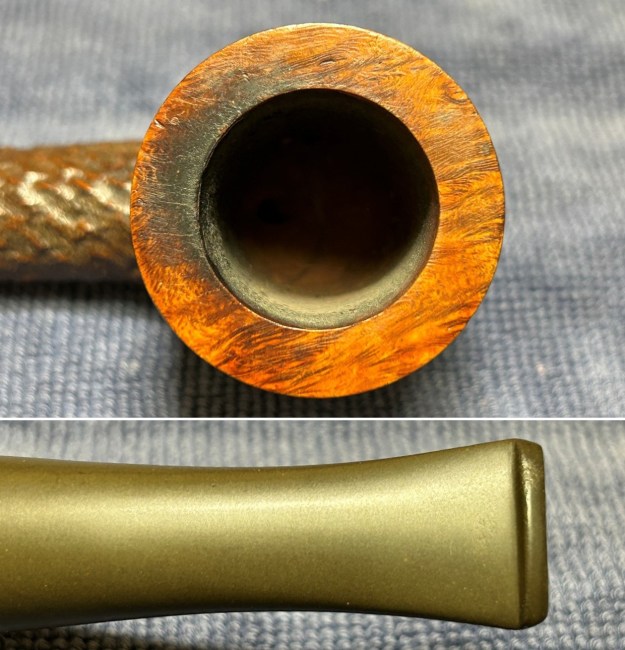
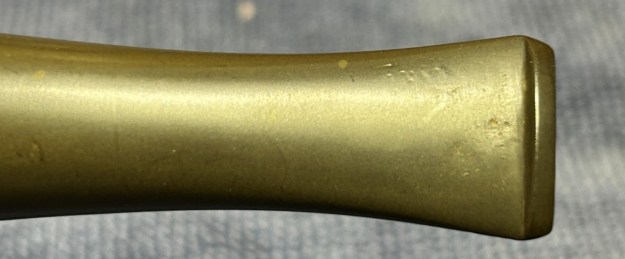
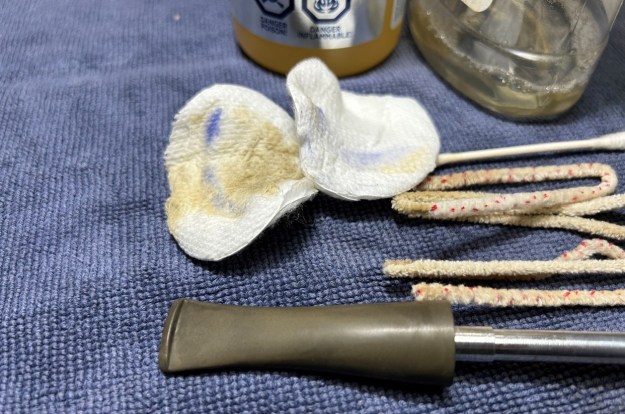
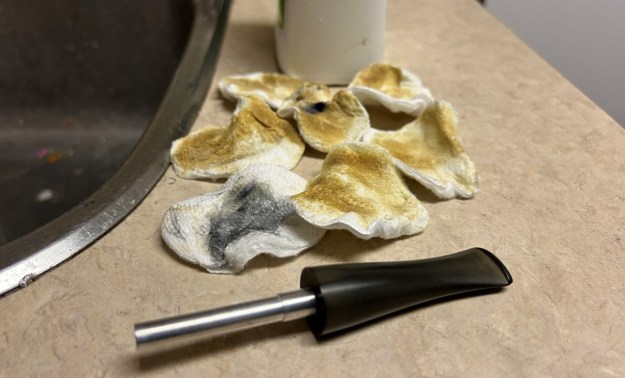
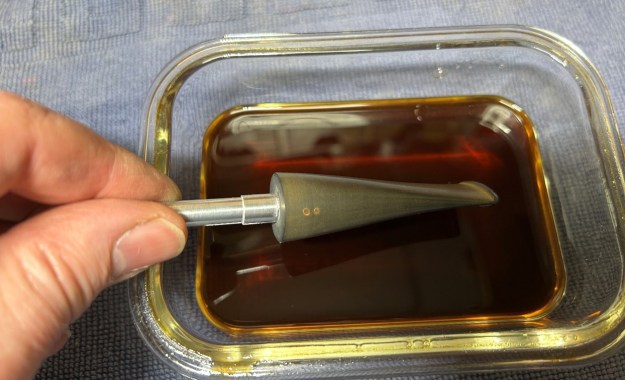
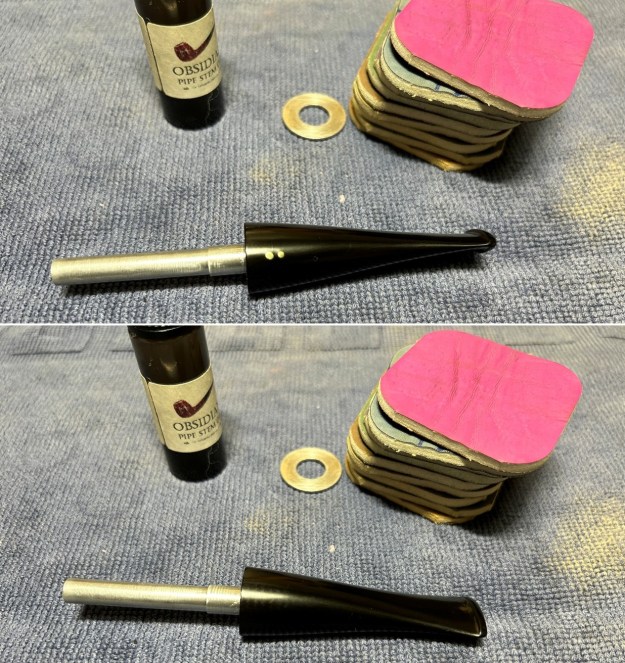
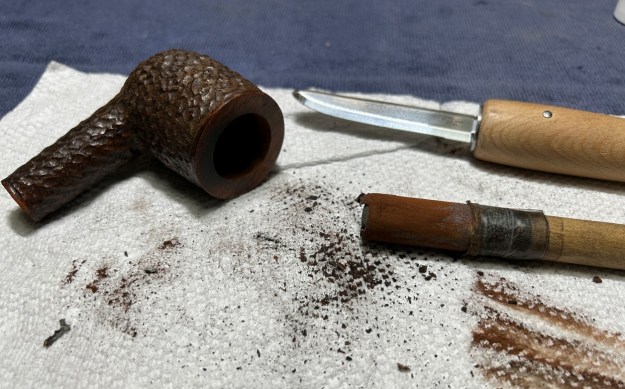
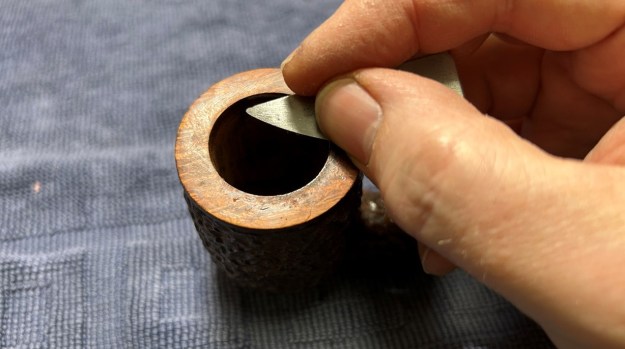
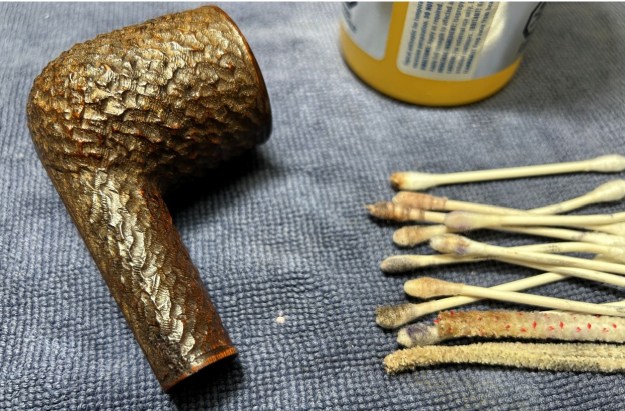
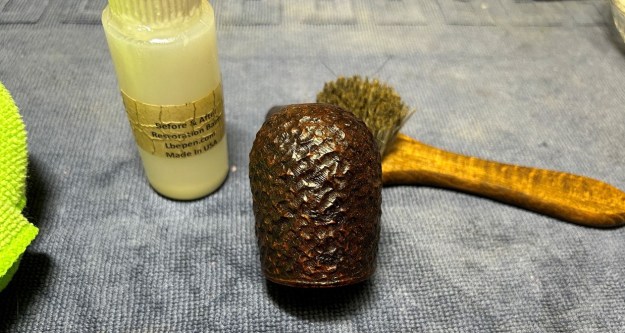
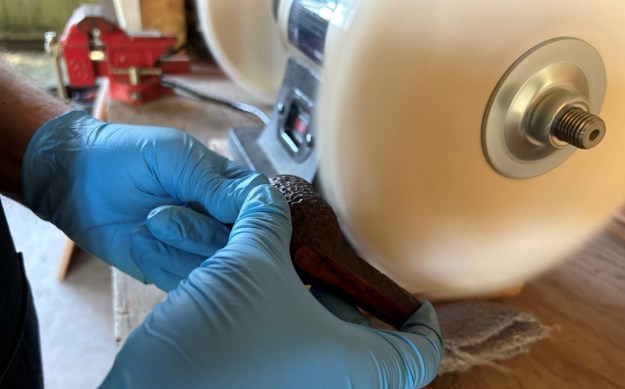
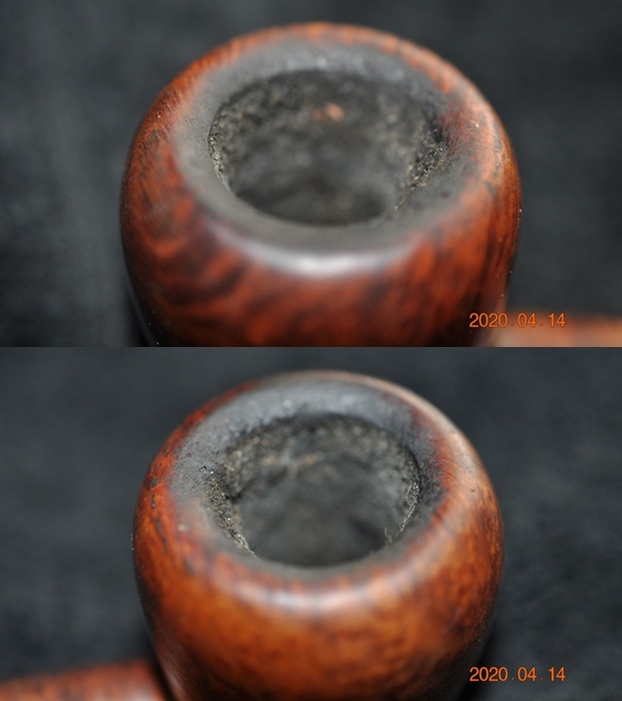
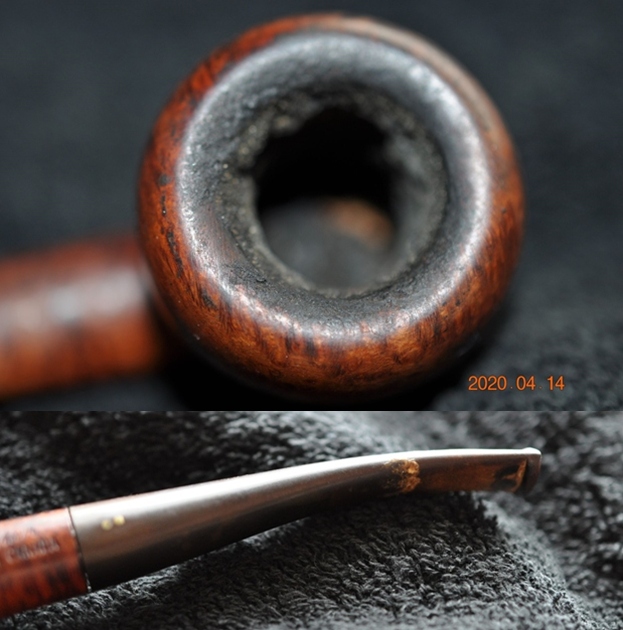
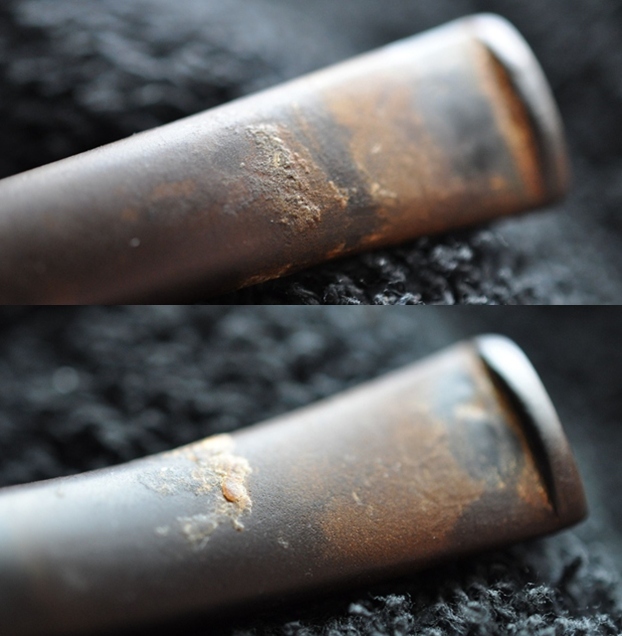
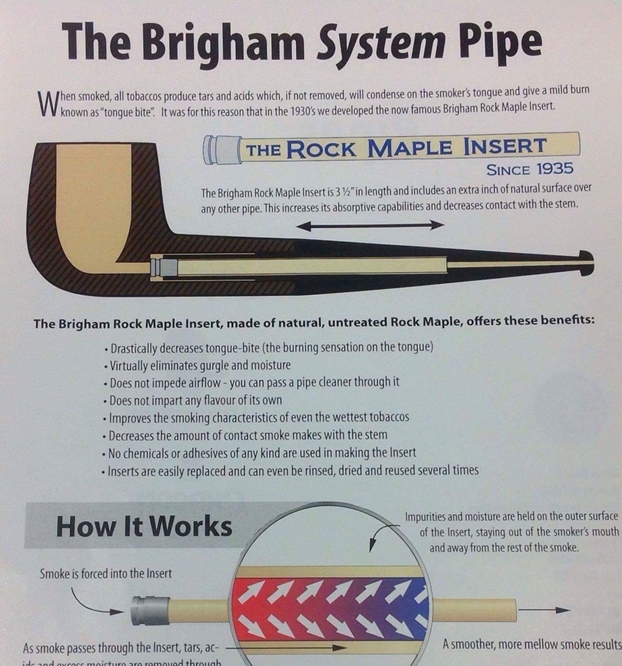
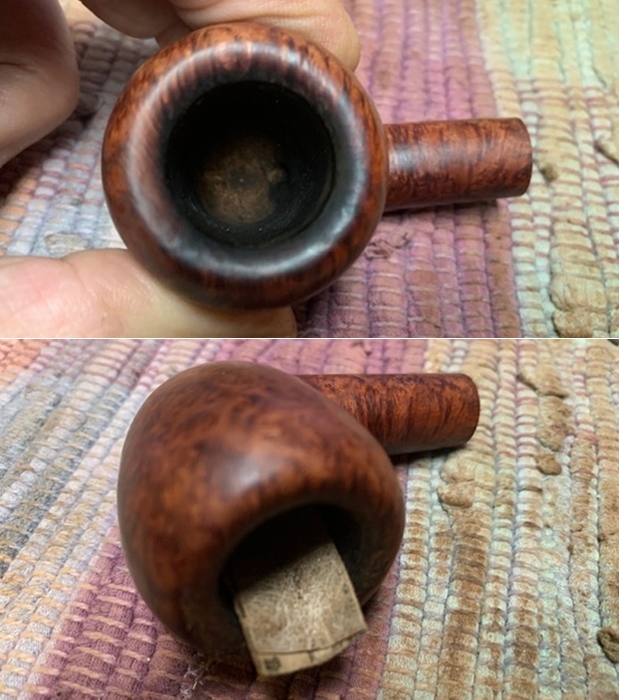
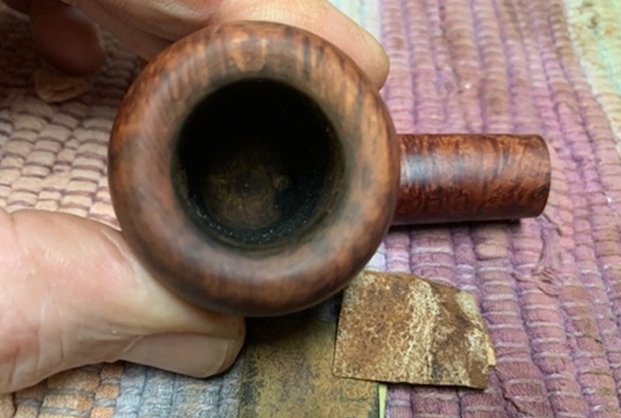
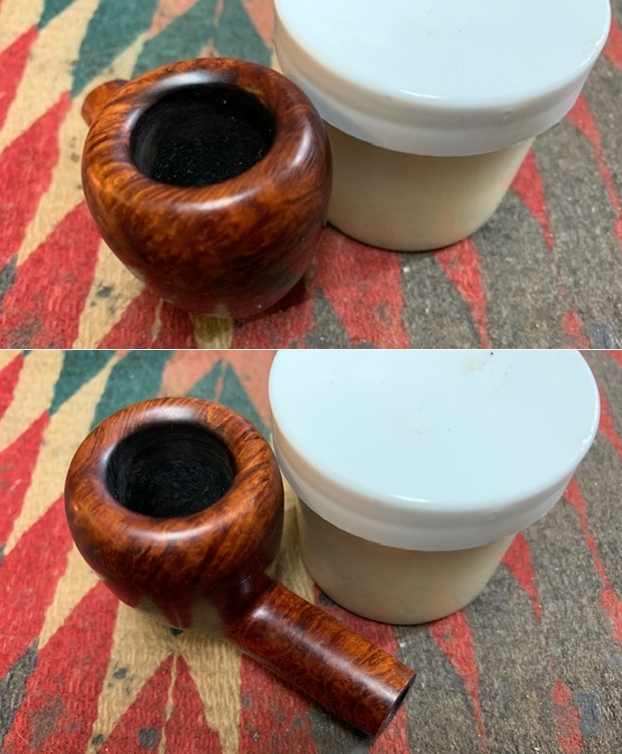
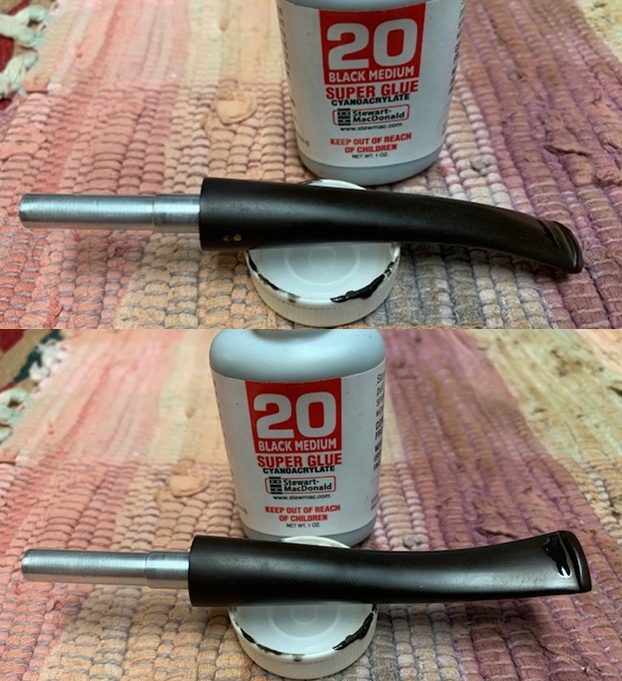
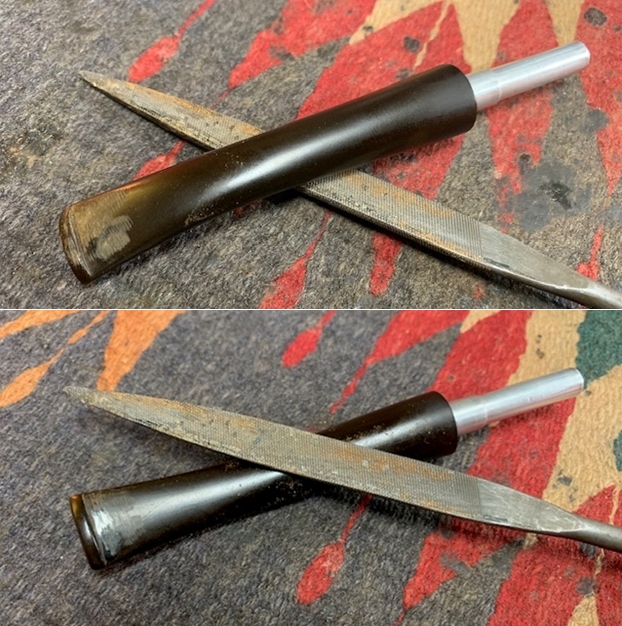
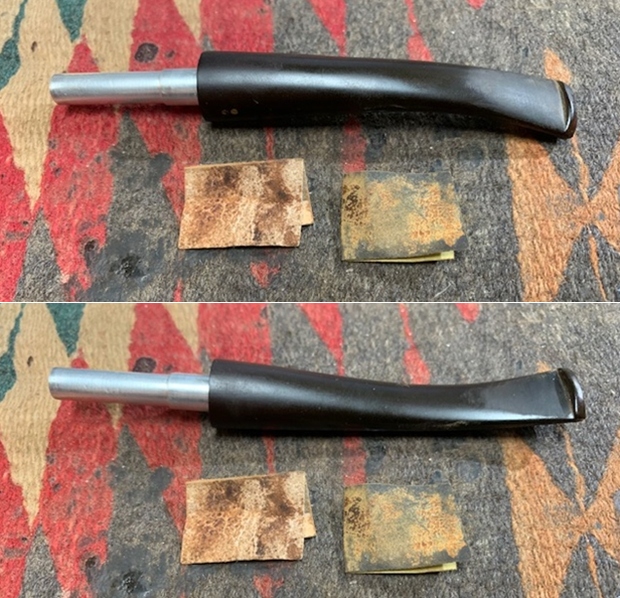
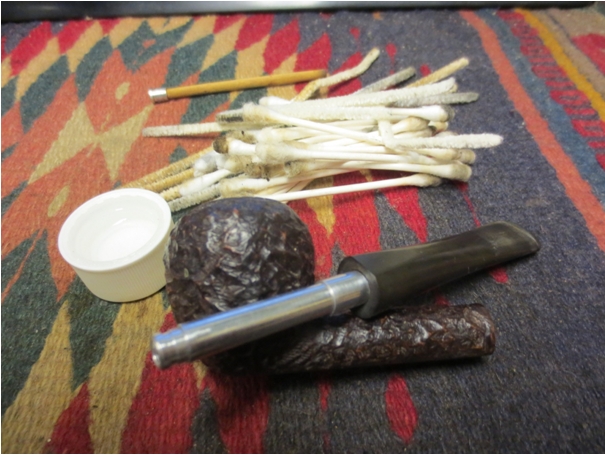
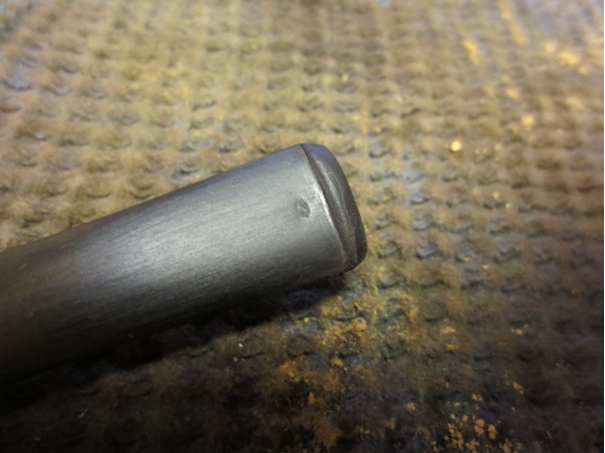
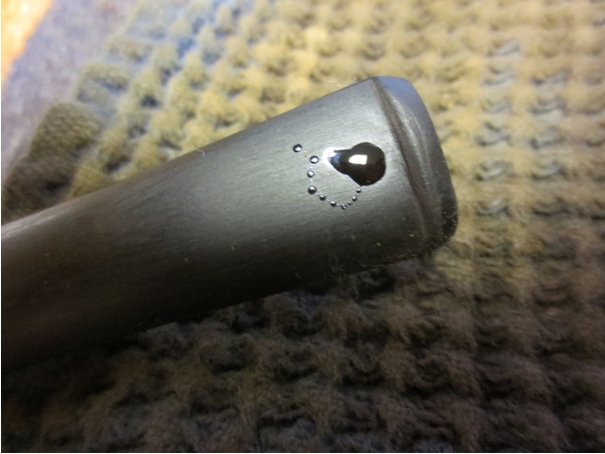
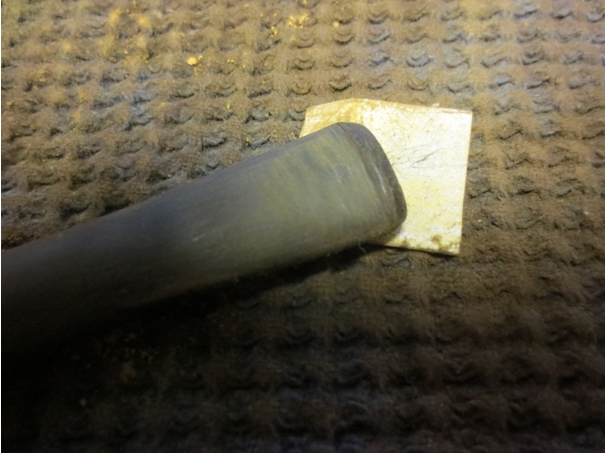
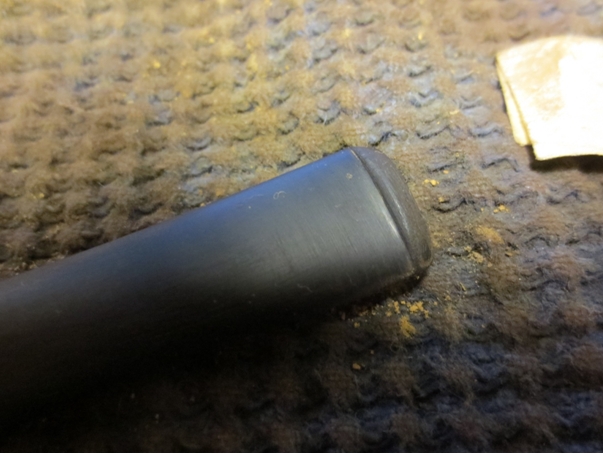
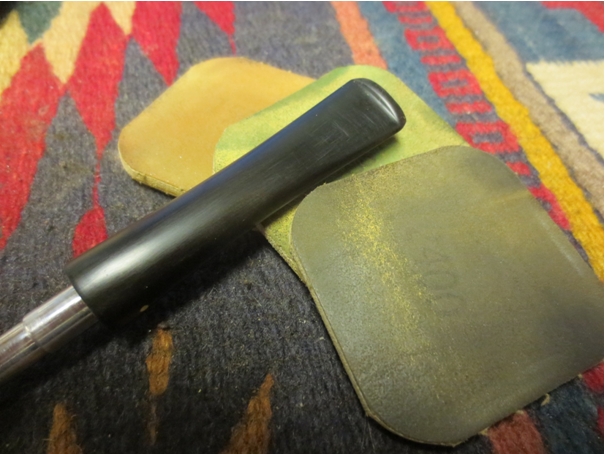
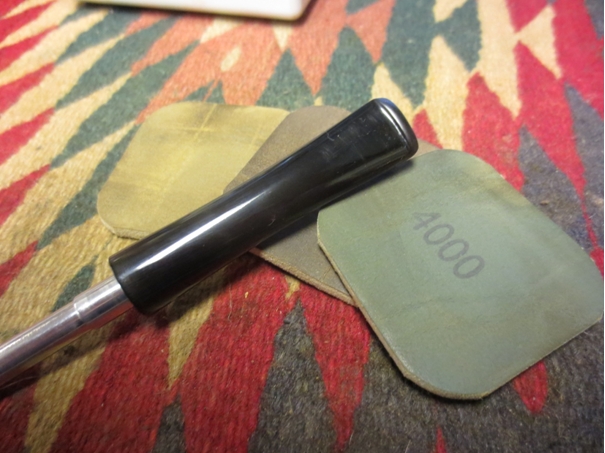
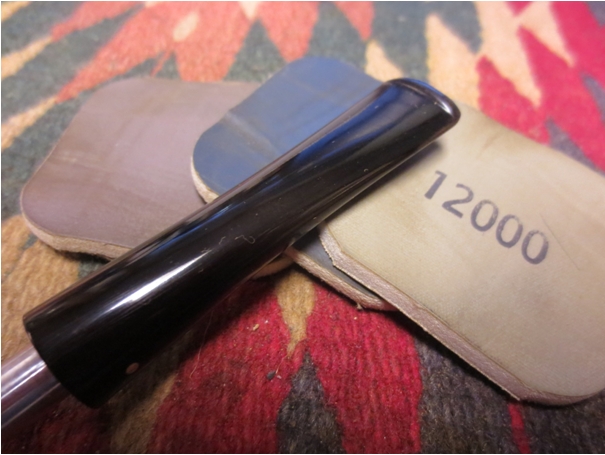
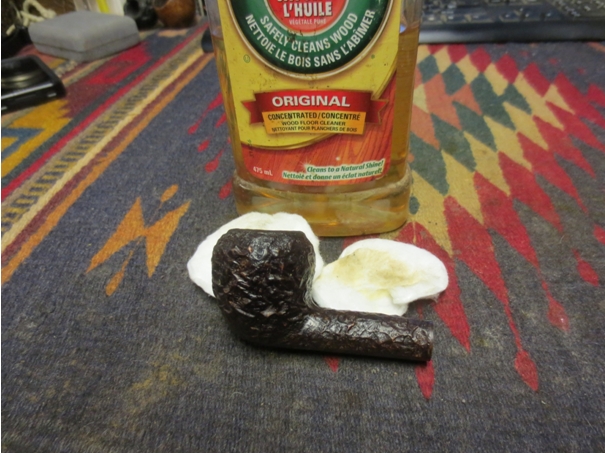
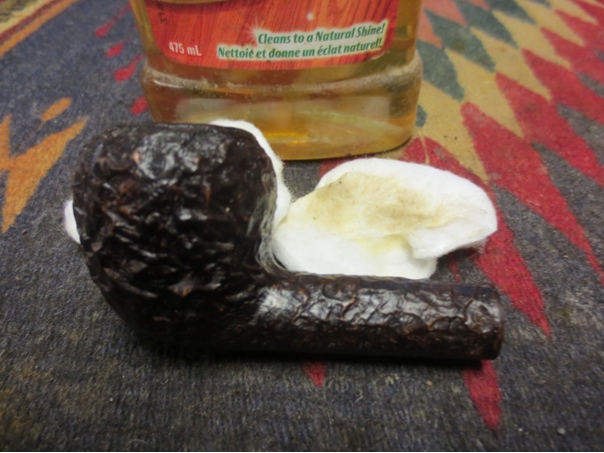
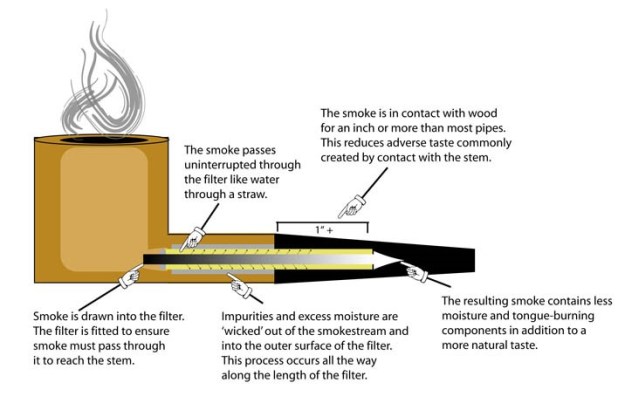
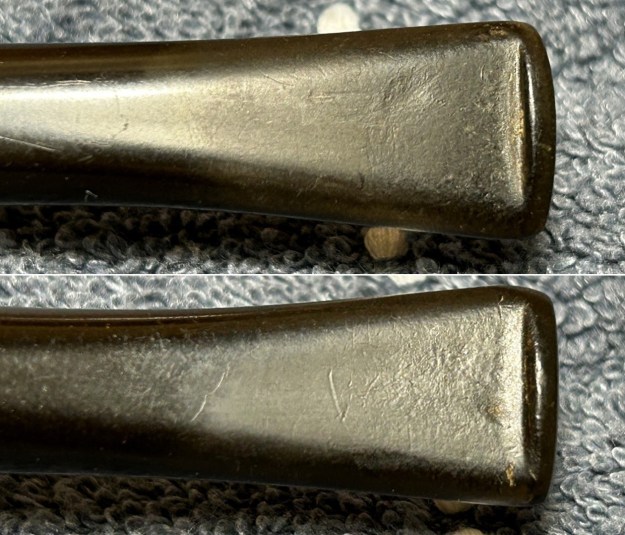
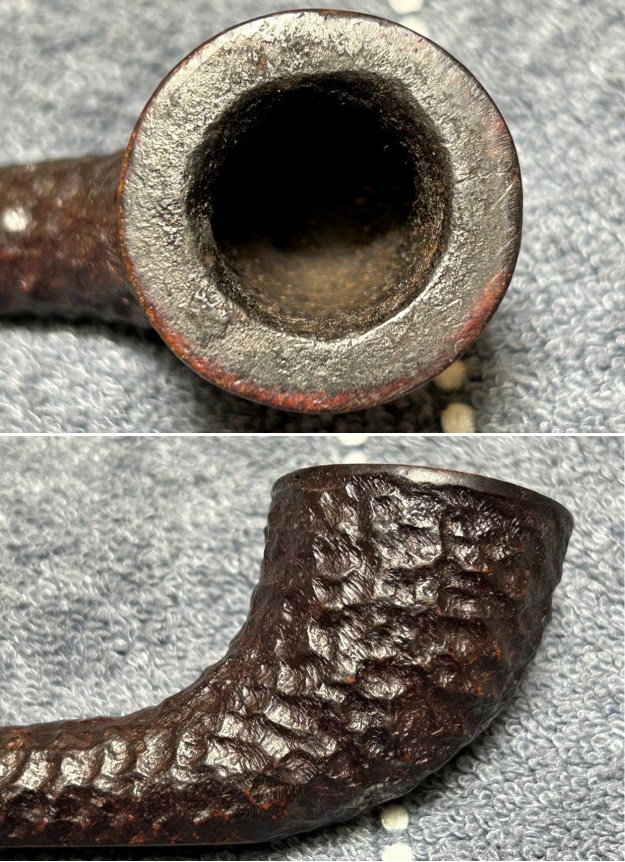
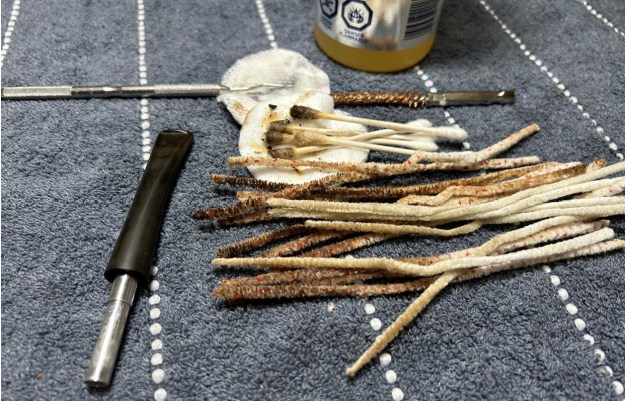
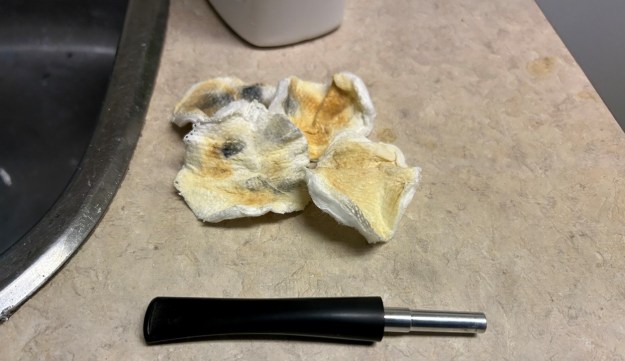
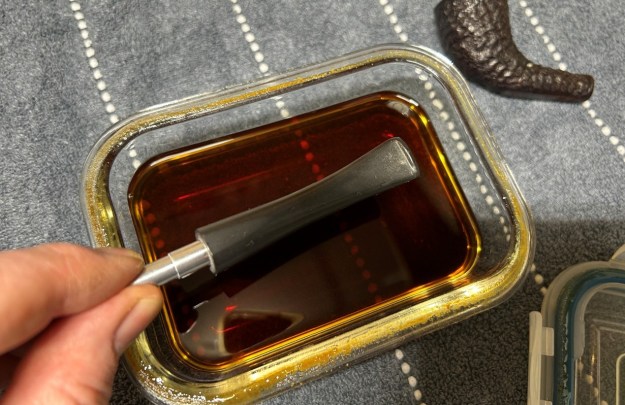
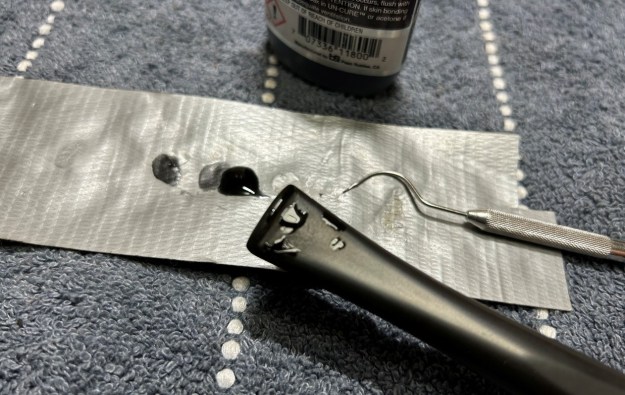
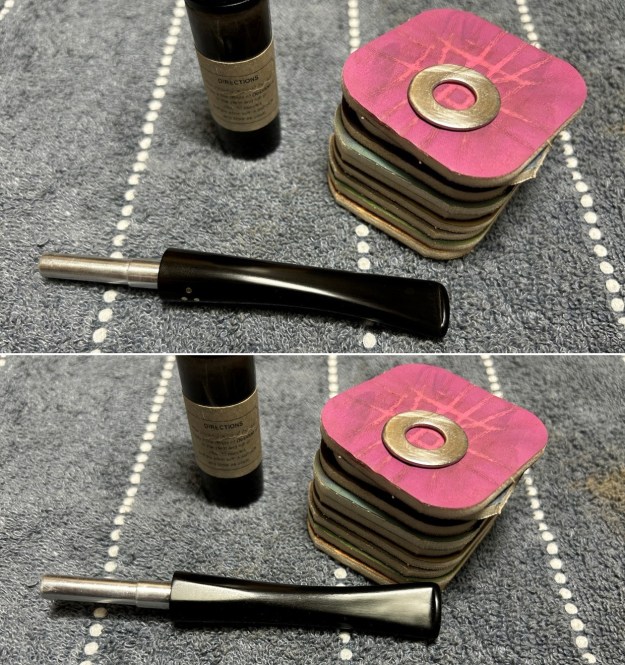
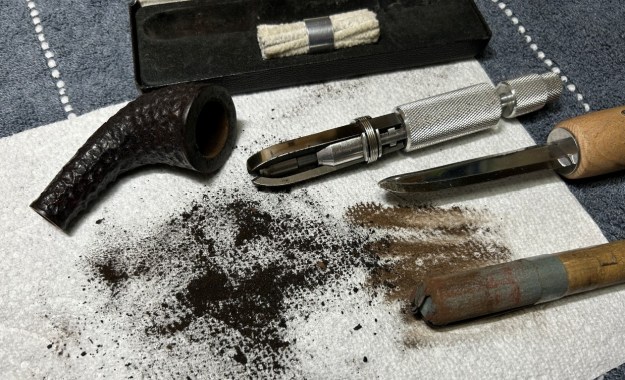
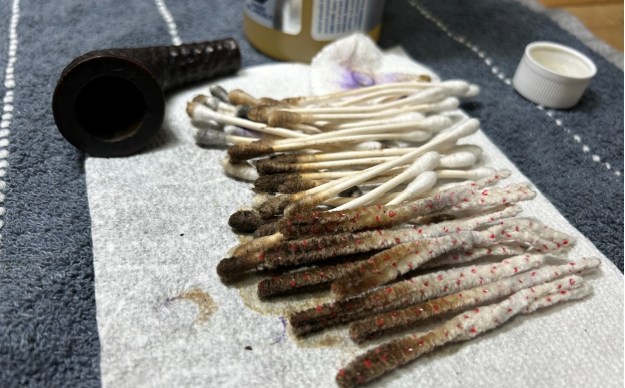
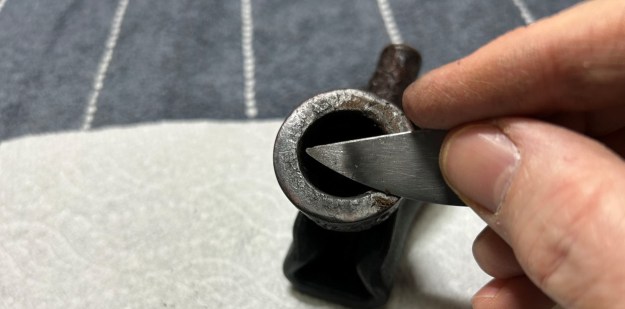
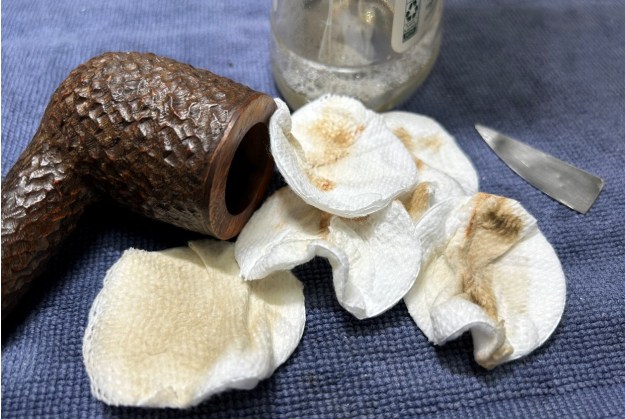
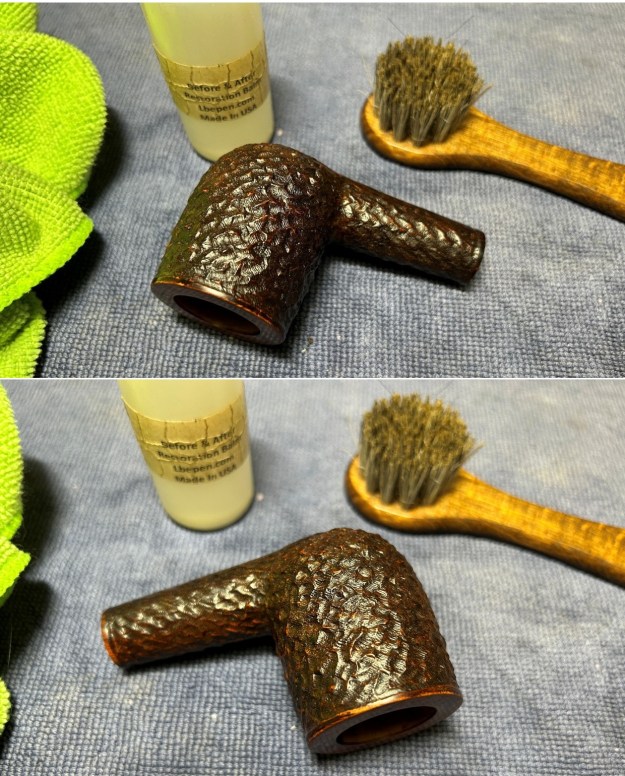
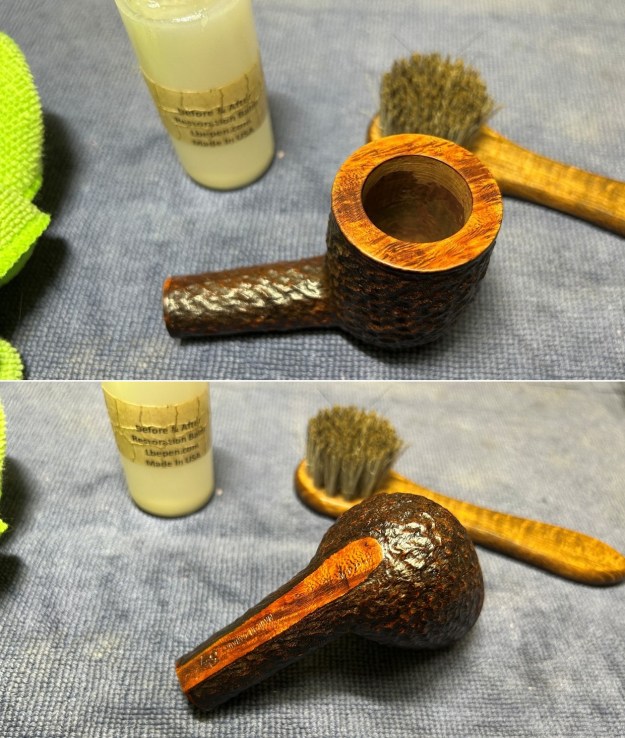
I can confidently date this pipe to the 1970s. I looked thoroughly in the book’s Unofficial Brigham Shape Chart and this pipe was nowhere to be found. I know that Brigham experimented with many shapes over the years, so this must have been one of those. Charles, if you’re reading this, please let us know in the comments below!I read through the article on Pipedia on Brigham Pipes. You can read it here. It’s a good article and contains lots of helpful information. I have included the chart below from the site as it shows the Brigham System and how it works.This is a beautiful pipe, but it did have some issues. The stem, however, was in good shape. Very dirty, to be sure, but not damaged. The stummel looks great – a bit dirty, some cake in the bowl and quite a bit of lava on the rim. I didn’t know it yet, but the lava hid some damage to the rim. This would be revealed later. I used a disposable lighter and ‘painted’ the stem with its flame. The gentle heat of the flame can cause the dents in the vulcanite of the stem to expand back into shape. In this case, the vulcanite did move – which was great – but it didn’t move fully. No problem.I used isopropyl alcohol on a few cotton rounds and wiped down the stem to provide an initial cleaning of filth before moving on to the next steps. The primary cleaning came next. I disinfected the inside of the stem with both pipe cleaners and cotton swabs dipped in lemon-infused 99% isopropyl alcohol. I scrubbed thoroughly to make sure the interior was very clean. I used a lot of pipe cleaners and cotton swabs – it was surprisingly dirty in there.The goal of the next step is the removal (or minimization) of oxidation. Going to my sink, I used cream cleanser, cotton rounds, and a toothbrush, and scoured the stem to remove as much surface oxidation as possible. As the photos show, the result was a hideous, ochre-coloured mess – but better off the stem than on it.Once the stem was reasonably clean, I soaked it overnight in some Briarville Stem Oxidation Remover. This solution works to draw oxidation in the stem to the surface of the vulcanite. This is a major aid and an important step in ensuring a clean stem. The following day, I drew out the stem from its bath and scrubbed the lingering fluid with a toothbrush.As the stem was now clean and dry, I set about fixing the marks and dents in the vulcanite. This was done by filling those divots with black cyanoacrylate adhesive, impregnated with carbon and rubber. I left this to cure and moved on.The penultimate step for the stem is sanding. First, with my set of needle files, I reduced the bulk of the cyanoacrylate repairs. I removed the excess adhesive as near to the surface as possible, without cutting into the vulcanite. Following that, I used all nine of the micromesh sanding pads (1,500 through 12,000 grit) to sand out flaws, even out the vulcanite, and provide gentle polishing of the finished surface. I also applied pipe-stem oil while using the last five micromesh pads. There was a wonderful, deep black shine to the stem when I was done.As the stem was (nearly) complete, I moved on to the stummel. The first step was to ream out the bowl – that is to say, remove all the cake inside the bowl. This accomplished a couple of things. First (and most obviously), it cleaned the bowl and provided a refurbished chamber for future smoking. Second, when the old cake was removed, I could inspect the interior walls of the bowl and determine if there was damage or not. I used a reamer, a pipe knife, and a piece of sandpaper taped to a wooden dowel. Collectively, these ensured that all the debris was removed.Similar to the stem, I then cleaned the stummel with both pipe cleaners and cotton swabs dipped in lemon-infused 99% isopropyl alcohol. With a pipe this dirty, it took quite a while and much cotton to clean. It was very dirty.My next step was to remove the lava on the rim. For this, I took a piece of machine steel and gently scraped the lava away. The metal’s edge is sharp enough to remove what I need, but not so sharp that it damages the rim. This work revealed some significant burn damage to the rim. Unfortunate and annoying, but not catastrophic. I then decided to ‘de-ghost’ the pipe – that is to say, exorcize the remaining filth from the briar. I filled the bowl and the shank with cotton balls, then saturated them with 99% isopropyl alcohol. I let the stummel sit overnight. This caused the remaining oils, tars and smells to leach out into the cotton.To tidy up the briar, I wiped down the outside, using a solution of a pH-neutral detergent and some distilled water, with cotton rounds. I also used a toothbrush in the crevices. This did a good job of cleaning any latent dirt on the surface of the briar. The last step of the cleaning process was to scour the inside of the stummel with the same mild detergent and tube brushes. This was the culmination of a lot of hard work in getting the pipe clean.In order to lessen the burns damage on the rim, I ‘topped’ the pipe – that is to say, I gently and evenly sanded the rim on a piece of 400-grit sandpaper. This effectively minimized the damage, without altering the look of the pipe. Fortunately, this required only minimal topping.I took a solid wooden sphere, wrapped with my micromesh pads, and lightly sanded the inner edge of the rim. This achieved two things: first, it removed some of the burn marks; and second (and more importantly), the circular shape and motion of the sphere gradually returned the edge to a circle shape.I used all nine micromesh pads (1,500 through 12,000 grit) to sand the rim and the underside of the shank. This sanding minimizes flaws in the briar and provides a beautiful smoothness to the wood. I rubbed some LBE Before & After Restoration Balm into the briar and let it sit for 30 minutes or so. The balm moisturizes the wood and gives a beautiful depth to the briar. I then buffed the stummel with a microfibre cloth. For the final step, I took the pipe to my bench polisher and carefully buffed it – first with a blue diamond compound, then with three coats of conservator’s wax. This procedure makes the pipe look its best – the stummel sings and the stem glows.All done! This unlisted Brigham 3-dot scoop looks fantastic again and is ready to be enjoyed by its next owner. I am pleased to announce that this pipe is for sale! If you are interested in acquiring it for your collection, please have a look in the ‘Canadian’ section of the store here on Steve’s website. You can also email me directly at kenneth@knightsofthepipe.com. The approximate dimensions of the pipe are as follows: length 6⅛ in. (155 mm); height 1¾ in. (45 mm); bowl diameter 1⅓ in. (34 mm); chamber diameter ¾ in. (20 mm). The weight of the pipe is ⅞ oz. (27 g). I hope you enjoyed reading the story of this pipe’s restoration as much as I enjoyed restoring it. If you are interested in more of my work, please follow me here on Steve’s website or send me an email. Thank you very much for reading and, as always, I welcome and encourage your comments.

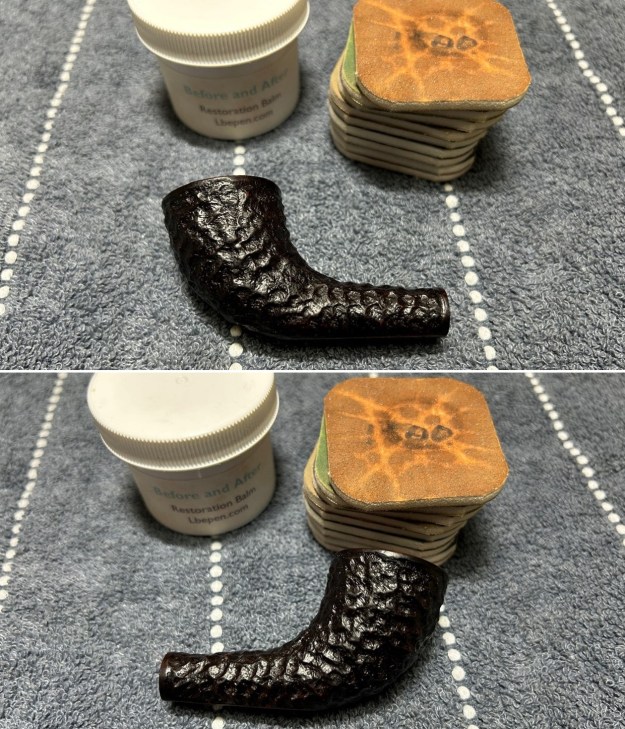
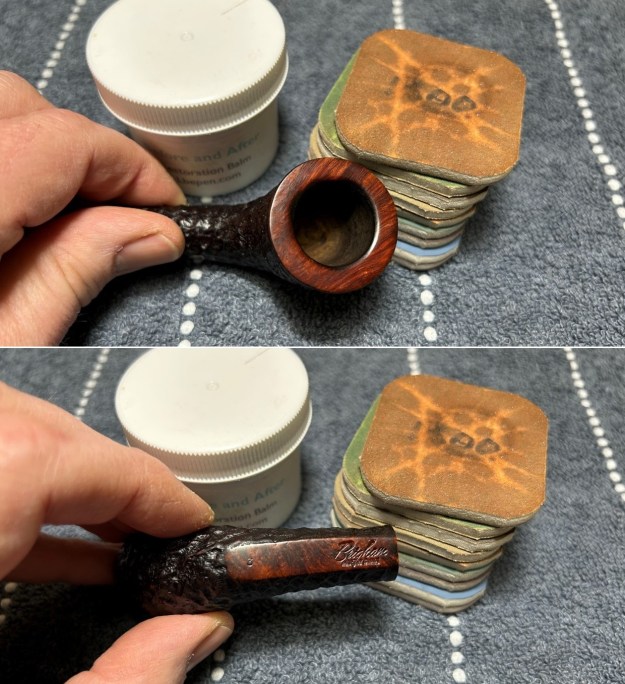
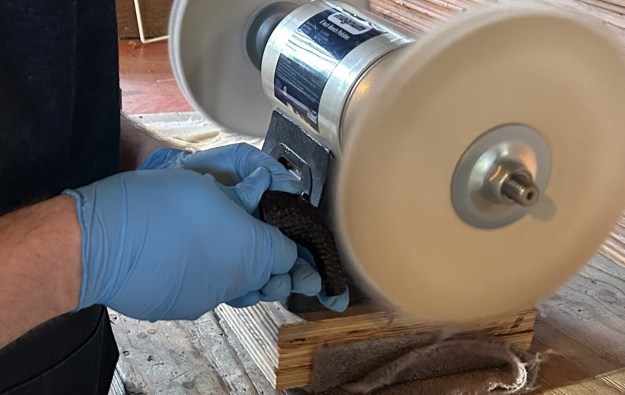
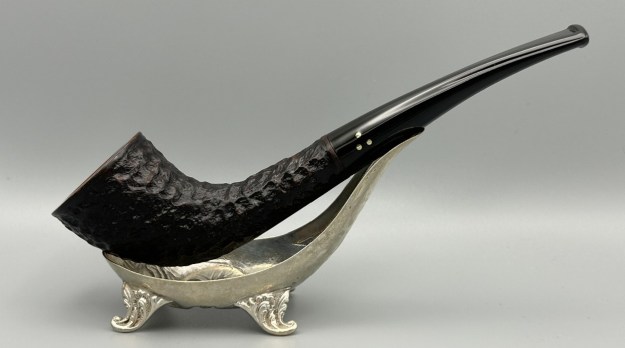
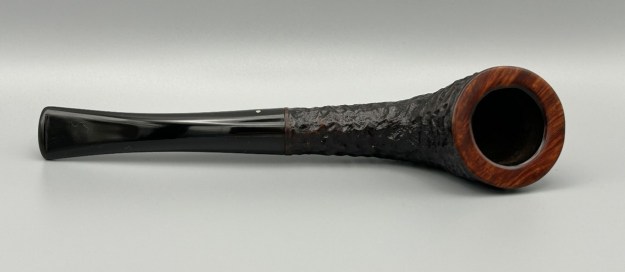
Restoring a Brigham 2 Dot Crowned Rim 259 Rusticated Acorn


by Steve Laug

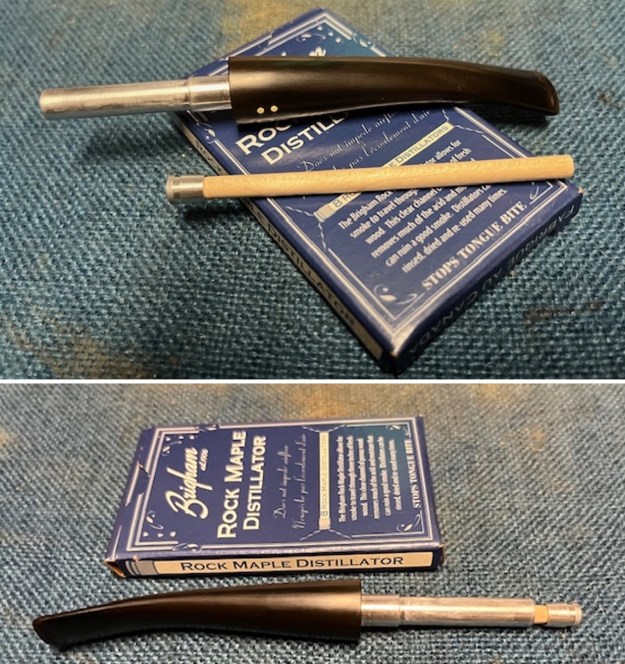
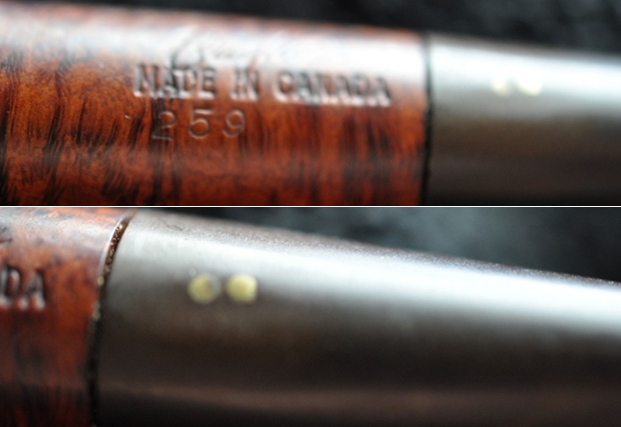
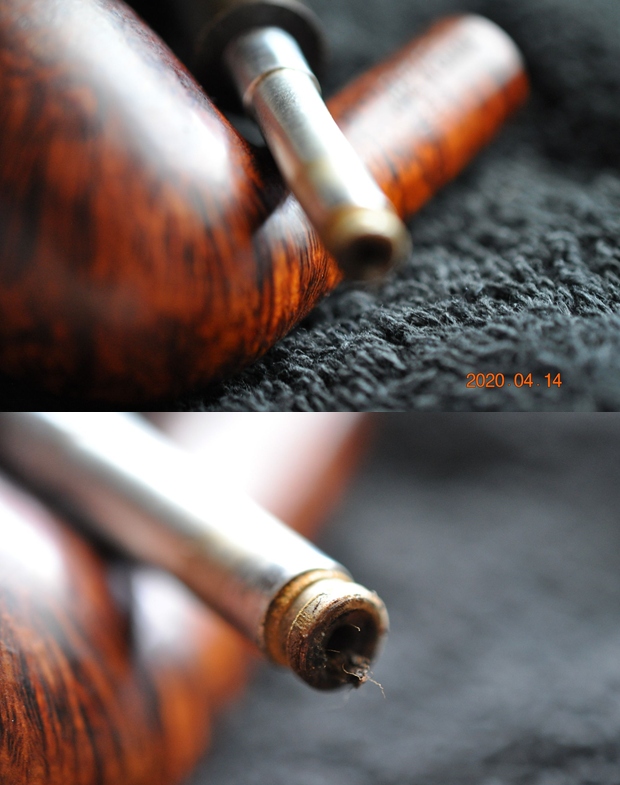
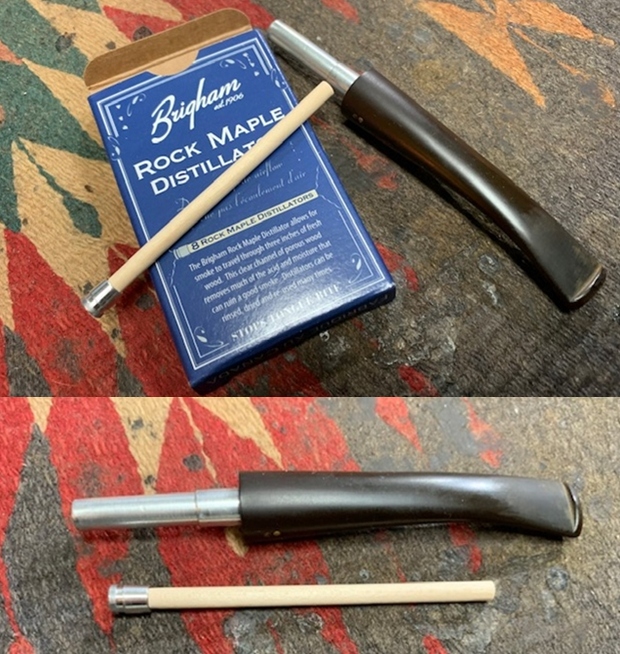
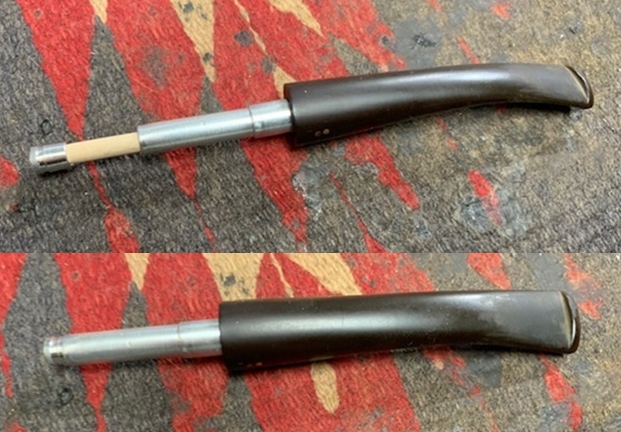
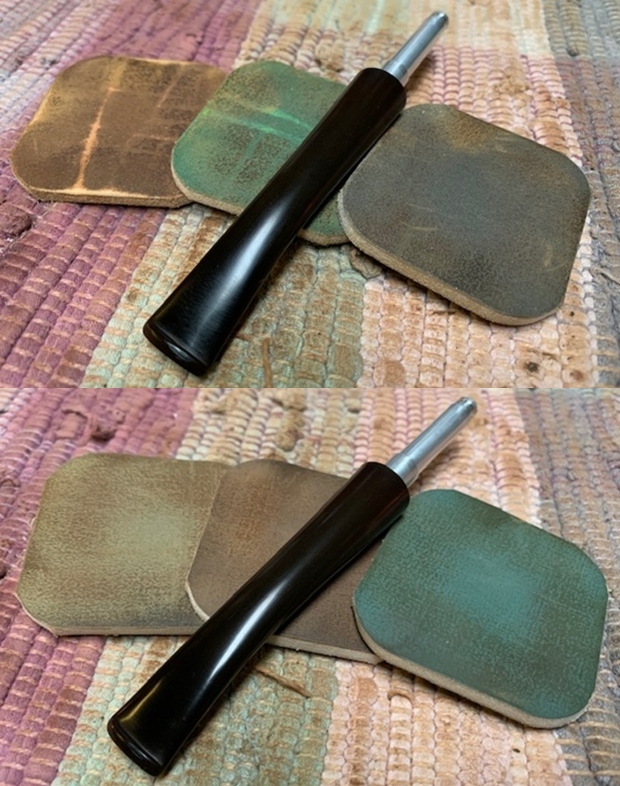
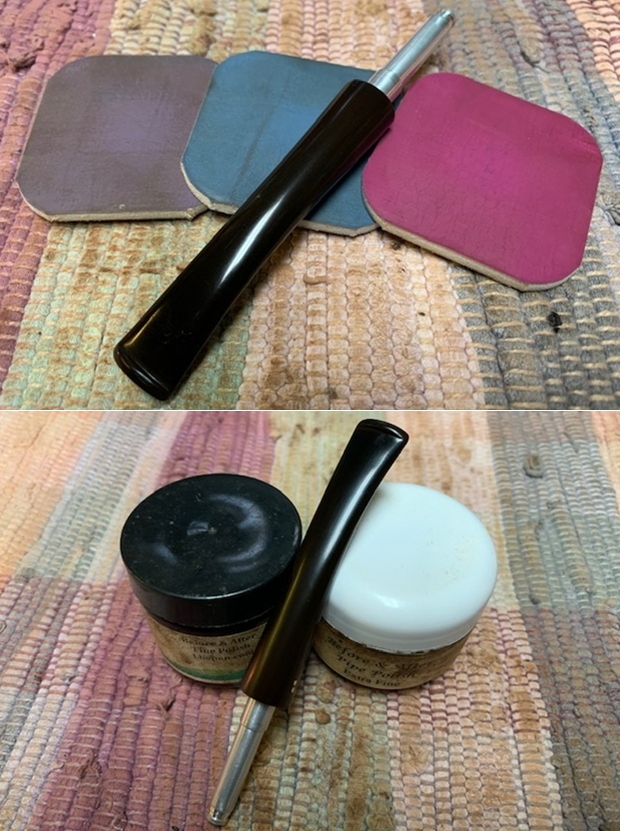
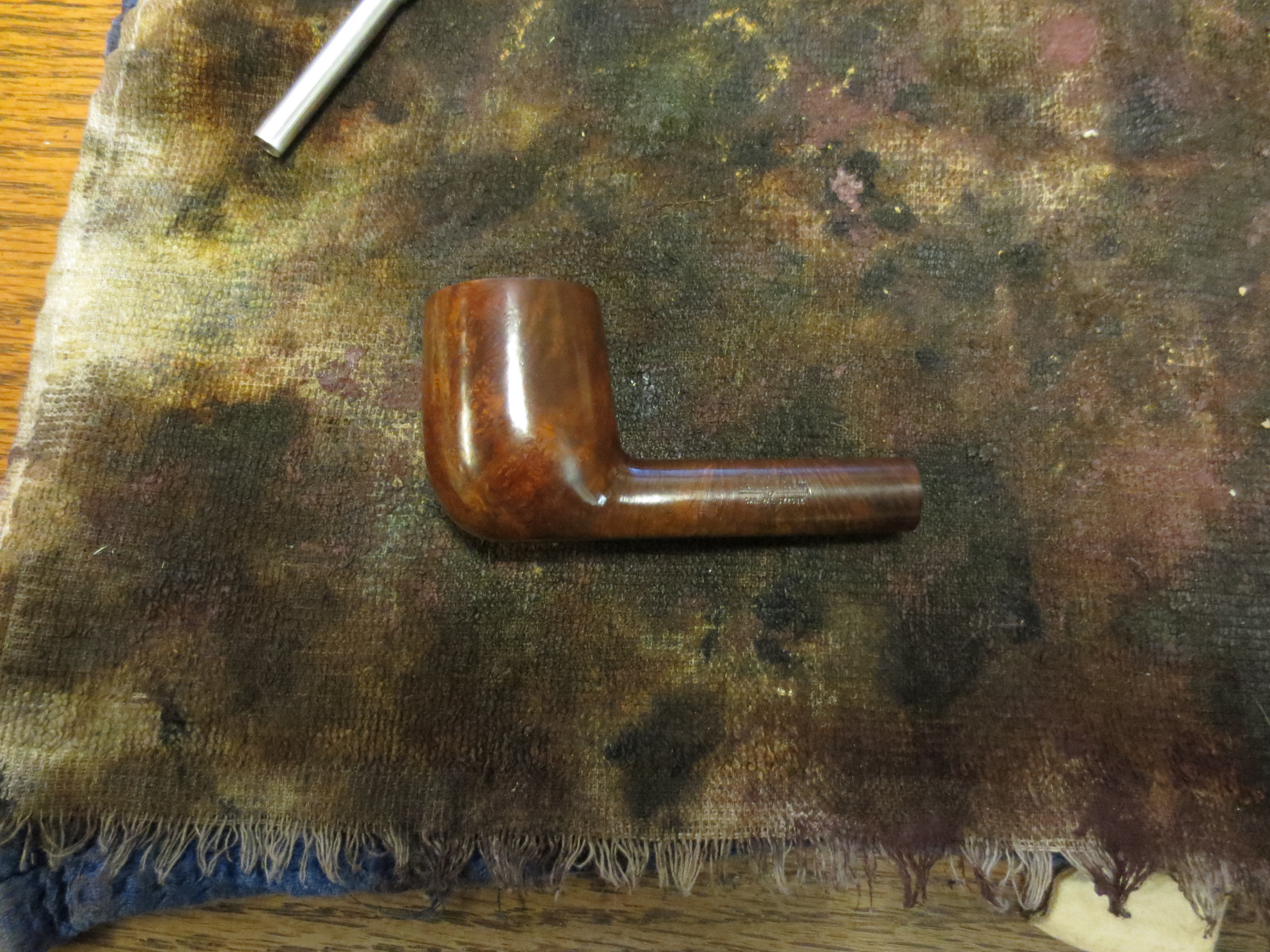
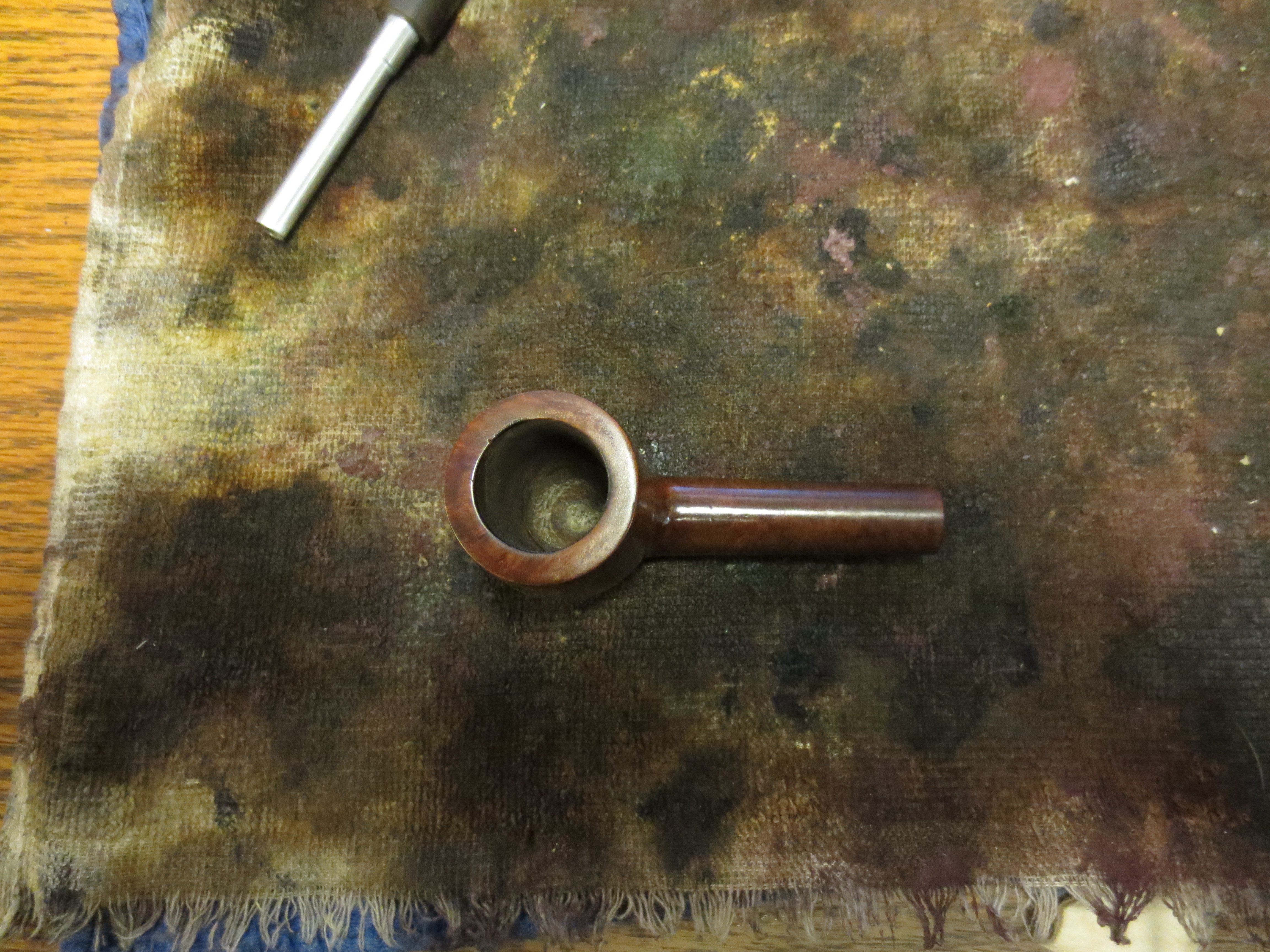
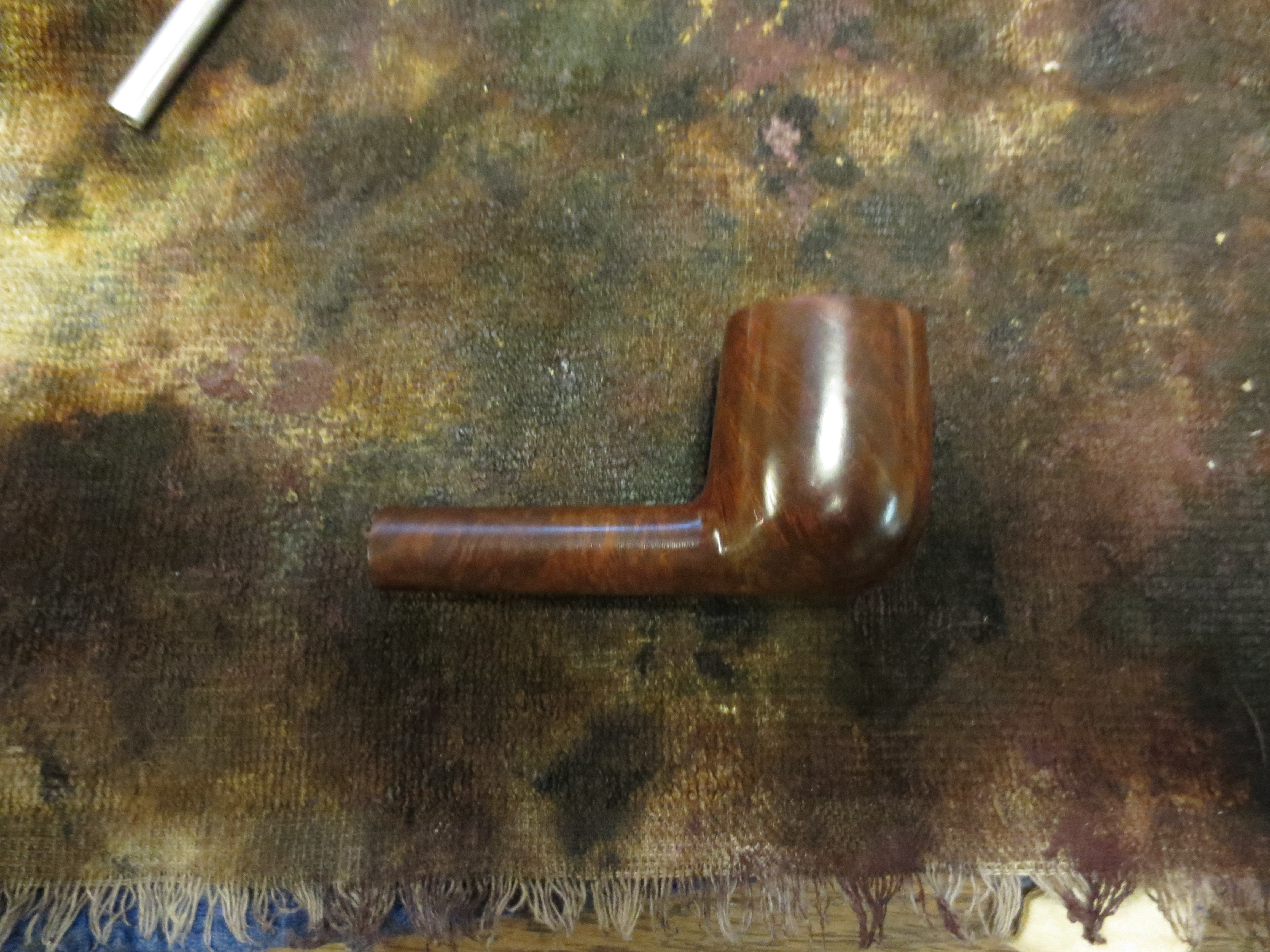
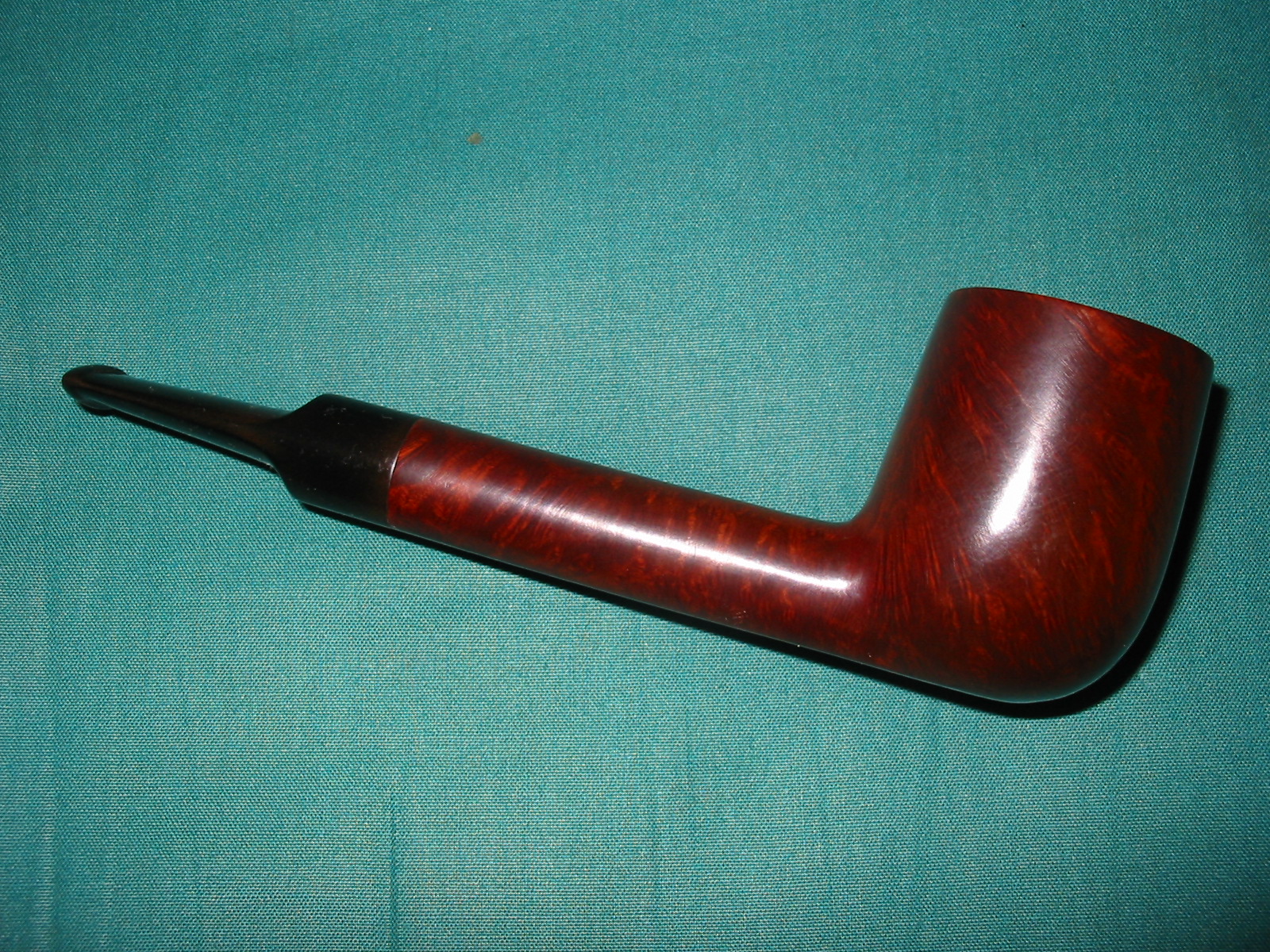
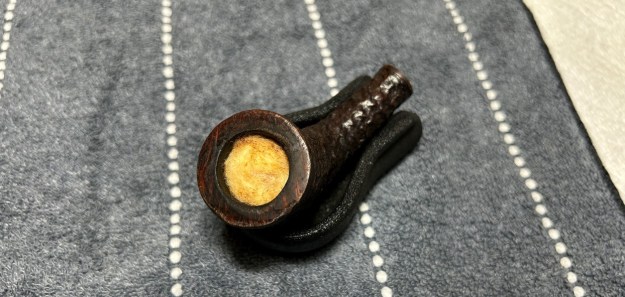
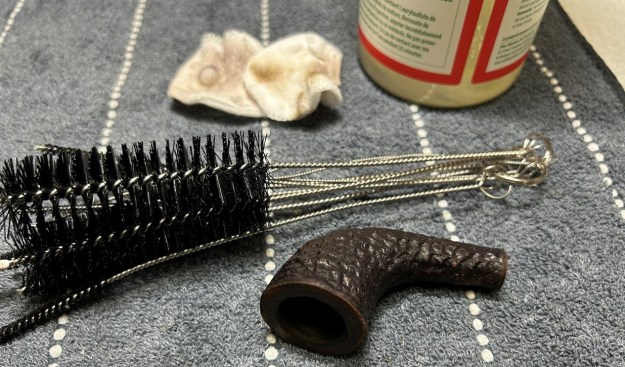
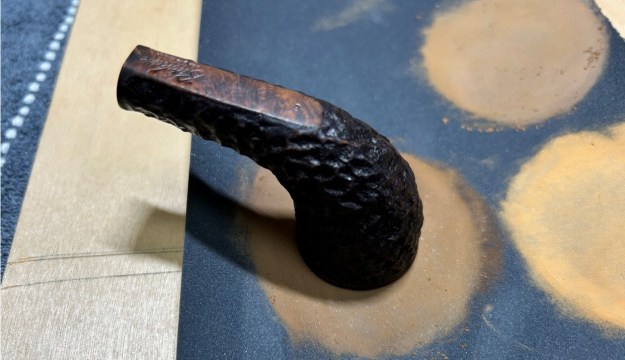
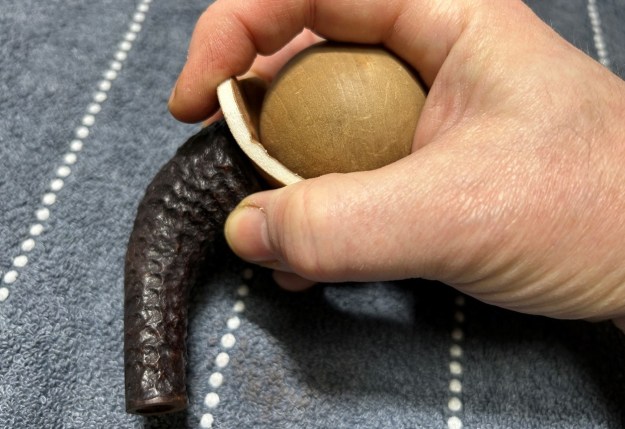
The next pipe I have chosen is a worn rusticated acorn shaped pipe that was stained with a rich brown colour. The mix of stains made the rustication take on depth even with the grime on the finish. We are not sure where we picked this pipe up – traded, found, purchased. No memory sadly. It was stamped on the underside of the shank and read shape number 259 followed by Brigham [over] Made in Canada. It was in decent condition when I brought it to the table. The finish was dirty with grime ground into the briar sides and rim but still looked okay. The bowl had been reamed and cleaned. The rim top and edges were a bit rough and the bowl was slightly out of round. The stem was oxidized and had tooth marks and chatter on the top and underside on and near the button. The Maple Distillator was in the aluminum tube and was well used. It appeared to have been rinsed off a few times as it bore stain but no oils. I took photos of the pipe before my cleanup work. They tell the story and give a glimpse of the promise in this pipe.   Jeff took photos of the rim top to show the interior the bowl and the rim top and inner edge. It has been reamed and the rim top and inner edge shows damage. The stem is oxidized and has tooth marks on the top and underside near the button.I took a photo of the underside of the shank to show the stamping. The stamping is faint but readable in the photo below and is as noted above – it reads 259 (shape number) Brigham in script [over] Made in Canada. The stem has two dots in a row on the left side.I took the stem off the bowl and took pictures of the aluminum tube tenon with the Maple Distillator in place and out of the tenon on top of the tube. Before I get into the restoration part of this pipe I decided to include a poster I picked up that shows the filtration system of the patented Brigham Distillator. Give the poster a read. It also helps to understand the internals of these older Canadian Made pipes. I decided to start my restoration work on this one by dealing with the damaged crown rim top. I used a wooden sphere and a piece of 220 grit sandpaper to deal with the damage on the top and inner edge of the bowl. It is slow tedious work but the finished product looks much better. I cleaned the shank and mortise as well as the airway in the stem with pipe cleaners, cotton swabs and alcohol. It smelled great and was ready for the next pipe man or woman who takes on the trust.I sanded the smooth rim top and edges with 320-3500 grit 2×2 inch sanding pads. I wiped the briar down with a damp cloth after each pad. The rim began to look much better. I polished the smooth rim top and edges of the briar with micromesh sanding pads – dry sanding it with 1500-12000 grit pads. After each pad I wiped the briar down with a damp cloth. I worked some Before & After Restoration Balm into the surface of the briar with my fingertips and the rustication with a shoe brush to clean, enliven and protect the briar. I let the balm sit for a little while and then buffed with a cotton cloth to raise the shine. The photos show the bowl at this point in the restoration process. I sanded out the light tooth marks and chatter with 220 grit sand paper to blend them into the rest of the stem surface.I dry sanded the stem with 320-3500 grit 2×2 inch sanding pads. I wiped the stem down after each sanding pad with a damp cloth to remove the sanding debris. It began to take on a rich shine.I polished the stem with micromesh sanding pads – dry sanding with 1500-12000 grit sanding pads. I wiped it down after each sanding pad with Obsidian Oil. I polished it with Before & After Pipe Stem Polish – both Fine and Extra Fine. Before I finished polishing the stem I fit it with the new Rock Maple Distillator. The photos show the box and the new Distillator on the box and then in place in the tenon.I am glad to finish this Brigham Made in Canada 259 Rusticated Acorn. I put the pipe back together and buffed it with Blue Diamond on the buffing wheel. I gave the bowl and the stem multiple coats of carnauba wax. I hand buffed the pipe with a clean buffing pad to raise the shine. It is fun to see what the polished bowl looks like with the grain popping through on the bowls sides and rim top. Added to that the polished black vulcanite stem with the shining brass pins was beautiful. This mixed grain on the smooth finish Brigham 2 Dot Acorn is nice looking and the pipe feels great in my hand. It is light and well balanced. Have a look at it with the photos below. The dimensions are Length: 6 inches, Height: 1 ¾ inches, Outside diameter of the bowl: 1 ½ inches, Chamber diameter: ¾ of an inch. The weight of the pipe is 1.27 ounces/ 36 grams. It is a beautiful pipe and one that will be in the Canadian Pipemakers Section on the rebornpipes store soon. If you are interested in adding it to your collection let me know.

Thanks to each of you who are reading this blog. Remember we are not pipe owners; we are pipemen and women who hold our pipes in trust until they pass on into the trust of the next generation.

Restoring a Handsome Patent-Era Brigham 226 Bent Squatty


by Kenneth Lieblich

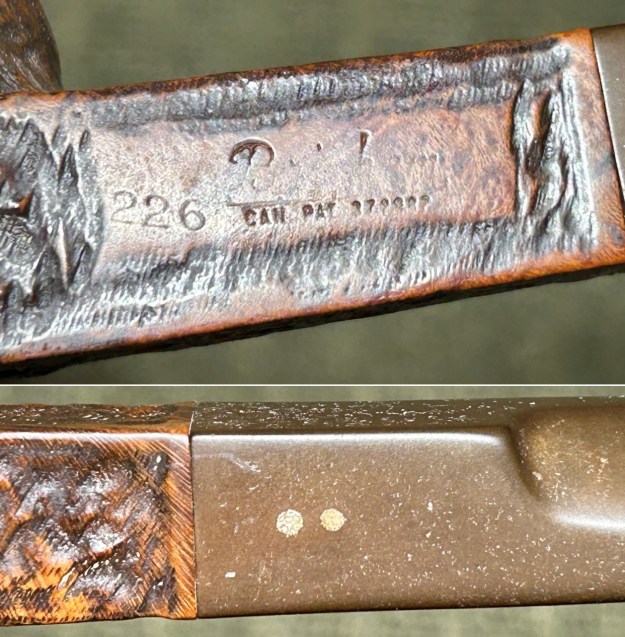
Last Sunday, a gentleman at my church approached me about restoring some pipes that he recently found at the local Sally Ann. He found some nice things and I happily restored three of his pipes – one of which ended up as this blog post! This is a very handsome Brigham 2-dot bulldog and, from first viewing, I could tell that this one was a bit older than the usual Brighams I see. This Brigham had the patented ‘Rock Maple Distillator’ filter system in it. Even though this one had been through the ringer, I was keen to get this it shining and bright again. A quick look at the markings told me a lot of information. First of all, the stem showed two dots (or, to be more precise, two brass pins). This is typical of Brigham’s marking system and, in this case and in this era, two dots means the ‘Select’ level of briar. As Charles Lemon wrote in his book, Brigham Pipes: A Century of Canadian Briar,

A single brass pin inserted in the left flank of the stem near the shank was originally used as a physical anchor to hold the press-fit aluminum tenon/filter holder securely in the stem. Brigham built on this manufacturing necessity by setting additional pins or Dots as they came to be known to denote the quality level of his pipes.On the underside of the shank, we can see the word Brigham [over] Can Pat 372982. To the left of that is the shape number 226,

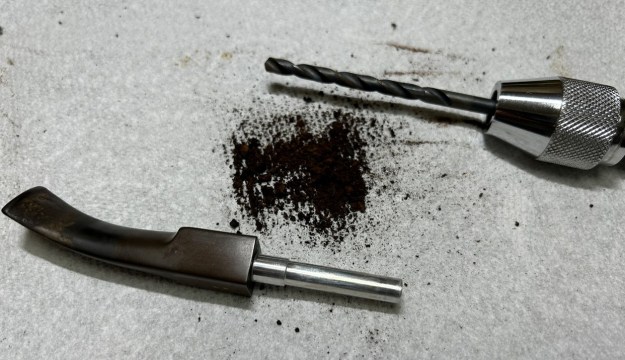
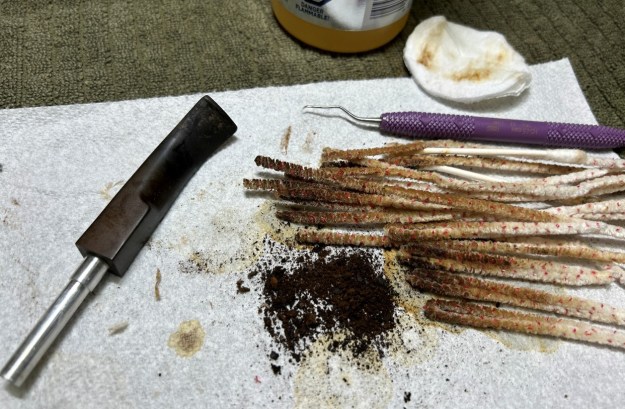
where the first digit refers to the pipe’s grade and the second and third digits to the pipe shape itself.The markings have been somewhat worn over time, but they are still readable. Crucially, they told me that this pipe was made during the patent era of Brigham pipes – that is to say, between 1938 and 1955. The Brigham logo is the variety that Lemon describes as the thin-script logo with a long tail on the “m” wrapping back under the name. The patent in question is the Canadian patent number for the filter system. Finally, the initial 2 in the three-digit shape number obviously connects to the two brass dots. Referring back to Lemon’s book, I found that shape 26 was called the ‘Bent Squatty’, with the description: Medium, ¼ Bent Bulldog, Diamond Taper Stem. Yep, that describes this pipe, alright. Anyway, for a more thorough view of Brigham’s history, please visit Pipedia’s article here. Meanwhile, here is a view of Brigham’s patented filter system:On with the restoration! The pipe is in good condition for its age – just particularly grungy. I was fairly impressed with the condition of the stummel. There was no notable damage, just a lot of grime – especially on the rim, where the grime was really ground in. The stem was heavily oxidized and had quite a bit of tooth chatter. There were some significant dents in the vulcanite and the button was somewhat squashed. First things first. I used a disposable lighter and ‘painted’ the stem with its flame. The gentle heat of the flame can often cause the dents in the vulcanite of the stem to expand back into shape. In this case, there was perhaps a bit of movement – but not much. I used isopropyl alcohol on a few cotton rounds and wiped down the stem to provide an initial cleaning of filth before moving on to the next steps.The primary cleaning came next. I disinfected the inside of the stem with both pipe cleaners and cotton swabs dipped in lemon-infused 99% isopropyl alcohol. I scrubbed thoroughly to make sure the interior was very clean. I used a huge number of pipe cleaners and cotton swabs – more than shown in the photo. In addition, the aluminum filter chamber was so heavily choked with debris, that I used a drill bit to break down and remove all of this detritus. Amazing. The goal of the next step is the removal (or minimization) of oxidation. In this case, it was only minimization – the photos simply do not communicate how badly oxidized this stem was. Going to my sink, I used cream cleanser, cotton rounds, and a toothbrush, and scoured the stem to remove as much surface oxidation as possible. As the photos show, the result was a hideous, ochre-coloured mess – but better off the stem than on it.Once the stem was reasonably clean, I soaked it overnight in some Briarville Stem Oxidation Remover. This solution works to draw oxidation in the stem to the surface of the vulcanite. This is a major aid and an important step in ensuring a clean stem. The following day, I drew out the stem from its bath and scrubbed the lingering fluid with a toothbrush. Due to the severity of the oxidation, I then repeated the scrubbing with the cream cleanser for maximum effect. It turns out that even that wasn’t good enough. I actually used red Tripoli on my buffing wheel to remove even more oxidation.As the stem was now clean and dry, I set about fixing the marks and dents in the vulcanite. This was done by filling those divots with black cyanoacrylate adhesive, impregnated with carbon and rubber. I left this to cure and moved on.The penultimate step for the stem is sanding. First, with my set of needle files, I reduced the bulk of the cyanoacrylate repairs. I removed the excess adhesive as near to the surface as possible, without cutting into the vulcanite. Following that, I used all nine of the micromesh sanding pads (1,500 through 12,000 grit) to sand out flaws, even out the vulcanite, and provide gentle polishing of the finished surface. I also applied pipe-stem oil while using the last five micromesh pads. There was a wonderful, deep black shine to the stem when I was done.As the stem was (nearly) complete, I moved on to the stummel. The first step was to ream out the bowl – that is to say, remove all the cake inside the bowl. This accomplished a couple of things. First (and most obviously), it cleaned the bowl and provided a refurbished chamber for future smoking. Second, when the old cake was removed, I could inspect the interior walls of the bowl and determine if there was damage or not. I used a reamer, a pipe knife, and a piece of sandpaper taped to a wooden dowel. Collectively, these ensured that all the debris was removed.Similar to the stem, I then cleaned the stummel with both pipe cleaners and cotton swabs dipped in lemon-infused 99% isopropyl alcohol. With a pipe this dirty, it took quite a while and much cotton to clean. Although, it was easy compared to the stem!I then decided to ‘de-ghost’ the pipe – that is to say, exorcize the remaining filth from the briar. I filled the bowl and the shank with cotton balls, then saturated them with 99% isopropyl alcohol. I let the stummel sit overnight. This caused the remaining oils, tars and smells to leach out into the cotton.To tidy up the briar, I wiped down the outside, using a solution of a pH-neutral detergent and some distilled water, with cotton rounds. I also used a toothbrush in the crevices. This did a good job of cleaning any latent dirt on the surface of the briar. The last step of the cleaning process was to scour the inside of the stummel with the same mild detergent and tube brushes. This was the culmination of a lot of hard work in getting the pipe clean.I rubbed some LBE Before & After Restoration Balm into the briar and let it sit for 30 minutes or so. The balm moisturizes the wood and gives a beautiful depth to the briar. I then buffed the stummel with a microfibre cloth. For the final step, I took the pipe to my bench polisher and carefully buffed it with three coats of conservator’s wax. This procedure makes the pipe look its best – the stummel sings and the stem glows. All done! This Brigham 226 Bent Squatty looks fantastic again and is ready to be enjoyed by my friend at church. It was a pleasure to work on and such a treat to see an older Brigham come back to life. The approximate dimensions of the pipe are as follows: length 5¾ in. (146 mm); height 1½ in. (38 mm); bowl diameter 1⅔ in. (42 mm); chamber diameter ¾ in. (20 mm). The weight of the pipe is 1¼ oz. (38 g). I hope you enjoyed reading the story of this pipe’s restoration as much as I enjoyed restoring it. If you are interested in more of my work, please follow me here on Steve’s website or send me an email at kenneth@knightsofthepipe.com. Thank you very much for reading and, as always, I welcome and encourage your comments.

Spiffing Up a Handsome Brigham 2044 XL Billiard


by Kenneth Lieblich

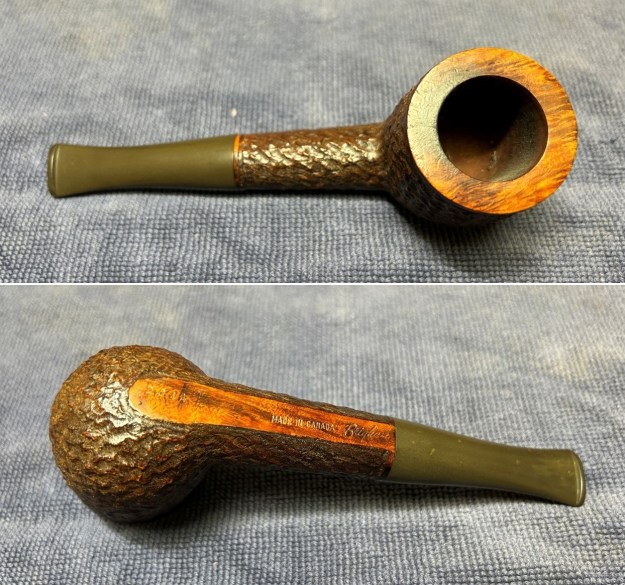
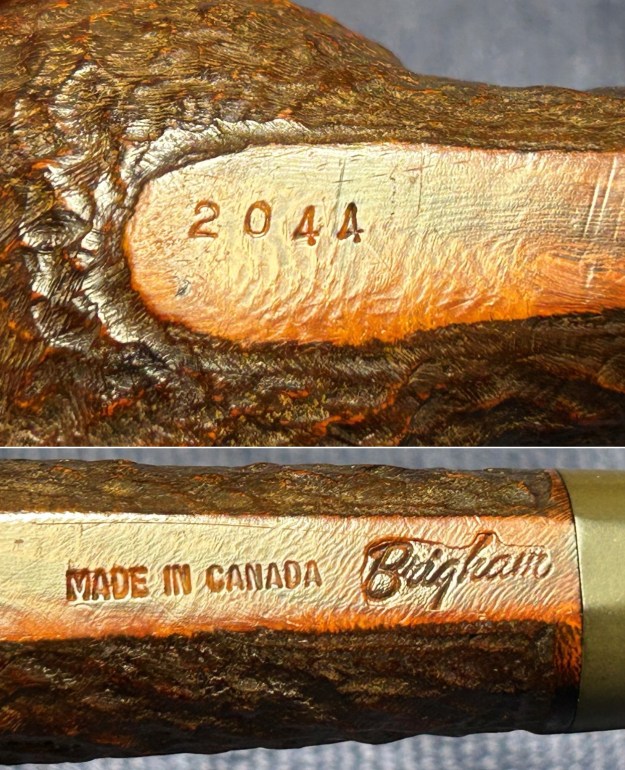
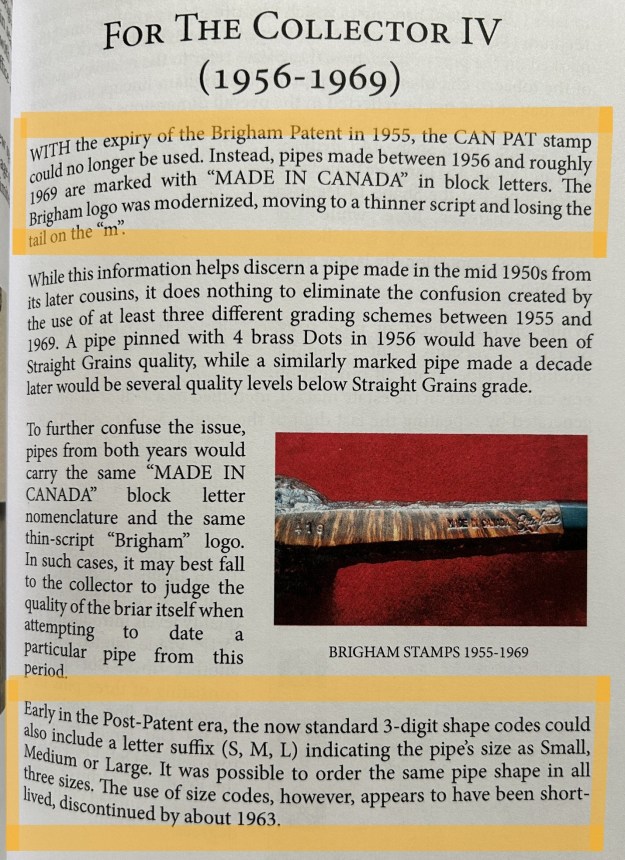
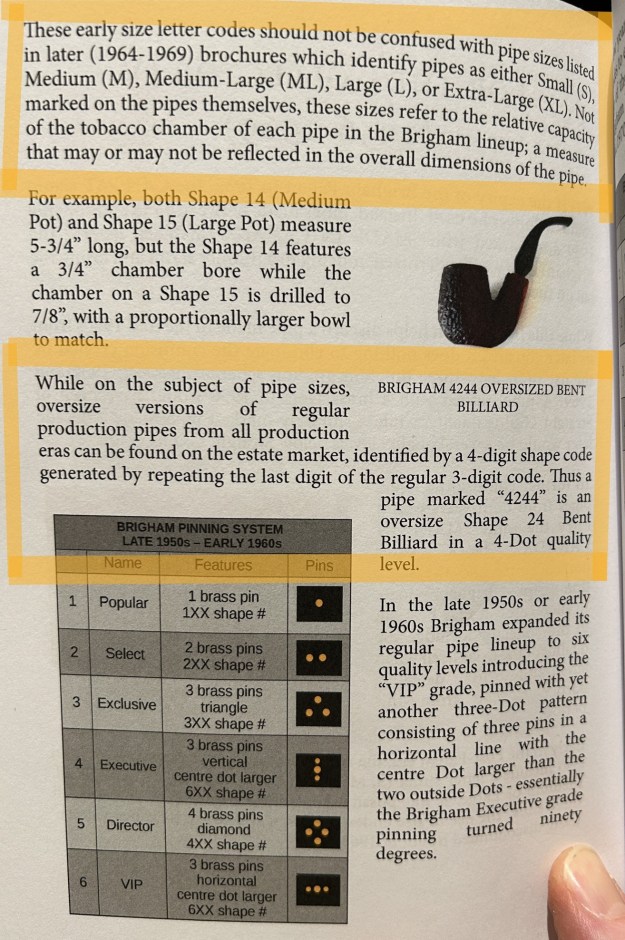
Here’s a terrific, rugged, and handsome pipe that I recently acquired from a local gentleman. I am pleased to report that he maintained his pipes very well and that makes my job easier. This particular pipe was no exception – in fact, I can’t imagine that this pipe was smoked more than a couple of times or so. This is an older Brigham 2044 XL system billiard – and what a monumental pipe it is! Let’s look at the markings. First, the stem has two brass pins – this is the classic way that Brigham identified their pipes. On the underside of the stummel, there is the shape number 2044. Then, off to the far right are the words Made in Canada and, next to that, Brigham.I was pretty sure I knew how old this pipe was, but felt it was best to check with Charles Lemon’s book, Brigham Pipes: A Century of Canadian Briar. I photographed a couple of pages and highlighted the relevant parts.Given that this pipe doesn’t include a size letter (like L), I think it is fair to conclude that this pipe dates from approximately 1964–69. We can see that the code 2044 translates as follows: the “2” corresponds to the two pins on the stem, indicating the “Select” level of pipe. The “04” corresponds to the shape of the pipe, which is listed in Lemon’s book as “Large Straight Billiard, Round Taper Stem”. Finally, the terminal “4” –repeating the last digit of the regular code – indicates that this is an oversize pipe. And it certainly is!

Anyway, both the stem and stummel were in very good condition. There were some minor tooth marks on the stem and a bit of oxidation. The rim of the stummel had what looked like a burn on it, but it turned out to be nothing of note. I used oil soap on a few cotton rounds and wiped the stem down to provide an initial cleaning before moving on. I cleaned the inside of the stem with both pipe cleaners and cotton swabs dipped in 99% lemon-infused isopropyl alcohol. I scrubbed thoroughly to make sure the interior was clean.The goal of the next step is the removal (or minimization) of oxidation. Going to my sink, I used cream cleanser, cotton rounds, and a toothbrush, and scoured the stem to remove as much surface oxidation as possible. As the photos show, the result is a hideous brownish mess – but better off the stem than on it.Once the stem was reasonably clean, I soaked it overnight in some Briarville Stem Oxidation Remover. This solution works to draw oxidation in the stem to the surface. This is a major aid and an important step in ensuring a clean stem. The following day, I drew the stem out from its bath and scrubbed the lingering fluid with a toothbrush.Now that the stem is clean and dry, I set about fixing the marks and dents in the vulcanite. This is done by filling those divots with black cyanoacrylate adhesive, impregnated with carbon and rubber. I left this to cure and moved on. The penultimate step for the stem is sanding. First, with my set of needle files, I reduce the bulk of the cyanoacrylate repairs. I want to remove the excess adhesive as near to the surface as possible, without cutting into the vulcanite. Following that, I use all nine of the micromesh sanding pads (1,500 through 12,000 grit) to sand out flaws, even out the vulcanite, and provide gentle polishing of the finished surface. I also apply pipe-stem oil while using the last five micromesh pads. There was a wonderful, deep black shine to the stem when I was done. Now that the stem is (nearly) complete, I can move on to the stummel. The first step for me is to ream out the bowl – that is to say, remove all the cake inside the bowl. This accomplishes a couple of things. First (and most obviously), it cleans the bowl and provides a refurbished chamber for future smoking. Second, when the old cake is removed, I can inspect the interior walls of the bowl and determine if there is damage or not. Not much to be removed from this pipe – it was pretty clean!My next step was to remove the so-called burn on the rim. For this, I took a piece of machine steel and gently scraped. The metal’s edge is sharp enough to remove what I need, but not so sharp that it damages the rim. This work revealed that the marks were on the surface only. There was no damage to the wood at all.Similar to the stem, I then cleaned the stummel with both pipe cleaners and cotton swabs dipped in 99% lemon-infused isopropyl alcohol. To tidy up the briar, I also wiped down the outside with some oil soap on cotton rounds (and a toothbrush). This does a good job of cleaning any latent dirt on the surface of the briar. The last step of the cleaning process is to scour the inside of the stummel with some soap and tube brushes. I used all nine micromesh pads (1,500 through 12,000 grit) on the underside of the stummel and the rim to finish it off. This sanding minimizes flaws in the briar and provides a beautiful smoothness to the wood. I rubbed some Before & After Restoration Balm into the briar and let it sit for 25 minutes or so. The balm moisturizes the wood and gives a beautiful depth to the briar. I then buffed it with a microfibre cloth. For the final step, I took the pipe to my bench buffer and carefully polished it with three coats of conservator’s wax. This procedure makes the pipe look its best – the stummel sings and the stem glows.All done! This Brigham 2044 XL billiard looks fantastic again and is ready to be enjoyed by its next owner. I am pleased to announce that this pipe is for sale! If you are interested in acquiring it for your collection, please have a look in the ‘Canadian’ section of the store here on Steve’s website. You can also email me directly at kenneth@knightsofthepipe.com. The approximate dimensions of the pipe are as follows: length 6⅛ in. (156 mm); height 2¼ in. (58 mm); bowl diameter 1¾ in. (44 mm); chamber diameter 1 in. (26 mm). The weight of the pipe is 2⅓ oz. (72 g). I hope you enjoyed reading the story of this pipe’s restoration as much as I enjoyed restoring it. If you are interested in more of my work, please follow me here on Steve’s website or send me an email. Thank you very much for reading and, as always, I welcome and encourage your comments.
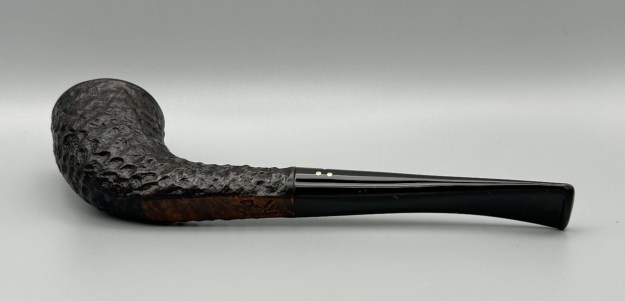
Restoring a Brigham 2 Dot Crowned Rim 259 Acorn


Blog by Steve Laug

The next pipe I have chosen is a nice looking smooth acorn shaped pipe that was stained with a rich brown colour. The stain made the grain really pop under the grime on the finish. The contrast of the dark stain made the grain stand out clearly. Jeff and I picked it up as part of group of pipes we traded for from Hermann, Missouri, USA. It was stamped on the left side of the shank. The stamping was readable. It read Brigham [over] Made in Canada [over] the shape number 259. It was in decent condition when he brought it to the table. The finish was dirty with grime ground into the briar sides and rim. There was a thick cake in the bowl and an overflow of lava on the crowned rim top and the inner edge of the bowl. The stem was oxidized, calcified and had tooth marks and chatter on the top and underside on and near the button. The Maple Distillator was stuck in the aluminum tube and was thickly caked with oils and grimes. It appeared to never have been changed. Jeff took photos of the pipe before his cleanup work. They tell the story and give a glimpse of the promise that we see in this pipe.   Jeff took photos of the rim top to show the interior the bowl and the rim top and inner edge. It is heavily caked with a thick lava overflow. The stem is oxidized, calcified and has tooth marks on the top and underside near the button. Jeff took some photos of the bowl sides and heel to show grain that was around this bowl. It is a nice looking pipe.  He took a photo of the underside of the shank to show the stamping. The stamping is readable in the photos below and is as noted above – it reads Brigham in script [over] Made in Canada [over] 259. The stem has two dots in a row on the left side. Jeff took the stem off the bowl and took a picture of the aluminum tube tenon with the Maple Distillator in place and out of the tenon on top of the tube.  It is a real mess.Before I get into the restoration part of this pipe I decided to include a poster I picked up that shows the filtration system of the patented Brigham Distillator. Give the poster a read. It also helps to understand the internals of these older Canadian Made pipes. Jeff had done a great job cleaning up the pipe as usual. He reamed the pipe with a PipNet reamer and cut back the cake back to the bare briar. He cleaned up the walls with a Savinelli Fitsall Pipe Knife. He scrubbed the interior of the bowl and shank with pipe cleaners, cotton swabs and alcohol to remove the tars and oils. He scrubbed the exterior of the pipe with Murphy’s Oil Soap and a tooth brush to remove the grime from the finish. He worked on the rim top lava and darkening with the soap and tooth brush. He scrubbed the inside of the stem with alcohol and pipe cleaners. He scrubbed the exterior with Soft Scrub and then soaked it in Before & After Deoxidizer. He washed it off with warm water to remove the Deoxidizer. The pipe looked far better. The stamping on the side of the stem was very light and the white that had remained was gone. I took some close up photos of the rim top and also of the stem surface. I wanted to show how well it had cleaned up. The rim top and edges show a darkening but are not damaged. It should clean up really well. I also took close up photos of the stem to show the tooth marks on the surface and on the button.  I took a photo of the stamping on the left side of the shank. You can see that it is stamped as noted above. It is clear and readable.  I took the pipe apart and took a photo of the pipe. It is a good looking pipe and has some great grain around the bowl and shank.I decided to start my restoration work on this one by dealing with the damaged crown rim top. I sanded the crown and the inner edge of the bowl and rim top with 220 grit sandpaper to remove the darkening and damage.  I started polishing it with 400 grit wet dry sandpaper. I polished the smooth portions of the briar with micromesh sanding pads – wet sanding it with 1500-12000 grit pads. After each pad I wiped the briar down with a damp cloth. I worked some Before & After Restoration Balm into the surface of the briar with my fingertips to clean, enliven and protect the briar. I let the balm sit for a little while and then buffed with a cotton cloth to raise the shine. The photos show the bowl at this point in the restoration process. With that done the bowl was finished other than the final buffing. I set it aside and turned my attention to the stem. I filled in the tooth damage with black CA glue and set the stem aside to cure. Once it had cured I used a needle file to recut the button edge and flatten out the repaired spots. I sanded out the repaired tooth marks and chatter with 220 grit sand paper to blend them into the rest of the stem surface. I started to polish it with a folded piece of 400 wet dry sandpaper. Once it was finished it had begun to shine. Before I finished the polishing stem I decided to fit it with the Rock Maple Distillator.  I polished the stem with micromesh sanding pads – wet sanding with 1500-12000 grit sanding pads. I wiped it down after each sanding pad with Obsidian Oil. I polished it with Before & After Pipe Stem Polish – both Fine and Extra Fine.   I am excited to finish this Brigham Acorn. I put the pipe back together and buffed it with Blue Diamond on the buffing wheel. I gave the bowl and the stem multiple coats of carnauba wax. I hand buffed the pipe with a clean buffing pad to raise the shine. It is fun to see what the polished bowl looks like with the grain popping through on the bowls sides and rim top. Added to that the polished black vulcanite stem with the shining brass pins was beautiful. This mixed grain on the smooth finish Brigham 2 Dot Acorn is nice looking and the pipe feels great in my hand. It is light and well balanced. Have a look at it with the photos below. The dimensions are Length: 6 inches, Height: 1 ¾ inches, Outside diameter of the bowl: 1 ½ inches, Chamber diameter: ¾ of an inch. It is a beautiful pipe and one that will be on the rebornpipes store soon. If you are interested in adding it to your collection let me know. Thanks for walking through the restoration with me as I worked over this pipe. Thanks to each of you who are reading this blog. Remember we are not pipe owners; we are pipemen and women who hold our pipes in trust until they pass on into the trust of the next pipeman or woman.
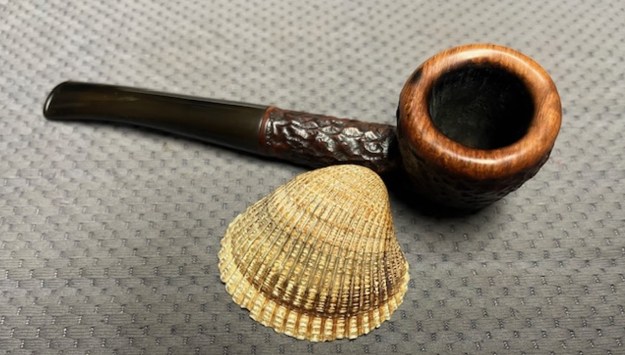
Cleaning Up a Brigham One Dot Acorn 778


Blog by Steve Laug

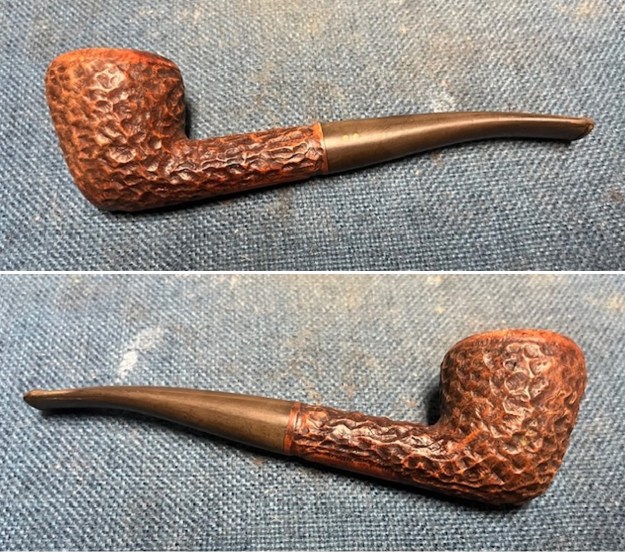
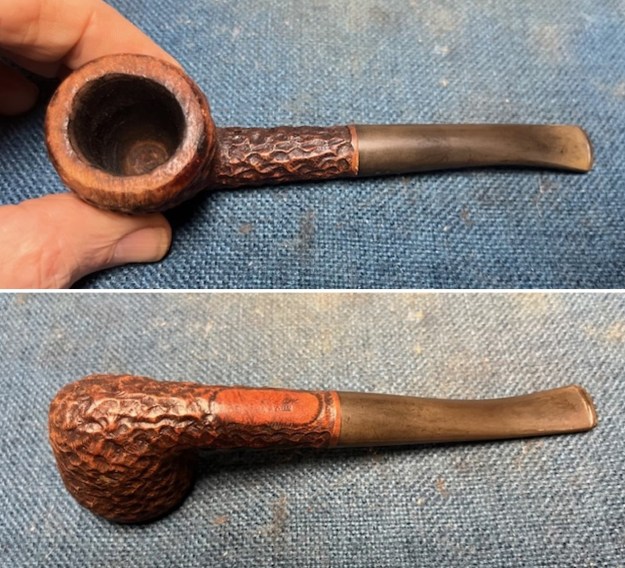
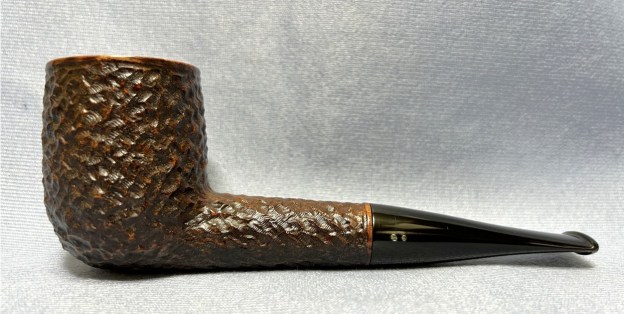
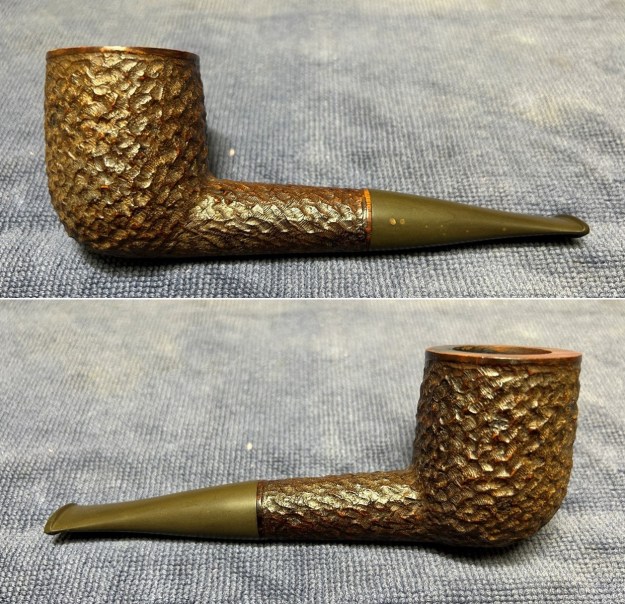
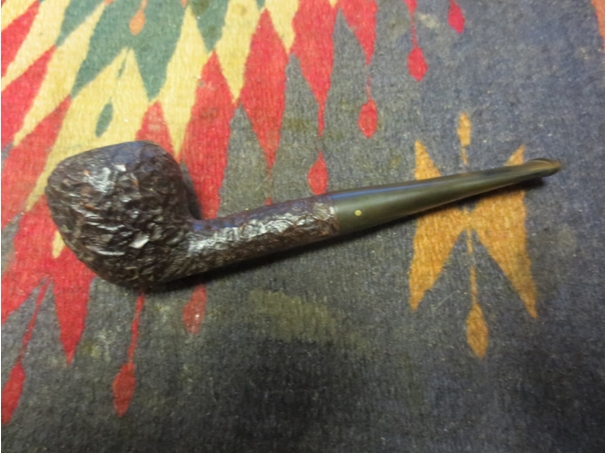
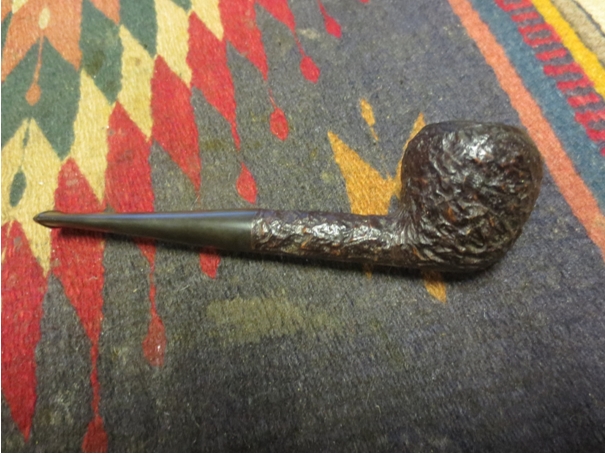
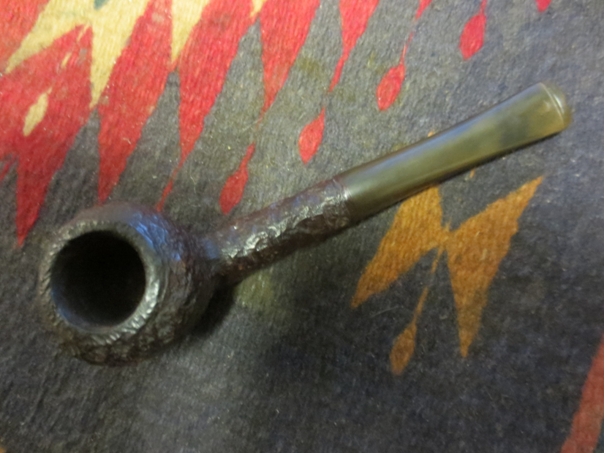
One of the last pipes I picked up on my recent Alberta trip and the last pipe in my current pile of pipes to refurbish is a little Brigham Canada Acorn or Strawberry shaped rusticated pipe. The shape of the pipe is what caught my attention. And when I had it in hand the size was also a relevant feature. It is a very light weight pipe (don’t have a scale) and it is diminutive in size. The dimensions are: length – 5.5 inches, height – 1.5 inches, bore – .75 inches. The bowl is conical in shape ending well below the entry of the airway into the back wall. Overall the pipe was in decent shape and would be fairly easy to clean up. The finish was dirty and the bowl had a thin cake in it. The stem was oxidized and the inside of the shank was dirty. The stem was oxidized and had one tooth mark on the top surface near the button. On the underside of the stem near the button was a lot of tooth chatter. The stamping on the underside of the shank in a smooth area reads 778 which is the shape and that is followed by Made in Canada and then Brigham in script.Brig1

Brig2

Brig3

Brig4 The next two photos show the tooth marks and tooth chatter on the stem. The tooth dent on the top of the stem near the button was quite deep and would need to be raised with heat and then probably repaired with superglue.Brig5

Brig6The aluminum Brigham tenon system was in great shape and showed no wear or tear on it. In the past I have taken apart these older Brigham pipes with the aluminum tenon and found it pitted and sometimes even eaten away. The filter surprised me in that when I pulled it out it was actually quite clean. The bowl was very clean and the rim was also clean.Brig7 I cleaned out the aluminum tenon and the mortise area with isopropyl alcohol (99%) and cotton swabs and pipe cleaners. I ran them through the shank and stem until they came out clean.Brig8I sanded the stem with 220 grit sandpaper, medium and fine grit sanding sponges and then cleaned the surface with alcohol on a cotton pad. I scratched out the surface with a dental pick to remove any loose vulcanite or grit on the surface. I put several drops of clear superglue in the tooth dent and let it dry until it was hard.Brig9

Brig10Once it hardened and cured for about an hour I sanded it with 220 grit sandpaper to blend it into the surface of the stem. I wanted the surface to be smooth and the super glue bump to be smoothed into the surface. I also sanded it with a medium and fine grit sanding sponge to remove the scratches in the surface.Brig11

Brig12 I sanded the stem with micromesh sanding pads – wet sanding with 1500-2400 grit pads and dry sanding with 3200-12,000 grit pads. In between each set of three pads I rubbed the stem down with Obsidian Oil and let it soak into the vulcanite. I had to repeat the process several times to remove the oxidation near the shank. I buffed it with White Diamond and then gave it a coat of carnauba wax.Brig13

Brig14

Brig15 I set the stem aside and scrubbed the bowl with Murphy’s Oil Soap. I used a soft bristle tooth brush to scrub it and then rinsed it off with running water. I kept a thumb in the bowl to keep the water from getting into the inside of the pipe. I dried it off with a cotton towel.Brig16

Brig17 I rubbed down the bowl with Halcyon II wax and buffed it with a shoe brush to raise the shine and even out the wax. I put the maple filter back in the tenon and then put the stem on the bowl. I buffed the bowl lightly with carnauba wax and then with a soft flannel buff. The finished pipe is shown in the photos below. It is cleaned and ready to smoke. I love the older Brigham pipes like this one and find that they smoke very well. They deliver a cool dry smoke and the Brigham filter system works well to cool the smoke and not hamper the draw or the flavour. Sometime later this week I will load a bowl of Virginia and enjoy the first smoke in this old timer.Brig18

Brig19

Brig20

Brig21

1937 Patent Era Brigham Lovat


Blog by Steve Laug

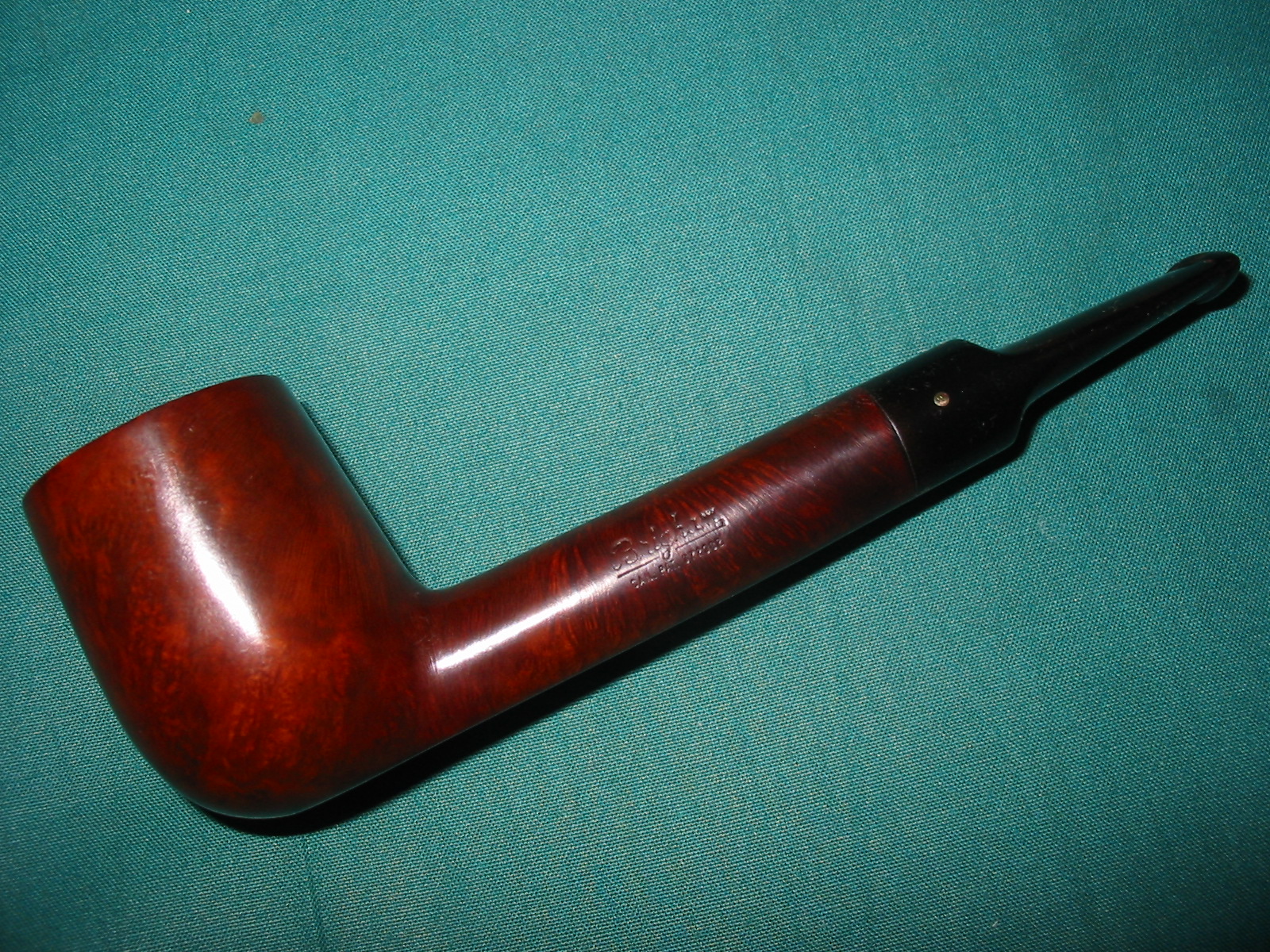
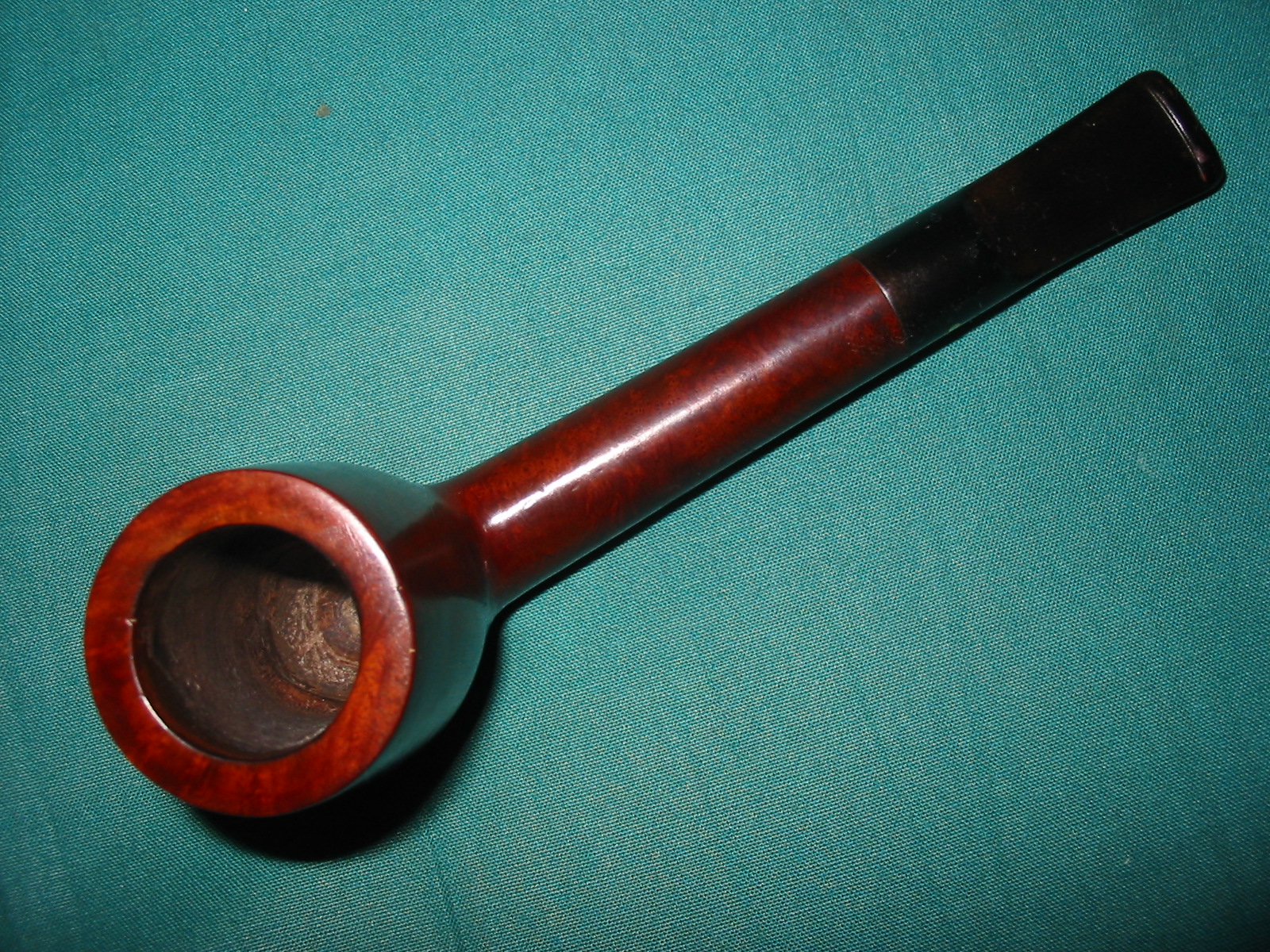
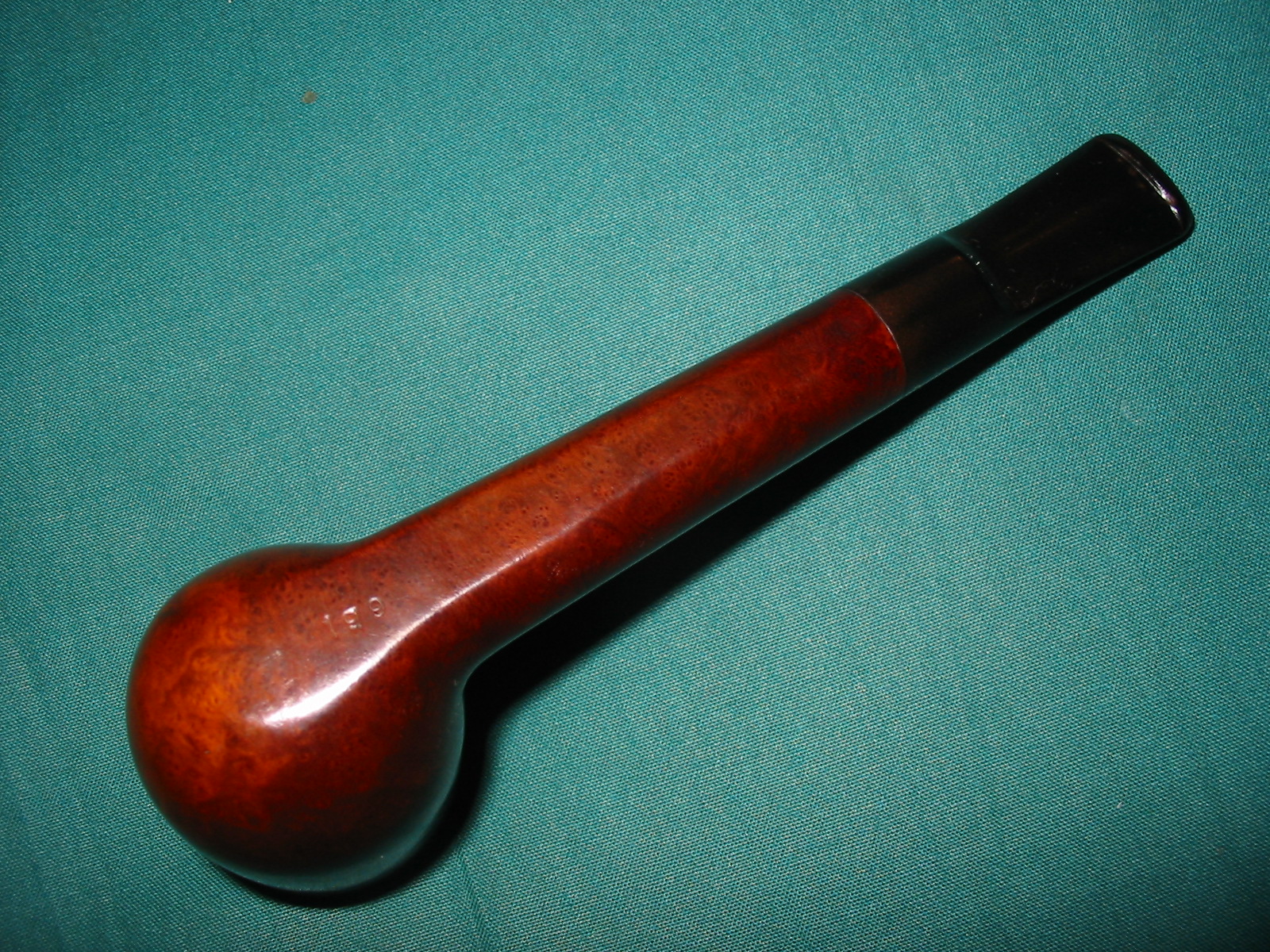
I picked this little Lovat up in a trio of pipes from EBay. I refurbished the first two – the no name Sandblasted Poker and the Dr. Plumb Statesman already. I have written about them earlier on the blog. Today I worked on the Brigham Lovat. It is stamped Brigham over Can. Pat. 372982. The shape stamp in on the flattened bowl bottom and is stamped 199. The finish was pretty well worn off but there was some nice looking grain on the bowl and shank. The briar actually is flawless with no fills or sandpits. The rim was black and covered with what appeared to be a thin coat of hard tar. The stem was badly oxidized and the brass one dot logo was obscured. Once the stem was removed the Brigham patented filter system was a little hard to remove. The hard rock maple filter was clean but there was a white cobweb like substance in the bowl and in the shank and filter.
ImageImageImageImage

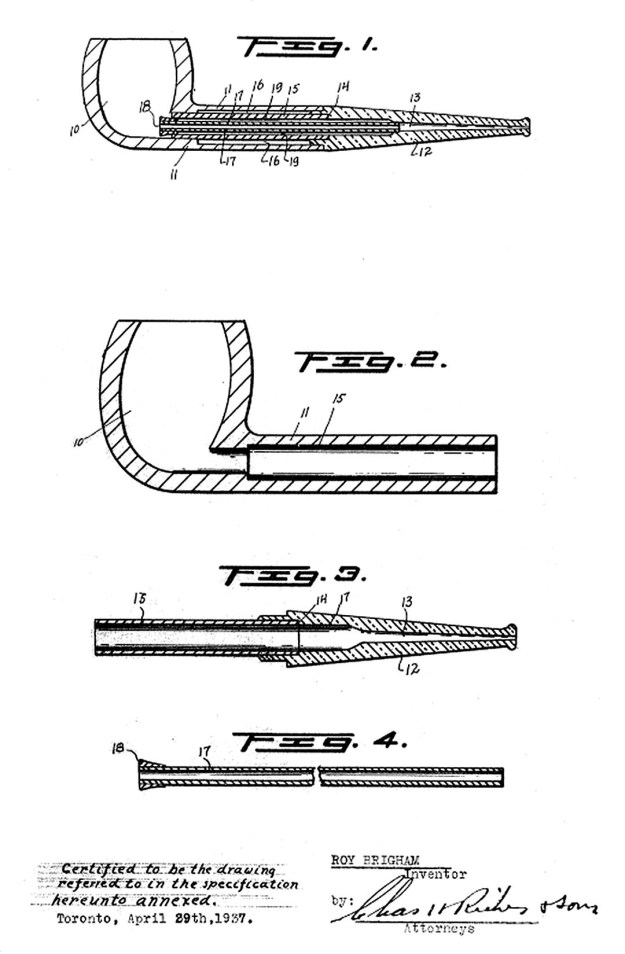
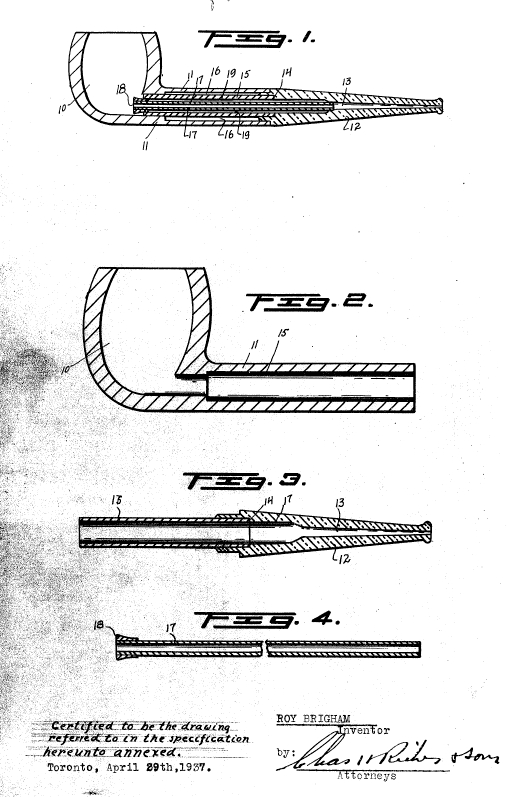
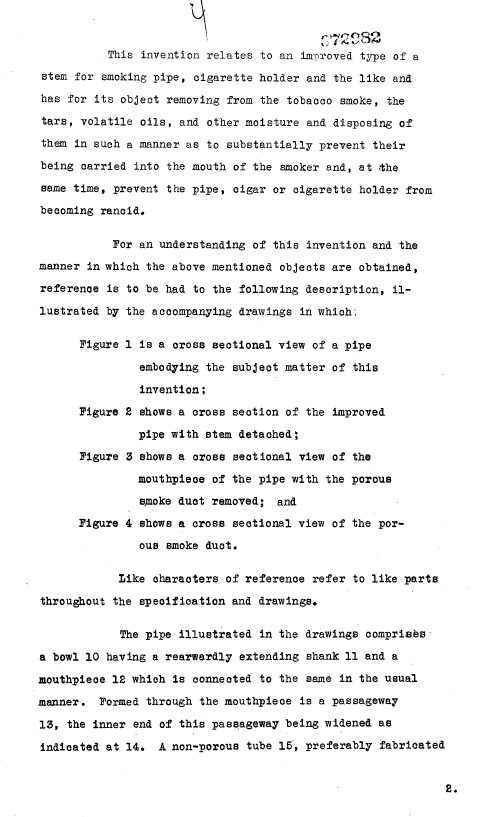
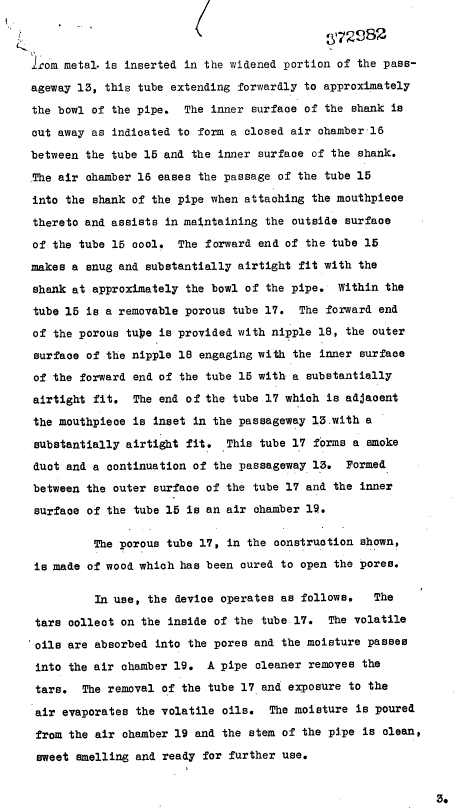
I did a patent search on the Canadian Patent site and found documentation filed with the number stamped on the pipe. I have copied that documentation in the following three pictures. The first picture is a drawing of the Brigham filter system signed by the designer Roy Brigham when it was filed. The next two pictures are the descriptive text of the patent. It is always fascinating to me to discover these pieces of history when I am working on a pipe. This old timer had a story to tell that is for sure. I am not sure when Brigham stopped stamping their pipes with the patent number but in the many that have crossed my desk I have not seen one with the numbers.
ImageImageImage

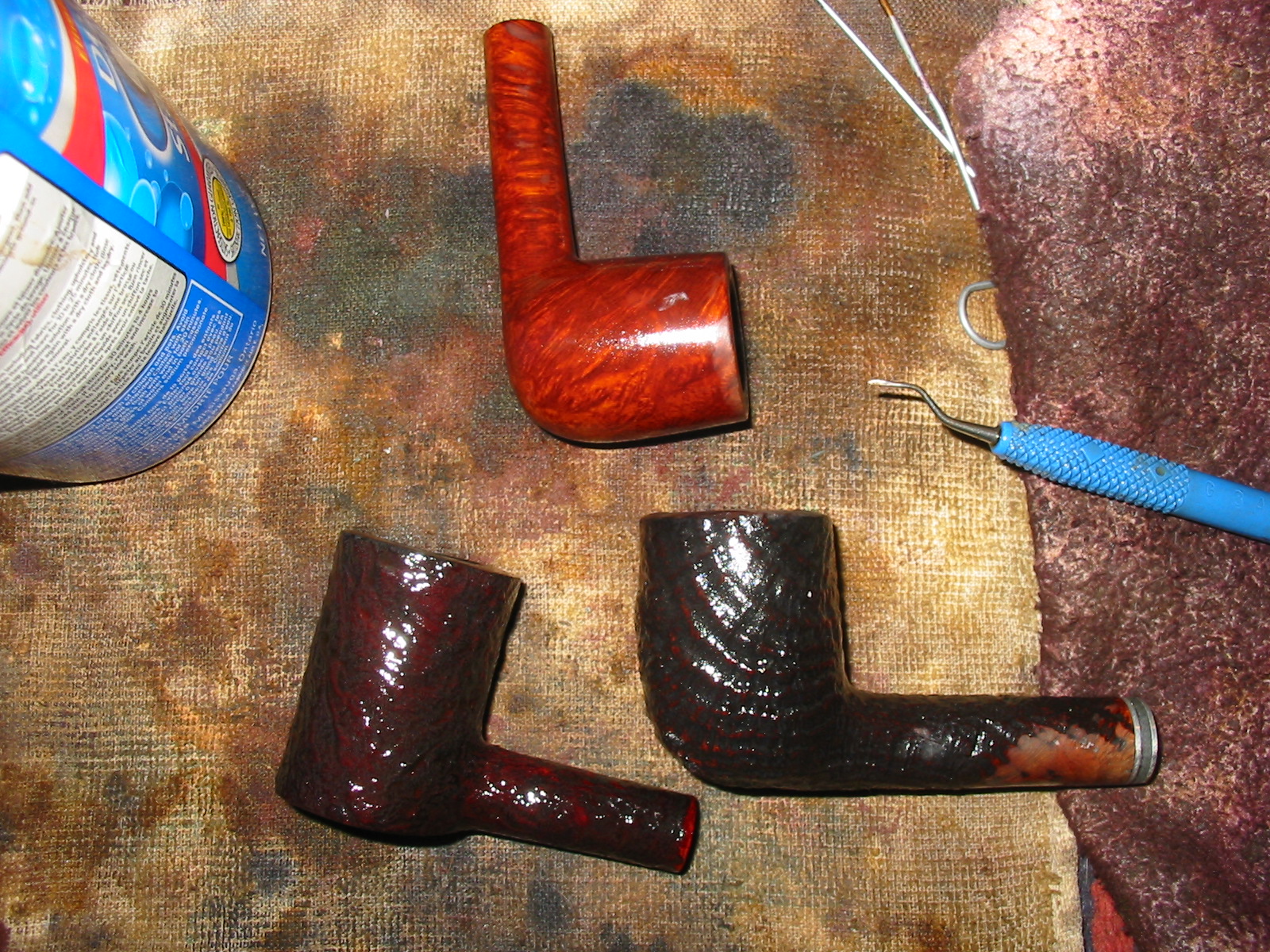
I put the bowl to soak in the Isopropyl alcohol bath with the other bowls while the stem soaked in an Oxyclean bath. Once I took the bowls out I wiped them down and went to work on them. The Brigham is the bowl at the top of the photo below. You can see the grain on it is actually quite beautiful.

Image

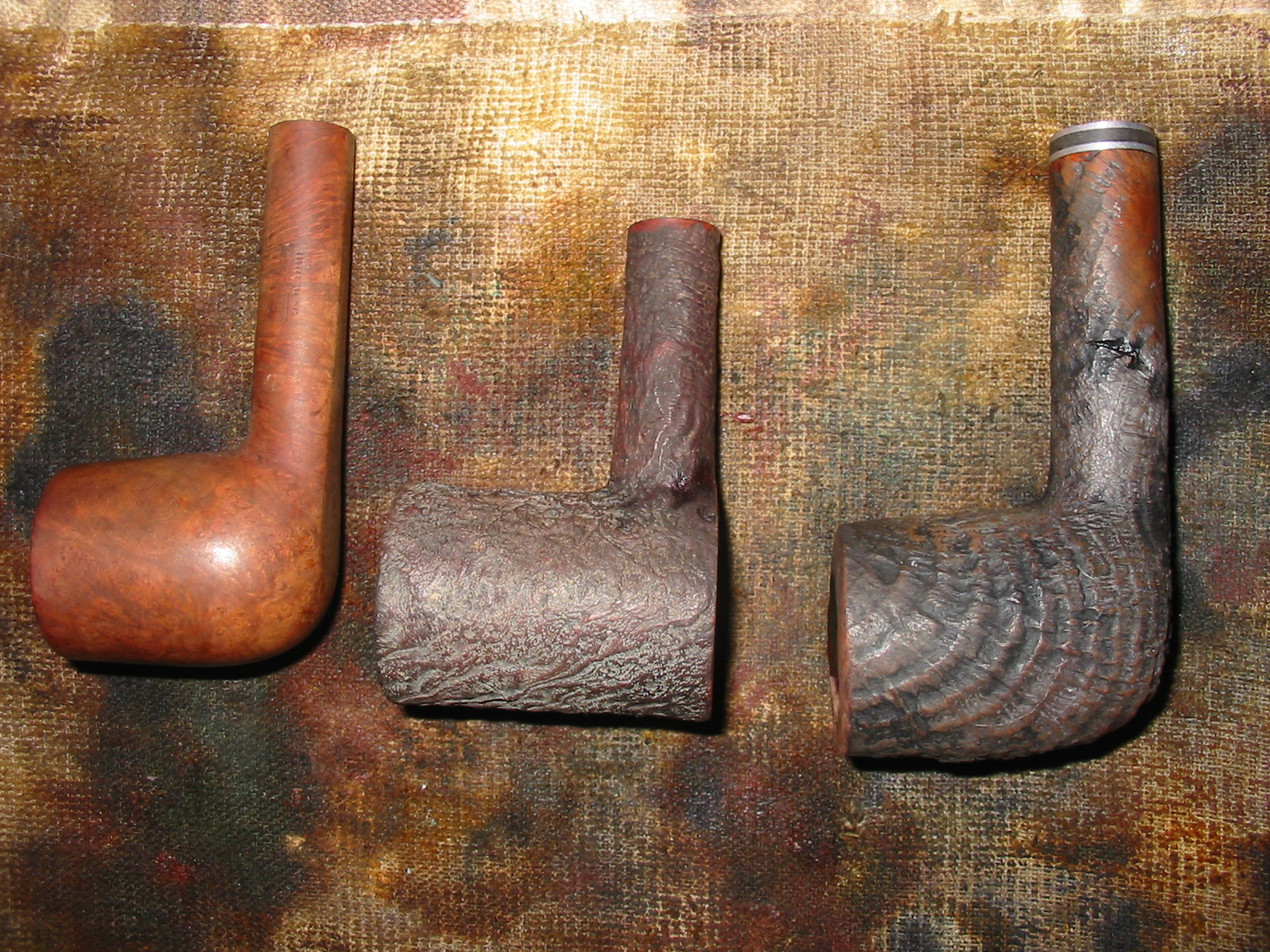
The bowl when dried off is pictured below is quite clean. It has no fills or sand flaws in the briar. It is going to stain nicely and be a great looking pipe when finished.ImageImage

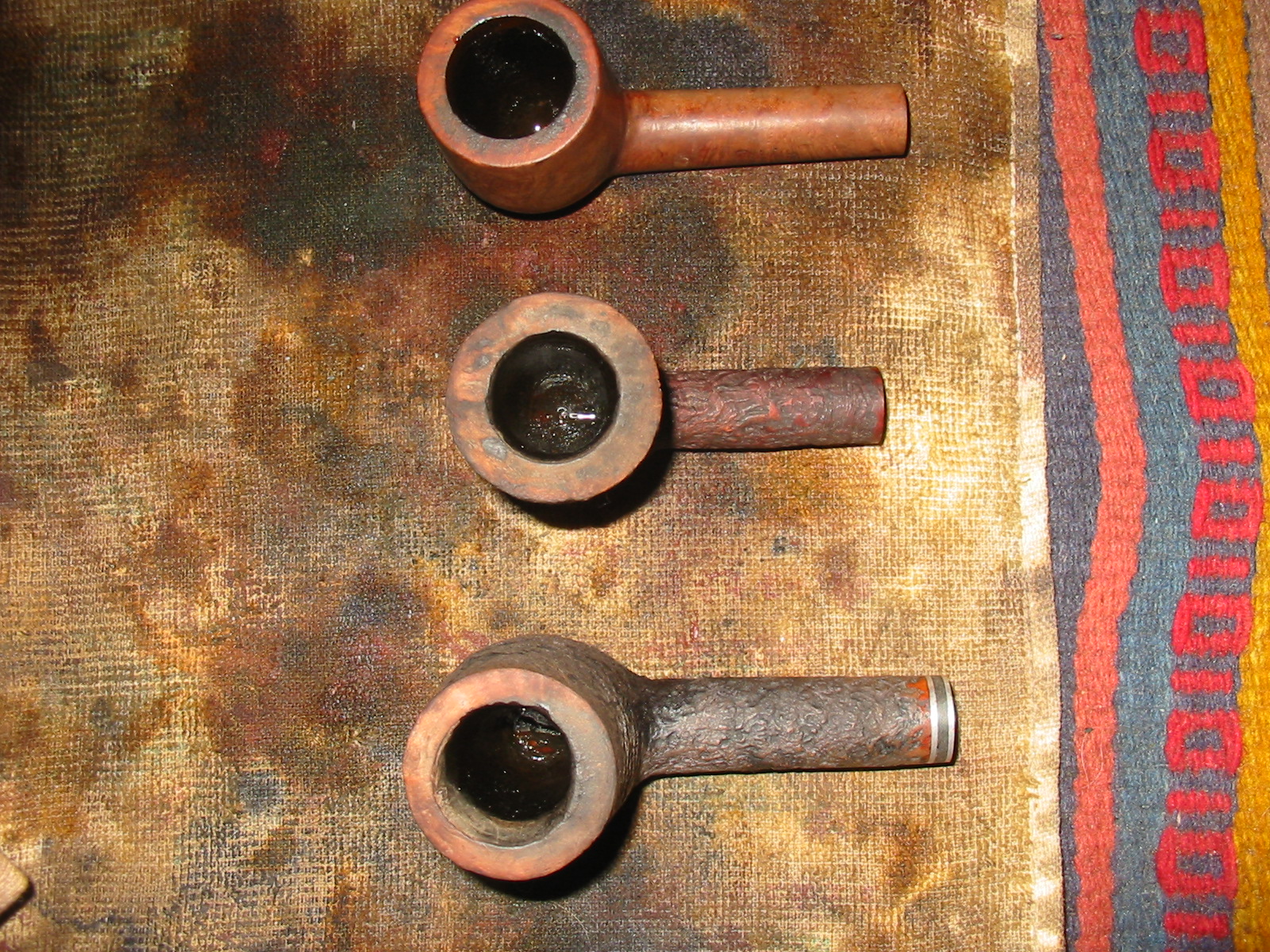
In the picture above you can see the tars on the rim of the pipe. I dried it off and sanded the rim with a 1500 grit micromesh sanding pad to remove the tar build up on the rim. The next two photos below show the rim with the tars removed and the surface smooth. The beauty of this old pipe was that the rim was flawless. There were no dings or dents in it. The outer and inner rim edges were still quite sharp.

ImageImage

After sanding the rim I sanded the entire bowl of the pipe and also the first sanding on the stem. The picture below shows the sanded bowl. I used 1500-2400 grit micromesh sanding pads, carefully sanding around the Brigham Patent Stamping.

Image

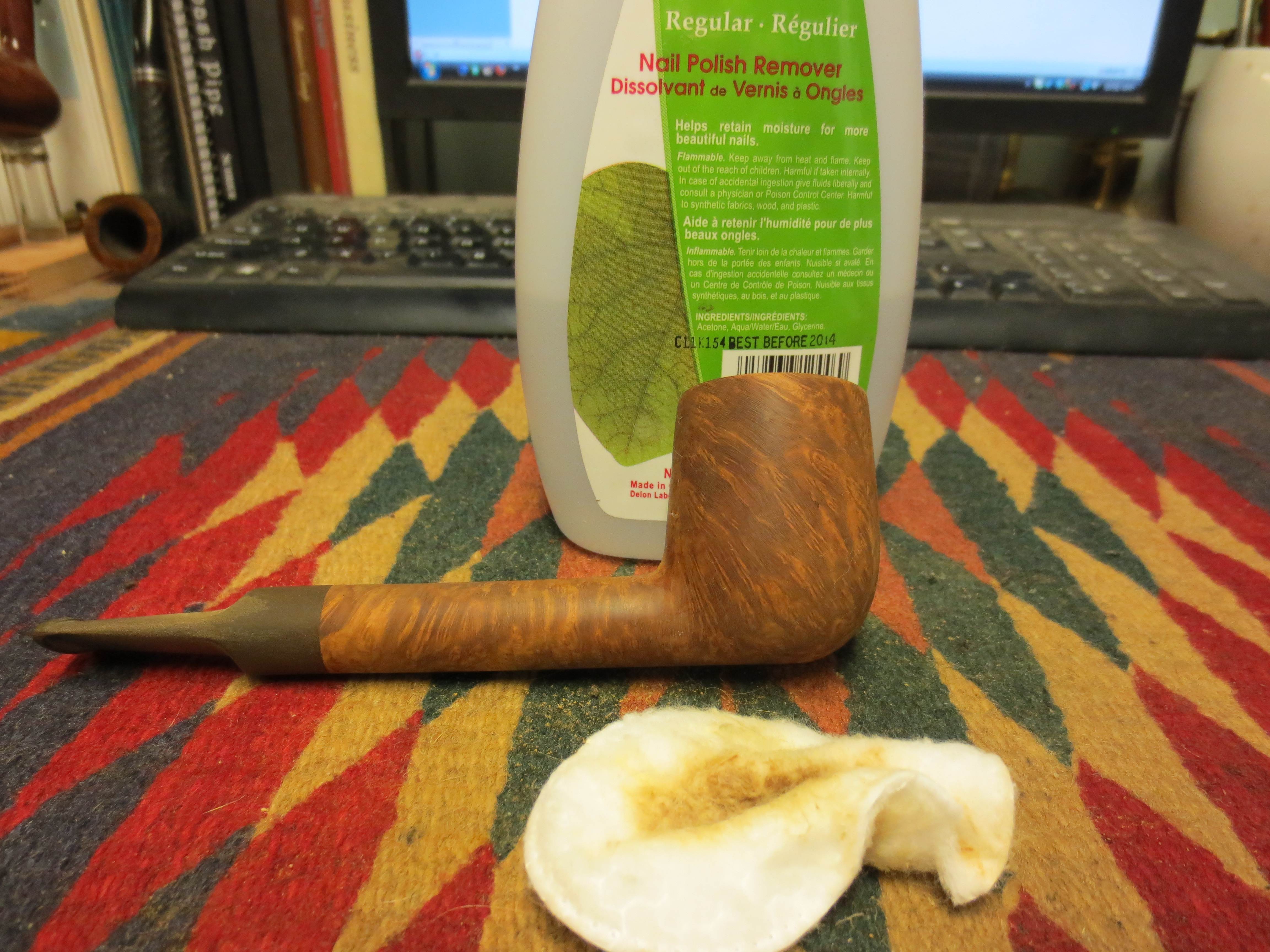
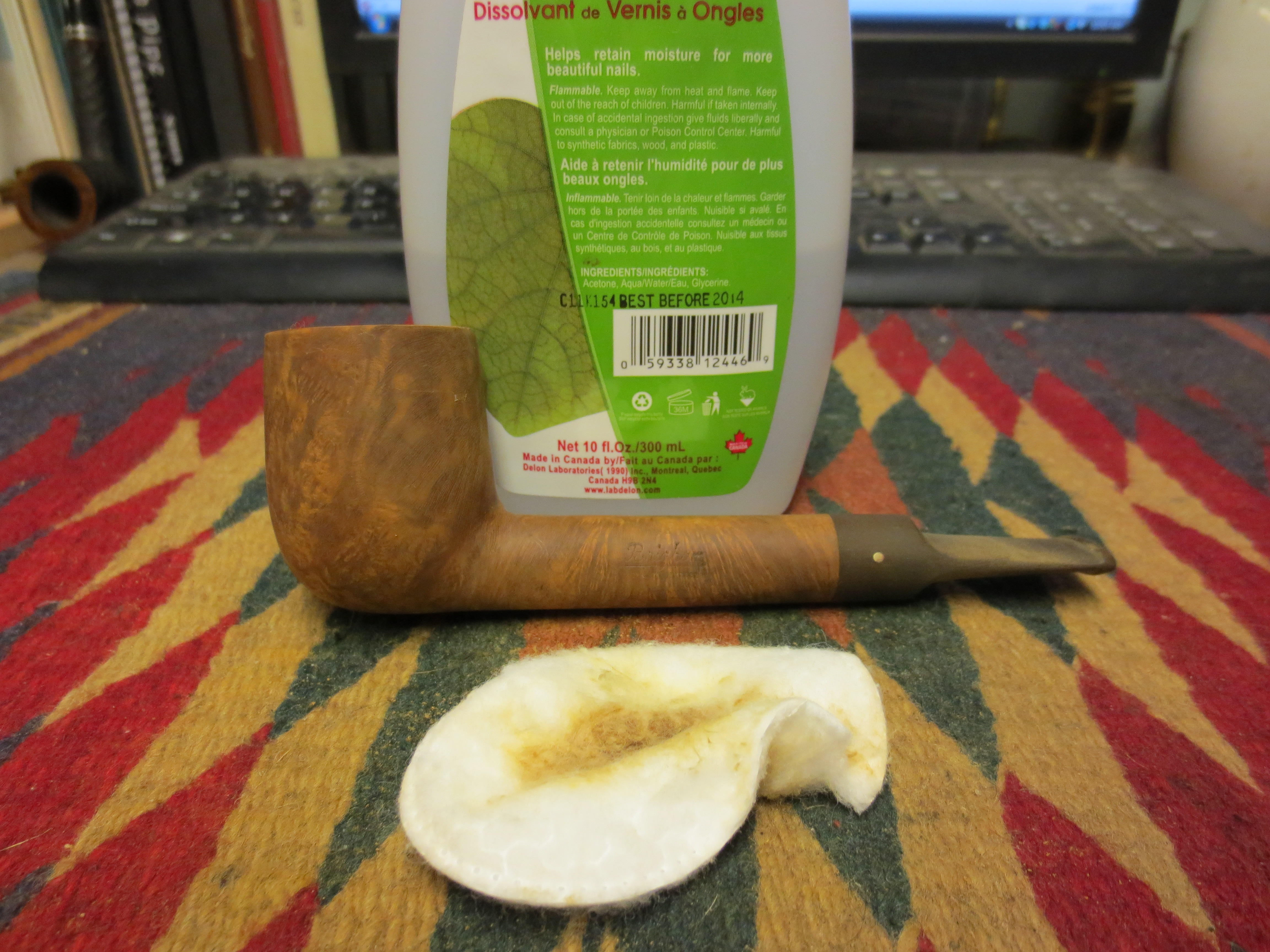
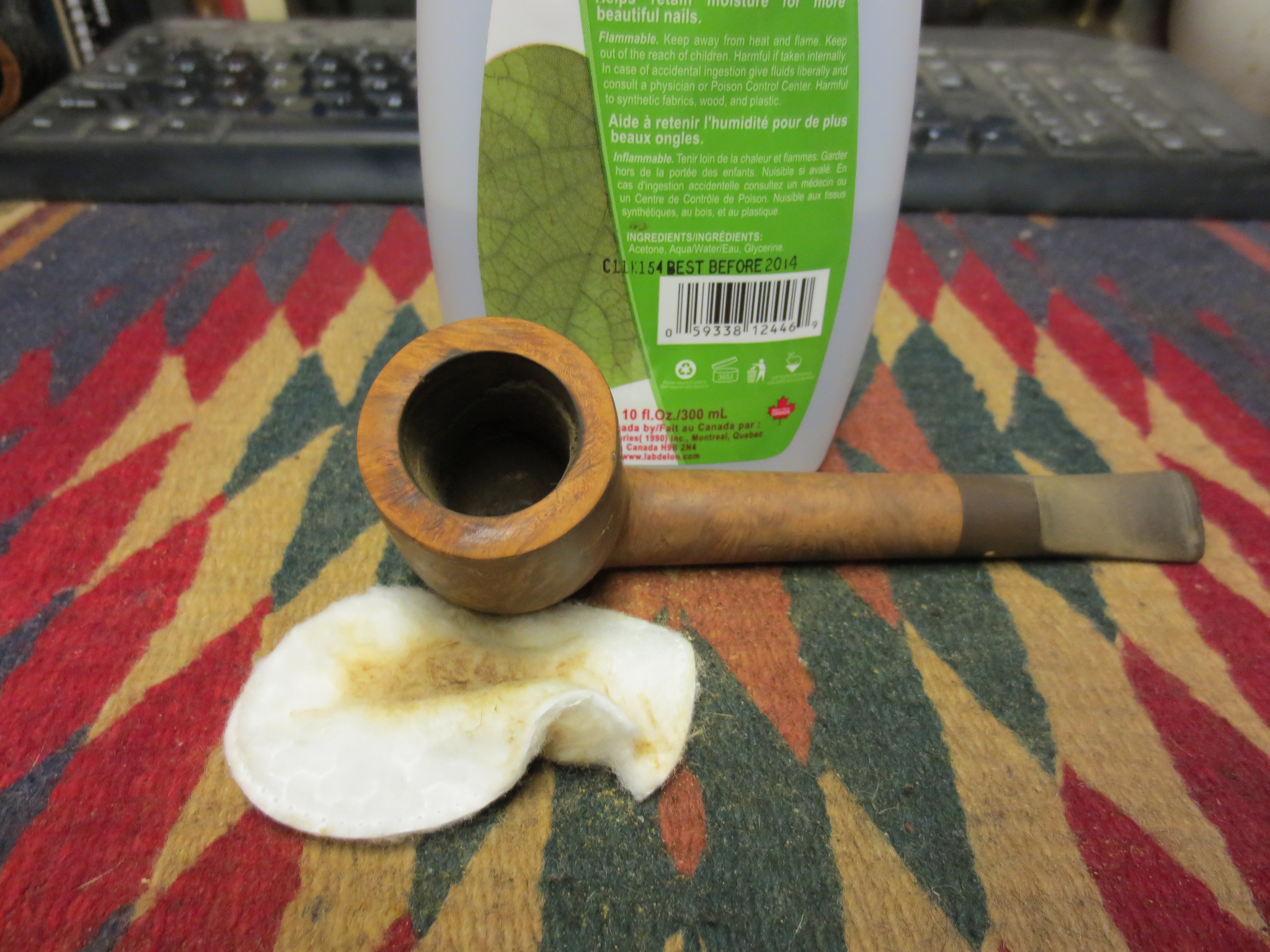
When I finished sanding I wiped the bowl down with acetone on a cotton pad. I use nail polish remover which is a solution of acetone and that is readily available at our local dollar store. It works well to lift any remaining stain in the briar and clean the surface of any leftover debris from the sanding process. The grain is really standing out nicely in the three photos below and will make a great looking finished pipe. I also continued to sand the stem with a medium and a fine grit sanding pad to cut through the heavy oxidation.

ImageImageImage

After sanding with the sanding pads I moved on to wet sanding with 1500-2400 grit micromesh sanding pads. I have a cup of water at hand to dip the sanding pad into and then sand the stem to remove the oxidation. These first three grits of micromesh do a great job in removing the remaining oxidation on the stem. The water begins to turn a brownish yellow as I dip the sanding pad and squeeze out the grit from the sanding. The stem begins to come back to black by the 2400 grit pad.

ImageImage

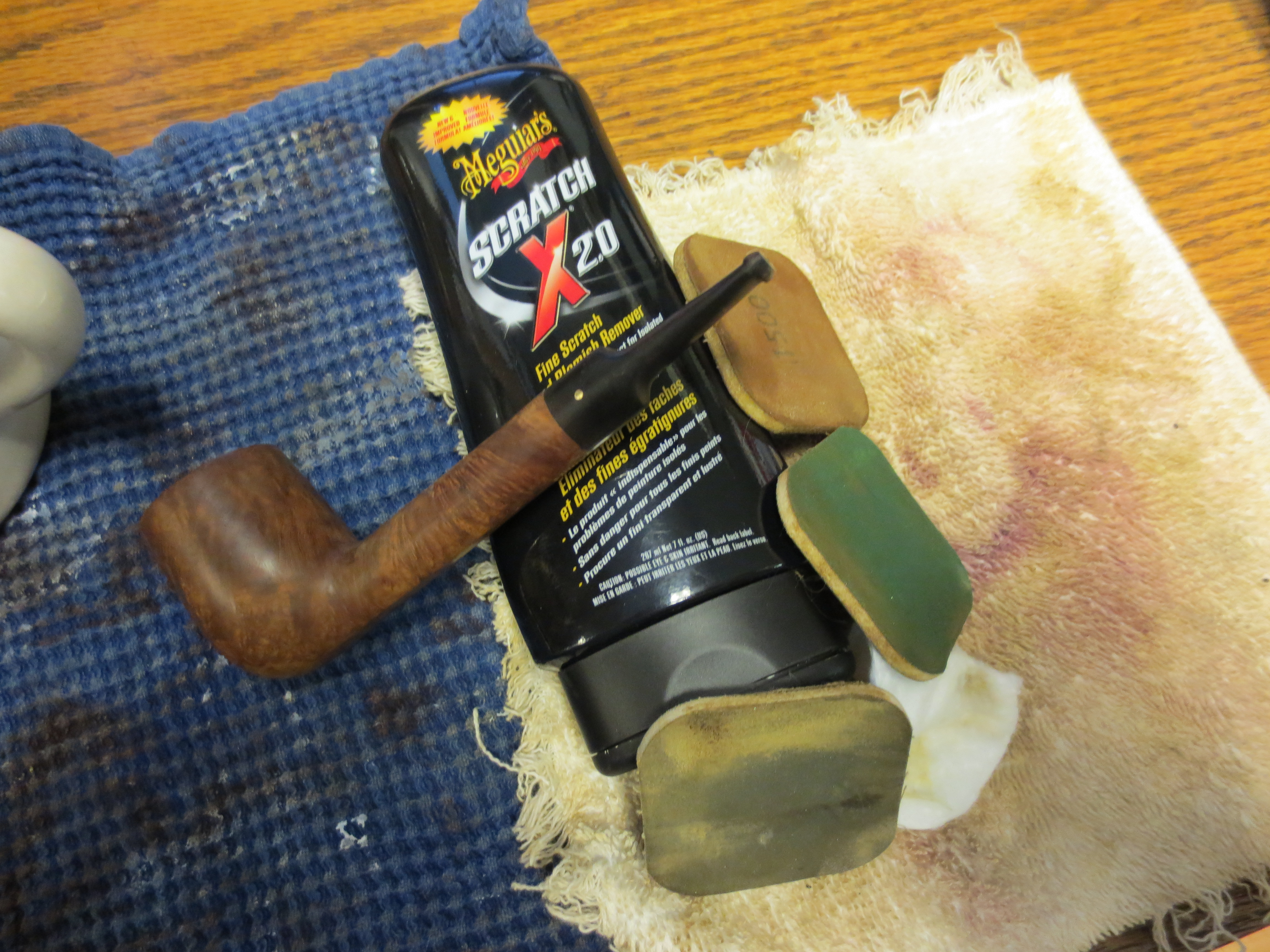
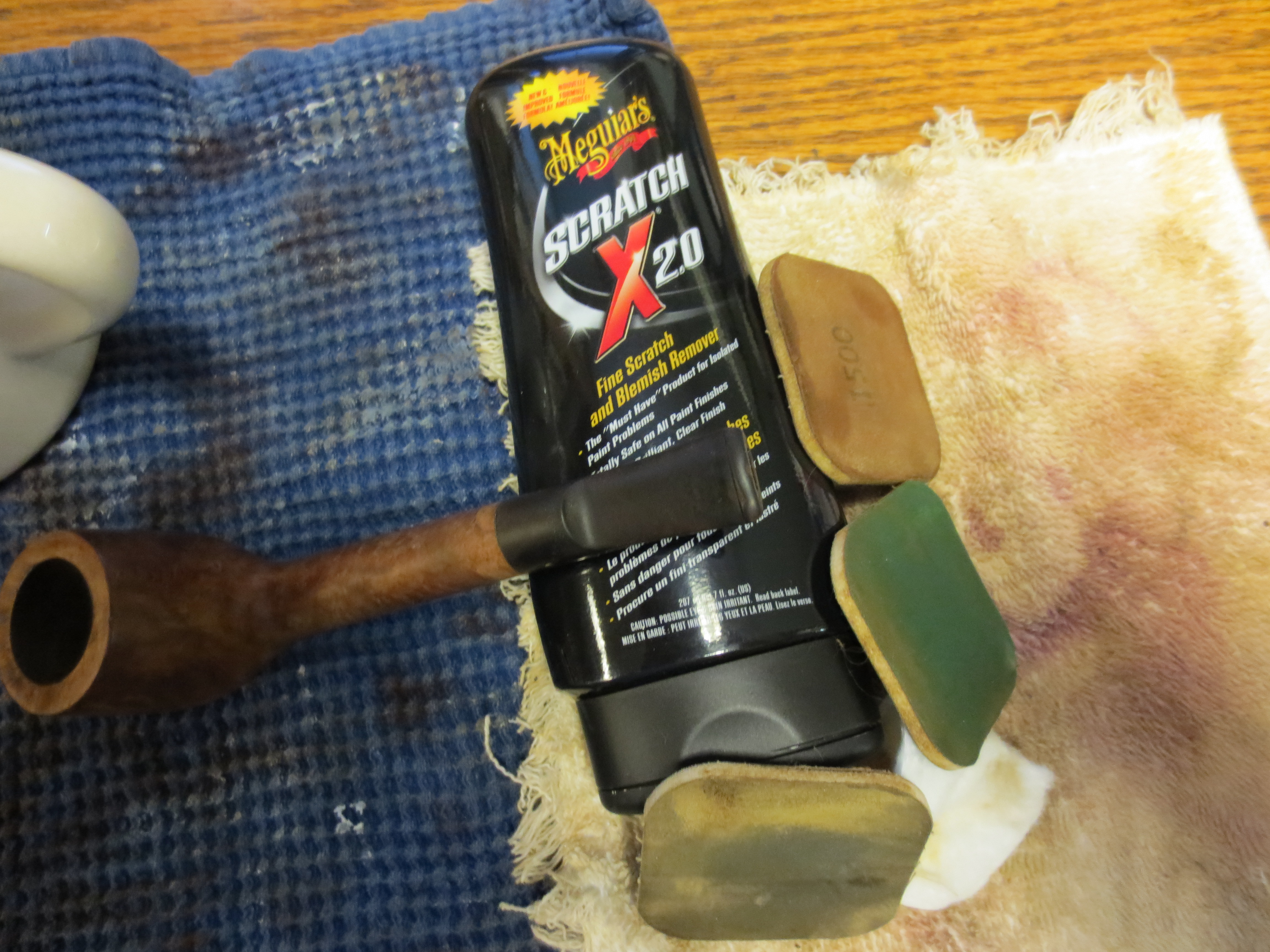
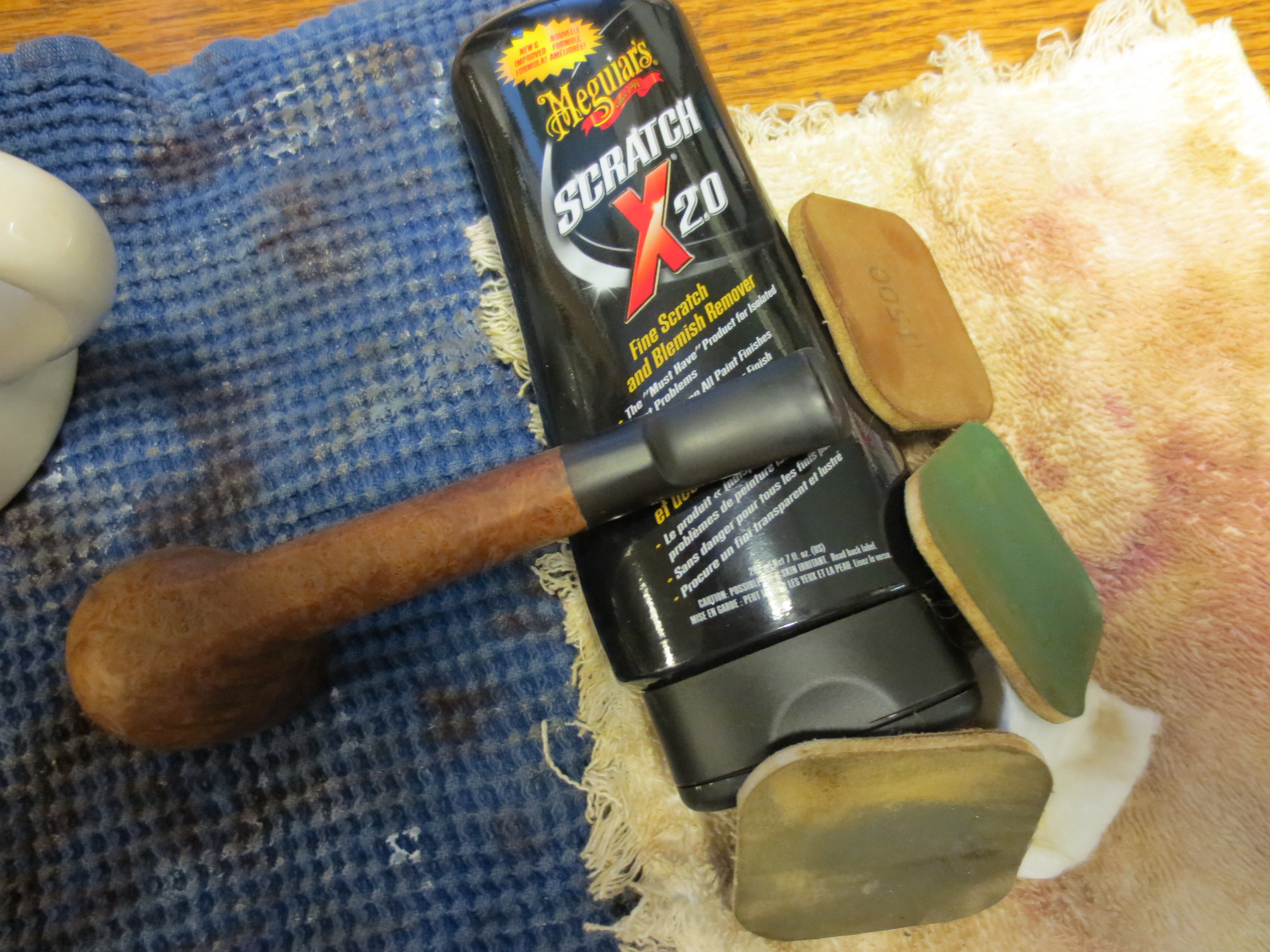
At this point in the process I have started to use Meguiar’s Scratch X2.0 before going onto the higher grits of micromesh. I rub on the Mequiar’s with my finger and scrub it into the finish of the stem. Once it is applied I let it dry for a few moments and then scrub the stem with a cotton pad. The next three photos below show the stem after the rub down with the Mequiar’s and a hand buff with the cotton pad.

ImageImageImage

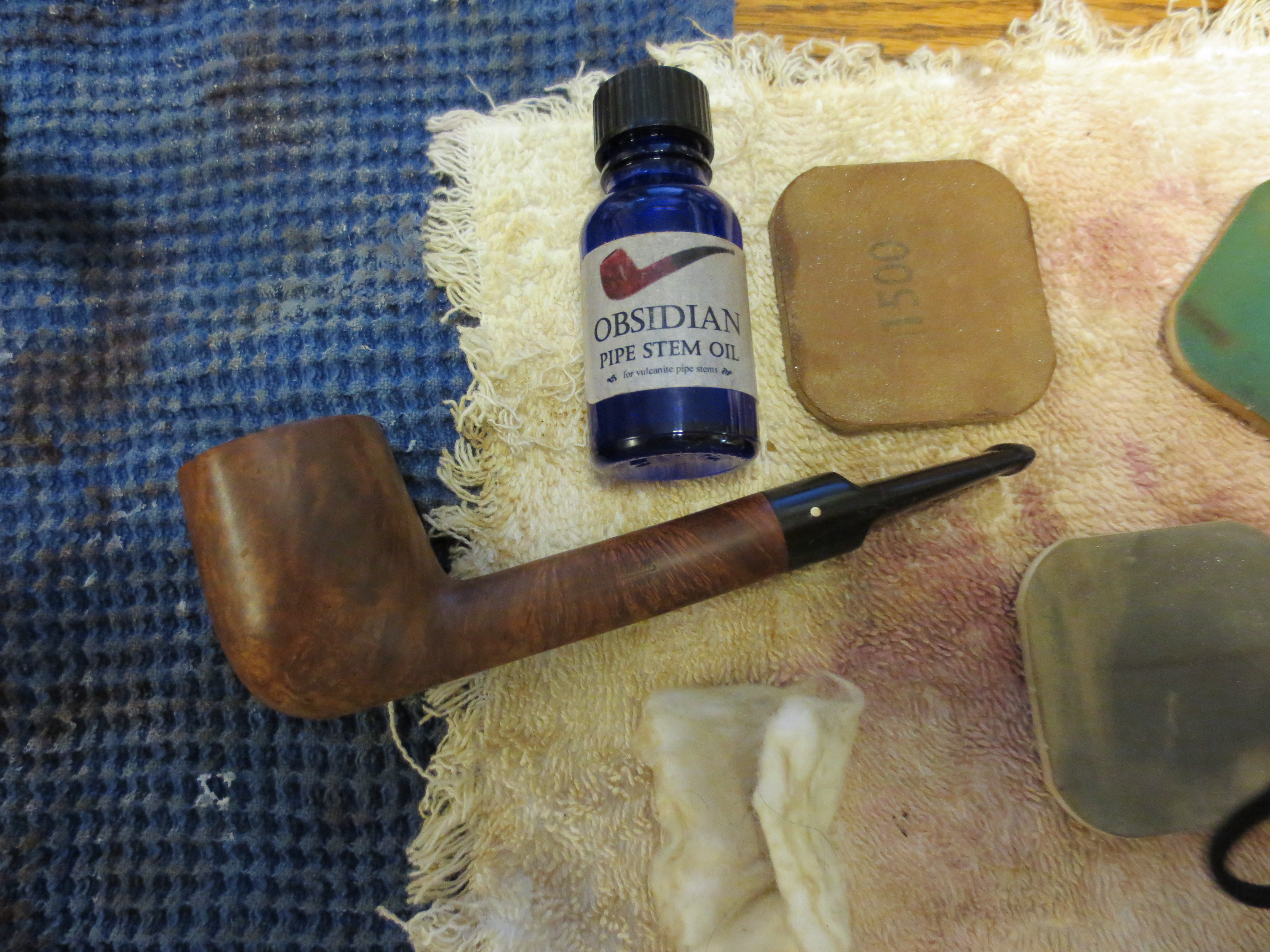
After polishing the stem I rub it down with Obsidian Pipe Stem Oil. I find that it penetrates the vulcanite and the remaining oxidation seems to lift to the surface. Once it is dry I continue to sand the stem with the micromesh sanding pads from 3200-12,000 grit.

ImageImage

After the stem really begins to shine I remove it from the shank and place a dental pick into the mortise to provide a handle for me when I am staining the pipe. This allows me control as I turn it over in my hands. I stained this pipe with Dark Brown aniline stain (Feibing’s Leather Dye). The first photo below shows the pipe ready to be stained and the second is with its first coat of stain. While it is still wet I flame it by lighting it with a match and setting the stain.The flame sets the alcohol in the stain on fire and burns it off.

ImageImage

Once it is flamed I rub down the bowl with a piece of cotton terry cloth. It removes the surface stain and leaves the stain set in the softer grain. The next series of photos show the pipe after it has been wiped down but not buffed.

ImageImageImageImageImage

Once I have wiped it down I take it to the buffer to remove any more of the stain and to give it a shine. With this particular pipe the stain obscured the grain a bit so I decided to wipe it down with the acetone to lighten the stain. I wiped it until I got the effect that I desired. I then buffed it repeatedly to get a shine.

ImageImageImage

The stain was still a little dark to me and I wanted a bit more contrast in the stain. I wiped the bowl a final time with Isopropyl and then buffed it a final time. I also buffed the stem. I scrubbed the metal tenon with 0000 steel wool to polish the oxidation on the aluminum. It shined as well. I inserted a new Brigham Hard Rock Maple filter and put the pipe back together. I gave the stem a final coat of Obsidian Oil and then when it had dried I gave the bowl and stem multiple coats of carnauba wax on my buffing wheel. I finished with a quick buff with a soft flannel buffing wheel. The finished pipe can be seen in the pictures below.

ImageImageImageImage