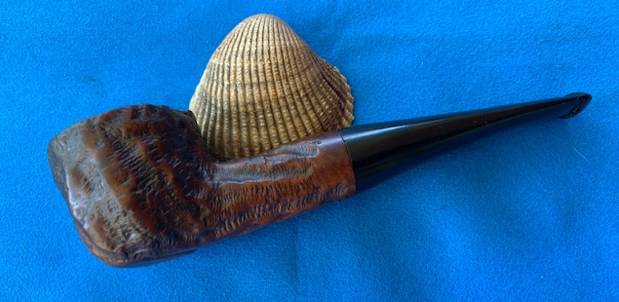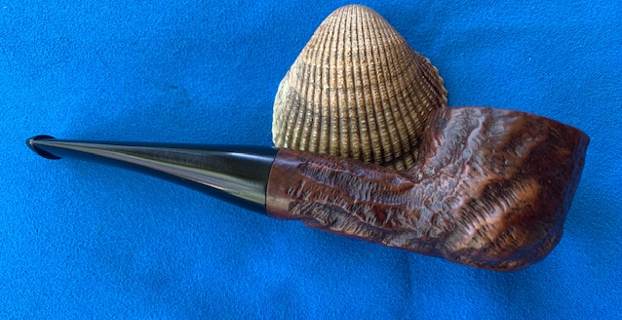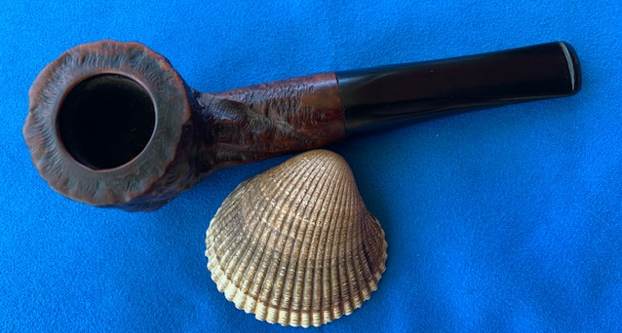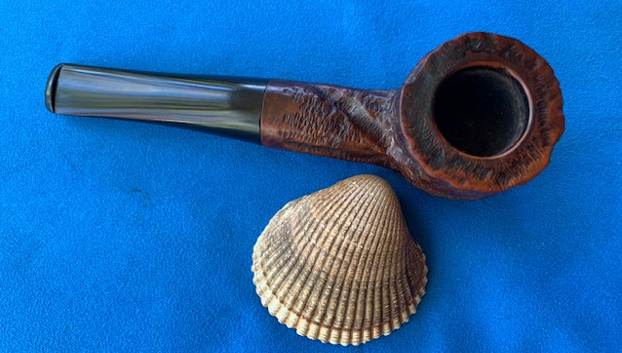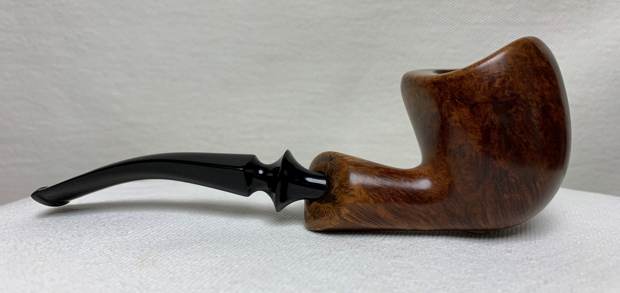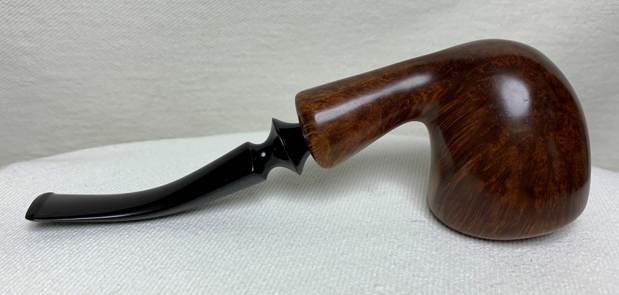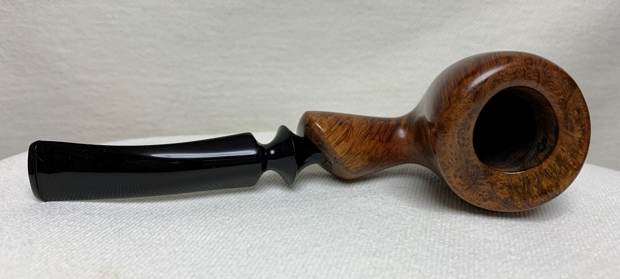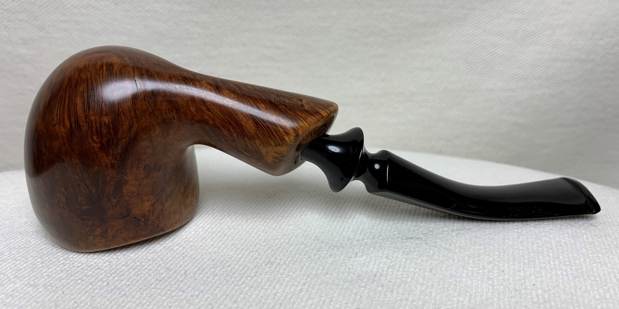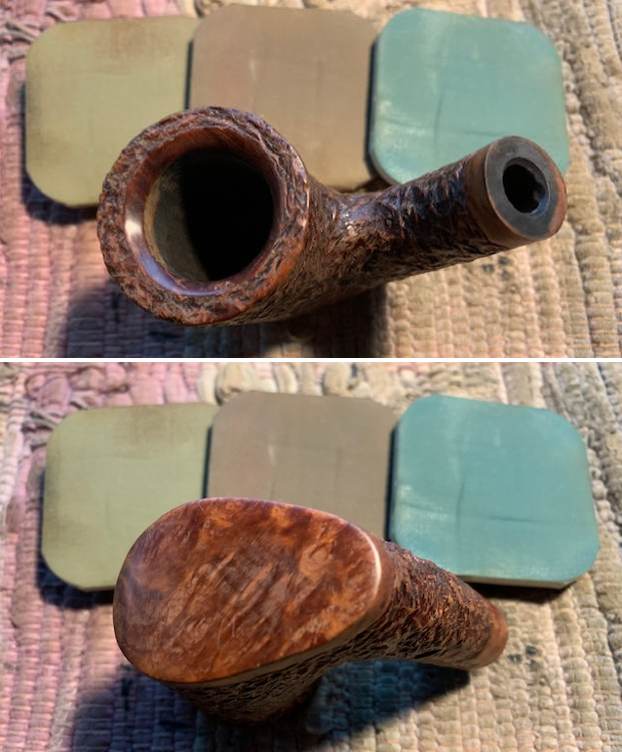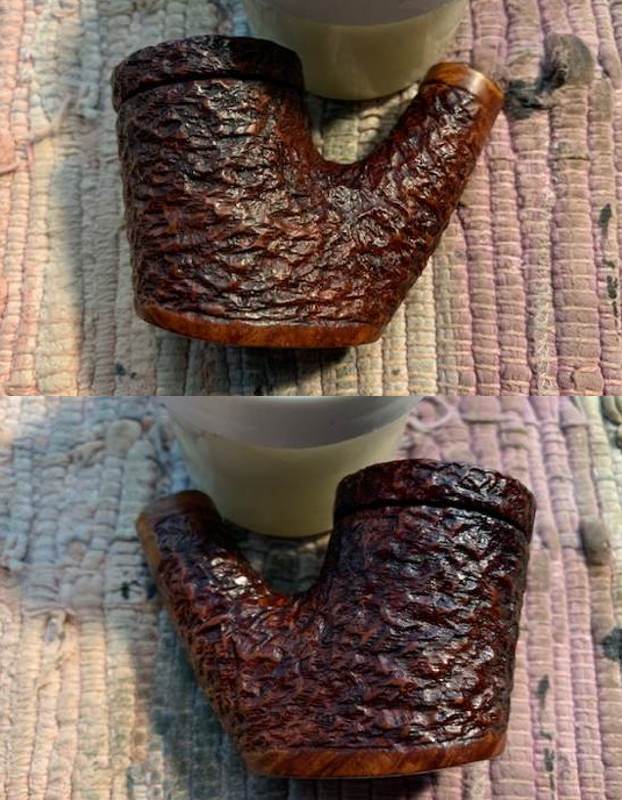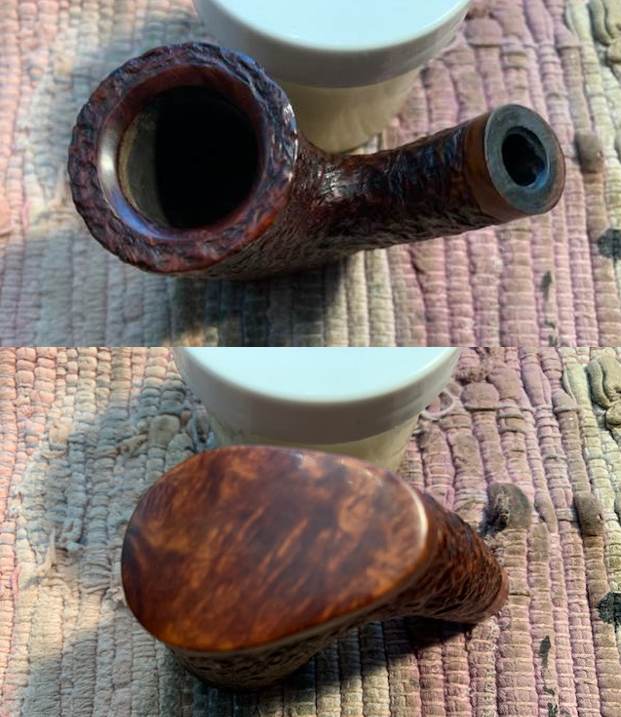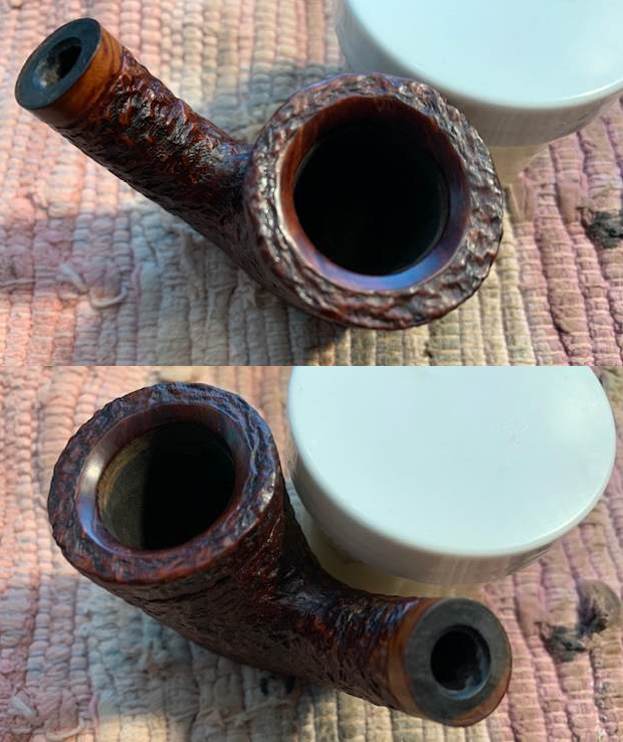
Tag Archives: Bowl – refinishing

Brothers in Arms


Blog by Kenneth Lieblich

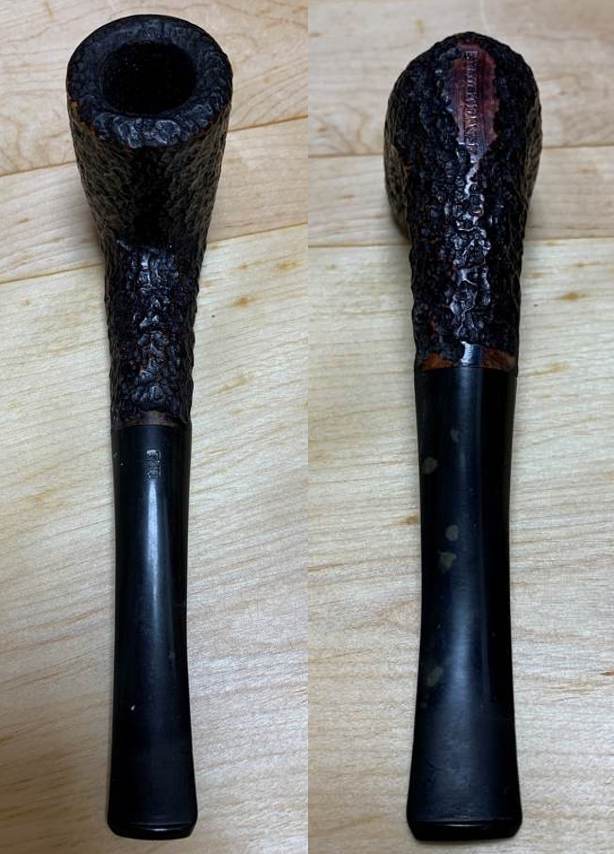
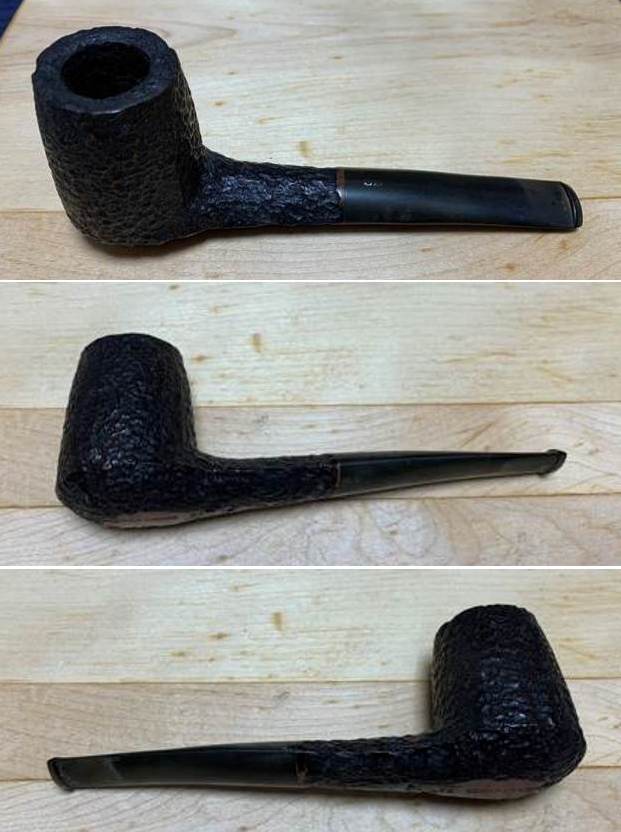
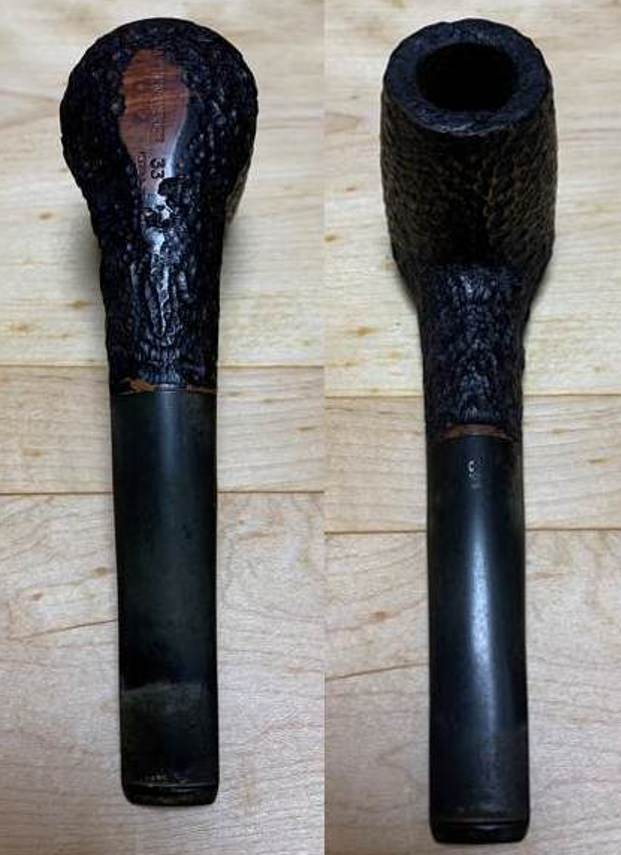
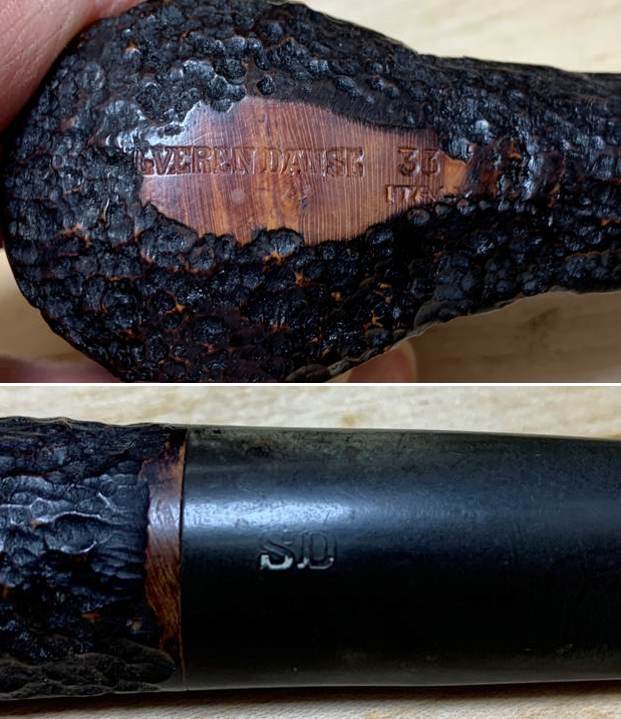
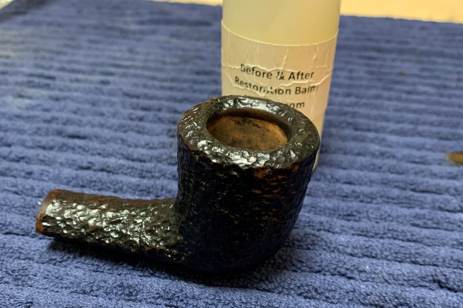
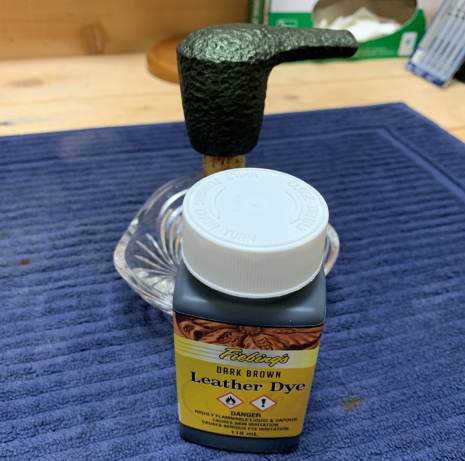
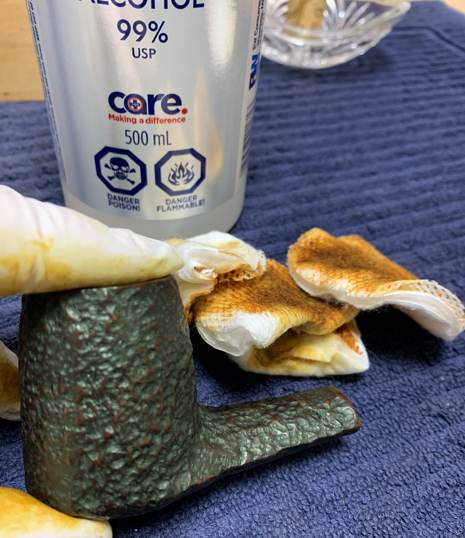
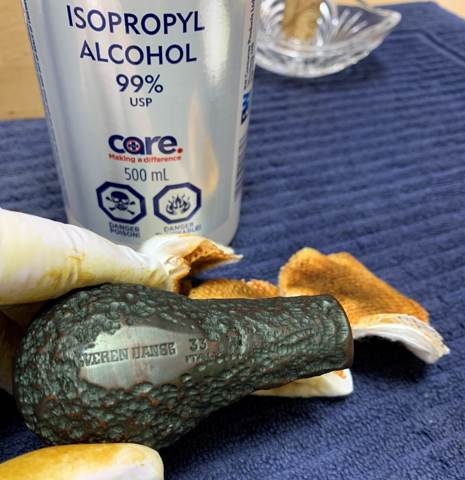
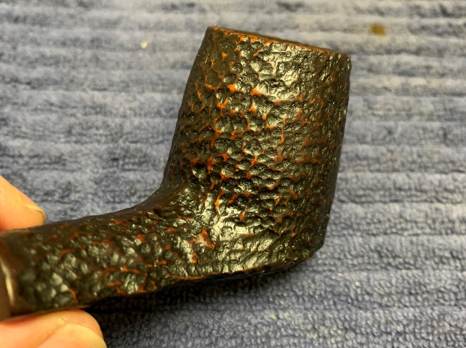
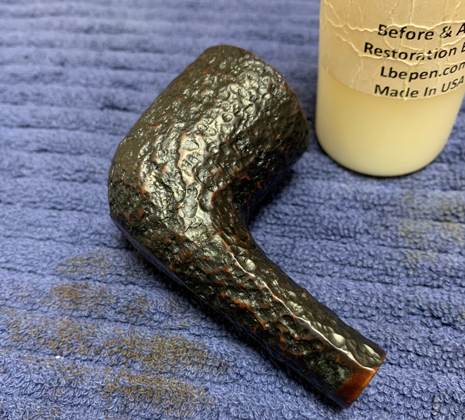
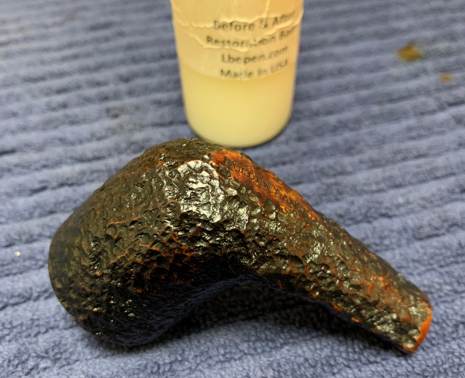
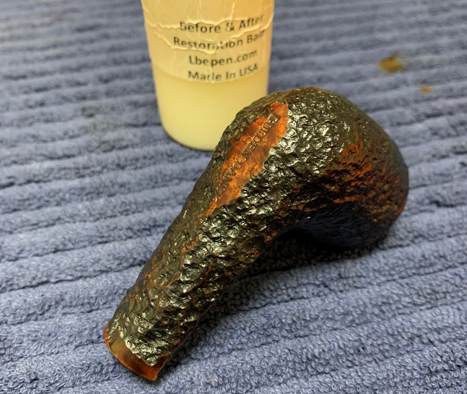
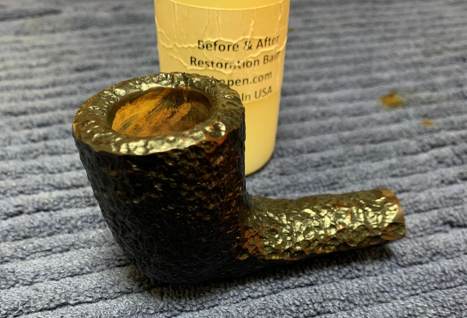
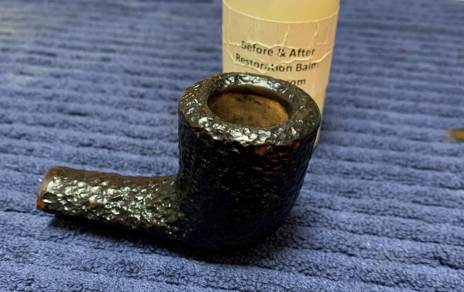
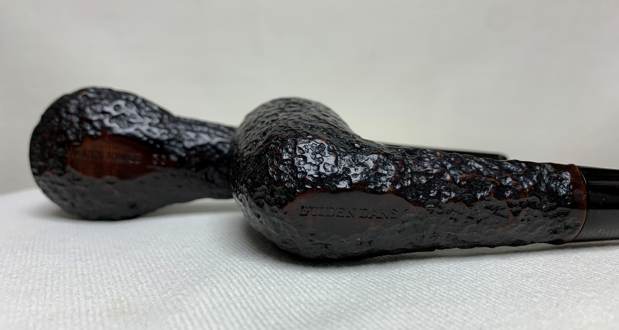
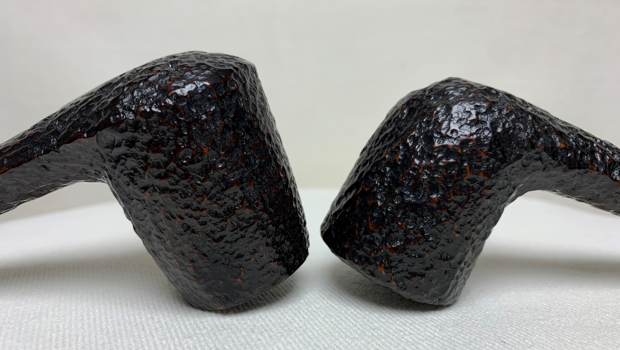
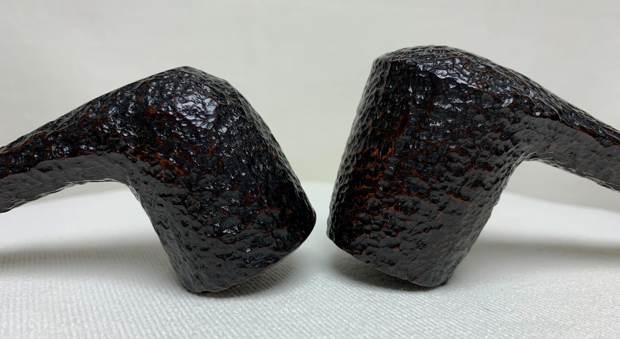
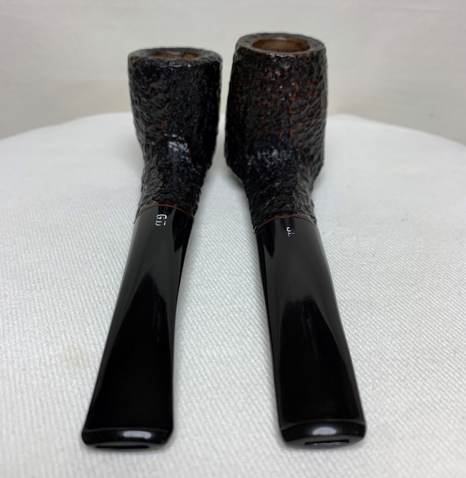
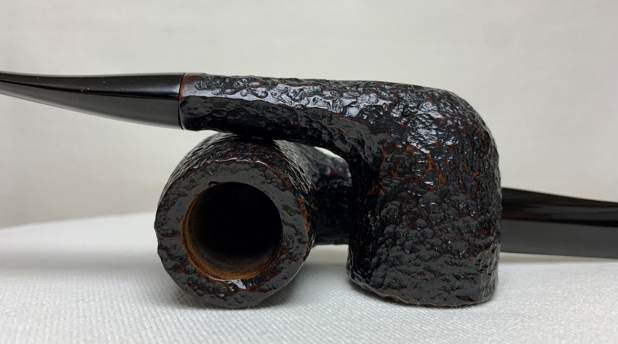
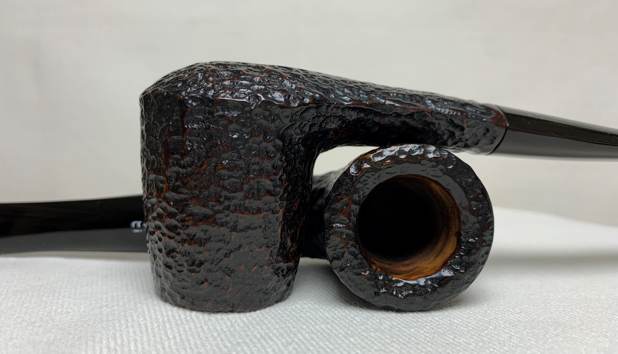
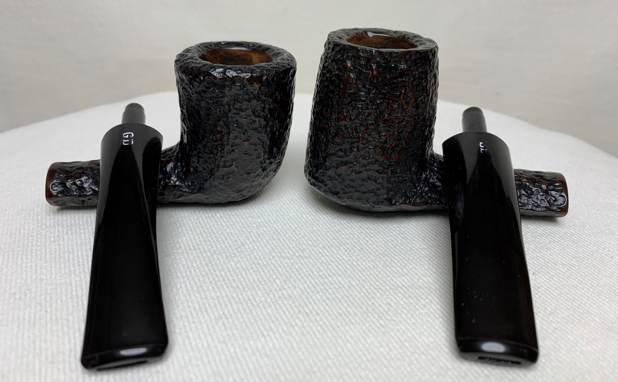
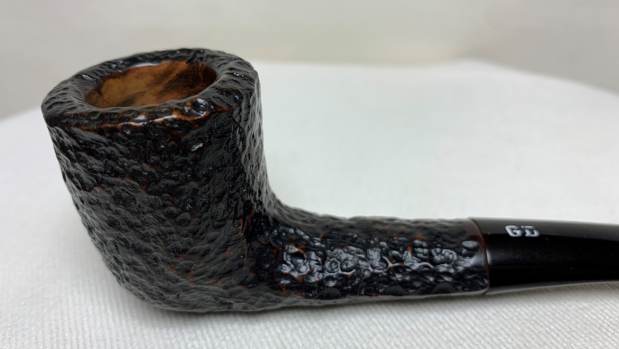
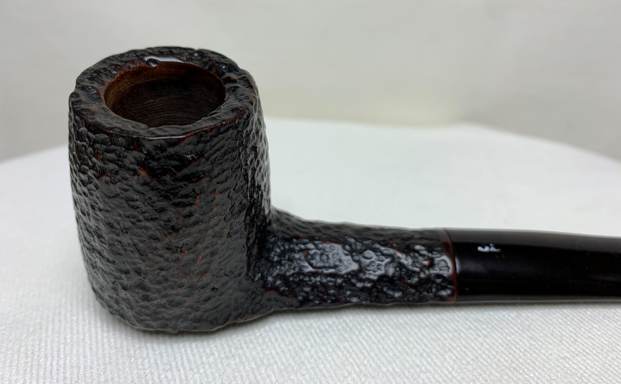
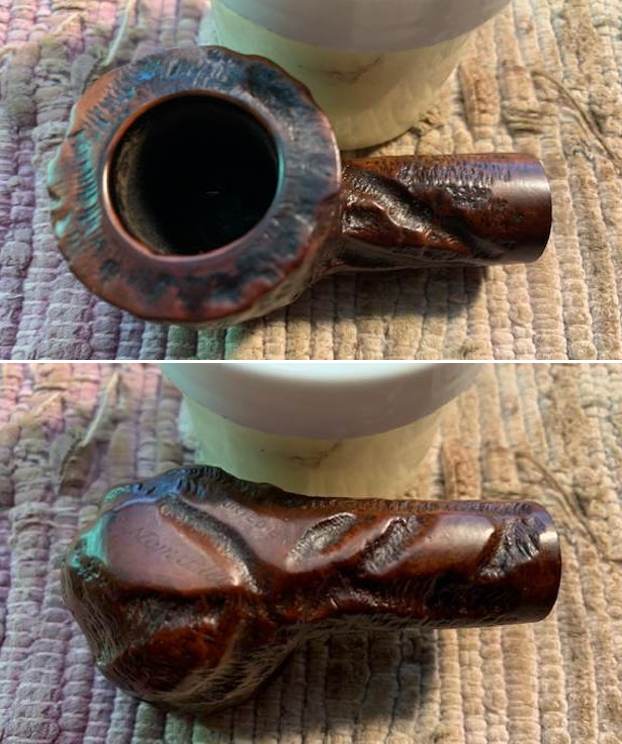
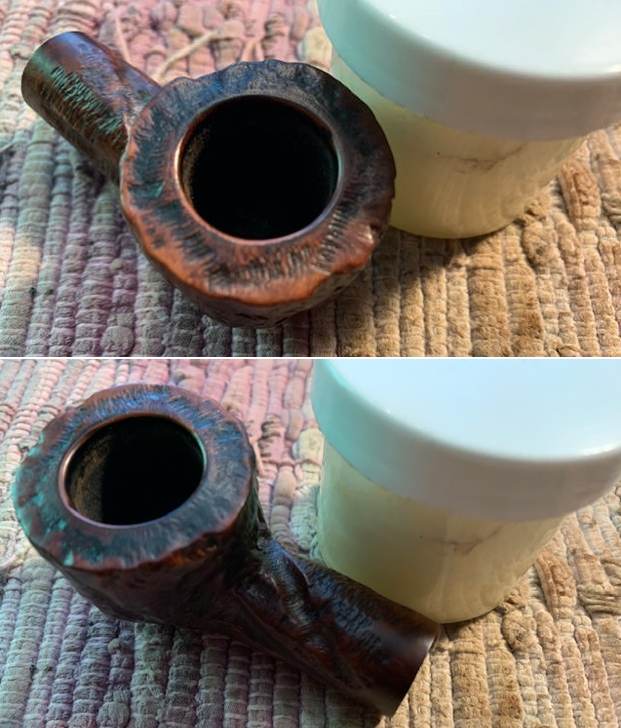
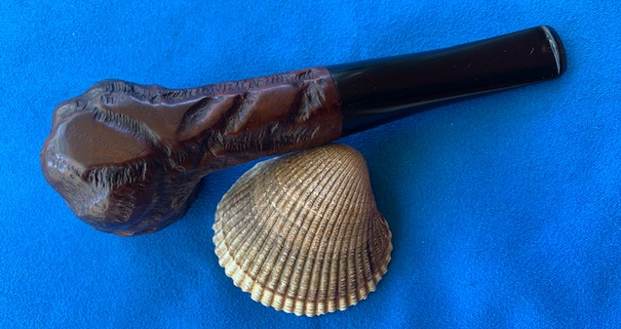
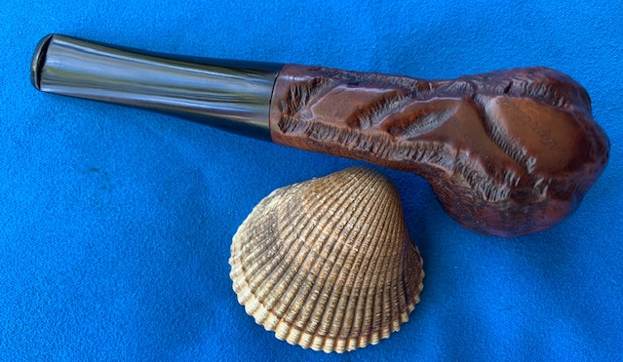
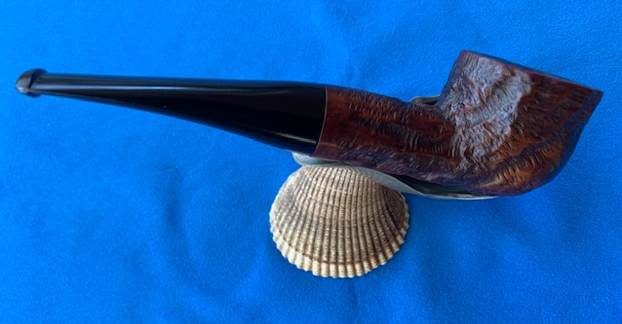
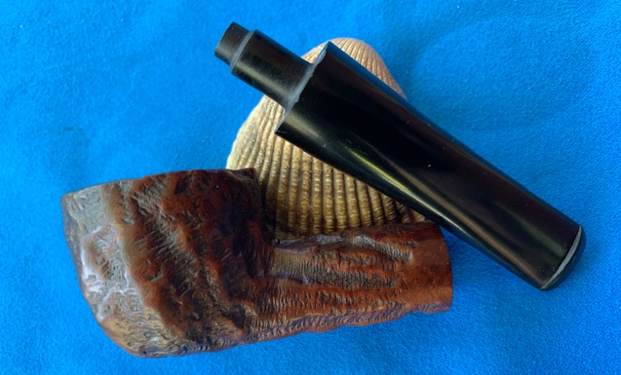
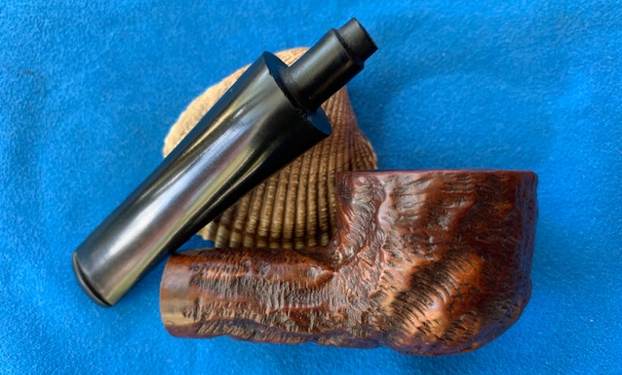
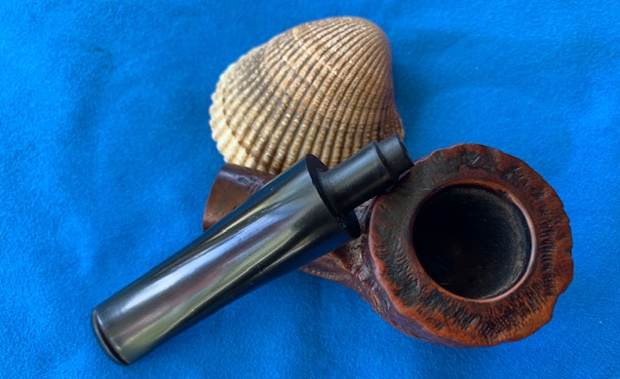
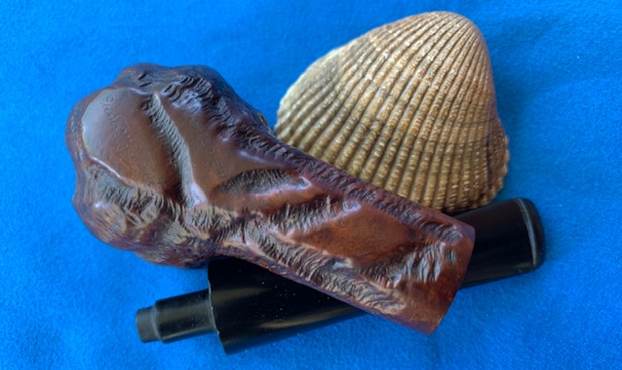
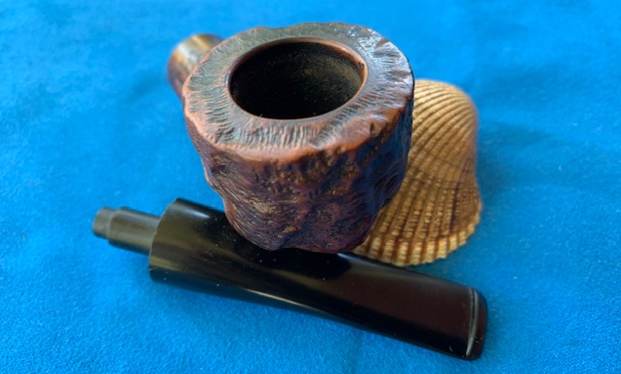
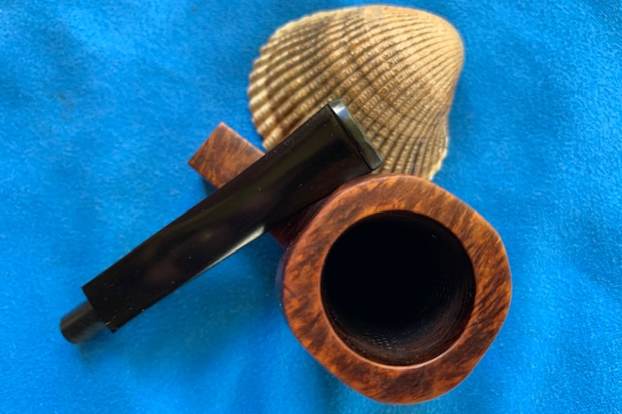
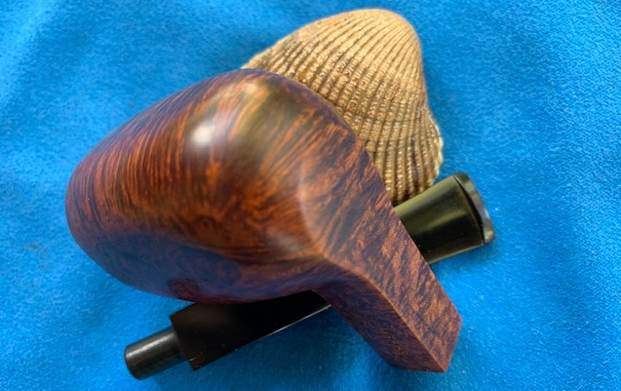
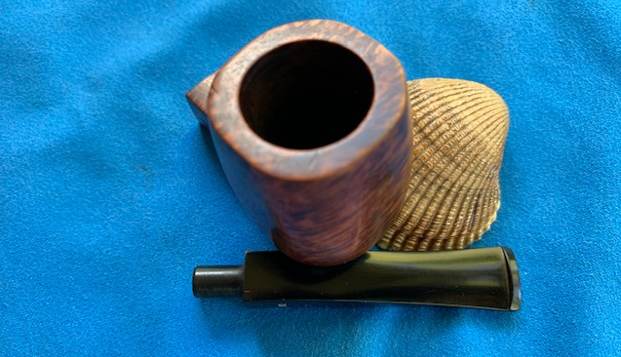
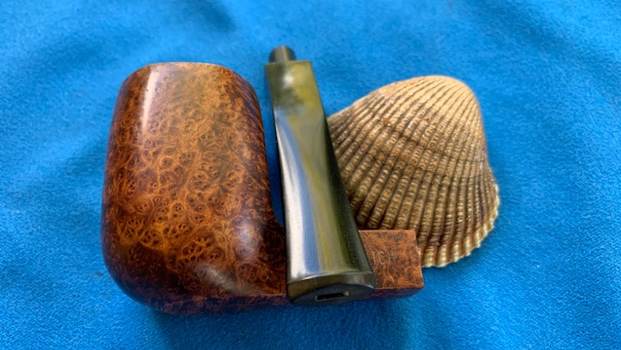
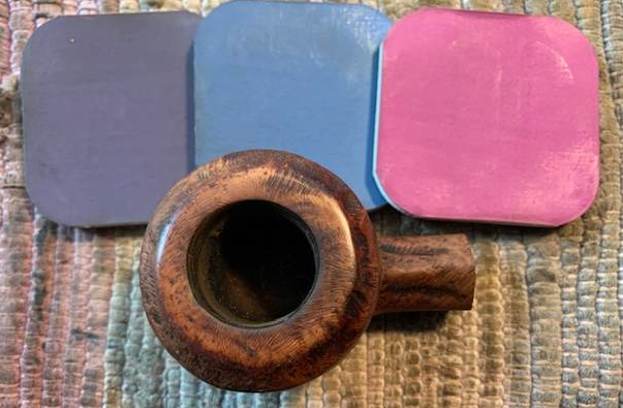
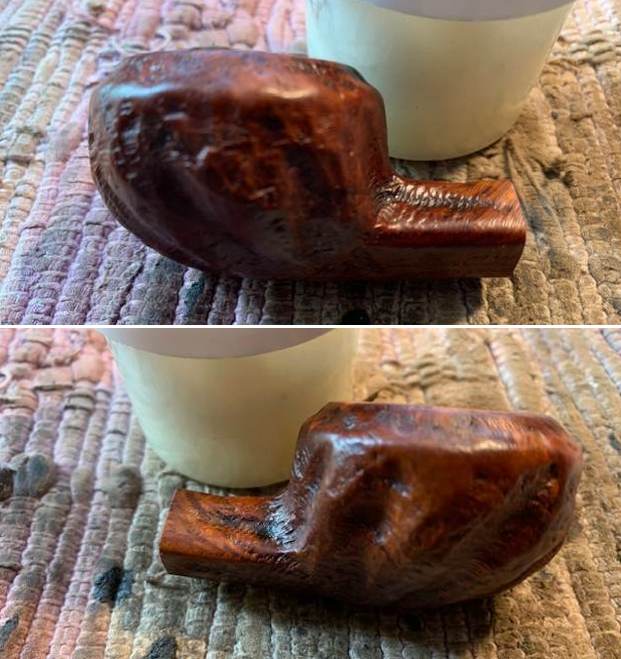
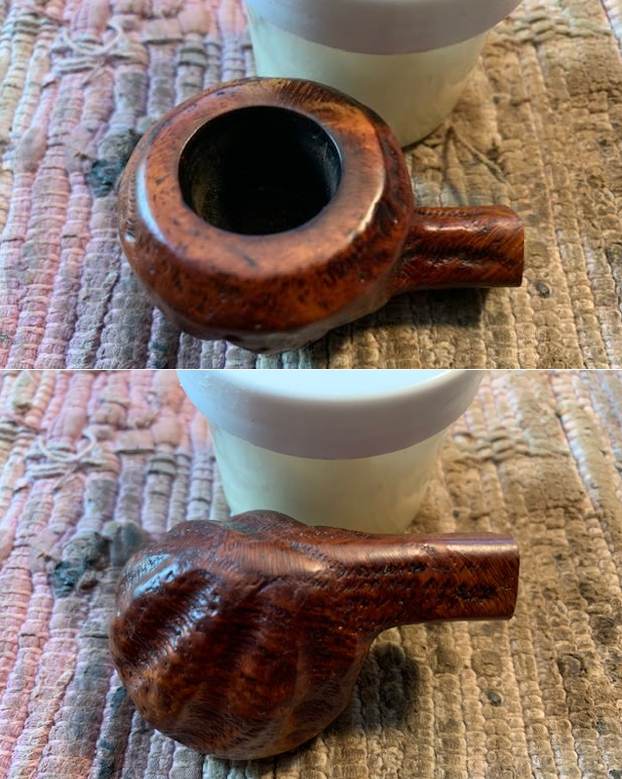
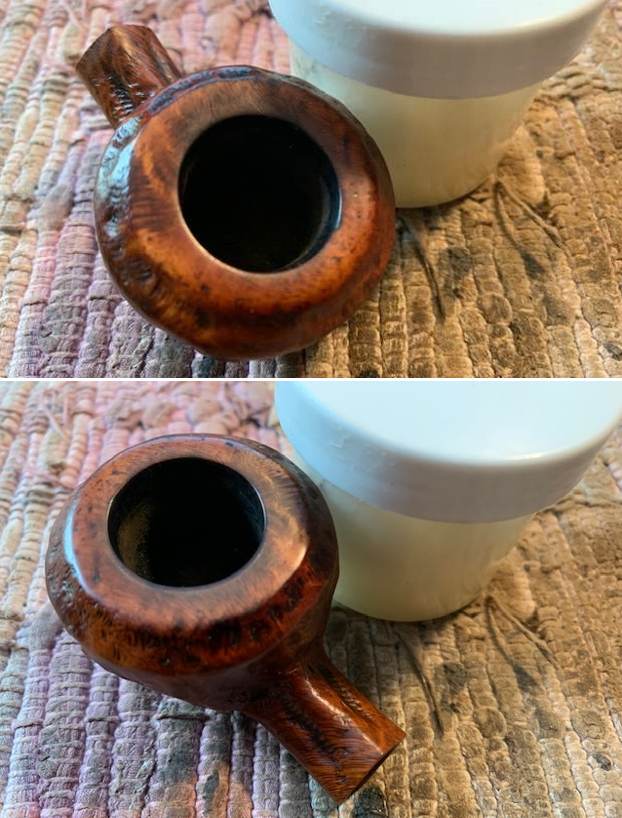
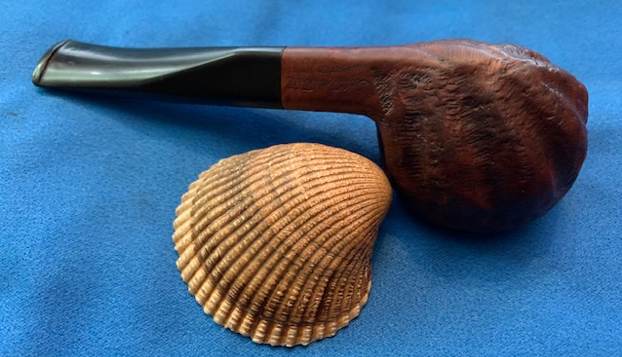
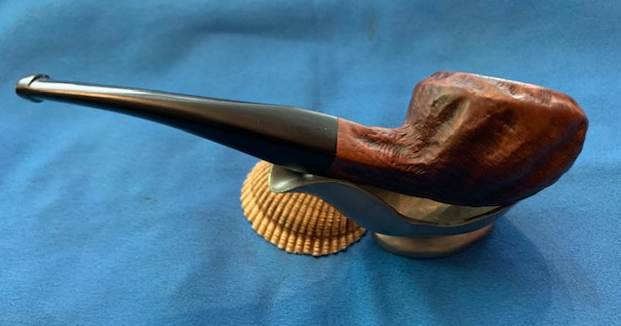
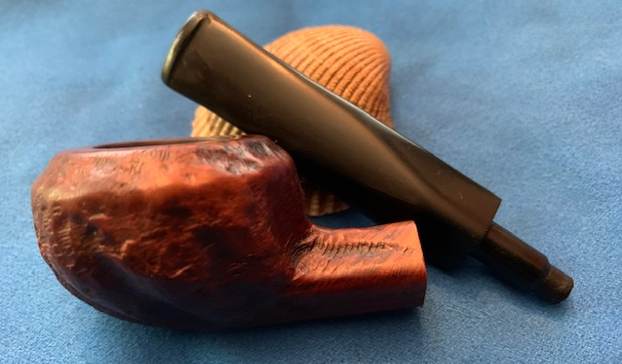
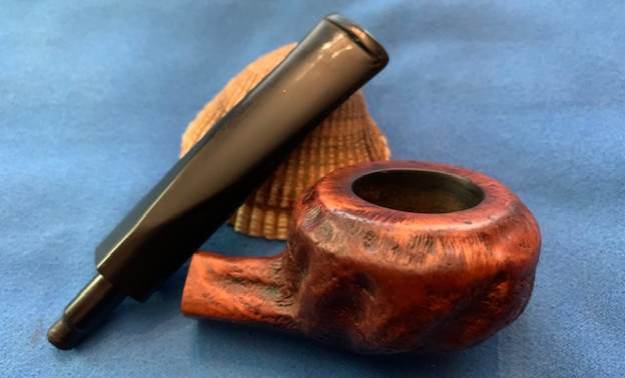
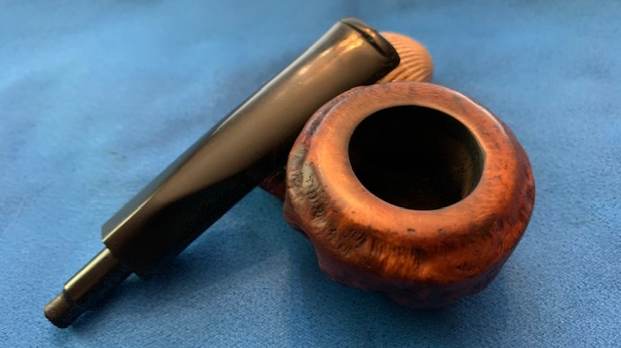
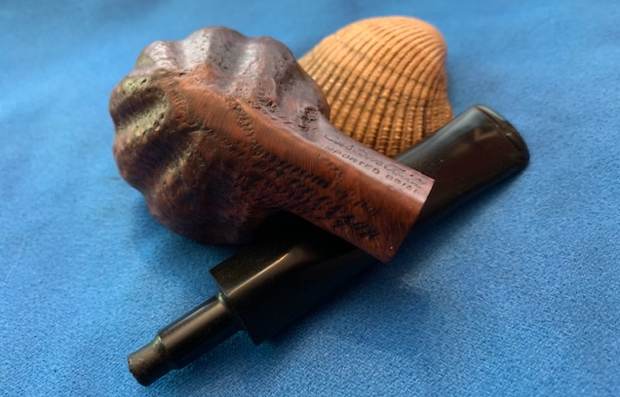
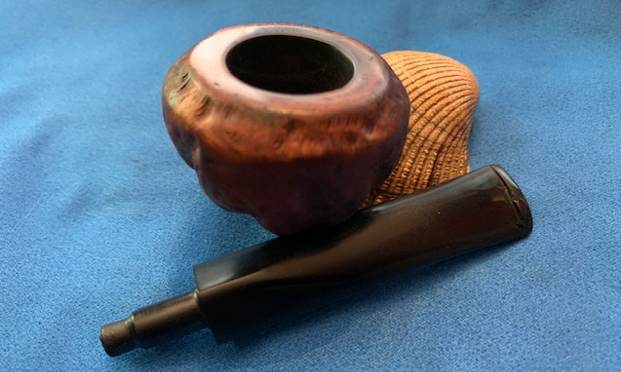
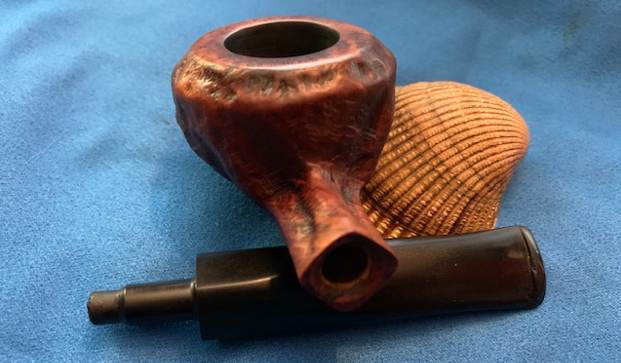
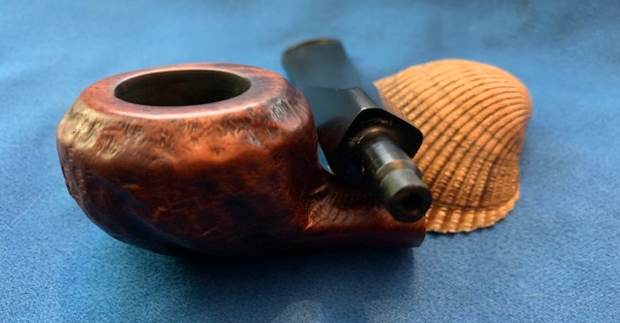
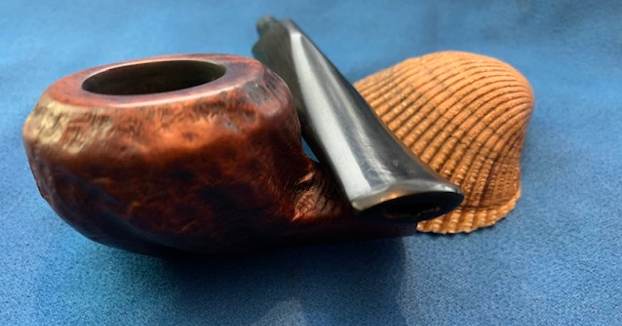
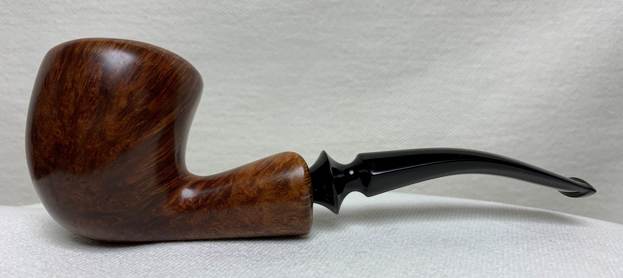
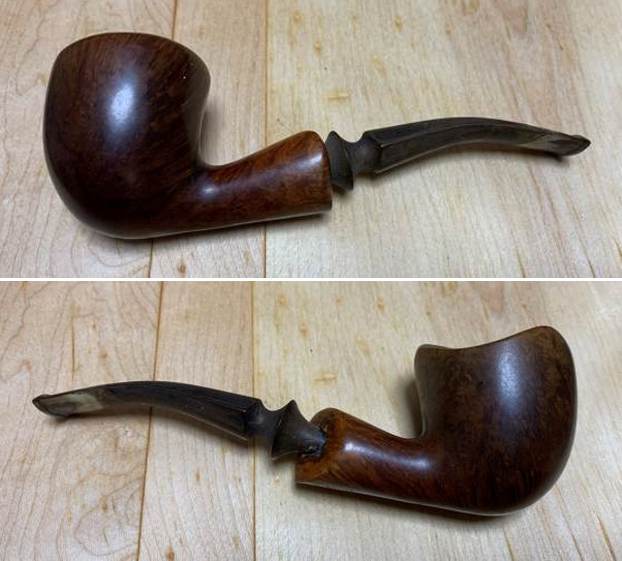
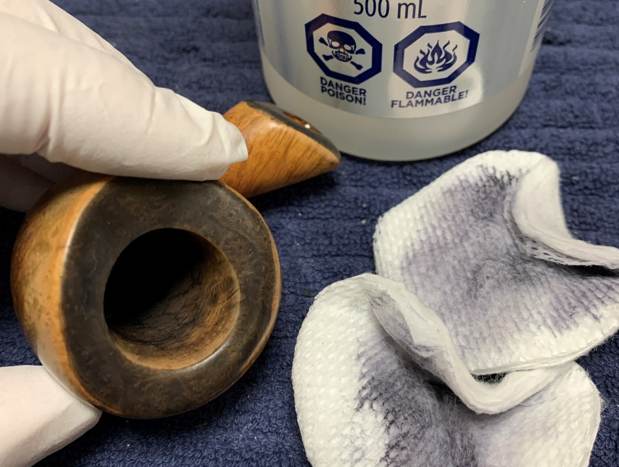
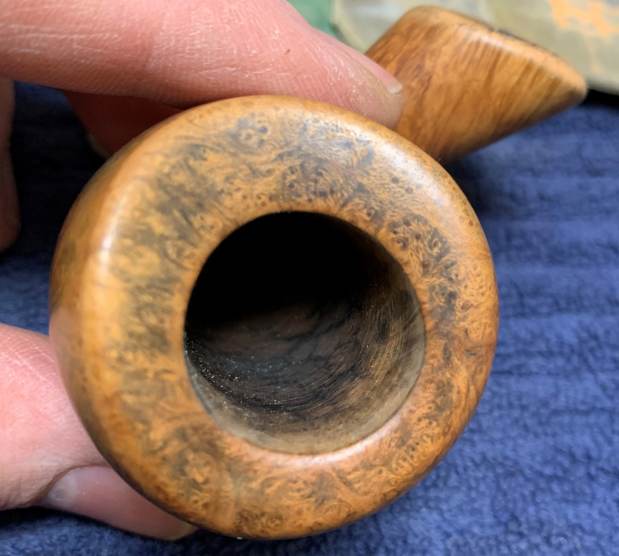
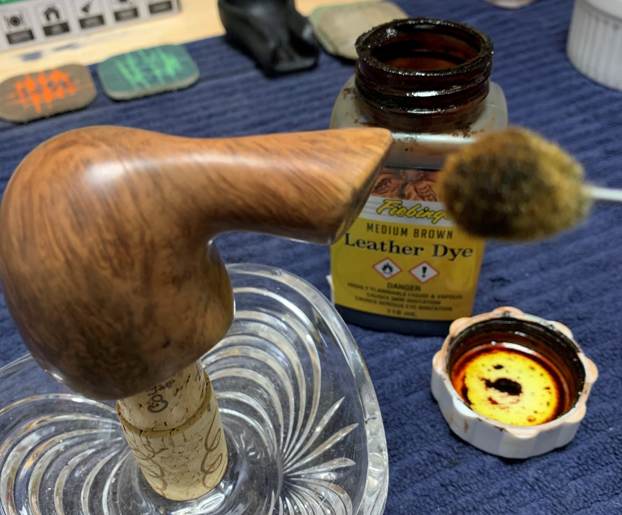
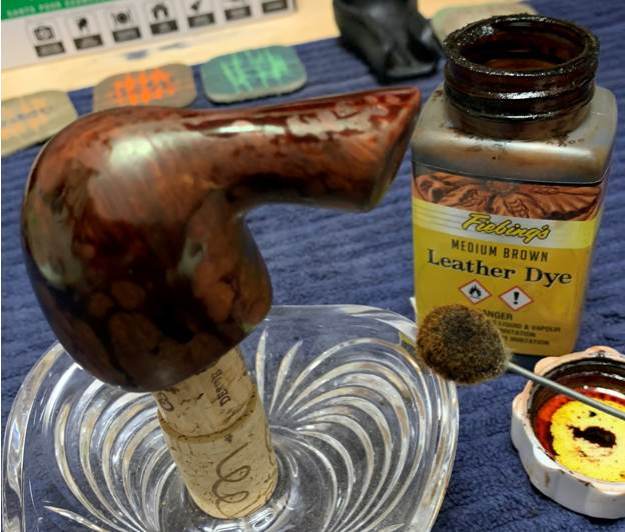
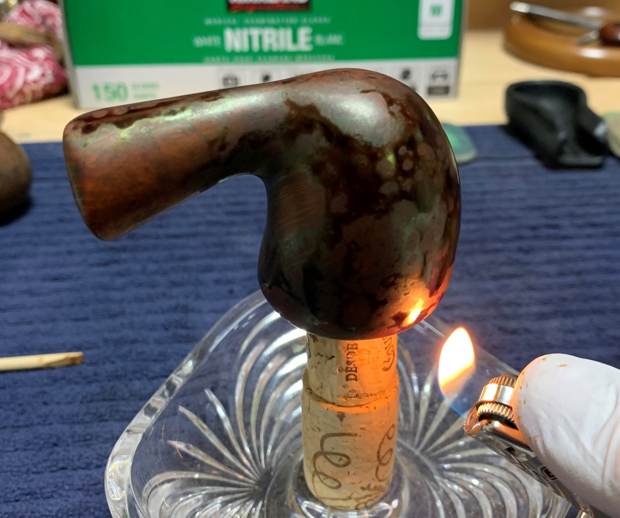
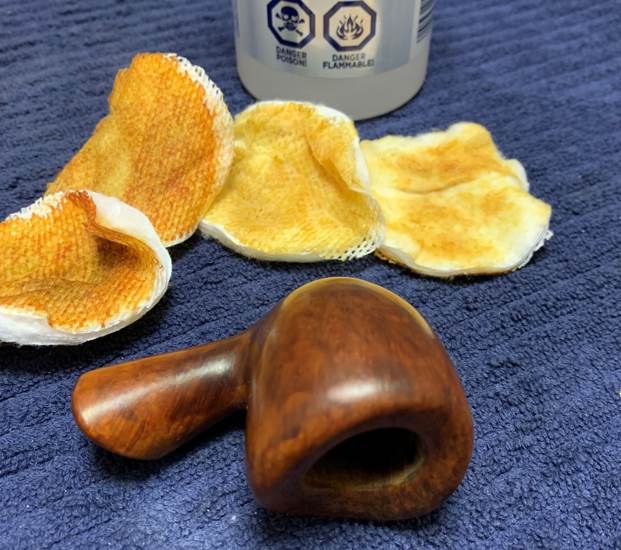
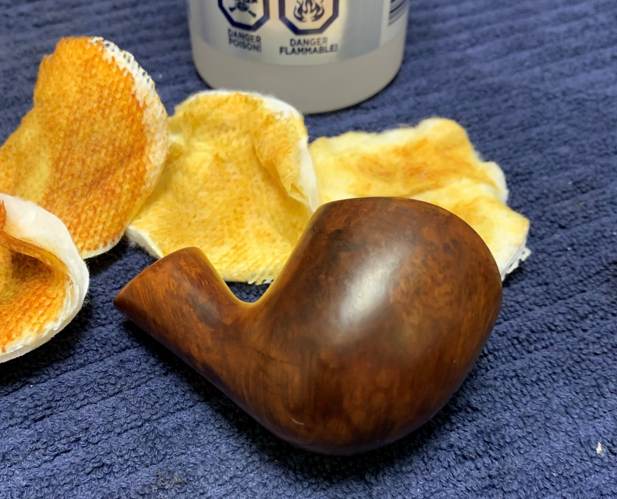
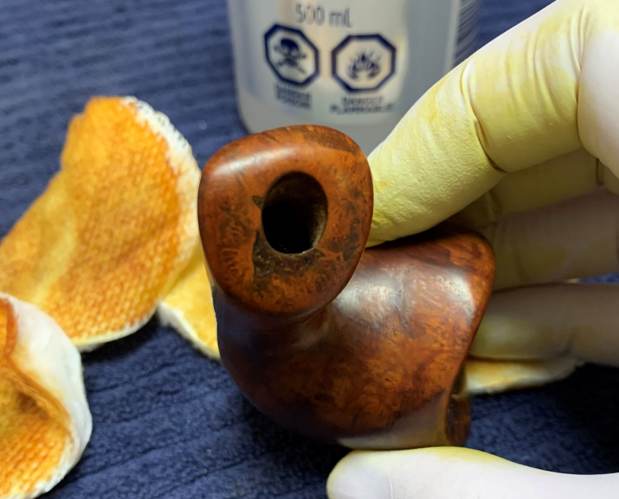
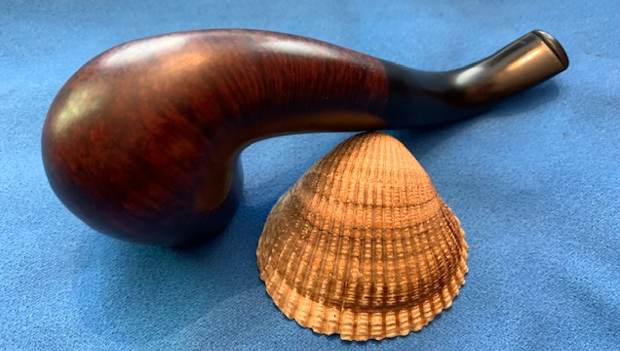
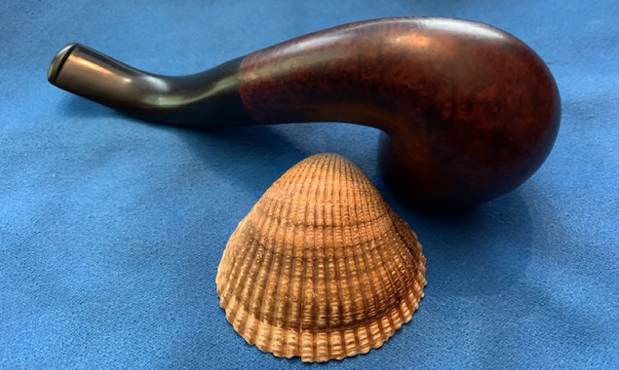
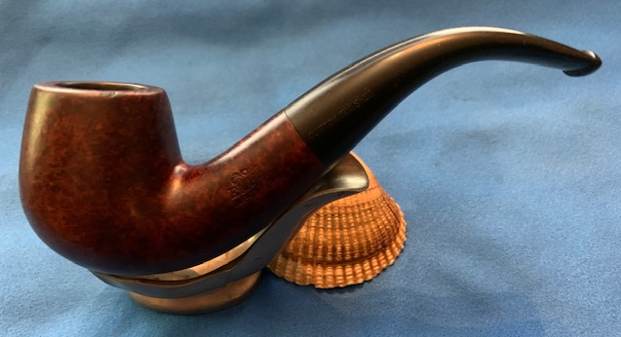
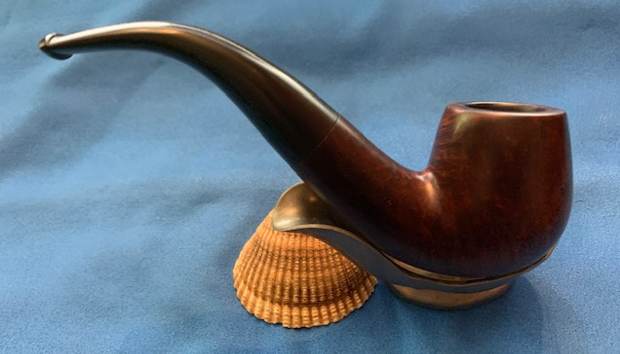
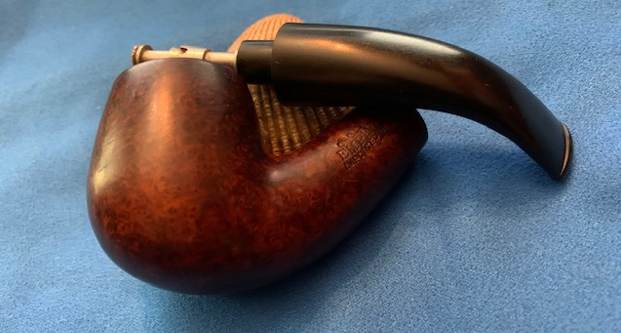
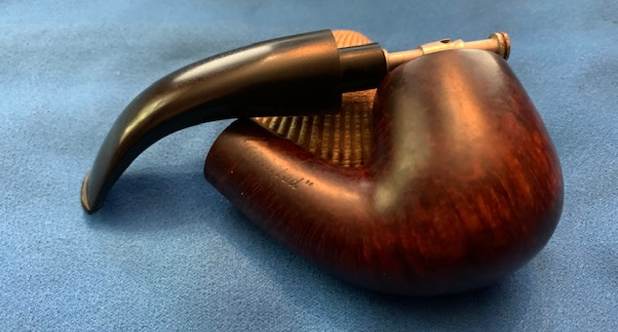
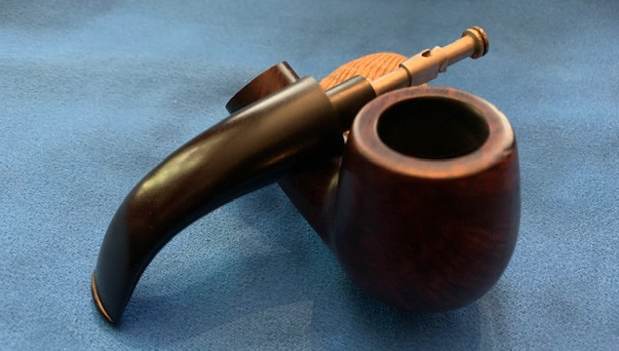
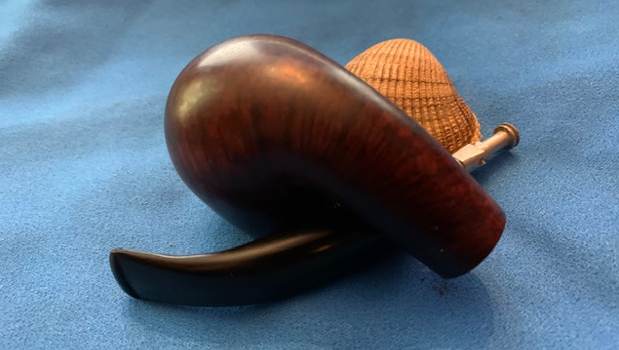
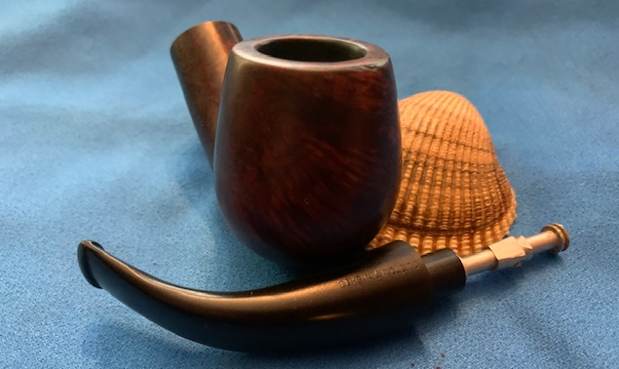
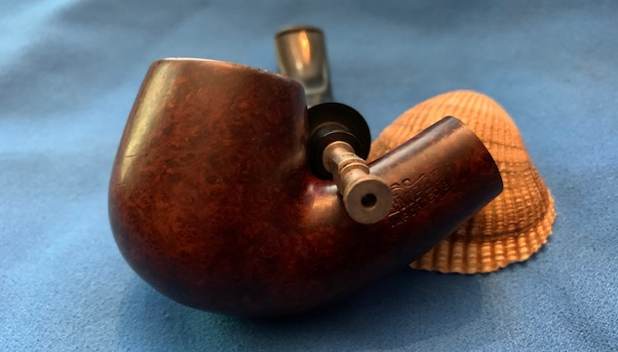
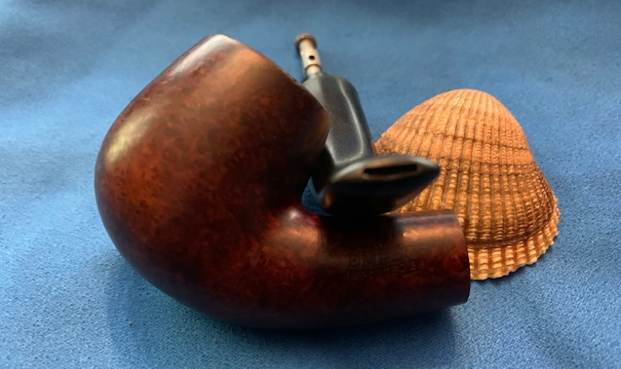
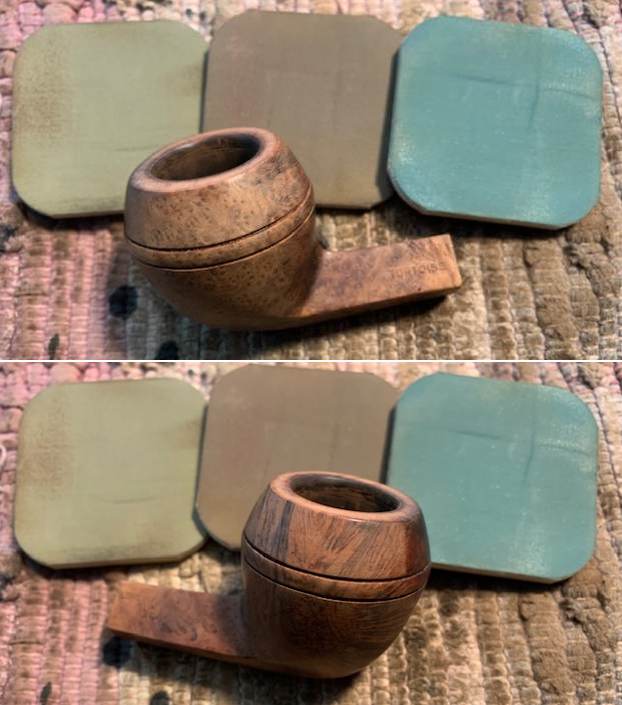
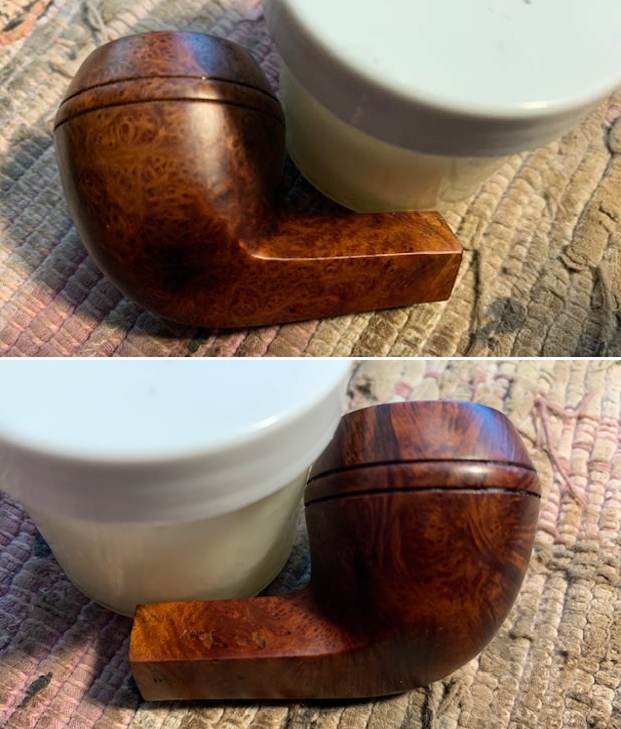
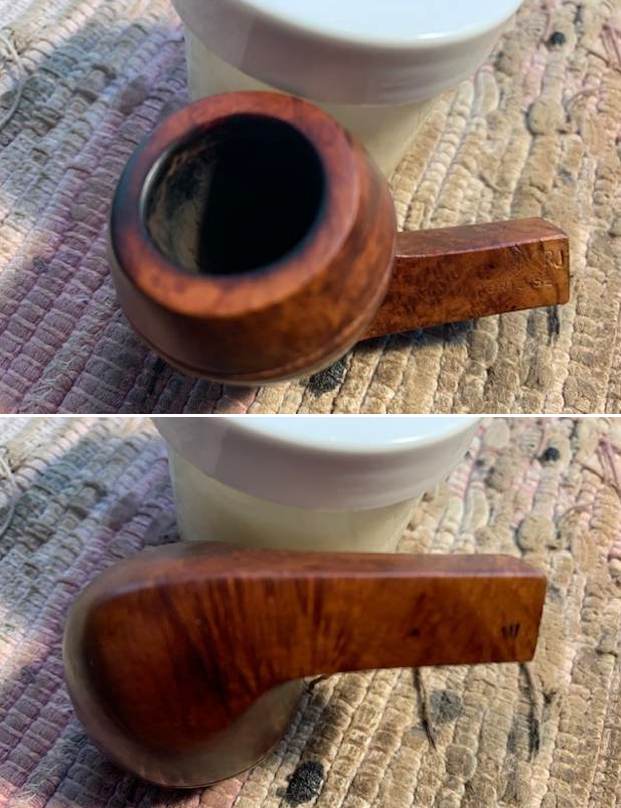
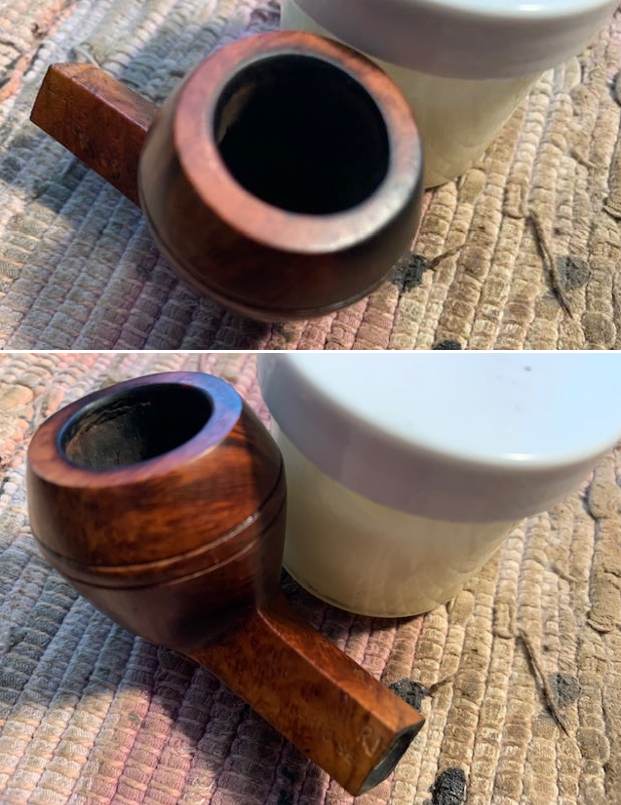
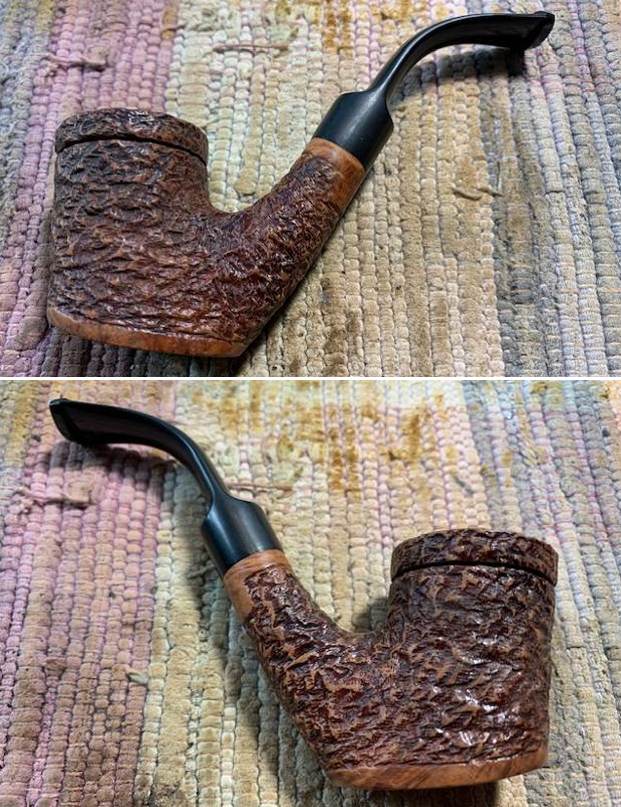
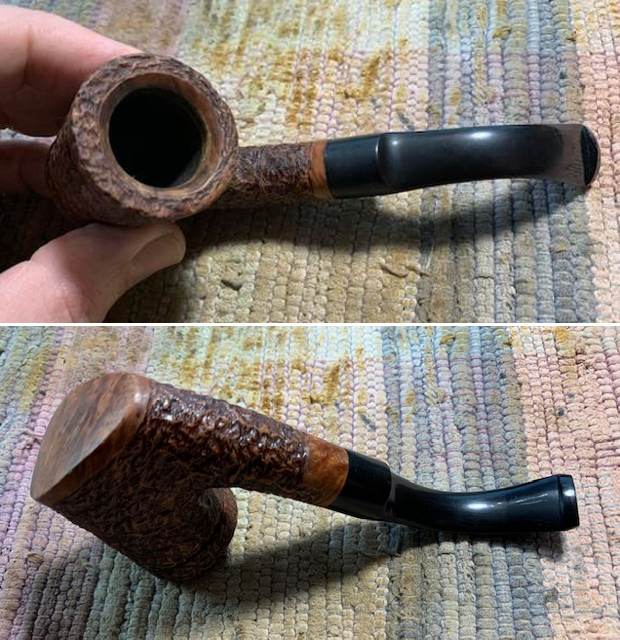
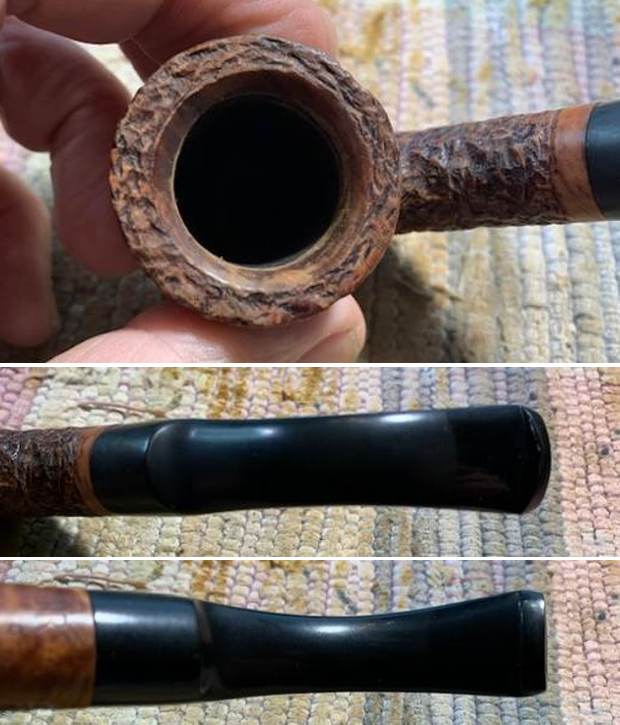
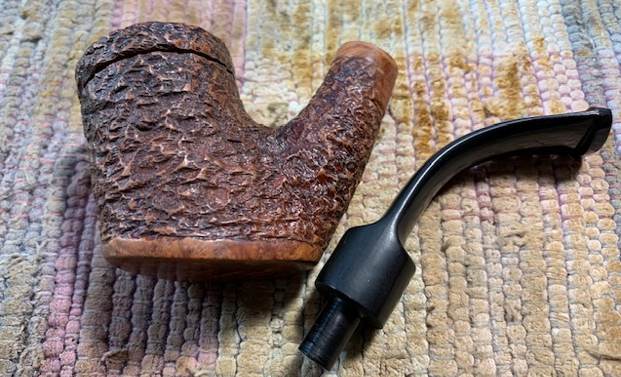
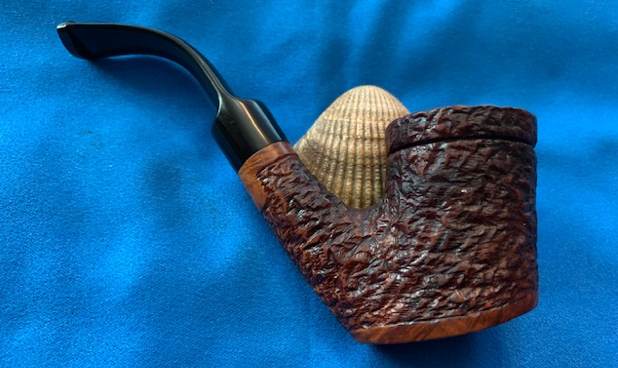
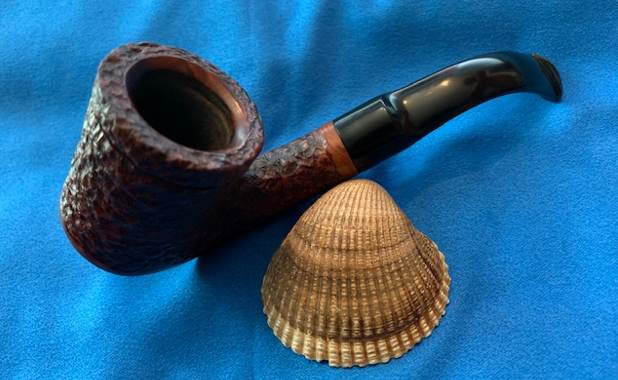
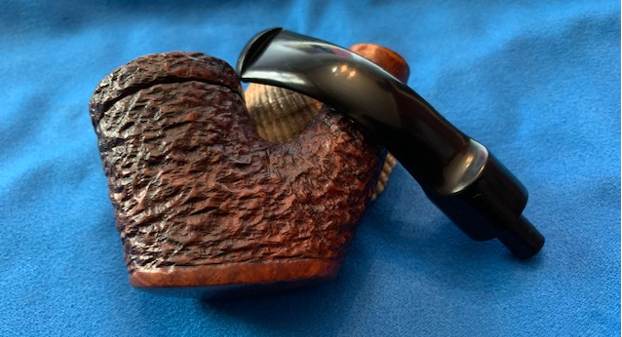
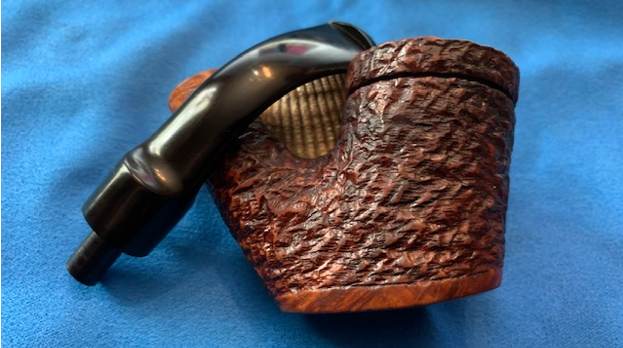
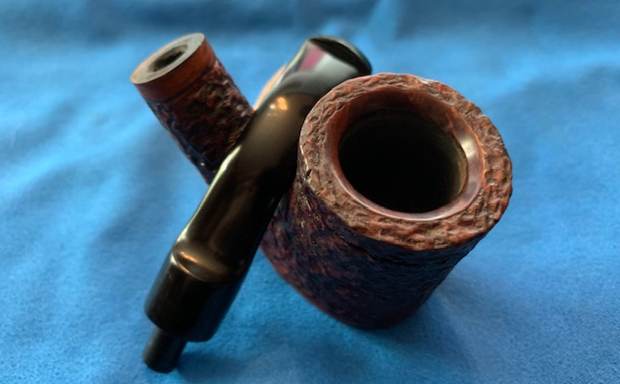
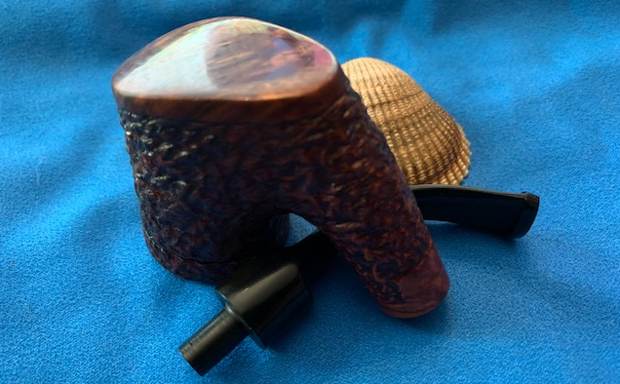
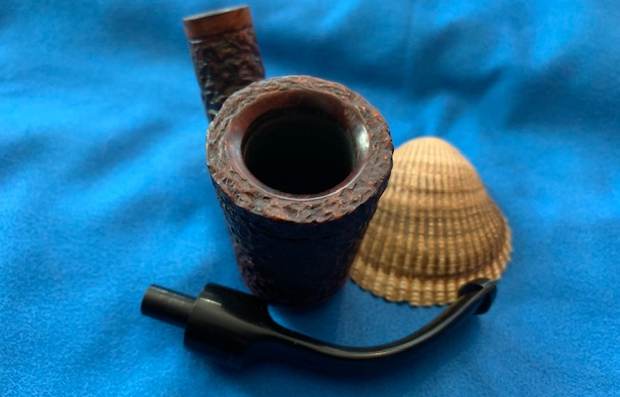
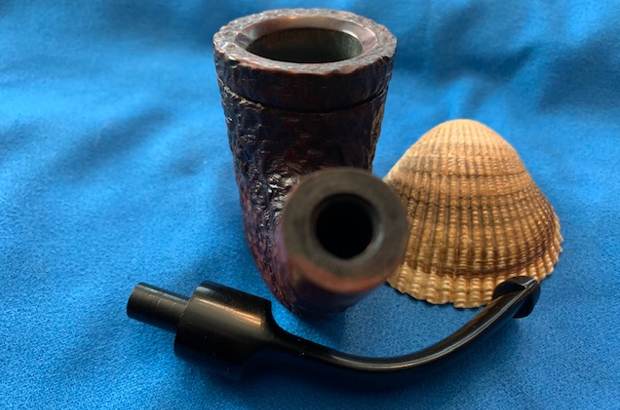
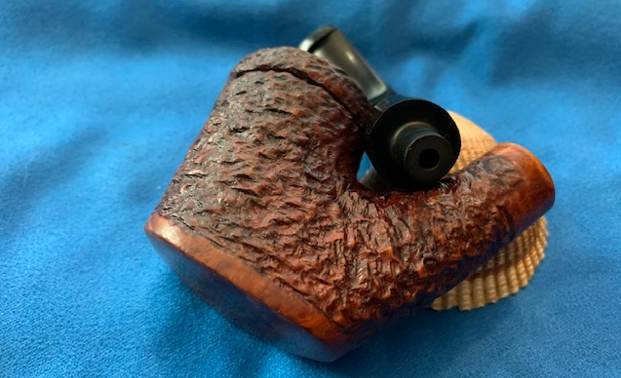
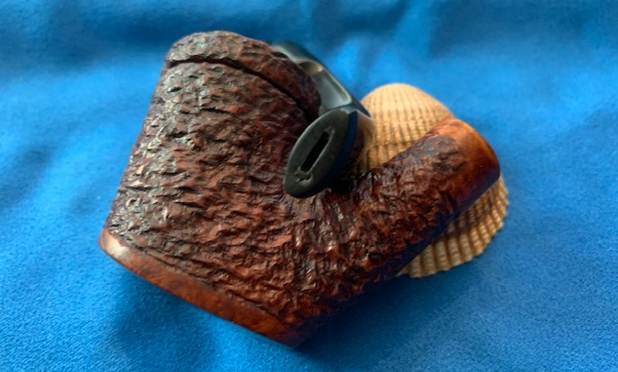
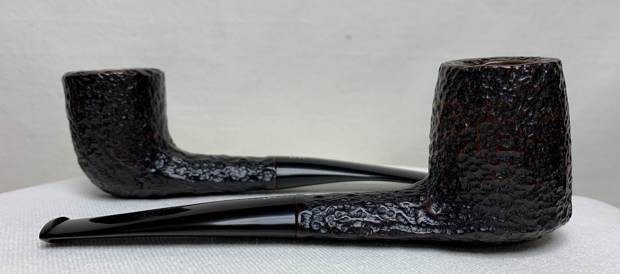
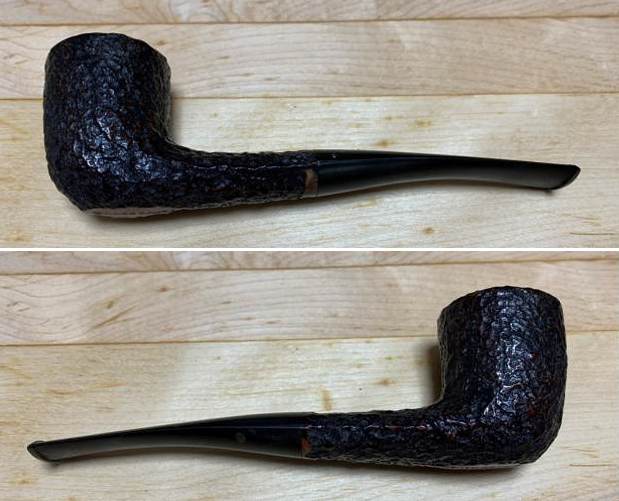
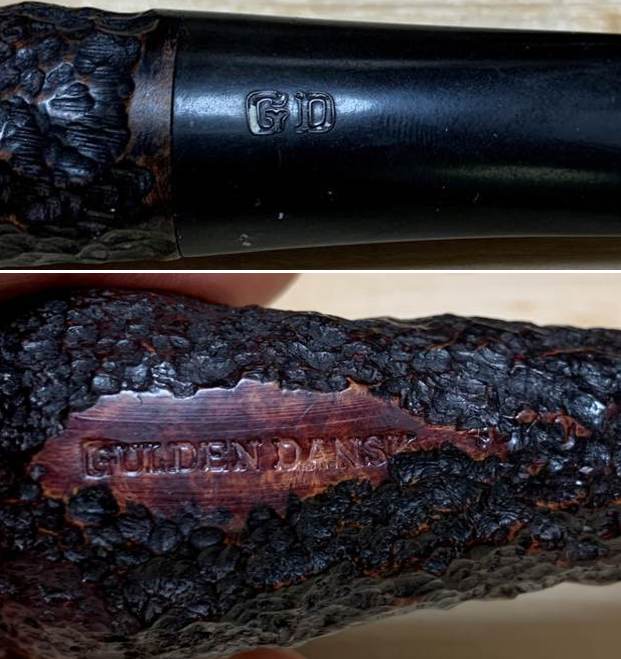
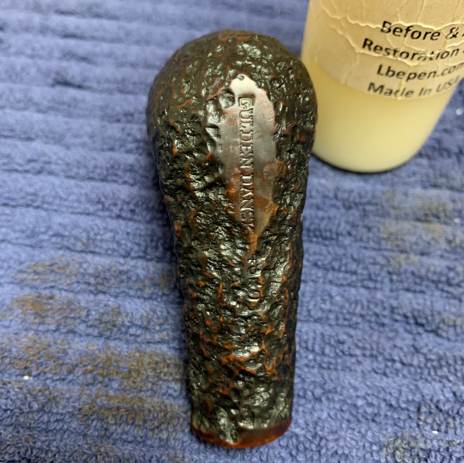
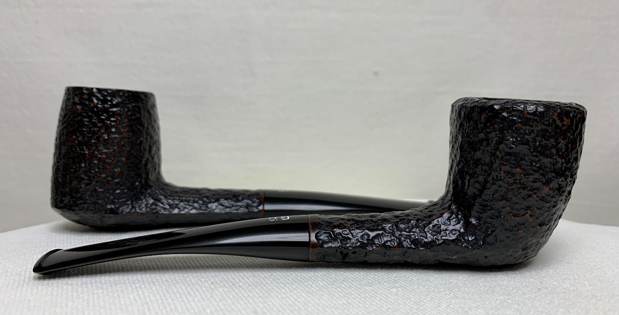
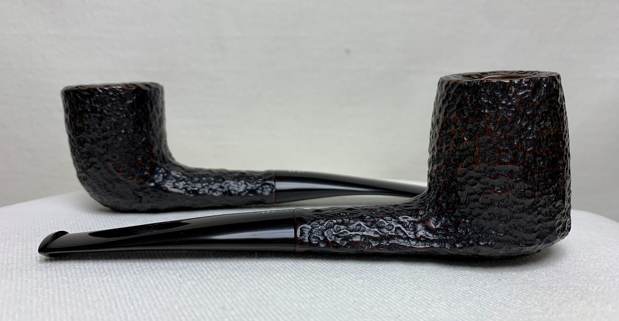
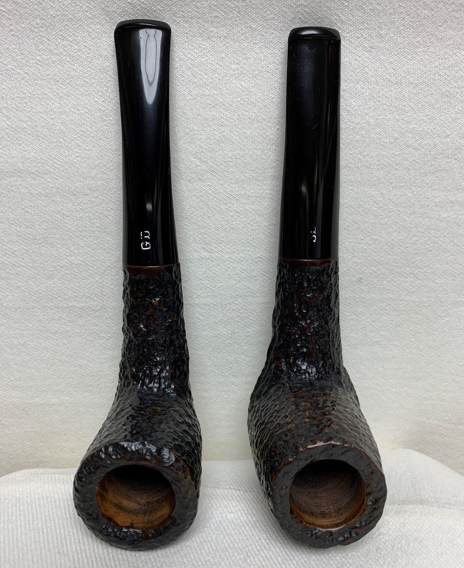
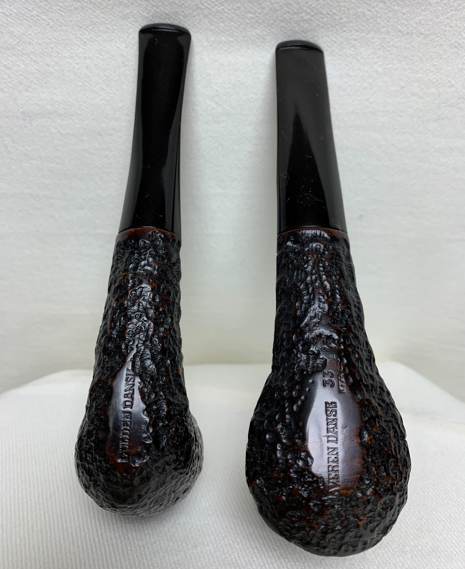
Next on the chopping block is a lovely pair of pipes, formerly belonging to an old gentleman from Winnipeg. I acquired them in a lot of pipes from a relative of his here in Vancouver. The two pipes are both sub-brands of the famous Savinelli factory. The slightly bent Dublin is a Gulden Dansk; the stylized poker/sitter is a Silveren Dansk. They are really handsome pipes and clearly well-loved by their previous owner. The markings on these pipes are quite interesting. On the Dublin, the markings on the underside of the pipe read Gulden Dansk, followed by a model number which is obscured by the rustication. The number might be 4130, but it’s difficult to tell. On top of the stem are engraved the two letters GD, obviously referring to Gulden Dansk. Meanwhile, the Silveren Dansk’s underside shows the words Silveren Dansk, next to the model number 33 [over] Italy; the ‘s’ and ‘i’ have vanished into the rustication, however. Like its sibling, the top of the stem has the initials SD for Silveren Dansk, of course. These pipes were evidently cut from the same cloth (or block of wood?), as you can see in the pictures. The rustication and colour are the same on both. The rustication is actually quite well done, and there is a combination of both black and brown colour on the wood, which I will attempt to replicate.
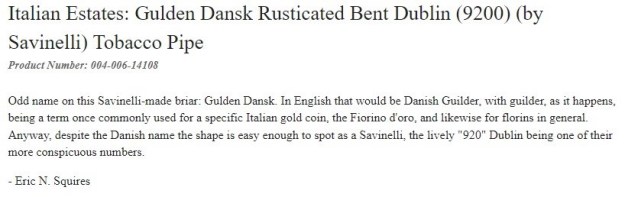
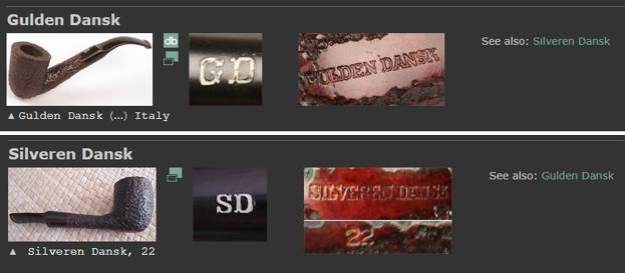
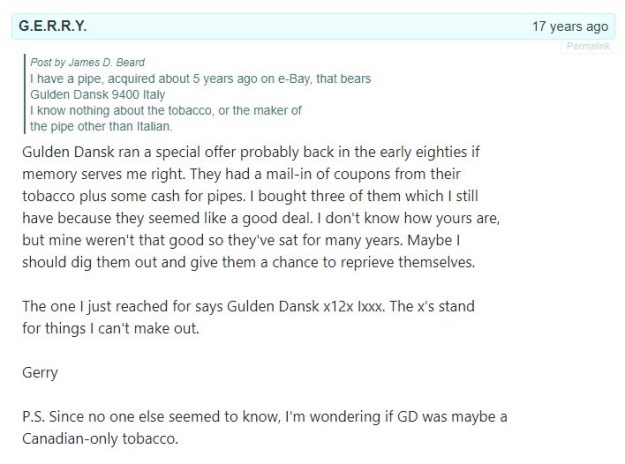
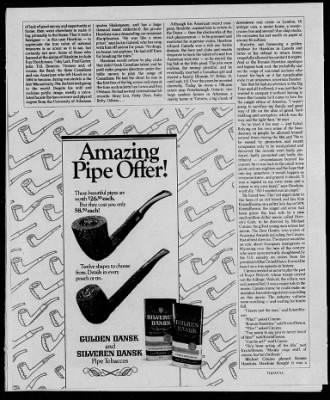
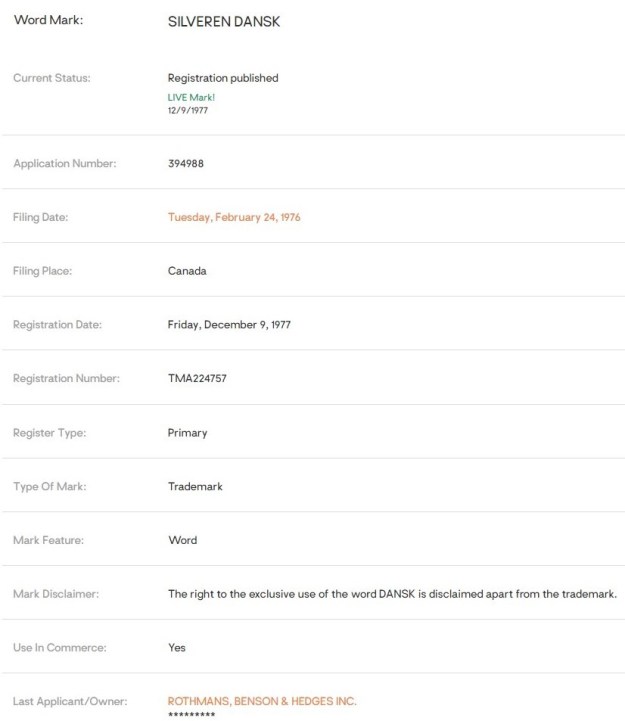
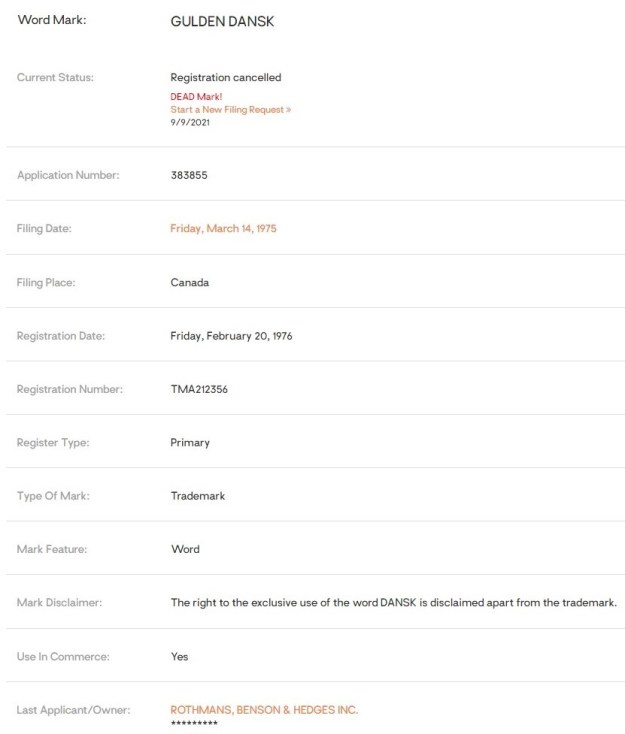
The brands Gulden Dansk and Silveren Dansk are ones about which there is very little information. I cobbled together as much information as I could, and I will do my best to record that here. Both brands are sub-brands of Savinelli, according to smokingpipes.com. You can see in the photo below that smokingpipes.com states this clearly, and they are quite knowledgeable.Pipedia had no information at all regarding these brands. Meanwhile, pipephil.eu had precious little info (see below). One small clue is their reference to Italy in the Gulden Dansk image. Comments from some old pipe forums suggest that the brand(s) might be made for the Canadian market and came to full prominence in the early 1980s. See below.The newspaper ad above (sorry for the poor quality) is taken from the Montreal Gazette, November 1st, 1980. It shows that, in addition to pipes, they also sold tobacco.Furthermore, I found Canadian trademark registrations for both brands. I have shown some of that information below. For reasons unknown, the Silveren Dansk trademark is still active, whilst the Gulden Dansk one has expired. I also found an Australian trademark registration for the same, but it was noted on the Australian site that the origin of the application was Canada. In short, we can say a few things about both Gulden Dansk and Silveren Dansk. They were both made by Savinelli, probably for the Canadian market (and perhaps other markets). The Canadian connection obviously fits with the gentleman in Winnipeg. They made pipes and tobacco, and all the comments I could find on the quality of the pipes were very positive. If you have any further details on these brands, I would love to hear from you.
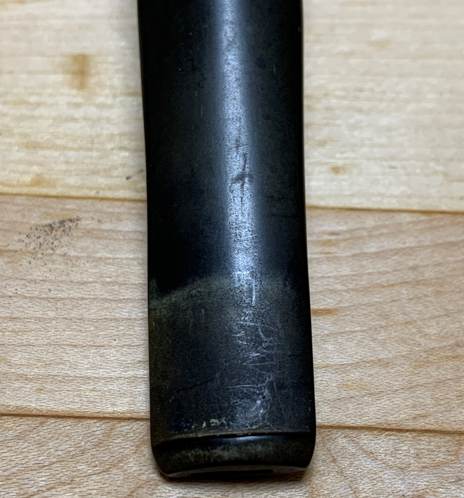
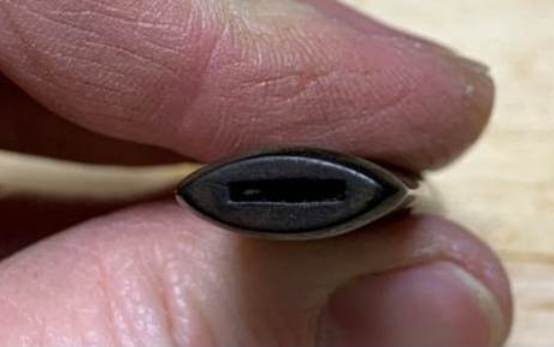
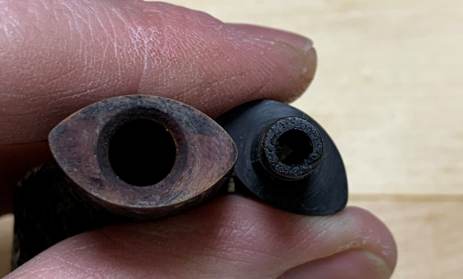
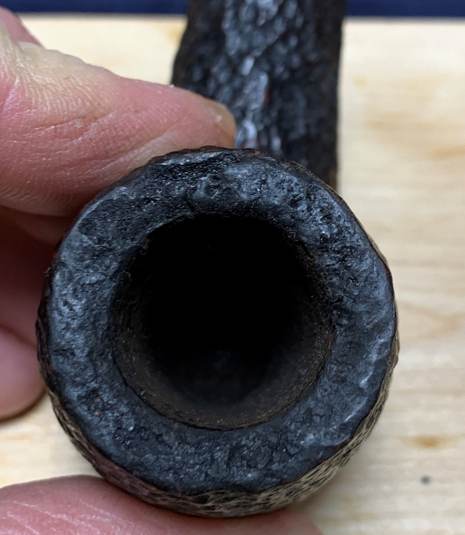
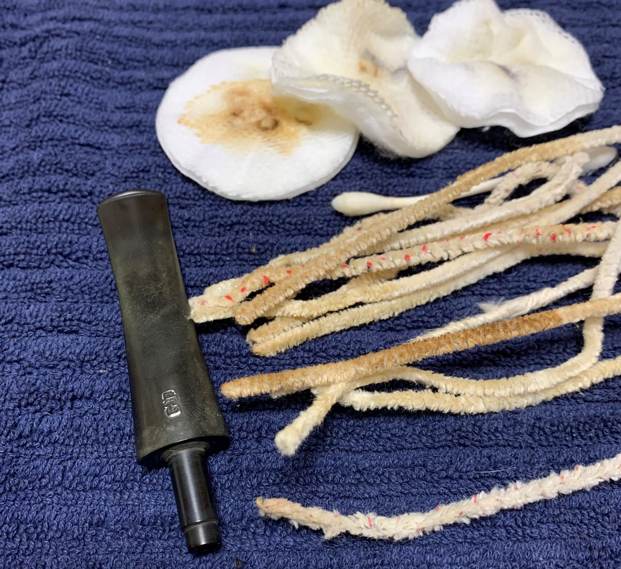
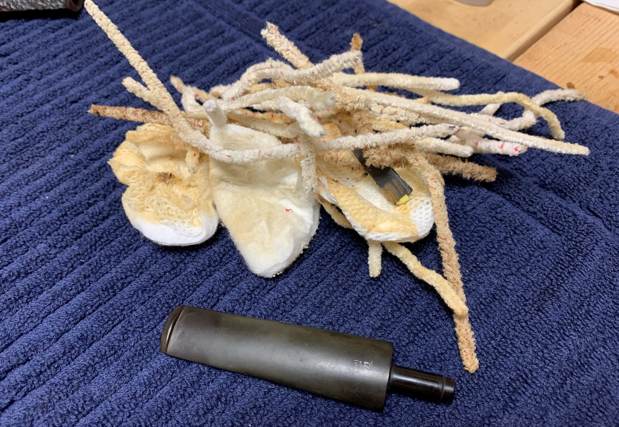
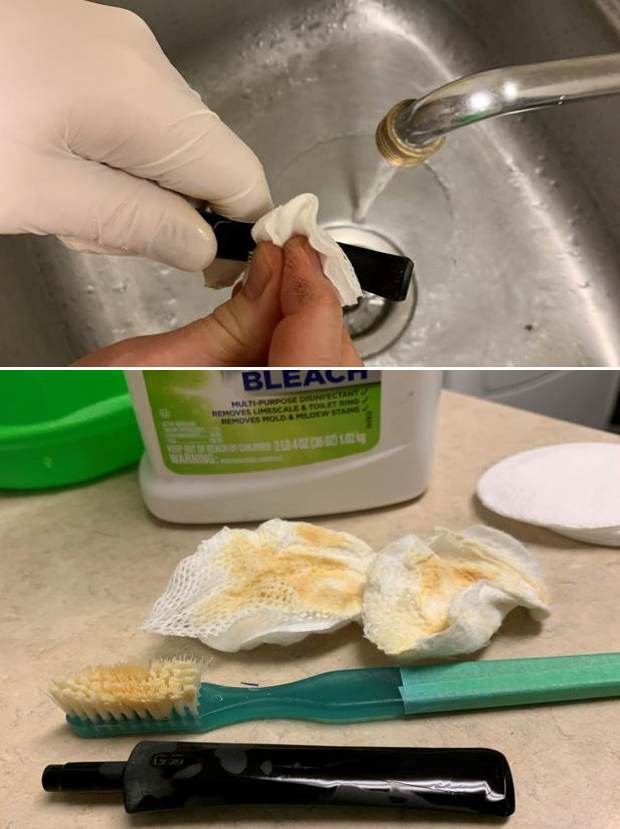
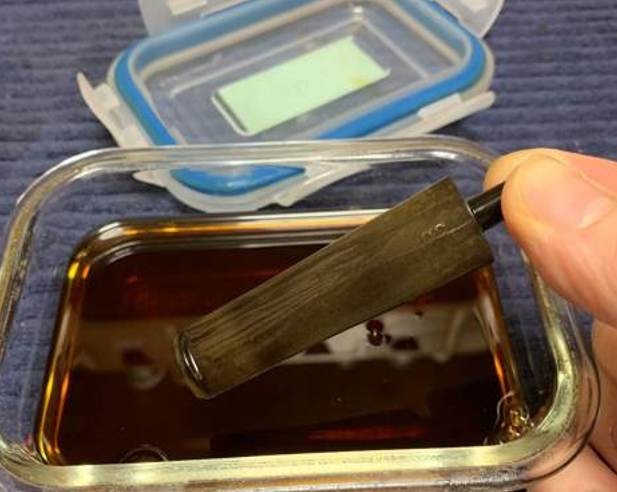
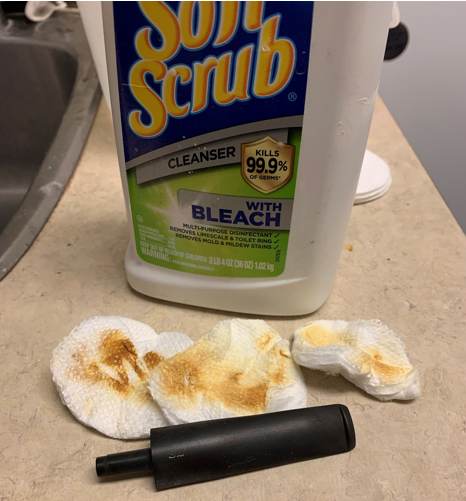
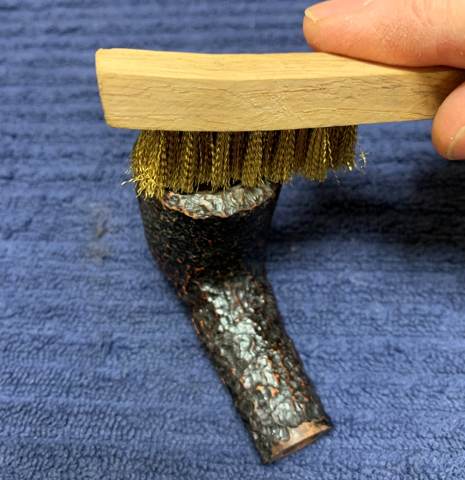
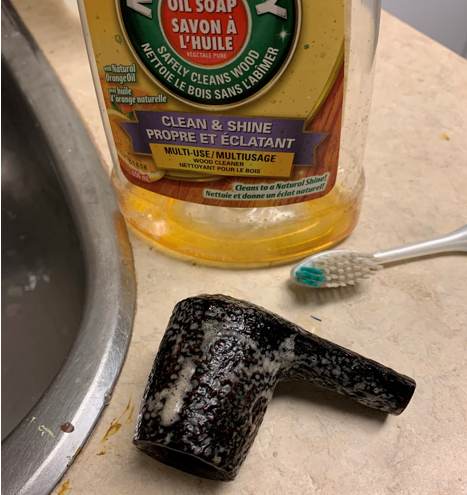
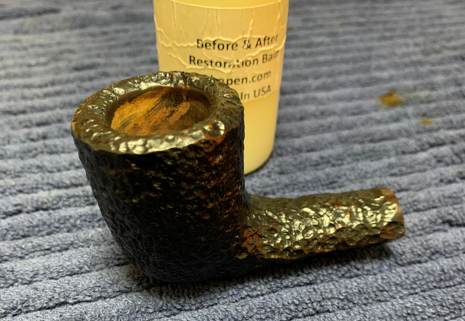
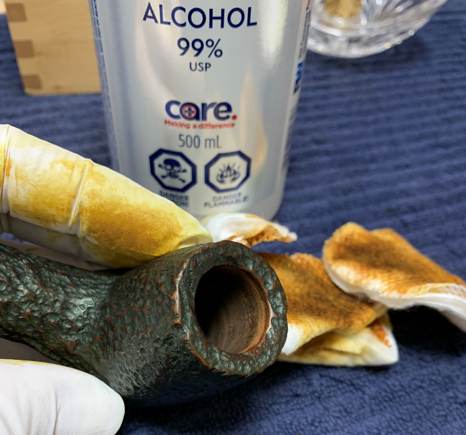
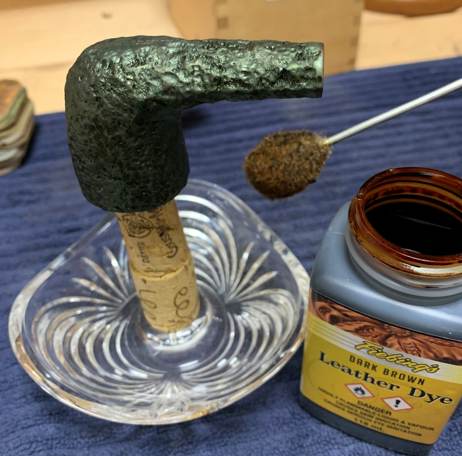
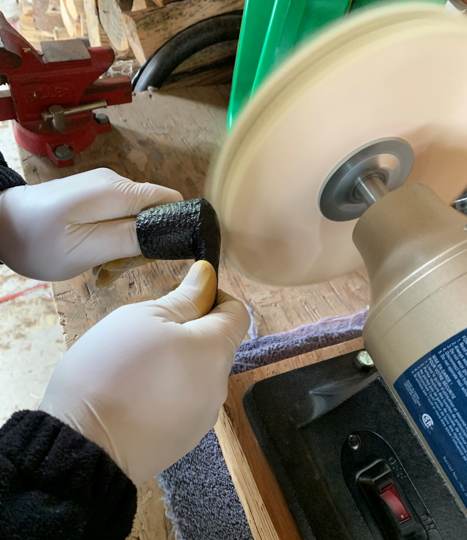
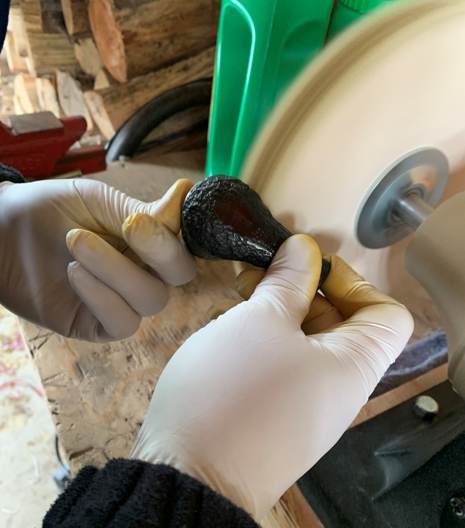
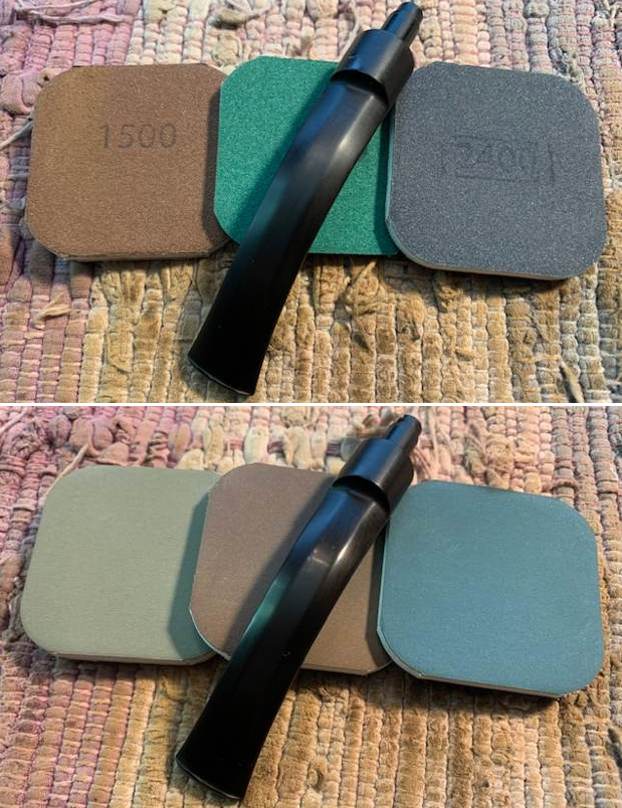
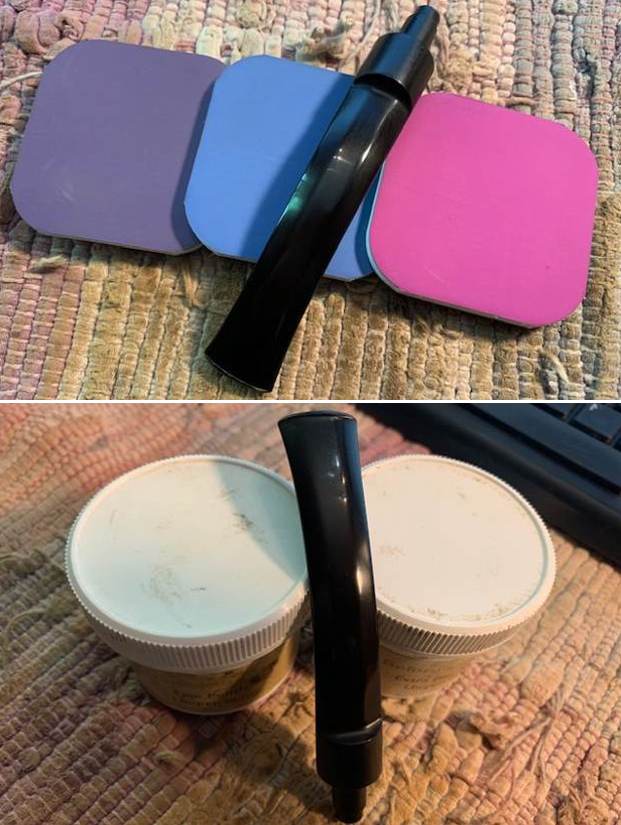
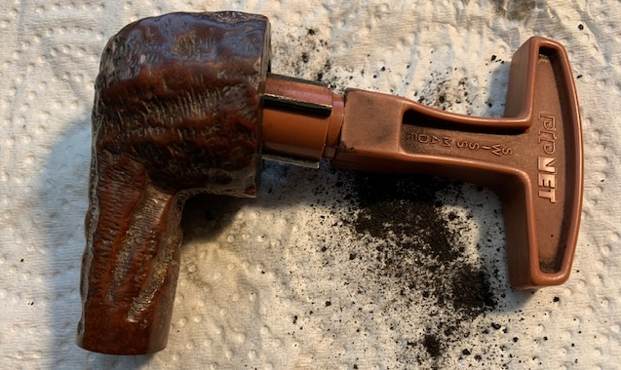
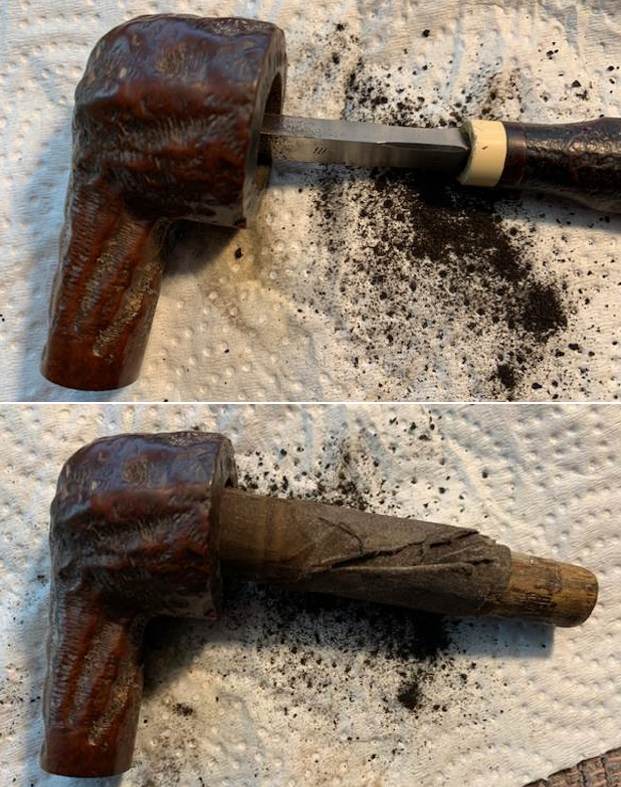
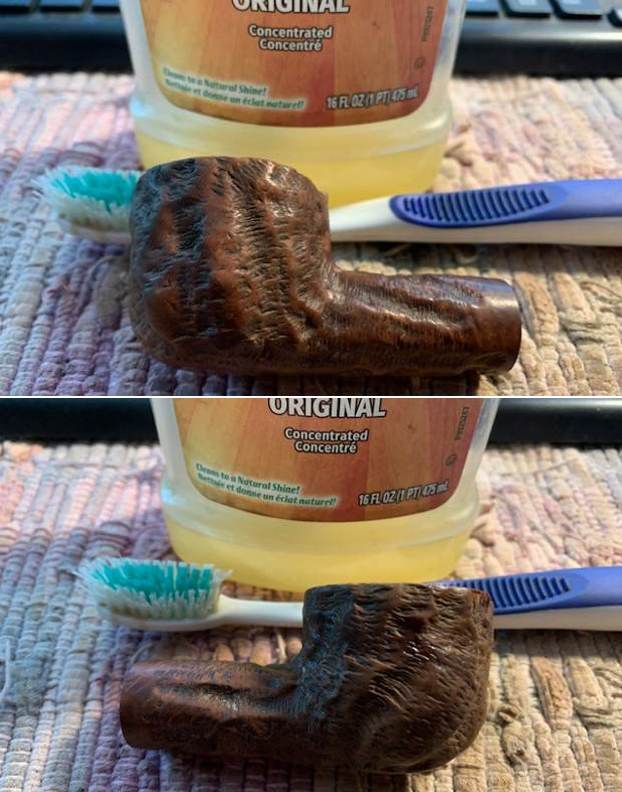
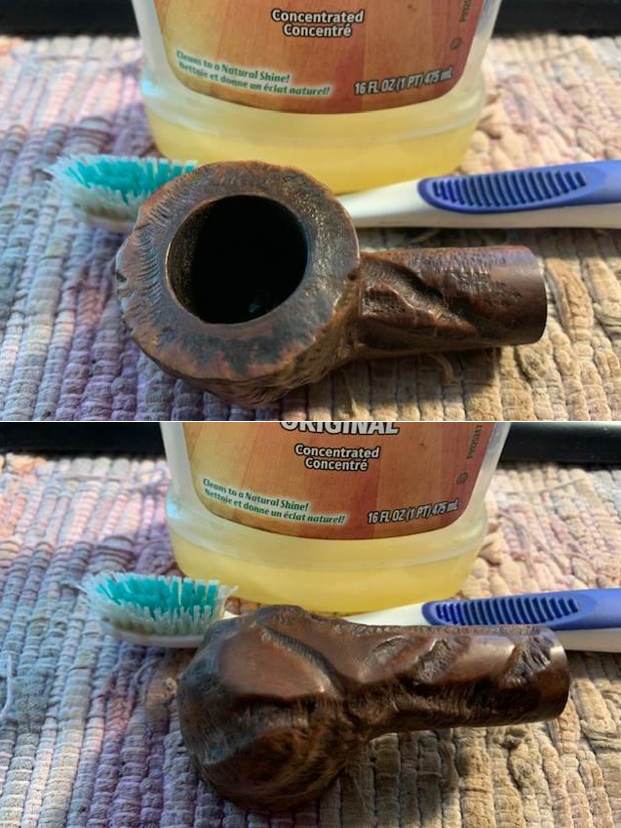
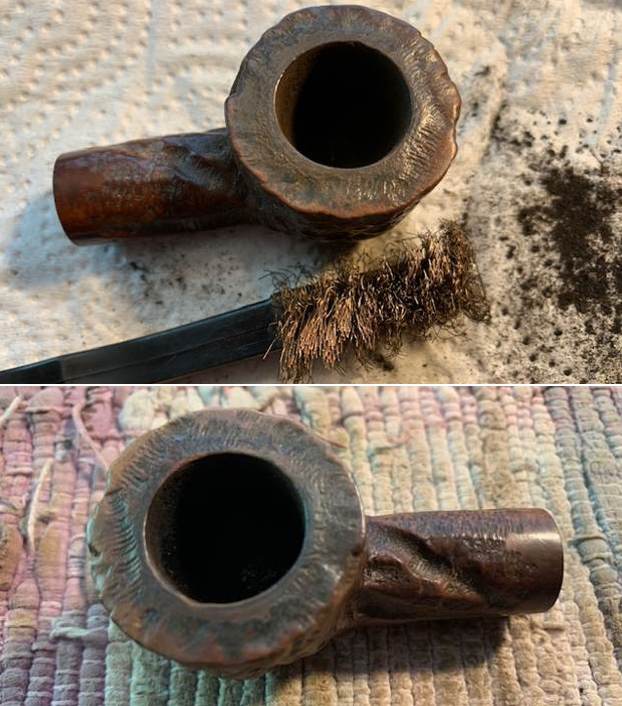
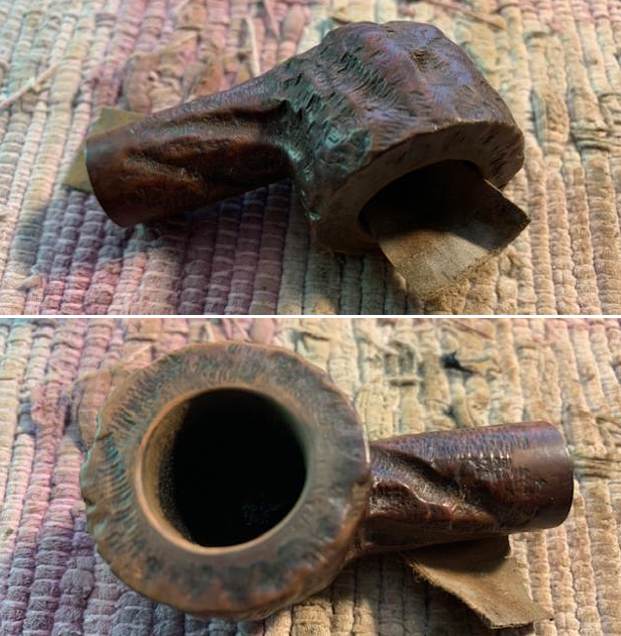
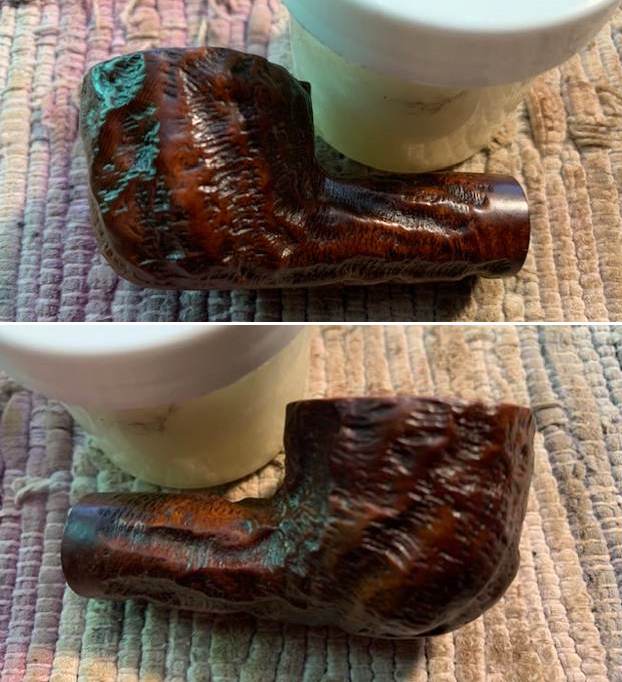
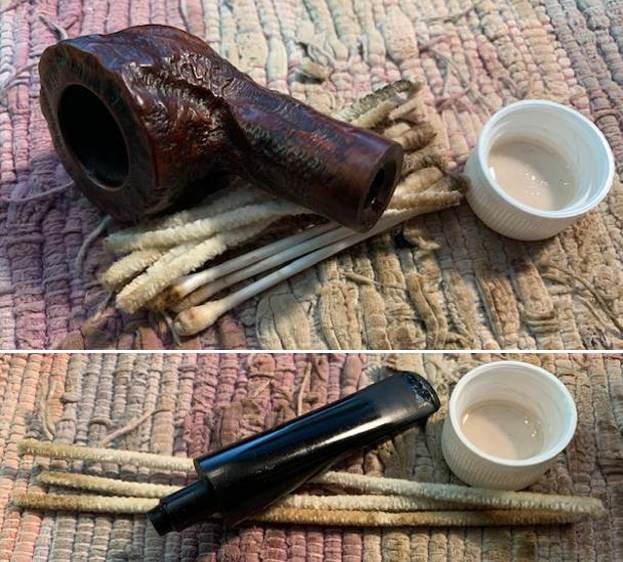
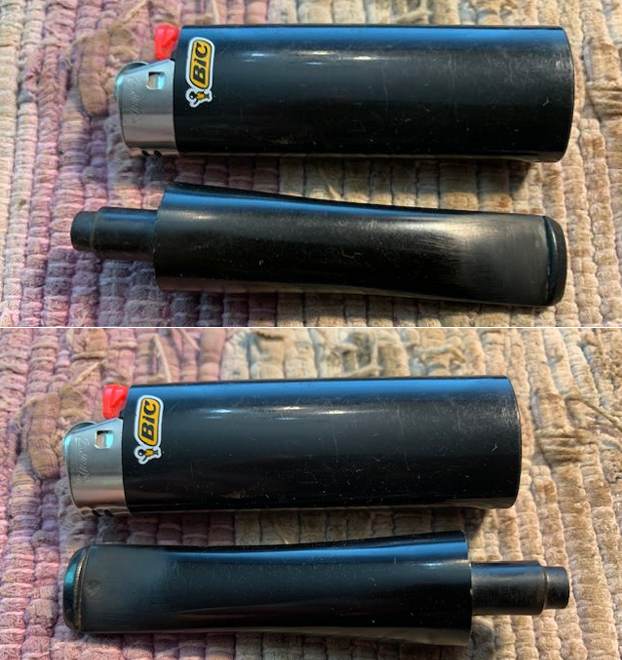
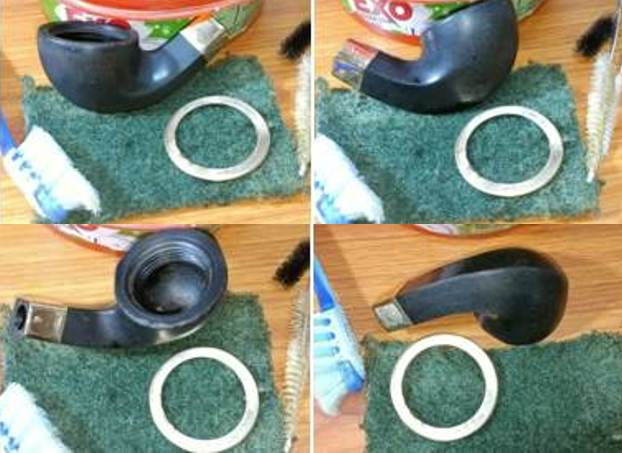
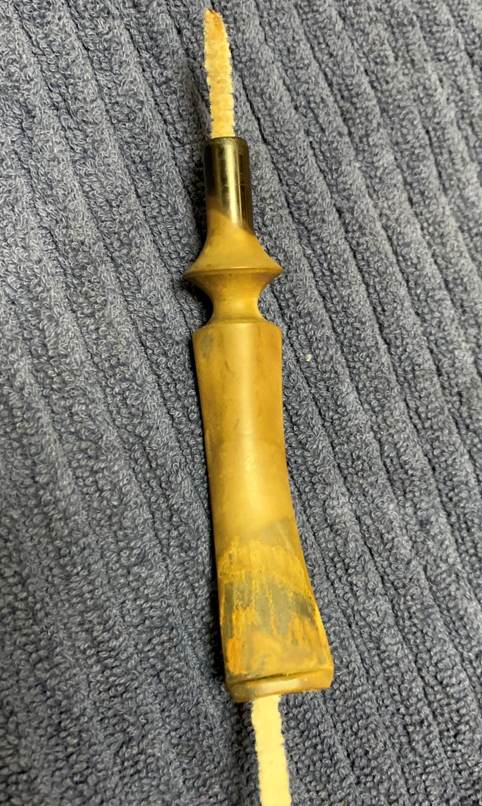
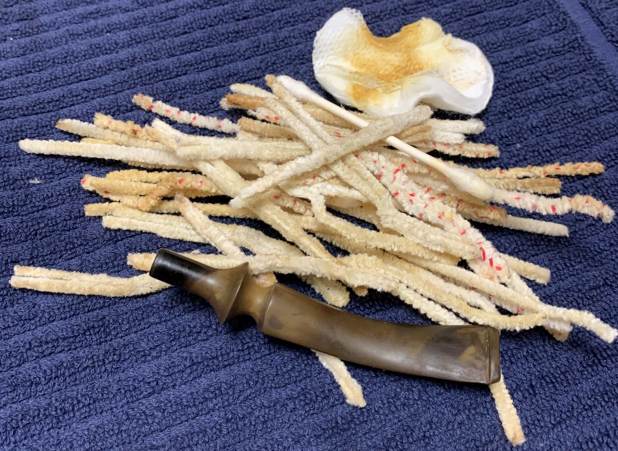
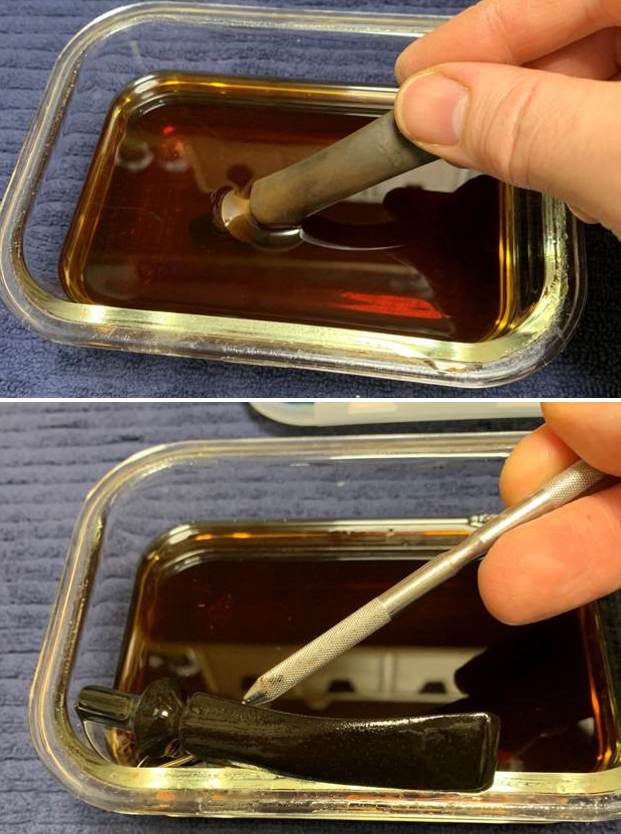
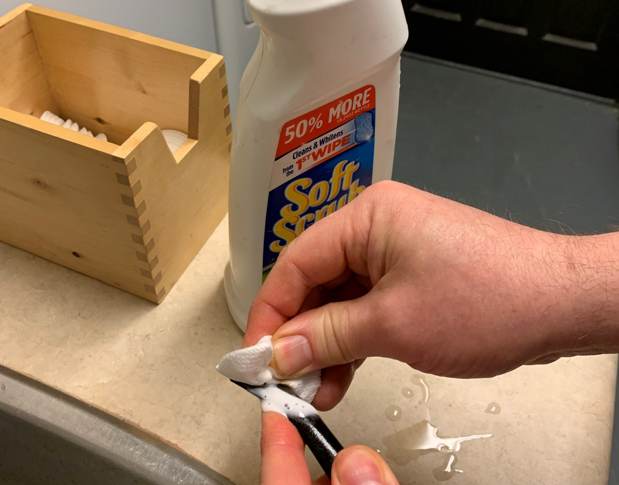
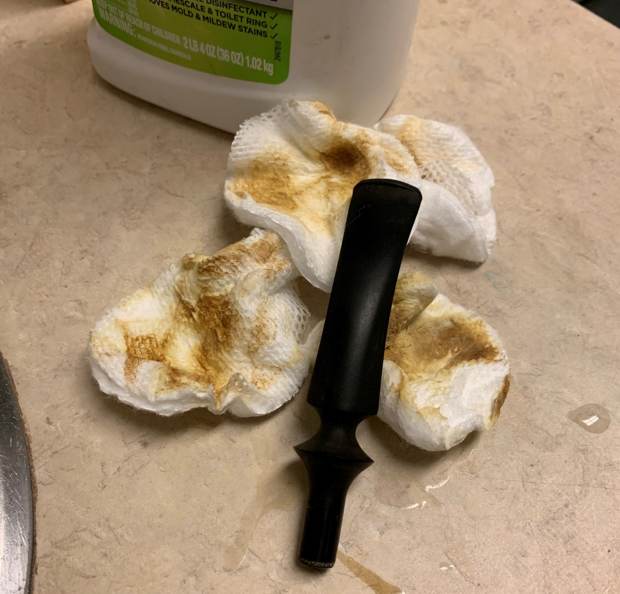
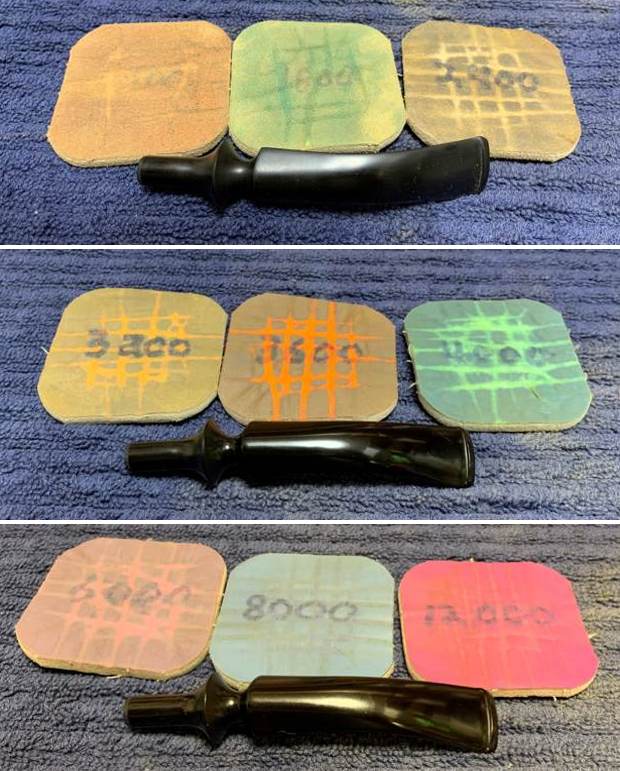
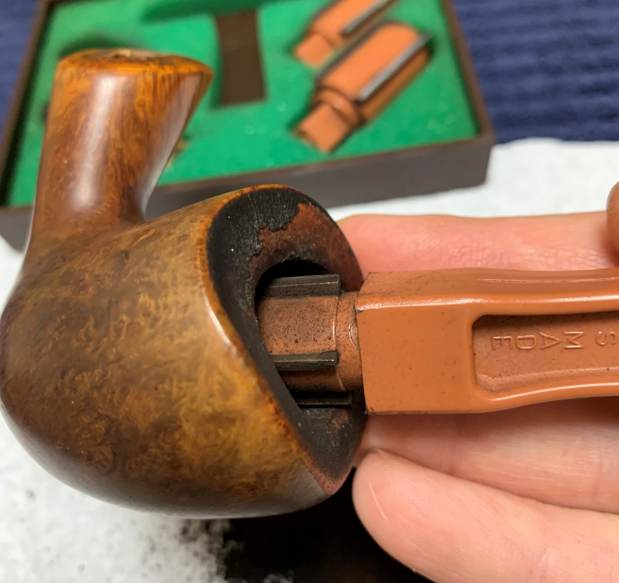
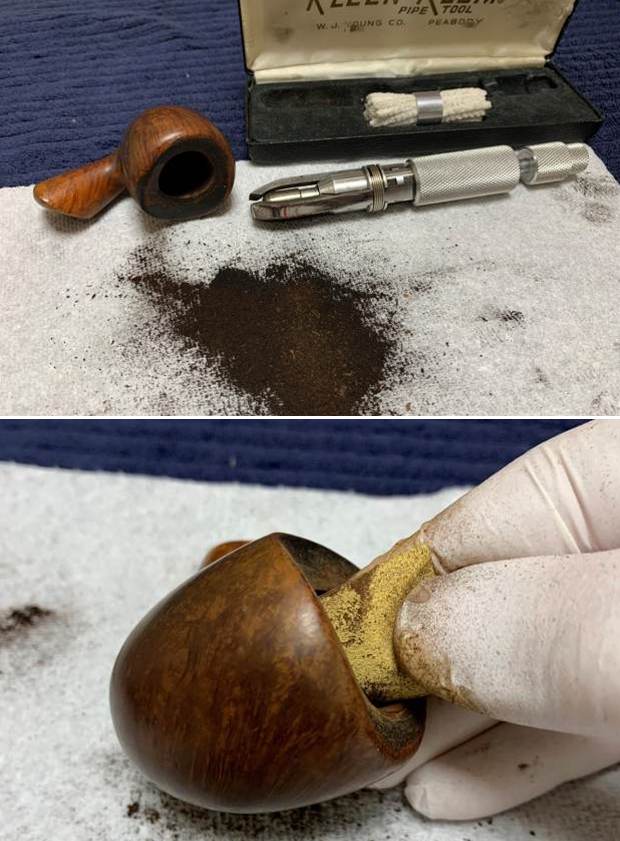
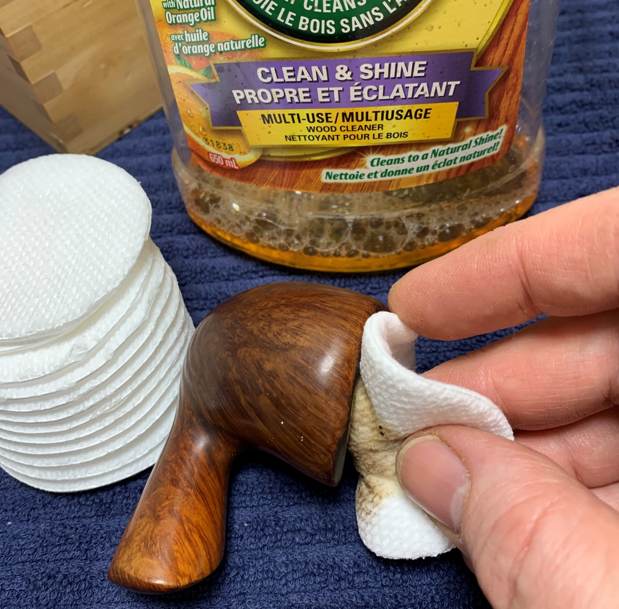
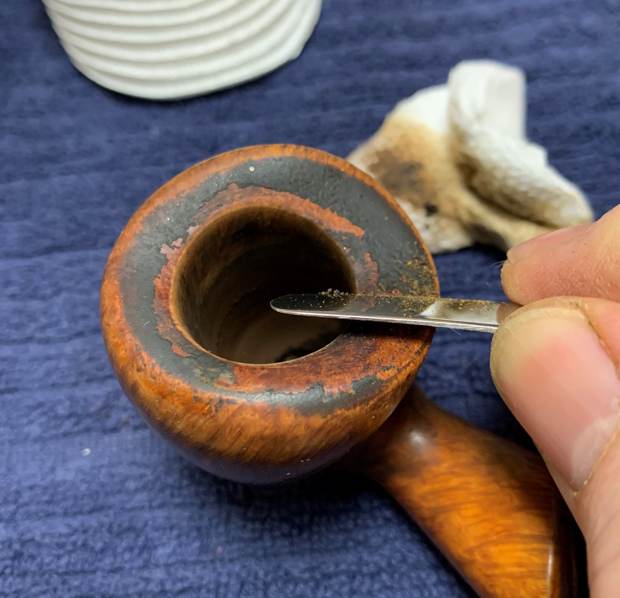
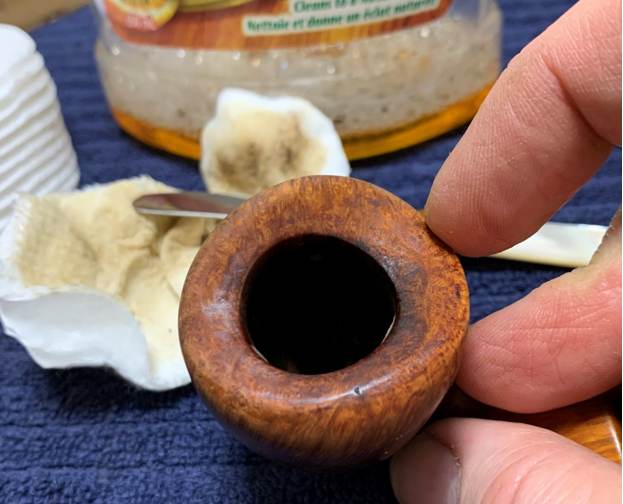
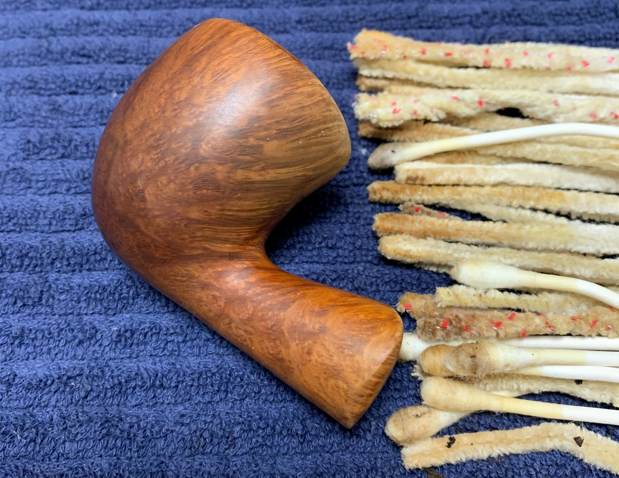
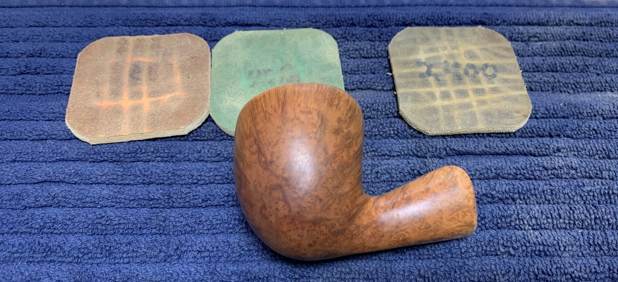
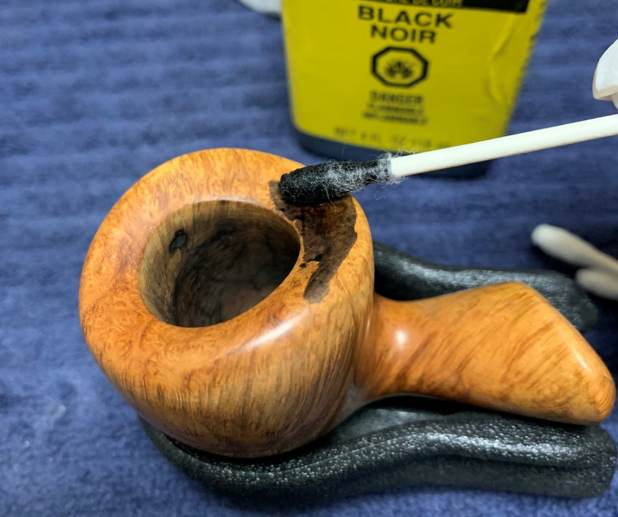
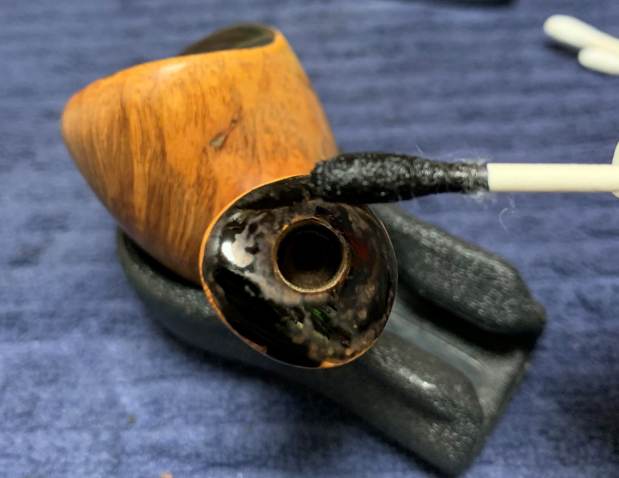
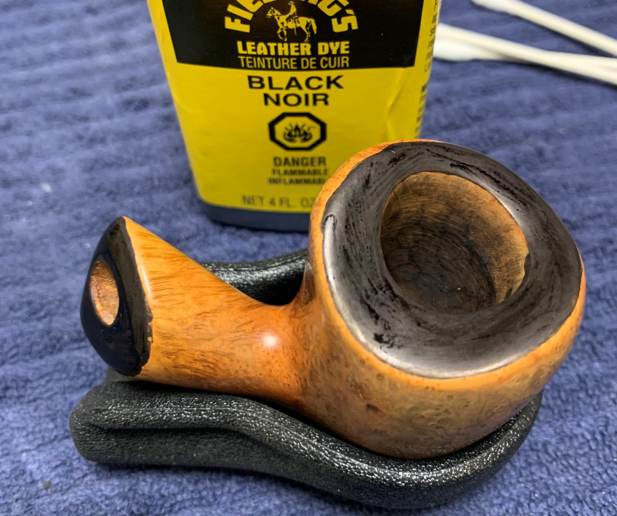
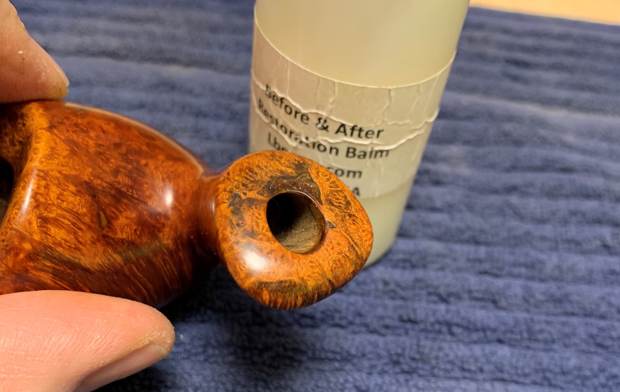
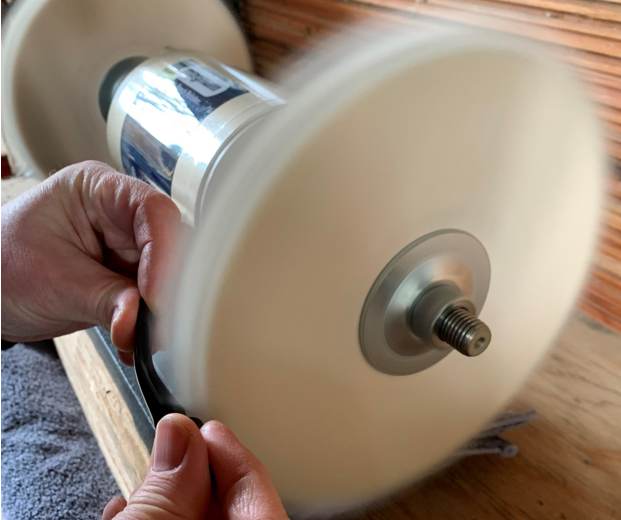
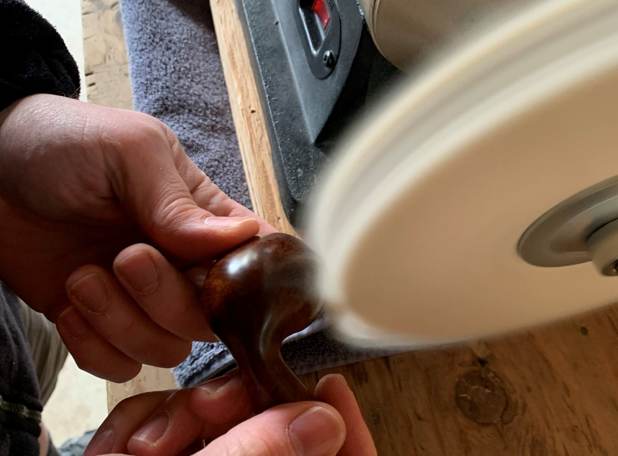
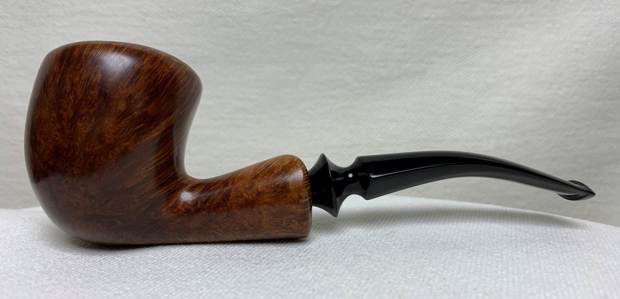
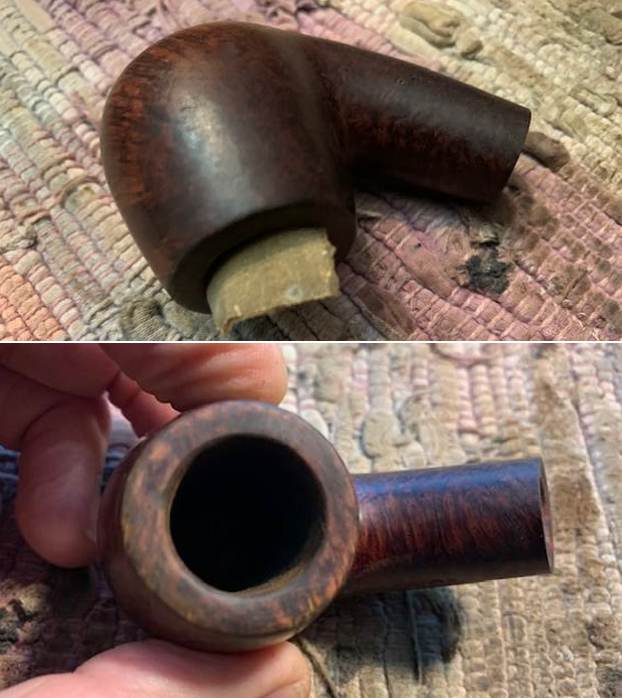
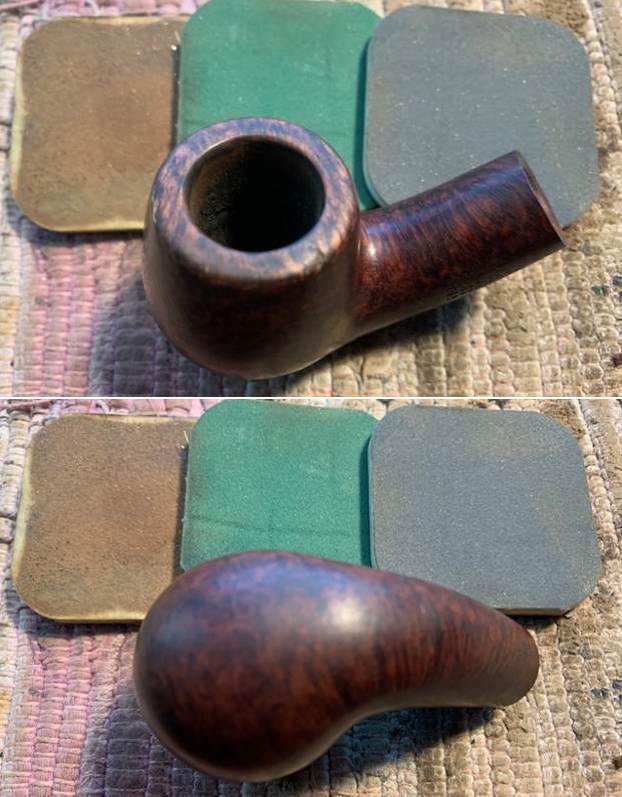
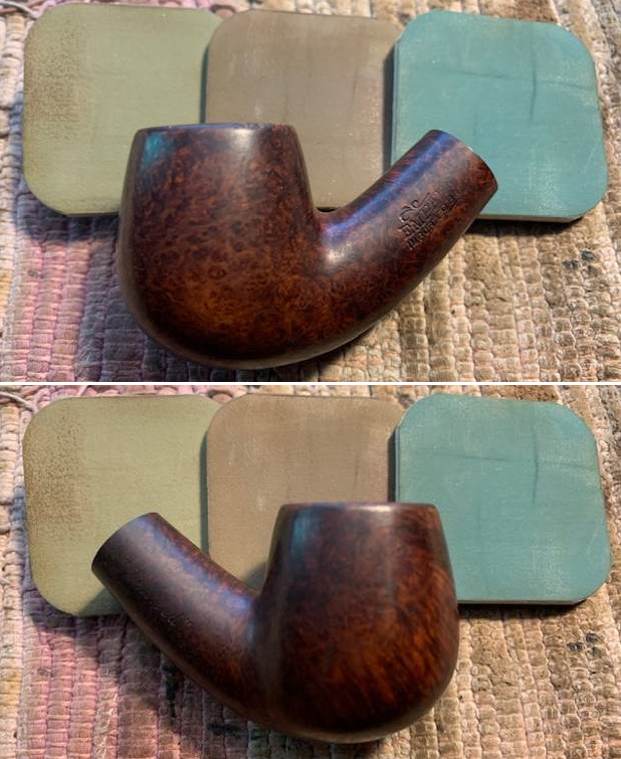
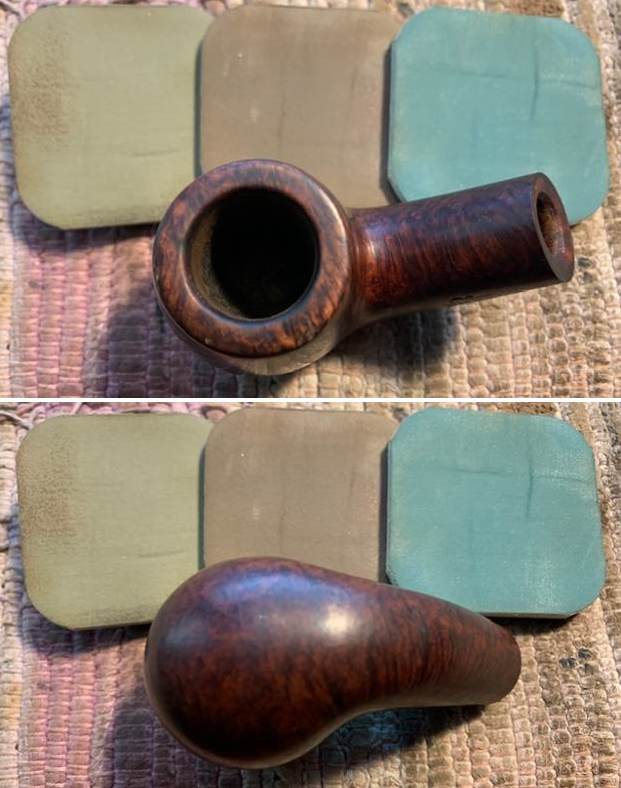
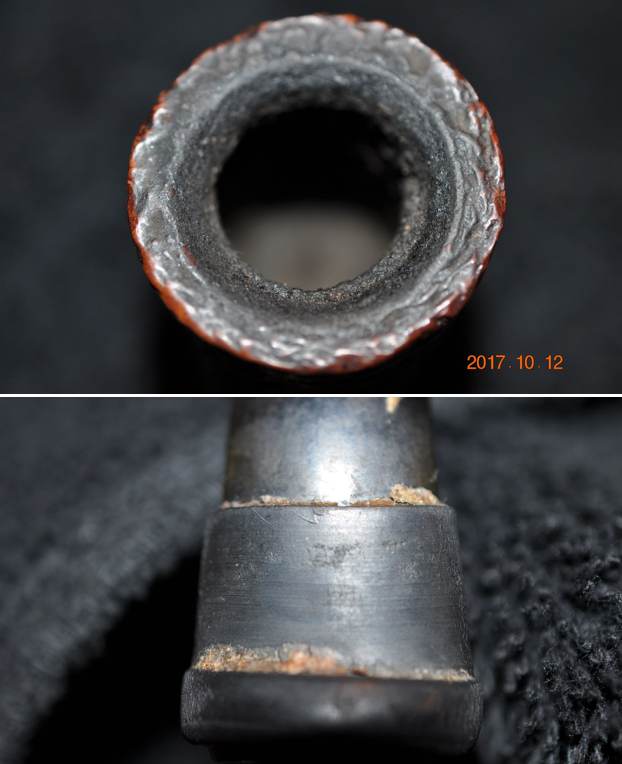
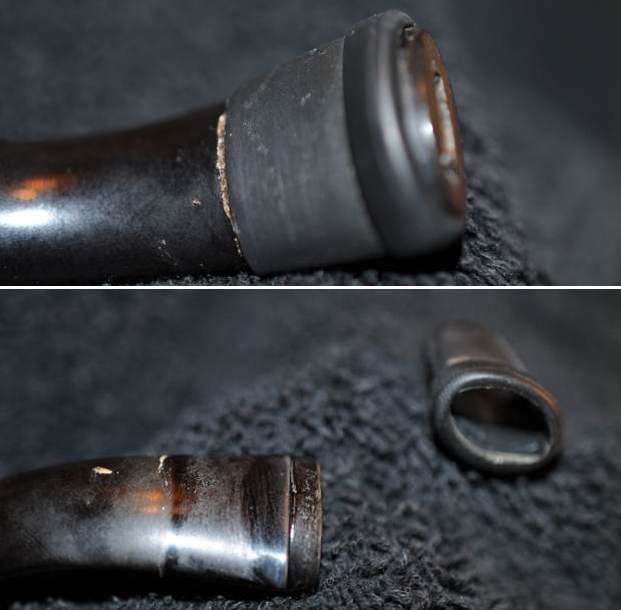
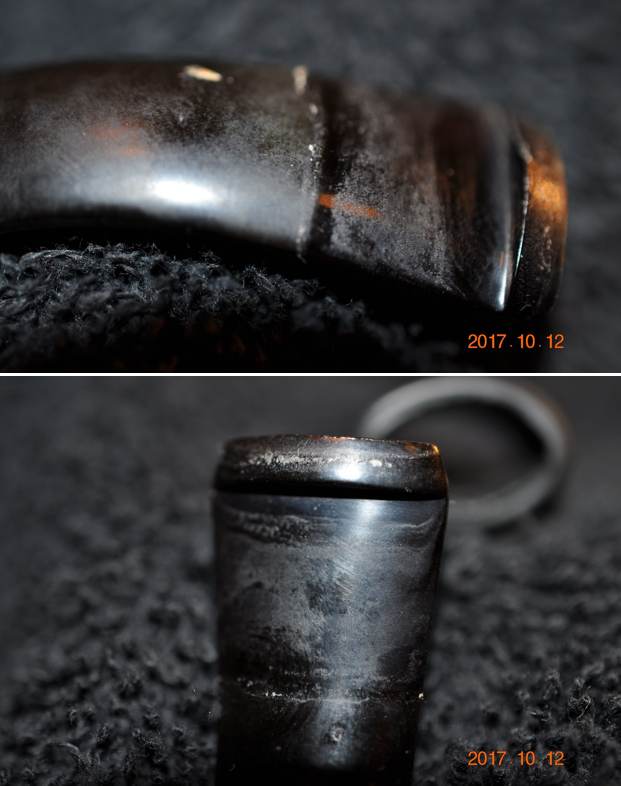
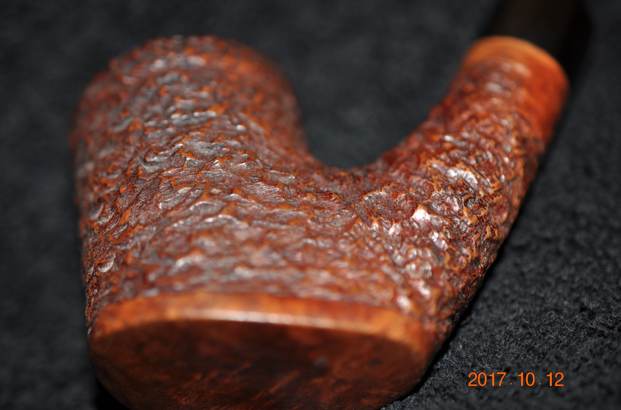
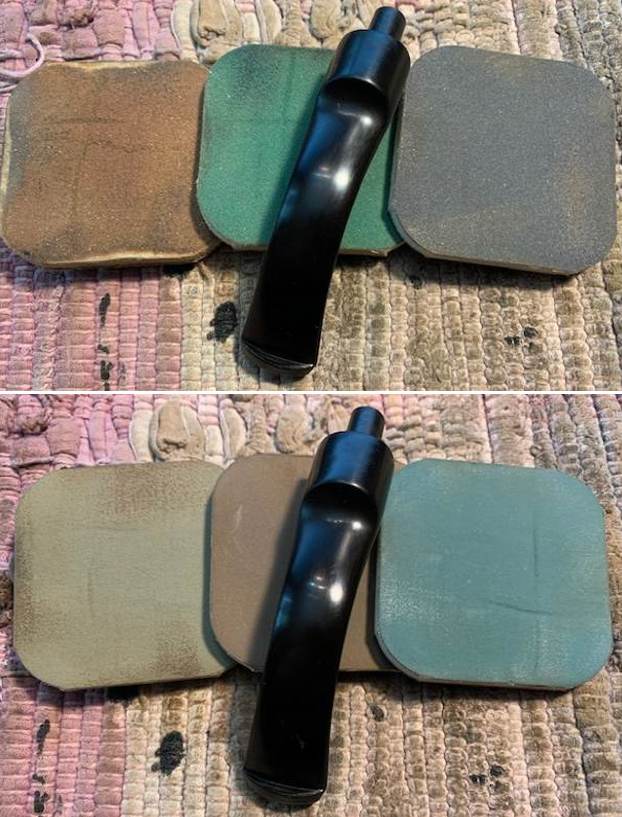
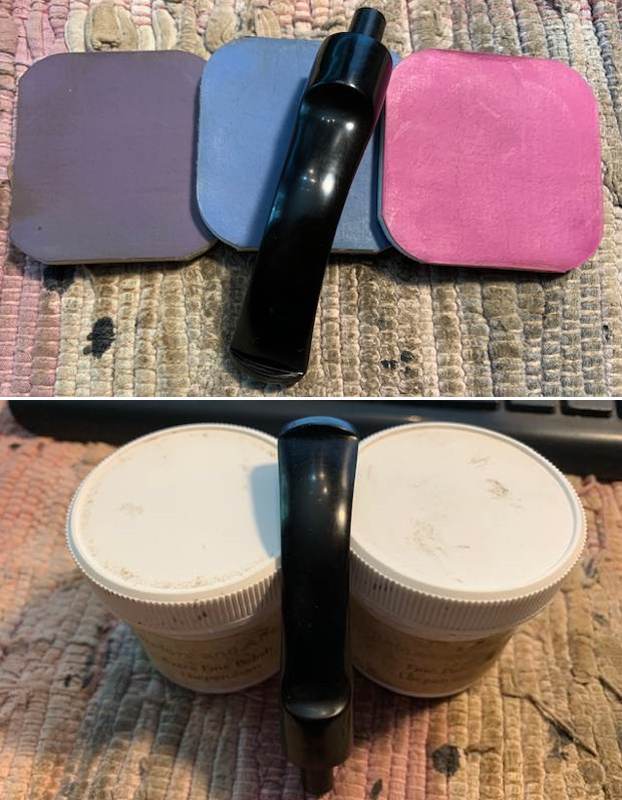
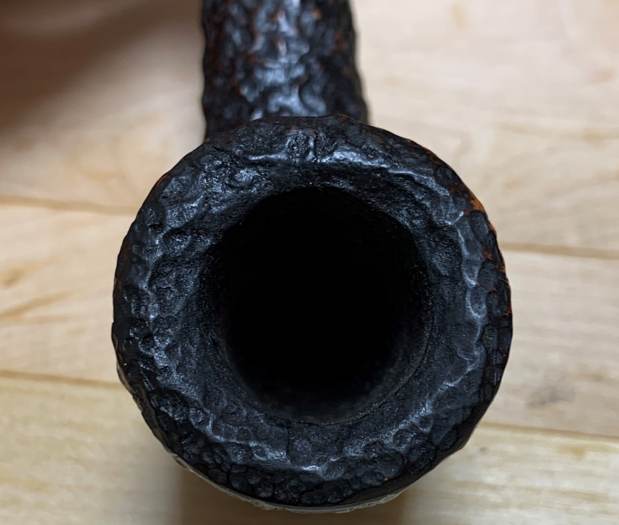
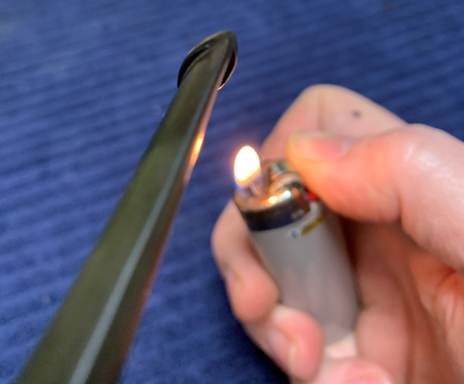
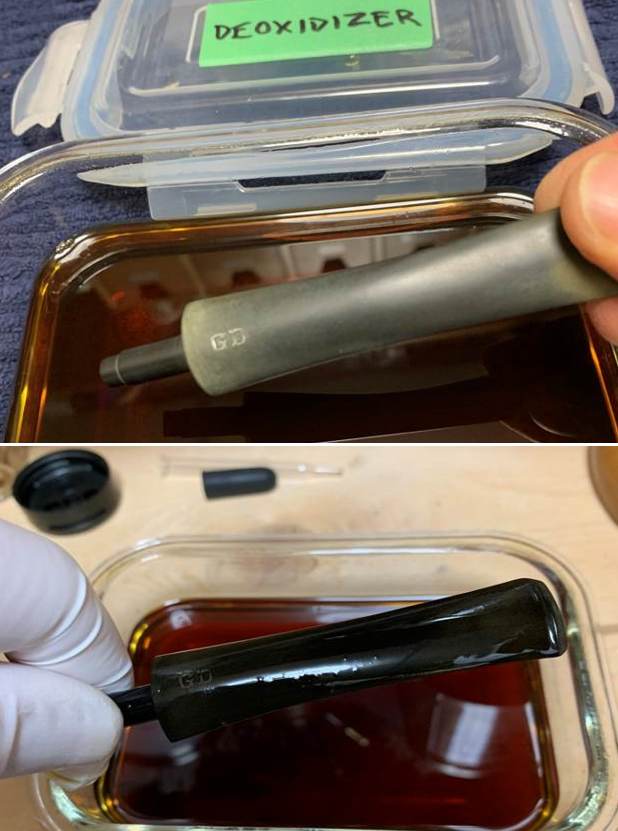
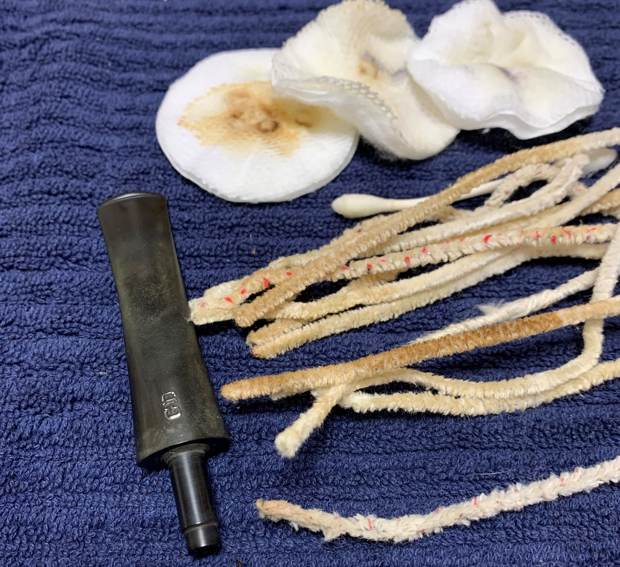
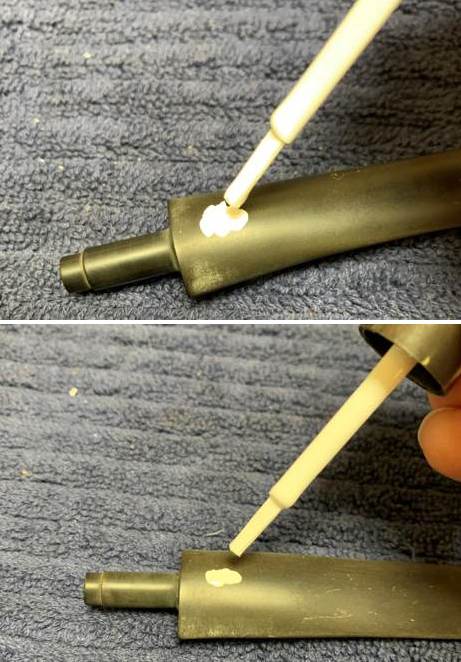
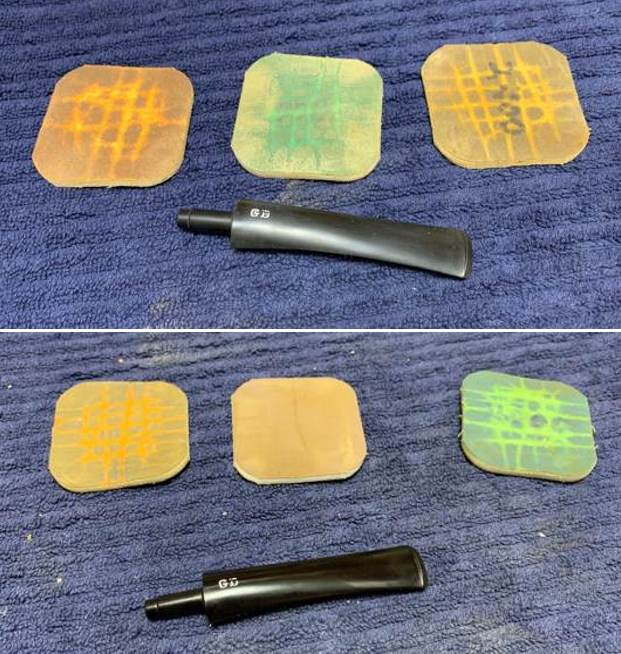
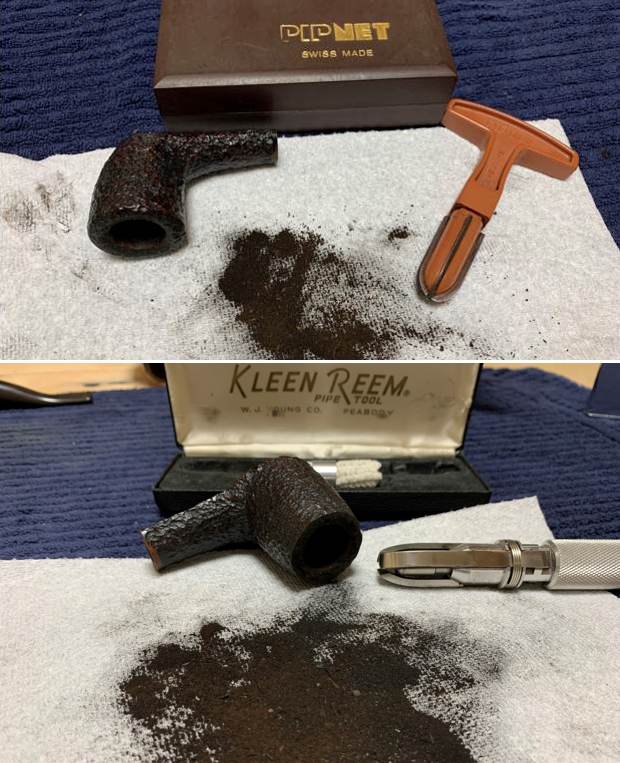
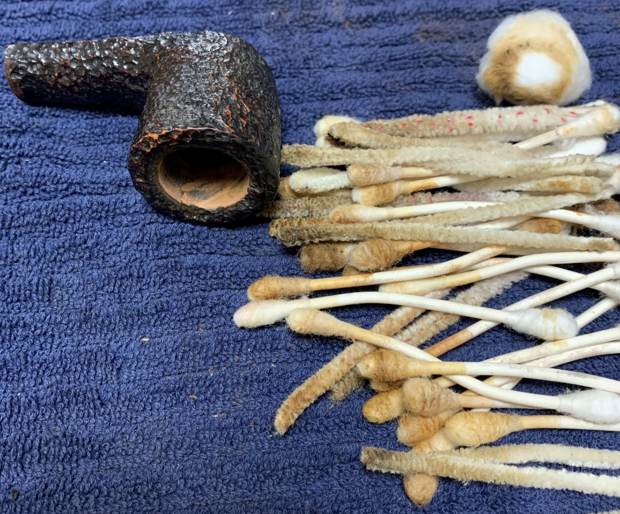
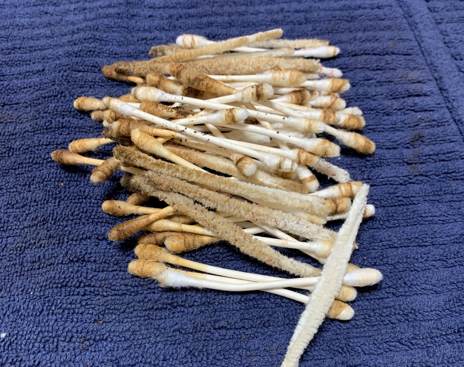
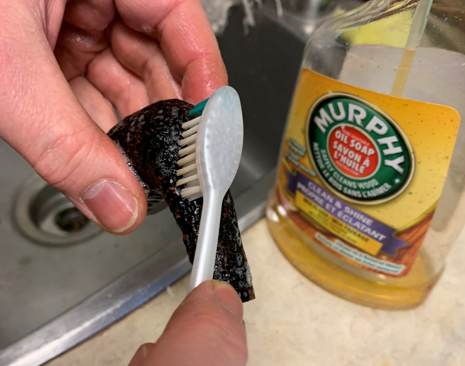
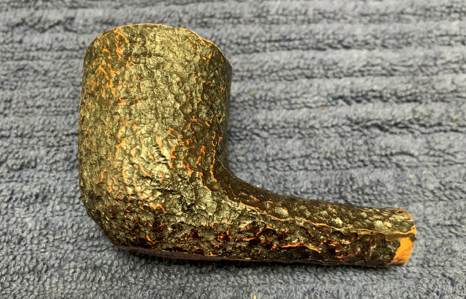
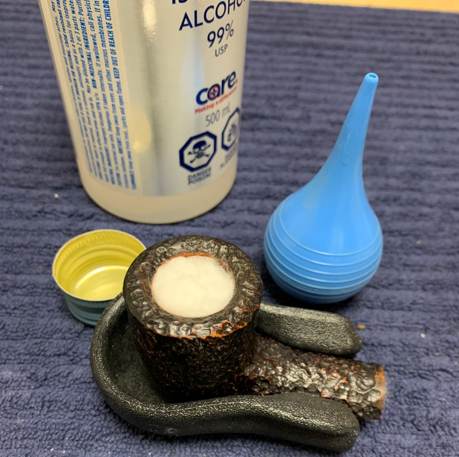
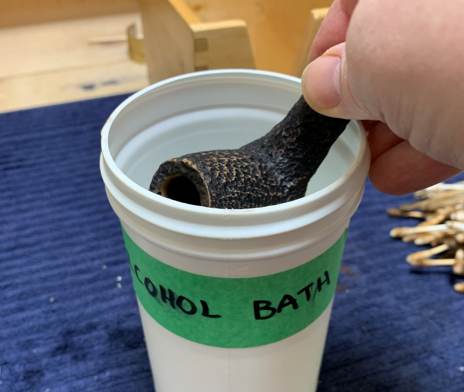
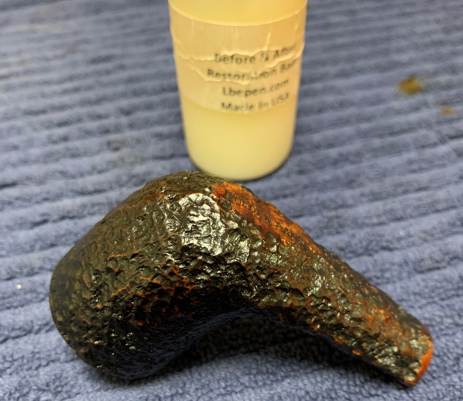
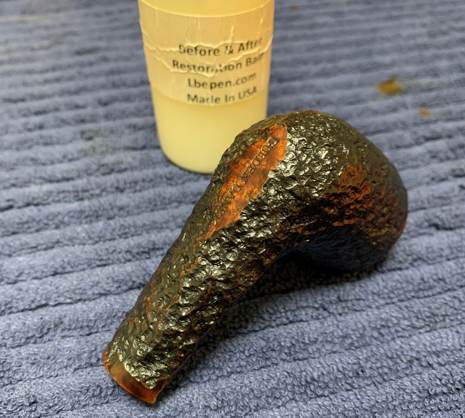
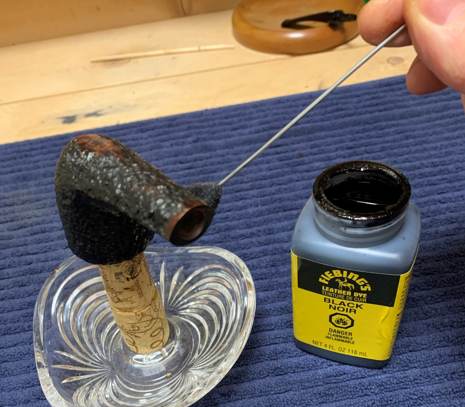
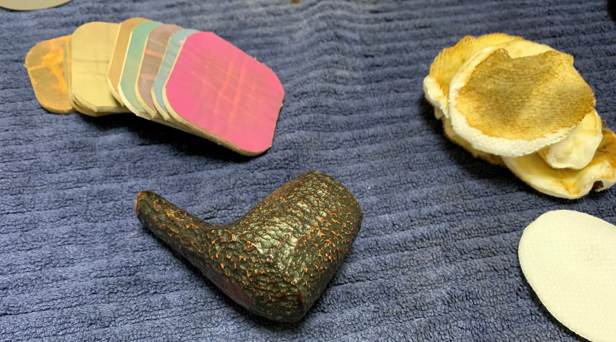
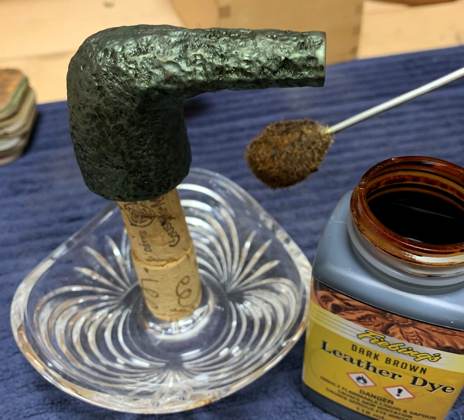
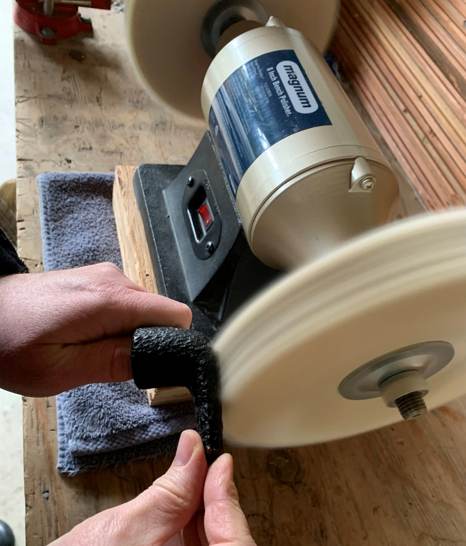
On to the pipes: both were in decent condition — they just looked a little shabby. Both pipes’ stems were dirty and had some oxidation, but the damage from tooth marks was minimal on both. Similarly, the bowls were dirty and definitely needed a cleaning, but there wasn’t any notable damage. The stems were first on my list. I wiped down the outside of the stem with Murphy’s Oil Soap on some cotton pads. I also took a BIC lighter and ‘painted’ the stems with its flame in order to lift the few bite marks and dents. Then I cleaned out the insides with pipe cleaners and isopropyl alcohol. They were fairly dirty, but not too bad and I only went through a handful of pipe cleaners to finish each one. Once this process was done, the stems went for an overnight soak in the Pipe Stem Oxidation Remover. The following day, I cleaned all of the de-oxidizing mess off with alcohol, pipe cleaners, et cetera. The oxidation had migrated to the surface and would be fairly straightforward to remove. I scrubbed with SoftScrub on some cotton pads to remove the leftover oxidation on each stem. After this, I used some nail polish to restore the two letters on each stem. I painted the area carefully and let it fully set before proceeding. It’s worth noting that the GD ultimately emerged from the restoration far better than the SD. Presumably, the SD had been rubbed more over time and lost some of its groove (literally, not figuratively).Then I sanded the stems down with 220-, 400-, and 600-grit sandpapers. Finally, I used all nine Micromesh pads (1,500 through 12,000 grit) to bring out the lovely black lustre on the stems. I also used Obsidian Pipe Stem Oil in between each pad scrubbing.On to the stummels, and the usual cleaning procedures were in order for these two. Firstly, I decided to ream out the bowls. I used the PipNet Reamer on Gulden and the KleenReem on Silveren to remove the built-up cake and followed that with 220-grit sandpaper to eliminate as much as I could. I took the two chambers down to bare briar, as I wanted to ensure there were no hidden flaws in the walls. Fortunately, there were none. I then proceeded to clean out the insides of the two shanks with Q-tips, pipe cleaners, and isopropyl alcohol. There was quite a bit of filth inside these stummels, and it took a lot of cotton to get them clean. I followed that up by cleaning the insides with some dish soap and tube brushes. I used a wire brush and some Murphy’s Oil Soap to remove the lava on the rims of the two pipes. This worked very well. I then moved on to cleaning the rustication on the outside of the stummels with Murphy’s and a toothbrush. That removed any latent stains that blighted the wood. A de-ghosting session also seemed in order, so I thrust cotton balls into the bowls and the shanks and saturated them with 99% isopropyl alcohol. I let the stummels sit overnight. This caused the oils, tars and smells to leach out into the cotton. The bowls were nice and clean after this.I wanted to redo the finish on the pipes: it may have looked good once upon a time, but no longer. So, I opted to soak the stummels in isopropyl alcohol overnight. This will usually remove some of the deteriorating finish I was faced with. When I took the stummels out of the alcohol bath, I scrubbed the wood with a brush (to remove any remnants) and left it to dry. At this point, I rubbed some Before & After Restoration Balm into the briar and left it to sit for 10 or 15 minutes. It really does wonderful things to the wood. On to the staining. This turned out to be an unnecessarily laborious and error-strewn procedure. As I don’t want to bore you with the details of my minor blunders, I will simply give you the quick and dirty version of the staining procedure. I began by applying a layer of Fiebing’s Black Leather Dye to both pipes. After applying the dye, flaming it with a BIC, and letting it set for a few hours, I wiped the stummels down with isopropyl alcohol to remove much of the dye. I wanted to achieve a two-tone effect of black and brown to replicate what had been there originally. Then it was time for the second round of staining. To do this, I applied some of Fiebing’s Medium Brown Leather Dye over both stummels. As before, I applied flame from a BIC lighter in order to set the colour. I then used all nine Micromesh pads (1,500 through 12,000 grit) on the stummels to polish the surface. I then added a second coat – just to make sure. It looked so much better with a richer colour. Once again, I wiped the stummels down with isopropyl alcohol to remove any excess. After that, a light application of Before & After Restoration Balm brought out the best in the stummels’ grain. These siblings are a good-looking pair and they feel great in the hand!  Then it was off for a trip to the bench polisher. A dose of White Diamond and a few coats of Conservator’s Wax (from Lee Valley) were just what these two pipes needed. Boy – that wax really makes these pipes pop! The lovely shine made the wood look absolutely beautiful. The Gulden Dansk and Silveren Dansk look fantastic and are ready to be enjoyed again by the next owner. I am pleased to announce that these pipes are for sale! You can buy them either individually or as a set (as you wish). If you are interested in acquiring them for your collection, please have a look in the “Italy” pipe section of the store here on Steve’s website. You can also email me directly at kenneth@knightsofthepipe.com. The approximate dimensions of the Gulden Dansk Dublin are as follows: length 5⅛ in. (130 mm); height 1¾ in. (45 mm); bowl diameter 1⅜ in. (35 mm); chamber diameter ¾ in. (19 mm). The weight of the pipe is 1¼ oz. (35 g). The approximate dimensions of the Silveren Dansk poker/sitter are as follows: length 5⅝ in. (143 mm); height 2 in. (51 mm); bowl diameter 1⅛ in. (29 mm); chamber diameter ¾ in. (19 mm). The weight of the pipe is 1½ oz. (44 g). I hope you enjoyed reading the story of this restoration as much as I did restoring them. If you are interested in more of my work, please follow me here on Steve’s website or send me an email. Thank you very much for reading and, as always, I welcome and encourage your comments.
What is a City de Luxe Gold Star Unique Freehand?


Blog by Steve Laug

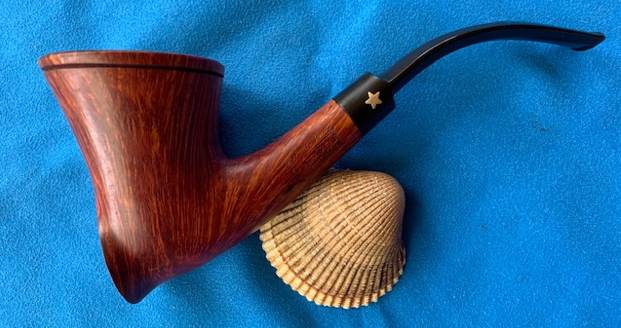
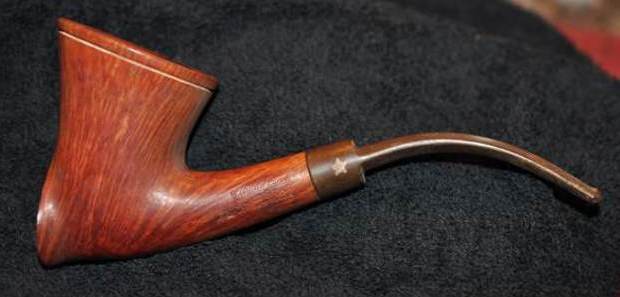
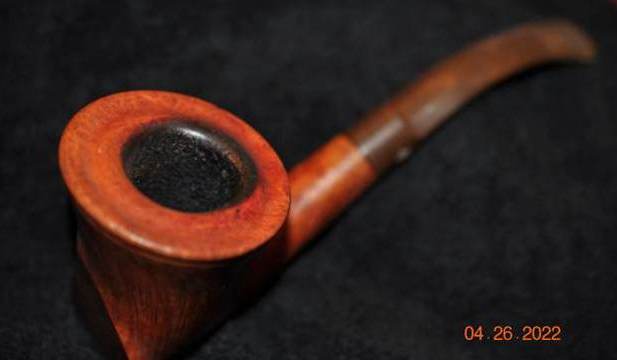
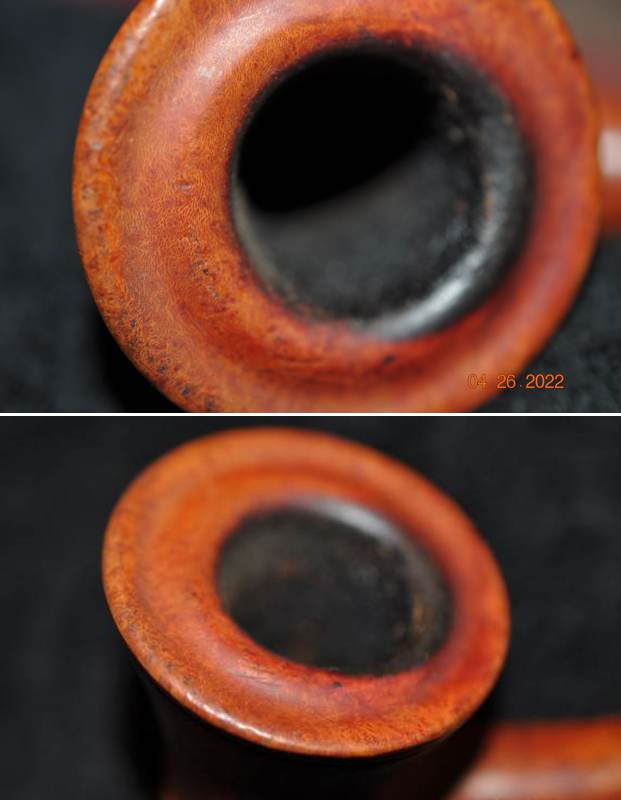
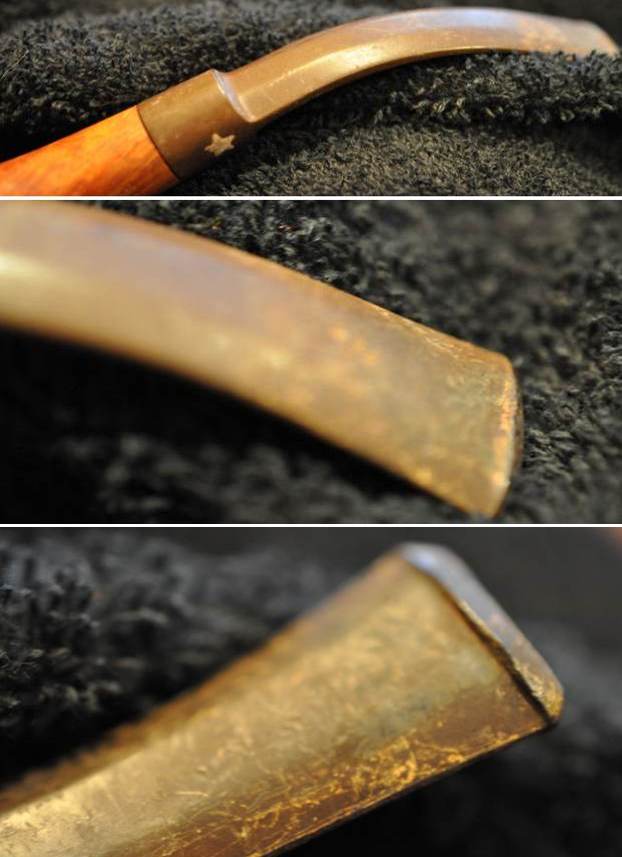
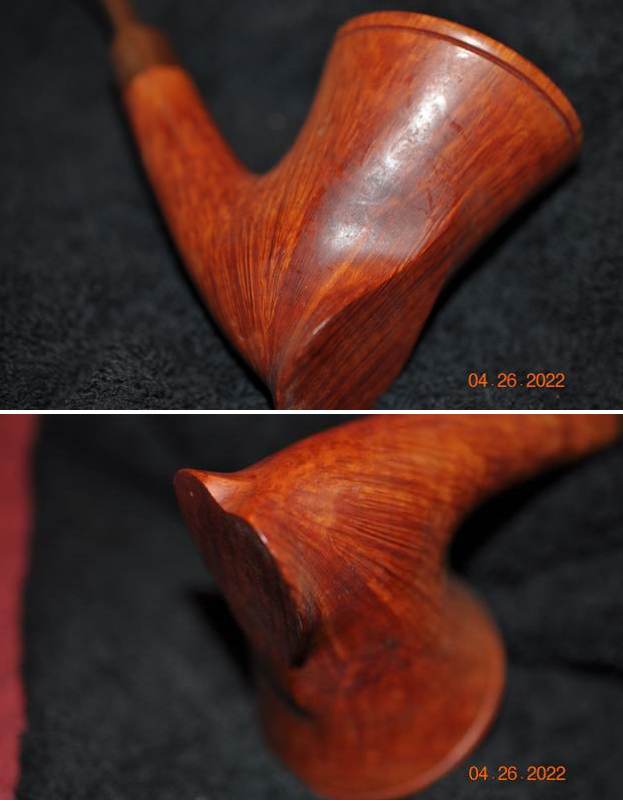
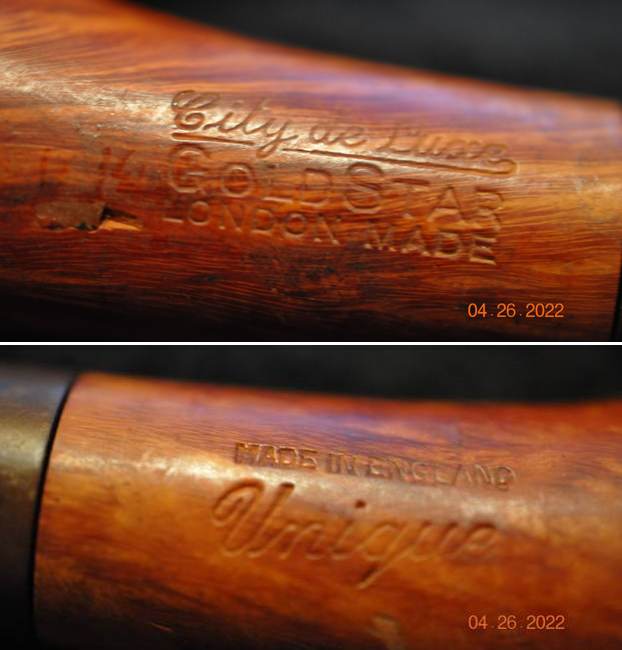
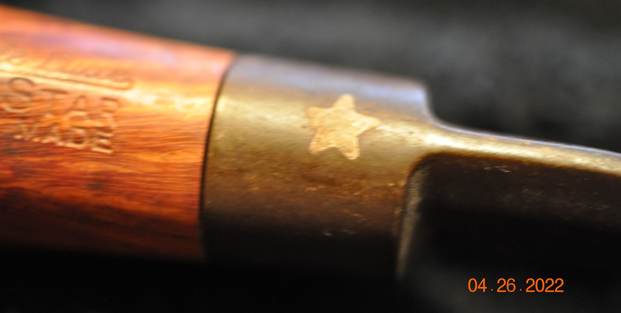
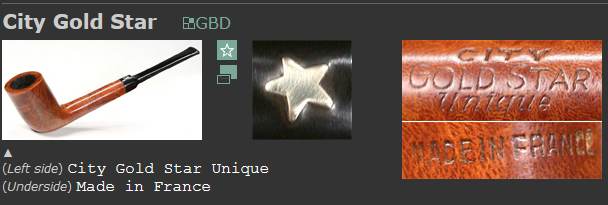
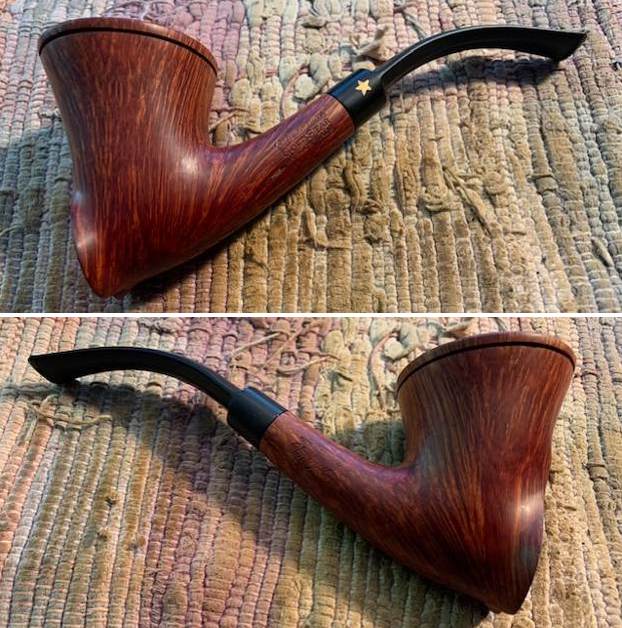
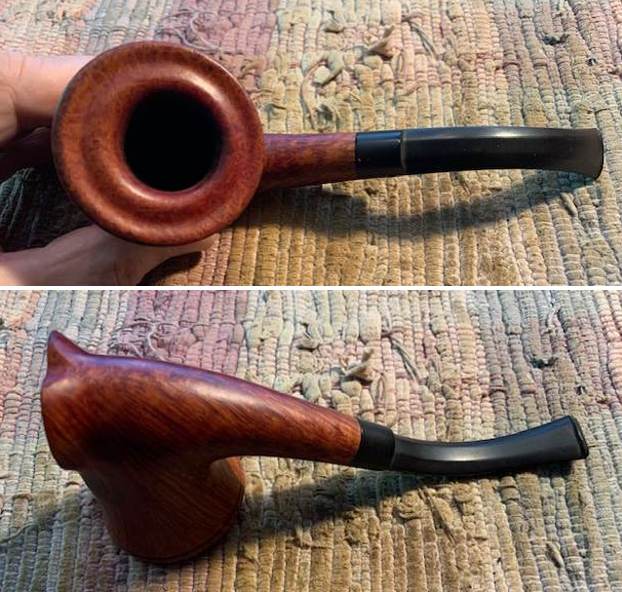
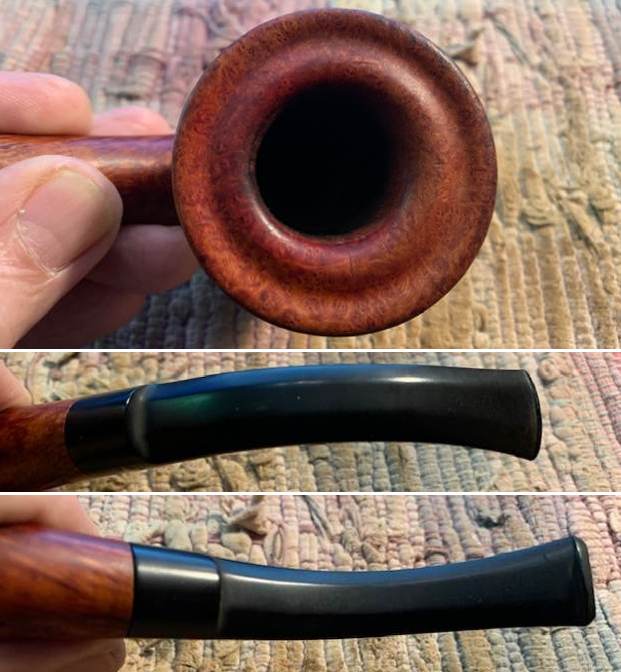
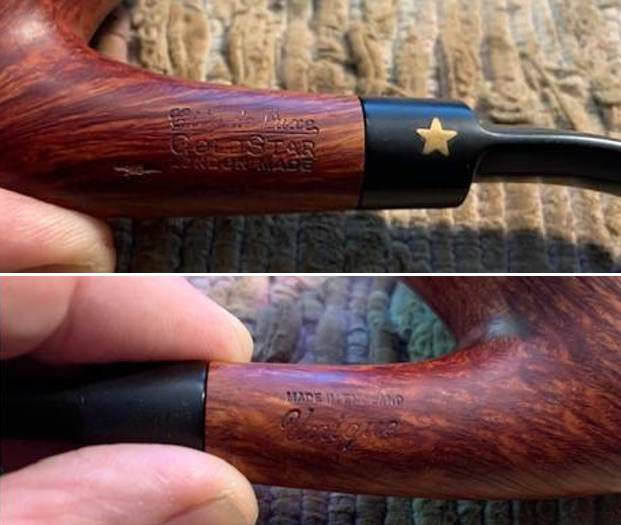
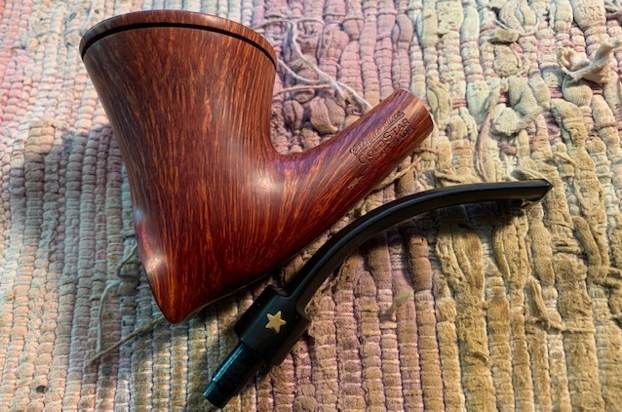
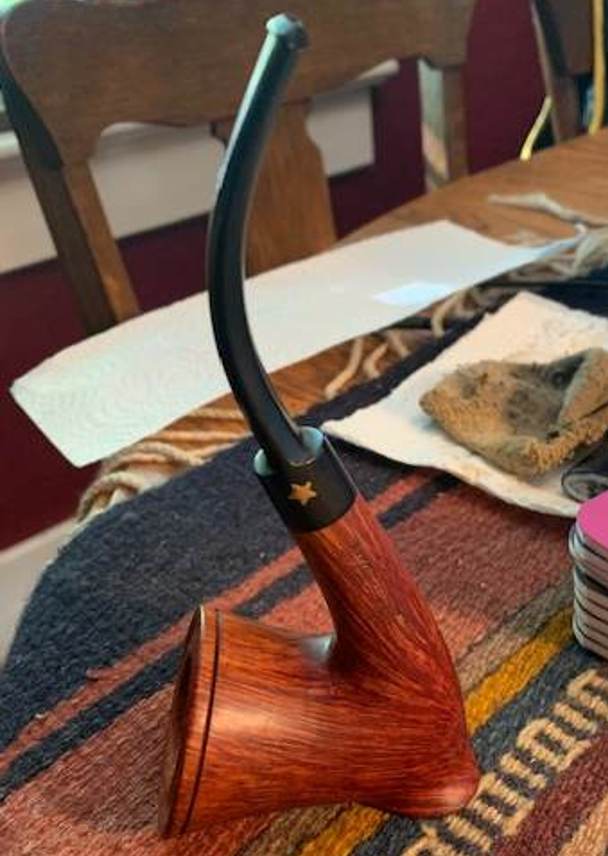
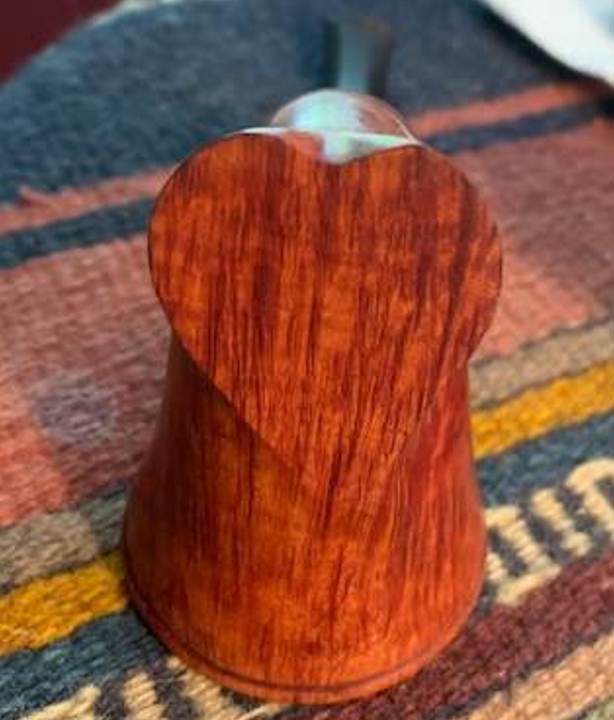
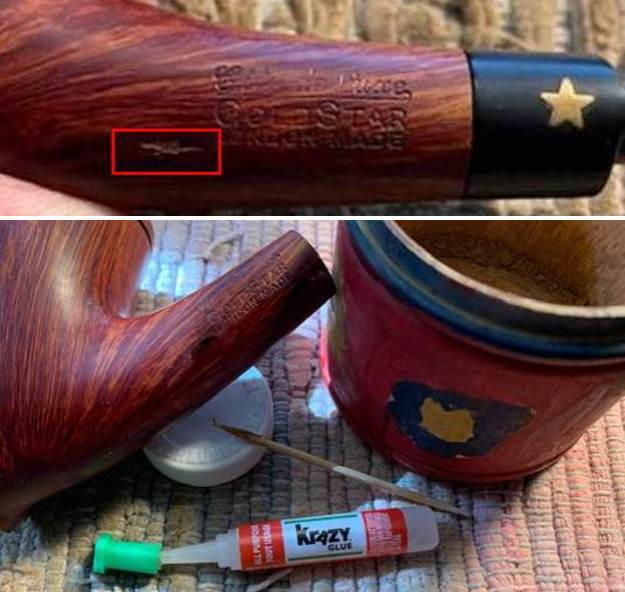
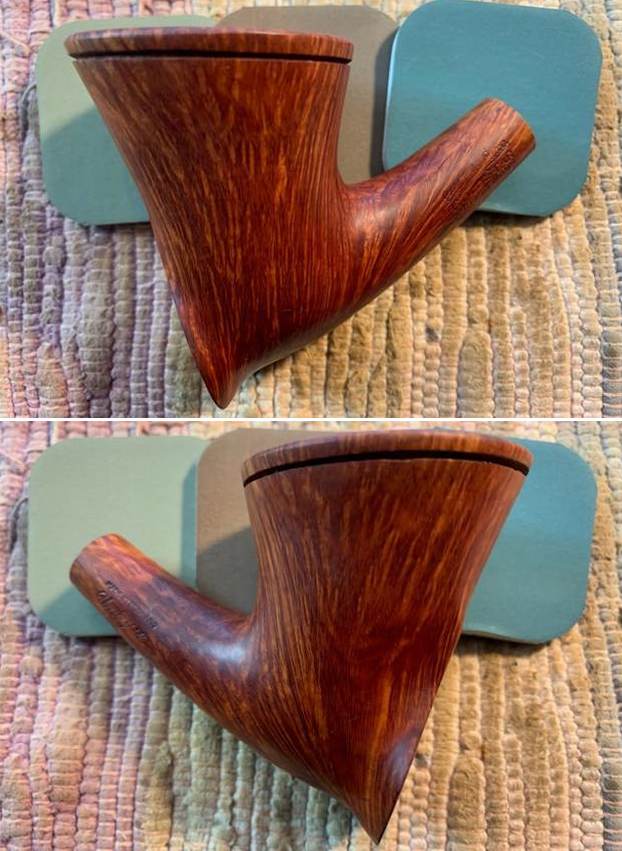
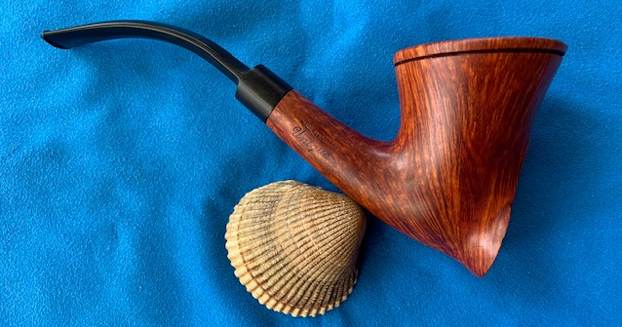
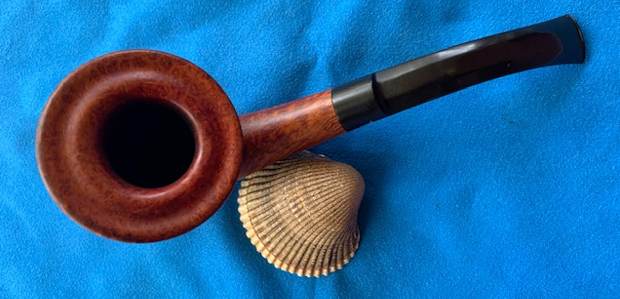
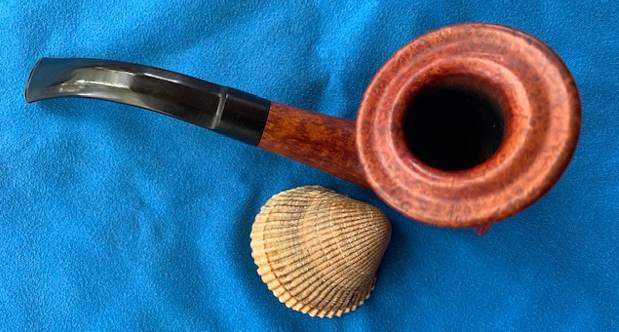
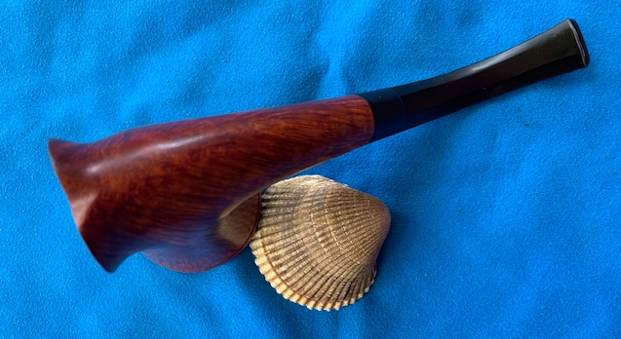
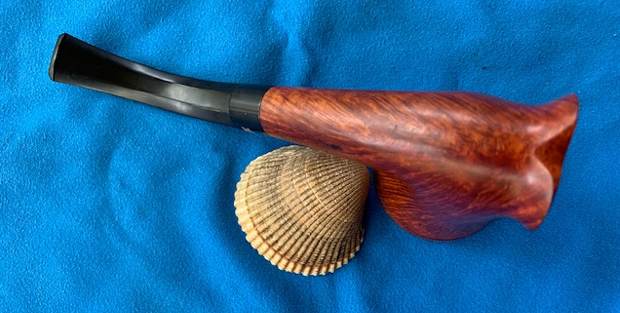
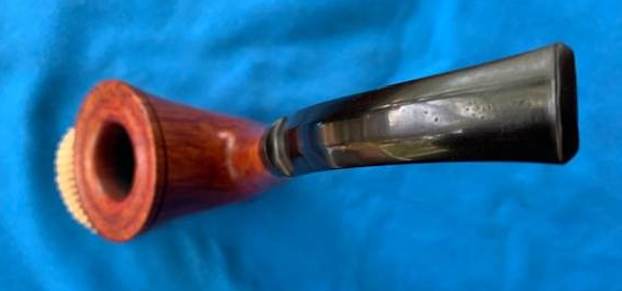
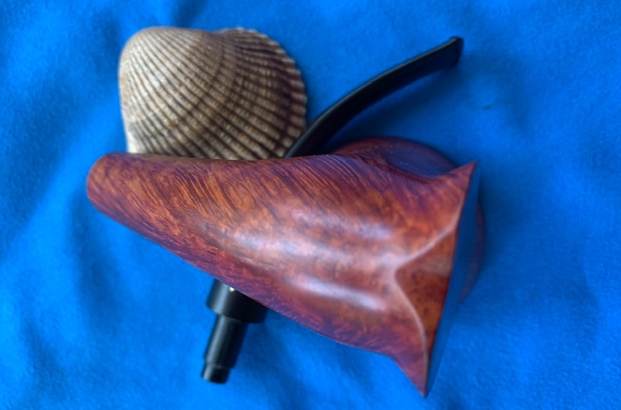
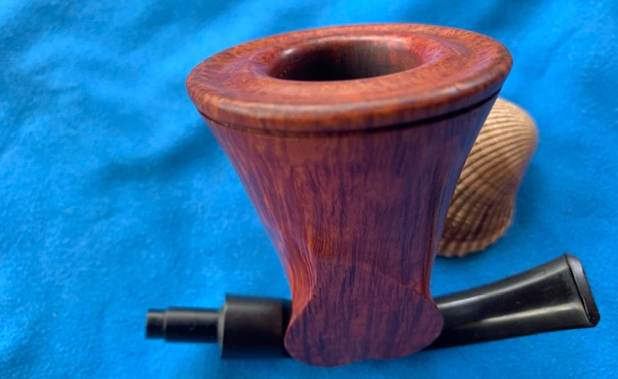
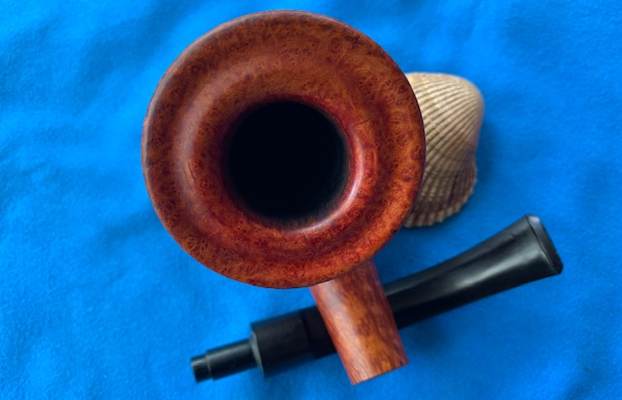
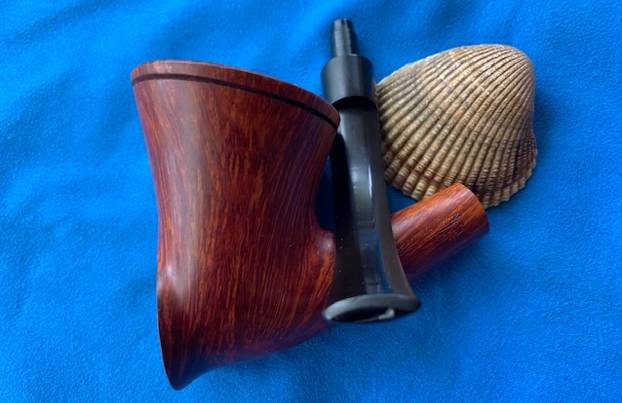
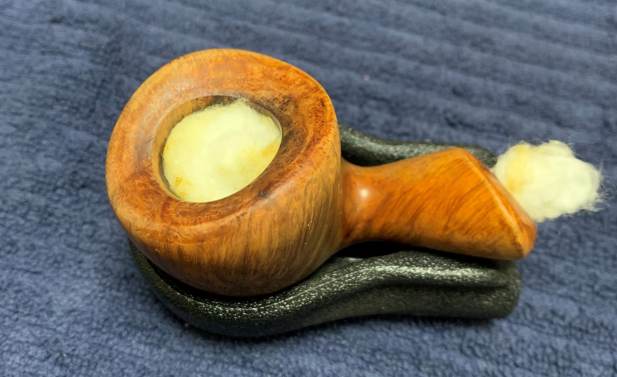
Jeff and I have been picking up pipes from a fellow in Los Angeles, California for a few years. We have picked up some excellent pipes from him. This one came to us in September, 2020 (though the photos are stamped April of 2022). It took us awhile to get to the pipe and clean it up. It was a uniquely shaped Freehand that caught our eye. The shape is partially a Dublin but with a pointed heel. There is a carved ring around the top of the bowl setting of a cap. The top of the bowl is almost like a flat hat with a crowned centre portion and small trough between the bowl edge and the crown. The bottom portion of the front of the bowl is flat and shaped like a heart and allows the pipe to be stood on a desk top. The grain on it is stunning with only one small fill/flaw on the left side of the shank ahead of the stamping. It is stamped on the left side and reads City de Luxe [over] GOLD STAR [over] London Made. It is stamped on the right side and reads Made in England [over] UNIQUE in script. There is no shape number on the shank. The stem has an inlaid gold star on the left side of the saddle stem. Jeff took photos of the pipe when it arrived before he started his clean up work. He took close up photos of the rim top and stem to give a clear idea of the condition of the pipe. The bowl had a thick cake and a heavy overflow of lava on the inner edge and top of the rim at the back of the bowl. The stem is heavily oxidized and had tooth chatter and marks on both sides ahead of the button. Jeff took photos of the bowl from various angles to show the condition of the briar and the style of the pipe. It is a beautiful pipe under the grime and grit of the years.   Jeff captured the stamping on the shank sides and the left side of the stem. It is clear and readable as noted above. You can see the fill/flaw in the first photo to the left of the London Made stamp. There is a fill there that is partially missing and will need to be replaced.  This pipe was quite stunning under the grime and has beautiful straight grain. From what I can see there is one small flaw with a damaged fill on the left side of the shank and otherwise nothing else. I decided to do some digging into the City Gold Star stamp and see what I could learn. I turned first to Pipephil (http://pipephil.eu/logos/en/logo-c5.html). There was an example of the City Gold Star but it was a French Made pipe while the one I am working on is Made in England. The example is stamped Unique like the one I have. There are no shape numbers on it either. There is a tie to GBD and generally the pipe is a second for that brand. Perhaps the flaw that I mention above is what kept it from being a GBD Unique and relegated it to City de Luxe status. Truly though it is a small flaw on an otherwise stunning pipe. I have included a screen capture of the pipe from PipePhil below.I am also including information from the side bar. I wonder if the Gold Star is a step up from the normal City de Luxe. If so that would explain the stamping on this pipe.

While the City de Luxe logo is a silver outline star, this one is a solid gold color star. This GBD second was crafted in the French facilities of the brand.

I turned then to the article on Pipedia about GBD pipes (https://pipedia.org/wiki/GBD). I quote a section from the article that talked about the introduction of the City Deluxe sub brand.

The solid demand for GBD pipes also encouraged the management to introduce a number of sub brands designed to win new buyers. We can list such sub brands as follows:

  • The City de Luxe (1921) had an inserted star on the stem as trademark and were marketed in England and in France. These pipes were the bestseller of the 5½ Shilling class in the 1930s in Great Britain.
  • Reserved for the French market remained the even more favorable GBD brand Marcee, a derivative of Marechal Ruchon & Co. Ltd. that was offered until the 2nd World War and for another one or two years afterwards.
  • The Camelia – made in London as a 2½ Shilling line – was only around for a few years.
  • Important to mention is also the Riseagle—completely produced in Paris before the wartime for England’s smokers who wanted “a cheap but dependable British made pipe”… one of the most successful 1 Shilling pipes until 1939! The introduction of the luxury impact on the excise tax for pipes after the war put an end to this cheap brand.

The section on City de Luxe had a link to another article on Pipedia specifically on the brand so I followed the link (https://pipedia.org/wiki/City_de_Luxe). There was a short article and I quote from it below.

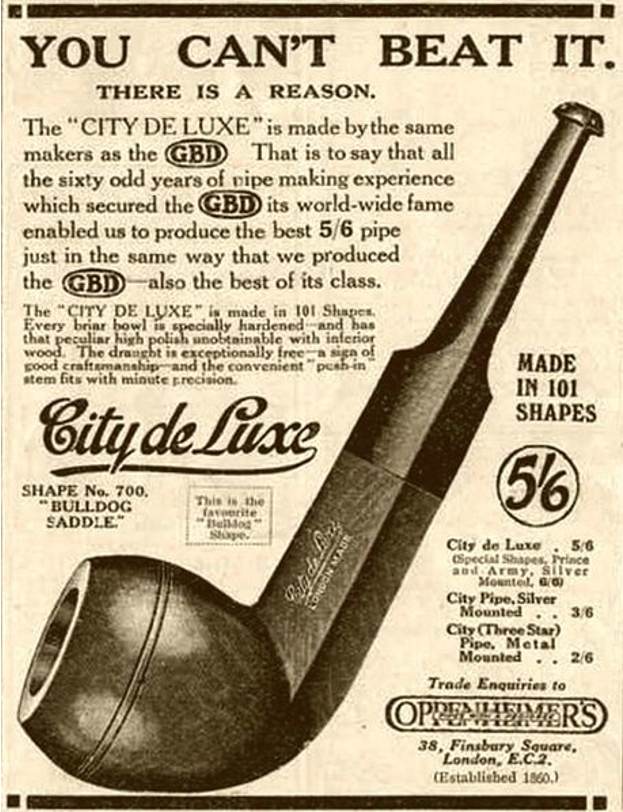
City De Luxe was a sub brand of GBD and Oppenheimer Pipe started in 1921 and for a time the most popular pipe in the 5/6 shilling range of pipes in Britain in the 1930s.

The trademark of the line was an inserted star on the stem, and pipes were made with both English and French markings. For more information see GBD.

I knew that the brand started in 1921 and hit is height in the 1930s. I have included an advertisement from the page below that has some great lines about the brand.With that information I knew what I was working on – a sub brand of GBD and a step up from the City de Luxe – a City Gold Star. Now I wanted to know about the Unique stamp on the shank side. What did it mean? There was nothing on either the City de Luxe article or on the City Gold Star article that referred to that. There was a photo of a pipe stamped City Gold Star but no data regarding the Unique. So I went back to the GBD article and followed the link to GBD Model Information (https://pipedia.org/wiki/GBD_Model_Information). I found the unique listed there and quote that below.

Unique — England, unknown if also made in France: smooth freehand shapes, mostly large/oversized pipes. Possible made by the Jameson brothers. –TH

This led me to more questions so I turned back to the GBD article to see if I could find some answers to those questions (https://pipedia.org/wiki/GBD). The major questions I had were as follows.

  1. Where did the Uniques fit in the hierarchy of GBD pipes?
  2. When did they come out?
  3. Who carved them? (Remember the quote above that they were possibly made by the Jameson brothers.)

I found a section on that hidden in the middle of the article. I quote the pertinent paragraphs below.

The premium lines of GBD offered very good values, and are considered amongst the most affordable high end pipe of the 1960’s and earlier and a rival in quality, design, and price to Dunhill. Smokers’ Haven was the main retail supplier for GBD’s in the US until the early 1980’s.

GBD produced consistently well made pipes, almost entirely of Algerian or Grecian briar. In the late 1960’s to late 1970’s, they introduced the “Collector” and “Unique” lines, made primarily by Horry Jamieson, who had carved for Barling for many years, and was skilled in freehand design. Older GBD pieces are excellent smokers and unique in design. They did an excellent executions of classic pipe shapes, as well as some beautiful freehands in the “Unique” line. [2]

These paragraphs answered my questions. The Unique line was made in the late 1960s to late 1970s and were primarily carved by Horry Jameson. The line was created at the height of the Freehand craze in the US and introduced some beautiful GBD Freehands. Now I knew that I working on a pipe from that time period, carved by Jameson. The fact that it was not a GBD Unique but lower in the hierarchy in the City de Luxe line was because of the small flaw/fill on the left side of the shank ahead of the stamping. The grain otherwise is stellar and the shape is worthy of the UNIQUE stamping.

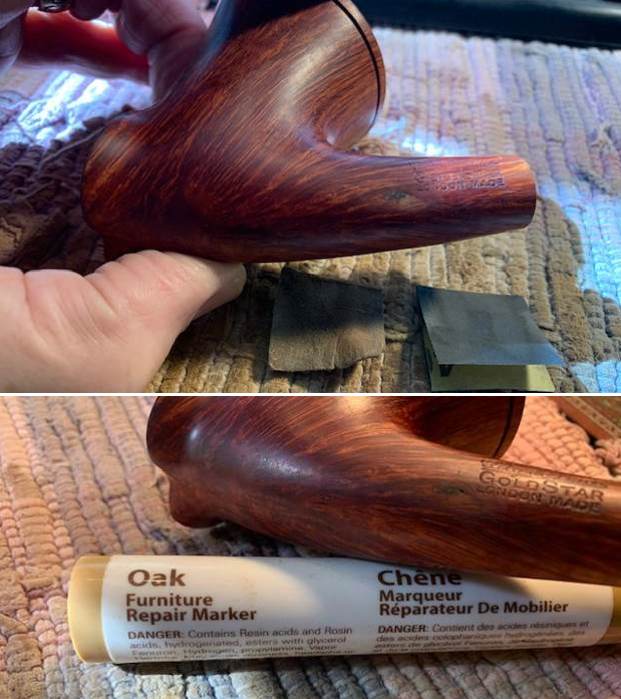
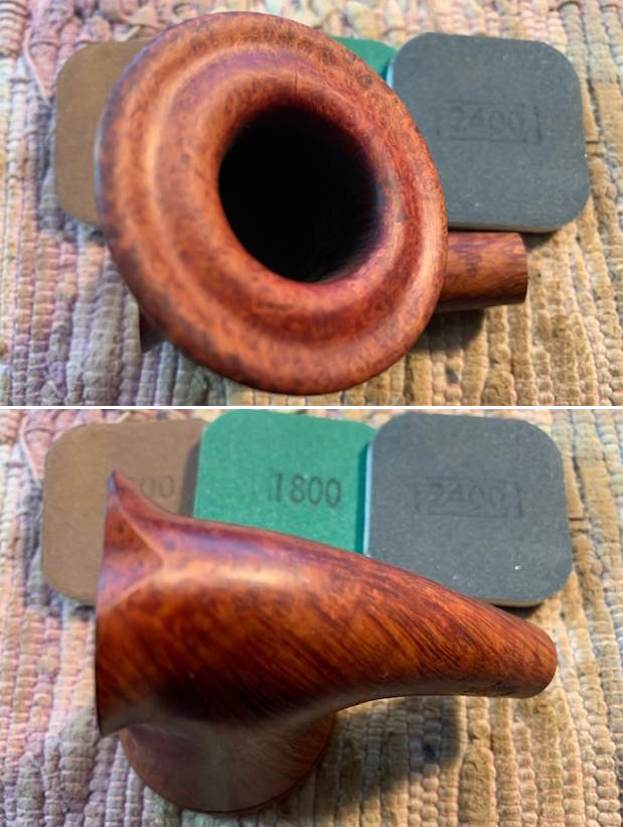
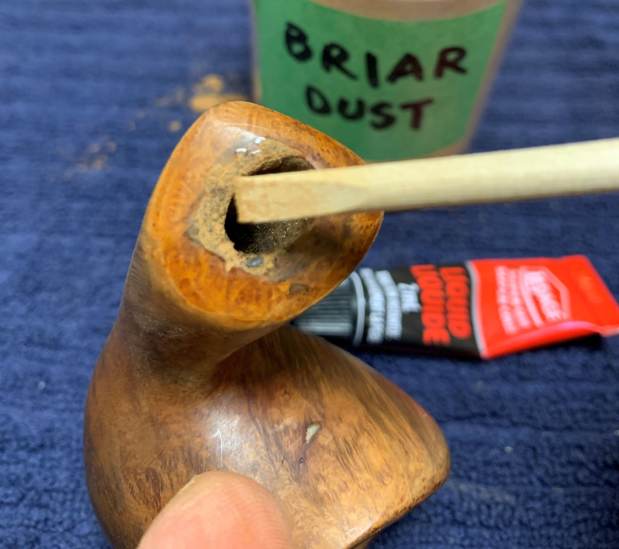
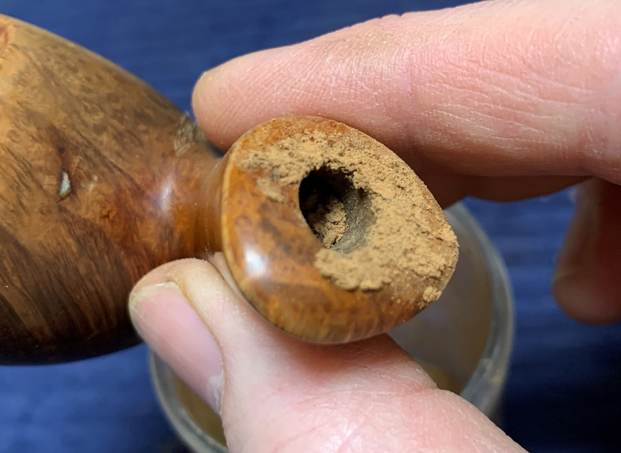
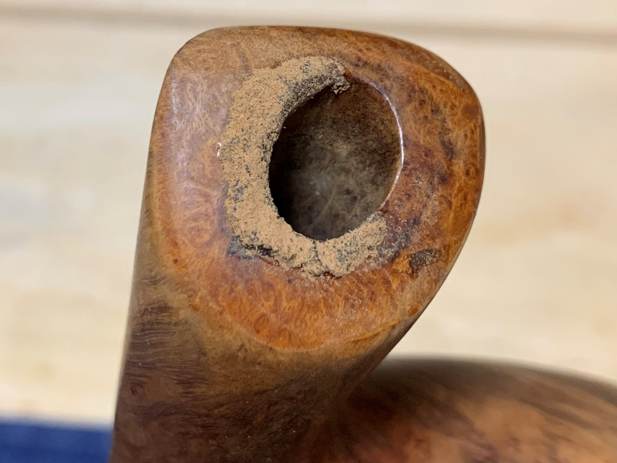
Armed with that information I turned to work on the pipe itself. Before he sent it to me, Jeff had cleaned up the pipe with his usual cleaning process. He reamed the pipe with a PipNet pipe reamer and removed the rest of it with a Savinelli Fitsall Pipe Knife.  He scrubbed the bowl with undiluted Murphy’s Oil Soap with a tooth brush. He rinsed it under running warm water to remove the soap and grime. He cleaned out the inside of the shank and the airway in the stem with isopropyl alcohol, cotton swabs and pipe cleaners. He soaked the stem in Briarville’s Pipe Stem Deoxidizer and then rinsed it off with warm water. He scrubbed the stem with Soft Scrub and a tooth brush and rinsed it off with warm water. It looked amazing when I took it out of the package of pipes he shipped me. So much so that it is the second of those pipes that I chose to work on. I took photos of the pipe before I started my part of the restoration work.    The rim top and the inner and outer edges of the bowl all look very good. The lava on the surface and inner edge is gone. It was thick enough that it protected the rim and edges from damage. The stem surface looked good with the oxidation gone and light tooth chatter on either side of the stem. The stamping on the sides of the shank and on the gold star is clear and readable as noted above.I removed the stem and took a photo of the pipe to give a sense of the whole. It is a beautiful pipe that really flows with the grain on the briar.I took some photos of the uniqueness of the sitter shape and the flat heart on the front of the bowl. It is a nice looking pipe. I started my work on the pipe by addressing the flaw/fill on the left side of the shank. I have drawn a red box around it to clearly identify it for you. I filled in the area and repaired the fill with clear CA glue and briar dust working it into the area with a toothpick. I set it aside to cure and once the glue hardened I sanded it smooth with 220 grit sandpaper to blend it in. I started polishing that area with 400 grit wet dry sandpaper. I touched up the area around the repaired fill with an Oak Stain Pen to blend it into the shank colour. I polished the briar with micromesh sanding pads – dry sanding with 1500-12000 grit pads. I wiped the bowl down after each pad to remove the sanding dust. The bowl looked very good at this point so I rubbed it down with Before & After Restoration Balm. I worked it into the surface of the bowl and shank with my fingertips to clean, enliven and protect the briar. I let the balm sit for about 10-15 minutes and buffed with a cotton cloth to raise the shine. I set the bowl aside and turned to work on the stem. I polished the vulcanite stem with micromesh sanding pads – 1500-12000 grit pads. I wiped it down with Obsidian Oil after each sanding pad. I used Before & After Pipe Polish – both Fine and Extra Fine to further polish the stem. This Beautifully Grained GBD Made City de Luxe Gold Star Unique is a great looking pipe now that it has been restored. The shape of the bowl follows the grain and highlights the beauty of the briar. The rich brown stain works well with the polished vulcanite stem. I put the stem back on the bowl and carefully buffed the pipe with Blue Diamond on the buffing wheel using a light touch on the briar. I gave the bowl and the stem multiple coats of carnauba wax on the buffing wheel and followed that by buffing the entire pipe with a clean buffing pad. I hand buffed the pipe with a microfiber cloth to deepen the shine. The finished GBD Made Unique Freehand is a large pipe that will be great for sitting and reading on the porch. Give the finished pipe a look in the photos below. The dimensions of the pipe are Length: 6 ¾ inches, Height: 2 ¾ inches, Outside diameter of the bowl: 2 inches, Chamber diameter: 1 inch. The weight of the pipe is 73 grams/2.54 ounces. This is one gorgeous pipe. It is one that I will be adding shortly to the British Pipe Makers section of the rebornpipes store. I take a moment to remind myself and each of us that we are trustees of pipes that will outlive us and the lives of many other pipe men and women who carry on the trust of their care and use. Thanks for reading this blog and my reflections on the pipe while I worked on it.

A Chunky and Squat Custom-Bilt Pot


Blog by Steve Laug

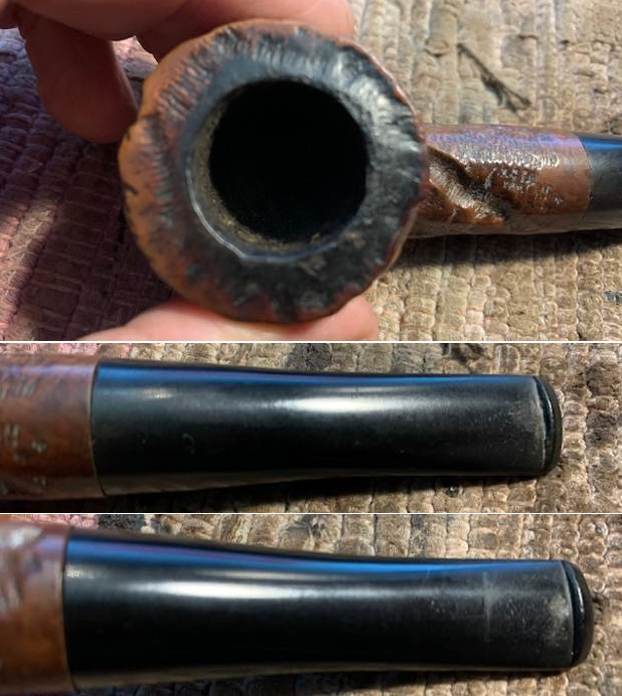
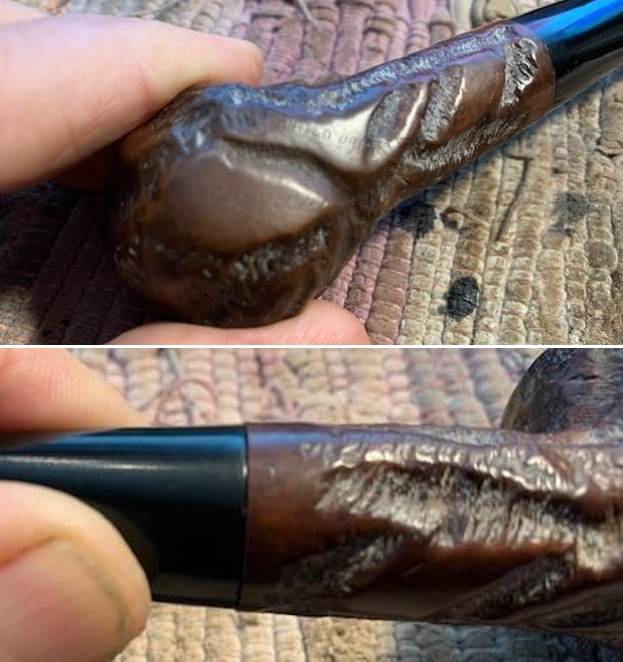
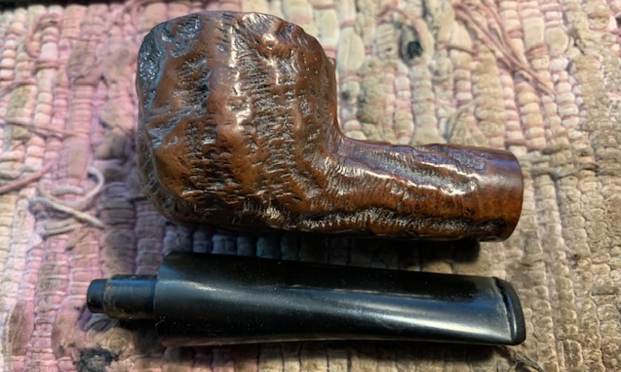
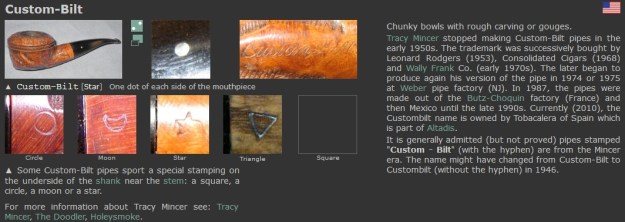
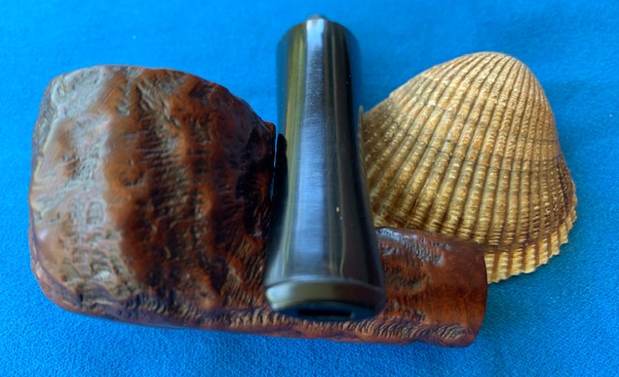
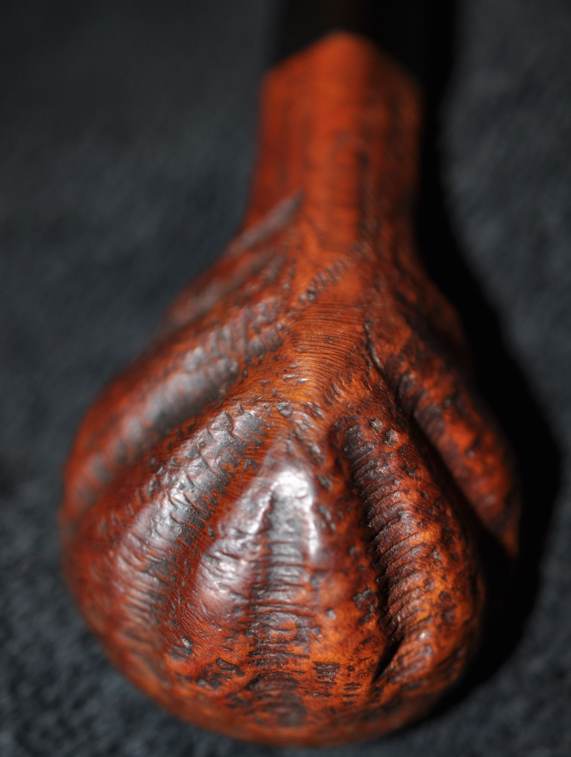
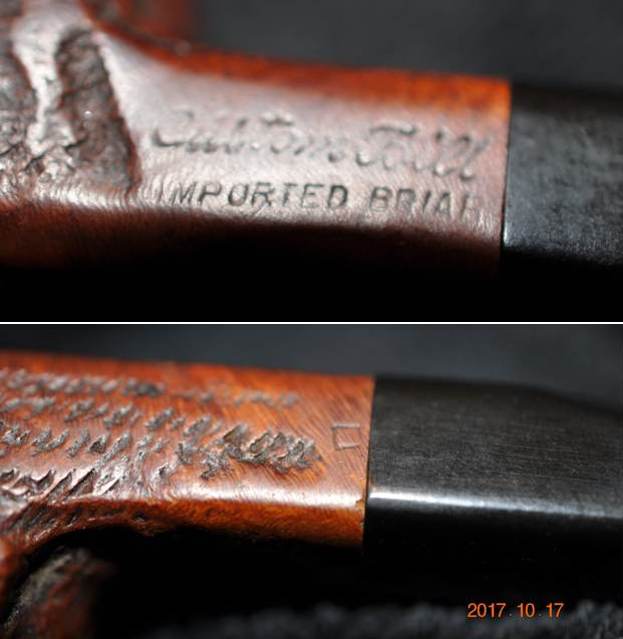
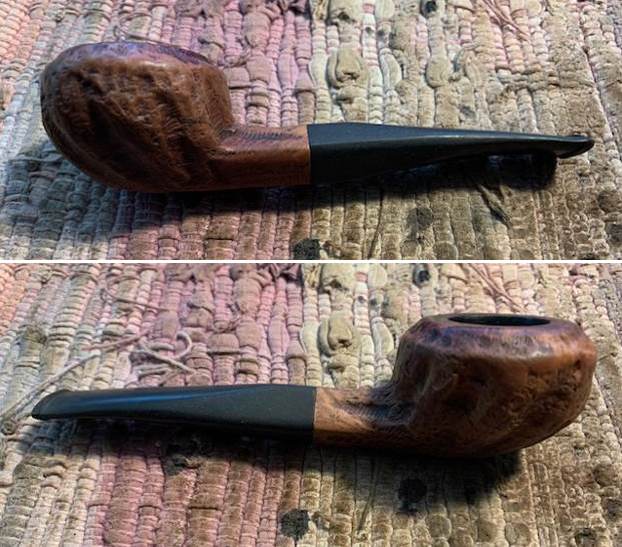
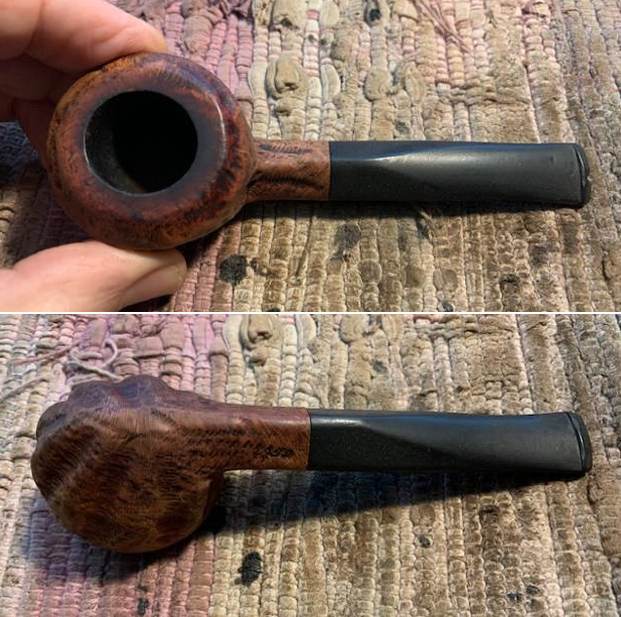
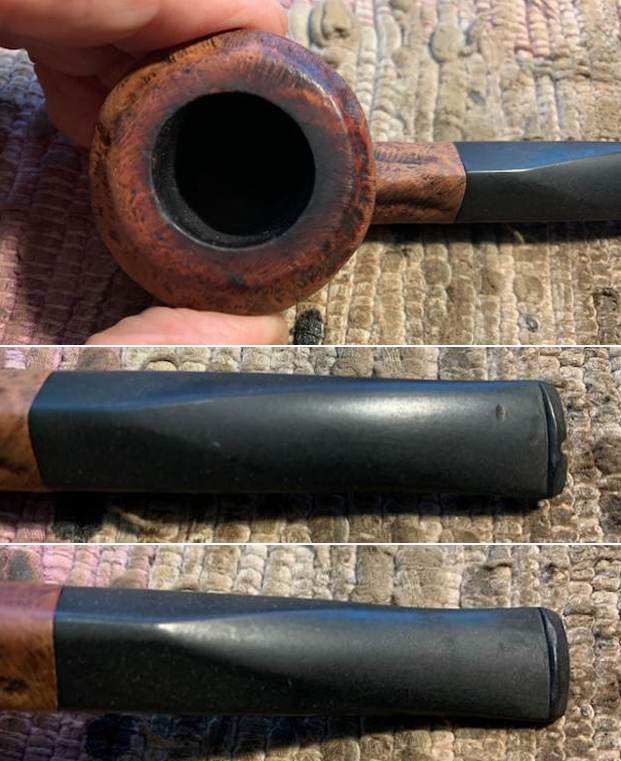
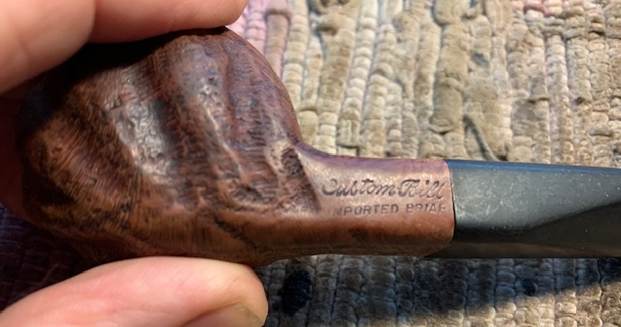
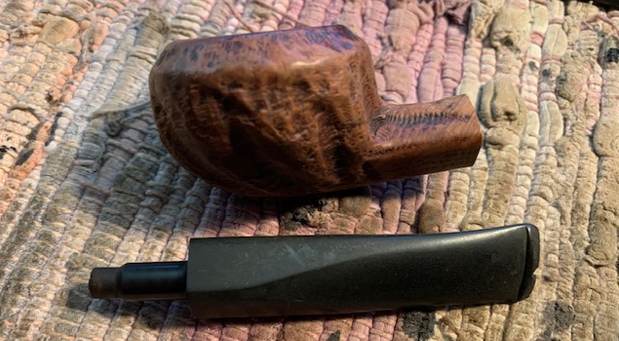
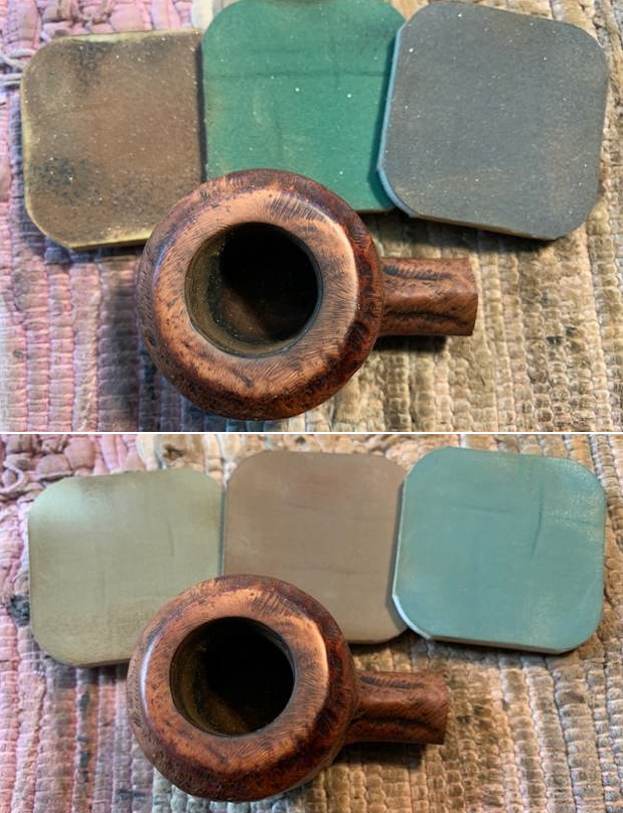
The next pipe I chose to work on is one that has been here in my box to work on since around 2016. It is a well made, interesting looking Custom-Bilt chunky Pot. The more I looked at it the more I thought that it had not gone through Jeff’s cleaning before it came here. I actually have no idea where it was from and when it came us. The bowl had moderate cake and the inner edge had damage and the rim top was darkened. The pipe is a classic Custom-Bilt piece – a rusticated Chubby shank Pot shaped pipe with some deep carving around the bowl. The pipe is stamped on the heel of the bowl and reads Imported Briar [over] Custom-Bilt. On the right side of the shank it bears a carved circle near the stem/shank junction. Looking at the pipe you can see signs that the bowl had been heavily caked with an overflow of lava on the rim top and the inner edge. The bowl and shank smelled dirty and seemed to be oily. The stem looked good and had tooth chatter and marks on the top and underside near the button. There were no markings or a logo on the taper stem. It looked pretty good when I brought it to the worktable. I took photos of the rim top and bowl to give a clear picture of the appearance of the rim top and edges of the bowl. There was some darkening on the rustication on the top and some lava in the grooves. There was also some damage to the inner edge of the bowl. I took photos of the top and underside of the stem to show the chatter and tooth marks. The stamping on the heel of the bowl is faint but still readable and read as noted above. I removed the stem and took a photo of the pipe to give a sense of the whole. It is a stubby pipe.I turned to Pipephil (http://www.pipephil.eu/logos/en/logo-c8.html) to get a quick view of the brand once again. I knew that I was working with one of the older pipes and probably made by Tracy Mincer himself. He stopped making the Custom-Bilt pipes in the early 1950s. The screen capture I included below shows a brief history of the brand. It also has a comment on the symbols stamped on the shank near the stem including the square that is stamped on this one.I turned to Pipedia (https://pipedia.org/wiki/File:CustomBilt_Stamp1.jpg) for a quick read. The majority of the information there included two book reviews of the “Custom-Bilt Story” by Bill Unger.

The one line I culled was the following: “Tracy Mincer started the original Custom-Bilt pipes it appears in 1934”.

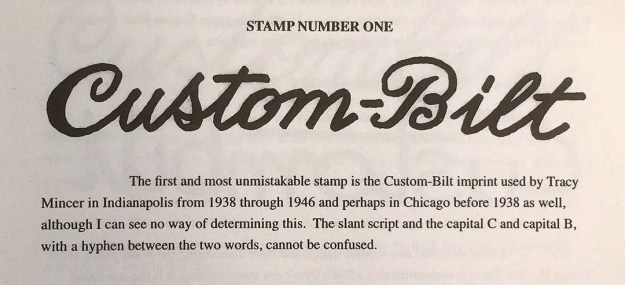
I did a screen capture of the stamping that matched the stamping on the pipe that I am working on. What I learned from that is that the stamp was used by Tracy Mincer in Indianapolis in the US from 1938-1946 and possibly in Chicago before 1938 as well. So now I had a possible date for this pipe. It was an old timer and it was well worth working on.Armed with that information I turned to work on the pipe itself. I started my work on the pipe by cleaning up the reaming in the bowl with a PipNet pipe reamer. I used a Savinelli Fitsall Pipe Knife to remove the remainder and then sanded the bowl walls with 220 grit sandpaper wrapped around a piece of dowel. The bowl walls looked very good. I scrubbed the externals with undiluted Murphy’s Oil Soap and a tooth brush. I worked over the rim top and the rest of the bowl and rinsed it off with warm water. I dried off the briar with a cotton towel.   I turned next to the remaining darkening on the rim top and used a brass bristle brush and worked it over to remove the grime and debris that was still present there. It looked better when I finished.  I cleaned up the damage to the inner edge of the rim. I used a folded piece of 220 grit sandpaper to reshape the edge. The finished rim top and edge looks better. I wiped the rim top down with alcohol to remove the sanding dust. Once I had dried it off I rubbed it down with Before & After Restoration Balm. I worked it into the surface of the bowl sides and shank with my fingertips and a horsehair shoe brush to clean, enliven and protect the briar. I let the balm sit for about 10-15 minutes and buffed with a cotton cloth to raise the shine.  While I was buffing it I found that I had forgotten to clean the insides of the shank and stem. I cleaned it with isopropyl alcohol, pipe cleaners and cotton swabs. It smelled much better.    I set the bowl aside and turned to work on the stem. I “painted” the stem with the flames of a lighter to lift them as much as possible. I filled in the remaining tooth marks with black super glue.     Once the repair cured I flattened the repair on the topside and shaped the button edge on both sides with a small flat file. I sanded the button edges and the repairs on the stem with 220 grit sandpaper to blend them into the surface of the vulcanite. I started polishing it with 400 grit wet dry sandpaper. It is starting to look very good.    I polished the vulcanite stem with micromesh sanding pads – 1500-12000 grit pads. I wiped it down with Obsidian Oil after each sanding pad. I used Before & After Pipe Polish – both Fine and Extra Fine to further polish the stem. This Custom-Bilt Pot is a great looking pipe now that it has been restored. The style of rustication that is used around the bowl is highlighted by the stain application and works well with both the shape and the polished vulcanite stem. I put the stem back on the bowl and carefully buffed the pipe with Blue Diamond on the buffing wheel using a light touch on the briar. I gave the bowl multiple coats of Conservator’s Wax and the stem multiple coats of carnauba wax on the buffing wheel and followed that by buffing the entire pipe with a clean buffing pad. I hand buffed the pipe with a microfiber cloth to deepen the shine. The finished Custom-Bilt is another pipe that fits nicely in the hand and feels great. Give the finished pipe a look in the photos below. The dimensions of the pipe are Length: 5 ½ inches, Height: 1 ½ inches, Outside diameter of the bowl: 1 ½ inches, Chamber diameter: 7/8 of an inch. The weight of the pipe is 42 grams/1.48 ounces. I will be putting it on the rebornpipes store in the American Pipemakers Section shortly. If you are interested in adding this pipe to your collection send me a message or an email. Thanks for reading this blog and my reflections on the pipe while I worked on it. There are many more to come!

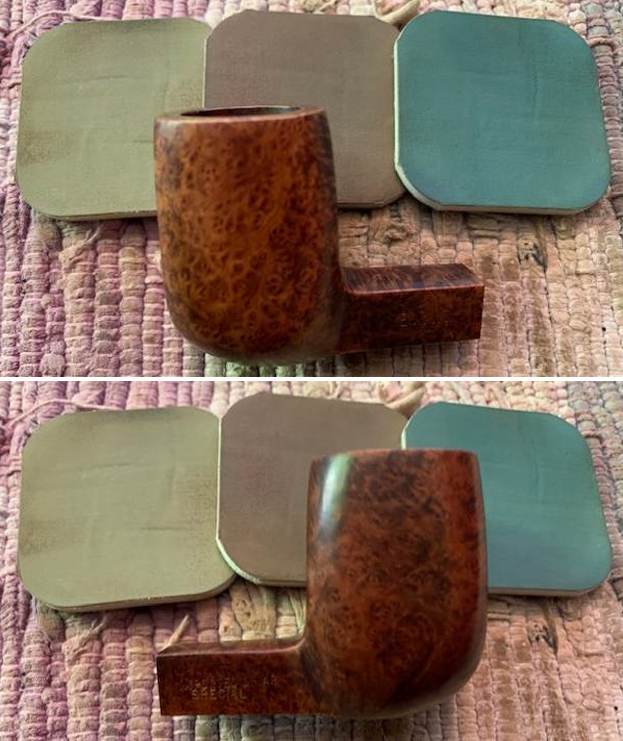
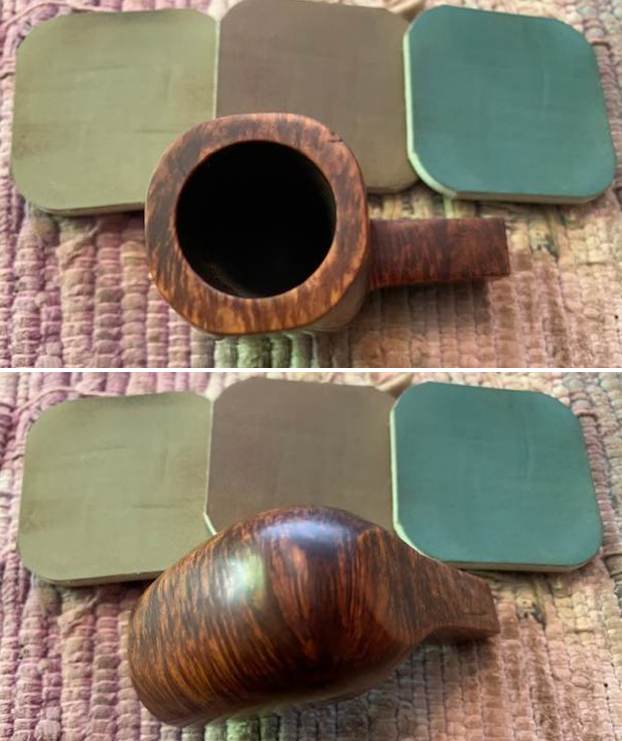
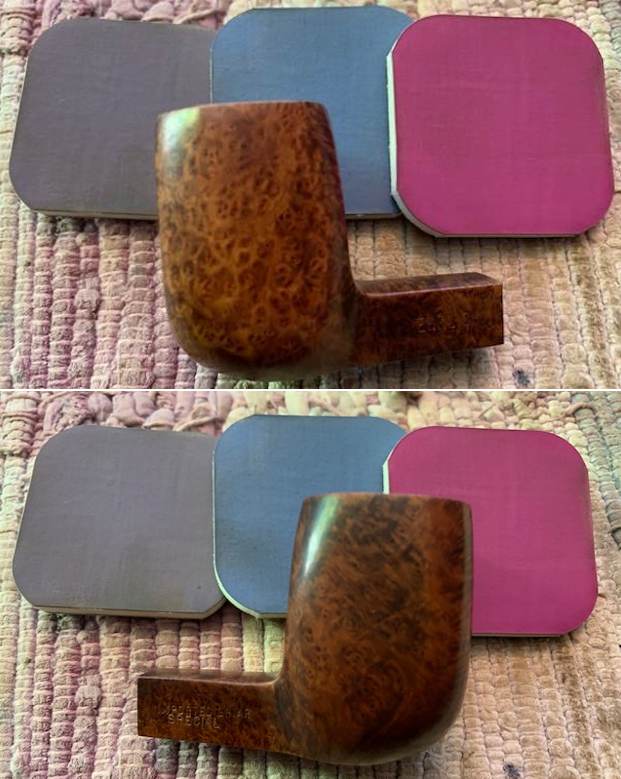
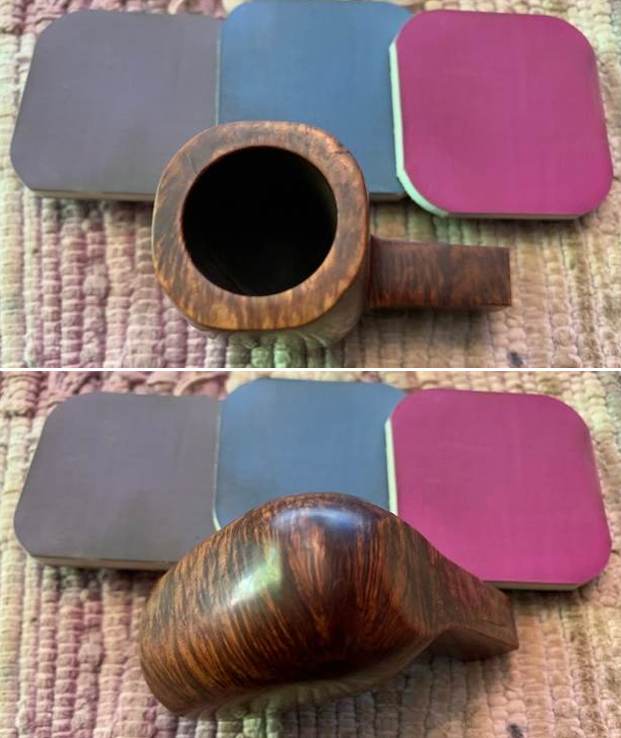
Cleaning up an Ehrlich Special Panel Billiard


Blog by Steve Laug

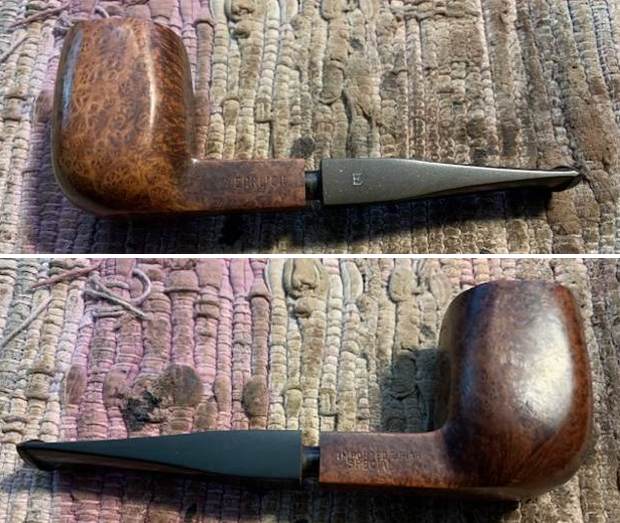
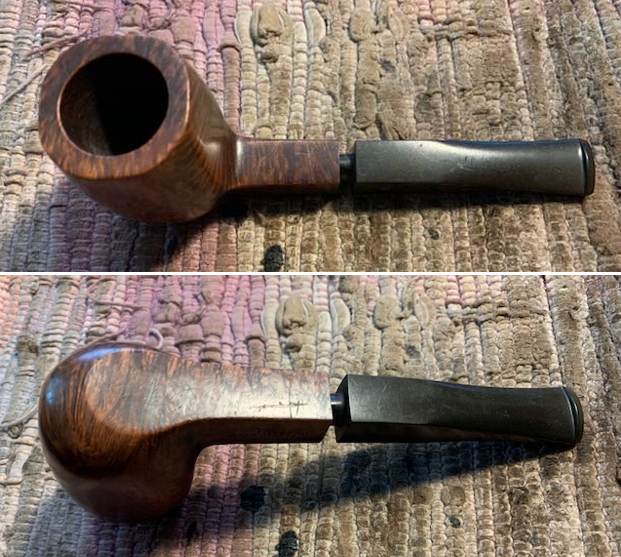
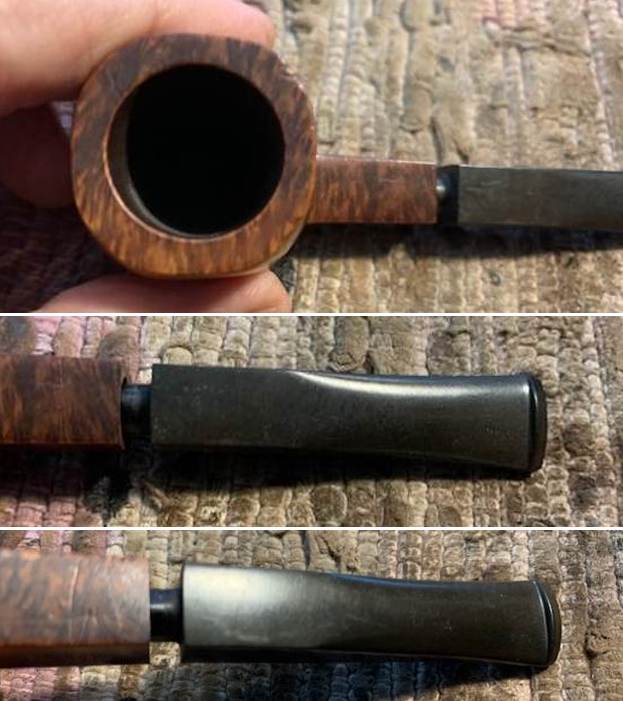
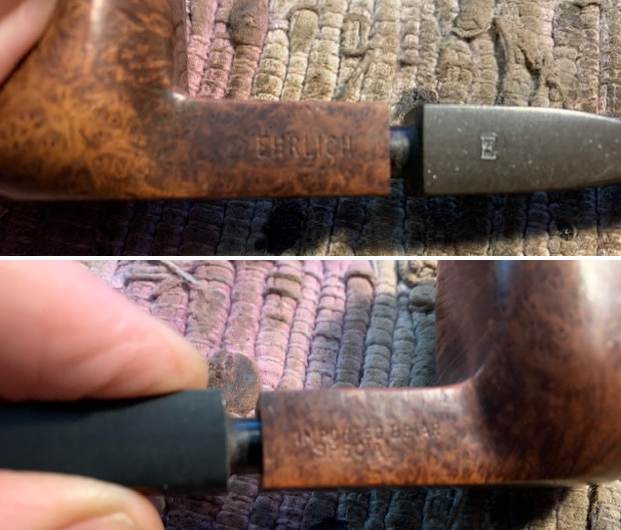
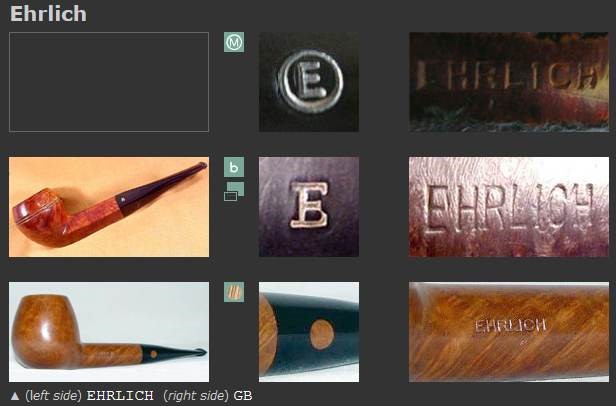
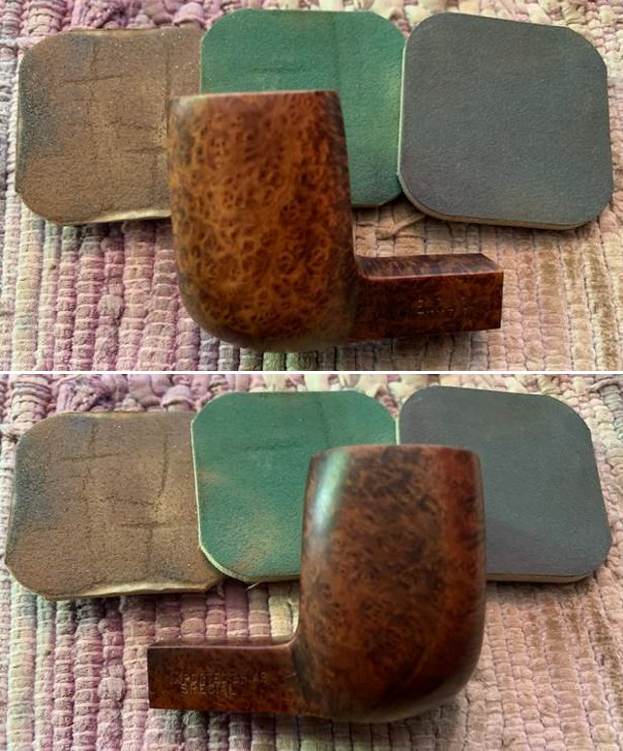
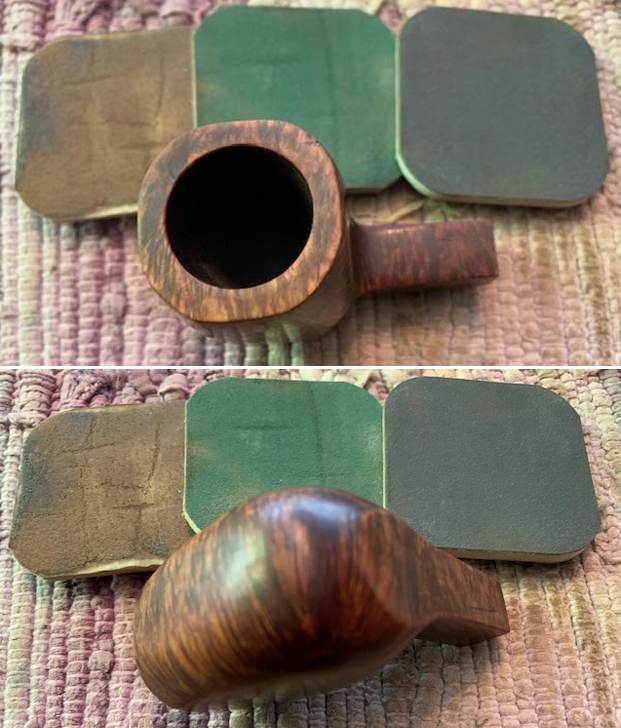
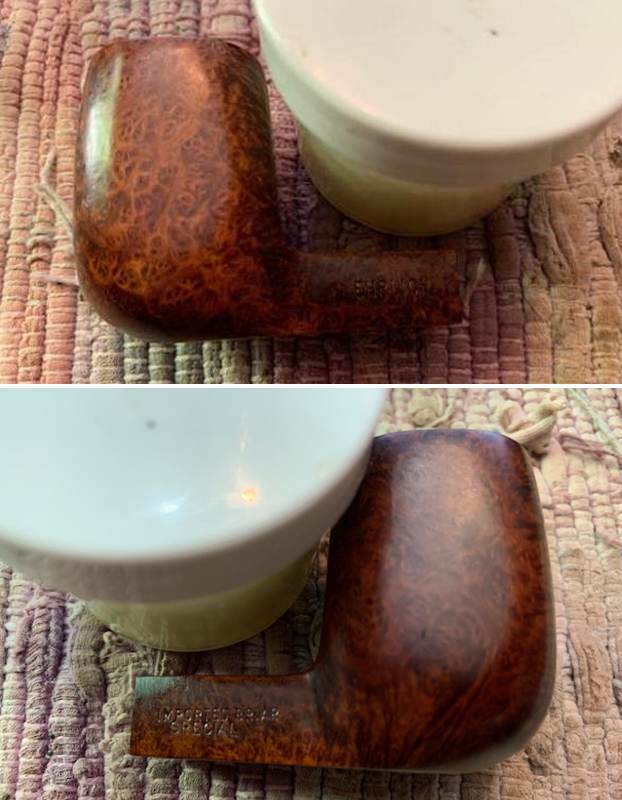
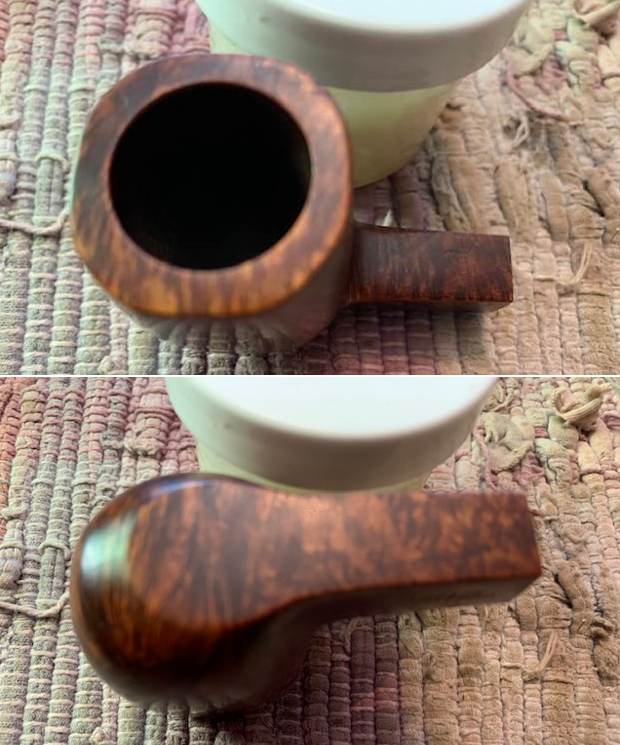
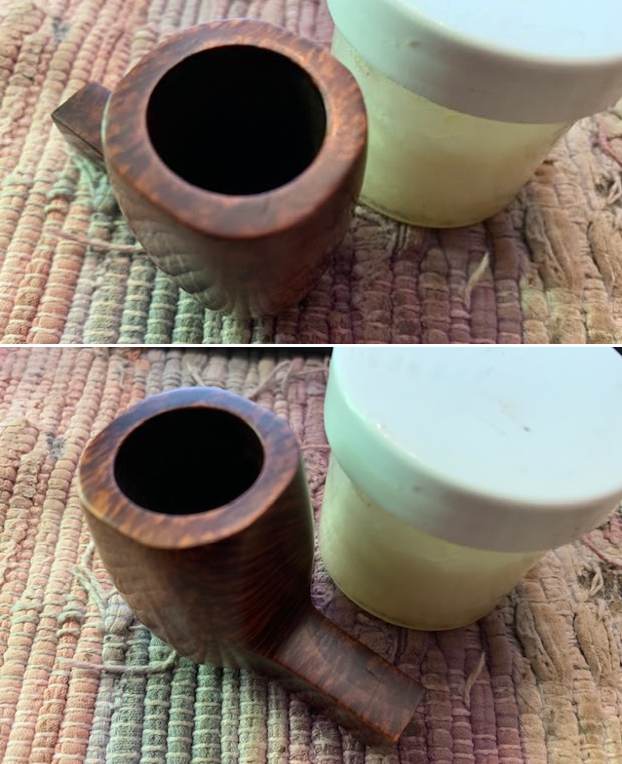
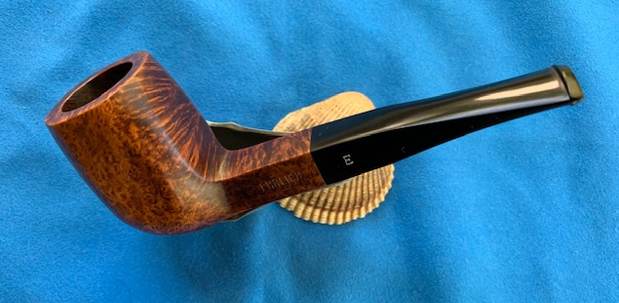
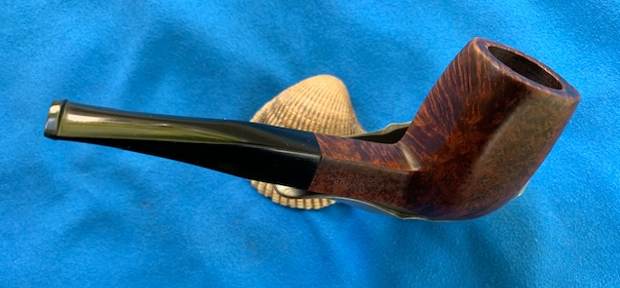
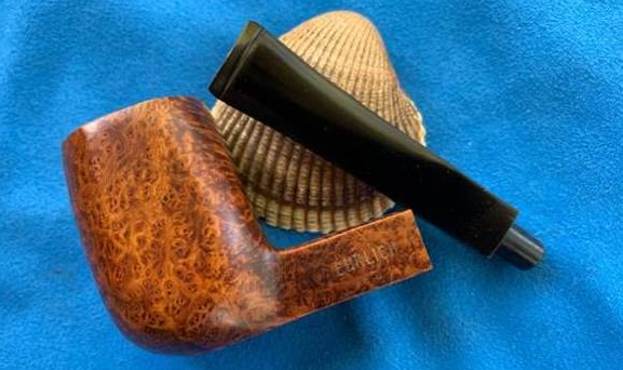
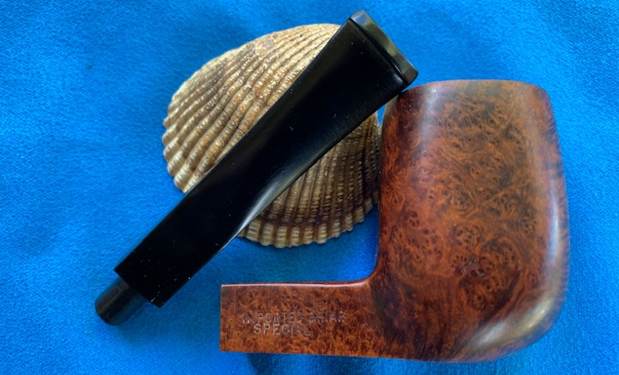
The next pipe I chose to work on is one that has been here in my box to work on since around 2016. It is a well made, beautifully grained Panel Billiard with a square shank and taper stem. It had gone through Jeff’s cleaning before it came here so it was quite clean. The bowl had been reamed and the rim top scrubbed. The stem was still oxidized so I would guess that we picked it up before we started using Mark Hoover’s Before & After Stem Deoxidizer. The finish looked very good with amazing cross grain on the front and back of the bowl and birdseye on the bowl sides. It was very beautiful under the dull finish at this point. It was stamped on the left side of the shank and read Ehrlich in block caps. On the right side it was stamped Imported Briar [over] Special. It has a vulcanite square taper stem that is oxidized and is very tight in the shank. The stem bears Ehrlich “E” logo on the left side. I took photos of the pipe when I brought it to the work table.  I took photos of the bowl and rim top and the stem surfaces to show the condition of both. The bowl, rim top and edges look very good. There was some darkening on the op and inner and outer edges look very good. The stem is also in great condition other than the oxidation and speckles of grime stuck to the surface of the stem.I took photos of the stamping on the sides of the shank. It is clear and readable as noted above. The Ehrlich logo of E is on the left side of the stem is also in good condition. I took the stem off the shank to show the overall look of this interesting panel pipe. It really is a beautiful piece of briar.I set the pipe aside to do a bit of reading on the history of the brand before I worked on it. I have worked on quite a few Ehrlich pipes in the past and wanted to refresh my memory of the back story of the brand. I checked first on Pipephil (http://pipephil.eu/logos/en/logo-e1.html) and found photos of various pipes. The picture of the second pipe is stamped similarly to the one I am working on. The EHRLICH is stamped the same way and the E logo is the same. There are no photos of the SPECIAL. I am including a screen capture of the pertinent information. There was no other information in the sidebars.Then I turned to Pipedia and was more successful (https://pipedia.org/wiki/Ehrlich%27s). I quote a portion of that article below that gives a bit of history and more importantly cleared up where the pipes came from for me.

The David P. Ehrlich story – Pipemakers and Tobacconists for a Hundred Years, 1868-1968.

The David P. Ehrlich Company has remained solely in the hands of one family during its century of business, yet it has had several firm names and locations. David P. Ehrlich went to work in 1881 at the age of twenty for Ferdinand Abraham, who dealt in cigars and tobacco and who had begun business in 1868 at 1188 Washington Street in the South End, but in 1880 moved to the center of the city, where the firm has been ever since. David Ehrlich married the boss’s daughter. In 1916 the name became the David P. Ehrlich Company and Mr. Ehrlich devoted the rest of his life to this business. Since David’s death in 1912 it has been owned by – his nieces and nephews including Richard A. and William Ehrlich.

Ehrlich shop has since 1880 had a predilection for historic sites. 25 Court Street was close to the spot where from 1721-1726 James Franklin had, with the assistance of his brother Benjamin, published The New-England Courant. In 1908 the firm moved a few doors up Court Street to number 37, on the opposite corner of the alley that is grandiloquently named Franklin Avenue. This new location was on the site of the one-time printing office of Edes and Gill, publishers of the Boston Gazette, in whose back room some of the “Indians” of the Boston Tea Party assumed their disguises. Soon after the end of World War II at which time the store was located at 33 Court Street a move around the corner to 207 Washington Street brought the shop diagonally across from the Old State House and onto the site occupied from 1610-1808 by the First Church of Boston. The demolition of 207 Washington Street in 1967 caused still another move to 32 Tremont Street, adjoining King’s Chapel burying Ground, which is the oldest cemetery in Boston.

The David P. Ehrlich Co. has not just occupied sites intimately associated with Boston history and institutions; it has in the past century become a Boston institution in its own right. It has specialized in fine cigars, pipes, and pipe tobacco. In addition to the retail business, the firm has long specialized in the manufacture of pipes, both from Algerian briar root…

That gave the history of the brand and was written in a way that fascinated me. I included a lot of because of that. I knew that the pipe I was working on was stamped Imported Briar which generally points to a pipe made elsewhere for Ehrlich and brought to the US.

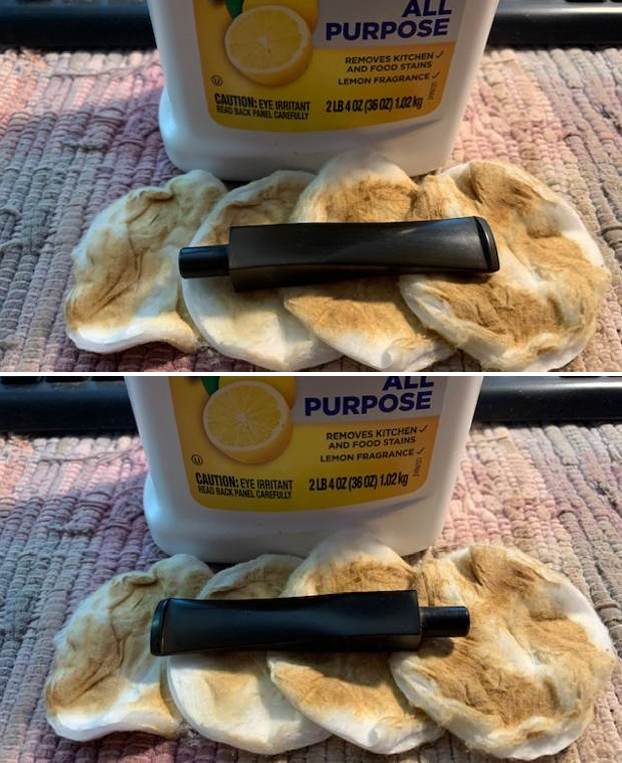
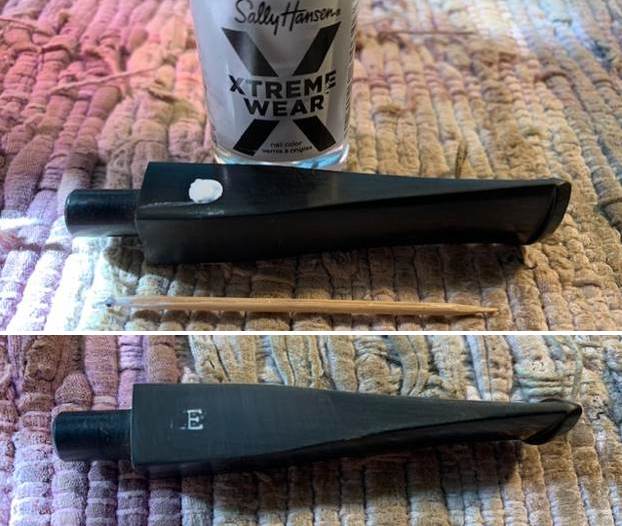
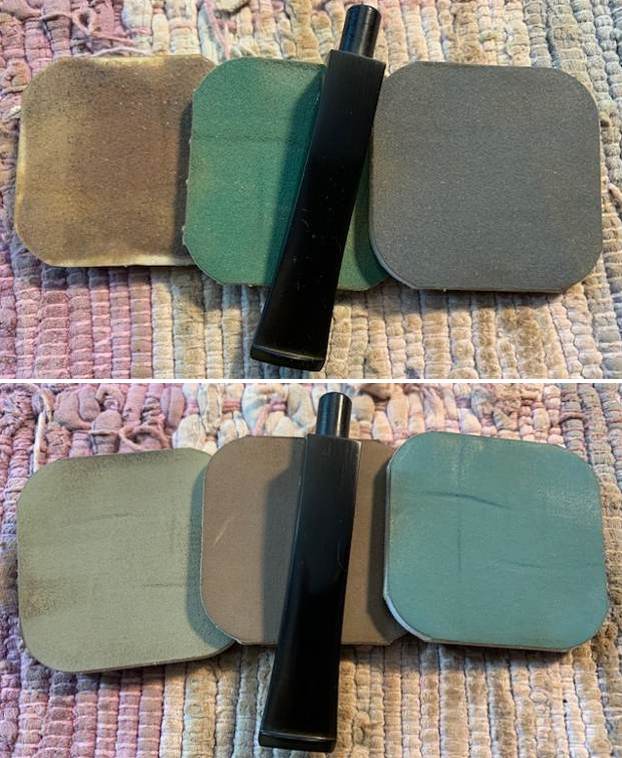
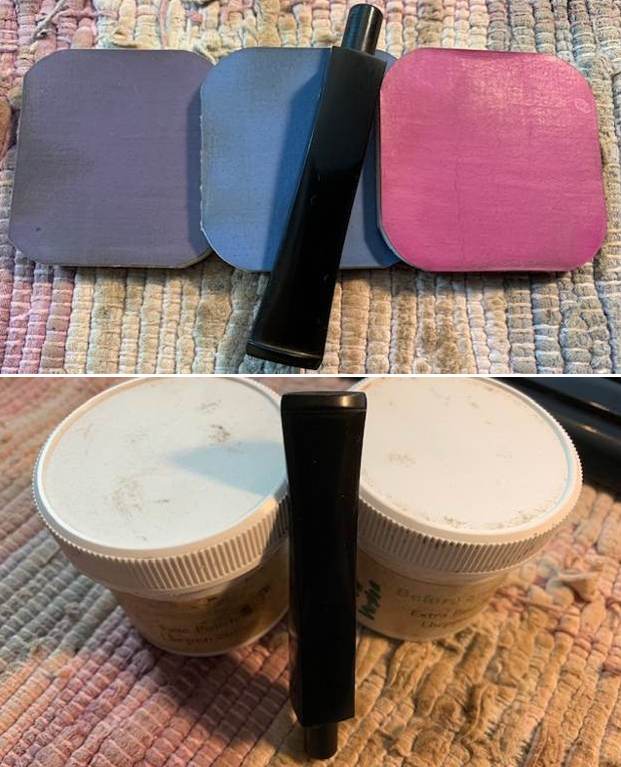
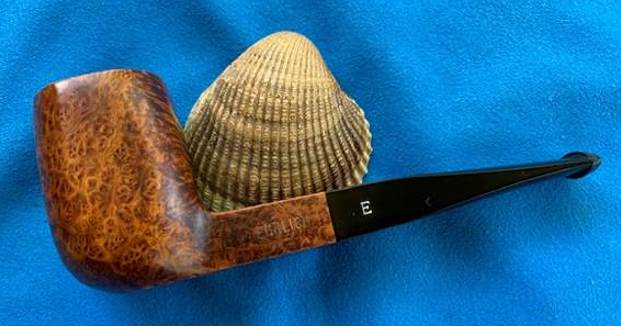
There were some deep scratches on the underside of the shank that I decided to steam out. I used a flat table knife, a damp cloth and the flame from my gas range to heat and create steam to raise the scratches. It worked quite well and removed some and minimized the others.  I polished the briar with micromesh sanding pads – dry sanding with 1500-12000 grit sanding pads. I was able to remove the varnish coat on the bowl and shank with the pads. I wiped the briar down with a damp cloth between each sanding pad. The briar took on a rich shine and there was some nice grain around the bowl and shank sides. I rubbed some Before & After Restoration Balm into the finish of the pipe. I worked it into the briar because the product cleans, enlivens and protects the briar. I let the pipe sit with the Balm for 10 minutes then buffed it off with a soft towel. The Balm did its magic and the pipe looked really good. I turned my attention to the stem. It was oxidized but did not have any tooth marks or chatter on either side. I scrubbed it with cotton pads and Soft Scrub all purpose cleanser. I worked on it until the stem surface was clean and ready polish.I touched up the E stamp on the side of the stem with white acrylic nail polish. I worked it into the E stamp with a tooth pick to get it into the grooves of the stamp. It was deep enough that it looked very good.I polished the stem with micromesh sanding pads – dry sanding with 1500-12000 grit pads. I wiped the stem down after each pad with a cloth impregnated with Obsidian Oil. I polished it with Before & After Stem Polish – both Fine and Extra Fine then gave it a final coat of Obsidian Oil and set it aside to dry. This Ehrlich Special Imported Briar Panel Billiard with a Taper Vulcanite stem looks really good. The grain around the bowl and shank stands out with the contrasting brown stains. I put the pipe back together and buffed the pipe with Blue Diamond on the wheel (being careful of the stamping on the stem so as not to damage it). I gave the bowl and stem multiple coats of carnauba wax and buffed the pipe with a clean buffing pad to raise the shine. I hand buffed it with a microfiber cloth to deepen the shine. The dimensions of this pipe are – Length: 5 inches, Height: 1 ¾ inches, Outside diameter of the bowl: 1 ¼ inches, Chamber diameter: ¾ of an inch. The weight of the pipe is 1.34 ounces/38 grams. It is a great looking pipe and one that will be going on the rebornpipes store in the American Pipe Makers section. If you want to add it to your collection let me know via email to slaug@uniserve.com or by message. Thanks for walking through the cleanup with me.

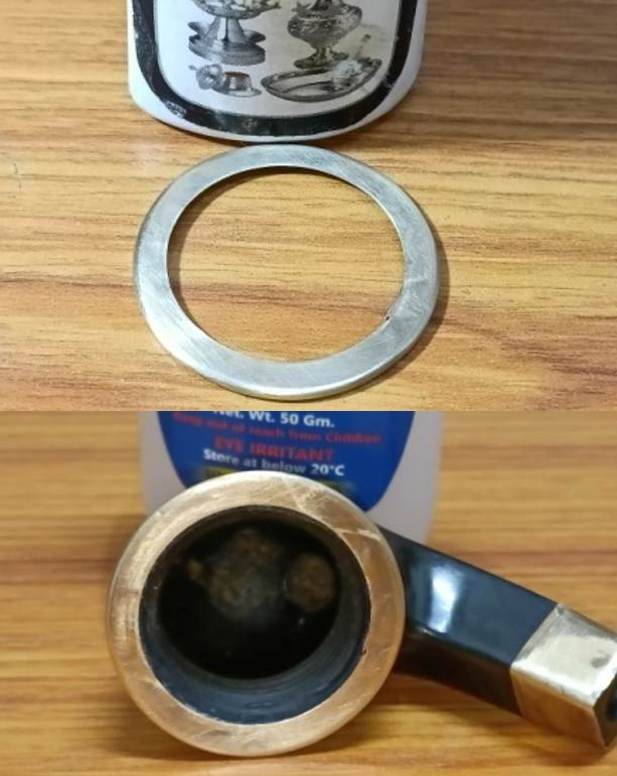
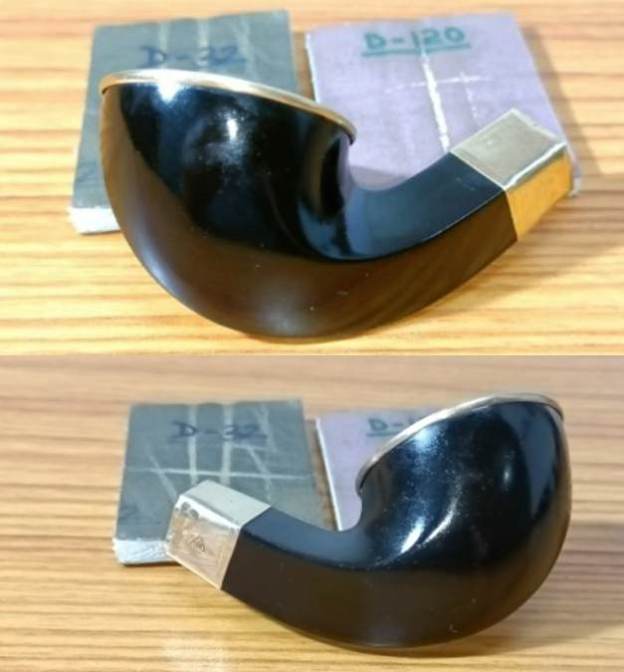
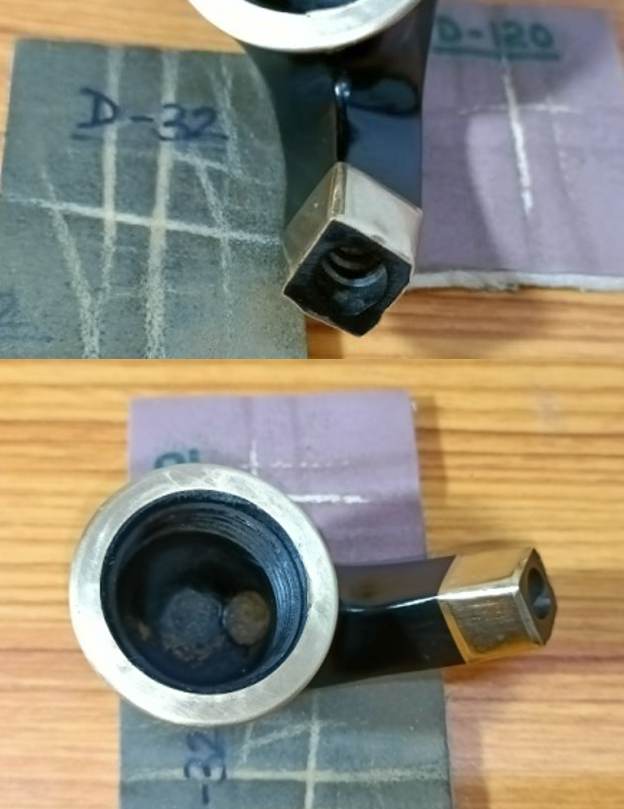
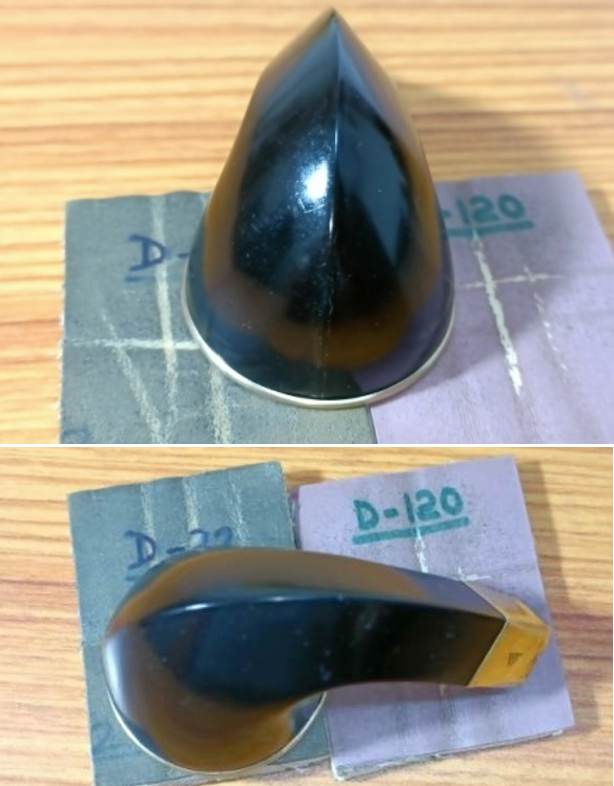
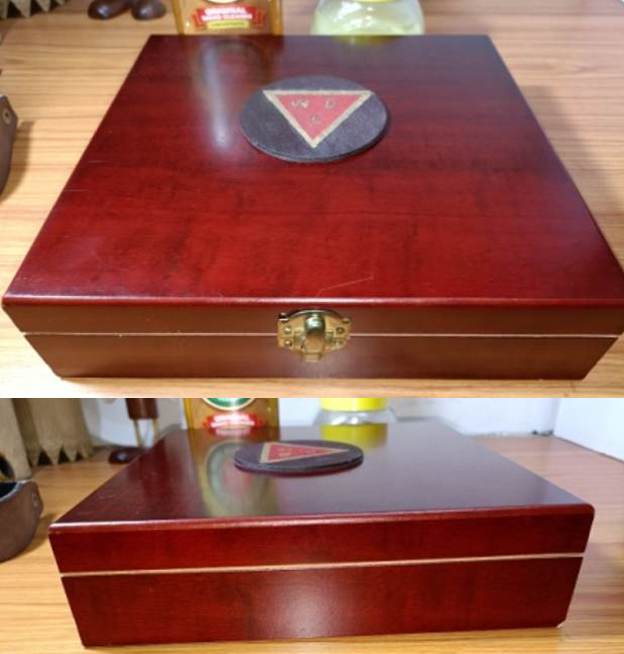
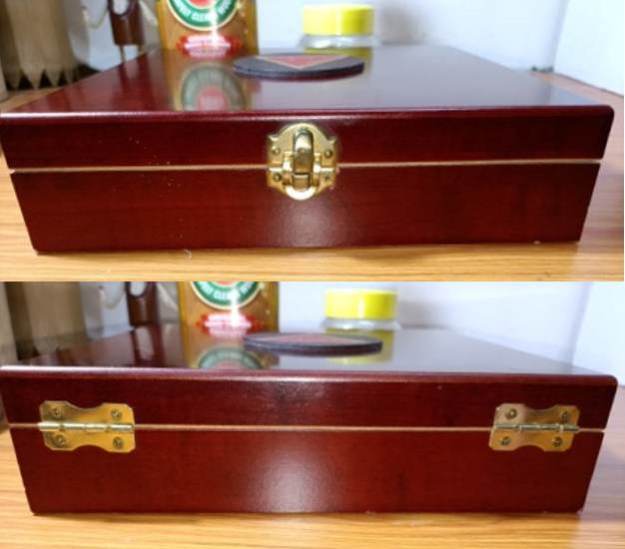
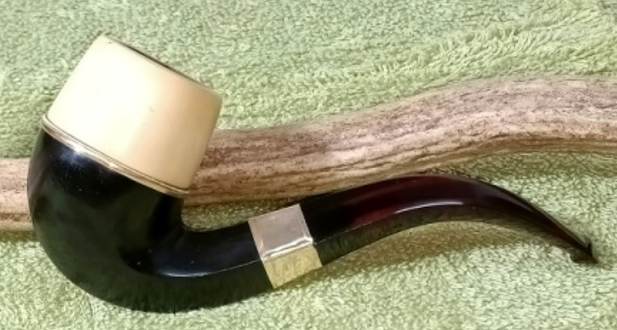
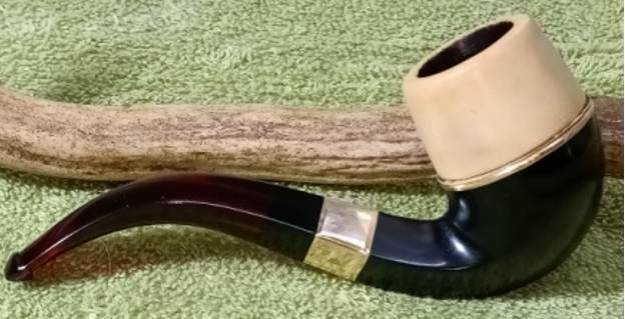
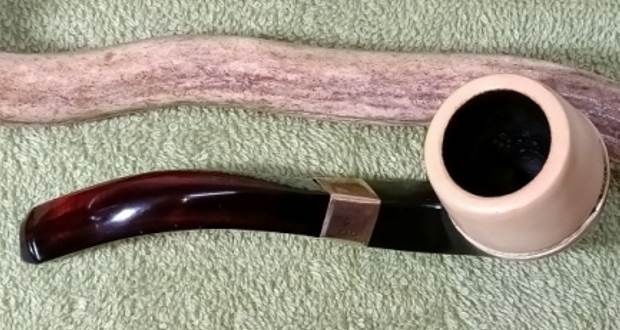
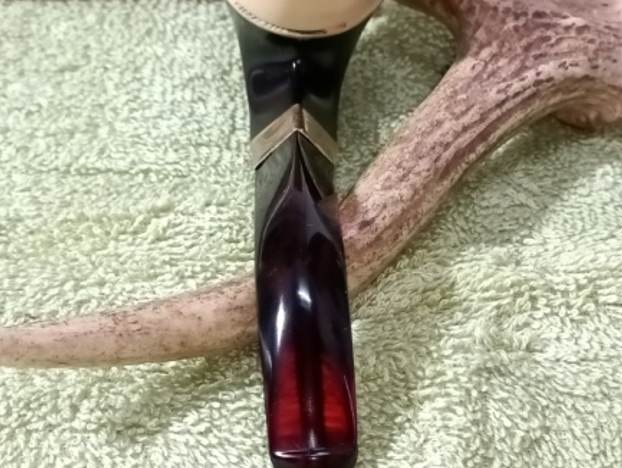
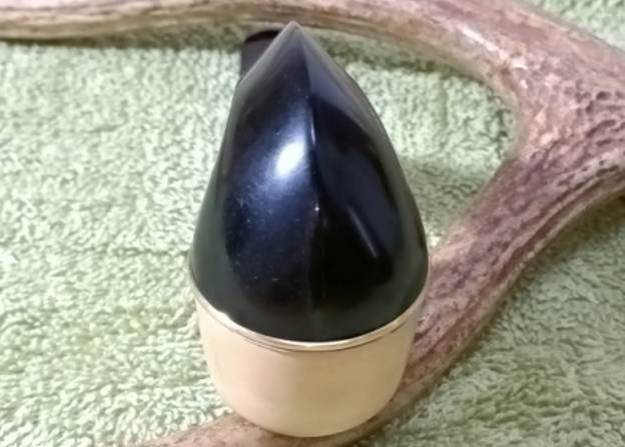
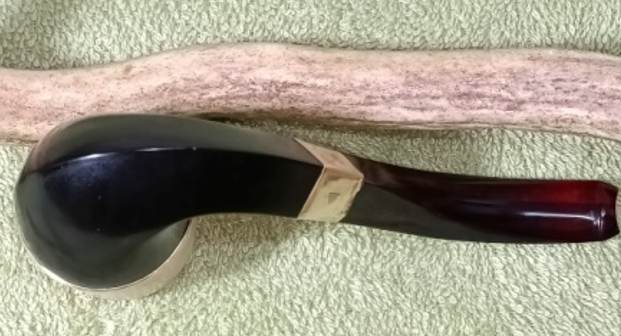
Freshening Up A Pair Of WDC Meerschaum Bowl, Bakelite Base And Redmanol Stem Pipes In A Presentation Case Continued…


Blog by Paresh Despande

I had been working on a pair of WDC pipes that came in a beautiful well preserved Presentation case. I have completed researching and refurbishing the first pipe, a straight Bulldog. Though I had worked on both these pipes simultaneously, I have done the write up in two parts.

For detailed information on the brand and other general information about the pipe and material used here, please read PART I of this series.

PART II: – BENT BULLDOG

Initial Visual Inspection

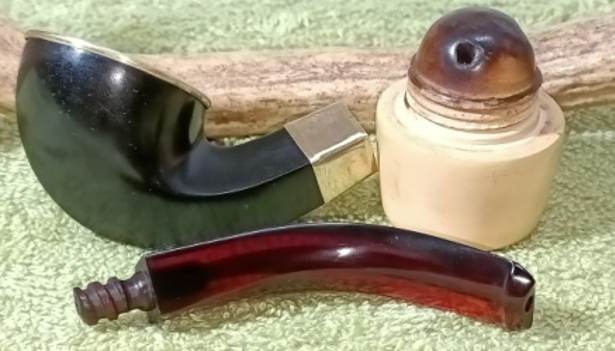
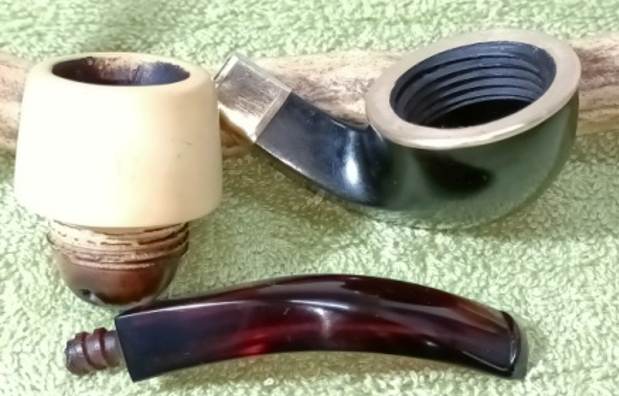
The condition of the pipe points to the fact that this pipe has seen significantly more use than the straight Bulldog. There is a thick cake in the chamber with lava overflow over the rim top surface. The base and shank shows heavy accumulation of tars and crud. The brass rim top cover over the Bakelite base/ shank is also covered in dried oils and tars. The Bakelite shank is dull and covered in completely dried out dirt and grime. The brass shank band at the shank end shows signs of wear but not badly damaged. The Redmanol stem is dull and lackluster with a few tooth indentations on either surface in the bite zone. All said, the condition of the pipe is not bad at all. Detailed Inspection
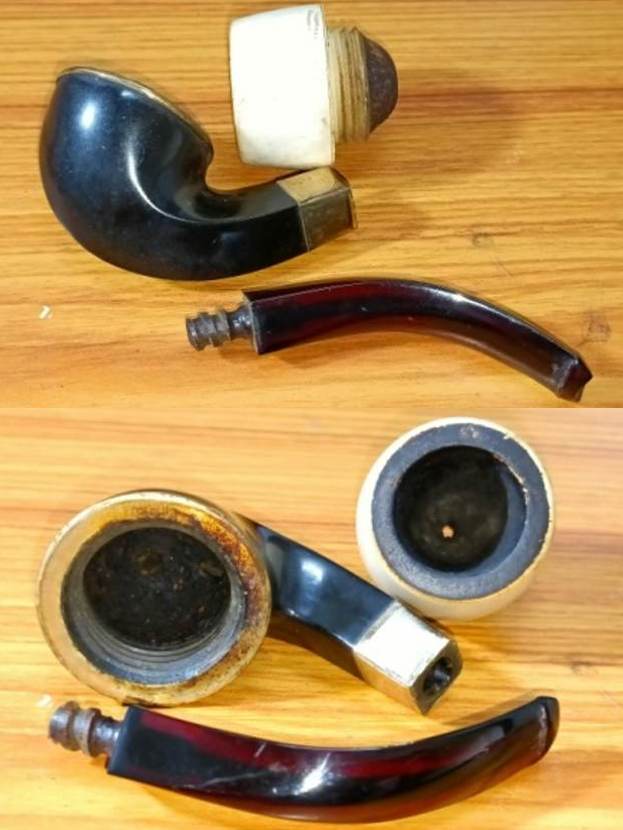
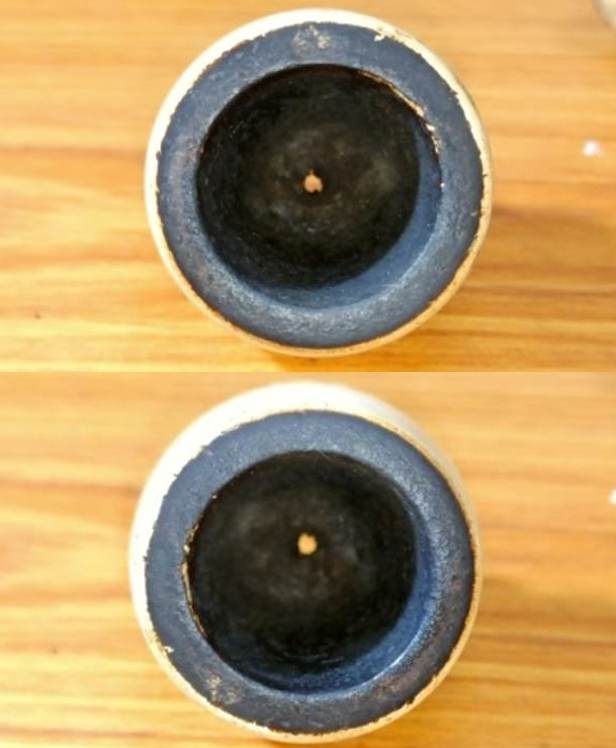
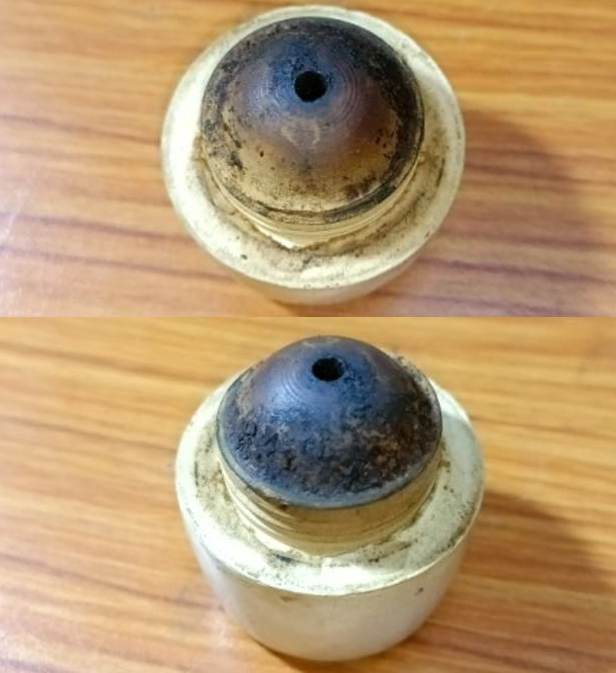
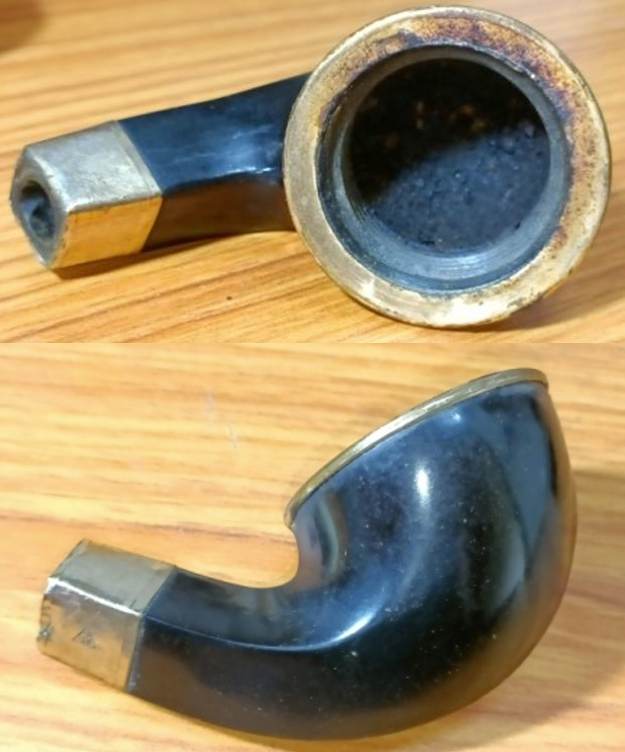
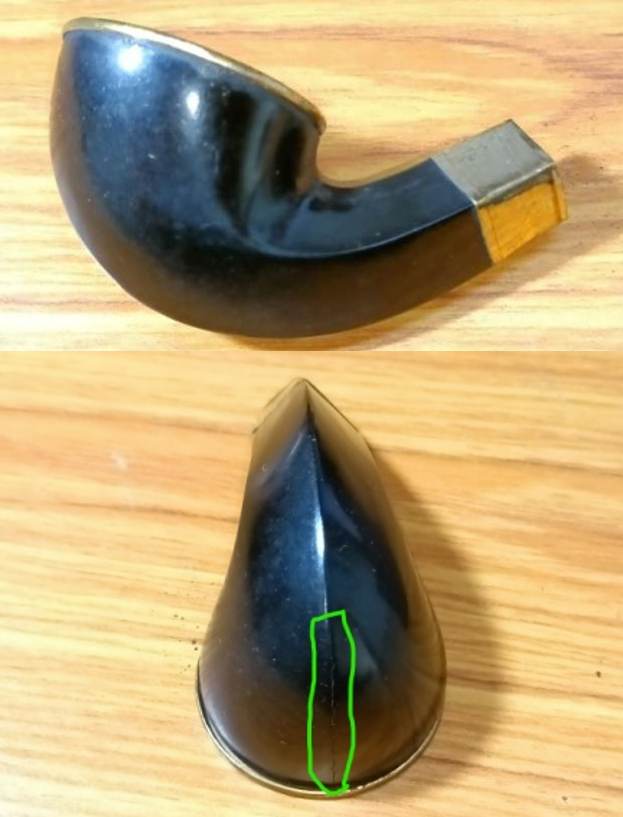
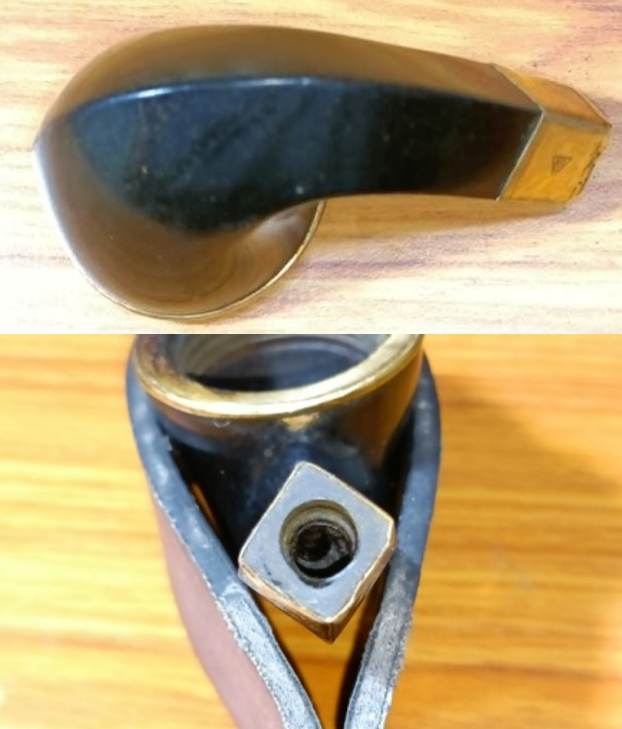
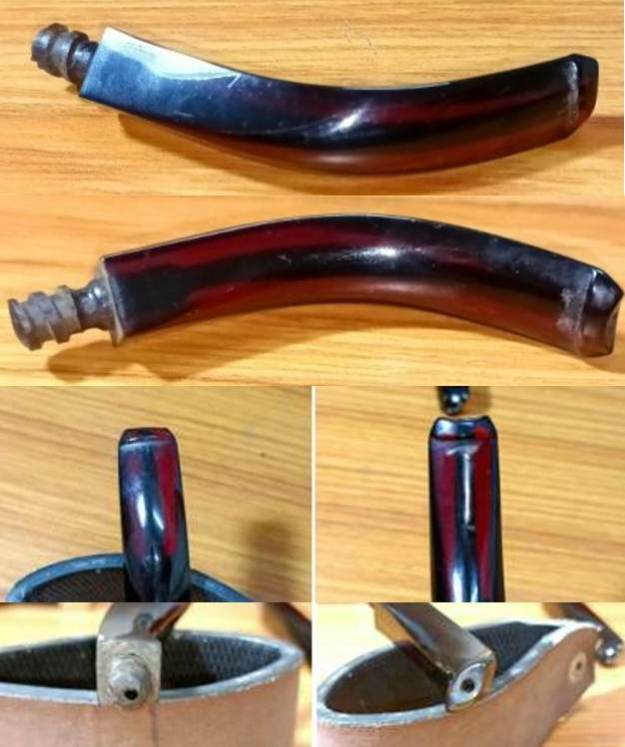
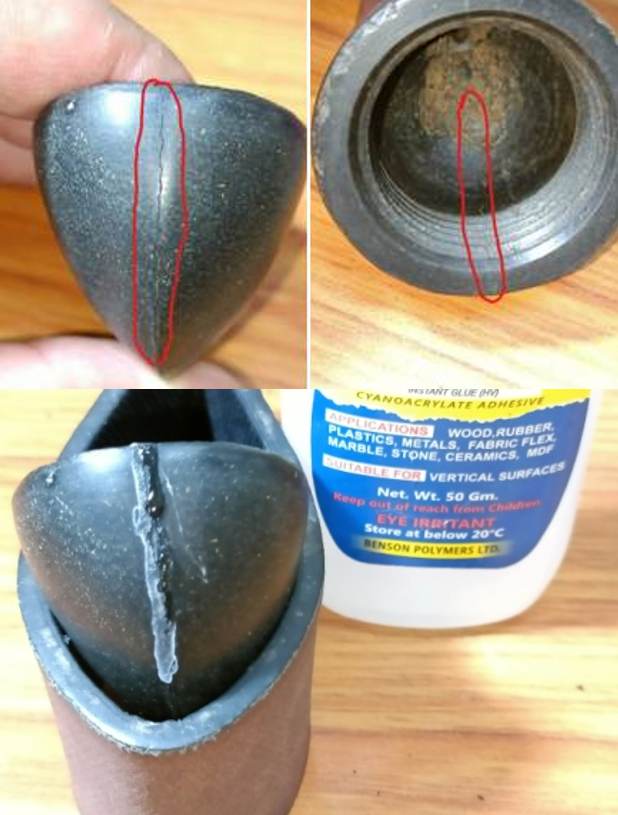
The three parts of the pipe are as shown below. The condition of the short threaded meerschaum bowl, filthy Bakelite shank and the bent Redmanol stem with threaded tenon all point to heavy use.The Meerschaum bowl has a thick layer of carbon in the chamber. The cake is soft and dry. The single draught hole at the heel of the bowl is partially clogged restricting the aperture opening. There is a thick layer of lava overflow on the rim top surface. There are a couple of spots where the white of the Meerschaum peeks out of the rim top surface but these are just spots from where the dry soft carbon cake had peeled off. The threads at the bottom of the bowl have worn out a bit but still firmly threads in to the Bakelite shank without any give or play. The convex bottom of the bowl is covered in dried ash and crud. There are a few scratches, nicks and dings over the surface but they are all very minor and do not detract from the beauty of the bowl.   The Bakelite base/shank shows heavy accumulation of old dried oils, tars and ash in the trough that houses the Meerschaum bowl. The threads in the base are all intact but covered in oils and grime. The brass rim top ring is covered in grime. Close scrutiny of the shank surface under magnification revealed a crack (indicated in green) along the seam running from the top front of the bowl to about half way to the foot of the Bakelite base. I would first need to clean the internals of the base to ascertain if this crack extends inside. This was an unanticipated damage, but one that would need to be addressed. The mortise is clogged with dried oils and gunk making the draw laborious and constricted. The bent Redmanol stem is dull looking but with a nice cleaning and polishing will add to the visual treat of the completed pipe. The stem airway has darkened considerably due to dried gunk that accumulated along the walls of the airway. There is some minor tooth chatter and couple of deeper tooth indentations on either surface of the stem. The round orifice and the threaded tenon are covered in gunk. Overall, there is not much damage to the stem and should clean up nicely.The Process
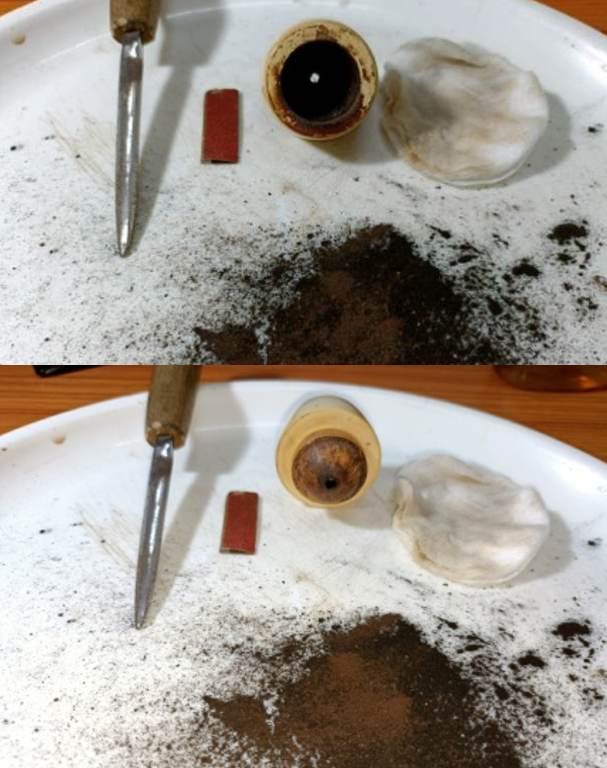
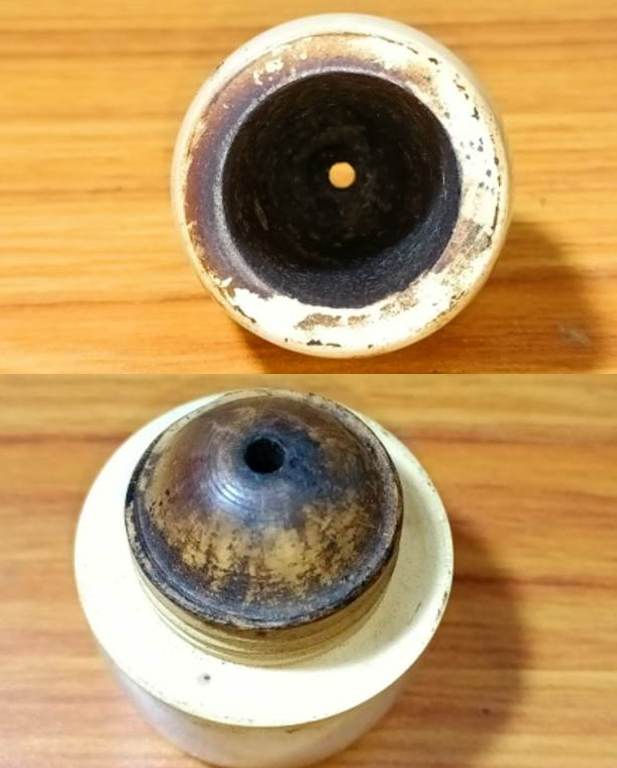
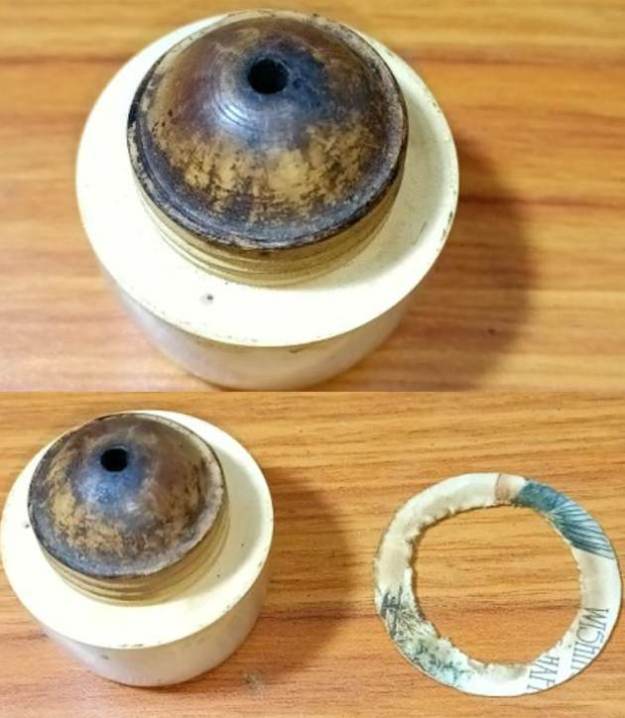
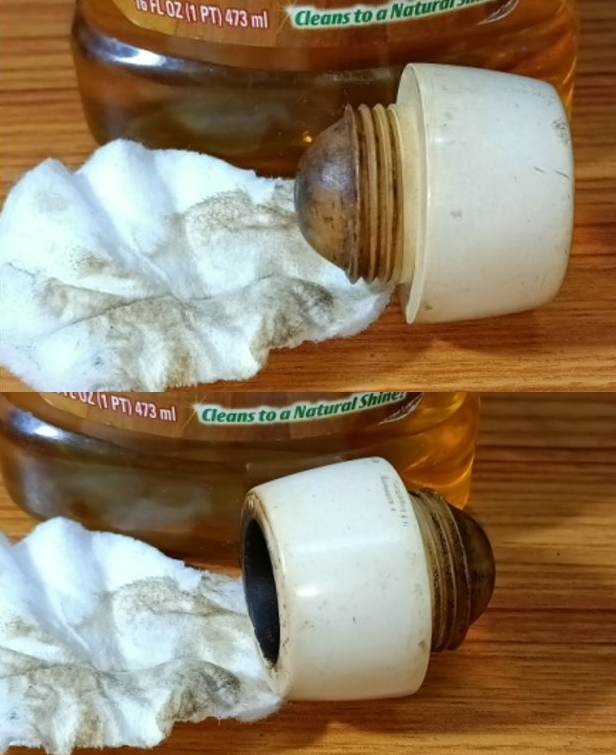
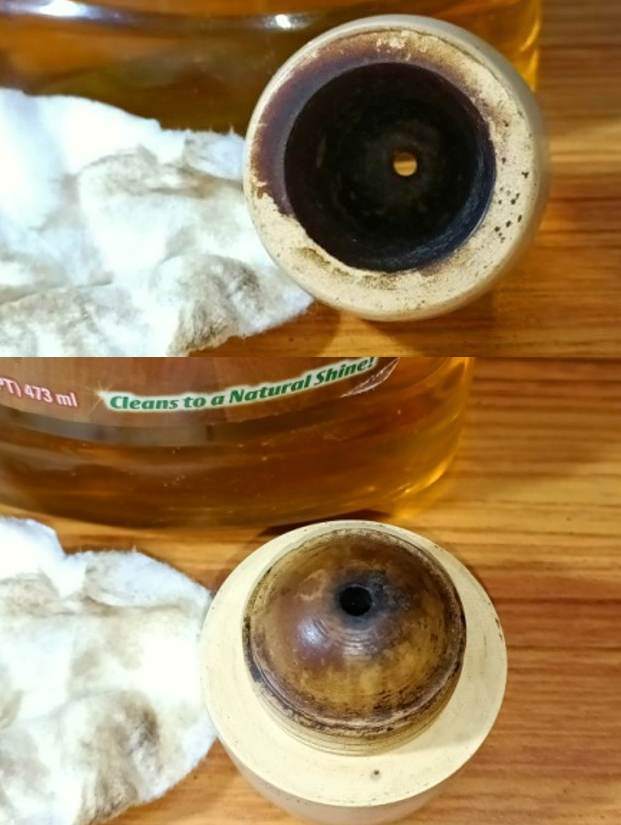
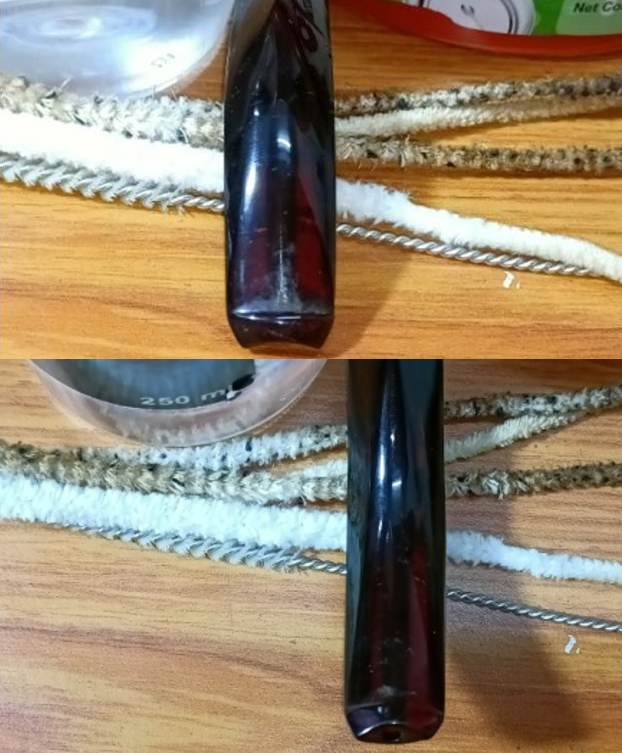
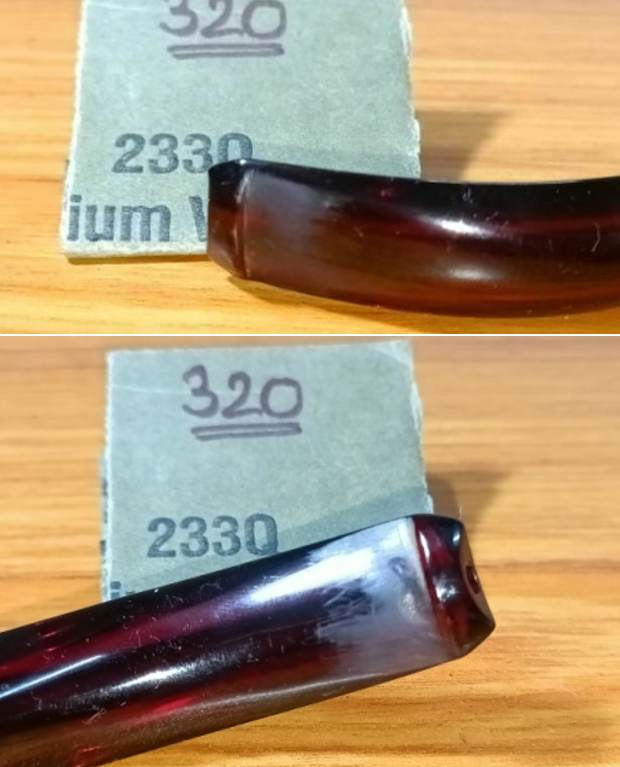
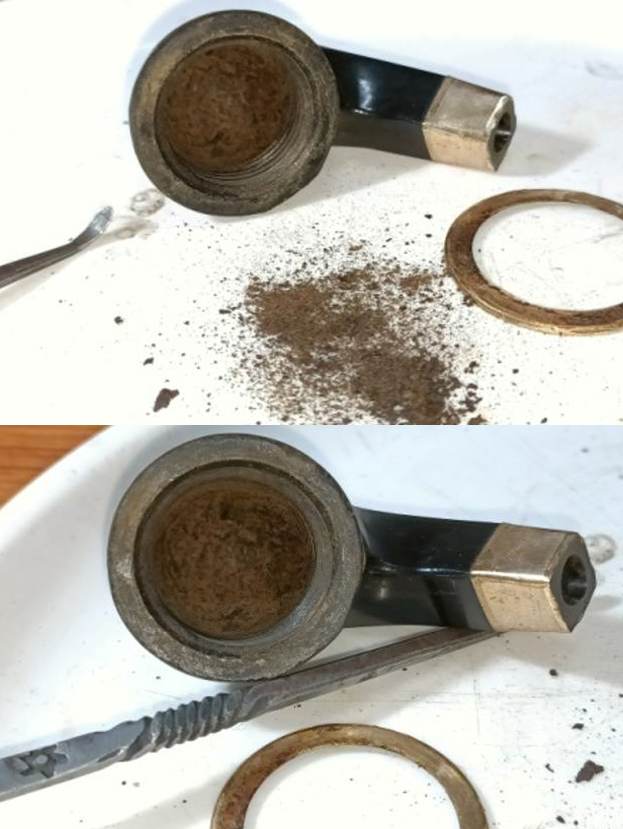
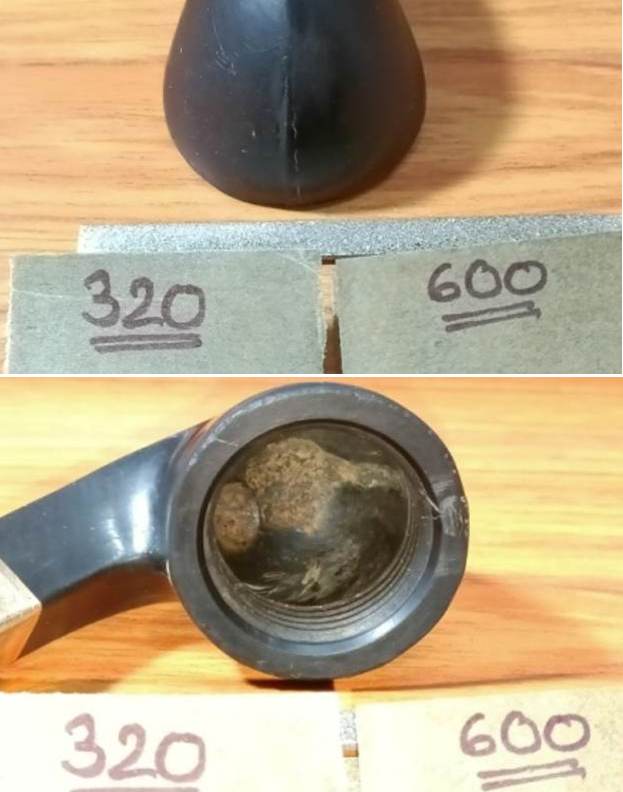
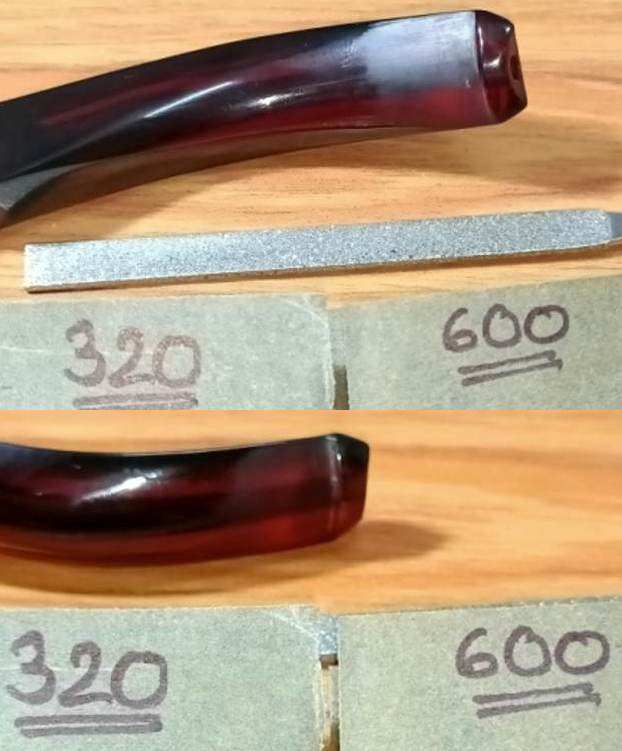
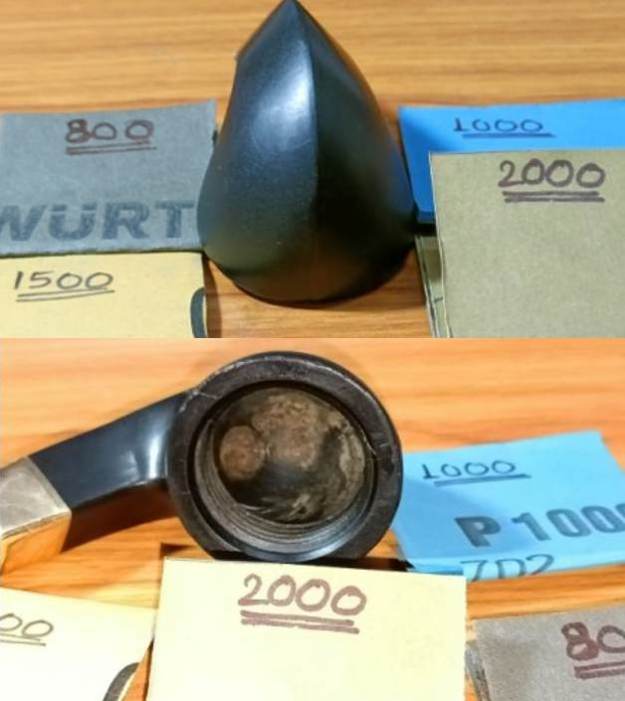
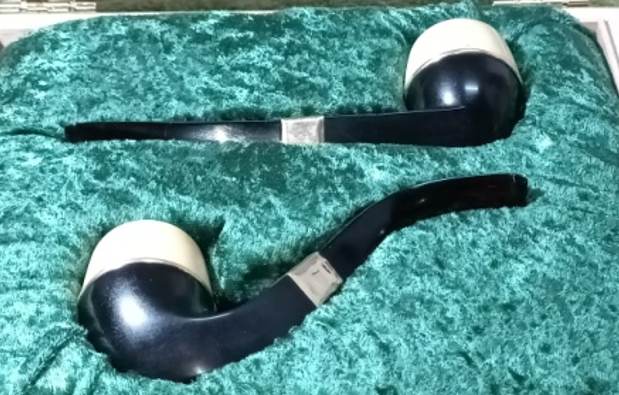
In normal course, I would have addressed the shank repairs first. However, since I worked on the pair concurrently, I first reamed the chamber with my smaller fabricated knife followed by sanding the walls with a folded piece of 220 grit sandpaper. This removes cake completely and evens out the chamber wall surfaces. I scraped off the dried oils and tars from the bottom of the bowl and also from in between the threads. A wipe using isopropyl alcohol on a cotton swab ensured that the carbon dust that remained is completely lifted from the wall surface and the ghost smells are eliminated. I was pleased to find smooth and solid chamber walls. With the sharp knife, I gently scraped off the lava overflow from the rim top surface. I would continue further cleaning of the rim top during the refurbishing process. As I working the Meerschaum bowl, out of the blue, a round thin ring come off the bottom of the bowl and my heart sank… Did the bottom of the bowl just break in my hand? I heaved a sigh of relief when I realized that it was nothing more than a spacer that was cut out of a Greeting card. But it was so well cut and matched, that it missed my inspection. Now I am beginning to understand why the bowls were interchanged on the pipes in the first place. The long neck Meerschaum bowl with three draught holes should belong to this bent Bulldog but was switched with the shorter neck bowl with single hole. The crack along the seam must have been opening up as the Meerschaum bowl was threaded in to the base, pushing the bowl further down in to the base. The long neck of the bowl scraped the heel of the base, restricting the air flow. Thus, the short neck bowl from the straight Bulldog was swapped with this long neck and the paper washer was installed to make the seating of the short neck Meerschaum bowl in to the base airtight. With this modification, the bent Bulldog became a better smoker than the straight Bulldog and hence was more extensively used.I wiped the external surface of the bowl with Murphy’s Oil soap on a cotton swab. While cleaning, I was especially deliberate around the threads and over the rim top surface as I wanted to get rid of the entire gunk from those areas. Though the bowl cleaned up well, the rim remains darkened, akin to burning marks. This would need more invasive methods to clean away. The scratches and dings that are now visible will be left as they are for being a part of the journey of this pipe till date. I wiped the bowl with a moist cloth to remove the soap and grime that was left behind. Using folded piece 220 grit sandpaper, I sand the rim top to remove the darkening over the surface. Though not completely eliminated, the rim surface looks now looks much better. I handed over the cup to Abha, my wife, to work her magic in polishing the cup. She polished the rim top surface and rim edges with micromesh pads. She then went on to dry sand the entire stummel with 1500-12000 grit pads and wiped the bowl down with a damp cloth to remove the dust that was left behind by the sanding. I had requested her to minimize the scratches but not necessarily remove them. These lacerations and dings must have had a history and I wanted to preserve it. She did a fantastic job of polishing the meerschaum cup to a nice deep shine.  As Abha was polishing the Meerschaum bowl, I worked on the stem repairs. I first cleaned the stem surface and airway using anti-oil dish cleaning soap and thin shank brush and rinsed it under warm running water to remove the entire gunk from the airway. I also cleaned up the threaded tenon with a tooth brush and soap. To finish the cleaning, I ran a few bristled and regular pipe cleaners dipped in alcohol to remove the residual gunk from the airway and dry it out.   I next sand the bite zone with a 320 grit sandpaper to address the minor tooth chatter on either surface. I filled the deeper tooth indentations with clear CA superglue and set the stem aside for the glue to cure completely.  With the Meerschaum bowl polished by Abha and the stem repairs set aside for the fills to cure, I worked the Bakelite shank. With a fabricated tool, I scraped all the dried oils, tars and ash from the trough of the Bakelite base. I also cleaned the mortise by scraping out the dried gunk using my fabricated tool. As I was working on the shank, the brass cap over the shank rim top came free. I would need to reattach it once I was done with internal and external cleaning of the shank.Next, I cleaned the Bakelite shank with anti oil dish soap and tooth brush. I cleaned the shank internals and the mortise with shank brush and anti oil soap and rinsed it under warm water. The brass cap was scrubbed clean with the soap and Scotch Brite pad. The shank is now clean both from the inside and the outside. With the external and internal surface of the Bakelite shank cleaned up, the crack at the seam is now clearly visible. As I had expected, this crack extends to the inside of the shank also. Both these are encircled in red. I discussed with Steve and he advised that drilling of counter holes to arrest the spread of these cracks should be avoided as the Bakelite could shatter due to the impact of the drill machine. The best way to ensure a robust and lasting repair would be to lay a fine bead of CA superglue along the crack. The glue would seep into the crack and once hardened, would form a strong joint along the seam. I did just that and set the shank aside for the glue to cure.By next day afternoon, the fills had completely hardened. With a flat head needle file, I sand the fills to achieve a rough match with the rest of the shank surface. To further fine tune the match, I sand the fill with a 320 followed by 600 grit sandpapers. I sand the fill inside the Bakelite trough with the sandpapers only as it was not possible to use the needle file. I am quite happy with these repairs at this junction. The Redmanol stem fills too had hardened and I worked the fills with a needle file to match it with the rest of the stem surface. I fine tuned this match further by sanding it with a 320 followed by 600 grit sandpapers. The fills have blended in perfectly with the stem surface. Thereafter, I handed the stem over to Abha to polish it to a high gloss. After the stem was handed over to Abha, I polished the Bakelite base/ shank by wet sanding the surface with 800, 1000, 1500 and 2000 grit sandpapers. The Bakelite is now beginning to take on a nice shine.  Before moving on to final polish using micromesh pads, I decided to reattach the brass cap first. I polished the brass cap with a polishing compound that we get in India here. I rubbed the compound over the rim cap and wiped it using a soft cloth. I applied a small quantity of superglue along the rim top surface and pressed the rim cap over the rim top. I wiped the excess glue with a cotton swab wetted with alcohol.Next I polished the shank by dry sanding with 3200 to 12000 grit micromesh pads. I applied a little Extra Virgin Olive oil to the surface just to enhance the shine. All this while, Abha was quietly busy polishing the stem. She wet sanded the entire stem with 800, 1000, 1500 and 2000 grit sandpapers and followed it up by dry sanding with 3200 to 12000 grit micromesh pads. The stem looks fabulous and I cannot thank Abha enough for the help and support she extends in this hobby of mine. Next I gave a beeswax polish to the meerschaum bowl. The process that I followed for this polish has been explained in Part- I and not being repeated here. The following pictures will give you an idea of the process and also of the end results. It was here that I had swapped the Meerschaum bowls and correctly matched them with their original pipes. While the Meerschaum bowl was soaking in the beeswax, I cleaned the external surface of the Presentation Box with Murphy’s Oil soap and cotton swab. I wiped the surface with a moist cloth to remove any residual soap from the surface. Next I applied some “Before and After” Restoration balm to the surface to rehydrate the wood and polished it with a microfiber cloth. To finish, I re-attach the Redmanol stem with the Bakelite shank. I mount a cotton cloth buffing wheel on to my hand held rotary tool and setting the speed at 50% RPM, applied Blue Diamond compound over the shank and the stem surface. I wiped/ buffed the parts with a soft cotton cloth to clear it of any leftover compound dust. I then mounted another cotton cloth wheel on to the polishing machine and applied several coats of carnauba wax over the shank and the stem of the pipe. I finished the restoration by giving the pipe a rigorous hand buffing using a microfiber cloth to raise the shine further. Have a look at the completed pipe below. And here are a couple of pictures of both the pipes in their Presentation Case. Thank you all for joining me on this path as I repaired and restored this fabulous piece of pipe history to its former glory and functionality.

Breathing Life into a Custom-Bilt Rhodesian


Blog by Steve Laug

The next pipe on the work table came to us on 10/14/2017 from now closed antique shop in Pocatello, Idaho, USA. The pipe is a classic Custom-Bilt piece – a rusticated Diamond shank Rhodesian shaped pipe with some deep carving around the bowl. The pipe is stamped on the left underside of the shank and reads Custom-Bilt [over] Imported Briar. On the right underside of the shank it bears a carved square near the stem/shank junction. The bowl was heavily caked with a an overflow of lava on the smooth rim top toward the back and on the inner edge. The inside edges looked to be in good condition. The finish was dirty but the pipe still has a sense of charm. The stem was dirty and lightly oxidized. It had tooth chatter and marks on the top and underside near the button. The was a chipped area on the topside edge of the button. There were no markings or a logo on the saddle stem. It had promise but it was very dirty. Jeff took some photos of the pipe before he started his cleanup work. He took photos of the rim top and bowl to give a clear picture of the thickness of the cake and tobacco debris as well as the lava on the smooth rim top. He also took photos of the top and underside of the stem to show the oxidation and the chatter and tooth marks. The photo of the topside of the stem also shows the chipped edge of the button. Jeff took a photo of the heel of the bowl to give a picture of what the briar looked like. The rustication pattern around the bowl is instantly recognizable as done by Custom-Bilt. The stamping on the left underside of the shank and the right underside at the shank/stem joint is clear and readable and read as noted above.   I turned to Pipephil (http://www.pipephil.eu/logos/en/logo-c8.html) to get a quick view of the brand once again. I knew that I was working with one of the older pipes and probably made by Tracy Mincer himself. He stopped making the Custom-Bilt pipes in the early 1950s. The screen capture I included below shows a brief history of the brand. It also has a comment on the symbols stamped on the shank near the stem including the square that is stamped on this one.I turned to Pipedia (https://pipedia.org/wiki/File:CustomBilt_Stamp1.jpg) for a quick read. The majority of the information there included two book reviews of the “Custom-Bilt Story” by Bill Unger.

The one line I culled was the following: “Tracy Mincer started the original Custom-Bilt pipes it appears in 1934”.

I did a screen capture of the stamping that matched the stamping on the pipe that I am working on. What I learned from that is that the stamp was used by Tracy Mincer in Indianapolis in the US from 1938-1946 and possibly in Chicago before 1938 as well. So now I had a possible date for this pipe. It was an old timer and it was well worth working on.Armed with that information I turned to work on the pipe itself. Jeff had cleaned up the pipe with his usual penchant for thoroughness. He reamed the pipe with a PipNet pipe reamer and removed the rest of it with a Savinelli Fitsall Pipe Knife. He scrubbed the bowl with undiluted Murphy’s Oil Soap with a tooth brush. He rinsed it under running warm water to remove the soap and grime. He cleaned out the inside of the shank and the airway in the stem with alcohol, cotton swabs and pipe cleaners. He scrubbed the stem with Soft Scrub and a tooth brush and rinsed it off with warm water. I took photos of the pipe before I started my part of the restoration work. The rim top and the inner edge had some darkening and wear that would need to be addressed. The outer edge of the bowl look very good. The stem surface looked good with a few small tooth marks and chatter on both sides near the button. The biggest issue was the chipped button on the tops side.    The stamping on left side of the shank is clear and readable. I failed to take photos of the stamping on the heel and right side but they to are clear. It is stamped as noted above.I removed the stem and took a photo of the pipe to give a sense of the whole. It is a proportionally pleasing pipe.I started my work on the pipe by addressing the darkening on the rim top and cleaning up the damage to the inner edge of the rim. I used a folded piece of 220 grit sandpaper to reshape the edge and to clean up the rim top. The finished rim top and edge looks better.    I polished the rim top with micromesh sanding pads – dry sanding with 1500-12000 grit pads to develop a deep shine on the smooth portions of the bowl. I wiped the bowl down after each pad with a damp cloth to remove the sanding debris.   The bowl looked good at this point so I rubbed it down with Before & After Restoration Balm. I worked it into the surface of the bowl sides and shank with my fingertips and a horsehair shoe brush to clean, enliven and protect the briar. I let the balm sit for about 10-15 minutes and buffed with a cotton cloth to raise the shine.  I set the bowl aside and turned to work on the stem. I rebuilt the chipped button with black rubberized super glue. It was not a large chip and the glue would do the trick with it. I folded a pipe cleaner and greased it with Vaseline. I slipped it in place in the slot under the chipped area. I filled the chip in with the super glue. I rebuilt the inside edge using a tooth pick. I filled in the deep tooth marks with black super glue at the same time.  Once the repair cured I used a pottery trimmer blade to shape the inside of the slot. I need to do some light patching still to take care of some air bubbles in the inside edge. I also flattened the repair on the topside and shaped the button edge on both sides with a small flat file. It is starting to look very good.I sanded the button edges and the repairs on the stem with 220 grit sandpaper to blend them into the surface of the vulcanite. I started polishing it with 400 grit wet dry sandpaper.     I polished the vulcanite stem with micromesh sanding pads – 1500-12000 grit pads. I wiped it down with Obsidian Oil after each sanding pad. I used Before & After Pipe Polish – both Fine and Extra Fine to further polish the stem.     This Custom-Bilt Rhodesian is a great looking pipe now that it has been restored. The style of rustication that is used around the bowl is highlighted by the stain application and works well with both the shape and the polished vulcanite stem. I put the stem back on the bowl and carefully buffed the pipe with Blue Diamond on the buffing wheel using a light touch on the briar. I gave the bowl multiple coats of Conservator’s Wax and the stem multiple coats of carnauba wax on the buffing wheel and followed that by buffing the entire pipe with a clean buffing pad. I hand buffed the pipe with a microfiber cloth to deepen the shine. The finished Custom-Bilt is another pipe that fits nicely in the hand and feels great. Give the finished pipe a look in the photos below. The dimensions of the pipe are Length: 5 ½ inches, Height: 1 ½ inches, Outside diameter of the bowl: 1 ¾ inches, Chamber diameter: 7/8 of an inch. The weight of the pipe is 40 grams/1.41 ounces. I will be putting it on the rebornpipes store in the American Pipemakers Section shortly. If you are interested in adding this pipe to your collection send me a message or an email. Thanks for reading this blog and my reflections on the pipe while I worked on it. There are many more to come!

Sidle Up to the Bari


by Kenneth Lieblich

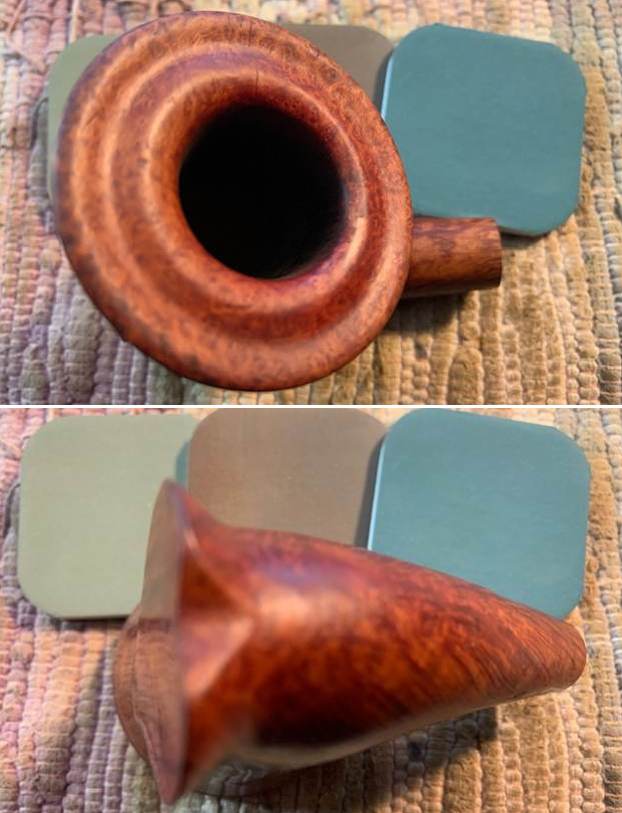
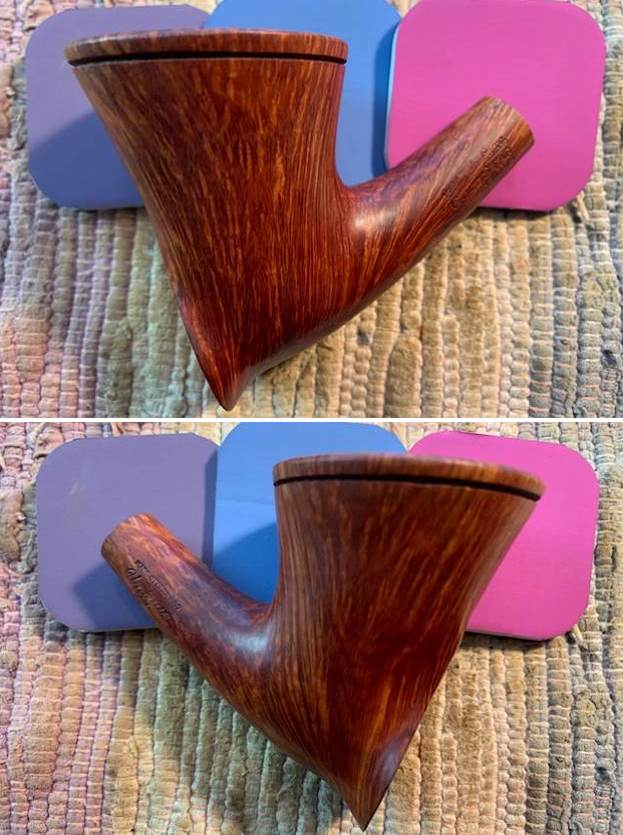
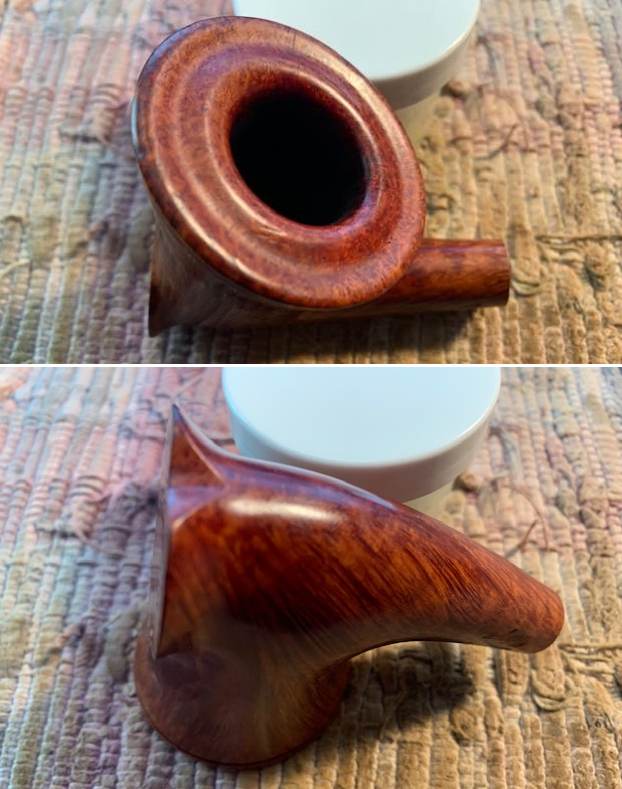
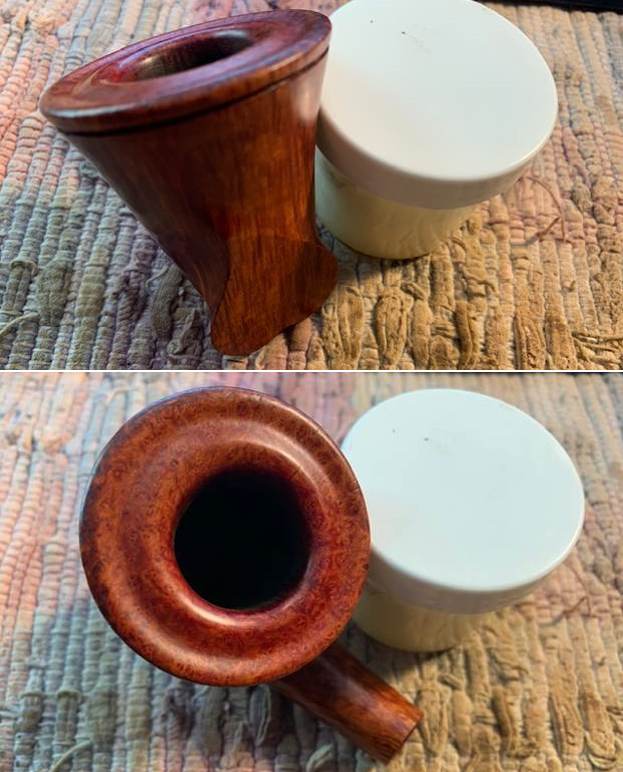
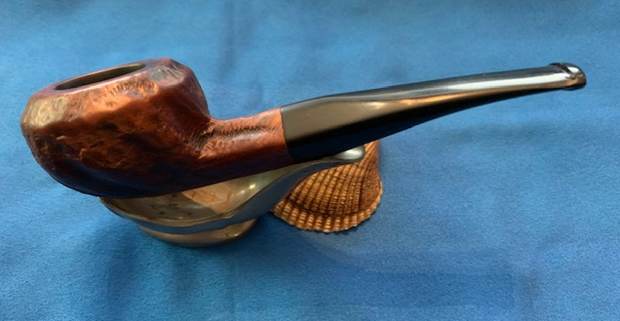
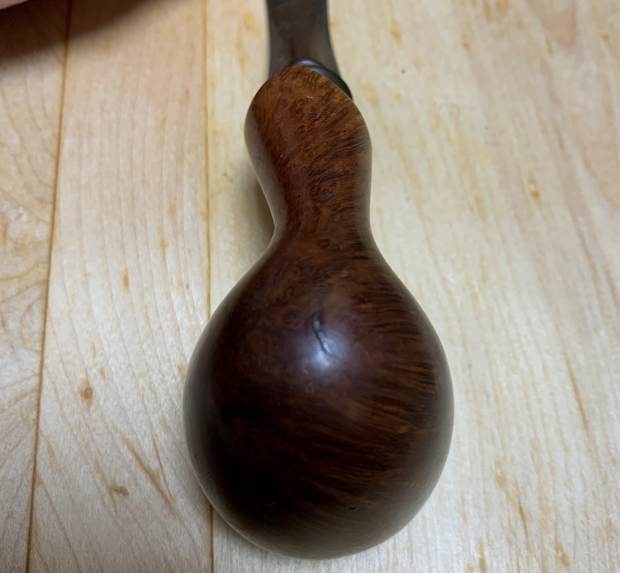
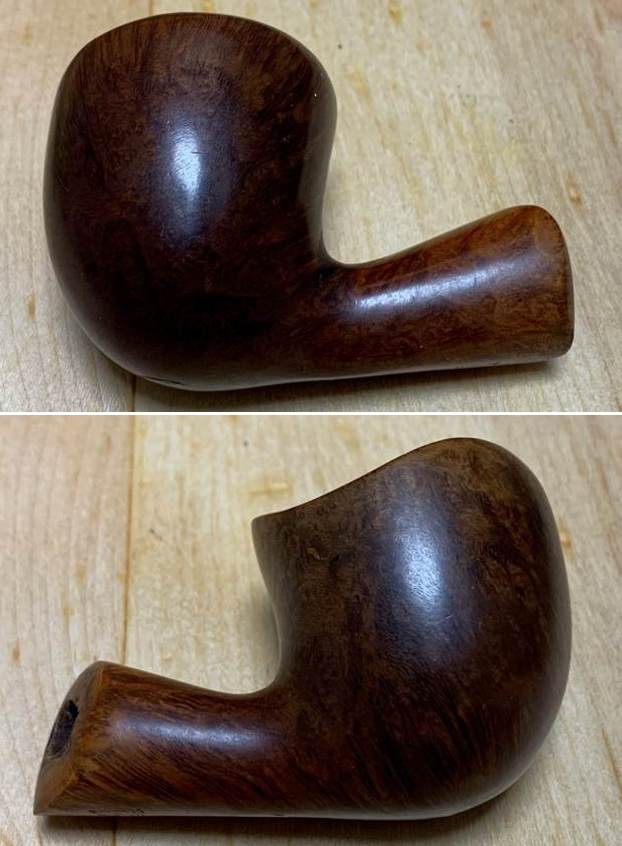
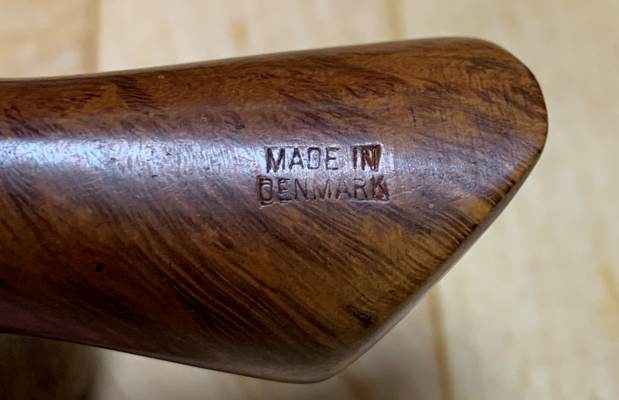
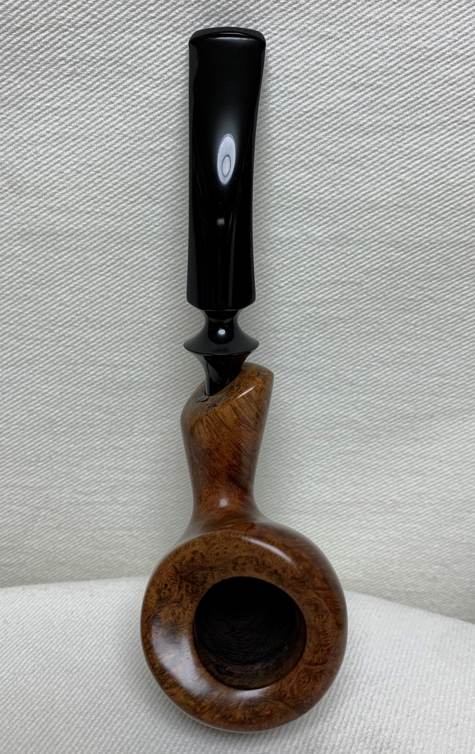
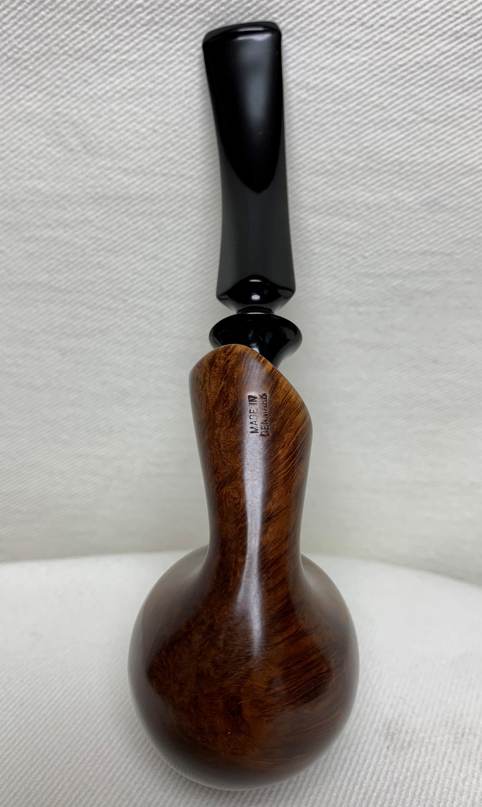
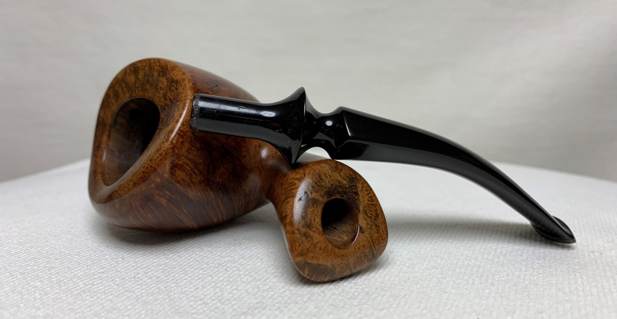
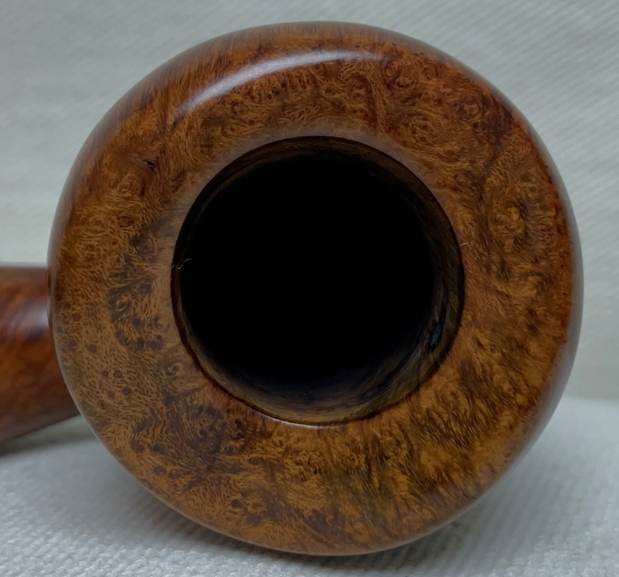
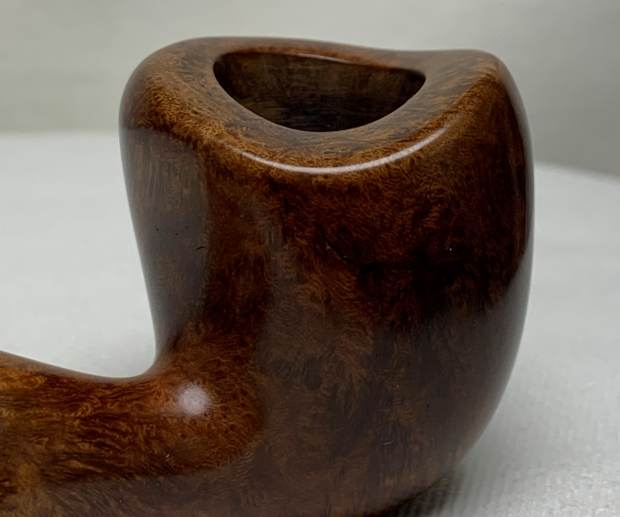
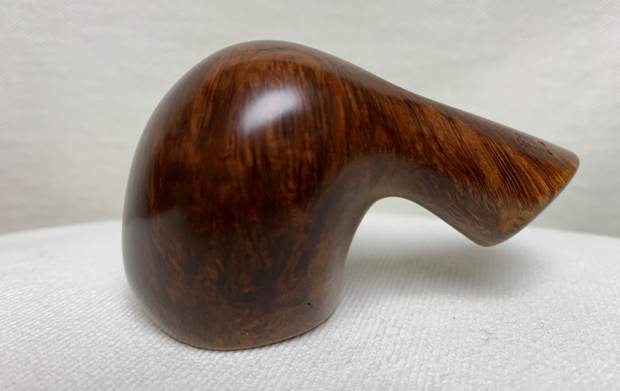
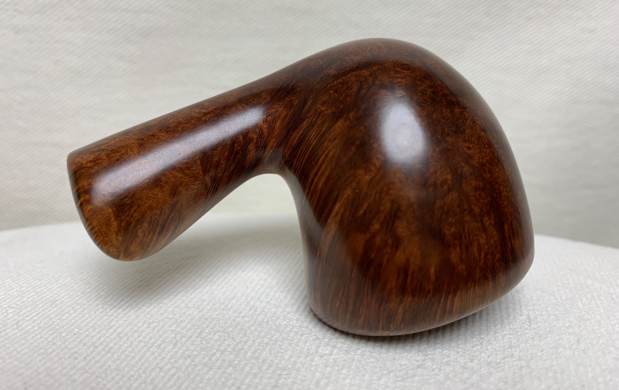
Next on the chopping block is a charming Danish pipe, likely by Bari. I say “likely” because it does not specifically name Bari on the pipe, but Steve assured me that he has seen other Bari pipes like it. He feels comfortable calling it a Bari and that is more than good enough for me. His imprimatur is worth its weight in gold!   There was only one marking on the pipe – the underside of the stummel read Made in [over] Denmark. There was no shape number or any other identifying marks.This freehand pipe is quite beautiful and many of its curves are reminiscent of ski slopes from my youth. It is a pretty pipe and feels light and comfortable in the hand.

From Pipedia, here is a very brief history of the Bari company:

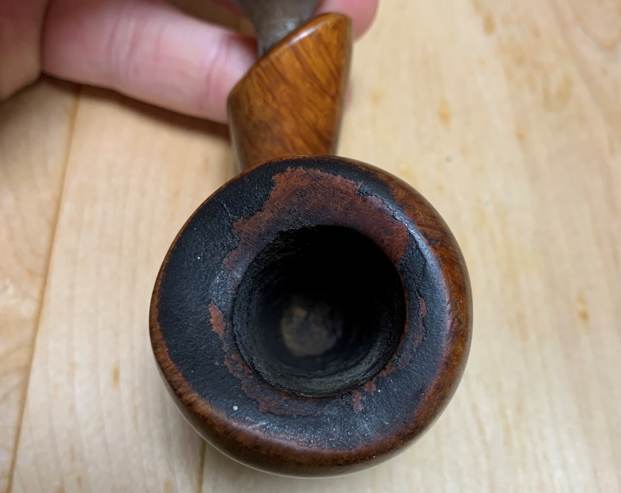
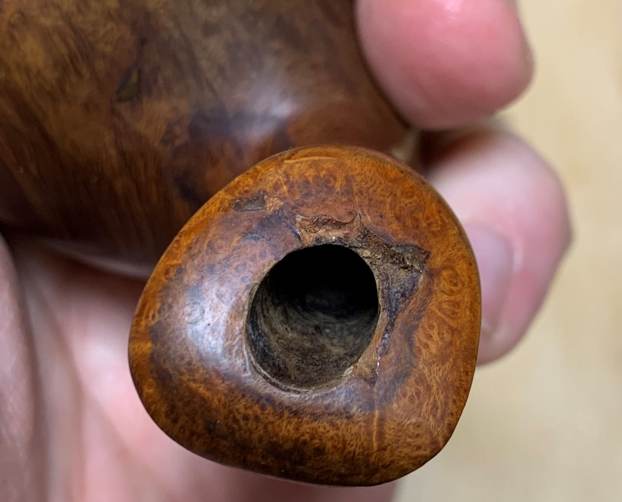
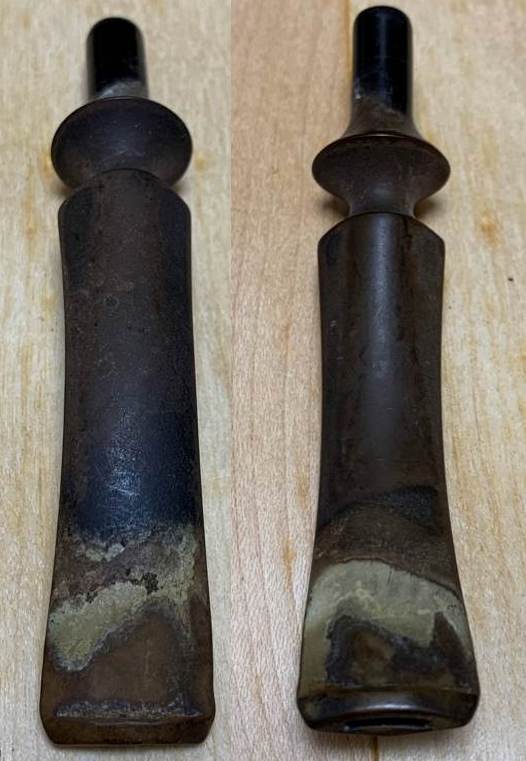
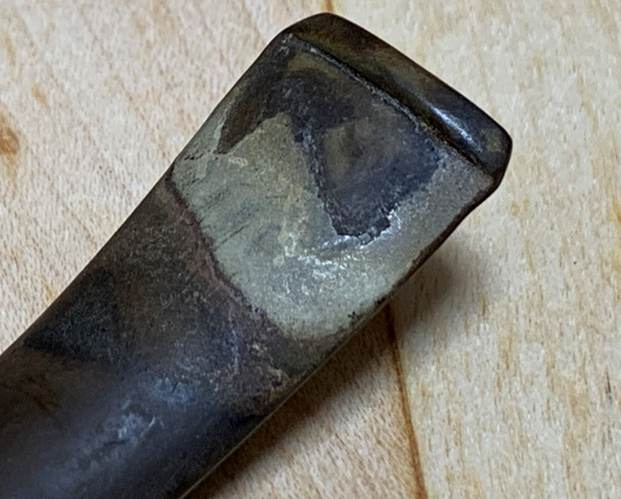
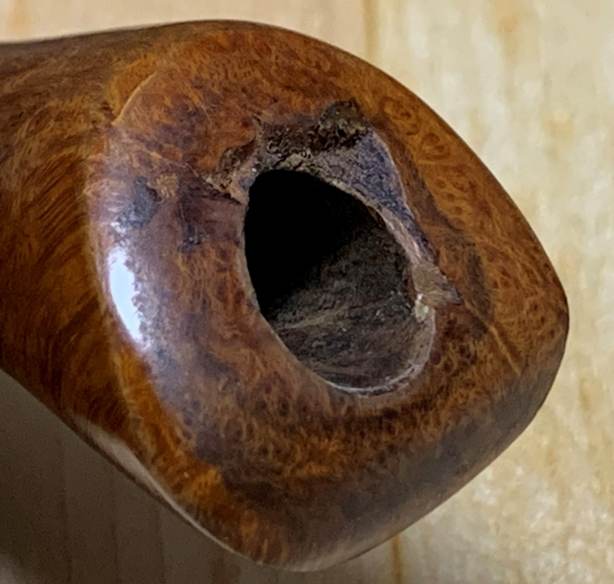
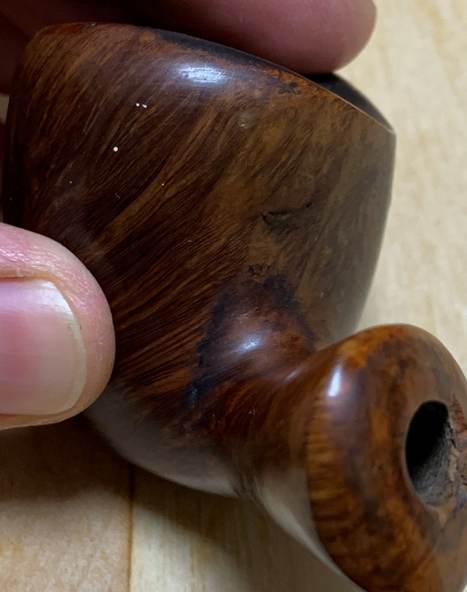
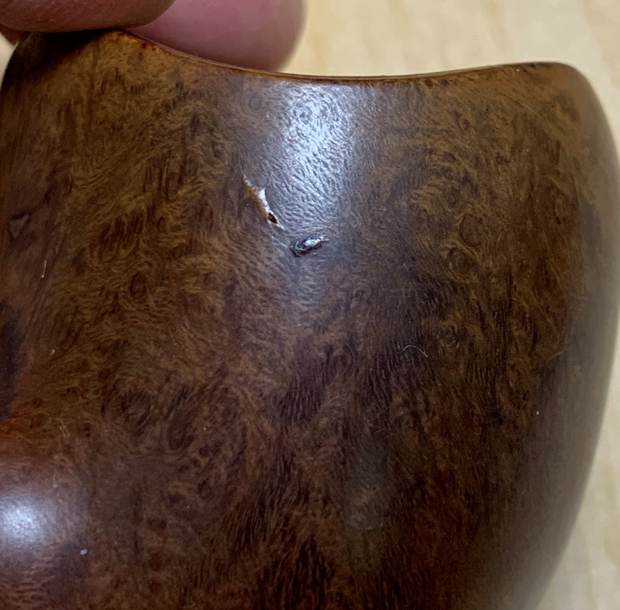
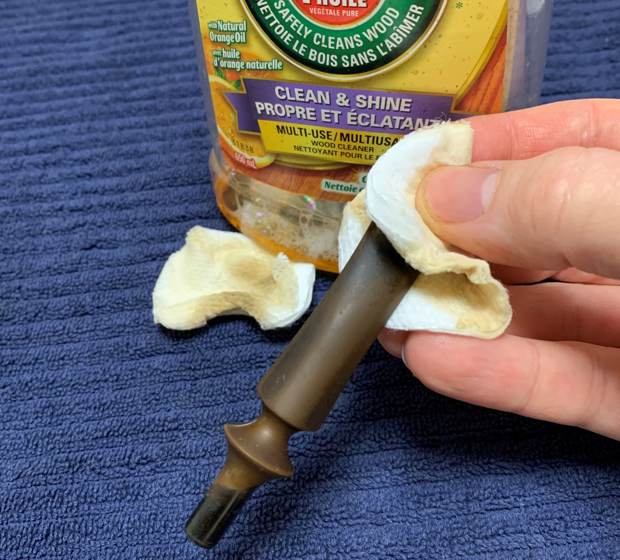
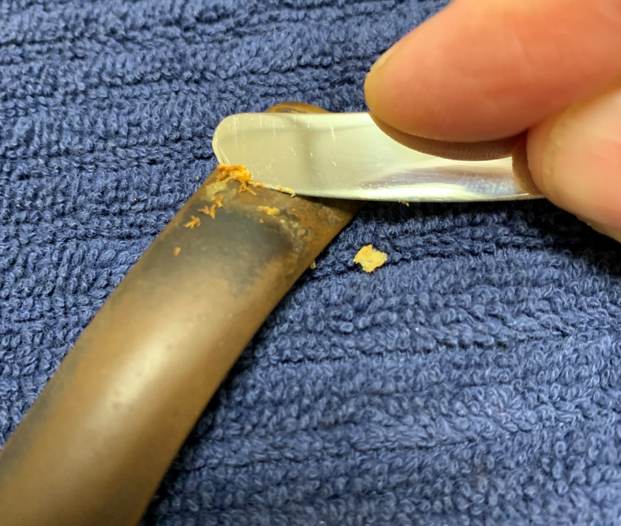
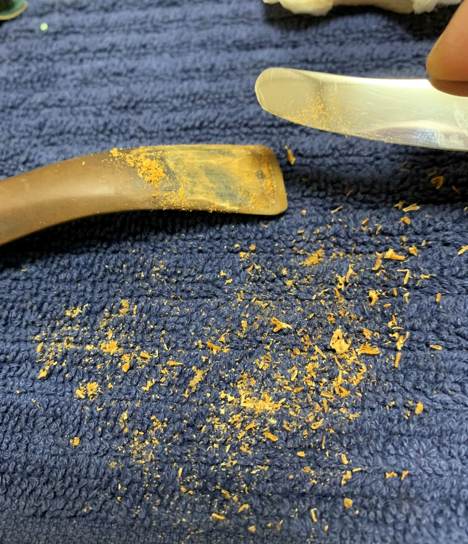
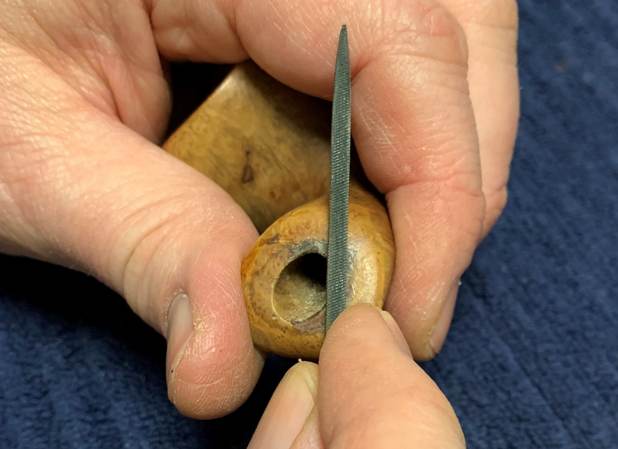
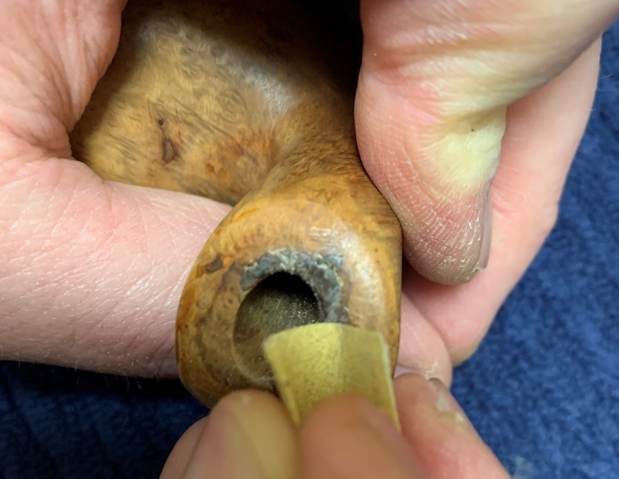
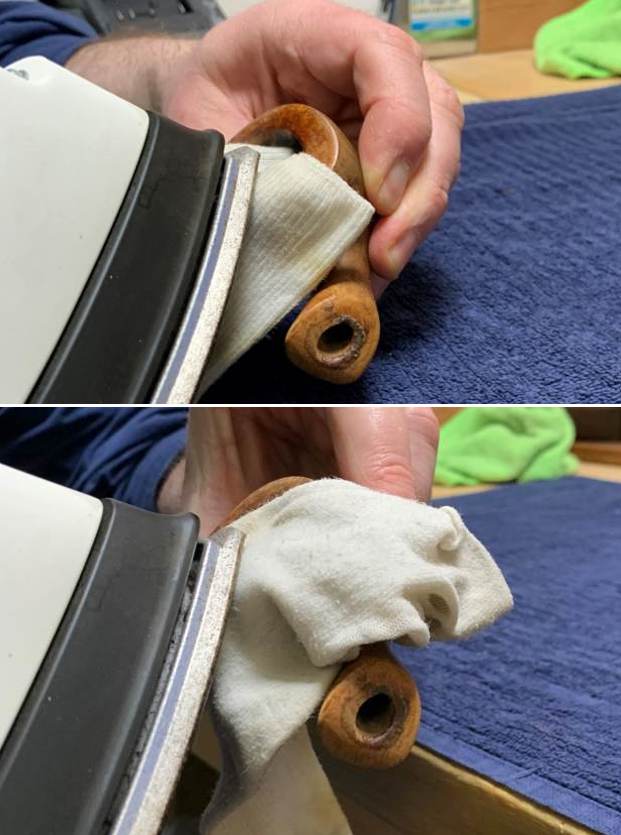
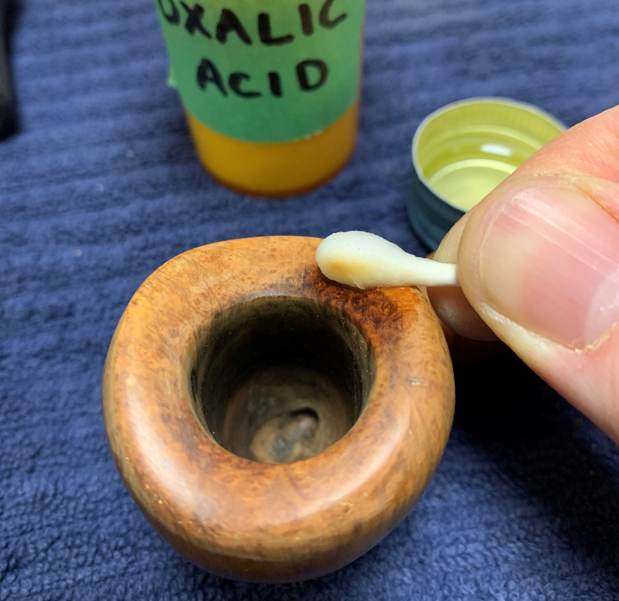
Bari Piber was founded by Viggo Nielsen in Kolding around the turn of 1950-51. Viggo’s sons Kai Nielsen and Jørgen Nielsen both grew into their father’s business from a very young age and worked there till 1975. Bari had very successfully adapted the new Danish Design that had been started mainly by Stanwell for its own models. When Viggo Nielsen sold Bari in 1978 to Joh. Wilh. von Eicken GmbH in Hamburg, Bari counted 33 employees. From 1978 to 1993 Åge Bogelund and Helmer Thomsen headed Bari’s pipe production. Thomsen bought the company in 1993 re-naming it to Bari Piber Helmer Thomsen. The workshop moved to more convenient buildings in Vejen. Bari’s basic conception fundamentally stayed the same for decades: series pipes pre-worked by machines and carefully finished by hand. Thus no spectacular highgrades but solid, reliable every day’s companions.On to the pipe: it was in decent shape, but there were a few issues. The stem had a bit of oxidation and a LOT of calcification, though fortunately, very few bite marks. The stummel also had a few issues. The outside of the bowl had some dings and a couple of fills that needed to be addressed. The wood also had some stains and paint splatter. There was lava and debris on the rim, and a small burn mark. Most significantly, there was a chunk missing from around the mortise end of the shank. Some serious repair work was needed there! The stem was first on my list. I wiped down the outside of the stem with Murphy’s Oil Soap on some cotton pads. There was so much calcification on the stem that I decided to take a blade and gently scrape it all off. You can see in the photos how much came off! I also took a BIC lighter and ‘painted’ the stem with its flame in order to lift the few bite marks and dents. This was moderately successful in raising the damage. Then, I cleaned out the insides with pipe cleaners and isopropyl alcohol. It was pretty dirty and required quite a few pipe cleaners. Once this process was done, the stem went for an overnight soak in the Pipe Stem Oxidation Remover. The following day, I cleaned all of the de-oxidizing mess off with alcohol, pipe cleaners, et cetera. The oxidation had migrated to the surface and would be fairly straightforward to remove. I scrubbed with SoftScrub on some cotton pads to remove the leftover oxidation on the stem. I built up the dents on the stem with cyanoacrylate adhesive and let them fully cure. Then I sanded the adhesive down with 220-, 400-, and 600-grit sandpapers to meld seamlessly into the stem. Finally, I used all nine Micromesh pads (1,500 through 12,000 grit) to bring out the lovely black lustre on the stem. I also used Obsidian Pipe Stem Oil in between each pad scrubbing.On to the stummel, and the usual cleaning procedures were in order for this pipe. I first decided to ream out the bowl. I used both the PipNet Reamer and the KleenReem to remove the built-up cake and followed that with 220-grit sandpaper to eliminate as much as I could. I took the bowl down to bare briar, as I wanted to ensure there were no hidden flaws in the walls of the bowl. Fortunately, there were none. I used a small butter knife to gently chip away at the lava on the rim and used more Murphy’s with a scrub brush to remove any remainder. This actually worked quite well. I then moved on to cleaning the outside of the stummel with Murphy’s Oil Soap and some cotton pads. That removed any latent dirt that blighted the wood. I then proceeded to clean out the insides of the shank with Q-tips, pipe cleaners, and isopropyl alcohol. There was some filth inside this stummel and it took quite a bit of cotton to get it clean. I followed that up by cleaning the insides with some dish soap and tube brushes.A de-ghosting session also seemed in order, so I thrust cotton balls into the bowl and the shank and saturated them with 99% isopropyl alcohol. I let the stummel sit overnight. This caused the oils, tars and smells to leach out into the cotton. Now it was time for the serious work: to fix the large gouge in the mortise, at the end of the shank. There were several problems to be addressed: to ensure that the repair was structurally sound, so it could withstand the wear and tear of the tenon going in and out; to ensure that the repair looked reasonably consonant with the surrounding wood, and to ensure that the inside of the mortise was smooth and conformed perfectly to the shape of the tenon. The repair was made with a mixture of briar dust and cyanoacrylate adhesive. This ensures a strong repair and one that looks similar to the surrounding wood. As it turned out, I had to build up the repair more than once to achieve the results I wanted. It was fairly straightforward to sand down the flat end of the shank, but it was very difficult to ensure that the inside of the mortise matched perfectly with the tenon. Honestly, it took a bit of trial and error to get it right. I sanded the repair down with a file and 200- and 400-grit sandpaper until it was level with the surrounding briar. Having completed that, I was able to address the small nicks on the rim and the bowl. I dug out my iron and a damp cloth to try to raise the nicks. The hot and moist steam can often cause the wood to swell slightly and return to shape. There was some movement – not a lot, but it was better than doing nothing. The repair was not perfect, but the remaining scratches would be improved by sanding. Now I could address the burn on the rim. I took some oxalic acid, used several Q-tips, and rubbed. The burn improved quite a bit. The burn was very superficial and did not affect the integrity of the wood at all.After removing the burn and checking in on the mortise repair to ensure its integrity, I used all nine Micromesh pads (1,500 through 12,000 grit) on the stummel to finish it off. After that, a light application of Before & After Restoration Balm brought out the best in the stummel’s grain. This is a very elegant Danish pipe. At this point, I checked in with Steve to see what he thought of the restoration so far. He made the excellent suggestion of applying a layer of Fiebing’s Black Leather Dye to the rim and the mortise-end of the shank. After applying the dye, flaming it, and letting it set, I wiped those areas down with isopropyl alcohol to remove most of the dye. The goal here was to accentuate the grain on those particular areas of the pipe with only residual amounts of black dye. In order to further the external beauty of this pipe, I applied some of Fiebing’s Medium Brown Leather Dye over the entire stummel. As usual, I applied flame from a BIC lighter in order to set the colour. I then added a second coat – just to make sure. It looked so much better with a richer colour. I then used some isopropyl alcohol to wipe down the pipe and remove some excess dye. At this point, I chose to re-sand the stummel with all of the micromesh pads. I followed up with some more Before & After Restoration Balm. What a wonderful result! Then it was off for a trip to the buffer. A dose of White Diamond and a few coats of carnauba wax were just what this pipe needed. The lovely shine made the wood look absolutely beautiful. In fact, it turned out so well that this pipe has already sold! I know that the new owner will enjoy smoking it for many years to come. I hope you enjoyed reading the story of this pipe as much I as I did restoring it. If you are interested in more of my work, please follow me here on Steve’s website or email me directly at kenneth@knightsofthepipe.com. Thank you very much for reading and, as always, I welcome and encourage your comments.
New Life for an Old Emperor “Limited” 192 Bent Billiard


Blog by Steve Laug

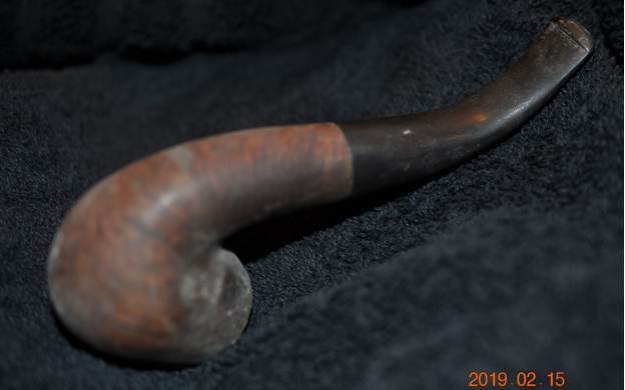
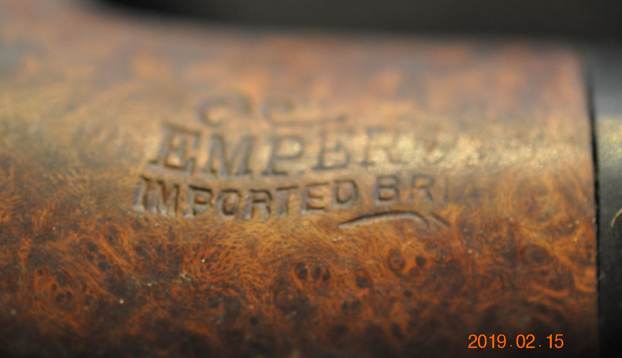
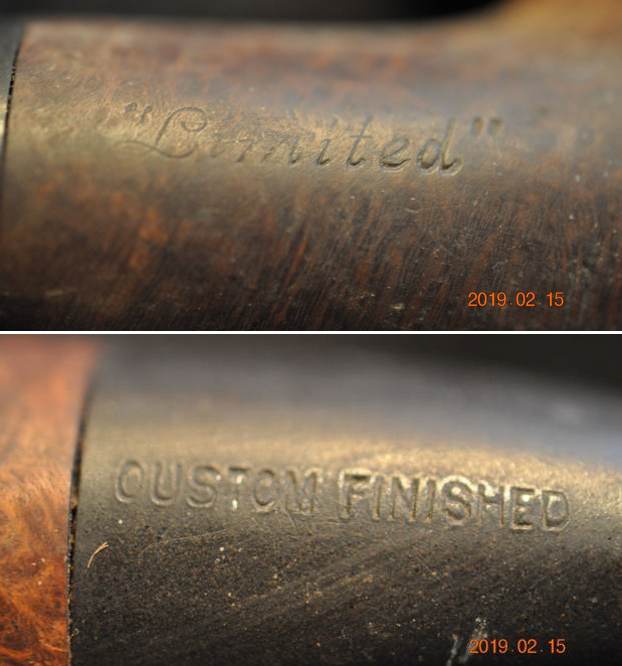
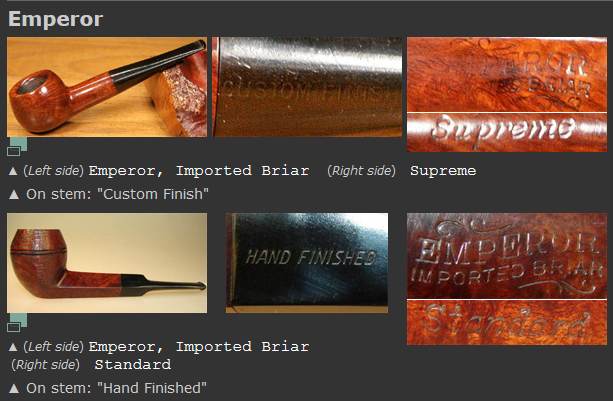
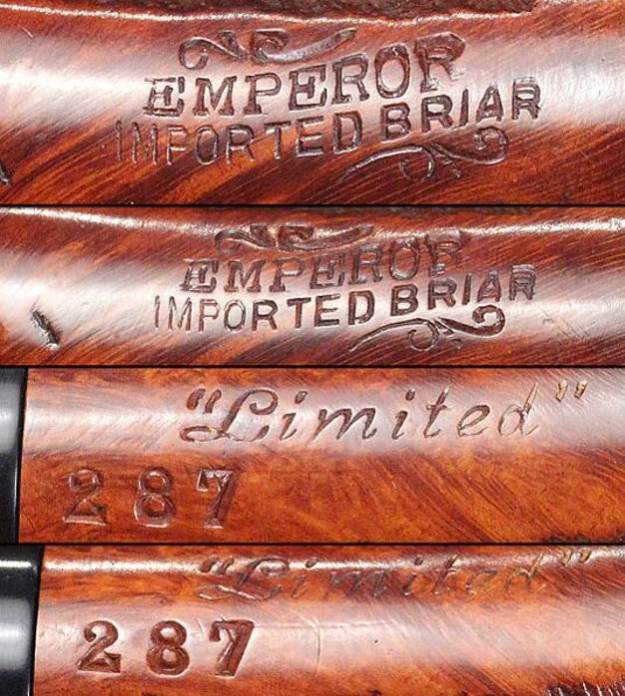
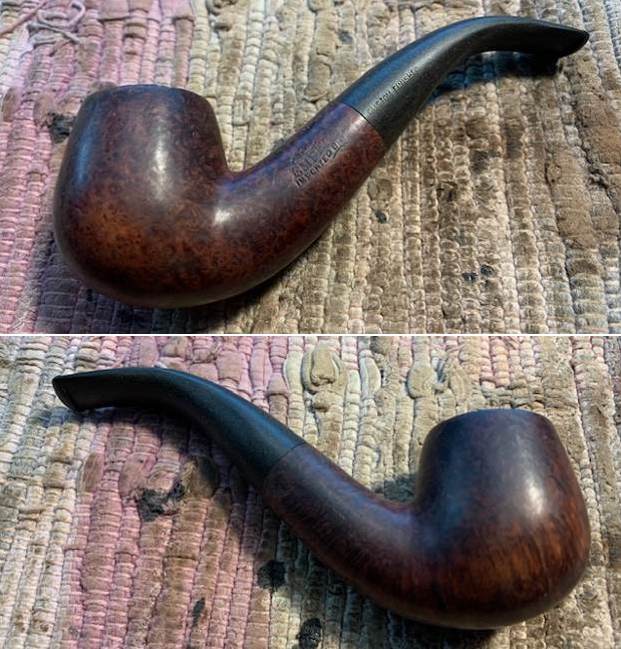
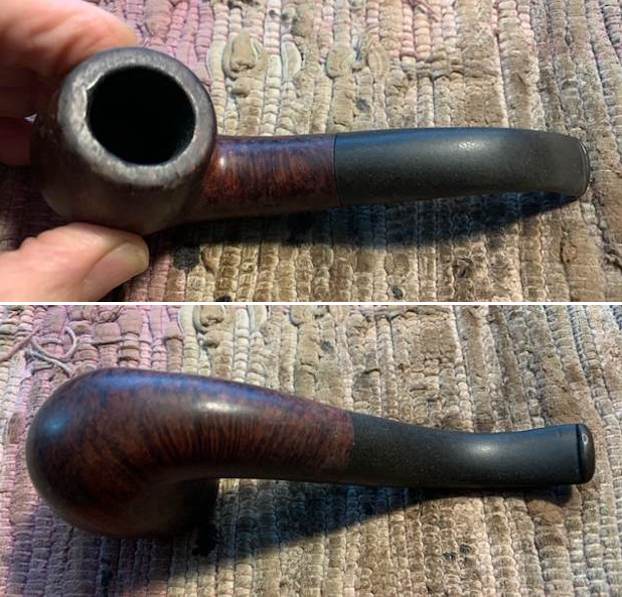
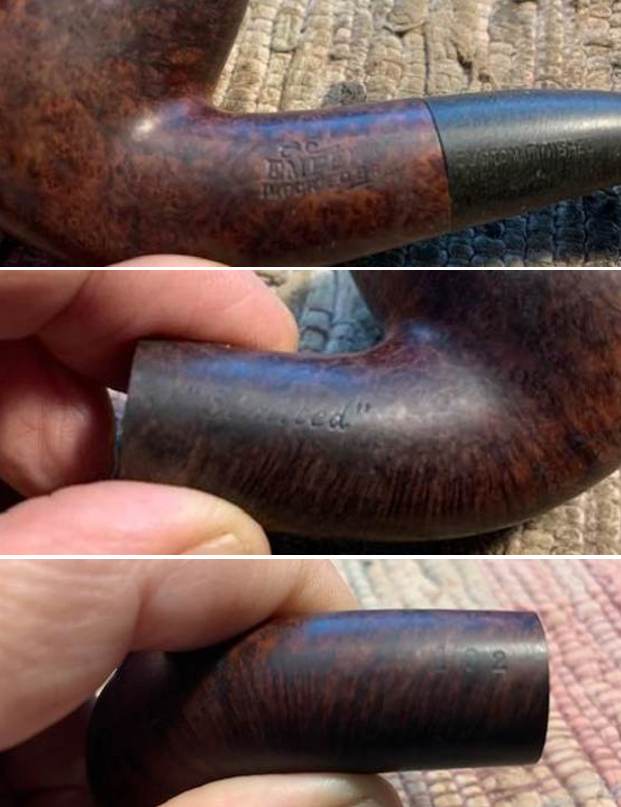
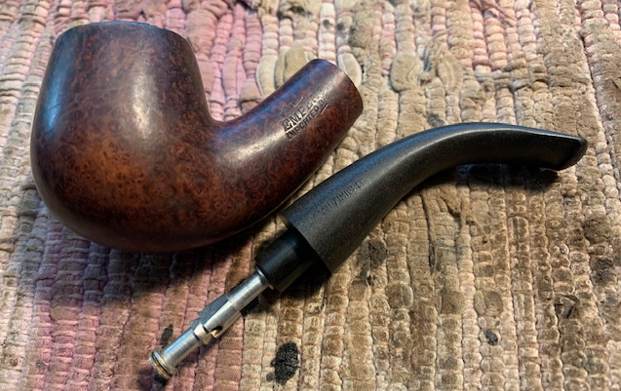
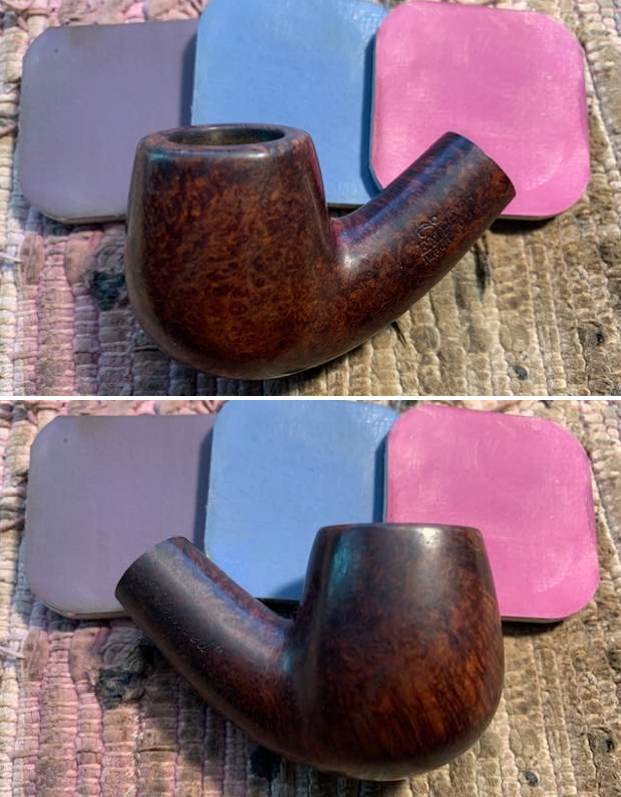
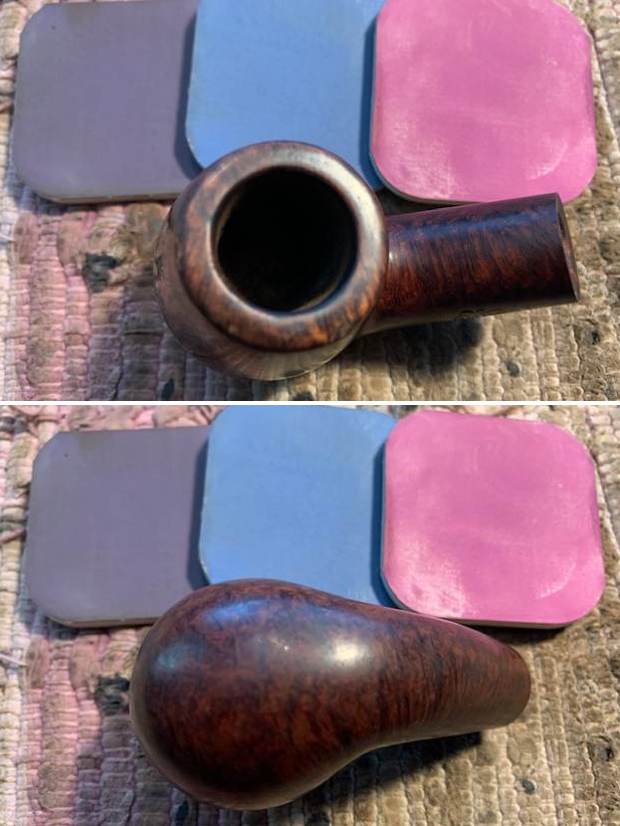
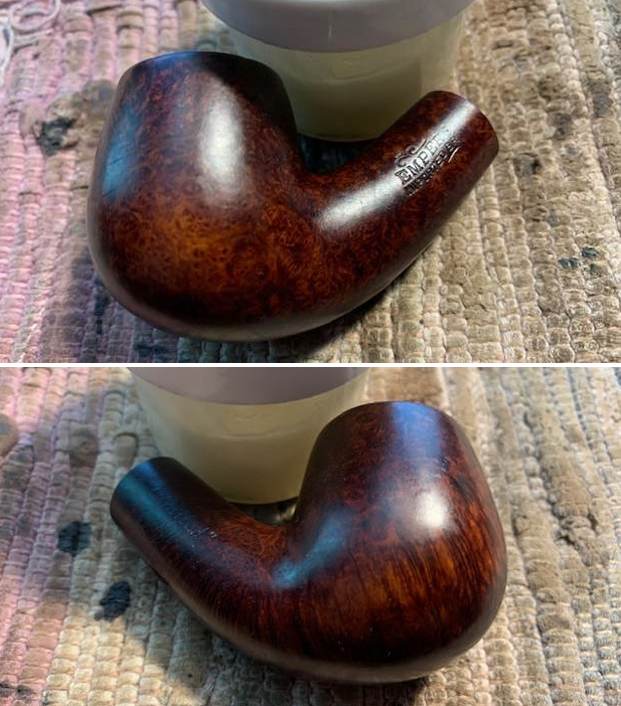
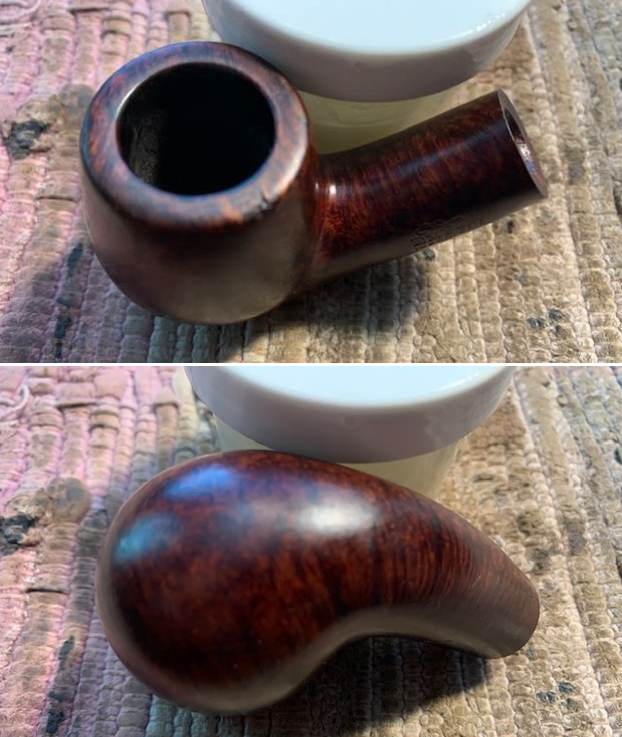
I am back to a few other pipes that have been here for a while. You can see from the photos that Jeff took that it is another one that has been here for a long time. We picked it up back in 2019 – I can’t believe that it is over three years ago. It is about time I got around to working on it because it is a nice one. We purchased the pipe from an online auction on 02/10/2019 in Tidioute, Pennsylvania, USA. It had an smooth brown finish with a chunky shank and stem. The stem is older style thin taper. There was a thick cake in bowl and a heavy lava coat on the rim top and the inner edge. The finish was absolutely filthy with grit and grime ground into the surface of the briar. There is a heavy dust coat on the finish but there is some nice grain showing through. The pipe is stamped on the sides of the shank. On the left side it reads Emperor [over] Imported Briar. On the right side it reads “Limited”. On the underside it has the shape number 192. The left side of the taper stem is stamped CUSTOM FINISHED. There is a fascinating stinger apparatus in the tenon. The stem surface was oxidized and dirty. It was hard rubber so the oxidation was not a heavy. It had tooth marks and chatter on both sides near the button. Jeff took photos of the pipe before he started his clean up work. I like to have an idea of how the pipe was smoked before we got it and the condition of the bowl and rim top. Jeff always takes some photos of the bowl and rim from various angles to show what it looked like. He took photos of the stem to show the condition. The stem was dirty, oxidized and had tooth marks and chatter on both sides at the button. He took a photo of the sides and heel of the bowl to give a sense of the condition of the pipe when we received it. It was filthy but there was some underlying beauty to the briar. The next photos show the stamping on the sides of the shank and the stem. It is clear and readable as noted above. The Brand was unfamiliar to me so I turned to Pipephil’s site to see what he had on the Emperor Pipe Brand (http://pipephil.eu/logos/en/logo-e3.html). The site had a small one line entry in the side bar that read “a brand of Empire Pipe Co.”. I also included a screen capture of the two examples of the pipes shown there. The first is a Supreme and the second is a Standard. The one that I have is different form those and is marked “Limited”.I turned to Pipedia for more information on the brand (https://pipedia.org/wiki/Emperor). I quote from the article below.

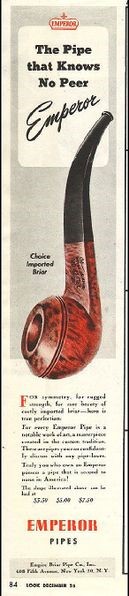
Empire Briar Pipe Company Inc. of New York produced Emperor pipes. Known at “The Pipe that knows no Peer” as their 1945 advertising promotes. That ad reads “The pipe that knows no Peer. For every Emperor pipe is a notable work of art, a masterpiece created in the custom tradition.” They are a subsidiary of the Continental Briar Pipe Co. Inc. 80 York Street, Brooklyn, New York. They had Three grades: Standard, De Luxe and Supreme.
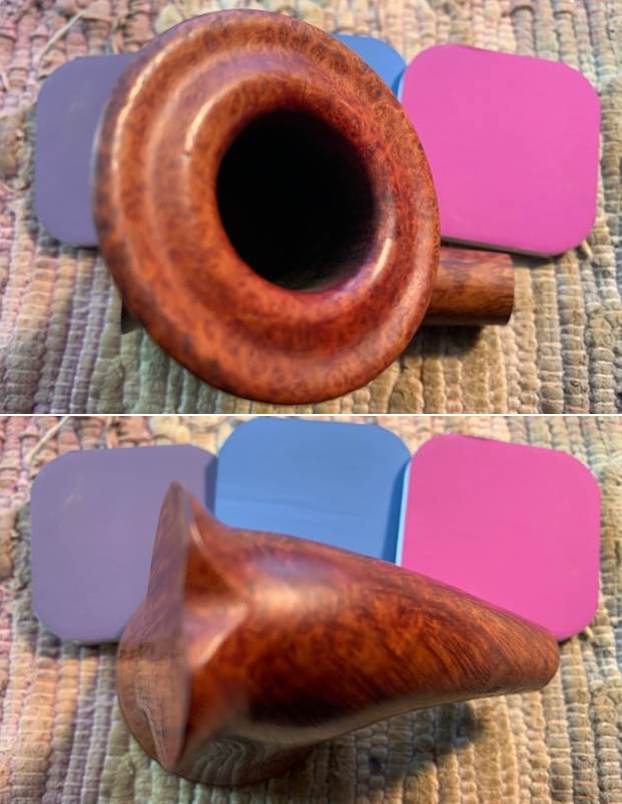
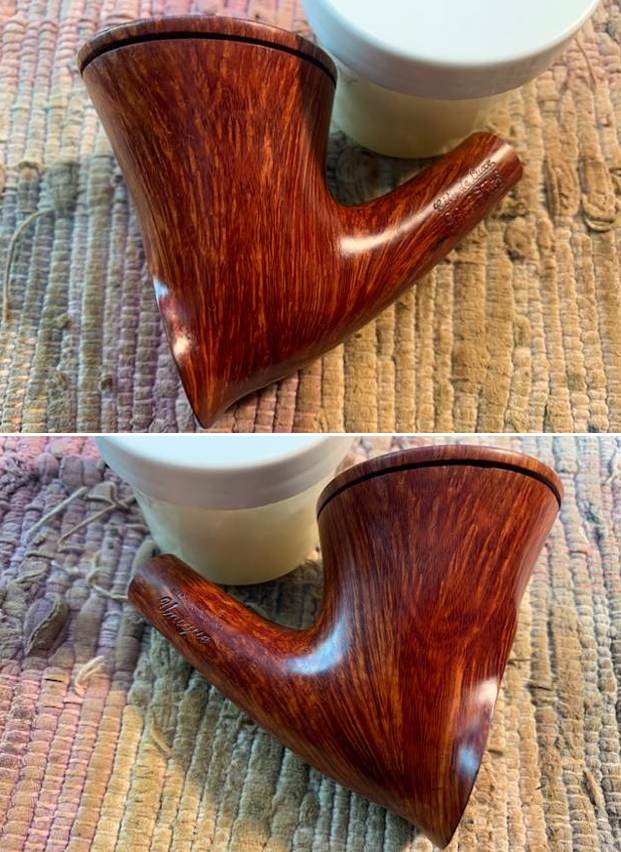
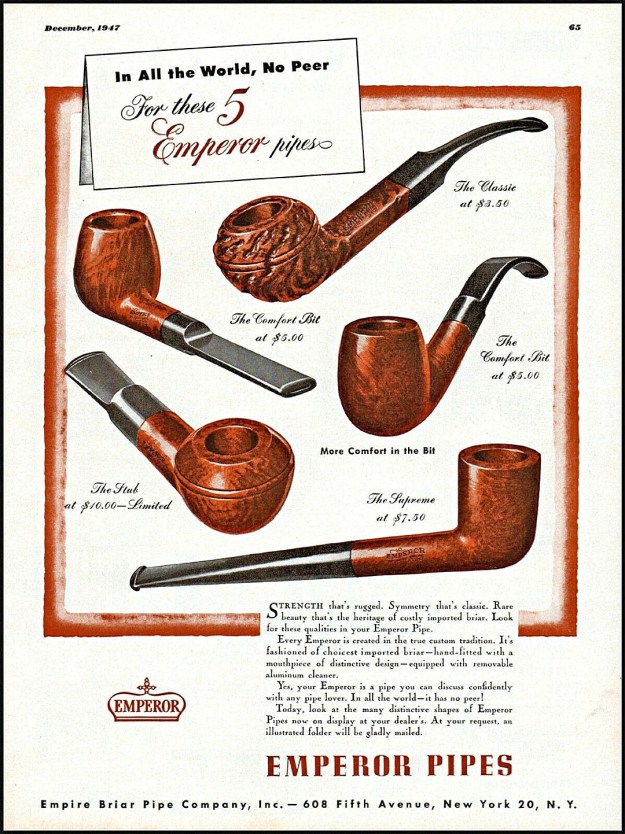
There was a pipe illustrated in the article that was stamped the same as the one I am working on. While it was definitely in much better condition it was the same stamp. I have included a photo of the stamping on that pipe to show the parallels to the one I have on the table now.There were also some advertisements that had been provided by Doug Valitchka. The first is a from Look Magazine, 1945. The second one is from December of 1947. Both are fascinating examples of the kind of descriptions used to sell these pipes – Pipes that Know No Peers!.

1945 Ad, courtesy Doug Valitchka

December 1947 Ad, courtesy Doug Valitchka

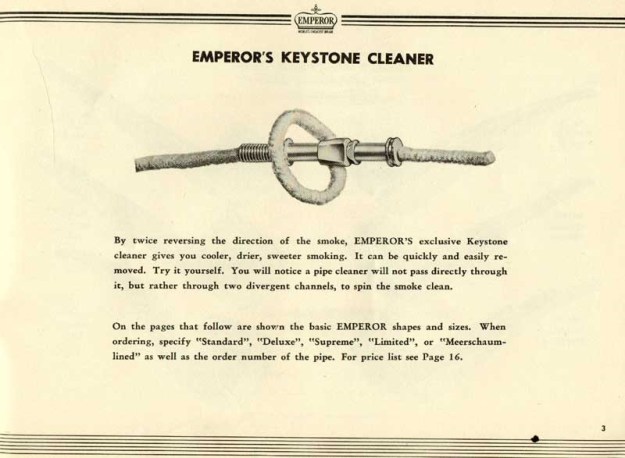
Another piece of the puzzle for me included this description of the fascinating “cleaner” stinger that was in the tenon on the pipe. It was called a Keystone Cleaner. It reads as follows:

By twice reversing the direction of the smoke, Emperor’s exclusive Keystone cleaner gives you cooler, drier, sweeter smoking. It can be quickly and easily removed. Try it yourself. You will notice a pipe cleaner will not pass directly through it, but rather through two divergent channels, to spin the smoke clean.I knew that I was working on an American made pipe by Empire Briar Pipe Company, Inc. at 608 Fifth Avenue, New York, New York. The stem on the one I was working on was stamped CUSTOM FINISHED and had the screw in stinger pictured above. My guess is that the pipe was from the late 1940s to early 1950s judging from the shape and the material provided on Pipedia. In the last paragraph of the ad above it gives a listing of the grades beginning at Standard and moving through Deluxe, Supreme and then Limited. I was working on one of the higher grades. Now it was time to work on the pipe.
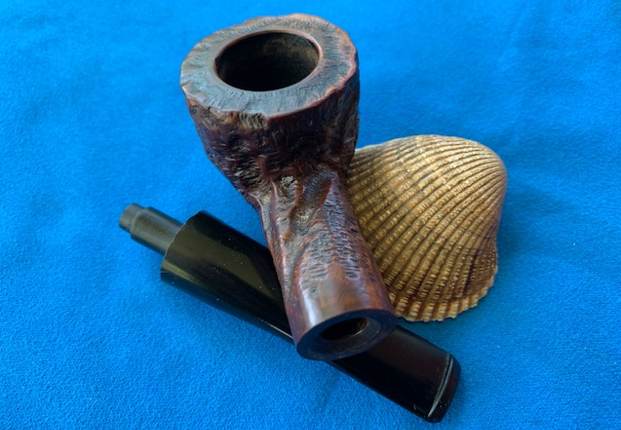
Jeff had done a great cleanup on the pipe. He reamed the bowl with a PipNet pipe reamer and followed up with a Savinelli Fitsall pipe knife to remove the cake. He scrubbed out the mortise and the airway in the shank and the stem with alcohol, cotton swabs and pipe cleaners. He scrubbed the bowl exterior with a tooth brush and Murphy’s Oil Soap to remove the grime on the finish of the bowl and the lava from the rim top. He rinsed it under running water. One of the benefits of this scrub is that it also tends to lift some of the scratches and nicks in the surface of the briar. He dried it off with a soft cloth. He cleaned the internals and externals of the stem with alcohol, pipe cleaners and cotton swabs. He soaked the stem in Before & After Pipe Stem Deoxidizer and rinsed it off with warm water and cleaned out the airway in the stem with alcohol. When I received it the pipe looked much better. I took a photo of the rim top and stem to show the condition. The rim top and the inner edge and outer edge of the bowl were in rough condition. The stem was hard rubber and it was lightly pitted. There was light tooth chatter and marks on both sides ahead of the button and on the button surface. The stamping on the shank of the pipe is clear and readable as noted above. The stamping on the stem is deep and readable.I removed the stem from the shank and took a photo of the pipe to give a sense of the whole.I started my work on the pipe by dealing with the rim top and edges. I used a folded piece of 220 sandpaper to smooth out the damage on the inner and outer edge of the bowl. The outer edge still shows some damage but it is minimized. I do not want to top it as it is already a short bowl and I do not want to change the profile.I polished the smooth portions of the briar with 1500-12000 micromesh sanding pads and wiping it down with damp cloth after each sanding pad. The inner edge of the rim, the band on the shank end and the band round the smooth base were all polished. As I worked through the cycle of pads the shine developed with each change of pad. The pipe looks very good. I rubbed the bowl and shank down with Before & After Restoration Balm. I worked it into the surface of the bowl sides and shank with my fingertips to clean, enliven and protect the briar. I let the balm sit for 10 minutes, then buffed with a cotton cloth to raise the shine. The Balm did its magic and the grain showed clearly. It was a beautiful piece of briar. I set the bowl aside and turned my attention to the stem. I heated the stinger with a lighter to loosen the gunk holding it in place. Once it was loose I removed it from the tenon and clean both the inside of the stem and the stinger itself. I cleaned the airway in both and the threads in both. Once it was clean I greased the threads with Vaseline and put it back in the tenon. I polished the stem and built in band with micromesh sanding pads – 1500-12000 grit pads. I wiped it down with Obsidian Oil after each sanding pad. I used Before & After Pipe Polish – both Fine and Extra Fine to further polish the stem. The photos below show the polished stem. This American Made Emperor “Limited” 192 Bent Billiard with a hard rubber stem is a great looking pipe now that it has been restored. The rich browns of the stain made the grain come alive with the polishing and waxing. I put the stem back on the bowl and carefully buffed the pipe with Blue Diamond on the buffing wheel using a light touch on the briar. I gave the bowl and the stem multiple coats of carnauba wax on the buffing wheel. I buffed the entire pipe with a clean buffing pad to raise the shine. I hand buffed the pipe with a microfiber cloth to deepen the shine. The finished Emperor “Limited” Bent Billiard really is a beauty and fits nicely in the hand. Give the finished pipe a look in the photos below. The dimensions of the pipe are Length: 5 inches, Height: 1 ¾ inches, Outside diameter of the bowl: 1 inches, Chamber diameter: ¾ of an inch. The weight of the pipe is 1.80 ounces /51 grams. This beauty will be going on the rebornpipes store in the American Pipe Makers Section. Let me know if you are interested in adding it to your collection. Thanks for reading this blog and my reflections on the pipe while I worked on it. There are many more to come!

New Life for a BBB Tortoise 403S Straight Bulldog


Blog by Steve Laug

It was time to work on one of the pipes that was purchased off EBay back in 06/05/2016 from a seller in Frederiksberg, Denmark. This one is a straight Bulldog with a diamond shank and a saddle stem. The rim topped is worn and dirty and had darkening and burn damage on the front rim top and bowl. It also has some darkening on the lower part of the bowl on both sides. It is stamped on the left side of the shank BBB in a diamond [over] Tortoise followed by RJ. On the right side it is stamped London, England and the shape number 403S. The stem has a BBB Diamond medallion on the topside of the saddle. The pipe was very dirty with a thick cake in the bowl and some lava overflowing on to the rim top. It was hard to know what the inner edge of the rim looked like because of the lava and cake. From the photos there seemed to be some damage to the inner edge at the front of the bowl but I could not be sure. The shank was quite dirty so the tenon did not seat in the shank. The stem was pearlized white. There was light tooth chatter and tooth marks on both sides of the stem at the button. Jeff took the following photos before he started his cleanup.  He took photos of the rim top to show the thick cake in the bowl and the overflow of lava. The cake is thick and hard and the lava overflow is a thick band around the bowl. The bowl is a real mess. This must have been a great smoking pipe. There were not photos of the stem surface to include as we did not take photos of that at this point in time.Jeff took photos of the stamping to capture the clarity of it even under the grime. The brand and the shape number are very readable. He also took a photo of the BBB Diamond Medallion on the stem top.I turned to Pipephil (http://pipephil.eu/logos/en/logo-bbb.html) to see what I could learn about the BBB Tortoise Model. The pipes that came with a pearlized stem that almost looked like it was made of abalone. It was acrylic of some sort but has the softness of vulcanite. It is remarkable material. I have included a screen capture of the section on the Tortoise.I turned to address the pipe itself. Jeff had cleaned up the pipe for me. He reamed the bowl with a PipNet pipe reamer and cleaned it up with a Savinelli Fitsall Pipe Knife. He scrubbed the exterior with Murphy’s Oil Soap and a tooth brush to clean off the grime off the finish and the heavy overflow of lava on the rim top. He cleaned up the internals of the shank, mortise and stem with pipe cleaners, cotton swabs and alcohol to remove all of the oils and tars in the pipe. He scrubbed the stem Soft Scrub to clean off the grime and grit. When it arrived here in Vancouver it was a clean pipe and I knew what I had to work with. I took photos of it before I started my part of the restoration.  I took photos of the rim top and the stem to show their condition. Jeff was able to clean up the incredibly thick cake and lava overflow that was shown in the rim and bowl photos above. He was also able to get rid of the grime and grit in the surface of the briar. There was some burn damage on the rim top and the inner and outer edge toward the front of the bowl. There was also some darkening on the rest of the rim top. The stem was much cleaner than before. There was some staining just ahead of the button.I took photos of the stamping on the sides of the shank and stem. They are a bit faint but are readable as noted above.I removed the stem and took a photo of the pipe to show the parts and the size of the stem compared to the shank and bowl. It is a well made pipe.I decided to address the bowl first. I worked on both the rim damage and try to minimize the burn damage on the front top and on the inner and outer edges. I worked on the inner edge of the rim first using a folded piece of 220 grit sandpaper smooth out the damage and give a light bevel to the inner edge. I next tried to lightly top the bowl with a medium sanding sponge to see if I could minimize it further. While it was better I was not happy with it at this point. The rim top has a slight dip where the burn had been and the top was not flat. I decided to do a more radical topping on the topping board with 180 grit sandpaper. I took off a minimal amount just to flatten the rim top. I would need to clean up the inner edge again but I liked the look the pipe was beginning to have.I polished the briar, including the inner edge of the bowl with micromesh sanding pads – dry sanding with 1500-12000 grit pads. I wiped the bowl down after each pad with a damp cloth. I rubbed the bowl and shank down with Before & After Restoration Balm to deep clean the finish on the bowl and shank. The product works to clean, enliven and protect the briar. I worked it in with my fingers to get it into the briar. After it sat for a little while I wiped it off and buffed it with a soft cloth. The briar really began to have a rich shine. I took some photos of the bowl at this point to mark the progress in the restoration. It is a beautiful bowl and even the burn damage it not too intrusive – it is present but not too distracting as it is now just darkening. With the exterior cleaned and polished I looked down the shank with a light and saw that the shank was still quite oily looking. I cleaned it and the airway into the bowl with alcohol, pipe cleaners and cotton swabs. I cleaned out the airway in the stem and removed the dark tars and material that was on the internal of the slot and V into the airway. It took time and some extra work but I was able to clean both well.  I set the bowl aside and worked on the externals of the stem at this point in the process. I polished it with micromesh sanding pads – dry sanding with 1500-12000 grit pads. I wiped the stem down after each pad with Obsidian Oil to enliven and protect the stem material. I used the Before & After Pipe Polish to remove the small minute scratches left in the pearlized stem even after the micromesh regimen. I finished by wiping the stem down with a final coat of Obsidian Oil and set it aside to dry.  I put the stem back on the pipe and took the pipe to the buffer. I worked it over with Blue Diamond to polish out the remaining small scratches. I gave the bowl and the stem several coats of carnauba wax and buffed the pipe with a clean buffing pad to raise the shine. I hand buffed it with a microfiber cloth to deepen the shine. The pipe polished up really well and even the newly beveled rim top looked good. I was happy with the results of the reworking of the rim. The finished pipe is shown in the photos below. The unique BBB 403S Straight Bulldog Tortoise shape and look of the pipe is a beauty which epitomizes the BBB Tortoise pipes that I have restored. It is a very stunning looking pipe with the mixed grain and the pearlized stem. The polished stem looks really good with the browns of the briar. The dimensions of the pipe are Length: 5 ½ inches, Height: 1 ¾ inches, Outside diameter of the bowl: 1 ¼ inches, Chamber diameter: ¾ of an inch. The weight of the pipe is 1.06 ounces/30 grams. This is another pipe that I will be putting it on the rebornpipes online store in the British Pipe Makers Section shortly, if you are interested in adding it to your collection. Thanks for walking through the restoration with me on this beauty!

New Life for a Beautiful Rusticated Jirsa 96 Poker/Sitter


Blog by Steve Laug

I am back to a few other pipes that have been here for a long time. You can see from the photos that Jeff took that it is another one that has been here for a long time. We picked it up back in 2017 – I can’t believe that it is almost five years ago. It is about time I got around to working on it because it really is quite nice. Jeff purchased this pipe from an antique mall in Salt Lake City, Utah, USA. It had an interesting rusticated brown finish with a smooth band around the base and shank end as well as a smooth heel of the bowl. There is a carved ring around the top ¼ inch of the rim top and edge as well that is a nice touch. There was a thick cake in bowl and lava on the rim top and the inner bevel. The finish was filthy with grit and grime ground into the surface of the briar. The pipe is stamped on the underside of the shank Jirsa [over] the shape number 96. The stem surface was oxidized and had a rotting Softee bit with a lot of awful looking sludge built up around it. The stem did not have a Jirsa logo. Jeff took photos of the pipe before he started his clean up work. I like to have an idea of how the pipe was smoked before we got it and what the bowl and rim top looked like. Jeff always takes some photos of the bowl and rim from various angles to show what it looked like. He took photos of the stem with and without the Softee bit to show the condition. While the stem was dirty the Softee had protected it from tooth marks and chatter. He took photos of the sides and heel of the bowl to give a sense of the rustication on the pipe. The next two photos show the stamping on the underside of the shank. It is clear and readable as noted above.I did a quick scan of the rebornpipes blog and found a link to the Jirsa Octagonal Panel that I had restored (https://rebornpipes.com/2021/05/01/rebirthing-an-oldrich-jirsa-bent-octagonal-panel-138-billiard/). Rather than start over in my research on the brand I am quoting from that blog and the work I did there.

I turned to Pipephil’s site to see what he had on the Jirsa brand (http://pipephil.eu/logos/en/logo-j2.html). He had an entry that I did a screen capture of and also the following information on the brand. Artisan: Oldrich Jirsa (born 1962) makes pipes since 1994.I turned to Pipedia for more information on the brand (https://pipedia.org/wiki/Jirsa). I quote from the article below.

Jirsa is a Czech Republic brand owned by the family company headed by the artisan Oldrich Jirsa. They use Ebonite and cumberland stems. Best Grading: SG (Grain), three stars. Symbol: stylized J coming out of an oval. I knew that I was working on a Czech made pipe by Oldrich Jirsa. The stem on the one I was working on was vulcanite and was not stamped. I suppose it could be a replacement but the fit and slow makes me think it is original. Now it was time to work on the pipe.

Jeff had done a great cleanup on the pipe. He reamed the bowl with a PipNet pipe reamer and followed up with a Savinelli Fitsall pipe knife to remove the cake. He scrubbed out the mortise and the airway in the shank and the stem with alcohol, cotton swabs and pipe cleaners. He scrubbed the bowl exterior with a tooth brush and Murphy’s Oil Soap to remove the grime on the finish of the bowl and the lava from the rim top. He rinsed it under running water. One of the benefits of this scrub is that it also tends to lift some of the scratches and nicks in the surface of the briar. He dried it off with a soft cloth. He cleaned the internals and externals of the stem with alcohol, pipe cleaners and cotton swabs. He soaked the stem in Before & After Pipe Stem Deoxidizer and rinsed it off with warm water and cleaned out the airway in the stem with alcohol. When I received it the pipe looked very good. I took a photo of the rim top and stem to show the condition. The rim top and the beveled inner edge and outer edge of the bowl were in good condition. The stem was vulcanite and there was some light tooth chatter on both sides ahead of the button. The stamping on the pipe is clear and readable as noted above. I removed the stem from the shank and took a photo of the pipe to give a sense of the whole.I polished the smooth portions of the briar with 1200-1500 micromesh sanding pads and wiping it down with damp cloth after each sanding pad. The inner edge of the rim, the band on the shank end and the band round the smooth base were all polished. As I worked through the cycle of pads the shine developed with each change of pad. The pipe looks very good. I rubbed the bowl and shank down with Before & After Restoration Balm. I worked it into the surface of the bowl sides and shank with my fingertips and a horsehair shoe brush to clean, enliven and protect the briar. I let the balm sit for 10 minutes, then buffed with a cotton cloth to raise the shine. The Balm did its magic and the grain on the smooth portions stood and the rustication showed depth. I set the bowl aside and turned my attention to the stem. I polished the stem and built in band with micromesh sanding pads – 1500-12000 grit pads. I wiped it down with Obsidian Oil after each sanding pad. I used Before & After Pipe Polish – both Fine and Extra Fine to further polish the stem. The photos below show the polished stem. This Czech Rusticated Jirsa 96 Poker/Sitter with a vulcanite stem is a great looking pipe now that it has been restored. The rich browns of the stain made the grain and rustication come alive with the polishing and waxing. I put the stem back on the bowl and carefully buffed the pipe with Blue Diamond on the buffing wheel using a light touch on the briar. I gave the bowl multiple coats of Conservator’s Wax and the stem multiple coats of carnauba wax on the buffing wheel. I buffed the entire pipe with a clean buffing pad to raise the shine. I hand buffed the pipe with a microfiber cloth to deepen the shine. The finished Jirsa 96 Poker/Sitter really is a beauty and fits nicely in the hand. Give the finished pipe a look in the photos below. The dimensions of the pipe are Length: 5 ½ inches, Height: 2 inches, Outside diameter of the bowl: 1 ½ inches, Chamber diameter: 7/8 of an inch. The weight of the pipe is 1.87 ounces /53 grams. This beauty will be going on the rebornpipes store in the Pipes from Various Makers Section. Let me know if you are interested in adding it to your collection. Thanks for reading this blog and my reflections on the pipe while I worked on it. There are many more to come!