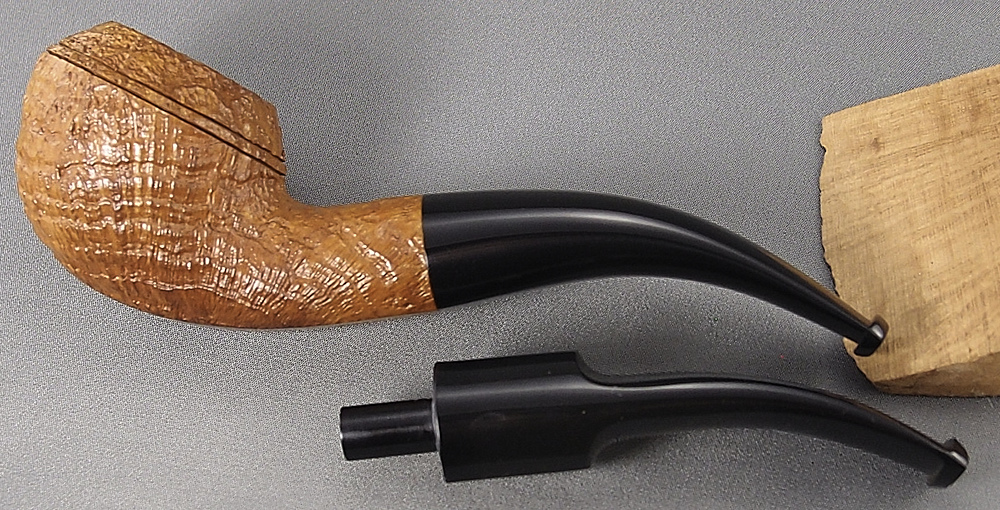
Breathing New Life into an LHS Sulgrave


Blog by Steve Laug

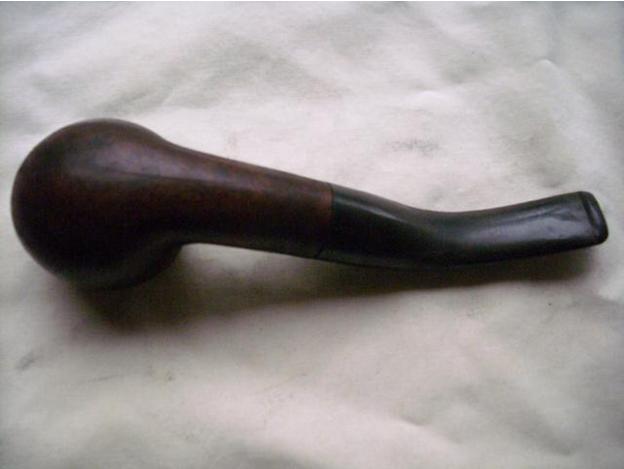
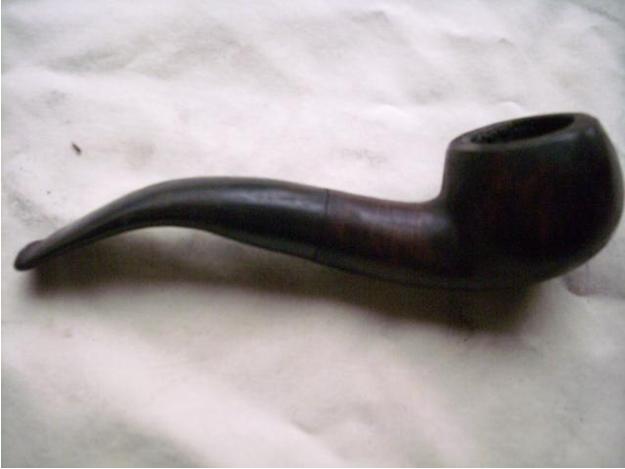
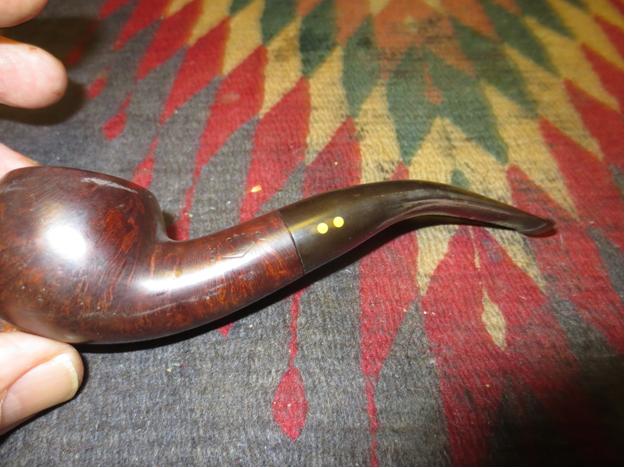
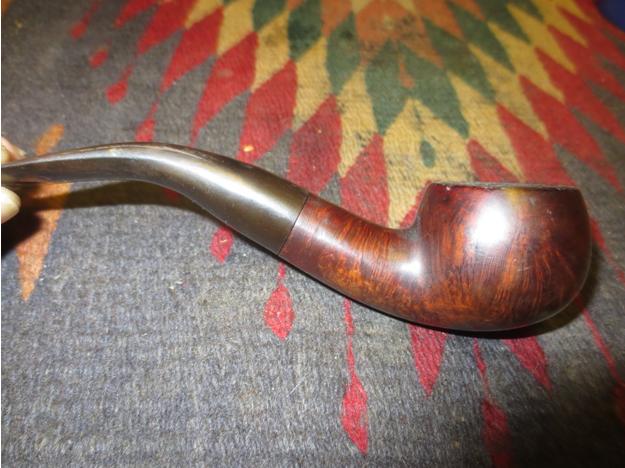
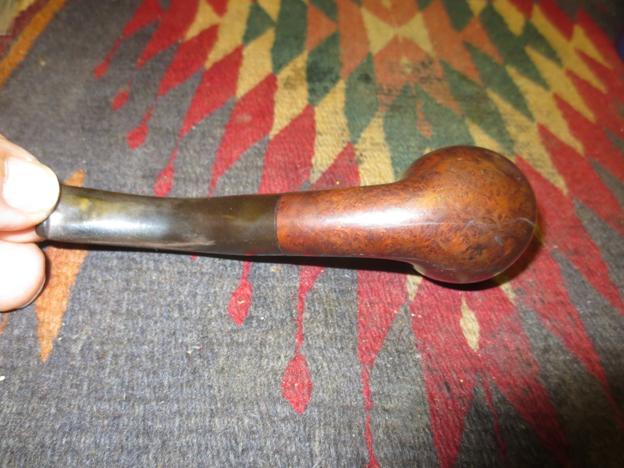
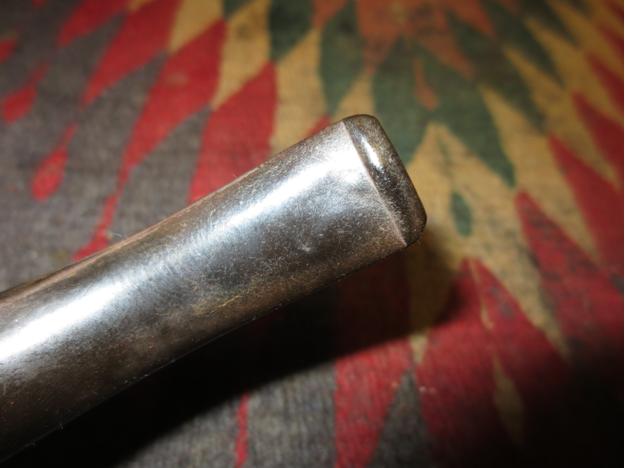
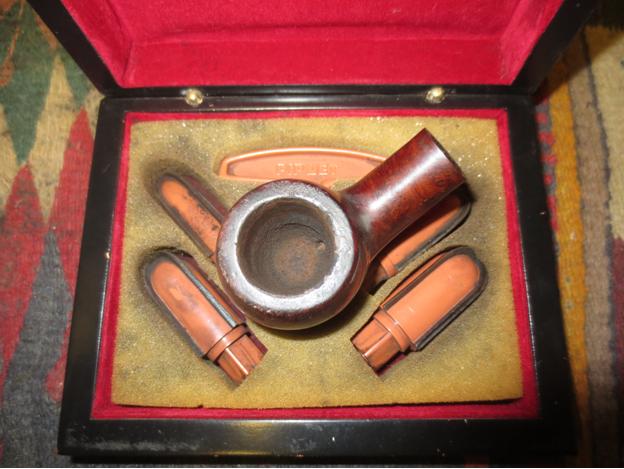
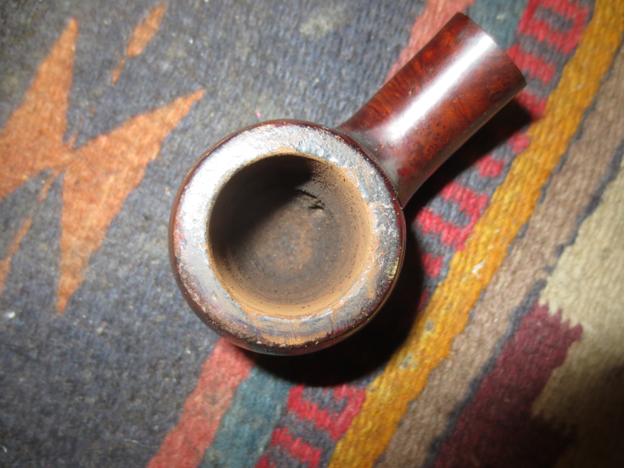
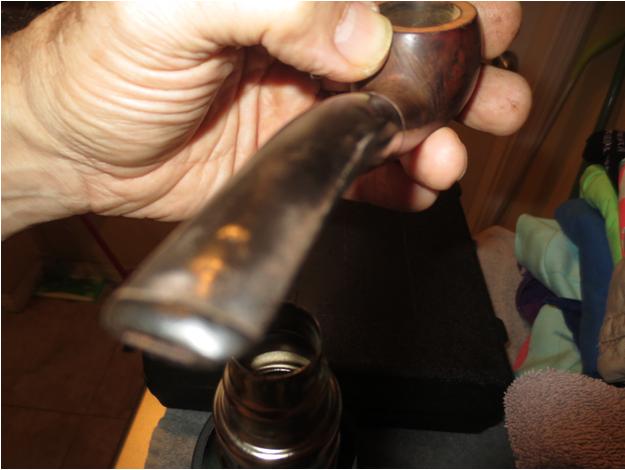
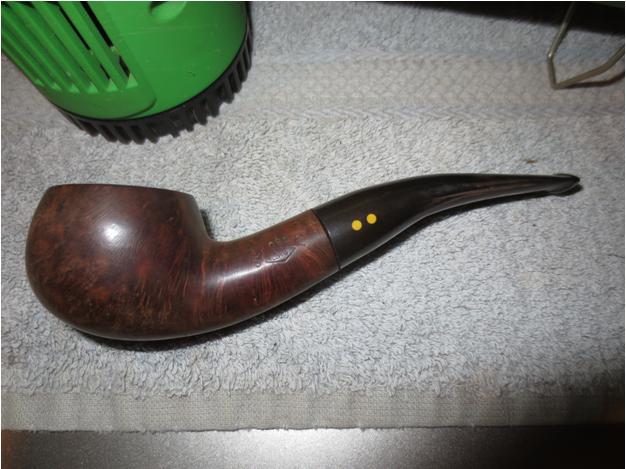
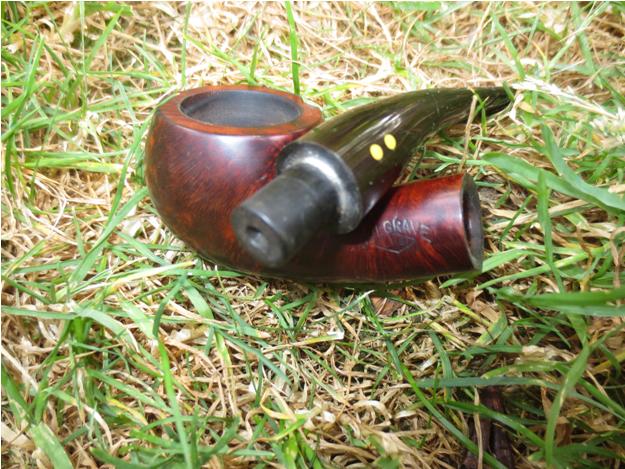
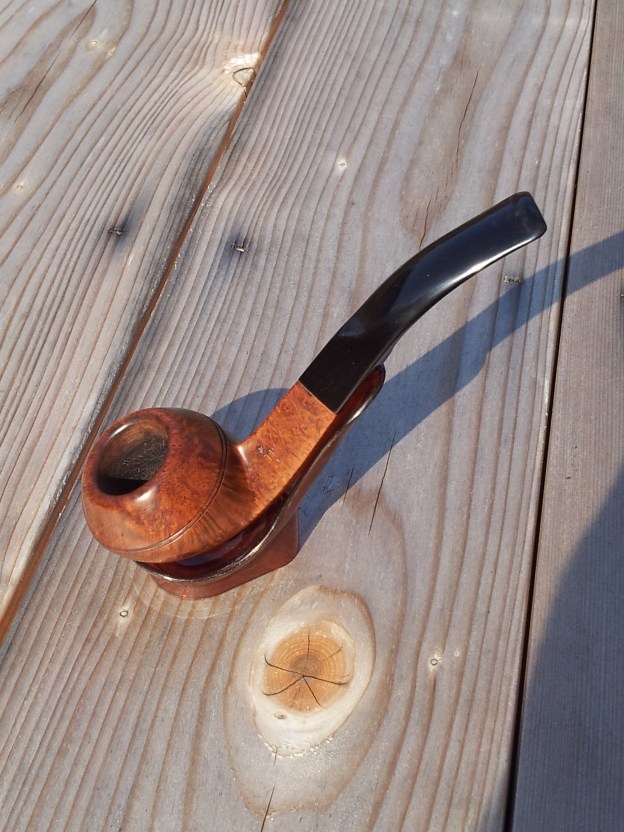
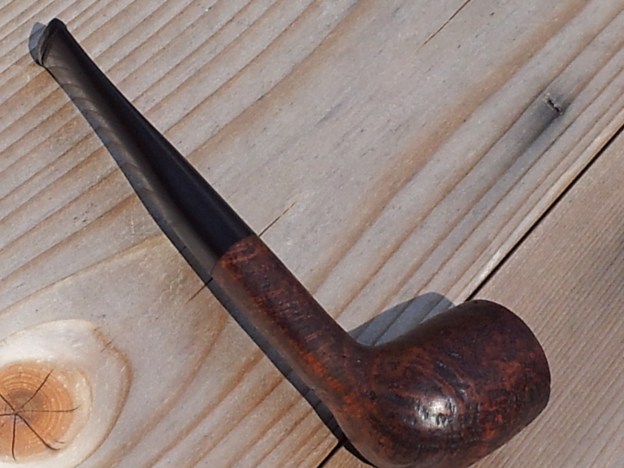
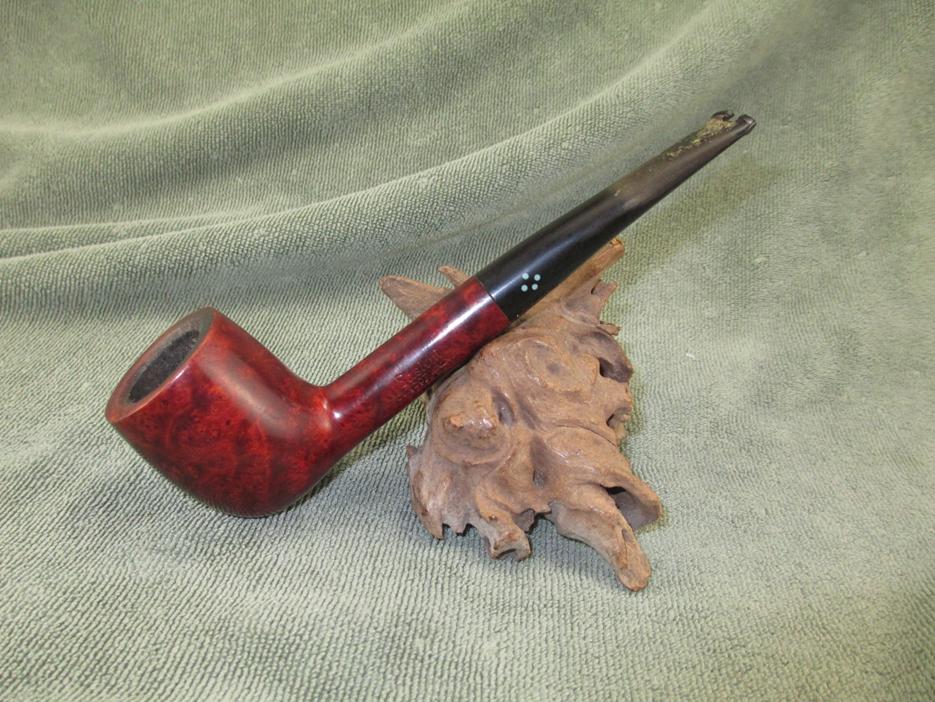
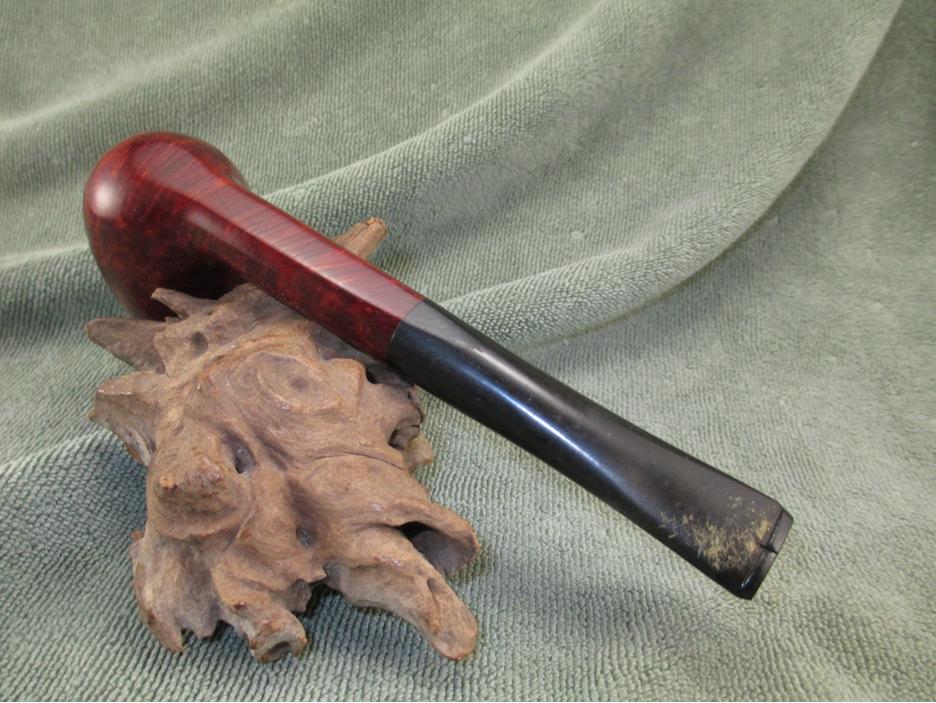
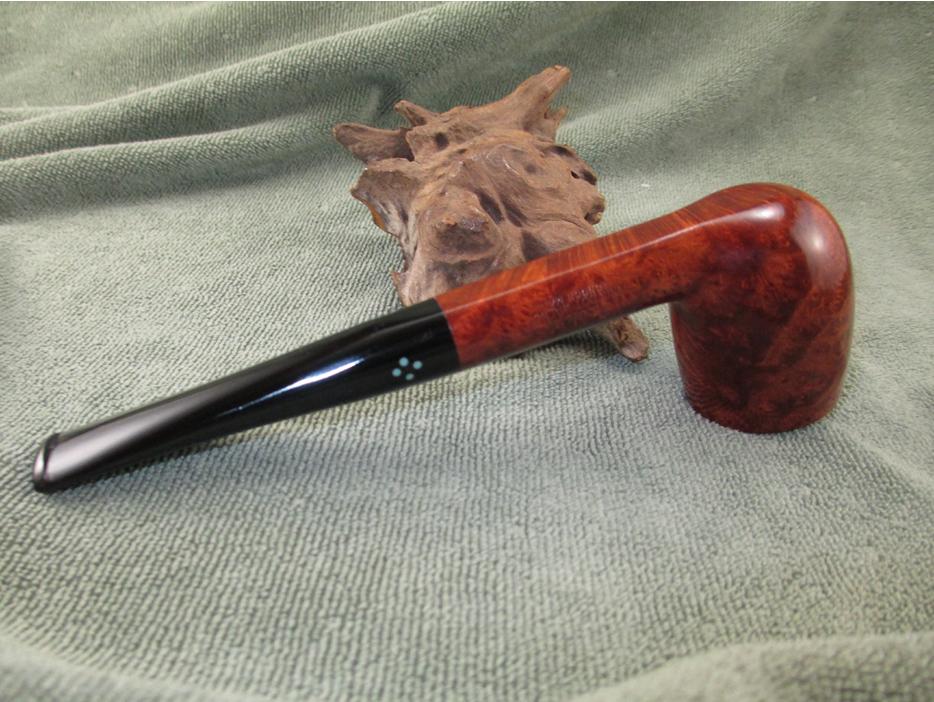
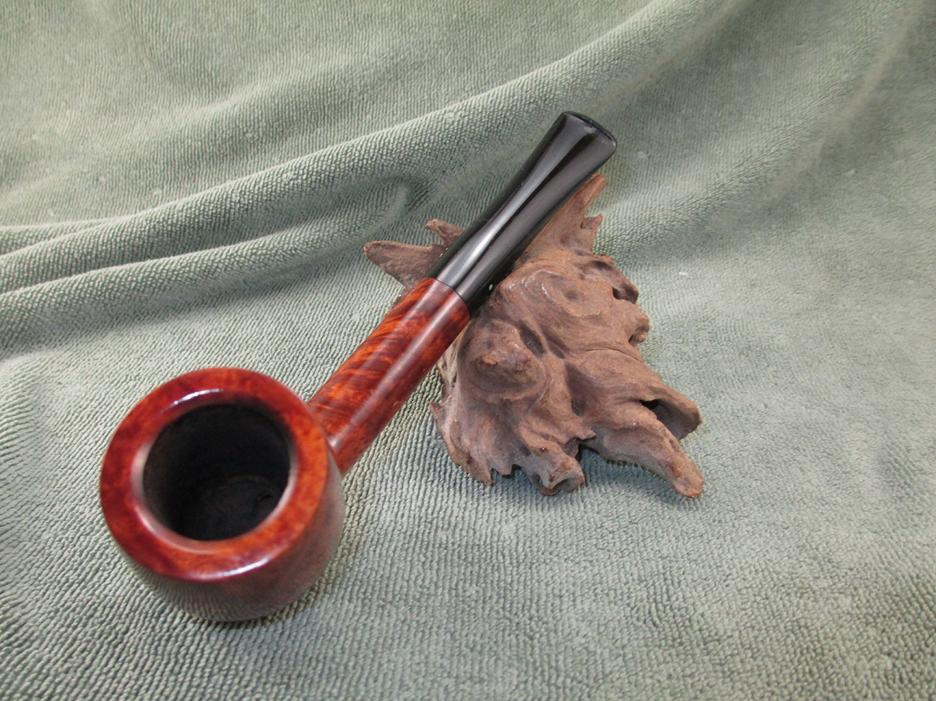
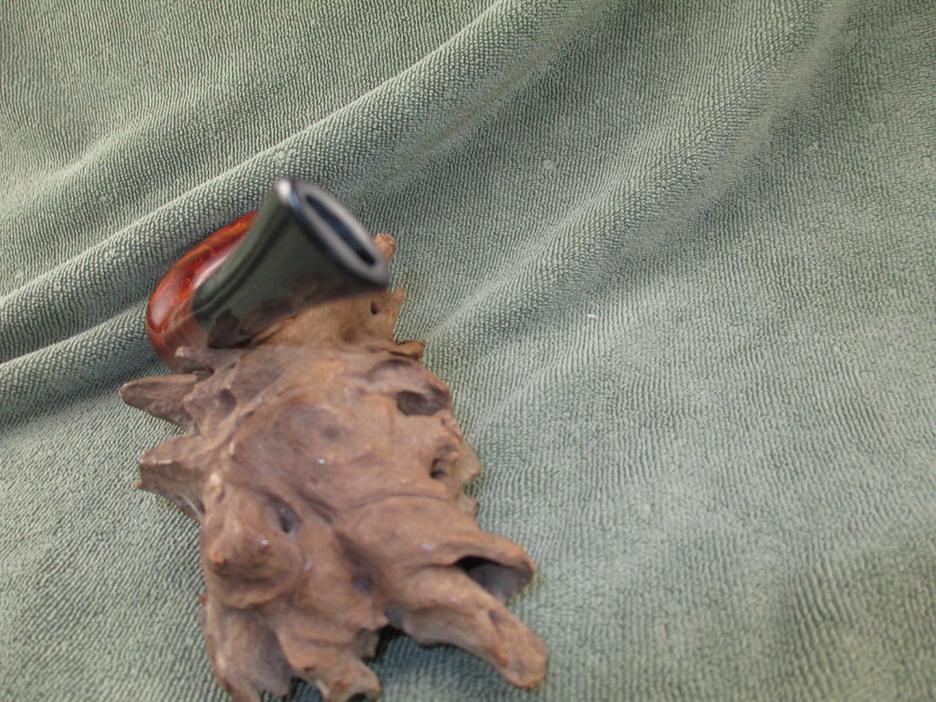
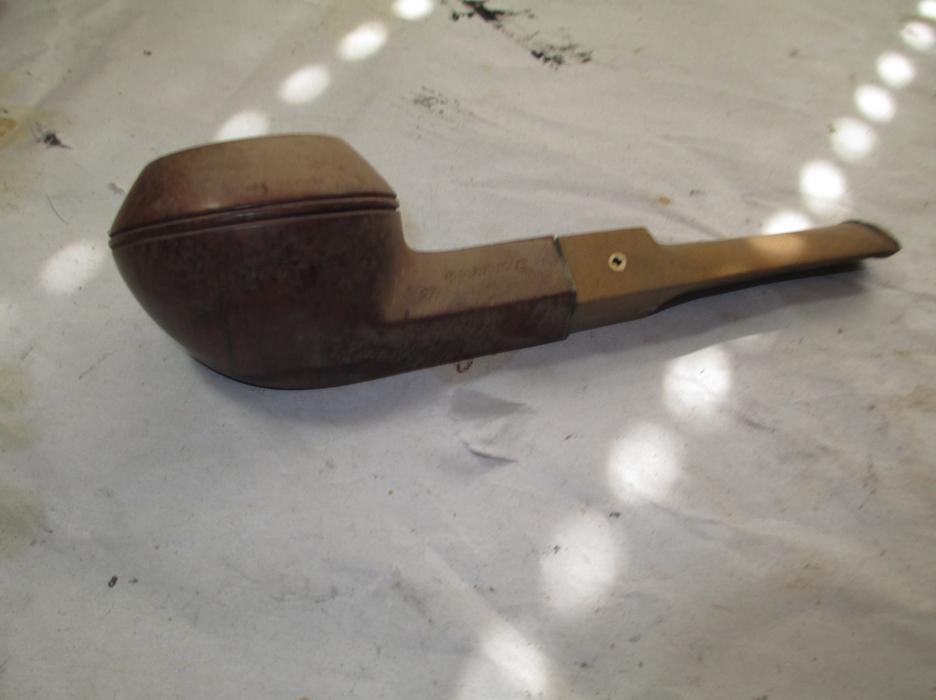
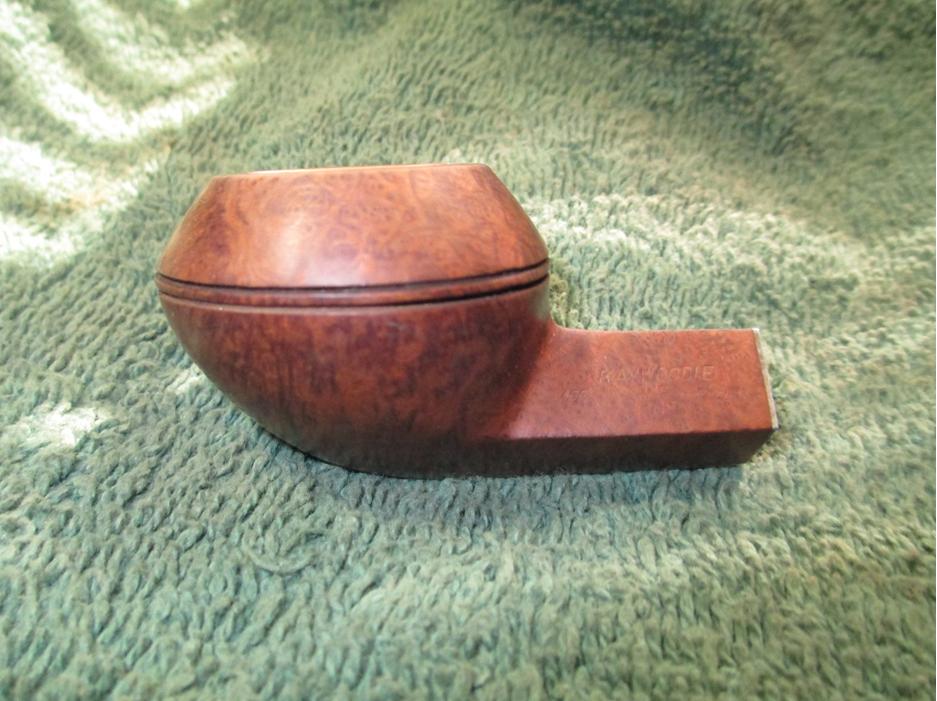
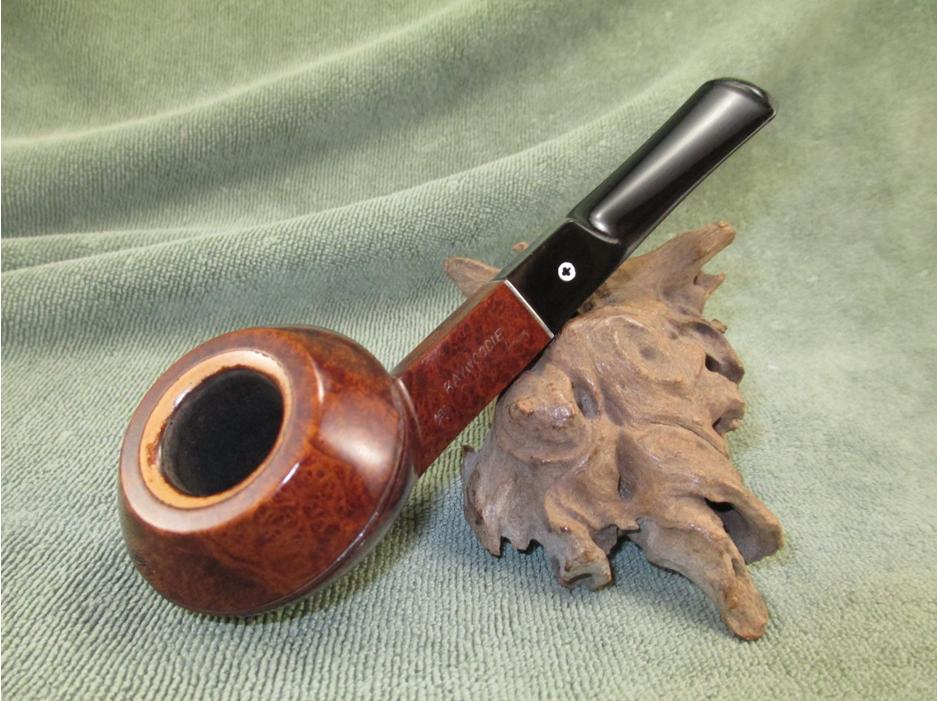
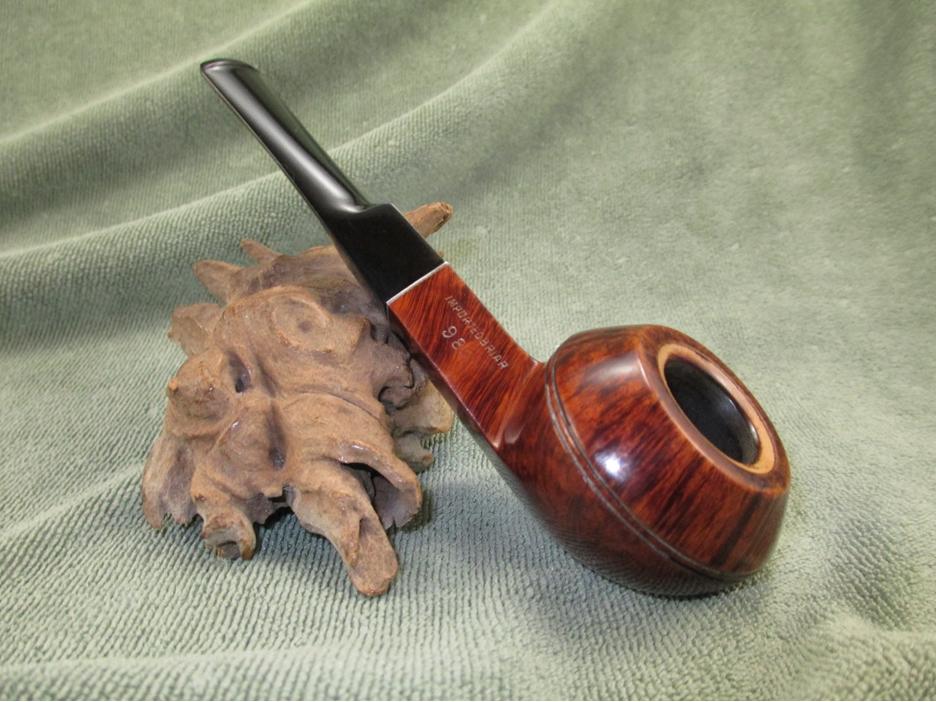
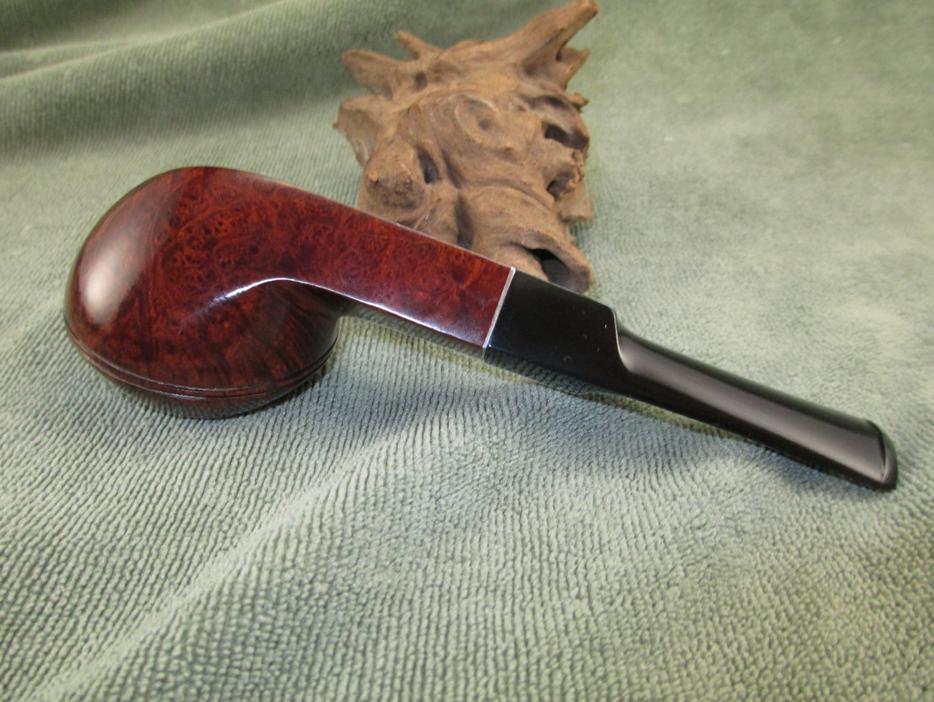
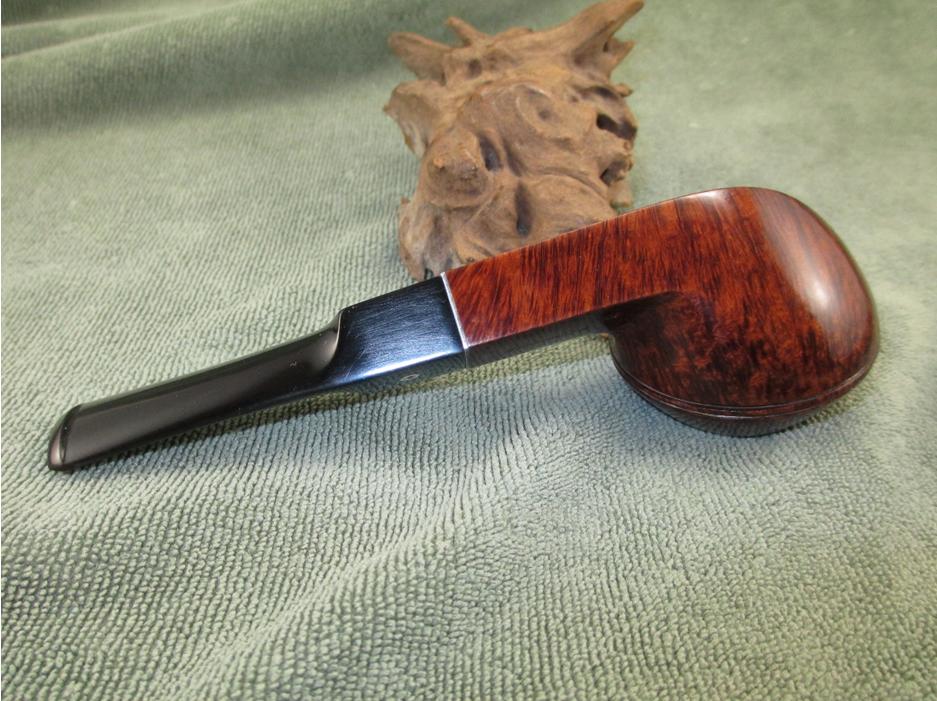
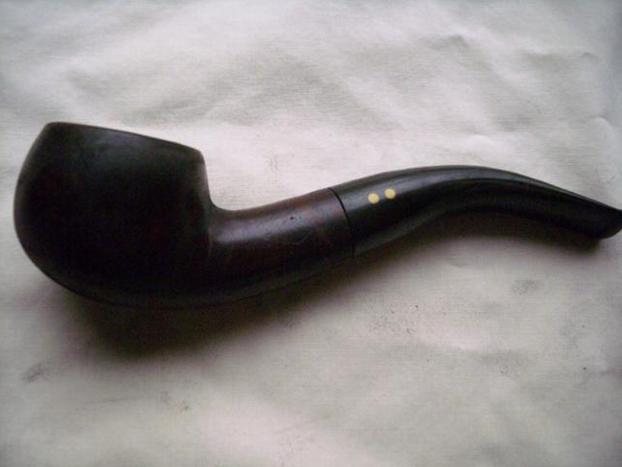
I have become a fan of older LHS pipes and restored quite a few of them lately. I am always on the lookout for different LHS lines that I have not seen. Recently I picked up this LHS Sulgrave from a fellow on the Dr. Grabow Collectors Forum for $15. It is a line that I had not heard of before. He described it as a lightly smoked briar pipe. When I saw it I wanted it as it was my kind of shape. Never sure what to call this shape – bent banker, squat apple – not sure but I like it. He gave the following description in the sale listing. The shank is stamped Purex Sulgrave arched over LHS in a Diamond on the left side. The stem has two light coloured dots on the left side. The pipe is 5 1/8 inches long from the bottom of bowl to end of bit. The bowl chamber diameter is 7/8 inch and bowl depth is 1 1/4 inch. There is light caking in bowl. There is light tooth wear on end of the stem near the button. It has normal wear and tear (dings, oxidation and scratches) for an estate pipe. Nice overall shape and condition. Here are the photos that he included when I emailed him for details.LHS1
LHS2

LHS3

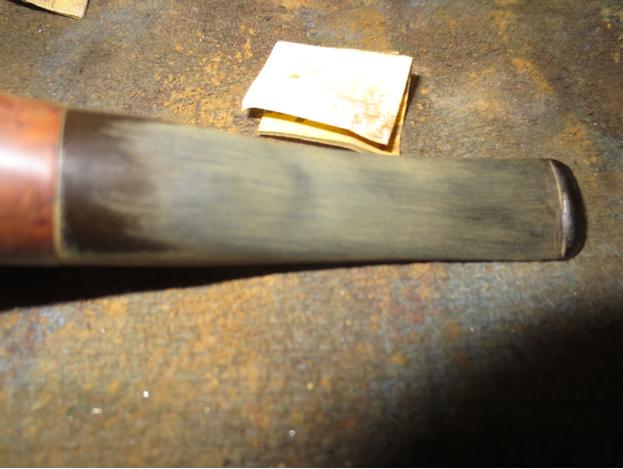
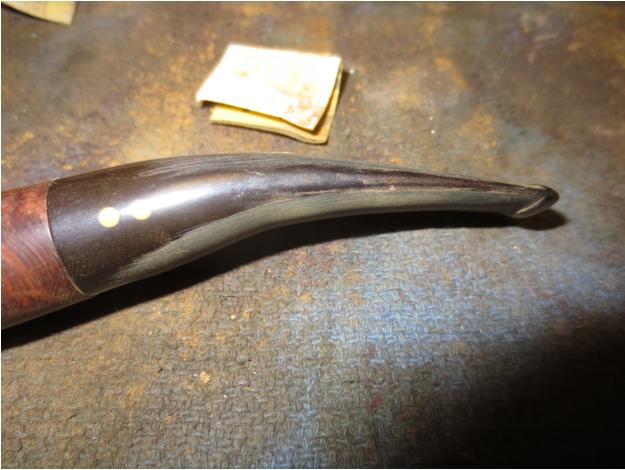
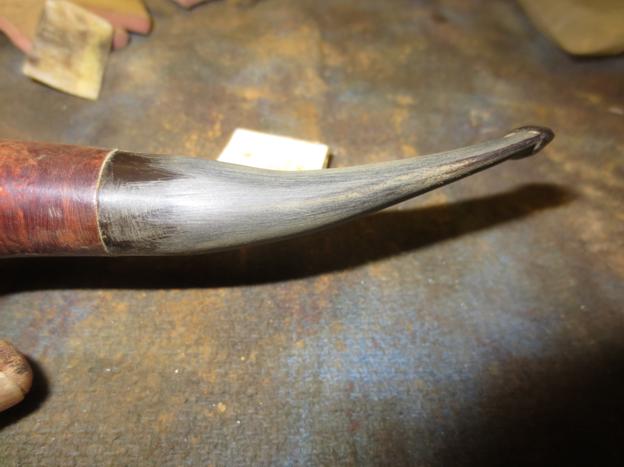
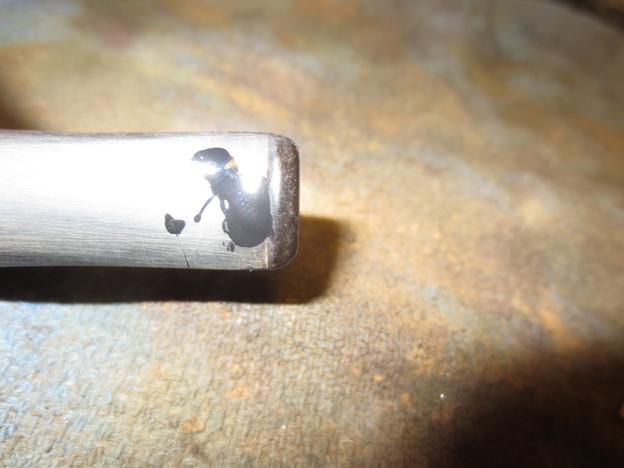
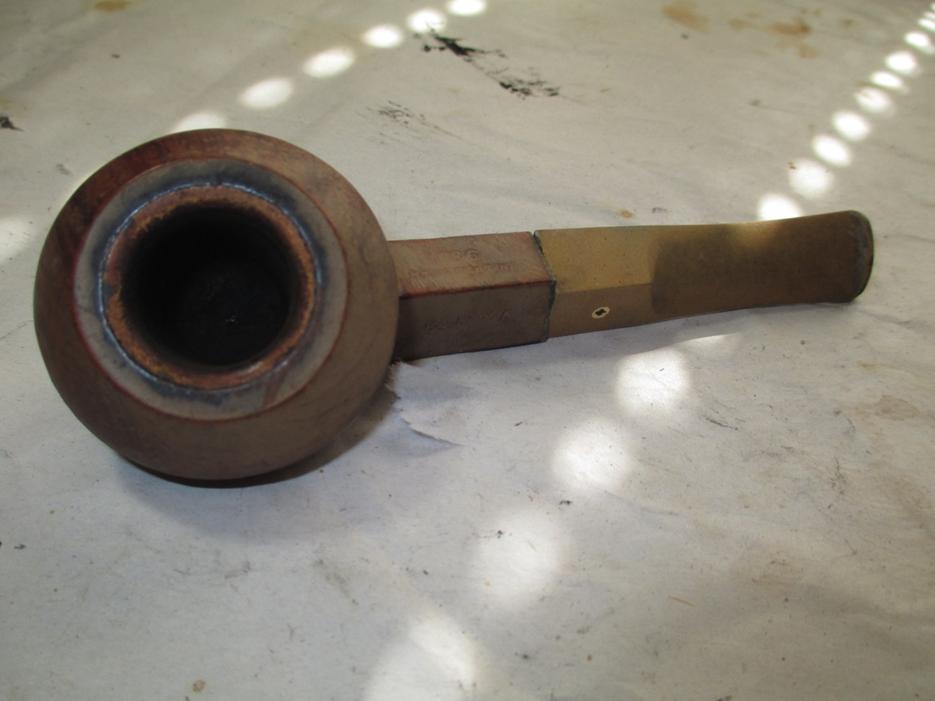
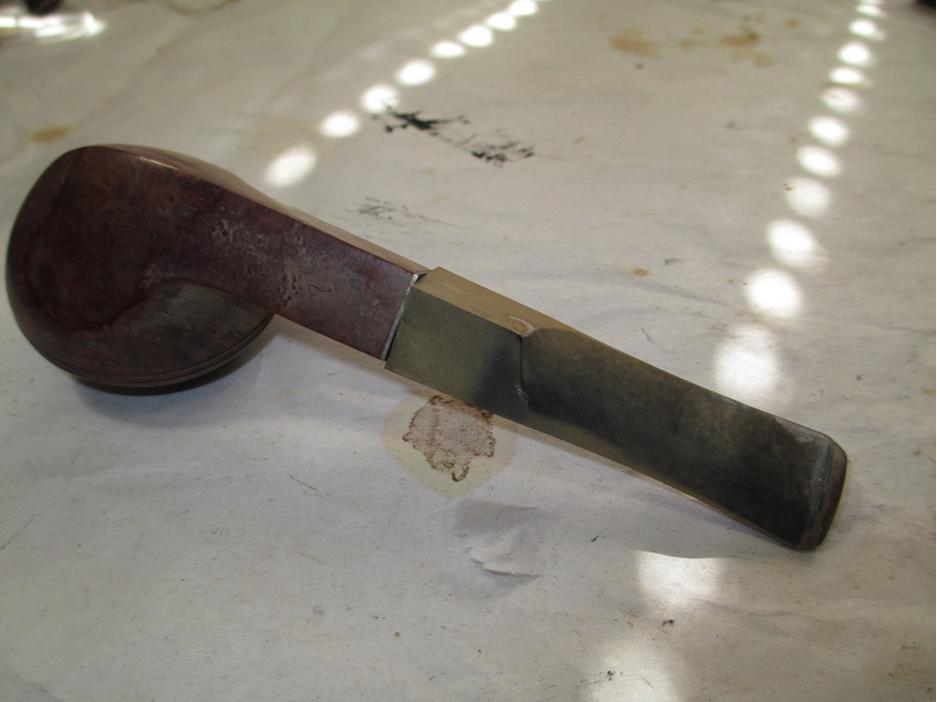
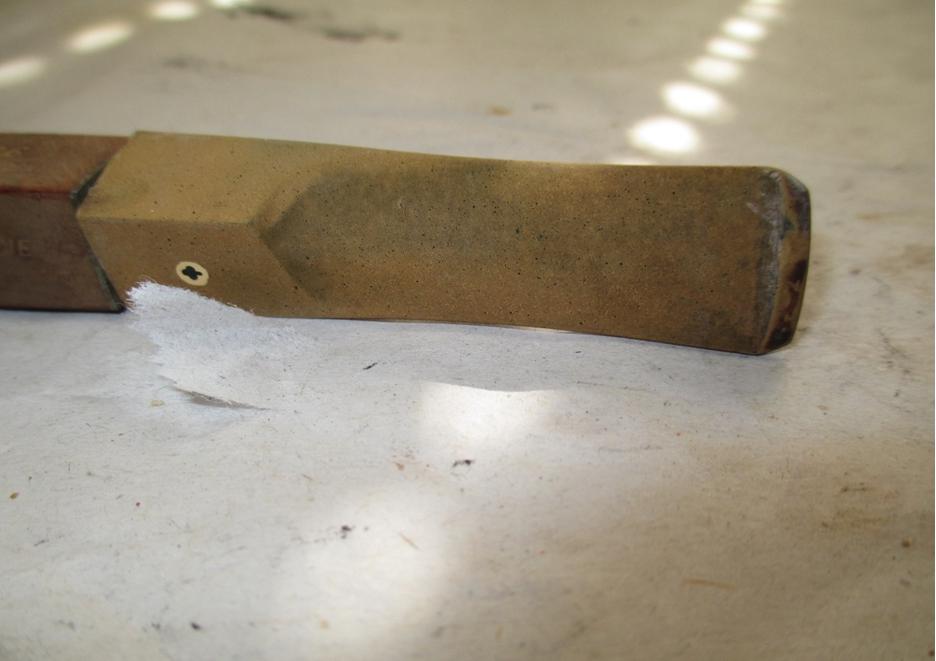
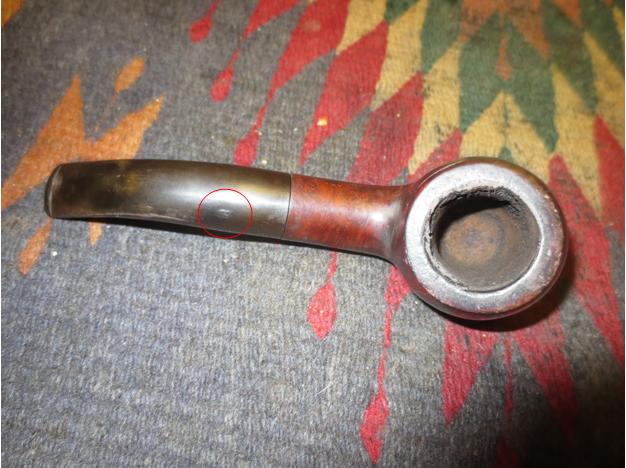
LHS4 When the pipe arrived I was not disappointed. The shape was perfect. The description was accurate and the only variation that I could see was that the stamping did not include PUREX on the shank. Not a big deal in my book. The bowl was unevenly caked and appeared to have been reamed. The back side of the bowl had a thicker portion of cake that gave the inside wall on the back side an uneven and out of round look. I was pretty certain that with a good reaming and a light sanding the rim would look better. The stem was over bent and there was a slight crease on the underside of the bend. There was a coat of wax or some kind of coating on the stem and bowl. The stem was oxidized. In the first photo below you can see slight imperfection in the vulcanite stem. I have circled it to highlight it in the photo below. It is not a hole or worn spot, it is actually a thread of cord in the rubber. Its presence gives some idea of the date of manufacture as recycled rubber was used in WWII pipes.LHS5
LHS6

LHS7

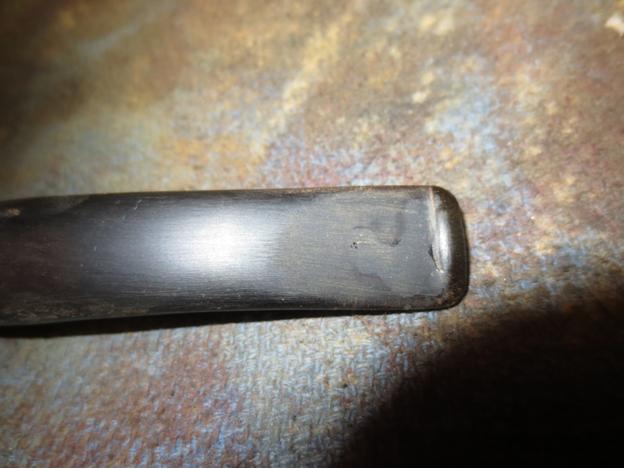
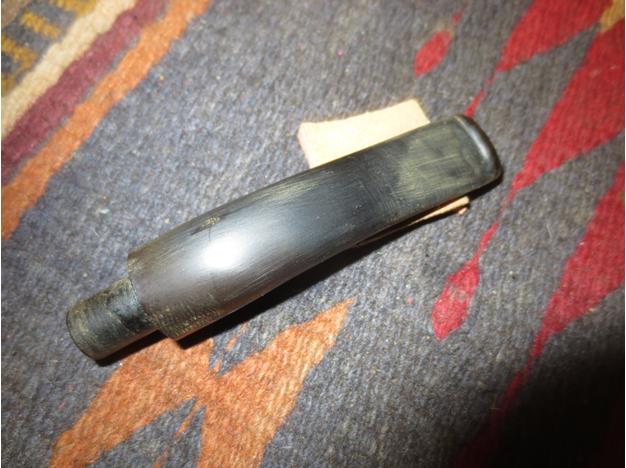
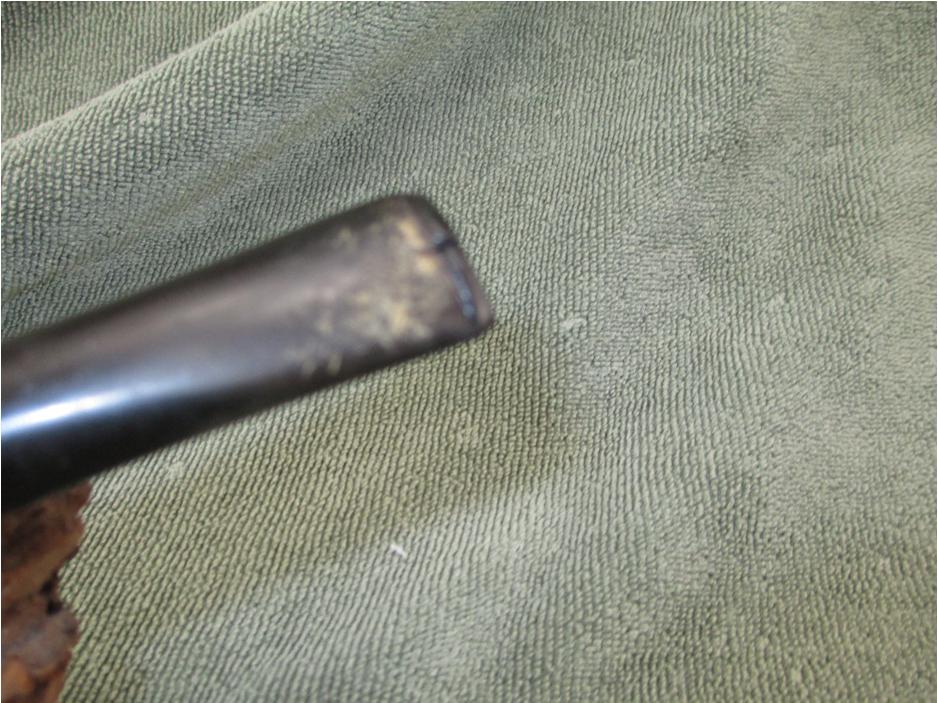
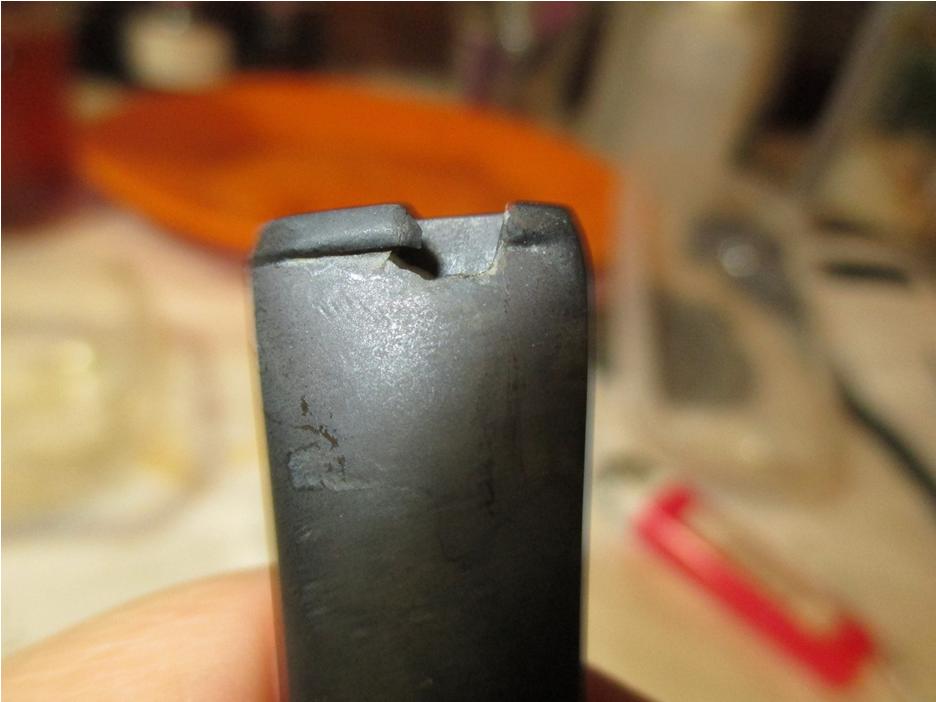
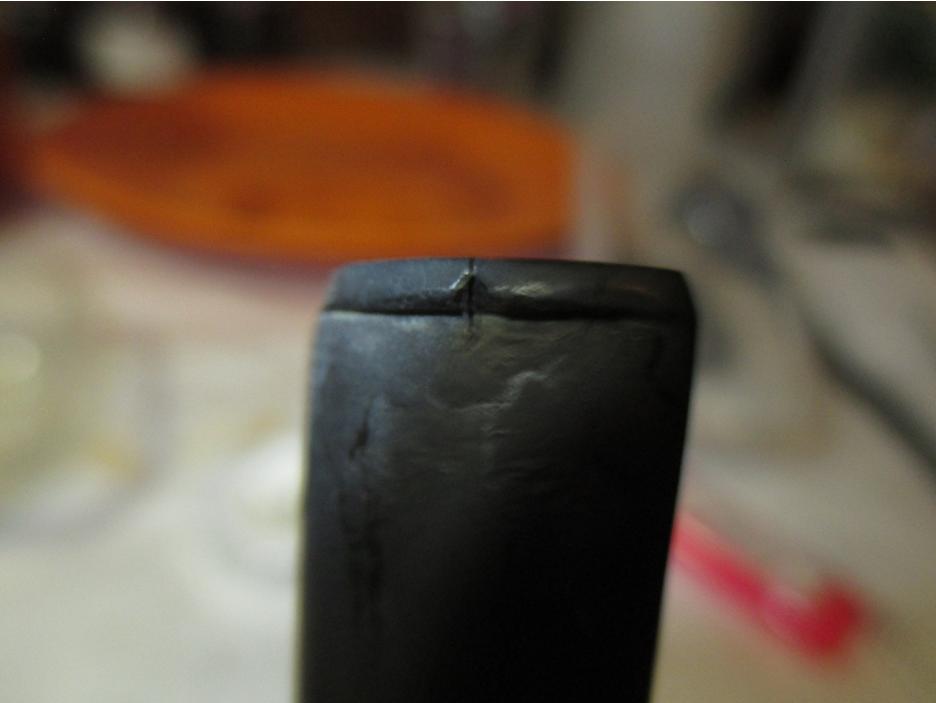
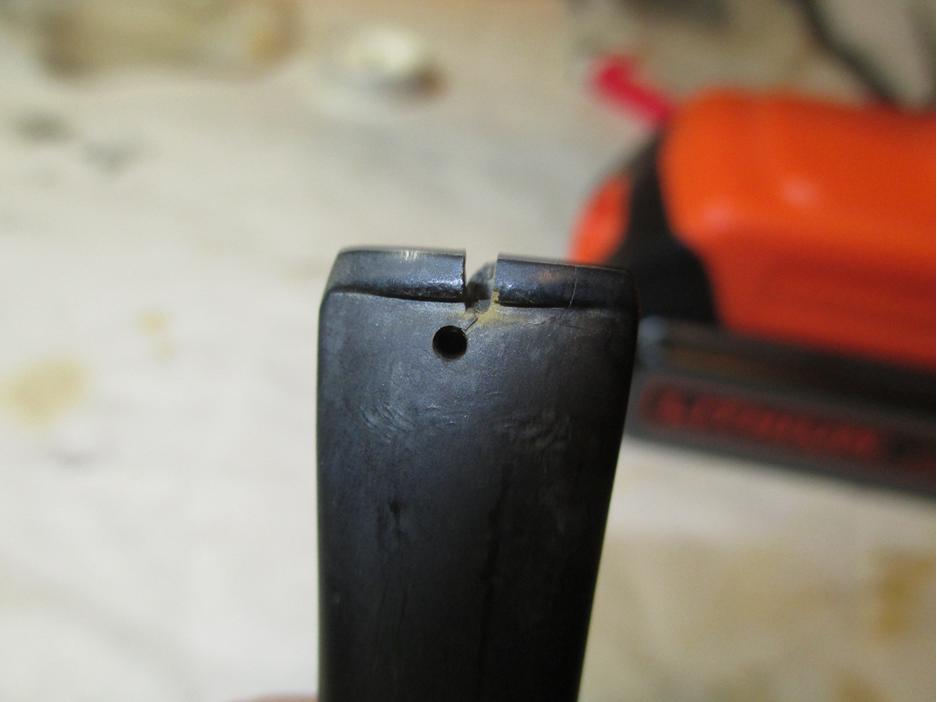
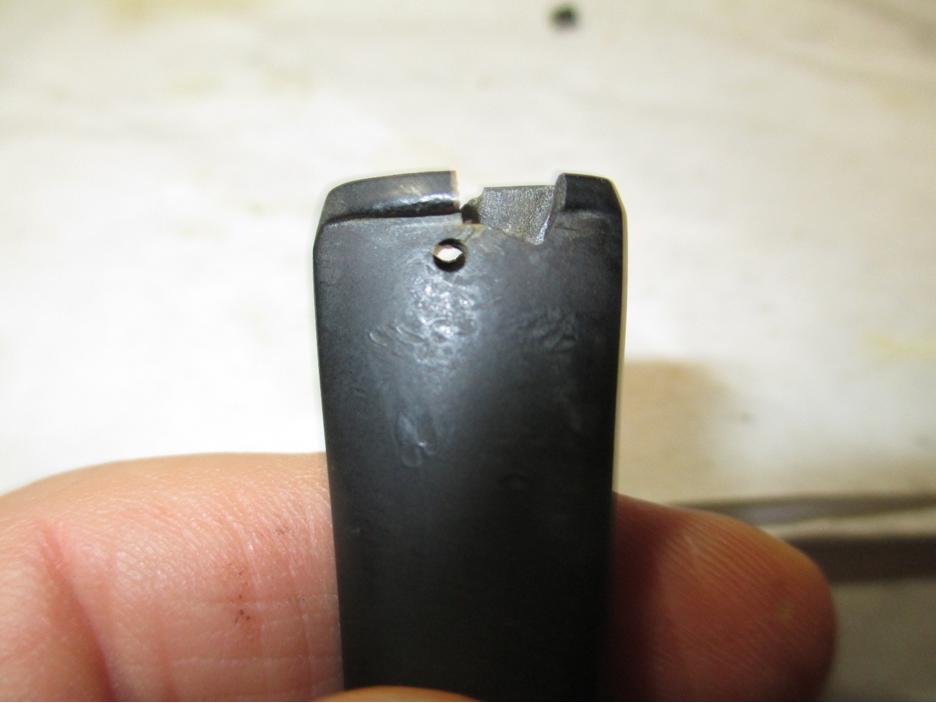
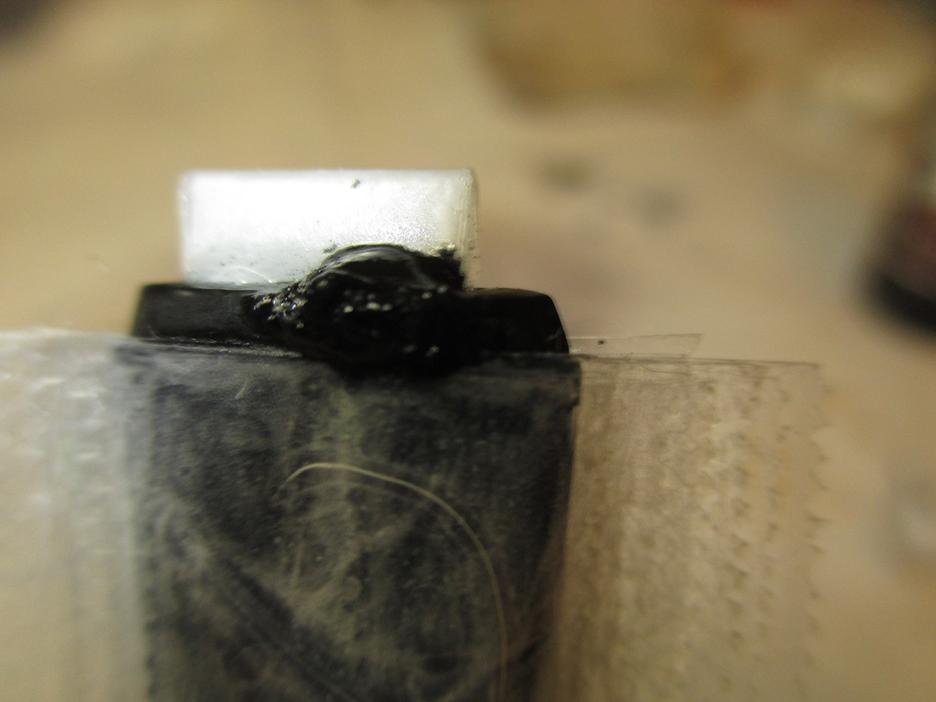
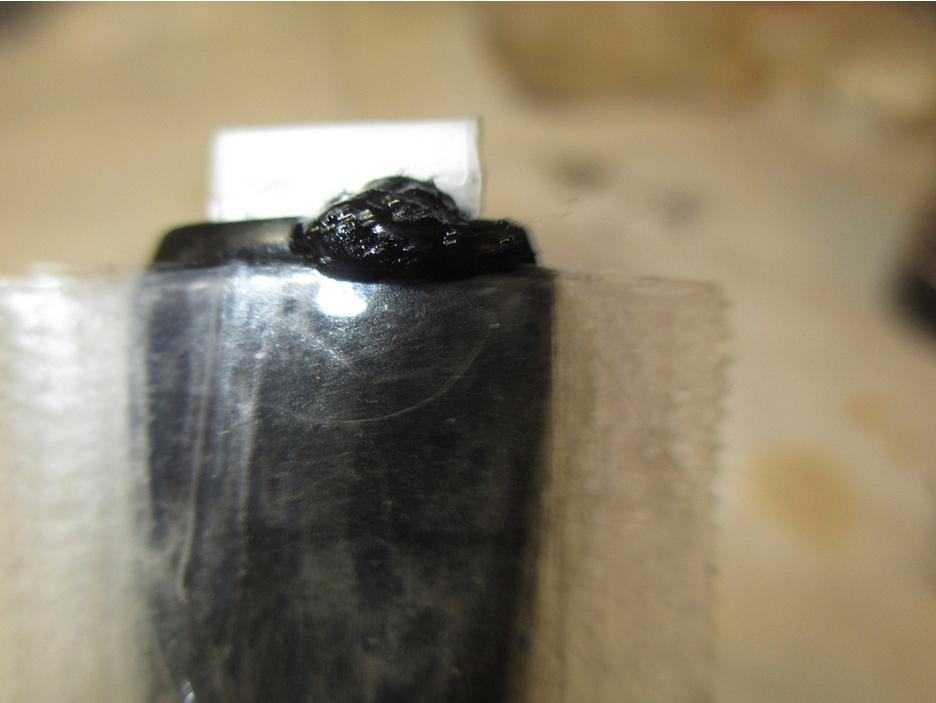
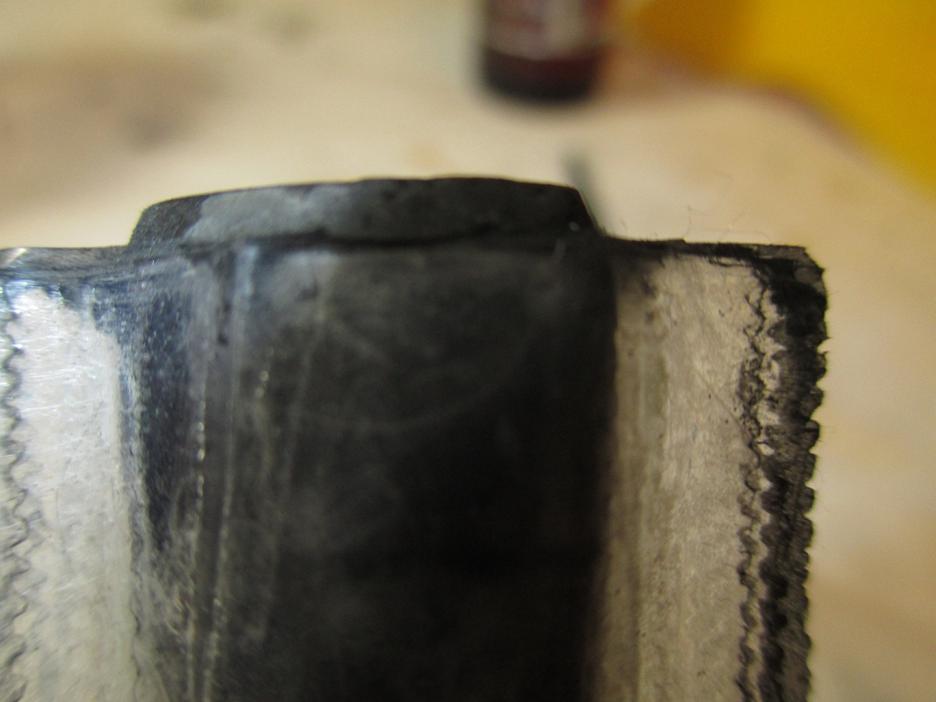
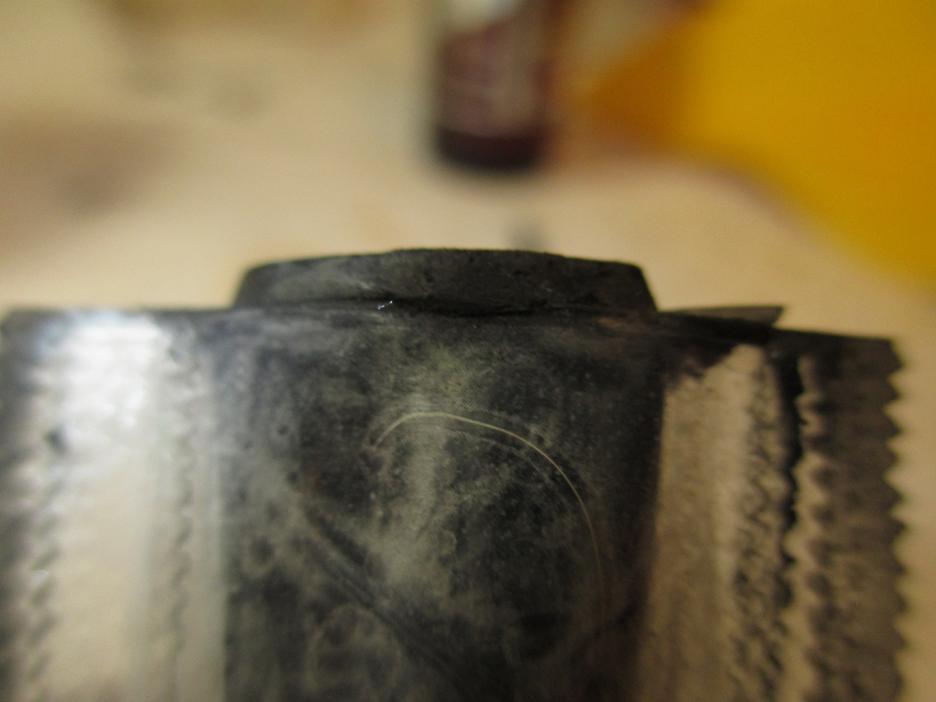
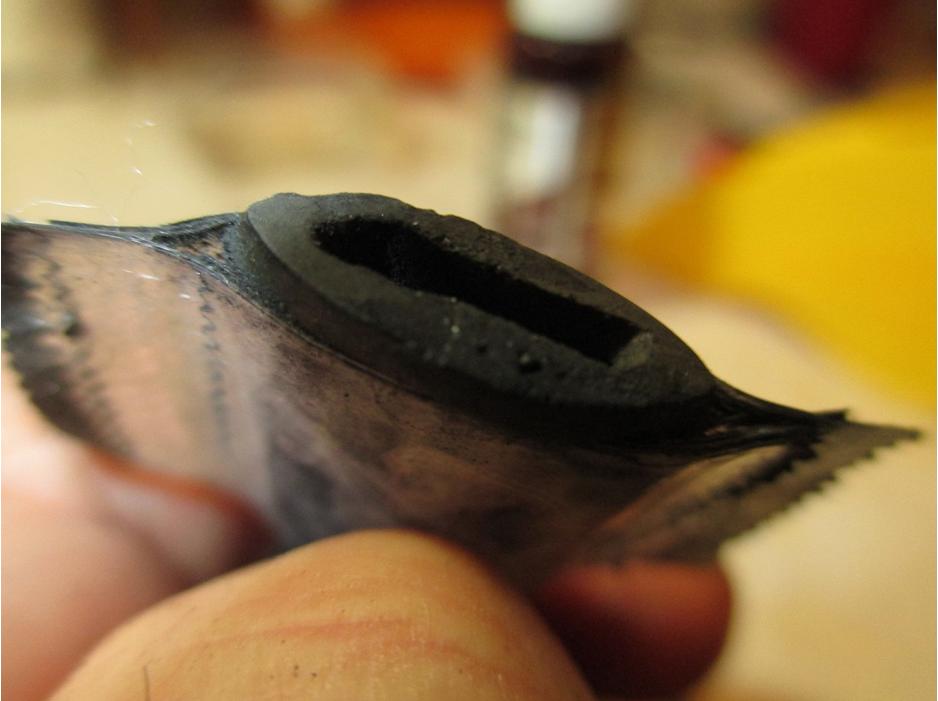
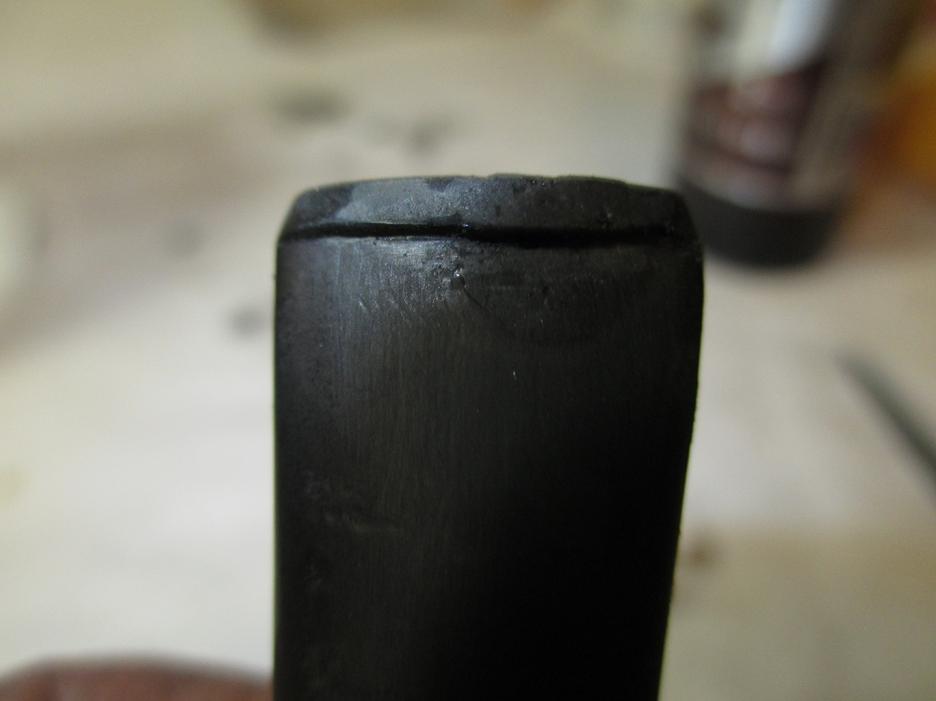
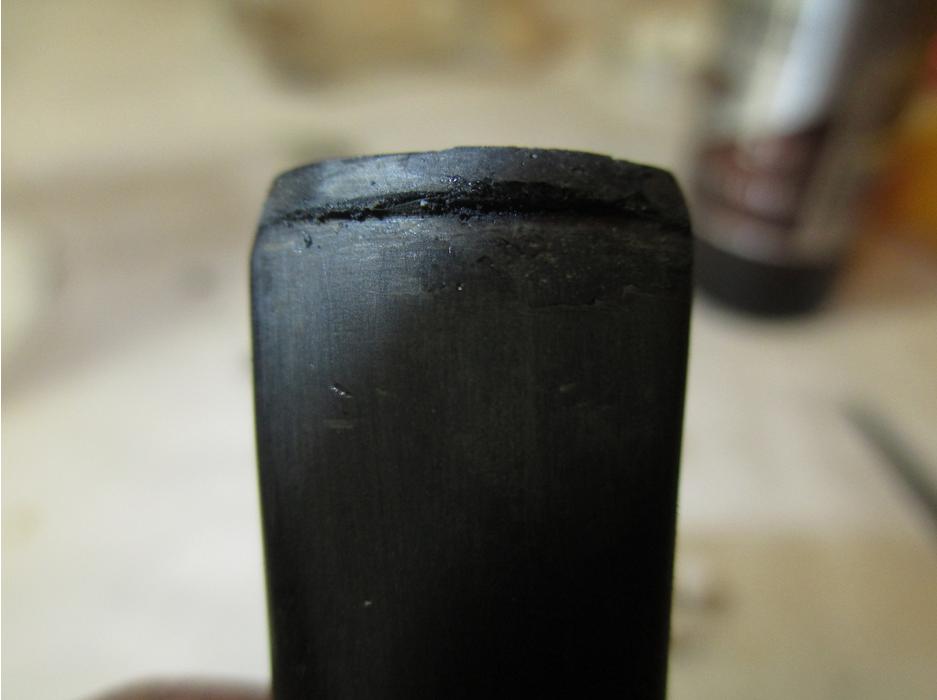
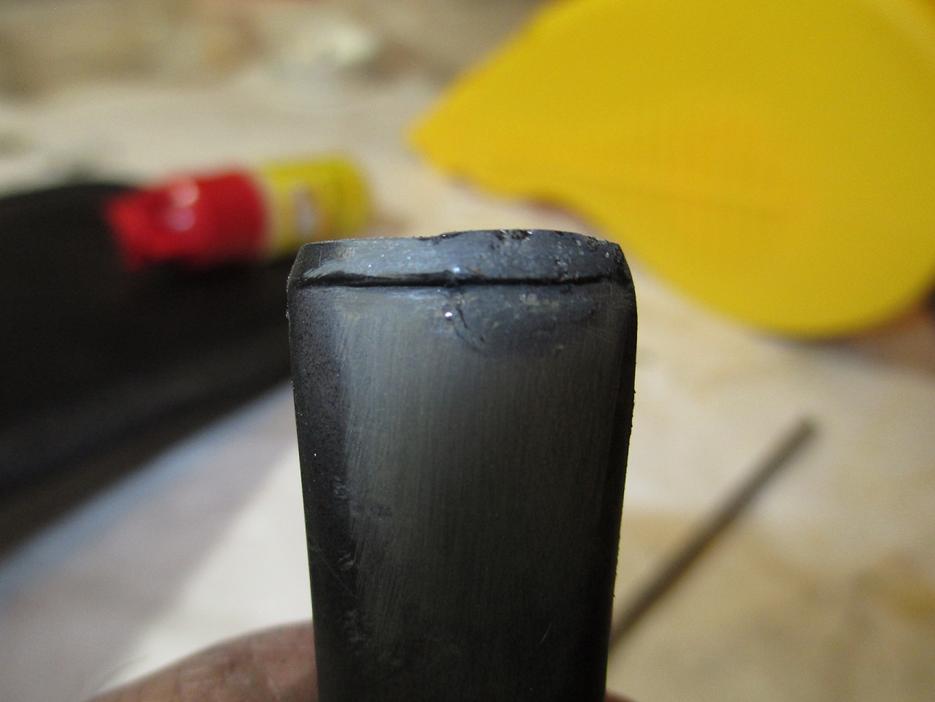
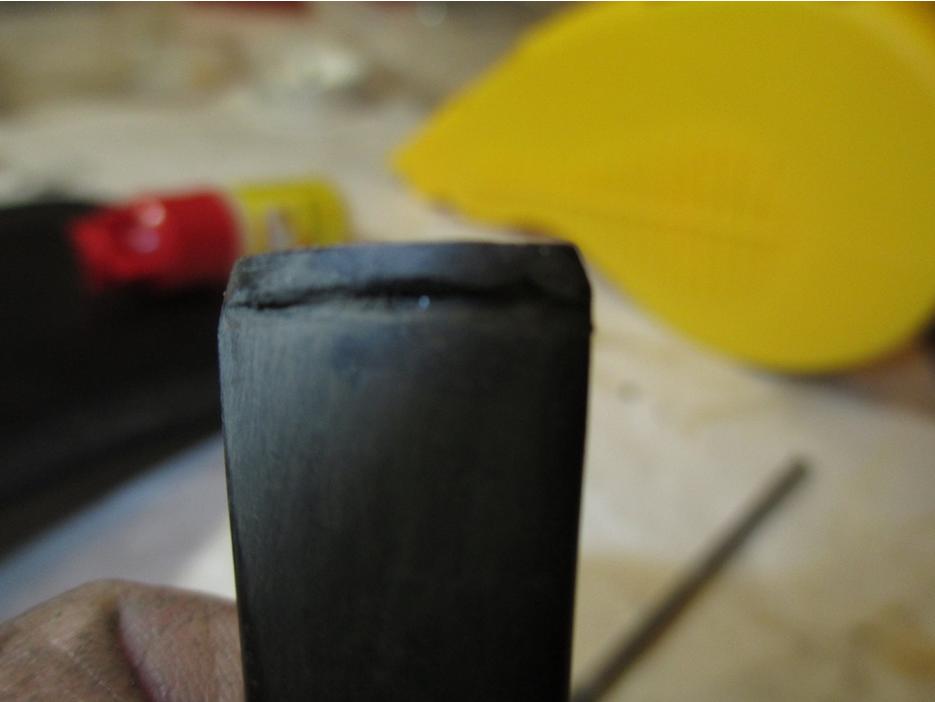
LHS8 The stem also had a lot of tooth dents and chatter along both top and bottom with some very deep marks on both. I tried to capture them in the next two close-up photos but they are still not very clear. The odd thing was that the dents went up the stem over an inch. The slot in the button was not centred and appeared to have left the factory that way. The dents were deep enough that I was concerned regarding the thinness of the stem surface over the airway. The mortise and airway in the shank were dirty and the end of the mortise was chipped away. It looked as if there had originally been a stinger in the tenon but it was no longer with the pipe.LHS9

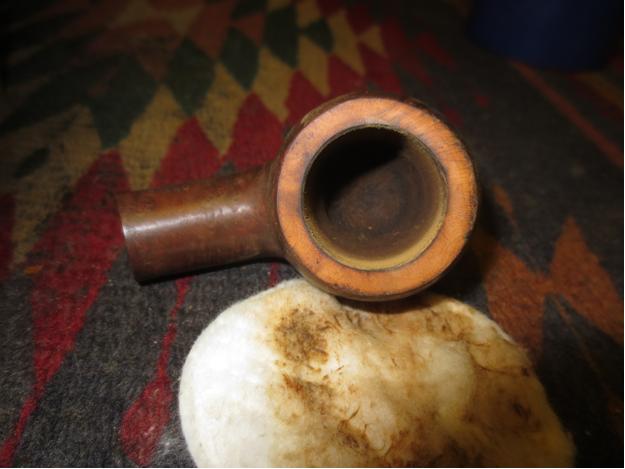
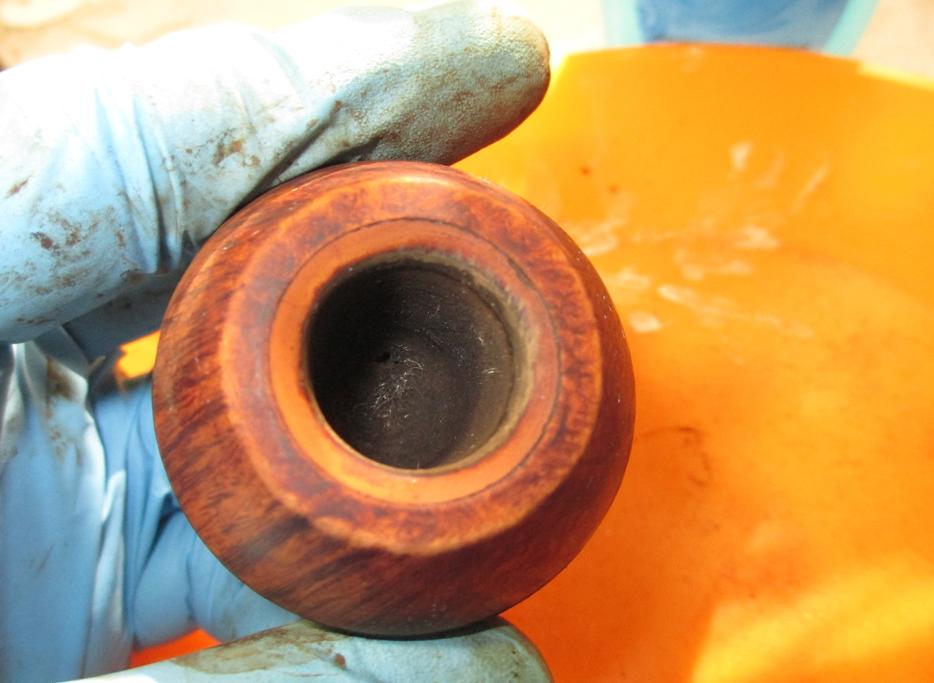
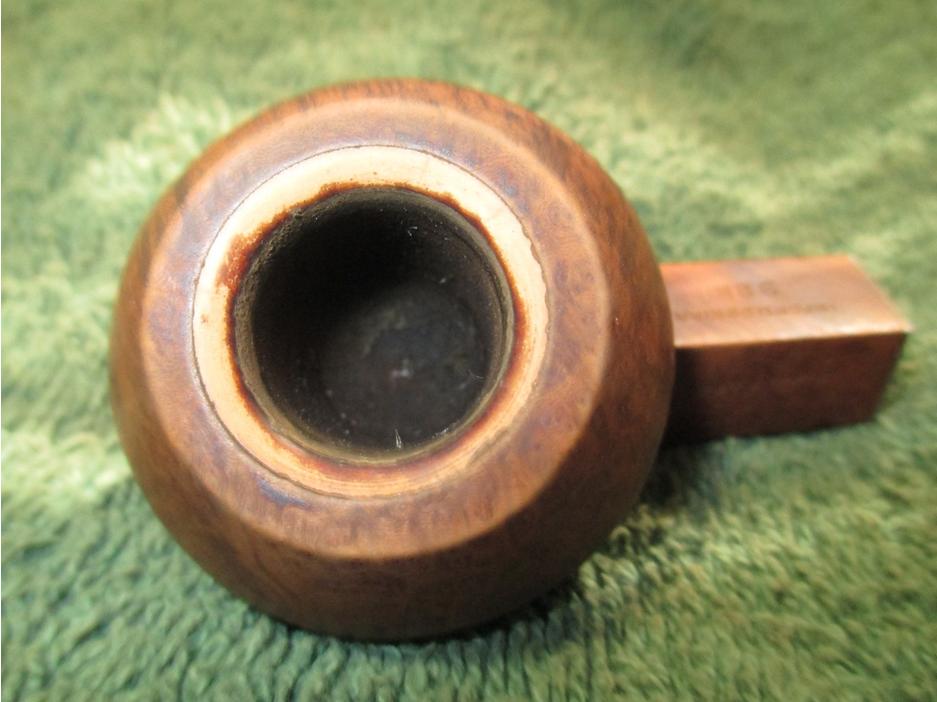
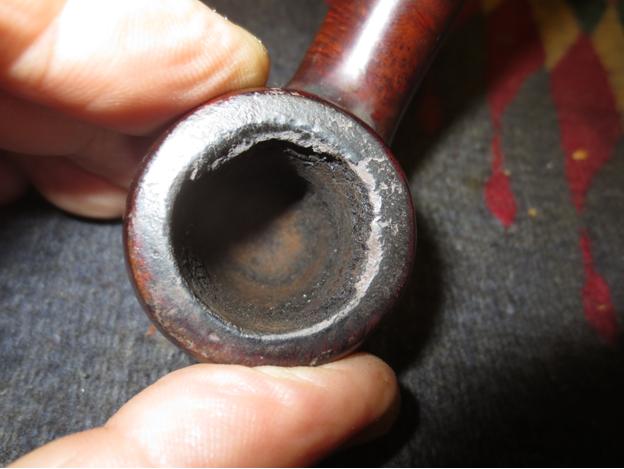
LHS10 I also have included the next close-up photo of the rim and the bowl interior to show the cake that gave the bowl an out of round appearance.LHS11 I reamed the bowl with a PipNet pipe reamer using the largest cutting head. I took the cake back to bare wood to even out the inner edge of the bowl. I wanted to get rid of the cake so that I could smooth out the edge.LHS12
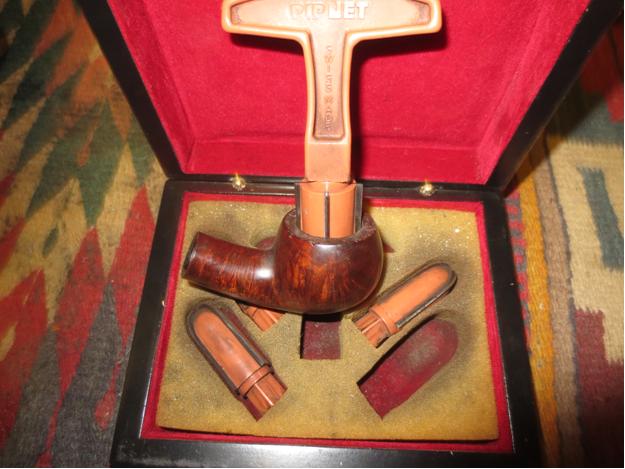
LHS13 I folded a piece of 220 grit sandpaper to smooth out inner edge. It took a little effort remove the inner edge damage and clean up the roundness of the bowl.LHS14
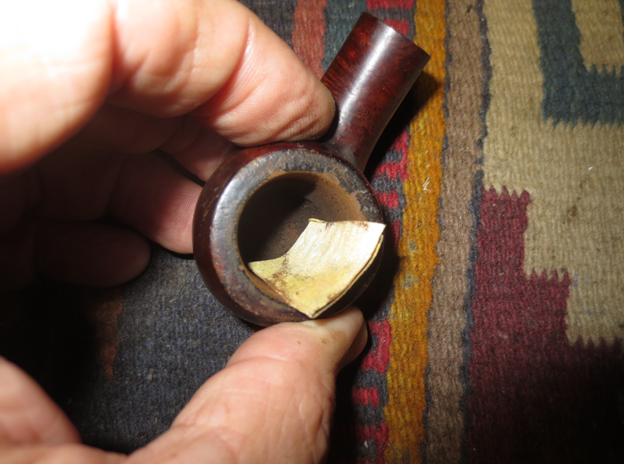
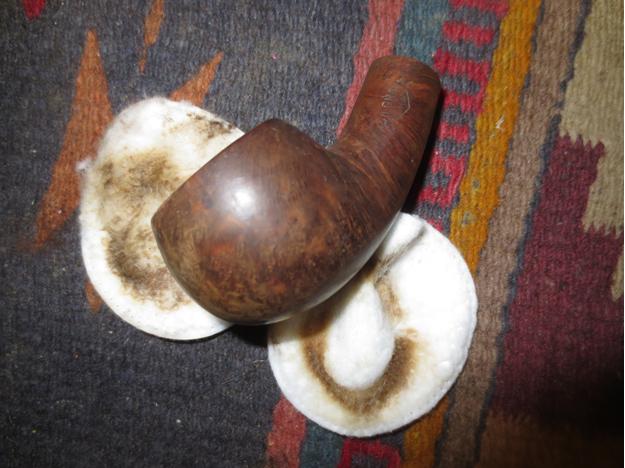
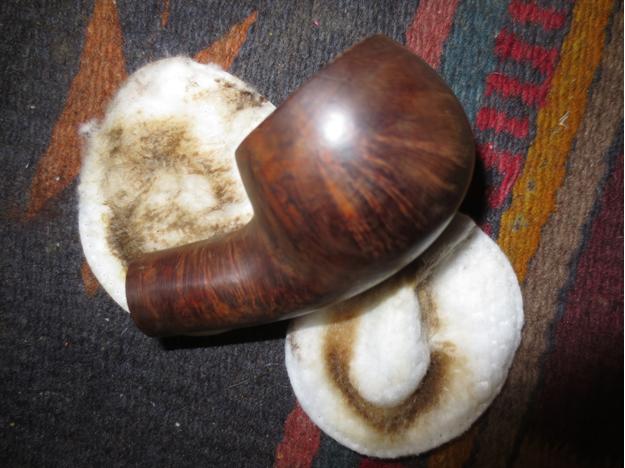
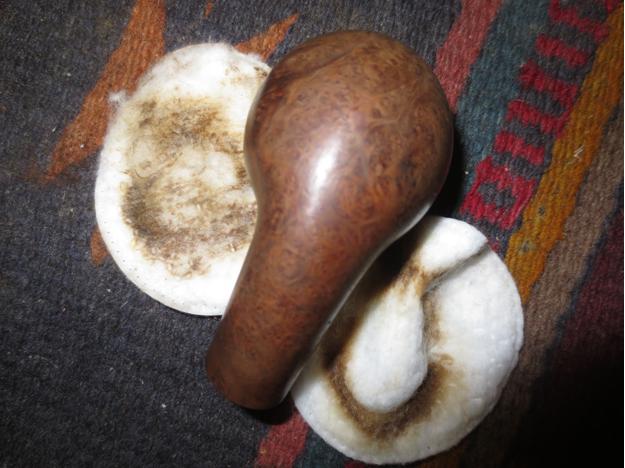
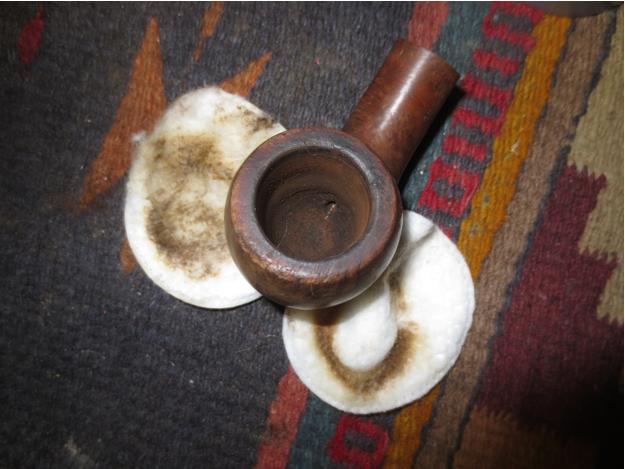
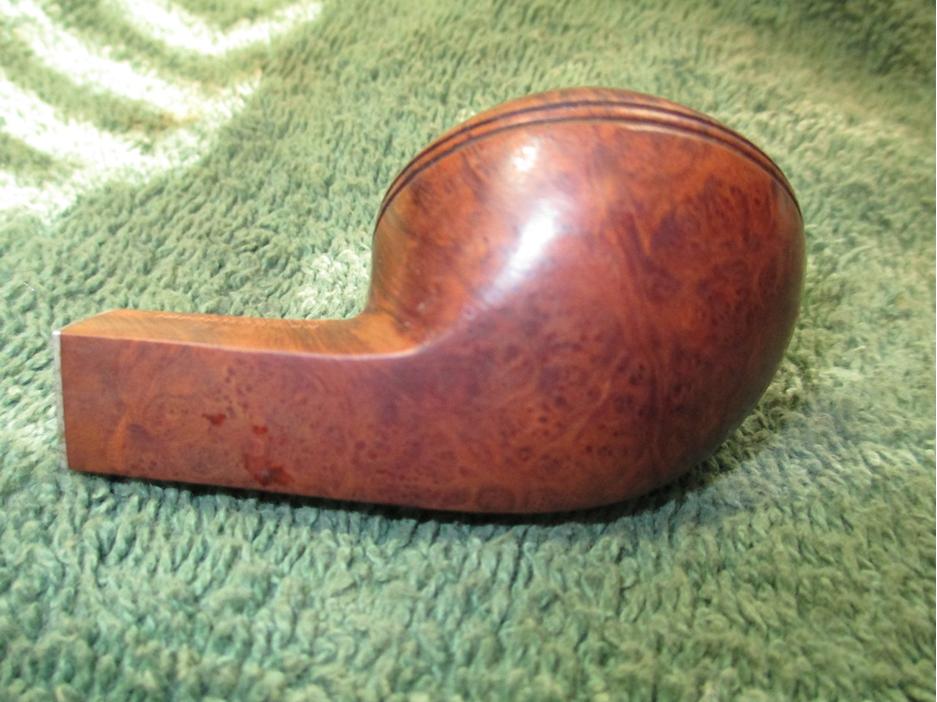
LHS15 I wiped down the bowl with acetone on cotton pads to remove the tars and the wax coat on the briar. With them removed the outer edge of the bowl showed damage as well. The bowl had been knocked about on the front edge particularly. The grain on this pipe was lovely.LHS16
LHS17

LHS18

LHS19 To minimize the outer edge damage I topped the bowl with 220 grit sandpaper on a topping board. I sanded it to remove the damage to the top of the bowl and clean up the outer edge of the bowl.LHS20

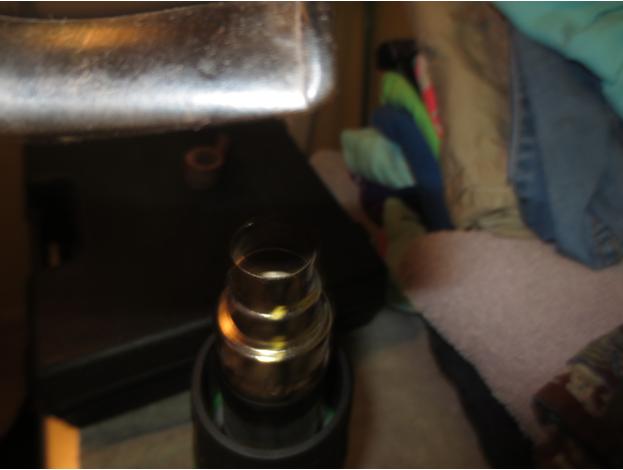
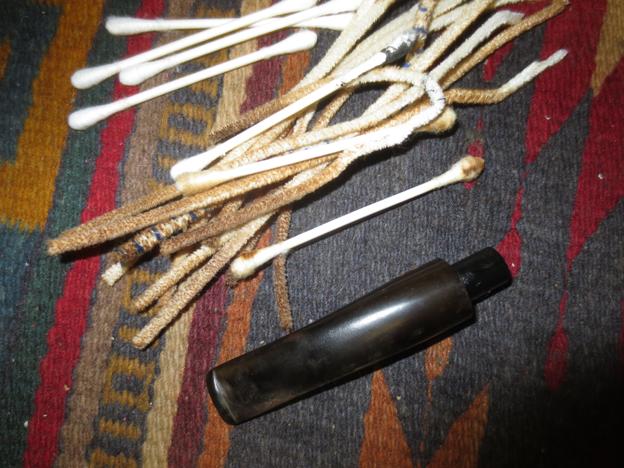
LHS21 I cleaned out the shank and the bowl with pipe cleaners, cotton swabs and alcohol to remove the grime inside. It took quite a few of both to clean out the shank but finally they came out clean.LHS22 I heated the stem with a heat gun to try and lift some of the dents to the surface and to also take out some of the bend. I also wanted to smooth out the sharpness of the bend on the bottom side.LHS23
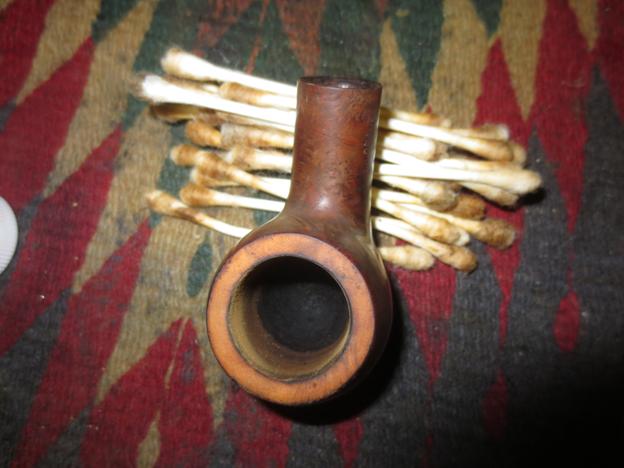
LHS24

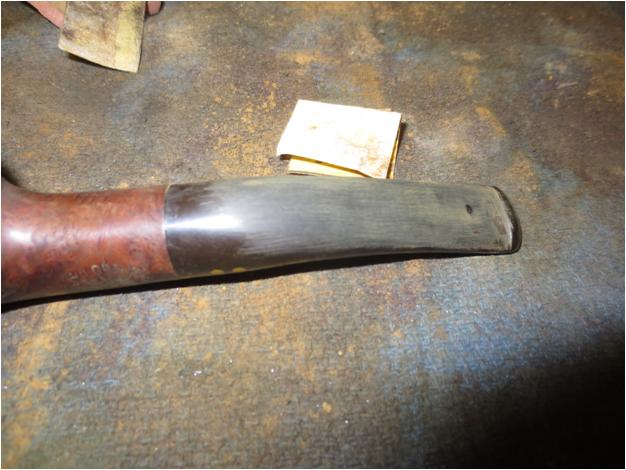
LHS25 I cleaned out the airway in the stem with pipe cleaners, cotton swabs and alcohol.LHS26 The heat had raised most of the dents significantly. The ones that were left in the stem needed to be sanded out and then filled to take care of them. I used 220 grit sandpaper to smooth out the surface. I also worked on the curve on the underside of the stem to make it less sharp looking.LHS27
LHS28

LHS29

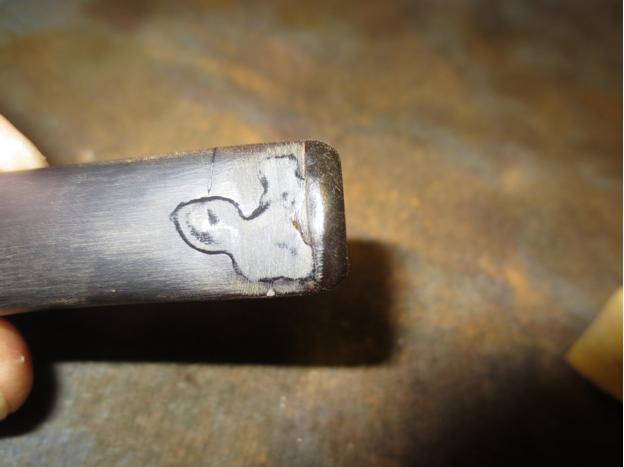
LHS30 The dents in the stem needed to be filled to bring the surface back to smooth flowing condition. I used a black super glue to fill the surface and set the stem aside to dry for several hours. Once dry, I sanded the fills with 220 grit sandpaper and then used a medium and a fine grit sanding sponge to feather them into the surface of the stem.LHS31
LHS32

LHS33

LHS34

LHS35

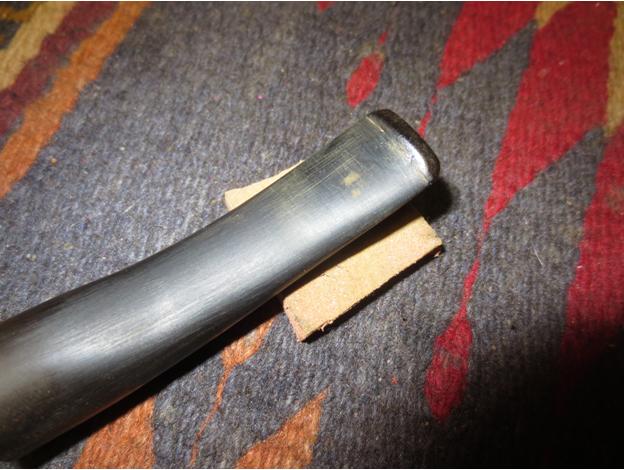
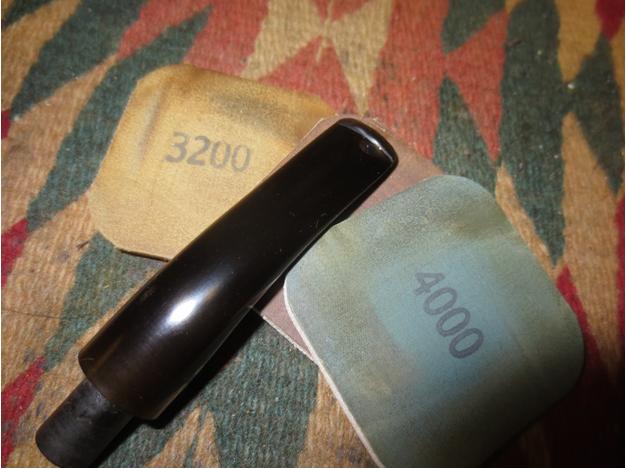
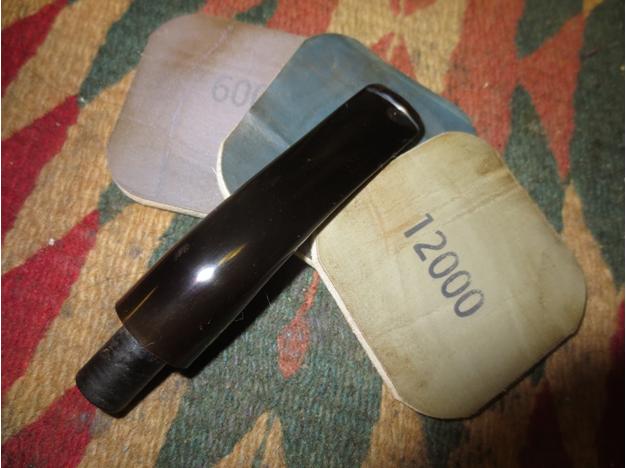
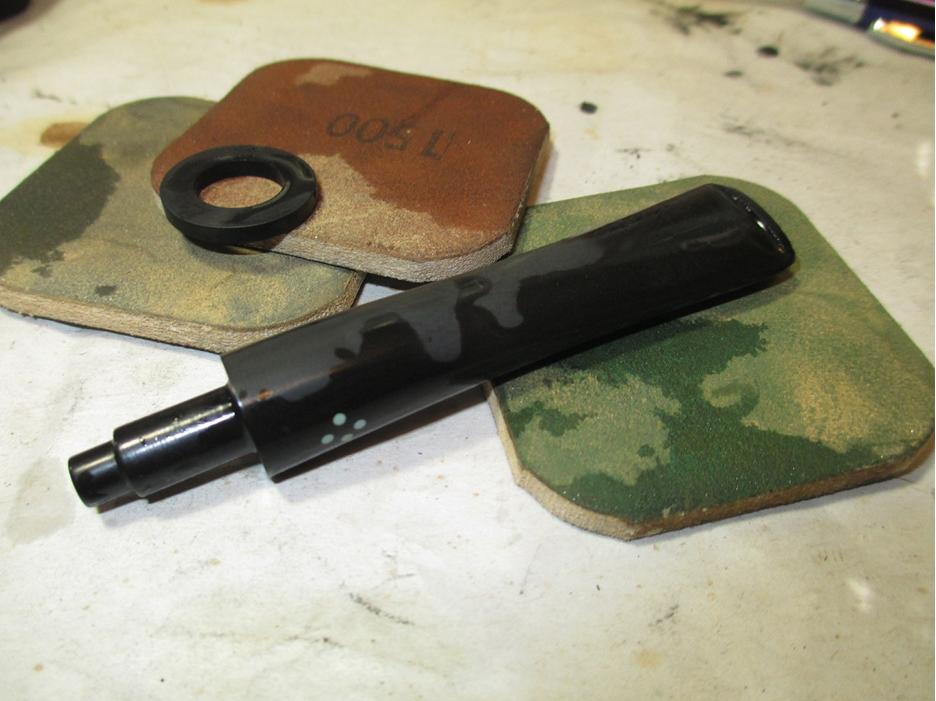
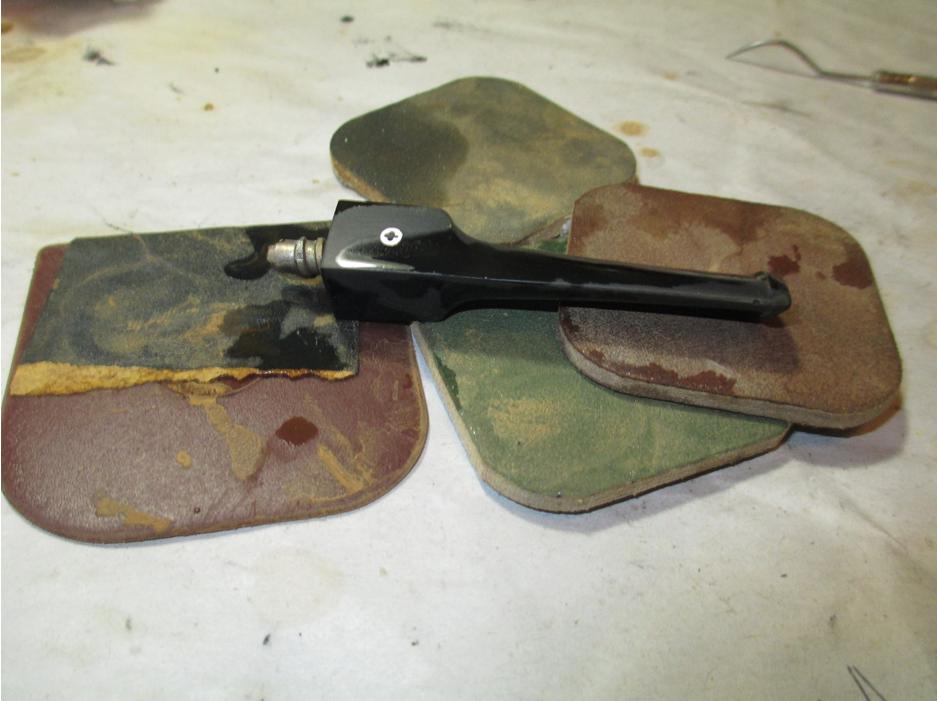
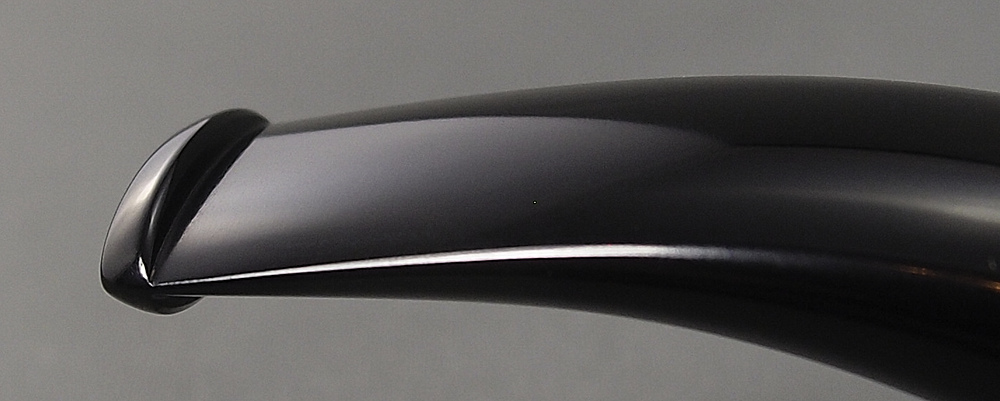
LHS36 I used a needle file to clean up and sharpen the edge of the button and give it more definition. I sanded the sharp edge with sandpaper and then sanded it with micromesh sanding pads. I wet sanded the stem with 1500-2400 grit micromesh pads and dry sanded with 3200-12,000 grit pads. I rubbed the stem down with Obsidian Oil between each set of three pads and then let it dry after sanding with a 12,000 grit pad.LHS37
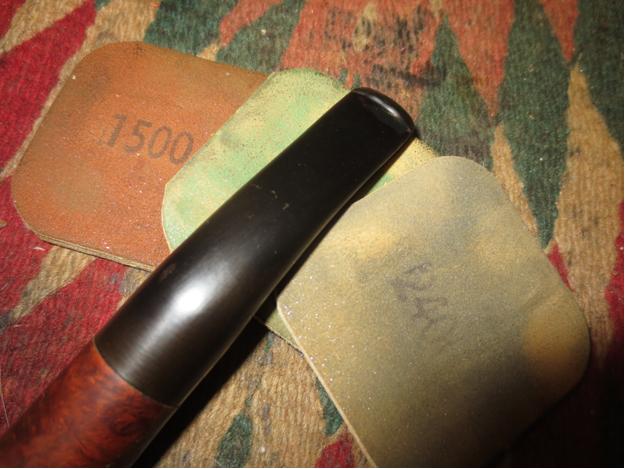
LHS38

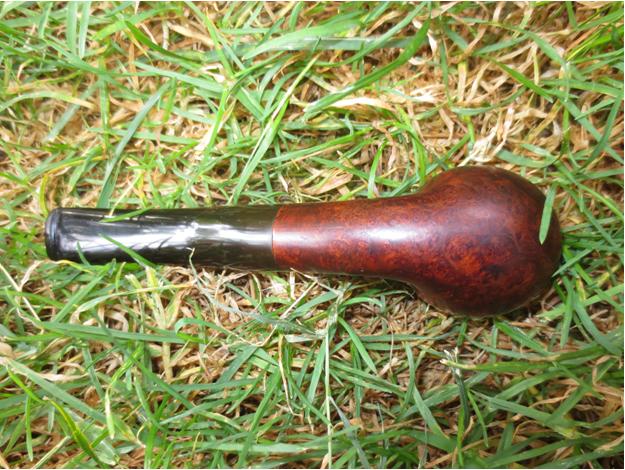
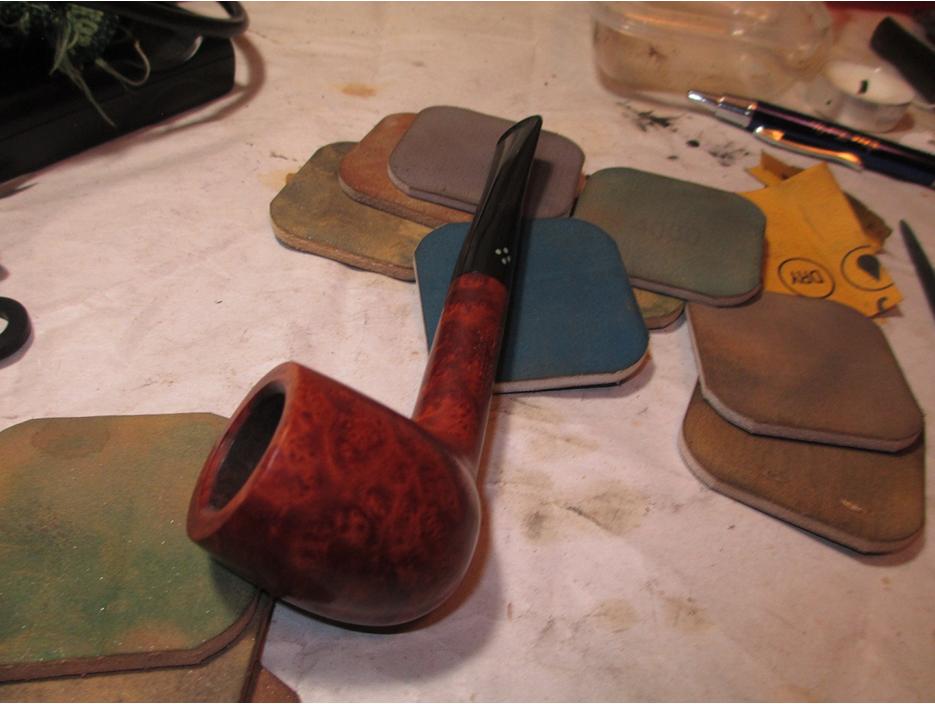
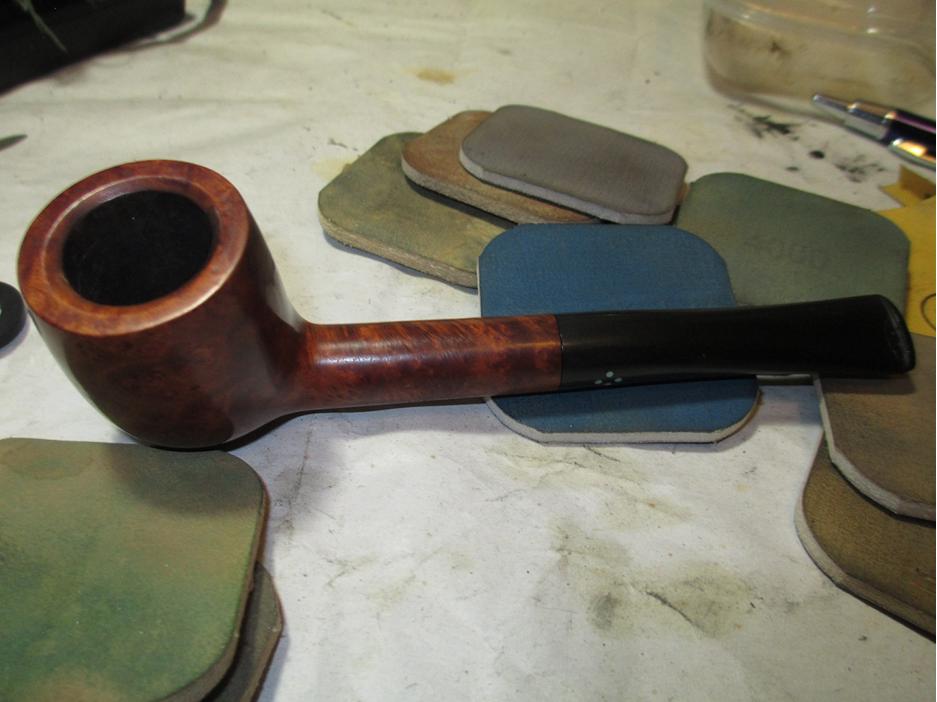
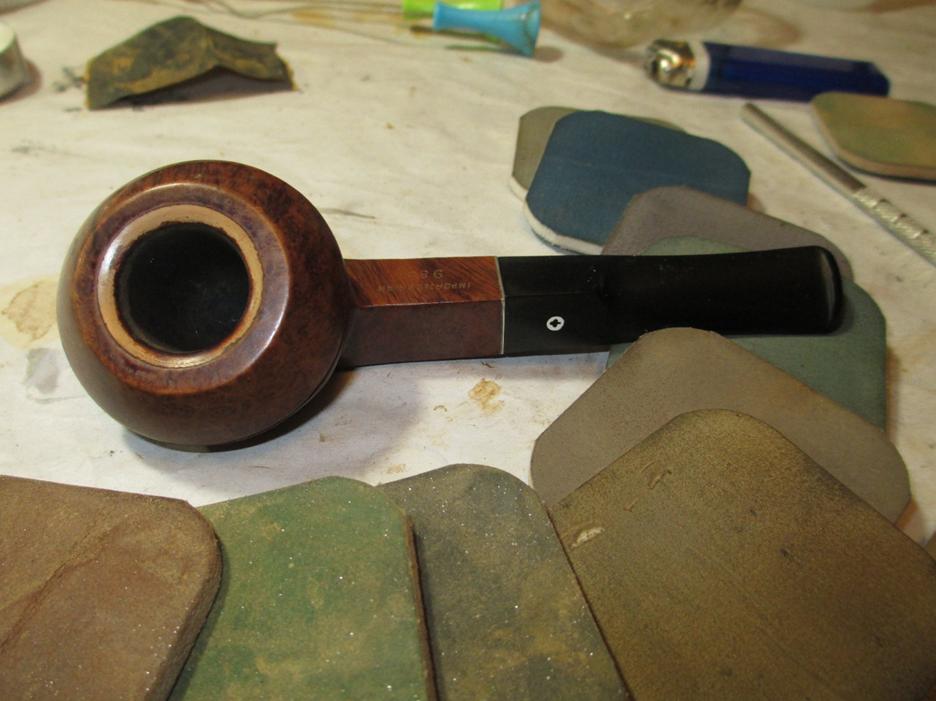
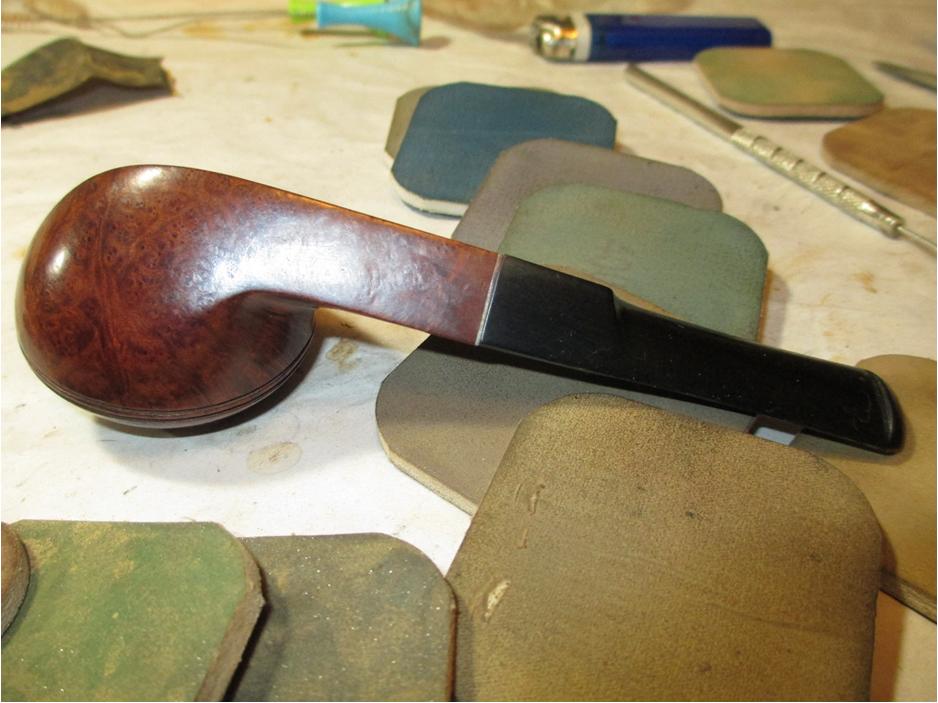
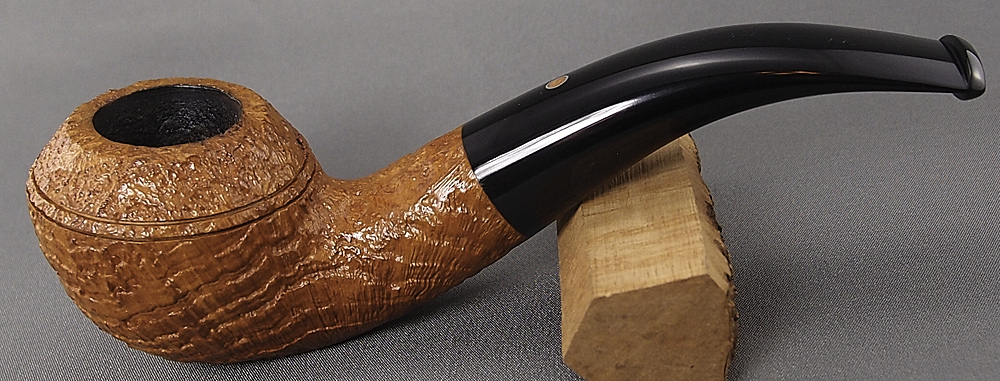
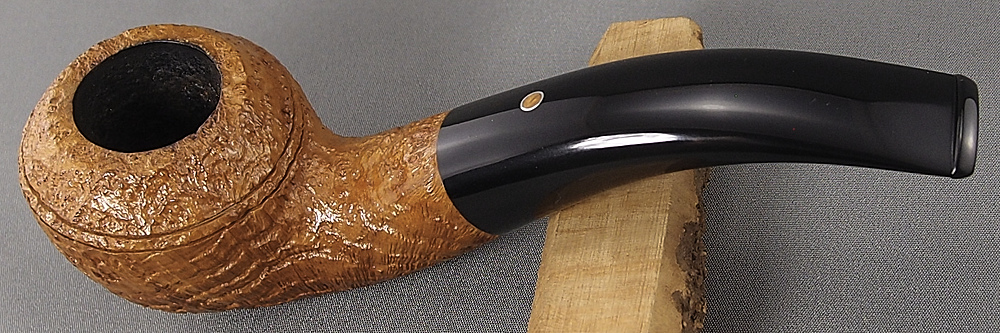
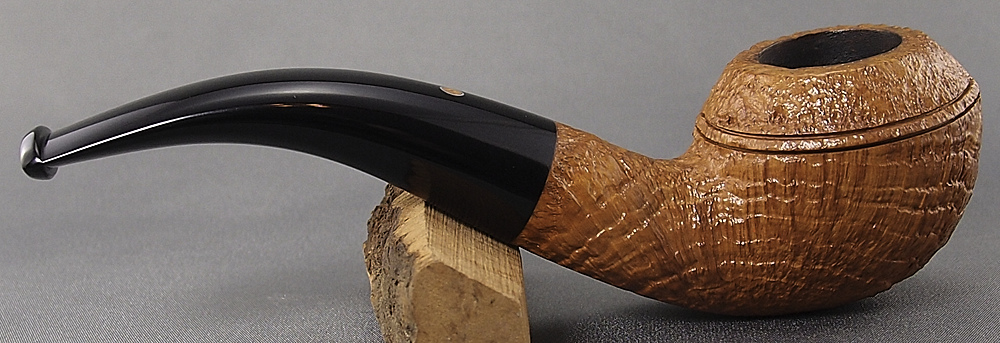
LHS39 I buffed the pipe with White Diamond and Blue Diamond on the buffing wheel to polish and remove the slight remnants of oxidation that had come to the surface. I gave it multiple coats of carnauba wax and buffed it with a clean flannel buffing pad. I brought it back to the table and hand buffed it with a microfibre cloth. The finished pipe is shown in the photos below.LHS40
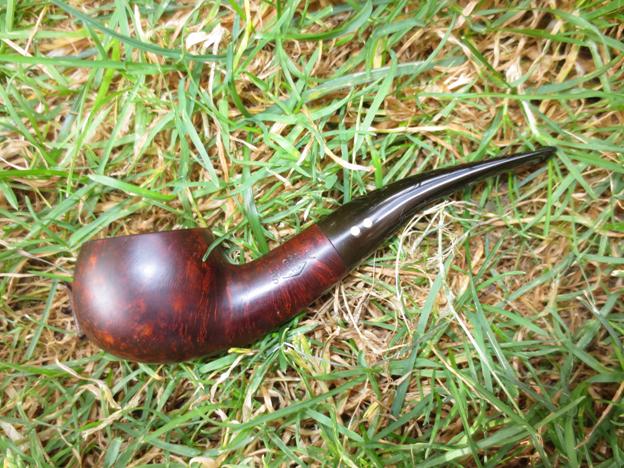
LHS41

LHS42

LHS43

LHS44

LHS45

LHS46

Filling and Filing – An Exercise in Repairing Pits and Dents on a Treaty Bond Rhodesian


Good repair and replacement of fills. Nice work

Charles Lemon's avatar

This is another pipe from my recently auction lot purchase. The shape and size of this Rhodesian is, at least for me, very appealing, though it may be a tad heavy for those that like to clench the pipe in their teeth. It is marked “Treaty Bond” over “Made in France” on the left shank, and, faintly, “Imported Briar” over “409” on the right shank.

The pipe arrived on my work table like all the others from this lot – dirty! It had obviously been smoked a lot, as the bowl was clogged up with a heavy cake. In fact, the airway at the bottom of the bowl was completely caked over. The rim also had a layer of tars. The outside of the bowl was grimy and had two large spots where factory fills had fallen out. I also found a small crack on the bottom of the outside…

View original post 931 more words

Resurrecting a Beheaded Dunhill Shell Briar Billiard


I thought this was an interesting repair. The combination of methods used gave a good result.

Charles Lemon's avatar

This is the second pipe I’ve tackled from my recent auction lot. It is a Dunhill Shell Briar which met a horrible, Anne Boleyn-esque fate – off with its head! I’m guessing most of the auction lot came from the same estate, as no less than four of the 17 pipes had similar injuries. Was the previous owner fond of knocking the dottle out against a wall a bit too fiercely? Or perhaps these pipes were the victims of a not so subtle campaign to “encourage” someone to quit the pipe altogether? We’ll never know for sure.

What I do know it that the bowl had broken off the shank and had been poorly repaired. The glue joints were uneven, and the pieces of the stummel were out of alignment with each other, leaving the pipe misshapen and awkward looking, like a broken arm that has been incorrectly set and allowed to…

View original post 1,525 more words

Showcasing a couple of my old Marxman’s .


Marxman is a great older American Pipe Company and they had some beautiful pipes made for them. These are two great examples. Thanks also for the brochures Troy.

Troy W's avatarBaccy Pipes

This Sunday i thought i would break out a couple of my old Marxman’s and smoke them . I figured that  since i got them out i would take some pictures and share them.

This apple was my first Marxman . I picked it up off Ebay and instantly fell in love with its looks . It was very lightly smoked and all original . Luckily for me the seller listed it under Markman instead of Marxman so i won the bid with little effort . All i did was give it a light cleaning and wax to preserve it .

It has taken on a darker warmer color and patina from smoking since i acquired it .

I can honestly say its the best smoking apple shape i have .


The only stamping on the pipe is the Marxman logo with imported brair under it .

The Marxman booklet…

View original post 534 more words

Dave’s Four Dot Sasieni


Blog by Andrew Selking

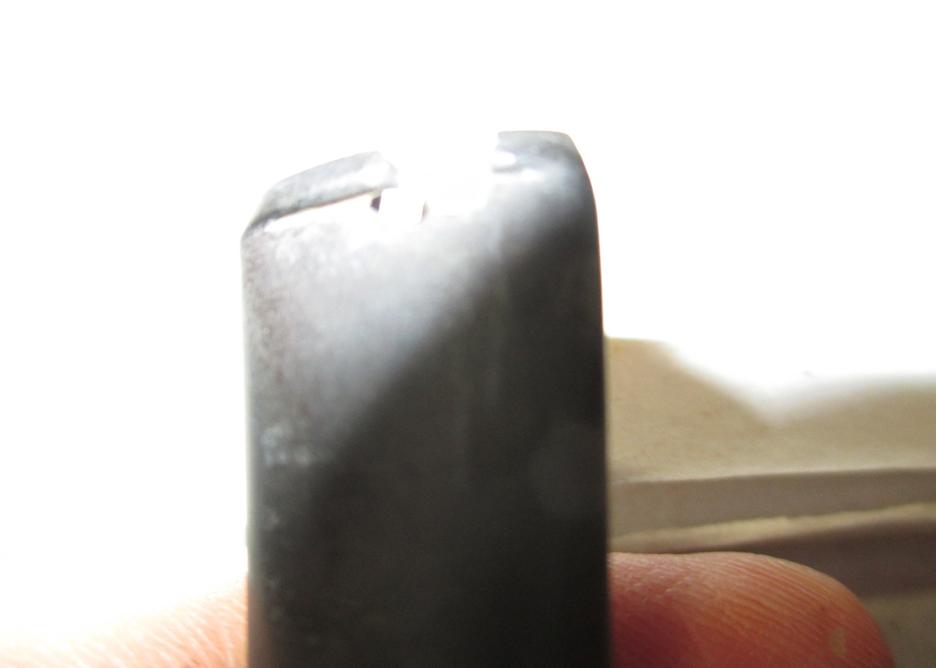
I’ve been out of touch for the past few months, between moving, home renovation, and finding a new job my free time has been limited. Dave is sneaky though, he sent a picture of a pipe he bought and asked me if I thought I could fix it. Of course I said yes. Here is the pipe as it looked upon arrival. There is an obvious chunk missing from the button, but there is also a small crack on the other side of the stem. That was uglier than it looks.Dave1

Dave2

Dave3

Dave4

Dave5

Dave6

Dave7

Dave8

Dave9 I did my normal procedure of cleaning the inside of the pipe first. Dave was kind of worried about how the alcohol might affect the finish, so I used new alcohol and only left the bowl in for about 45 minutes. I soaked the stem in an Oxyclean bath.Dave10

Dave11

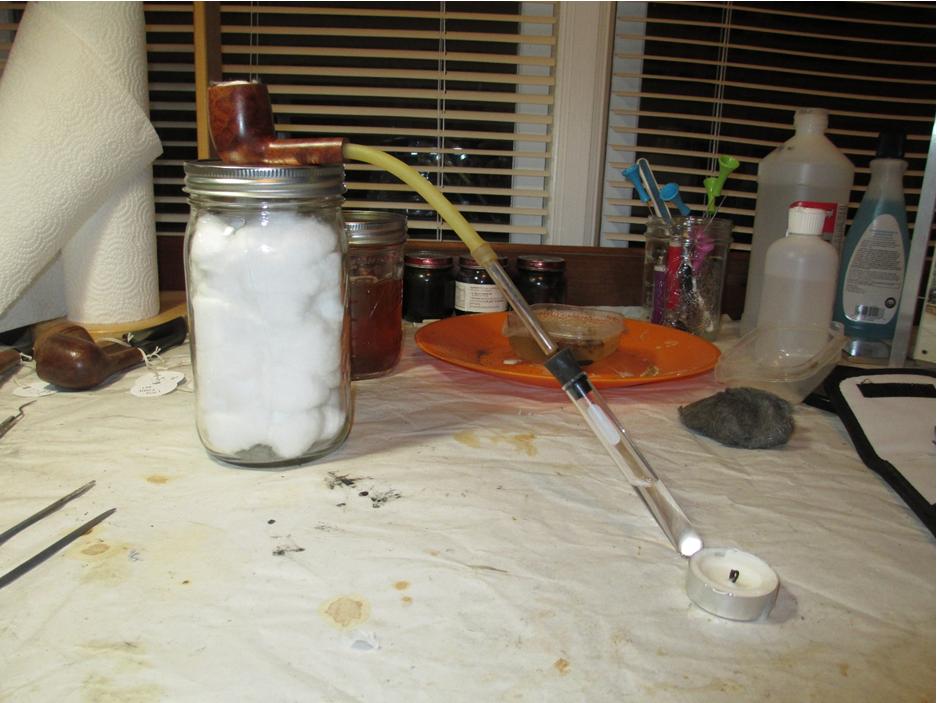
Dave12 The tar on the rim came right off after removal from the alcohol bath. Next I reamed the pipe using my Castleford reamer, used a brush on the inside of the shank, followed by a retort of the bowl. As I suspected the pipe was pretty clean.Dave13

Dave14

Dave15

Dave16

Dave17 Before dumping out the Oxyclean, I ran a pipe cleaner through the stem. It was not too dirty. I followed that by a retort and more pipe cleaners. That was the easy part, the fun was about to begin.Dave18

Dave19

Dave20

Dave21 As you can see the missing chunk is a problem. The crack on the other side looked like it could keep going, so I drilled a hole to stop it. You might notice a slight micro crack to left of the main crack. Turns out there was a chunk of vulcanite hanging on like a loose tooth. Of course it came out very easily, leaving a stem that was missing most of the button on both sides.Dave22

Dave23

Dave24

Dave25

Dave26

Dave27

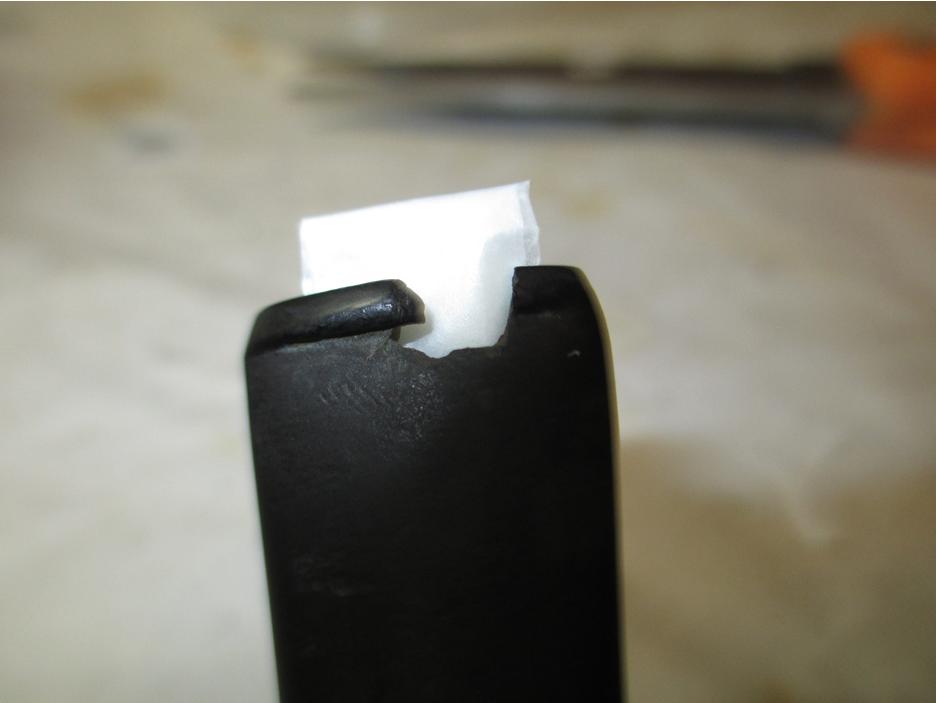
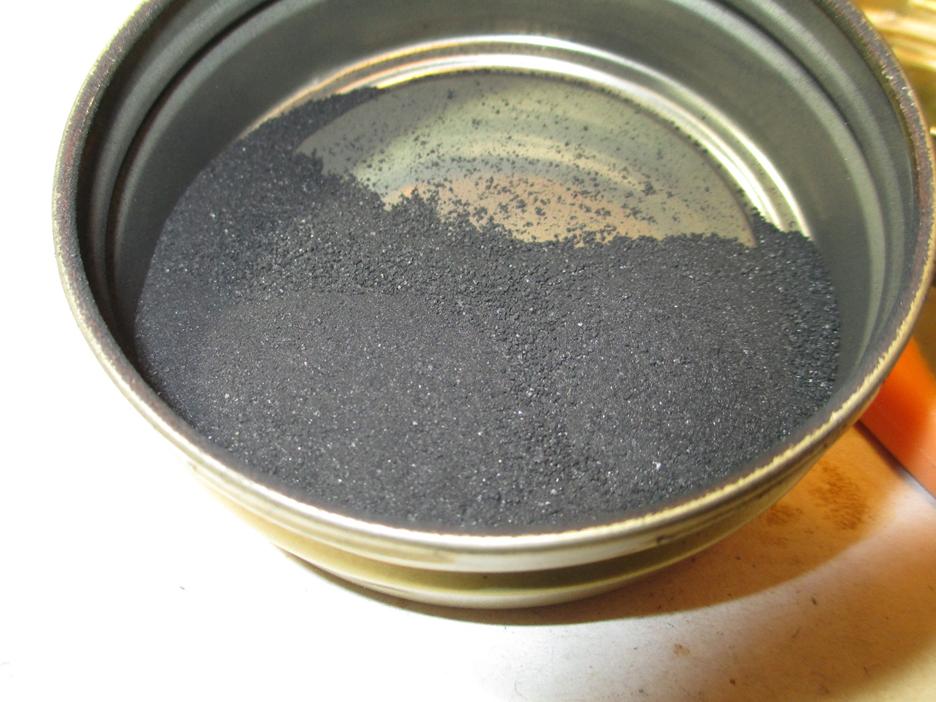
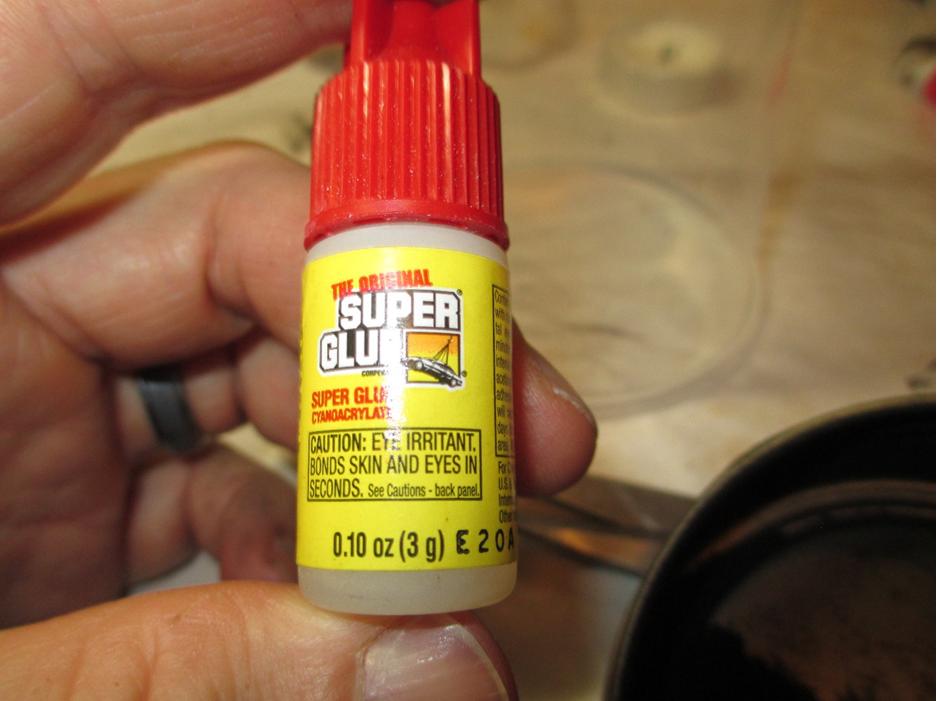
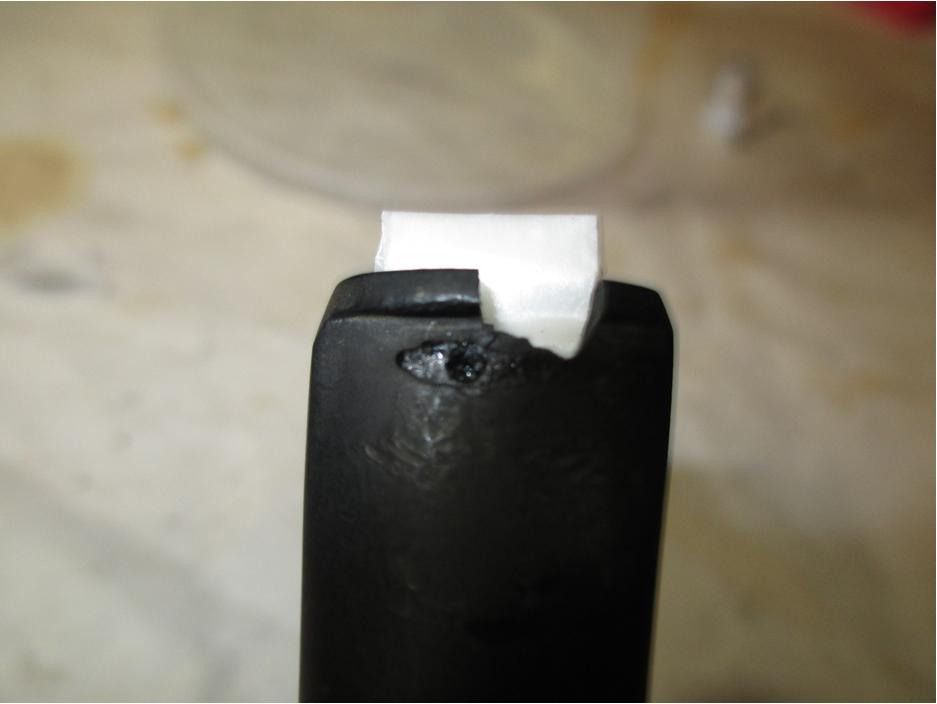
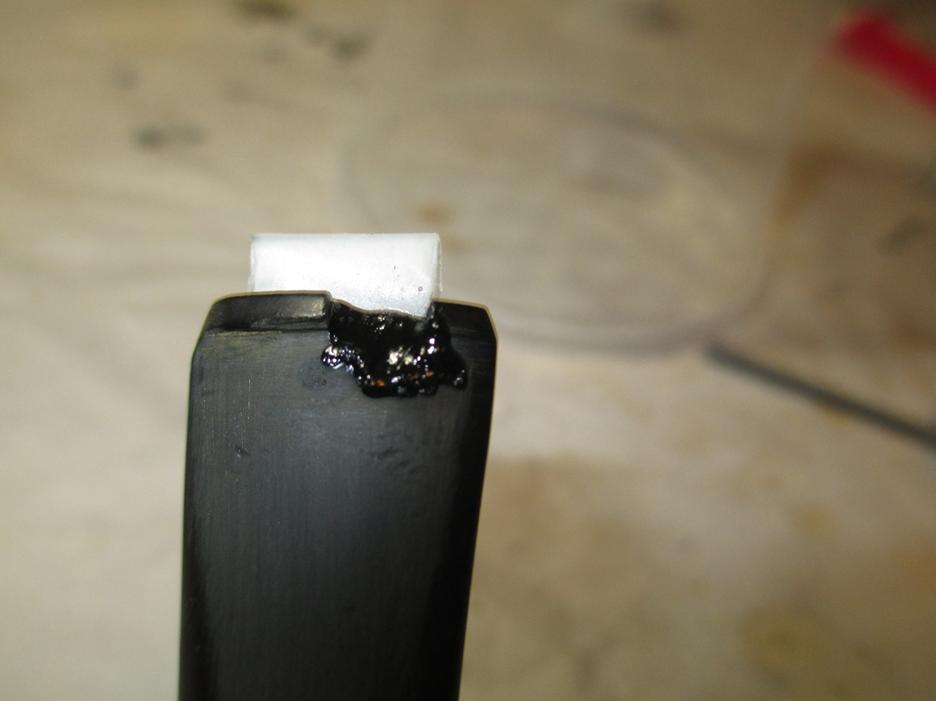
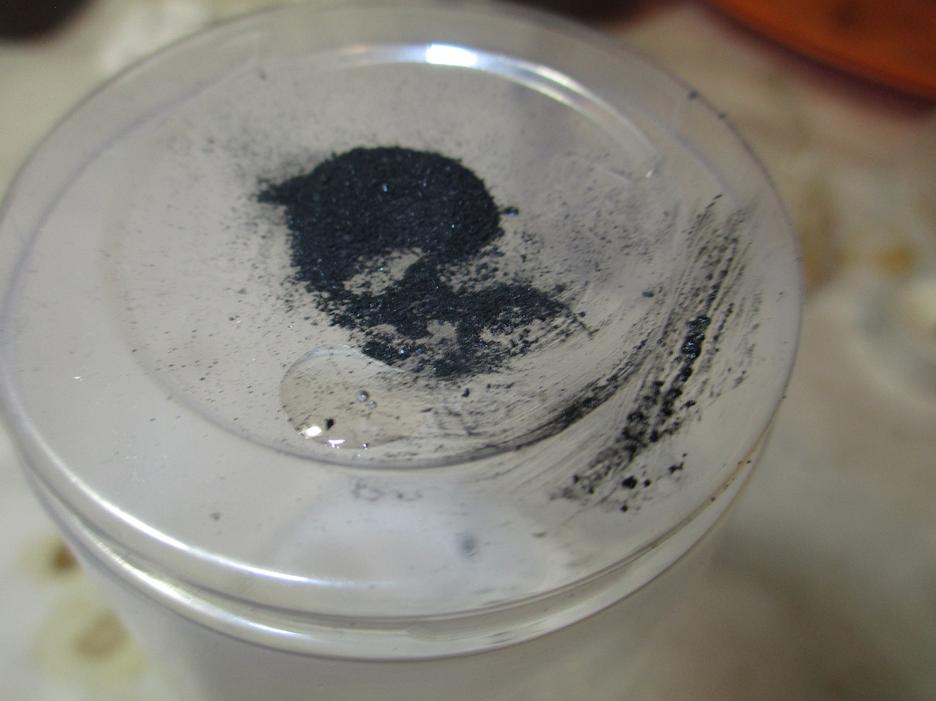
Dave28 The first thing I do when building a new stem is fit some rolled up wax paper inside the stem. I’ve found that the CA glue does not stick to it and it helps give shape to the inside of the stem. I use ground charcoal (which I purchased at the pet store and ran through a coffee grinder and sifter) and CA glue. I started by filling in the hole that I drilled to stop the crack. Once I had that filled in and sanded smooth, I started building up the stem below the button. I forgot to mention that I use CA accelerator throughout the process. I find that you can work the glue within 2 to 3 minutes instead of having to wait overnight.Dave35

Dave36

Dave37

Dave38

Dave39

Dave40

Dave41

Dave42

Dave43

Dave44

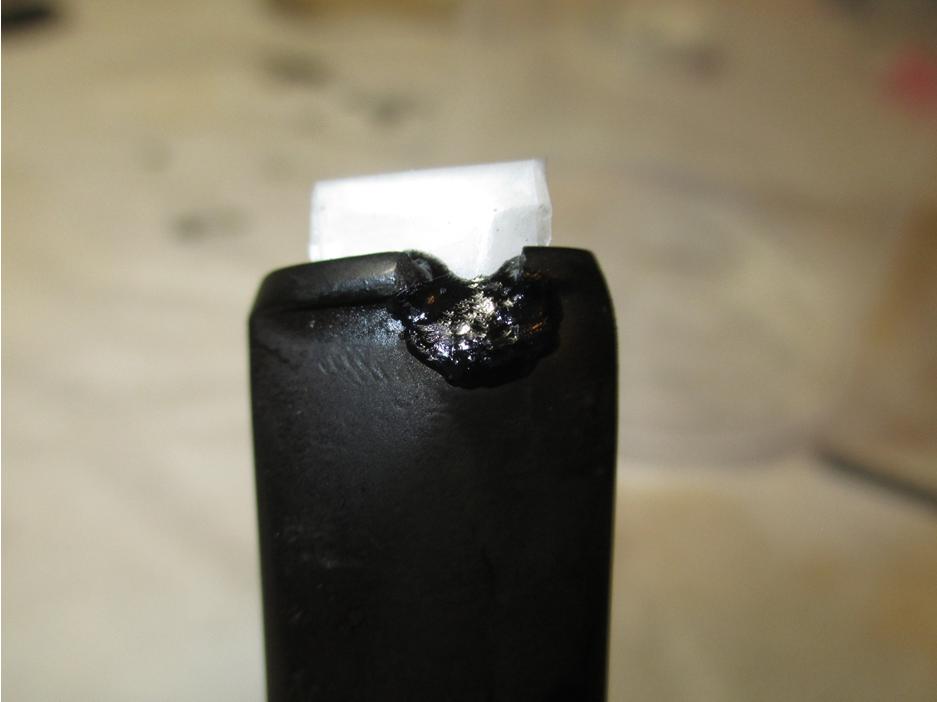
Dave45 Once the stem was repaired, I put layers of clear tape on the stem under the button to serve as a form for the glue. Once the tape was even with the button, I started adding CA glue and charcoal. I put a small amount of charcoal on the bottom of a plastic cup, add a drop or two of CA glue and mix it with a push pin. I use the push pin to add the material to the stem, followed by a few drops of accelerator. Once the material is built up, I start to sand and file it into shape. I use needle files and 400 grit sand paper. This gets me to the final step, which is addressing the micro pits.Dave46

Dave47

Dave48

Dave49

Dave50

Dave51

Dave52

Dave53

Dave54

Dave55

Dave56

Dave57

Dave58 I filled the micro pits with a mixture of CA and charcoal, but used much less charcoal than before. I used 400 grit sandpaper and needle files to get the final shape. I then used 1500-2400 grit micro mesh with water to smooth it all out. Since the bowl was in nice condition and I wanted to preserve the finish, I started polishing with 3200 grit micro mesh. I used a progression of 3200-12,000 grit micro mesh on both the bowl and the stem. Here is what it looked like once it was ready for the buffer.Dave59

Dave60

Dave61

Dave62 I polished the stem using my rotary tool with a felt pad and white diamond, followed by carnauba wax. My rotary tool has variable speed and I use the lowest setting. I used white diamond and carnauba wax on the bowl with the buffing wheel. Here is what the pipe looked like when I finished. This is my second repair of this type. My ultimate goal is to do repairs that look like the original. Thanks for looking.Dave63

Dave64

Dave65

Dave66

Dave67

Dave68

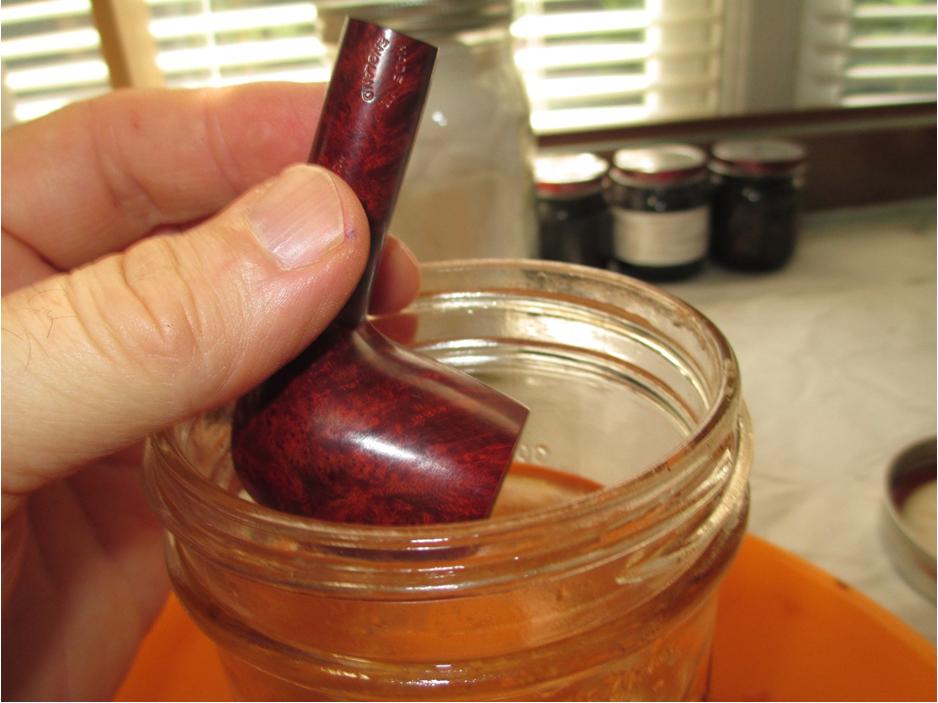
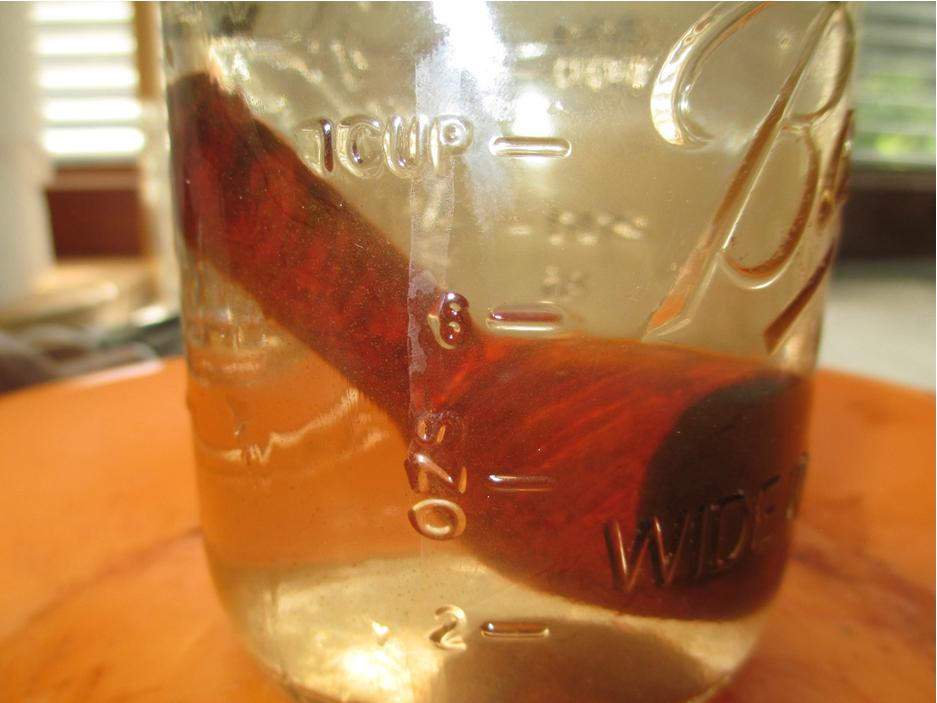
A Simple & Effective Bowl Coating


Troy posted this and I thought it would be a good addition to the information on rebornpipes. I have used a similar bowl coating but used sourcream as the base instead of maple syrup. Works well.

Troy W's avatarBaccy Pipes

This is a repost of a article  i found on DadsPipes:

I really like this  simple and easy bowl coating and thought i would share it. I believe simple is always the best way if it is at all possible in anything .

—————————————————————————————————————————————————–

A Simple & Effective Bowl Coating

Pipe makers and restorers use various types of bowl coatings for a variety of reasons. Some coatings are factory-applied to new pipes in the belief that they help protect the briar wood of the bowl from burnouts and assist in the formation of cake – that even layer of hard ashy stuff that insulates the briar from the heat of the burning tobacco. Sometimes a bowl coating is used to repair a cracked or otherwise damaged pipe bowl. And some pipers are dead set against bowl coatings of any kind, arguing that they stop the briar from “breathing” and thus…

View original post 521 more words

“Plain Jane” KB&B Yello Bole 2807 billiard with a unique surprise .


Another blog post of Troy’s on a unique Yello Bole pipe. Well done Troy.

Troy W's avatarBaccy Pipes

I purchased this KB&B Yello Bole off Ebay .

I was looking for another 07 billiard as i own a couple and very much like the large bowl, the way they smoke  and classic shape of them . This one was listed as a four digit (2807) with the “Honey Cured Briar ” stamping , which made it a pre 1936 Yello Bole .
I thought ,excellent !  I did not have a early four digit 07 as of yet .

Here is one of the Ebay pictures ,

The pipe looked in excellent condition for its age but i did notice a couple of odd things about it . The band was wider than normal and after looking up the 28 two digit code it should have been stained dark . From the other pics of the pipe that was on the listing the grain was very bland and…

View original post 1,522 more words

LHS Purex Superfine #15 Poker Reurbish and Stem Repair.


Troy started a Blog on refurbishing. This is one of his posts and it is well done. If you enjoy his work then you will want to follow this blog as well. Good job Troy.

Troy W's avatarBaccy Pipes

I was sent this hard to find LHS poker as a gift from Fletch . He is a fellow member of the Dr.Grabow Collectors Forum ,

He picked up the pipe in a lot he acquired at the Kansas City pipe show not long back . He knew i was looking for a LHS Poker and was kind enough to think of me .

Upon arrival i was happy to see it was a larger poker at just a hair under two inches tall. The bowl was in very nice shape with just some minor dings and such . The stem needed some work though as a corner of it was missing from a previous owner chewing on it . The LHS bar emblem was missing on the stem also .


I knew fixed and cleaned this would be a really nice poker .

The pipe did not have much…

View original post 429 more words

Rescuing a Kaywoodie Flame Grain Meerschaum Lined Doggie


Blog by Andrew Selking

To paraphrase Samuel Clemmons, reports that I’m no longer messing with pipes are greatly exaggerated. Between a cross country move, a new house, renovations to said house, and trying to figure out what I want to be when I grow up, I have not spent as much time working on pipes as I would like. I did manage to squeeze in this nice Kaywoodie Flame Grain Meerschaum lined doggie.

According to a Kaywoodie brochure from the era, Flame Grain pipes were made from “200 to 400 year-old briar burls…the last of their kind to be found in the world.” The meerschaum inlaid Flame Grain is a “superb Flame Grain Kaywoodie with an inlaid inner bowl of imported Turkish meerschaum. This pipe combines the outstanding qualities of the two best materials in the world in which to smoke tobacco.” This pipe represents the pinnacle of American pipe making. As a point of reference, in 1947 this pipe would sell for $12.50 while Dunhill pipes started at $10.00.

As you can see, it took some imagination to see a pipe that might compete with a Dunhill.KW1

KW2

KW3

KW4 The stem was under-clocked and heavily oxidized. The bowl had very thick cake and a buildup of tar on the rim. There was some kind of protective finish on the bowl that left a film after the alcohol bath. Additionally, the stinger was cut. On the plus side, I could see some really nice grain and the stem was virtually unmolested.

The first thing I did was soak the bowl in alcohol. I was hesitant to do that, because I was afraid the alcohol would cause the meer lining to deteriorate. At the same time I was also worried that if I didn’t soften the cake first, just using the reamer might damage the lining as well. I compromised and soaked it for about two hours and the cake came out nicely.

While the bowl was soaking, I used Oxyclean and warm water to soak the stem. Since it was missing the end of the stinger, it was easy to get the worst of the gunk out with a pipe cleaner. As I mentioned, the stem was under-clocked. To fix this problem I usually heat the stinger with my heat gun until I can easily rotate back into place. As the tip of the stinger heats up it transfers heat into the stem and loosens the glue. The whole heat transfer thing wasn’t working very well with this pipe, so I stuck a small nail in the stinger.KW5 That worked like a charm.

Next I did a retort on the bowl and stem.KW6

KW7 After scrubbing the insides with brushes, q-tips, and pipe cleaners, it was time to tackle the exterior issues. I used 0000 steel wool with acetone to remove the tar build up on the rim.KW8

KW9 I continued with the 0000 steel wool over the rest of the bowl to remove the film on the finish. After cleaning the bowl, I used 3200-12000 grit micro mesh to polish the bowl. This is what it looked like afterwards.KW10

KW11

KW12 I used 400 grit wet/dry with water to remove the oxidation from the stem, followed by 1800-2400 grit micro mesh with water.KW13 I finished the stem with a progression of 3200-12,000 grit micro mesh.KW14

KW15

KW16 I set up my buffer and polished the bowl with white diamond and carnauba wax. I used my variable speed rotary tool with white diamond and carnauba wax for the stem. Here is the finished pipe. Thanks for looking.KW17

KW18

KW19

KW20

KW21

Ashton Old Church – Re imagined by George Dibos


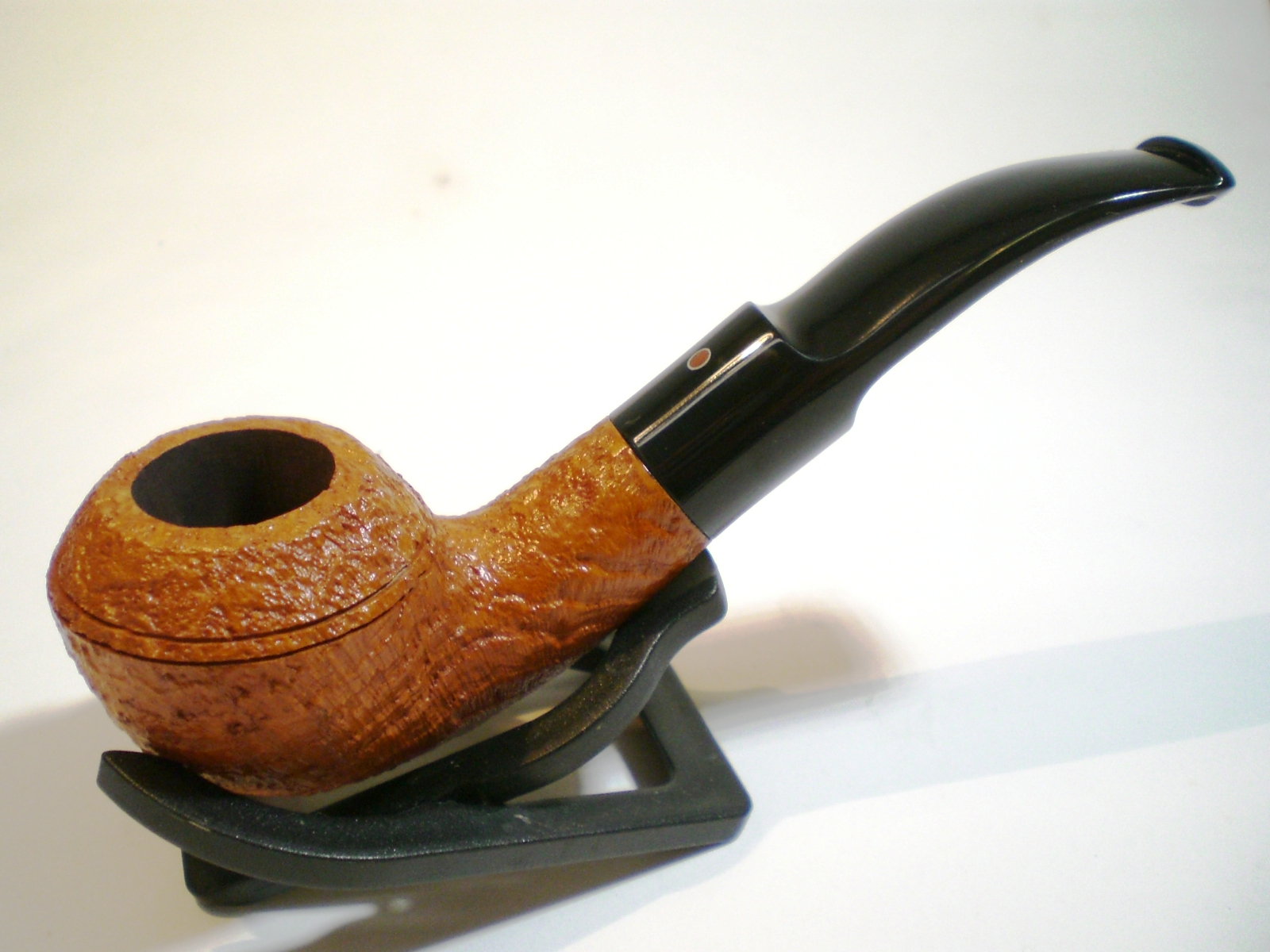
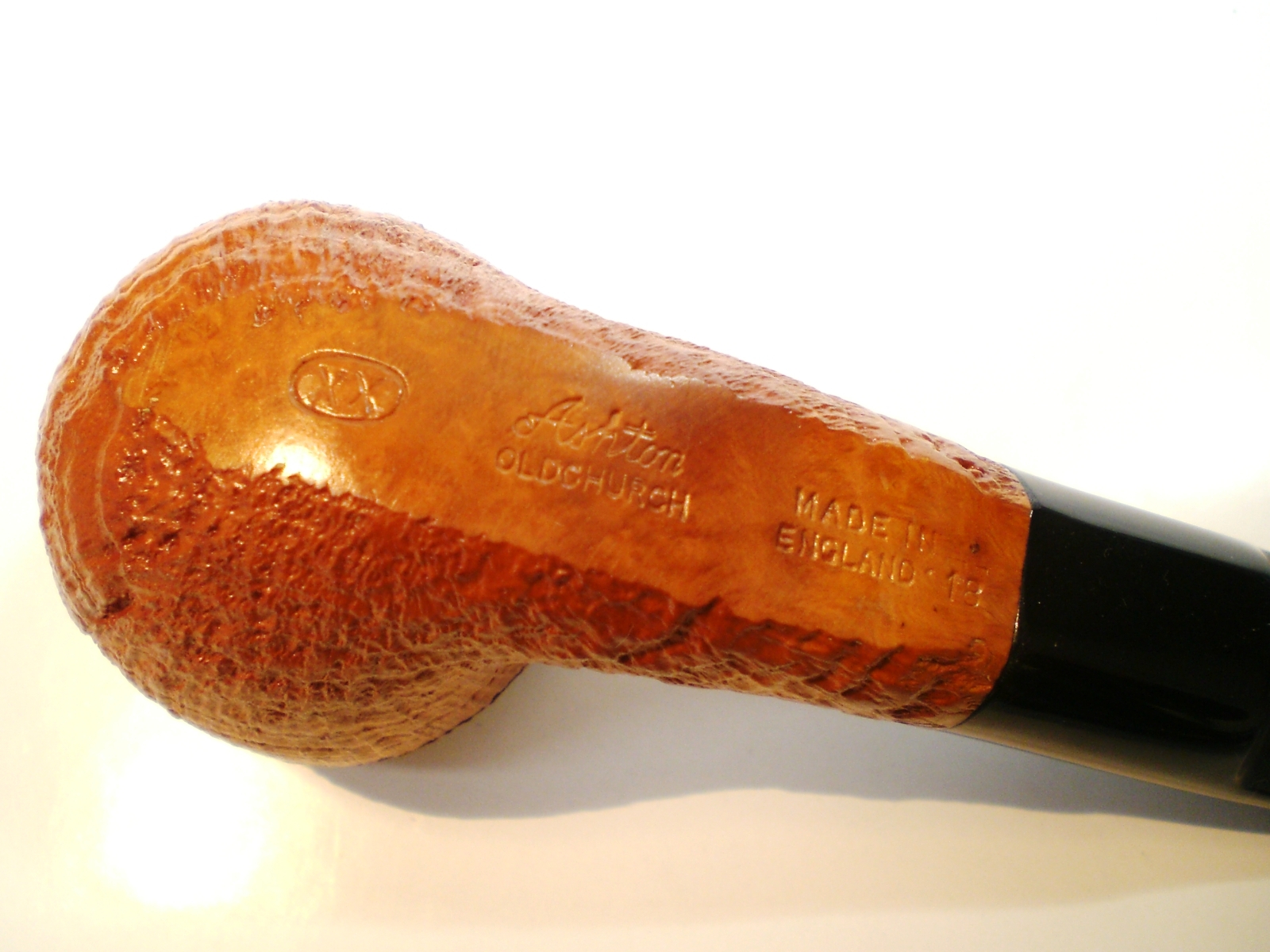
I have two, Bill Taylor, XX size Ashton Rhodesians, both with saddle stems. The stem on my Old Church finish pipe always seemed a little ungainly and my preference is for a taper stem. Recently, pipe repairman, George Dibos of Precision Pipe Repair in Kansas has posted several re-stemmed classic pipes on the PipesMagazine.com forums. Last week, he posted the identical Old Church Rhodesian with a new, tapered profile stem. The change and improvement, to my eye was dramatic. So, I sent him my Old Church for the similar treatment. George can even replicate the briar in silver iconic Ashton stem logo.

In email exchanges regarding the work, George told me that getting the proper bend in a fat, taper stem take time and effort. Going with the saddle stem is typically the most efficient way of creating a the stem.

This morning, George posted pictures of the new stem on the forum, which was surprising as he had just received the pipe the day before. My pipe had the added challenge because the nomenclature panel was flat and that feature transferred up to the saddle part of the stem. George had to finesse the transition into a taper stem.

Ashton_Old_Church_XX_98_Gallery

Ashton_Old_Church_XX_98 (3)

And the finished pipe below. I joked with George that he actually saved me money, as a tapered Stem, Old Church XX Rhodesian was still on my “Holy Grail” list.
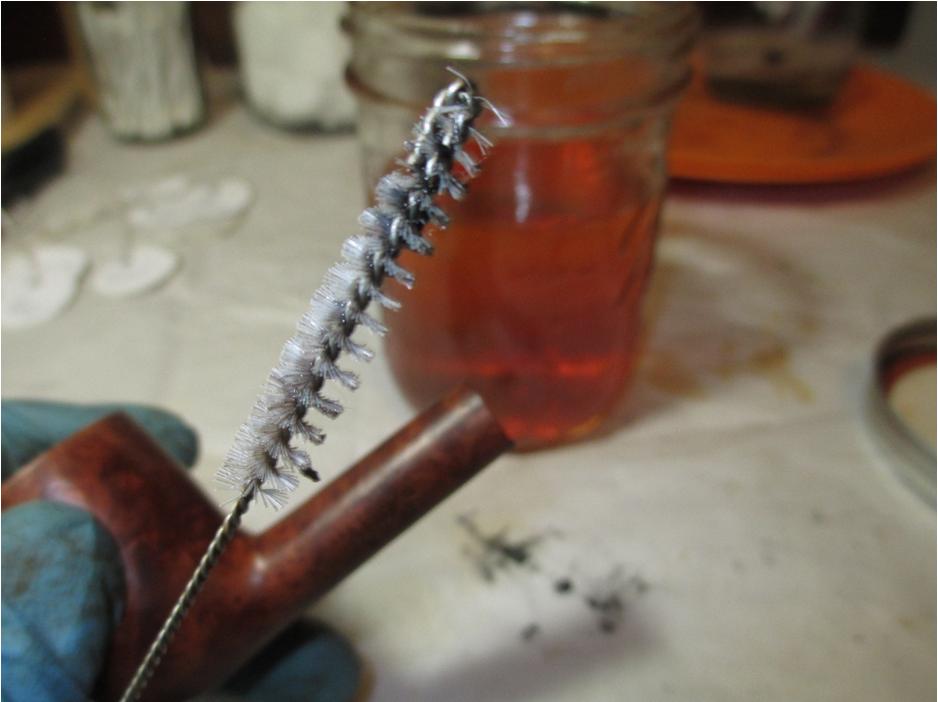
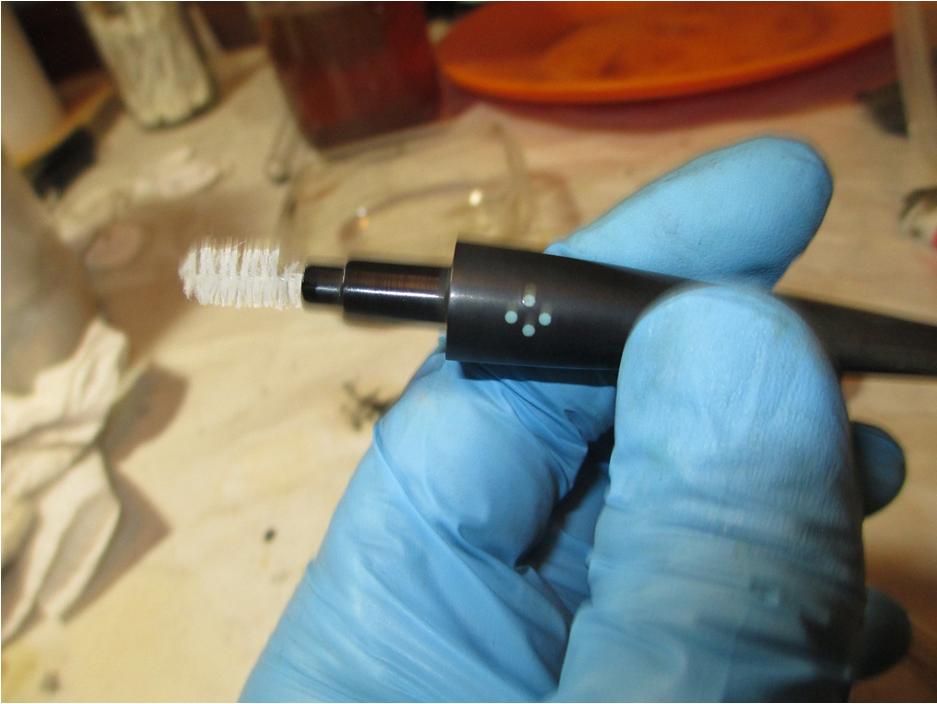
I consider George Dibos to be one of the best stem guys in the business. If you wish to contact him, he can be reached thru his website:
http://www.precisionpiperepair.com/

I can’t wait to get this one back in my rotation

Ashton_Old_Church_George_Dibos_Stem2

Ashton_Old_Church_George_Dibos_Stem3

Ashton_Old_Church_George_Dibos_Stem

Ashton_Old_Church_George_Dibos_Stem4

Ashton_Old_Church_George_Dibos_Stem5