

by Steve Laug
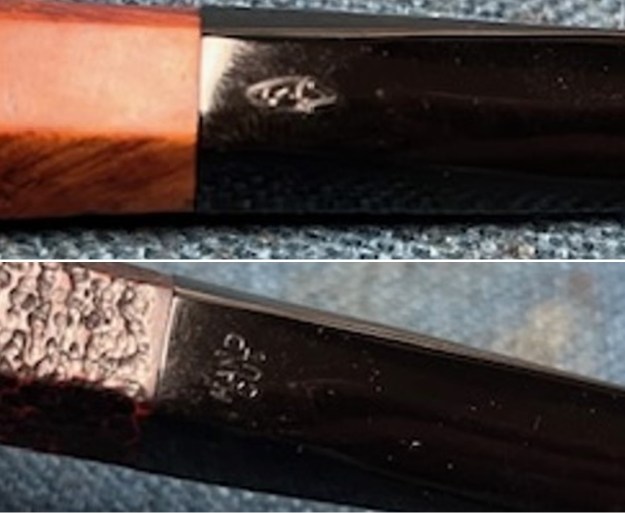
This particular mixed finish, octagonal shape Billiard has rusticated on 4 of 8 sides of the bowl and the underside of the six sided shank. It was purchased on 01/20/2026 from a Facebook seller in Quaker Town, Pennsylvania, USA. It really is another beautiful mixed finish Billiard with an octagonal shank and stem flowing into a taper. The rim top and shank are smooth and stained with a rich brown. It is stamped on the top left side of the shank and reads Savinelli [arched over] Octavia. On the right side of the shank it is stamped with the Savinelli Shield S logo followed by the shape number 138 [over] Italy. The bowl had a moderate cake and some spots of lava overflow in the inner edge of the rim top. There was grime ground into the finish and dust and debris the sandblast. The acrylic taper stem has the Savinelli Shield S logo stamped on the top side of the stem and Hand [over] Cut on the underside. The stem was a 6mm filter stem. It was dirty and had light tooth marks and chatter on both sides of the stem ahead of the button. Jeff took photos of the pipe before he started his work on it.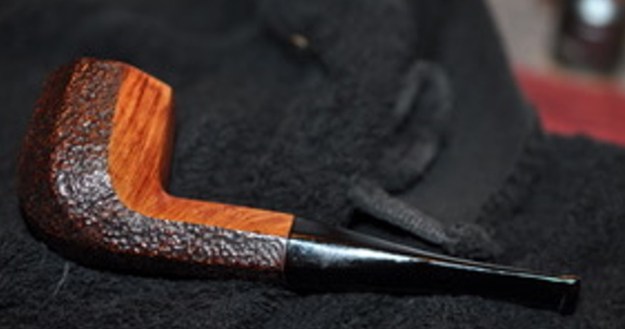
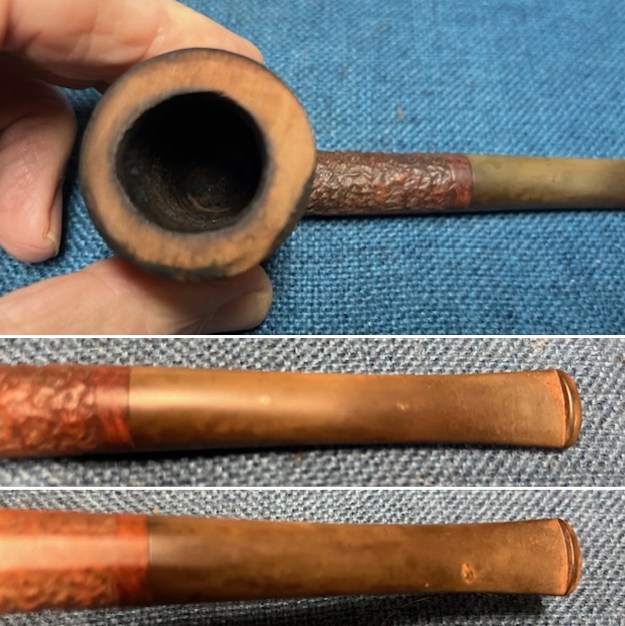
 Jeff took photos of the bowl, rim top and the stem to show the condition of the pipe when we received it. You can see the cake and what looks like a moderated cake in the bowl and the spotty lava on the rim top and inner edge. He also captured the condition of the stem showing the light tooth chatter and oxidation.

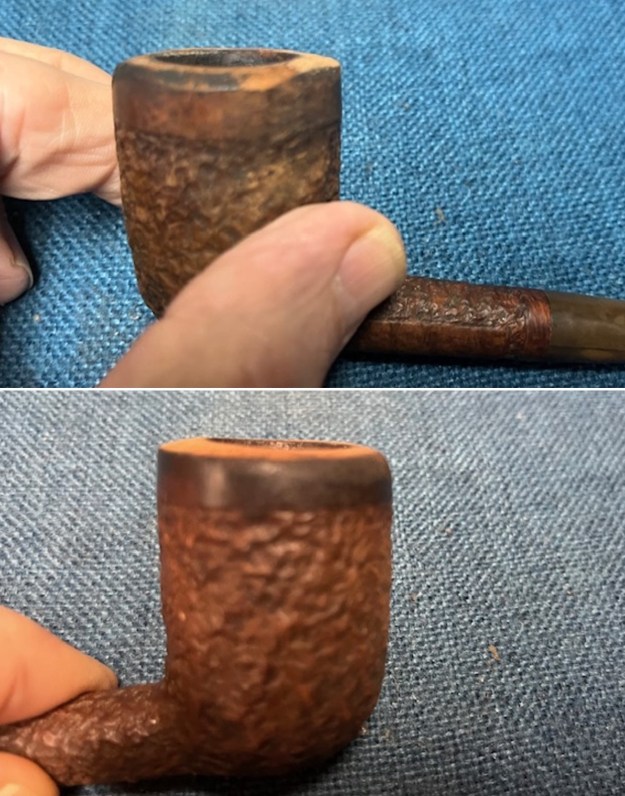
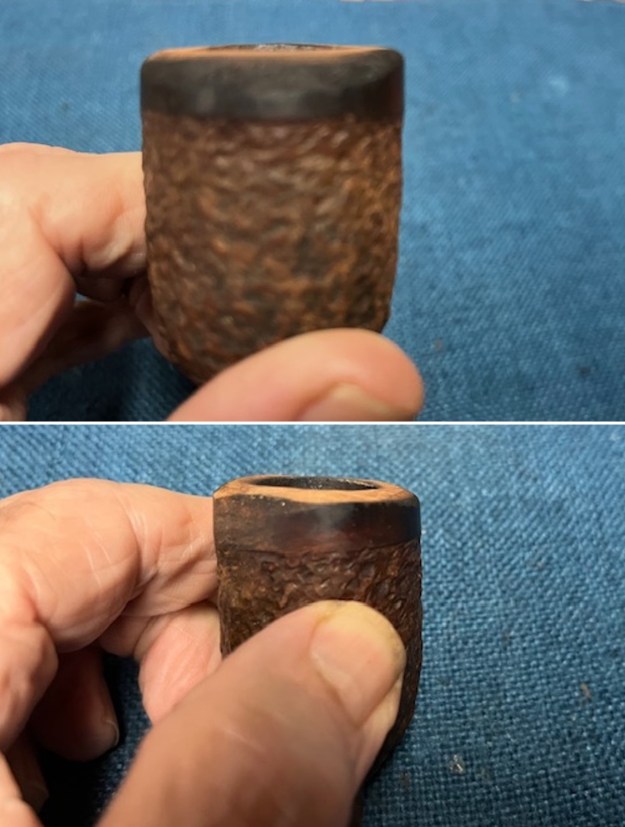
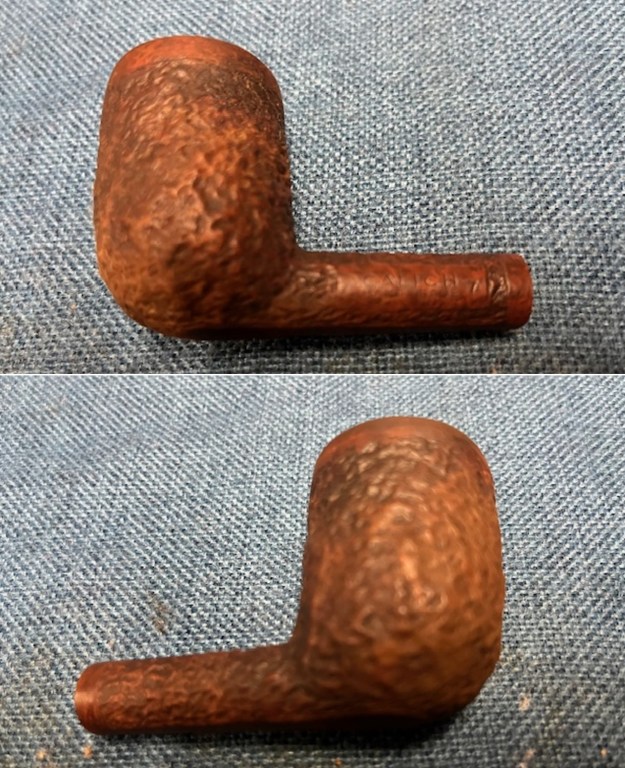
 Jeff took photos of the sides and heel of the bowl to show the mixture of rusticated and smooth grain around the octagonal bowl and hexagonal shank. It is unique looking Billiard and is eye catching. Have a look.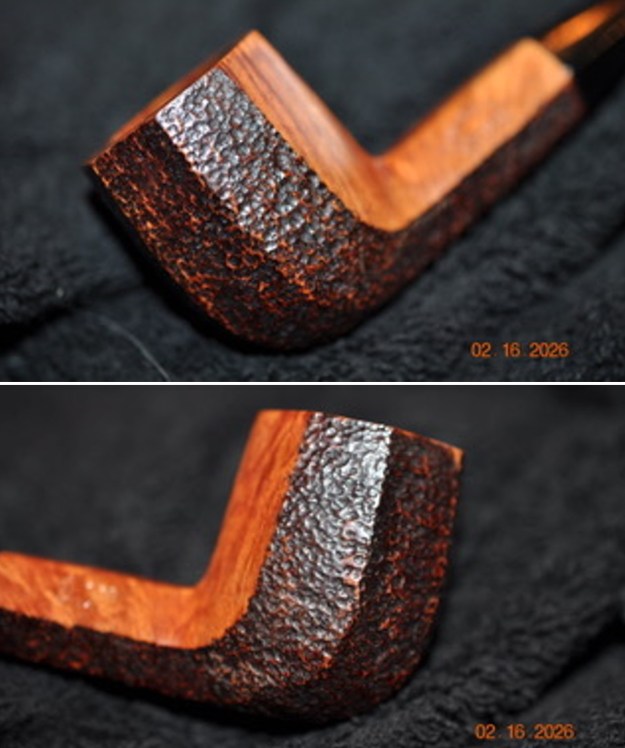
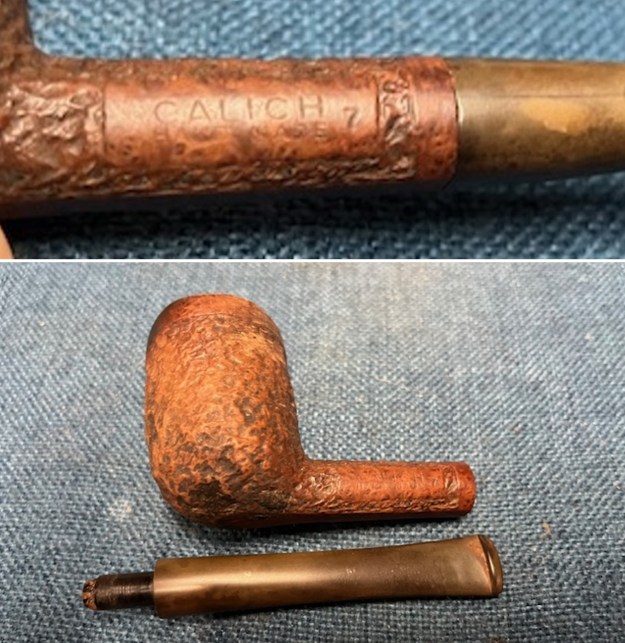
 The next photos Jeff took show the stamping on the sides of the shank. The stamping is clear and readable as noted above.
 I paused in the work on this end to look up information on the Savinelli Octavia line on the Pipephil site (http://www.pipephil.eu/logos/en/logo-savinelli3.html). I went through the various section on the site and there was nothing on the site on the Octavia line. There was some great information on the history of the brand but nothing specific on this line. Take some time to read it.
I then turned to Pipedia to see if it had any specific information on the Octavia line by Savinelli (https://pipedia.org/wiki/Savinelli). It is a great read and worth taking time to go through it. It is a great history article but it does not have any information on the Octavia line.
I did a google search for Savinelli Octavia 138 and came up with the following link to the Savinelli site (https://www.savinelli.it/rw_en/savinelli-octavia-nera-138-p133b-138.html). The site had a description of Octavia and some helpful information.
Octavia is a Savinelli series of the 90’s available in three models 138 (straight), 438 (half-bent), 638 (bent), faceted on both the bowl that on the shank, as well as faceted acrylic stem. Very complex and particularly processing in order to highlight the edges of the facets. Smooth black finishing with ivory color band. Model 138 is a straight Billiard, designed with 8 facets on the bowl and 6 on the shank.
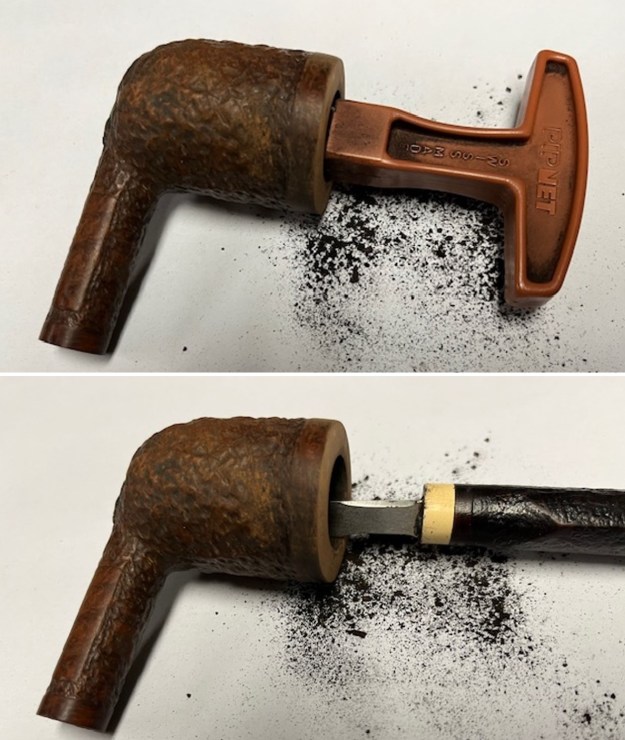
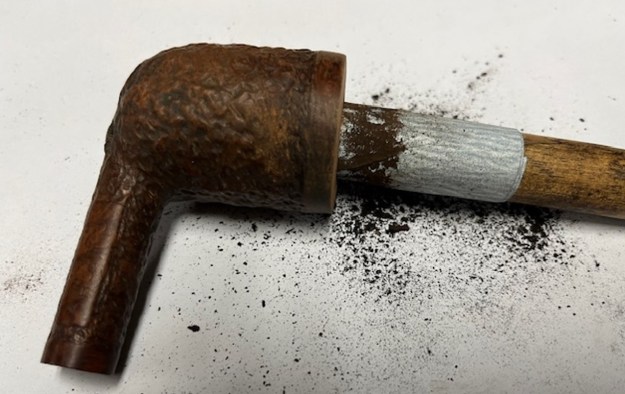
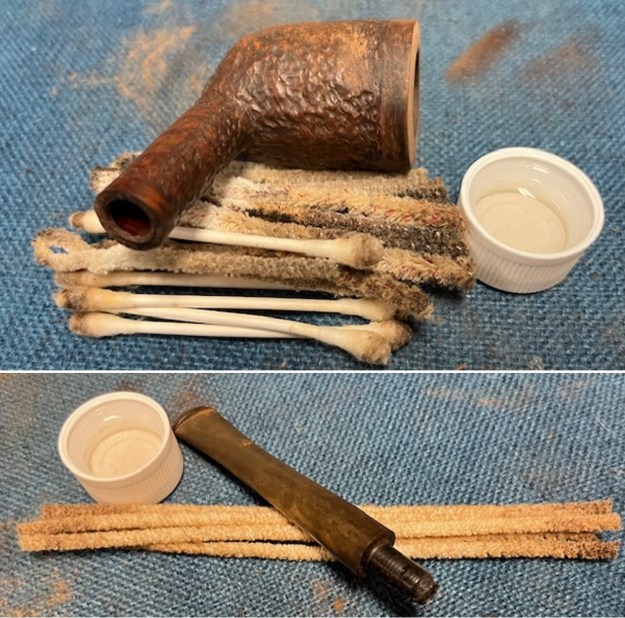
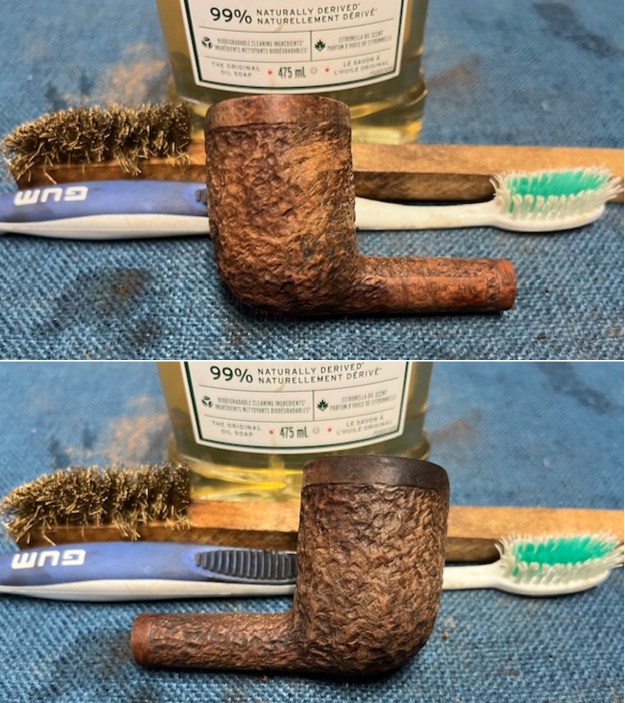
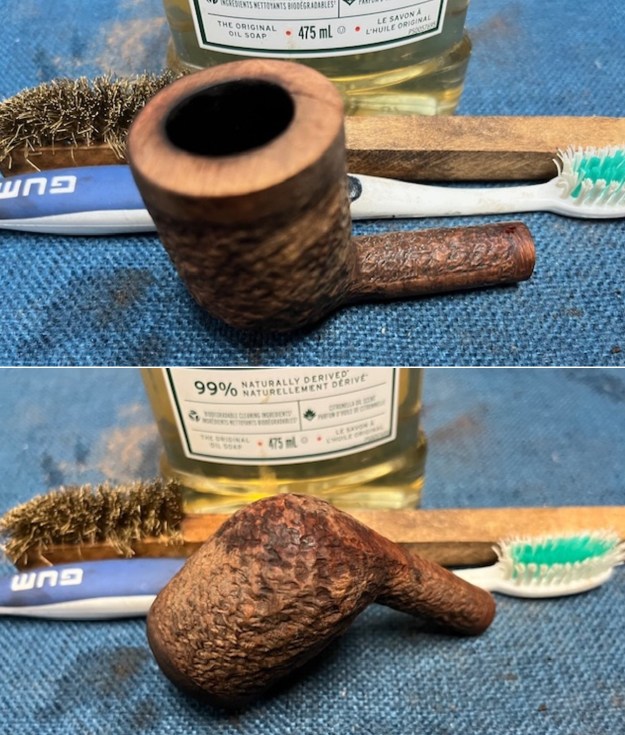
Jeff had cleaned up the pipe following his normal cleaning process. In short, he reamed the bowl and then cleaned up the reaming with a Savinelli Fitsall Pipe Knife. He scrubbed the bowl with undiluted Murphy’s Oil Soap with a tooth brush. He worked over the lava and debris on the plateau rim top and shank end and was able to remove it. He rinsed it under running warm water to remove the soap and grime. He cleaned out the inside of the shank and the airway in the stem with alcohol, cotton swabs, shank brushes and pipe cleaners. He scrubbed the stem with Soft Scrub and cotton pads to remove the debris and oils on the stem. He soaked it in Briarville’s Pipe Stem Deoxidizer to remove the remaining oxidation. He rinsed it with warm water and dried it off. I took photos of the pipe once I received it. It really looked good.
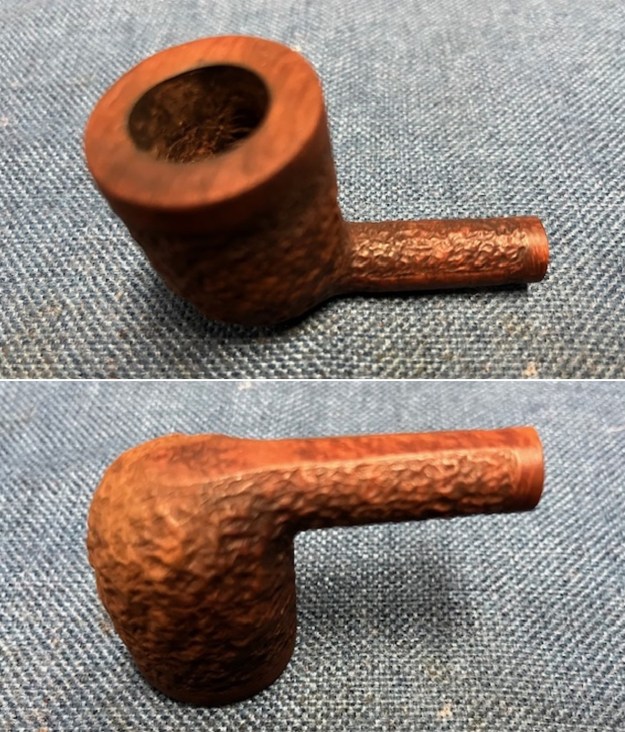
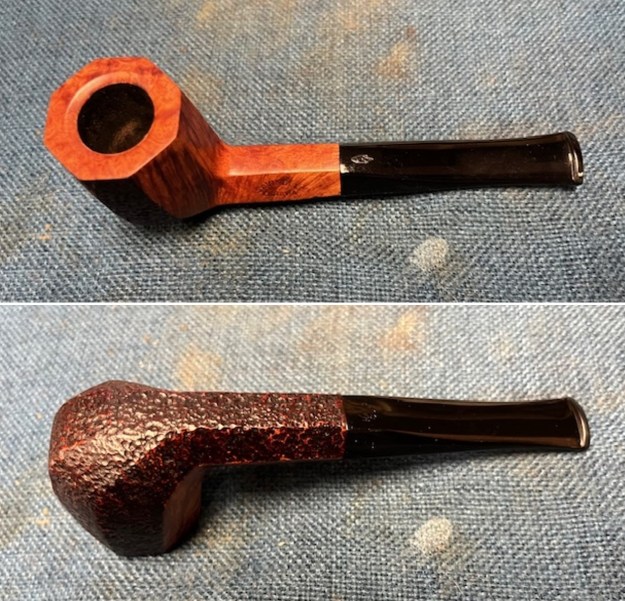 I took close up photos of the stem and the rim top to show both how clean they were. The rim top and bowl look good. There is some slight damage in the blasted rim top on the back of the bowl.
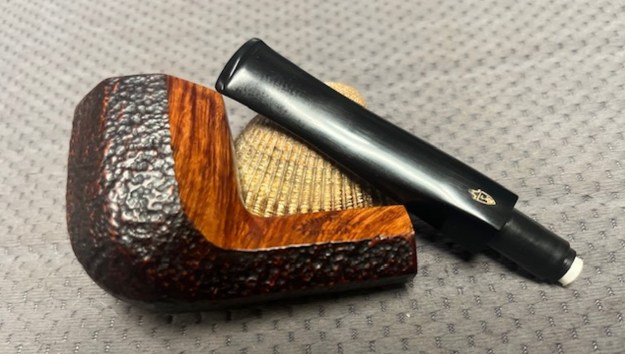
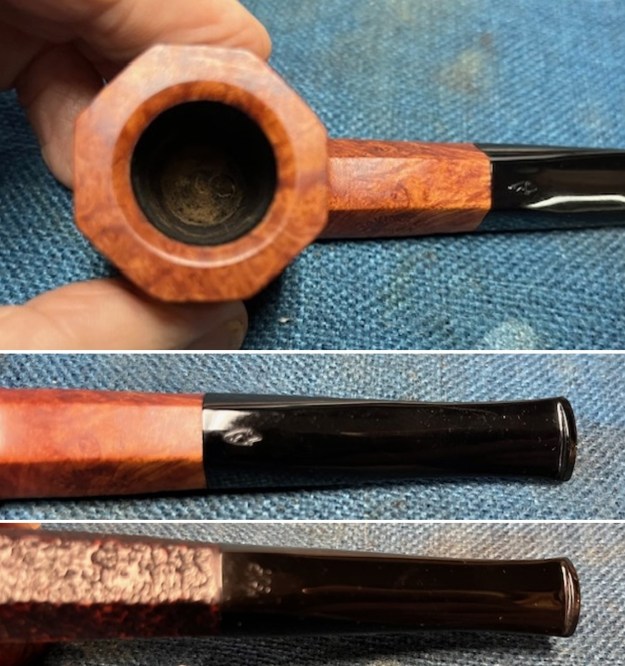 I took photos of the stamping on the sides of the shank and the Savinelli Shield S logo on the top side and Hand Cut on the underside of the hexagonal stem. I took the stem off the shank and took a photo of the parts to give a sense of the beauty of the pipe.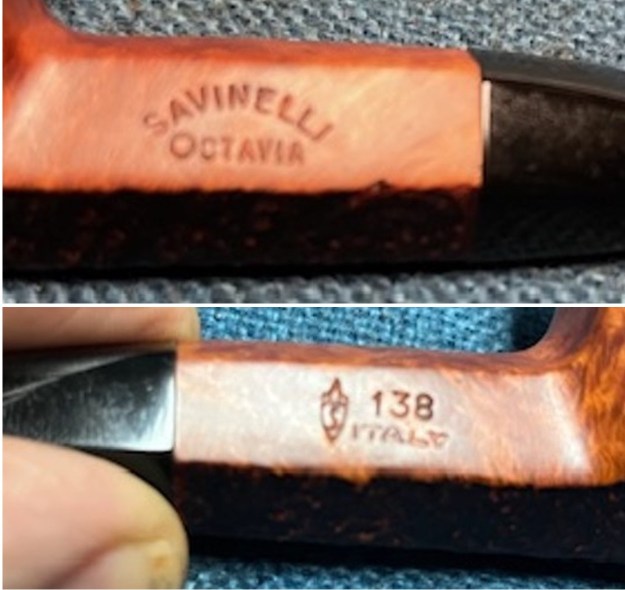
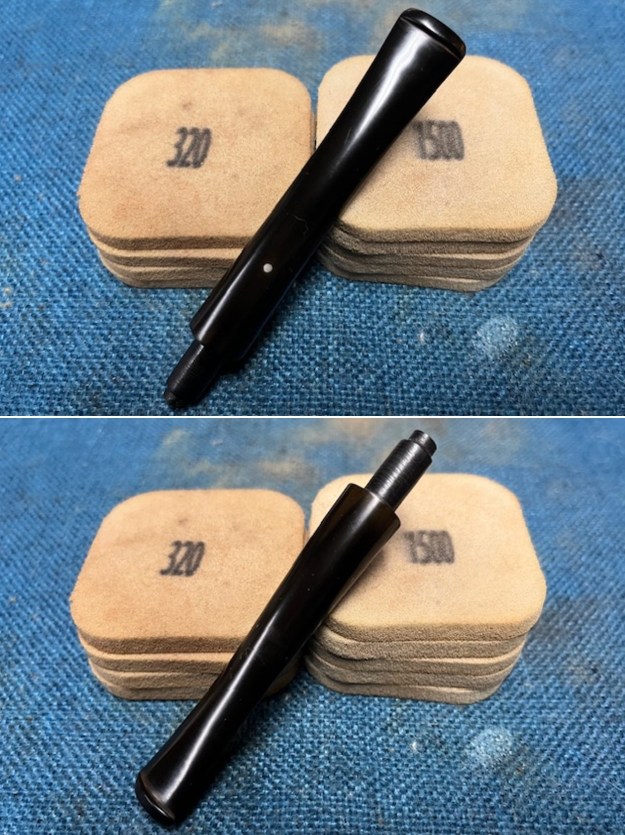
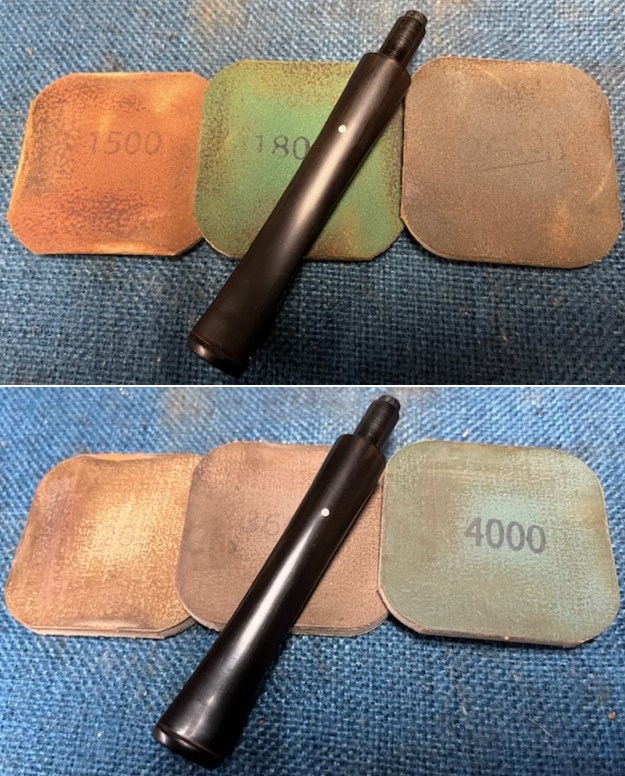
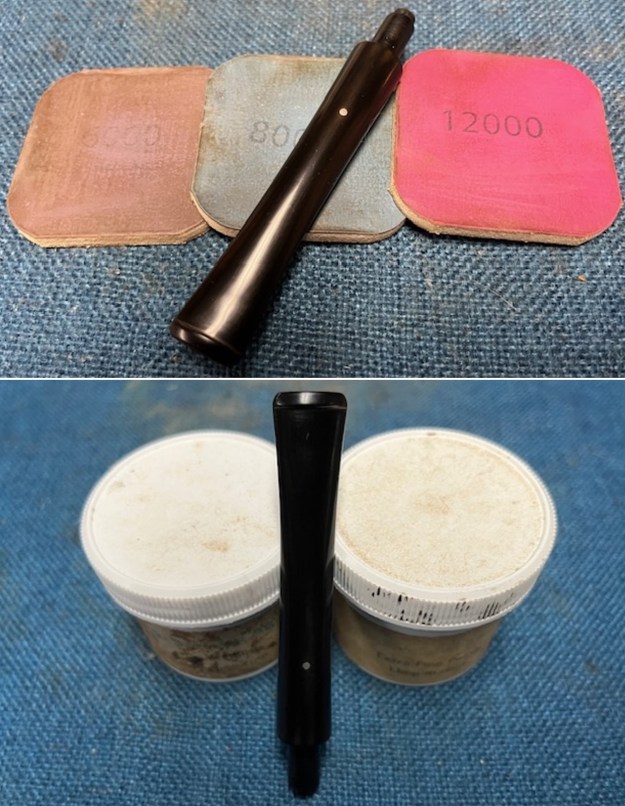
 I turned to work on the pipe itself. I polished the smooth rim top and smooth bowl sides with micromesh sanding pads – I dry sanded the briar with 1500-12000 grit sanding pads. I wiped the bowl down with a damp cloth after each sanding pad to remove the debris. It really took on a rich shine.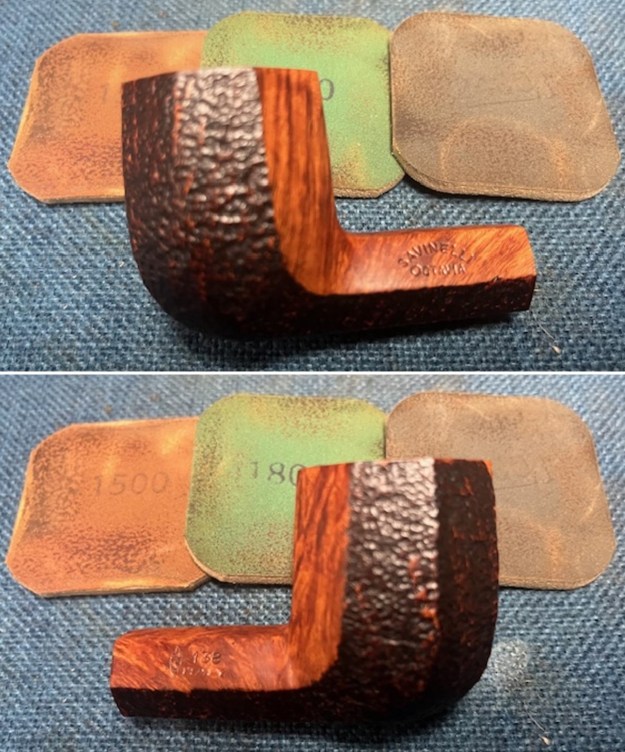
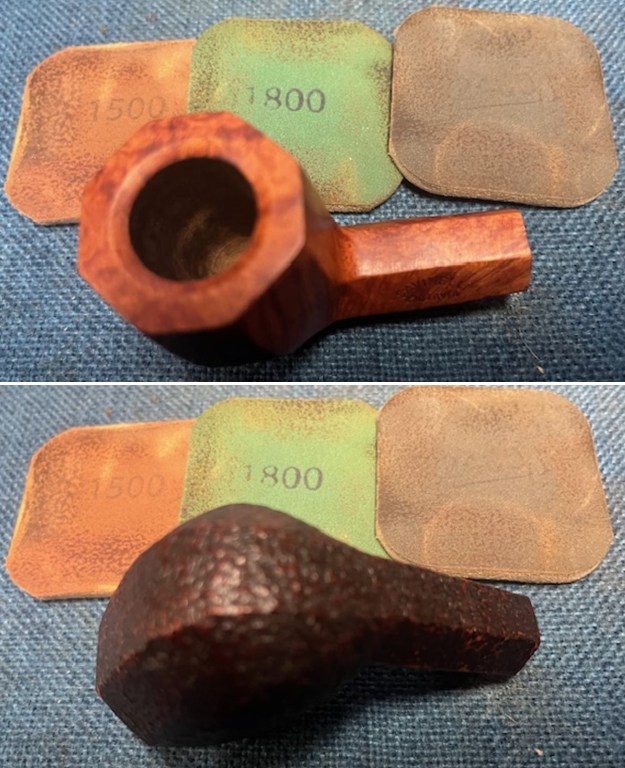
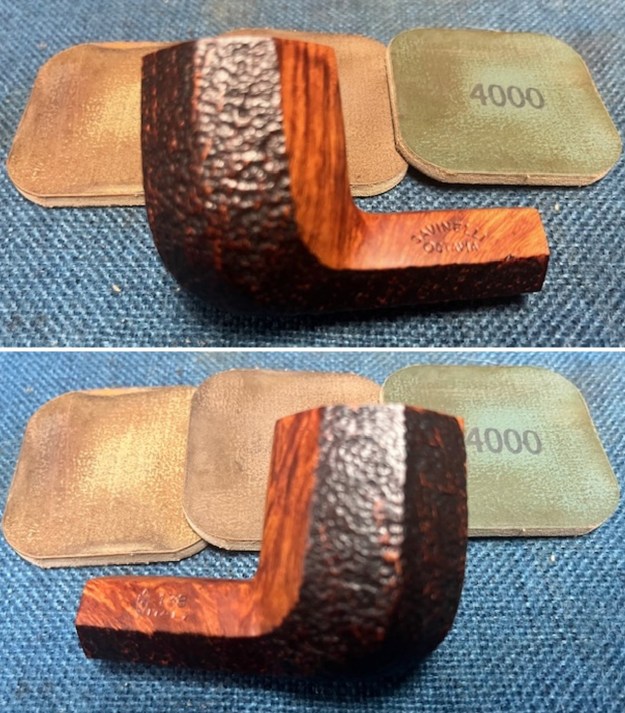


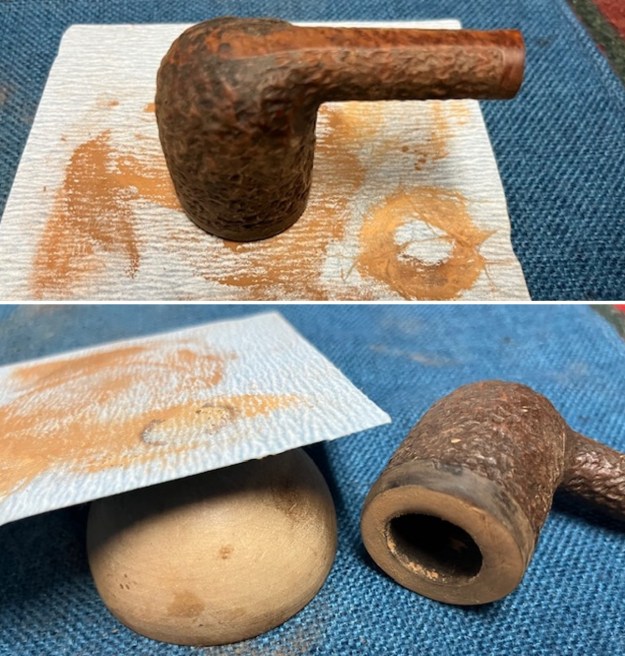
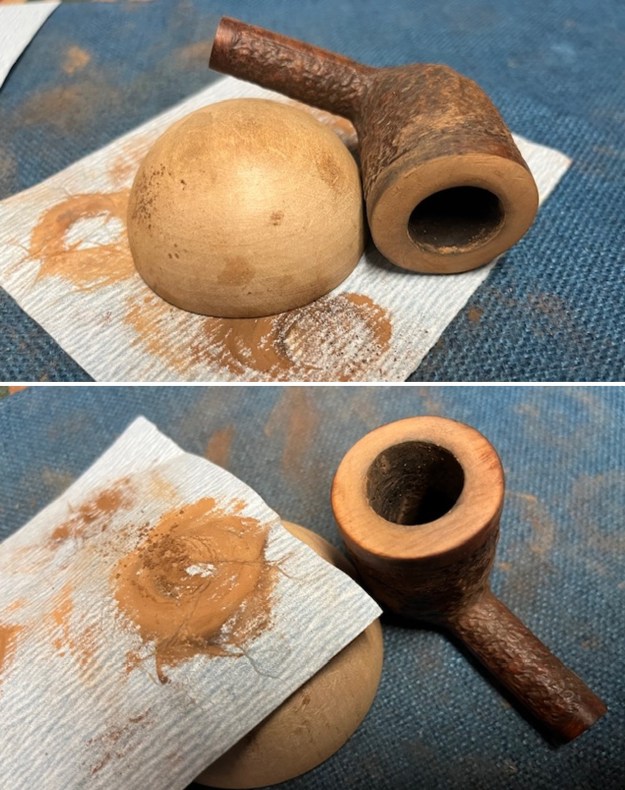
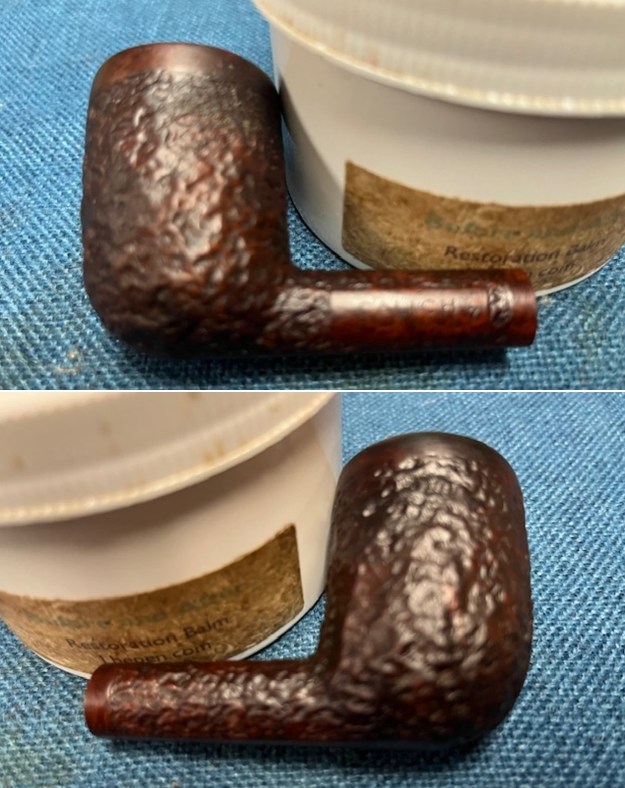
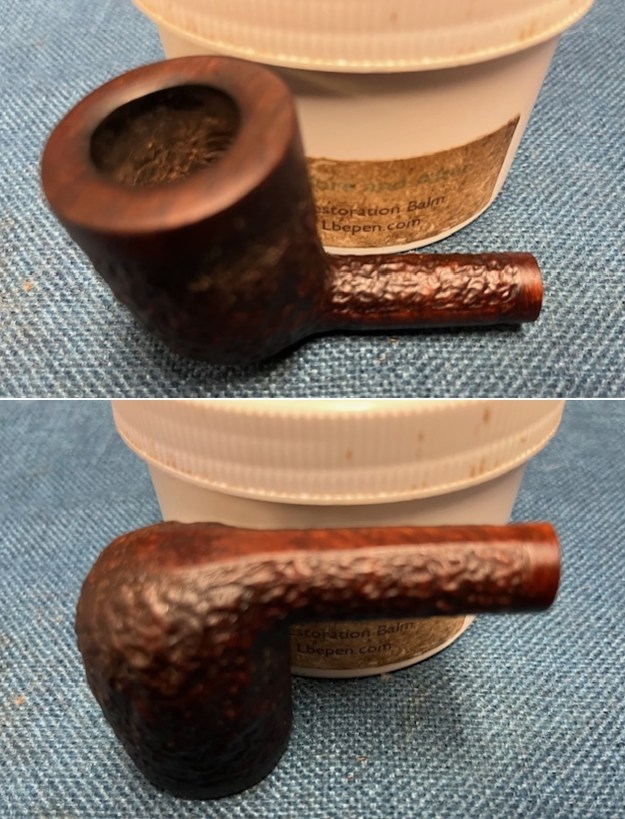
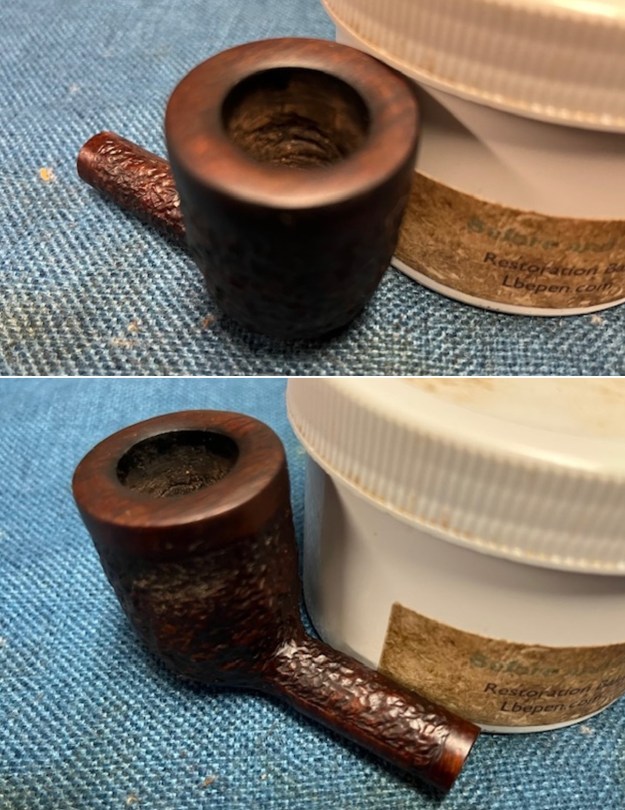
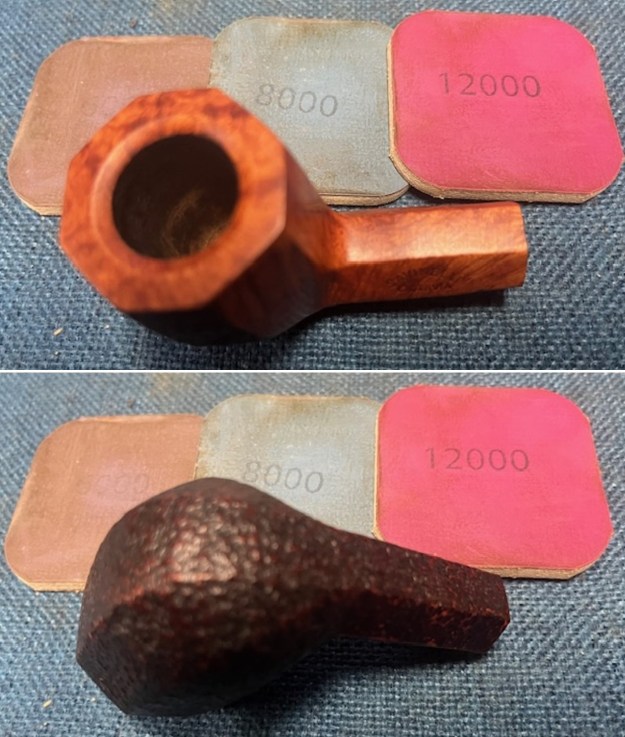 I worked some Before & After Restoration Balm into the surface of the briar with my finger tips and a horse hair shoe brush to get into the rusticated portions. The product is incredible and the way it brings the grain to the fore is unique. It works to clean, protect and invigorate the wood.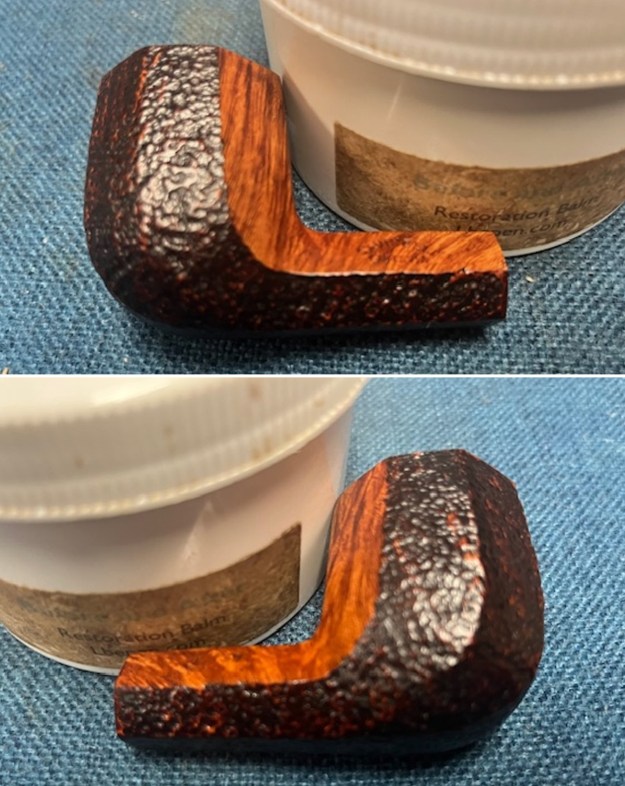
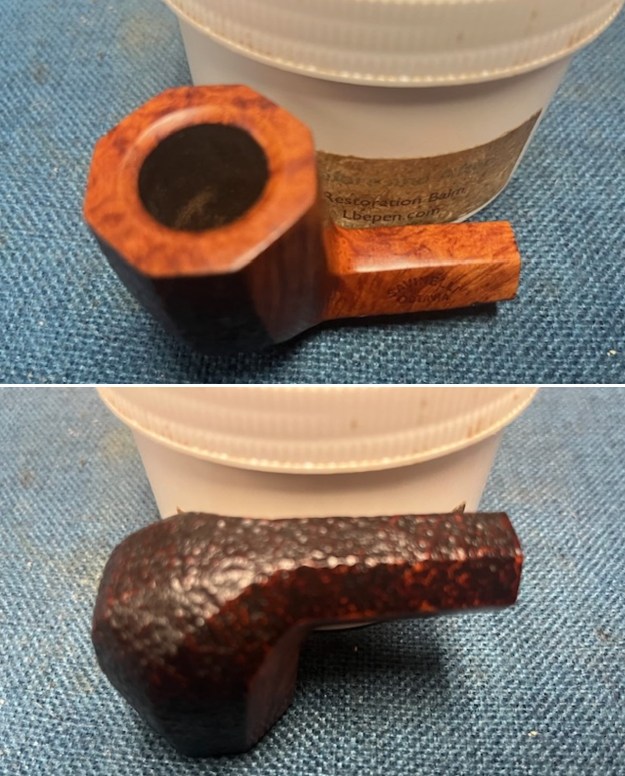
 I set the bowl aside and turned my attention to the stem. I fit the clean 6mm filter tenon with a Dr. Perl 6mm filter.
  I touched up the stamping on the stem top and underside with some Rub’n Buff Antique Gold. I worked it into the stamping with a tooth pick and buffed off the excess with cotton pad.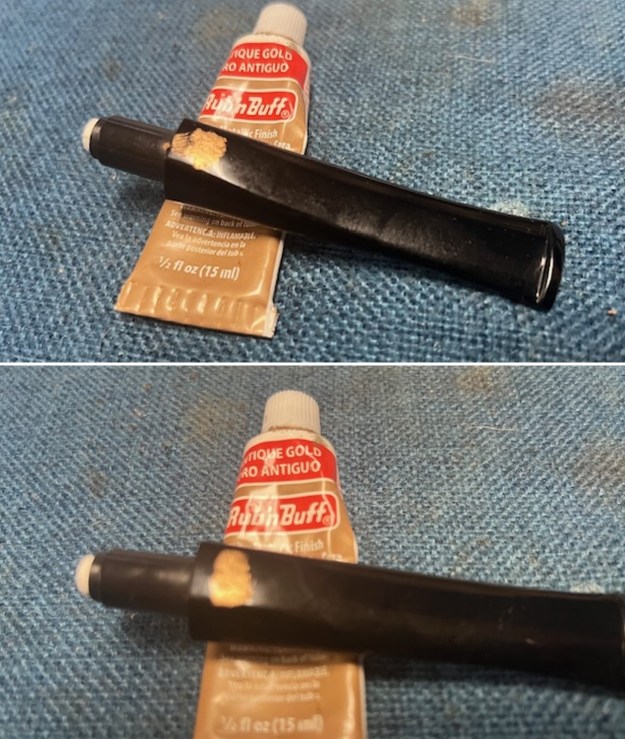
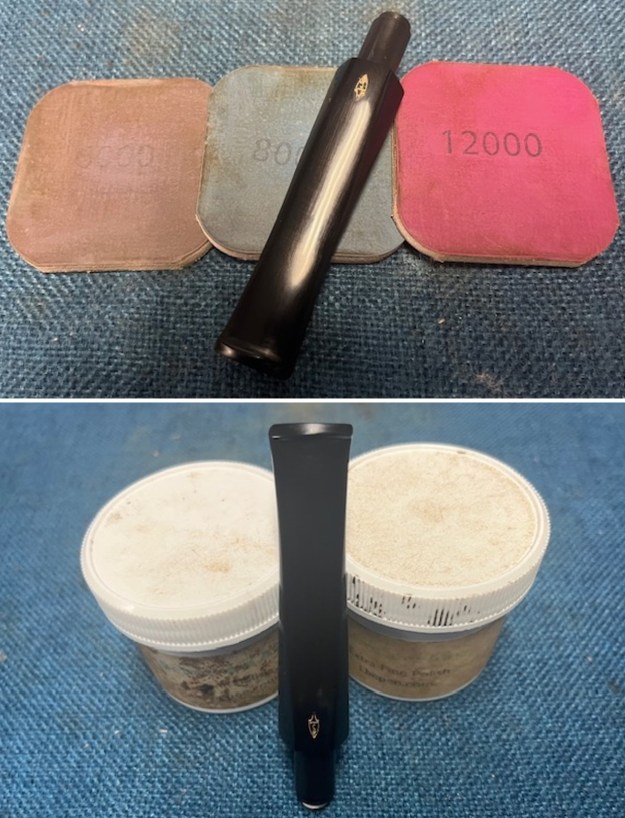
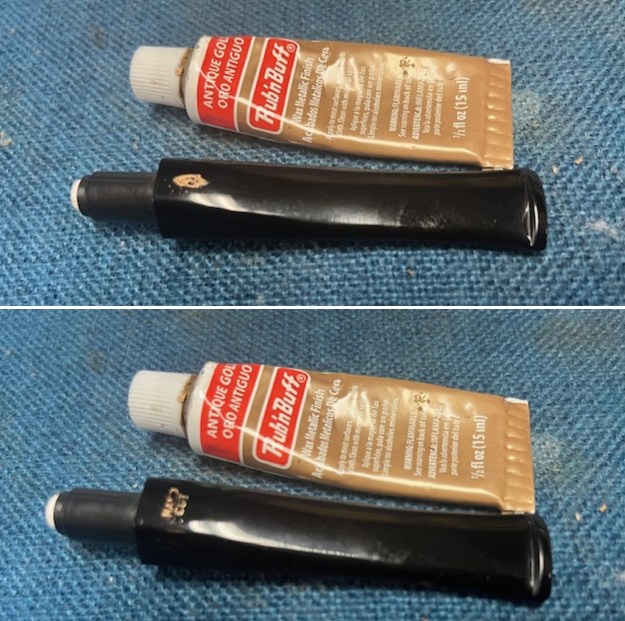 It was in great condition after the cleanup so I polished the stem with micromesh sanding pads – dry sanding it 1500-12000 pads. I wiped it down with Obsidian after each pad to remove the dust and polishing debris. I polished it with Before After Pipe Polish – both Fine and Extra Fine. I gave it another coat of Obsidian Oil.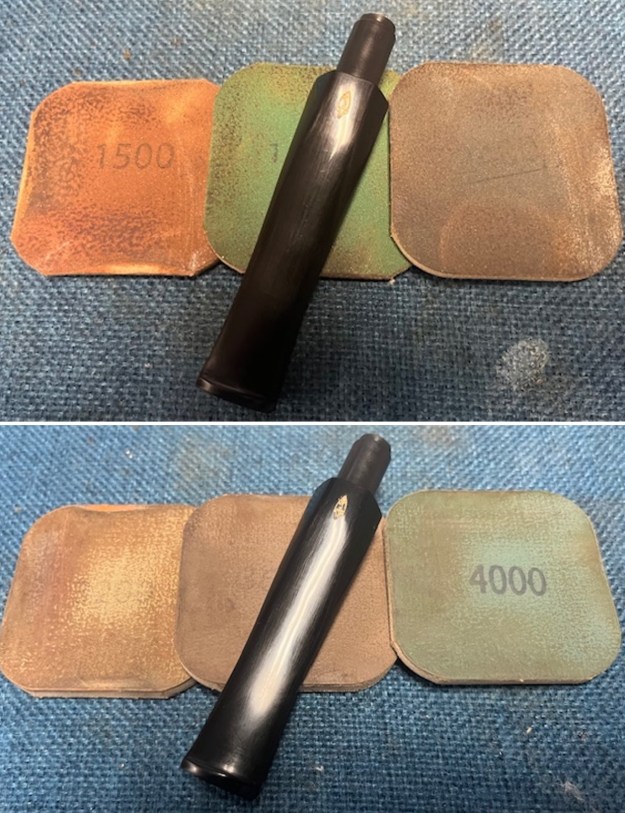
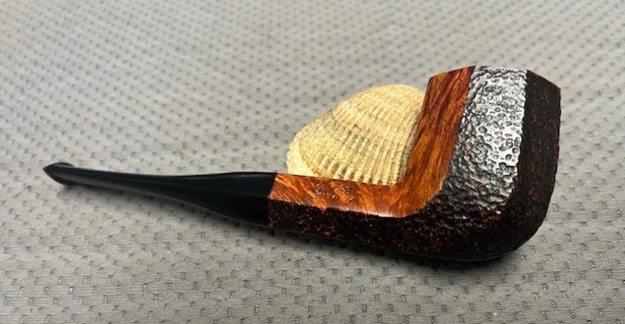
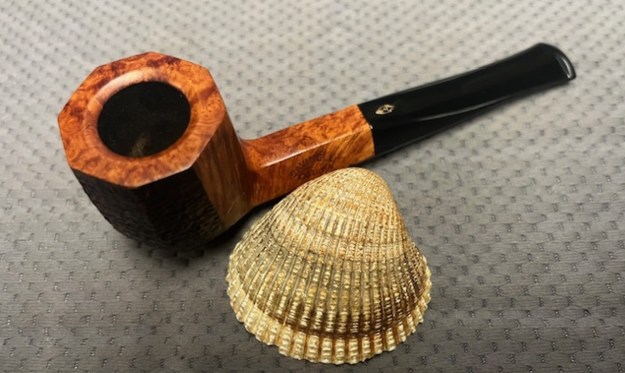
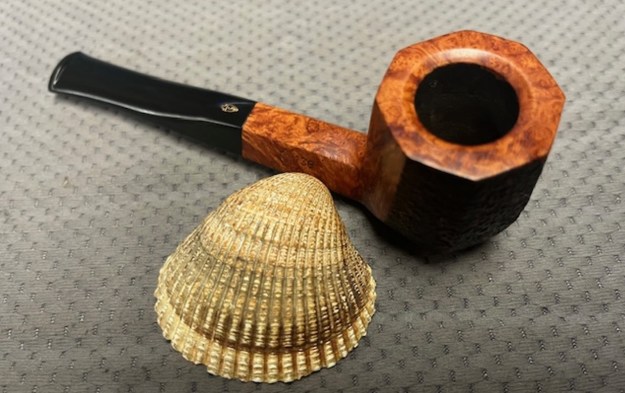
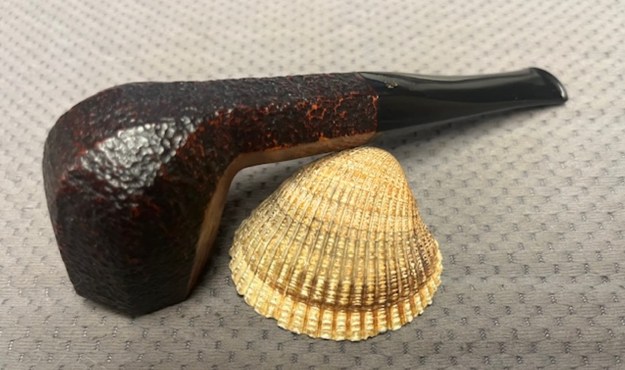
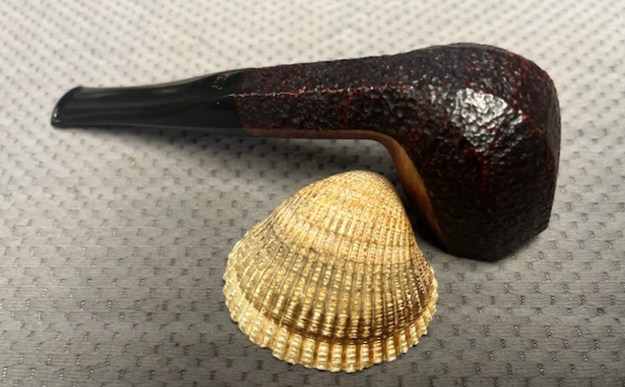
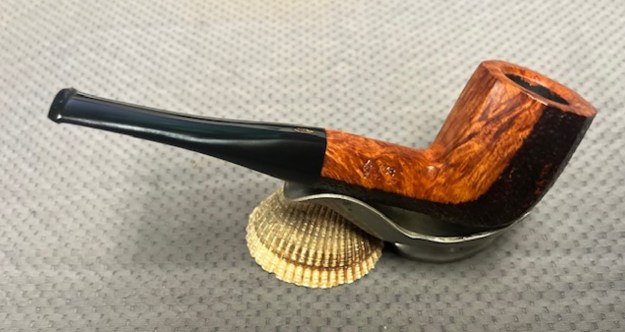
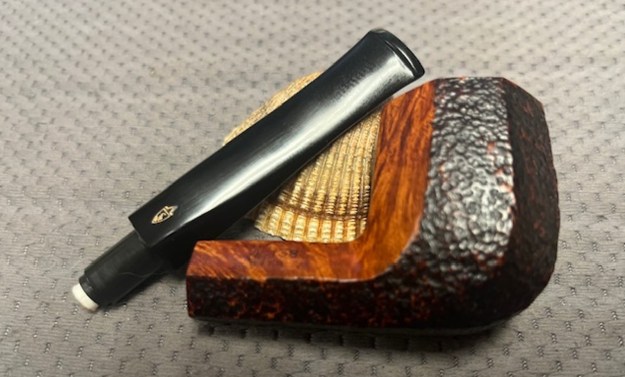
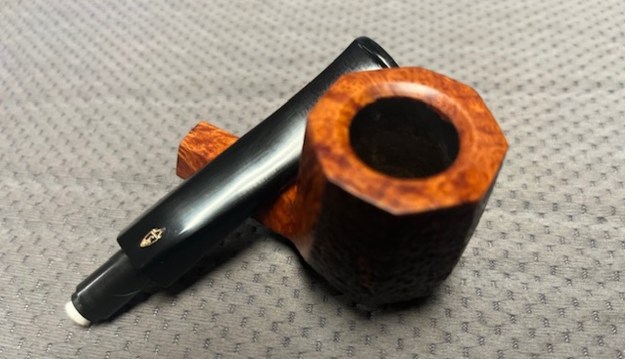
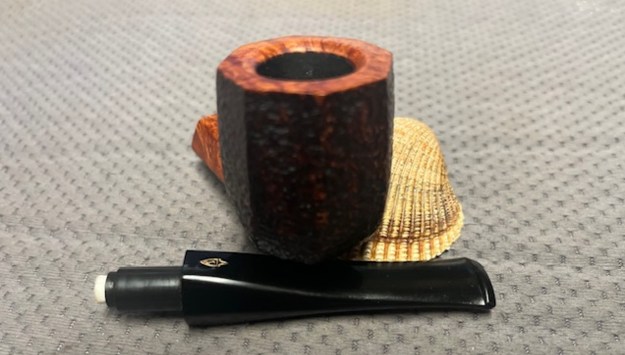
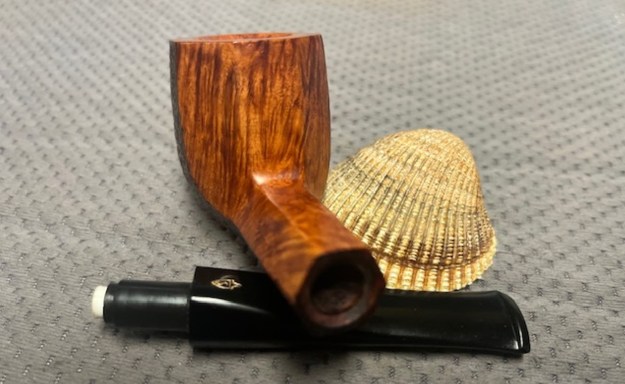
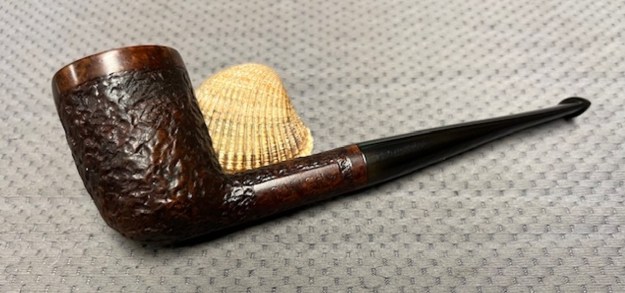
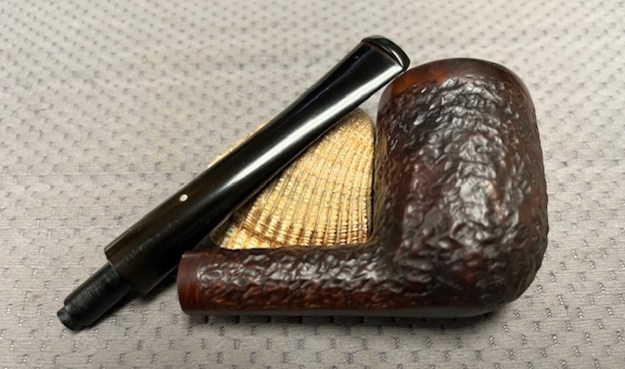
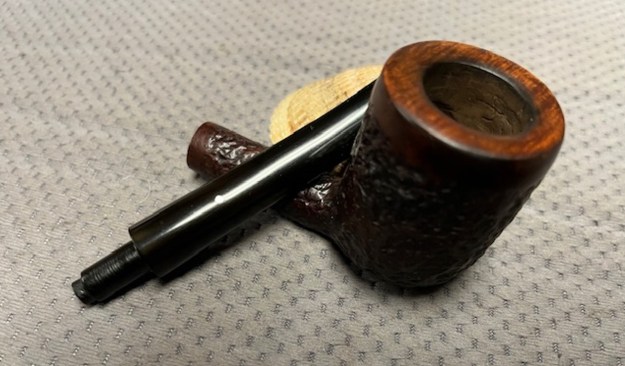
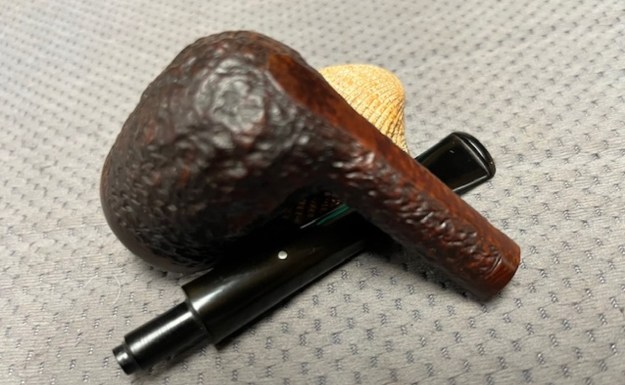
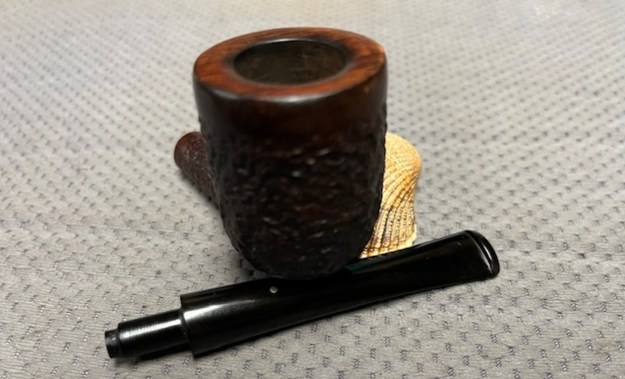
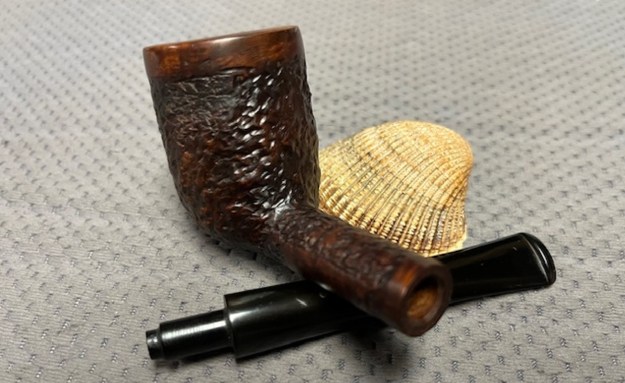
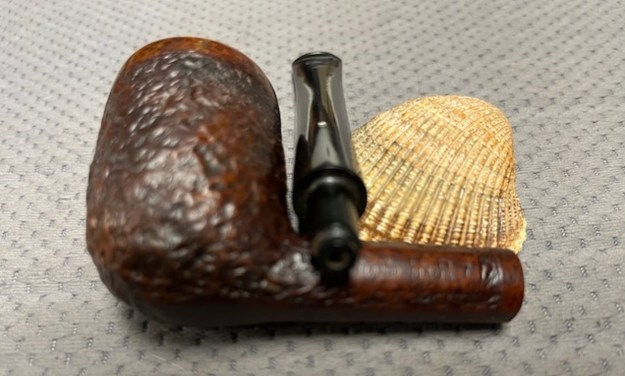
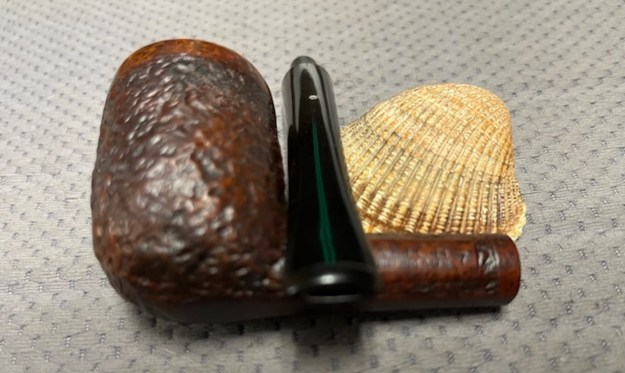
 This Savinelli Octavia 138 Octagonal Billiard with an acrylic taper hexagonal stem turned out very nice. The mix of brown stains highlights the grain and the depth of the rustication around the octagonal bowl sides and bottom and hexagonal shank and stem. The flat rim top and bevelled inner edge look very good. The finish on the pipe is in excellent condition. I put the stem back on the shank and carefully buffed the pipe with Blue Diamond on the buffing wheel. I gave the bowl and stem multiple coats of carnauba wax on the buffing wheel and followed that by buffing the entire pipe with a clean buffing pad. I hand buffed the pipe with a microfiber cloth to deepen the shine. The finished Savinelli Octavia 138 Billiard is very nice and feels great in the hand. Give the finished pipe a look in the photos below. It is a nice pipe whose dimensions are Length: 5 ½ inches, Height: 1 ¾ inches, Outside diameter of the bowl: 1 ¼ inches, Chamber diameter: ¾ of an inch. The weight of the pipe is 39 grams/1.27 ounces. Thanks for walking through the restoration with me as I worked over another beautiful pipe. This one will be going on the rebornpipes store, in the Italian Pipe Makers Section shortly. If you are interested in adding it to your collection let me know by message or by email to slaug@uniserve.com. Thanks for your time.
As always, I encourage your questions and comments as you read the blog. Thanks to each of you who are reading this blog. Remember we are not pipe owners; we are pipe men and women who hold our pipes in trust until they pass on into the trust of those who follow us.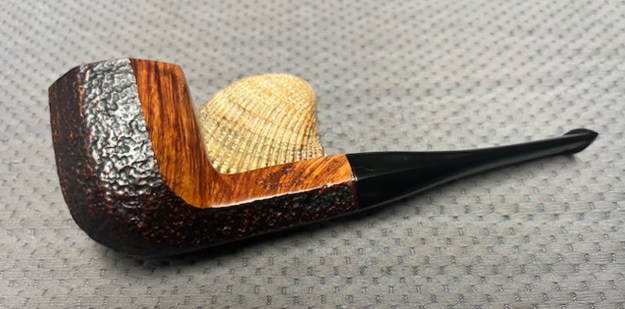




 rebornpipes