Monthly Archives: December 2020

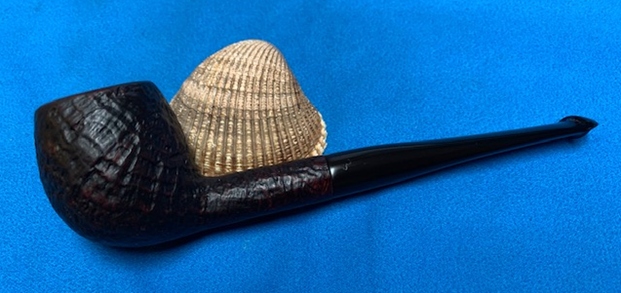
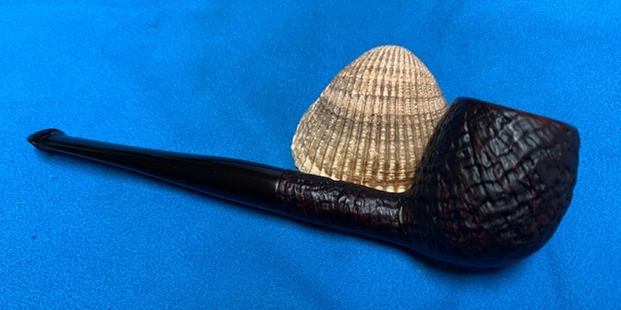
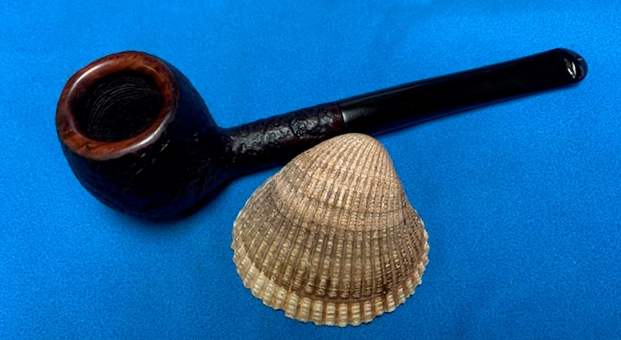
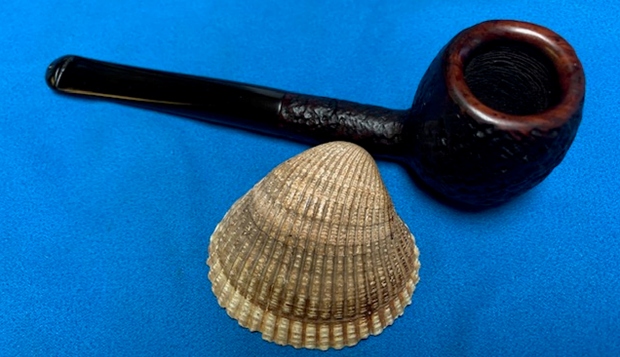
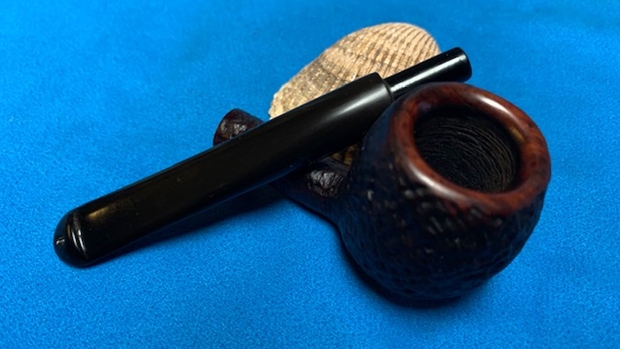
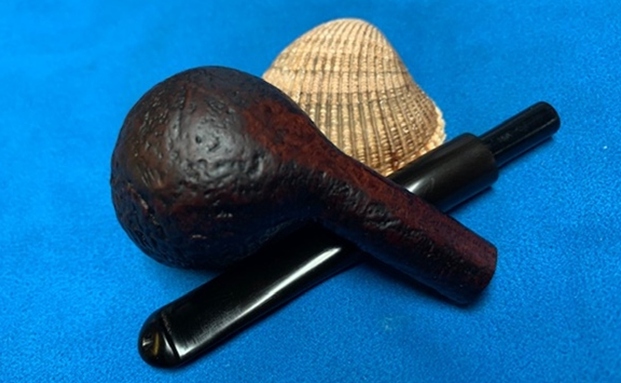
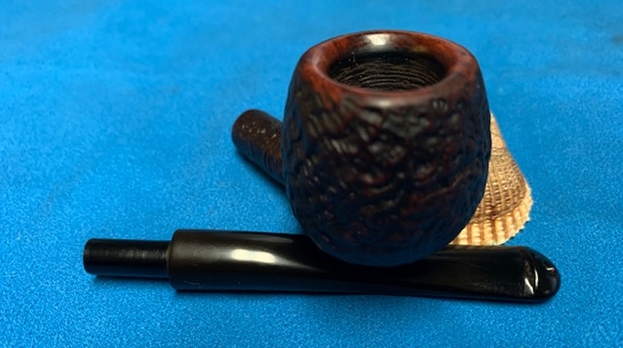
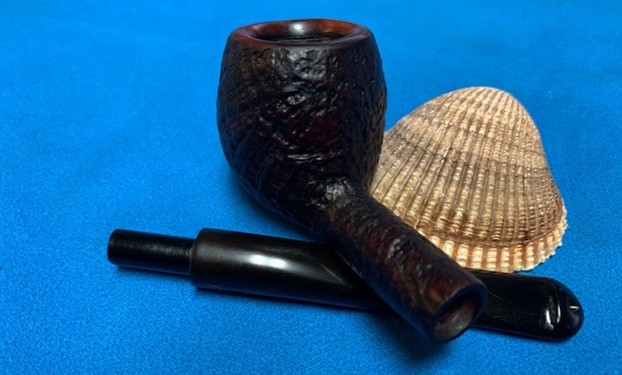
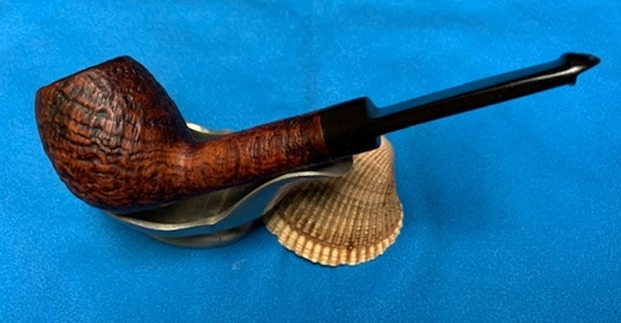
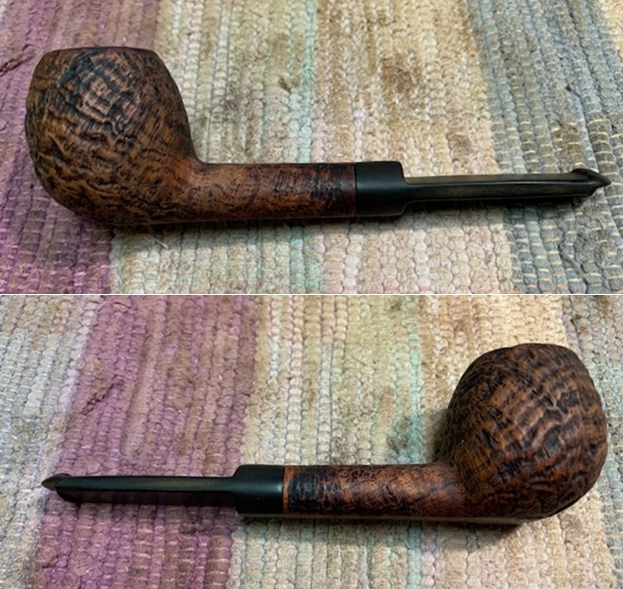
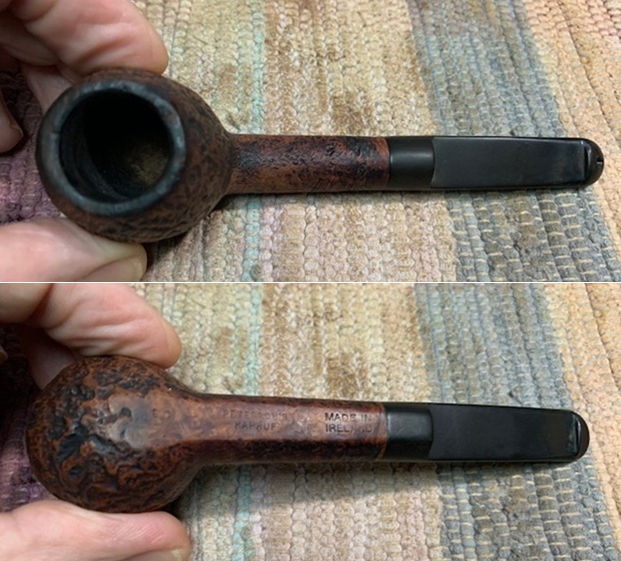
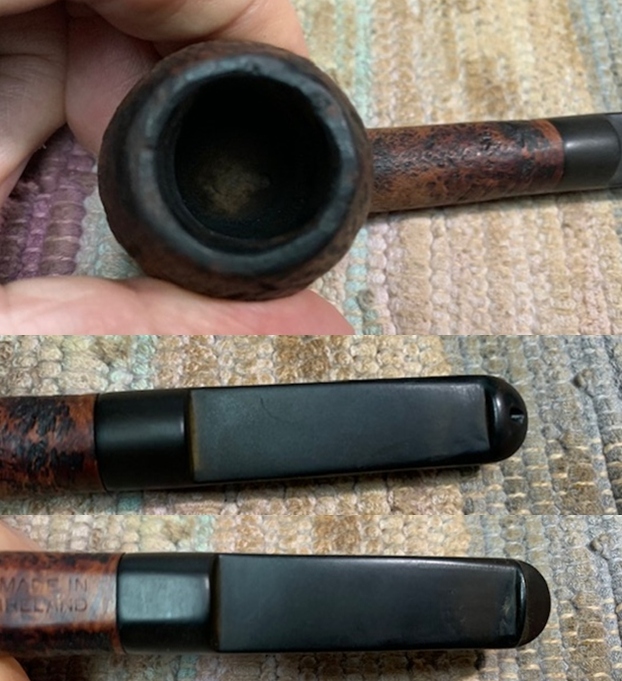
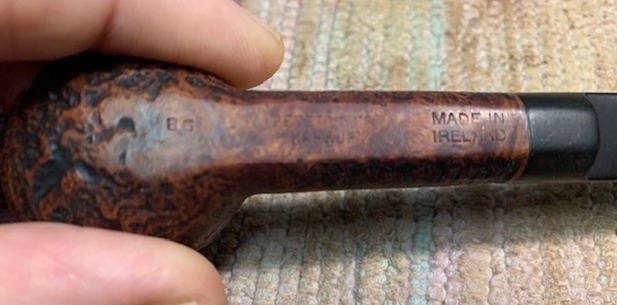
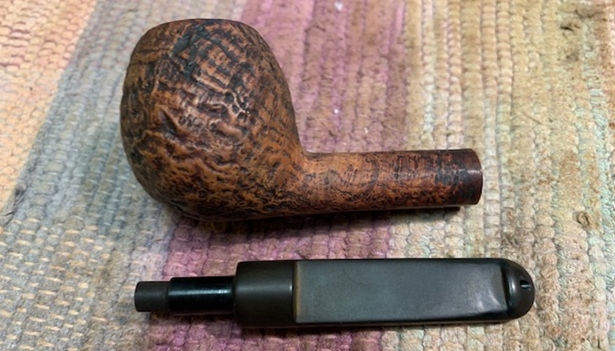
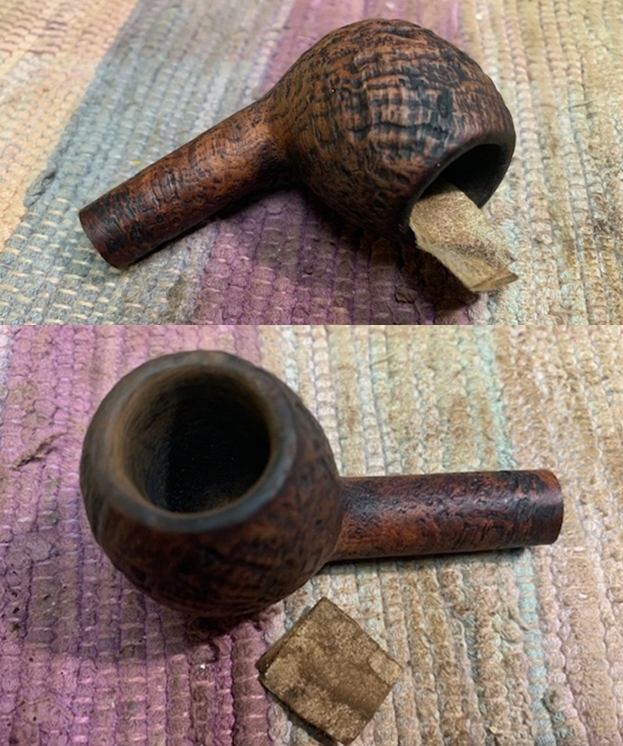
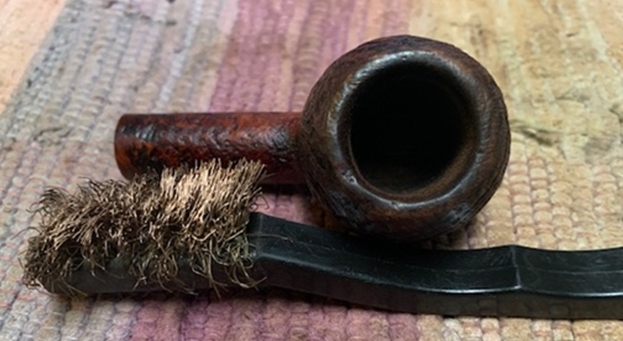
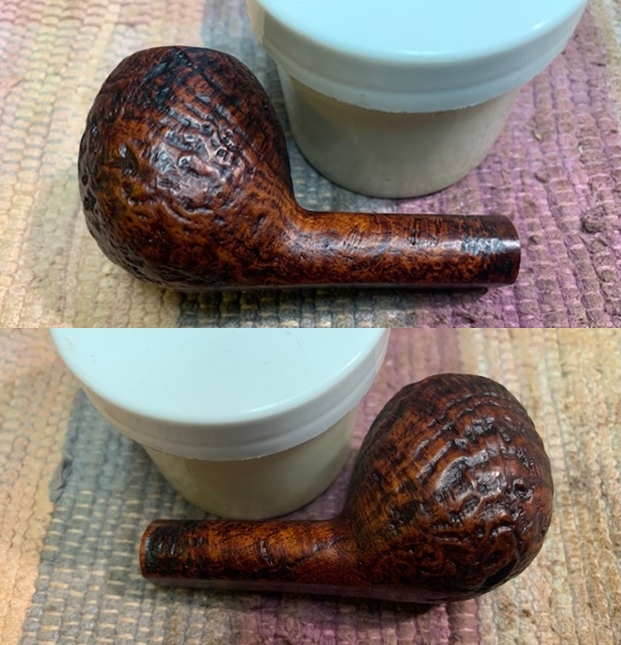
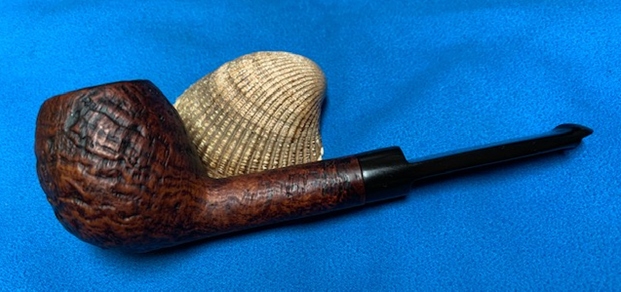
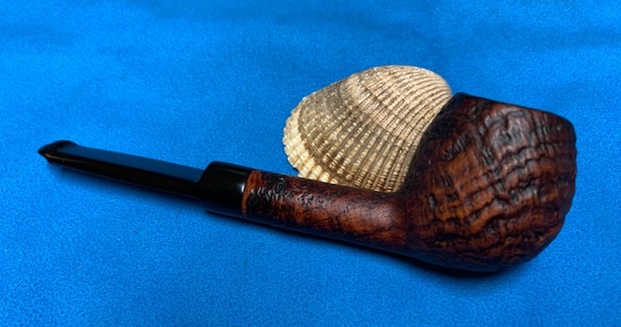
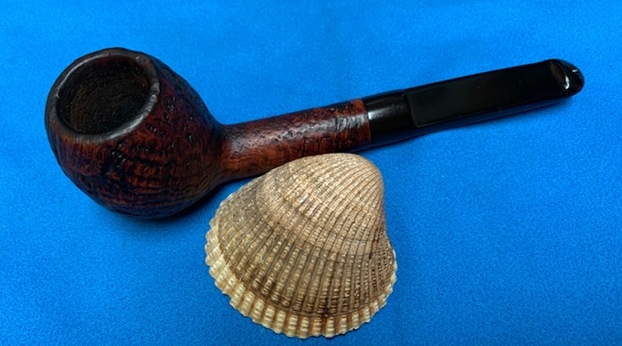
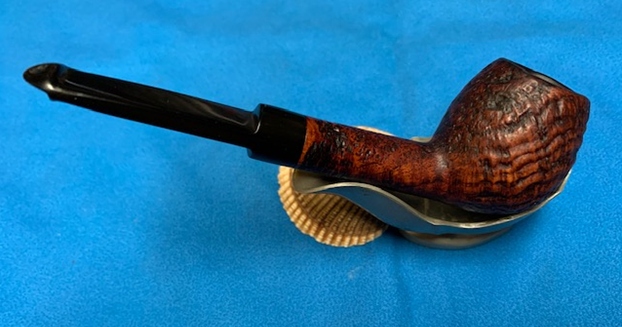
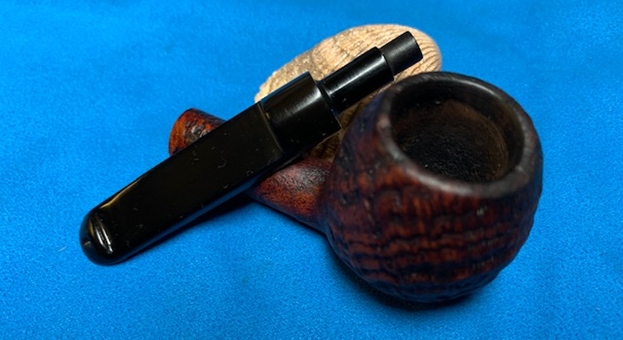
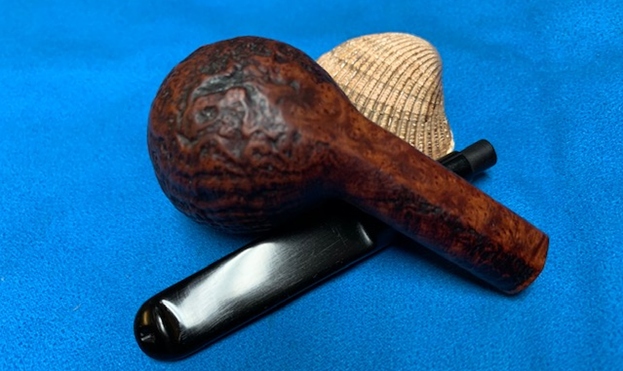
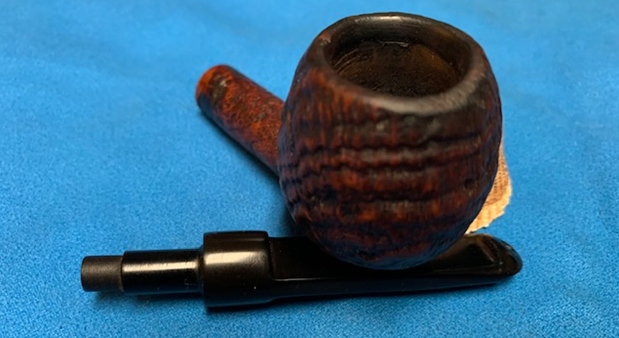
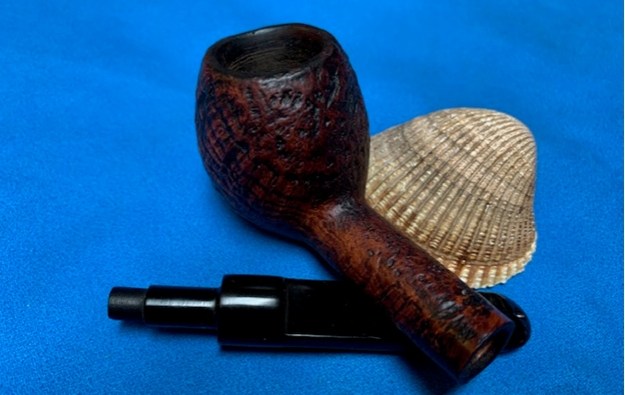
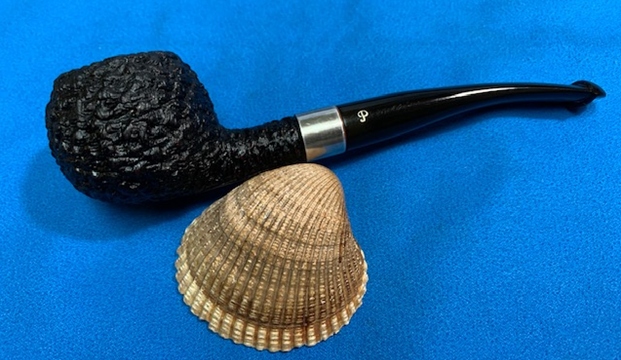
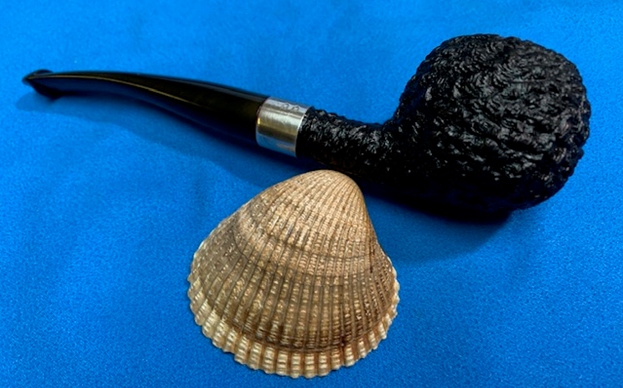
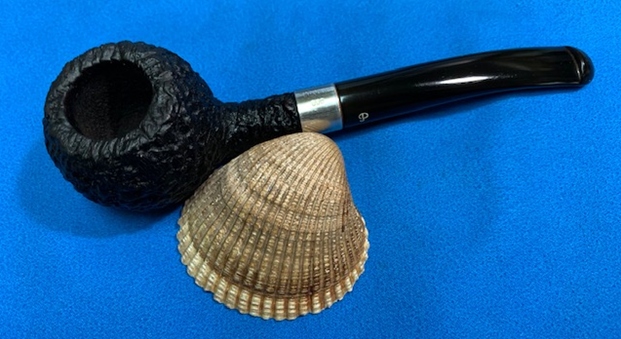
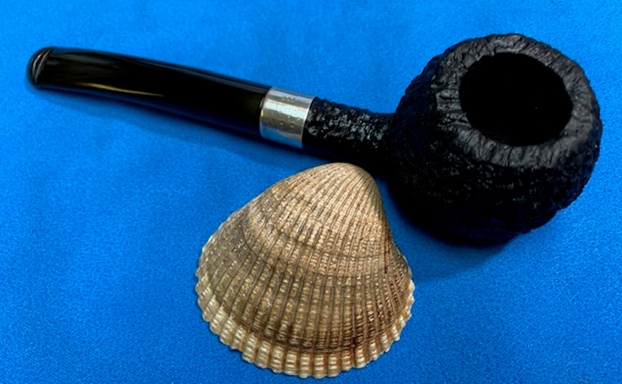
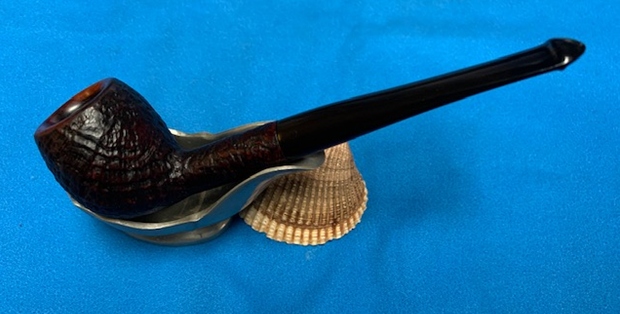
Rebirthing a Republic Era Peterson’s Kapruf 86 Apple


Blog by Steve Laug

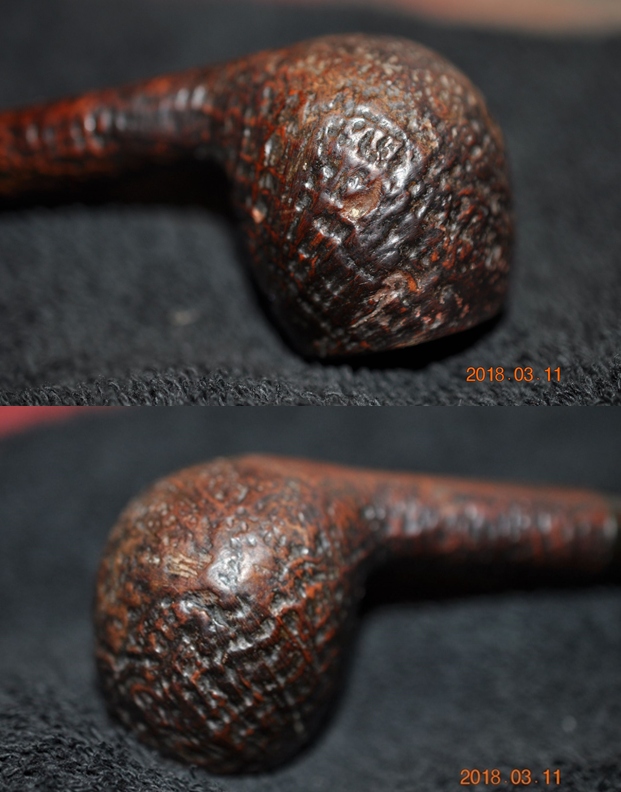
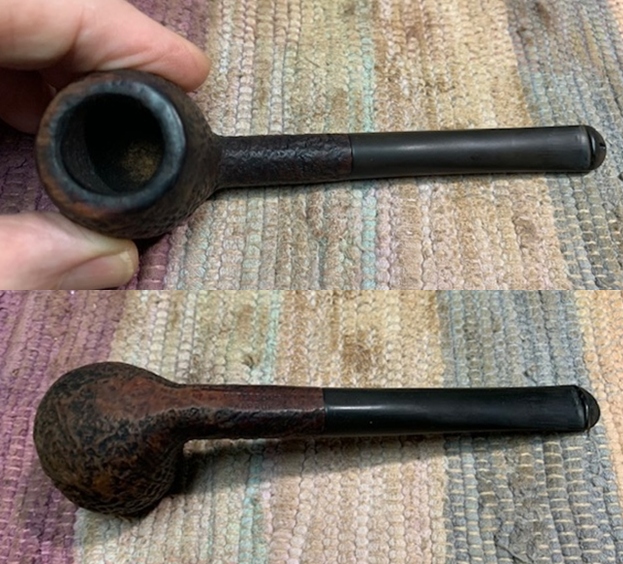
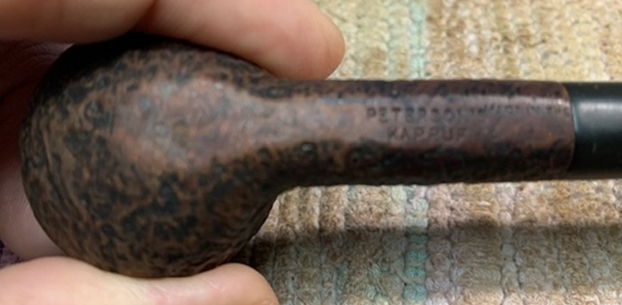
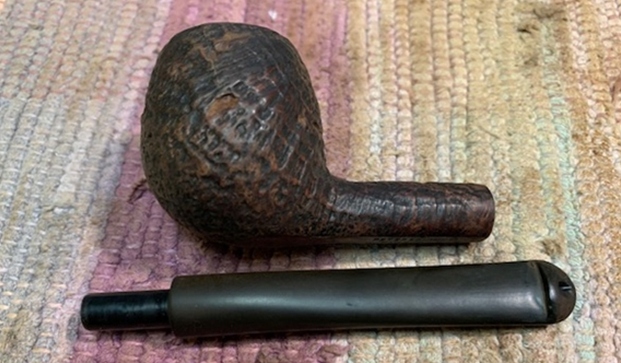
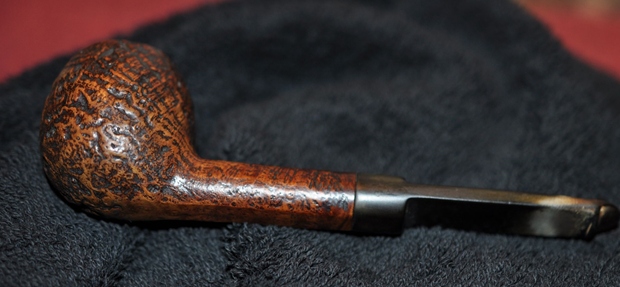
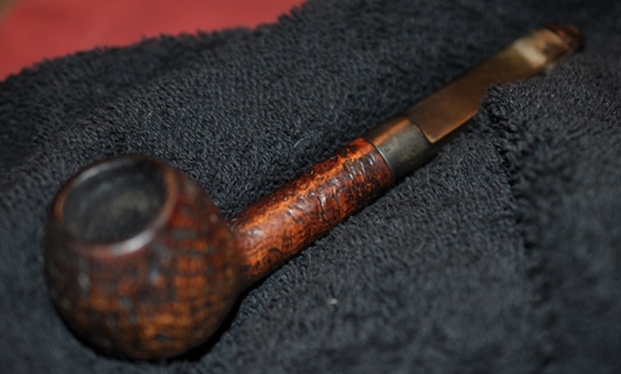
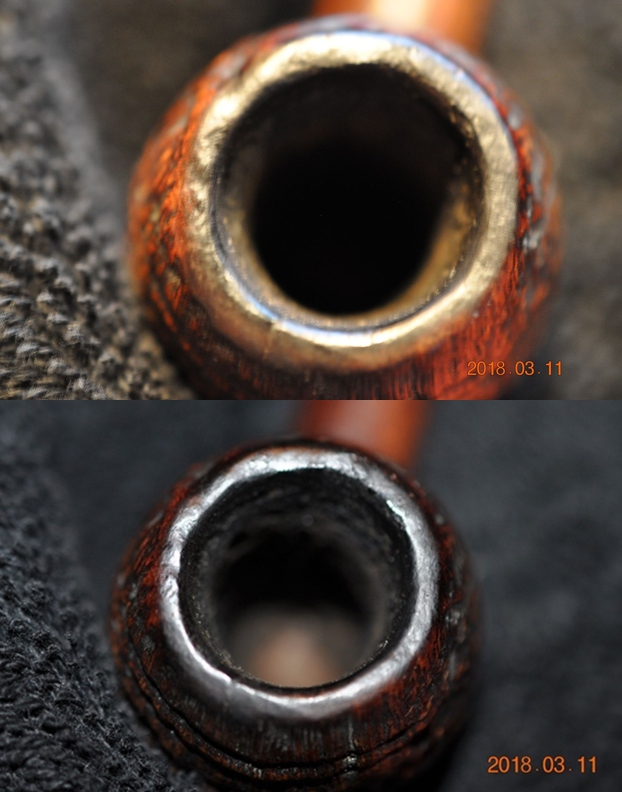
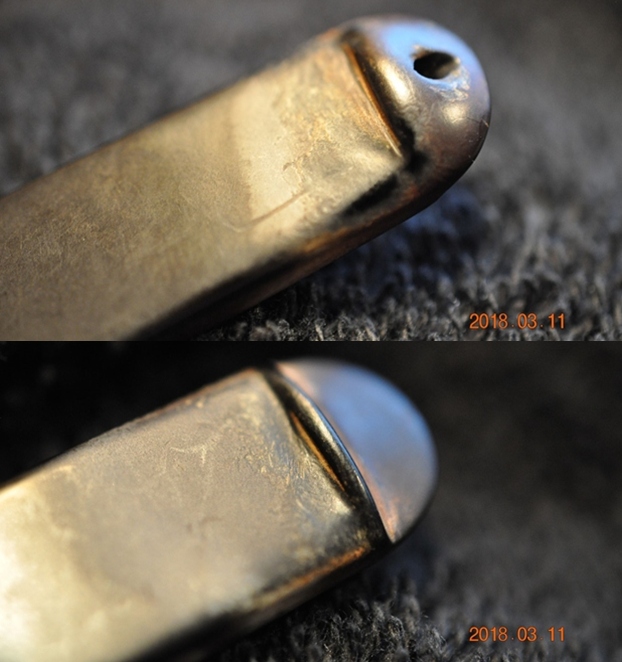
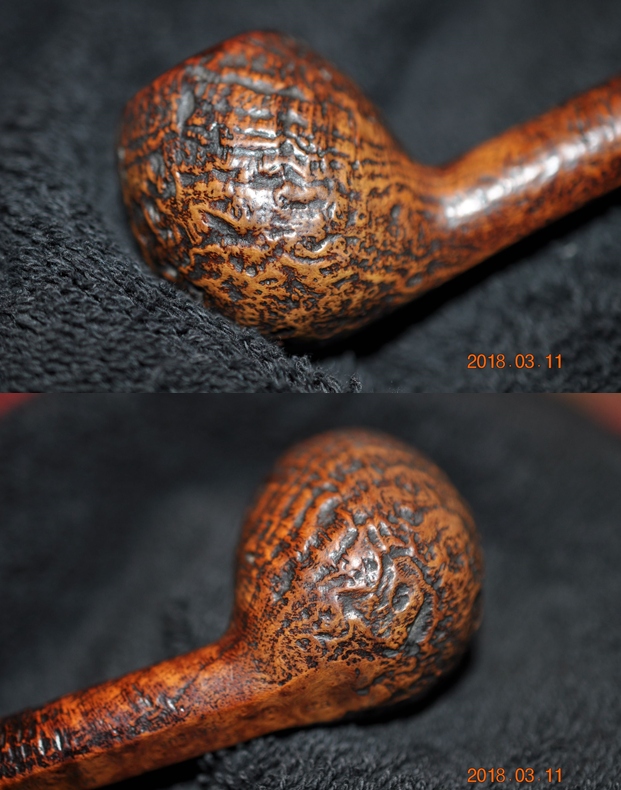
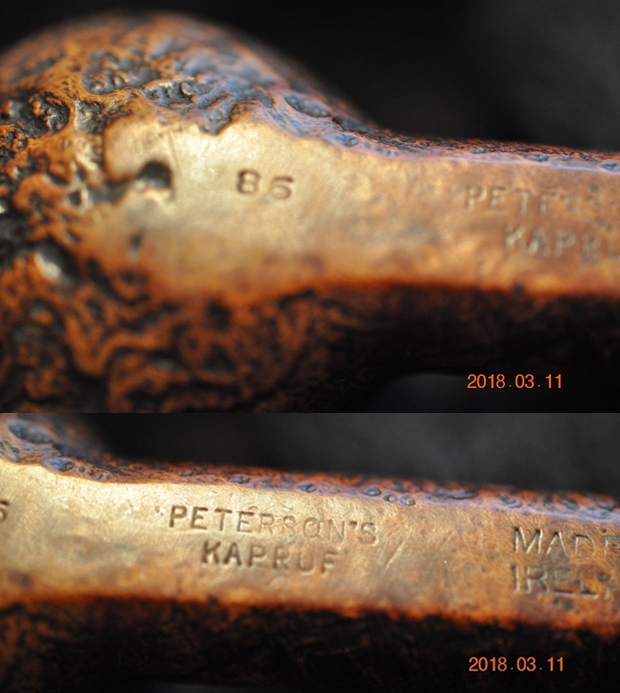
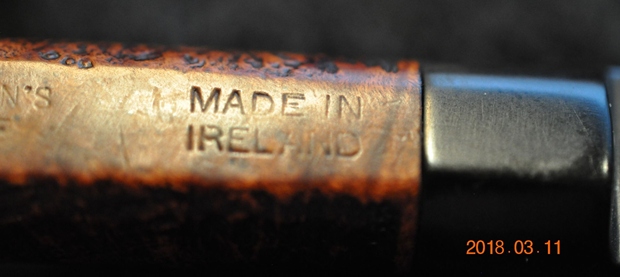
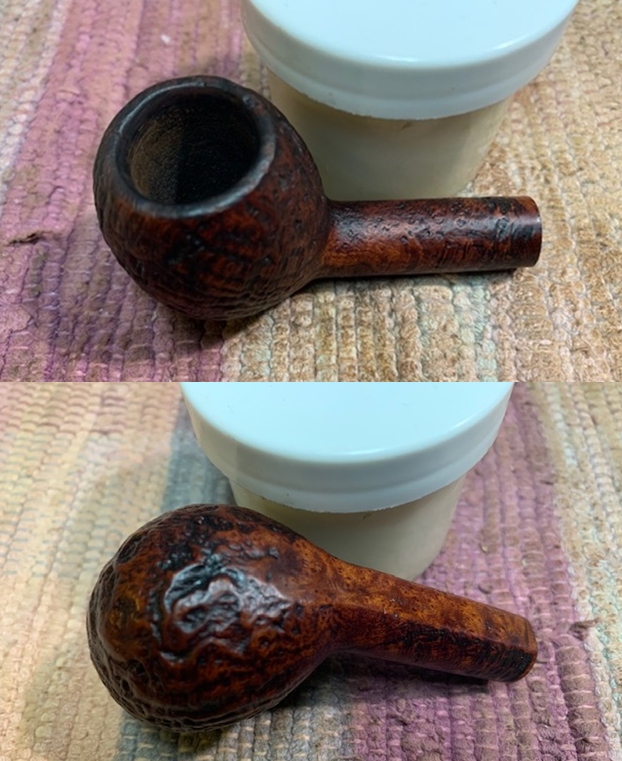
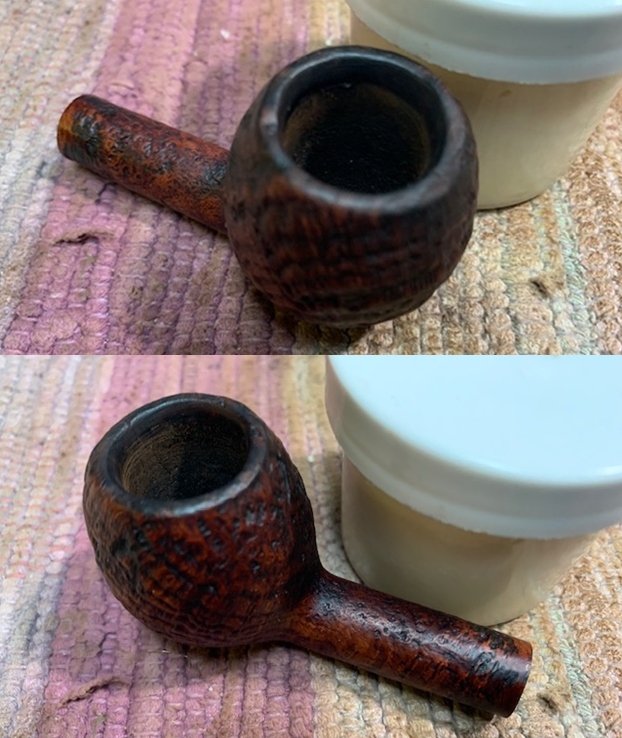
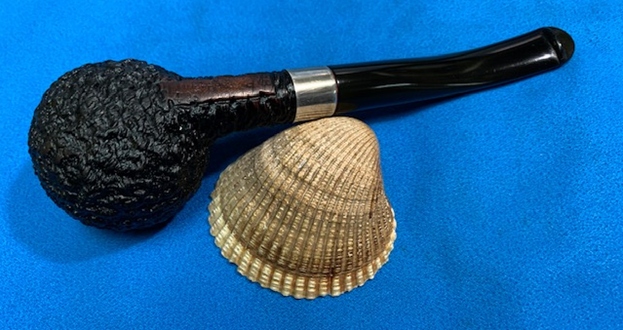
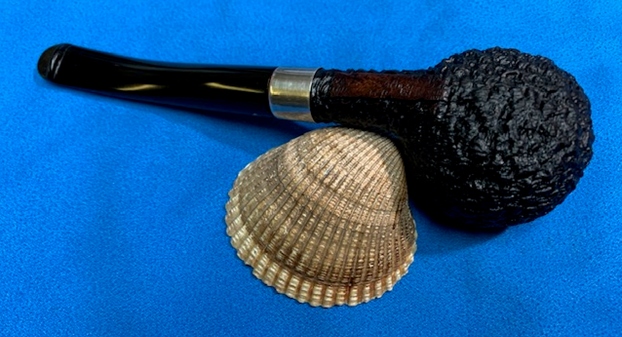
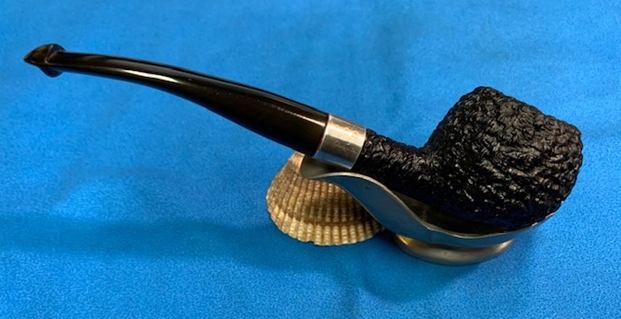
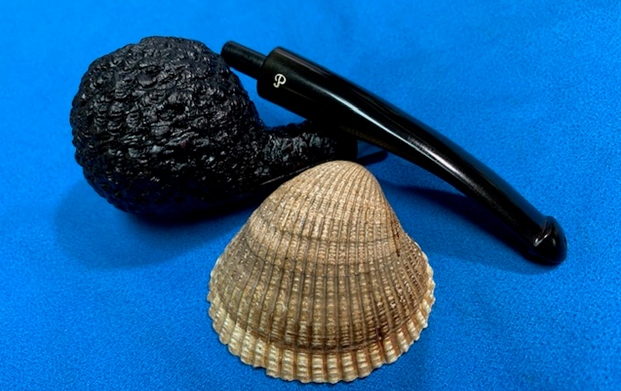
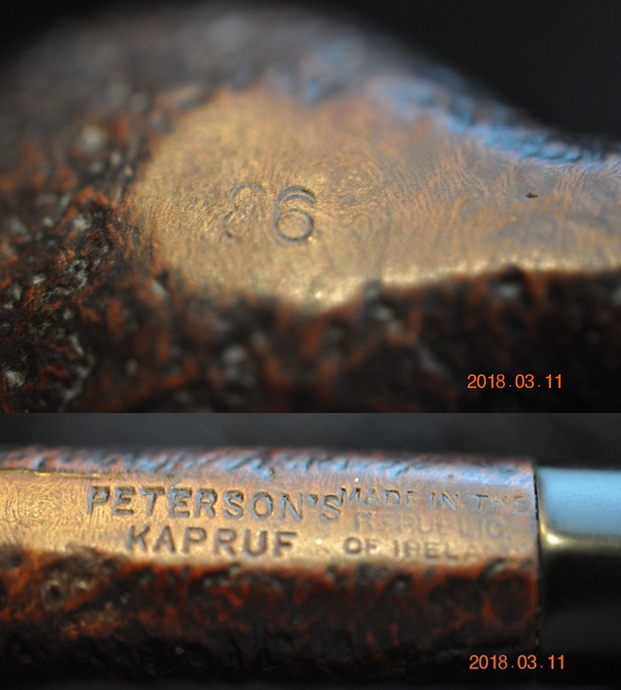
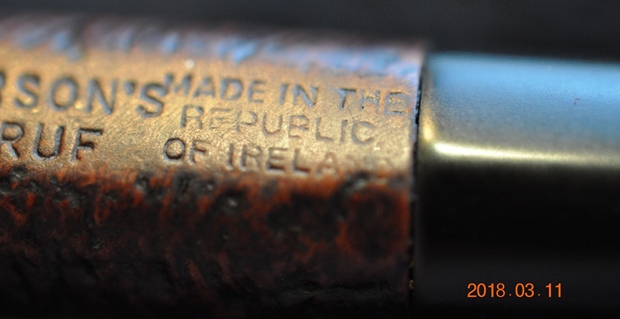
Today is an interesting day for me to work on pipes. It is Christmas Day and still fighting the sprained wrist. It is better than it was yesterday and the wrist brace really helps. I am slowed down a bit by it, but I have not stopped. The next pipe I have chosen is another Peterson’s Sandblast Apple. It is more delicate looking than the previous one but it was another very dirty pipe. It also came to us from the estate of Anglican minister that was a great friend of mine here in Canada. The grime was ground into the grooves of the sandblast finish on the bowl sides. The contrast of the brown stains gave the blast a sense of depth. It was stamped on the flat underside of the shank and read Peterson’s [over] Kapruf. To the left of that on the heel was the shape number 86. To the right of the Kapruf stamp it read Made in the Republic of Ireland (three lines). This pipe must have been another favourite as it had been well smoked. There was a moderate cake in the bowl a light overflow of lava and darkening on the thin rim top. The edge of the bowl looked was rough and out of round. The stem was oxidized, calcified and had light tooth marks and chatter on the top and underside on and near the button. Jeff took photos of the pipe before his cleanup work. They tell the story and give a glimpse of the promise that we see in this pipe.   Jeff took photos of the rim top and stem to show the general condition of the pipe. The bowl is moderately caked and the smooth rim top and edges have a lava overflow obscuring the apparent damage to the inner edge. The photos of the stem show that it was oxidized, calcified and has light tooth marks on the top and underside near the button.   Jeff took a photo of the bowl sides and heel to show the blast that was around this bowl. There were some nicks in the sides but overall it is a nice looking pipe.      He took photos of the stamping on the underside of the shank. It is clear and readable and reads as noted above.     I turned to “The Peterson Pipe” by Mark Irwin and Gary Malmberg to get some background on the Aran line. On page 306 it had the following information.
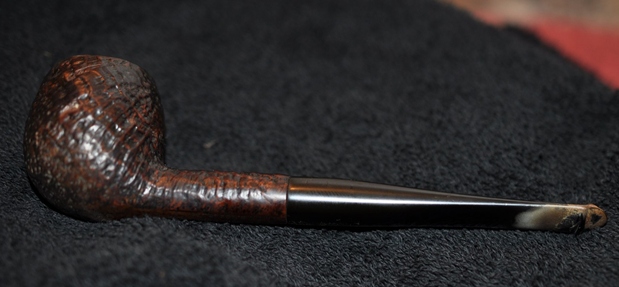
Kapruf amd “Kapruf” (c.1922-87) Sandblast (hence the name, Kapp-rough) P-lip or fishtail mouthpiece, in catalogs from 1940-87. Early documented specimens stamped IRISH over FREE STATE, no Eire specimens documented. Mid-century specimens may be stamped LONDON MADE [over] ENGLAND or MADE IN ENGLAND forming a circle or MADE IN [over] IRELAND, all dating no later than 1970. Those of recent vintage stamped MADE IN THE[over] REPUBLIC [over]OF IRELAND.

I knew that I was dealing with a KAPRUF made before 1970 as it is stamped MADE IN IRELAND as noted above. That fit with the majority of his pipes so I was clear what I was working on. Now it was time to work on the pipe.

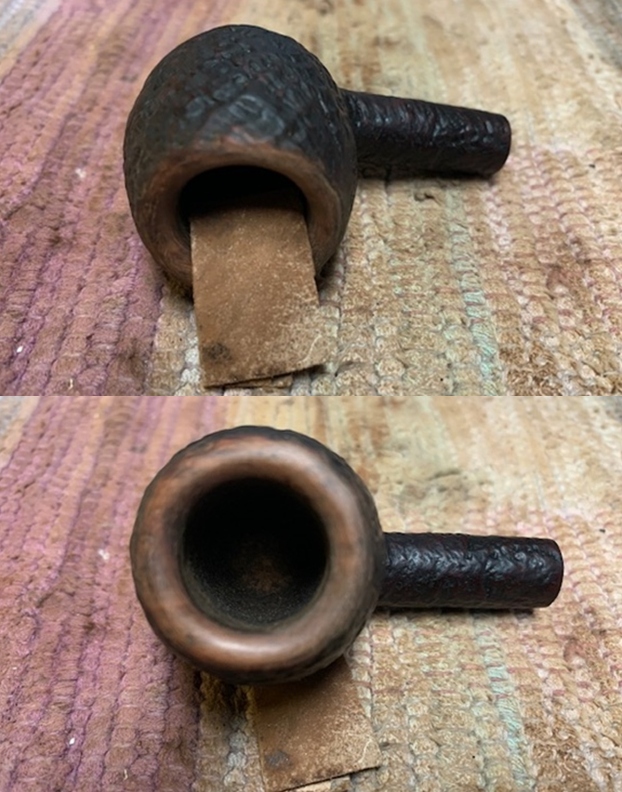
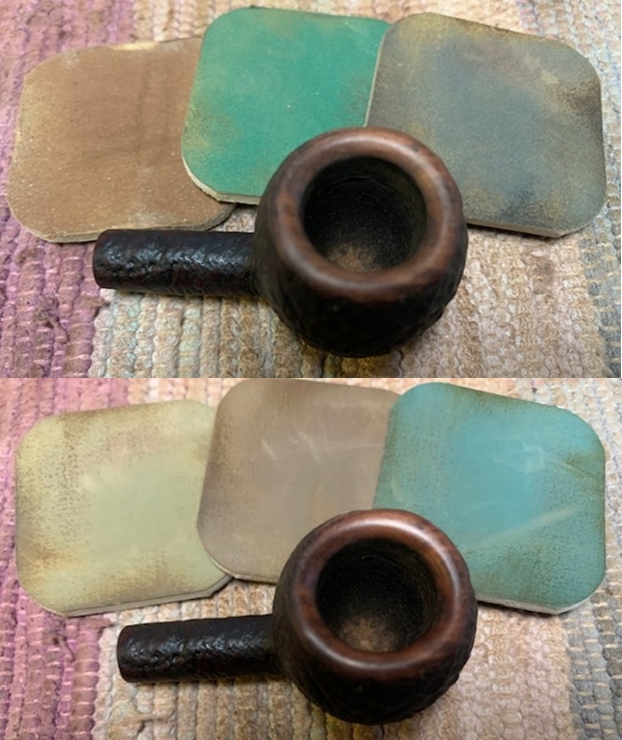
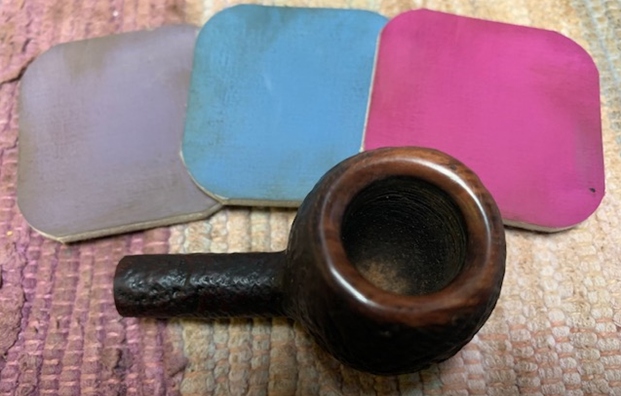
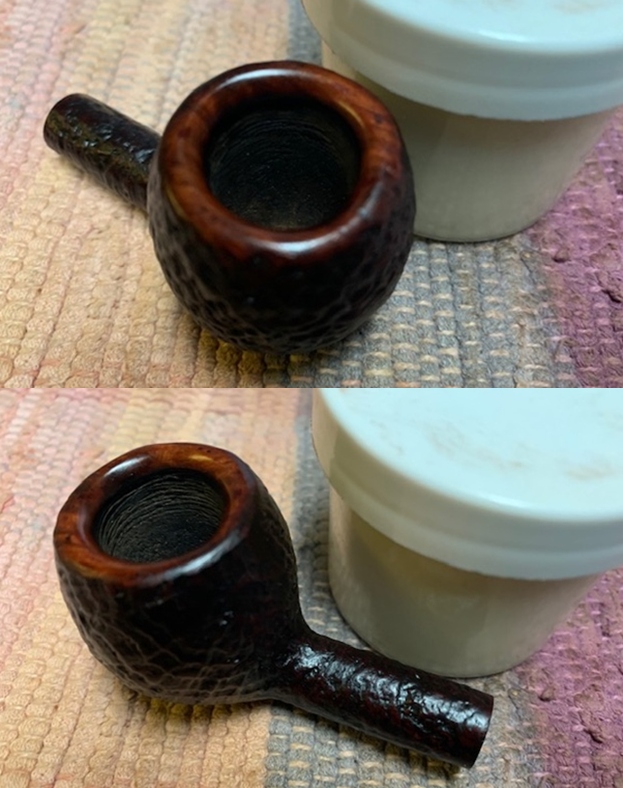
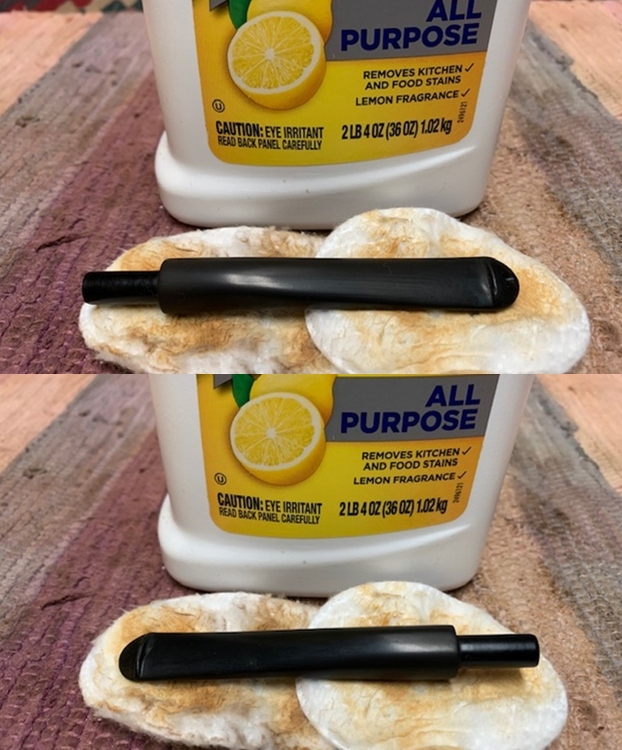
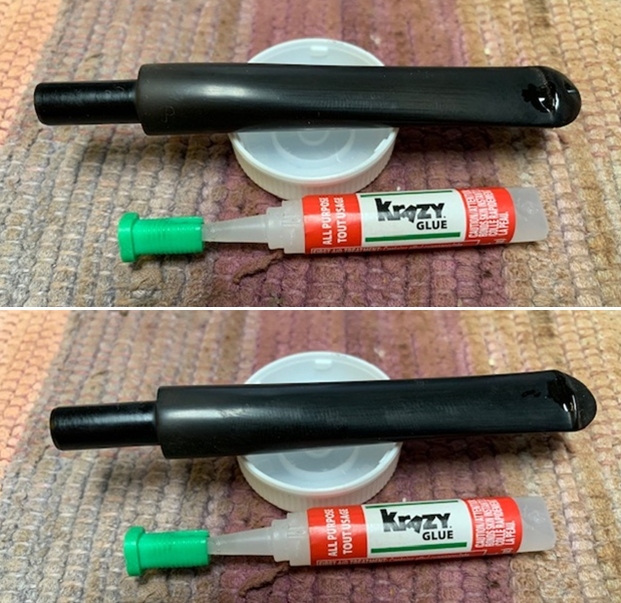
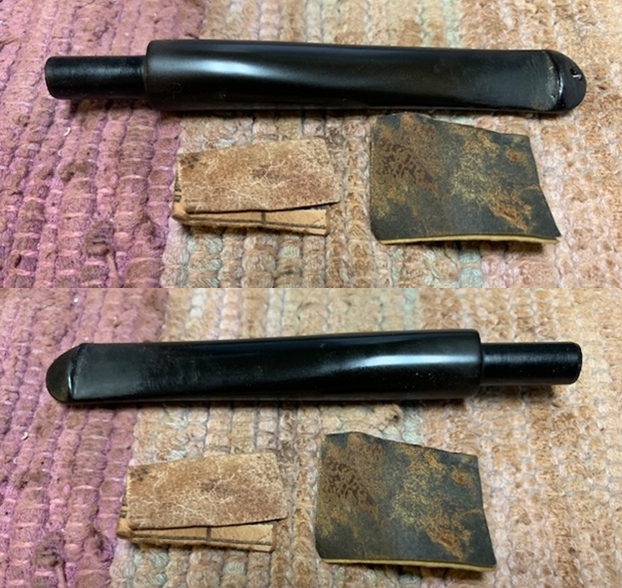
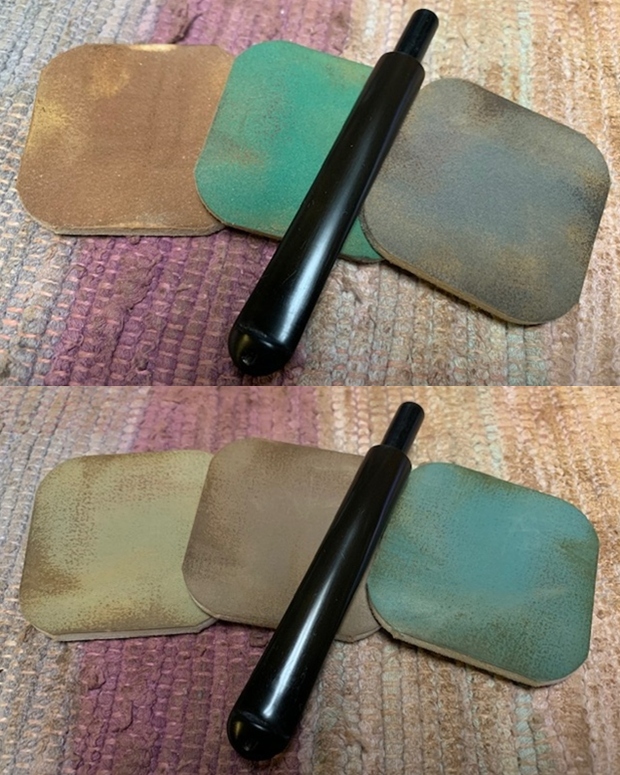
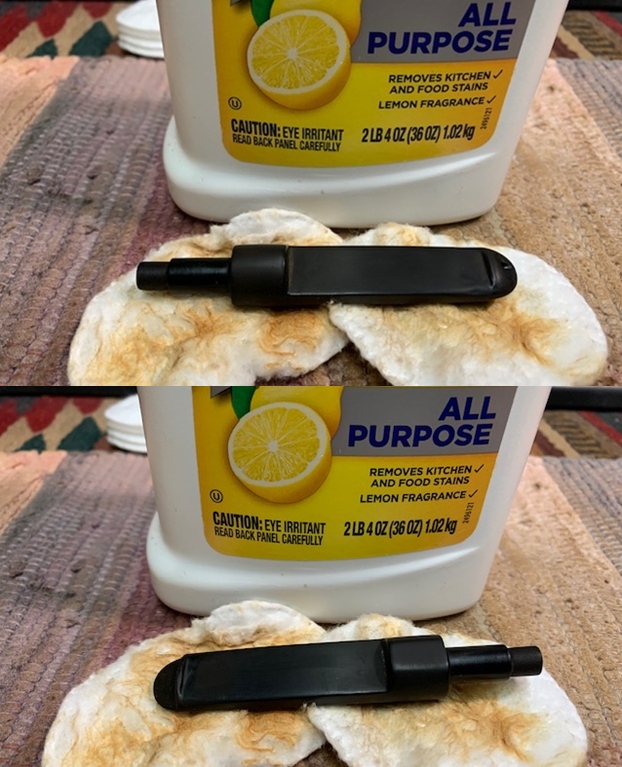
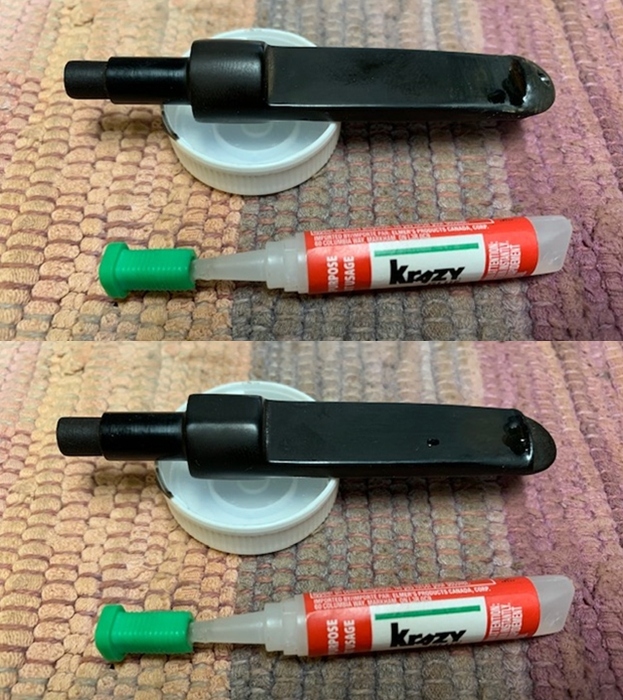
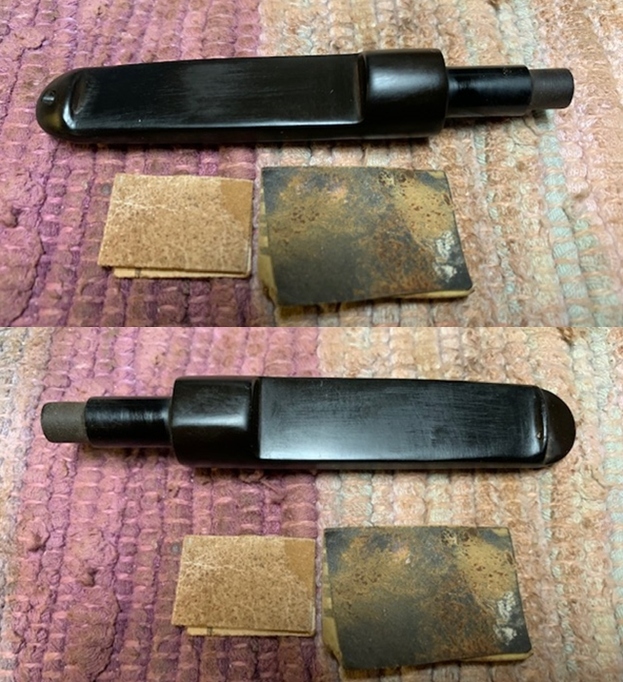
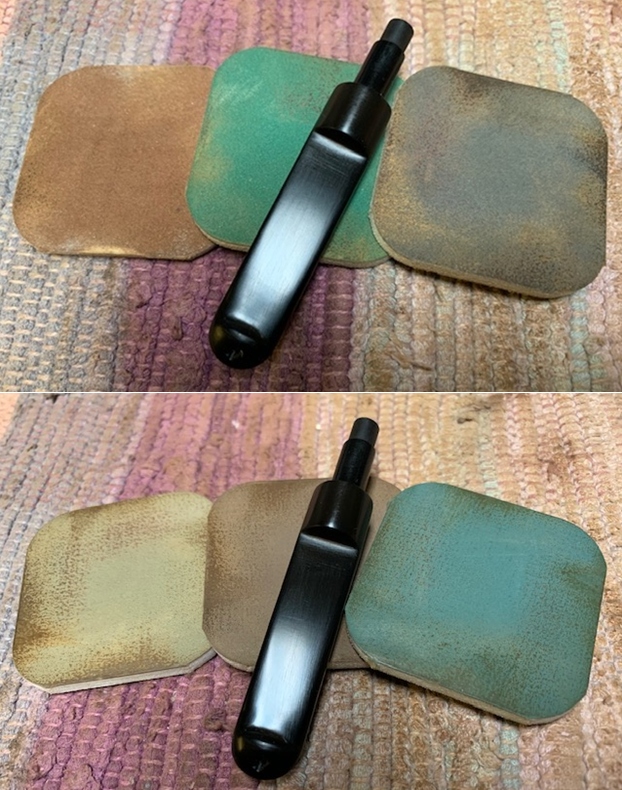
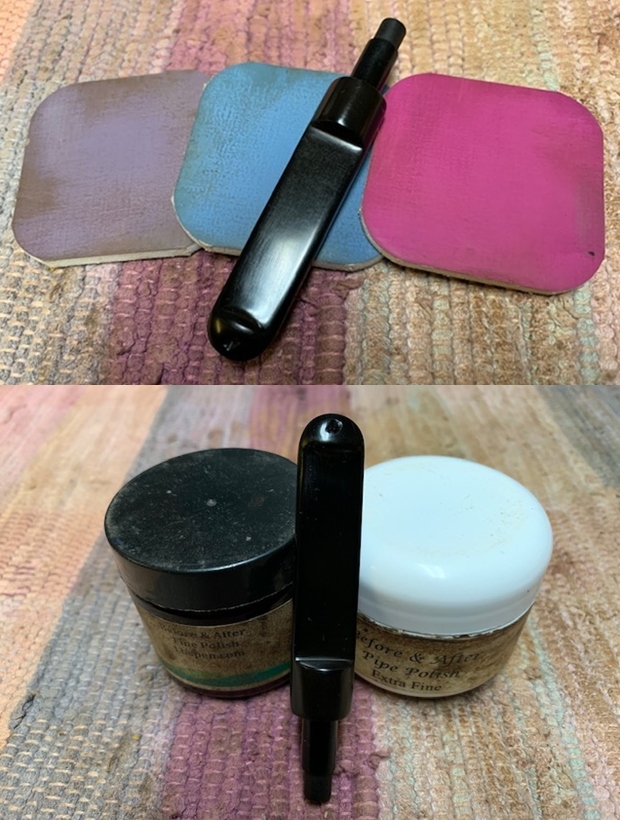
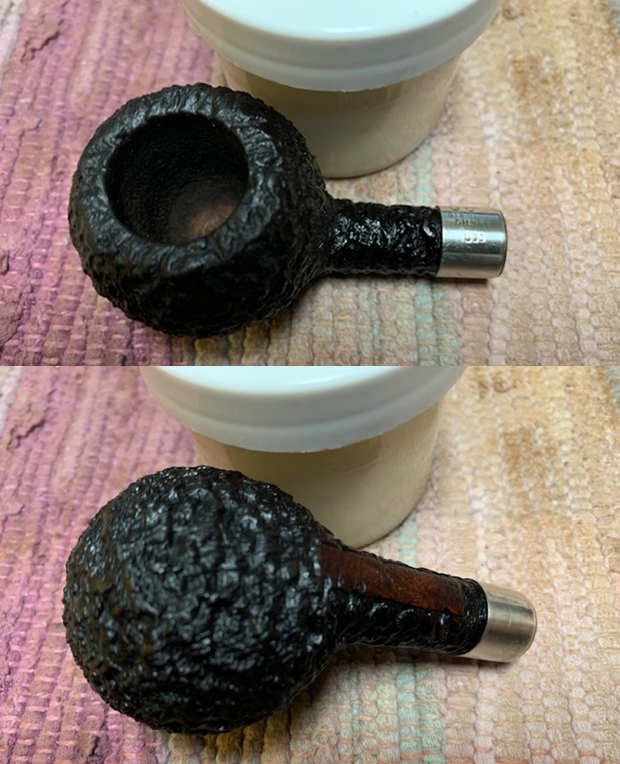
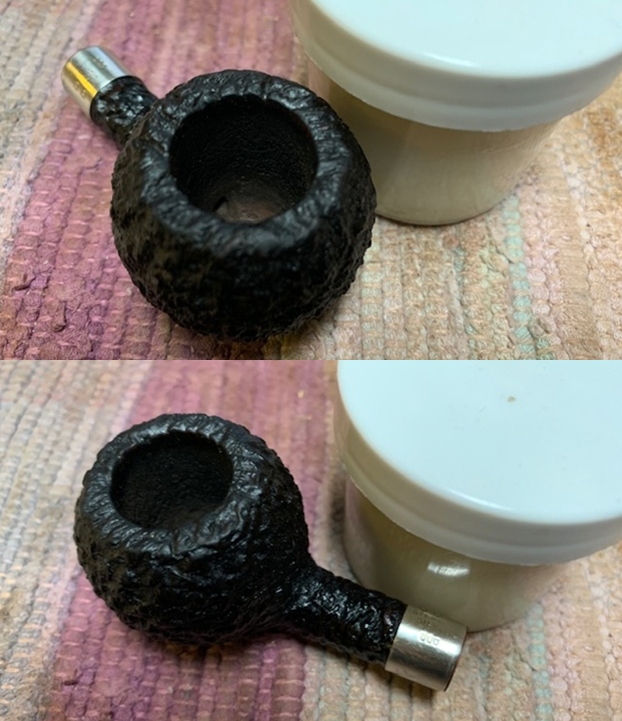
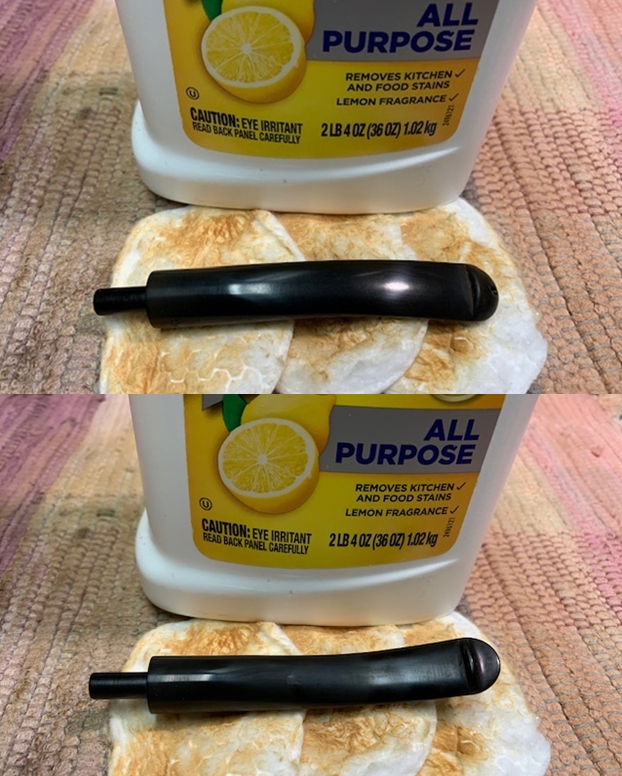
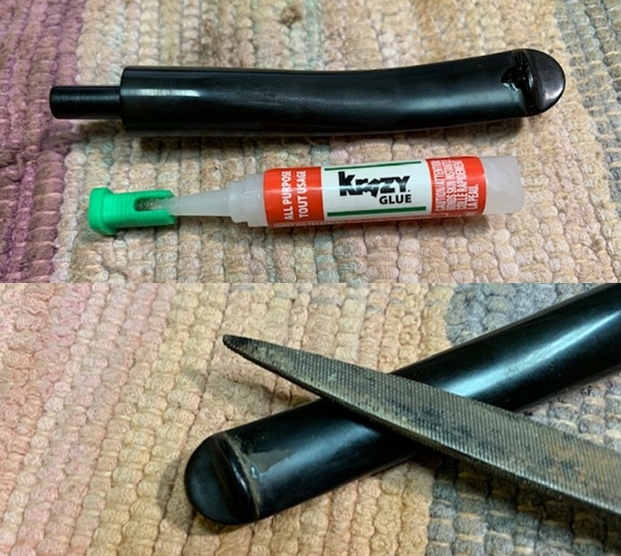
Jeff had done a great job cleaning up the pipe as usual. He reamed the pipe with a PipNet reamer and cut back the cake back to the bare briar. He cleaned up the walls with a Savinelli Fitsall Pipe Knife. He scrubbed the interior of the bowl and shank with pipe cleaners, cotton swabs and alcohol to remove the tars and oils. He scrubbed the exterior of the pipe with Murphy’s Oil Soap and a tooth brush to remove the grime from the finish. He worked on the rim top lava and darkening with the soap and tooth brush. He scrubbed the inside of the stem with alcohol and pipe cleaners. He scrubbed the exterior with Soft Scrub and then soaked it in Before & After Deoxidizer. He washed it off with warm water to remove the Deoxidizer. The pipe looked far better when it arrived.    I took some close up photos of the rim top and also of the stem surface. I wanted to show how well it had cleaned up. The rim top photo shows some damage on the back side of the rim top and inner edge. It should clean up really well. I also took close up photos of the stem to show the light tooth marks on the surface near the button. There was also some remaining oxidation.     I took a photo of the stamping on the underside of the shank. You can see that it is stamped as noted above. It is faint but readable.   I took the pipe apart and took a photo of the pipe. It is a good looking pipe and has a great sandblast on the bowl. I started my work on the pipe by cleaning up the damage on the back of the inner edge and rim top. I used a folded piece of 220 grit sandpaper to smooth out the damage. The rim top was smooth originally so that is what I worked with as I cleaned it up. I crowned the rim edge to eliminate the damage and blend it into the rest of the rim edge.  I polished the rim top with micromesh sanding pads – dry sanding with 1500-12000 grit sanding pads. I wiped down the briar between each pad to remove the sanding debris. I stained the rim top  with a Maple stain pen to blend it into the surrounding briar and to match the smooth panel on the underside of the shank.I worked some Before & After Restoration Balm into the surface of the briar with my fingertips and a horse hair shoe brush to clean, enliven and protect the briar. I let the balm sit for 15 minutes and then buffed with a cotton cloth to raise the shine. The photos show the bowl at this point in the restoration process.   I set the bowl aside and turned my attention to the stem. I scrubbed the stem with Soft Scrub All Purpose Cleaner to remove the oxidation on the surface of the vulcanite. It took a bit of scrubbing and I was able to remove the remaining oxidation.     I filled in the few tooth marks on both sides of the stem with clear super glue. Once the repairs cured I sanded the stem with 220 grit sandpaper to blend them into the rest of the stem. Then started the polishing with 400 grit wet dry sandpaper. I polished the stem with micromesh sanding pads – wet sanding with 1500-12000 grit sanding pads. I wiped it down after each sanding pad with Obsidian Oil. I polished it with Before & After Pipe Stem Polish – both Fine and Extra Fine.      I am excited to finish this Peterson’s Kapruf 86 Apple, Made in the Republic of Ireland. I put the pipe back together and buffed it with Blue Diamond on the buffing wheel. I gave the bowl multiple coats of Conservator’s Wax and the stem multiple coats of carnauba wax. I buffed the pipe with a clean buffing pad to raise the shine and hand buffed it with a microfibre cloth to deepen the shine. It is fun to see what the polished smooth rim top and the sandblast bowl looks like with the black vulcanite taper stem. This Classic looking Peterson’s Kapruf Sandblast Apple feels great in my hand. It is light and well balanced. Have a look at it with the photos below. The dimensions are Length: 5 ½ inches, Height: 1 ½ inches, Outside diameter of the bowl: 1 ¼  inches, Chamber diameter: ¾ of an inch. The weight of the pipe is 28grams/.99oz. It is a beautiful pipe and one that will be on the Irish Pipe Makers section of the rebornpipes store soon. If you are interested in adding it to your collection let me know. Thanks for walking through the restoration with me as I worked over this pipe. Thanks to each of you who are reading this blog.

Rebirthing a Lovely Peterson’s Kapruf  86 Made in Ireland Apple


Blog by Steve Laug

Today is an interesting day for me to work on pipes. It is Christmas Eve and last night somehow I sprained my wrist. So I am slowed down a bit by a wrist brace but I have not stopped. The next pipe I have chosen is a Peterson’s Sandblast Apple. It was another very dirty pipe. It is another one that came to us from the same estate of Anglican minister that was a great friend of mine here in Canada. The grime was ground into the grooves of the sandblast finish on the bowl sides. The contrast of the brown stains gave the blast a sense of depth. It was stamped on the flat underside of the shank and read Peterson’s [over] Kapruf. To the left of that on the heel was the shape number 86. To the right of the Kapruf stamp it read Made in Ireland. This pipe must have been a favourite as it had been well smoked. There was a moderate cake in the bowl a light overflow of lava and darkening on the thin rim top. The edge of the bowl looked to be in good condition with some nicks on the inner edge. The stem was oxidized, calcified and had light tooth marks and chatter on the top and underside on and near the button. Jeff took photos of the pipe before his cleanup work. They tell the story and give a glimpse of the promise that we see in this pipe.   Jeff took photos of the rim top and stem to show the general condition of the pipe. The bowl is moderately caked and the rim top and edges have a lava overflow obscuring the sandblast and inner edge. The photos of the stem show that it was oxidized, calcified and has light tooth marks on the top and underside near the button. Jeff took a photo of the bowl sides and heel to show the grain that was around this bowl. It is a nice looking pipe.       He took photos of the stamping on the underside of the shank. It is clear and readable and reads as noted above.    I turned to “The Peterson Pipe” by Mark Irwin and Gary Malmberg to get some background on the Aran line. On page 306 it had the following information.

Kapruf amd “Kapruf” (c.1922-87) Sandblast (hence the name, Kapp-rough) P-lip or fishtail mouthpiece, in catalogs from 1940-87. Early documented specimens stamped IRISH over FREE STATE, no Eire specimens documented. Mid-century specimens may be stamped LONDON MADE [over] ENGLAND or MADE IN ENGLAND forming a circle or MADE IN [over] IRELAND, all dating no later than 1970. Those of recent vintage stamped MADE IN THE[over] REPUBLIC [over]OF IRELAND.

I knew that I was dealing with a KAPRUF made before 1970 as it is stamped MADE IN IRELAND as noted above. That fit with the majority of his pipes so I was clear what I was working on. Now it was time to work on the pipe.

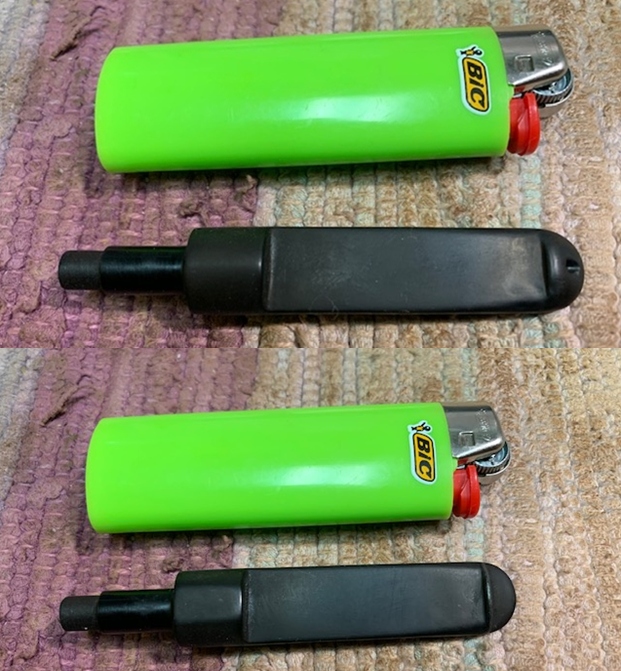
Jeff had done a great job cleaning up the pipe as usual. He reamed the pipe with a PipNet reamer and cut back the cake back to the bare briar. He cleaned up the walls with a Savinelli Fitsall Pipe Knife. He scrubbed the interior of the bowl and shank with pipe cleaners, cotton swabs and alcohol to remove the tars and oils. He scrubbed the exterior of the pipe with Murphy’s Oil Soap and a tooth brush to remove the grime from the finish. He worked on the rim top lava and darkening with the soap and tooth brush. He scrubbed the inside of the stem with alcohol and pipe cleaners. He scrubbed the exterior with Soft Scrub and then soaked it in Before & After Deoxidizer. He washed it off with warm water to remove the deoxidizer. The pipe looked far better when it arrived. I took some close up photos of the rim top and also of the stem surface. I wanted to show how well it had cleaned up. The rim top photo shows some damage on the back side of the rim top and inner edge. It should clean up really well. I also took close up photos of the stem to show the light tooth marks on the surface near the button. There was also some remaining oxidation.  I took photos of the stamping on the underside of the shank. You can see that it is stamped as noted above. It is faint but readable.   I took the pipe apart and took a photo of the pipe. It is a good looking pipe and has a great sandblast on the bowl. I started my work on the pipe by cleaning up the damage on the back of the inner edge and rim top. I used a folded piece of 220 grit sandpaper to smooth out the damage. I gave the rim edge a slight bevel to take care of the damage and blend it into the rest of the rim edge.  I scrubbed the rim top with a brass bristle brush to remove the debris remaining in the finish.  I worked some Before & After Restoration Balm into the surface of the briar with my fingertips to clean, enliven and protect the briar. I let the balm sit for 15 minutes and then buffed with a cotton cloth to raise the shine. The photos show the bowl at this point in the restoration process.   I set the bowl aside and turned my attention to the stem. I scrubbed the stem with Soft Scrub All Purpose Cleaner to remove the oxidation on the surface of the vulcanite. It took a bit of scrubbing and I was able to remove the remaining oxidation.  I “painted” the surface of the stem with the flame of a lighter to life the tooth marks on the surface of the vulcanite. I was able to lift most of them. I filled in the few remaining marks on both sides of the stem with clear super glue. Once the repairs cured I sanded the stem with 220 grit sandpaper to blend them into the rest of the stem. Then started the polishing with 400 grit wet dry sandpaper.  I polished the stem with micromesh sanding pads – wet sanding with 1500-12000 grit sanding pads. I wiped it down after each sanding pad with Obsidian Oil. I polished it with Before & After Pipe Stem Polish – both Fine and Extra Fine.    I am excited to finish this Peterson’s Kapruf 86 Apple, Made In Ireland. I put the pipe back together and buffed it with Blue Diamond on the buffing wheel. I gave the bowl multiple coats of Conservator’s Wax and the stem multiple coats of carnauba wax. I buffed the pipe with a clean buffing pad to raise the shine and hand buffed it with a microfibre cloth to deepen the shine. It is fun to see what the polished bowl looks like with the black vulcanite saddle stem. This Classic looking Peterson’s Kapruf Sandblast Apple feels great in my hand. It is light and well balanced. Have a look at it with the photos below. The dimensions are Length: 5 ½ inches, Height: 1 5/8 inches, Outside diameter of the bowl: 1 ¼  inches, Chamber diameter: ¾ of an inch. The weight of the pipe is 31grams/1.09oz. It is a beautiful pipe and one that will be on the Irish Pipe Makers section of the rebornpipes store soon. If you are interested in adding it to your collection let me know. Thanks for walking through the restoration with me as I worked over this pipe. Thanks to each of you who are reading this blog.

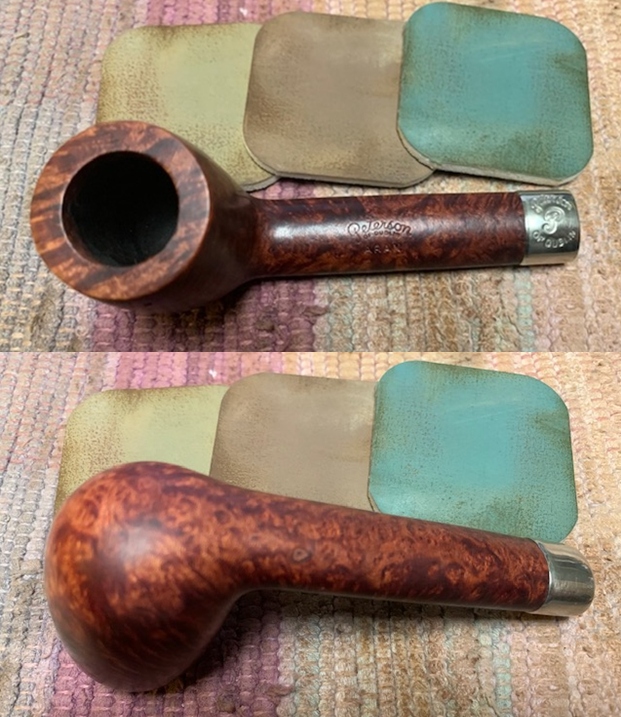
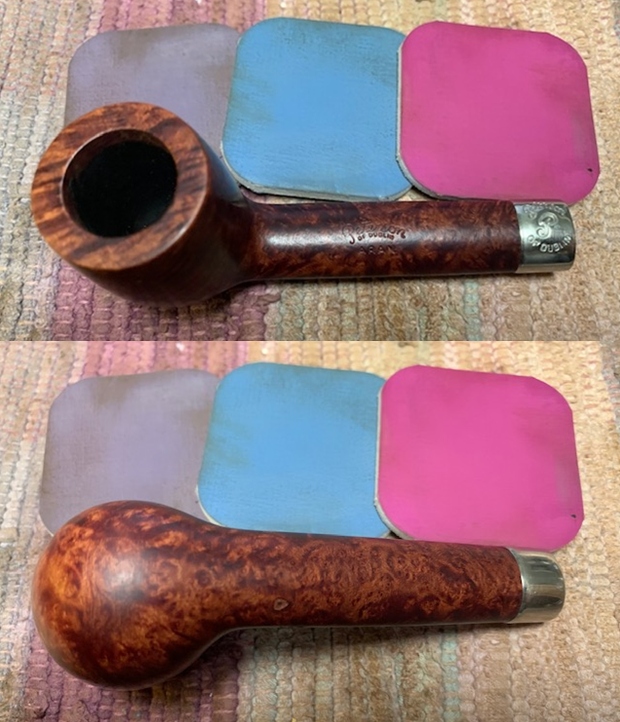
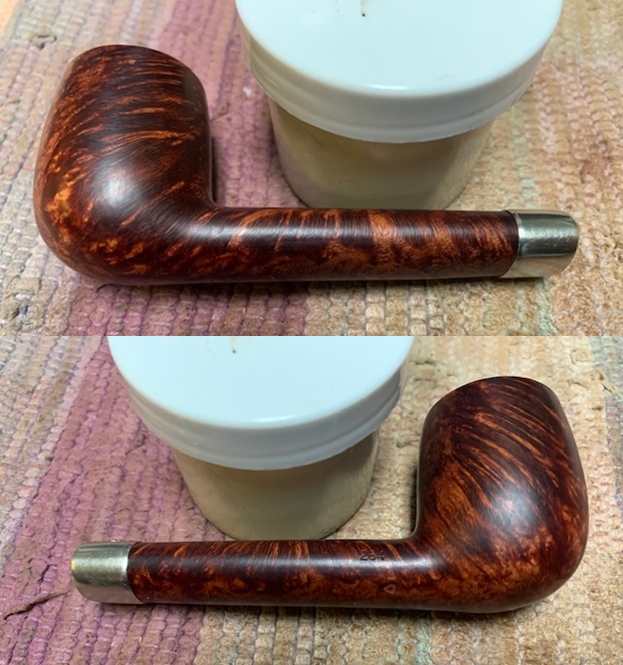
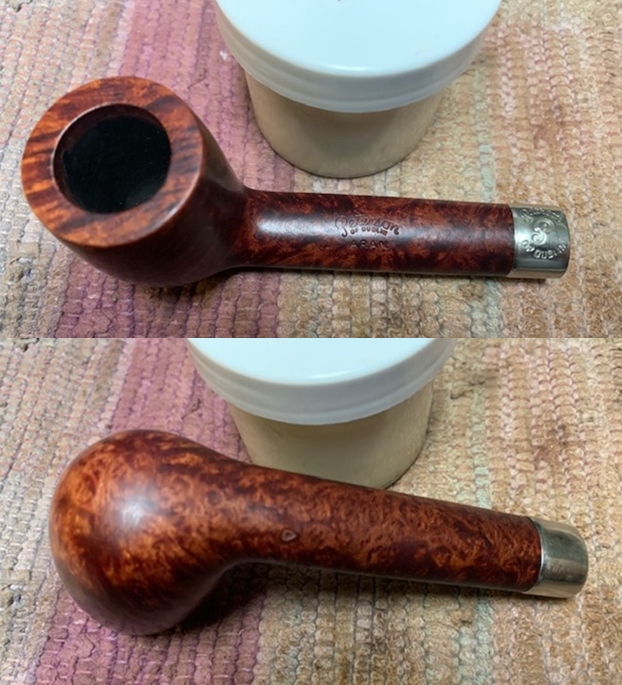
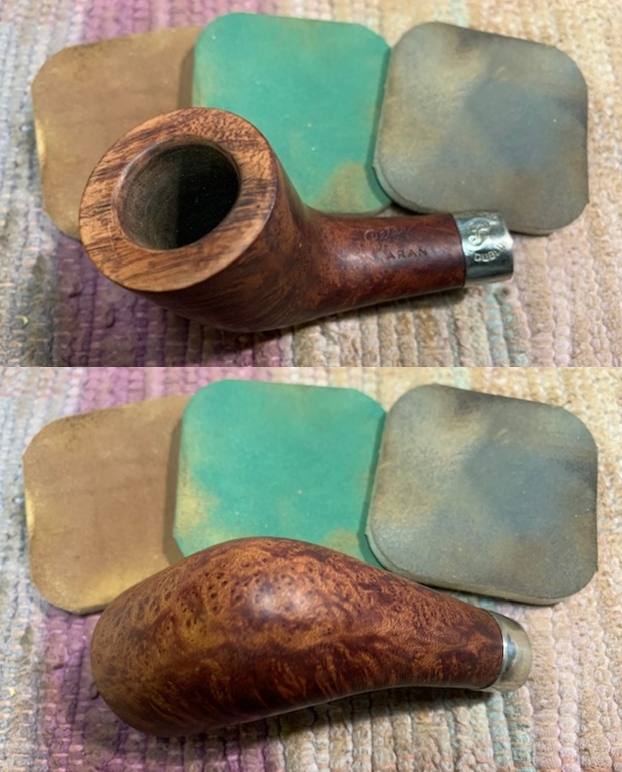
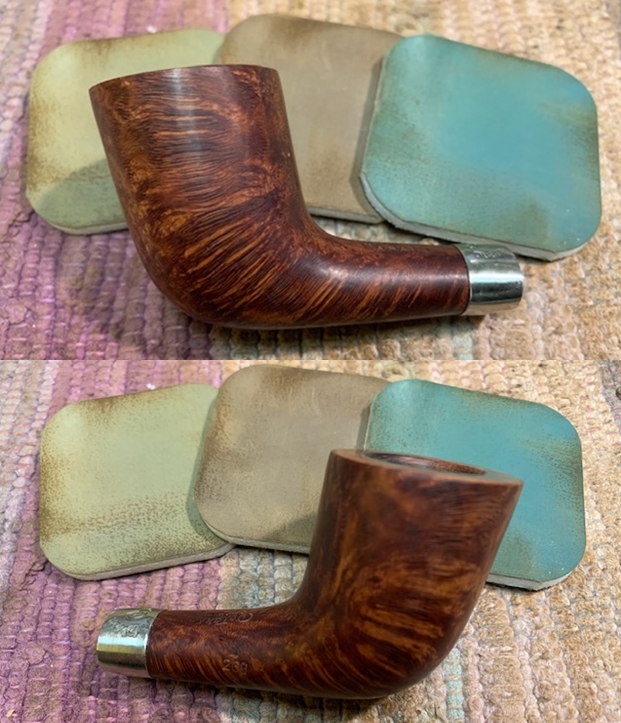
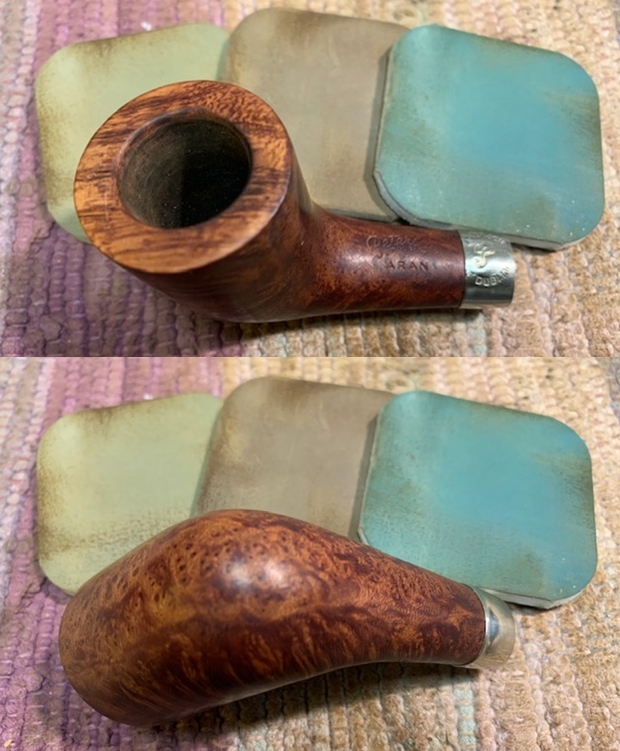
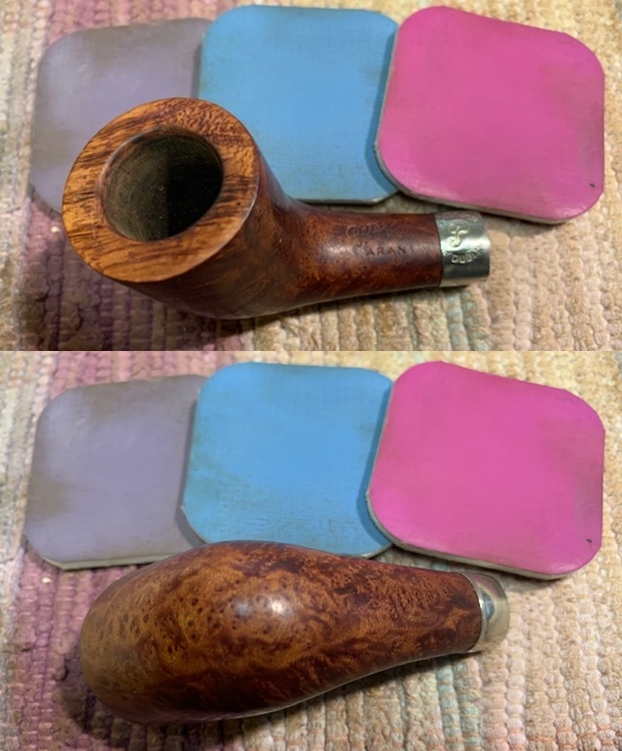
Rebirthing a Lovely Peterson’s Aran 264 Canadian


Blog by Steve Laug

The next pipe I have chosen is another smooth Peterson’s Canadian. It was also incredibly dirty. It came to us from the same estate of Anglican minister that was a great friend of mine here in Canada. I was in the airport in Hong Kong when his daughter contacted me to tell me of his death and asked if I wanted to take on his pipes. I told her that I was sad to hear of his death but would gladly take on his pipes to restore and sell.

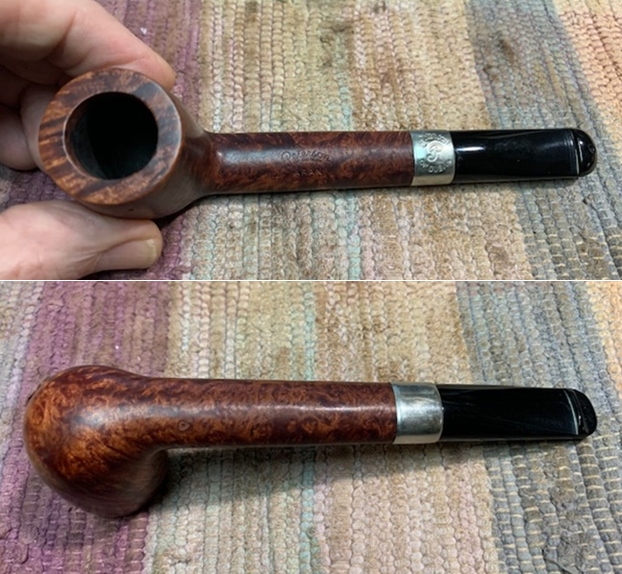
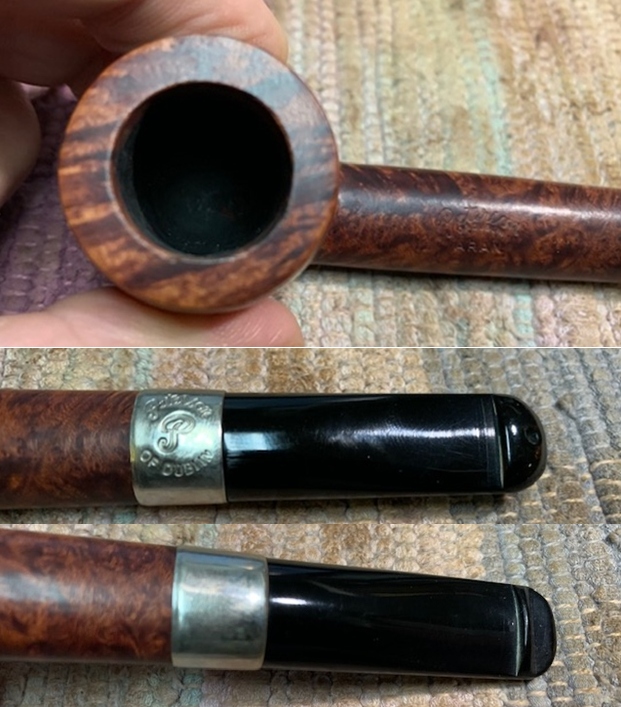
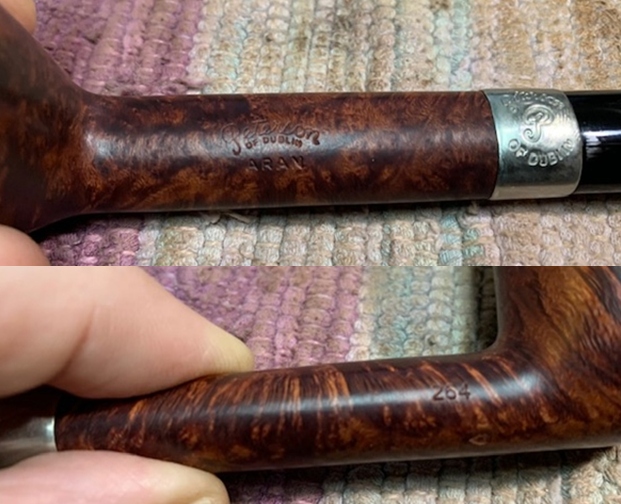
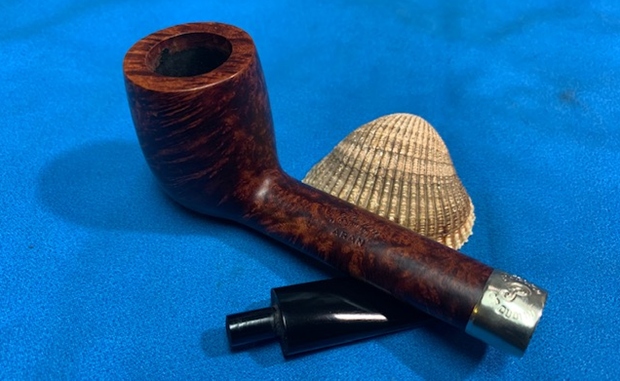
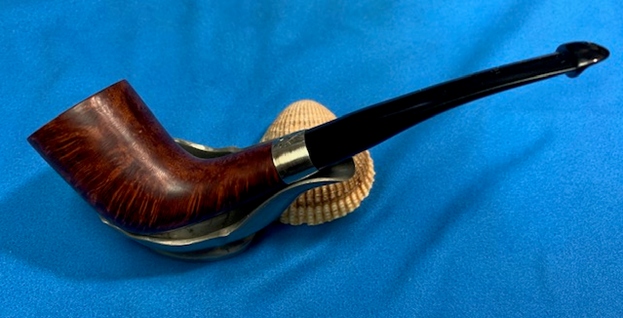
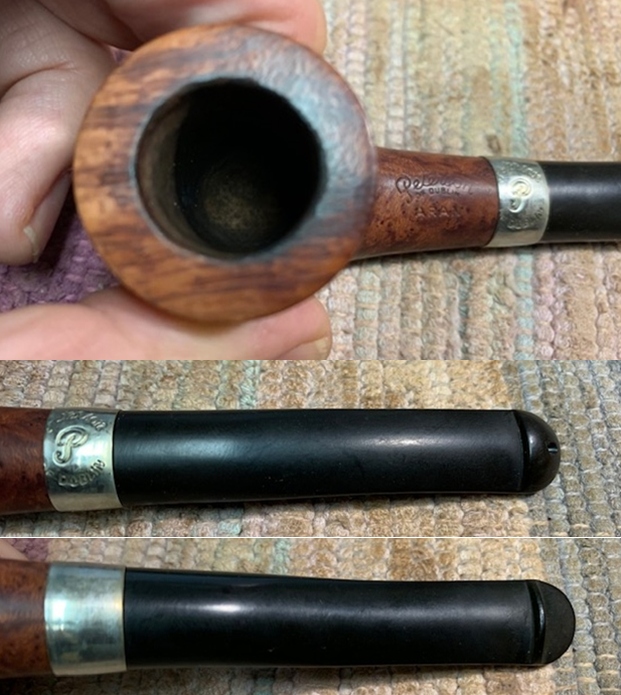
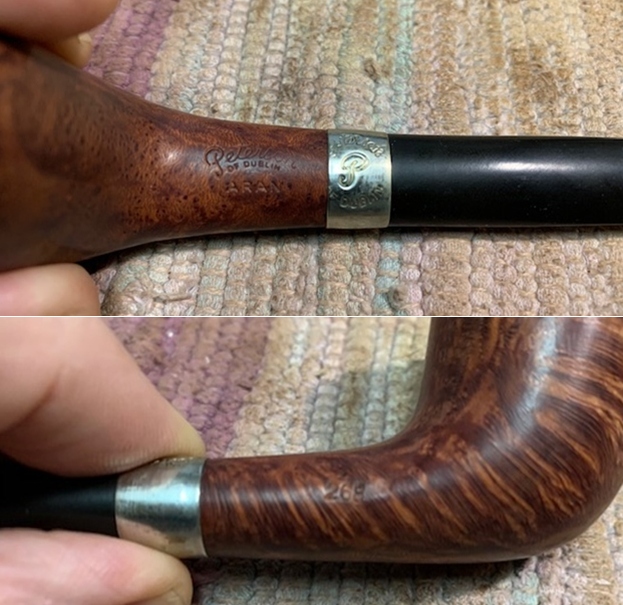
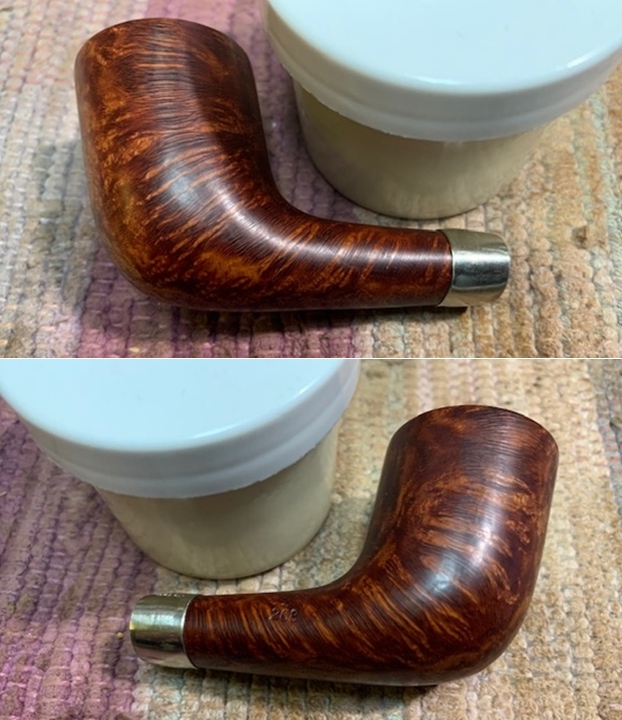
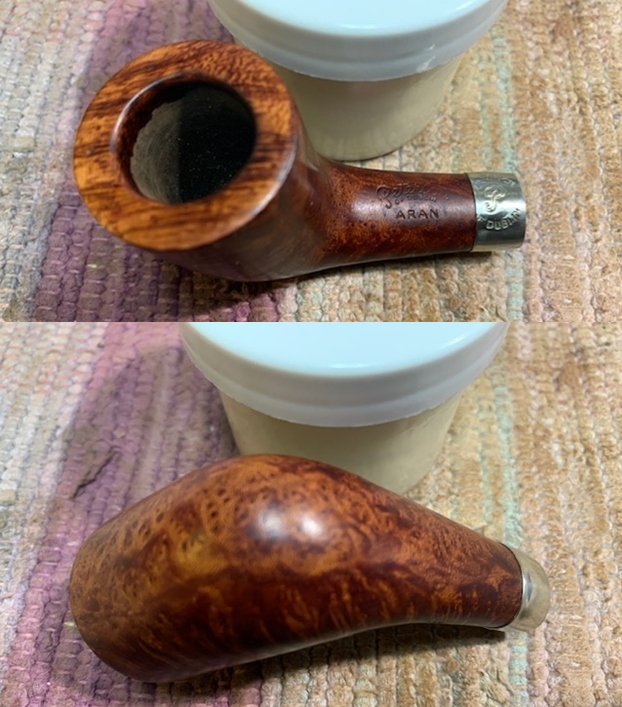
This Canadian came with a nice nickel band on the shank end that was factory fitted to the stamping on the shank. The grime was ground into the finish on the bowl sides. The contrast of the brown stains gave the grain a sense of depth. It was stamped on the topside of the shank and read Peterson’s [over] of Dublin [over] Aran. The right side had the shape number 264 stamped mid shank. The nickel band was stamped Peterson [over] a stylized P [over] Of Dublin. There was a moderate cake in the bowl but no overflow of lava on the rim top. The stem was lightly oxidized and had light tooth marks, chatter and scratches on the top and underside on and near the button. Jeff took photos of the pipe before his cleanup work. They tell the story and give a glimpse of the promise that we see in this pipe. Jeff took photos of the rim top and stem to show the general condition of the pipe. The bowl is moderately caked and the rim top and edges have a thick lava overflow. The photos of the stem show that it was oxidized and has light tooth marks on the top and underside near the button. Jeff took a photo of the bowl sides and heel to show the grain that was around this bowl. It is a nice looking pipe.      He took photos of the stamping on the sides of the shank. It is clear and readable and reads as noted above. The photo of the band shows how it was stamped on the nickel – centered and clean.   I turned to “The Peterson Pipe” by Mark Irwin and Gary Malmberg to get some background on the Aran line. On page 294 it had the following information.

Aran (1965-) First issue of line described as “handhewn” (rusticated) with black semi-matte finish, in P-lip and fishtail mouthpiece. Second issue 1975, red sandblast, XL shapes. Third issue circa ’97, gold hot-foil P stamped on the mouthpiece, brown semi-matte smooth finish, no band. Fourth issue after 2010, with nickel band, no P stamped on the mouthpiece. Mounted and unmounted versions are available concurrently.

I knew that I was dealing with an Aran from the Fourth Issue of the Aran line that came out after 2010 because of the nickel band and unstamped stem. As such it was one of my friend’s newer pipes. Now it was time to work on the pipe.

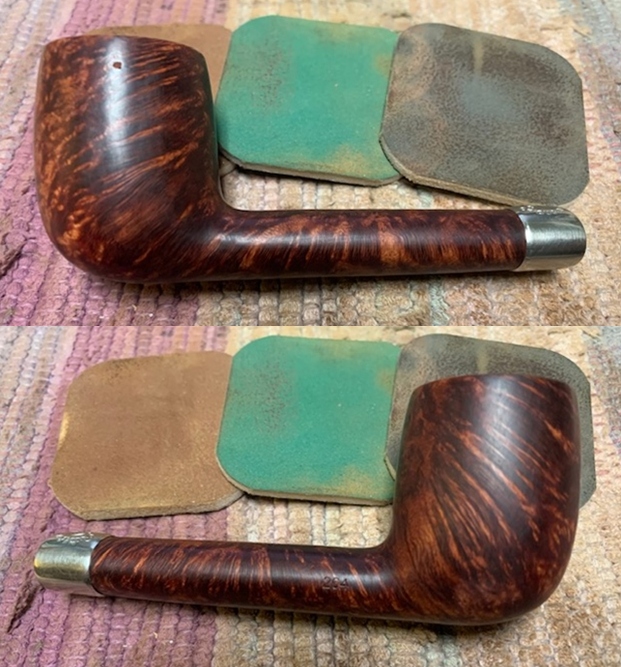
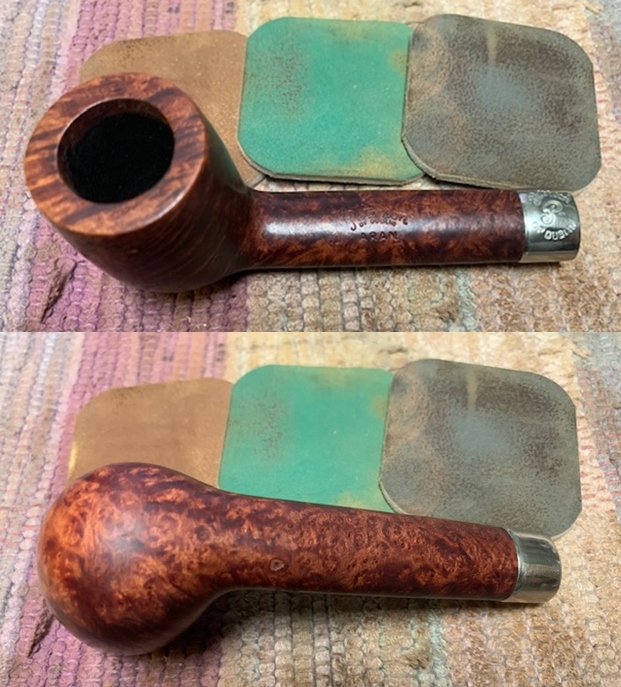
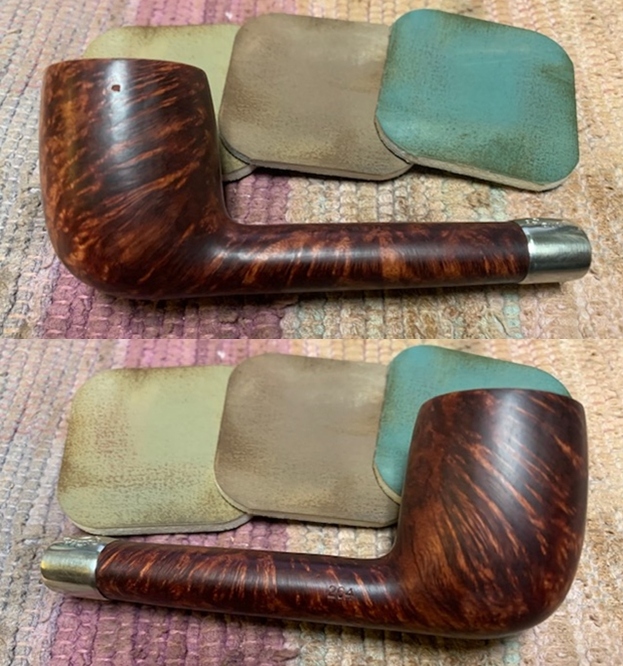
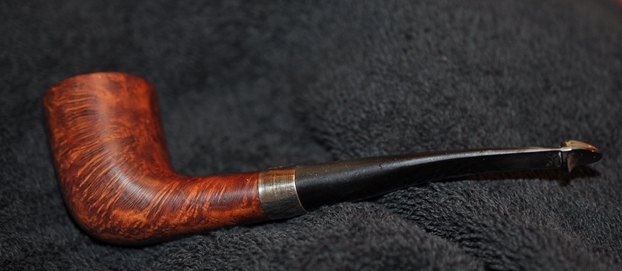
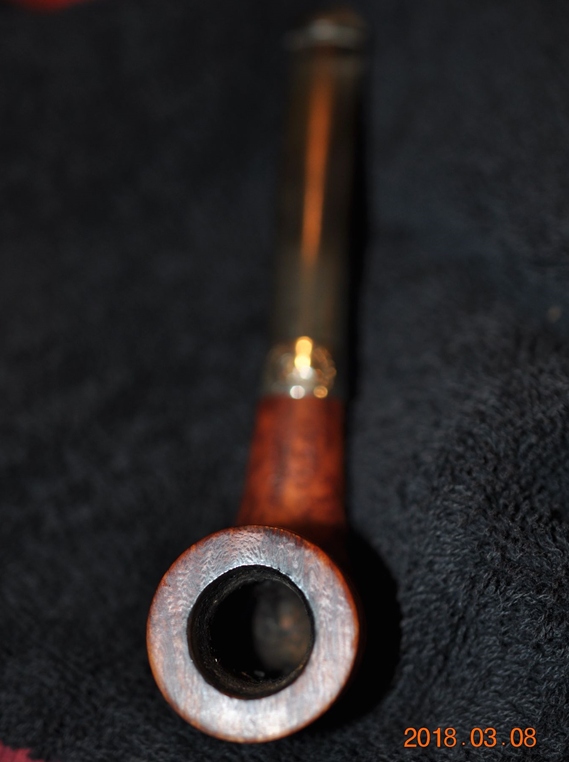
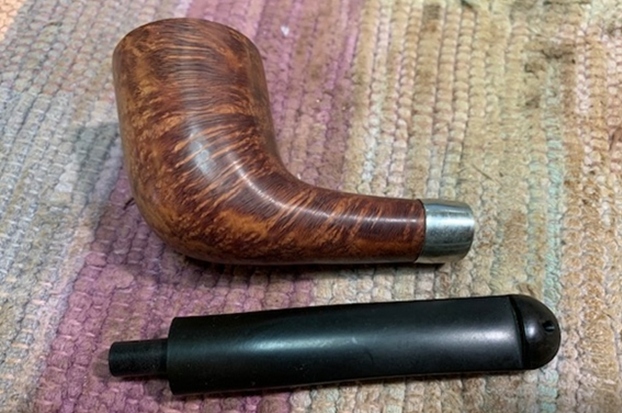
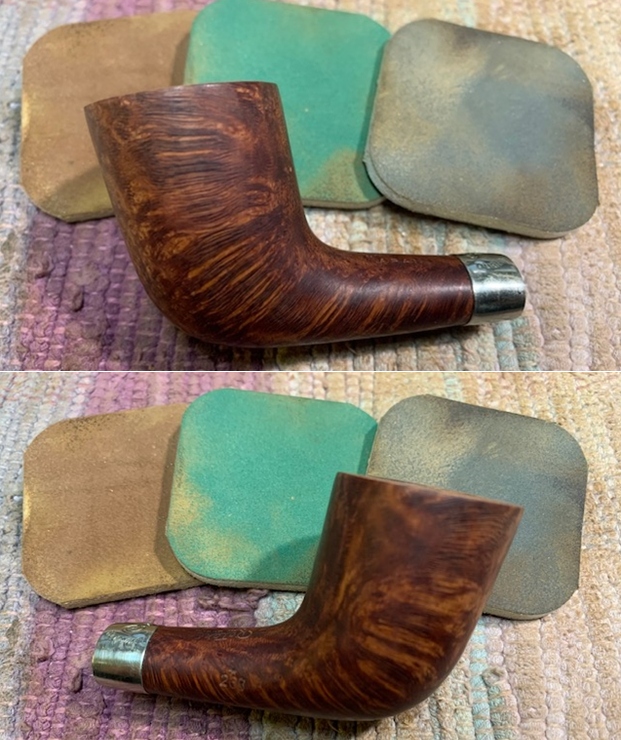
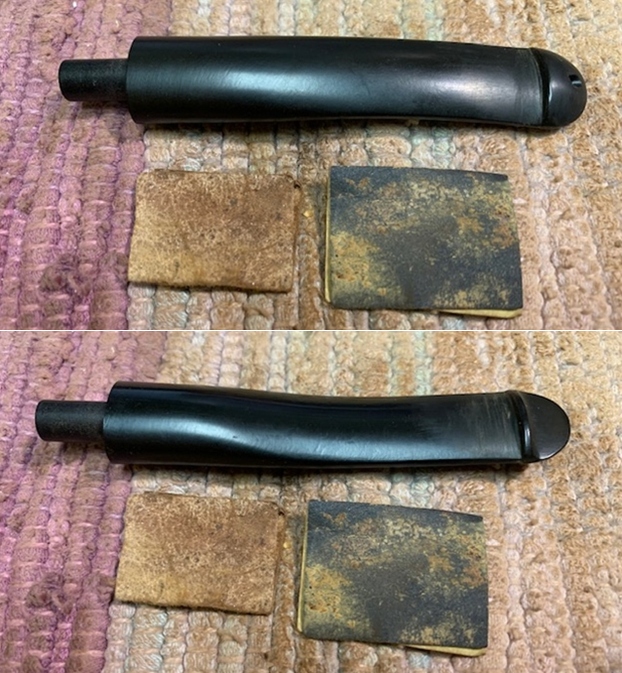
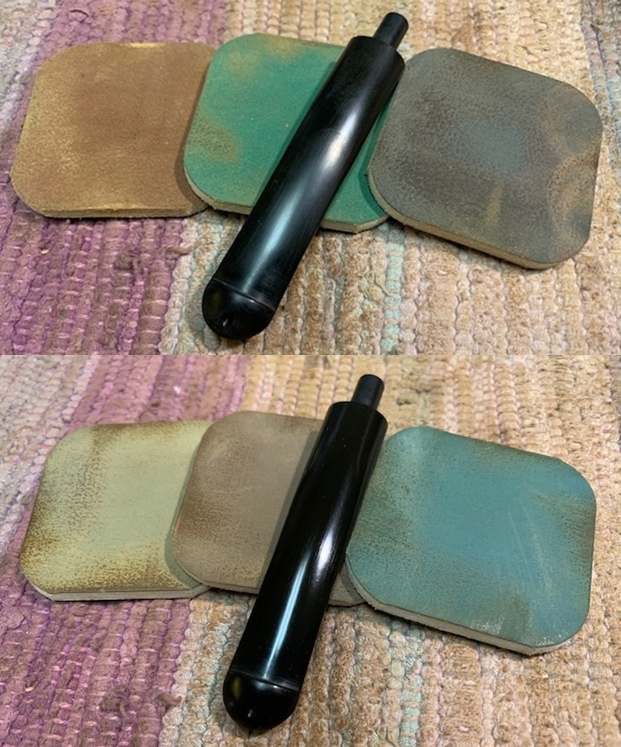
Jeff had done a great job cleaning up the pipe as usual. He reamed the pipe with a PipNet reamer and cut back the cake back to the bare briar. He cleaned up the walls with a Savinelli Fitsall Pipe Knife. He scrubbed the interior of the bowl and shank with pipe cleaners, cotton swabs and alcohol to remove the tars and oils. He scrubbed the exterior of the pipe with Murphy’s Oil Soap and a tooth brush to remove the grime from the finish. He worked on the rim top lava and darkening with the soap and tooth brush. He scrubbed the inside of the stem with alcohol and pipe cleaners. He scrubbed the exterior with Soft Scrub and then soaked it in Before & After Deoxidizer. He washed it off with warm water to remove the Deoxidizer. The pipe looked far better when it arrived.    I took some close up photos of the rim top and also of the stem surface. I wanted to show how well it had cleaned up. The rim top photo looks very good. I also took close up photos of the stem to show the light tooth marks and scratching on the surface near the button.    I took photos of the stamping on the top and right side of the shank. You can see that it is stamped as noted above. It is clear and readable.      I took the pipe apart and took a photo of the pipe. It is a good looking pipe and has some great cross grain on the sides of the bowl. I polished the briar bowl and shank with micromesh sanding pads. I dry sanded it with 1500-12000 grit pads and wiped it down with a damp cloth after each pad.     I worked some Before & After Restoration Balm into the surface of the briar with my fingertips to clean, enliven and protect the briar. I let the balm sit for 15 minutes and then buffed with a cotton cloth to raise the shine. The photos show the bowl at this point in the restoration process. I set the bowl aside and turned my attention to the stem. I sanded out some tooth marks on the underside of the stem with 220 grit sandpaper. I started the polishing with 400 grit wet dry sandpaper. I wiped it down with some Obsidian Oil.    I polished the stem with micromesh sanding pads – wet sanding with 1500-12000 grit sanding pads. I wiped it down after each sanding pad with Obsidian Oil. I polished it with Before & After Pipe Stem Polish – both Fine and Extra Fine.   I am excited to finish this Peterson’s Aran 264 Canadian. I put the pipe back together and buffed it with Blue Diamond on the buffing wheel. I gave the bowl and stem multiple coats of carnauba wax. I hand buffed the pipe with a clean buffing pad to raise the shine and hand buffed it with a microfibre cloth to deepen the shine. It is fun to see what the polished bowl looks like with the polished nickel band and the black vulcanite stem. This Classic looking Peterson’s Aran Canadian feels great in my hand. It is light and well balanced. Have a look at it with the photos below. The dimensions are Length: 6 inches, Height: 1 ¾ inches, Outside diameter of the bowl: 1 ¼  inches, Chamber diameter: ¾ of an inch. The weight of the pipe is 39grams/1.38oz. It is a beautiful pipe and one that will be on the Irish Pipe Makers section of the rebornpipes store soon. If you are interested in adding it to your collection let me know. Thanks for walking through the restoration with me as I worked over this pipe. Thanks to each of you who are reading this blog.

Rebirthing a Lovely Peterson’s Aran 268 Zulu


Blog by Steve Laug

The next pipe I have chosen is smooth Peterson’s Zulu. It was also incredibly dirty. It came to us from the same estate of Anglican minister that was a great friend of mine here in Canada. I was in the airport in Hong Kong when his daughter contacted me to tell me of his death and asked if I wanted to take on his pipes. I told her that I was sad to hear of his death but would gladly take on his pipes to restore and sell.

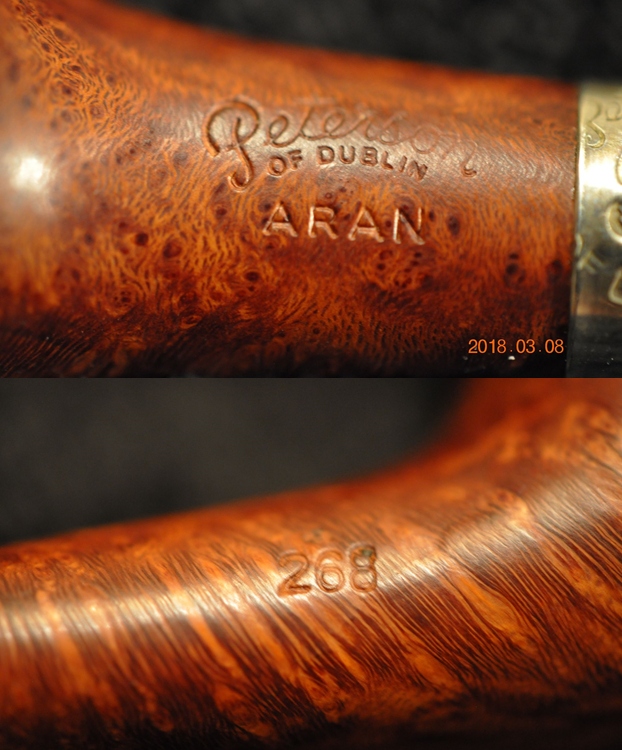
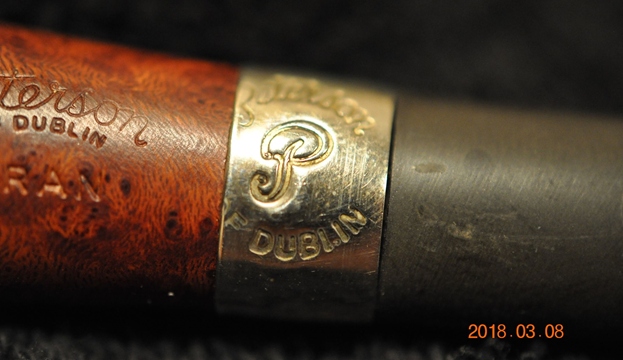
This Zulu came with a nice nickel band on the shank end that was factory fitted to the stamping on the shank. The grime was ground into the finish on the bowl sides. The contrast of the brown stains gave the grain a sense of depth. It was stamped on the topside of the shank and read Peterson’s [over] of Dublin [over] Aran. The right side had the shape number 268 stamped mid shank. The nickel band was stamped Peterson [over] a stylized P [over] Of Dublin. There was a thick cake in the bowl a light overflow of lava on the rim top. The bowl was slightly out of round on the inner edge. The stem was oxidized, calcified and had light tooth marks and chatter on the top and underside on and near the button. Jeff took photos of the pipe before his cleanup work. They tell the story and give a glimpse of the promise that we see in this pipe. Jeff took photos of the rim top and stem to show the general condition of the pipe. The bowl is moderately caked and the rim top and edges have a thick lava overflow. The photos of the stem show that it was oxidized, calcified and has light tooth marks on the top and underside near the button.    Jeff took a photo of the bowl sides and heel to show the grain that was around this bowl. It is a nice looking pipe.  
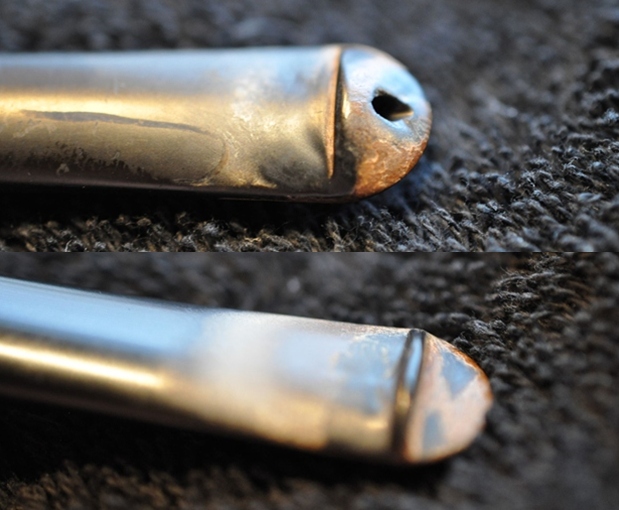
He took photos of the stamping on the sides of the shank. It is clear and readable and reads as noted above. The photo of the band shows how it was stamped on the nickel and how part of the “P” of Petersons and the “O” from OF is cut off. I turned to “The Peterson Pipe” by Mark Irwin and Gary Malmberg to get some background on the Aran line. On page 294 it had the following information.
Aran (1965-) First issue of line described as “handhewn” (rusticated) with black semi-matte finish, in P-lip and fishtail mouthpiece. Second issue 1975, red sandblast, XL shapes. Third issue circa ’97, gold hot-foil P stamped on the mouthpiece, brown semi-matte smooth finish, no band. Fourth issue after 2010, with nickel band, no P stamped on the mouthpiece. Mounted and unmounted versions are available concurrently.

I knew that I was dealing with an Aran from the Fourth Issue of the Aran line that came out after 2010 because of the nickel band and unstamped stem. As such it was one of my friend’s newer pipes. Now it was time to work on the pipe.

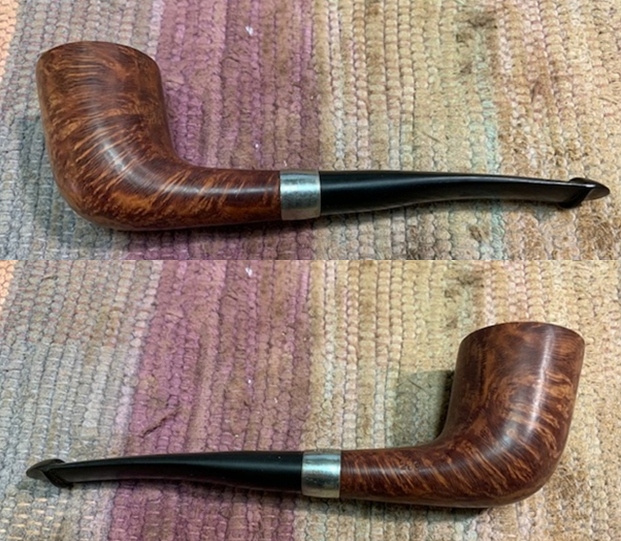
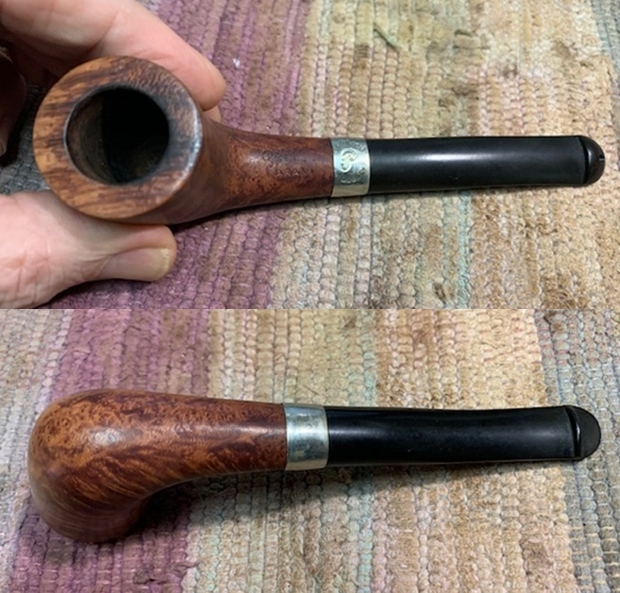
Jeff had done a great job cleaning up the pipe as usual. He reamed the pipe with a PipNet reamer and cut back the cake back to the bare briar. He cleaned up the walls with a Savinelli Fitsall Pipe Knife. He scrubbed the interior of the bowl and shank with pipe cleaners, cotton swabs and alcohol to remove the tars and oils. He scrubbed the exterior of the pipe with Murphy’s Oil Soap and a tooth brush to remove the grime from the finish. He worked on the rim top lava and darkening with the soap and tooth brush. He scrubbed the inside of the stem with alcohol and pipe cleaners. He scrubbed the exterior with Soft Scrub and then soaked it in Before & After Deoxidizer. He washed it off with warm water to remove the deoxidizer. The pipe looked far better when it arrived.    I took some close up photos of the rim top and also of the stem surface. I wanted to show how well it had cleaned up. The rim top photo shows some damage on the back side of the rim top and inner edge. It should clean up really well. I also took close up photos of the stem to show the light tooth marks on the surface near the button. I took photos of the stamping on the top and right side of the shank. You can see that it is stamped as noted above. It is clear and readable.     I took the pipe apart and took a photo of the pipe. It is a good looking pipe and has some great cross grain on the sides of the bowl. I started my work on the pipe by cleaning up the damage on the back of the inner edge and rim top. I used a folded piece of 220 grit sandpaper to smooth out the damage. I gave the rim edge a slight bevel to take care of the damage and blend it into the rest of the rim edge.    I polished the briar bowl and shank with micromesh sanding pads. I dry sanded it with 1500-12000 grit pads and wiped it down with a damp cloth after each pad.  I worked some Before & After Restoration Balm into the surface of the briar with my fingertips to clean, enliven and protect the briar. I let the balm sit for 15 minutes and then buffed with a cotton cloth to raise the shine. The photos show the bowl at this point in the restoration process.   I set the bowl aside and turned my attention to the stem. I rebuilt area around the air hole in the top of the button with clear super glue. Once the repair cured I sanded out the repair to blend it into the surface of the surrounding area on the P-lip. I started polishing the stem with 400 grit wet dry sandpaper. I wiped it down with some Obsidian Oil.    I polished the stem with micromesh sanding pads – wet sanding with 1500-12000 grit sanding pads. I wiped it down after each sanding pad with Obsidian Oil. I polished it with Before & After Pipe Stem Polish – both Fine and Extra Fine.   I am excited to finish this Peterson’s Aran 268 Zulu. I put the pipe back together and buffed it with Blue Diamond on the buffing wheel. I gave the bowl and stem multiple coats of carnauba wax. I hand buffed the pipe with a clean buffing pad to raise the shine and hand buffed it with a microfibre cloth to deepen the shine. It is fun to see what the polished bowl looks like with the polished nickel band and the black vulcanite stem. This Classic looking Peterson’s Aran Zulu feels great in my hand. It is light and well balanced. Have a look at it with the photos below. The dimensions are Length: 5 ¾ inches, Height: 1 ¾ inches, Outside diameter of the bowl: 1 ¼  inches, Chamber diameter: ¾ of an inch. The weight of the pipe is 34grams/1.20oz. It is a beautiful pipe and one that will be on the Irish Pipe Makers section of the rebornpipes store soon. If you are interested in adding it to your collection let me know. Thanks for walking through the restoration with me as I worked over this pipe. Thanks to each of you who are reading this blog.

The Sandblast on this No Name Hand Made in Denmark Freehand is Incredible


Blog by Steve Laug

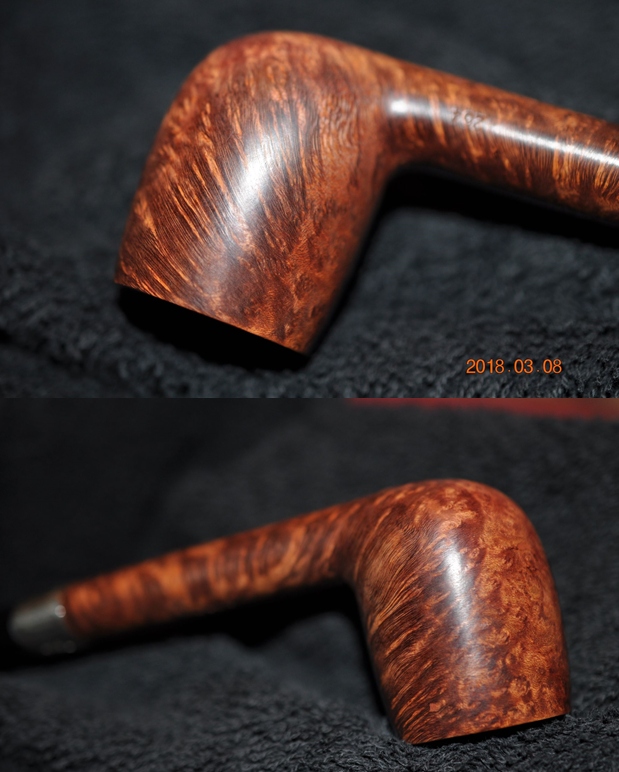
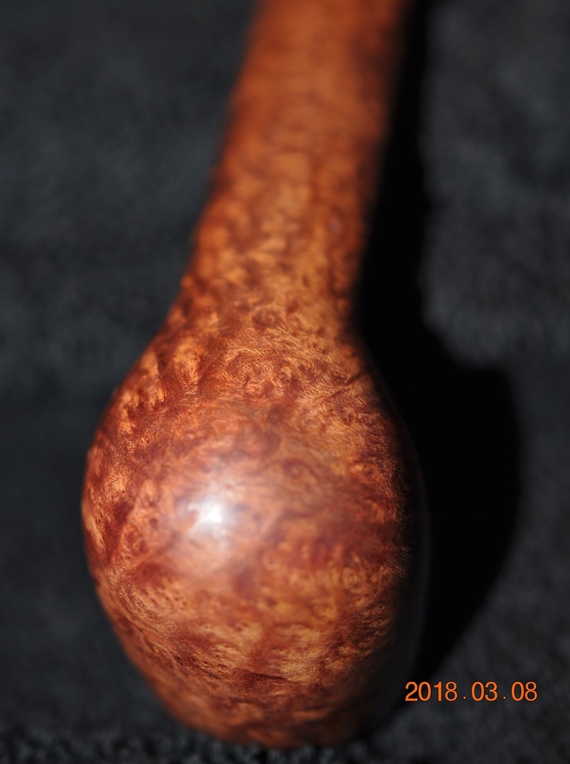
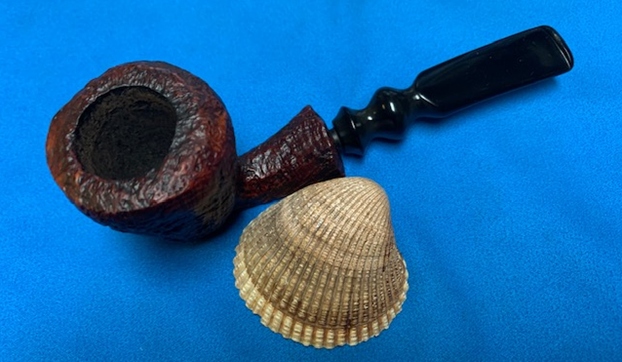
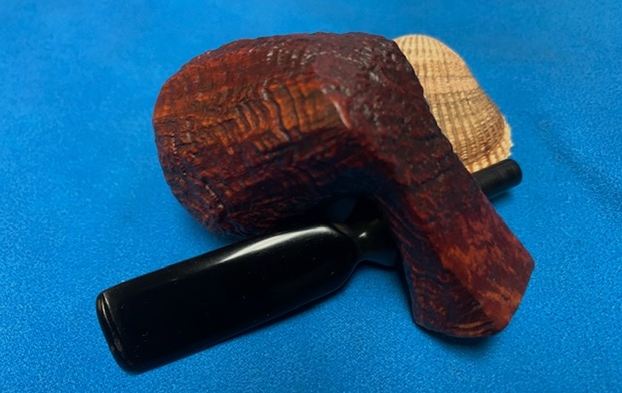
The next pipe I have chosen is one that neither Jeff nor I remember picking up. It could have come to us through a trade for work on a pipe or it could have come from one of an earlier pipe hunts that either Jeff or I did. Either way, the long and short of it is that this is another pipe that we have no idea how it came into our hands. It is stamped on the underside of the shank and reads Hand Made [over] In [over] Denmark. There is no other stamping on the pipe so it is a bit of a mystery. It is a Freehand that reminds me of several of the Preben Holm pipes that I have worked on lately – the shape, the sandblast and the stamp all signal that to me. It was a nice pipe that showed some extraordinary grain in the sandblast.

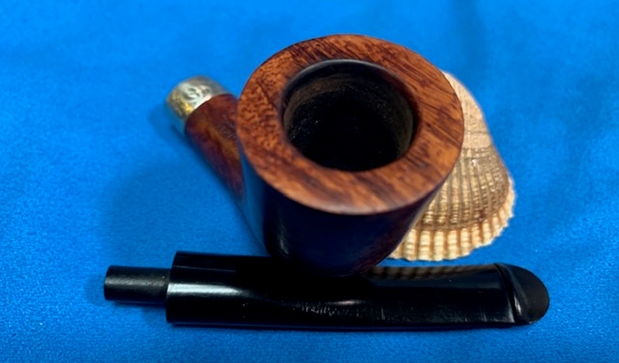
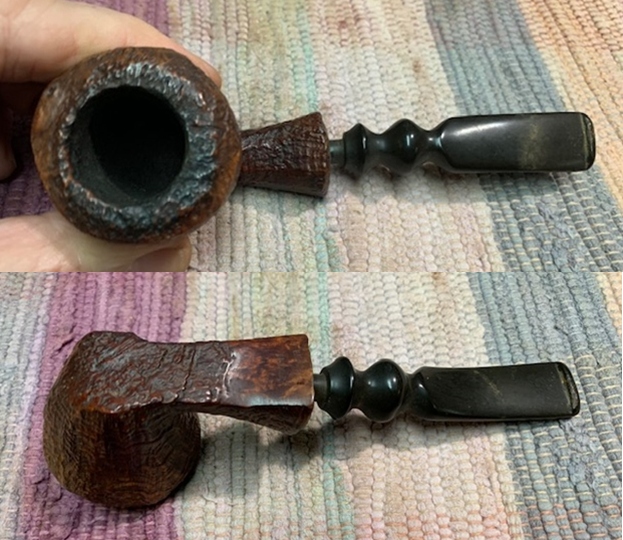
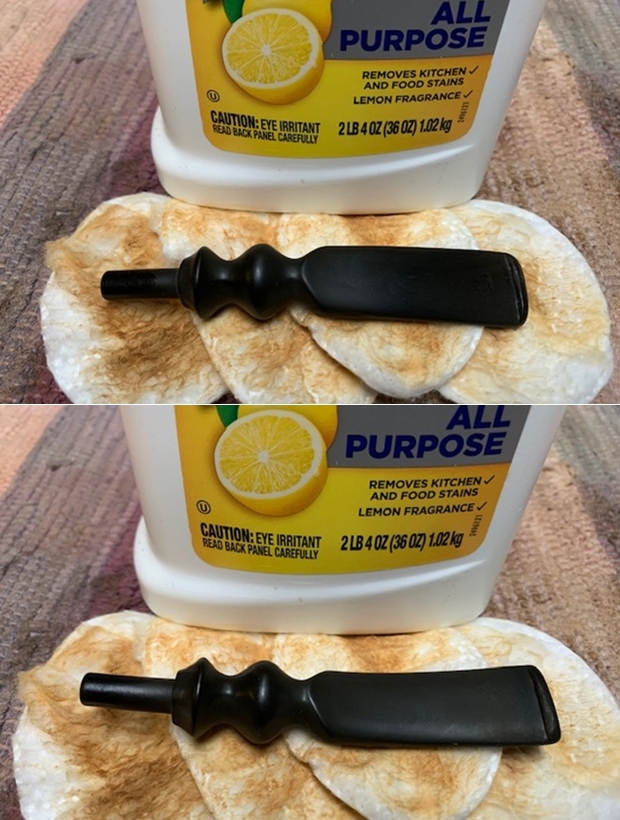
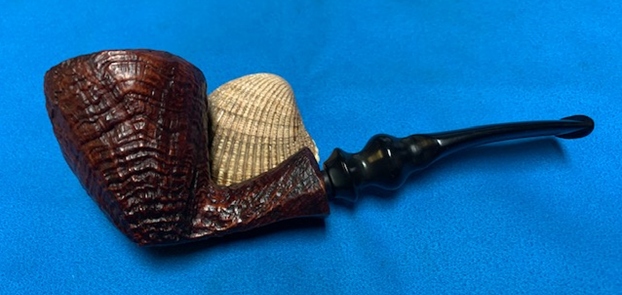
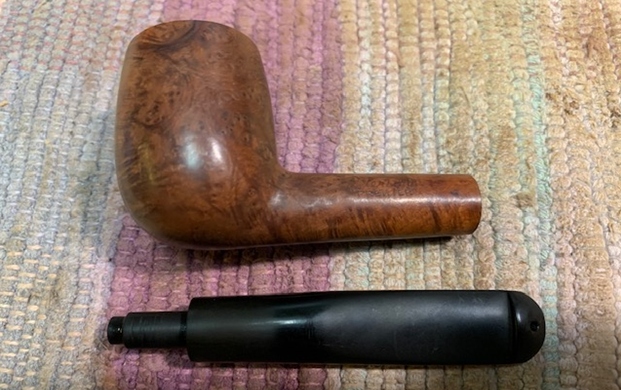
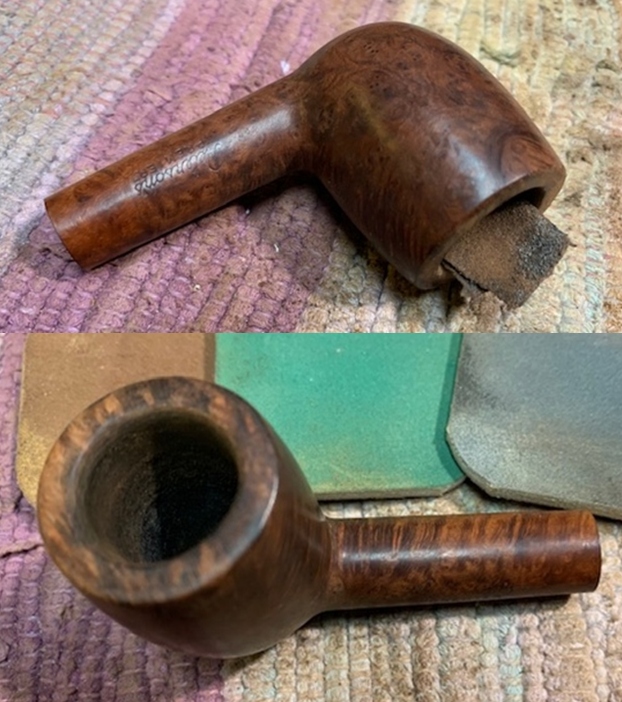
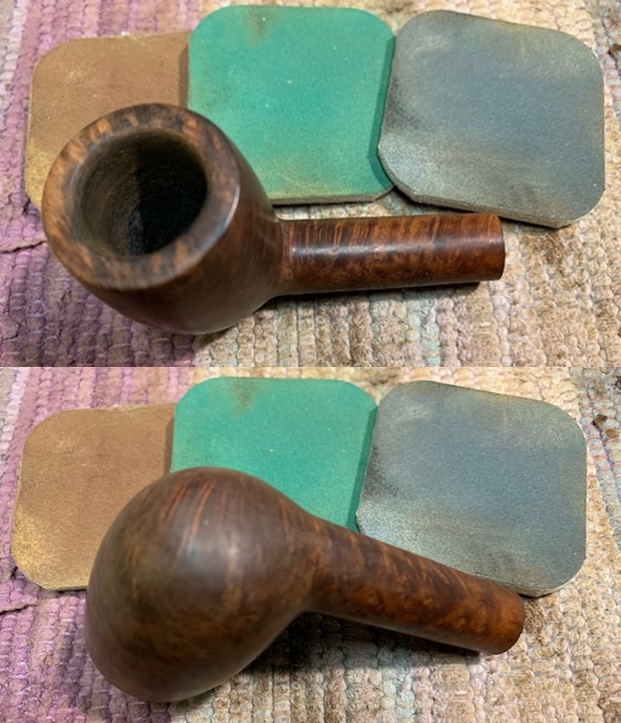
Jeff had cleaned up the pipe with his usual penchant for thoroughness. He reamed the pipe with a PipNet pipe reamer and removed the rest of it with a Savinelli Fitsall Pipe Knife.  He scrubbed the bowl with undiluted Murphy’s Oil Soap with a tooth brush. He rinsed it under running warm water to remove the soap and grime. The rim top still had some darkening and debris in the grain. He cleaned out the inside of the shank and the airway in the stem with alcohol, cotton swabs and pipe cleaners. He soaked the stem in Before & After Deoxidizer and rinsed it off with warm water. I took photos of the pipe once I received it. I took a photo of the rim top to show the interior the bowl and the rim top and inner edge. The rim top and edges were in great condition. The top of the rim had some darkening that I was pretty sure would come off with a wire brush. The vulcanite fancy turned stem is in decent condition with some oxidation and calcification. There were light tooth marks on the top and underside near the button.I took a photo of the underside of the shank to try to capture the stamping that was there. It is faint but readable as noted above.I took a photo of the pipe with the stem below it to give a bit of perspective on the pipe. It really is a beauty.I cleaned up the debris on the rim top with a brass bristle brush. I scrubbed the sandblast rim top with the brush to remove the debris and when finish it looked much better.I worked some Before & After Restoration Balm into the surface of the briar with my fingertips and a horsehair shoe brush to clean, enliven and protect the briar. I let the balm sit for 15 minutes and then buffed with a cotton cloth to raise the shine. The photos show the bowl at this point in the restoration process. It looks quite nice at this point. I scrubbed the stem with Soft Scrub All Purpose Cleaner to remove the oxidation on the surface of the vulcanite. It took a bit of scrubbing and I was able to remove the remaining oxidationI “painted” the surface of the stem with the flame of a lighter to life the tooth marks on the surface of the vulcanite. I was able to life all of them. Once I finished I sanded the stem with 220 grit sandpaper and then started the polishing with 400 grit wet dry sandpaper.   With that done the bowl was finished other than the final buffing. I set it aside and turned my attention to the stem. I polished it with micromesh sanding pads – wet sanding with 1500-12000 grit sanding pads. I used the pads to remove the tooth marks on the stem on both sides near the button. I wiped it down after each sanding pad with Obsidian Oil. This beautiful Sandblasted Made in Denmark Freehand is a great looking pipe now that it has been restored. The briar is clean and really came alive. The rich medium brown coloured stain gave the sandblasted grain a sense of depth with the polishing and waxing. The grain really popped. I put the vulcanite stem back on the bowl and carefully buffed the pipe with Blue Diamond on the buffing wheel using a light touch on the briar. I gave the bowl multiple coats of Conservator’s Wax and the stem multiple coats of carnauba wax on the buffing wheel. I buffed the pipe with a clean buffing pad to raise the shine. I hand buffed the pipe with a microfiber cloth to deepen the shine. The finished Hand Made in Denmark Freehand is a beauty and feels great in the hand and looks very good. The flat bottom on the shank and bowl allow it to be a sitter. Give the finished pipe a look in the photos below. The dimensions of the pipe are Length: 5 ½ inches, Height: 2 inches, Outside diameter of the bowl: 1 7/8 inches, Chamber diameter: ¾ of an inch. The weight of the pipe is 48grams/1.69oz. I will be adding it to the rebornpipes store soon. Look for it in the Danish Pipe Makers section of the store. Thanks for reading this blog and my reflections on the pipe while I worked on it. Remember we are not pipe owners; we are pipemen and women who hold our pipes in trust until they pass on into the trust of the next pipeman or woman.

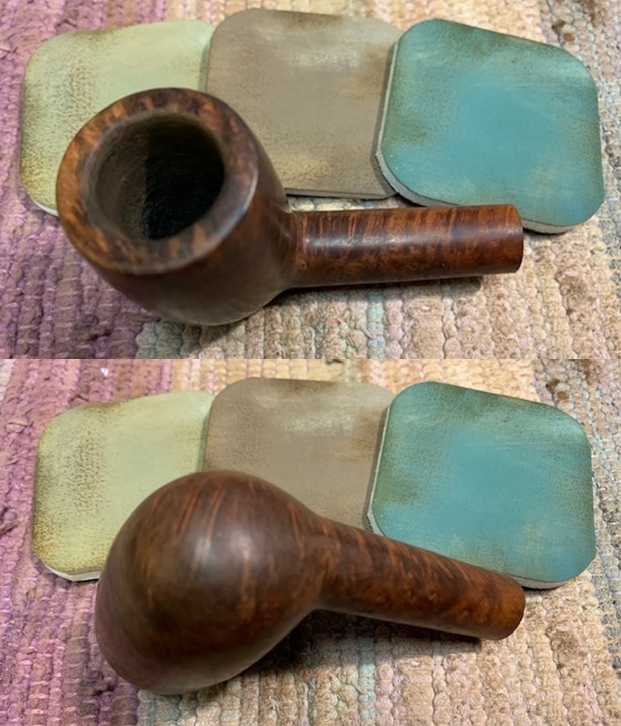
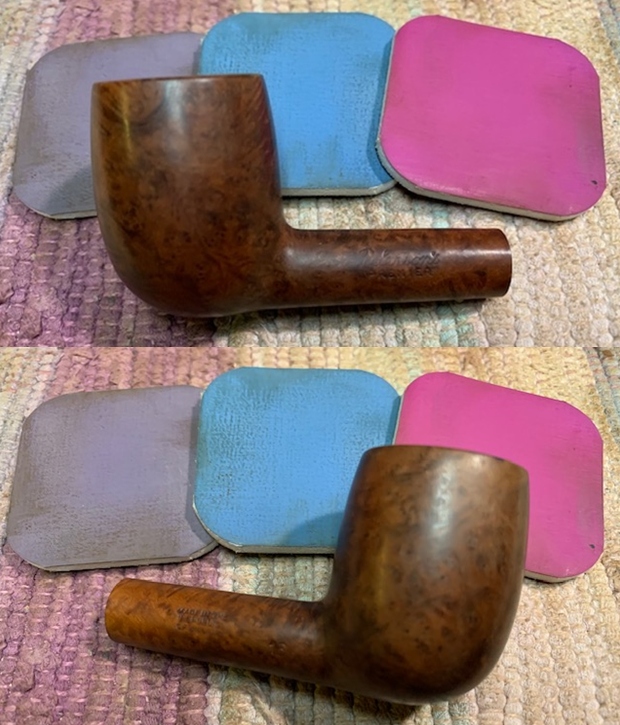
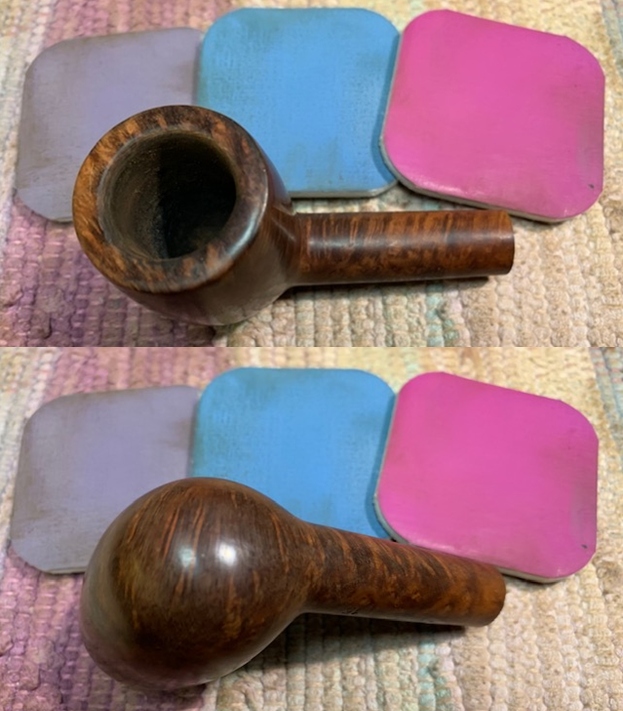
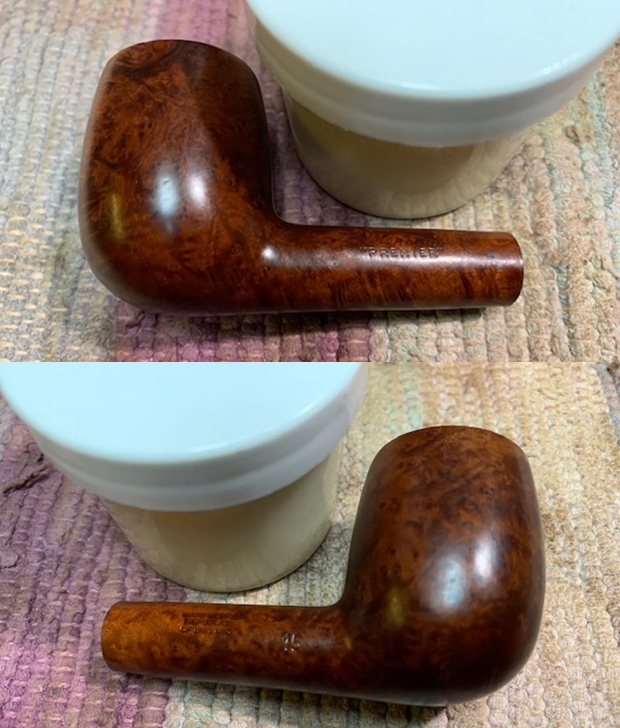
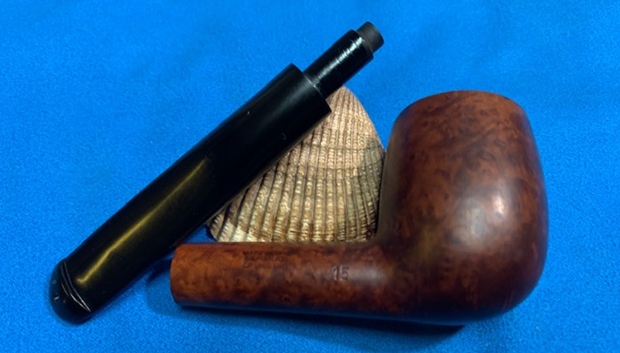
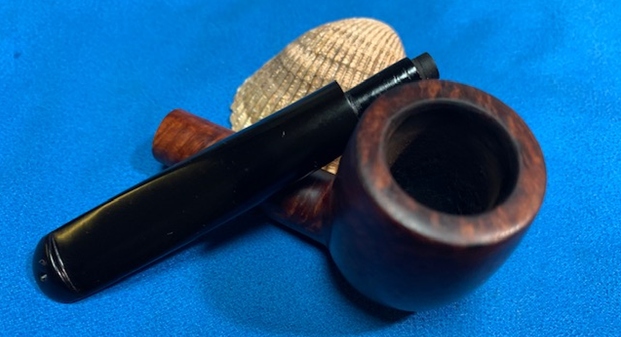
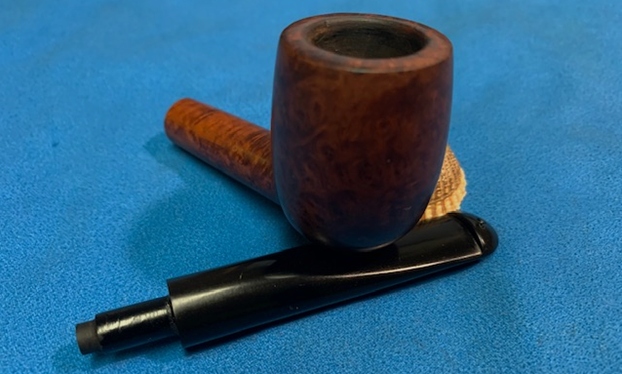
Rebirthing a Peterson’s Republic Era “Premier” 15 Billiard


Blog by Steve Laug

The next pipe I have chosen is smooth Peterson’s Billiard. It was also incredibly dirty. It came to us from the same estate of Anglican minister that was a great friend of mine here in Canada. I was in the airport in Hong Kong when his daughter contacted me to tell me of his death and asked if I wanted to take on his pipes. I told her that I was sad to hear of his death but would gladly take on his pipes to restore and sell.

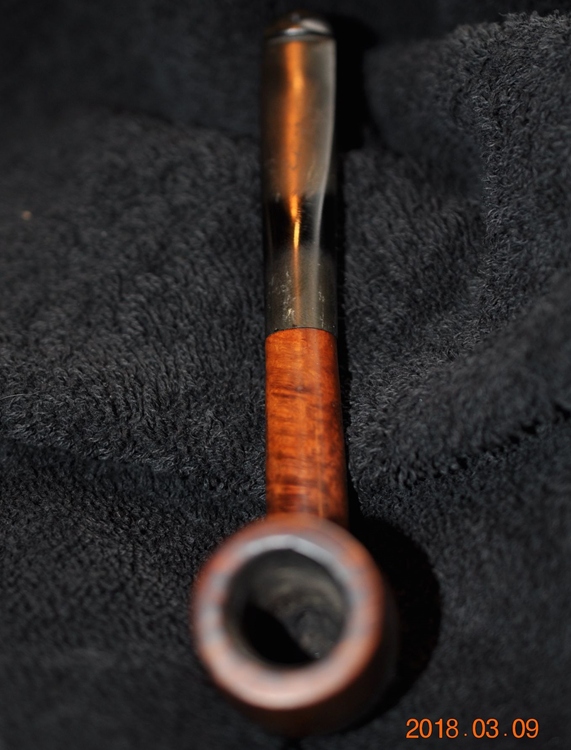
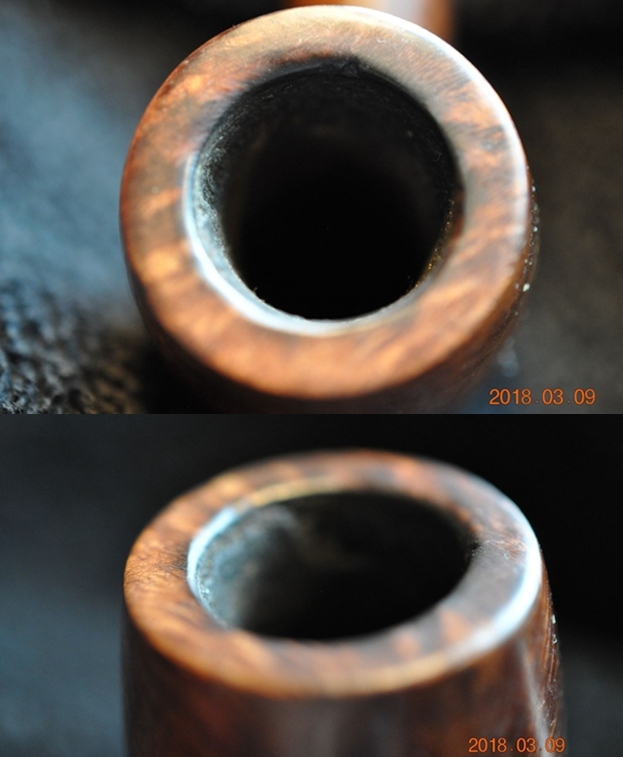
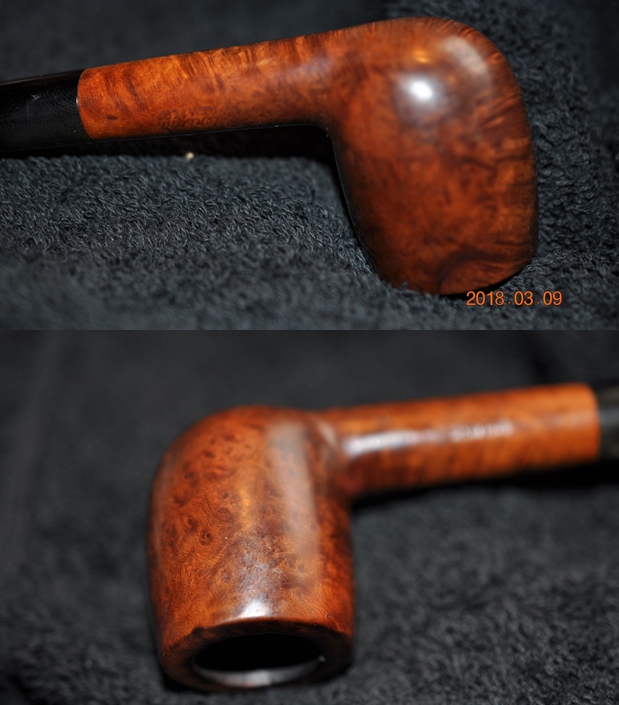
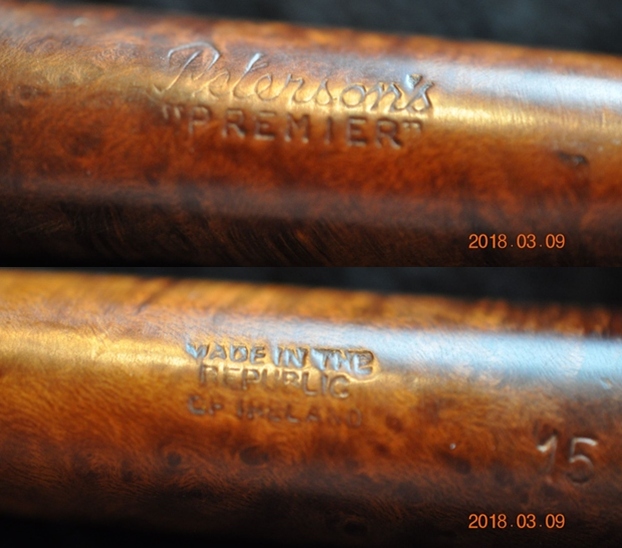
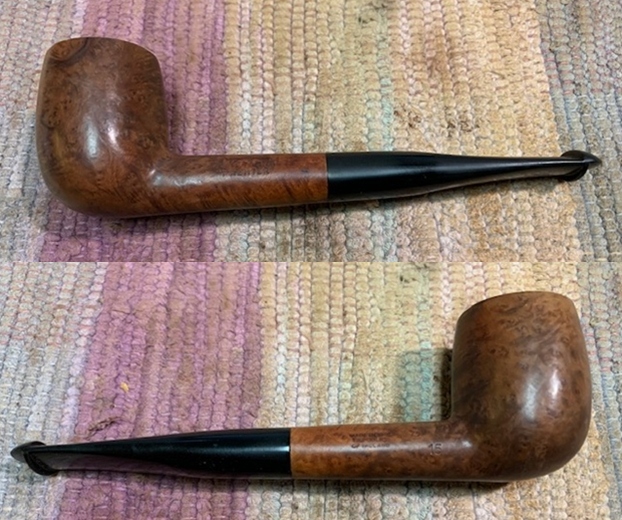
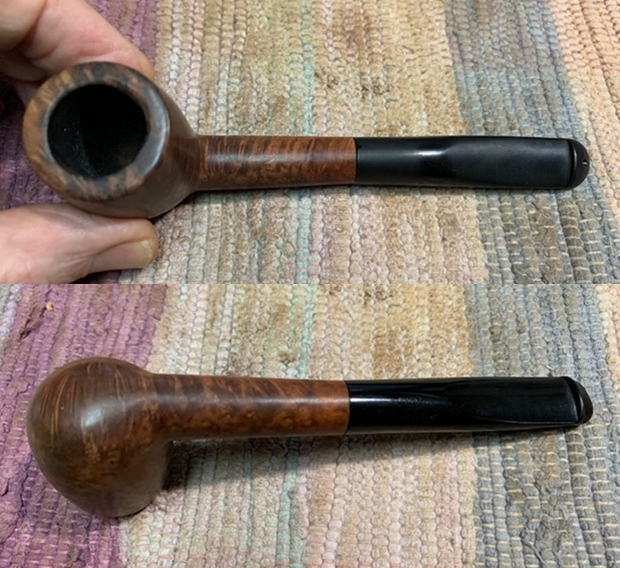
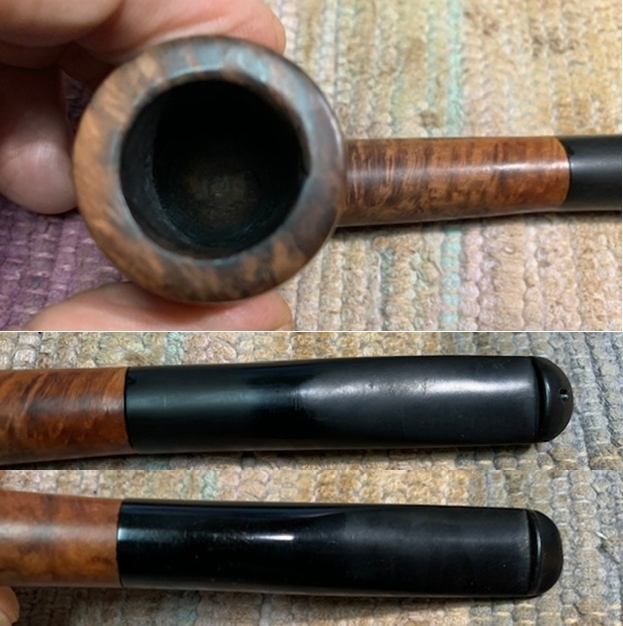
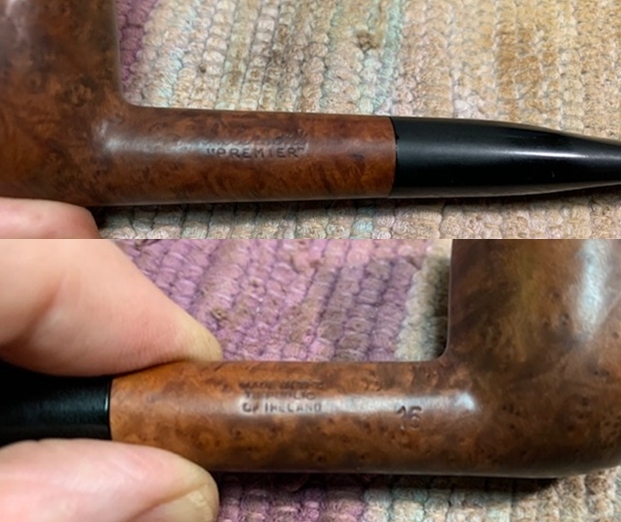
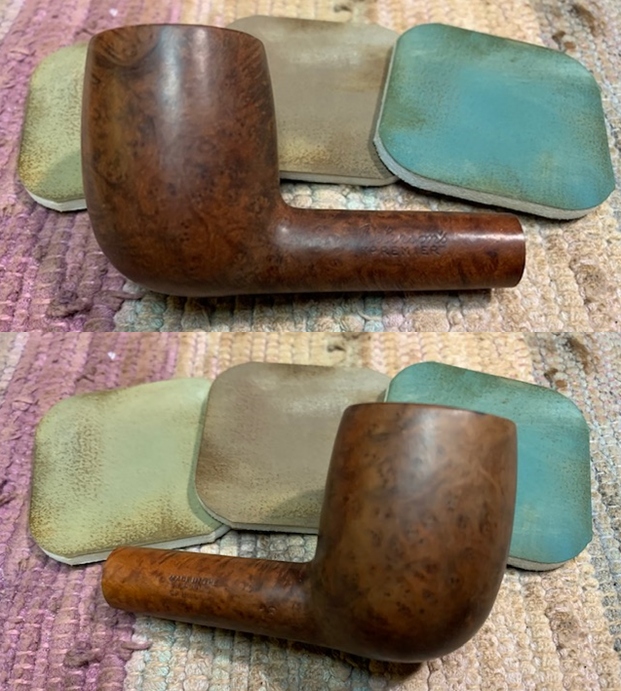
This Billiard did not have any band or ferrule – it was just a smooth fit of a vulcanite stem to the shank. The grime on the finish was ground into the finish on the bowl sides. The contrast of the brown stains gave the grain a sense of depth. It was stamped on the left side of the shank and read Peterson’s [over] “Premier”. The right side stamping read Made in the Republic of Ireland in three lines. To the right of that stamping, next to the bowl the shape number 15 was stamped. There was a thick cake in the bowl but there was no overflow of lava on the rim top. The bowl was slightly out of round on the inner edge. The stem was oxidized, calcified and had light tooth marks and chatter on the top and underside on and near the button. Jeff took photos of the pipe before his cleanup work. They tell the story and give a glimpse of the promise that we see in this pipe.  Jeff took photos of the rim top and stem to show the general condition of the pipe. The bowl is moderately caked and the rim top and edges have a thick lava overflow. Though we don’t have pictures of the stem before cleanup it was oxidized, calcified and has light tooth marks on the top and underside near the button.   Jeff took a photo of the bowl sides and heel to show the grain that was around this bowl. It is a nice looking pipe.   He took photos of the stamping on the sides of the shank. It is clear and readable and reads as noted above. I am including the information from Pipedia’s article on Peterson pipes. It is a great read in terms of the history of the brand (https://pipedia.org/wiki/Peterson). I have included a bit of the pertinent history here.
1950 – 1989 The Republic Era – From 1950 to the present time, the stamp for this era is “Made in the Republic of Ireland” in a block format generally in three lines but two lines have been used with or without Republic being abbreviated.

During the 1950’s and 60’s the Kapp & Peterson Company was still in the ownership of the Kapp family. However 1964 saw the retiral of the company Managing Director Frederick Henry(Harry) Kapp.

I knew that I was dealing with a Republic Era pipe made between 1950 and the present. Now it was time to work on the pipe.

Jeff had done a great job cleaning up the pipe as usual. He reamed the pipe with a PipNet reamer and cut back the cake back to the bare briar. He cleaned up the walls with a Savinelli Fitsall Pipe Knife. He scrubbed the interior of the bowl and shank with pipe cleaners, cotton swabs and alcohol to remove the tars and oils. He scrubbed the exterior of the pipe with Murphy’s Oil Soap and a tooth brush to remove the grime from the finish. He worked on the rim top lava and darkening with the soap and tooth brush. He scrubbed the inside of the stem with alcohol and pipe cleaners. He scrubbed the exterior with Soft Scrub and then soaked it in Before & After Deoxidizer. He washed it off with warm water to remove the deoxidizer. The pipe looked far better when it arrived. I took some close up photos of the rim top and also of the stem surface. I wanted to show how well it had cleaned up. The rim top and edges look good though was some damage on the back side of the inner edge. It should clean up really well. I also took close up photos of the stem to show the light tooth marks on the surface near the button. There is also some remaining oxidation on the top of the stem.      I took photos of the stamping on the sides of the shank. You can see that it is stamped as noted above. It is clear and readable.  I took the pipe apart and took a photo of the pipe. It is a good looking pipe and has an interesting mix of grain around the bowl. I started my work on the pipe by cleaning up the damage on the back of the inner edge of the bowl. I used a folded piece of 220 grit sandpaper to smooth out the damage. I gave the rim edge a slight bevel to take care of the damage and blend it into the rest of the rim edge.I polished the briar bowl and shank with micromesh sanding pads. I dry sanded it with 1500-12000 grit pads and wiped it down with a damp cloth after each pad.   I worked some Before & After Restoration Balm into the surface of the briar with my fingertips and a horsehair shoe brush to clean, enliven and protect the briar. I let the balm sit for 15 minutes and then buffed with a cotton cloth to raise the shine. The photos show the bowl at this point in the restoration process.   I set the bowl aside and turned my attention to the stem. I sanded out the tooth marks against the button edge on both sides with a folded piece of 220 grit sandpaper. I started polishing the stem with 400 grit wet dry sandpaper. I wiped it down with some Obsidian Oil.   I polished the stem with micromesh sanding pads – wet sanding with 1500-12000 grit sanding pads. I wiped it down after each sanding pad with Obsidian Oil. I polished it with Before & After Pipe Stem Polish – both Fine and Extra Fine.  I am excited to finish this Republic Era Peterson’s “Premier” 15 Billiard. I put the pipe back together and buffed it with Blue Diamond on the buffing wheel. I gave the bowl mulitiple coats of Conservator’s Wax and the stem multiple coats of carnauba wax. I hand buffed the pipe with a clean buffing pad to raise the shine. It is fun to see what the polished bowl looks like with the rugged rustication all around it. Added to that the polished Sterling Silver band and the black vulcanite stem was beautiful. This Classic looking Peterson’s Premier Billiard feels great in my hand. It is light and well balanced. Have a look at it with the photos below. The dimensions are Length: 6 inches, Height: 1 ½ inches, Outside diameter of the bowl: 1 ½ inches, Chamber diameter: ¾ of an inch. The weight of the pipe is 37grams/1.25oz. It is a beautiful pipe and one that will be on the Irish Pipe Makers section of the rebornpipes store soon. If you are interested in adding it to your collection let me know. Thanks for walking through the restoration with me as I worked over this pipe. Thanks to each of you who are reading this blog.


Breathing Life a Peterson’s African Block Meerschaum Apple


Blog by Steve Laug

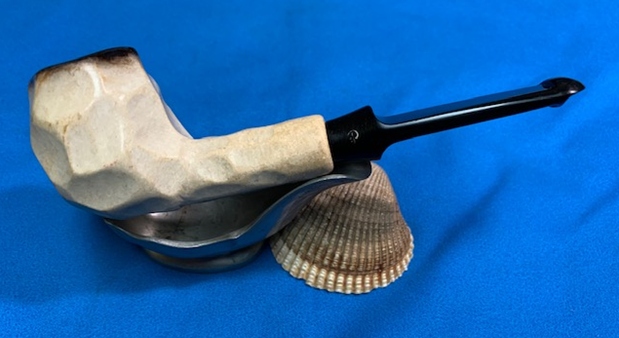
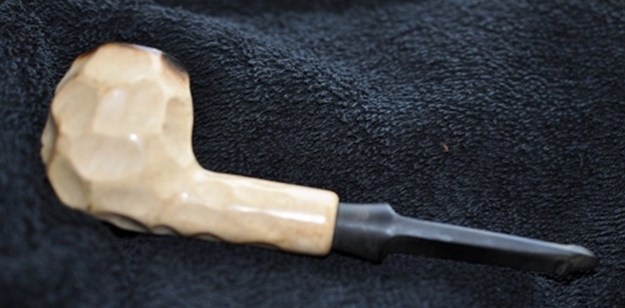
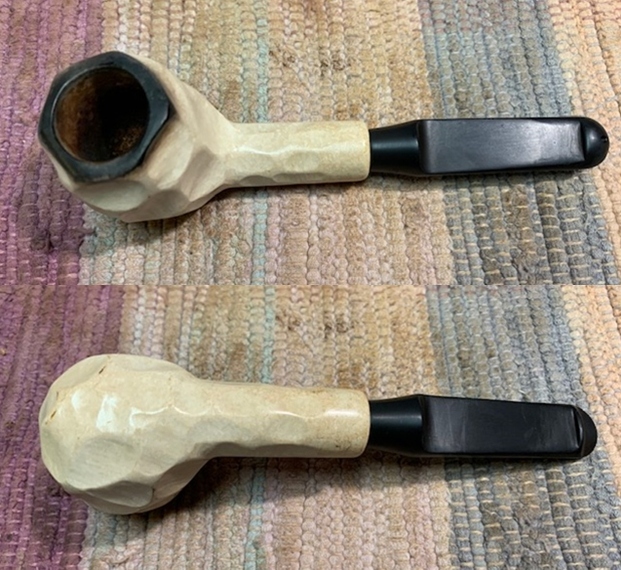
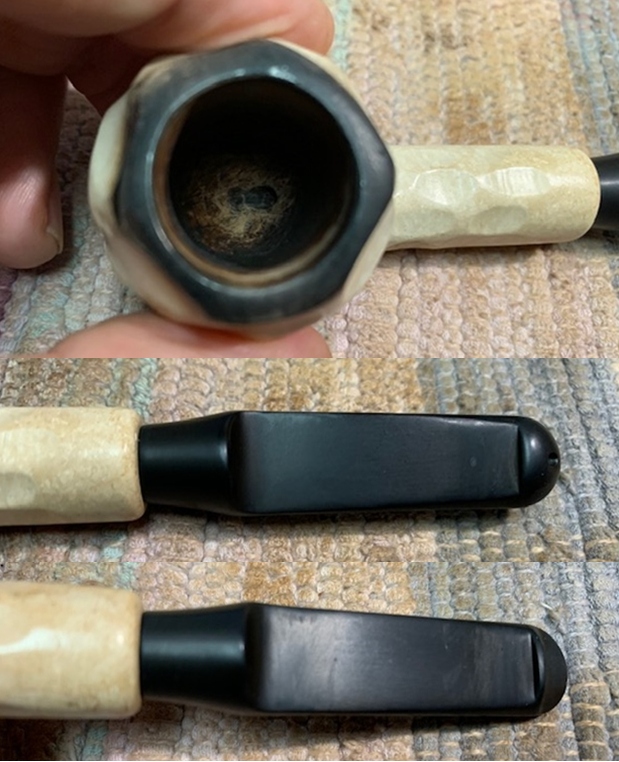
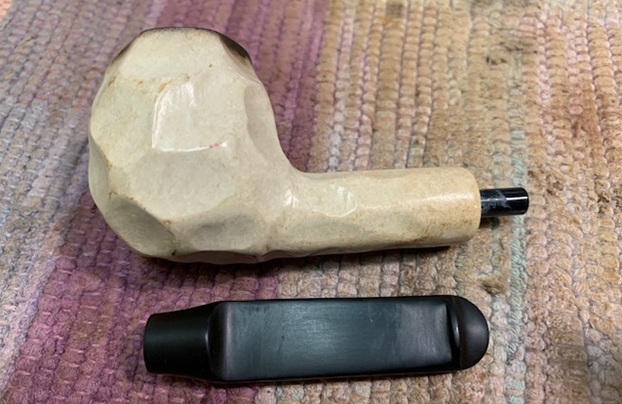
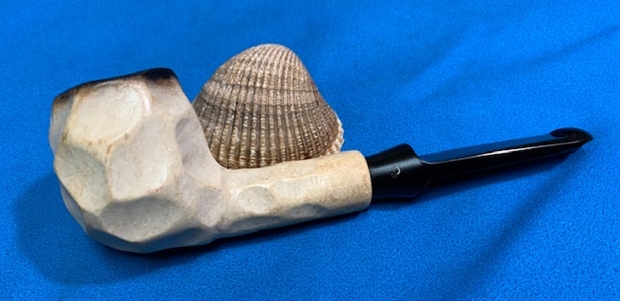
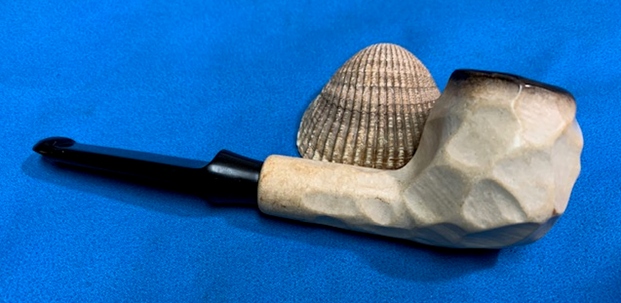
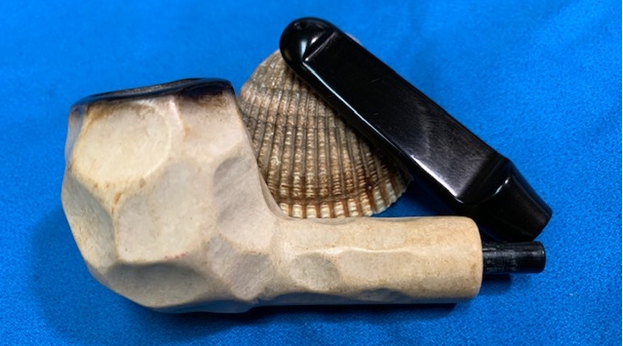
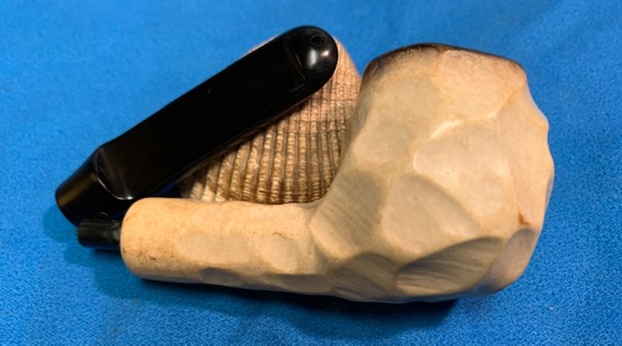
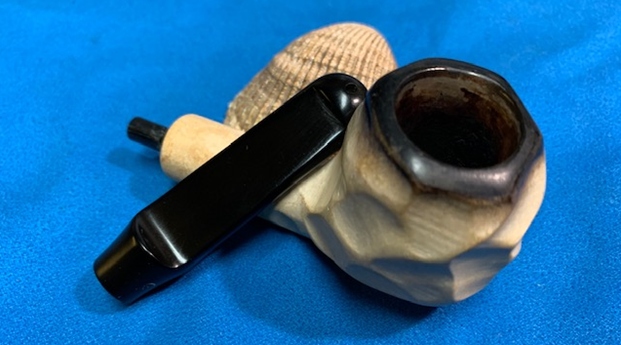
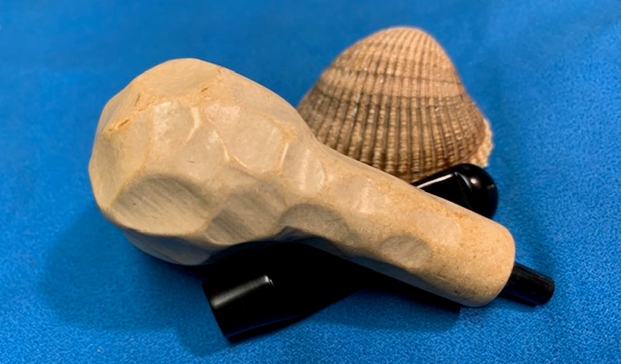
The next pipe I have chosen is a multi-faceted finish Peterson’s African Block Meerschaum pipe. This one is an apple shaped pipe that has facets around the bowl and shank. The rim top is flumed as was the style of the 60s and 70s. It has a saddle style Peterson’s stem on the shank end. It came to us from the estate of Anglican minister that was a great friend of mine here in Canada. I was in the airport in Hong Kong when his daughter contacted me to tell me of his death and asked if I wanted to take on his pipes. I told her that I was sad to hear of his death but would gladly take on his pipes to restore and sell.

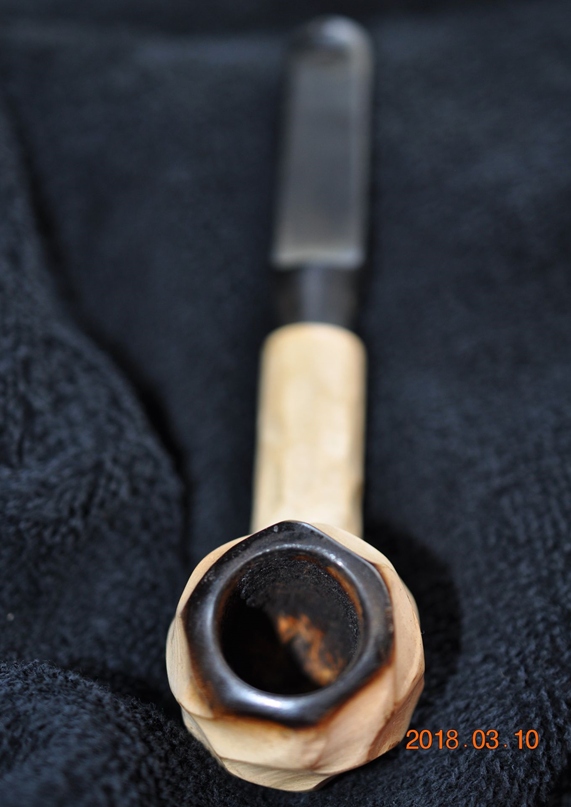
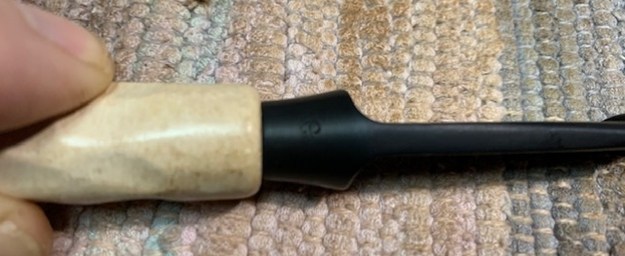
This faceted apple bowl and shank adds a touch of depth to the pipe. The pipe was dusty in the meerschaum ridges and flat spots on the bowl and shank. The contrast of the colouration/patina developing on the high spots and shank with the flumed top looks very good. The bowl had a moderate cake and there was lava on the rim top and inner edge of the bowl. The stem was oxidized, calcified and had light tooth chatter on the top and underside on and near the button. Jeff took photos of the pipe before his cleanup work. They tell the story and give a glimpse of the pipe. Jeff took photos of the rim top and stem to show the general condition of the pipe. The bowl is moderately caked and the rim top and edges have lava overflowing on to them. The stem is oxidized, calcified and has light tooth marks on the top and underside near the button.  Jeff took photos of the bowl sides and heel to show the faceted finish around this bowl. It is a nice looking pipe. He took a photo of the left side of the vulcanite saddle stem to show the Peterson’s “P” stamp on the stem. I am pretty sure the pipe was made by the Laxey Pipe Ltd. on the Isle of Man for either another export company or for Peterson’s in Ireland (https://pipedia.org/wiki/Laxey_Pipes_Ltd). I quote from the Pipedia article in full:

Laxey Pipe Ltd. resided in a historical 19th century four-storey Man stone building at The Quay, Old Laxey, Isle of Man, which thankfully has been preserved. The company specialised in the production of Meerschaum Pipes using the Meerschaum mined by the Tanganyika Meerschaum Corporation in the Amboseli basin in Tanganyika (since 1964 part of the United Republic of Tanzania). Please note: you may often find names like “Manx Pipes Ltd.”, “Man Pipe Co.” and others more, but there is no indication of another Isle of Man pipe producer other than Laxey Pipe Ltd. at any time!

Laxey Pipe Ltd. marketed own brands like “Manxpipe”, “Manxman”, “Manxland” e.c. Names like “John Bull”, “White Knight” (unwaxed), “Domino” (black, or lined) indicated some shapes / colours of Laxey’s own series. The stems either showed the astronomical sign for “male” or “man” (circle + arrow), or the crest of the Isle of Man, the 3-legged X in a circle. Manxpipes and Laxey’s other brands were available through pipe retailers in general, but also were sold (mainly) to tourists through their own shop in Laxey.

Furthermore Laxey Pipe Ltd. manufactured the meer bowls for Peterson, Barling, Nørding and others from the later 1960’s until 2001. Man Pipe e.g. was a brand distributed by Comoy’s. The bowls usually showed no nomenclature indicating the orderer. “Genuine Block Meerschaum” was engraved frequently. Often, just the stems were different, while bowls were the same.

Supply of meer from East Africa run out (Kenya / Tanzania exhausted, Somalia inaccessible), and thus the last Laxey meers were supplied to trade in May, 2001. Laxey Pipe Ltd. tried to survive continuing with briar pipes – mainly in the Danish style -, but to no success. It closed down business in July, 2002.

I looked for the pipe on Pipephil and online and was not able to find any verification for who made the pipe for Peterson’s. I suppose that I will never know for sure but it appears that the pipe was made on the Isle of Man for export for another European pipe company. I am guessing that this one came from the time period of the late 60s or early 70s. That was as much as I could figure out.

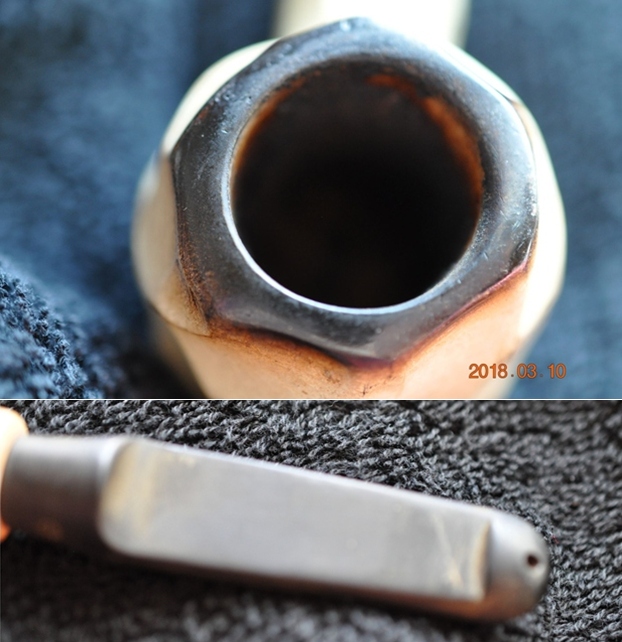
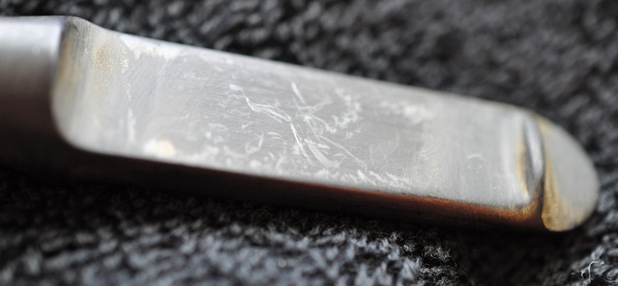
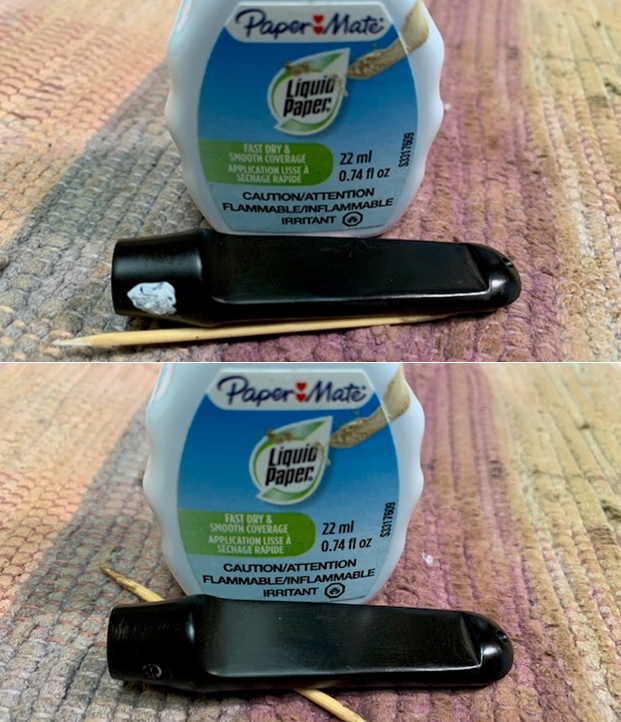
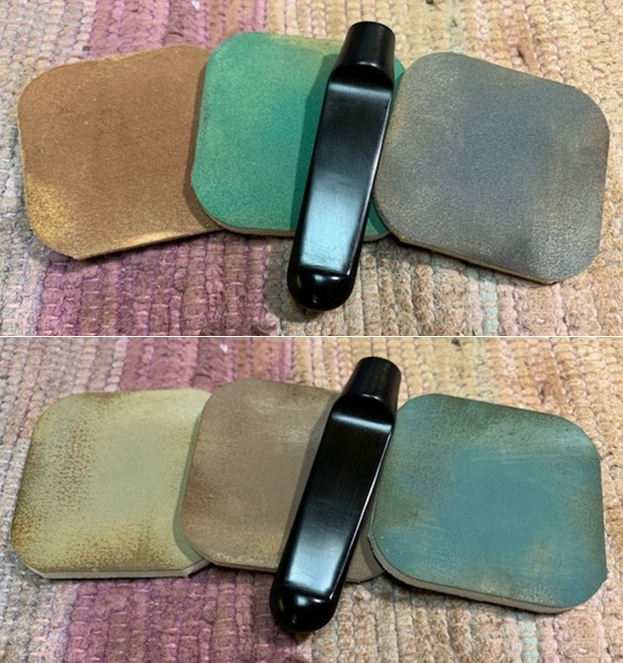
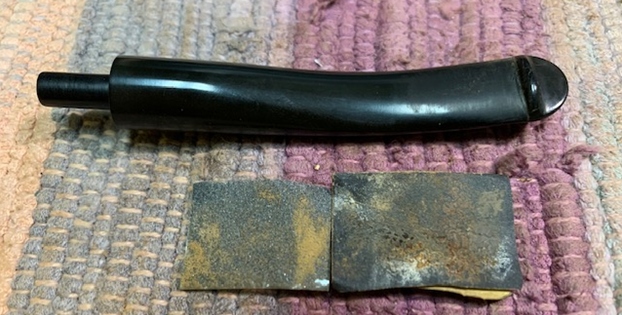
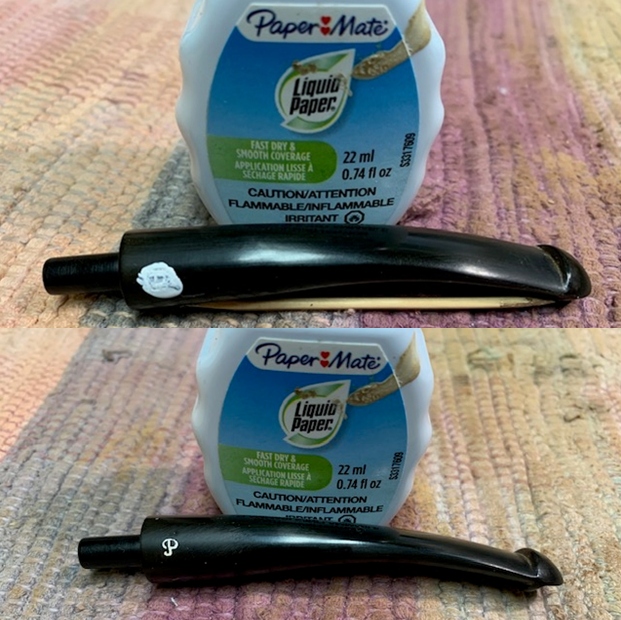
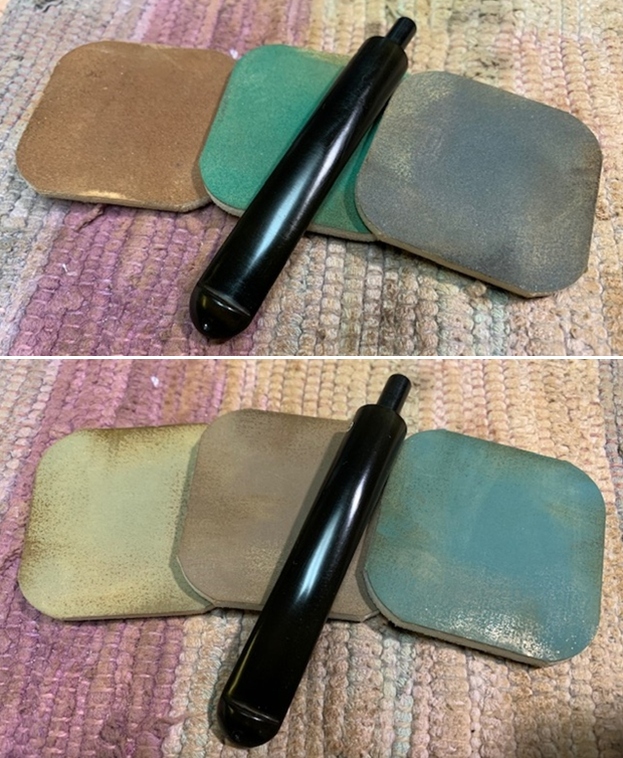
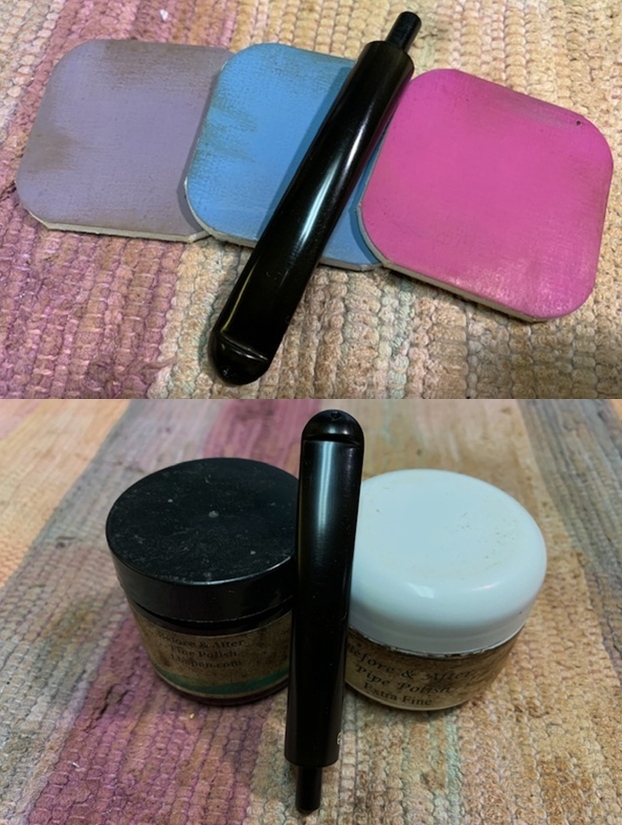
Jeff had done a great job cleaning up the pipe as usual. He reamed the pipe with a PipNet reamer and cut back the cake back to the bare meerschaum. He cleaned up the walls with a Savinelli Fitsall Pipe Knife. He scrubbed the interior of the bowl and shank with pipe cleaners, cotton swabs and alcohol to remove the tars and oils. He scrubbed the exterior of the pipe with Murphy’s Oil Soap and a tooth brush to remove the grime from the finish. He worked on the rim top lava and darkening with the soap and tooth brush. He scrubbed the inside of the stem with alcohol and pipe cleaners. He scrubbed the exterior with Soft Scrub and then soaked it in Before & After Deoxidizer. He washed it off with warm water to remove the Deoxidizer. The pipe looked very good when it arrived.  I took some close up photos of the rim top and also of the stem surface. I wanted to show how well it had cleaned up. The rim top looked good but there was some fading on the blackening. I also took close up photos of the stem to show the light tooth marks on the surface near the button. I took a photo of the stamping on the left side of the stem. You can see that it is stamped as noted above. It is clear and readable.    I took the pipe apart and took a photo of the pipe. It is a good looking pipe and has an interesting style of rustication around the bowl.I polished the meerschaum bowl and shank with micromesh sanding pads. I wet sanded it with 1500-12000 grit pads and wiped it down with a damp cloth after each pad.   I touched up the rim top and edges with a Black Stain pen to match the colour of the top and the flume down the sides of the bowl. Once it was polished with the Before & After Balm and buffed with a microfiber cloth the stain would blend perfectly. I rubbed the meerschaum down with Before & After Restoration Balm. I worked it into the surface of the meerschaum with my fingertips to clean, enliven and protect it. I let the balm sit for 15 minutes and then buffed with a cotton cloth to raise the shine. Mark Hoover’s Balm is a product that I have come to appreciate and one I use on every pipe I have been working on. I touched up the “P” stamp on the left side of the saddle stem with Liquid Paper. I daubed it on the stem and worked it into the stamp with a tooth pick. Once it had dried I scraped it off and buffed it with a cotton pad. It looks better even though the stamp is faint in spots.   I polished the stem with micromesh sanding pads – wet sanding with 1500-12000 grit sanding pads. I wiped it down after each sanding pad with Obsidian Oil. I polished it with Before & After Pipe Stem Polish – both Fine and Extra Fine.    As usual at this point in the restoration process I am excited to be on the homestretch. I look forward to the final look when it is put back together, polished and waxed. I put the bowl and stem back together. I polished the bowl and stem with Blue Diamond to polish out the scratches in the meerschaum and the vulcanite. I gave the bowl multiple coats of Conservator’s Wax and the stem multiple coats of carnauba wax. I buffed the pipe with a clean buffing pad to raise the shine. I hand buffed it with a microfiber cloth to deepen the shine. The pipe polished up pretty nicely. The meerschaum has a rich glow with the wax and polish. The shiny black vulcanite stem is a beautiful contrast to the rich developing patina of the bowl. This Peterson’s meerschaum is probably made by the Manx Pipe factory on the Isle of Mann. The faceted finish on this pipe made it another fun pipe to work. It really is a quite stunning pipe whose shape and finish make it stand out. The thick/chubby shank makes it a very comfortable pipe to hold in the hand. The finished pipe is shown in the photos below. The dimensions are Length: 5 ½ inches, Height: 1 ¾ inches, Outside diameter of the bowl: 1 ¼ inches, Chamber diameter: ¾ of an inch. The weight of the pipe is 37grams/1.31oz. It is a beautiful pipe and one that will be on the Irish Pipe Makers section of the rebornpipes store soon. If you are interested in adding it to your collection let me know. Thanks for walking through the restoration with me as I worked over this pipe. Thanks to each of you who are reading this blog.


Breathing Life another Peterson’s Republic Era “Donegal” Rocky 406 Prince


Blog by Steve Laug

The next pipe I have chosen is another rusticated Peterson’s “Donegal” Rocky pipe. This one is another 406 Prince that has a darker coloured finish than the previous earlier 406 Prince. It was also incredibly dirty. It came to us from the same estate of Anglican minister that was a great friend of mine here in Canada. I was in the airport in Hong Kong when his daughter contacted me to tell me of his death and asked if I wanted to take on his pipes. I told her that I was sad to hear of his death but would gladly take on his pipes to restore and sell.

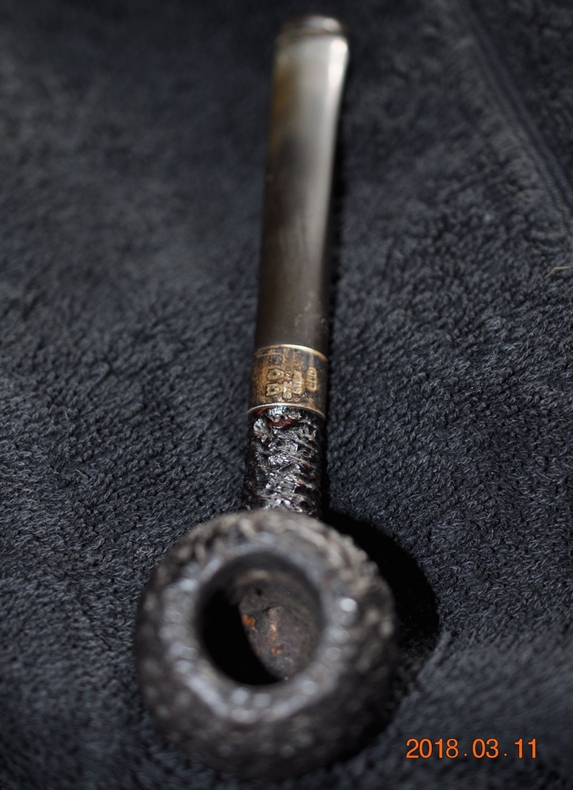
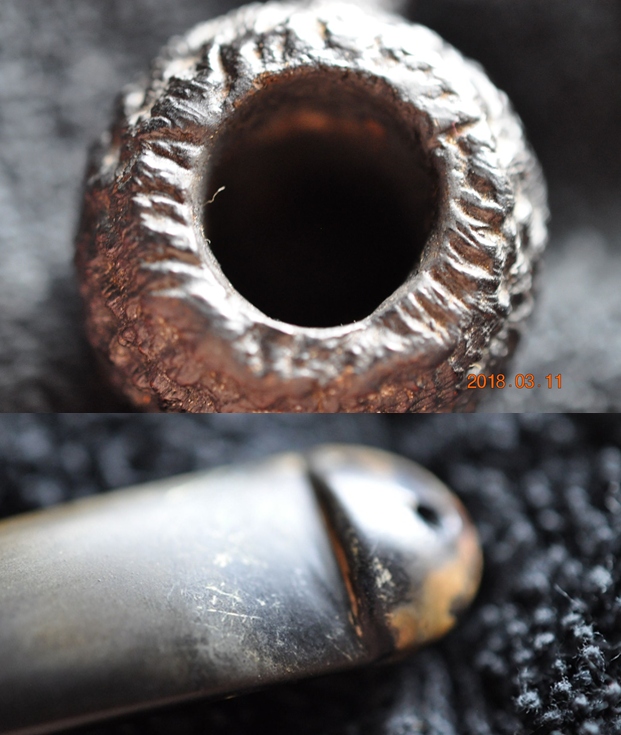
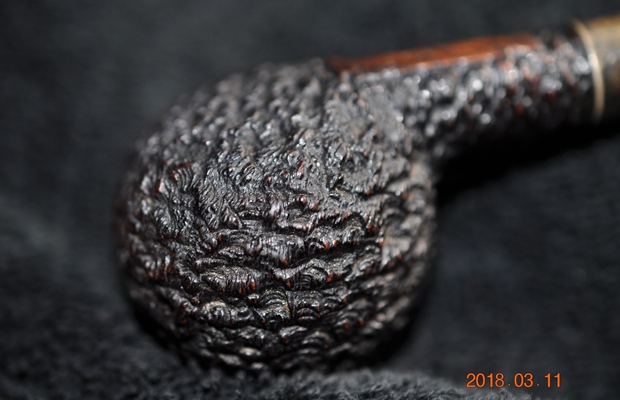
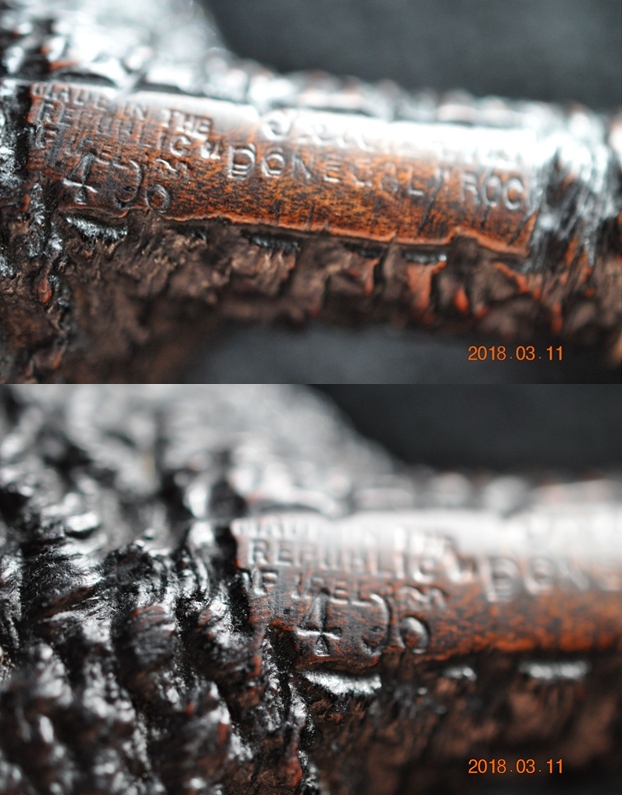
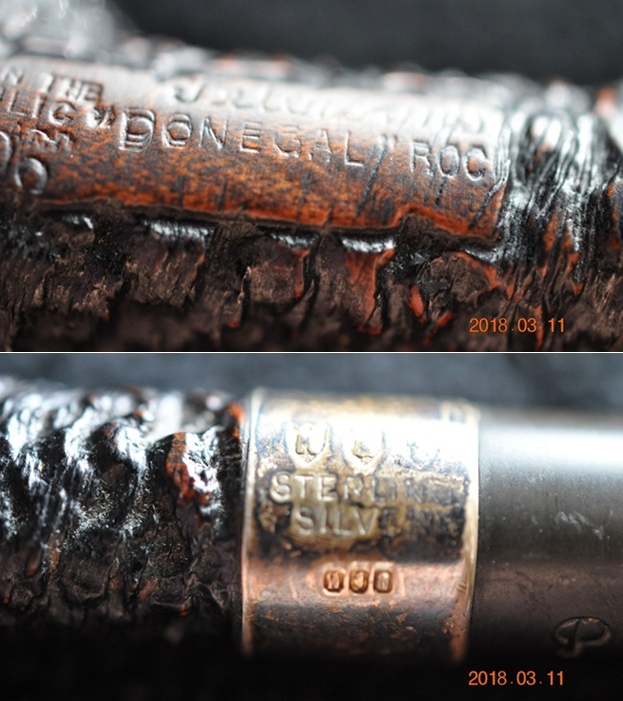
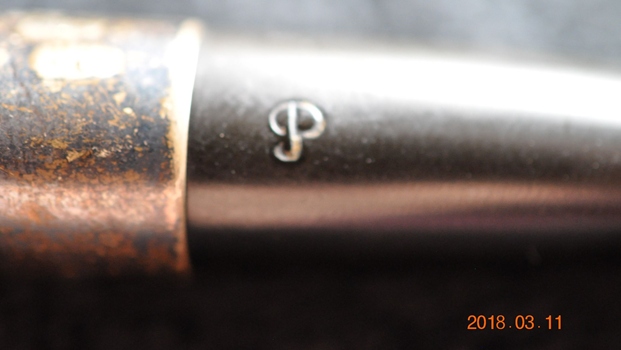
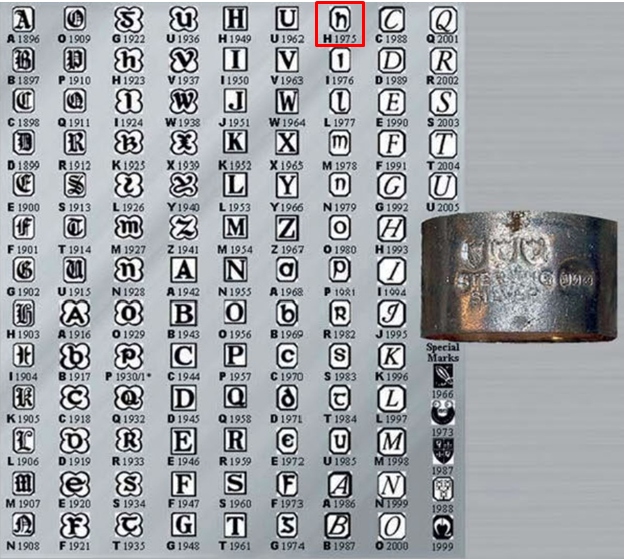
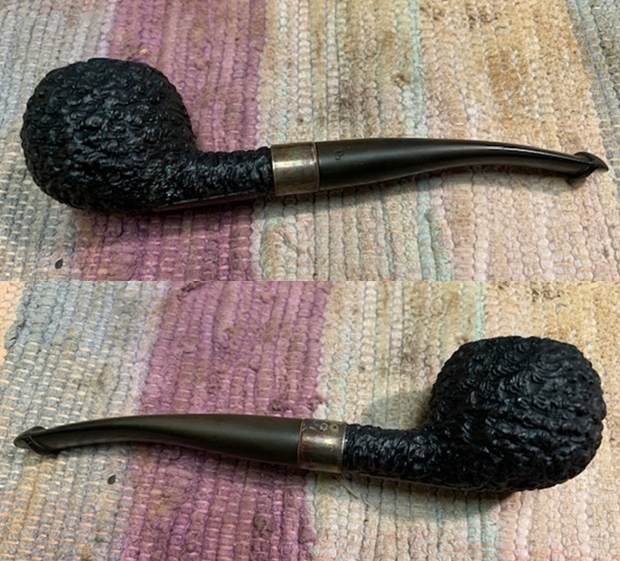
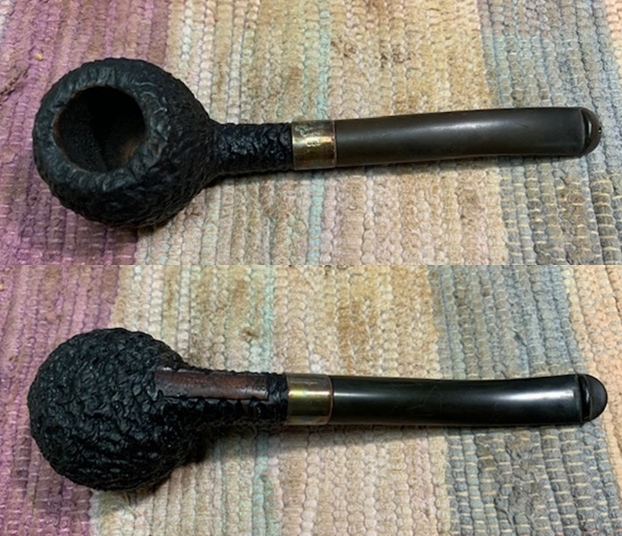
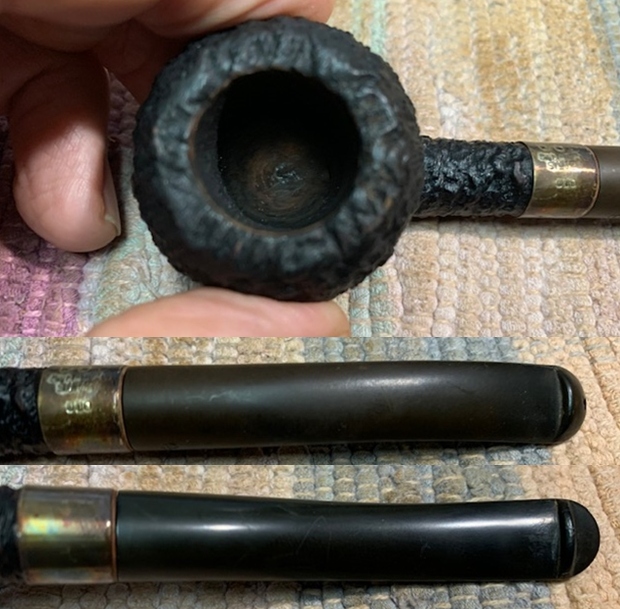
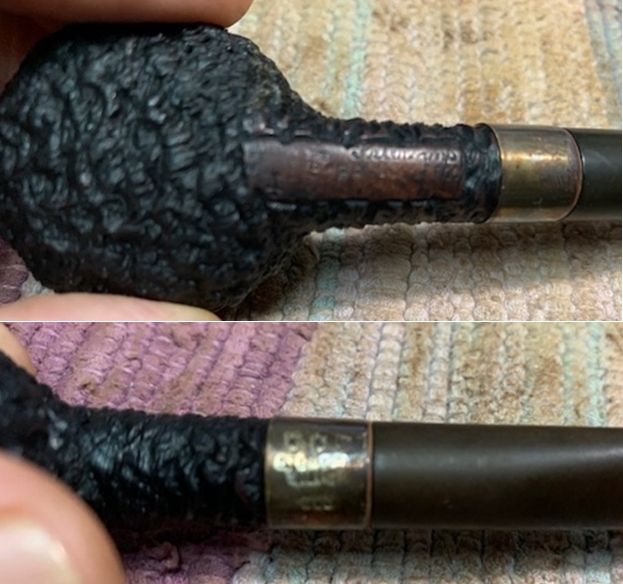
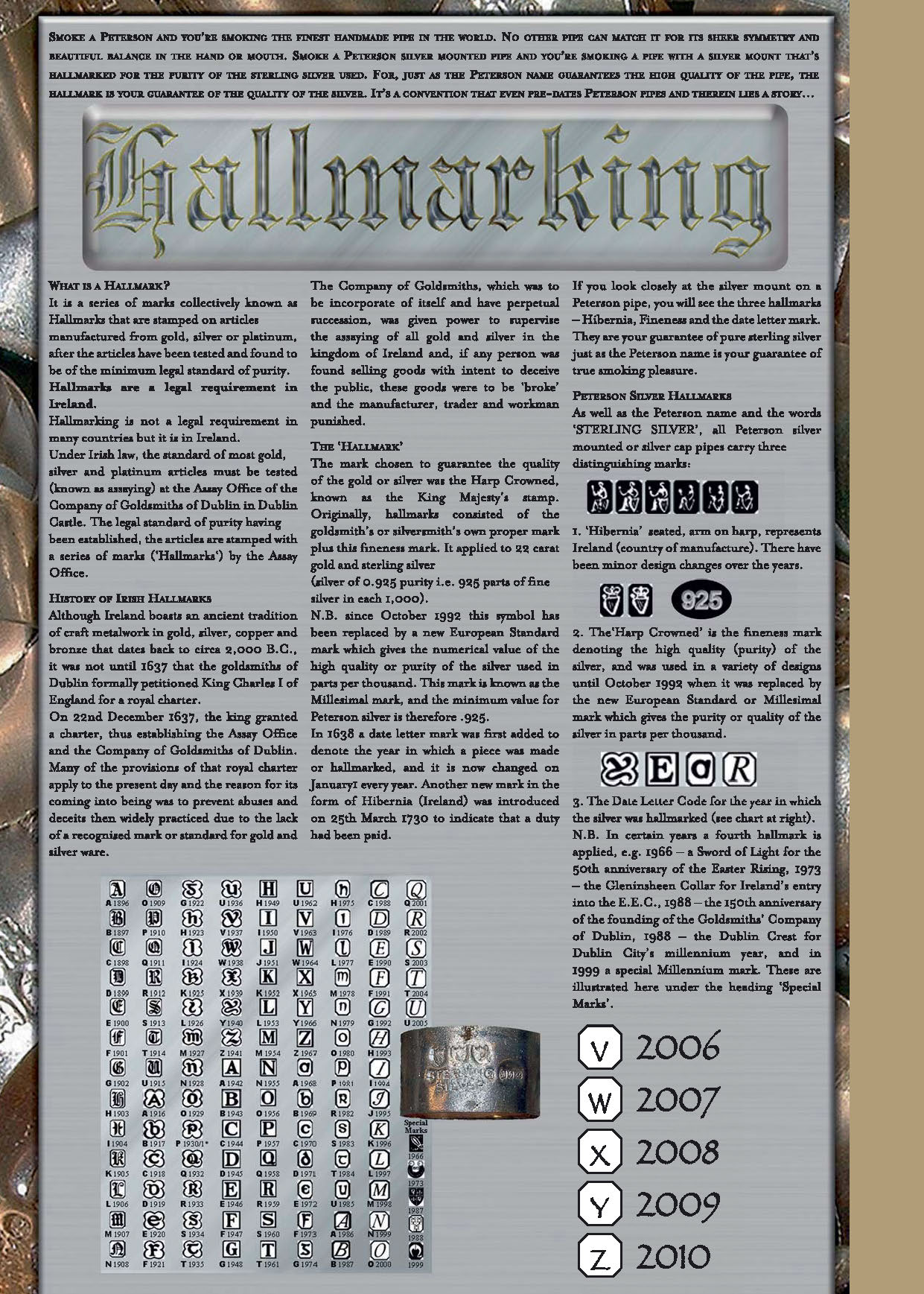
This Prince had a silver band on the shank that was badly oxidized. The grime on the finish was ground into the rustication on the bowl sides. The contrast of the brown stains gave the bowl a sense of depth. It was stamped on the underside of the shank. The stamping was readable. It read on the heel of the bowl Made in the Republic of Ireland in three lines. Under that it was stamped with the shape number 406. To the right of that it was stamped Peterson’s [over] “Donegal” Rocky. The last part of the Rocky stamp is lost in the rustication. The tarnished band is stamped with K&P in shields [over] Sterling Silver. That was followed by three hallmarks – the seated woman, the harp and the italic letter “h”. The finish was dirty with grime ground into the briar sides and rim. There was a thin cake in the bowl and an overflow of lava on the rim top and the inner edge of the bowl. The stem was oxidized, calcified and had light tooth marks and chatter on the top and underside on and near the button. Jeff took photos of the pipe before his cleanup work. They tell the story and give a glimpse of the promise that we see in this pipe.   Jeff took photos of the rim top and stem to show the general condition of the pipe. The bowl is moderately caked and the rim top and edges have a thick lava overflow. The stem is oxidized, calcified and has light tooth marks on the top and underside near the button.     Jeff took a photo of the bowl sides and heel to show the rugged rustication that was around this bowl. It is a nice looking pipe.   He took photos of the underside of the shank to show the stamping. The stamping is a bit of a mess with overstamping but it still readable in the photos below and is as noted above. He also took a photo of the band.   I am including the information from Pipedia’s article on Peterson pipes. It is a great read in terms of the history of the brand (https://pipedia.org/wiki/Peterson). I have included a bit of the pertinent history here.

1950 – 1989 The Republic Era – From 1950 to the present time, the stamp for this era is “Made in the Republic of Ireland” in a block format generally in three lines but two lines have been used with or without Republic being abbreviated.

During the 1950’s and 60’s the Kapp & Peterson Company was still in the ownership of the Kapp family. However 1964 saw the retiral of the company Managing Director Frederick Henry(Harry) Kapp.

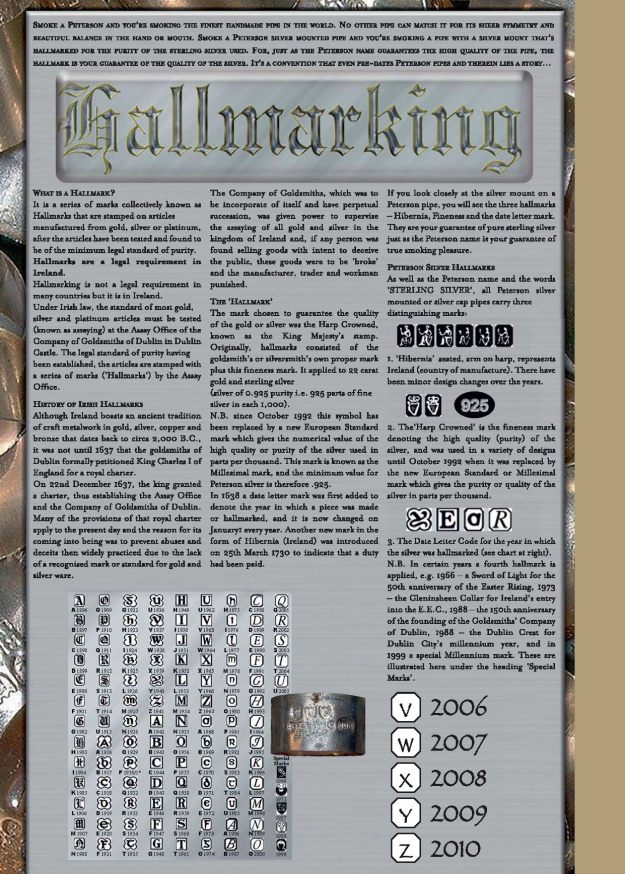
I turned to the hallmarking chart on one of the blogs on rebornpipes to lock down the date for the pipe (https://rebornpipes.com/wp-content/uploads/2015/05/peterson-cataloguecomp_page_27.jpg). The chart defines the meaning of each hallmark. The first one of the seated woman with a harp is known as the Hibernia stamp and identifies the pipe as made in Ireland. The second stamp is a crowned harp which is a fineness mark denoting the high quality of silver that was used. The third stamp is a lower case letter “h”. I have included a larger screen capture of the chart in the lower left of the photo below.I have drawn a square around the date letter below. It identifies the date of this Peterson’s pipe to 1975.I knew that I was dealing with a Republic Era pipe made between 1950 and the present. The hallmarks date the pipe to 1975. Now it was time to work on the pipe.

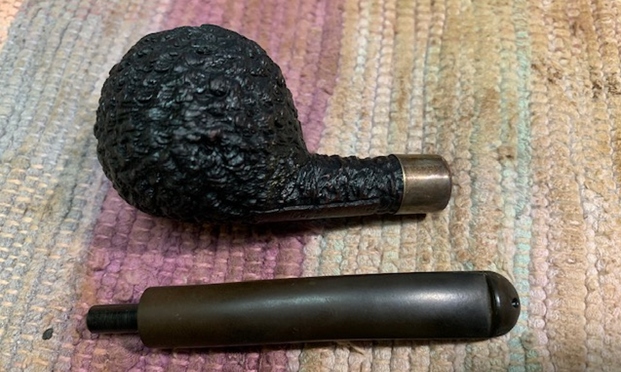
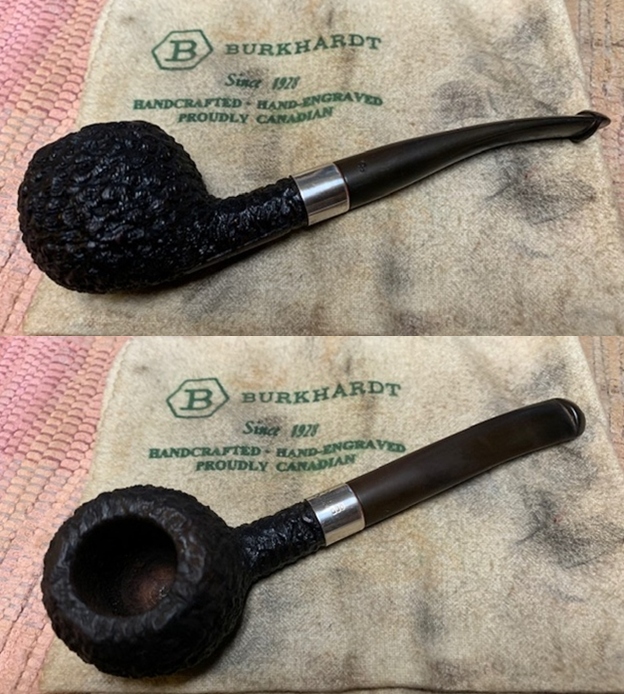
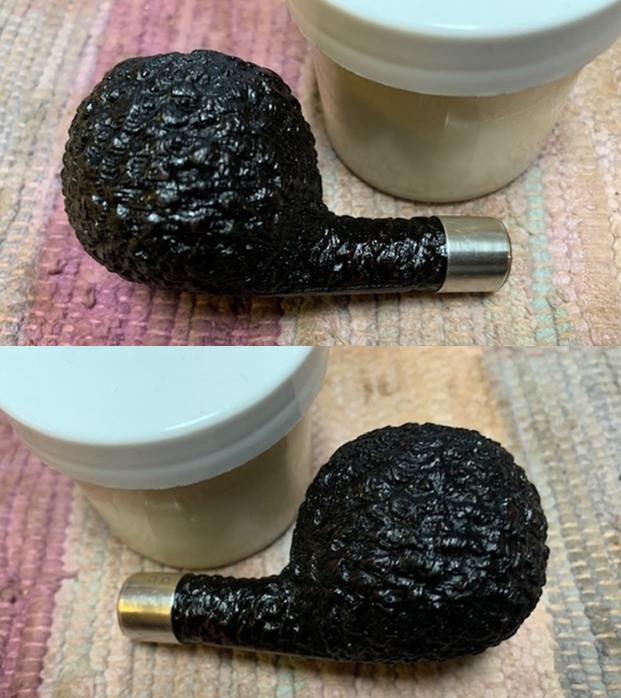
Jeff had done a great job cleaning up the pipe as usual. He reamed the pipe with a PipNet reamer and cut back the cake back to the bare briar. He cleaned up the walls with a Savinelli Fitsall Pipe Knife. He scrubbed the interior of the bowl and shank with pipe cleaners, cotton swabs and alcohol to remove the tars and oils. He scrubbed the exterior of the pipe with Murphy’s Oil Soap and a tooth brush to remove the grime from the finish. He worked on the rim top lava and darkening with the soap and tooth brush. He scrubbed the inside of the stem with alcohol and pipe cleaners. He scrubbed the exterior with Soft Scrub and then soaked it in Before & After Deoxidizer. He washed it off with warm water to remove the Deoxidizer. The pipe looked far better when it arrived. It has been sitting here for 2 years so the silver tarnished once again and would need to be polished.   I took some close up photos of the rim top and also of the stem surface. I wanted to show how well it had cleaned up. The rim top and edges look quite good. It should clean up really well. I also took close up photos of the stem to show the light tooth marks on the surface near the button. There is also some remaining oxidation on the top of the stem.   I took a photo of the stamping on the underside of the shank and the band. You can see that it is stamped as noted above. It is clear and readable.   I took the pipe apart and took a photo of the pipe. It is a good looking pipe and has a rugged rustication around the bowl. I polished the Sterling Silver band on the shank with a jeweler’s cloth to remove the tarnish and polish it.   I worked some Before & After Restoration Balm into the surface of the briar with my fingertips and a horsehair shoe brush to clean, enliven and protect the briar. I let the balm sit for 15 minutes and then buffed with a cotton cloth to raise the shine. The photos show the bowl at this point in the restoration process.   I scrubbed the stem with Soft Scrub to remove the oxidation on the stem surface. I worked it over the surface of the stem with cotton pads and removed the deep oxidation on the top side of the stem.  There was one tooth mark against the edge of the button on the underside of the stem. I filled in the tooth mark with clear CA glue. Once the repair cured I used a file to smooth out the repair. I followed that by sanding it with a folded piece of 220 grit sandpaper. I started the polishing of the stem with 400 grit wet dry sandpaper. I wiped it down with some Obsidian Oil.   I used Paper Mate Liquid Paper to touch up the “P” stamp on the left side of the stem. It came out looking very good.  I polished the stem with micromesh sanding pads – wet sanding with 1500-12000 grit sanding pads. I wiped it down after each sanding pad with Obsidian Oil. I polished it with Before & After Pipe Stem Polish – both Fine and Extra Fine.  I am excited to finish this Republic Era Peterson’s “Donegal” Rocky 406 Prince. I put the pipe back together and buffed it with Blue Diamond on the buffing wheel. I gave the bowl multiple coats of Conservator’s Wax and the stem multiple coats of carnauba wax. I hand buffed the pipe with a clean buffing pad to raise the shine. It is fun to see what the polished bowl looks like with the rugged rustication all around it. Added to that the polished Sterling Silver band and the black vulcanite stem was beautiful. This rusticated Classic Peterson’s Prince is nice looking and the pipe feels great in my hand. It is light and well balanced. Have a look at it with the photos below. The dimensions are Length: 6 inches, Height: 1 ½ inches, Outside diameter of the bowl: 1 ½ inches, Chamber diameter: ¾ of an inch. The weight of the pipe is 37grams/1.25oz. It is a beautiful pipe and one that will be on the Irish Pipe Makers section of the rebornpipes store soon. If you are interested in adding it to your collection let me know. Thanks for walking through the restoration with me as I worked over this pipe. Thanks to each of you who are reading this blog.
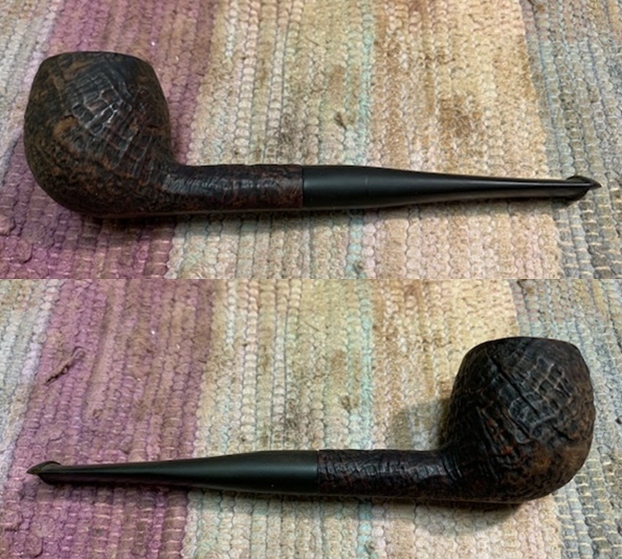
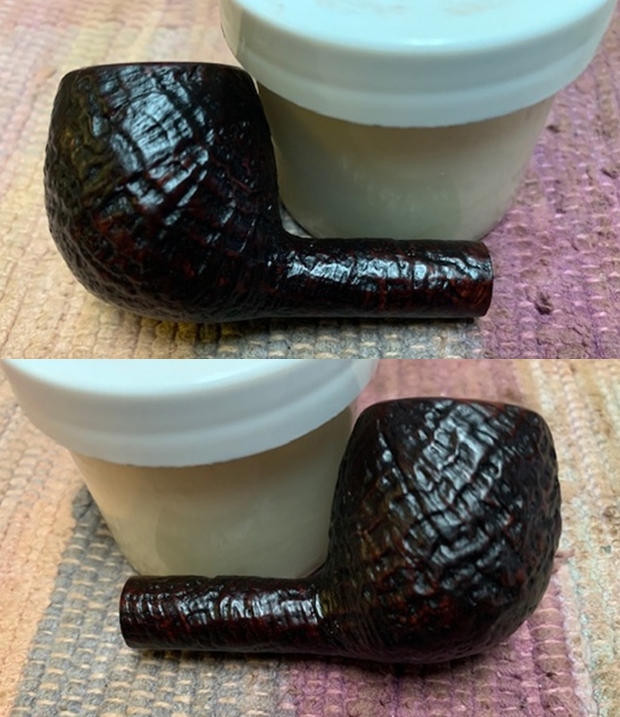
Breathing Life a Peterson’s Republic Era Emerald 264 Canadian


Blog by Steve Laug

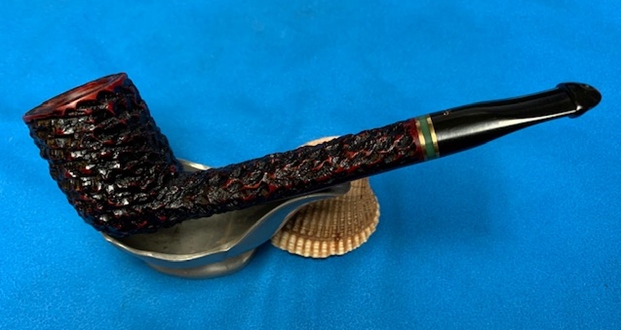
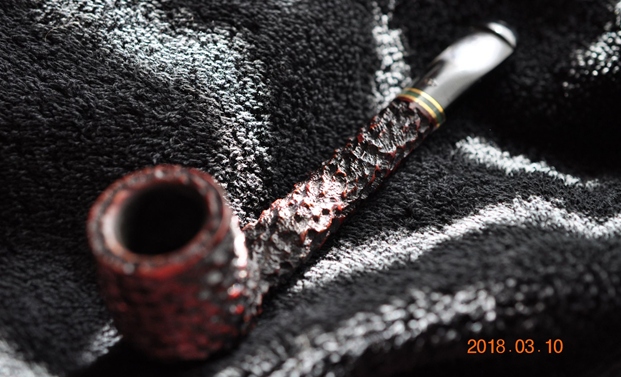
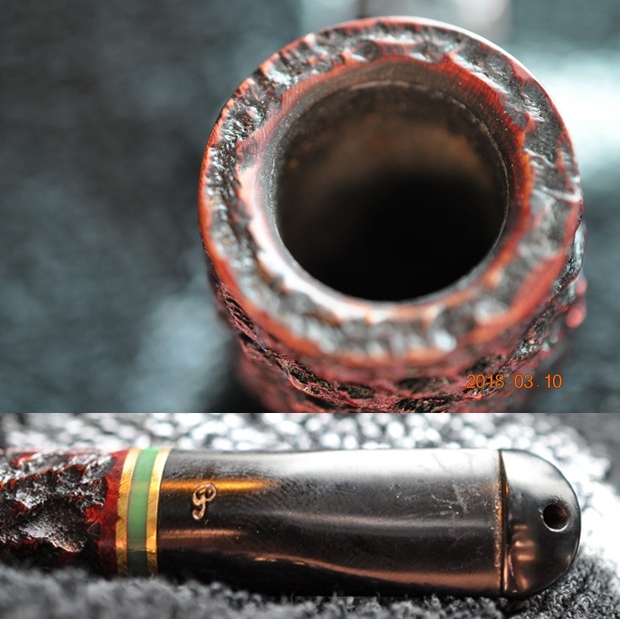
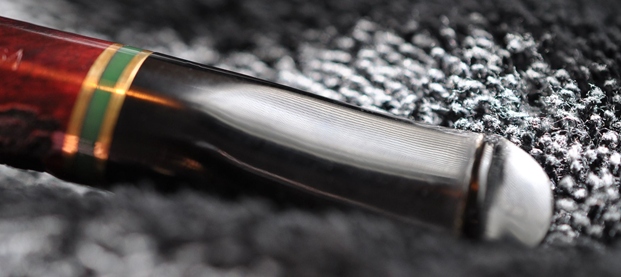
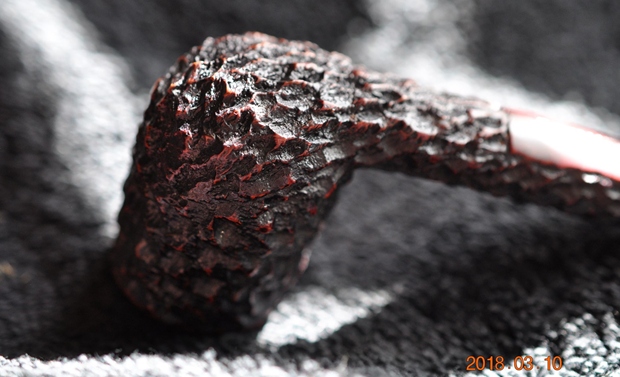
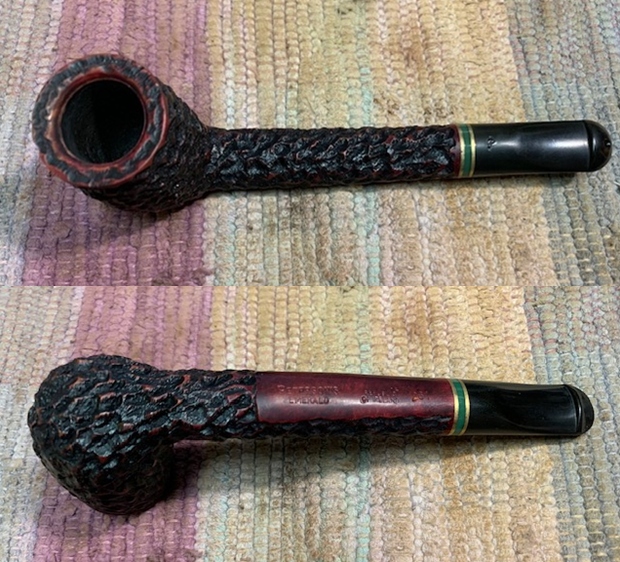
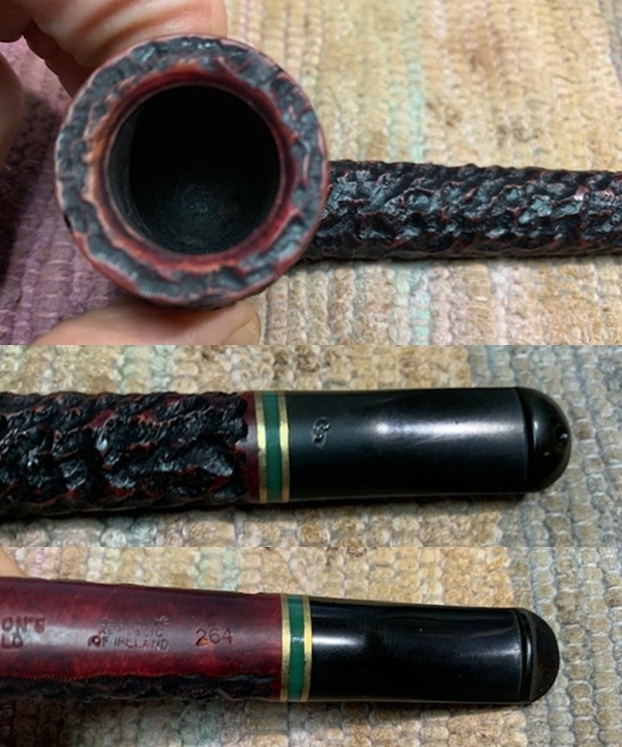
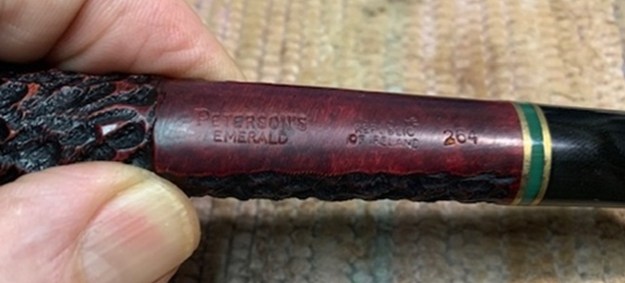
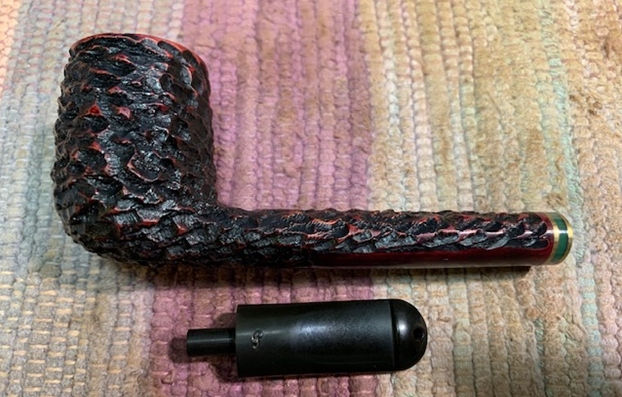
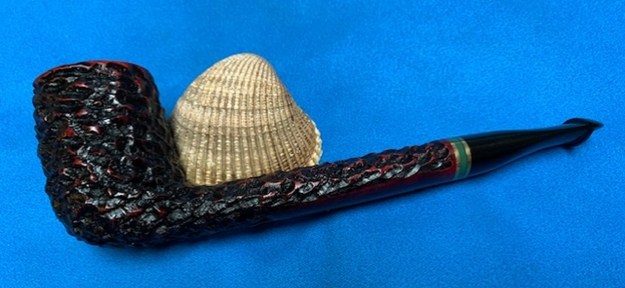
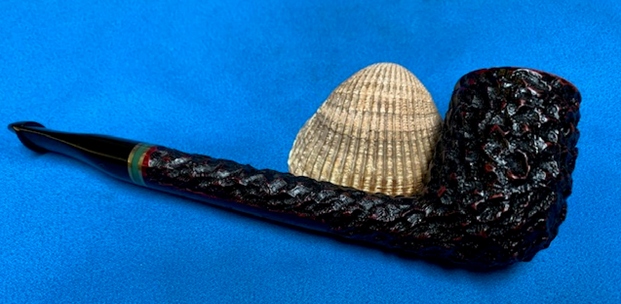
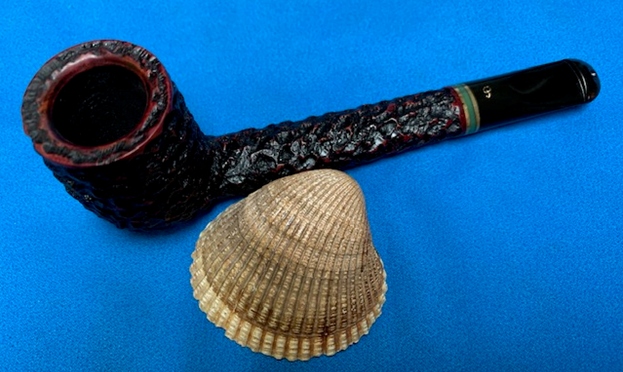
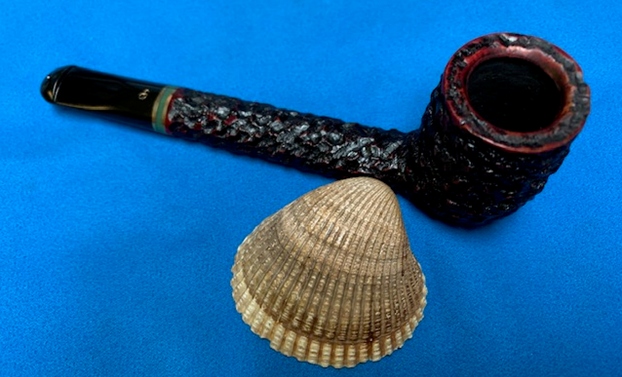
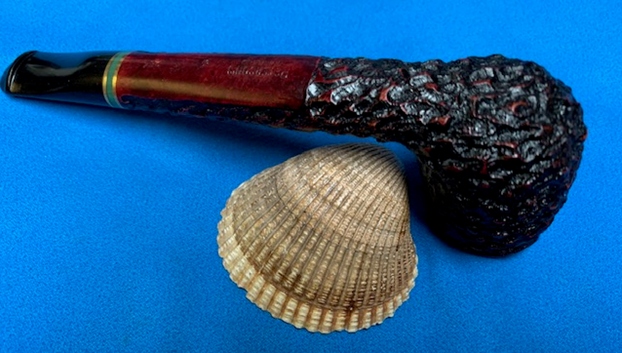
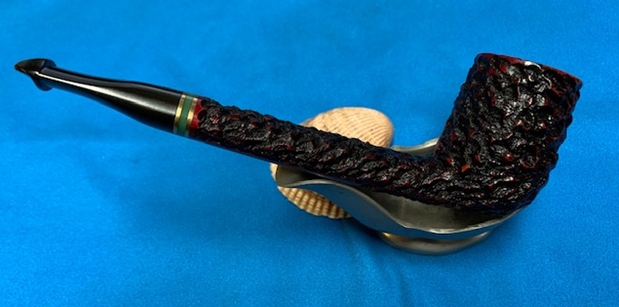
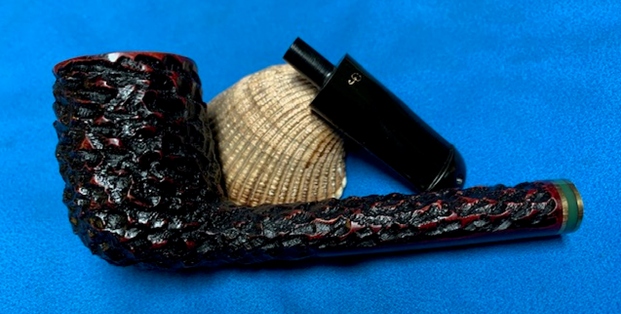
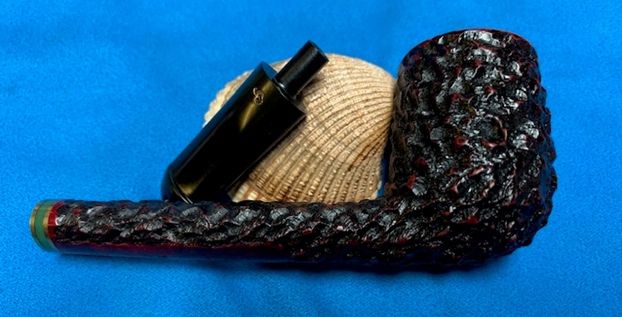
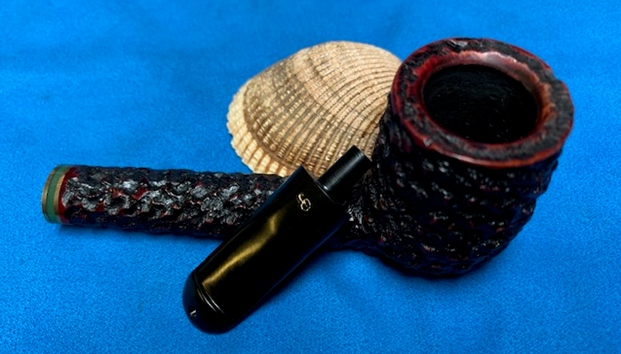
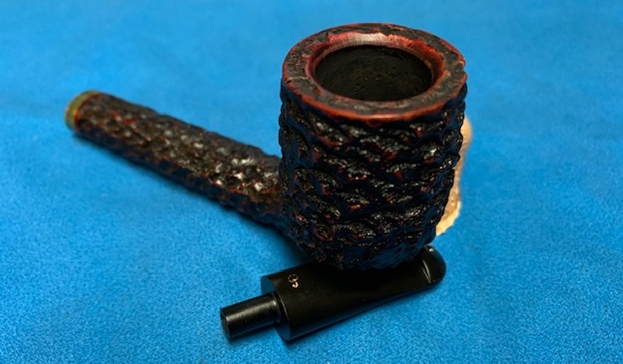
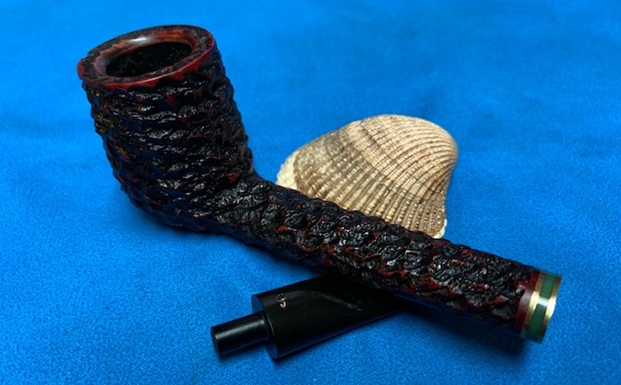
The next pipe I have chosen is smooth finished Peterson’s Emerald pipe. This one is a 264 Canadian that has a great rustication on the bowl sides and shank. It also has a triple band on the shank – 2 thinner brass bands separated by and emerald green acrylic band. It came to us from the estate of Anglican minister that was a great friend of mine here in Canada. I was in the airport in Hong Kong when his daughter contacted me to tell me of his death and asked if I wanted to take on his pipes. I told her that I was sad to hear of his death but would gladly take on his pipes to restore and sell. This Canadian had a triple brass and emerald band on the shank that adds a touch of colour to the rusticated pipe. The pipe was dusty in the rustication on the bowl and shank. The contrast of the brown and black stains gives depth to the rustication. It was stamped on the underside of the shank and read Peterson’s [over] Emerald. That is followed by the stamp that reads Made in the Republic of Ireland in three lines and the shape number 264. The bowl had been lightly smoked if at all and was dusty but otherwise good condition. The stem was lightly oxidized and had light tooth chatter on the top and underside on and near the button. Jeff took photos of the pipe before his cleanup work. They tell the story and give a glimpse of the pipe. Jeff took photos of the rim top and stem to show the general condition of the pipe. The bowl is lightly caked if at all and the rim top and edges have some dust in the grooves. The stem is lightly oxidized and has light tooth marks on the top and underside near the button.     Jeff took a photo of the bowl sides and heel to show the rustication around this bowl. It is a nice looking pipe. He took a photo of the underside of the shank to show the stamping. The stamping is readable in the photos below and is as noted above. I am including the information from Pipedia’s article on Peterson pipes. It is a great read in terms of the history of the brand (https://pipedia.org/wiki/Peterson). I have included a bit of the pertinent history here.

1950 – 1989 The Republic Era – From 1950 to the present time, the stamp for this era is “Made in the Republic of Ireland” in a block format generally in three lines but two lines have been used with or without Republic being abbreviated.

During the 1950’s and 60’s the Kapp & Peterson Company was still in the ownership of the Kapp family. However 1964 saw the retiral of the company Managing Director Frederick Henry(Harry) Kapp.

I knew that I was dealing with a Republic Era pipe made between 1950 and the present. Now it was time to work on the pipe.

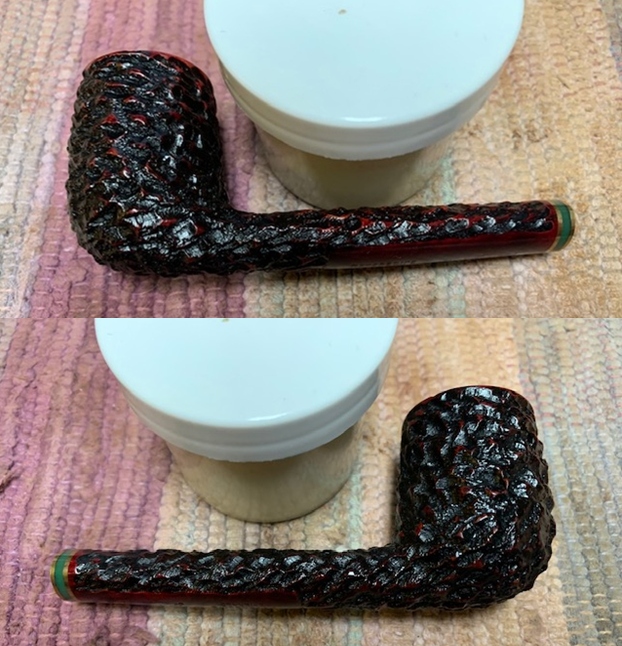
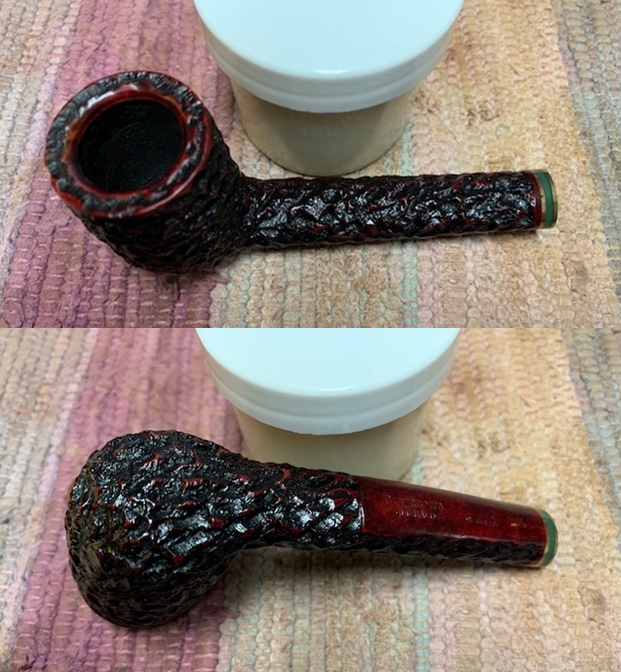
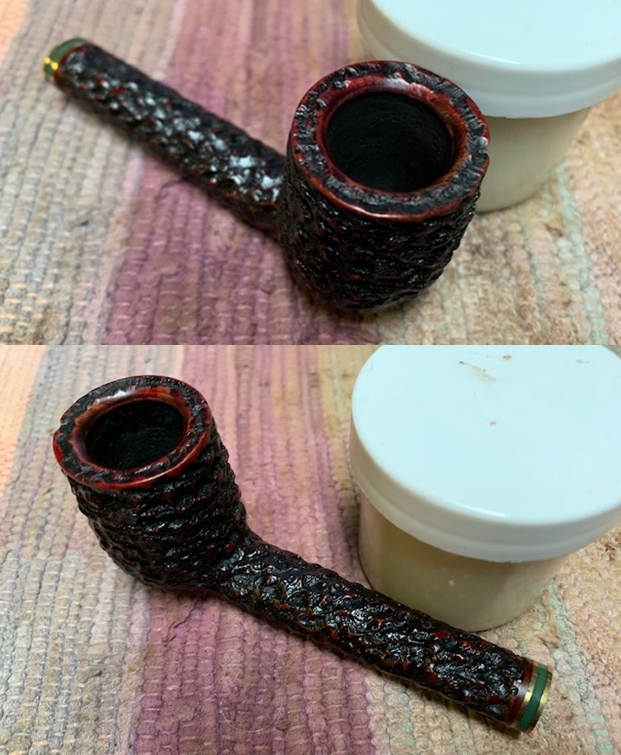
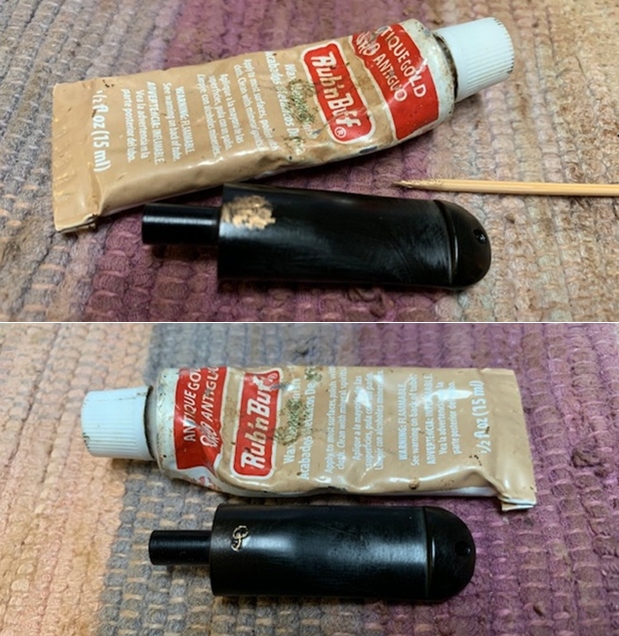
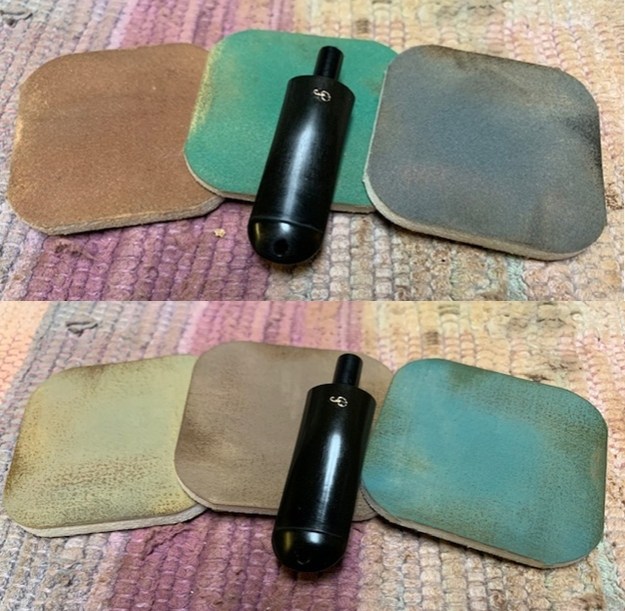
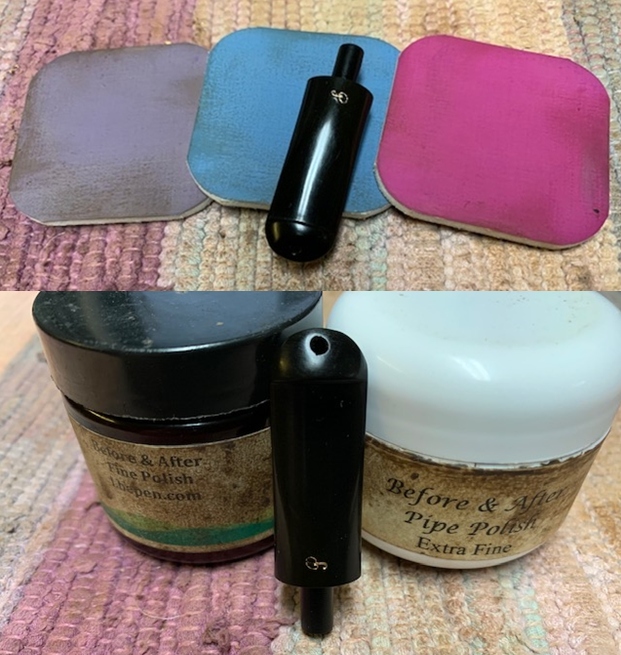
Jeff had done a great job cleaning up the pipe as usual. He reamed the pipe with a PipNet reamer and cut back the cake back to the bare briar. He cleaned up the walls with a Savinelli Fitsall Pipe Knife. He scrubbed the interior of the bowl and shank with pipe cleaners, cotton swabs and alcohol to remove the tars and oils. He scrubbed the exterior of the pipe with Murphy’s Oil Soap and a tooth brush to remove the grime from the finish. He worked on the rim top lava and darkening with the soap and tooth brush. He scrubbed the inside of the stem with alcohol and pipe cleaners. He scrubbed the exterior with Soft Scrub and then soaked it in Before & After Deoxidizer. He washed it off with warm water to remove the Deoxidizer. The pipe looked very good when it arrived.   I took some close up photos of the rim top and the stem surface. I wanted to show how well it had cleaned up. The rim top looked very good. I also took close up photos of the stem to show the light tooth marks on the surface near the button.    I took photos of the stamping on the underside of the shank. You can see that it is stamped as noted above. It is clear and readable.  I took the pipe apart and took a photo of the pipe. It is a good looking pipe and has a rugged rustication around the bowl and shank. I worked some Before & After Restoration Balm into the surface of the briar with my fingertips and a horsehair shoe brush to clean, enliven and protect the briar. I let the balm sit for 15 minutes and then buffed with a cotton cloth to raise the shine. The photos show the bowl at this point in the restoration process.   I touched up the “P” stamp on the top of the stem with Rub’n Buff Antique Gold. I worked it into the stamp with a tooth pick and wiped off the excess. The stamp was originally gold as far as I can see from what remained in the stamp before the touch up. It looks much better.I polished the stem with micromesh sanding pads – wet sanding with 1500-12000 grit sanding pads. I wiped it down after each sanding pad with Obsidian Oil. I polished it with Before & After Pipe Stem Polish – both Fine and Extra Fine.   I am excited to finish this Republic Era Peterson’s Emerald 264 Canadian. I put the pipe back together and buffed it with Blue Diamond on the buffing wheel. I gave the bowl multiple coats of Conservator’s Wax and the stem multiple coats of carnauba wax. I buffed the pipe with a clean buffing pad to raise the shine and hand buffed it with a microfibre cloth to deepen the shine. It is fun to see what the polished bowl looks like with the rugged rustication all around it. Added to that the polished triple brass and emerald acrylic band and the black vulcanite stem was beautiful. This smooth Classic Peterson’s Canadian is nice looking and the pipe feels great in my hand. It is light and well balanced. Have a look at it with the photos below. The dimensions are Length: 5 ¾ inches, Height: 1 ¾ inches, Outside diameter of the bowl: 1 ¼ inches, Chamber diameter: ¾ of an inch. The weight of the pipe is 31grams/1.09oz. It is a beautiful pipe and one that will be on the Irish Pipe Makers section of the rebornpipes store soon. If you are interested in adding it to your collection let me know. Thanks for walking through the restoration with me as I worked over this pipe. Thanks to each of you who are reading this blog.
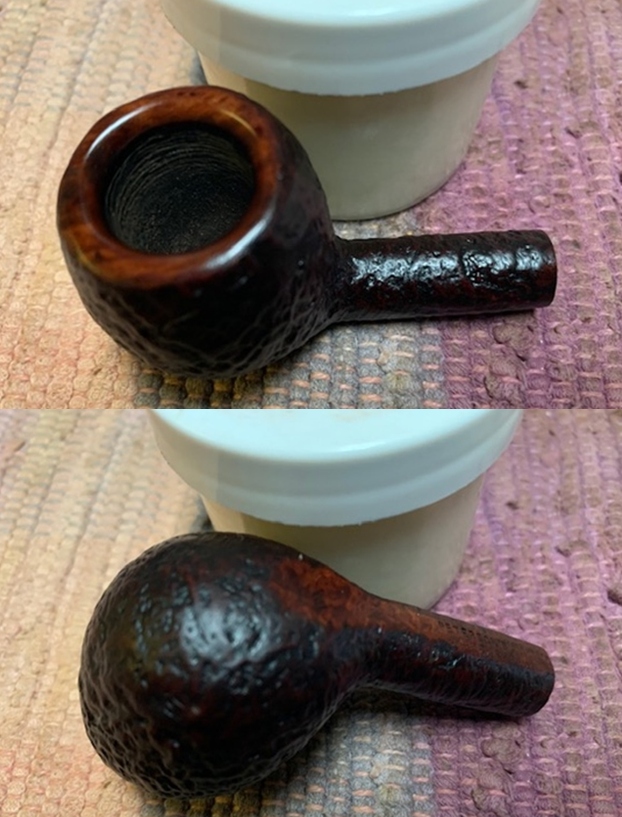
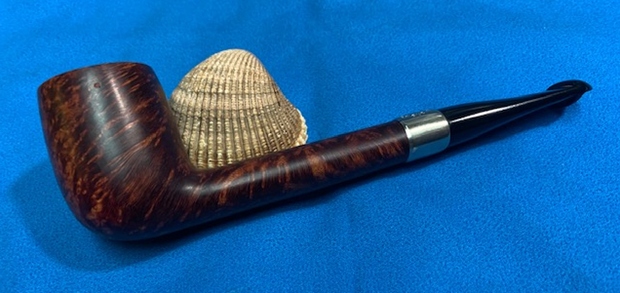
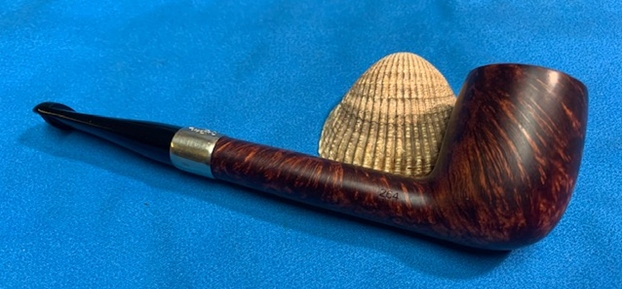
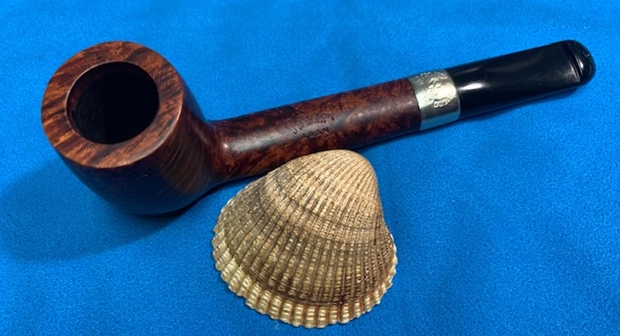
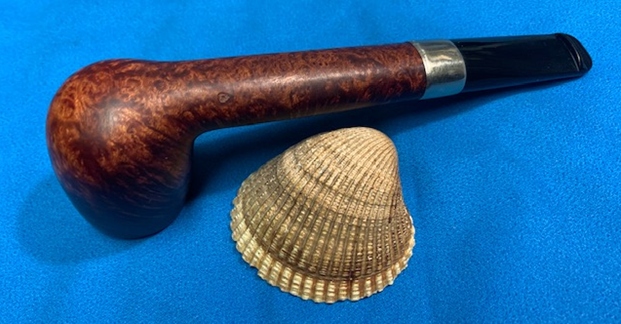
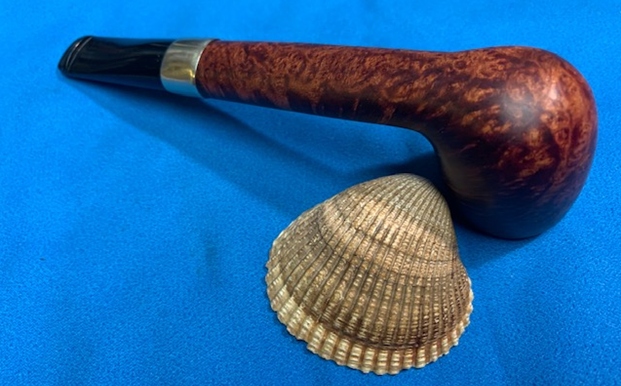
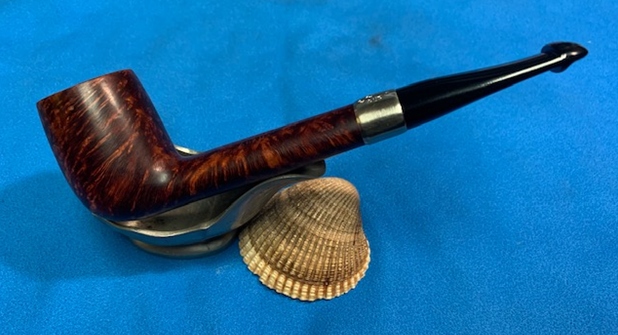
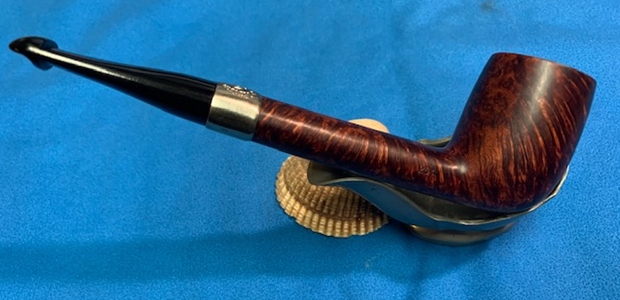
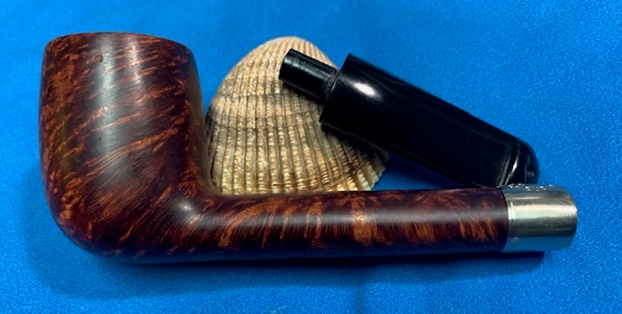
Breathing Life a Peterson’s Pre-Republic 1947-1949 “Sterling” 264 Lumberman


Blog by Steve Laug

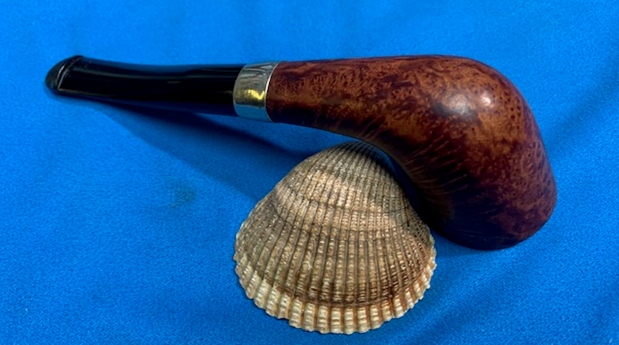
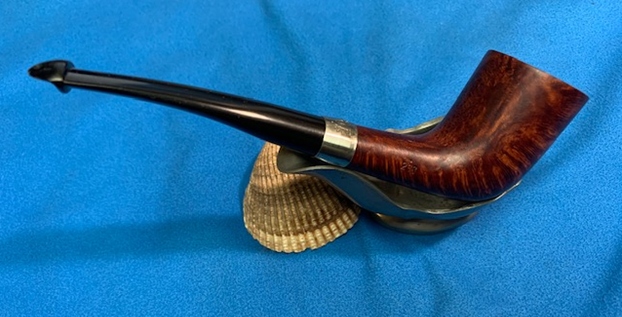
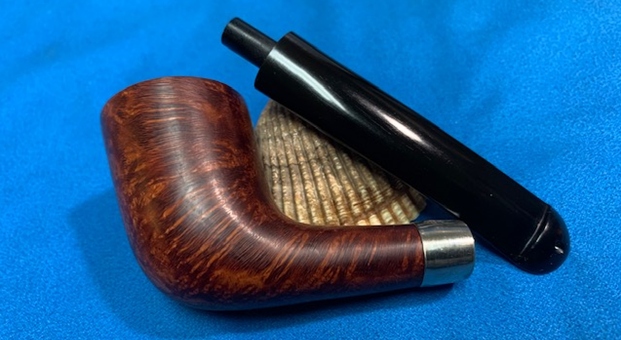
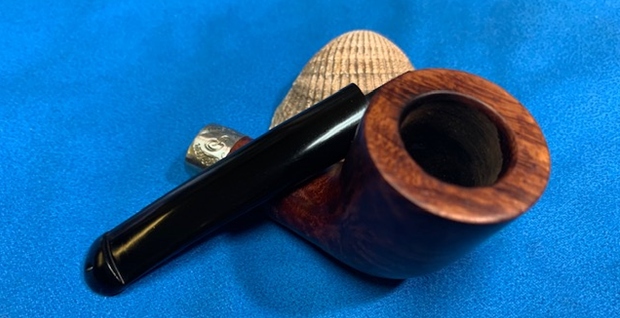
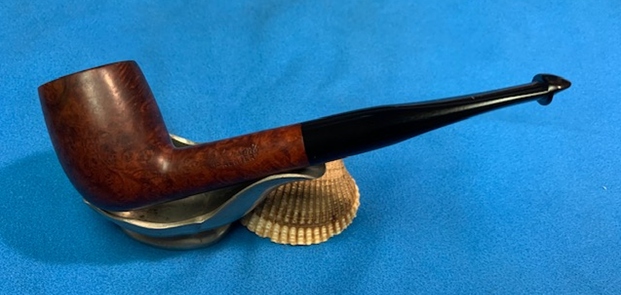
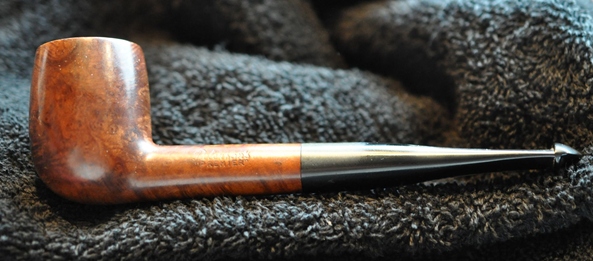
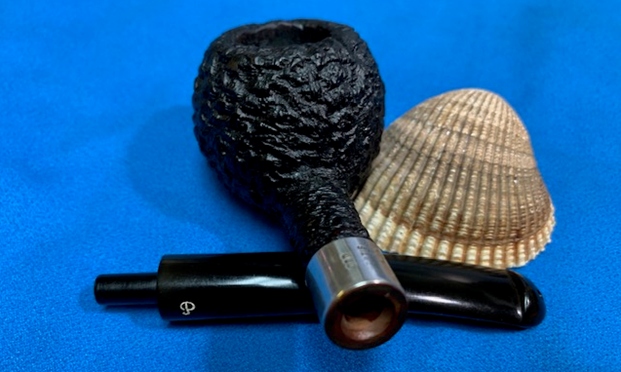
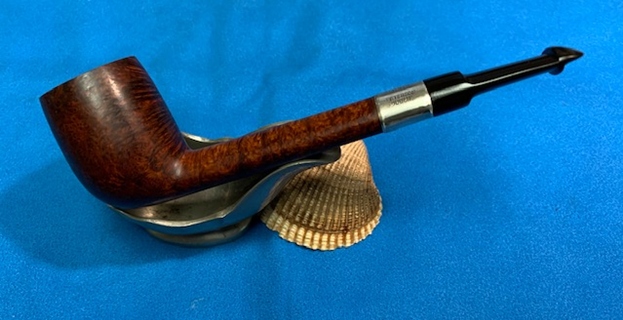
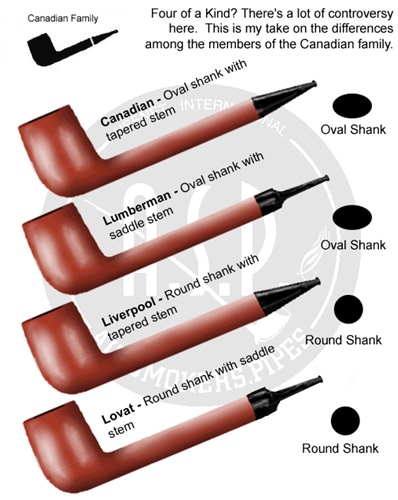
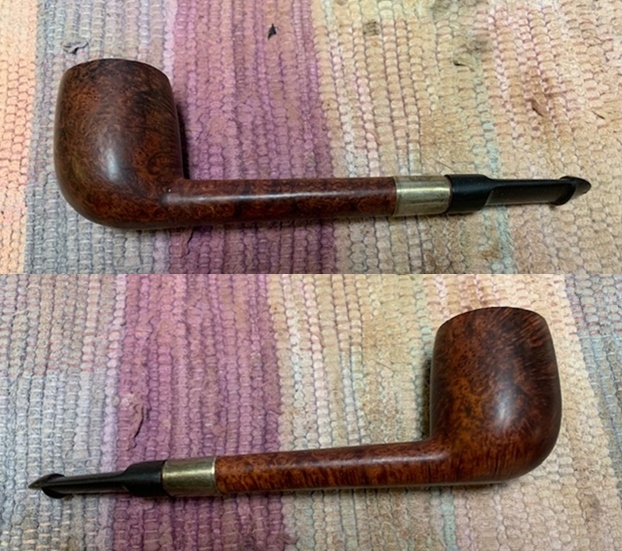
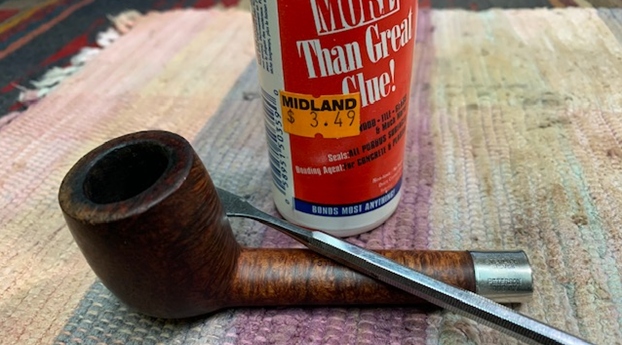
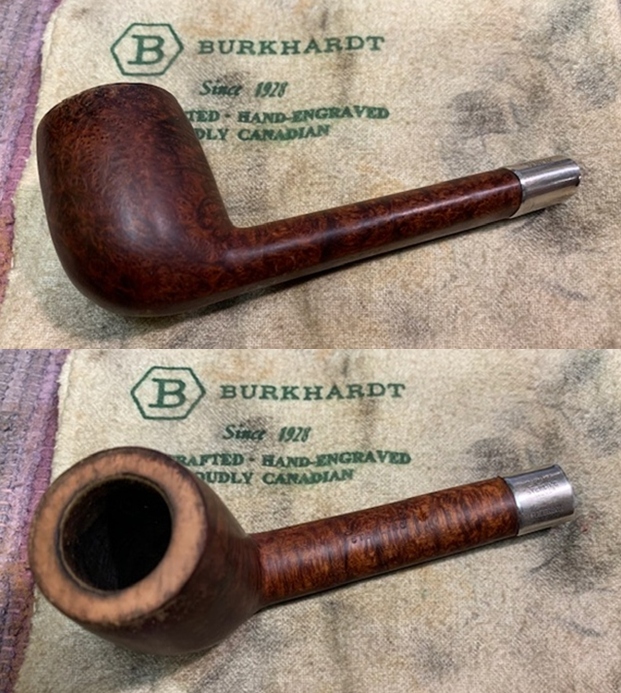
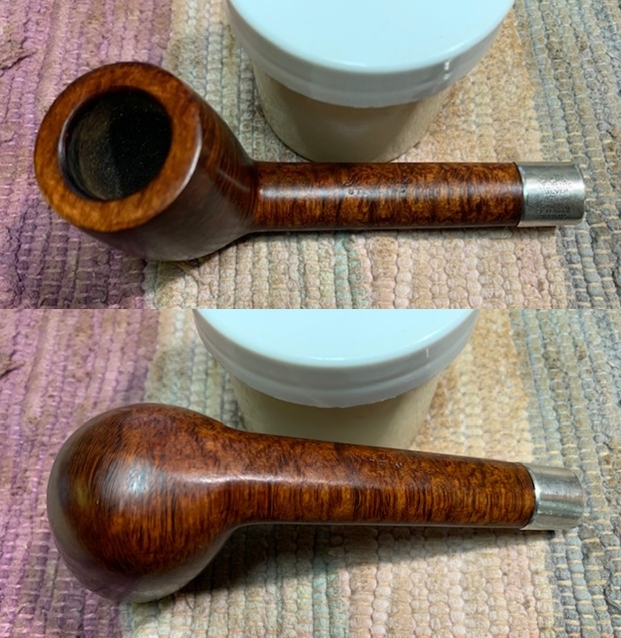
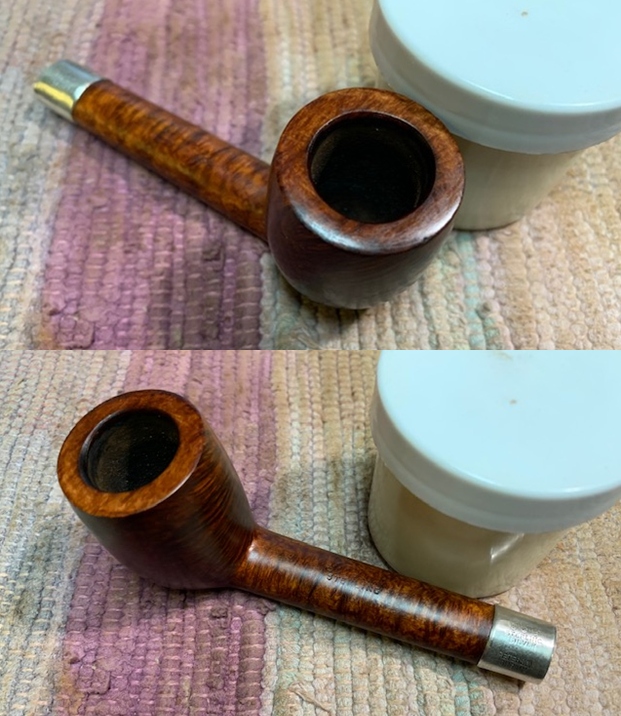
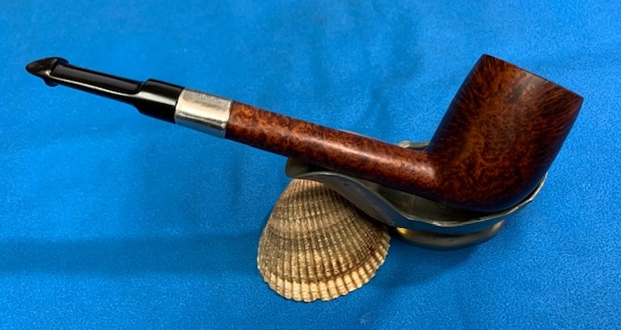
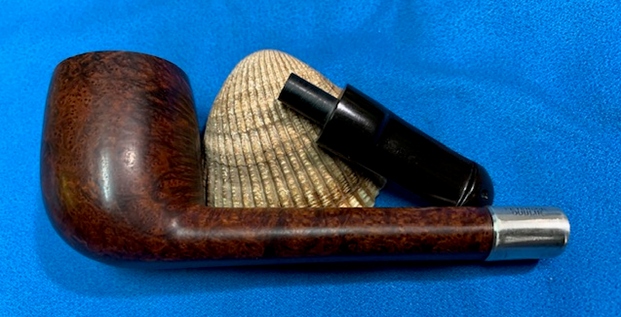
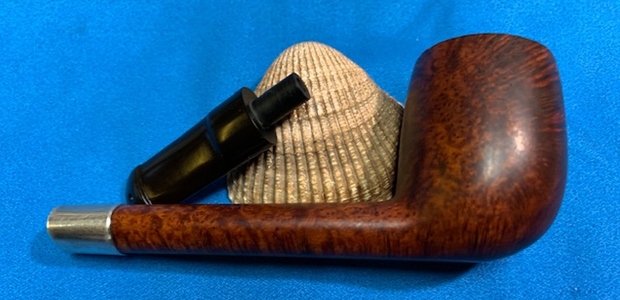
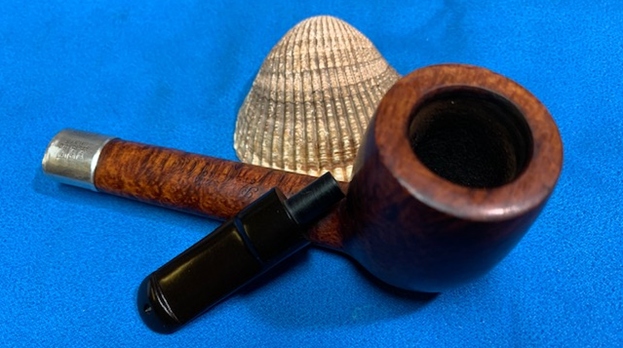
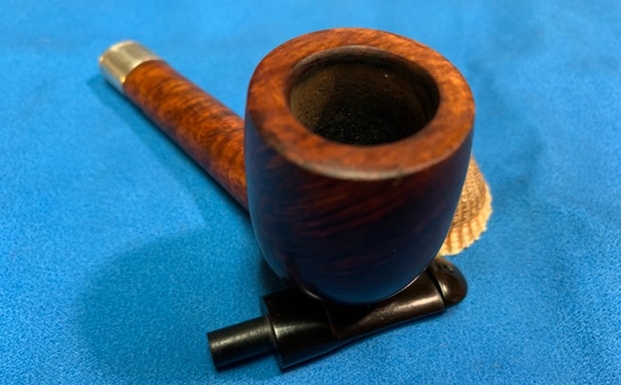
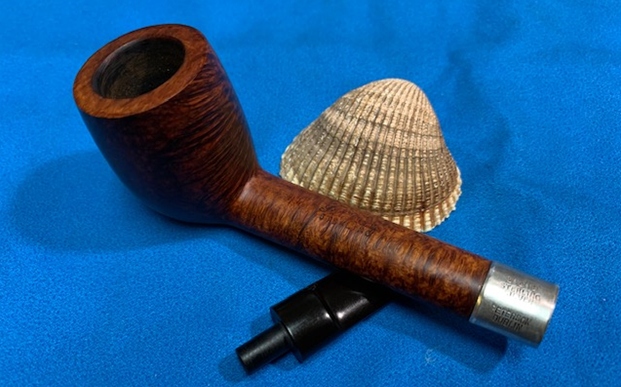
The next pipe I have chosen is smooth finished Peterson’s “Sterling” pipe. This one is part of the Canadian shape family and is what I would call a Lumberman as it has an oval shank and a saddle stem. It is shown as the second pipe in the photo to the left. It has a medium brown coloured finish with amazing grain around the bowl sides and shank. It is also incredibly dirty.

It also came to us from the estate of Anglican minister that was a great friend of mine here in Canada. I was in the airport in Hong Kong when his daughter contacted me to tell me of his death and asked if I wanted to take on his pipes. I told her that I was sad to hear of his death but would gladly take on his pipes to restore and sell.

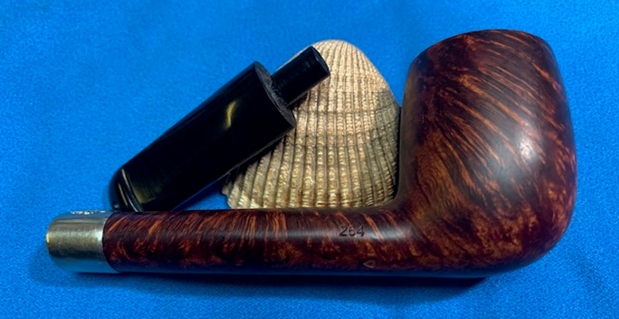
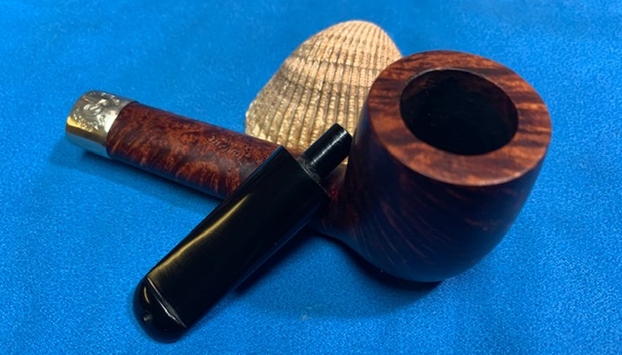
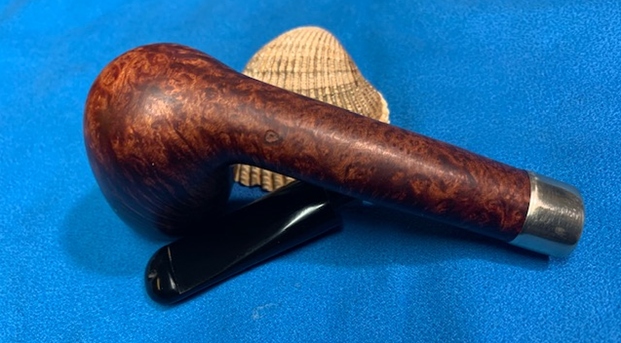
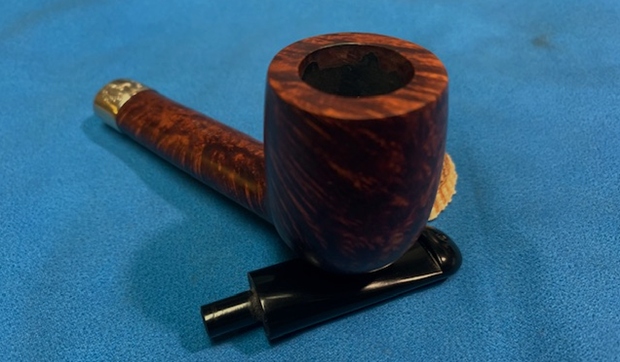
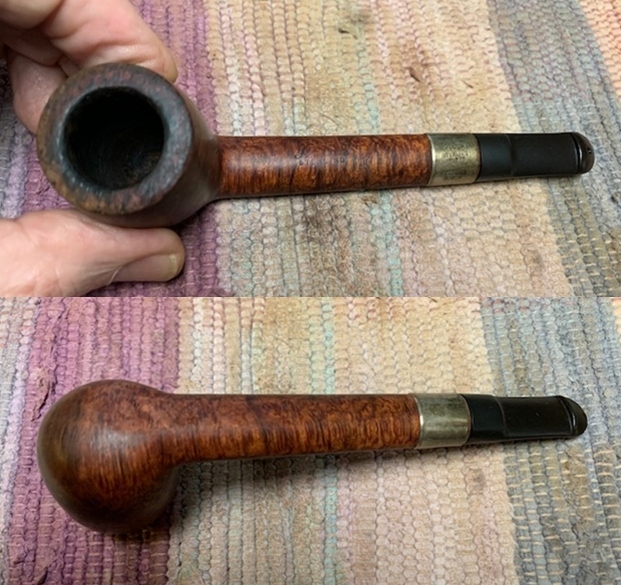
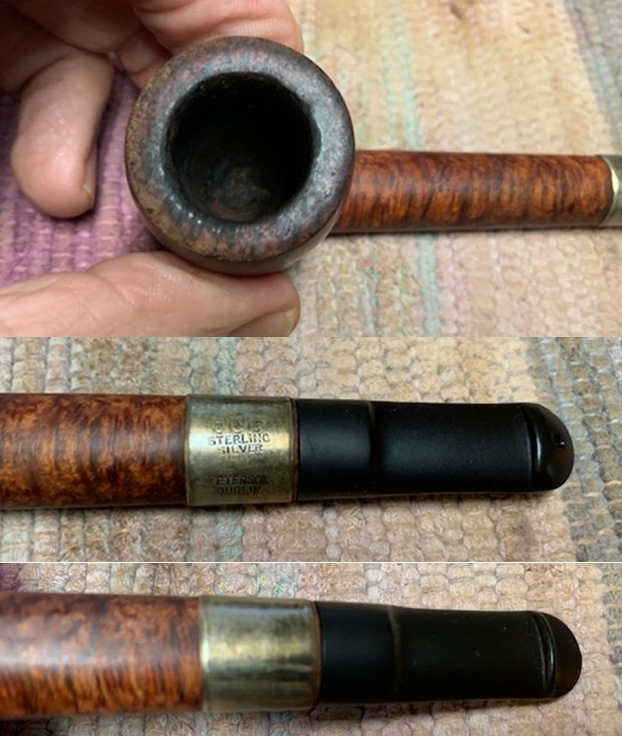
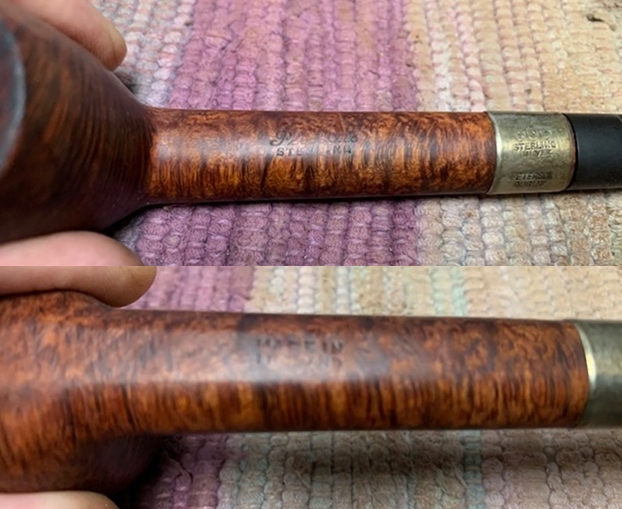
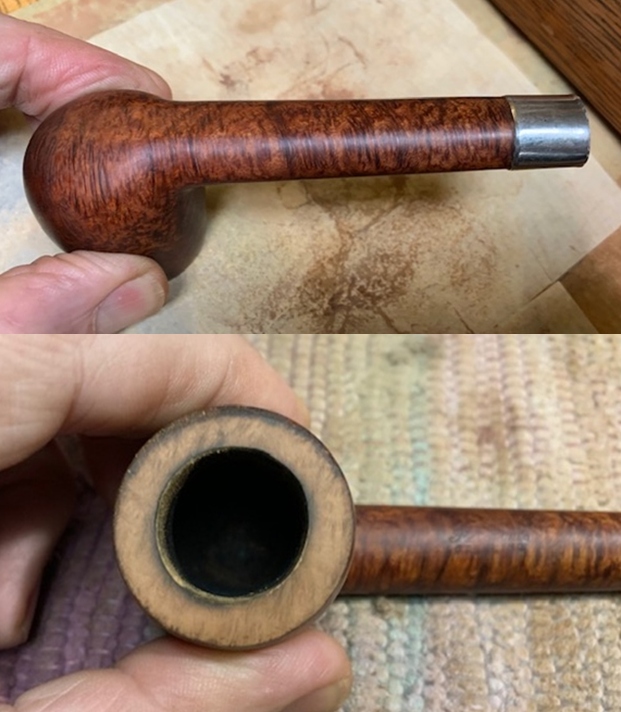
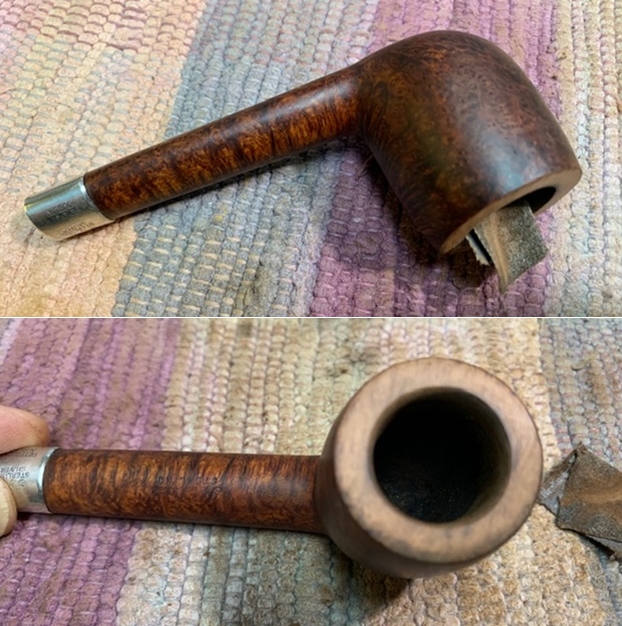
This Lumberman has a silver band on the shank that was badly oxidized. The grime on the finish was ground into the finish on the bowl sides. The contrast of the brown stains the grain really pop. It was stamped on the topside of the shank and read Peterson’s [over] “Sterling”. It was stamped on the underside and read Made in Ireland. The shape number 264 is next to the bowl on the right side. The tarnished band is stamped with K&P in shields [over] Sterling Silver [over] Peterson [over] Dublin. It was in filthy when Jeff brought it to the table. He remembers that the finish was dirty with grime ground into the briar sides and rim. There was a thin cake in the bowl and light spattering of lava on the rim top and the inner edge of the bowl. The stem was lightly oxidized and had light tooth marks and chatter on the top and underside on and near the button. Jeff took photos of the pipe before his cleanup work but cannot find them. I am including the photos of the pipe as it was when it arrived here. I am including the information from Pipedia’s article on Peterson pipes. It is a great read in terms of the history of the brand (https://pipedia.org/wiki/Peterson). I have included a bit of the pertinent history here.

The Made in Eire era stamps were from 1938 through till 1941. Peterson now stamped their pipes with “Made in Eire” in a circle format with “Made” and “Eire” in a circle with the “in” located in the centre of the circle. This was used during the years of 1938 – 41. Later they stamped their pipes with “Made in Ireland” in a circle format 1945-1947 and still later with “Made in Ireland” in a block format 1947-1949. The “Made in Ireland” block format came in either one line or two lines.

 I knew that I was dealing with a Pre-Republic Era pipe made between 1938-1949. The pipe is stamped with the Made in Ireland Block format stamp dating it between 1947-1949 so I am working on an old one. Now it was time to work on the pipe.

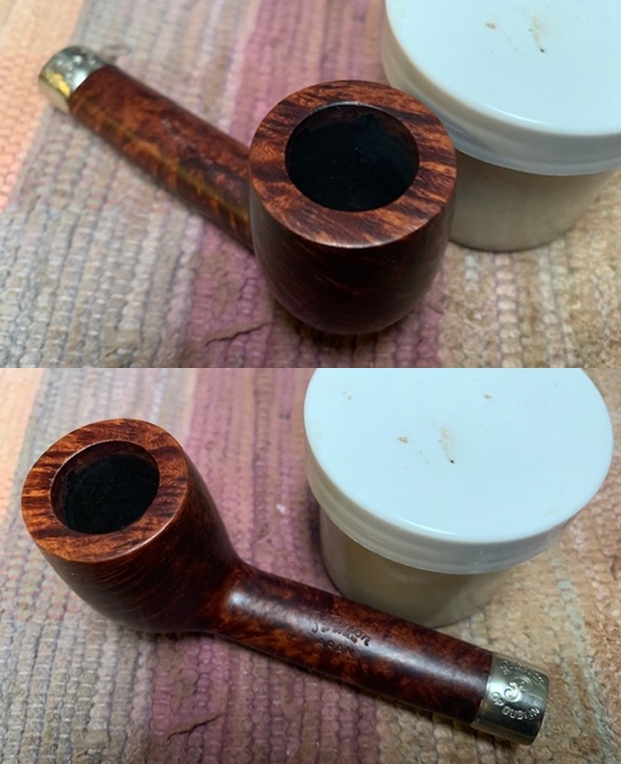
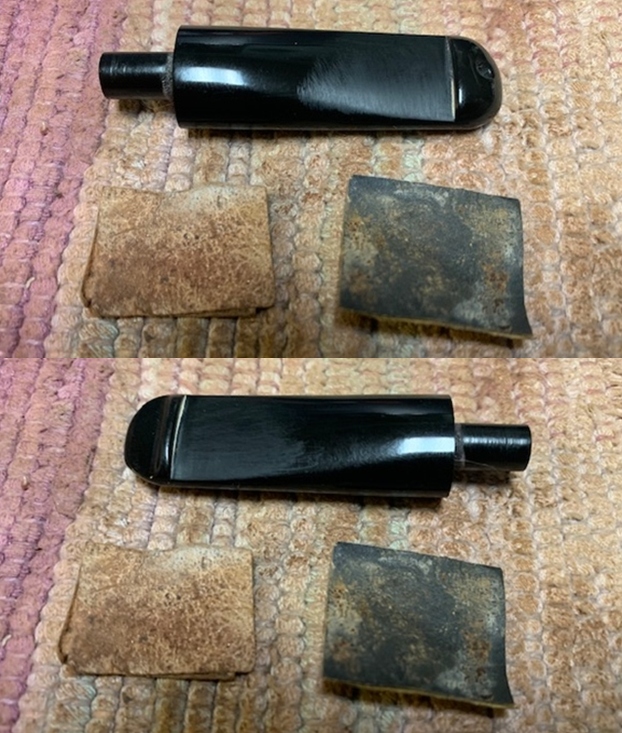
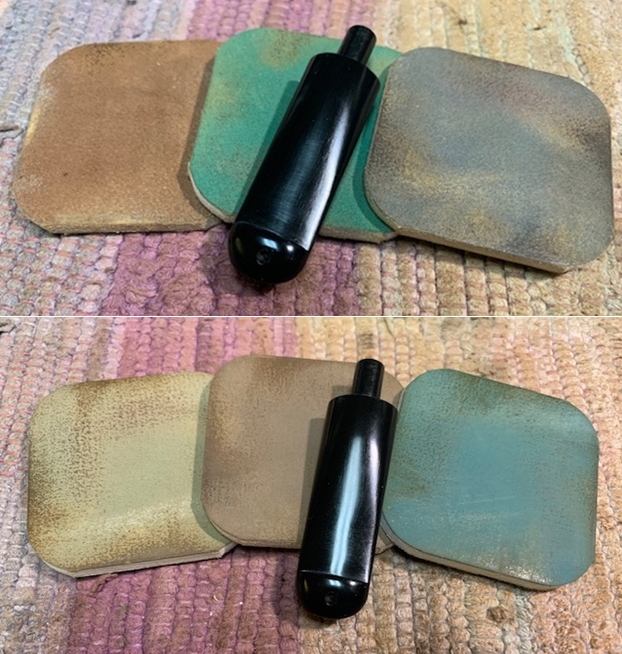
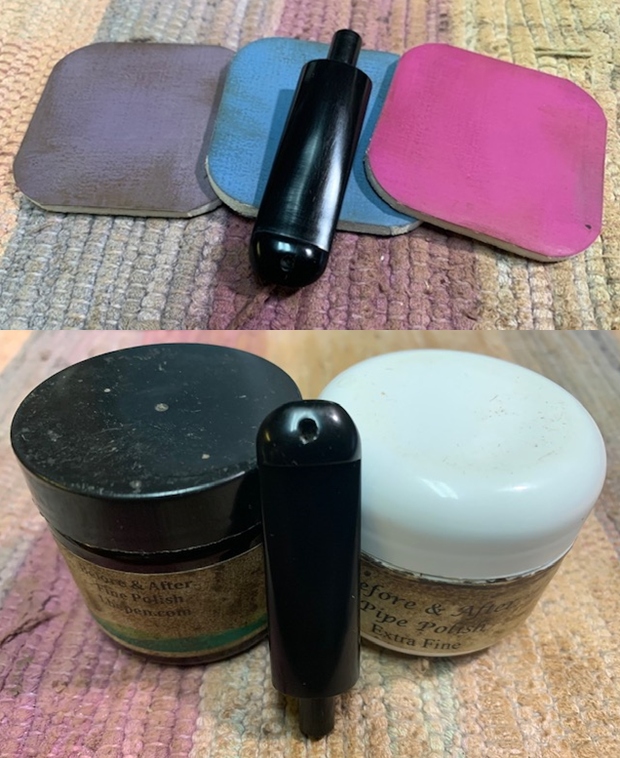
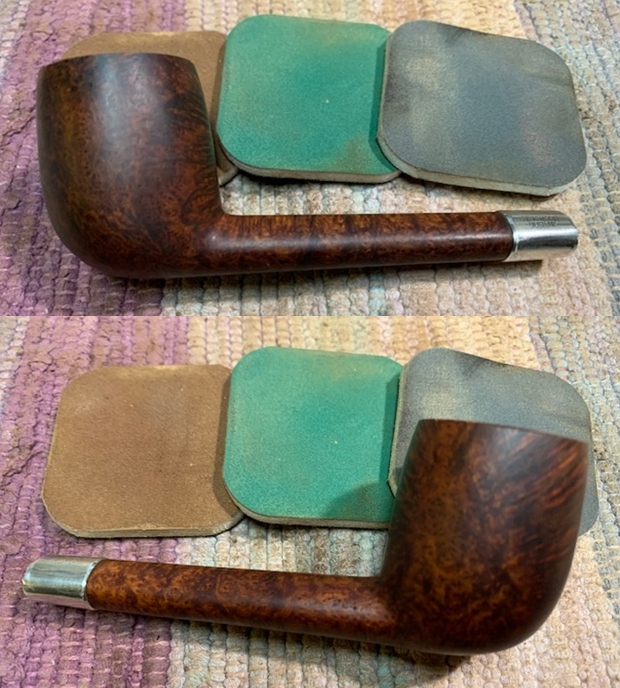
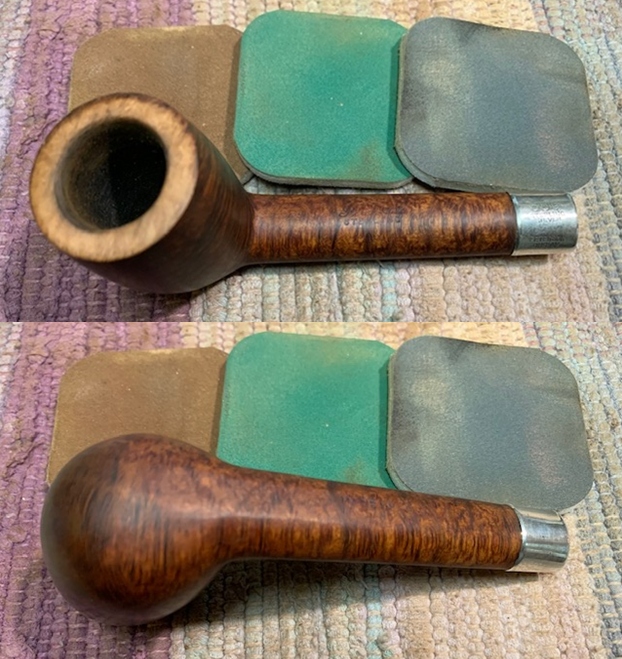
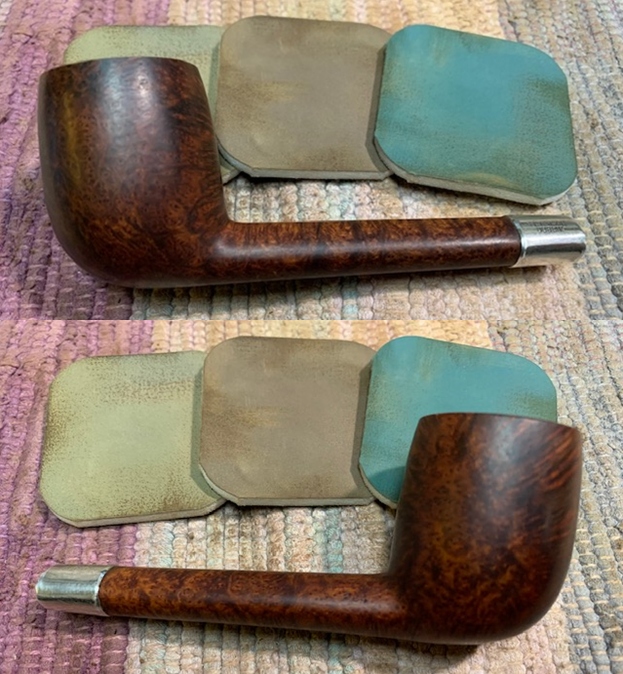
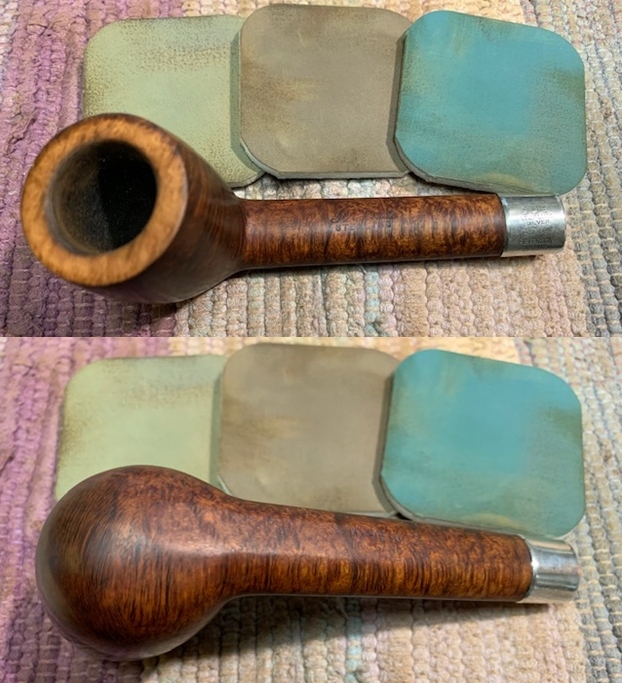
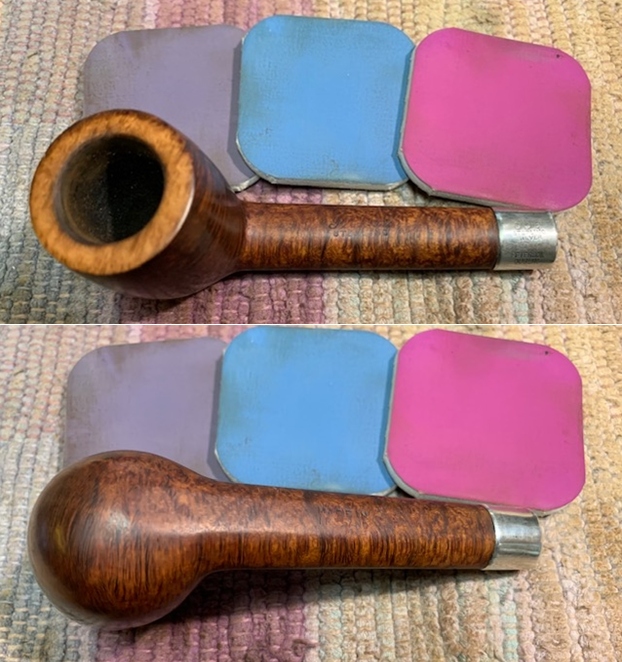
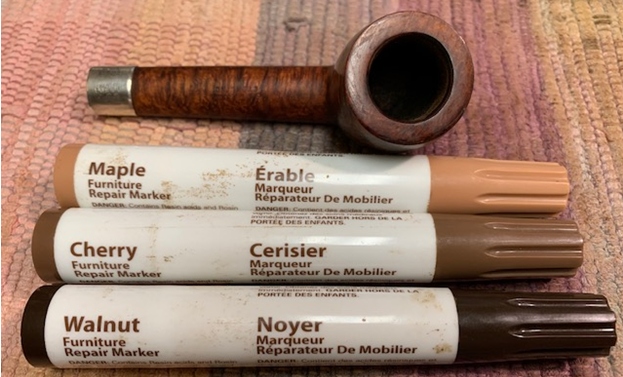
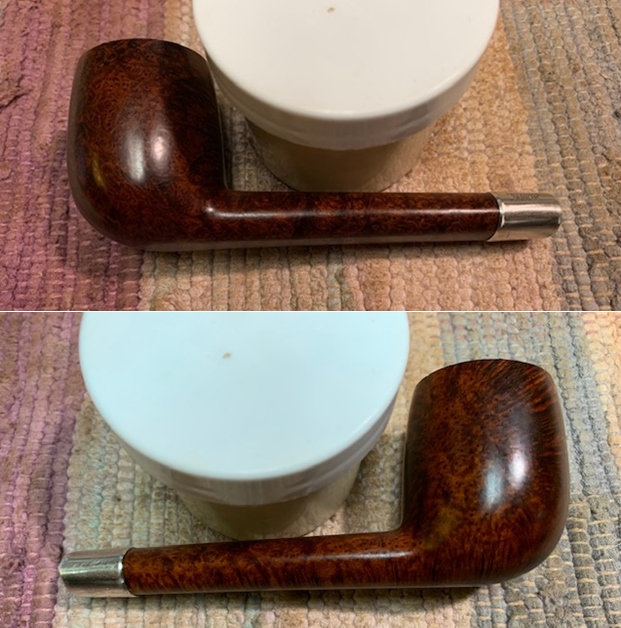
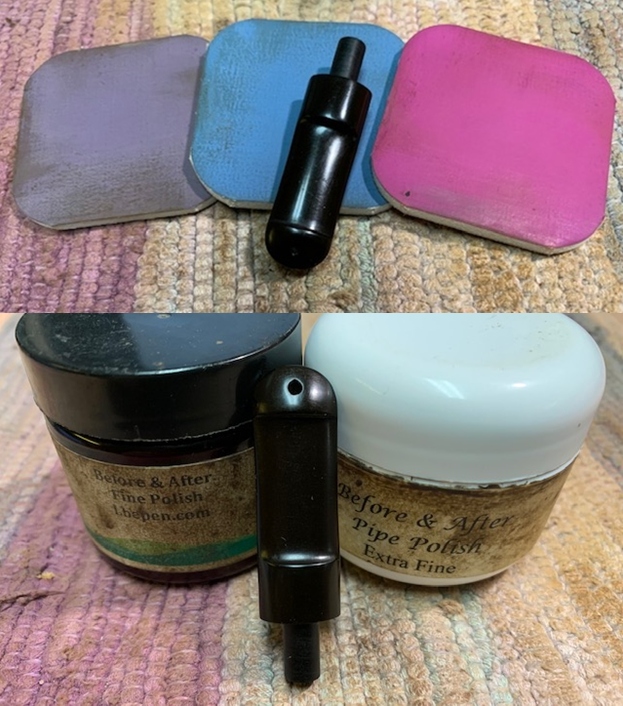
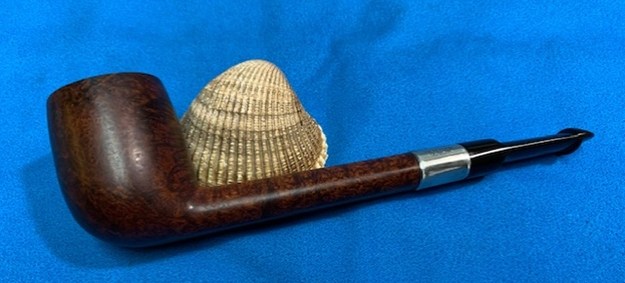
Jeff had done a great job cleaning up the pipe as usual. He reamed the pipe with a PipNet reamer and cut back the cake back to the bare briar. He cleaned up the walls with a Savinelli Fitsall Pipe Knife. He scrubbed the interior of the bowl and shank with pipe cleaners, cotton swabs and alcohol to remove the tars and oils. He scrubbed the exterior of the pipe with Murphy’s Oil Soap and a tooth brush to remove the grime from the finish. He worked on the rim top lava and darkening with the soap and tooth brush. He scrubbed the inside of the stem with alcohol and pipe cleaners. He scrubbed the exterior with Soft Scrub and then soaked it in Before & After Deoxidizer. He washed it off with warm water to remove the deoxidizer. I took some close up photos of the rim top and also of the stem surface. The rim top had some darkening on the back top and the inner edge had burn damage on the front right and back. It was in rough condition. I took close up photos of the stem to show the light tooth marks on the surface near the button. I took photos of the stamping on the top and underside of the shank. You can see that it is stamped as noted above. It is faint and readable.  I took the pipe apart and took a photo of the pipe. It is a good looking pipe and has some nice looking grain around the bowl. The band was loose on the shank so I removed it and cleaned up the glue that had dried on the shank with alcohol. I applied some all-purpose glue on the shank with a dental spatula and pressed on the band and aligned it with the shank end. I wiped off the excess glue with a damp cloth and set it aside for the glue to cure.I topped the bowl on a topping board with 220 grit sandpaper to remove the damage to the rim top and smooth out the damage on the bowl edges. Once I finished the rim top and edges looked much better.  I polished the Sterling Silver band on the shank with a jeweler’s cloth to remove the tarnish and polish it.        I decided to address the darkening around the rim top and the inner edge of the bowl next. I used a folded piece of 220 grit sandpaper to minimize the darkening and smooth out the inner and outer edges of the bowl.    I polished the briar with micromesh sanding pads – dry sanding with 1500-12000 grit sanding pads. I wiped the bowl down with a damp cloth after each sanding pad.  I blended a Maple, Cherry and Walnut stain pen to match the rim top to the rest of the surrounding briar. I worked some Before & After Restoration Balm into the surface of the briar with my fingertips and a horsehair shoe brush to clean, enliven and protect the briar. I let the balm sit for 15 minutes and then buffed with a cotton cloth to raise the shine. The photos show the bowl at this point in the restoration process.    I polished the stem with micromesh sanding pads – wet sanding with 1500-12000 grit sanding pads. I wiped it down after each sanding pad with Obsidian Oil. I polished it with Before & After Pipe Stem Polish – both Fine and Extra Fine.   I am excited to finish this Pre-Republic Era Peterson’s “Sterling” 264 Lumberman. I put the pipe back together and buffed it with Blue Diamond on the buffing wheel. I gave the bowl and the stem multiple coats of carnauba wax. I hand buffed the pipe with a clean buffing pad to raise the shine. It is fun to see what the polished bowl looks like with the grain popping all around it. Added to that the polished Sterling Silver band and the black vulcanite stem was beautiful. This smooth Classic Peterson’s Lumberman is nice looking and the pipe feels great in my hand. It is light and well balanced. Have a look at it with the photos below. The dimensions are Length: 6 inches, Height: 1 ¾ inches, Outside diameter of the bowl: 1 ¼ inches, Chamber diameter: ¾ of an inch. The weight of the pipe is 35grams/1.27oz. It is a beautiful pipe and one that will be on the Irish Pipe Makers section of the rebornpipes store soon. If you are interested in adding it to your collection let me know. Thanks for walking through the restoration with me as I worked over this pipe. Thanks to each of you who are reading this blog.