Yearly Archives: 2017

Restoring a York Super London Made Bent Billiard


Blog by Steve Laug

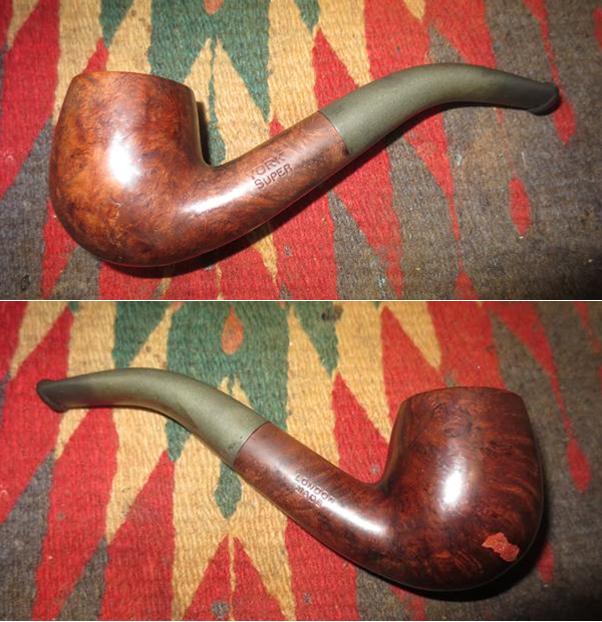
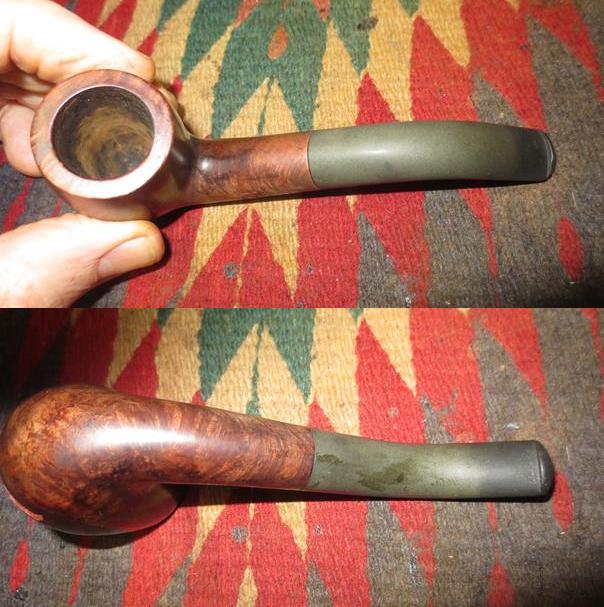
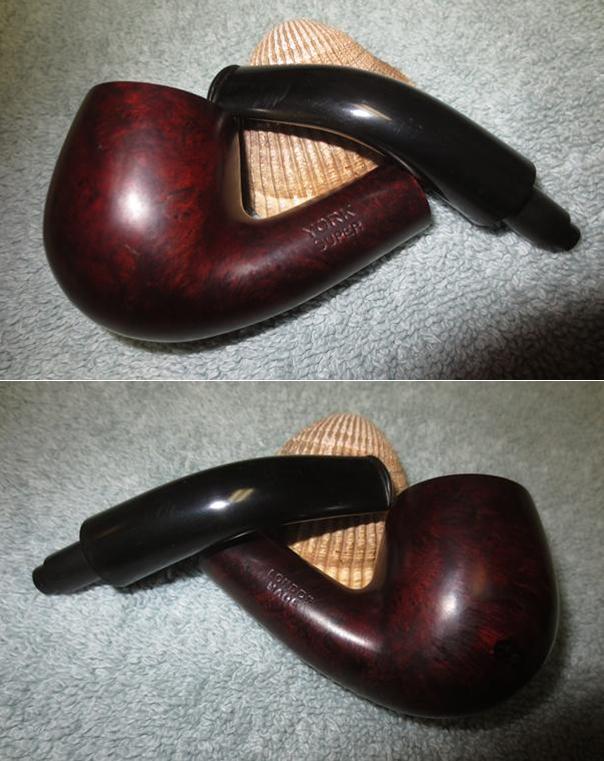
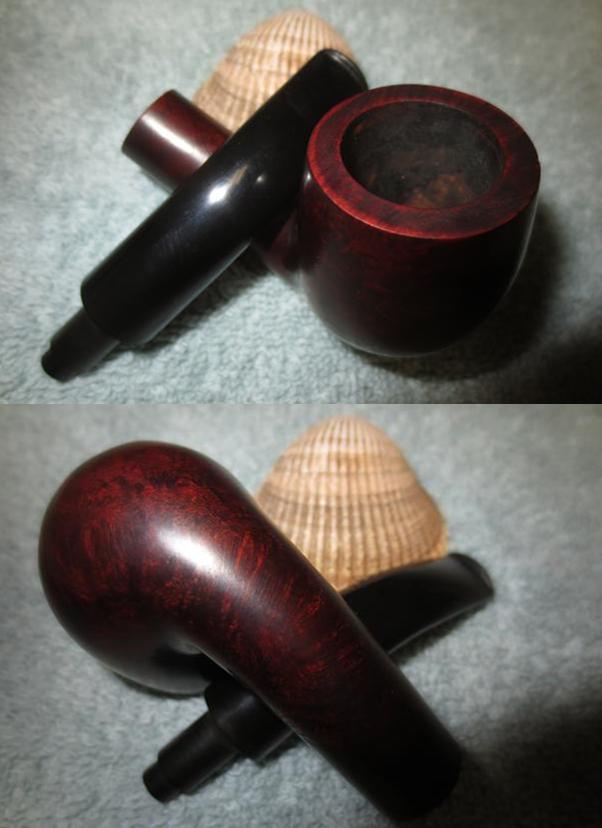
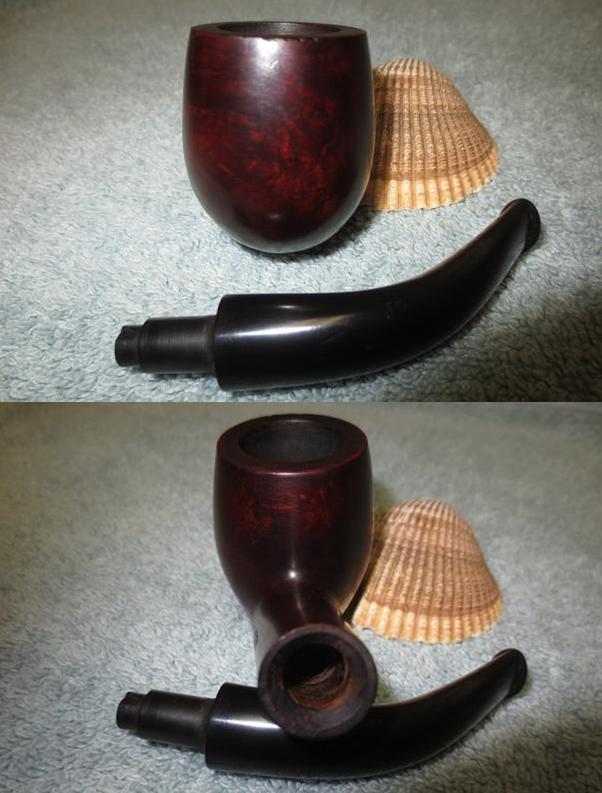
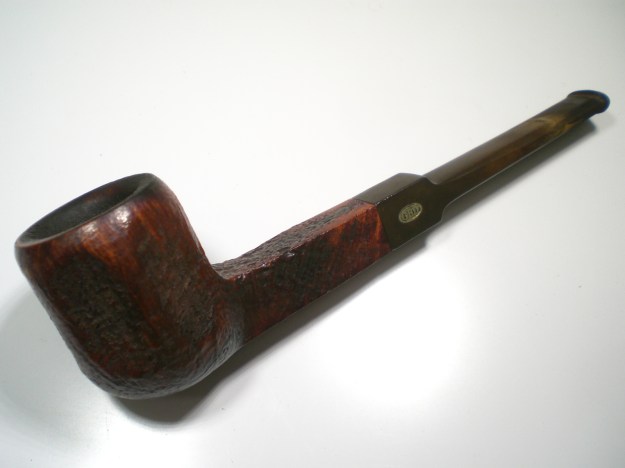
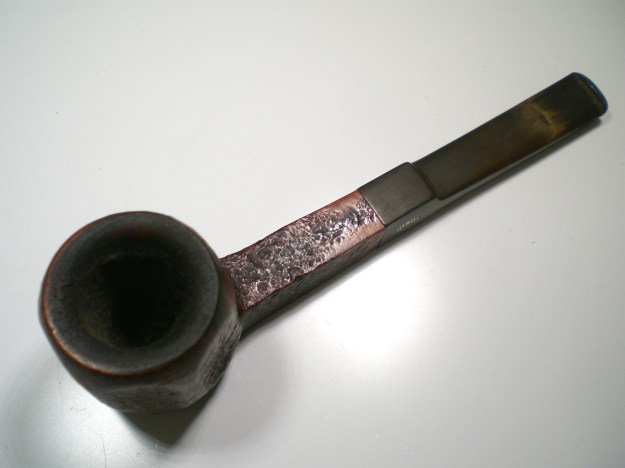
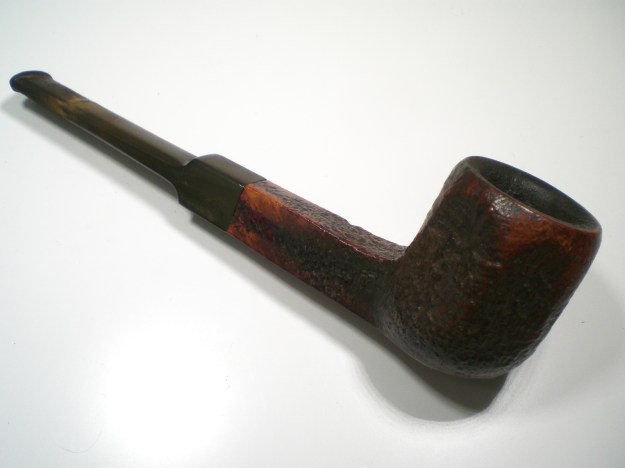
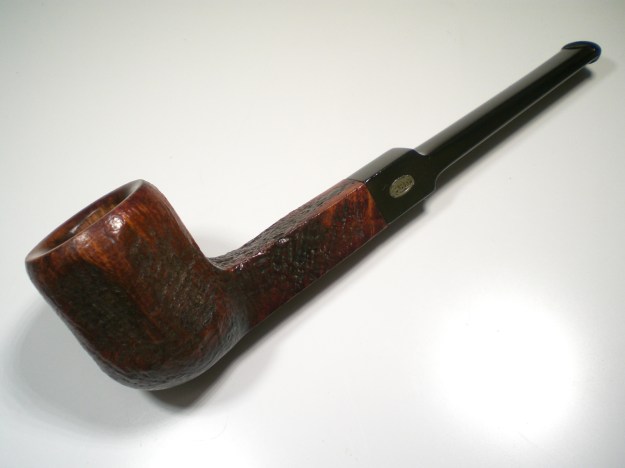
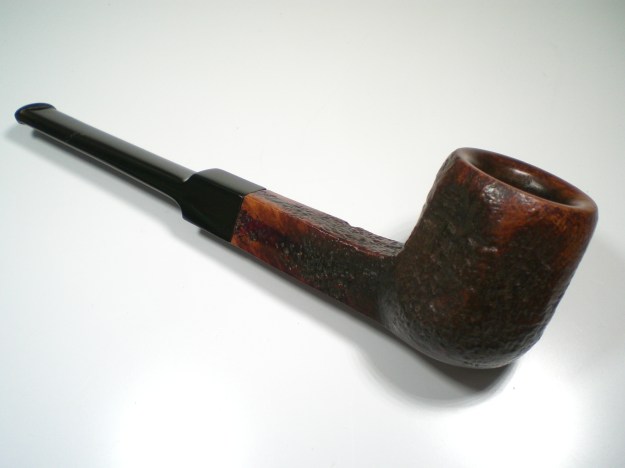
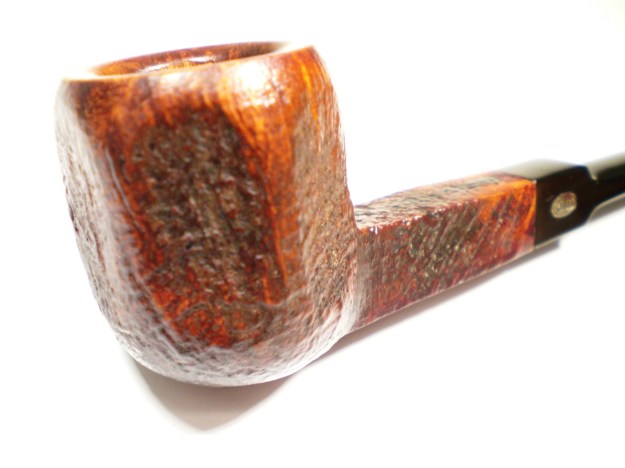
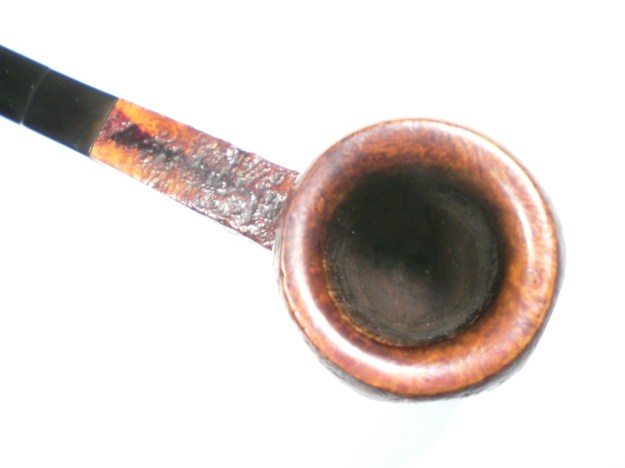
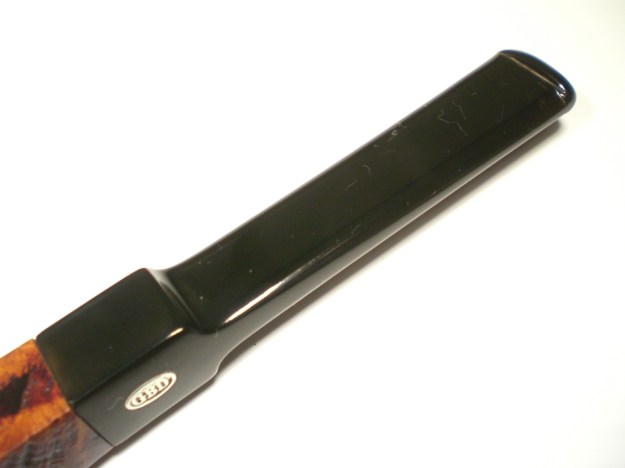
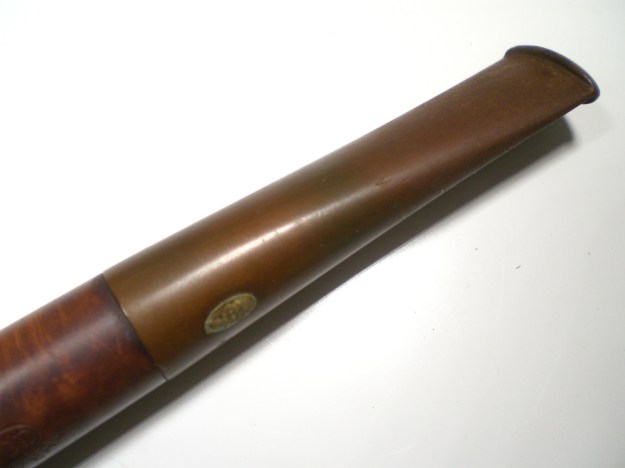
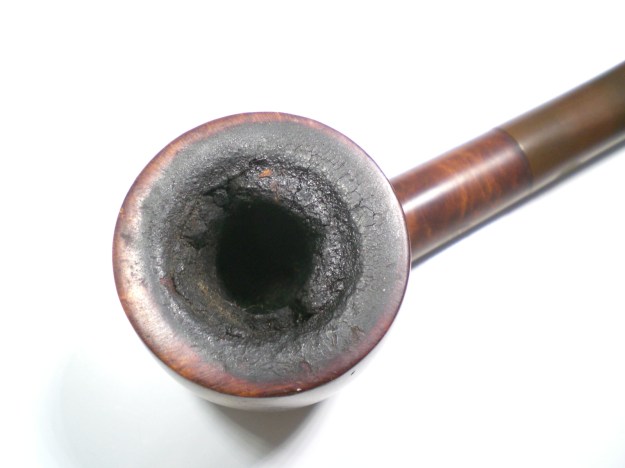
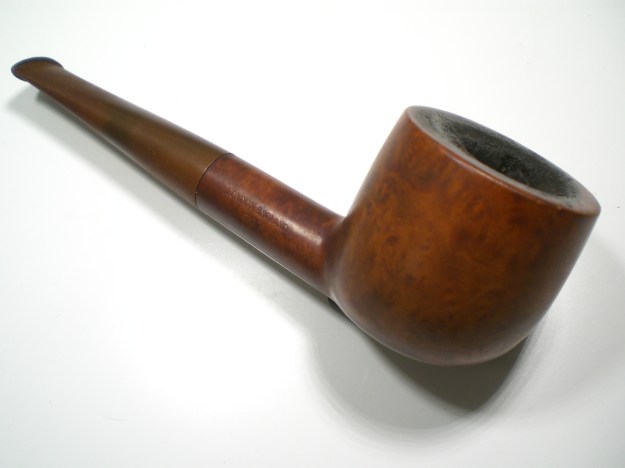
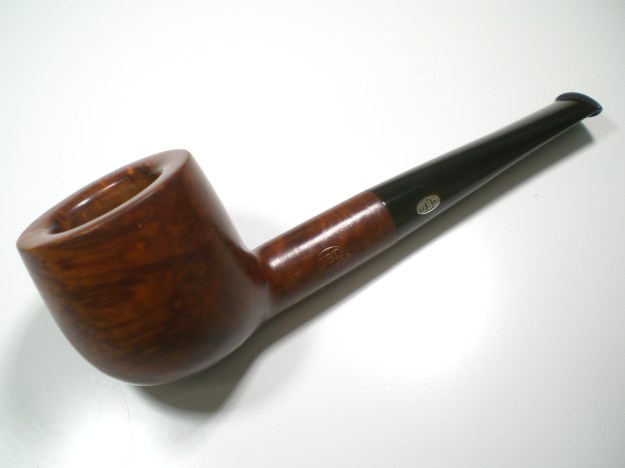
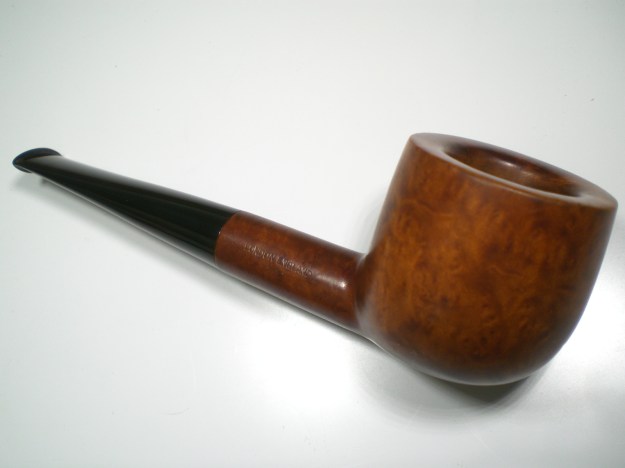
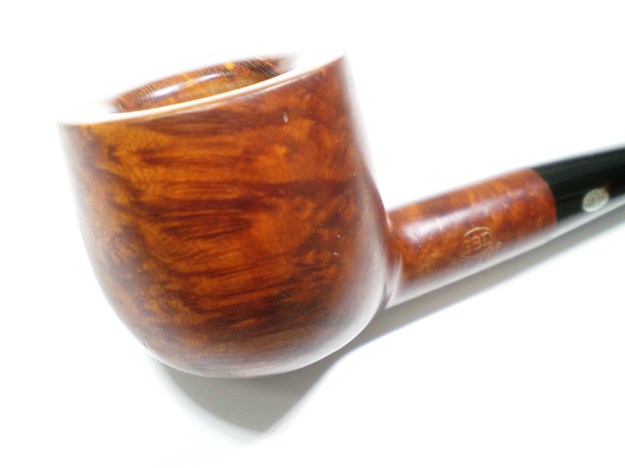
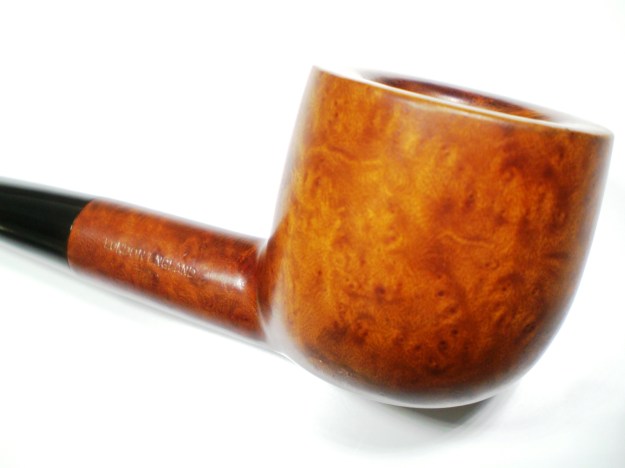
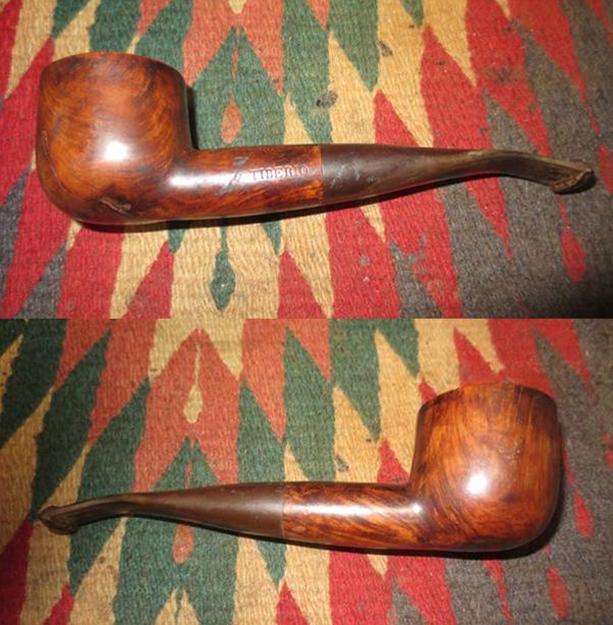
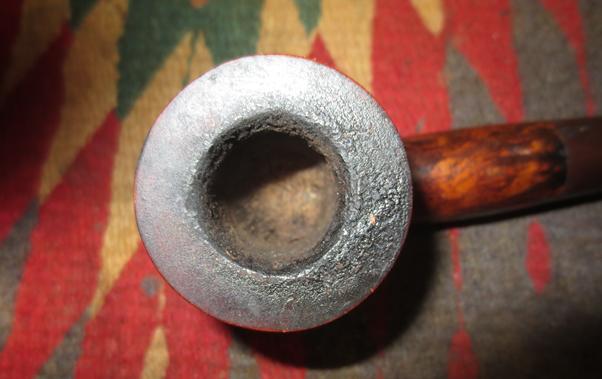
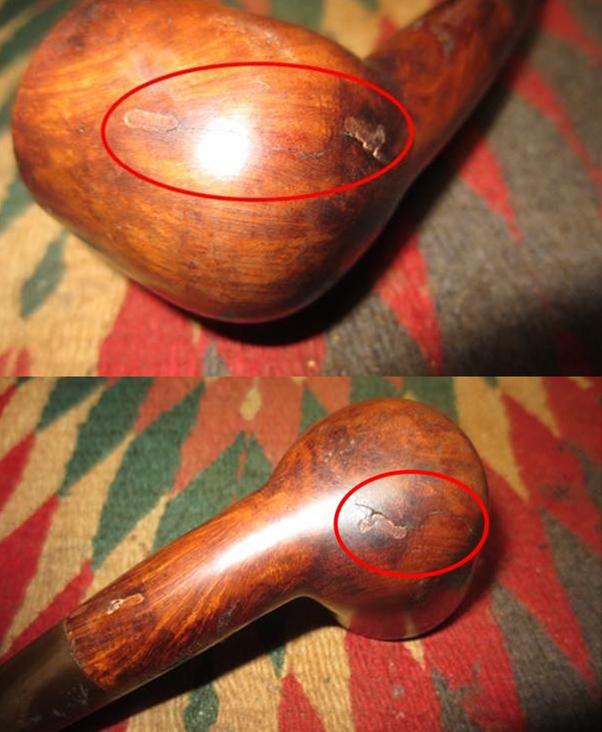
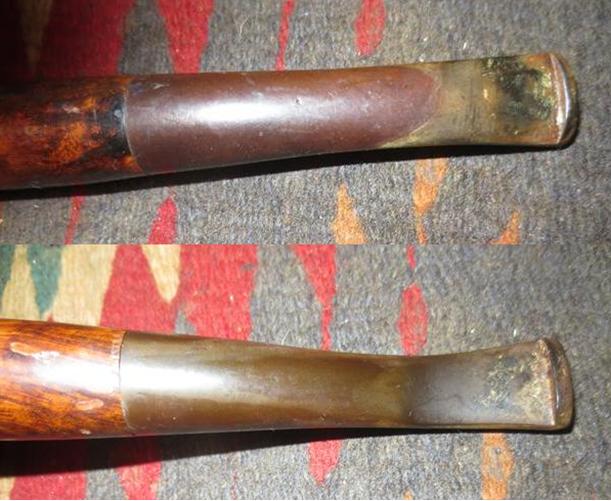
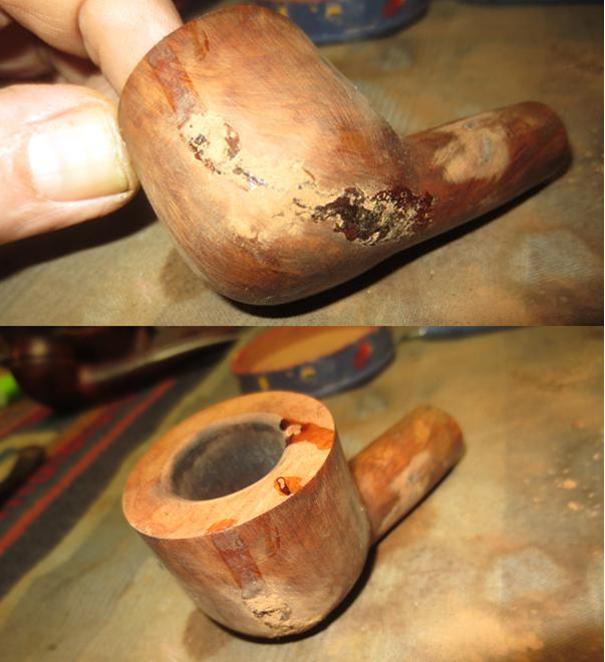
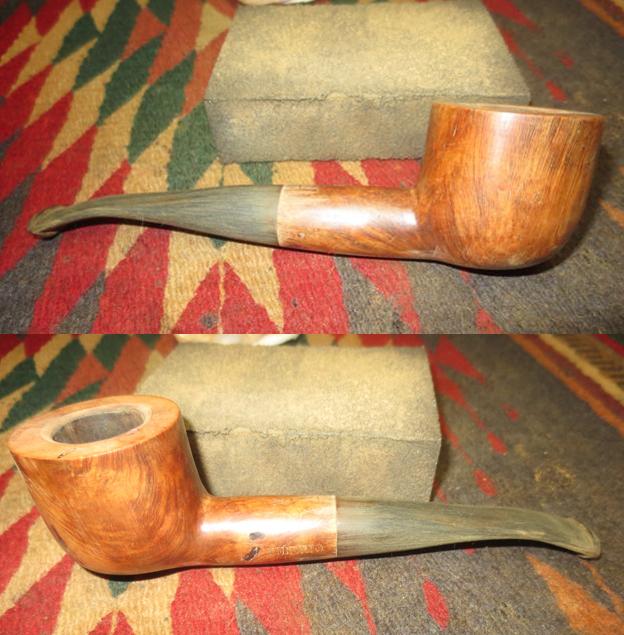
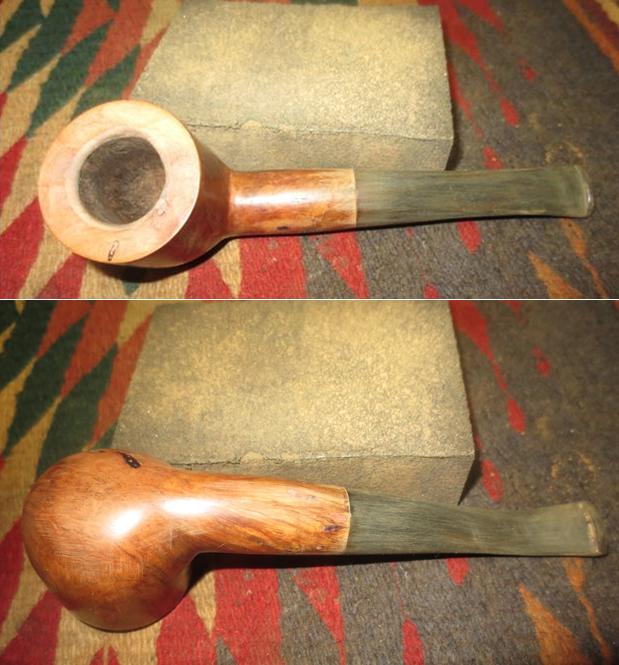
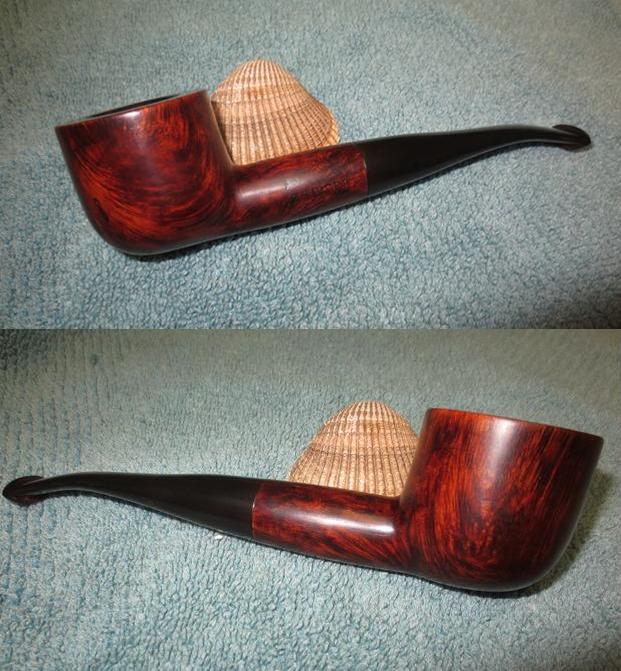
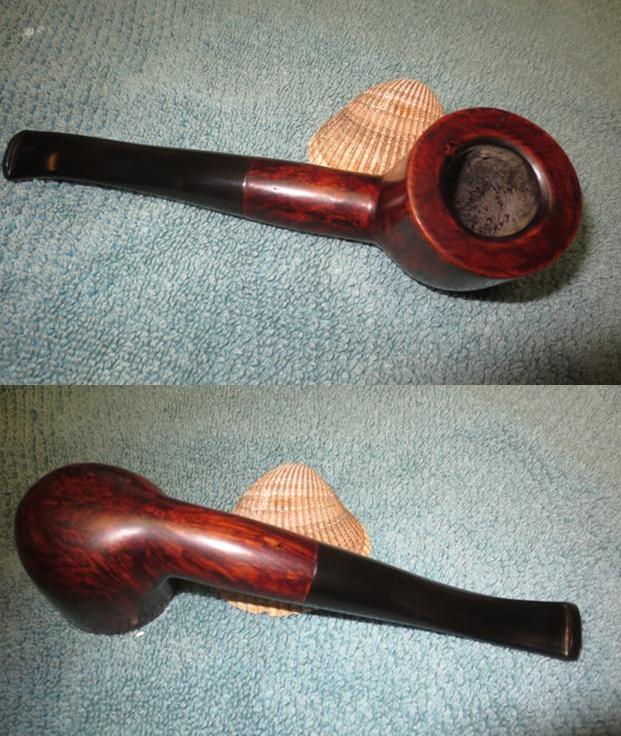
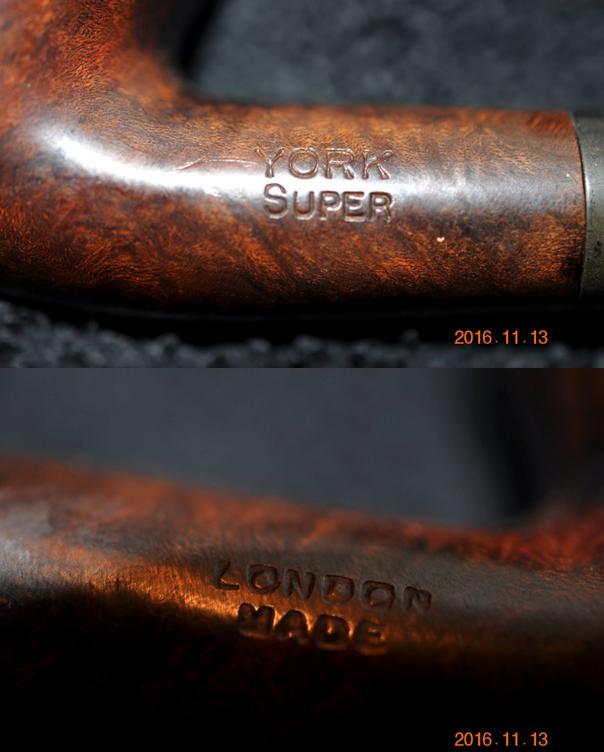
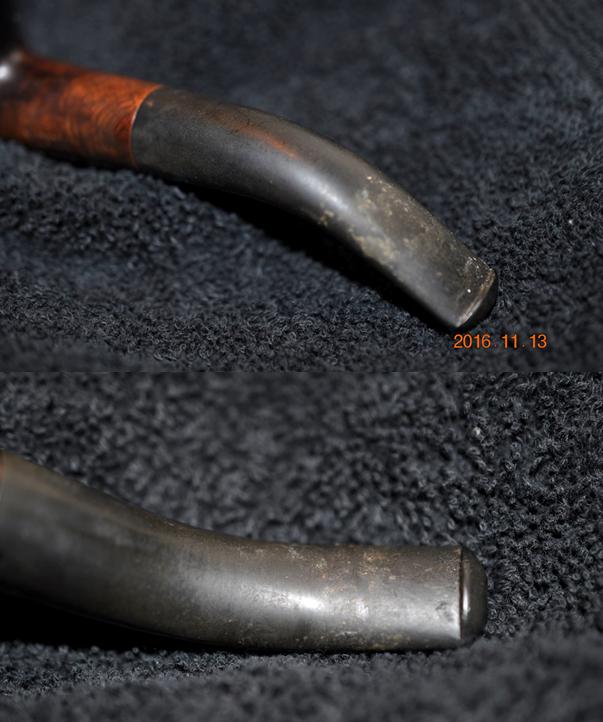
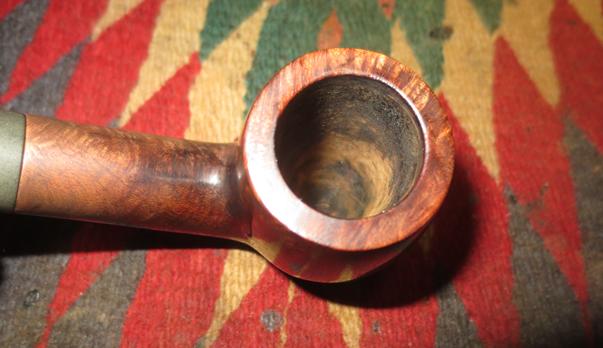
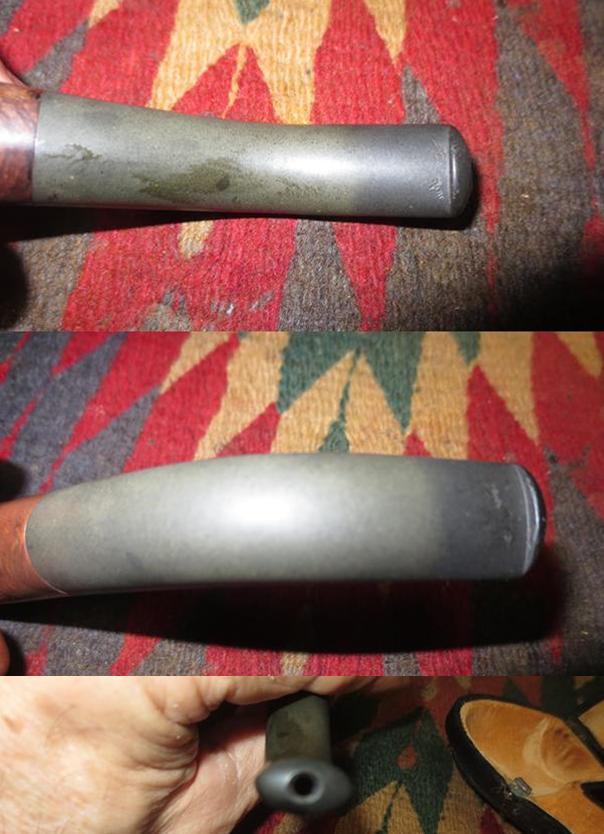
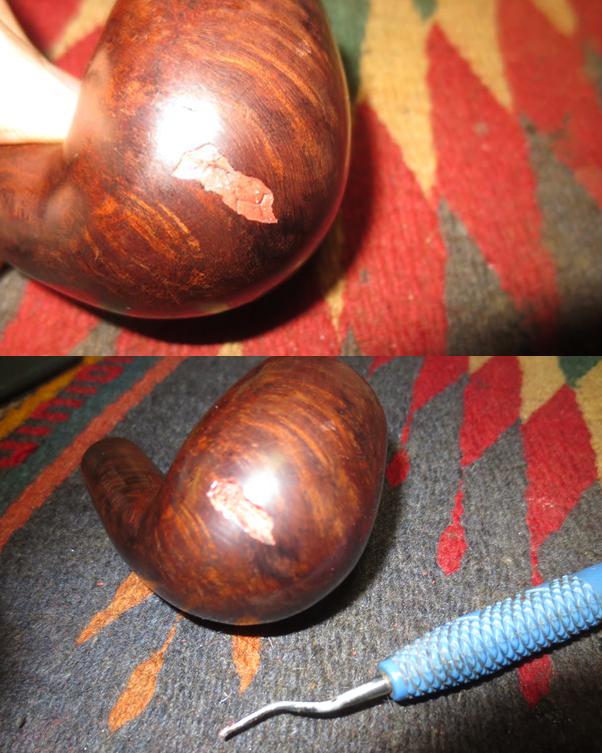
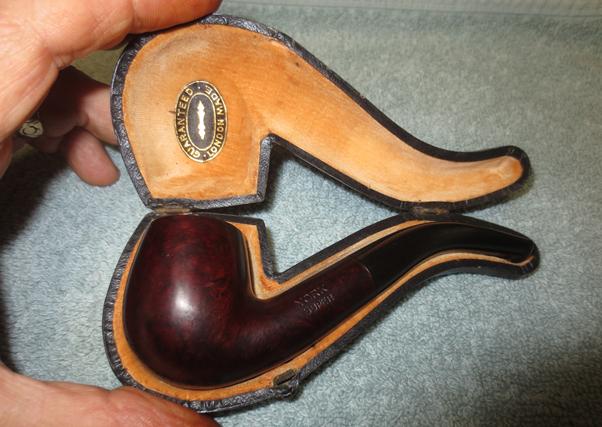
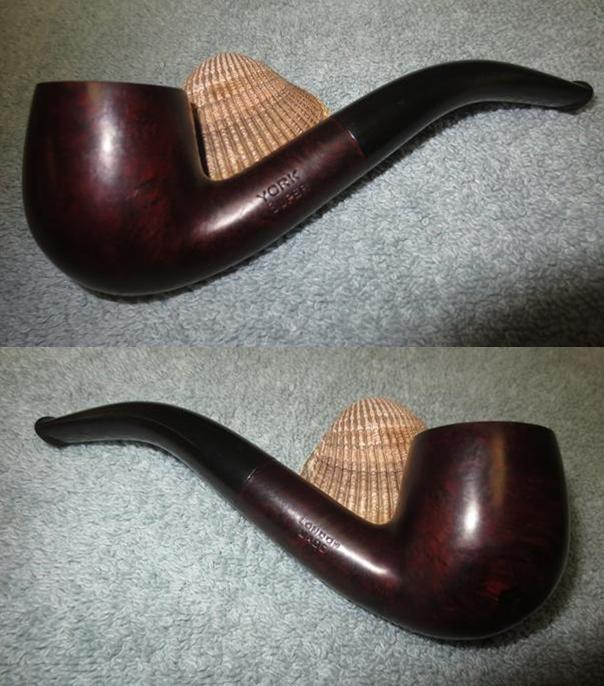
In a recent box of pipes that my brother Jeff sent to me from Idaho there was an interesting little pipe. It came in its own black leather case with a gold felt lining. There was a logo on the inside that read Guaranteed London Made. The case was in excellent condition. The pipe inside was really good looking and from the stem shape and orific button it was clear that it had some age on it. It was stamped on the left side of the shank with the words YORK over SUPER and on the right side of the shank with the words LONDON MADE. For a pipe of this age I was surprised that the finish was still in pretty decent condition. The only real issue of consequence was a spot on the right side where there was a large fill that was falling out. The bowl had a thin cake around the top half of the bowl while the lower part of the bowl appeared to be unsmoked. It had not even darkened from smoking it. There was some minor rim damage on the outer edge toward the bowl front where the pipe had been knocked out against something hard. There were some nicks on the front edge and there were some dents in the rim but they were not too bad. The rest of the finish was dirty and dull but would clean up nicely. The stem had tooth marks and chatter at the button on both the top and bottom sides of the stem and it was oxidized. The vulcanite was older and was a good quality rubber. The button was an older orific style with a single hole in the end. I liked the overall look of the pipe.The next series of photos show the large fill toward the front on the lower right side of the bowl. It was a pink putty fill and it was crumbling revealing the flaw in the briar. The third photo captures the crumbling area of the fill. It would need to be picked out and refilled. The next two photos show the stamping on both sides of the shank. It was sharp and readable and did not show signs of over buffing.My brother took two photos of the stem to show its condition. The photos show the oxidation on the stem and the nature of the tooth marks near the button. The quality of rubber used in this old timer can be seen in the lack of oxidation.I have restored on other older York pipe and from my research I found that it was probably made by KB&B. The London Made stamp on the cover of the case and on the pipe led me to consider several other options but the stamping itself matches exactly the style used by KB&B. From what I could find they also had London Made pipes like this. I would love to find the back story on this brand but at this point this is all I could find. Do any of you have any more information on the brand? Post it here for all of us to learn from. Thank you ahead of time for your help.
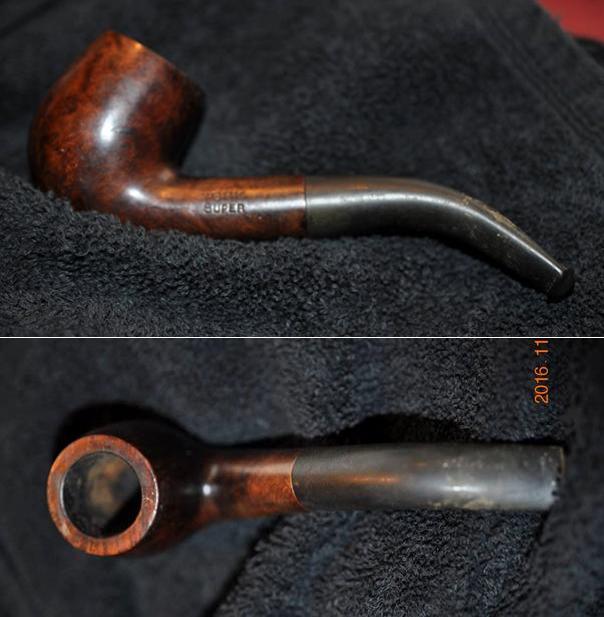
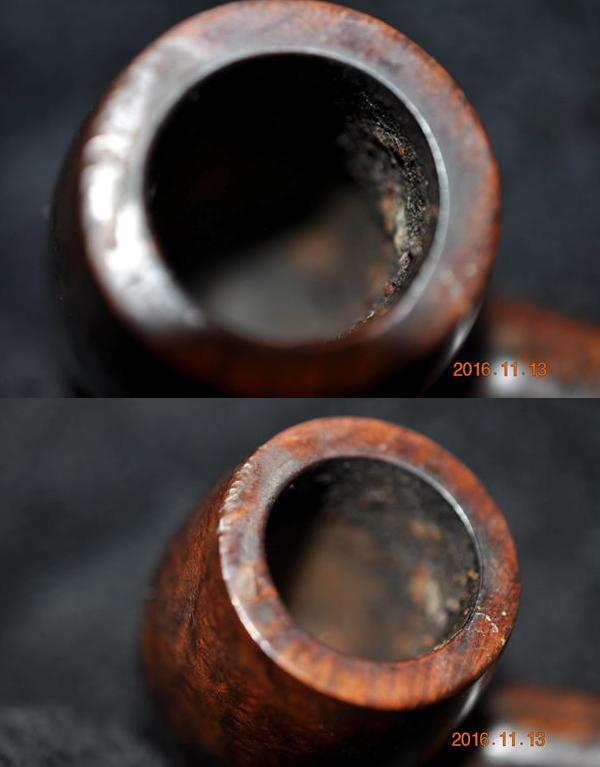
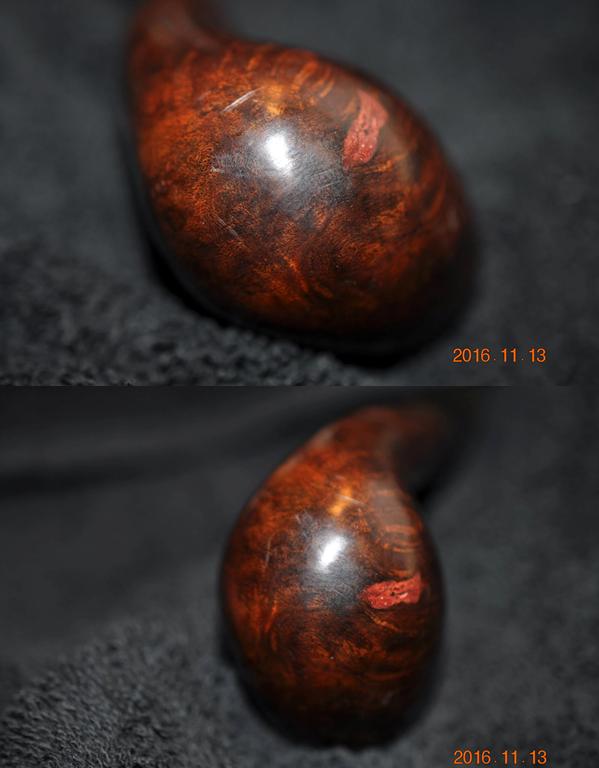
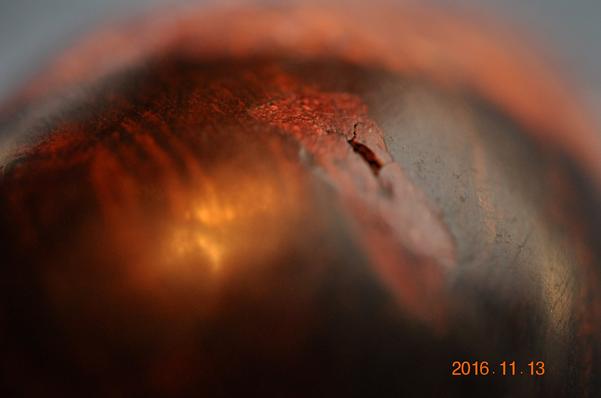
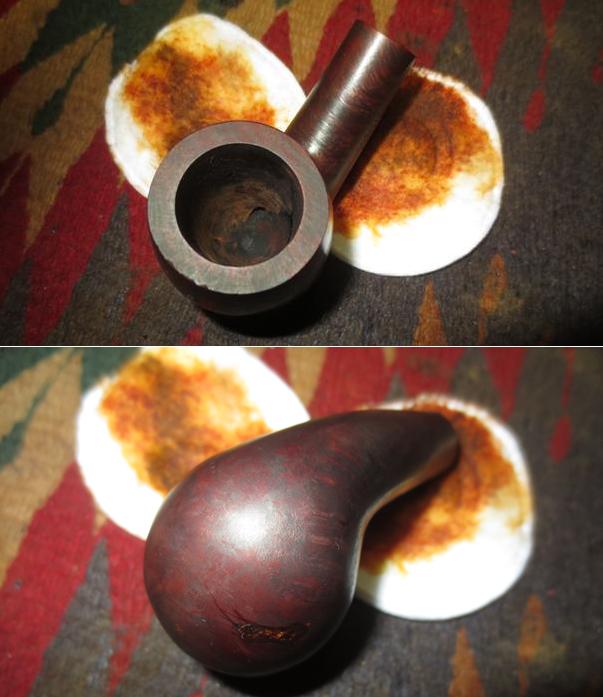
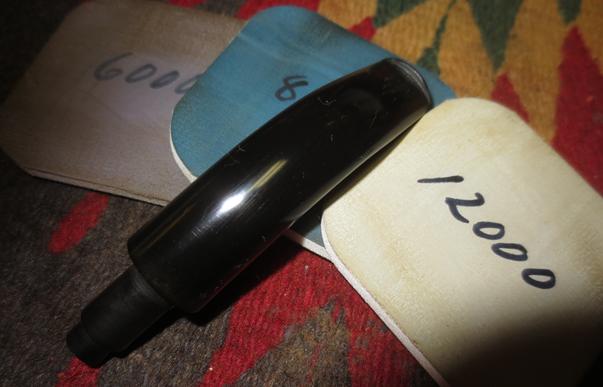
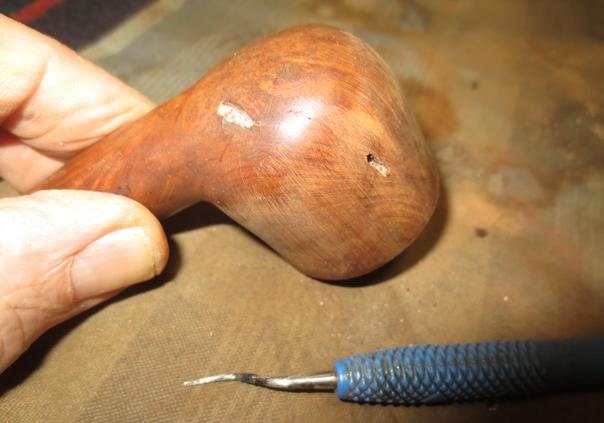
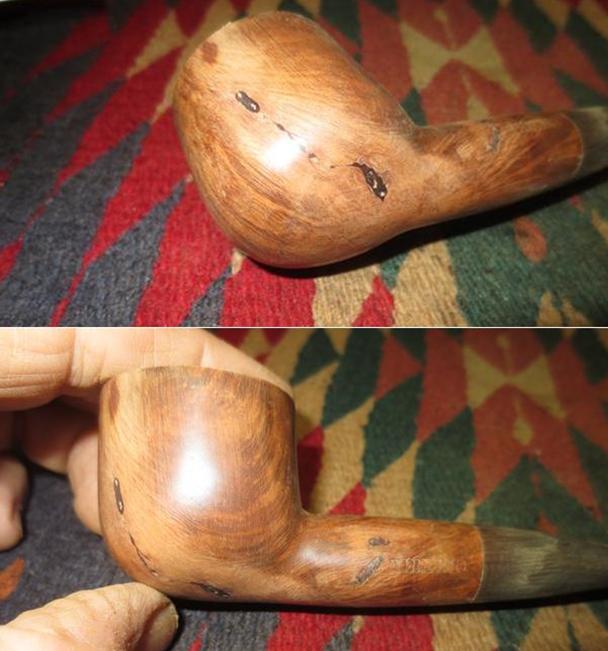
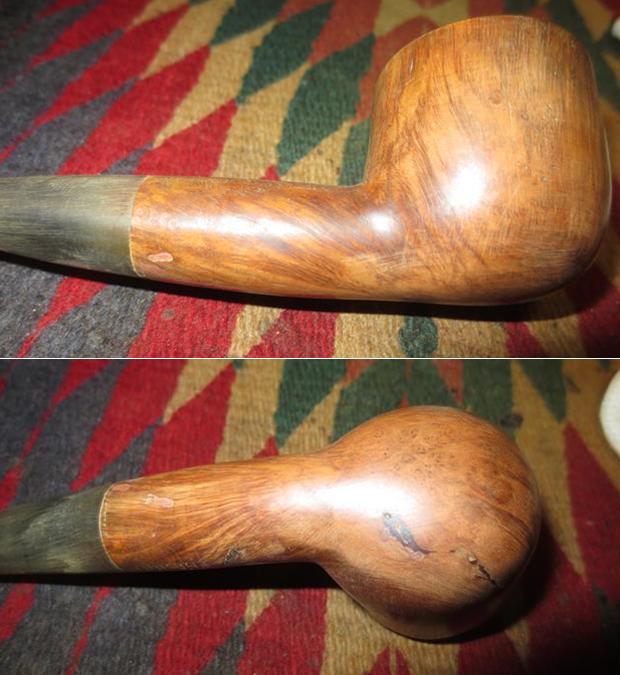
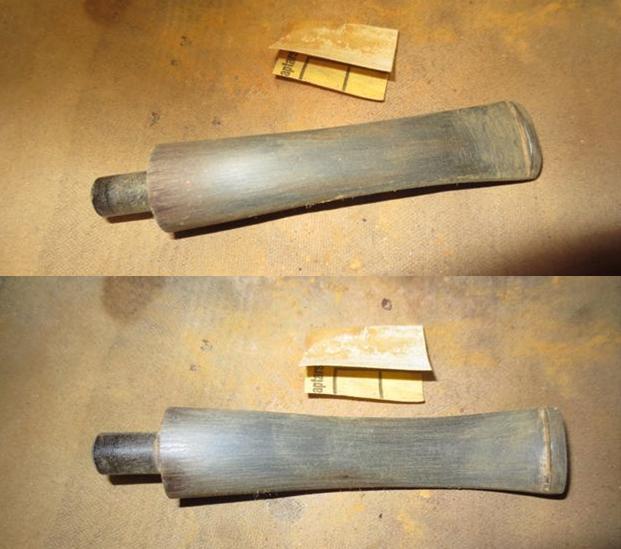
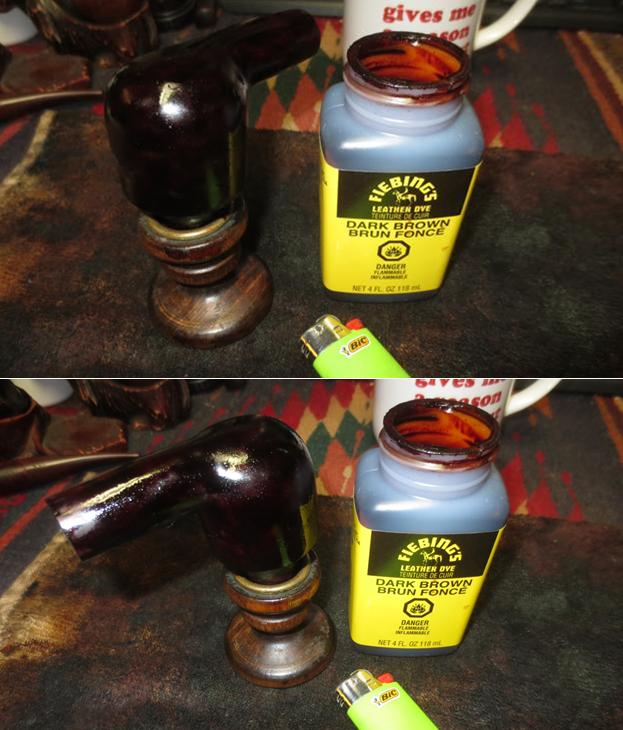
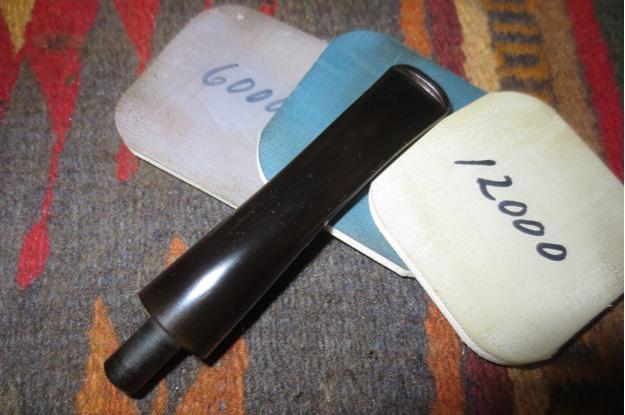
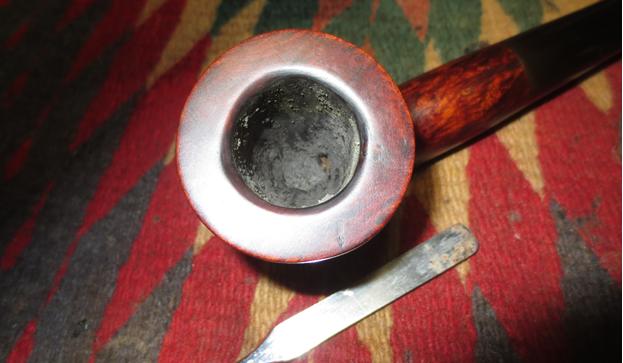
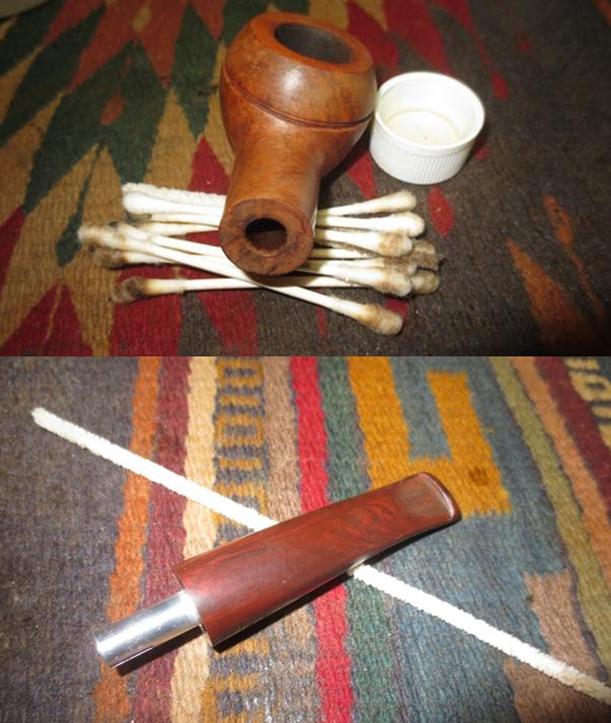
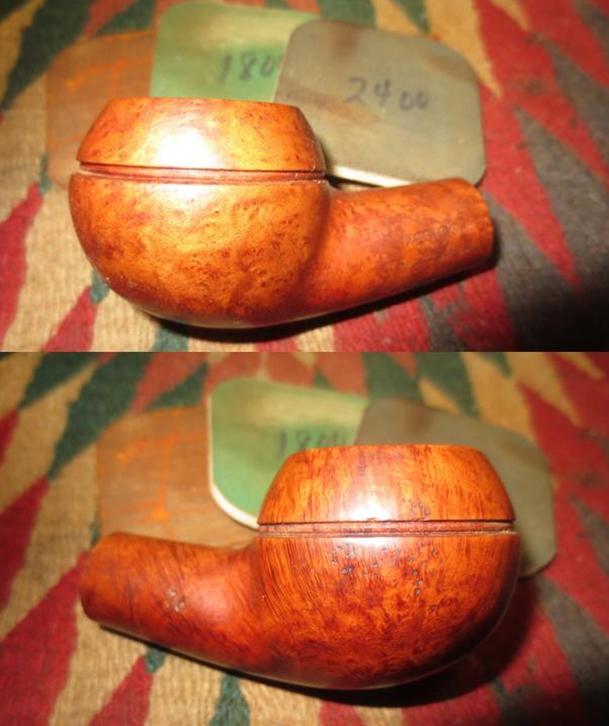
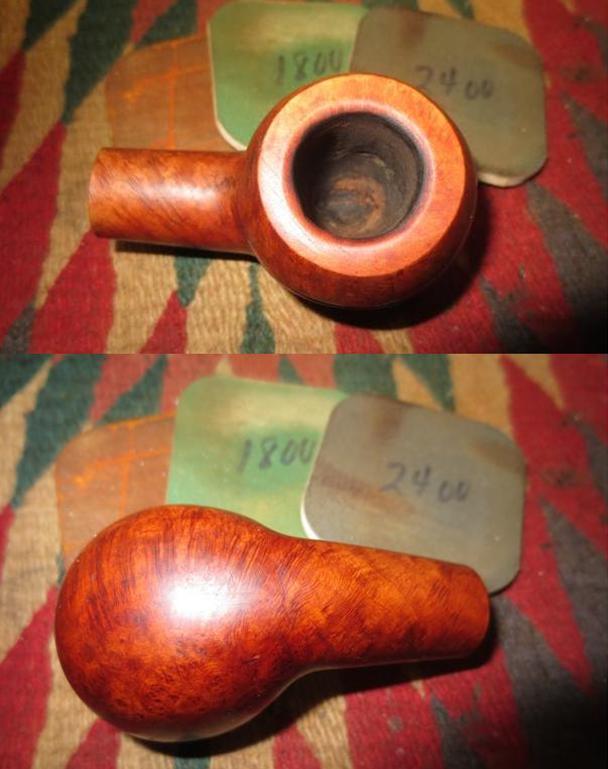
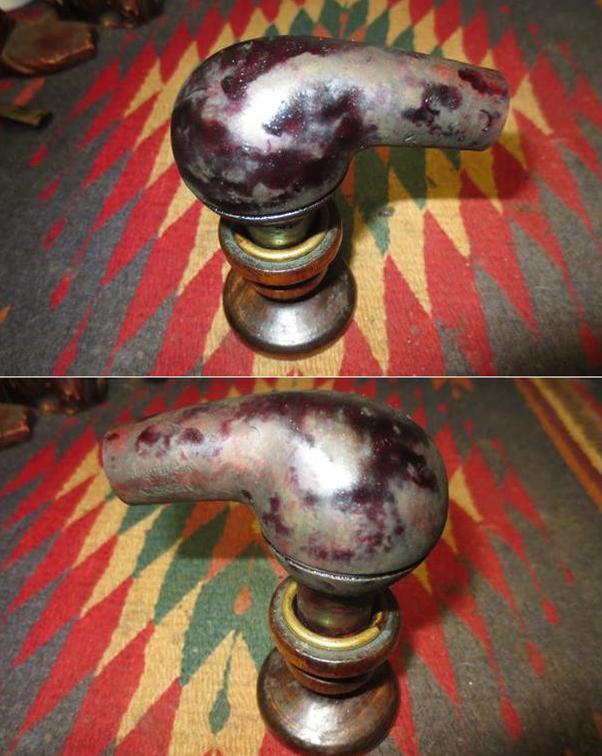
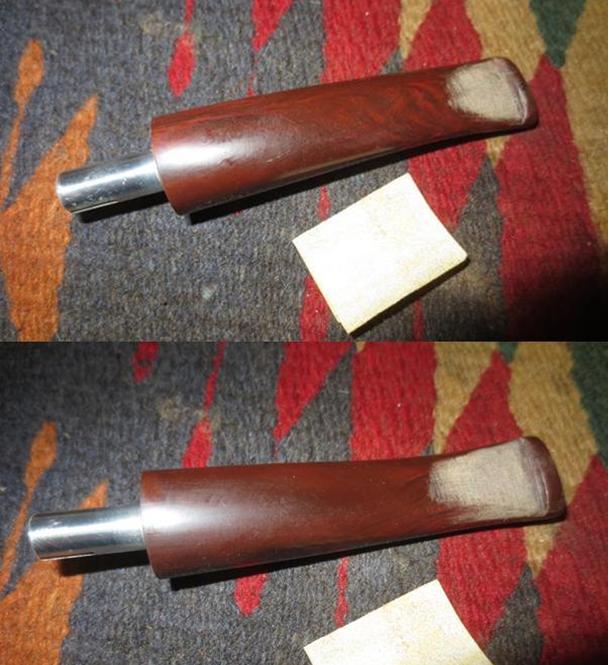
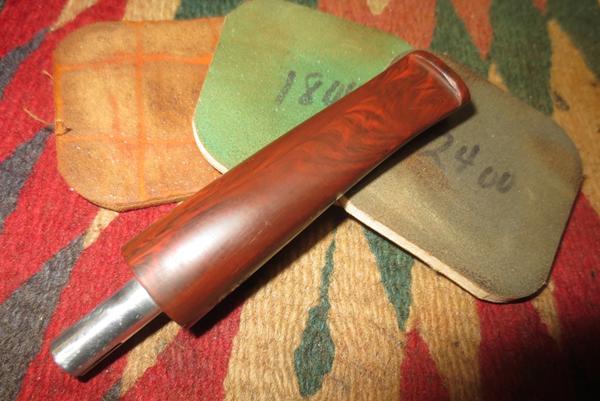
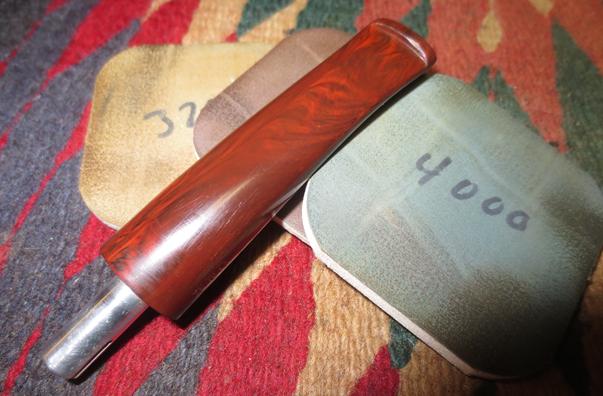
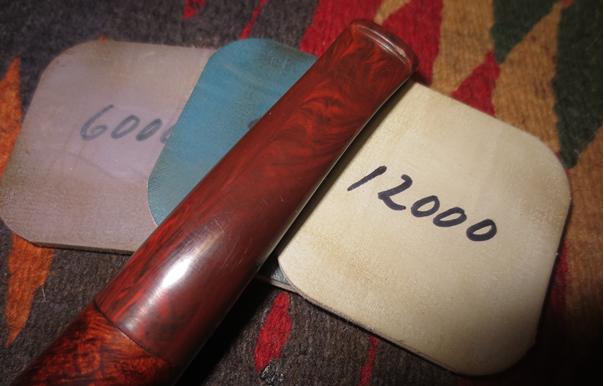
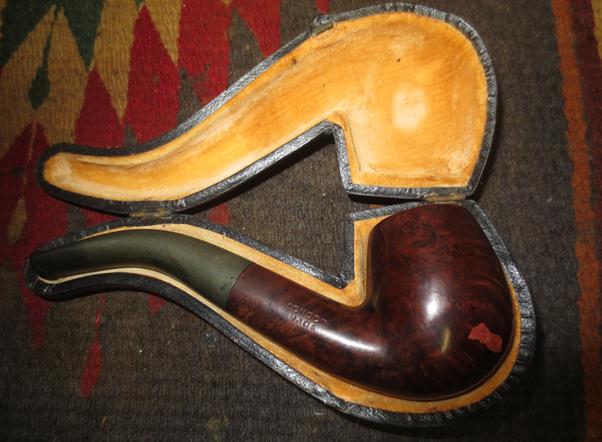
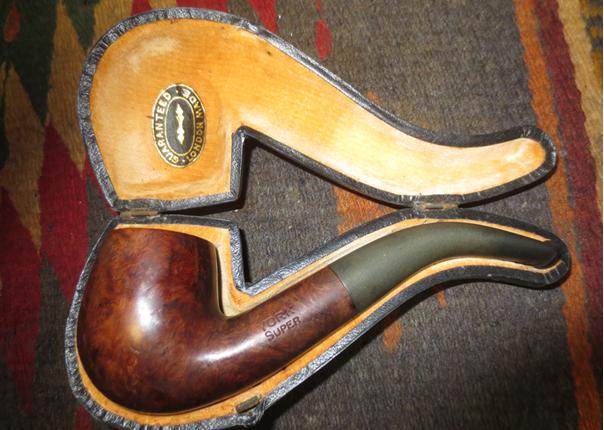
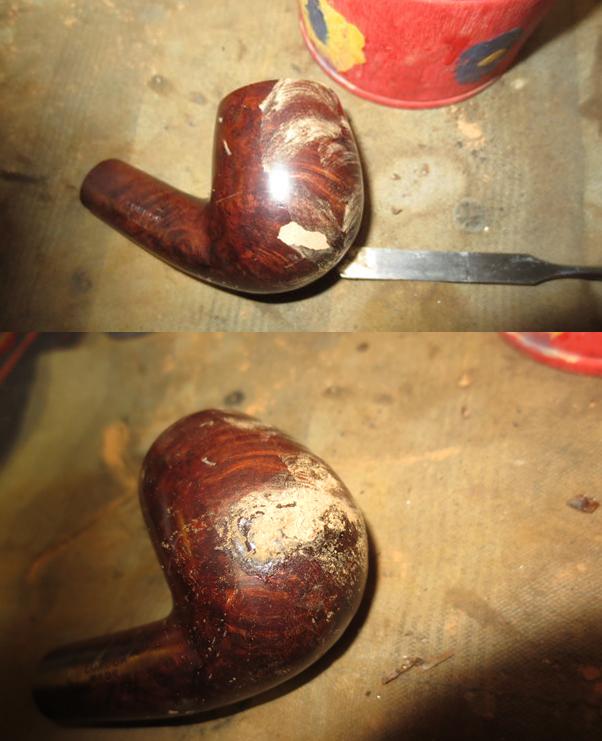
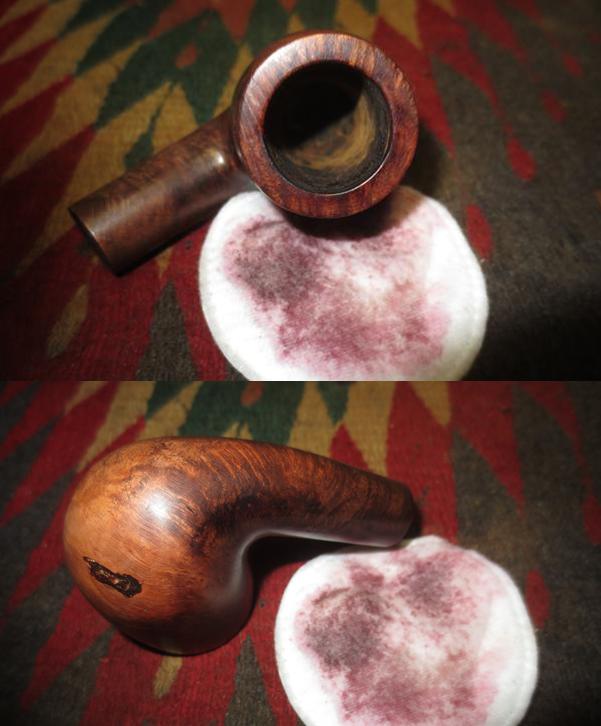
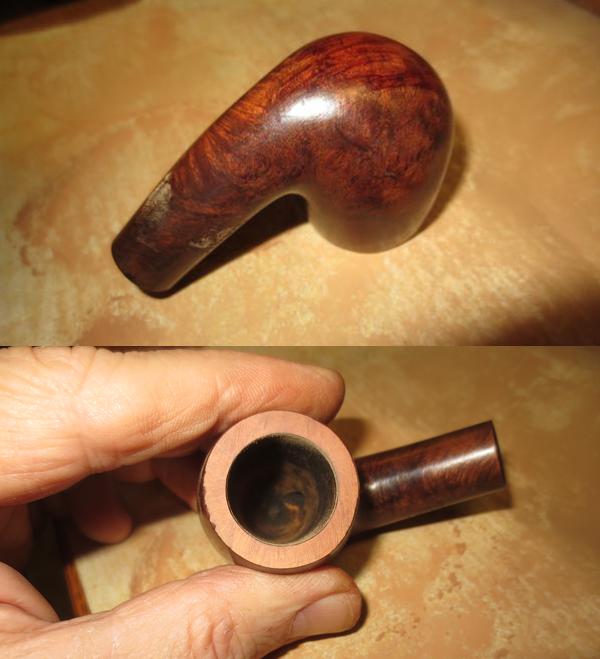
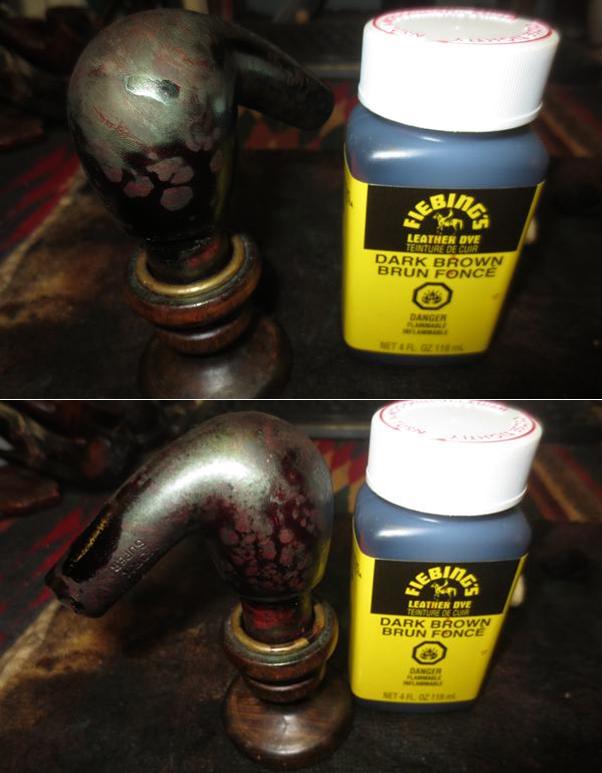
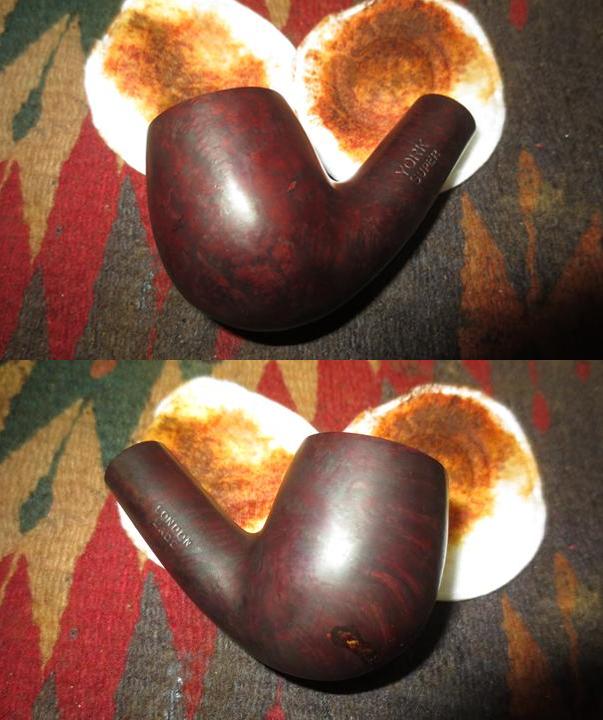
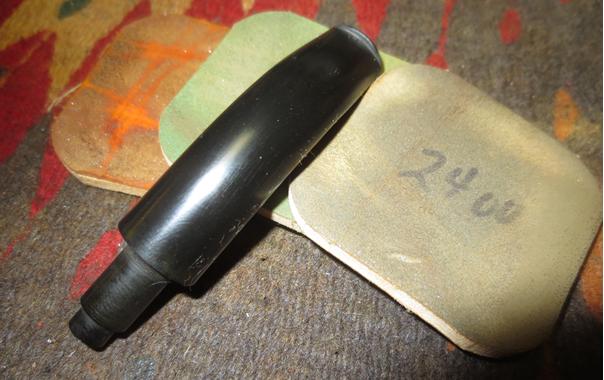
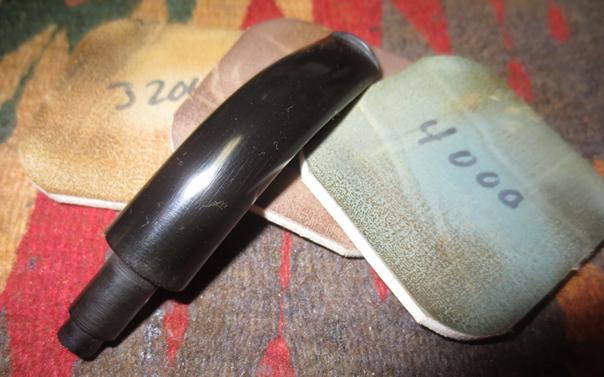
My brother did his usual stellar cleanup of the pipe. He scrubbed the surface with Murphy’s Oil soap and removed the buildup of wax and oils on the exterior of the bowl. He reamed the bowl and cleaned out the mortise and airway in the shank and the stem with pipe cleaners, cotton swabs and alcohol. When I ran a pipe cleaner through the pipe it came out clean. The chamber and mortise area showed that this pipe had not been heavily smoked. The stem was clean on the inside and needed no more work on my part. The light tooth marks and chatter would be fairly simple to remove. When it arrived at my work table I took the following photos of the pipe both in and out of the case. The shape is one of my favourites and the diminutive size make it a pipe that probably traveled well in a pocket. I took some close up photos of the bowl, rim and stem to show the condition of the pipe before I started the restoration process. The large pink putty fill was really ugly on the bottom right side of the bowl. It was cracked and chipped, but even if it were not I would still pick it out and start over. The grain on the pipe is quite nice but this eyesore of a fill makes it disappear from view. I picked the fill out completely with a dental pick. I wiped down the surface of the bowl around the area that needed to be repaired with alcohol on a cotton pad. I packed in some briar dust and put some drops of clear super glue on top. I added more briar dust and super glue until the surface bulged slightly above the bowl surface.When the repair dried I sanded the area with 220 grit sandpaper to blend the surface of the fill into the surrounding briar. I sanded it with a medium and a fine grit sanding sponge to remove the scratch marks. I refilled the small air bubbles that had showed up in the surface of the bowl with some more super glue and then sanded them again. Once the surface was smooth I wiped down the bowl with alcohol to remove the finish before restaining the pipe. I use alcohol as it does not react to the super glue repair like acetone does. Acetone actually dissolves the super glue and compromises the repaired area. At this point I could have left the rim alone and not worried about the nicks and dings. They do not show up well in the photos but they were very visible in person. I could also feel them when I ran a finger over the rim. To put it mildly, they bugged me. I lightly topped the bowl to remove the damage and minimize the damage to the front edge. I sanded the bowl with a medium and a fine grit sanding sponge to remove the scratches. I was happier with the rim top now that I had finished it.I stained the pipe with a dark brown aniline stain and flamed it to set it in the grain of the briar. I have found that when a pipe has been previously stained with a oxblood colour that it will come out in the final colour of the dark brown stain and give the pipe a rich patina that is really close to the original colour.I wiped the bowl down with alcohol on cotton pads to make it more transparent and help the grain show. You will notice in the second photo that the filled area is still showing. I needed to do a little more work on that to get it to blend in more. I used a black Sharpie pen and touched up the spots on the fill that looked lighter than the bowl. I hand buffed the pipe to give it some lustre and touched up the area of the fill with some more dark brown stain. I set the bowl aside to dry and turned my attention to the stem. I sanded out the tooth chatter and tooth marks with 220 grit sandpaper. I polished the stem with micromesh sanding pads – wet sanding with 1500-2400 grit pads and dry sanding with 3200-12000 grit pads. I repeatedly rubbed the stem down with Obsidian Oil and after the final sanding pad gave it a last coat of the oil and let it dry. I put the stem back on the pipe and buffed the pipe with Blue Diamond on the buffing wheel. I find that Blue Diamond gives lustre to the briar and the vulcanite. I gave the bowl and stem multiple coats of carnauba wax and buffed it with a clean buffing pad to raise the shine. Don’t skip this step in the process. Many folks do not buff with a clean pad after the waxing and miss out on giving the pipe a rich shine by missing this. I hand buff my pipes afterward with a microfibre cloth as I find that it deepens the shine and evens out the finished look on the briar and rubber. The finished pipe is shown in the photos below. The elegant shape of the older bent billiards is quite captivating. These smaller, compact ones have a definitive look all their own. Thanks for looking.
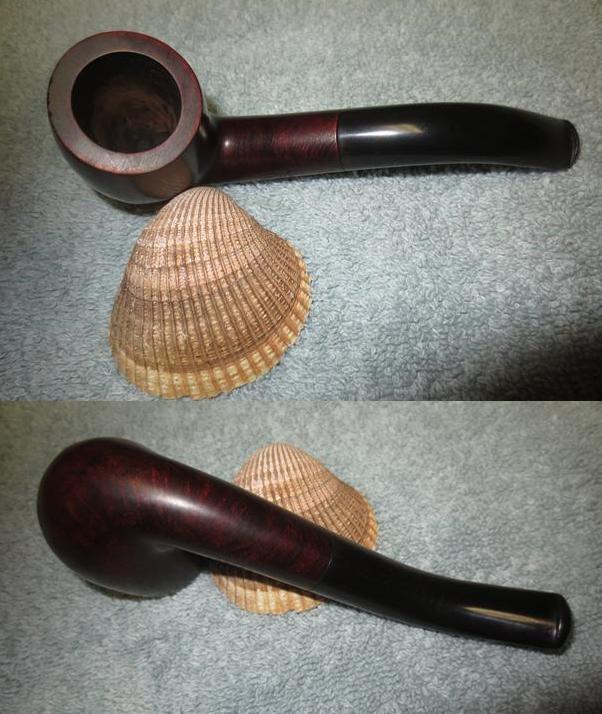
GBD Prehistoric Paneled Billiard Restoration


By Al Jones

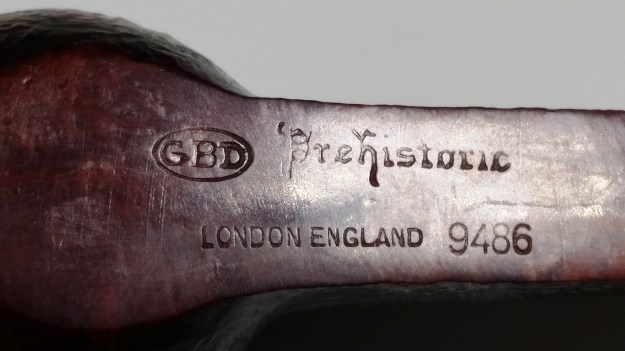
This Prehistoric GBD was in pretty decent shape, with some bowl-top build-up and a mildly oxidized stem. GBD Prehistorics usually have polished bowl tops that survive even the worst build-up abuse and restore beautifully.  This one is shape 9486.

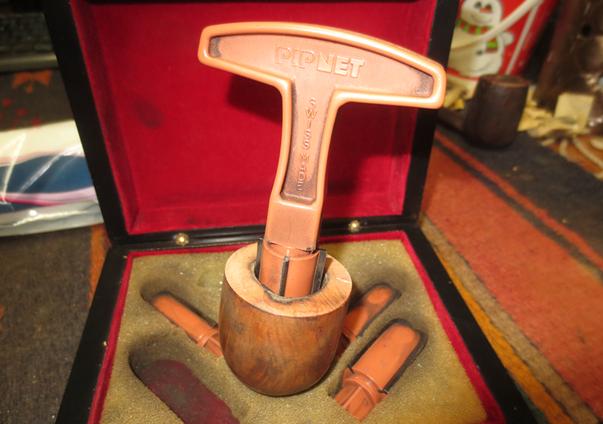
I used my Pipenet reamer set to remove the cake. I used a wet cloth and then a worn piece of scotch-brite pad to remove the build-up on the bowl top. The top was finished with a worn piece of 8,000 grit micromesh. All of the build-up came off, without breaking the stain and it polished beautifully. I soaked the bowl with alcohol and sea salt. The interior of the bowl was in excellent condition.

I put a dab of grease on the GBD rondell and soaked the stem in a mild Oxy-Clean solution. Mounted to the bowl, I used 800, 1500 and 2000 grade wet paper to remove the oxidation. The stem was finished with 8,000 and 12,000 grade micromesh. I wrap the sanding papers around a popsicle stick to keep the square shank edges sharp. The stem was buffed with White Diamond and Meguiars Plastic Polish.

The bowl top was polished with White Diamond and several coats of Carnuba wax. The blasted part of the bowl was hand waxed with Halycon wax.

Below is the finished pipe.

Comoy’s 184 Pebble Grain Restoration


By Al Jones

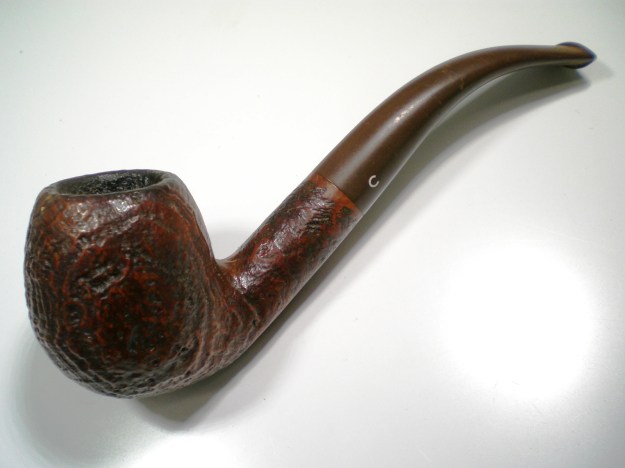
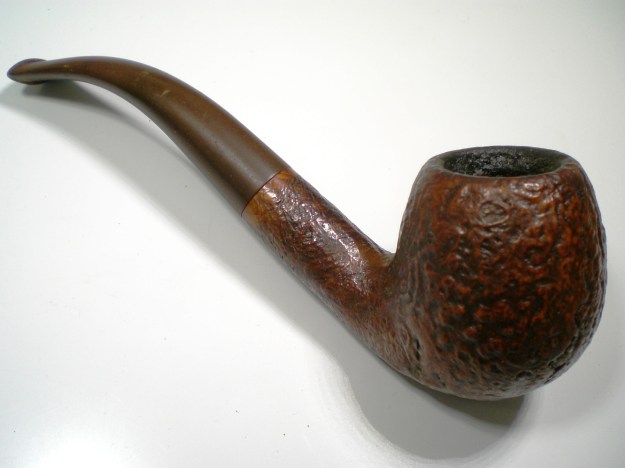
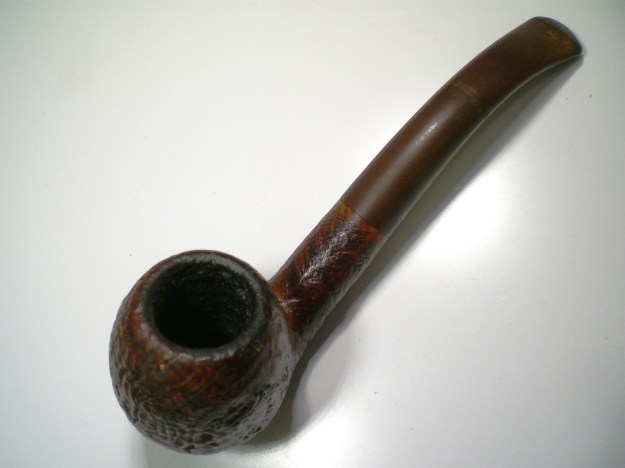
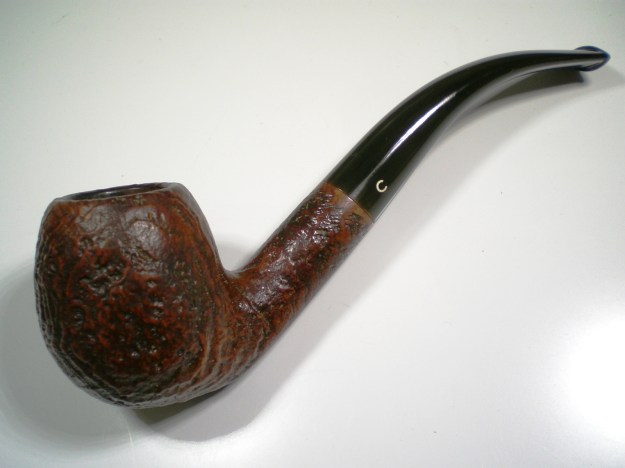
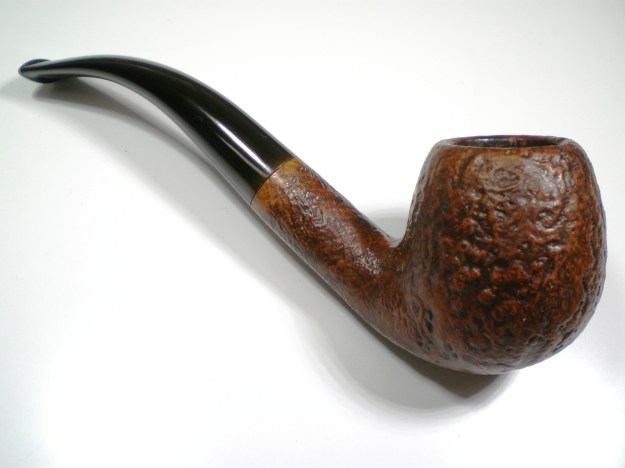
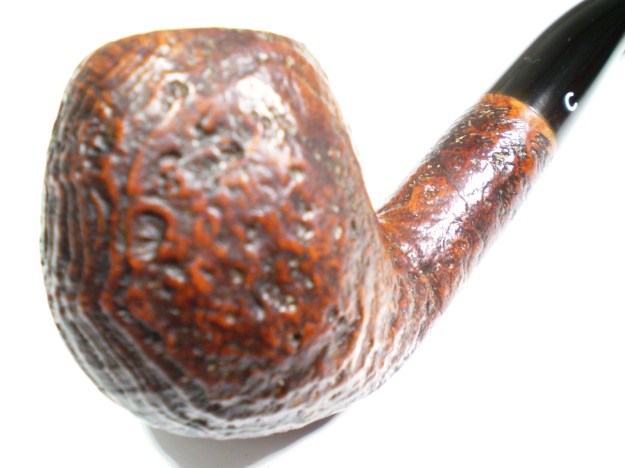
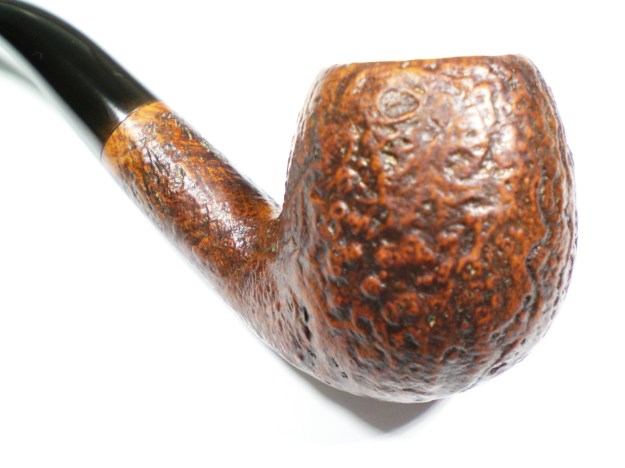
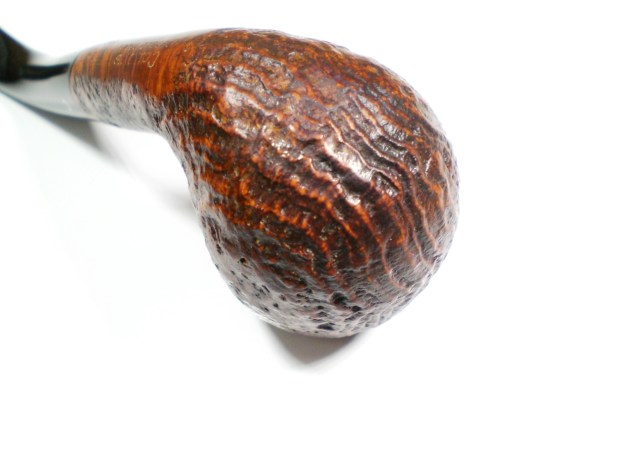
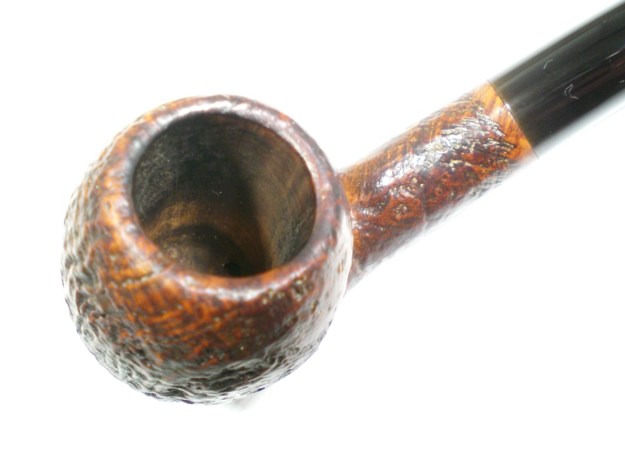
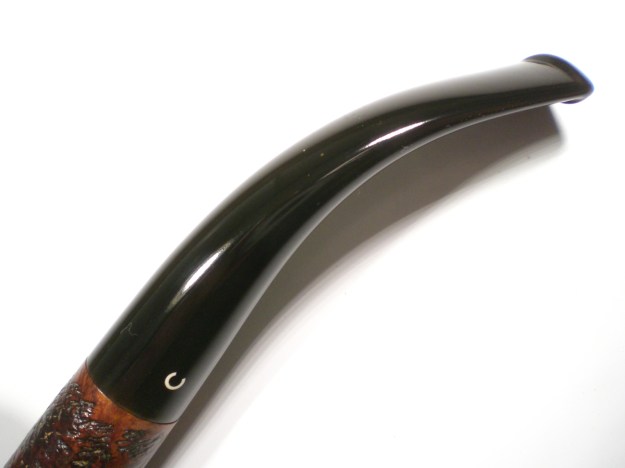
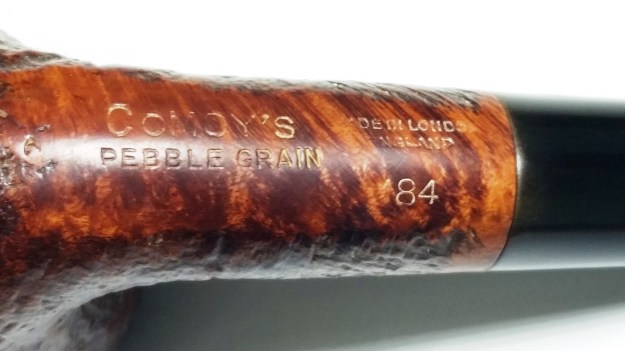
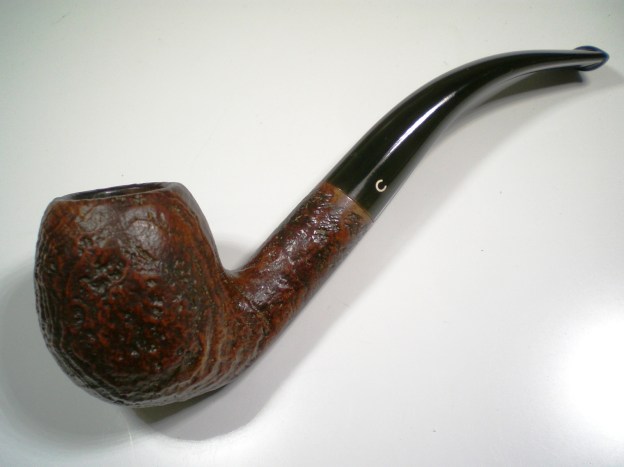
This was a simple clean up of a classic Comoy’s bent billiard, this one in Pebble Grain finish. The 3-piece, drilled “C” stem logo is from the pre-Cadogan era (1981 or earlier). I wasn’t able to determine when the Pebble Grain finish was introduced. The pipe was in overall very good condition, with a mildy oxidized stem and some build-up on the bowl top.

The bowl was reamed of the mild cake. I used a wet cloth and then a worn piece of scotch-brite pad to remove the build-up on the bowl top. I soaked the bowl with alcohol and sea salt. The interior of the bowl was in excellent condition.

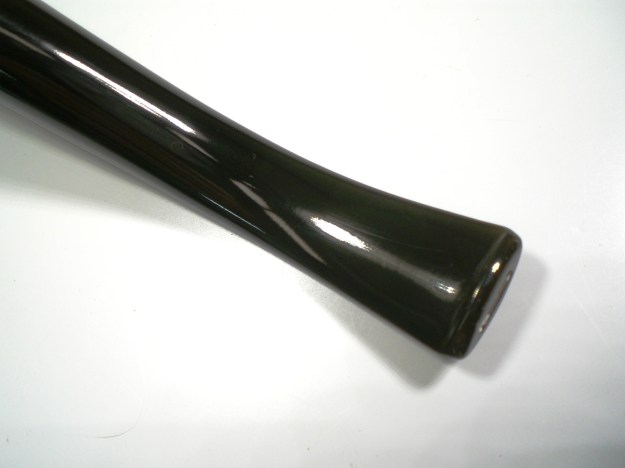
A dab of grease was applied to the C on the stem, for the soak in a mild Oxy-Clean solution. After the stem and bowl were soaked, the stem was mounted to remove the oxidation. Wet paper in 800, 1,500 and 2,000 grade were used followed by 8,000 and 12,000 grades of micromesh. The stem was then buffed with White Diamond and Meguiars Plastic Polish. The bowl was hand waxed with Halycon wax.

Below is the finished pipe.

Reworking Rustication on a Savinelli Extra Lumberman


Blog by Steve Laug

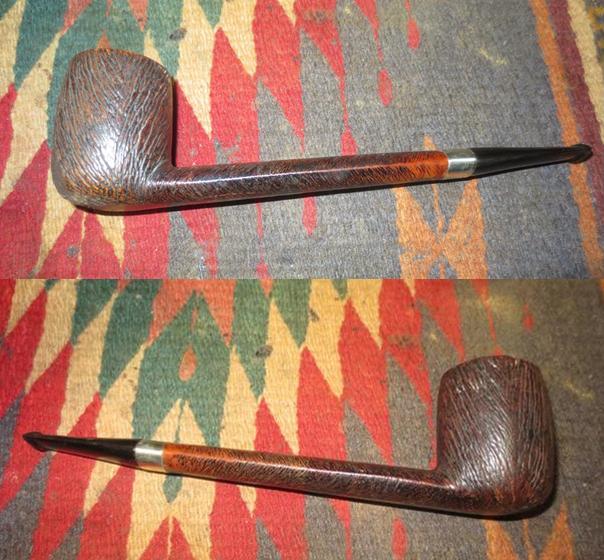
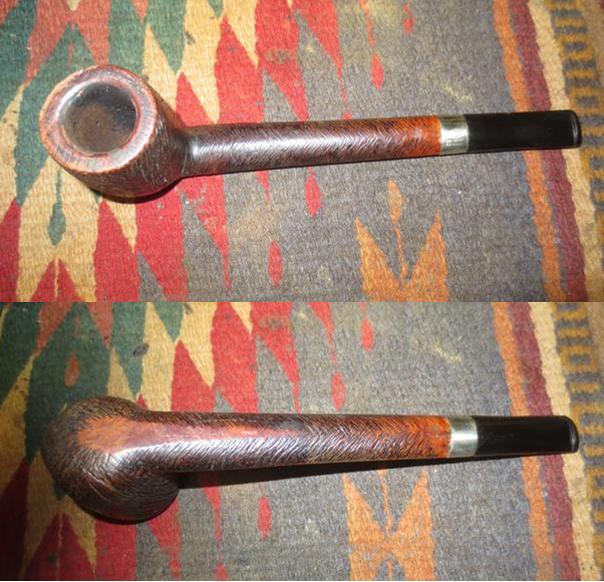
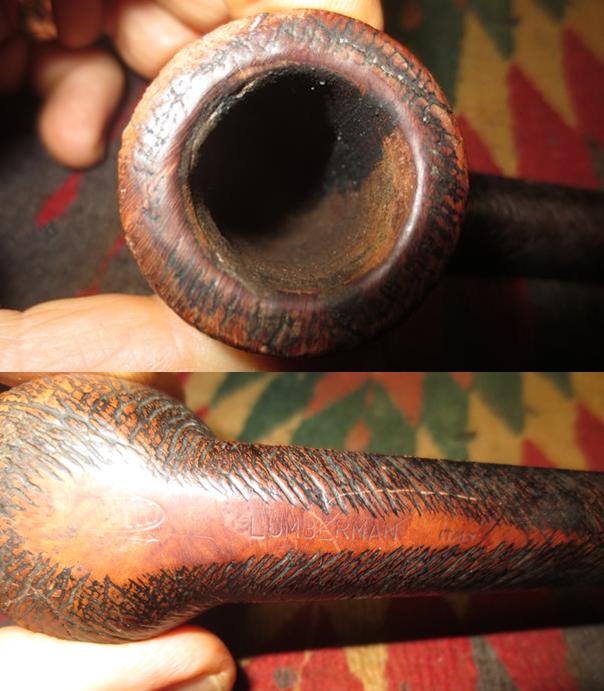
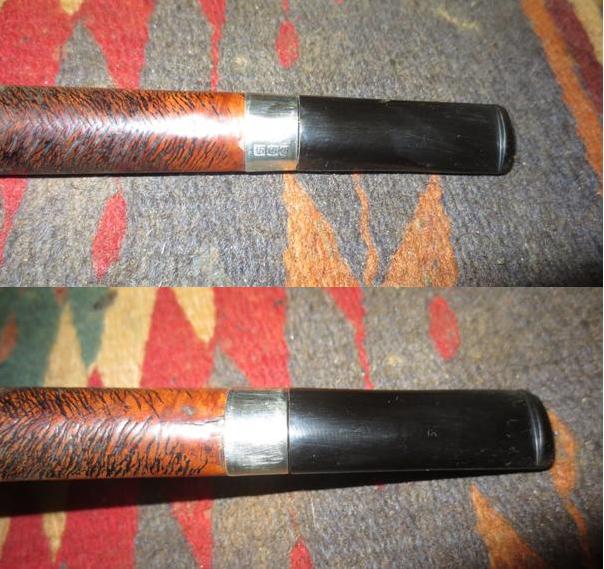
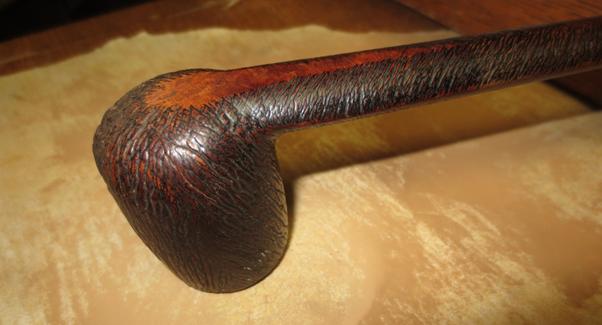
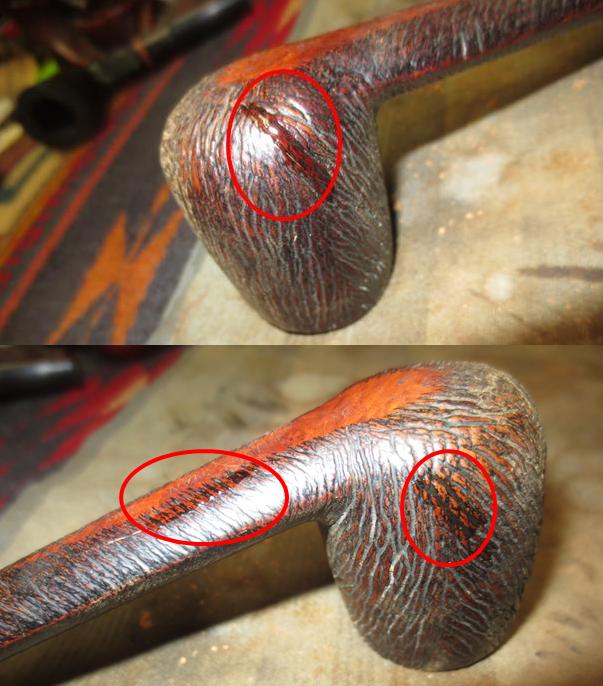
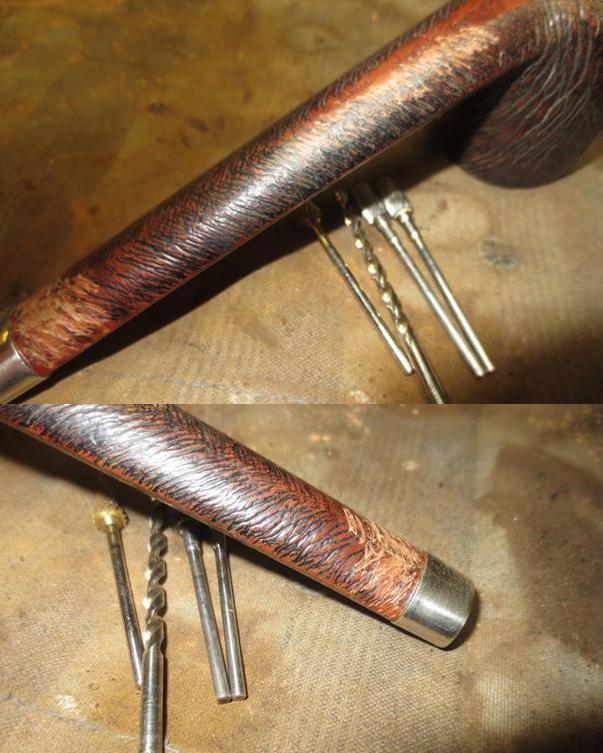
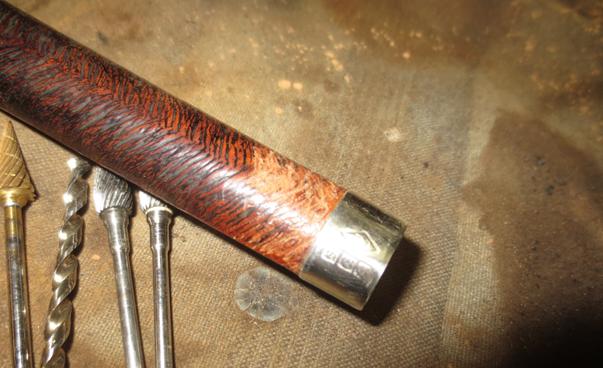
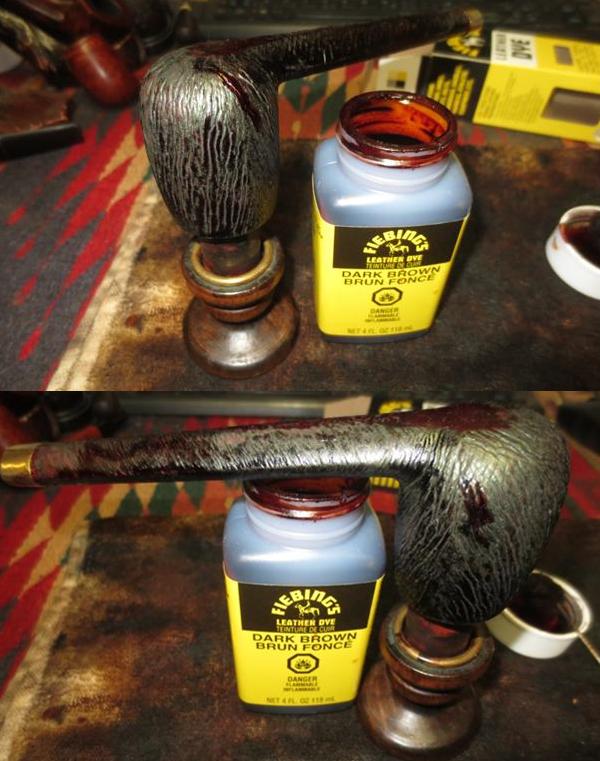
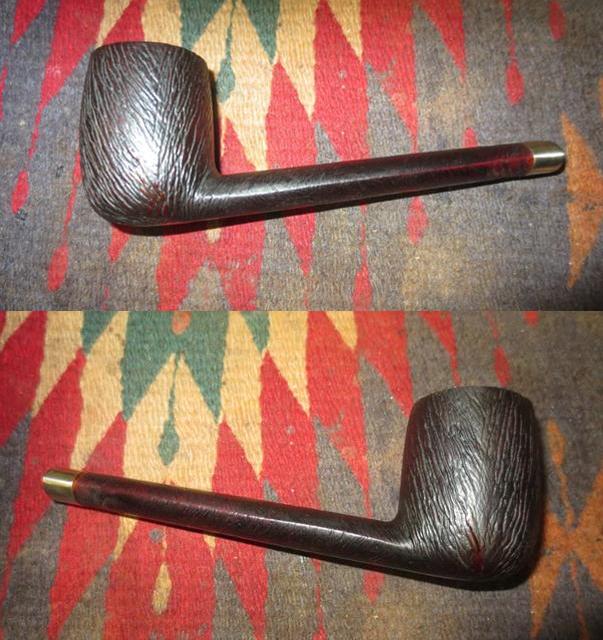
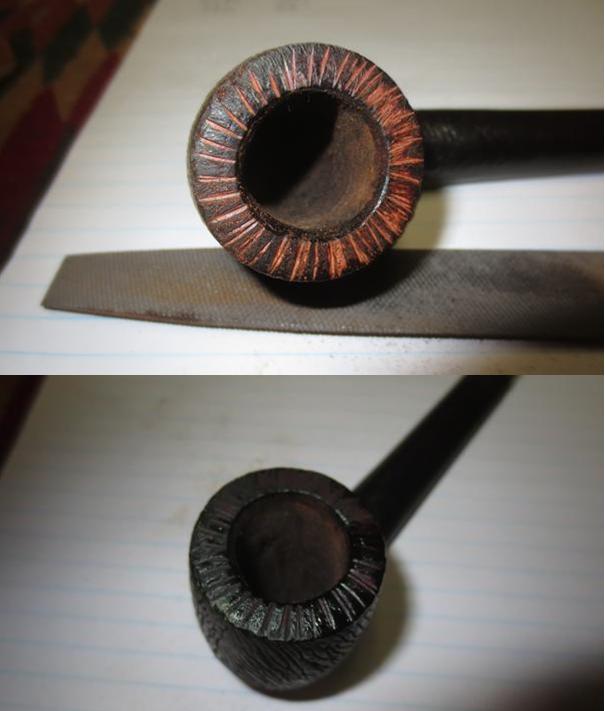
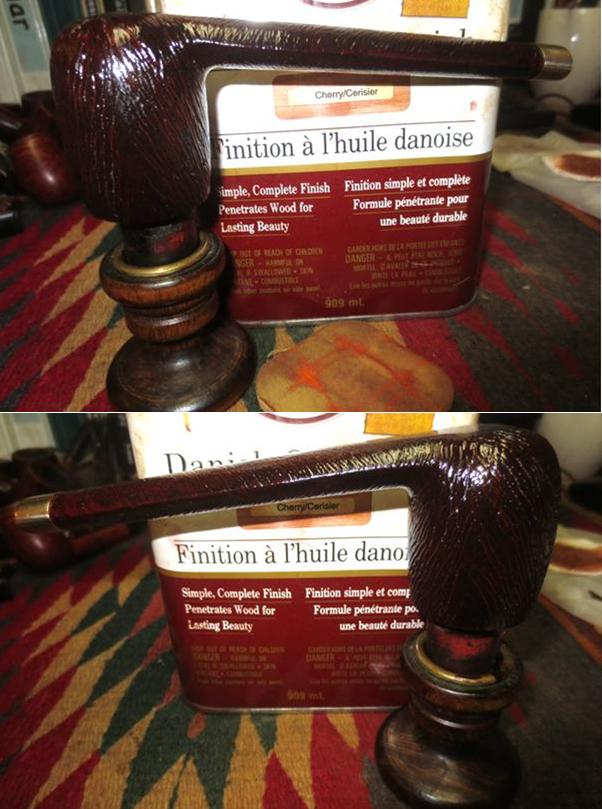
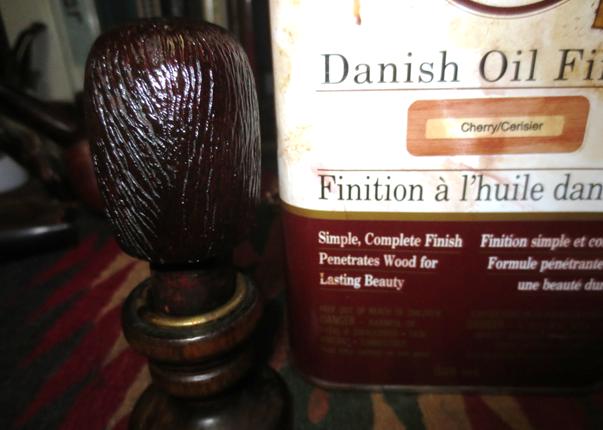
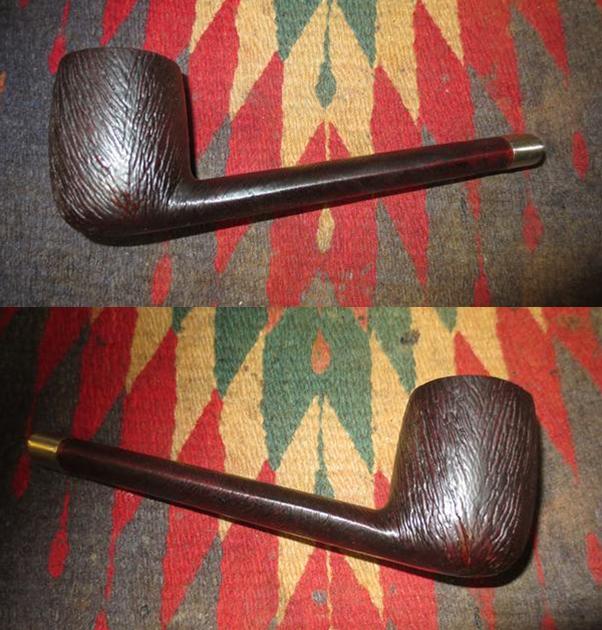
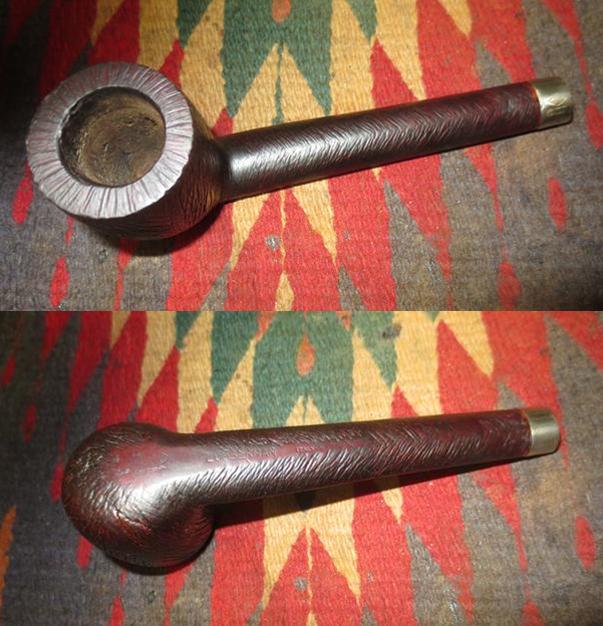
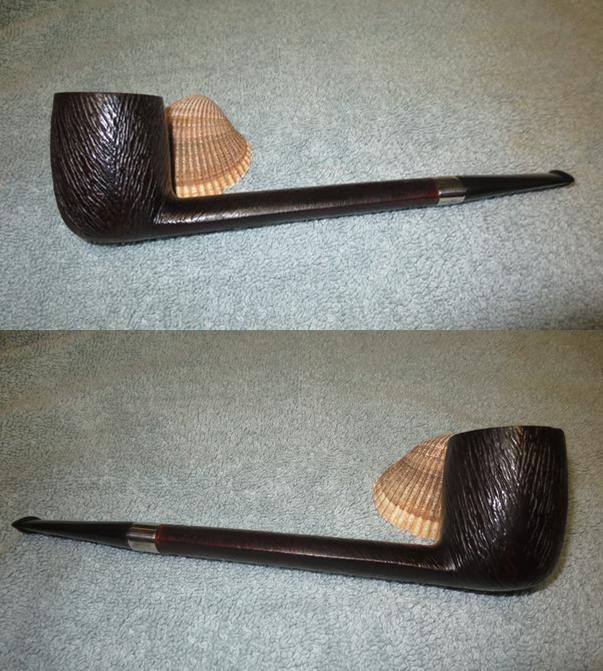
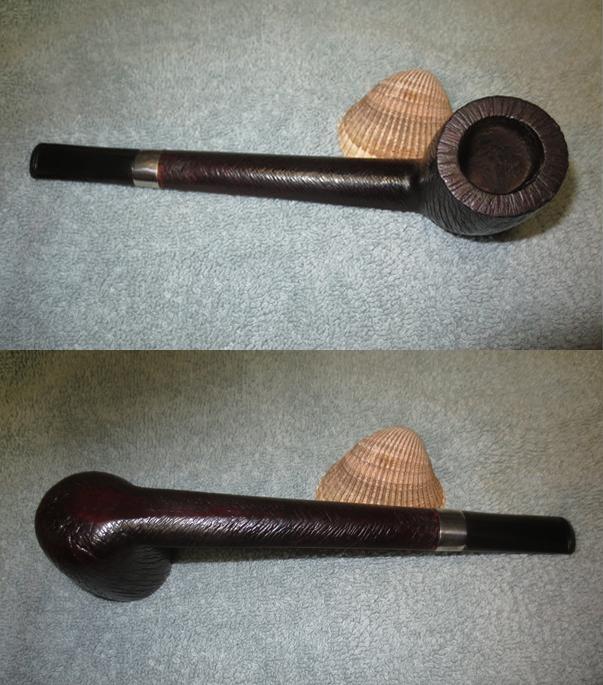
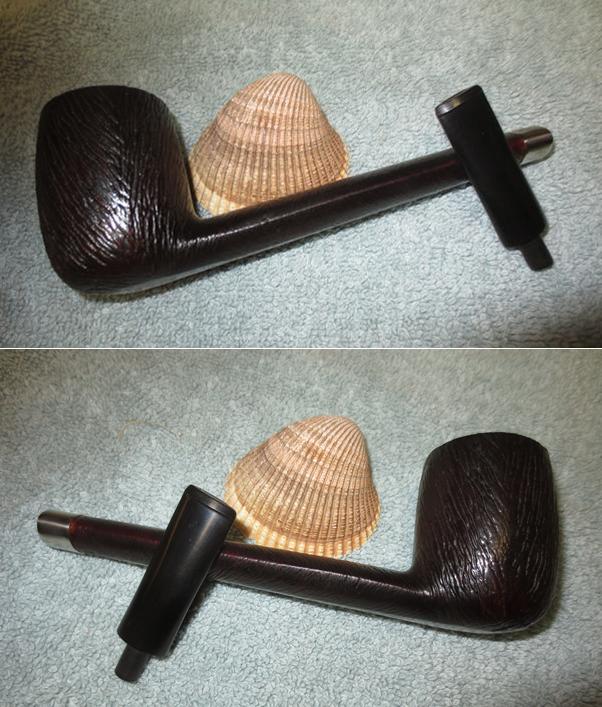
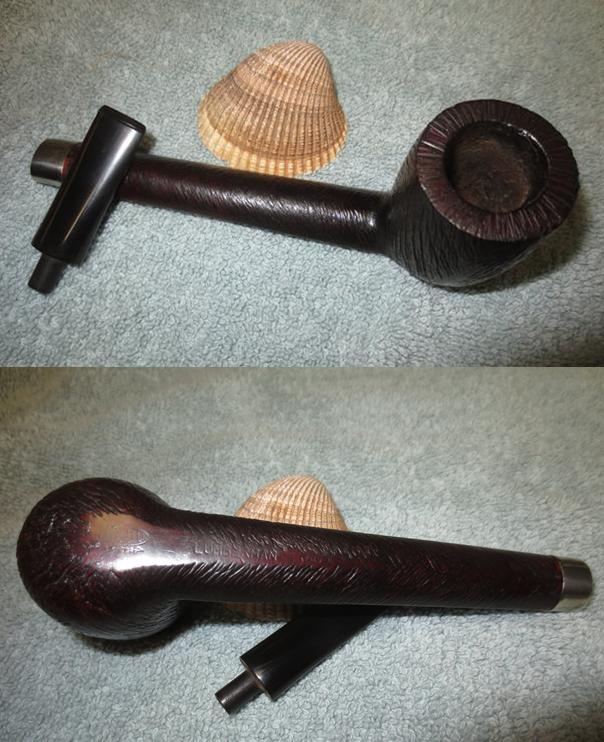
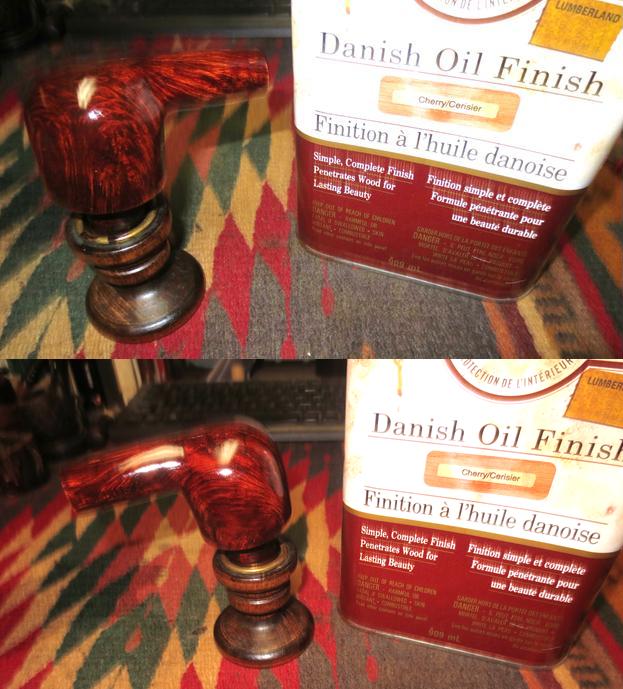
My brother and I picked up this long shanked Canadian when I was in Idaho. We bought it from the same seller that had all of the Calabash pipes. It is a wire wheel rustication that follows the bowl at an angle and runs almost chevron like on the top and bottom of the shank. It is a large pipe. The dimensions are: length – 7 ½ inches, height – 2 inches, external diameter – 1 ½ inches, inner bowl diameter – ¾ inches. There were some obvious issues with the pipe that I will point out through the following photos. First of all the big picture look at the pipe. It is stamped Savinelli Extra Lumberman on the underside of the shank. Next to that it is stamped Italy. In the second photo below you can see the line where the two sections of shank are joined. The next two photos of the rim top and the underside of the bowl and shank show some of the other issues. The rim top was worn smooth in places and the front right outer edge was rough from knocking the pipe out on hard objects. There was also some cake on the wall that needed to come out on the front right of the inner edge. The underside of the shank shows a hairline crack above the Lumberman and Italy stamping and another at the edge of the bowl just above my thumb. There was also a hard patch of something stuck to the bottom front of the bowl that was hard and rough. I am not sure if it is a repair or what but it will need to be addressed.The band on the shank is part of a shank repair that had been done on the pipe. The shank had been smoothed out and most of the rustication removed under and in front of the band. There was a repaired crack on the underside of the shank. The band was loose on the shank as the glue had dried. The band is an aftermarket repair band and not original. The replacement stem has been poorly fitted to the shank end. The diameter of the oval stem does not match that of the shank and band.There were definitely a lot of little issues that needed to be addressed on this long shanked Canadian but there was something about it that attracted me to its potential. I topped the bowl on a topping board with 220 grit sandpaper and removed the damage to the outer and inner edges of the rim.I pressed some briar dust into the small crack on the right side of the bowl toward the bottom and added some clear superglue. I repaired the hairline crack on the shank and on the lower left side of the bowl – drilling the ends carefully with a microdrill and then filling in the crack with briar dust and super glue. I circled the small cracks in red in the photos below.I used a series of dental burrs and drill bits on the Dremel to replicate the striated pattern of the wire rustication on the bowl and shank. It took some slow and careful handwork. I ran the Dremel at a speed of 5 so that I could easily maneuver it around the bowl and shank to match the pattern of the rustication. I used it to remove most of the thick, hard spot on the front of the bowl and match the rustication pattern surrounding it. I reworked the rustication on the rim of the pipe. I repaired the rustication under and against the band on the end of the shank and the repair on the underside of the shank. The first go at it I used the dental burrs but would later have to use files and rasps to cut the proper pattern in the briar. The next photos show the progress of the rustication. I slid the band off the shank, put the stem in place and shaped the stem to fit the curvature of the shank. I worked on it with 220 grit sandpaper until the flow of the shank and the stem matched. I personally like a smooth junction between the stem and the shank and the only way to do that correctly is to remove the band and rework that area before gluing the band back in place. The next two photos show the fit of the stem to the band and also the striated rustication pattern. Progress is being made.I slid the band off and put white all-purpose glue around the shank where the band would go. I pressed the band in place and wiped away the excess glue. I let the glue under the band set until the band was tight against the shank.I gave the bowl and shank an under stain of dark brown aniline based stain. I applied it and flamed it to set it in the briar. I repeated the process until the coverage was what I wanted.I hand buffed the pipe with a cotton cloth to give it a basic polish. I wanted to see what the coverage looked like once the stain had dried. I took photos to show how the pipe looked once I had gotten to this point in the restoration. The rim did not look right to me so I used a file to cut lines into the rim top. I used a large rasp and also a set of needle files to hand cut the lines. The photo below shows the lines after I used the wood rasp. I stained the rim top again with dark brown stain to have a look.I used some smaller needle files to cut lines between the lines that were already on the rim from the rasp. I wanted the pattern to look more like the patterns on the bowl sides and shank. I restained it with a dark brown stain. Once the stain was flamed and dried I gave the bowl a coat of cherry Danish Oil as a top coat that would add some contrast to the look of the briar and blend the all the repairs and the joint of the two parts of the shank into one cohesive looking piece. I hand buffed the bowl and shank with a soft cloth and then gave it a light buff with Blue Diamond on the buffing wheel. The contrast looks really good and the coverage makes the repairs blend in really well with the rest of the bowl and shank. I polished the stem with micromesh sanding pads – wetsanding with 1500-2400 grit pads and dry sanding with 3200-12000 grit pads. I buffed the stem between the 2400-3200 grit pads and then finished with the pads. I rubbed the stem down with Obsidian Oil after each grit of pad and then a final time after the 12000 grit pad. I set the stem aside to dry. There were still some faint sanding marks on the stem showing so I buffed the stem with Red Tripoli and then carefully buffed out the scratches with Blue Diamond on the wheel. I was able to polish the stem and it shone nicely. I buffed the nickel band and then lightly buffed the bowl with Blue Diamond. I gave the stem multiple coats of carnauba wax and gave the bowl and shank several coats of Conservator’s wax. I buffed the pipe with a clean buffing pad to raise a shine and hand buffed it with a microfibre cloth to deepen the shine. The finished pipe is shown in the photos below. It is a beauty and should provide a cool smoke to whoever wants to add it to their collection. I will be posting it in the rebornpipes store soon. Thanks for looking.
Restoring a Frederick Tranter Pipe Shop Bath Lovat


Blog by Steve Laug

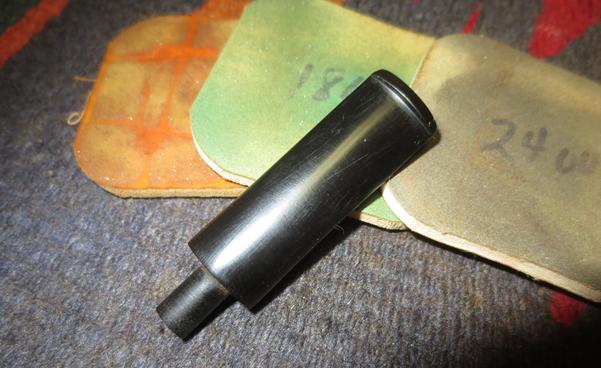
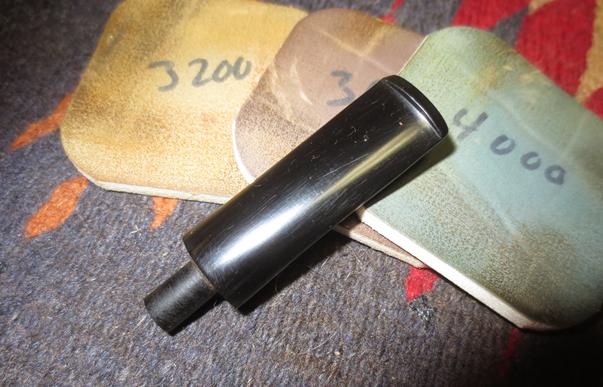
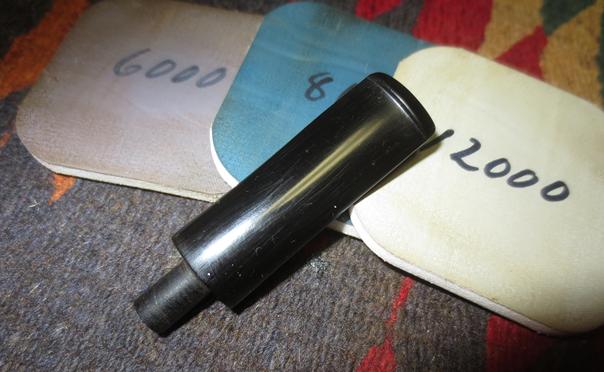
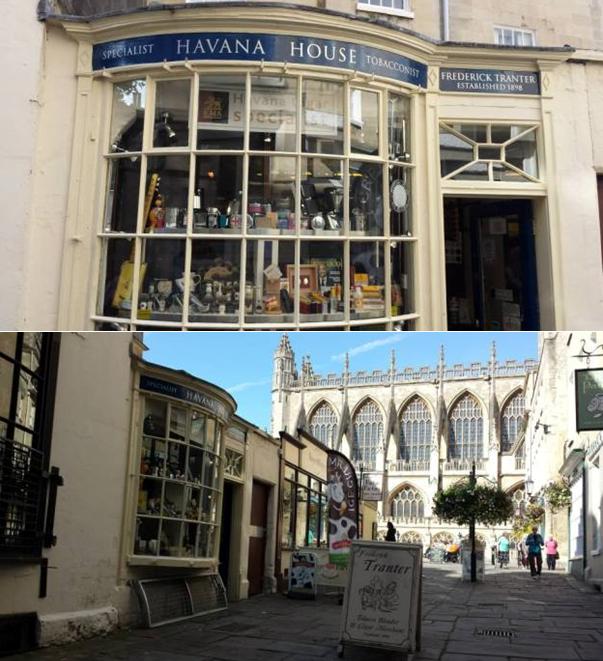
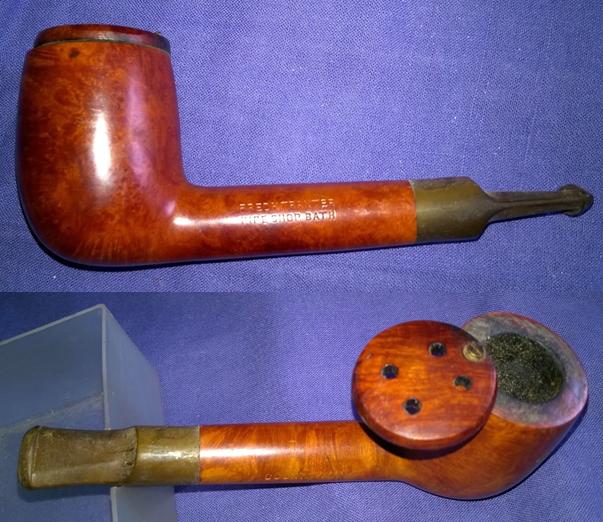
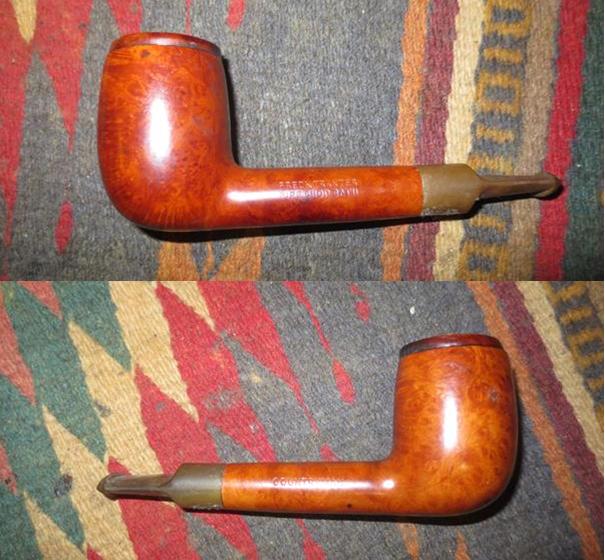
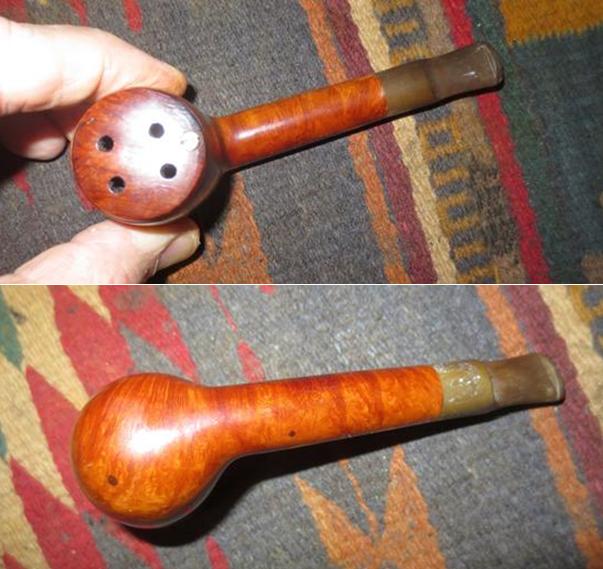
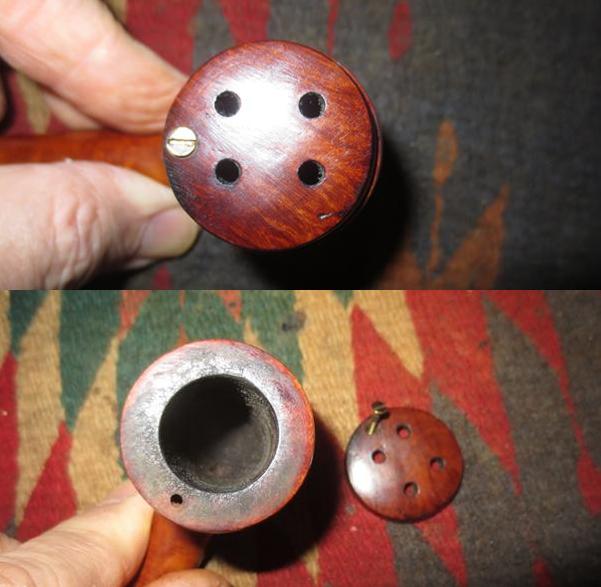
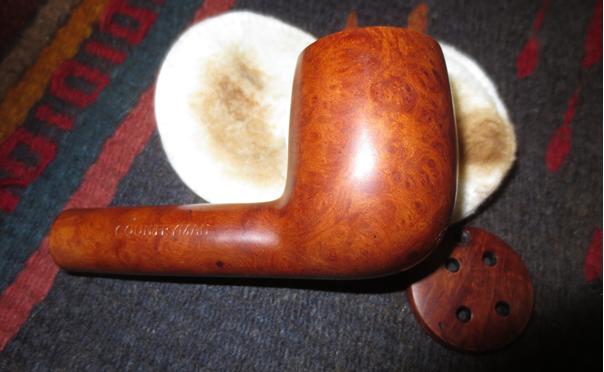
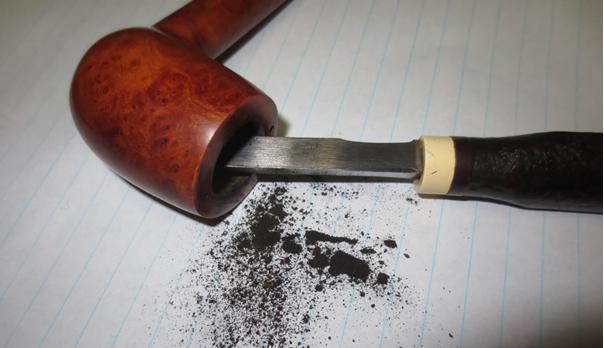
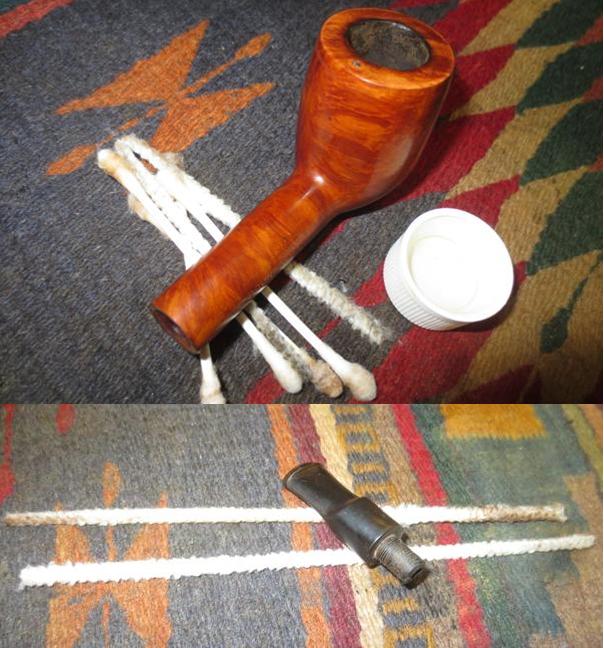
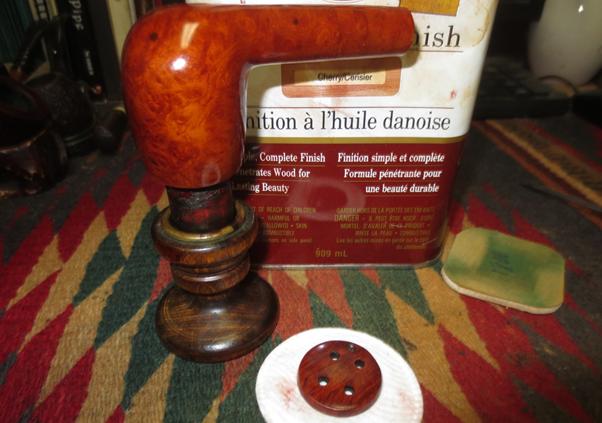
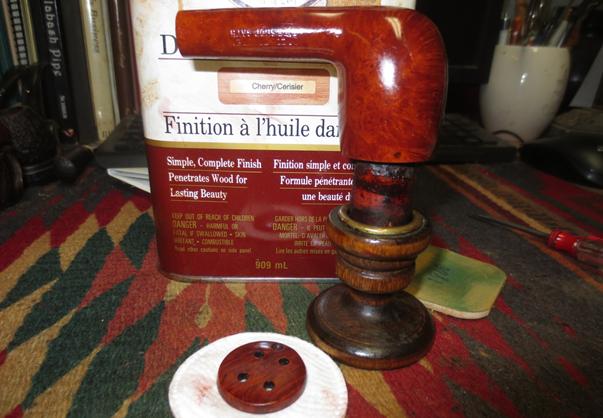
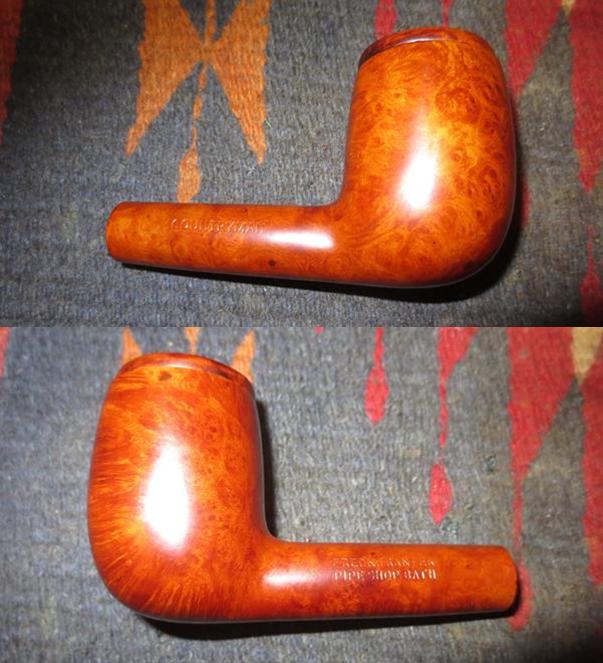
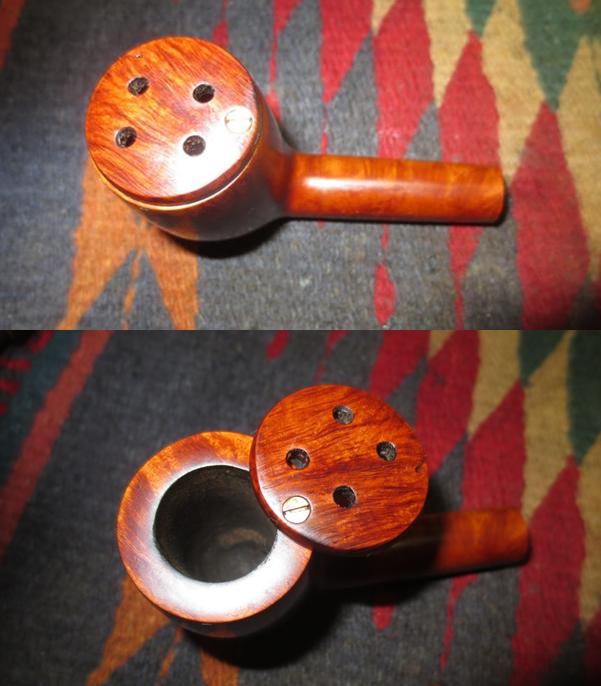
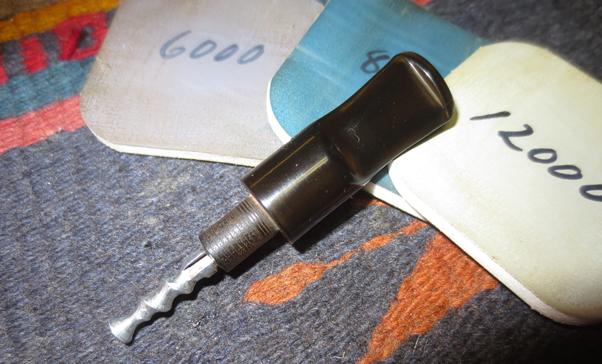
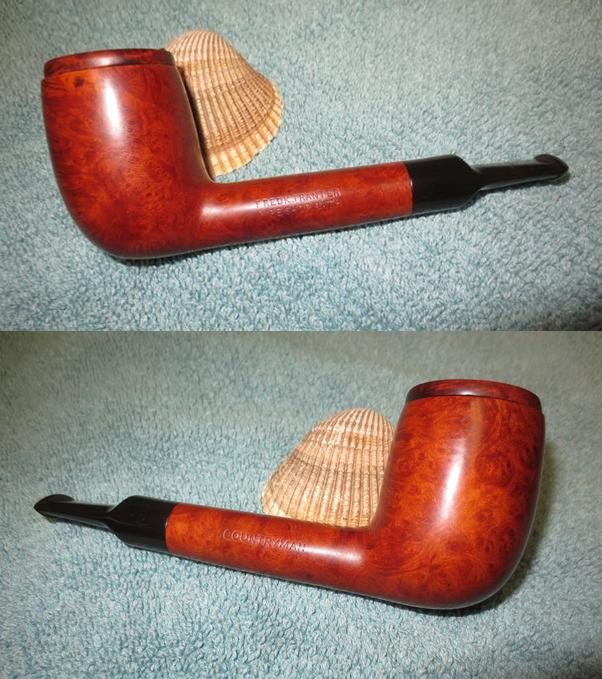
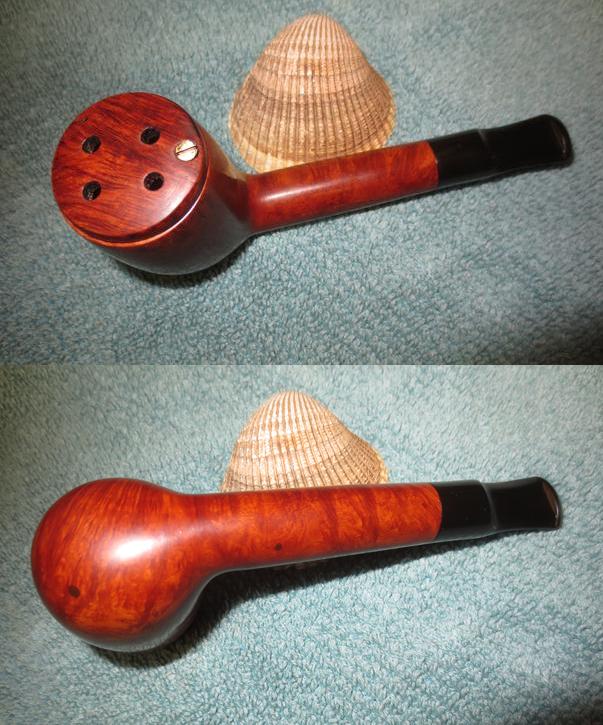
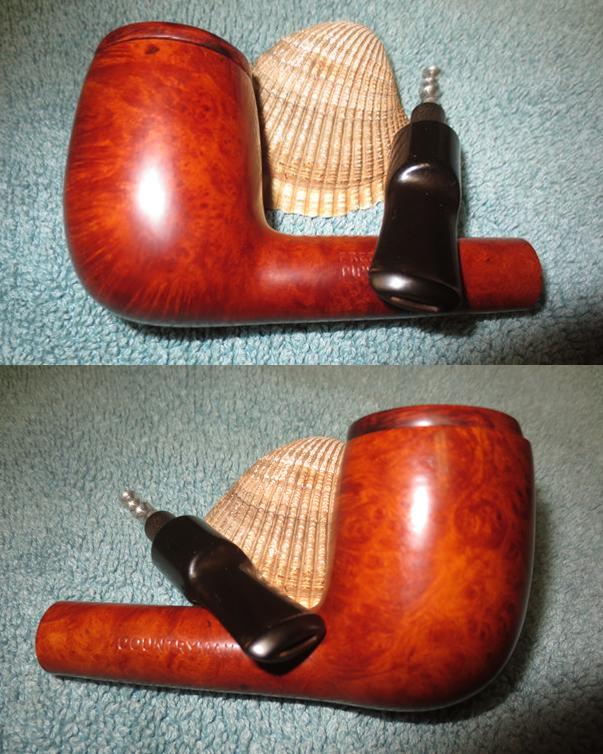
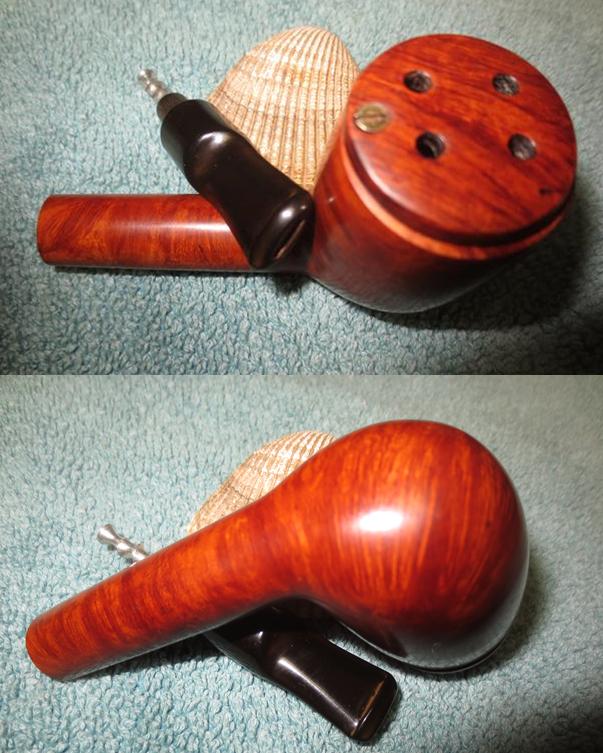
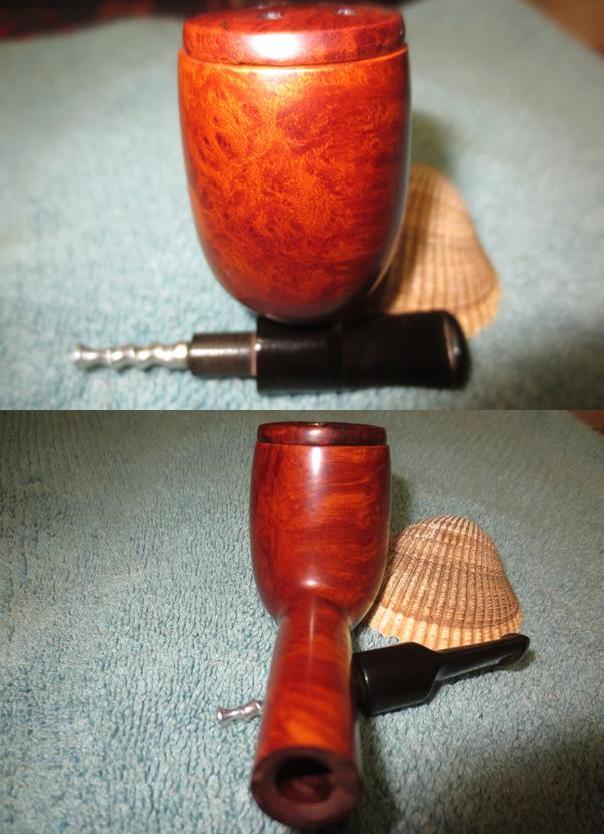
In 2002 my wife and I celebrated our 25th Wedding Anniversary and were gifted a trip to the United Kingdom. We landed at Gatwick Airport in London and took the train on a loop around the UK. We stopped in Cambridge and York for a few days. We traveled up to Edinburgh and then back to Oxford and Bath. We returned to London and spent a few days there. At each spot we stopped along the way we hunted down various tobacco shops. It was a real treat to visit shops around the UK. As I visited each one I was fairly certain that many of them would disappear over the years ahead. I was not sure when we would get back for another visit so I wanted to visit as many as possible (as of 2017 that turns out to be true). One of my favourite shops was the Frederick Tranter shop in Bath. It was not a big shop but it was packed with pipes and tobacco. It smelled and looked like a proper tobacco shop. I have written about it previously on the blog. Here is the link: https://rebornpipes.com/2014/03/01/remembering-my-trip-to-frederick-tranters-in-bath-england-in-2002/. I have included two photos of the shop that I took when I visited there. It really was a quaint shop and one in which I would enjoy spending a lot of time smoking a bowl and enjoying wares.Since the day I visited the shop and bought my first Tranter pipe, I have kept an eye out for Frederick Tranter Pipe Shop Bath pipes. When I saw this one on Ebay I liked it. It was a nicely shaped Lovat with a briar wind cap attached to the rim by a brass screw. The cap swivels right and left so that the pipe can be filled and lit. I put a bid on it and won. The next two photos are ones that the seller included. The pipe looked to be in good shape. The cap is not exactly the same diameter as the bowl but it does cover the bowl.The stamping on the shank of the pipe is very clear and sharp. On the left side it reads Frederick Tranter over Pipe Shop Bath. On the right side it reads Countryman. There are no shape numbers or other identification marks on the pipe. From my previous interaction with the shop and researching the brand I found that Cadogan made many of the pipes for them. I am not sure what the age is on this one but it is a great shaped Lovat. I took some close up photos of the wind cap on the top of the bowl. The first shows the cap in place over the top of the bowl. The brass screw in on the back side about middle of the rim top. There were four equal sized holes on the top and the edges crowned. The second photo shows the bowl with the cap removed by unscrewing the brass screw. The top of the rim had some tarry buildup and there was a light cake in the bowl. The inner and outer edge of the bowl were in perfect shape.I took a close up photo of the outside and the inside of the cap. The inside is slightly indented and had a carbon buildup. At first I thought it was burned however when I cleaned it up I found that it was only covered with carbon.I took photos of the stem surface on both top and bottom sides. It was oxidized and there was some gummy substance on the stem from what appeared to be a price tag.I scrubbed the surface of the bowl with alcohol on cotton pads to remove the grime. I scrubbed the rim top as well and I was able to remove all of the buildup. This was a nice looking piece of briar with birdseye and cross grain around the bowl.I reamed all of the cake out of the bowl with a Savinelli Fitsall Pipe Knife. I took it back to bare briar. I scrubbed out the mortise and the airway in the shank and stem with pipe cleaners, cotton swabs and alcohol until they were clean. I was surprised that the overall condition of the airways and shank were so clean.I rubbed the bowl and shank with Cherry Stain mixed with Danish Oil. I wiped it off and polished it by hand. The hand polished bowl is shown in the photos below. The stain made the grain really stand out and gave the pipe a fresh look. The stem needed a lot of work to remove the oxidation. I sanded the stem down with 220 grit sandpaper to remove the heaviest oxidation. The tenon had marks on it that I would need to leave to keep the snug fit in the mortise.I cleaned up the metal twisted stinger to remove all of the oils and tars that had collected there. I polished it on the buffing wheel and with a microfibre cloth. I put it back in the tenon. I polished the stem with micromesh sanding pads – wet sanding with 1500-2400 grit pads and buffing it with red Tripoli. I reloaded the buffing pads with the Tripoli and worked over the angles of the stem and saddle to get as much of the oxidation out of those spots as possible. I dry sanded the stem with 3200-12000 grit pads. I rubbed the stem down repeatedly with Obsidian Oil and after the final pad I left it to dry. There was still some oxidation remaining on the stem so I reworked it with the buffing pads and Tripoli. I worked on it until I had removed the remaining oxidation. I buffed it with Blue Diamond to polish it further. In the final photos there are still spots where the Tripoli showed up under the bright light of the flash but the stem now glows. The finished pipe is shown in the photos below. It is a beautiful looking older Lovat. The rounded button end and slot were smooth and comfortable. The vulcanite shone and the briar really looked good. I buffed the pipe with carnauba wax and then with a clean buffing pad to give it a shine. I took it back to the work table and hand buffed it with a microfibre cloth to deepen the shine. Thanks for walking with me through the refurb on this pipe.


Cleaning up a Dr. Grabow Westbrook 44


Blog by Steve Laug

Not long ago I received and email from Dave, a reader of the blog, asking about a couple of pipes that he had picked up. I have included his email below. He gives his assessment regarding the pipes and what he wanted done. He had also done a bit of research on the Dr. Grabow pipe for me. I really like this kind of information.

Steve… I have recently been gifted 2 estate pipes that I would love to have reincarnated by your hands. I am not sure of the cost and wanted to speak with you first. One because I have never shipped anything to Canada and I am not sure if there would be any issues. Two, I also wanted to get an estimate of cost before going forward. The 2 pipes in question are not in bad shape, just have some age, cake and minimal wear; one is a Whitehall rusticated with saddle stem and the other a Pear shaped Dr. Grabow Westbrook. The Dr. Grabow from what I can find is a special R J Reynolds model which has the orange spade on the side of the stem. I have attached some images with this email so that you have some idea of how they look. If you need additional images please let me know. Thank you for your time and consideration.
Regards, Dave The first that I chose to work on was the Dr. Grabow Westbrook Pear Shaped pipe. The pear shape came in both a slim pear (#74) and a medium pear (#44). The chart below is taken from https://pipedia.org/wiki/File:1960sDrGrabowFlyer5.jpg. It shows the shape of the pipe I was working on. I believe that I am working on a shape 44, Medium Pear.I examined the shank with a lens and I could see that the left side of the shank was stamped Westbrook over Dr. Grabow. The right side of the shank was stamped Imported Briar over PAT. The number that follows the PAT. stamp is illegible. It is very faint. From this I can extrapolate that the pipe is an early version of the Dr. Grabow Westbrook line. It came out in the early 1960s. https://pipedia.org/wiki/Dr._Grabow

I found an article on Pipedia about the RJ Reynolds pipes and when and how they were offered through pipe coupons. I have included the majority of the article as well as the link.

https://pipedia.org/wiki/RJR_Grabow_information

R.J. Reynolds Tobacco Company had two other pipe tobaccos which were George Washington and Carter Hall that shared a good hunk of the pipe tobacco market left over from Prince Albert and Sir Walter Raleigh. Thus sets the stage for a coupon to be placed in each package or can of these tobacco products. The pipes presented to the American public were the very finest mass produced pipes ever created by man, or in all probability will ever be created by man. Pipes were presented with either a metal filter or a paper filter. The highest quality pipes were presented with only a metal filter. The Westbrook model came either in a rustic or matte finish and had metal filters along with the Berwyck that presented the same choice with paper filters. These pipes could be purchased only by mailing five coupons and three dollars to Sparta, North Carolina. The classic of the series was a natural grain Emperor with only the metal filters and its cost was five dollars and required twenty five coupons. About half way through the duration of the offer the Sculptura was introduced as demand was high for a quality sandblast grain pipe. So, R. J. Reynolds Tobacco Company set out to produce the perfect sandblast grain pipe and boasted that no finer sandblast pipe had ever been produced by man nor ever would be produced by man than its Sculptura that could only be purchased by collecting five coupons and sending that along with four dollars to Sparta, North Carolina.

Each order that was filled for every pipe ordered throughout America came in a neat box with a full set of literature including a shape chart that actually gave a pipe smoker an immediate choice to choose from far greater than any pipe store or other outlet that America has ever seen or probably will ever see.

This mail order offer that began sometimes in the early 1950’s would end in 1987 when R. J. Reynolds Tobacco Company sold its tobacco products to John Middleton, Inc. At that time it was announced that this mail order offer was the longest running mail order offer in duration of time of any mail order offer of any product on the American market. Thus, an era ended eighteen years ago or so and as each year turns over these pipes become less available and thus more valuable.

The argument about a good smoking pipe so prevalent today among pipe smokers is not applicable to these pipes for the simple reason that they all smoke good and they all smoke just alike with no discernable differentiation that any one pipe is any better or worse than any of the others. These pipes came from the top twenty percent of Briar obtainable and were constructed with the quality control standards of a Zippo lighter. The only difference was in the shape and this was presented in a very large number of choices. The Dr. Grabow pipe is clearly stamped as such, but was never ever retailed. It was admitted by all that these pipes were superior to the retail Dr. Grabow pipe. Those with the metal filter are no longer obtainable from any source. Those with the paper filter, although similar to the present Dr. Grabow, is of a superior quality. Since those with the paper filter were not nearly so popular as the metal filter in those old days it is rather difficult to find one these days. There will not be many days until those with the metal filter are gone forever never to be replaced and it is likely that anyone who possesses such a pipe has a very valuable piece of Briar or to become such in not very many years. One other point, also like a Zippo, these pipes are virtually indestructible…

I took some photos of the pipe when it arrived. Overall impressions of the pipe were good. The briar was a beautifully grained piece; the stamping was faint on the left side of the shank and not readable on the right. The bowl had a light cake with overflow and darkening on the crowned rim. The stem was oxidized and appeared to have been clipped off. The new button was thin and the slot was sloppy. Work would need to be done with that end of the stem. I took a close up photo of the rim top and bowl to show the overall condition. It was in great shape for a pipe this age. It had been pretty well cared for over the years. I also took photos of the stem to show the thinness of the button. I am pretty certain it was reshaped somewhere along the way. The stinger apparatus was different from other Grabows that I have worked on. It was pressure fit into the threaded tenon and was a tube rather that the shovel stinger I was expecting.I scrubbed the top of the rim with a cotton pad and saliva to try to remove the buildup and darkening that was there. It actually worked very well. I sanded it with 1500 grit micromesh to further smooth things out. I reamed the bowl with a Savinelli Fitsall Pipe Knife and took the cake back to bare briar.I built up the button top and bottom with black super glue. I did not need to build it up too much so I decided to just use the glue and not add charcoal powder. I set the repaired stem aside to let the glue cure.I sanded the bowl with 1500-6000 grit micromesh sanding pads and wiped it down with a damp cotton pad to remove the sanding dust. The photos below show the bowl after sanding it with 1500-2400 grit pads. I scrubbed out the shank and the metal mortise with alcohol, pipe cleaners and cotton swabs until they came out clean. The interior of the shank was really dirty. Many pipe cleaners and cotton swabs later the shank was clean and the metal mortise was shiny.In the past I have used a Cherry Danish Oil Stain that matches the colour of these older Grabow Westbrook pipes really well. It is the kind of stain that you rub on, let sit and rub off. Since the finish on the Westbrook smooth pipes was smooth, once the stain was dry I would rub it down to a matte gloss look.I hand rubbed the finish once it had been sitting for a short time. The photos below show what the bowl looked like after it had been rubbed down. The grain really stands out now – showing a combination of birdseye and cross grain. I love the look of the briar on this old pipe. Once the repair had dried I reshaped the button with needle files. I worked on the slot with needle files. The third photo shows what the slot looked like at this point. I will need to smooth it out but it is looking better.I sanded down the file marks and the oxidation on the stem with 220 grit sandpaper. I folded a piece of 220 grit sandpaper and worked on the slot to smooth out the file marks. I sanded the flat end of the button. I cleaned out the airway in the stem with a pipe cleaner and alcohol. I polished the stem with micromesh sanding pads – wet sanding with 1500-2400 grit pads and dry sanding with 3200-12000 grit pads. I carefully buffed the stem with red Tripoli between the 2400-3200 grit pads. I finished with the pads. I rubbed the stem down with Obsidian Oil after each set of three pads. I gave it a final rubdown with oil and set it aside to dry. After I saw the oxidation still showing in the above photo I buffed the stem again with red Tripoli. I started the sanding process over and sanded the stem with the earlier micromesh sanding pads. I buffed it with Blue Diamond on the buffing pad.I worked some more on the stem to get out the hard to remove oxidation. It took time but I think it is gone for the most part. I polished the end of the stem with micromesh sanding pads to smooth out some of the scratches. The stem looks much better. I buffed the bowl and stem with Blue Diamond, carefully avoiding the Dr. Grabow spade logo so as not to damage it. I gave the bowl and stem multiple coats of carnauba wax to protect it. I buffed it with a clean buffing pad to raise the shine and by hand with a microfibre cloth to deepen the shine. I took the following photos of the finished pipe. It is truly a beautiful piece of briar – hard to believe it is a coupon pipe it is such nice wood. The pipe is ready to go back to Dave. Now I have to finish up the second pipe he sent to me. Thanks for looking.
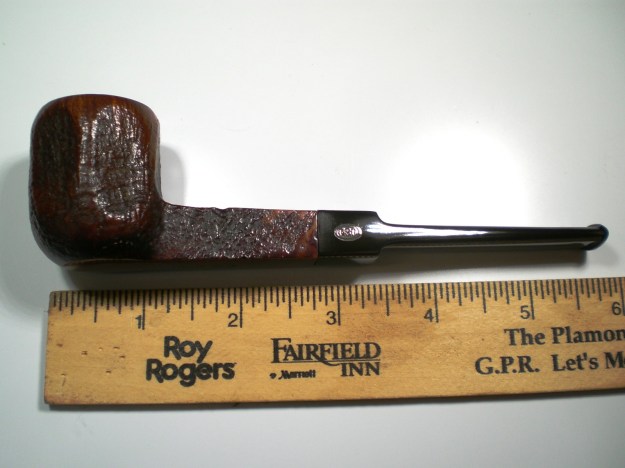
GBD 789 New Era Restoration


By Al Jones

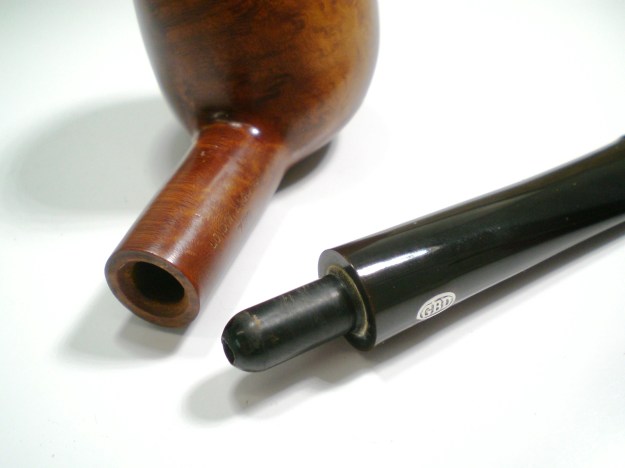
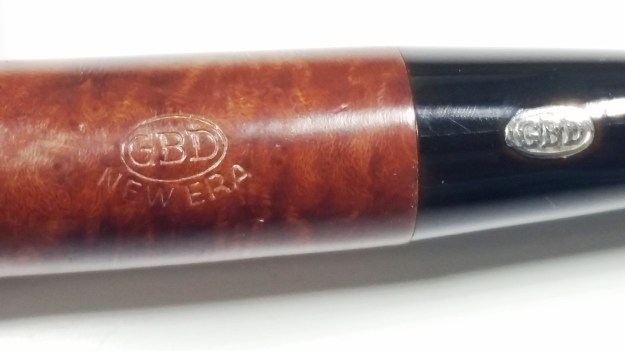
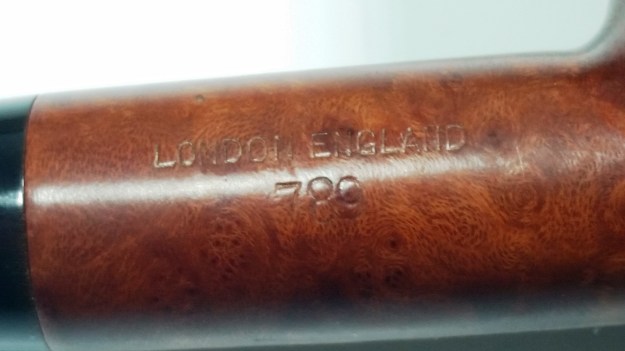
This New Era shape 789 grabbed my eye for several reasons:
– New Era pipes are typically a nice step up from the typical New Standard grade pipes, in the grain and finish.
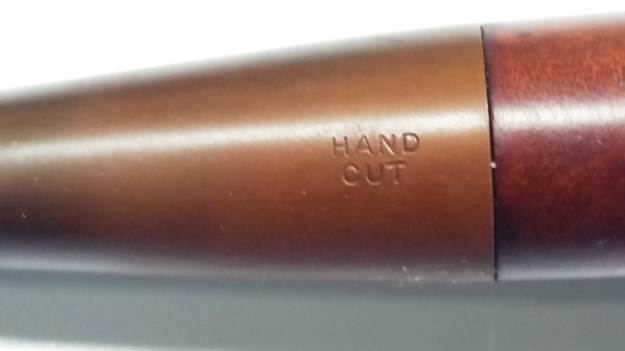
– The button on this one looked like it had the shape of GBD’s “Hand Cut” stems, although that stamp wasn’t mentioned or shown

The pipe needed plenty of work, but showed promise.

Sure enough, the stem did have the “Hand Cut” stamp! The bullet style tenon was first used by GBD in the early 1950’s (per Mike Hagley)

The stem was very heavily oxidized, so I put a dab of grease on the brass rondell and soaked it in a mild Oxy-Clean solution.

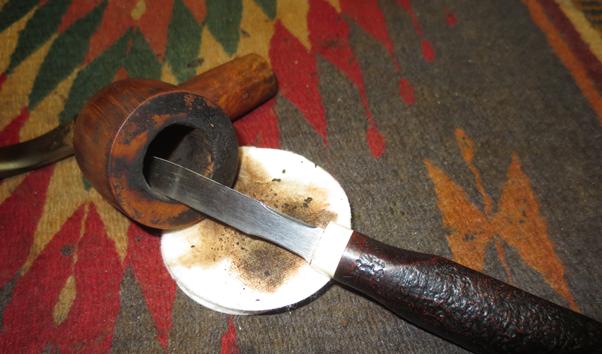
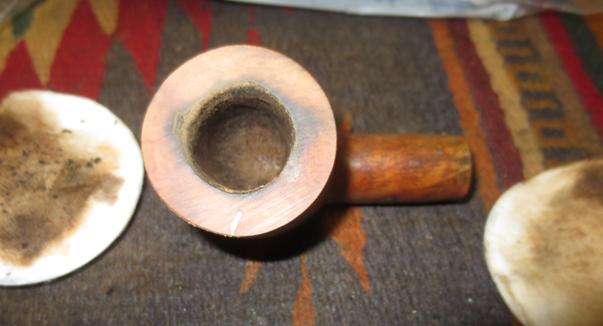
The bowl was reamed of the heavy cake. I used a wet cloth and then a worn piece of scotch-brite pad to remove the build-up on the bowl top. The top was finished with a worn piece of 8,000 grit micromesh. Nearly all of the build-up came off, without breaking the stain. I soaked the bowl with alcohol and sea salt. The interior of the bowl was in excellent condition. Thank goodness for a heavy cake, right?

I mounted the stem and started to remove the heavy oxidation. I typically start with 800 grit paper, but that didn’t make much of a dent, so I dropped down to 400 grit. I decided that it would be impossible to save the Hand Cut stamp and get the oxidation, so it was removed. The button is unmistakably of the Hand cut shape, so that would have to suffice.

I worked through 800, 1,500 and 2,000 grades of wet paper, then 8,000 and 12,000 grades of micromesh. The stem was then buffed with White Diamond and Carnuba Wax.

The bowl was buffed with White Diamond and several coats of Carnuba wax.

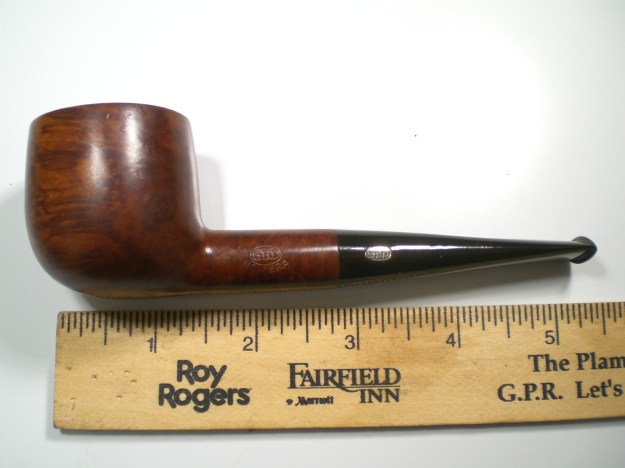
Below is the finished pipe.

[caption id="attachment_51866" align="alignnone" width="625"] ?

?

Restoring a Pipeman’s First Pipe


Sometimes I get requests to restore pipes that touch a sentimental chord for me. When that happens it brings back all kinds of memories and thoughts for me. A while ago I received an email from Phil regarding a pipe he had that he wanted some help with. He explained that it was not an expensive pipe but that was his very first when he started as a pipeman. We emailed back and forth for a bit and then he sent it up to me in Vancouver to assess and see if it was worth restoring. It came in the mail last week and I opened the package to have a good look at it. I went over it slowly and carefully and found some issues that needed to be addressed. To me the pipe was very restorable and I was willing to take it on.

Here is what I saw as I looked at the pipe. I put together a list for Phil and emailed it back to him. I would say it is well worth a cleanup, repairs, refinishing and polishing. I think that it has a pretty long life ahead of it.

  1. He was concerned with the overall condition of the pipe. It was a basic basket pipe and had a lot of fills in the bowl and shank. The bowl had never been smoked to the bottom so the briar is raw. It is a little smoky looking but is basically sound. The pipe can be smoked for a long time.
  1. The little lines in the bottom of the bowl are called checking. They happen to the inside of almost all pipes and are caused by heating and cooling. In this case it appears that the pipe had never been smoked to the bottom. I recommended a complete reaming and then some pipe mud (cigar ash and water) to fill in the little fissures and then a simple bowl coating to protect the bowl while he built a cake.
  1. He had mentioned a crack on the left side of the bowl. The noted crack was definitely there. It was on the left side toward the front. It is a hairline crack that starts at a putty fill toward the top of the bowl and ran down to another putty fill on the bottom of the bowl. This is one time where fills actually worked in my favour. I repair cracks all the time by drilling a small pin hole at each end to stop the crack from spreading. In this case the fills did just that for me. Go figure. I would need to simply pick out the old putty and repair the fills or top them up with super glue and briar dust.
  1. The rim looked like it had several fills on the top and the inner edge. It was hard to be certain as there was a thick coat tarry lava. It would need to be cleaned off and the fills check for stability and repaired if not.
  1. The stem was in good shape but was oxidized and had tooth chatter. It would need to be cleaned and polished to remove the oxidation and make the vulcanite shine.
  1. Looking in the shank the mortise and airway are also sound.

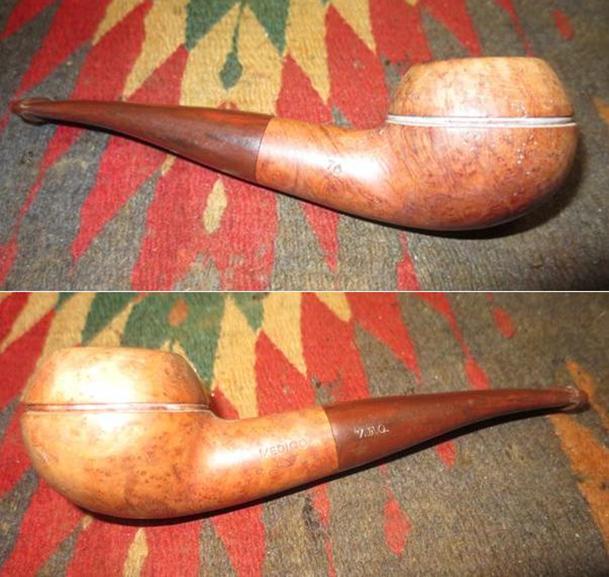
Here is what the pipe looked like when it arrived in Vancouver. I took photos to set the base for what it looked like before I started. Note the fills on the shank sides, bottom and bowl sides and bottom. I took a close up photo of the rim top to show the condition of the bowl and the rim. The front inner edge of the rim appears to be burned and it is out of round. It is hard to know if there was any other damage on the rim top.I took some close up photos of the fills and crack on the left side of the bowl running between the two large fills. It is circled in red in the photos below. The crack is hairline and is fairly tight. The fills show some shrinkage in the putty and will need to be removed and replaced.I took a close up photo of both sides of the stem to show the tooth marks and chatter on both sides near the button.I reamed the bowl with a Savinelli Fitsall Pipe Knife to scrape out the cake to the bare briar. I used the sharp edge to scrape off some of the heavy cake on the rim top.I scrubbed the top of the rim with alcohol and cotton pads. I was able to remove most of it. The inner edge of the bowl showed a lot of damage. The front edge had a fairly deep burn mark that covered the surface of the rim at that point but did not go too deep.I cleaned up the inner edge of the rim and the sides of the bowl with the PipNet reamer. I used it to remove some of the damaged edge.I topped the bowl to deal with the burn mark that is visible in the above photo. After I topped it  I repaired the damaged fills on the rim and bowl sides that way I could top the repaired portions at the same times. I picked out the fills with a dental pick and removed the putty. The two that joined the crack were quite large and deep. I repaired them by tamping briar dust into the pits and then pushing clear super glue into the dust. I repeated the process leave a thick bubble of glue and dust on the surface of the repair. I did the same on the rim top, inner edge and the shank sides and bottom to repair the fills there.I sanded the fills smooth with 220 grit sandpaper to blend them into the surrounding briar. I added a little more super glue to some pits in the repairs and sanded them once the glue had dried. I sanded the oxidation and tooth chatter off the stem with 220 grit sandpaper. I was able to remove all of the chatter and even the tooth marks as they were not too deep in the vulcanite.I sanded the bowl and stem with a medium and a fine grit sanding sponge to begin to smooth out the scratches and sanding marks. I sanded the bowl with 1500-4000 grit micromesh sanding pads in preparation for staining the bowl. I planned on giving the pipe a contrast stain so I started with a dark brown aniline based stain. I applied the stain, flamed it and repeated the process until I was satisfied with the coverage.I wiped the bowl down with alcohol on a cotton pad to remove the heavy dark finish and make it more transparent. I wanted the dark brown deep in the grain once I had removed it from the lighter portions of the briar. I sanded the bowl with 1500 grit micromesh pads. I continued to sand the bowl with 1500-2400 grit micromesh pads to get the transparency that I wanted on the bowl. The next photos show what it looked like once I had finished sanding it. I gave the bowl a top coat of Danish Oil with a Cherry Stain. I rub the oil onto the bowl and rub it off and buff it. The next two photos are a little blurred but you can clearly see the cherry colour that is coming to the surface of the bowl. It works really well to blend in the fills.I set the bowl aside to dry and turned to the internals. I cleaned out the mortise and the airway in the shank and stem with alcohol, pipe cleaners and cotton swabs.I polished the stem with micromesh sanding pads – wet sanding with 1500-2400 and dry sanding with 3200-120000 grit pads. I buffed the stem with red Tripoli on the buffing wheel after the 4000 grit pad and then finish sanding it with the 6000-12000 grit pads. I gave the stem multiple rub downs with Obsidian Oil after each few pads to see if the oxidation at the shank end was getting better. By the time I was finished with the final pads the stem looked much better. I would give entire pipe a buff before I finished the restoration. I mixed a batch of pipe mud – cigar ash and water – to form a paste and applied it to the bowl bottom and sides with a folded pipe cleaner. I pressed the mud into the small checking that was around the bowl bottom with a dental spatula. The pipe mud will protect the bowl while a cake is formed.I buffed the bowl and stem with Blue Diamond on the buffing wheel to raise the shine and highlight the grain on the bowl. The fills are still visible but they blend into the surface of the briar better than they did before. I gave the pipe multiple coats of carnauba wax and buffed it with a clean buffing pad to raise the shine. I hand buffed it with a microfibre cloth to deepen the shine. The finished pipe is shown in the photos below. I will be packing it up and mailing it back to Phil once I give it a bowl coating. I am hoping he enjoys this piece of his personal pipe history. It should provide many more years of enjoyment for him.

A VIRTUAL PIPE HUNT – A new way to experience the joy of a pipe hunt


Blog by Steve Laug

To me there is nothing quite like the thrill of a pipe hunt to get my blood running. The anticipation of finding something that I had not found or seen before is always a prologue to the actual hunt itself. When I walk through the door of the “hunting ground” there is a new anticipation – what lies in store for me in the aisles and booths of the shop. I have found that some shops/malls are organized and have all of the tobacciana in one spot in the shop but the majority are not that systematized. Something about walking through a large or small shop with a focused objective makes the pleasure even more intense. When I find pipes – be it just a few or a box full – I get a solid rush as I work my way through the box and see if anything special is hidden in the lot. I have found Dunhill’s hidden in cans of junk pipes so I always work through the lot individually. I have to tell you that there are very few times that I come home from a hunt empty handed.

On Friday evening my brother Jeff called me from Montana. He and his wife had driven there to visit her parents. Along the way they had of course stopped at several antique shops and looked for pipes. In one of the shops he struck “gold”, the shop had a motherlode of pipes. He had talked with the owner and she told him she bought a box of pipes. He bought a few of them from her and then went back to the hotel and gave me a call. He showed me the pipes he had picked up and they were old ones. He had some nice pipes. He then told me the story and an idea he had.

His idea was brilliant really and quite simple. We both have iPads and use FaceTime to chat back and forth about pipes that he is looking at. He thought, why not bring the iPad to the antique shop and take me on the pipe hunt with him. That way we could look through the many pipes that were available in the shop and it would be like I was present experiencing the discovery of each one. We made a plan and set the time for the hunt. I was looking forward to checking out the place.

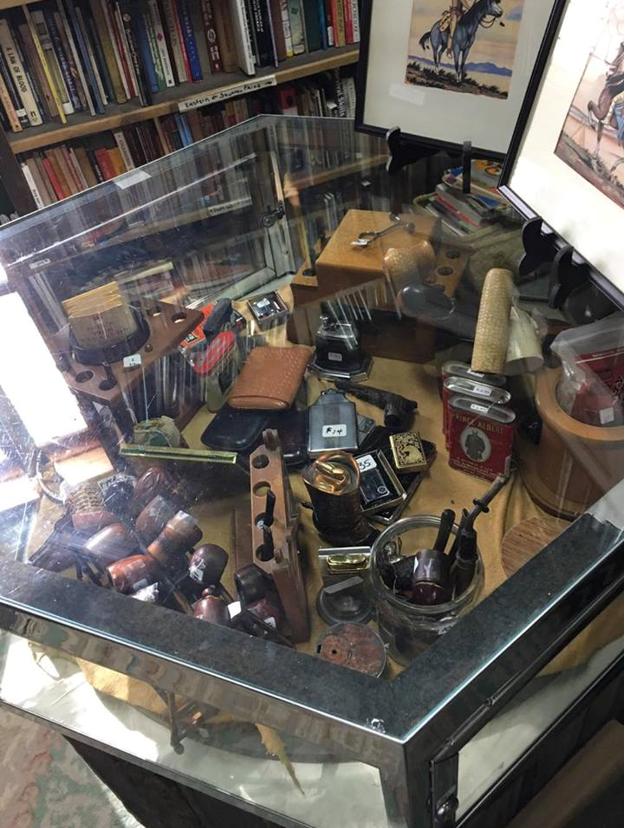
The next day after lunch my iPad showed that Jeff was calling on Facetime. I answered and in a moment I was inside the antique shop with him. We walked over to the corner of the shop where the display case was. The owner opened the case and Jeff brought out a rack of pipes at a time. He brought them to the counter where the iPad was sitting. He took each pipe out of the rack and we looked at the stamping on the shank and the condition of the mouthpiece and bowl. We looked at the stem material and determined what it was made of. We guessed the age as best as we could, given the brand and the style of the bowl and stem. We went through over forty pipes that way and spent the better part of an hour and a half.

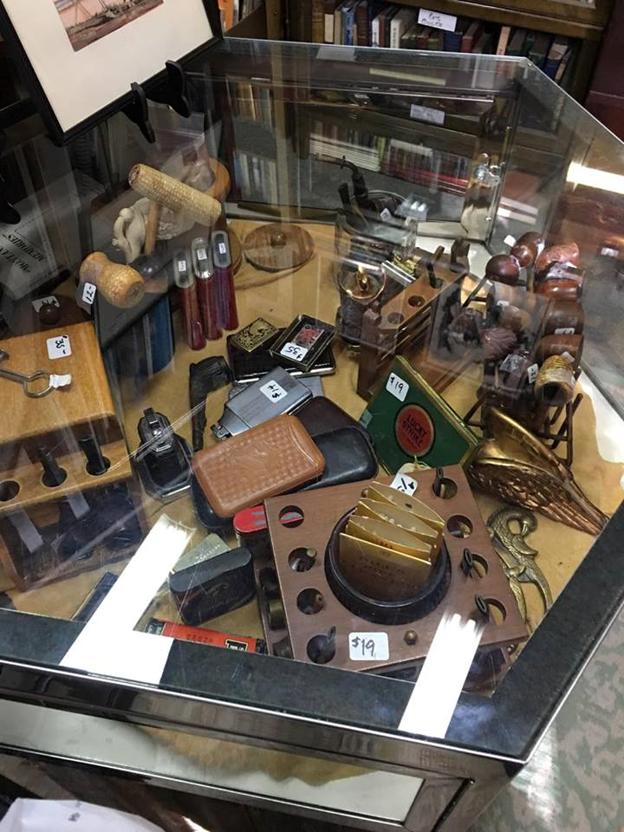
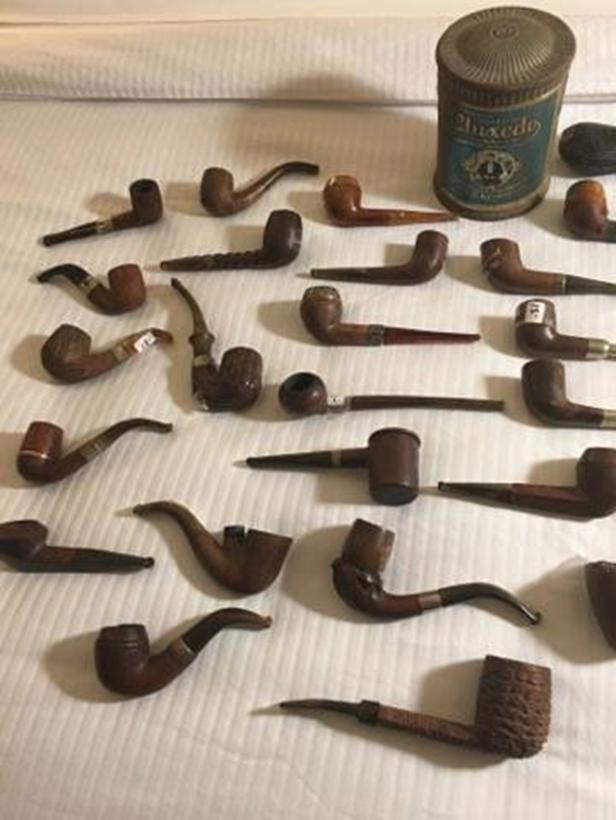
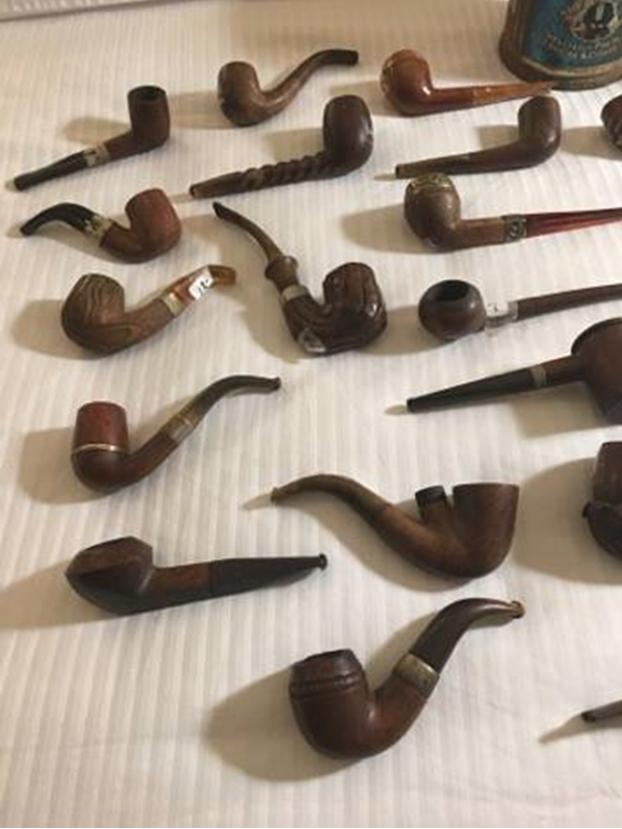
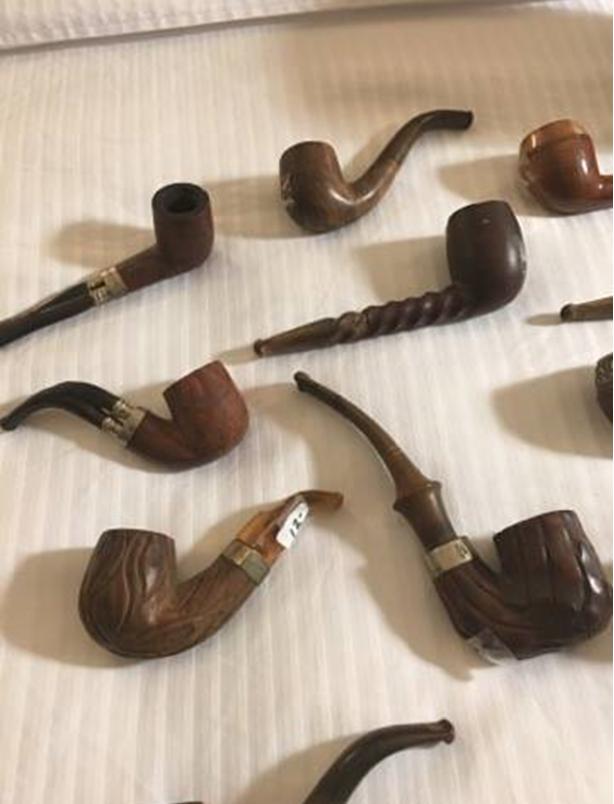
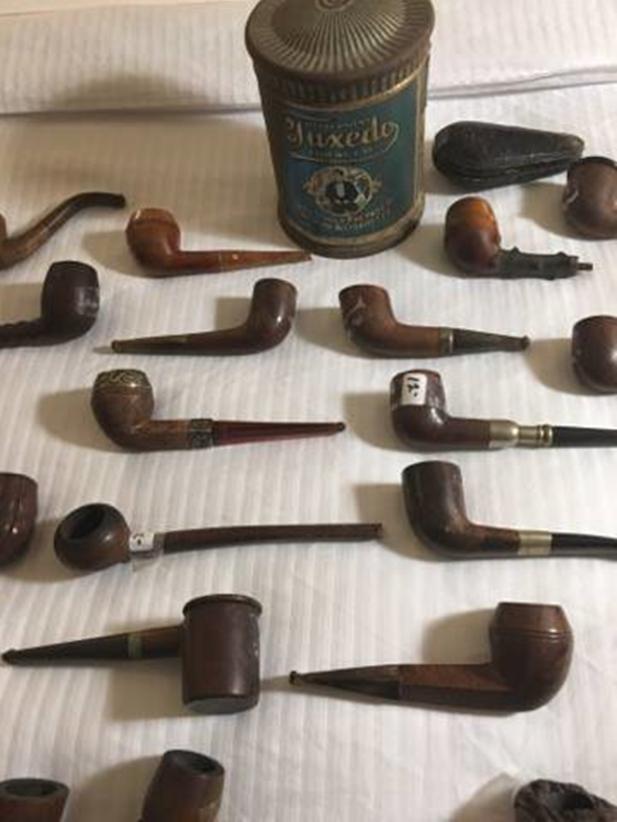
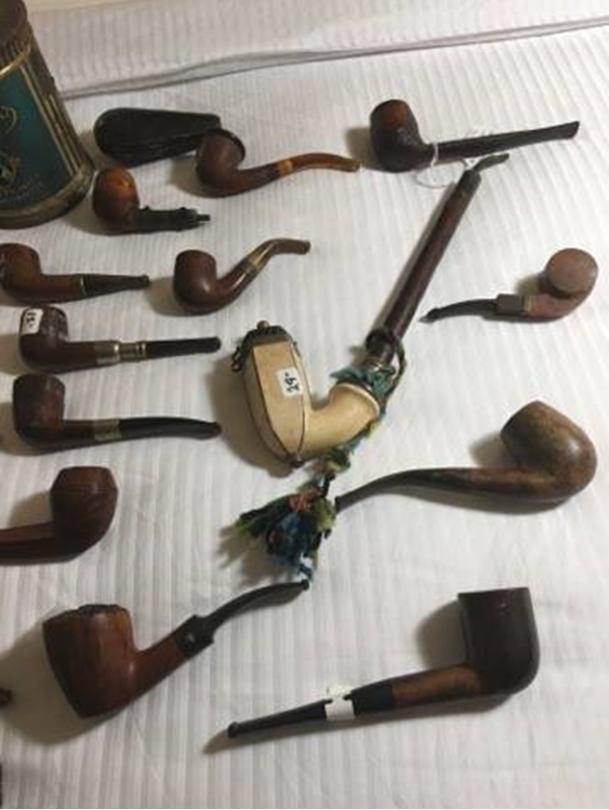
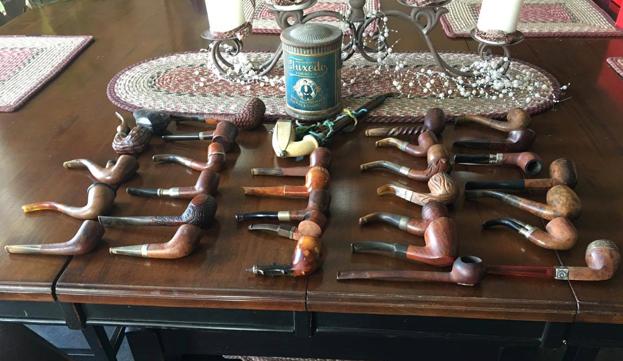
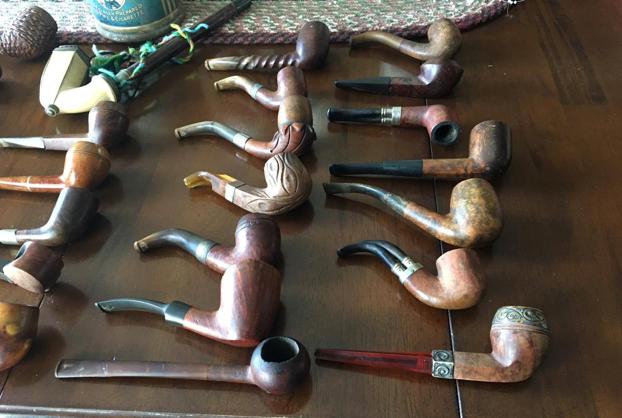
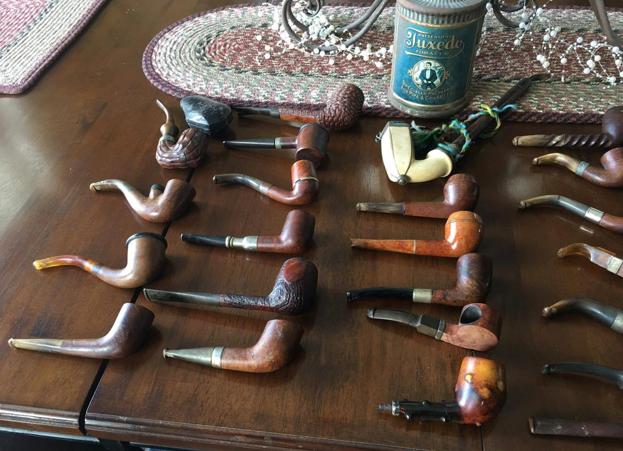
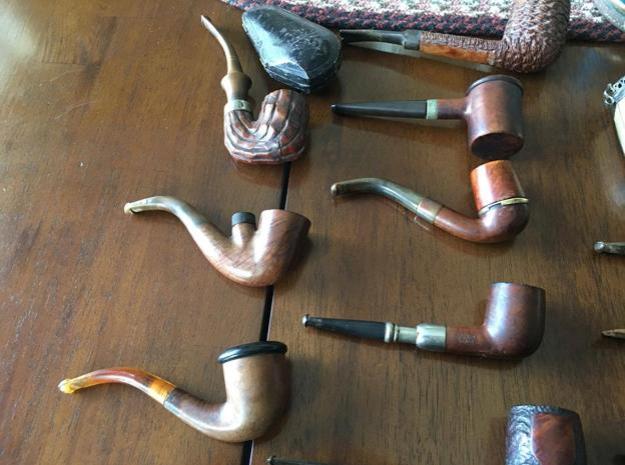
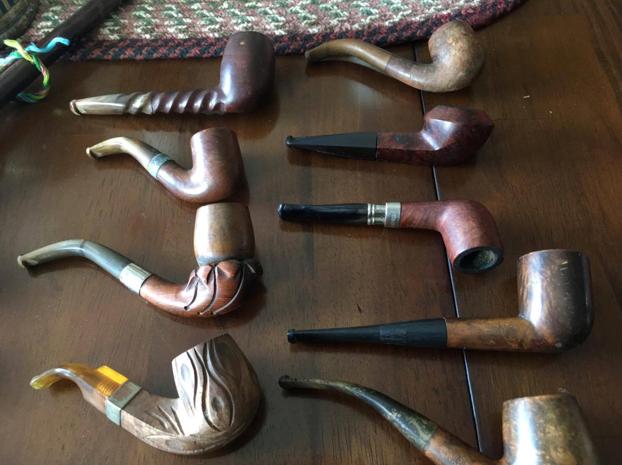
He captured two photos of the iniside of the shop that showed what we saw when we were on FaceTime. They show a display case and the area where the pipes were in the store from two different angles. He gathered the pipes together and took them to his hotel room. He spread out the pipes on the bed and took some photos of the lot. There really are some unique pipes in the lot. I can’t wait to get them in Vancouver and work them over. There were many CPF pipes in the bunch that are different from others I have worked. The first is a photo that gives a big picture of the pipes we picked out from the shop.He also took some close up photos of sections of the lot. Here are those photos. They give you an idea of some of the unique pieces we found at the shop.The next two photos is a close up of the pipes on the left toward the top of the first photo.The next two photos show closer looks at the pipes in the middle and on the right side of the first photo. You can see from the photos that there are some interesting pieces that we found. I could not believe that we picked up 30 pipes and one case. There were 11 unique CPF brand pipes, 1 Manhattan, 1 Twisted shank horn stem, 1 Borlum, 1 Superior, 1 Hilson, 2 WDC, 1 Kaywoodie All Briar, 1 Imperial, 2 Italian Briar, 1 Hooker, 1 Stanwell Majestic,  1 London Thorn Drucquer pipe, 2 Meerschaums, 1 carved bulldog, 1 Seville, 1 Frank Bakelite and a RBC empty pipe case. He sent me a list of the brands on the pipes. I have grouped together to give a sense of what was present in the lot.

  1. CPF military mount Oom Paul
  2. CPF The Remington, French Briar, (Miliatary mount)
  3. CPF French Briar with Hallmarked band and horn stem. Filigree carving around bowl
  4. CPF Pullman with Horn Stem
  5. CPF Siamese with twin horizontal stems
  6. CPF Cromwell with twin vertical stems
  7. CPF Briar Bowl Sitting on Petals- Horn Stem
  8. CPF French Briar Bulldog with Horn Stem
  9. CPF French Briar with tarnished metal band and a Horn Stem (looks like mini-Wellington)
  10. CPF French Briar Horn Shaped Pipe with metal band and Horn Stem
  11. CPF Colon French Briar with Black Meer Bowl and Amber stem
  12. Briar pipe with twisted shank going into a twisted horn stem
  13. Borlum Italian Briar (Unbreakable Bit)
  14. Hilson Bolero, Made in Belgium, #8
  15. Superior with filigree metal band around shank and bowl- red bakelite stem
  16. Manhattan with Horn Stem
  17. WDC Monitor
  18. WDC Campaign with Briar unscrewable bowl
  19. Kaywoodie AllBriar 50B (All-imported Briar)- chewed off wood stem
  20. Imperial De Luxe, Made in London England (Mini-churchwarden)
  21. Italian Briar bulldog with red dot on stem
  22. The Hooker- with screw cap next to bowl on top of shank- Patented May 17,1910- Horn Stem
  23. Stanwell Majestic 64, Made in Denmark
  24. London Thorn, Drucquer & Sons, Berkeley
  25. Carved bulldog with yellow Bakelite stem
  26. Seville Filter, Imported Briar Italy
  27. Heavily Rusticated Italian Briar with wrong stem
  28. No-name Meerschaum Bowl and shank without stem- with spikes on bowl and shank, brown to black
  29. Large Meerschaum Capped Pipe with horn stem and cherry wood shank
  30. Frank Bakelite (EP Silver)
  31. RBC Genuine French Briar , Red-lined small Black Case

When Jeff returned home, he removed the stickers and tags from the pipe and laid them out on his kitchen table. The photos below give another look at the pipes – sans price stickers and tags. I would say we had a good day pipe hunting. I have never seen that many CPF pipes in one spot and the number of pipes of that age is unique as well. I think we will have to do some more of these virtual pipe hunts because it transcends borders and space and gives the experience in real time. The only thing missing to me was the actual handling of the pipes in person. The experience was really good and I was able to feel like I was in the shop itself as we looked at each pipe and discussed the pros and cons before buying them. You might consider this kind of pipe hunt if you have a good friend who enjoys the hunt as much as you do and has an iPhone or iPad. If you happen to try it out or have already done so in the past post a comment below. Thanks for looking.


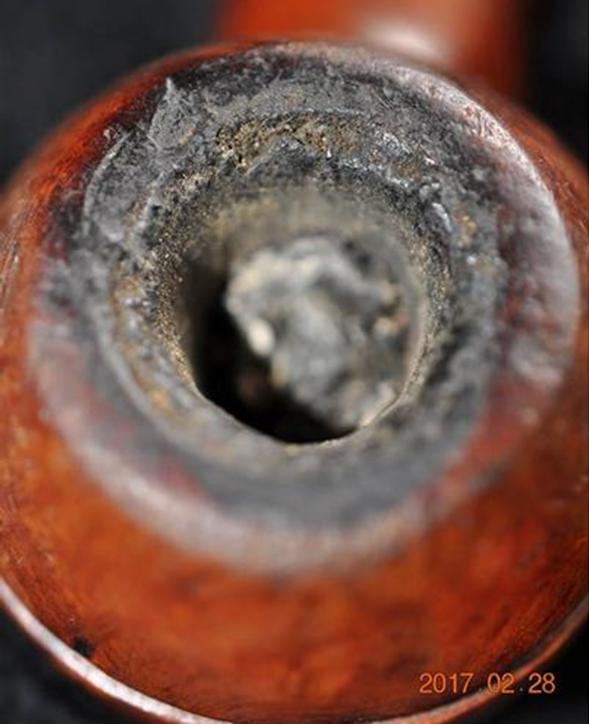
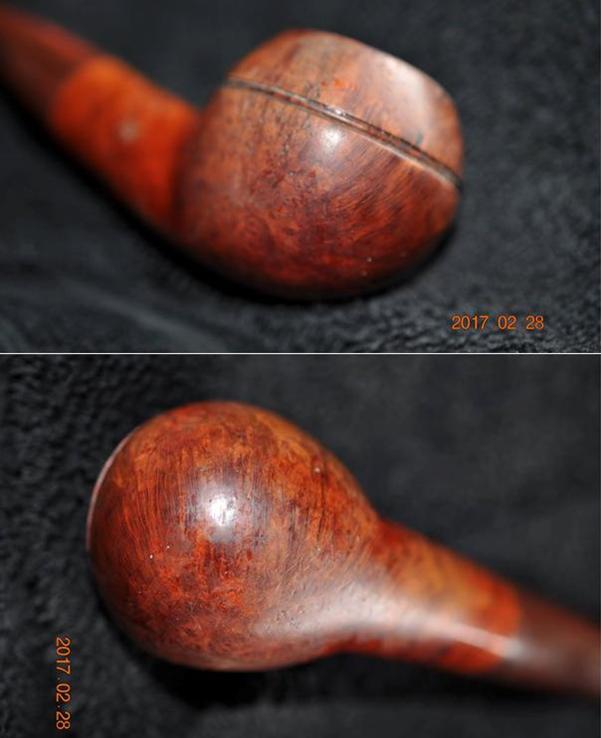
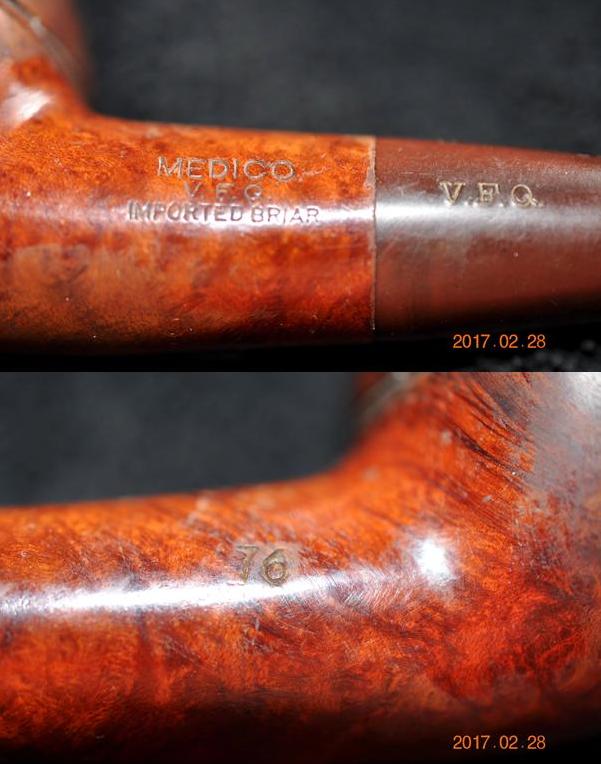
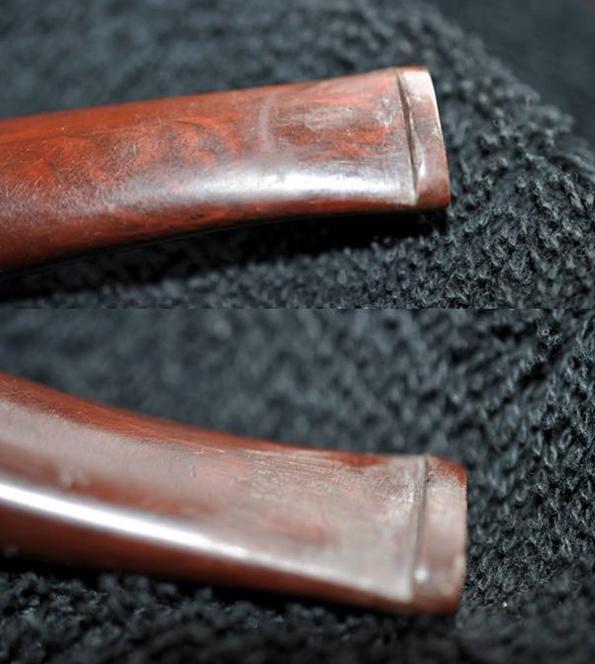
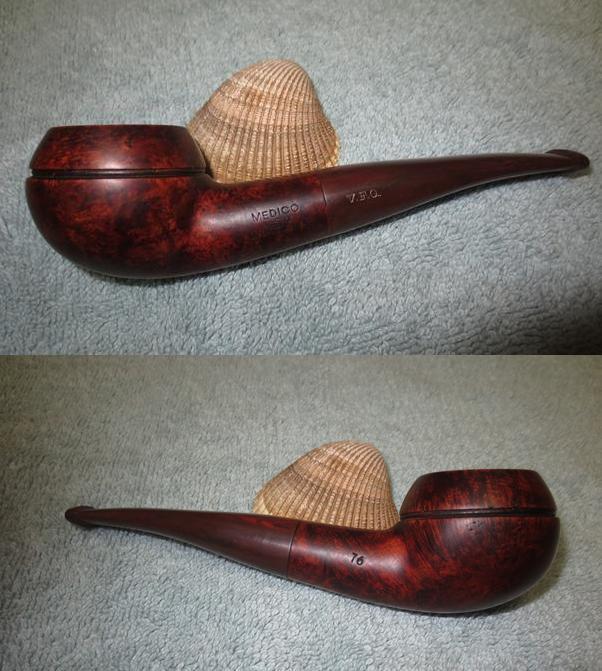
A Medico VFQ Rhodesian with a Cumberland Stem


Blog by Steve Laug

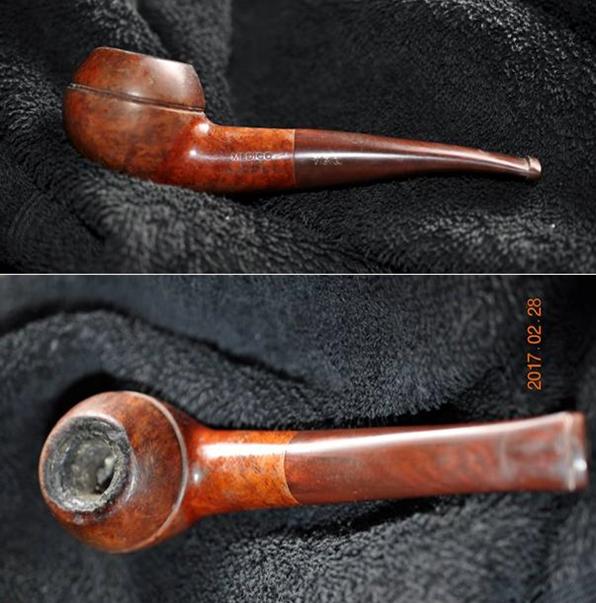
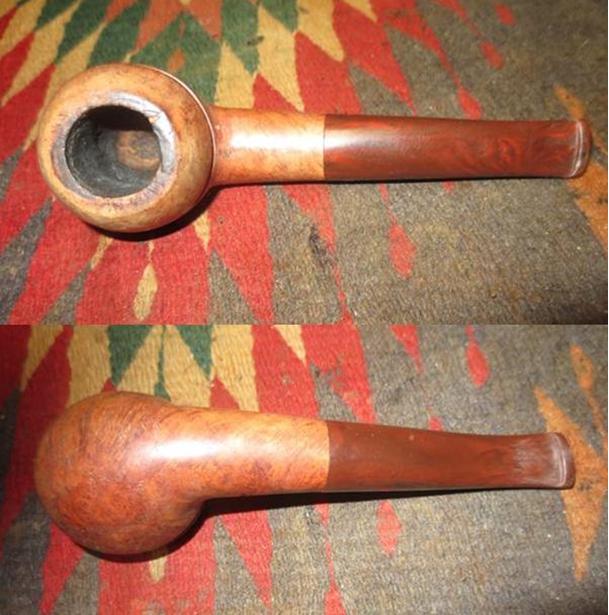
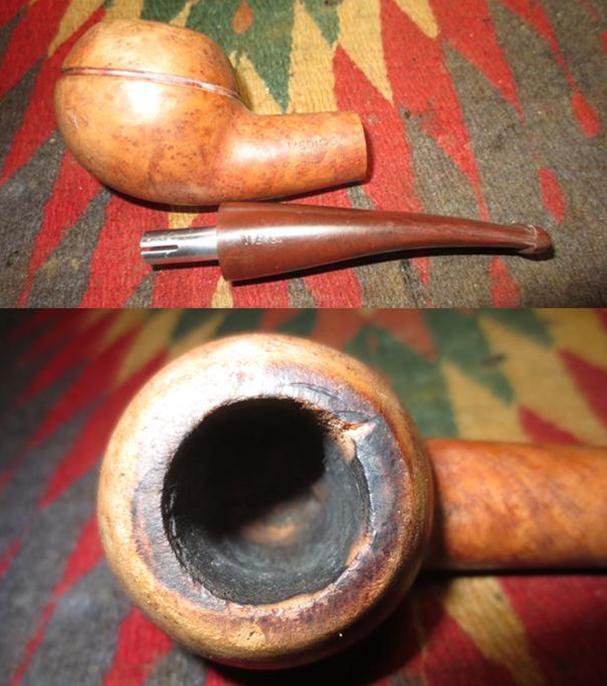
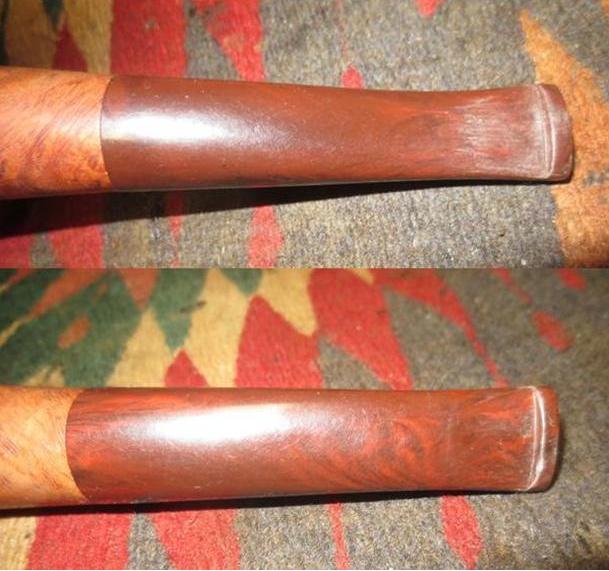
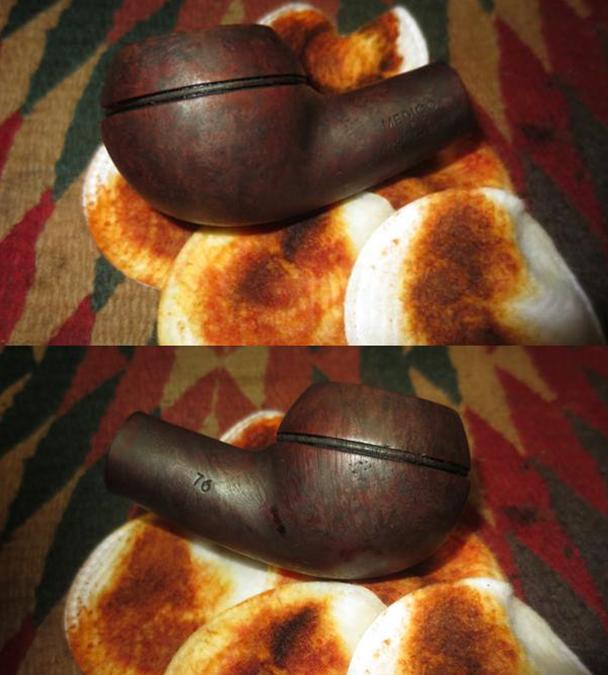
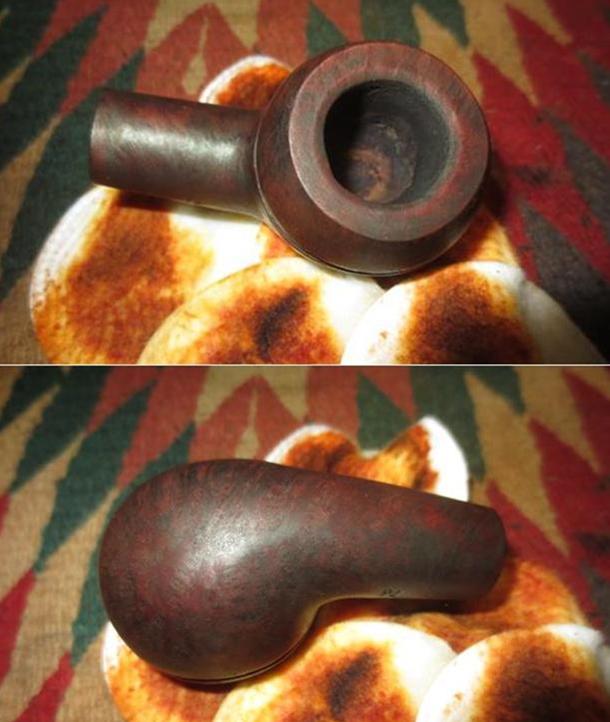
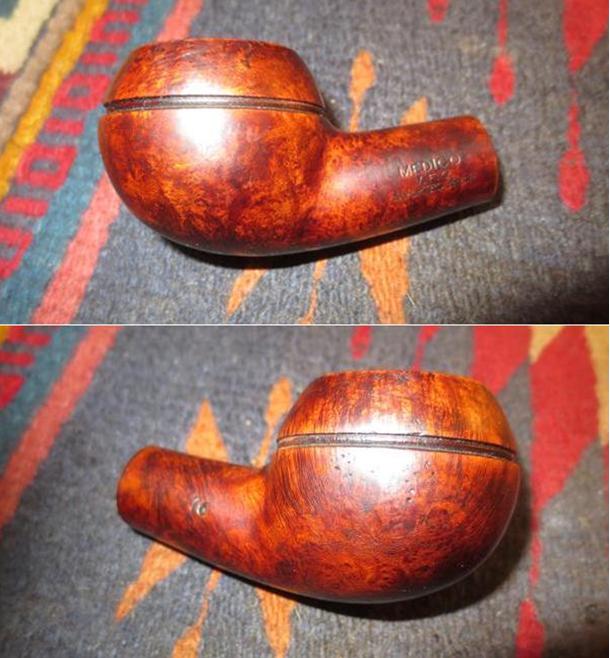
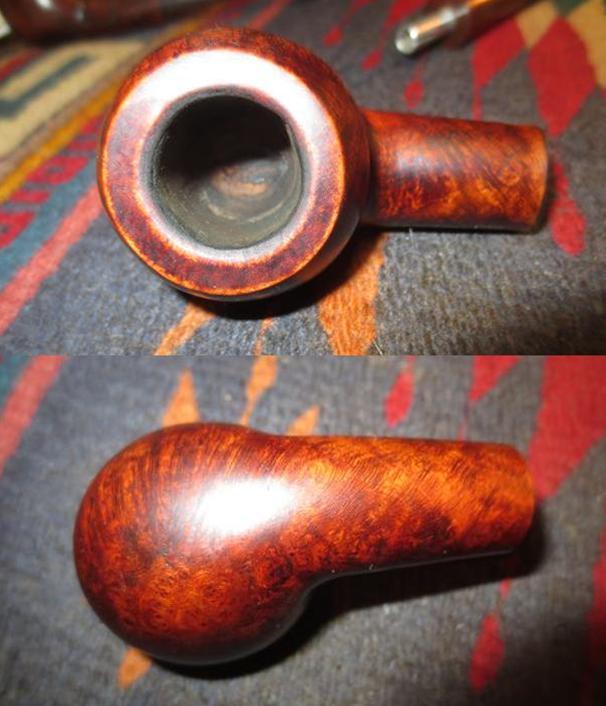
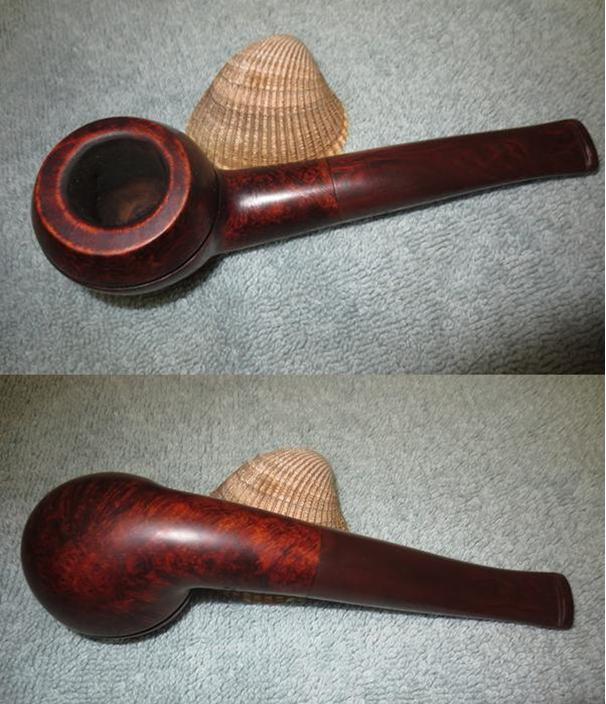
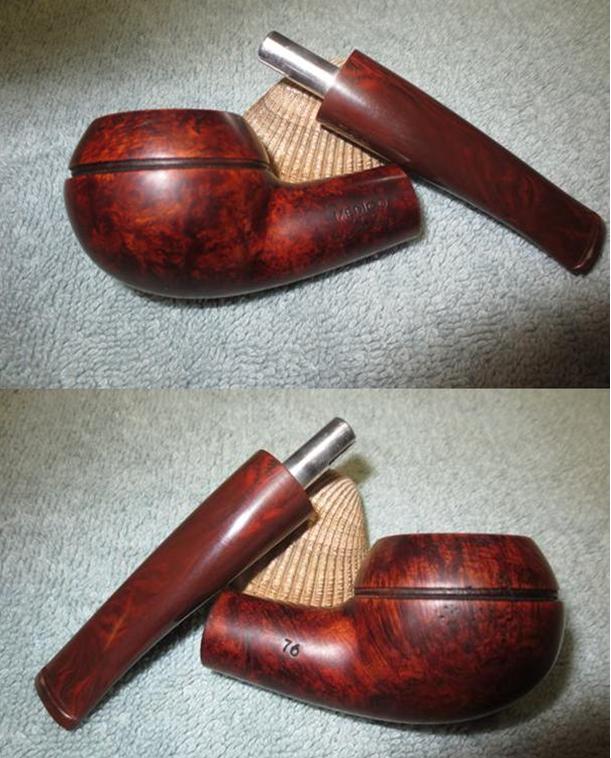
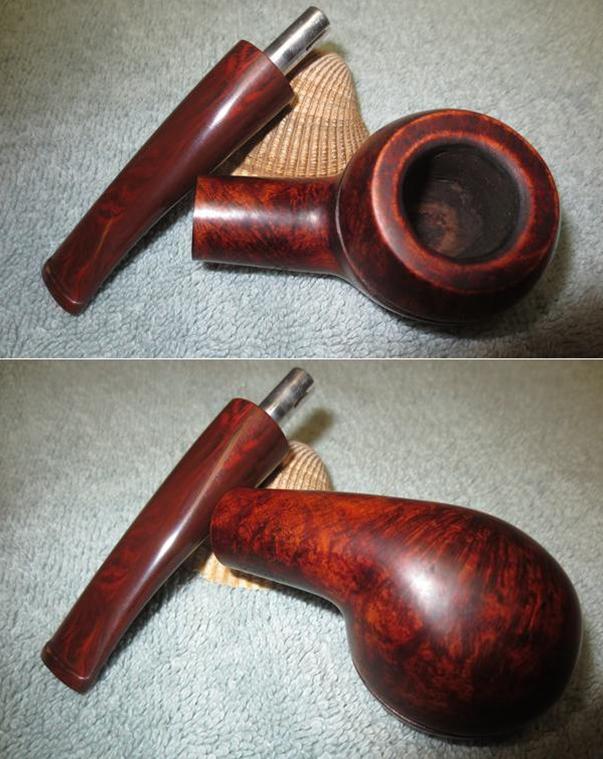
My brother Jeff and I visited an antique mall that was in an old grainery along a railroad track not too long ago. We went through the display cases and booths on two floors and found a few pipes. This was one of them – an old Medico VFQ Rhodesian. I have been told that VFQ means Very Fine Quality and underneath the grime it appeared that this one may have lived up to the stamping. The stem is a Cumberland like material with swirls and striations in a mahogany coloured stem. In classic Medico style the pipe was made for their paper filter and had a hollow, adjustable tenon. The tenon has a split on both sides that can be expanded should the stem become loose in the shank.The pipe was in rough shape. The bowl was thickly caked and had remnants of tobacco in it. The rim top was covered with overflow from the bowl and there were some large chips on the top and inner edge of the bowl on the right side. The finish was shot with the top varnish coat peeling all over the bowl. The ring around the bowl was dirty but was undamaged.The pipe was stamped Medico over V.F.Q. over Imported Briar on the left side of the shank. It also was stamped with the shape number 76 on the right side. The stem bore the V.F.Q. stamp on the left side as well.The stem was oxidized, dirty and had tooth chatter on both sides at the button. There was an old paper filter still in the tenon and the inside of the shank and stem were filthy.When we got back to my brother’s place we reamed the pipe and scrubbed it down with acetone on a cotton pad to remove the damage finish. We scrubbed the mortise, airway into the bowl and the stem with pipe cleaners, cotton swabs and alcohol. I took photos of the cleaned pipe when I finally brought it to my work table in Vancouver. (Notice the angle of the rim top on the bowl. It was not flat and the damage had left the front higher than the back.) The next two photos show the condition of the tenon and bowl when taken apart and the damaged rim once all the cake had been removed. The rim had damage all the way around but the biggest damage was on the rear right side where there was a large chip missing.The stem shows some wear in the next photos and the striations of colour are almost not visible due to oxidation.I decided to even out the height of the rim cap by carefully topping the bowl. Since the back side was higher than the front I was pretty sure I could remove most if not all of the chipped area on the rear right. I topped it on a board with 220 grit sandpaper and carefully leveled the bowl by applying more pressure to the rear of the bowl than the front and lifting the front edge off the paper as I remove the damaged and excess on the read of the bowl. It took some work to level the bowl properly and end up with an even top both from a vertical and horizontal view.I used a folded piece of 220 grit sandpaper to bevel out the inner edge of the rim to remove the remaining rim damage and clean up the appearance of the rim.I sanded the rim with a medium and fine grit sanding sponge and with 1500-4000 grit micromesh sanding pads to remove the scratches. I wiped the bowl down with acetone on a cotton pad to remove the remaining finish and stain on the bowl in preparation for matching the newly topped rim with the colour of the rest of the bowl. I did a more thorough cleanup of the mortise and airway into the bowl to remove all of the sanding dust and remaining debris that was there. I scrubbed it out with cotton swabs, pipe cleaners and alcohol. I also ran pipe cleaners through the airway in the stem and cleaned the mortise with cotton swabs.The bowl had many nicks and scratches. I sanded it with micromesh pads to remove the majority of them but decided to leave some of the deeper ones as beauty marks of the old pipe. In the photos the bowl looks pretty richly coloured but in reality it was faded and apart from the flash the grain did not stand out. I stained the bowl with a dark brown aniline stain, flamed it and repeated the process until I was happy with the coverage on the bowl. The look of the bowl in the next two photos is really odd. I think that it is a phenomenon of the flash because it did not look like this in person.I wiped the bowl down with alcohol on cotton pads to remove some of the opacity of the stain and make it more transparent. In the photos below you can see that it is lighter but still to heavy to show the grain to my liking. I buffed the bowl with red Tripoli, sanded it with a medium and a fine grit sanding sponge, then polished it with 1500-2400 grit micromesh pads to remove some more of the dark stain and leave behind some nice contrasts in the grain of the bowl. The next photos show it after I had buffed it with Blue Diamond to polish it. I set the bowl aside for now and turned my attention to the stem. I have found that these Medico stems are not fully vulcanite and are a bit of a bear to polish. I have often been left to do the polishing by hand as the buffer can generate too much heat if I am not careful. The heat damages the material of the stem and forces you to start over. I sanded out the tooth chatter and marks on both sides of the stem and reshaped the button edges with 220 grit sandpaper.  The flow of the top of the shank to the top of the stem was interrupted in that the height of the stem at that point was higher than that of the shank so I sanded the top half of the stem to make that transition smoother.I polished the stem with micromesh sanding pads – wet sanding it with 1500-2400 until I removed the scratches left behind by the sandpaper. I dry sanded with 3200-12000 grit pads. I rubbed the stem down with Obsidian Oil between each sanding pad to give the pads more bite and allow them to really polish the stem. Between the 4000 and 6000 grit pads I buffed the stem very carefully (you have to have a light touch against the wheel). I gave it a final rub down of oil after the 12000 grit pad. I put the stem back on the bowl and buffed bowl and stem with Blue Diamond a final time. It really polishes the briar and with a careful/light touch can polish these older Medico stems. I gave the bowl and stem multiple coats of carnauba wax and buffed it with a clean buffing pad to raise the shine. I hand buffed it with a microfibre cloth to deepen the shine.The finished pipe is shown in the photos below. To me the stain goes really well with the polished Cumberland like stem. They play off each other very well. The contrast on the bowl raises the highlights in the stem and vice versa. This pipe will soon be on the rebornpipes store if you wold like to add it to your rack. It is very lightweight and comfortable in the hand. I think, judging from the condition of the pipe when I got it, that it will be a great smoking pipe, with or without the Medico filter.