
by Steve Laug
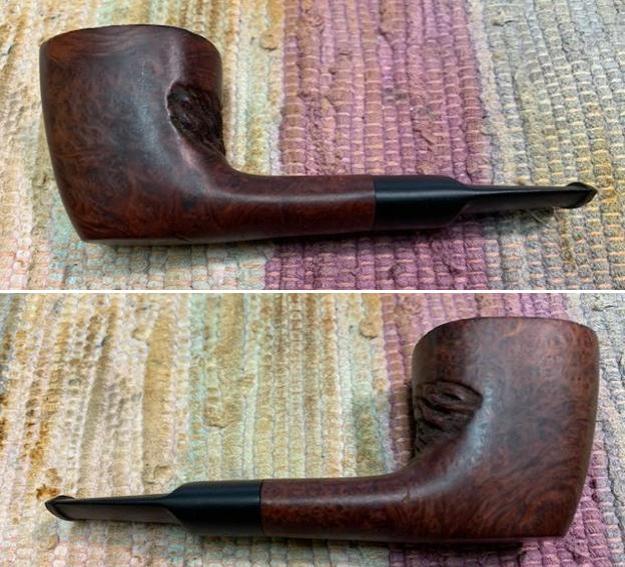
Back in the end of February I received an email from a reader name John regarding a pipe of his that needed some work. I have included the email below.
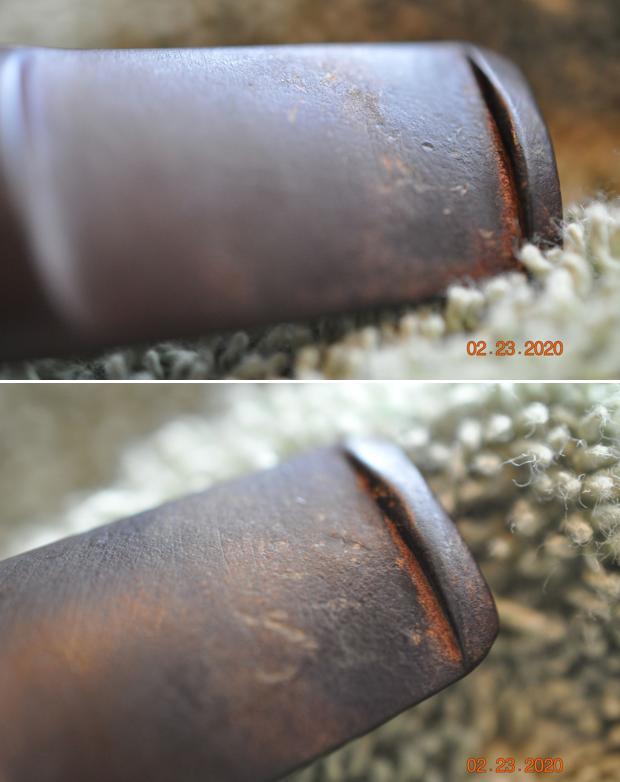
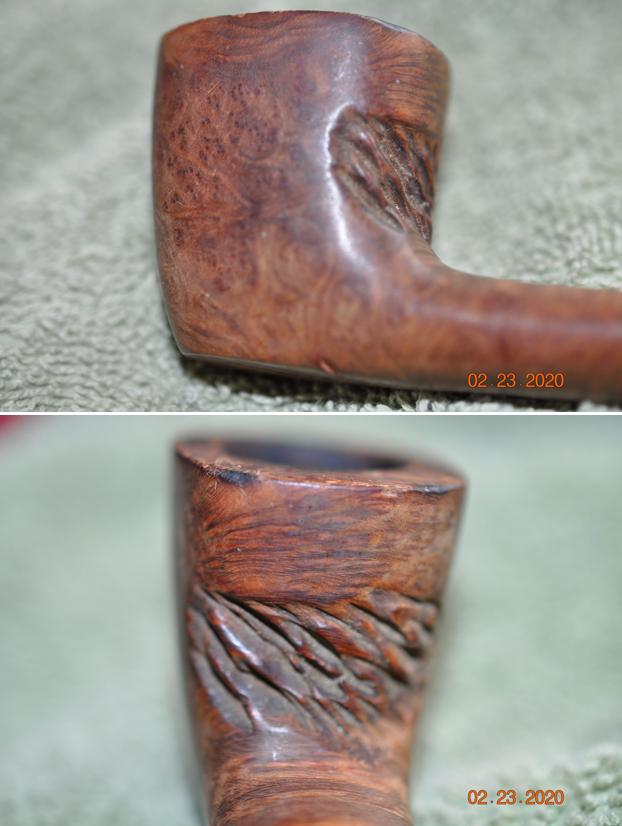
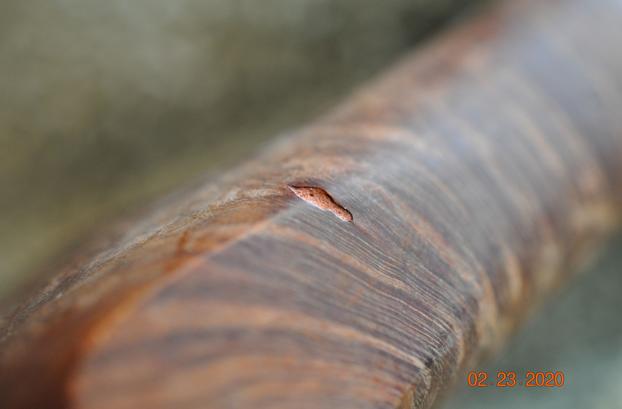
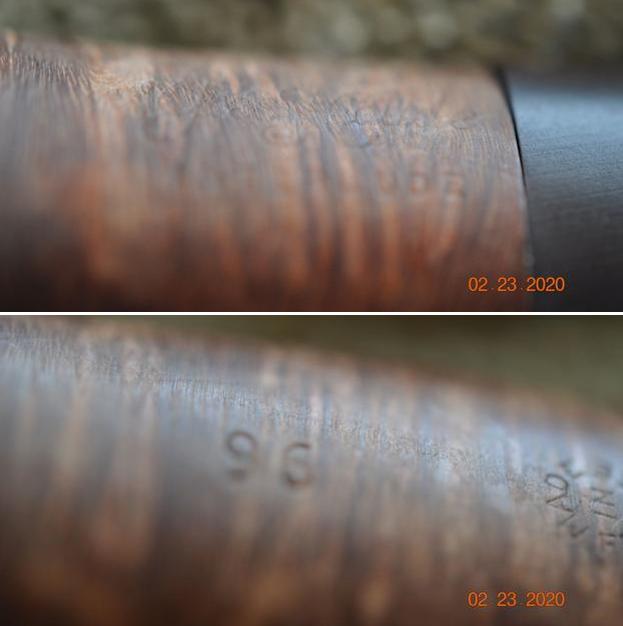
Steve, I have this Ben Wade pipe that I bought new in the late 60’s early 70’s, was wondering if there was anyway to fix the crack in the shank? I just pulled my old pipes out of a drawer where they have been stored for over 40 years. Haven’t smoked them in quite some time.
Thanks for your reply, John
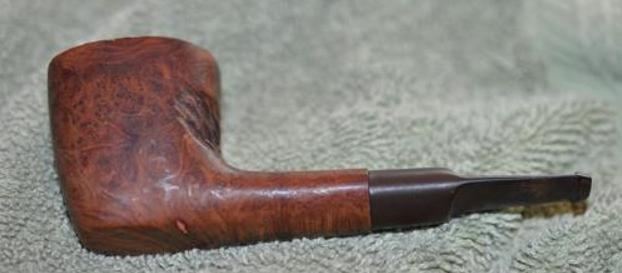
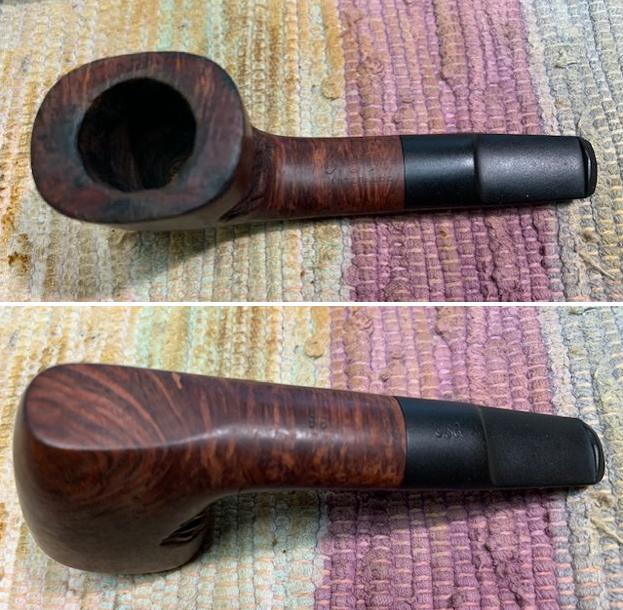
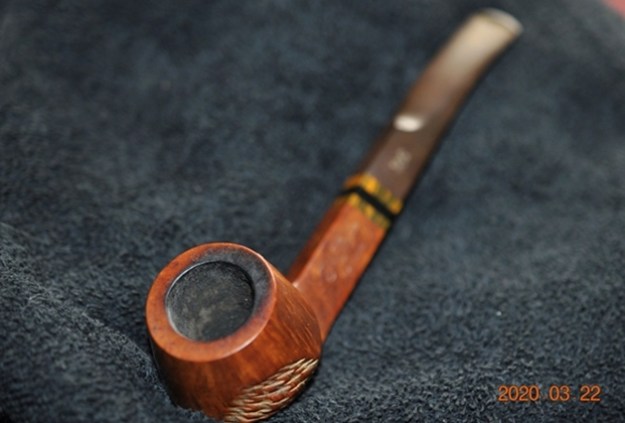
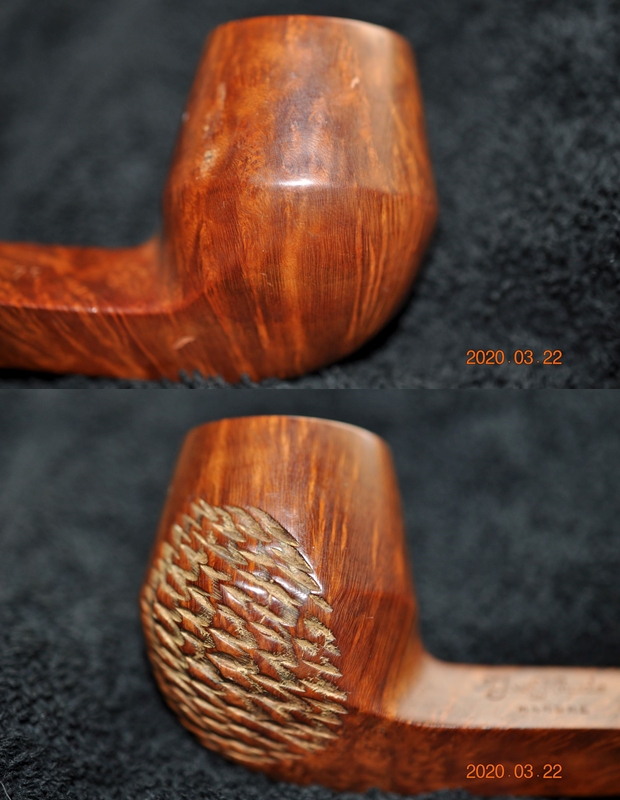
I received the pipe this week and also received a second pipe that he put in the box that he wanted me to repair and restore. This one was a Yves St. Claude Billiard. It is stamped on the left side Yves St. Claude [over] Burgundy. On the right side it was stamped with the shape number 55. The stem was stamped on the left side with the YSC logo stamp. On the right side it was stamped Hand [over] Cut. On the underside of the shank it read Made in France circular COM stamp It is a Billiard pipe with a dark finish over some great looking grain on the bowl and heel. The rim top is good condition with some grime and light spots of lava. The inner edge of the rim is in great condition. The pipe is lightly smoked with a clean bowl with no cake. The stem was a golden acrylic/plastic material that had tooth marks and chatter on both sides of the stem near the button. It had been sanded quite a bit and where sanded it was white where the gold was removed. The stem will be a challenge to bring back to life. It is virtually impossible to get that golden look back. I took photos of the pipe before I started my cleanup.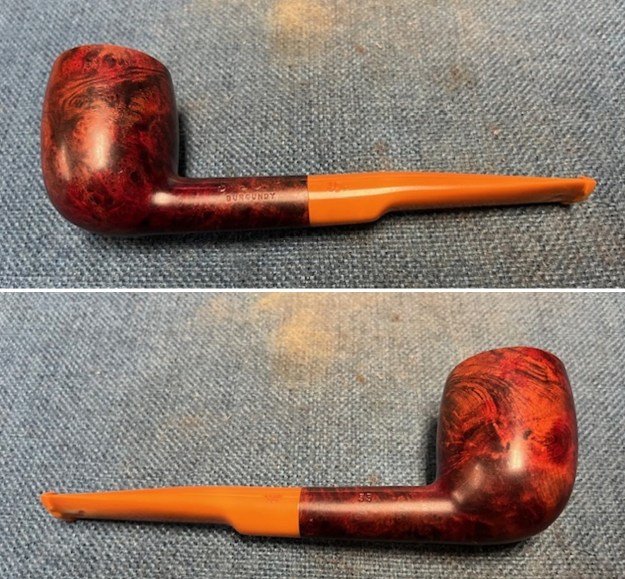
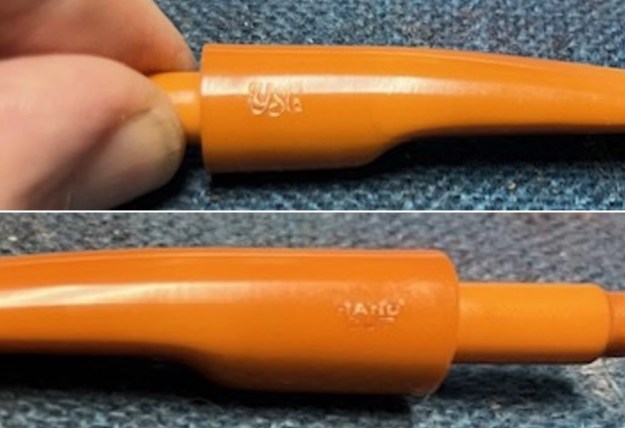
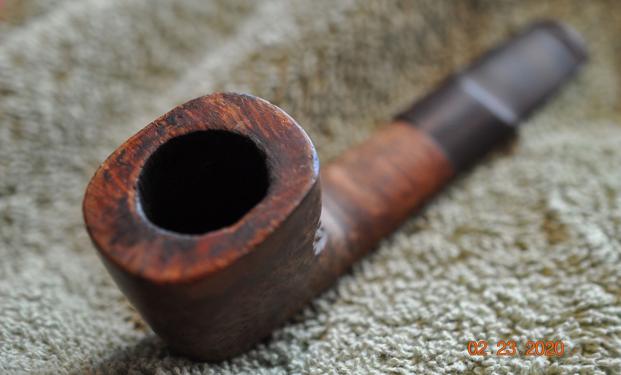
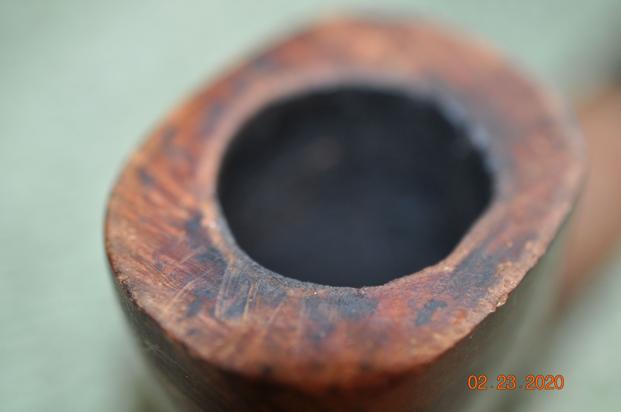
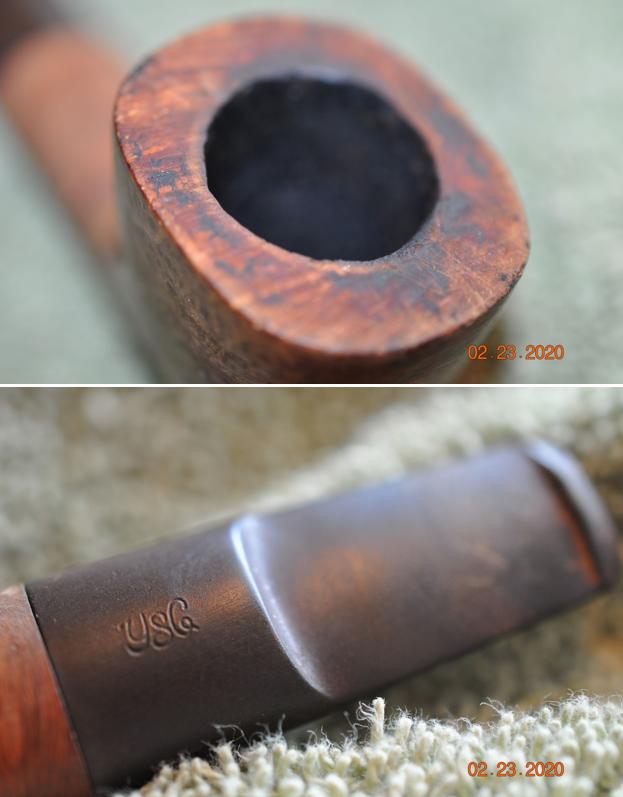
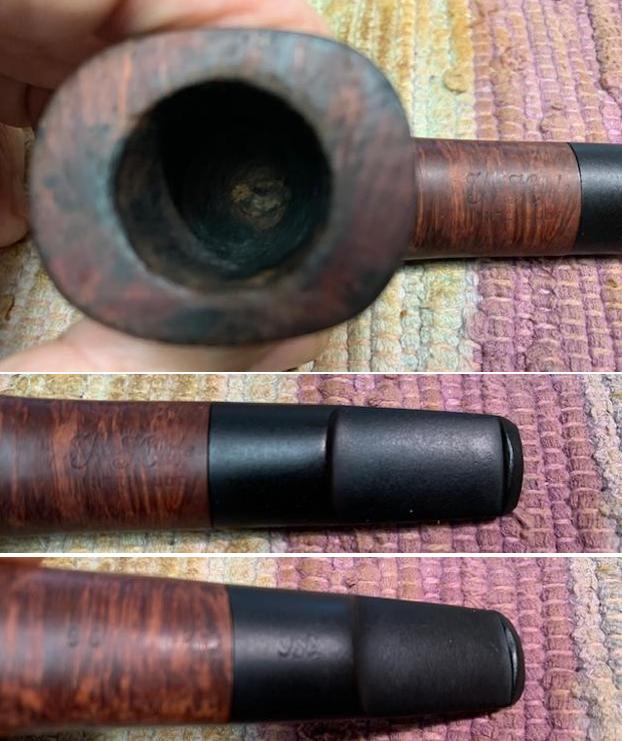
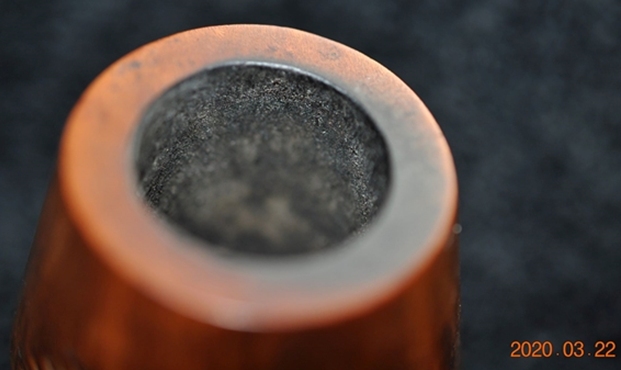
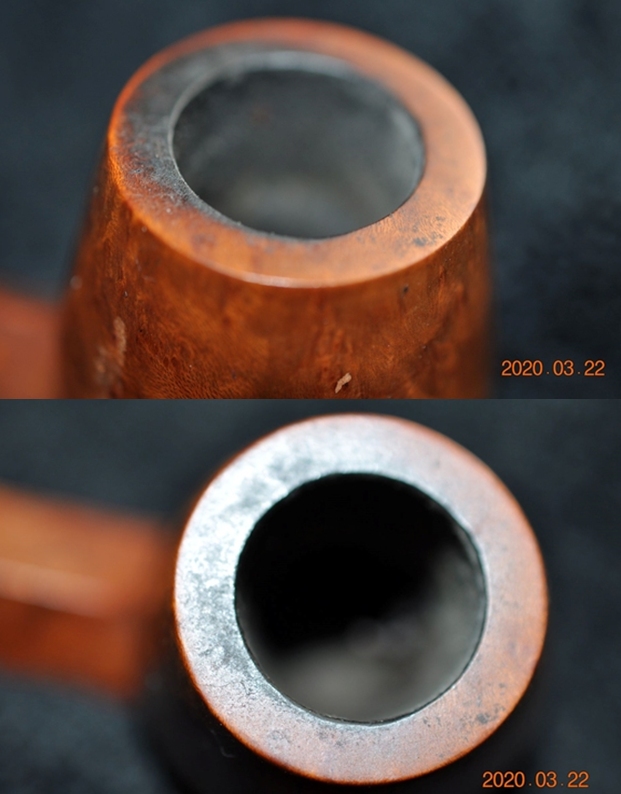
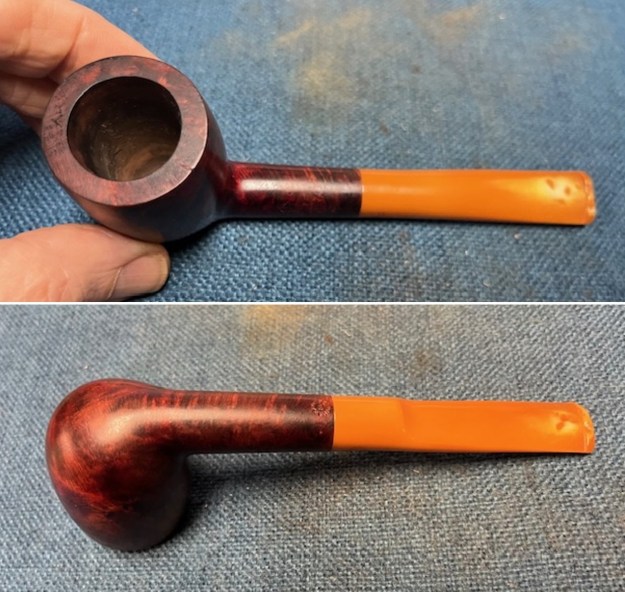 I took some close-up photos of the rim top, bowl and stem surfaces. There was dust and debris from storage in the bowl and the stem surface showed some deep tooth marks and some sanding marks on the surface that had removed the colour a bit. There was a logo stamp on the left side and Hand Cut on the right side of the stem.
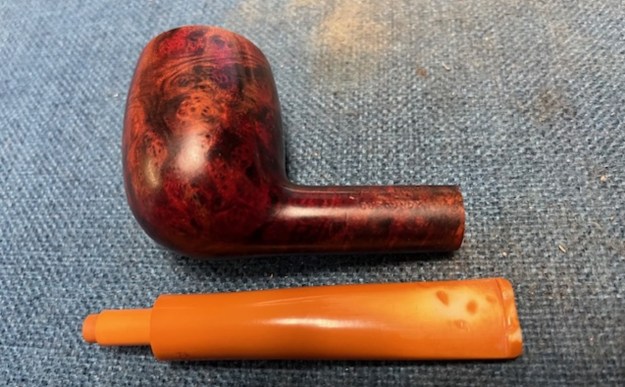
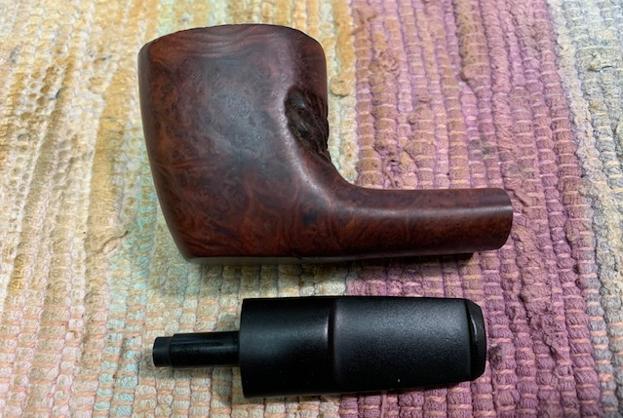
 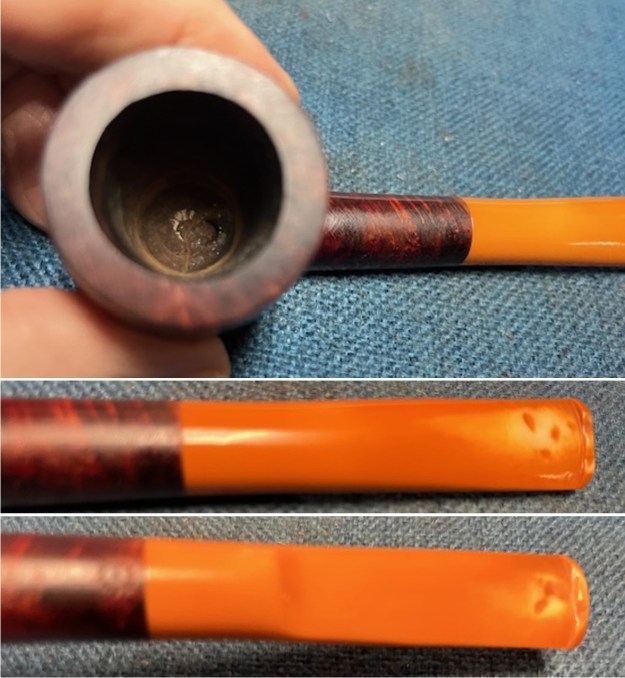 I took photos of the stamping on the sides of the stem and the shank They are clear and readable as noted above. I removed the stem from the shank and took a photo of the proportions of the pipe. It is quite nice.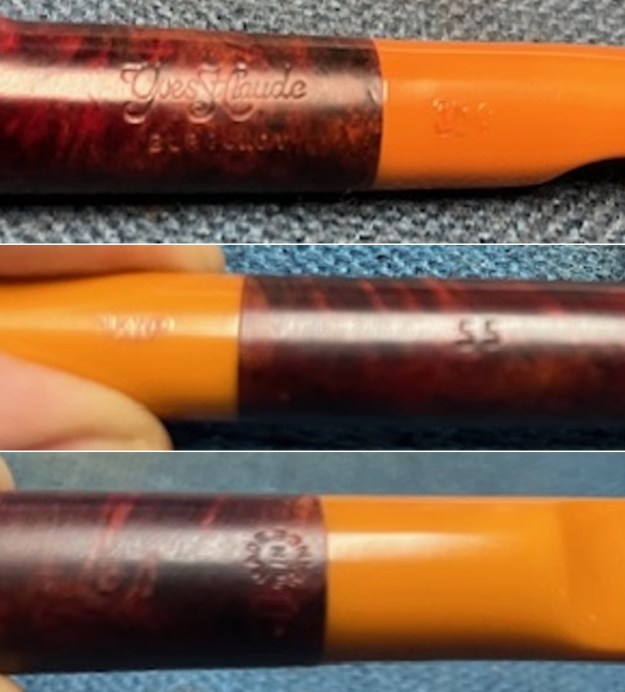
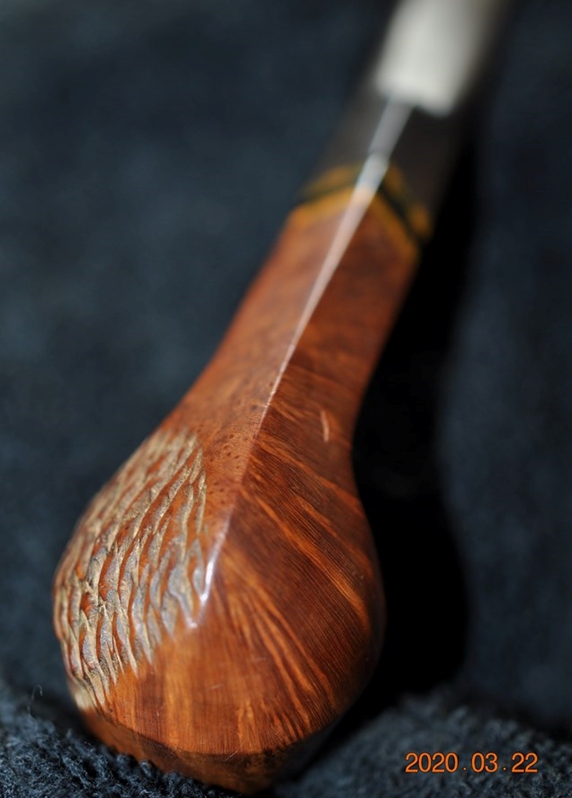
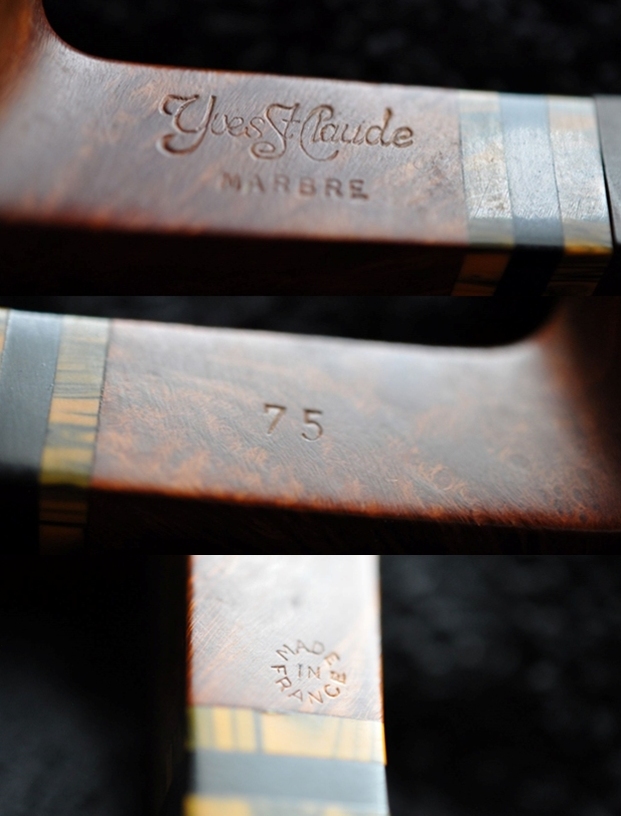
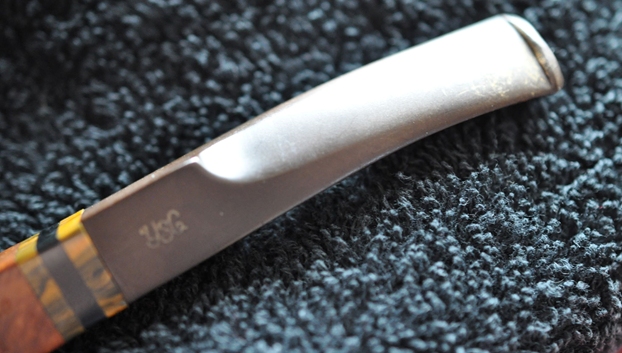
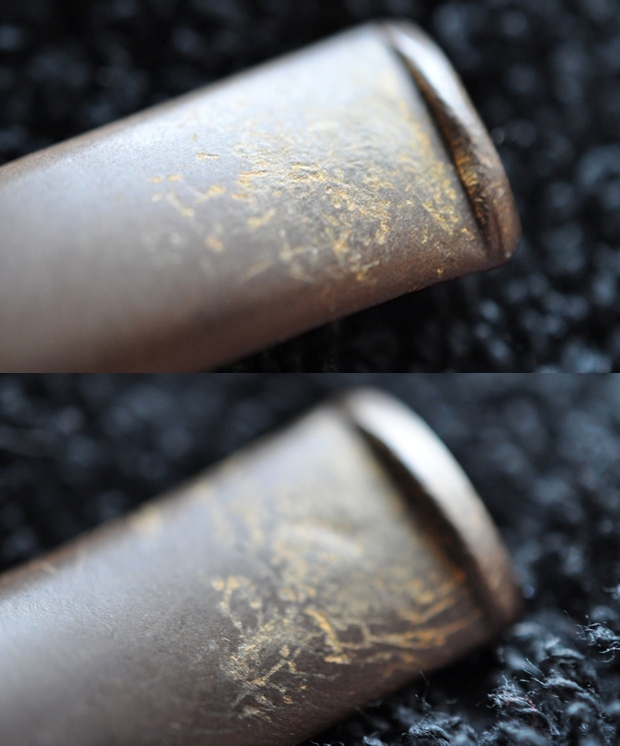
 I turned first to a blog I had written on the restoration of previous YSC pipe that I received (https://rebornpipes.com/2020/04/23/next-on-the-table-an-yves-st-claude-marbre-75-bulldog/). I quote what I learned about the brand in that blog below.
In the previous blog that I cited above I had found several references to Yves Grenard, trained in Comoy’s England factory, purchasing the Chacom plant in St. Claude. He managed the factory and it passed on to his son afterward. I am pretty certain that this Yves St. Claude pipes was made by Chacom in France with the stamping bearing Yves name.
I turned back to Pipephil’s site to have a look at what was listed there and did a screen capture of the section (http://www.pipephil.eu/logos/en/logo-y.html). The first pipe in the photo below has the same stamping and same colour stem as the one I am working on. It is also stamped Burgundy which is the same.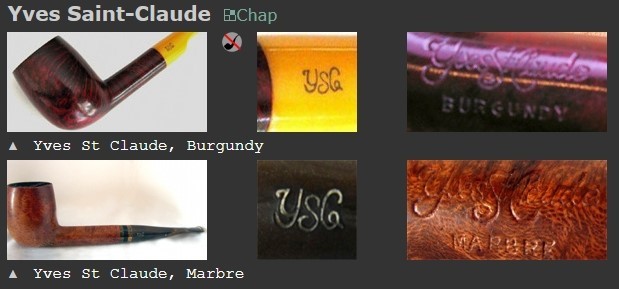 I turned to Pipedia and in the listing of French Brands and Maker I found a connection of the brand to Chapuis-Comoy and that the YSC brand was made primarily for Tinder Box (https://pipedia.org/wiki/French_Pipe_Brands_%26_Makers_U_-_Z). I followed that up by turning to the Chapuis-Comoy article from Pipedia (https://pipedia.org/wiki/Chapuis-Comoy).
French factory, in St. Claude. It began with Francois Comoy who, in 1825, was making pipes in boxwood and other types, as well as in clay, for the armies of Napoleon. In 1856, the Comoy factory was the first to produce briar bowls at St. Claude. In 1870, Francois’s grandson, Henri Comoy (1850-1924) was taken prisoner in Switzerland whilst serving in the French army during the Franco-Prussian war, where he found his cousins, the Chapuis. This meeting produced the idea of an association, which only became a reality in 1922, with the creation of Chapuis-Comoy. After Henri’s death, his sons Paul and Adrien, took over the company with the support of their cousins, Emile and Louis Chapuis Sr., and in 1928 they created the Chacom brand.
In 1932, due to the economic crisis at Saint-Claude, the factory merged with La Bruyère, adopting that name, and becoming one of the biggest pipe companies in the world, with 450 workers. Louis Chapuis Jr., joined the company in 1938 and Pierre Comoy in 1947. The name Chapuis-Comoy returned in 1957 (125 workers), due to the success of the Chacom brand in France. In 1971, the London factory (see Comoy’s) became independent, and Yves Grenard, second cousin to Pierre, took over Saint-Claude, and is still running it. Between 1987 and 2001, the factory, which employed over 40 people, joined the Cuty-Fort Enterprises SA holding and, in 1994, included the Ropp brand it its catalog.
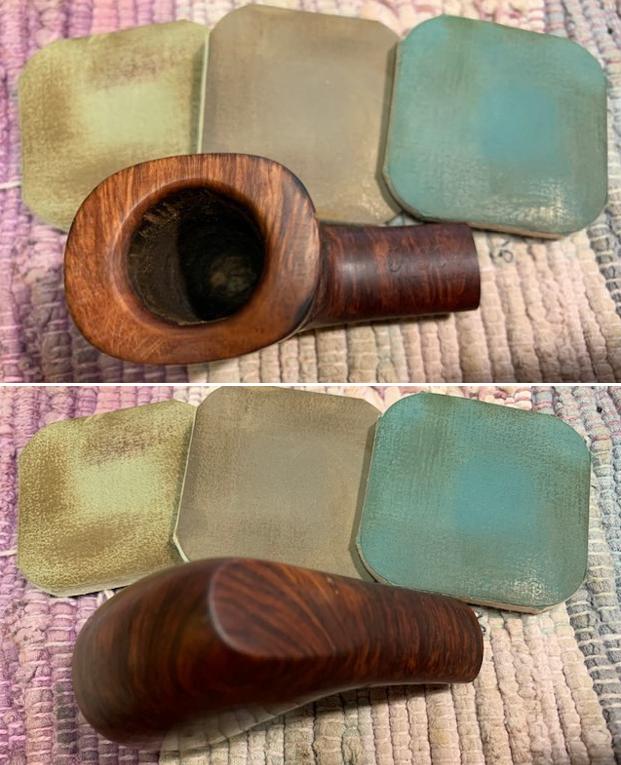
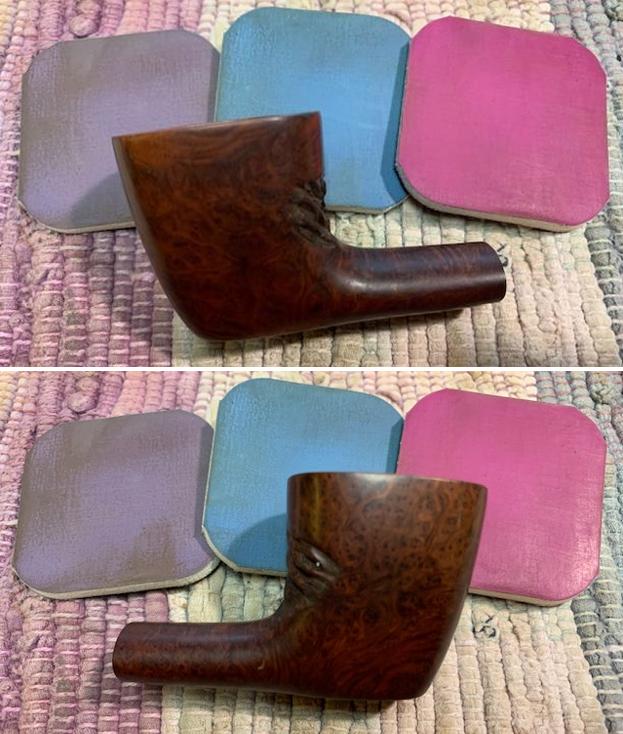
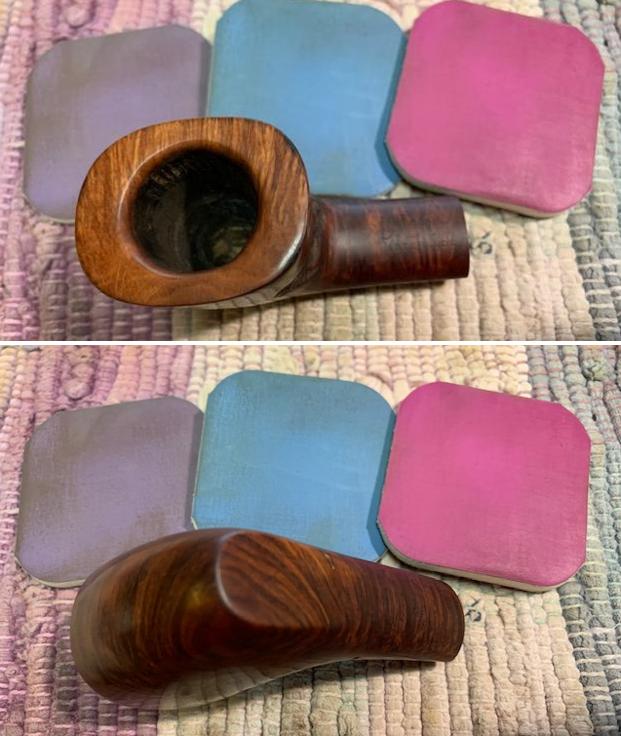
Reminded about both the Chacom connection and the Tinder Box connection for the YSC brand it was now time to turn to the pipe itself. I cleaned out the airway in the shank, mortise and airway in the stem with a bristle pipe cleaner and regular smooth cleaners and alcohol. It removed a lot of oils and tars but it was not too dirty.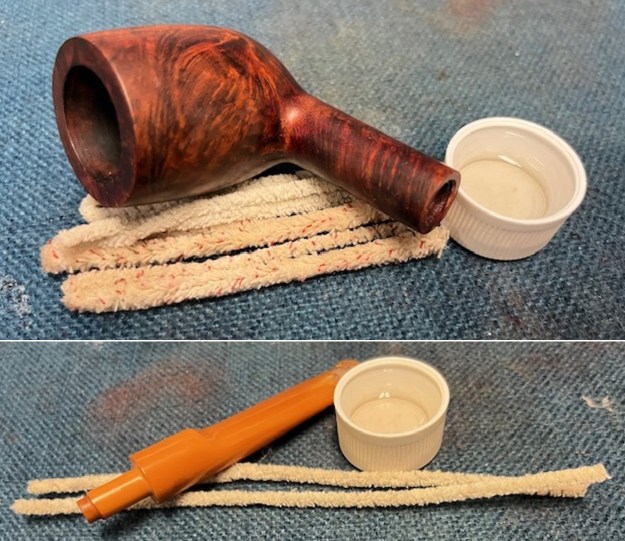 I sanded the bowl and shank, carefully avoiding the stamping on the shank sides. I used 320-3500 grit 2×2 inch sanding pads to take out the deep scratches or at least smooth them. I wiped the briar down with a damp cloth between pads to remove the sanding debris. One finish the bowl looked much better.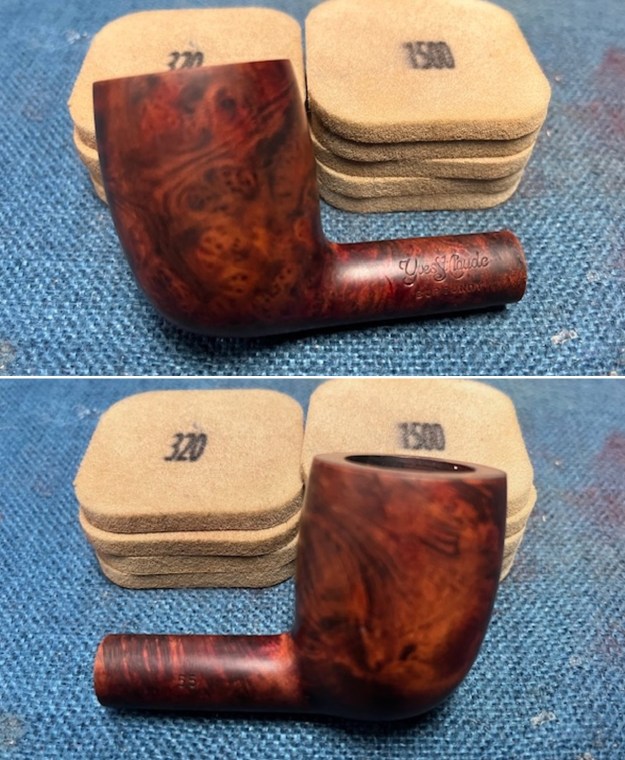
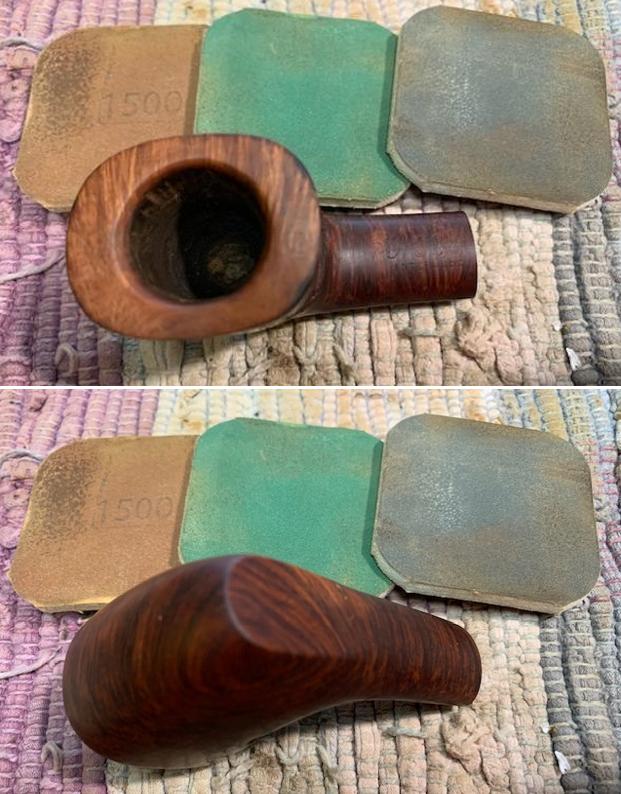
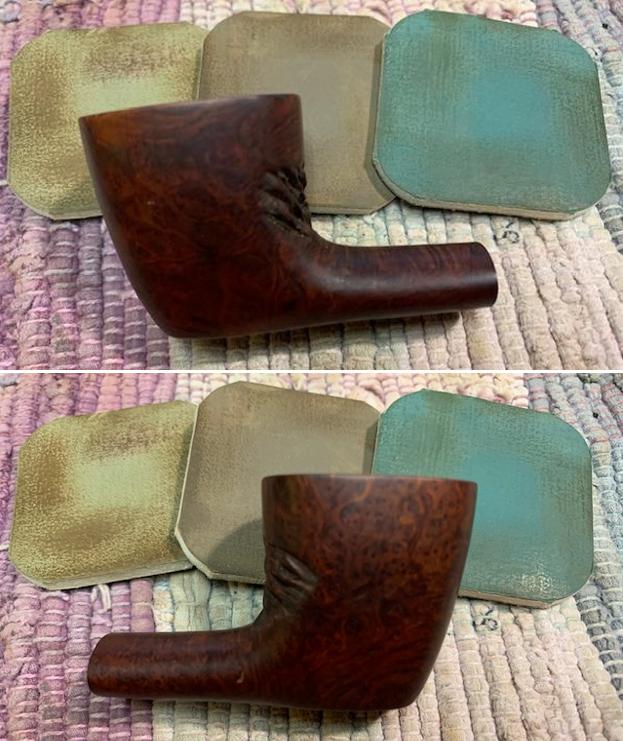
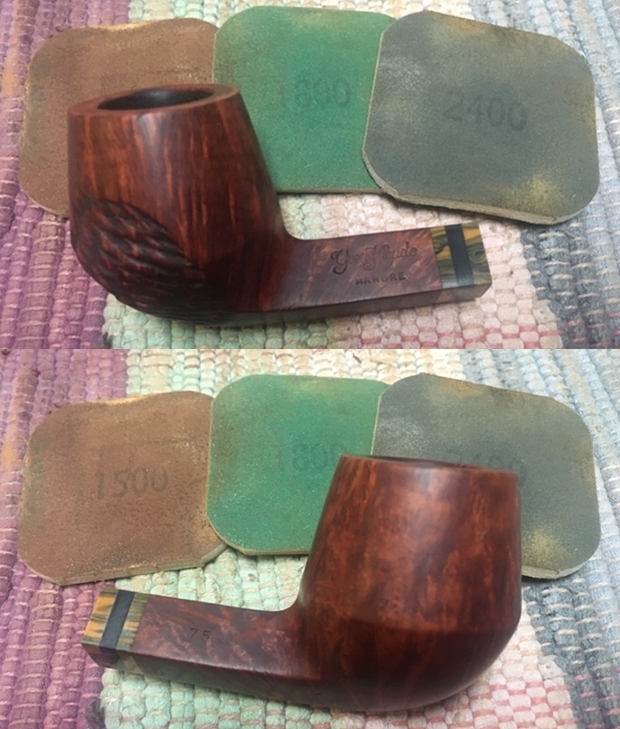
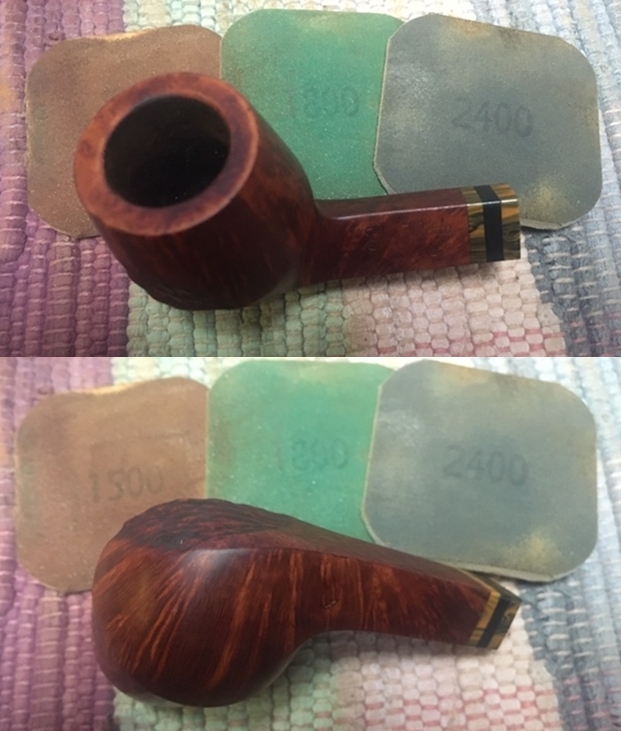
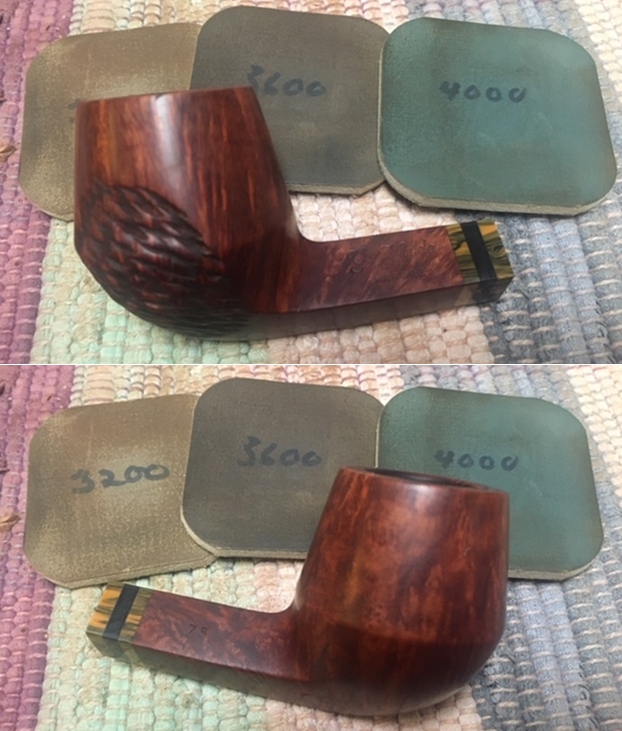
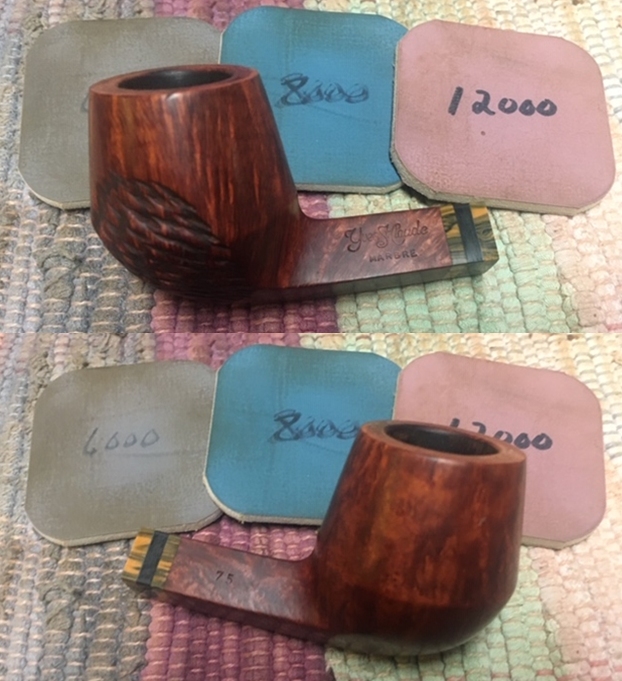
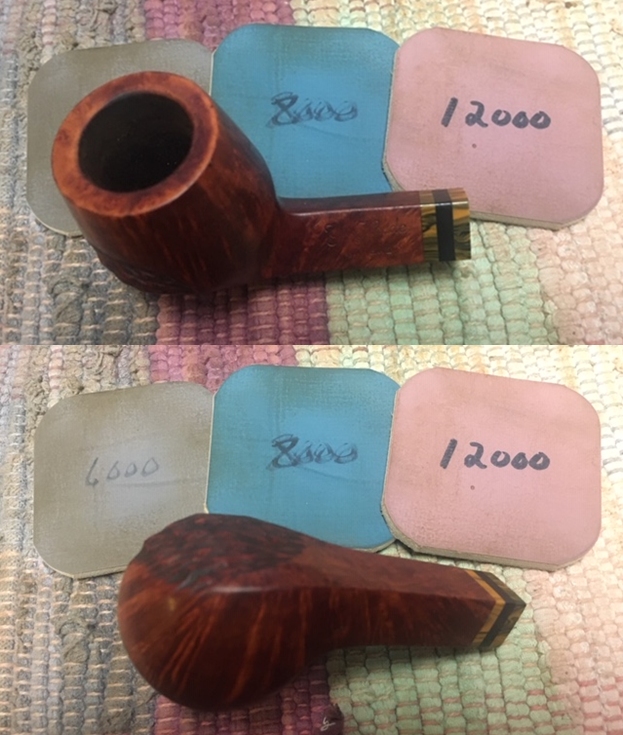
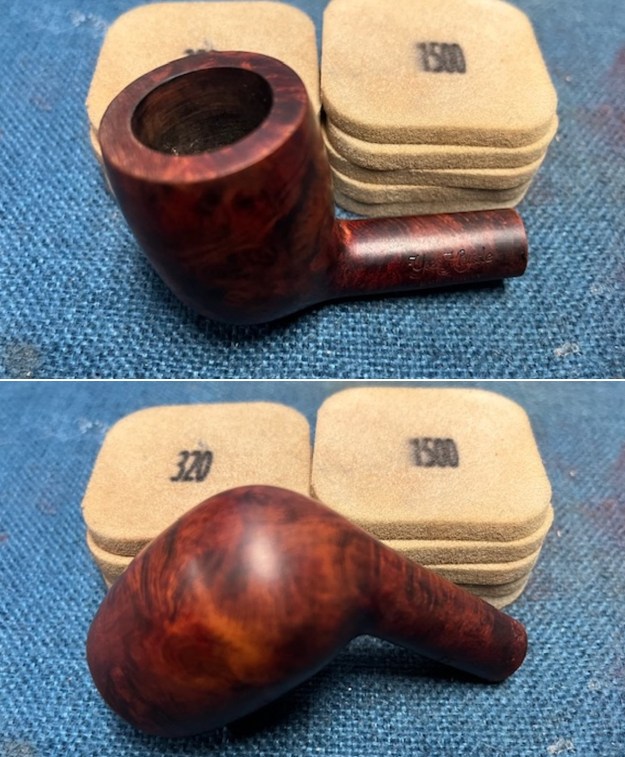 I polished the briar with micromesh sanding pads – dry sanding it with 1500-12000 grit sanding pads. I wiped the briar down with a damp cloth after each sanding pad and the bowl began to take on a deep shine and the scratches were minimized.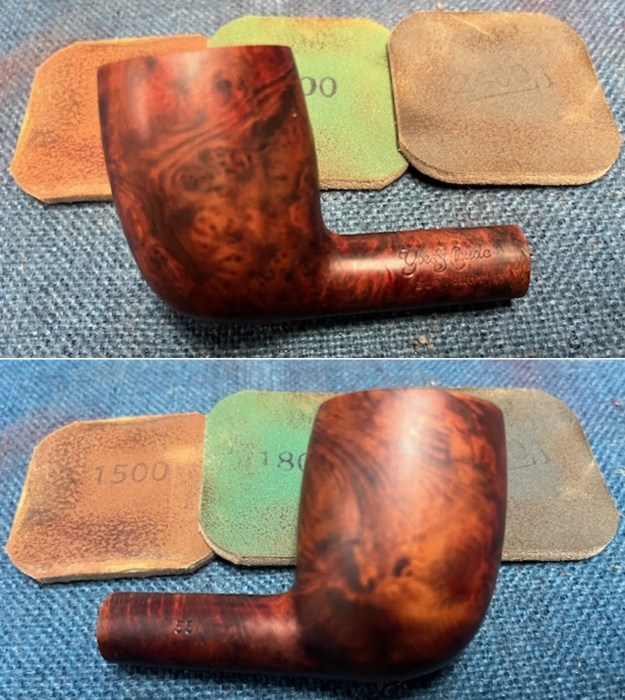
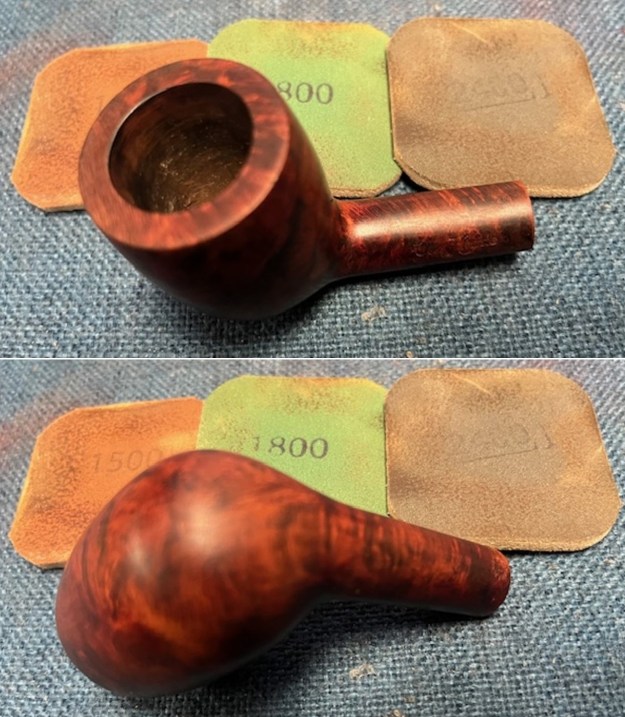
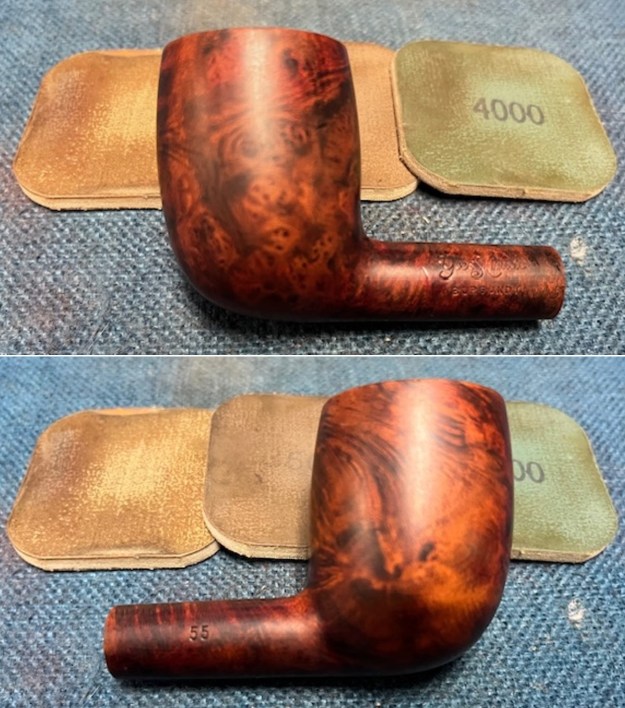
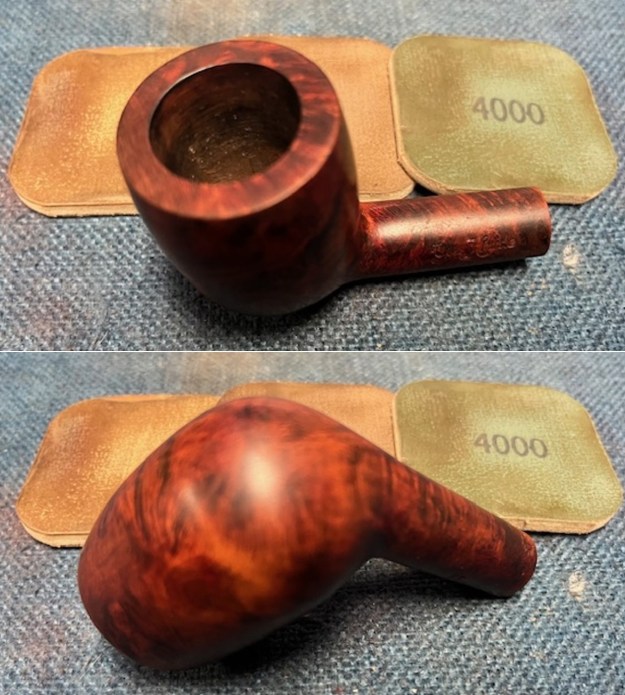
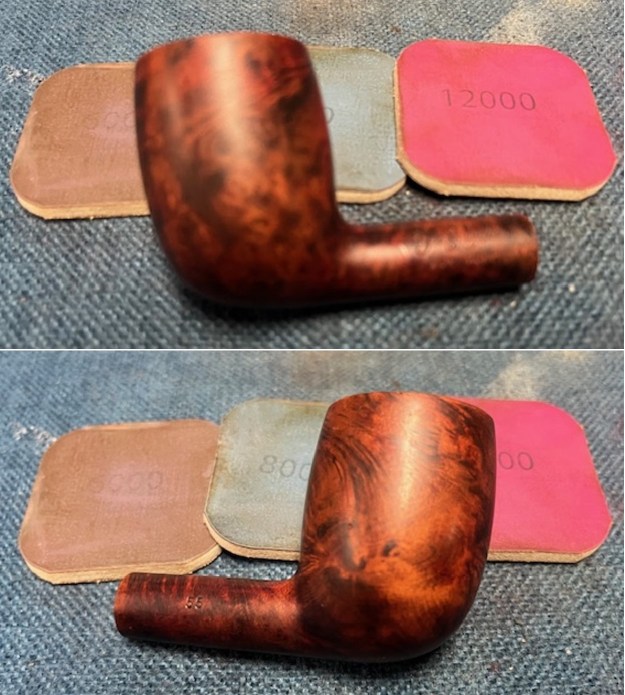
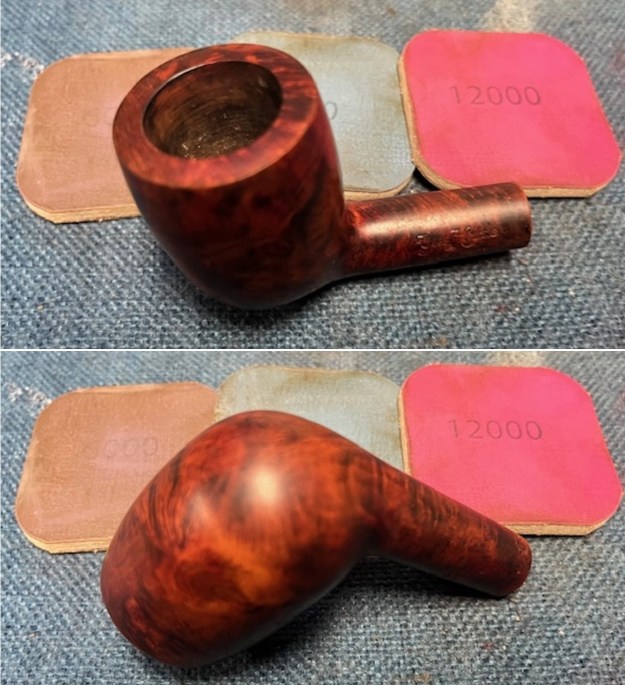 I worked some Before & After Restoration Balm into the surface of the briar with my finger tips to get into the finish of the briar. The product is incredible and the way it brings the grain to the fore is unique. It works to clean, protect and invigorate the wood.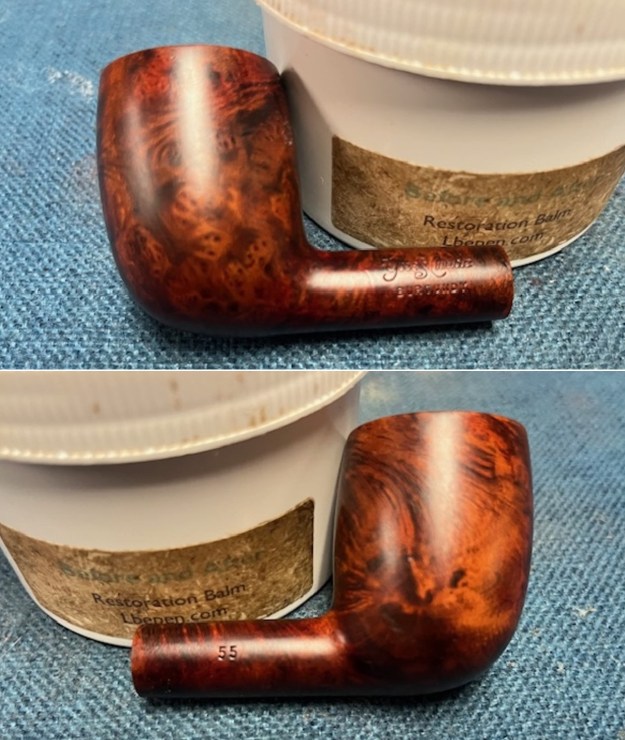
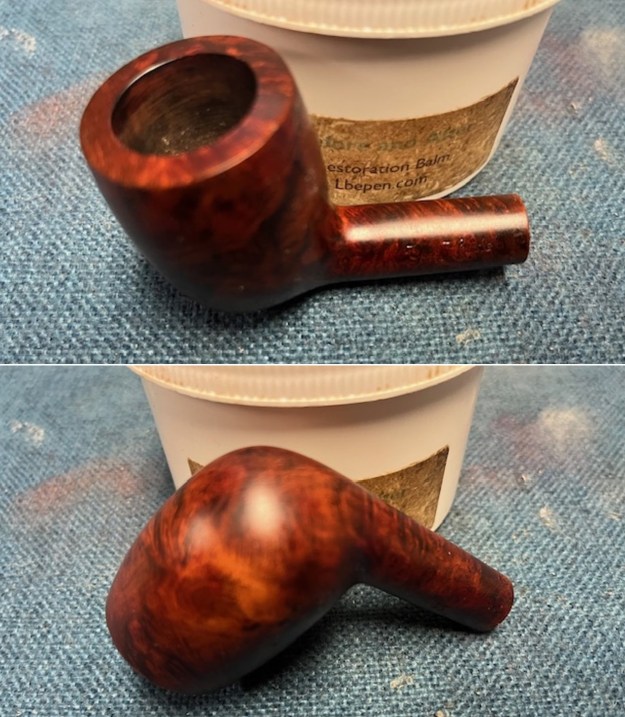
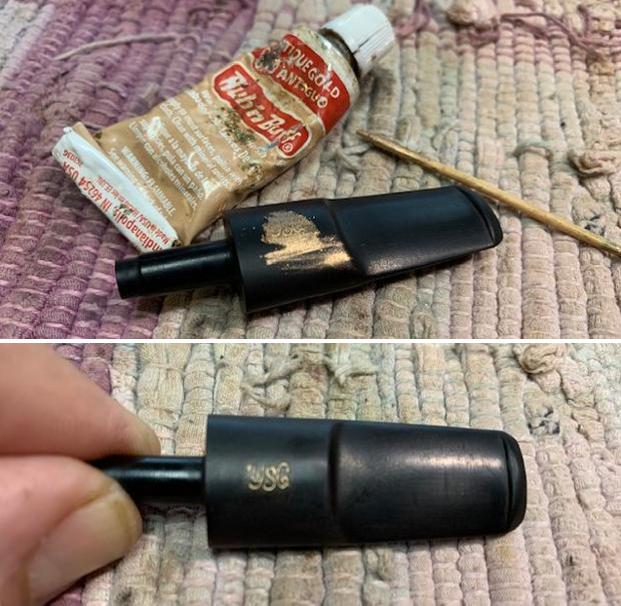
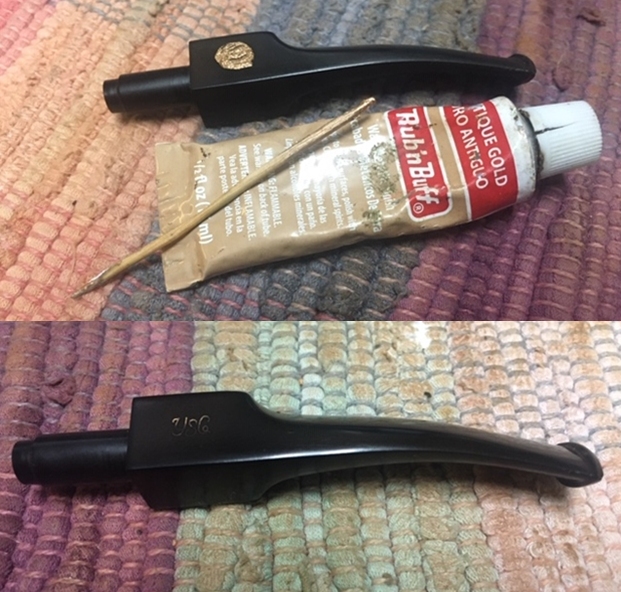
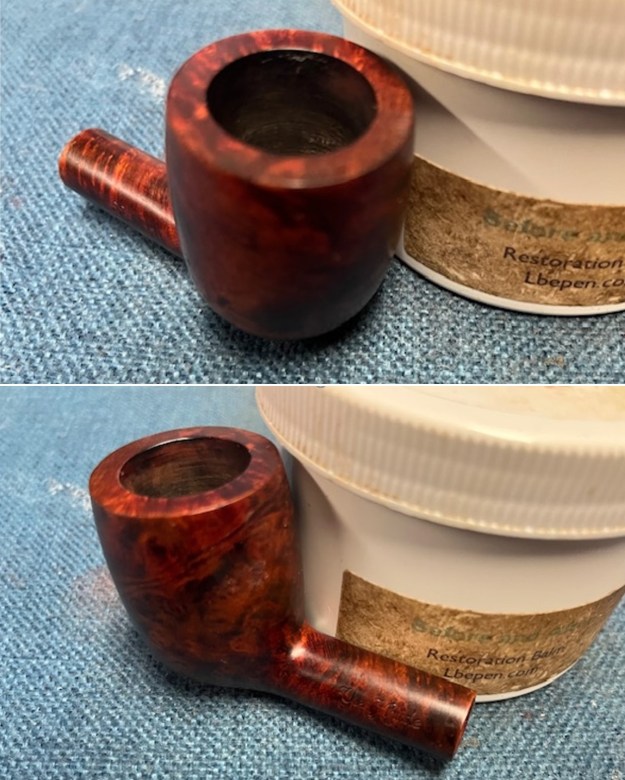 I set the bowl aside and turned my attention to the stem. I set the bowl aside and turned my attention to the stem. I touched up the faint stamping on the sides of the stem with some Rub’n Buff Antique Gold. I worked the gold into the stamping on the stem sides with a tooth pick. I buffed the excess of with a soft cloth.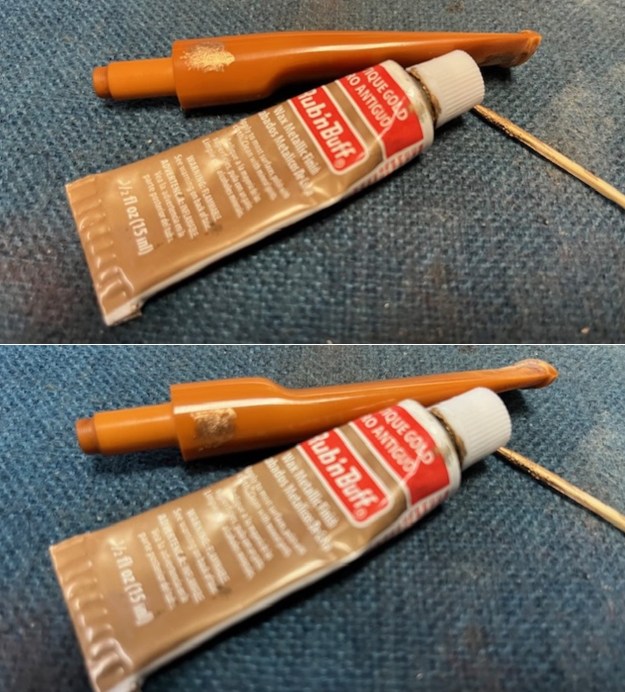
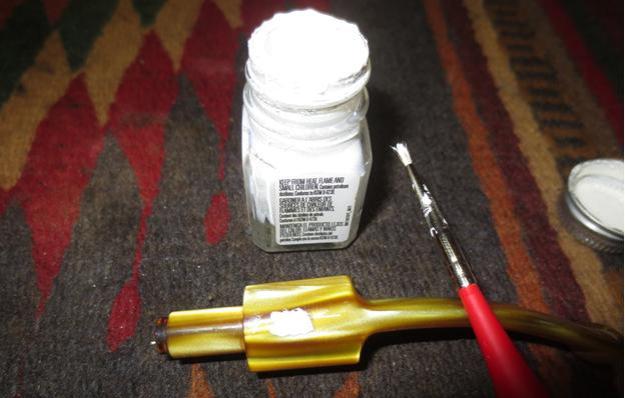
 I decided to do the repair with clear CA glue hoping that it would pick up the colour of the underlying material. In the best-case scenarios, it works very well. In this case it worked well and the tooth marks matched the stem surface. The previously sanded spots were a milky white colour. Once the repair cured I flattened it with a small flat file and recut the sharp edge of the button. I sanded the repaired areas with a folded piece of 220 grit sandpaper. Interestingly the repairs cured golden and are smooth islands in the white/cream coloured previously sanded spots on the stem surface.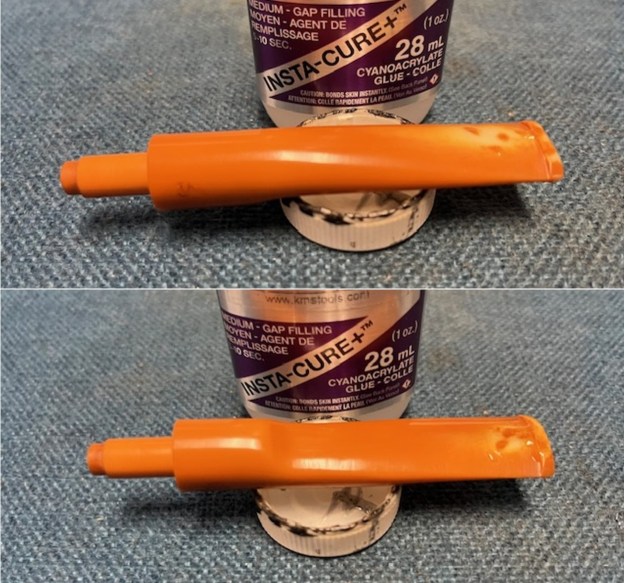
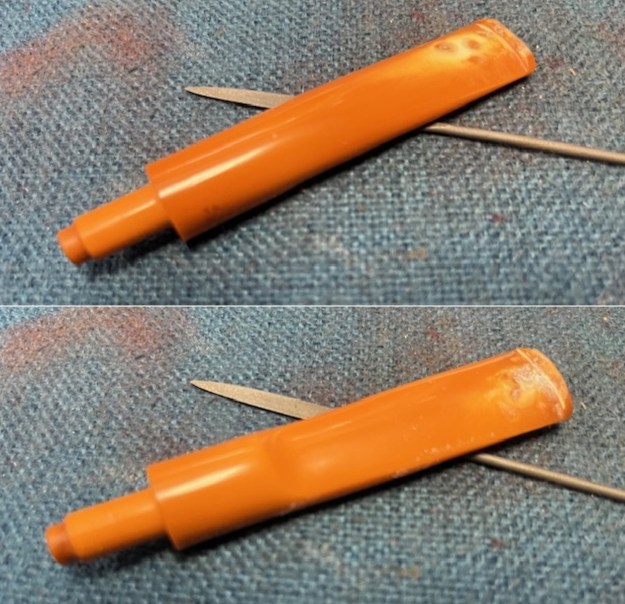
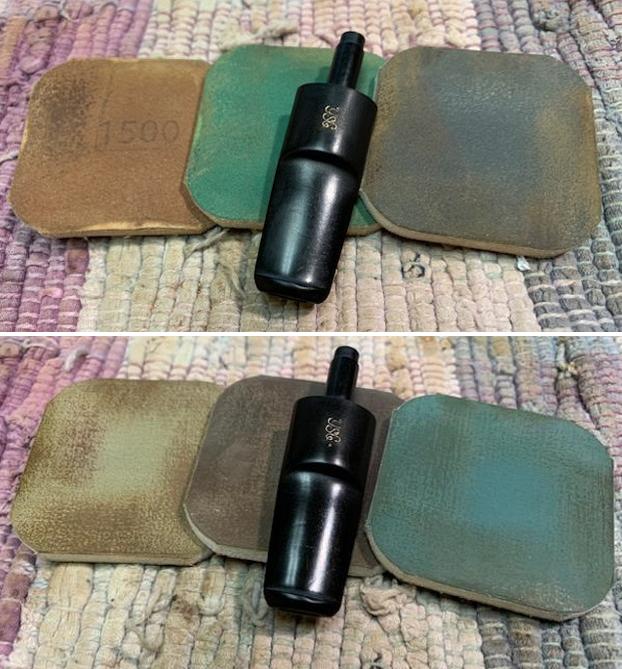
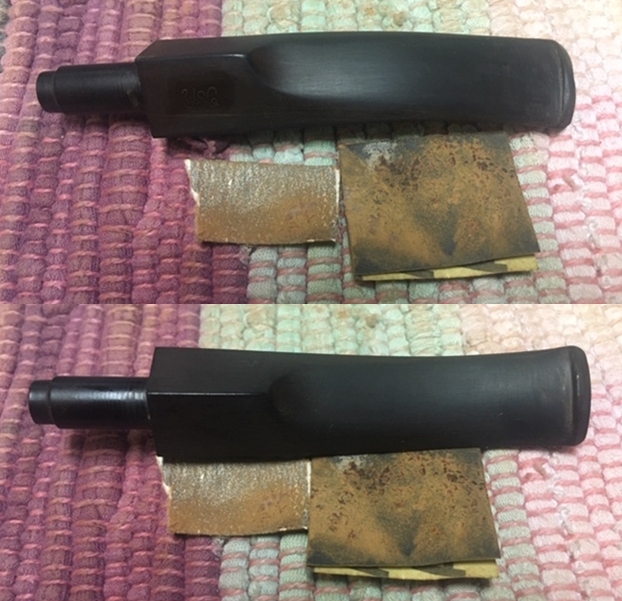
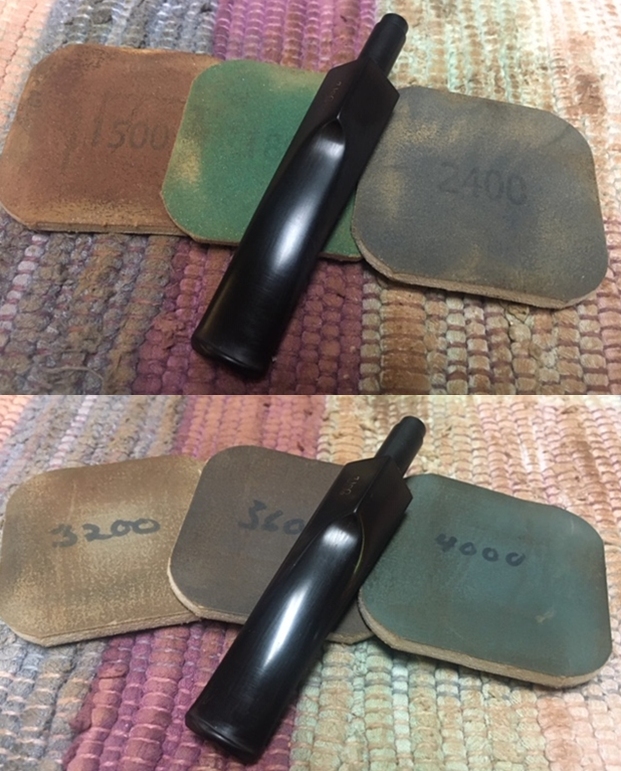
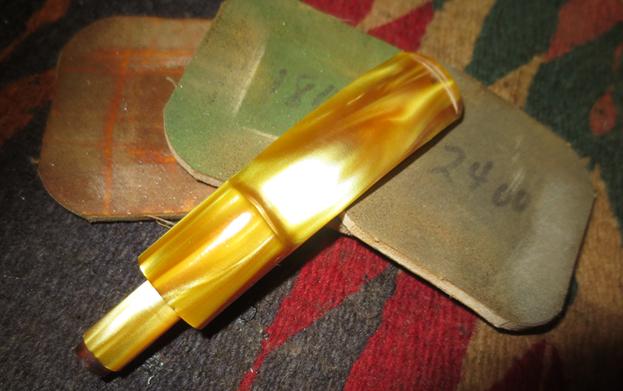
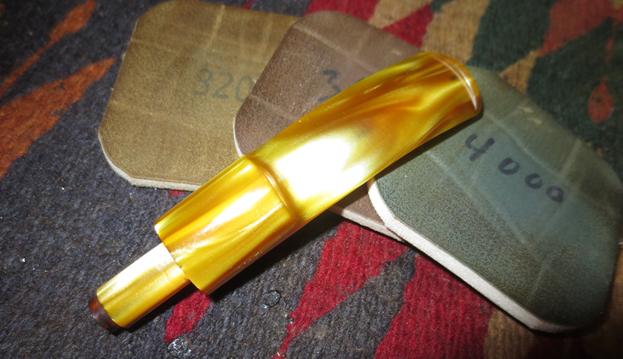
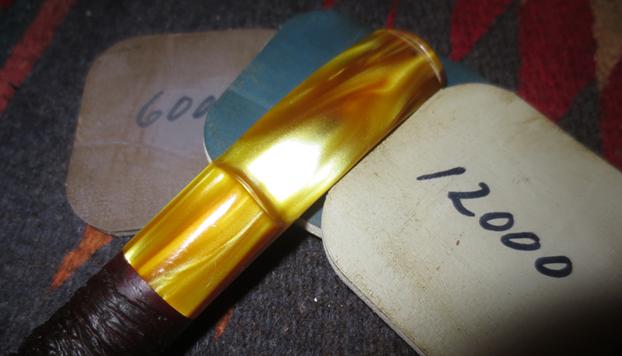
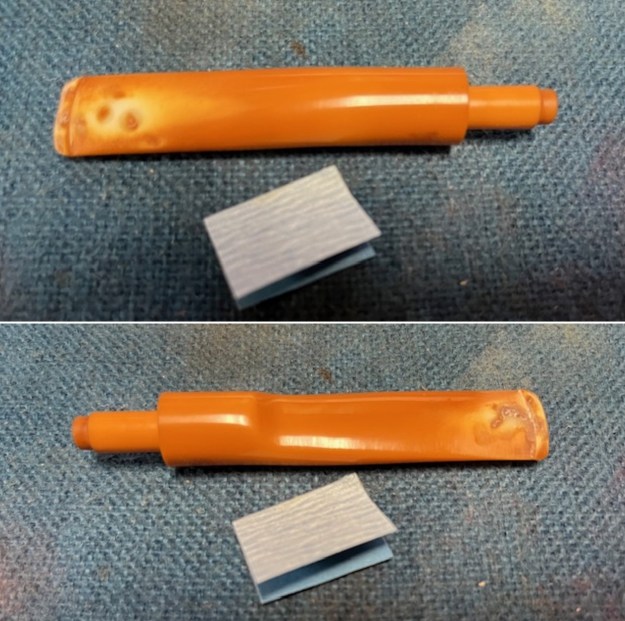 I sanded the stem with 320-3500 grit 2×2 inch sanding pads. I wiped the stem down after each sanding pad with a damp cloth to remove the sanding debris. It was smooth and looked much better once sanded.
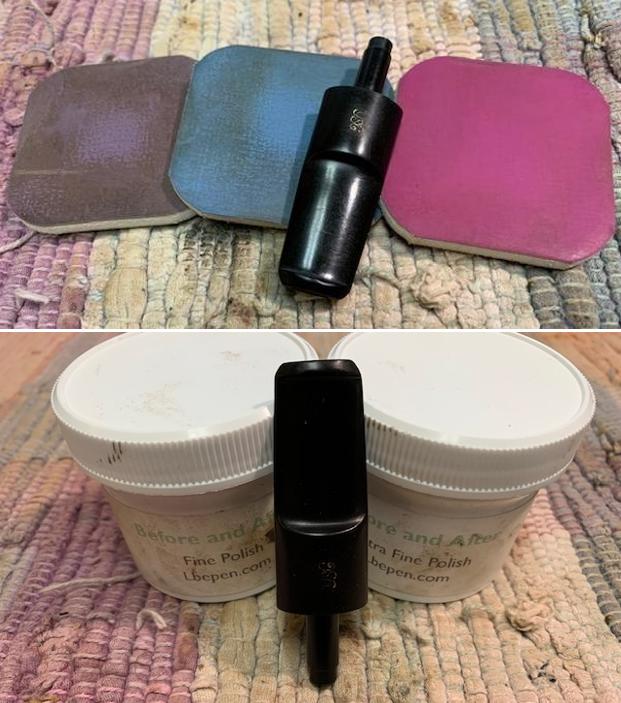
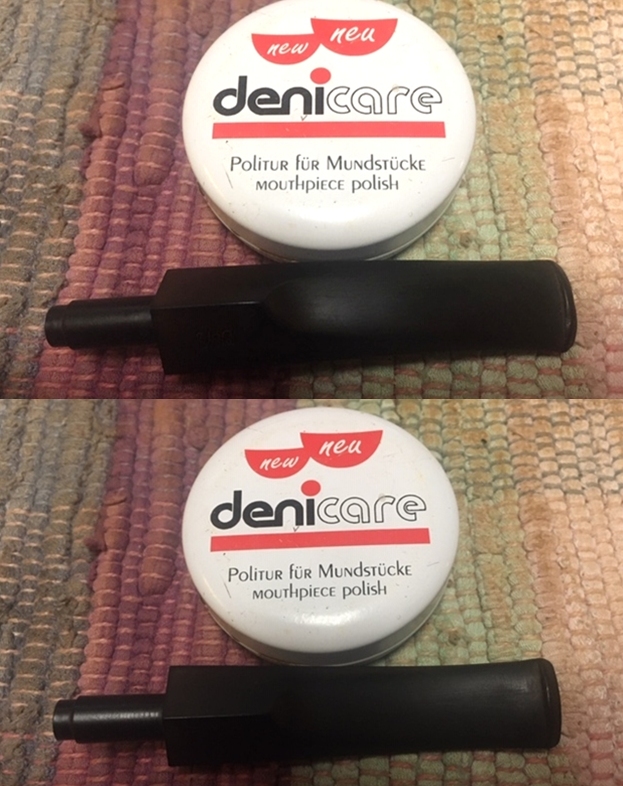
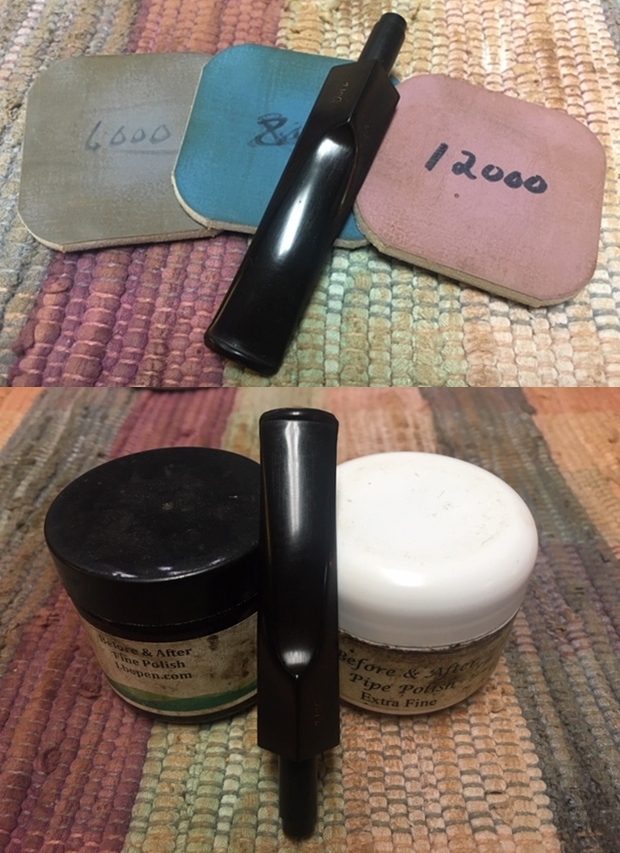
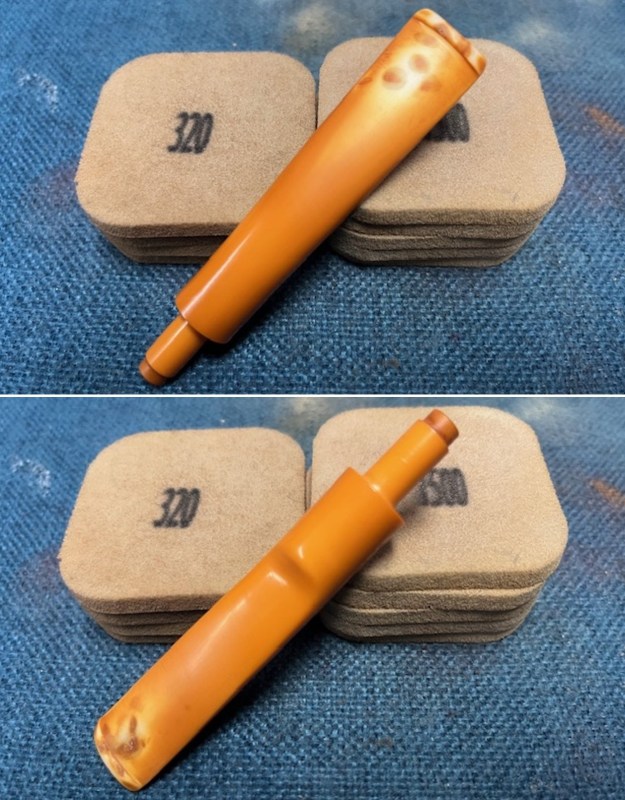 I polished the stem with micromesh sanding pads – dry sanding it 1500-12000 pads. I wiped it down with Obsidian after each pad to remove the dust and polishing debris. I polished it with Before After Pipe Polish – both Fine and Extra Fine. I gave it another coat of Obsidian Oil. Even though the sanded area on the stem surface and stem from previous work is still visible it is smooth and the reshaped button works very well.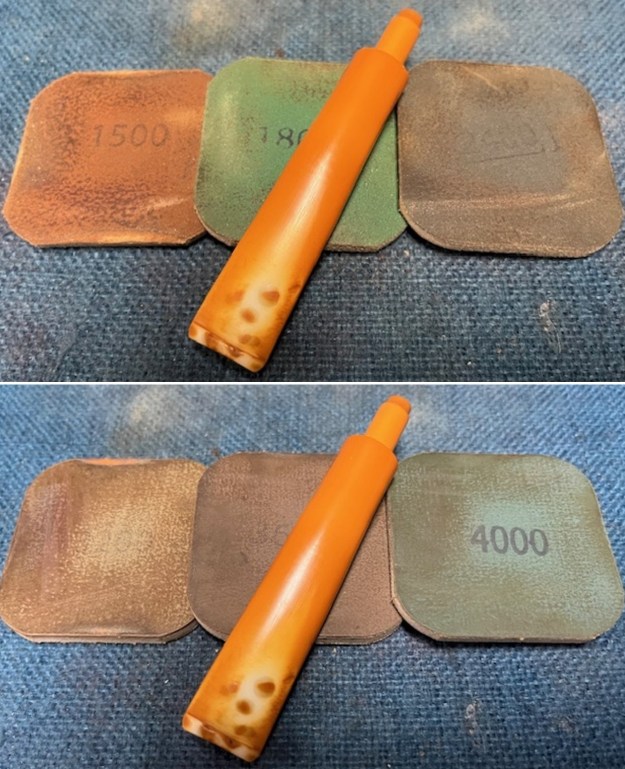
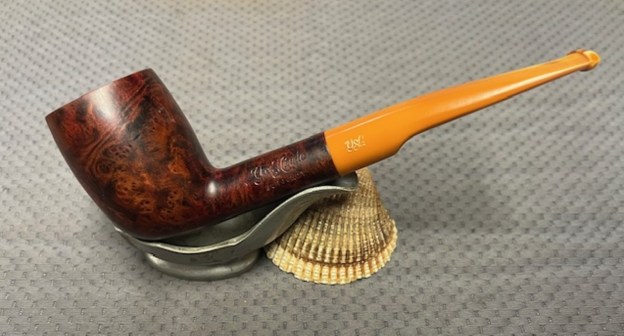
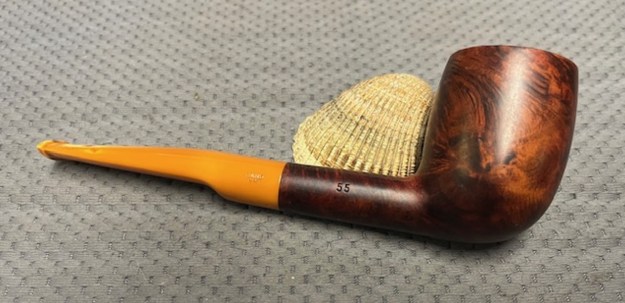
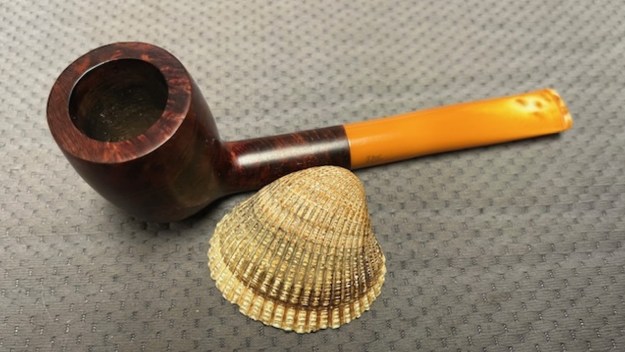
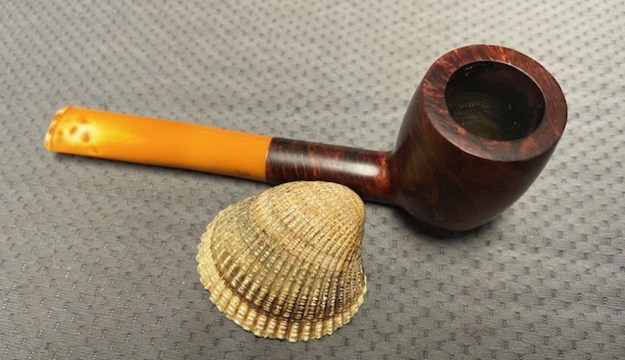
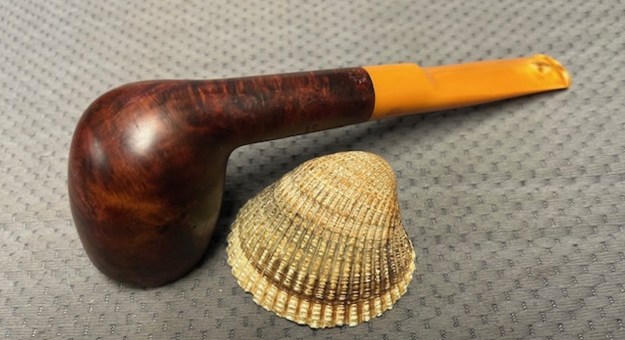
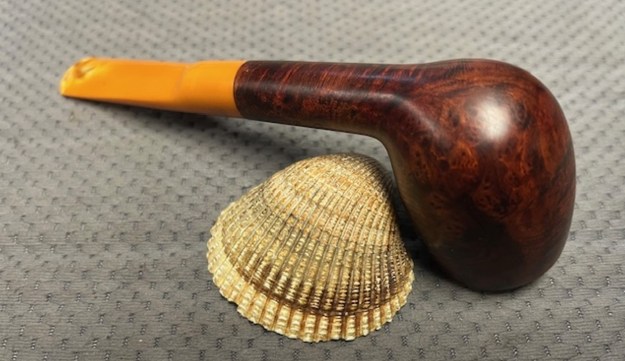
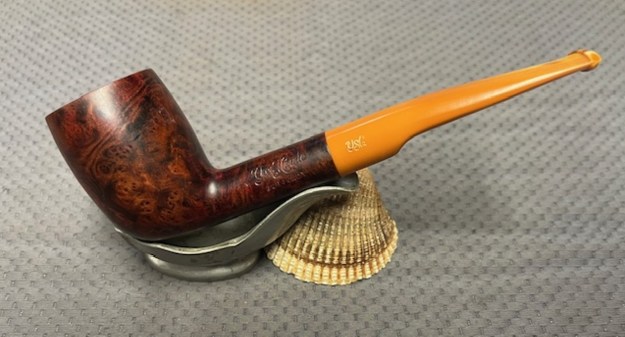
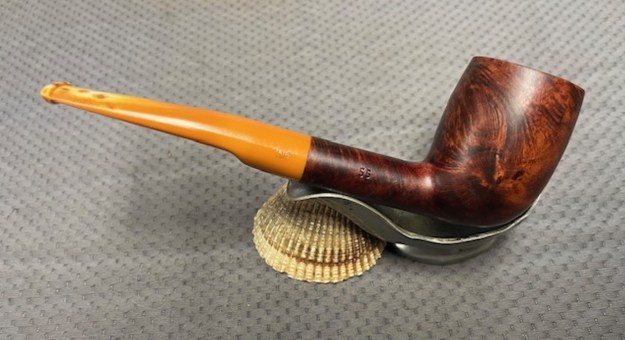
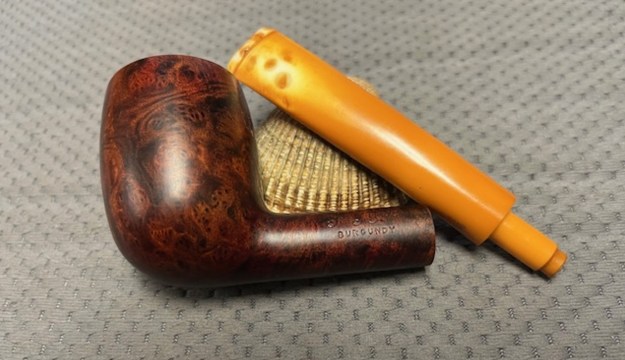
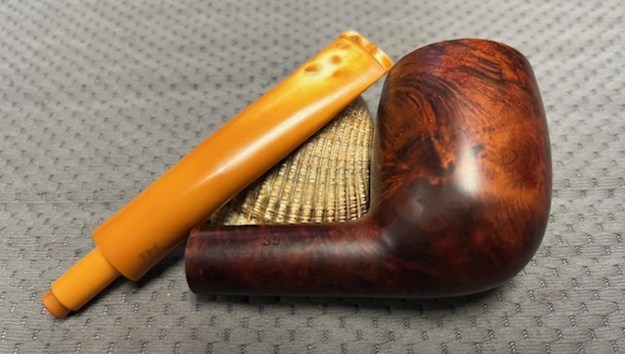
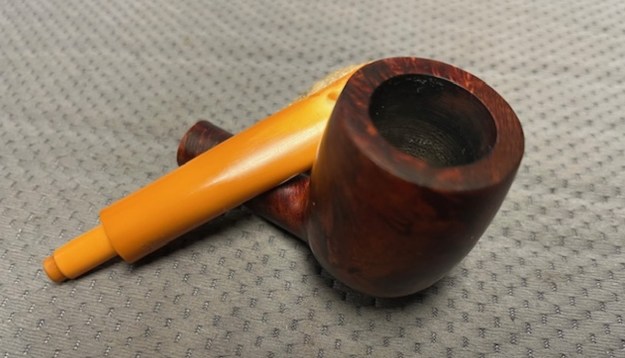
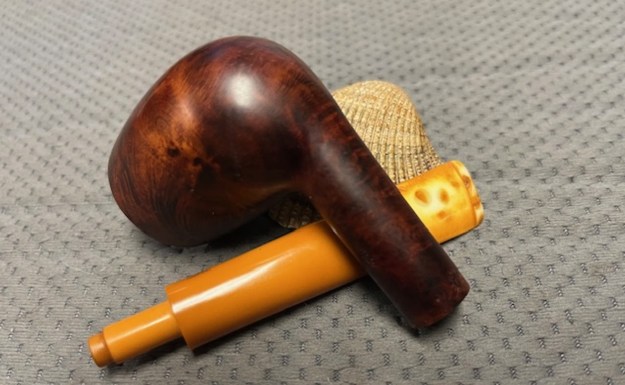
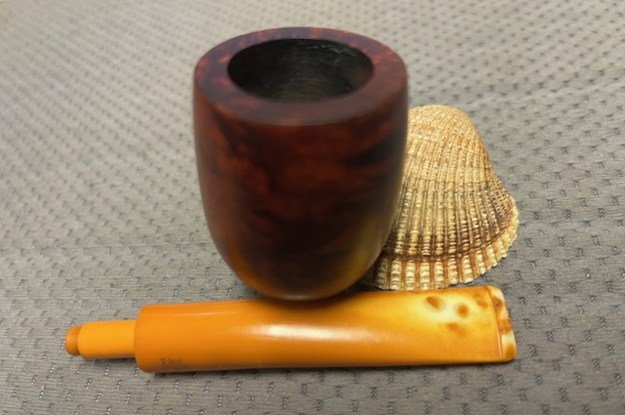
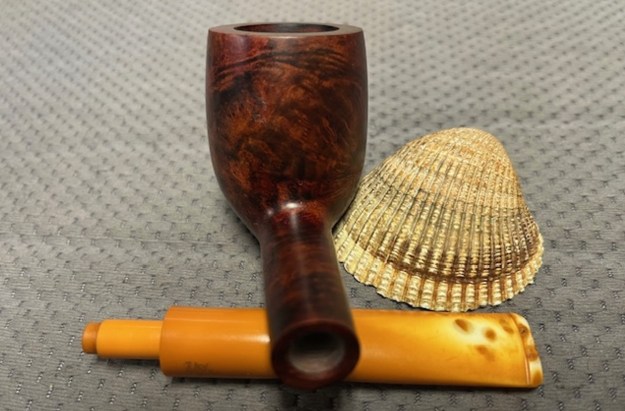
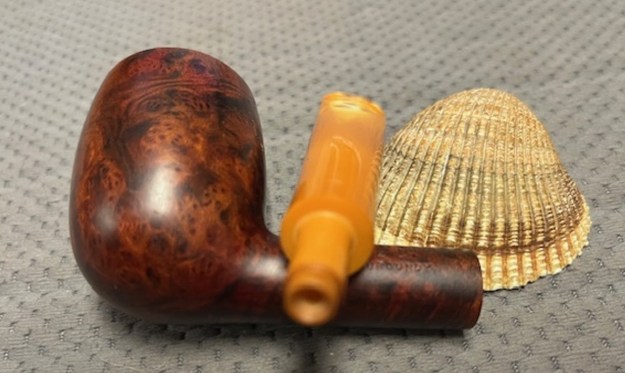
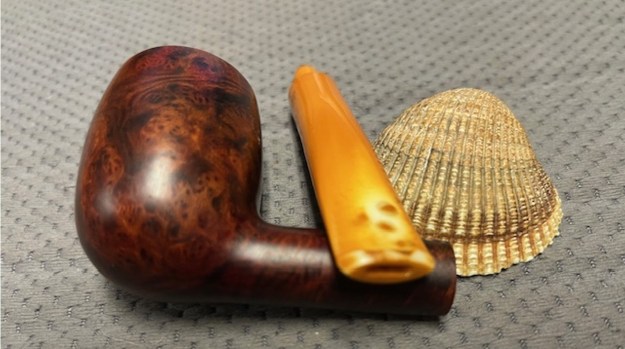
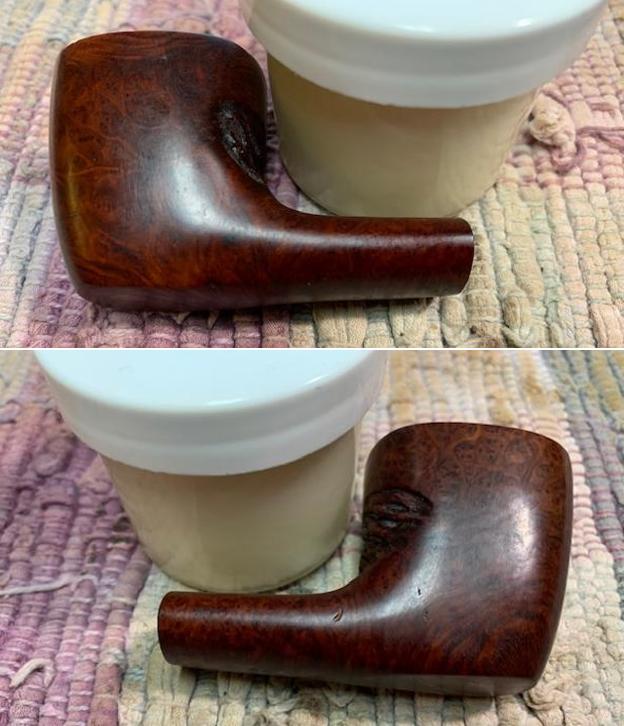
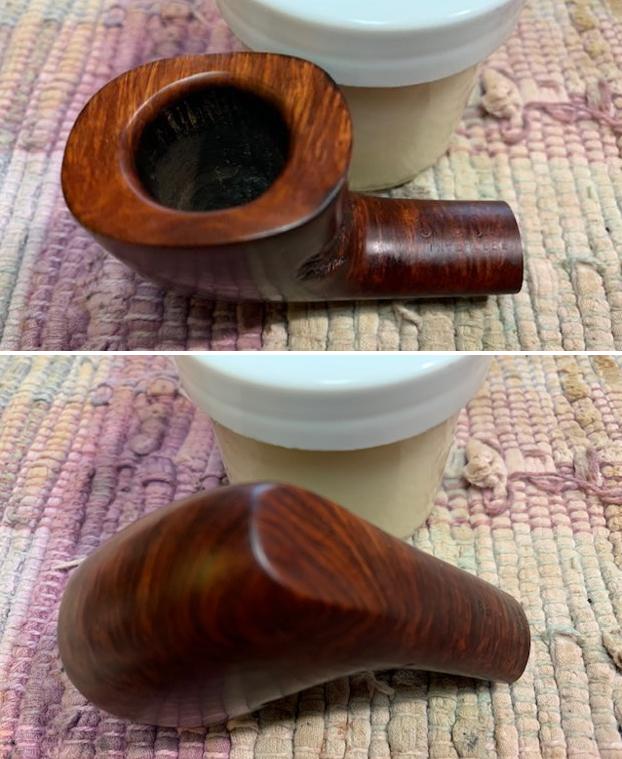
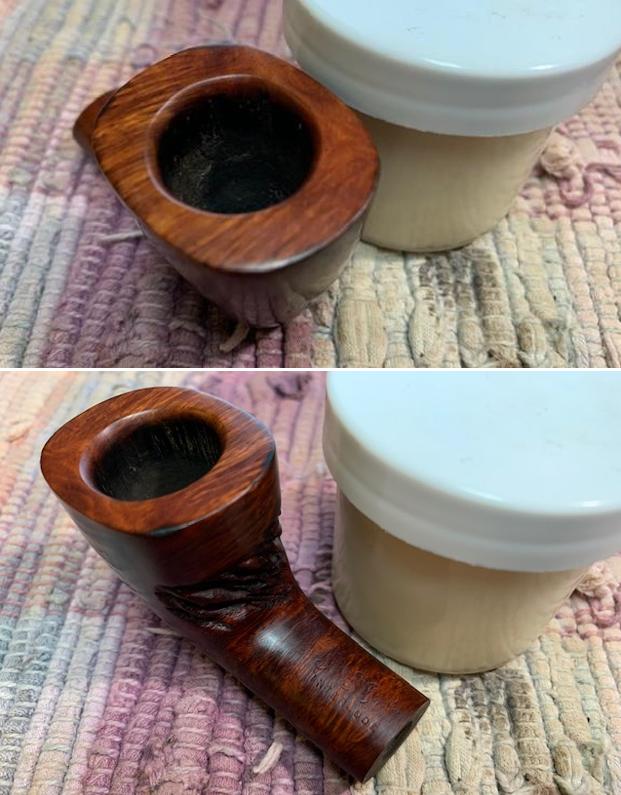
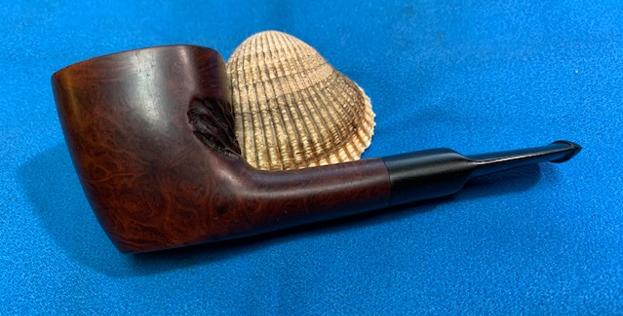
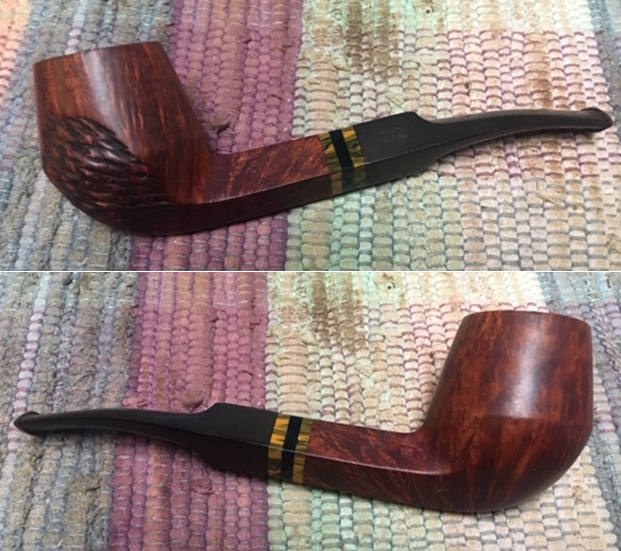
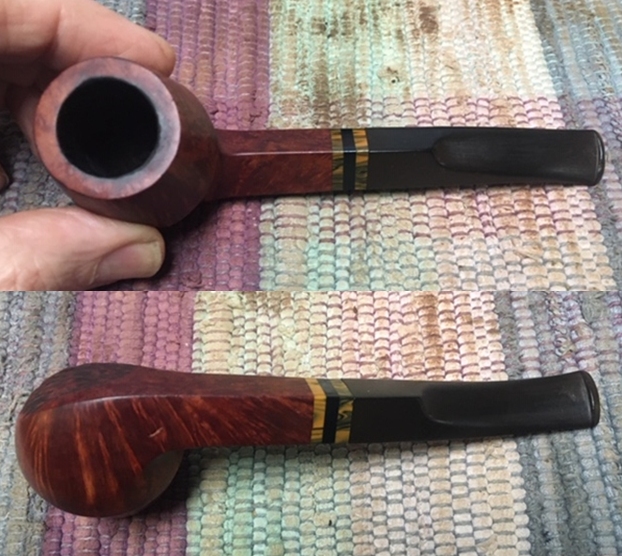
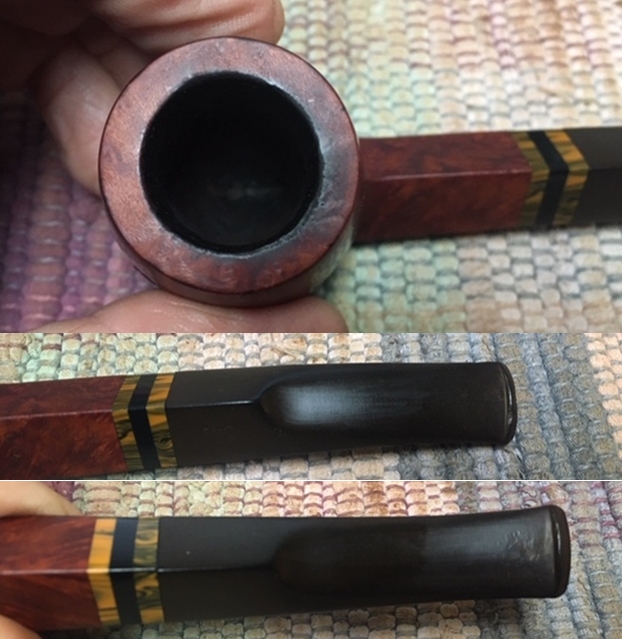
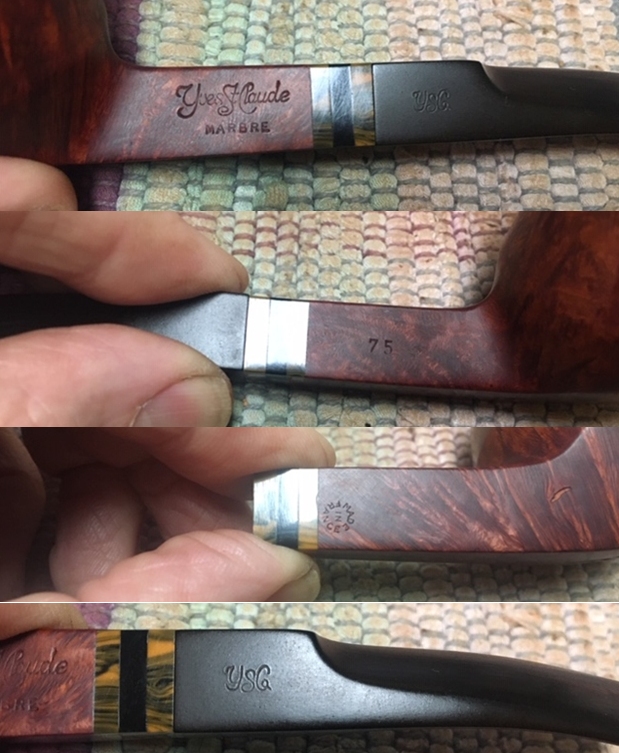
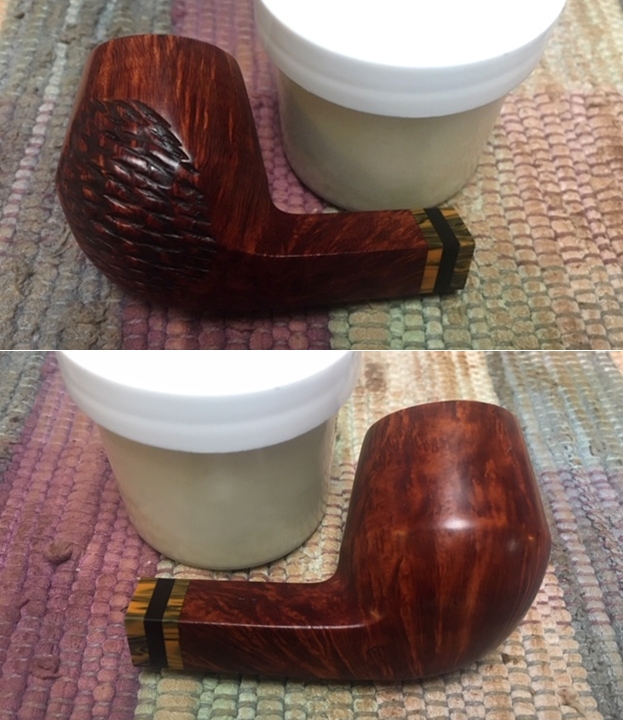
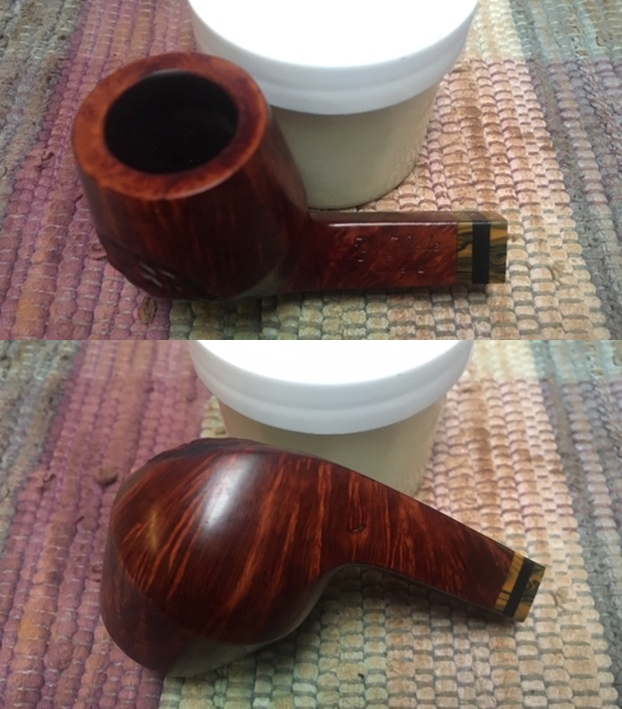
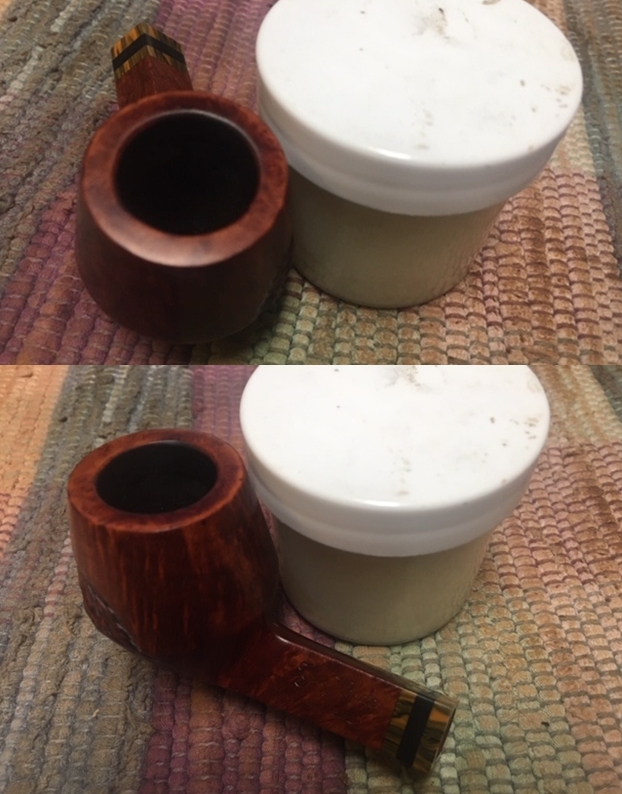
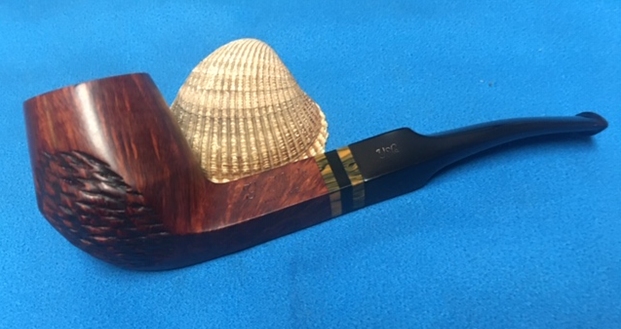
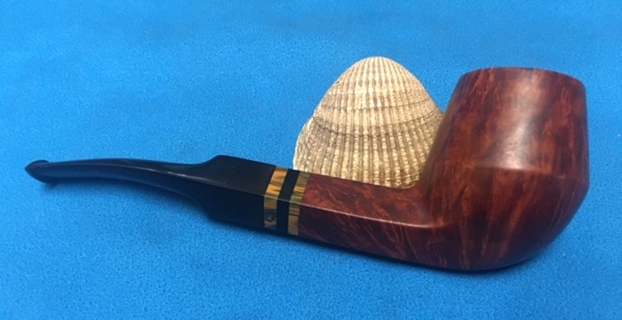
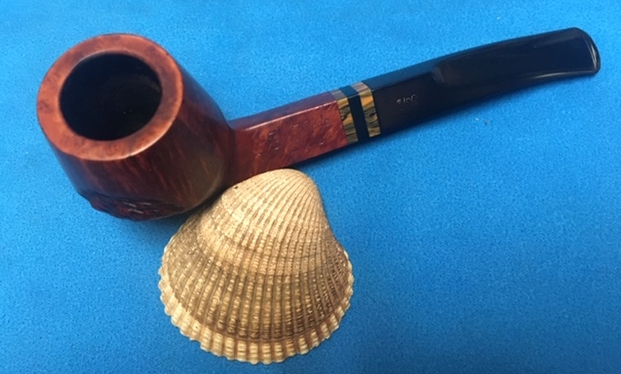
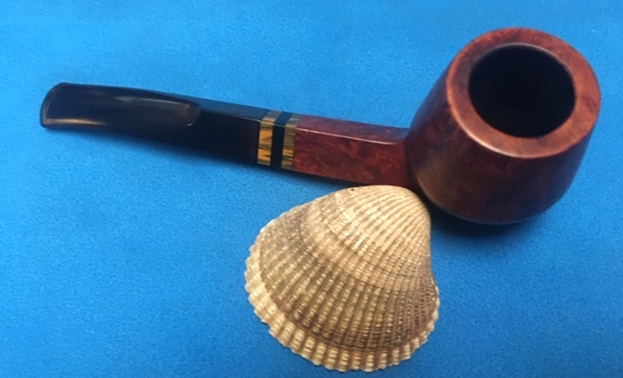
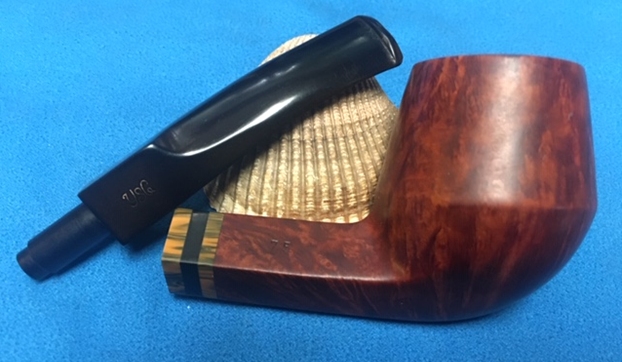
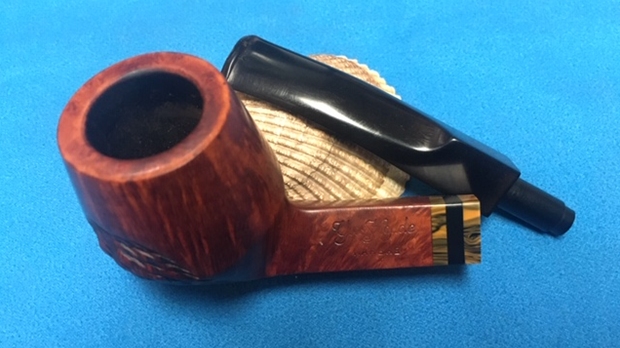
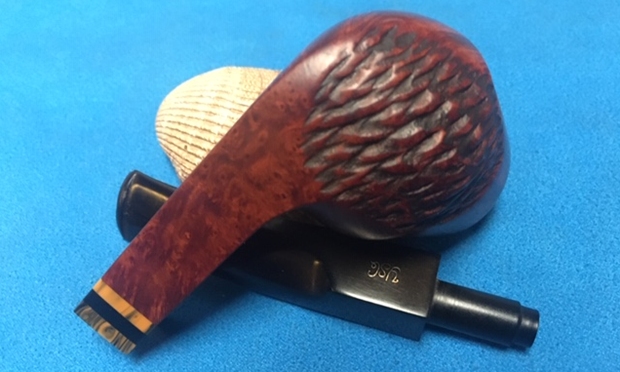
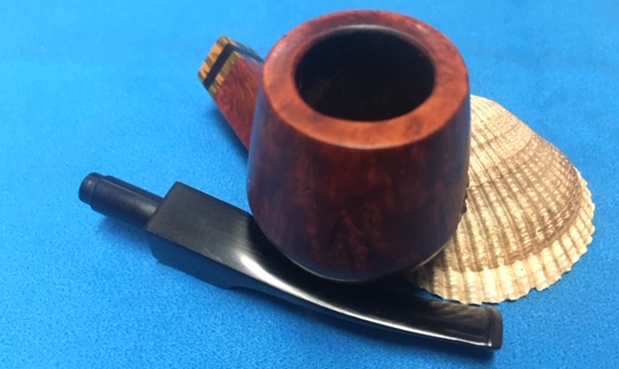
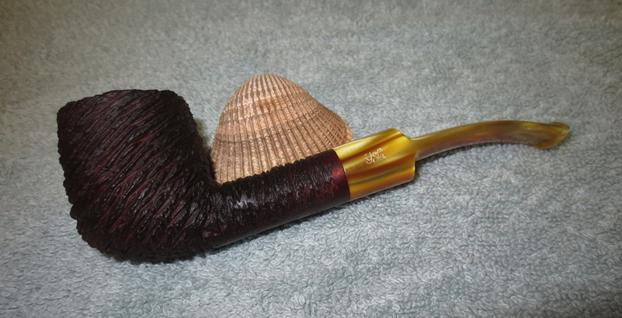
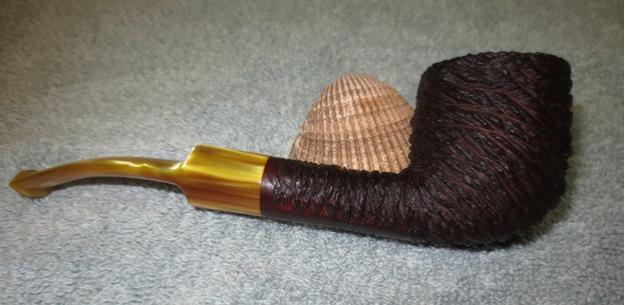
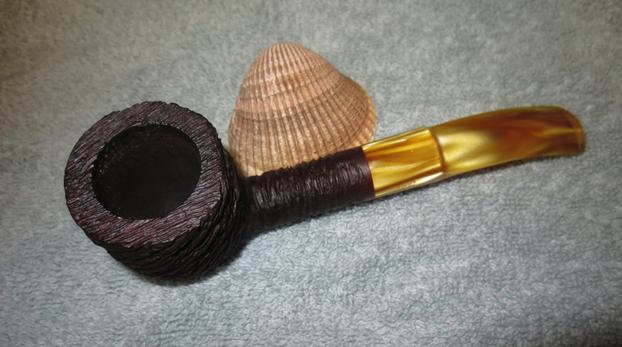
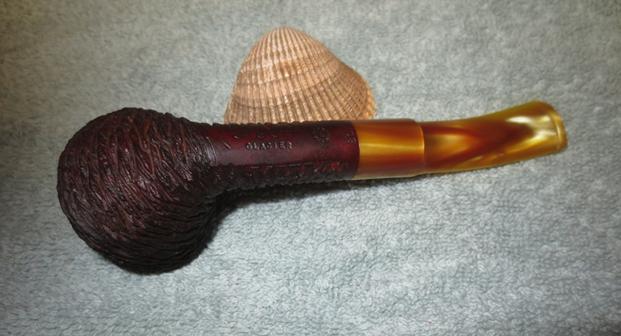
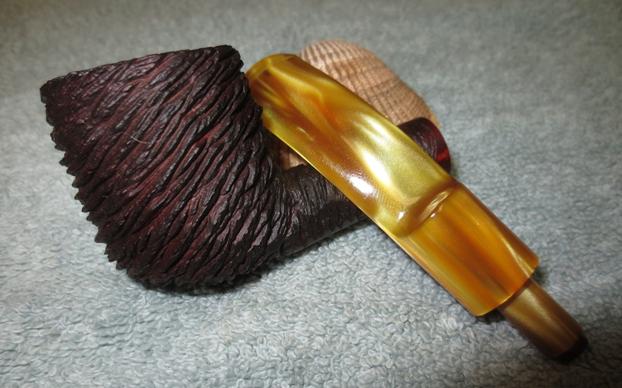
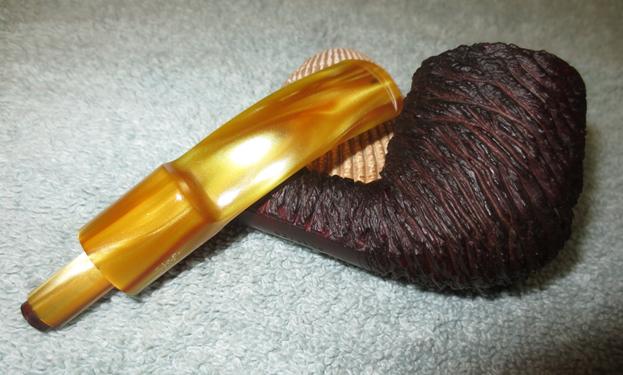
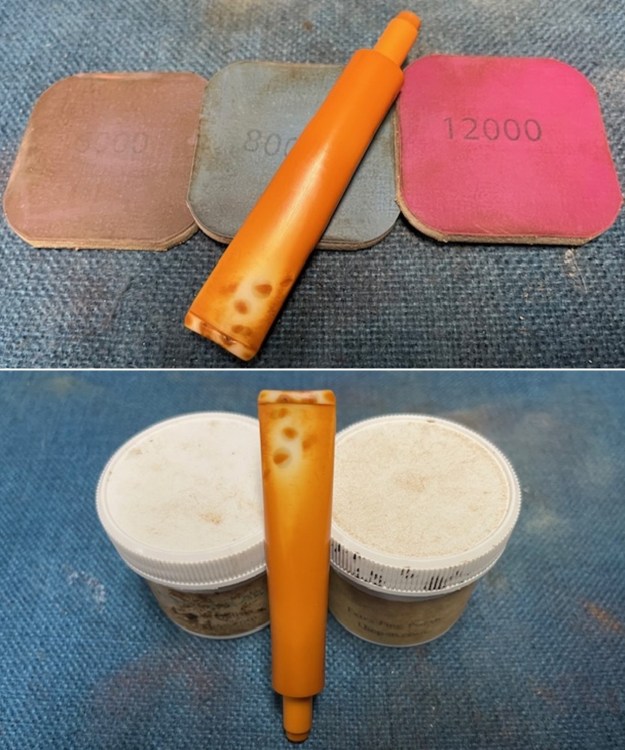 This nice smooth finished Yves St. Claude Burgundy 55 Billiard with an amber coloured half saddle stem, even with the visible repairs is a great looking pipe. The rich finish gave the grain a sense of depth with the polishing and waxing. The repairs on the stem are solid yet visible on the underside due to faded/sanded areas of the stem surface (I have yet to figure out an amber colour fill). I put the stem back on the bowl and carefully buffed the pipe with Blue Diamond on the buffing wheel using a light touch on the briar. I gave the bowl and the stem multiple coats of carnauba wax on the buffing wheel. I buffed the pipe with a clean buffing pad to raise the shine. I hand buffed the pipe with a microfiber cloth to deepen the shine. The finished YSC Burgundy 55 Billiard is a beauty and feels great in the hand and looks very good. Give the finished pipe a look in the photos below. The dimensions of the pipe are Length: 6 inches, Height: 2 inches, Outside diameter of the bowl: 1 ¼ inches, Chamber diameter: ¾ of an inch. The weight of the pipe is 1.55 ounces/44 grams. It is a beautiful pipe even with the spotty stem. I will pack it up with John’s previous pipe it will go back to him to enjoy.
As always, I encourage your questions and comments as you read the blog. Thanks to each of you who are reading this blog. Remember we are not pipe owners; we are pipemen and women who hold our pipes in trust until they pass on into the trust of those who follow us.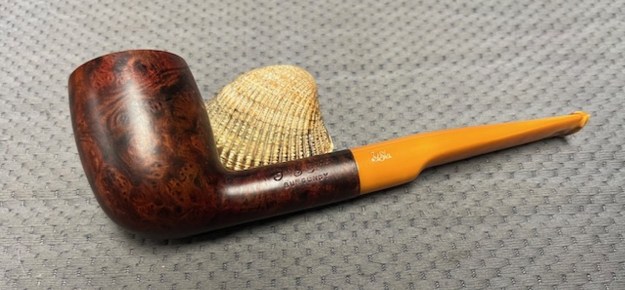












 rebornpipes