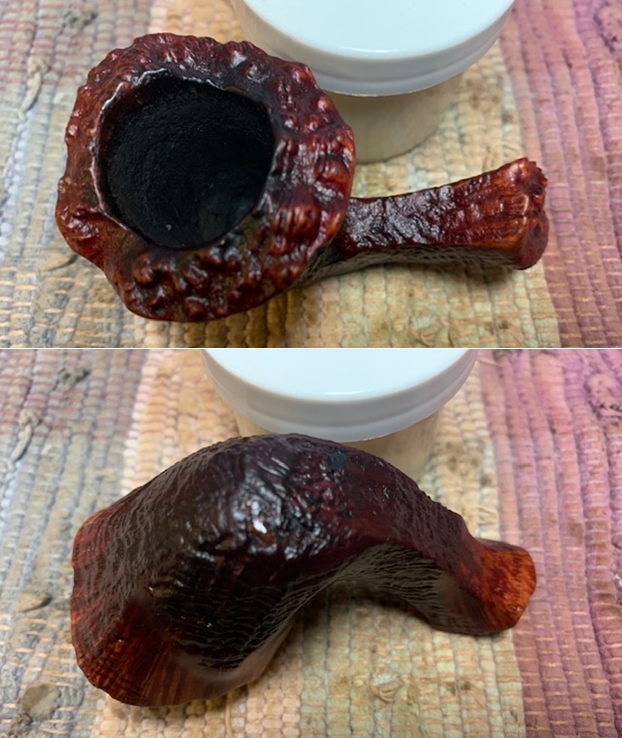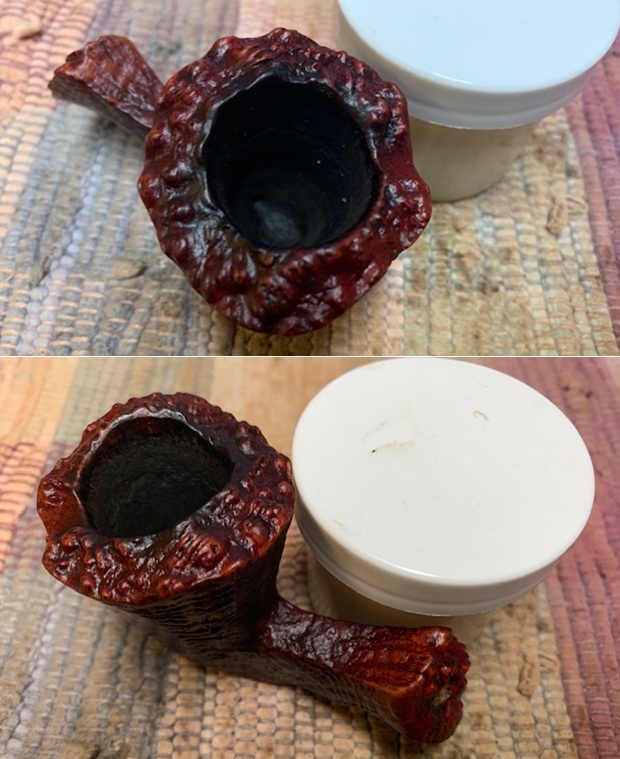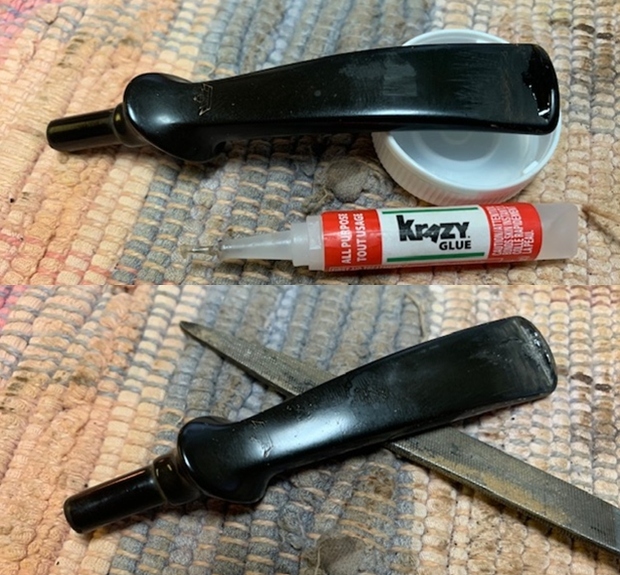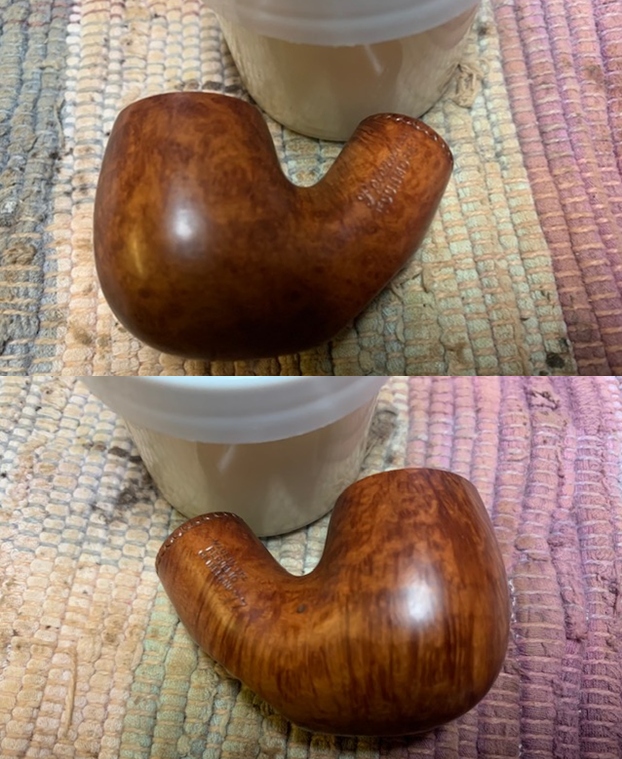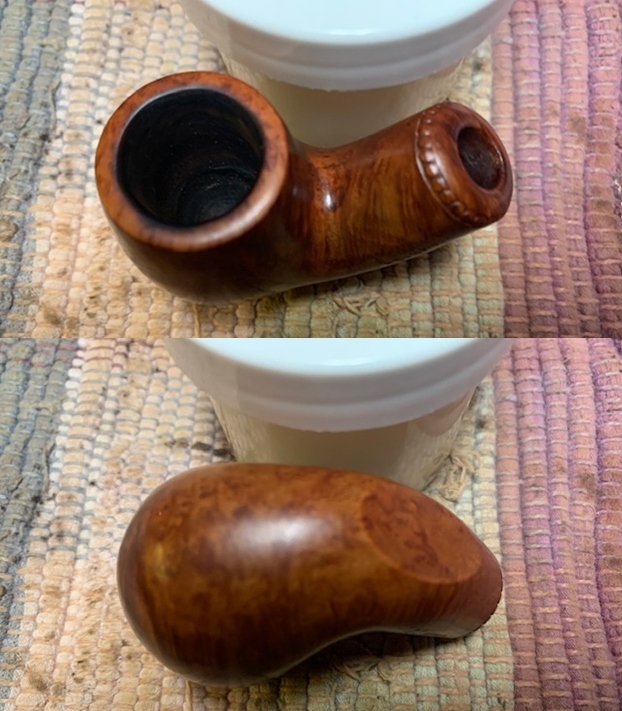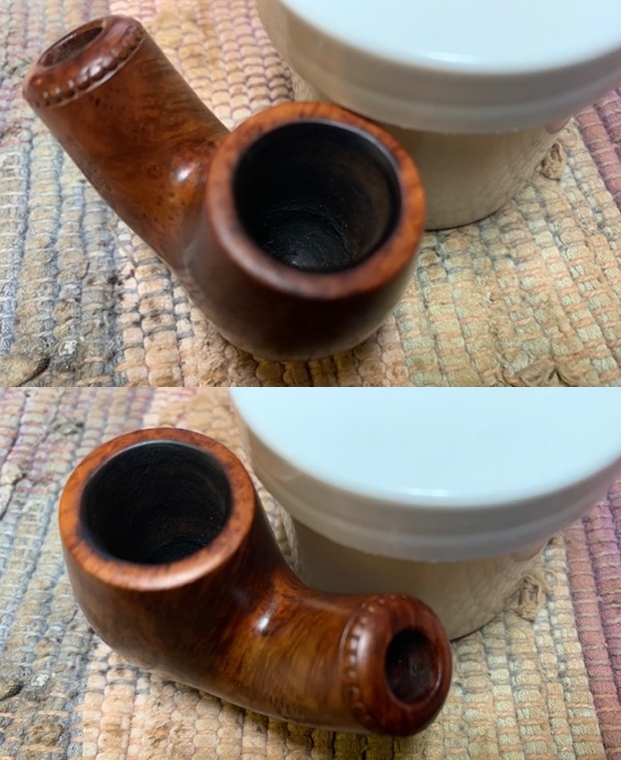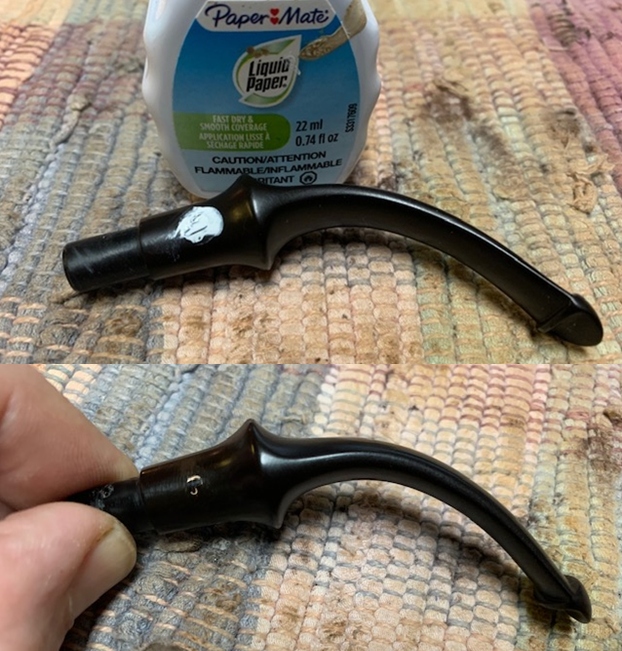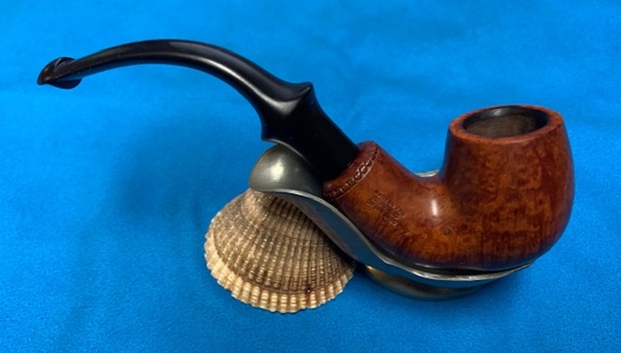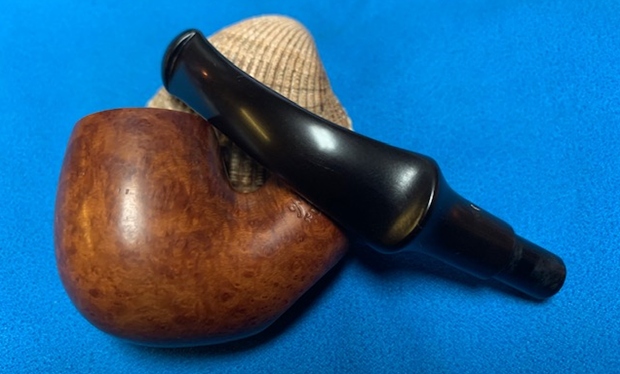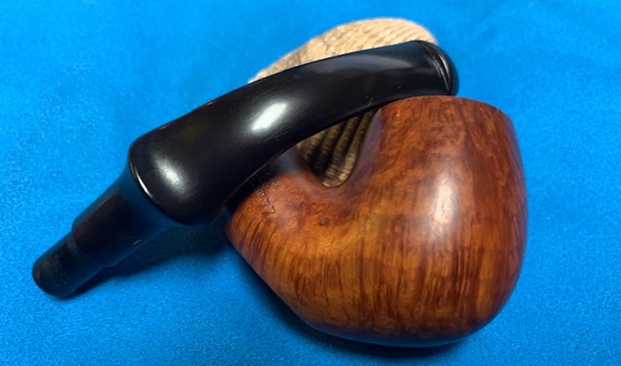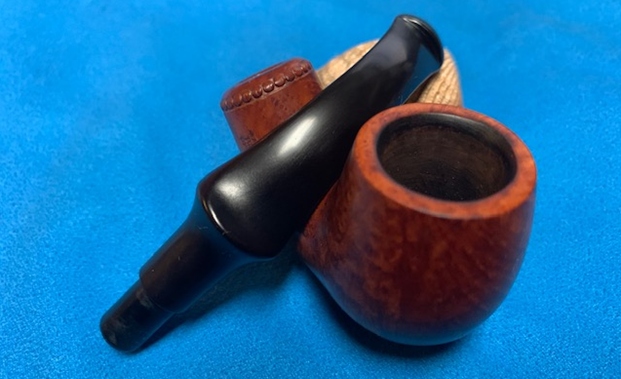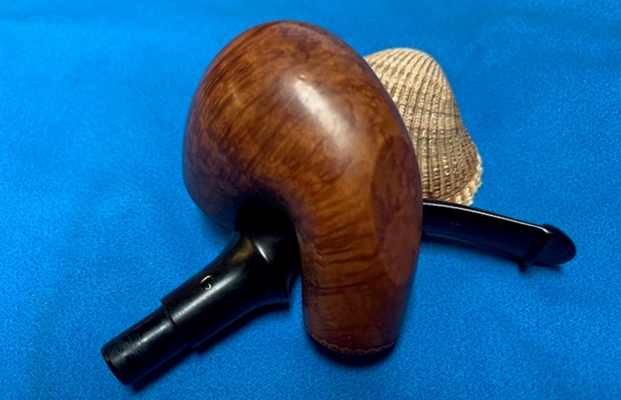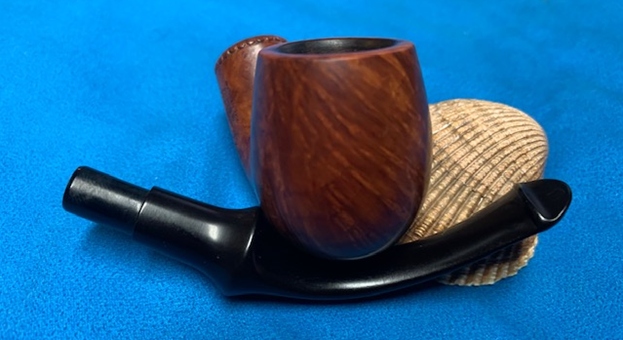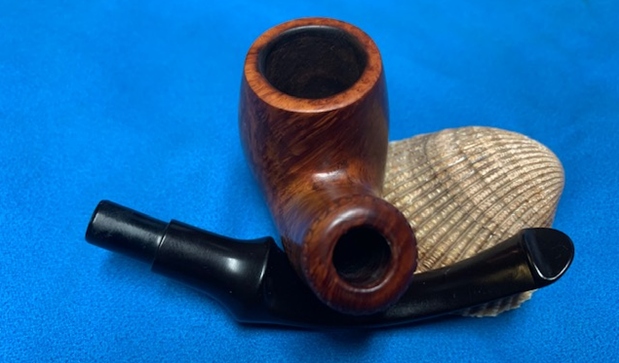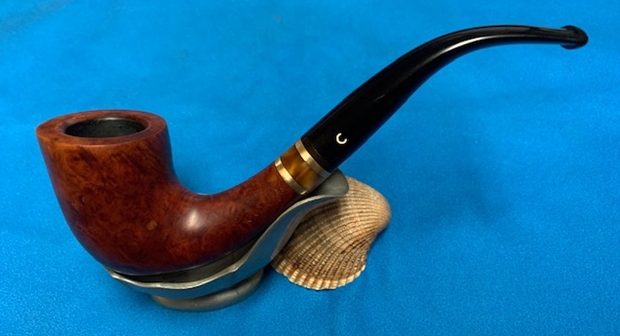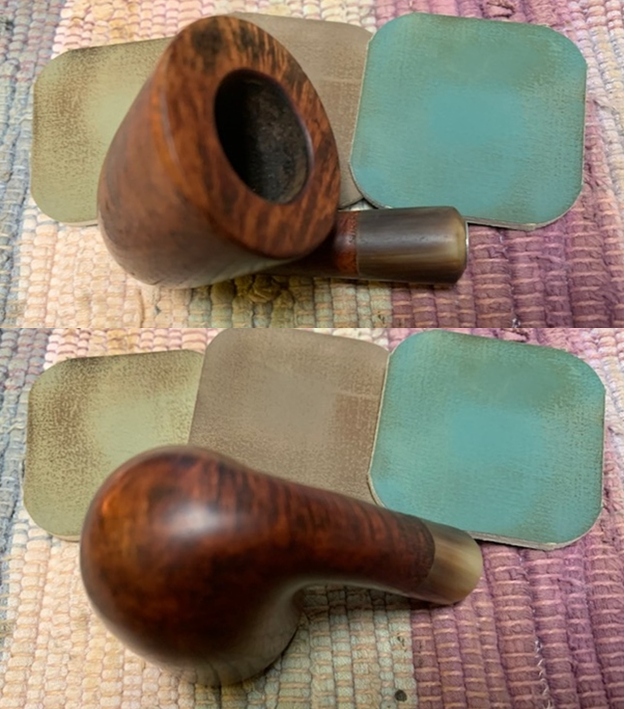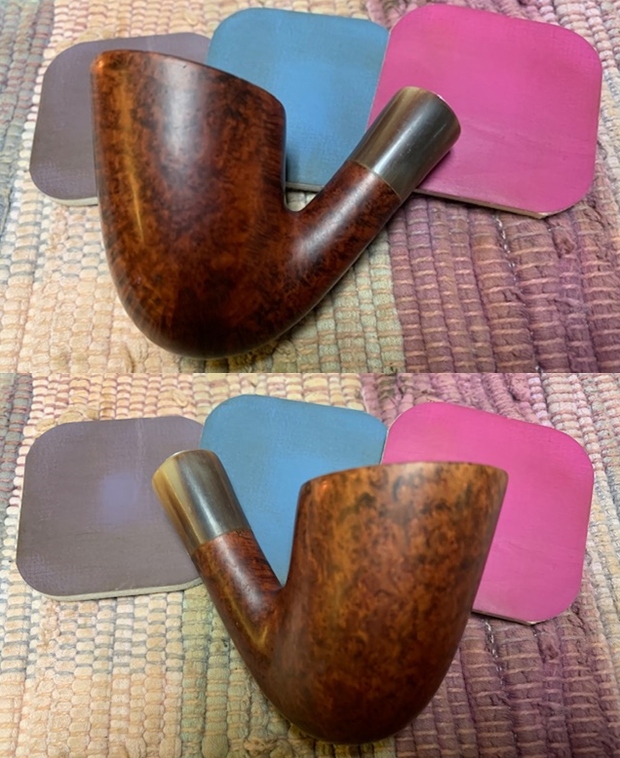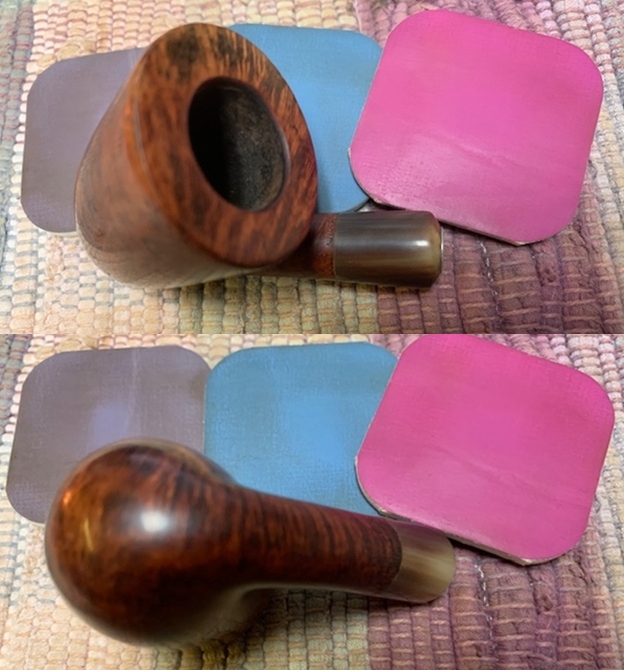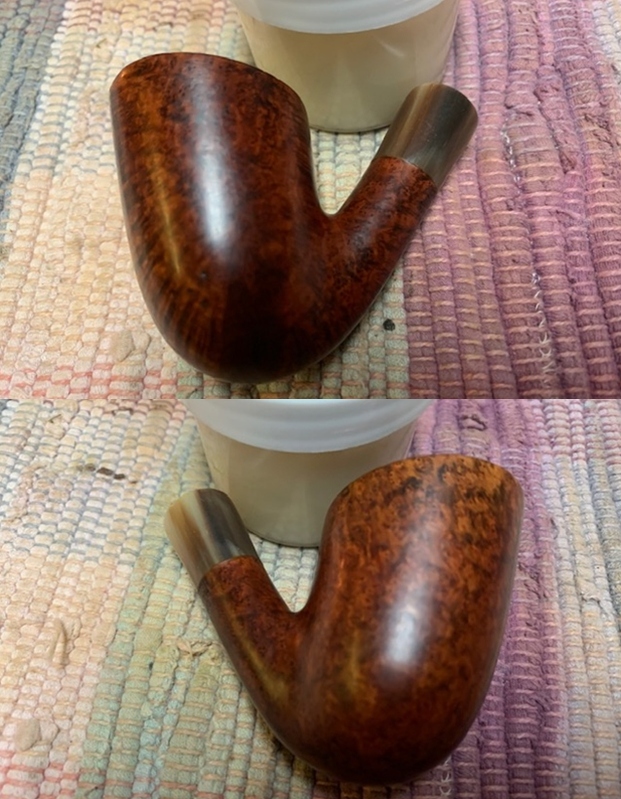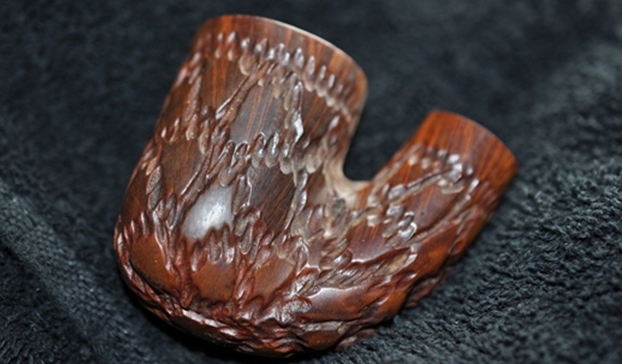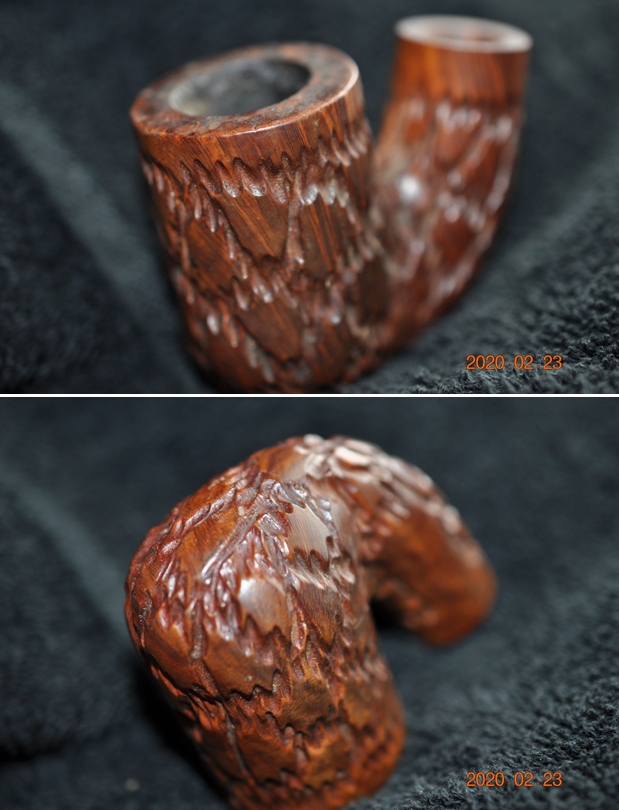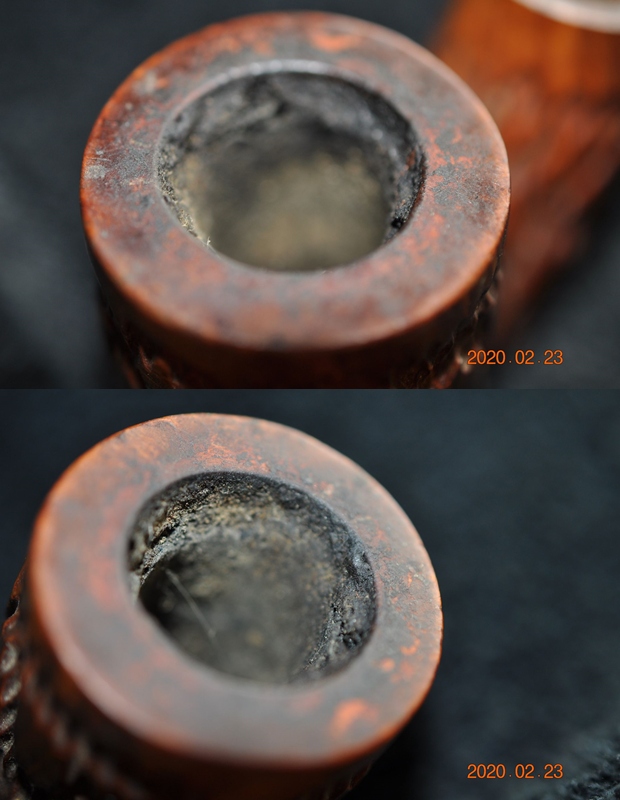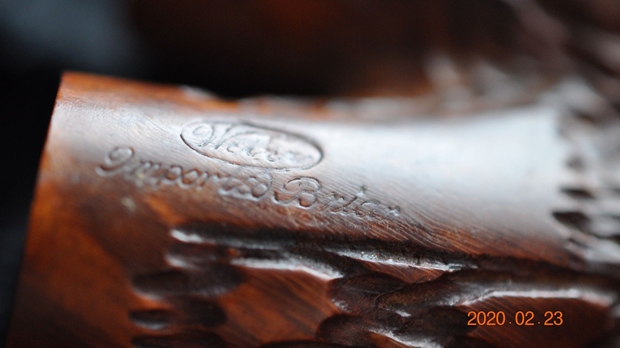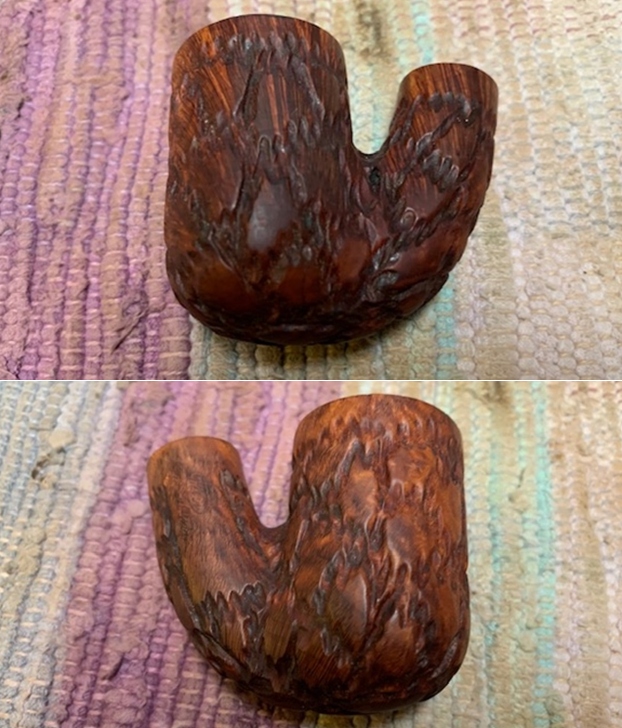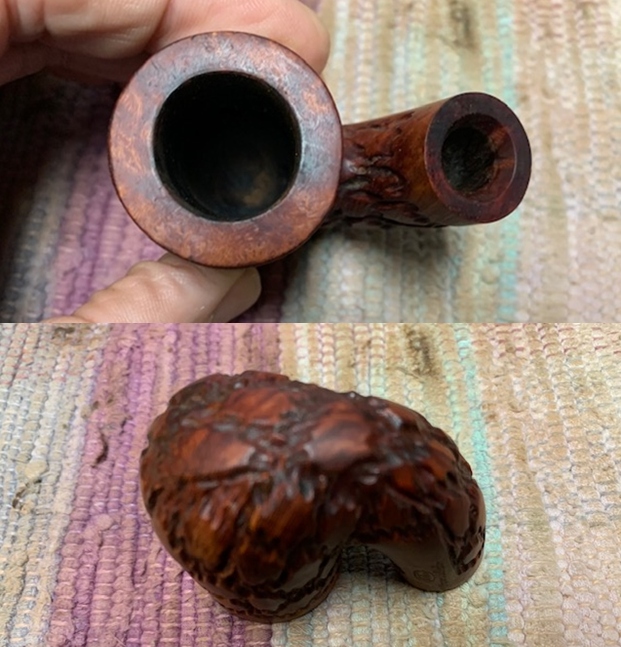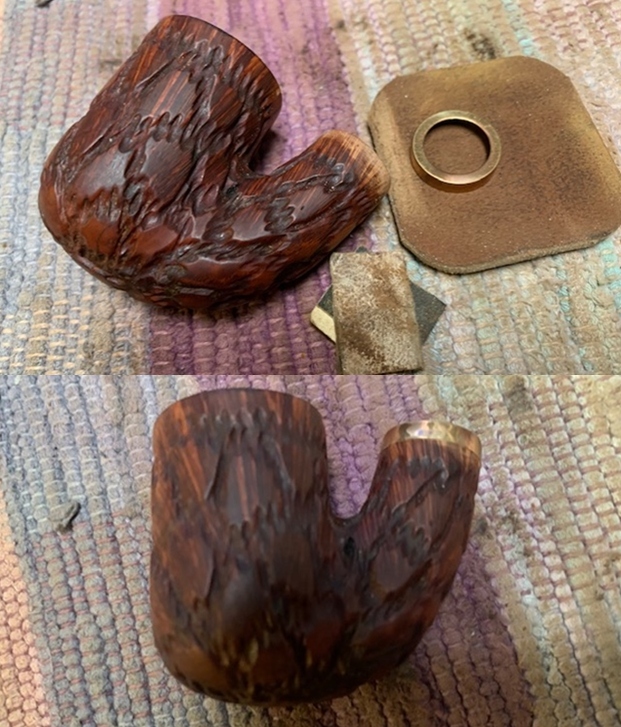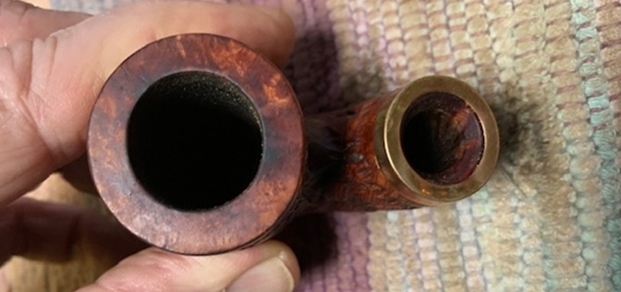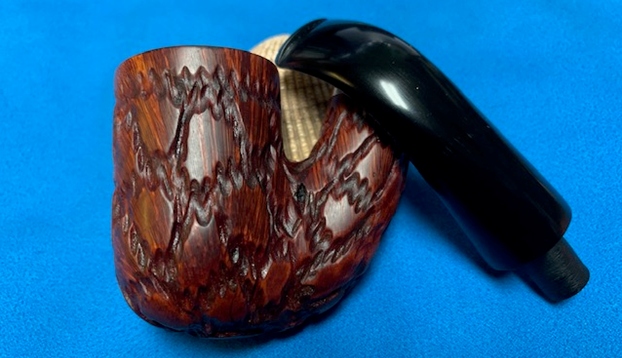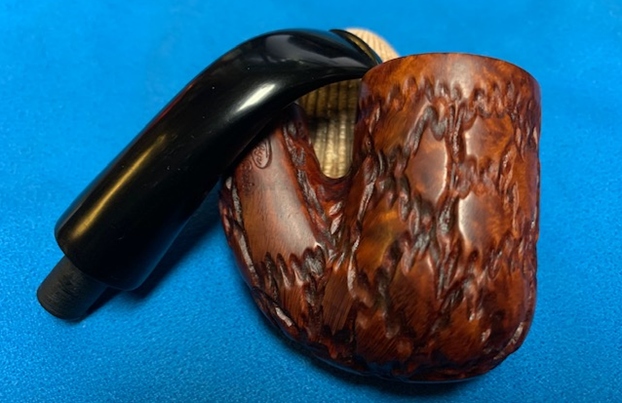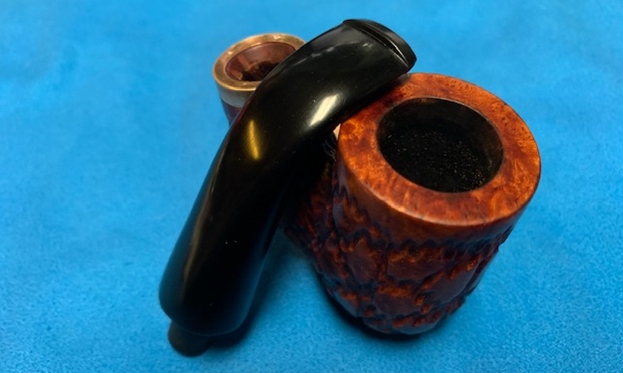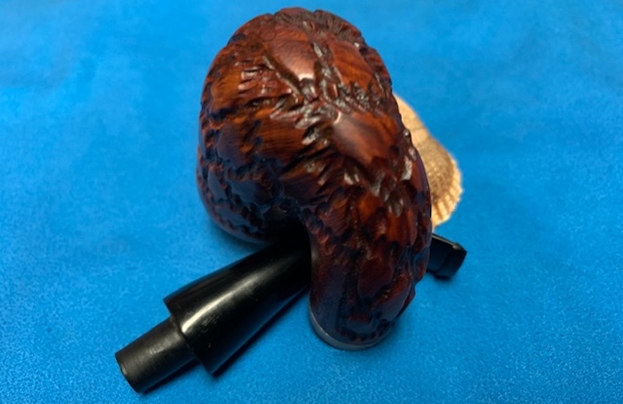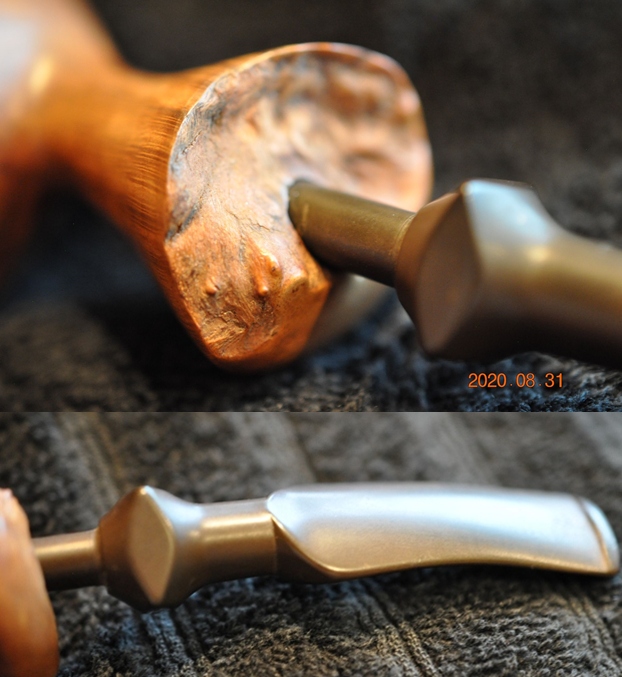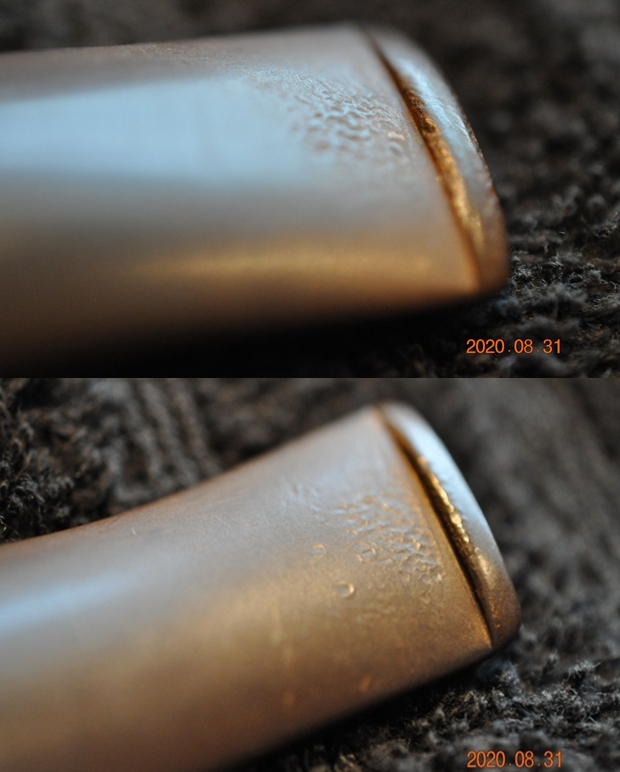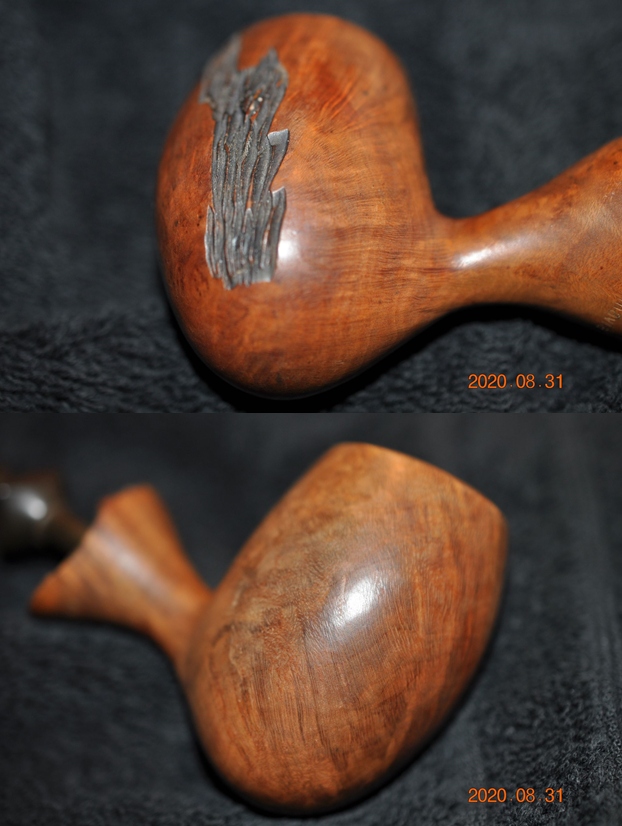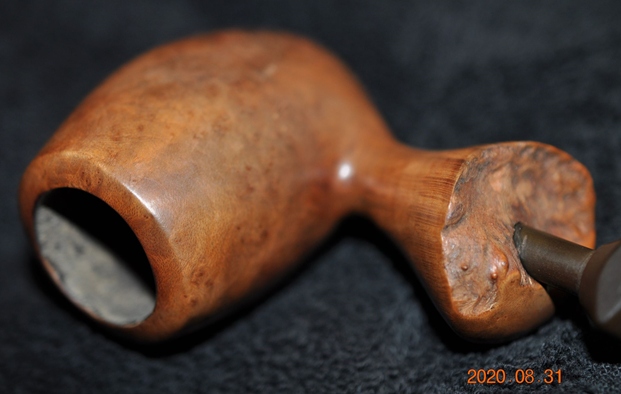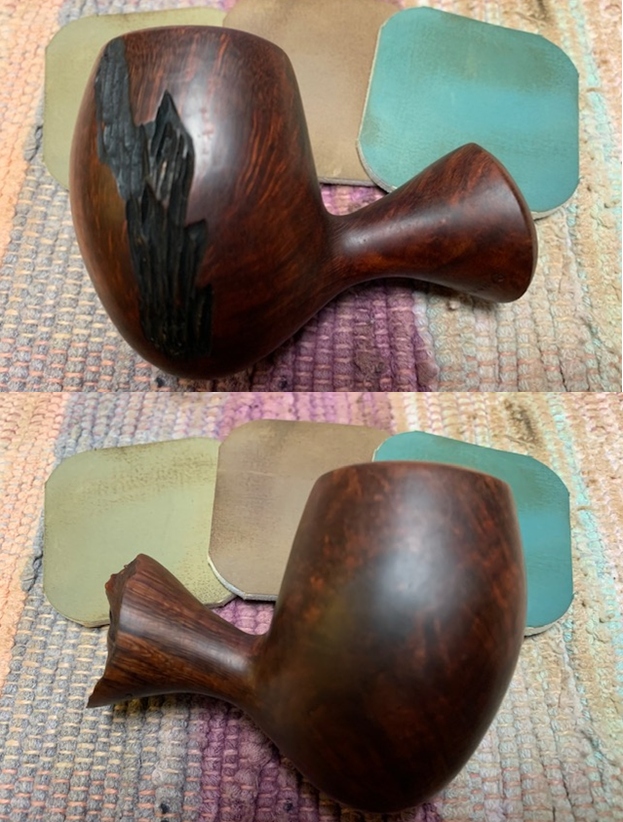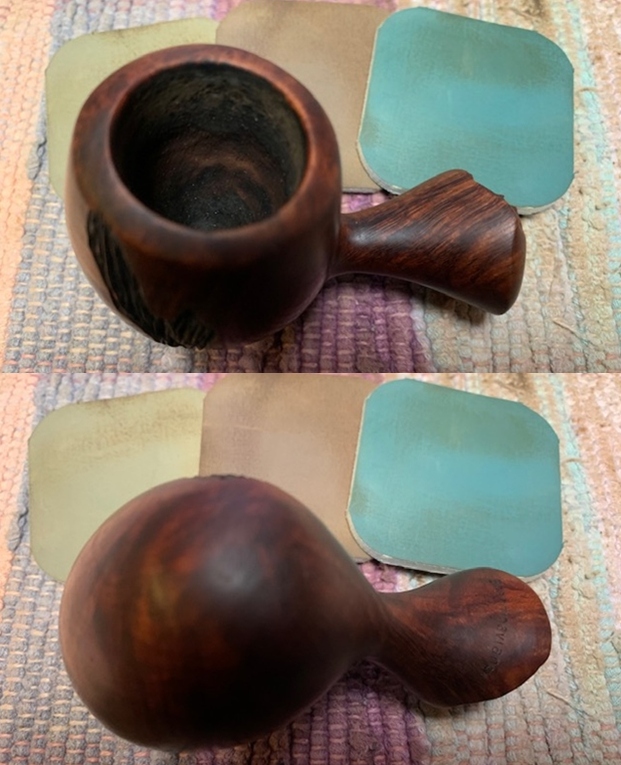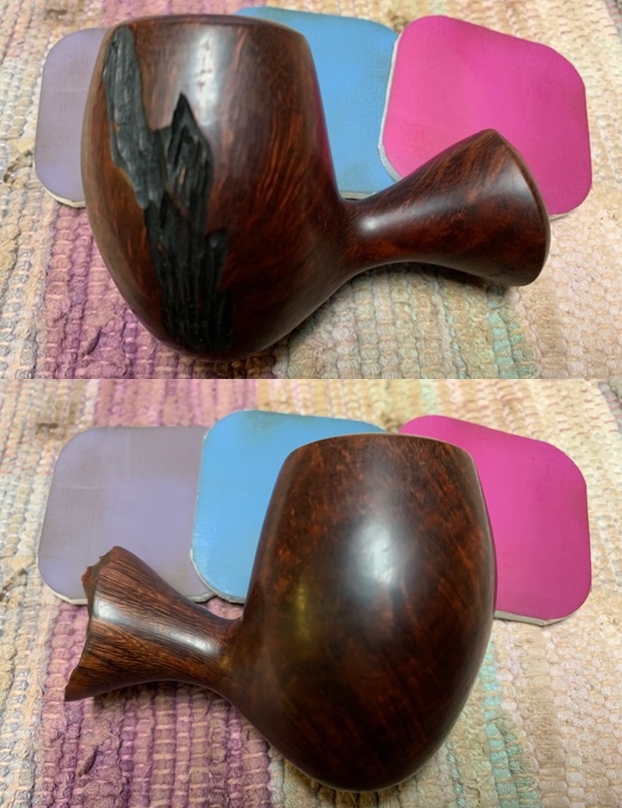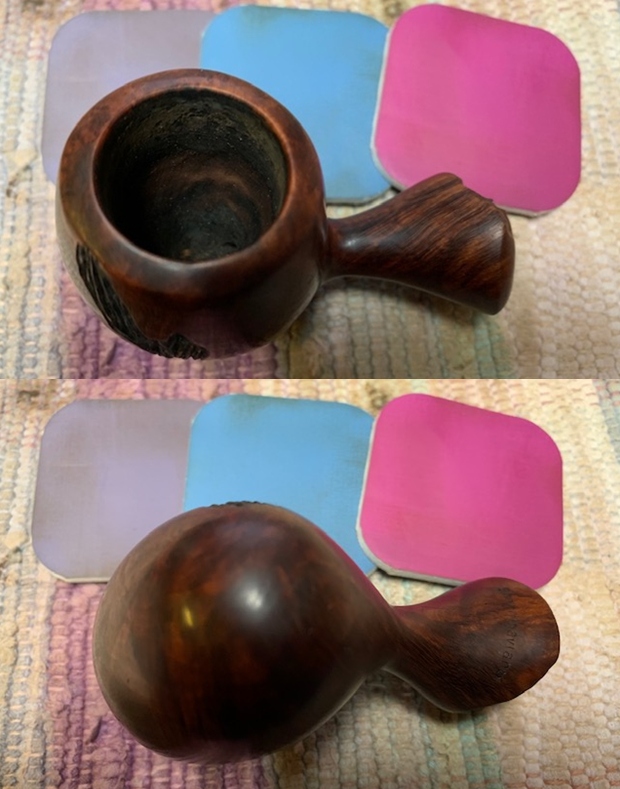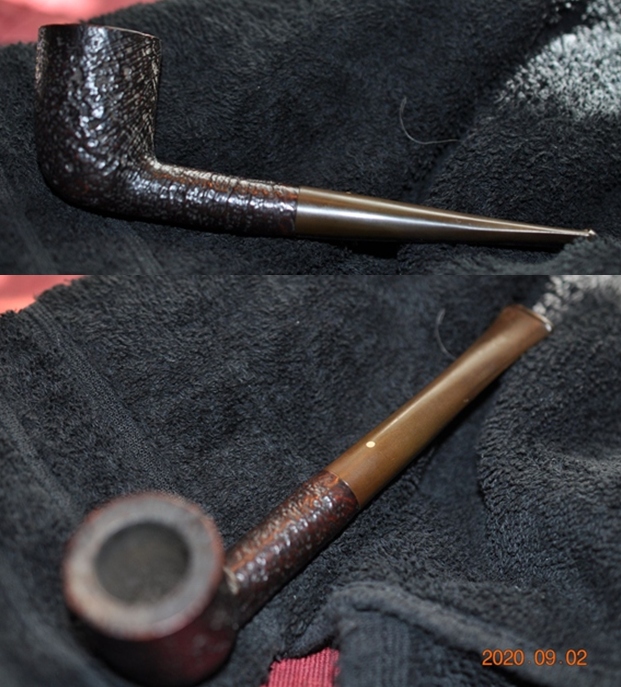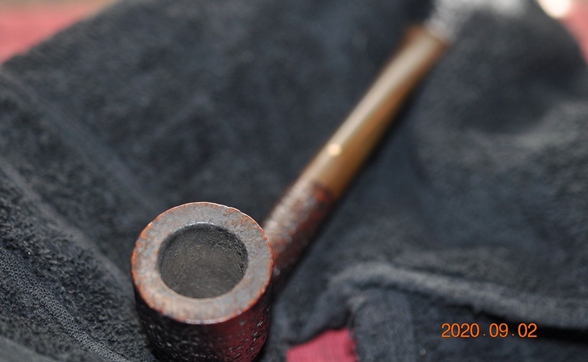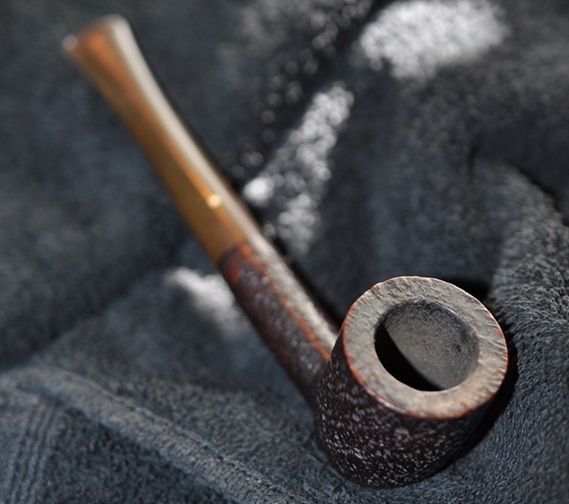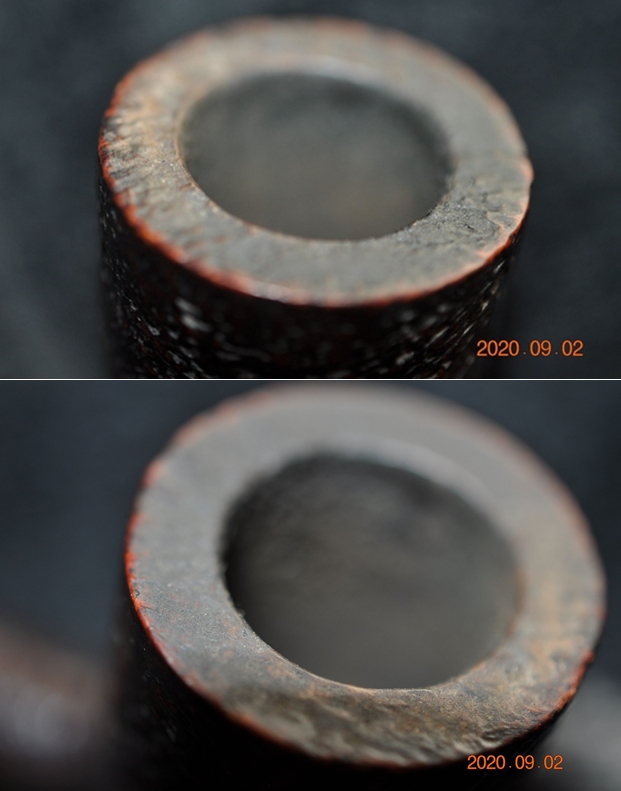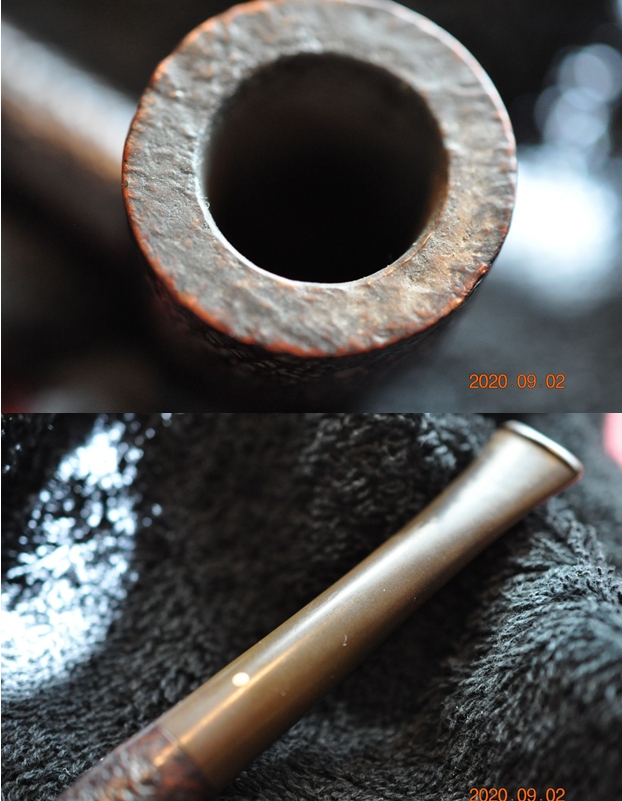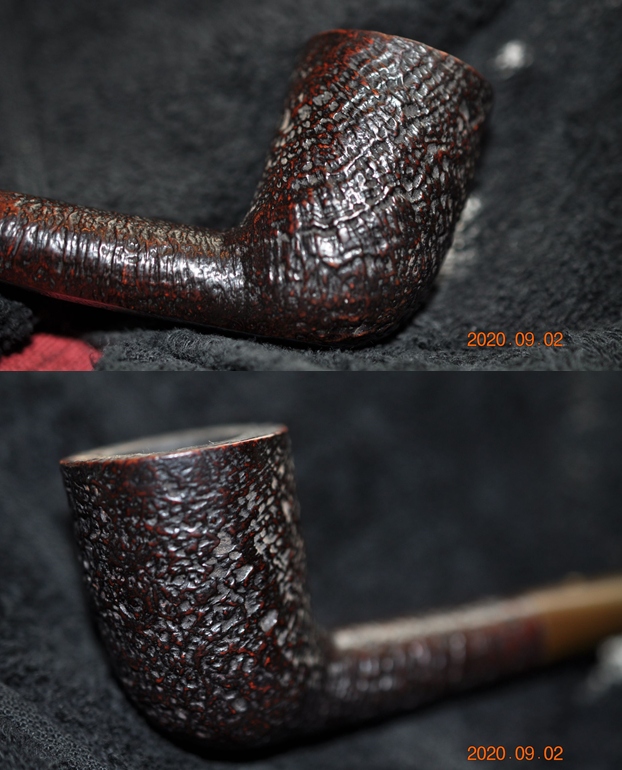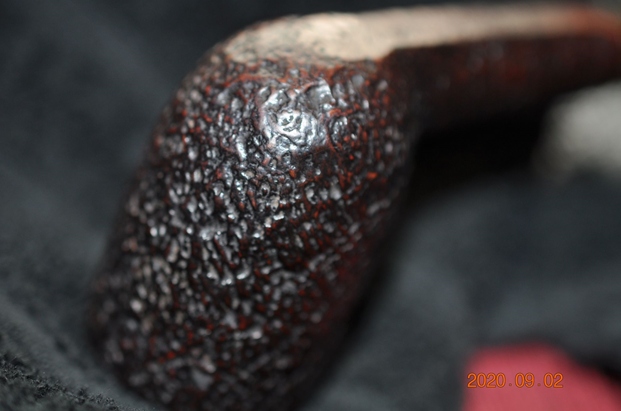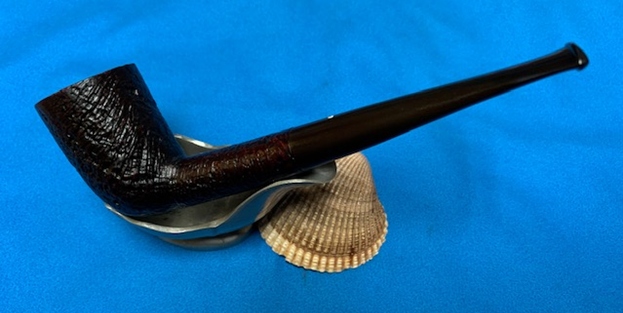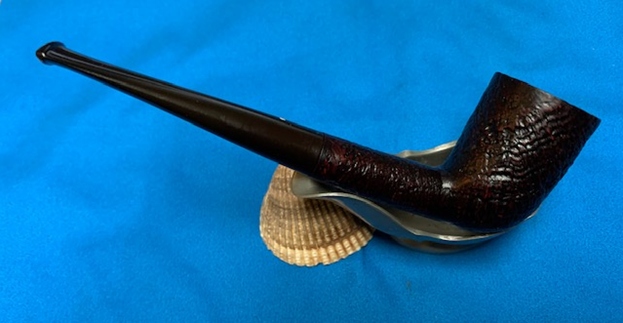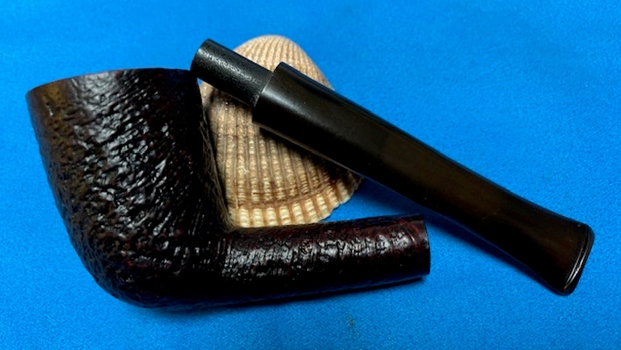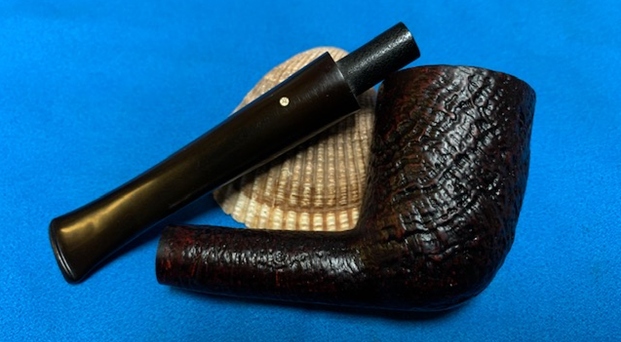
Tag Archives: vulcanite

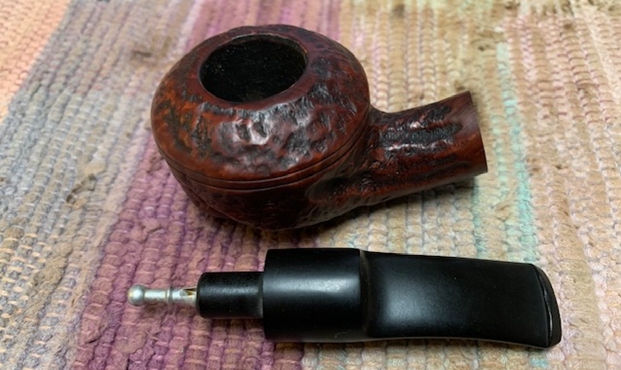
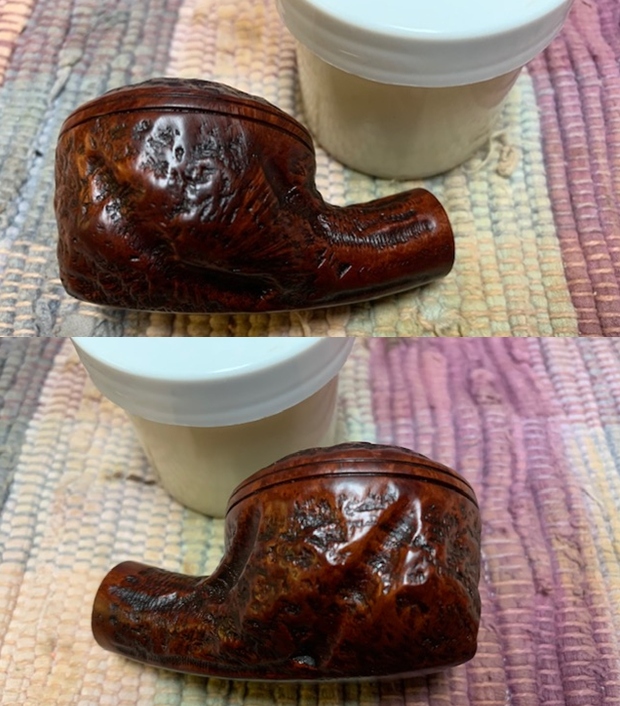
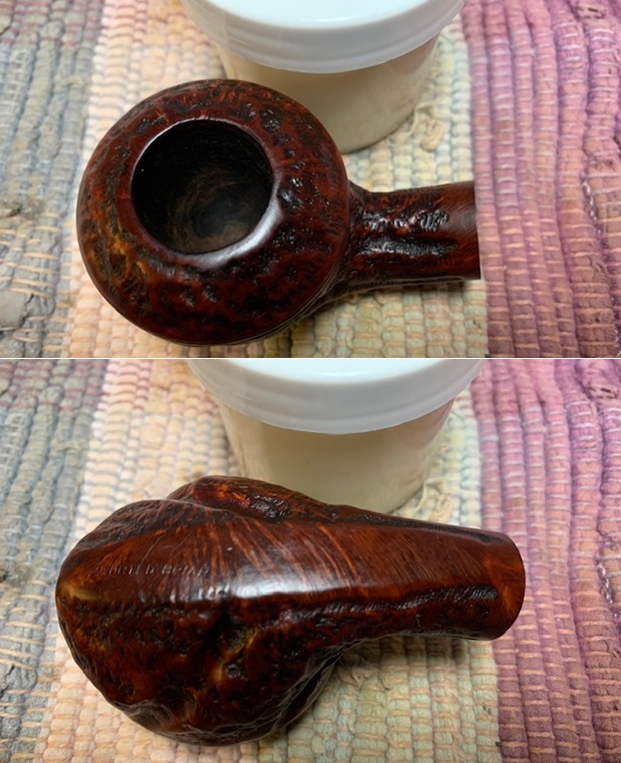
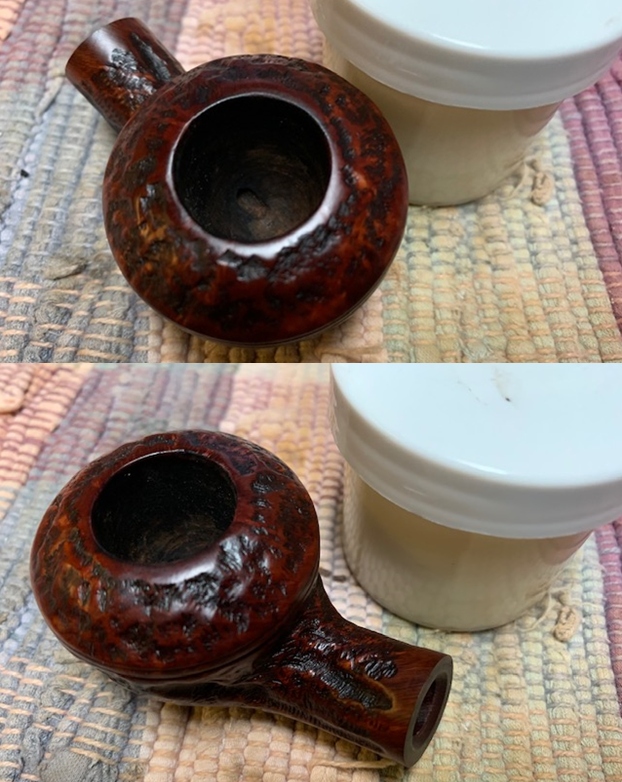
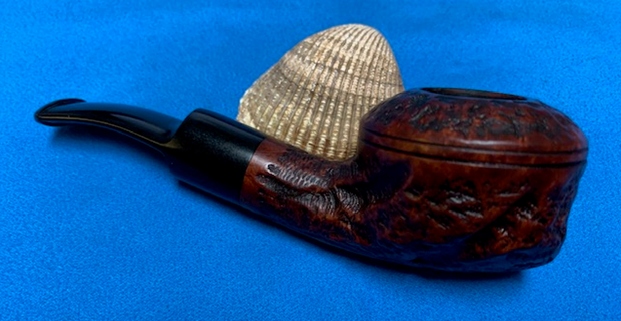
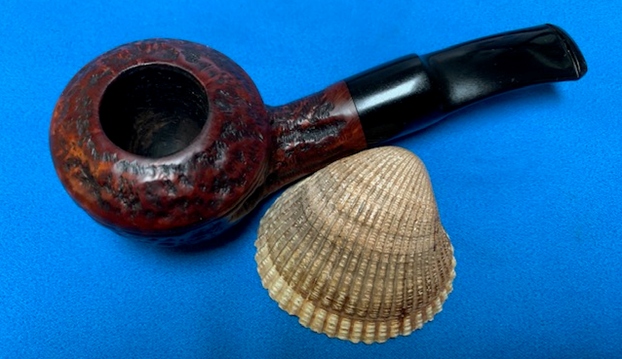
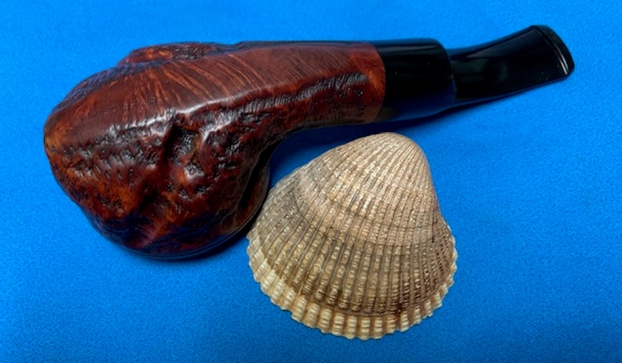
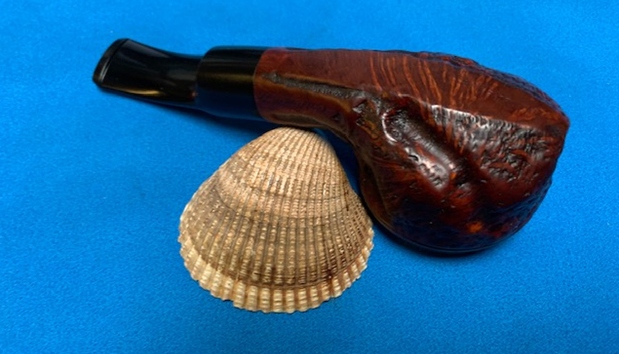
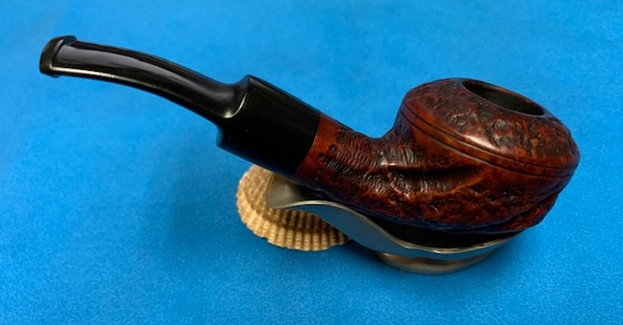
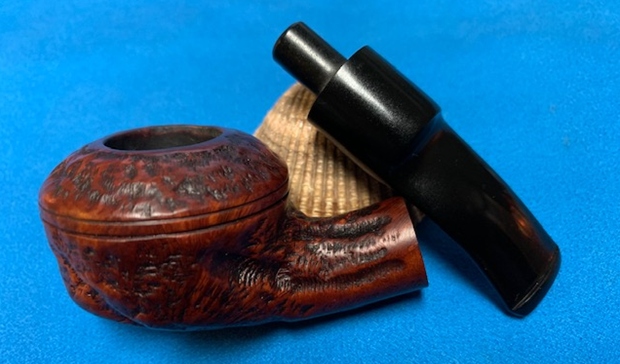
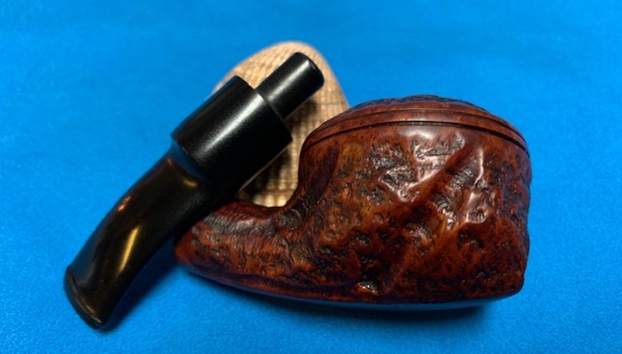
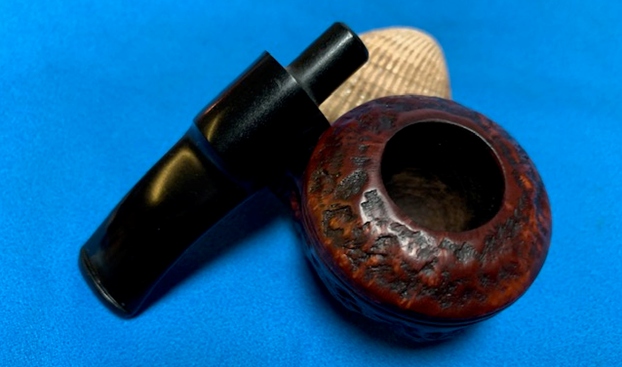
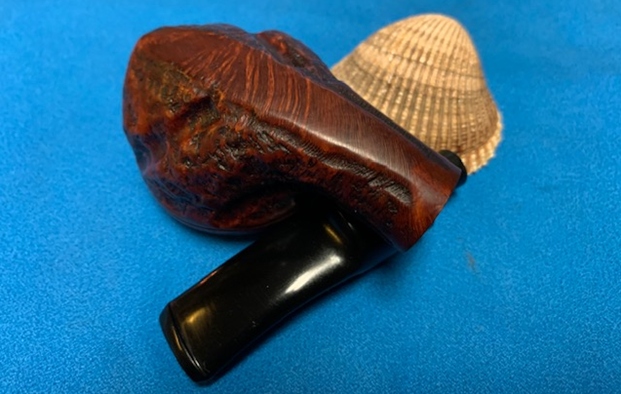
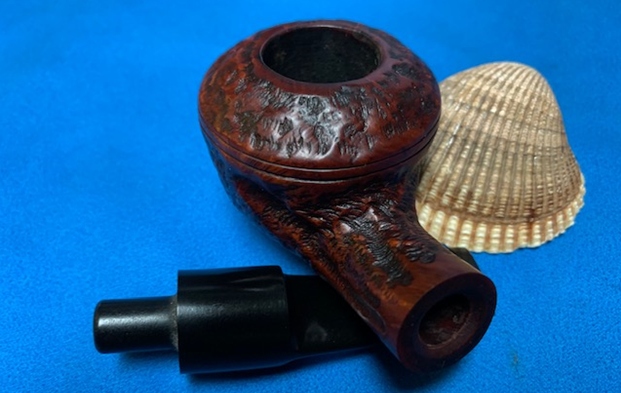
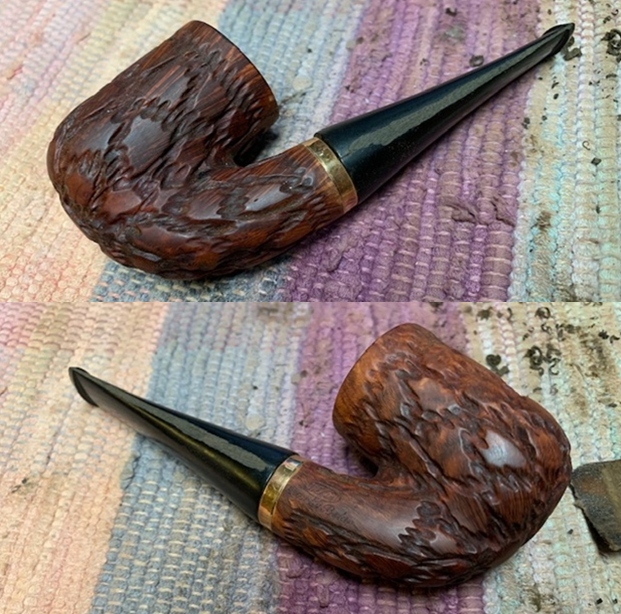
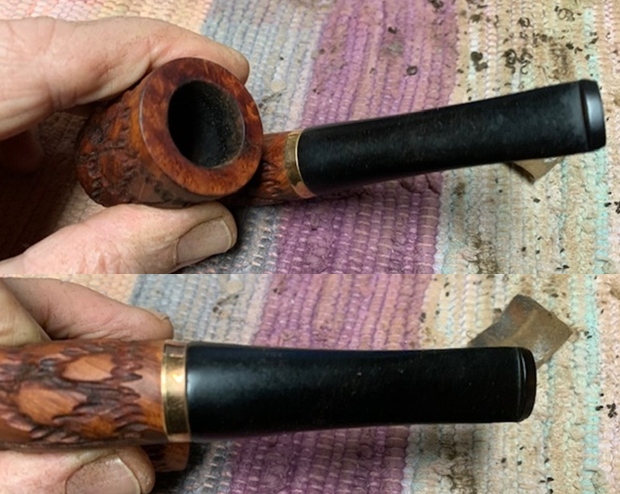
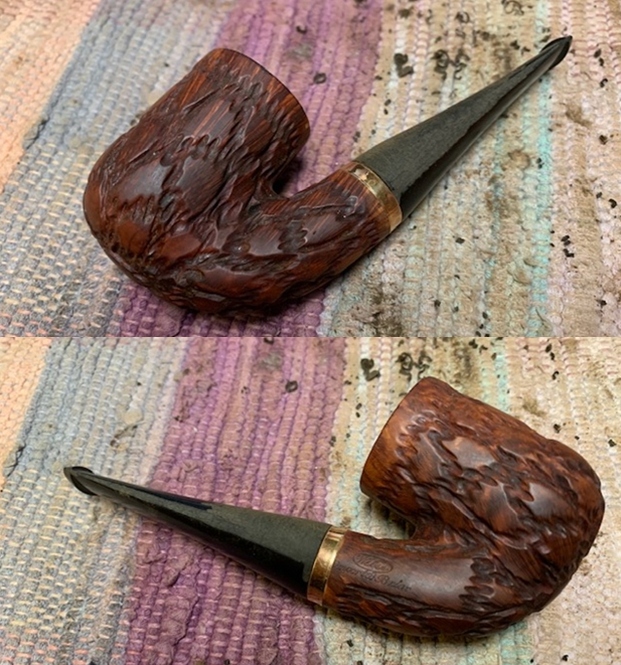
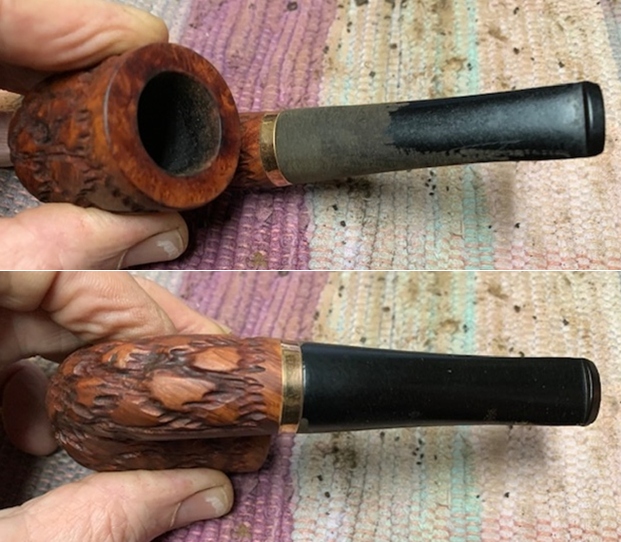
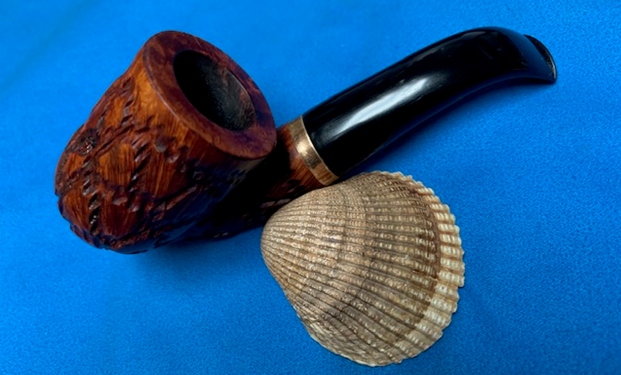
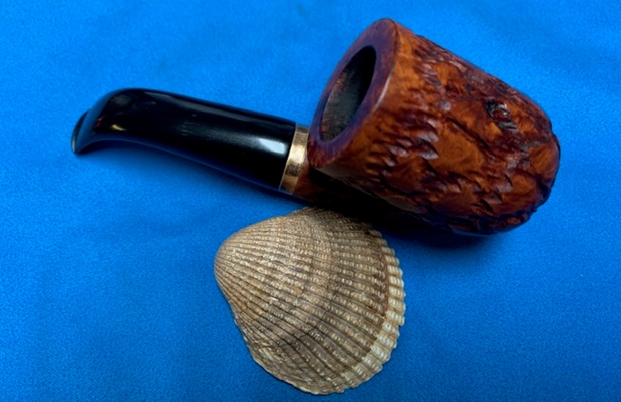
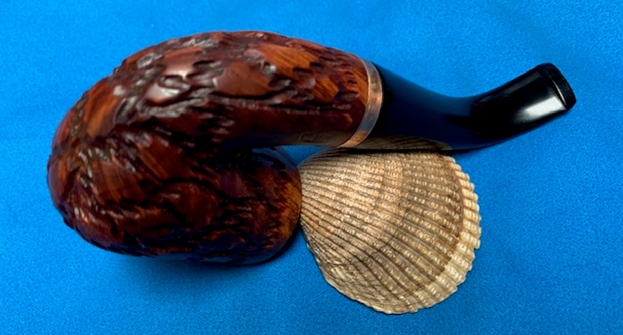
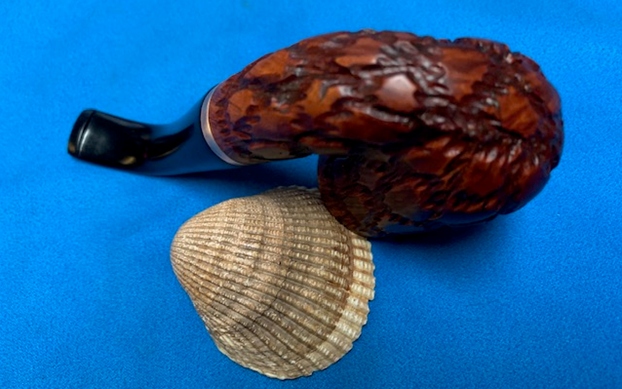
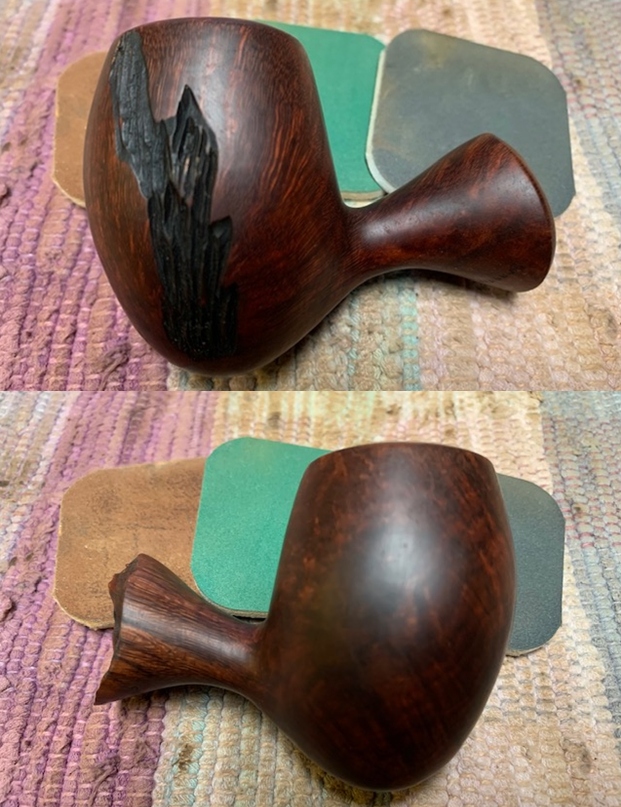
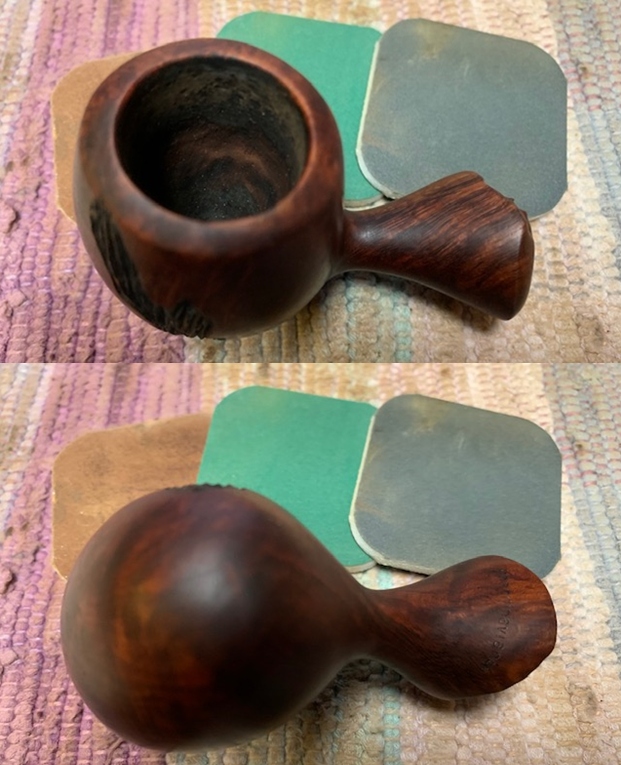
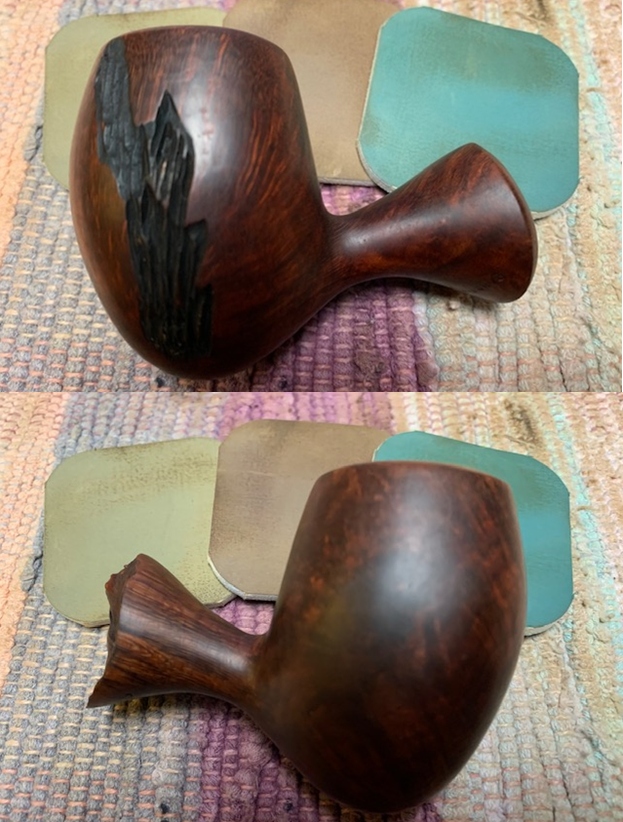
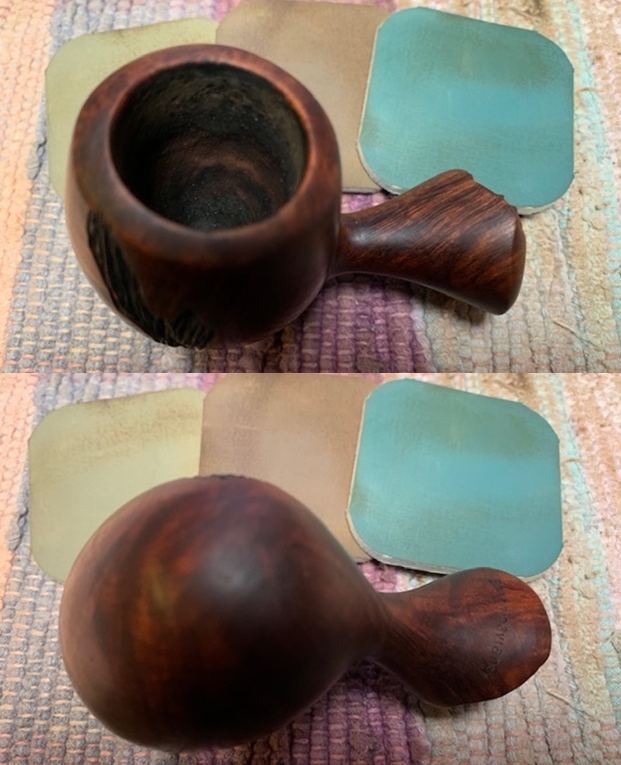
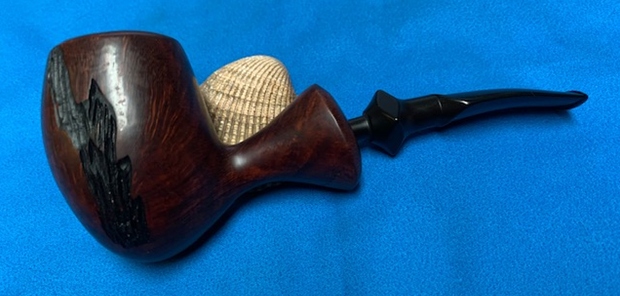
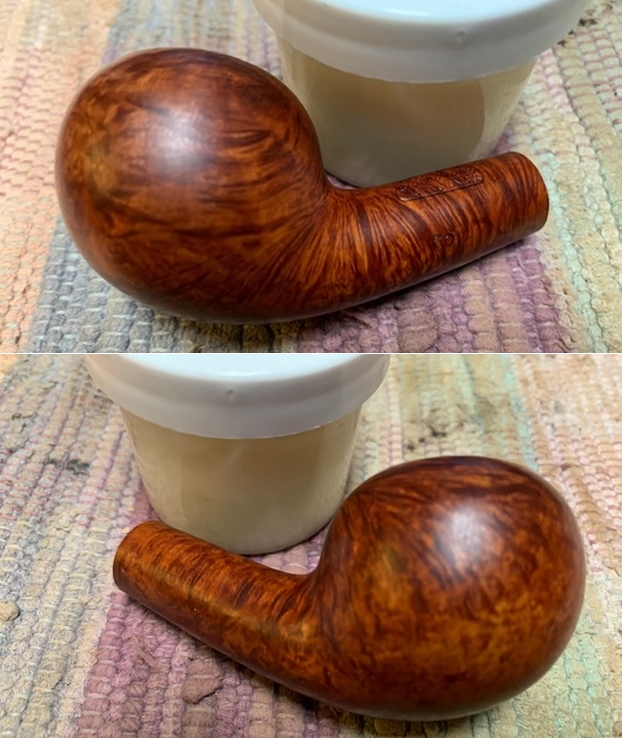
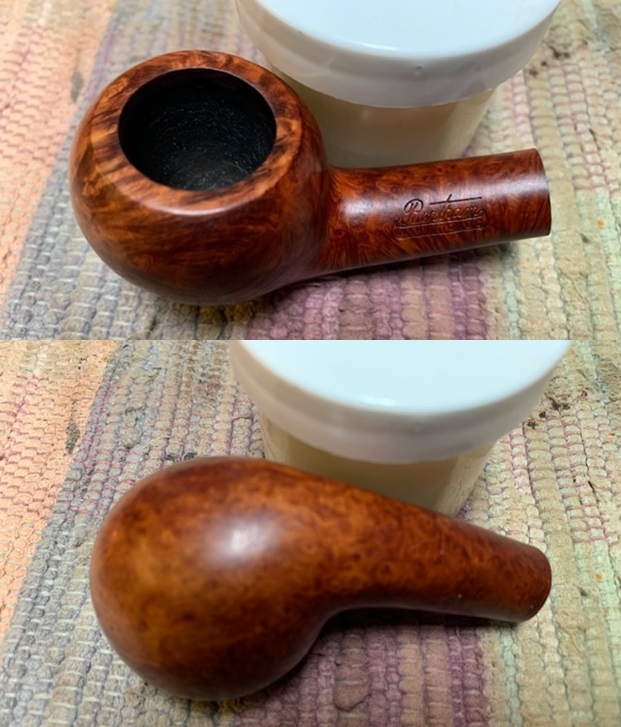
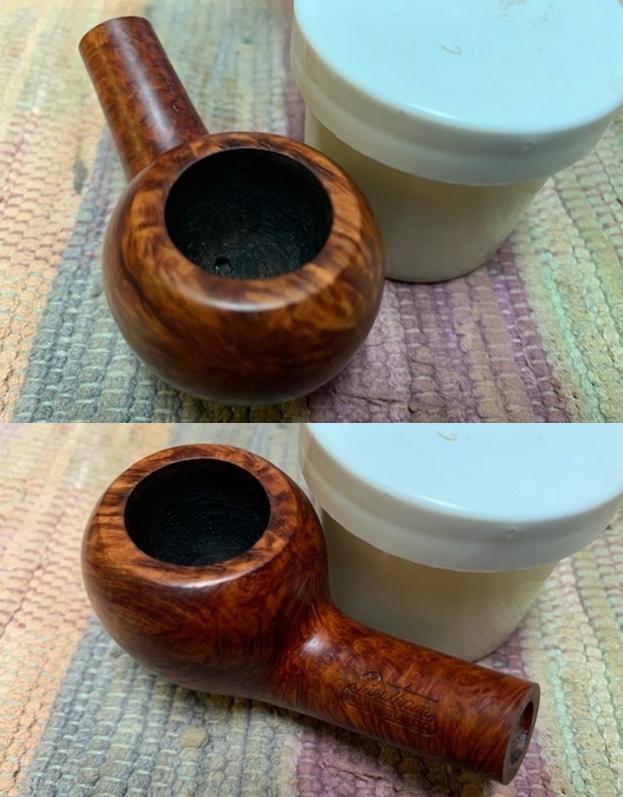
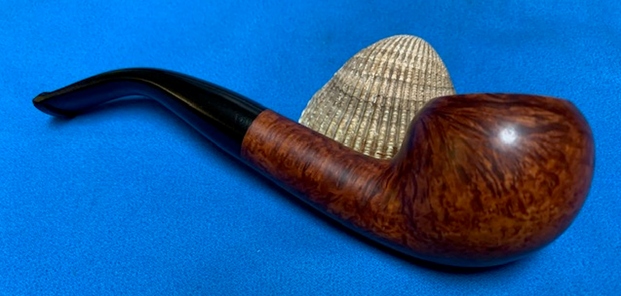
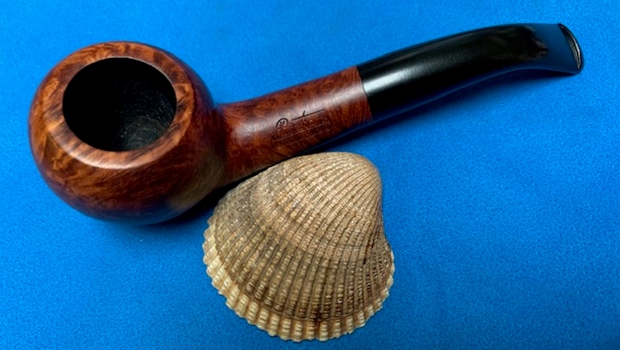
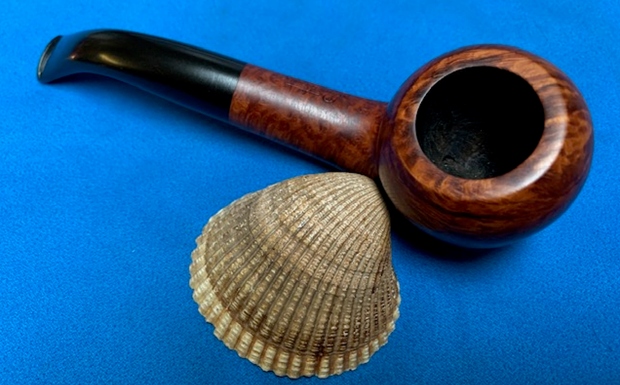
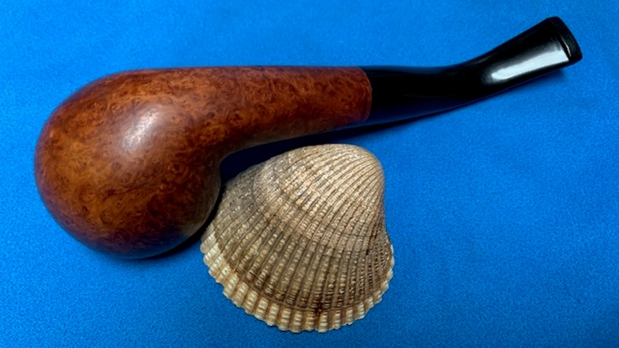
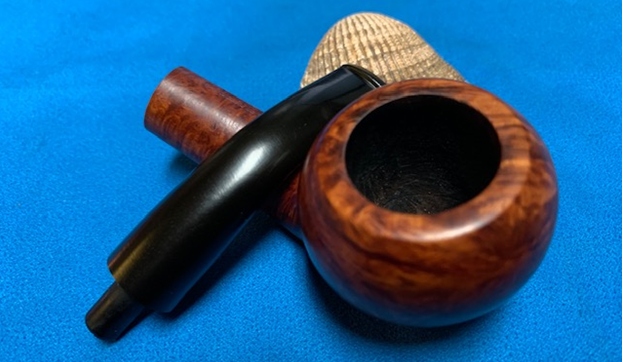
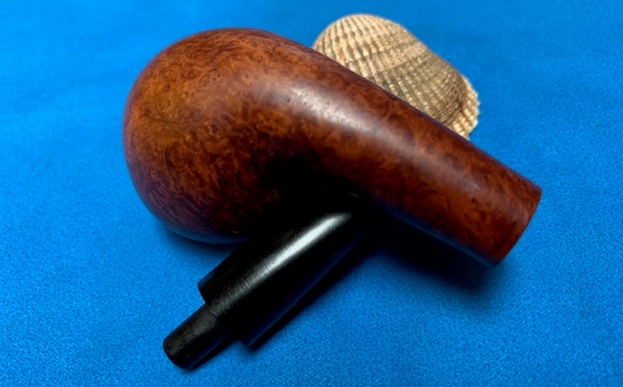
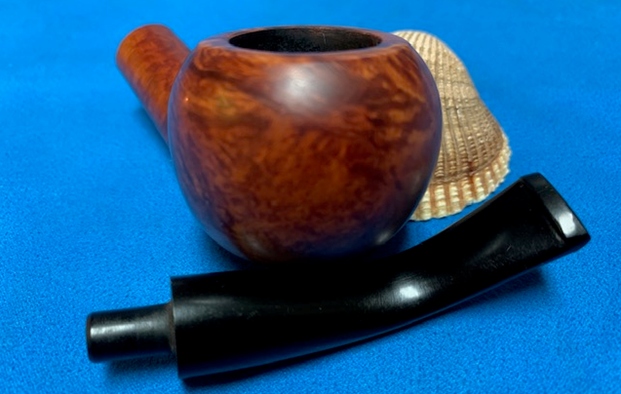
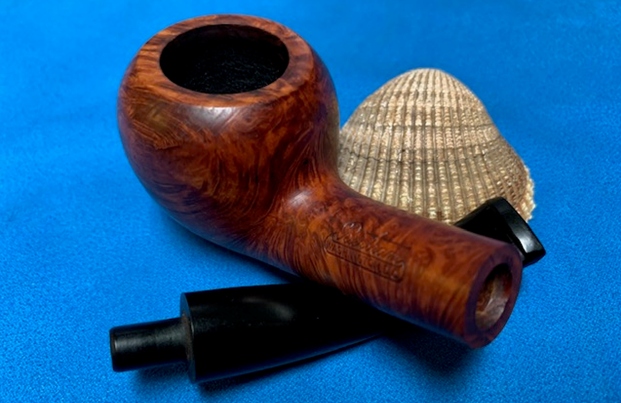
Restoring a Danish Pride by Ben Wade Mixed Finish Handmade Freehand Sitter


Blog by Steve Laug

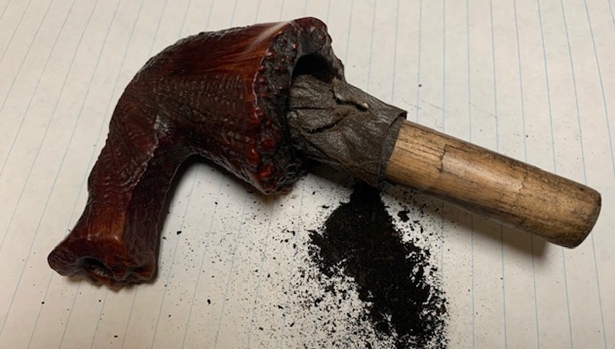
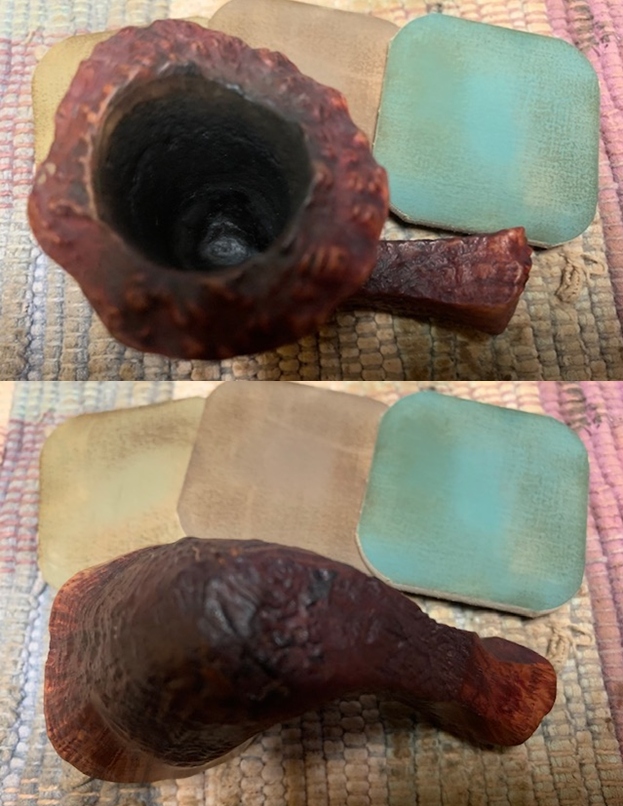
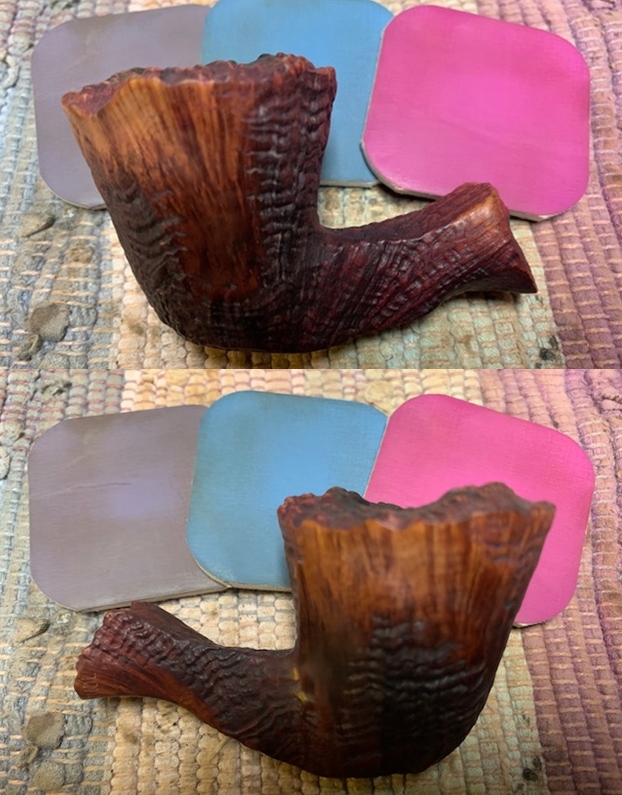
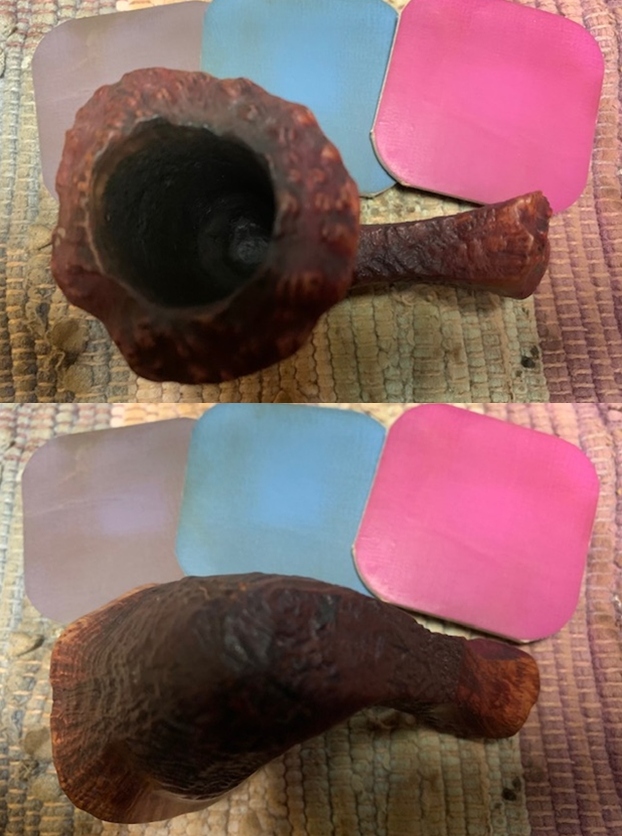
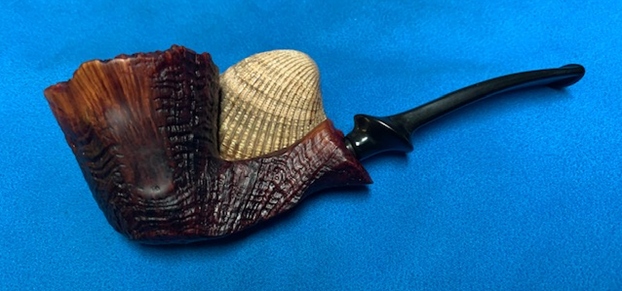
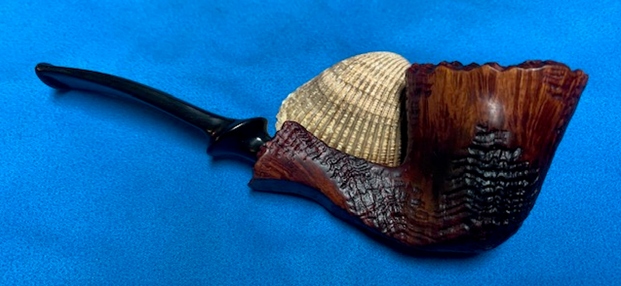
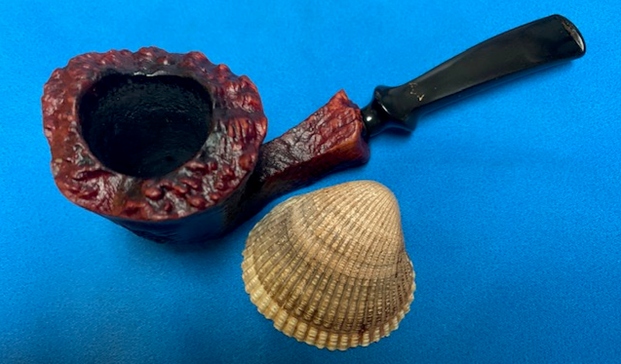
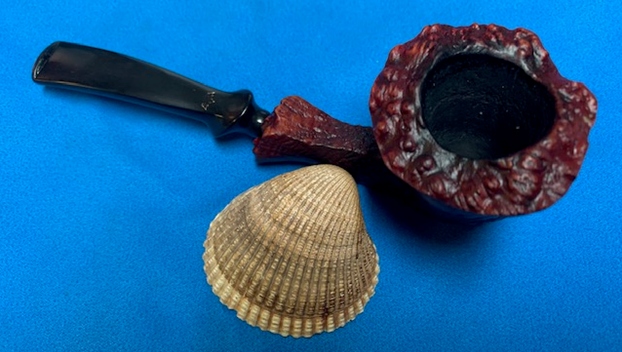
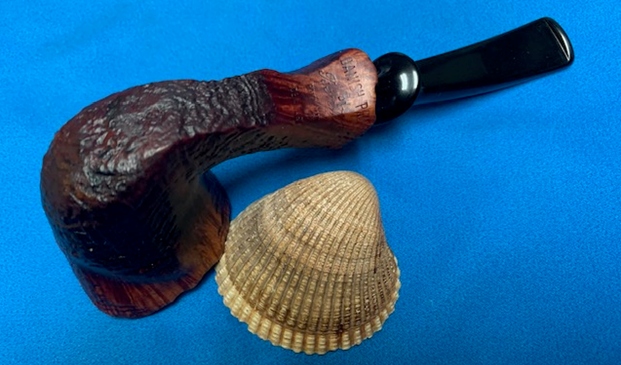
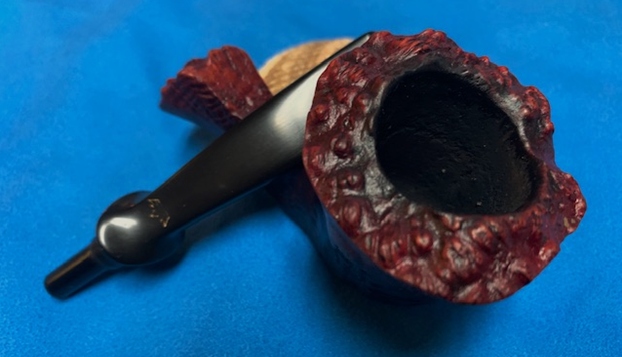
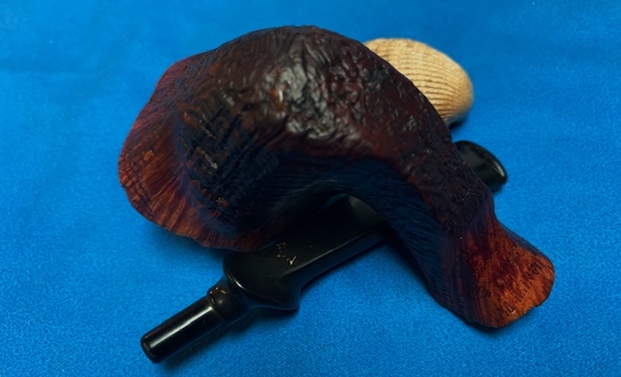
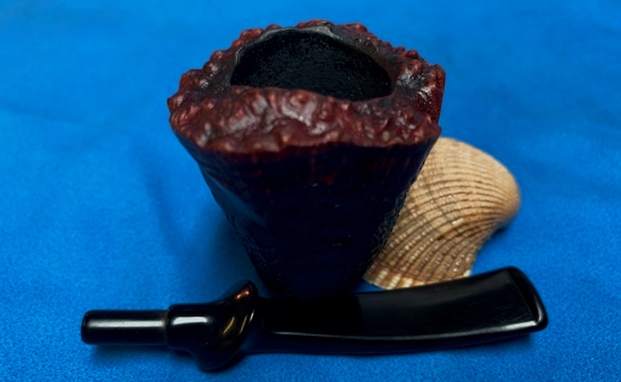
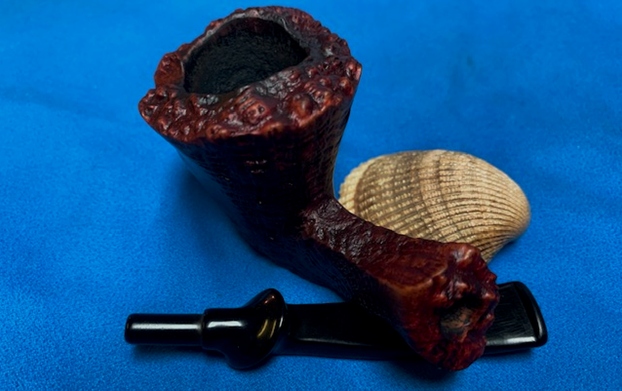
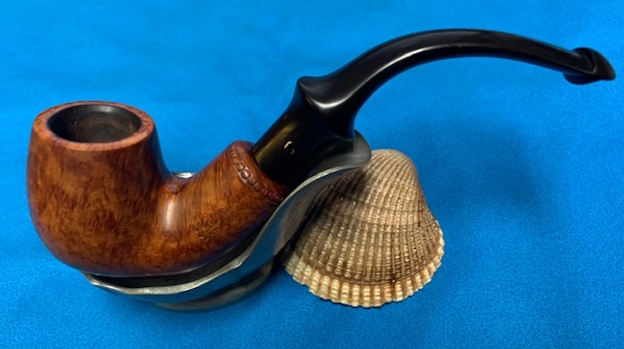
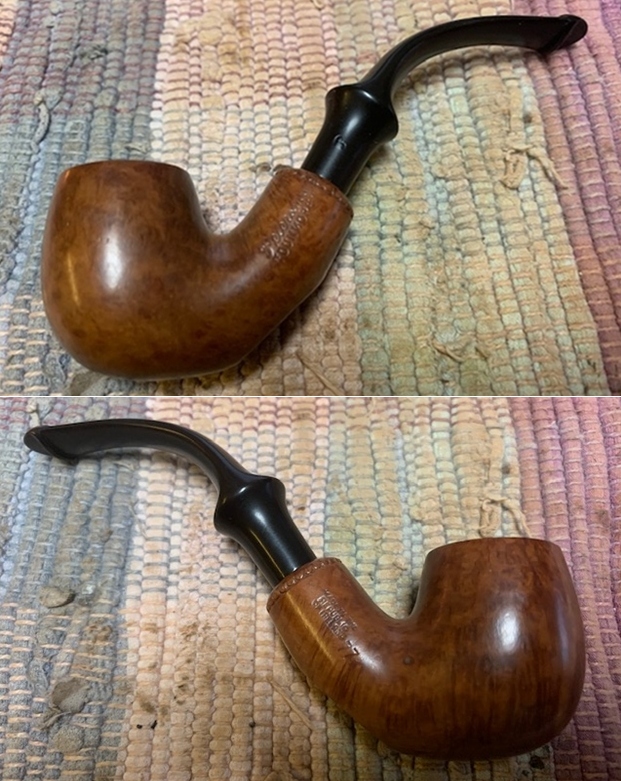
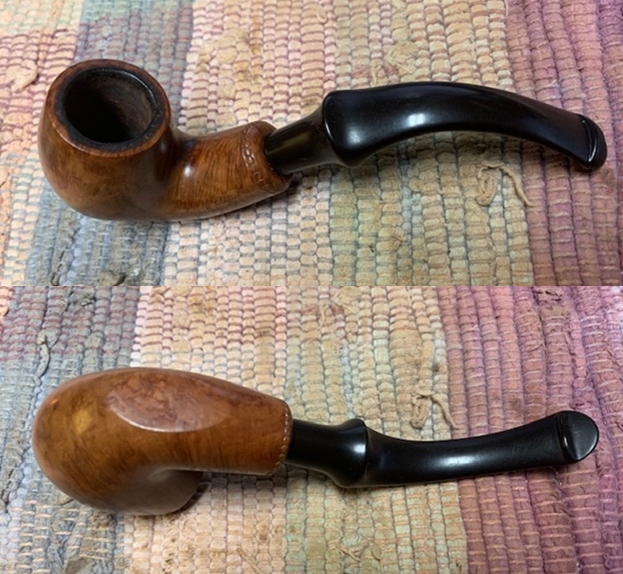
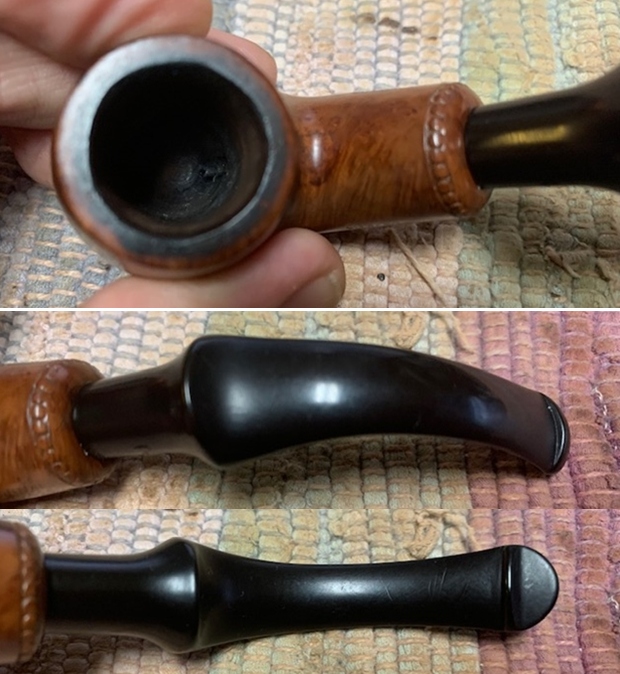
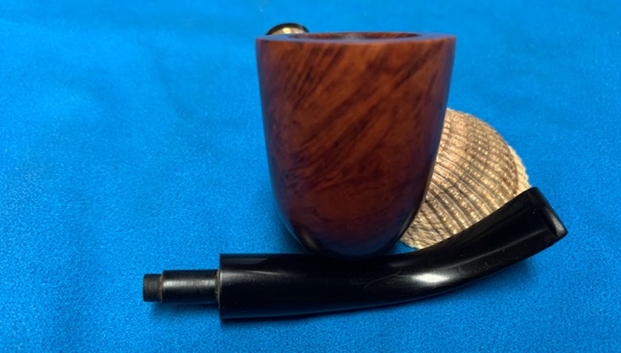
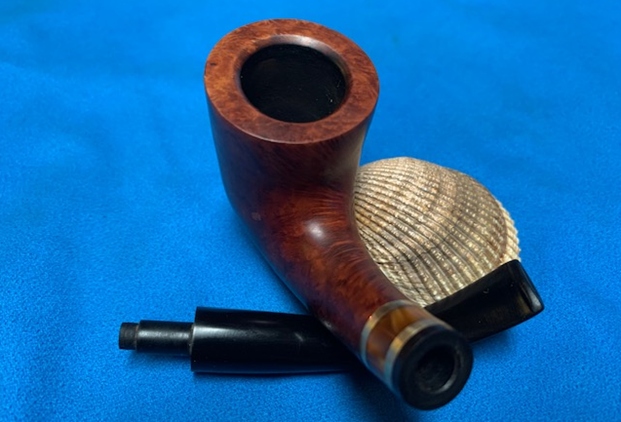
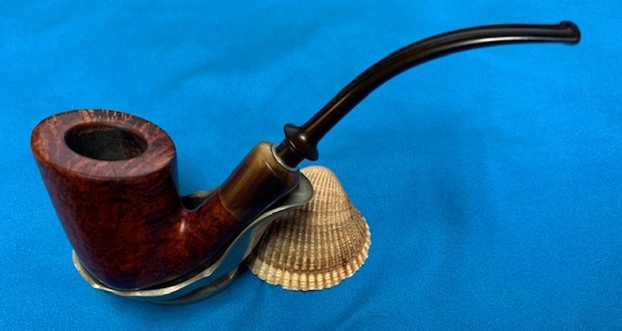
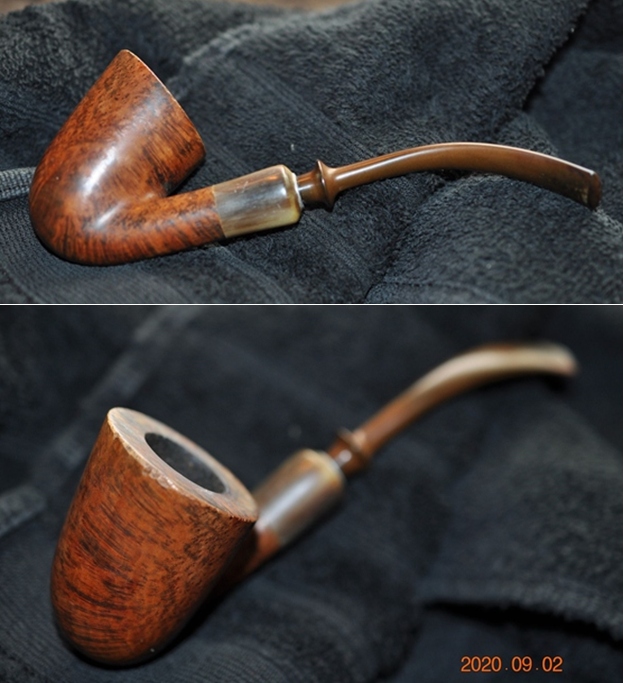
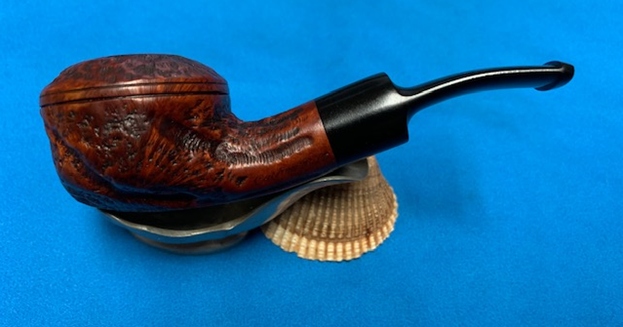
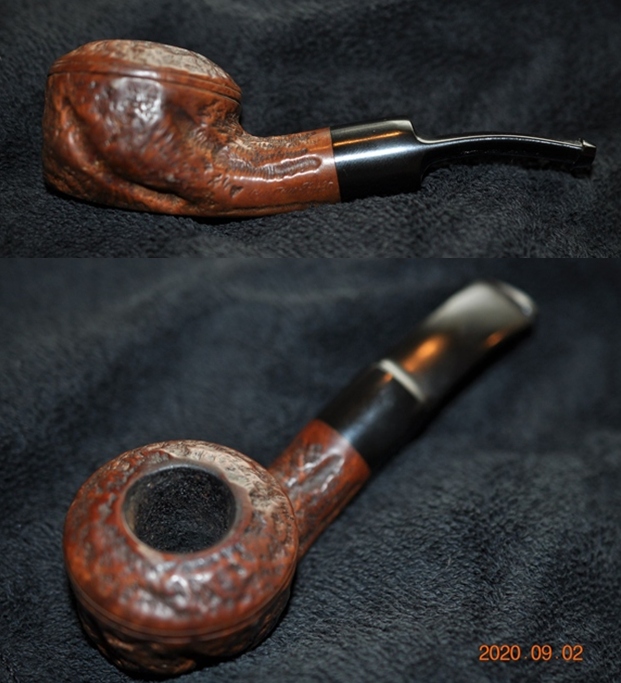
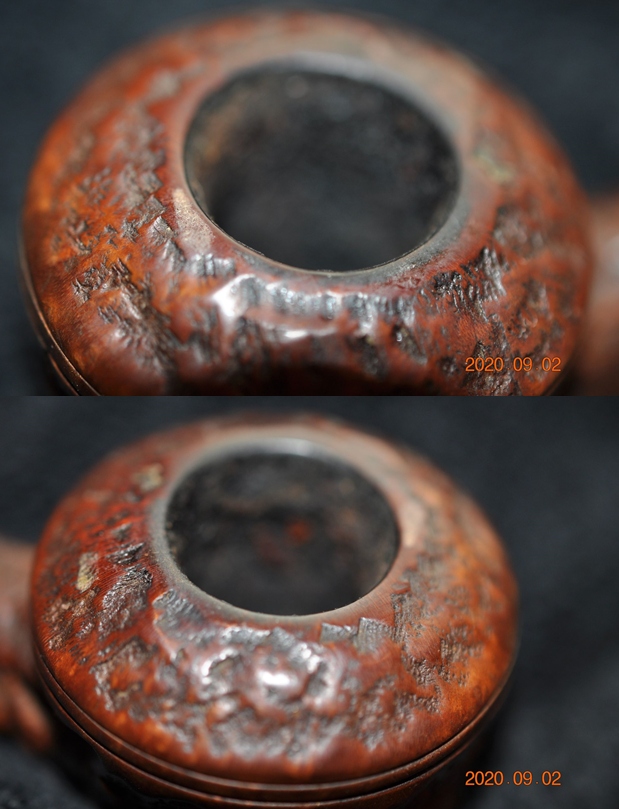
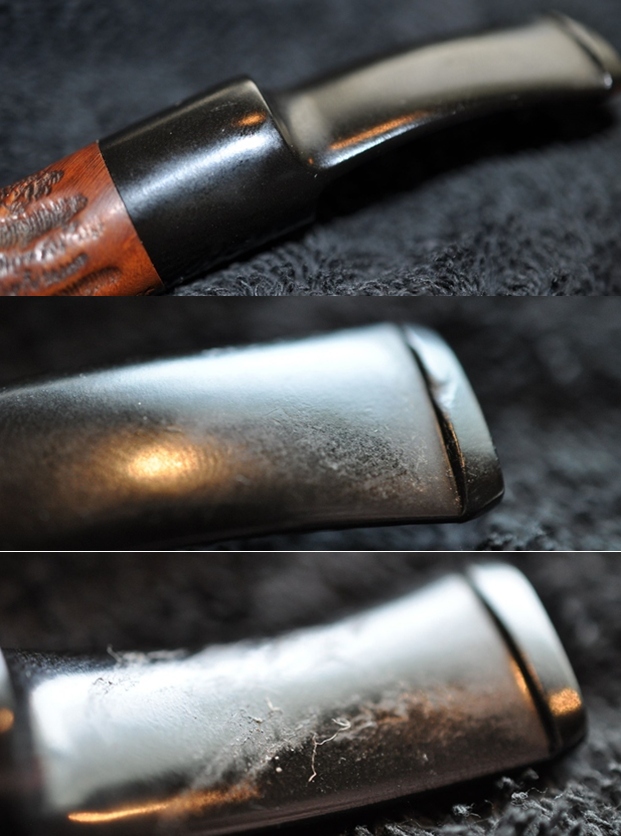
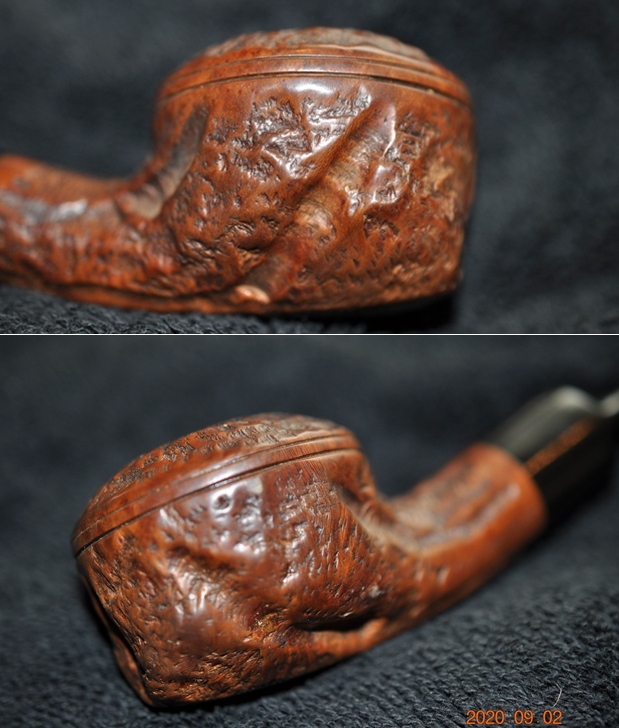
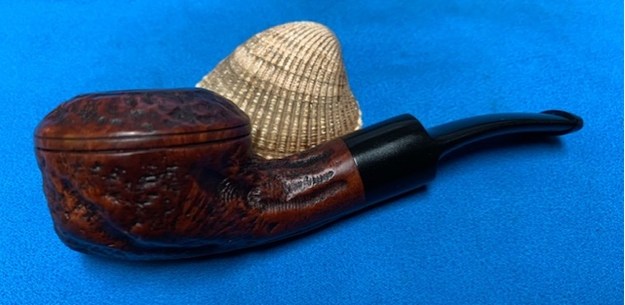
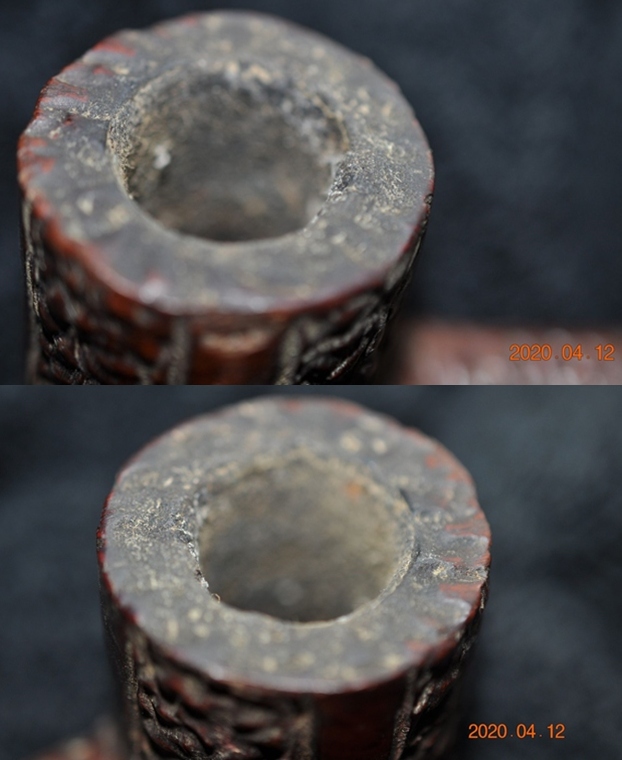
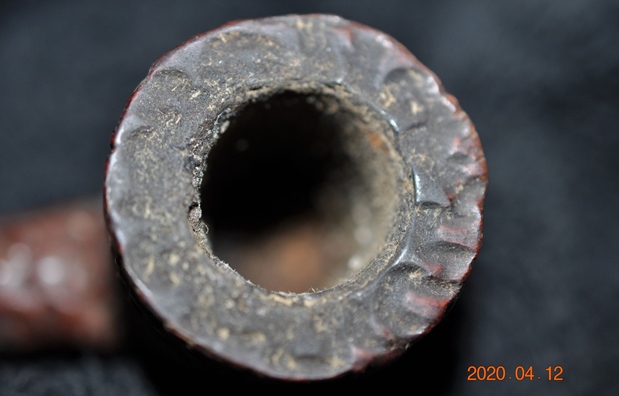
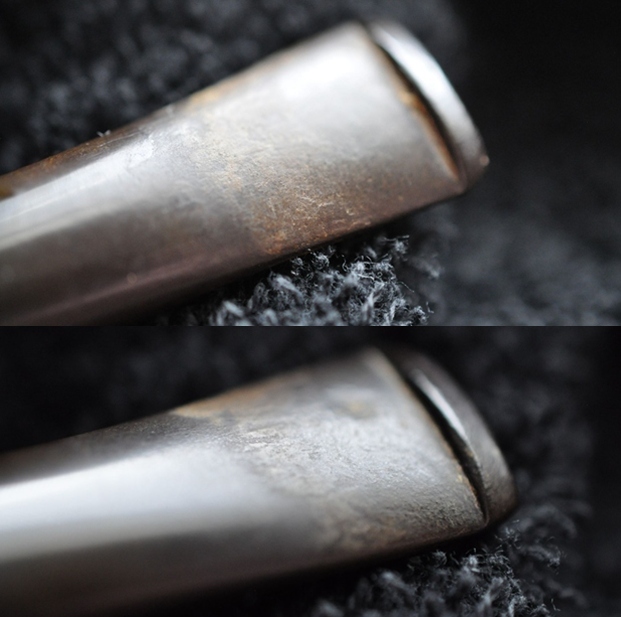
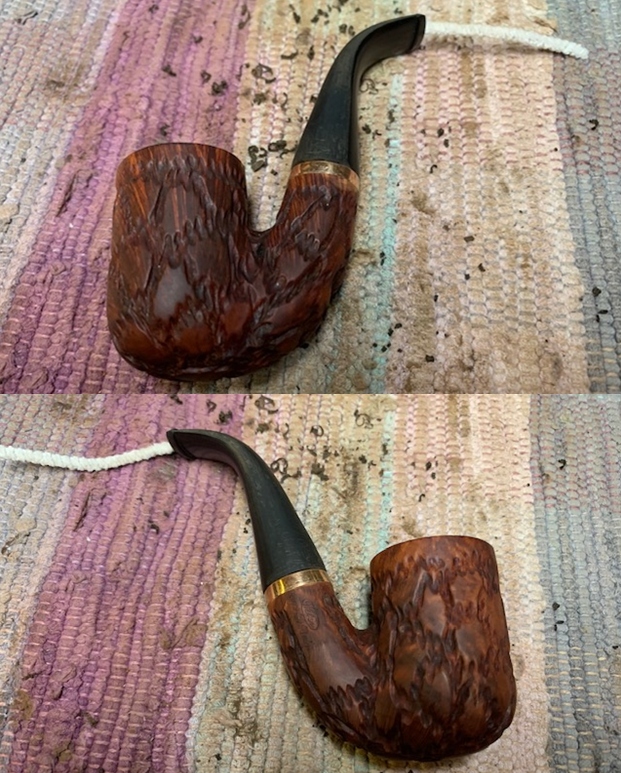
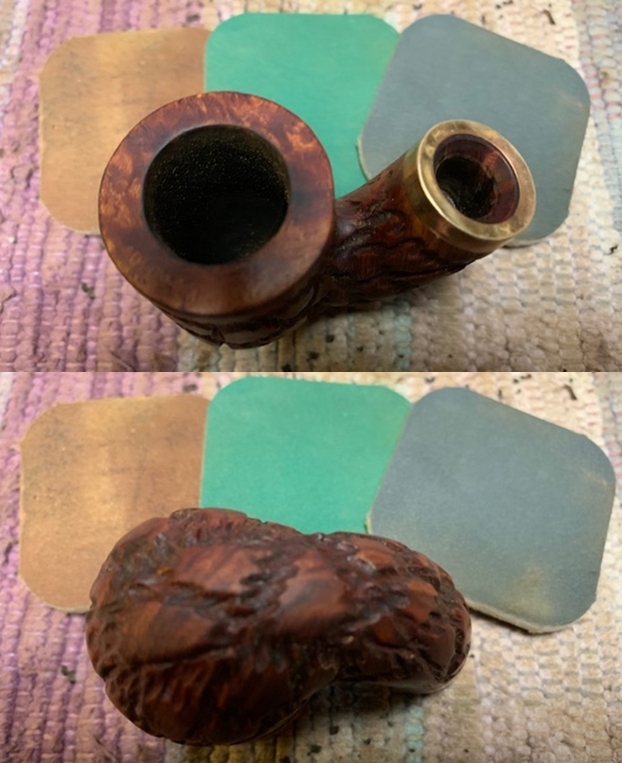
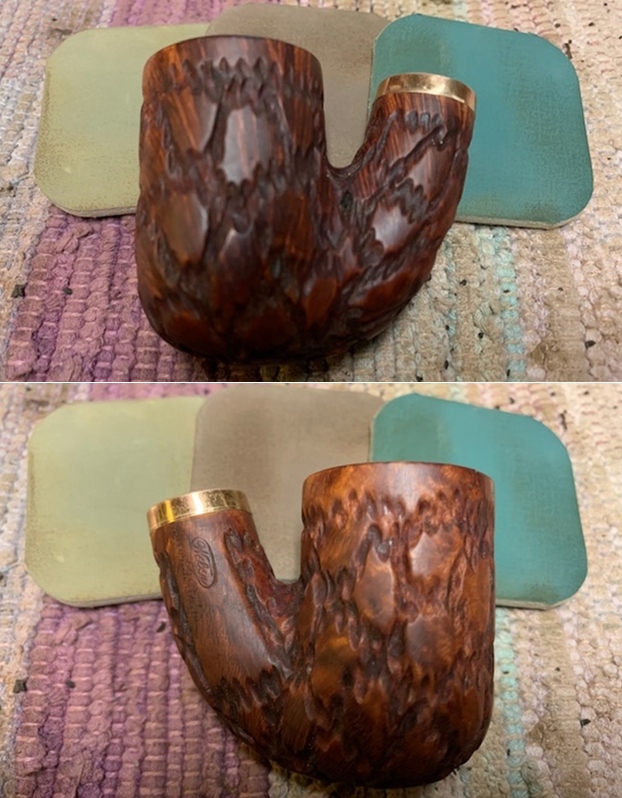
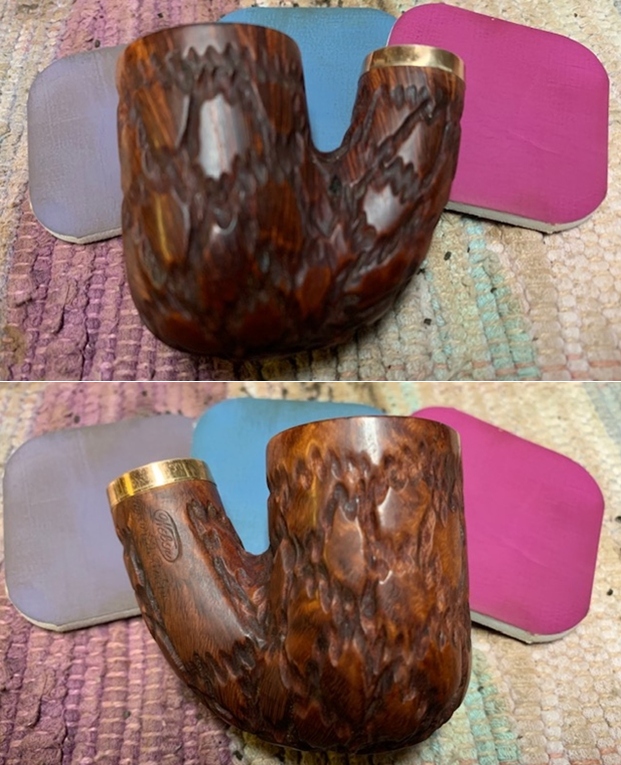
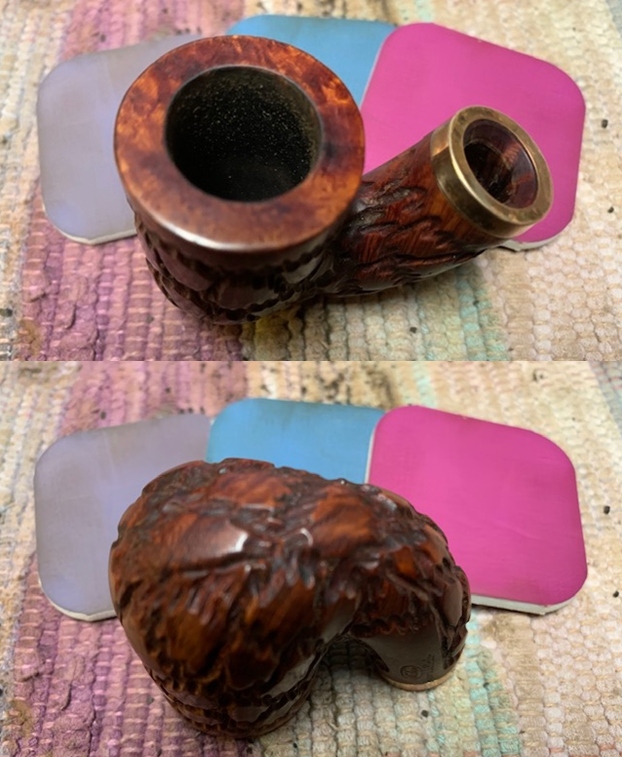
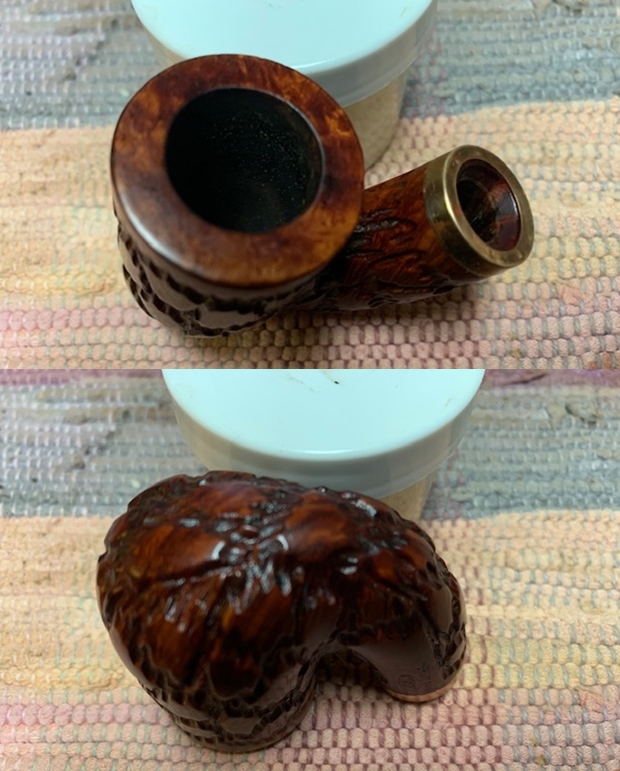
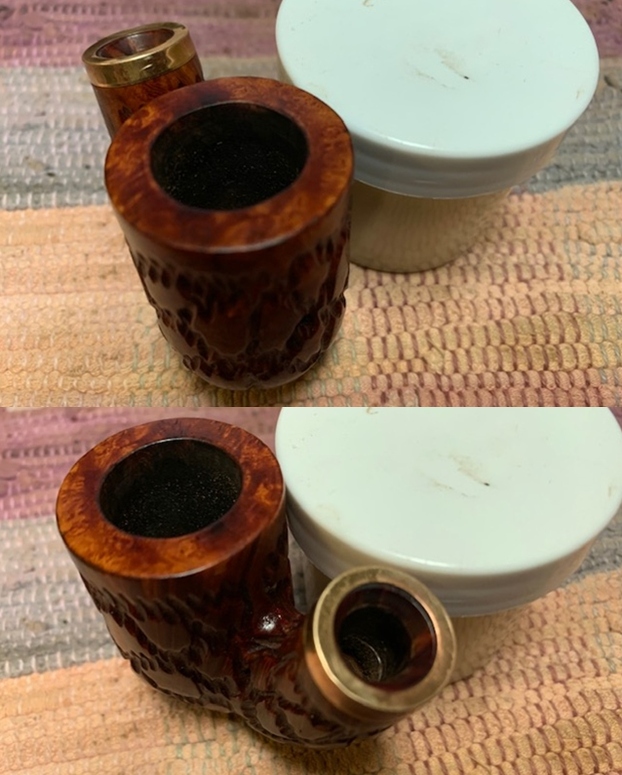
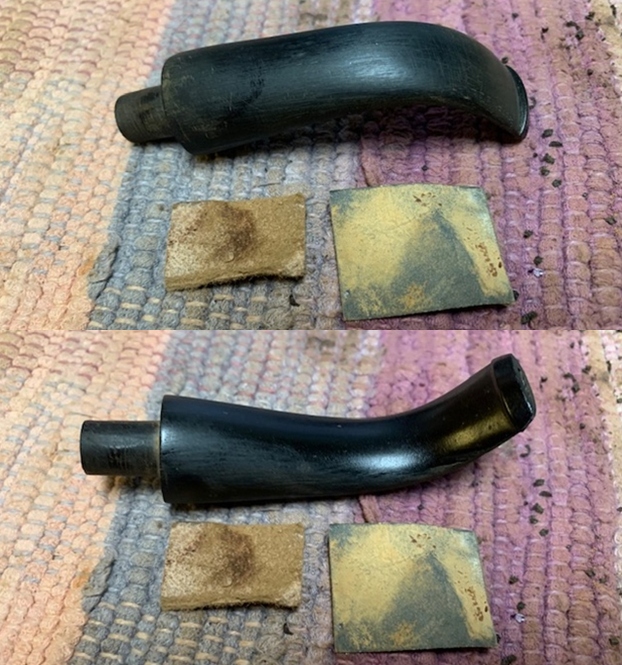
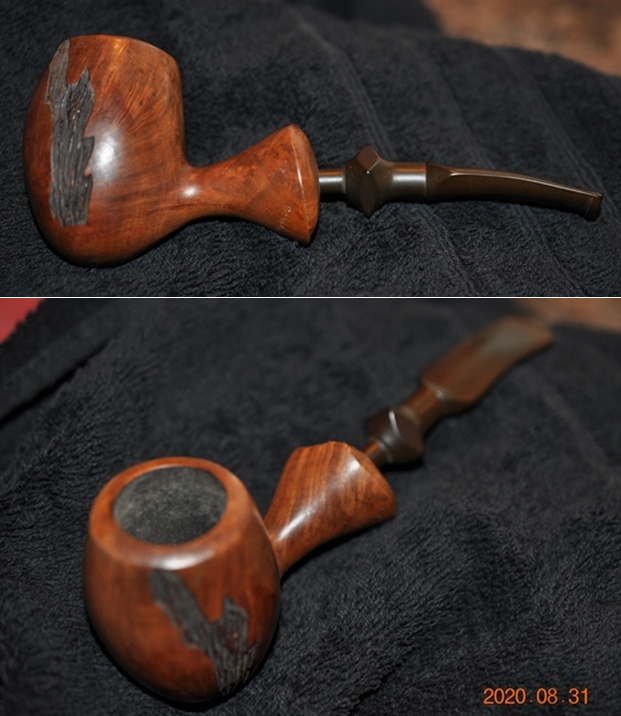
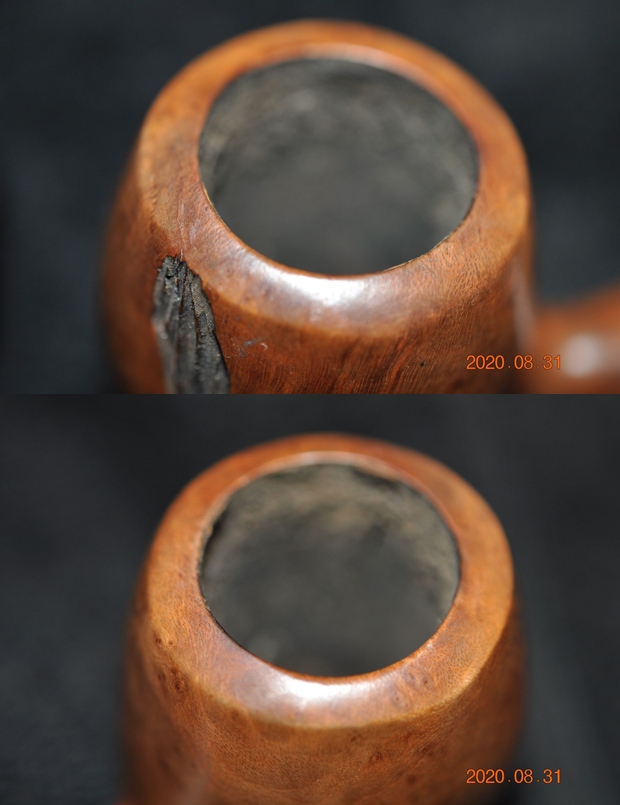
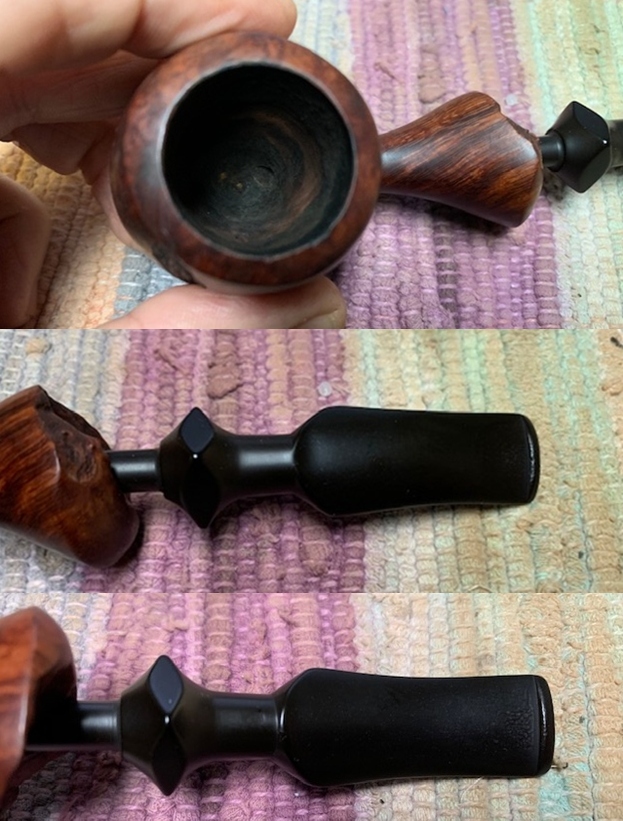
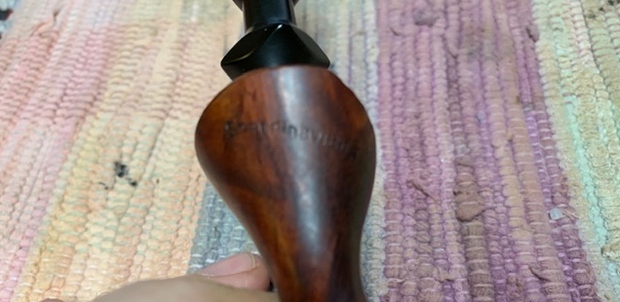
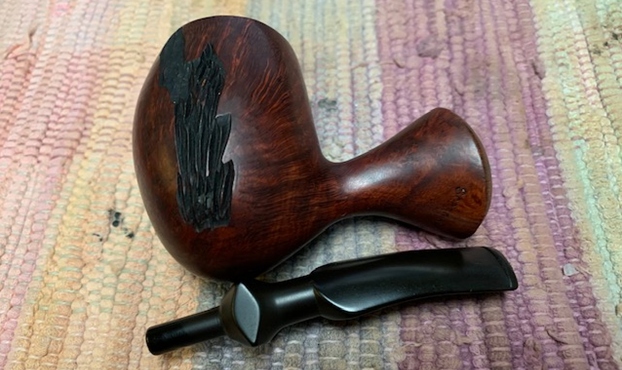
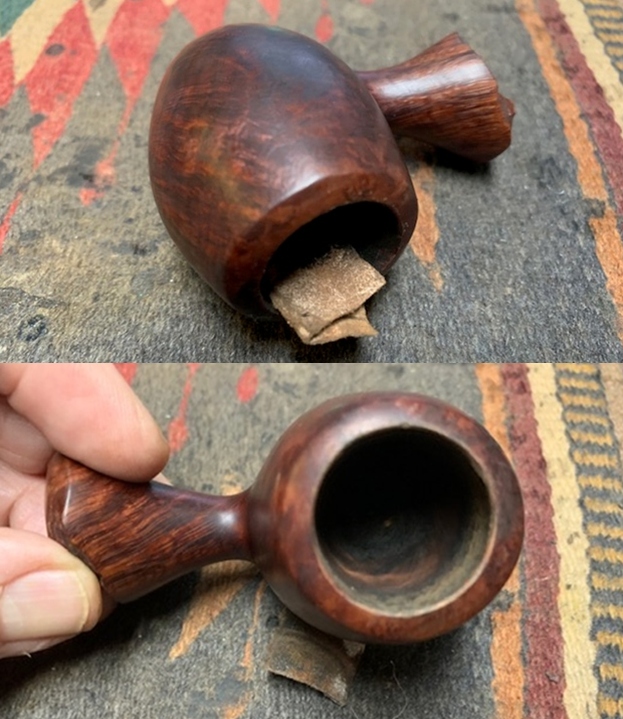
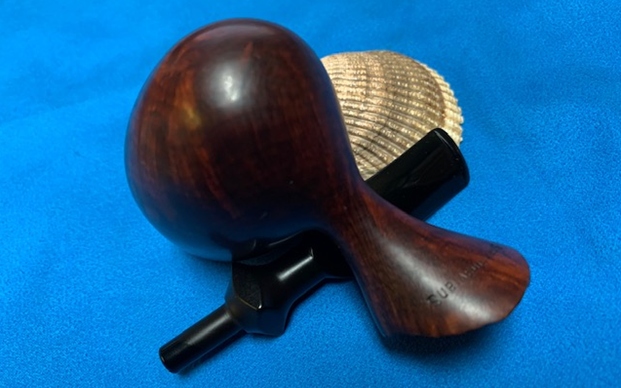
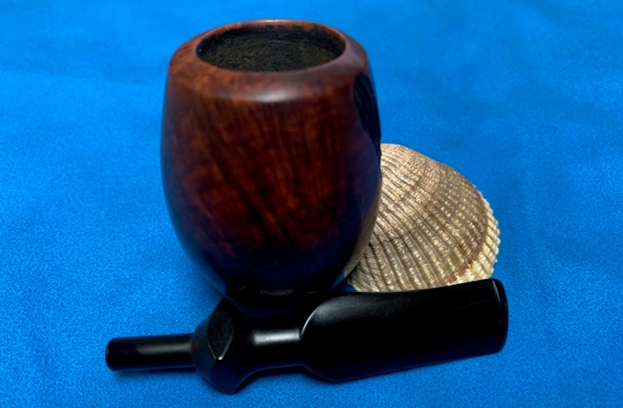
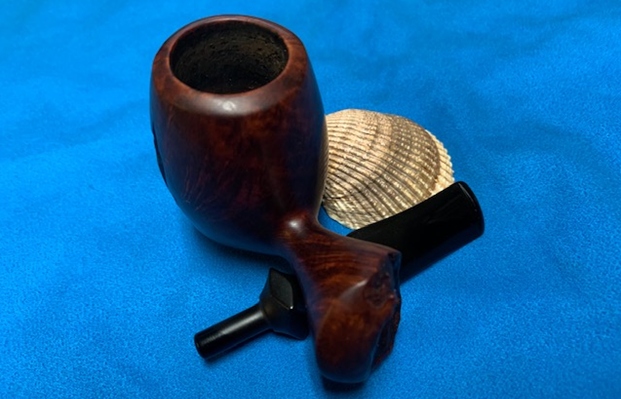
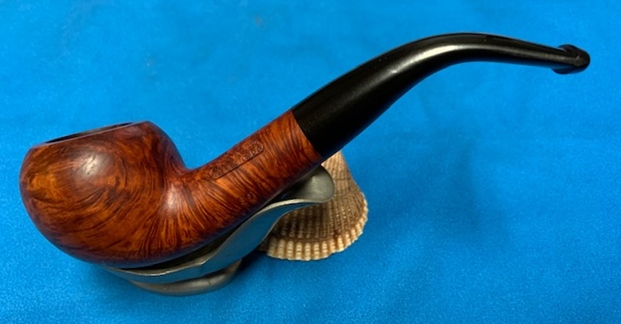
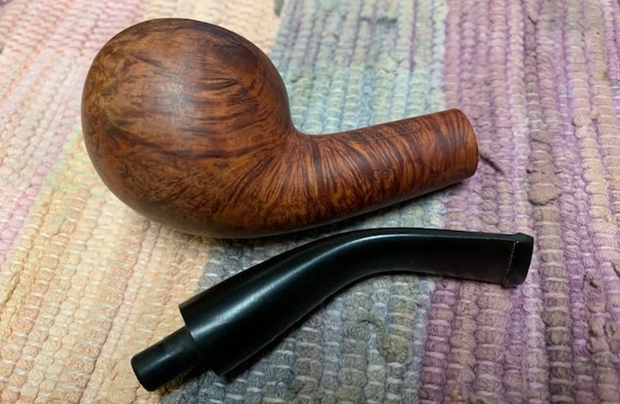
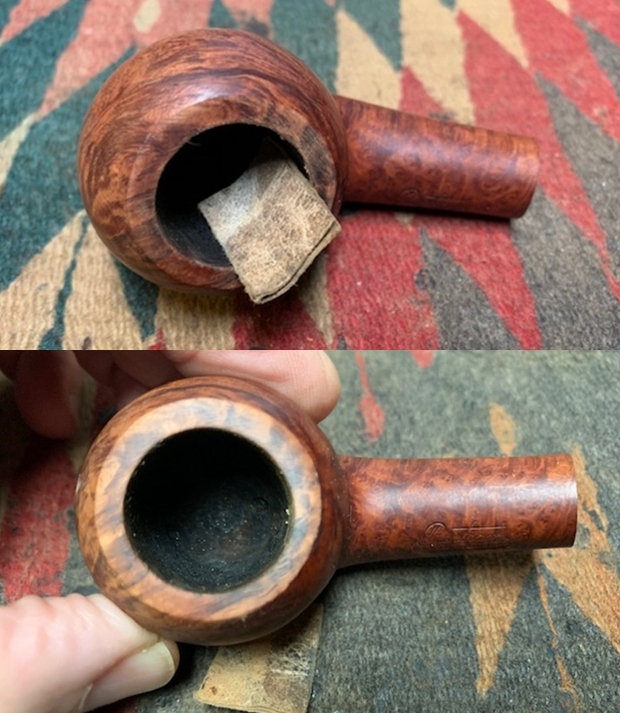
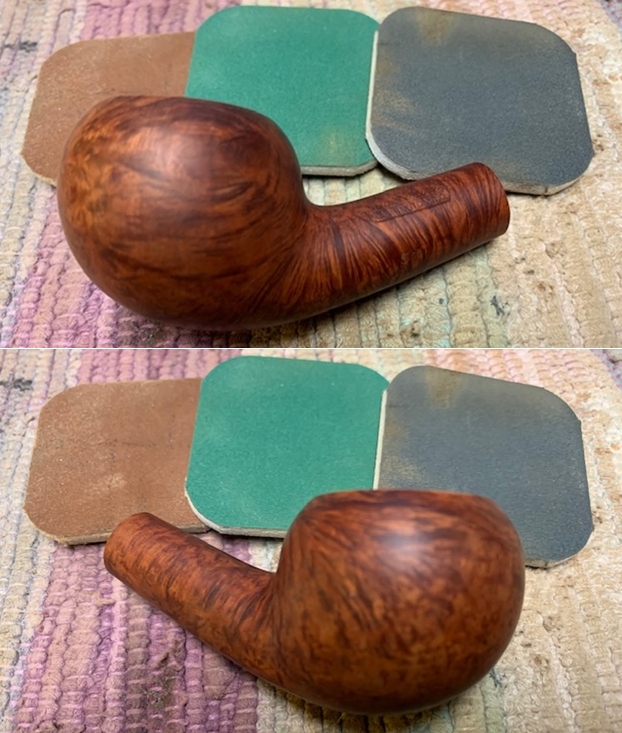
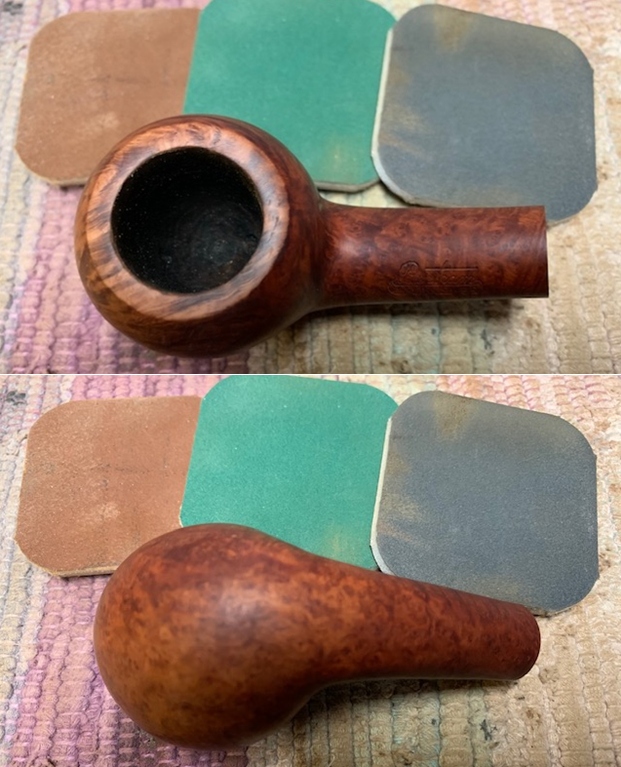
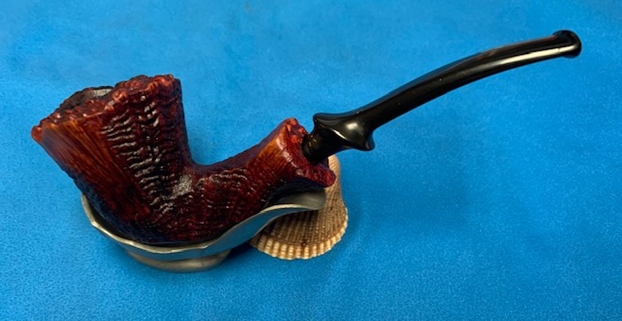
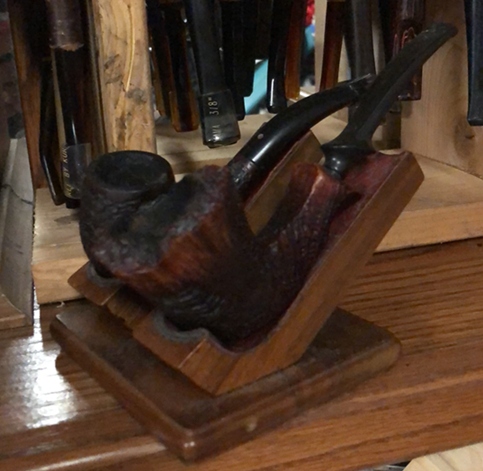
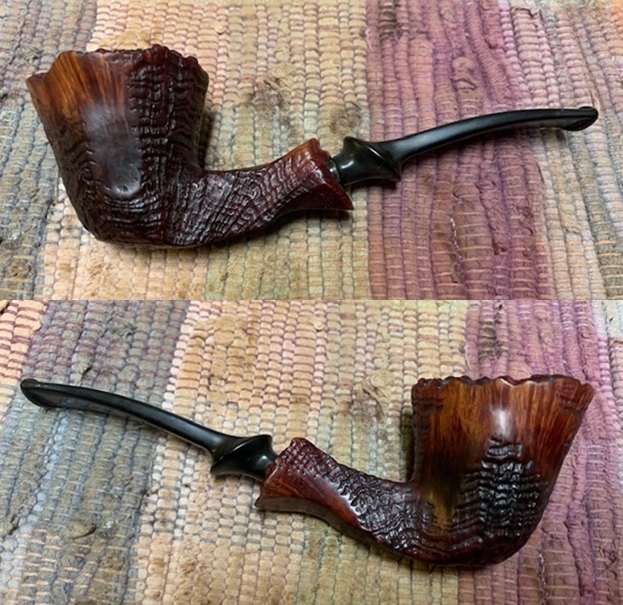
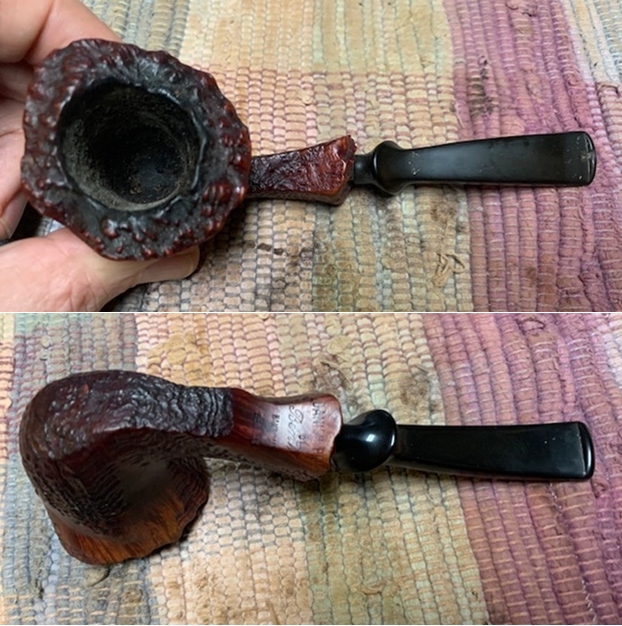
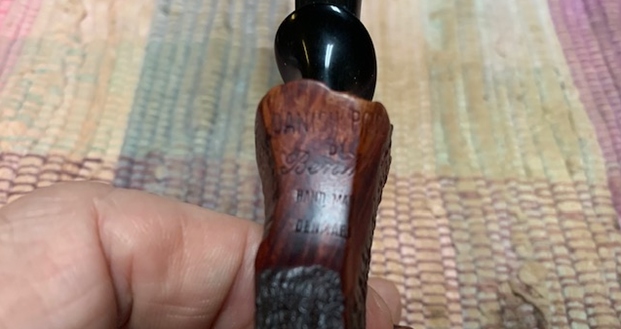
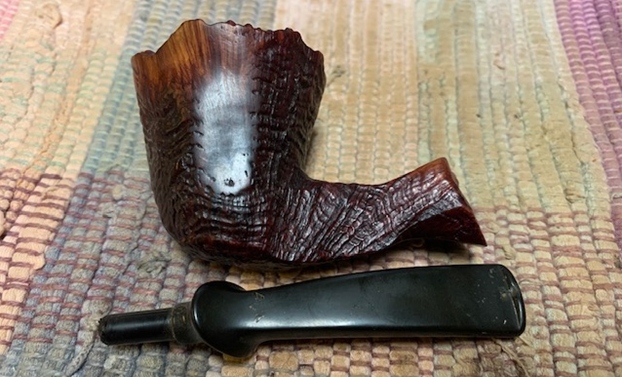
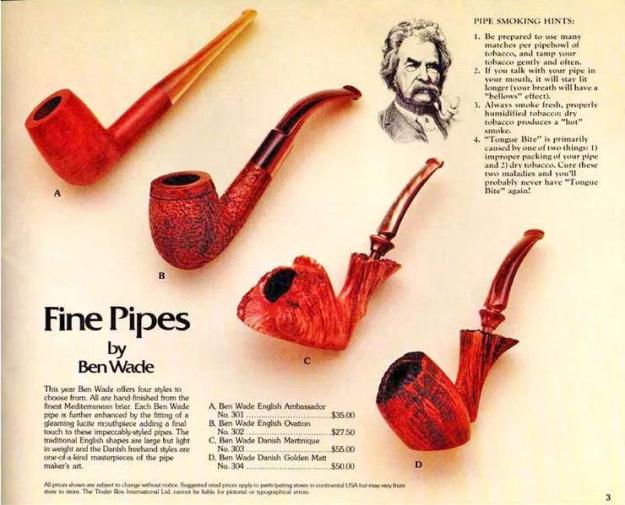
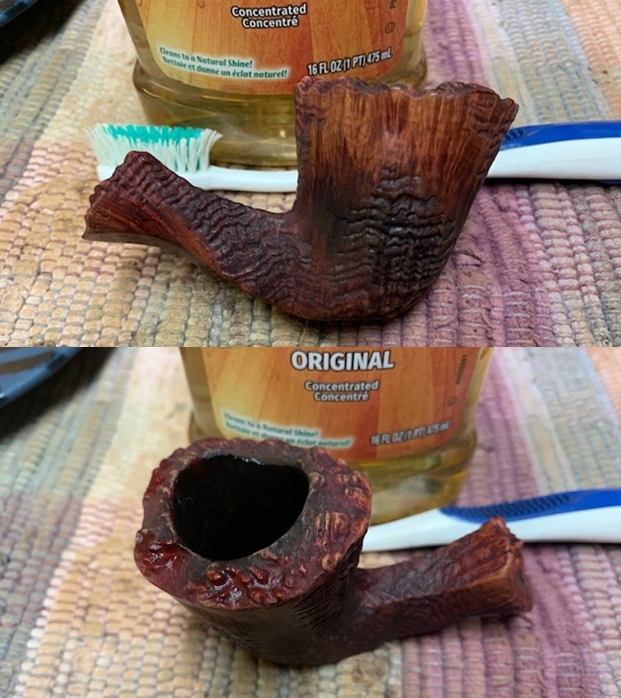
The next pipe on the table came to us from a recent trade I did with Dan here in Vancouver. He was interested in one of the pipes that I had just restored and we made an arrangement that included the Ben Wade pipe. He sent me the photo to the left and the ones following for me to have a look before he brought it by for the trade.  I was definitely interested and let him know that the deal was on.Dan and I met yesterday morning and did the trade. It really was a beauty. The finish was dusty and dirty but it showed promise underneath. On the underside of the shank it was clearly stamped Danish Pride [over] Martinique [over] by Ben Wade [over] Hand Made [over] Denmark. There dust in the sandblast finish around the bowl sides. The bowl had a thick cake that overflowed in lava on the plateau rim top filling in the grooves and valleys of the finish. The inner edge of the bowl was also caked with lava. The shank end also had a plateau finish that was actually quite clean. The fancy vulcanite stem was lightly oxidized and had some tooth marks and chatter on both sides ahead of the button. I took some photos of the pipe before I started working on it. I took photos of the rim top and bowl to give a clear picture of the thickness of the cake and the lava on the plateau finish of the rim top. There is dust and debris stuck to the walls of the bowl clearly visible in the photos. I also took photos of the stem to show the light oxidation on the surface and the chatter and tooth marks on the top and underside. I took a photo of the stamping on the shank. It reads as noted above and is clear and readable.I removed the stem and took a photo of the pipe to give a sense of the whole. The stem is turned fancy vulcanite saddle. I remembered a bit of history on the brand that thought that the Preben Holm pipes were marketed under the Ben Wade label in the US and imported through Lane Ltd. I turned to Pipedia and read the listing on the brand to refresh my memory and flesh out the knowledge of the brand (https://pipedia.org/wiki/Ben_Wade). I have included a photo from that site that was taken from a Tinderbox advertisement.I quote the portion of the article that summarizes the Danish period of the history of the brand:
Young Copenhagen master pipemaker Preben Holm had made a meteoric career heading a pipe manufacture employing 45 people at the age of 22! But around the turn of 1970/71 he was in major financial difficulties. His US distributor, Snug Harbour Ltd. in New York City, left him in the lurch. Holm had three unpaid invoices on his desk and another large shipment was ready for the USA, when Snug Harbour’s manager told him on the phone that there was no money at all on the account to pay him.

So the Dane went to New York for an almost desperate search for a new distribution partner. He made contacts with Lane Ltd. and met Herman G. Lane in February 1971. Lane Ltd. had no interest in Holm’s serial pipes produced at that time but so much the more in the hand-carved freehands because the hype for Danish freehands and fancies in the States was still on its way to the climax then. The meeting resulted in an agreement to start a cooperation. Lane insisted to improve the quality considerably and in return he assured to be able to sell essentially larger quantities.

Holm went back home to work on new samples with all-new designs and altered finishes for Lane. Both, Lane and Holm, agreed that it would be unwise to sell the pipes under Preben Holm’s name as long as Snug Harbour had a considerable stock of Preben Holm pipes and might sell them pipes at very low prices just to bring in some money.

So on Mr. Lane’s proposal it was determined to use the name Ben Wade belonging to Lane Ltd. Lane spent considerable amounts of money for advertising the new brand in the big magazines– the centerpiece being whole-page ads showing a very exclusive Seven Day’s Set.

The cooperation with Lane Ltd. proved to be an eminent business success for both partners. Within a very short time Ben Wade Handmade Denmark sold in much larger quantities and at higher prices than they had ever dreamed of. And the hype these freehands and fancy pipes caused went on unbroken long after Herman G. Lane deceased. Preben Holm – obviously much more brilliant in pipe making than in pipe business – was in major troubles again in 1986 and had to sack most of his staff. The Ben Wade production was significantly lowered but continued until his untimely death in June of 1989.

Up to now Preben Holm made Ben Wade pipes are cult and highly sought for on the estate markets.

With that information my initial thoughts were confirmed. This pipe was a Preben Holm made Freehand distributed in the US by Lane Ltd under the name Ben Wade. The freehand rage occurred in the late 70s and the pipes were made until Preben’s death in 1989. My guess would be that this pipe was made sometime during that time period and potentially in the late 70s.

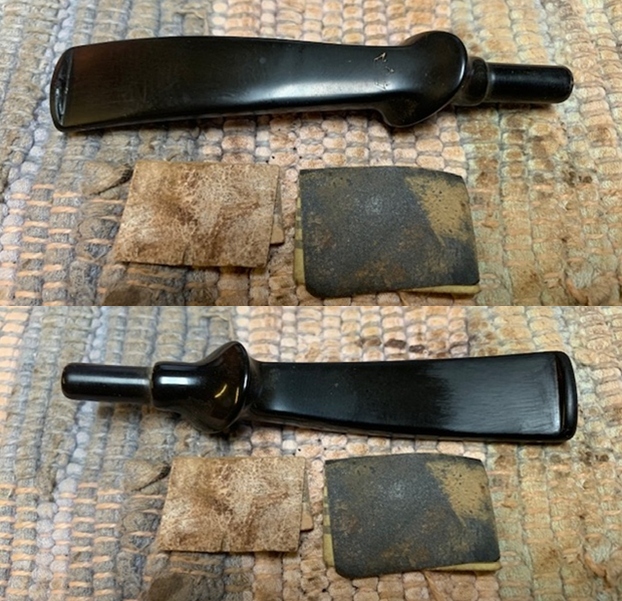
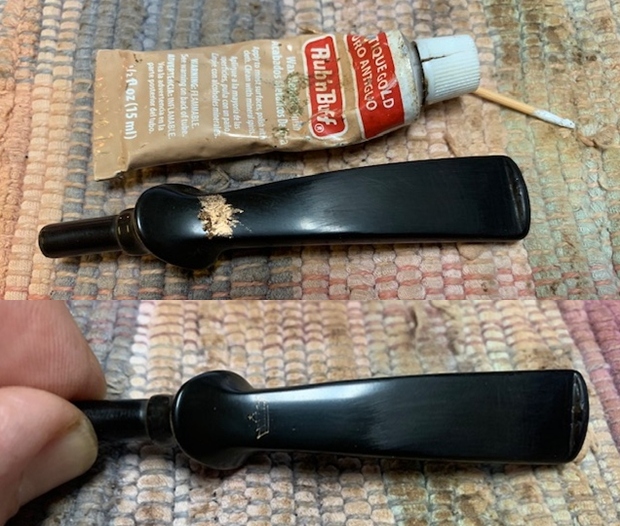
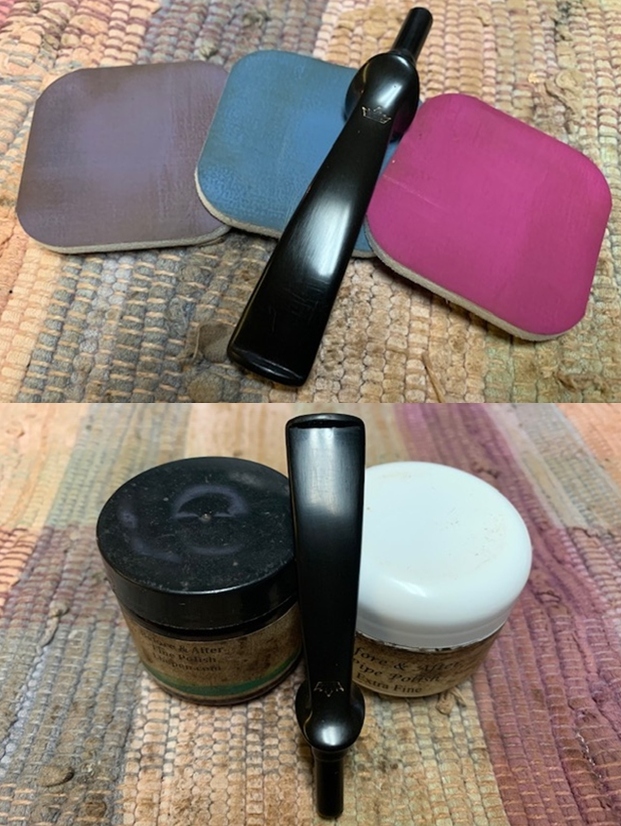
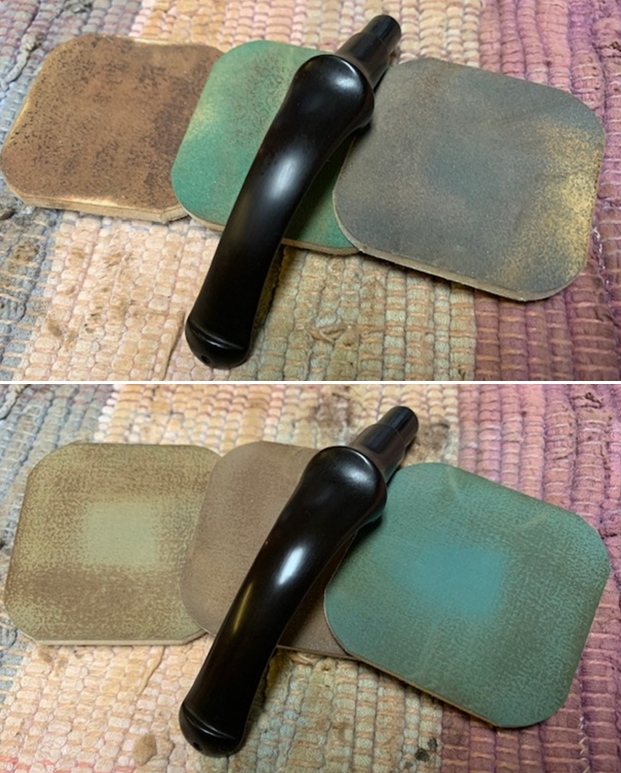
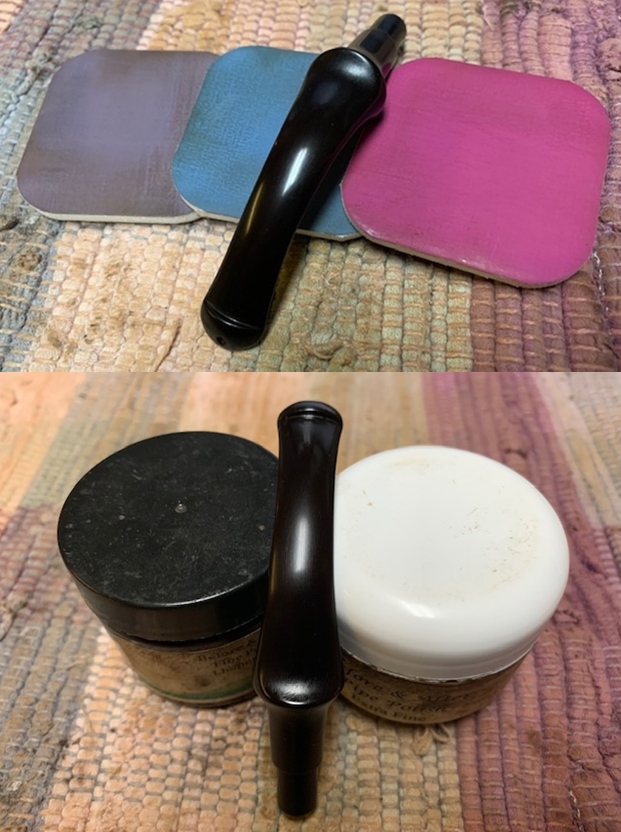
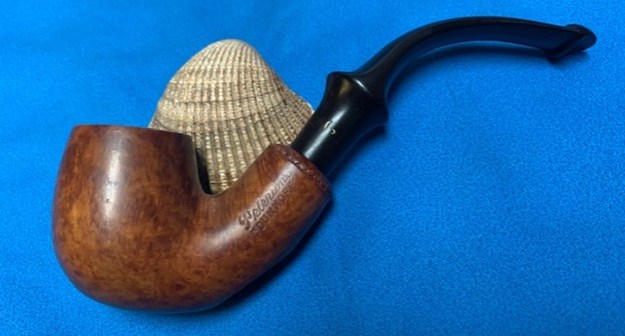
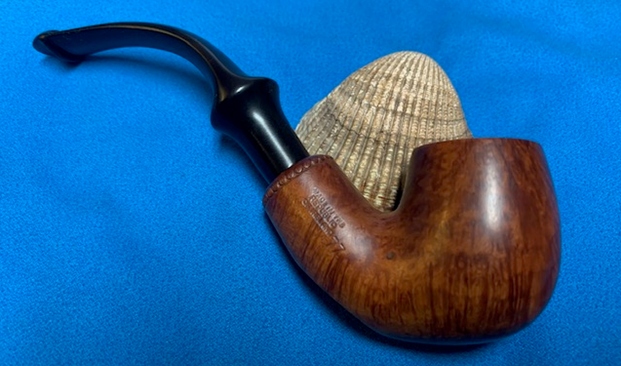
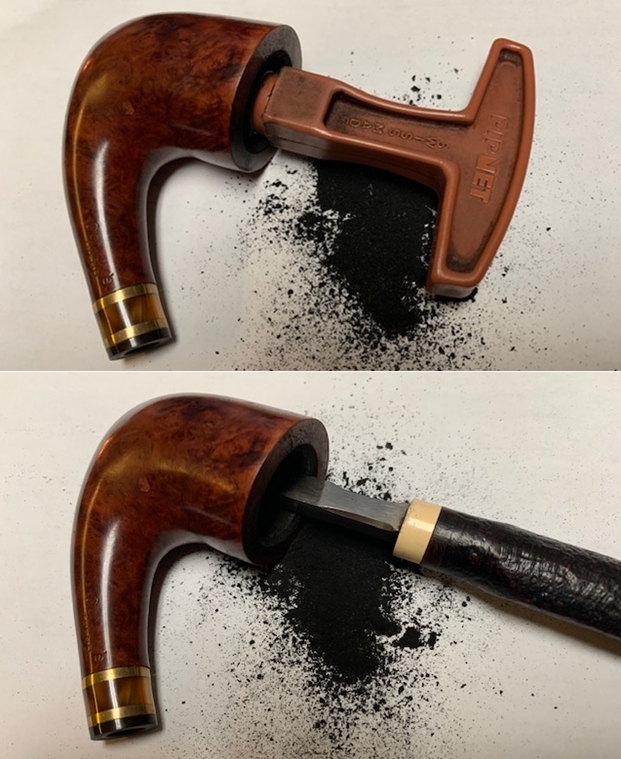
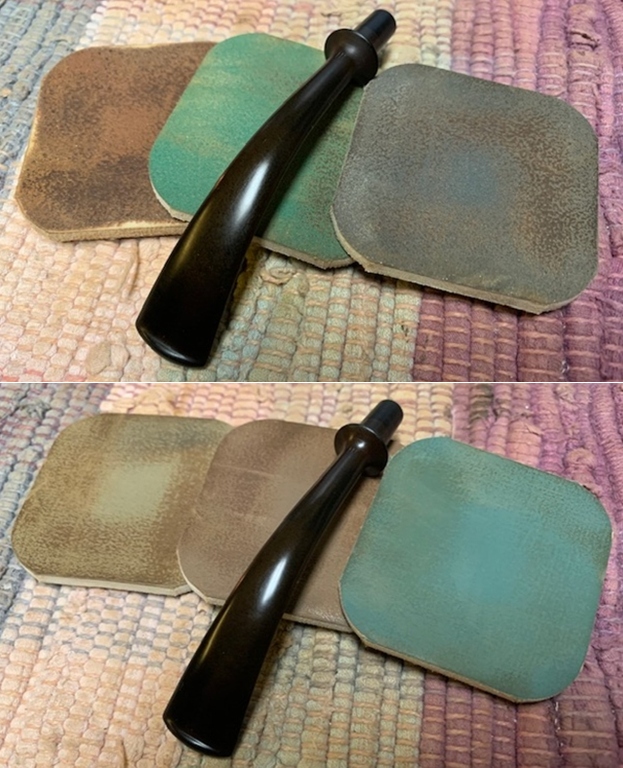
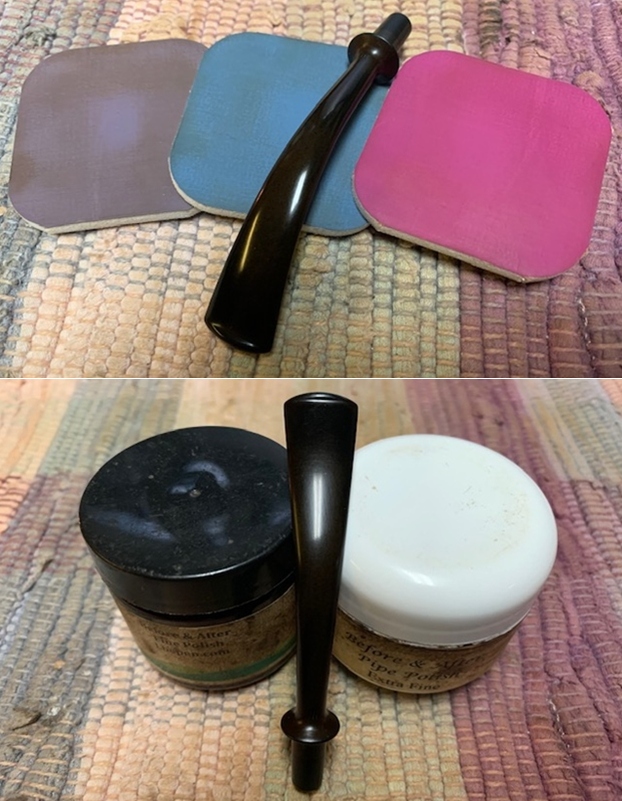
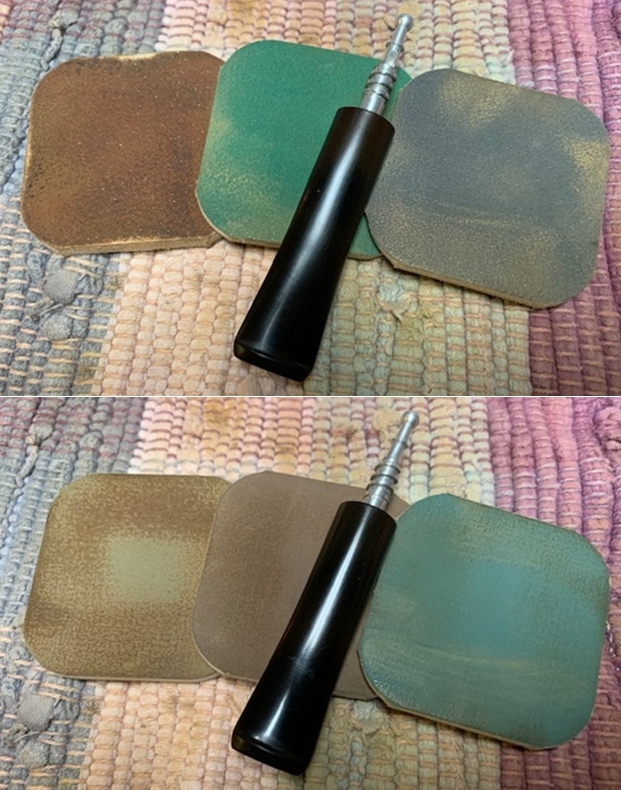
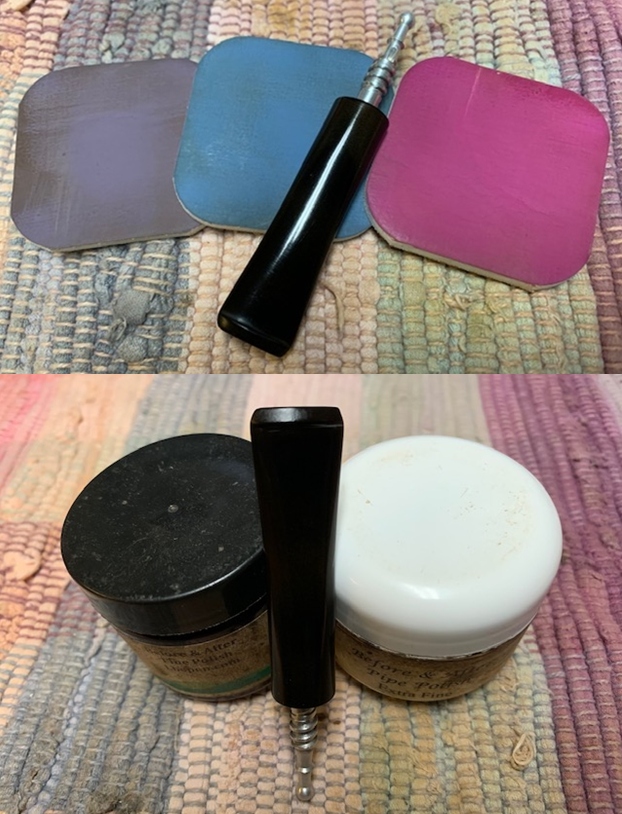
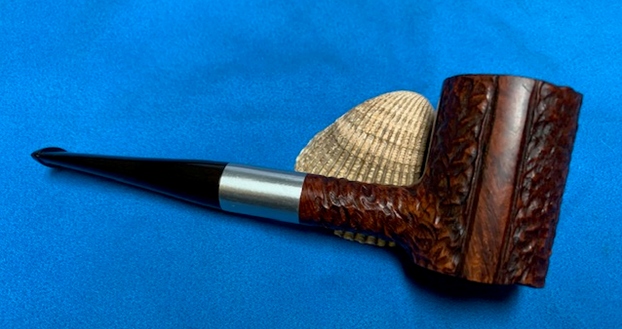
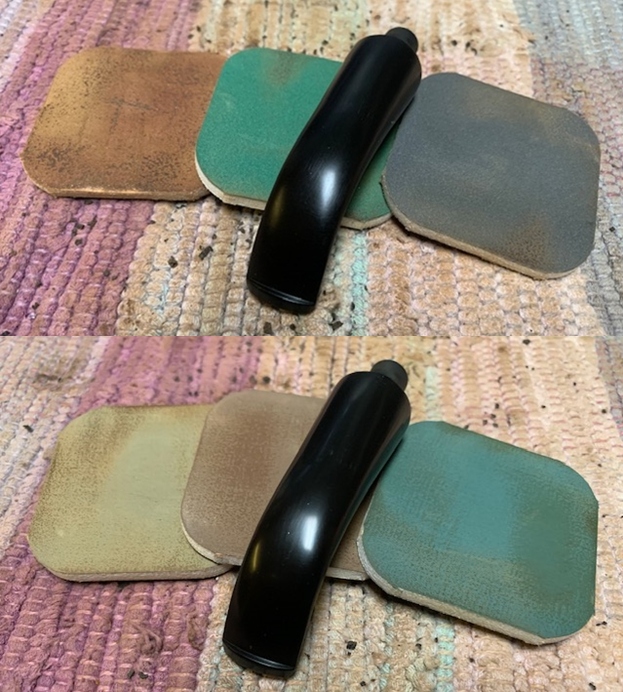
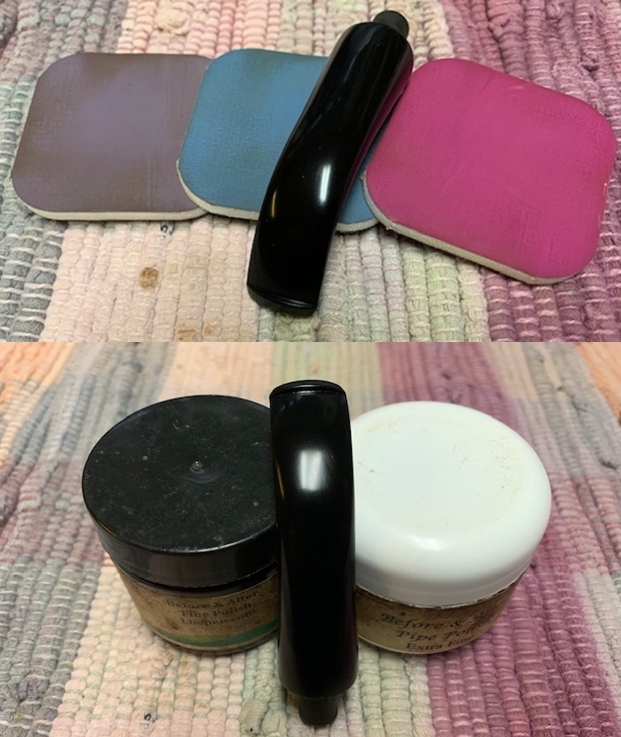
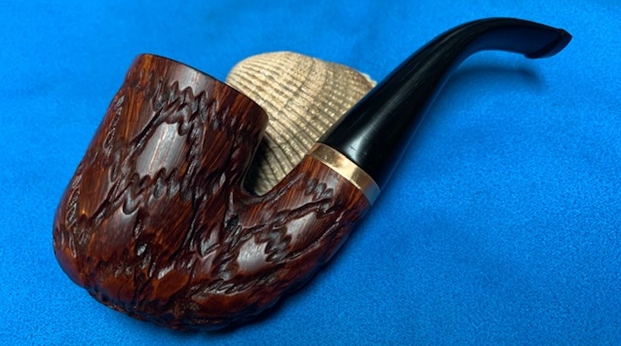
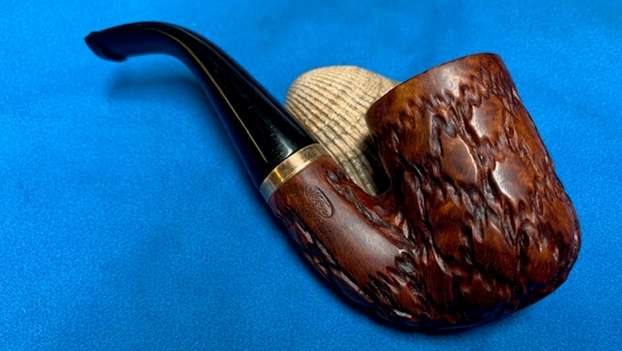
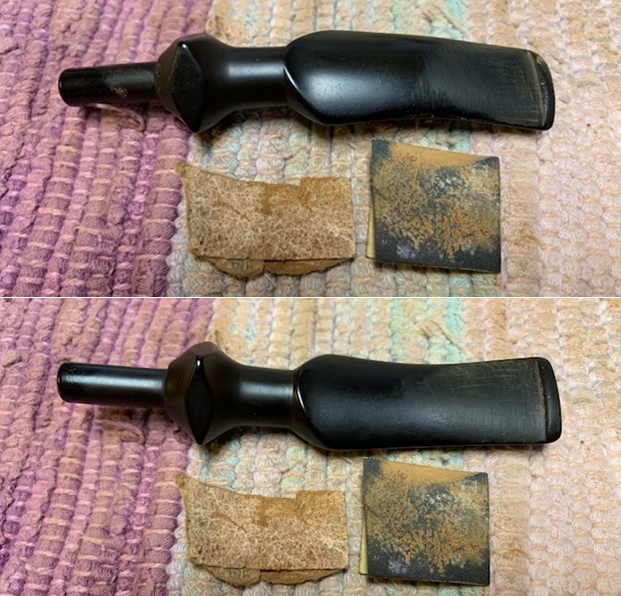
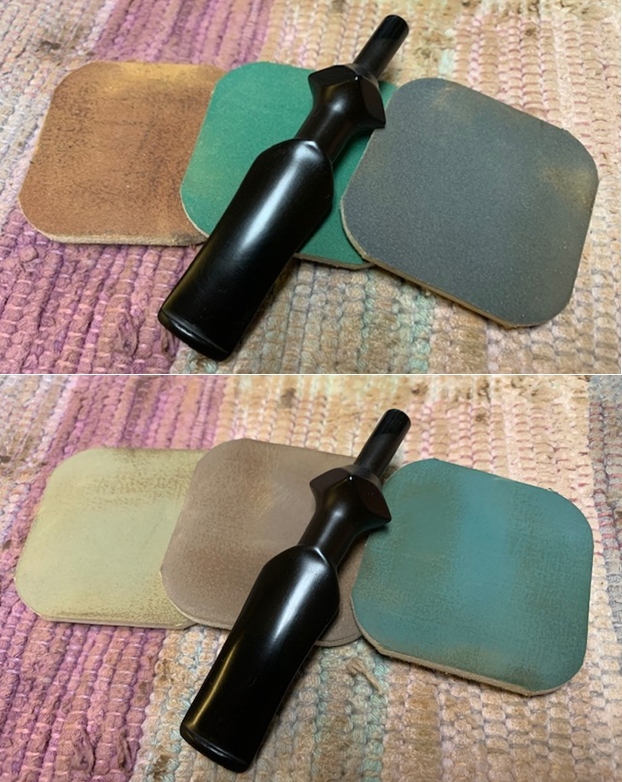
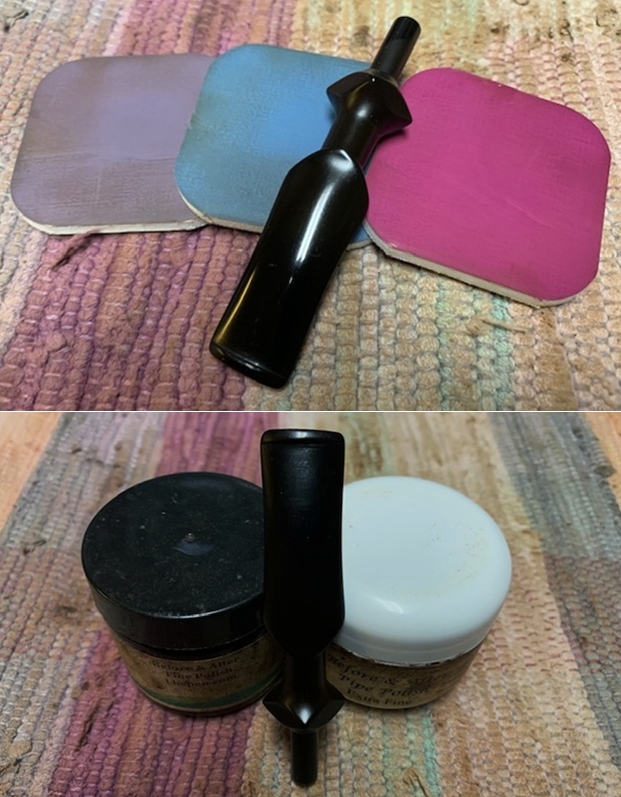
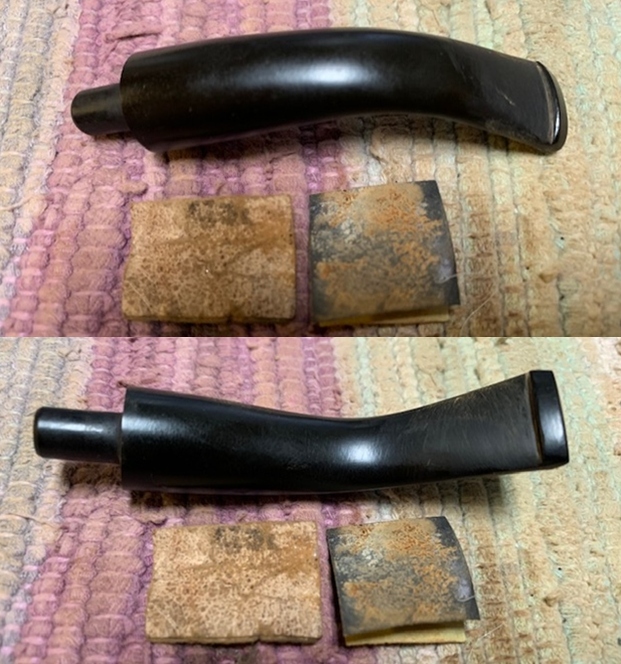
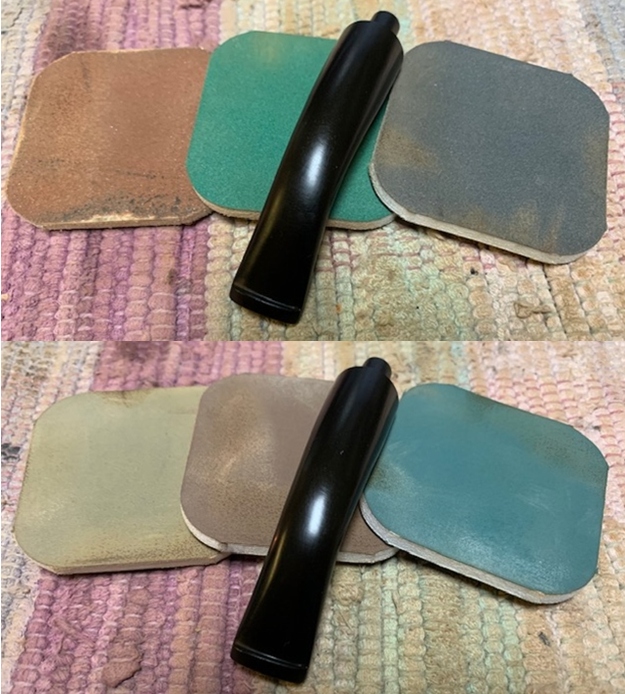
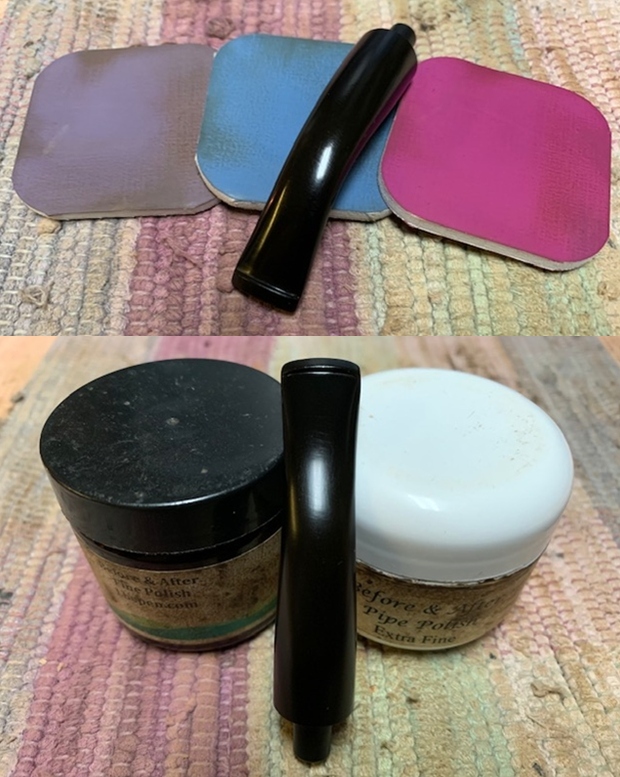
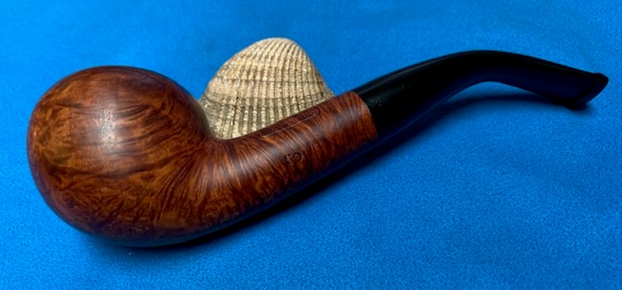
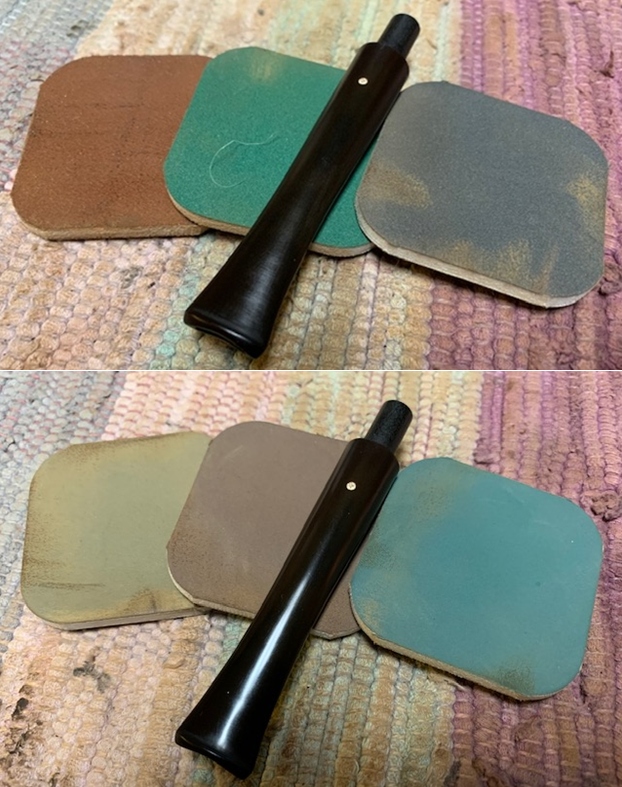
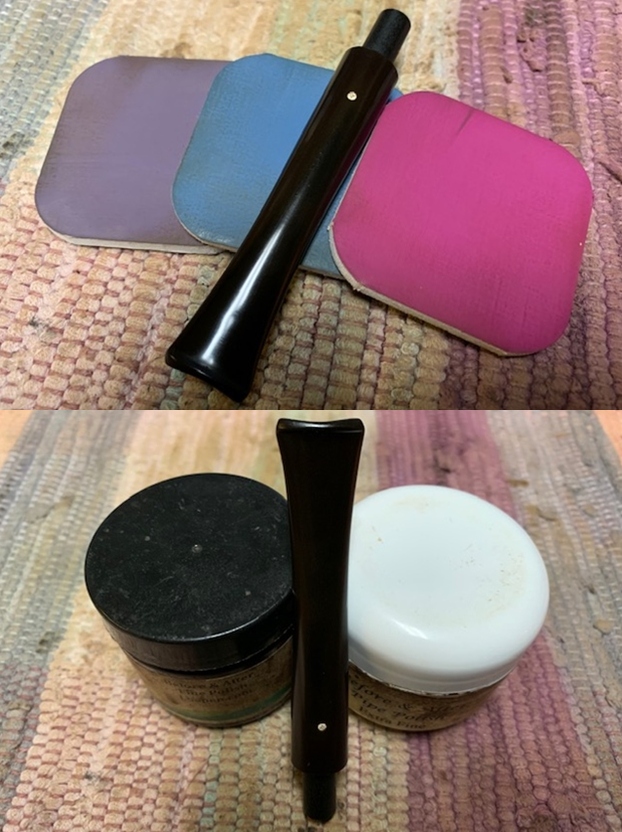
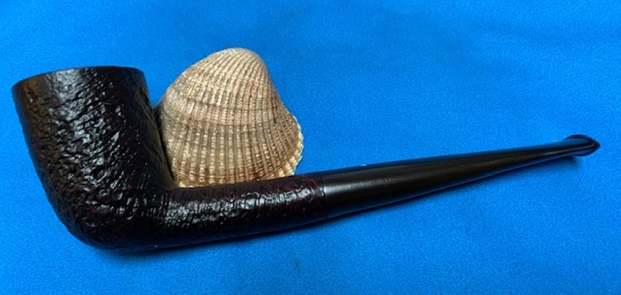
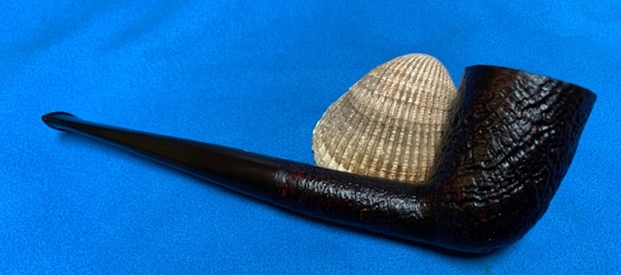
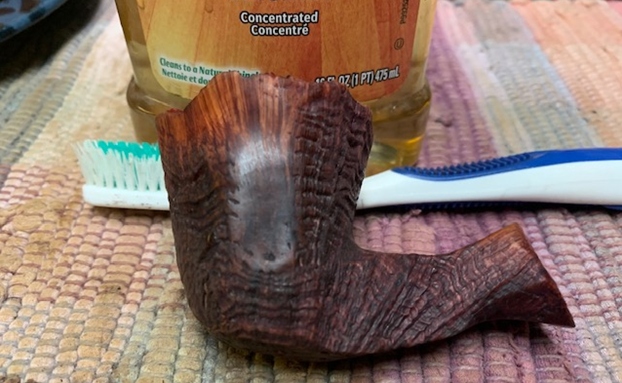
I started my work on the pipe by reaming the bowl with a PipNet pipe reamer. I used the first three cutting heads to take the cake back to bare briar. I followed that by scraping the bowl walls with a Savinelli Fitsall Pipe Knife. I sanded the bowl walls with a piece of dowel wrapped with 220 grit sandpaper.  I scrubbed the exterior of the briar with a tooth brush and undiluted Murphy’s Oil Soap. I scrubbed the nooks and crannies of the sandblast and the plateau rim top and shank end with the tooth brush and a wire brush to clean off the grime and the lava build up. I rinsed the bowl off with running water and dried off the bowl with a soft towel. I cleaned the shank and airway in the stem with alcohol, pipe cleaners and cotton swabs to remove the grime and build up there.    I polished the smooth portions of the bowl sides and shank with micromesh sanding pads – wet sanding with 1500-12000 grit pads and wiping it down after each pad with a damp cloth.  I rubbed the bowl and shank down with Before & After Restoration Balm. I worked it into the surface of the bowl sides and shank with my fingertips and into the plateau rim top with a horsehair shoe brush. The product works to clean, enliven and protect the briar. I let the balm sit for 10 minutes and then buffed with a cotton cloth to raise the shine.   I set the bowl aside and turned to work on the stem. I “painted” the stem surface with the flame of a lighter to lift the marks in the surface. I filled in the deep tooth mark on the topside of the stem and the button surface. Once the repair cured I smoothed it out with a file. I reshaped the button and sanded out the tooth marks from the surface of the vulcanite with 220 grit sandpaper and started the polishing of the stem with 400 grit wet dry sandpaper. I used some Rub’n Buff Antique Gold to touch up the crown stamp on the topside of the saddle stem. I applied it to the surface with a tooth pick and buffed it off with a soft cloth. While it is faint it looked identifiable.   I polished the vulcanite stem with micromesh sanding pads – 1500-12000 grit pads. I wiped it down with a damp cloth after each sanding pad. I used Before & After Pipe Polish – both Fine and Extra Fine to further polish the stem.    This Danish Pride by Ben Wade Freehand Sitter with a fancy, turned vulcanite stem is a great looking pipe now that it has been restored. I put the stem back on the bowl and carefully buffed the pipe with Blue Diamond on the buffing wheel using a light touch on the briar. I gave the bowl and the stem multiple coats of carnauba wax on the buffing wheel and followed that by buffing the entire pipe with a clean buffing pad. I hand buffed the pipe with a microfiber cloth to deepen the shine. The finished Danish Pride Freehand fits nicely in the hand and feels great. Give the finished pipe a look in the photos below. The dimensions of the pipe are Length: 6 inches, Height: 2 inches, Outside diameter of the bowl: 2 inches, Chamber diameter: 1 inch. If you are interested in adding this pipe to your collection send me a message or an email. Thanks for reading this blog and my reflections on the pipe while I worked on it. There are many more to come!
A Simple Restoration on a Republic Era Peterson’s “Dunmore” 77 Bent Billiard


Blog by Steve Laug

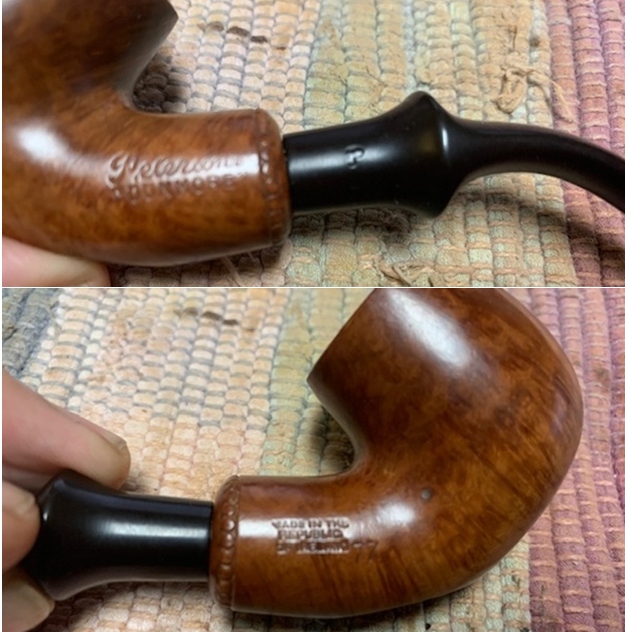
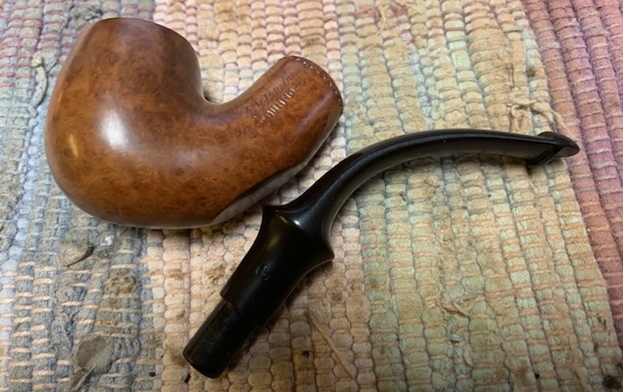
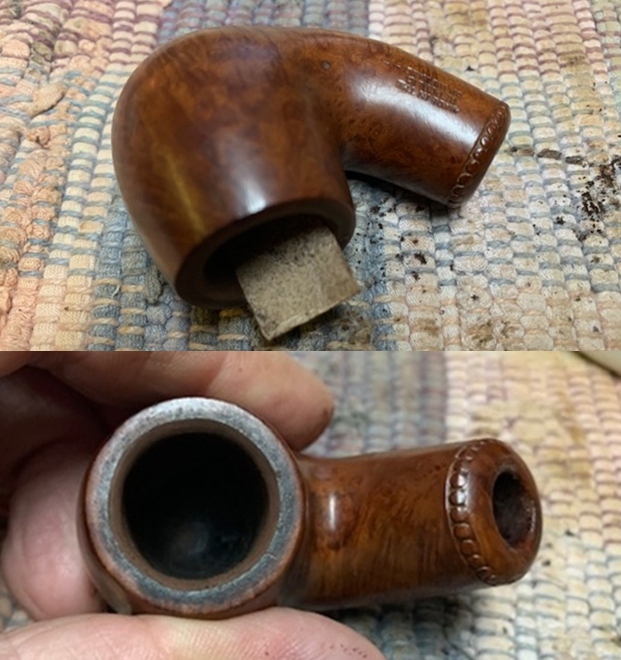
The next pipe on the table was gifted to me by Ray, a reader in Australia. It is a petite Peterson’s “Dunmore” pipe. He had read a restoration of Bob Kerr’s Estate Peterson’s “Dunmore” and thought I would enjoy working what he called “that pipe’s l’il brother”. It is about a Group 2 by Dunhill standards bowl that he had picked up in the 1970s. It is stamped on the left side of the shank and reads Peterson’s [over] “Dunmore”. On the right side it is stamped Made in the Republic of Ireland followed by the shape number 77.  Ray had done the lion’s share of the clean up on the pipe. It had been reamed, cleaned and buffed. It was in great condition. There was some rim top darkening and damage on the inner edge of the bowl but nothing too difficult. The beaded decoration on the shank end is in excellent condition. Like other Dunmore’s I have worked on it had a flattened shank and the pipe functioned as a sitter. The stem was in excellent condition with some very light tooth chatter on both sides ahead of the p-lip. The “P” stamp on the left side of the stem was clear and just needed to be touched up otherwise it looked good. I took photos of the pipe when I finally brought it to my work table. The next photos show the bowl and rim top as well as the stem condition. The bowl was clean and ready to fire up. The rim edge was out of round and showed some damage and darkening. The rim top also had some darkening. The stem looked very good with some light tooth chatter and scratches.  The stamping on the shank sides was very readable and read as noted above. It had been buffed but was not overly damaged.   I took the stem off and took a photo of the parts of the pipe to give a perspective on the size and proportions of this little pipe.After rereading Ray’s email about the pipe and the previous blog on the Dunmore I had worked on I went back and reread the blog (https://rebornpipes.com/2019/08/18/restoring-a-petersons-dunmore-70-bent-apple-sitter-from-bob-kerrs-estate/). I quote from the blog on the Dunmore line below.

I then turned to the book I should have consulted first, The Peterson Pipe, by Mark Irwin and Gary Malmberg. On page 298 there is an entry for Dunmore pipes. It reads as follows:

Dunmore (1971-c.1984 2006-10). Appeared first as Iwan Ries & Co. exclusive line “Dunmoor,” a Premier-grade in light-brown smooth or rustic red in all System shapes, with beading at the shank. Documented in the Associated Imports Catalog from 1973. Classic Range Dunmore shapes from ’78. A third Dunmore line (’06-10) featured standard and some B shapes, with beading around bowl instead of at shank-face, produced for European market.

On page 165 there were also photos of pages from a catalogue with the  description: The unmounted Dunmore Premier debuted in both System and Classic Range shapes circa 1973 with a final appearance in the 1981 catalogue.

The information blurb on each page read: “Dunmore Briars.” Beautifully grained best quality briar in light-brown, matt or rustic finish. Often described as “Petersons Unmounted System” has all the advantages of the system range. Ten models each fitted with the Peterson Lip mouthpiece.

With that information in hand I knew what I was dealing with in terms of the stamping on the pipe. It is a Late Republic era pipe. It showed up in Peterson Catalogue in 1973 which fits Ray’s memory of when he bought the pipe. Now it was time to work on the pipe.

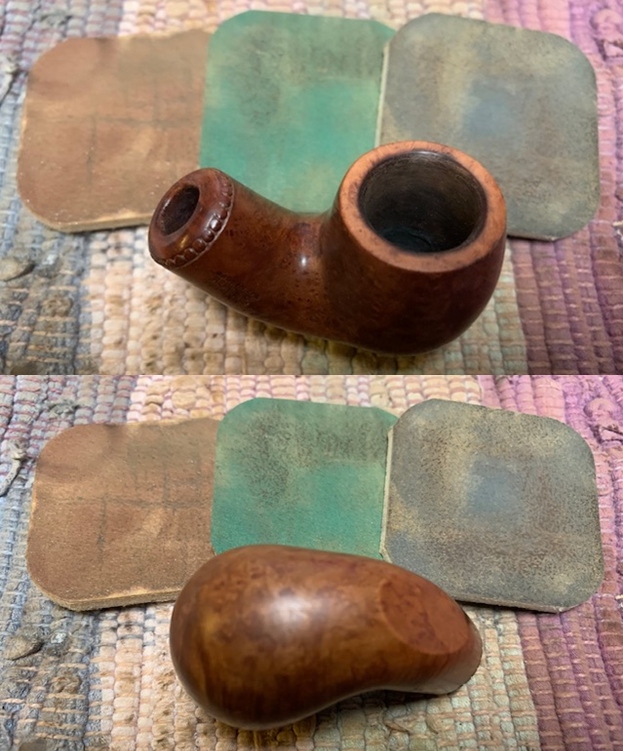
I decided to start my work on this one by reworking the inner edge of the rim with a folded piece of 220 grit sandpaper. I wanted to try and bring it back into round and smooth out the jagged condition.I polished the briar and worked over the rim top with micromesh sanding pads – 1500-12000 grit pads. I wiped the bowl down after each pad with a damp cloth. Once the finish was removed the fills in the briar became very evident.  I rubbed the bowl and shank down with Before & After Restoration Balm. I worked it into the surface of the bowl sides and shank with my fingertips to clean, enliven and protect the briar. I let the balm sit for a little while and then buffed with a cotton cloth to raise the shine.   I touched up the stamp on the left side of the saddle with liquid paper. I applied it and worked it into the stamp with a tooth pick. Once it cured I scraped off the excess. It is definitely better though the stamp is faint in some spots.  I polished the vulcanite stem with micromesh sanding pads – 1500-12000 grit pads. I wiped it down with a damp cloth after each sanding pad. I used Before & After Pipe Polish – both Fine and Extra Fine to further polish the stem.  This nice looking Peterson’s Dunmore 77 Bent Billiard and a classic Peterson’s P-lip vulcanite stem looks much better now that it has been restored. The rim top and edges cleaned up very well. The rich brown stains on the bowl came alive with the polishing and waxing. I put the stem back on the bowl and carefully buffed the pipe with Blue Diamond on the buffing wheel using a light touch on the briar. I gave the bowl and the stem multiple coats of carnauba wax on the buffing wheel and followed that by buffing the entire pipe with a clean buffing pad. I hand buffed the pipe with a microfiber cloth to deepen the shine. The finished Peterson’s Dunmore is a petite beauty and fits nicely in the hand and looks very good. Give the finished pipe a look in the photos below. The dimensions of the pipe are Length: 5 inches, Height: 1 ½ inches, Outside diameter of the bowl: 1 inch, Chamber diameter: ¾ of an inch. If you are interested in adding this pipe to your collection send me a message or an email. Thanks for reading this blog and my reflections on the pipe while I worked on it. There are many more to come!

Breathing New Life into a Comoy’s Trend Bent Calabash 225


Blog by Steve Laug

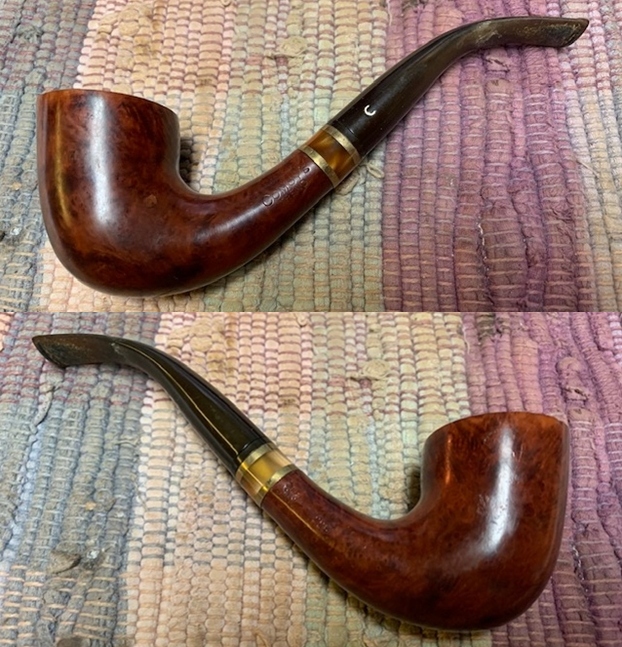
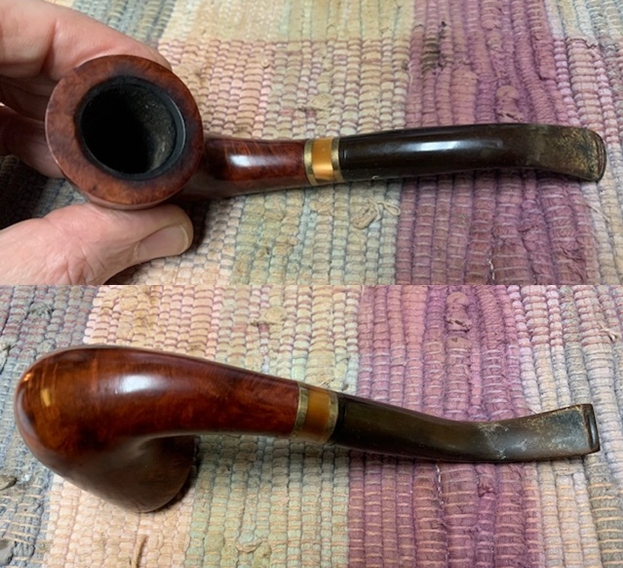
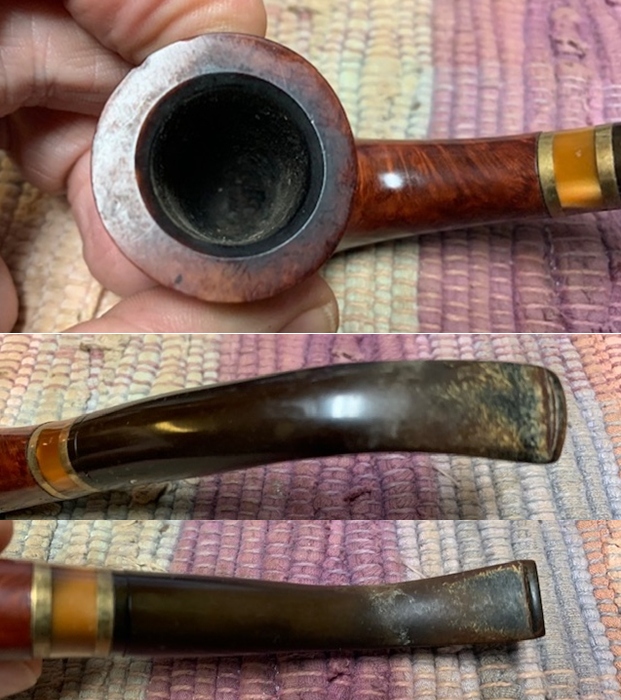
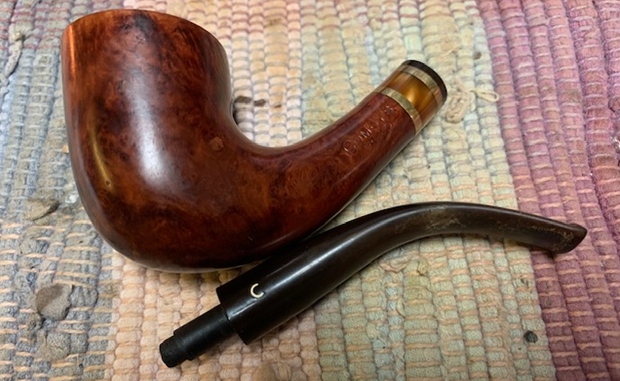
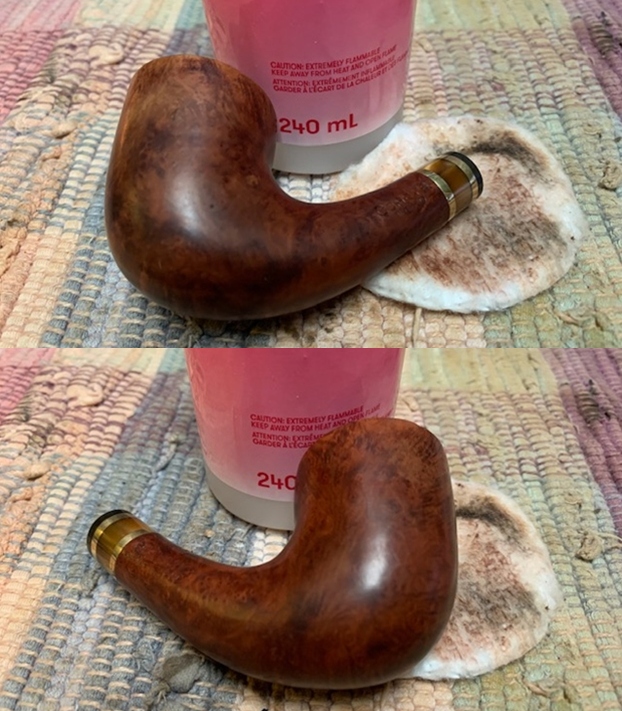
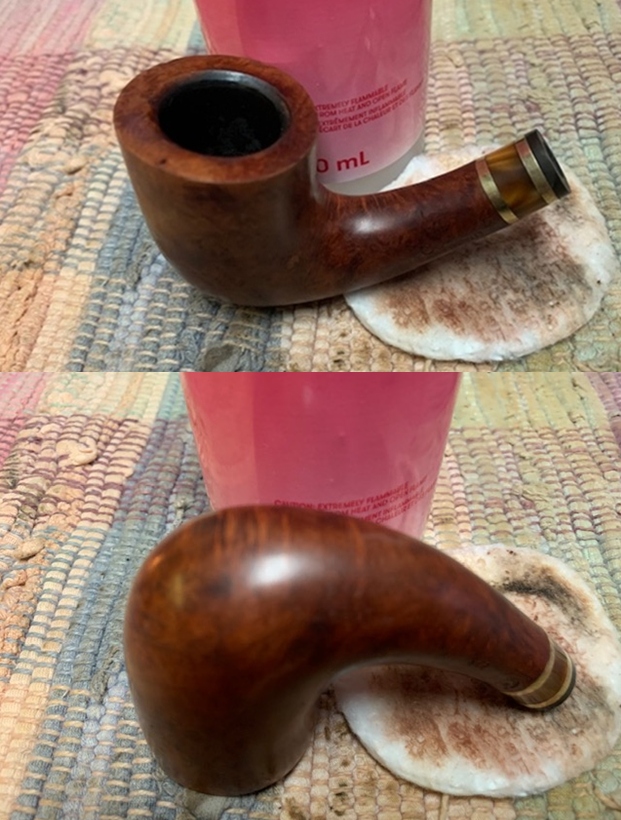
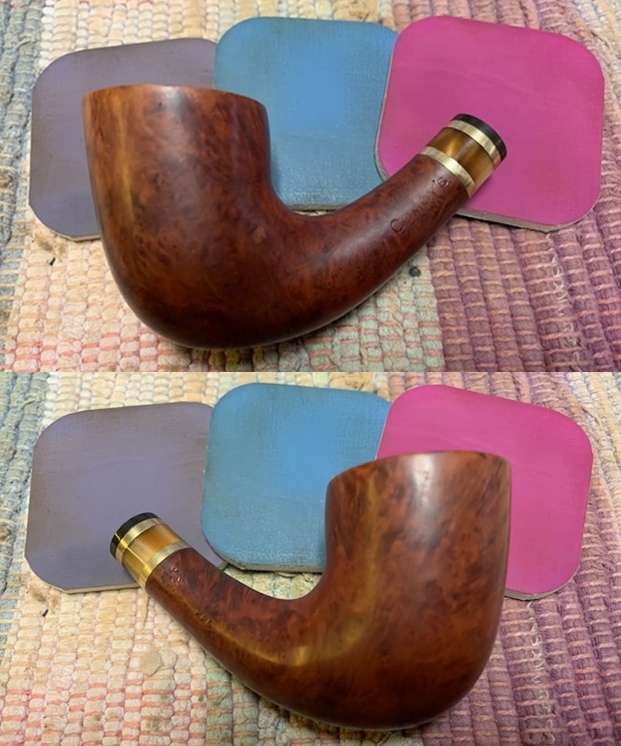
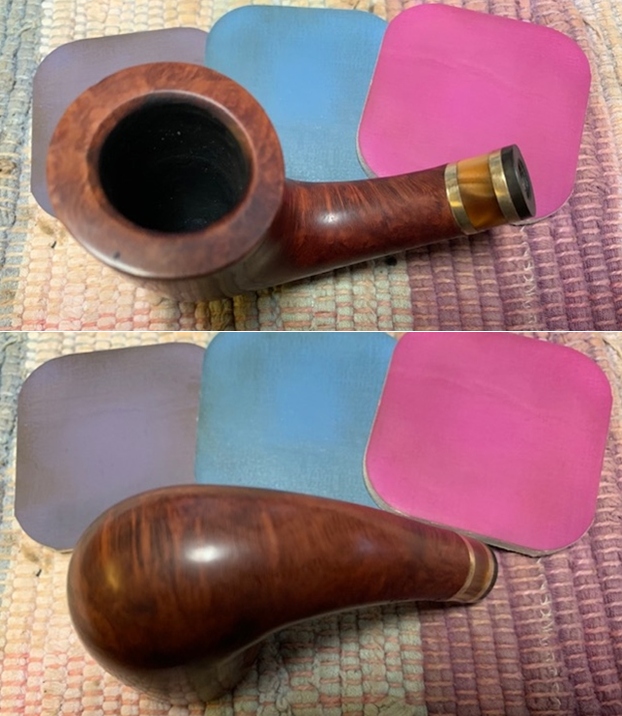
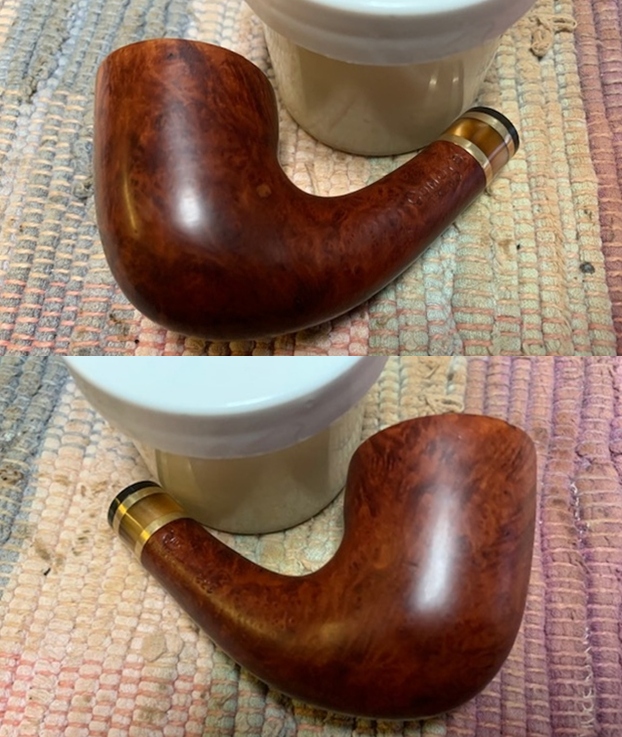
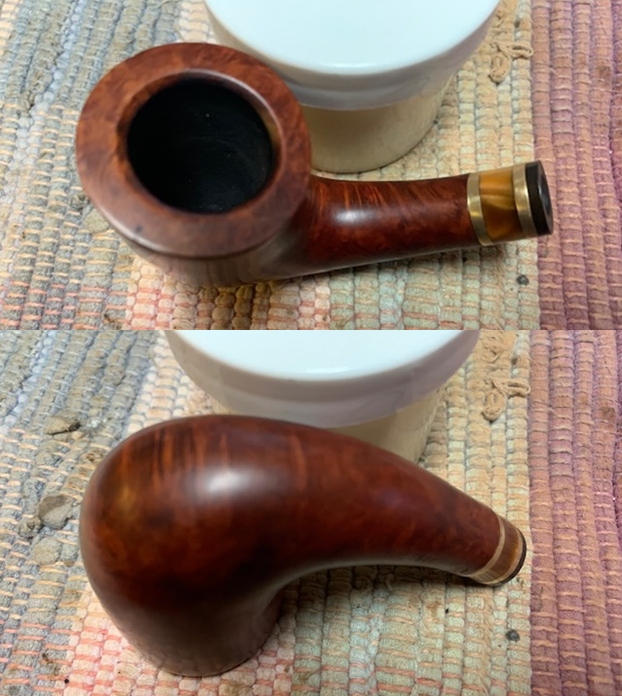
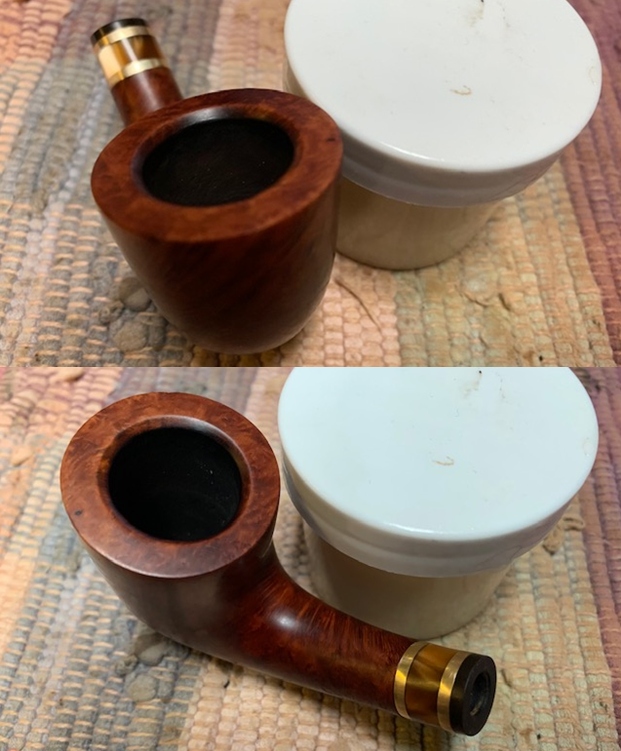
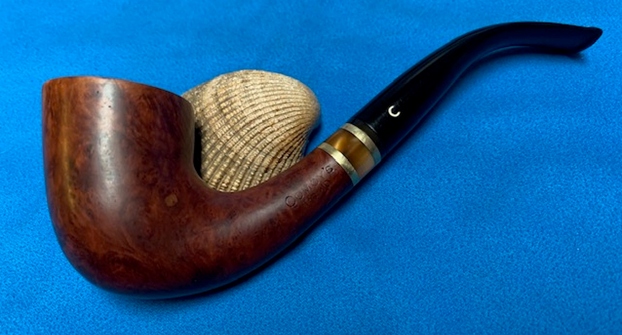
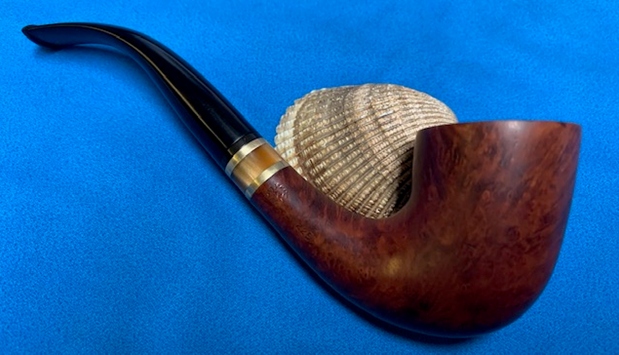
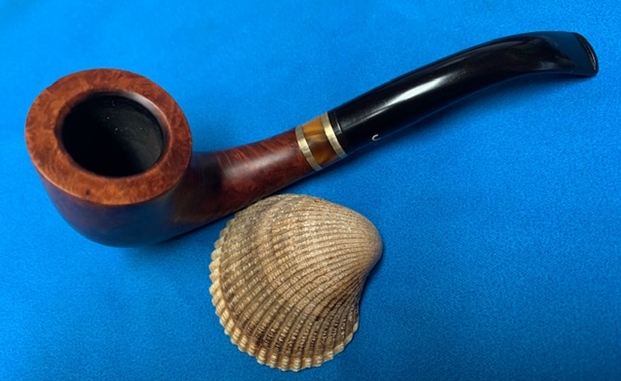
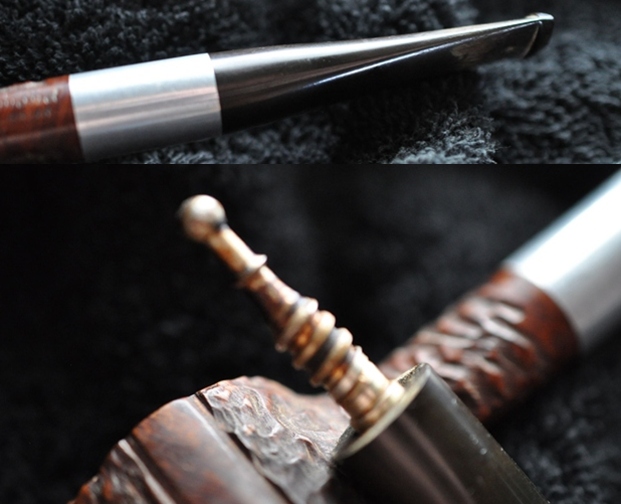
The next pipe on the work table came to me from either a trade I made (pipes for labour) or a find on one of my pipe hunts. I honestly don’t remember where it came from. It has been around for a while waiting to be worked on. It is an interesting new Comoy’s Bent Calabash that really looks quite nice. The stamping is clear and readable. It is stamped on the left side of the shank and reads Comoy’s [over] Trend. On the right side of the shank it has the shape number 225 and a COM stamp to the left of that. It read Made in London in a circle over London. The pipe had a varnish coat and a lot of grime ground into the smooth finish on the bowl and some darkening around the sides of the bowl. The bowl was heavily caked and had an overflow of thick lava on beveled inner edge of the rim top. It was hard to know what the rim top and inner edge of the bowl looked like under the grime. There was a shank adornment/band on the shank end. It was a stack of two brass rings with a golden/orange/brown acrylic spacer between the brass rings and a black spacer on the end before the stem. The stem was calcified, oxidized and had light tooth chatter and marks on the top and underside and the top surface of the button had a tooth mark. There an inset C on the left side of the taper stem. The pipe had promise but it was very dirty. I took photos of the pipe before he started his cleanup work.    I took photos of the rim top and bowl to give a clear picture of the thickness of the cake and the overflow of lava on the rim top and inner edge of the bowl. It is hard to know for sure if there is damage to the inner edge of the bowl because of the thickness of the lava coat. I also took photos of the top and underside of the stem to show the oxidation, calcification, light chatter and tooth marks.     I took a photo of the stamping on the sides of the shank. It reads as noted above and is clear and readable. There is a white C logo on the left side of the taper stem.    I removed the stem from the shank to take a photo of the pipe as a whole. It is has some nice looking grain around the bowl and the flow of the bowl and stem is elegant.I looked on Pipephil’s site (http://www.pipephil.eu/logos/en/logo-comoy.html) and Pipedia (https://pipedia.org/wiki/Comoy%27s) and read the articles on the Comoy’s brand. It is a great read and worth the time to read them. There was nothing on this newer Comoy’s Trend line.

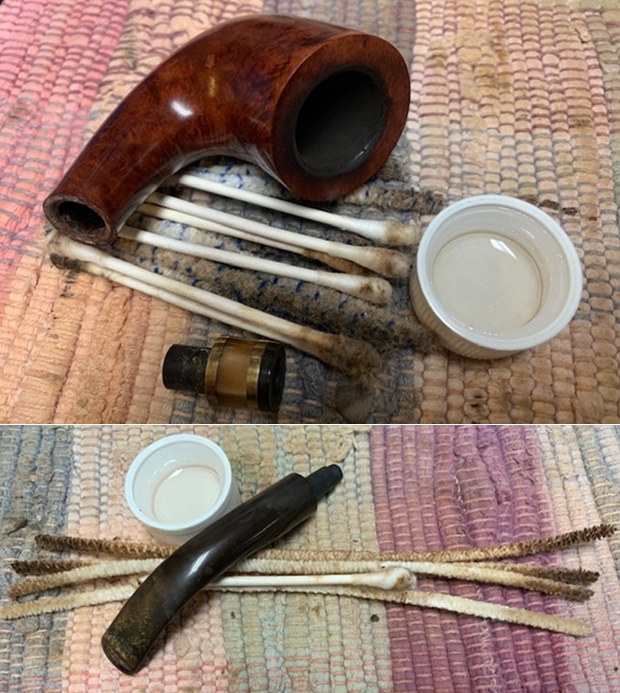
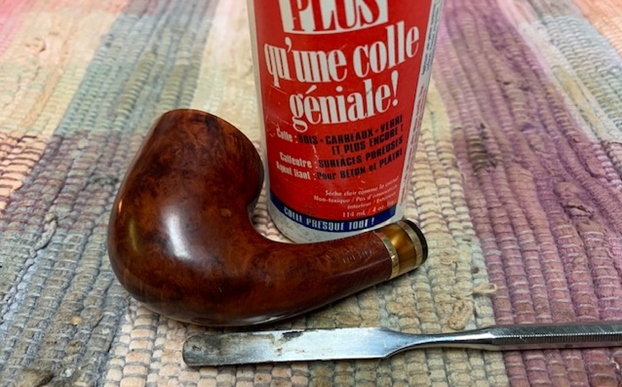
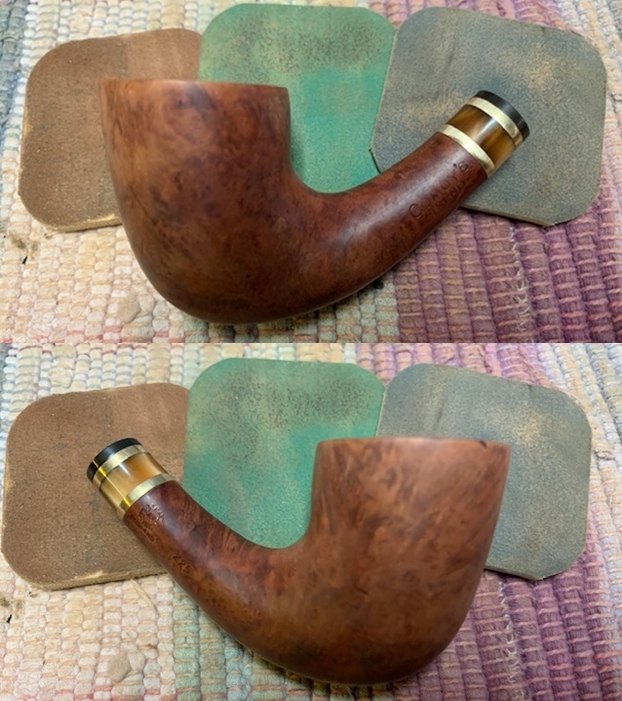
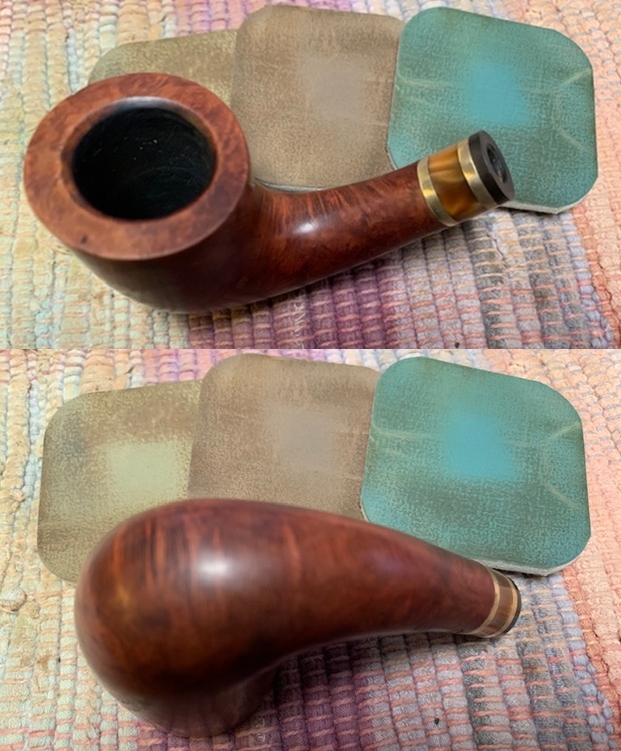
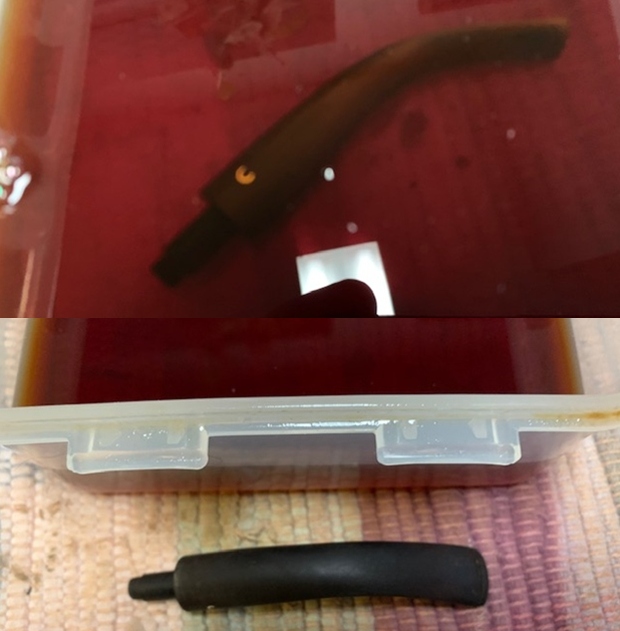
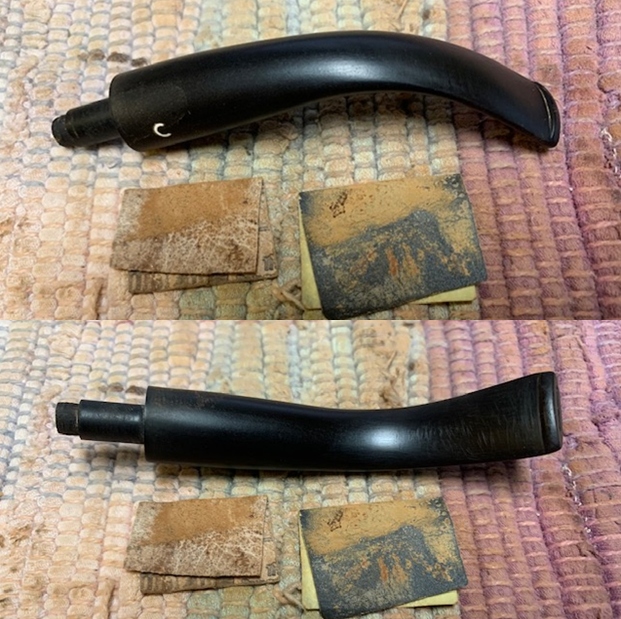
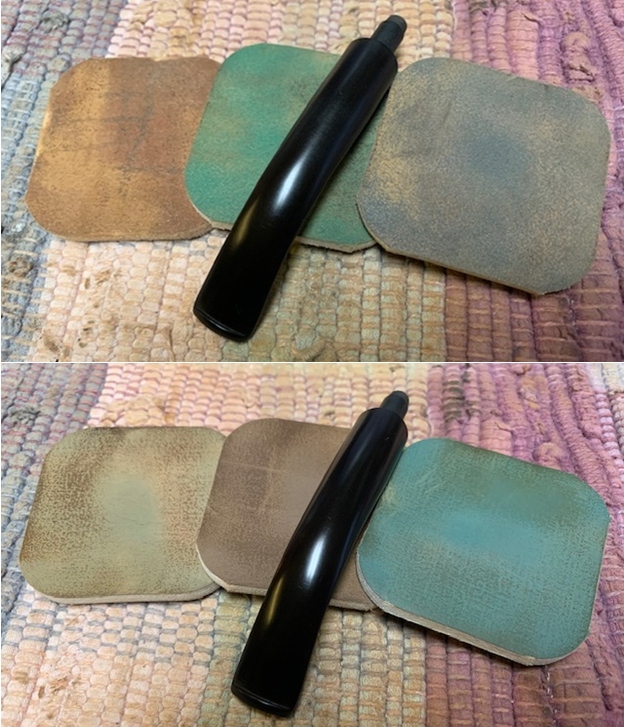
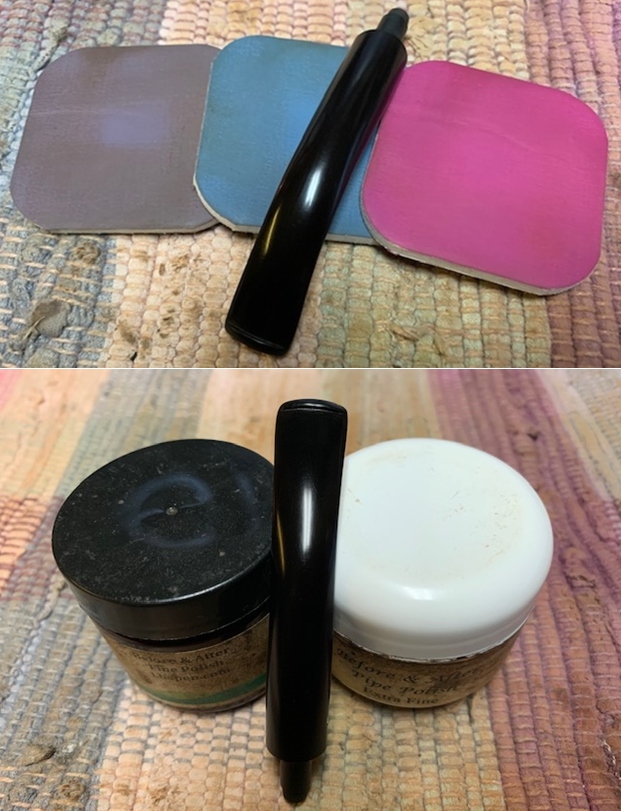
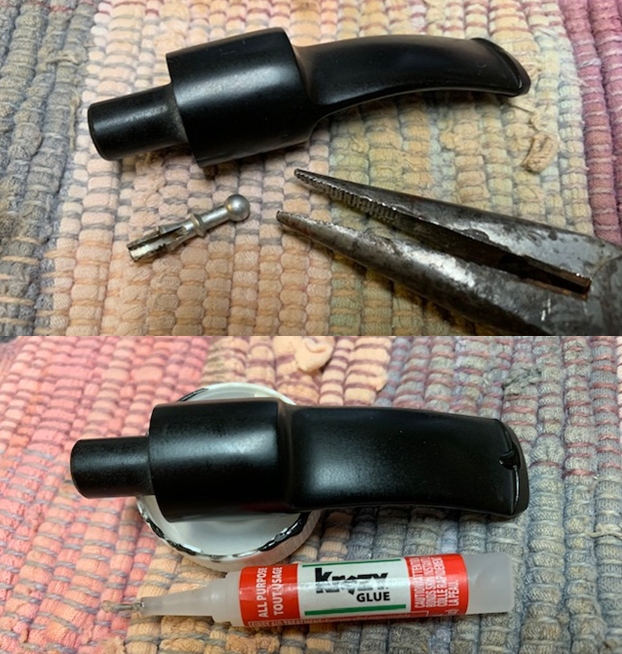
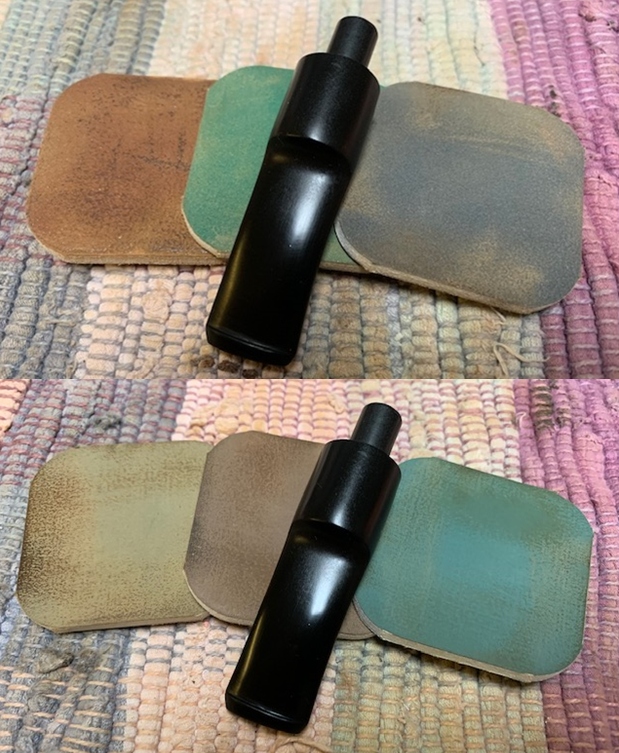
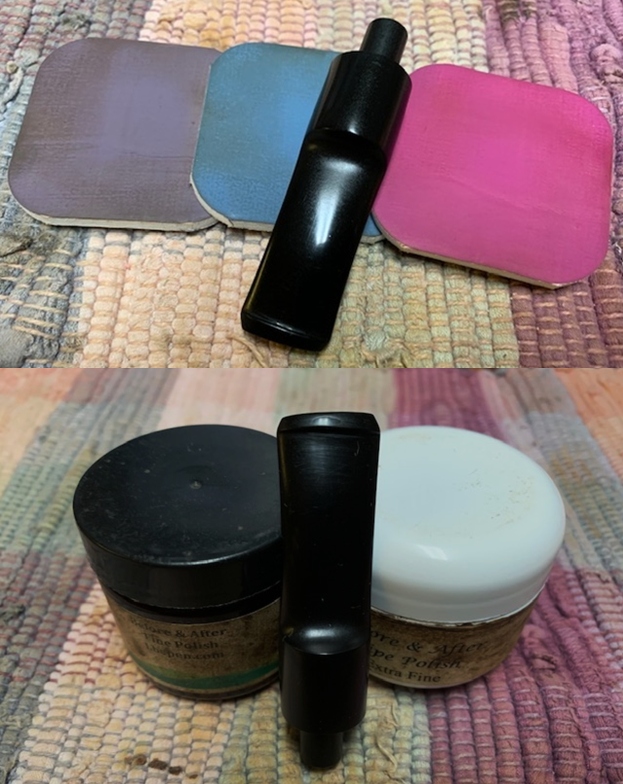
Now it was time to work on the pipe. I have to say it once again that I am really spoiled having Jeff clean up the pipes for me. Having to start with them in this condition adds time. I reamed the bowl with a PipNet pipe reamer using the first two cutting heads. I followed up by scraping the remaining cake with a Savinelli Fitsall Pipe Knife. I finished cleaning up the cake in the bowl with a piece of dowel wrapped in 220 grit sandpaper to smooth out the walls of the bowl.  I cleaned the shank with alcohol, cotton swabs and pipe cleaners until the pipe smelled and looked clean.  While the cleaning was being done on the shank the shank extension came off in my hand. The glue had dried out and when I cleaned the shank it came off in my hand. I would need to reglue it. I cleaned out the airway in the stem with alcohol and pipe cleaners.I coated the Delrin connector between the shank extension and the end of the shank with all purpose glue and twisted it into the shank and aligned the fit. I set it aside and let the glue dry.I scrubbed the exterior of the bowl and rim top with a cotton pad and acetone to remove the grime and the varnish coat on the briar. I wiped the bowl down with clean cloth to get a feel for the finish. The pipe looks far better than it did with the varnish coat.   I polished the briar with micromesh sanding pads – 1500-12000 grit pads. I wiped the bowl down after each pad with a damp cloth. Once the finish was removed the fills in the briar became very evident. I rubbed the bowl and shank down with Before & After Restoration Balm. I worked it into the surface of the bowl sides and shank with my fingertips to clean, enliven and protect the briar. I let the balm sit for a little while and then buffed with a cotton cloth to raise the shine.   While I was working on the bowl the stem was soaking in Briarville Pipe Repair’s – Pipe Stem Oxidation Remover. The stem sat in the mixture for 2 ½ -3 hours. I removed the stem from the bath, scrubbed lightly with a tooth brush and dried if off with a paper towel. I was surprised that it was quite clean. Just some light tooth marks on the button and underside of the stem near the button.   I sanded the stem with 220 grit sandpaper to smooth out the tooth chatter remove the remaining oxidation and started polishing it with 400 grit wet dry sandpaper.    I polished the vulcanite stem with micromesh sanding pads – 1500-12000 grit pads. I wiped it down with a damp cloth after each sanding pad. I used Before & After Pipe Polish – both Fine and Extra Fine to further polish the stem. This nice looking Comoy’s Trend 225 Bent Calabsh with a fancy shank extension and a taper vulcanite stem looks much better now that it has been restored. The rich browns and blacks of the contrasting stains on the bowl came alive with the polishing and waxing. I put the stem back on the bowl and carefully buffed the pipe with Blue Diamond on the buffing wheel using a light touch on the briar. I gave the bowl and the stem multiple coats of carnauba wax on the buffing wheel and followed that by buffing the entire pipe with a clean buffing pad. I hand buffed the pipe with a microfiber cloth to deepen the shine. The finished Comoy’s Trend Calabash is a beauty and fits nicely in the hand and looks very good. Give the finished pipe a look in the photos below. The dimensions of the pipe are Length: 6 inches, Height: 2 inches, Outside diameter of the bowl: 1 ½ inches, Chamber diameter: ¾ of an inch. If you are interested in adding this pipe to your collection send me a message or an email. Thanks for reading this blog and my reflections on the pipe while I worked on it. There are many more to come!

Restoring a Larsen 77 Bent Dublin Freehand


Blog by Steve Laug

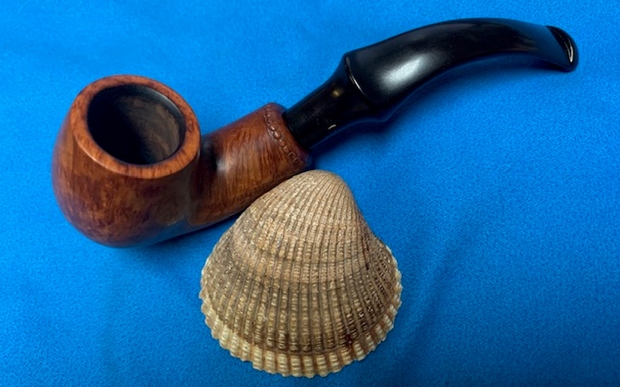
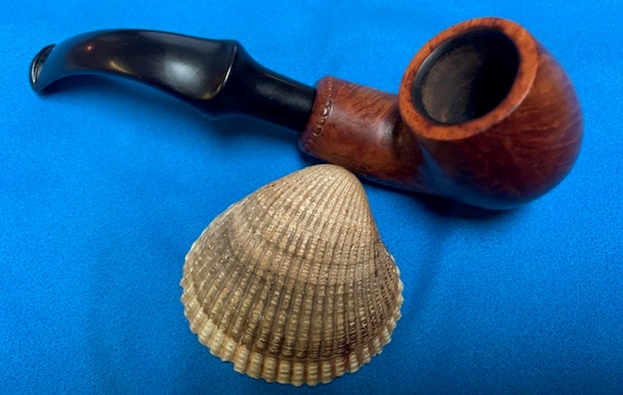
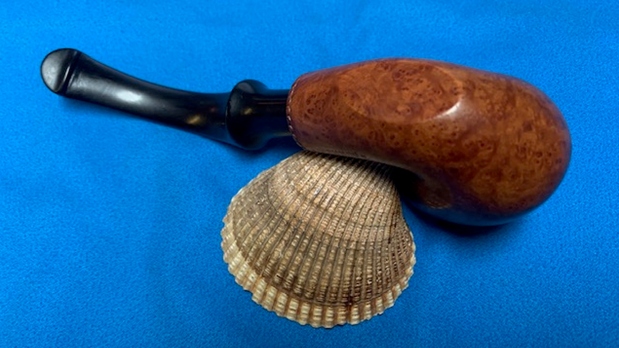
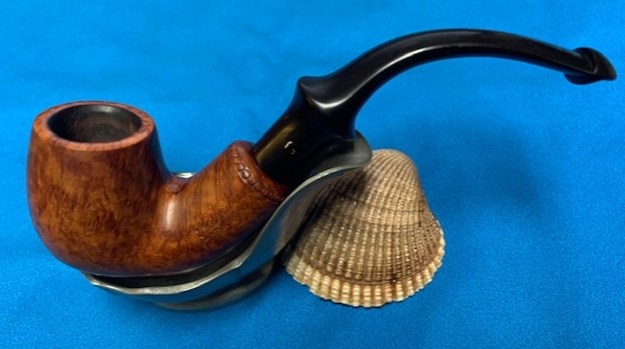
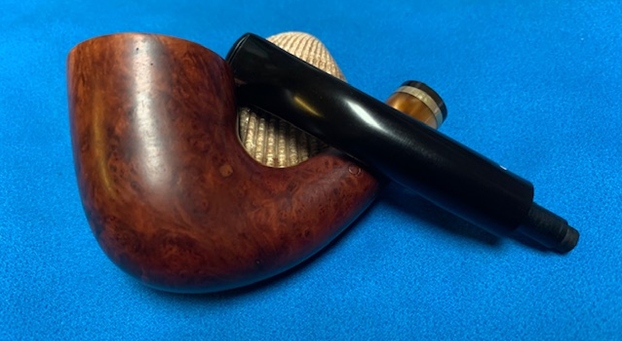
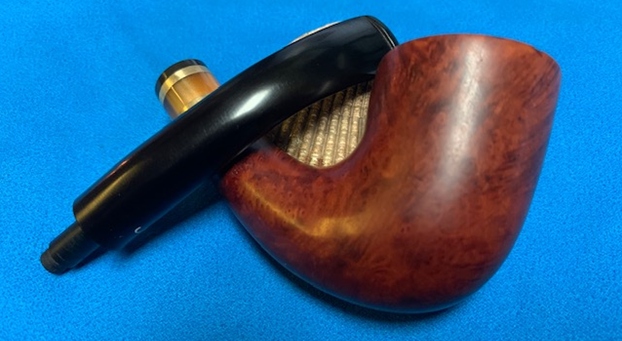
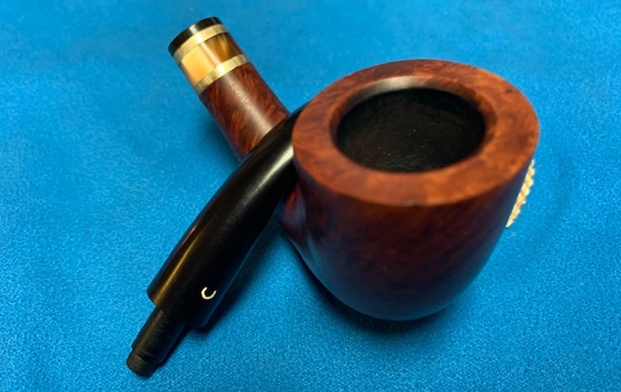
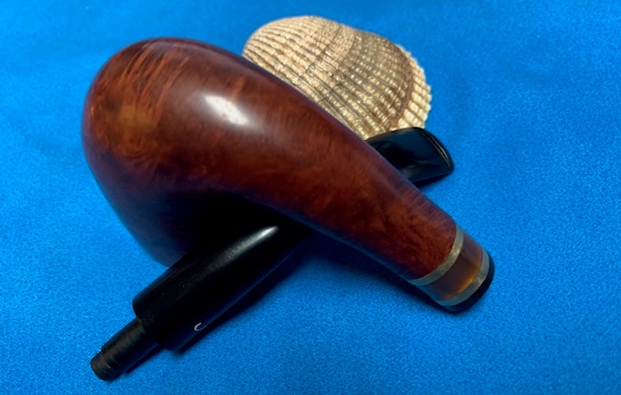
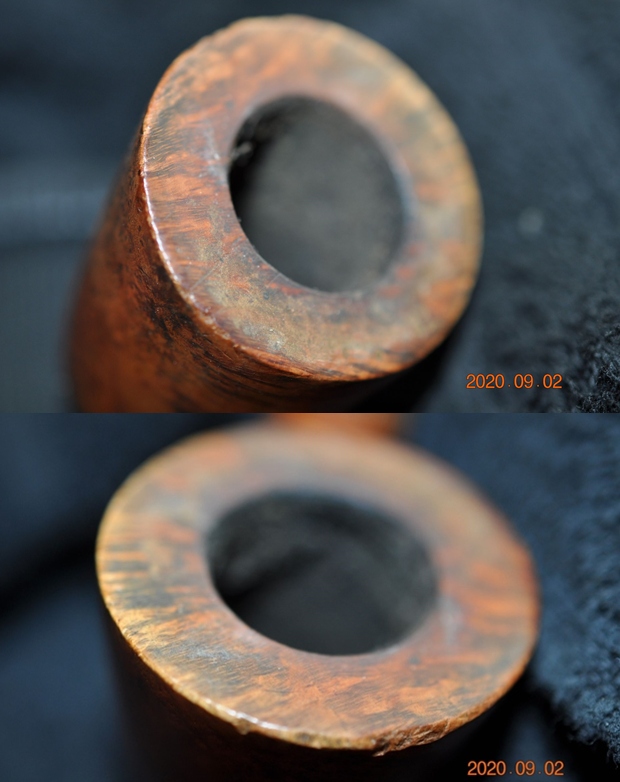
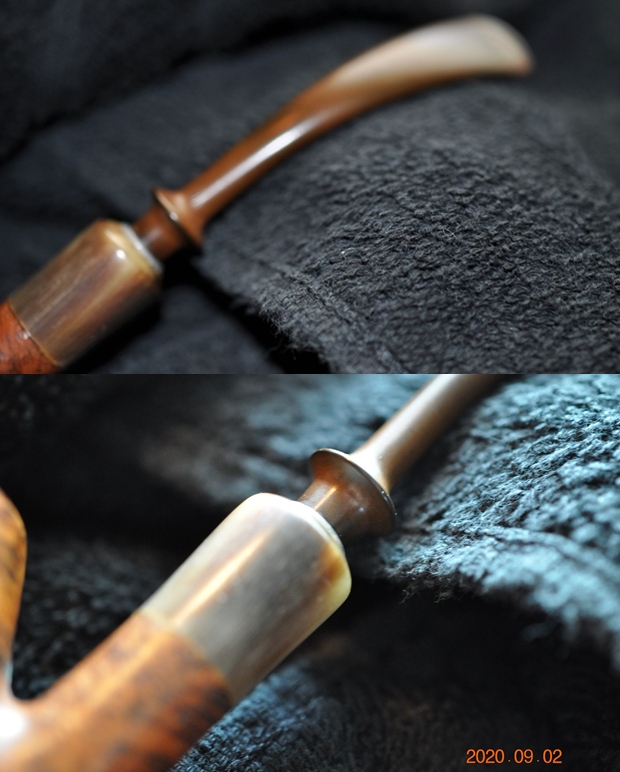
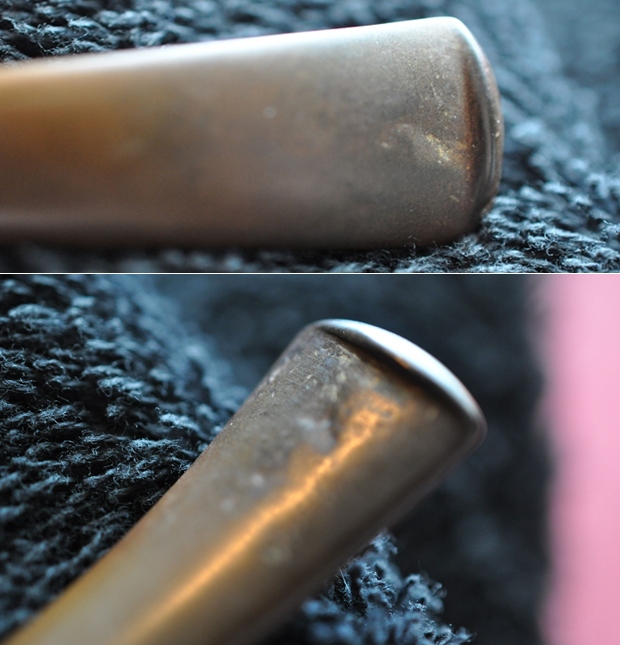
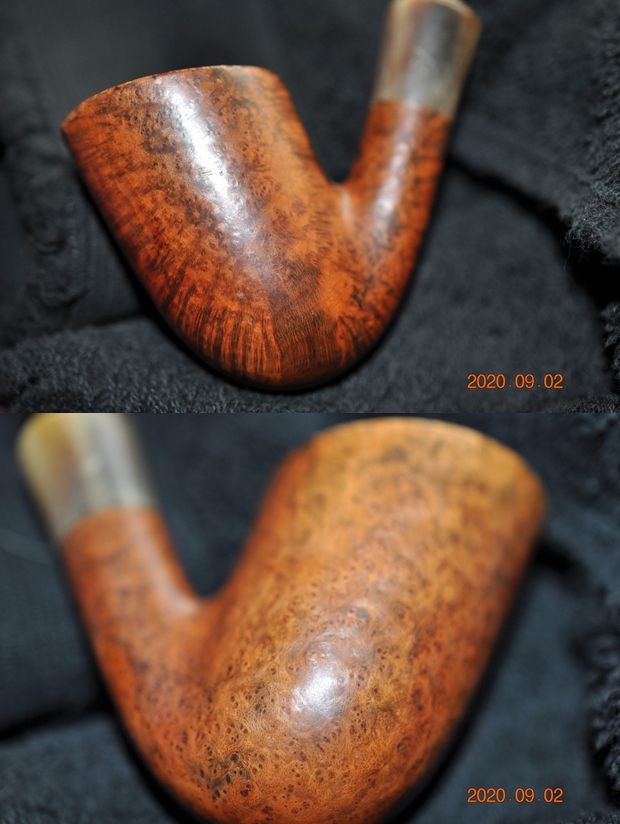
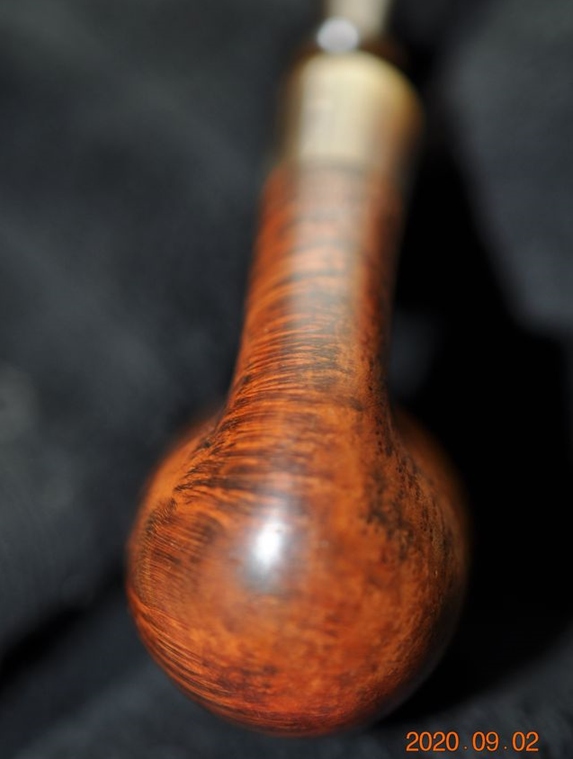
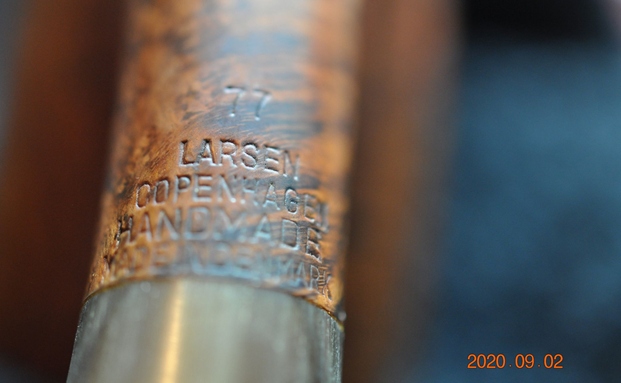
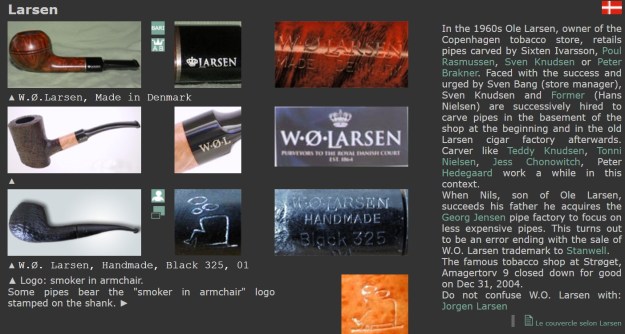
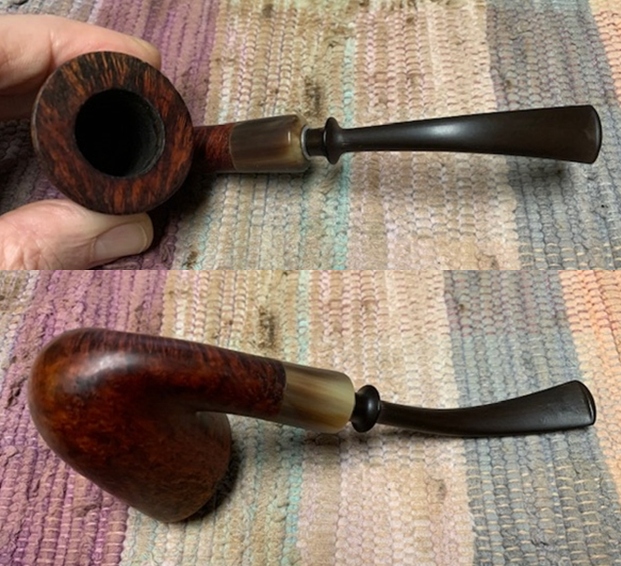
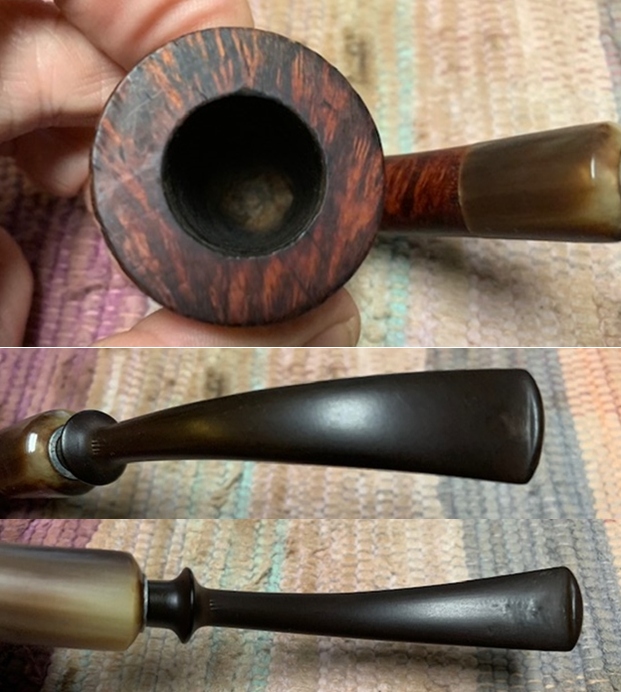
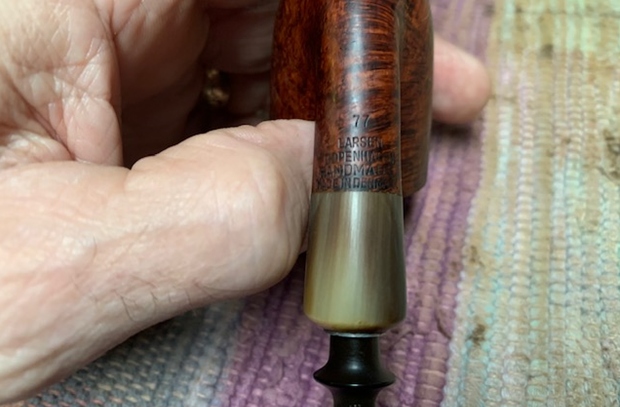
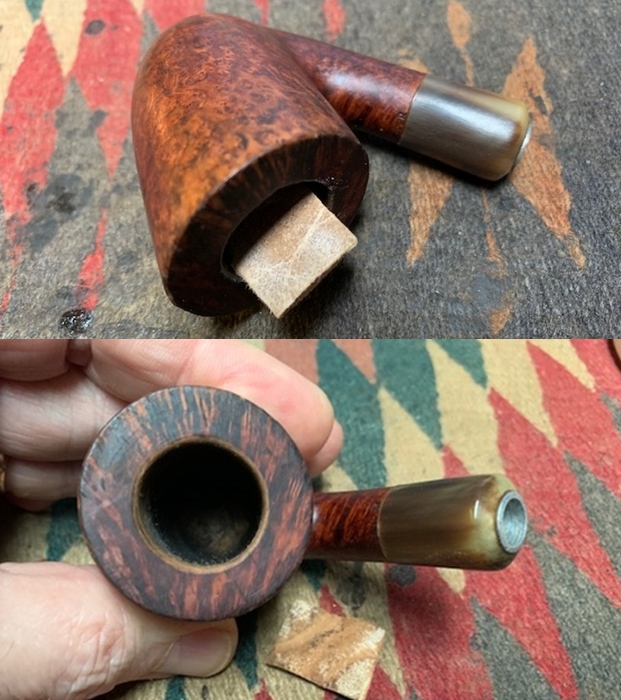
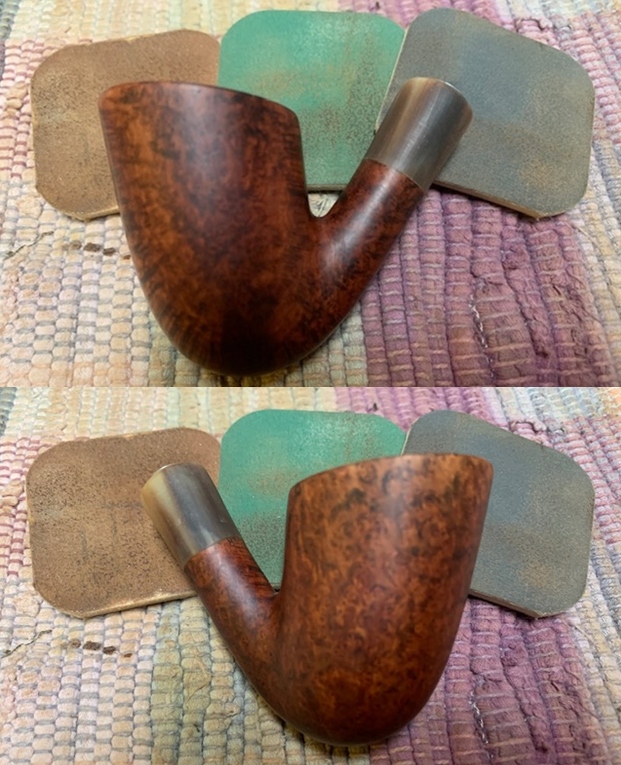
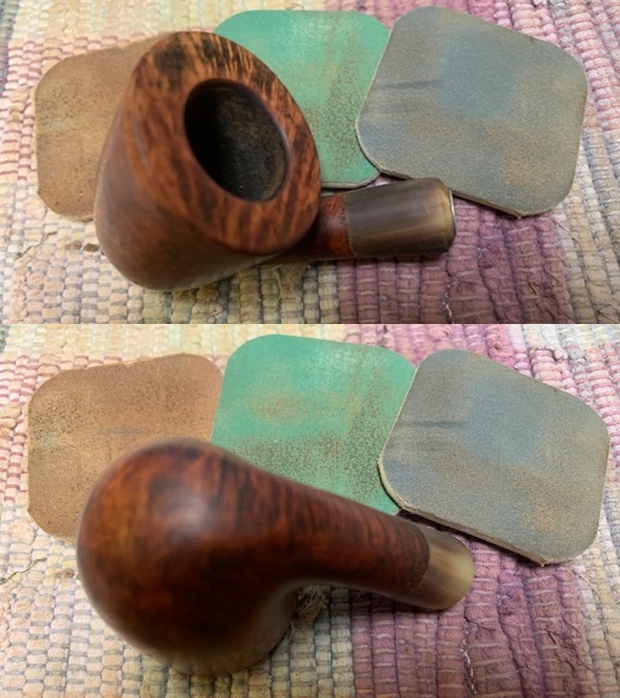
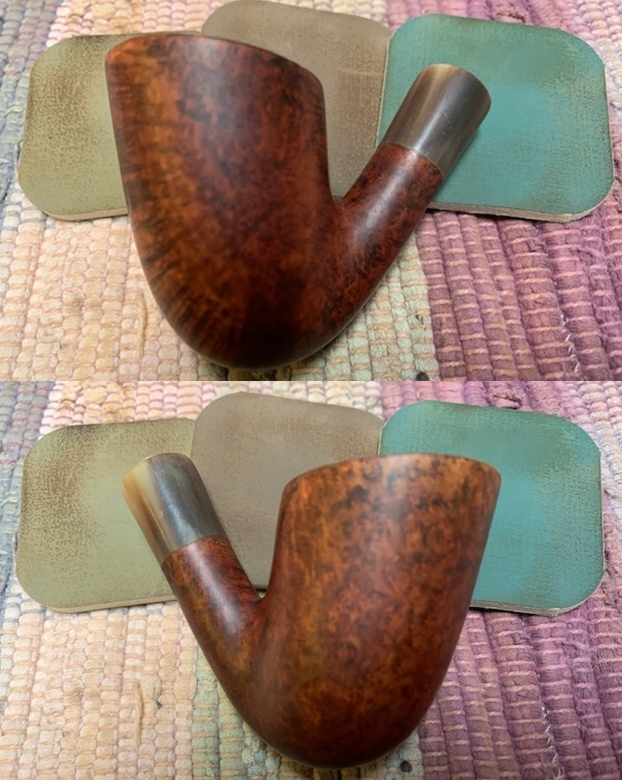
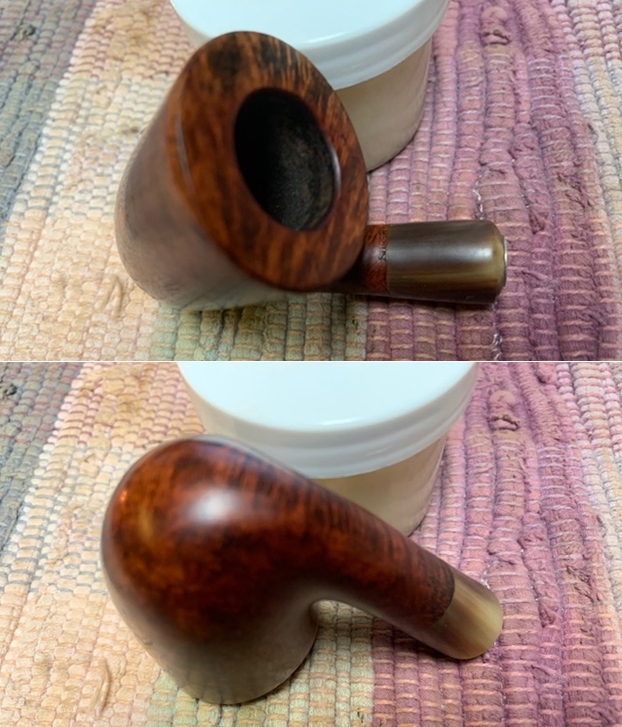
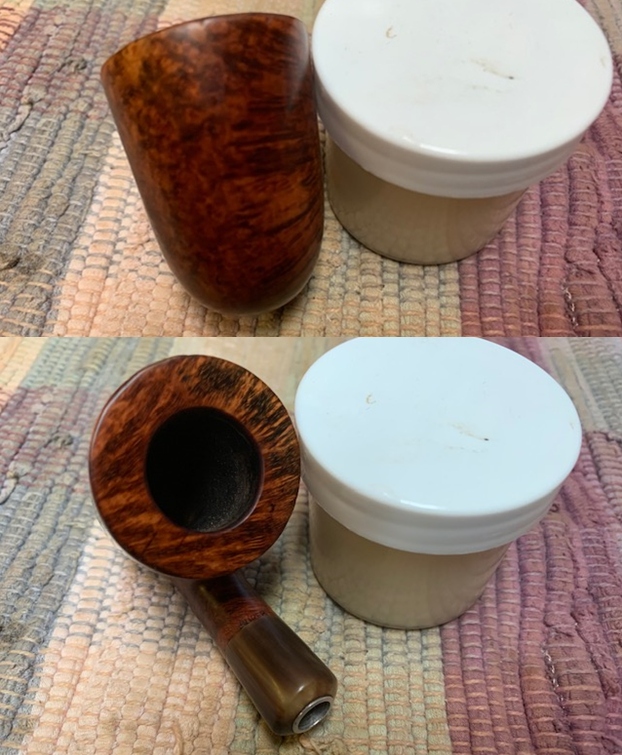
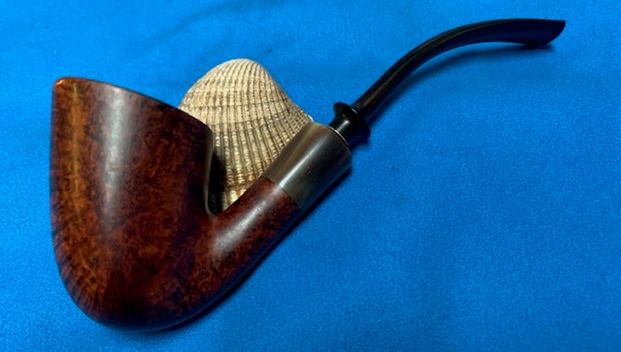
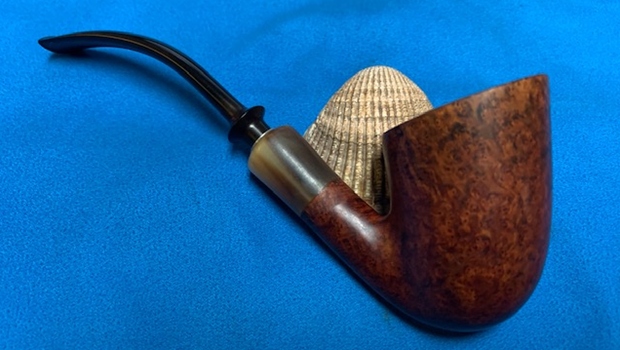
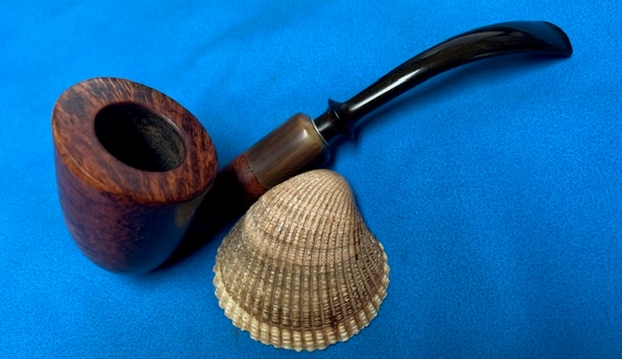
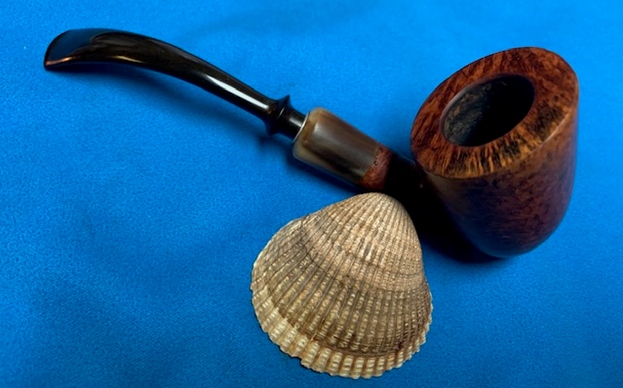
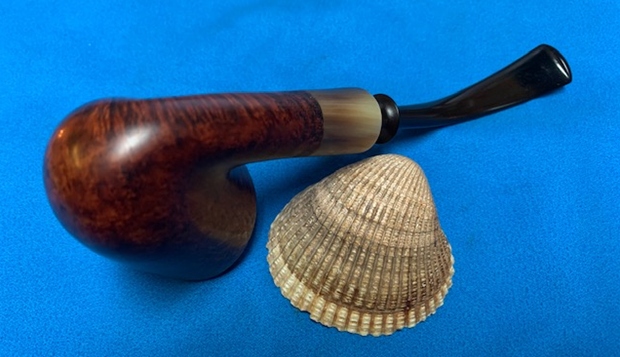
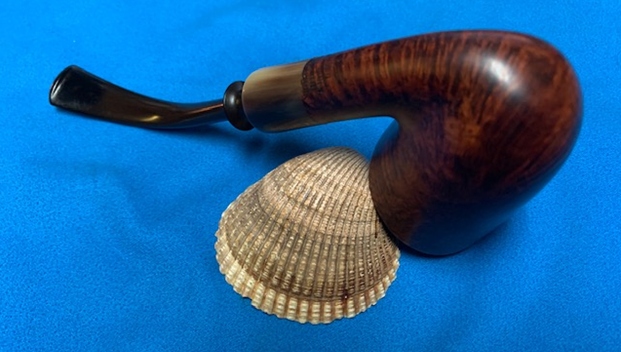
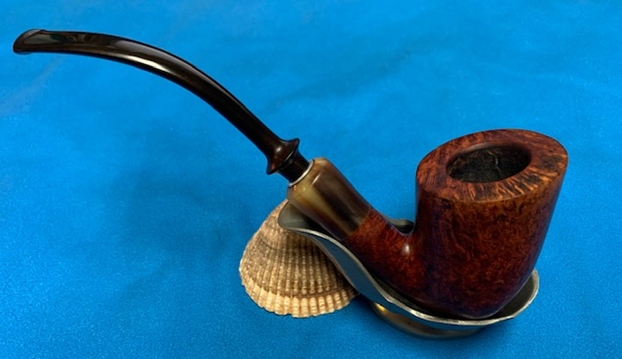
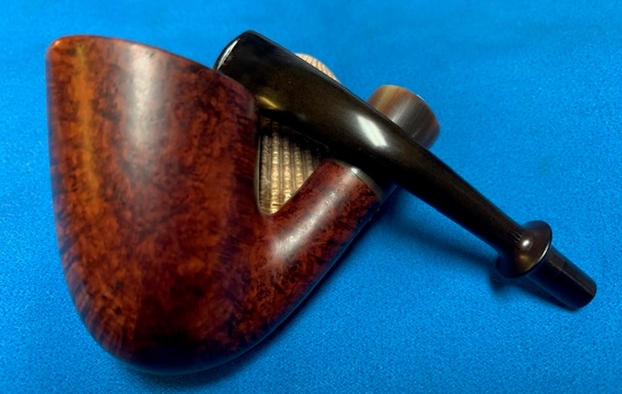
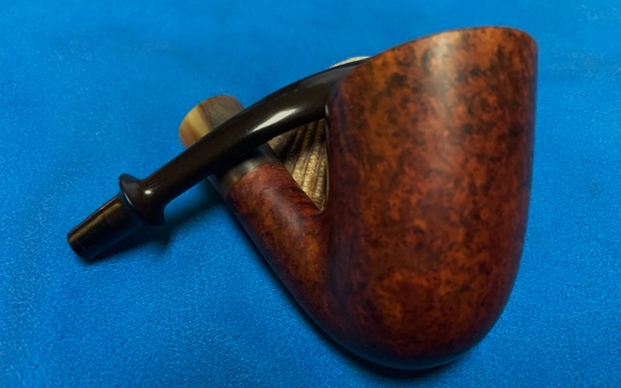
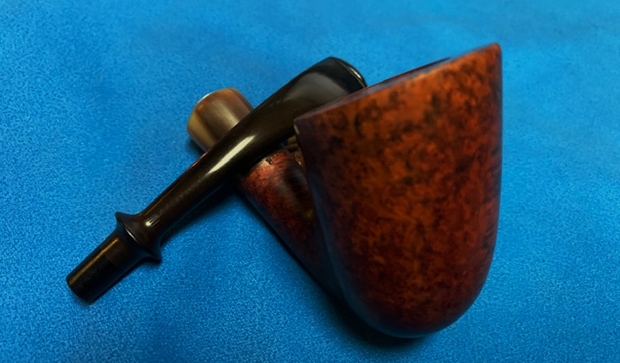
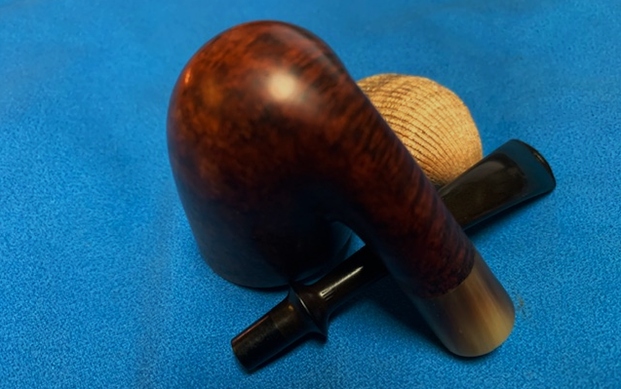
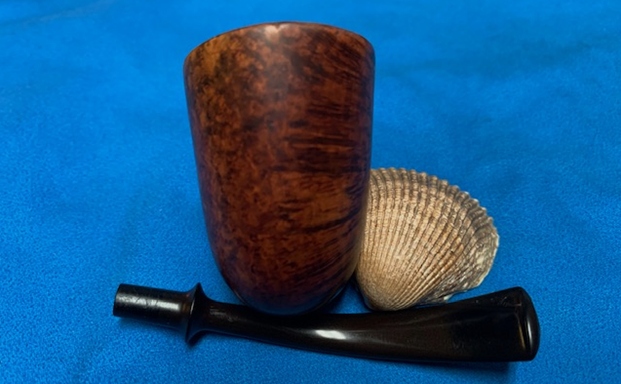
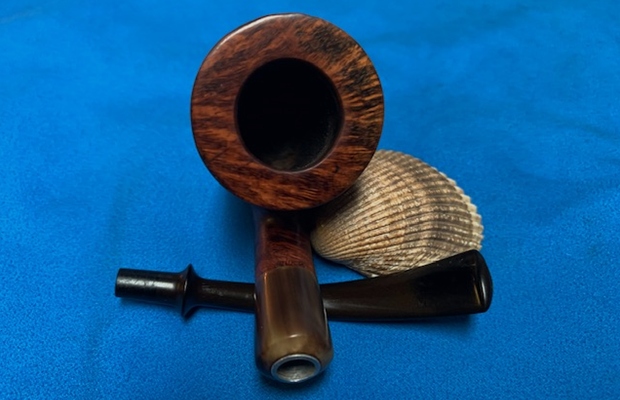
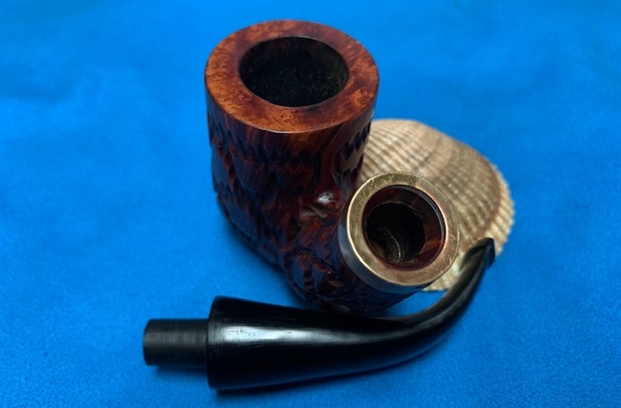
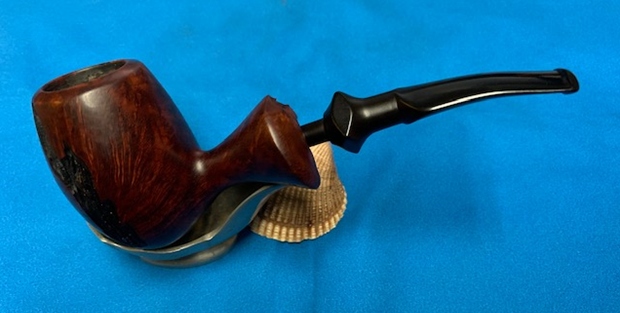
The next pipe on the work table came to us from a pipe hunt that Jeff and his wife recently did in Utah, USA. The pipe is an interesting Danish looking pipe with a horn shank extension that has a metal cup in the shank to stabilize the horn. The pipe is well shaped and has nice grain around the bowl. The pipe is stamped on the underside of the shank and reads 77 (shape number) [over] Larsen [over] Copenhagen [over] Handmade [over] Made in Denmark. There was a lot of grime ground into the smooth and finish on the briar. The bowl was heavily caked with a light overflow of lava on the top and inner edge of the rim. The inside edge looks like it may have burn damage on the front right. The outer edge has a lot of nicks and chips. The horn shank extension was lifeless looking and the metal insert seems to have lifted some from the shank. The fancy vulcanite stem had tooth chatter and marks on the top and underside near the button and on the button edge. It had promise but it was very dirty. Jeff took some photos of the pipe before he started his cleanup work. He took photos of the rim top and bowl to give a clear picture of the thickness of the cake and tobacco debris as well as the lava on the inner edge of the rim. The photos also shoe the nicks and damage on the outer edge of the bowl. He also took photos of the top and underside of the stem as well as the horn shank extension. The photos show the overall condition of the stem. Jeff took photos of the sides and heel of the bowl to give a picture of what the briar looked like. It truly has some nice grain – birdseye and cross grain around the bowl and shank. The horn shank extension is dull and lifeless looking.     The stamping on the underside of the shank is clear and readable and read as noted above. I turned to Pipephil (http://www.pipephil.eu/logos/en/logo-l2.html) to get a quick view of the brand once again. I did a screen capture of the site’s information and have included that below. From what I can figure out the pipe I am working on is a WO Larsen as it is stamped similarly to the ones in the photos though it does not have the WO in front of the Larsen. It also has the Copenhagen stamping on the shank and the Handmade stamp that is the same. Nothing definitive here but that is what I surmise.

I turned to Pipedia (https://pipedia.org/wiki/W.%C3%98._Larsen) for a quick read. The site is worth reading the history of the shop and the brand and its influence on Danish pipe carving.

I wonder if it could also be a pipe from the Larsen and Stigart pipe shop in Copeonhagen though the stamping does not include the Stigart part (https://pipedia.org/wiki/Larsen_%26_Stigart). I quote below.

Larsen & Stigart was a Copenhagen pipe shop which at point sold pipes stamped with their shop name and made by Karl Erik Ottendahl, including the Champ of Denmark line. They also employeed their own in house carvers, including Søren Eric Andersen, for approximately a decade. Among others they are said to have supplied Danish shapes to Dunhill.

What I learned from the research is that in all likelihood the pipe is a WO Larsen made pipe. I am uncertain as the stamping does not include the WO stamp. It is a beauty though.

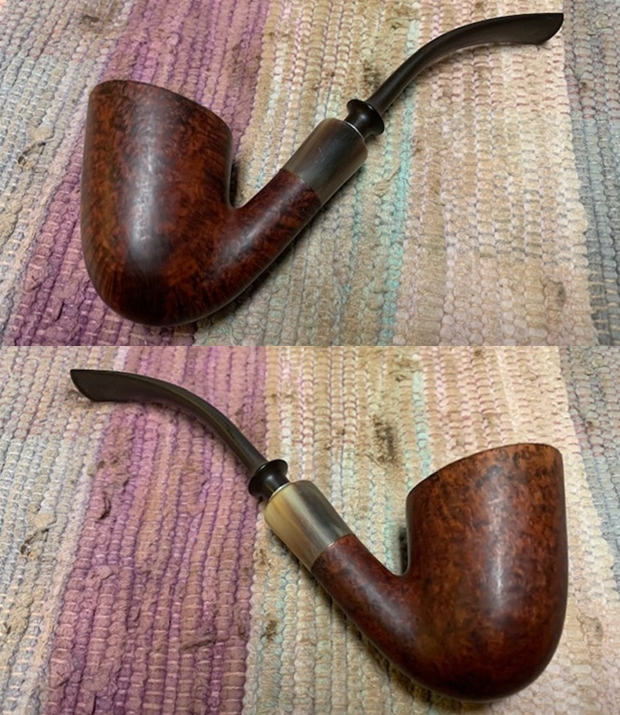
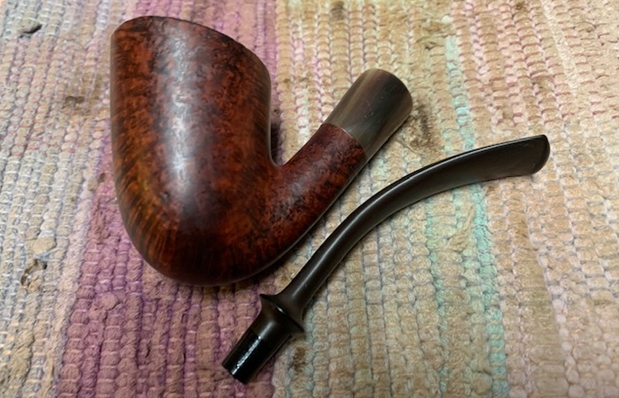
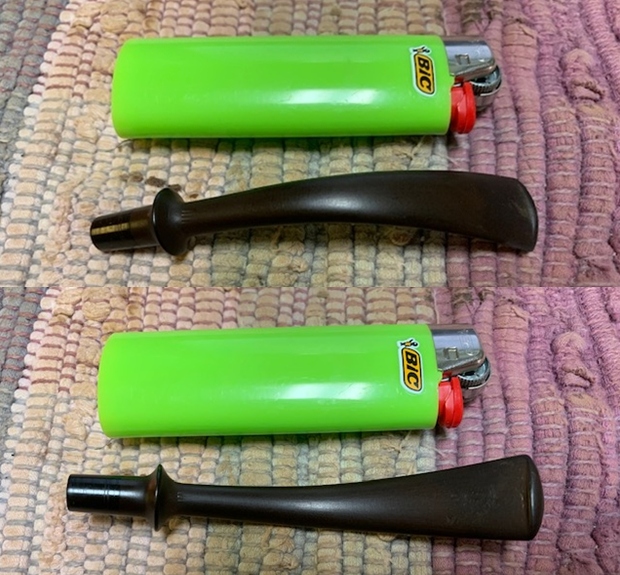
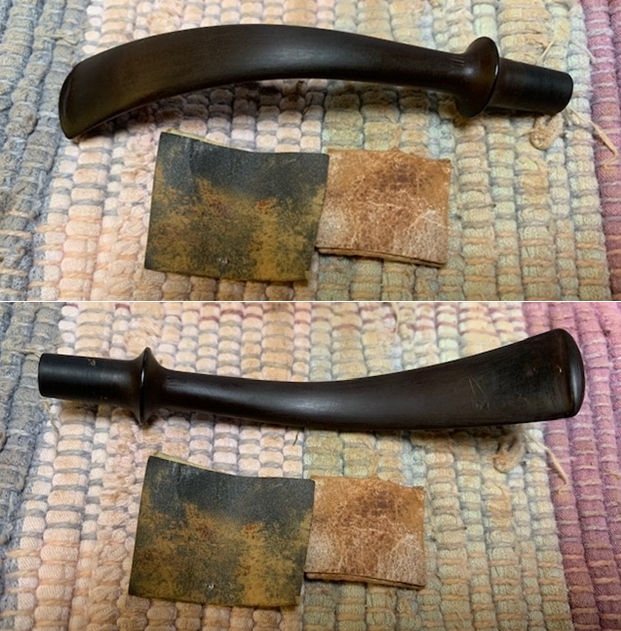
Armed with that information I turned to work on the pipe itself.  Jeff had cleaned up the pipe with his usual penchant for thoroughness. He reamed the pipe with a PipNet pipe reamer and removed the rest of it with a Savinelli Fitsall Pipe Knife.  He scrubbed the bowl with undiluted Murphy’s Oil Soap with a tooth brush. He rinsed it under running warm water to remove the soap and grime. He cleaned out the inside of the shank and the airway in the stem with alcohol, cotton swabs and pipe cleaners. He soaked the stem in a Before & After Deoxidizer bath and rinsed it off with warm water. I took photos of the pipe before I started my part of the restoration work.  The rim top cleaned up really well. The rim top, inner and outer edge of the bowl show some damage. The stem surface looked very good with a few tooth marks and chatter on both sides near the button.   The stamping on the shank sides is clear and readable. It is stamped as noted above.  I removed the stem and took a photo of the pipe to give a sense of the whole. The fancy thin saddle stem is nice and the photo gives a sense of what the pipe looks like. I turned my attention to the damage on the inner edge of the rim. I used a folded piece of 220 grit sandpaper to give the inner edge a slight bevel to minimize the burn damage.  I polished the briar and horn shank extension with micromesh sanding pads – 1500-12000 grit pads. I wiped the bowl down after each pad with a damp cloth.    I rubbed the bowl and shank down with Before & After Restoration Balm. I worked it into the surface of the bowl sides and shank with my fingertips to clean, enliven and protect the briar. I let the balm sit for about 10-15 minutes and buffed with a cotton cloth to raise the shine. The grain came alive and the fills while visible look better than when I began.     I set the bowl aside and turned to work on the stem. I “painted” the stem surface with the flame of a lighter and was able to lift out all of the tooth marks and chatter on the surface. The little that remained I sanded out with 220 grit sandpaper. I started polishing it with 400 grit wet dry sandpaper.   I polished the vulcanite stem with micromesh sanding pads – 1500-12000 grit pads. I wiped it down with Obsidian Oil after each sanding pad. I used Before & After Pipe Polish – both Fine and Extra Fine to further polish the stem.    This Larsen Handmade Danish 77 Dublin Freehand is a great looking pipe now that it has been restored. The shape is elegant and flowing with a thin turned vulcanite stem. The horn shank extension has a metal insert in the shank end to keep it from splitting. I put the stem back on the bowl and carefully buffed the pipe with Blue Diamond on the buffing wheel using a light touch on the briar. I gave the bowl and the stem multiple coats of carnauba wax on the buffing wheel and followed that by buffing the entire pipe with a clean buffing pad. I hand buffed the pipe with a microfiber cloth to deepen the shine. The finished Larsen77 Bent Dublin fits nicely in the hand and feels great. Give the finished pipe a look in the photos below. The dimensions of the pipe are Length: 6 inches, Height: 2 inches, Outside diameter of the bowl: 1 ½ inches, Chamber diameter: ¾ of an inch. I will be putting it on the rebornpipes store shortly. If you are interested in adding this pipe to your collection send me a message or an email. Thanks for reading this blog and my reflections on the pipe while I worked on it. There are many more to come!

Breathing Life into a Custom-Bilt Imported Briar Scoop/Bullmoose


Blog by Steve Laug

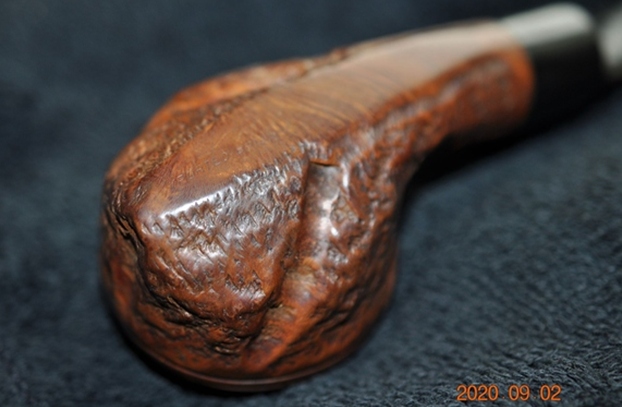
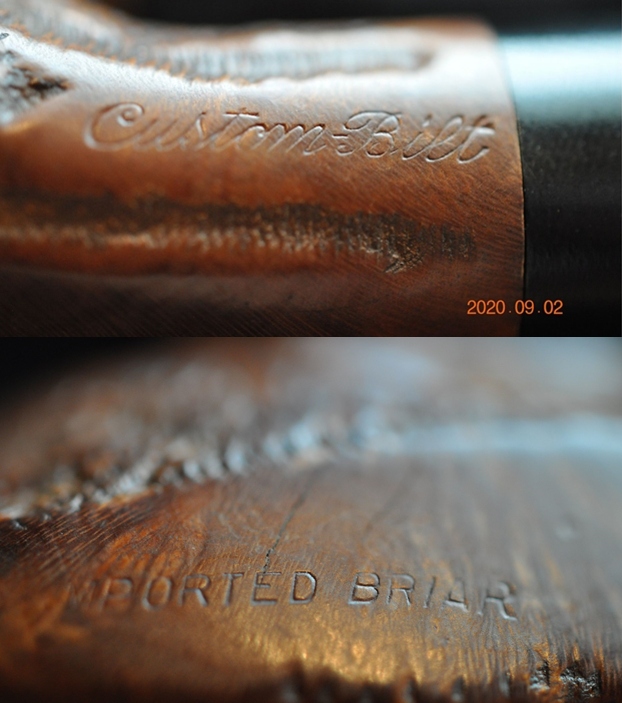
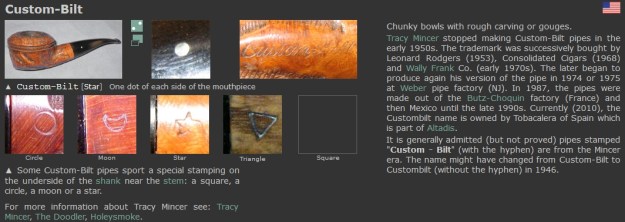
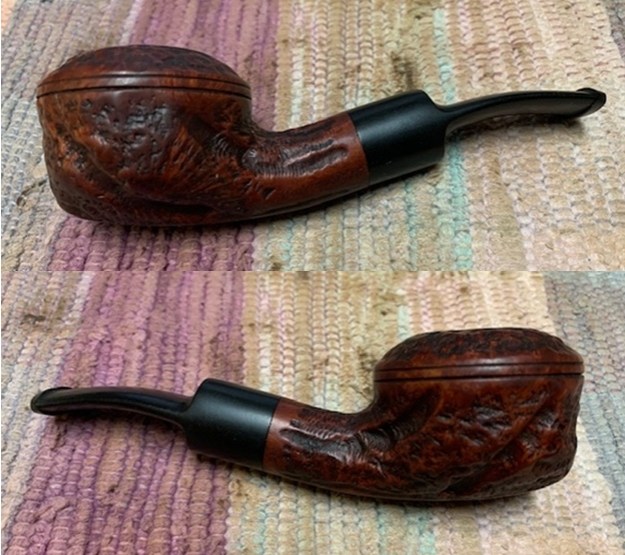
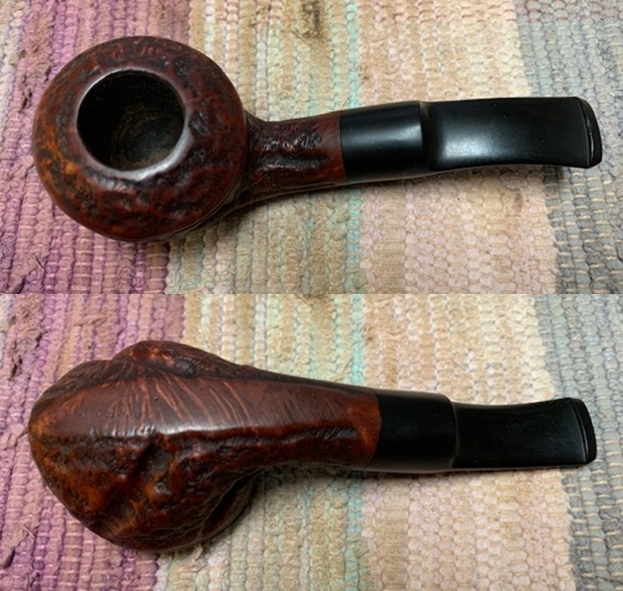
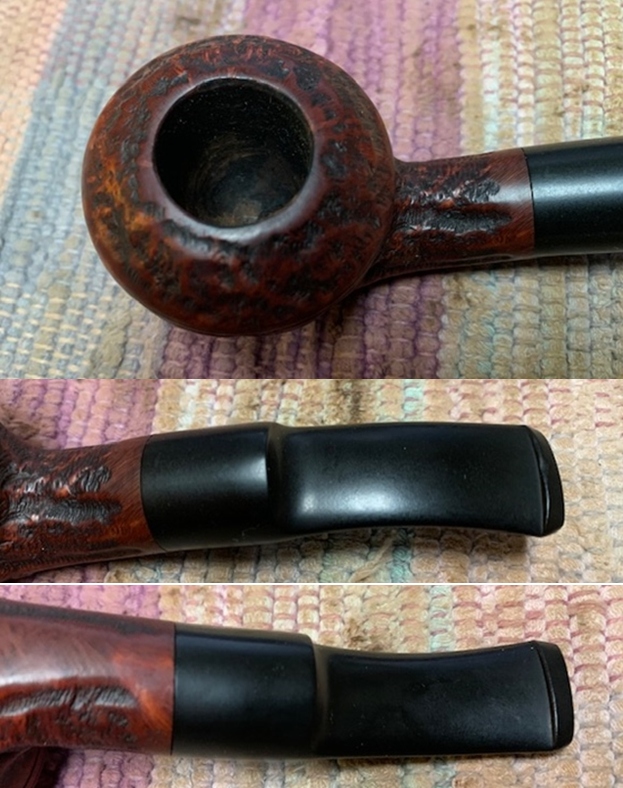
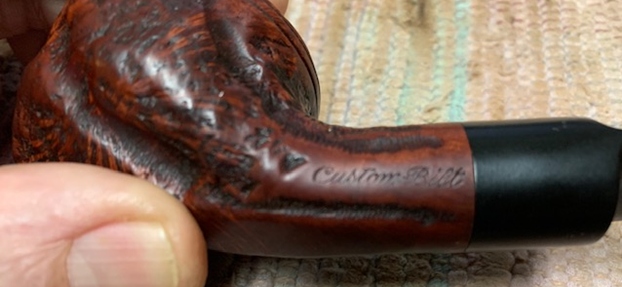
The next pipe on the work table came to us from an antique store in Chinook, Washington, USA. The pipe is a classic Custom-Bilt piece – a rusticated Scoop or Bullmoose shaped pipe with some nice grain around the bowl. The pipe is stamped on the left side of the shank and reads Custom-Bilt and on the heel of the bowl and reads Imported Briar. There was a lot of grime ground into the smooth and rusticated portions of the finish on the briar. The bowl was heavily caked with a light overflow of lava on the top and inner edge of the rim. The inside edges looked to be in good condition. The stem was lightly oxidized and had tooth chatter and marks on the top and underside near the button and on the button edge. There were not markings or a logo on the saddle stem. There was also a removable stinger in the tenon end. It had promise but it was very dirty. Jeff took some photos of the pipe before he started his cleanup work. He took photos of the rim top and bowl to give a clear picture of the thickness of the cake and tobacco debris as well as the lava on the rim top rustication. He also took photos of the top and underside of the stem to show the light oxidation and the chatter and tooth marks. Jeff took photos of the sides and heel of the bowl to give a picture of what the briar looked like. The rustication pattern around the bowl is instantly recognizable as done by Custom-Bilt.  You can also see the prominent nose or jutting chin on the bottom front of the bowl that leads me to identify it as a Bullmoose! The stamping on the left side of the shank is clear and readable and read as noted above. I turned to Pipephil (http://www.pipephil.eu/logos/en/logo-c8.html) to get a quick view of the brand once again. I knew that I was working with one of the older pipes and  probably made by Tracy Mincer himself. He stopped making the Custom-Bilt pipes in the early 1950s. The screen capture I included below shows a brief history of the brand. I turned to Pipedia (https://pipedia.org/wiki/File:CustomBilt_Stamp1.jpg) for a quick read. The majority of the information there was two book reviews of the Custom-Bilt Story by Bill Unger. The one line I culled was the following: “Tracy Mincer started the original Custom-Bilt pipes it appears in 1934”.

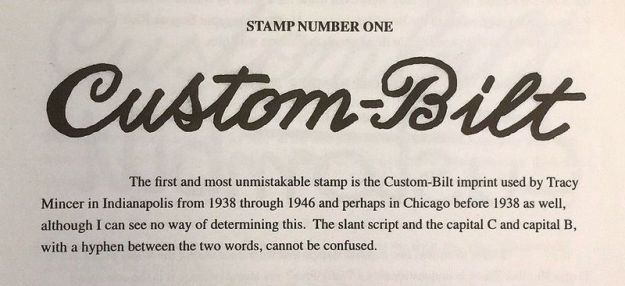
I did a screen capture of the stamping that matched the stamping on the pipe that I am working on. What I learned from that is that the stamp was used by Tracy Mincer in Indianapolis in the US from 1938-1946 and possibly in Chicago before 1938 as well. There were also some metal bits in the vulcanite and the Imported Briar stamp which made think WW2 or shortly after. So now I had a possible date for this pipe. It was an old timer and it was well worth working on.

Armed with that information I turned to work on the pipe itself.  Jeff had cleaned up the pipe with his usual penchant for thoroughness. He reamed the pipe with a PipNet pipe reamer and removed the rest of it with a Savinelli Fitsall Pipe Knife.  He scrubbed the bowl with undiluted Murphy’s Oil Soap with a tooth brush. He rinsed it under running warm water to remove the soap and grime. He cleaned out the inside of the shank and the airway in the stem with alcohol, cotton swabs and pipe cleaners. He soaked the stem in Before & After Deoxidizer and rinsed it off with warm water. I took photos of the pipe before I started my part of the restoration work. The rim top cleaned up really well. The rim top and outer edge of the bowl show some damage. The stem surface looked very good with a few small tooth marks and chatter on both sides near the button. There was also a deeper tooth mark on the top button surface.    The stamping on left side of the shank is clear and readable. It is stamped as noted above.I removed the stem and took a photo of the pipe to give a sense of the whole. The saddles stem is nice and the photo shows the removable stinger. The bowl was in excellent condition so started by rubbing the bowl and shank down with Before & After Restoration Balm. I worked it into the surface of the bowl sides and shank with my fingertips and a horsehair shoe brush to clean, enliven and protect the briar. I let the balm sit for about 10-15 minutes and buffed with a cotton cloth to raise the shine. The grain came alive.  I set the bowl aside and turned to work on the stem. I removed the pressure fit stinger before working on the rest of the stem. I will include it with the pipe to the next owner but will not reinstall it. I also filled in the deep tooth mark on the topside of the button with clear superglue. Once the repair cured I sanded it smooth to blend them into the surface of the vulcanite. I also sanded out the remaining tooth chatter on both sides. I started polishing it with 400 grit wet dry sandpaper. I polished the vulcanite stem with micromesh sanding pads – 1500-12000 grit pads. I wiped it down with Obsidian Oil after each sanding pad. I used Before & After Pipe Polish – both Fine and Extra Fine to further polish the stem.   This Custom-Bilt Imported Briar Scoop/Bullmoose is a great looking pipe now that it has been restored. The style of rustication that is used around the bowl is quite beautiful and works well with both the shape and the polished vulcanite saddle stem. I put the stem back on the bowl and carefully buffed the pipe with Blue Diamond on the buffing wheel using a light touch on the briar. I gave the bowl and the stem multiple coats of carnauba wax on the buffing wheel and followed that by buffing the entire pipe with a clean buffing pad. I hand buffed the pipe with a microfiber cloth to deepen the shine. The finished Custom-Bilt fits nicely in the hand and feels great. Give the finished pipe a look in the photos below. The dimensions of the pipe are Length: 5 inches, Height: 1 ½ inches, Outside diameter of the bowl: 2 inches, Chamber diameter: ¾ of an inch. I will be putting it on the rebornpipes store shortly. If you are interested in adding this pipe to your collection send me a message or an email. Thanks for reading this blog and my reflections on the pipe while I worked on it. There are many more to come!

New Life a Drummond Imported Briar Poker


Blog by Steve Laug

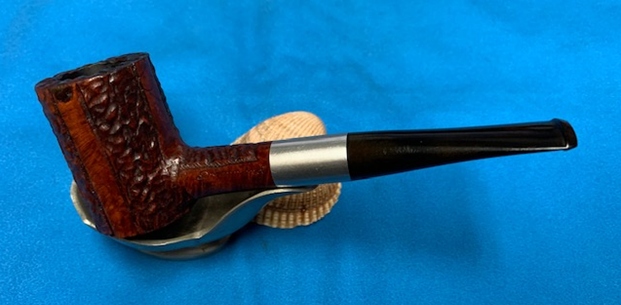
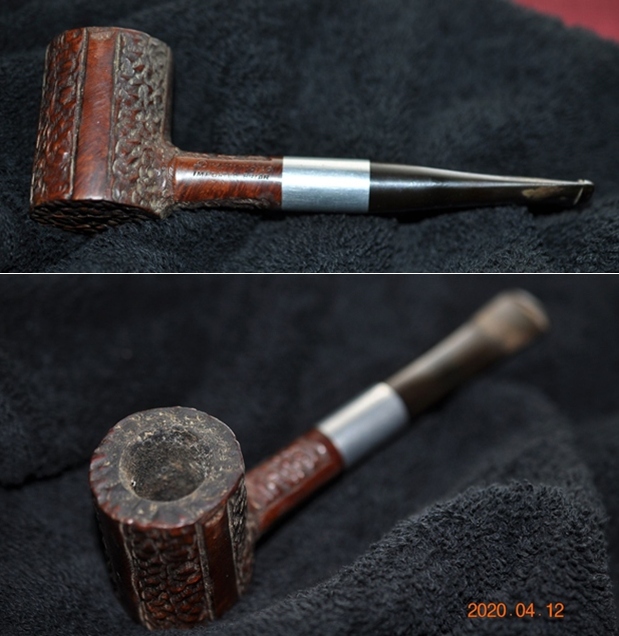
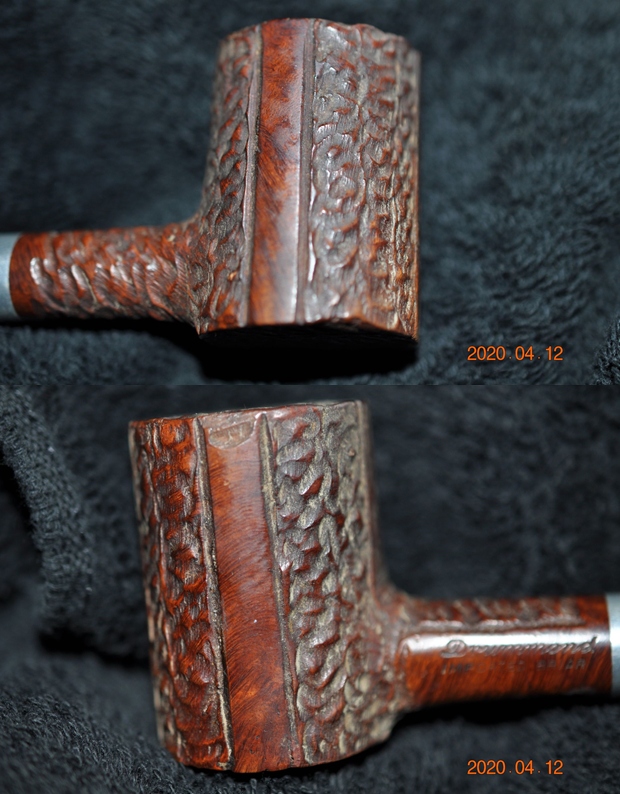
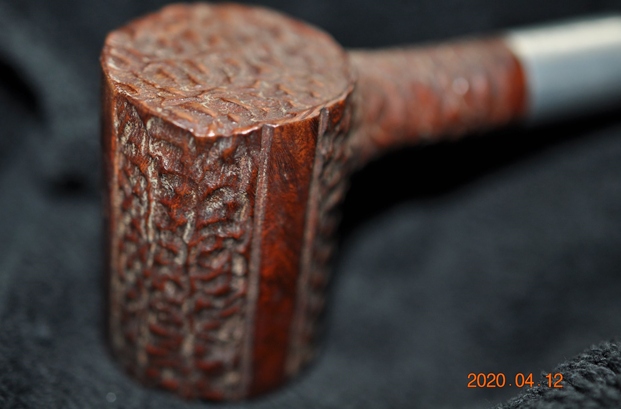
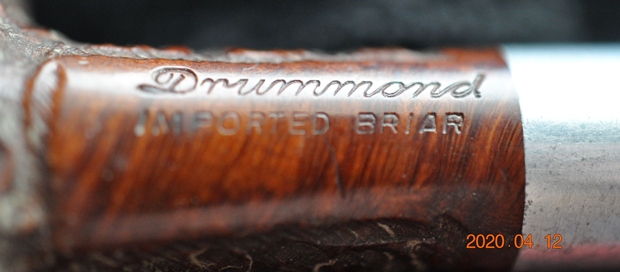
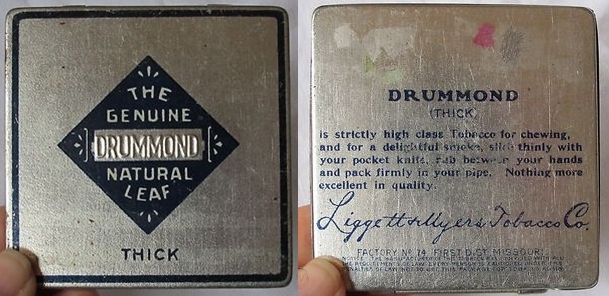
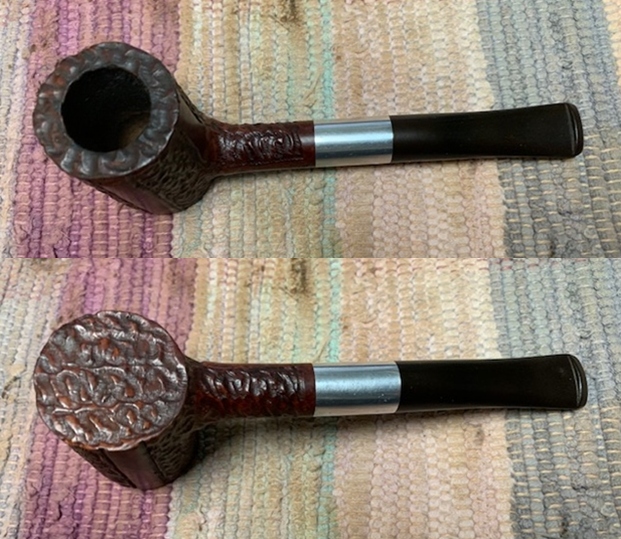
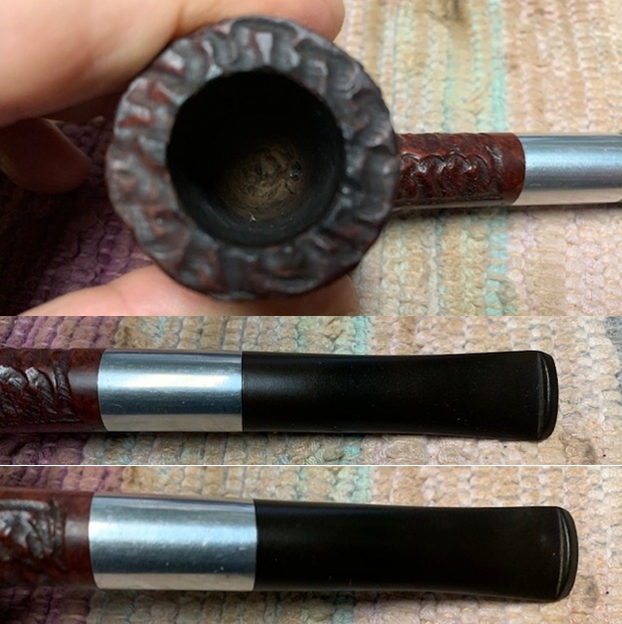
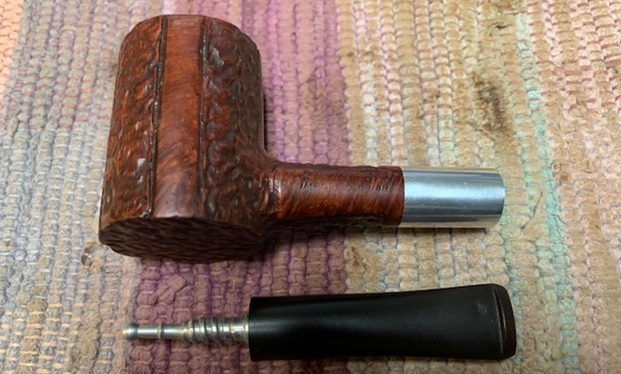
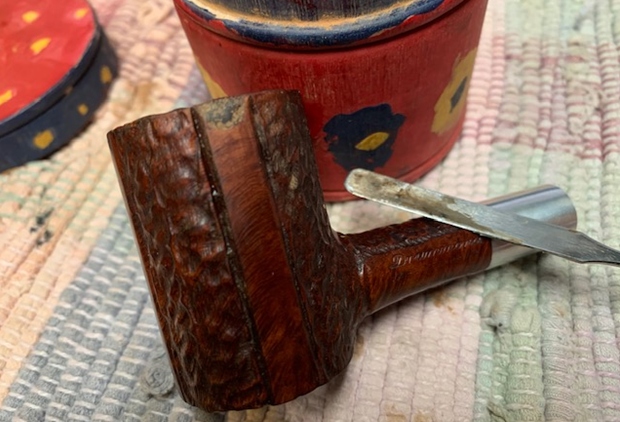
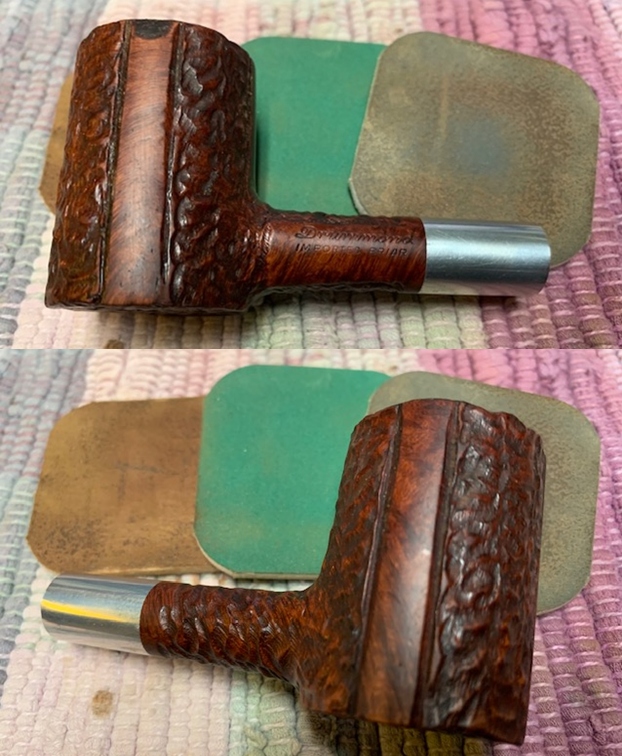
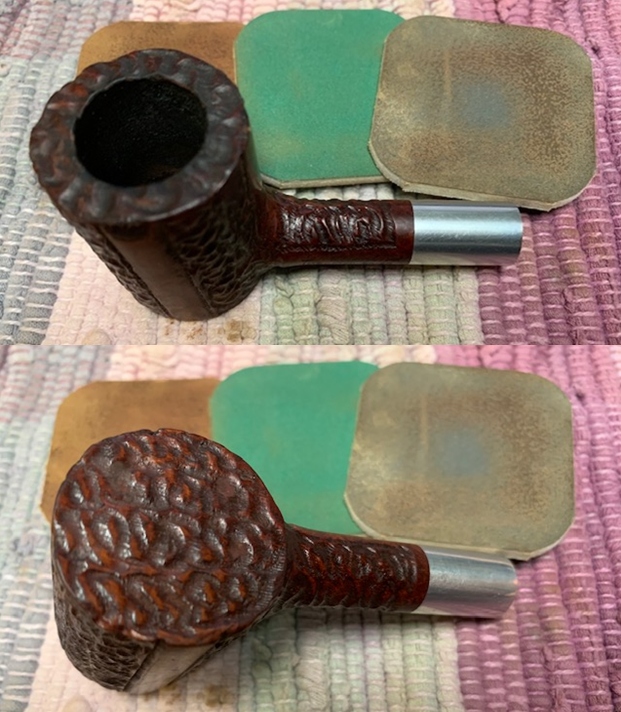
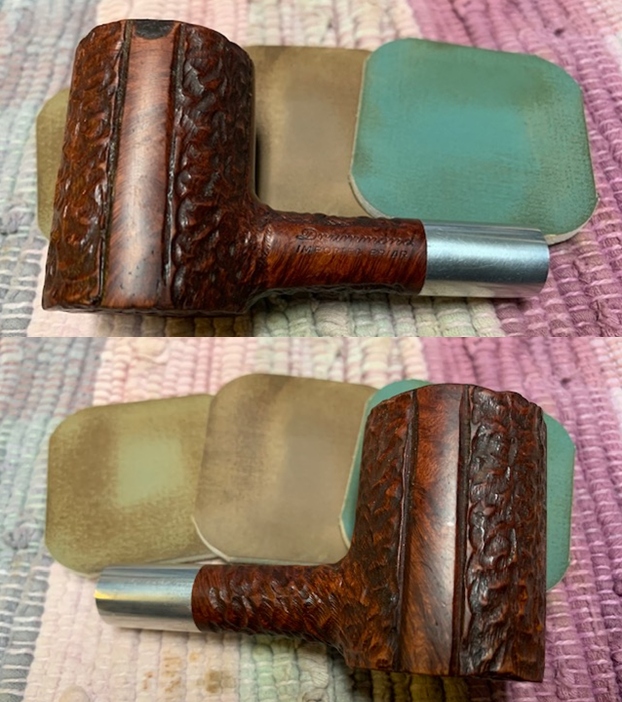
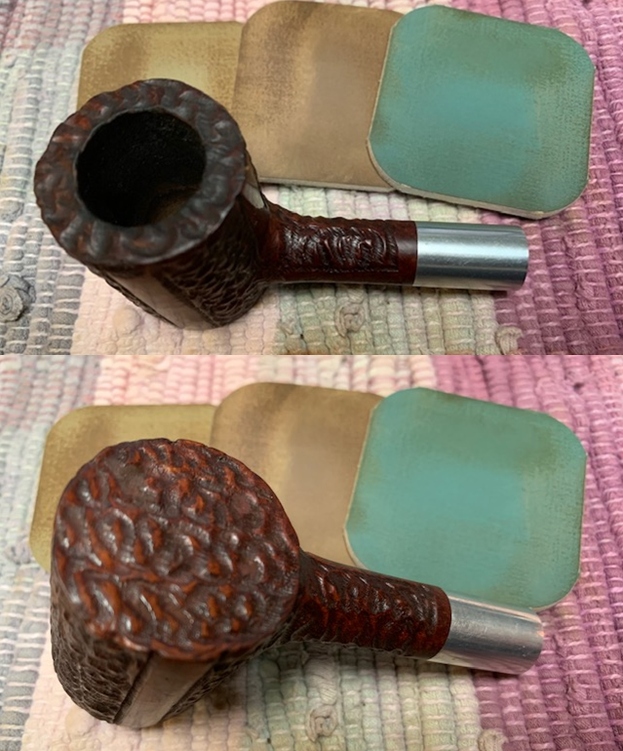
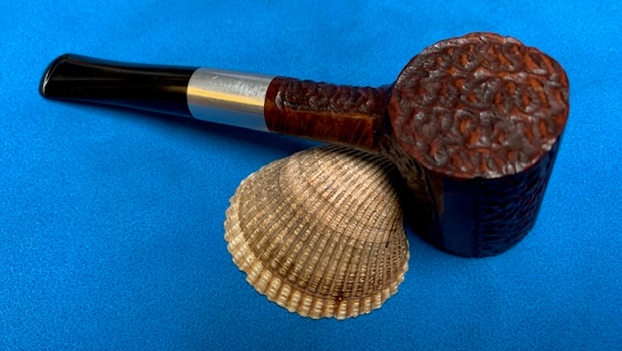
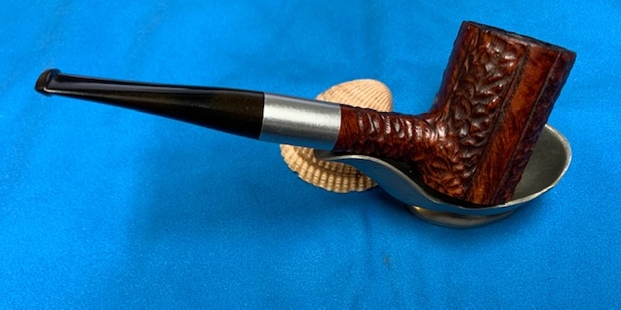
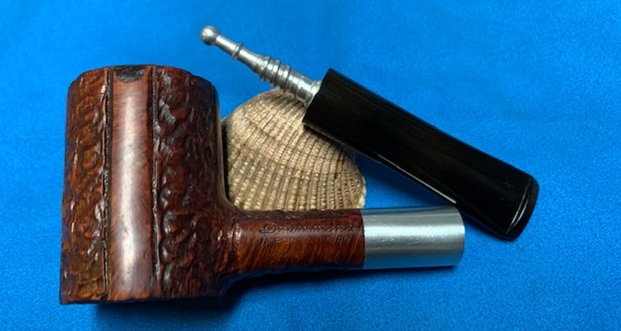
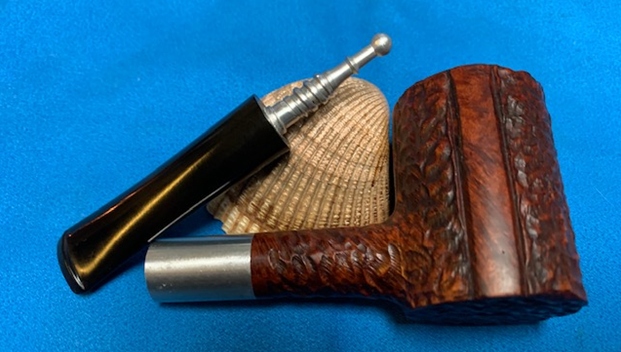
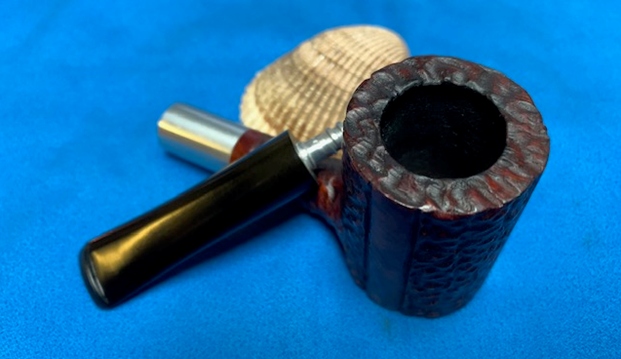
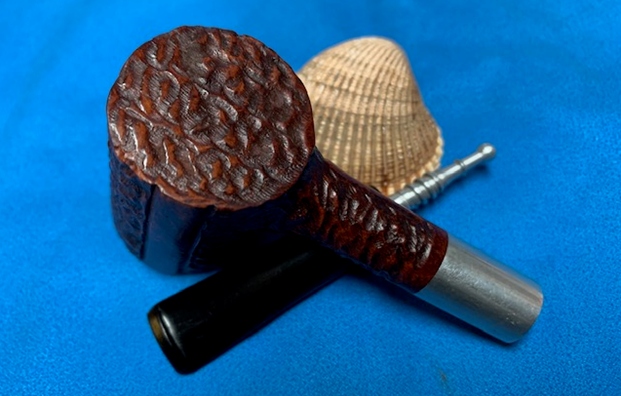
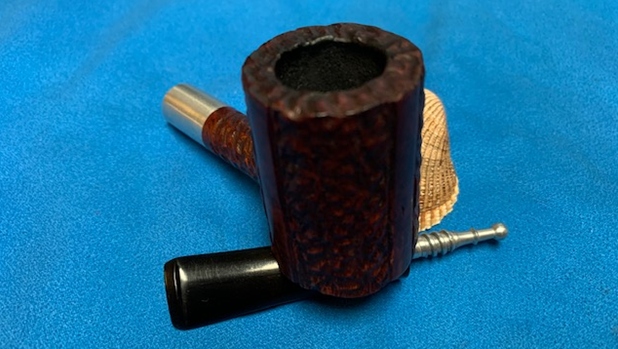
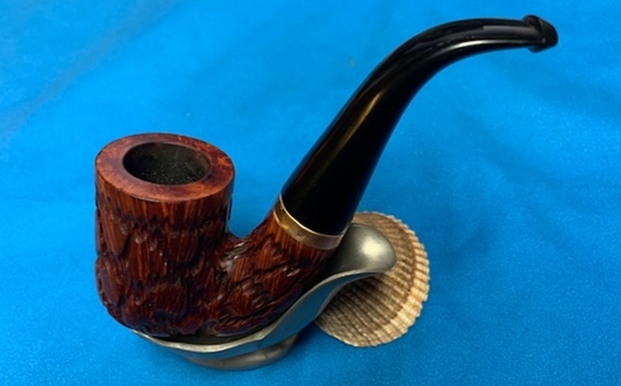
The next pipe on the work table came to us from an online auction from Columbus, Mississippi, USA. The pipe is an interesting looking piece – a mixed finish Poker shaped pipe with some nice grain around the bowl. The finish is rusticated in vertical stripes separated by smooth stripes. The pipe is stamped on the left side of the shank and reads Drummond in script [over] Imported Briar. There was a lot of grime ground into the smooth and rusticated portions of the finish on the briar. The bowl was heavily caked with an overflowing lava coat on the top of the rim. The inside edges looked to be in good condition. There was a large nick in the briar on the left side top outer edge of the rim. The metal shank end is a threaded system for the threaded tenon that is screwed into the shank. The stem was oxidized, calcified and had tooth chatter and marks on the top and underside near the button. There were not markings or a logo on the taper stem. It had promise but it was very dirty. Jeff took some photos of the pipe before he started his cleanup work. He took photos of the rim top and bowl to give a clear picture of the thickness of the cake and tobacco debris as well as the lava filling in the rustication on the rim top. He also took photos of the top and underside of the stem to show the oxidation and the chatter and tooth marks. Jeff took photos of the sides and heel of the bowl to give a picture of what the briar looked like. There is some nice grain on the smooth stripes and the rustication is unique around the sides.  The stamping on the left side of the shank is clear and readable and read as noted above. I could find nothing listed on either Pipedia or Pipephil’s site on the Drummond Brand. I did a quick search of the name and came across quite a few photos of tins of tobacco and pouches of tobacco made by Liggett & Myers. It is labeled as Antique Pipe Chewing Tobacco Tin that is called The Genuine Drummond Natural Leaf Thick. Have a look at the photos I have included below (https://www.worthpoint.com/worthopedia/antique-pipe-chewing-tobacco-tin-253303793).

Antique Pipe Chewing Tobacco Tin Genuine Drummond Natural Leaf Liggett & MyersI am pretty certain that the pipe was a Tobacco Company Coupon pipe possibly that was earned by tobacco coupons. I cannot prove that but that appears to be what is happening with this mystery brand. Now on to working on the pipe.

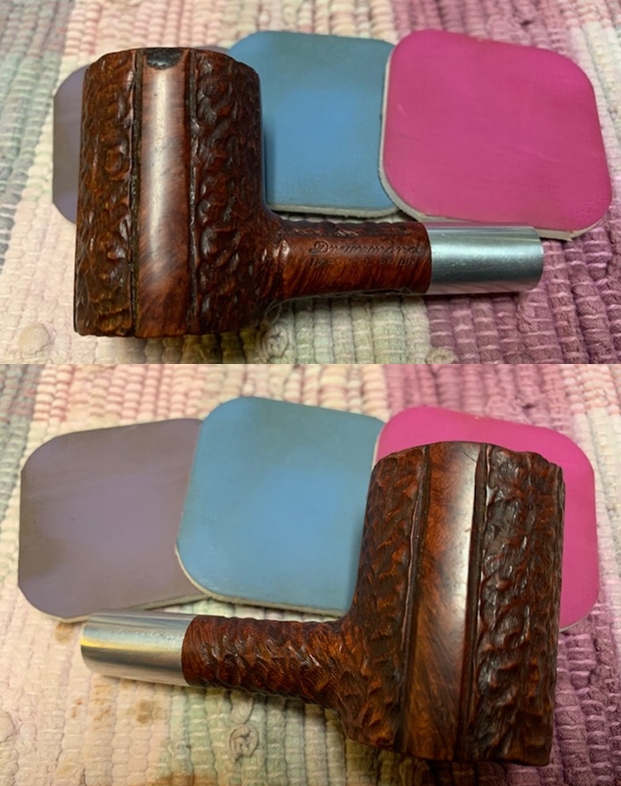
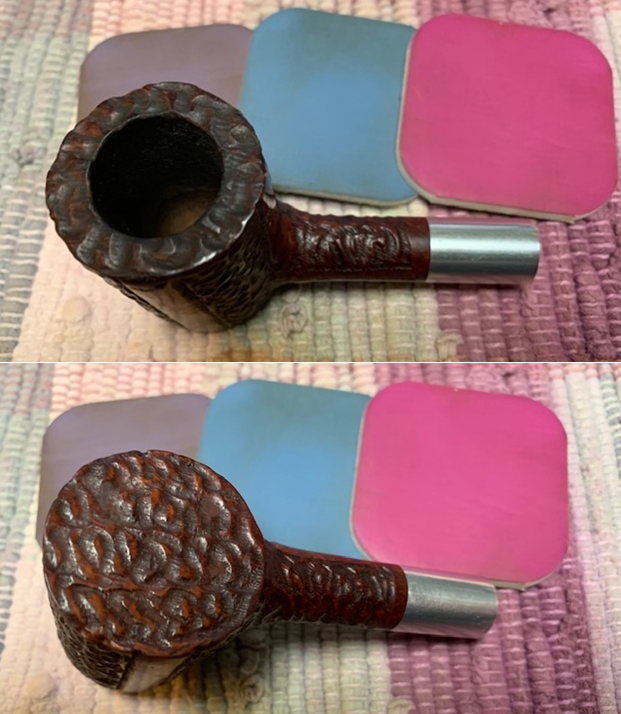
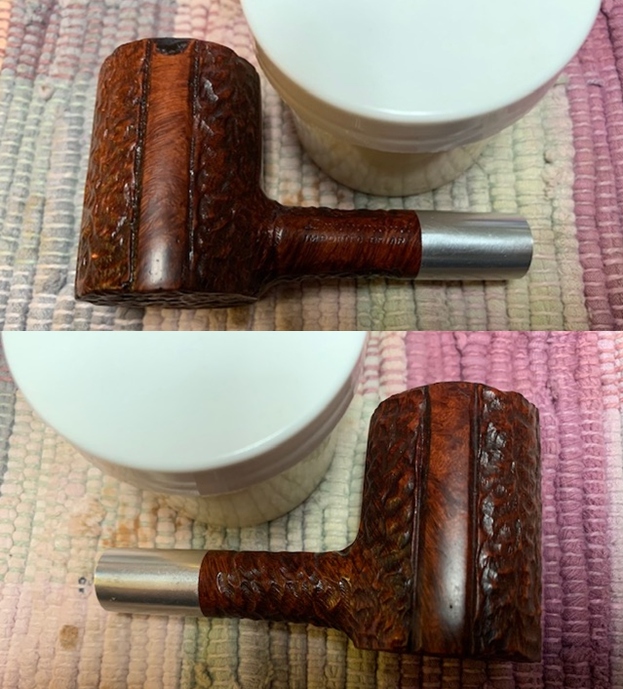
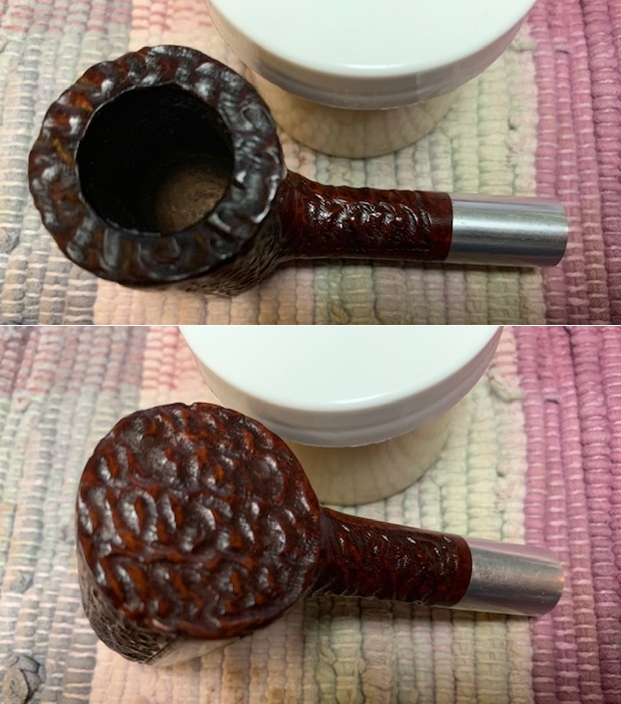
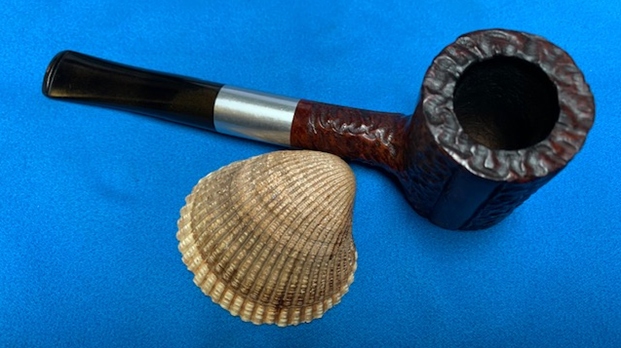
Jeff had cleaned up the pipe with his usual penchant for thoroughness. He reamed the pipe with a PipNet pipe reamer and removed the rest of it with a Savinelli Fitsall Pipe Knife.  He scrubbed the bowl with undiluted Murphy’s Oil Soap with a tooth brush. He rinsed it under running warm water to remove the soap and grime. He cleaned out the inside of the shank and the airway in the stem with alcohol, cotton swabs and pipe cleaners. He soaked the stem in Before & After Deoxidizer and rinsed it off with warm water. I took photos of the pipe once I received it.  The rim top cleaned up really well. The rim top and outer edge of the bowl show some damage. The stem surface looked very good with a few small tooth marks and chatter on both sides near the button.   The stamping on left side of the shank is clear and readable. It is stamped as noted above.    I removed the stem and took a photo of the pipe to give a sense of the whole. The stem is tapered and narrow. Now it was time to do my work on the pipe. I filled in a large chip on the top left edge of the bowl. I used super glue and briar dust to build up the chipped area. Once it cured I smoothed it out with 220 grit sandpaper until it was even with the surrounding briar.I polished the repaired area and the rest of the briar with micromesh sanding pads – wet sanding with 1500-12000 grit pads and wiping it down after each pad with a damp cloth. I rubbed the bowl and shank down with Before & After Restoration Balm. I worked it into the surface of the bowl sides and shank with my fingertips to clean, enliven and protect the briar. I let the balm sit for a little while and then buffed with a cotton cloth to raise the shine. The grain came alive and the fills while visible look better than when I began. I set the bowl aside and turned to work on the stem. I “painted” the surface on both sides of the stem with the flame of a lighter to lift the tooth marks. I was able to lift them completely on the top side of the stem. One deeper tooth mark remained on the underside.  I filled in the one remaining tooth mark on the underside of the stem. Once the repair cured I sanded them smooth to blend them into the surface of the vulcanite. I started polishing it with 400 grit wet dry sandpaper. I polished the vulcanite stem with micromesh sanding pads – 1500-12000 grit pads. I wiped it down with Obsidian Oil after each sanding pad. I used Before & After Pipe Polish – both Fine and Extra Fine to further polish the stem.  This Drummond Imported Briar Poker is a great looking pipe now that it has been restored. The mix of rusticated and smooth finishes around the bowl is quite beautiful and highlights the grain and works well with the polished vulcanite taper stem. The repaired chip on the left topside of the bowl looks much better and is smooth to touch. I put the stem back on the bowl and carefully buffed the pipe with Blue Diamond on the buffing wheel using a light touch on the briar. I gave the bowl and the stem multiple coats of carnauba wax on the buffing wheel and followed that by buffing the entire pipe with a clean buffing pad. I hand buffed the pipe with a microfiber cloth to deepen the shine. The finished Drummond Poker fits nicely in the hand and feels great. Give the finished pipe a look in the photos below. The dimensions of the pipe are Length: 5 ½ inches, Height: 1 7/8 inches, Outside diameter of the bowl: 1 ¼ inches, Chamber diameter: ¾ of an inch. I will be putting it on the rebornpipes store shortly. If you are interested in adding this pipe to your collection send me a message or an email. Thanks for reading this blog and my reflections on the pipe while I worked on it. There are many more to come!
Restemming and Restoring a Weber Rusticated Oom Paul


Blog by Steve Laug

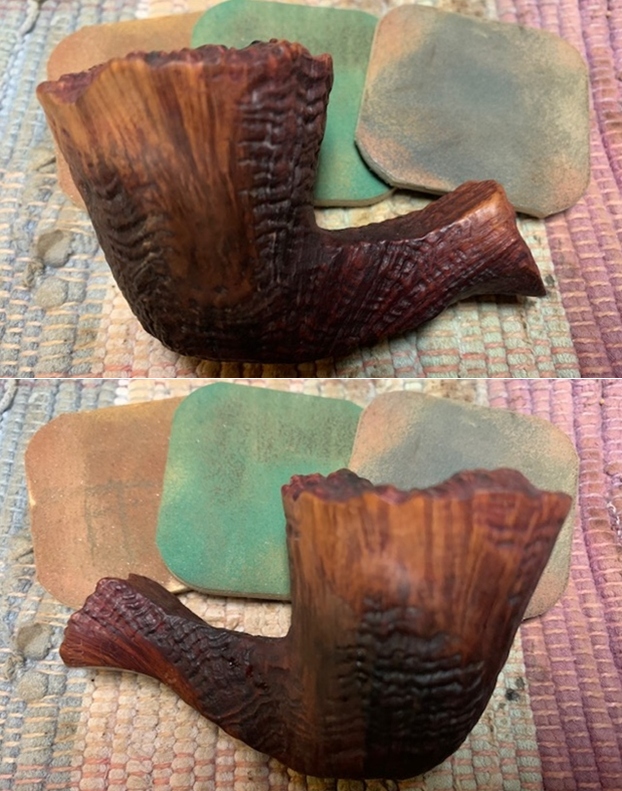
The next pipe on the table came to us from a pipe hunt Jeff and I did in Washington earlier this year. We picked this Weber Imported Briar Bowl sans stem at an Antique Mall along the way of the hunt. The rusticated finish was unique and allowed some nice flame and straight grain to come through in the smooth portions of the bowl. On the right side of the shank it was clearly stamped with the Weber oval logo [over] Imported Briar. The finish is smooth other than the rusticated or carved portion on the left side of the bowl toward the front. The rim top and first ¼ inch of the bowl side below the rim top is smooth as is the shank end. The pipe bowl was filthy with grime and oil ground into the briar of the bowl and shank sides. There was a lot of dust in the carvings on the bowl sides. The bowl had a thick cake and a thick overflow of lava on the rim top.  The rim edges – both outer and inner – looked very good. Jeff took some photos of the bowl to show its overall condition and shape before he started his cleanup work. He took photos of the rim top and bowl to give a clear picture of the thickness of the cake and the lava on the rim top. He took photos of the stamping on the shank. It reads as noted above and is clear and readable.   I turned to Pipedia to see if I could figure out the stamping on the pipe and found a good article on the history of the brand (https://pipedia.org/wiki/Weber_Pipe_Co.). I quote from that article below.

Carl B. Weber was a German from Bavaria. Aged 21 he emigrated to the USA in 1911. In 1938 he established Weber Briars Inc. in Jersey City, New Jersey. Later renamed in Weber Pipe Co..

The firm grew to be one of the giants of American pipe industry focusing itself in the middle price and quality zone. Trademark: “Weber” in an oval. Beside that Weber – especially in the years after 1950 – was a most important supplier for private label pipes that went to an immense number of pipe shops. Alone in New York, exactly the same pipes were found at Wilke’s, Barclay Rex, Trinity East, Joe Strano’s Northampton Tobacconist in Ridgewood, Queens, Don-Lou in Bensonhurst, Brooklyn… Nearly all pipes for Wilke were unstained and many models, for example the “Wilke Danish Bent”, could hardly deny originating of Weber.

Among others well reputed pipemaker Anthony Passante¹ worked for Weber.

Weber Pipe Co. owned and manufactured Jobey pipes – when mainly sold in the USA by The Tinder Box from 1970’s – 80’s. In addition Jobey / Weber bought Danish freehands from Karl Erik (Ottendahl). These pipes were offered as Jobey Dansk. Ottendahl discontinued exports to the United States in 1987 and in the very same year – obviously only as a ghost brand – Jobey was transferred to Saint-Claude, France to be manufactured by Butz-Choquin.

Carl B. Weber is the author of the famous book “Weber’s Guide to Pipes and Pipe Smoking”.

It was time to work on the pipe. Jeff had cleaned up the pipe with his usual penchant for thoroughness. He reamed the pipe with a PipNet Pipe Reamer and cleaned up the remnants with a Savinelli Fitsall Pipe Knife.  He scrubbed the bowl with undiluted Murphy’s Oil Soap with a tooth brush. He rinsed it under running warm water to remove the soap and grime. He cleaned out the inside of the shank with alcohol, cotton swabs and pipe cleaners. I took photos of the pipe bowl once I received it.  I decided to put a brass shank band on the pipe because I really like the look of a thin band between the wood and the bent stem on an Oom Paul. I just sold and English made one that I had done that with and really liked the looks. It is purely cosmetic as there are no cracks. I smoothed out the shank end with 220 grit sandpaper and polished it lightly with a 1500 grit micromesh pad. I pressed the band in place on the shank end and took some photos to show how it looked.   I went through my stem and chose two stems that would work with the pipe. The first one was a saddle stem. I had been drilled for a filter and was quite shiny. I was not sure if it was rubber or if it was plastic. I sanded the tenon down so that it would fit the pipe.I put it on the pipe and took photos. It was slightly smaller in diameter than the band on the shank but it did not look too band. I liked the overall look of the pipe with this stem. I set up my heat gun to bend the stem. I inserted a pipe cleaner in the airway and started heating the stem surface. I checked it regularly and found that the surface of the stem had split the length of the underside on the airway. I pitched the stem and went back to the work table to fit the second stem. This time I would use a rubber cast stem that had a taper rather than a saddle. It was also virtually the same diameter as the shank end with the band. I put it on my PIMO tenon turning tool and took the tenon down to where it almost fit the shanks and sanded it by hand for the snug fit I was looking for. I sanded the casting marks on the sides of the stem with my Dremel and sanding drum to smooth them out. I put the stem on the bowl and took photos. I would need to remove some of the vulcanite on the top of the stem to match the diameter of the shank. I liked the overall look of the new stem.  I used the Dremel and sanding drum to remove the excess vulcanite from the top part of the stem to match the shank.   I put a pipe cleaner in the stem and heated it with the heat gun until the vulcanite was flexible.  I bent it so that the pipe would sit comfortably in the mouth and hang nicely. I removed the new stem and turned my attention to the bowl for a while. I would come back to polishing the stem shortly. I polished the briar with micromesh sanding pads – 1500-12000 grit pads. I wiped the bowl down after each pad with a damp cloth. I rubbed the bowl and shank down with Before & After Restoration Balm. I worked it into the surface of the bowl sides and shank with my fingertips and into the carvings around the bowl with a horsehair shoe brush. The product works to clean, enliven and protect the briar. I let the balm sit for 10 minutes and then buffed with a cotton cloth to raise the shine.    I set the bowl aside and turned to work on the stem. I sanded the stem surface to remove the scratches, Dremel marks and casting marks and blend them into the surface of the vulcanite with 220 grit sandpaper and started the polishing of the stem with 400 grit wet dry sandpaper.   I polished the vulcanite stem with micromesh sanding pads – 1500-12000 grit pads. I wiped it down with a damp cloth after each sanding pad. I used Before & After Pipe Polish – both Fine and Extra Fine to further polish the stem.  This Weber Imported Briar Rusticated Oom Paul came out really well with the brass band and the new stem. The briar and vulcanite stem taper make for a great looking pipe now that it has been restored and restemmed. I put the stem back on the bowl and carefully buffed the pipe with Blue Diamond on the buffing wheel using a light touch on the briar. I gave the bowl and the stem multiple coats of carnauba wax on the buffing wheel and followed that by buffing the entire pipe with a clean buffing pad. I hand buffed the pipe with a microfiber cloth to deepen the shine. The finished Weber Oom Paul fits nicely in the hand and hangs well in the mouth. Once it is packed with tobacco and fired up I am sure that it will feel great. Give the finished pipe a look in the photos below. The dimensions of the pipe are Length: 5 inches, Height: 2 inches, Outside diameter of the bowl: 1 ¼ inches, Chamber diameter: ¾ of an inch. If you are interested in adding this pipe to your collection send me a message or an email. Thanks for reading this blog and my reflections on the pipe while I worked on it. There are many more to come!

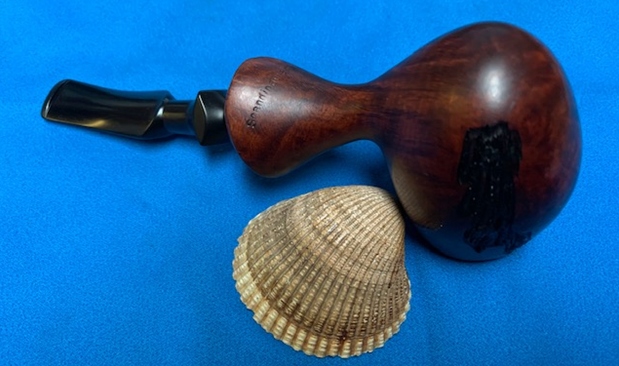
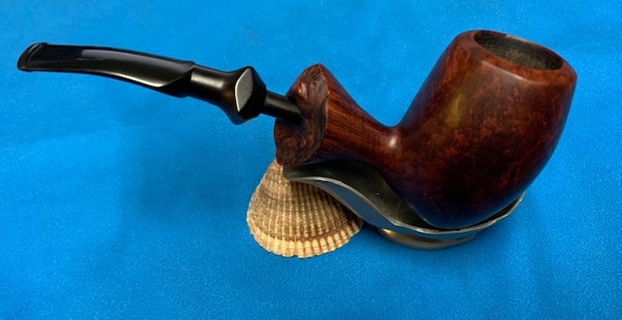
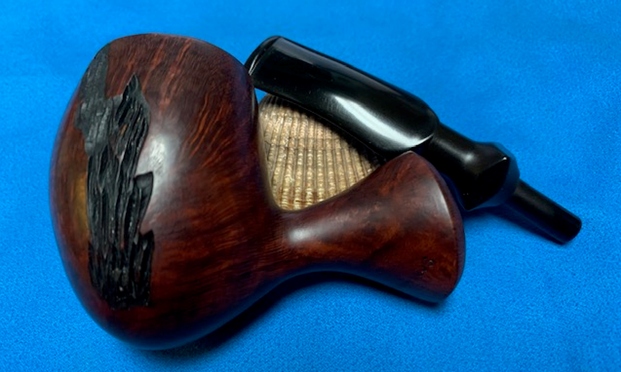
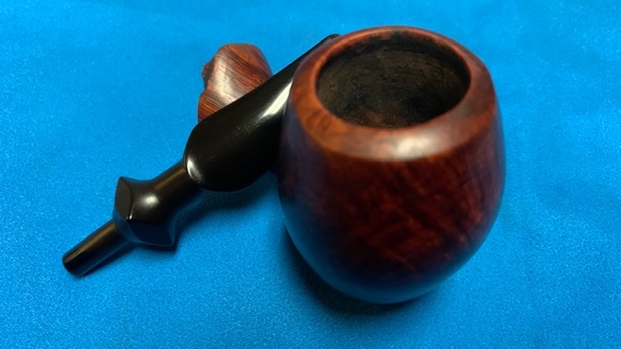
Restoring a Scandinavian S Freehand Egg


Blog by Steve Laug

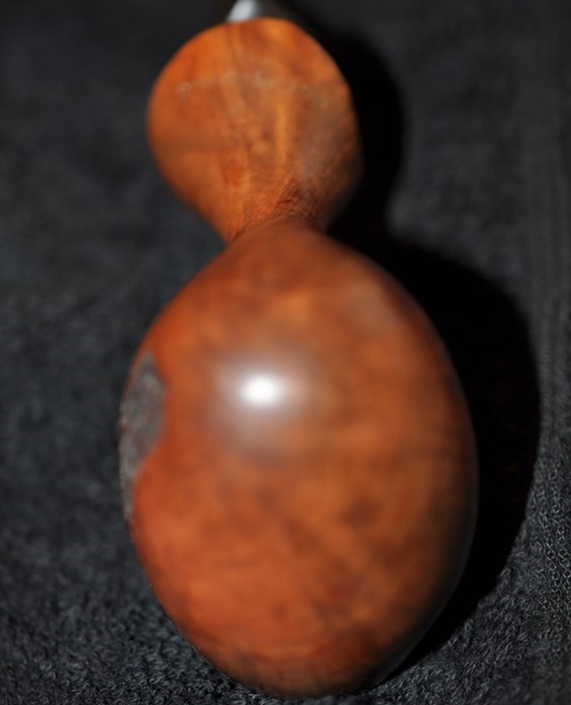
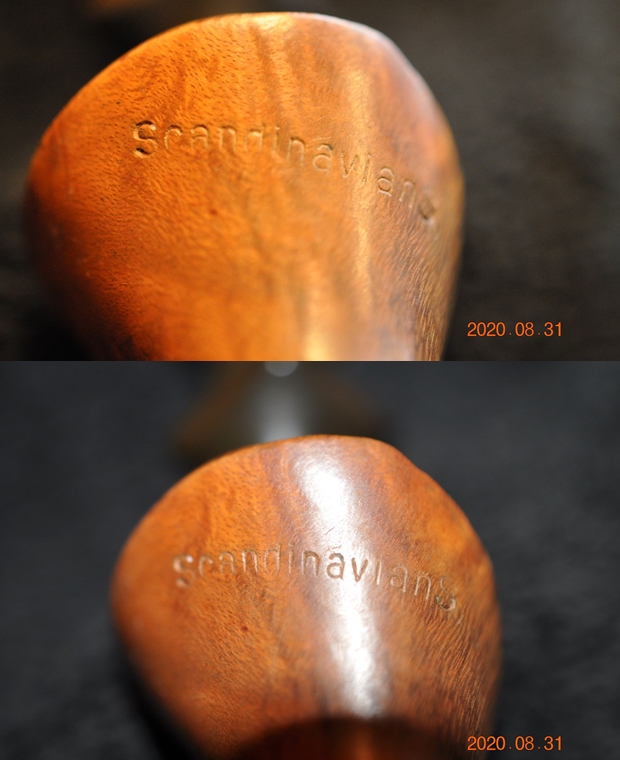
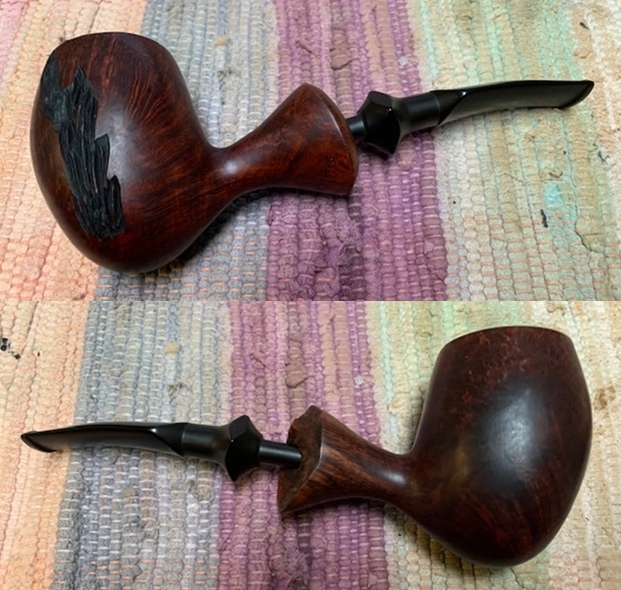
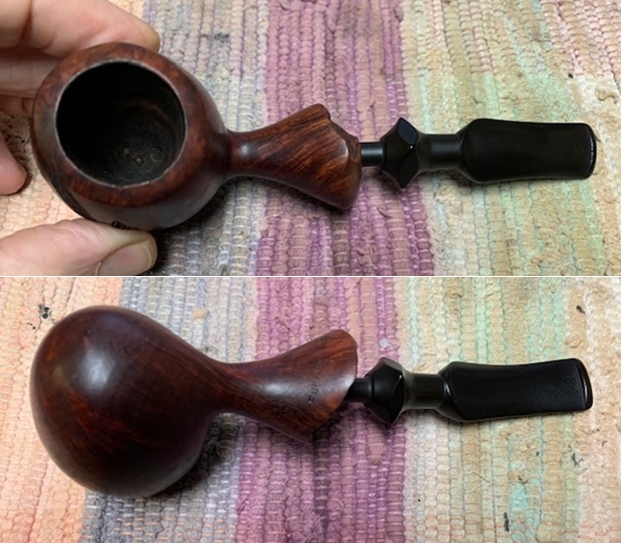
The next pipe on the table came to us from a recent pipe hunt Jeff and his wife Sherry did in Utah. They picked this beauty up at an Antique Mall along the way of the hunt. Even though the finish was dull and lifeless there was some nice looking grain under the grit and grime of the years. On the underside of the shank it was clearly stamped Scandinavian S at an angle from the shank end to the side of the shank. The finish is smooth other than the rusticated or carved portion on the left side of the bowl toward the front. The shank end incorporated some plateau to give a freehand look to the pipe. The pipe was filthy with grime and oil ground into the smooth briar of the bowl and shank sides. There was a lot of dust in the carvings on the bowl side. The bowl had a thick cake but surprisingly there was little lava over flow. The vulcanite stem was oxidized and had some tooth marks and chatter on both sides ahead of the button. Jeff took some photos of the pipe to show its overall condition before he started his cleanup work.He took photos of the rim top and bowl to give a clear picture of the thickness of the cake and the cleanness of the rim top. He also took photos of the top and underside of the stem to show the chatter and tooth marks.   Jeff took photos of the sides and heel of the bowl to give a picture of what the briar around the pipe looked like. There is some stunning grain under the grime. He took photos of the stamping on the shank. It reads as noted above and is clear and readable. I turned Pipephil and Pipedia to see if I could figure out the stamping on the pipe but neither site had any information so the pipe is a bit of a mystery. It was time to work on the pipe.

Jeff had cleaned up the pipe with his usual penchant for thoroughness. He reamed the pipe with a PipNet Pipe Reamer and cleaned up the remnants with a Savinelli Fitsall Pipe Knife.  He scrubbed the bowl with undiluted Murphy’s Oil Soap with a tooth brush. He rinsed it under running warm water to remove the soap and grime. He cleaned out the inside of the shank and the airway in the stem with alcohol, cotton swabs and pipe cleaners. He scrubbed the stem with Soft Scrub and cotton pads to remove the debris and oils on the stem. He rinsed it with warm water and dried it off. I took photos of the pipe once I received it.  The rim top looked good though there was some damage to the inner edge of the rim. The stem surface looked very good with a few small tooth marks and chatter on both sides near the button.  I took a photo of the stamping on the underside of the shank. It read clearly as noted above. I removed the stem and took a photo of the pipe to give a sense of the whole. The stem is turned fancy vulcanite. I started my work on the pipe by cleaning up the inner edge rim top with a folded piece of 220 grit sandpaper.  I polished the bowl and the rim top, sides and shank with micromesh sanding pads – wet sanding with 1500-12000 grit pads and wiping it down after each pad with a damp cloth.  I rubbed the bowl and shank down with Before & After Restoration Balm. I worked it into the surface of the bowl sides and shank with my fingertips and into the carved left side and shank end with a horsehair shoe brush. The product works to clean, enliven and protect the briar. I let the balm sit for 10 minutes and then buffed with a cotton cloth to raise the shine. I set the bowl aside and turned to work on the stem. Since there were no deep marks on the stem surface I sanded the tooth chatter and marks to blend them into the surface of the vulcanite with 220 grit sandpaper and started the polishing of the stem with 400 grit wet dry sandpaper.   I polished the vulcanite stem with micromesh sanding pads – 1500-12000 grit pads. I wiped it down with a damp cloth after each sanding pad. I used Before & After Pipe Polish – both Fine and Extra Fine to further polish the stem.  This Scandinavian S Freehand Egg with a fancy, turned vulcanite stem is a great looking pipe now that it has been restored. I put the stem back on the bowl and carefully buffed the pipe with Blue Diamond on the buffing wheel using a light touch on the briar. I gave the bowl and the stem multiple coats of carnauba wax on the buffing wheel and followed that by buffing the entire pipe with a clean buffing pad. I hand buffed the pipe with a microfiber cloth to deepen the shine. The finished Scandinavian S Egg fits nicely in the hand and feels great. Give the finished pipe a look in the photos below. The dimensions of the pipe are Length: 6 inches, Height: 2 ½ inches, Outside diameter of the bowl: 1 ½ inches, Chamber diameter: 7/8 of an inch. If you are interested in adding this pipe to your collection send me a message or an email. Thanks for reading this blog and my reflections on the pipe while I worked on it. There are many more to come! 
Beautification of an American Made Bertram Washington DC Grade 50 Bent Apple


Blog by Steve Laug

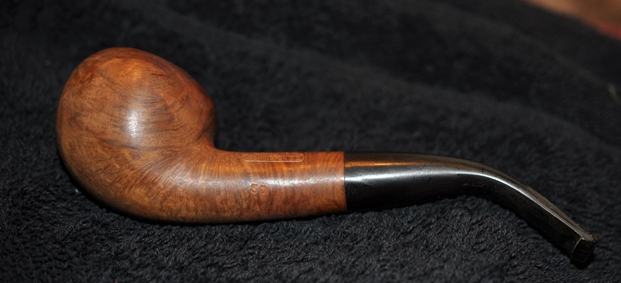
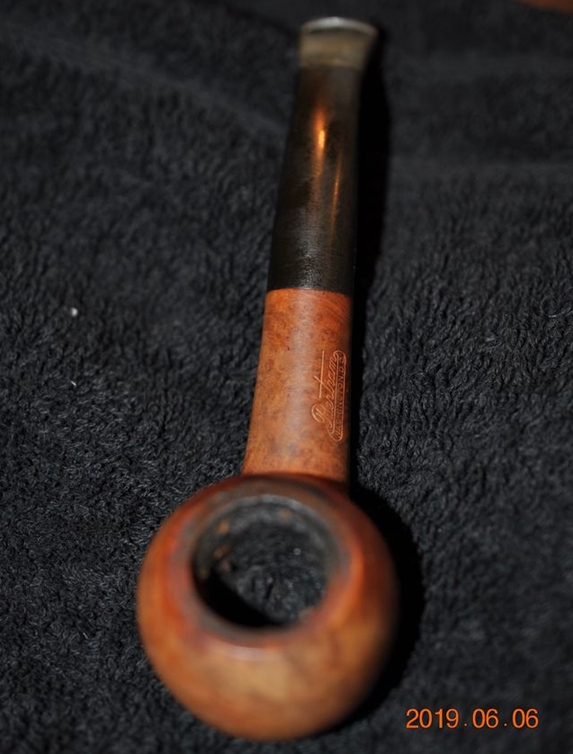
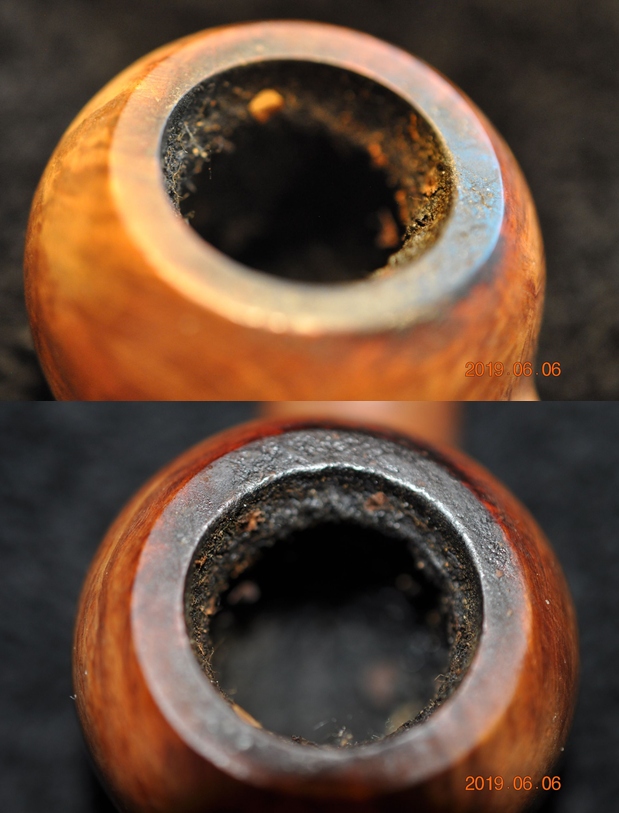
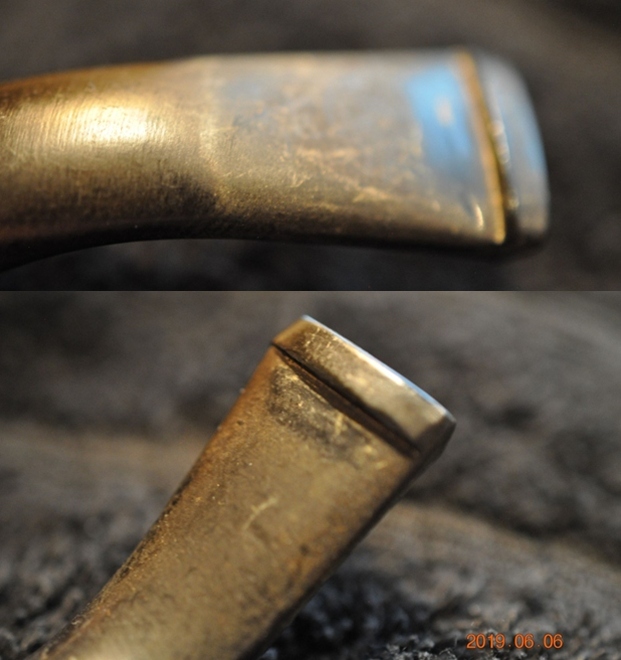
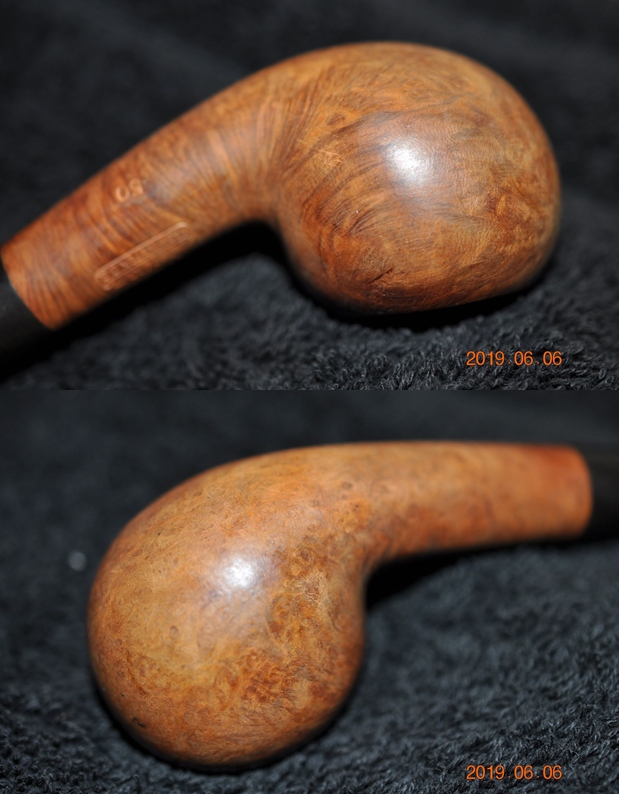
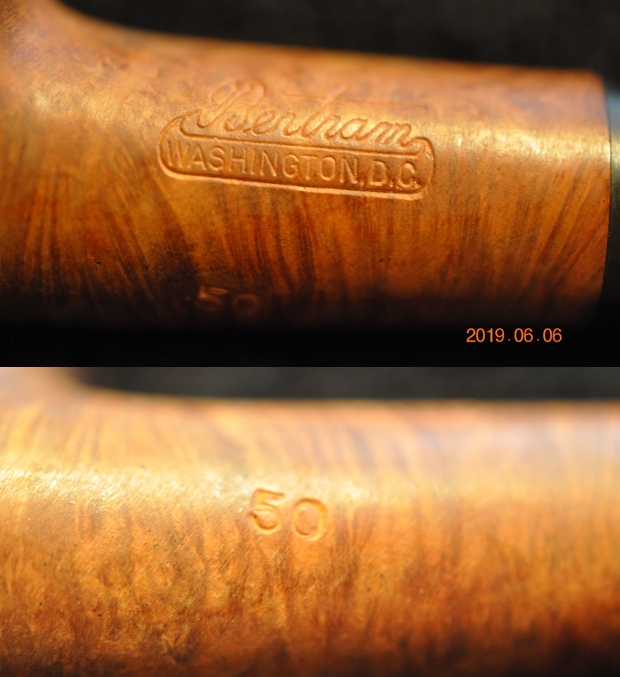
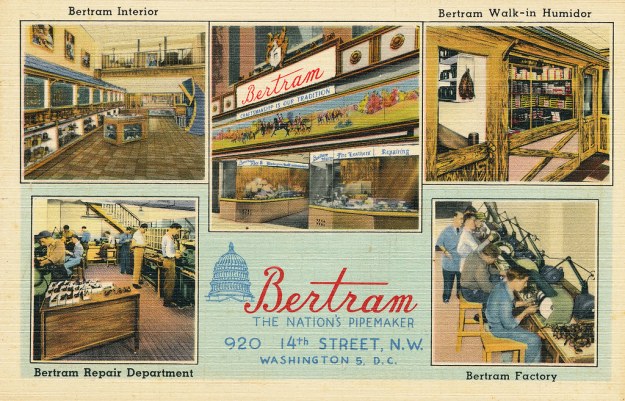
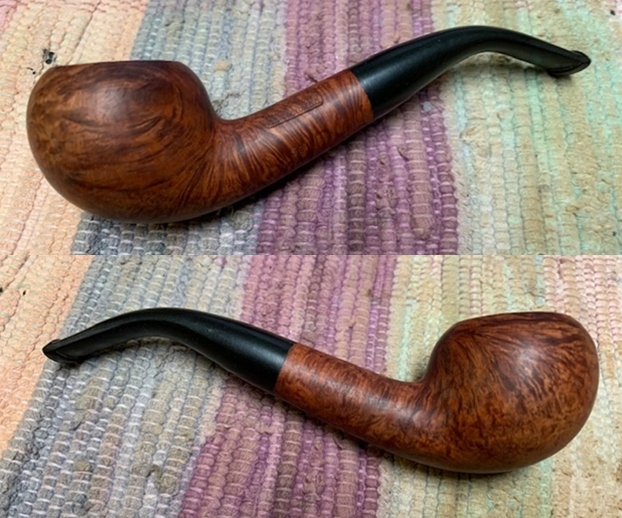
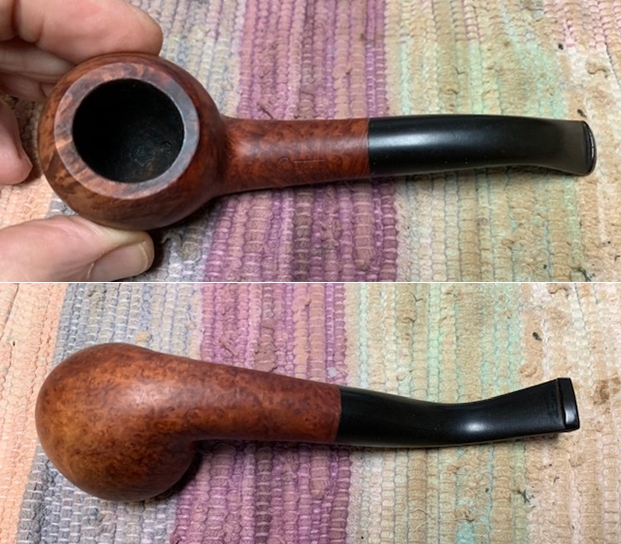
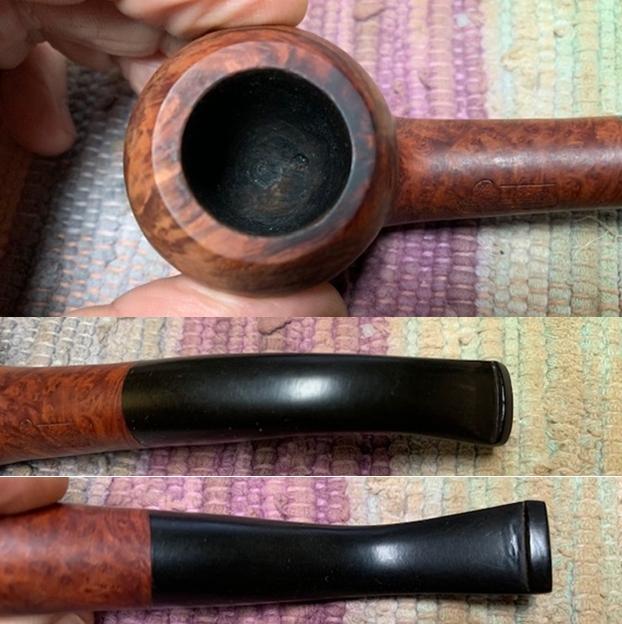
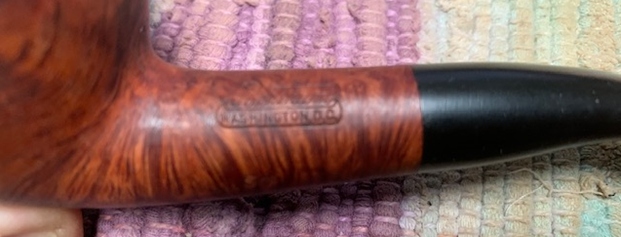
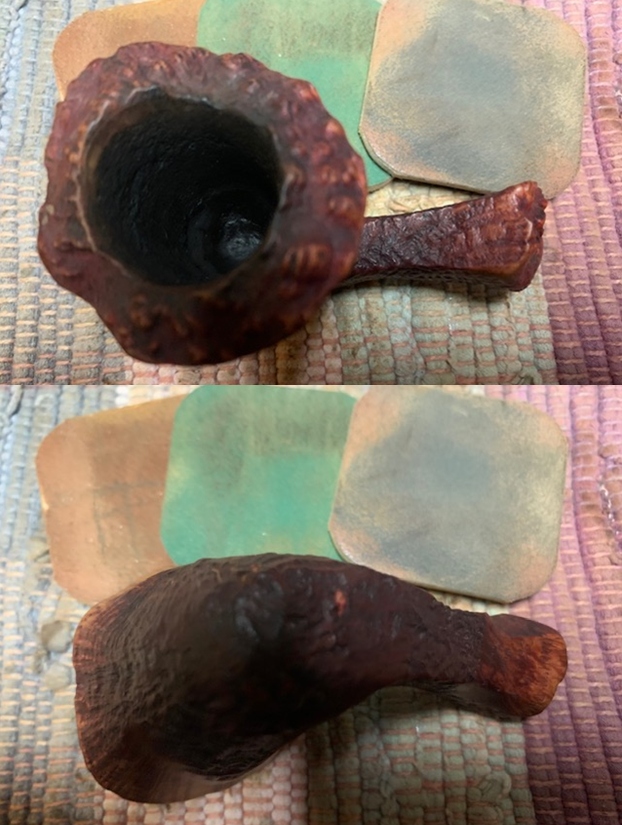
The next pipe on the work table came to me from one of our estate purchases. Between us we pick up quite a few pipes for restoration. I try to work them into the restoration queue so that I can keep them moving. We picked up over 120 Bertram pipes from an estate that a fellow on the east coast of the US was selling. This next one is from that estate – a beautifully grained Bent Apple Grade 50 Bertram with a tapered vulcanite stem. The pipe is stamped on the lower left side side near the bowl with the Grade 50 number. Higher up on the left side it is stamped Bertrams [over] Washington D.C. centered on the shank. The finish had a lot of grime ground into the smooth finish on the bowl and some darkening around the sides of the bowl. The bowl was caked with an overflowing lava coat on the top of the rim, heavier toward the back of the bowl. The edges looked okay other than some potential burn damage on the back inner edge. The stem was lightly oxidized, dirty and had light tooth chatter and marks on the top and underside near the button. There were not markings or a logo on the taper stem. Like the rest of the Bertrams in this lot the pipe had promise but it was very dirty. Jeff took photos of the pipe before he started his cleanup work. He took photos of the rim top and bowl to give a clear picture of the thickness of the cake and the lava on the rim top. The lava was thicker toward the back of the rim and there were remnants of tobacco on the walls of the thickly caked bowl. He also took photos of the top and underside of the stem to show the chatter and tooth marks. Otherwise the stem is quite clean. Jeff took photos of the sides and heel of the bowl to give a picture of what the briar around the pipe looked like. There is some nice grain under the grime. He took photos of the stamping on the shank. It reads as noted above and is clear and readable. The grade number is 50.       As I have worked on Bertrams I have written on the brand and have included the following information. If you have read it in past blogs, you can skip over it. If you have not, I have included the link to Bertram history and information. I would recommend that if you don’t know much about them take some time to read the background. I include a link to the write up on Pipedia (http://pipedia.org/wiki/Bertram). Bertram pipes were based out of Washington DC. They were popular among famous politicians and celebrities of the time. They made many products for them from FDR’s cigarette holders to Joseph Stalin’s favorite pipe. They were considered some of the best America had to offer till they finally closed their doors in the 70s. Bertram graded their pipes by 10s and sometimes with a 5 added (15, 25, 55 etc.), the higher the grade the better. Above 60s are uncommon and 80-90s are quite rare. I have worked on one 120 Grade billiard. I have several blogs that I have written on rebornpipes that give some history and background to Bertram pipes. (https://rebornpipes.com/2015/06/16/an-easy-restoration-of-a-bertram-grade-60-217-poker/). I have included the following link to give a bit of historical information on the pipe company. It is a well written article that gives a glimpse of the heart of the company. http://www.streetsofwashington.com/2012/01/bertrams-pipe-shop-on-14th-street.html#

From this information I learned that all of these Bertrams were made before the closure of the shop in the 1970s. This Bertram Bent Apple has a stunning a mix of grain around the bowl. This pipe has a 50 Grade stamp on it which I am sure explains the quality of the briar. But like many of these Bertrams the Grading system is a mystery to me.

Jeff had cleaned up the pipe with his usual penchant for thoroughness. He reamed the pipe with a PipNet Pipe Reamer and cleaned up the remnants with a Savinelli Fitsall Pipe Knife.  He scrubbed the bowl with undiluted Murphy’s Oil Soap with a tooth brush. He rinsed it under running warm water to remove the soap and grime. He cleaned out the inside of the shank and the airway in the stem with alcohol, cotton swabs and pipe cleaners. He soaked the stem in Before & After Deoxidizer and rinsed it off with warm water. I took photos of the pipe once I received it. The rim top had some darkening on the back of the bowl. The inner edge of the rim looked very good with no damage. The stem surface looked very good with a few small tooth marks and chatter on both sides near the button.   I took a photo of the stamping on the shank. The Bertram Washington DC is toward the top of the left side mid shank. Lower on the left side of the shank is stamped the Grade 50 number. I removed the stem and took a photo of the pipe to give a sense of the whole. The stem is tapered. I started my work on the pipe by cleaning up the darkening on the rim top of the bowl with a folded piece of 220 grit sandpaper. I was able to remove the darkening and I like the looks of the rim top.  I polished the bowl and the rim top, sides and shank with micromesh sanding pads – wet sanding with 1500-12000 grit pads and wiping it down after each pad with a damp cloth.      I rubbed the bowl and shank down with Before & After Restoration Balm. I worked it into the surface of the bowl sides and shank with my fingertips to clean, enliven and protect the briar. I let the balm sit for a little while and then buffed with a cotton cloth to raise the shine. I “painted” the stem surface with the flame of a lighter to lift the tooth marks on the surface. I was able to lift the tooth marks. What was left I sanded out with 220 grit sandpaper and started polishing it with 400 grit wet dry sandpaper.    I set the bowl aside and turned to work on the stem. It was in very good condition so I polished the vulcanite stem with micromesh sanding pads – 1500-12000 grit pads. I wiped it down with a damp cloth after each sanding pad. I used Before & After Pipe Polish – both Fine and Extra Fine to further polish the stem.  This Bertram Washington DC Grade 50 Bent Apple with a vulcanite taper stem is a great looking pipe now that it has been restored. I put the stem back on the bowl and carefully buffed the pipe with Blue Diamond on the buffing wheel using a light touch on the briar. I gave the bowl and the stem multiple coats of carnauba wax on the buffing wheel and followed that by buffing the entire pipe with a clean buffing pad. I hand buffed the pipe with a microfiber cloth to deepen the shine. The finished Bertram 50 Apple fits nicely in the hand and feels great. Give the finished pipe a look in the photos below. The dimensions of the pipe are Length: 5 ½ inches, Height: 1 ½ inches, Outside diameter of the bowl: 1 ½ inches, Chamber diameter: ¾ of an inch. If you are interested in adding this pipe to your collection send me a message or an email. Thanks for reading this blog and my reflections on the pipe while I worked on it. There are many more to come!  
Breathing Life into a 1969/74 Dunhill Shell Briar 142 F/T Group 4S Dublin


Blog by Steve Laug

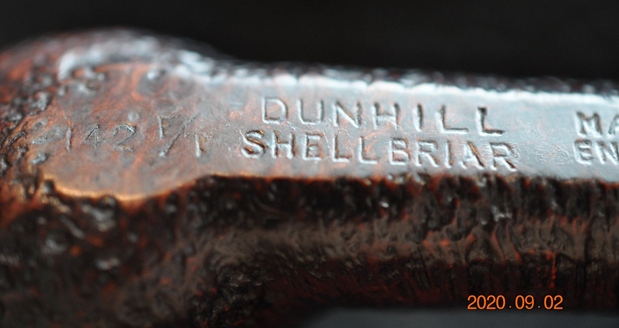
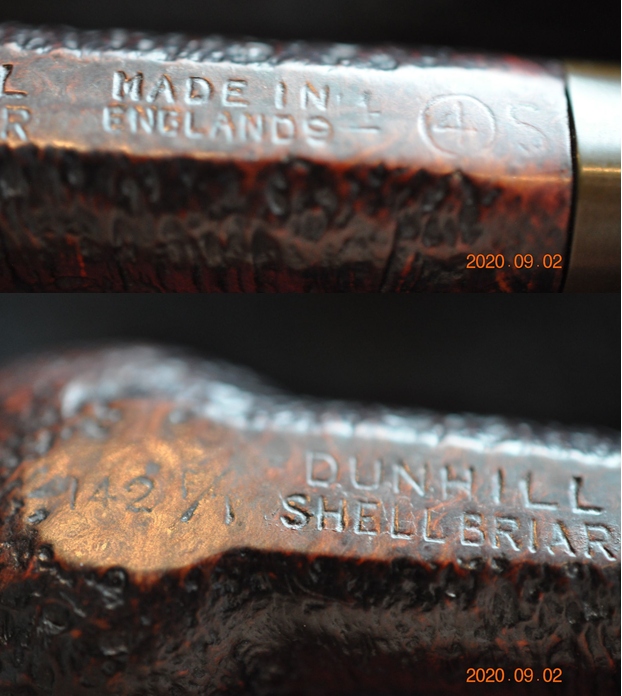
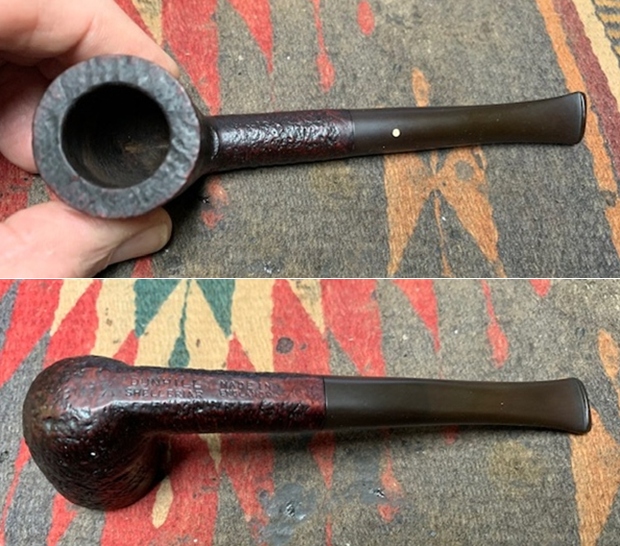
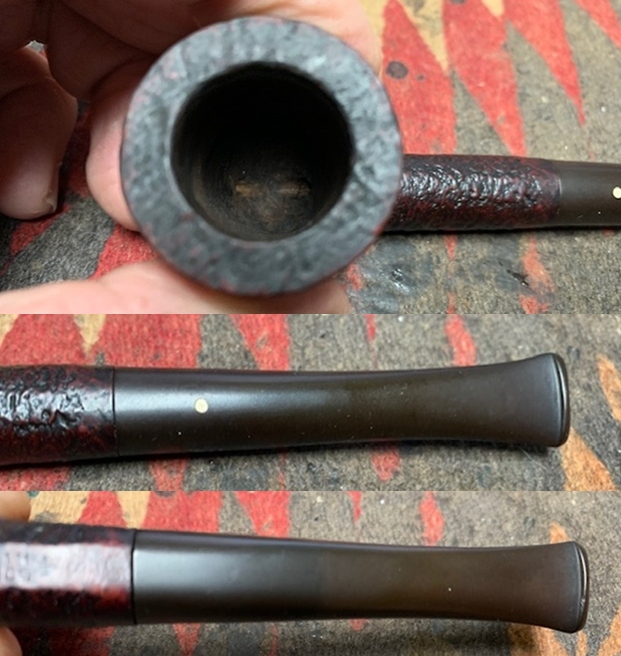
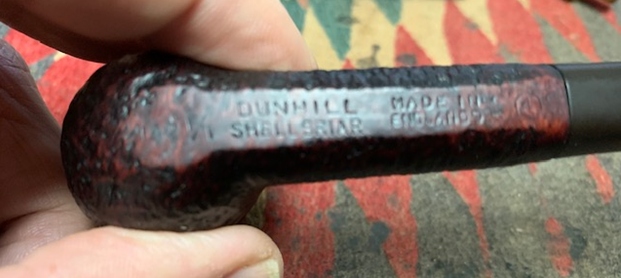
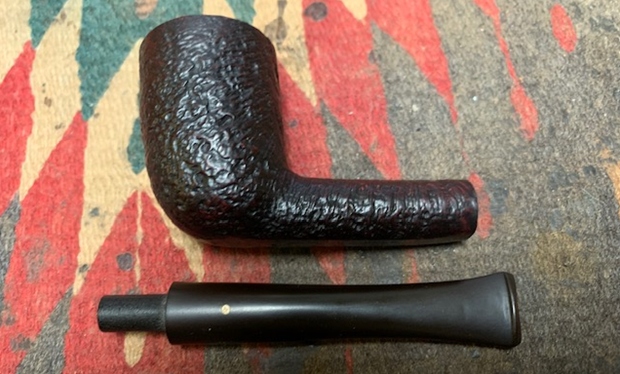
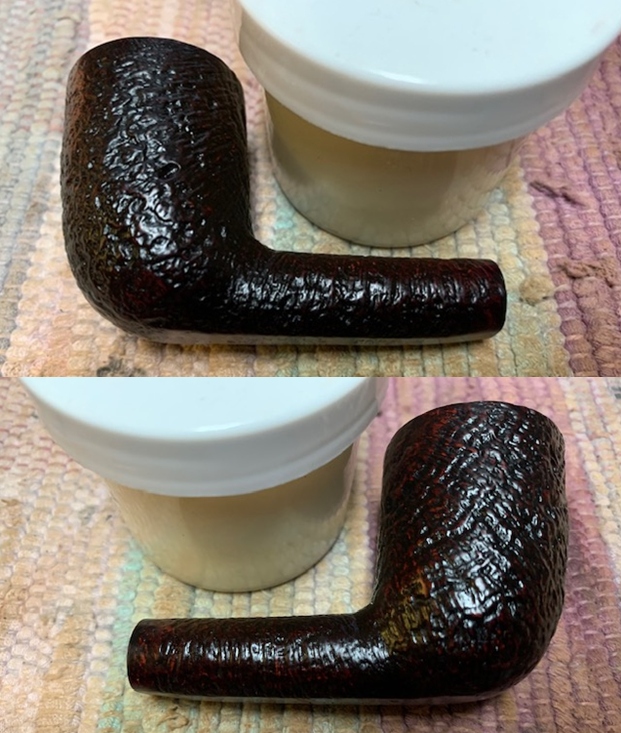
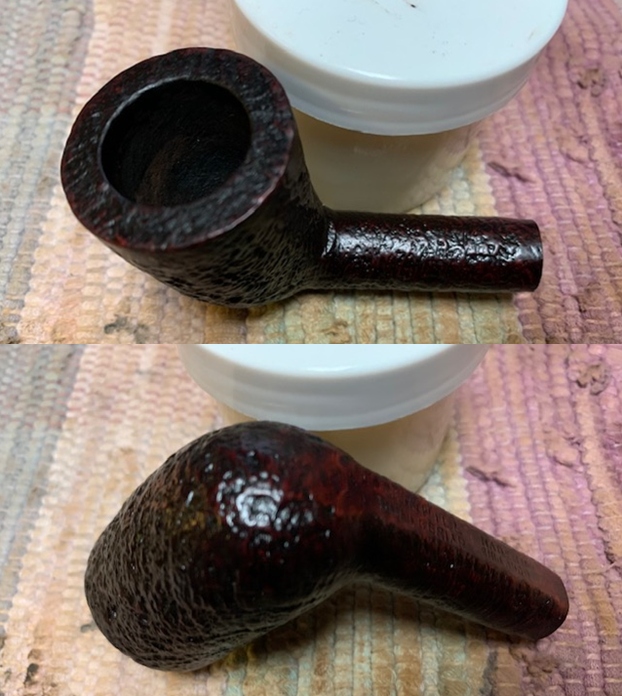
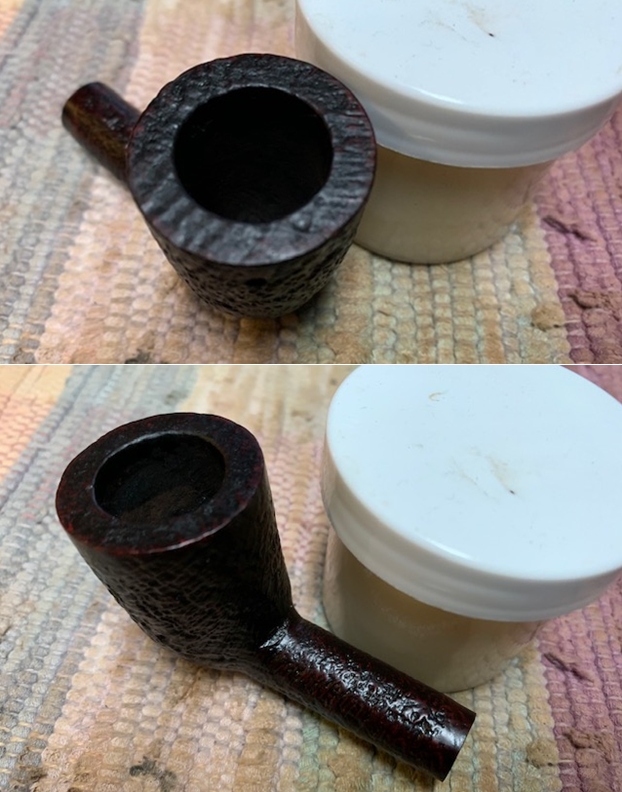
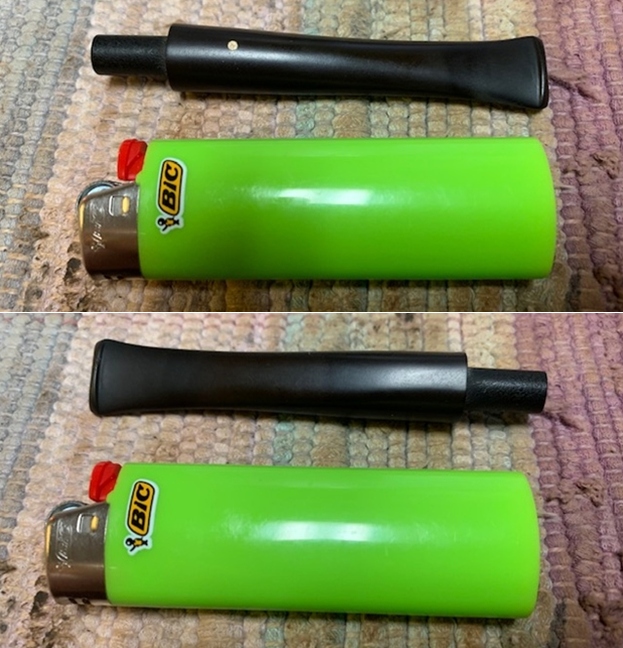
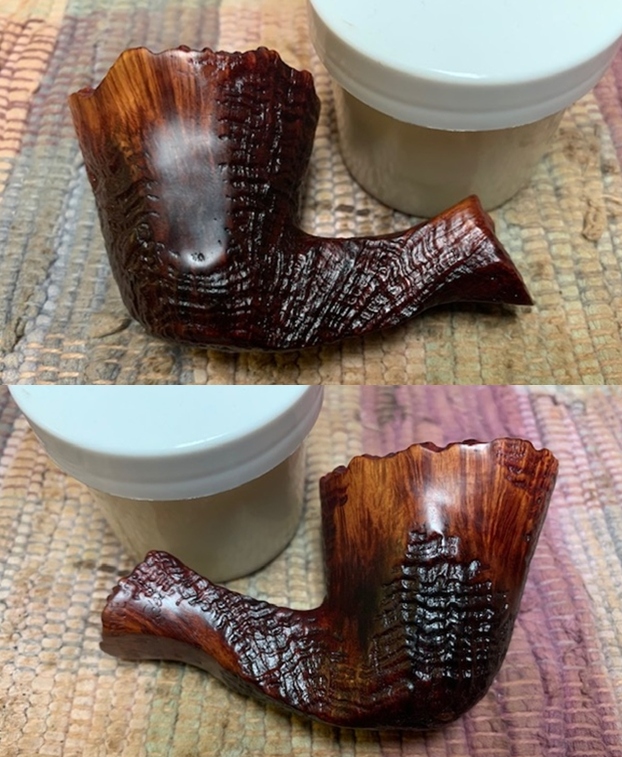
The next pipe on the table came to us from a group of pipes that Jeff picked up on a recent pipe hunt in Utah. It is a Dunhill Shell Briar Dublin that is in decent condition. It is stamped on a smooth panel on the underside of the heel and shank. On the heel of the bowl it is stamped with the shape number 142F/T followed by Dunhill [over] Shell Briar followed by Made in England 9 and superscript 14. That is followed by 4 in a circle followed by S for shell. Interpreting that stamp it is as follows: The 142 is the shape for a Dublin and the F/T is the stem shape – a Fish Tail stem. The Dunhill Shell Briar is the finish which is corroborated the S at the end of the stamping. The 9 and the superscript 14 following the D of England gives the date the pipe was made and identifies it as 1969 and a 1974. This means that the pipe was made in 1969 and sold in 1974. The stamping is clear and readable. The pipe has a mix of black, cordovan and brown stains on a sandblast finish and some amazing grain that the shape follows well. The finish was dirty with dust around the nooks and crannies of the sandblast. There was a cake in the bowl and lava on the rim top. The rim top and edges appeared to be in very good condition. The taper stem was oxidized and had tooth marks and chatter ahead of the button.  Jeff took photos of the pipe to show what it looked like before he started working on it.     He took photos of the bowl and rim top to show how clean they were and of the stem to show the light oxidation and lack of damages to the surface of the stem on either side.    The photos of the sides and heel of the bowl show the deep sandblast grain on the pipe. It is a beauty under the grime and dust.  The stamping on the underside of the shank is shown in the photo below. It looks very good and readable. It reads as noted and explained above. Jeff captured the overall look in the first photo followed by some closer photos of sections of the stamp so you can read it. I turned to Pipedia’s section on Dunhill Root Briar to get a bit of background on the Duhill finishes (https://pipedia.org/wiki/Dunhill#Root_Briar). I quote:

Shell

A deep craggy sandblast with a black stain finish (usually made using Algerian briar) – the color of the stain used has varied over the years. Although there is some doubt as to them being the first to sandblast pipes, Dunhill’s Shell pipes, and the sandblasting techniques developed to create them are considered one of Dunhill’s greatest and most lasting contributions to the art of pipe making.

The documented history of Dunhill’s inception of the Shell is largely limited to patent applications — there are no catalog pages or advertisements promoting blasted pipes at the time. The preliminary work on the English patent (No. 1484/17) was submitted on October 13, 1917. The patent submission was completed half a year later, on April 12, 1918, followed by the granting of the English patent on October 14, 1918. This was less than a month before the end of The Great War on November 11th.

In 1986 Dunhill released a line of premium Shell finish pipes – “RING GRAIN”. These are high-quality straight grain pipes which are sandblasted. Initially only Ring Grain, but now in two different finishes. In 1995 the “Shilling” was introduced with Cumberland finish – it is an extremely rare series. These pipes exhibit a deeper blast characteristic of that of the 1930’s – mid-1960’s (and the limited ‘deep blast’ pipes of the early 1980s) and show a fine graining pattern. These are considered the best new Dunhills by many enthusiasts today and are very rare. The finish is sometimes described as tasting like vanilla at first, with the taste becoming more normal or good as the pipe breaks in.

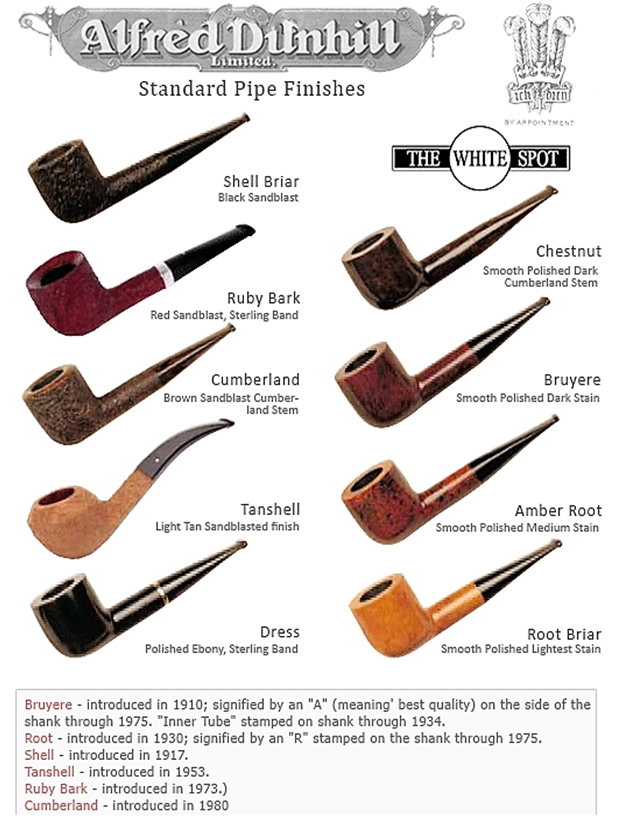
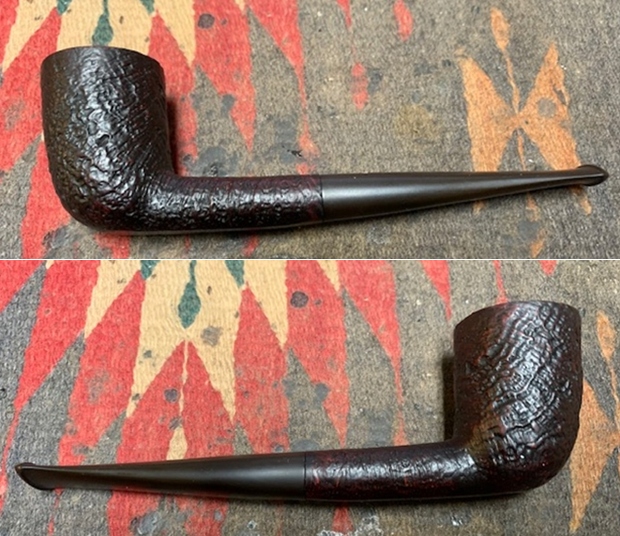
I have also included a chart from the site from Dunhill spelling out the Standard Pipe Finishes and giving short information and a timeline.I turned to work on the pipe itself. Jeff had carried out his usual thorough cleanup of the pipe. He had reamed it with a PipNet reamer to remove the cake and cleaned the reaming up with a Savinelli Fitsall Pipe Knife. He scrubbed the internals of the bowl and stem with alcohol, cotton swabs and pipe cleaners. He scrubbed the externals with undiluted Murphy’s Oil Soap and rinsed the bowl off with running water. He soaked the stem in Before & After Deoxidizer and once it had soaked rinsed it off with warm water to remove the residual solution. He dried it off and rubbed it down to remove any oxidation that was still on the stem. The pipe looked very good when I received it. I took a photo of the rim top to show the condition. The rim top and edges look very good. The bowl is clean. The stem came out looking quite good. There are some tooth marks and chatter on both sides and some remaining oxidation.   I took a photo of the underside of the shank to show the stamping. It is clear and readable with some faint spots.I removed the stem from the shank and took a photo of the pipe parts to show what I was working with. It is a nice looking pipe.Since the bowl was in such excellent condition I started the restoration by rubbing the briar down with Before & After Restoration Balm. I worked it into the briar with my fingertips and a horsehair shoe brush to work it into the nooks and crannies of the sandblast finish. The product works to clean, enliven and preserve the briar. I let it sit for 10 minutes while I worked on the stem. After the time passed I buffed it with a cotton cloth to deepen the shine. The briar really comes alive with the balm.      I set the bowl aside and turned my attention to the stem. I “painted” the tooth marks on the stem to lift them up. I was able to lift them all and sanding with micromesh pads would polish out the remaining chatter.    I polished the vulcanite with micromesh sanding pads – 1500-12000 grit pads. I wiped it down with Obsidian Oil after each sanding pad. I used Before & After Pipe Polish – both Fine and Extra Fine to further polish the stem.      This Dunhill Shell Briar 142 F/T Group 4 Dublin is a beautiful sandblast with the unique Dunhill sandblast finish made in 1969 and sold in 1974. It is a great looking pipe that is in almost new condition. The dark finish that is identified as a black stain highlights some great grain in the sandblast around the bowl sides and the heel. It is a less rugged sandblast on this one than on others Dunhill Shell Briars. The finish on the pipe is in excellent condition and the rim top looks very good. The mix of stains works well to highlight the grain. The polished black vulcanite taper replacement stem adds to the mix. With the dust gone from the finish and the bowl it was a beauty and is eye-catching. I put the stem back on the bowl and buffed the pipe with Blue Diamond on the buffing wheel being careful to not buff the stamping. I gave the bowl multiple coats of Conservator’s Wax and the stem multiple coats of carnauba wax on the buffing wheel and followed that by buffing it with a clean buffing pad. I hand buffed the pipe with a microfiber cloth to deepen the shine. The finished 142 F/T Shell Briar Dublin is quite nice and feels great in the hand. Give the finished pipe a look in the photos below. I can only tell you that like the other pipes I am working that it is much prettier in person than the photos capture. The dimensions of the pipe are Length: 5 ¾ inches, Height: 1 ¾ inches, Outside diameter of the bowl: 1 ¼ inches, Chamber diameter: ¾ of an inch. Thanks for walking through the restoration with me as I worked over another beautiful pipe. This one will be on the rebornpipes store shortly if you are interested in adding it to your rack. Thanks for your time.