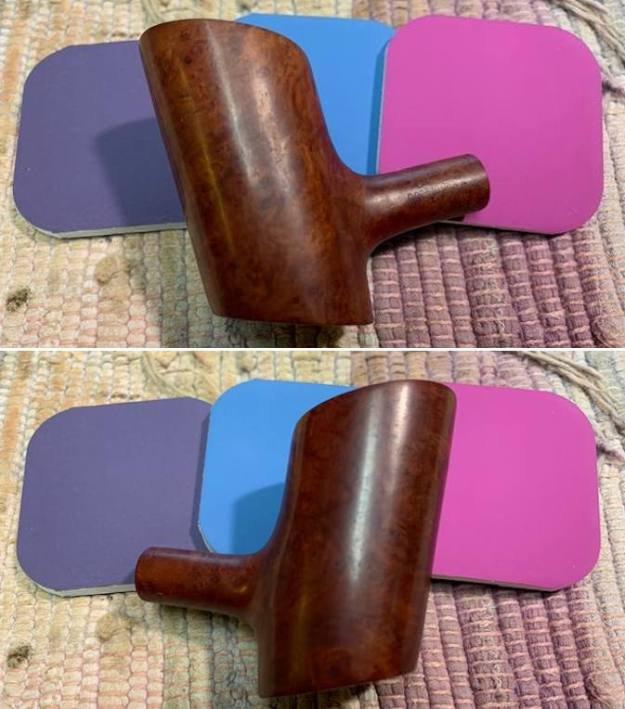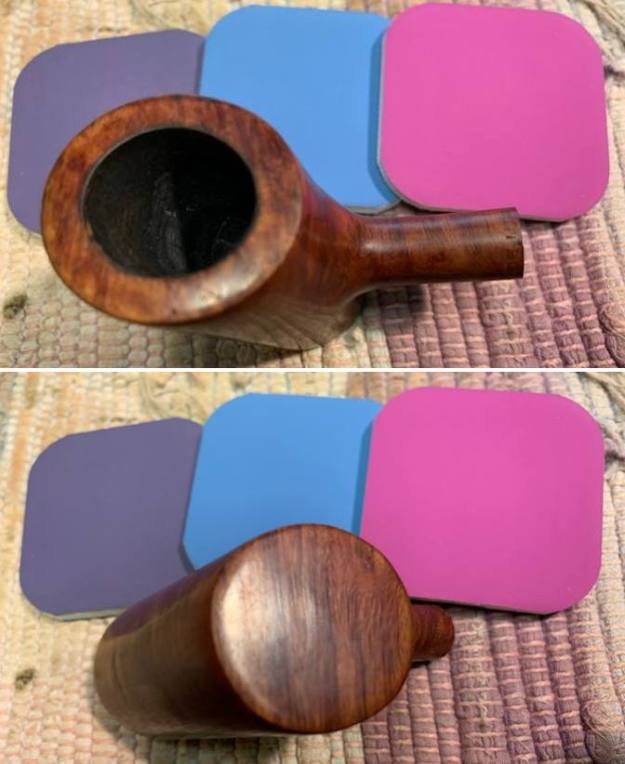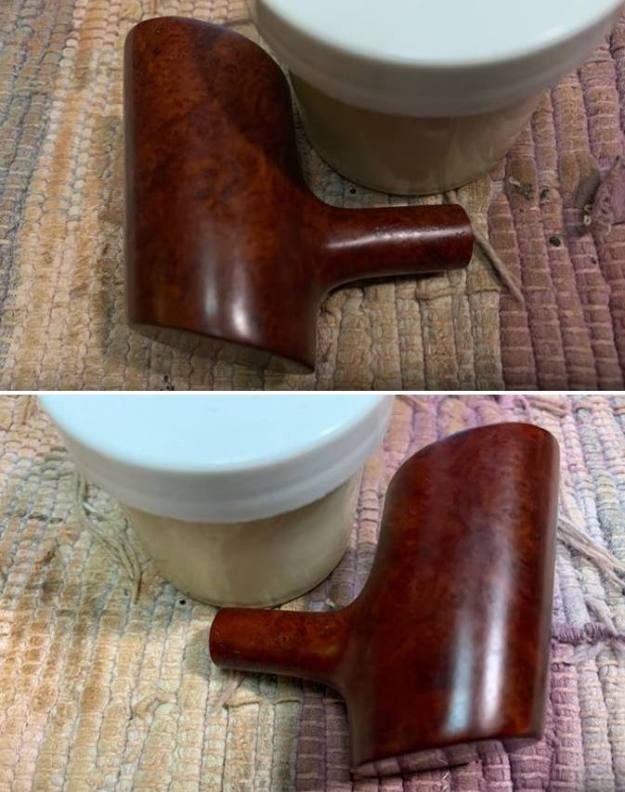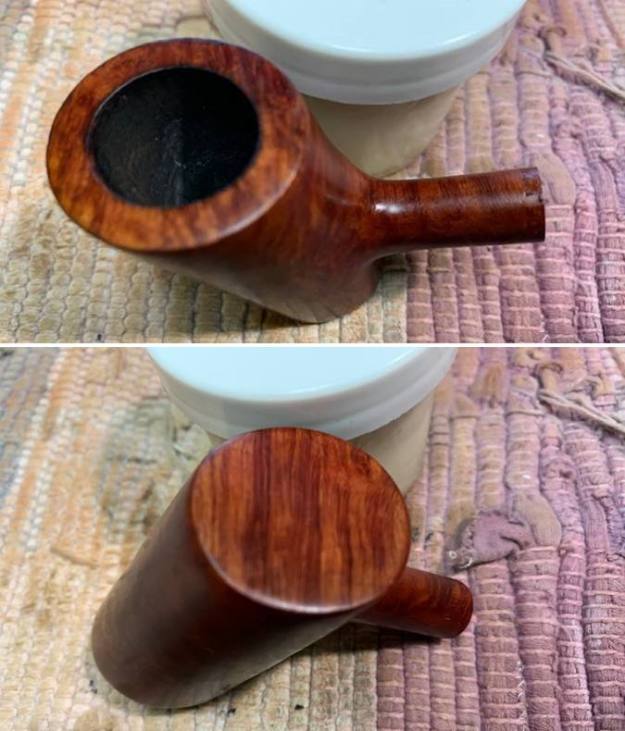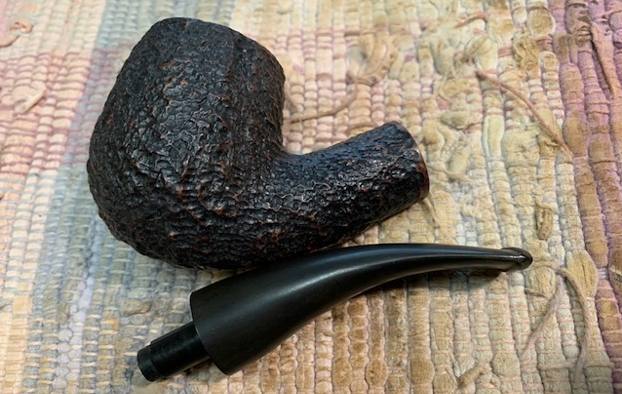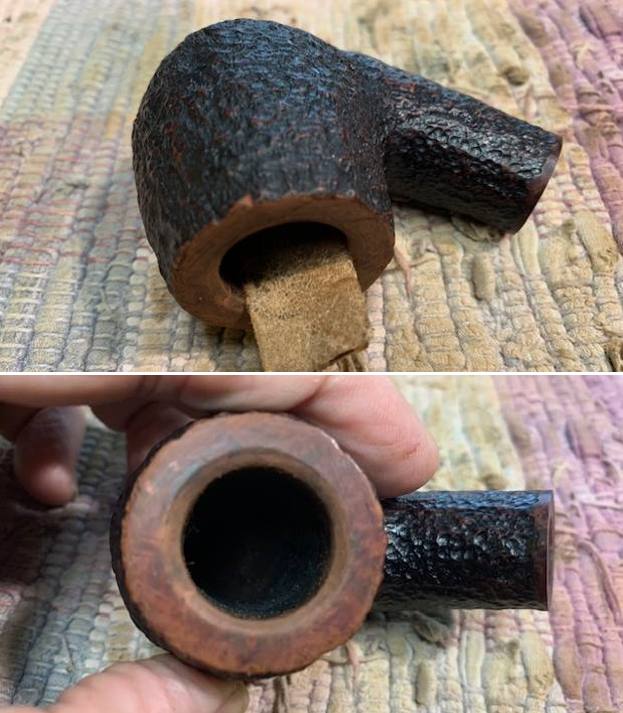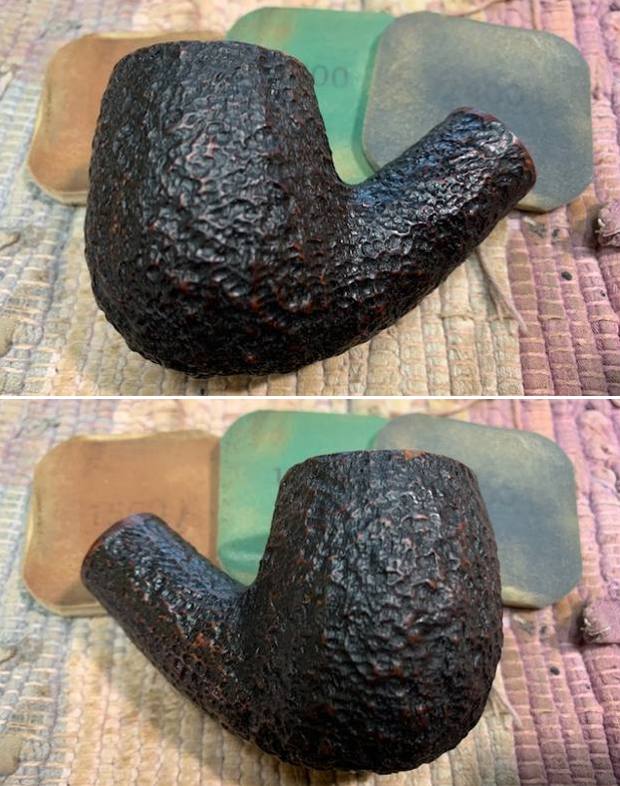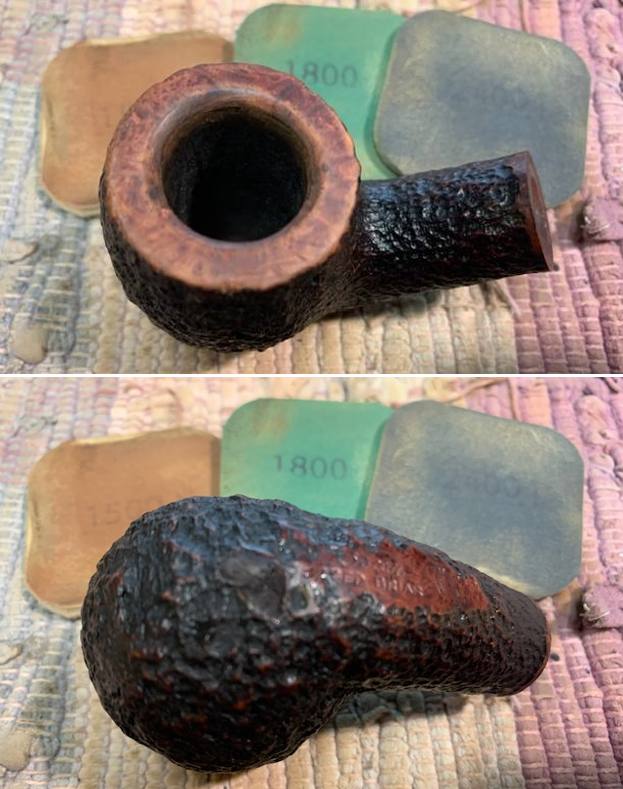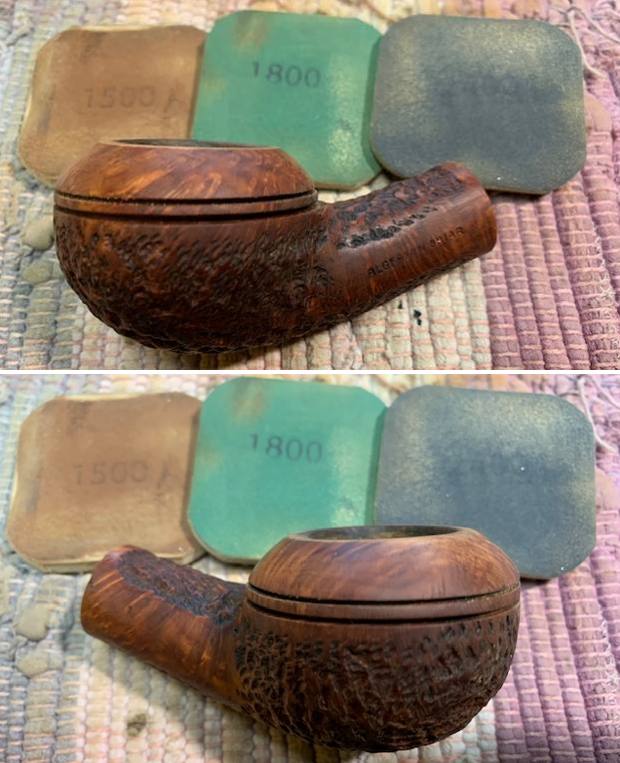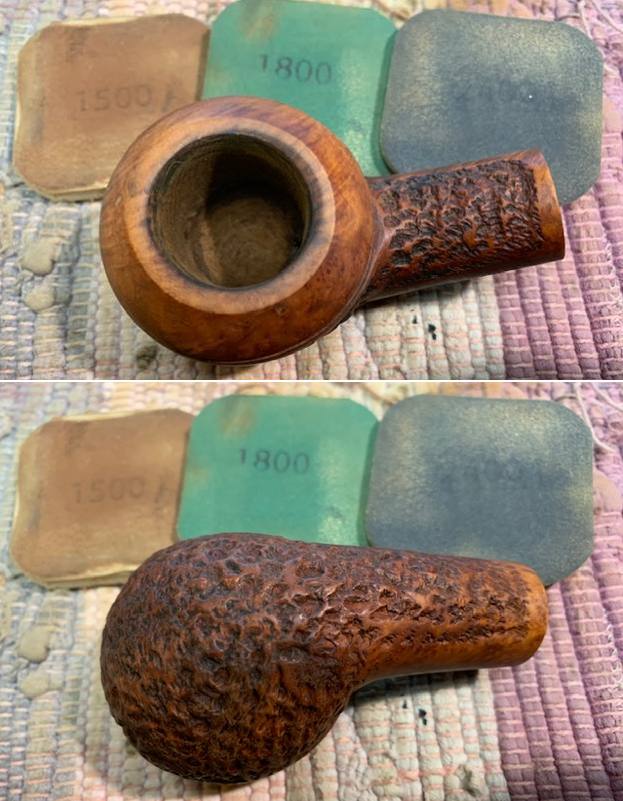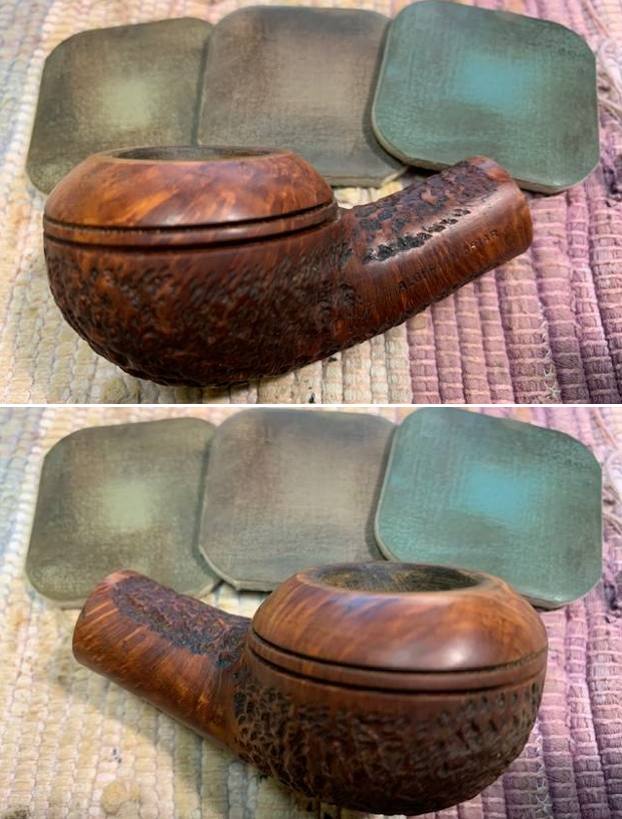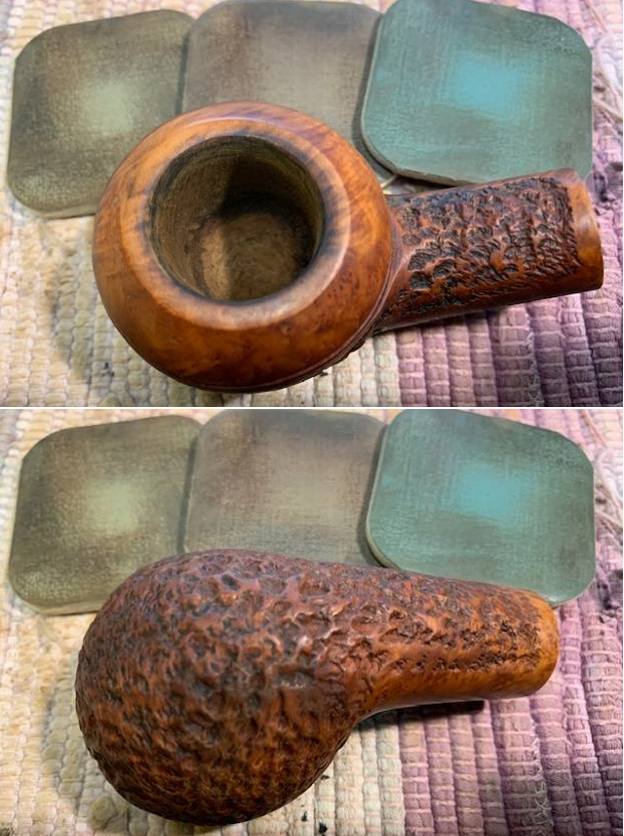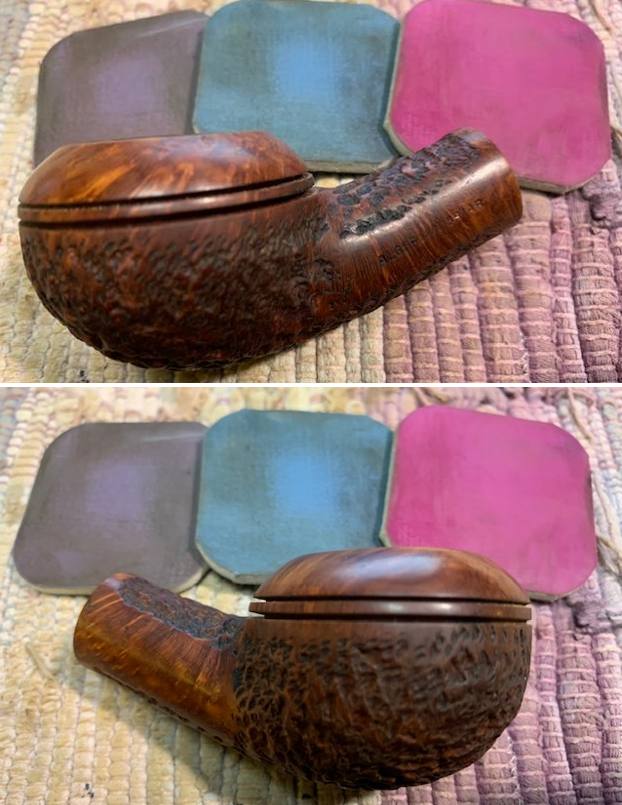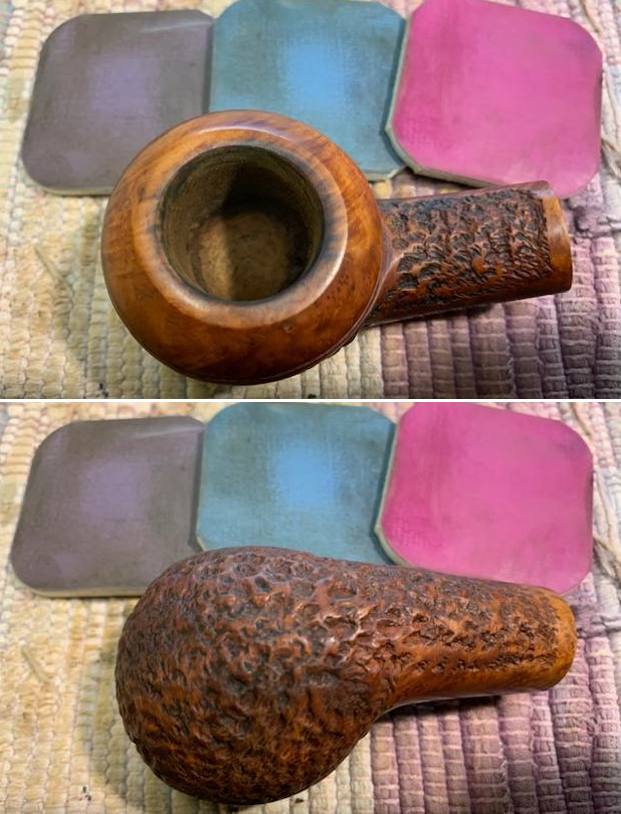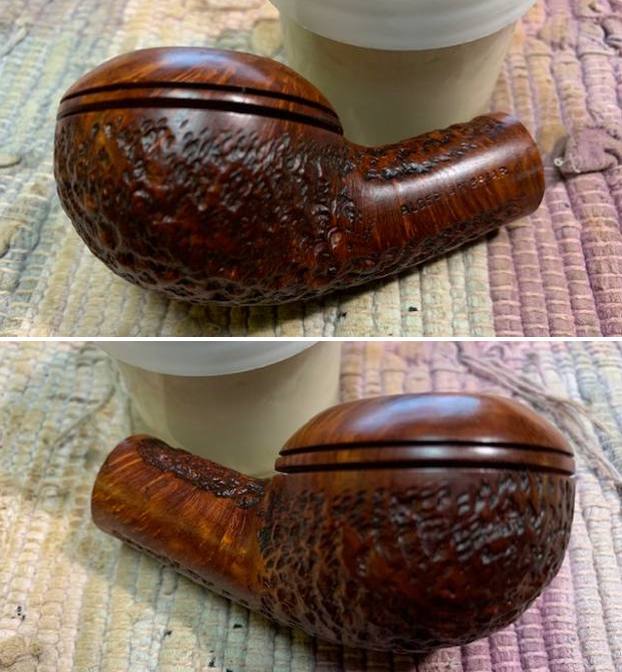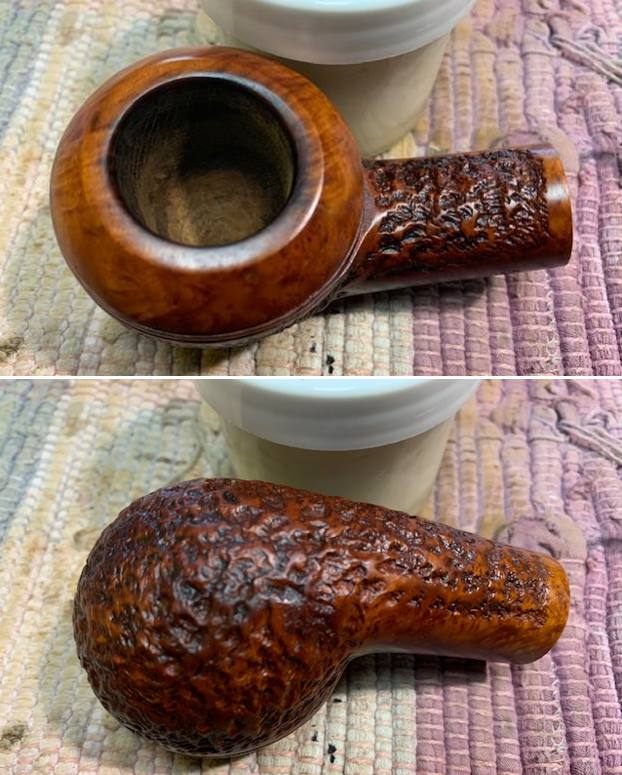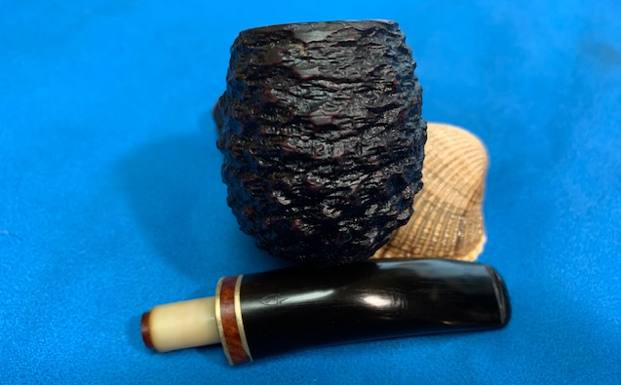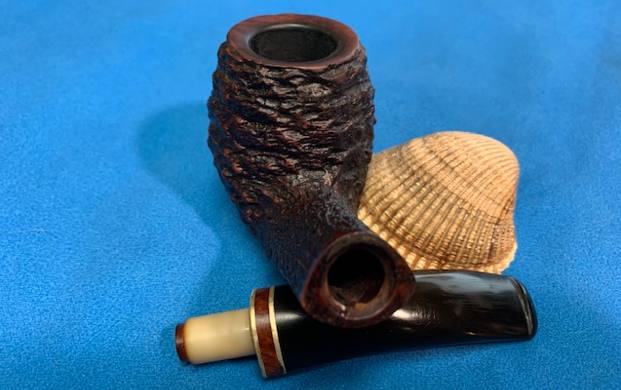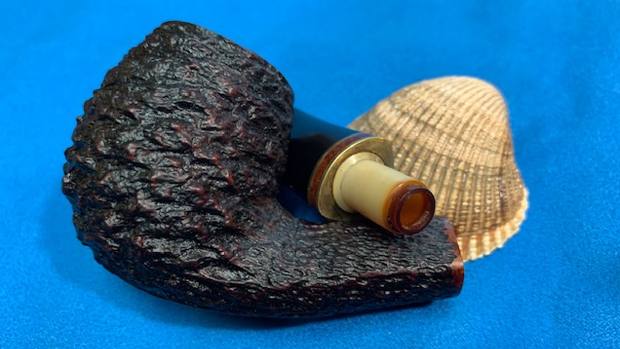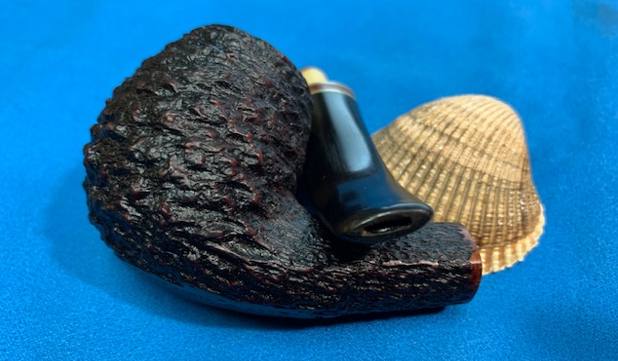
Tag Archives: vulcanite

Restemming and Breathing New Life into a WW2 Monterey Specimen Grain Bowl


Blog by Steve Laug

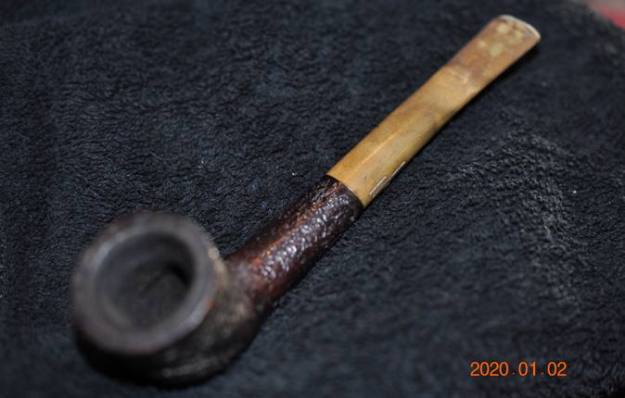
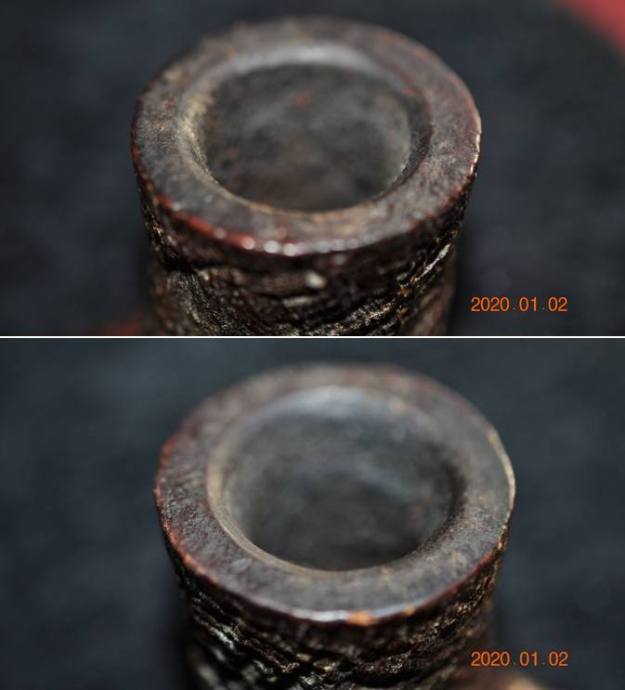
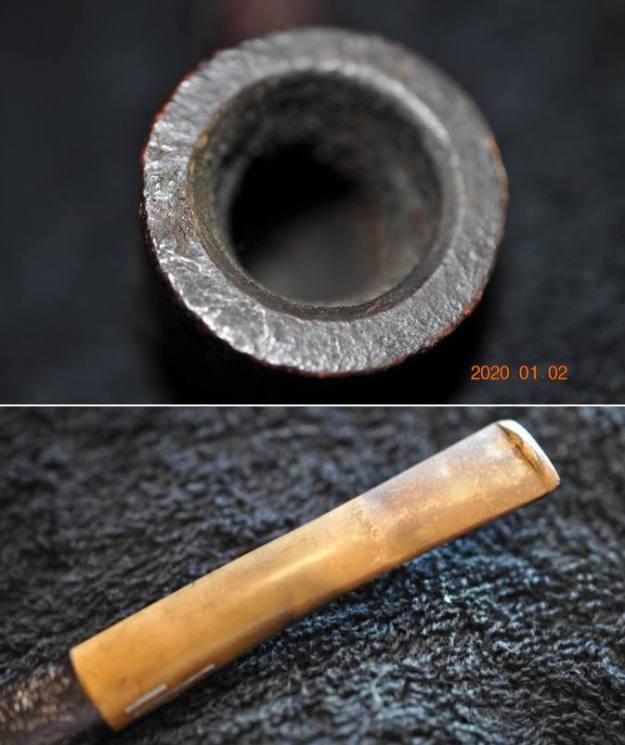
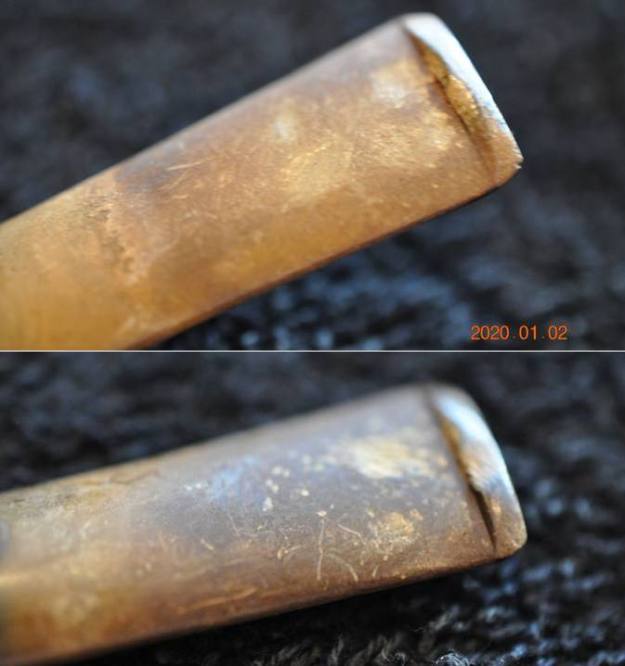
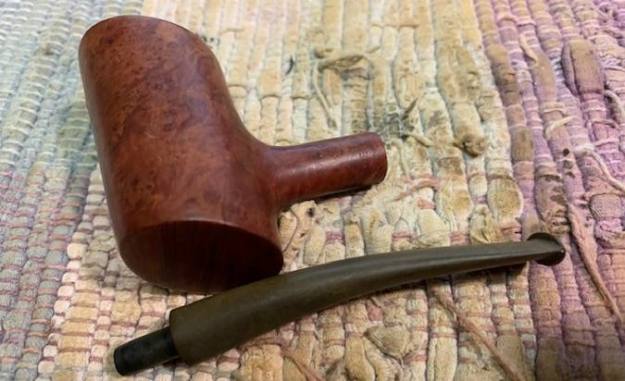
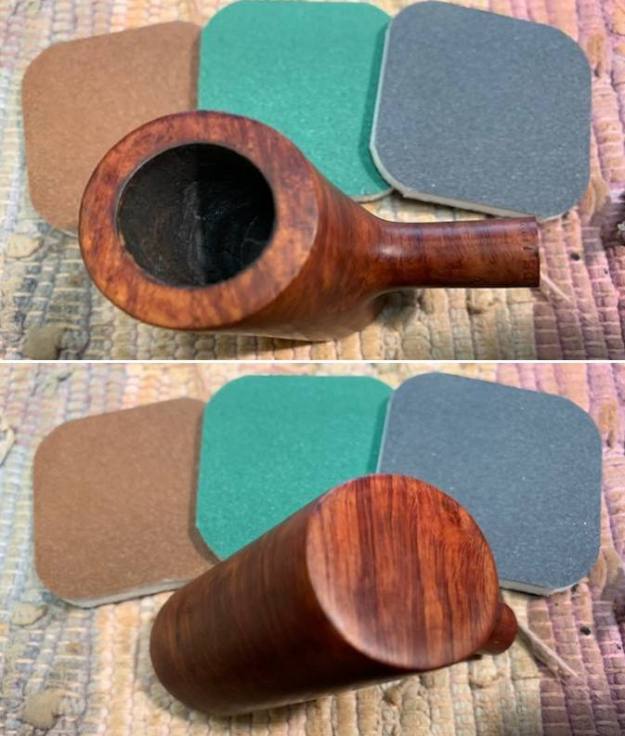
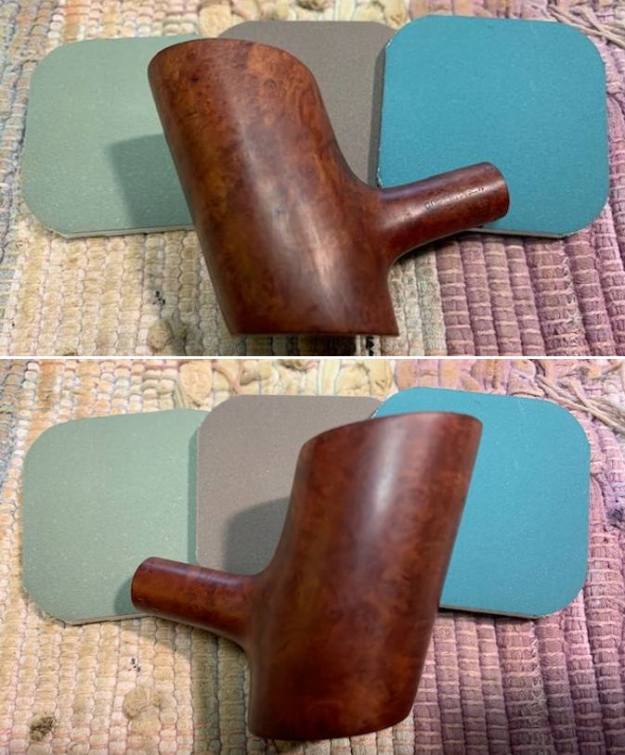
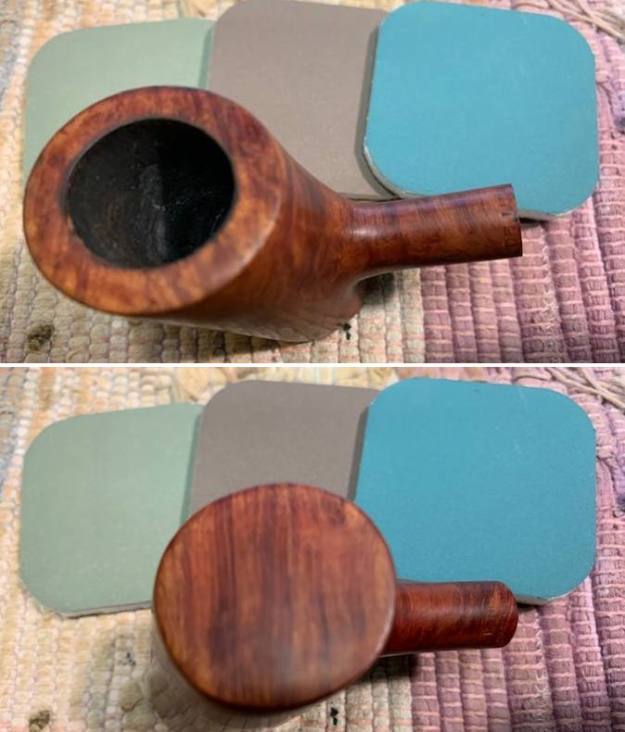
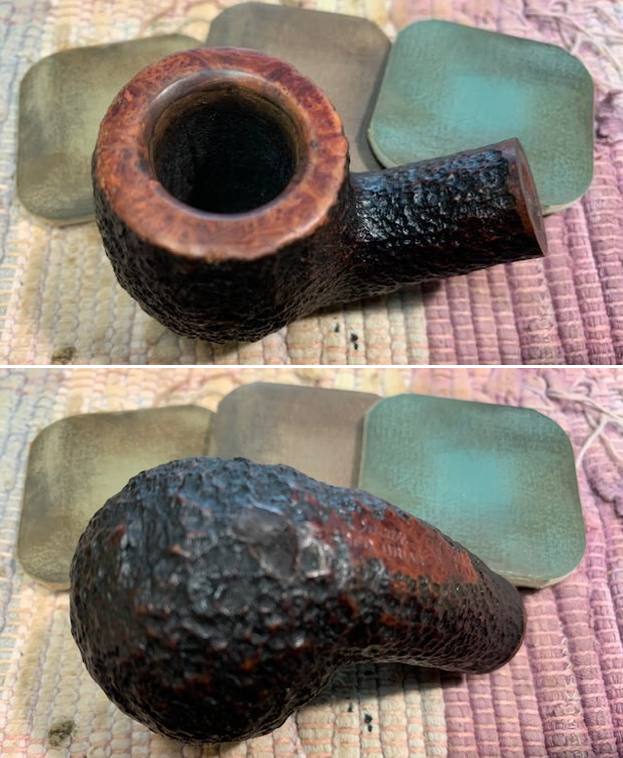
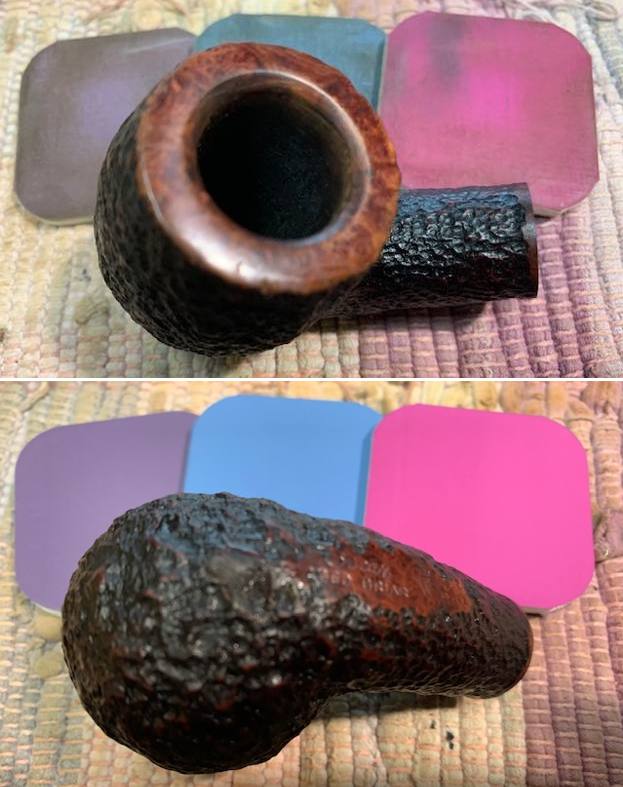
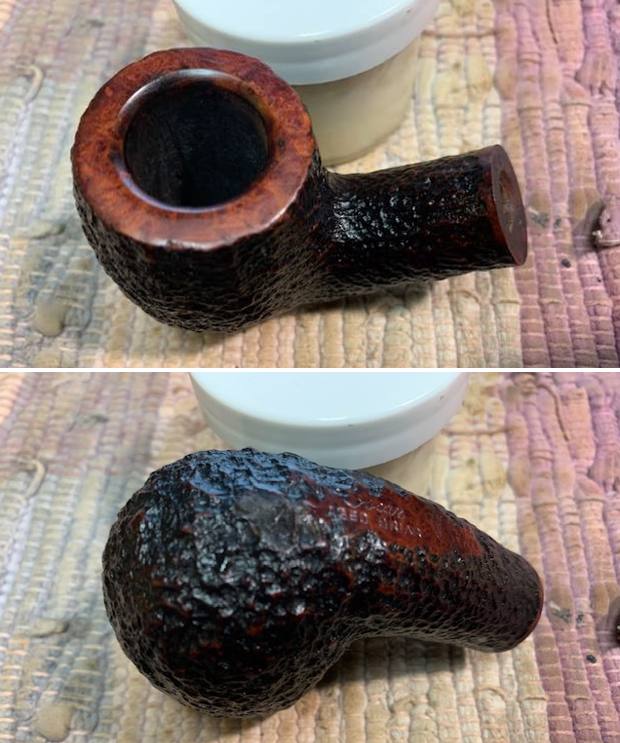
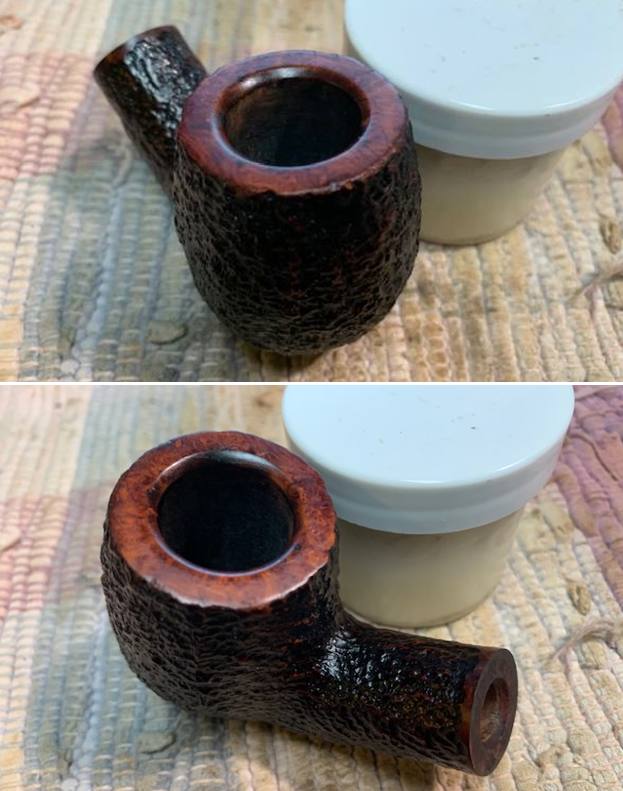
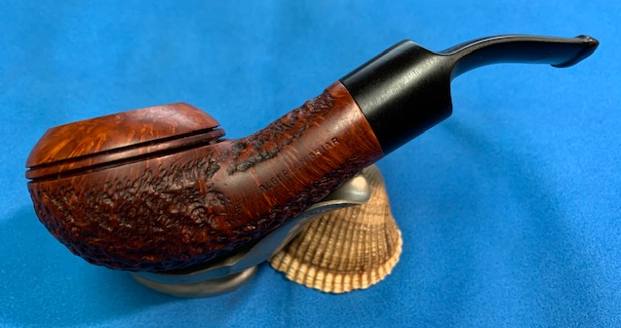
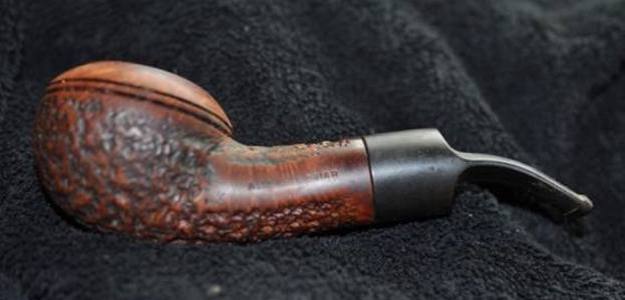
The next pipe I chose to work on was another bowl from my box to restem. This one has some great grain around the sides and shank. It is stamped Monterey [over] Specimen Grain on the on the left side of the shank. On the right side it is stamped Mission Briar. It had been cleaned and reamed somewhere along the way by either Jeff or me. I honestly don’t remember when or where we got this bowl. It had a hairline crack on the right side of the shank that ran mid shank for about ½ an inch. The stem was long gone so this would be a restemming job. I would need to band the shank as well. The rim top was darkened and the inner edge of the bowl was out of round. I knew from working on Monterey/Mission Briar pipes in the past that I was dealing with a WW2 years pipe that was made in California using Manzanita in place of hard to find briar. I also remembered a connection to Kaywoodie but the details were not clear to me. I took some photos of the bowl to give a since of the condition of this nice little billiard. I took some photos of the stamping on the sides of the shank. The stamping is clear and readable as noted above.The next two photos show some of the issues that I have to deal with on this pipe. The first one shows the hairline crack in the shank. I have circled it in red. The second one shows the out of round bowl.I took a stem out of my can of stems that had the right tenon size and length. The diameter of the stem was slightly larger than the shank but it would fit with some adjustments.I put the stem on the shank and took a photo of the look of the pipe. You can see that I need to adjust the diameter of the stem to match the shank.To gather some more information on the Monterey brand I turned first to Pipephil to get some more information on the brand (http://pipephil.eu/logos/en/logo-m6.html). I did a screen capture of the information on the site and included it below. I also included information in the side bar below the screen capture.“Mission Briar” is the common denomination for wood from Manzanita burl (Fam: Ericaceae), a shrub growing in California (USA). During WWII, when Briar was rare, it was used by Reiss-Premier Pipe Co and KB&B (Monterey line).

From that information I knew that the pipe was made between 1941-1946 during the time period of World War II. It was made out of Manzanita burl from California. It was also made by KB&B as it was a Monterey Line Mission Briar pipe.

There was also a picture of two different boxed pipes. The first box is for a Specimen Grain the same as the one that I am working on. The second box is for a Forty Niner. On the inside of the box is a description of the Mission Briar. It reads as follows:

Mission Briar is manufactured from Manzanita Burl grown on the sunny slopes of California’s Pacific Coast, and is proudly offered on its own merits.

“Manzanita Burl and tree heath (Imported Briar) are related to each other botanically belonging to the Ericaceae, or heath family.” – U.S. Department of Agriculture.

The intricately woven texture and grain of this hardy burl supplies a quality pipe of beauty, strength and sweetness, a pipe you can you can cherish and enjoy smoking.

Kaufman Bros. & Bondy, Inc., 630 Fifth Avenue, New York City.From there I turned to Pipedia (https://pipedia.org/wiki/Mission_Briar) to see what else I could learn from there. The article there was taken from Jose Mauel Lopes. I quote it in full below.

From Pipes, Artisans and Trademarks, by José Manuel Lopes

Mission Briar was a brand created during WW II, which disappeared soon afterwards. In 1941, due to the difficulty of importing brair, Kaufmann Bros. & Bondy, through Kaywoodie, and the Reiss-Premier Co., started making pipes out of Manzanita burls, known as “mission briar”.

The Pacific Briarwood Company, a Kaufmann Bros. & Bondy subsidiary, owned plantations of the bush in the Santa Cruz mountains in California. As the quality of the wood was not as good as briar, the project was abandoned soon after the war.

Monterey pipes were made using Mission briar by Kaywoodie.

I learned from that it was a short-lived creation by KB&B through Kaywoodie. They created the Pacific Briarwood Company as a subsidiary to make pipes from the bush in the Santa Cruz mountains in California. It last until shortly after the war ended. Monterey pipes were made by Kaywoodie!

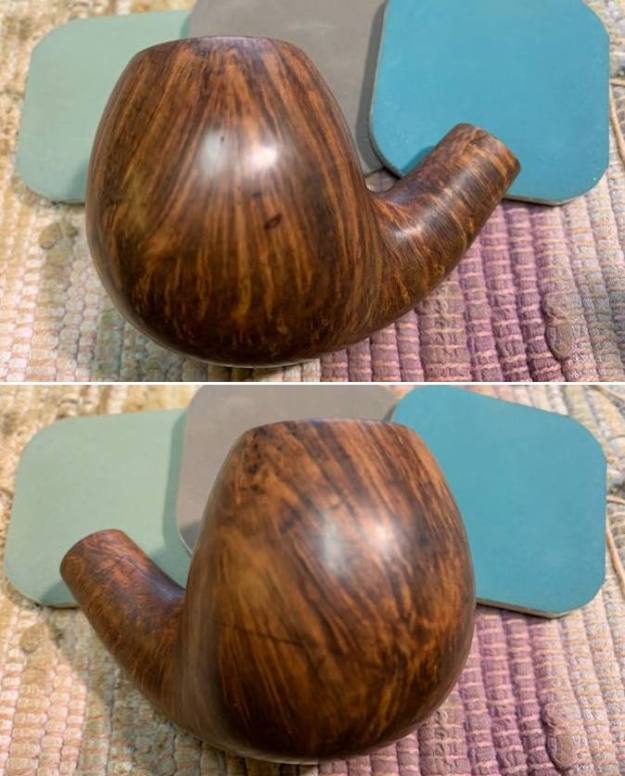
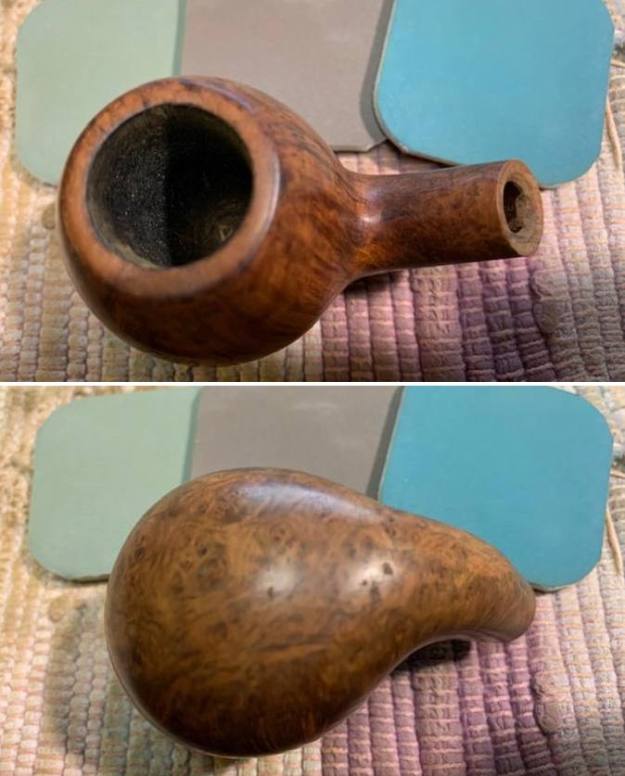
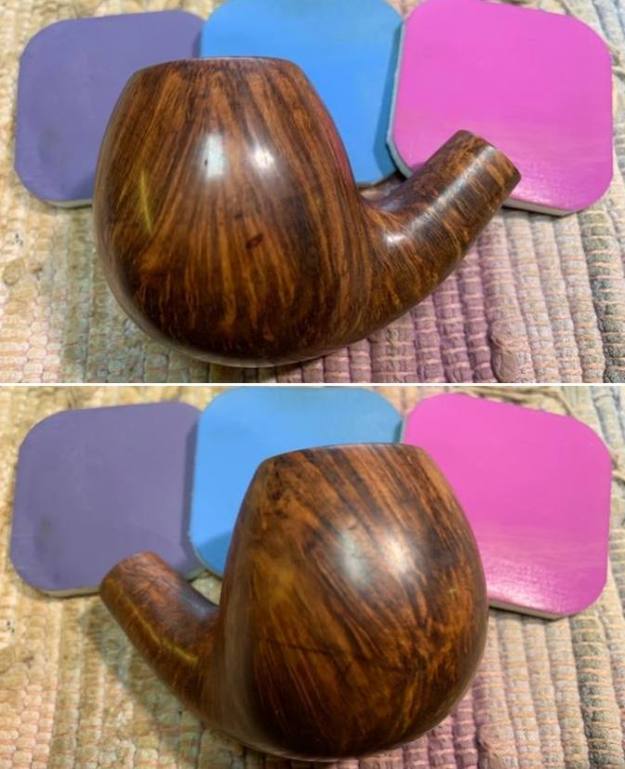
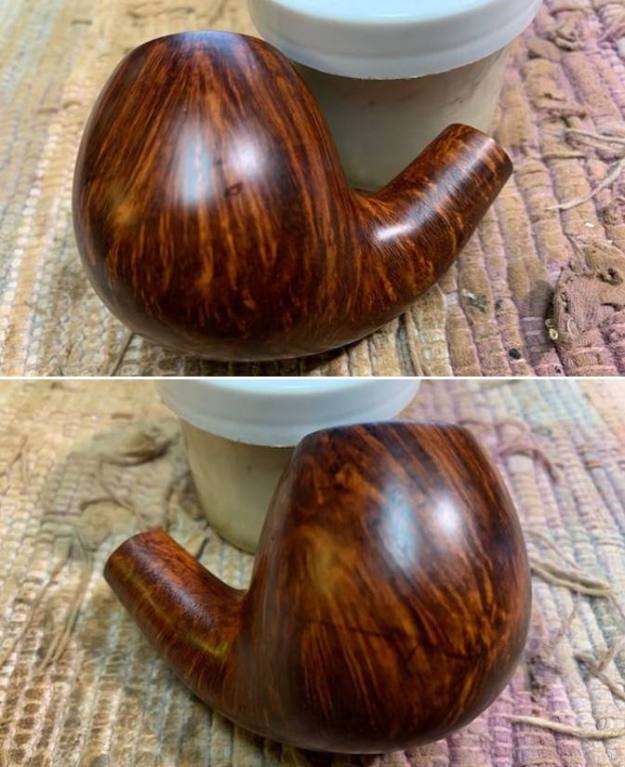
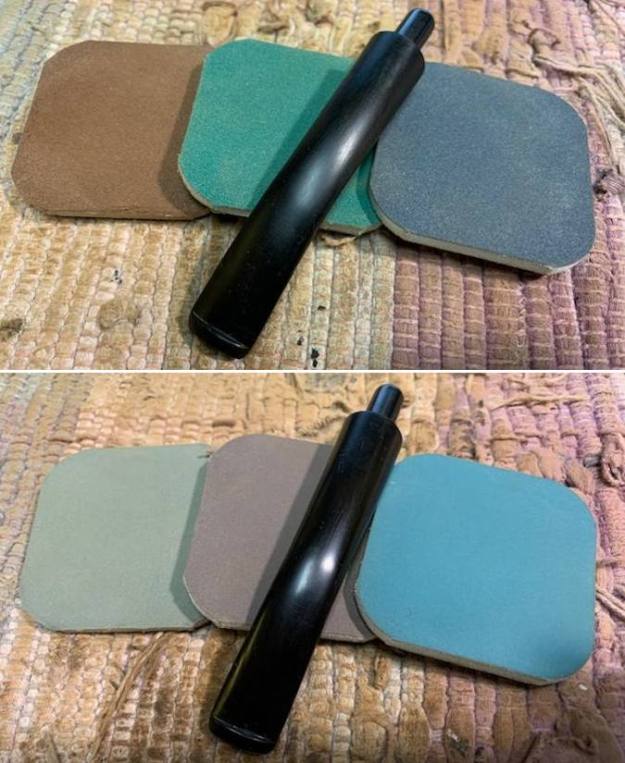
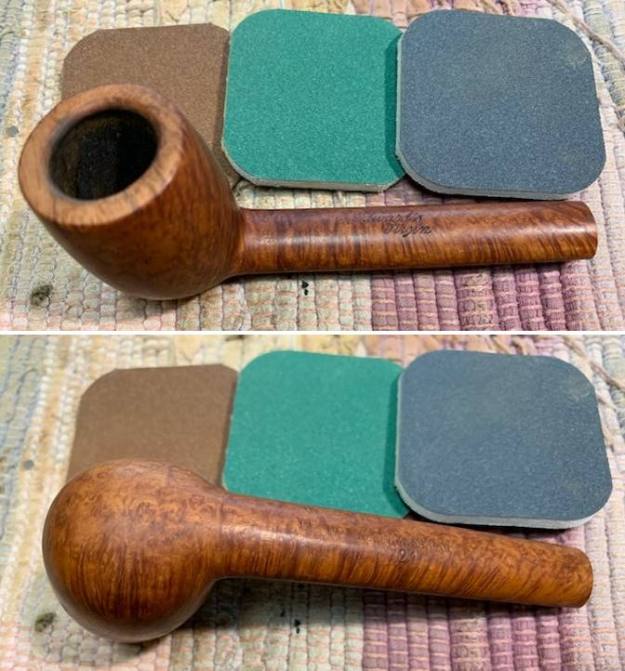
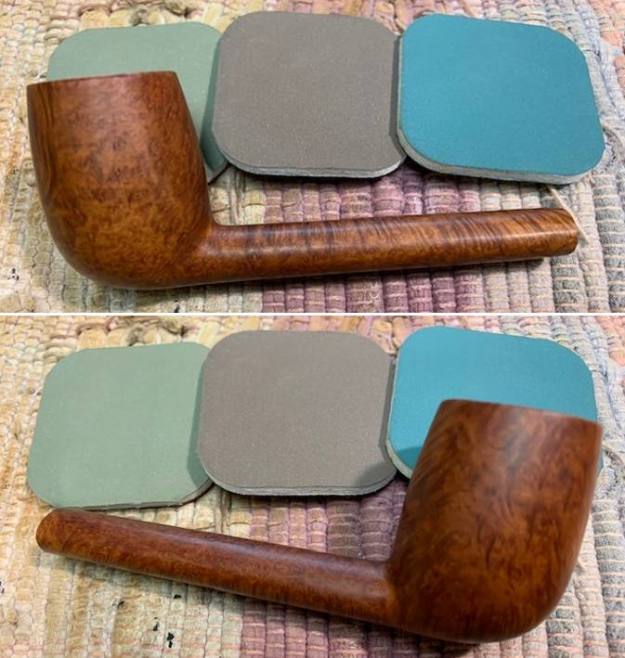
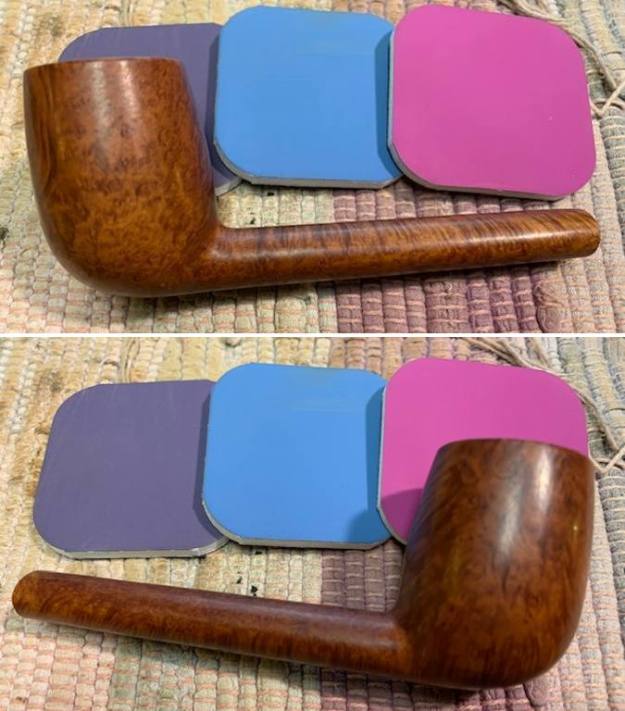
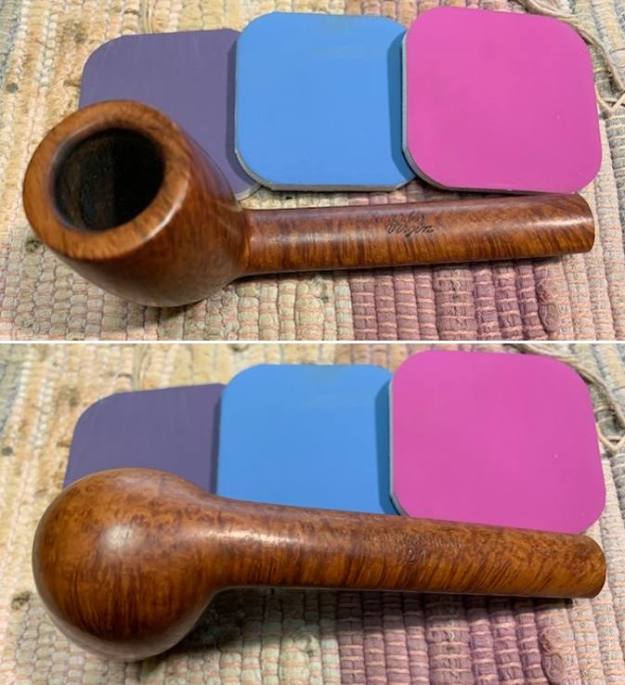
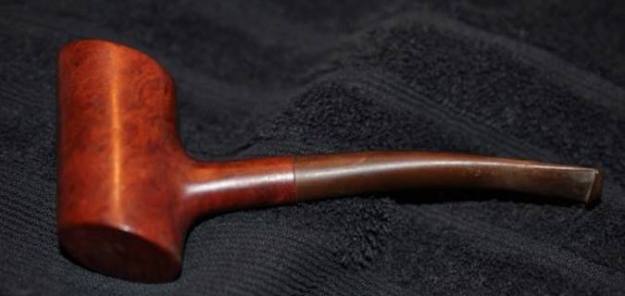
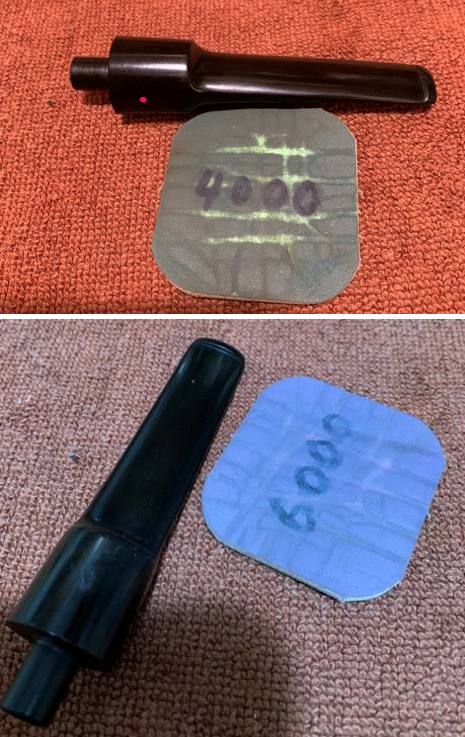
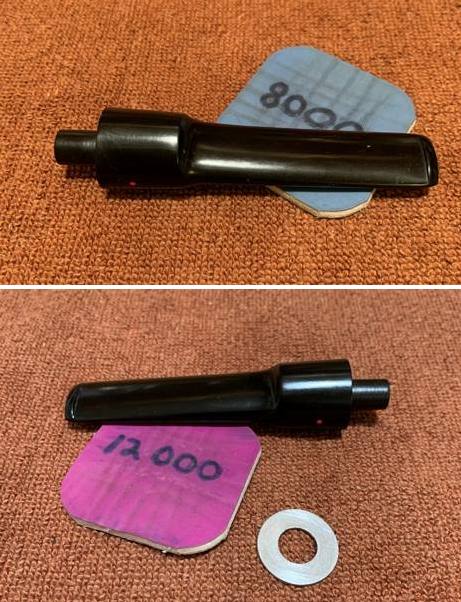
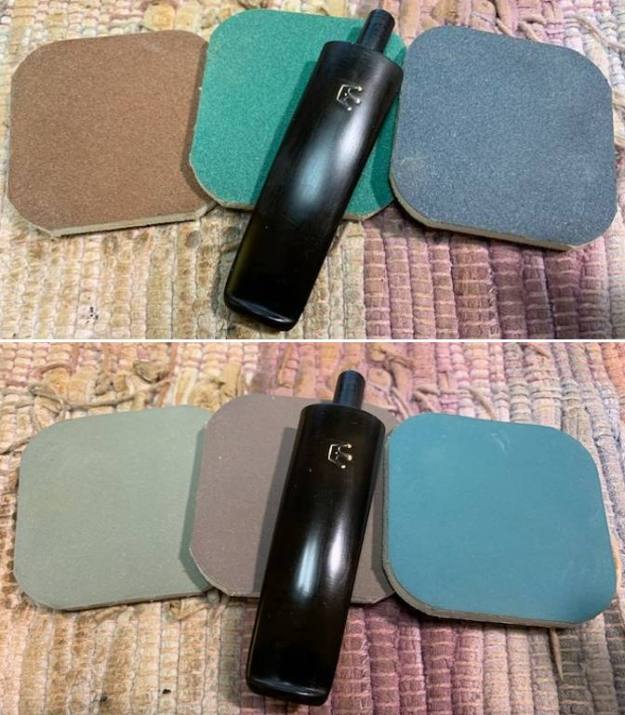
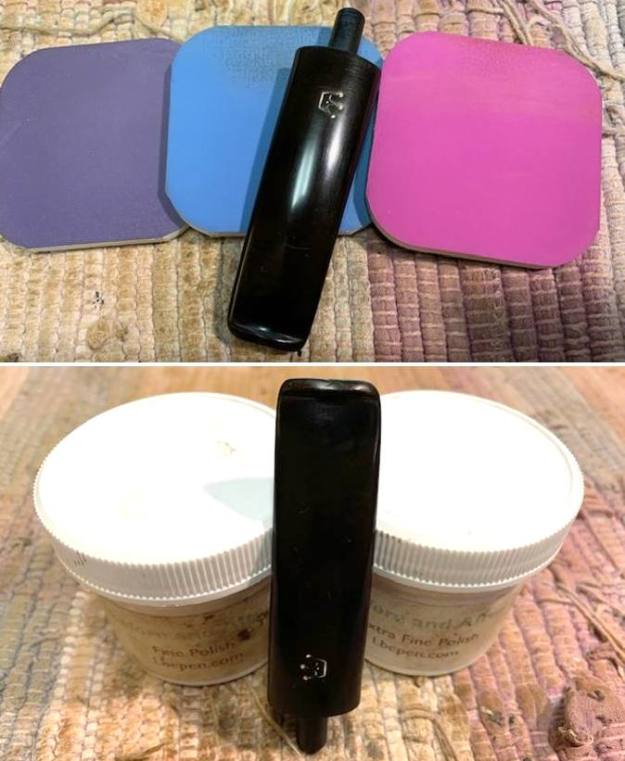
Now it was time to work on the pipe itself. I started with fitting the stem to the shank. I removed a lot of the diameter on the stem with my Dremel and a sanding drum. Once I had the fit close I set the stem aside and turned to deal with the issues on the bowl and shank.  I went through my bands and found a thin brass band that fit the shank perfectly. I heated it and pressed in place on the shank. It fit perfectly and I like the look of it. I took photos of the pipe with the newly fit band on the shank. It looked really good. I sanded the inner edge of the bowl with a folded piece of sandpaper. I then used a wooden ball that Kenneth had given me and a piece of 220 grit sandpaper to give a slight bevel to the inner edge of the bowl.I wiped the bowl down with isopropyl alcohol on a cotton pad to remove the shiny spots on the briar and make the stain a bit more transparent to reveal the grain on the wood. It looked really good. I dry sanded the briar with micromesh sanding pads – 1500-12000 grit sanding pads. I wiped the bowl surface down with a damp cloth after each sanding pad to remove the sanding dust. Once I finished the exterior of the briar was clean and the grain really stood out.  I rubbed the bowl down with Before & After Restoration Balm. I worked it into the surface of the briar with my fingertips to clean, enliven and protect it. I let the balm sit for 10 minutes then buffed the pipe with a cotton cloth to raise the shine. Mark Hoover’s Balm is a product that I have come to appreciate and one I use on every pipe I have been working on. I set the bowl aside and worked on the stem. I polished the stem with micromesh sanding pads – wet sanding with 1500-12000 grit pads. I wiped the stem down after each sanding pad with Obsidian Oil. I polished it with Before & After Pipe Stem Polish – both Fine and Extra Fine. Once I had finished the polishing I gave it final coat of oil and set it aside to dry.    I am excited to be on the homestretch with beautiful Mission Briar Monterey Specimen Grain Billiard. This is the part I look forward to when it all comes back together, polished and waxed. I put the bowl and stem back together. I polished the bowl and stem with Blue Diamond to polish out the scratches in the briar and the vulcanite. I gave the bowl and the stem multiple coats of carnauba wax. I buffed the pipe with a clean buffing pad to raise the shine. I hand buffed it with a microfiber cloth to deepen the shine. The pipe polished up pretty nicely. The beautifully grained finish looks really good with the interesting grain patterns standing out on the shape. The grain, the thin brass band and the polished black vulcanite went really well together. This Monterey Specimen Grain Billiard was another fun pipe to work on and came out looking amazingly graceful. It is a small billiard but it is a comfortable pipe to hold in the hand. The finished pipe is shown in the photos below. The dimensions of the pipe are Length: 5 ¾ inches, Height: 1 ½ inches, Outside diameter of the bowl: 1 ¼ inches, Chamber diameter: ¾ of an inch. The weight of the pipe is 27 grams/.95 ounces. If you are interested in adding this pipe to your rack it will be on the rebornpipes store in the American Pipe Makers Section soon. Thanks for reading this blog and my reflections on the pipe while I worked on it.
This Ugly Duckling turned out to be a Beauty!


Blog by Steve Laug

The next pipe I chose to work on has been sitting in a box for several years now. It was in a sandwich bag to keep the parts together. It was a huge bowl, a veritable war club with a relatively slender stem and to be honest it never really grabbed me. I passed over it repeatedly when I went through the box of pipes that I have to complete. That changed a few days ago when I opened the box and the pipe just stood out. Strange how that works! I wrote Jeff and asked for pictures of the pipe before he cleaned it. The bowl was stamped on the top of the shank and read Colossus. Below that on the left side it read City Deluxe [over] London Made. On the right side of the shank it read Made in England. The stem has the silver star insert on the left and on the right it is stamped Hand Cut. Jeff sent these photos and told me that he purchased it (plastic bag with dirty bowl and broken tenon) from an antique mall in Ogden, Utah, USA on 04/28/19. The pre-cleanup photos show what a mess this pipe was when he found it. But don’t miss the amazing grain under the grime. The finish was a mess with scratches and grime ground into the smooth briar. The bowl had a thick cake and a fair share of cobwebs inhabiting the depths. The rim top had a thick coat of lava so it was hard to know what the inner edge looked like. The stem was covered with calcification and oxidation and the tenon was cleanly snapped off and stuck in the shank. There was light tooth chatter and marks on the surface of the stem near the button but even that was hard to see with the debris on the stem. The bag had preserved all the debris in the bowl and the stem and it was very visible. Jeff took some photos of the bowl sides and heel – it is a really nice piece of briar. The next photos show the cake and cobwebs in the bowl. What a mess! You can also see the stem with the broken tenon in the second photo.He took close up photos of the broken tenon and stem to show the clean break and the condition of them both! He took photos of both sides of the stem ahead of the button to show the general condition. It is hard to tell if there is tooth damage or marks due to the calcification and debris on the stem.The stamping on the shank is readable and reads as noted above.The City Deluxe is a GBD Second’s line that was released to expand the brands reach into the European market (http://pipephil.eu/logos/en/logo-c5.html). I have included a screen capture from Pipephil to show his information. The pipe I am working on is stamped like the first and second one in the photo below.I turned then to Pipedia’s article on GBD pipes (https://pipedia.org/wiki/GBD). The history of GBD pipes is very well spelled out in multiple articles on Pipedia. I would encourage you to give them a read as they are well written and very readable. It is truly a grand old brand spanning France and England. I have included the section on the section of the article on the City Deluxe brand and have highlighted it in red for ease of reference.

The solid demand for GBD pipes also encouraged the management to introduce a number of sub brands designed to win new buyers. We can list such sub brands as follows:

  • The City de Luxe (1921) had an inserted star on the stem as trademark and were marketed in England and in France. These pipes were the bestseller of the 5½ Shilling class in the 1930s in Great Britain.
  • Reserved for the French market remained the even more favorable GBD brand Marcee, a derivative of Marechal Ruchon & Co. Ltd. that was offered until the 2nd World War and for another one or two years afterwards.
  • The Camelia – made in London as a 2½ Shilling line – was only around for a few years.
  • Important to mention is also the Riseagle—completely produced in Paris before the wartime for England’s smokers who wanted “a cheap but dependable British made pipe”… one of the most successful 1 Shilling pipes until 1939! The introduction of the luxury impact on the excise tax for pipes after the war put an end to this cheap brand.

I then turned to Pipedia’s article on GBD’s various models to seek further information on the Colossus stamp (https://pipedia.org/wiki/GBD_Model_Information).

The second stamping on the top of the shank was Colossus. I knew that this stamp was used on larger or what GBD called “plus sized pipes”. I read through the above link and found the information below.

Plus Sized Pipes

In addition to the pipe line and shape information stamped on the pipe GBD also had codes for plus sized pipes. These codes in ascending order of size were…

  • Conquest
  • Collector
  • Colossus

From this I know that the pipe is a larger, plus sized pipe that was at the top of the plus sizes – a Colossus. The City Deluxe was started in 1921 and had an inserted star on the stem as trademark and were marketed in England and in France. These pipes were the bestseller of the 5½ Shilling class in the 1930s in Great Britain.

Armed with that information I turned my attention to working on the pipe itself. Jeff had done an amazing job cleaning up the bowl and the stem. He had reamed it with a PipNet pipe reamer and followed that with a Savinelli Fitsall Pipe knife to scrape away the remaining debris. He scrubbed the exterior of the bowl and stem with Murphy’s Oil Soap and a tooth brush to remove the grime and calcification. He scrubbed out the internals of the bowl, shank and stem with 99% Isopropyl Alcohol, pipe cleaners and cotton swabs until it was very clean. He scrubbed the stem surface with Soft Scrub and then put it in a bath of Before & After Pipe Stem Deoxidizer to deal with the oxidation. He rinsed it with warm water and dried it off. I took photos of the parts when I received them. It looks amazingly clean. I took a photo of the rim top to show the darkening and damage to the inner edge of the bowl. It was a little rough but should clean up well. I also took photos of the stem to show the surface of the stem and how well it had cleaned up. I also wanted to show the light tooth marks on the stem surface.I put the stem against the shank and took some photos to have some idea of how the pipe must have looked before it broke. It is an interesting looking war club of a pipe!With that I put the bowl in the freezer for ten minutes to loosen the stuck tenon. When I took it out of the freezer I used a dry wall screw to thread into the airway on the broken tenon and wiggled it free of the shank.With the broken tenon pulled it was time to make a new tenon for the stem. I started out by going through my can of tenons and finding one that would work. It is a threaded tenon that is shown on the left in the photo below (A). I took off the lip at the threads and reduced the diameter with a Dremel and sanding drum as shown in the photo below (B). It was the same diameter as the broken original shown below (C).I drilled out the airway in the stem to accommodate the new tenon. I started with a bit slightly larger than the airway and worked up to the one shown below. It was the same diameter as the threaded tenon end.I sanded the threads to reduce the diameter of the threaded portion of the tenon. I coated it with some black superglue and inserted it in the stem. I set it aside to let the glue cure. I would still need to fine tune the fit in the mortise but it was looking good.While the tenon repair cured I turned my attention to the bowl. I started by addressing the damage on the inner edge of the rim. I used a folded piece of 220 grit sandpaper to give a slight bevel to the edge and remove the darkening. I smoothed the edge further with a piece of sandpaper wrapped around a dowel. The rim came out looking much better.I dry sanded the briar with micromesh sanding pads – 1500-12000 grit sanding pads. I wiped the bowl surface down with a damp cloth after each sanding pad to remove the sanding dust. Once I finished the exterior of the briar was clean and the grain really stood out. I rubbed the bowl down with Before & After Restoration Balm. I worked it into the surface of the briar with my fingertips to clean, enliven and protect it. I let the balm sit for 10 minutes then buffed the pipe with a cotton cloth to raise the shine. Mark Hoover’s Balm is a product that I have come to appreciate and one I use on every pipe I have been working on. I set the bowl aside and turned my attention to the stem. The tenon had set in the stem so I sanded the tenon smooth with 220 grit sandpaper. I still need to polish it a bit but it is looking pretty good at this point.I fit the stem on the shank and took some photos of the pipe. I liked the looks of it but it felt like it was missing something to me.I went through some silver bands that Jeff and I had purchased and there was one that was perfect for the diameter of the shank. It was a little deep for my liking so I worked on the depth of the band on a topping board with 220 grit sandpaper. I took it down until the depth was half of what it was when I started. I removed the stem and worked on fitting the band. I heated the band with my lighter and then pressed it in place on the shank end and it was perfect. It did not cover any of the stamping and added the missing touch for me. I took some photos of the bowl with the band and I liked the look.I set the bowl aside once again and worked on the stem. The tooth chatter was very light so I polished the stem with micromesh sanding pads – wet sanding with 1500-12000 grit pads. I wiped the stem down after each sanding pad with Obsidian Oil. I polished it with Before & After Pipe Stem Polish – both Fine and Extra Fine. Once I had finished the polishing I gave it final coat of oil and set it aside to dry. I put the stem back on the bowl and took a picture of the pipe next to a Dunhill Shell Briar Group 4 Billiard. You can see that it is mammoth in comparison to a rather large Dunhill.I am excited to be on the homestretch with beautiful GBD Made Colossus City Deluxe Large Apple. This is the part I look forward to when it all comes back together, polished and waxed. I put the bowl and stem back together. I polished the bowl and stem with Blue Diamond to polish out the scratches in the briar and the vulcanite. I gave the bowl and the stem multiple coats of carnauba wax. I buffed the pipe with a clean buffing pad to raise the shine. I hand buffed it with a microfiber cloth to deepen the shine. The pipe polished up pretty nicely. The beautifully grained finish looks really good with the interesting grain patterns standing out on the shape. I have to say Jeff called this one correctly. It is probably a pipe I would have left in the shop in the sandwich bag he found it in. But he saw promise and he was right! The grain, the silver band and the polished black vulcanite went really well together. This Colossus City Deluxe was another fun pipe to work on and though it was ugly to begin with it came out looking amazingly graceful. It is a large pipe but it is a comfortable pipe to hold in the hand. The finished pipe is shown in the photos below. The dimensions of the pipe are Length: 7 inches, Height: 1 ½ inches, Outside diameter of the bowl: 1 ¾ inches, Chamber diameter: 1 inch. The weight of the pipe is 83 grams/ 2.89 ounces. If you are interested in adding this pipe to your rack it will be on the rebornpipes store in the American Pipe Makers Section soon. Thanks for reading this blog and my reflections on the pipe while I worked on it.

How Long Can A Canadian Be?


Blog by Kenneth Lieblich

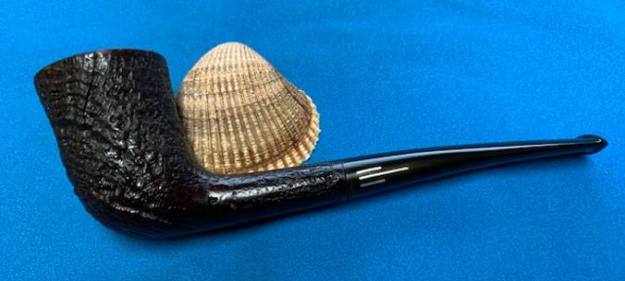
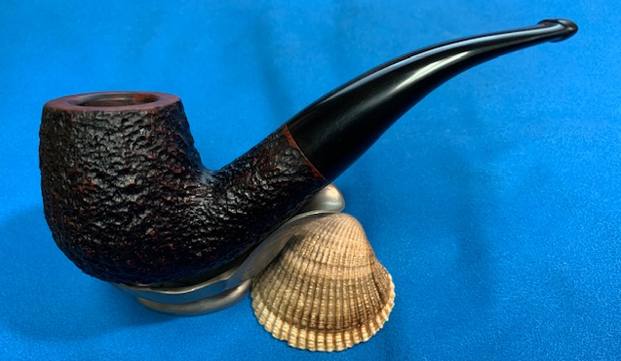
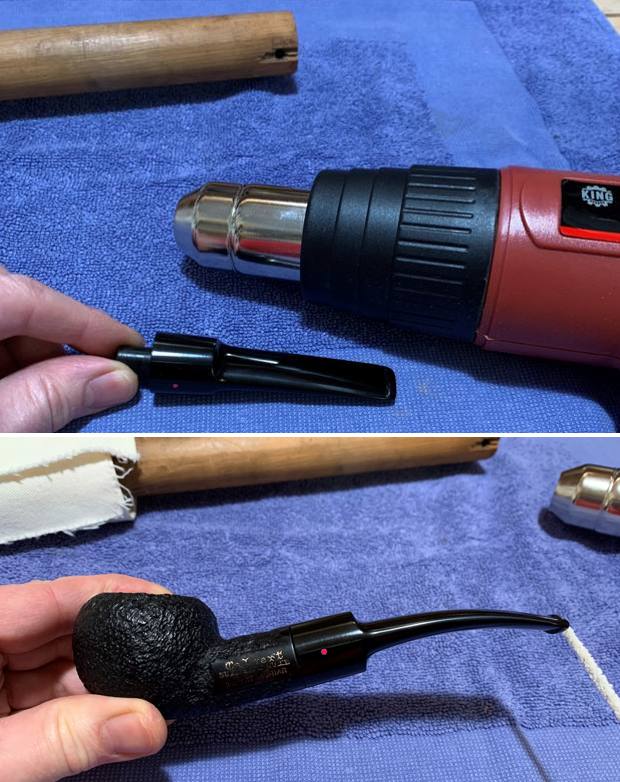
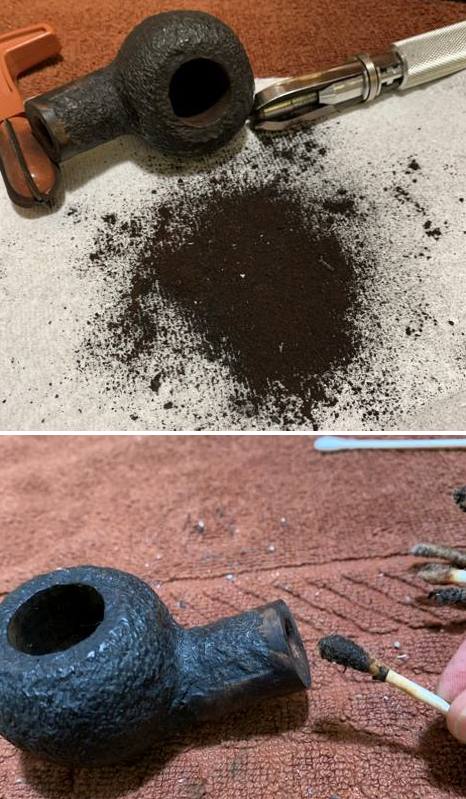
Next on the chopping block is one of the longest pipes I have ever worked on (excluding churchwardens, etc.). It is a wonderful, rusticated Canadian-shape, with the name Castleton marked on it. Its strong, light, and rugged nature seemed to fit its Canadian moniker perfectly. I acquired a small collection of pipes from West Virginia off of Facebook a few months back and I am just beginning to work my way through them. There were a lot of very interesting pipes there and this one was certainly no exception. I like the look of Canadian pipes in general, and the length of this one was certainly notable– it is nearly eight inches long, yet incredibly light! As it turned out, this pipe ended up beautifully, but it required much more toil that I had initially anticipated. This pipe had only two markings: Castleton on top of the shank; and Imported Briar on the underside of the shank. No logos, nothing else. The name, Castleton, was a bit of a problem. Herb Wilczak and Tom Colwell’s book, Who Made That Pipe?, mentions the name, Castleton, in connection with Comoy’s. Pipedia also confirms that Castleton was a model of Comoy’s. The only problem is that I am fairly sure this pipe is not from Comoy’s. The pipe does not say Comoy’s and does not have the logo – nor does it have a Comoy’s feel about it. Sadly, Steve does not have a Castleton pipe listed on Reborn Pipes, so I did not have a reference there. There are several towns called Castleton – one in Ontario, one in Vermont, one in England (and doubtless others) – but these do not seem related to the pipe. However, Pipephil has a tantalizing bit of information on its site:The lettering of the word Castleton on Pipephil is identical to that on my pipe. Although the lettering of Imported Briar is not identical, the words themselves obviously are and the only difference in the lettering is the italicization on my pipe. Pipephil does not offer any information about this pipe’s country of origin. However, I did a little supplementary research (which I will not bore you with) which suggests that the pipe is probably of English origin, using French briar.Anyway, on to the pipe – and what an attractive pipe it was! However, it was not without its issues. The stummel had the following problems: lava on the rim, notable burns to the bowl and shank, plenty of cake in the bowl, a few scratches here-and-there, and lots of small gouges to the rim. The staining of the wood needed to be revivified too. Meanwhile, the stem had a few problems of its own: there was some oxidation and calcification, and minor tooth marks and dents. This pipe was going to require some considerable elbow grease, but I was particularly looking forward to working on this one. It is a pipe that still has many decades of use in it. The stem was first on my list. This stem has a stinger in it – and it was being quite stubborn about coming out of the tenon! I opted to warm the stem and stinger with a hair dryer and this provided just enough softening of the internal goo to allow me to pull it out. The stinger then went for a soak in some lemon-infused isopropyl alcohol. I let it set for several hours and then cleaned it off and it looks much improved. I wiped down the outside of the stem with Murphy’s Oil Soap on some cotton pads. Then, I cleaned out the insides with pipe cleaners and isopropyl alcohol. Once this process was done, the stem went for an overnight soak in the Before & After Hard Rubber Deoxidizer. The following day, I cleaned all of the de-oxidizing sludge off with alcohol, pipe cleaners, et cetera. The oxidation had migrated to the surface and would be fairly straightforward to remove. I scrubbed vigorously with SoftScrub on cotton pads to remove the leftover oxidation. Before I moved on to the Micromesh pads, I built up some tiny dents on the stem with cyanoacrylate adhesive and let it fully cure. I then sanded it down with 220-, 400-, and 600-grit sandpapers to meld seamlessly into the stem. I will come back to the stem in a bit, but there are other issues to be addressed first!This stummel was quite a mess. I first decided to ream out the bowl. I used both the PipNet Reamer and the KleenReem to remove the built-up cake and followed that with 220-grit sandpaper to eliminate as much as I could. I took it down to bare briar, as I wanted to ensure there were no hidden flaws in the walls of the bowl. Fortunately, there were none. I then proceeded to clean out the insides of the shank with Q-tips, pipe cleaners, and isopropyl alcohol. There was a lot of nastiness inside this stummel and – boy-oh-boy – it took a lot of cotton to get this thing clean! In fact, this pipe’s great length proved to be a problem because I could not get the pipe cleaners all the way down the shank (and I did not, at that time, have churchwarden pipe cleaners). So, channeling my inner MacGyver, I tried to build myself some contraptions which would allow me to clean all the way down the shank. Unfortunately, these worked with very limited success.I was not to be deterred. I decided to build my own pipe retort system. This system uses boiling isopropyl alcohol and a vacuum (a void space, not the household item) to clean the interior wood of a pipe. I won’t describe the whole thing, but you can read Steve’s article about it here. As you can see by the revolting colour of the alcohol, the retort worked very well. I managed to extract lots of otherwise inaccessible filth from inside the pipe. After the retort (definitely not before), I then used all nine Micromesh pads (1,500 through 12,000 grit) to bring out the lovely black lustre on the stem. I also used Obsidian Pipe Stem Oil in between each pad scrubbing.I then moved on to cleaning the outside of the stummel with Murphy’s Oil Soap on some cotton pads and also used a tooth brush to get into the crevasses. I actually soaked the rim in Murphy’s for a while just to loosen up the lava. I followed that up by cleaning the insides with some dish soap and tube brushes.As I mentioned earlier, there were many nicks on the rim of the stummel that also needed to be addressed. In order to remove the lingering bits of lava and fix the nicks, I “topped” the pipe – that is to say, I gently and evenly sanded down the rim on a piece of 220-grit sandpaper. This effectively removed the lava and the damage, without altering the look of the pipe.As I also mentioned, there was a burn on the side of the bowl and a burn on the shank that also needed to be addressed. I took some oxalic acid, used several Q-tips, and rubbed and rubbed. The burn did improve considerably but never fully disappeared. I gently poked at it with a dental tool in order to assess the wood. I took solace from the fact that the burn was very superficial and did not affect the integrity of the wood at all. A light application of Before & After Restoration Balm brought out the best in the stummel. What a difference that made! There is some beautiful wood under the grime!Since this pipe is rusticated, I was not going to sand down the stummel with my Micromesh pads, but I did do it to the small sections that were smooth (e.g. where the markings were located). In order to avoid disturbing the rusticated sections, I masked these areas off with painter’s tape. This simplified the process a great deal.On to another problem: the colour. During the course of its previous life and my vigorous cleaning, this pipe had lost some vibrancy of colour. So, in order to accentuate the external beauty to this pipe, I opted for aniline dye. In this case, I did it in two stages. I first applied some of Fiebing’s Black Leather Dye (diluted with isopropyl alcohol) with a dauber to act as a sort of “wash” for the pipe. I wanted the dark colour to remain in the recessed areas of the stummel to contrast with the primary colour. As usual, I applied flame from a BIC lighter in order to set the colour.The following day, I wiped down the stummel with cotton pads dipped in isopropyl alcohol to remove any blackness from the high points. I then applied some of Fiebing’s Medium Brown Leather Dye with a dauber and removed the excess with cotton pads dipped in isopropyl alcohol. Once again, I applied flame from a BIC lighter in order to set the colour and let it sit overnight. Oof – it is really looking good! The contrast in colours worked just as I had hoped. I applied more Before & After Restoration Balm and then it was off for a trip to the buffer. A dose of White Diamond and a few coats of Halcyon II wax were just what this pipe needed. The lovely shine made the wood very attractive. This Castleton was in need of a reminder of its original beauty. The pipe began its restoration journey looking as though it had been left for firewood. Now, it can show its true self – a very handsome Canadian pipe.This Castleton is back to its old glory and ready to be enjoyed again by the next owner. I am pleased to announce that this pipe is for sale! If you are interested in acquiring it for your collection, please have a look in the ‘British’ pipe section of the store here on Steve’s website. You can also email me directly at kenneth@knightsofthepipe.com. The approximate dimensions of the pipe are as follows: length 197 mm/7 3/4 inches; height 56 mm/2 13/64 inches; bowl diameter 34 mm/1 11/32 inches; chamber diameter 21 mm/3/4 of an inch. The mass of the pipe is 37 grams/1.30 ounces. I hope you enjoyed reading the story of this pipe’s restoration as much I as I did restoring it. If you are interested in more of my work, please follow me here on Steve’s website or send me an email. Thank you very much for reading and, as always, I welcome and encourage your comments.

Breathing Life into a Custom-Bilt Panel Billiard


Blog by Steve Laug

The next pipe on the work table came to us on 06/01/19 from an auction in New Castle, Indiana, USA. The pipe is a classic Custom-Bilt piece – a rusticated Panel Billiard shaped pipe with some nice grain around the bowl. The pipe is stamped on the left side of the shank and reads Custom-Bilt. Next to the stem on the underside is a triangle that appears on many of the Custom-Bilt pipes. There was a lot of grime ground into the smooth and rusticated portions of the finish on the briar. The bowl was heavily caked with an overflow of lava on the rusticated top and inner edge of the rim. The inside edges looked to be in good condition. The stem was dirty and lightly oxidized. It had tooth chatter and marks on the top and underside near the button and on the button edge. There were not markings or a logo on the taper stem. It had promise but it was very dirty. Jeff took some photos of the pipe before he started his cleanup work. He took photos of the rim top and bowl to give a clear picture of the thickness of the cake and tobacco debris as well as the lava on the rim top rustication. He also took photos of the top and underside of the stem to show the light oxidation and the chatter and tooth marks. Jeff took photos of the sides and heel of the bowl to give a picture of what the briar looked like. The rustication pattern around the bowl is instantly recognizable as done by Custom-Bilt. It is hard to see that the front, back, right and left side are flat which is what I call a panel. The stamping on the left side of the shank is clear and readable and read as noted above. I turned to Pipephil (http://www.pipephil.eu/logos/en/logo-c8.html) to get a quick view of the brand once again. I knew that I was working with one of the older pipes and probably made by Tracy Mincer himself. He stopped making the Custom-Bilt pipes in the early 1950s. The screen capture I included below shows a brief history of the brand. I turned to Pipedia (https://pipedia.org/wiki/File:CustomBilt_Stamp1.jpg) for a quick read. The majority of the information there was two book reviews of the Custom-Bilt Story by Bill Unger.

The one line I culled was the following: “Tracy Mincer started the original Custom-Bilt pipes it appears in 1934”.

I did a screen capture of the stamping that matched the stamping on the pipe that I am working on. What I learned from that is that the stamp was used by Tracy Mincer in Indianapolis in the US from 1938-1946 and possibly in Chicago before 1938 as well. There were also some metal bits in the vulcanite and the Imported Briar stamp which made think WW2 or shortly after. So now I had a possible date for this pipe. It was an old timer and it was well worth working on.

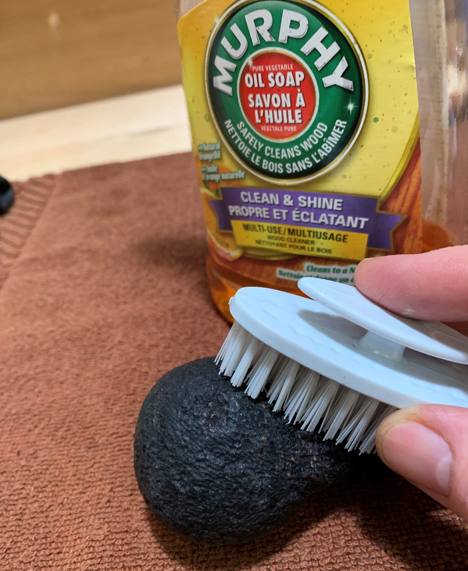
Armed with that information I turned to work on the pipe itself.  Jeff had cleaned up the pipe with his usual penchant for thoroughness. He reamed the pipe with a PipNet pipe reamer and removed the rest of it with a Savinelli Fitsall Pipe Knife.  He scrubbed the bowl with undiluted Murphy’s Oil Soap with a tooth brush. He rinsed it under running warm water to remove the soap and grime. He cleaned out the inside of the shank and the airway in the stem with alcohol, cotton swabs and pipe cleaners. He soaked the stem in Before & After Deoxidizer and rinsed it off with warm water. I took photos of the pipe before I started my part of the restoration work. The rim top cleaned up really well. The rim top and outer edge of the bowl look very good. The stem surface looked very good with a few small tooth marks and chatter on both sides near the button. There was a deep tooth mark on the topside of the button. The stamping on left side of the shank is clear and readable. It is stamped as noted above.I removed the stem and took a photo of the pipe to give a sense of the whole. The tapered stem is very nice.I cleaned up the darkening on the back side of the rim top and the grooves in the rustication with a brass bristle wire brush. I was able to clean it up nicely and it looked very good.   The bowl was in excellent condition so started by rubbing the bowl and shank down with Before & After Restoration Balm. I worked it into the surface of the bowl sides and shank with my fingertips and a horsehair shoe brush to clean, enliven and protect the briar. I let the balm sit for about 10-15 minutes and buffed with a cotton cloth to raise the shine. The grain came alive. I set the bowl aside and turned to work on the stem. I sanded out the tooth chatter and light tooth marks with 220 grit sandpaper to blend them into the surface of the vulcanite. I started polishing it with 400 grit wet dry sandpaper.  I polished the vulcanite stem with micromesh sanding pads – 1500-12000 grit pads. I wiped it down with Obsidian Oil after each sanding pad. I used Before & After Pipe Polish – both Fine and Extra Fine to further polish the stem. This Custom-Bilt Panel Billiard is a great looking pipe now that it has been restored. The style of rustication that is used around the bowl is quite beautiful and works well with both the shape and the polished vulcanite taper stem. I put the stem back on the bowl and carefully buffed the pipe with Blue Diamond on the buffing wheel using a light touch on the briar. I gave the bowl multiple coats of Conservator’s Wax and the stem multiple coats of carnauba wax on the buffing wheel and followed that by buffing the entire pipe with a clean buffing pad. I hand buffed the pipe with a microfiber cloth to deepen the shine. The finished Custom-Bilt is another pipe that fits nicely in the hand and feels great. Give the finished pipe a look in the photos below. The dimensions of the pipe are Length: 5 ½ inches, Height: 2 inches, Outside diameter of the bowl: 1 ½ inches x 1 ½ inches, Chamber diameter: ¾ of an inch. The weight of the pipe is 61g/2.15oz  I will be putting it on the rebornpipes store shortly. If you are interested in adding this pipe to your collection send me a message or an email. Thanks for reading this blog and my reflections on the pipe while I worked on it. There are many more to come!

Refurbishing a Petite Savinelli de Luxe Milano 701 Lovat


Blog by Steve Laug

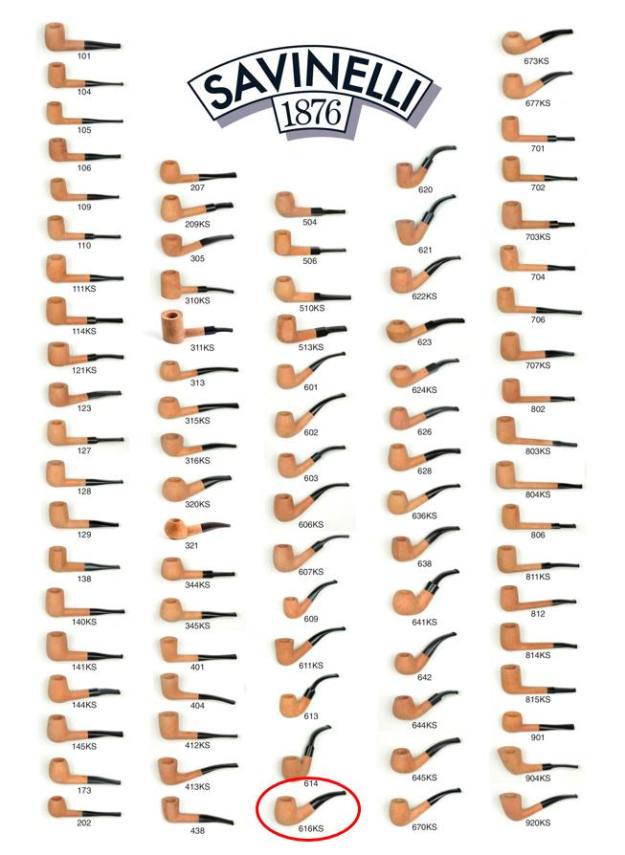
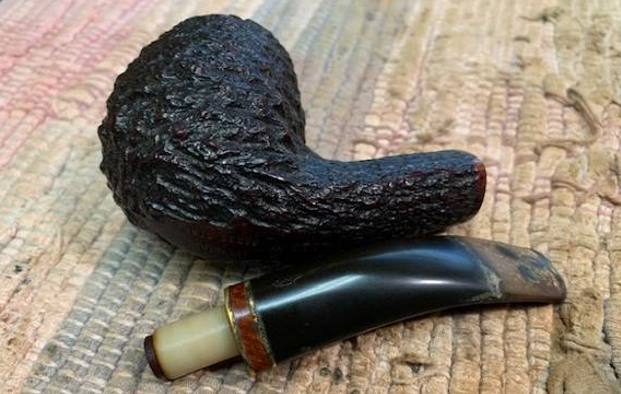
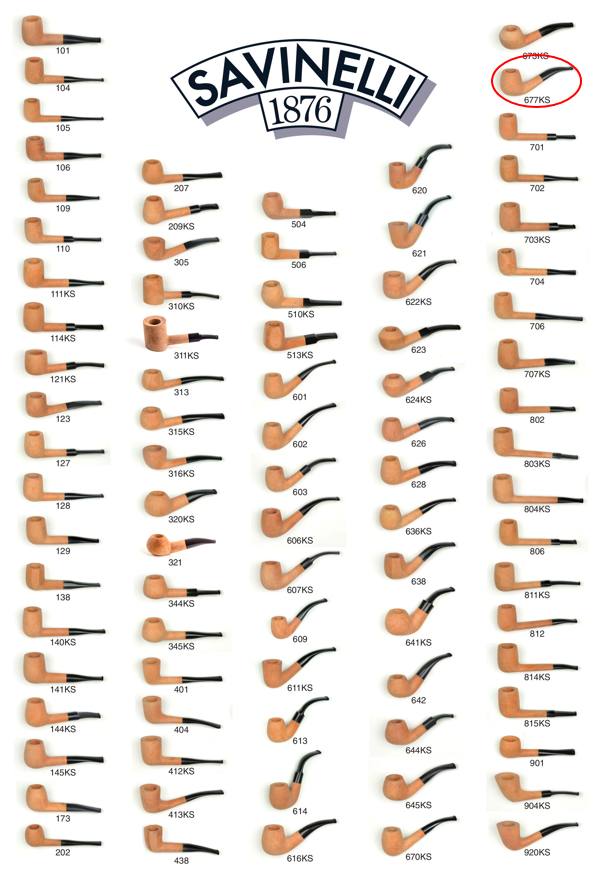
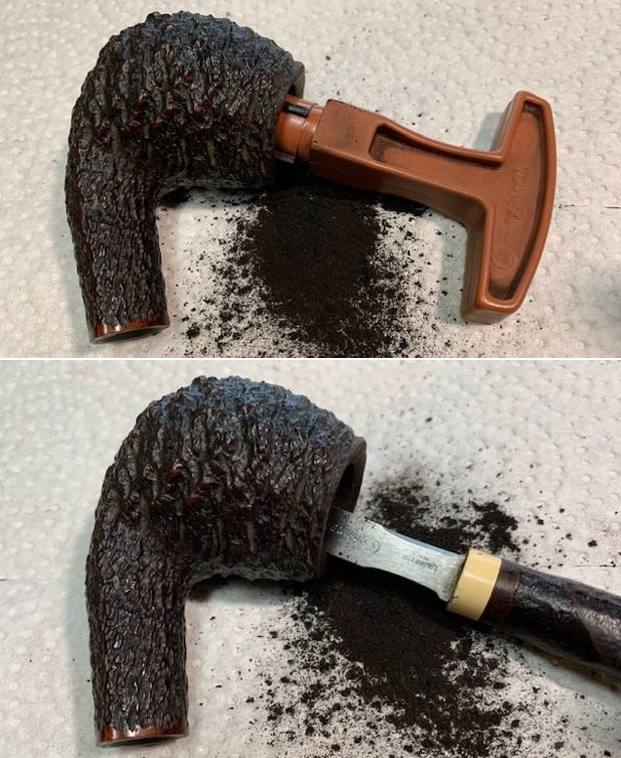
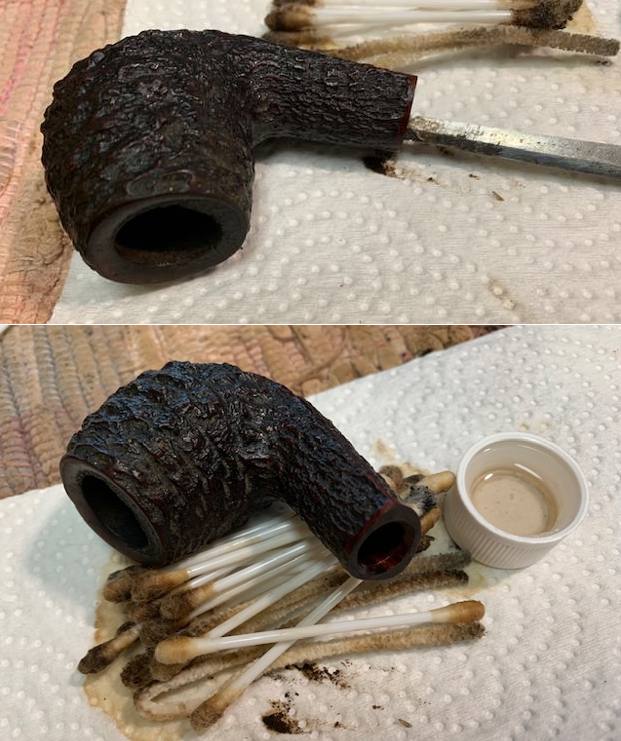
The next pipe I have chosen to work on was purchased from an online auction on 03/21/19 in Wilkes Barre, Pennsylvania, USA. The shape and design caught my eye as I was going through the pipes in the queue. The shape is what I would call a Lovat but it has a thin pencil shank and saddle stem that makes it delicate looking. It is stamped on the left side of the shank and reads Savinelli [over] de Luxe [over] Milano. On the right side it is stamped with the Savenilli Shield S logo followed by the shape number 701 [over] Italy. The finish is very dirty with dust and grime. There were nicks around and scratches around the sides. There were two burn marks – one on the front of the heel of the bowl and one on back of the heel going onto the shank. They appeared to be burns from an ashtray. They were dark but not charred. The bowl had been reamed and was quite clean. The inner and out edge of the bowl had some dark spots on them. The rim top was quite clean. The stem is oxidized, calcified and has light tooth chatter and marks on both sides near the button. The surface of the button looks very good on both sides. Jeff took photos of the pipe before he started his cleanup work. The conditions noted above are evident in the photos. Jeff took close up photos of the rim top from various angles to show the general condition of the bowl and rim. The first photo shows the clean bowl and light cake and the clean rim top. The edges look good. There appears to be a little darkening on the inner edge and a few burn marks on the outer edge on the left side. The stem has light oxidation and quite a few dents and tooth marks on both sides. Jeff took photos of the sides and heel of the bowl to give an idea of the beauty of the grain and the condition of the bowl.   The pipe is stamped on both sides of the shank and reads as noted above. The stem has a single brass bar inlaid in the left side of the saddle.  I turned to Pipedia to have a look as I knew there were some advertising flyers on the de luxe Milano (https://pipedia.org/wiki/Savinelli). I love the older Ads descriptions of the pipes. Give a careful read of the descriptions on these pipes as once I read them I want one! The pipe I am working on is described by the ads as a smooth Golden Walnut. The site also has a shape chart of the lines of Savinelli. The pipe I am working on is a 701 and the one pictured in the chart below is exactly like this one.Armed with that information I turned my attention to the pipe itself. Jeff had cleaned the pipe with his usual thoroughness that I really appreciate. He had reamed it with a PipNet pipe reamer and cleaned up the reaming with a Savinelli Fitsall Pipe Knife. He scrubbed out the internals with alcohol, pipe cleaners and cotton swabs until the pipe was clean. He scrubbed the exterior of the bowl with Murphy’s Oil Soap and a tooth brush to remove the grime and grit on the briar. The finish looks very good with good looking grain around the bowl and shank. The burn marks were present but not deep. Jeff soaked the stem in Before & After Deoxidizer to remove the oxidation on the rubber. When the pipe arrived here in Vancouver for the second stop of its restoration tour it looked very good. I took photos before I started my part of the work. I took some close up photos of the rim top and also of the stem surface. The bowl and the rim top look good. The inner edge of the rim was rough and there were some nicks in the edge. I also took close up photos of the stem to show how clean the stem was. Once it was cleaned up there were no tooth marks or chatter on either side of the stem.    I took photos of the stamping on the shank. It is very readable but faint in some spots on the sides. I took the stem off the shank and took a photo of the look of the pipe. It is really a great looking pipe that really follows the briar. I decided to start my work on the pipe by addressing the burn marks on the bowl heel and bottom and the inner and outer edge of the bowl. I sanded the burned areas with 220 grit sandpaper to try to minimize them and smooth them out. Though still present they look better.  I worked on the inner edge of the rim and the spots on the outer edge with 220 grit sandpaper.I filled in the deep nick/goudge in the right side of the bowl with clear super glue. I sanded it smooth and blended it into the surrounding briar with 220 grit sandpaper and smoothed it with 400 grit sandpaper.  I wiped the bowl down with 99% Isopropyl Alcohol and a cotton pad to remove the remnants of varnish and top coat on the bowl. I dry sanded the briar with micromesh sanding pads – 1500-12000 grit sanding pads. I wiped the bowl surface down with a damp cloth after each sanding pad to remove the sanding dust. Once I finished the exterior of the briar was clean and the grain really stood out.  I rubbed the bowl down with Before & After Restoration Balm. I worked it into the surface of the briar with my fingertips to clean, enliven and protect it. I let the balm sit for 10 minutes then buffed the pipe with a cotton cloth to raise the shine. Mark Hoover’s Balm is a product that I have come to appreciate and one I use on every pipe I have been working on.   I set the bowl aside and turned my attention to the stem. I “painted” the surface of the vulcanite with the flame of a Bic lighter to lift the tooth marks. I was able to lift many of them. I filled in the remaining marks with clear super glue. Once it cured I sanded it smooth with 220 grit sandpaper and started polishing it with 400 grit sandpaper. I polished the stem with micromesh sanding pads – wet sanding with 1500-12000 grit pads. I wiped the stem down after each sanding pad with Obsidian Oil. I polished it with Before & After Pipe Stem Polish – both Fine and Extra Fine. Once I had finished the polishing I gave it final coat of oil and set it aside to dry.    I am excited to be on the homestretch with beautiful petite Savinelli de luxe Milano 701 Lovat. This is the part I look forward to when it all comes back together, polished and waxed. I put the bowl and stem back together. I polished the bowl and stem with Blue Diamond to polish out the scratches in the briar and the vulcanite. I gave the bowl and the stem multiple coats of carnauba wax. I buffed the pipe with a clean buffing pad to raise the shine. I hand buffed it with a microfiber cloth to deepen the shine. The pipe polished up pretty nicely. The beautifully grained finish looks really good with the interesting grain patterns standing out on the shape. The grain and the polished black vulcanite went really well together. This de luxe Milano Lovat was another fun pipe to work on even with the burn marks. Pipedia describes the classically shaped Savinelli pipes as having an English look that catches the eye. That certainly is true of this one. It is a comfortable pipe to hold in the hand. Even with the burn marks the pipe is still a beauty. The finished pipe is shown in the photos below. The dimensions of the pipe are Length: 5 ½ inches, Height: 1 ¾ inches, Outside diameter of the bowl: 1 1/8 inches, Chamber diameter: ¾ of an inch. The weight of the pipe is 31 grams/ 1.09 ounces. If you are interested in adding this pipe to your rack it will be on the rebornpipes store in the Italian Pipe Makers Section soon. Thanks for reading this blog and my reflections on the pipe while I worked on it.

Refurbishing a James Upshall Bent Bulldog


Blog by Steve Laug

This past May, 2019 I received an email from John in Iowa City, Iowa inquiring whether I would be interested in purchasing four Upshall pipes that he was selling. He sent photos and we chatted back and forth via email and a deal was struck. I had him ship the pipes to Jeff’s place in Idaho. They were generally well cared for pipes but they were dirty. This is another pipe from that foursome that I have chosen to work on. The shape and design caught my eye as I was going through the pipes in the queue. The shape is what I would call a Bent Bulldog. There is not a Grade stamp that I can see but it is a smooth, Mahogany Red finished pipe. The finish is very dirty with dust and grime. The bowl has a thick cake but the rim top is quite clean. The rim top has some darkening and perhaps some damage around the inner edge. The inner edge appears to be slightly out of round toward the front. The stem is oxidized, calcified and has light tooth chatter and marks on both sides near the button. The surface of the button looks very good on both sides. Jeff took photos of the pipe before he started his cleanup work. The conditions noted above are evident in the photos. Jeff took close up photos of the rim top from various angles to show the general condition of the bowl and rim. The first photo shows the thickness of the cake in the bowl and the lava build up on the back inner edge. The edges look like they have been protected by the thick cake so they will probably be fine once the bowl is reamed. There appears to be a little damage on the front inner edge. The photos give a clear picture of the bowl sides and rim edges. Jeff took photos of the sides and heel of the bowl to give an idea of the beauty of the grain and the condition of the bowl. The left side of the shank is stamped James Upshall in an oval logo stamp. The stamping on the right side of the shank reads Tilshead over England over Made by Hand. It is very readable. The JU stamp on the left side of the stem is clear as well.  I looked up the Upshall listing in Pipedia to remind myself of the background on the brand (https://pipedia.org/wiki/James_Upshall). I read through the article and found the section on Grading & Sizing Information really helpful. I have included that below. I have highlighted the pertinent text in red below.

James Upshall pipes are graded by various finishes, i.e. bark, sandblast, black dress and smooth etc. Then by cross grain, flame grain, straight grain and, last but not least, the perfect high grade, which consists of dense straight grain to the bowl and shank. The latter being extremely rare. In addition, the price varies according to group size, i.e. from 3-4-5-6 cm high approximately Extra Large. We also have the Empire Series which are basically the giant size, individually hand crafted pipes which come in all finishes and categories of grain. All our pipes are individually hand carved from the highest quality, naturally dried Greek briar. In order to simplify our grading system, let me divide our pipes into 4 basic categories.

  1. It begins with the Tilshead pipe, which smokes every bit as good as the James Upshall but has a slight imperfection in the briar. In the same category price wise you will find the James Upshall Bark and Sandblast finish pipes, which fill and smoke as well as the high grades.
  2. In this category we have the best “root quality” which means that the grain is either cross, flame or straight, which is very much apparent through the transparent differing color finishes. This group will qualify as the “S”- Mahogany Red, “A” – Chestnut Tan and “P” – Walnut. The latter having the straighter grain.
  3. Here you have only straight grain, high grade pipes, which run from the “B”, “G”, “E”, “X” and “XX”. The latter will be the supreme high grade. Considering the straightness of the grain the latter category is also the rarest. Usually no more than 1% of the production will qualify.
  4. Lastly, we have the Empire Series. These are basically Limited Edition gigantic individually hand crafted pieces, which again are extremely rare due to the scarcity of large, superior briar blocks.

I have marked #2 above noting that the pipe I am working on probably a S Grade Mahogany Red. At the bottom of the Pipedia article there was a copy of a catalogue. Pages 5 and 6 have this information on the S Grade pipe. I believe that I am working on a S Grade Bulldog.

Appears to be mostly S Grade pipes, including one silver spigot and one silver band. I’ve only seen S grade pipes with red stain, that must have come later.I turned to the James Upshall of England website and looked up the guarantee on their pipes. I have included it below because of the commitment to quality that is spoken of in the description (http://www.upshallusa.com/products.htm). Armed with that information I turned my attention to the pipe itself. Jeff had cleaned the pipe with his usual thoroughness that I really appreciate. He reamed it with a PipNet pipe reamer and cleaned up the reaming with a Savinelli Fitsall Pipe Knife. He scrubbed out the internals with alcohol, pipe cleaners and cotton swabs until the pipe was clean. He scrubbed the exterior of the bowl with Murphy’s Oil Soap and a tooth brush to remove the grime and grit on the briar and the lava on the rim top. The finish looks very good with good looking grain around the bowl and shank. Jeff soaked the stem in Before & After Deoxidizer to remove the oxidation on the rubber. When the pipe arrived here in Vancouver for the second stop of its restoration tour it looked very good. I took photos before I started my part of the work. I took some close up photos of the rim top and also of the stem surface. The bowl and the rim top look good. The inner edge of the rim was slightly out of round on the front side. There were some nicks in the edge. I also took close up photos of the stem to show how clean the stem was. Once it was cleaned up there were no tooth marks or chatter on either side of the stem. I took photos of the stamping on the shank. On the left side of the shank it reads James Upshall in an oval. There is a JU logo on the left side of the stem. The stamping was very clear. The right side of the shank was stamped Tilshead over England over Made by Hand. The grain on this pipe was highlighted by the shaping of the pipe.I took the stem off the shank and took a photo of the look of the pipe. It is really a great looking pipe that really follows the briar. I decided to clean up the inner edge of the bowl and straighten out the damage to the rim edge with a folded piece of 220 grit sandpaper and polished it with 400 grit sandpaper. It did not take too much to give the edge a light bevel and remove the damage.I dry sanded the briar with micromesh sanding pads – 1500-12000 grit sanding pads. I wiped the bowl surface down with a damp cloth after each sanding pad to remove the sanding dust. Once I finished the exterior of the briar was clean and the grain really stood out. I rubbed the bowl down with Before & After Restoration Balm. I worked it into the surface of the briar with my fingertips to clean, enliven and protect it. I worked it into the twin rings on the cap with a horsehair shoe brush. I let the balm sit for 10 minutes and then buffed the pipe with a cotton cloth to raise the shine. Mark Hoover’s Balm is a product that I have come to appreciate and one I use on every pipe I have been working on.I polished the stem with micromesh sanding pads – wet sanding with 1500-12000 grit pads. I wiped the stem down after each sanding pad with Obsidian Oil. I polished it with Before & After Pipe Stem Polish – both Fine and Extra Fine. Once I had finished the polishing I gave it final coat of oil and set it aside to dry. I touched up the JU stamp on the stem with a white acrylic finger nail polish. I painted it on the stem and worked it into the stamp with a tooth pick. Once it had cured I used a 1500 grit micromesh pad to remove the excess material. I am excited to be on the homestretch with beautiful James Upshall Grade S Bulldog. This is the part I look forward to when it all comes back together, polished and waxed. I put the bowl and stem back together. I polished the bowl and stem with Blue Diamond to polish out the scratches in the briar and the vulcanite. I gave the bowl and the stem multiple coats of carnauba wax. I buffed the pipe with a clean buffing pad to raise the shine. I hand buffed it with a microfiber cloth to deepen the shine. The pipe polished up pretty nicely. The beautifully grained finish looks really good with the interesting grain patterns standing out on the shape. The grain and the polished black vulcanite went really well together. This James Upshall Bulldog was another fun pipe to work on thanks to Jeff’s cleanup work. It really has that classic English look that catches the eye. The Red Mahogany stain really makes the pipe look attractive. It is another comfortable pipe to hold in the hand. The finished pipe is shown in the photos below. The dimensions of the pipe are Length: 6 inches, Height: 1 ¾ inches, Outside diameter of the bowl: 1 ¾ inches, Chamber diameter: ¾ of an inch. The weight of the pipe is 49 grams/1.73 ounces. This is an Upshall that catches my eye. Thanks for reading this blog and my reflections on the pipe while I worked on it. This is an interesting estate to bring back to life.

New Life for a Marxman (M, C) Jumbo Imported Briar Apple


Blog by Steve Laug

The next pipe I chose to work on was a unique one in many respects. It was a rusticated Apple with a thick shank and saddle stem. It was purchased on 11/09/18 from an auction in Corning, New York, USA. The pipe was clearly stamped on the heel of the bowl and reads “M” in script [over] Marxman (a logo stamp with an arrow going through it), followed by a “C”, followed by Imported Briar with a shield in between the two words. It has a unique style of rustication that I have become accustomed to on Marxman Jumbo pipes. It includes Tracy Mincer style worm trails but in all different directions with a lot of cross hatching inside the trails. On this pipe the rustication is on the shank and on the left and front and back of the bowl with a smooth patch on the right side of the bowl. It is flat bottomed so that it was a sitter. There was a thick cake in the bowl and an overflow of lava on the rim top. The inner and outer edges looked okay but we would know more once it was cleaned up. It had a vulcanite saddle stem that was oxidized and calcified. It had light tooth marks and chatter on both sides ahead of the button. Jeff took  photos of the pipe before he started his clean up work. Jeff took close up photos of the rim top from various angles to show the general condition of the bowl and rim. The first photo shows the thickness of the cake in the bowl and the lava build up on the back inner edge. The edges look like they have been protected by the thick cake so they will probably be fine once the bowl is reamed. The stem was oxidized, calcified and had light tooth chatter on both sides. Jeff took a photo of the sides and heel of the bowl to give an idea of the beauty of the grain on the smooth right side and the condition of the bowl.The stamping on the underside of the shank is clear and readable and reads as noted above.Jeff had done his usual thorough clean up of the pipe. He had reamed it with a PipNet reamer and finished with a Savinelli Fitsall Pipe Knife. He scrubbed the exterior with Murphy’s Oil Soap and the interior with isopropyl alcohol, cotton swabs and pipe cleaners. He worked on the vulcanite stem with Soft Scrub then let it soak in Before & After Pipe Stem Deoxidizer. It has light tooth marks and chatter on both sides. I took photos of the pipe before I started my work. I took some close up photos of the bowl/rim top and the stem to show the condition they were in at this point. The rim top and edges looked good and the bowl was clean. There was some darkening on the top of the rim and the inner edges. The stem had light chatter on both sides near the button.I took a photo of the stamping on the heel of the bowl. It is clear and readable as noted above. I removed the stem from the shank to give a sense of the pipe. You can see that it has a chubby shank and saddle stem. I wanted to refresh my memory of the brand so I turned to Pipephil first to get a short summary of the history (http://www.pipephil.eu/logos/en/logo-m2.html). The site had a side note that the brand was created in 1934 and merged with Mastercraft Pipes in 1953.I then turned to Pipedia to find out more information on the brand and the maker of the pipe (https://pipedia.org/wiki/Marxman). The site quote from Pipes, Artisans and Trademarks, by José Manuel Lopes. I include a portion of that information below.

Marxman (Marxman Pipe Company) was created by Robert (Bob) L. Marx in 1934, when he was 29, and after he had worked for the William Demuth Company. His pipes were not outstanding because of the quality of their wood (probably Algerian), but Bob started making unique sculpted pieces, which brought the brand fame in the World of Hollywood cinema. Actors like Zachery Scott, Dennis Morgan, Jack Carson, Alan Hale, Joel McRae, and Ronald Reagan were some of the faces that appeared on the bowls.

Bob knew how to innovate and took full advantage of marketing and press advertising in order to sell the brand–one of his slogans being “Relax with a Marxman”.

From the information on the two sites I learned that the pipe was made between 1934 when the company started and 1953 when the company was taken over by Mastercraft. I have included an advertisement for the Marxman Jumbo that was included on the article (1946 Ad, Courtesy Doug Valitchka). It includes the following information. “A rare treat for the pipe connoisseur is the Marxman Jumbo, distinguished by a carved bowl that is in perfect balance for easy, comfortable smoking. From the thousands of pieces of briar that flow into our factory we select the perfect and unusual. These are reserved only for the Marxman Jumbo – and are fashioned into truly elegant pipes of exclusive designs – unique in appearance and superior in smoking qualities. Each pipe is an individual artistic creation following the natural shape of the briar. No two pipes are alike. They are priced according to size.”

From the leaflet above I knew that I was working a Size “C” pipe – one of the larger ones. Now it was time to work on the pipe. I worked on the darkened rim top and the inner edge of the rim. I used a folded piece of 220 grit sandpaper. After working on it the rim top and bowl edge looked much better.I polished the briar with micromesh sanding pads – dry sanding it with 1500-12000 grit pads. I wiped the bowl down after each pad with a damp cloth. The finish bowl and shank look very good.I worked some Before & After Restoration Balm into the surface of the briar with my finger tips and a shoe brush to get into the valleys and crevices of the rustication. The product is amazing and works to clean, enliven and protect the briar. I let it sit on the briar for 10 or more minutes and then buff it off with a soft cloth. It really makes the briar come alive and look quite rich. I set the bowl aside and turned my attention to the stem. There were some deeper tooth dents on the topside of the stem surface. I painted them with the flame of a lighter and was able to lift them. What remained would smooth out with the micromesh sanding pads.I polished it with micromesh sanding pads – dry sanding with 1500-12000 grit pads. I wiped the stem down after each pad with a cloth and Obsidian Oil. I finished the polishing with Before & After Pipe Stem Polish – both Fine and Extra Fine. I gave it a final coat of Obsidian Oil. I put the “M” Marxman Jumbo Apple “C” back together and buffed it on the buffing wheel with Blue Diamond. It raise a shine on the briar and the stem and gave some depth to the look of the carved grooves. I gave both the bowl and the stem multiple coats of carnauba wax on the wheel and buffed the pipe with a clean buffing pad to raise the shine. I hand buffed it with a microfiber cloth to deepen the shine. The pipe turned out to be a unique beauty in its own rugged way. Flat bottom Apple shape make it very different from most of the other Marxman Jumbos I have worked on. I like the look of the thick shank and saddle on the stem. The dimensions of the pipe are Length: 6 inches, Height: 2 inches, Outer diameter of the bowl: 1 ½ inches, Chamber diameter: 7/8 of an inch. The weight of the pipe is 2.01 ounces/57 grams. It really is a uniquely beautiful pipe. I will soon be putting it on the rebornpipes store in the American (US) Pipemakers Section. Thanks for walking through the restoration with me. Cheers.

Restoring a Mystery Antique 118 Made in Denmark Freehand Pot


Blog by Steve Laug

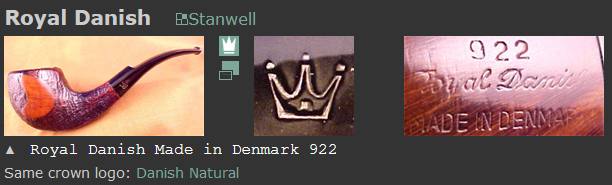
The next pipe I chose to work on is a mystery in several ways. First neither Jeff or I know where we picked this one up. I know it has been here for a long time. Jeff started taking  photos of the pipes we got sometime around 2016 so this one is definitely before then. I had been reamed and cleaned but the stem oxidation had not been addressed so it was also prior to the use of Before & After Pipe Deoxidizer which also puts it back in that time period. So that is the first mystery – when and where did we get this one. The second is the stamping on the pipe. To me it looked like a Stanwell however it is stamped Antique. That brand is associated with the older Pierre Morel according to PipePhil (http://pipephil.eu/logos/en/logo-a6.html) and to complicate it more some of those pipes were made in Denmark the other part of the stamping on the pipe. The 118 shape number points to Stanwell to me and was a shape designed by Sixten Ivarrson. So there is the mystery – where, when and who! I am going to proceed with my assumption that it is a Stanwell made pipe.

The pipe itself is quite nice it has a sandblast finish on a Freehand/volcano shape. It is stamped on the underside of the shank and reads Antique [over] Made in Denmark followed by the 118 shape number. The bowl was very clean and the rim top looked good with a little darkening toward the back. Both inner and outer edges were perfect. The shank had a faux horn extension that is made of a golden/butterscotch acrylic. The stem is a typical Stanwell style military bit that is found on Freehands. It was clean but badly oxidized. There was not any tooth chatter or marks on either side ahead of the button so it was in great shape. Here are some photos of the pipe when I brought it to the work table this afternoon. I took a close up photo of the rim top and bowl to show the condition. You can see the darkening on the back side of the rim top that I mentioned above. Otherwise it is in great shape. The stem is heavily oxidized but is otherwise clean.I took a photo of the stamping on the underside of the shank. It is clear and readable as noted above.I took the stem off the bowl and took a photo of the parts of the pipe. It is a nice looking pipe that really has a Stanwell look to it.I have restored several Stanwell Antique pipes in the past. All have been darker stained with a sandblast finish and a smooth patch on the bowl side. They also had a different coloured shank extension. All were stamped on the underside of the shank and read Stanwell [over] Antique followed by the shape number. Here is a link to one of those blogs if you want to check it out (https://rebornpipes.com/tag/stanwell-antique-127/). This particular one has a rugged blast that I have seen on others as well. The one I am working on now has a shallower blast and a very different coloured shank extension. It is missing the Stanwell stamp though the Antique stamp is the same. I turned to a previous blog I had done on a Stanwell Jubilee shape number 118 pipe from Bob Kerr’s estate (https://rebornpipes.com/2019/08/11/another-bob-kerr-estate-a-stanwell-jubilee-1942-1982-shape-118/). It is very close to the one I am working on but the stem and shank extension are different. Well at least that is one mystery solved. I knew that I was working on a Stanwell Antique that was different from others I have worked on.Now it was time to work on the pipe. I worked over the darkening on the back of the rim top with a brass bristle wire brush. I was able to remove the majority of the darkening. It looked much better.I rubbed the bowl and shank down with Before & After Restoration Balm. I worked it into the surface of the bowl sides and shank with my fingertips and a horse hair shoe brush to clean, enliven and protect the briar. I let the balm sit for about 10 minutes and buffed with a cotton cloth to raise the shine. The grain came alive with the buffing.  I set the bowl aside and turned to work on the stem. I scrubbed the stem with SoftScrub to remove the oxidation and smooth out the surface of the pipe. It took a lot of scrubbing to break through the oxidation but it was getting better when I finished. I sanded out with 220 grit sandpaper. I started polishing it with 400 grit wet dry sandpaper.  I polished the vulcanite stem with micromesh sanding pads – 1500-12000 grit pads. I wiped it down with Obsidian Oil after each sanding pad. I used Before & After Pipe Polish – both Fine and Extra Fine to further polish the stem. This Mystery Antique Made in Denmark 118 is a great looking pipe now that it has been restored. The Stanwell shape is elegant and flowing with a thin turned vulcanite stem. I put the stem back on the bowl and carefully buffed the pipe with Blue Diamond on the buffing wheel using a light touch on the briar. I gave the bowl and the stem multiple coats of carnauba wax on the buffing wheel and followed that by buffing the entire pipe with a clean buffing pad. I hand buffed the pipe with a microfiber cloth to deepen the shine. The finished Stanwell Antique 118 fits nicely in the hand and feels great. Give the finished pipe a look in the photos below. The dimensions of the pipe are Length: 5 ¾ inches, Height: 1 ½ inches, Outside diameter of the bowl: 1 ¼ inches, Chamber diameter: ¾ of an inch. The weight of the pipe is 43 grams/ 1.52 ounces.  I will be putting it on the Danish Pipe Maker section of the rebornpipes store shortly. If you are interested in adding this pipe to your collection send me a message or an email. Thanks for reading this blog and my reflections on the pipe while I worked on it. There truly are many more pipes to come!

Saving a Parker


Blog by Kenneth Lieblich

Next on the chopping block is a beautiful sandblasted pipe by Parker of London. I purchased a group of pipes from a fellow in the Eastern US. It was definitely a mixed bag of very good and very bad. Some pipes were destroyed beyond repair, some pipes were filthy but repairable, some stems were missing their stummels, and some stummels were missing their stems. However, there were a handful that were in decent condition when I found them and they just needed a helping hand – this Parker was one of those. Apologies in advance for the paucity of photographs. I guess I just got carried away with the work! Parker of London has an interesting history. Our friends over at Pipedia have provided this information:

In 1922 the Parker Pipe Co Limited was formed by Alfred Dunhill to finish and market what Dunhill called its “failings” or what has come to be called by collectors as seconds. Previous to that time, Dunhill marketed its own “failings”, often designated by a large “X” over the typical Dunhill stamping or “Damaged Price” with the reduced price actually stamped on the pipe. While the timing and exact nature of the early relationship remains a bit of mystery, Parker was destined to eventually merge with Hardcastle when in 1935 Dunhill opened a new pipe factory next door to Hardcastle, and purchased 49% of the company shares in 1936. In 1946, the remaining shares of Hardcastle were obtained, but it was not until 1967 when Parker-Hardcastle Limited was formed. It is evident through the Dunhill factory stamp logs that Parker and Dunhill were closely linked at the factory level through the 1950s, yet it was much more than a few minor flaws that distinguished the two brands. After the war, and especially after the mid 1950s the differences between Parker and Dunhill became even more evident, and with the merger of Parker with Hardcastle Pipe Ltd, in 1967 the Parker pipe must be considered as an independent product. There is no record of Parker ever being marketed by Dunhill either in its retail catalog or stores. Parker was a successful pipe in the US market during the 1930s up through the 1950s, at which point it faded from view in the US, while continuing to be popular in the UK. Pipedia goes on to say that the old Parkers had a patent number and dating code, but these were gone by 1957. I do not know the specific age of this pipe, but since it is missing both a patent number and dating code, it is safe to say that it was made after 1957. This sandblasted Parker has the following markings on the stummel: Parker of London [over] Bark 576. The stem has the letter P inside a diamond on the topside and it also has the word France on the underside. Furthermore, the following photo, showing one of Parker’s brochures, indicates that the model number 576 is a bent Dublin.Fortunately, this Parker was in pretty good shape when it came to me and that certainly made my job easier. There were a few small discolourations to the stummel and the overall colour was dull, but nothing too serious. The stem had a few nicks and dents, but I was not concerned. Really, this pipe just needed a day at the salon in order to look its best.

The stem was first on my list. I took a BIC lighter and ‘painted’ the stem with its flame in order to lift the marks. This was only modestly successful in raising the dents. Then, I cleaned out the insides of the stem with pipe cleaners and isopropyl alcohol. It was a bit dirty, but not too bad and I only went through a few pipe cleaners in order to clean it up.I then scrubbed then stem vigorously with SoftScrub to clean it up nicely. Before I moved on to the Micromesh pads, I built up the small dents on the stem with cyanoacrylate adhesive and let them fully cure. I then sanded it down with 220-, 400-, and 600-grit sandpapers to meld the repair seamlessly into the stem. This ensures that it keeps its shape and looks like it should. I then used all nine Micromesh pads (1,500 through 12,000 grit) to bring out the lovely black lustre on the stem. I also used Obsidian Pipe Stem Oil in between each pad scrubbing.

On to the stummel, and the usual cleaning procedures were in order for this pipe. I used both the PipNet Reamer to remove the built-up cake and followed that with 220-grit sandpaper to remove as much as I could. I wanted to take the bowl down to bare briar to ensure there were no hidden flaws in the walls of the bowl. Fortunately, there were none. I then proceeded to clean out the insides of the shank with Q-tips, pipe cleaners, and isopropyl alcohol. There wasn’t too much nastiness inside this stummel – it only took a handful of pipe cleaners etc. to sort that out. I followed that up by cleaning the insides with some dish soap and tube brushes. I then moved on to cleaning the outside of the stummel with Murphy’s Oil Soap, a toothbrush, and some cotton pads. That removed any remaining dirt. Fortunately, there was no notable damage to the stummel, so I didn’t have to address that. However, I did do some touch ups to the black stain with my furniture pens. Since the pipe had a sandblast finish, I obviously did not use the Micromesh pads to sand everything. Instead, a light application of Before & After Restoration Balm brought out the best in the stummel’s grain.

Then it was off for a trip to the buffer. A dose of White Diamond and a few coats of Halcyon II wax were just what this pipe needed. The lovely shine gave the wood a deep black look.

In the end, what a beauty this pipe is! It is back to its old glory and ready to be enjoyed again by the next owner. I am pleased to announce that this pipe is for sale! If you are interested in acquiring it for your collection, please have a look in the ‘British’ pipe section of the store here on Steve’s website. You can also email me directly at kenneth@knightsofthepipe.com. The approximate dimensions of the pipe are as follows: length 145 mm/ 5 ¾ inches; height 50 mm/ 2 inches; bowl diameter 38 mm/ 1 ½ inches; chamber diameter 21 mm/ .80 inches. The mass of the pipe is 47 grams/ 1.65 ounces. I hope you enjoyed reading the story of this pipe’s restoration as much I as I did restoring it. If you are interested in more of my work, please follow me here on Steve’s website or send me an email. Thank you very much for reading and, as always, I welcome and encourage your comments.

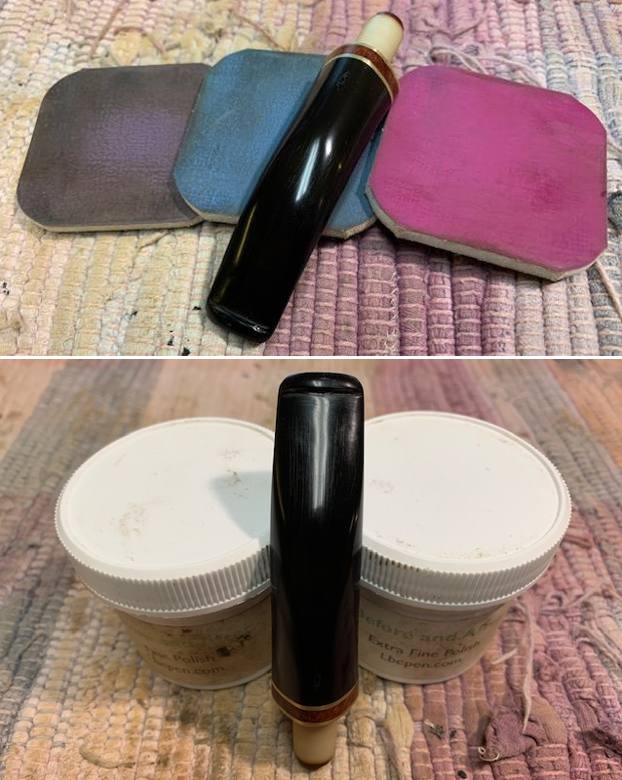
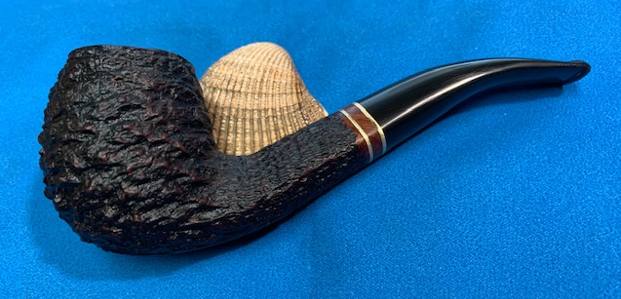
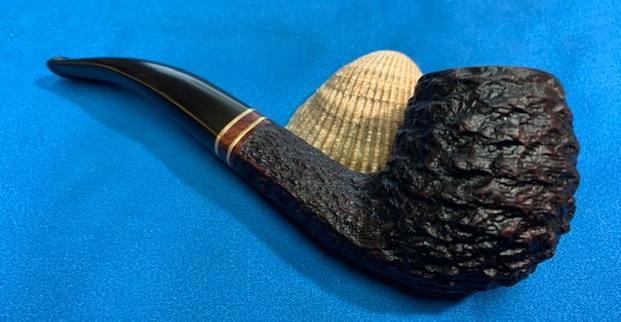
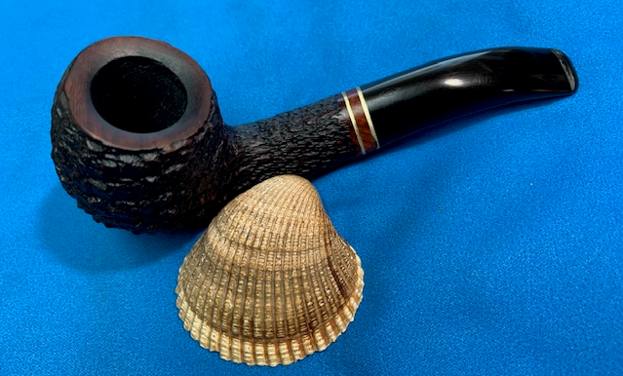
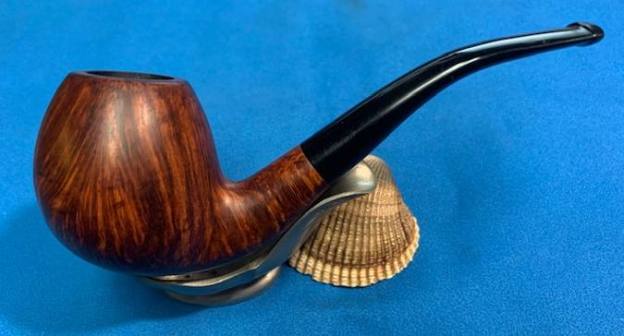
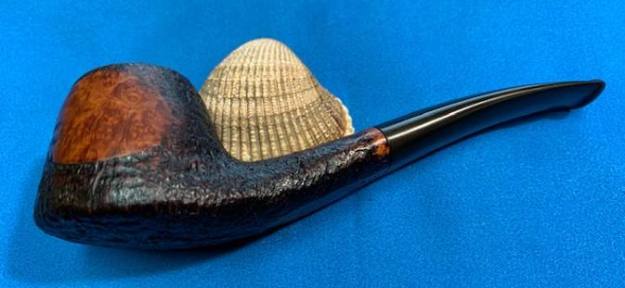
Replacing a Broken Tenon on a Capri Warlock Sandblast


Blog by Steve Laug

Last week I received a call from a fellow who was referred to me by our local pipe shop. He had a churchwarden that was stamped Capri [over]Warlock [over] Made in Italy on the underside of the shank. He had broken off the tenon and was not sure how to proceed. We talked about replacing the tenon on the stem and he breathed a sigh of relief. We discussed how to get it to me to work on. He decided he would mail it to me. On Monday this week that package arrived with his pipe. It was a nice looking pipe in many ways. The shank was clear of the broken tenon and the bowl was quite clean. The shank and stem were filthy inside and it is quite clear that he had not cleaned it often. The stem had an acrylic adornment ring on the end that was glued in place. The tenon had broken off just ahead of this ring. It was sharply broken and the airway in the previous tenon had not been centered in the tenon. It was significantly thinner on one side than the other which I think probably was part of the reason for a break. The stem had some light tooth chatter on both sides near the button. I took some photos of the parts of the pipe before I started my work on it. I took a photo of the stamping on the underside of the shank. It was clear and read as noted above.I took a photo of the bowl and rim top to show the condition of the bowl when it arrived. I also took a photo of the broken tenon end on the stem.The pipe smelled really strong even though the bowl was clean and had no cake. It was filthy in the shank and the airway in the stem. I cleaned both out with 99% isopropyl alcohol, cotton swabs and pipe cleaners. It took some work but it is finally clean and smells fresh.I used my Dremel and sanding drum to flatten out the end of the shank and remove the remainder of the broken tenon in preparation for the new tenon. I chose a new tenon from my assortment of them. It was a little large both in terms of the mortise and the shank end but it would work.I drilled out the airway in the stem with a bit on my cordless drill. Before I drilled it I used a sharp knife to center the airway in the stem and remove the off-center nature. I was able to center it then drilled. I started small and worked my way up to the maximum size the airway would take without weakening the walls of the stem. I used my Dremel and sanding drum to reduce the diameter of both ends of the tenon replacement. I checked it frequently for fit in both the stem and the shank. It took a bit of work but it finally was the right size.I checked the fit in the stem one final time then glued it in place in the airway with black CA glue. I set it aside over night to let the glue cure.I polished the stem with micromesh sanding pads to remove the tooth chatter and slight damage that had happened to the ring and the stem when the tenon broke. I dry sanded with 1500-12000 grit pads and wiped the stem down after each sanding pad with Obsidian Oil to protect and preserve the vulcanite.I put the pipe back together – the bowl with its repaired stem. This restemmed and restored Capri Warlock (Churchwarden) is a real beauty and I think that the fit of the new tenon works very well. The grain on the bowl came alive with the buffing. I used Blue Diamond on the buffing wheel on both the bowl and stem. I gave both multiple coats of carnauba wax on the wheel then buffed it with a clean buffing pad to raise the shine. I hand buffed it with a microfibre cloth to deepen the shine. The Capri Warlock feels great in the hand. It is lightweight and the contrast in the blacks of the briar, the brown swirled acrylic ring and the polished vulcanite stem looks quite nice. The dimensions of the pipe are Length: 10 inches, Height: 1 ¾ inches, Outer diameter of the bowl: 1 ½ inches, Chamber diameter: ¾ of an inch. The weight of the pipe is 2.50 ounces/71 grams. It really is a beauty. I will be packing it up this evening and mailing it out to the fellow soon. I think he will be excited to get it back.Thanks for walking through the replacement of the new tenon and the restoration with me. Cheers.