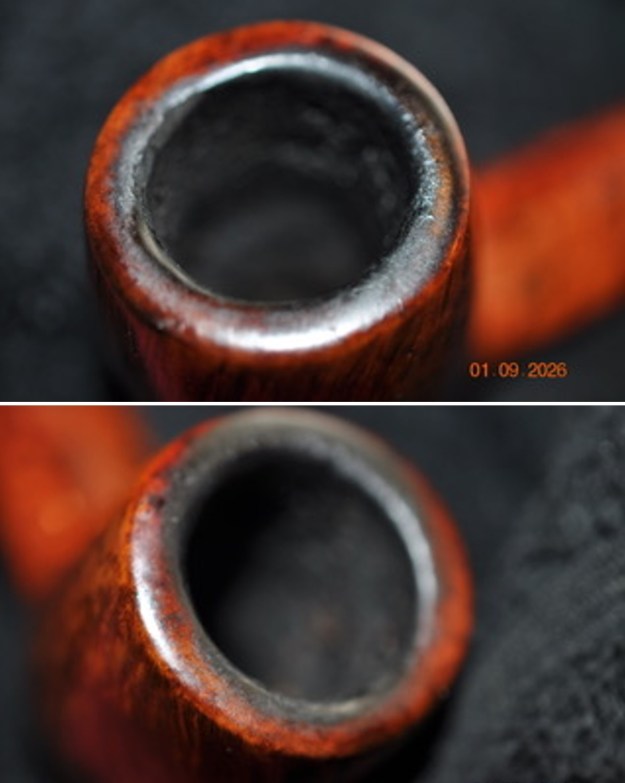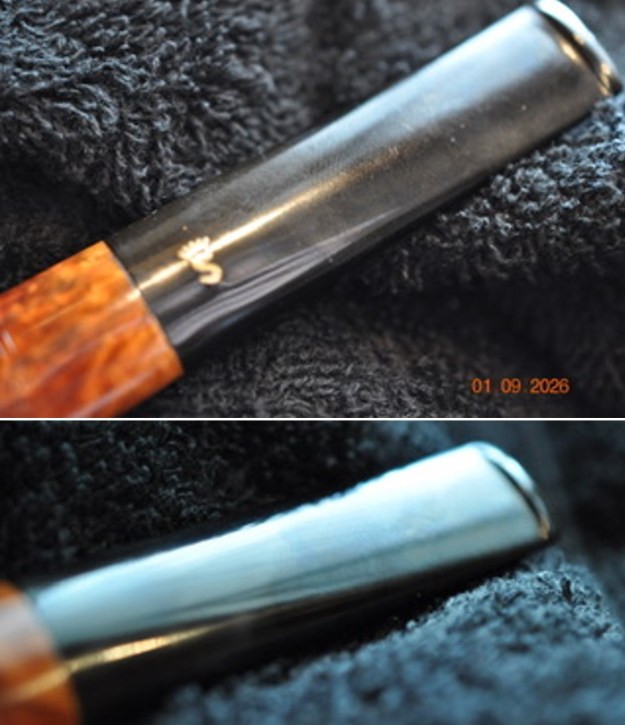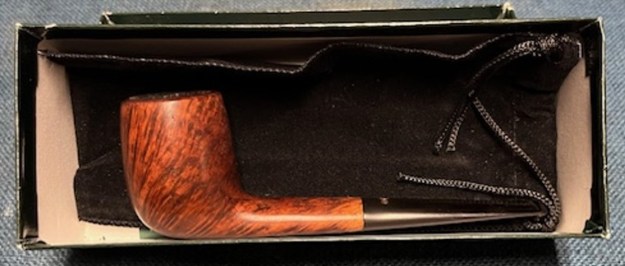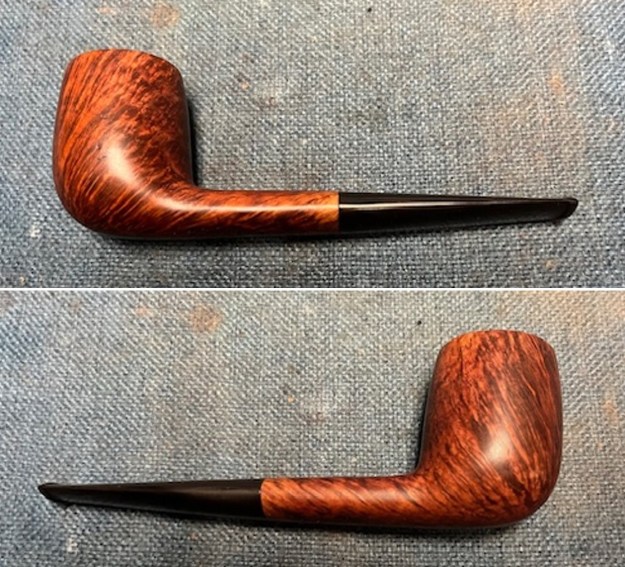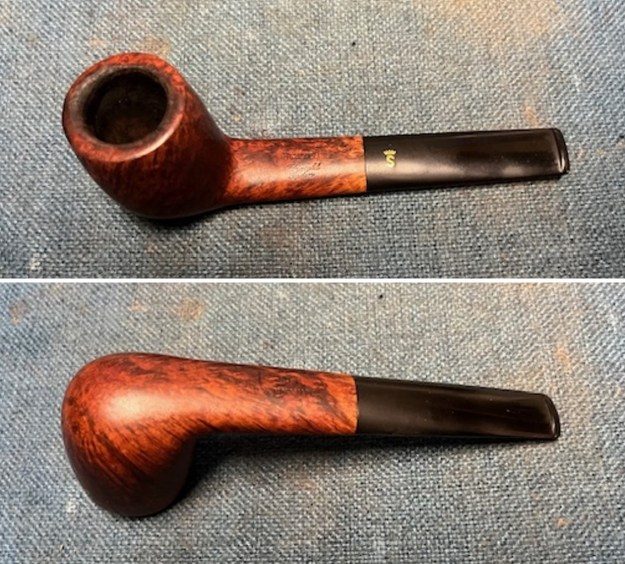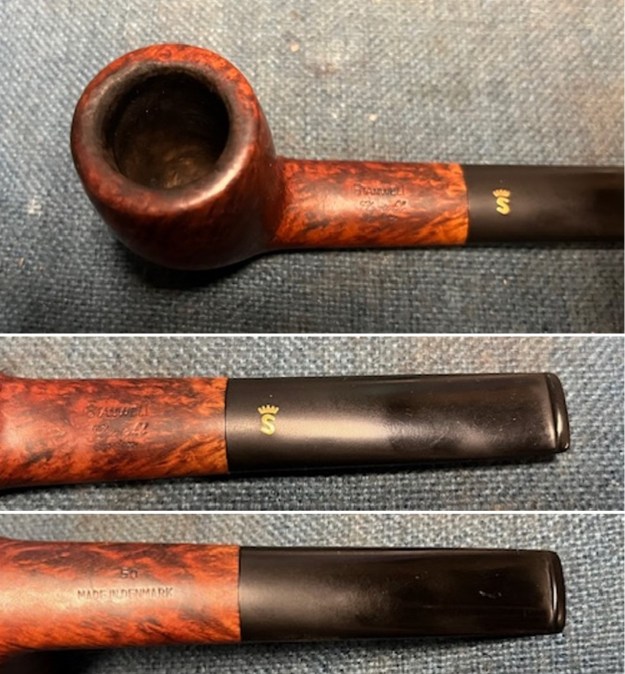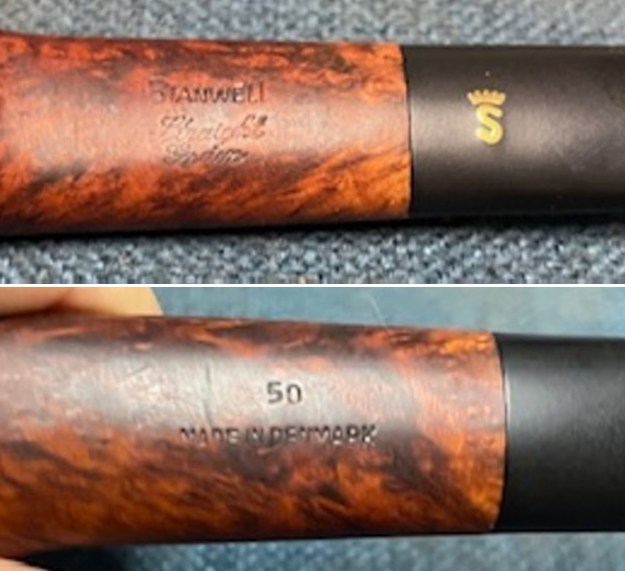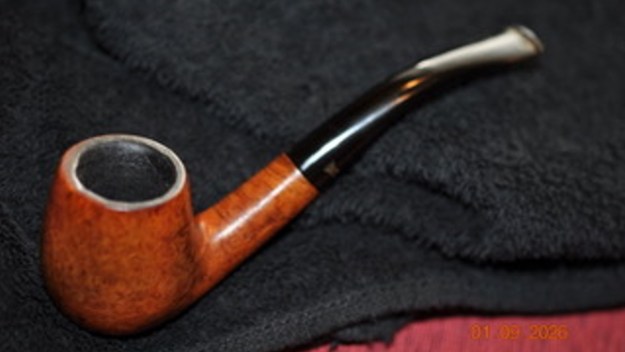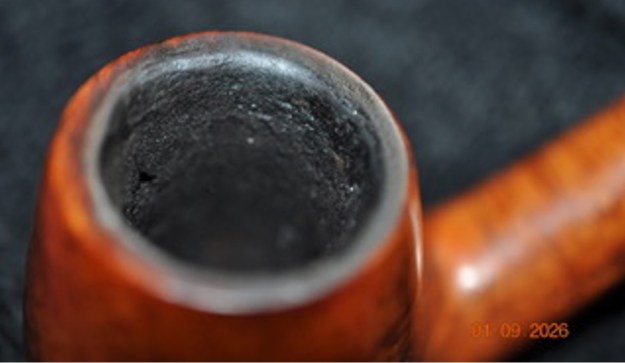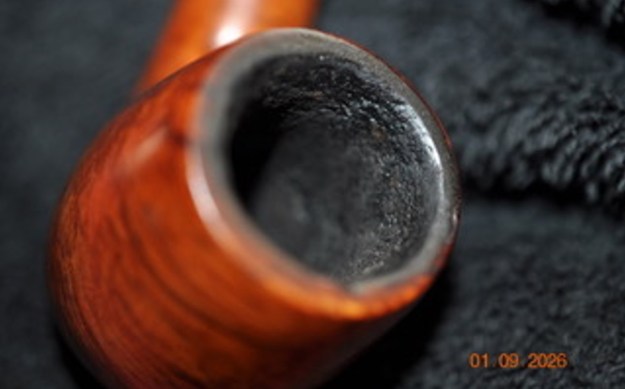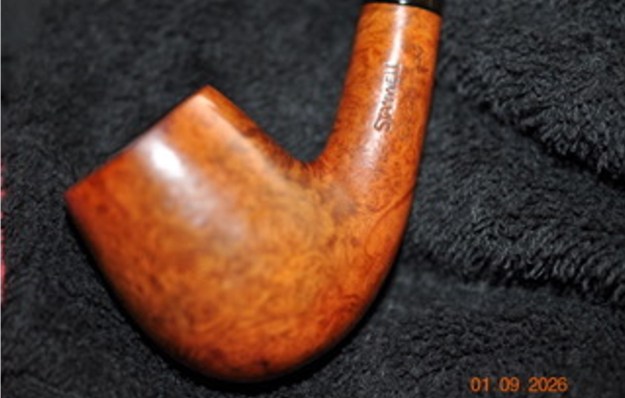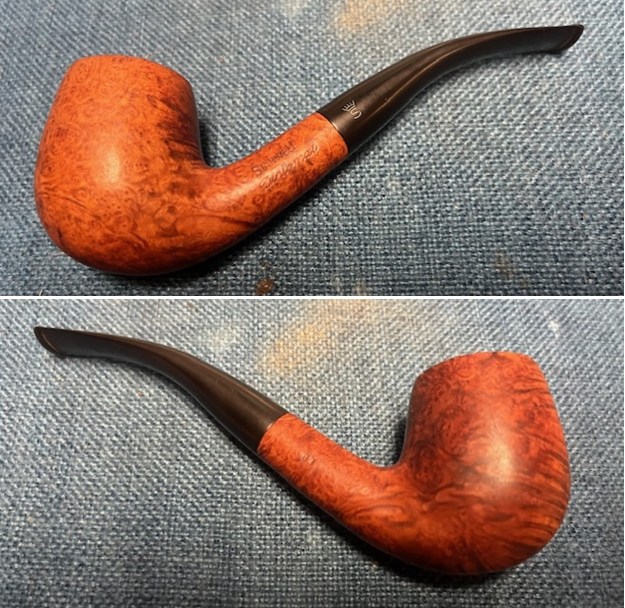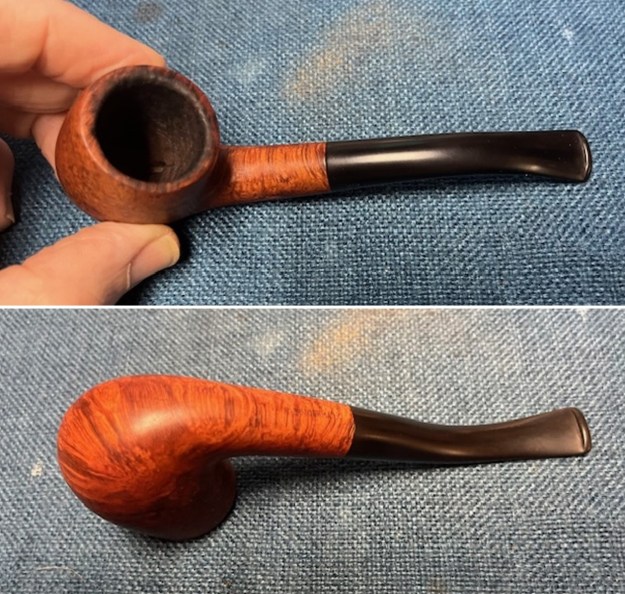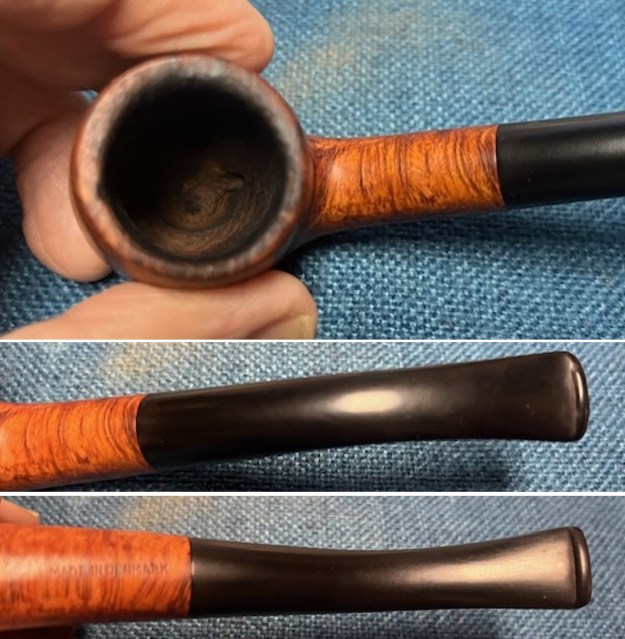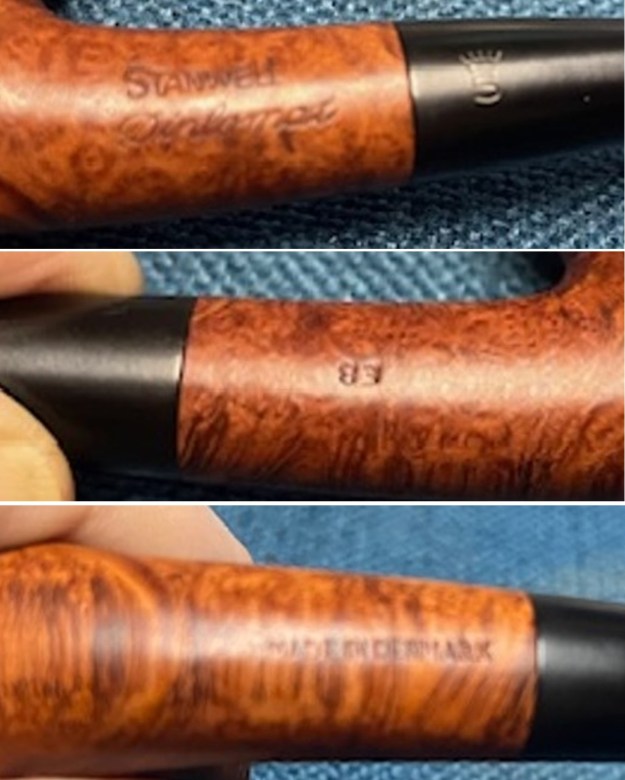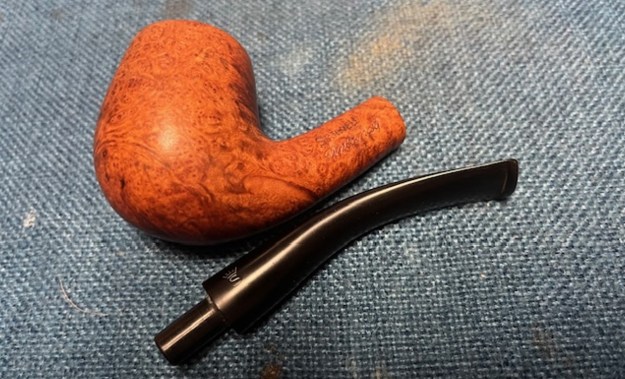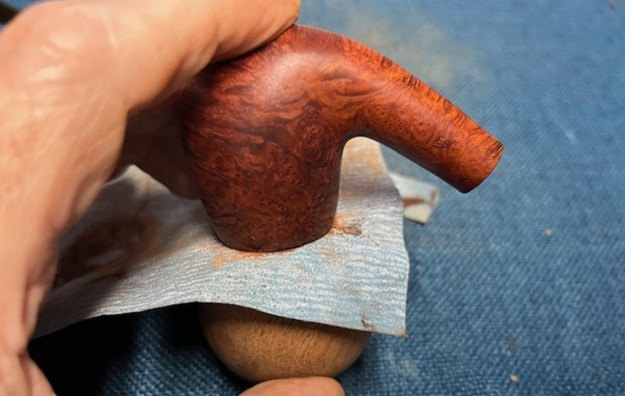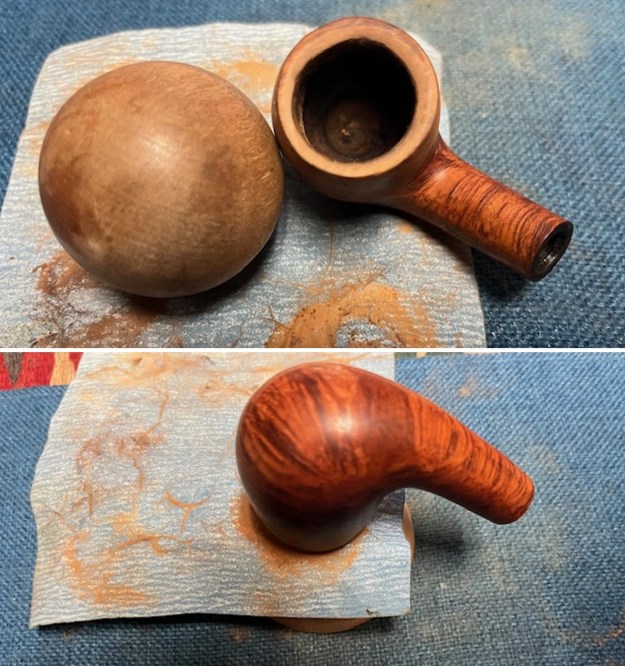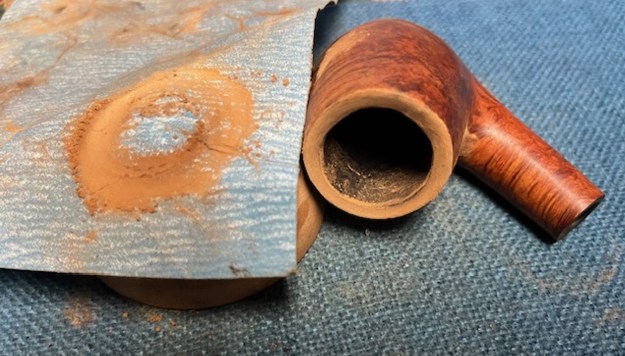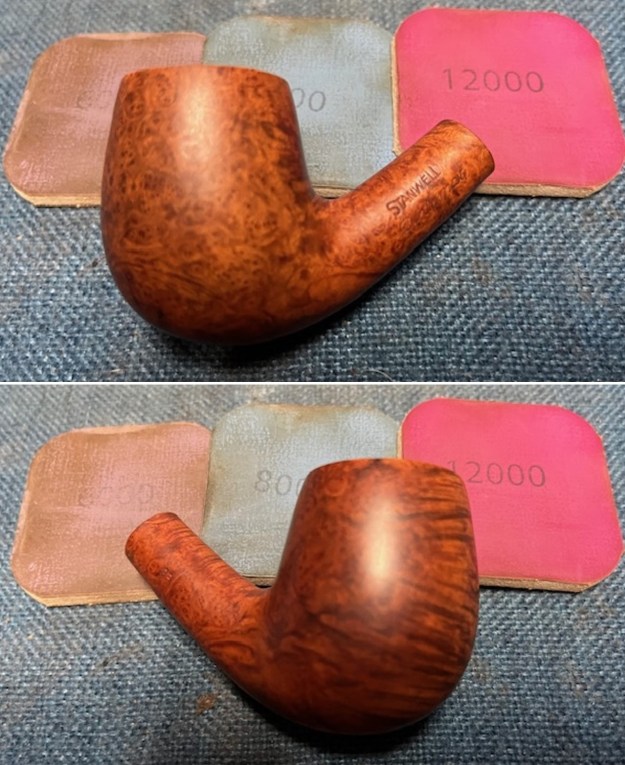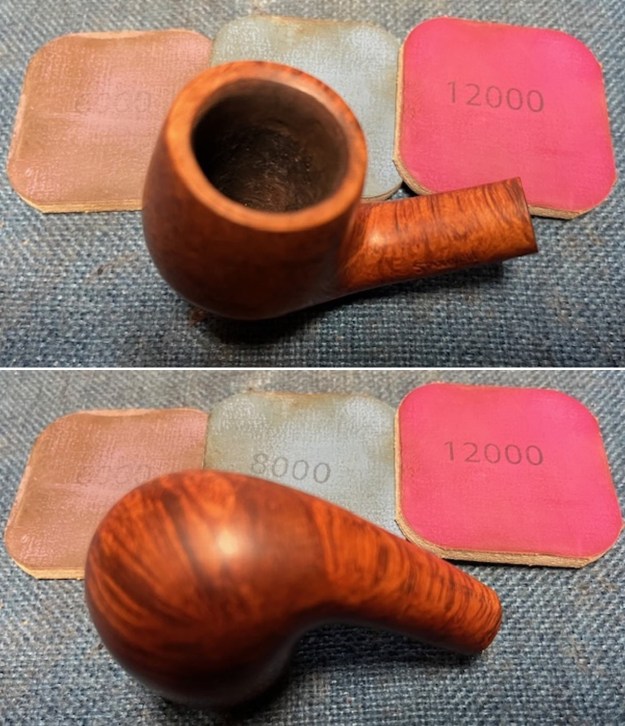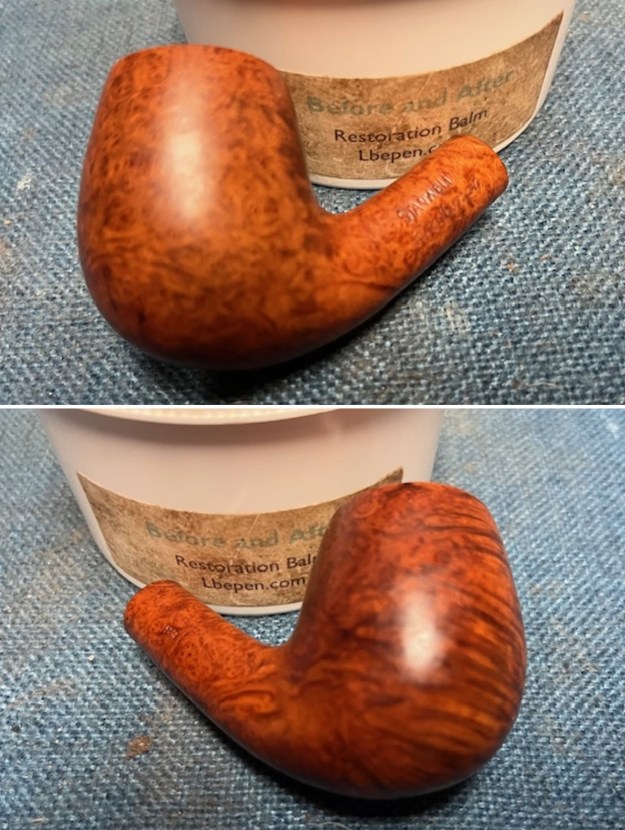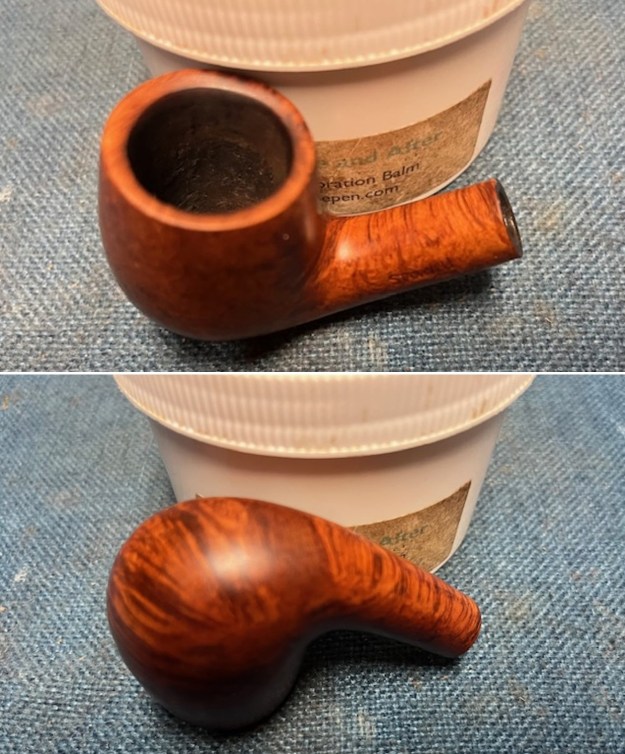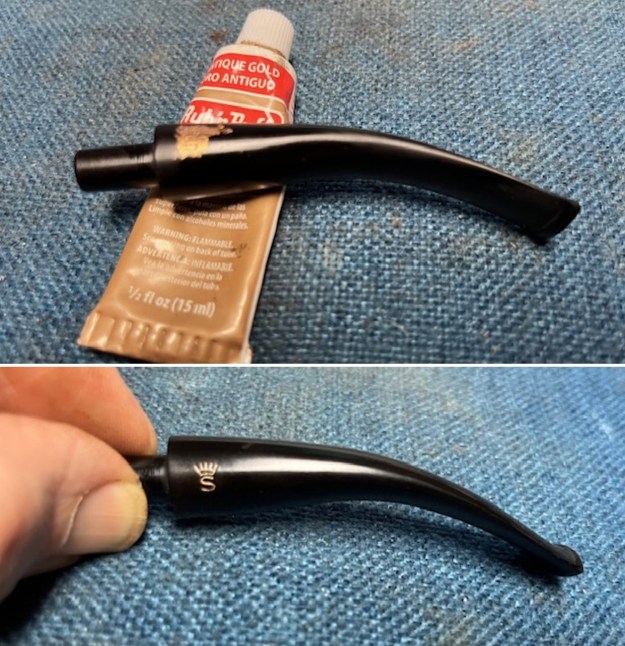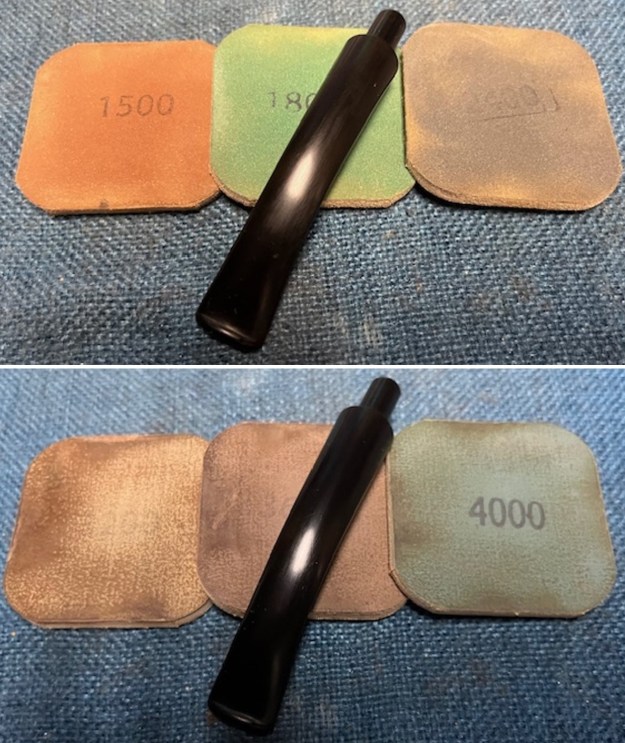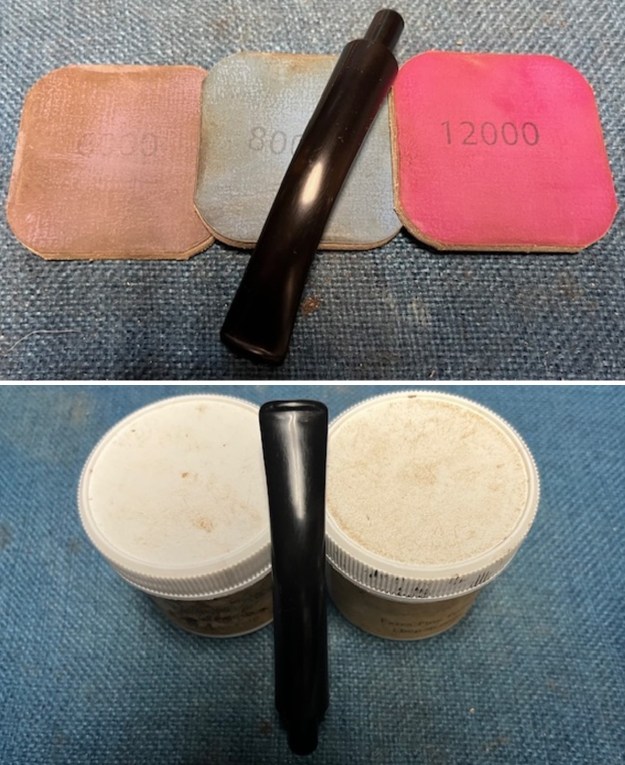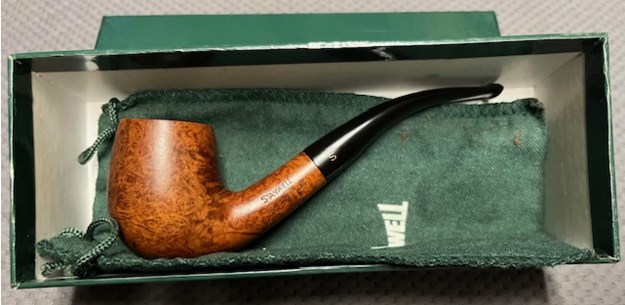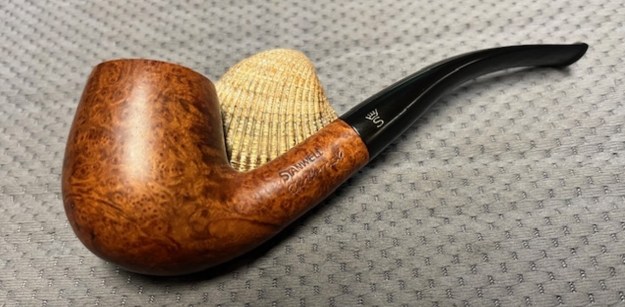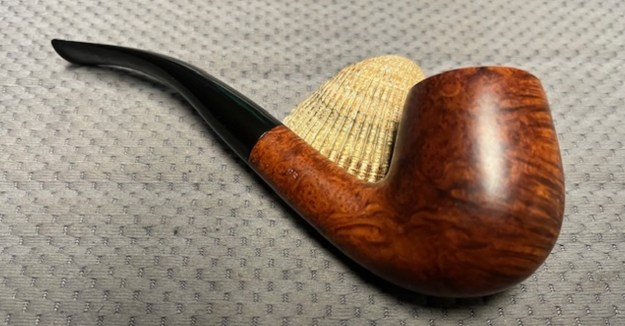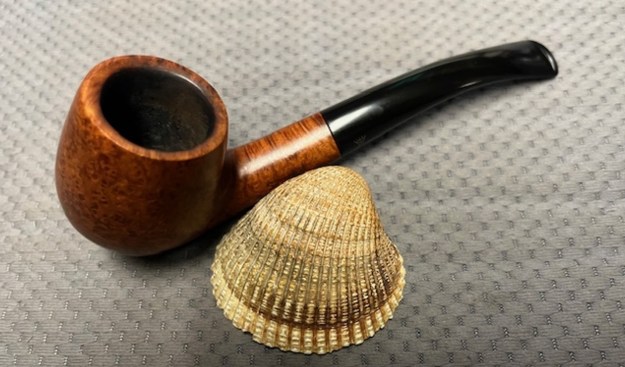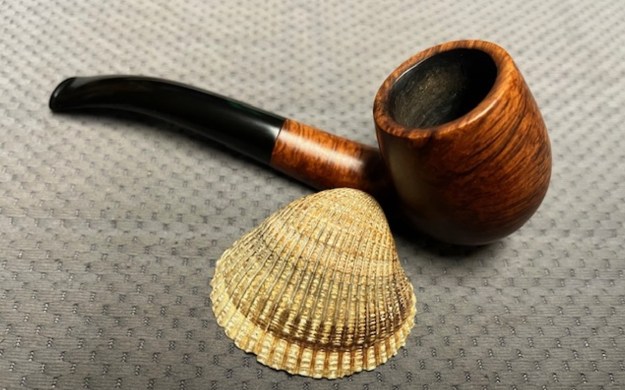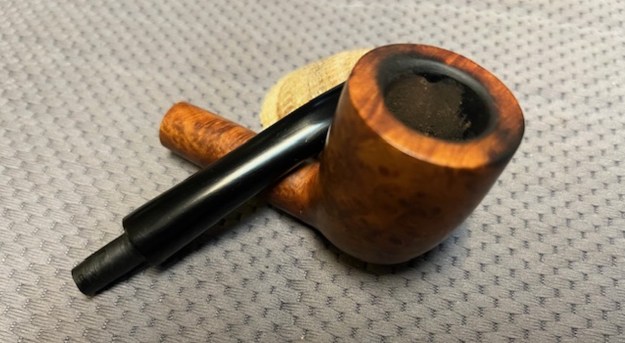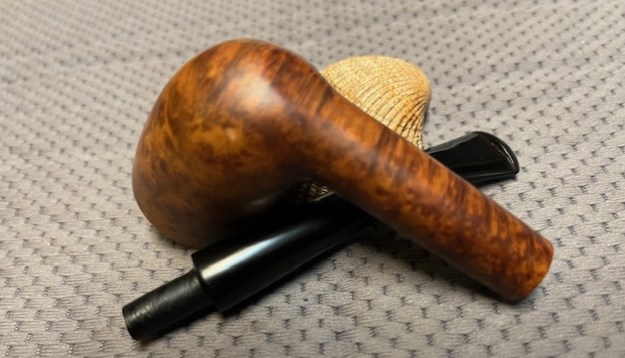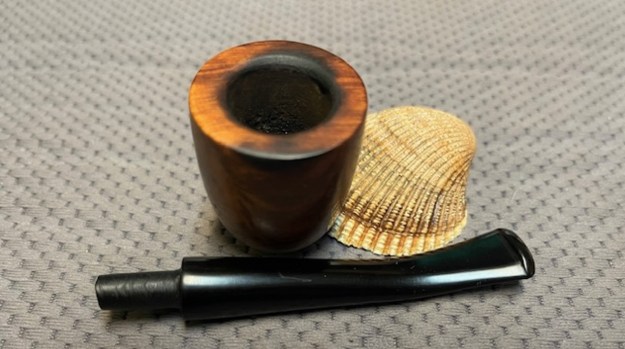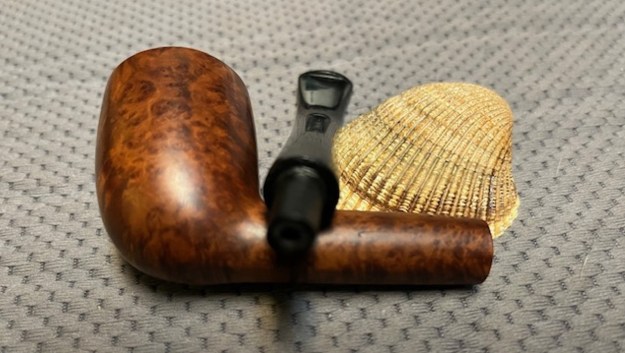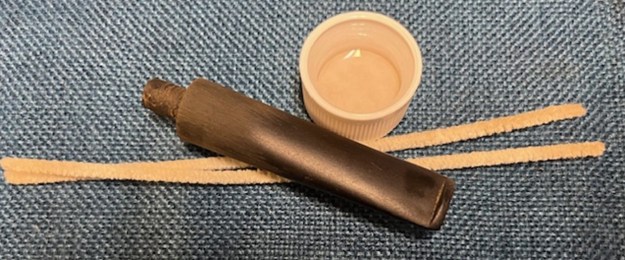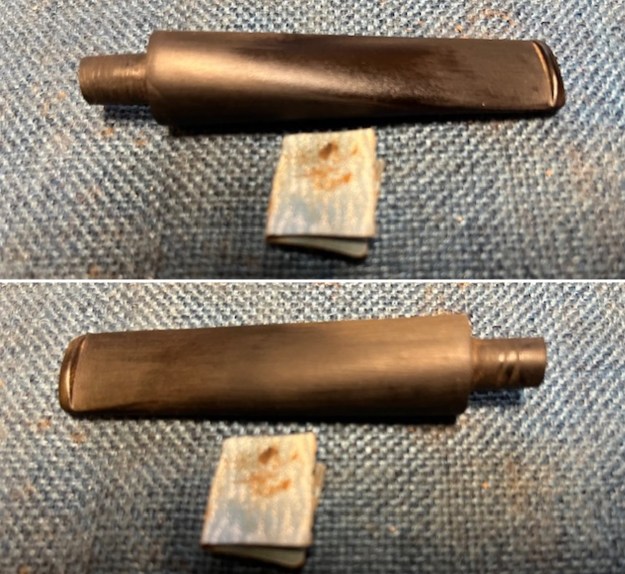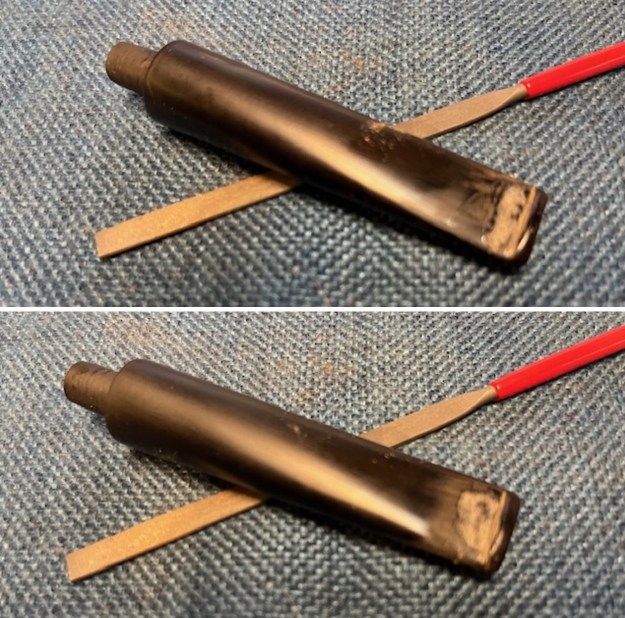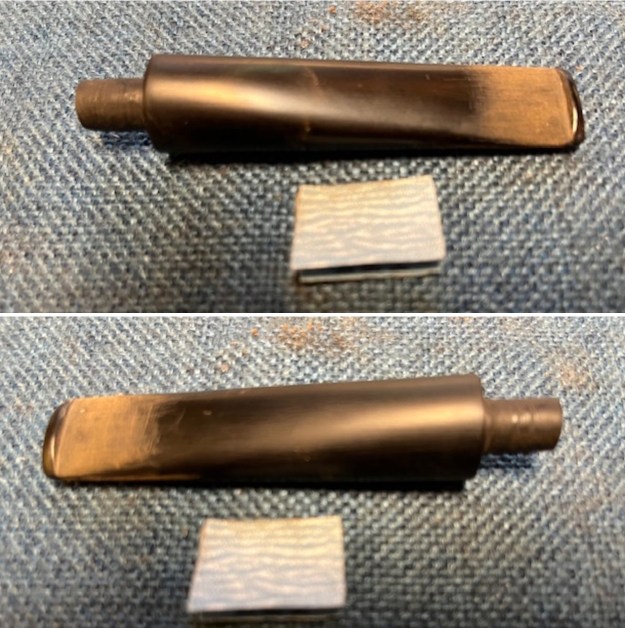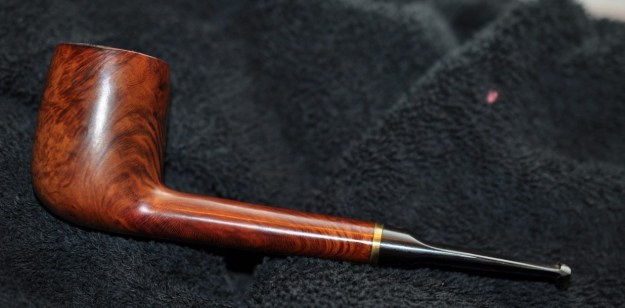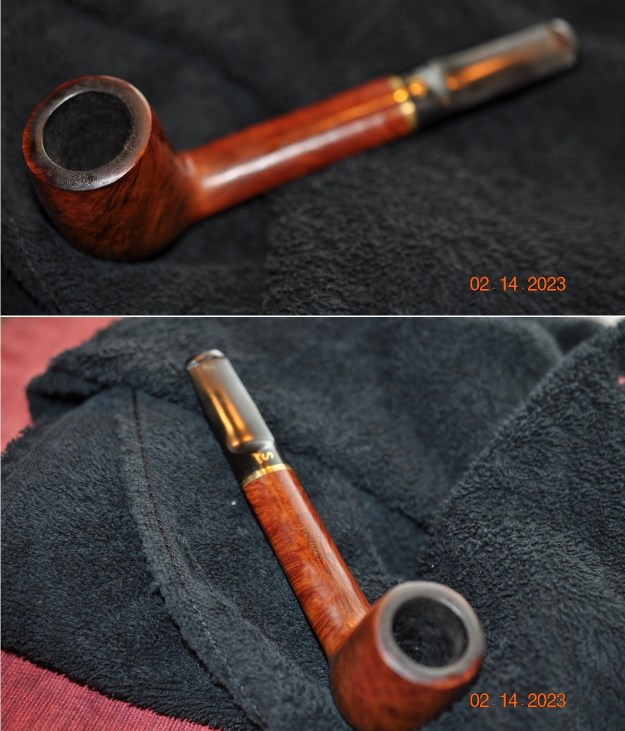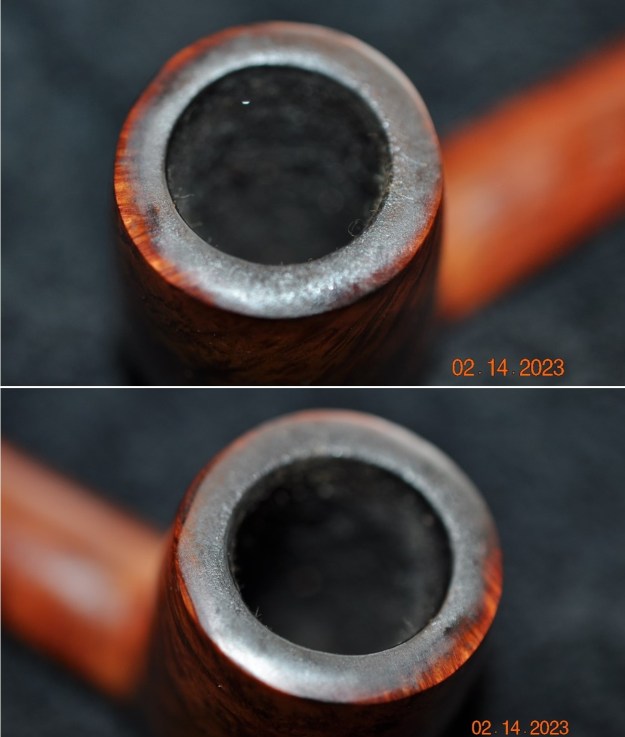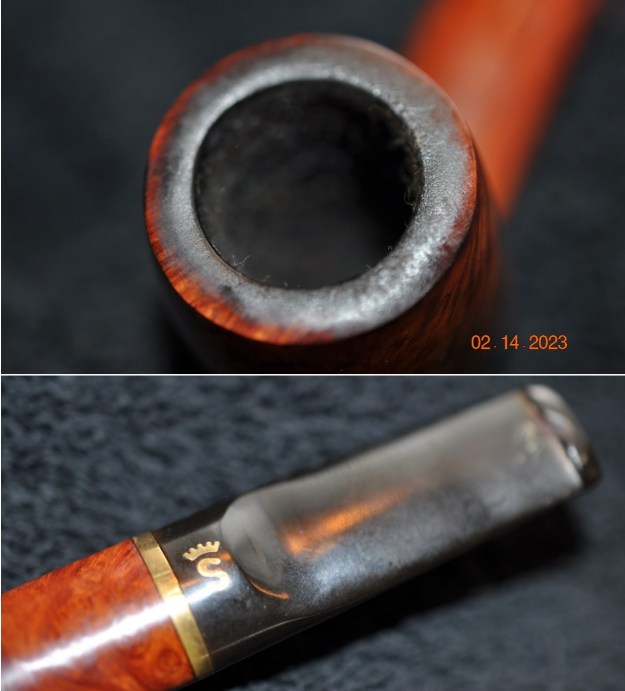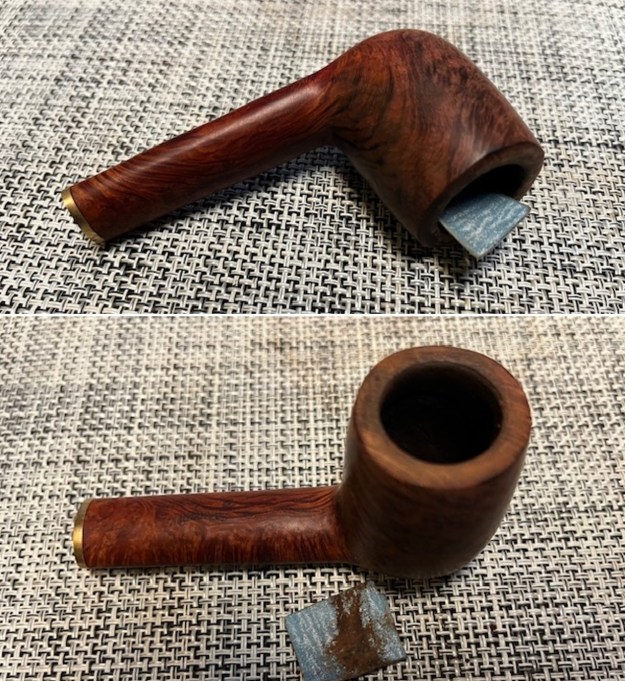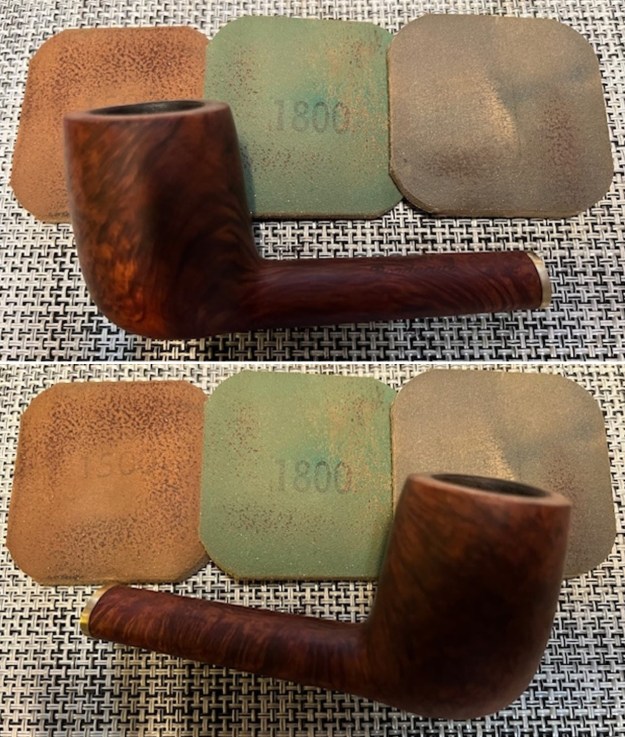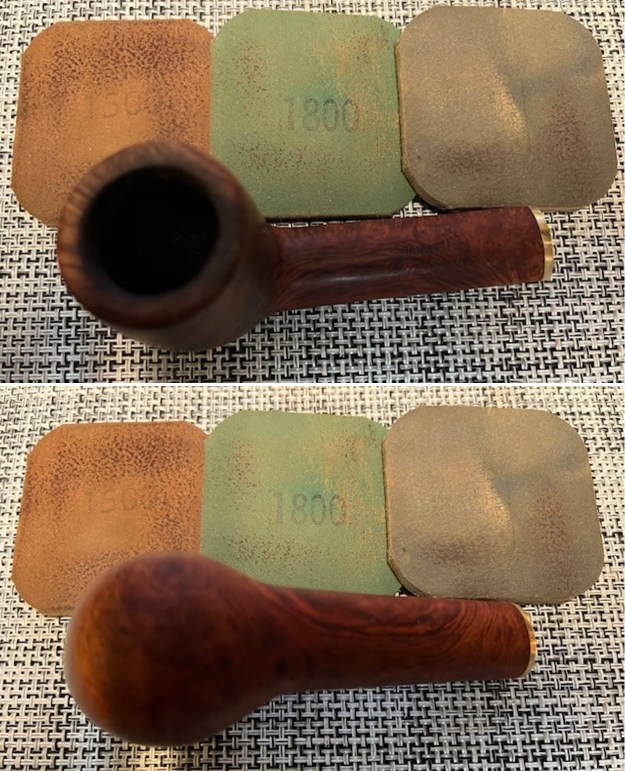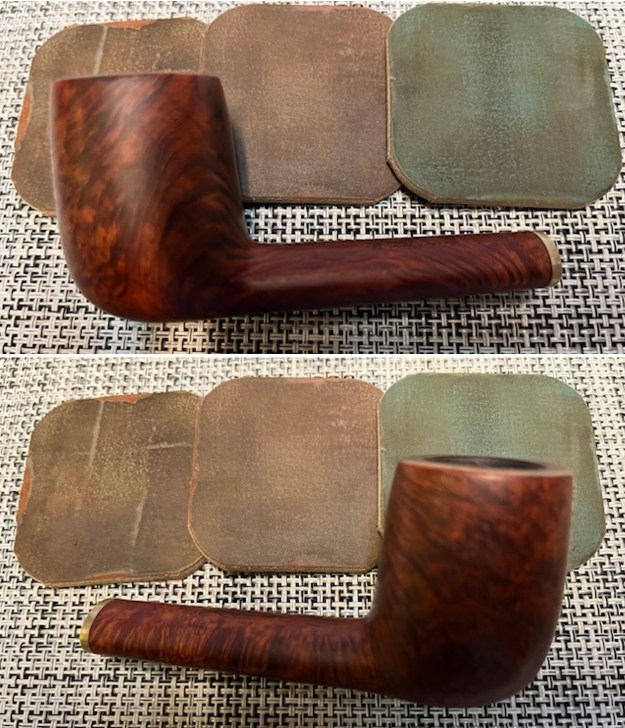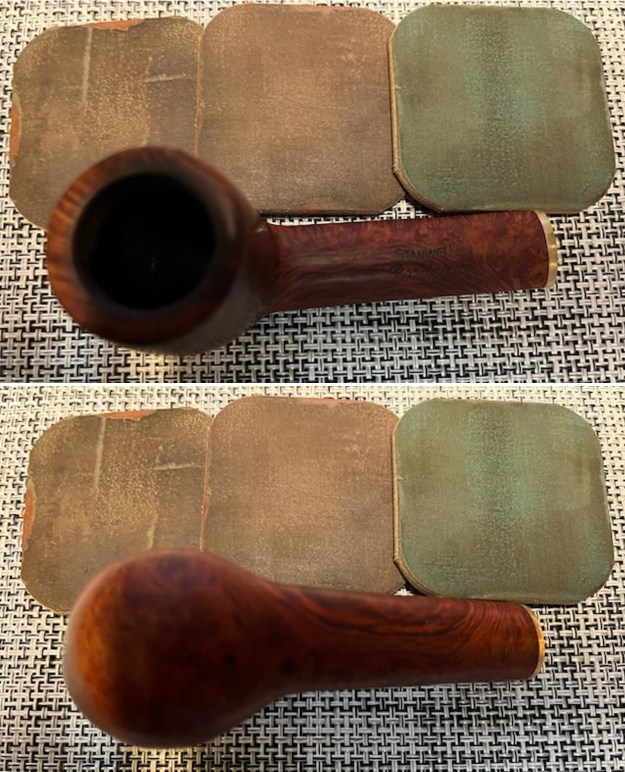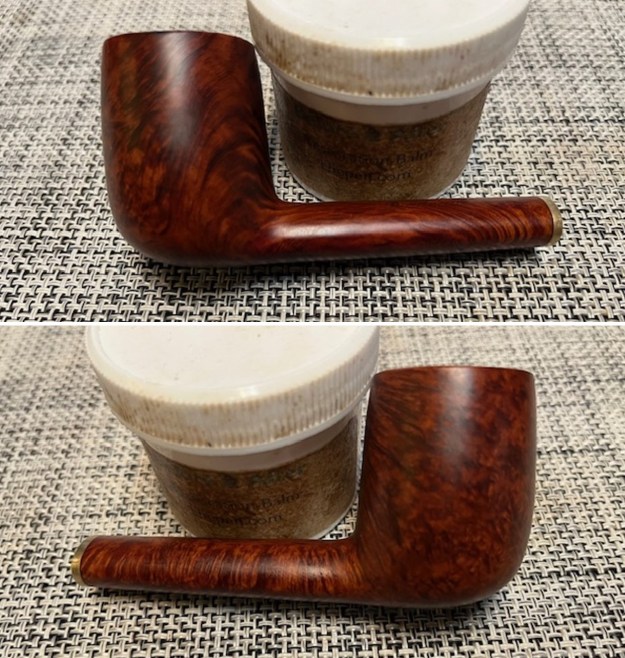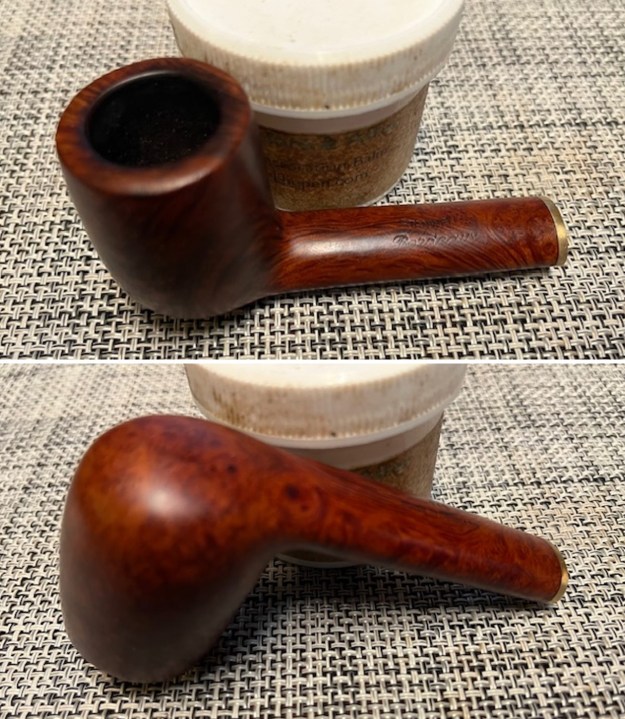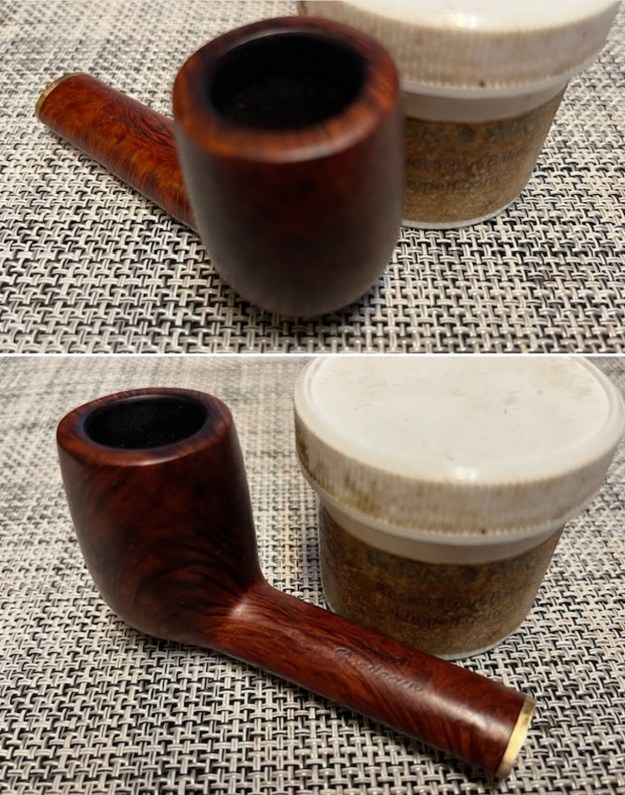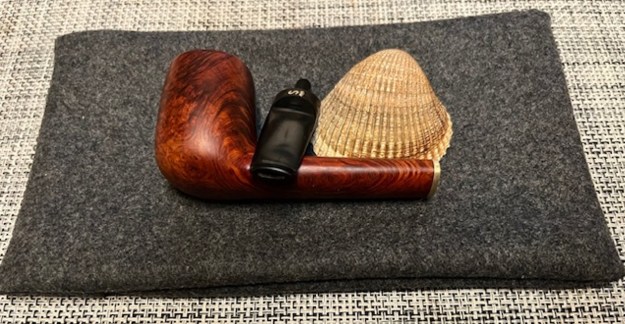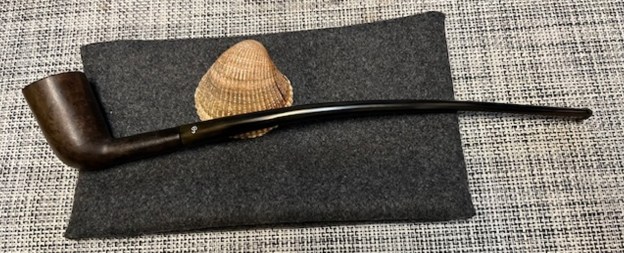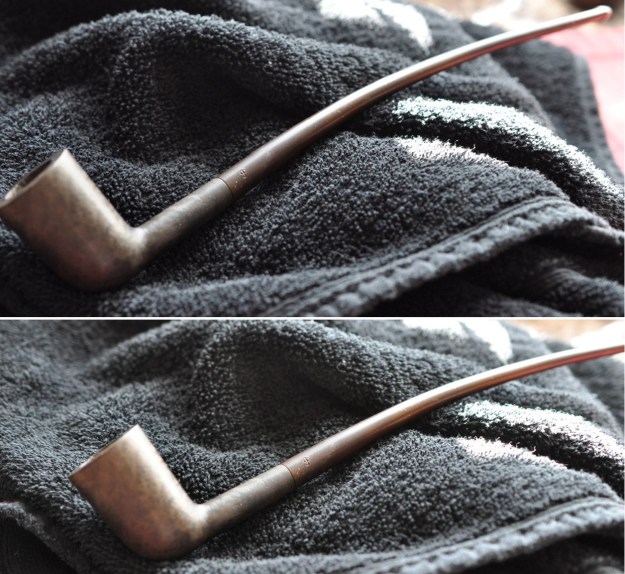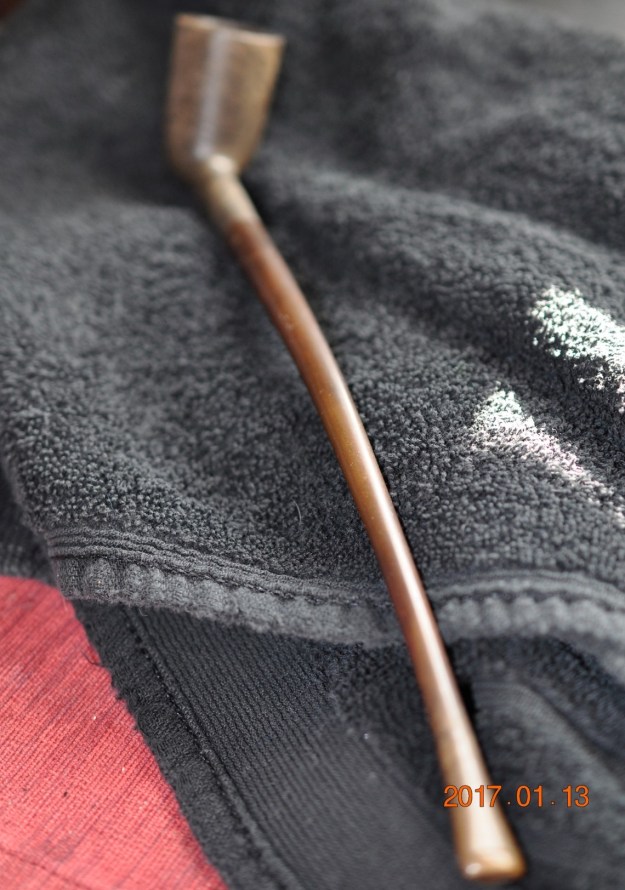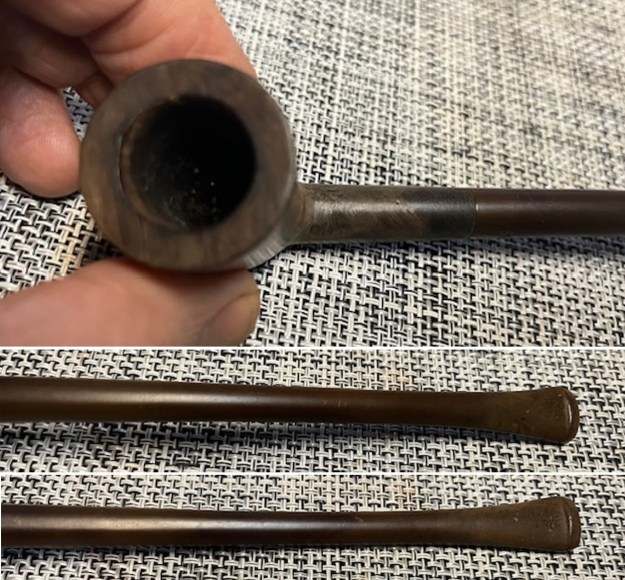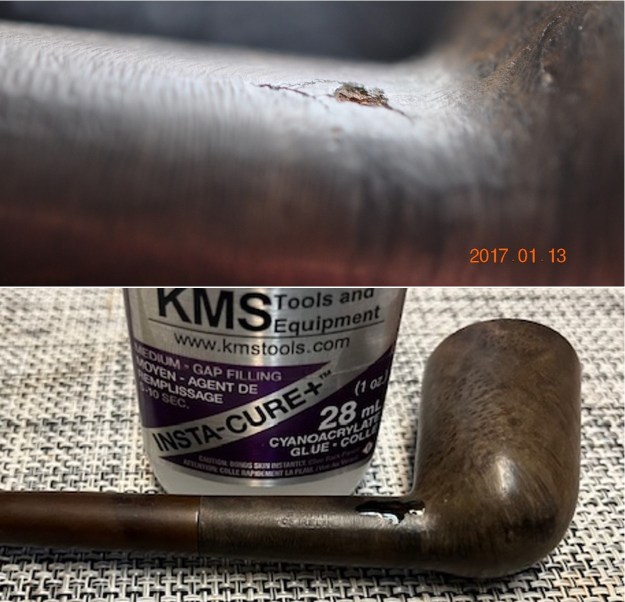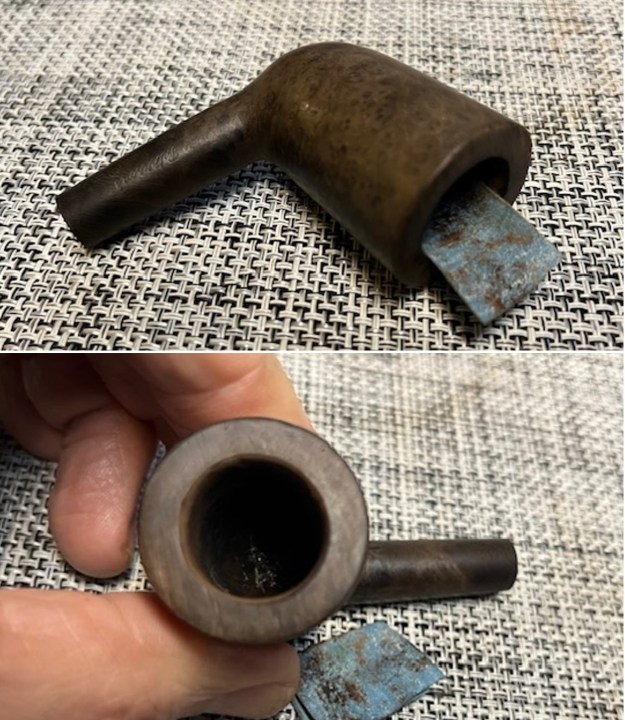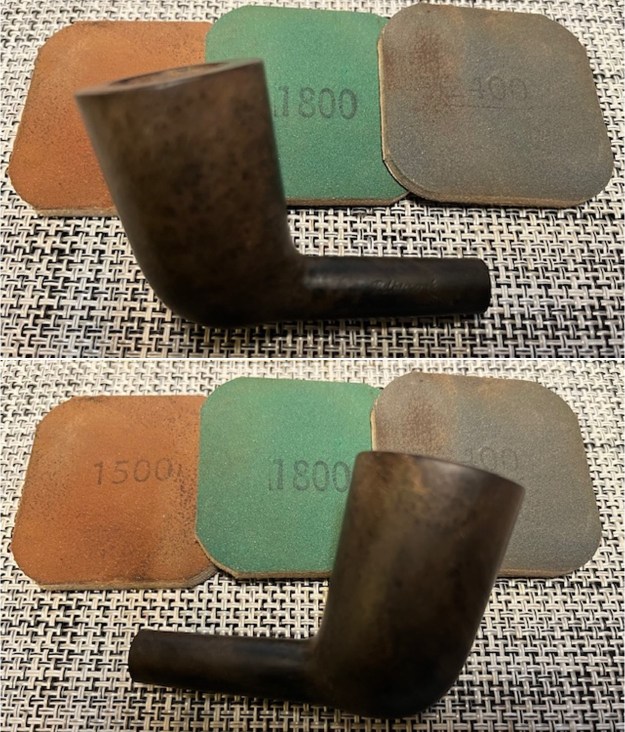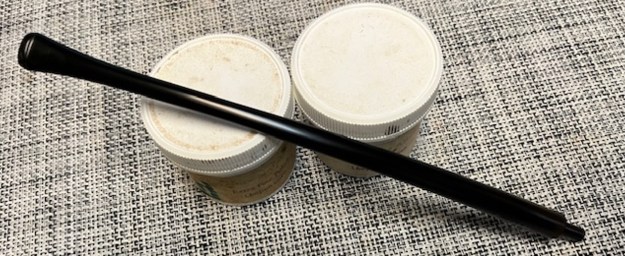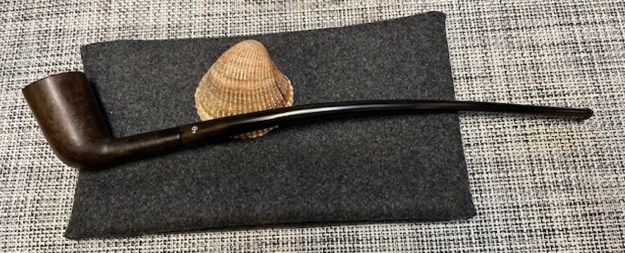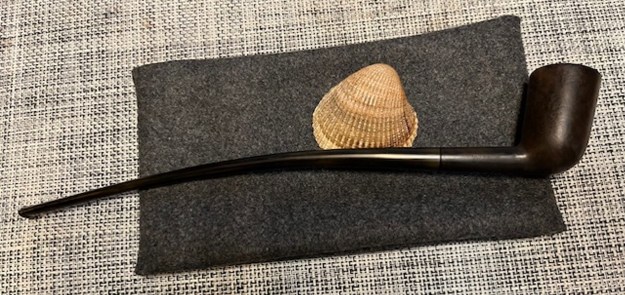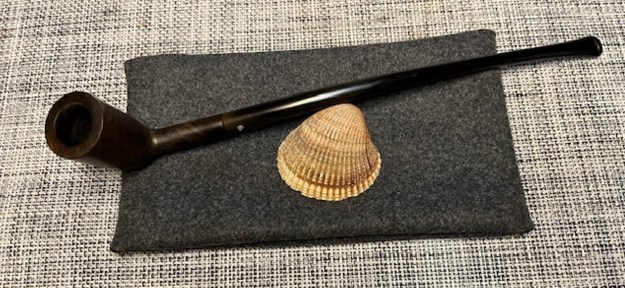
Tag Archives: vulcanite stem waxing

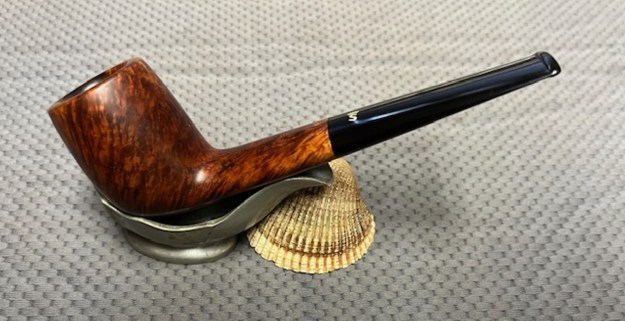
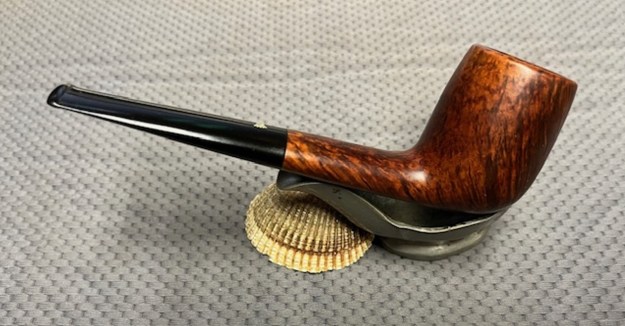
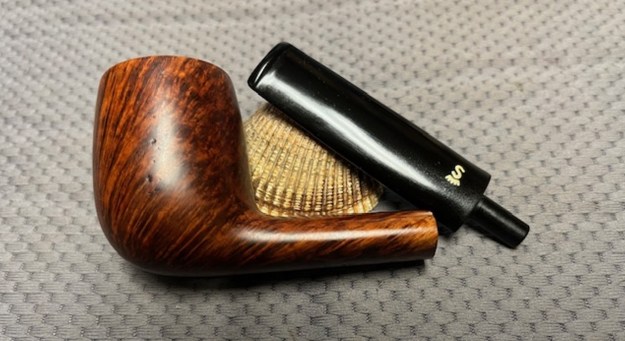
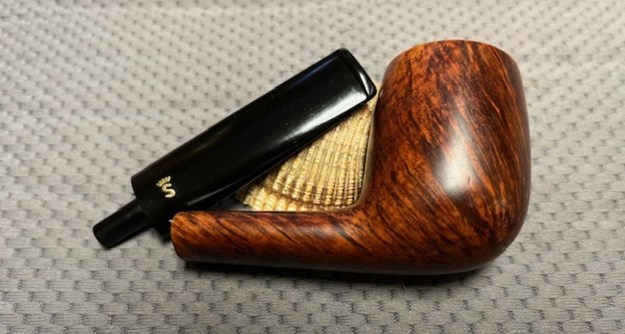
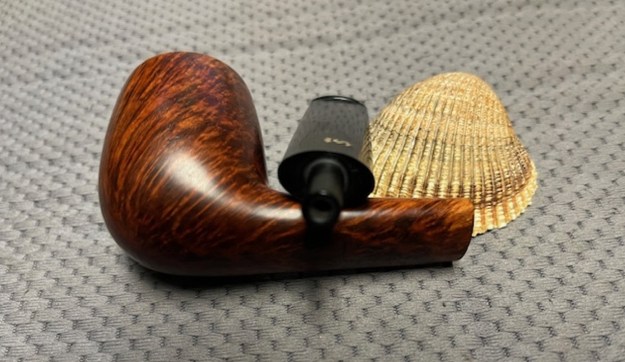
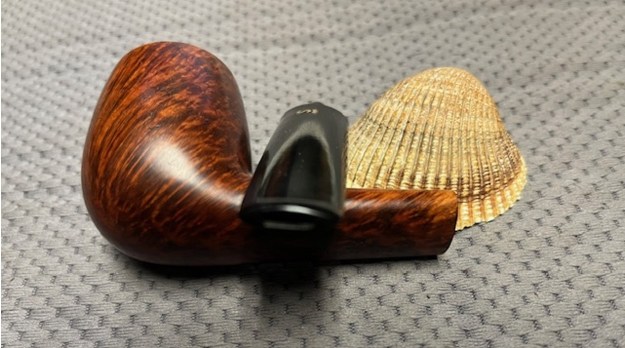
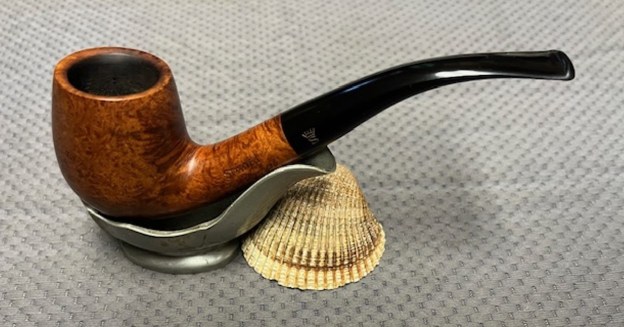
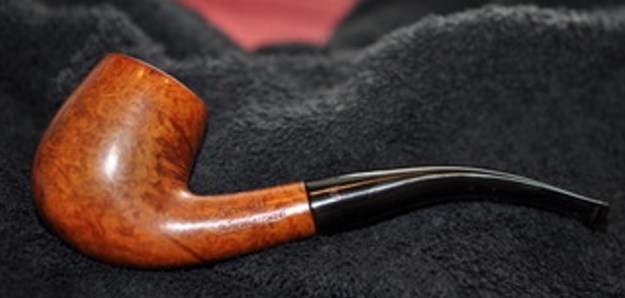
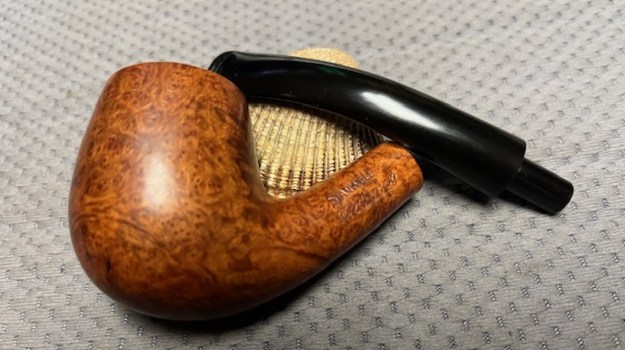
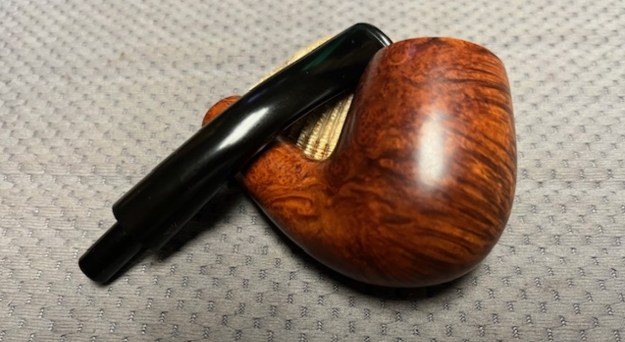
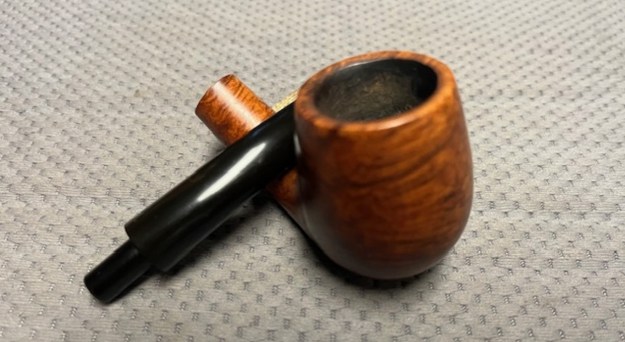
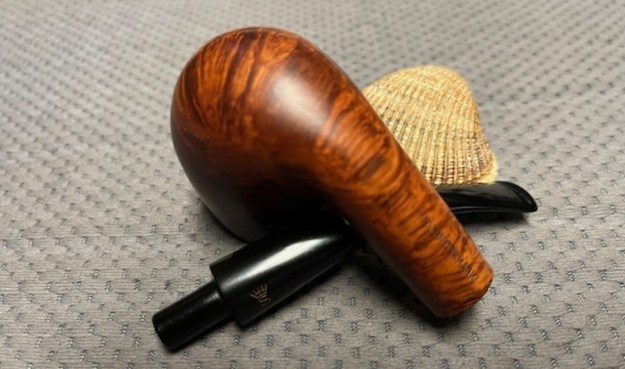
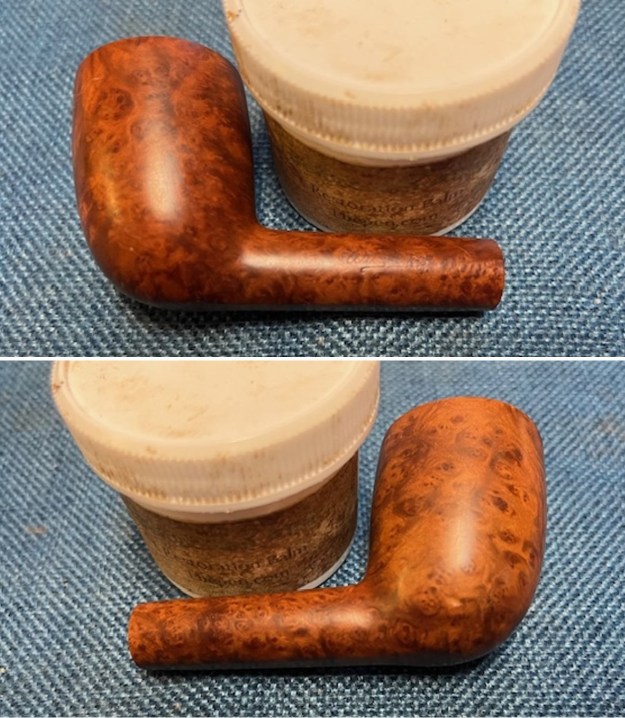
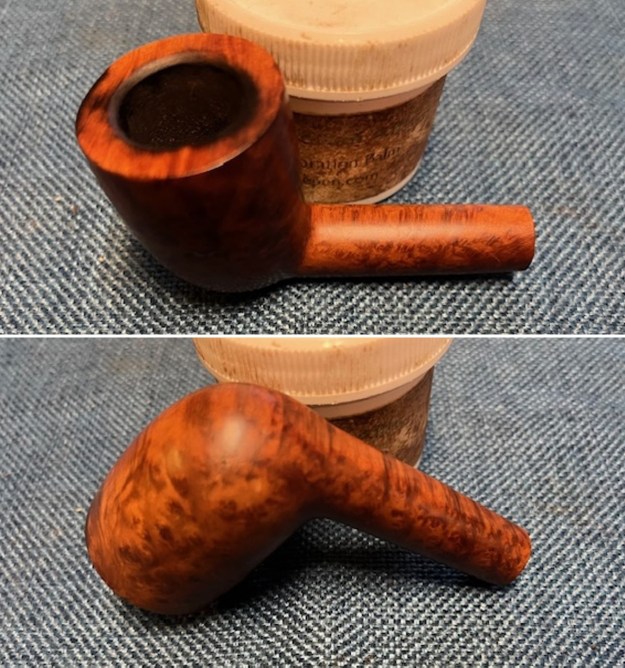
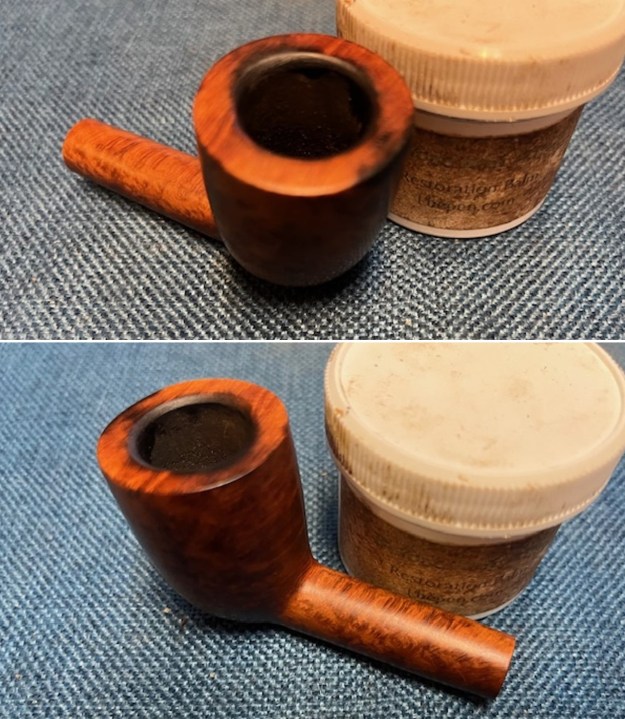
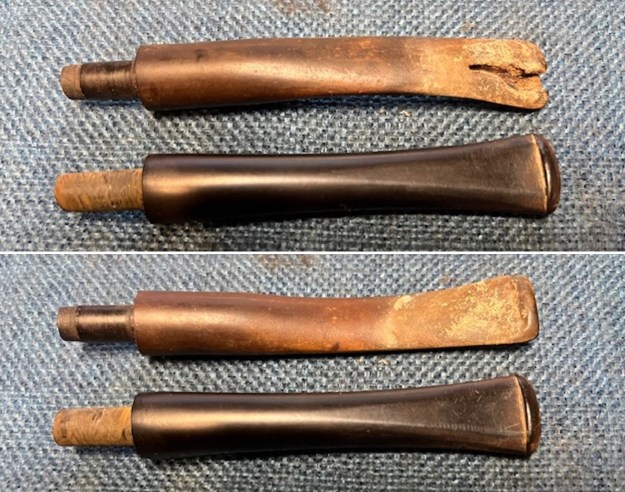
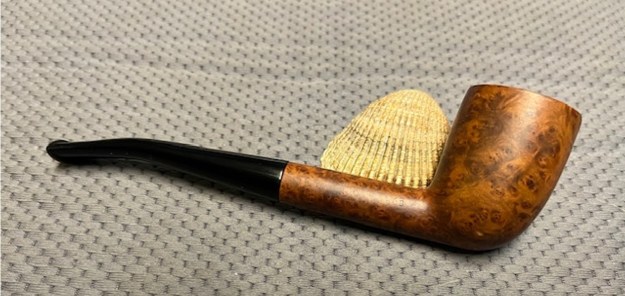
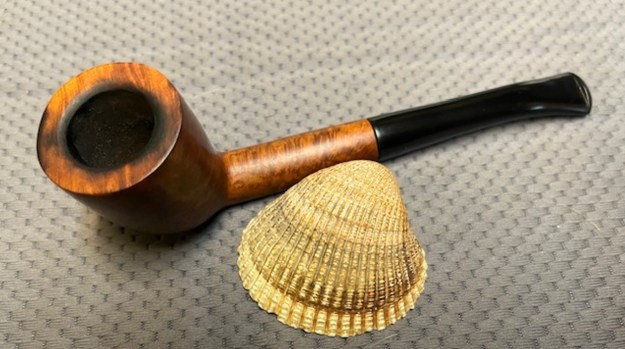
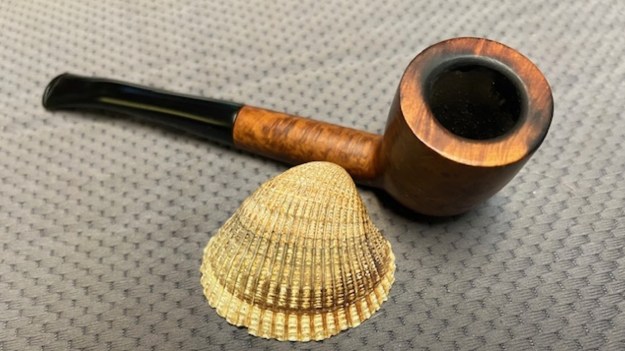
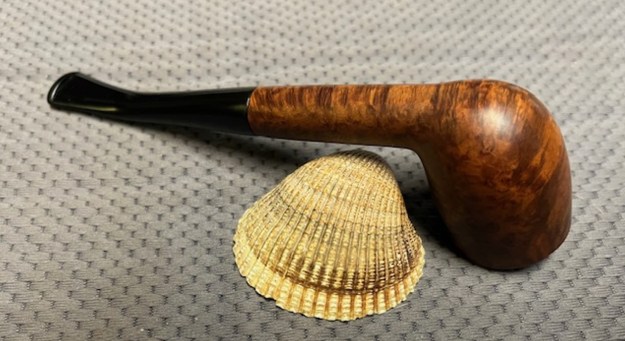
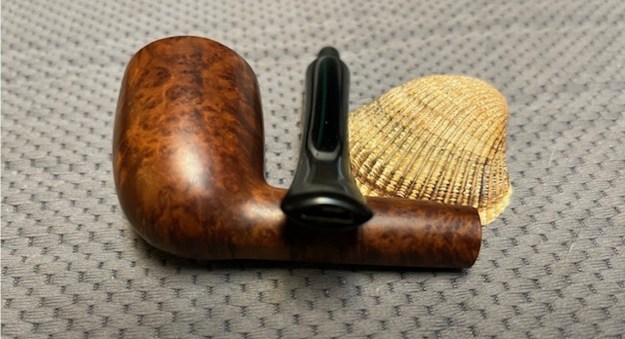
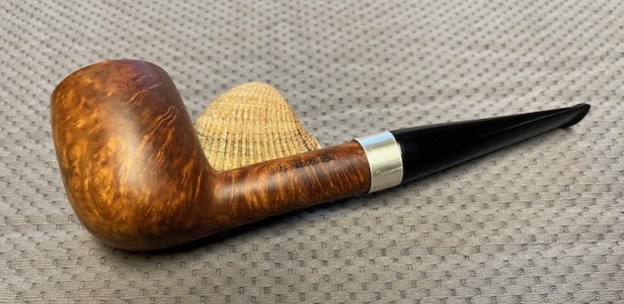
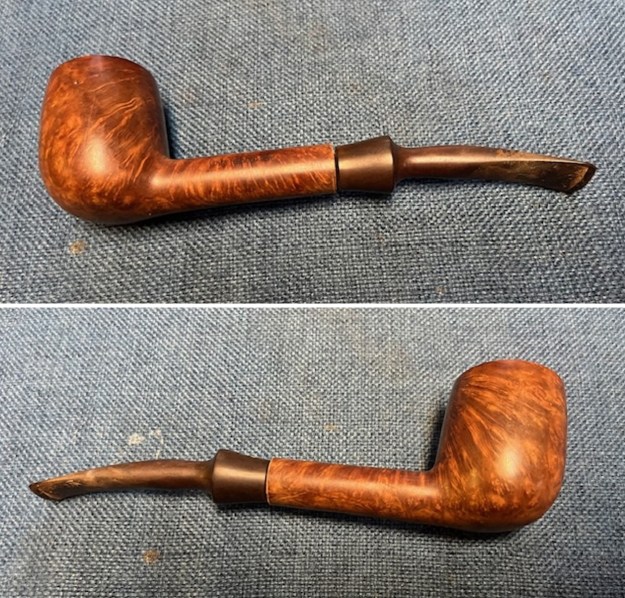
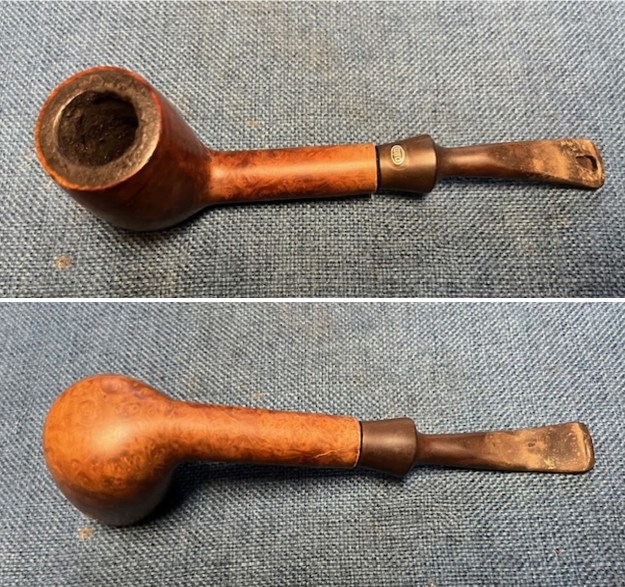
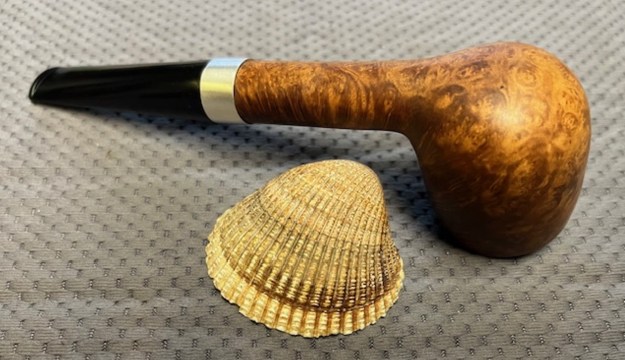
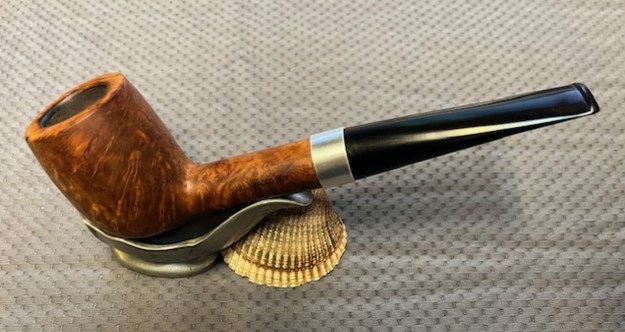
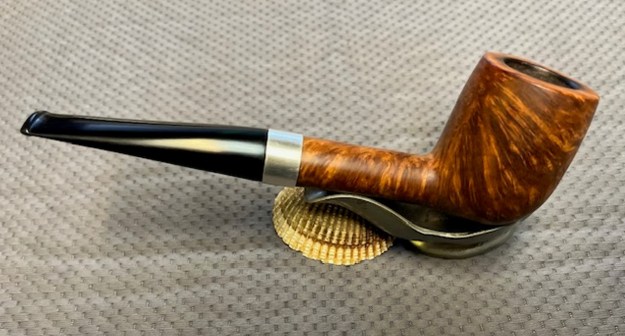
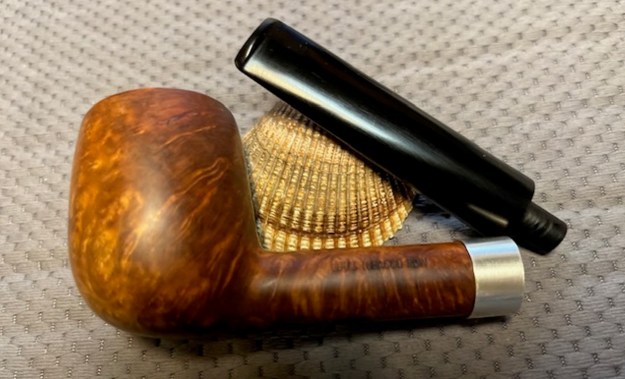
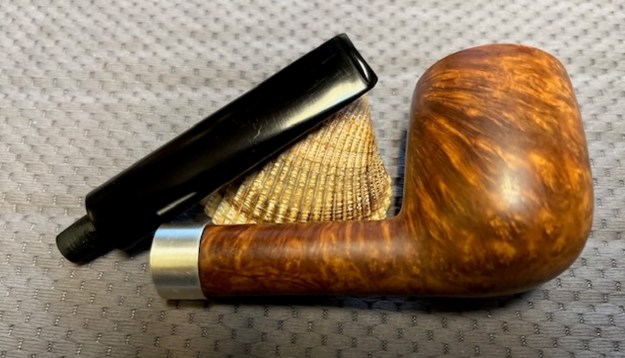
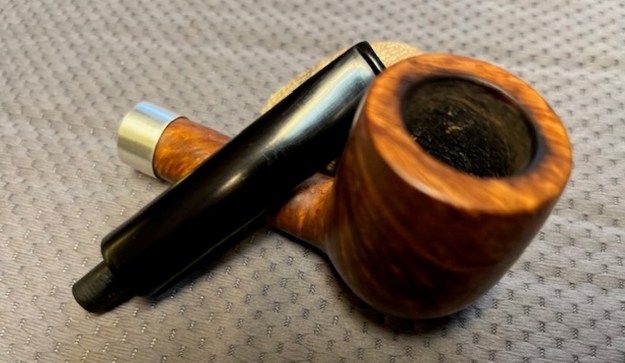
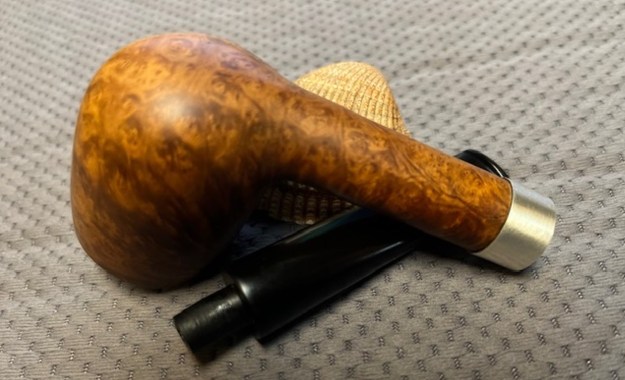
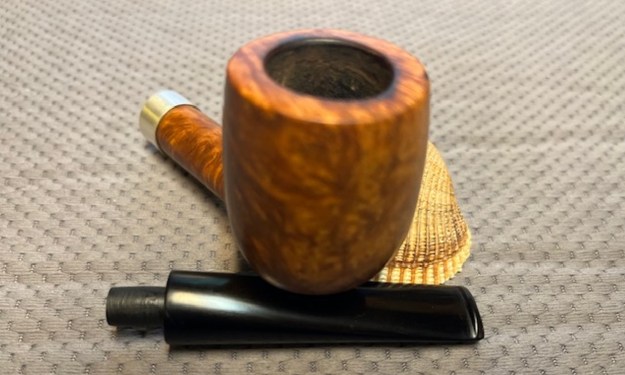
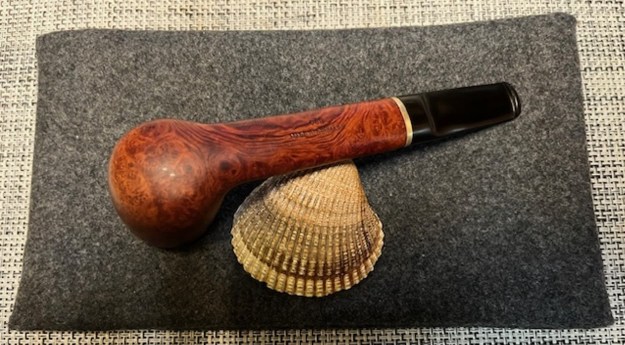
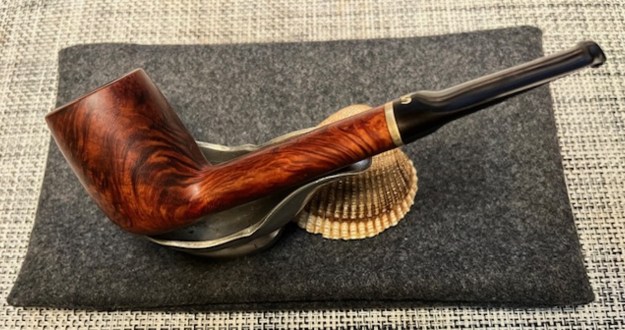
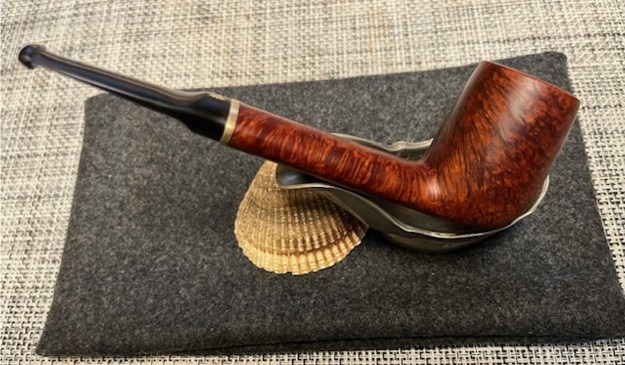
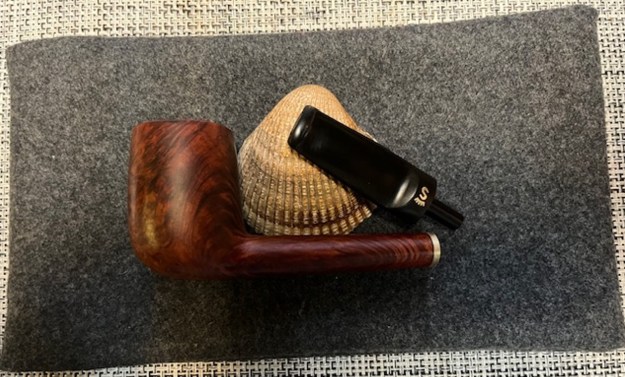
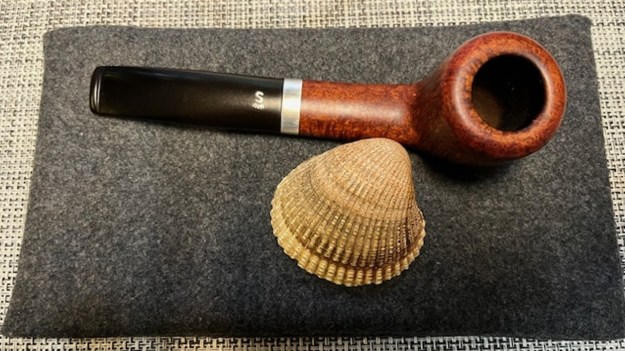
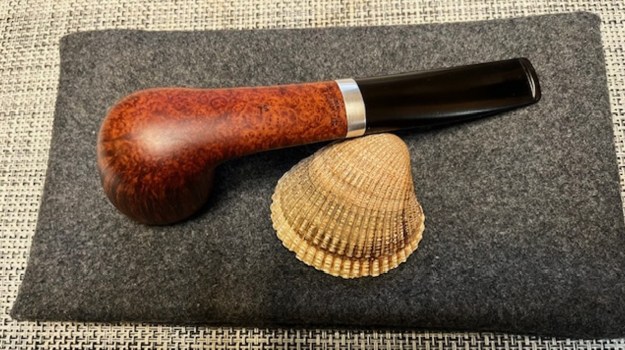
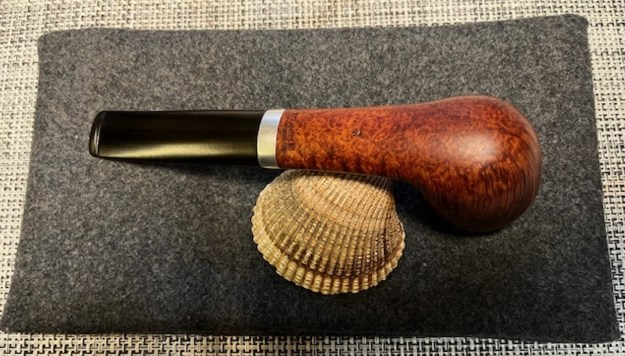
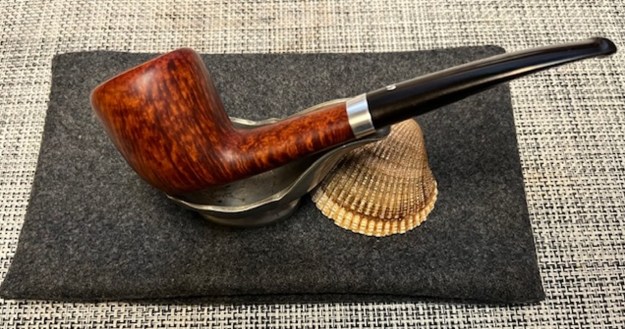
Restemming and Restoring a Wilshire Dublin


by Steve Laug

In November I received an email from Mario about working on some of his Dad’s pipes. Here is what he wrote to me.

I am desperately seeking help restoring and repairing some of my dad’s smoking pipes. I have tried reaching out to the only two known pipe repair establishments I could find in the entire country but one is not currently taking repair orders and the other said she didn’t want to try to repair these pipes without having even seen them. Would you be willing to take on the repairs or can you recommend anyone? Thank you much!!!—Mario

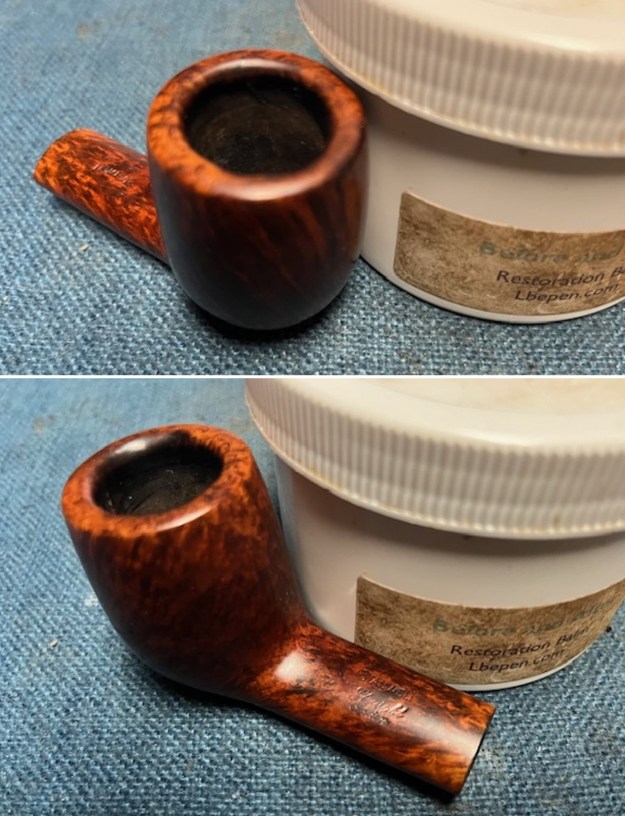
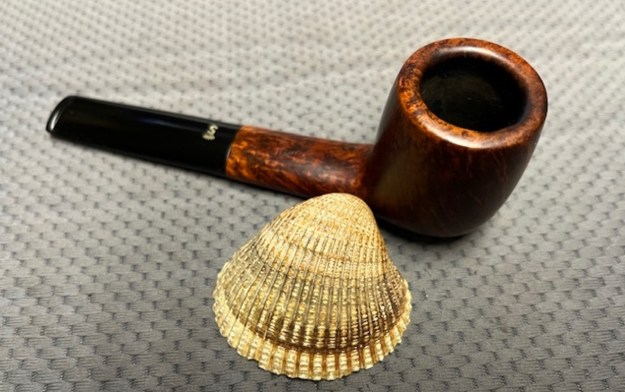
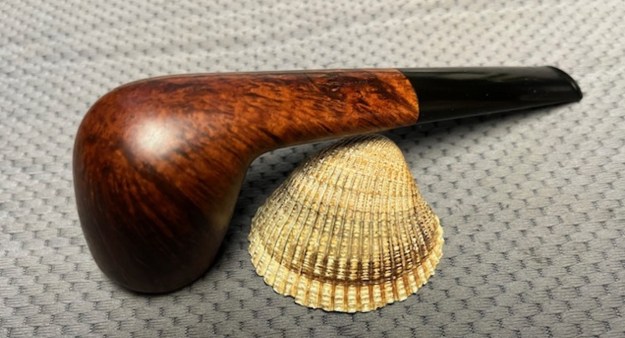
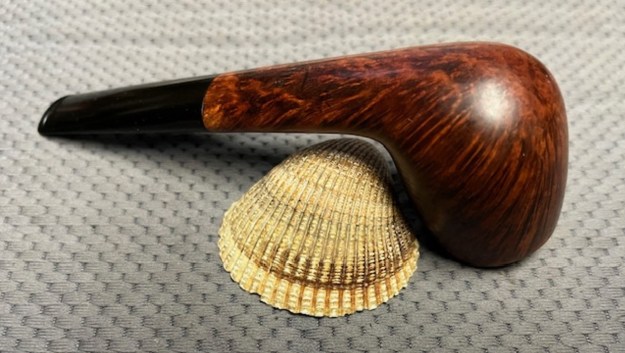
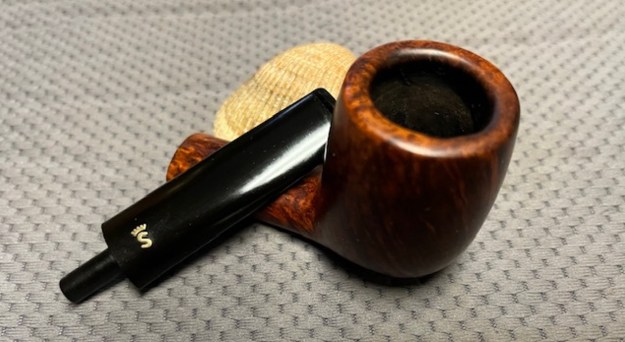
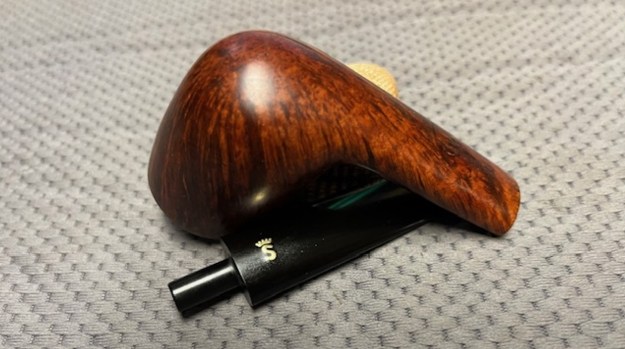
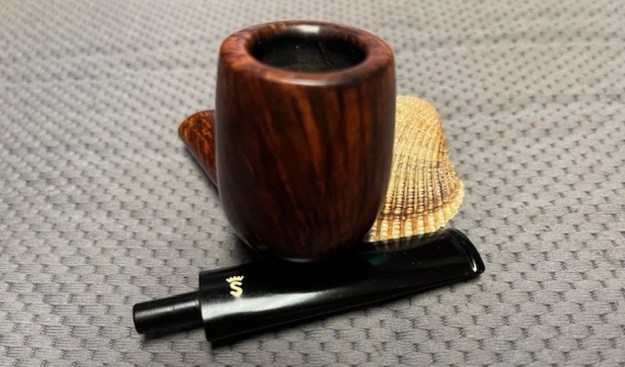
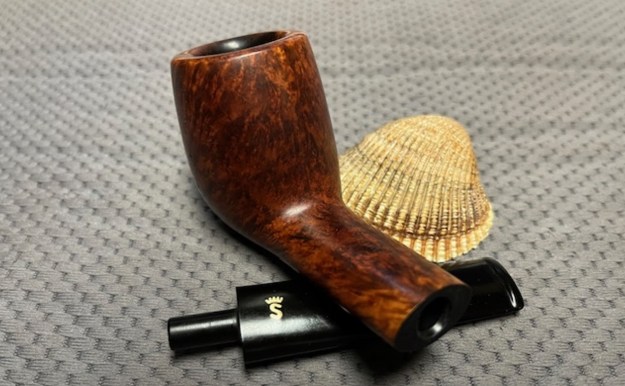
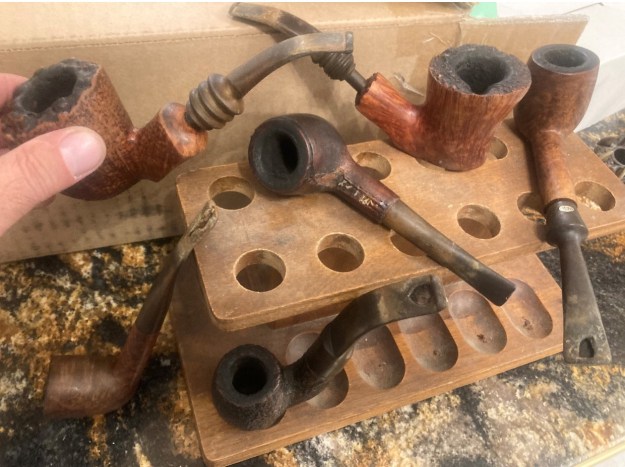
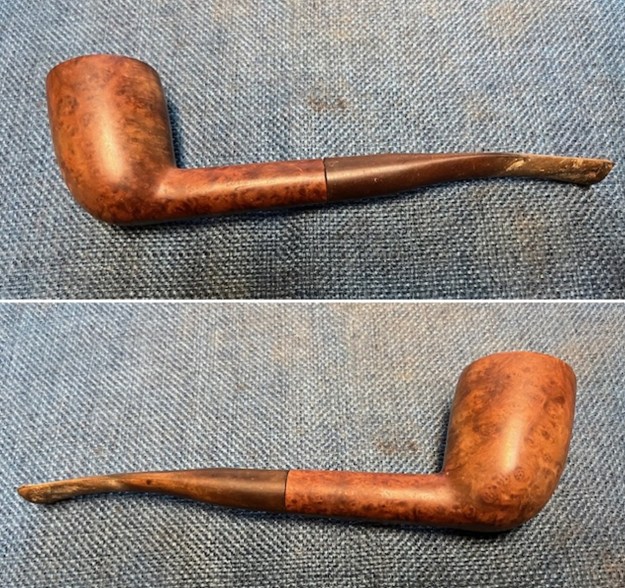
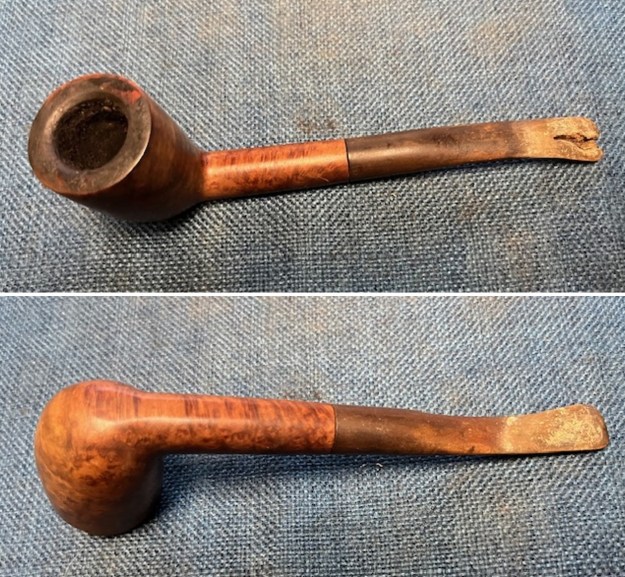
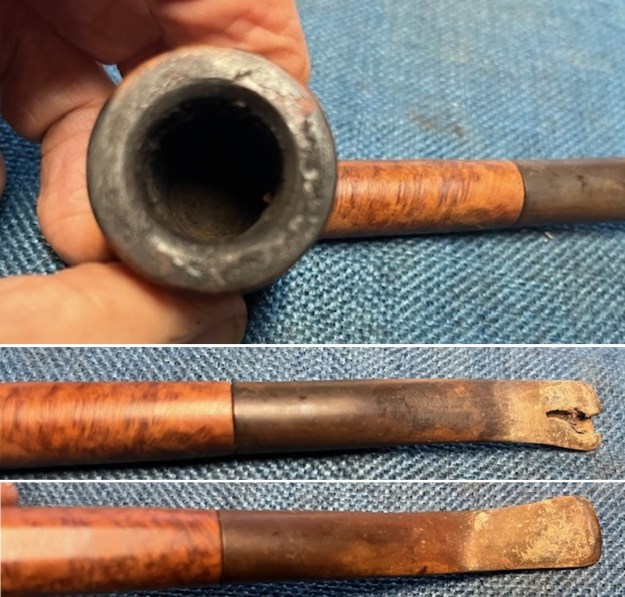
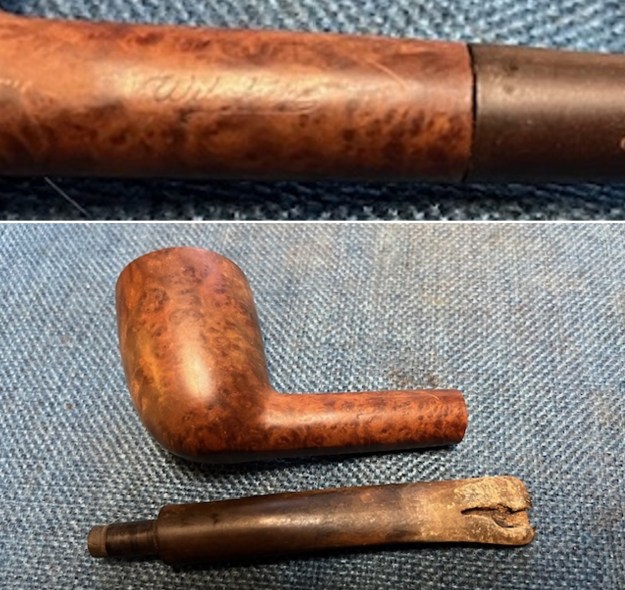
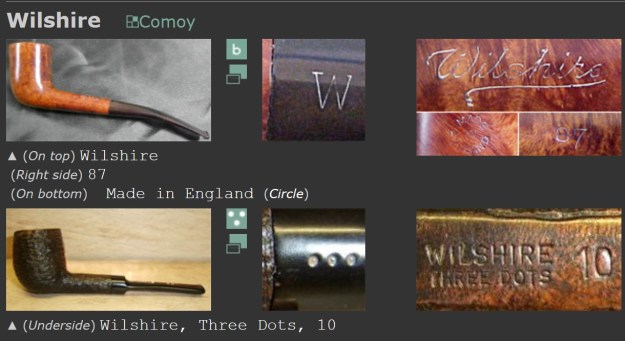
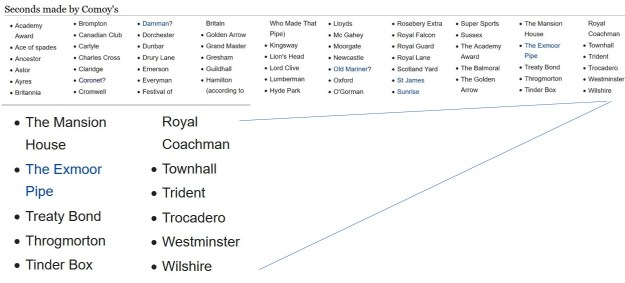
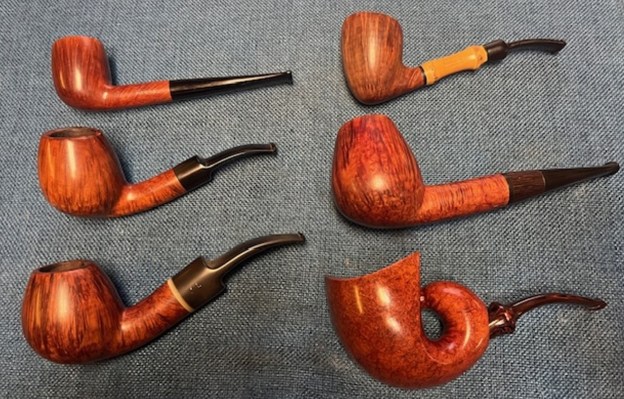
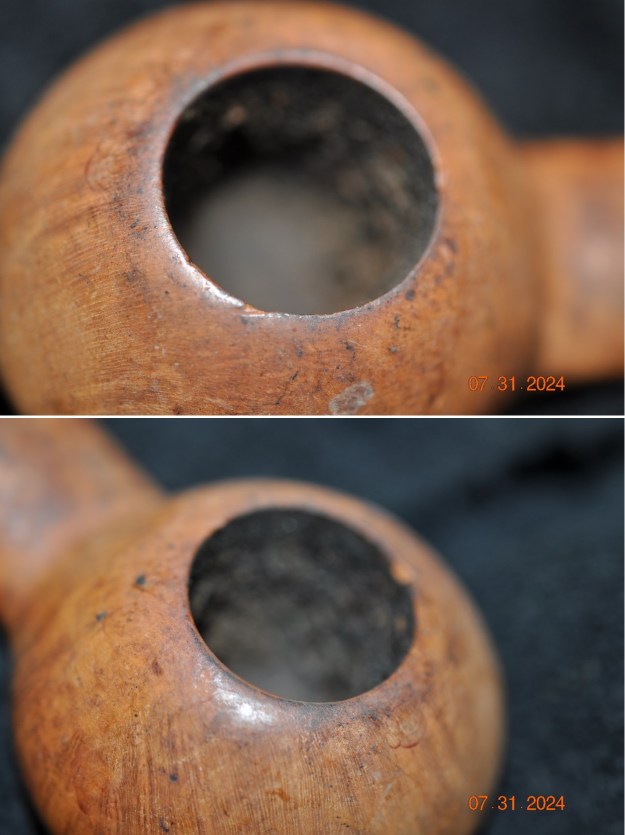
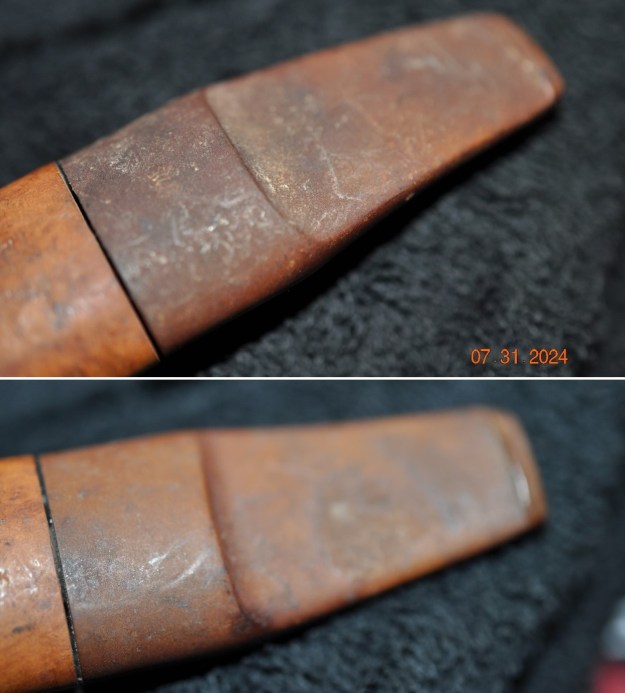
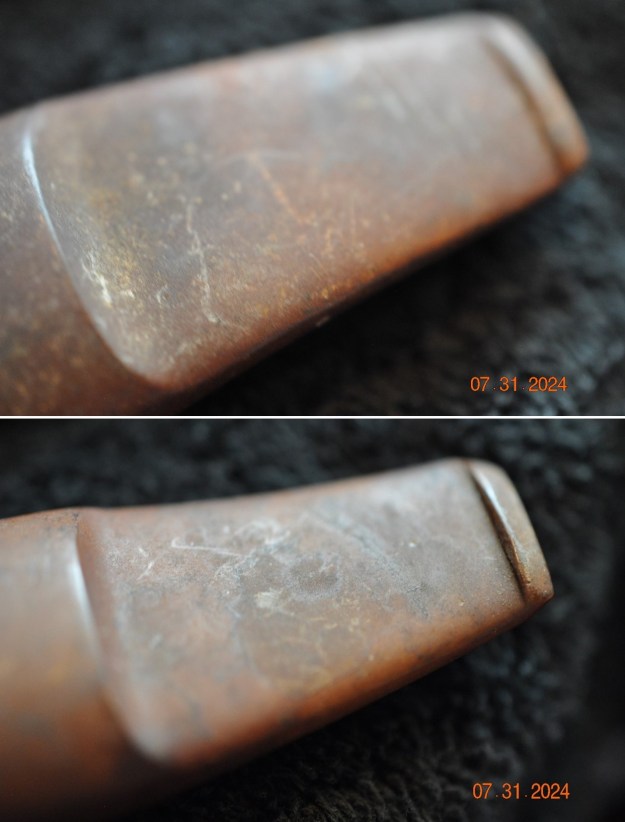
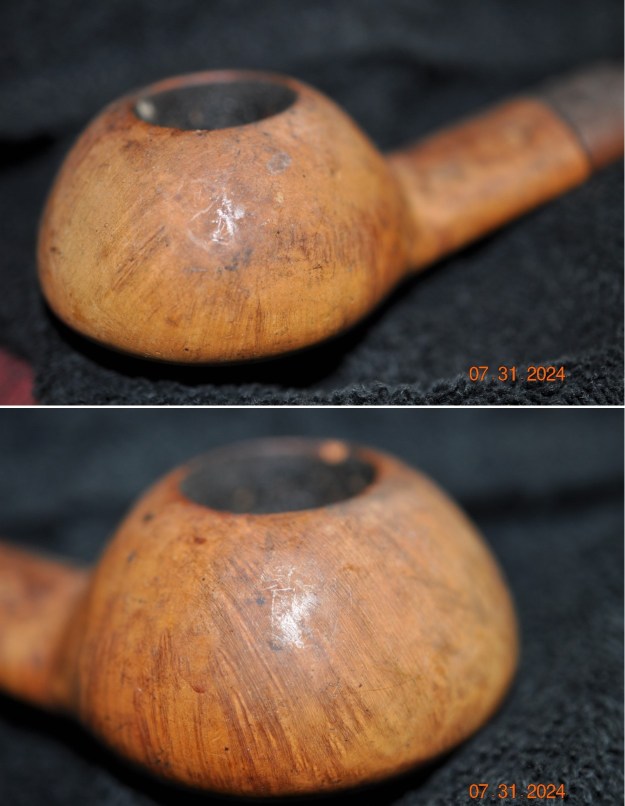
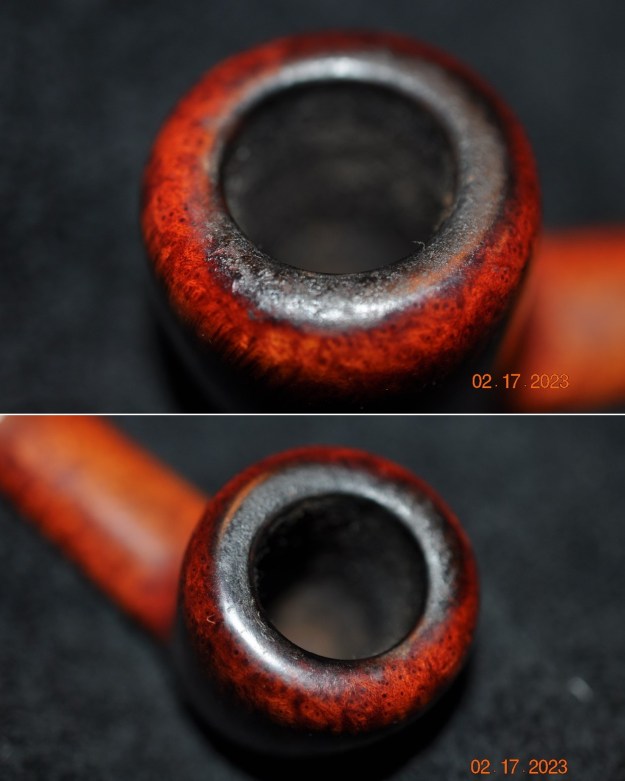
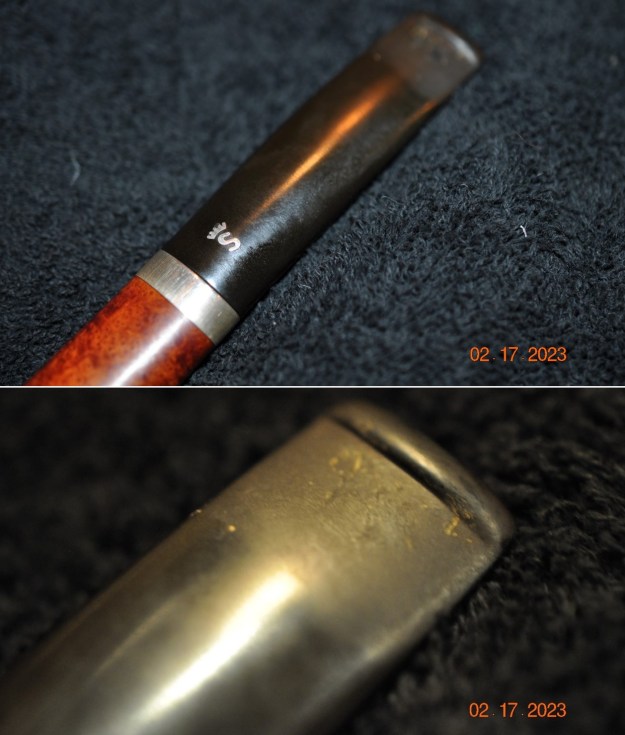
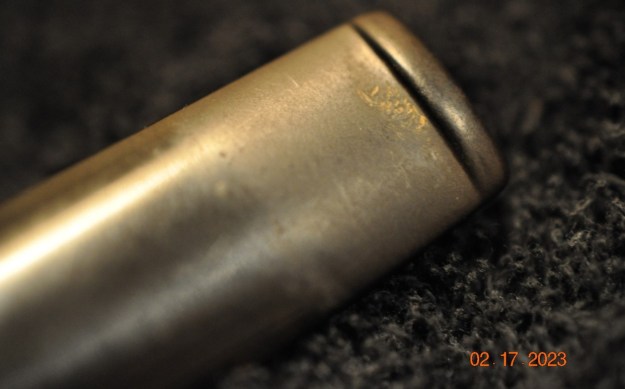
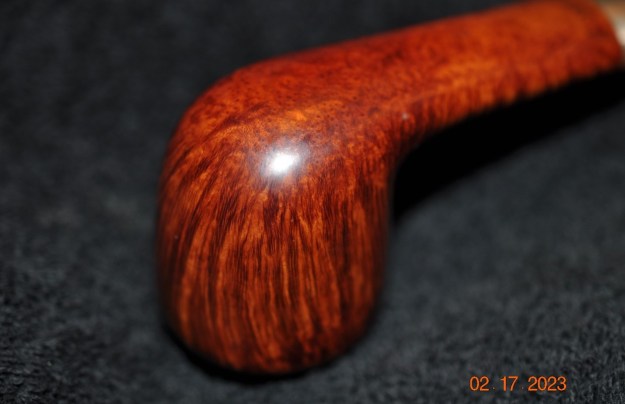
I wrote him back and asked him to send me photos of the pipes. He sent some single photos of the meerschaum bowl and stem, several of the leather clad Canadian and the photo of the rack and six pipes shown below. I looked through the photos and this is what I saw. There were two leather clad pipes a Canadian and a Pot. Both of them were cracked on the shanks and had been self-repaired with wire to hold the cracked shank together. The leather cladding was torn and the stitching was rotten and broken around the bowl. To me they were both unrepairable. There was a lovely older Meerschaum with a horn stem that needed a good cleaning and repairs to the horn stem. There were two Knute Freehand pipes with original stems that were dirty but fixable. The plateau on the smooth one had a large chunk of briar missing. There was a Wilshire Dublin with a chewed and misfit stem. Finally, there was a billiard that had been restemmed with a fancy GBD saddle stem on it. They were a messy lot but I told him to send them on to me. They arrived yesterday and the condition of the pipes in the photos was confirmed. They were a mess and needed much work. I have included Mario’s group photo below to show the lot.I decided to start working on the Dublin second. It was the one on the far left leaning against the left end of the rack in the photo above. It was a Dublin shape with a straight round shank and the stem did not fit in the shank correctly and it had a huge bite through on the topside of it. The bowl had a thick cake on the walls and a heavy lava coat on the rim top. It was internally a mess. The finish was dirty and had grime ground into the sides of the bowl. The shank was not cracked like the previous one and was in good shape. The pipe was stamped on the left side of the shank and read Wilshire in script. There was no other stamping on the shank sides. The stem was the wrong one. The diameter was less than the shank. I would need to fit it with a new stem. I took photos of the pipe when I unpacked it to examine it. I have included those below. I took a photo of the bowl and rim top to give you and idea of what I see. You can see the thick cake in the bowl and the thick lava overflow on the rim top and inwardly bevelled inner edges of the bowl. There also appears to be damage on the inner edge toward the back of the bowl. I also included photos of the stem. You can see that the stem is not correct. It does not fit the shank and is chewed a long way up the stem top. I took a photo of the stamping on the left side of the shank. It is clear and readable as noted above. I took a photo of the bowl with the incorrect stem removed to give a sense of the proportion and appearance of the pipe without the stem. You can see the damage on the stem top so it is no question that it needs to be removed.I turned to Pipephil’s site to see what I could find out about the Wilshire brand and was not disappointed (http://www.pipephil.eu/logos/en/logo-w3.html). I did a screen capture of the section below. It was good to know that the pipe was made by Comoy’s.Knowing that the pipe was made by Comoy I turned to the article on Comoy on Pipedia to see what I could learn (https://pipedia.org/wiki/Comoy%27s#Seconds_made_by_Comoy’s). Beside the great history article there was a section with photos toward the end of the article entitled Seconds Made by Comoy’s. There were no photos of the pipe but there was a list of these pipes and the last entry in the list was the Wilshire. The screen capture below shows the list as a whole and I have taken the last two columns and enlarged them below. The last item in the list is this brand of pipe.Now that I knew that I was working on a Comoy’s made second pipe and I had a bit of background on it I was ready to start on the pipe itself

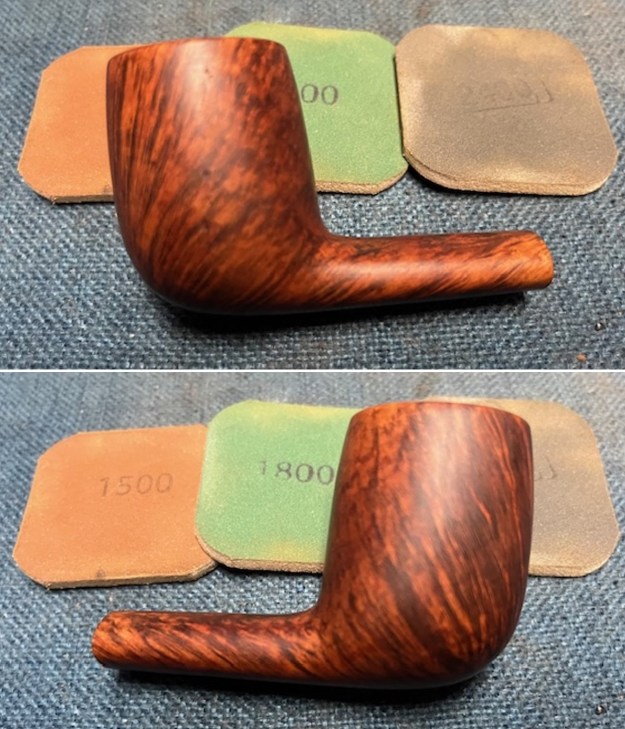
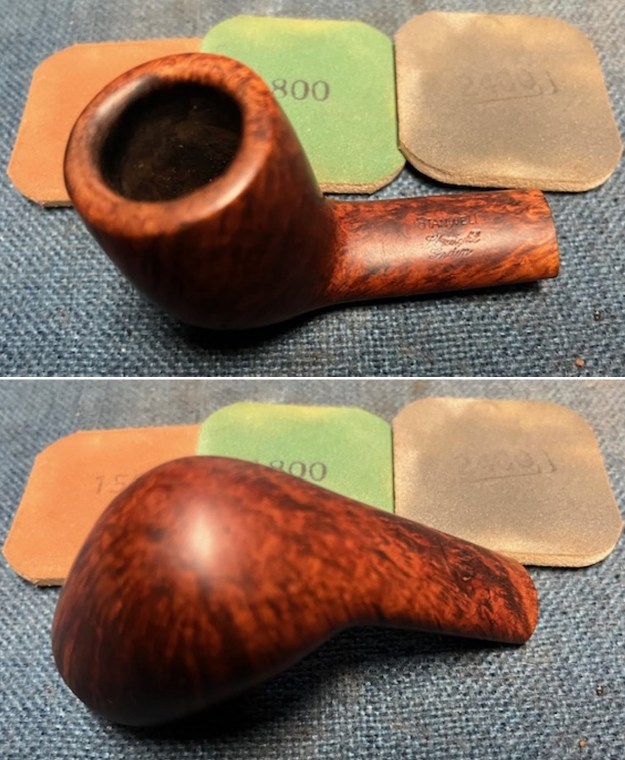
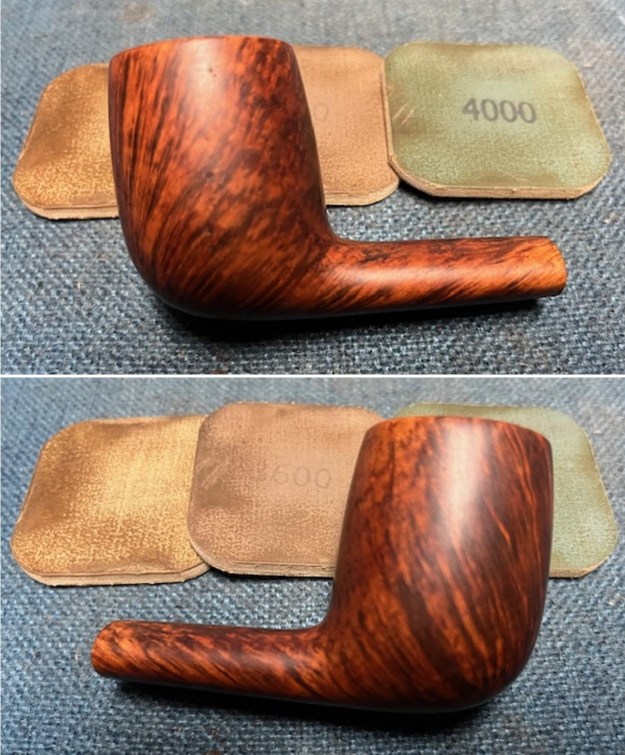
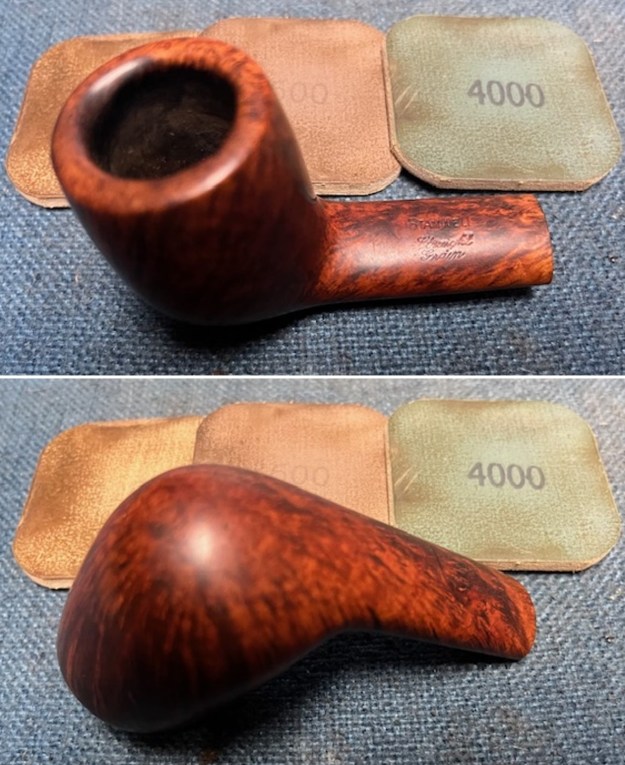
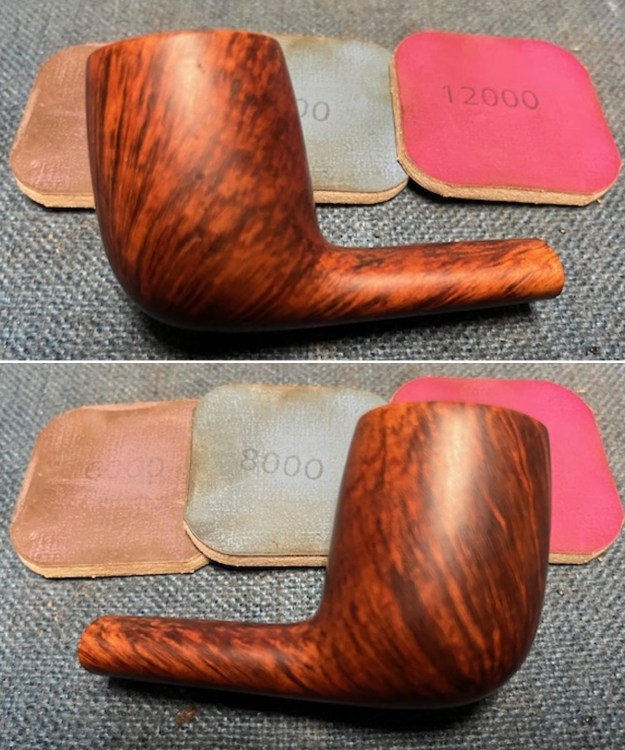
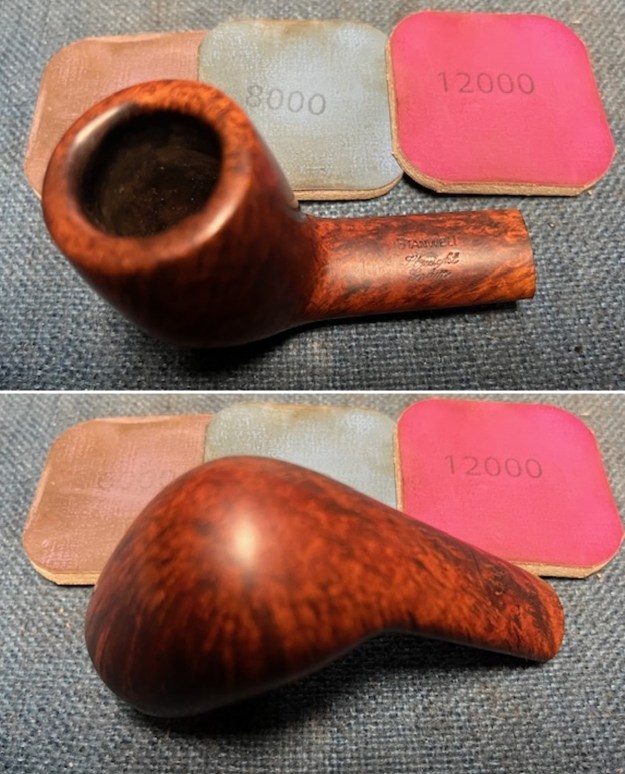
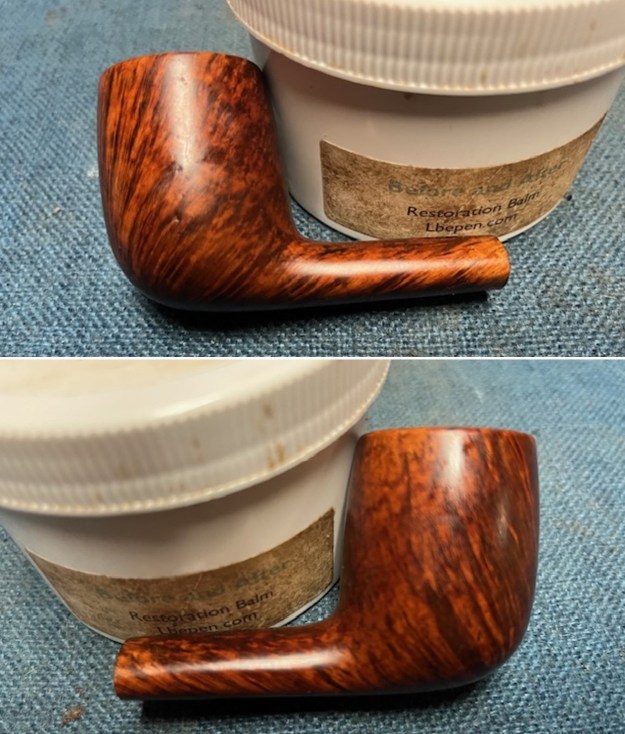
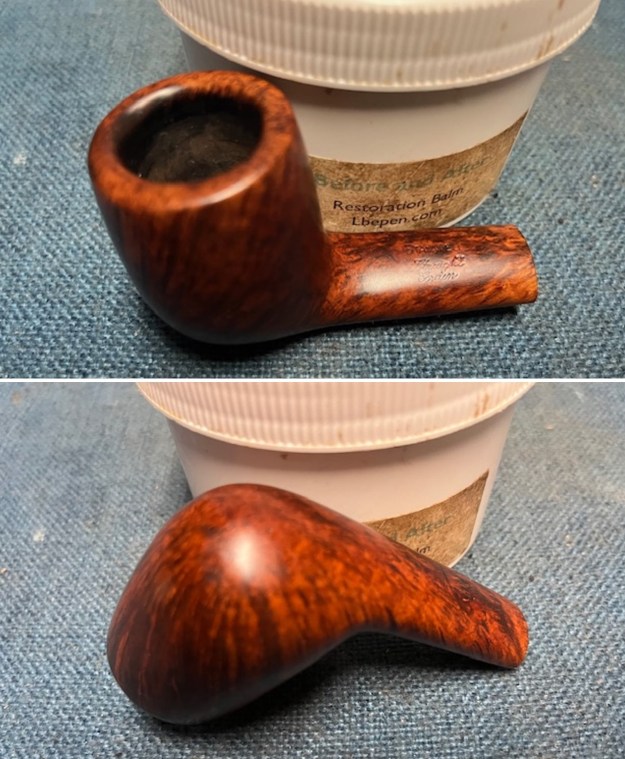
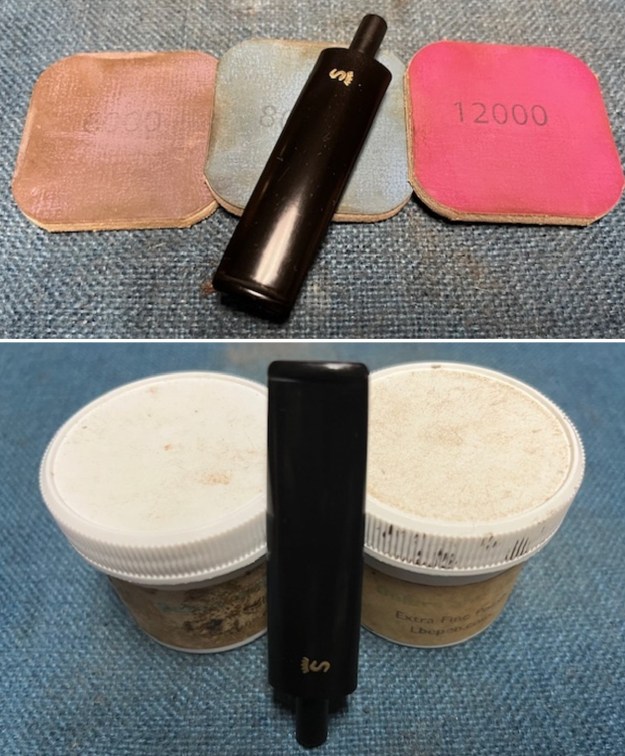
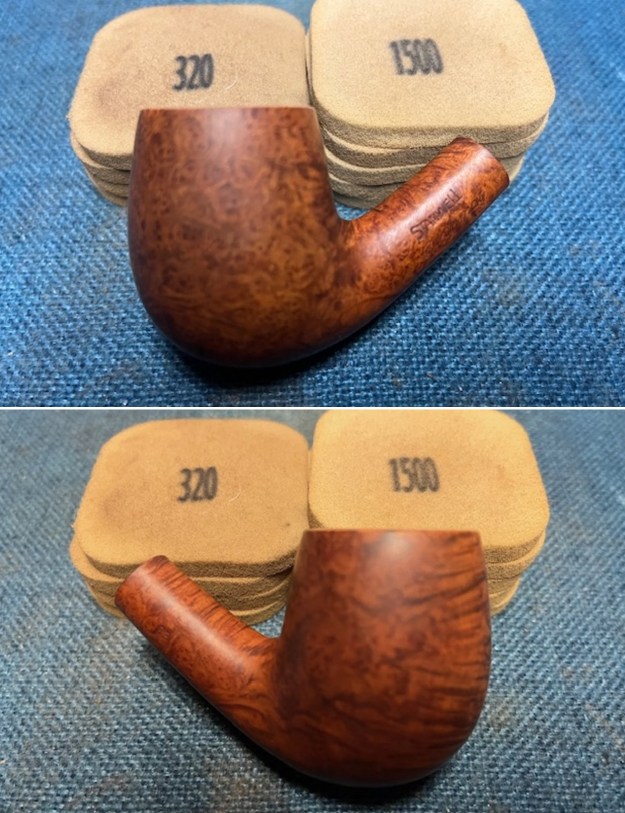
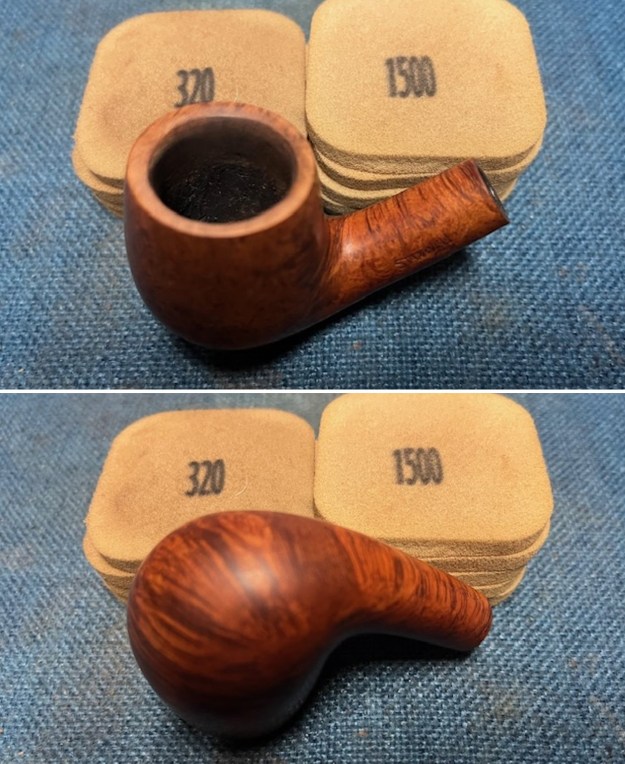
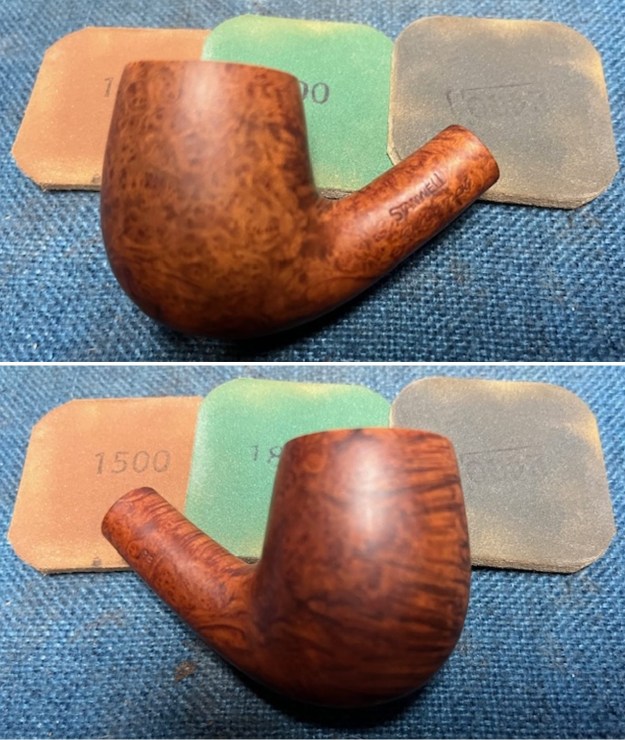
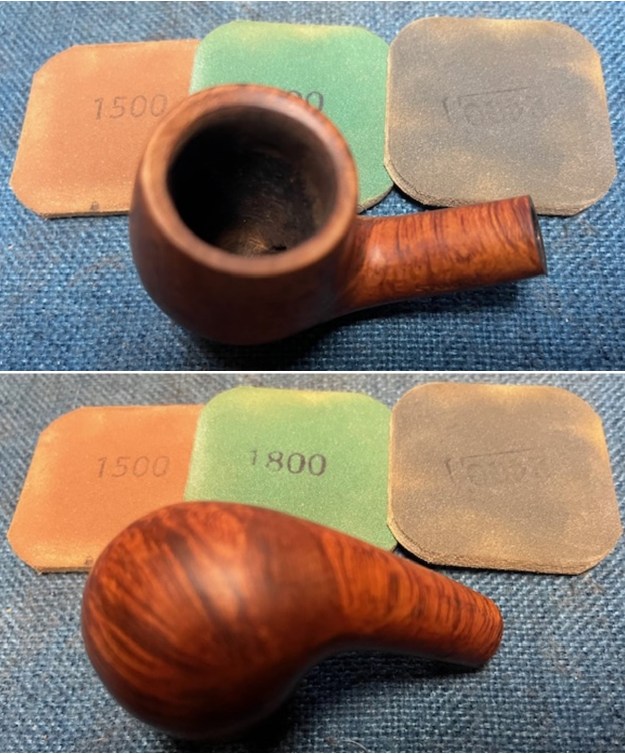
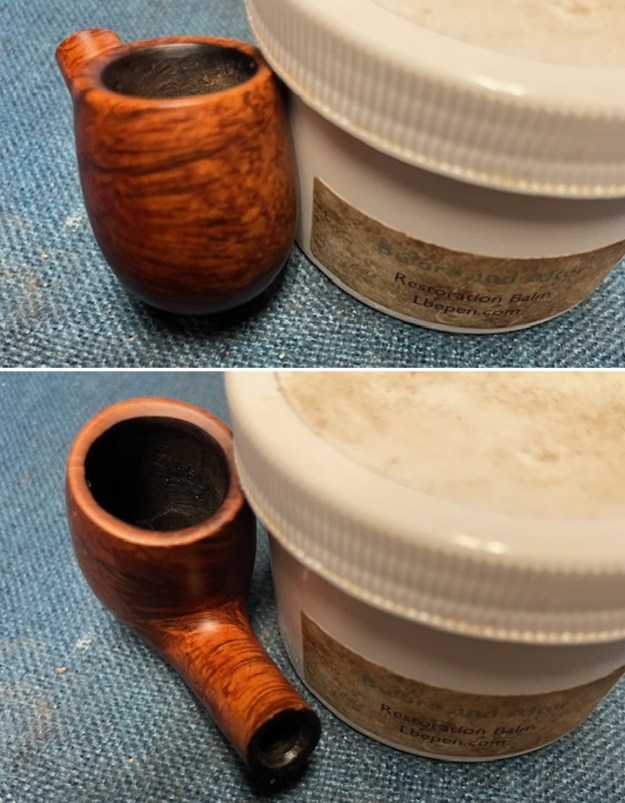
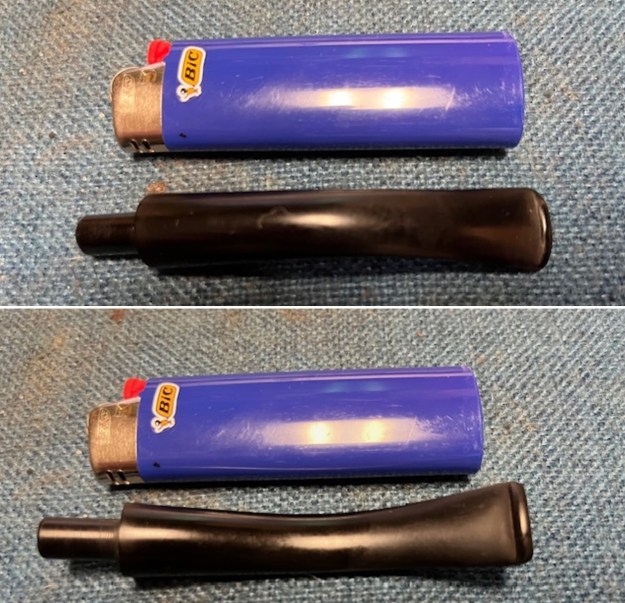
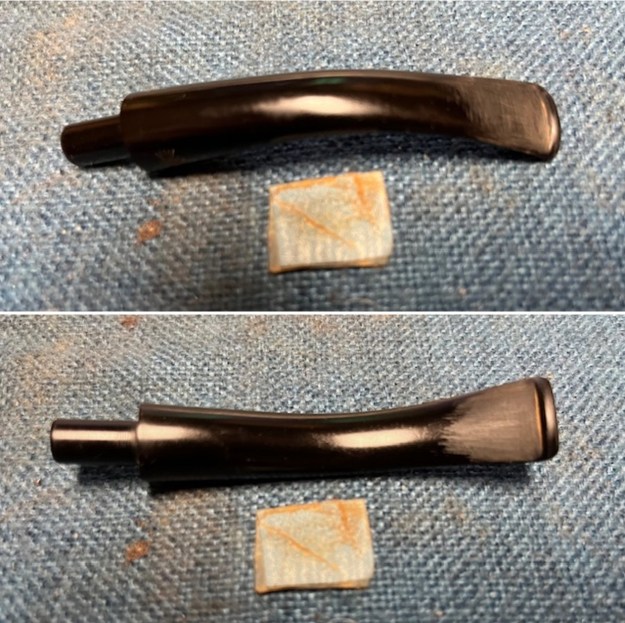
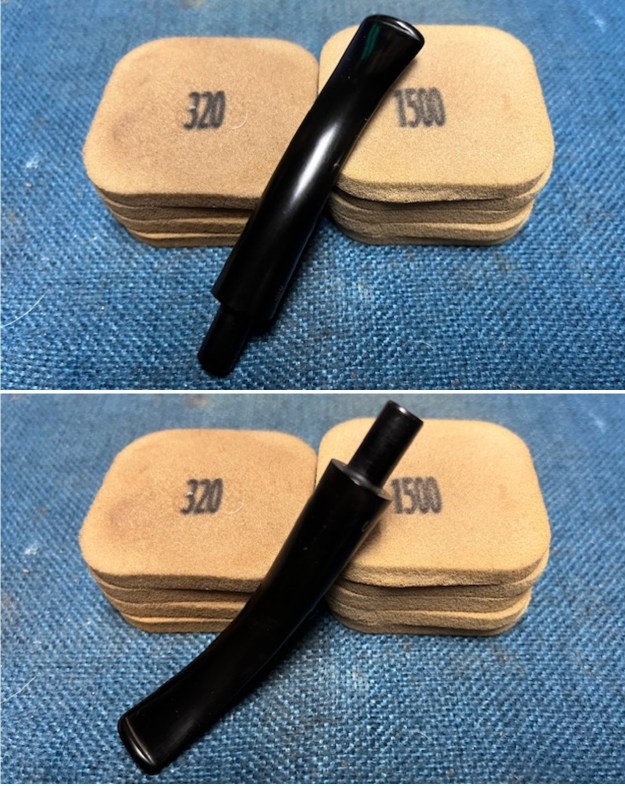
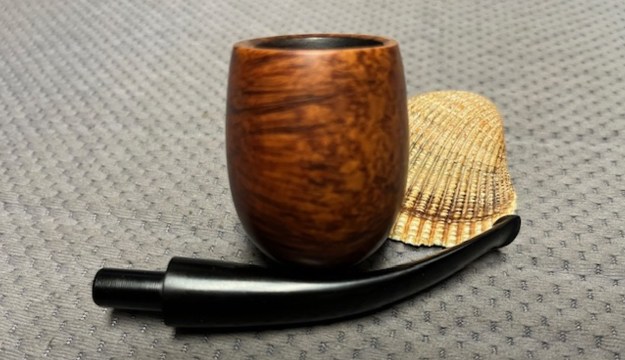
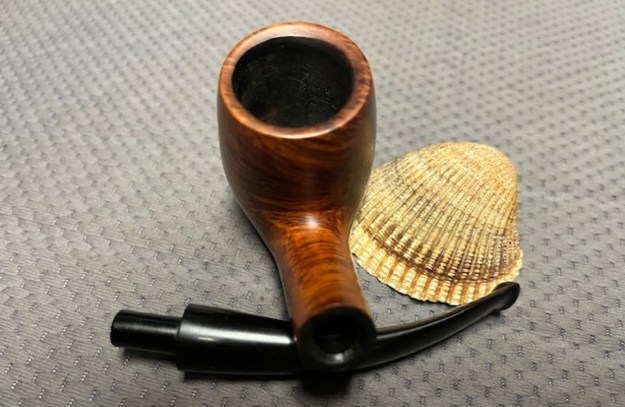
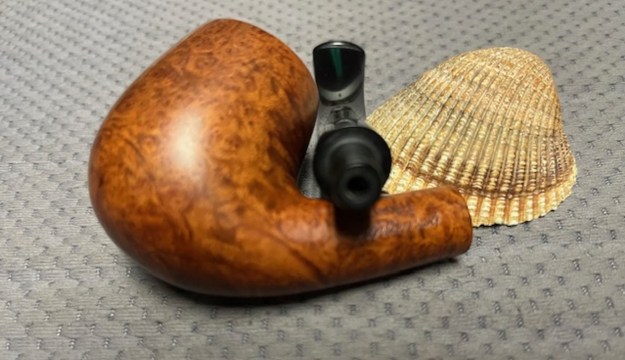
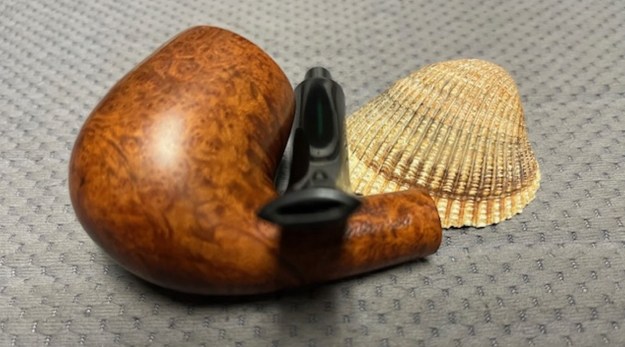
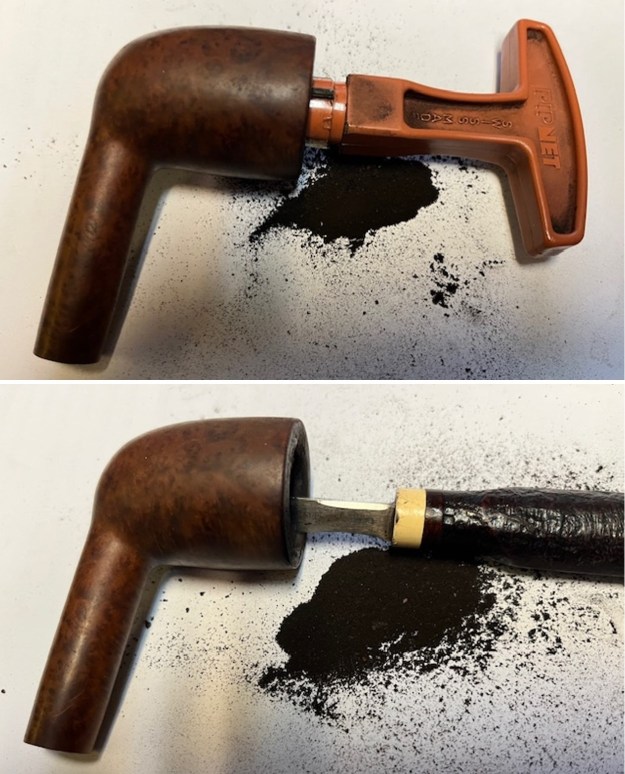
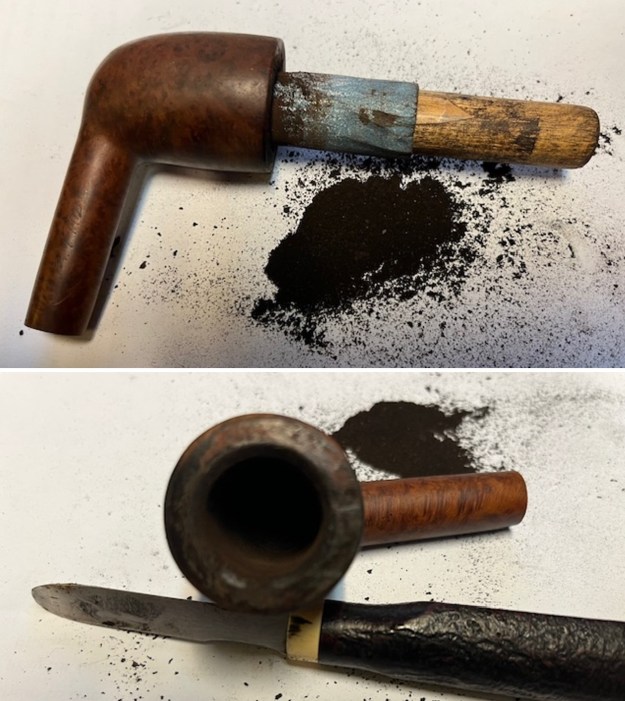
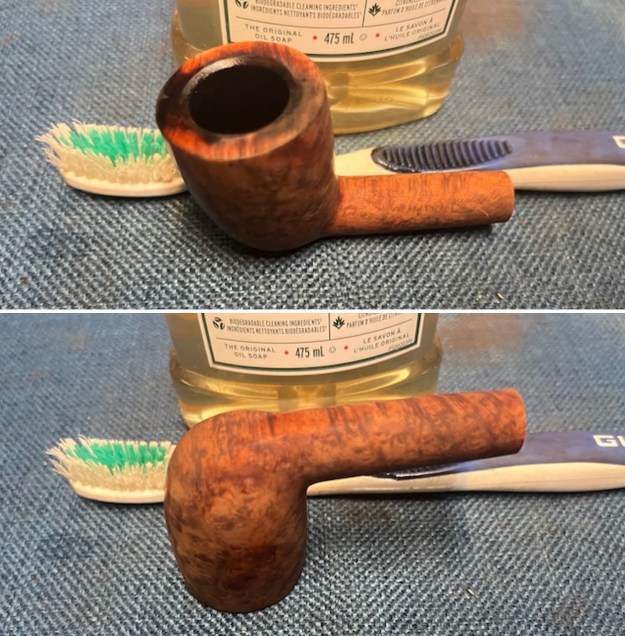
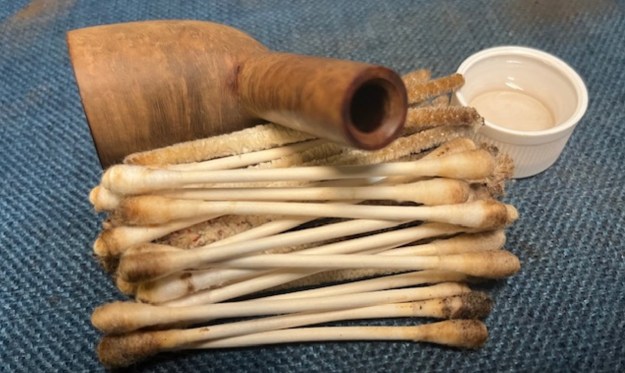
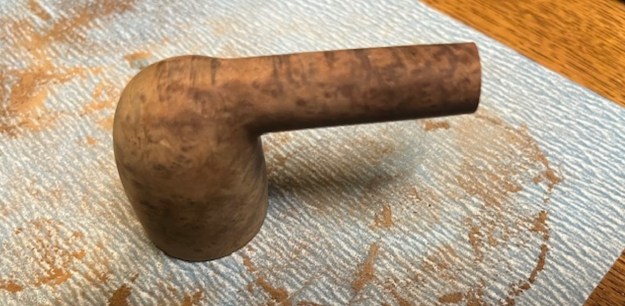
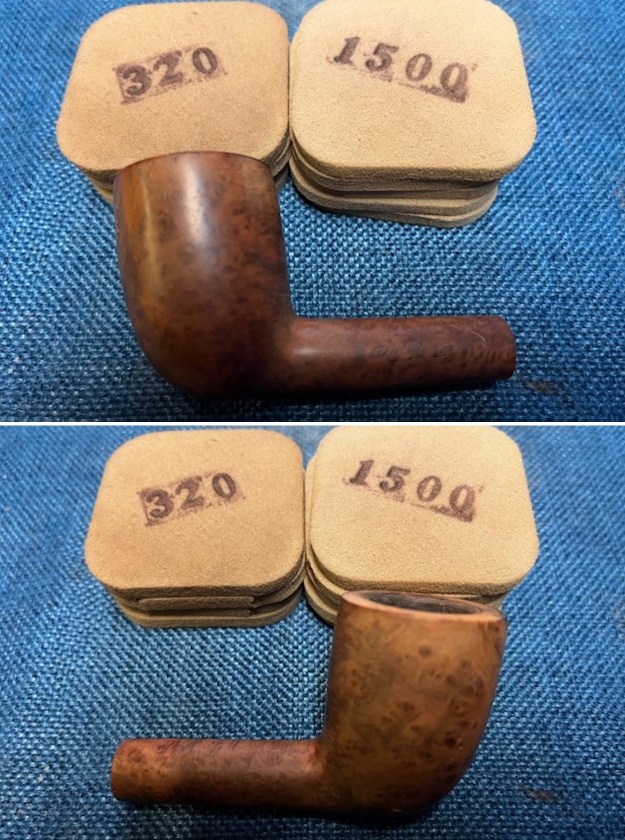
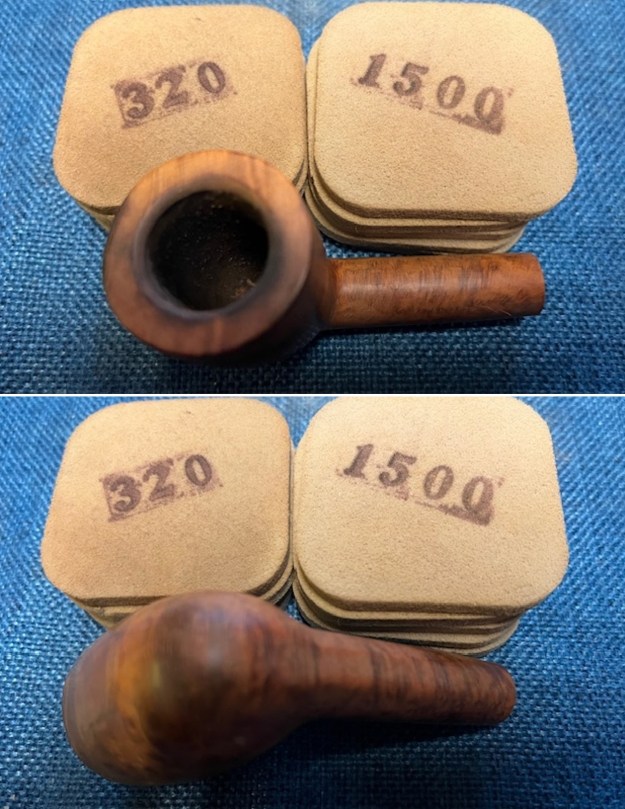
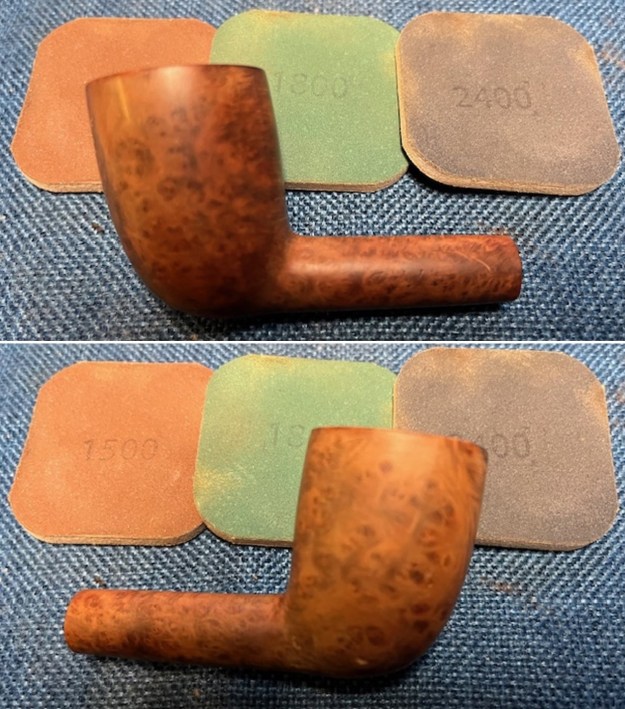
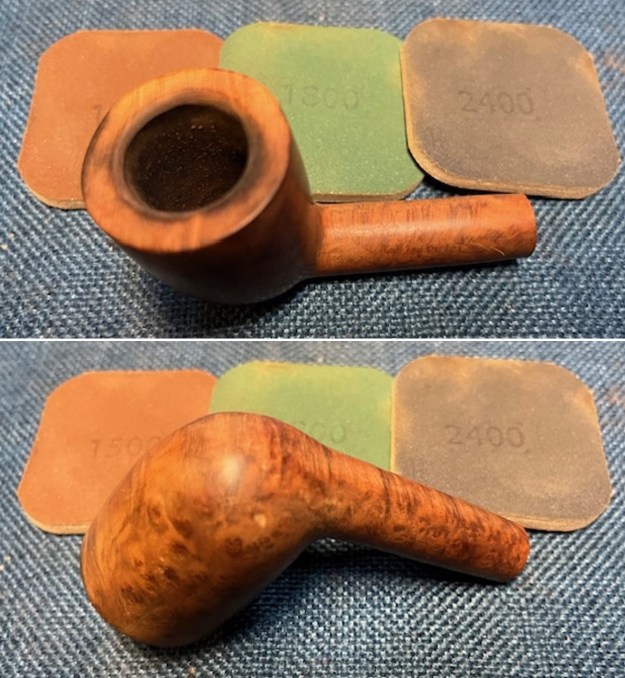
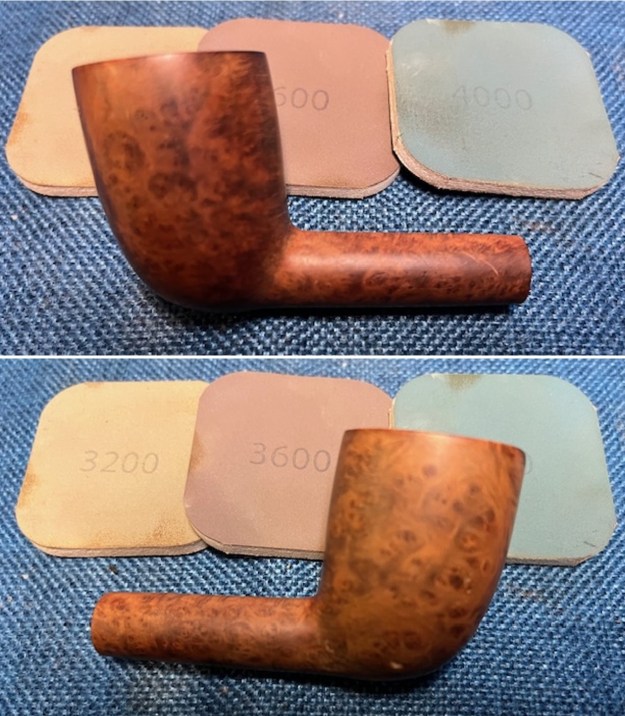
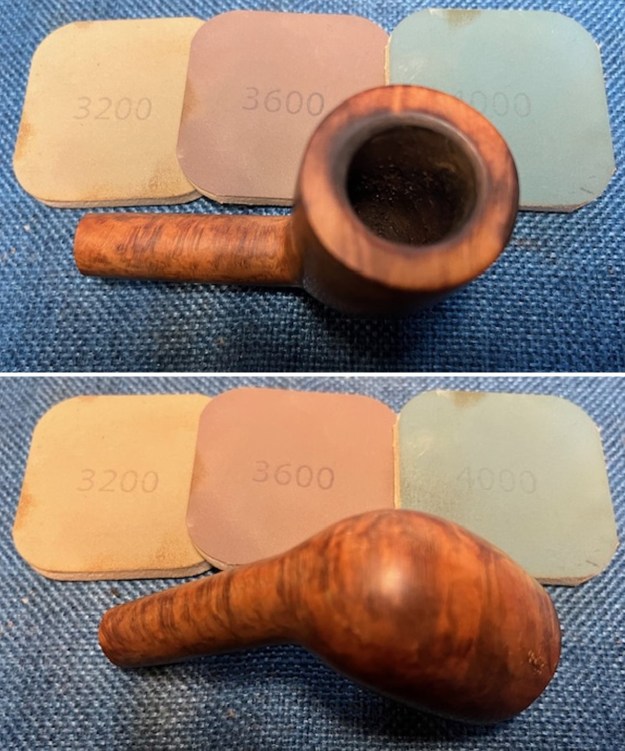
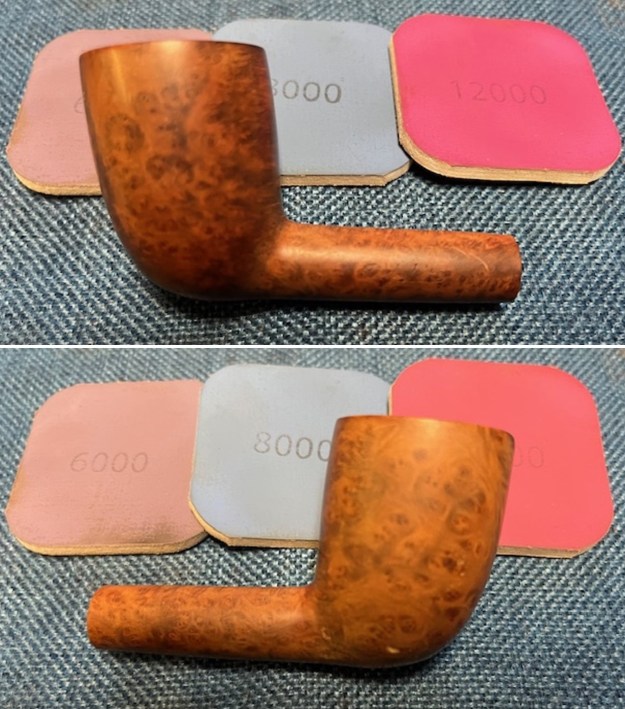
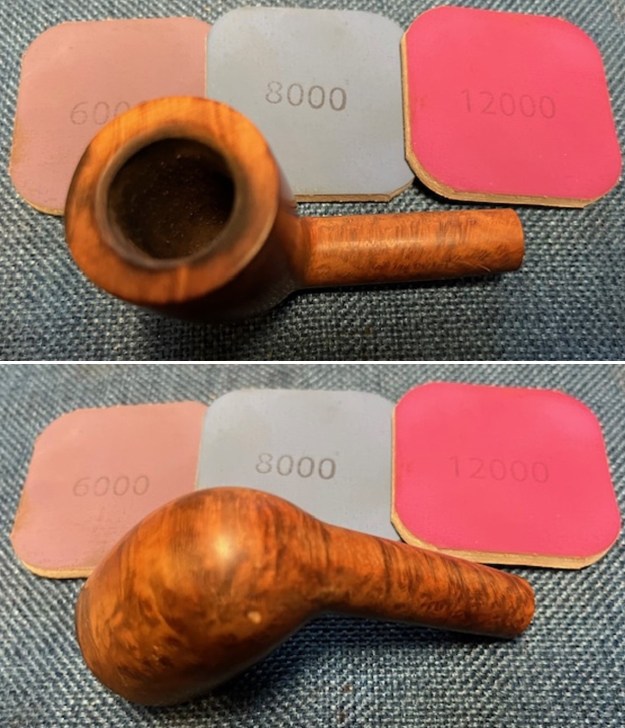
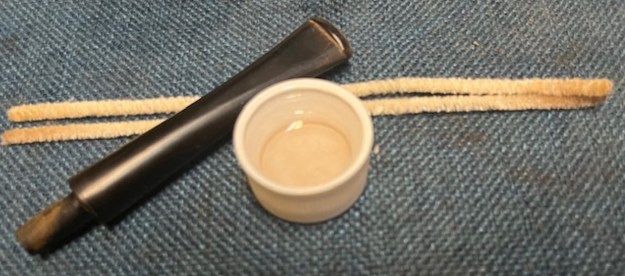
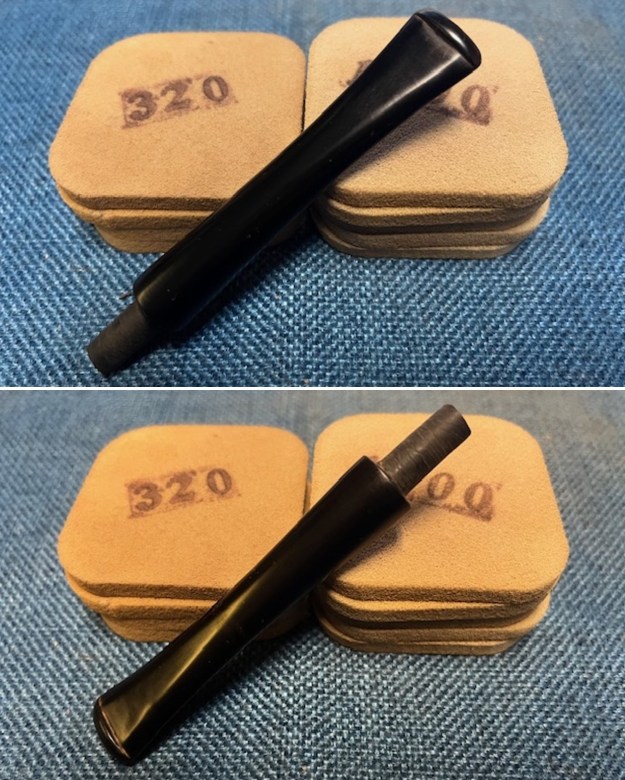
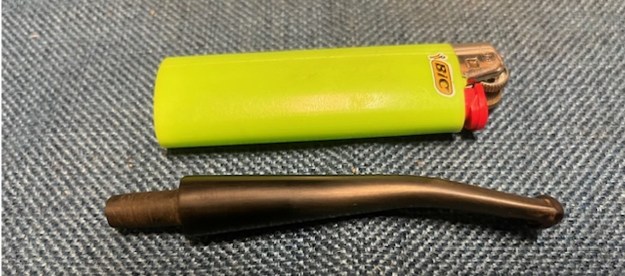
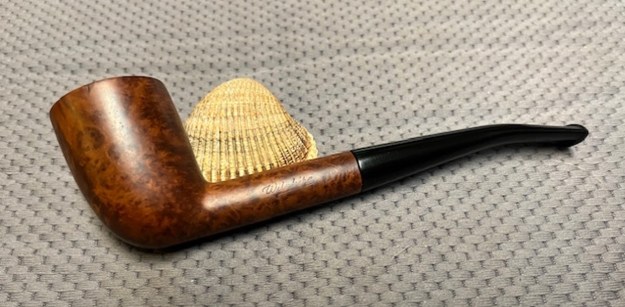
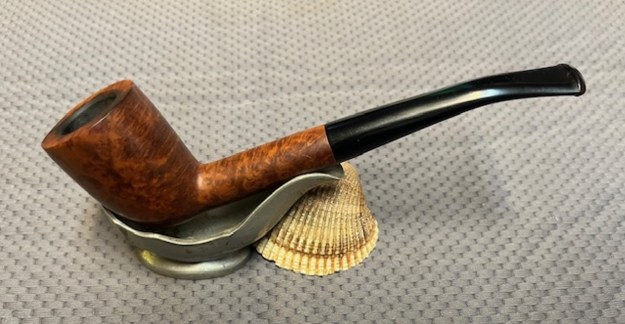
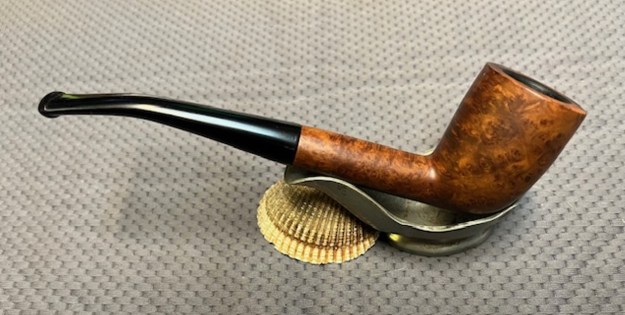
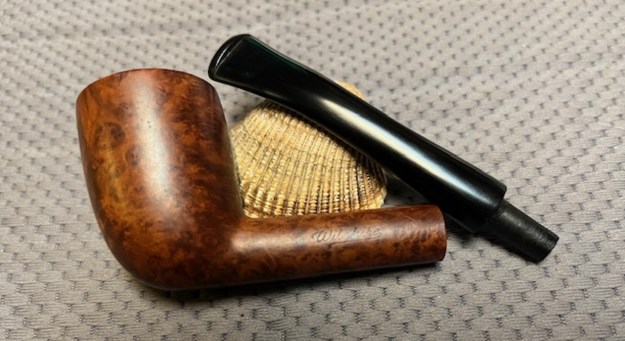
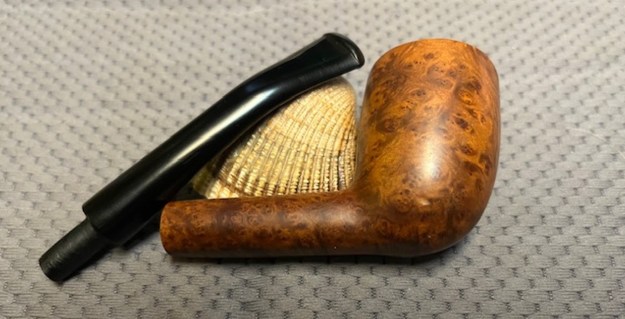
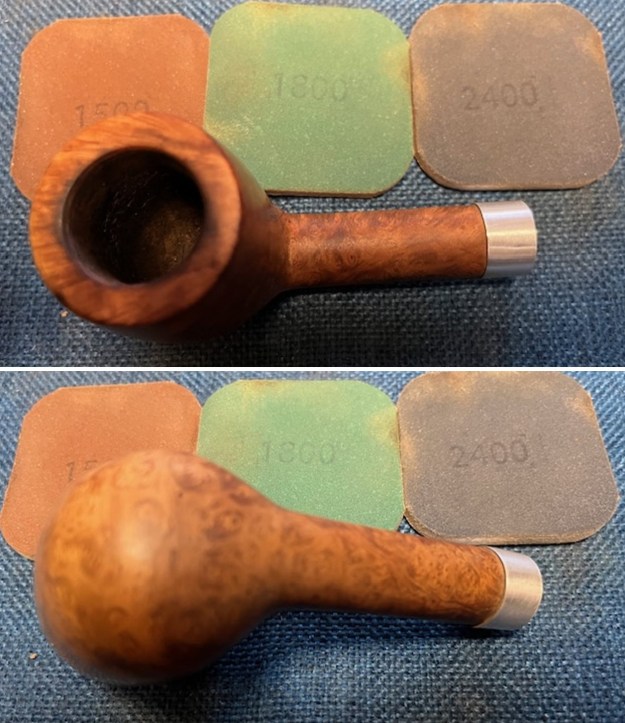
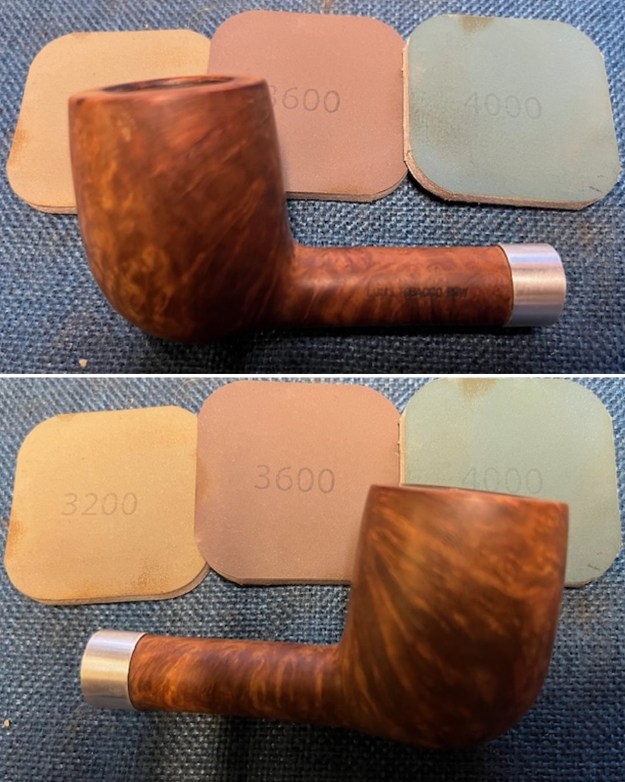
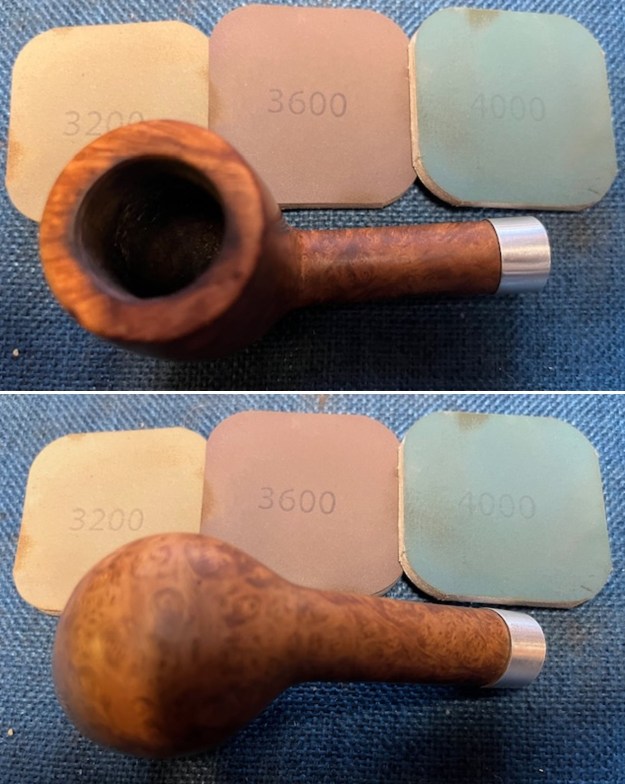
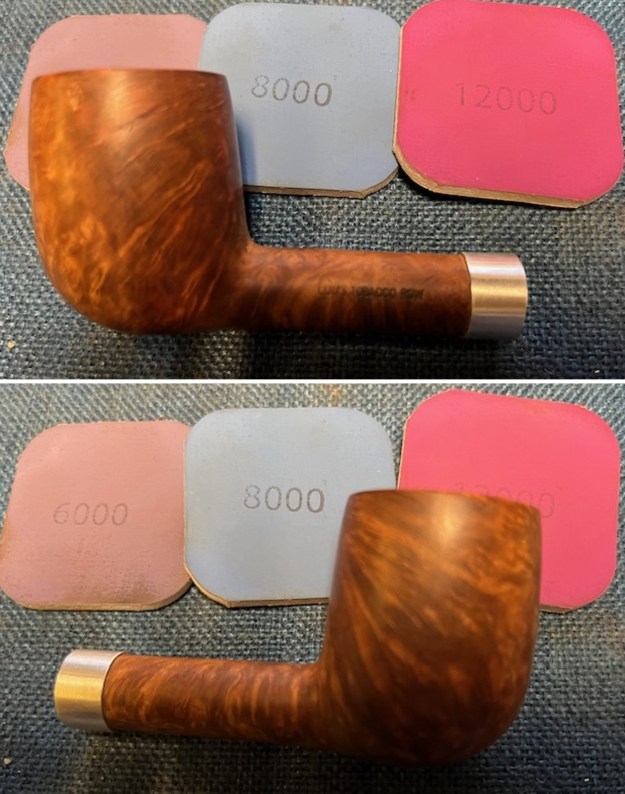
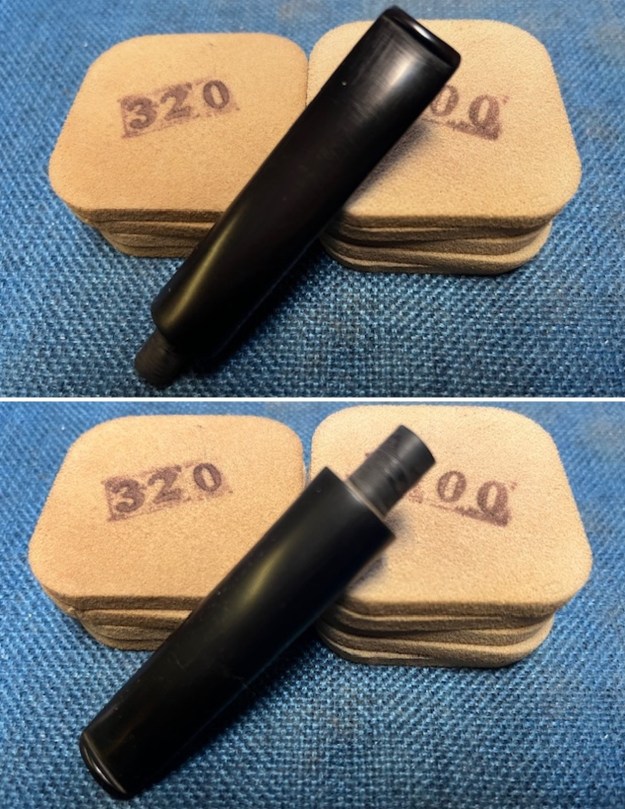
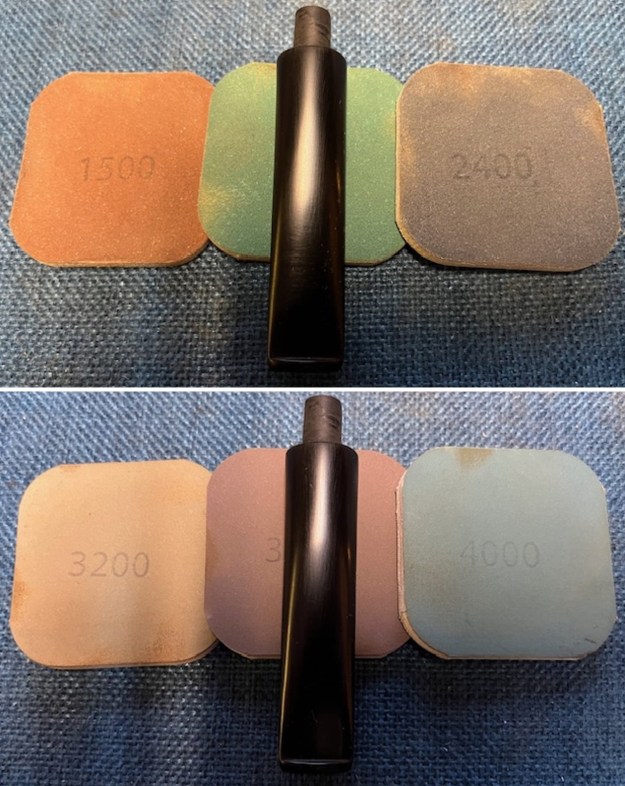
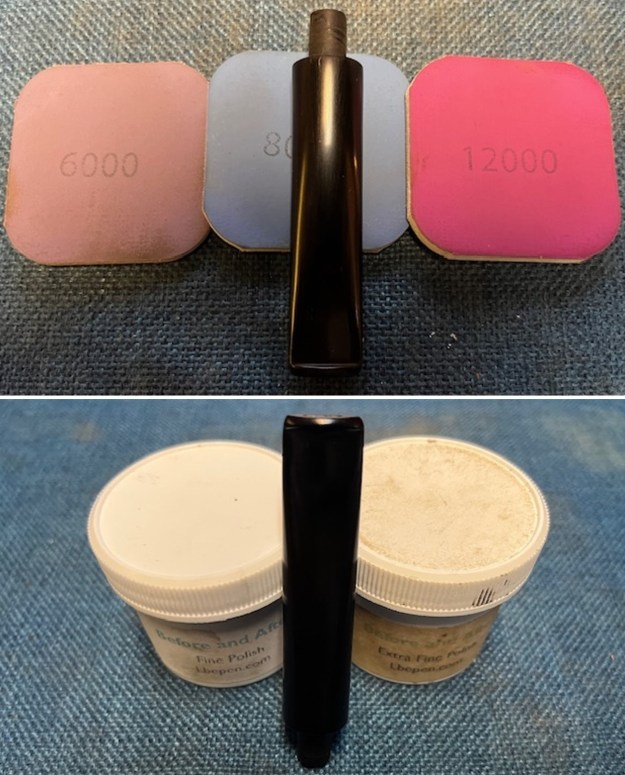
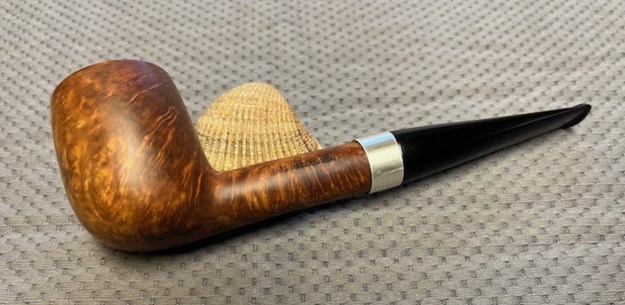
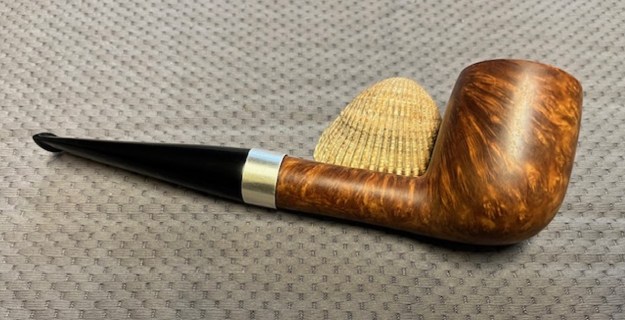
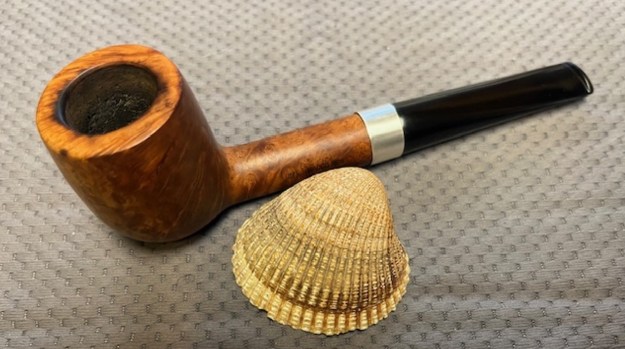
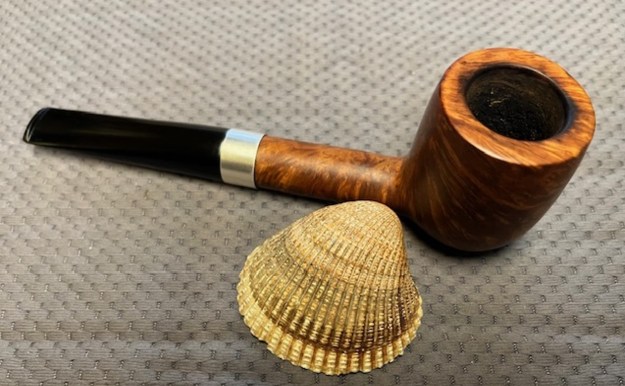
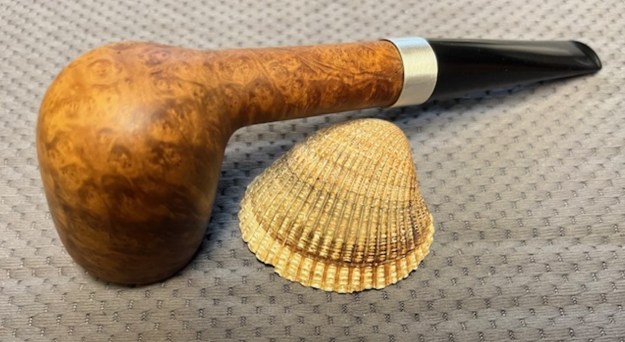
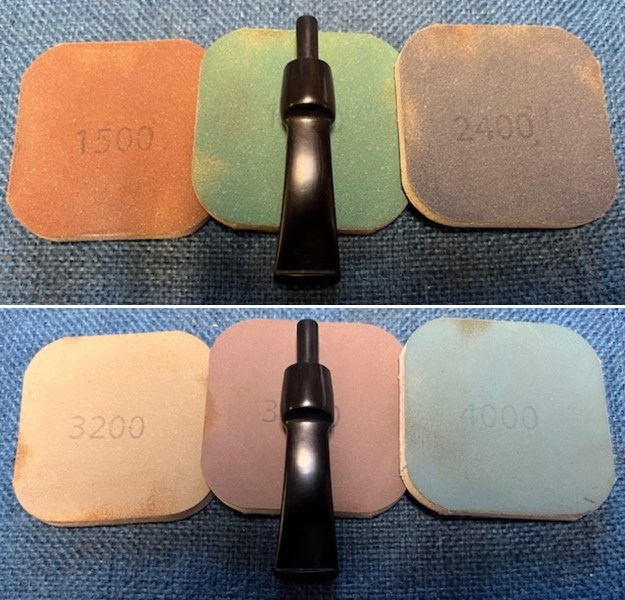
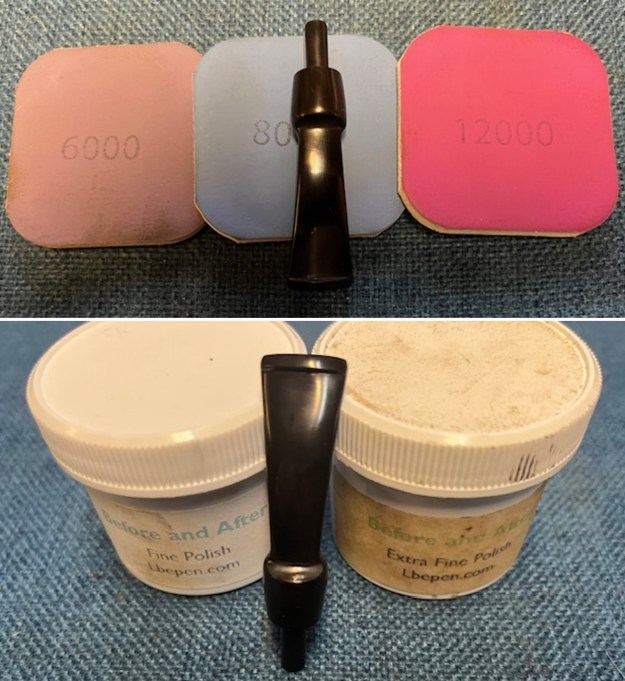
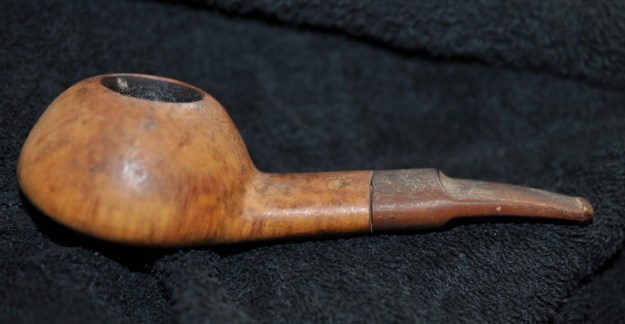
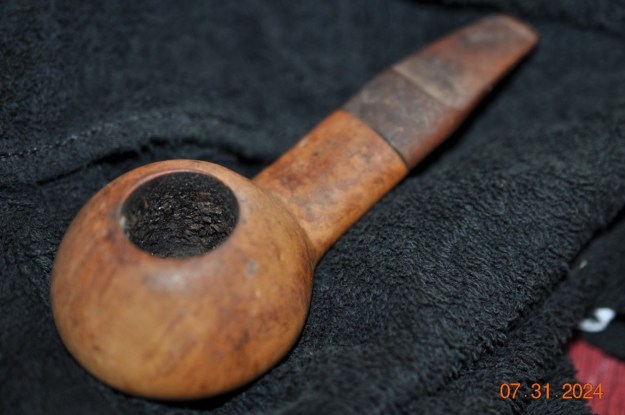
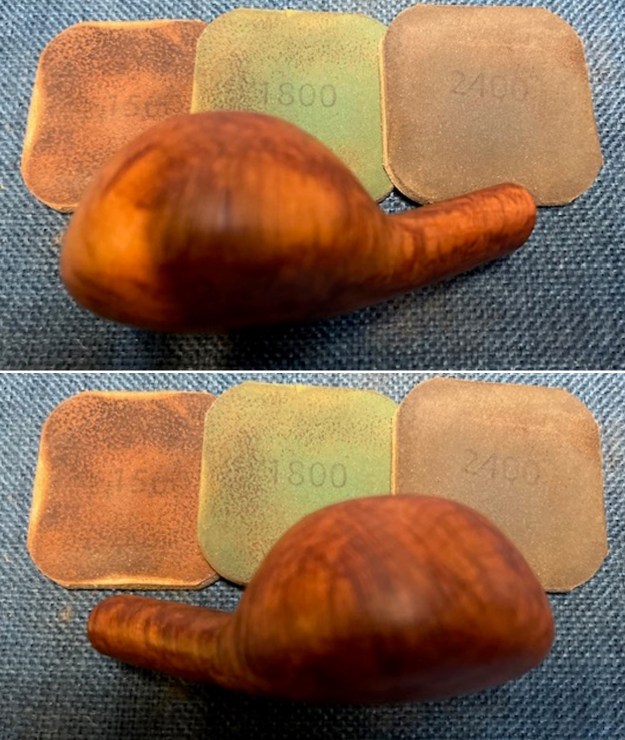
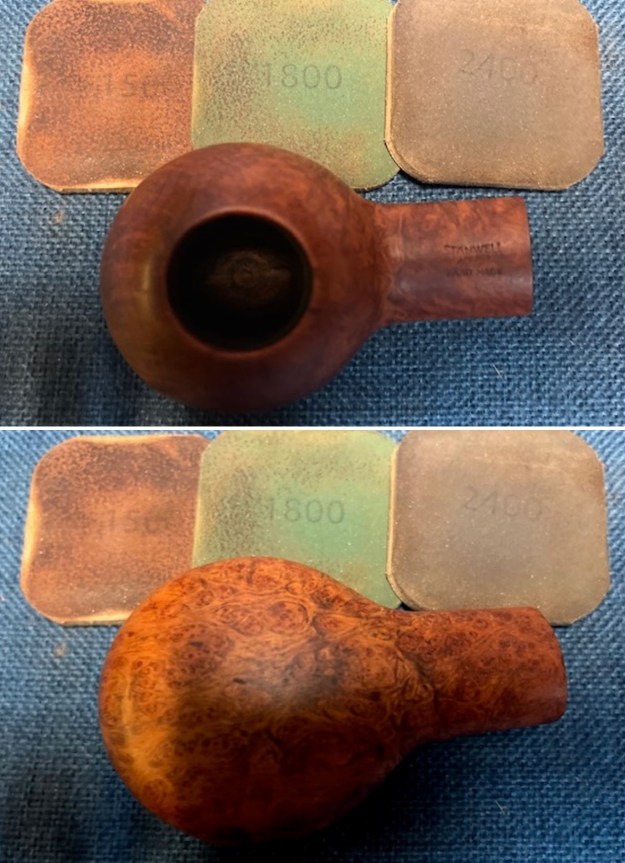
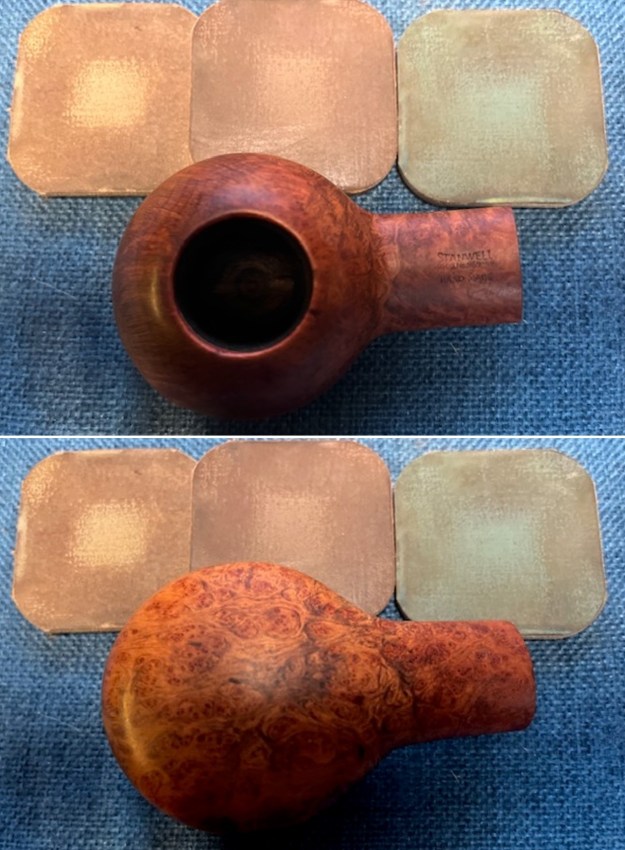
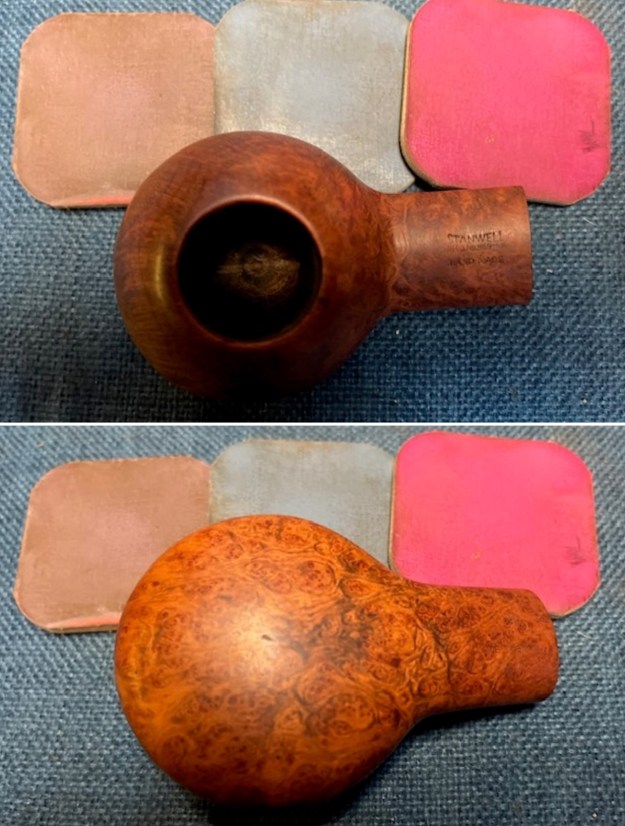
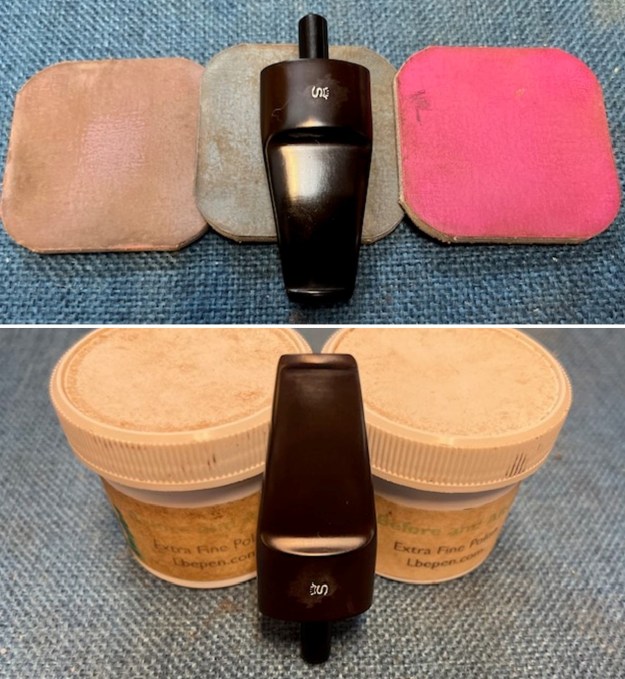
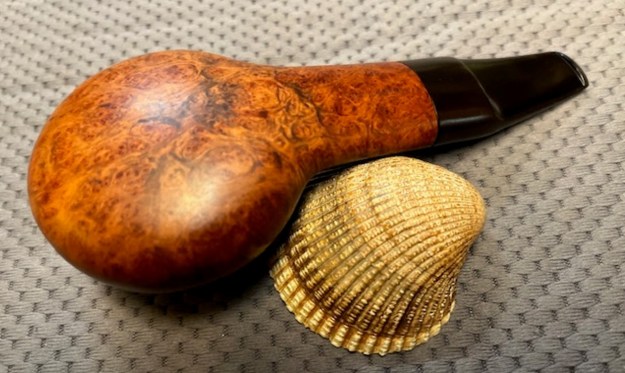
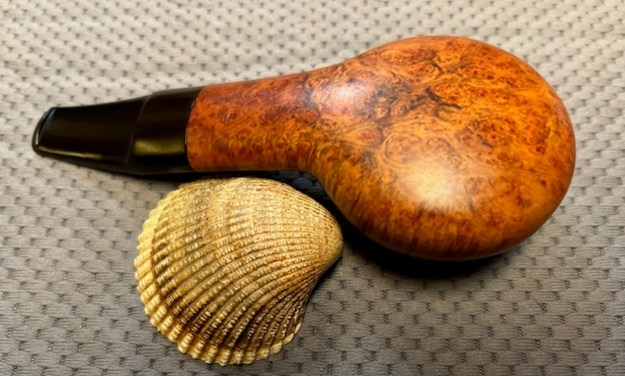
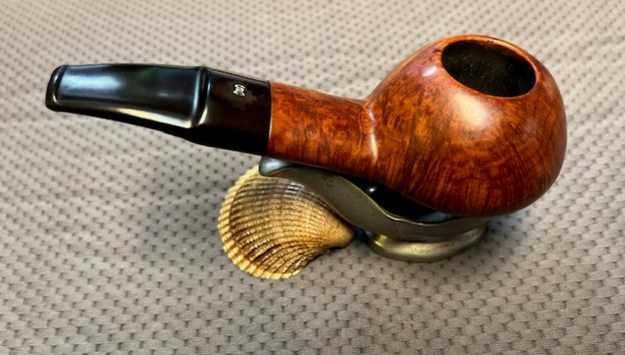
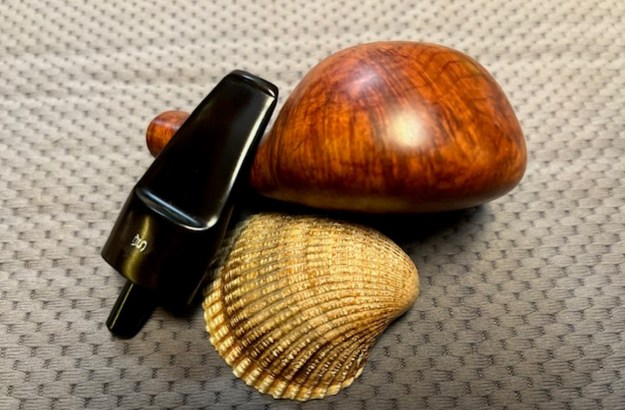
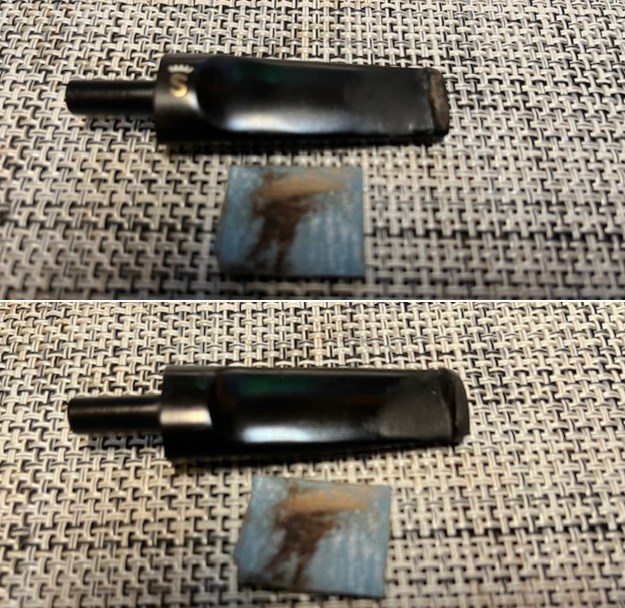
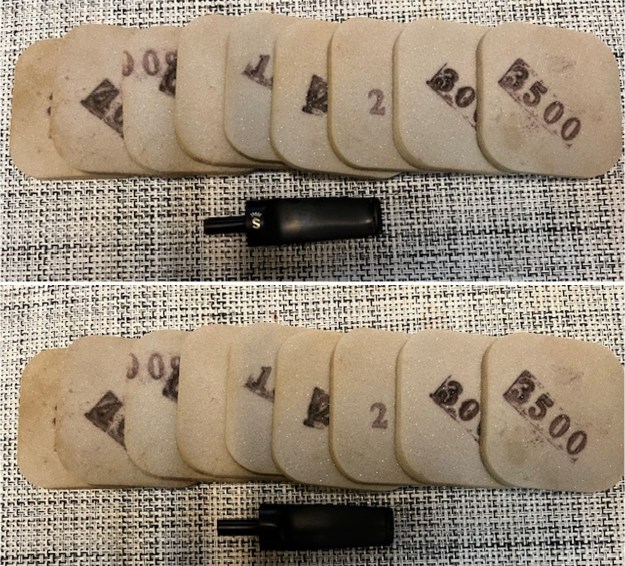
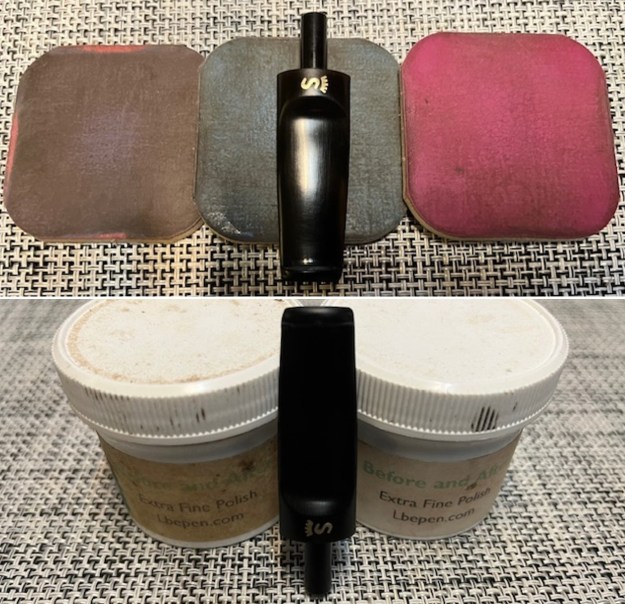
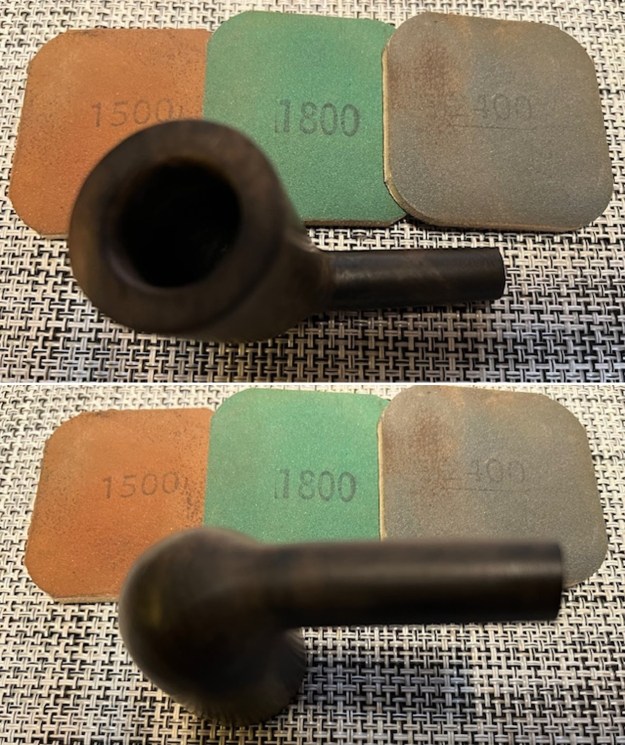
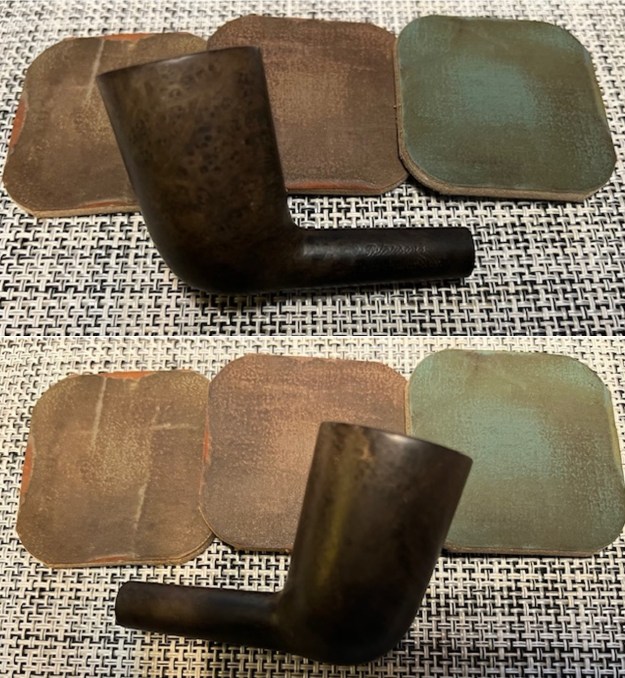
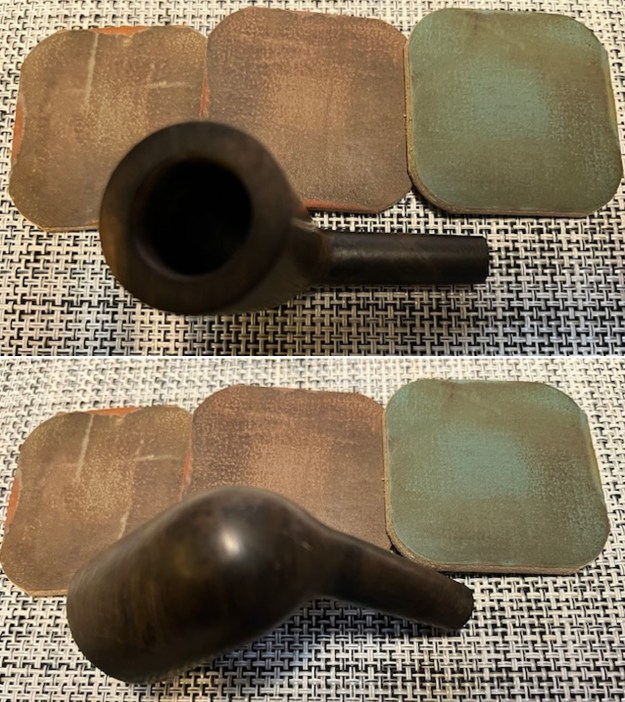
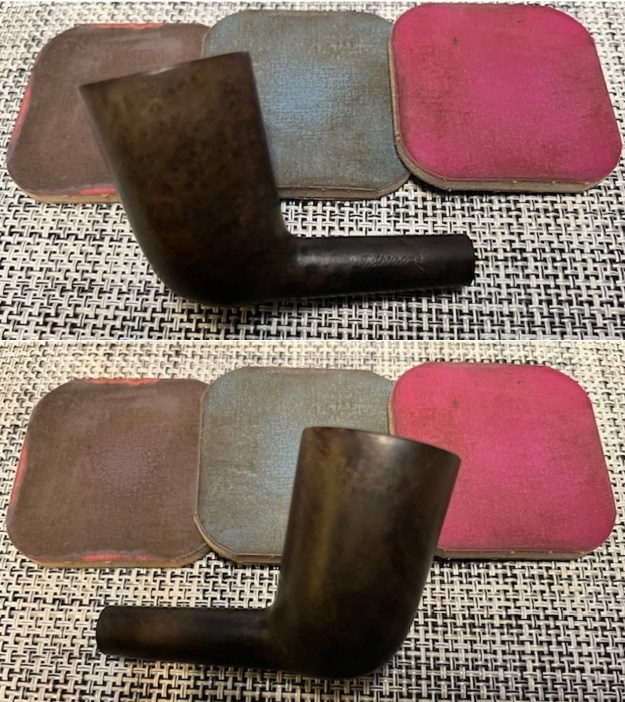
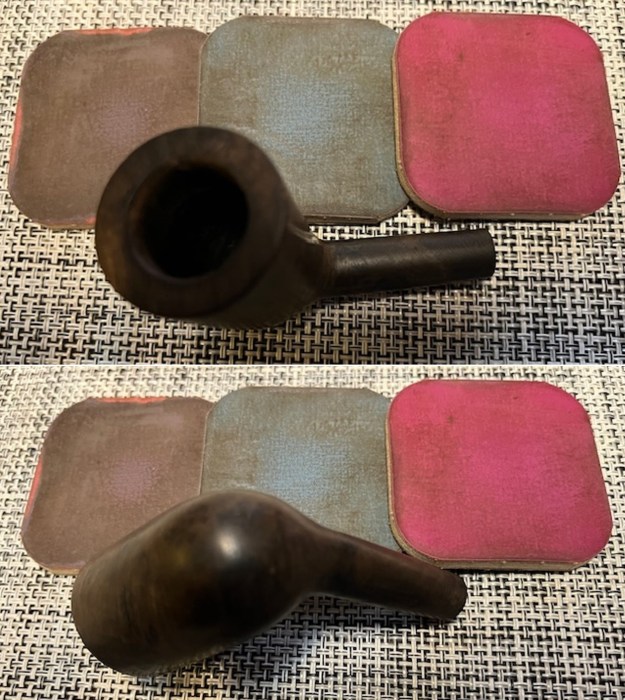
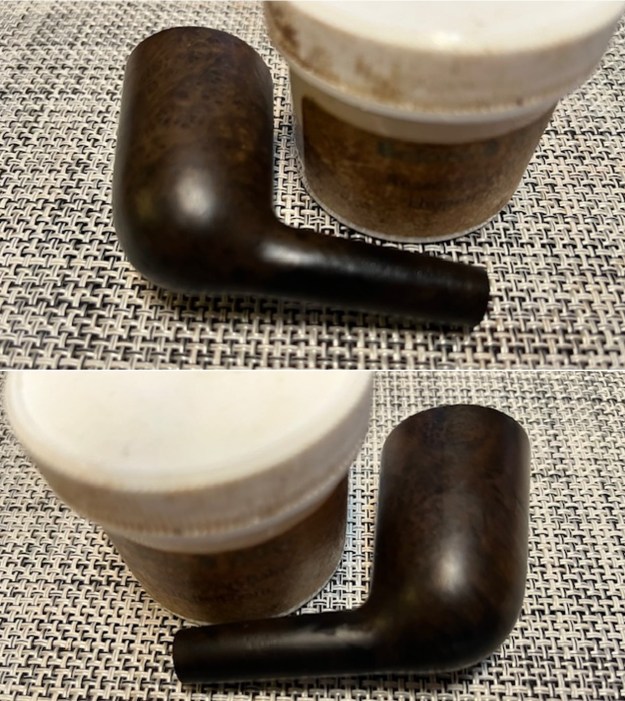
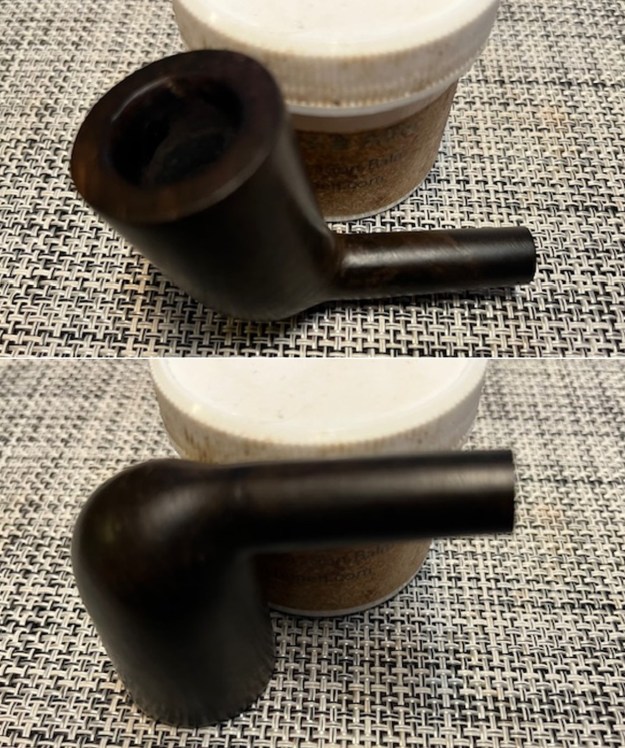
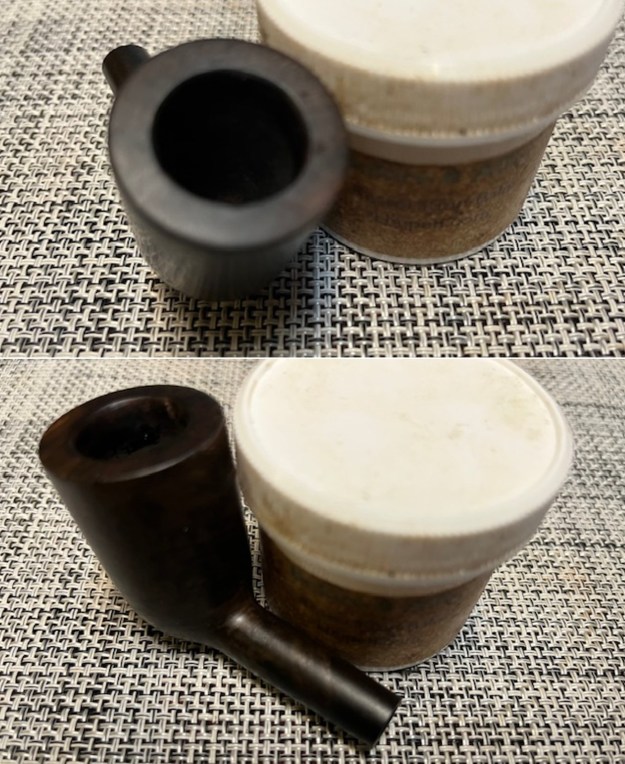
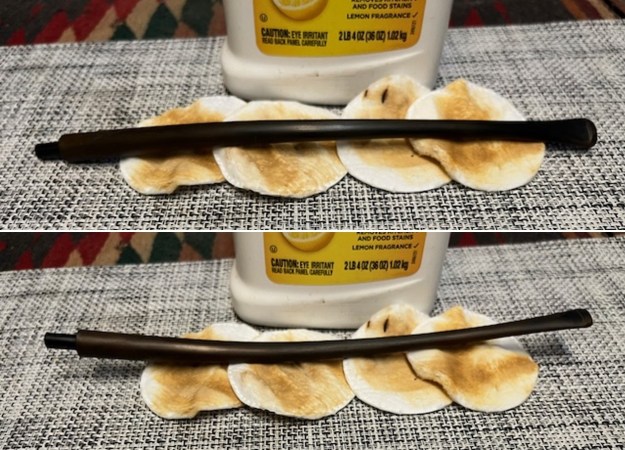
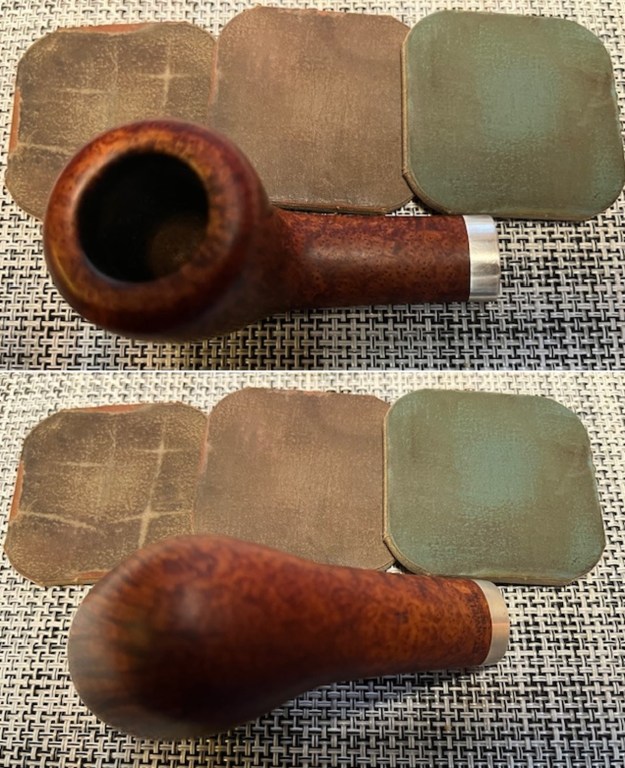
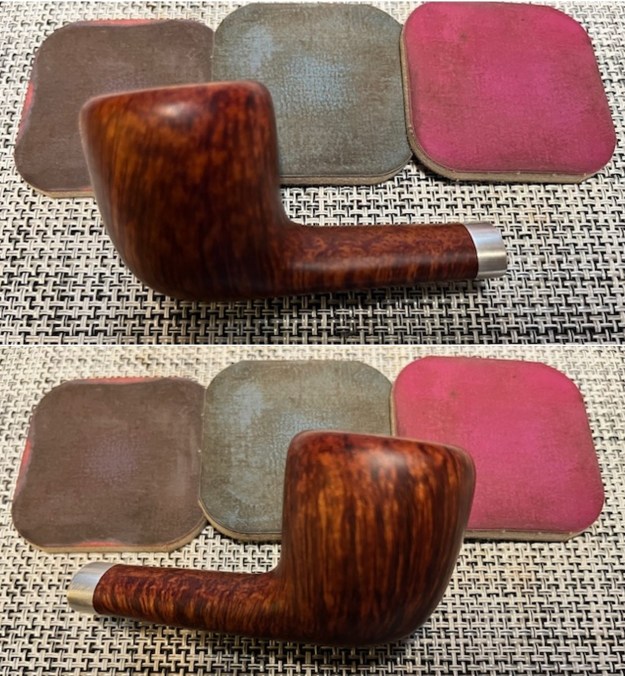
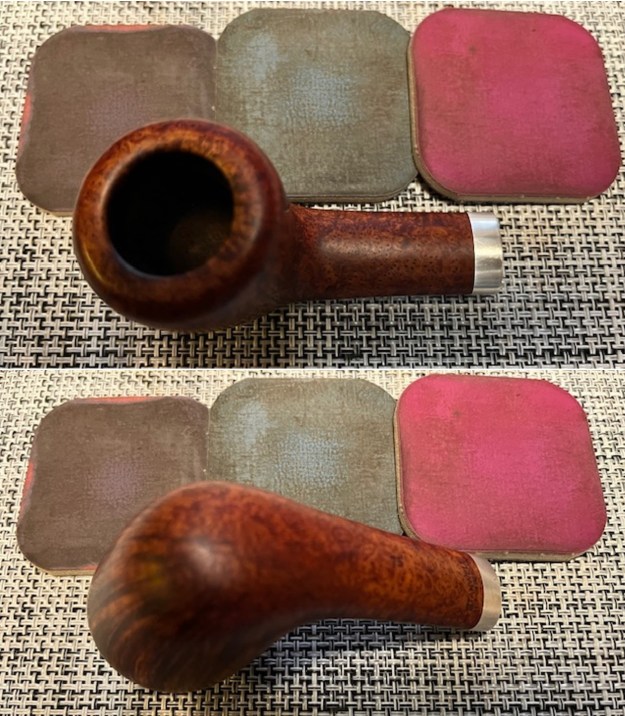
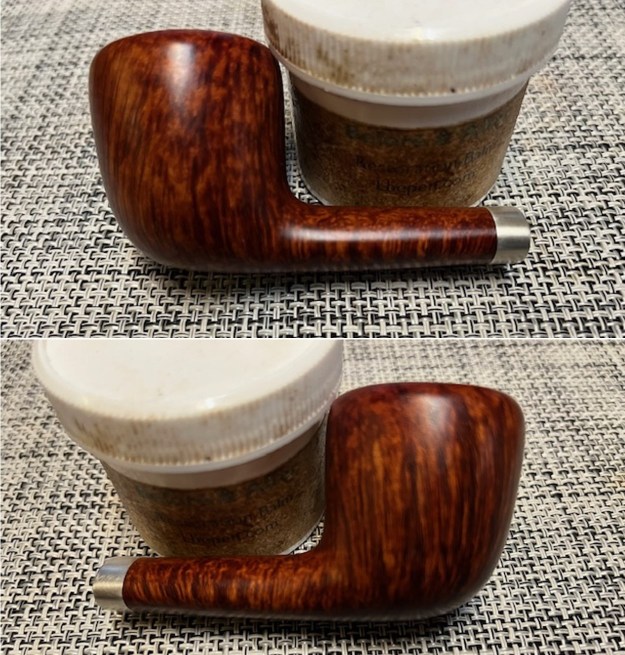
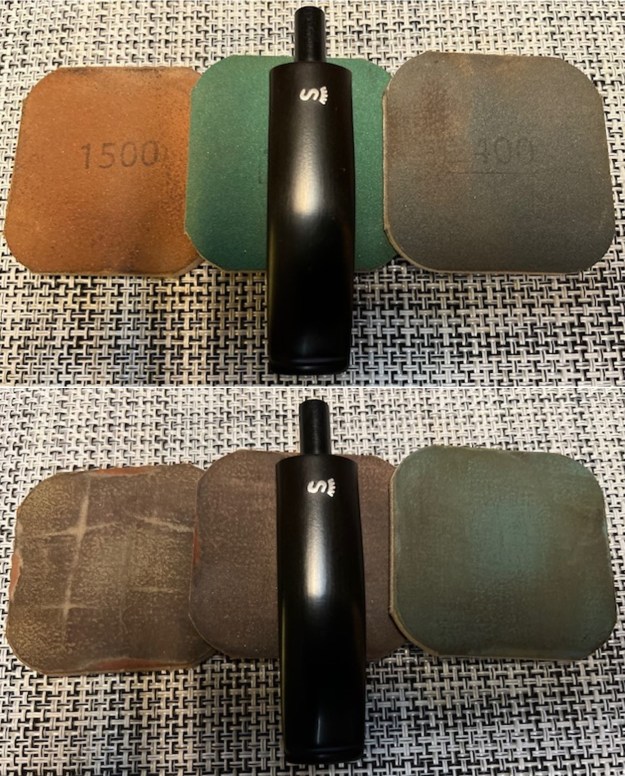
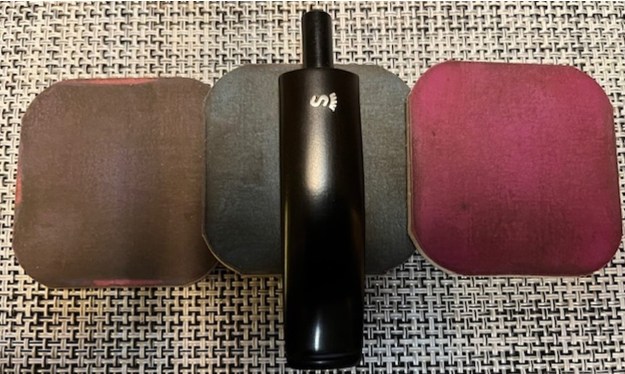
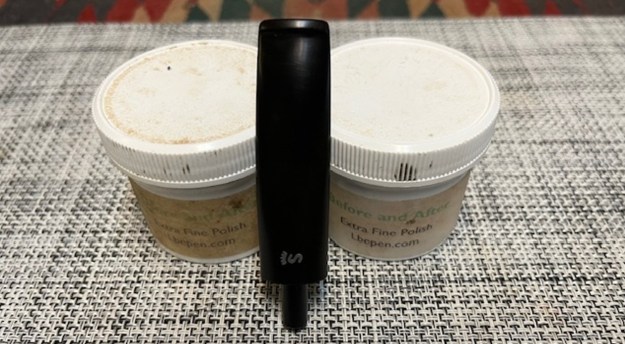
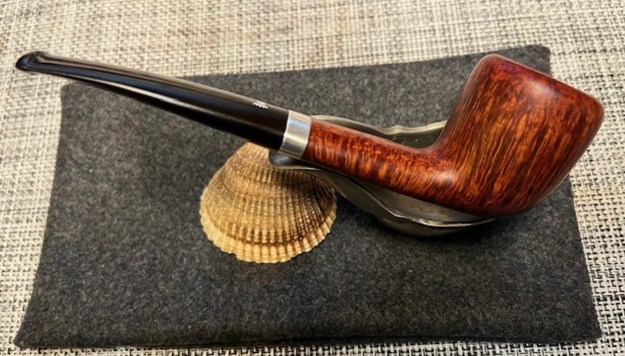
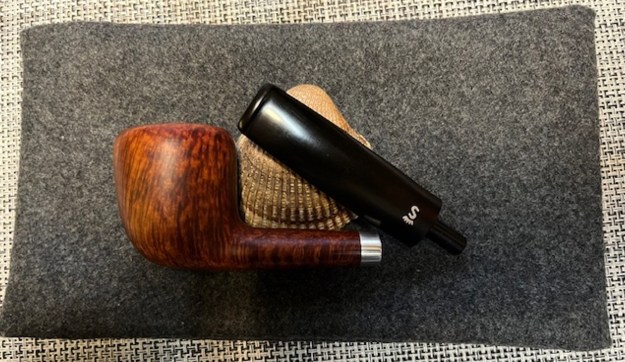
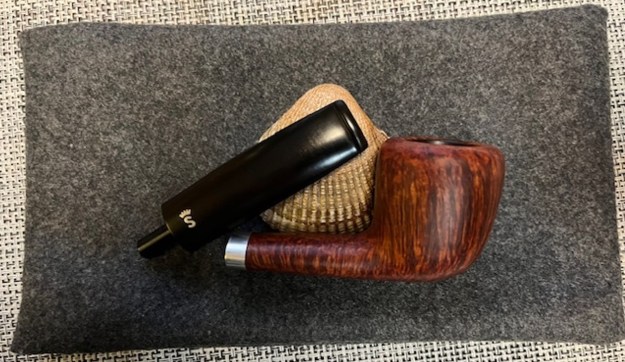
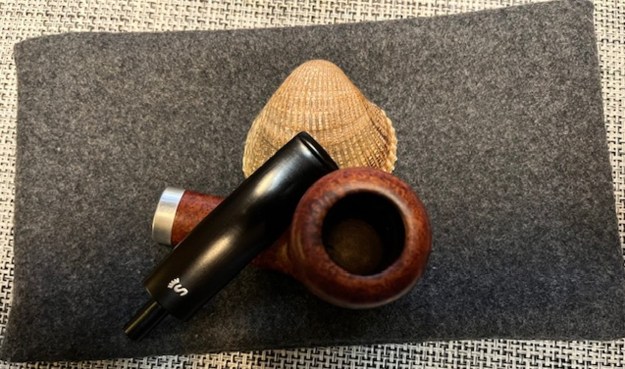
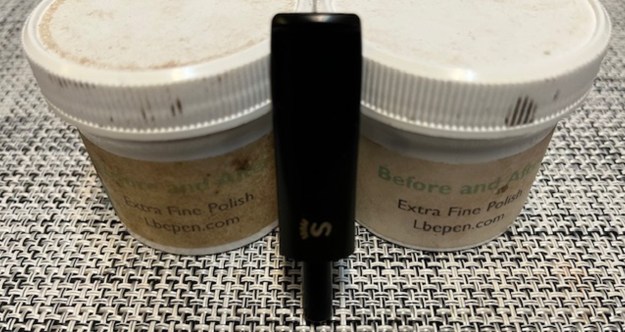
I reamed the bowl with a PipNet Pipe Reamer to take the cake back to bare briar. I cleaned up the remnants of cake with a Savinelli Fitsall Pipe Knife and removed the remaining debris. I sanded the bowl walls smooth with a piece of 220 grit sandpaper wrapped around a piece of dowel. I scraped the lava coat off the rim top with the Savinelli Pipe Knife and removed all of it. I scrubbed the externals of the bowl and shank with undiluted Murphy’s Oil Soap and a tooth brush. I worked over the bowl, shank and rim top with the soap and then rinsed it off warm water. The bowl looked extremely good. There were some significant burn marks on the rim top and inner edge but the bowl itself was very clean. I cleaned out the internals of the bowl and shank with pipe cleaners, cotton swabs, shank brushes and 99% isopropyl alcohol. It was very clean and it looked and smelled far better. I really liked the look of the shank band on the shank end.I lightly topped the bowl on a topping board with 220 grit sandpaper. I wanted to remove the dips and burned areas from the rim top and flatten it for the next step in the process. I used a half sphere and some 220 grit sandpaper to clean up the inner bevel on the rim edge and smooth out that part of the bowl. It was far from perfect but it was smooth and it was flat. I used 320-3500 grit sanding pads to smooth out the scratches and nicks in the surface of the briar. There were many small scratches and nicks in the briar. I wiped the bowl down after each sanding pad with a damp cloth to remove the sanding dust and debris. It really began to look very good. The grain is quite lovely. I polished the briar with micromesh sanding pads – dry sanding with 1500-12000 grit pads and wiped it down the bowl after each sanding pad. I rubbed the bowl and shank down with Before & After Restoration Balm. I worked it into the surface of the bowl sides and shank with my fingertips to clean, enliven and protect the briar. I let the balm sit for a little while and then buffed with a cotton cloth to raise the shine. The Balm did its magic and the grain stood out. I went through my can of stems and found one that was the right taper for the pipe bowl I was working on. It had the right look and would need shaping. I was not sure that the original stem had been bent so I was uncertain about doing that with this new stem. I may just do it because Mario’s Dad had done it to the pipe when he had it! I cleaned out the internals of the stem with alcohol and pipe cleaners. It was surprisingly clean so it was ready to work on it to make a proper fit.I sanded the stem to smooth it out with 320-3500 grit sanding pads. I wiped the stem down after each pad with an Obsidian Oil cloth. It was beginning to look very good.I used the lighter to soften the stem enough to bend it the same bend as the other stem had. It looked very good.I polished the stem with micromesh sanding pads – 1500-12000 grit pads. I wiped it down with a damp cloth after each sanding pad. I used Before & After Pipe Polish – both Fine and Extra Fine to further polish the stem. This restored and restemmed Comoy’s Made Wilshire Dublin with a new vulcanite taper stem is a great looking pipe now that it has been restored. The beautiful finish really highlights the grain. I put the stem back on the bowl and carefully buffed the pipe with Blue Diamond on the buffing wheel. I gave the bowl and the stem multiple coats of carnauba wax on the buffing wheel and followed that by buffing the entire pipe with a clean buffing pad. I hand buffed the pipe with a microfiber cloth to deepen the shine. The rim top shows some burns marks that I could not remove as they were very deep. The finished Wilshire Dublin is a beautiful pipe, but it fits nicely in the hand and feels great. Give the finished pipe a look in the photos below. The dimensions of the pipe are Length: 6 inches, Height: 1 ¾ inches, Outside diameter of the bowl: 1 ¼ inches, Chamber diameter: ¾ of an inch. The weight of the pipe is 38 grams /1.31 ounces. This is the second of six pipes that I am restemming and restoring for Mario from his Dad’s collection. I look forward to hearing what he thinks of this newly restemmed pipe. Thanks for reading this blog and my reflections on the pipe while I worked on it.

Restemming and Restoring a Lou’s Tobacco Row Billiard


by Steve Laug

In November I received an email from Mario about working on some of his Dad’s pipes. Here is what he wrote to me.

I am desperately seeking help restoring and repairing some of my dad’s smoking pipes. I have tried reaching out to the only two known pipe repair establishments I could find in the entire country but one is not currently taking repair orders and the other said she didn’t want to try to repair these pipes without having even seen them. Would you be willing to take on the repairs or can you recommend anyone? Thank you much!!!—Mario

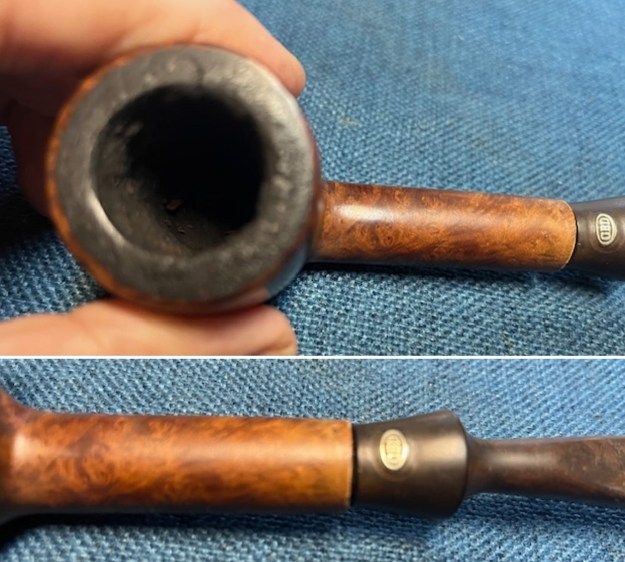
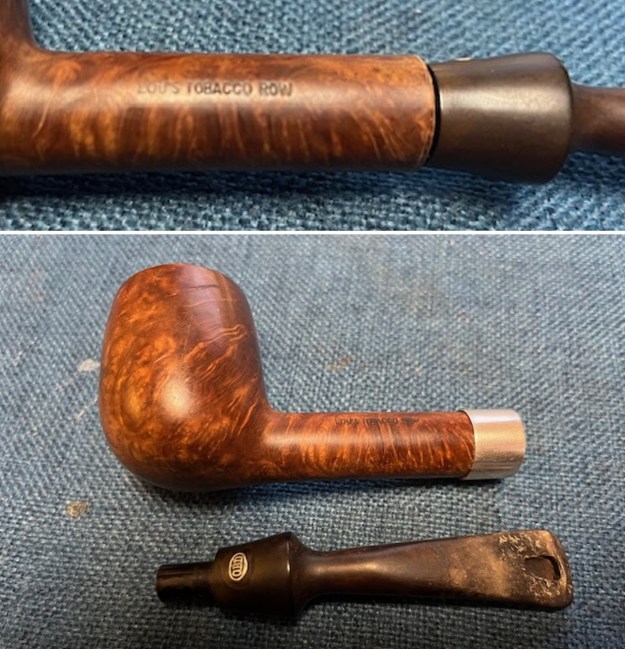
I wrote him back and asked him to send me photos of the pipes. He sent some single photos of the meerschaum bowl and stem, several of the leather clad Canadian and the photo of the rack and six pipes shown below. I looked through the photos and this is what I saw. There were two leather clad pipes a Canadian and a Pot. Both of them were cracked on the shanks and had been self-repaired with wire to hold the cracked shank together. The leather cladding was torn and the stitching was rotten and broken around the bowl. To me they were both unrepairable. There was a lovely older Meerschaum with a horn stem that needed a good cleaning and repairs to the horn stem. There were two Knute Freehand pipes with original stems that were dirty but fixable. The plateau on the smooth one had a large chunk of briar missing. There was a Dublin with a replacement stem that had been chewed through the topside.  Finally, there was a billiard that had been restemmed with a fancy GBD saddle stem on it. They were a messy lot but I told him to send them on to me. They arrived yesterday and the condition of the pipes in the photos was confirmed. They were a mess and needed much work. I have included Mario’s group photo below to show the lot.This morning I decided to start working on the Billiard first. It was the one on the far right on top of the rack in the photo above. It was a billiard – not a GBD and the stem did not fit in the shank correctly and was a fancy saddle stem that had a huge bite through on the topside of it. The bowl had a thick cake on the walls and a heavy lava coat on the rim top. It was internally a mess. The finish was dirty and had a sticky coat on the right side of the bowl. There was a large fill on left side of the bowl near the top that had fallen out. There was a large crack in the shank on the right side that extended almost ¾ of an inch up the shank. The pipe was stamped on the left side of the shank and read Lou’s Tobacco Row. There was no other stamping on the shank sides. The stem was the wrong one. The diameter was less than the shank. The tenon was a bit large and when it had been used the shank had cracked. It would need to be banded and a new stem fit to the shank. I took photos of the pipe when I unpacked it to examine it. I have included those below. I took a photo of the bowl and rim top to give you and idea of what I see. You can see the thick cake in the bowl and the thick lava overflow on the rim top and inner edges of the bowl. I also included one photo of the stem. You can see that the stem is not correct. It does not fit the shank and it is going to need to be replaced.I took a photo of the stamping on the left side of the shank. It is clear and readable as noted above. I took a photo of the bowl with the incorrect stem removed to give a sense of the proportion and appearance of the pipe without the stem. You can see the damage on the stem top so it is no question that it needs to be removed.I could not find any information on Lou’s Tobacco Row either as a pipe or a pipe shop. I googled and a Lou’s Tobacco Bar in Milwaukee, Wisconsin, USA but nothing with the stamp on this pipe. It remains a bit of a mystery to me.

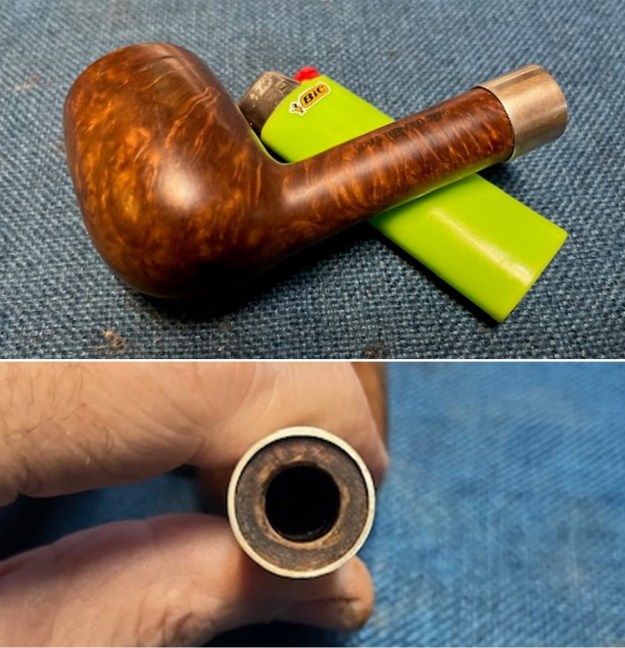
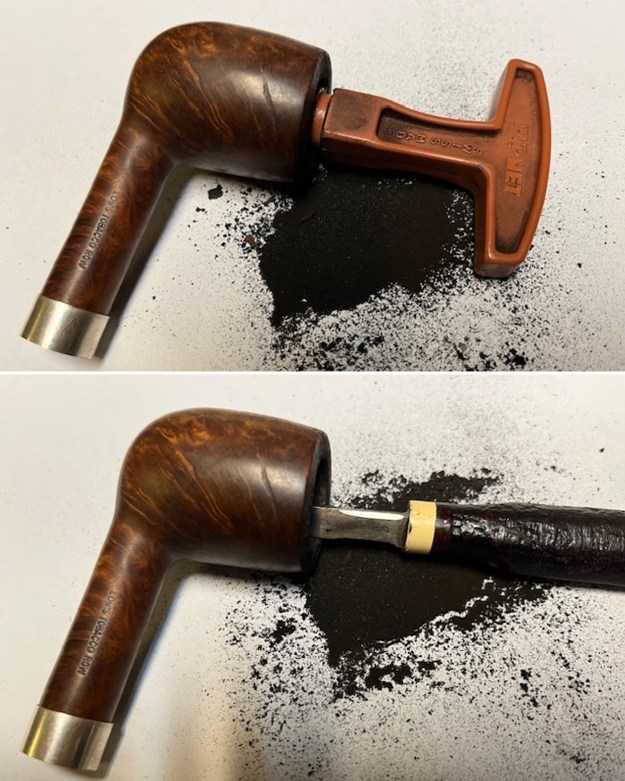
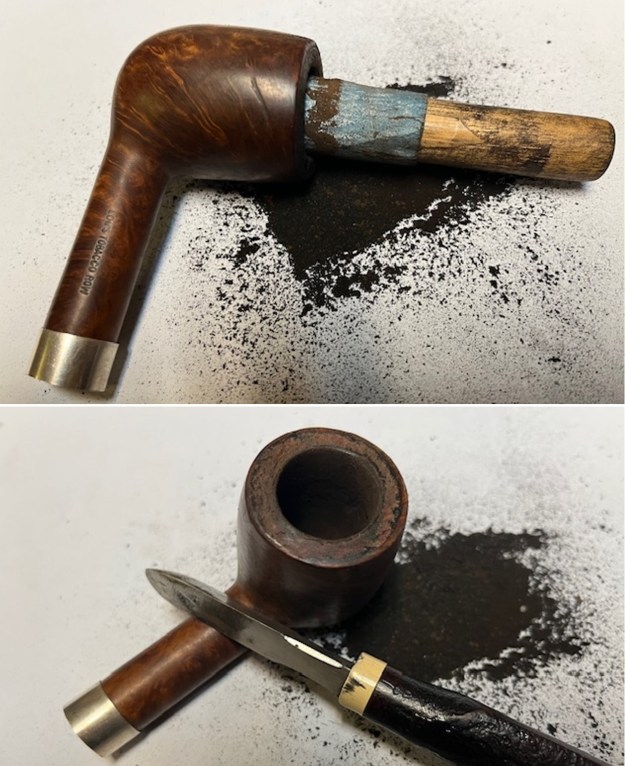
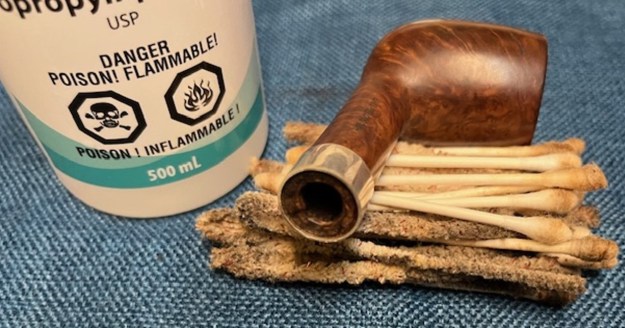
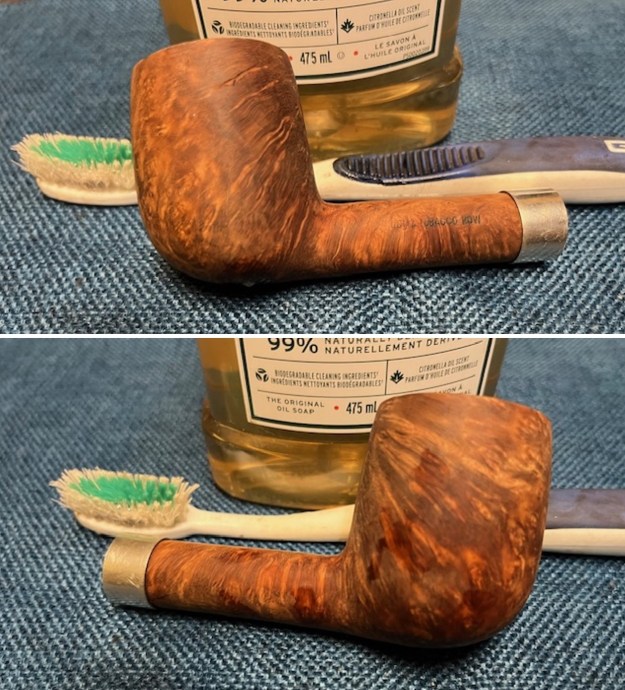
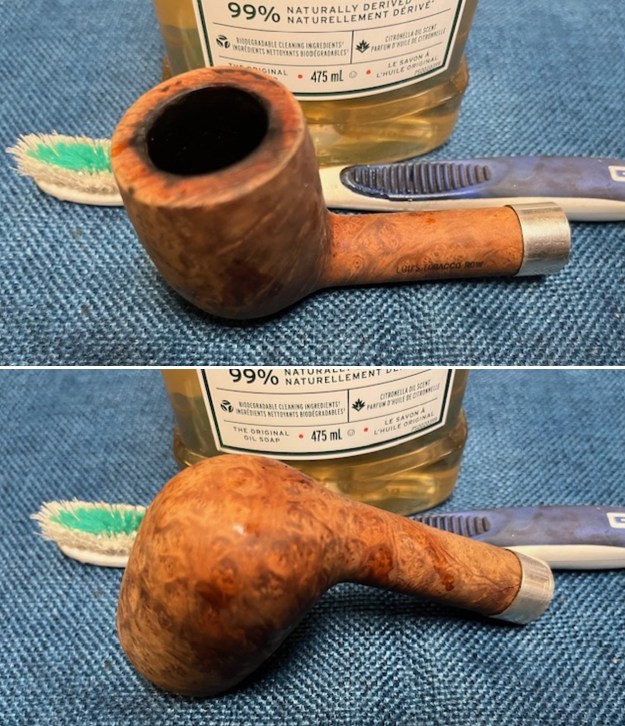
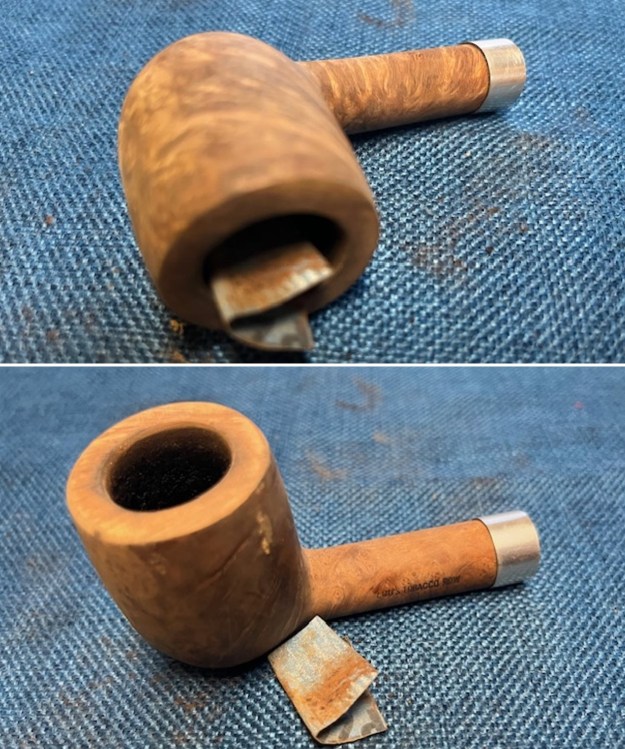
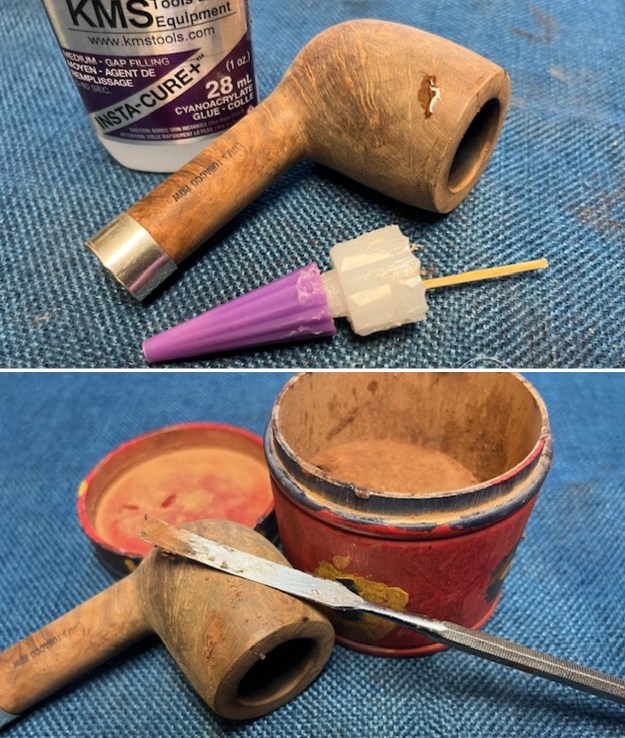
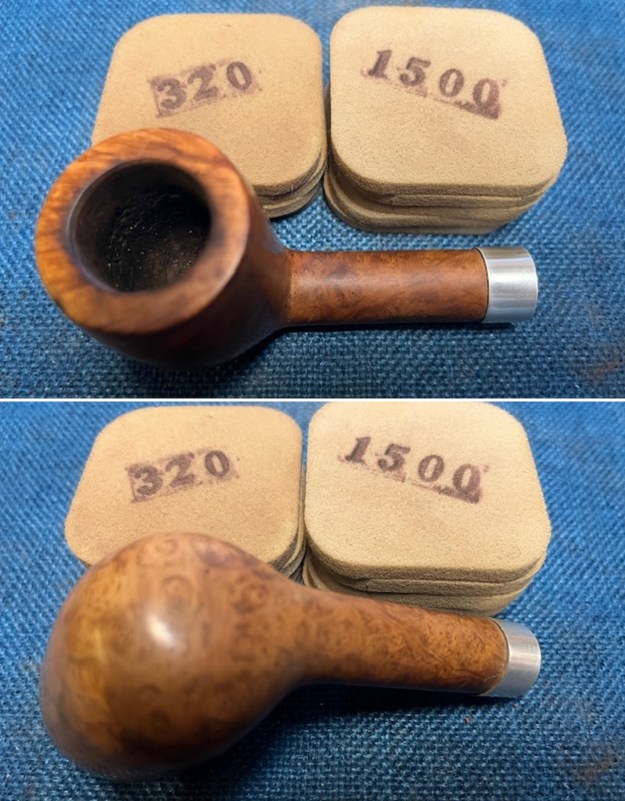
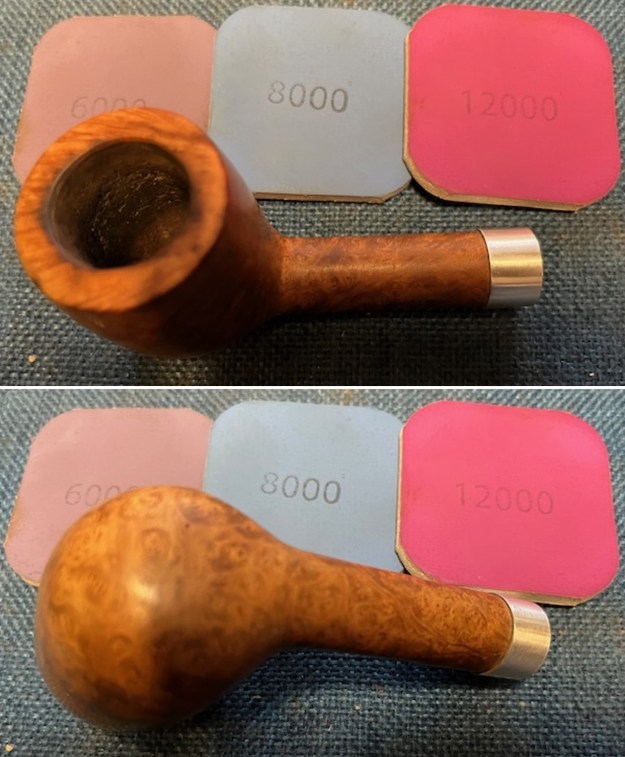
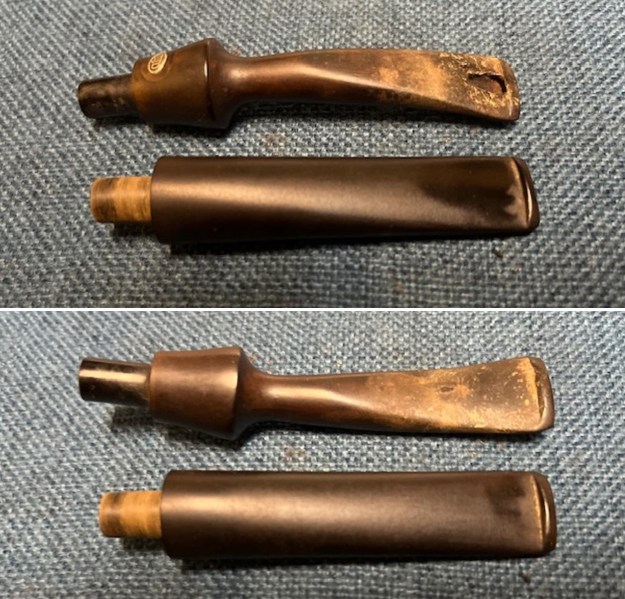
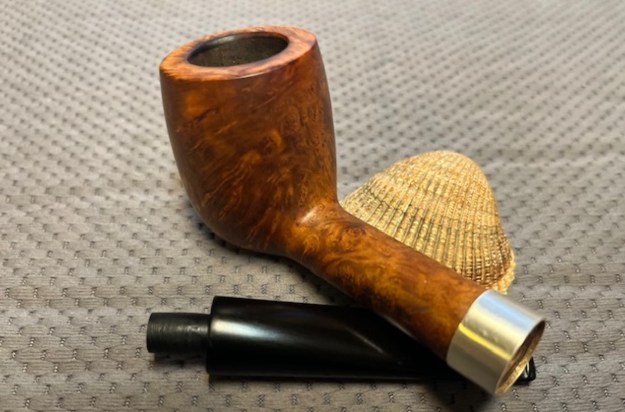
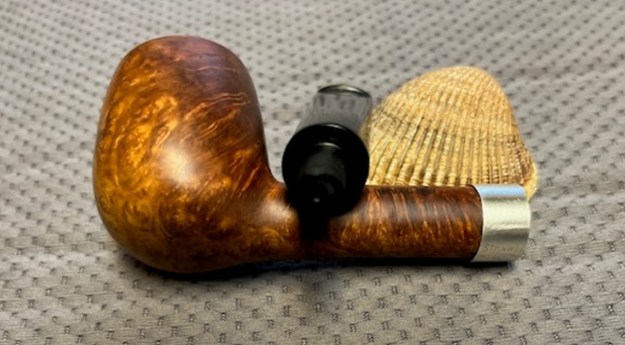
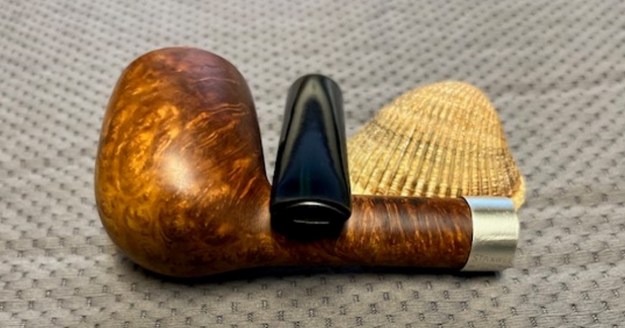
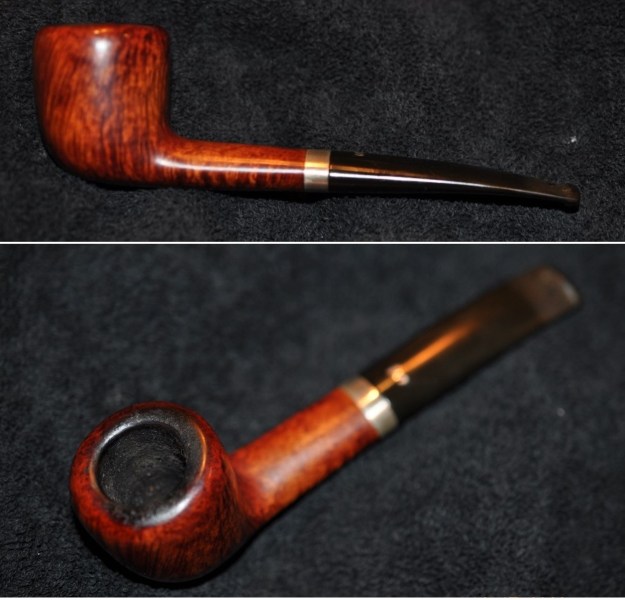
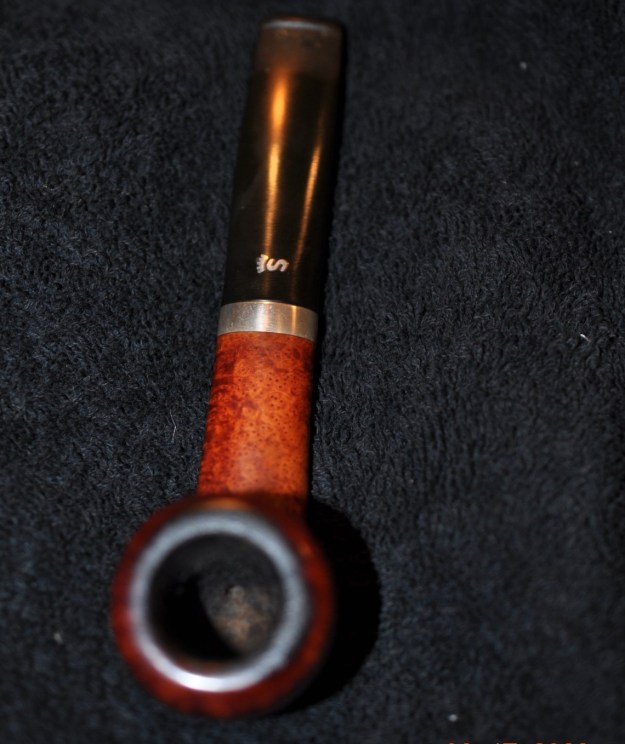
I decided to addressed the cracks on the right underside of the shank first. I took a photo of the cracks on the underside of the shank. There seems to be several cracks in the briar. The crack extended a depth of over ¾ inches on the shank. I went through my bands to find one that had the depth to pull together the cracks up the depth of the shank. I found a nice Sterling Silver Band that was the right depth to pull together the damage on the shank. It was a snug fit. I heated it with a lighter to soften the silver and pressed it on to the shank end to bind the breaks together. I reamed the bowl with a PipNet Pipe Reamer to take the cake back to bare briar. I cleaned up the cake with a Savinelli Fitsall Pipe Knife and removed the remaining debris. I sanded the bowl walls smooth with a piece of 220 grit sandpaper wrapped around a piece of dowel. I scraped the lava coat off the rim top with the Savinelli Pipe Knife and removed all of it. I cleaned out the internals of the bowl and shank with pipe cleaners, cotton swabs, shank brushes and 99% isopropyl alcohol. It was very clean and it looked and smelled far better. I really liked the look of the shank band on the shank end.I scrubbed the externals of the bowl and shank with undiluted Murphy’s Oil Soap and a tooth brush. I worked over the bowl, shank and rim top with the soap and then rinsed it off warm water. The bowl looked extremely good. There was one spot near the top left side of the bowl that would need to have a fill repaired. The briar looked very good with the sterling silver band on the shank. I cleaned up the inner edge of the bowl and the rim top with a folded piece of 220 grit sandpaper. It took a bit of work but I was able to remove the darkening on the edge, the nicks and damage and also some of the marks on the rim top.I applied some clear CA glue in the damaged fill on the left side of the bowl. I worked it into the space on the briar with a tooth pick. I pressed some briar dust into the fresh glue repair. Once it cured I sanded it smooth with a folded piece of 220 grit sandpaper. I used 320-3500 grit sanding pads to smooth out the scratches and nicks in the surface of the briar. There were many small scratches and nicks in the briar. I wiped the bowl down after each sanding pad with a damp cloth to remove the sanding dust and debris. It really began to llok very good. The grain is quite lovely. I polished the briar with micromesh sanding pads – dry sanding with 1500-12000 grit pads and wiped it down the bowl after each sanding pad. I rubbed the bowl and shank down with Before & After Restoration Balm. I worked it into the surface of the bowl sides and shank with my fingertips to clean, enliven and protect the briar. I let the balm sit for a little while and then buffed with a cotton cloth to raise the shine. The Balm did its magic and the grain stood out. I went through my can of stems and found one that was the right taper for the pipe bowl I was working on. It had the right look and would need a little adjustment to the bottom half of the stem to make the fit against band end equal all the way around the shank end.I cleaned out the internals of the stem with alcohol and pipe cleaners. It was surprisingly clean so it was ready to work on it to make a proper fit.I worked over the diameter of the stem at the band junction to reduce it to fit against the shank end. I used the Dremel and sanding drum to start the process and then finished the fit with 220 grit sandpaper to smooth out the sanding marks on the vulcanite. I also sanded over the tooth marks in the stem on both sides ahead of the button.
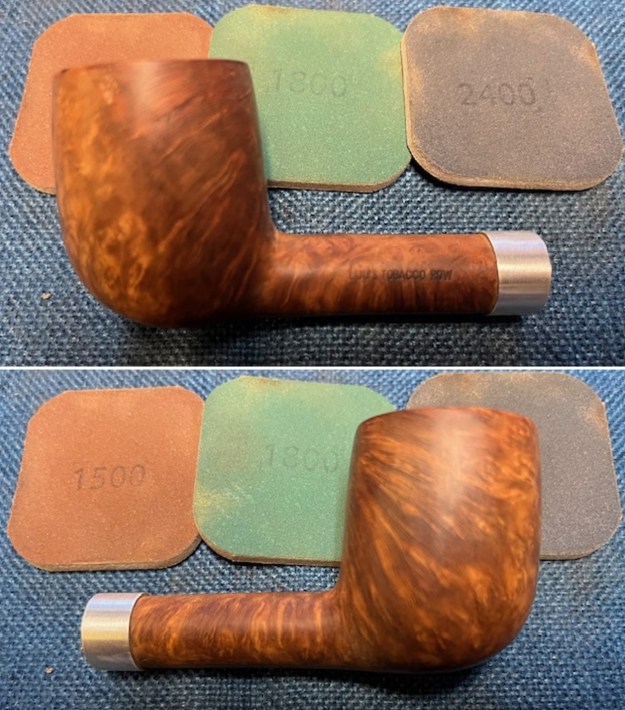
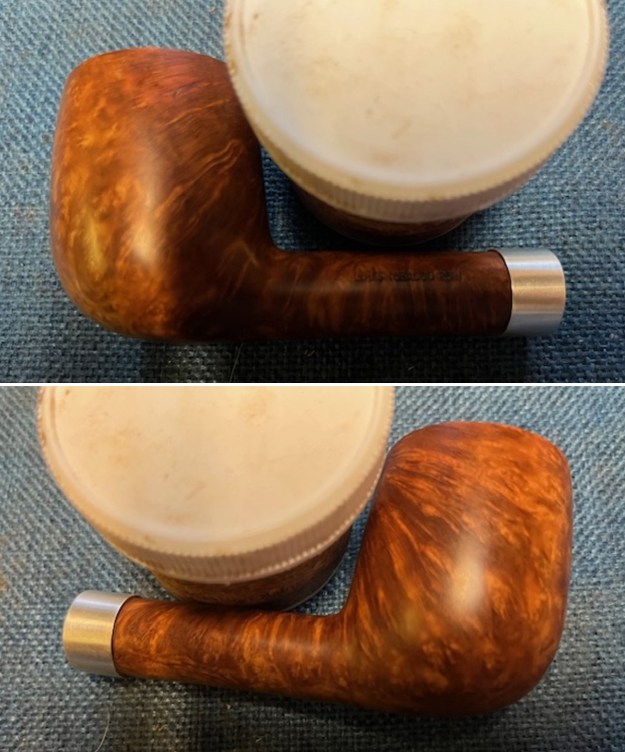
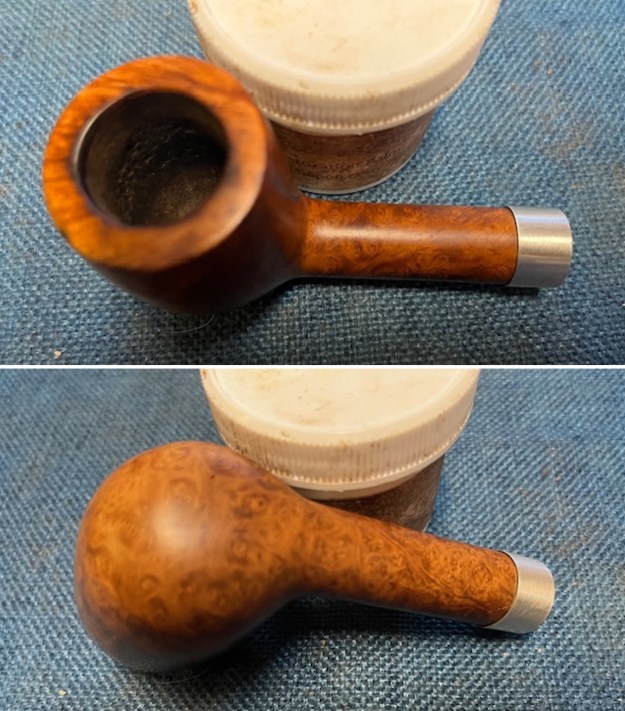
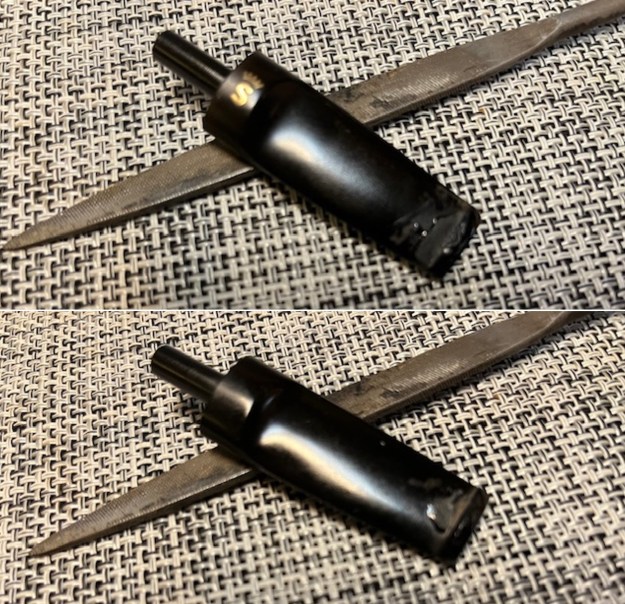
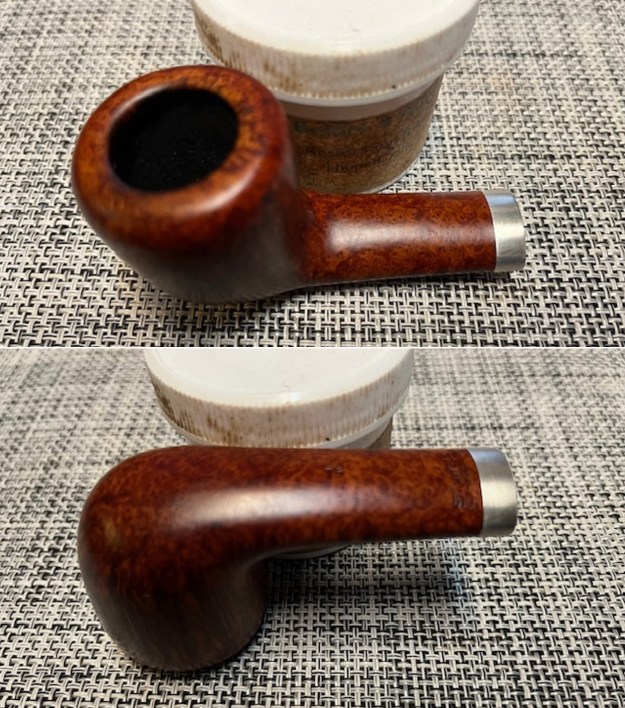
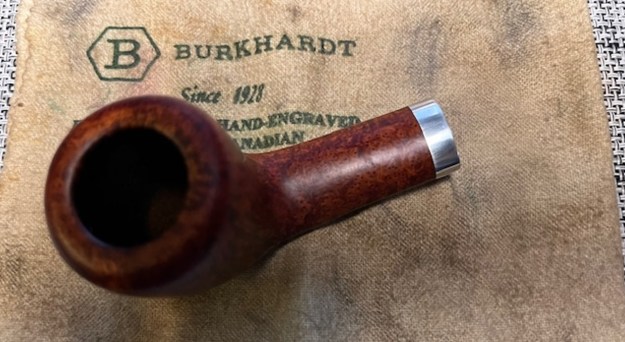
There were some small tooth marks on each side of the stem that remained after my sanding. I filled them in with clear super glue and used a tooth pick to flatten them out (I forgot to take a photo of the stem at this point). Once the repairs cured I flattened them with a small file. I sanded them smooth with a folded piece of 220 grit sandpaper. I sanded the stem to smooth it out with 320-3500 grit sanding pads. I wiped the stem down after each pad with an Obsidian Oil cloth. It was beginning to look very good.I polished the stem with micromesh sanding pads – 1500-12000 grit pads. I wiped it down with a damp cloth after each sanding pad. I used Before & After Pipe Polish – both Fine and Extra Fine to further polish the stem. This first of Mario’s Dad’s pipes, a banded, restored and restemmed Lou’s Tobacco Row Billiard with a new vulcanite taper stem is a great looking pipe now that it has been restored. The beautiful finish really highlights the grain and the polished finish is stunning with the Sterling Silver Band. I put the stem back on the bowl and carefully buffed the pipe with Blue Diamond on the buffing wheel. I gave the bowl and the stem multiple coats of carnauba wax on the buffing wheel and followed that by buffing the entire pipe with a clean buffing pad. I hand buffed the pipe with a microfiber cloth to deepen the shine. The finished Lou’s Tobacco Row Billiard is a large pipe, but it fits nicely in the hand and feels great. Give the finished pipe a look in the photos below. The dimensions of the pipe are Length: 6 ½ inches, Height: 1 ¾ inches, Outside diameter of the bowl: 1 ¼ inches, Chamber diameter: 7/8 of an inch. The weight of the pipe is 52 grams /1.87 ounces. This is the first of six pipes that I am restemming and restoring for Mario from his Dad’s collection. I look forward to hearing what he thinks of this newly banded and stemmed pipe. Thanks for reading this blog and my reflections on the pipe while I worked on it.

Cleaning up a Stanwell Regd. No. 969-48 Bamboo Acorn


by Steve Laug

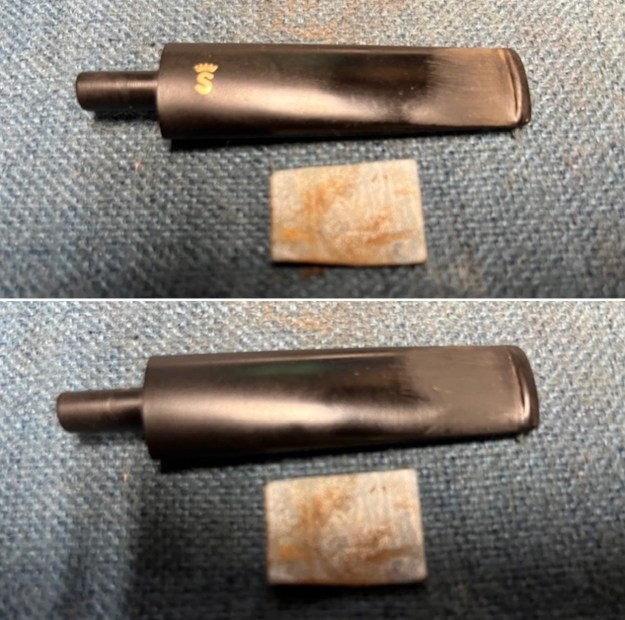
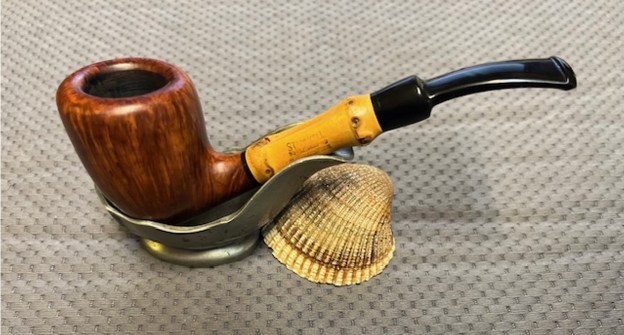
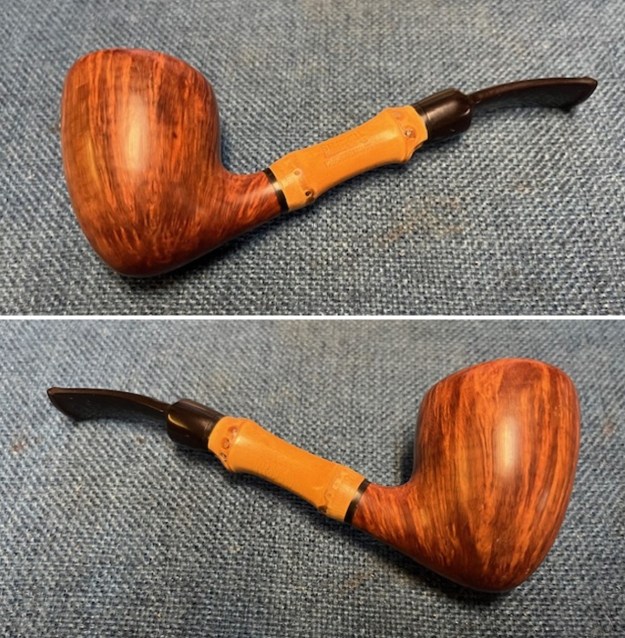
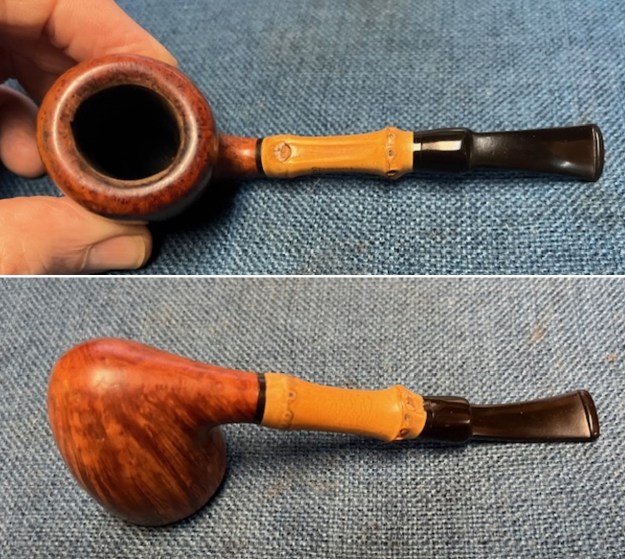
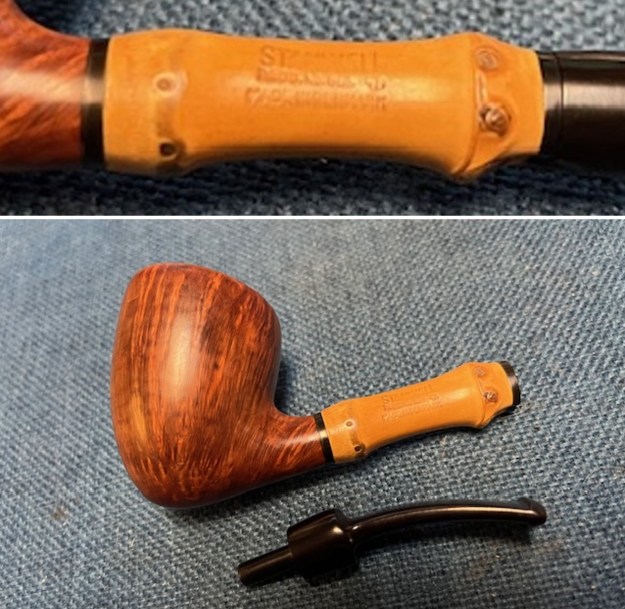
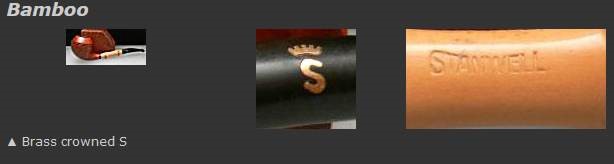
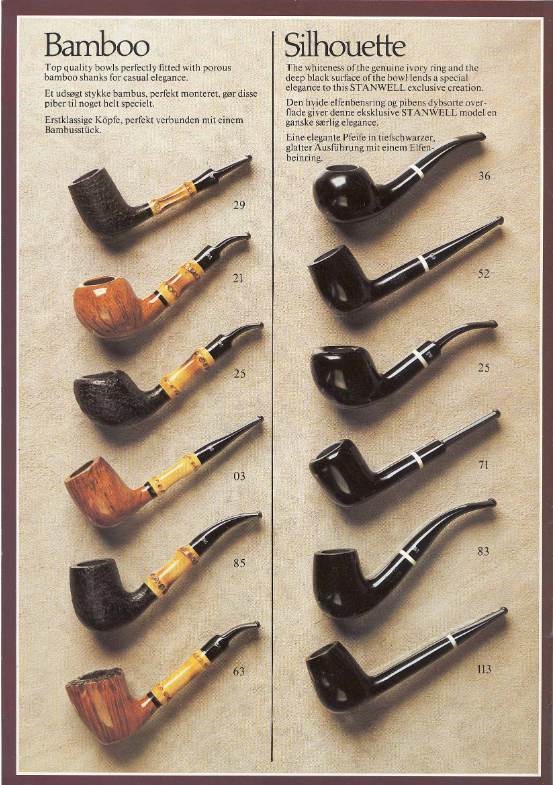
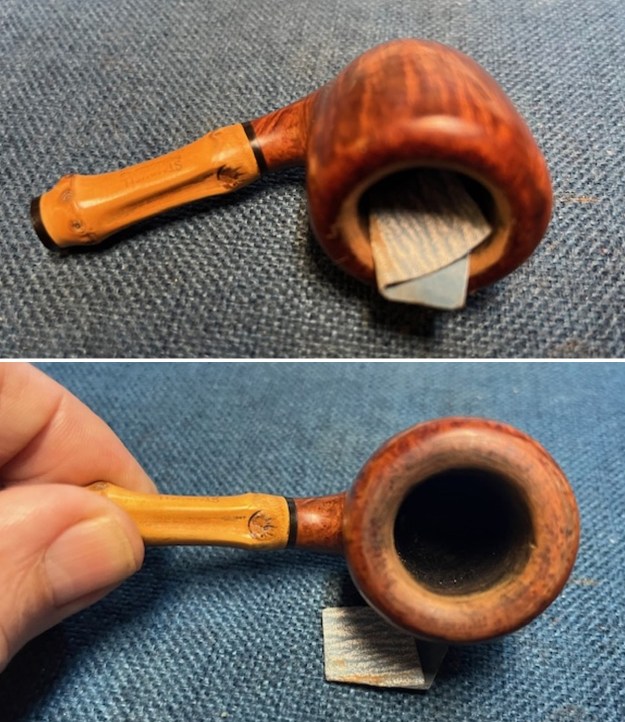
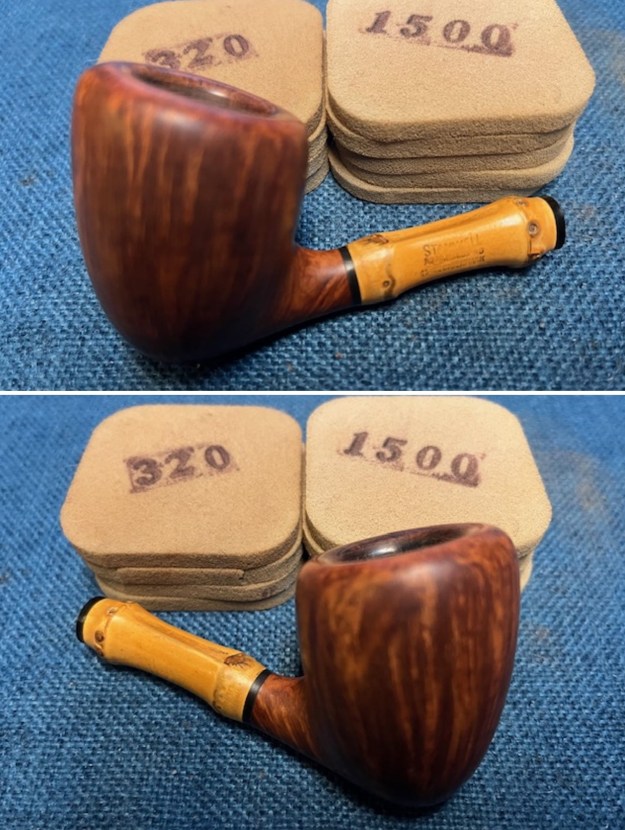
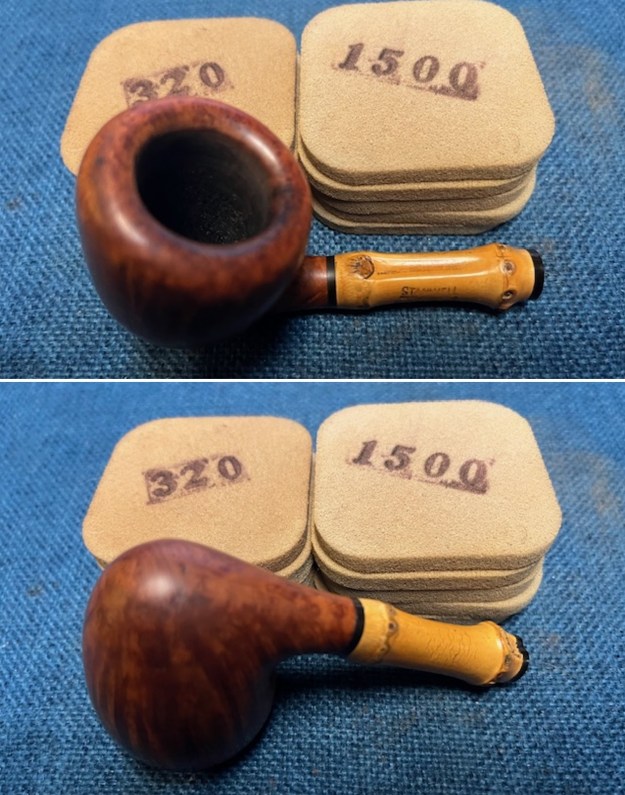
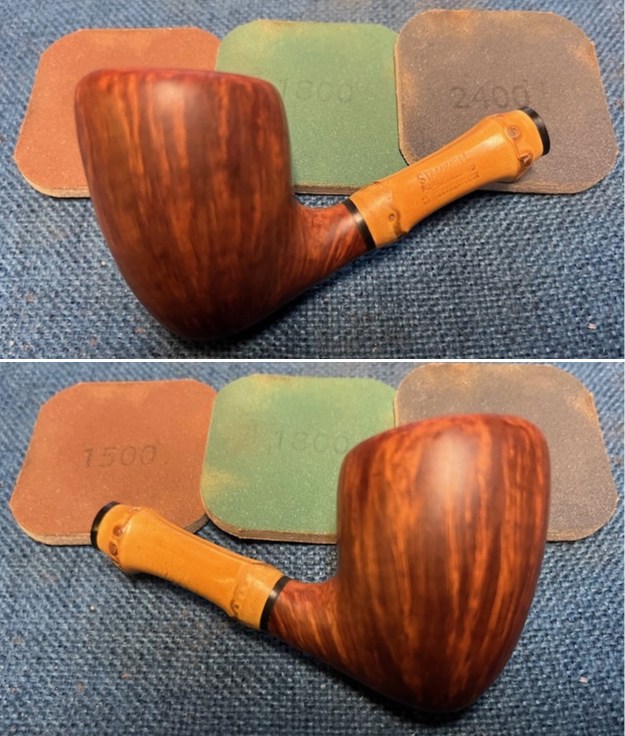
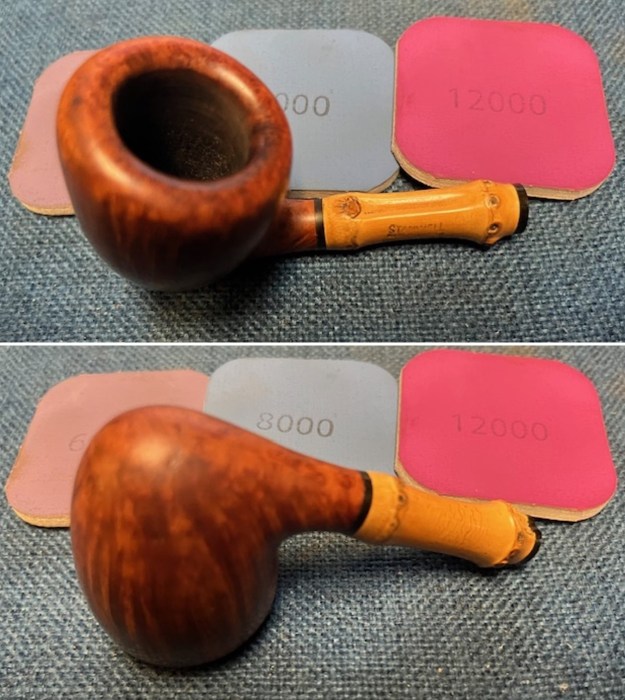
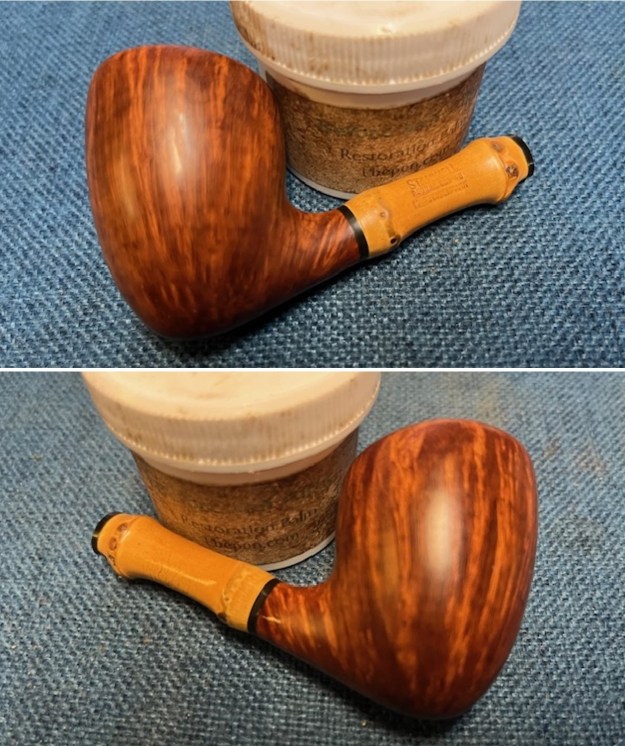
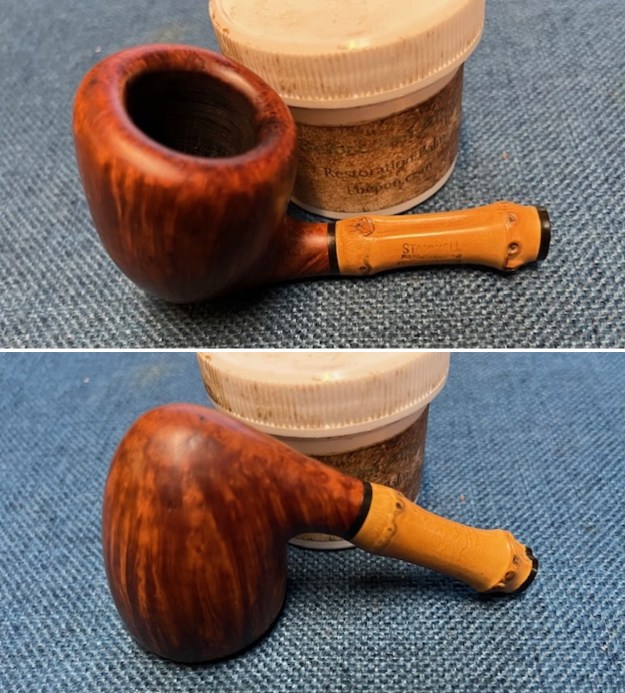
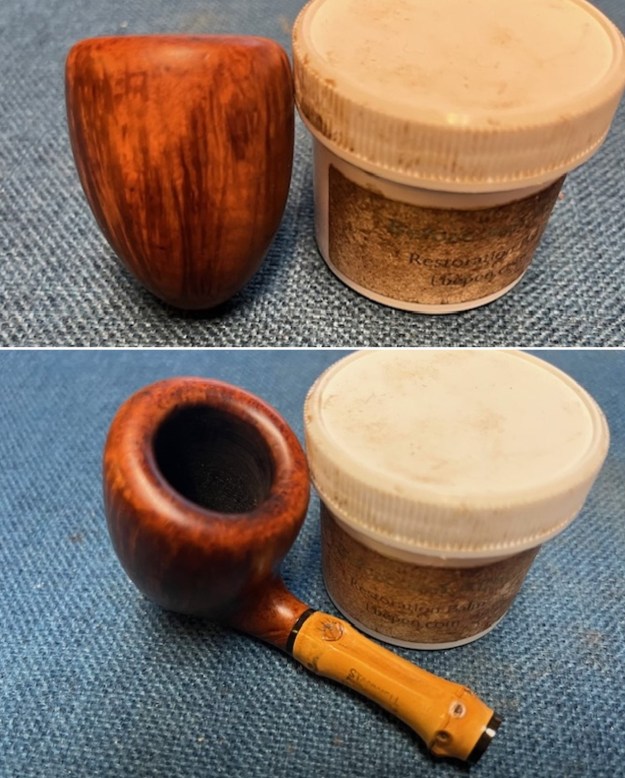
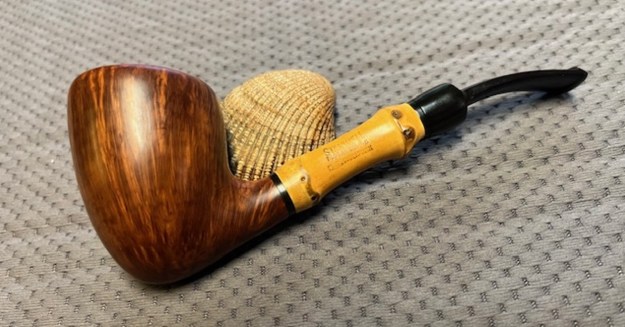
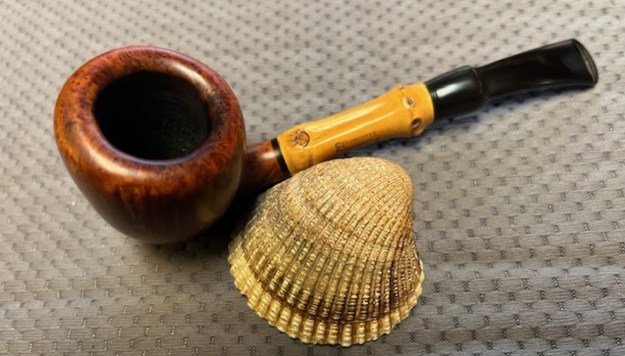
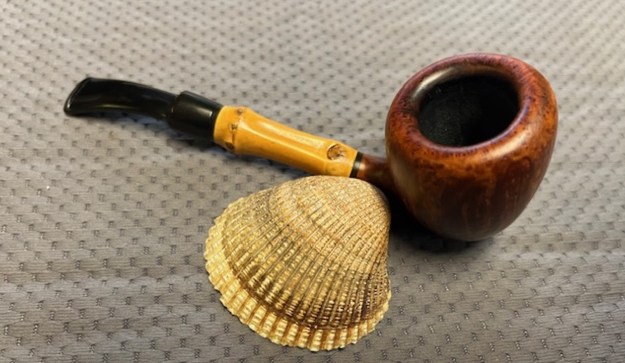
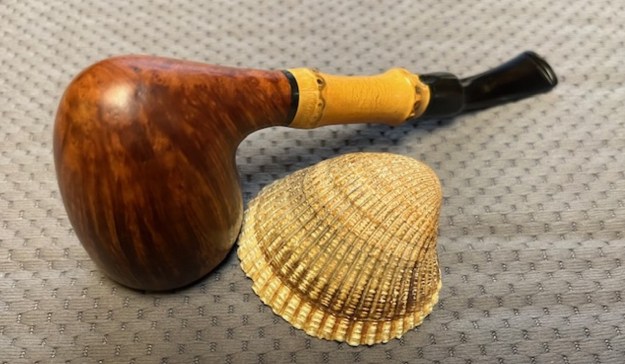
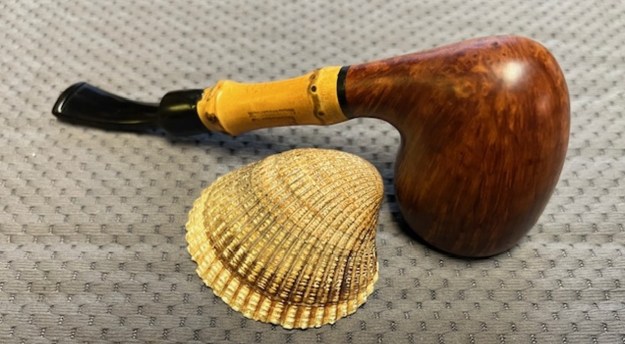
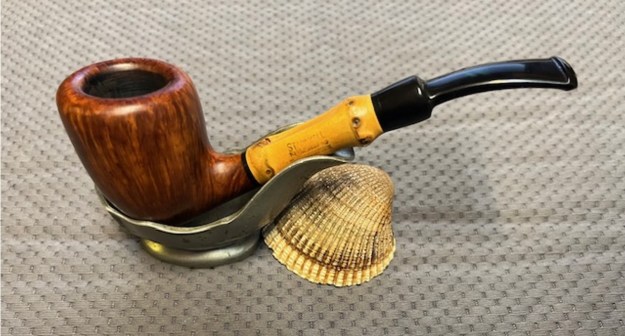
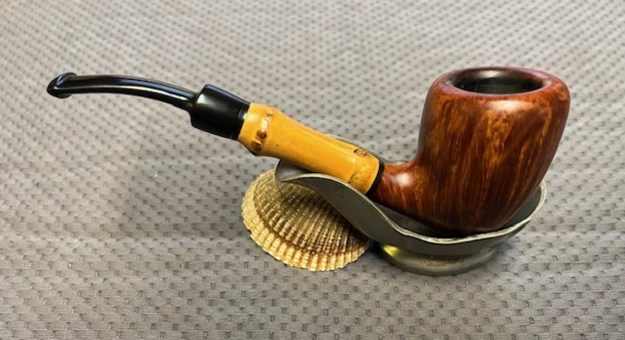
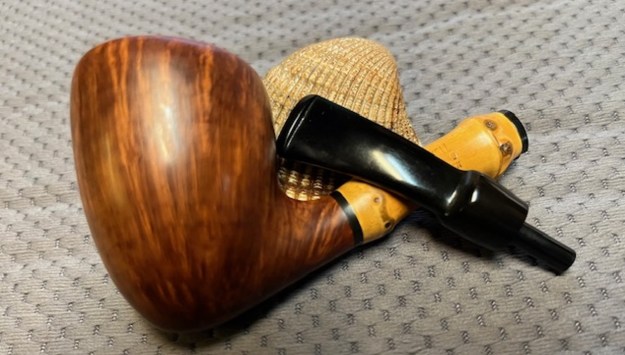
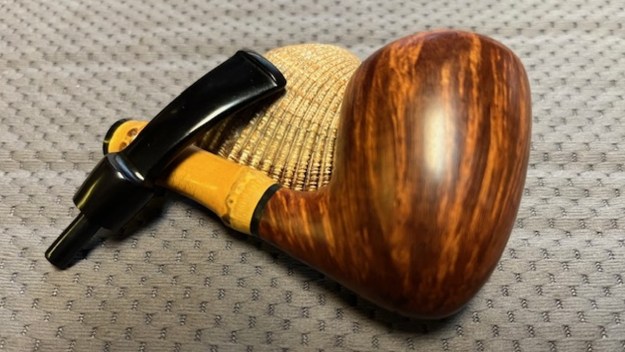
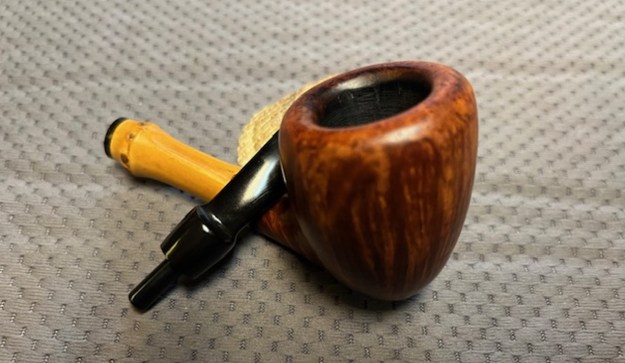
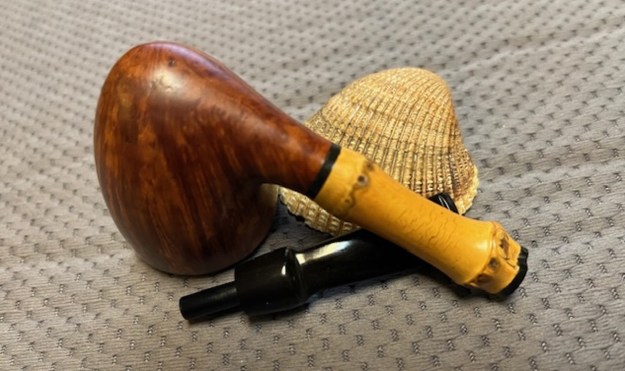
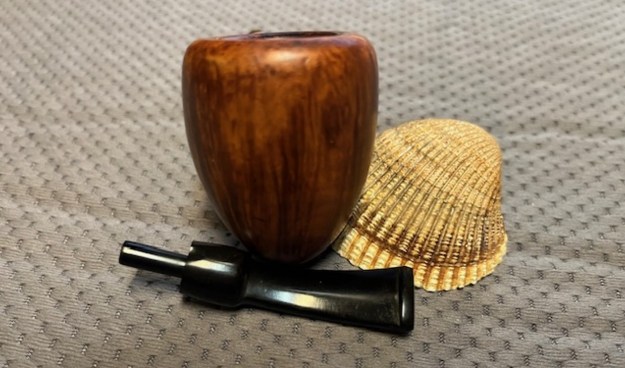
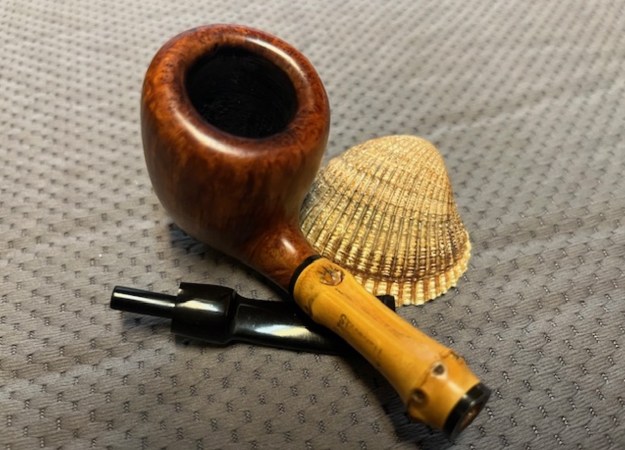
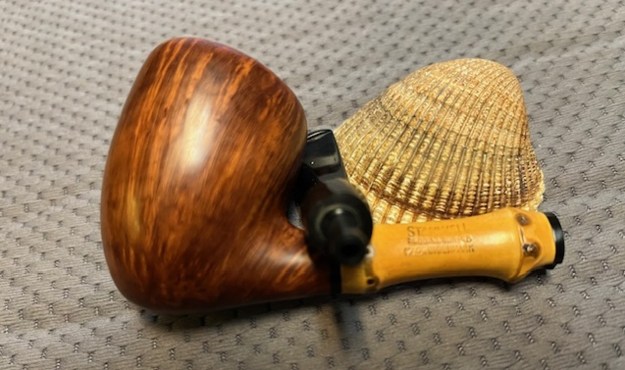
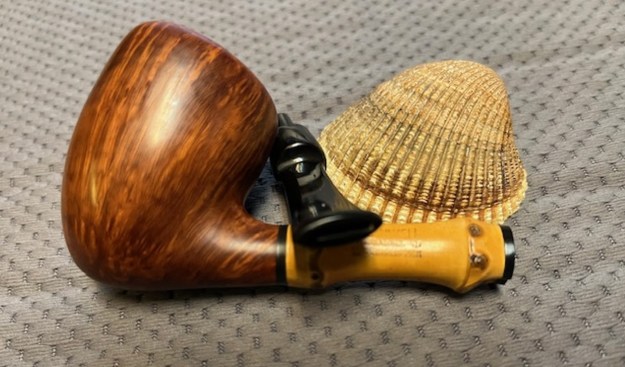
I was recently contacted by a fellow here in Vancouver about some pipes he had. He was referred to me by a local pipe shop. I was unclear if he wanted them cleaned or exactly what. When he came on the weekend he brought six pipes in two pipe boxes for me to have a look at. I spoke with him about the cost of restoring them. It finally became clear to me (I guess I am slow) that he wanted to sell the pipes. He was tasked with the job by his sister in law as the pipes were from her late husband’s collection. As I unpacked them it was clear that they were some nice pipes and some were higher grade. All but one was smoked and had the heavy smell of fruity aromatics to them. Some had cake in the bowl and lava on the rim. Of the six, four of them had significant rim damage – bowls out of round, burn marks, cut marks. The saddest part is that the damage was most significant on the higher end pipes. Most of them had tooth marks in the stems. Obviously, they had been his late brother in laws favourites and he had enjoyed them. He left them with me and I went over them, researched the brands and wrote up an offer for him to present to his sister in law. By the end of the day we had a deal. The six pipes now have a new home and the fruity smell needs to be exorcised!I set aside the long queue of pipes I am working on here to work on the second of these pipes. I bumped it ahead of the queue. It is a beautiful looking older Stanwell Regd. No. Bent Acorn Bamboo. It is stamped on the left side of the bamboo shank and reads Stanwell [over] Regd. No. 969-48 [over] Made in Denmark. There was an acrylic spacer on both ends of the bamboo. The one is between the shank and the bowl and the other is between the stem and the bamboo. The bowl had beautiful straight grain around sides. The Bamboo shank had a great patina. The finish is spotty and there were a lot of dents, scratches. The bowl and rim top were clean or cake and lava but a very prevalent smell of aromatic, fruity tobacco surround the bowl. The stem was clean but and had light tooth chatter on both sides of the stem. I took photos of the bowl and rim top to give you and idea of what I see. It is too bad that Word does now allow for the inclusion of smells because this is filling my work area. I have a candle going to mask the smell a bit. You can see the damage to the rim top and inner edge of the bowl. There is no cake in the bowl. The bamboo looks very good with some nice Patina. The stem is dirty and has light tooth chatter on both sides ahead of the button.I took a photo of the stamping on the left side of the Bamboo shank. It is clear and readable as noted above. I took photos of the bowl with the stem removed to give a sense of the proportion and appearance of the pipe.Before I started my work on the pipe I wanted to see if I could find any information that would help me get a sense of the line. I turned to Pipephil to get a quick review of the Bamboo line (http://pipephil.eu/logos/en/logo-stanwell.html). The pipe I was working on did not have Brass Crowned S inlaid on the stem. I have included a screen capture of the brand info there.I then turned to Pipedia (https://pipedia.org/wiki/Stanwell) for more information. The article is great and gives a lot of history on the brand. There were also links to catalogues at the bottom of the page. I am including a page from a catalogue on the site below that gives a bit of a glimpse into the brand. Here is the link (http://www.axeljeske.de/Pfeifen/Stanwell_Amager.pdf). The catalogue page gives a great description of the Bamboo line. It reads as follows: Top quality bowls perfectly fitted with porous bamboo shanks for casual elegance.

Now it was time to work on the pipe.

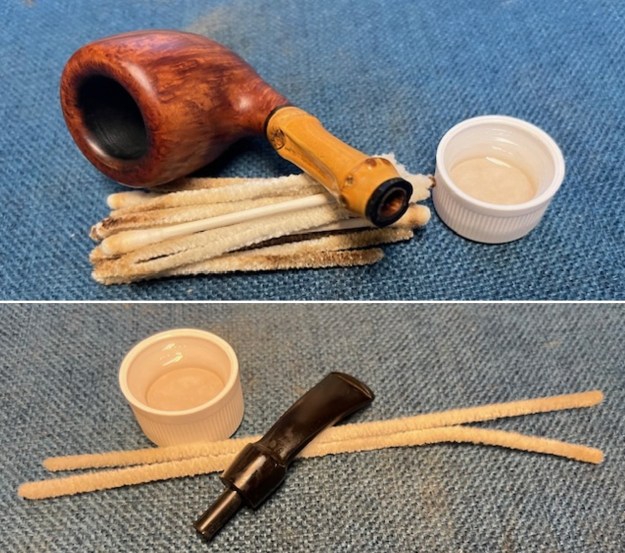
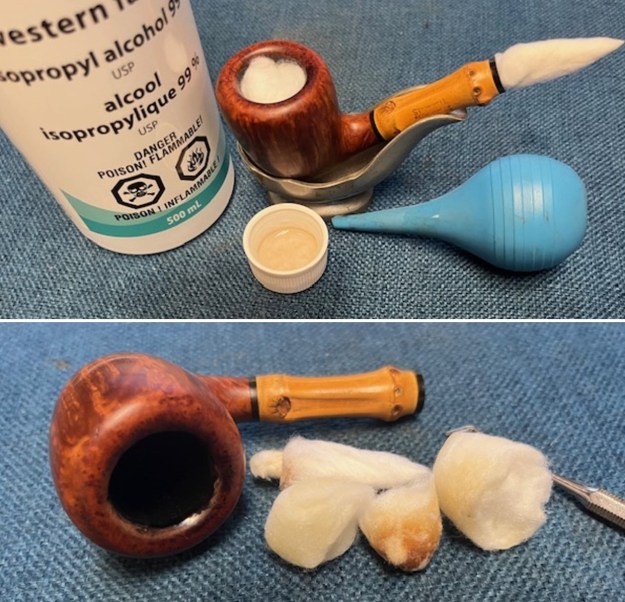
I cleaned out the stinky, fruity smelling tobacco oils and tars in the shank and the airway in the stem. I used 99% isopropyl alcohol, cotton swabs and pipe cleaners and was able to remove the debris and some of the stench. I needed to “deghost” the bowl and try to exorcise the smell. I stuffed bowl with cotton bolls and used an ear syringe to fill it with alcohol. I set it aside to let the alcohol do its work and wick the oils into the cotton. While it sat for the afternoon, I did some other work. That evening I removed the cotton bolls and quite a bit of tars and oils had leeched out. It smelled significantly better.
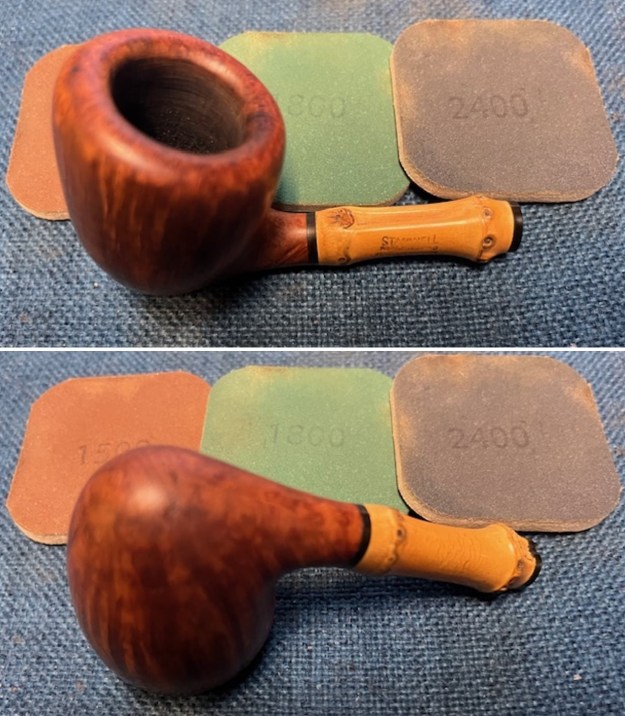
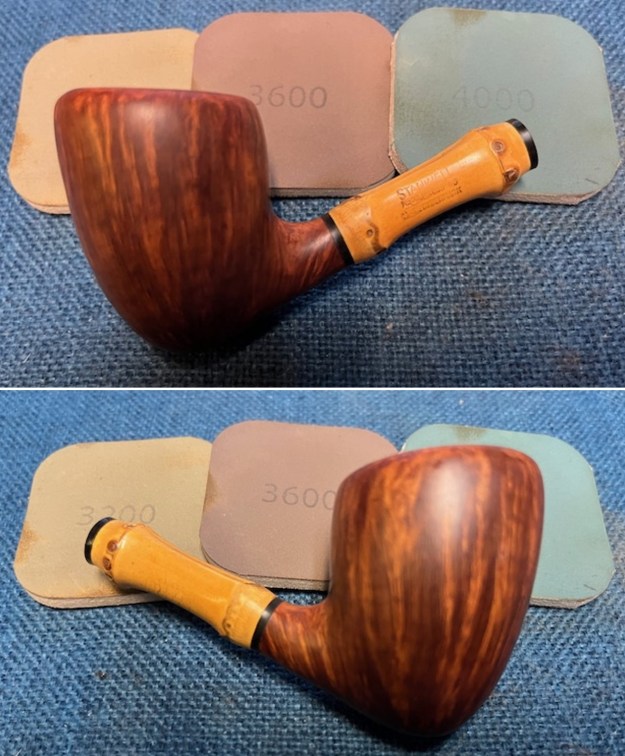
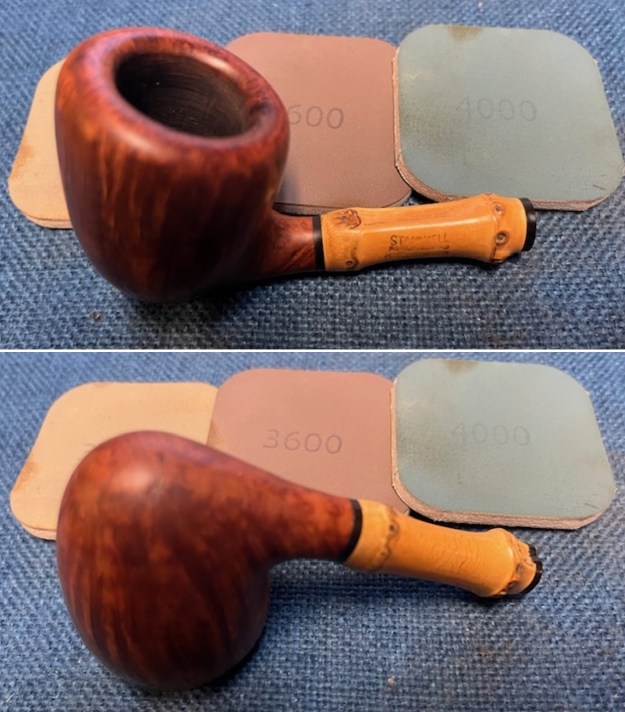
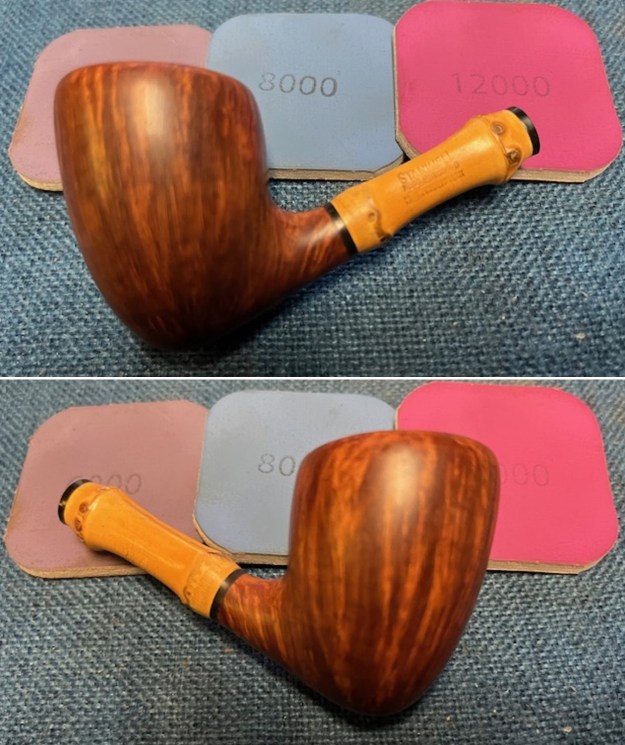
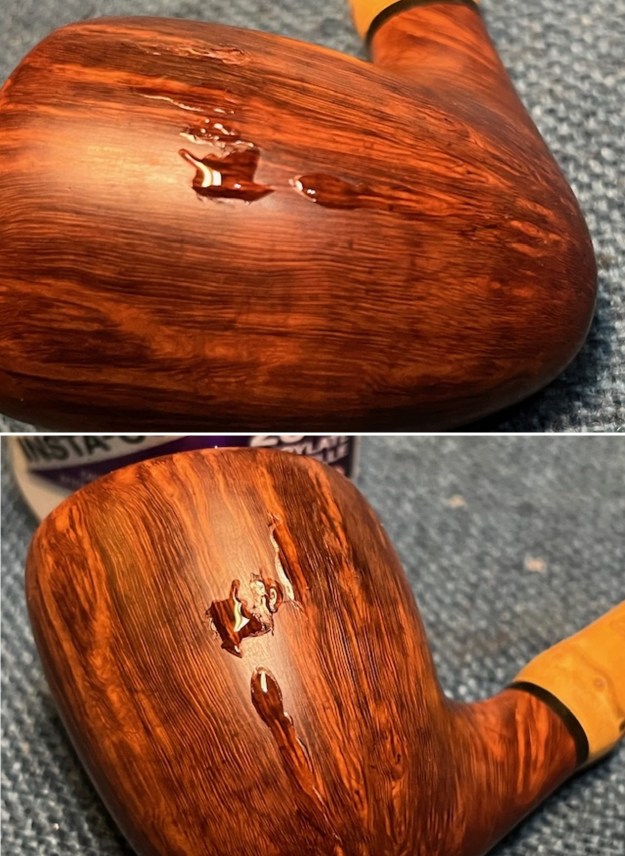
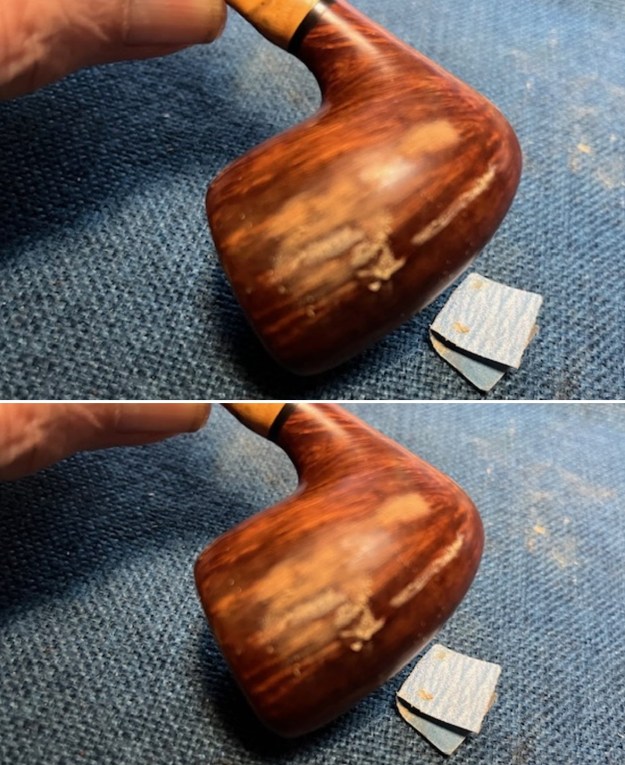
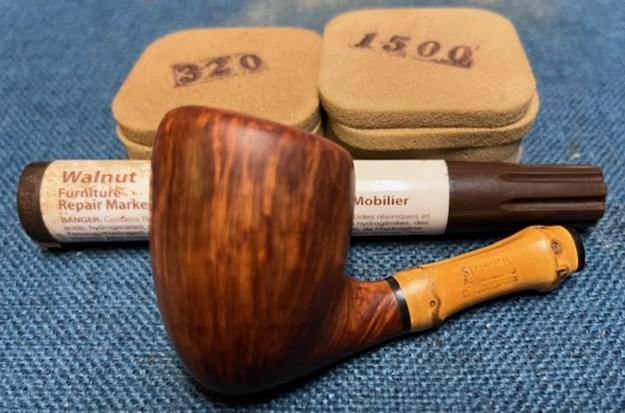
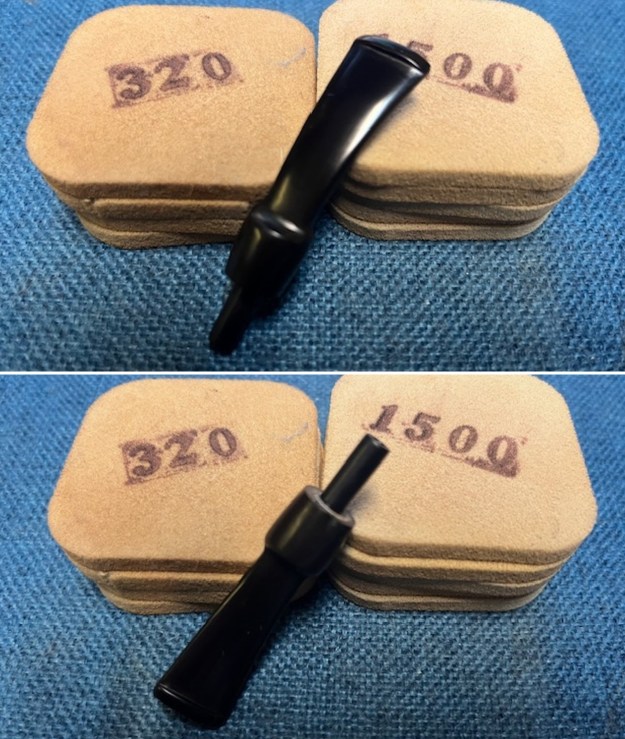
I used a folded piece of 220 grit sandpaper to minimize the damage on the inner edge of the rim and smooth it a bit. I was careful to not change the profile of the rim top and edges. There is some darkening on the rim top that remains and the bowl is slightly out of round.I used 320-3500 grit sanding pads to smooth out the scratches and nicks in the surface of the briar. There we many small scratches most of them in the varnish coat and lightly in the briar. I wiped the bowl down after each sanding pad with a damp cloth to remove the sanding dust and debris. I polished the briar with micromesh sanding pads – dry sanding with 1500-12000 grit pads and wiped it down the bowl after each sanding pad. As I examined the bowl before I gave it a coat of Before & After Balm I rubbed my fingers over the surface. I felt some flaws in the briar. I used my headlamp and build in lens to examine what I felt with my fingers. I saw some well done fills in the briar that followed vertical grains. They were shrunken in spots which made the bumps I was feeling. I used the headlamp and lens to give a clear view. I used a tooth pick and clear CA glue to fill in the spots in the briar. This was going to make a bit more work for me but it was worth doing.Once the fills cured I sanded each strip smooth with the edge of a folded piece of 220 grit sandpaper.I sanded the area with 320-3500 grit sanding pads and wiped the bowl down with a damp cloth to remove the sanding debris. I followed that by polishing the bowl with 1500-12000 grit micromesh sanding pads. Again I wiped the bowl down with damp cloth to remove the sanding debris on the briar. I restained the area on the bowl side with a Walnut Stain pen. I blended the areas into the surrounding briar. The look and feel of the bowl was very good.I rubbed the bowl and shank down with Before & After Restoration Balm. I worked it into the surface of the bowl sides and shank with my fingertips to clean, enliven and protect the briar. I let the balm sit for a little while and then buffed with a cotton cloth to raise the shine. The Balm did its magic and the grain stood out. I set the bowl aside and turned my attention to the stem. I was able to polish out the light tooth marks and chatter with 320-3500 grit sanding pads. I wiped the stem down after each pad with an Obsidian Oil cloth. It was beginning to look very good.I polished the stem with micromesh sanding pads – 1500-12000 grit pads. I wiped it down with a damp cloth after each sanding pad. I used Before & After Pipe Polish – both Fine and Extra Fine to further polish the stem. This Stanwell Bamboo Shank Acorn with a vulcanite saddle stem is a great looking pipe now that it has been restored. The beautiful finish really highlights the grain and the polished finish is stunning. I put the stem back on the bowl and carefully buffed the pipe with Blue Diamond on the buffing wheel. I gave the bowl and the stem multiple coats of carnauba wax on the buffing wheel and followed that by buffing the entire pipe with a clean buffing pad. I hand buffed the pipe with a microfiber cloth to deepen the shine. The finished Stanwell Bamboo Shank Acorn fits nicely in the hand and feels great. Give the finished pipe a look in the photos below. The dimensions of the pipe are Length: 5 ½ inches, Height: 2 inches, Outside diameter of the bowl: 1 ½ inches, Chamber diameter: ¾ of an inch. The weight of the pipe is 37 grams /1.31 ounces. I will be adding the pipe to the Danish Pipe Makers Section of the rebornpipes store. If you are interested in purchasing this pipe send me a message or an email. Thanks for reading this blog and my reflections on the pipe while I worked on it.

New Life for a Sixten Ivarsson Designed Stanwell Regd. No. 969-48 Hand Made Ukulele 91


By Steve Laug

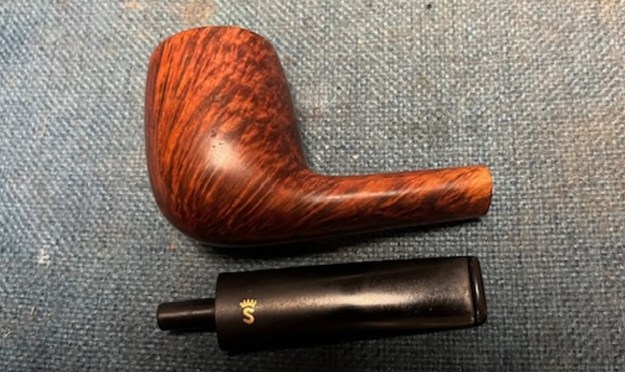
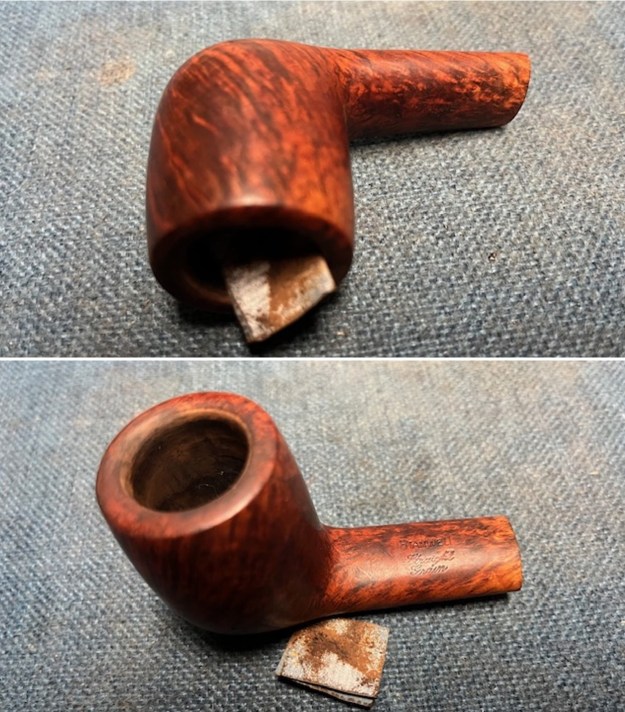
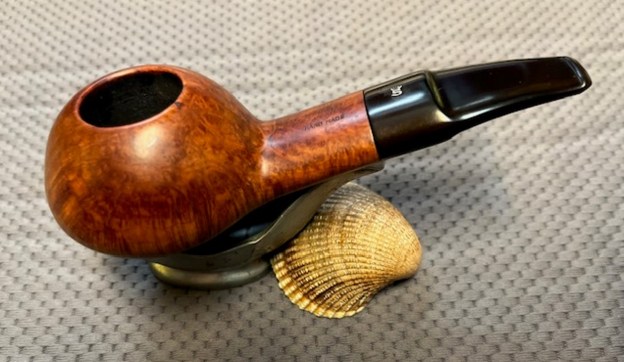
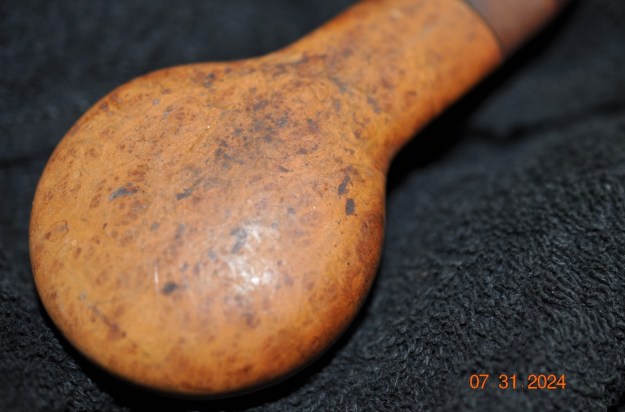
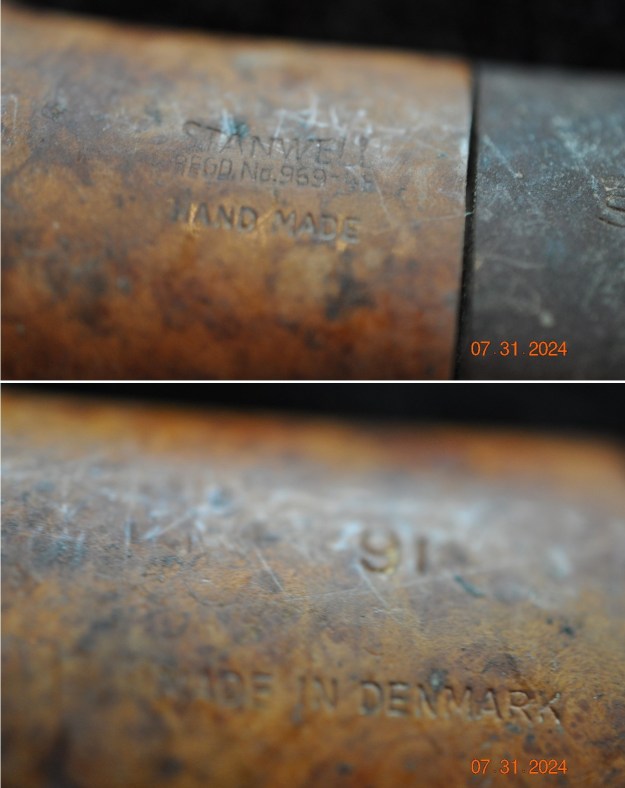
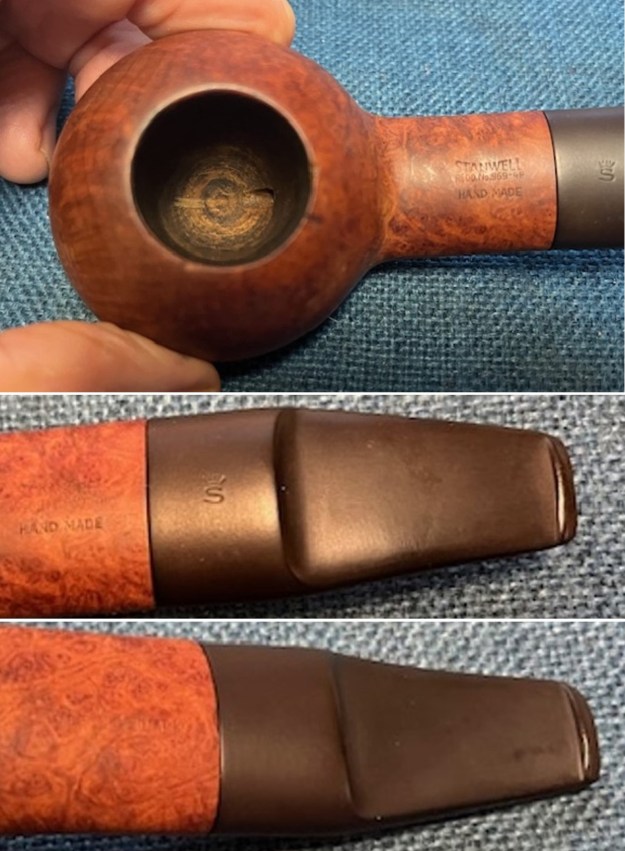
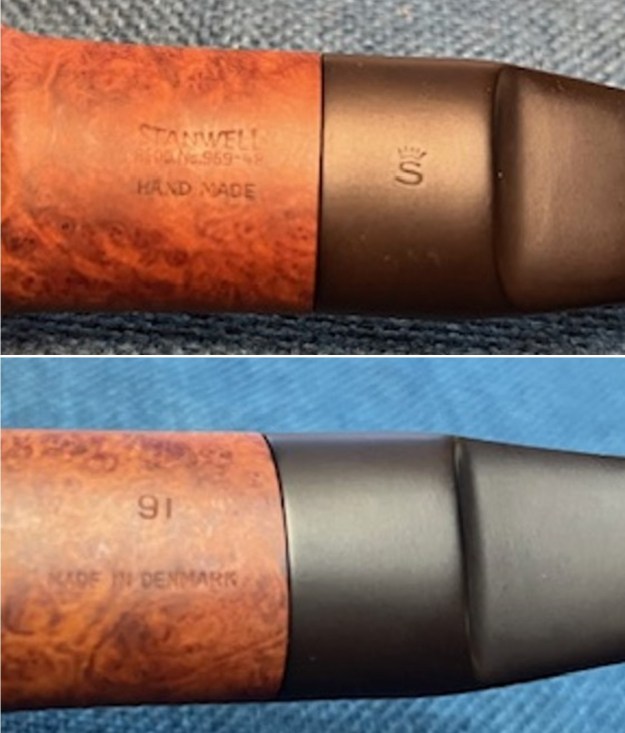
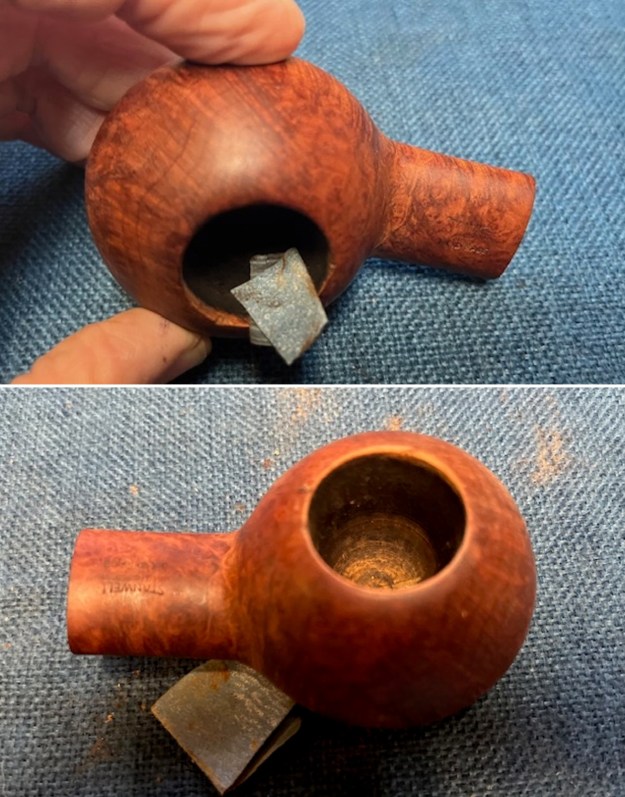
The next pipe on the table to work on is one that was purchased on 09/18/2020 from a seller in Los Angeles, California, USA. This is a oval shank ukulele with a smooth finish and an oval shank, vulcanite saddle stem. It is another Made in Denmark Stanwell. The smooth finish on this pipe, around the bowl and shank has a mix of grain highlighted by the brown stain. The pipe is stamped on the topside of the shank and reads STANWELL [over] Regd. No. 969-48 [over] Hand Made. On the underside of the shank the shape number 91 is stamped [over] Made In Denmark. The pipe was a well used pipe when Jeff received it. There was dust and grime ground into the finish on the sides of the bowl. The brown stain highlights some mixed grain under the dirt. The bowl was thickly caked and there was an overflow of lava on the smooth rim top. The condition of the inner edge was hard to know due to the lava coat but there appeared to be some nicks in the edge. The saddle stem is vulcanite and was dirty, oxidized and had light tooth marks, chatter and scratches on both sides ahead of the button and on the button itself. There is a stamped Crown S logo on the topside of the saddle stem. Jeff took photos of the pipe before he started his clean up work on it. He took photos of the bowl and rim top to show what they looked like before his clean up. You can see the cake in the bowl and the spattering of lava on the rim top and inner edges. You can see the nicks in the inner edge of the rim. He also took some of the stem to show the condition of both sides. It is heavily oxidized and calcified and very dirty. There appear to be tooth marks and chatter on both sides of the stem ahead of the button and on the button surface itself. The photos of the sides and heel of the bowl show the grain around the bowl and shank. The grime hides the grain in many ways. The finish on the pipe is worn but the grain stands out. The stamping was on the top and underside of the shank as noted above. It is clear and readable as noted above. The Crown S stamp on the top of the saddle stem can partially be seen in the first photo below. Before I started my work on the pipe I wanted to see if I could find any information that would help me get a sense of the background on the pipe. I turned to Pipephil to see if there was any listing on the
I then turned to Pipedia (https://pipedia.org/wiki/Stanwell) for more information. The article is great and gives a lot of history on the brand. There was a category of pipe call Pre-regd. 1945-1948 where all the photos of pipes had the same stamping as the one I am working on. That gave me a clue as to the dating on this particular pipe – it was made between 1945-1948.

There were also links to a shape article by Bas Stevens that I originally published on rebornpipes. I looked up the 91 shape number to see who had designed that shape (https://pipedia.org/wiki/Stanwell_Shape_Numbers_and_Designers). I quote the information below.

  1. Slightly bent wide, flattened volcano with an oval shank and a short, standard saddle, trapezoidal saddle, or tapered stem, by Sixten Ivarsson. Nicknamed the ‘Ukelele’ (pictured, right, in its reissued design).

Now it was time to work on the pipe.

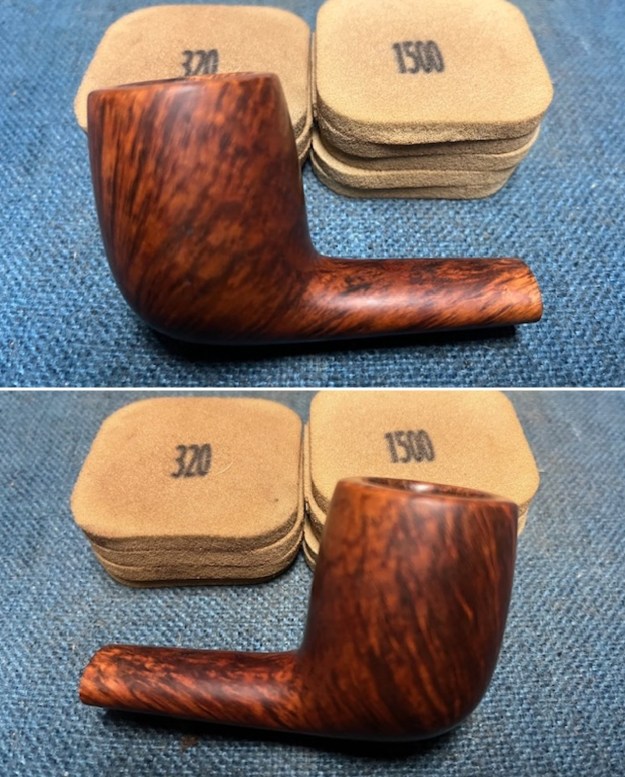
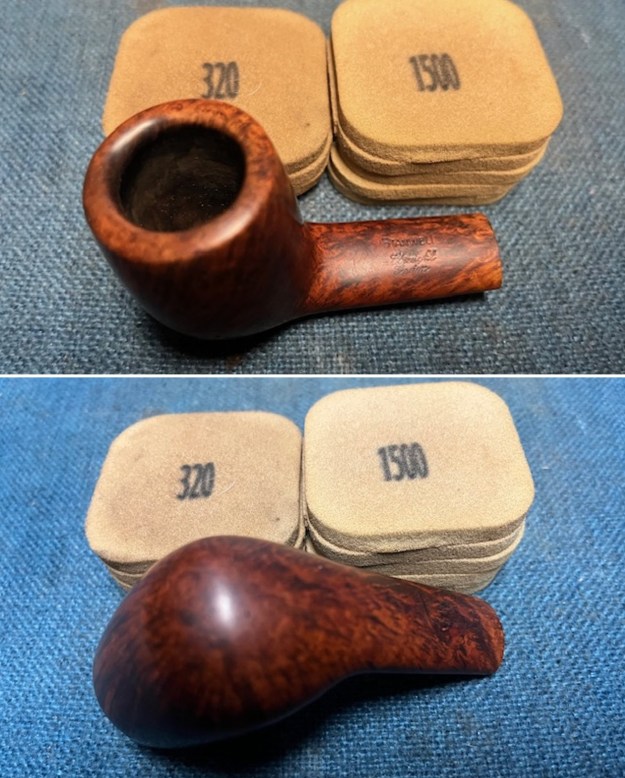
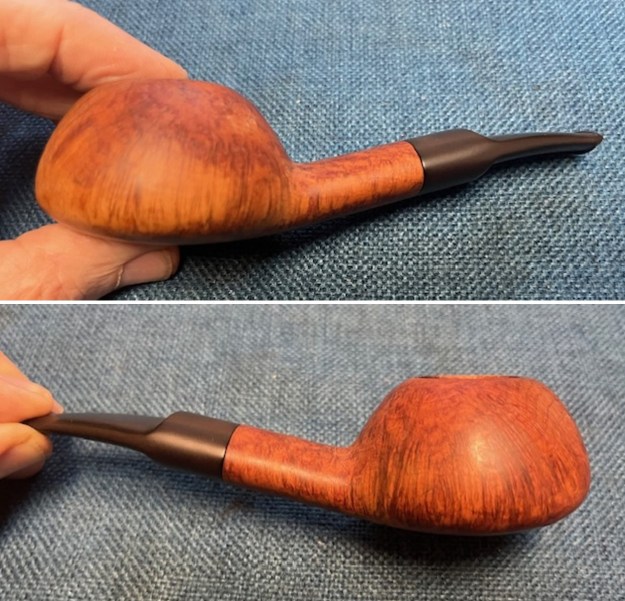
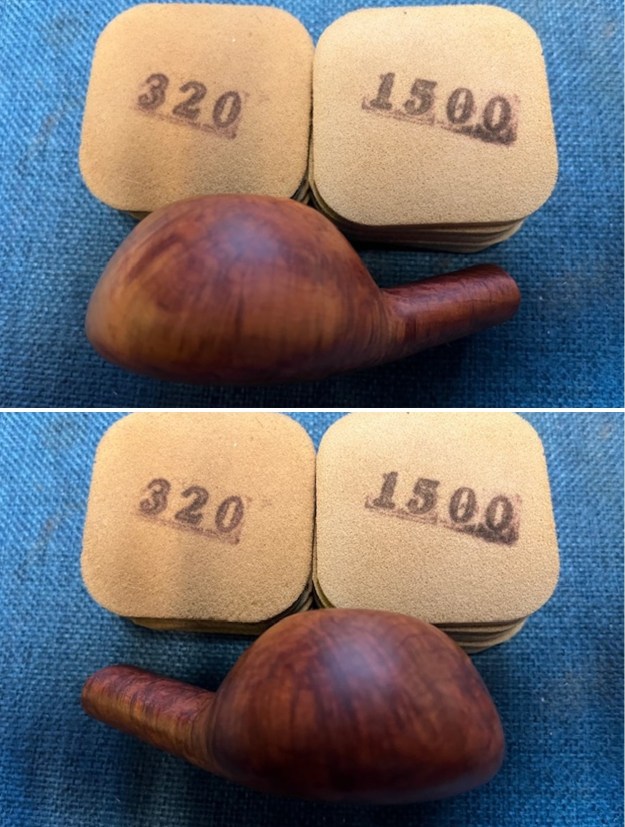
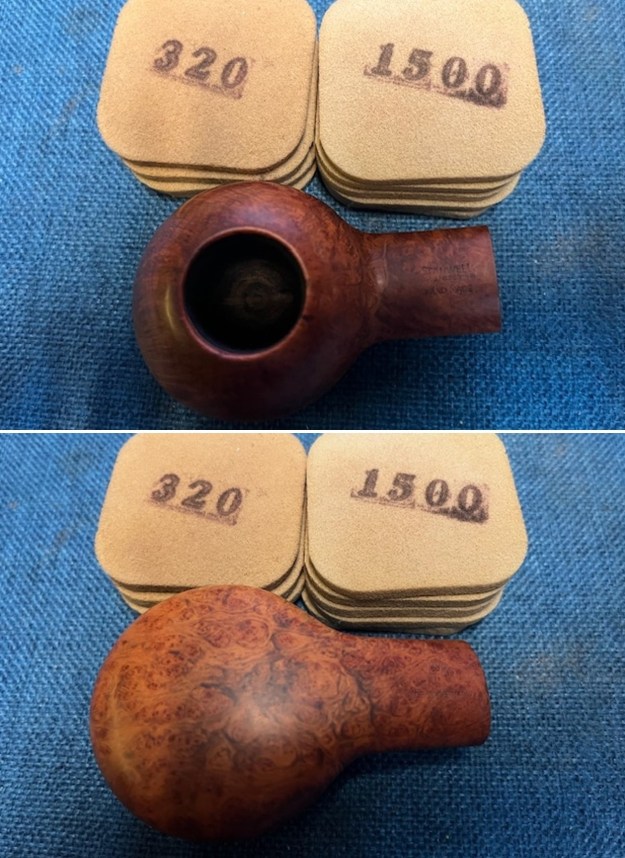
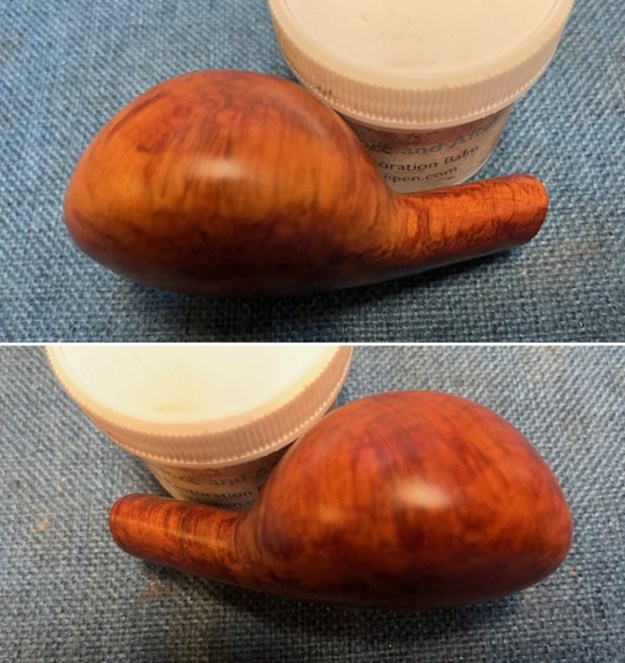
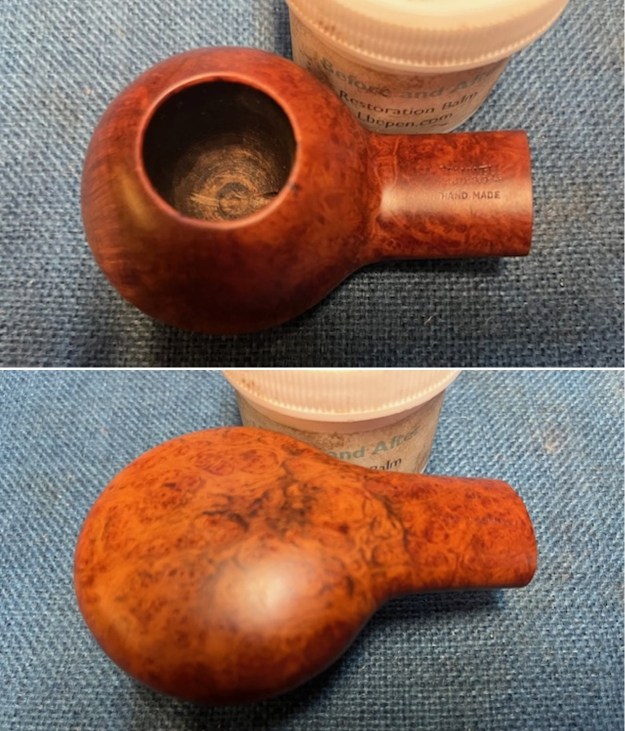
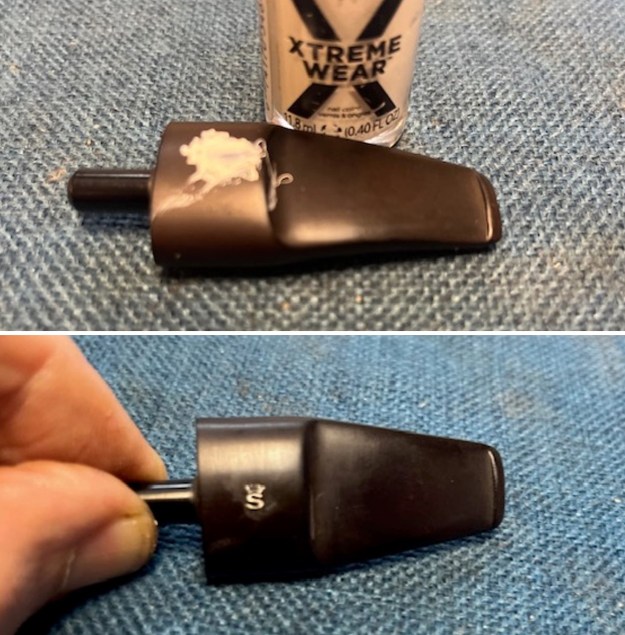
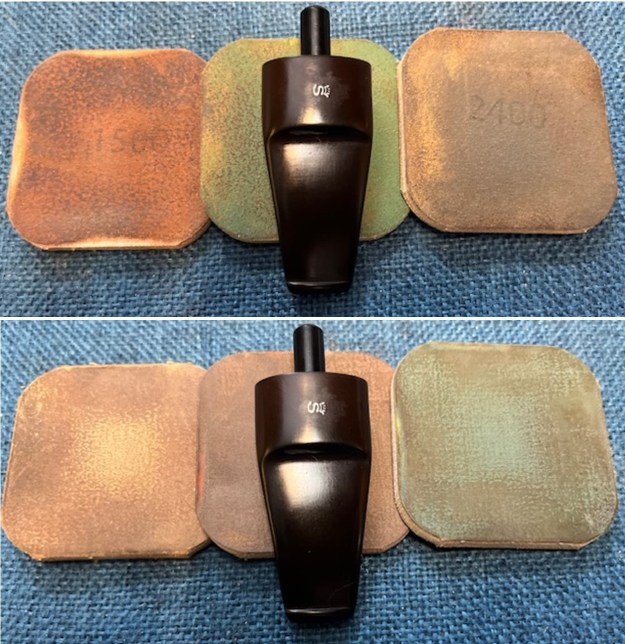
Jeff had thoroughly cleaned up the pipe. He reamed the pipe with a PipNet Pipe Reamer and cleaned up the remnants with a Savinelli Fitsall Pipe Knife. He scrubbed the bowl with undiluted Murphy’s Oil Soap with a tooth brush. He rinsed it under running warm water to remove the soap and grime. He cleaned out the inside of the shank and the airway in the stem with alcohol, cotton swabs, pipe cleaners and shank brushes. He scrubbed the exterior of the stem with Soft Scrub to remove the grime and calcification. He soaked the stem in Before & After Deoxidizer and rinsed it off with warm water. The pipe looked very good when it arrived here. I took close up photos of the bowl, rim and the stem. You can see the nicks on the thin inner edge of the bowl. The vulcanite saddle stem is in good condition with light tooth marks and some chatter as noted above.I took photos of the stamping on the top and underside of the shank. It is readable as noted above. I removed the stem from the shank and took a photo to give a sense of the proportions of the pipe. The briar is quite beautiful and I think that polishing it will make the grain stand out. I worked on the damage to the inner edge of the rim top with a folded piece of 220 grit sandpaper to smooth out the chips in the finish. By the end it looked much better.I sanded the bowl with 320-3500 grit sanding pads to smooth out the finish and bring some life back to the briar. I wiped the briar down after each sanding pad to wipe off the debris left behind by sanding. I polished the bowl and shank with micromesh sanding pads – dry sanding with 1500-12000 grit pads. I wiped the bowl down after each pad to remove the grit. The bowl began to take on a rich shine. It is a beauty. I rubbed the bowl down with Before & After Restoration Balm. I worked it into the briar with my finger tips. I let it sit for 10 minutes and the Balm did its magic. It enlivens, cleans and preserves the briar. It certainly brought this bowl back to life. I buffed it off with a clean cloth and took the following photos. I set the bowl aside and turned my attention to the stem. I touched up the “Crown S” stamp on the topside of the saddle stem with some white acrylic fingernail polish. I worked it into the stamp with a tooth pick. I scraped off the excess with piece of 320 grit sanding pad and buffed it off with a soft cloth and some Obsidian Oil. It looked very good. I polished the stem with micromesh sanding pads – 1500-12000 grit pads. I wiped it down with a damp cloth after each sanding pad. I used Before & After Pipe Polish – both Fine and Extra Fine to further polish the stem. This Sixten Ivarsson Designed Stanwell Regd. No. 969-48 Ukulele 91 with a vulcanite saddle stem is a great looking pipe now that it has been restored. The stain really highlights the grain and the polished finish is stunning. I put the stem back on the bowl and carefully buffed the pipe with Blue Diamond on the buffing wheel. I gave the bowl and the stem multiple coats of carnauba wax on the buffing wheel and followed that by buffing the entire pipe with a clean buffing pad. I hand buffed the pipe with a microfiber cloth to deepen the shine. The finished Stanwell Regd. No. 969-48 Ukulele 91 fits nicely in the hand and feels great. Give the finished pipe a look in the photos below. The dimensions of the pipe are Length: 5 ½ inches, Height: 1 ¼ inches, Outside diameter of the bowl: 1 ¼ inches, Chamber diameter: 7/8 of an inch. The weight of the pipe is 65 grams /2.33 ounces. I will be adding the pipe to the Danish Pipe Makers Section of the rebornpipes store. If you are interested in purchasing this pipe send me a message or an email.

As always, I encourage your questions and comments as you read the blog. Thanks to each of you who are reading this blog. Remember we are not pipe owners; we are pipe men and women who hold our pipes in trust until they pass on into the trust of those who follow us.

Restoring a Chonowitch Designed Stanwell Bordeaux 148 Canadian


Blog by Steve Laug

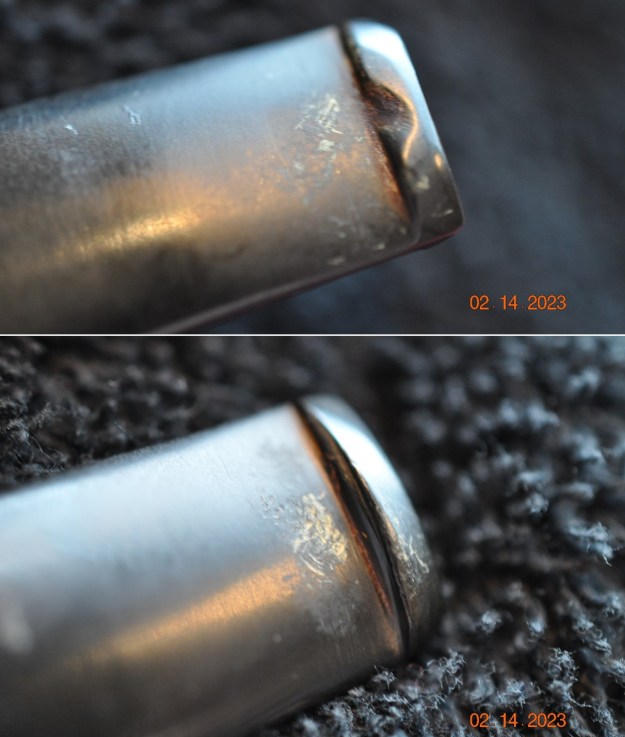
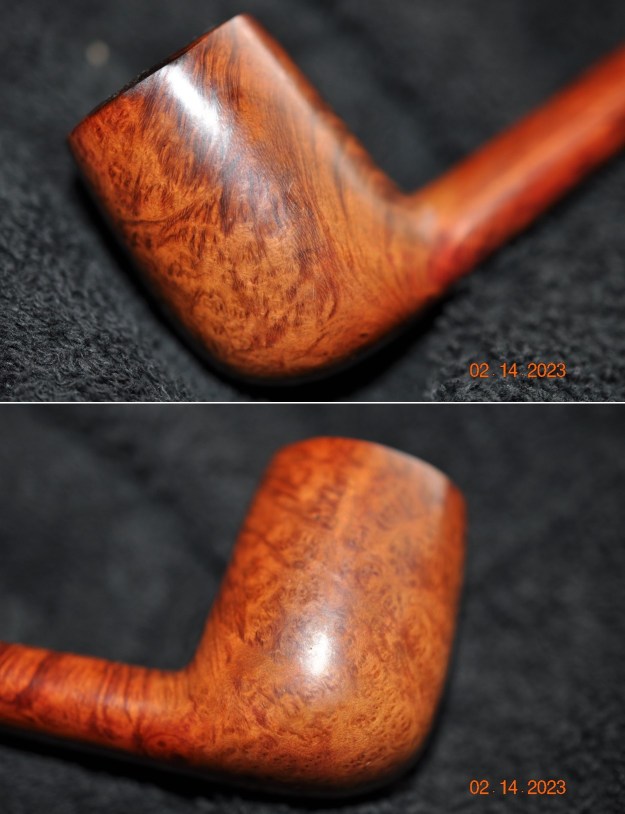
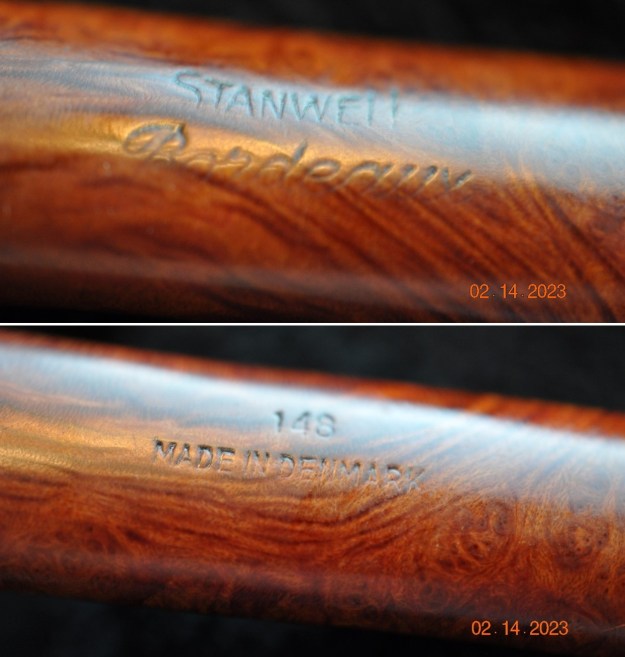
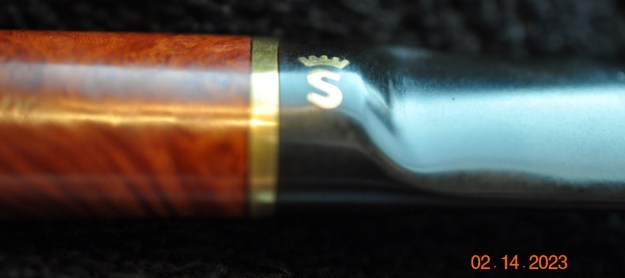
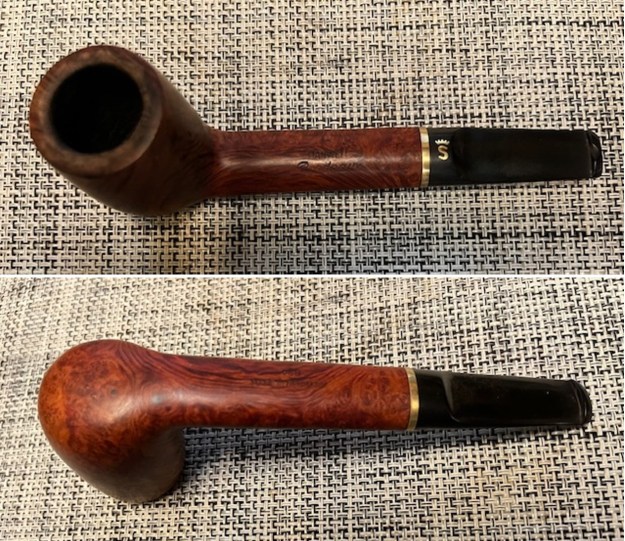
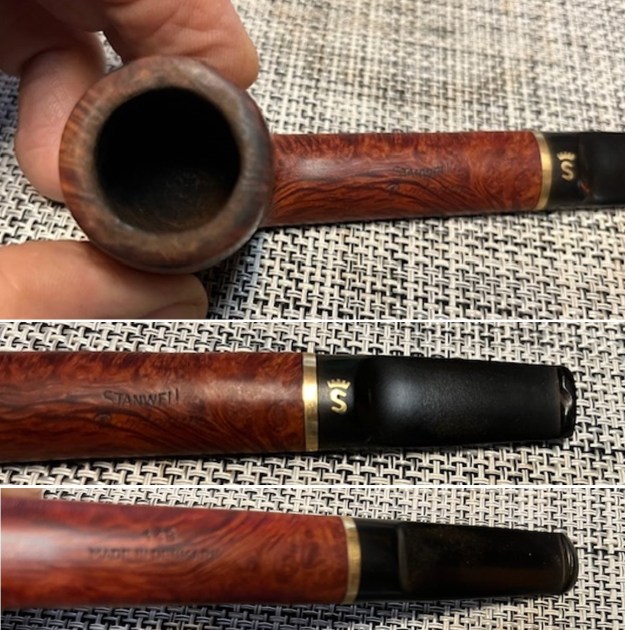
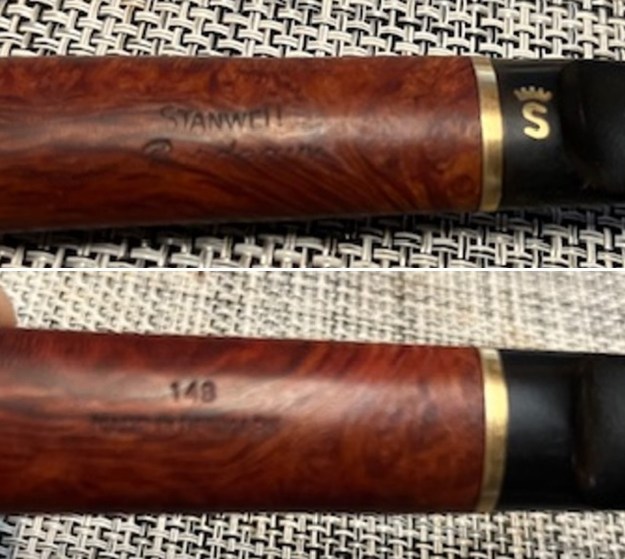
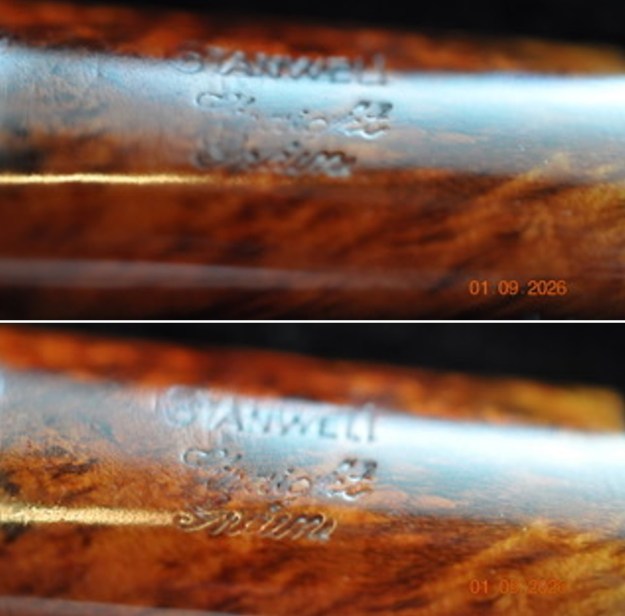
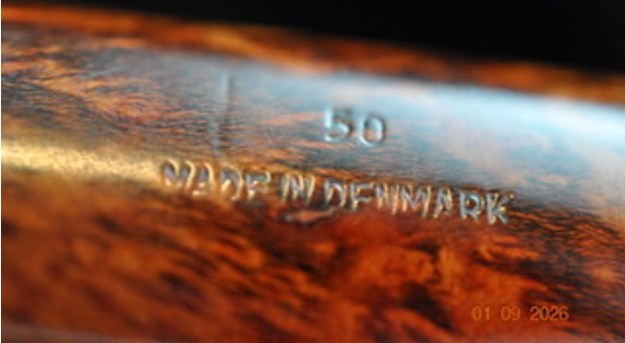
The next pipe on the table to work on is one that was purchased on 01/26/2023 in a lot of pipes that came to us from Copenhagen, Denmark. This is a oval shank Canadian with a smooth finish and a thin brass band on the shank. It is another Made in Denmark Stanwell. The smooth finish on this pipe, around the bowl and shank has a mix of grain highlighted by the reddish brown stain. The pipe is stamped on the topside of the shank and reads STANWELL [over] Bordeaux. On the underside of the shank the shape number 148 is stamped [over] Made In Denmark. The pipe was a well used pipe when Jeff received it. There was dust and grime ground into the finish on the sides of the bowl. The mixture of brown stains highlights some mixed grain under the dirt. The bowl was moderately caked and there was an overflow of lava on the smooth rim top. The condition of the inner edge was hard to know due to the lava coat. The saddle stem is vulcanite and was dirty, oxidized and had light tooth marks, chatter and scratches on both sides ahead of the button and on the button itself. There is a brass Crown S logo inlaid on the topside of the saddle stem. Jeff took photos of the pipe before he started his clean up work on it. He took photos of the bowl and rim top to show what they looked like before his clean up. You can see the cake in the bowl and the lava on the rim top and inner edges. It is hard to know what the condition of the inner edge looks like. He also took some of the stem to show the condition of both sides. There are tooth marks on the surface of the stem ahead of the button and on the button surface itself. The photos of the sides and heel of the bowl show the grain around the bowl and shank. The mixture of brown stains adds depth finish on the pipe. Even under the grime it is a real beauty. The stamping on this one was around the bamboo horizontally and is shown in the photo below. It is clear and readable as noted above. The second photo shows the white stamped crown S on the stem side. Before I started my work on the pipe I wanted to see if I could find any information that would help me get a sense of the line. I turned to Pipephil to see if there was any listing on the Bordeaux Line (http://pipephil.eu/logos/en/logo-stanwell.html). There was nothing listed.
I then turned to Pipedia (https://pipedia.org/wiki/Stanwell) for more information. The article is great and gives a lot of history on the brand. There were also links to a shape article by Bas Stevens that I originally published on rebornpipes. I looked up the 148 shape number to see who had designed that shape (https://pipedia.org/wiki/Stanwell_Shape_Numbers_and_Designers). I quote the information below.

  1. Canadian, short saddle mouthpiece by Jess Chonowitsch.

Now it was time to work on the pipe.

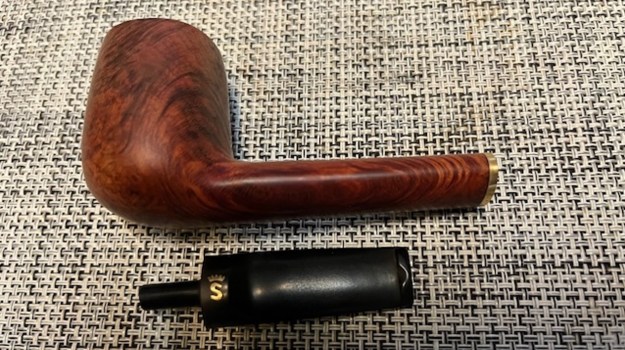
Jeff had thoroughly cleaned up the pipe. He reamed the pipe with a PipNet Pipe Reamer and cleaned up the remnants with a Savinelli Fitsall Pipe Knife. He scrubbed the bowl with undiluted Murphy’s Oil Soap with a tooth brush. He rinsed it under running warm water to remove the soap and grime. He cleaned out the inside of the shank and the airway in the stem with alcohol, cotton swabs and pipe cleaners. He scrubbed the exterior of the stem with Soft Scrub to remove the grime and calcification. He soaked the stem in Before & After Deoxidizer and rinsed it off with warm water. The pipe looked very good when it arrived here in Vancouver. I took close up photos of the bowl, rim and the stem. You can see the damage and the darkening on rim top and inner edge. The vulcanite saddle stem is in good condition with light tooth marks and some chatter as noted above. There are some deep tooth marks on the button surface as well.I took photo of the stamping on the underside of the shank. It is readable as noted above. I removed the stem from the shank and took a photo to give a sense of the proportions of the pipe. The briar is quite beautiful and the dark and medium stains really make it stand out. I worked on the damage to the inner edge and the rim top with a folded piece of 220 grit sandpaper to bring the edge back into round and smooth out the scratches on the top. By the end it looked much better.I polished the bowl and shank with micromesh sanding pads – dry sanding with 1500-12000 grit pads. I wiped the bowl down after each pad to remove the grit. The bowl began to take on a rich shine. It is a beauty. I rubbed the bowl down with Before & After Restoration Balm. I worked it into the briar with my finger tips. I let it sit for 10 minutes and the Balm did its magic. It enlivens, cleans and preserves the briar. It certainly brought this bowl back to life. I buffed it off with a clean cloth and took the following photos. I set the bowl aside and turned my attention to the stem. I filled in the tooth marks on the surface and in the button edges. I used black CA glue and rebuilt the deep tooth marks on both side and on both top and underside button. I set the stem aside to cure. I used a small file to flatten the repair and to also cut the sharp edge of the button. I started sanding it smooth with a folded piece of 220 grit sandpaper. I polished the vulcanite stem surface and repairs near the button with a new product I am using. I ordered a set of 2 inch sanding pads for 320-3500 grit sanding pads from Amazon. They work amazingly well and are easy to manage and sand close to the sharp edge of the button. I polished the stem with micromesh sanding pads – 1500-12000 grit pads. I wiped it down with a damp cloth after each sanding pad. I used Before & After Pipe Polish – both Fine and Extra Fine to further polish the stem. This Stanwell Bordeaux 148 Canadian with a vulcanite saddle stem is a great looking pipe now that it has been restored. The mix of stains once cleaned up really highlights the grain and the polished sandblast finish is stunning. I put the stem back on the bowl and carefully buffed the pipe with Blue Diamond on the buffing wheel. I gave the bowl and the stem multiple coats of carnauba wax on the buffing wheel and followed that by buffing the entire pipe with a clean buffing pad. I hand buffed the pipe with a microfiber cloth to deepen the shine. The finished Stanwell Bordeaux 148 Canadian fits nicely in the hand and feels great. Give the finished pipe a look in the photos below. The dimensions of the pipe are Length: 5 ½ inches, Height: 1 ¾ inches, Outside diameter of the bowl: 1 1/8 inches, Chamber diameter: ¾ of an inch. The weight of the pipe is 31 grams / 1.09 ounces. I will be adding the pipe to the Danish Pipe Makers Section of the rebornpipes store. If you are interested in purchasing this pipe send me a message or an email.

As always, I encourage your questions and comments as you read the blog. Thanks to each of you who are reading this blog. Remember we are not pipe owners; we are pipe men and women who hold our pipes in trust until they pass on into the trust of those who follow us. 

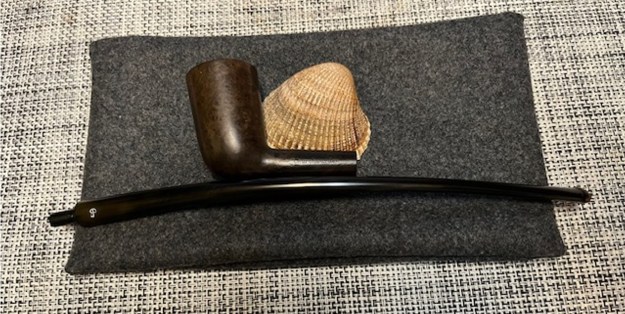
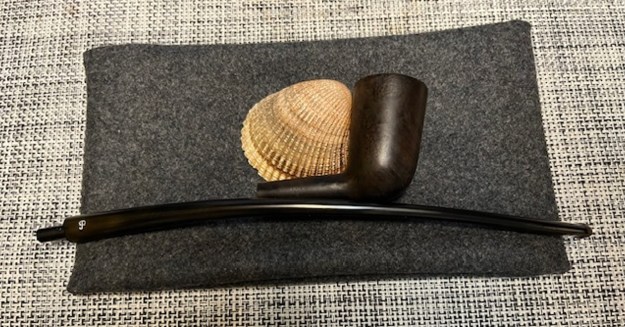
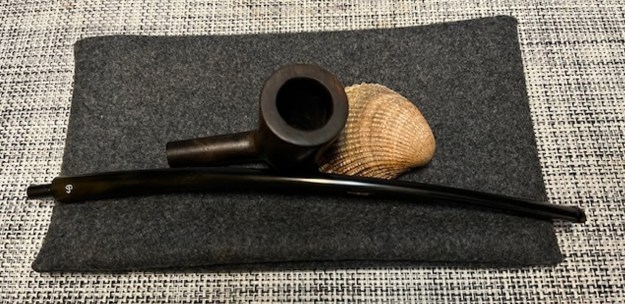
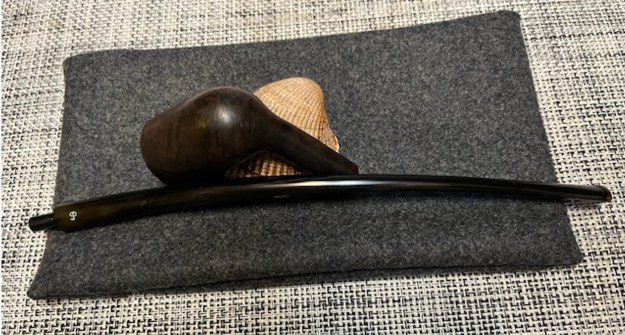
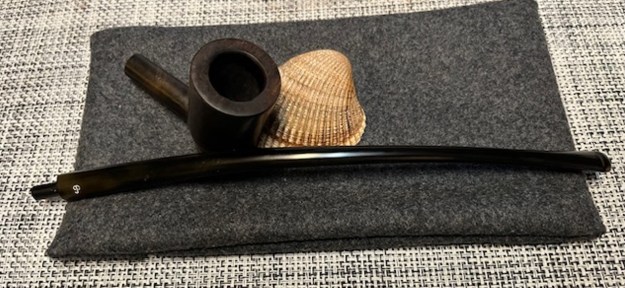
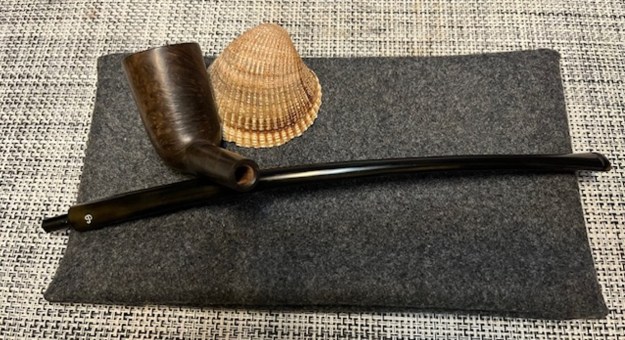
Restoring a Republic Era Peterson’s Canted Dublin “Churchwarden”


Blog by Steve Laug

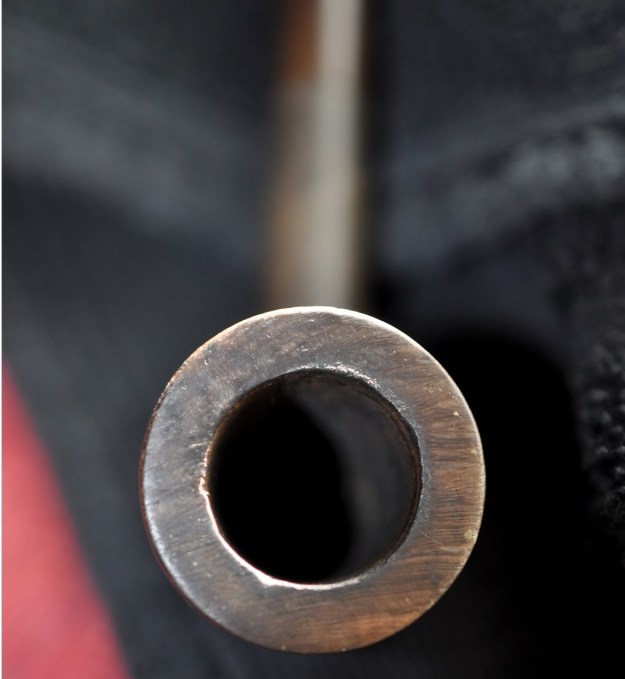
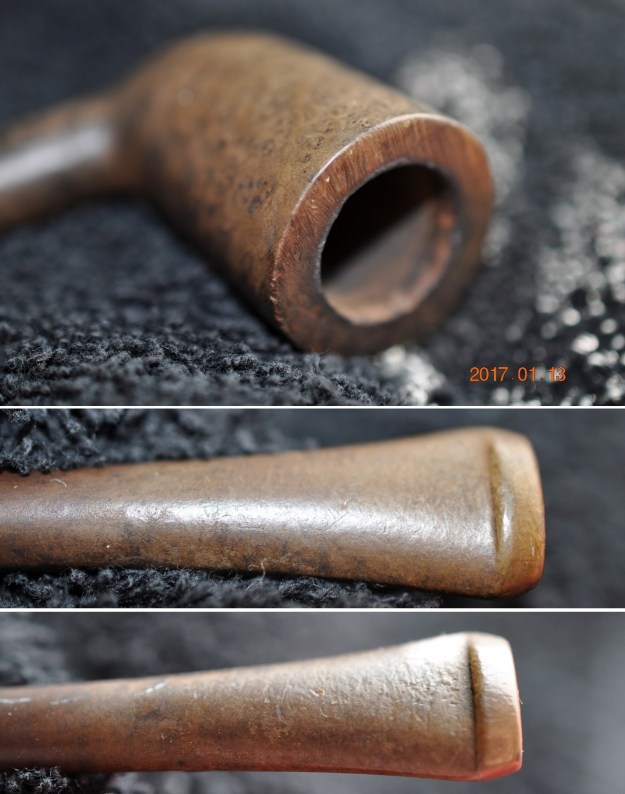
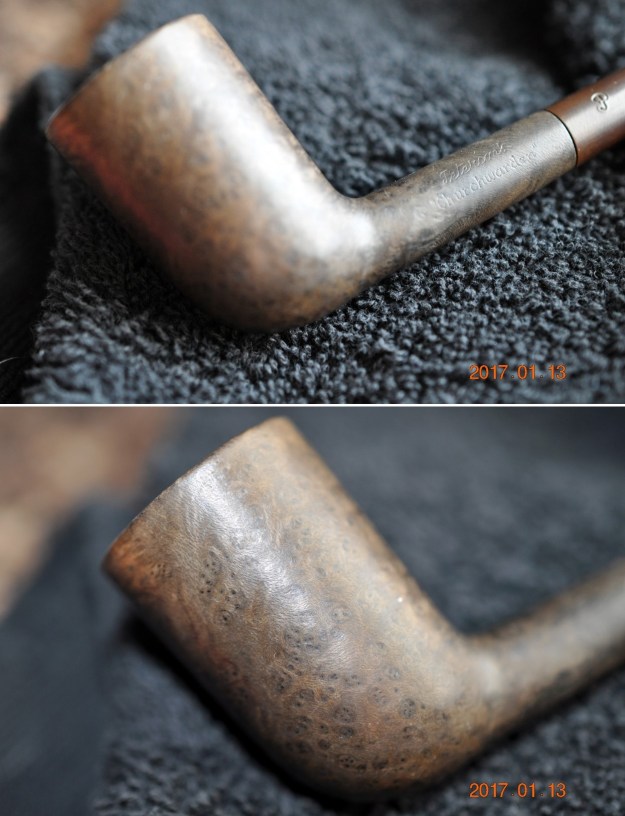
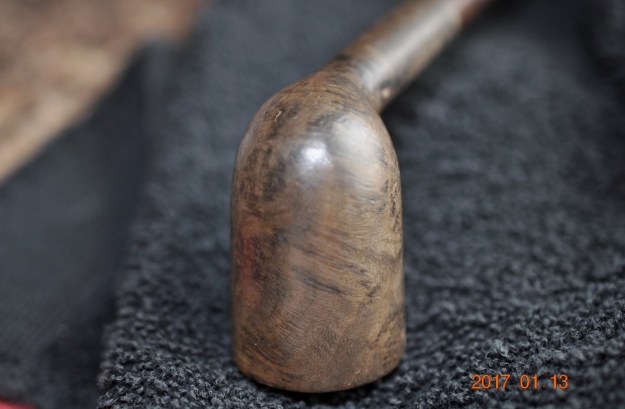
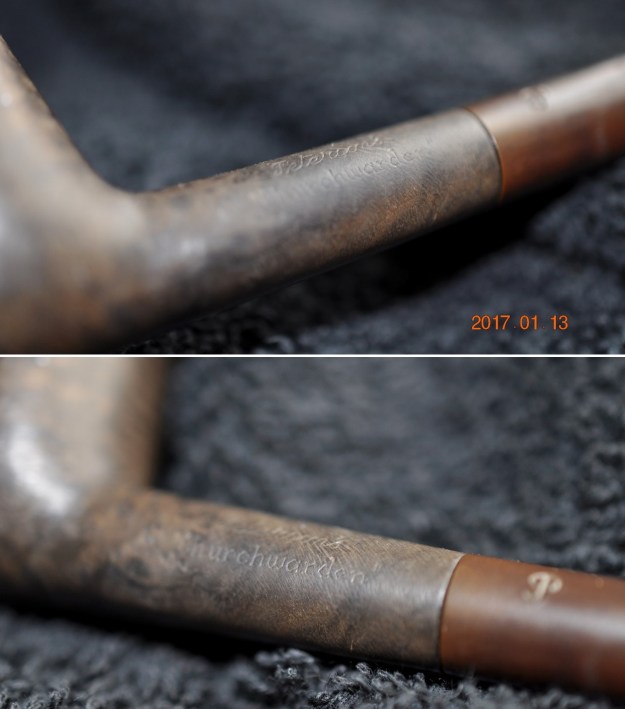
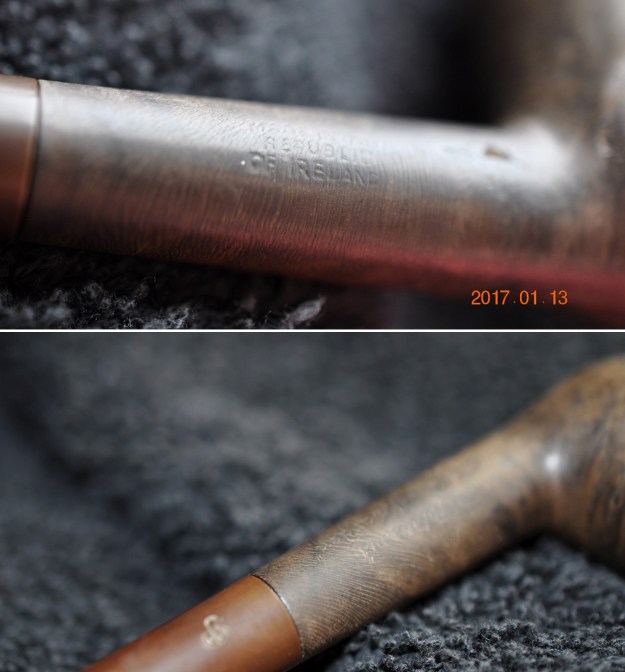
It is a cold and overcast day here in Vancouver and I decided to work on a pipe that has been sitting here for many years. It was purchased on 12/17/2016 off an eBay auction from Somerset, United Kingdom. This is a canted bowl Dublin. The smooth finish on this pipe, around the bowl and shank has a mix of flame and straight grain highlighted by a brown and a green wash over the briar. The stamping is faint but readable. It is stamped on the left side of the shank and reads Peterson’s [over] “Churchwarden”. On the right side of the shank it is stamped Made in the Republic of Ireland (three lines). The pipe was a well used pipe when Jeff received it. There was dust and grime ground into the finish. The mixture of brown stains and green highlights some beautiful grain under the dirt. The bowl was moderately caked and there was an overflow of lava on the smooth rim top. The inner edge had some damage. The stem is vulcanite and was heavily oxidized and had light tooth marks, chatter on both sides ahead of the button. There is a stamped “P” logo on the left side of the taper stem. Jeff took photos of the pipe before he started his clean up work. He took photos of the bowl and rim top to show what they looked like before his clean up. You can see the light lava coat on the rim top and the cake in the bowl. The inner edge shows some damage around the edge. Some spots it is nicked from what appears to be a reamer and others seem to be burn damage. He also took some of the stem to show the condition of both sides. The photos of the sides and heel of the bowl show the uniquely stained grain around the bowl and shank. The mixture of brown stains and green wash adds depth to the finish on the pipe. Even under the grime it is a real beauty. The stamping on this one was on the sides of the shank and are shown in the photos below. It is clear and readable as noted above. You can also see the stamped P on the left side of the stem. I turned to The Peterson Pipe by Mark Irwin and Gary Malmberg, p. 313 to the listing under Specialty Briars. It says this is a term used to describe several lines. Here is the information on the Churchwarden.
Churchwarden (1945-) Long pipe with various smaller bowl shapes and a fishtail mouthpiece; smooth finish, rustic starting in1969, spigot in 2018.

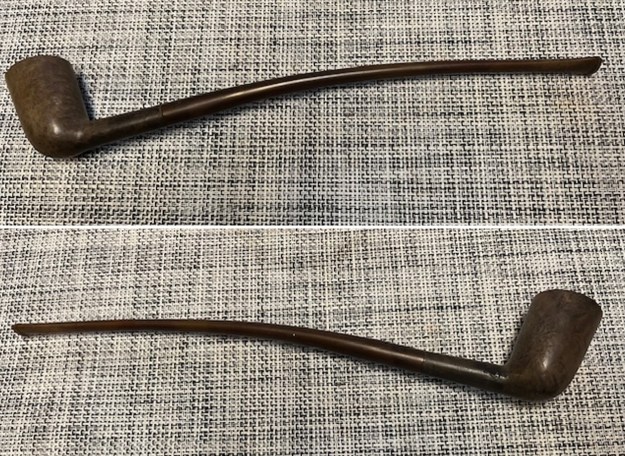
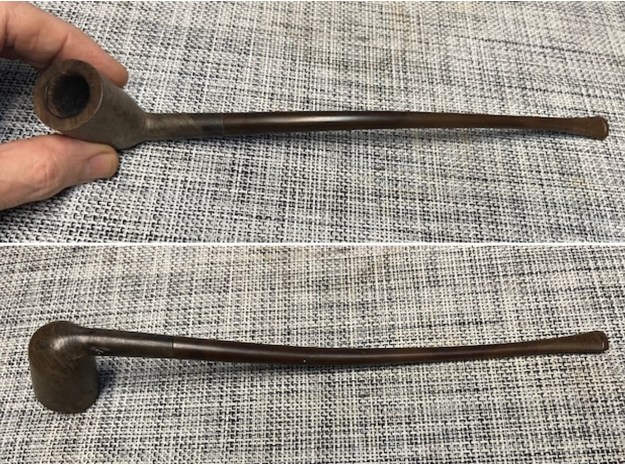
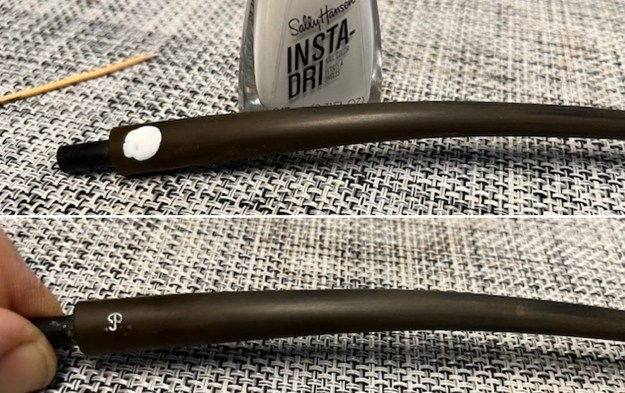
Now it was time to work on the pipe. Jeff had thoroughly cleaned up the pipe. He reamed the pipe with a PipNet Pipe Reamer and cleaned up the remnants with a Savinelli Fitsall Pipe Knife. He scrubbed the bowl with undiluted Murphy’s Oil Soap with a tooth brush. He rinsed it under running warm water to remove the soap and grime. He cleaned out the inside of the shank and the airway in the stem with alcohol, cotton swabs and pipe cleaners. He scrubbed the exterior of the stem with Soft Scrub to remove the grime and calcification. He soaked the stem in Before & After Deoxidizer and rinsed it off with warm water. The pipe looked very good when it arrived here in Vancouver. I took close up photos of the bowl, rim and the stem. The rim top and inner edge cleaned up very well. There was some darkening and some roughness to the inner edge of the rim. The stem looks cleaner, but still has some oxidation (from sitting here since 2016). There are light tooth marks and some chatter as noted above.I took photos of the stamping on the shank. The stamping is faint but readable as noted above. I took the stem off the shank and took a photo to give a sense of the flow and proportion of the pipe. It is a beautiful looking Churchwarden.I started my work on the pipe by dealing with the damage to the fill on the right side of the shank near the bowl. It is not deep but it looks like the fill has fallen out. It was quite clean and I used clear CA glue to fill in the area. Once the repair cured I will sand it when I am working on the bowl and shank polishing.I then turned to work on the damaged inner edge of the rim. I used a folded piece of 220 grit sandpaper to smooth out the damage and round the edges. Once I finished it the rim top and edges looked much better. I also used it to smooth out the repaired fill on the right side of the shank at the bowl.I polished the bowl and shank with micromesh sanding pads – dry sanding with 1500-12000 grit pads. I wiped the bowl down after each pad to remove the grit. The bowl began to take on a rich shine. It is a beauty. I rubbed the bowl down with Before & After Restoration Balm. I worked it into the briar with my finger tips. I let it sit for 10 minutes and the Balm did its magic. It enlivens, cleans and preserves the briar. It certainly brought this bowl back to life. I buffed it off with a clean cloth and took the following photos. I set the bowl aside and turned my attention to the oxidized stem. I worked on it with Soft Scrub and cotton pads. I was able to remove the majority of the oxidation with the pads and polish. The stem is looking much better.I touched up the “P” stamp on the left side of the stem with white enamel fingernail polish. I applied it with a dauber and worked it into the stamp with a tooth pick. Once it had dried I scraped and sanded off the excess with a 1200 grit micromesh sanding pad. It looked very good.I worked on the remaining oxidation on the vulcanite stem surface and chatter near the button with a new product I am using. I ordered a set of 2 inch sanding pads for 320-3500 grit sanding pads from Amazon. They work amazingly well and are easy to manage and sand close to the sharp edge of the button.I polished the stem with micromesh sanding pads – 1500-12000 grit pads. I wiped it down with a damp cloth after each sanding pad.I polished it with Before & After Pipe Stem Polish – both Fine and Extra Fine. I gave it a coat of Obsidian Pipe Stem Oil. I set it aside to dry. This delicate Republic Era Peterson’s Dublinesque “Churchwarden” with a vulcanite taper stem is a classic looking Churchwarden Specialty Pipe. The mix of stains once cleaned up really highlights the grain and the polished finish is stunning. I put the stem back on the bowl and carefully buffed the pipe with Blue Diamond on the buffing wheel. I gave the bowl and the stem multiple coats of carnauba wax on the buffing wheel and followed that by buffing the entire pipe with a clean buffing pad. I hand buffed the pipe with a microfiber cloth to deepen the shine. The finished Peterson’s “Churchwarden” fits nicely in the hand and feels great. Give the finished pipe a look in the photos below. The dimensions of the pipe are Length: 10 inches, Height: 1 ¾  inches, Outside diameter of the bowl: 1 1/8 inches, Chamber diameter: ¾ of an inch. The weight of the pipe is 29 grams /1.02 ounces. I will be adding the pipe to the Irish Pipe Makers Section of the rebornpipes store. If you are interested in purchasing this pipe send me a message or an email. Thanks for reading this blog and my reflections on the pipe while I worked on it.

As always, I encourage your questions and comments as you read the blog. Thanks to each of you who are reading this blog. Remember we are not pipe owners; we are pipe men and women who hold our pipes in trust until they pass on into the trust of those who follow us.

What an incredible beautifully grained Ivarsson Design Danish Made Stanwell 75


Blog by Steve Laug

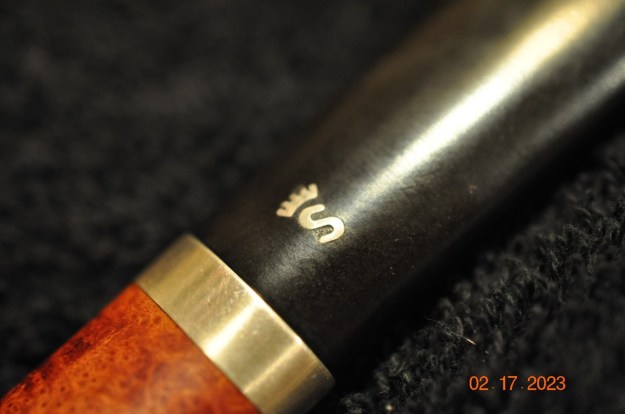
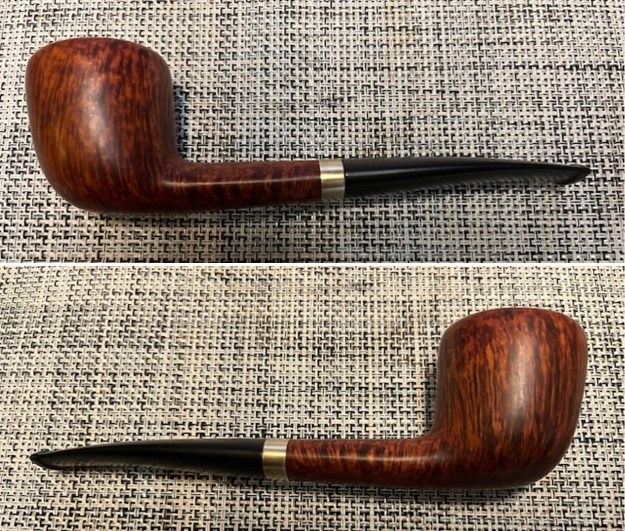
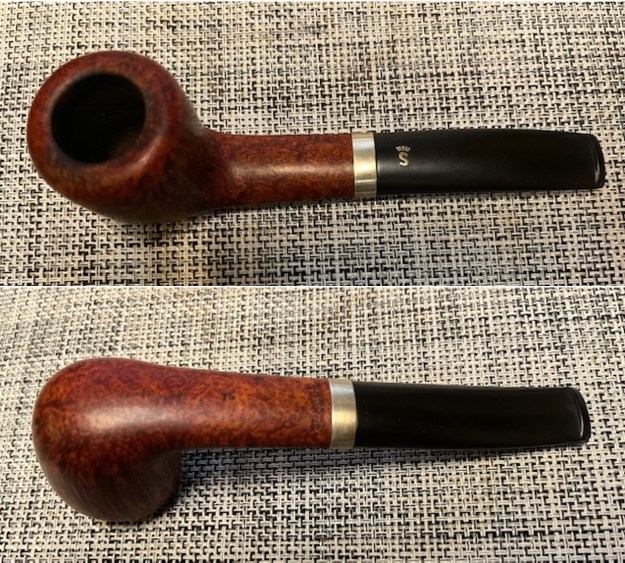
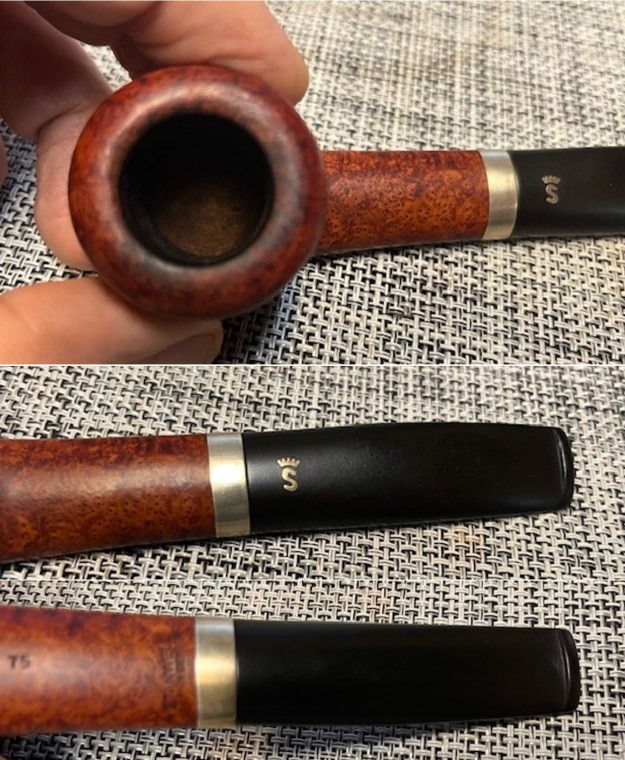
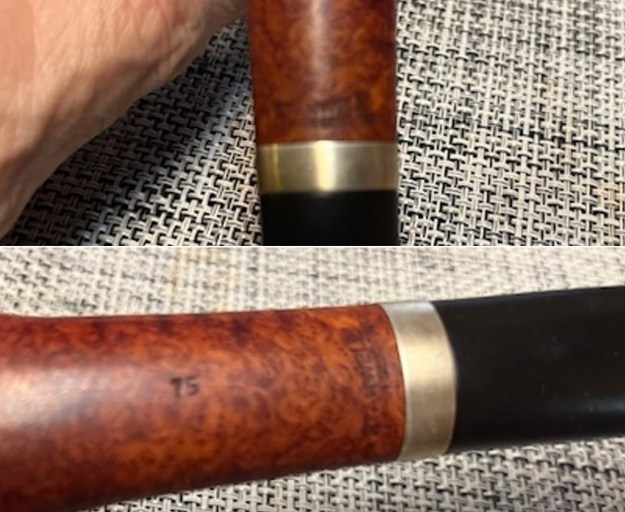
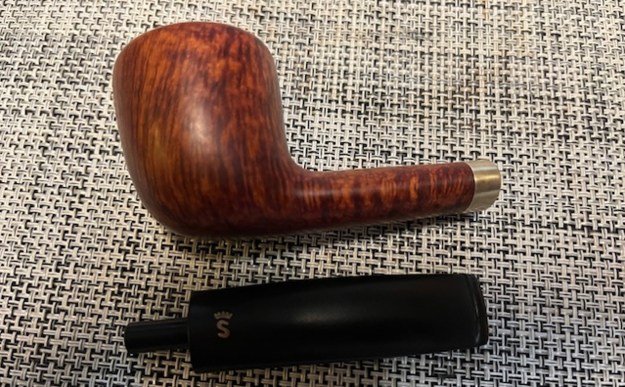
It is a cold day, but still sunny here in Vancouver and I decided to work on another pipe that was purchased on 01/26/2023 in a lot of pipes that came to us from Copenhagen, Denmark. This is a Danish oval shank Freehand with a smooth finish and great grain. It is another Made in Denmark Stanwell. The smooth finish on this pipe, around the bowl and shank has a mix of flame and straight grain highlighted by the rich brown stain. The pipe is stamped on the underside of the shank next to the silver band and reads STANWELL [over] Made in Denmark. On the underside mid shank, it is stamped with the shape number 75. The end of the shank sports a silver band that is decorative. The pipe was a well used pipe when Jeff received it. There was dust and grime ground into the finish. The mixture of brown stains highlights some beautiful grain under the dirt. The bowl was moderately caked and there was an overflow of lava on the smooth rim top. The inner edge looked quite good. The stem is vulcanite and was dirty, oxidized and had light tooth marks, chatter on both sides ahead of the button. There is an inlaid silver crown S logo on the top side of the taper stem. Jeff took photos of the pipe before he started his clean up work. He took photos of the bowl and rim top to show what they looked like before his clean up. You can see the lava coat on the rim top and the cake in the bowl. The inner edge looks to be okay. He also took some of the stem to show the condition of both sides. The photos of the sides and heel of the bowl show the uniquely stained grain around the bowl and shank. The mixture of brown stains adds depth to the finish on the pipe. Even under the grime it is a real beauty. The stamping on this one was on the underside of the shank and is shown in the photo below. It is clear and readable as noted above. You can also see the silver inlaid crown S on the top of the saddle stem. Before I started my work on the pipe I wanted to see if I could find any information that would help me get a sense of the line. I turned to Pipephil to see if there was any listing on the Stanwell pipes with a simple silver band (http://pipephil.eu/logos/en/logo-stanwell.html). There was nothing listed.
I then turned to Pipedia (https://pipedia.org/wiki/Stanwell) for more information. The article is great and gives a lot of history on the brand.

There was also a link to a shape article by Bas Stevens that I originally published on rebornpipes. I looked up the 75 shape number to see who had designed that shape and there was nothing there (https://pipedia.org/wiki/Stanwell_Shape_Numbers_and_Designers). The shape 75 is described as a Freehand, slightly bent, oval stem and mouthpiece, by Sixten Ivarsson.

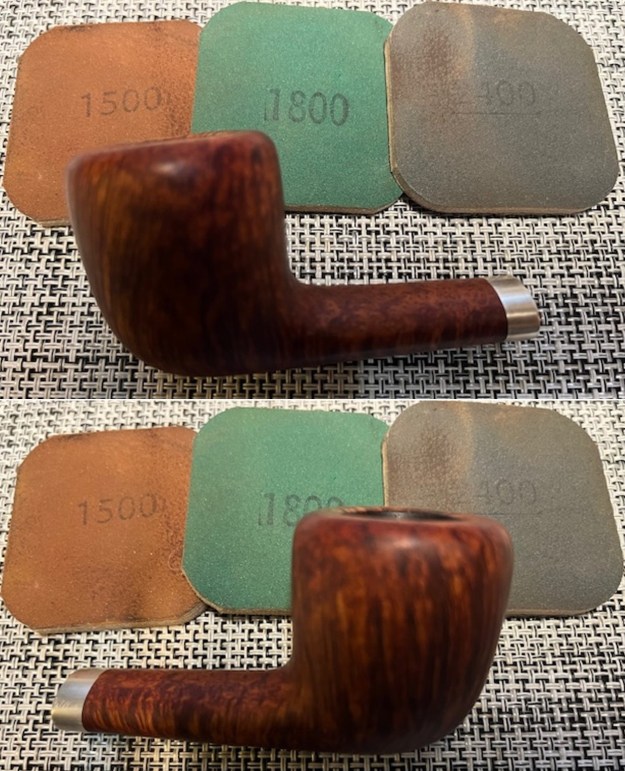
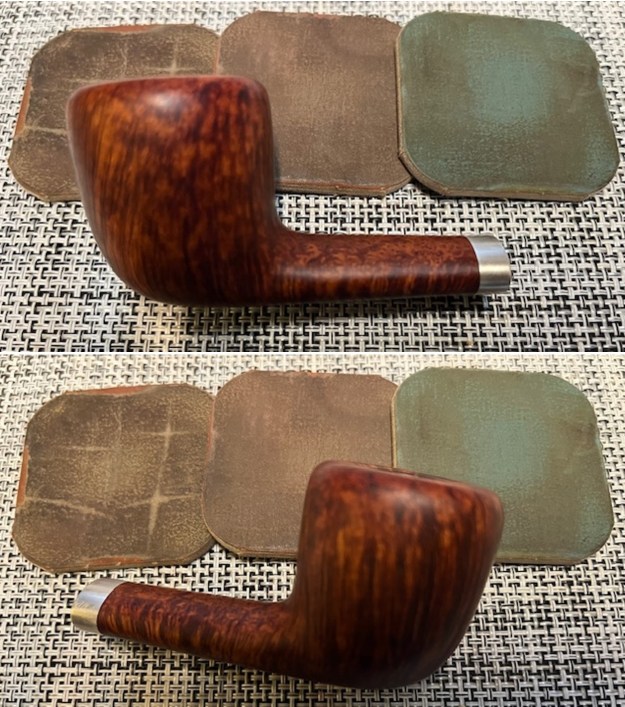
Now it was time to work on the pipe. Jeff had thoroughly cleaned up the pipe. He reamed the pipe with a PipNet Pipe Reamer and cleaned up the remnants with a Savinelli Fitsall Pipe Knife. He scrubbed the bowl with undiluted Murphy’s Oil Soap with a tooth brush. He rinsed it under running warm water to remove the soap and grime. He cleaned out the inside of the shank and the airway in the stem with alcohol, cotton swabs and pipe cleaners. He scrubbed the exterior of the stem with Soft Scrub to remove the grime and calcification. He soaked the stem in Before & After Deoxidizer and rinsed it off with warm water. The pipe looked very good when it arrived here in Vancouver. I took close up photos of the bowl, rim and the stem. The rim top and inner edge cleaned up very well. There was some darkening on the left side and backside of the rim top. The stem looks clean but still has light tooth marks and some chatter as noted above.I took photos of the stamping on the shank. The stamping is readable as noted above. I took the stem off the shank and took a photo to give a sense of the flow and proportion of the pipe. It is a beautiful looking Freehand. I started my work on the pipe by polishing the bowl and shank with micromesh sanding pads – dry sanding with 1500-12000 grit pads. I wiped the bowl down after each pad to remove the grit. The bowl began to take on a rich shine. It is a beauty. I rubbed the bowl down with Before & After Restoration Balm. I worked it into the briar with my finger tips. I let it sit for 10 minutes and the Balm did its magic. It enlivens, cleans and preserves the briar. It certainly brought this bowl back to life. I buffed it off with a clean cloth and took the following photos. I polished the silver band on the shank end with a jewellers cloth. It works to remove the tarnish and oxidation and also protects the surface from further tarnishing.I set the bowl aside and turned my attention to the stem. I polished the vulcanite stem surface and repairs near the button with a new product I am using. I ordered a set of 2 inch sanding pads for 320-3500 grit sanding pads from Amazon. They work amazingly well and are easy to manage and sand close to the sharp edge of the button.I polished the stem with micromesh sanding pads – 1500-12000 grit pads. I wiped it down with a damp cloth after each sanding pad. I polished it with Before & After Pipe Stem Polish – both Fine and Extra Fine. I gave it a coat of Obsidian Pipe Stem Oil. I set it aside to dry.This Ivarsson Design Stanwell Made in Denmark 75 Freehand with a vulcanite taper stem is a great looking pipe and really looks like an S. Bang shape. The mix of stains once cleaned up really highlights the grain and the polished finish is stunning. I put the stem back on the bowl and carefully buffed the pipe with Blue Diamond on the buffing wheel. I gave the bowl and the stem multiple coats of carnauba wax on the buffing wheel and followed that by buffing the entire pipe with a clean buffing pad. I hand buffed the pipe with a microfiber cloth to deepen the shine. The finished Stanwell Made in Denmark 75 Freehand fits nicely in the hand and feels great. Give the finished pipe a look in the photos below. The dimensions of the pipe are Length: 5 ½ inches, Height: 1 ½ inches, Outside diameter of the bowl: 1 ¼ inches, Chamber diameter: ¾ of an inch. The weight of the pipe is 40 grams /1.41 ounces. I will be adding the pipe to the Danish Pipe Makers Section of the rebornpipes store. If you are interested in purchasing this pipe send me a message or an email. Thanks for reading this blog and my reflections on the pipe while I worked on it.

As always, I encourage your questions and comments as you read the blog. Thanks to each of you who are reading this blog. Remember we are not pipe owners; we are pipe men and women who hold our pipes in trust until they pass on into the trust of those who follow us. 
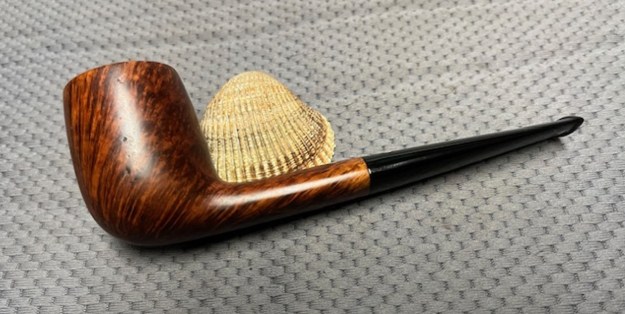
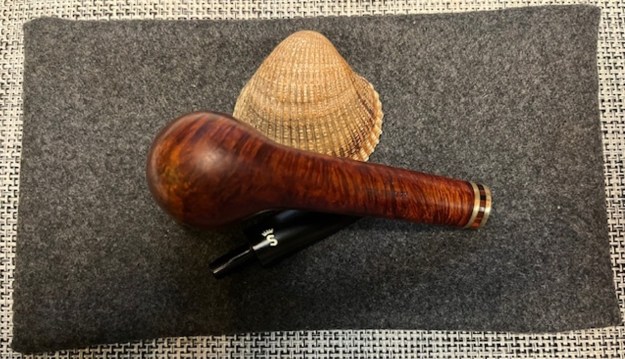
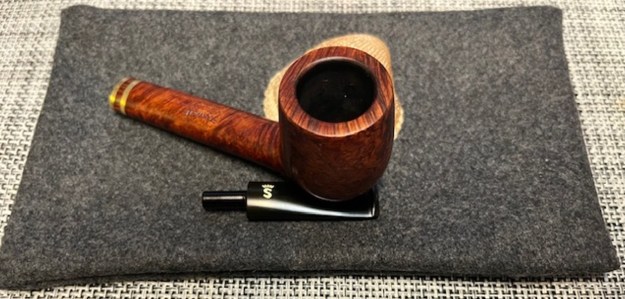
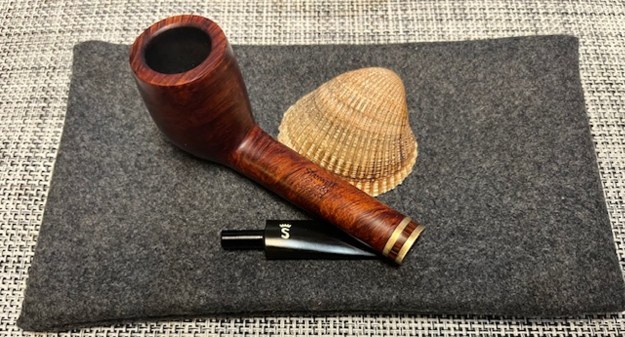
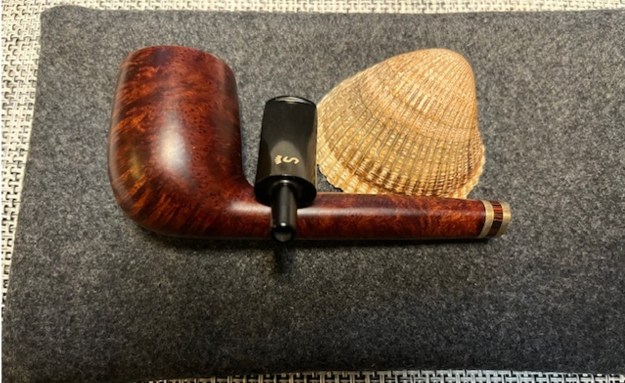
Restoring another Truly Elegant Danish made Stanwell Brass Band 56 Canadian


Blog by Steve Laug

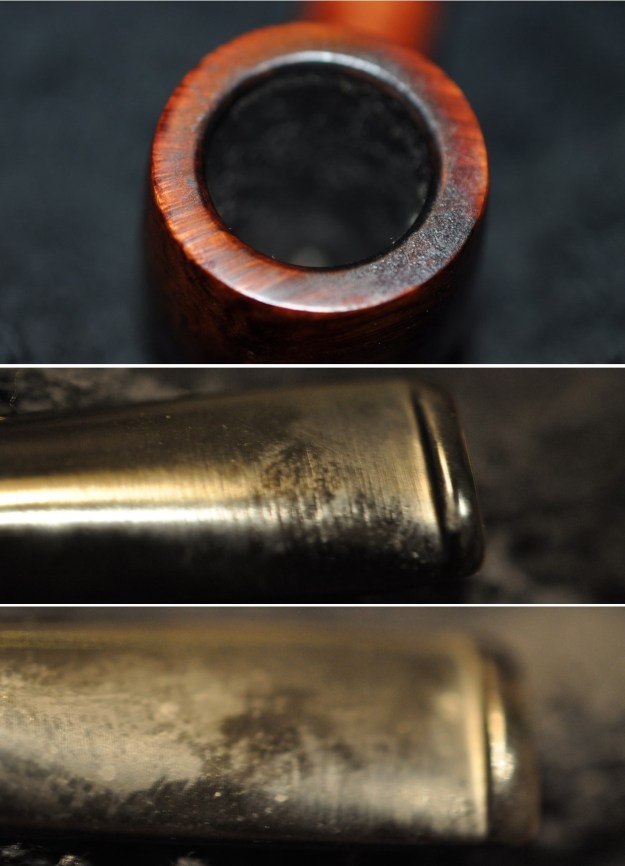
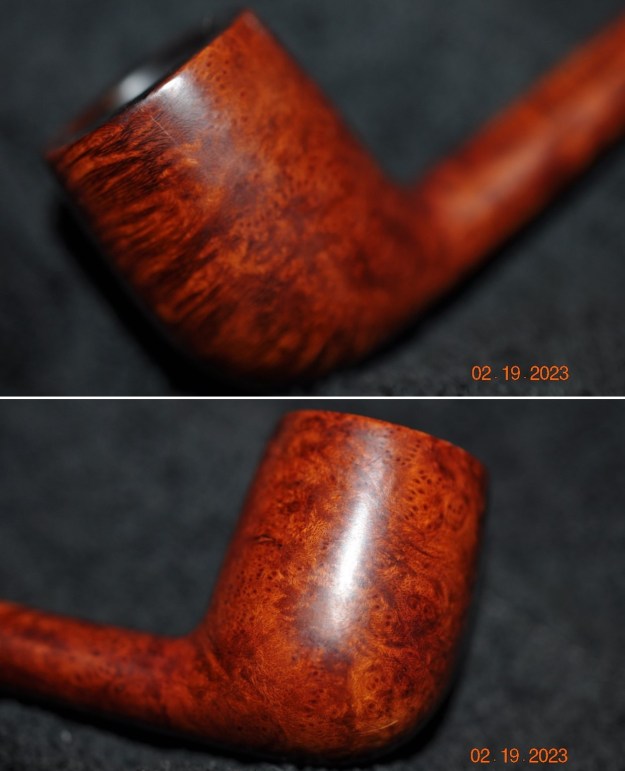
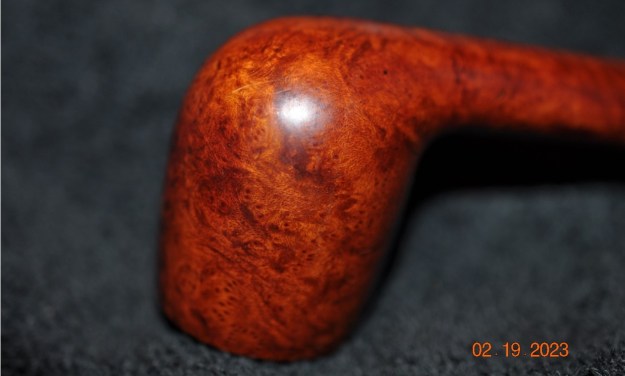
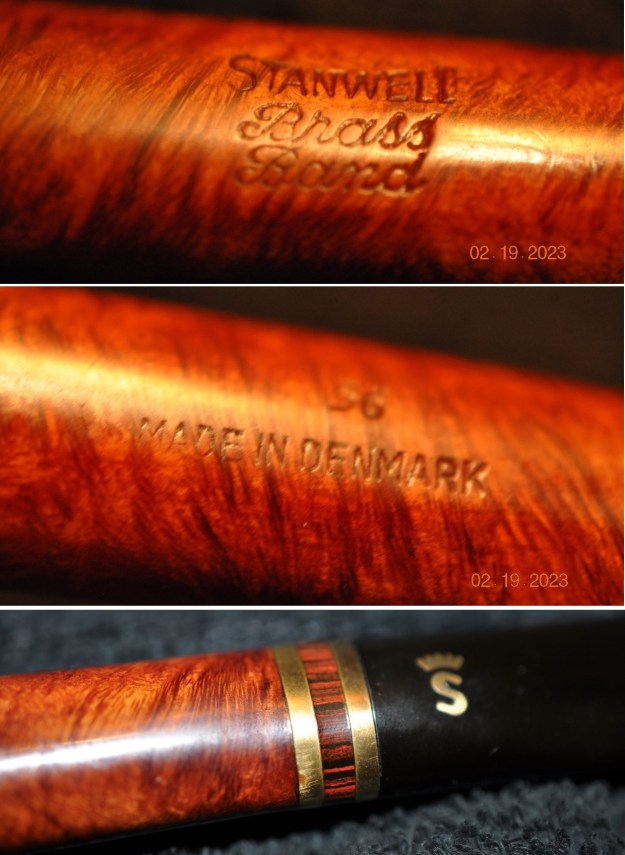
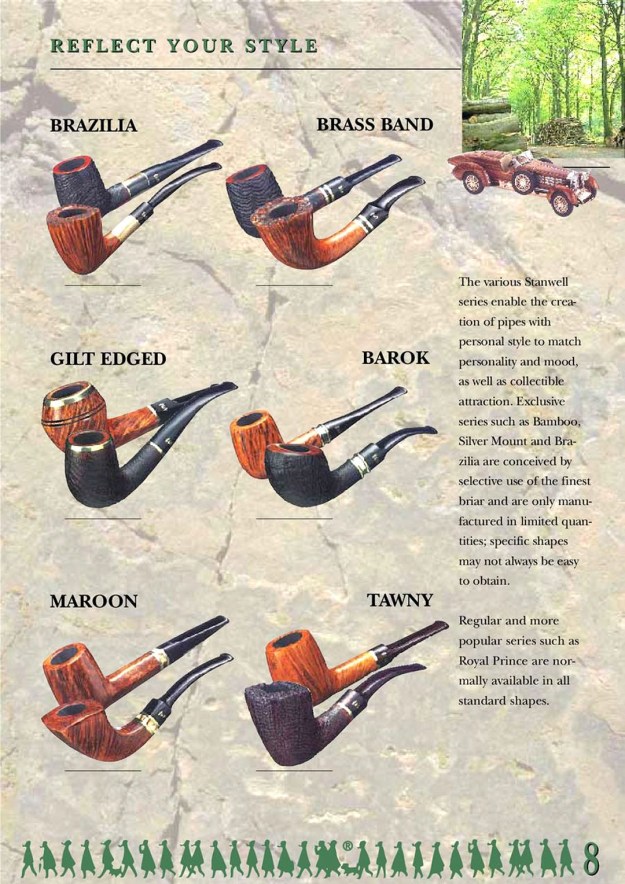
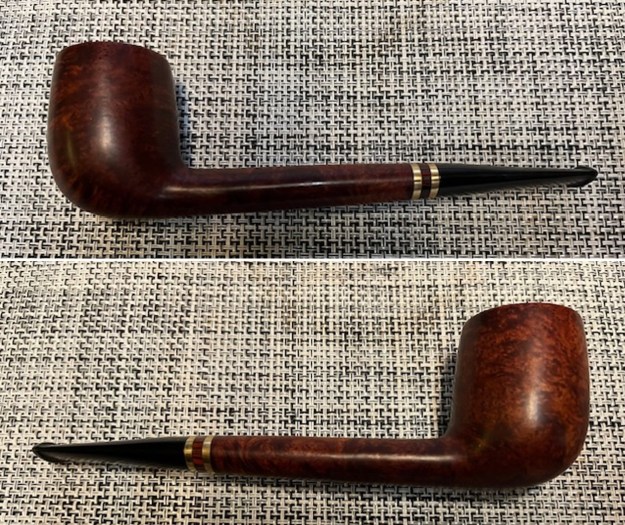
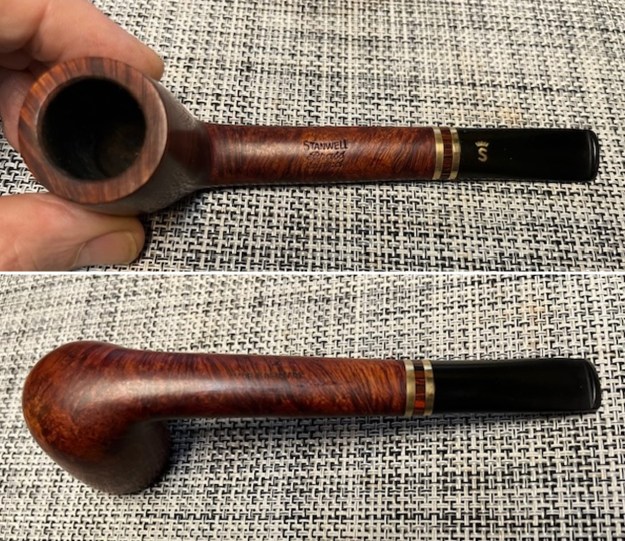
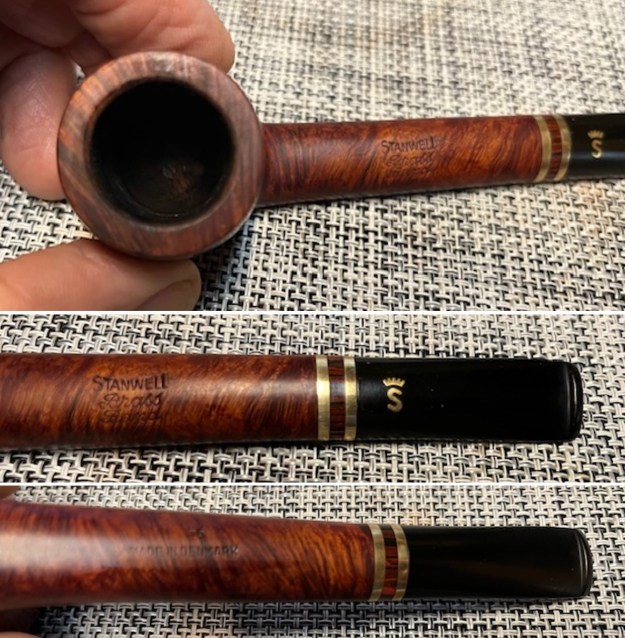
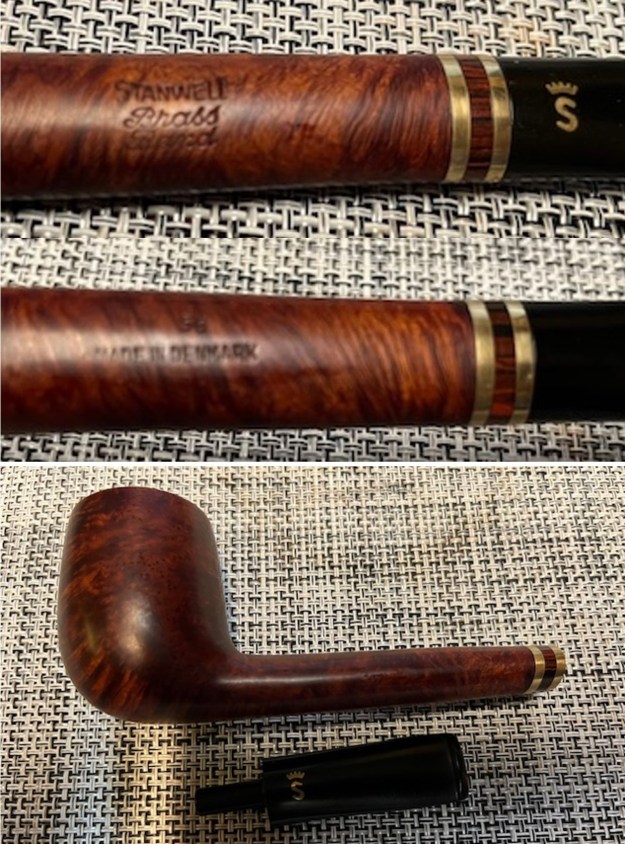
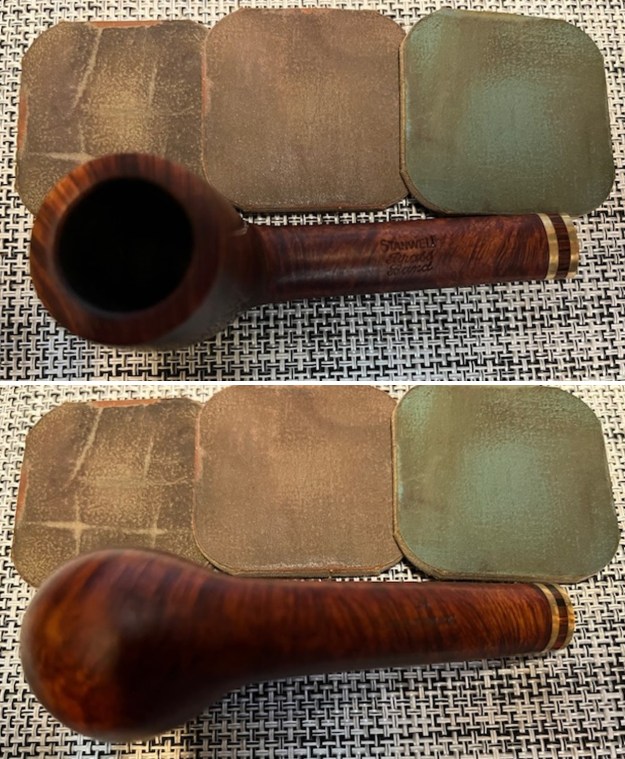
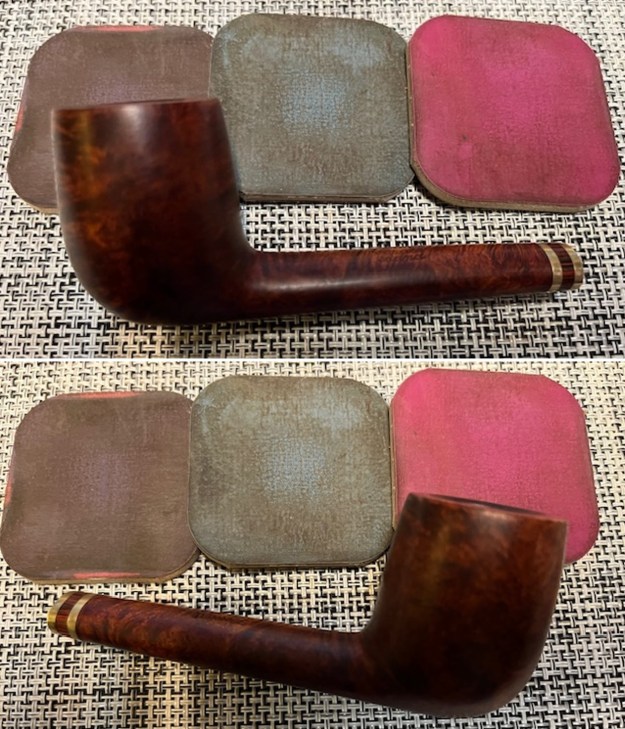
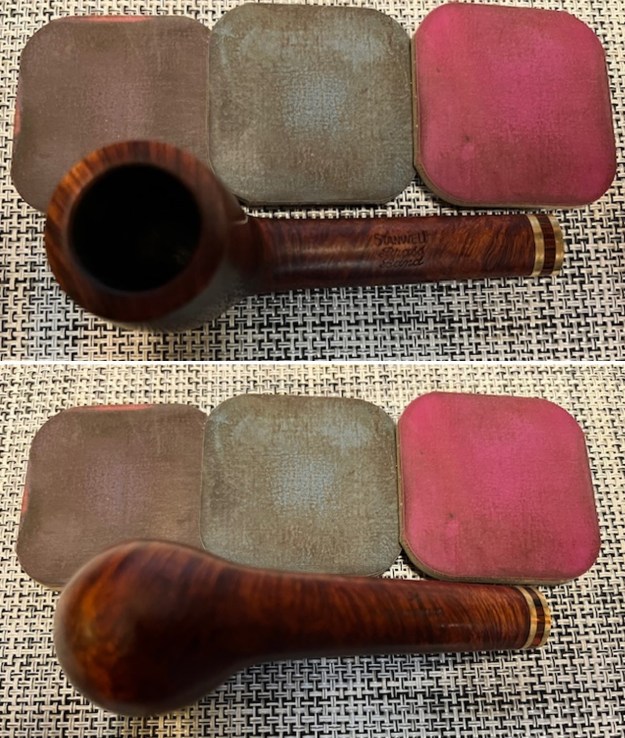
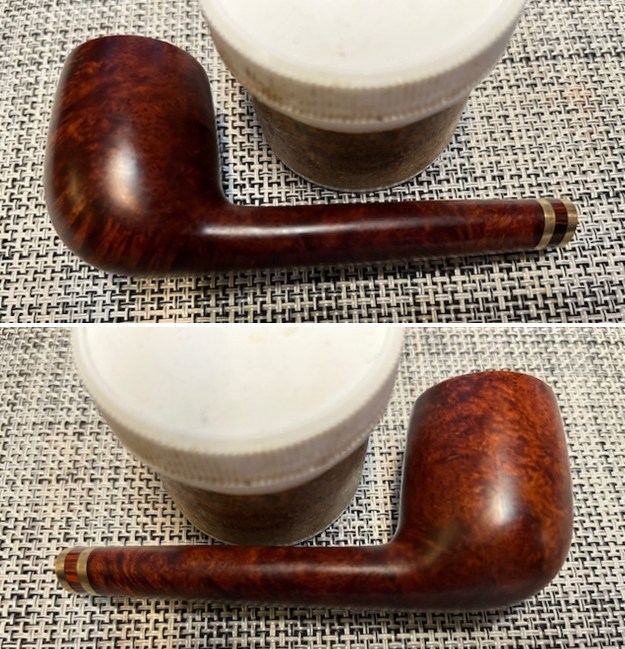
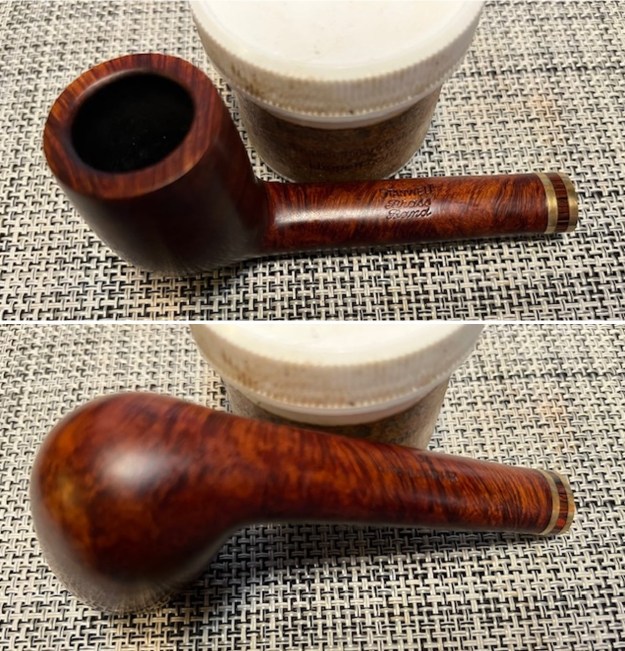
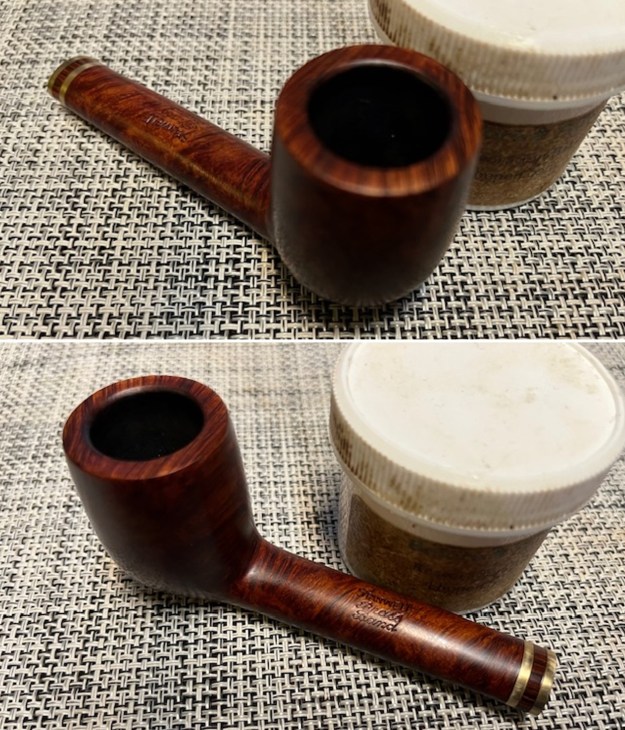
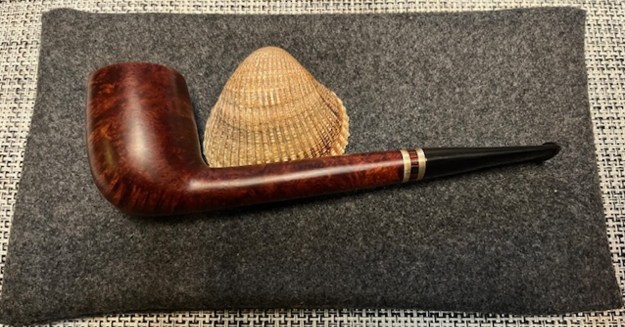
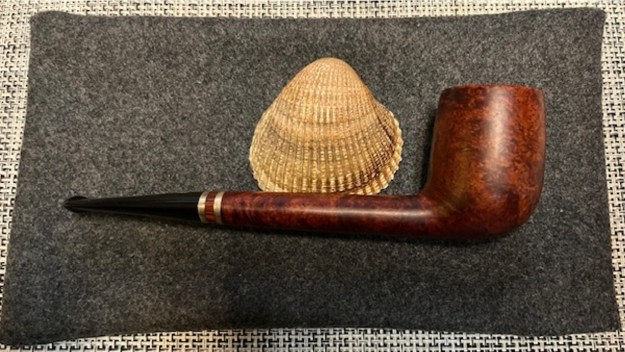
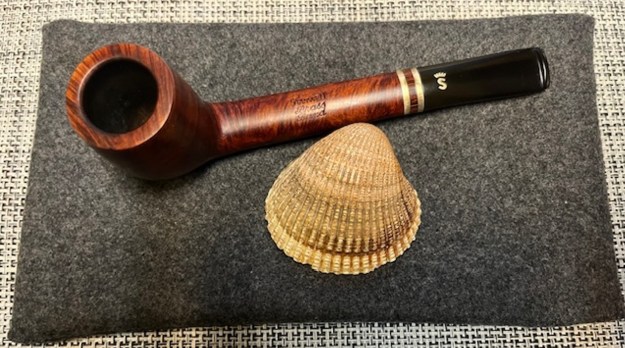
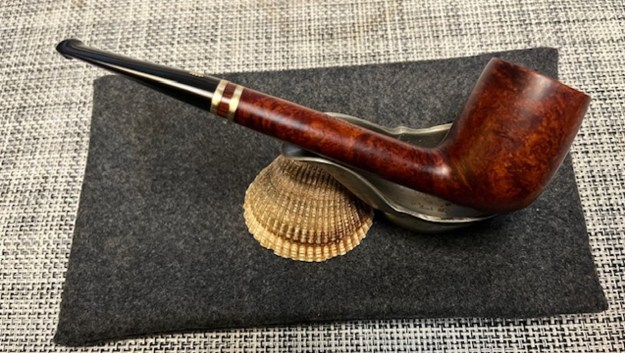
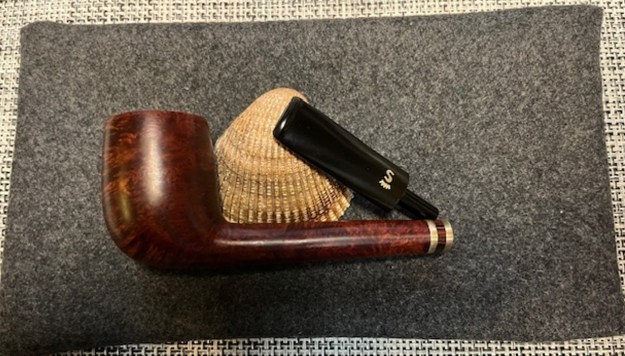
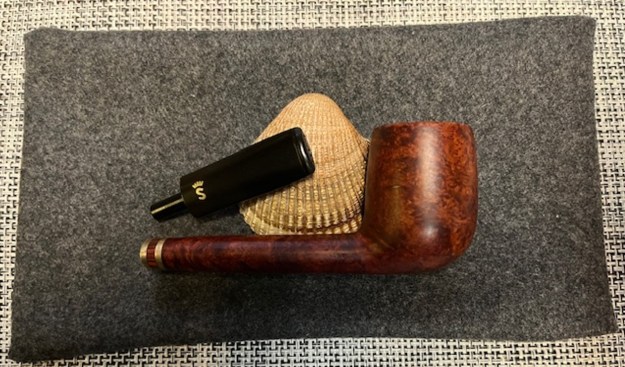
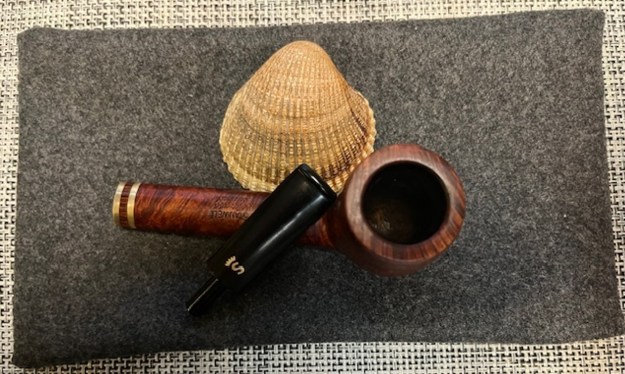
It is a cold but sunny day here in Vancouver and I decided to work on another pipe that was purchased on 01/26/2023 in a lot of pipes that came to us from Copenhagen, Denmark. This is a classic Danish Canadian with a smooth finish and an oval shank. It is another Made in Denmark Stanwell. The smooth finish on this pipe, around the bowl and shank has a mix of grain highlighted by the rich brown stain. The pipe is stamped on the topside of the shank and reads STANWELL [over] Brass [over] Band. On the underside it is stamped with the shape number 56 [over] Made in Denmark. The end of the shank sports twin brass bands sandwiching a Cumberland acrylic spacer. The pipe was a well used pipe when Jeff received it. There was dust and grime ground into the finish. The mixture of brown stains highlights some beautiful grain under the dirt. The bowl was moderately caked and there was a moderate overflow of lava on the smooth rim top. The inner edge looked quite good. The stem is vulcanite and was dirty, oxidized and had light tooth marks, chatter and scratches on both sides ahead of the button. There is an inlaid brass crown S logo on the top side of the taper stem. Jeff took photos of the pipe before he started his clean up work on it. He took photos of the bowl and rim top to show what they looked like before his clean up. You can see the lava coat on the rim top and the cake in the bowl. The inner edge looks to be okay. He also took some of the stem to show the condition of both sides. The photos of the sides and heel of the bowl show the uniquely stained grain around the bowl and shank. The mixture of brown stains adds depth to the finish on the pipe. Even under the grime it is a real beauty. The stamping on this one was on the underside of the shank and is shown in the photo below. It is clear and readable as noted above. You can also see the brass inlaid crown S on the top of the saddle stem.Before I started my work on the pipe I wanted to see if I could find any information that would help me get a sense of the line. I turned to Pipephil to see if there was any listing on the Brass Band Line (http://pipephil.eu/logos/en/logo-stanwell.html). There was nothing listed.

I then turned to Pipedia (https://pipedia.org/wiki/Stanwell) for more information. The article is great and gives a lot of history on the brand. There was also a catalogue page courtesy of Doug Valitchka that showed the line. I have included that below.There was also a link to a shape article by Bas Stevens that I originally published on rebornpipes. I looked up the 56 shape number to see who had designed that shape and there was nothing there (https://pipedia.org/wiki/Stanwell_Shape_Numbers_and_Designers). The shape 56 is described as a Canadian with a tapered stem.

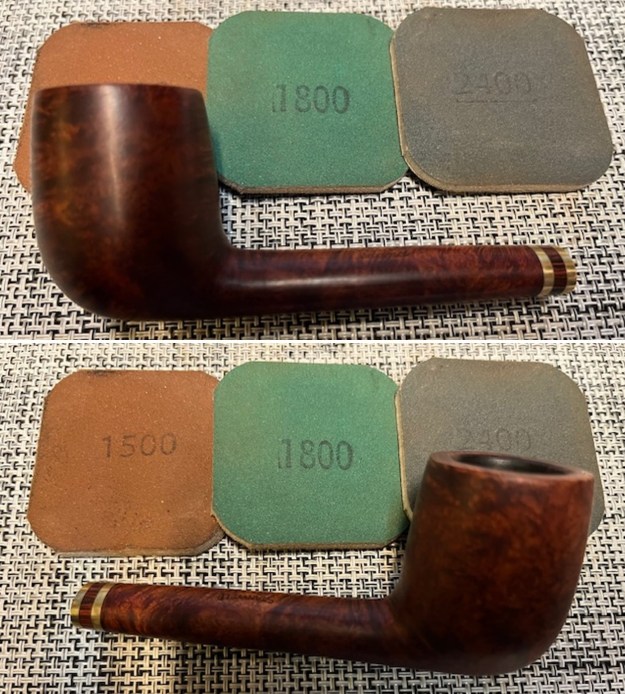
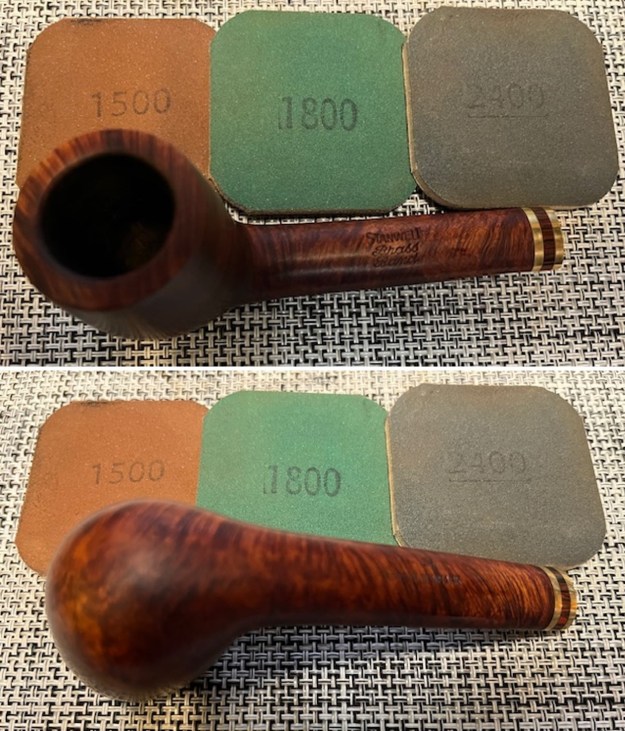
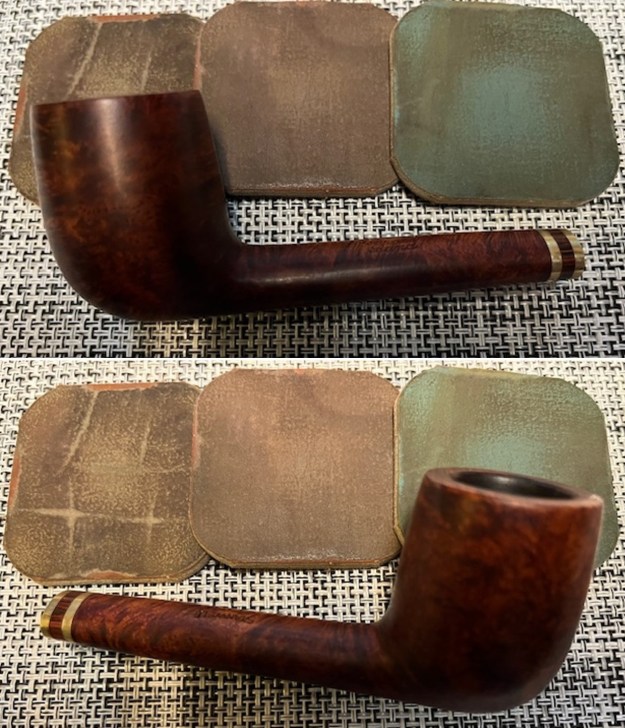
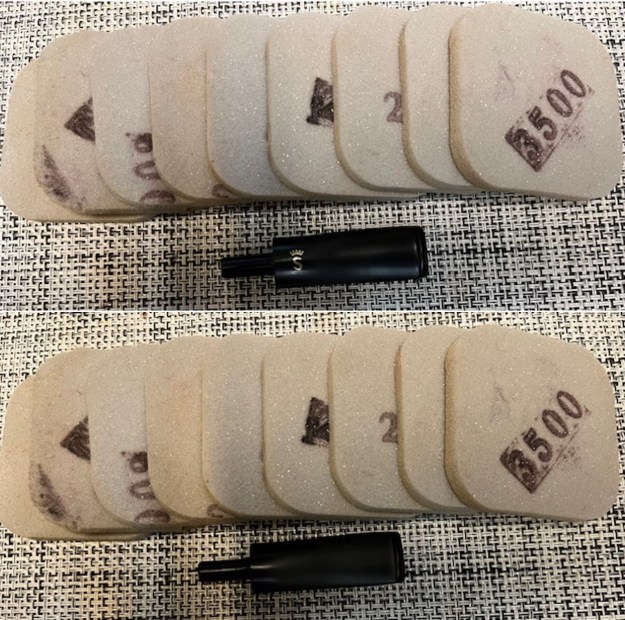
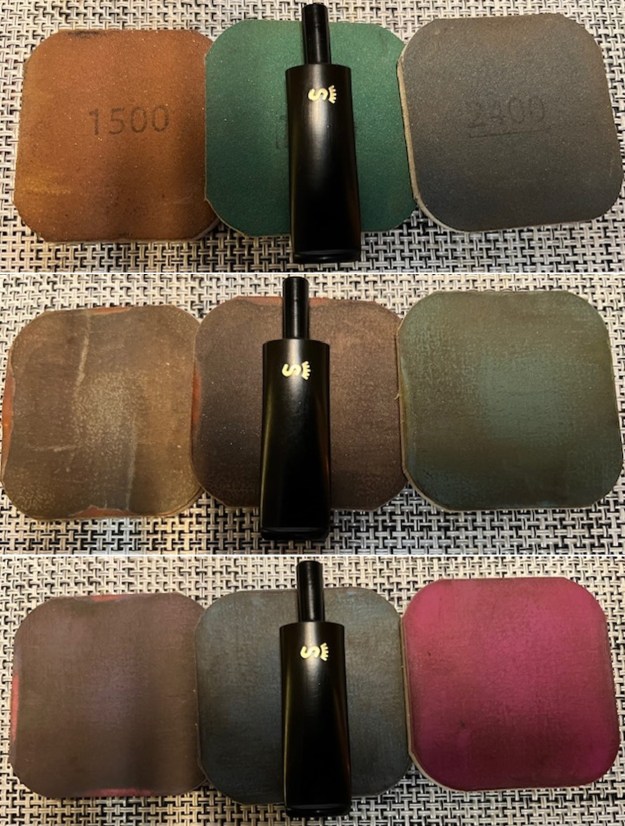
Now it was time to work on the pipe. Jeff had thoroughly cleaned up the pipe. He reamed the pipe with a PipNet Pipe Reamer and cleaned up the remnants with a Savinelli Fitsall Pipe Knife. He scrubbed the bowl with undiluted Murphy’s Oil Soap with a tooth brush. He rinsed it under running warm water to remove the soap and grime. He cleaned out the inside of the shank and the airway in the stem with alcohol, cotton swabs and pipe cleaners. He scrubbed the exterior of the stem with Soft Scrub to remove the grime and calcification. He soaked the stem in Before & After Deoxidizer and rinsed it off with warm water. The pipe looked very good when it arrived here in Vancouver. I took close up photos of the bowl, rim and the stem. The rim top and inner edge cleaned up very well. The stem looks clean but still has light tooth marks and some chatter as noted above.I took photos of the stamping on the shank. The stamping is readable as noted above. I took the stem off the shank and took a photo to give a sense of the flow and proportion of the pipe. It is a beautiful looking Danish Canadian.I started my work on the pipe by polishing the bowl and shank with micromesh sanding pads – dry sanding with 1500-12000 grit pads. I wiped the bowl down after each pad to remove the grit. The bowl began to take on a rich shine. It is a beauty. I rubbed the bowl down with Before & After Restoration Balm. I worked it into the briar with my finger tips. I let it sit for 10 minutes and the Balm did its magic. It enlivens, cleans and preserves the briar. It certainly brought this bowl back to life. I buffed it off with a clean cloth and took the following photos. I set the bowl aside and turned my attention to the stem. I polished the vulcanite stem surface and repairs near the button with a new product I am using. I ordered a set of 2 inch sanding pads for 320-3500 grit sanding pads from Amazon. They work amazingly well and are easy to manage and sand close to the sharp edge of the button.I polished the stem with micromesh sanding pads – 1500-12000 grit pads. I wiped it down with a damp cloth after each sanding pad.I polished it with Before & After Pipe Stem Polish – both Fine and Extra Fine. I gave it a coat of Obsidian Pipe Stem Oil. I set it aside to dry. This Stanwell Brass Band 56 Canadian with a vulcanite taper stem is a great looking pipe and really looks like an S. Bang shape. The mix of stains once cleaned up really highlights the grain and the polished finish is stunning. I put the stem back on the bowl and carefully buffed the pipe with Blue Diamond on the buffing wheel. I gave the bowl and the stem multiple coats of carnauba wax on the buffing wheel and followed that by buffing the entire pipe with a clean buffing pad. I hand buffed the pipe with a microfiber cloth to deepen the shine. The finished Stanwell Brass Band Canadian 56 fits nicely in the hand and feels great. Give the finished pipe a look in the photos below. The dimensions of the pipe are Length: 5 ½ inches, Height: 1 ¾ inches, Outside diameter of the bowl: 1 ¼ inches, Chamber diameter: ¾ of an inch. The weight of the pipe is 35 grams /1.23 ounces. I will be adding the pipe to the Danish Pipe Makers Section of the rebornpipes store. If you are interested in purchasing this pipe send me a message or an email. Thanks for reading this blog and my reflections on the pipe while I worked on it.

As always, I encourage your questions and comments as you read the blog. Thanks to each of you who are reading this blog. Remember we are not pipe owners; we are pipe men and women who hold our pipes in trust until they pass on into the trust of those who follow us. 

New Life for a Made in Denmark Stanwell Vario Straight Bulldog 32


Blog by Steve Laug

The rain has stopped for the moment here in Vancouver and I am up early so I decided to work on another pipe that was purchased on 01/26/2023 in a lot of pipes that came to us from Copenhagen, Denmark. This is a classic Danish Straight Bulldog with a mixed finish and a diamond shank. It is another Made in Denmark Stanwell. The finish on this pipe combines patches of smooth and sandblast portions. The brown stains highlight both the smooth and blasted portions. The pipe is stamped on the left underside of the diamond shank and reads STANWELL [over] Made in Denmark [over] Vario in script. On the right underside of the shank it has the shape number 32 stamped. The pipe was a well used pipe when Jeff received it. There was dust and grime ground into the finish. The mixture of brown stains highlights some beautiful grain and deep sandblast portions under the dirt. The bowl was moderately caked and there was a moderate overflow of lava on the smooth rim top. The inner edge looked quite good. The stem is vulcanite and was dirty, lightly oxidized and had light tooth marks, chatter on both sides ahead of the button. There is a stamped white crown S logo stamped on the top side of the diamond saddle stem. Jeff took photos of the pipe before he started his clean up work on it. He took photos of the bowl and rim top to show what they looked like before his clean up. You can see the lava coat on the rim top and the cake in the bowl. It is interesting that the bowl bottom is clean. The inner edge looks to be okay. He took photos of the stem to show the condition of both sides. The photos of the sides and heel of the bowl show the uniquely stained grain and sandblast portions around the bowl and shank. The mixture of brown stains adds depth to the finish on the pipe. Even under the grime it is a real beauty. The stamping on this one was on the underside of the shank and is shown in the photos below. It is clear and readable as noted above. You can also see the white stamped crown S on the top of the diamond saddle stem. Before I started my work on the pipe I wanted to see if I could find any information that would help me get a sense of the line. I turned to Pipephil to see if there was any listing on the Vario Line (http://pipephil.eu/logos/en/logo-stanwell.html). There was nothing listed.

I then turned to Pipedia (https://pipedia.org/wiki/Stanwell) for more information. The article is great and gives a lot of history on the brand. But there is nothing specific on the Varios. I did a quick Google search and came up with a link for Smokingpipes.com that had a description for a Vario (https://www.smokingpipes.com/pipes/estate/denmark/moreinfo.cfm?product_id=345545). I have included that description below:

Stanwell’s Vario finish is characterized by a dark-stained sandblast interspersed with smooth, lighter-stained briar. The dual tone and mix of textures are found here on this classic “32” Bulldog — a rendition that caters to lovers of pipe chart standards and offers versatile appeal in its convenient size and light weight.

That pretty well captured the description of the pipe I have in my hands.

There was also a link to a shape article on Pipedia written by Bas Stevens that I originally published on rebornpipes. I looked up the 32 shape number to see who had designed that shape (https://pipedia.org/wiki/Stanwell_Shape_Numbers_and_Designers). I quote that below

  1. Two versions of this shape number:
    a) Straight bulldog with a saddle stem; Stanwell’s first pipe shape (originally designed in 1942).    b) Bent Dublin-strawberry hybrid with a rounded rim and saddle stem, by Sixten Ivarsson. Redesigned by Tom Eltang in the early 1990s.

Further down the article there was this note on the shape 32a. I quote it below:

32: Poul Stanwell’s 32(a), the first shape designed for Stanwell, a classical straight bulldog, released in 1942.

Now it was time to work on the pipe. Jeff had thoroughly cleaned up the pipe. He reamed the pipe with a PipNet Pipe Reamer and cleaned up the remnants with a Savinelli Fitsall Pipe Knife. He scrubbed the bowl with undiluted Murphy’s Oil Soap with a tooth brush. He rinsed it under running warm water to remove the soap and grime. He cleaned out the inside of the shank and the airway in the stem with alcohol, cotton swabs and pipe cleaners. He scrubbed the exterior of the stem with Soft Scrub to remove the grime and calcification. He soaked the stem in Before & After Deoxidizer and rinsed it off with warm water. The pipe looked very good when it arrived here in Vancouver. I took close up photos of the bowl, rim and the stem. The rim top cleaned up very well. There is some slight darkening and some nicks on the smooth rim top. The stem looks clean but still has light tooth marks and some chatter as noted above.I took photo of the stamping on the undersides of the diamond shank. It is clear and readable as noted above. I removed the stem from the shank and took a photo to give a sense of the proportions of the pipe. The briar is quite beautiful and the brown stains really make the grain and the sandblast stand out. I started my work on the pipe by addressing the darkening on the rim top and the inner edges. I used a folded piece of 220 grit sandpaper to clean up the top and the edges.I polished the smooth portions bowl and shank with micromesh sanding pads – dry sanding with 1500-12000 grit pads. I wiped the bowl down after each pad to remove the grit. The bowl began to take on a rich shine. It is a beauty. I rubbed the bowl down with Before & After Restoration Balm. I worked it into the briar with my finger tips and a horsehair shoe brush to get into the nooks and crannies of the sandblast. I let it sit for 10 minutes and the Balm did its magic. It enlivens, cleans and preserves the briar. It certainly brought this bowl back to life. I buffed it off with a clean cloth and took the following photos. I set the bowl aside and turned my attention to the stem. I sanded out the tooth marks on the vulcanite stem surface near the button with a piece of 220 grit sandpaper. I was able to remove them all. I started polishing the stem with 600 grit wet dry sandpaper.I touched up the white stamp on the left side of the saddle stem with White Acrylic Fingernail polish. Once it dried I scrapped of the excess and sanded the surface until the excess was all gone.I polished the stem with micromesh sanding pads – 1500-12000 grit pads. I wiped it down with a damp cloth after each sanding pad. I polished it with Before & After Pipe Stem Polish – both Fine and Extra Fine. I gave it a coat of Obsidian Pipe Stem Oil. I set it aside to dry. This Stanwell Vario 32 Straight Bulldog and a vulcanite saddle stem is a great looking pipe with a beautiful combination of finishes. The mix of stains once cleaned up really highlights the grain and the depth of the blast. The polished finish is stunning. I put the stem back on the bowl and carefully buffed the pipe with Blue Diamond on the buffing wheel. I gave the bowl and the stem multiple coats of carnauba wax on the buffing wheel and followed that by buffing the entire pipe with a clean buffing pad. I hand buffed the pipe with a microfiber cloth to deepen the shine. The finished Stanwell Vario 32 Bulldog fits nicely in the hand and feels great. Give the finished pipe a look in the photos below. The dimensions of the pipe are Length: 5 inches, Height: 1 ¾ inches, Outside diameter of the bowl: 1 1/8 inches, Chamber diameter: ¾ of an inch. The weight of the pipe is 32 grams /1.16 ounces. I will be adding the pipe to the Danish Pipe Makers Section of the rebornpipes store. If you are interested in purchasing this pipe send me a message or an email. Thanks for reading this blog and my reflections on the pipe while I worked on it.

As always, I encourage your questions and comments as you read the blog. Thanks to each of you who are reading this blog. Remember we are not pipe owners; we are pipe men and women who hold our pipes in trust until they pass on into the trust of those who follow us.
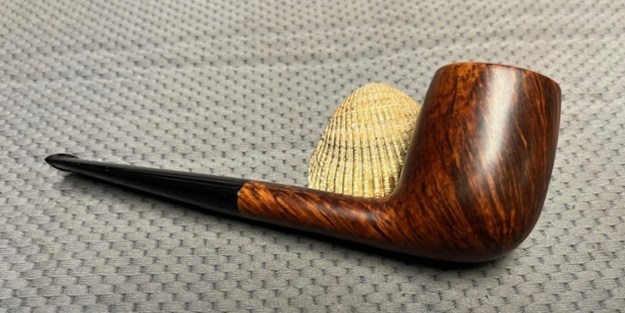
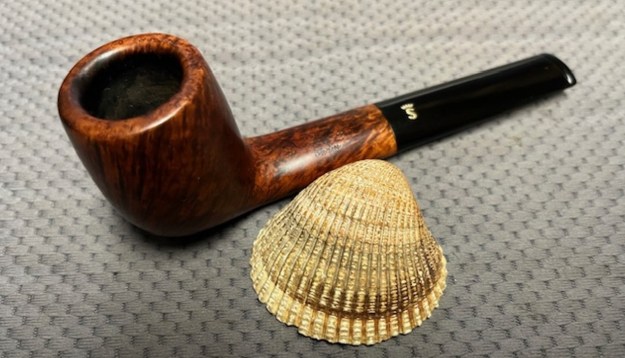
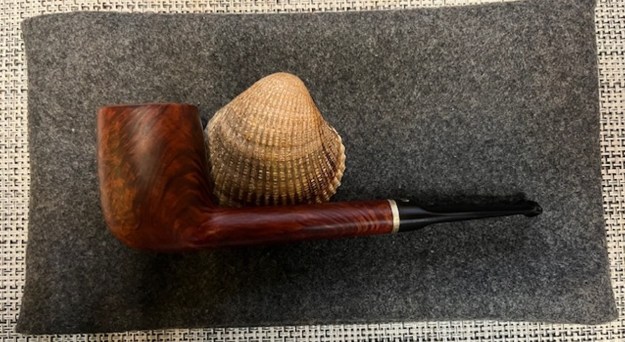
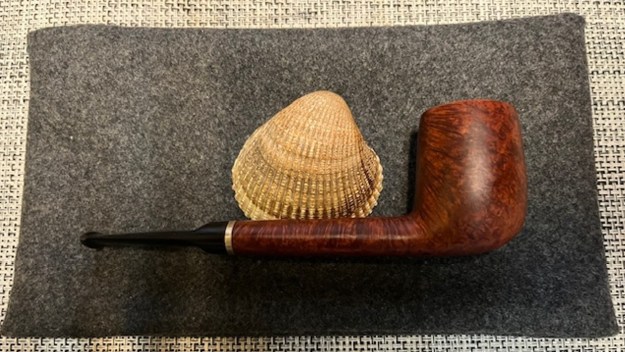
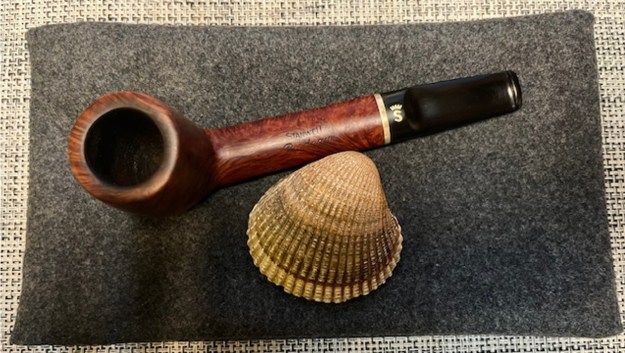
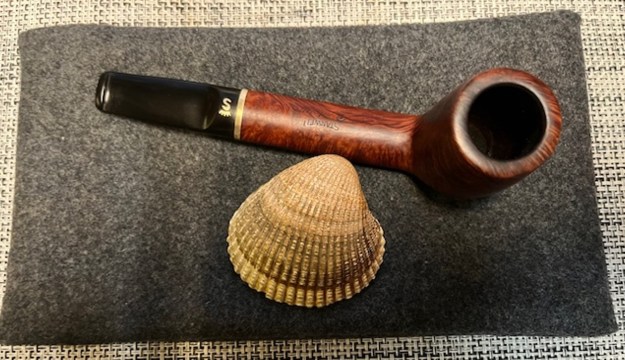
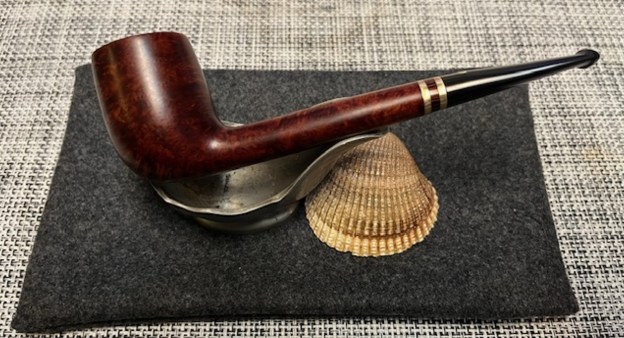
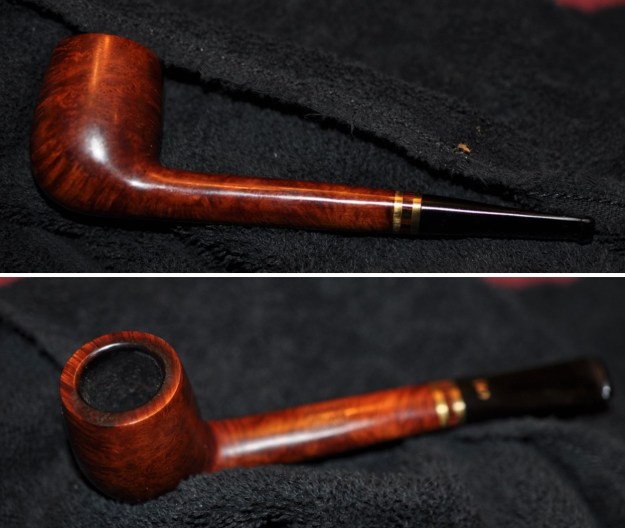
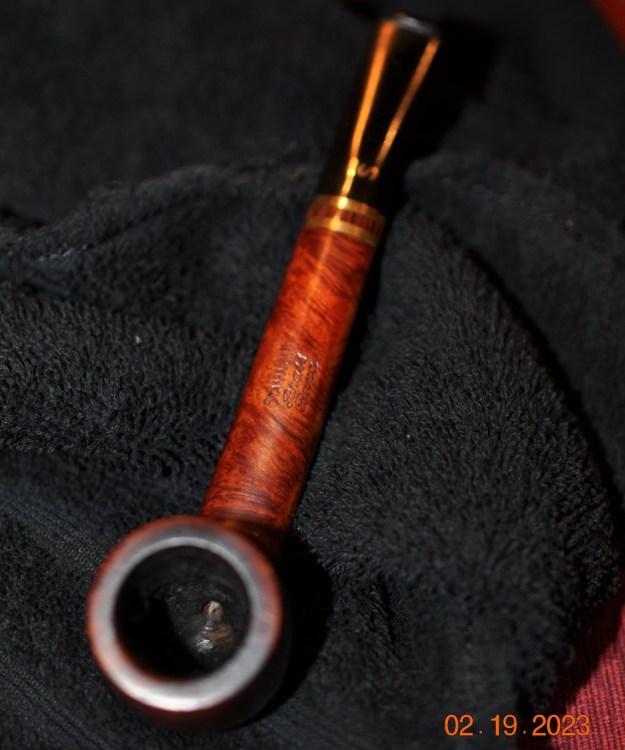
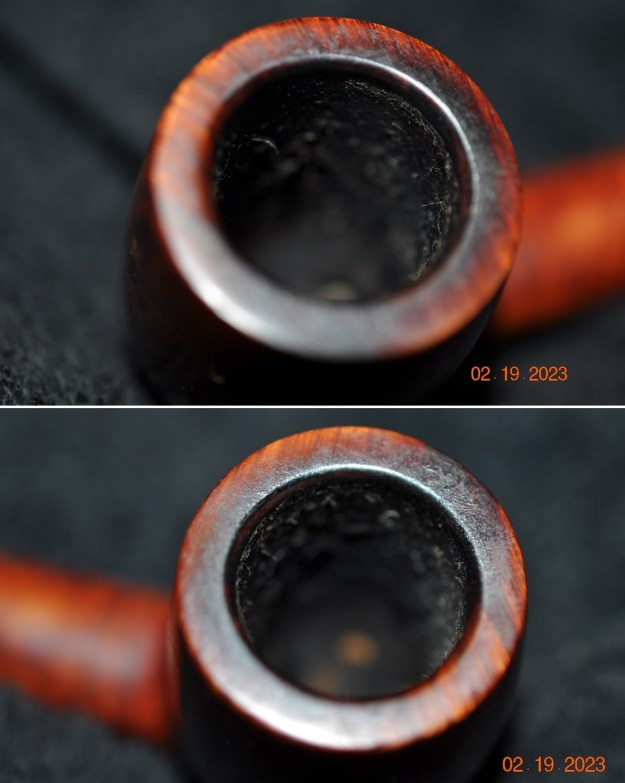
Restoring a Truly Elegant Danish made Stanwell Brass Band 179 Apple


Blog by Steve Laug

It is a cold and rainy day here in Vancouver and I am up early so I decided to work on another pipe that was purchased on 01/26/2023 in a lot of pipes that came to us from Copenhagen, Denmark. This is a classic Danish Apple with a smooth finish and a rectangular shank. It is another Made in Denmark Stanwell. The smooth finish on this pipe, around the bowl and shank has a mix of grain highlighted by the reddish brown stain. The pipe is stamped on the underside of the shank and reads STANWELL [over] Brass [over] Band [over] Made in Denmark. Next to the Stanwell stamp it has the shape number 179 stamped. The end of the shank sports twin brass bands sandwiching a Cumberland acrylic spacer. The pipe was a well used pipe when Jeff received it. There was dust and grime ground into the finish. The mixture of brown stains highlights some beautiful grain under the dirt. The bowl was moderately caked and there was a moderate overflow of lava on the smooth rim top. The inner edge looked quite good. The stem is vulcanite and was dirty, oxidized and had light tooth marks, chatter and scratches on both sides ahead of the button. There is an inlaid brass crown S logo stamped on the top side of the taper stem. Jeff took photos of the pipe before he started his clean up work on it. He took photos of the bowl and rim top to show what they looked like before his clean up. You can see the lava coat on the rim top and the cake in the bowl. The inner edge looks to be okay. He also took some of the stem to show the condition of both sides. The photos of the sides and heel of the bowl show the uniquely stained grain around the bowl and shank. The mixture of brown stains adds depth to the finish on the pipe. Even under the grime it is a real beauty. The stamping on this one was on the underside of the shank and is shown in the photo below. It is clear and readable as noted above. You can also see the brass inlaid crown S on the top of the saddle stem.Before I started my work on the pipe I wanted to see if I could find any information that would help me get a sense of the line. I turned to Pipephil to see if there was any listing on the Brass Band Line (http://pipephil.eu/logos/en/logo-stanwell.html). There was nothing listed.
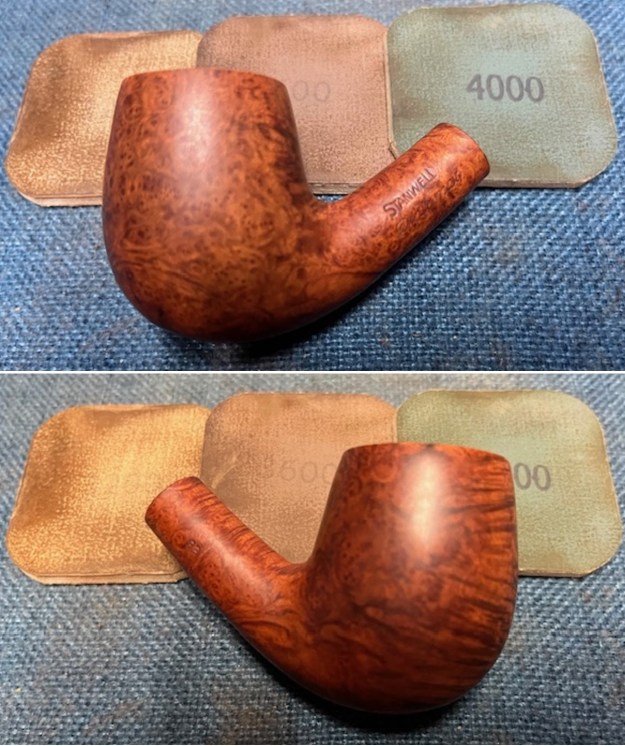
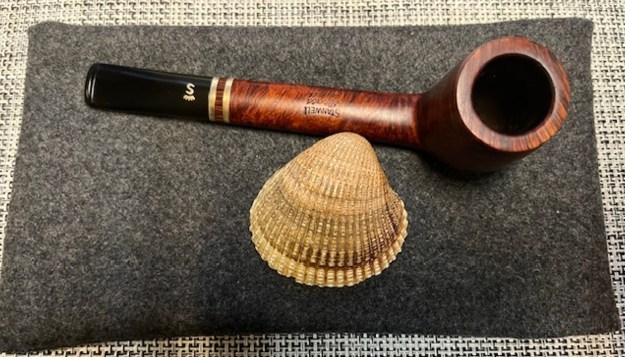
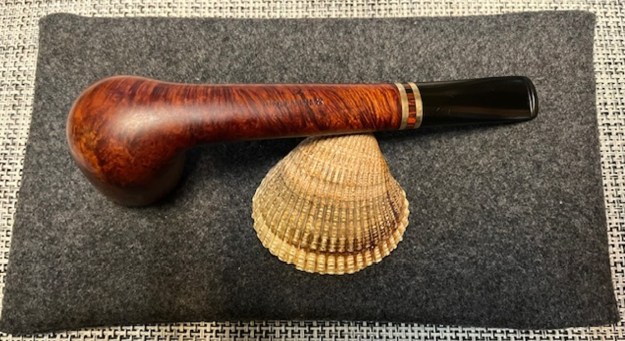
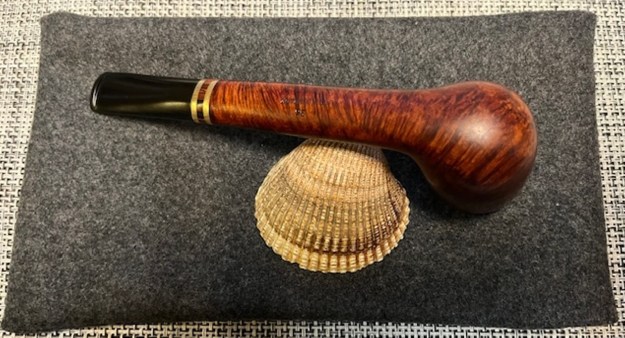
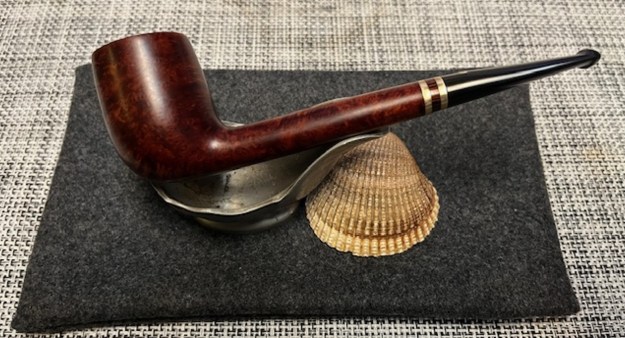
I then turned to Pipedia (https://pipedia.org/wiki/Stanwell) for more information. The article is great and gives a lot of history on the brand. There was also a catalogue page courtesy of Doug Valitchka that showed the line. I have included that below.There was also a link to a shape article by Bas Stevens that I originally published on rebornpipes. I looked up the 179 shape number to see who had designed that shape (https://pipedia.org/wiki/Stanwell_Shape_Numbers_and_Designers). I quote that below and the connection between the 178 and the 179. The difference is in the bend of the stem. It is fascinating to see that design (at least of the mouthpiece) was by S. Bang.
  1. Billiard, conical bowl, oval stem with panels, full mouthpiece by Bang.
  2. Same as shape 178 but slightly bent by Bang.

Though it is listed as a Billiard I believe that is a wrong designation and should be noted as an Apple.

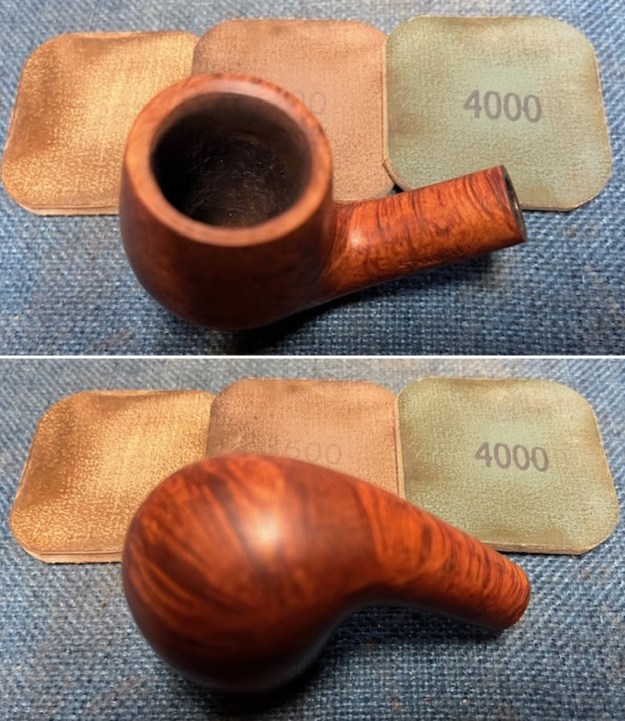
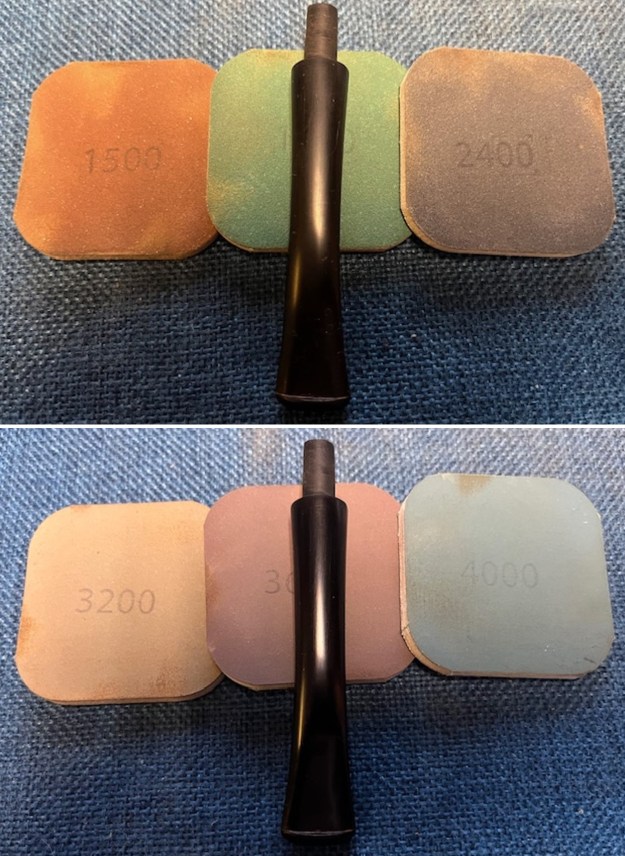
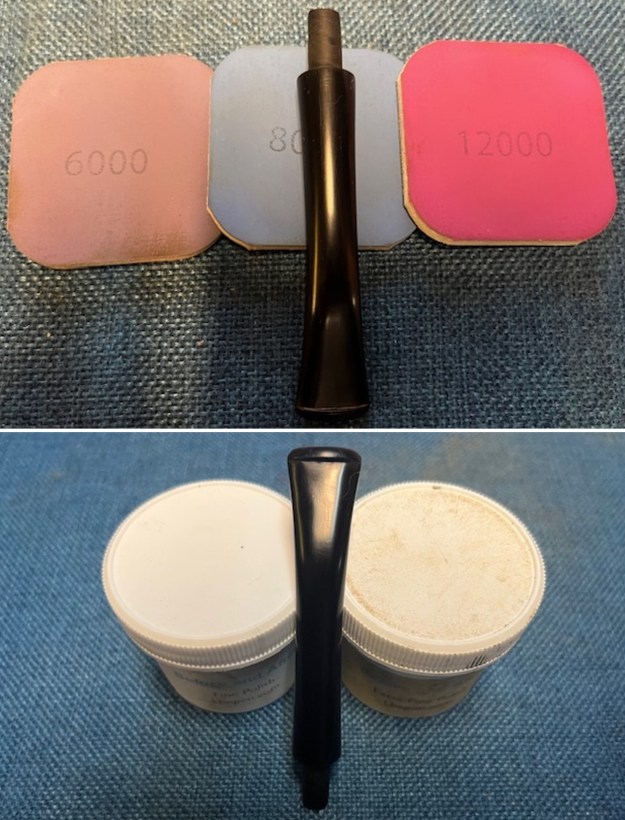
Now it was time to work on the pipe. Jeff had thoroughly cleaned up the pipe. He reamed the pipe with a PipNet Pipe Reamer and cleaned up the remnants with a Savinelli Fitsall Pipe Knife. He scrubbed the bowl with undiluted Murphy’s Oil Soap with a tooth brush. He rinsed it under running warm water to remove the soap and grime. He cleaned out the inside of the shank and the airway in the stem with alcohol, cotton swabs and pipe cleaners. He scrubbed the exterior of the stem with Soft Scrub to remove the grime and calcification. He soaked the stem in Before & After Deoxidizer and rinsed it off with warm water. The pipe looked very good when it arrived here in Vancouver. I took close up photos of the bowl, rim and the stem. The rim top cleaned up very well. There is some slight darkening on the back right side. The stem looks clean but still has light tooth marks and some chatter as noted above.I took photo of the stamping on the underside of the shank. It is faint on the left portion of the stamping but it is still readable as noted above. I removed the stem from the shank and took a photo to give a sense of the proportions of the pipe. The briar is quite beautiful and the reddish-brown stain really make it stand out.I started my work on the pipe by polishing the bowl and shank with micromesh sanding pads – dry sanding with 1500-12000 grit pads. I wiped the bowl down after each pad to remove the grit. The bowl began to take on a rich shine. It is a beauty. I rubbed the bowl down with Before & After Restoration Balm. I worked it into the briar with my finger tips. I let it sit for 10 minutes and the Balm did its magic. It enlivens, cleans and preserves the briar. It certainly brought this bowl back to life. I buffed it off with a clean cloth and took the following photos. I set the bowl aside and turned my attention to the stem. I sanded out the tooth marks on the vulcanite stem surface near the button with a piece of 220 grit sandpaper. I was able to remove them all. I started polishing the stem with 600 grit wet dry sandpaper.I polished the stem with micromesh sanding pads – 1500-12000 grit pads. I wiped it down with a damp cloth after each sanding pad. I polished it with Before & After Pipe Stem Polish – both Fine and Extra Fine. I gave it a coat of Obsidian Pipe Stem Oil. I set it aside to dry.This Stanwell Brass Band 179 Apple with a rectangular shank and a vulcanite taper stem is a great looking pipe and really looks like an S. Bang shape. The mix of stains once cleaned up really highlights the grain and the polished finish is stunning. I put the stem back on the bowl and carefully buffed the pipe with Blue Diamond on the buffing wheel. I gave the bowl and the stem multiple coats of carnauba wax on the buffing wheel and followed that by buffing the entire pipe with a clean buffing pad. I hand buffed the pipe with a microfiber cloth to deepen the shine. The finished Stanwell Brass Band Apple 179 fits nicely in the hand and feels great. Give the finished pipe a look in the photos below. The dimensions of the pipe are Length: 5 ½ inches, Height: 1 ¾ inches, Outside diameter of the bowl: 1 ½ inches, Chamber diameter: ¾ of an inch. The weight of the pipe is 48 grams /1.69 ounces. I will be adding the pipe to the Danish Pipe Makers Section of the rebornpipes store. If you are interested in purchasing this pipe send me a message or an email. Thanks for reading this blog and my reflections on the pipe while I worked on it.

As always, I encourage your questions and comments as you read the blog. Thanks to each of you who are reading this blog. Remember we are not pipe owners; we are pipe men and women who hold our pipes in trust until they pass on into the trust of those who follow us.