
Blog Steve Laug
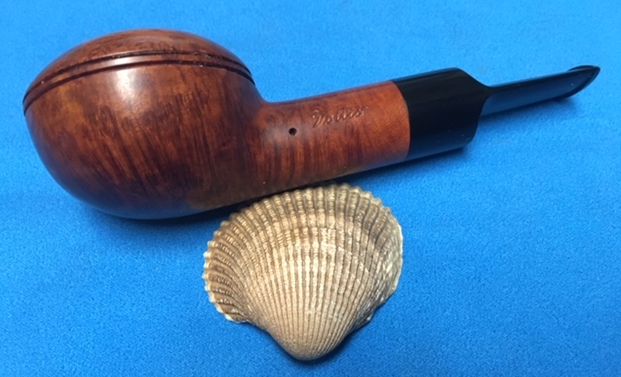
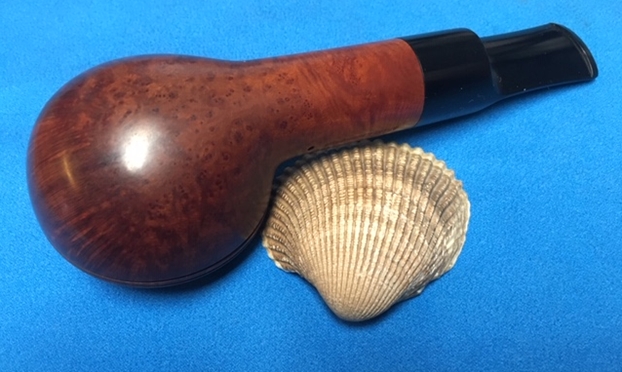
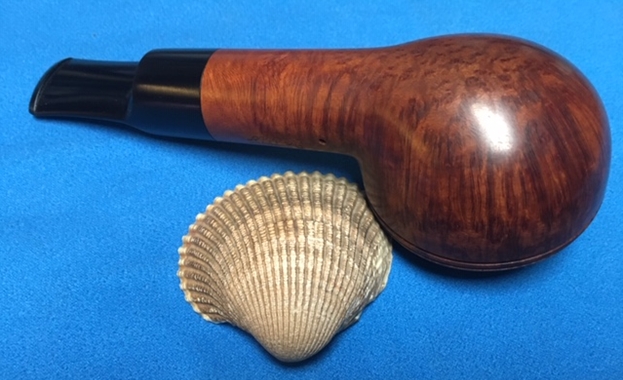
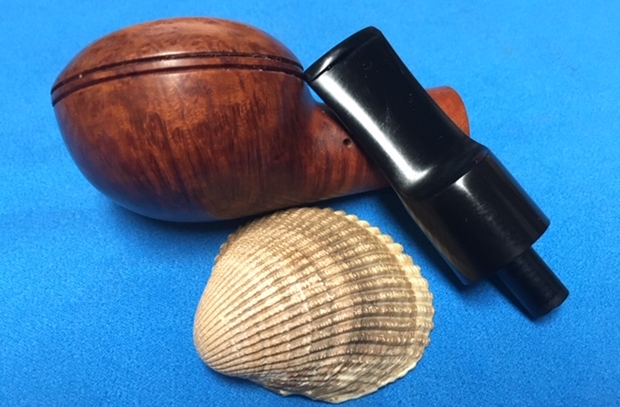
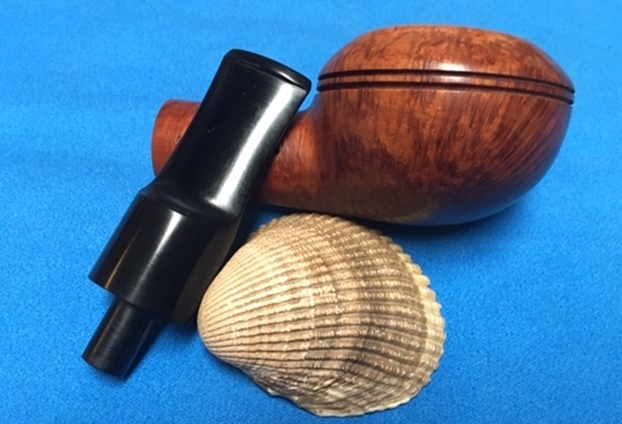
Every so often my brother and I come across very unique pipes that are worth restoring just for the thing that makes them particularly notable. Each pipe that falls into this category has its own uniqueness that sets them apart as different. These unique pipes come to us from a large variety of different sources and the one I am working on now came to me from a reader of rebornpipes. Christine contacted me to see if I would be interested in purchasing her Grandfather’s pipes and restoring them. She was particularly interested in seeing what I could do with a Vottis pipe that he had. She sent me photos of the lot and we struck a deal. Over the years I have worked on several Vottis pipes coming from different sources. But this Vottis pipe from Albany, New York is not like anything I have ever seen before. I am including some photos to show the system. There is an air hole (not big) on each side of the shank near the bowl (Photos 1 and 2). These run parallel to the airway and come out on either side of the mortise (Photo 3). The stem is drilled with the same two small channels that run the length and out the button on either side of the slot (Photos 4 and 5). The red arrows in each photo point to the airways that I am referring to throughout the blog.
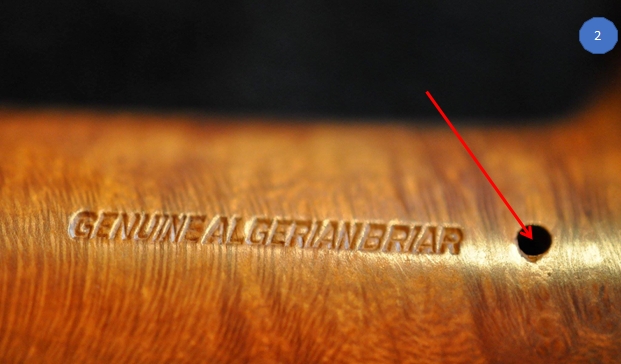
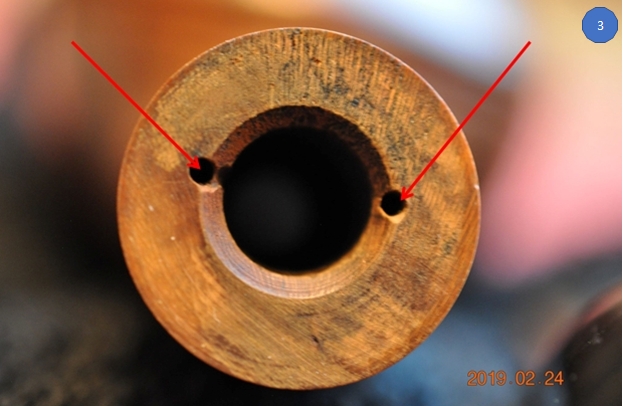

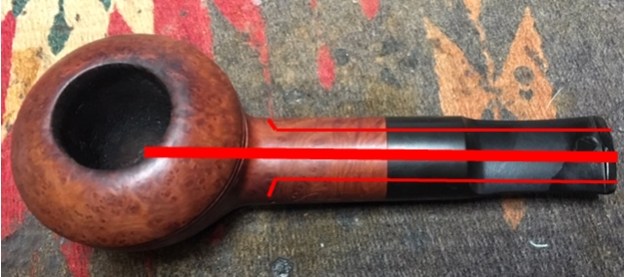
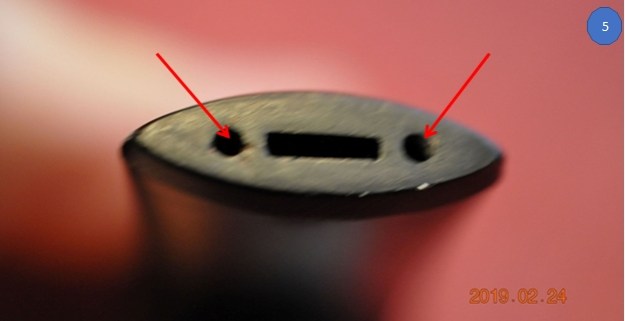 The basic airflow diagram is illustrated by the red lines on the photo below. The thinner lines on either side reflect the airflow running parallel to the airway in the shank and mortise. The shank airway is shown by the thicker red line and runs to the bottom of the bowl from the slot in the button. I am convinced that the mechanics were designed to pull cool air into the tubes alongside the shank to cool the smoke in the chamber and cool it all the way to the end of the button. If I plug the slot in the button I can pull air out of the twin tubes and it is a steady stream. Once the pipe is restored I will load a bowl and try it out to test my hypothesis. I will soon know how it works. It is definitely a unique design and one that is in the camp of the proverbial eternal hunt for a cooler smoke. With that information have a look at the restoration of this Vottis design pipe.
 With the mechanics clearly spelled out in the above diagrams and explanations it is time to do a bit of research on the brand and see if there is any mention of this cooling system design. I looked at the various sites that I usually go to (pipedia and pipephil) and there was nothing about this kind of pipe on either site. So I dug a bit more deeply. I read the obituaries of Pat (Pasquale) Vottis and S. Vottis in the Albany newspapers and the online Funeral Home sites. Lots of references were made to their shop in Albany and Schenectady, New York but nothing on the unique designs they may have done with pipes. It did add colour to my understanding of the carvers of the pipes – both were local philanthropists and involved in their local Catholic parishes. Both were well loved by the community.
I went on to look further and found more info on the brand on the brothers of the briar site (http://www.brothersofbriar.com/t5244-information-on-s-m-vottis-pipes). The site gave two links that sadly are no longer active. I am including them in case they ever come back on line. I quote as follows:
I think that the information you are looking for is in the following link: http://www.jbriarpipes.com/blog/2014/12/10/the-rise-and-fall-of-a-historic-local-landmark-paying-homage-to-the-vottis-pipe-shop found on the J Briar Pipes site. Pat (Pasquale) Vottis and his brother S. (Salvatore) Vottis had a pipe shop in Schenectady NY. The article referenced contains information about the Vottis Pipe Shop. A second link found on the page directs you to an Albany Times-Union article (archived) (http://alb.merlinone.net/mweb/wmsql.wm.request?oneimage&imageid=5580379) that contains more info. Happy reading! I enjoyed finding these articles and reading them. I have lived within 50 miles of Albany NY most of my life and never knew about Vottis pipes.
I also followed a link to a thread on pipes.org that was very interesting. It is written by Pat Vottis’ grandson and is interesting to read. Here is the link to the quote. (http://pipes.org/forums/messages/23/46034.html?1171913269) It is also tied back to a thread on pipes.org that I cannot access. I include that link as well should some of you be able to access the information. This post references Harold Vance Post #4 username hbvance and Jose Manuel Lopes Post #91 in the Archive of 2005 Sept 20 with a Subject Title of Vottis Pipes (http://pipes.org/forums/discus~discus/discus~discus/discus/cgi-bin/discus/show.cgi?tpc=23&post=45187#POST451 87).
Jose, I am not quite sure where you obtained your information regarding Pat Vottis but it is incorrect and I would like to share a bit of good information for the audience.
Pasquale (Pat) Vottis is my grandfather. He did not die as you have posted on the web in 2005. He actually died this morning at 99 yrs 9 months of age on Feb 18, 2007. He had a passion for the customers and the business.
My grandfather opened his first pipe shop in Albany, NY on South Pearl St. It was in the Bank Building (which took up a whole city block) at the corner of State Street and South Pearl. We also opened a second shop in Albany which was in the Empire State Plaza on the Concourse level. This was to serve all of the State Workers so they could do business at lunch time and not be strapped for time while trying to get down to the South Pearl shop. We still have the Vottis Pipe Shop Sign and the Vottis Pipe Shop Clock that was a landmark for the customers.
Harold Vance’s pipes may very well came from a pipeshop in Santa Monica. We mailed pipes all over the world. My grandfather’s sister actually lived in Santa Monica for many years. We also had a very large tobacco mail order business in which I mixed 1000s of pounds of tobacco and mailed them all around the world as well. We closed the pipe shops in the early 90s due to the numerous break-ins late at night. The locals would throw rocks through the store front windows to steal the hand carved pipes and the meerschaums.
My grandfather hand carved many, many pipes himself. He usually carved the big blocks. My grandfather, my uncle, and my father repaired pipes for everyone even if they had not bought a pipe at our shops. We had a metal lathe in the basement as well as a stove. They machined the tenon portion of the stem with a carbide cutter to match the stem of the bowl for a perfect fit every time. To match the stem or the fit of the customer, we custom bent the stems of the pipes to their satisfaction.
I recall boxes of briar blocks that were rough turned and my uncle, my father, and my grandfather would also hand finish these too. We had a lot of fun in the stores too. Mixing different formulas of tobaccos to see how the public would respond. We had numerous successful formulas. Our approach was to make all natural formulas with no sugars added, no sugar sprays, or flavorings added.
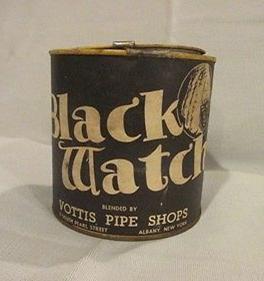
The most popular formula was created by grandfather and was called Black Watch. Some of the other blends were North Woods, Vottis’s Own, Vottis Club, Boulevard 76, No#9. These blends were comprised of barley, yellow Cavendish, black Cavendish, Turkish, Latakia, and others of which I do not recall. Ironically, for the namesake, my grandfather has died at a Nursing Home named North Woods just like one of his tobacco blends called North Woods.
Finally, I also found a PDF of a brochure that Pat Vottis put together for his Albany Pipe Shop. I am including it as it is an interesting read.
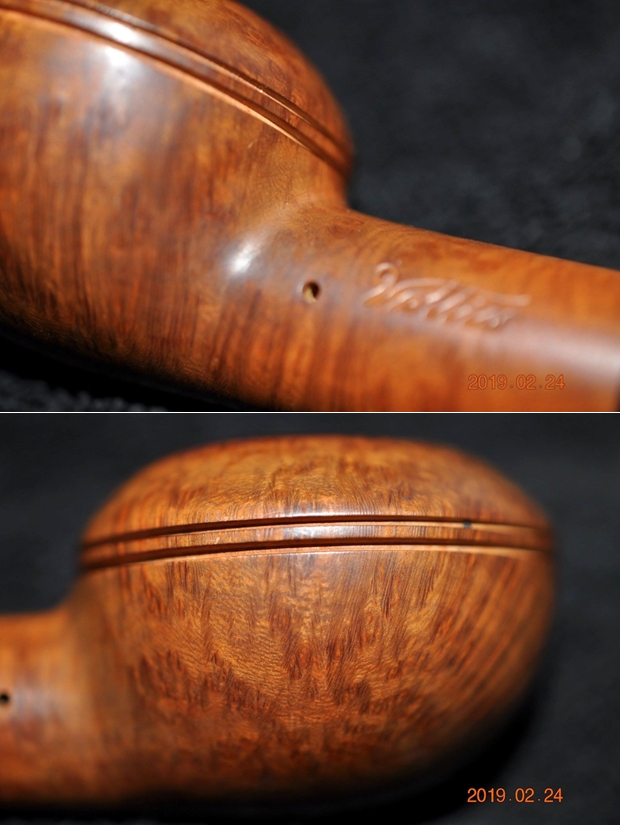
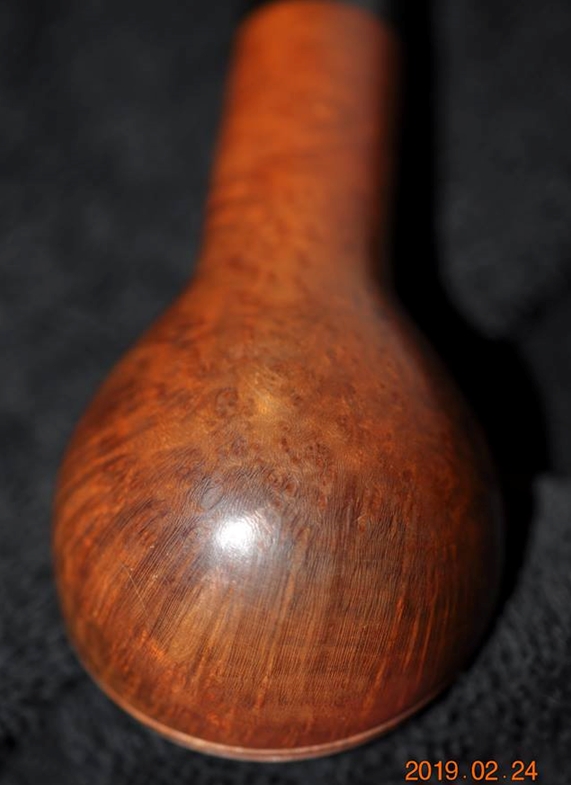
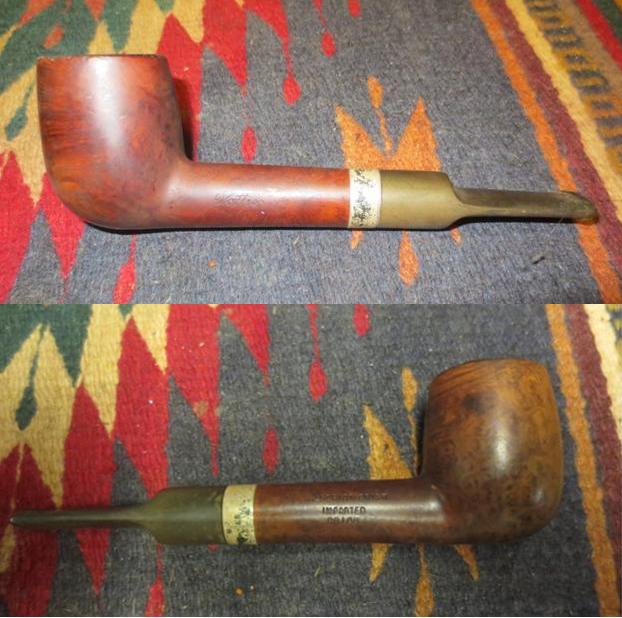
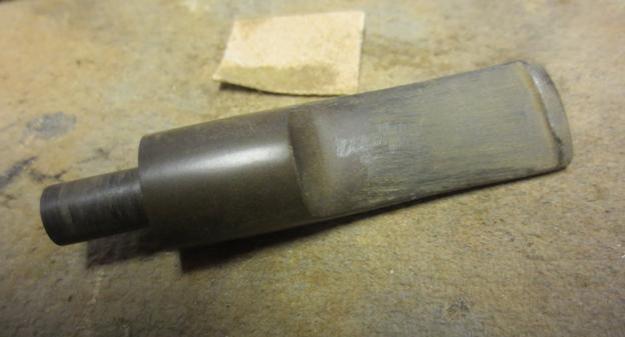
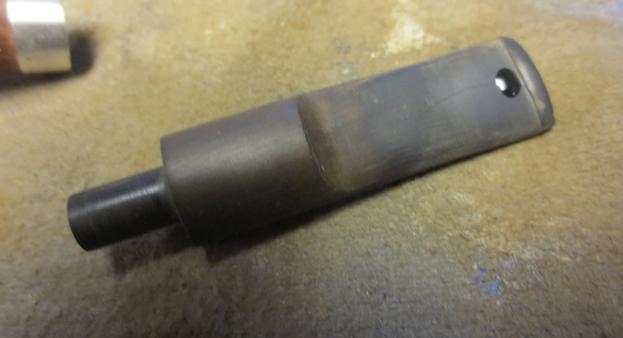
When the pipe arrived at Jeff’s in Idaho he took photos of it before he started his clean up. It is one of my favourite shapes – a squat Rhodesian with a thick shank and saddle stem. The briar was dirty but had some amazing grain on the bowl. The stamping on the left side of the shank is clear and readable – Vottis in script. The rim top had some lava overflowing the bowl particularly on the back side. The edges looked very good – both inner and outer. The cake in the bowl was quite thick and hard. The double rings around the bowl below the rim cap were in good condition other than the usual collection of debris and dust. The stem was clean but had some light oxidation and tooth marks on both sides of the stem near the button. The button surface also had some tooth damage. Jeff’s photos are below (The above photos of the airways also are from Jeff).
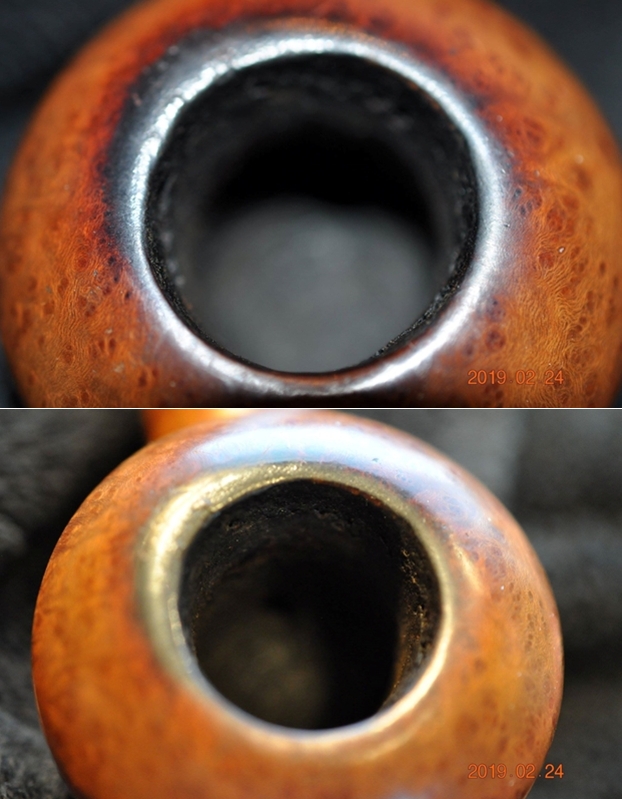
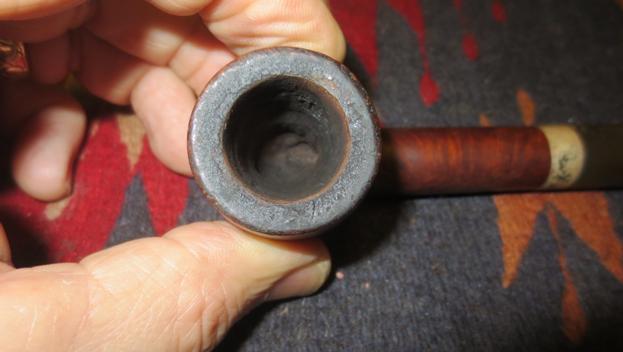
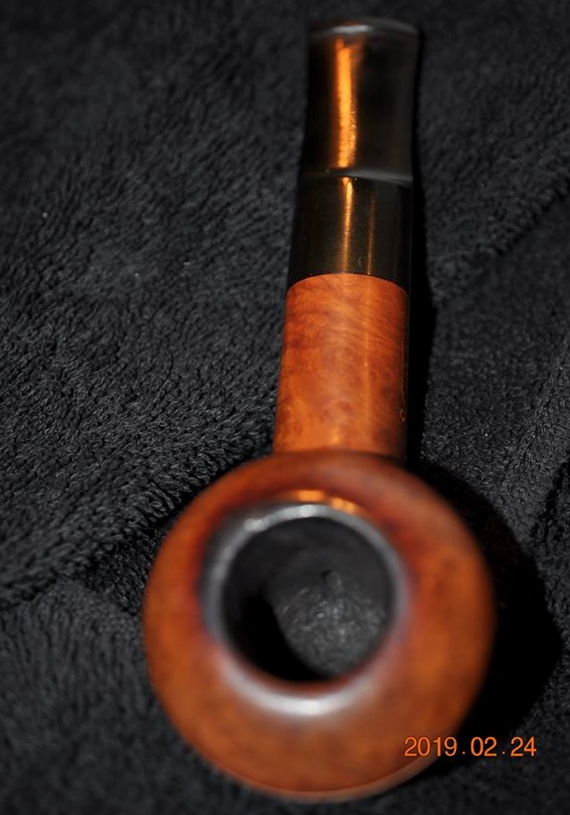 Jeff took some photos of the rim top to show the lava overflow and the cake in the bowl. The two photos are from slightly different angles and have different exposures but clearly show the condition. The inner edge of the bowl looks good but I will know more once it is cleaned and reamed. There appears to be some damage on the rear right of the bowl but again it is not clear until the bowl has been reamed and cleaned.
 Jeff also took photos of the sides and bottom of the bowl and shank to give an idea of the beautiful grain on this pipe.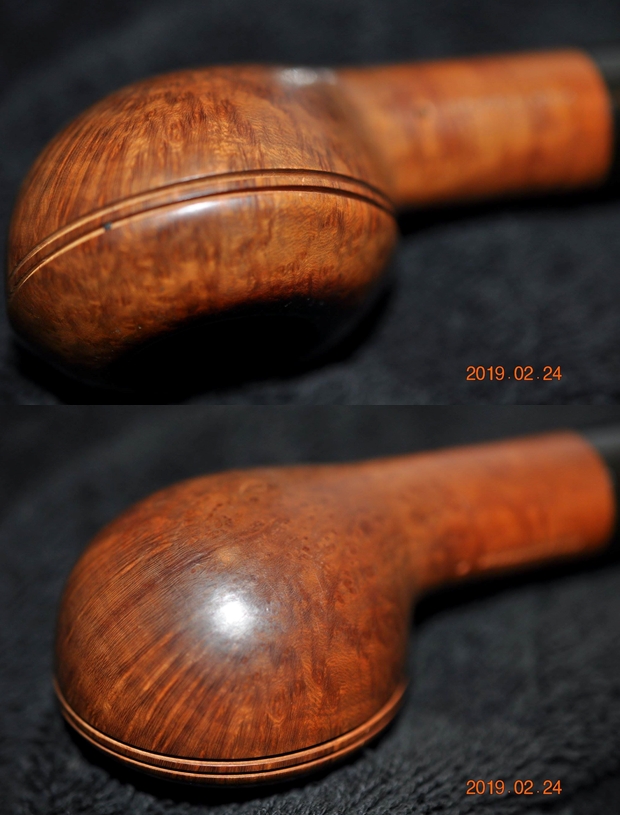
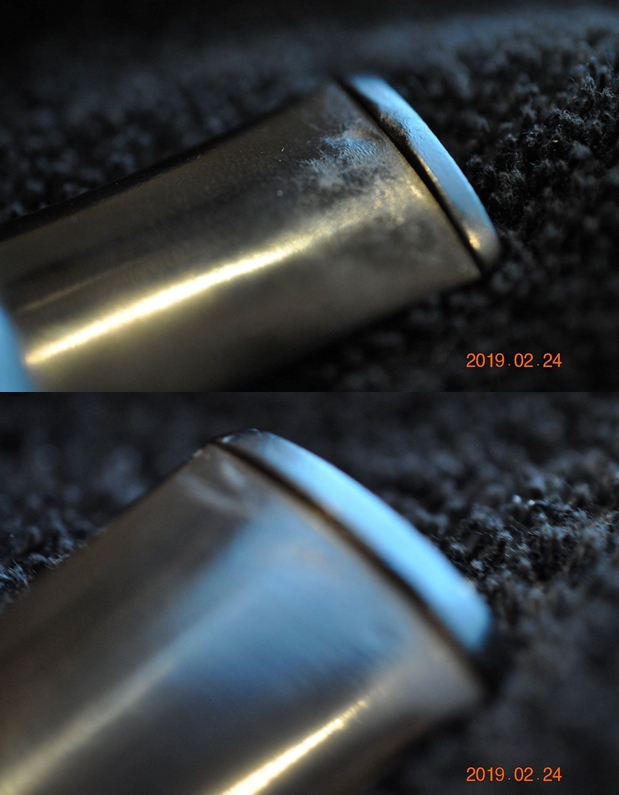
 The photos of the stem show the deep tooth marks and chatter on both sides near the button as well as the damage to the button edge and surface. You can also see the scratching and oxidation in the photos.
 When Christine wrote me about the pipes and the deal was struck I asked her if she would like to put together a brief tribute to her Grandfather to include in these blogs. She was happy to write it and send it to me. I include her tribute now go give a glimpse in to the life of the pipeman who held this pipe in trust before it came to me.
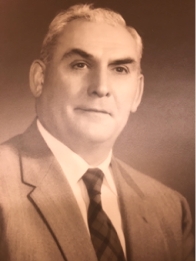 My grandfather, Paul Richter, first came to the United States from Germany in the mid 1920’s with his younger brother, Walter. Paul was born in 1899 in Leipzig, Germany. He had a degree in engineering and was looking for a better life to start a family. Paul and Walter were hired to work at a machine shop in Flushing, NY. They then heard about a town in upstate NY called Schenectady and decided it was worth a trip to check it out. They stayed at a boarding house next to the railroad station and were eaten up by bed bugs. Despite this experience, my grandfather decided that Schenectady was a good place to live and start his career with the General Electric Company (GE).
In 1928 he returned to Germany and brought his new wife from Leipzig to Flushing via boat and shortly after they moved to Schenectady. Paul worked hard and earned his way up the ladder to a management position; eventually managing 400 people at the GE main plant in downtown Schenectady. With his wife, Ella, they raised 2 sons, Ralph and Peter who both ended up with lifelong careers at GE. Schenectady was a thriving and exciting city during this time with much to keep a family happy. One of the things that Paul enjoyed was quality tobacco smoked in a finely crafted pipe. He found one of his favorite pipes at the Vottis Pipe Shop on Erie Blvd in downtown Schenectady. After Paul passed away in 1979, his son Peter (my father) kept all of his Dad’s old pipes among other sentimental memorabilia. The pipes were packed away in a box until 2018, when I opened the box and smelled that wonderful pipe aroma that I recall from many years ago. The aroma brings back fond memories of time spent with my family!
Thanks for giving Paul’s Vottis pipe another life! — Christine
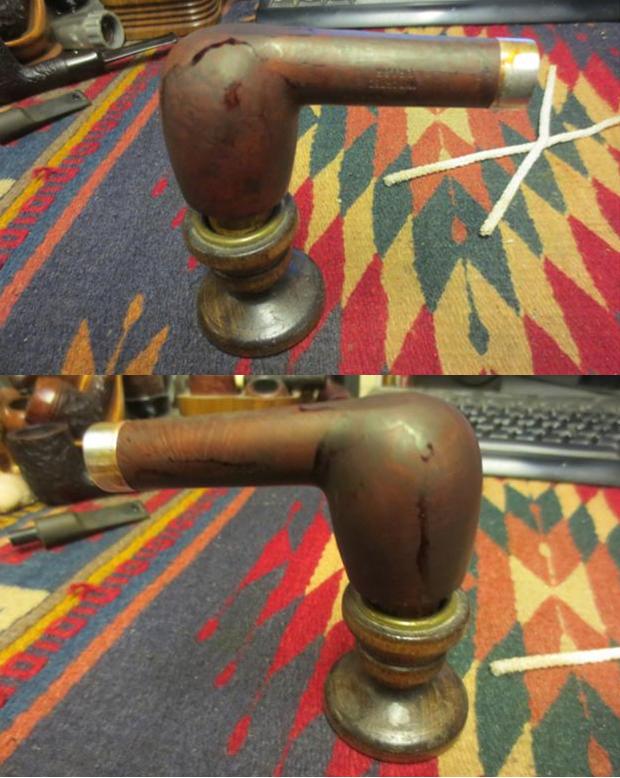
Thanks for writing this Christine. It helps to set the stage for this restoration and give colour to the story. I was excited to work on this interesting old pipe. In fact so much so that I forgot to take pics of it before I started working on it. I filled in the tooth marks on both sides of the stem and rebuilt the edge of the button at the same time.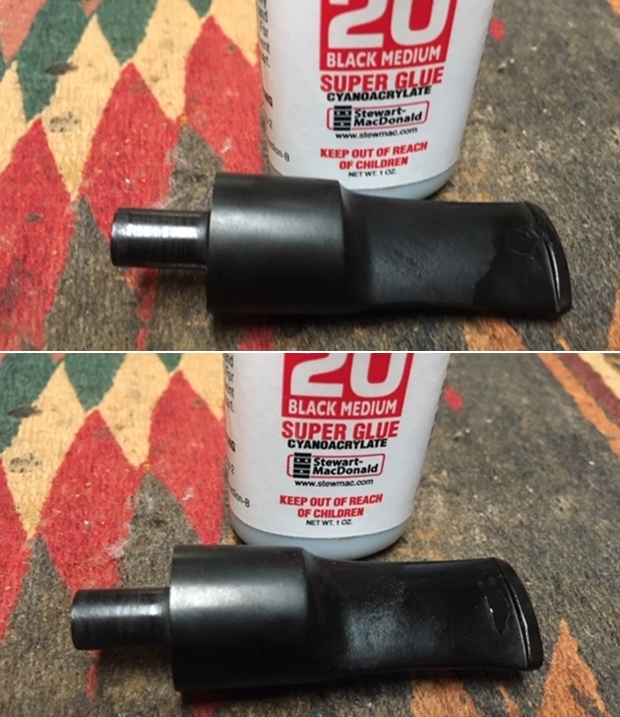 At that point I remembered I had not taken photos so I put the stem back on the shank and took some photos of the bowl and stem to show the magnificent cleanup job Jeff had done with the pipe and to show the areas that I would need to work on.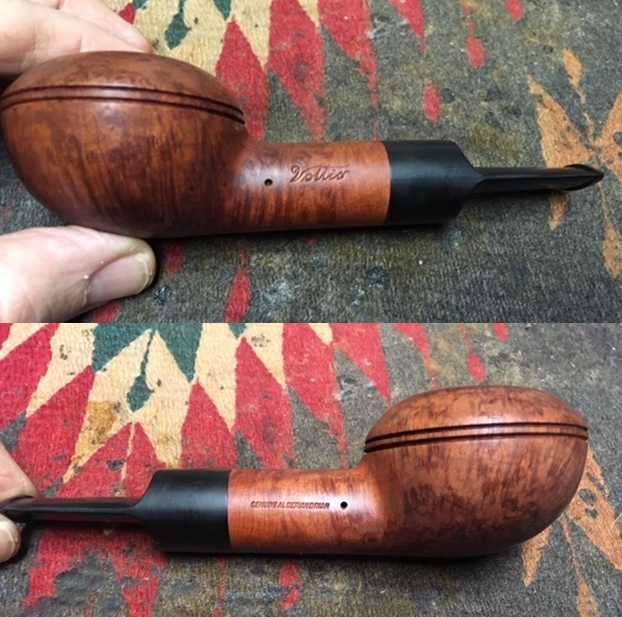
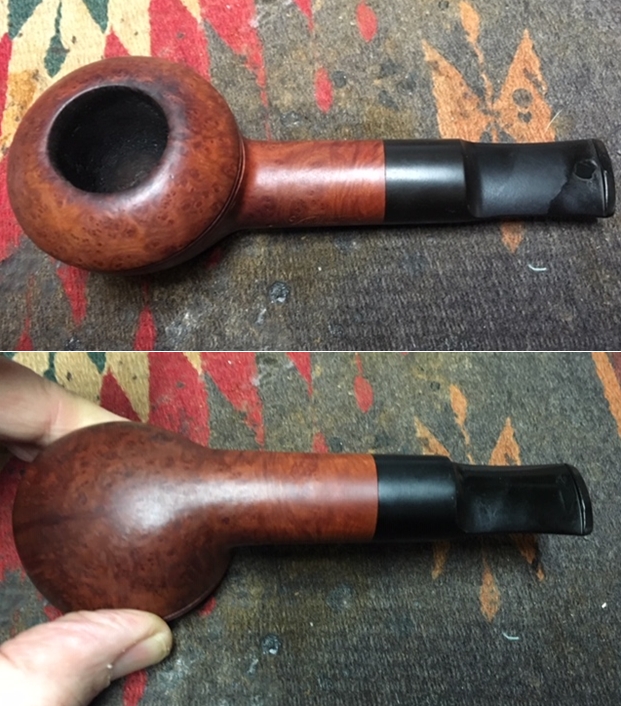 I took some photos of the rim top to show the area at the back that had been covered in lava. It was now clean but had some darkening and would need a bit of polishing to remove the darkening. I also took photos of the stem surfaces to show the repaired areas to highlight the tooth damage that had been present.
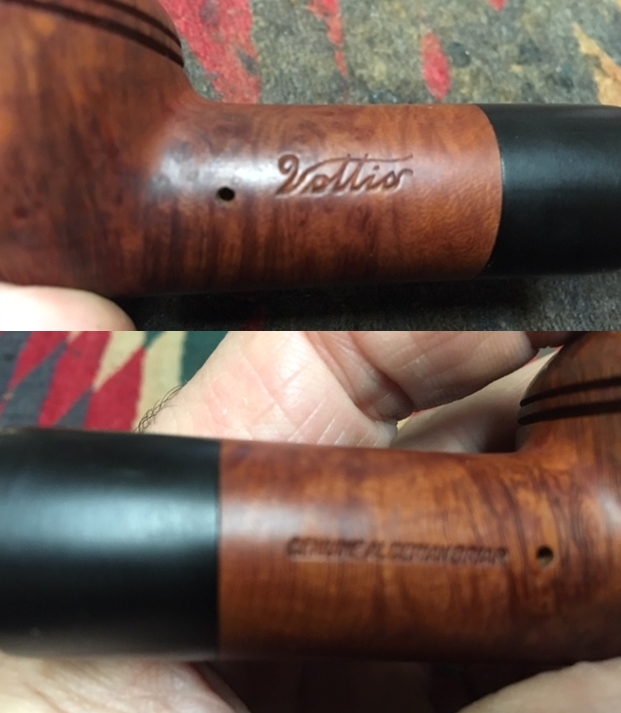
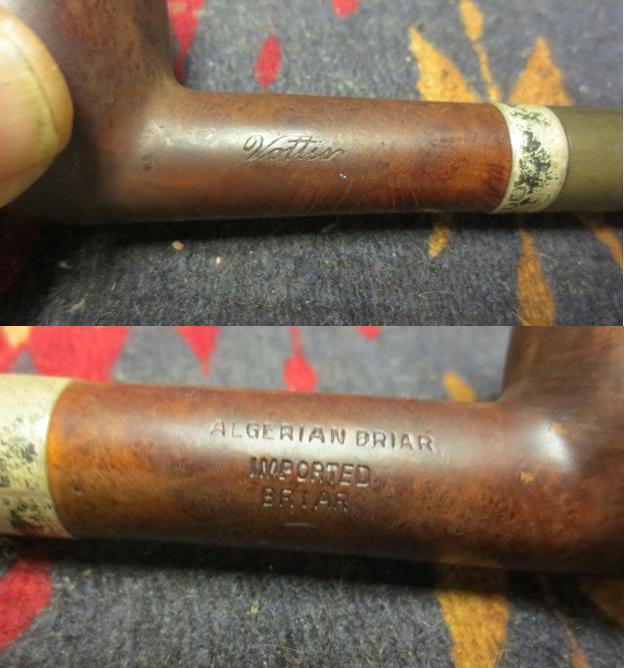
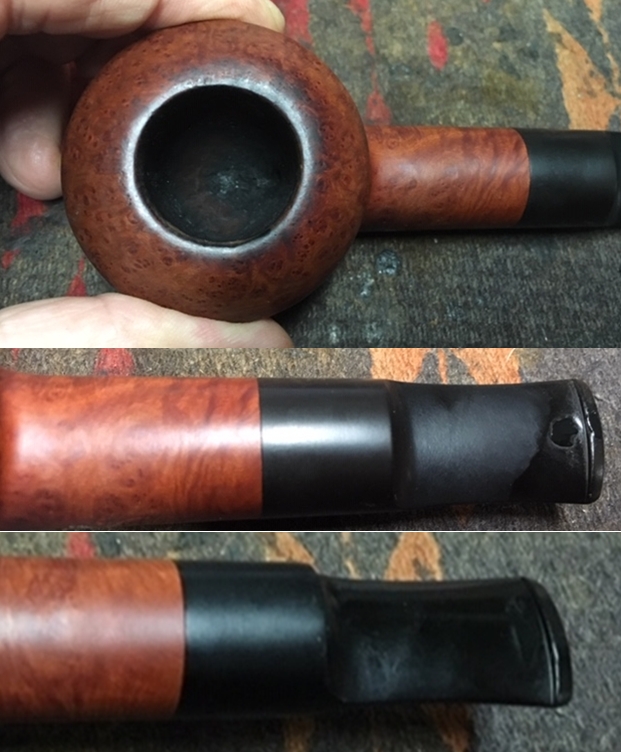 I took photos of the stamping on the shank sides. The left side read Vottis in script looking like it was almost engraved. The right side read Genuine Algerian Briar.
 I cleaned up the darkening on the rim top and the inner edge of the bowl with a folded piece of 220 grit sandpaper. I worked it over the surface and around the edge to smooth out the damages and also to remove the darkening. Over all the sandpaper did the trick. The edge and top still show some damage but polishing it should remove the remaining damages.
 I polished the bowl and rim cap with micromesh sanding pads. I wet sanded with 1500-2400 grit pads and dry sanded with 3200-12000 grit pads. I wiped the bowl down after each sanding pad with a damp cloth to remove the dust and check my progress. The photos tell the story.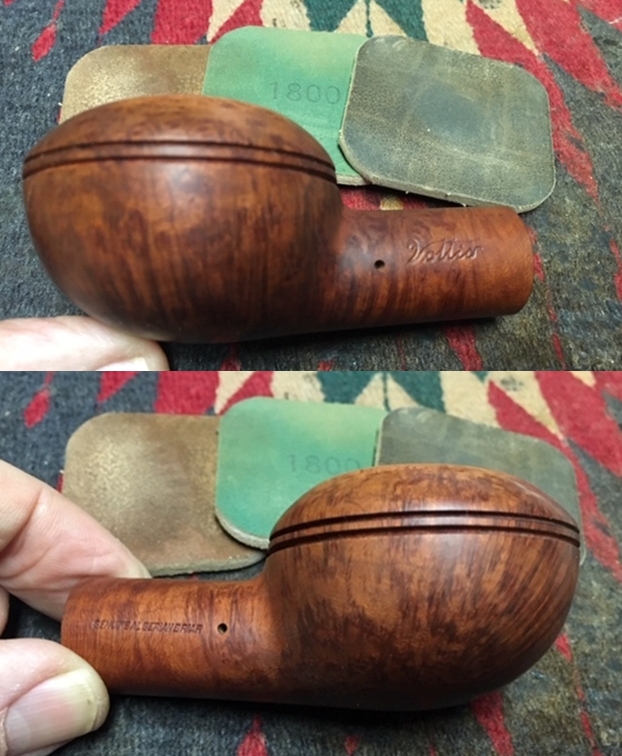
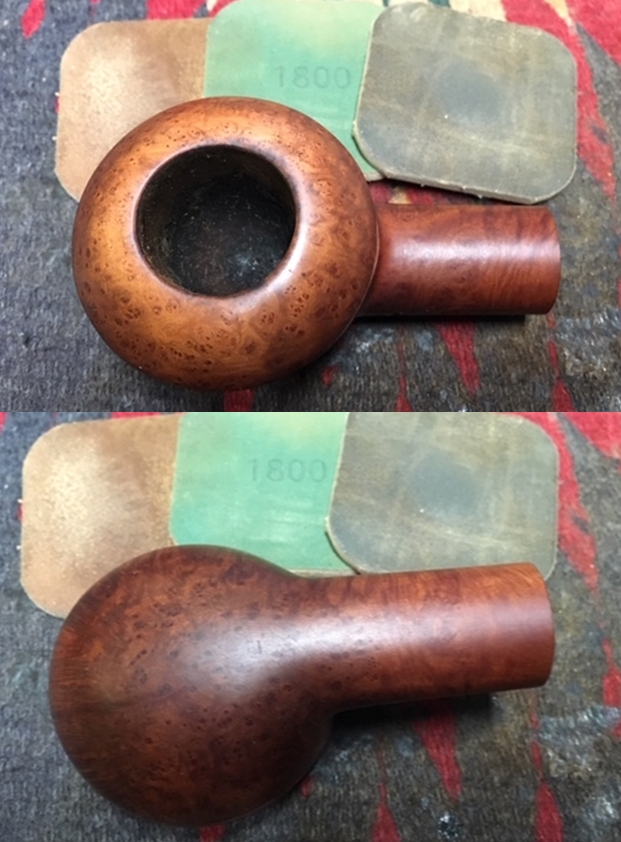
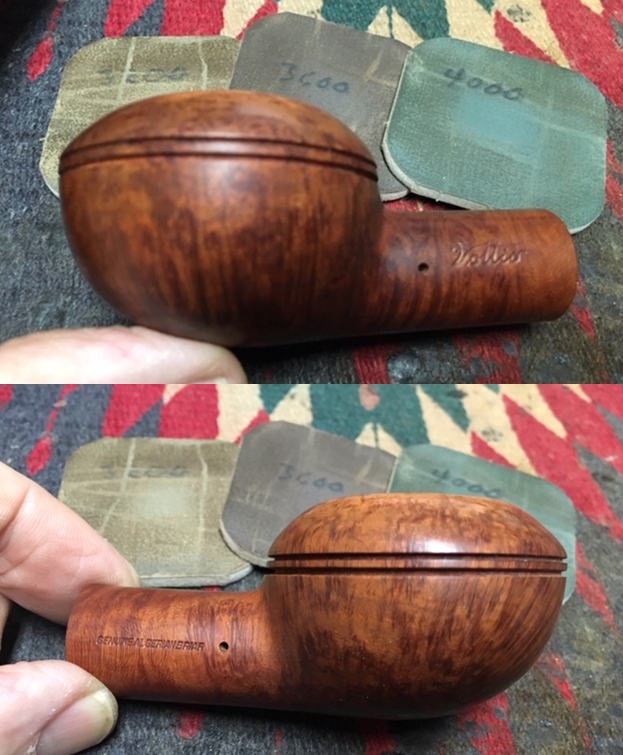
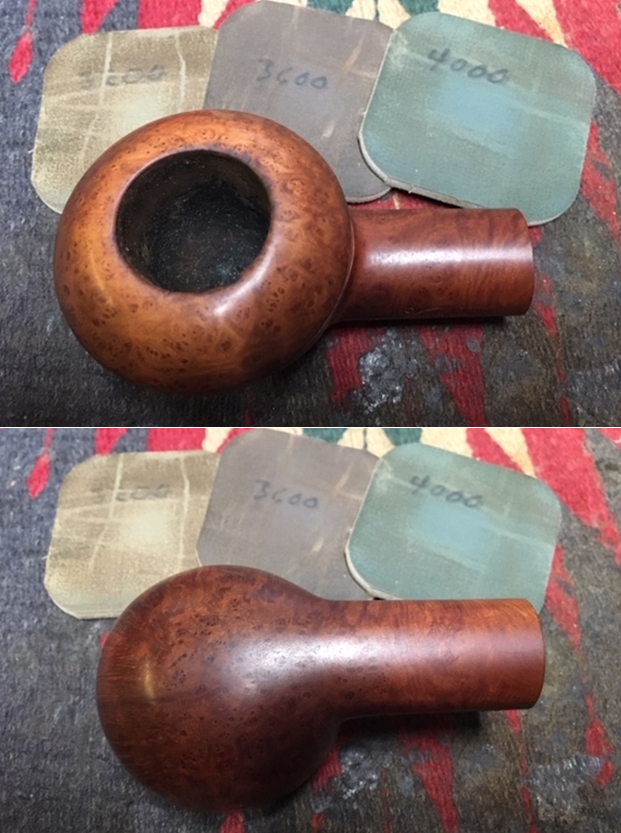
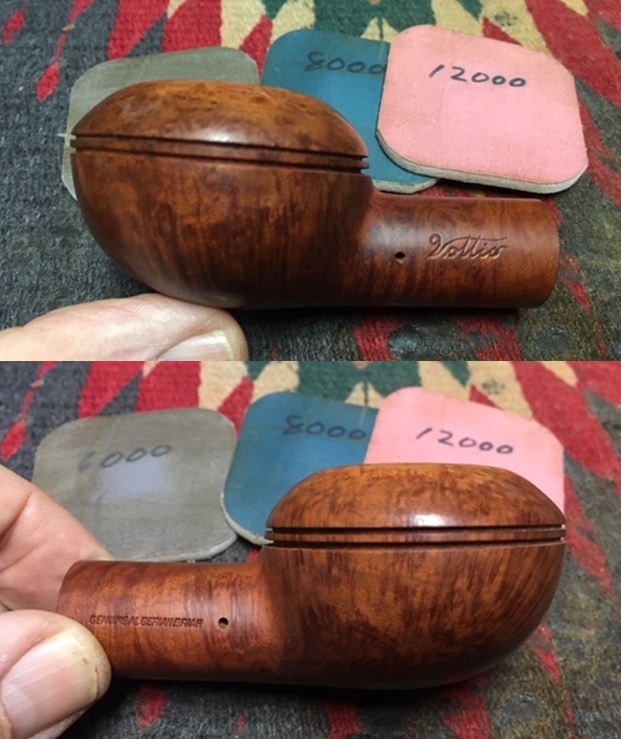
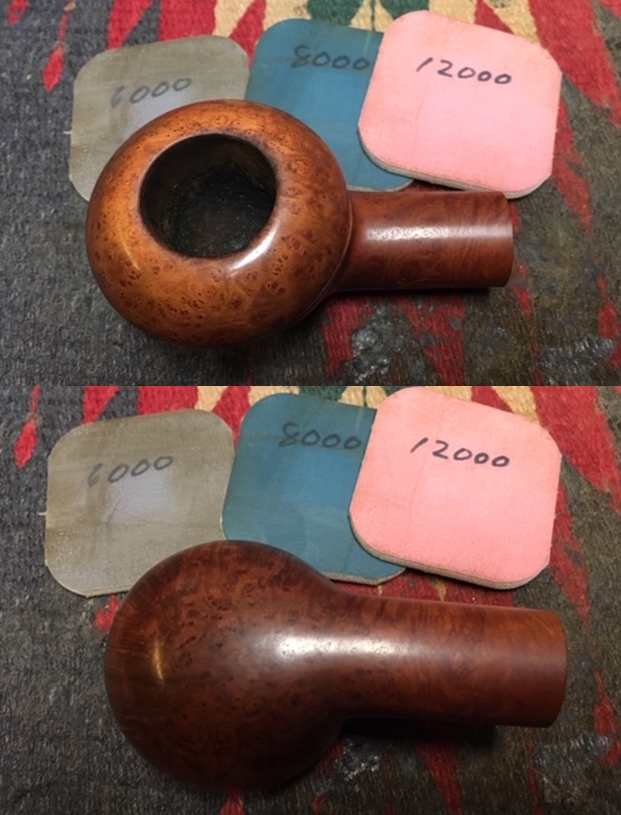 Once I was finished polishing the bowl and rim, I worked some Before & After Restoration Balm into the surface of the briar with my fingertips to clean, enliven and protect it. I let the balm sit for a little while and then buffed with a cotton cloth to raise the shine. I took photos of the pipe at this point to show how good the pipe was beginning to look. The bowl and the rim top look really good and the grain really stood out on the smooth rim. The finish looks very good and the birdseye grain on the bottom and the cap of the bowl and flame grain on the sides stand out in all their beauty.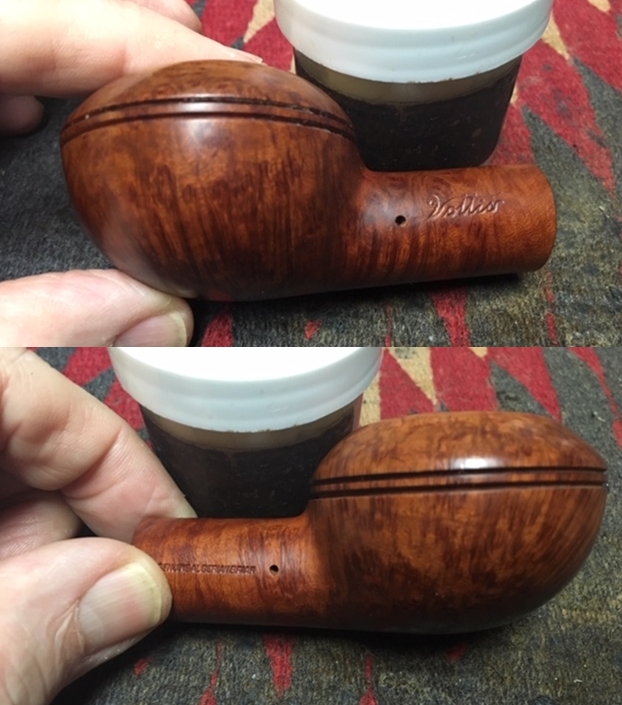
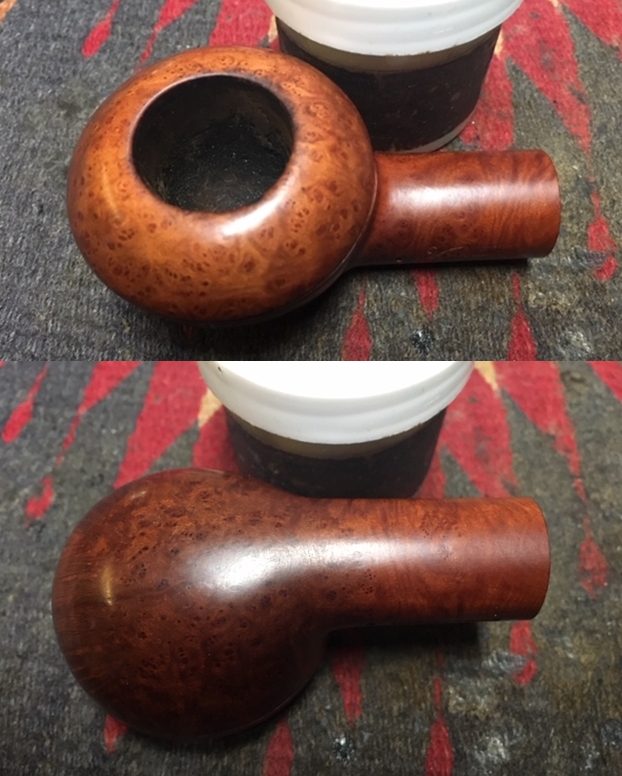
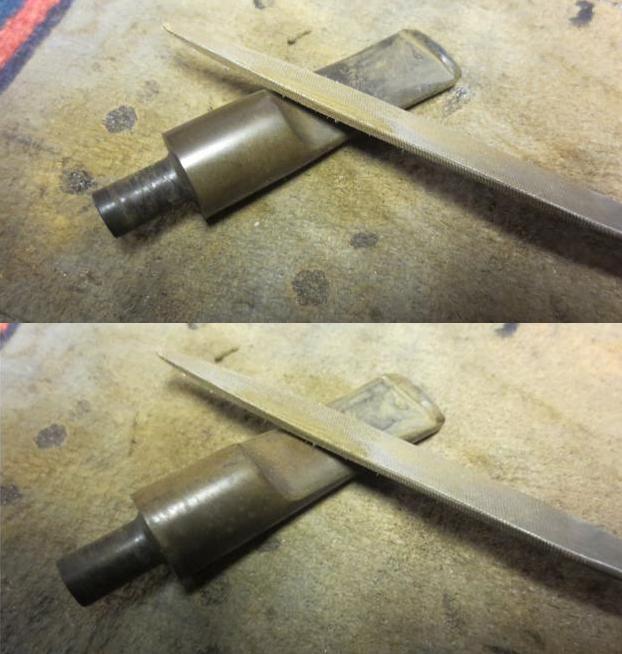
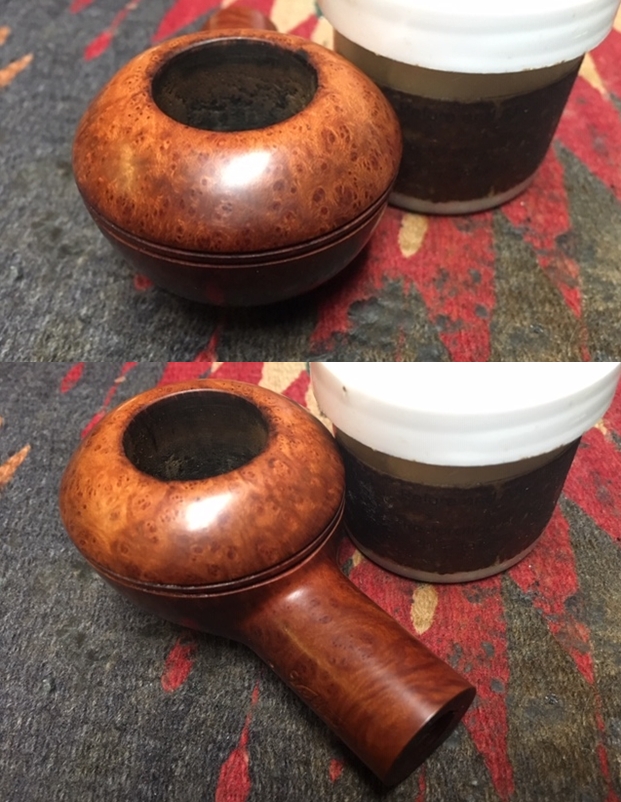 I set the bowl aside and turned my attention to the stem. The repairs to the button area had cured so I used a needle file to clean up the edge of the button and flatten the repairs on the surface of the stem. I also reshaped the button surface. I blended in the repairs and removed the scratching from the file with 220 and 440 grit sandpaper. The repairs and shape of the button looked really good at this point.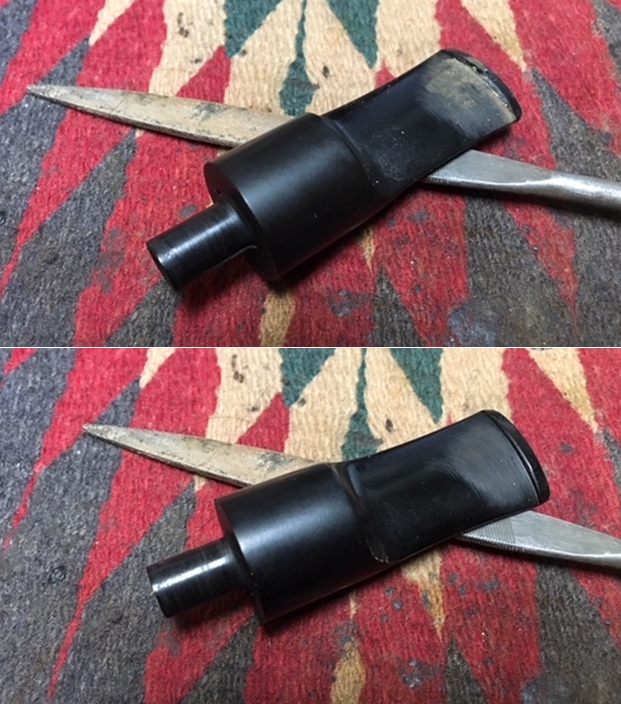
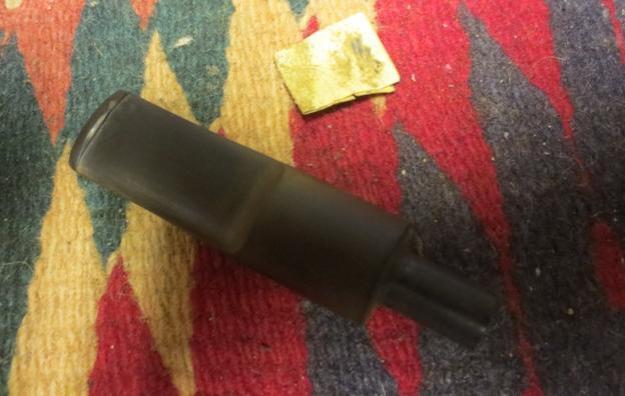
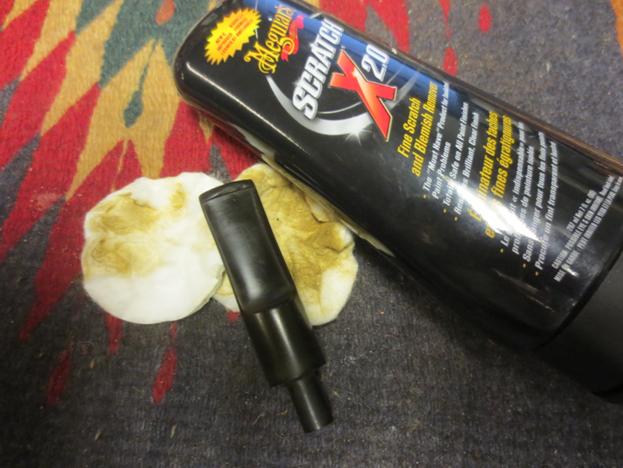
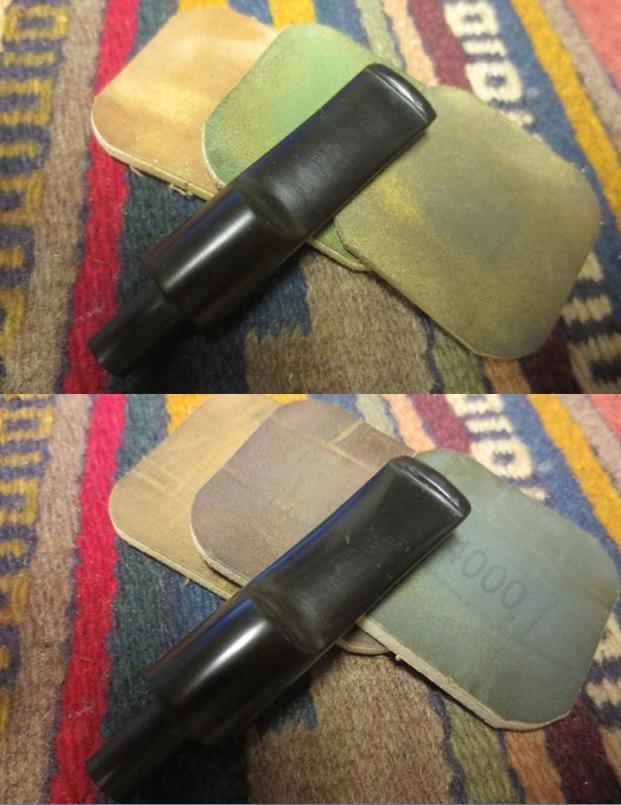
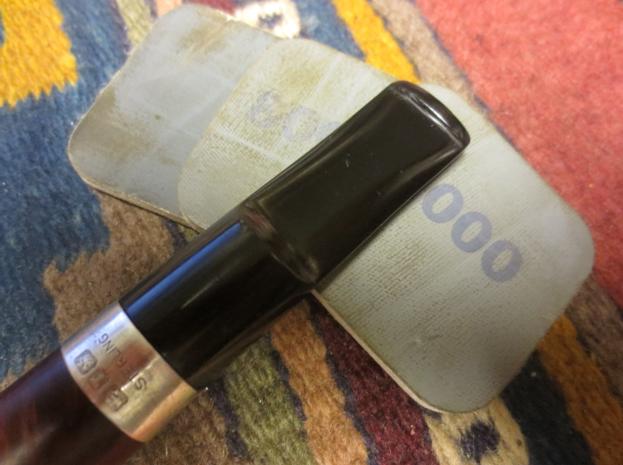
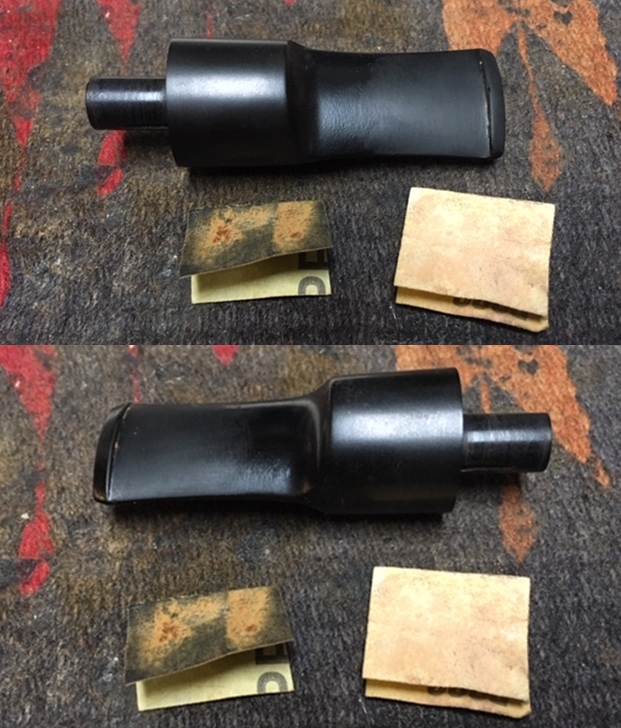 I polished the stem with micromesh sanding pads – wet sanding with 1500-2400 grit pads and dry sanding it with 3200-4000 grit pads. I buffed the stem with red Tripoli and brought it back to the work table and finished polishing it with 6000-12000 grit pads. I wiped the stem down with Obsidian Oil after each pad. I further polished it with Before & After Pipe Polish – both Fine and Extra Fine. I finished by giving it a final coat of Obsidian Oil and setting it aside to dry.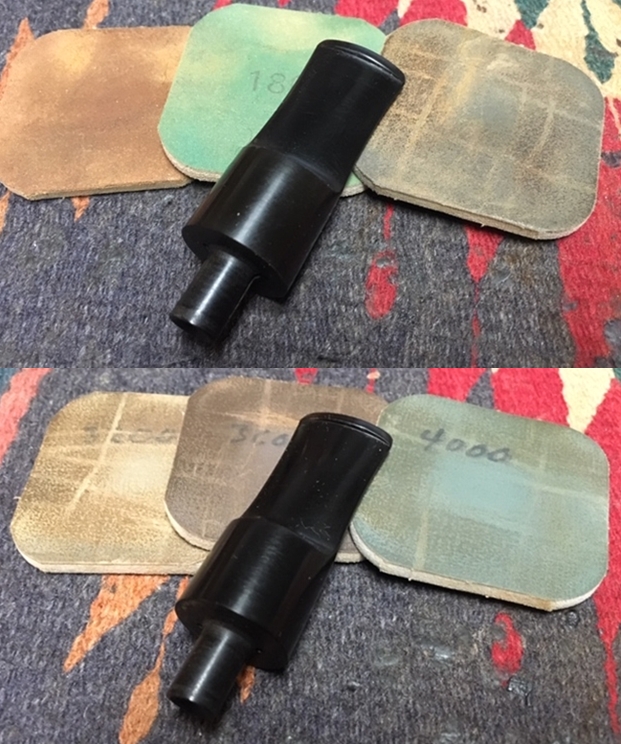
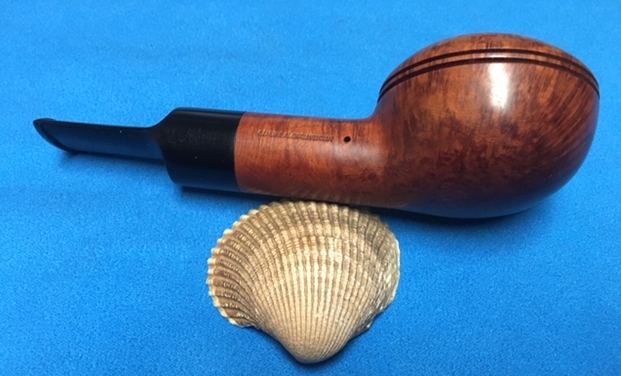
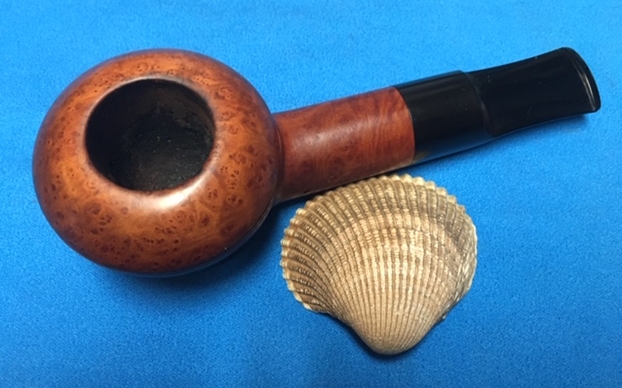
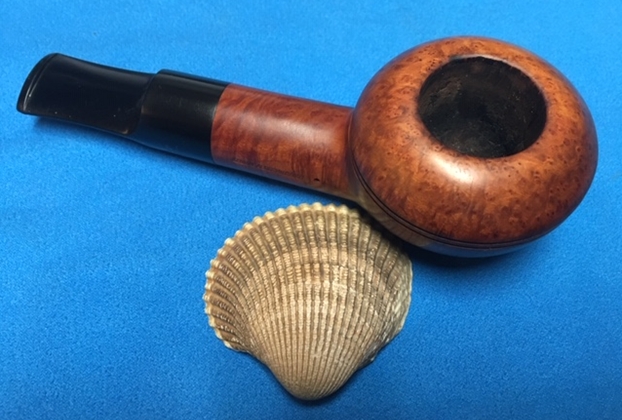
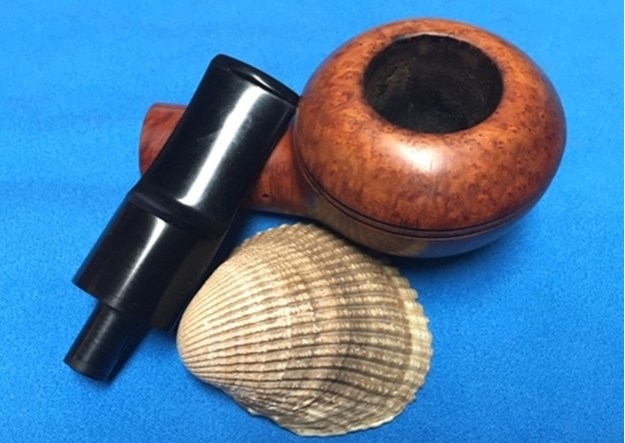
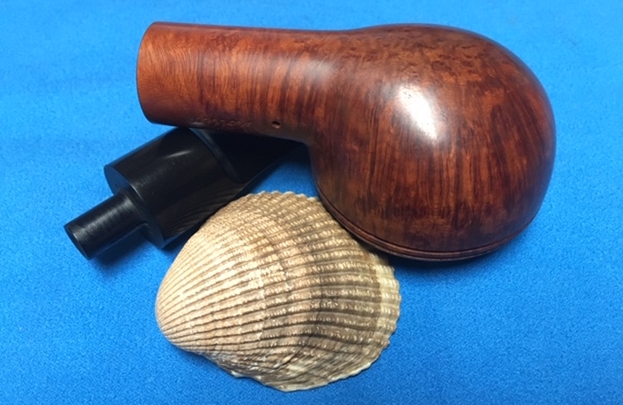
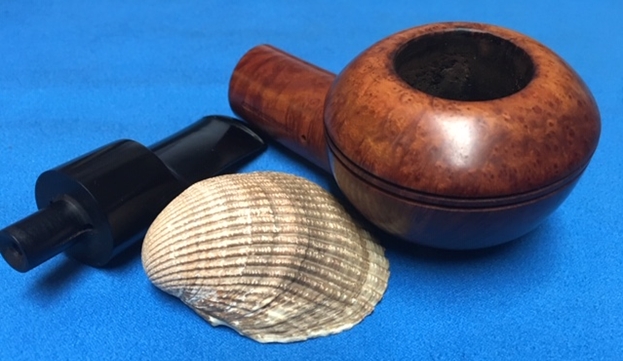
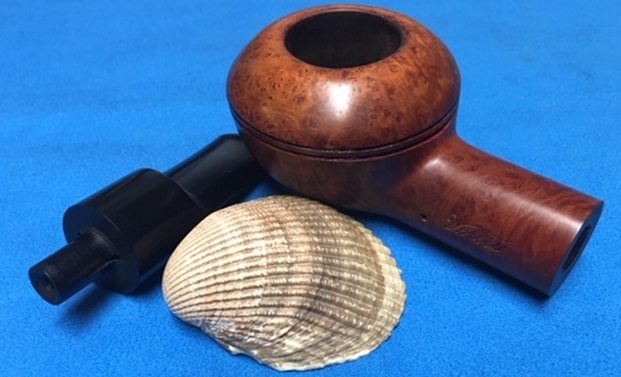
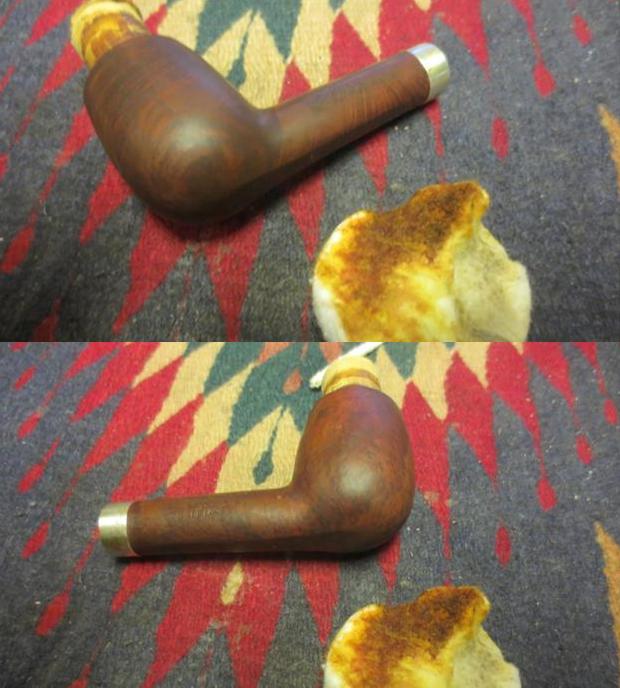
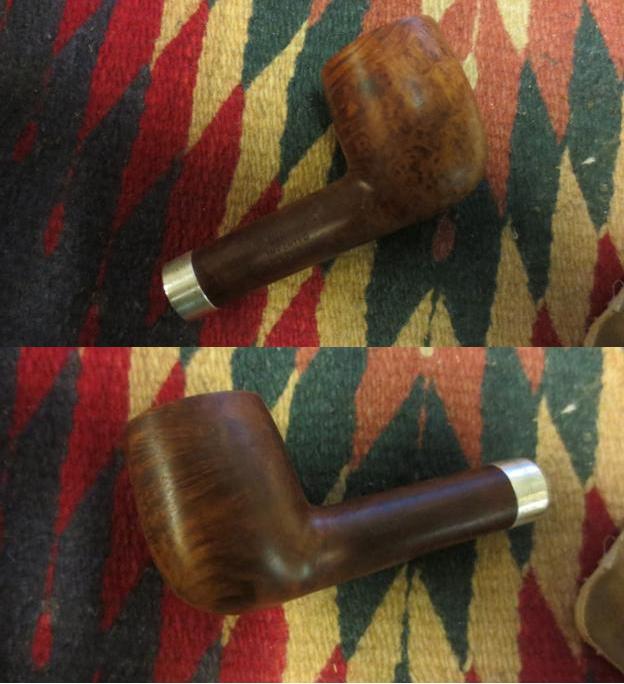
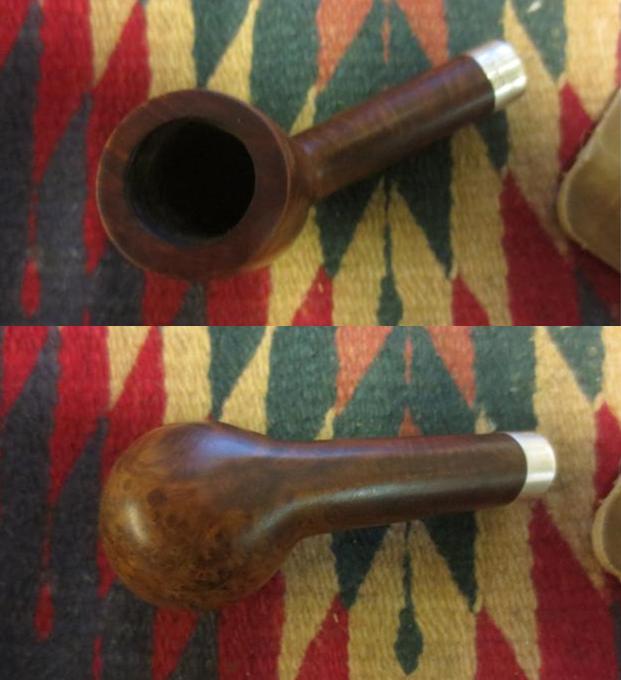
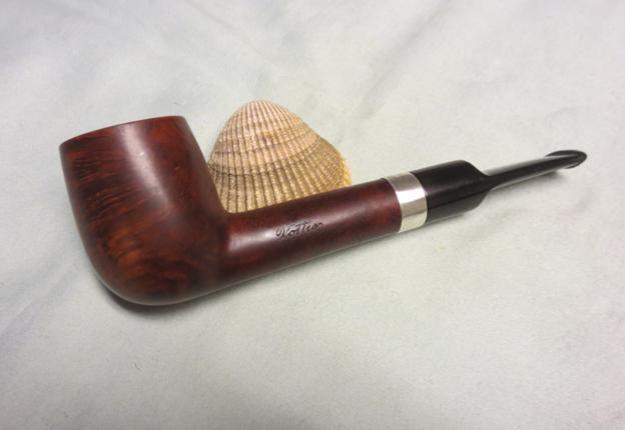
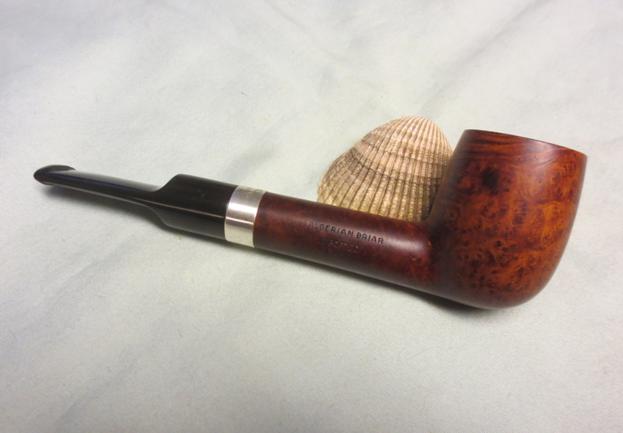
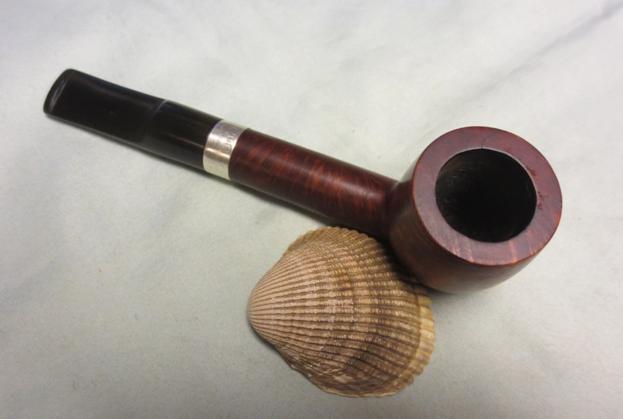
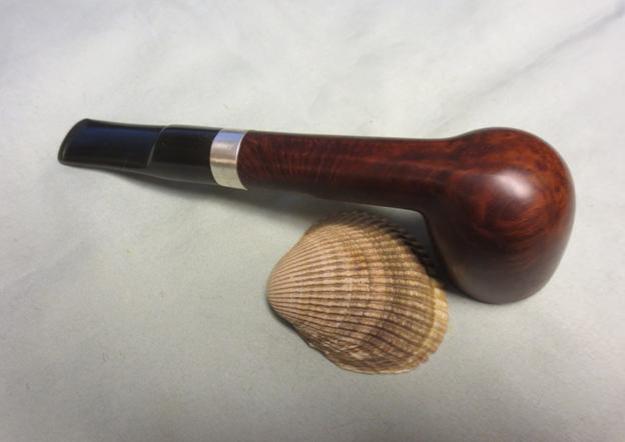
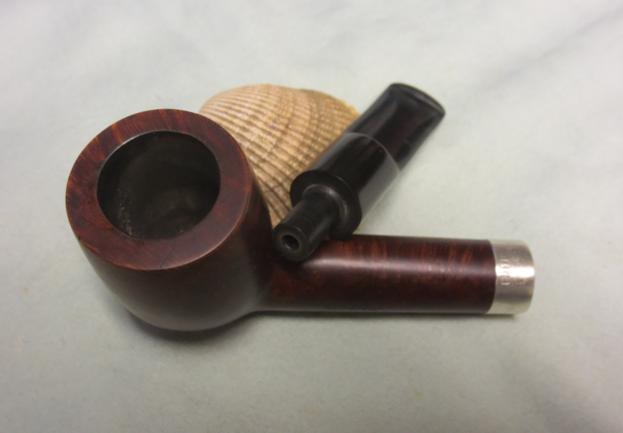
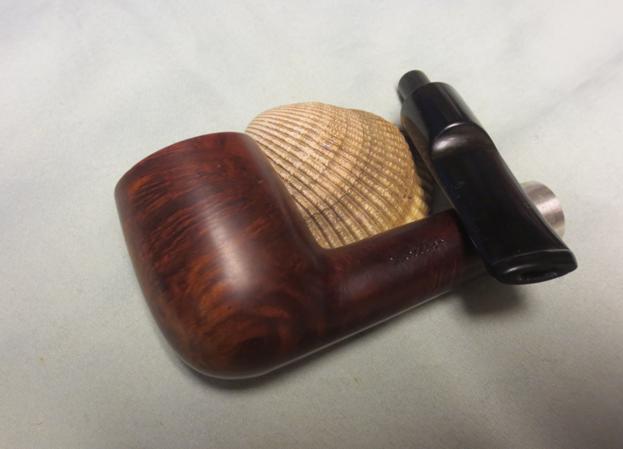
 Since I had finished both the bowl and stem I put them back together and polished the bowl and stem with Blue Diamond polish on the buffing wheel. I gave the bowl and the stem multiple coats of carnauba wax. I buffed the pipe with a clean buffing pad to raise the shine. I hand buffed it with a microfiber cloth to deepen the shine. The pipe polished up pretty nicely. The birdseye grain on the rim cap and the beautiful straight/flame grain around the sides of the bowl and shank came alive on the buffing wheel. The rich brown stain works well with polished black saddle vulcanite stem. The finish looks amazing and it is smooth and light weight in the hand. Judging from the condition of the pipe when we got it, I am sure that it will be an amazing smoker. Have a look at it with the photos below. The dimensions are Length: 5 1/2 inches, Height: 1 7/8 inches, Outside diameter of the bowl: 2 1/4 inches, Chamber diameter: 1 inch. Thanks Christine for sending this pipe to me from your Grandfather Paul Ricther. It is a beauty and a pipe that I intend to hold onto (at least for now). I have never seen another like it and I am anxious to fire up a bowl and try it out.


 rebornpipes