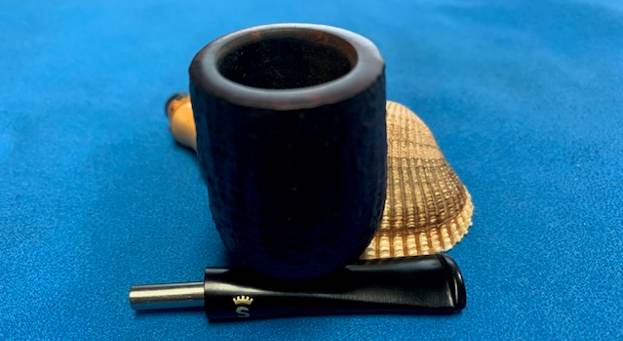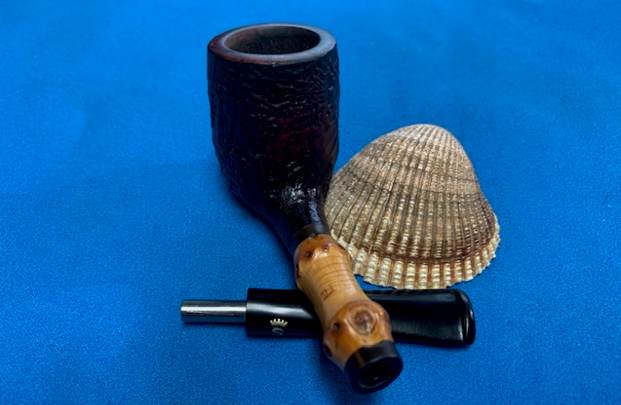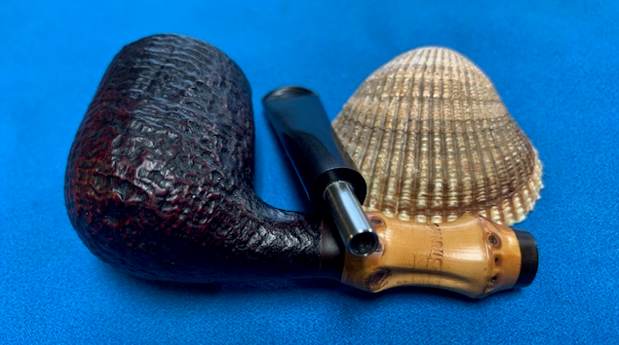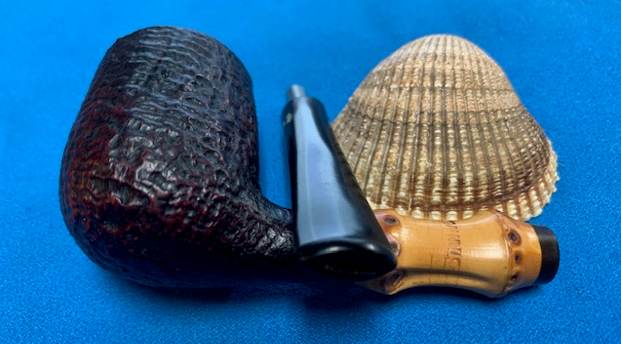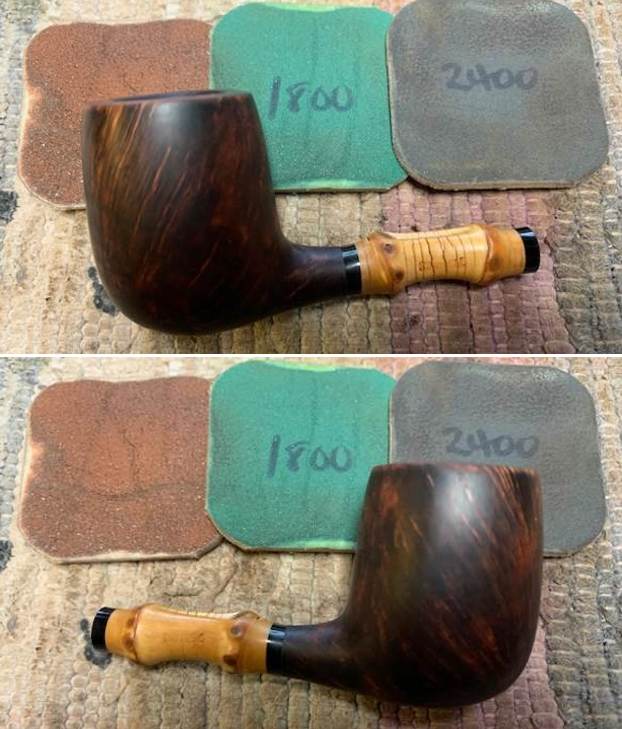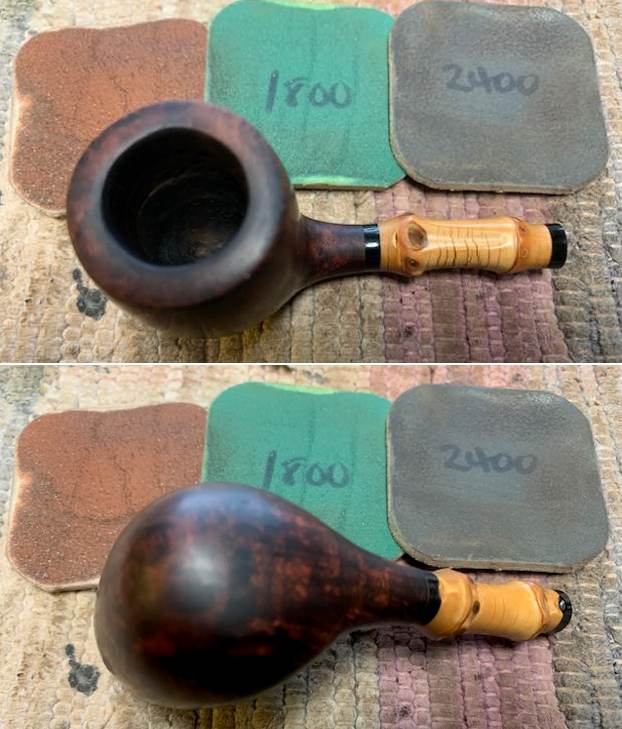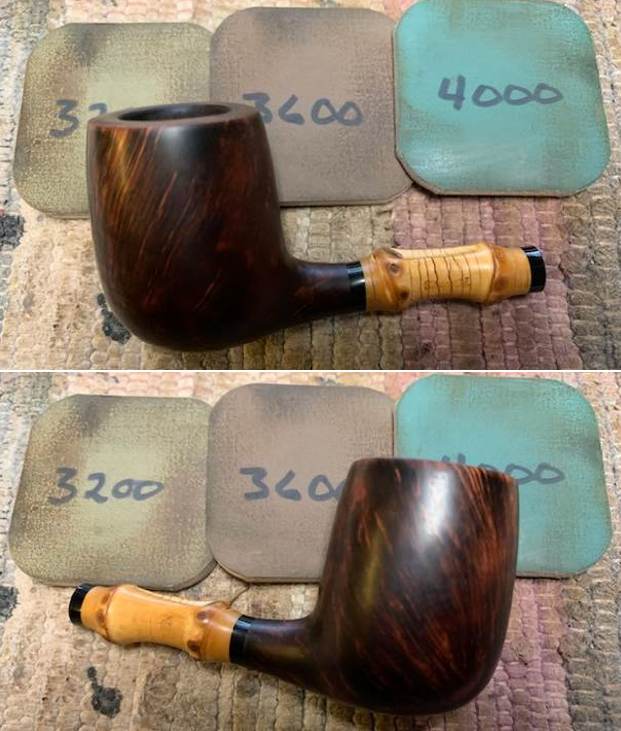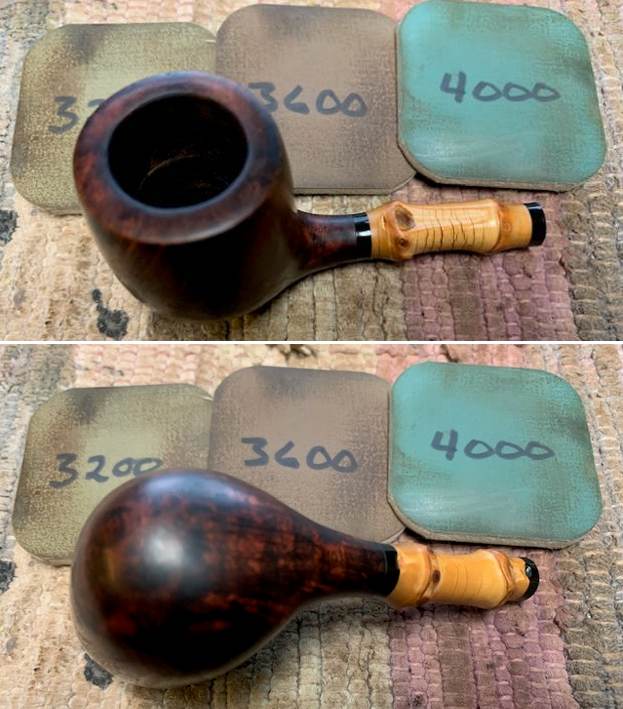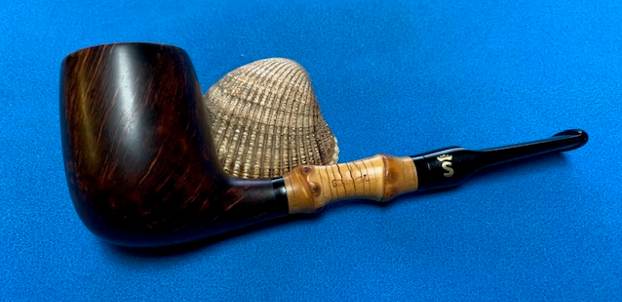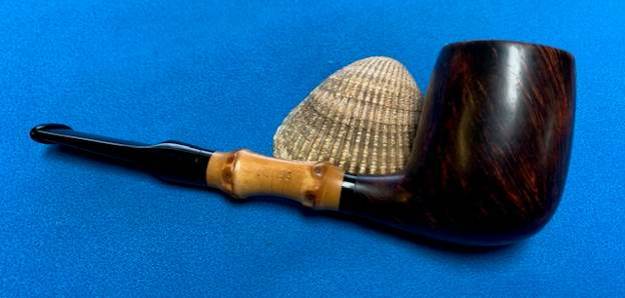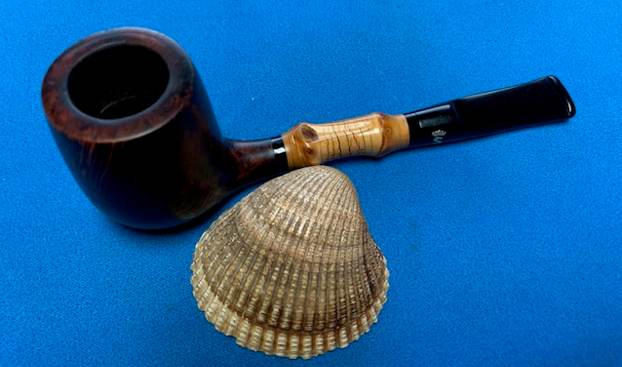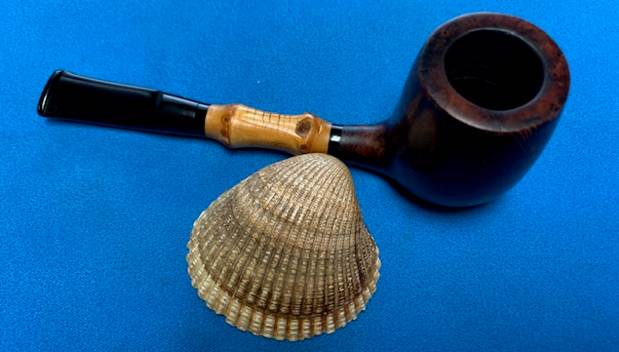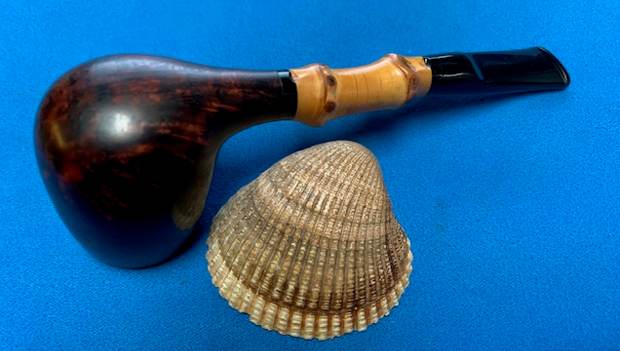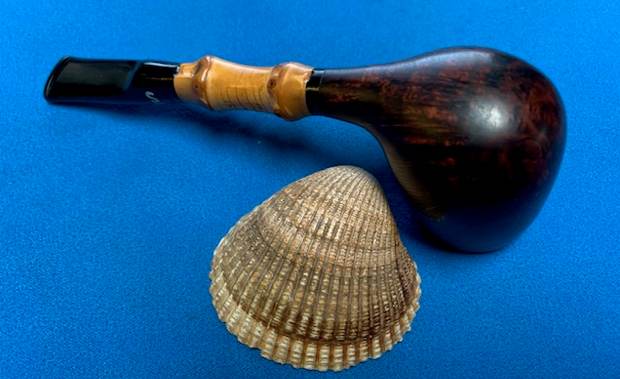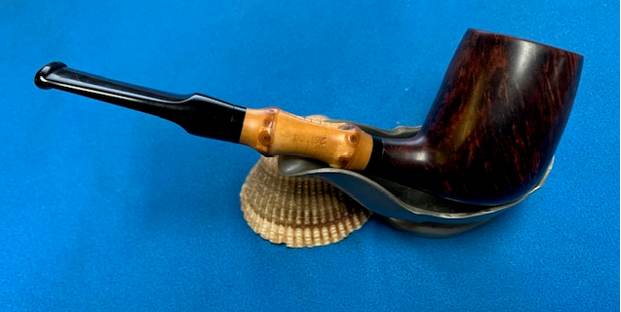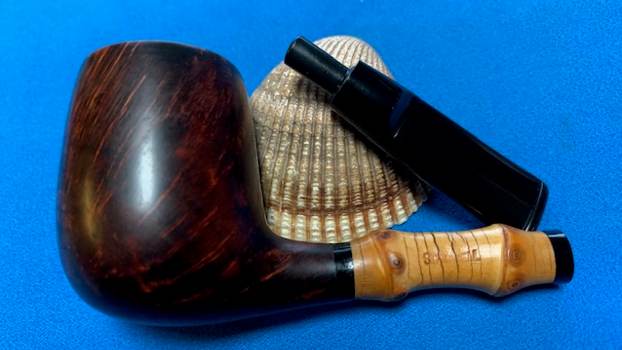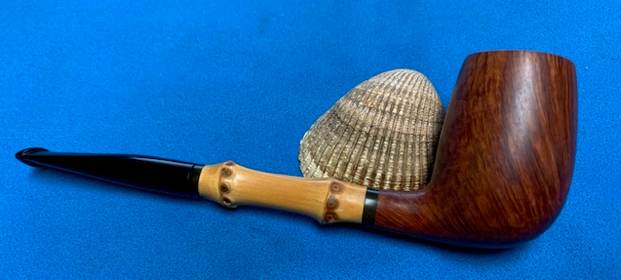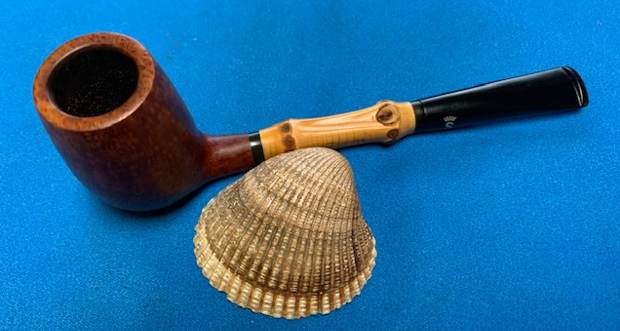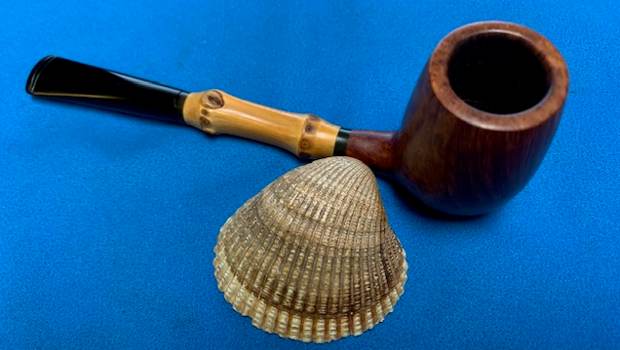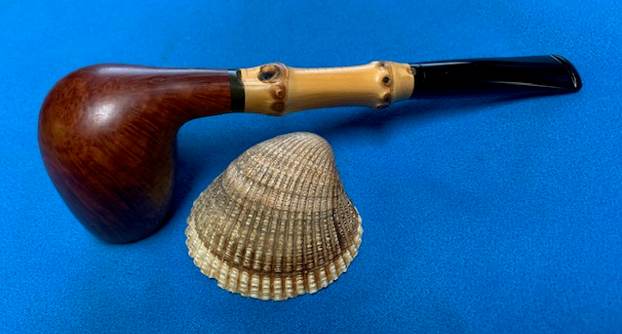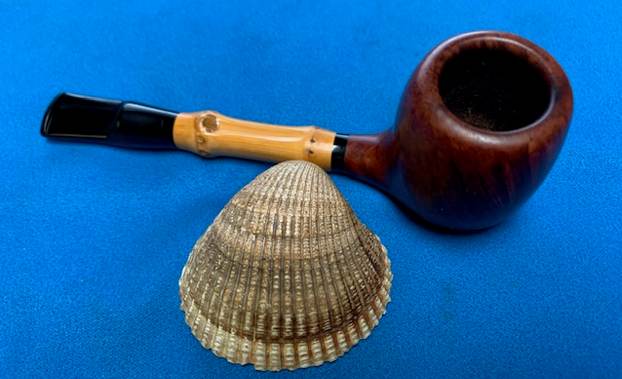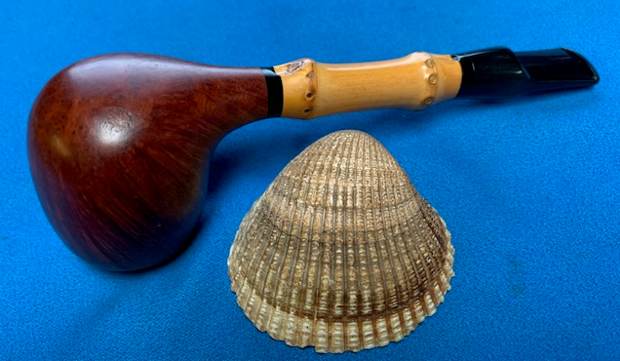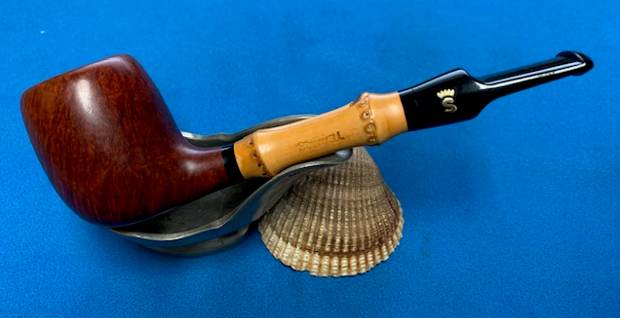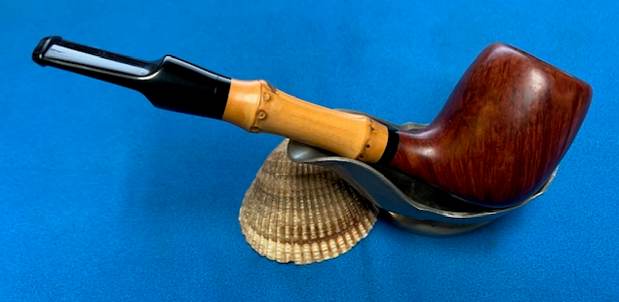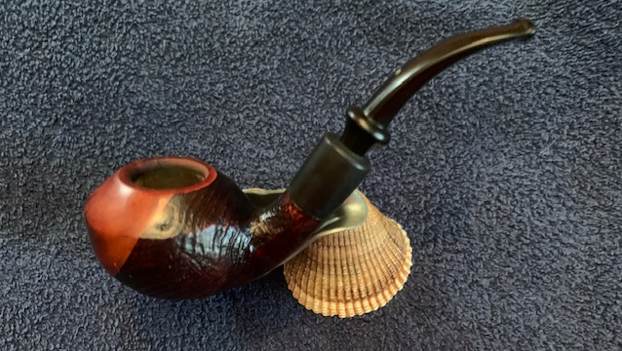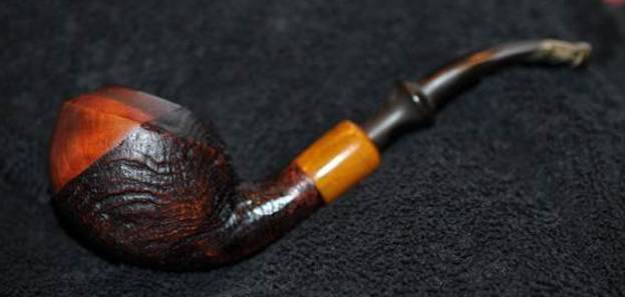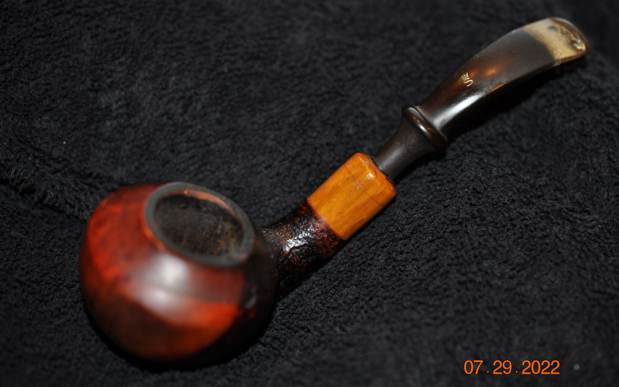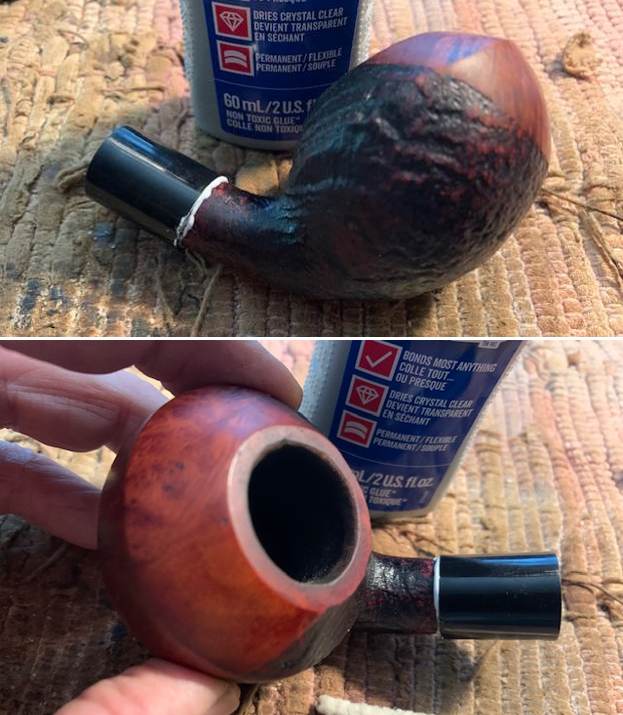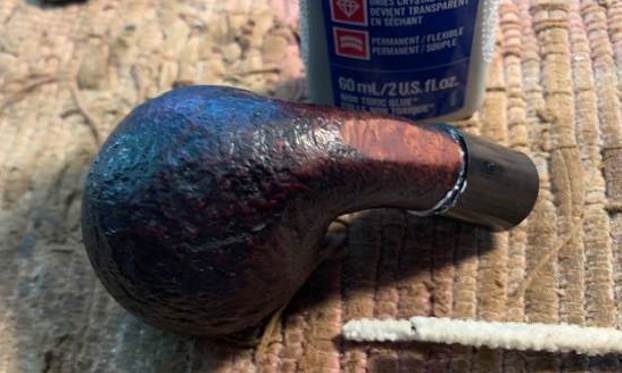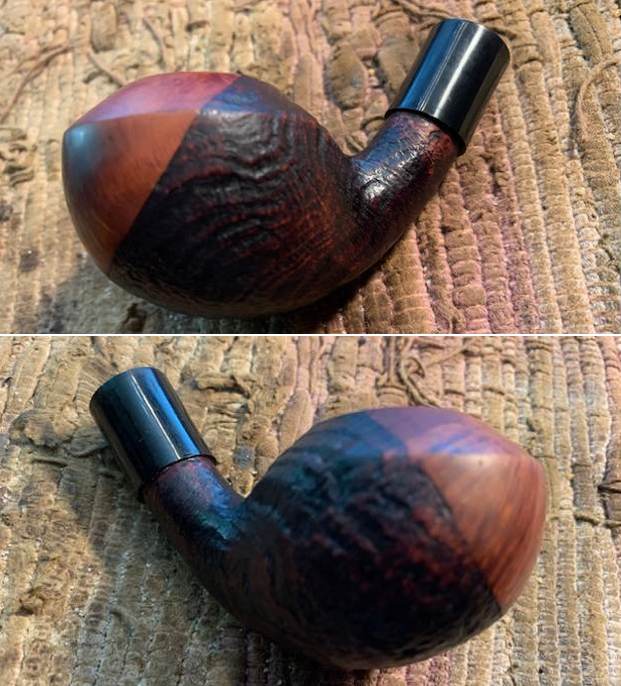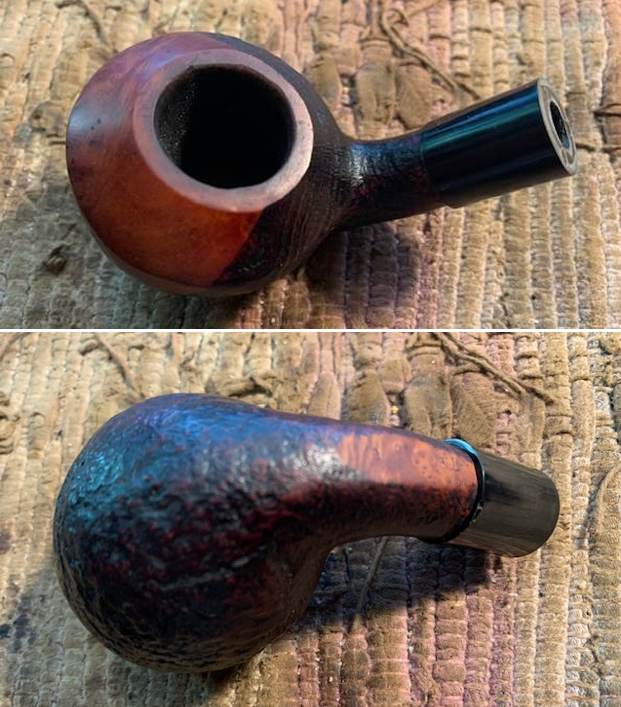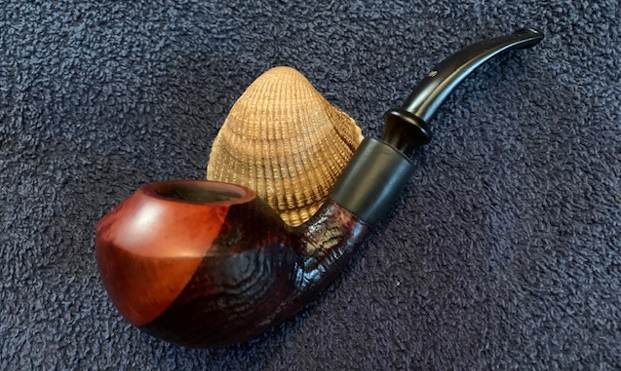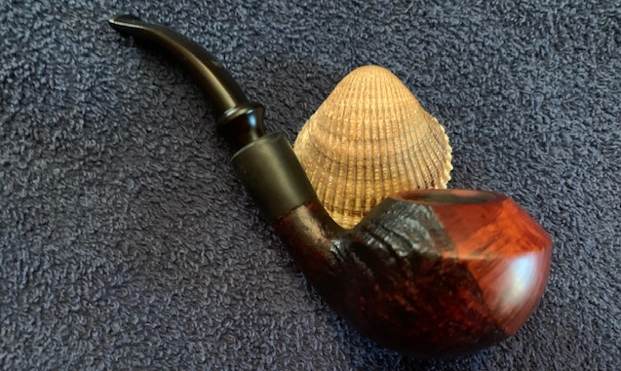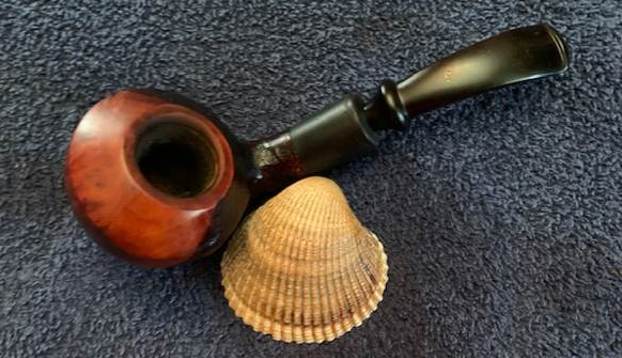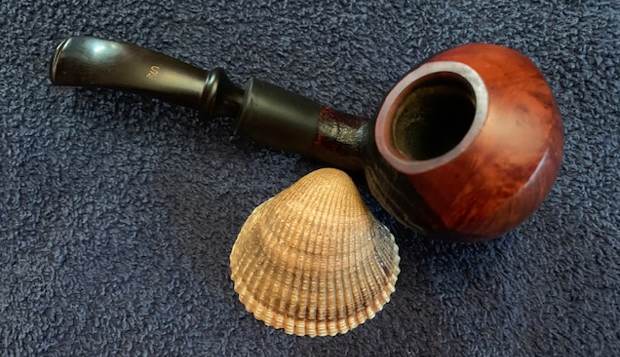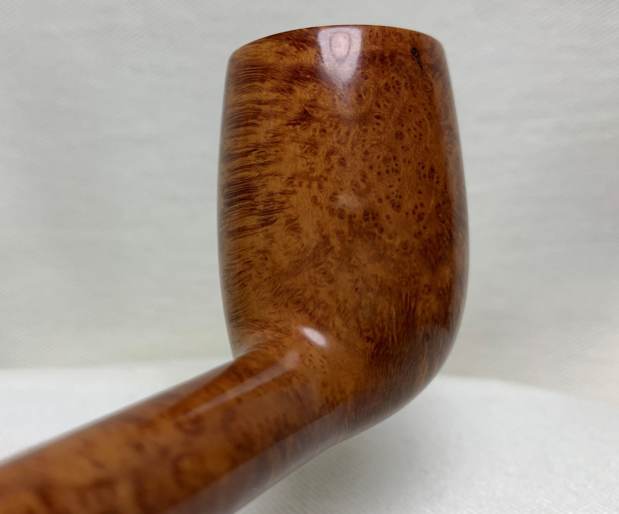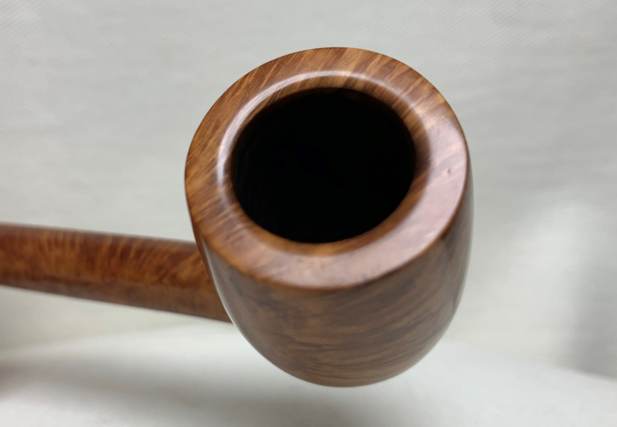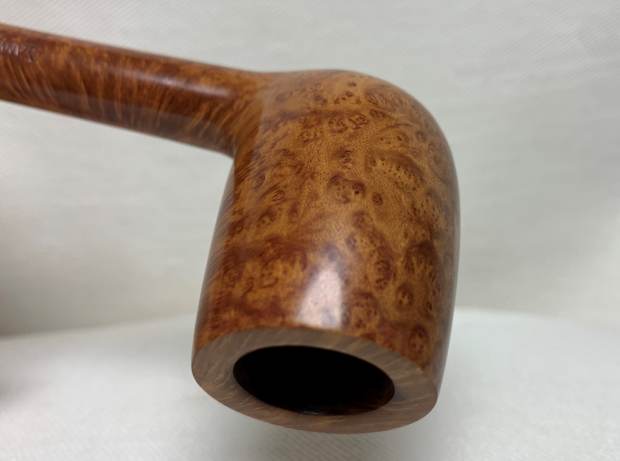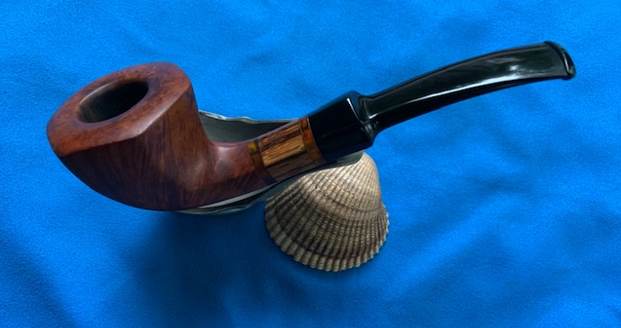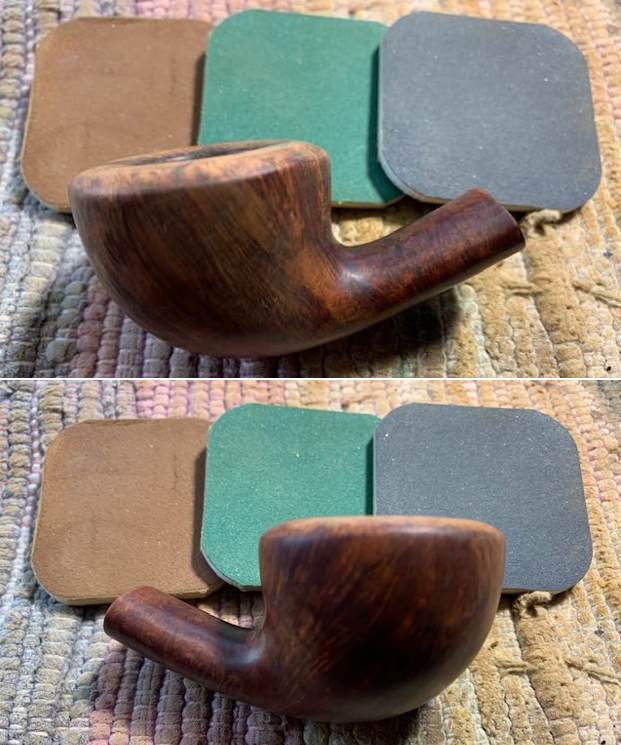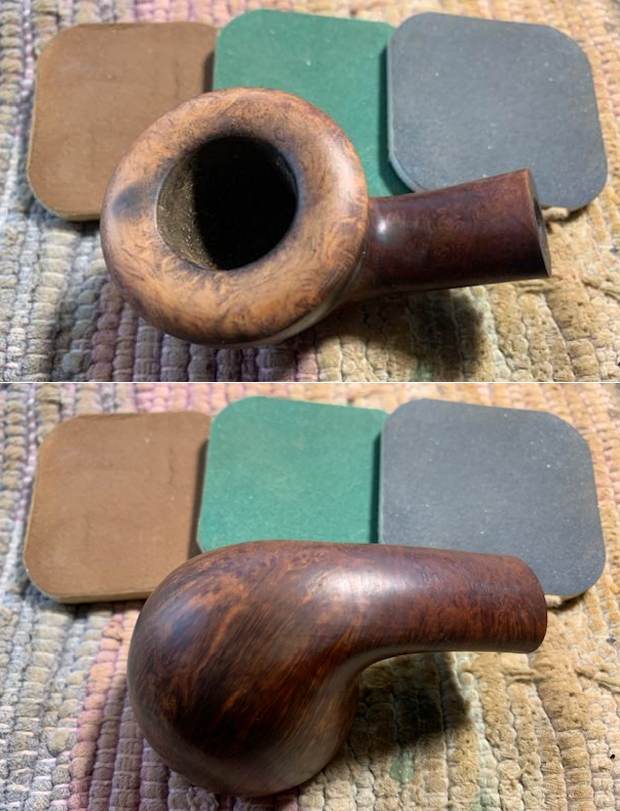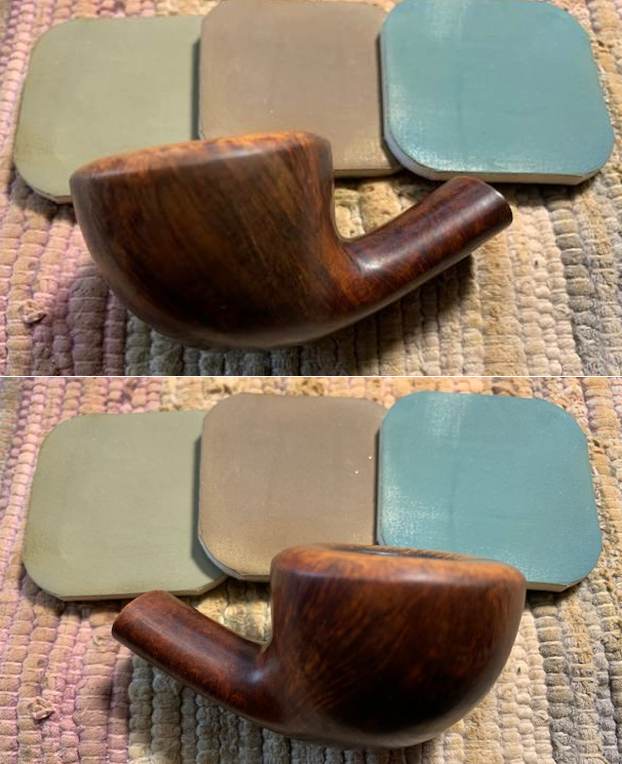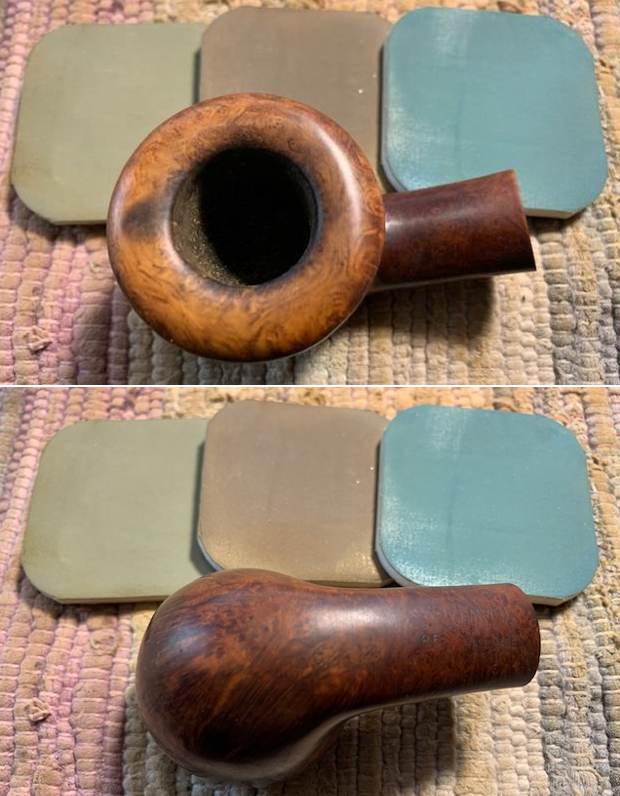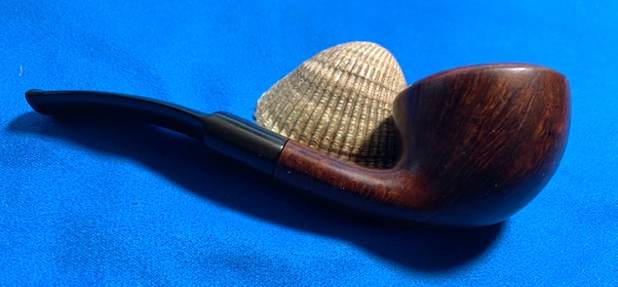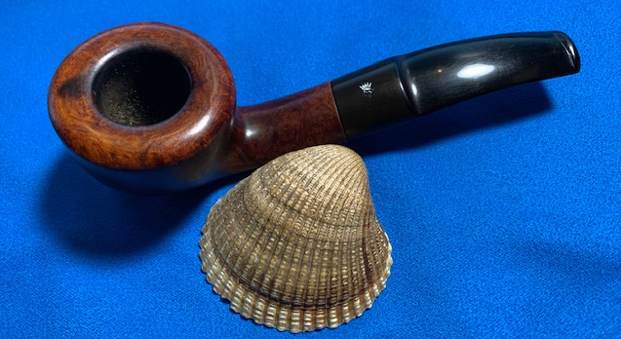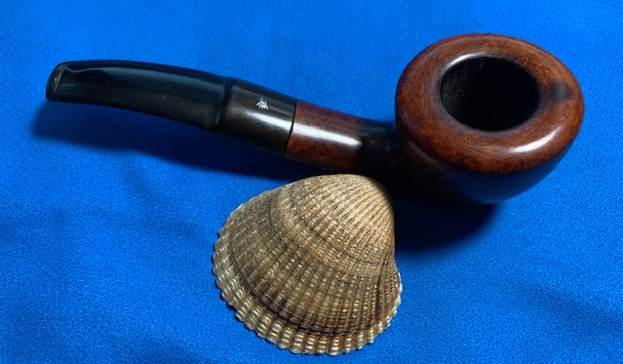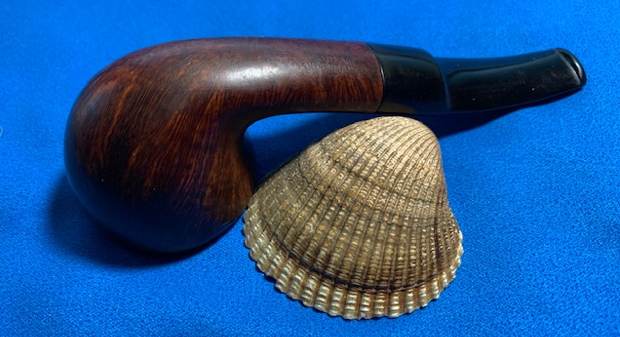
Tag Archives: Stanwell Pipes

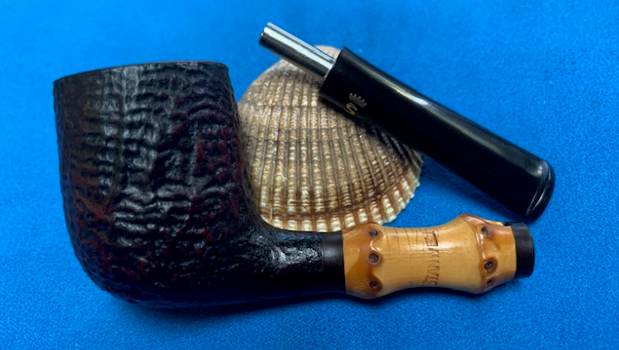
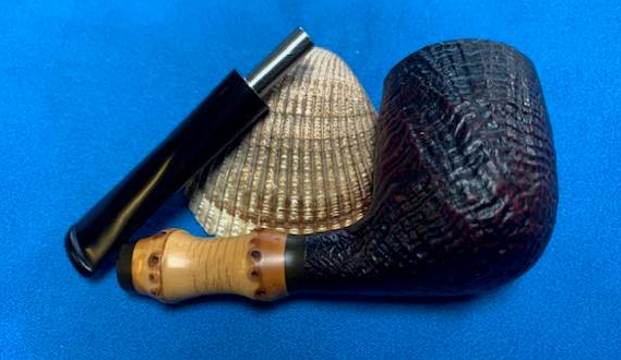
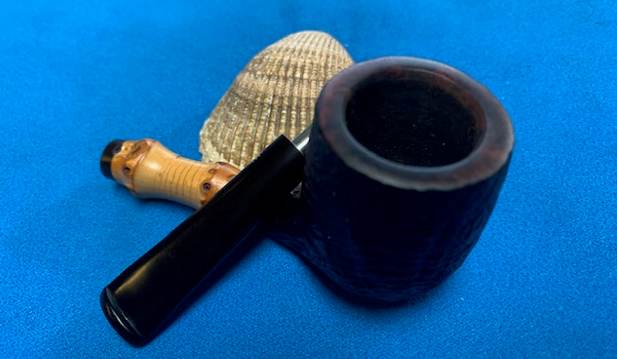
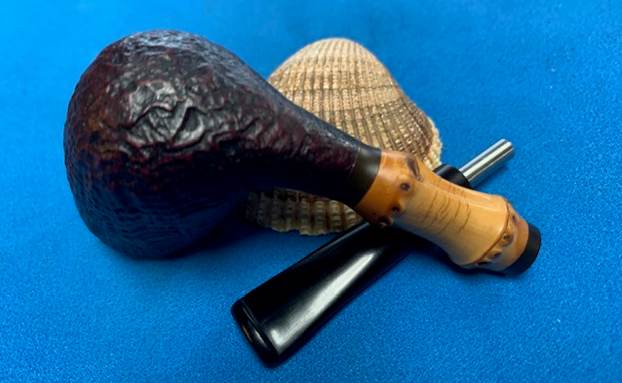
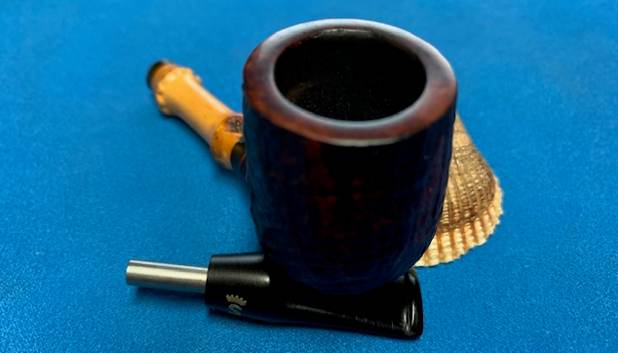
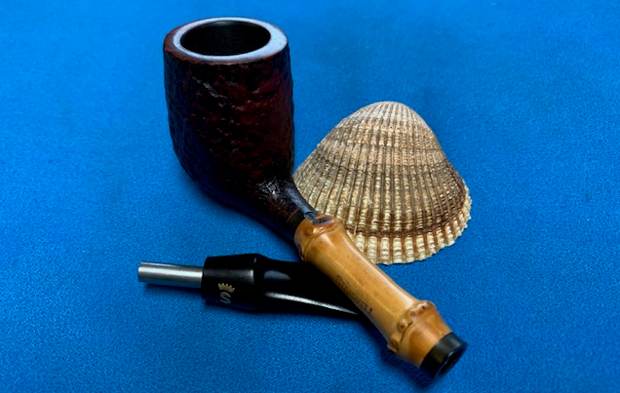
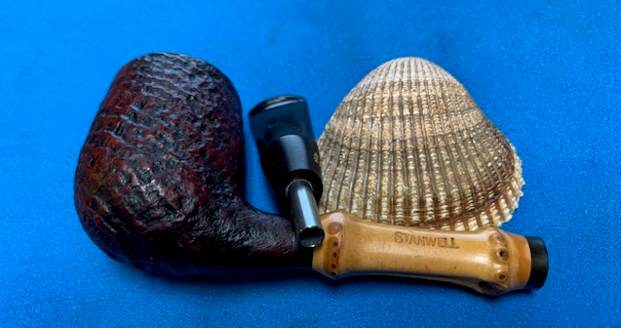
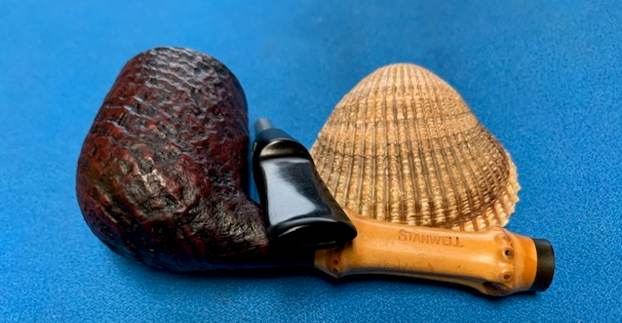
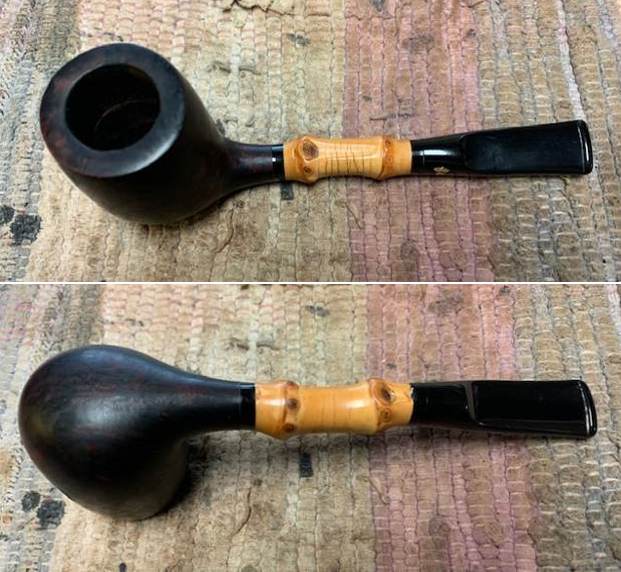
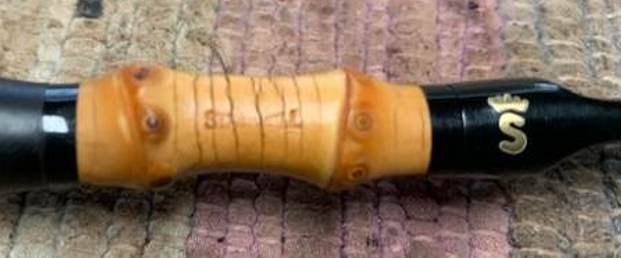
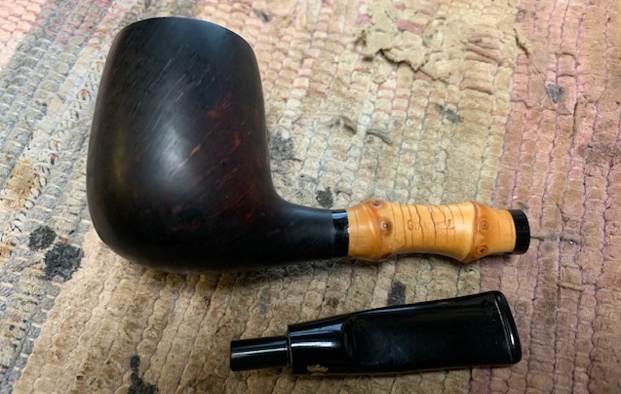
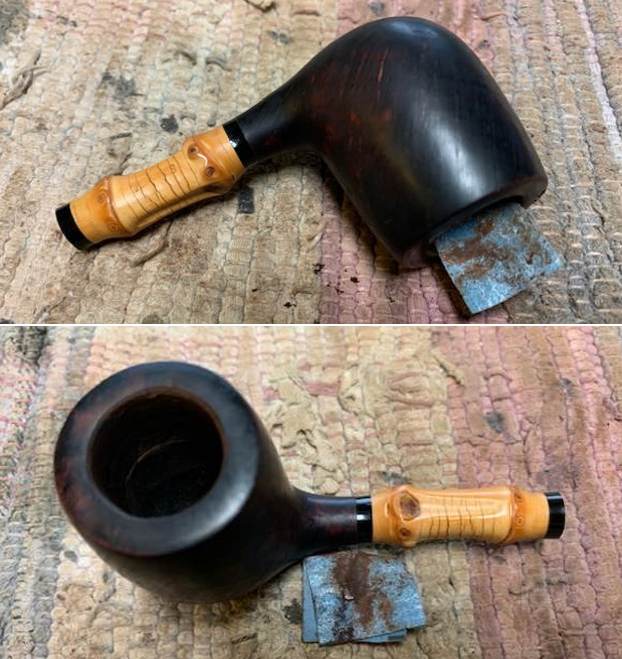
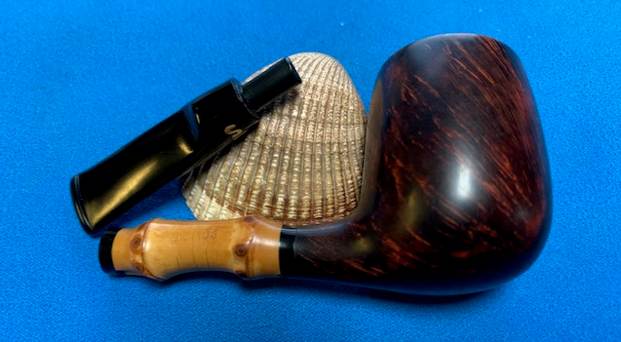
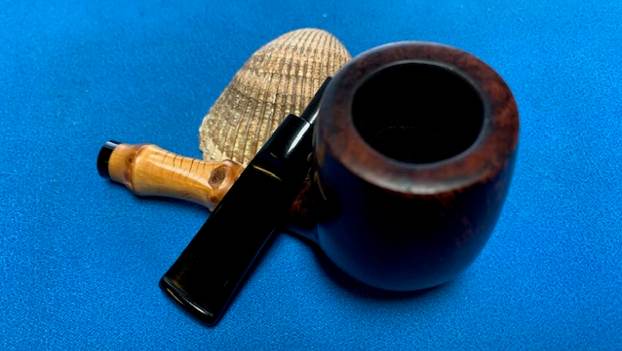
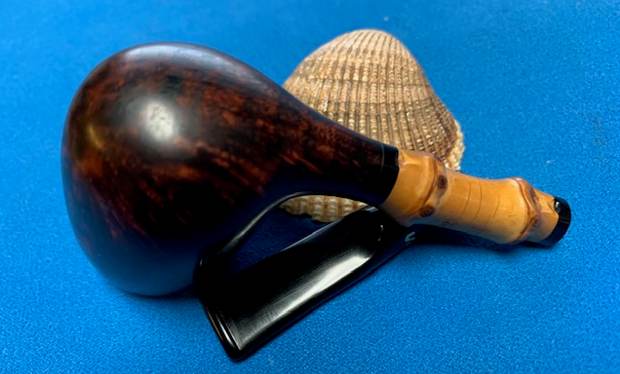
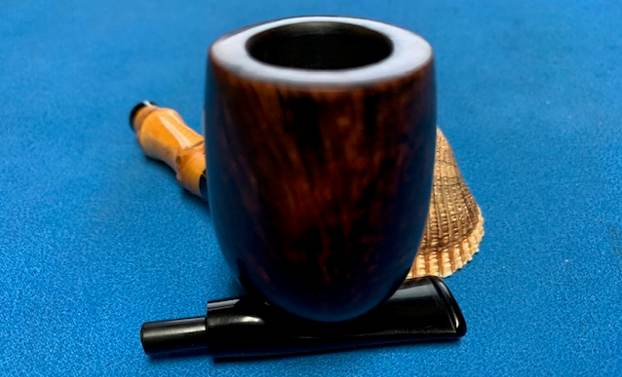
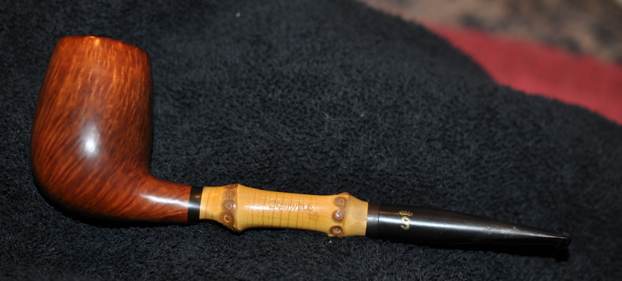
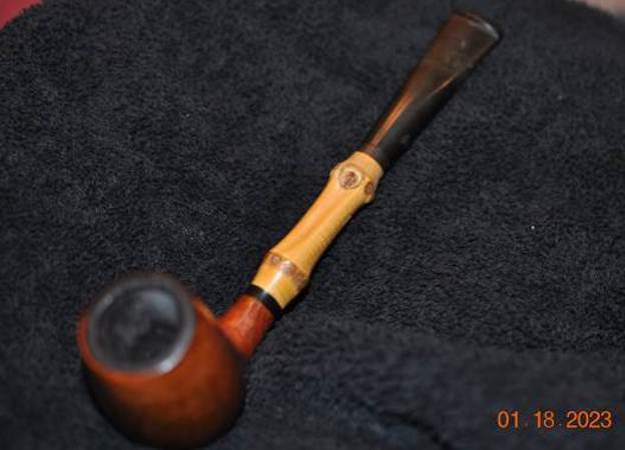
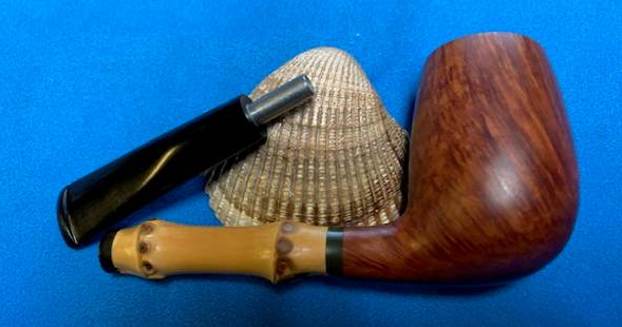
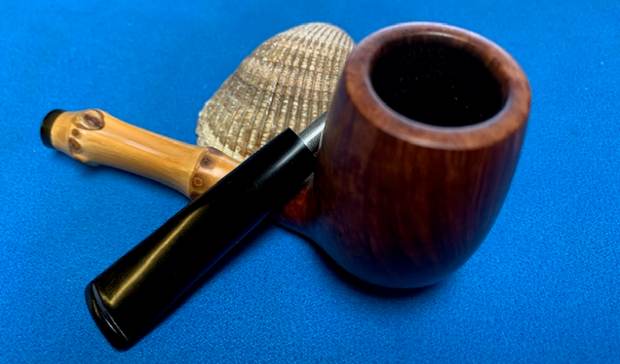
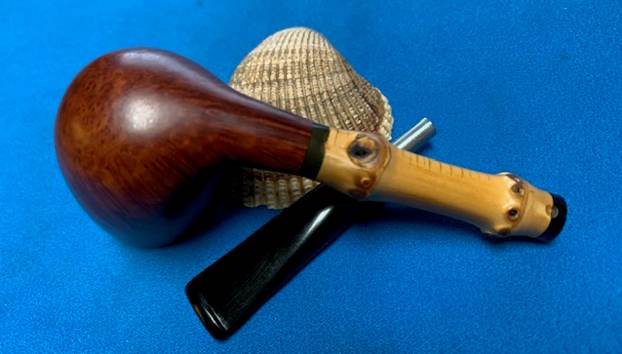
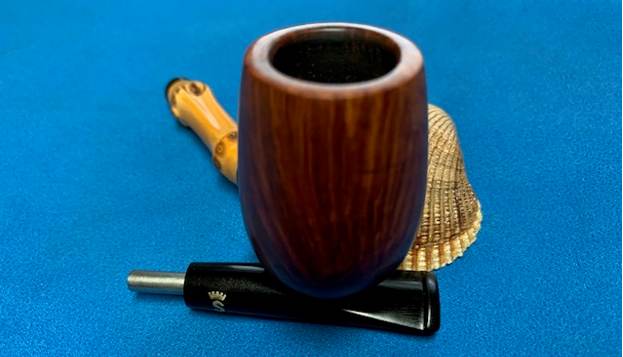
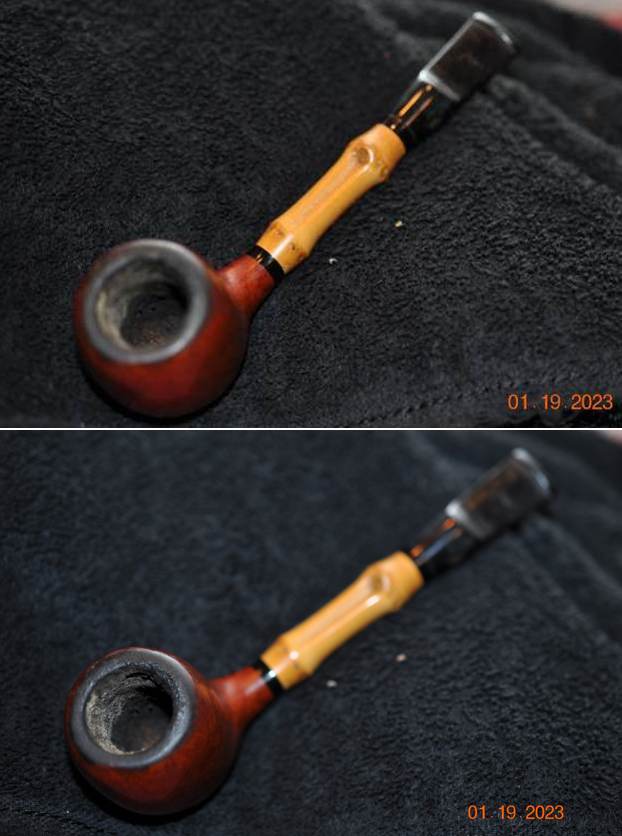
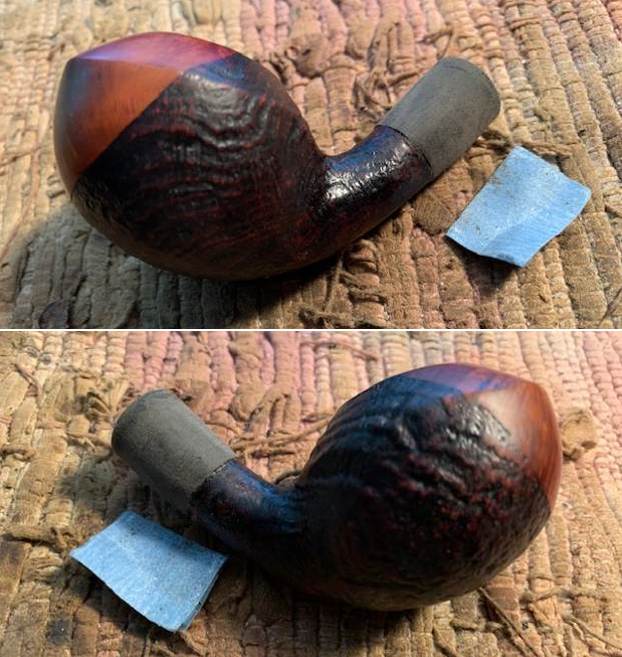
Restoring a Stanwell Bamboo Brown Sandblast Billiard with a taper stem


Blog by Steve Laug

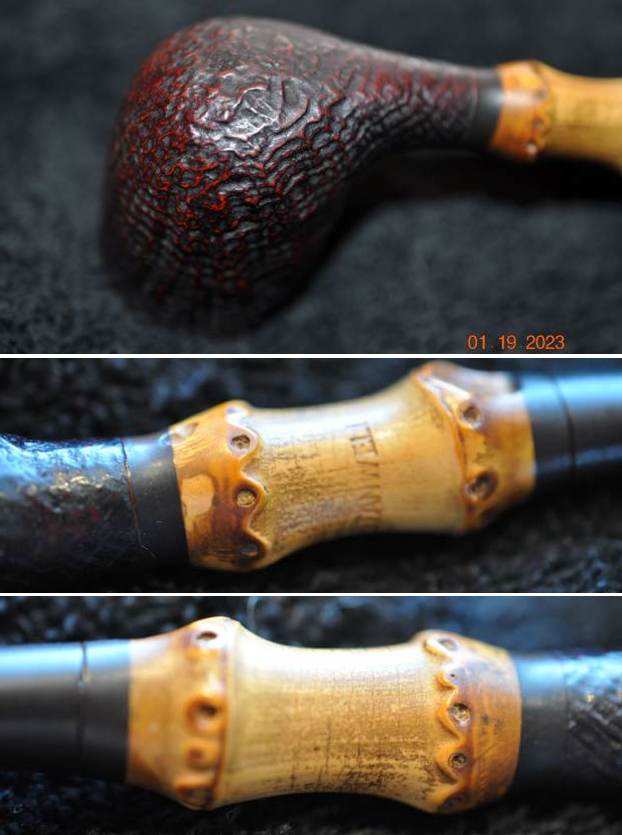
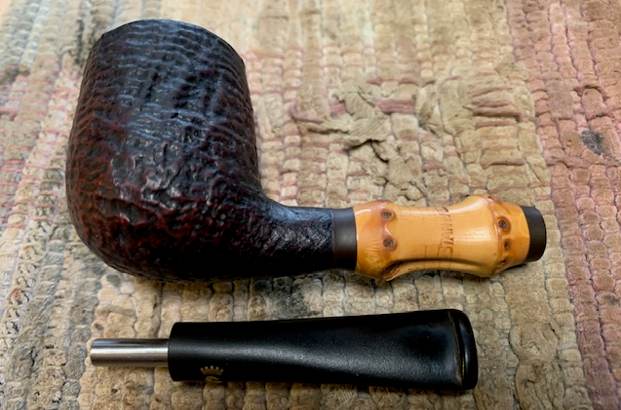
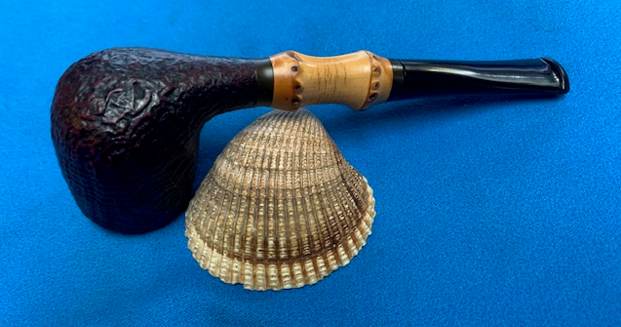
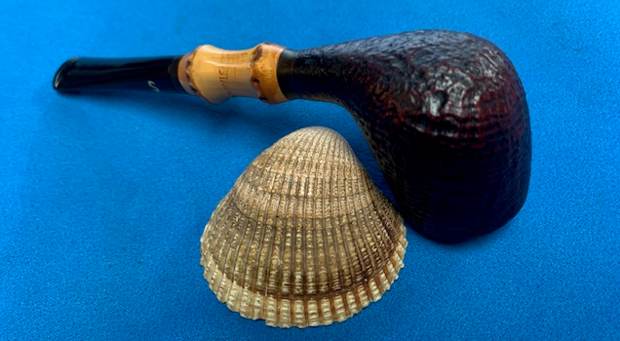
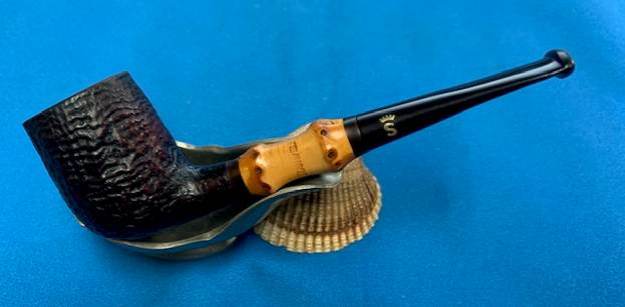
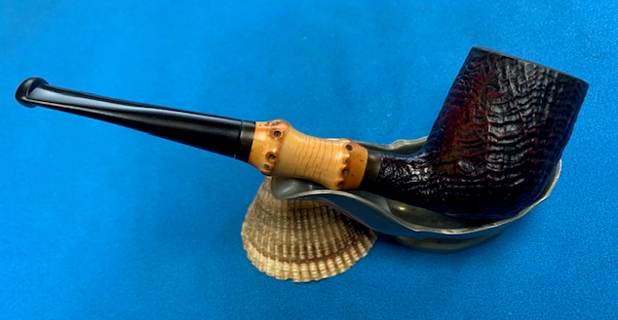
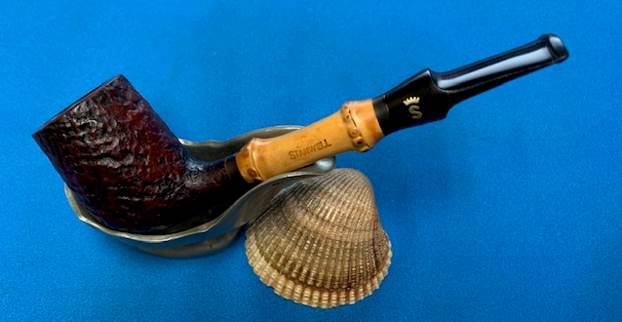
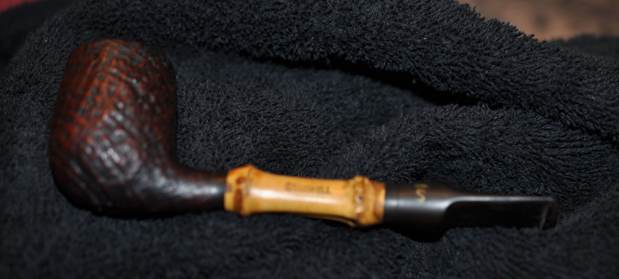
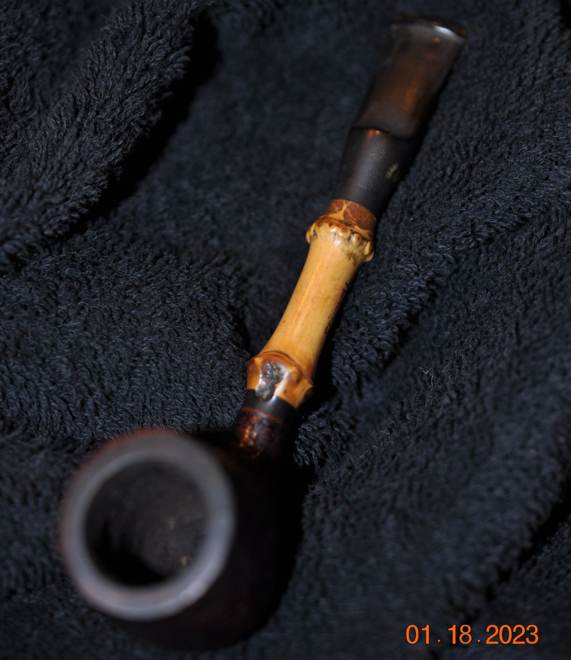
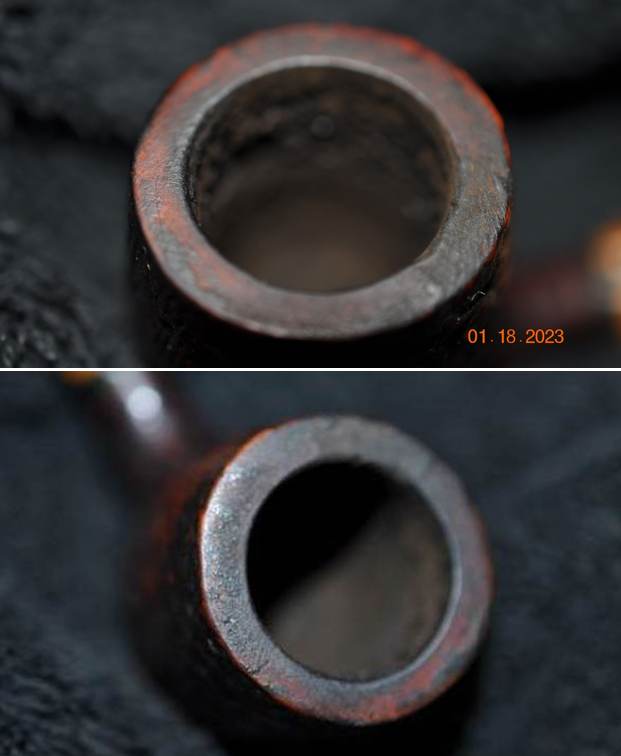
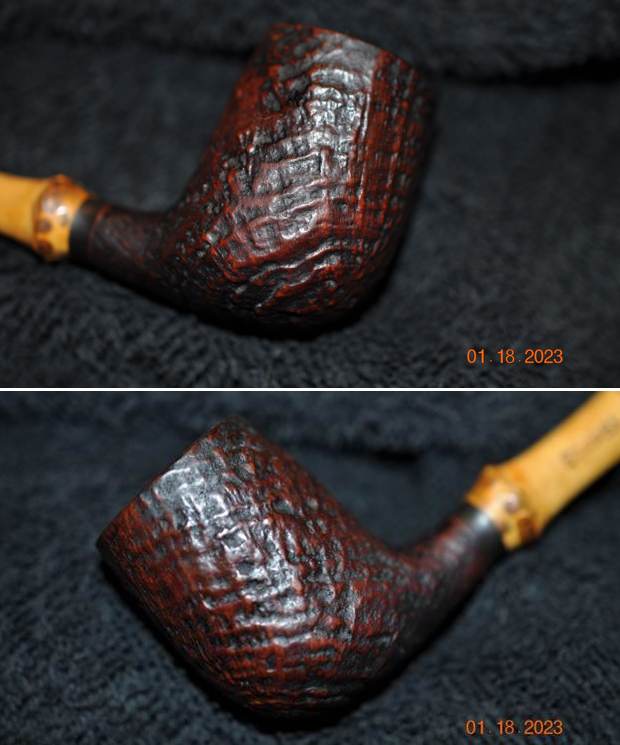
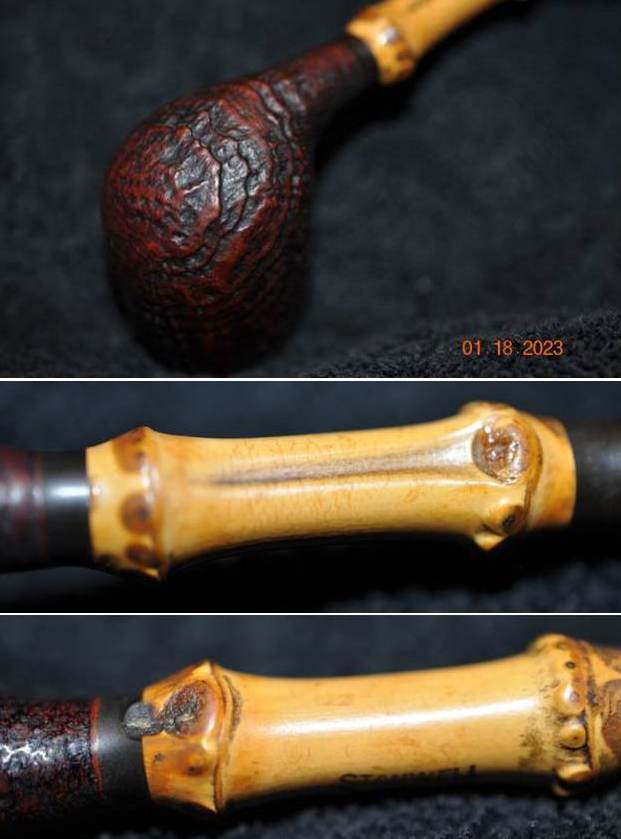
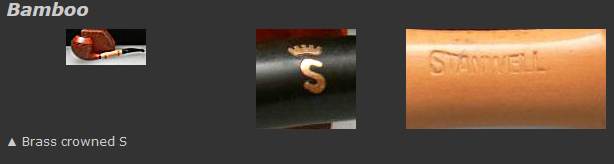
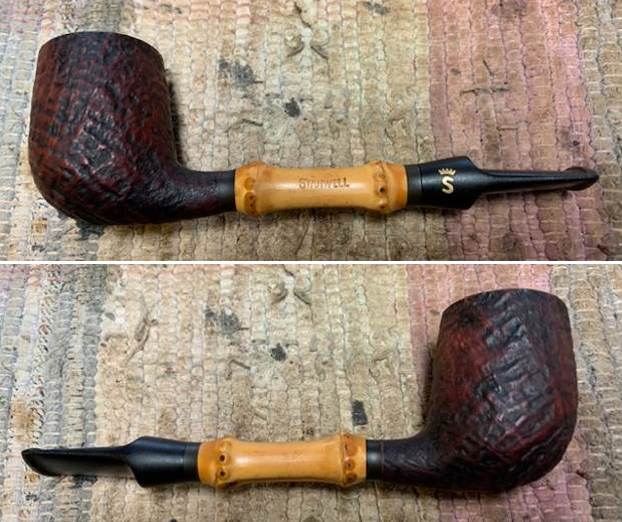
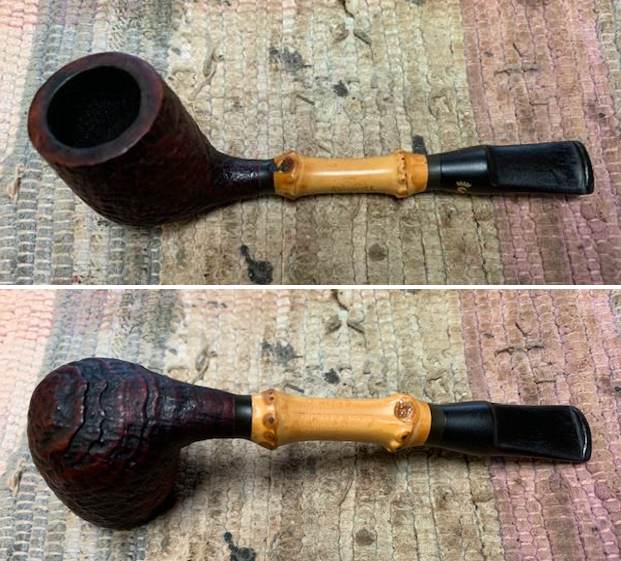
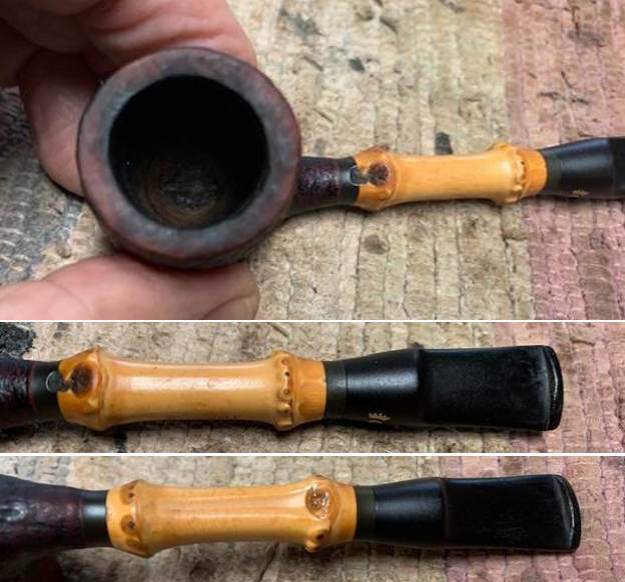
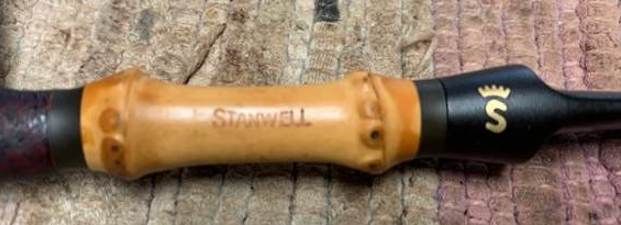
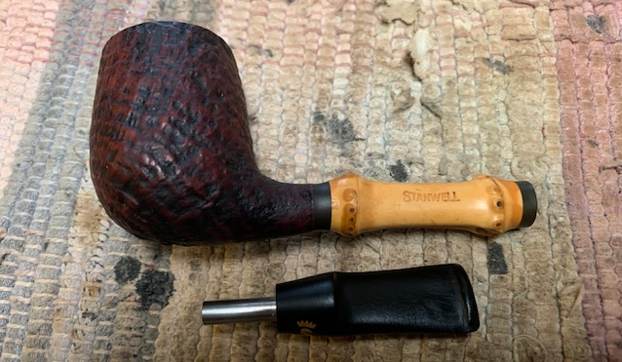
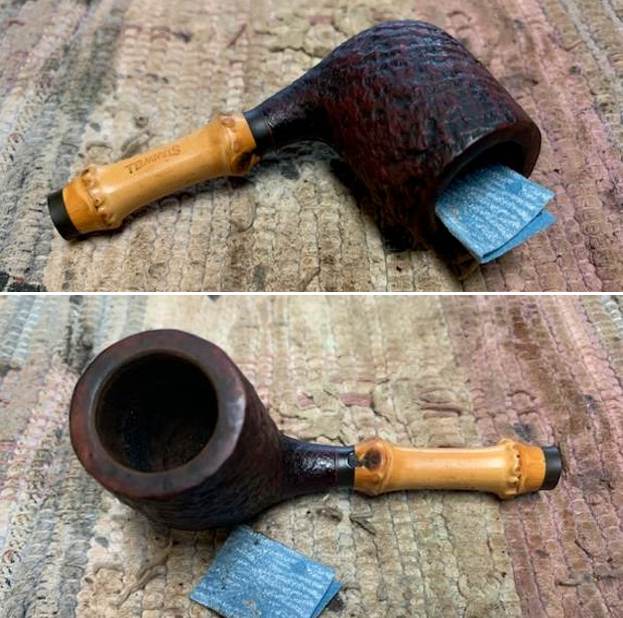
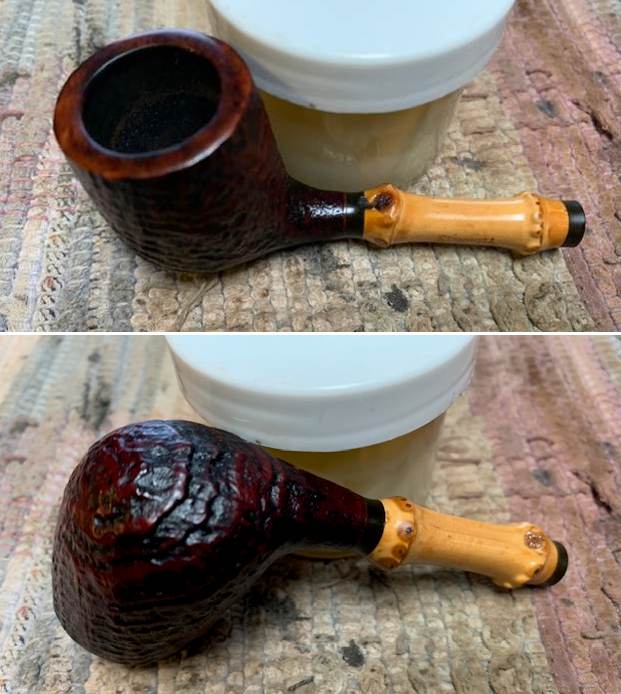
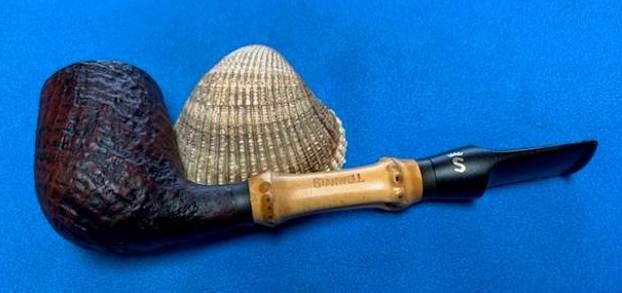
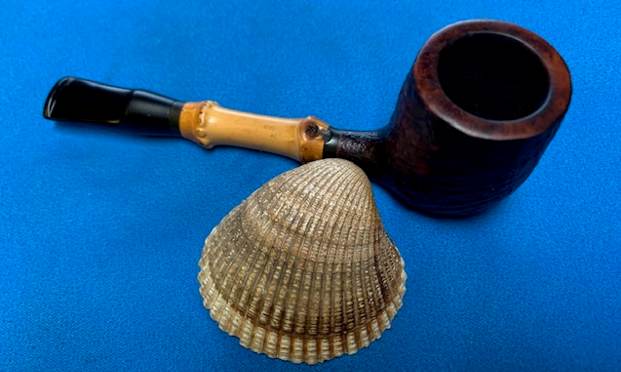
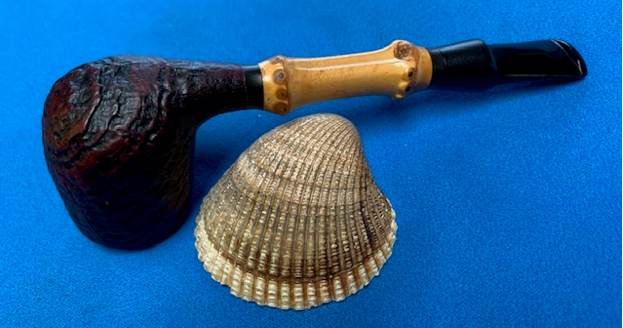
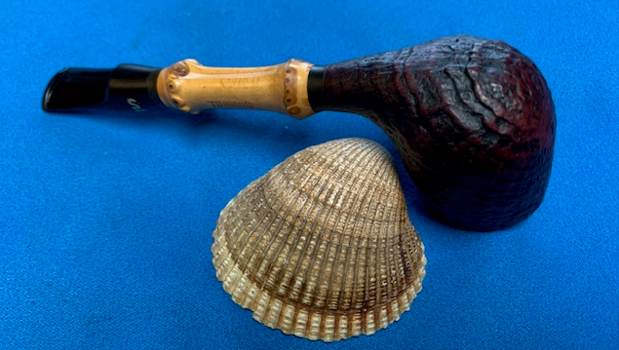
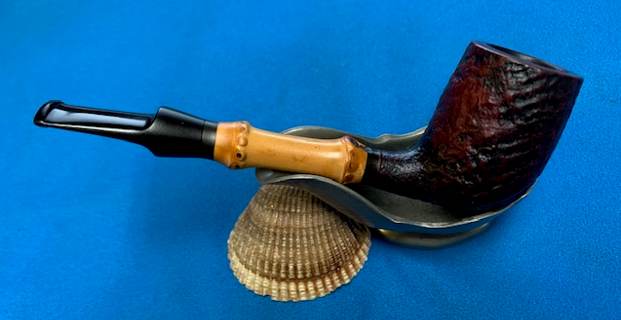
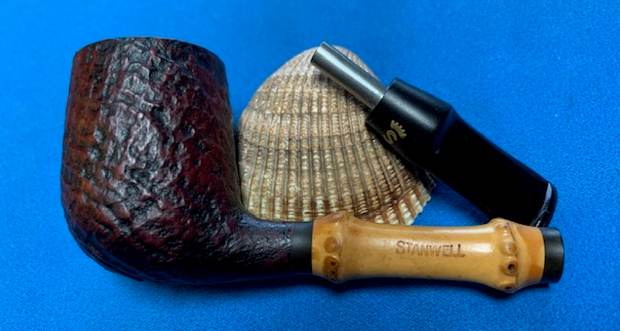
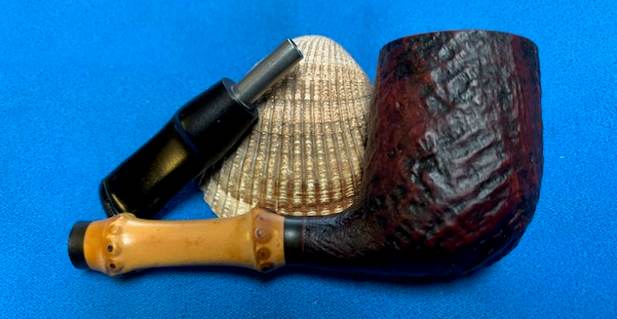
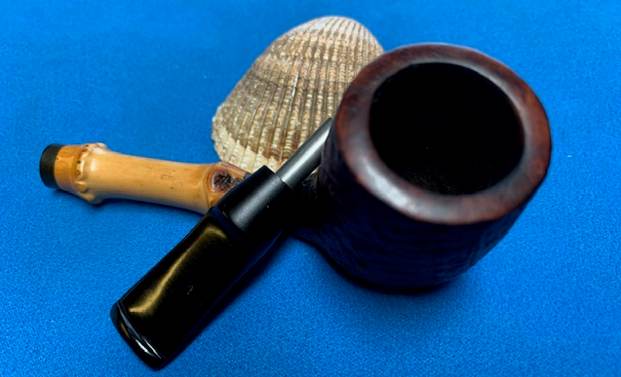
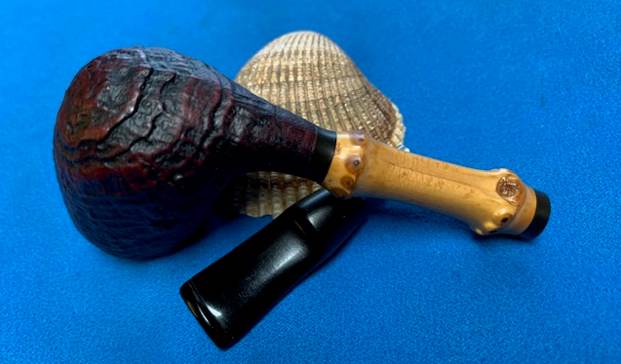
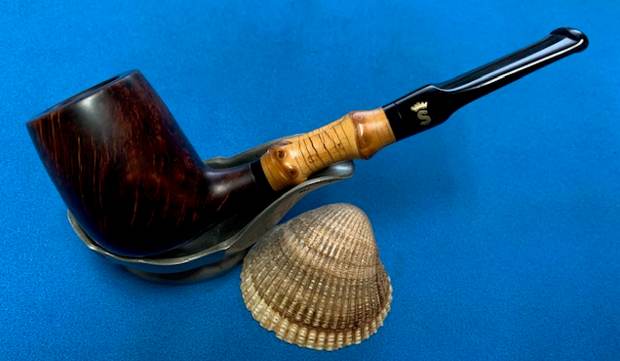
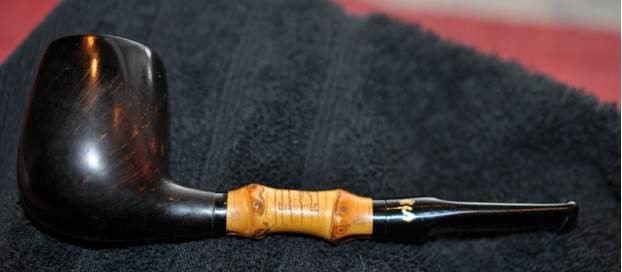
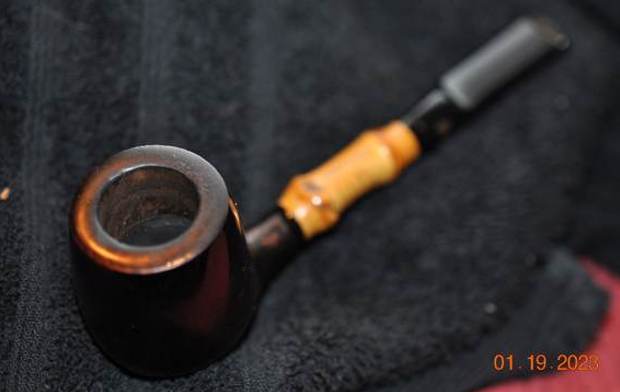
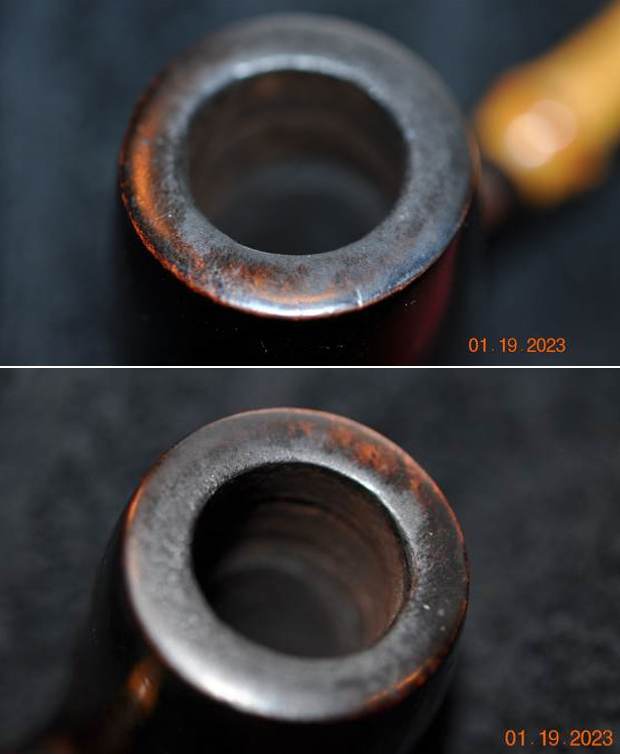
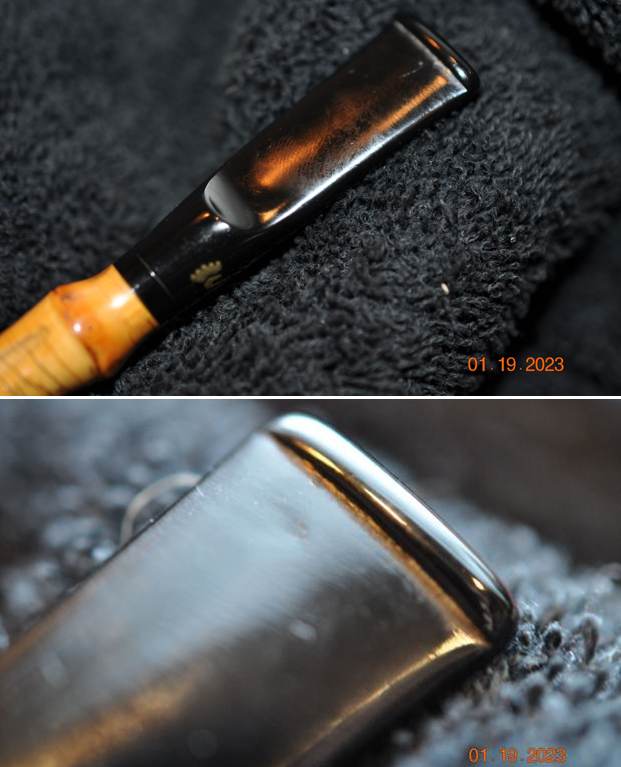
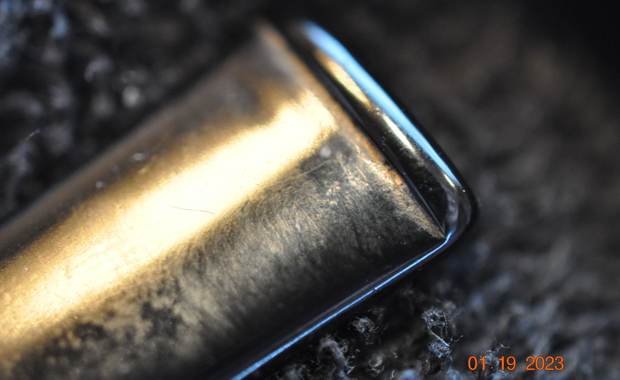
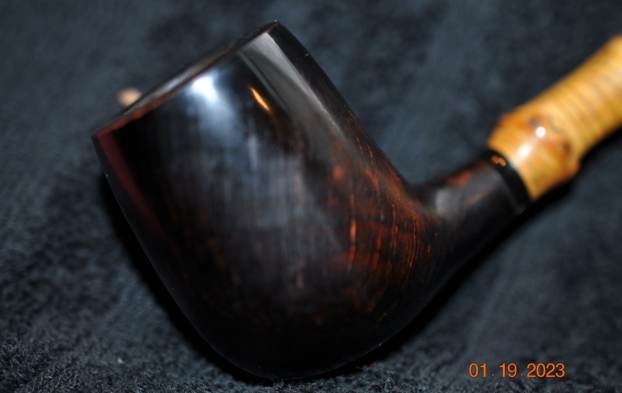
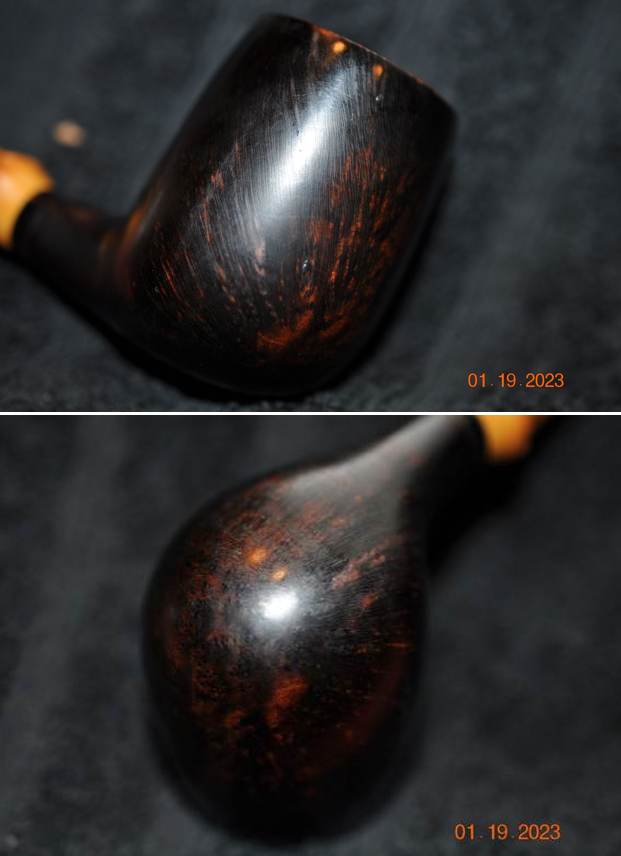
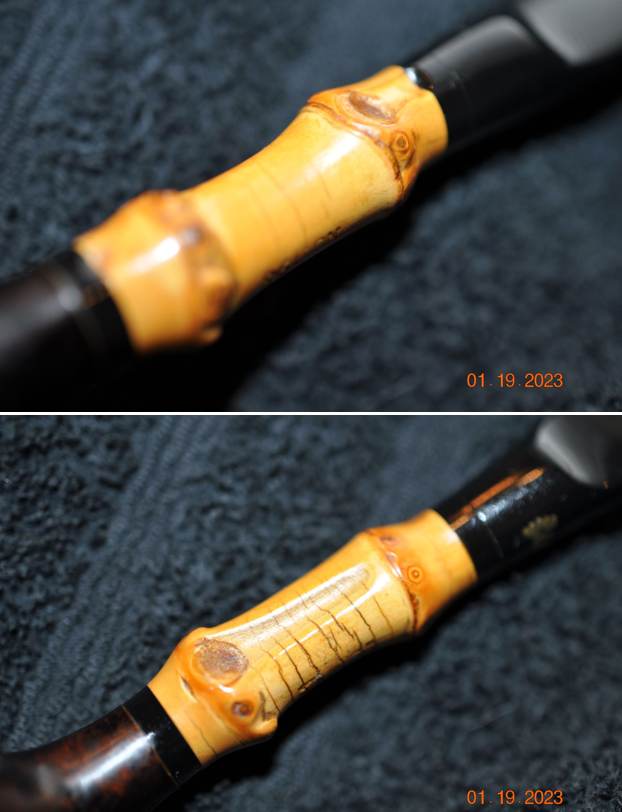
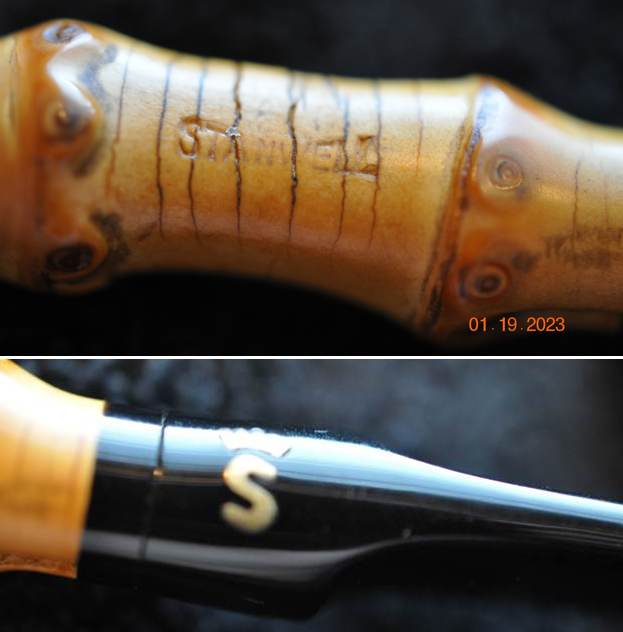
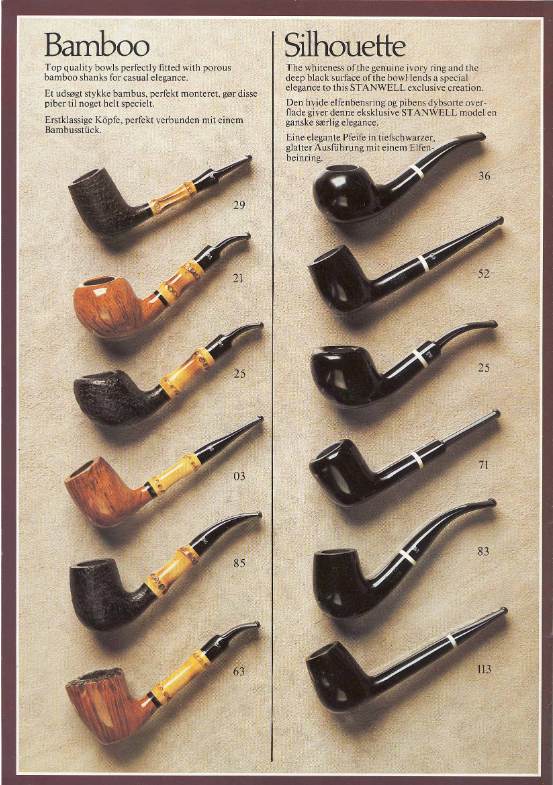
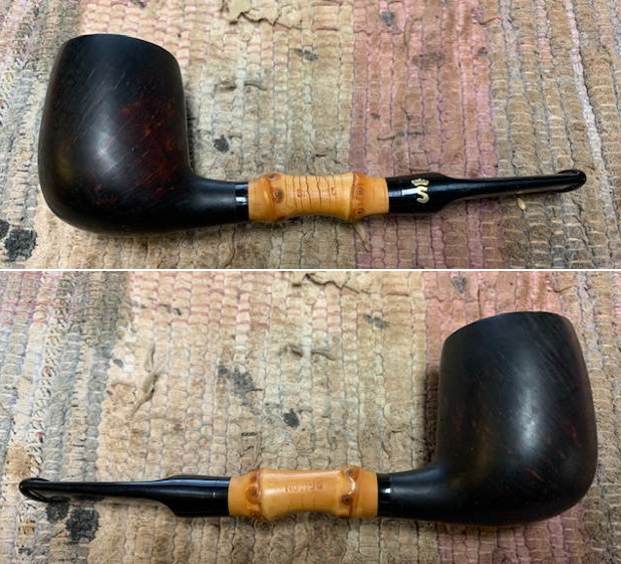
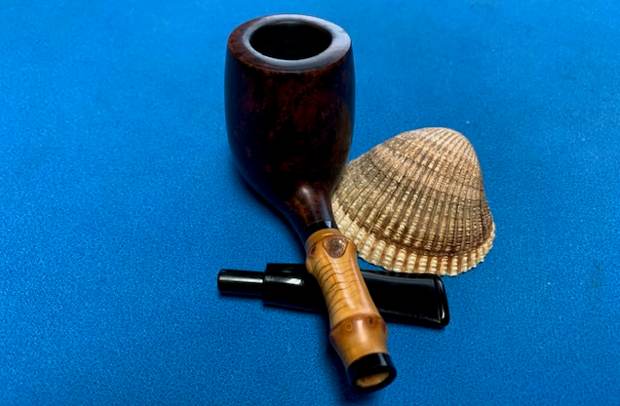
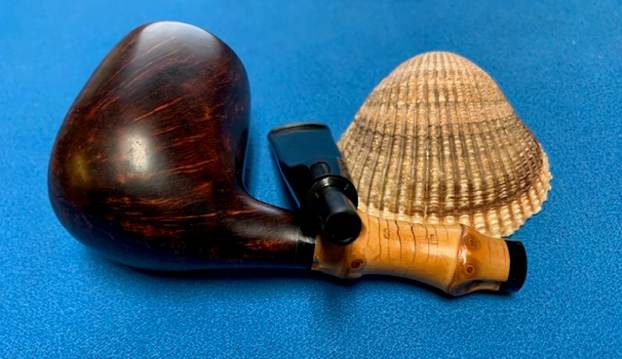
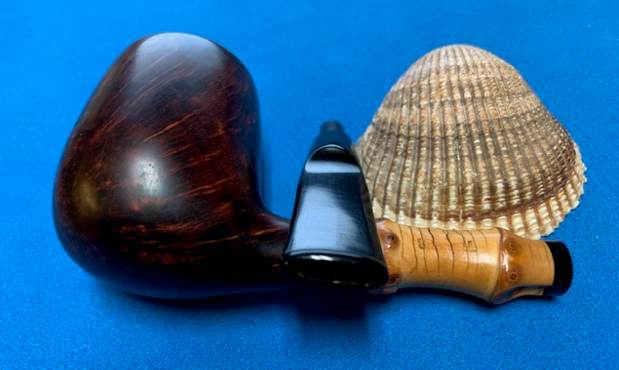
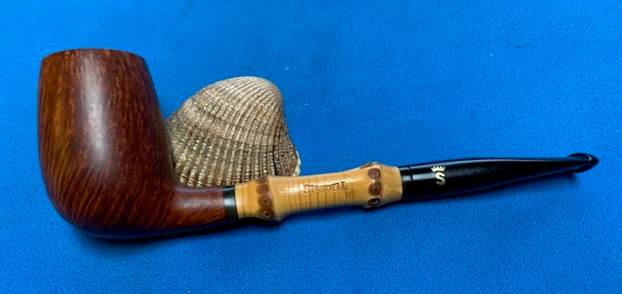
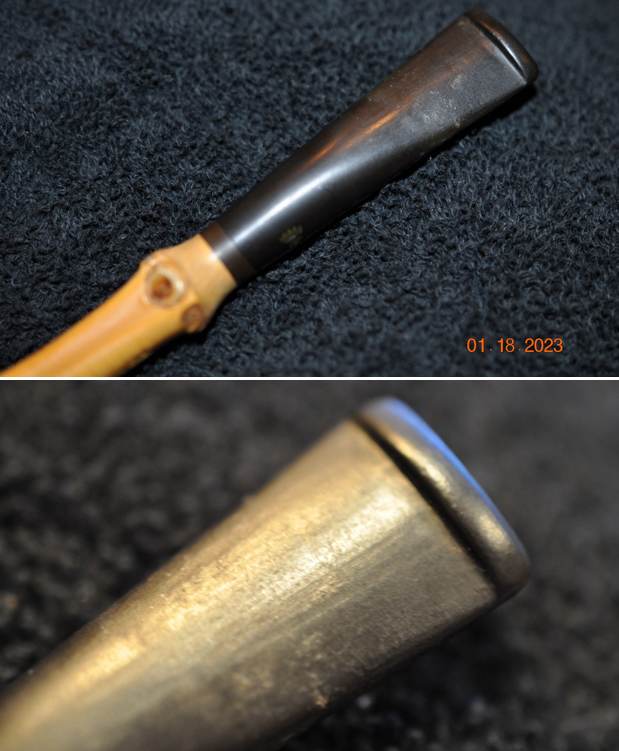
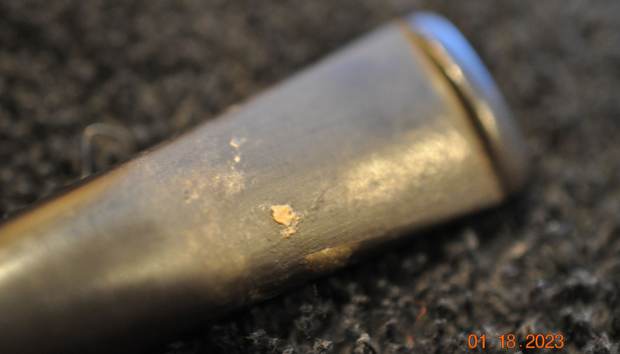
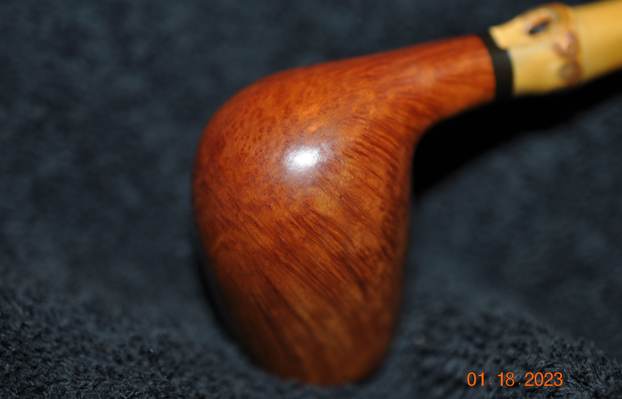
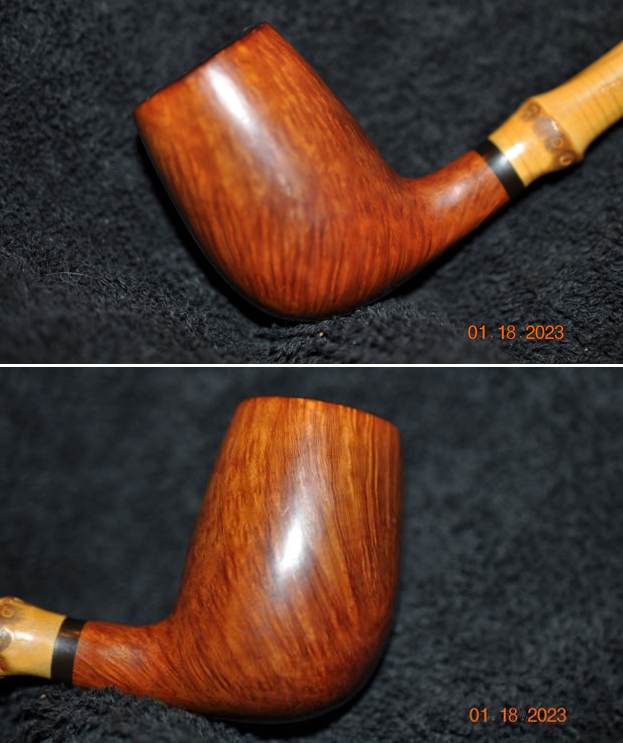
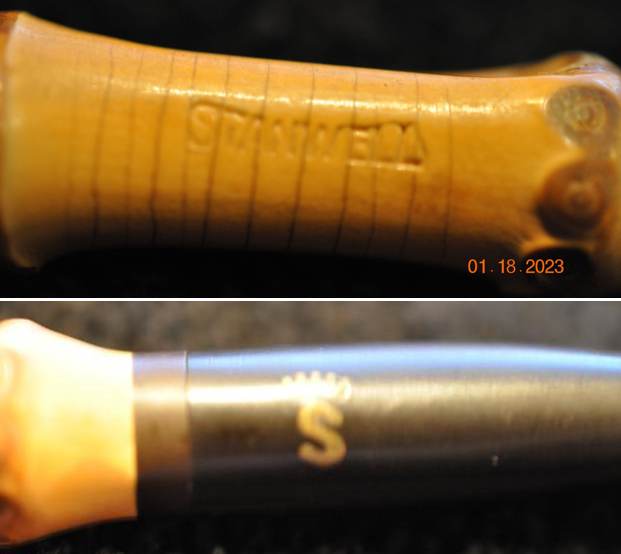
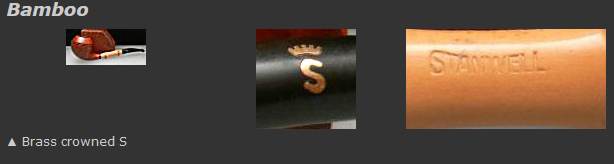
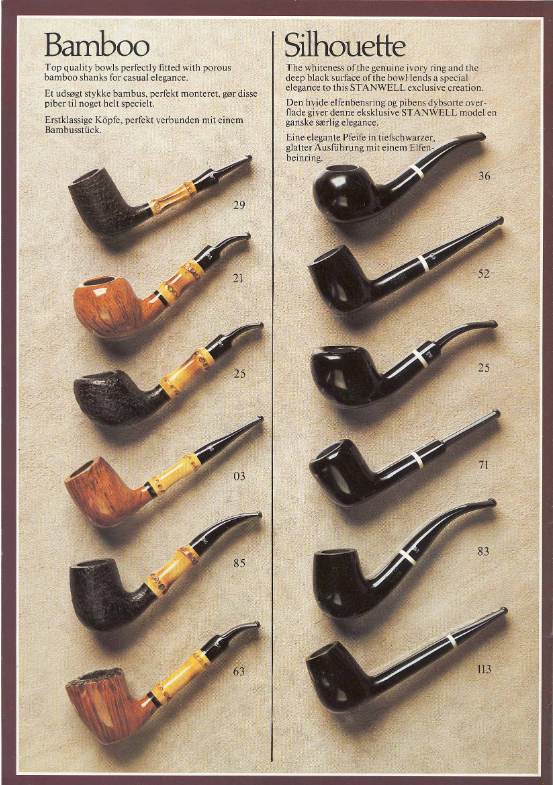
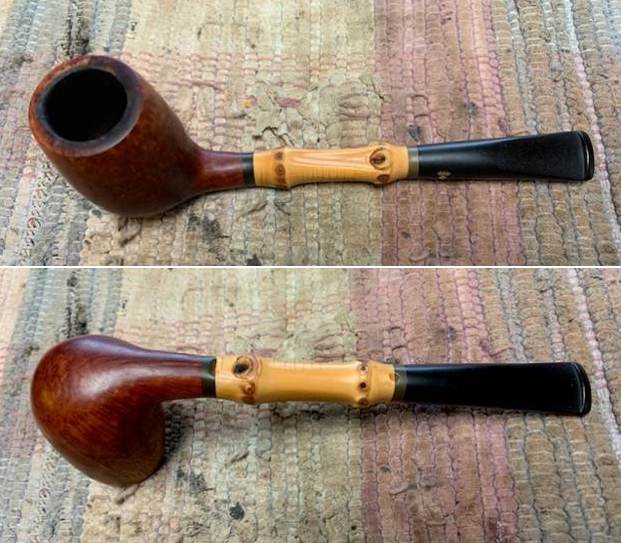
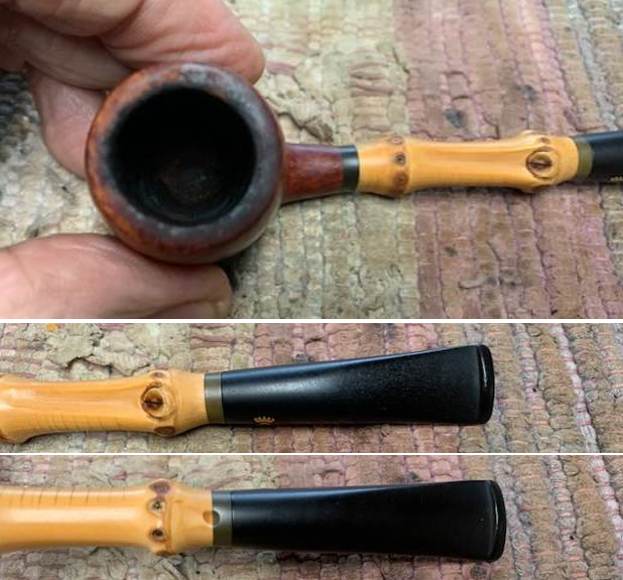
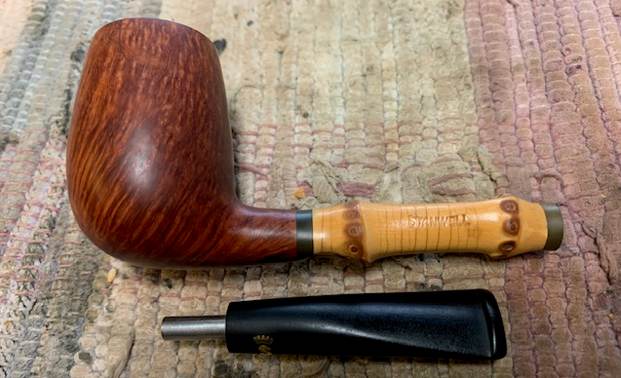
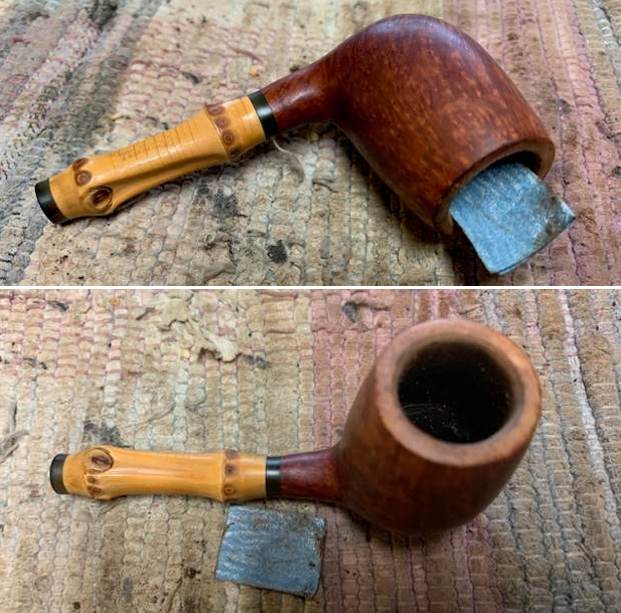
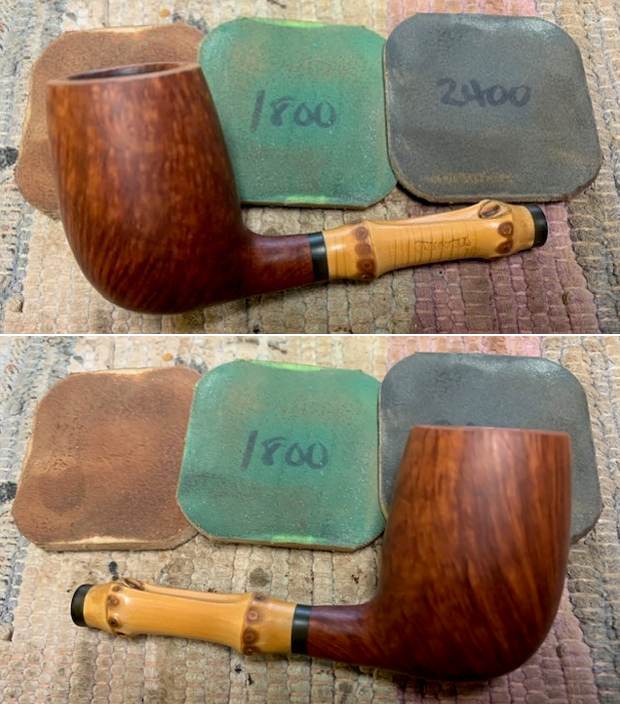
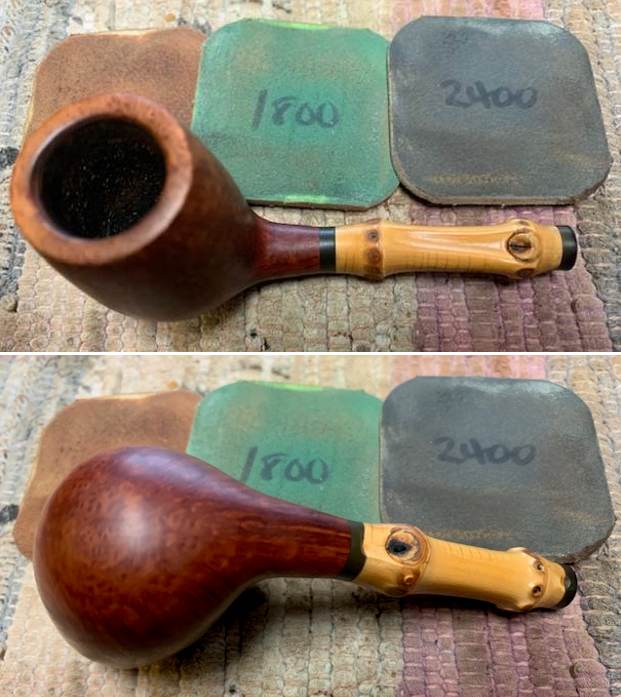
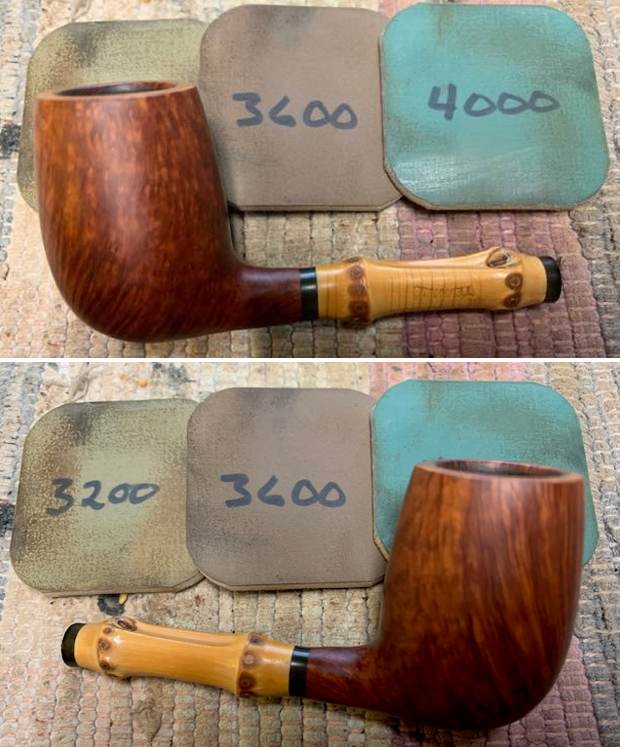
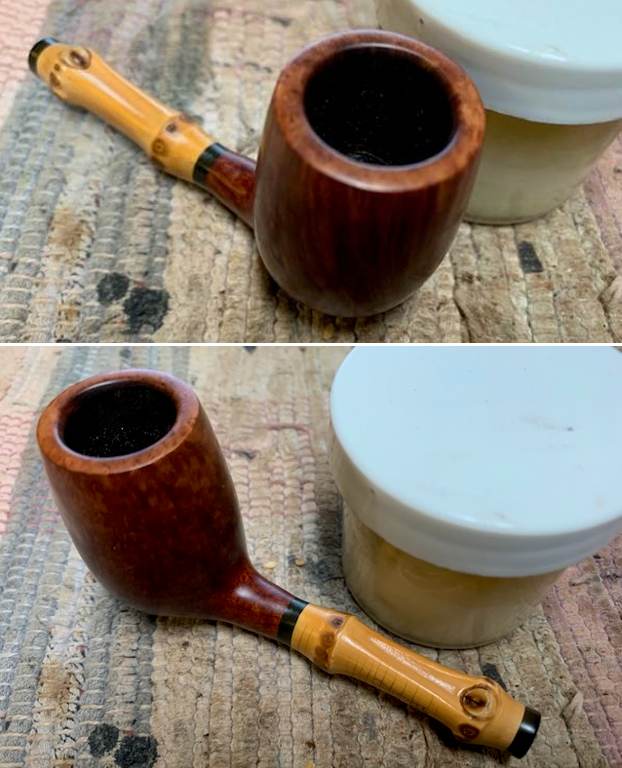
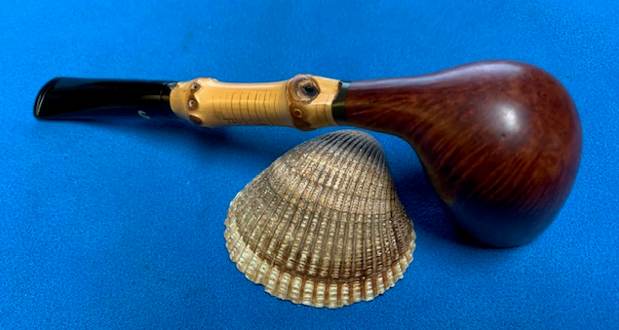
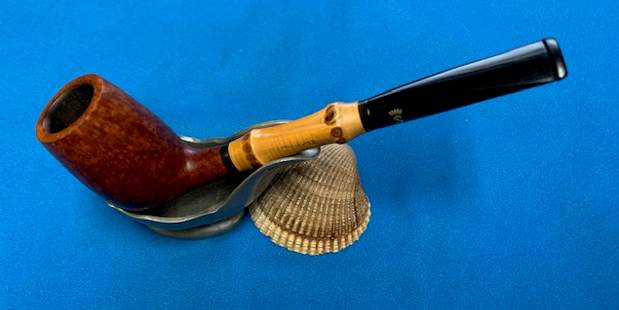
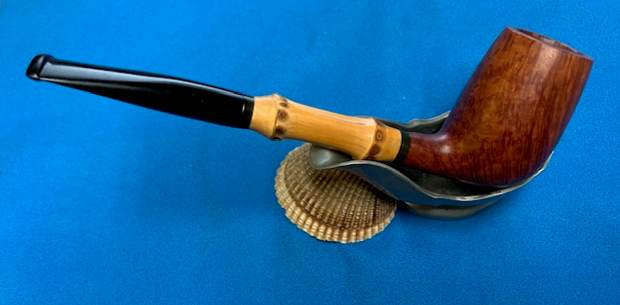
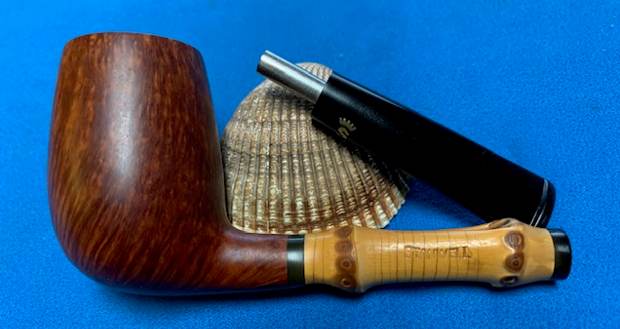
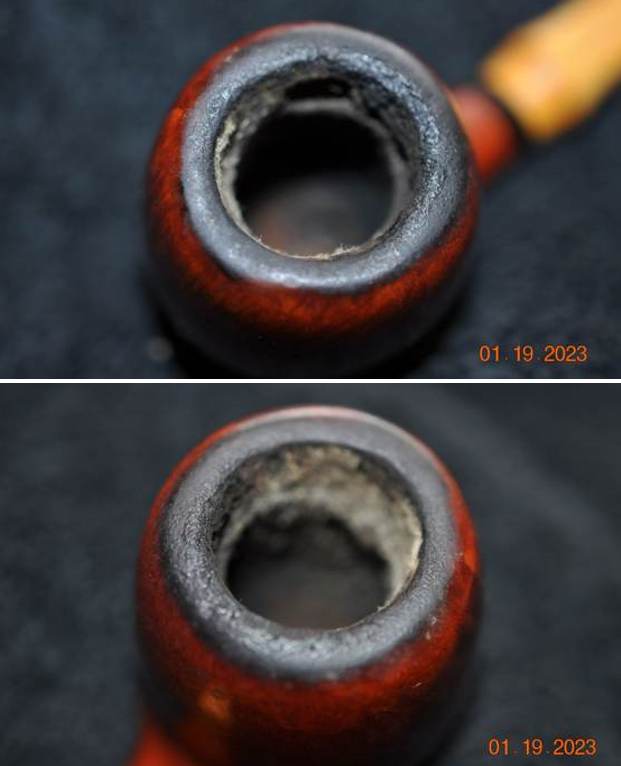
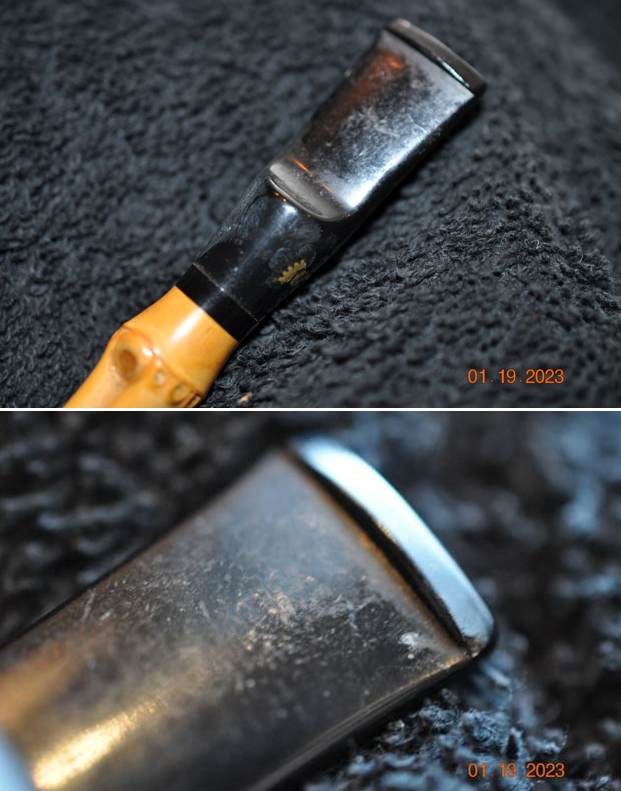
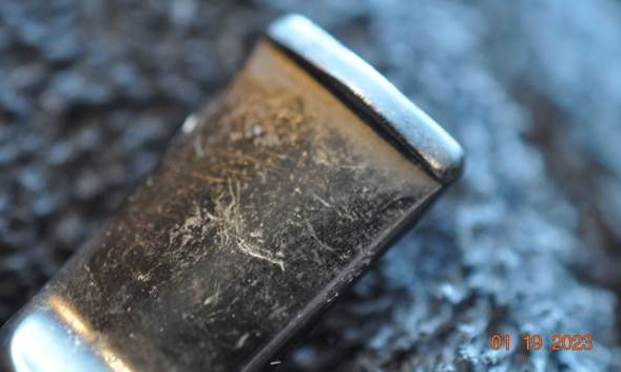
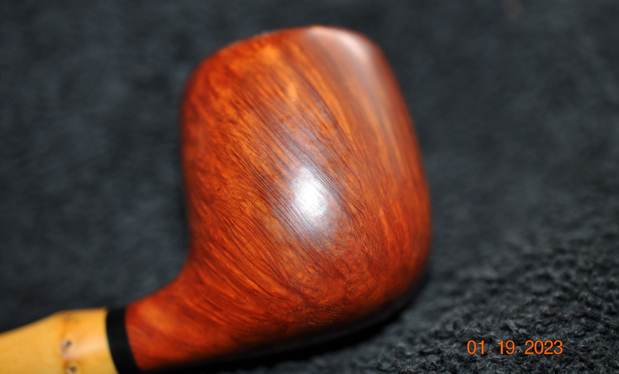
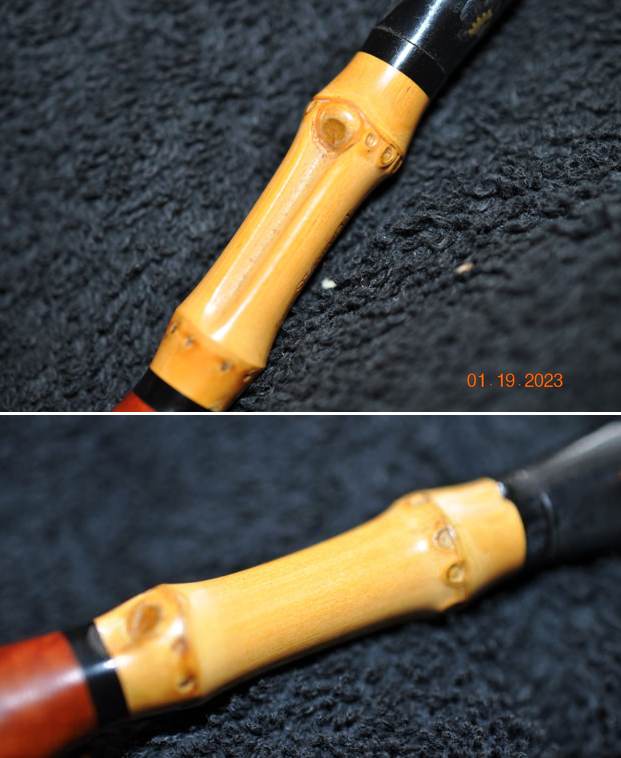
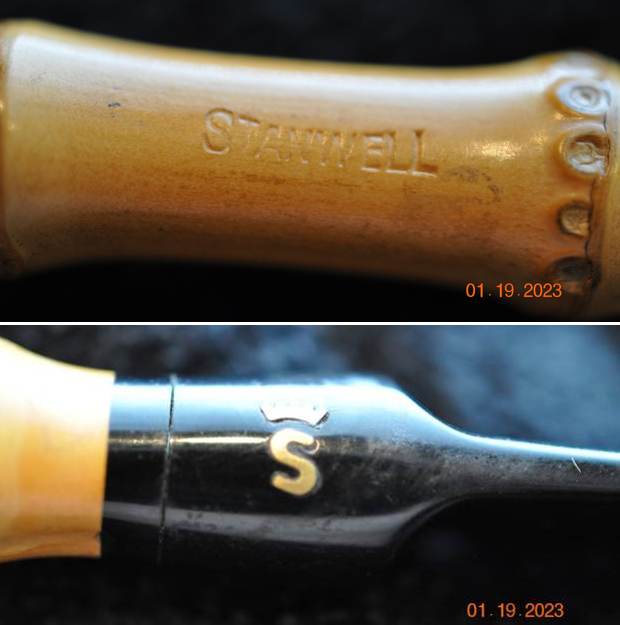
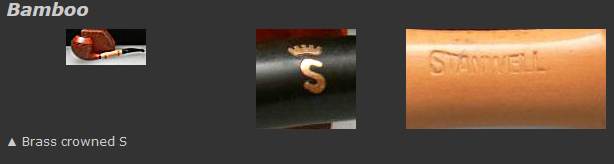
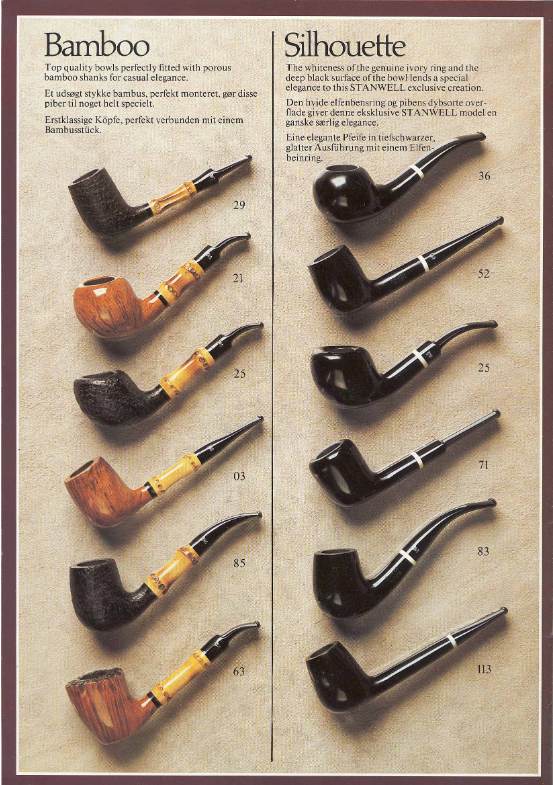
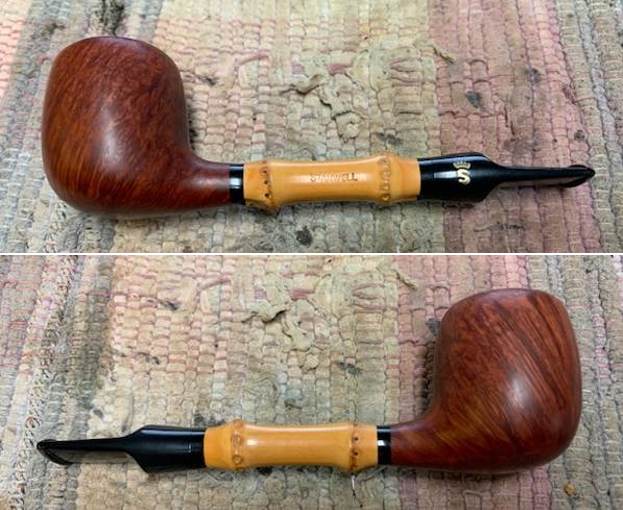
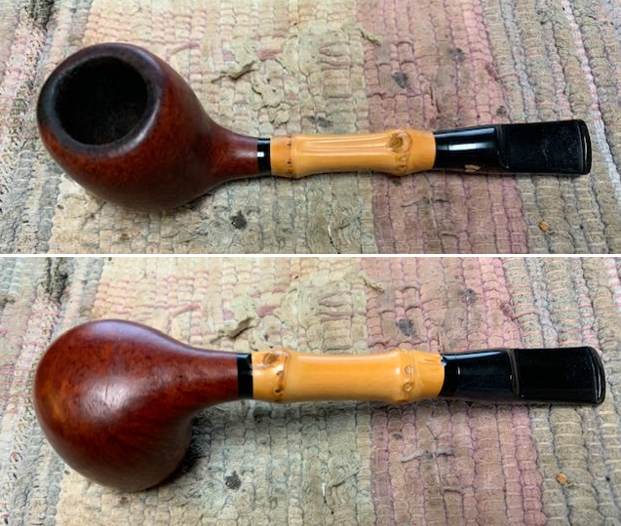
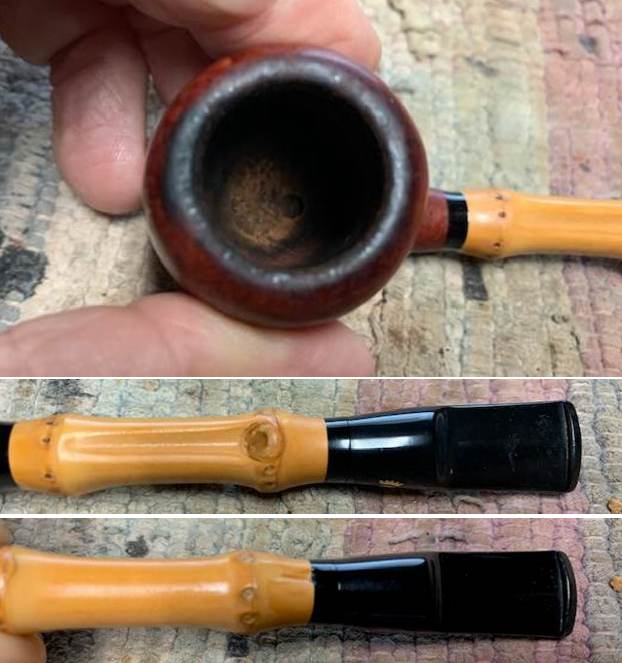
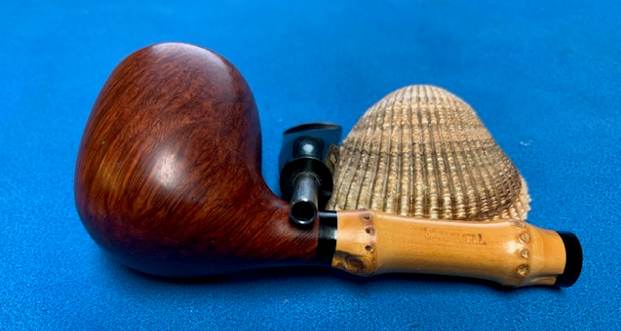
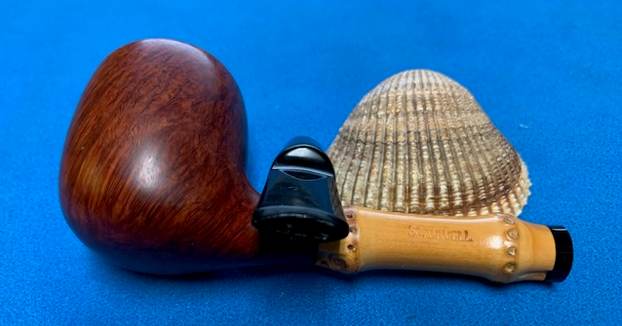
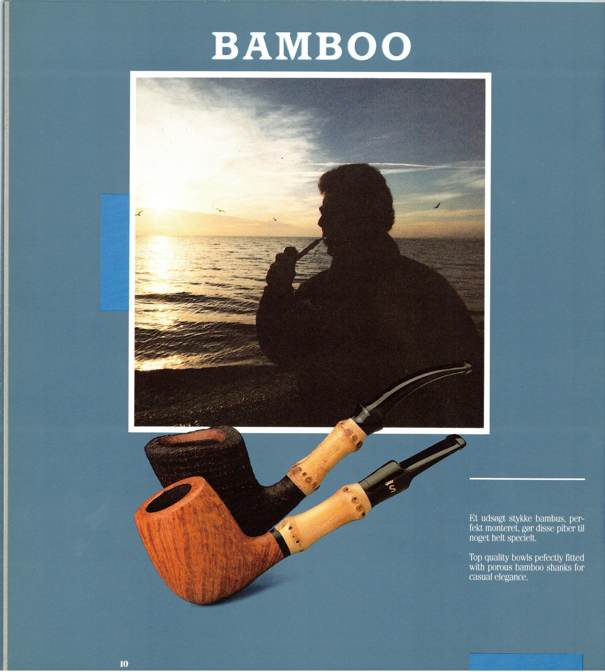
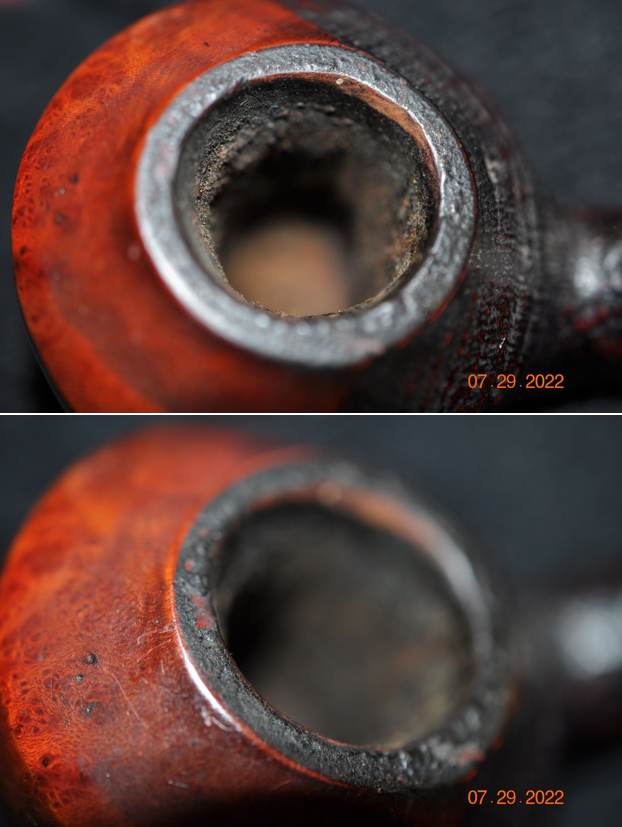
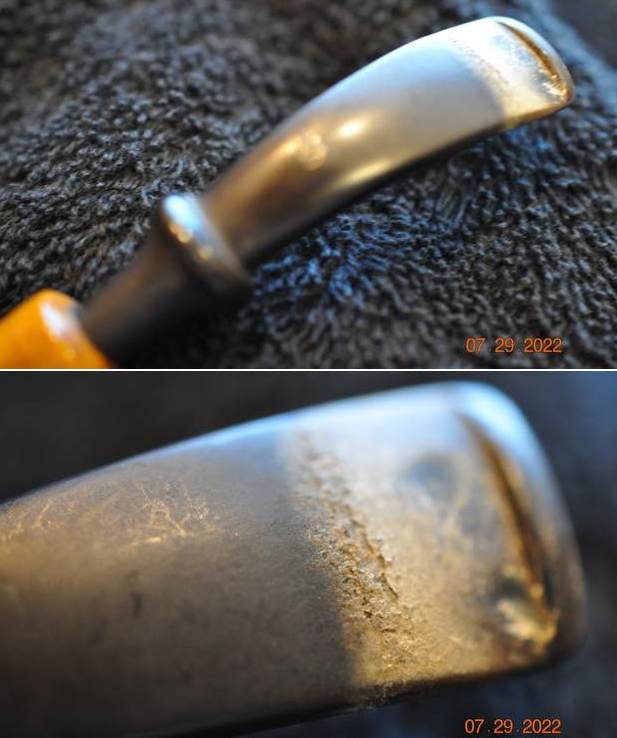
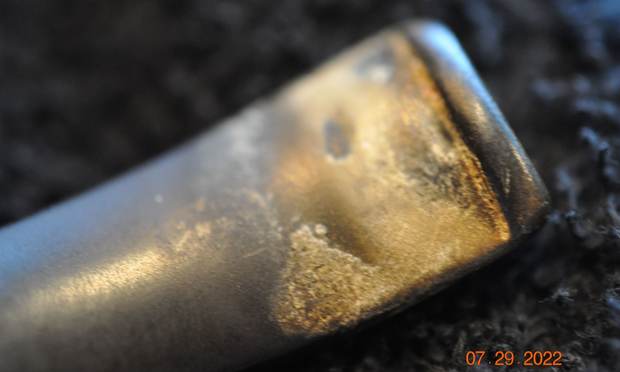
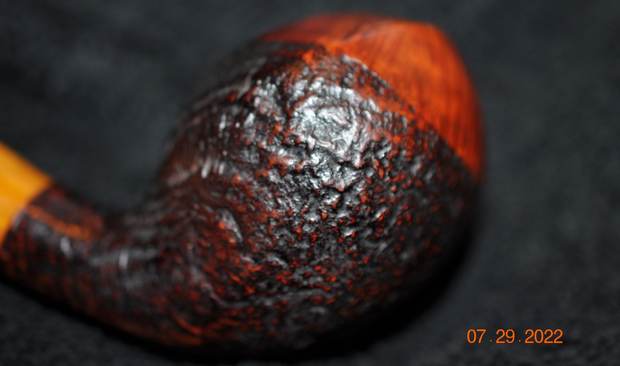
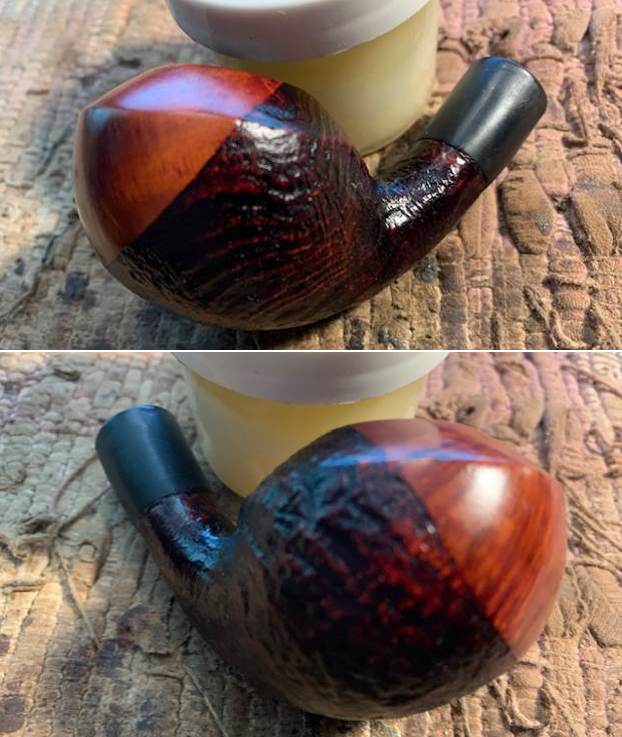
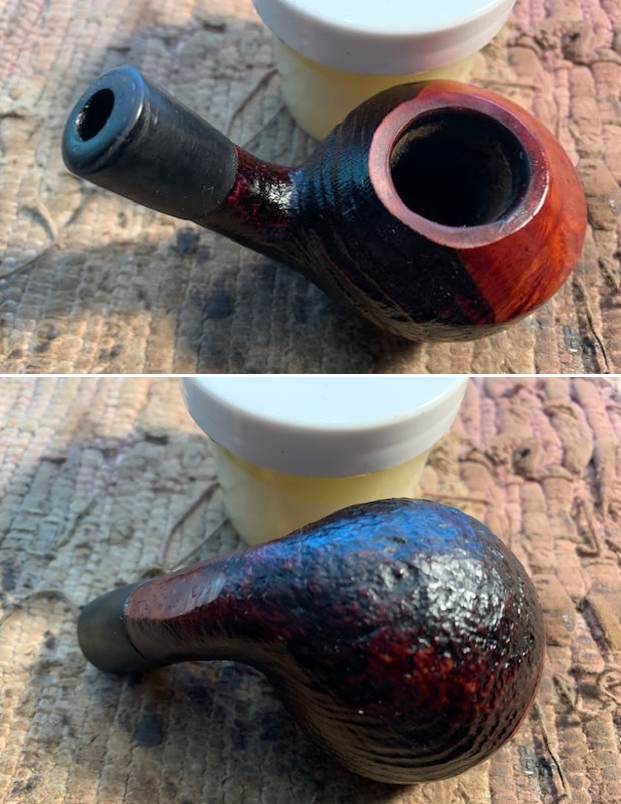
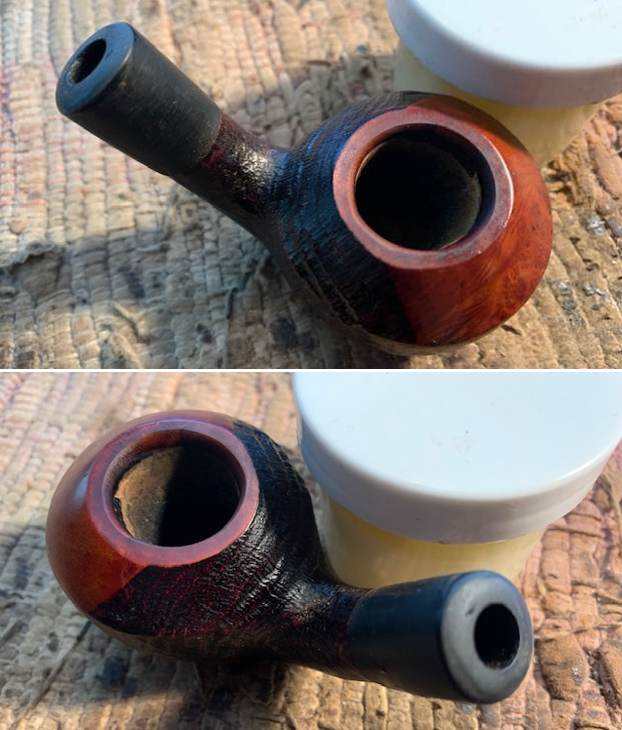
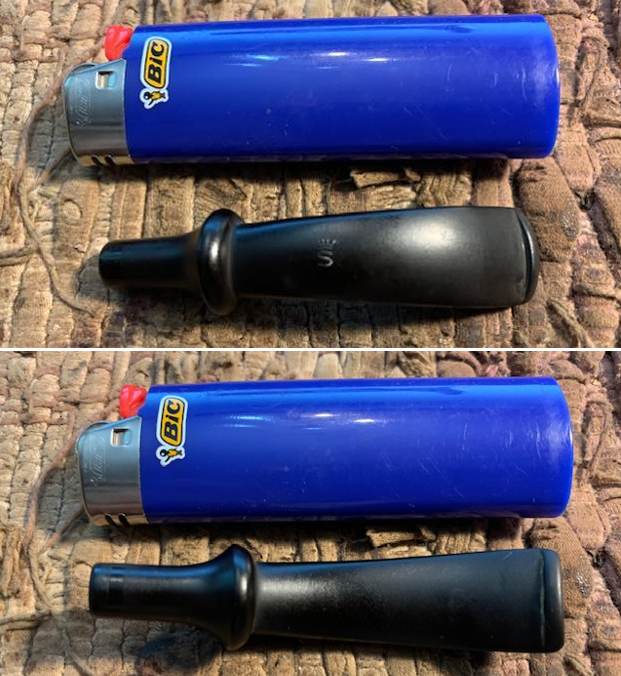
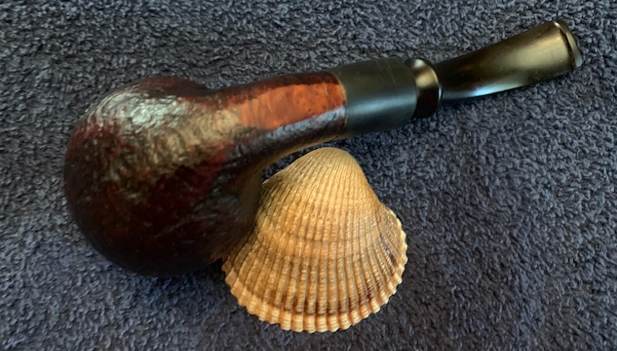
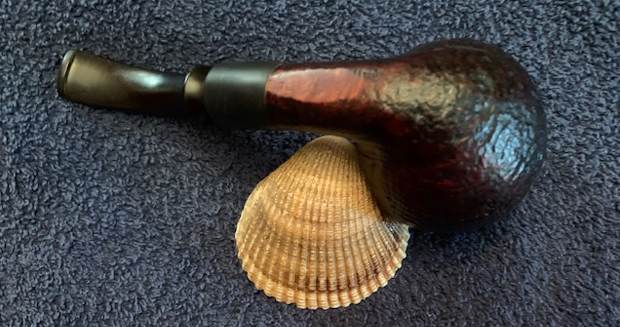
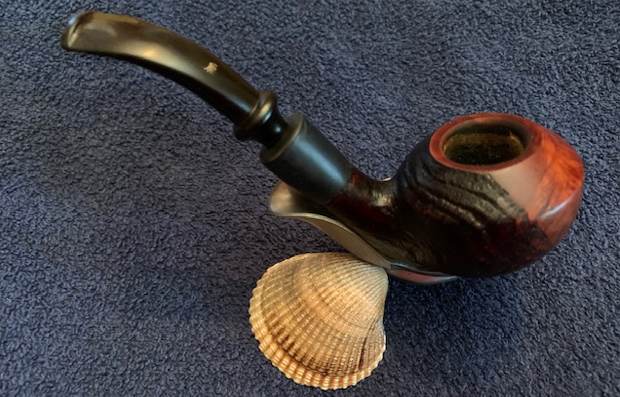
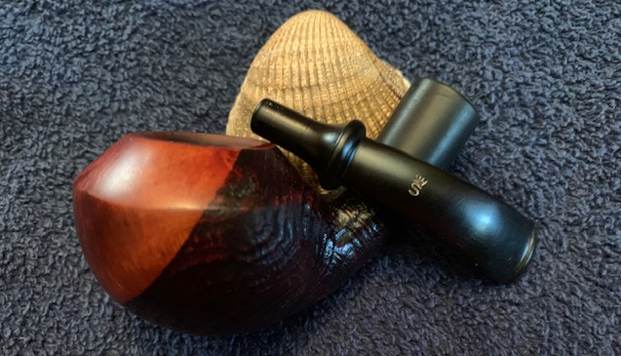
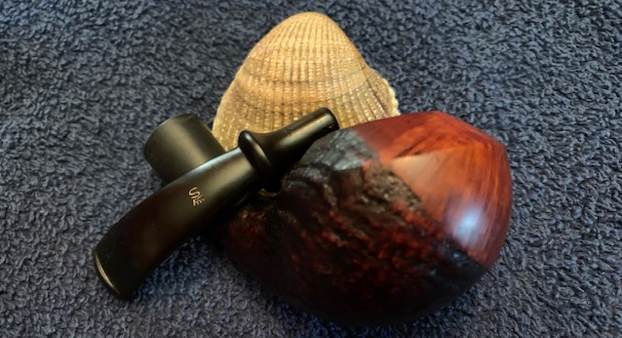
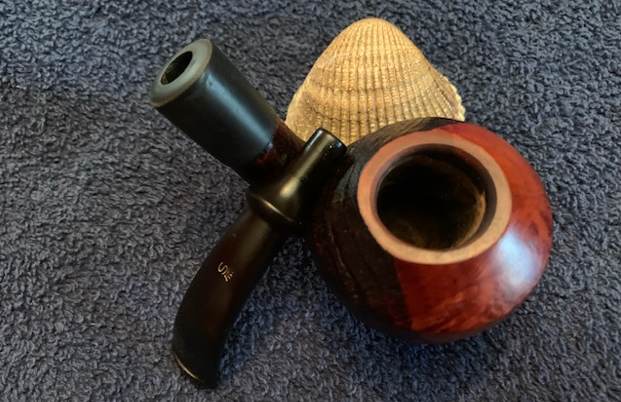
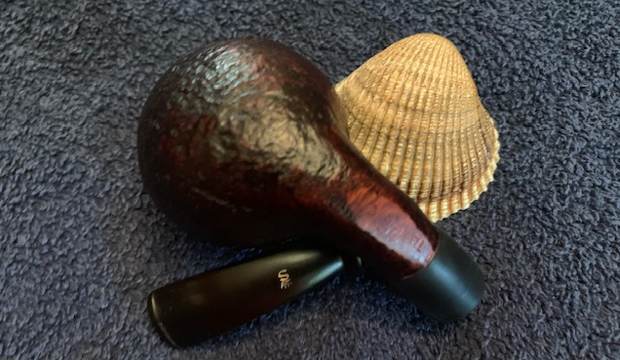
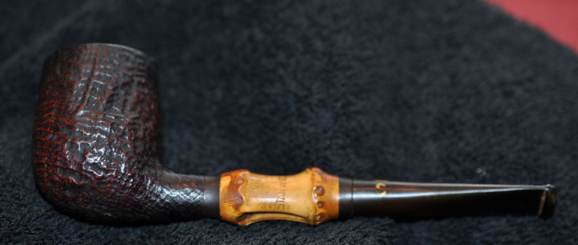
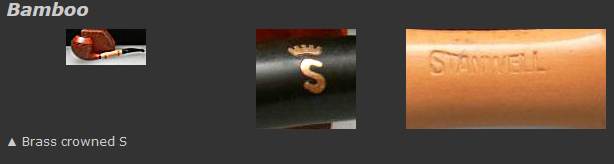
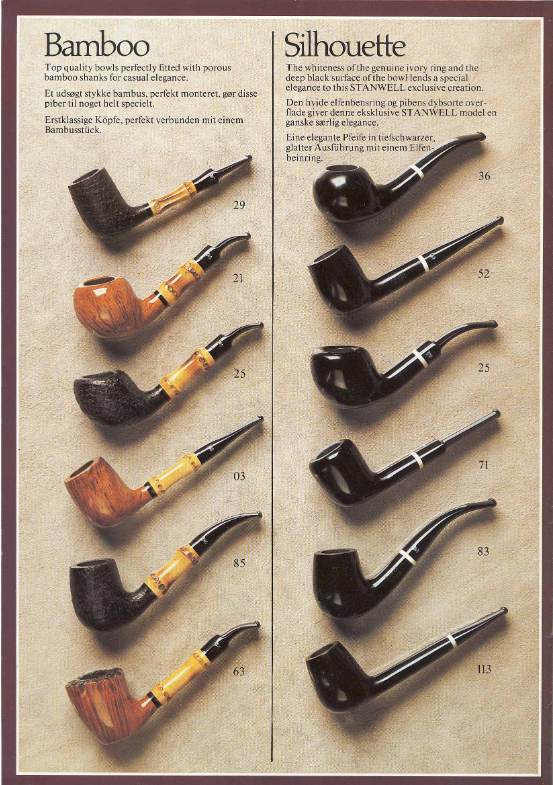
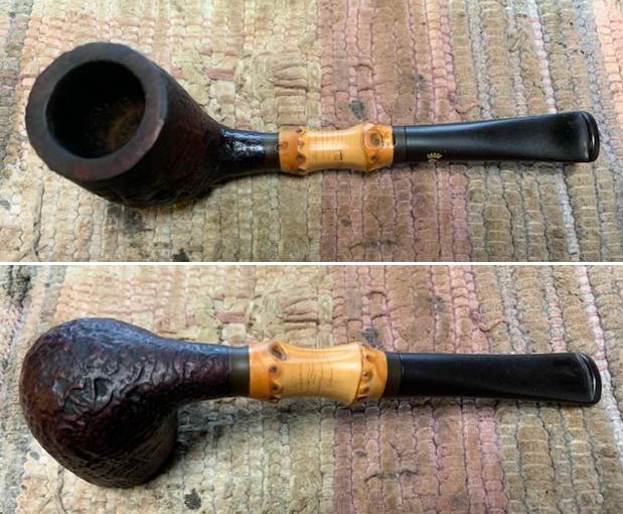
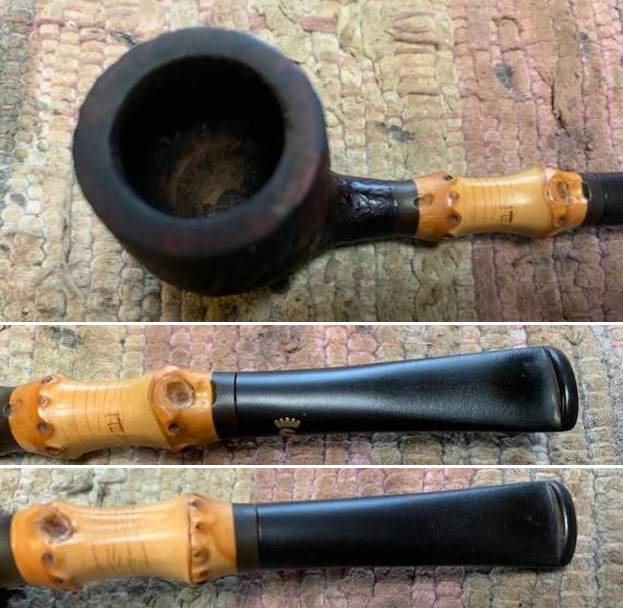
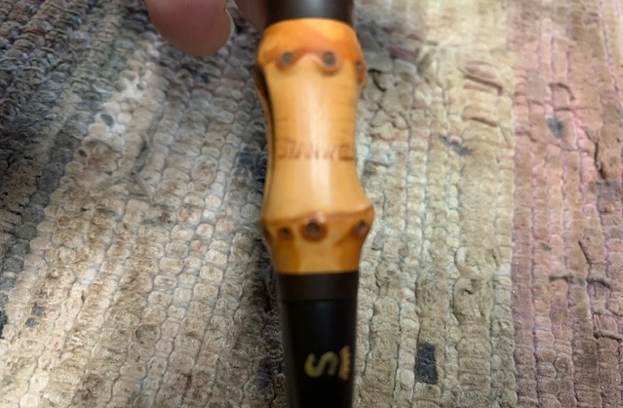
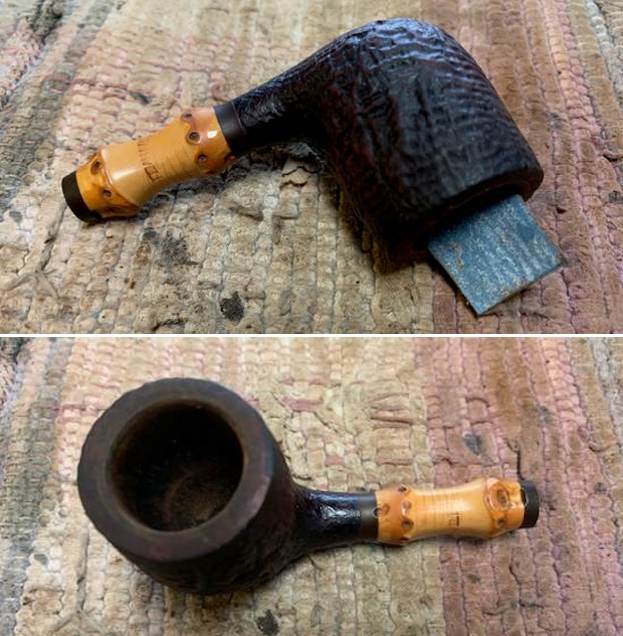
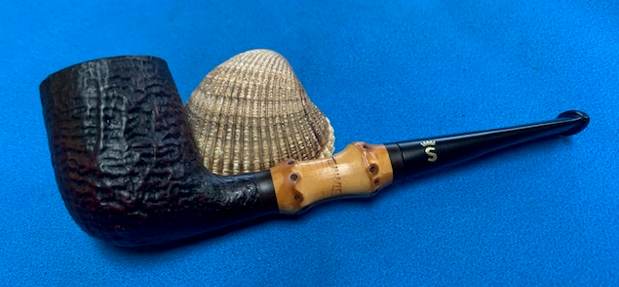
This quiet day off for me here in Vancouver I decided to work on was another one that was purchased on 11/14/2022 in a lot of pipes that came to us from Copenhagen, Denmark  It included a group of Stanwell Bamboo pipes that are quite beautiful, combining a briar bowl, a bamboo shank and an vulcanite or acrylic stem. This is the last of the bamboo pipes and the second of the sandblast pipes that we had to work on. I have enjoyed working on these Bamboos  and the light weight feel of the pipe in hand. The rugged sandblast on this pipe, around the bowl and shank has a mix of ridges and valleys highlighted by dark stain. The pipe is stamped around the middle of the bamboo and reads STANWELL. The pipe was a well used pipe when Jeff received it. There was dust and grime ground into the sandblast finish. The mixture of brown stains highlights some beautiful blast under the dirt. The bowl was heavily caked and there was an overflow of lava on the smooth rim top. The inner edge was hard to see clearly and the lava could easily be hiding damage. The stem is vulcanite and was dirty, oxidized and had light tooth marks, chatter and scratches on both sides ahead of the button and on the button itself. There is a brass/gold crown S logo inlaid on the left side of the saddle stem. Jeff took photos of the pipe before he started his clean up work on it. He took photos of the bowl and rim top to show what they looked like before his clean up. You can see the scratches in the smooth rim top. The inner edge also shows some damage. He also took some of the stem to show the condition of both sides. The photos of the sides and heel of the bowl show the uniquely stained grain around the bowl and shank. The mixture of black and brown stains adds depth finish on the pipe. Even under the grime it is a real beauty. He also took photos of the bamboo showing the patina on the wood. The stamping on this one was around the bamboo horizontally and is shown in the photo below. It is clear and readable as noted above. The second photo shows the gold crown S on the stem side.  Before I started my work on the pipe I wanted to see if I could find any information that would help me get a sense of the line. I turned to Pipephil to get a quick review of the  Bamboo line (http://pipephil.eu/logos/en/logo-stanwell.html). The Brass Crowned S inlaid logo on the stem is shown in the photo below. I have included a screen capture of the brand info there.I then turned to Pipedia (https://pipedia.org/wiki/Stanwell) for more information. The article is great and gives a lot of history on the brand. There were also links to catalogues at the bottom of the page. I am including a page from a catalogue on the site below that gives a bit of a glimpse into the brand. Here is the link (http://www.axeljeske.de/Pfeifen/Stanwell_Amager.pdf). The catalogue page gives a great description of the Bamboo line. It reads as follows: Top quality bowls perfectly fitted with porous bamboo shanks for casual elegance.
Now it was time to work on the pipe.

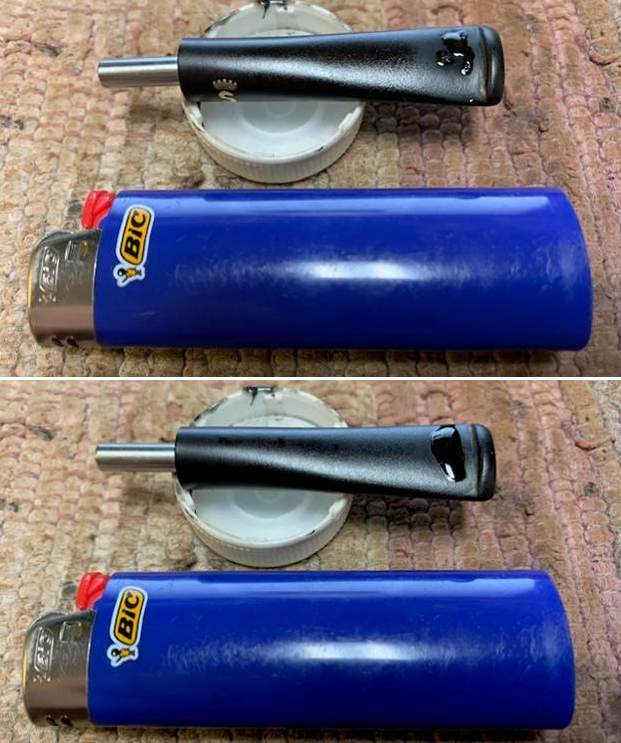
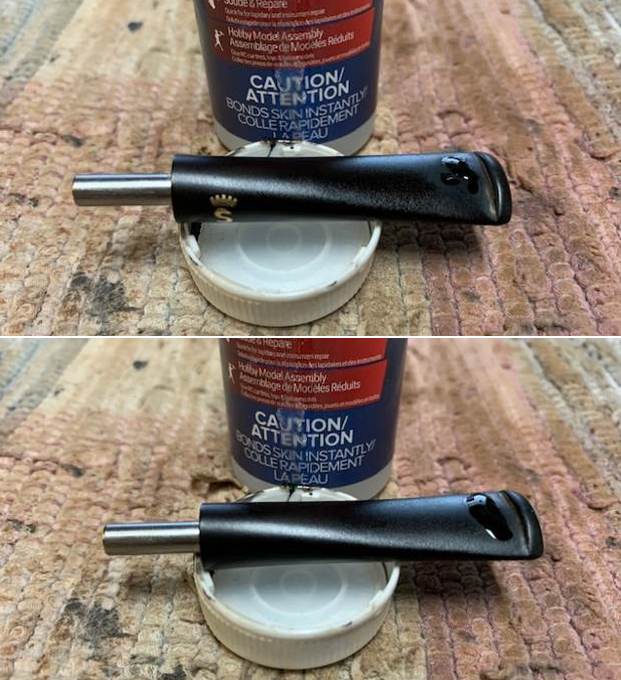
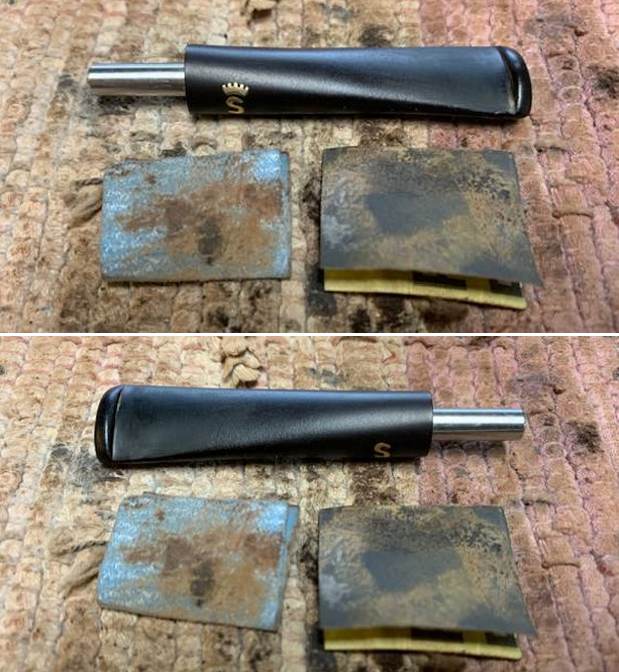
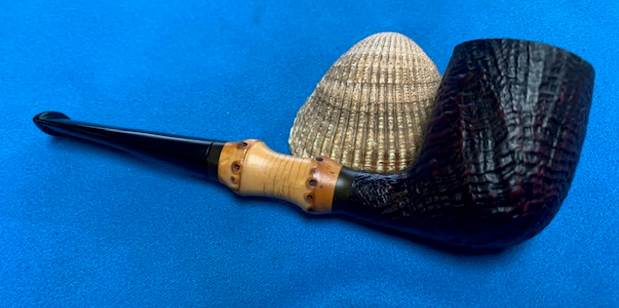
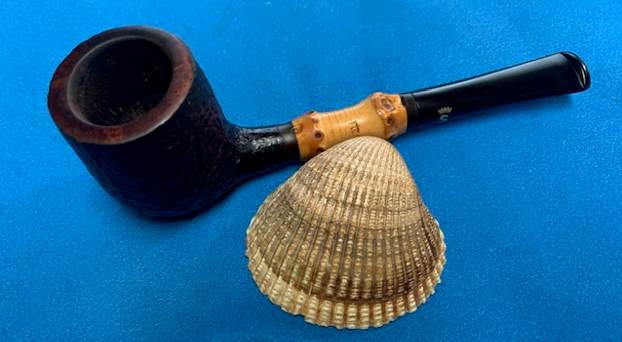
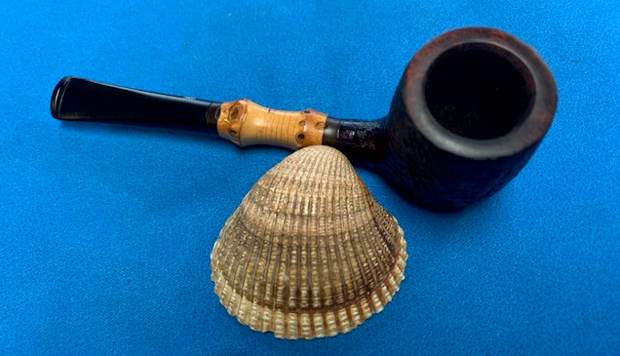
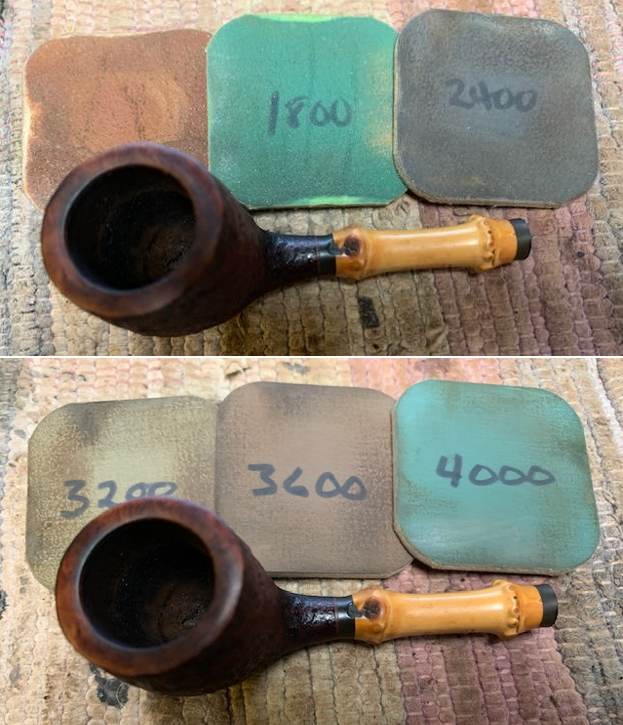
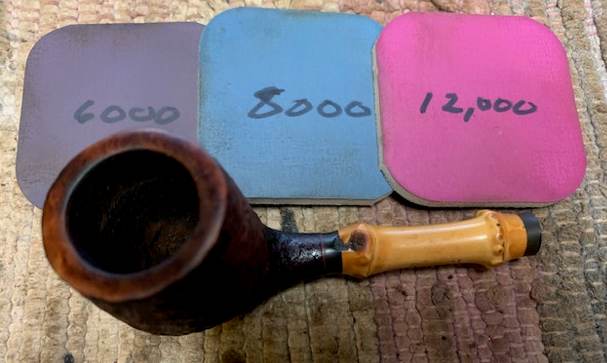
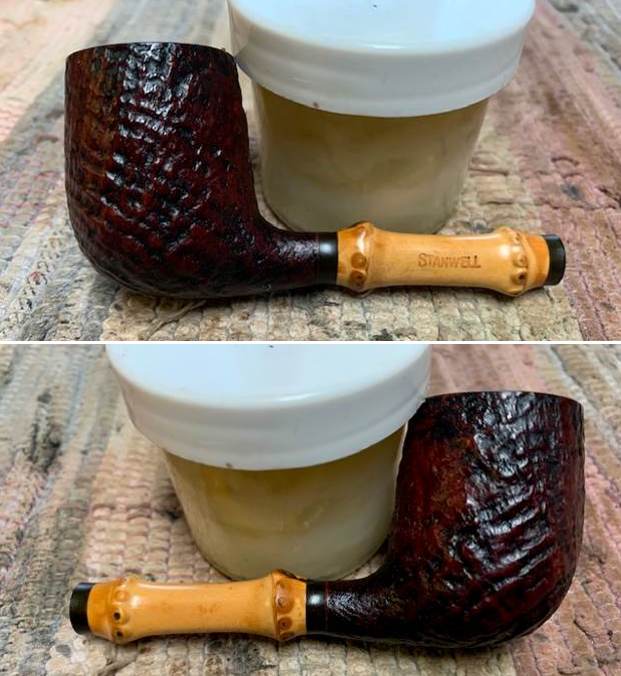
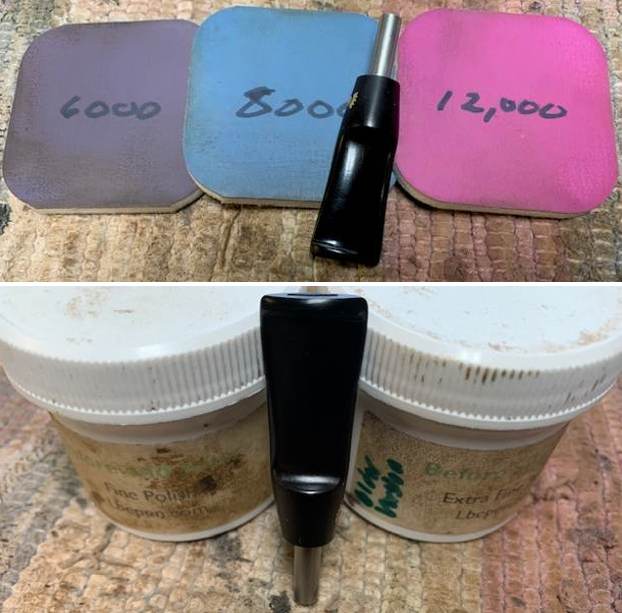
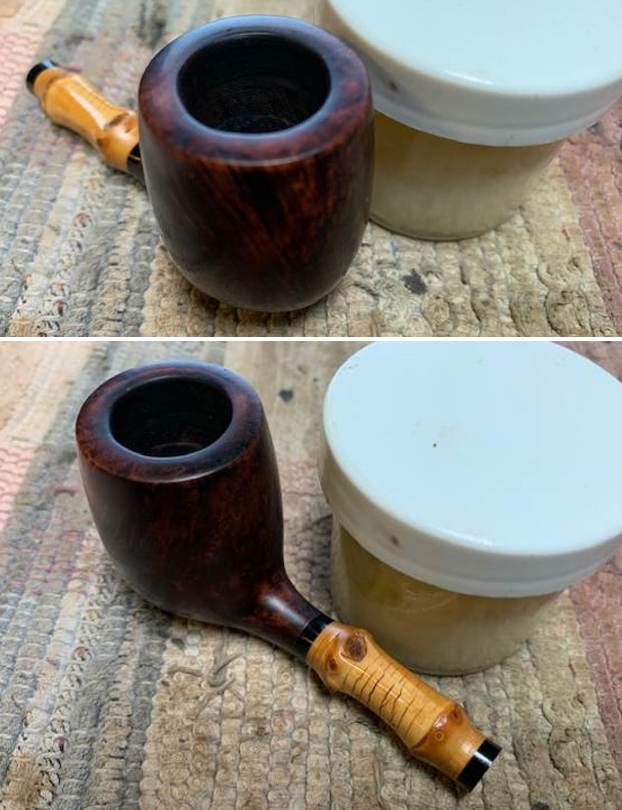
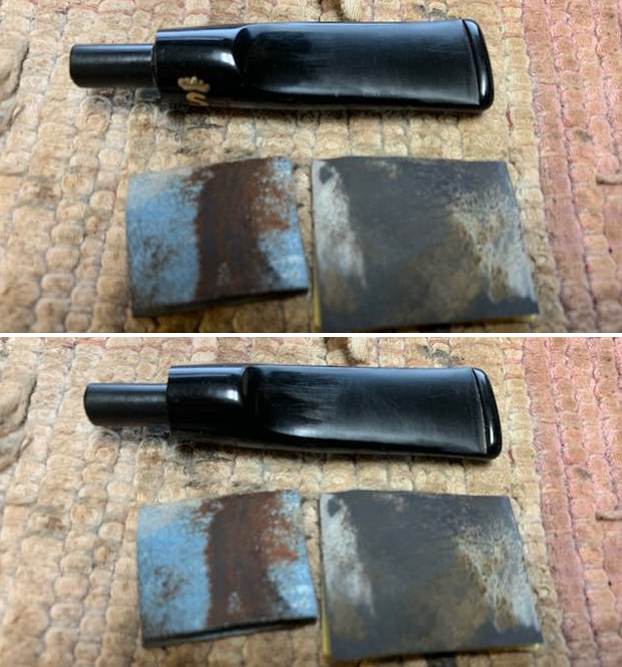
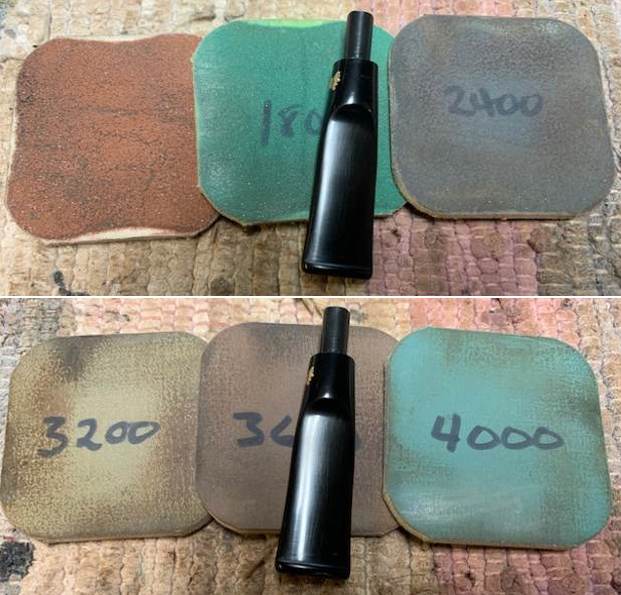
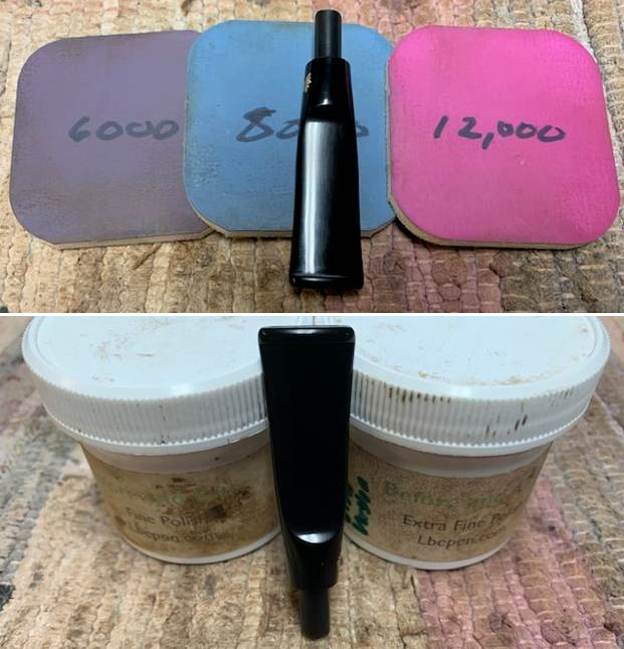
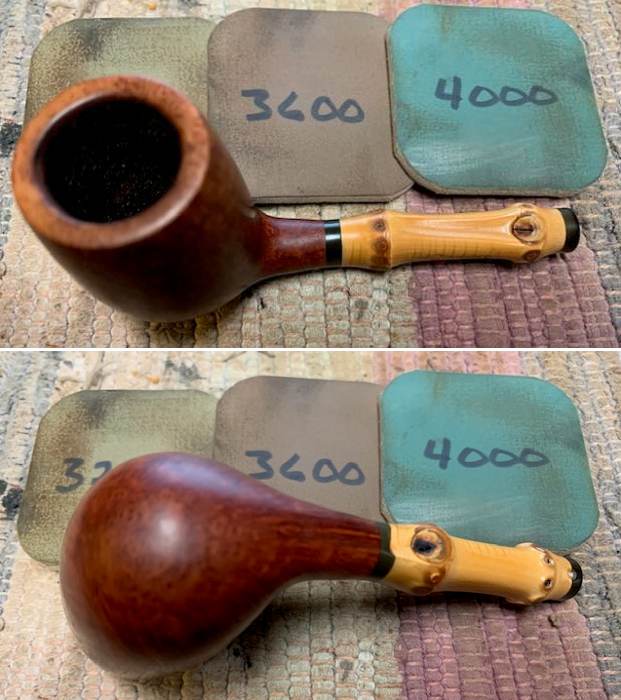
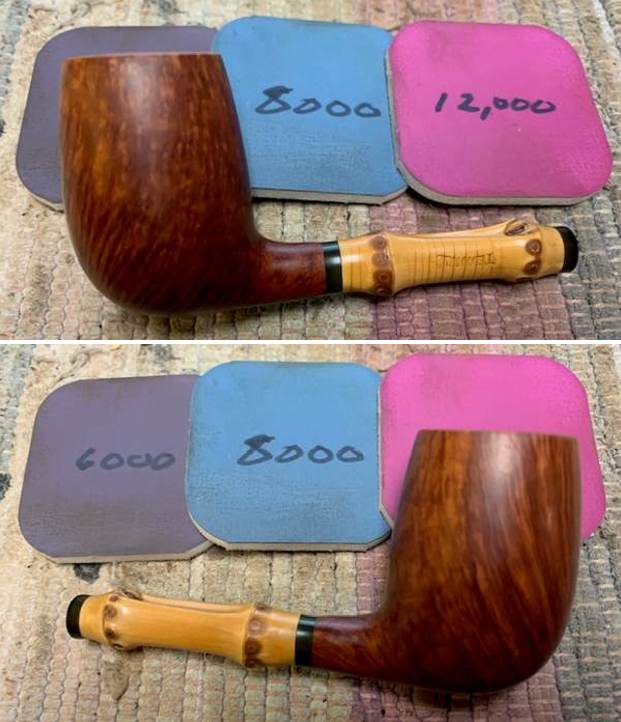
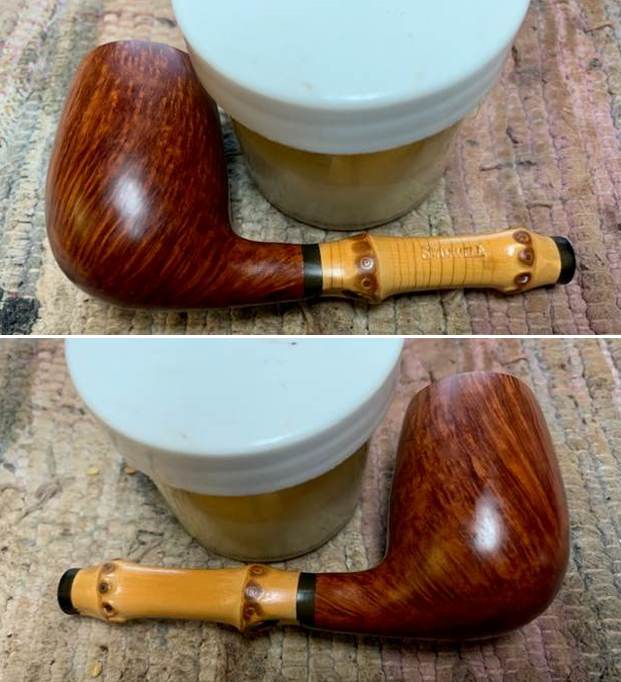
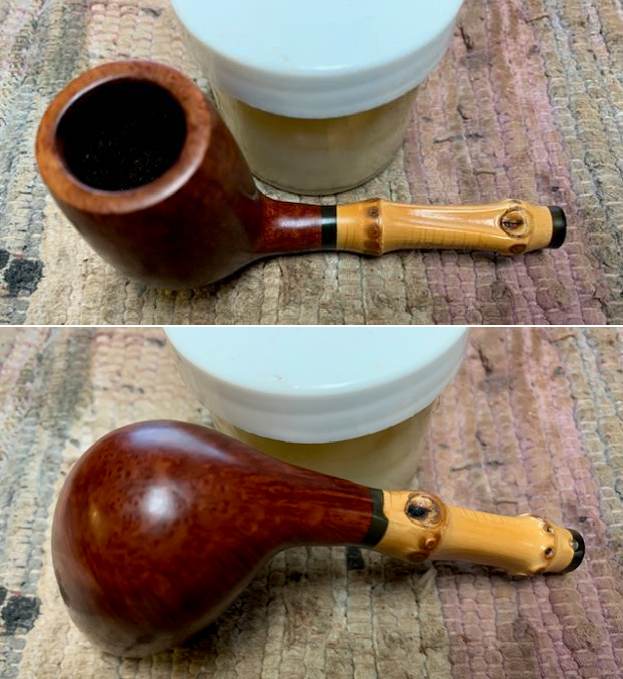
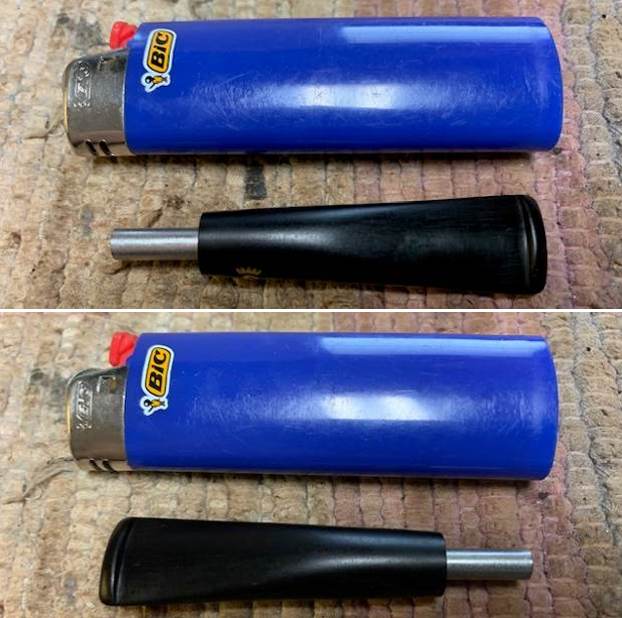
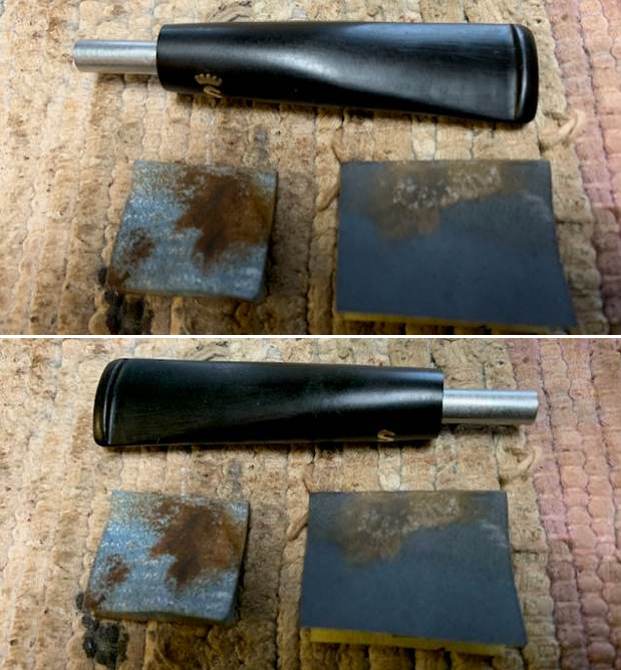
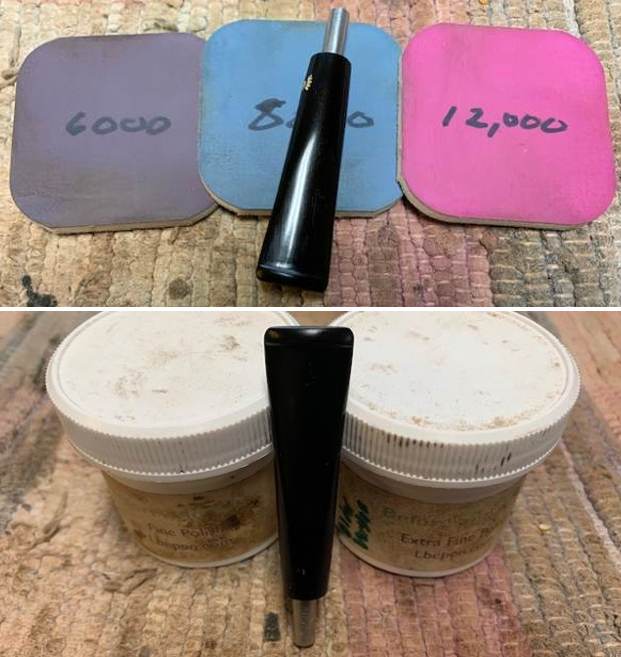
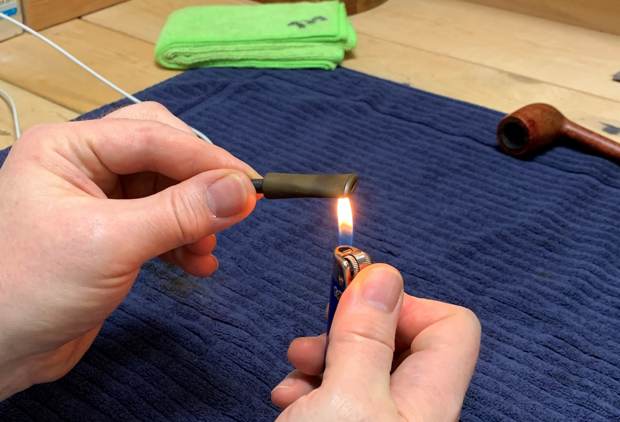
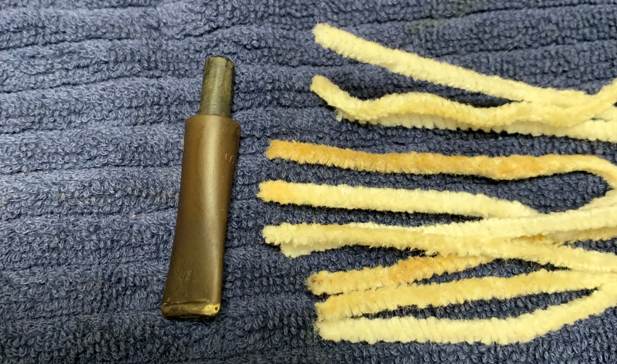
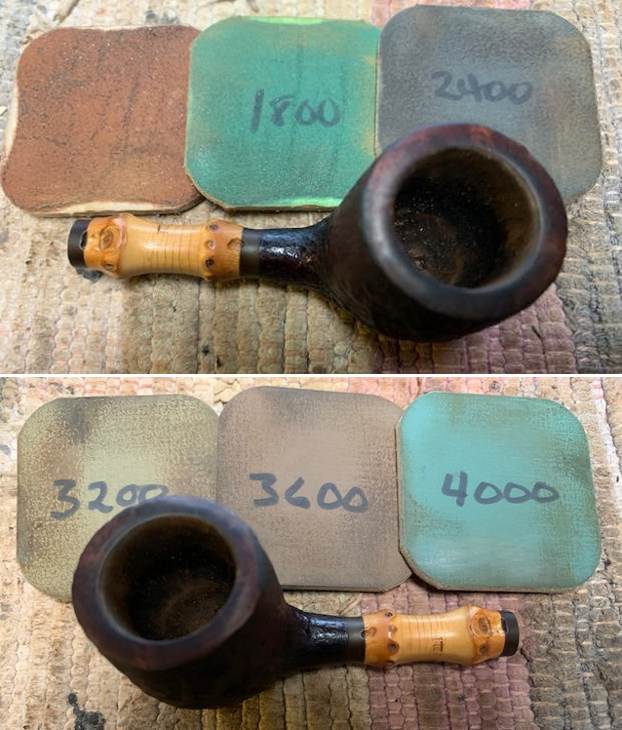
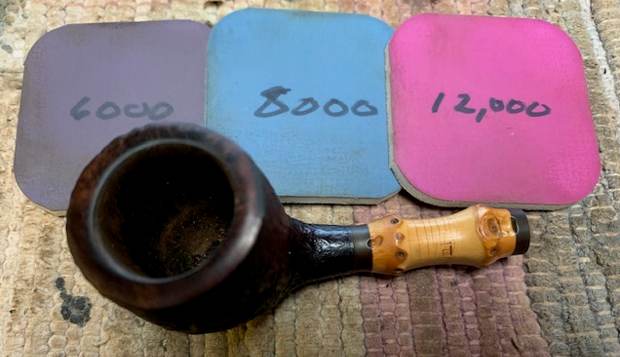
Jeff had thoroughly cleaned up the pipe. He reamed the pipe with a PipNet Pipe Reamer and cleaned up the remnants with a Savinelli Fitsall Pipe Knife. He scrubbed the bowl with undiluted Murphy’s Oil Soap with a tooth brush. He rinsed it under running warm water to remove the soap and grime. He cleaned out the inside of the shank and the airway in the stem with alcohol, cotton swabs and pipe cleaners. He scrubbed the exterior of the stem with Soft Scrub to remove the grime and calcification. He soaked the stem in Before & After Deoxidizer and rinsed it off with warm water. The pipe looked very good when it arrived here in Vancouver. I took close up photos of the bowl, rim and the stem. You can see the damage on rim top and inner edge. The bowl is quite clean inside. The acrylic stem is in good condition with light tooth marks and some chatter as noted above.I took photo of the stamping on the left side of the shank. It is readable as noted above. I removed the stem from the shank and took a photo to give a sense of the proportions of the pipe. Once again it has a stainless steel tenon. The sandblast is quite beautiful and the dark and medium stains really make it stand out.I started my work on the pipe working on the damage to the inner edge and the rim top with a folded piece of 220 grit sandpaper to bring the edge back into round and it looked much better.I polished the smooth rim top with micromesh sanding pads – dry sanding with 1500-12000 grit pads. I wiped the bowl down after each  pad to remove the grit. The bowl began to take on a rich shine. It is a beauty. I rubbed the bowl down with Before & After Restoration Balm. I worked it into the briar and the bamboo with my finger tips. I let it sit for 10 minutes and the Balm did its magic. It enlivens, cleans and preserves the briar. It certainly brought this bowl back to life. I buffed it off with a clean cloth and took the following photos. I set the bowl aside and turned my attention to the stem. I “painted” the tooth marks on the stem with the flame of a Bic lighter to lift them. I was able to lift the majority of them and filling the remnants of the marks with clear CA glue. I sanded out the repairs with 220 grit sandpaper and then started the polishing with 600 grit wet dry sandpaper. I polished the stem with micromesh sanding pads – 1500-12000 grit pads. I wiped it down with a damp cloth after each sanding pad. I used Before & After Pipe Polish – both Fine and Extra Fine to further polish the stem. This Stanwell Bamboo Sandblast Billiard with a vulcanite taper stem is a great looking pipe now that it has been restored. The mix of stains once cleaned up really highlights the grain and the polished sandblast finish is stunning. I put the stem back on the bowl and carefully buffed the pipe with Blue Diamond on the buffing wheel. I gave the bowl and the stem multiple coats of carnauba wax on the buffing wheel and followed that by buffing the entire pipe with a clean buffing pad. I hand buffed the pipe with a microfiber cloth to deepen the shine. The finished Stanwell Bamboo Sandblast Billiard fits nicely in the hand and feels great. Give the finished pipe a look in the photos below. The dimensions of the pipe are Length: 5 ½ inches, Height: 1 ½ inches, Outside diameter of the bowl: 1 1/8 inches, Chamber diameter: ¾ of an inch. The weight of the pipe is 34 grams / 1.20 ounces. I will be adding the pipe to the Danish Pipe Makers Section of the rebornpipes store. If you are interested in purchasing this pipe send me a message or an email. Thanks for reading this blog and my reflections on the pipe while I worked on it.

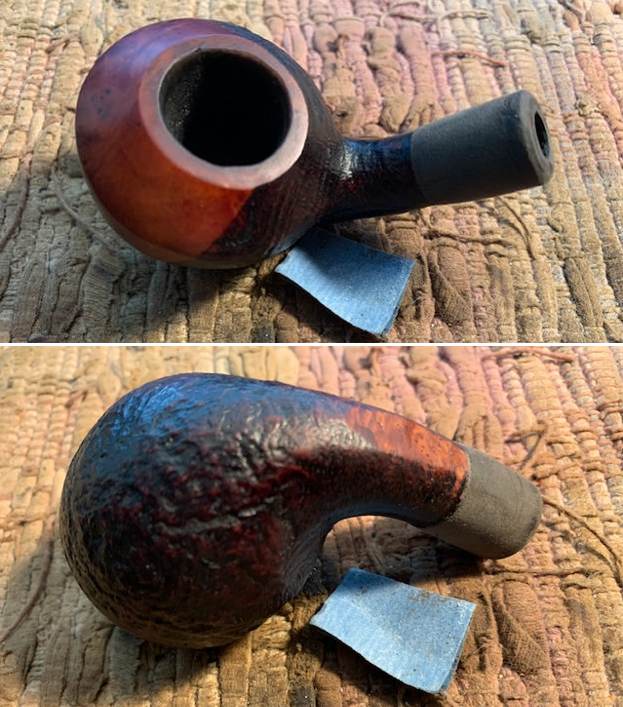
Restoring a Stanwell Bamboo Brown Sandblast Billiard with a saddle stem


Blog by Steve Laug

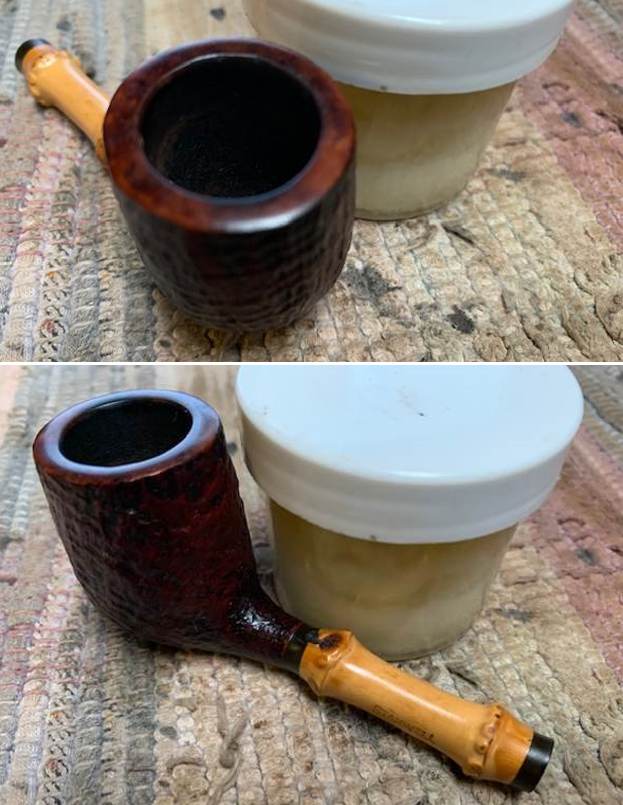
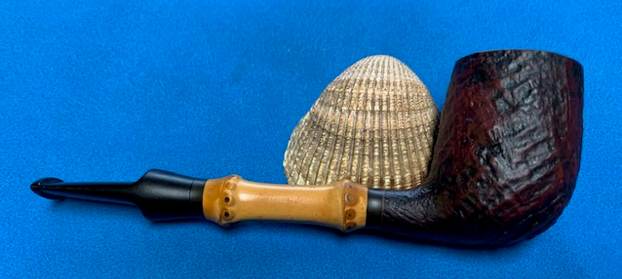
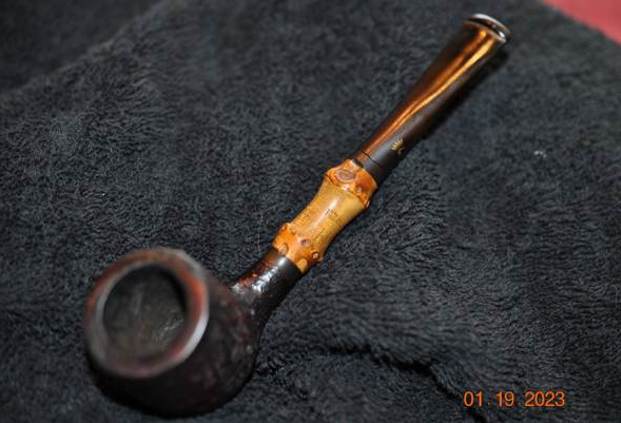
This rainy evening here in Vancouver I decided to work on was another one that was purchased on 11/14/2022 in a lot of pipes that came to us from Copenhagen, Denmark  It included a group of Stanwell Bamboo pipes that are quite beautiful, combining a briar bowl, a bamboo shank and an vulcanite or acrylic stem. The rugged sandblast on this pipe, around the bowl and shank has a mix of ridges and valleys highlighted by dark stain. The pipe is stamped on the left side of the bamboo and reads STANWELL. The pipe was a well used pipe when Jeff received it. There was dust and grime ground into the sandblast finish. The mixture of brown stains highlights some beautiful blast under the dirt. The bowl was heavily caked and there was an overflow of lava on the smooth rim top. The inner edge was hard to see clearly and the lava could easily be hiding damage. The stem is vulcanite and was dirty, oxidized and had light tooth marks, chatter and scratches on both sides ahead of the button and on the button itself. There is a brass/gold crown S logo inlaid on the left side of the saddle stem. Jeff took photos of the pipe before he started his clean up work on it. He took photos of the bowl and rim top to show what they looked like before his clean up. He also took some of the stem to show the condition of both sides. The photos of the sides and heel of the bowl show the uniquely stained grain around the bowl and shank. The mixture of black and brown stains adds depth finish on the pipe. Even under the grime it is a real beauty. He also took photos of the bamboo showing the patina on the wood. The stamping on the left side the bamboo is shown in the photo below. It is clear and readable as noted above. The second photo shows the gold crown S on the stem side.  Before I started my work on the pipe I wanted to see if I could find any information that would help me get a sense of the line. I turned to Pipephil to get a quick review of the  Bamboo line (http://pipephil.eu/logos/en/logo-stanwell.html). The Brass Crowned S inlaid logo on the stem is shown in the photo below. I have included a screen capture of the brand info there.I then turned to Pipedia (https://pipedia.org/wiki/Stanwell) for more information. The article is great and gives a lot of history on the brand. There were also links to catalogues at the bottom of the page. I am including a page from a catalogue on the site below that gives a bit of a glimpse into the brand. Here is the link (http://www.axeljeske.de/Pfeifen/Stanwell_Amager.pdf). The catalogue page gives a great description of the Bamboo line. It reads as follows: Top quality bowls perfectly fitted with porous bamboo shanks for casual elegance.
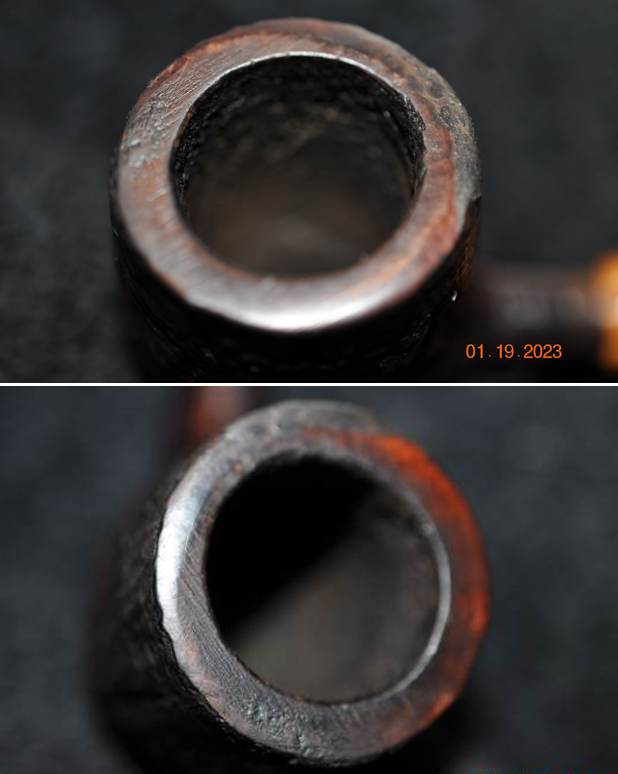
Now it was time to work on the pipe.

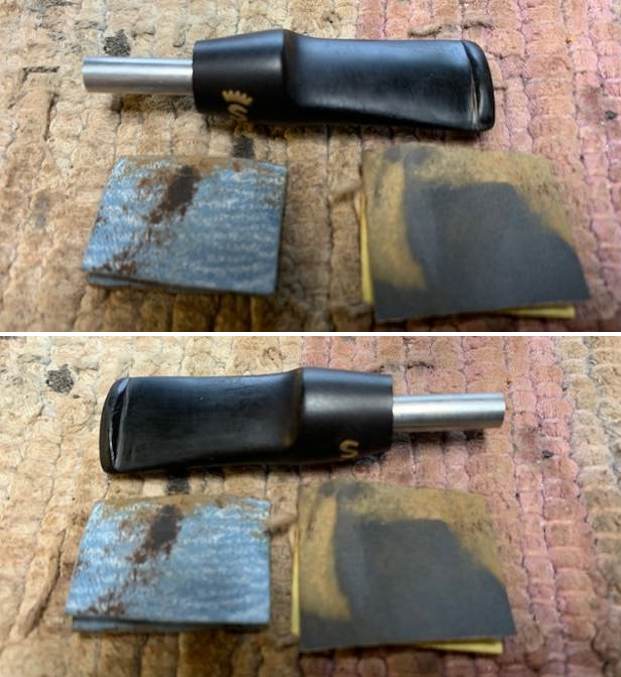
Jeff had thoroughly cleaned up the pipe. He reamed the pipe with a PipNet Pipe Reamer and cleaned up the remnants with a Savinelli Fitsall Pipe Knife. He scrubbed the bowl with undiluted Murphy’s Oil Soap with a tooth brush. He rinsed it under running warm water to remove the soap and grime. He cleaned out the inside of the shank and the airway in the stem with alcohol, cotton swabs and pipe cleaners. He scrubbed the exterior of the stem with Soft Scrub to remove the grime and calcification. He soaked the stem in Before & After Deoxidizer and rinsed it off with warm water. The pipe looked very good when it arrived here in Vancouver. I took close up photos of the bowl, rim and the stem. You can see the damage on rim top and inner edge. The bowl is quite clean inside. The acrylic stem is in good condition with light tooth marks and some chatter as noted above.I took photo of the stamping on the left side of the shank. It is readable as noted above. I removed the stem from the shank and took a photo to give a sense of the proportions of the pipe. Once again it has a stainless steel tenon. The sandblast is quite beautiful and the dark and medium stains really make it stand out.I started my work on the pipe working on the damage to the inner edge and the rim top with a folded piece of 220 grit sandpaper to bring the edge back into round and it looked much better.I polished the smooth rim top with micromesh sanding pads – dry sanding with 1500-12000 grit pads. I wiped the bowl down after each  pad to remove the grit. The bowl began to take on a rich shine. It is a beauty. I rubbed the bowl down with Before & After Restoration Balm. I worked it into the briar and the bamboo with my finger tips. I let it sit for 10 minutes and the Balm did its magic. It enlivens, cleans and preserves the briar. It certainly brought this bowl back to life. I buffed it off with a clean cloth and took the following photos. I set the bowl aside and turned my attention to the stem. I “painted” the tooth marks on the stem with the flame of a Bic lighter to lift them. I was able to lift the majority of them and sanded out the rest of the tooth marks and scratches with 220 grit sandpaper and then started the polishing with 600 grit wet dry sandpaper. I polished the stem with micromesh sanding pads – 1500-12000 grit pads. I wiped it down with a damp cloth after each sanding pad. I used Before & After Pipe Polish – both Fine and Extra Fine to further polish the stem. This Stanwell Bamboo Sandblast Billiard with a vulcanite saddle stem is a great looking pipe now that it has been restored. The dark stain once cleaned up really highlights the grain and the polished finish is stunning. I put the stem back on the bowl and carefully buffed the pipe with Blue Diamond on the buffing wheel. I gave the bowl and the stem multiple coats of carnauba wax on the buffing wheel and followed that by buffing the entire pipe with a clean buffing pad. I hand buffed the pipe with a microfiber cloth to deepen the shine. The finished Stanwell Bamboo Sandblast Billiard fits nicely in the hand and feels great. Give the finished pipe a look in the photos below. The dimensions of the pipe are Length: 5 ½ inches, Height: 1 ¾ inches, Outside diameter of the bowl: 1 1/8 inches, Chamber diameter: ¾ of an inch. The weight of the pipe is 31 grams / 1.09 ounces. I will be adding the pipe to the Danish Pipe Makers Section of the rebornpipes store. If you are interested in purchasing this pipe send me a message or an email. Thanks for reading this blog and my reflections on the pipe while I worked on it.

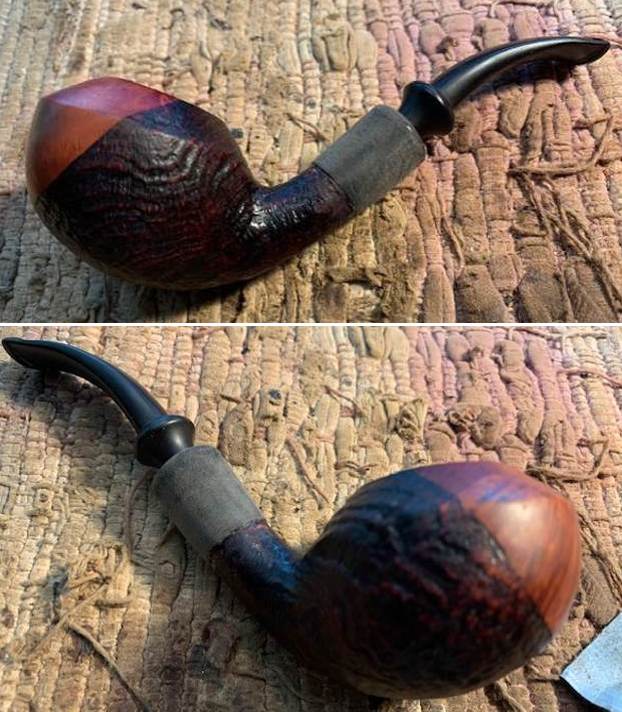
Restoring a Stanwell Bamboo Dark Stained Billiard with a saddle stem


Blog by Steve Laug

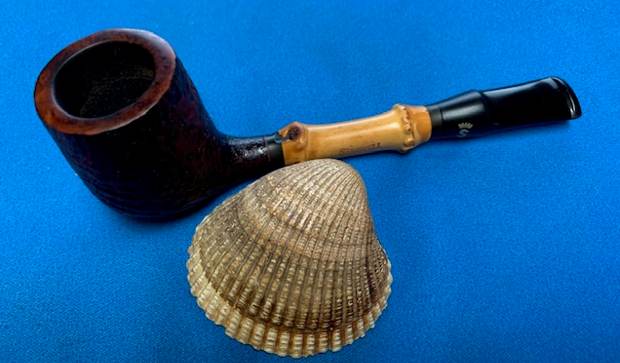
This rainy evening here in Vancouver I decided to work on was another one that was purchased on 11/14/2022 in a lot of pipes that came to us from Copenhagen, Denmark  It included a group of Stanwell Bamboo pipes that are quite beautiful, combining a briar bowl, a bamboo shank and an vulcanite or acrylic stem. The grain on this pipe, around the bowl and shank has a mix of straight and flame grain almost obscured by the grime and the dark stain. The pipe is stamped on the left side of the bamboo and reads STANWELL. The pipe was a well used pipe when Jeff received it. There was dust and grime ground into the finish. The mixture of brown stains highlights some beautiful grain under the dirt. The bowl was heavily caked and there was an overflow of lava on the rim top. The inner edge was hard to see clearly and the lava could easily be hiding damage. The stem is acrylic and was dirty and had light tooth marks and chatter on both sides ahead of the button and on the button itself. There is a brass/gold crown S logo inlaid on the left side of the saddle stem. Jeff took photos of the pipe before he started his clean up work on it. He took photos of the bowl and rim top to show what they looked like before his clean up. He also took some of the stem to show the condition of both sides. The photos of the sides and heel of the bowl show the uniquely stained grain around the bowl and shank. The mixture of black and brown stains adds depth finish on the pipe. Even under the grime it is a real beauty. He also took photos of the bamboo showing the patina on the wood. The stamping on the left side the bamboo is shown in the photo below. It is clear and readable as noted above. The second photo shows the gold crown S on the stem side.  Before I started my work on the pipe I wanted to see if I could find any information that would help me get a sense of the line. I turned to Pipephil to get a quick review of the  Bamboo line (http://pipephil.eu/logos/en/logo-stanwell.html). The Brass Crowned S inlaid logo on the stem is shown in the photo below. I have included a screen capture of the brand info there.I then turned to Pipedia (https://pipedia.org/wiki/Stanwell) for more information. The article is great and gives a lot of history on the brand. There were also links to catalogues at the bottom of the page. I am including a page from a catalogue on the site below that gives a bit of a glimpse into the brand. Here is the link (http://www.axeljeske.de/Pfeifen/Stanwell_Amager.pdf). The catalogue page gives a great description of the Bamboo line. It reads as follows: Top quality bowls perfectly fitted with porous bamboo shanks for casual elegance.
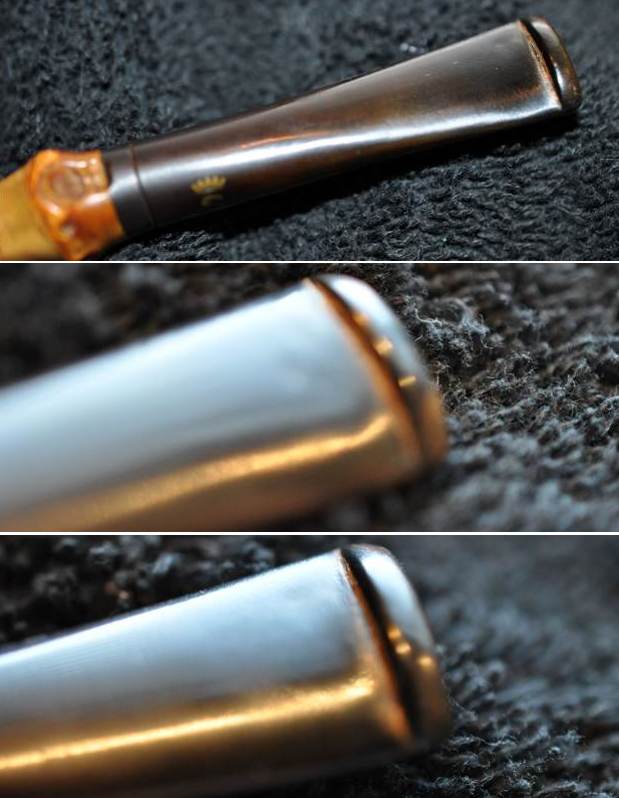
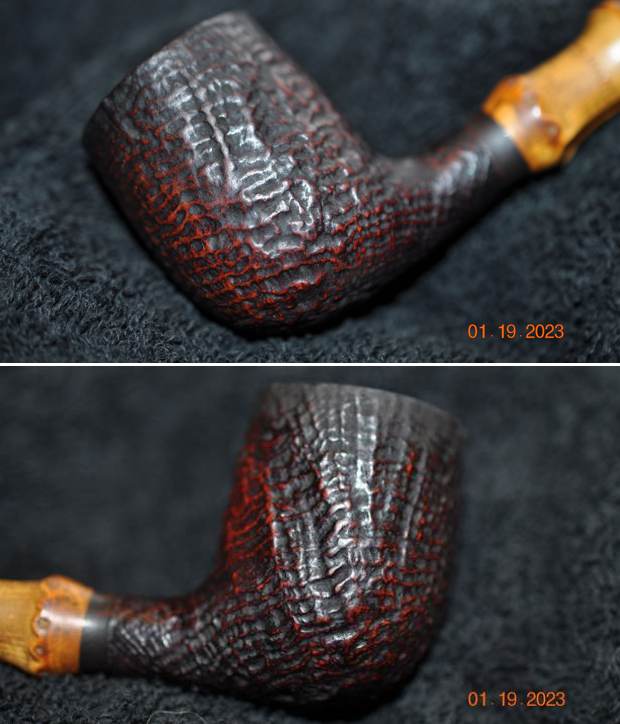
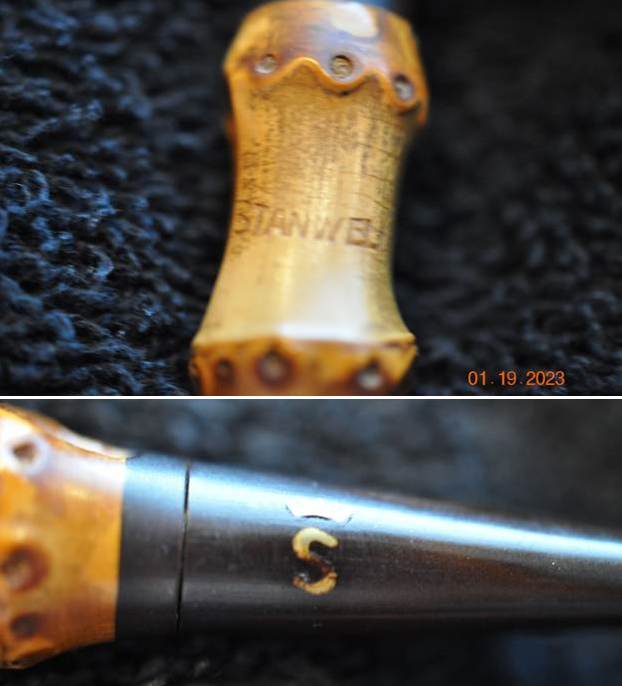
Now it was time to work on the pipe.

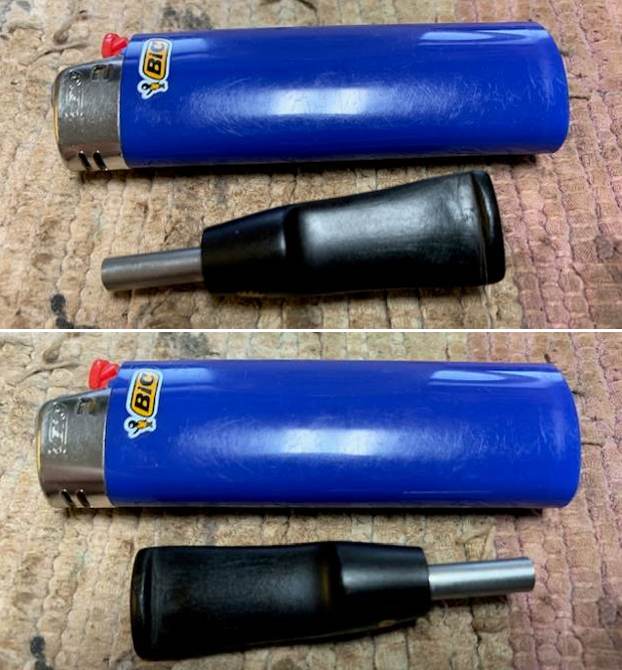
Jeff had thoroughly cleaned up the pipe. He reamed the pipe with a PipNet Pipe Reamer and cleaned up the remnants with a Savinelli Fitsall Pipe Knife. He scrubbed the bowl with undiluted Murphy’s Oil Soap with a tooth brush. He rinsed it under running warm water to remove the soap and grime. He cleaned out the inside of the shank and the airway in the stem with alcohol, cotton swabs and pipe cleaners. He scrubbed the exterior of the stem with Soft Scrub to remove the grime and calcification. He soaked the stem in Before & After Deoxidizer and rinsed it off with warm water. The pipe looked very good when it arrived here in Vancouver. I took close up photos of the bowl, rim and the stem. You can see the damage on rim top and inner edge. The bowl is quite clean inside. The acrylic stem is in good condition with light tooth marks and some chatter as noted above. I took photo of the stamping on the left side of the shank. It is readable as noted above. I removed the stem from the shank and took a photo to give a sense of the proportions of the pipe. Something different about this pipe was revealed when I removed the stem. The other two Bamboo Stanwells that I have worked on have a stainless steel tenon on the stem. The two remaining Bamboos also have a stainless steel tenon. But this one has an integrated tenon turned into the acrylic stem. I wonder why and when they changed that?I started my work on the pipe working on the damage to the inner edge and the rim top with a folded piece of 220 grit sandpaper to bring the edge back into round and it looked much better.I polished the briar with micromesh sanding pads – dry sanding with 1500-12000 grit pads. I wiped the bowl down after each  pad to remove the grit. The bowl began to take on a rich shine. It is a beauty. I rubbed the bowl down with Before & After Restoration Balm. I worked it into the briar and the bamboo with my finger tips. I let it sit for 10 minutes and the Balm did its magic. It enlivens, cleans and preserves the briar. It certainly brought this bowl back to life. I buffed it off with a clean cloth and took the following photos. I sanded out the tooth marks and scratches with 220 grit sandpaper and then started the polishing with 600 grit wet dry sandpaper.I set the bowl aside and turned my attention to the stem. I was able to polish out the light tooth marks and chatter with micromesh sanding pads – 1500-12000 grit pads. I wiped it down with a damp cloth after each sanding pad. I used Before & After Pipe Polish – both Fine and Extra Fine to further polish the stem. This Stanwell Bamboo Billiard with an acrylic saddle stem is a great looking pipe now that it has been restored. The dark stain once cleaned up really highlights the grain and the polished finish is stunning. I put the stem back on the bowl and carefully buffed the pipe with Blue Diamond on the buffing wheel. I gave the bowl and the stem multiple coats of carnauba wax on the buffing wheel and followed that by buffing the entire pipe with a clean buffing pad. I hand buffed the pipe with a microfiber cloth to deepen the shine. The finished Stanwell Bamboo Dark Billiard fits nicely in the hand and feels great. Give the finished pipe a look in the photos below. The dimensions of the pipe are Length: 5 ½ inches, Height: 1 ¾ inches, Outside diameter of the bowl: 1 1/8 inches, Chamber diameter: ¾ of an inch. The weight of the pipe is 33 grams / 1.16 ounces. I will be adding the pipe to the Danish Pipe Makers Section of the rebornpipes store. If you are interested in purchasing this pipe send me a message or an email. Thanks for reading this blog and my reflections on the pipe while I worked on it.
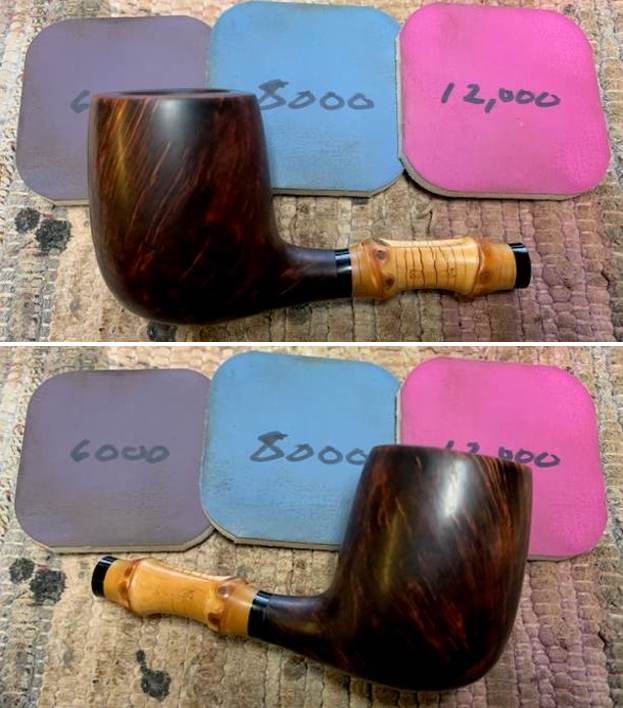
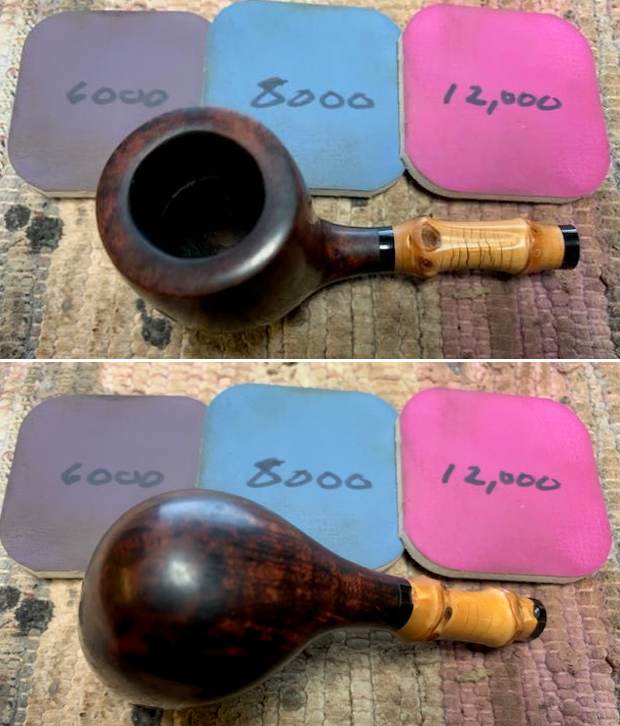
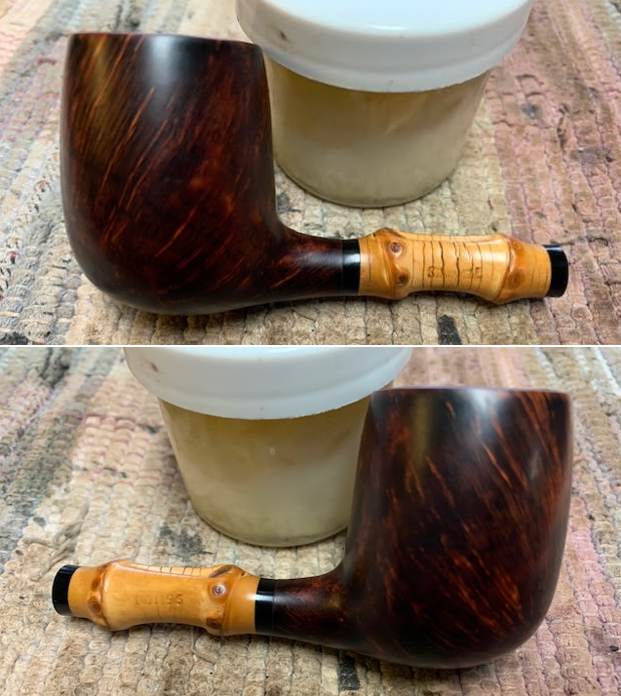
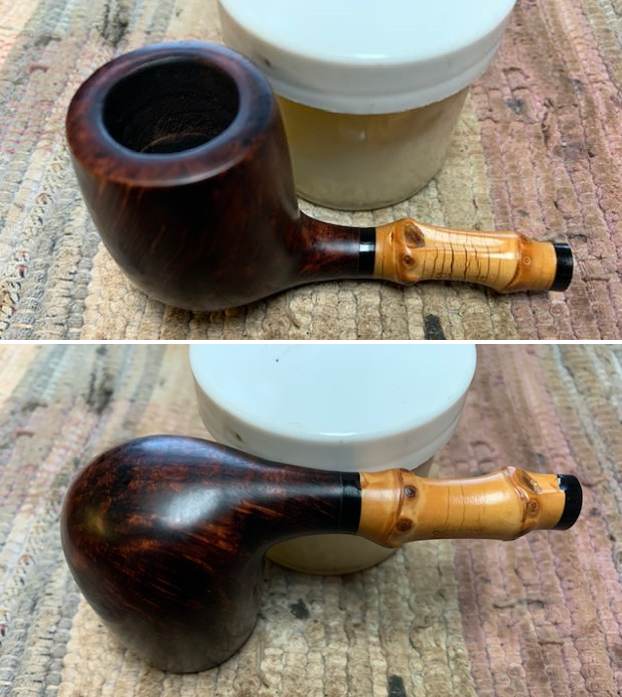
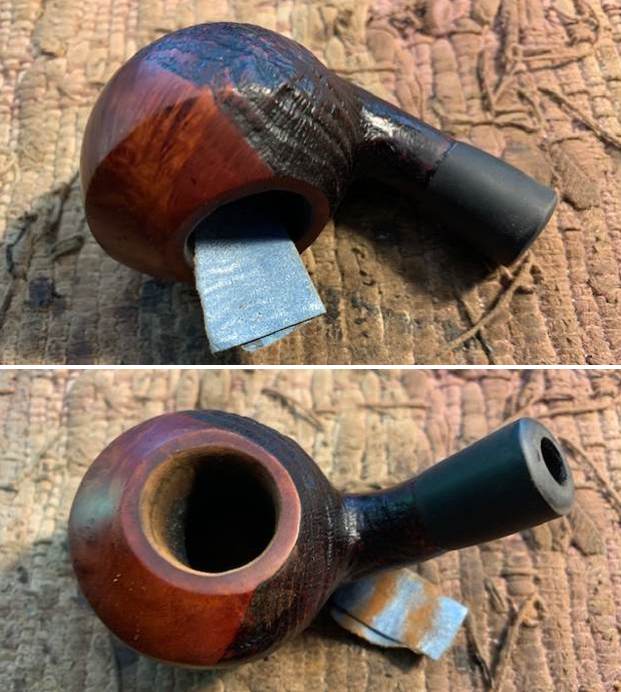
Restoring a Stanwell Bamboo Tall Billiard with a taper stem


Blog by Steve Laug

This rainy evening here in Vancouver I decided to work on was another one that was purchased on 11/14/2022 in a lot of pipes that came to us from Copenhagen, Denmark  It included a group of Stanwell Bamboo pipe that are quite beautiful, combining a briar bowl, a bamboo shank and a an vulcanite stem. The grain around the bowl and shank has a mix of straight and flame grain. The pipe is stamped on the left side of the bamboo and reads STANWELL. The pipe was a well used pipe when Jeff received it. There was dust and grime ground into the finish. The mixture of brown stains highlights some beautiful grain under the dirt. The bowl was heavily caked and there was an overflow of lava on the rim top. The inner edge was hard to see clearly and the lava could easily be hiding damage. The stem is vulcanite and was lightly oxidized, dirty with light tooth marks and chatter on both sides ahead of the button and on the button itself. There is a brass/gold crown S logo inlaid on the left side of the taper stem. Jeff took photos of the pipe before he started his clean up work on it. He took photos of the bowl and rim top to show what they looked like before his clean up. He also took some of the stem to show the condition of both sides. The photos of the sides and heel of the bowl show the uniquely stained grain around the bowl and shank. The mixture of black and brown stains adds depth finish on the pipe. Even under the grime it is a real beauty. The stamping on the left side the bamboo is shown in the photo below. It is clear and readable as noted above. The second photo shows the gold crown S on the stem side.  Before I started my work on the pipe I wanted to see if I could find any information that would help me get a sense of the line. I turned to Pipephil to get a quick review of the  Bamboo line (http://pipephil.eu/logos/en/logo-stanwell.html). The Brass Crowned S inlaid logo on the stem is shown in the photo below. I have included a screen capture of the brand info there.I then turned to Pipedia (https://pipedia.org/wiki/Stanwell) for more information. The article is great and gives a lot of history on the brand. There were also links to catalogues at the bottom of the page. I am including a page from a catalogue on the site below that gives a bit of a glimpse into the brand. Here is the link (http://www.axeljeske.de/Pfeifen/Stanwell_Amager.pdf). The catalogue page gives a great description of the Bamboo line. It reads as follows: Top quality bowls perfectly fitted with porous bamboo shanks for casual elegance.

Now it was time to work on the pipe.

Jeff had thoroughly cleaned up the pipe. He reamed the pipe with a PipNet Pipe Reamer and cleaned up the remnants with a Savinelli Fitsall Pipe Knife. He scrubbed the bowl with undiluted Murphy’s Oil Soap with a tooth brush. He rinsed it under running warm water to remove the soap and grime. He cleaned out the inside of the shank and the airway in the stem with alcohol, cotton swabs and pipe cleaners. He scrubbed the exterior of the stem with Soft Scrub to remove the grime and calcification. He soaked the stem in Before & After Deoxidizer and rinsed it off with warm water. The pipe looked very good when it arrived here in Vancouver. I took close up photos of the bowl, rim and the stem. You can see the darkening and scratches on rim top and edges. The bowl is quite clean inside. You can see the oxidation on the vulcanite shank end on the bamboo. The stem is in good condition with light tooth marks and some chatter as noted above.I took photo of the stamping on the left side of the shank. It is readable as noted above.I removed the stem from the shank and took a photo to give a sense of the proportions of the pipe.I started my work on the pipe working on the damage to the inner edge and the rim top with a folded piece of 220 grit sandpaper to bring the edge back into round and it looked much better.I polished the briar with micromesh sanding pads – dry sanding with 1500-12000 grit pads. I wiped the bowl down after each  pad to remove the grit. The bowl began to take on a rich shine. It is a beauty.   I rubbed the bowl down with Before & After Restoration Balm. I worked it into the briar with my finger tips. I let it sit for 10 minutes and the Balm did its magic. It enlivens, cleans and preserves the briar. It certainly brought this bowl back to life. I buffed it off with a clean cloth and took the following photos. I “painted” the stem with the flame of a Bic lighter to lift the tooth marks. The majority of them were lifted. I sanded out what remained with 220 grit sandpaper and then started the polishing with 600 grit wet dry sandpaper. I set the bowl aside and turned my attention to the stem. I was able to polish out the light tooth marks and chatter with micromesh sanding pads – 1500-12000 grit pads. I wiped it down with a damp cloth after each sanding pad. I used Before & After Pipe Polish – both Fine and Extra Fine to further polish the stem. This Stanwell Bamboo Billiard with a vulcanite taper stem is a great looking pipe now that it has been restored. The beautiful finish really highlights the grain and the polished finish is stunning. I put the stem back on the bowl and carefully buffed the pipe with Blue Diamond on the buffing wheel. I gave the bowl and the stem multiple coats of carnauba wax on the buffing wheel and followed that by buffing the entire pipe with a clean buffing pad. I hand buffed the pipe with a microfiber cloth to deepen the shine. The finished Stanwell Bamboo Billiard fits nicely in the hand and feels great. Give the finished pipe a look in the photos below. The dimensions of the pipe are Length: 6 inches, Height: 1 ¾ inches, Outside diameter of the bowl: 1 inch, Chamber diameter: ¾ of an inch. The weight of the pipe is 34 grams / 1.20 ounces. I will be adding the pipe to the Danish Pipe Makers Section of the rebornpipes store. If you are interested in purchasing this pipe send me a message or an email. Thanks for reading this blog and my reflections on the pipe while I worked on it.
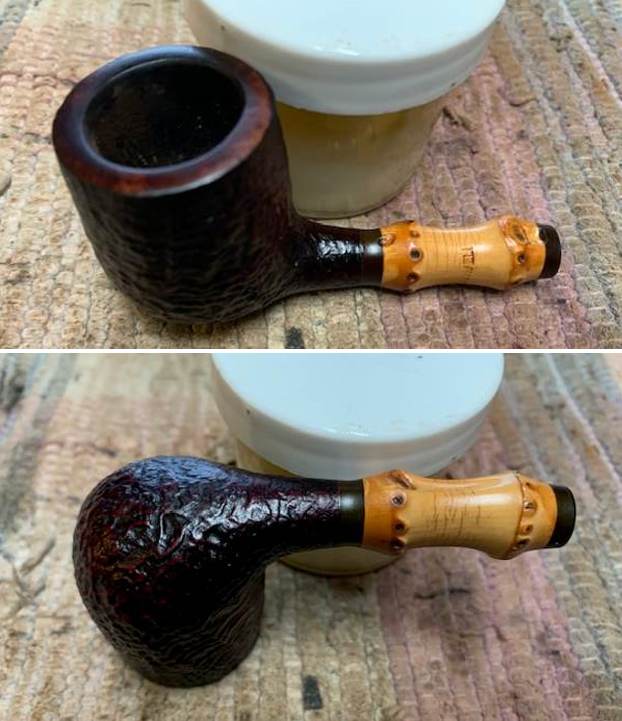
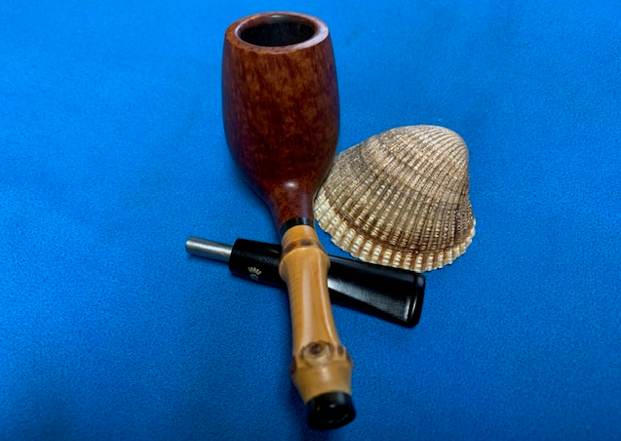
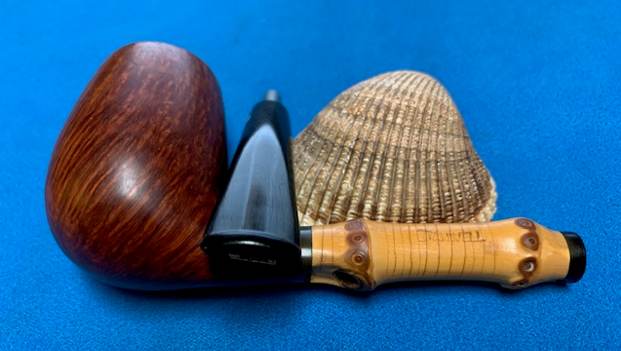
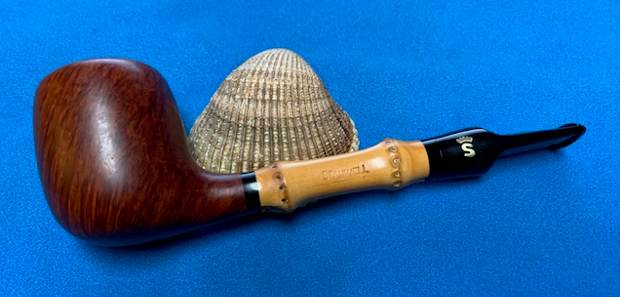
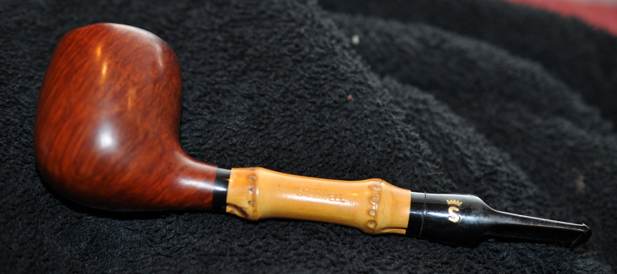
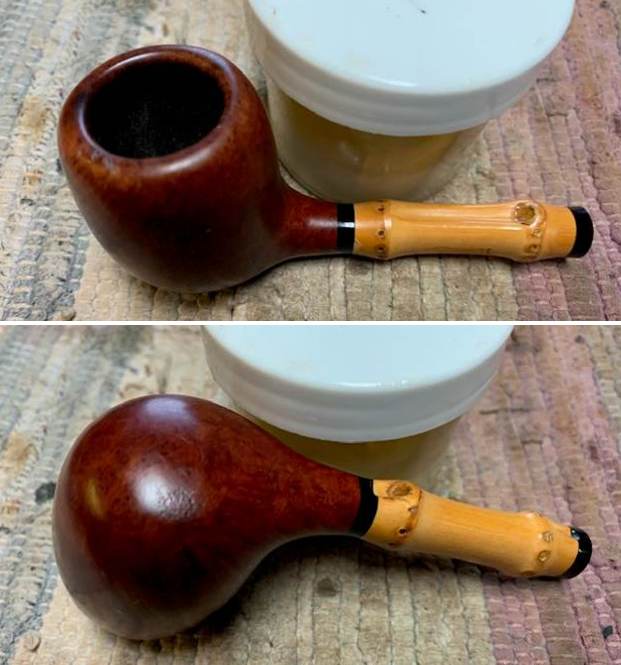
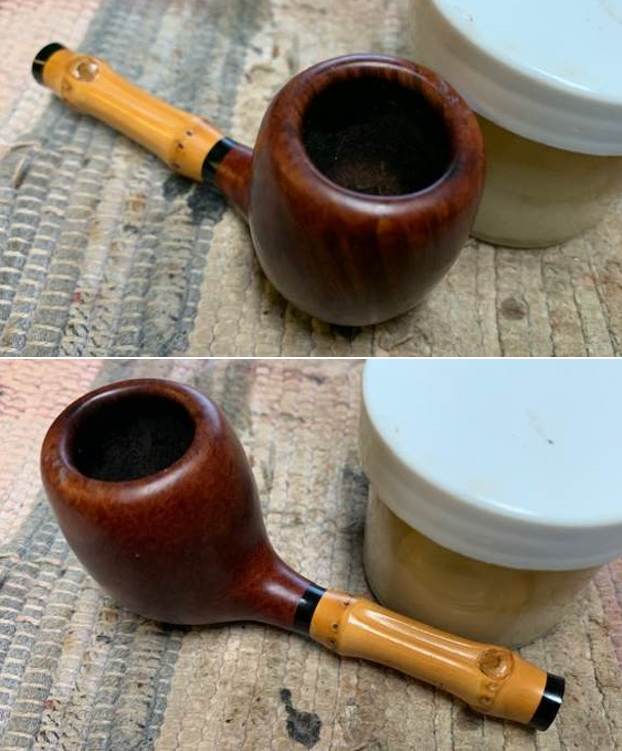
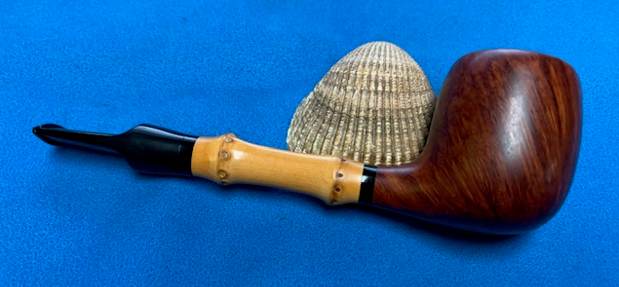
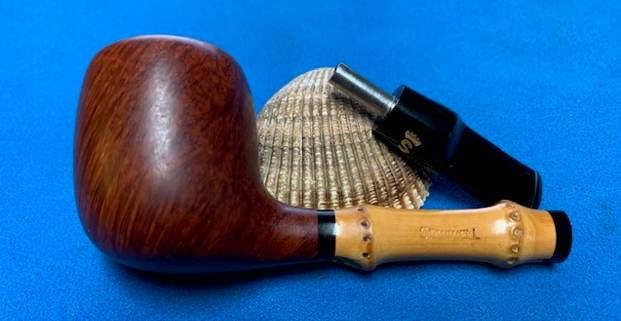
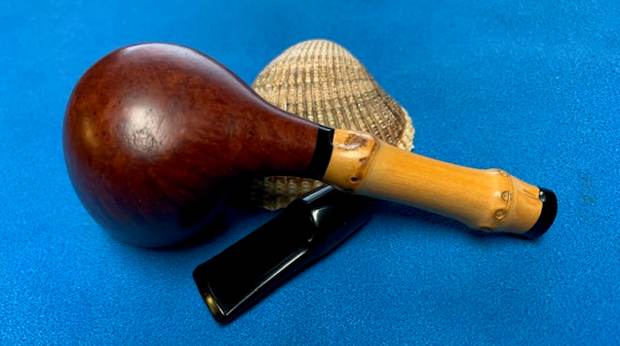
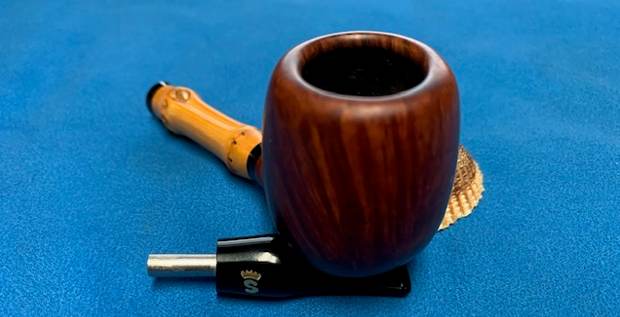
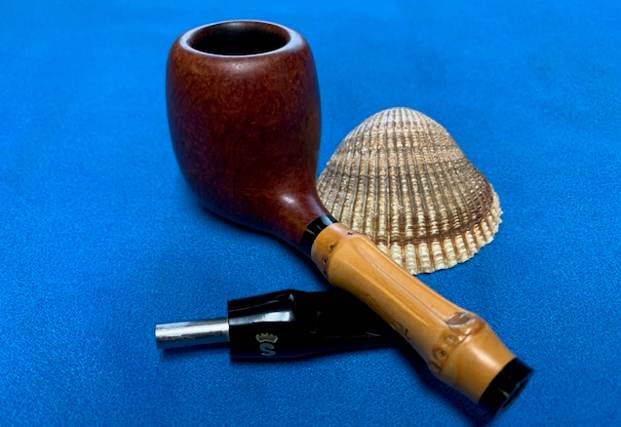
Restoring a Stanwell Bamboo Apple


Blog by Steve Laug

This rainy evening here in Vancouver I decided to work on was another one that was purchased on 11/14/2022 in a lot of pipes that came to us from Copenhagen, Denmark  It included a group of Stanwell Bamboo pipe that are quite beautiful, combining a briar bowl, a bamboo shank and a an acrylic stem. The grain around the bowl and shank has a mix of straight and flame grain. The pipe is stamped on the left side of the bamboo and reads STANWELL. The pipe was a well used pipe when Jeff received it. There was dust and grime ground into the finish. The mixture of brown stains highlights some beautiful grain under the dirt. The bowl was heavily caked and there was an overflow of lava on the rim top. The inner edge was hard to see clearly and the lava could easily be hiding damage. The stem is acrylic and was dirty with light tooth marks and chatter on both sides ahead of the button and on the button itself. There is a brass/gold crown S logo inlaid on the left side of the saddle stem. Jeff took photos of the pipe before he started his clean up work on it. He took photos of the bowl and rim top to show what they looked like before his clean up. He also took some of the stem to show the condition of both sides. The photos of the sides and heel of the bowl show the uniquely stained grain around the bowl and shank. The mixture of black and brown stains adds depth finish on the pipe. Even under the grime it is a real beauty. The two knuckle bamboo has a nice patina on it and will only get better with time. The stamping on the left side the bamboo is shown in the photo below. It is clear and readable as noted above. The second photo shows the gold crown S on the stem side.  Before I started my work on the pipe I wanted to see if I could find any information that would help me date this pipe and get a sense of the line. I turned to Pipephil to get a quick review of the brand (http://pipephil.eu/logos/en/logo-stanwell.html). The Brass Crowned S inlaid logo on the stem is shown in the photo below. I have included a screen capture of the brand info there.I then turned to Pipedia (https://pipedia.org/wiki/Stanwell) for more information. The article is great and gives a lot of history on the brand. There were also links to catalogues at the bottom of the page. I am including a page from a catalogue on the site below that gives a bit of a glimpse into the brand. Here is the link (http://www.axeljeske.de/Pfeifen/Stanwell_Amager.pdf). The catalogue page gives a great description of the Bamboo line. It reads as follows: Top quality bowls perfectly fitted with porous bamboo shanks for casual elegance.

Now it was time to work on the pipe.

Jeff had thoroughly cleaned up the pipe. He reamed the pipe with a PipNet Pipe Reamer and cleaned up the remnants with a Savinelli Fitsall Pipe Knife. He scrubbed the bowl with undiluted Murphy’s Oil Soap with a tooth brush. He rinsed it under running warm water to remove the soap and grime. He cleaned out the inside of the shank and the airway in the stem with alcohol, cotton swabs and pipe cleaners. He scrubbed the exterior of the stem with Soft Scrub to remove the grime and calcification. He soaked the stem in Before & After Deoxidizer and rinsed it off with warm water. The pipe looked very good when it arrived here in Vancouver. I took close up photos of the bowl, rim and the stem. You can see the darkening and scratches on rim top and edges. The bowl is quite clean inside. The stem is in good condition with light tooth marks and some chatter as noted above.I took photo of the stamping on the left side of the shank. It is readable as noted above. I removed the stem from the shank and took a photo to give a sense of the proportions of the pipe.I started my work on the pipe working on the damage to the inner edge and the rim top with a folded piece of 220 grit sandpaper to bring the edge back into round and it looked much better.I polished the briar with micromesh sanding pads – dry sanding with 1500-12000 grit pads. I wiped the bowl down after each  pad to remove the grit. The bowl began to take on a rich shine. It is a beauty.   I rubbed the bowl down with Before & After Restoration Balm. I worked it into the briar with my finger tips. I let it sit for 10 minutes and the Balm did its magic. It enlivens, cleans and preserves the briar. It certainly brought this bowl back to life. I buffed it off with a clean cloth and took the following photos. I set the bowl aside and turned my attention to the stem. I was able to polish out the light tooth marks and chatter with micromesh sanding pads – 1500-12000 grit pads. I wiped it down with a damp cloth after each sanding pad. I used Before & After Pipe Polish – both Fine and Extra Fine to further polish the stem. This Stanwell Bamboo Apple with an acrylic saddle stem is a great looking pipe now that it has been restored. The beautiful finish really highlights the grain and the polished finish is stunning. I put the stem back on the bowl and carefully buffed the pipe with Blue Diamond on the buffing wheel. I gave the bowl and the stem multiple coats of carnauba wax on the buffing wheel and followed that by buffing the entire pipe with a clean buffing pad. I hand buffed the pipe with a microfiber cloth to deepen the shine. The finished Stanwell Bamboo Apple fits nicely in the hand and feels great. Give the finished pipe a look in the photos below. The dimensions of the pipe are Length: 5 ½ inches, Height: 1 ½ inches, Outside diameter of the bowl: 1 1/8 inches, Chamber diameter: ¾ of an inch. The weight of the pipe is 34 grams / 1.20 ounces. I will be adding the pipe to the Danish Pipe Makers Section of the rebornpipes store. If you are interested in purchasing this pipe send me a message or an email. Thanks for reading this blog and my reflections on the pipe while I worked on it.
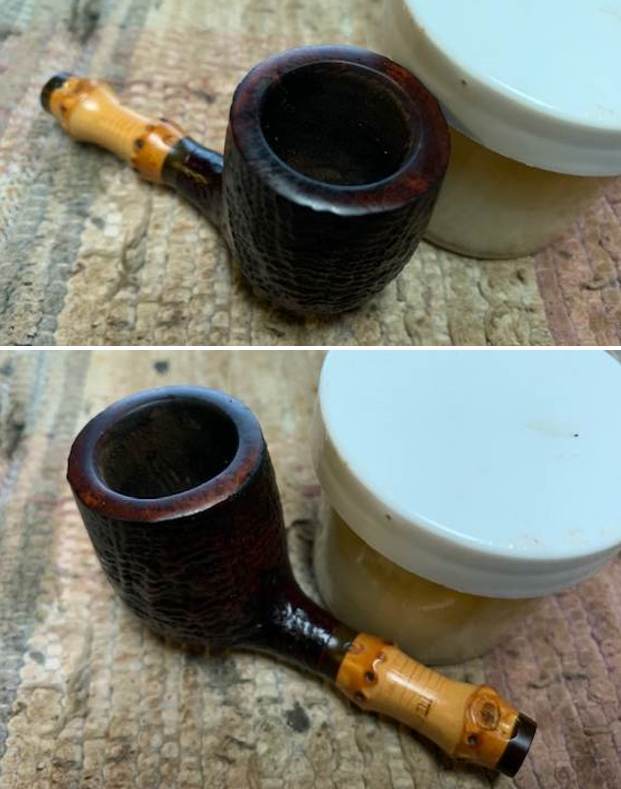
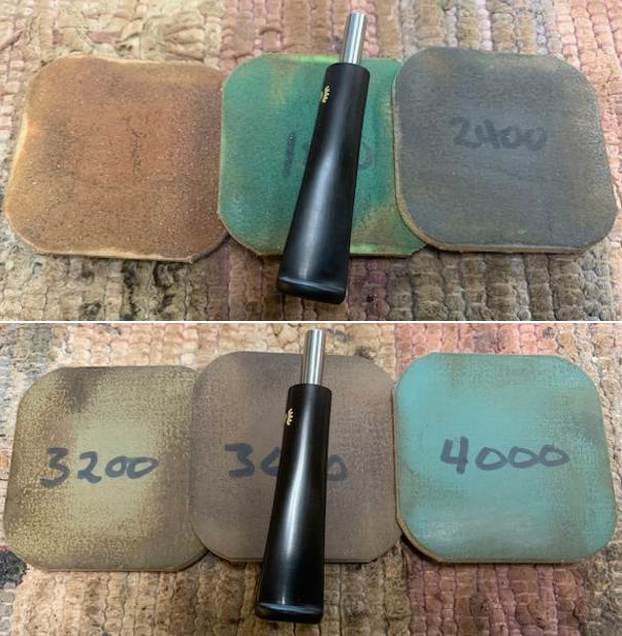
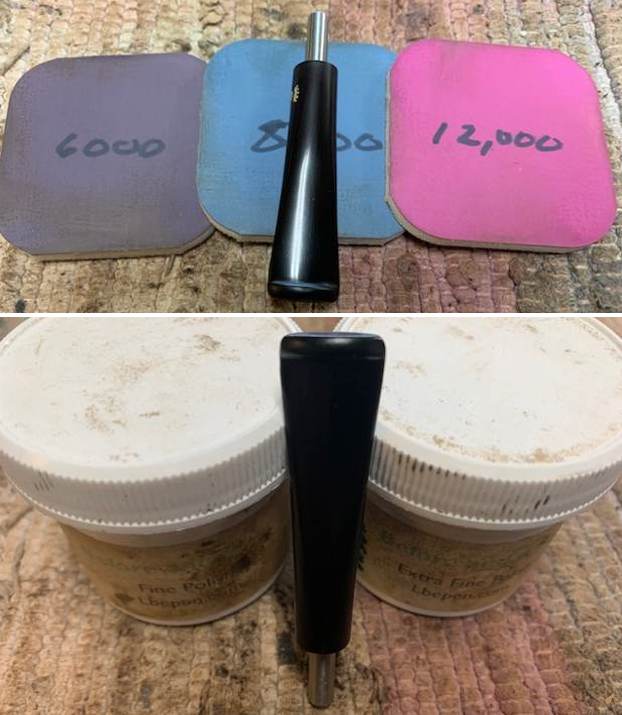
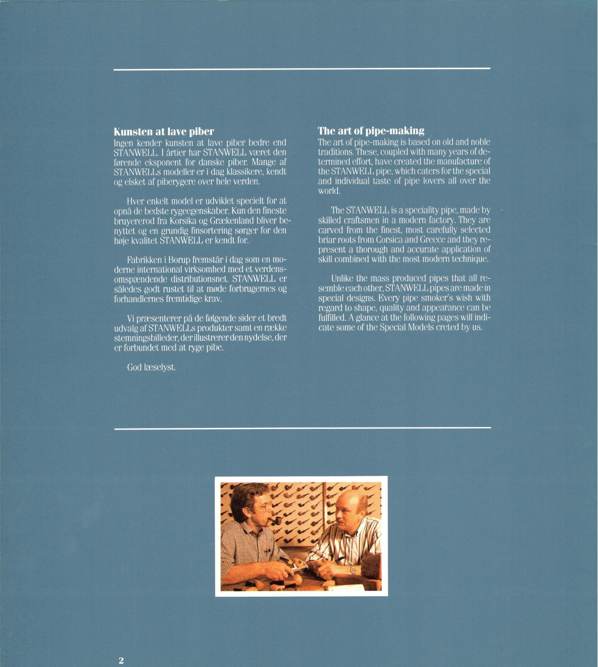
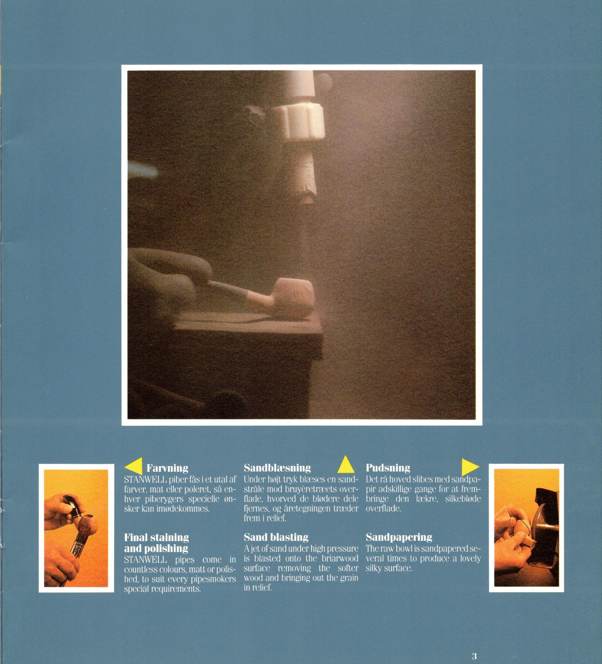
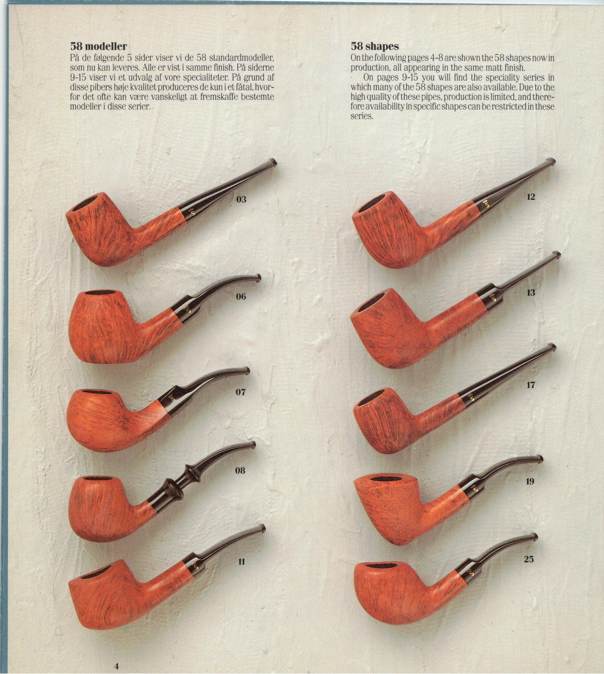
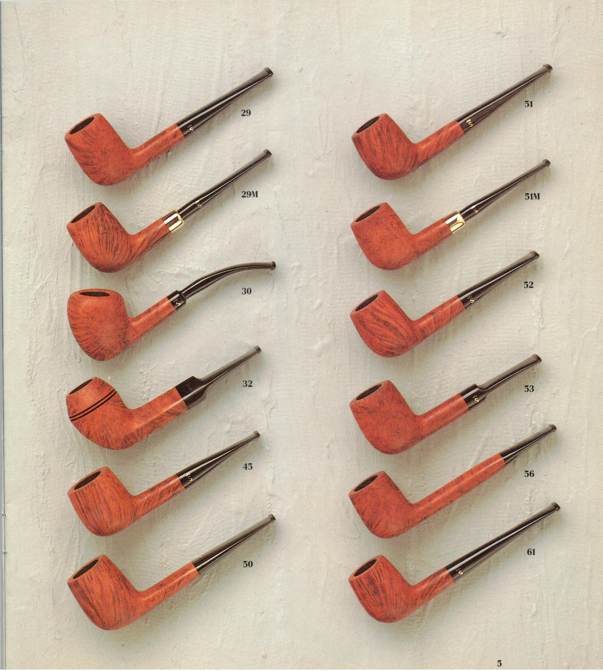
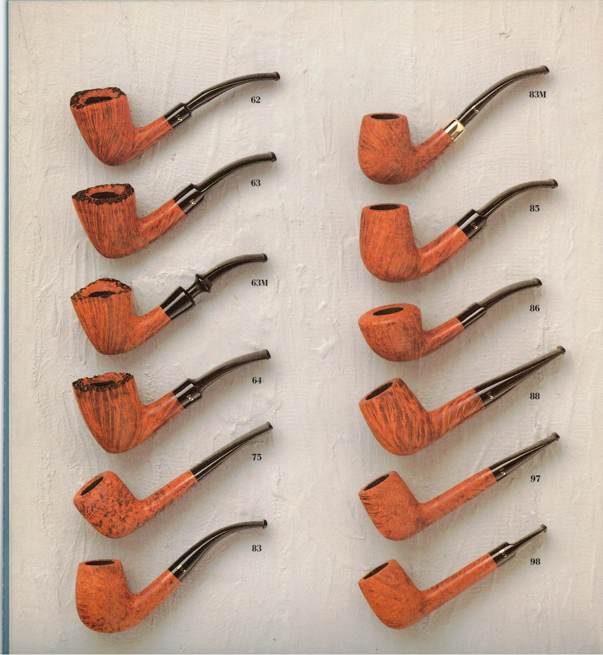
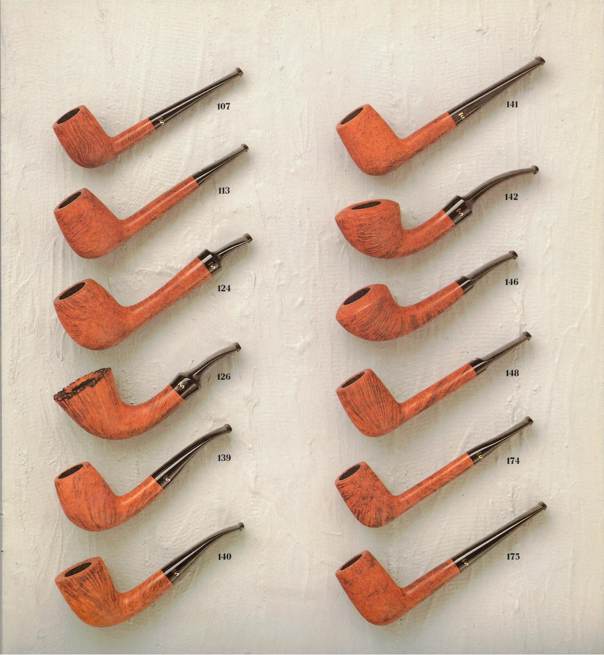
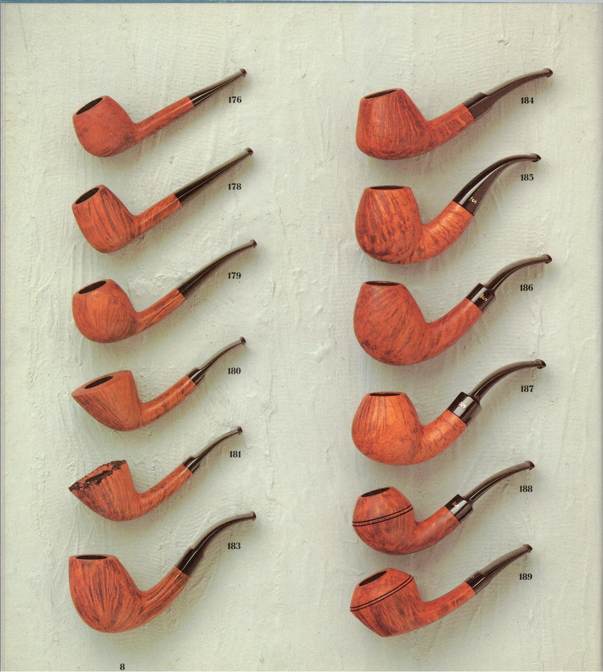
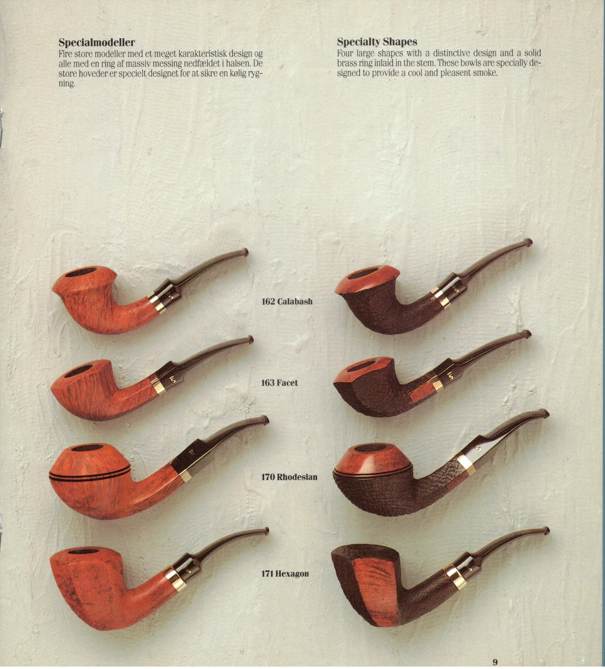
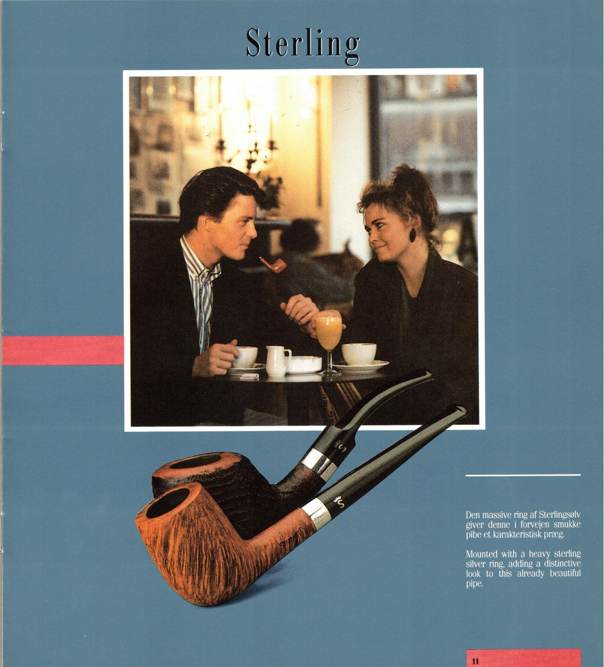
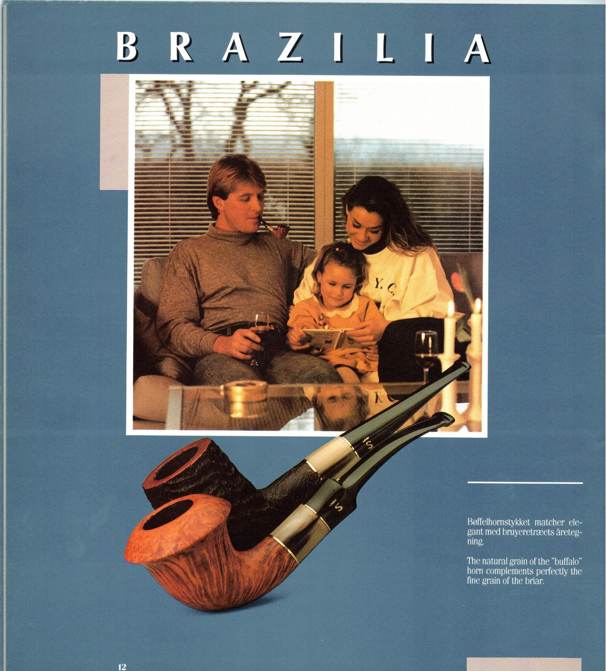
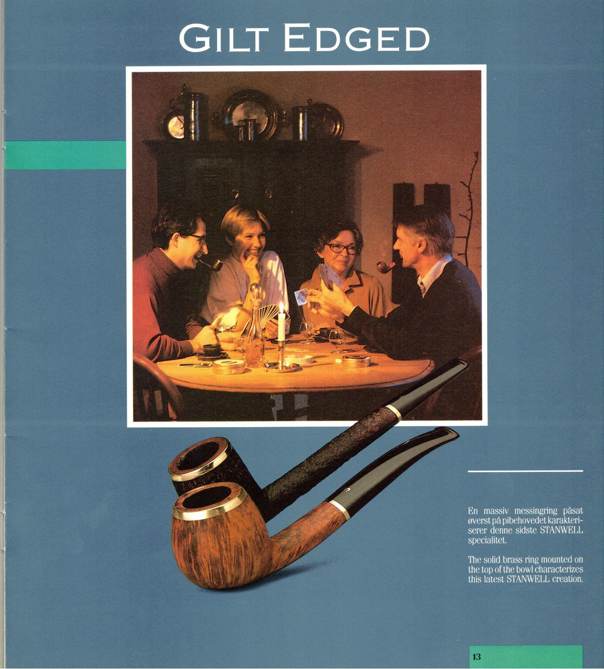
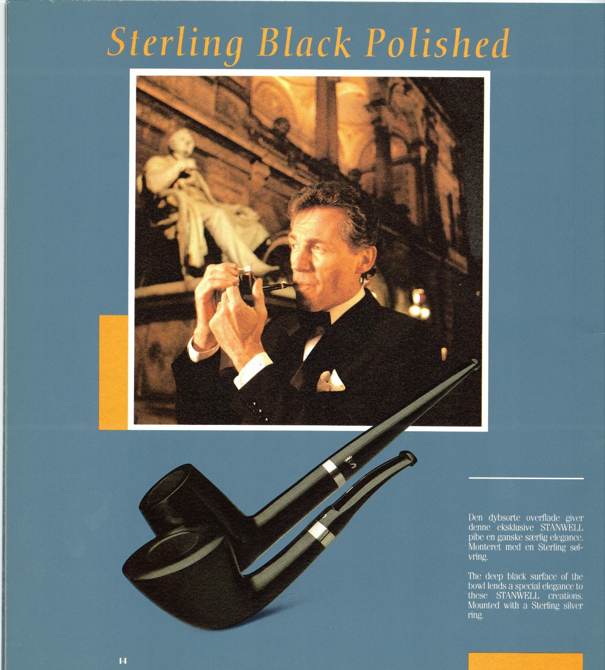
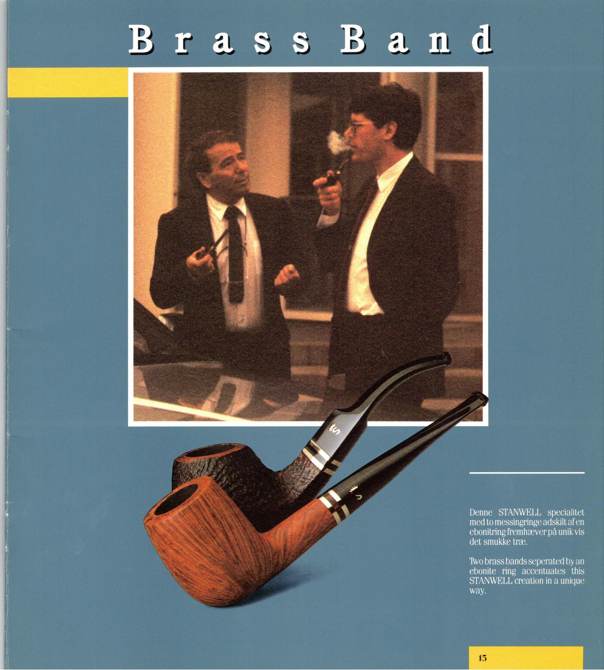
A Stanwell Catalogue with a great shape guide


The next catalogue I scanned was this beautiful Stanwell Pipe Catalogue. It is beautifully laid out and designed with lots of photos and colour. But the shape guide through out the book is priceless to me. I thought I would share it with you all.

Replacing a Shattered Shank Extension Stanwell 643 Rhodesian


Blog by Steve Laug

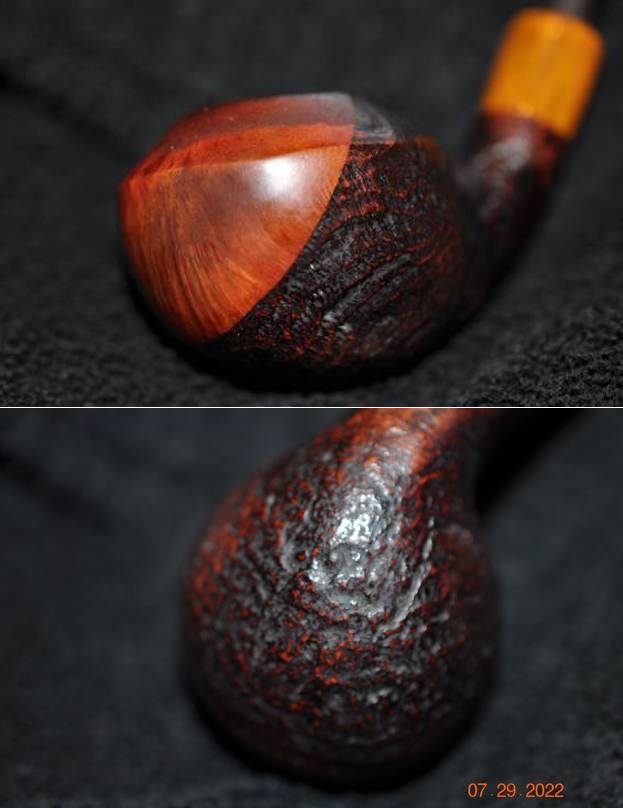
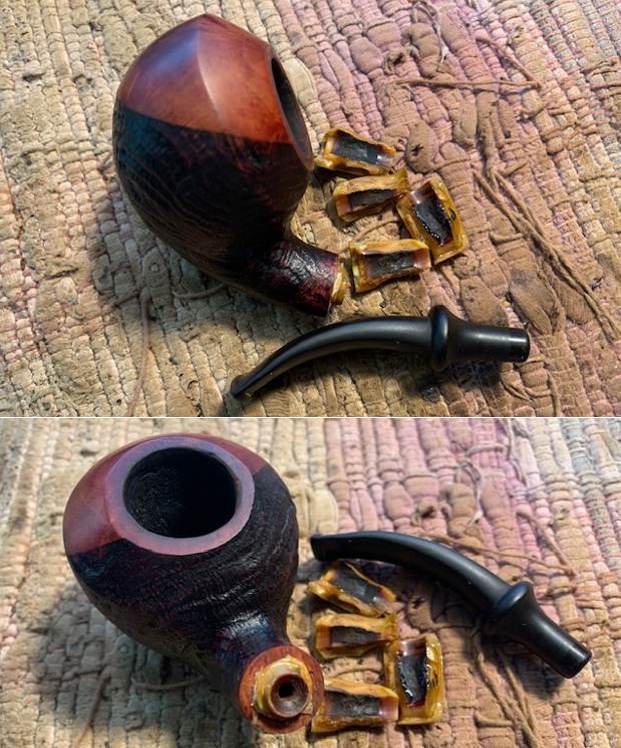
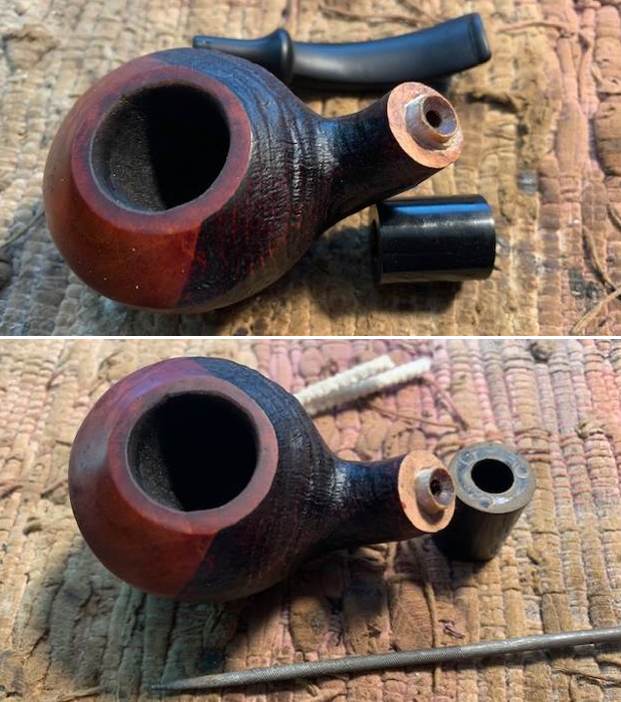
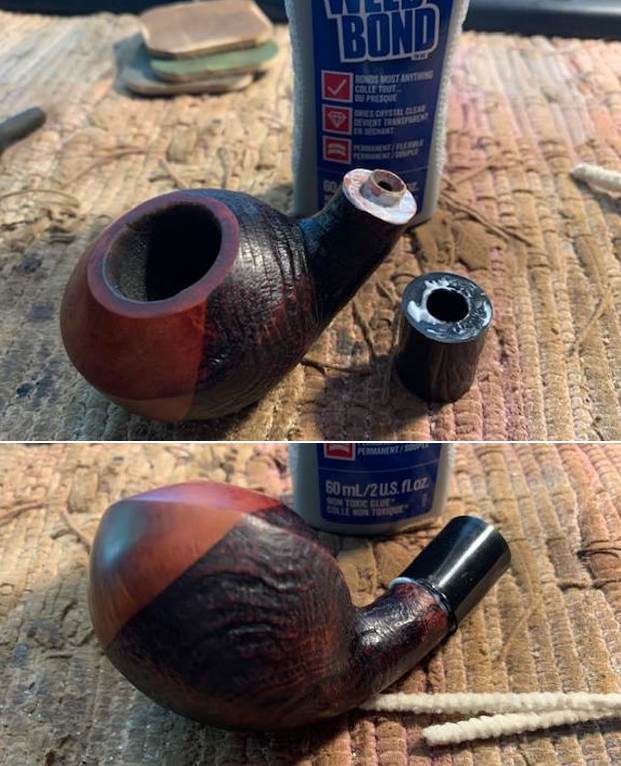
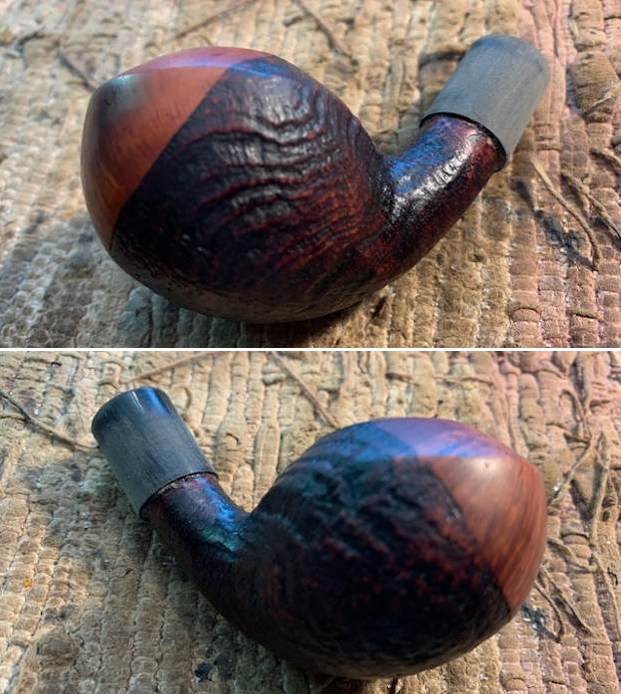
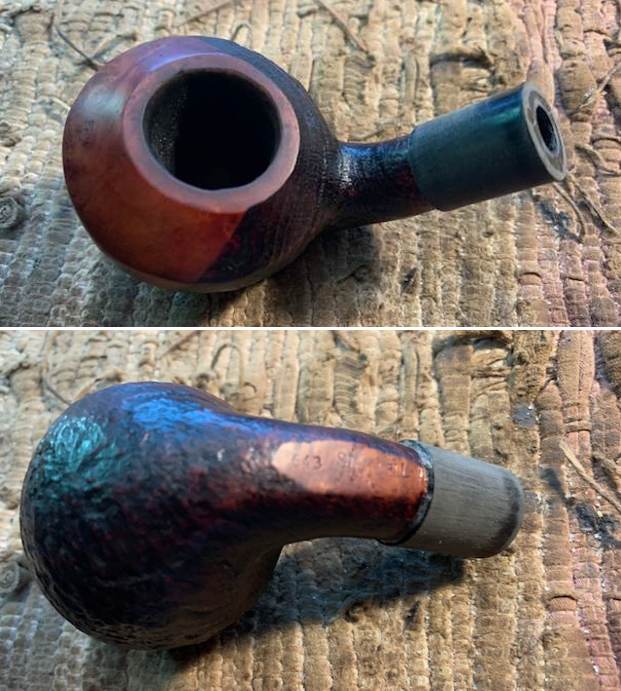
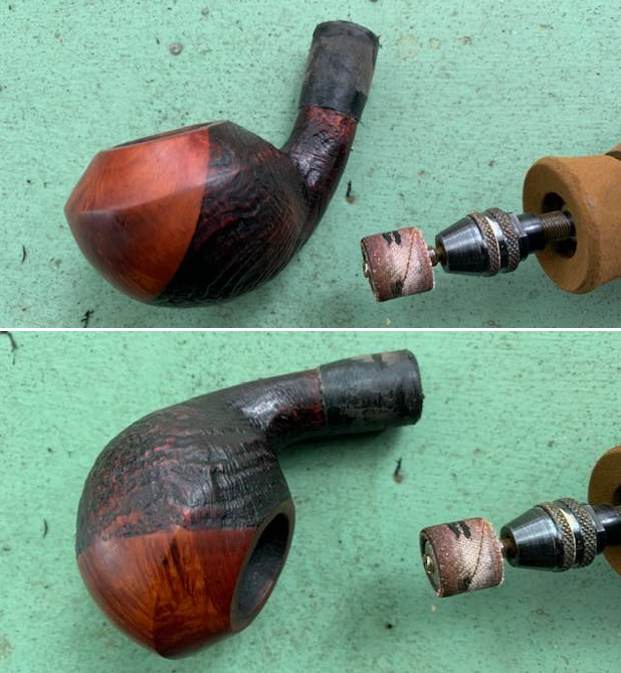
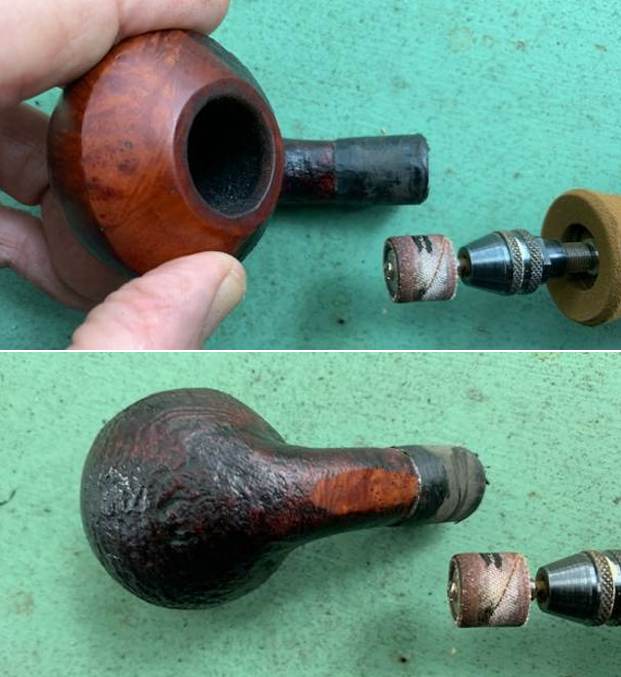
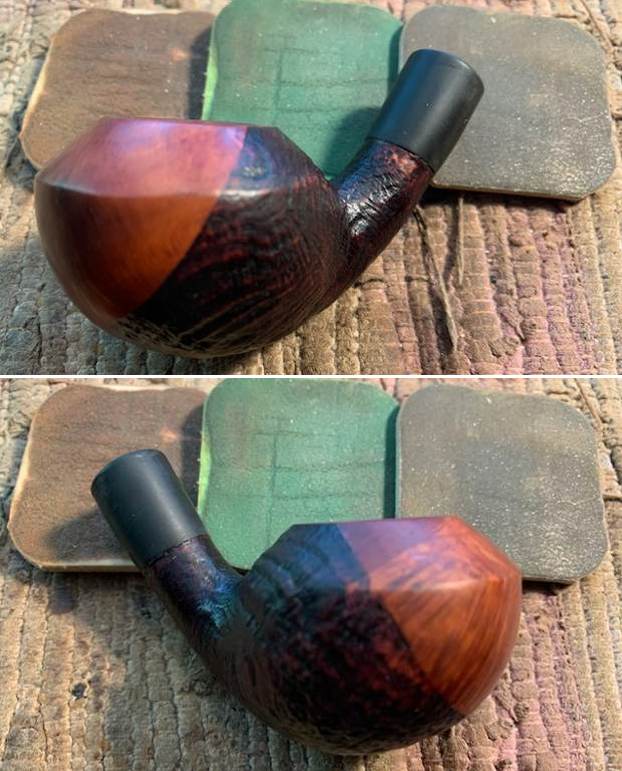
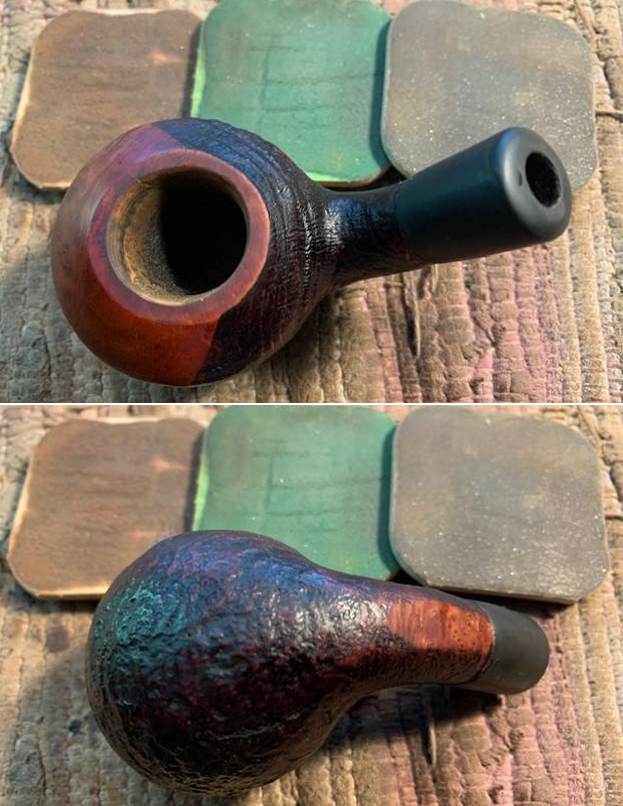
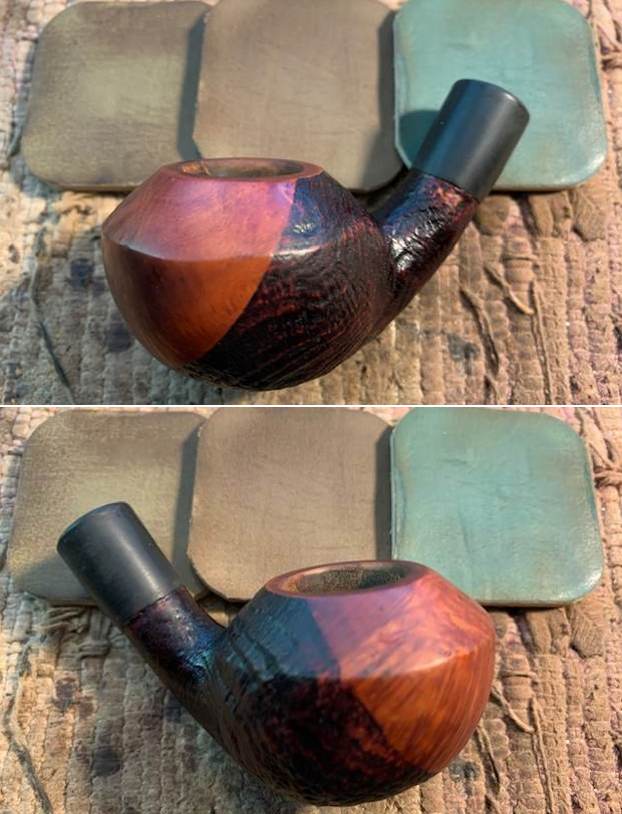
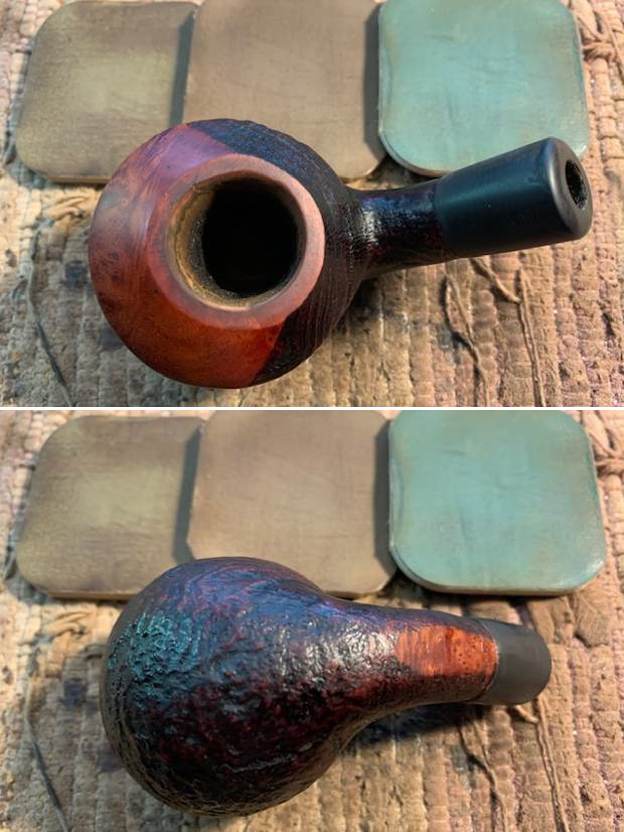
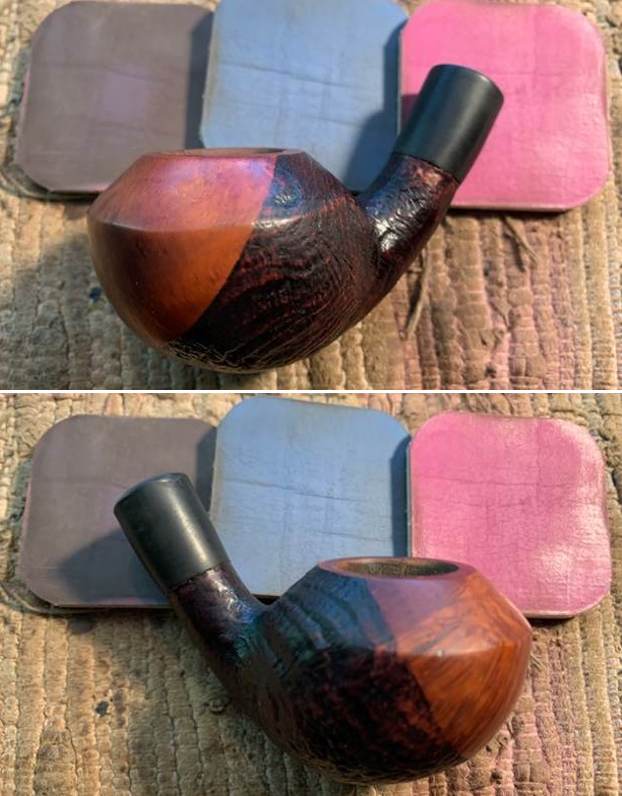
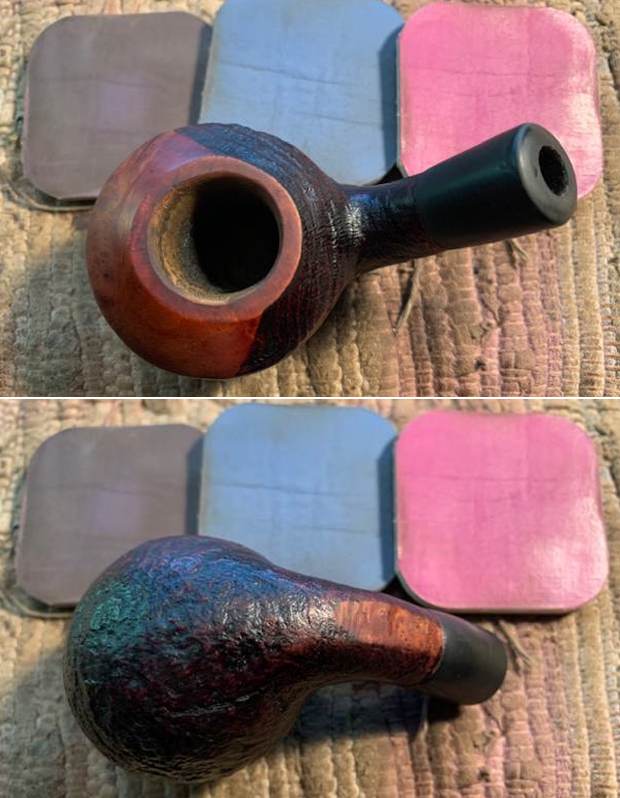
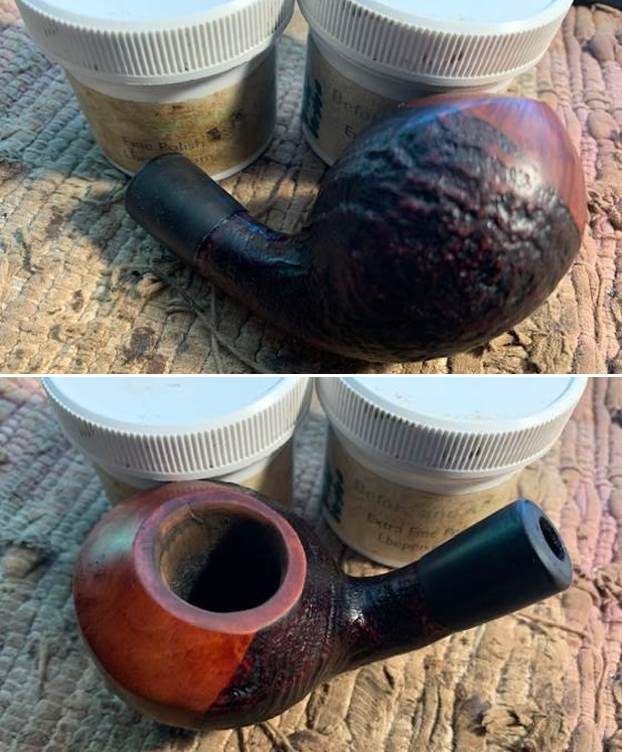
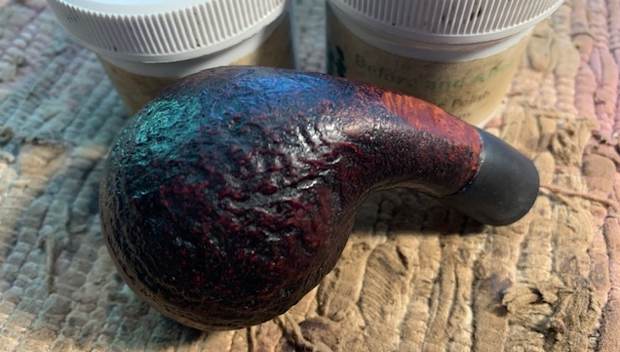
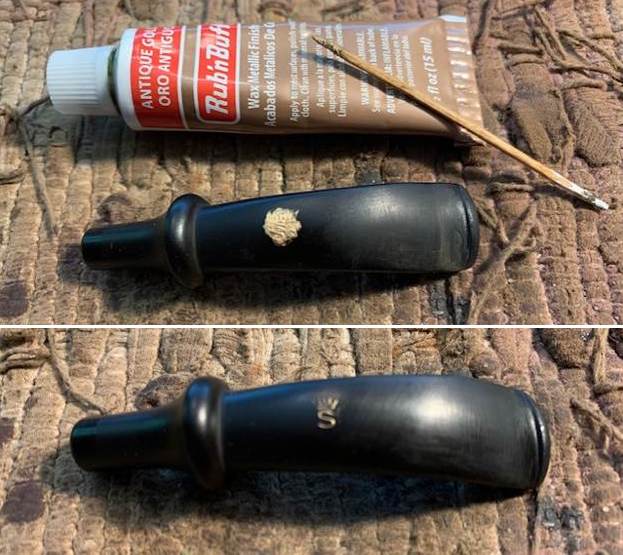
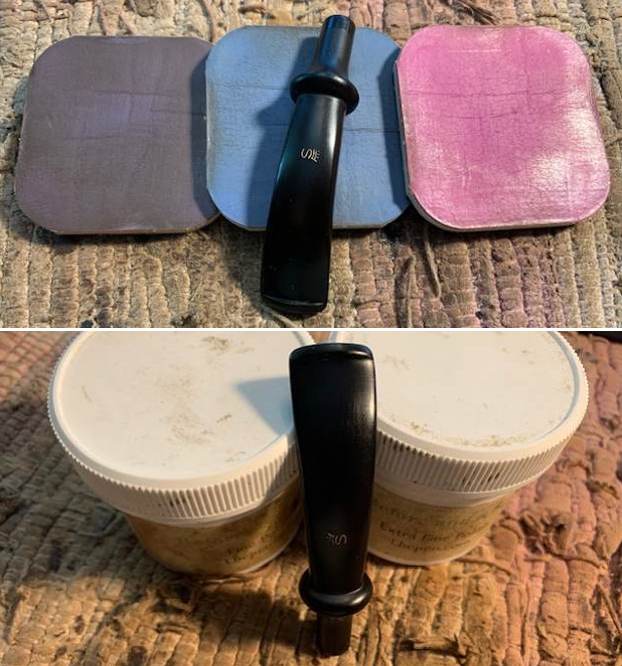
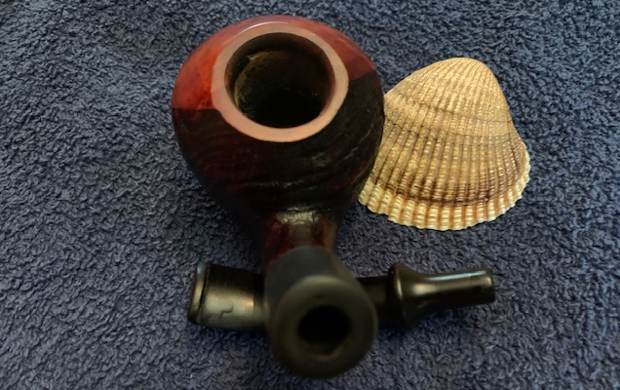
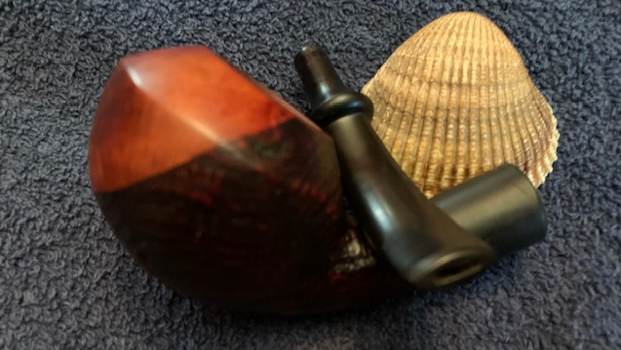
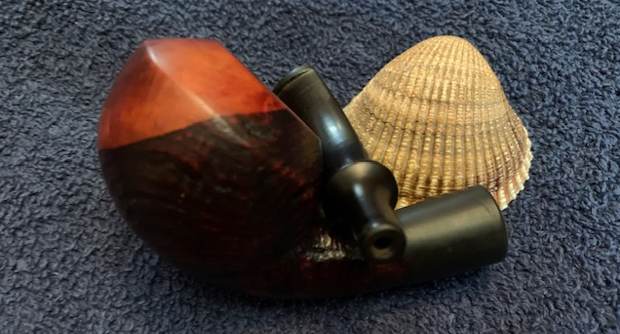
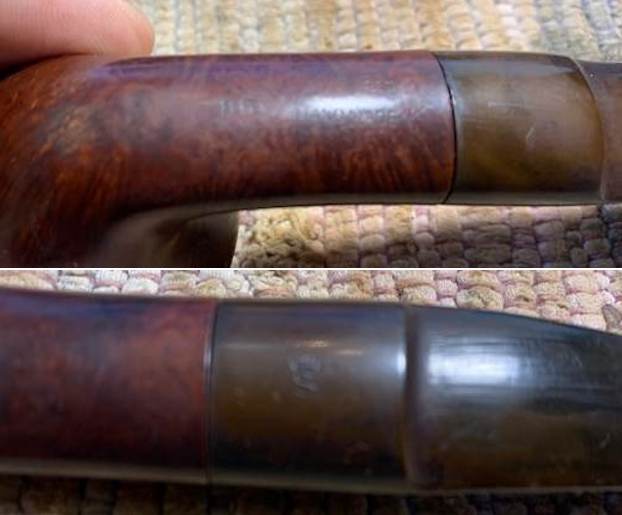
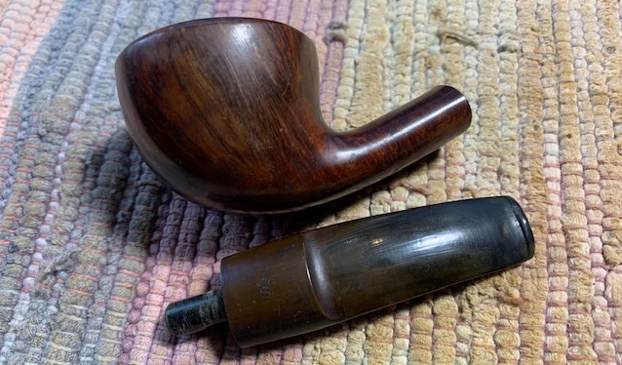
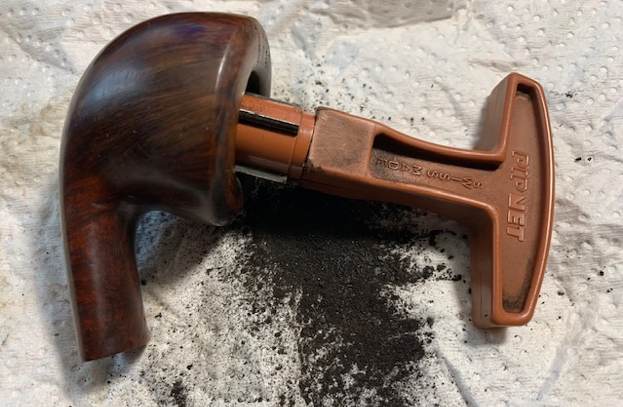
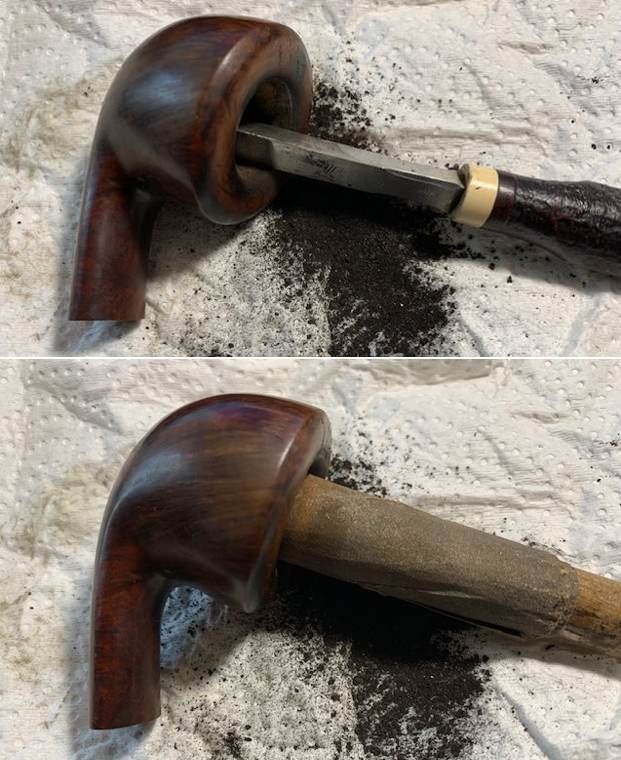
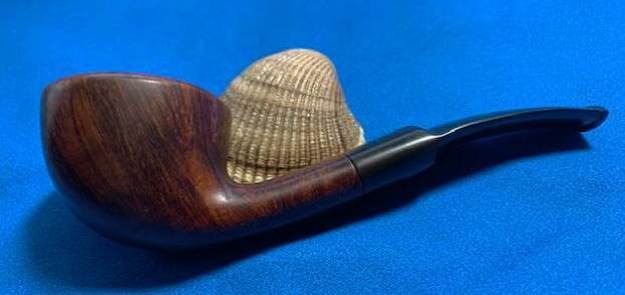
The next pipe really caught our attention with the variegated finish on the bowl – both smooth and sandblast. The orange/apricot acrylic shank extension looked great with the briar. Jeff picked it up from an antique mall on 05/10/22 in Astoria, Oregon, USA. The bowl had some interesting grain on both the smooth portion and the sandblast portion. The straight line transition is sharp and clear. There was a lot of dust and debris in the grooves of the blast and there was a thick cake in the bowl. There was a thick overflow of lava on the rim top and the inner edge of the bowl. The interior of the pipe was filthy with oils and tars. The acrylic shank extension had a lot of cracks and fissures but still appeared to be solid. The stem had a Stanwell Crown S on the top of the saddle. It was oxidized, calcified and had tooth marks and chatter on both sides near the button. The pipe was a real mess but it was also a beauty. Jeff took photos of the pipe before he started his clean up work on it. He took photos of the bowl and rim top as well as the stem to show the general condition of the pipe. You can see the thickness of the cake in the bowl and the lava on the rim top. The bowl and rim are a mess. There is also a lot of grim ground into the finish that is visible in the photos. The stem photos show the oxidation, calcification and the tooth marks on chatter on both sides. He took photos of the sides and heel of the bowl to give a sense of the finish and shape of the bowl. It is an interesting ¾ bent Rhodesian if held right and otherwise appears like a scoop. It really has some unique beauty to it. Jeff took photos of the stamping on the underside of the shank and it is clear and readable as noted above. The shank extension has a lot of cracks and fissures that are hard to capture in the photo but they were there and they were problematic.  Jeff had done a great cleanup on the pipe. He reamed the bowl with a PipNet pipe reamer and followed up with a Savinelli Fitsall pipe knife to remove the cake. He scrubbed out the mortise and the airway in the shank and the stem with alcohol, cotton swabs and pipe cleaners. He scrubbed the bowl exterior with a tooth brush and Murphy’s Oil Soap to remove the grime on the finish of the bowl and the lava from the rim top. Upon scrubbing it the shank extension shattered in his hands. It was destroyed and not fixable. He rinsed the bowl under running water. He carefully dried it off with a soft cloth. He cleaned the internals and externals of the stem with alcohol, pipe cleaners and cotton swabs. He soaked the stem in Briarville’s Pipe Stem Deoxidizer and rinsed it off with warm water and cleaned out the airway in the stem with alcohol, pipe cleaners and cotton swabs. I took photos of the pipe as I saw it when I put it on the table. You can see how badly Humpty Dumpty had come apart and there was no putting him back together again – no matter how many hands tried. It was going to have to be a replacement.In order to work on the pipe I need to remove the debris around the nub that had held the acrylic shank extension. I used a small file and a knife to scrape away the debris. I used small needle files to flatten the face of the shank and to clean up the edges of the nub. I wiped it down repeatedly with acetone on a cotton pad to remove the glue on the briar. I also went through my box of parts and found a nice black acrylic piece that would work well. It had the same diameter airway in it as the nub and should work well once it is finished. I decided to use WeldBond white all purpose glue to attach the acrylic to the briar nub. I set it aside to dry for 30 minutes. Once glue had set I checked the bond for stability and found that it would not hold well. I redid the glue with a clear CA glue and set it aside to cure. This time the bond was very strong and stable and was ready for the shaping. I used a piece of 220 grit sandpaper to start the process of shaping the shank extension. If I continued to sand it the shaping would take a very long time.   To speed up the process I decided to use a Dremel and sanding drum to shape the acrylic shank extension. I used it to taper the end that sat against the shank and upward to the shank end. It was looking good when I finished with the Dremel. I sanded out the Dremel sanding marks on the acrylic with220 grit sandpaper. I continued the shaping of the extension to flow smoothly from the shank end. The shape was what I was aiming for when I started the process. I put the stem on the shank and took some photos of the pipe with the newly shaped shank extension. I liked what I was seeing. Before I started polishing the shank end I used a folded piece of 220 grit sandpaper to smooth out the damage on the inside of the rim edge. Once I was finished it looked much better.I polished the smooth portion of the briar and the acrylic shank extension with micromesh sanding pads. I dry sanded both with1500-12000 grit sanding pads and wiped the sanded portions with a damp cloth to remove the sanding debris.   I polished the acrylic shank extension with Before & After Stem Polish (Fine and Extra Fine). I buffed it with a soft cloth after each of the polishes and the acrylic began to take on a shine. I rubbed the bowl and shank down with Before & After Restoration Balm. I worked it into the surface of the bowl sides and shank with my fingertips and a horsehair shoe brush to clean, enliven and protect the briar. I let the balm sit for 10 minutes, then buffed with a cotton cloth to raise the shine. The Balm did its magic and the grain stood out on the briar. I set the bowl aside and turned my attention to the stem. I “painted” the surface of the stem on both sides with the flame of a Bic Lighter to lift some of the tooth marks and chatter. I was able to lift some of them but there were several deep ones on each side available. I filled in those that remained with some clear CA glue. Once the repair cured I sanded the repair smooth with 220 grit sandpaper to blend it into the surface. I stated the polishing process with 400 grit sandpaper.I touched up the Stanwell logo Crown S on the top of the stem with some Rub’n Buff Antique Gold. I worked it into the logo with a tooth pick. I let it sit for a few minutes and then buffed it off with a soft cloth. I worked over the stamp with a won 1500 grit micromesh pad and the stamp looked very good.I polished the stem with micromesh sanding pads – 1500-12000 grit pads. I wiped it down with Obsidian Oil after each sanding pad. I finished the polishing with Before & After Polishes – both Fine and Extra Fine. I gave it a final rub down with Obsidian Oil and set it aside to dry. This Stanwell Sandblast/Smooth Mixed Finish Bent Rhodesian with a replacement acrylic shank extension and vulcanite saddle stem is a beautifully grained pipe with a flowing shape that looks great . The rich browns, reds and blacks of the contrasting stain makes the grain come alive with the polishing and waxing. I put the stem back on the bowl and carefully buffed the pipe with Blue Diamond on the buffing wheel using a light touch on the briar. I gave the bowl and the stem multiple coats of carnauba wax on the buffing wheel and followed that by buffing the entire pipe with a clean buffing pad. I hand buffed the pipe with a microfiber cloth to deepen the shine. The finished Stanwell Bent Rhodesian really is a beauty and fits nicely in the hand and looks very good. Give the finished pipe a look in the photos below. The dimensions of the pipe are Length: 5 ½ inches, Height: 1 ½ inches, Outside diameter of the bowl: 1 ¼ inch, Chamber diameter: ¾ of an inch. The weight of the pipe is 2.08 ounces/59 grams. This pipe will soon be on the Danish Pipe Makers Section of the rebornpipes store if you would like to add it to your collection. It was an enjoyable challenge. Thanks for reading this blog and my reflections on the pipe while I worked on it.

Reviving a Lovely Stanwell Liverpool


by Kenneth Lieblich

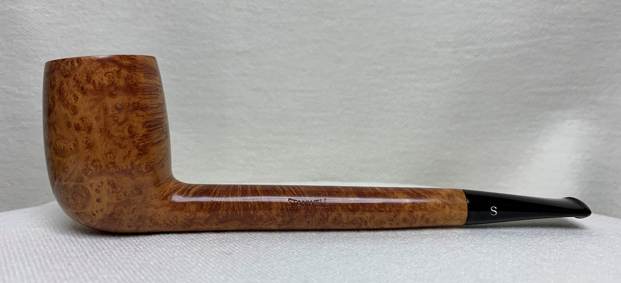
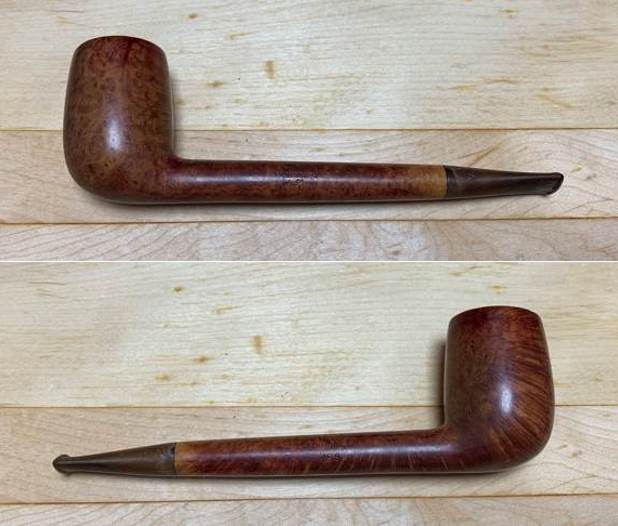
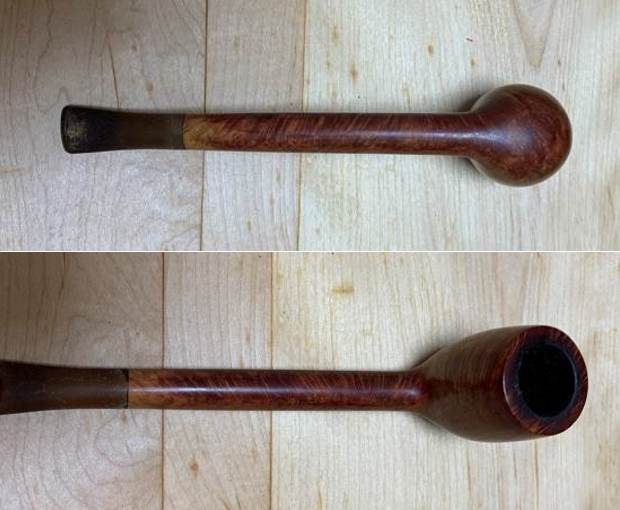
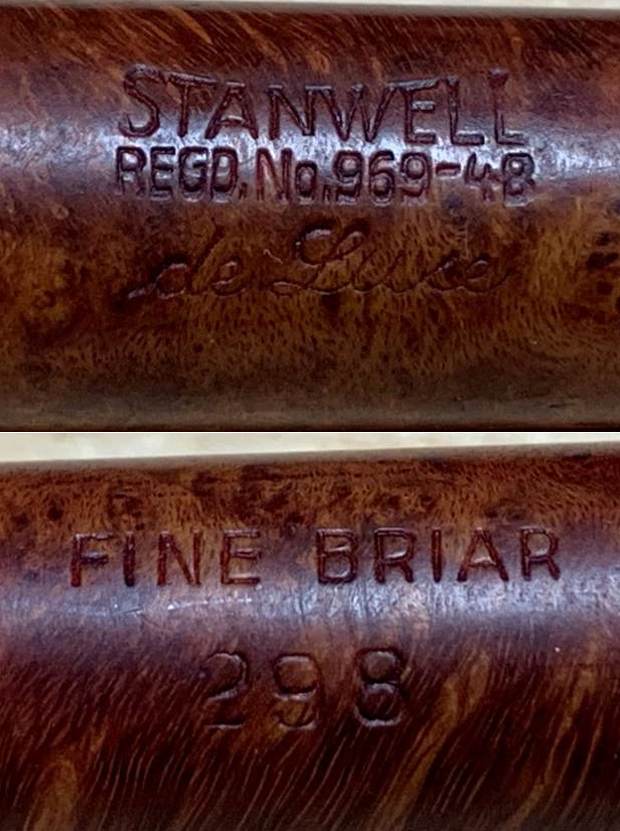
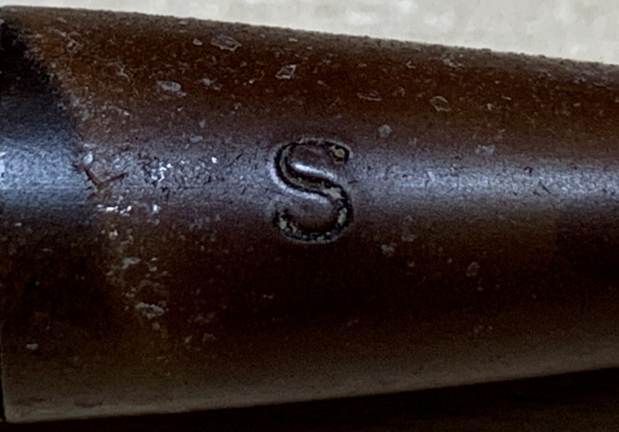
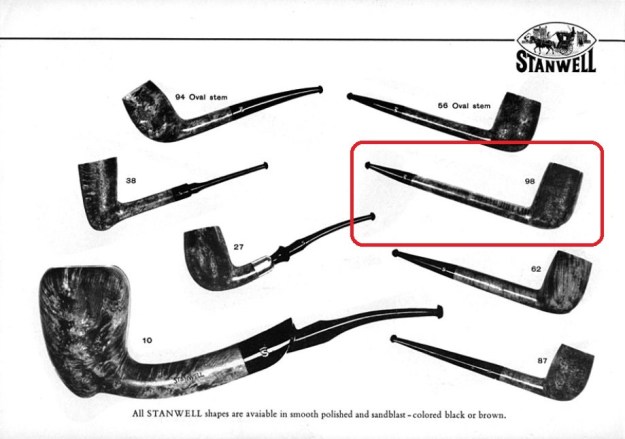
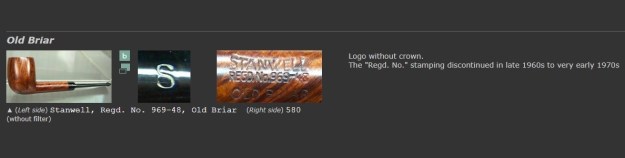
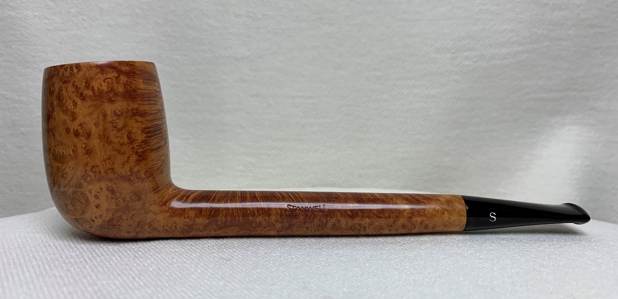
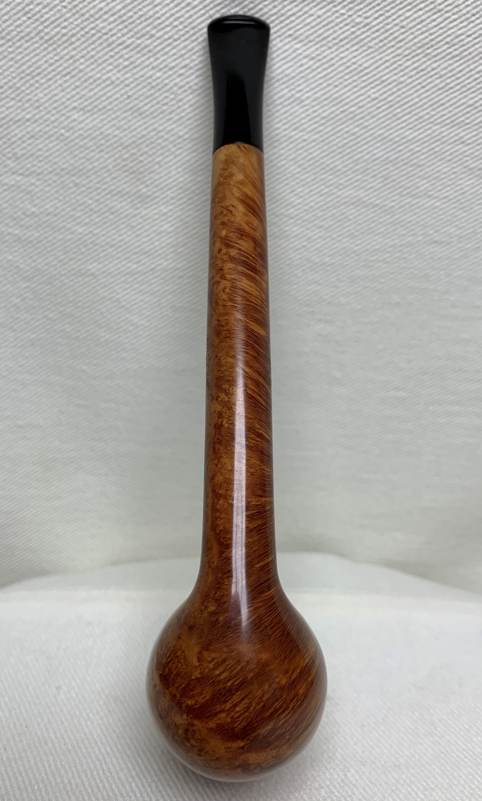
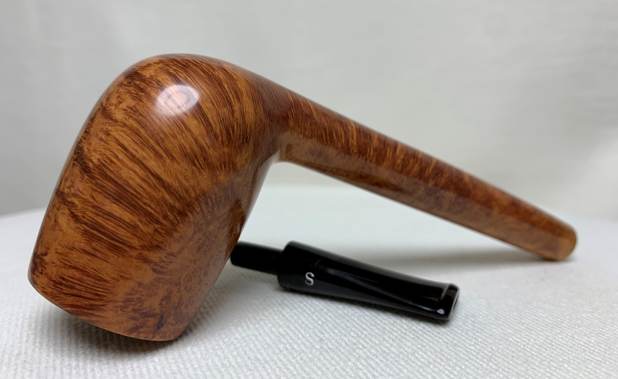
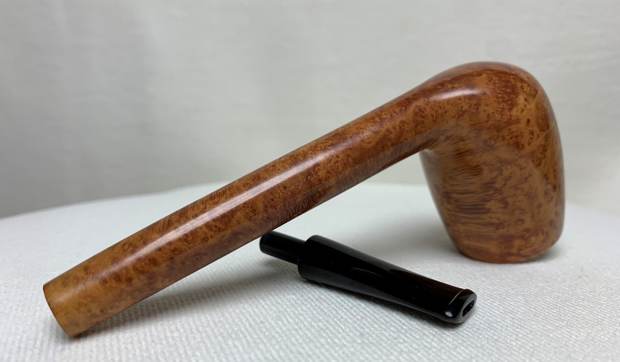
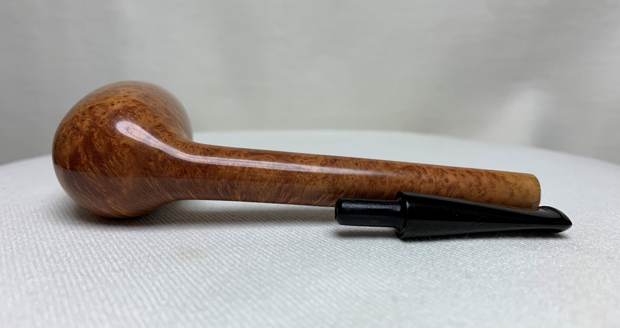
Next on the chopping block is beautiful Danish pipe from Stanwell. I acquired it locally from the estate of an old boy who kept a lovely collection of pipes. The shape of this pipe is a Liverpool – a member of the Canadian pipe family. For some reason, the Liverpool is far less common than the Canadian. Both types have a shank length 1½ to 2 times the height of the bowl. The difference between the two is as follows: the Canadian has an oval-shaped shank whereas the Liverpool has a round-shaped shank. This Stanwell Liverpool is so charming that I was tempted to keep for myself, but, as a life-long Manchester United fan, I cannot have anything named Liverpool in my home!   As I mentioned, this is a Stanwell de Luxe 298 Liverpool. It has beautiful briar from the bowl all the way down the long shank to a short-but-elegant stem. The left side of the shank reads Stanwell [over] Regd. No. 969-48 [over] de Luxe. The right side of the shank reads Fine Briar [over] 298. Finally, the stem’s left side also has the trademark S of the Stanwell company. Of course, 298 refers to the model number and I went to check the list of Stanwell shapes, here on Reborn Pipes. There was no 298 on this list. Hmm. Well, I did find some images from an old Stanwell catalogue (rather vaguely dated as 1960-70). The image below does not mention a shape “298”, but it does show a “98” which looks very similar to the pipe I have. I am assuming that there is a connection.I know from information at Pipephil that the pipe I have is certainly more than 50 years old – and this corresponds to the catalogue above. My pipe has both the “Regd. No.” and the S logo without a crown. This screen capture explains that clearly.Meanwhile, Pipedia has a good amount of information on the Stanwell brand and its history. I certainly recommend looking it over: https://pipedia.org/wiki/Stanwell.

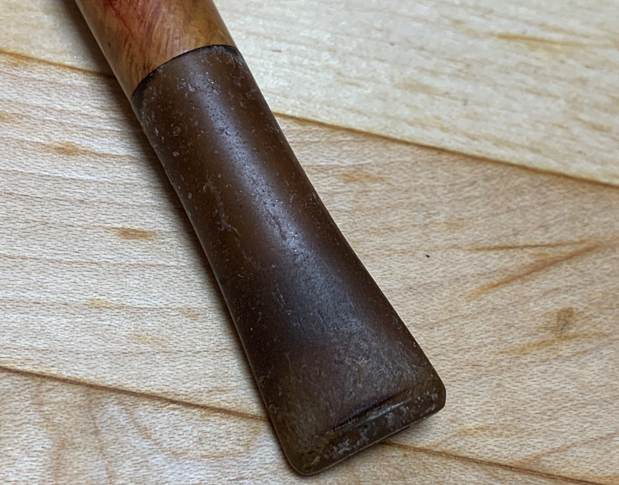
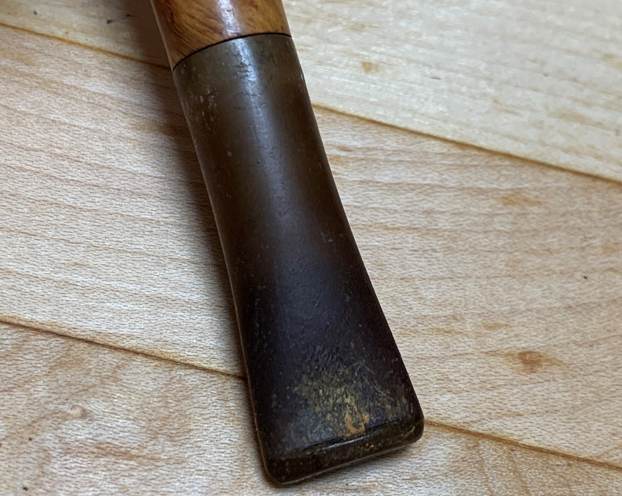
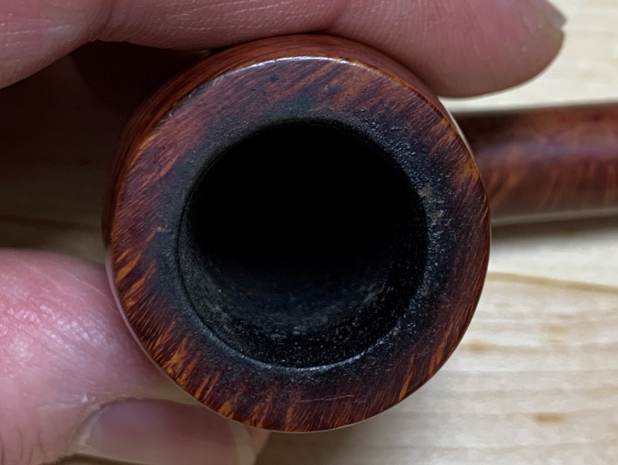
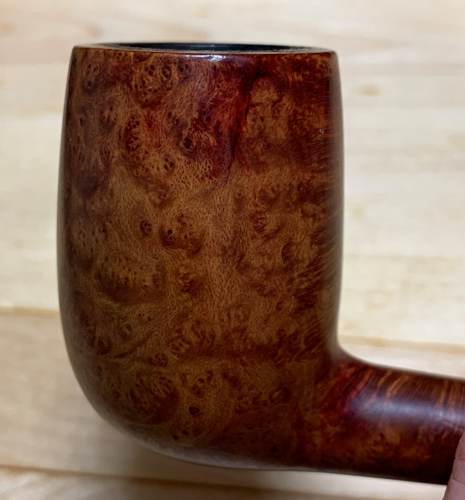
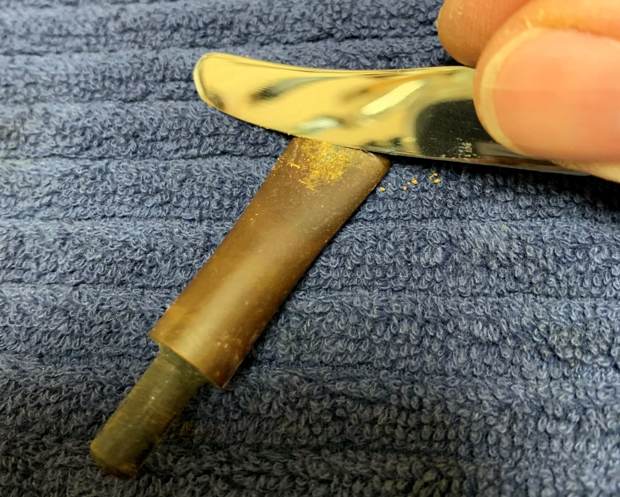
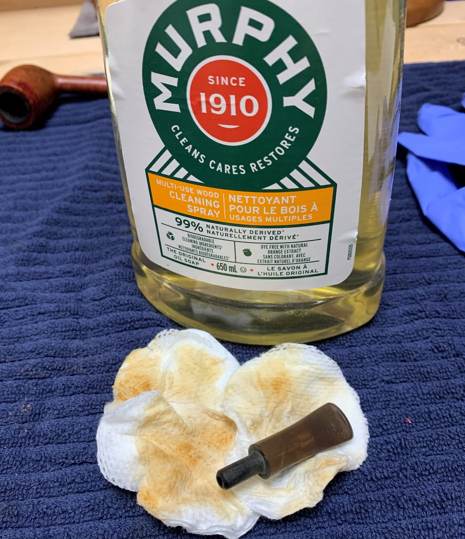
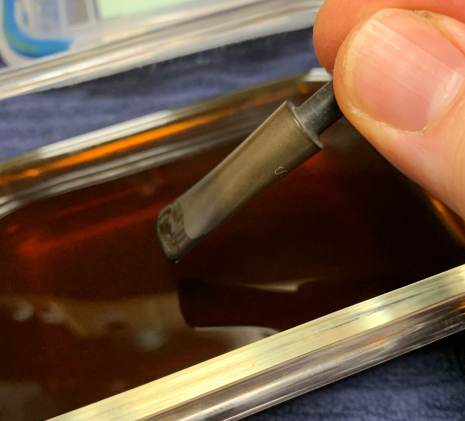
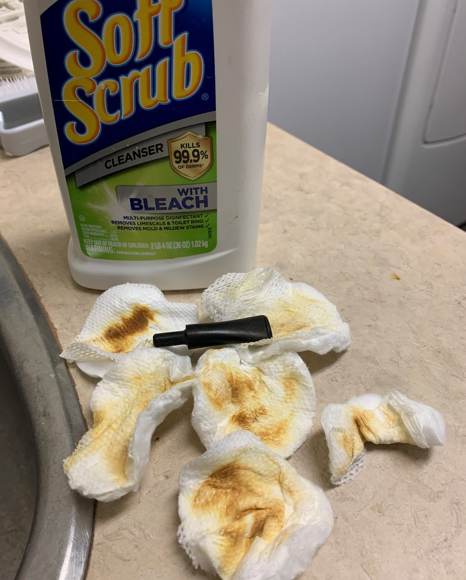
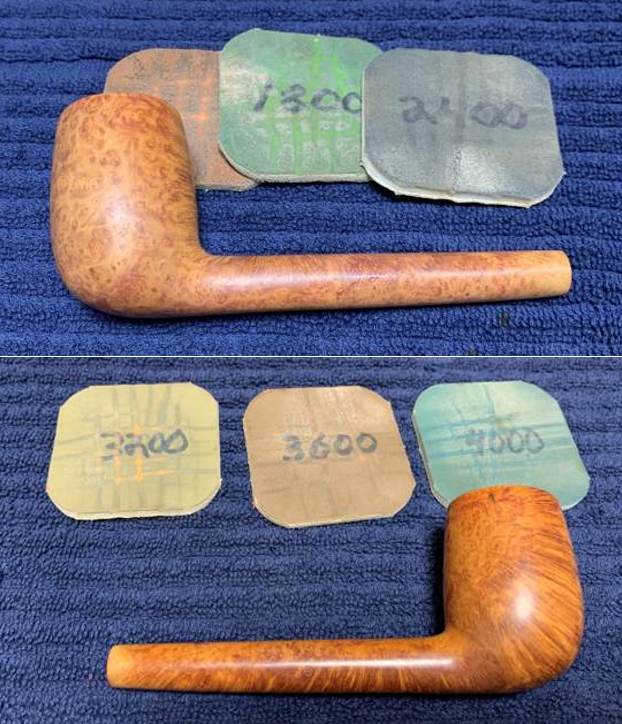
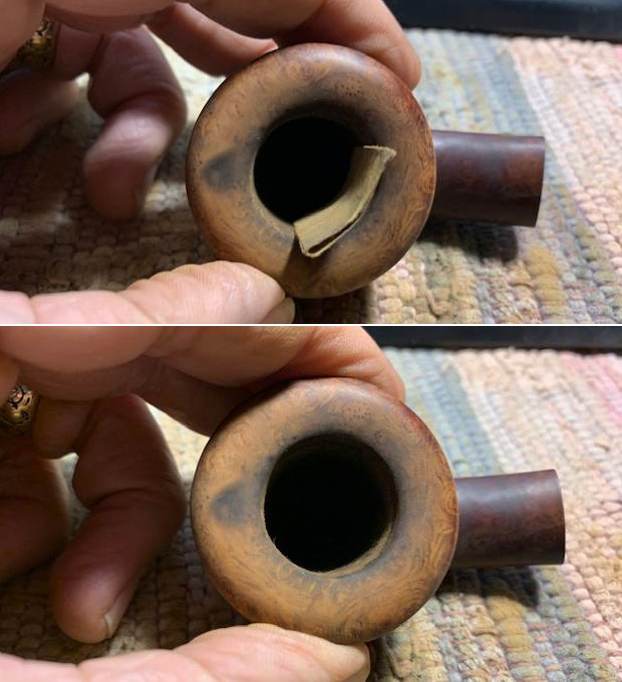
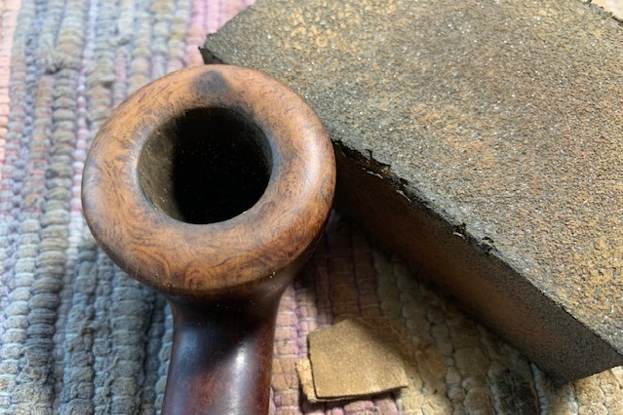
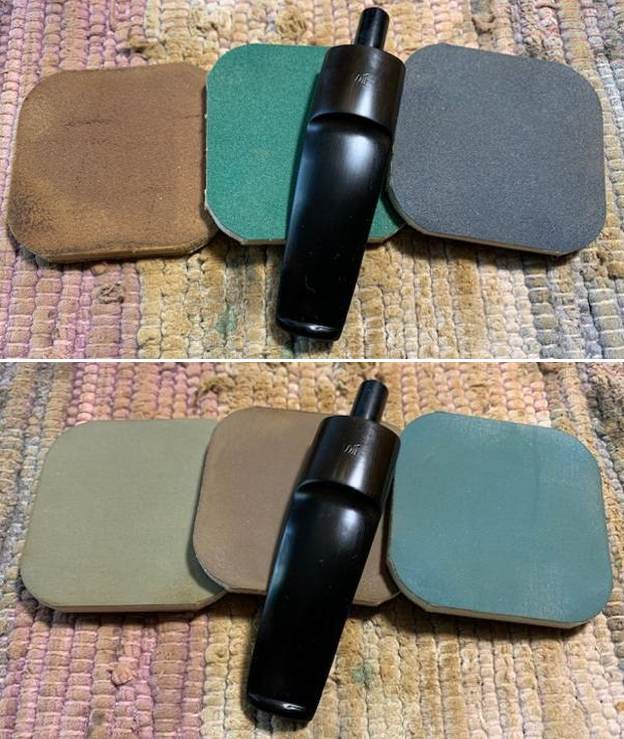
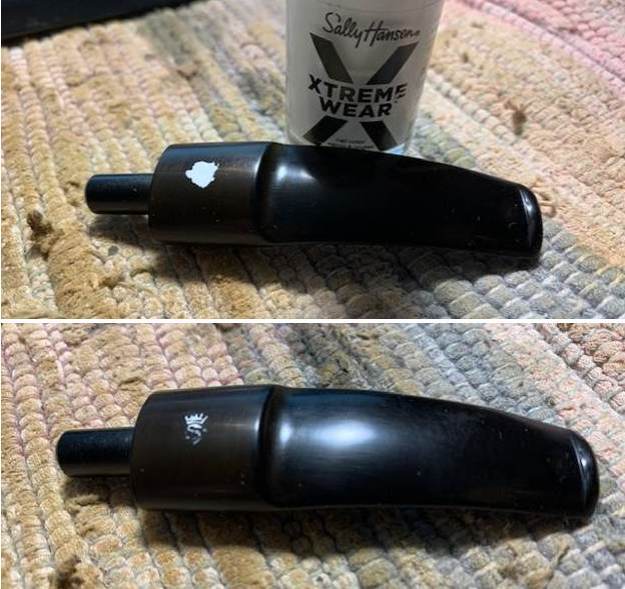
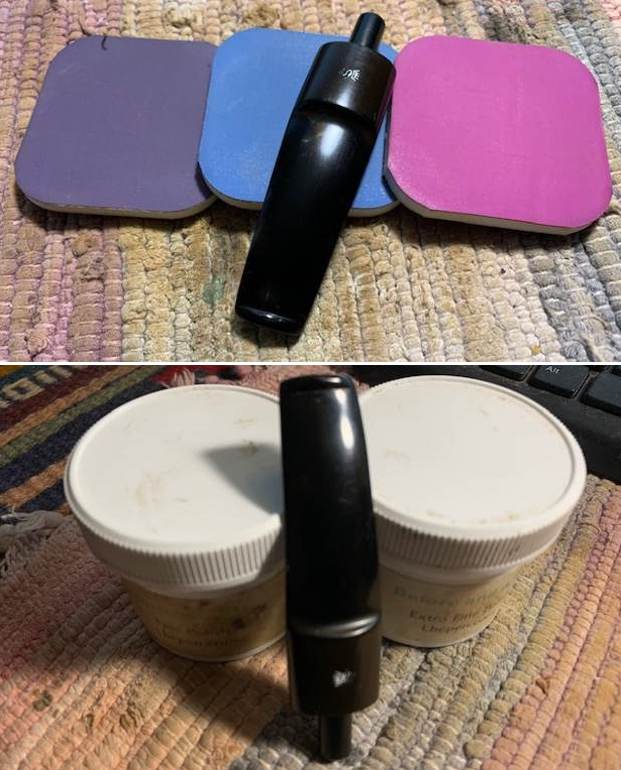
Anyway, this really is a good-looking pipe. No major issues to resolve – just a few minor ones. The stem was dirty, though not too beat up. There were some small scratches and a couple of bite marks, as well as some oxidation and calcification on the vulcanite. The rim on the stummel was blackened and a bit burnt – that would need to be addressed. The insides were fairly dirty and would need some work to clean out. In addition, there was a strange colour to the wood that just wasn’t right. The stem was first on my list. I wiped down the outside of the stem with Murphy’s Oil Soap on some cotton pads. There was enough calcification on the stem that I decided to take a blade and gently scrape it off. I also took a BIC lighter and ‘painted’ the stem with its flame in order to lift the bite marks and dents. Unfortunately, this didn’t really work, but I have ways of sorting this out. Then, I cleaned out the inside with pipe cleaners and isopropyl alcohol. It wasn’t too dirty and only required a few pipe cleaners.I then wiped down the stem with SoftScrub cleaner to remove some surface oxidation. Once this process was done, the stem went for an overnight soak in the Pipe Stem Oxidation Remover. As the name suggests, this liquid removes oxidation, but, more than anything, it helps draw oxidation to the surface of the vulcanite. This allows me to clean the oxidation off in a couple of ways: both by applying a mild abrasive cleaner to the surface, then by sanding the stem.  The next day, I used SoftScrub again with some cotton rounds and, as you can see, more revolting colour came off the stem.The bite marks on and around the button had to be dealt with, so I whipped out my black cyanoacrylate adhesive to fill those in and let them fully cure. After curing, I used some nail polish to restore the letter S on the stem. I painted the area carefully and let it fully set before proceeding.For sanding the adhesive, I used 220- and 400-grit sandpapers to meld seamlessly into the stem.  Then I used a set of nine Micromesh pads (1,500 through 12,000 grit) which gradually erased the ravages of time and brought out the stem’s lovely black lustre. For the last five pads, I also lightly coated the stem with Obsidian Pipe Stem Oil in between each scrubbing. At last, I set the finished stem aside.    Off to work on the stummel! The bowl needed a bit of reaming, so I used the PipNet Reamer to scrape off the built-up cake and I followed that with 220-grit sandpaper taped to a dowel to eliminate as much as possible. Generally, I prefer to sand the chamber down to bare briar. When restoring, it is important to ensure that there is no damage to the briar in the bowl, under the cake. Fortunately, there were no hidden flaws to the briar on this pipe.   I then proceeded to clean out the insides of the shank with Q-tips, pipe cleaners, and lemon-infused isopropyl alcohol. There was a bit of filth inside this stummel and it took a fair amount of cotton to get it clean. I followed that up by cleaning the insides with some dish soap and tube brushes.    I decided to de-ghost the pipe in order to remove any lingering smells of the past. I thrust cotton balls into the bowl and the shank and saturated them with 99% isopropyl alcohol. I let the stummel sit overnight. This caused any remaining oils, tars and smells to leach out into the cotton. The bowl was nice and clean after this. I used cotton rounds and some Murphy’s Oil Soap to scrub the outside of the stummel and a toothbrush with Murphy’s for the lava on the rim of the pipe. With the lava on the rim removed, I could see that the burn marks remained (see the photo below).In order to remove the remaining burns, I “topped” the pipe – that is to say, I gently and evenly sanded down the rim on a piece of 220-grit sandpaper. I enhanced this further by running the same sandpaper along the inside edge of the rim and creating a very subtle (and beautiful) chamfer. This effectively removed the damage, without altering the look of the pipe. This is always a tricky business – I want to find the balance between removing old burns and maintaining as much of the pipe as possible. But I believe that the photos at the end of this blog show that I got the balance right.

As I mentioned earlier, there were some remnants of an oxblood-like stain on the wood. I’m not sure if this was the original colour of the pipe or if it was added later, but – regardless – it didn’t look good at all. I hoped (and expected) that sanding would help this problem. I used all nine Micromesh pads (1,500 through 12,000 grit) on the stummel to make it lovely and smooth.  However, not all of the colour was gone, so I removed it with 99% isopropyl alcohol and other stuff I had on hand. It looked so much better with that colour gone.

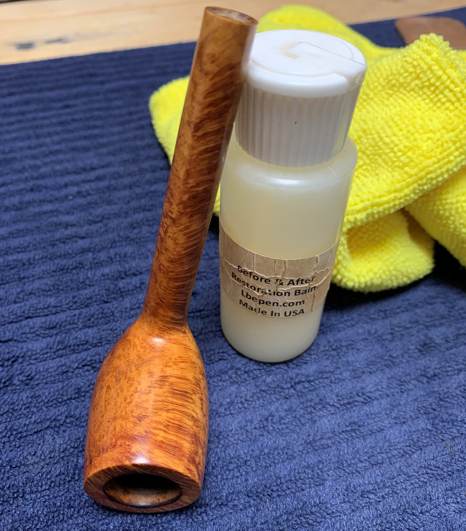
At this point, I rubbed some Before & After Restoration Balm into the briar and left it to sit for 10 or 15 minutes. I brushed it with a horsehair brush and buffed it with a microfibre cloth. The BARB does wonderful things to the wood, and I really like the natural colour of the briar.   Finally, it was off for a trip to the bench polisher. A dose of White Diamond and a few coats of carnauba wax were the perfect complement to the briar. The lovely shine made the wood look absolutely beautiful. This pipe is elegant, light, and incredibly comfortable to hold. I thoroughly enjoyed bringing this Stanwell de Luxe 298 Liverpool back to life and I am pleased to announce that this pipe is for sale! If you are interested in acquiring it for your collection, please have a look in the “Danish” pipe section of the store here on Steve’s website. You can also email me directly at kenneth@knightsofthepipe.com. The approximate dimensions of the Stanwell are as follows: length 6 in. (152 mm); height 2 in. (50 mm); bowl diameter 1⅛ in. (29 mm); chamber diameter ¾ in. (19 mm). The weight of the pipe is 1⅛ oz. (33 g). I hope you enjoyed reading the story of this restoration as much as I enjoyed restoring it. If you are interested in more of my work, please follow me here on Steve’s website or send me an email. Thank you very much for reading and, as always, I welcome and encourage your comments.

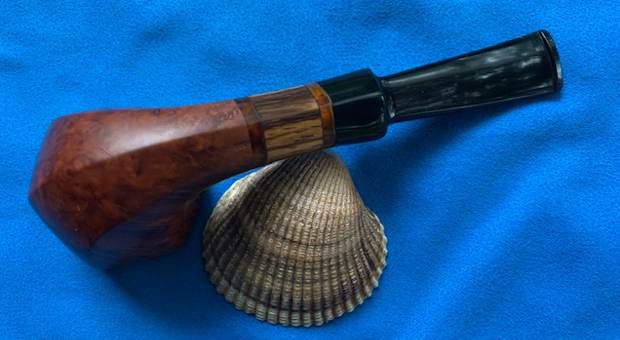
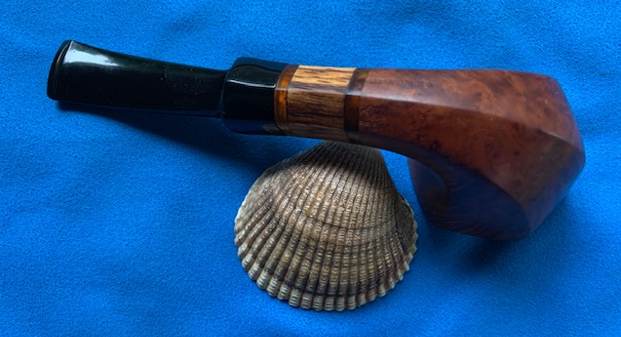
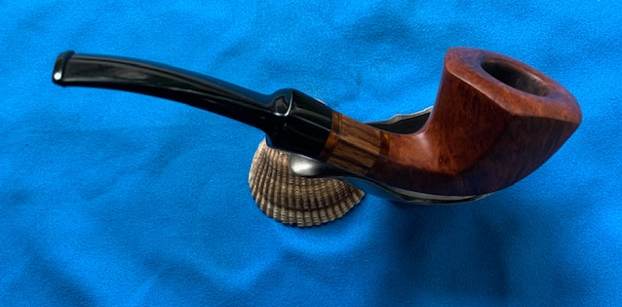
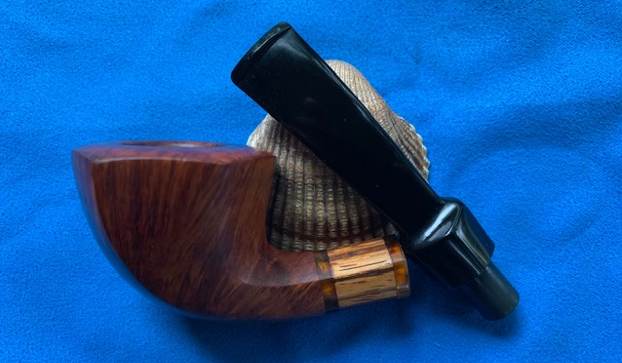
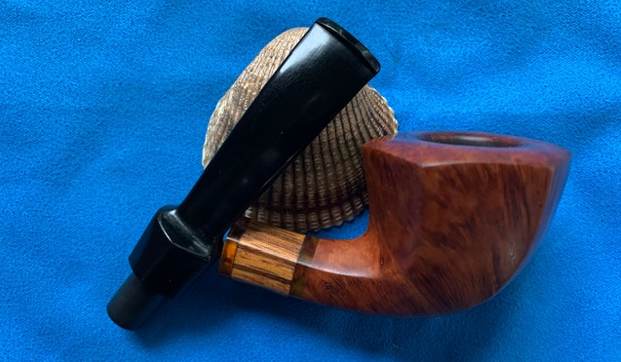
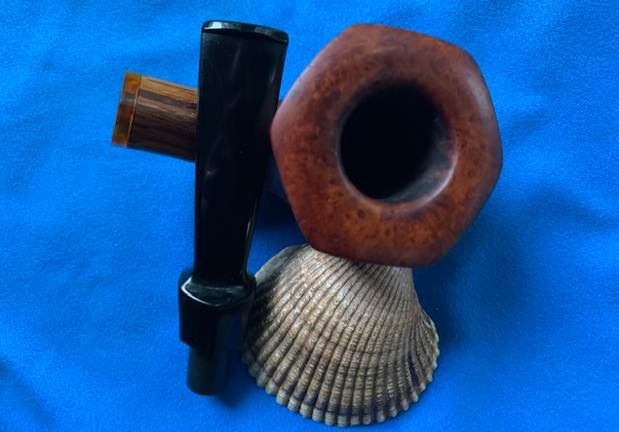
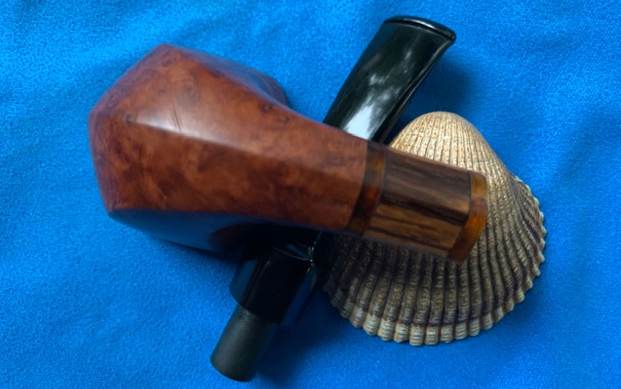
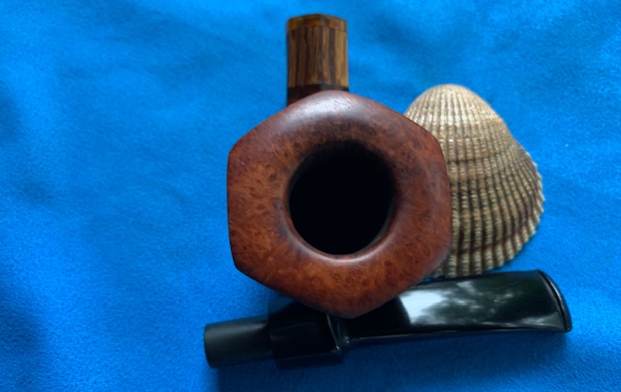
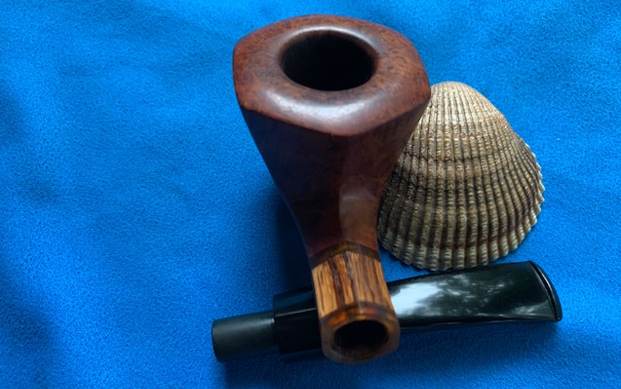
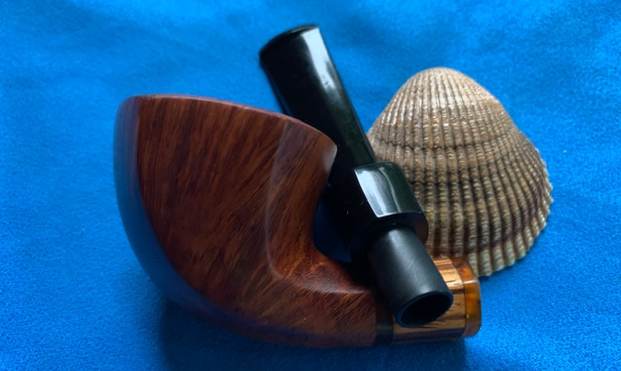
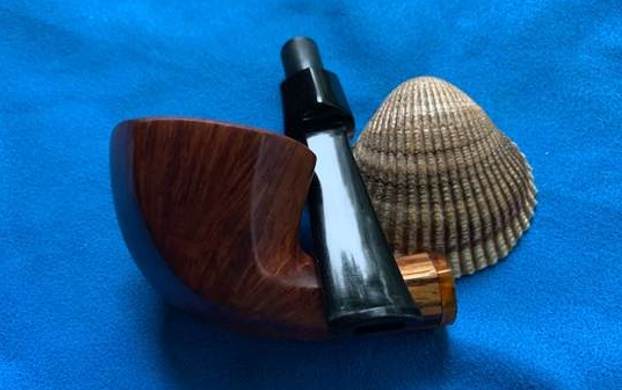
Restoring a Jess Chonowitsch Designed Stanwell Zebrano 163 Faceted Hexagonal Freehand


Blog by Steve Laug

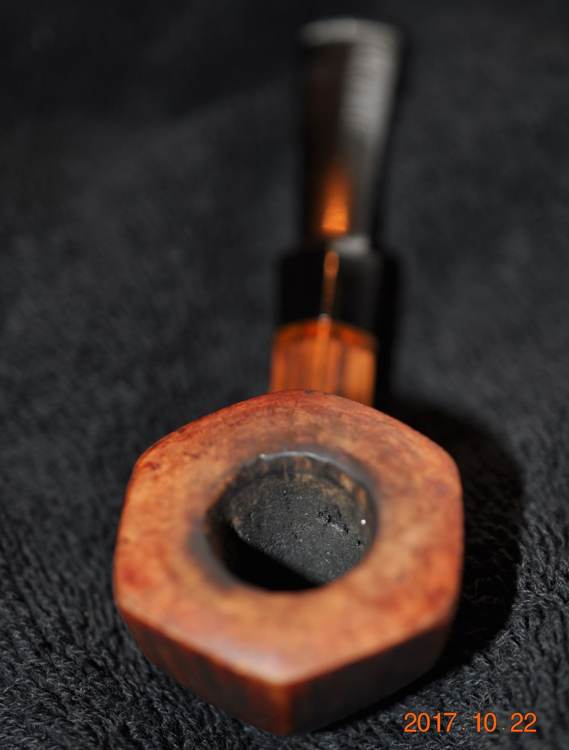
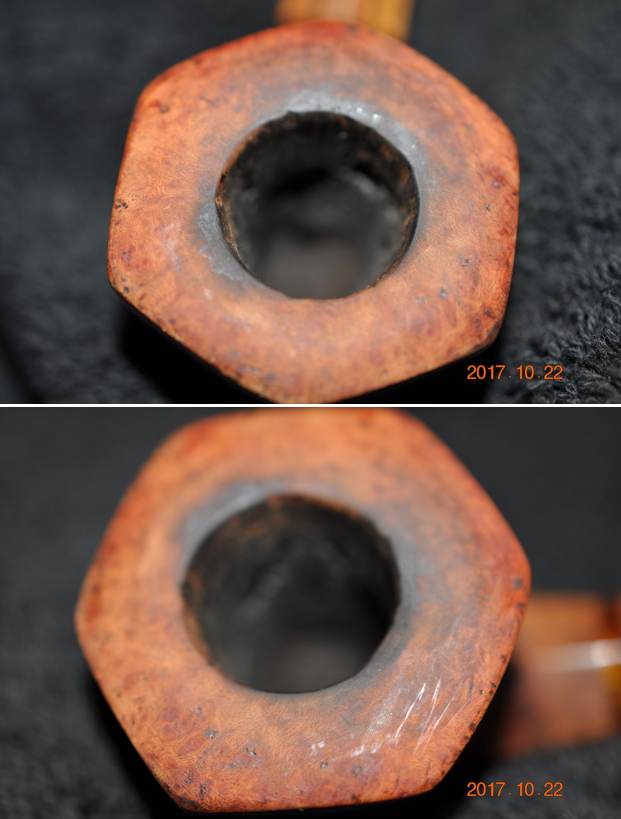
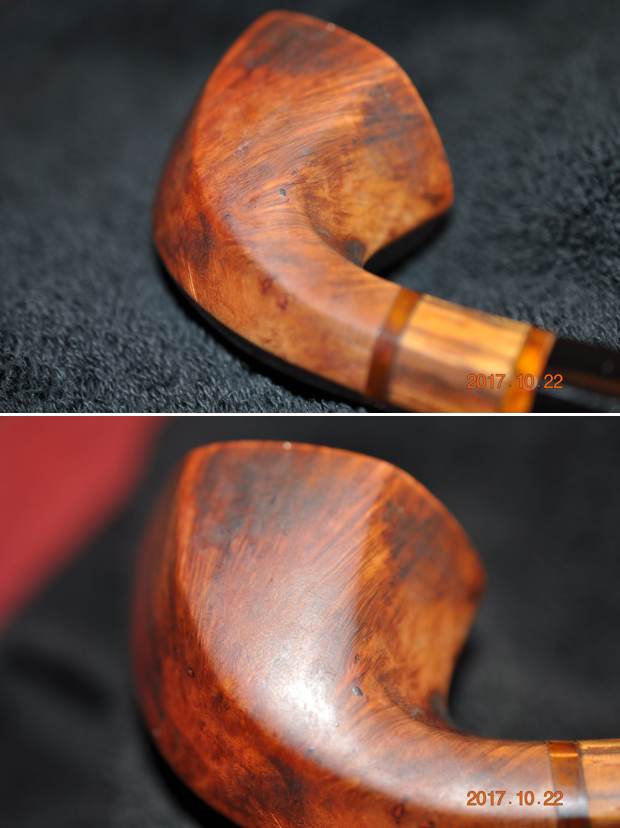
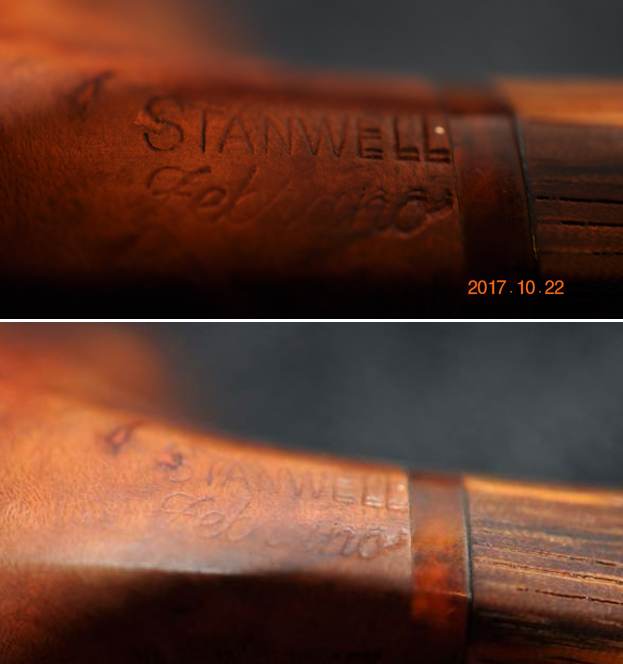
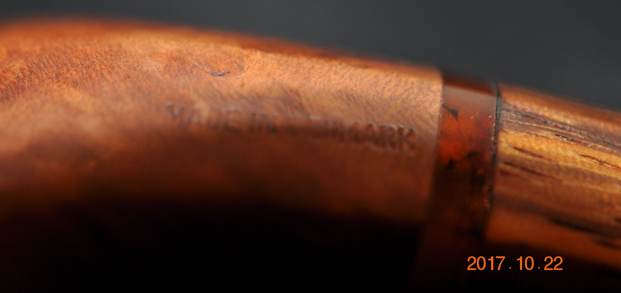
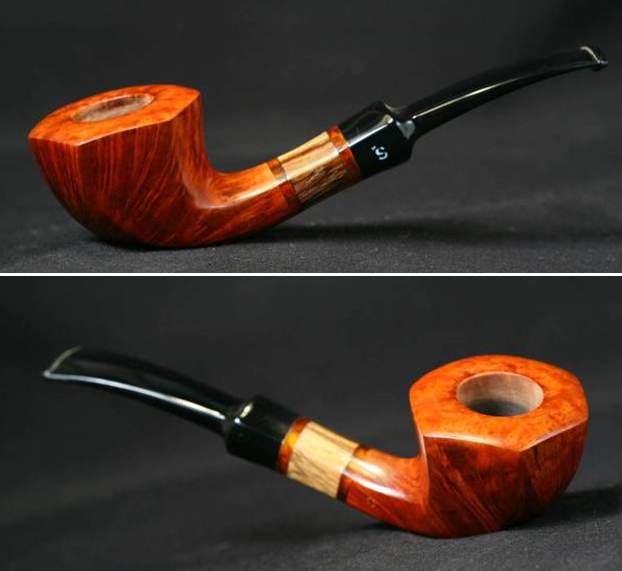
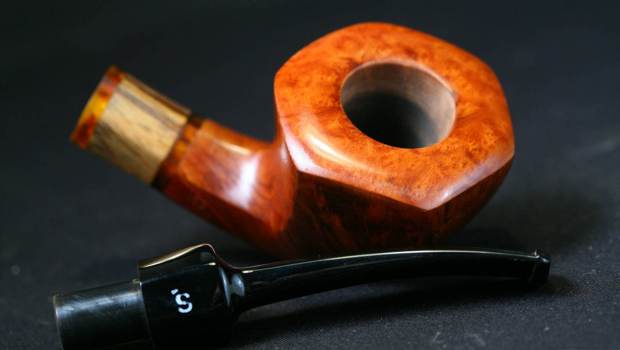
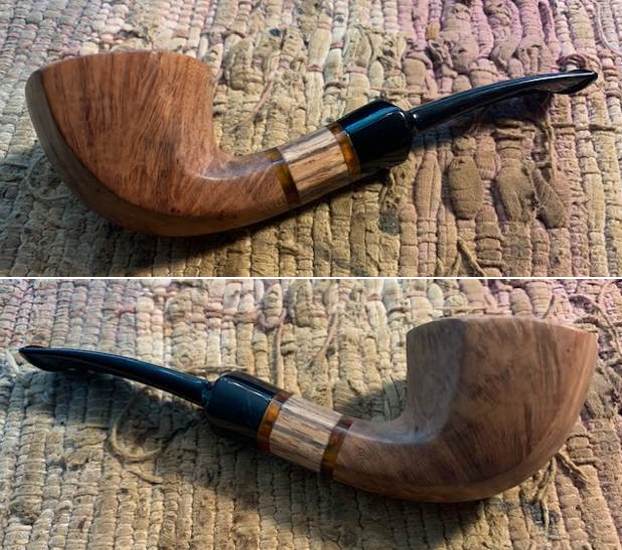
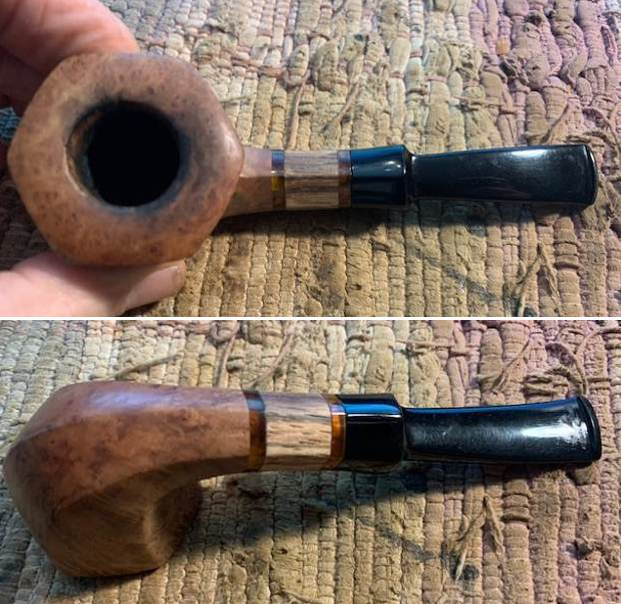
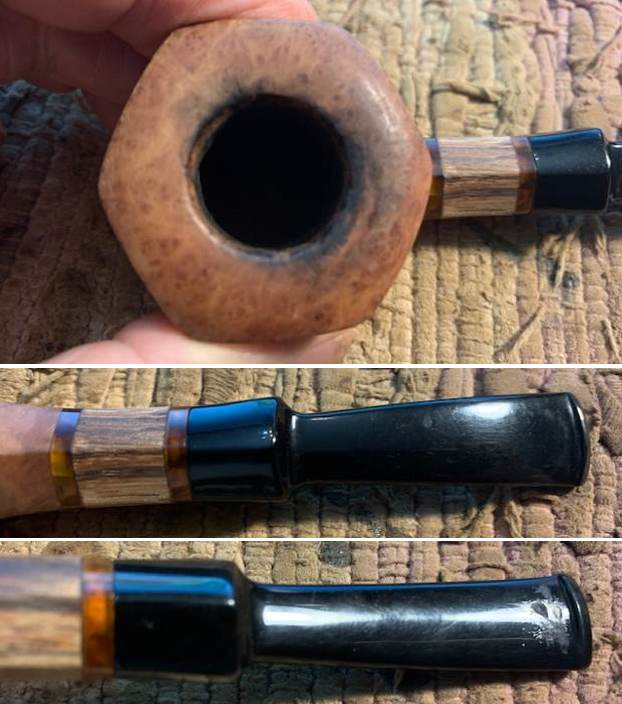
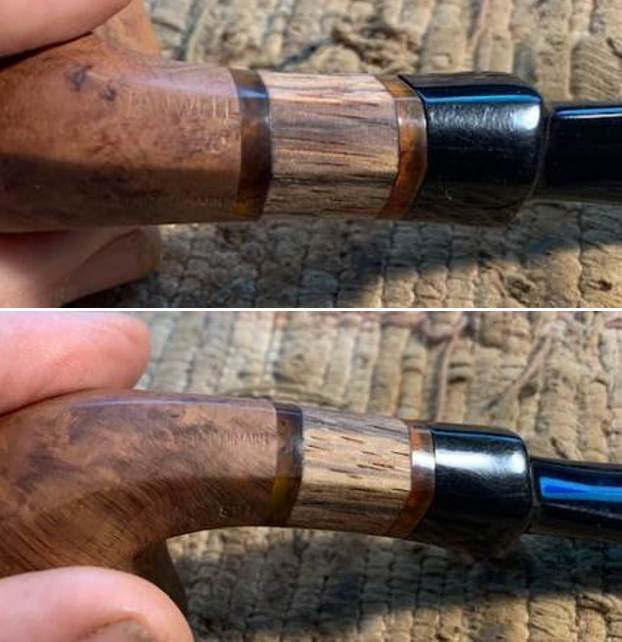
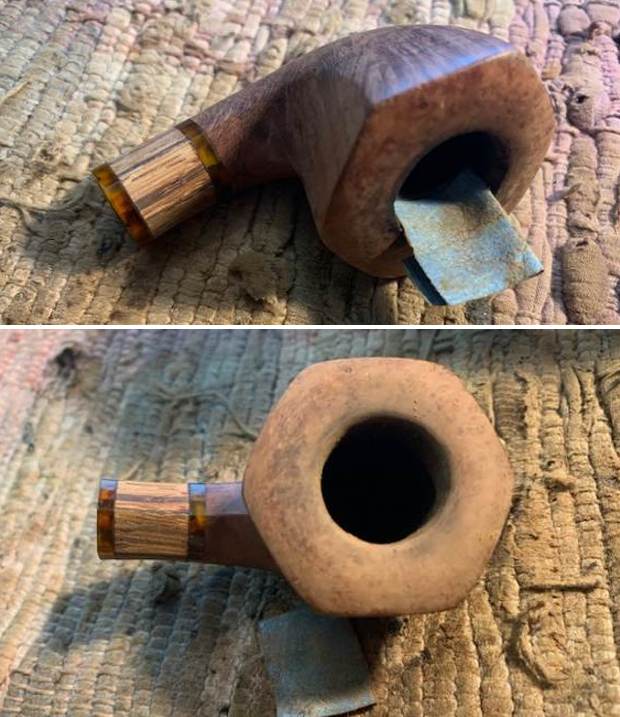
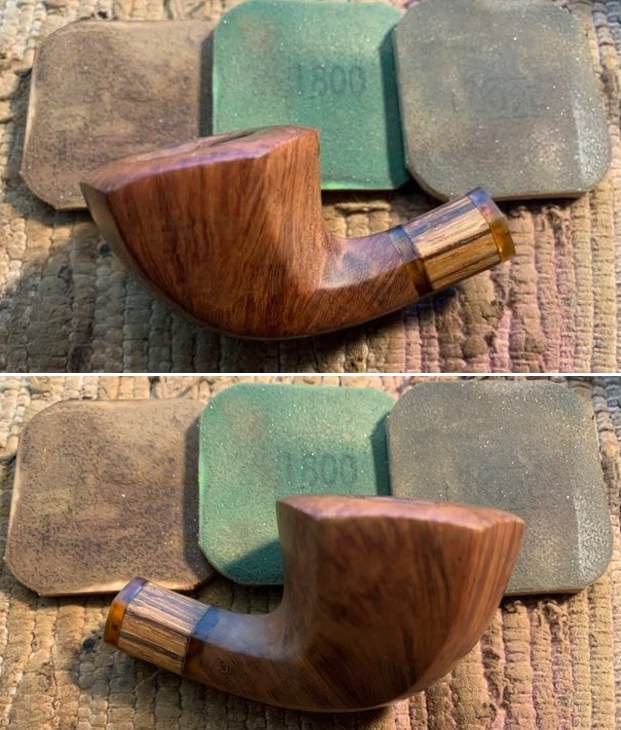
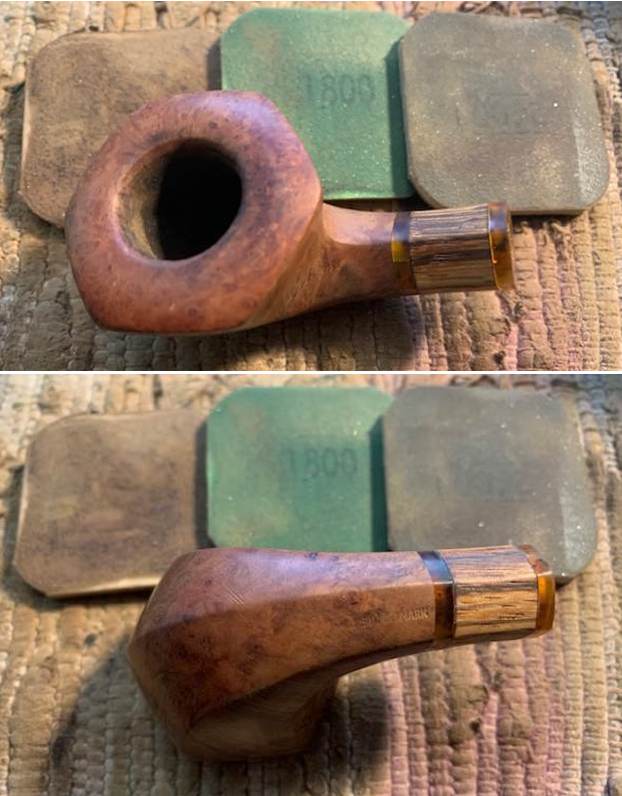
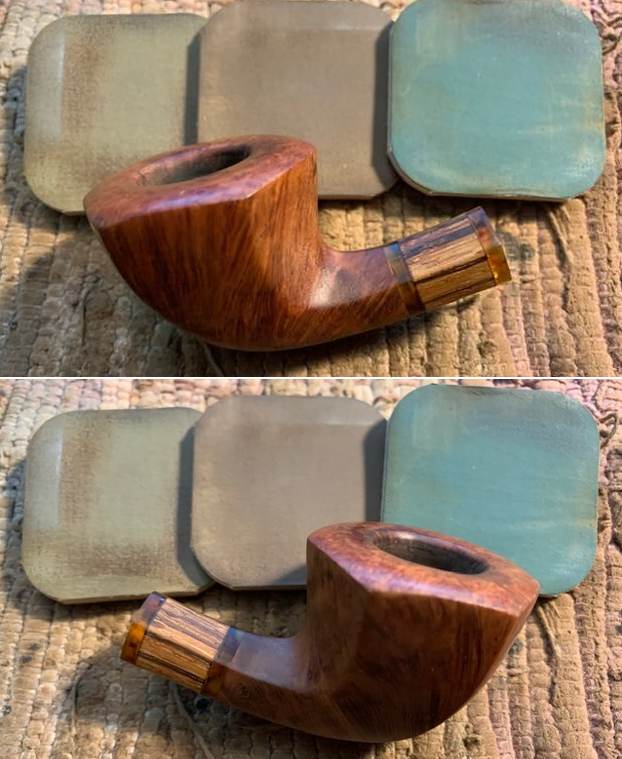
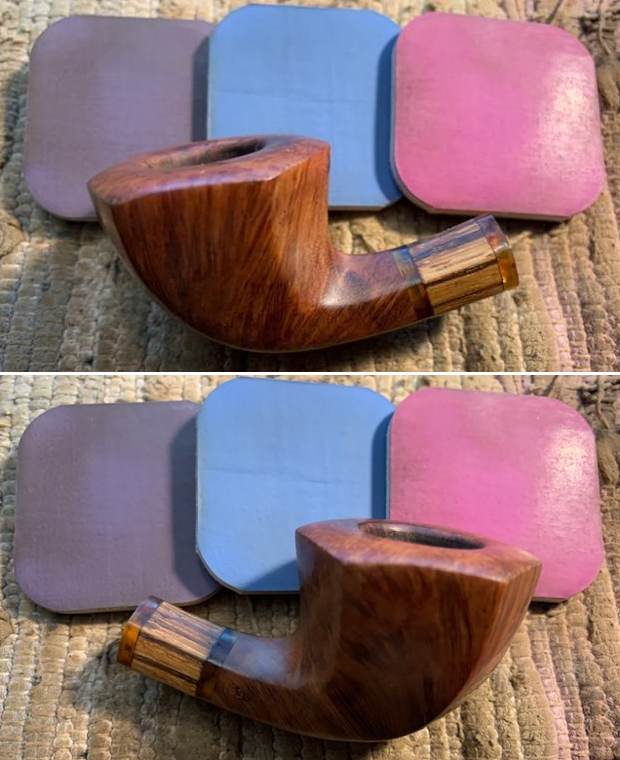
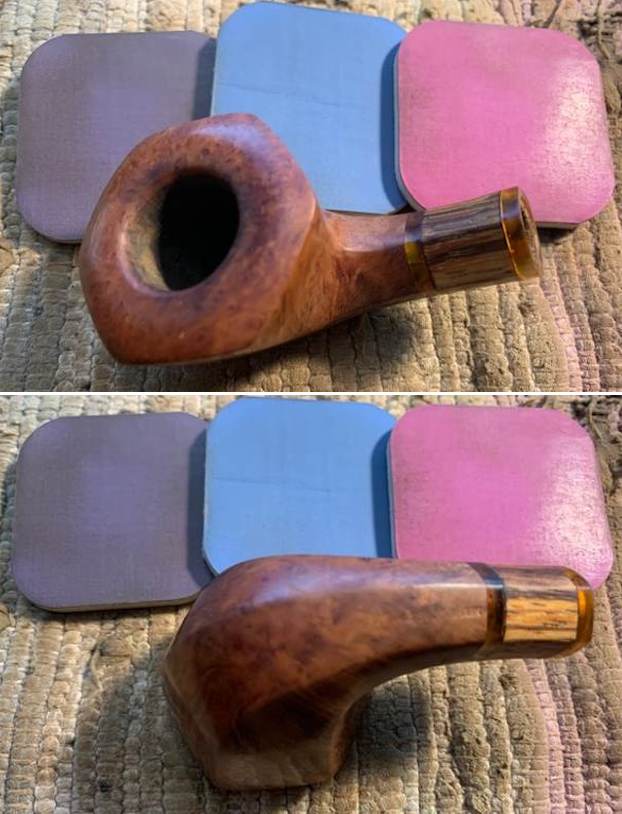
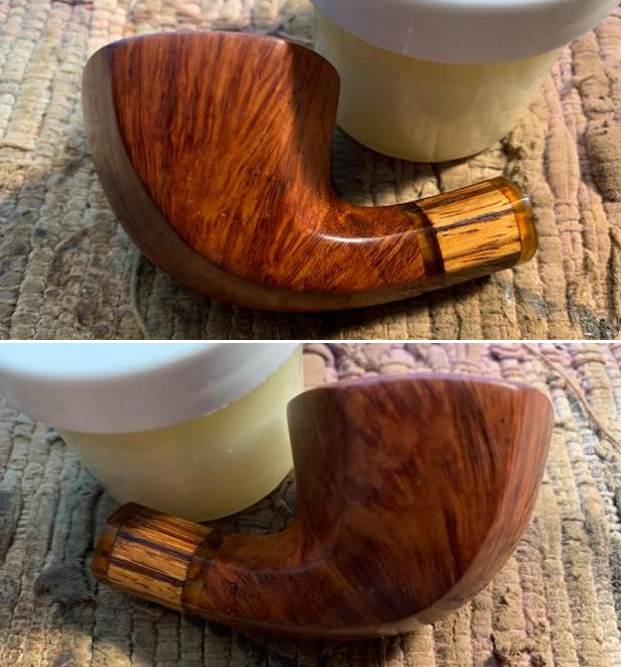
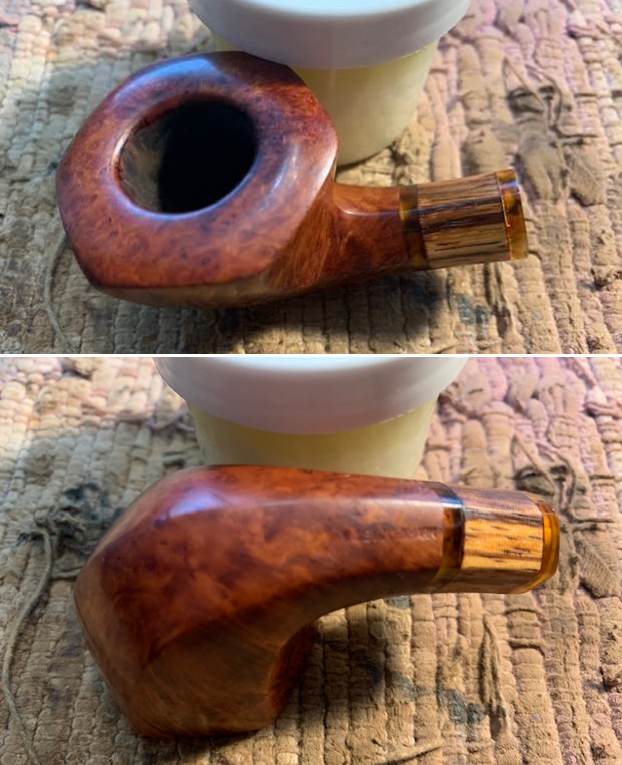
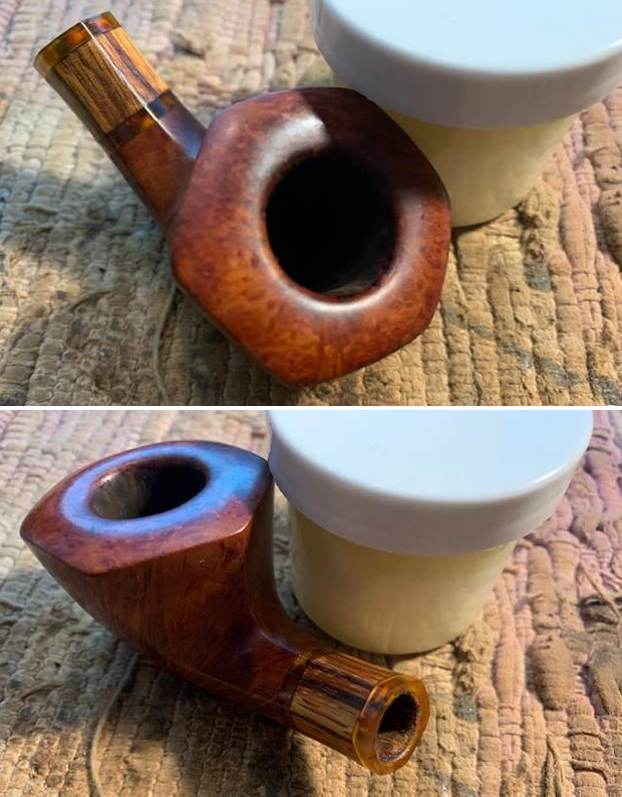
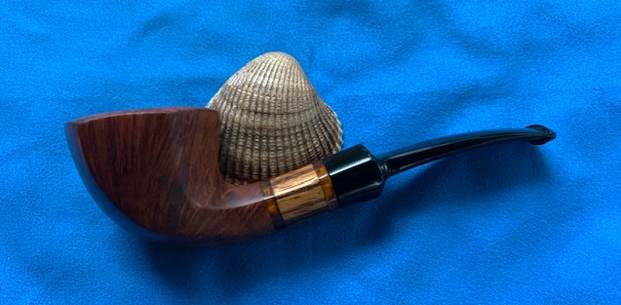
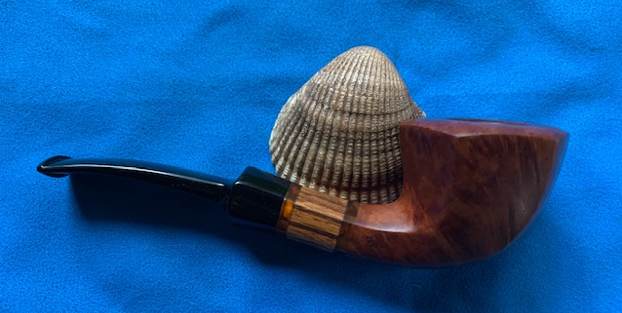
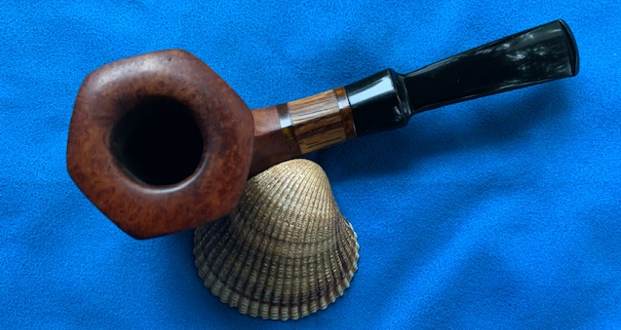
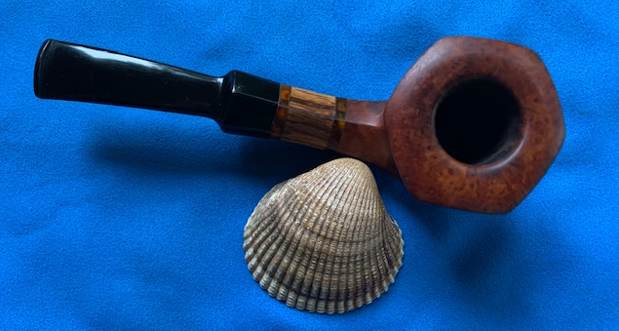
I went through my pipes to choose what to work on next and this one caught my eye. It is a great looking Hexagonal Faceted Freehand. It is stamped on the left underside of the hexagonal shank and read Stanwell [over] Zebrano. On the right side underside it is stamped Made in Denmark and on the top right side it was stamped with the shape number 163. Zebrano pipes have a shank extension of Zebra wood on the end, sandwiched between two wafers of orange acrylic. Jeff was travelling in Europe for a holiday with his wife  bought this pipe on 09/16/2017 in Frankfurt, Germany at a bazaar. It has been sitting here in Vancouver cleaned and awaiting my part of the work for almost 5 years. When he found it the finish had thick grime and oils ground into the outside of the bowl and shank. The Zebrano insert had dried out and was rough to the touch. The rim top and inner edge of the bowl had burn damage and was slight out of round. There as a thick cake in the lower ¾ of the bowl and lighter cake on that ¼ of the bowl. The black acrylic stem was scratched and filthy and the inside of the filter tenon sans filter was filthy. It was made for a 9mm filter that I would need to replace. There were deep tooth marks and chatter on both side of the stem near the button. Jeff took photos of the pipe when he got home and got around to cleaning it. Jeff took photos of the rim top to show the condition of the bowl and edges. You can see the damage on the top and edges. You can see that the bowl is slightly out of round as well. He took photos of the stem surface to show the deep marks and damage on both sides. He took photos of the sides and the heel of the bowl to show the interesting grain patterns in the briar through the thick grime. He took a photo of the Zebra wood insert with the acrylic spacers as well. It was quite beautiful.  He took photos of the stamping on the sides of the shank. It is readable but faint in places. Before I started working on the pipe I decided to do a bit of digging on the shape and the design. I turned first to a blog on rebornpipes by Bas Stevens the was a compilation of Stanwell shapes (https://rebornpipes.com/2013/09/03/stanwell-shapes-compiled-by-bas-stevens/). There I found the shape number 163. The information given there said that the shape was a Freehand, “Facet”, hexagonal, with brass ring by Jess Chonowitsch. It was a shape designed by Jess Chonowitsch and that was interesting to me.

I also looked on Pipedia and on Pipephil’s site and while I could read the history of the brand and gather background the Zebrano line was not mentioned. I did a Google search for the Zebrano 163 shape and found a gallery of photos and information on the pipe. I am including both the information on the brand and a few photos of the pipe. It was helpful information regarding what the pipe looked like originally (https://bn-dev.com/pipes-estate/galerie/galerie.php?pipe=3cb469b6b1b5237bdfe99cec04ff4c5feb267fc0). I quote below:

Marque / brand           Stanwell

Marquages / stamping            Stanwell zebrano made in denmark 163

Finition / finish           lisse / smooth

Longueur / length       14.8 cm / 5.83 in

Hauteur / height          4.49 cm / 1.77 in

diamètre tête / bowl diameter             4.22 cm / 1.66 in

diamètre fourneau / chamber diameter          1.93 cm / 0.76 in

Profondeur / depth      3.41 cm / 1.34 in

Poids / weight 43 gr / 1.52 oz

Forme / shape             freehand

Matière tuyau / Stem material            acrylique / acrylic (lucite)

Matière pipe / pipe material   bruyère / briar

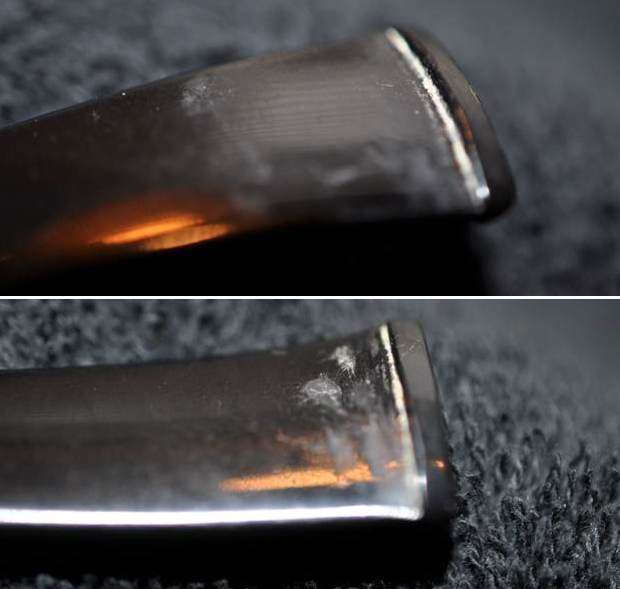
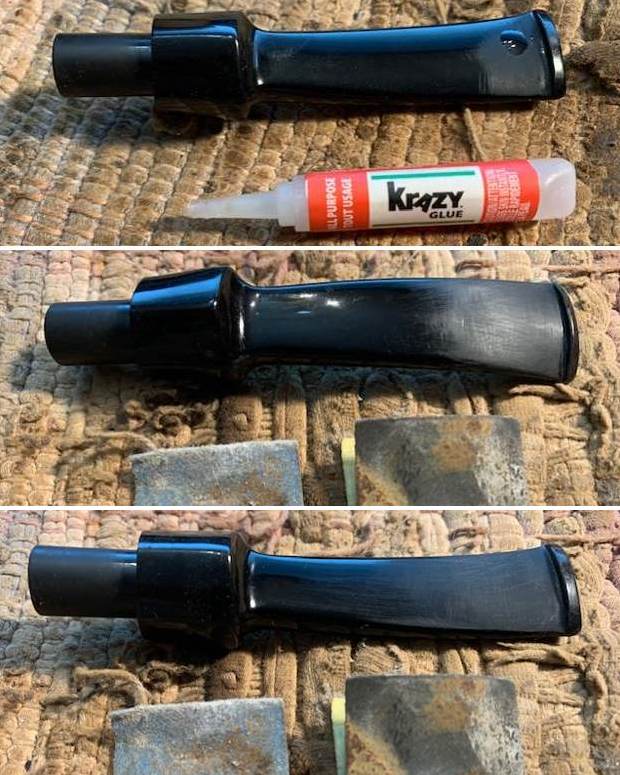
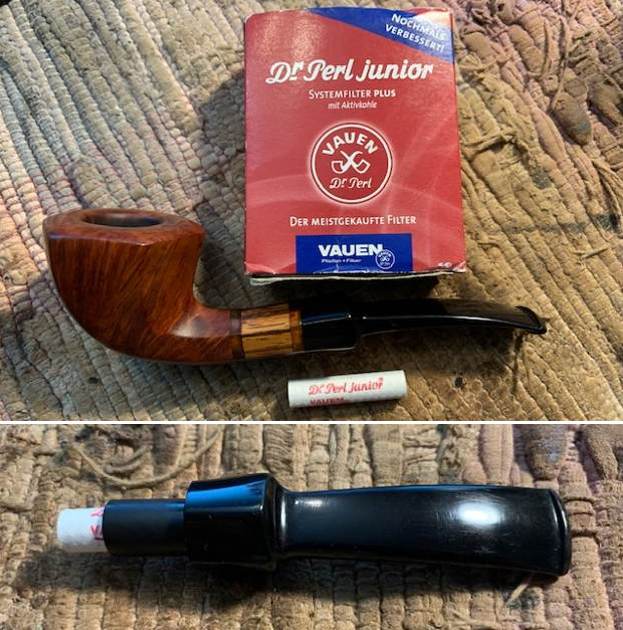
Filtre / filter    9mm With that information and a visual idea of what the pipe looked like originally, I turned to work on the pipe itself. Jeff had thoroughly cleaned up the pipe. He reamed the pipe with a PipNet Pipe Reamer and cleaned up the remnants with a Savinelli Fitsall Pipe Knife. He scrubbed the bowl with undiluted Murphy’s Oil Soap with a tooth brush. He rinsed it under running warm water to remove the soap and grime. There was some darkening on the inner edge of the rim and top that would need to be dealt with. He cleaned out the inside of the shank and the airway in the filter tenon and the stem with alcohol, cotton swabs and pipe cleaners. He scrubbed the exterior of the stem with Soft Scrub to remove as much of the oxidation as possible. The acrylic stem was clean but had tooth marks and chatter on both sides ahead of the button. There was no stamped logo on the left side of the stem. I took photos of the pipe before I started my work on it. I took photos of the rim top and bowl as well as the stem to give a sense of the condition of both. The rim top had some damage and darkening to the inner edge and rim top on the right front and back side. The stem cleaned up well and there were tooth marks on the top and underside ahead of the button.I took photos of the stamping on the underside of the hex shank. The are faint but readable as noted above. I took the stem out of the shank and took a photo of the overall look of the pipe.I decided to start my work on the pipe by addressing the darkening and damage on the inside edge of the bowl and the rim top. I used a folded piece of 220 grit sandpaper to clean up the bevel on the inner edge and the top of the bowl. I wiped the top and edges down with a damp cloth and the rim top and edges looked much better.I polished the briar with micromesh sanding pads – dry sanding with 1500-12000 grit pads. I wiped the bowl down after each pad with a damp cloth. I rubbed the bowl down with Before & After Restoration Balm. I worked it into the surface of the bowl sides and shank with my fingertips. The product works to clean, enliven and protect the briar. I let the balm sit for a little while and then buffed with a cotton cloth to raise the shine. I set the bowl aside and turned my attention to the stem. I filled I the deep tooth mark on the underside of the stem with clear CA glue. Once it cured I sanded the repair smooth to blend it into the surface of the acrylic. I sanded out the rest of the tooth chatter and marks with the 220 grit sandpaper to smooth them out. I started the polishing of the stem with 400 grit wet dry sandpaper. The stem was looking better with the repairs and polishing.   I set the bowl aside and turned to work on the stem. I polished the stem with micromesh sanding pads – 1500-12000 grit pads. I wiped it down with Obsidian Oil after each sanding pad. I used Before & After Pipe Polish – both Fine and Extra Fine to further polish the stem.  I have a box of Vauen 9mm System Filters that fit perfect in the tenon on the Stanwell Zebrano. I put one in place in the tenon and took some photos of the fit.This Jess Chonowitsch Designed Stanwell Faceted Hexagon Freehand 163 with a hexagon acrylic saddle stem fit for 9mm filters is a great looking pipe now that it has been restored. The beautiful grain on the briar and the Zebra wood shank extension that shines through the polished finish is stunning. I put the stem back on the bowl and carefully buffed the pipe with Blue Diamond on the buffing wheel. I gave the bowl and the stem multiple coats of carnauba wax on the buffing wheel and followed that by buffing the entire pipe with a clean buffing pad. I hand buffed the pipe with a microfiber cloth to deepen the shine. The finished Stanwell Zebrano 163 fits nicely in the hand and feels great. Give the finished pipe a look in the photos below. The dimensions of the pipe are Length: 5 ½ inches, Height: 1 ¾ inches, Outside diameter of the bowl: 1 ¾ inches, Chamber diameter: ¾ of an inch. The weight of the pipe is 40 grams/1.41 ounces. I will soon be adding it to the rebornpipe store in the Danish Pipe Making Companies Section. If you are interested in this pipe send me a message or an email. Thanks for reading this blog and my reflections on the pipe while I worked on it. There are many more to come!
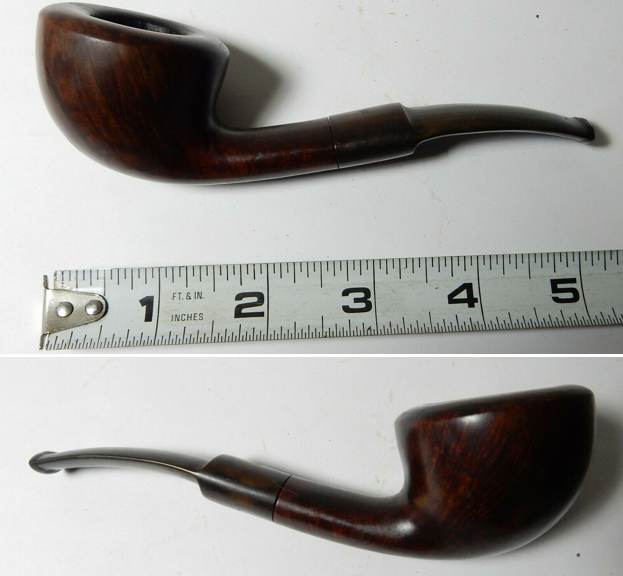
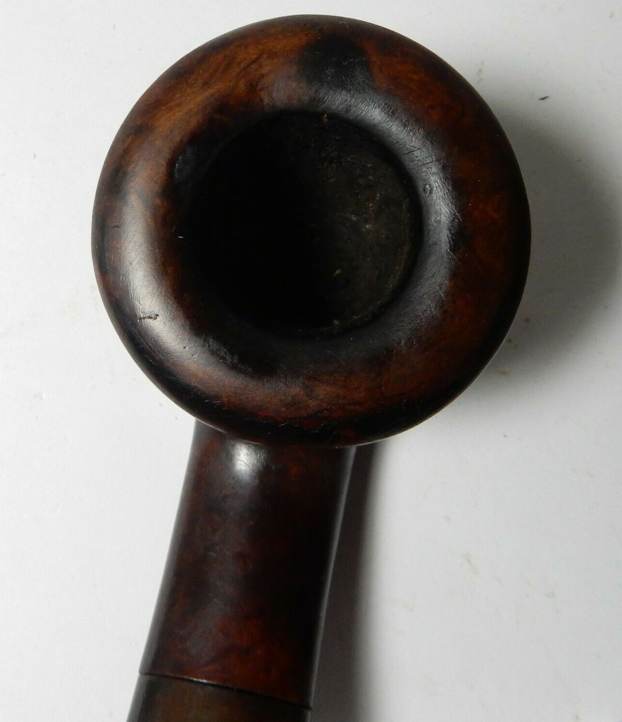
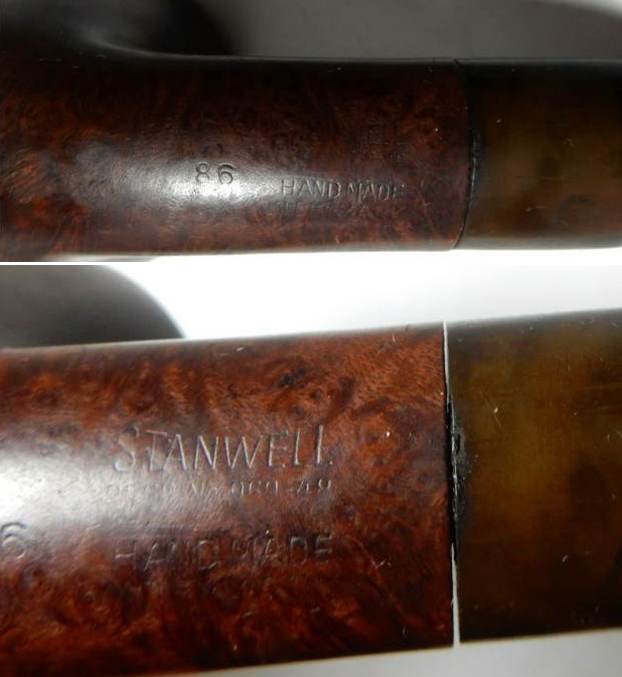
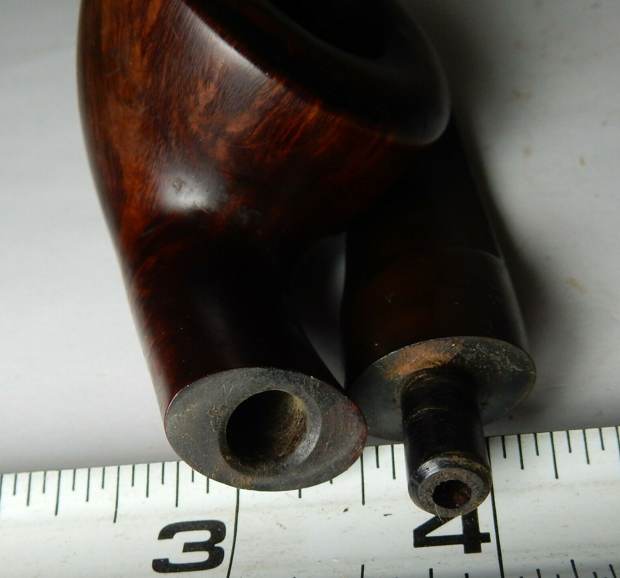
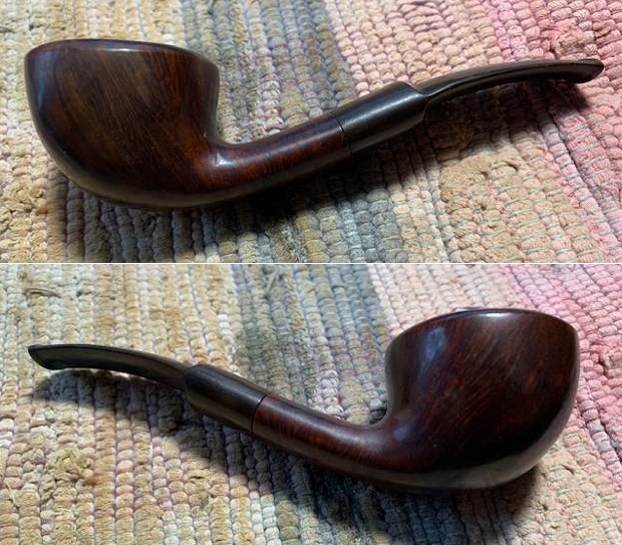
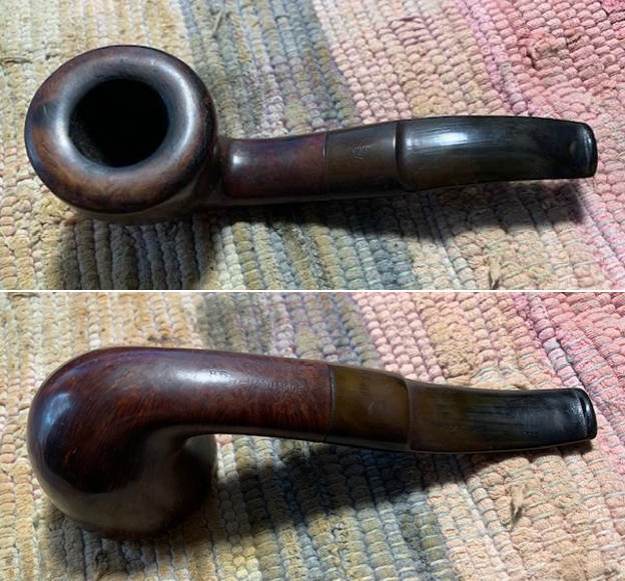
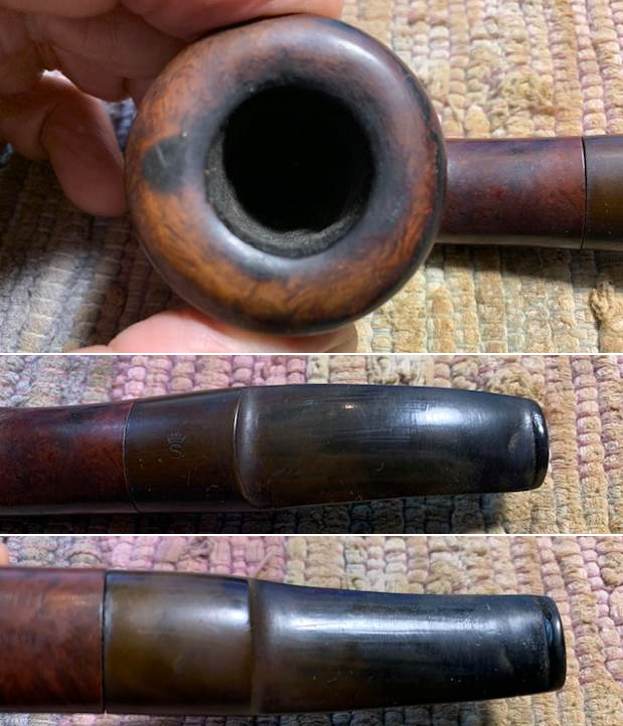
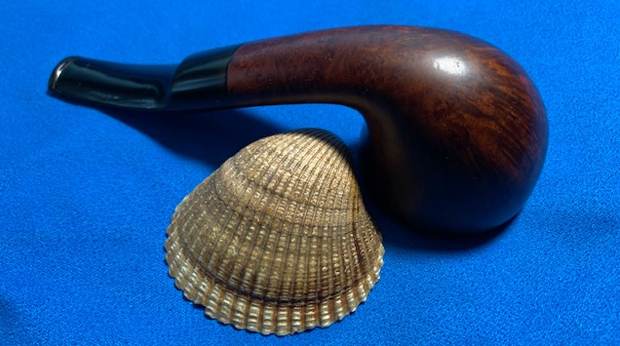
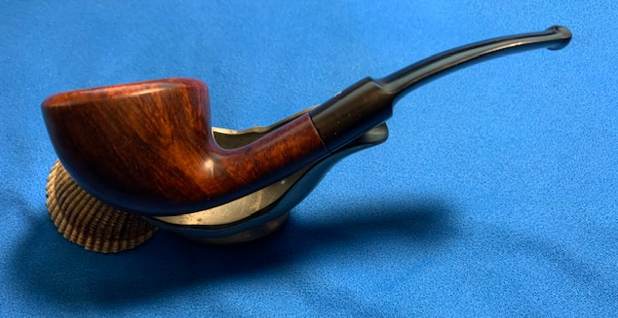
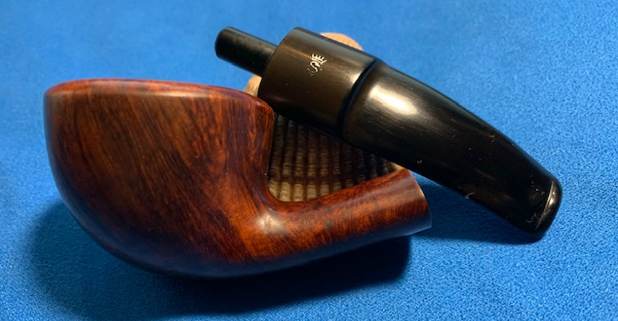
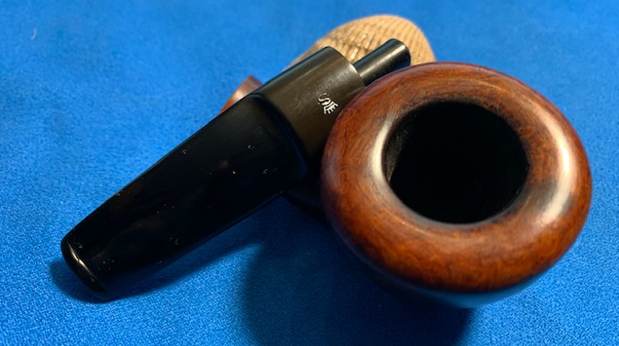
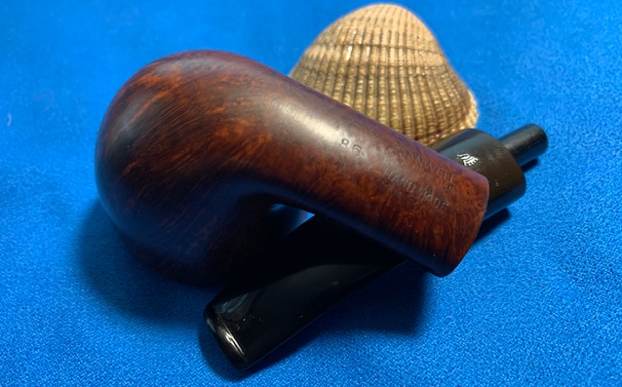
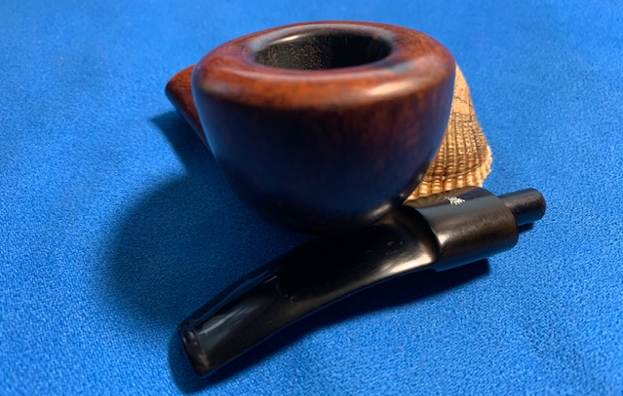
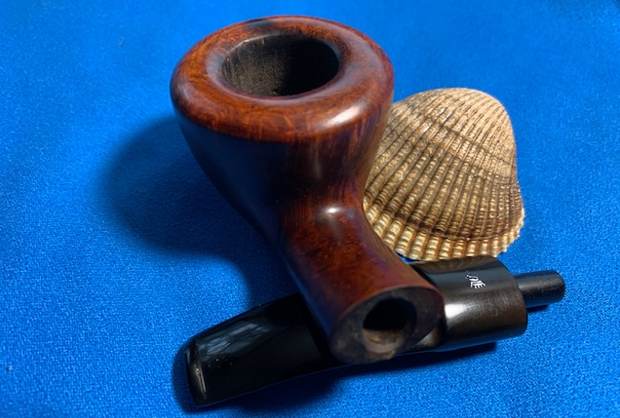
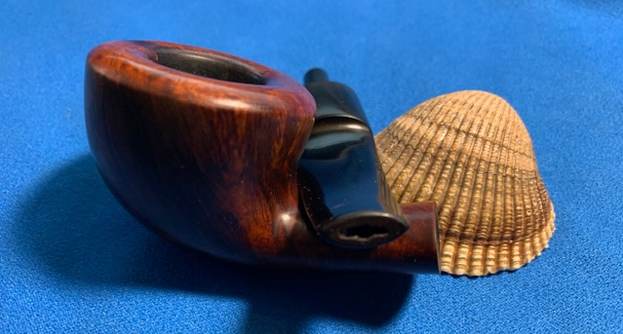
New Life for a Vintage Stanwell 86 Regd. No. 969-48 Handmade in Denmark Freehand


Blog by Steve Laug

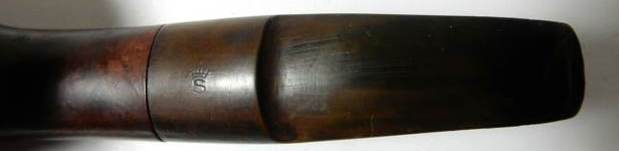
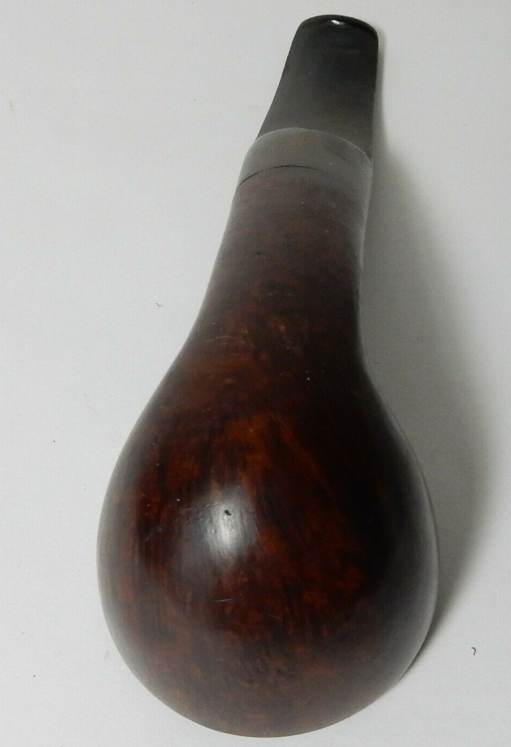
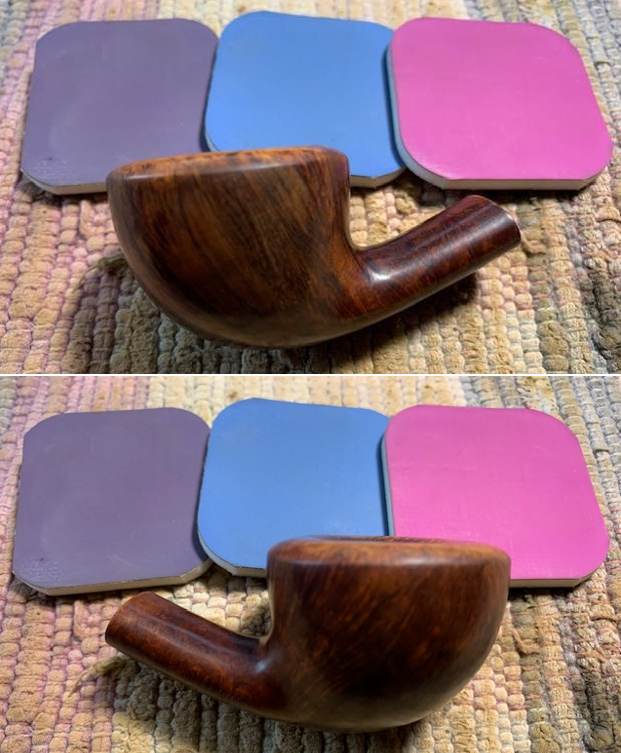
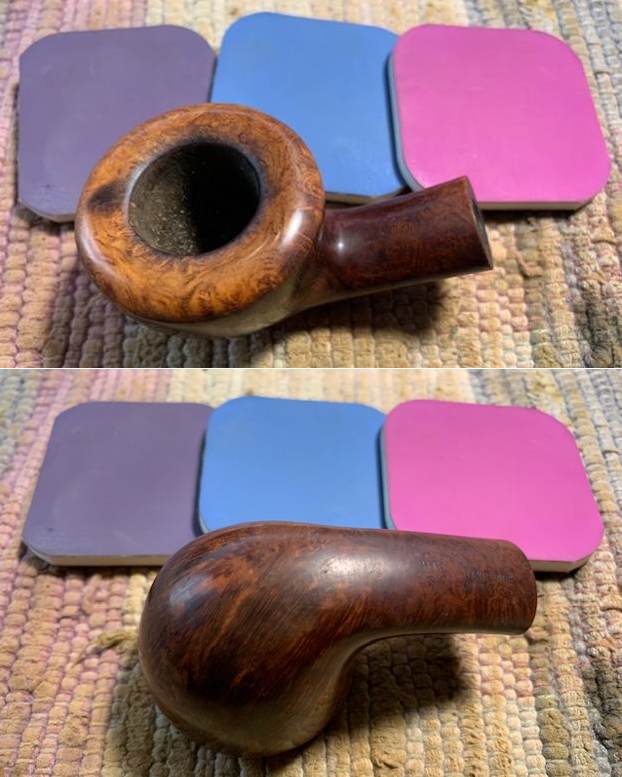
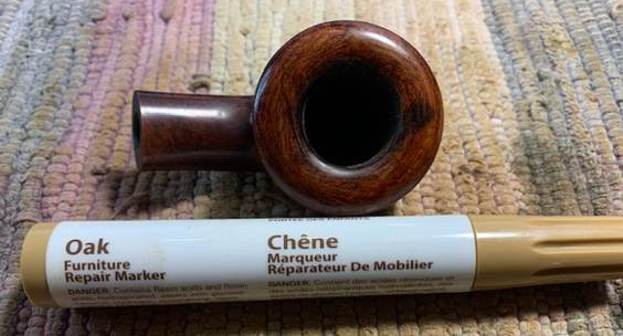
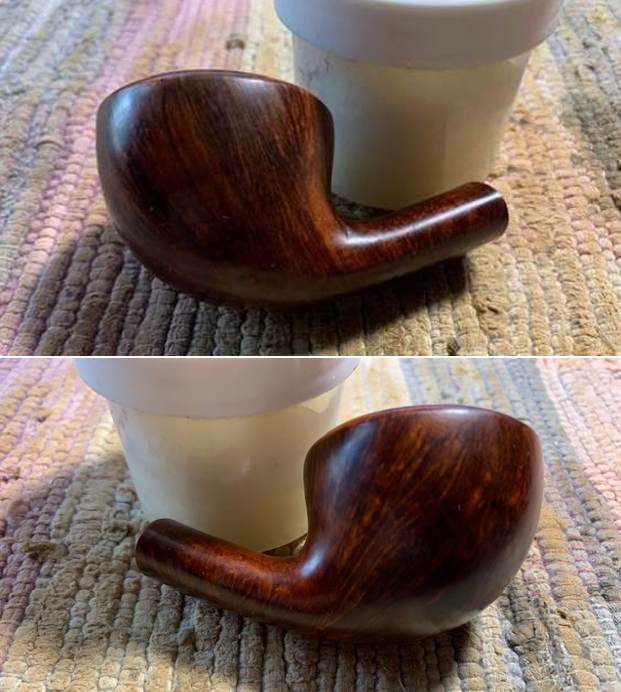
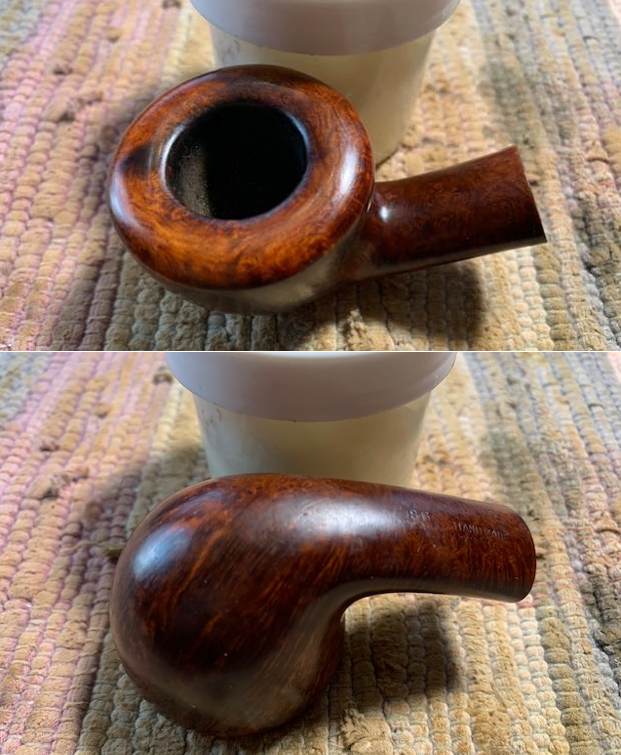
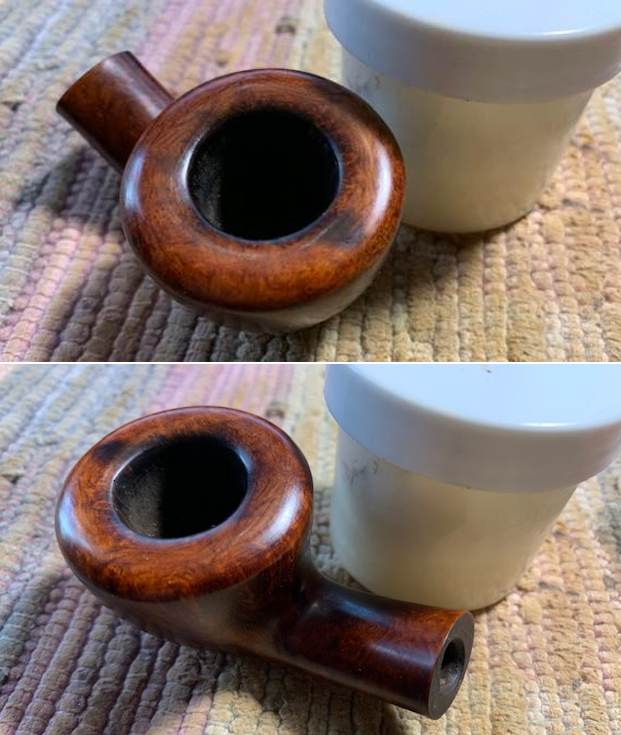
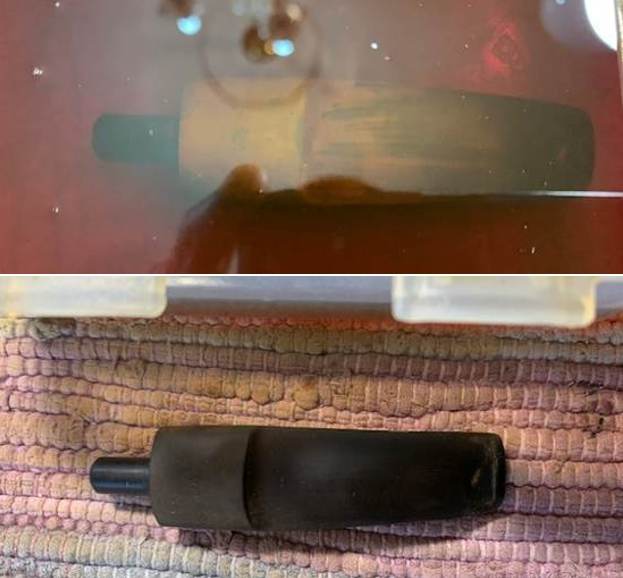
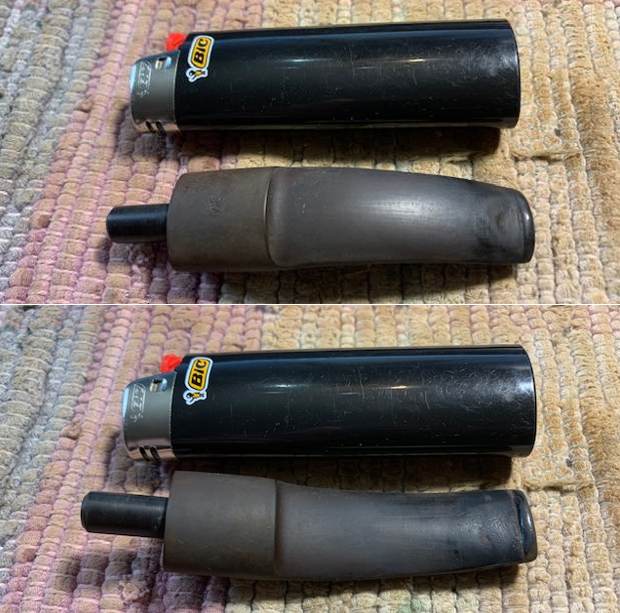
I have sold a few pipes to a fellow in Israel over the past year and he is great to work with. He has great taste in pipes and the ones he has purchased from me have been beautiful. Not long ago I received and email from him about a pipe he was interested in purchasing EBay. He sent me the link and wanted my opinion on it. I believed that it was a design by Sixten Ivarsson made for Stanwell and one that I really like the flowing shape and broad bowl. I remembered that with the Reg. No. it was made between the late 1960s and early 1970s so it was a bit of an old one. The pipe appeared to be in decent condition. Not too many days after that he wrote me to say he had won it and wondered if he could have it shipped to me rather than to him in Israel. We chatted back and forth about it via email and the decision was made and the pipe was on its way to me. Here are the pictures that the seller included with the advertising.  The seller took a large photo of the rim top to show the condition. Though it is dark you can see the cake in the bowl and the burn damage to the inner edge and the top front of the bowl. I am hoping I can reduce that mark some but time will tell. He also included a photo of the top of the stem showing the oxidation and the tooth marks on that side of the stem. The photo of the underside of the bowl and shank is dark but you can seek the grain peeking through the grime on the finish. I think that it will have some nice grain once I clean it up.He also took photos of the stamping on the underside of the shank. It was faint but readable with a light. It read as noted above.He took the stem off the shank and took a picture of the mortise and the tenon to show the condition of those parts of the pipe. It was dirty but it looked solid.The pipe arrived this week and sadly I had forgotten that it was on its way from the seller. When I opened the box I remembered it. I examined it carefully to assess both the condition of the pipe and what I needed to do with it. There was a moderate cake in the bowl with lava on the rim top and what looked like a burn mark on the top front of the bowl. There was darkening around both the inner and the outer edges of the bowl. The pipe was stamped on the underside of the shank and read Stanwell [over] Regd. No. 969-48 [over] Handmade [over] in Denmark. To the left of the stamp it bore the shape number stamp – 86. The finish was dirty and dark so it was hard to see too well but you could see some interesting grain underneath. The stem had the Crown S stamp on the top of the saddle and was fade. The vulcanite was oxidized and there were tooth marks and chatter on the top and underside. It was going to take some work to clean up but I thought it would work out fairly well. My only concern was the burn mark on the front top of the rim. Even with that though it would look pretty amazing. I took some photos of the pipe before I started my work on it. I have included them below. I took a photo of the bowl and rim top to show the thickness of the cake in the bowl and the damage to the top and edges of the bowl. You can see the darkening on the inner and outer edge of the rim – how much is lava and how much is burn damage remains to be seen. You can also see the burn mark on the top of the bowl at the front. It does not appear to have charred the surface as it is hard. I took photos of the stem surface to show the oxidation and tooth marks and chatter on both sides ahead of the button. There are also scratches on the surface running from the tenon end to the button on both sides. The Crown S stamp on the top of the stem is visible but all the colour is gone.I took a photo of the stamping on the shank underside. It is faint but readable. I also took a photo of the Crown S on the top of the saddle stem.I removed the stem from the shank and took a photo of the pipe parts. It is really going to be quite a stunning piece.I reamed the bowl with a PipNet pipe reamer and took the cake back to bare walls. I cleaned up the reaming with a Savinelli Fitsall Pipe Knife. I sanded the bowl walls with 220 grit sandpaper wrapped around a piece of dowel. I examined the walls with a lens and they were solid and undamaged. I cleaned out the airway in the shank and the stem as well as the mortise with isopropyl alcohol, cotton swabs and pipe cleaners. It was quite dirty and now smells much better.I scrubbed the exterior of the bowl with Murphy’s Oil Soap and a tooth brush to remove the grime from the finish of the bowl and rim top. I rinsed off the bowl with warm water and then dried the bowl with a cotton cloth. The grain that came to the surface once it was clean is quite stunning. I worked over the darkening and burn damage on the inside edge of the bowl and the rim top with a folded piece of 220 grit sandpaper. It began to look a lot better.I mixed up a batch of oxalic acid and warm water and used it to scrub off the rim darkening and the burn mark on the top. I dried it off with a paper towel. The burn on the edges of the rim were much better and the burn mark on the front top was definitely lighter.I sanded the rim top with a folded piece of 220 grit sandpaper and then sanded it with a medium and a fine grit sanding block. The grain on the rim top began to stand out. The rim edges look much better and the burn mark is much reduced.I polished the briar with micromesh sanding pads – dry sanding with 1500-12000 grit pads. After each pad I wiped the bowl down with a damp cloth to remove the sanding debris. It really took on a shine by the last three sanding pads. I stained the polished rim top with an Oak stain pen. It matched the colour around the rest of the bowl and hid the burn mark a bit. Though it is still visible it is nowhere near as big as it was when I started.I rubbed the bowl down with Before & After Restoration Balm. I worked it into the surface of the briar where it works to clean, restore and preserve the briar. I let it do its magic for 15 minutes then buffed it off with a cotton cloth. The pipe looks incredibly good at this point in the process. With that the bowl had come a long way from when I started working on it. I set it aside and turned my attention to the stem. I put the stem for an overnight soak in Briarville’s Pipe Stem Deoxidizer. In the morning I removed it from the bath and rubbed it down with a coarse paper towel to remove the oxidation that was on the surface. I cleaned out the airway in the stem with alcohol and pipe cleaners.I “painted” the surface of the stem with the flame of a Bic lighter to lift the tooth marks on both sides. I was able to lift them significantly but one remained on each side that would need to be filled with superglue.I scrubbed the remnants of oxidation with Soft Scrub All Purpose Cleanser. I removed a lot more of the remaining oxidation. It is finally starting to look better.I filled in the remaining tooth marks on both sides of the stem with black super glue. I set it aside to cure. Once the repair cured I flattened the repair with a small file to start the process of smoothing it out and blending it into the surrounding vulcanite. I sanded the file marks and repairs with 220 grit sandpaper and started polishing the stem with 400 grit wet dry sandpaper. It is starting to look very good.I continued to polish the stem with micromesh sanding pads – wet sanding with 1500-12000 grit sanding pads. I wiped it down after each sanding pad with Obsidian Oil. The light oxidation that remained on the top of the saddle portion of the stem was hard to deal with due to the stamping on the top. I cleaned it as much as possible and repaired the white colour of the Crown S logo with White Acrylic fingernail polish. I applied it and when it hardened I scraped off the excess with my fingernail. Once finished I continued to polish the stem with the last three micromesh sanding pads. I polished it with Before & After Pipe Stem Polish – both Fine and Extra Fine and wiped it down with Obsidian Oil one more time. I am excited to finish this Ivarrson Designed Stanwell 86 Freehand. I put the pipe back together and buffed it with Blue Diamond on the buffing wheel. I gave the bowl and the stem multiple coats of carnauba wax. I hand buffed the pipe with a clean buffing pad to raise the shine. It is fun to see what the polished bowl looks like with beautiful mixed grain all around it. The polished grain on the pipe looks great with the black vulcanite stem. This smooth Classic Ivarrson Designed Stanwell 86 is great looking and the pipe feels great in my hand. It is light and well balanced. Have a look at it with the photos below. The dimensions are Length: 5 ¼ inches, Height: 1 ½ inches, Outside diameter of the bowl: 1 ¾ inches, Chamber diameter: ¾ of an inch. The weight of the pipe is 42 grams/1.48 ounces. It turned out to be a beautiful pipe. I will be packing it up and sending it to my friend in Israel. I think he will enjoy this beauty once it is in his hands. Thanks for your time reading this blog and as Paresh says each time – Stay Safe.