
by Steve Laug
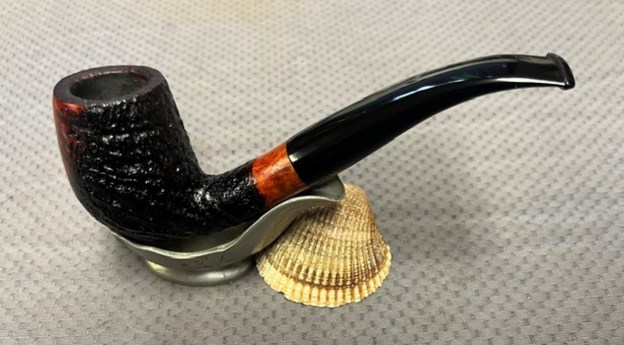
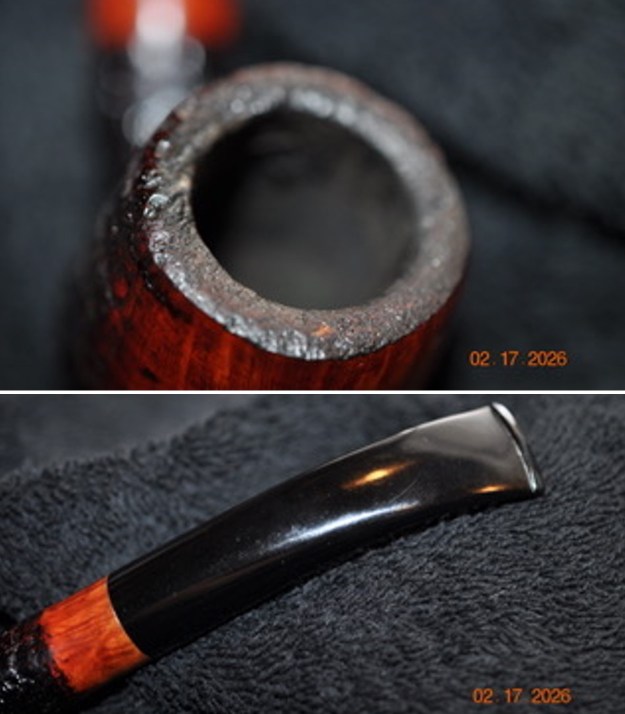
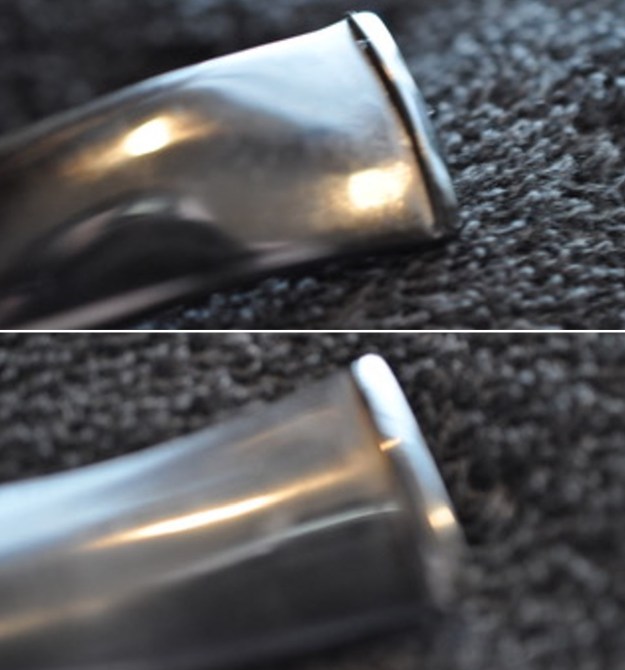
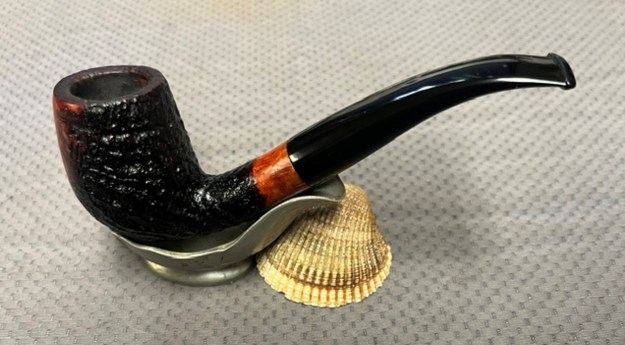
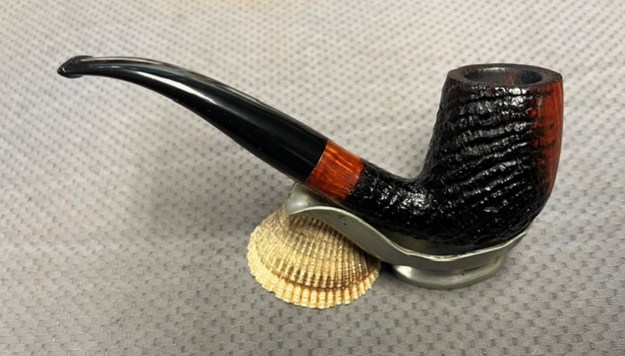
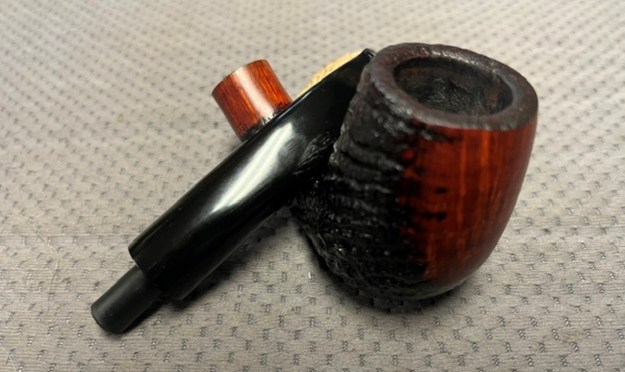
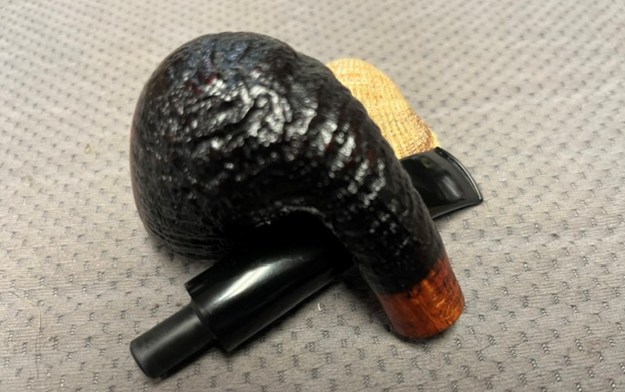
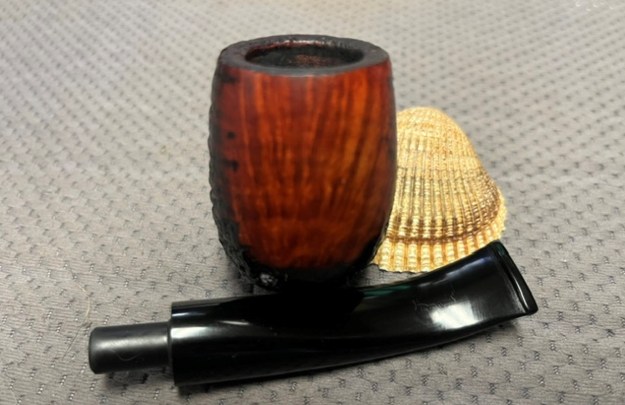
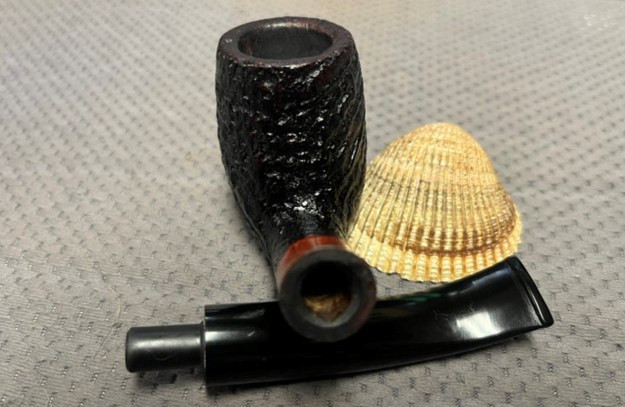
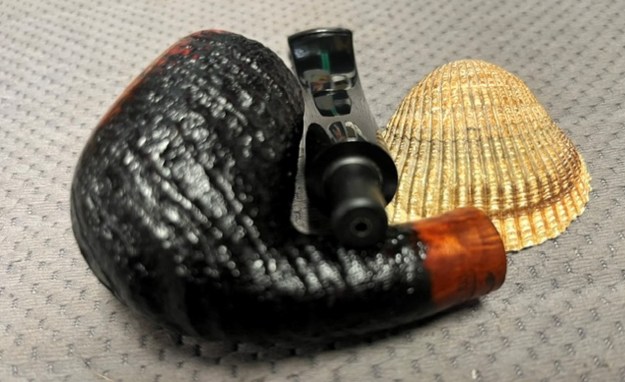
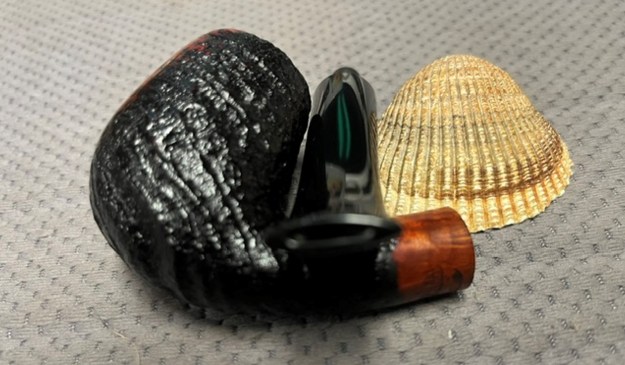
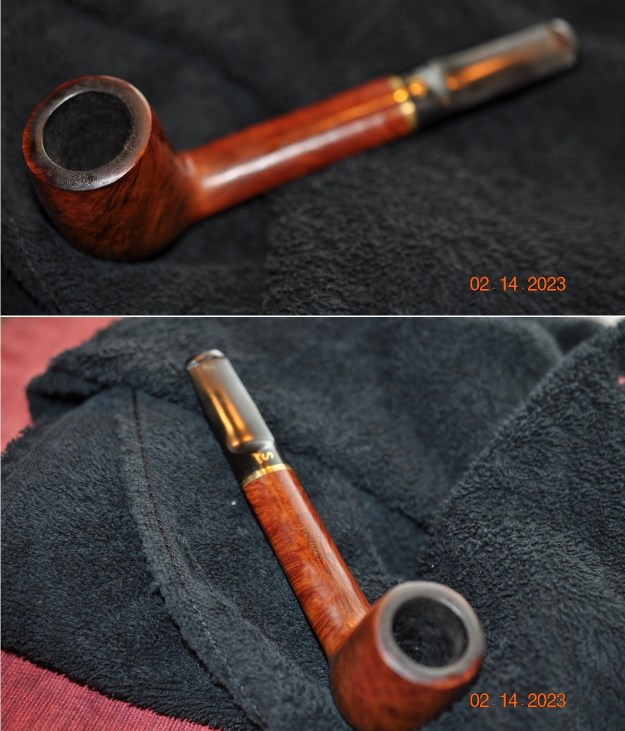
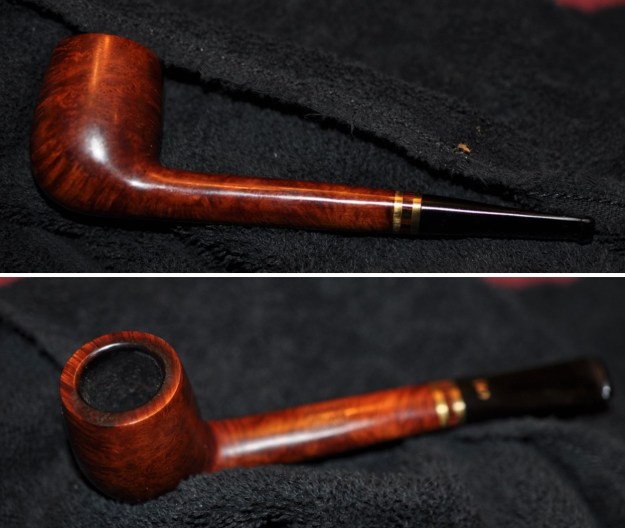
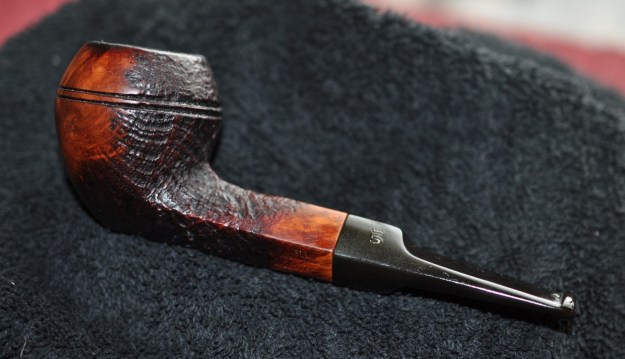
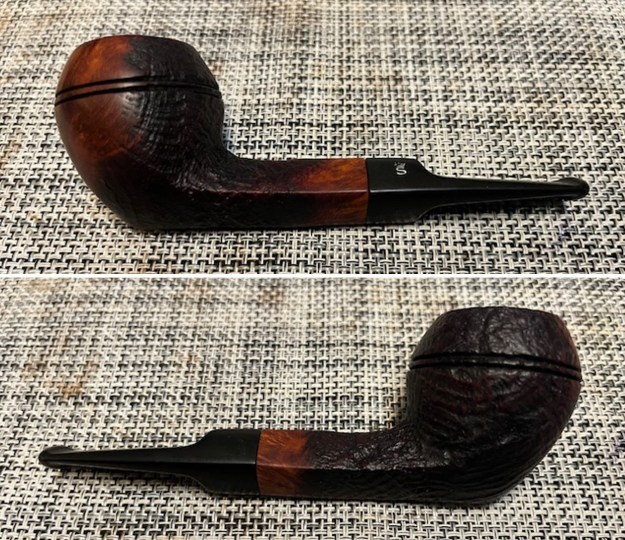
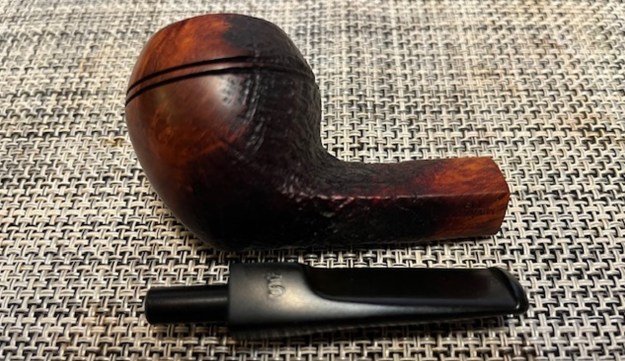
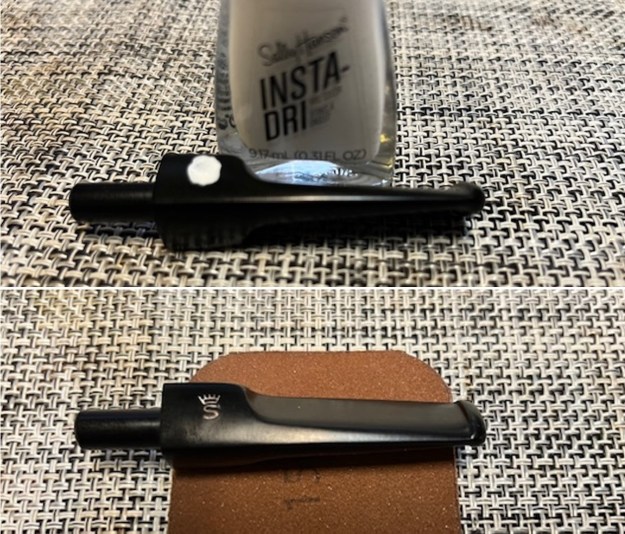
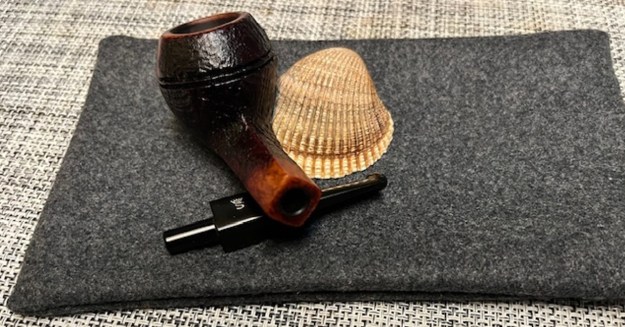
This sandblast Bent Billiard with smooth patches on the front of the bowl with a black acrylic stem was purchased on 01/20/2026 from a Facebook seller in Quaker Town, Pennsylvania, USA. It is a sandblast Bent Billiard with a smooth patch on the front of the bowl and around the shank end. The stem is an acrylic black taper stem. The bowl is stained with a contrast of blacks and browns that give depth to the sandblast around the bowl and shank. It is stamped on the underside of the shank and reads Stanwell [over] Made in Denmark [over] Vario. On the right side of the shank it is stamped with the shape number 85. The bowl had a thick cake and some tobacco debris on the walls. There was an overflow of lava and debris in the sandblast finish of the rim top. There was grime ground into the finish which left the look quite dull. The acrylic, black taper stem has light tooth marks and chatter on both sides of the stem ahead of the button. Jeff took photos of the pipe before he started his work on it. 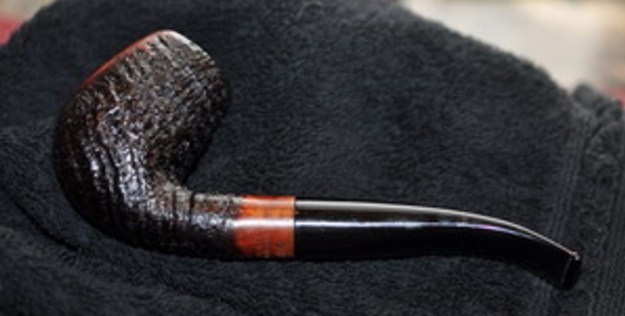
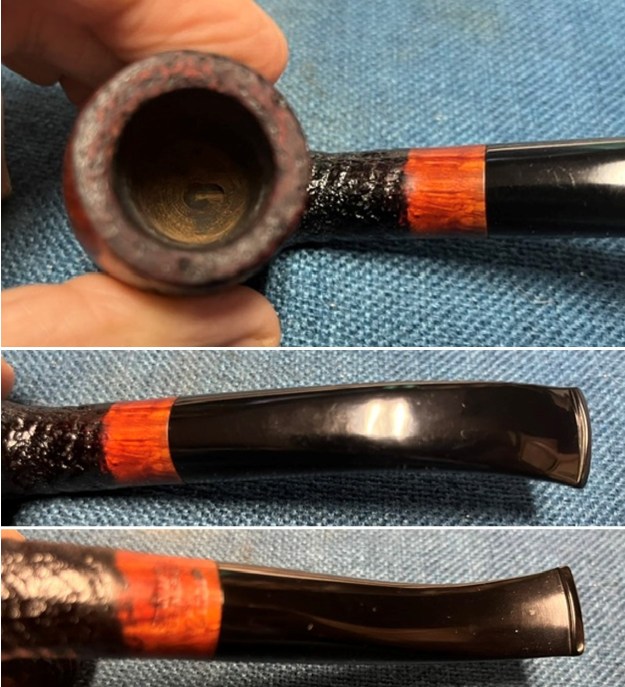
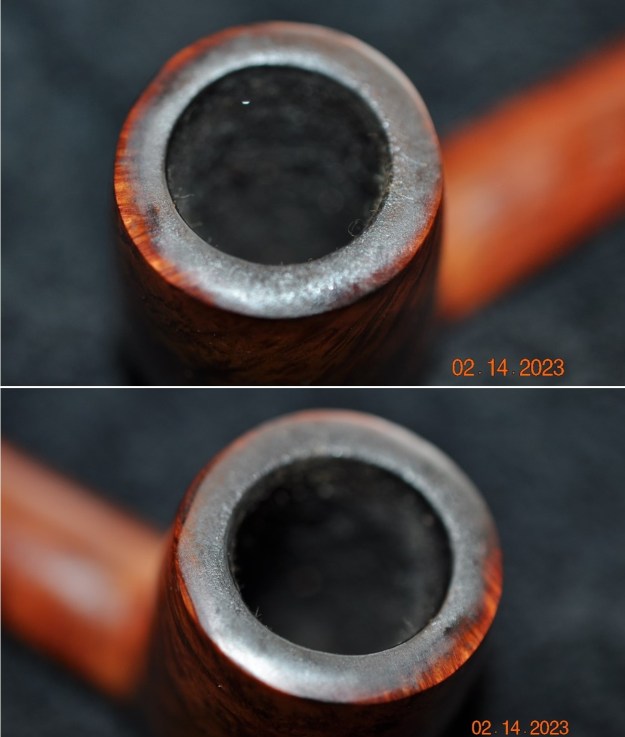
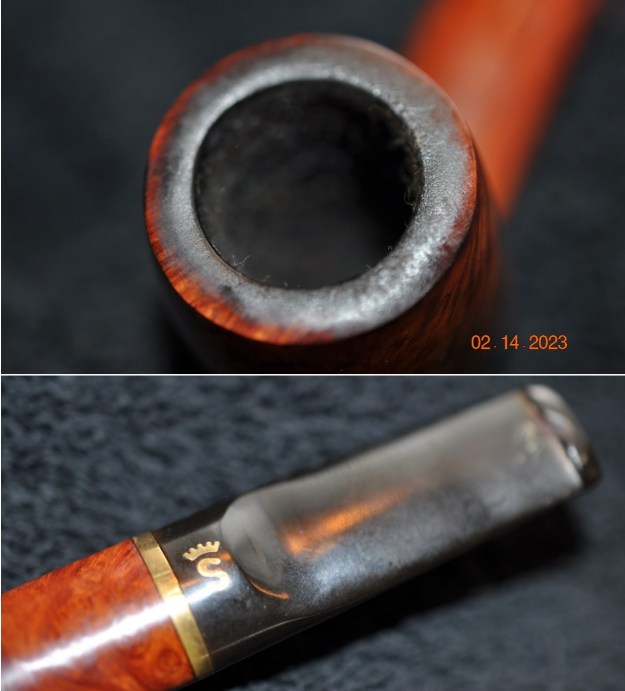
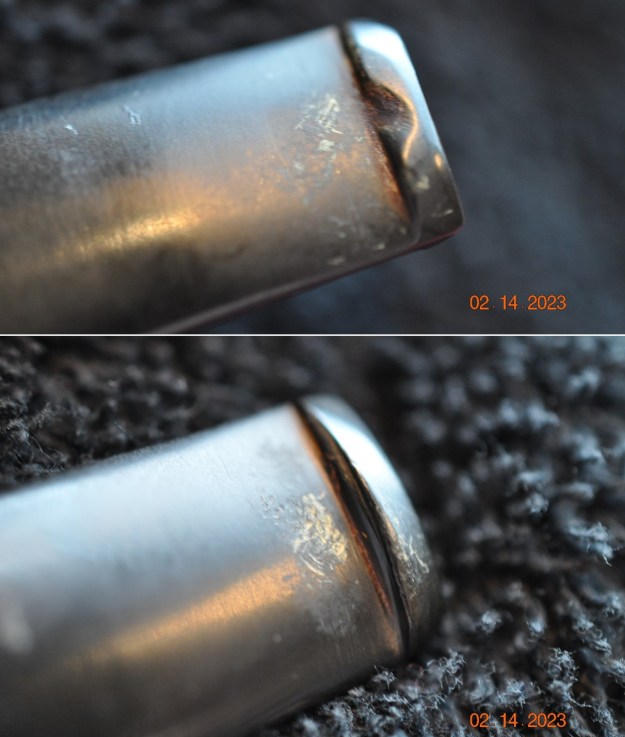
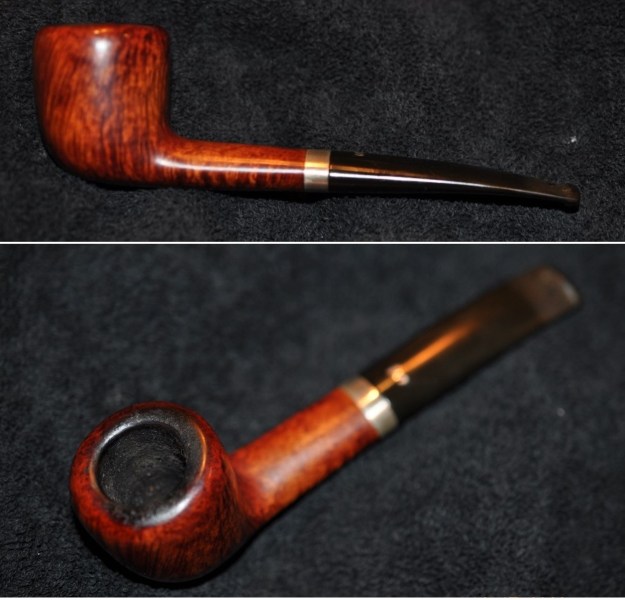
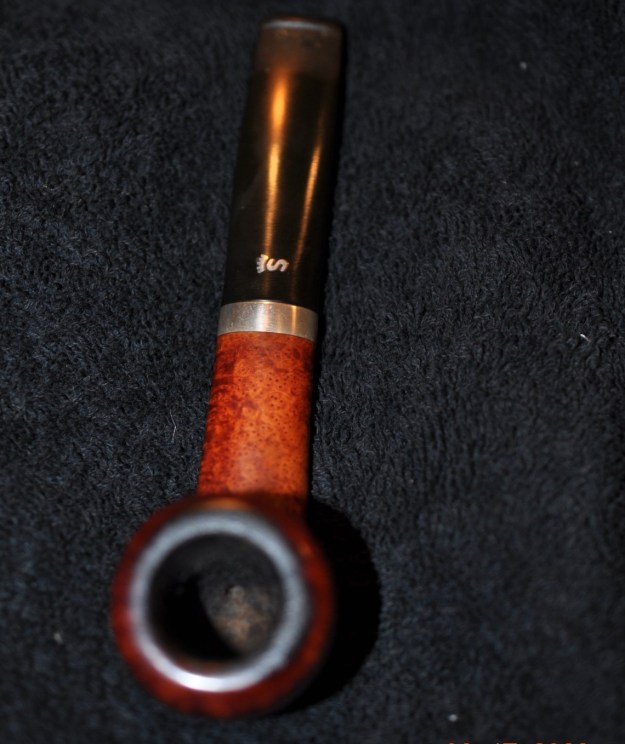
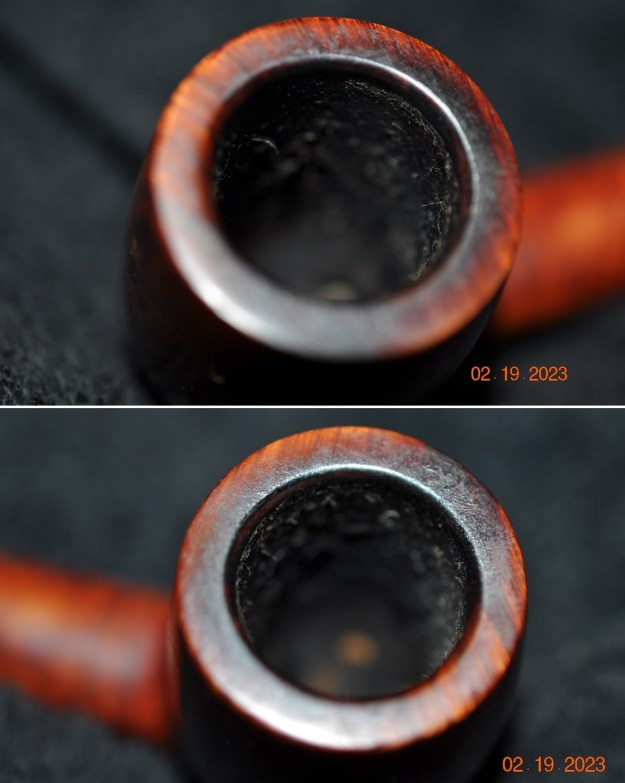
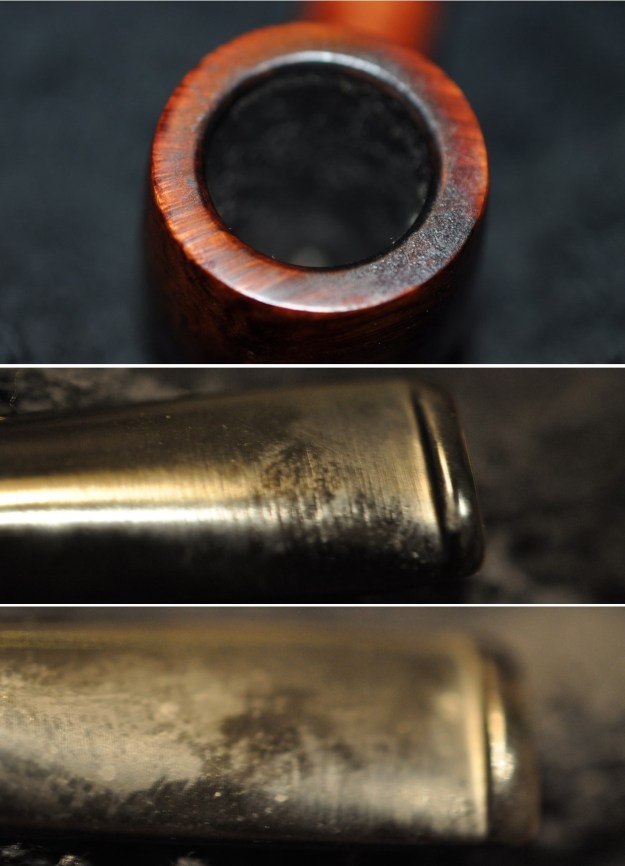
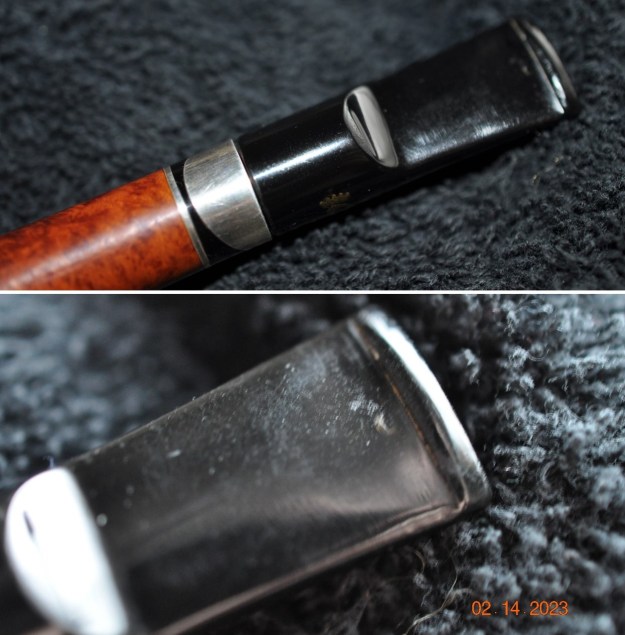
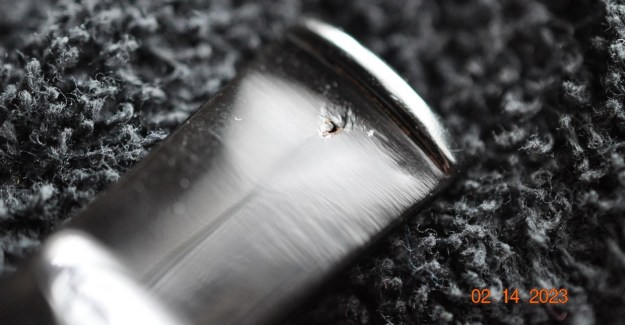
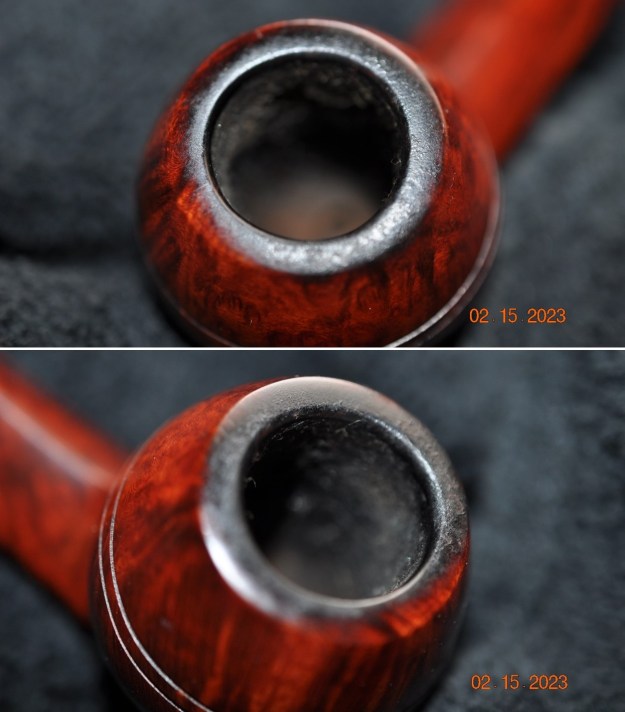
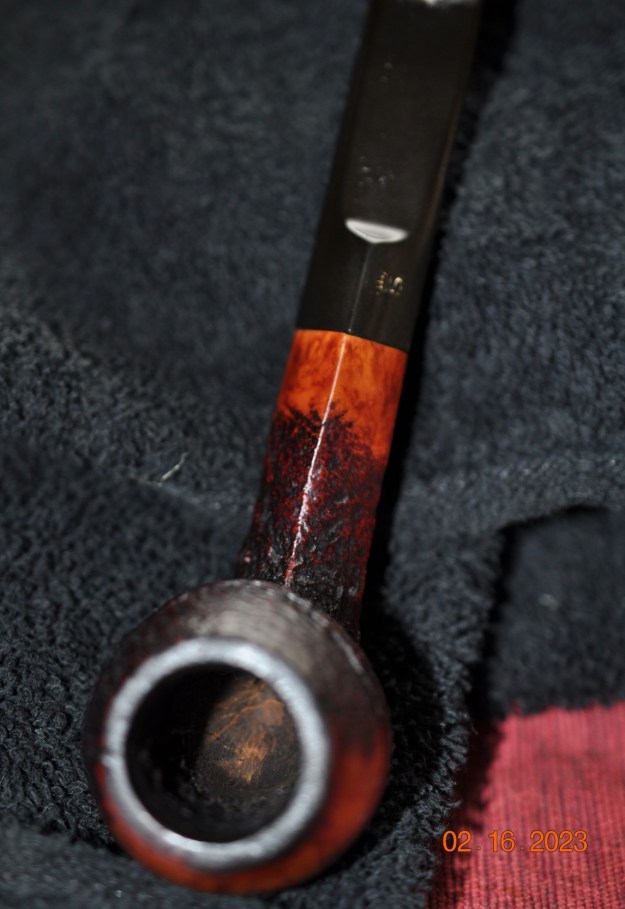
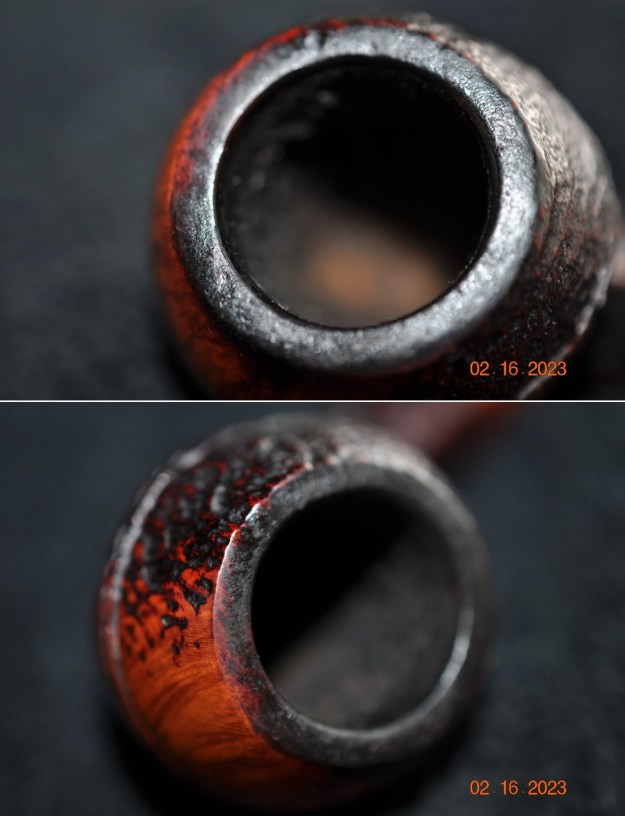
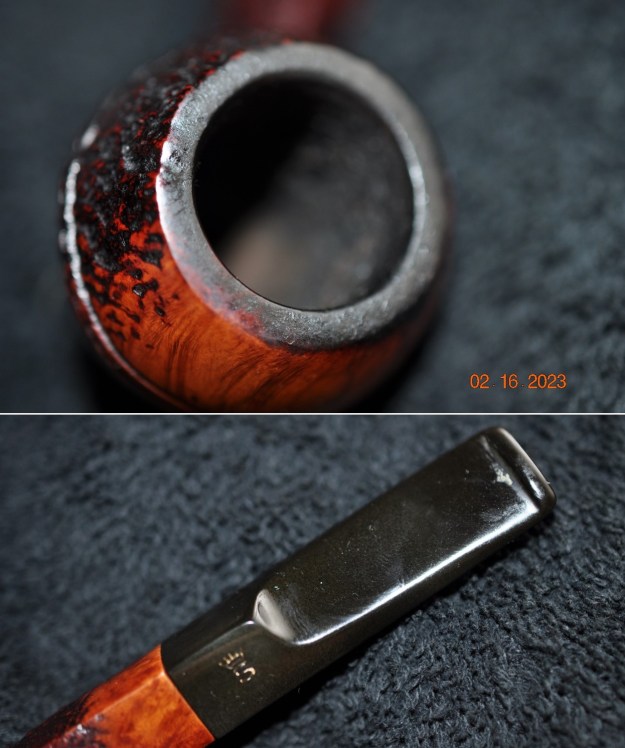
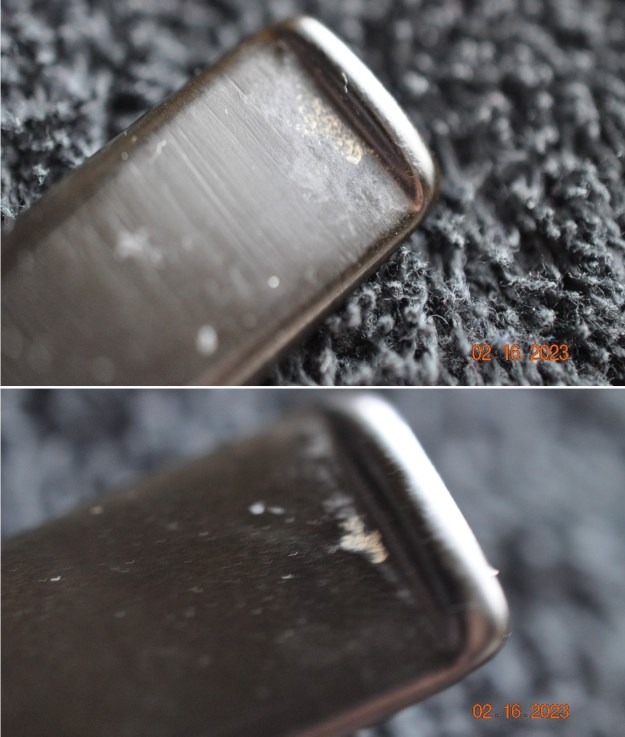
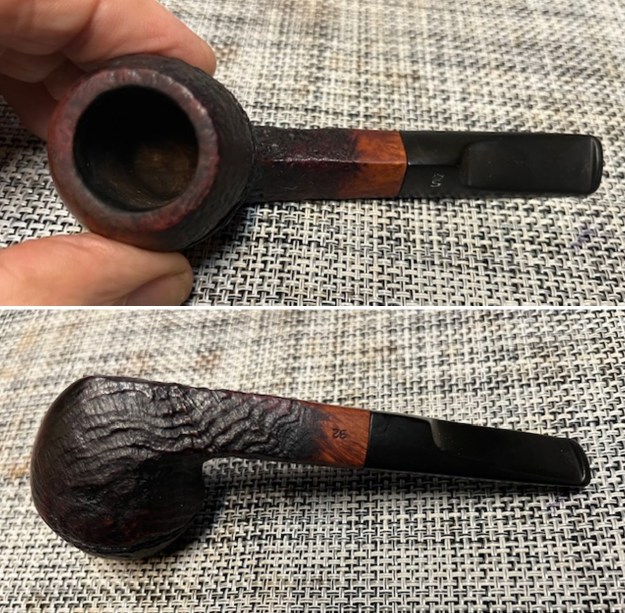
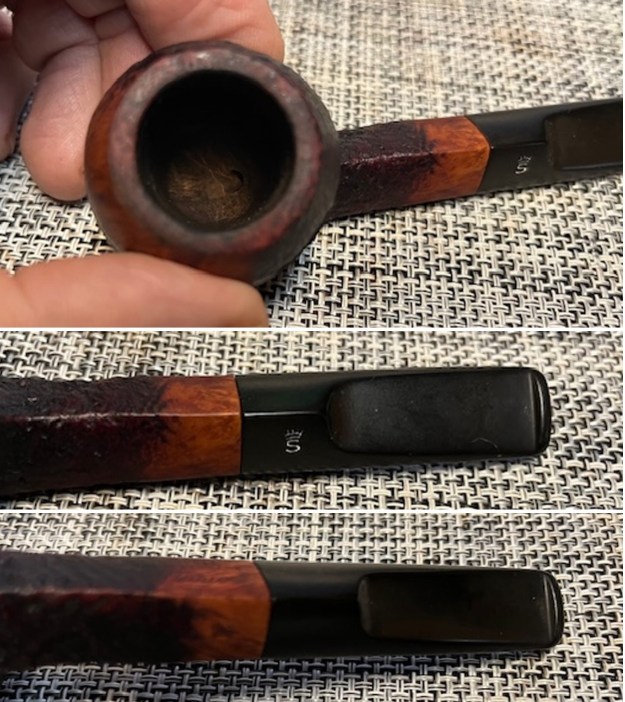
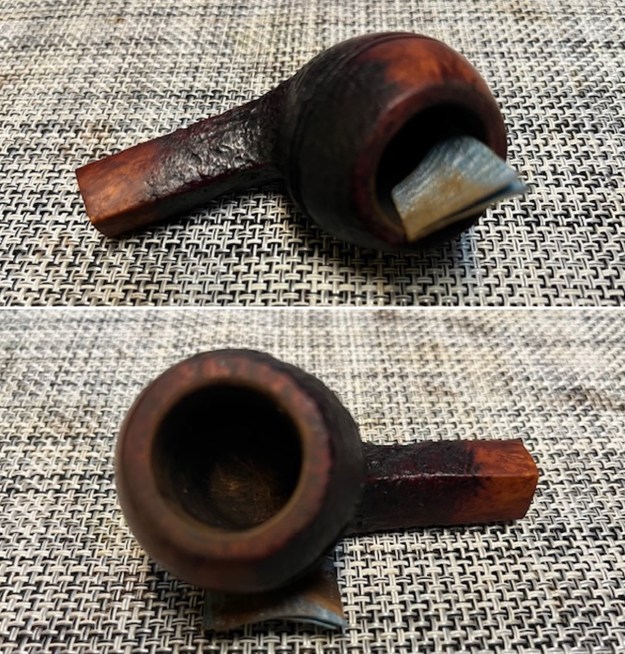
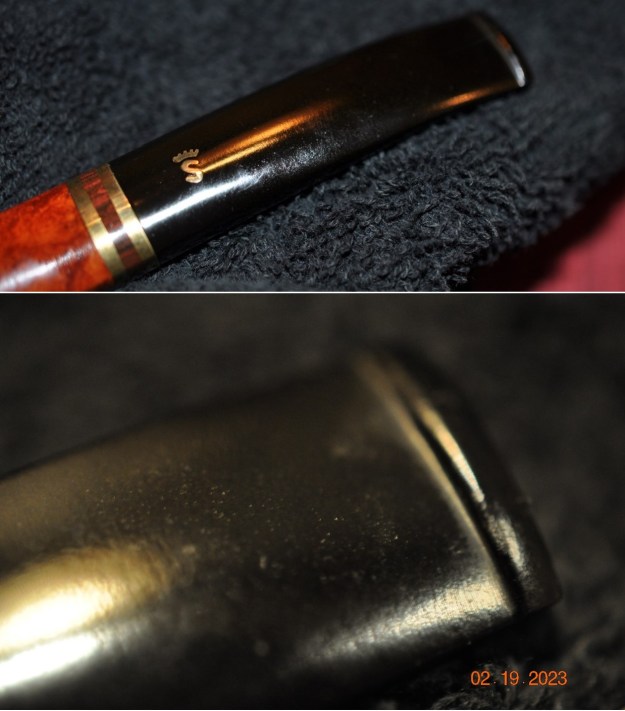
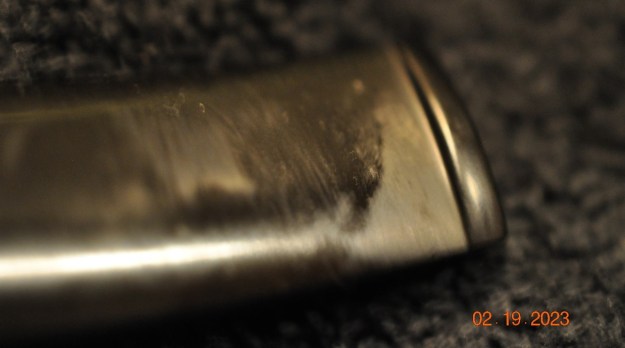
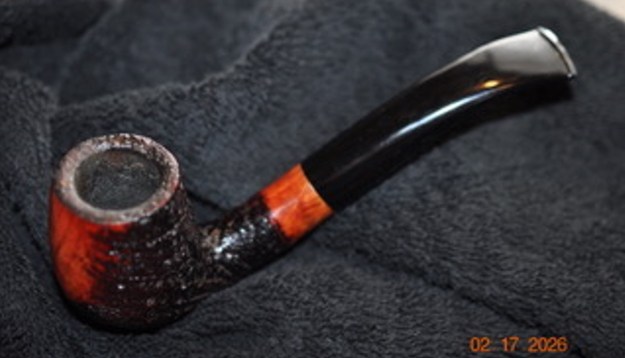 He took photos of the bowl and rim top to show what they looked like before his clean up. You can see the lava coat on the rim top and the cake in the bowl. The inner edge looks to be okay under the thick cake on the walls. He took photos of the stem to show the condition of both sides.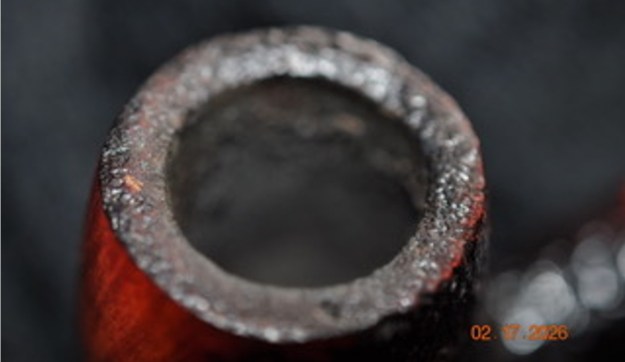
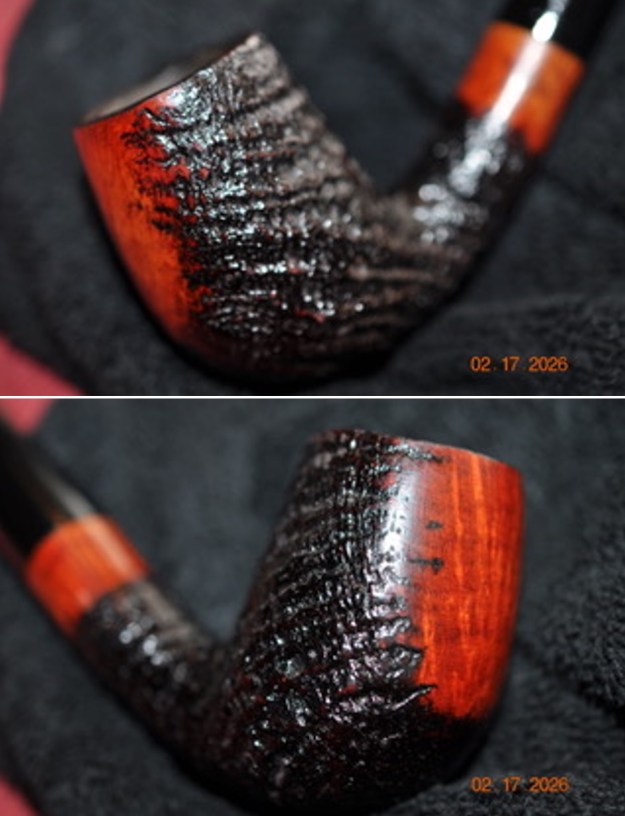
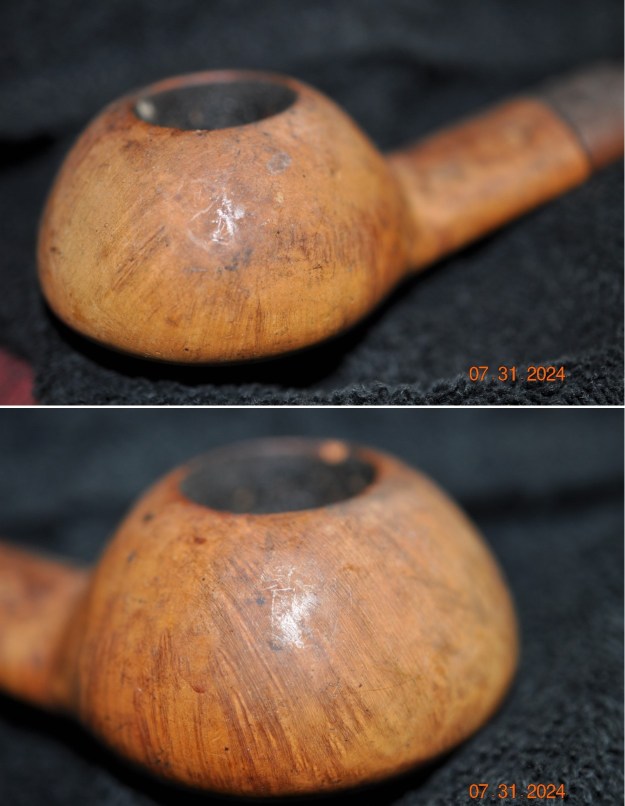
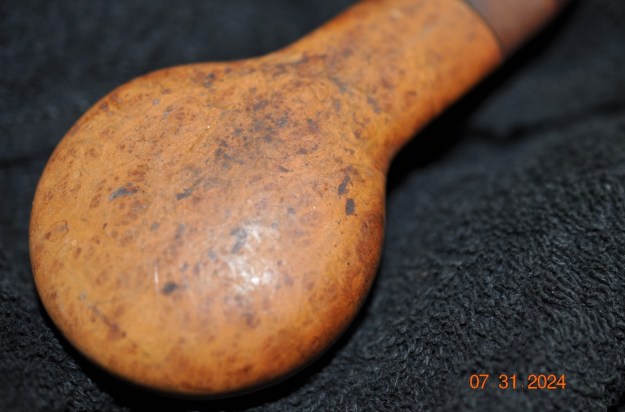
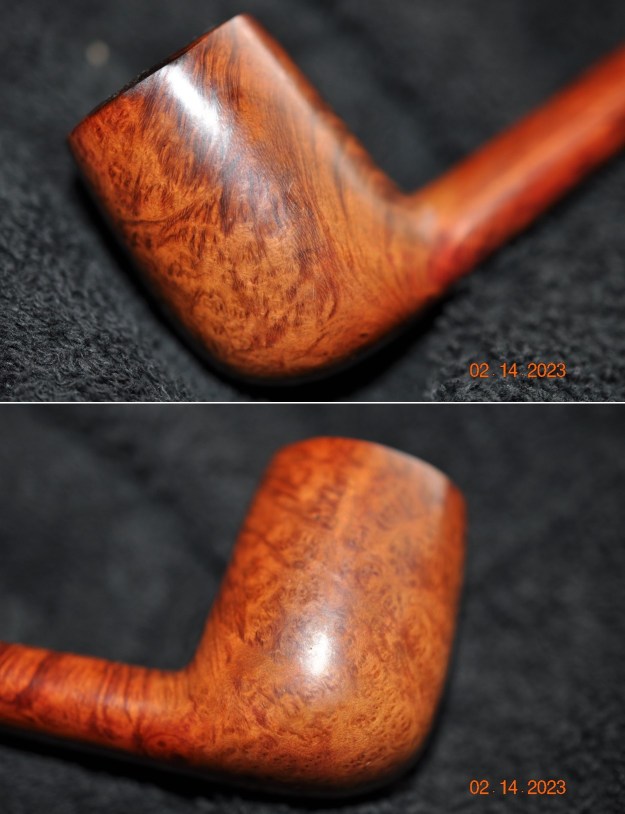
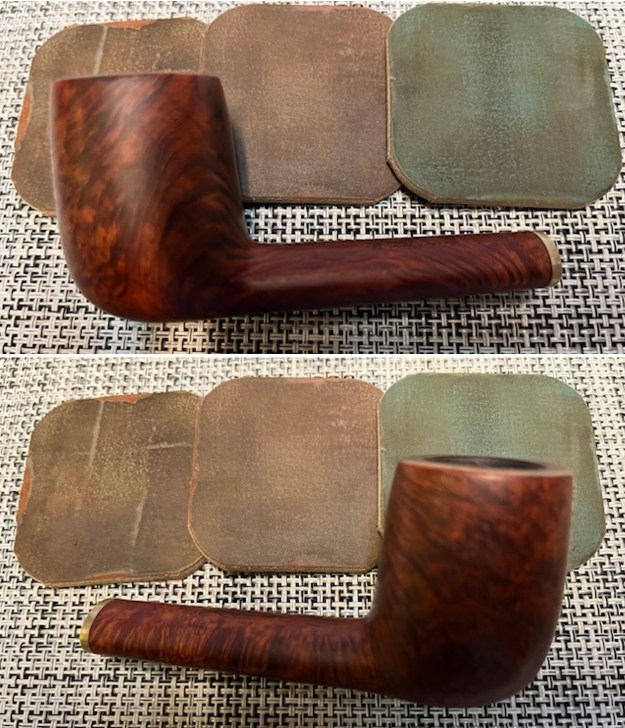
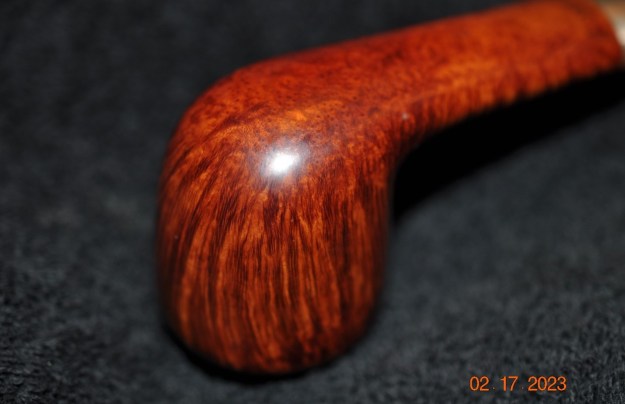
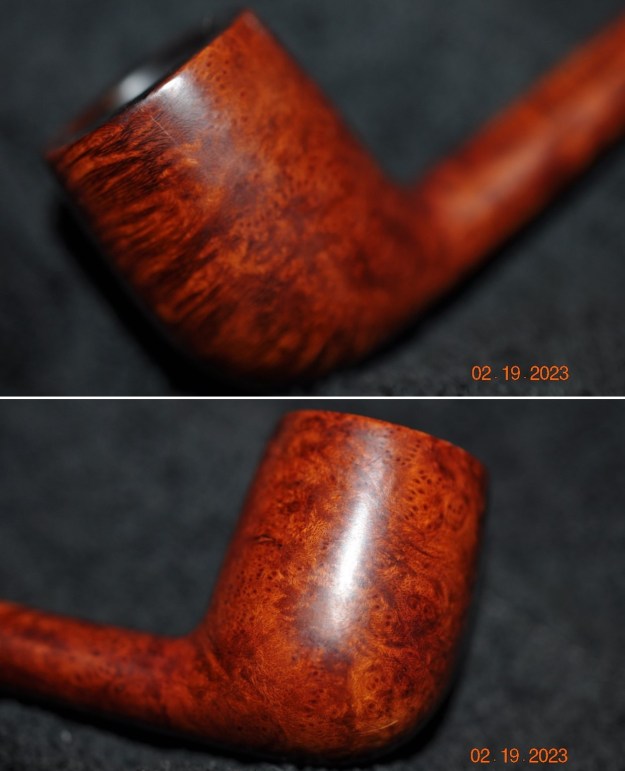
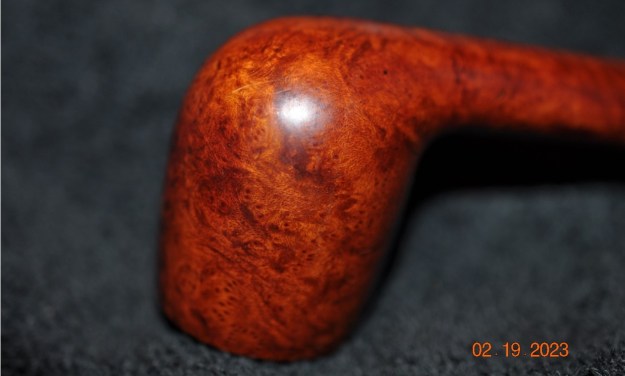
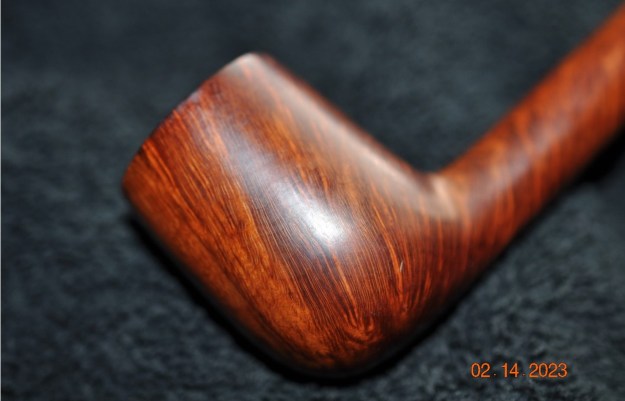
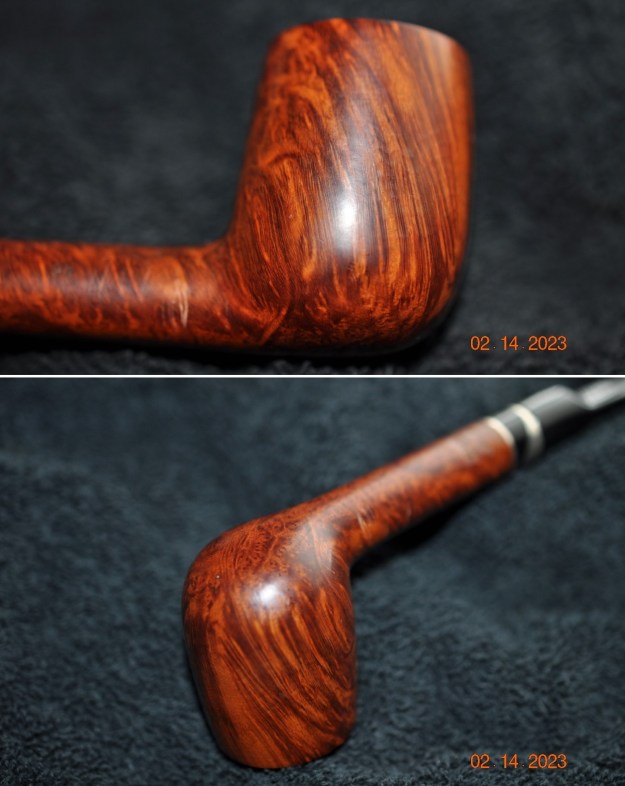
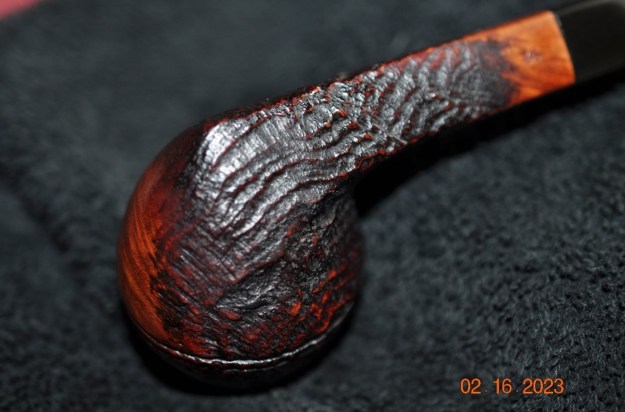
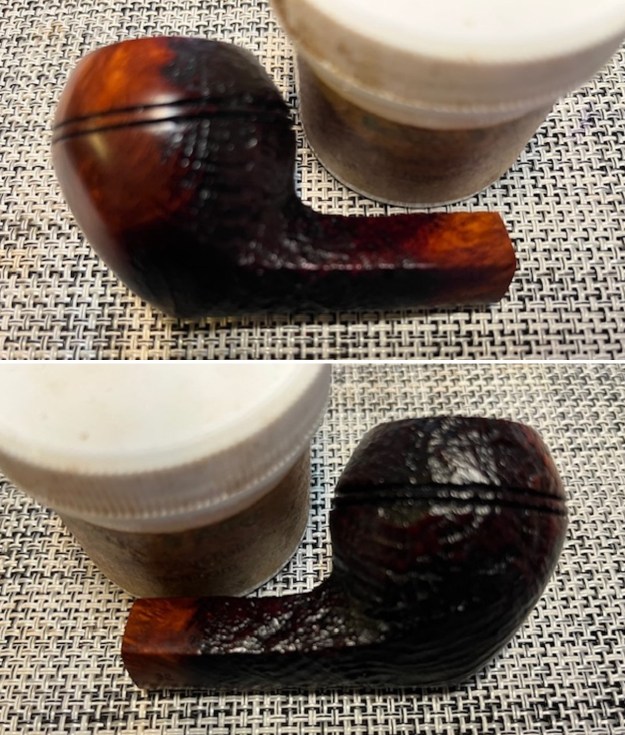
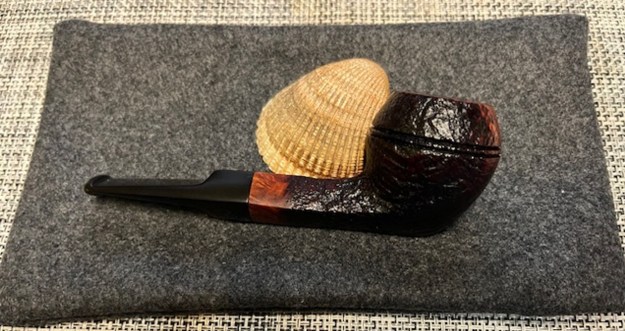
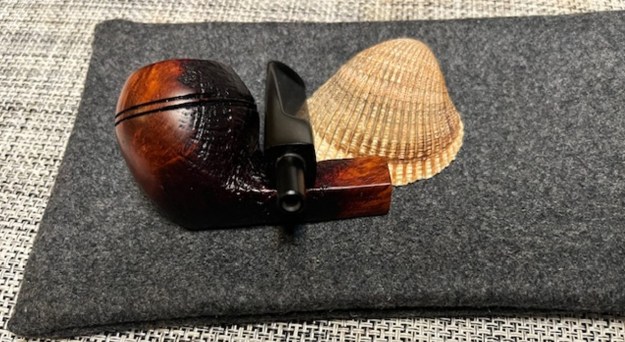
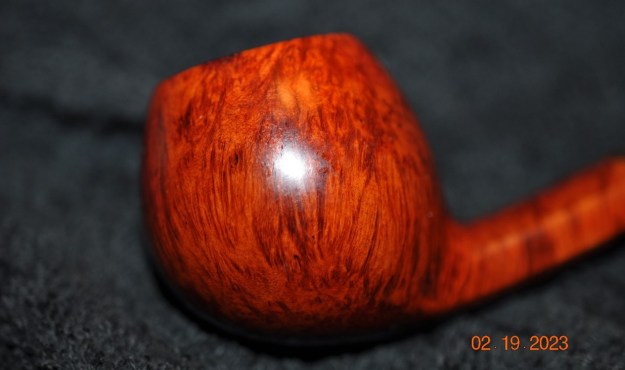
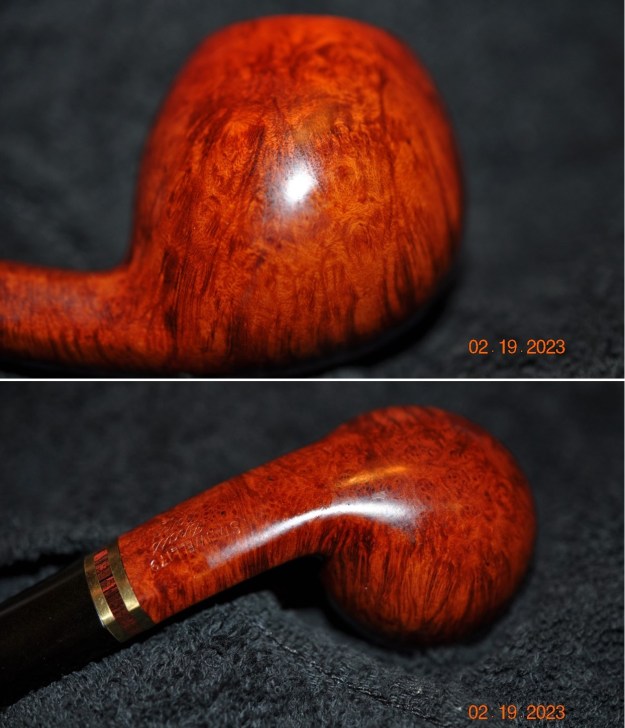
 The photos of the sides and heel of the bowl show the uniquely stained grain and sandblast portions around the bowl and shank. The mixture of brown stains adds depth to the finish on the pipe. Even under the grime it is a real beauty.
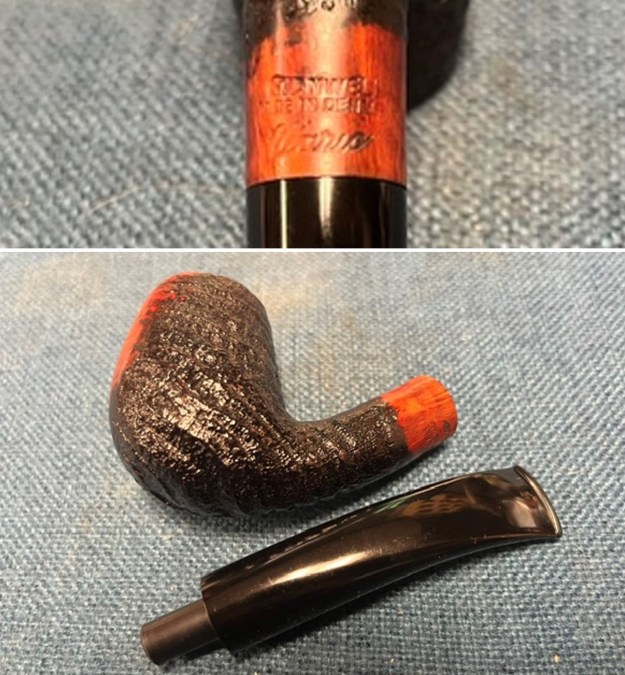
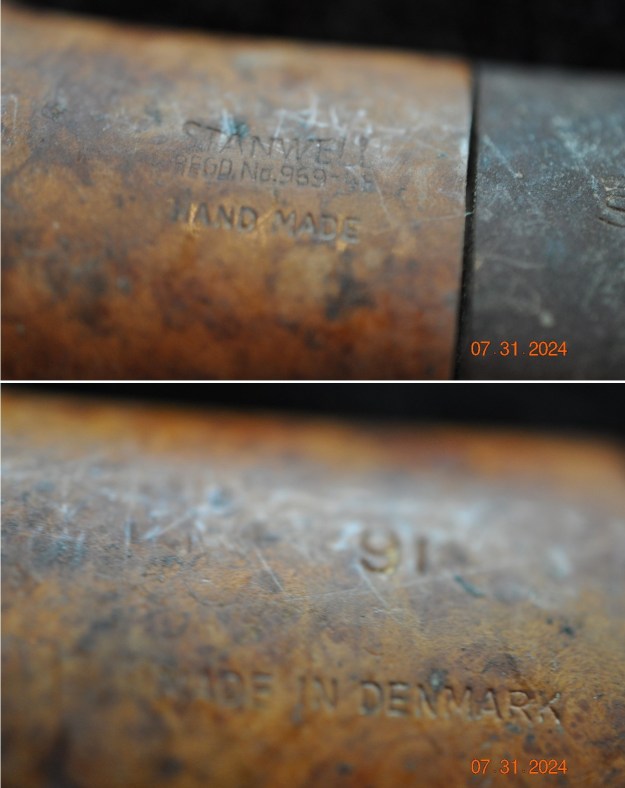
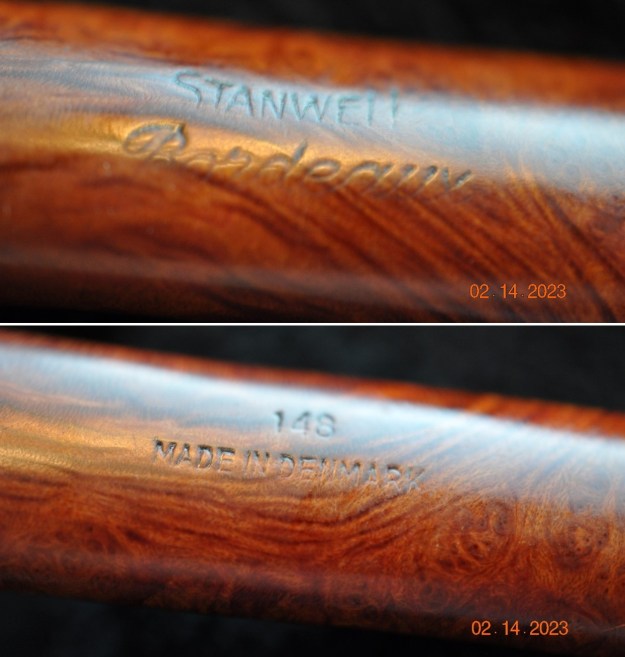
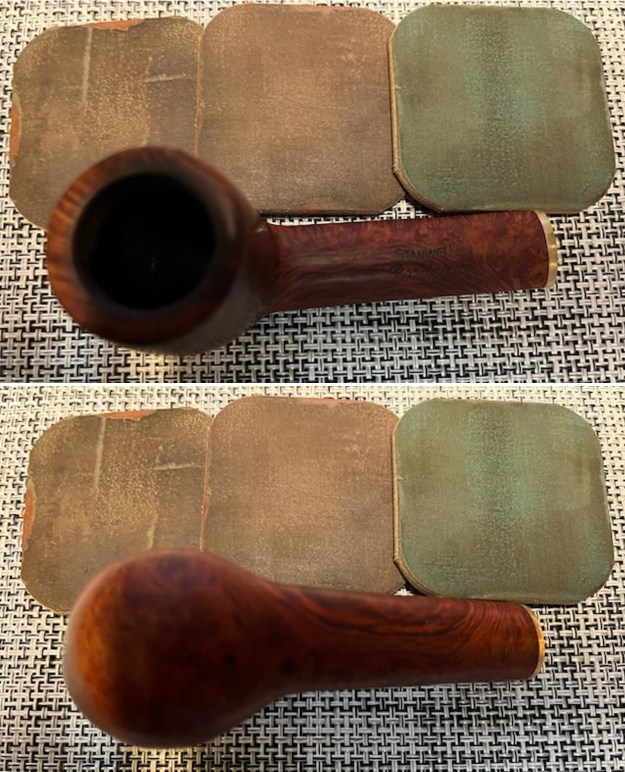
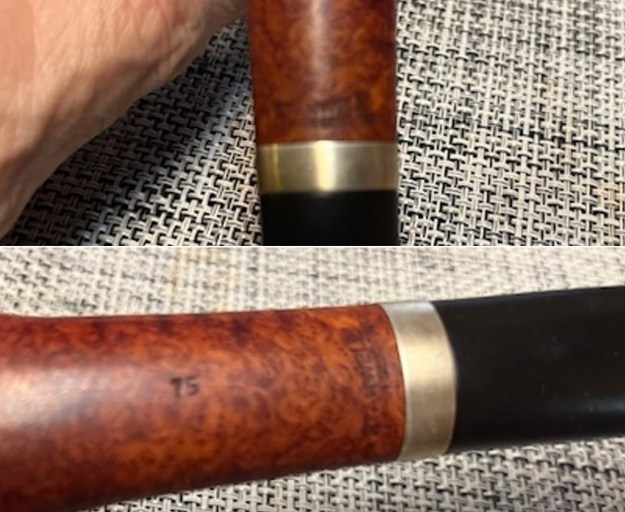
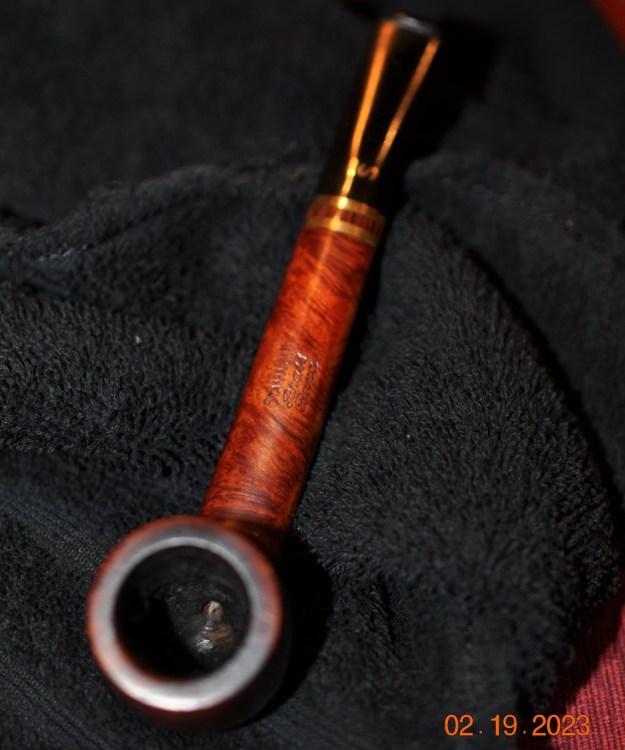
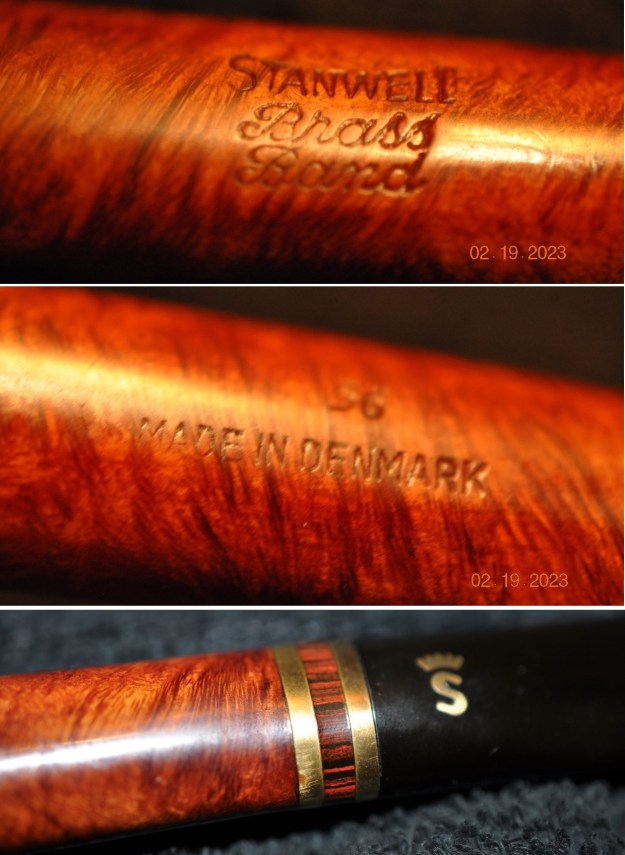
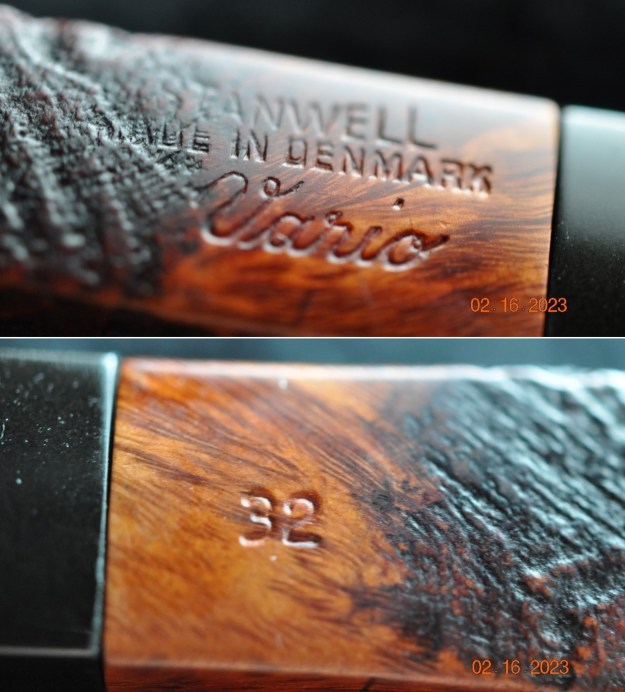
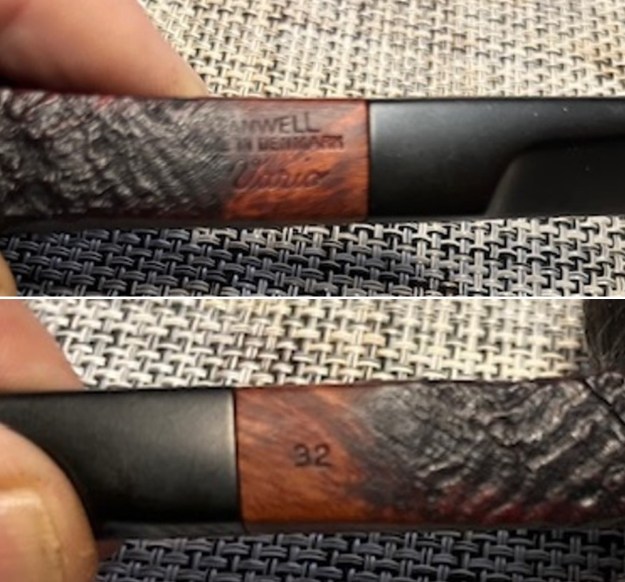
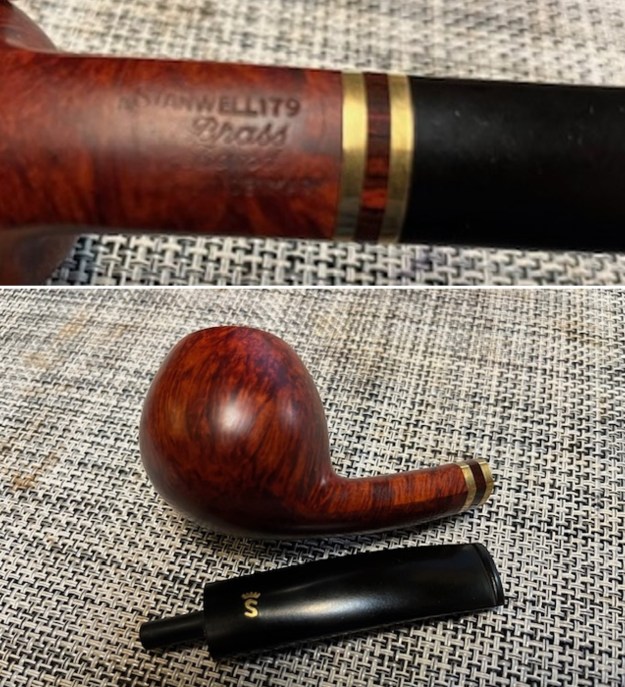
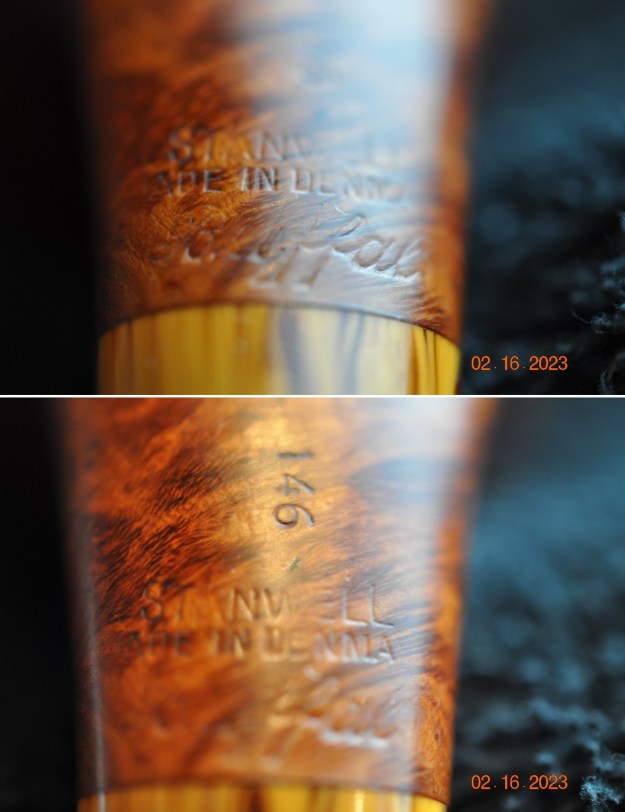
 The stamping on this one was on the underside of the shank and is shown in the photos below. There was also a shape number 85 on the right side of the shank that is shown below. The stamping on both is clear and readable as noted above.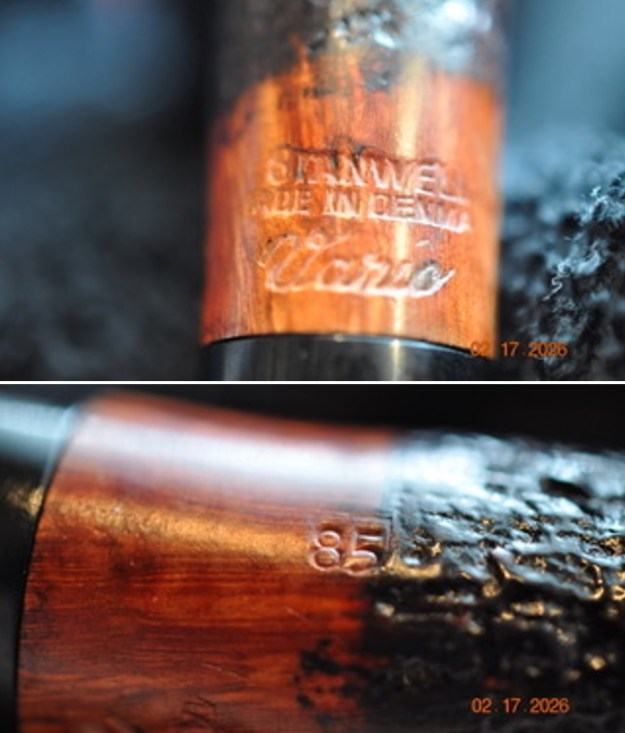
Before I started my work on the pipe I wanted to see if I could find any information that would help me get a sense of the line. I turned to Pipephil to see if there was any listing on the Vario Line (http://pipephil.eu/logos/en/logo-stanwell.html). There was nothing listed.
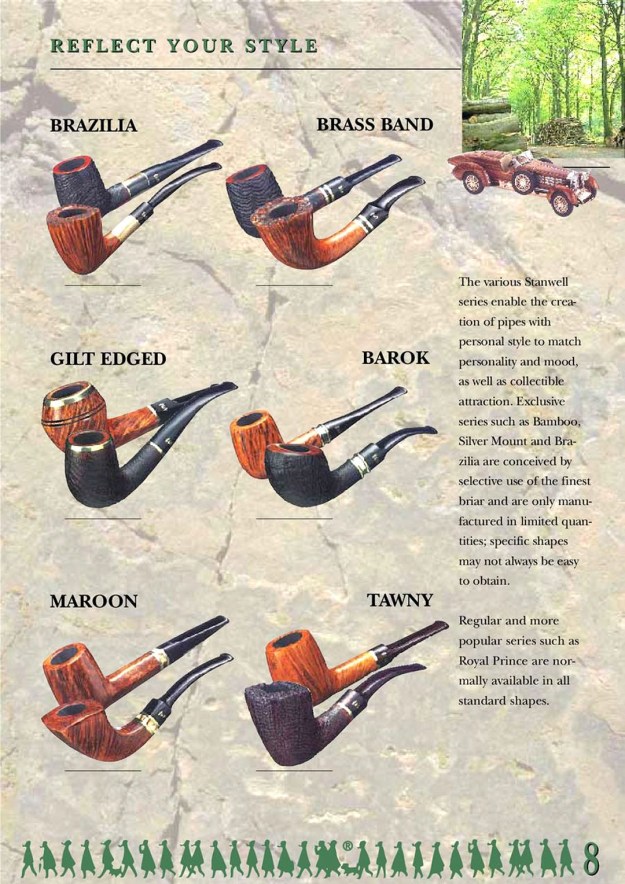
I then turned to Pipedia (https://pipedia.org/wiki/Stanwell) for more information. The article is great and gives a lot of history on the brand. But there is nothing specific on the Varios. I did a quick Google search and came up with a link for Smokingpipes.com that had a description for a Vario (https://www.smokingpipes.com/pipes/estate/denmark/moreinfo.cfm?product_id=345545). I have included that description below:
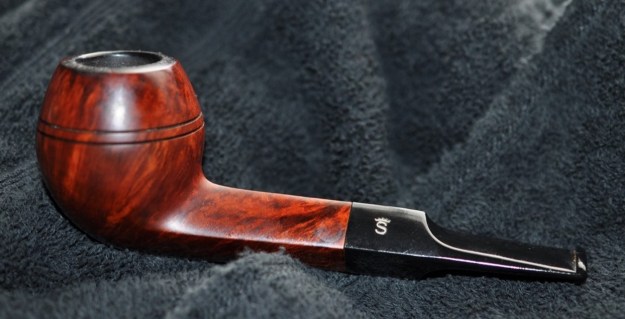
Stanwell’s Vario finish is characterized by a dark-stained sandblast interspersed with smooth, lighter-stained briar. The dual tone and mix of textures are found here on this classic 85 Bent Billiard — a rendition that caters to lovers of pipe chart standards and offers versatile appeal in its convenient size and light weight.
That pretty well captured the description of the pipe I have in my hands.
There was also a link to a shape article on Pipedia written by Bas Stevens that I originally published on rebornpipes. I looked up the 85 shape number to see who had designed that shape (https://pipedia.org/wiki/Stanwell_Shape_Numbers_and_Designers). I quote that below
- Two versions of this shape number:
- a) Freehand; tall bent egg with a stepped stem, by Sixten Ivarsson (late 1950s).
- b) Bent Billiard saddle mouthpiece. (discontinued – 2006 and replaced with shape 246).
The pipe I am working on is a Bent Billiard but it has a taper stem. The shape 85 could also have been a Sixten Ivarrson design Tall Bent Egg with a stepped stem. I am fairly confident that the pipe I am working on is not an egg but rather a Bent Billiard – 85b above. Now it was time to work on the pipe.
Jeff had thoroughly cleaned up the pipe. He reamed the pipe with a PipNet Pipe Reamer and cleaned up the remnants with a Savinelli Fitsall Pipe Knife. He scrubbed the bowl with undiluted Murphy’s Oil Soap with a tooth brush. He rinsed it under running warm water to remove the soap and grime. He cleaned out the inside of the shank and the airway in the stem with alcohol, cotton swabs, shank brushes and pipe cleaners. He scrubbed the exterior of the stem with Soft Scrub to remove the grime and calcification. He soaked the stem in Before & After Deoxidizer and rinsed it off with warm water. The pipe looked very good when it arrived here in Vancouver.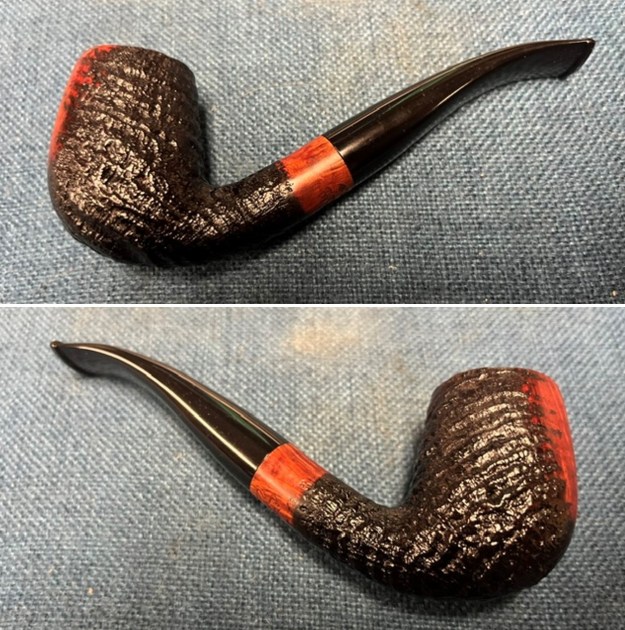
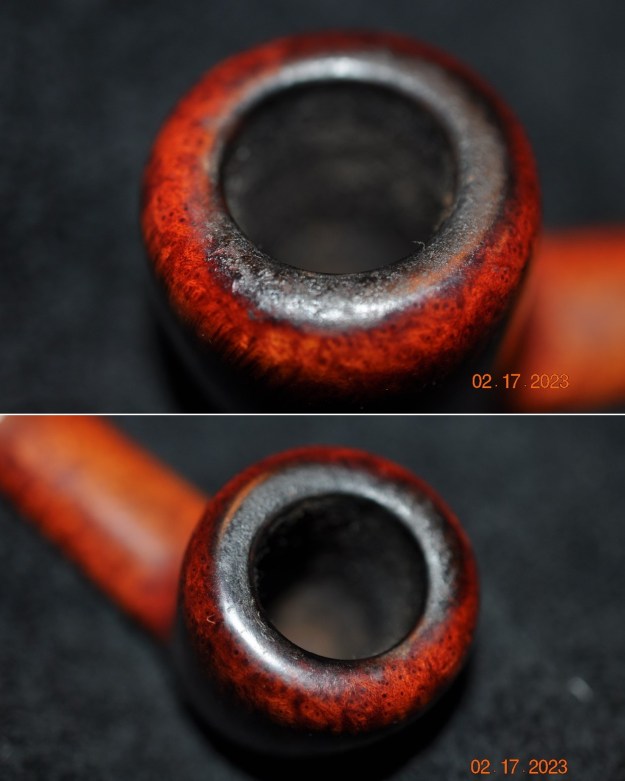
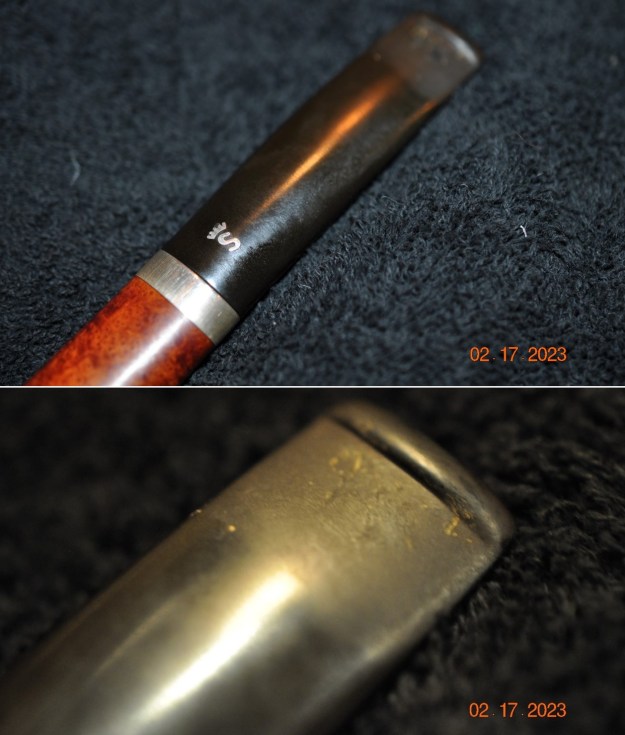
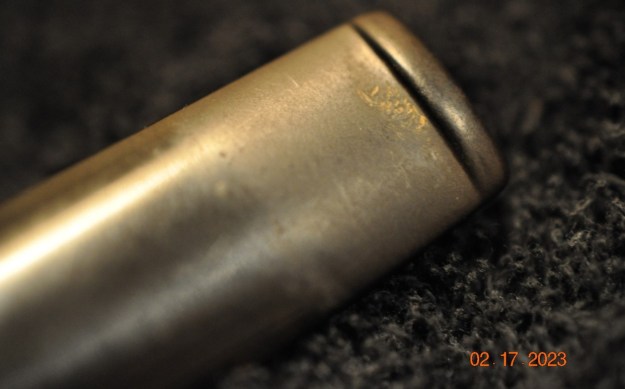
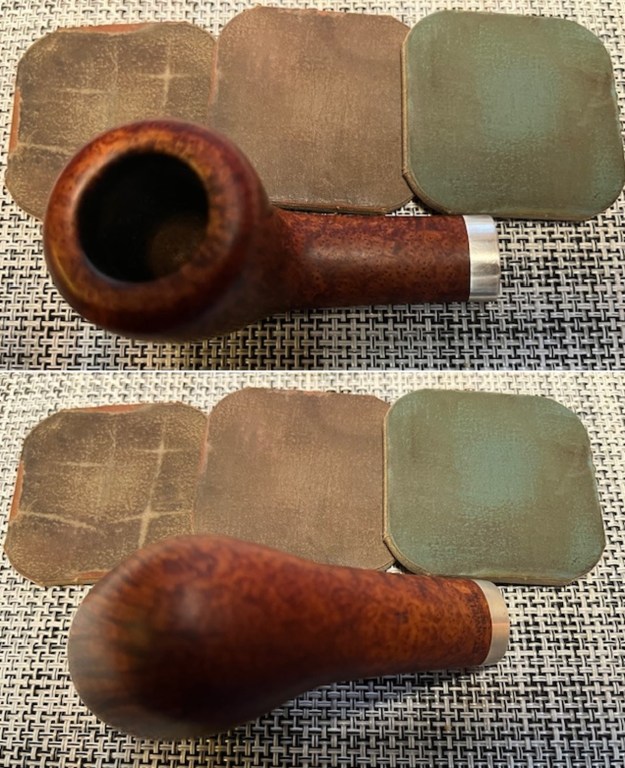
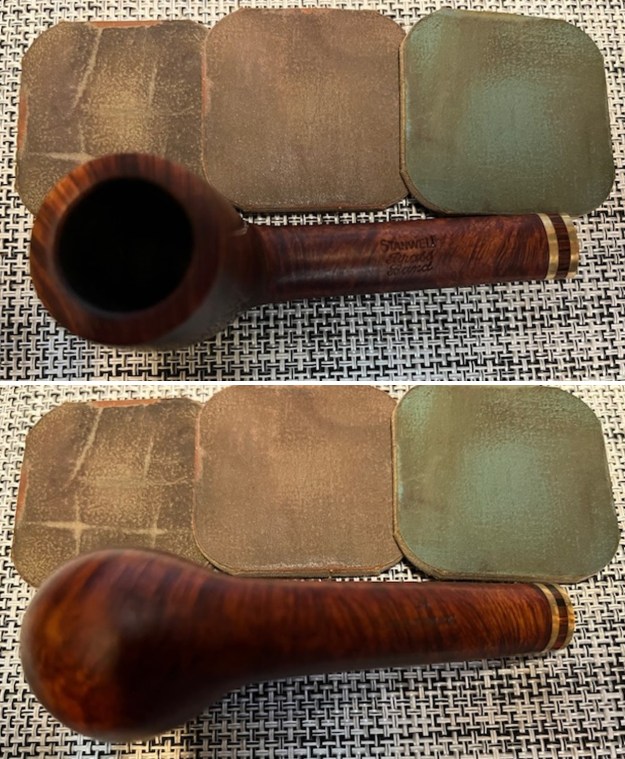
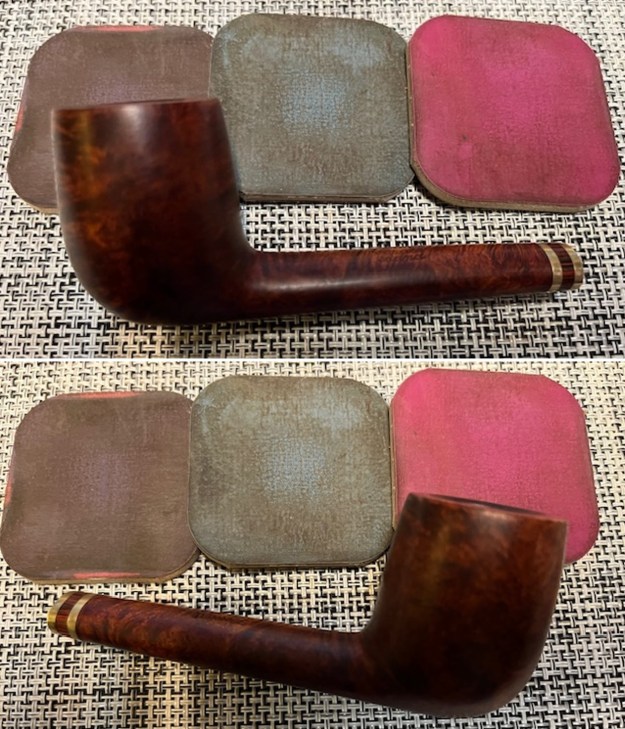
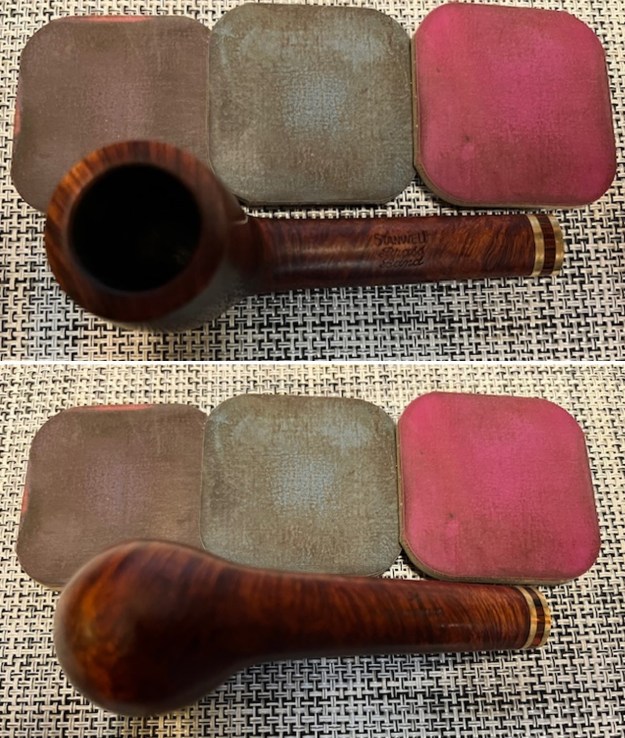
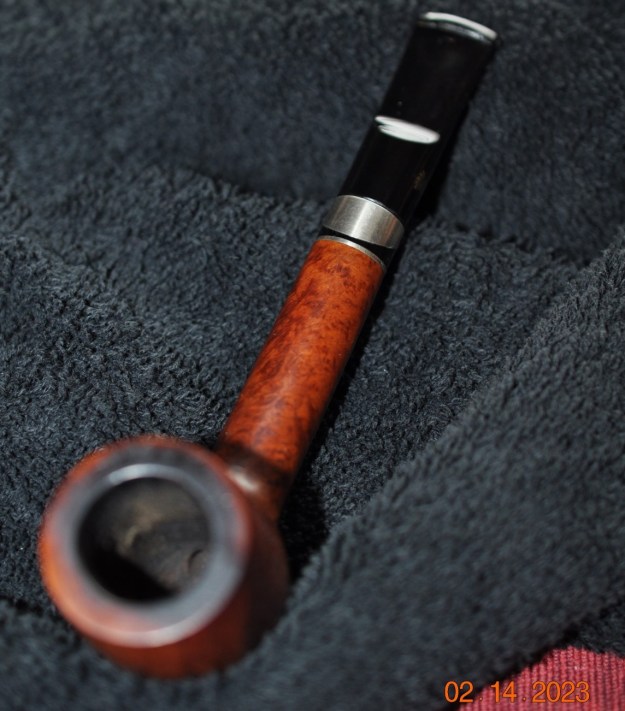
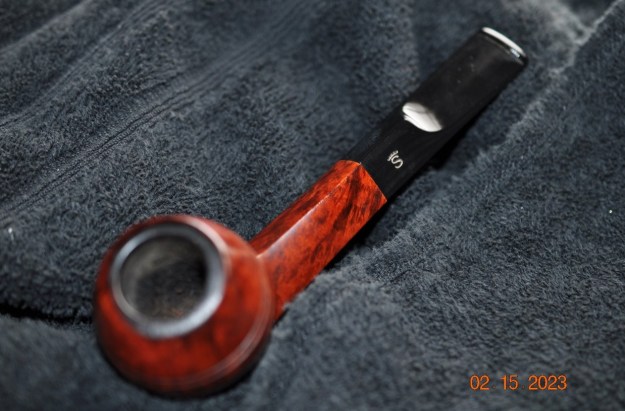
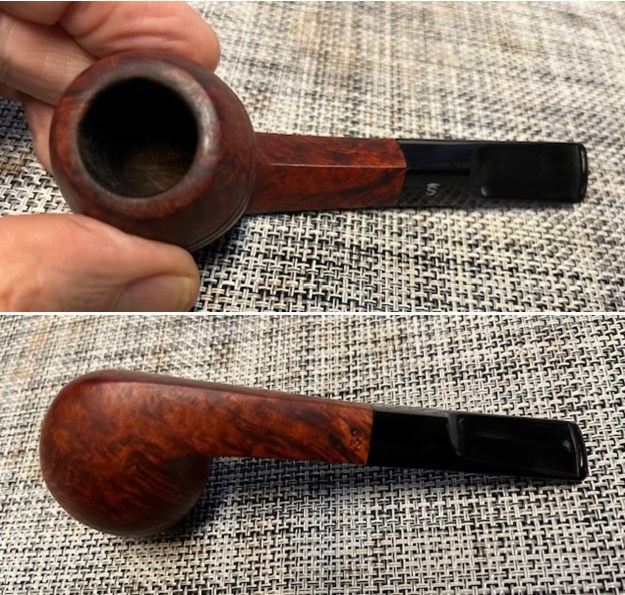
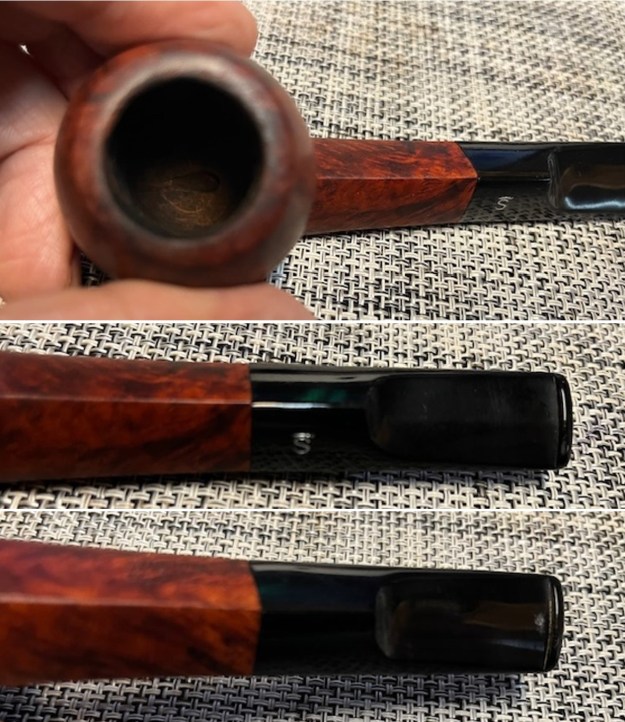
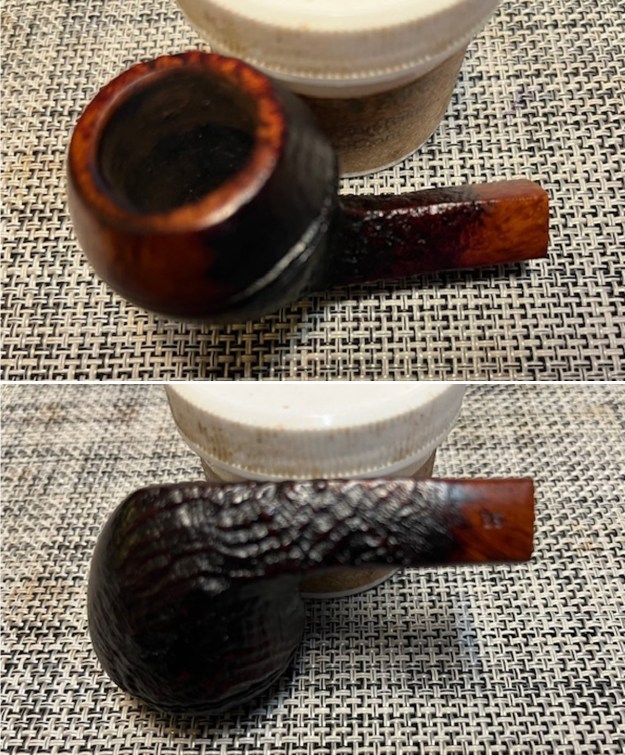
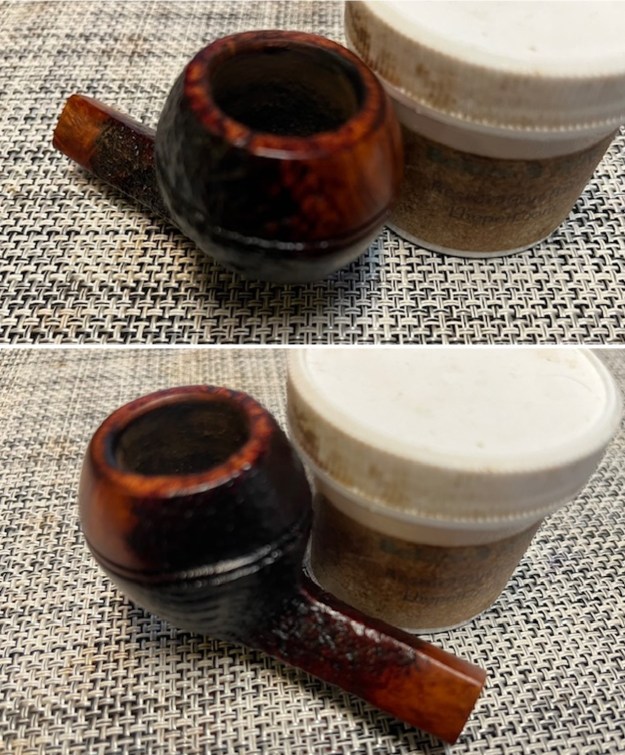
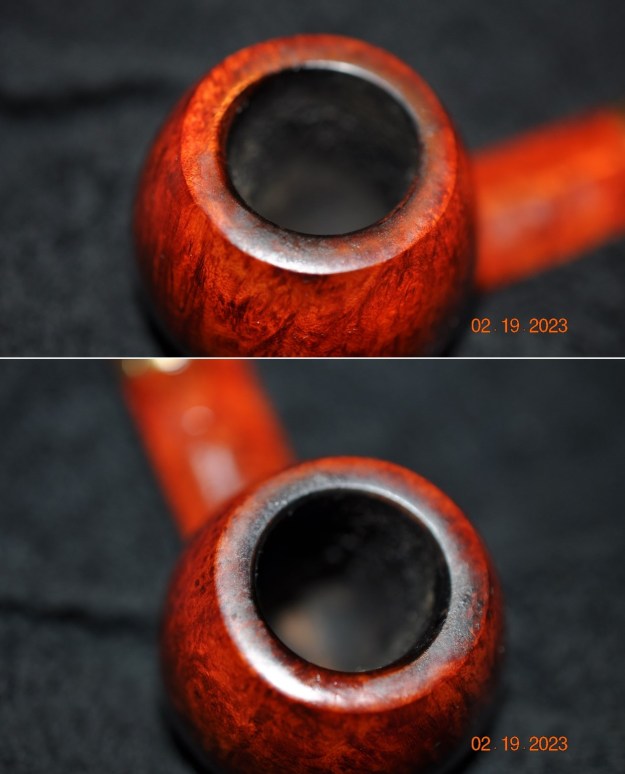
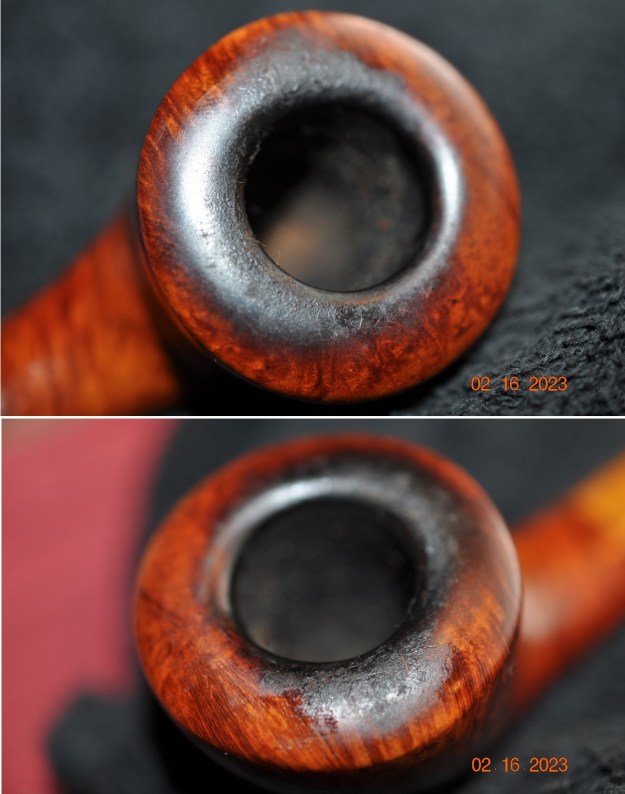
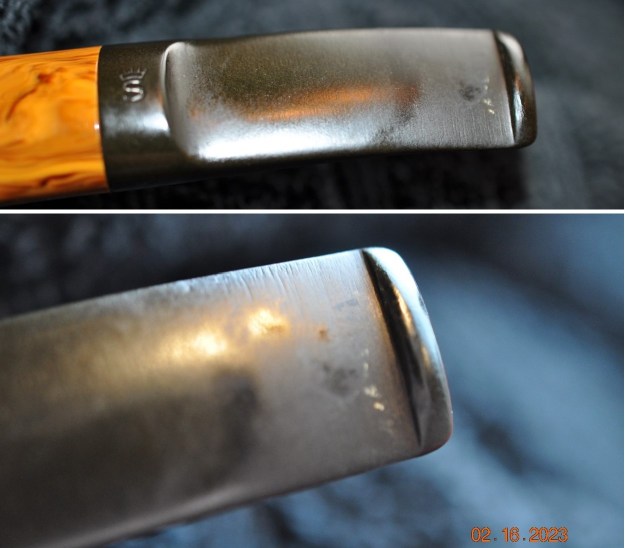
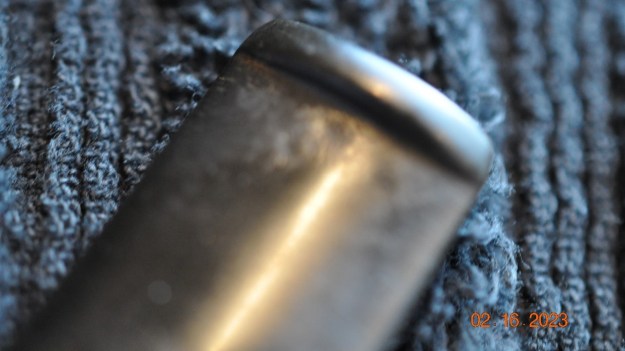
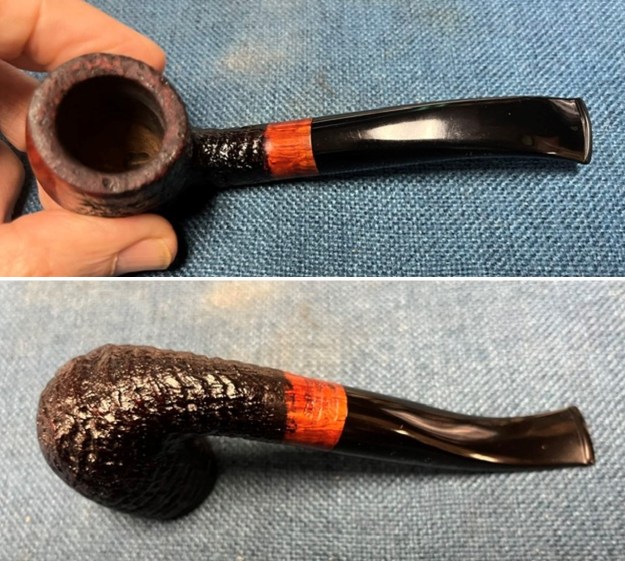 I took close up photos of the bowl, rim and the stem. The rim top cleaned up very well. There is some debris in the sandblast of the rim top. The stem looks clean but still has light tooth marks and some chatter as noted above.
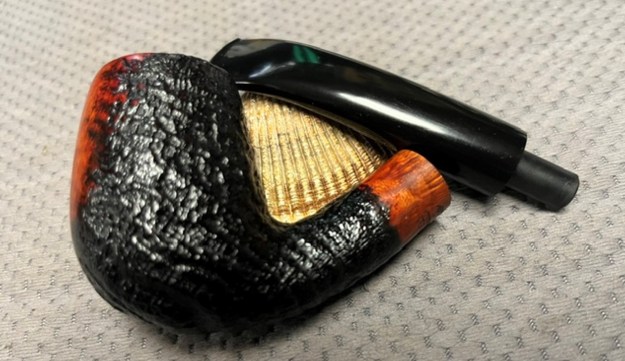
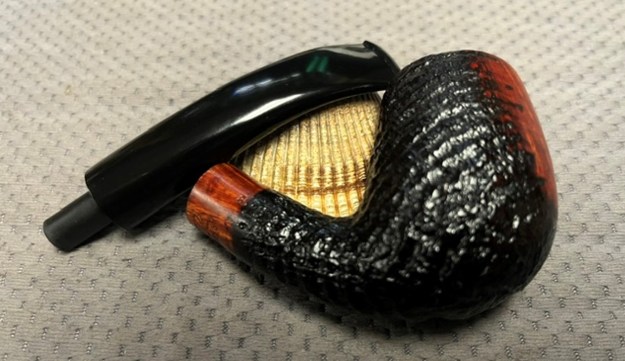
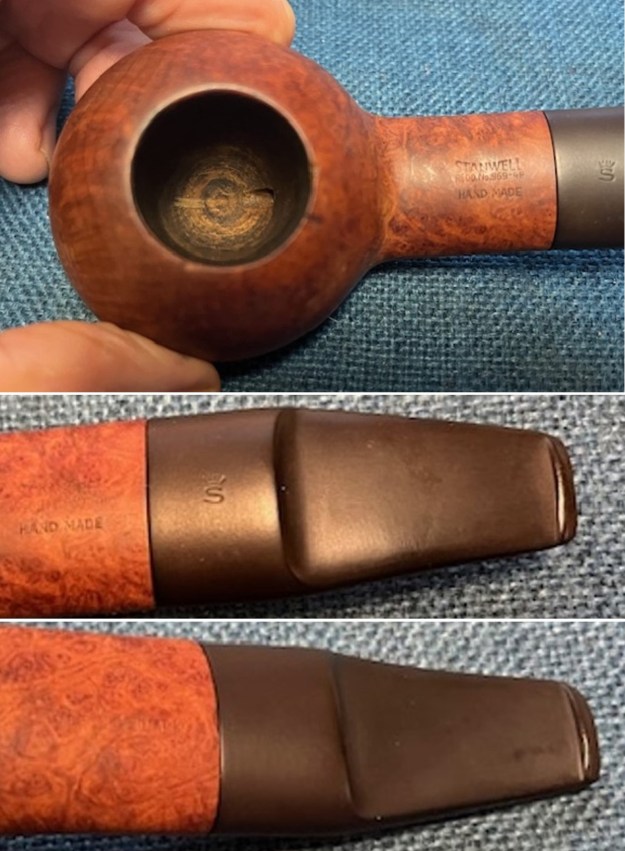
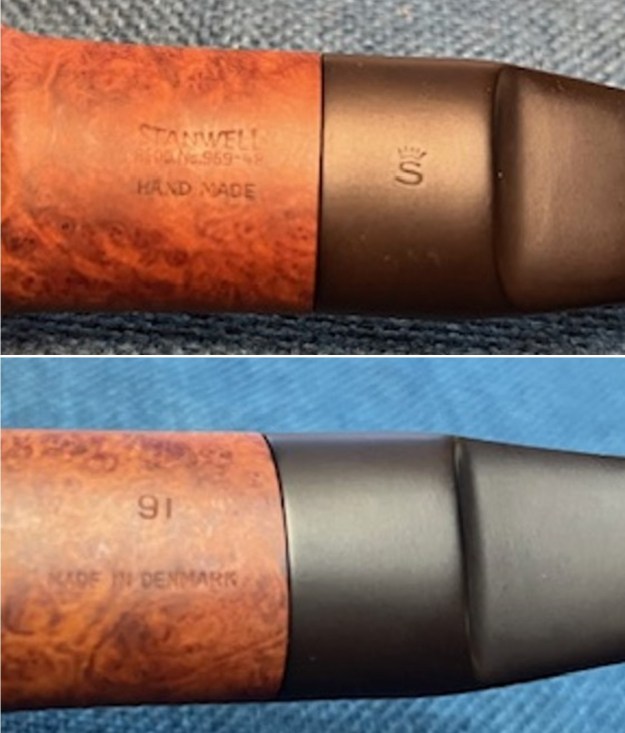
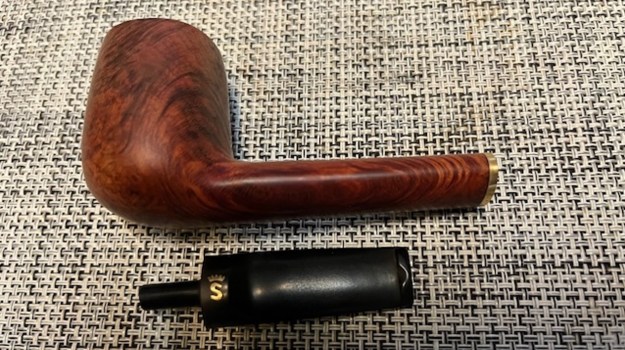
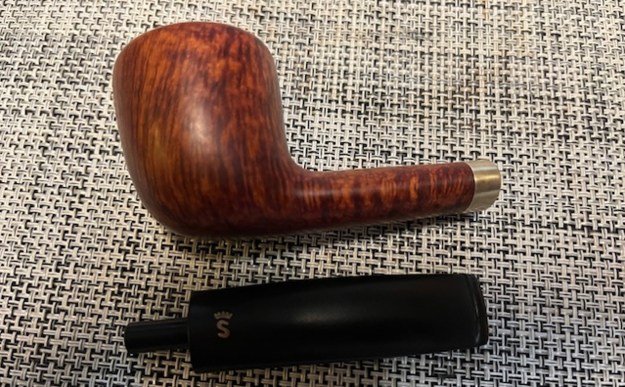
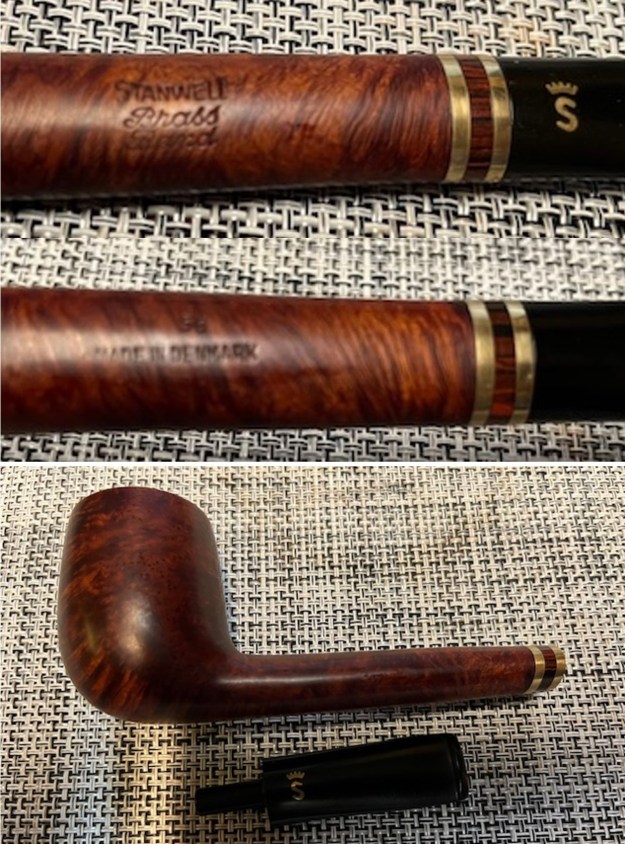
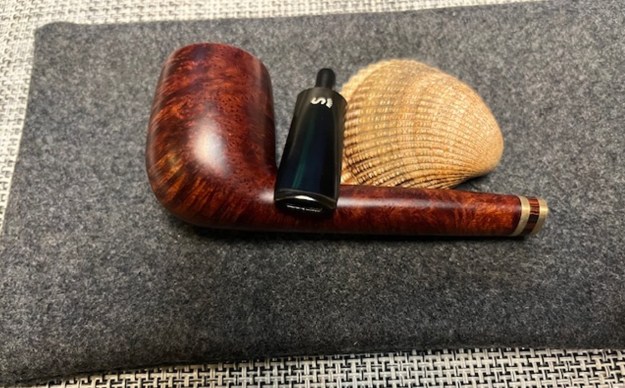
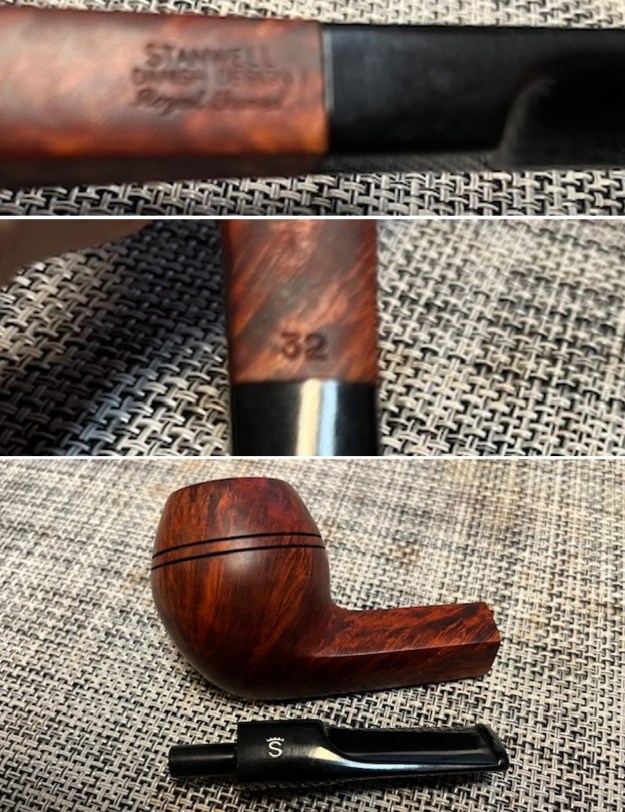
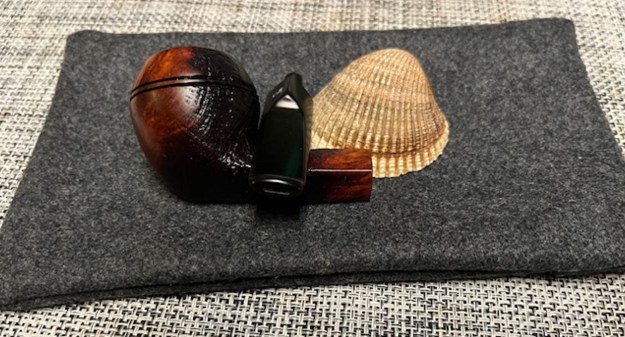
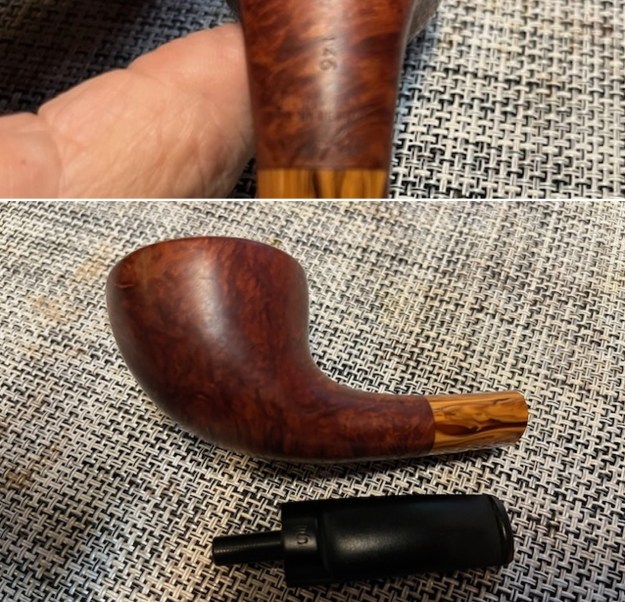
 I took photo of the stamping on the undersides of the shank. It is clear and readable as noted above. I removed the stem from the shank and took a photo to give a sense of the proportions of the pipe. The briar is quite beautiful and the stains really make the grain and the sandblast stand out.
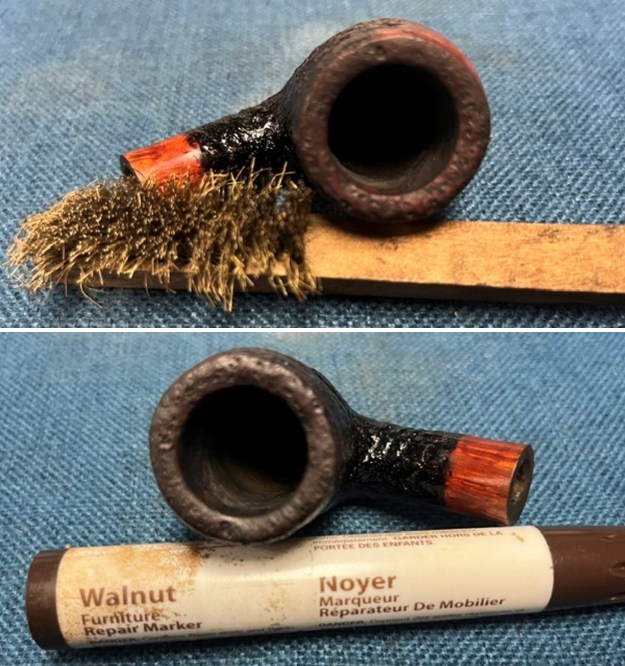
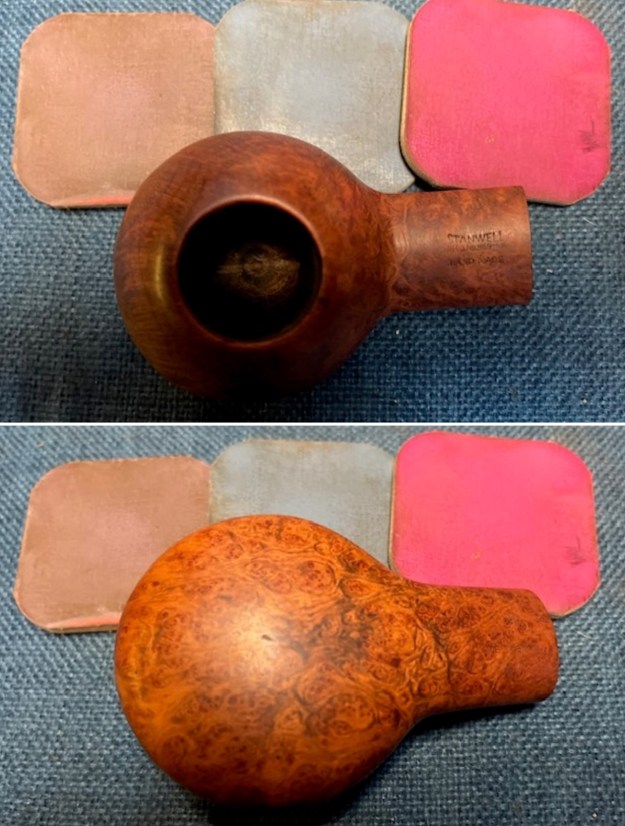
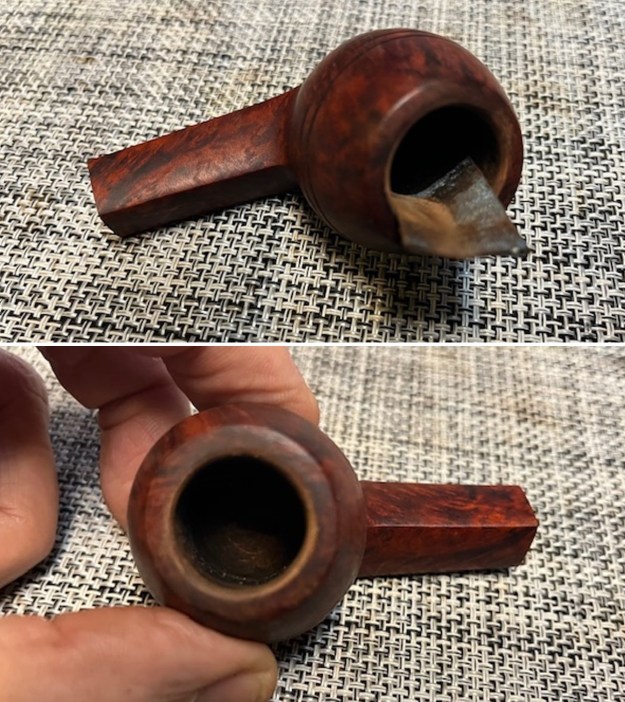
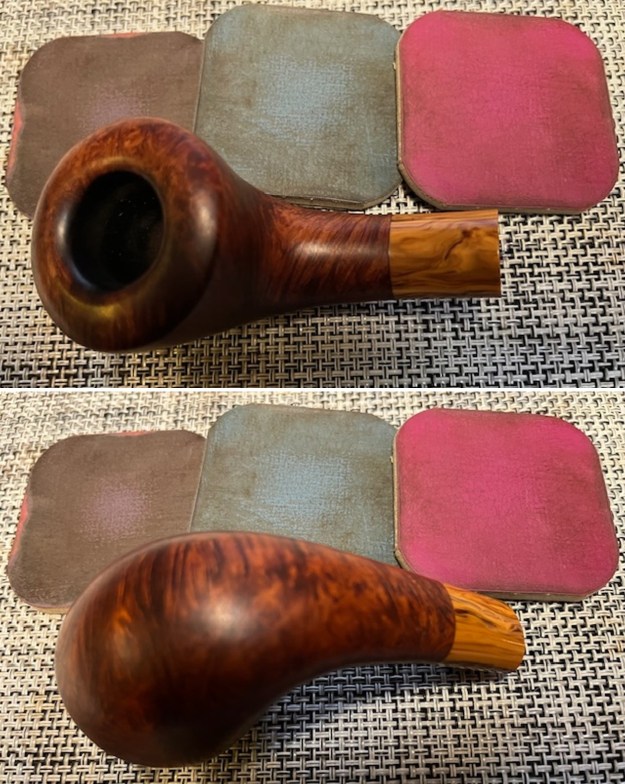
 I started my work on the pipe by addressing the debris in the sandblast on the rim top and the inner edges. I used a brass bristle wire brush to clean up the top and the edges. It looked much better. I touched up the stain on the rim top to match the bowl sides with a Walnut stain pen. It looked much better.
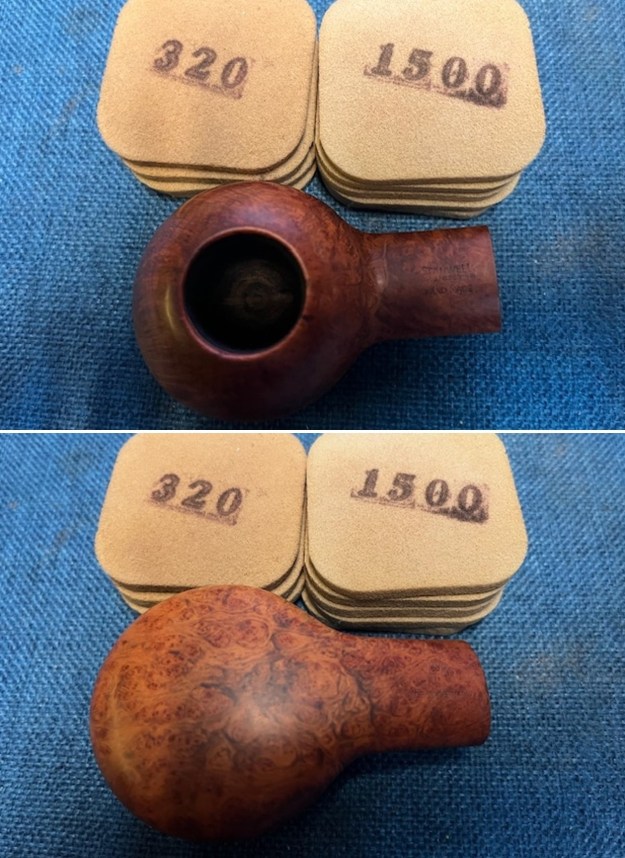
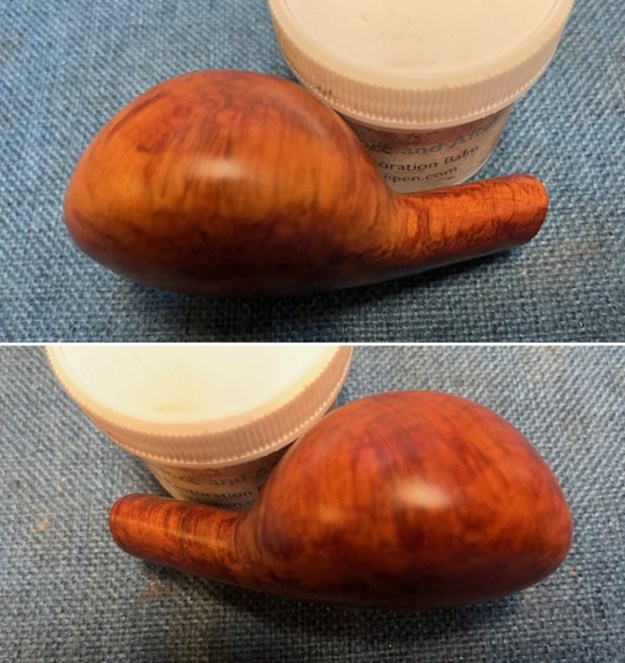
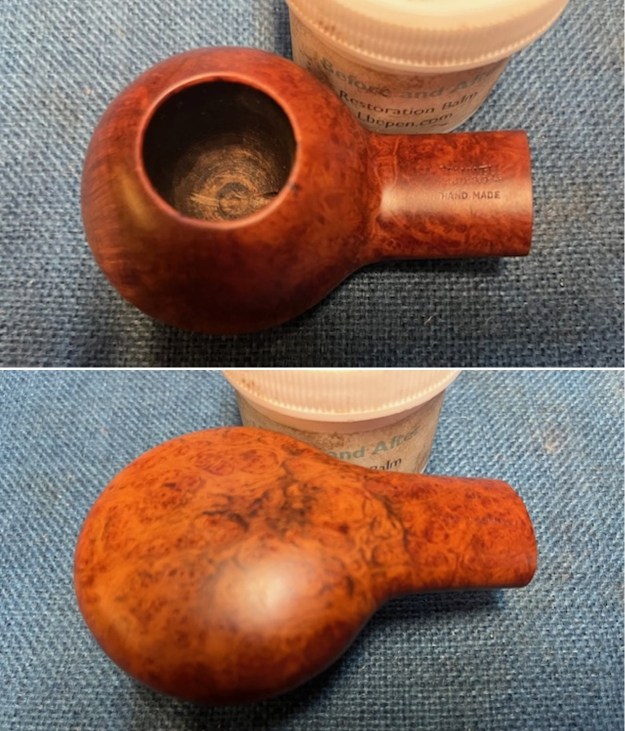
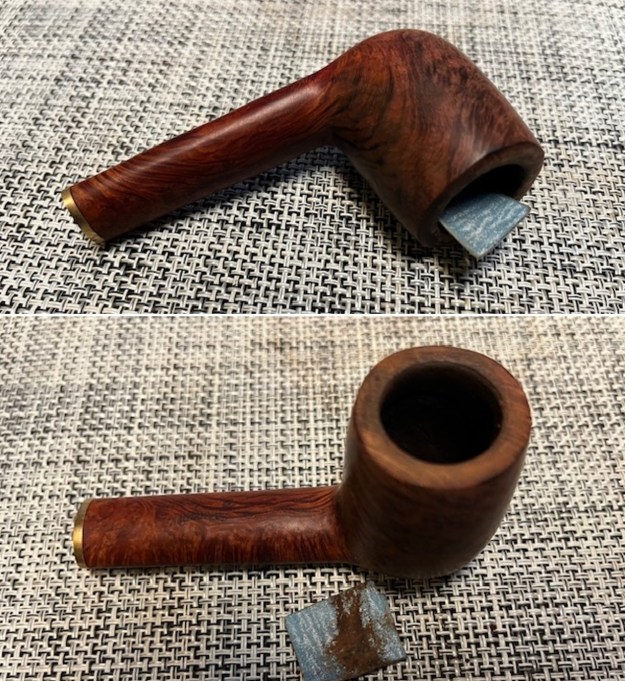
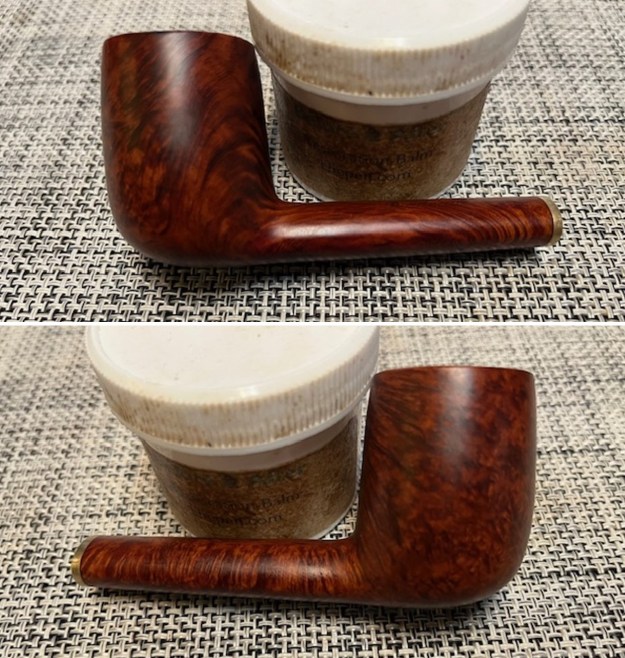
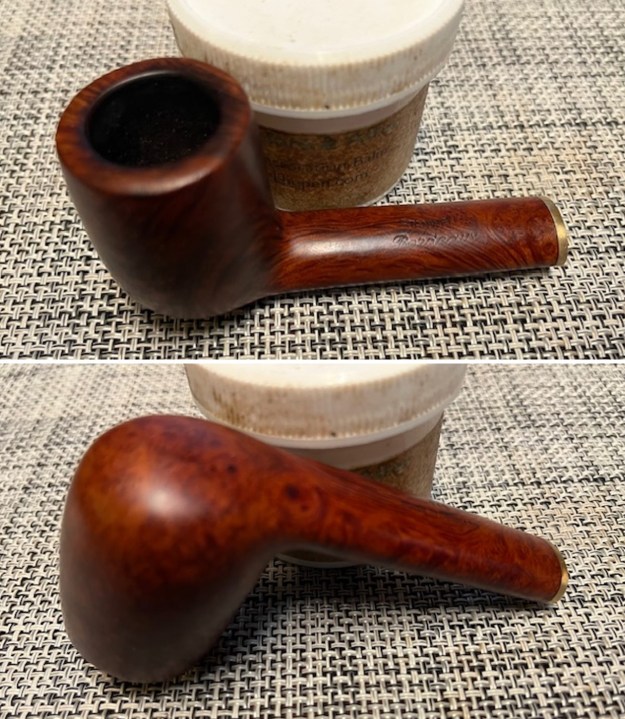
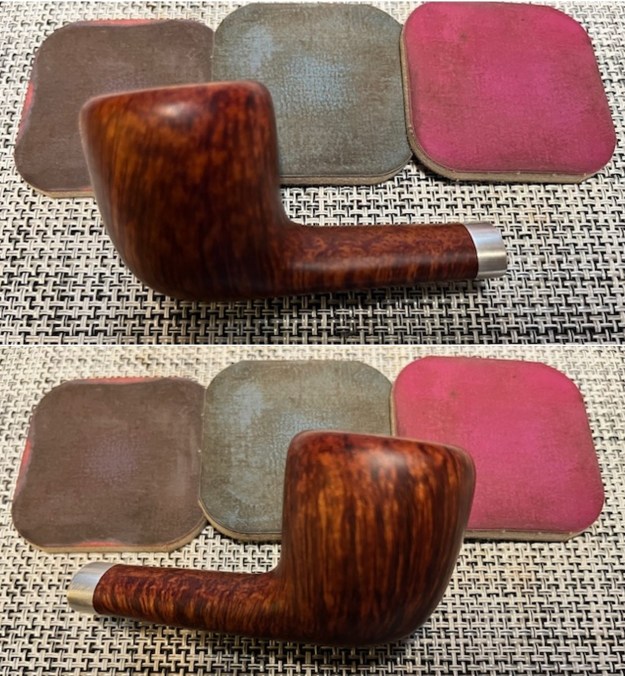
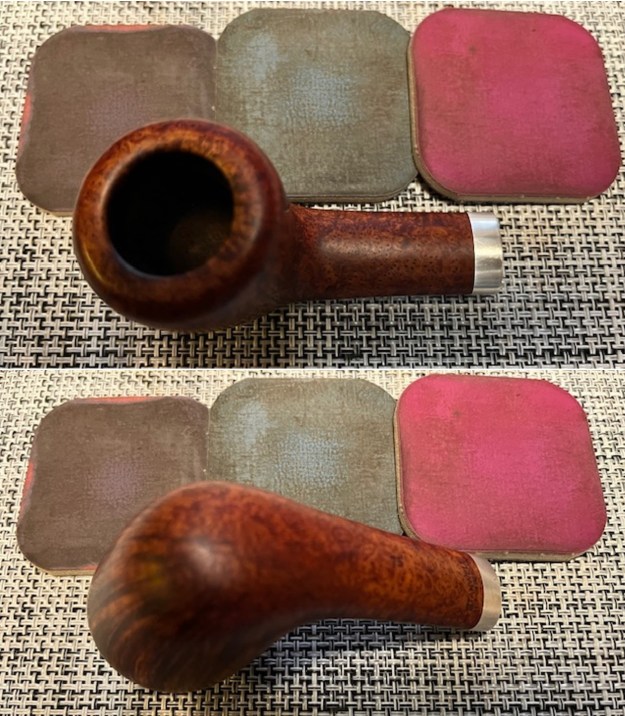
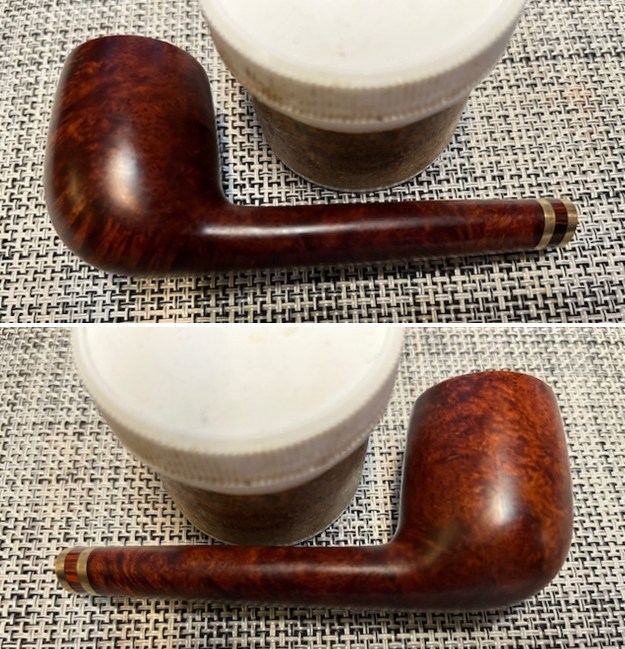
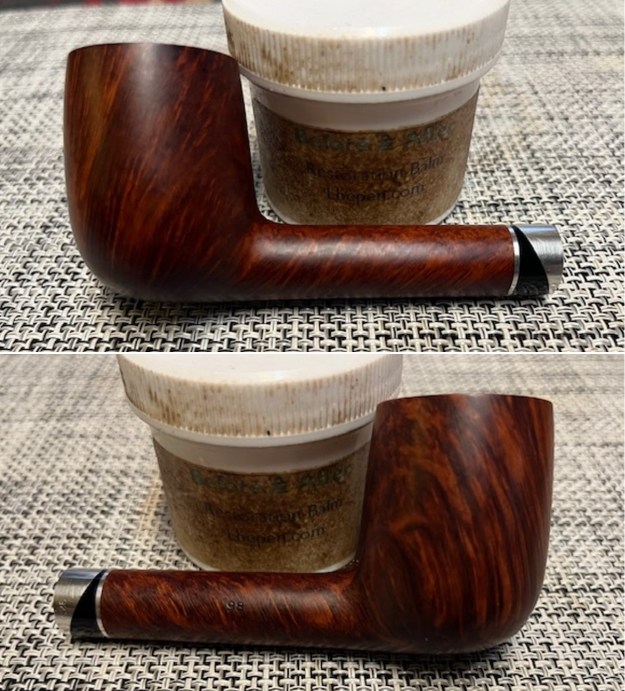
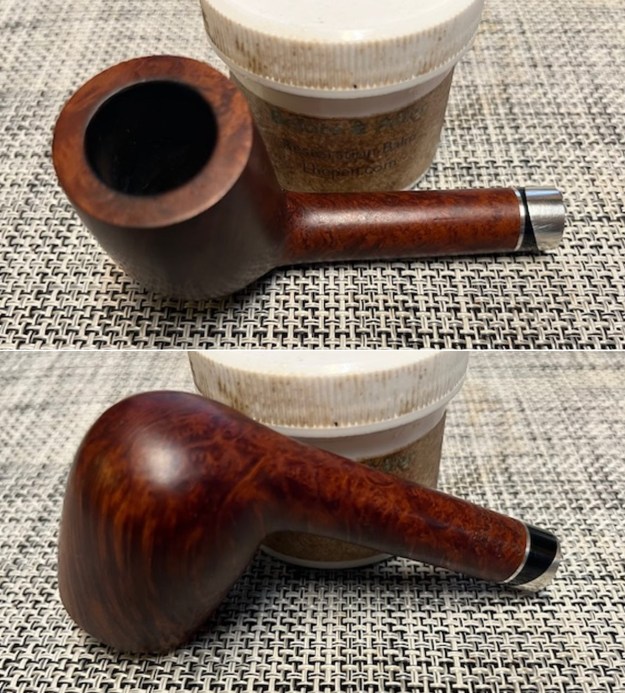
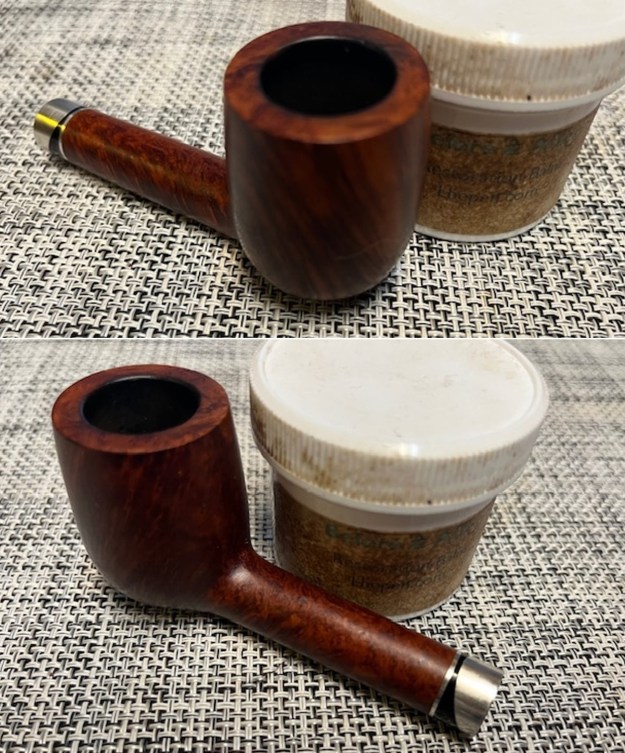
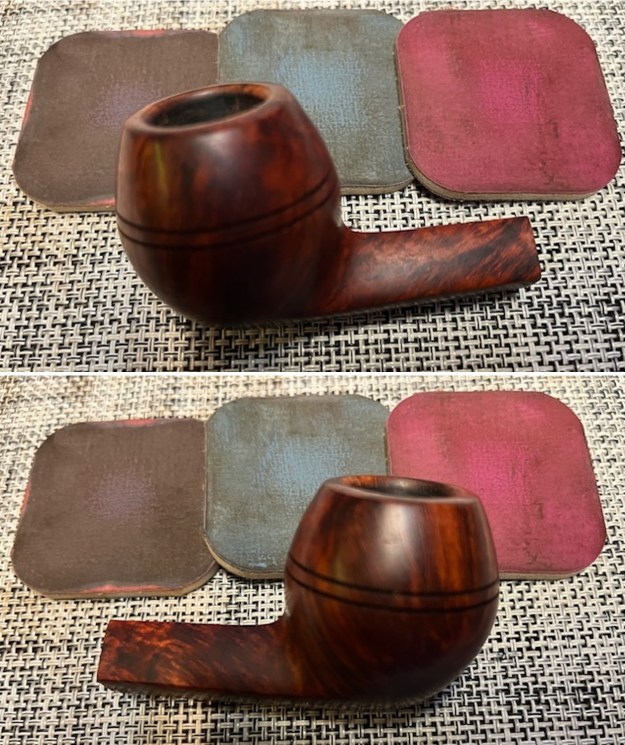
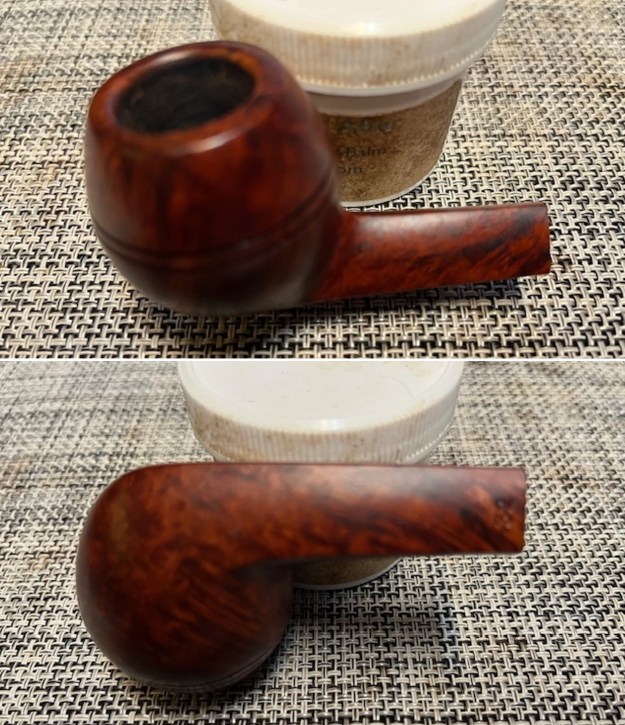
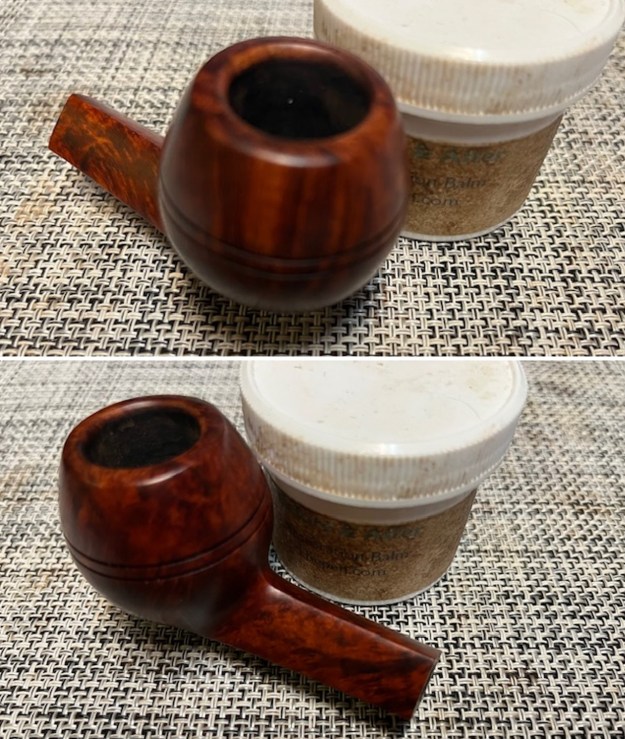
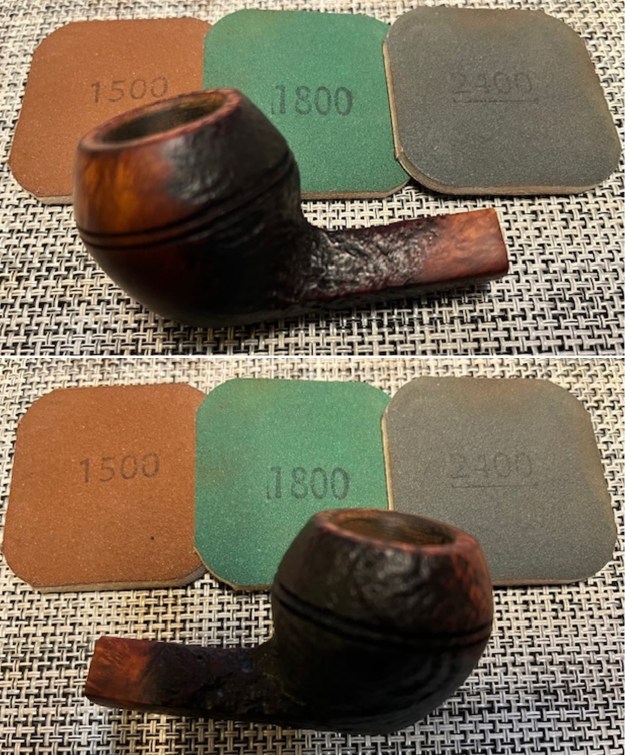
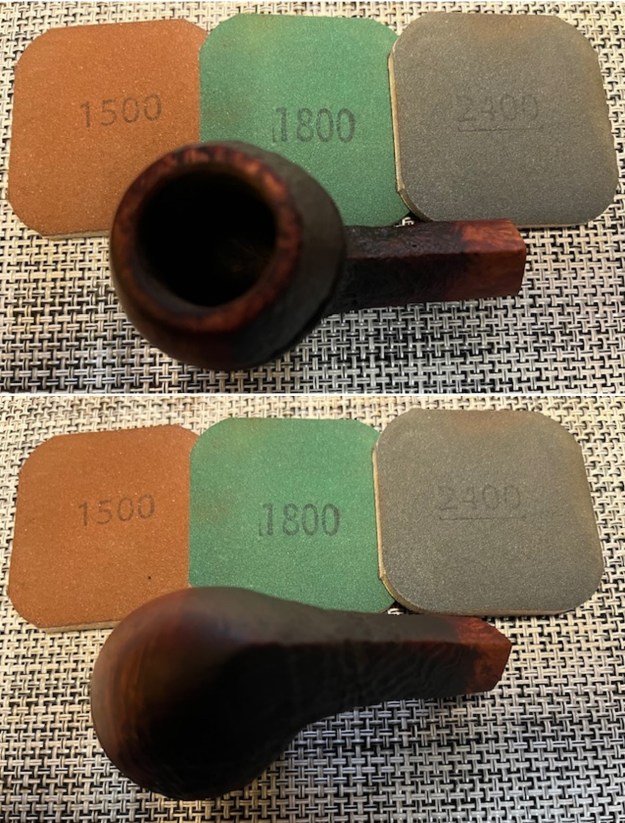
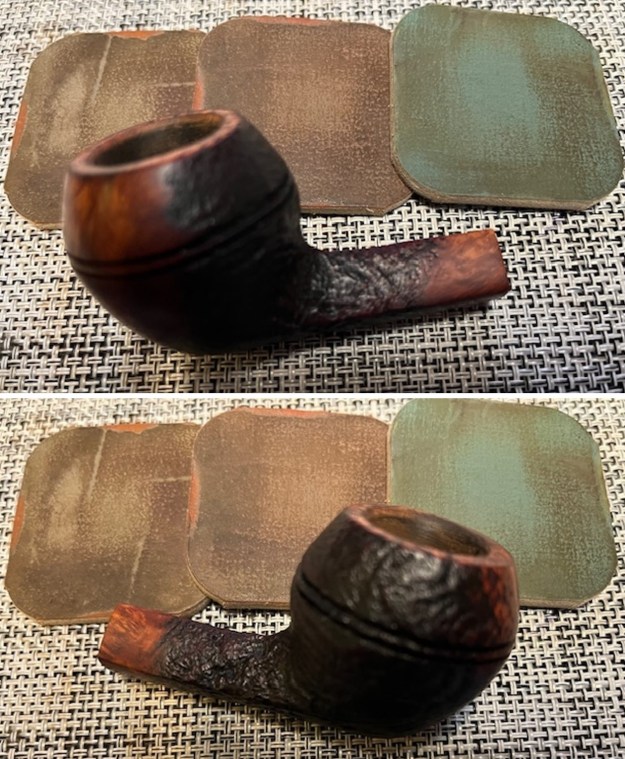
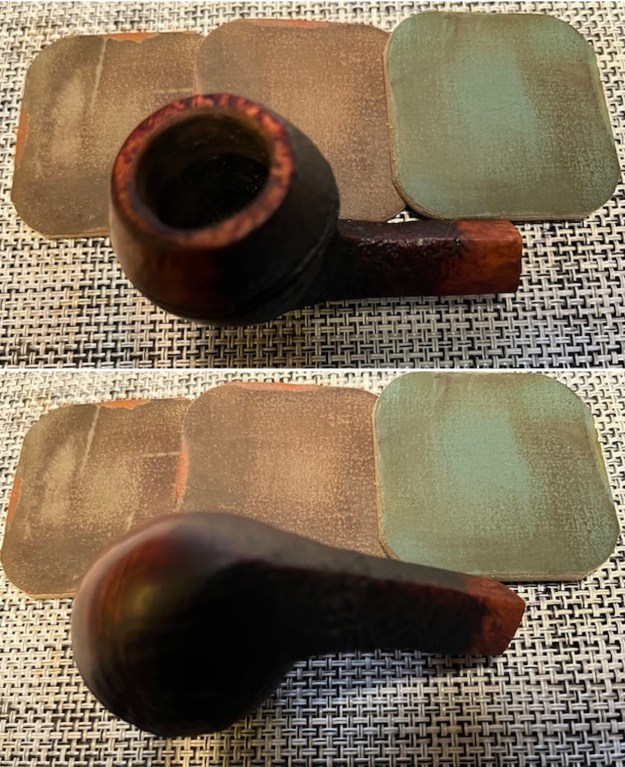
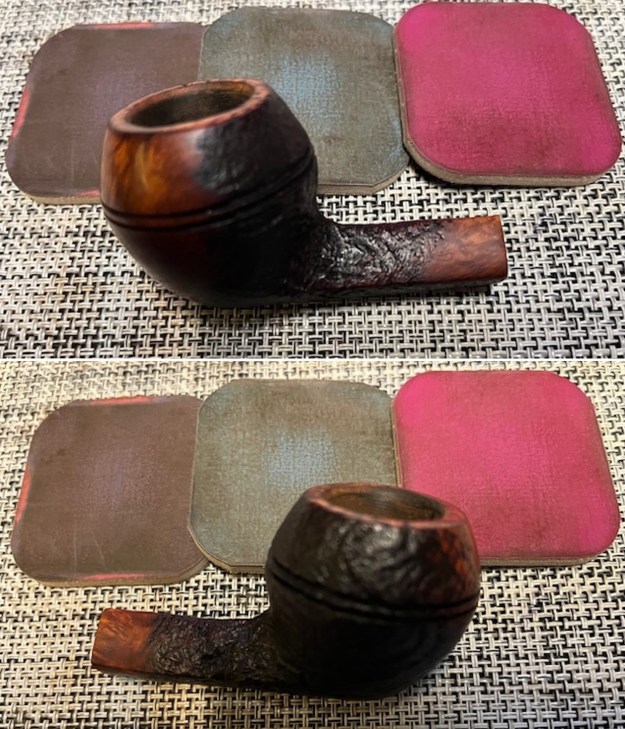
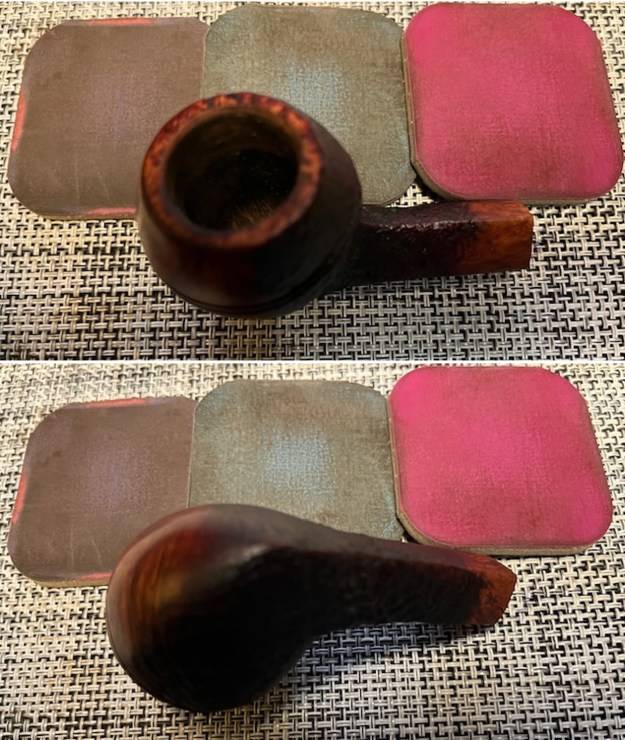
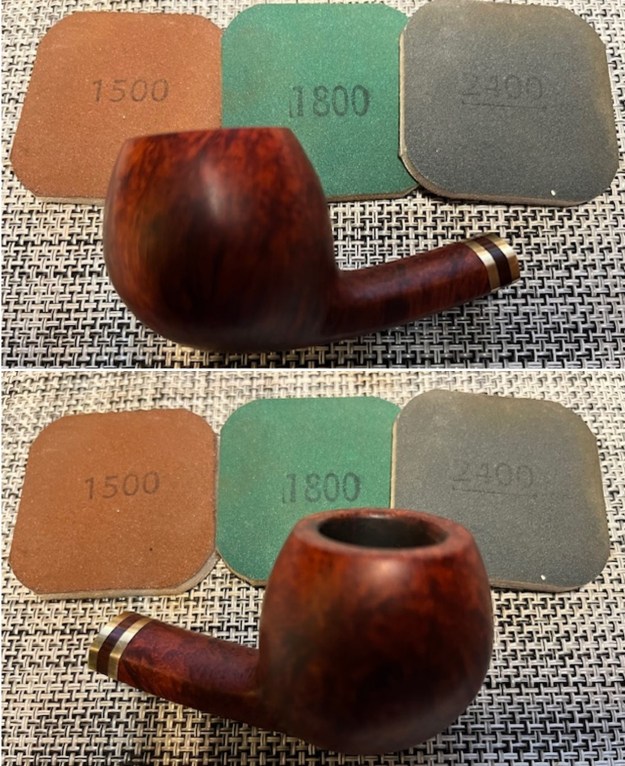
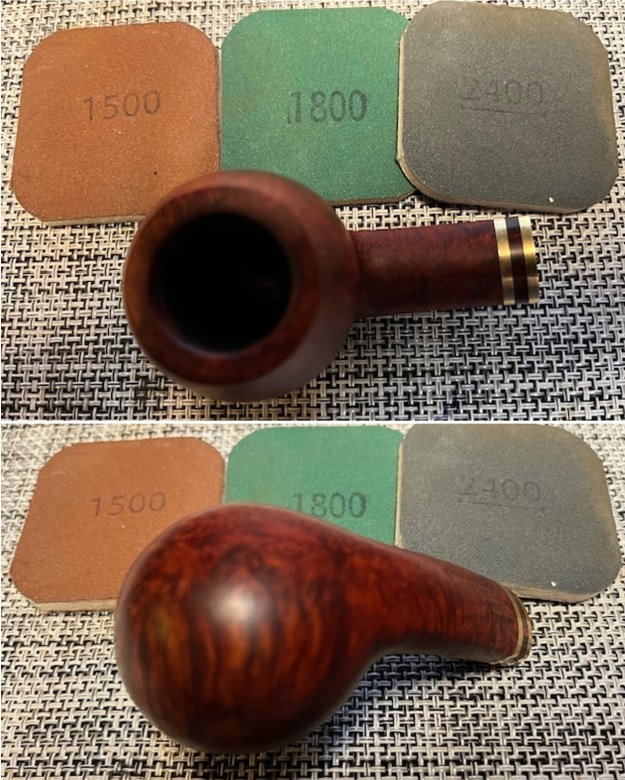
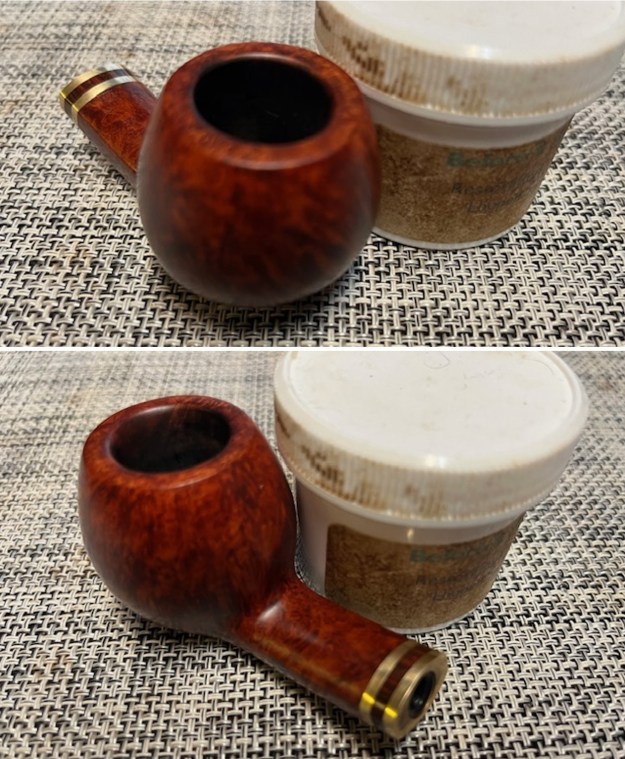
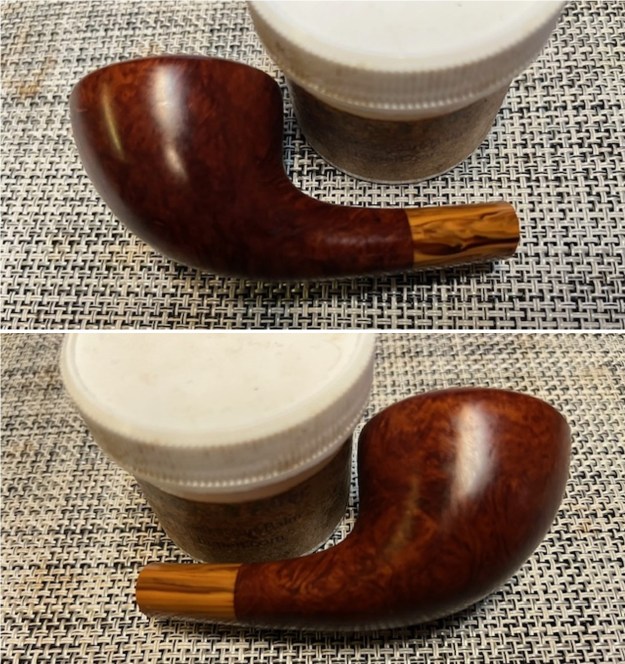
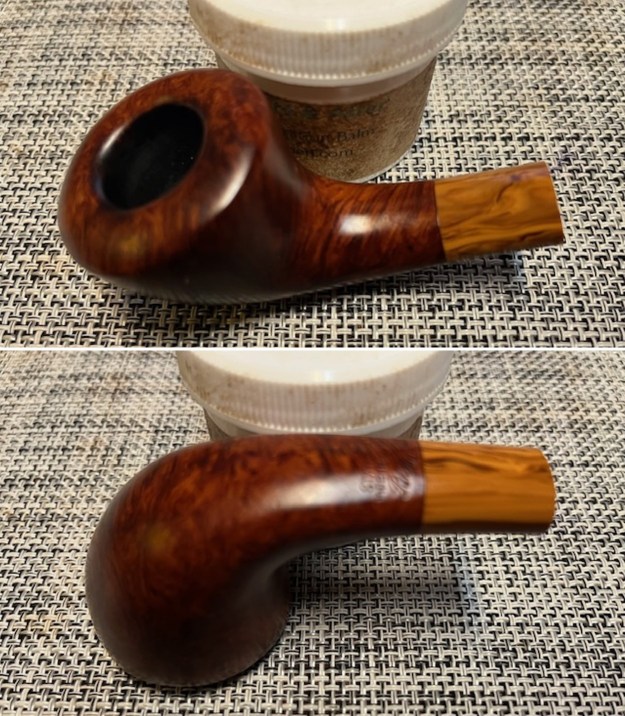
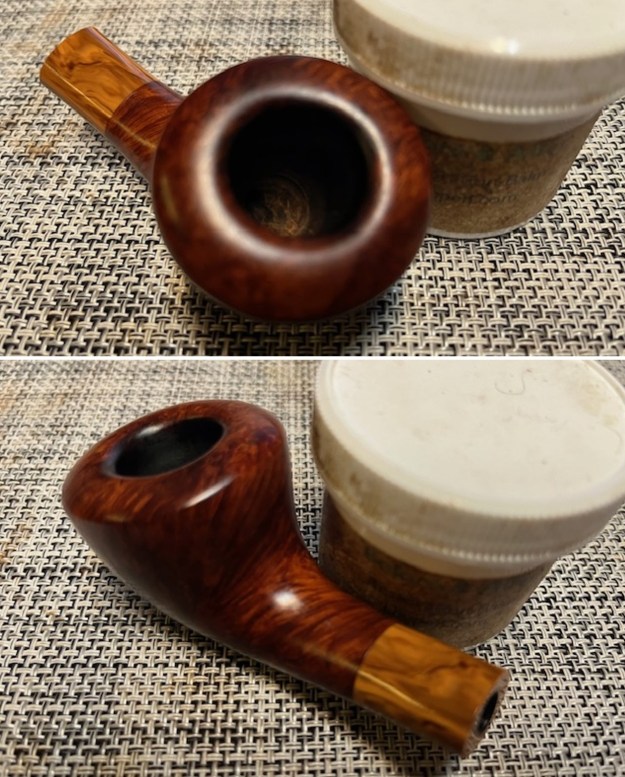
 I rubbed the bowl down with Before & After Restoration Balm. I worked it into the briar with my finger tips and a horsehair shoe brush to get into the nooks and crannies of the sandblast. I let it sit for 10 minutes and the Balm did its magic. It enlivens, cleans and preserves the briar. It certainly brought this bowl back to life. I buffed it off with a clean cloth and took the following photos.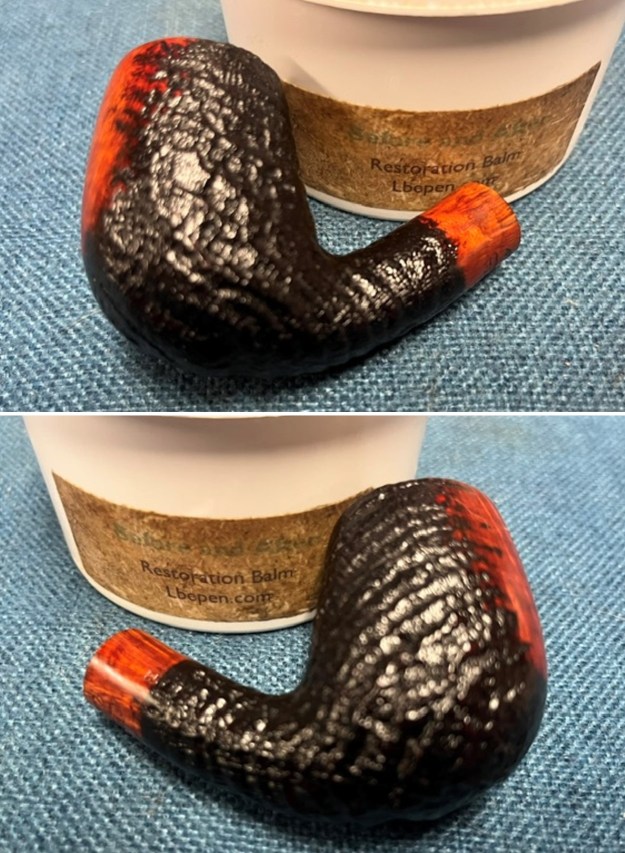
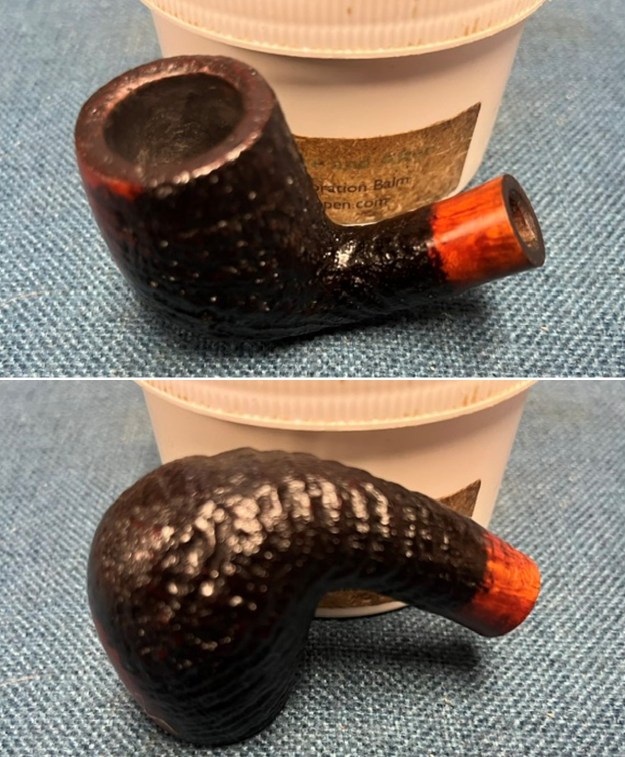
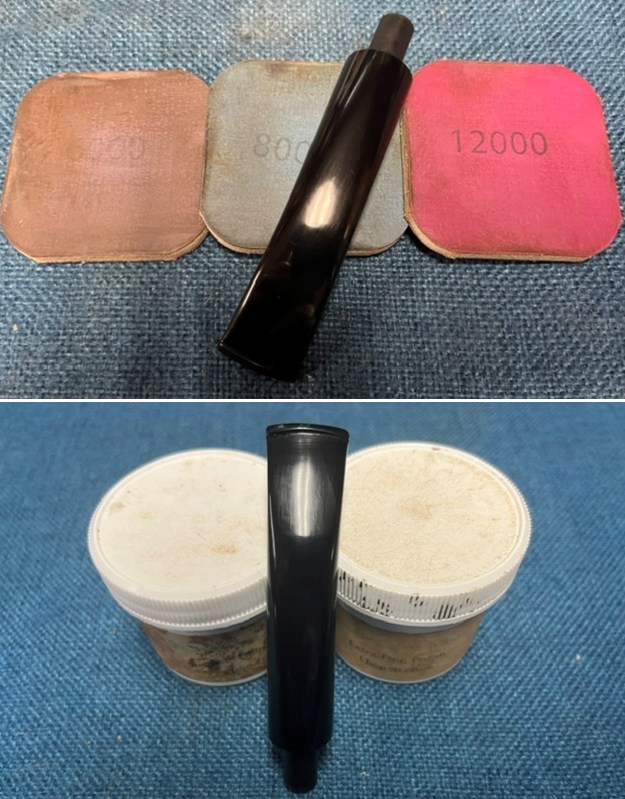
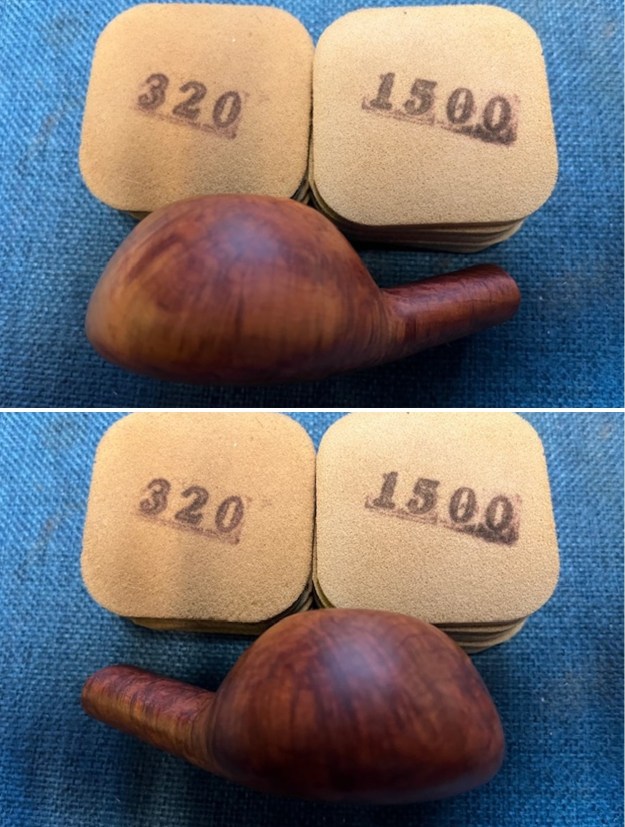
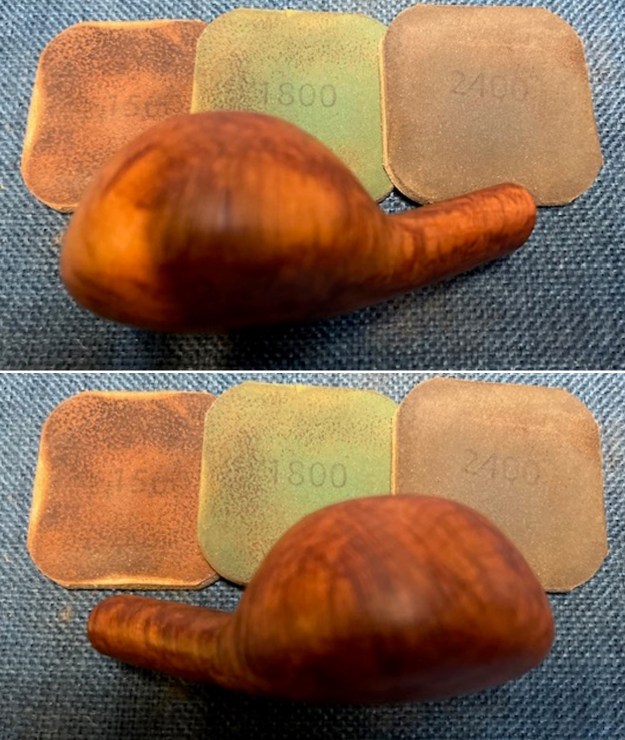
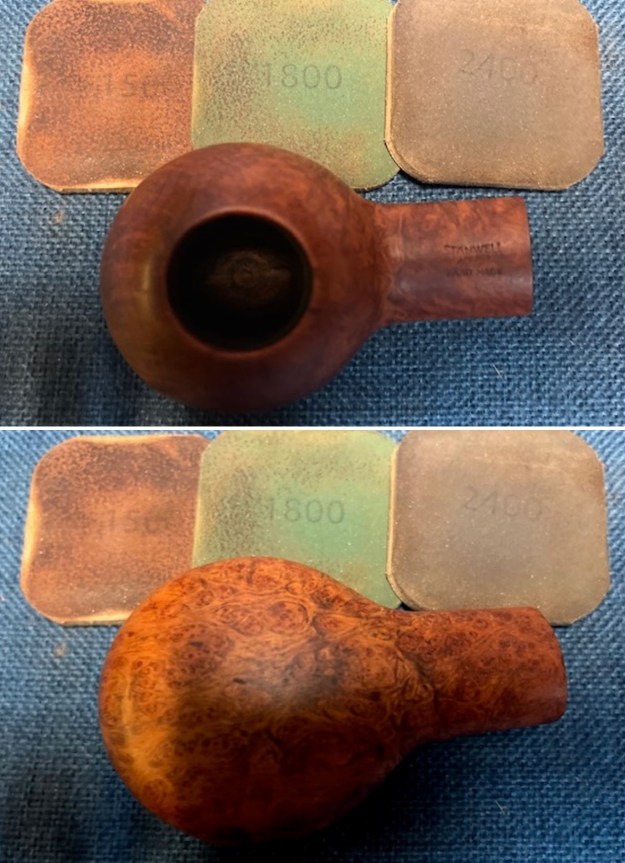
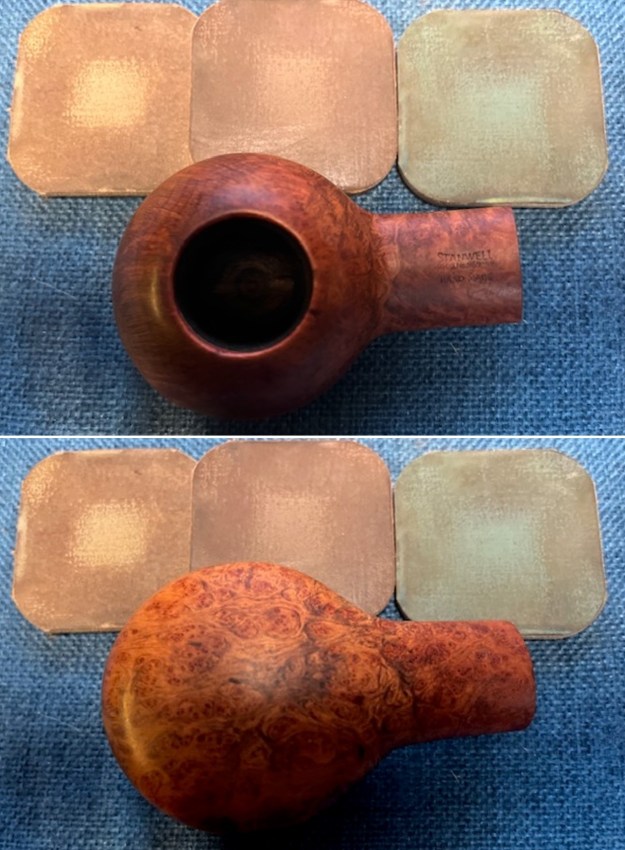
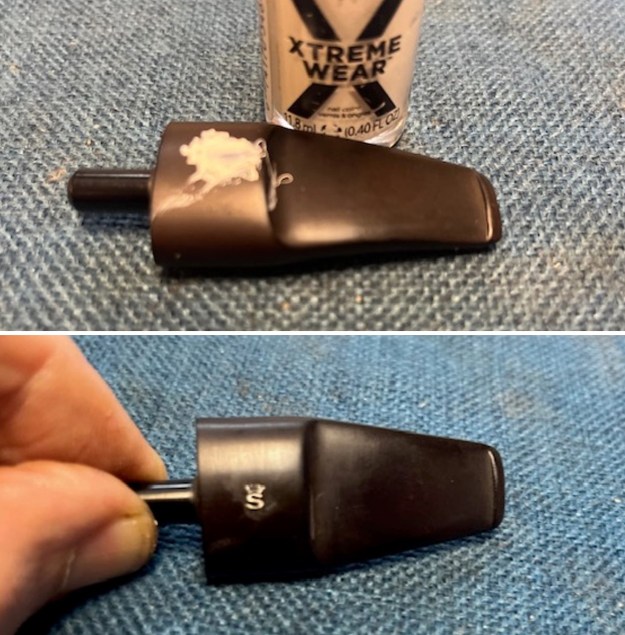
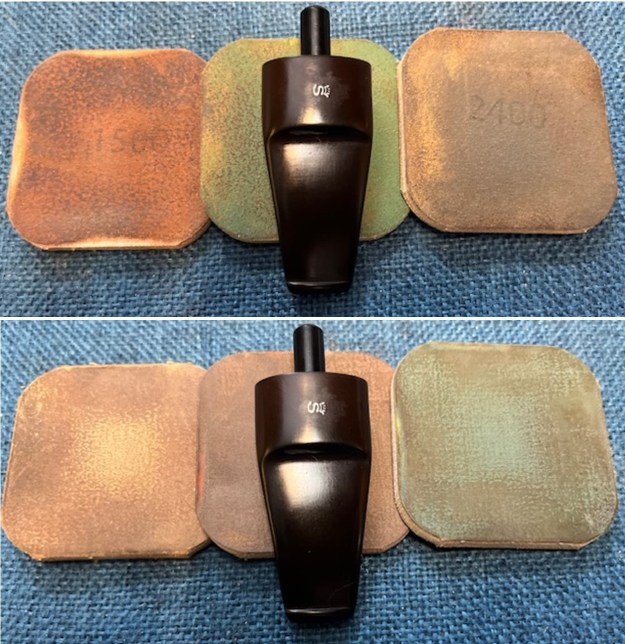
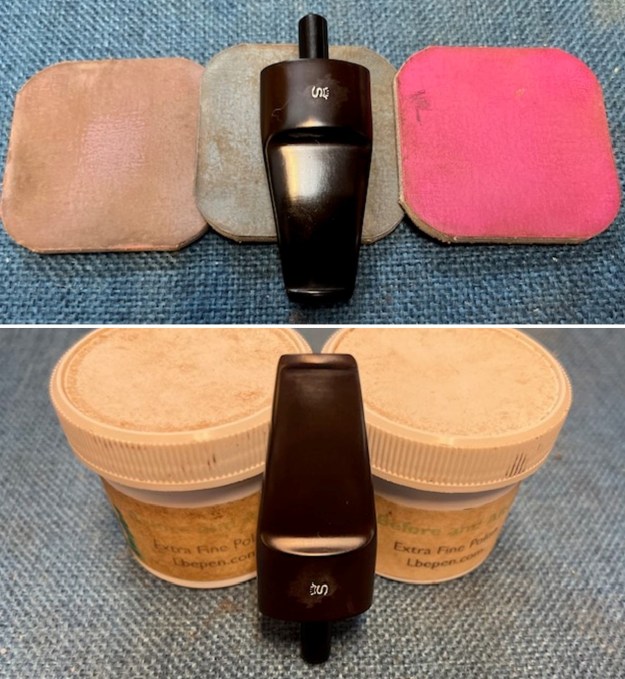
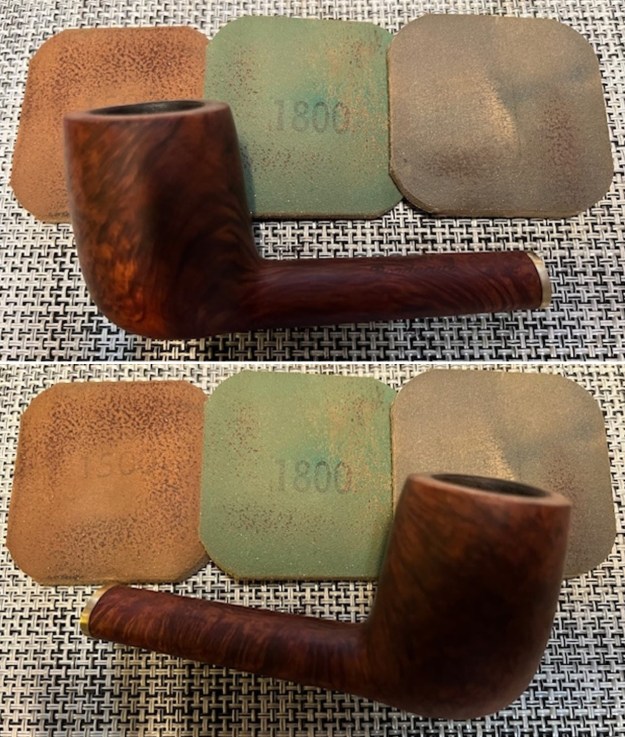
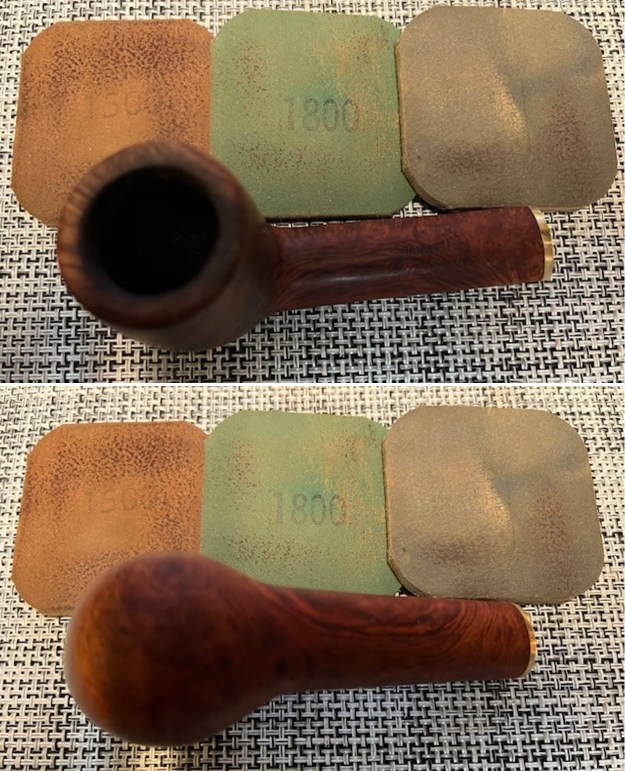
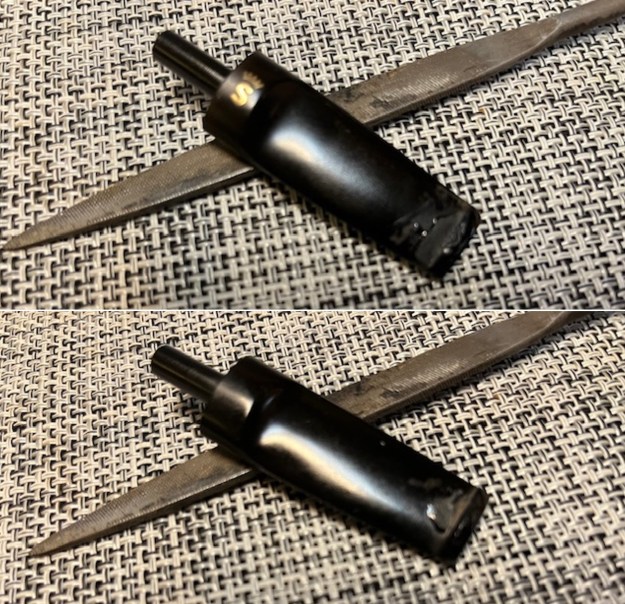
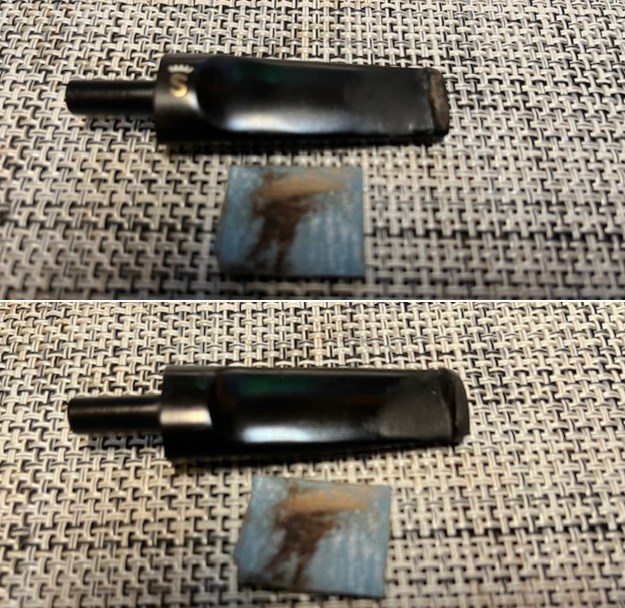
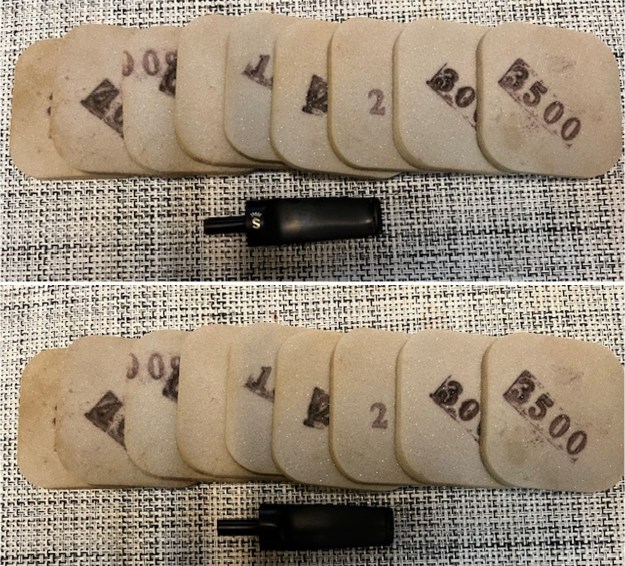
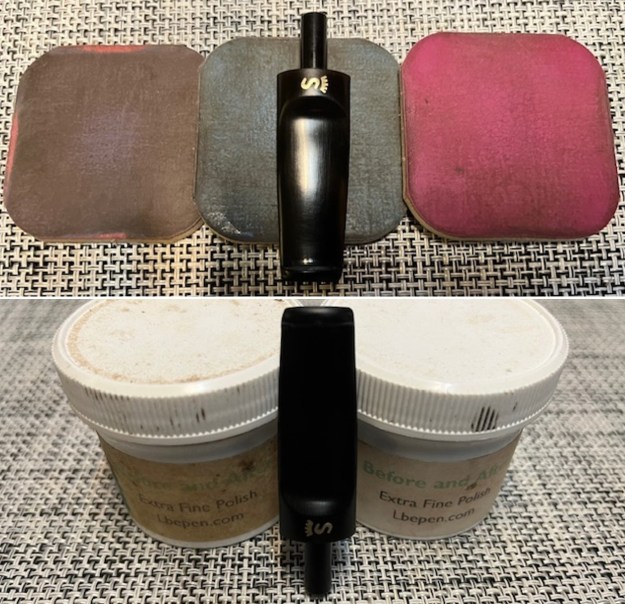
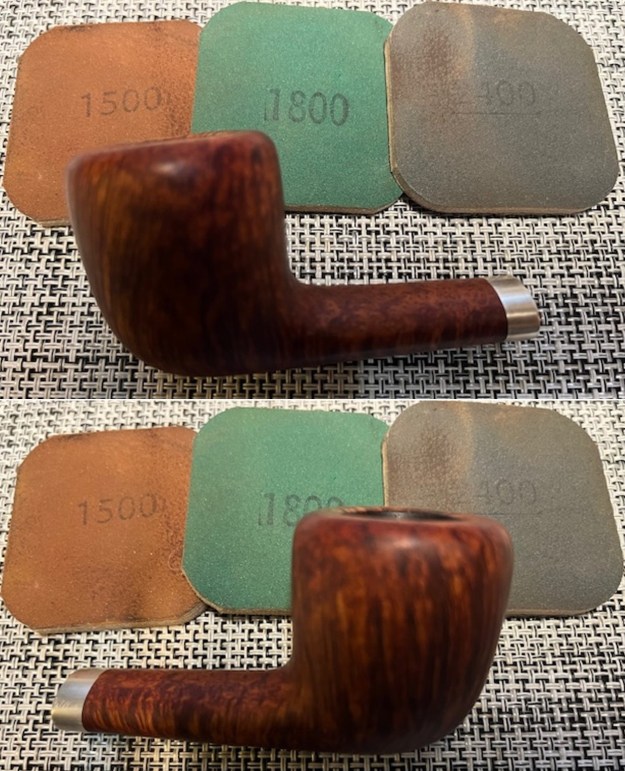
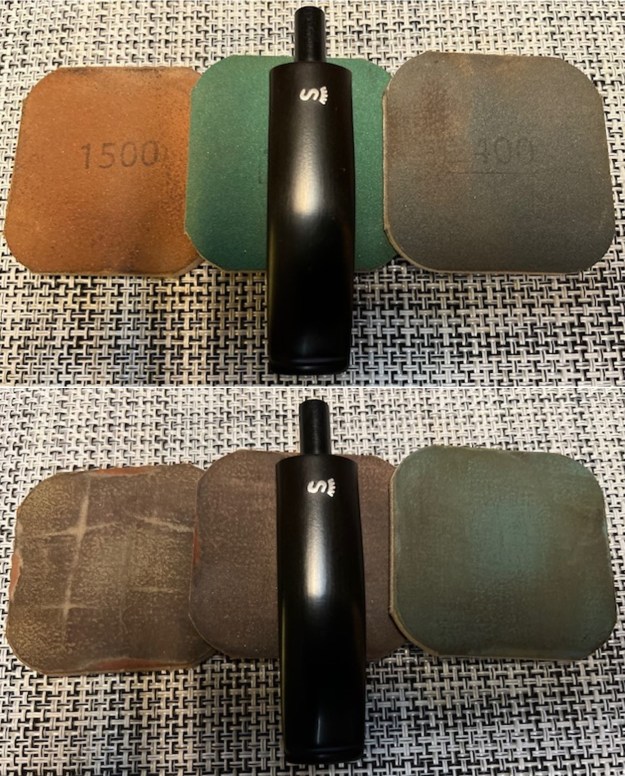
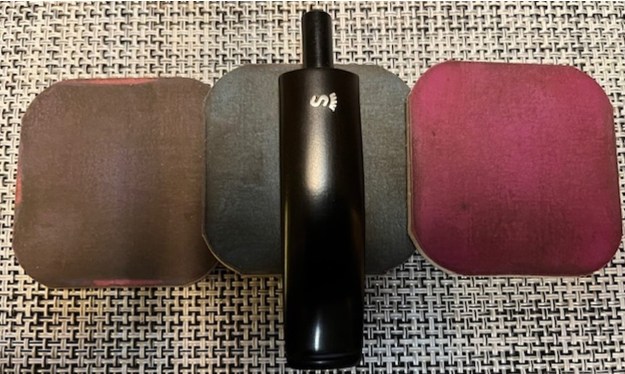
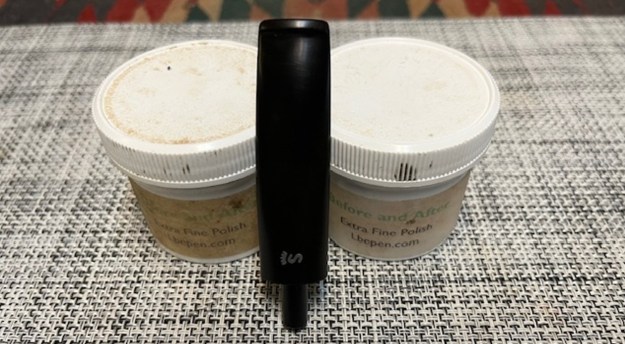
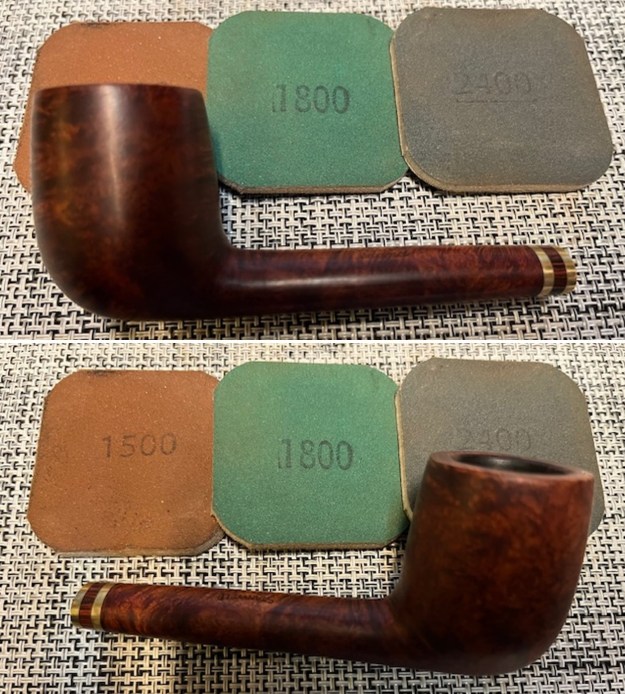
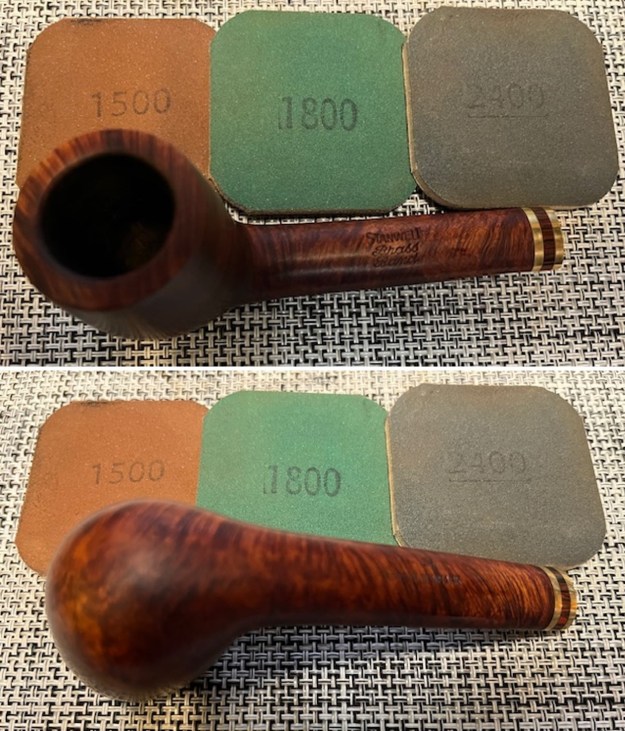
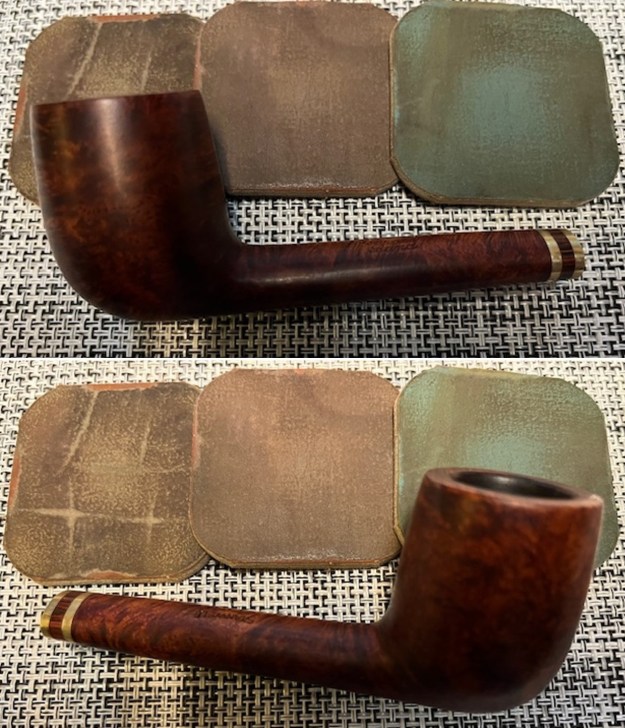
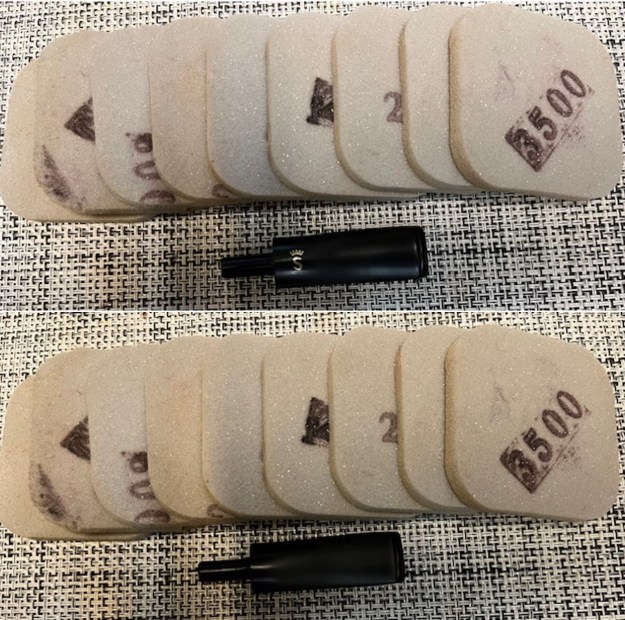
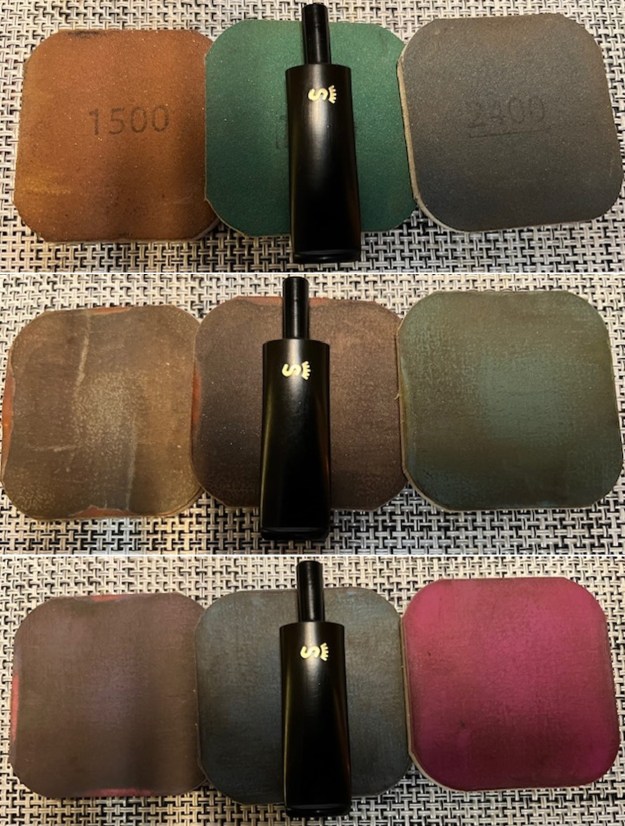
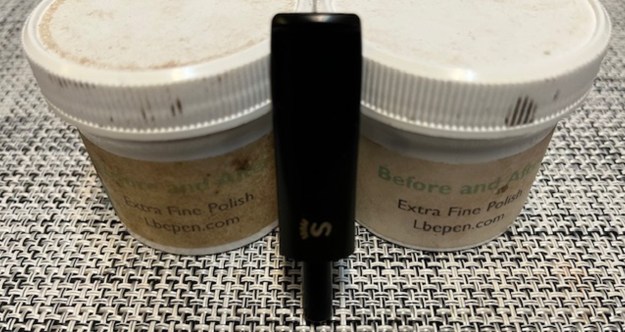
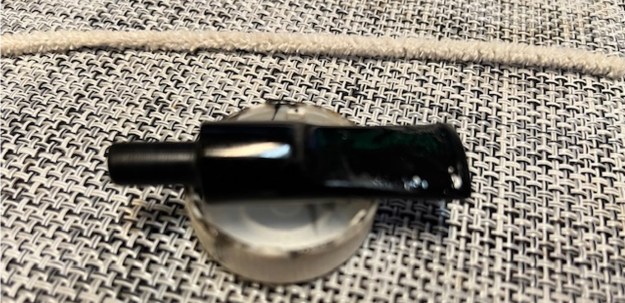
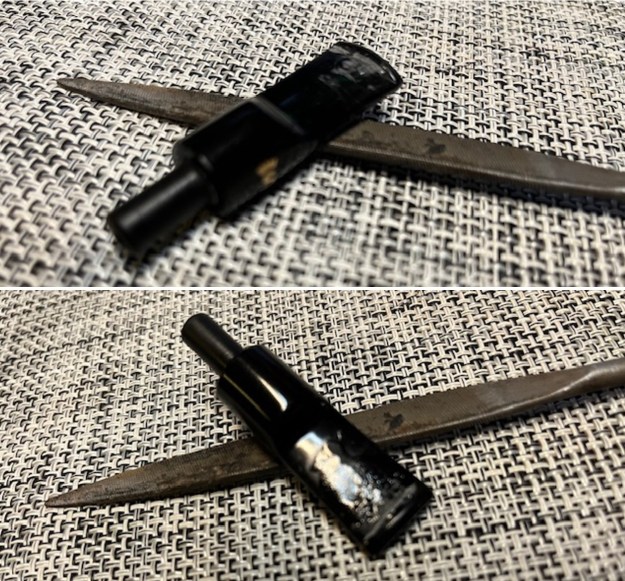
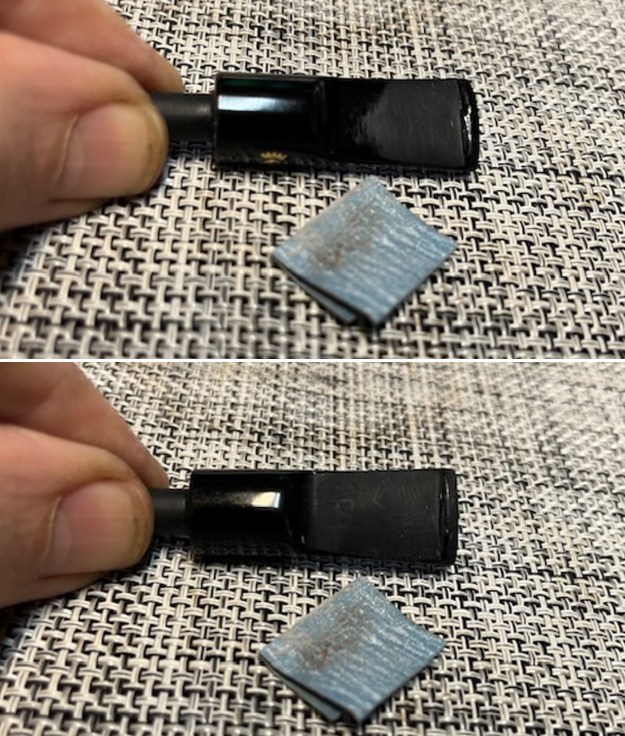
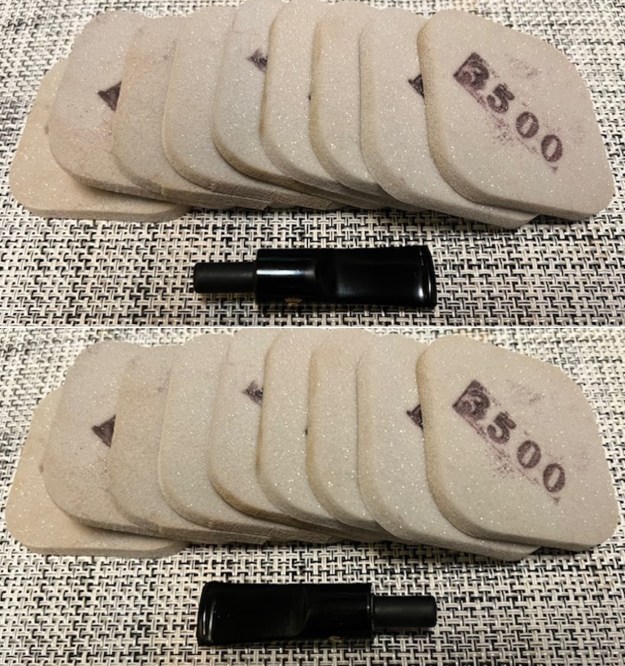
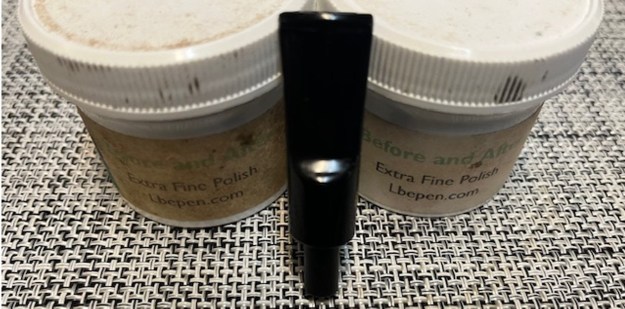
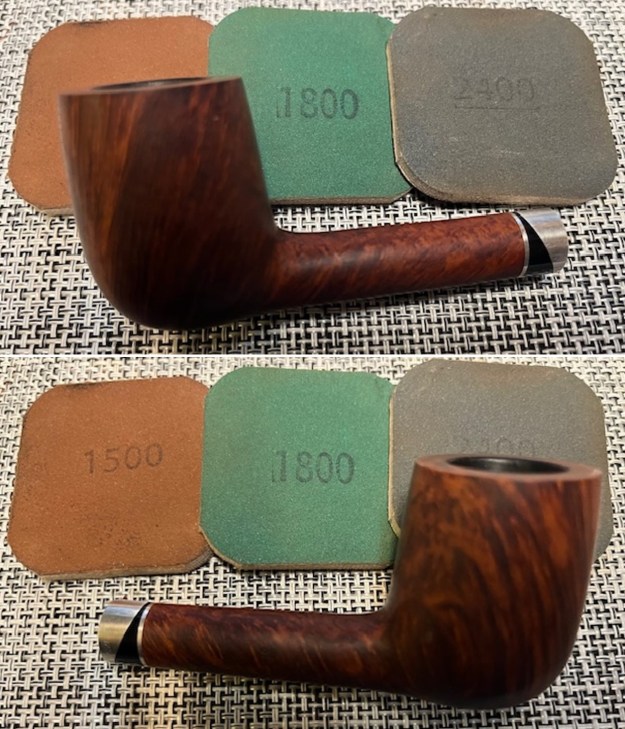
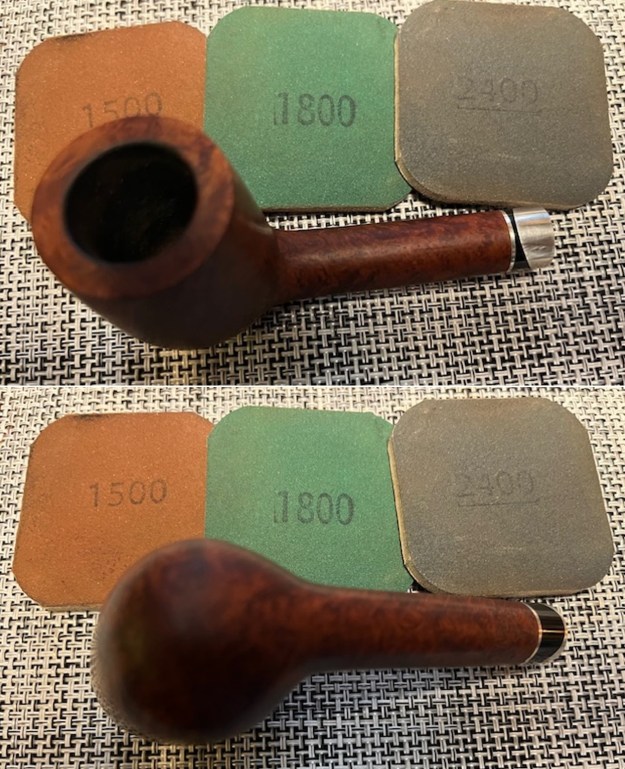
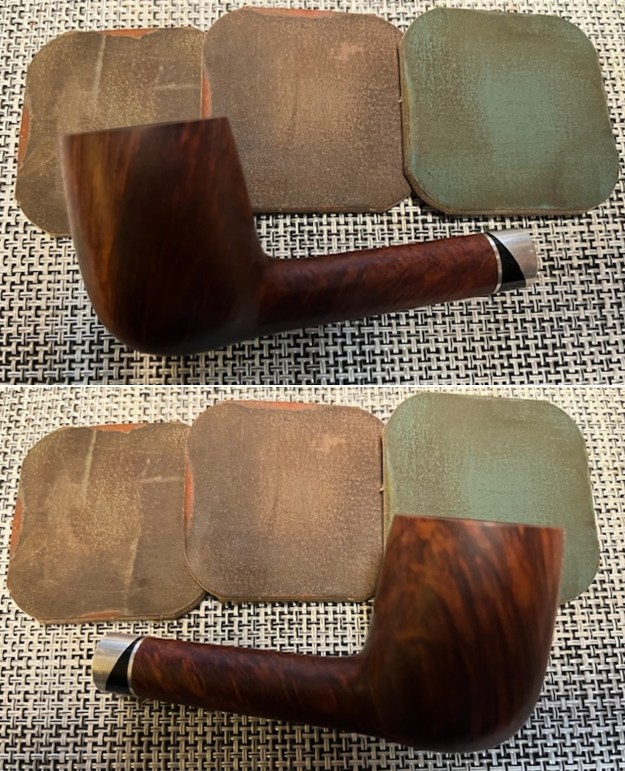
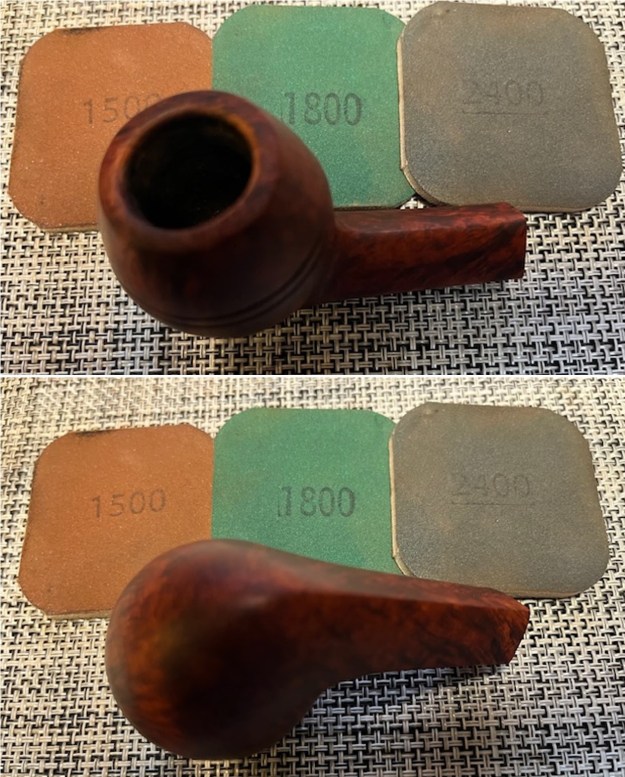
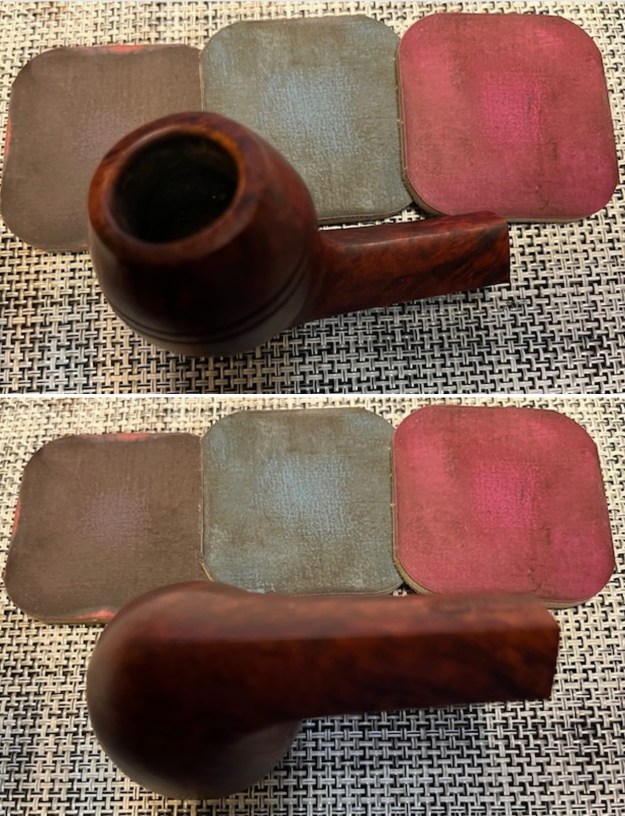
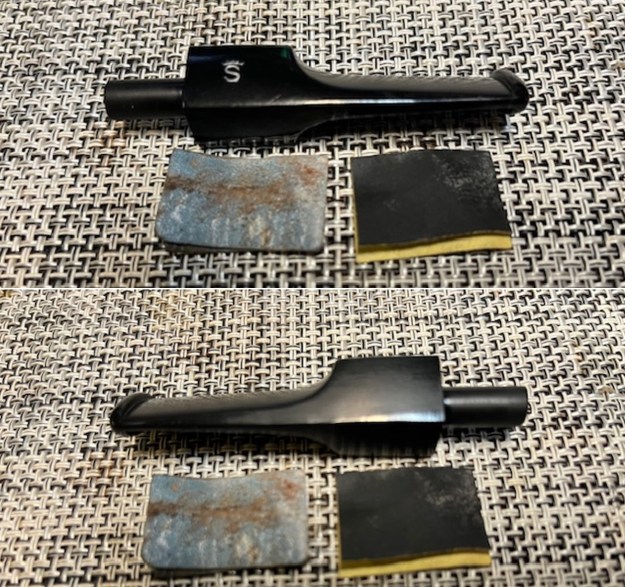
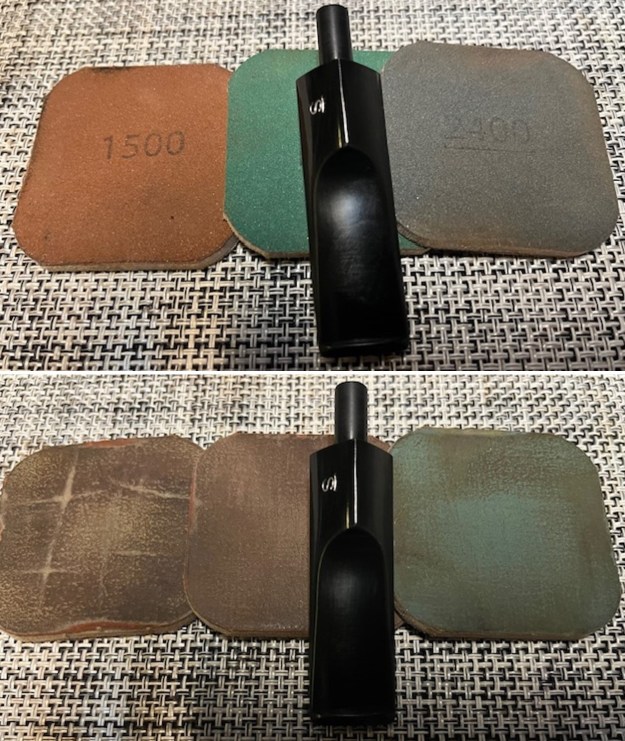
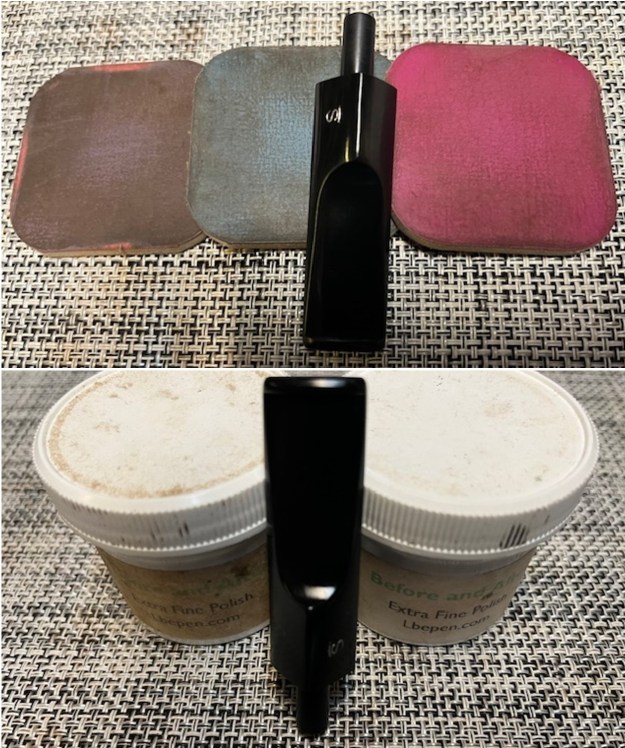
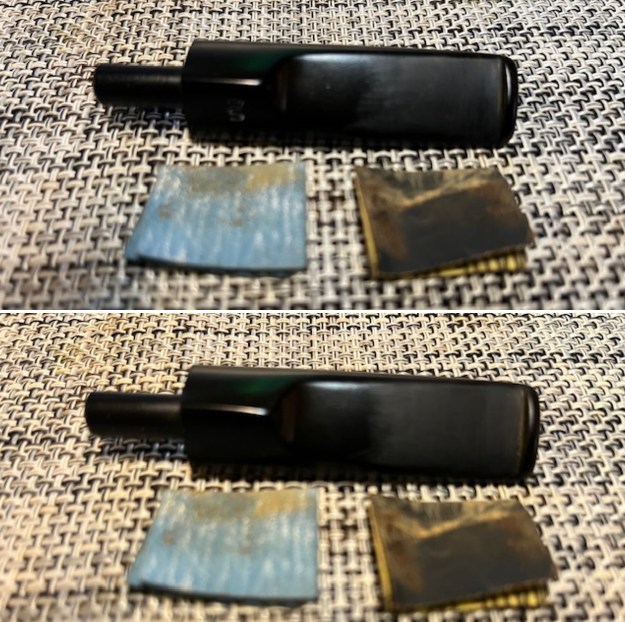
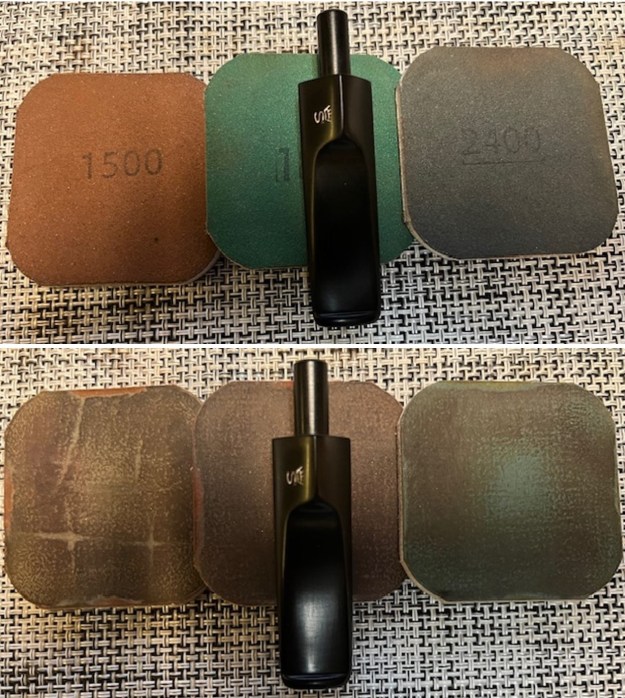
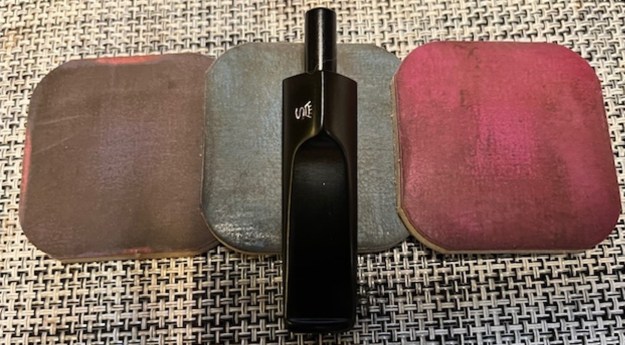
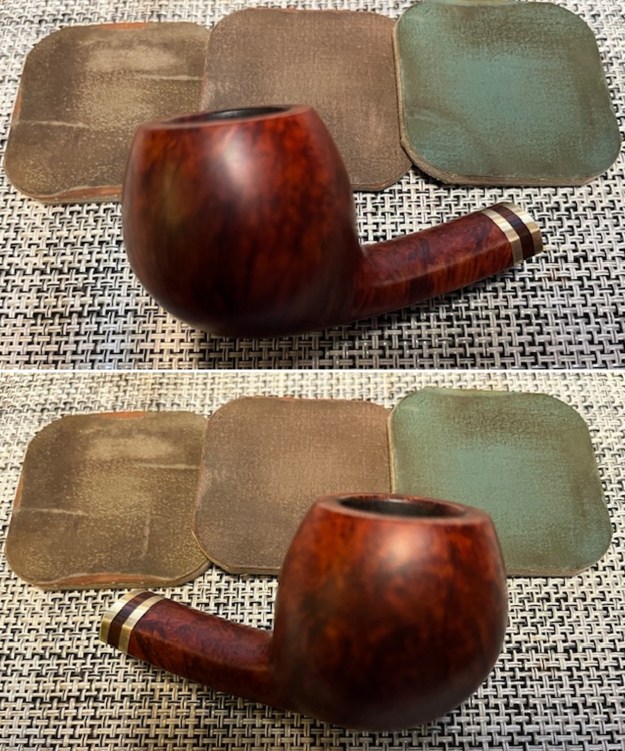
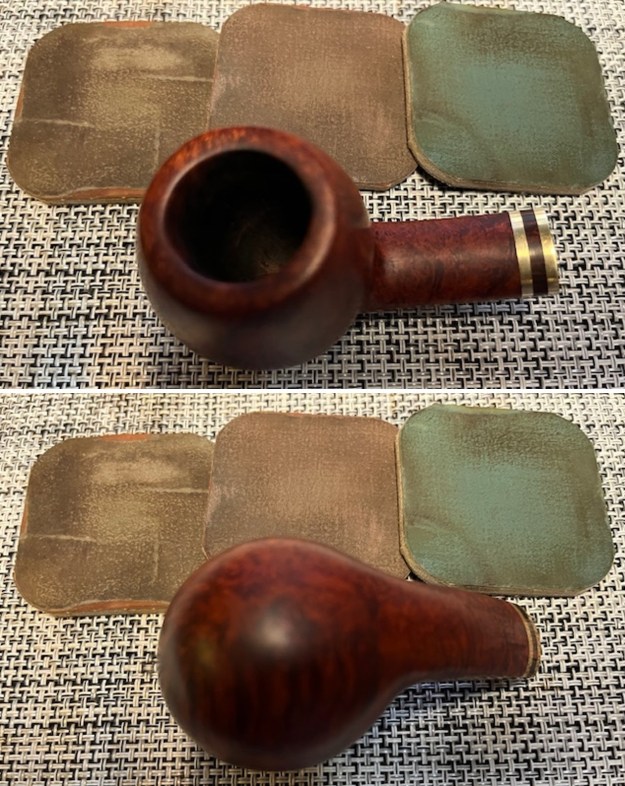
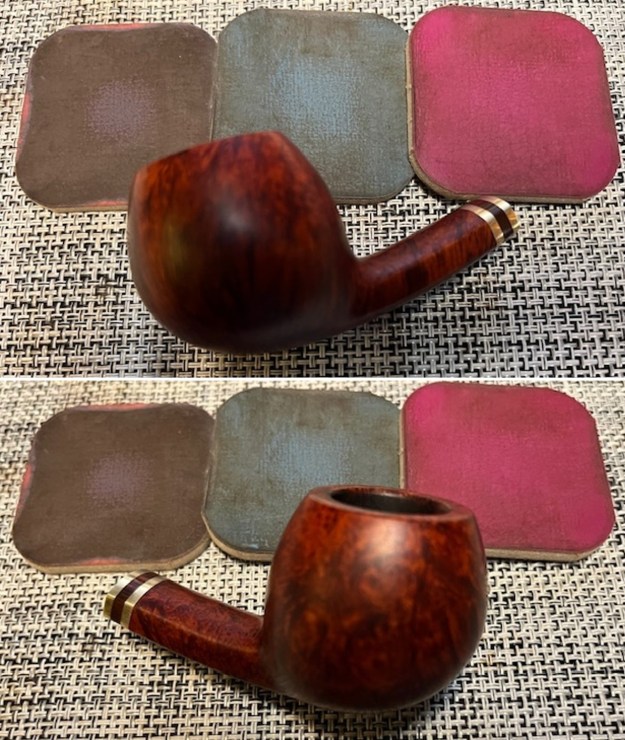
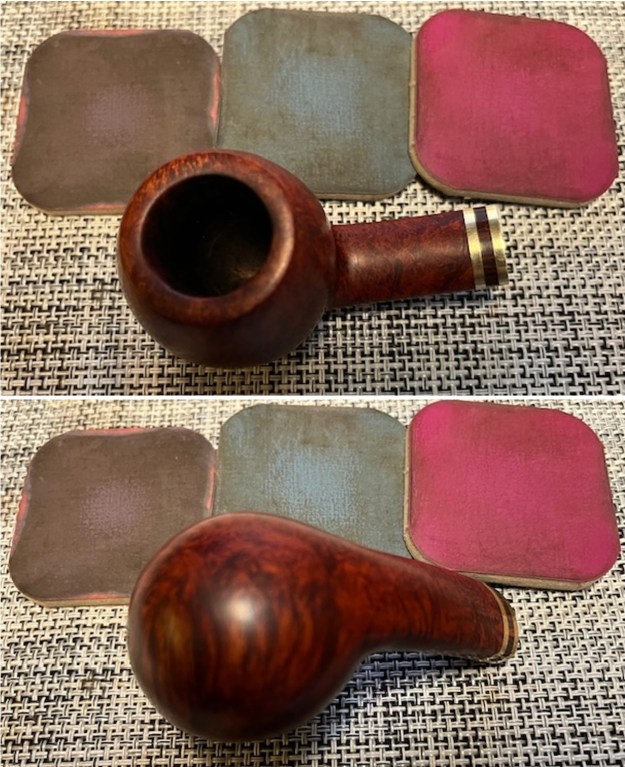
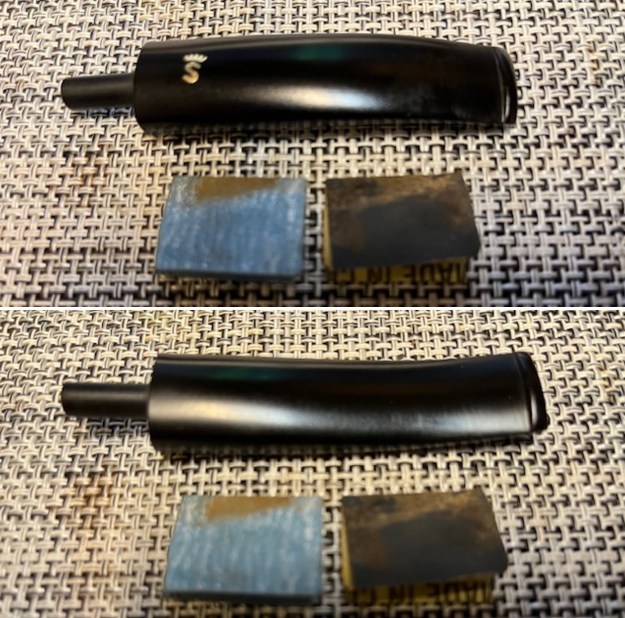
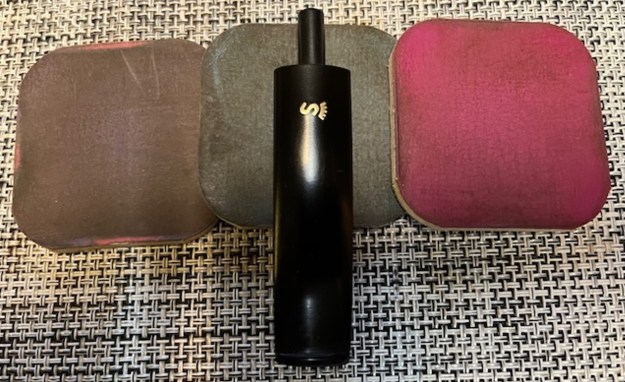
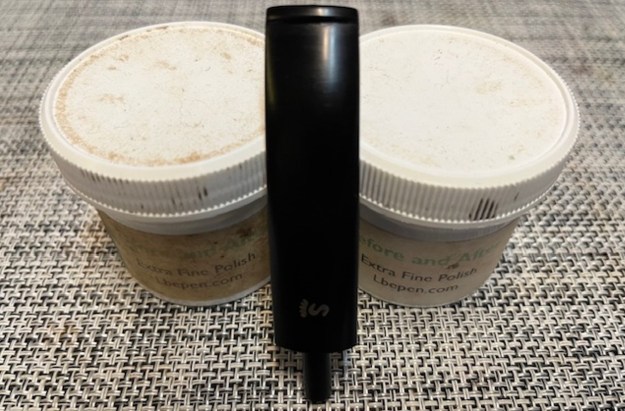
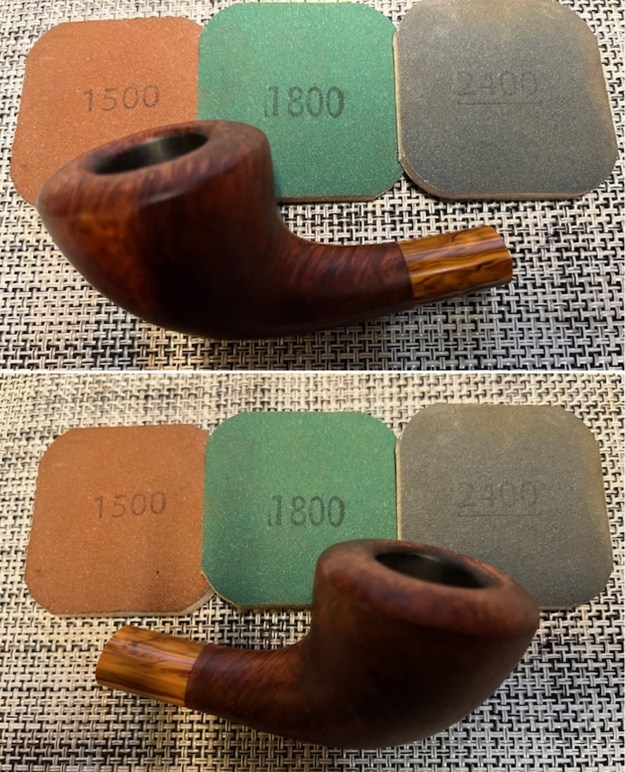
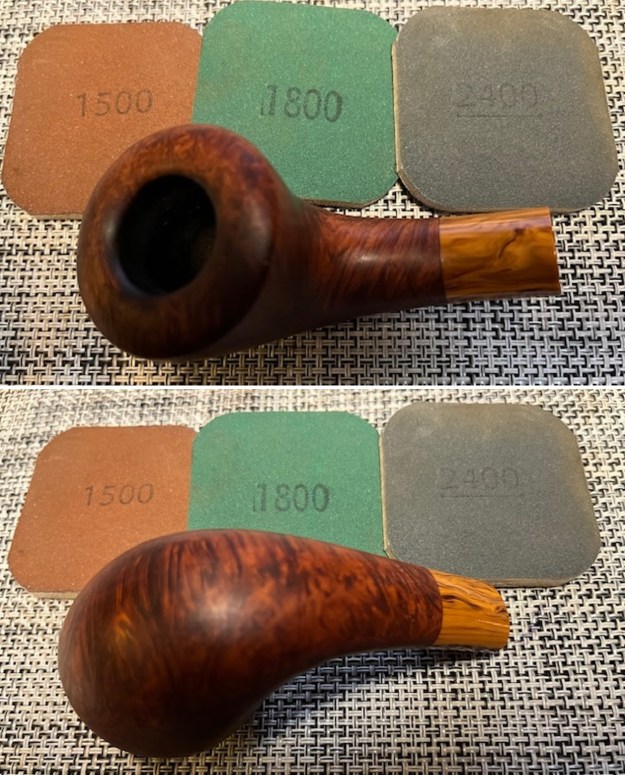
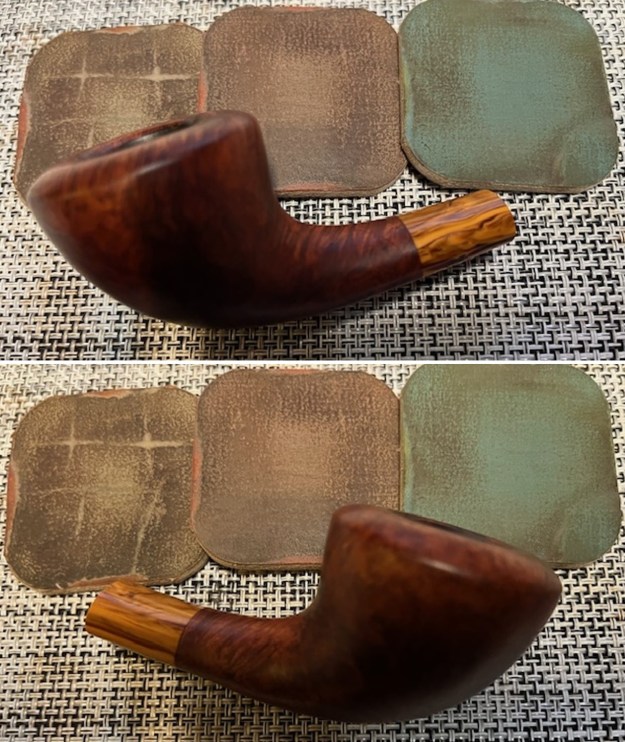
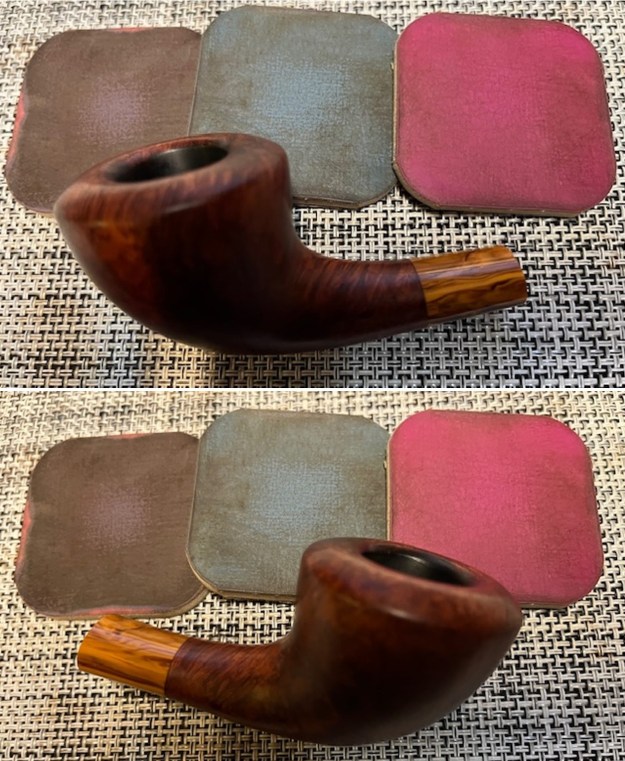
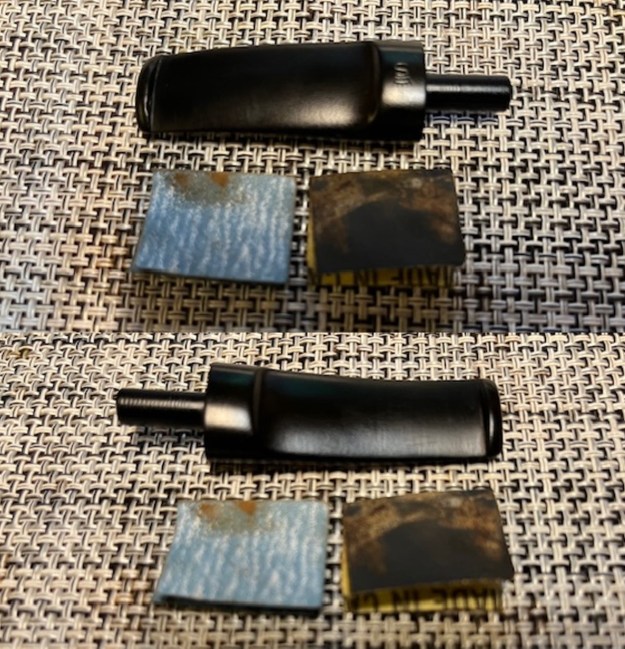
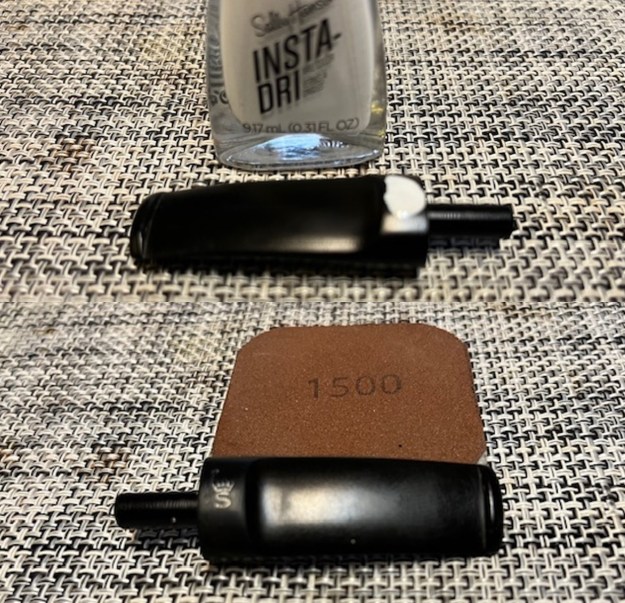
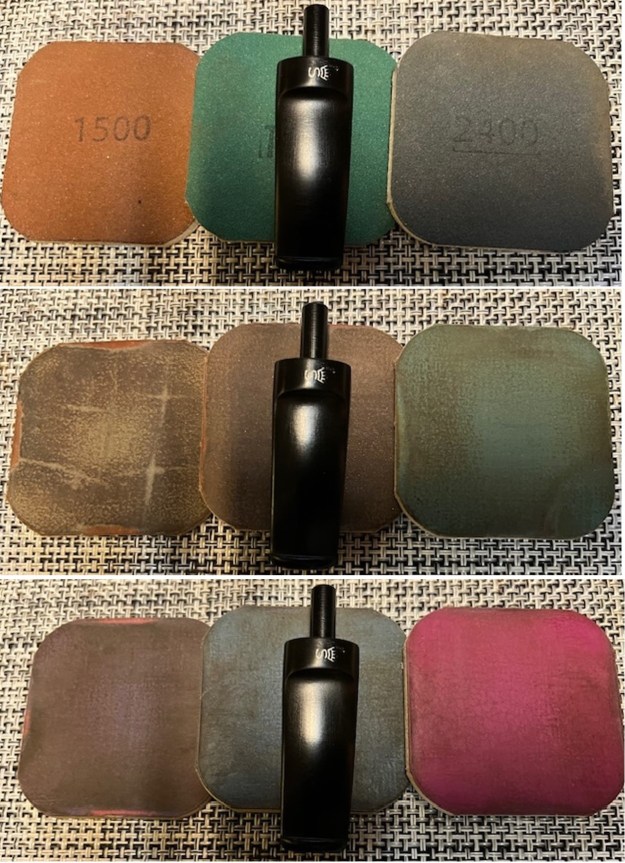
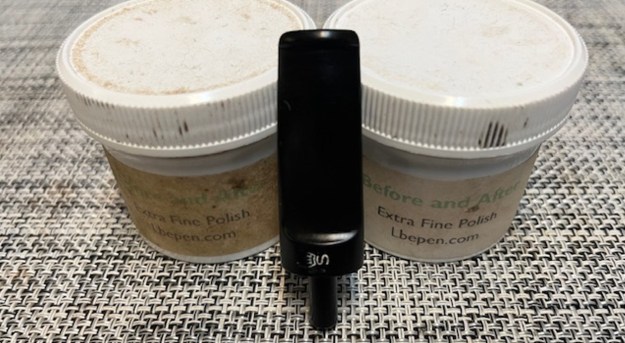
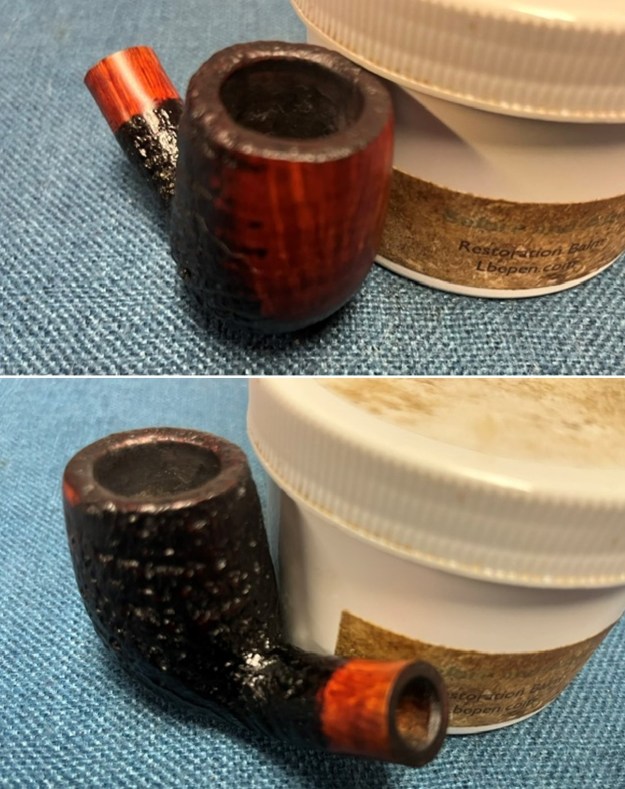 I polished the stem with micromesh sanding pads – 1500-12000 grit pads. I wiped it down with a damp cloth after each sanding pad. I polished it with Before & After Pipe Stem Polish – both Fine and Extra Fine. I gave it a coat of Obsidian Pipe Stem Oil. I set it aside to dry.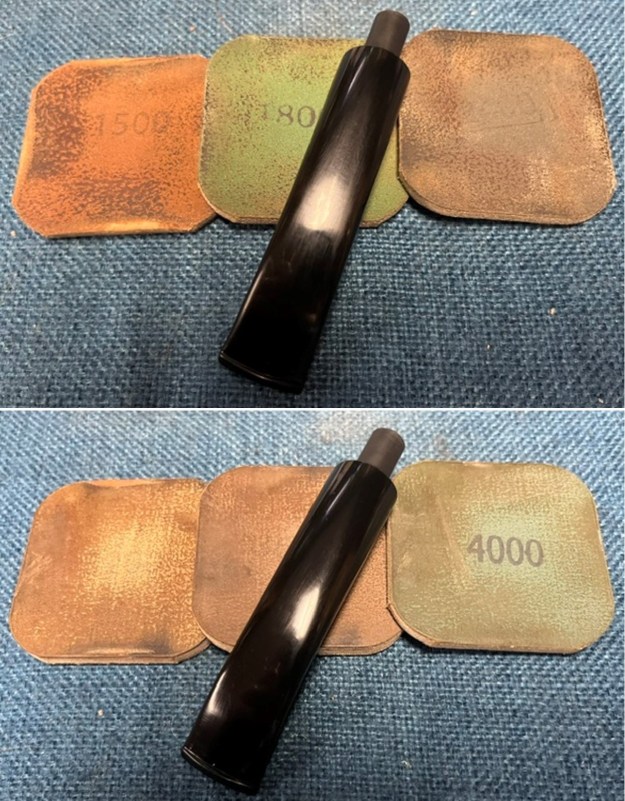
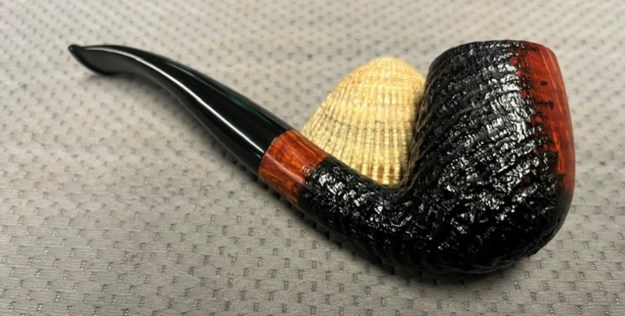
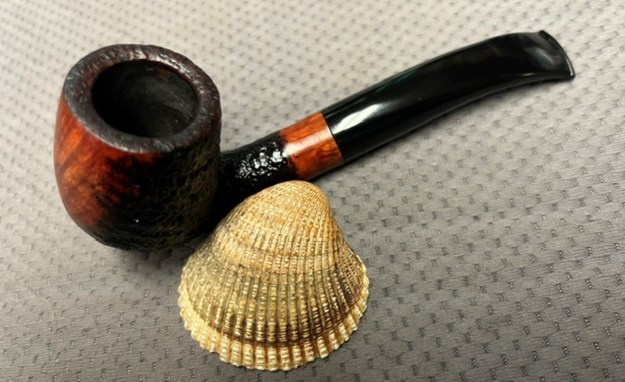
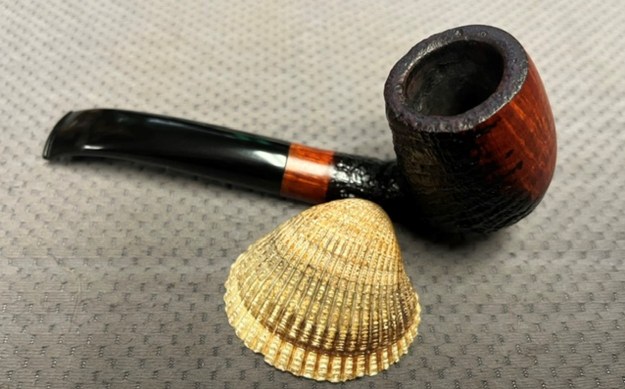
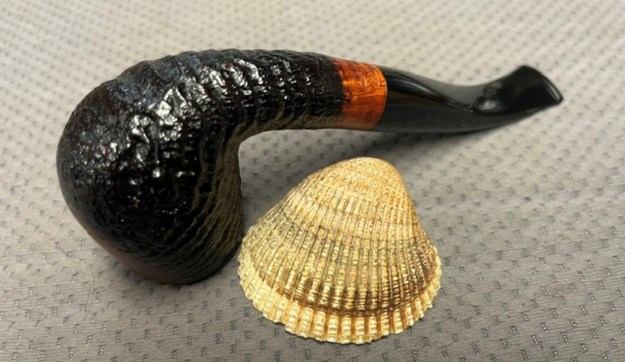
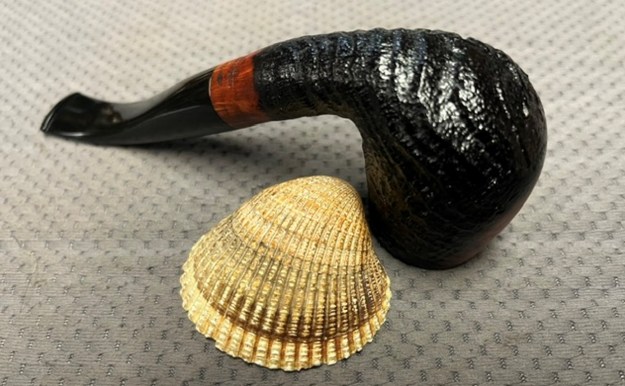
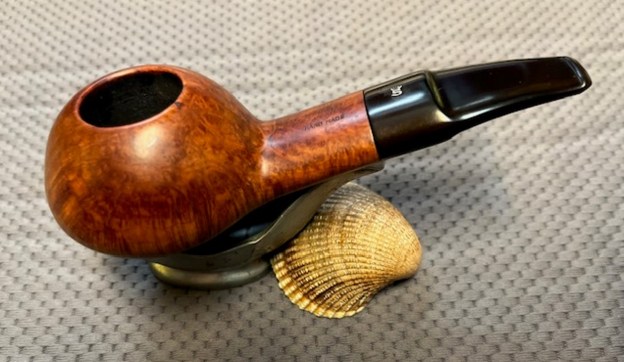
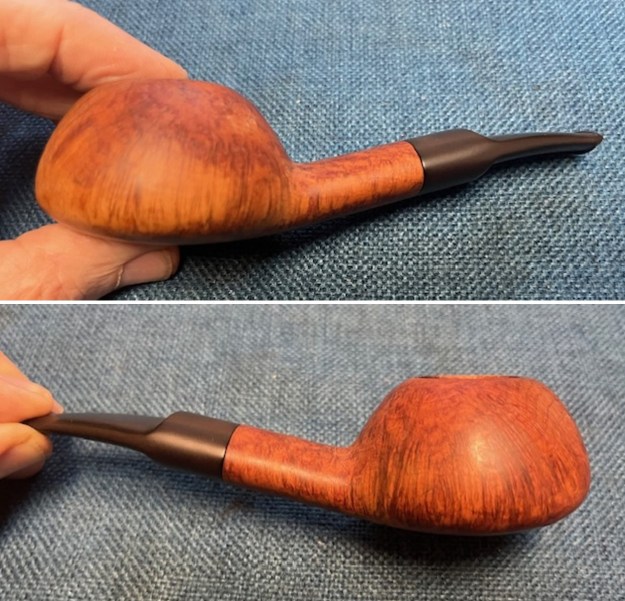
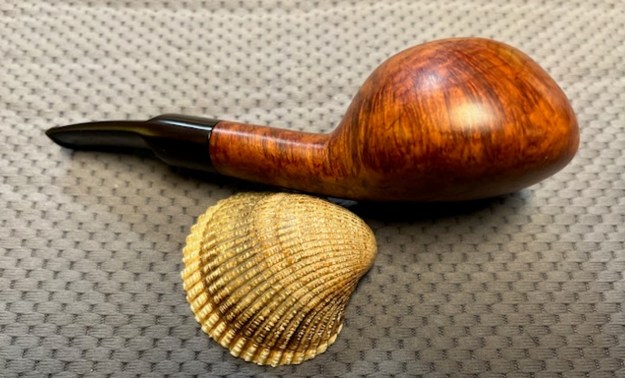
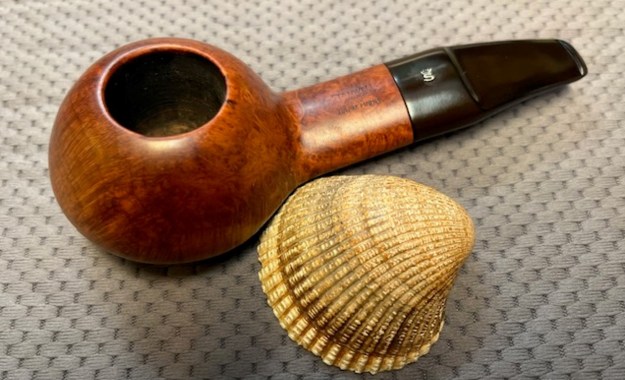
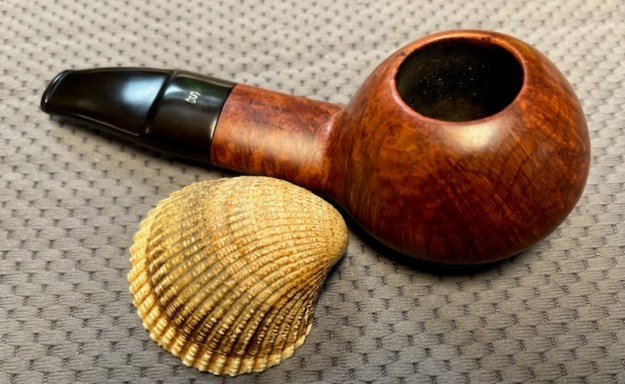
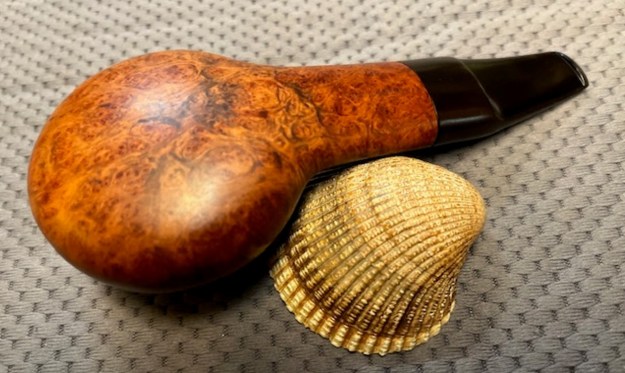
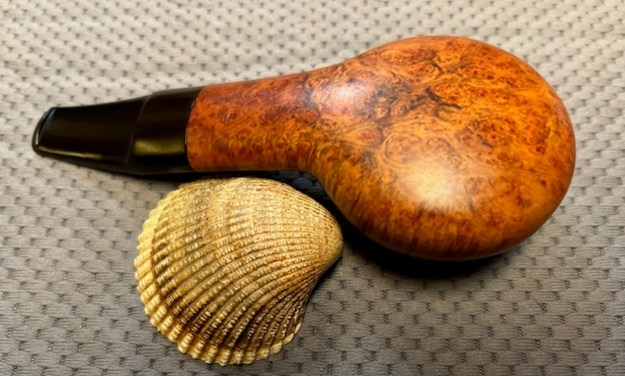
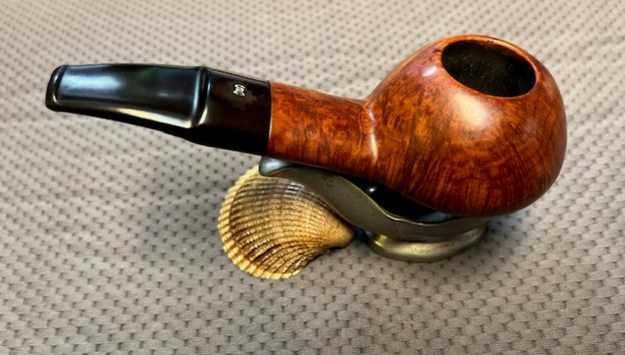
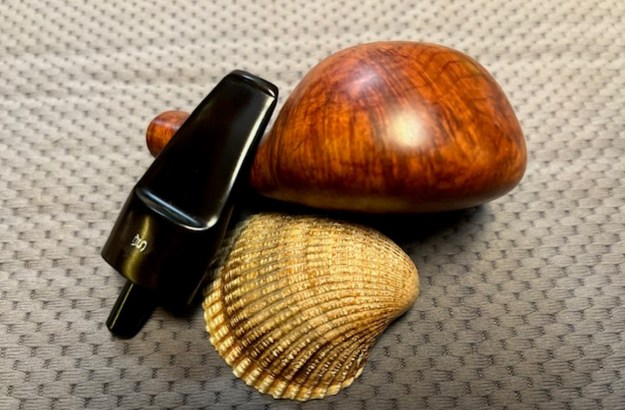
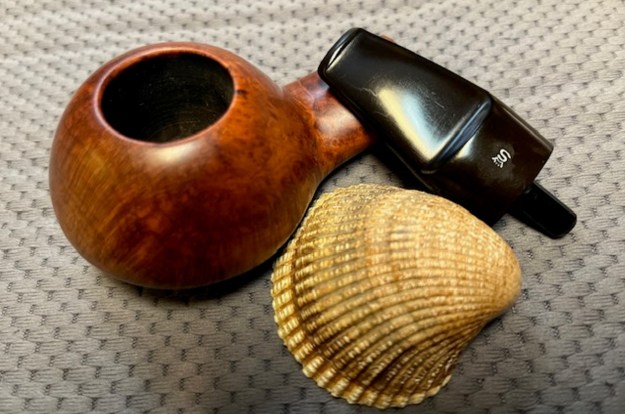
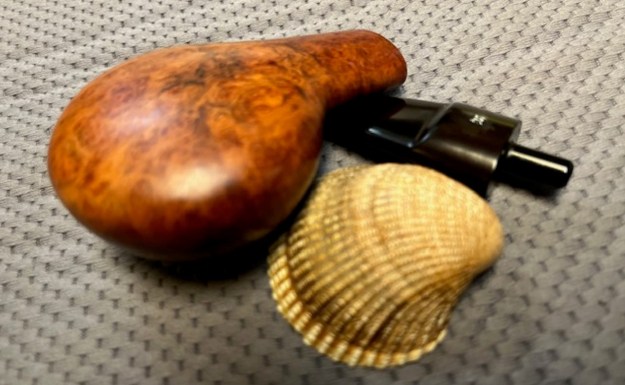
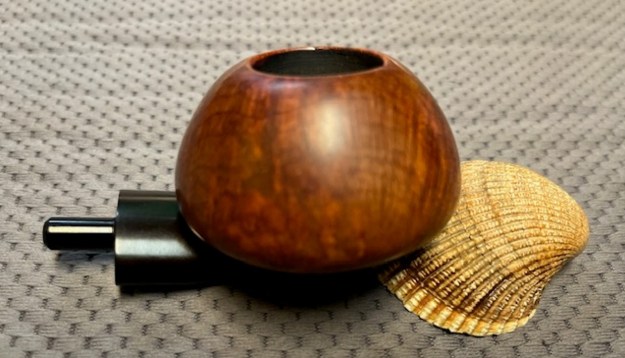
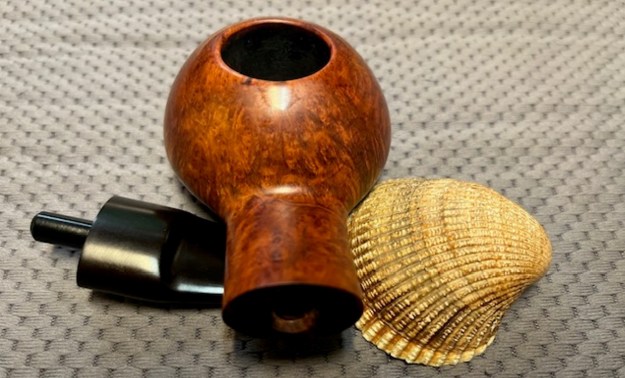
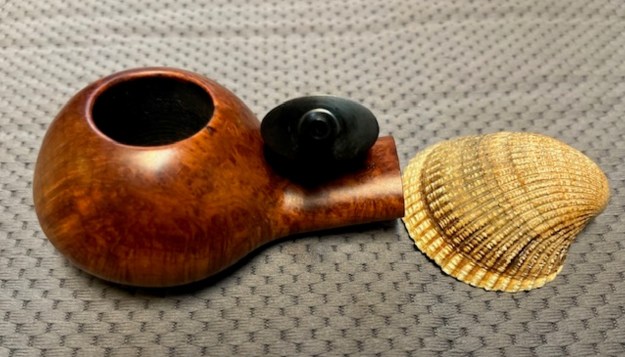
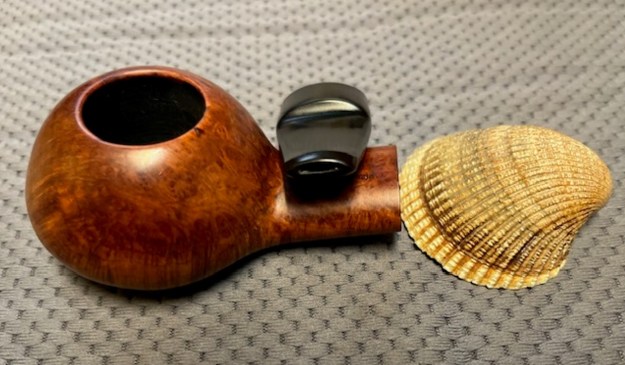
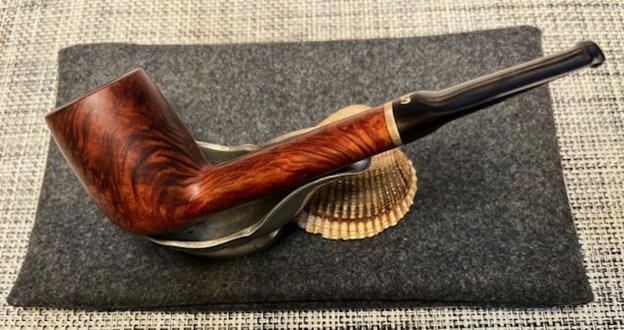
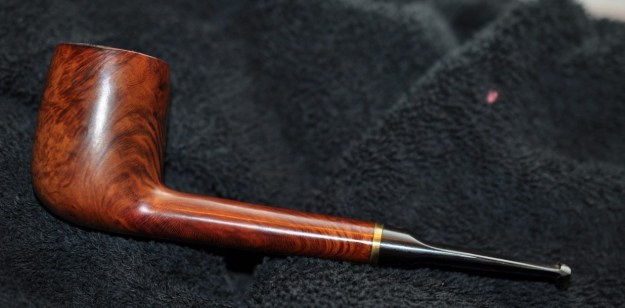
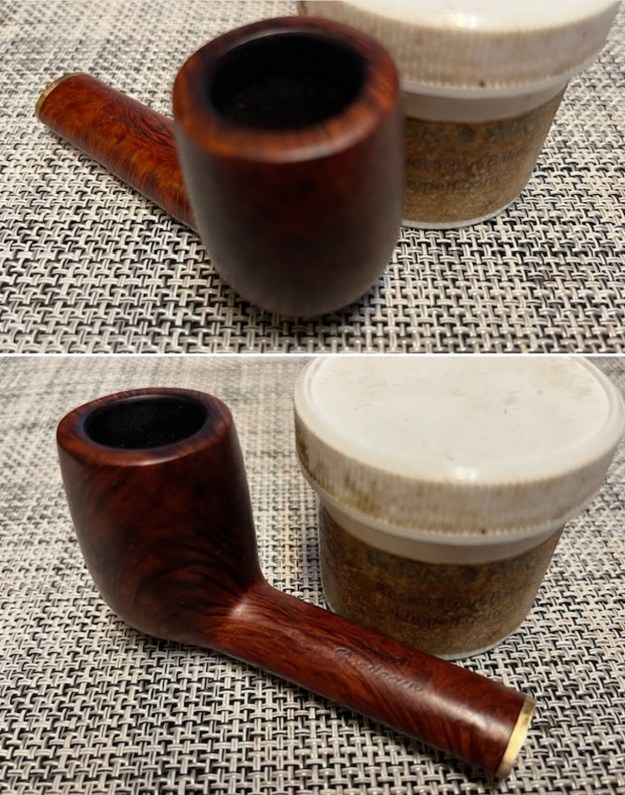
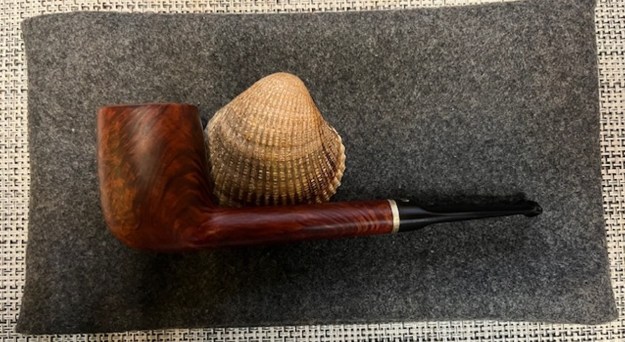
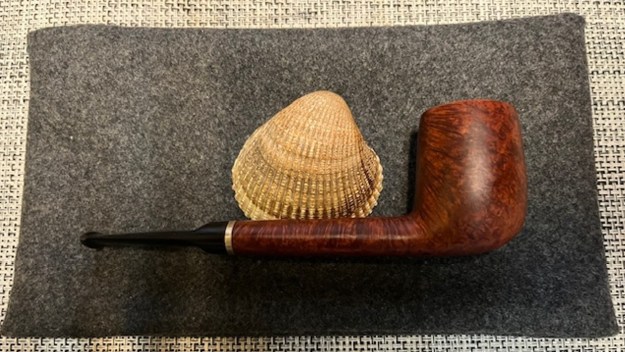
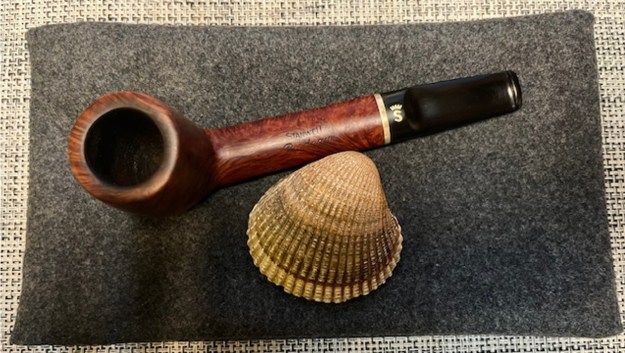
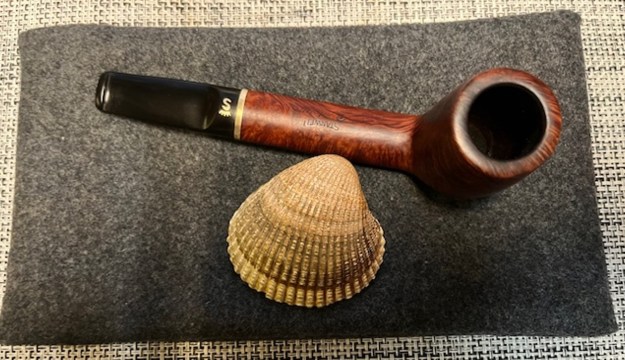
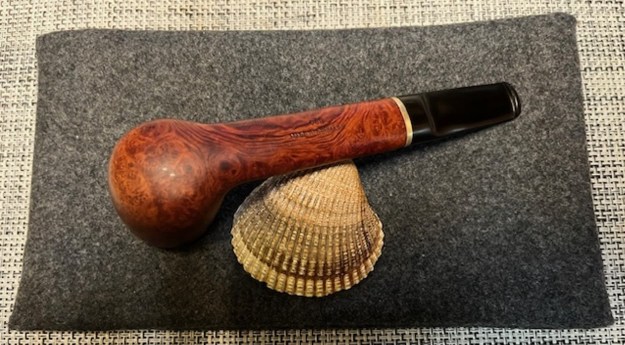
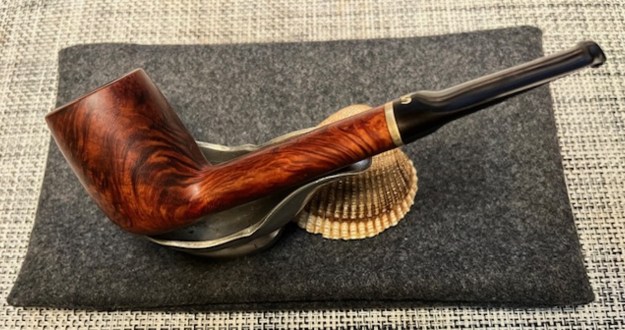
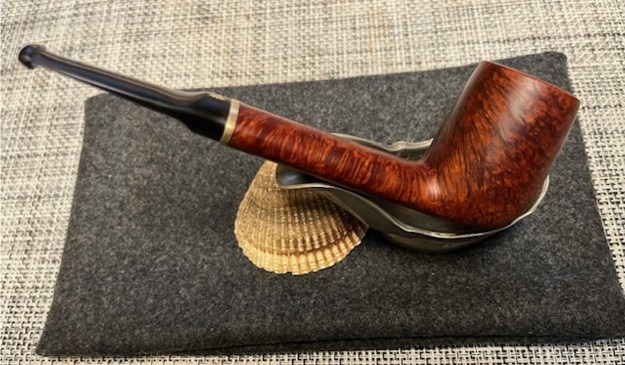
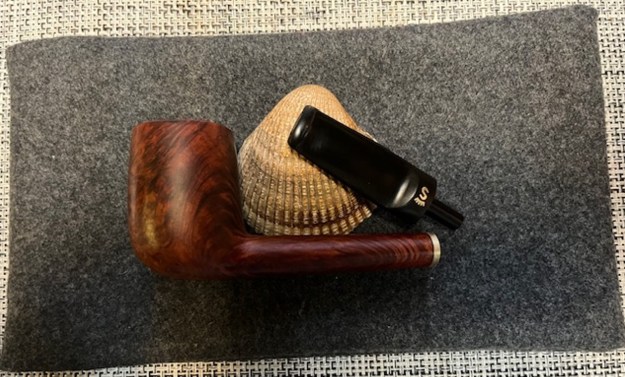
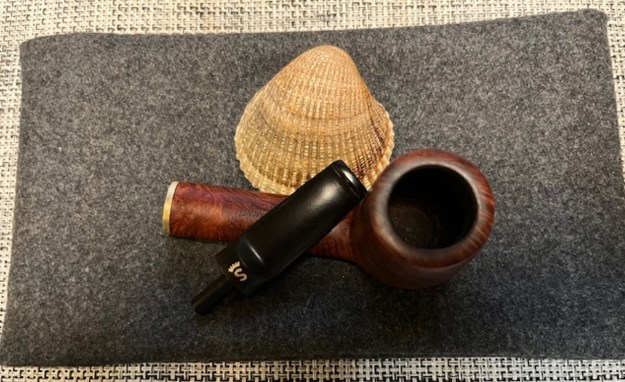
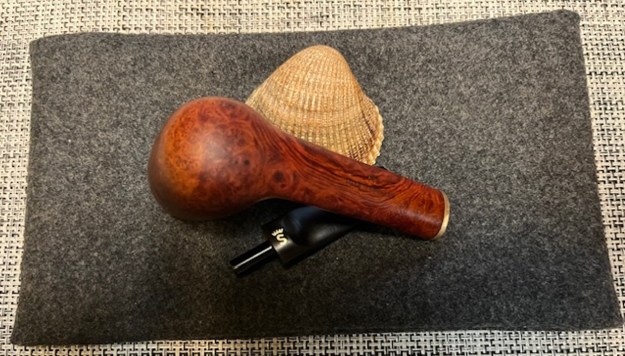
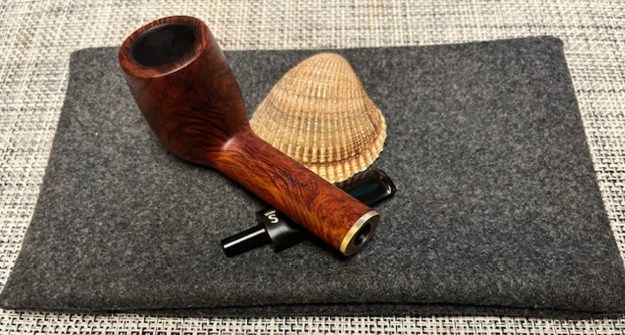
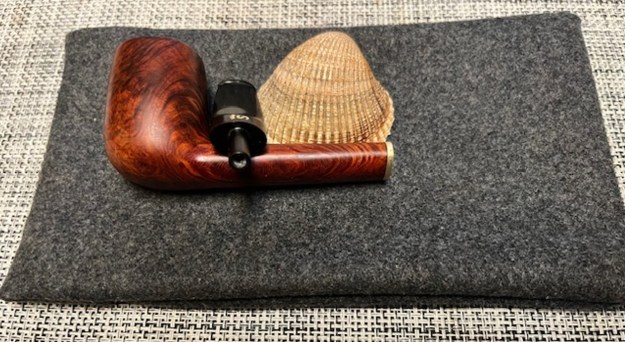
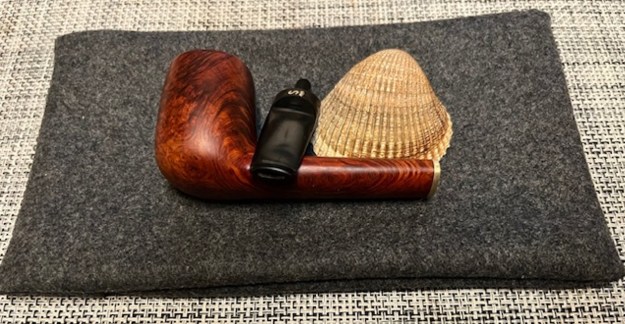
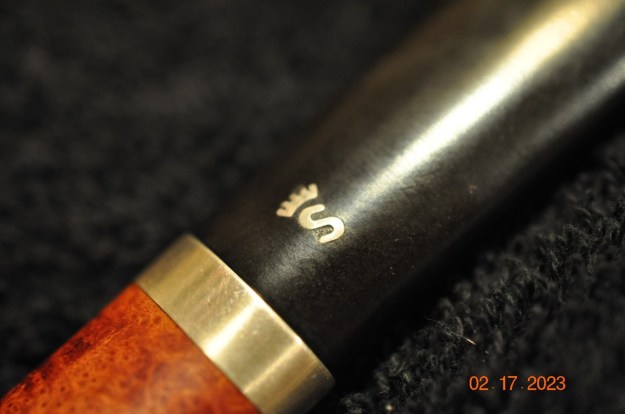
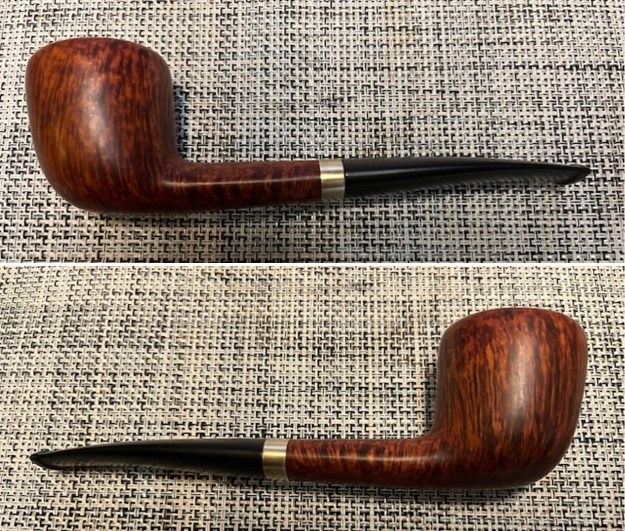
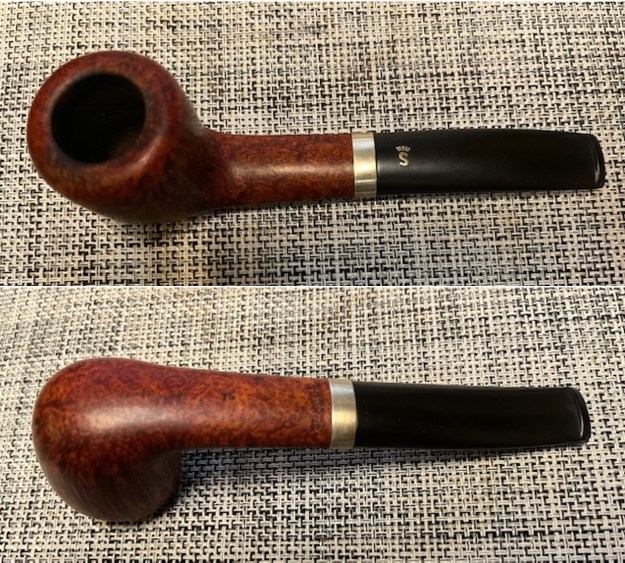
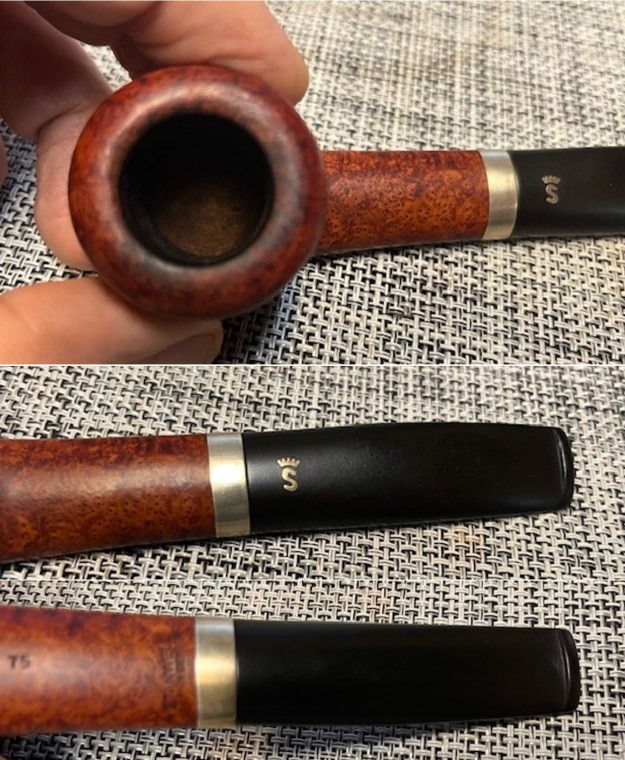
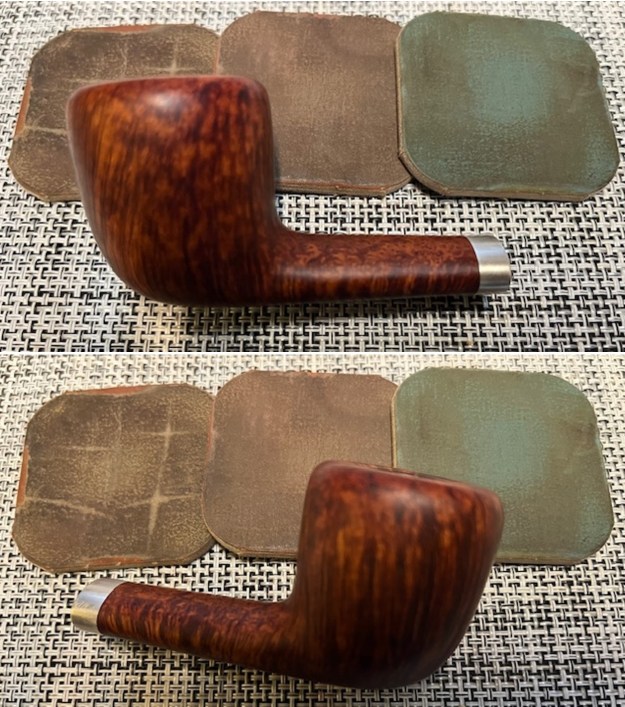
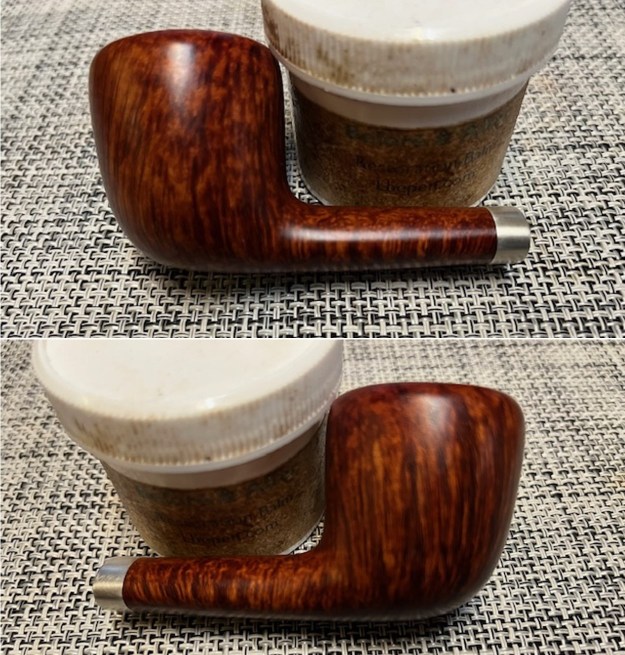
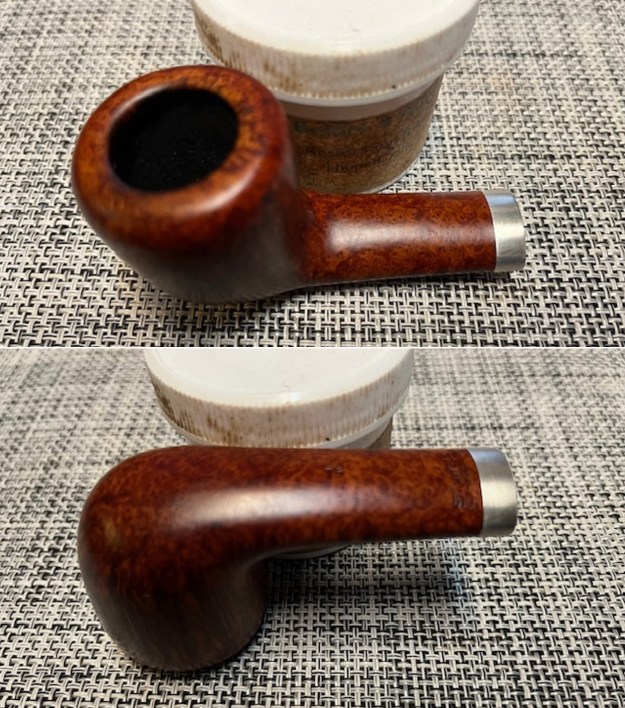
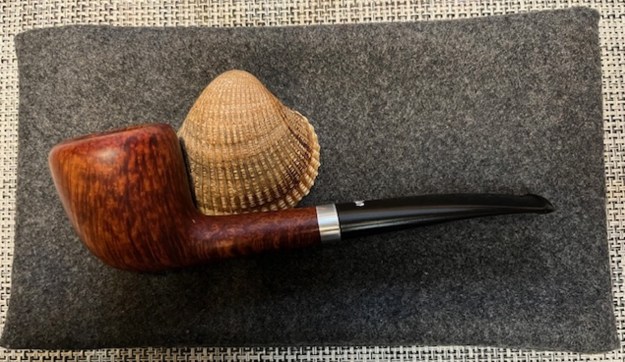
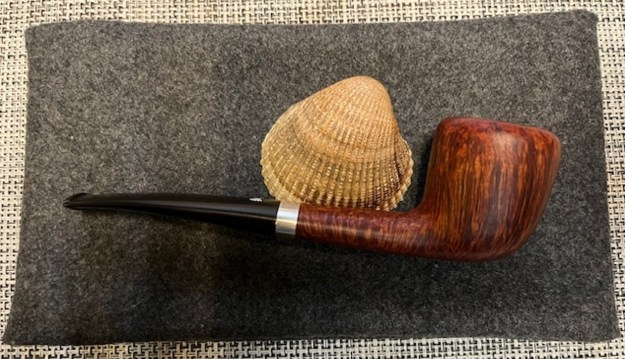
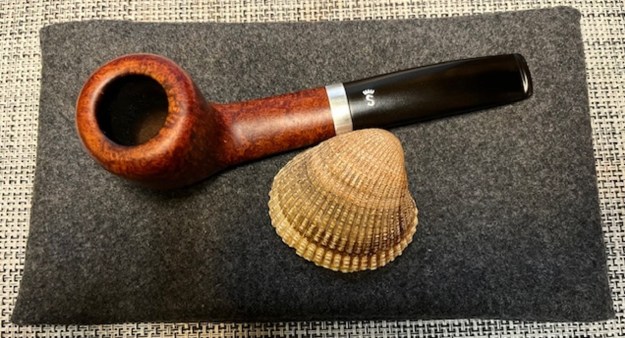
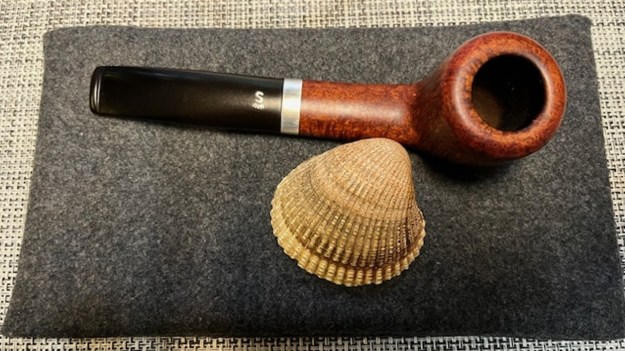
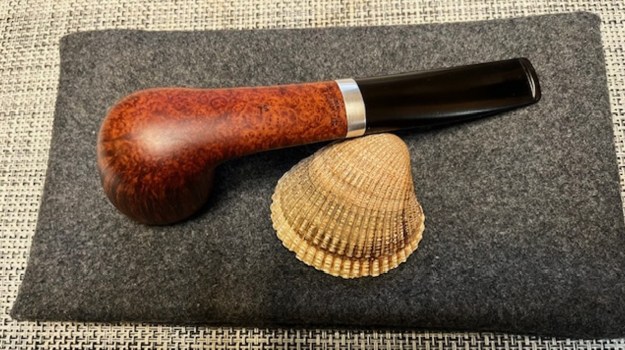
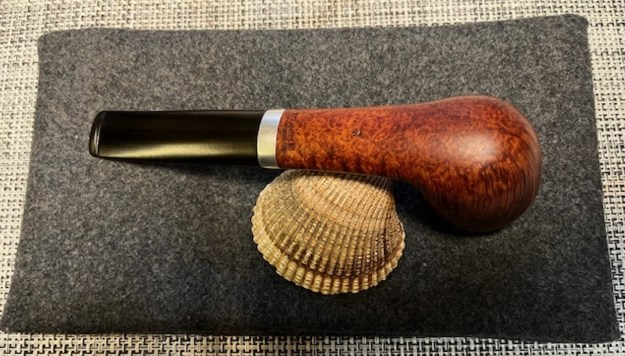
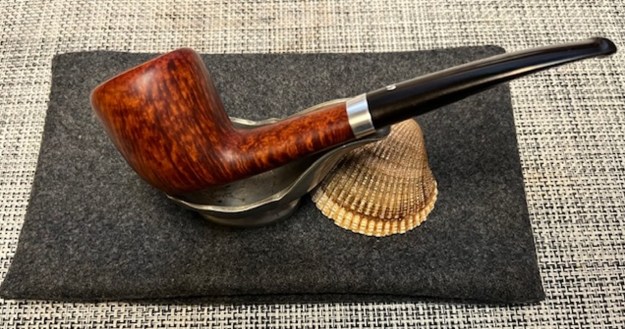
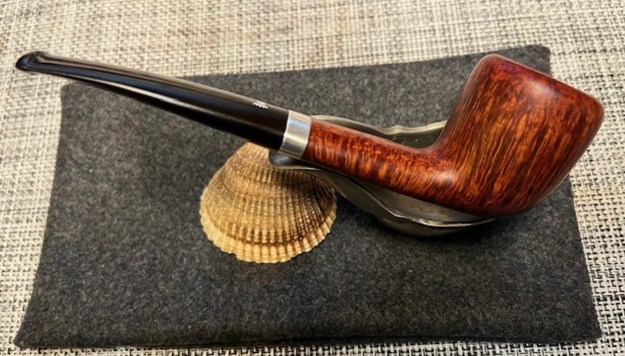
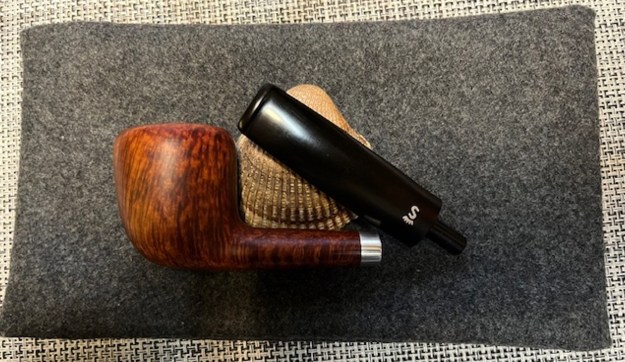
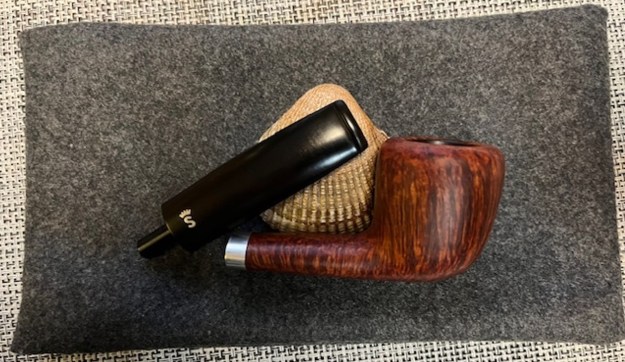
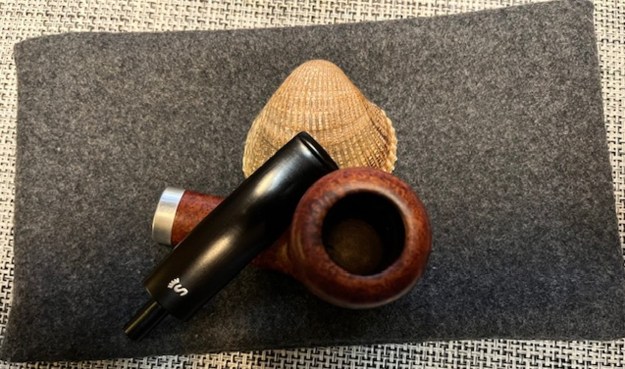
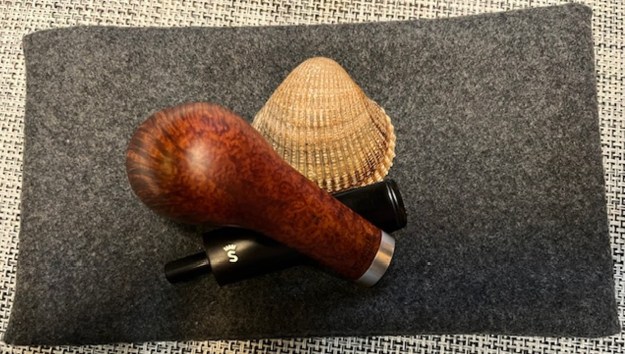
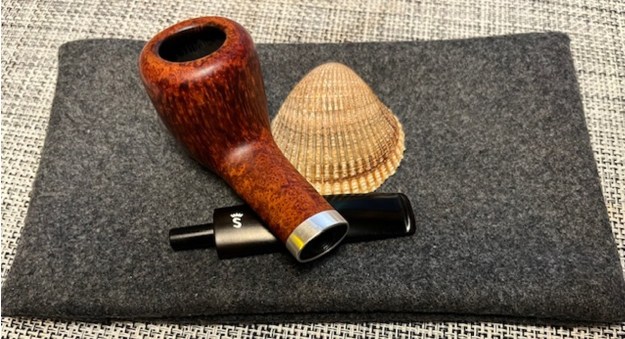
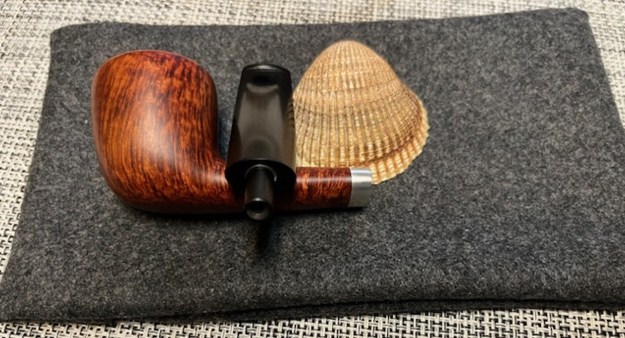
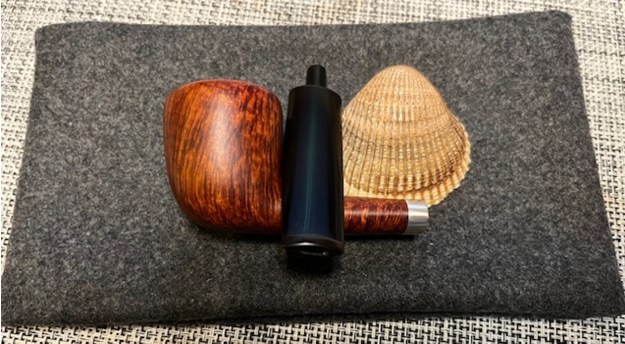
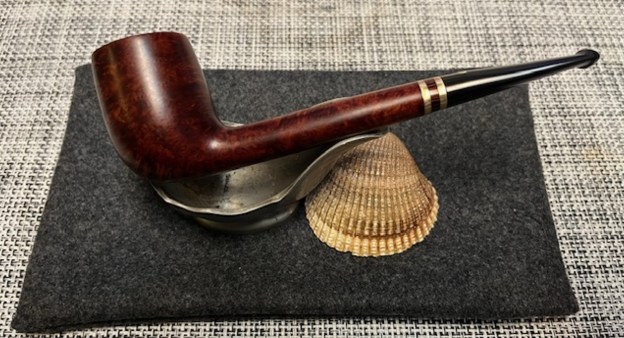
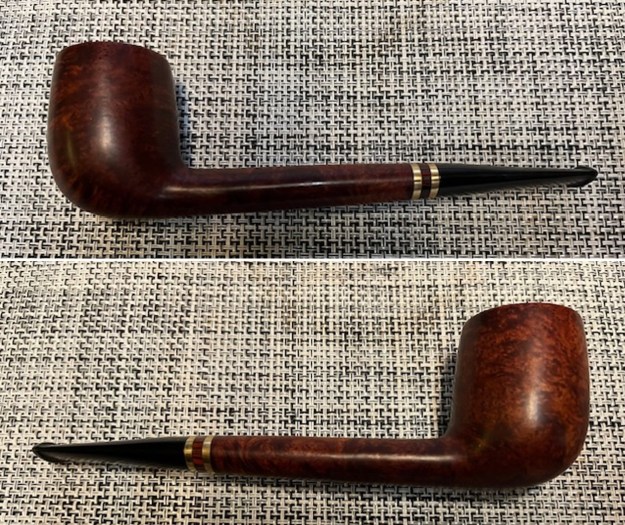
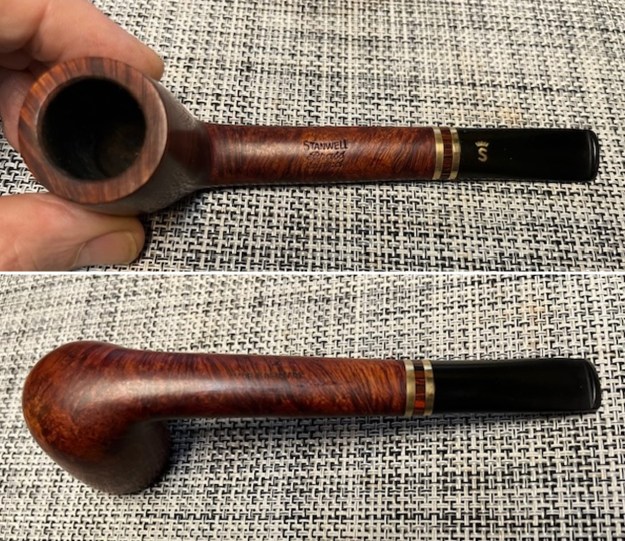
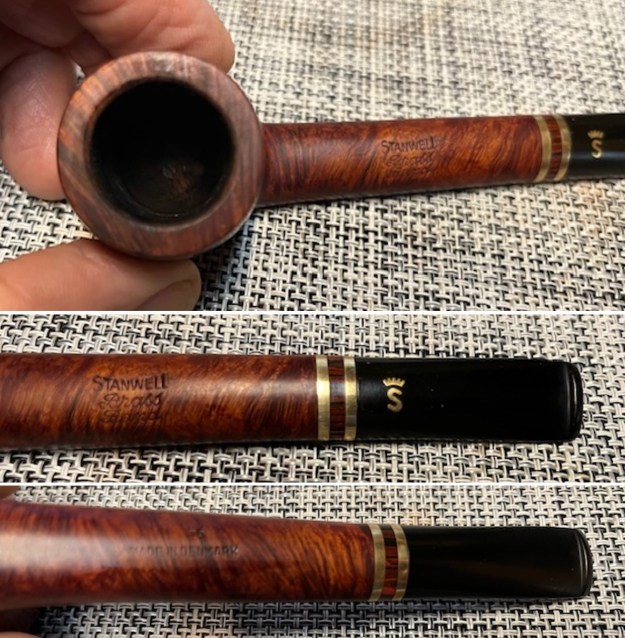
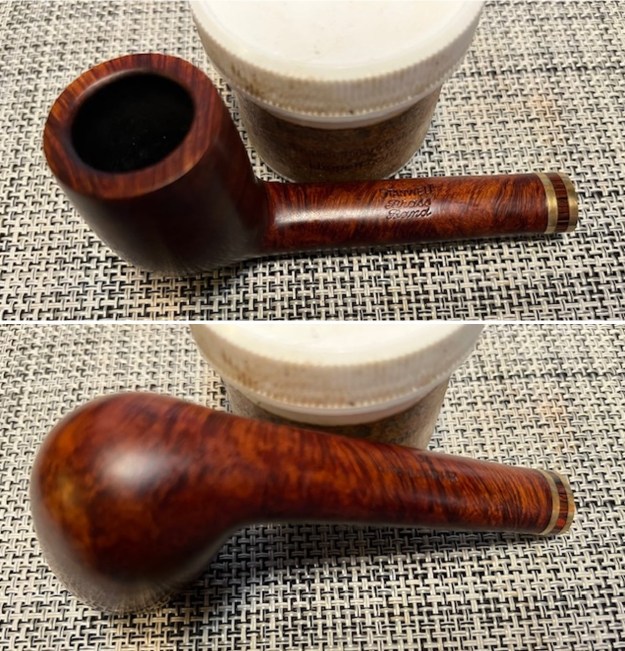
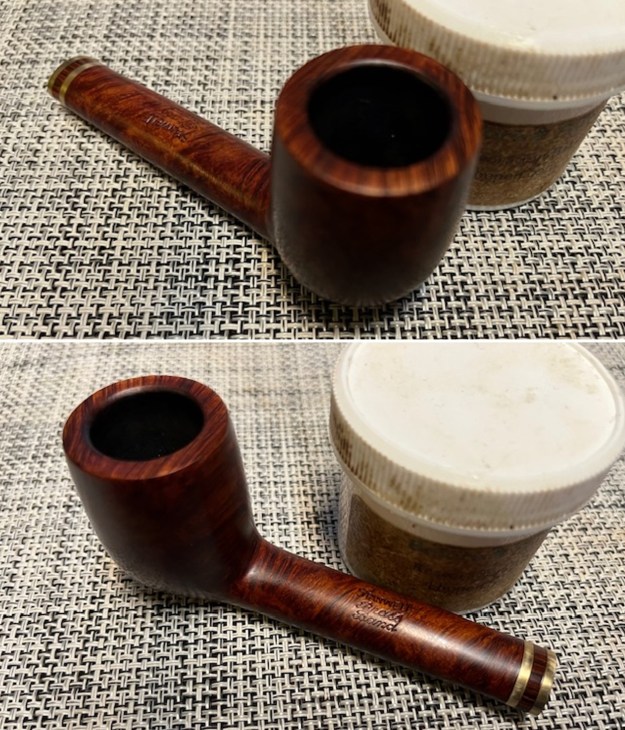
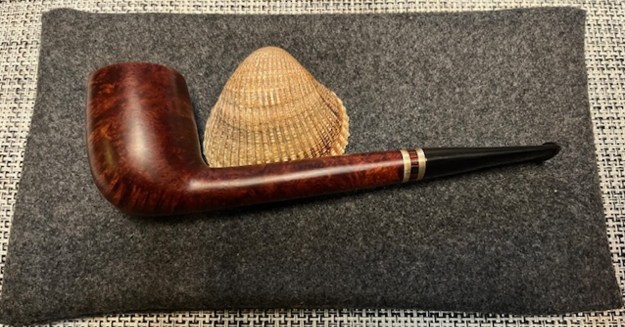
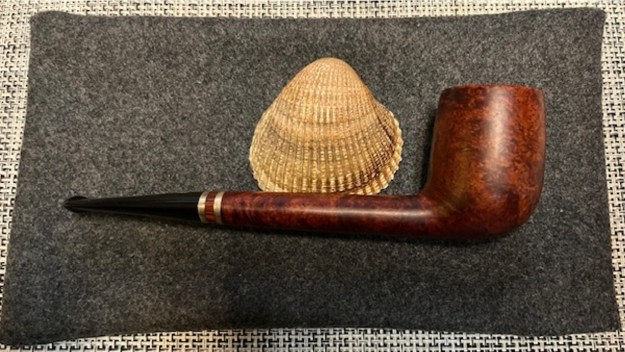
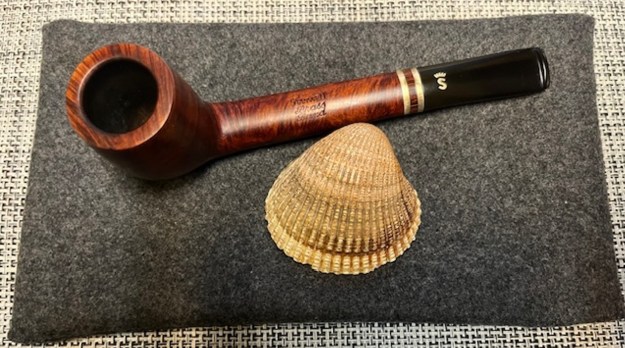
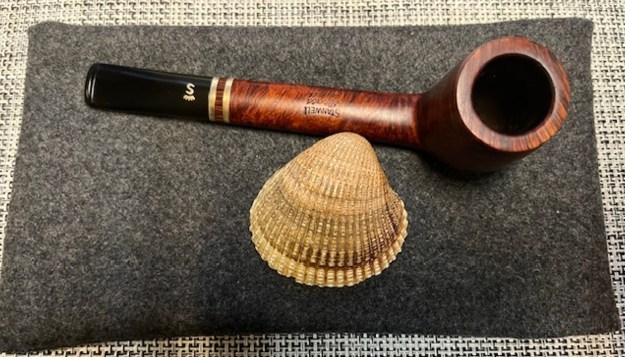
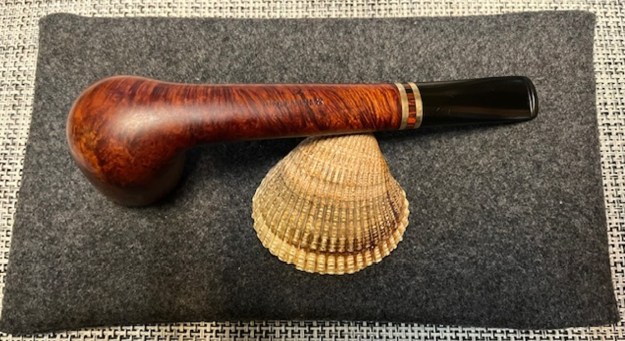
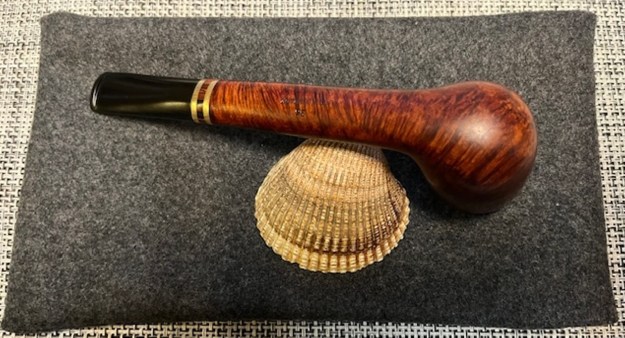
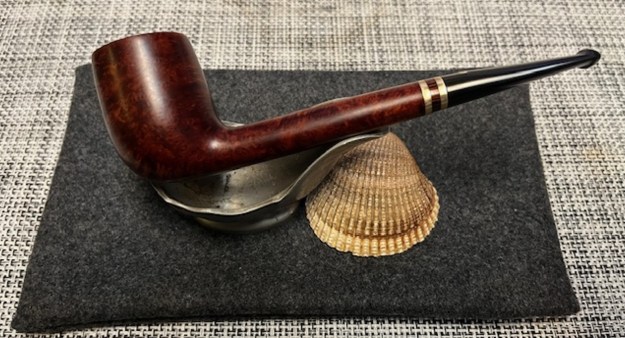
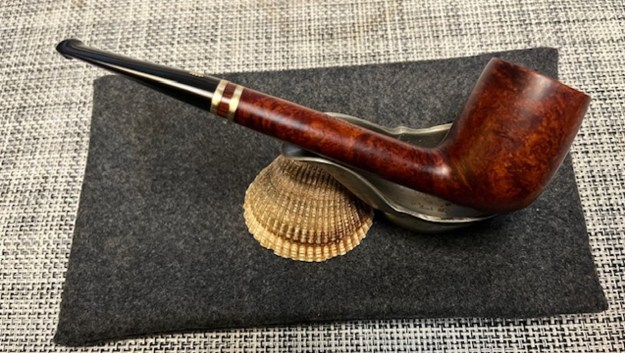
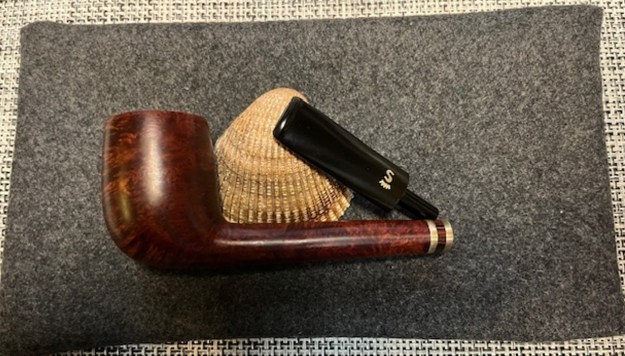
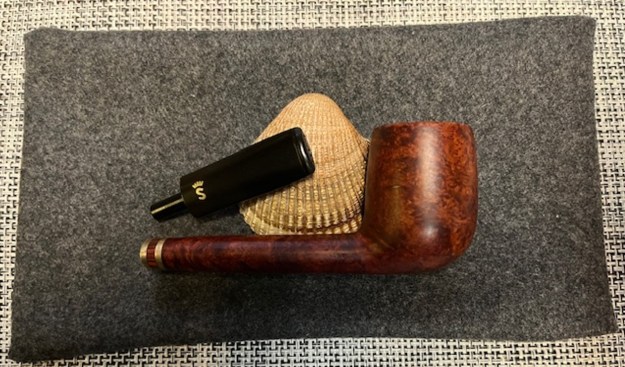
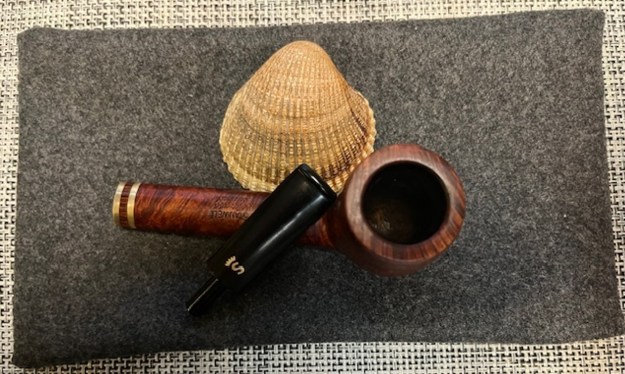
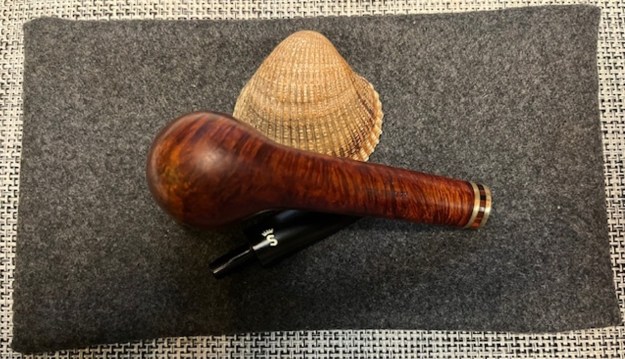
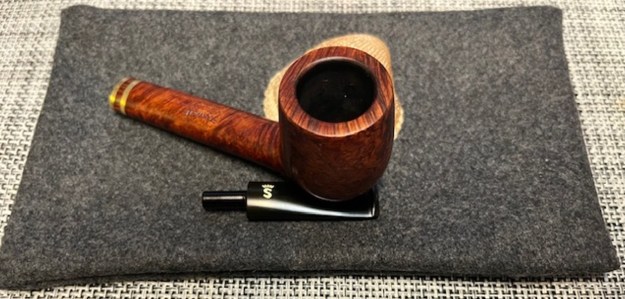
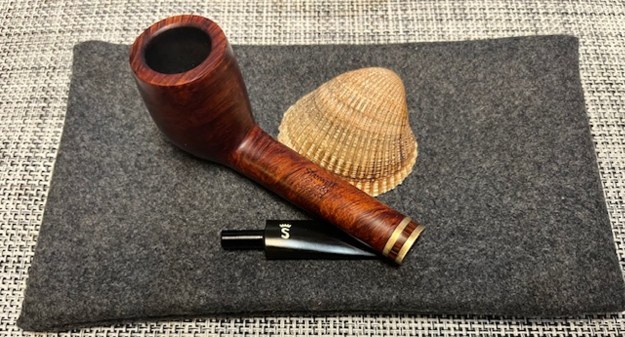
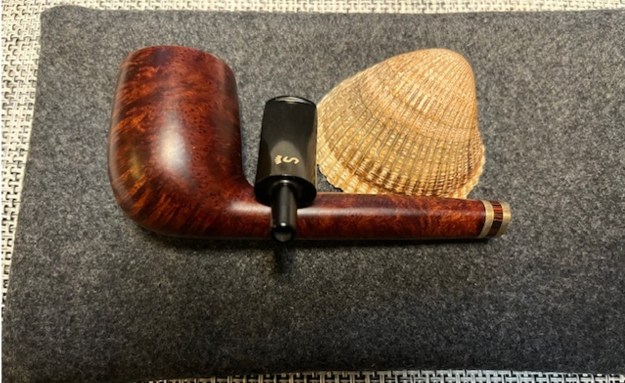
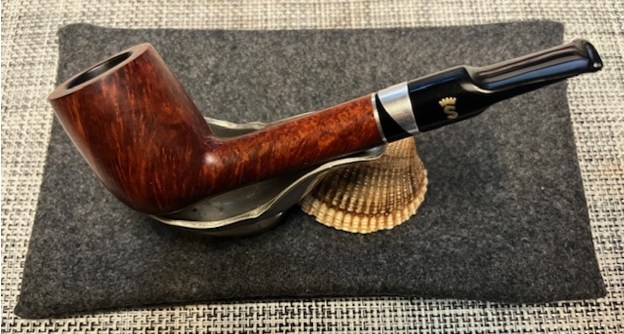
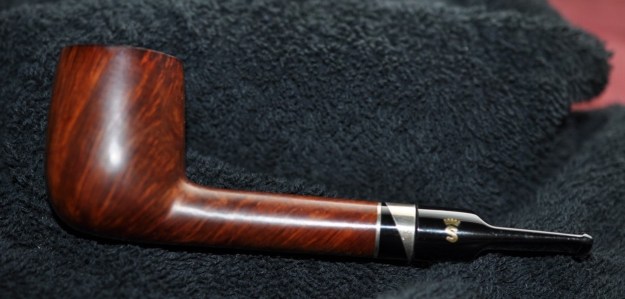
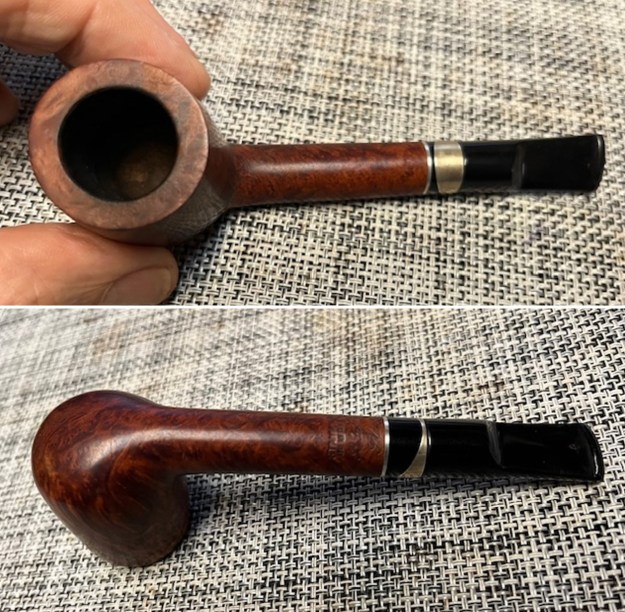
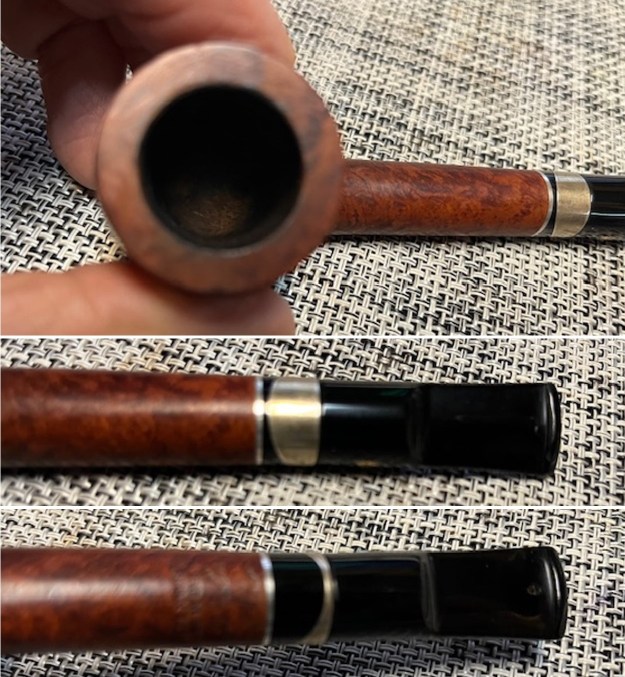
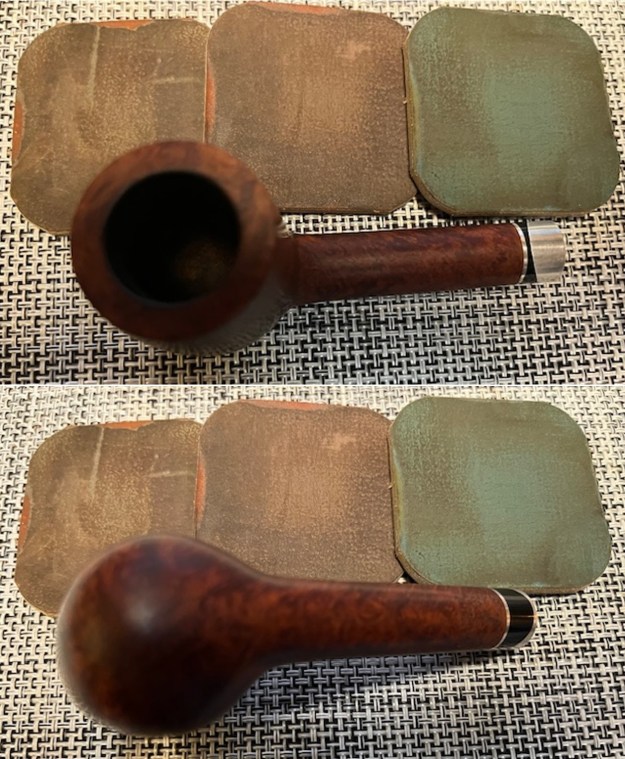
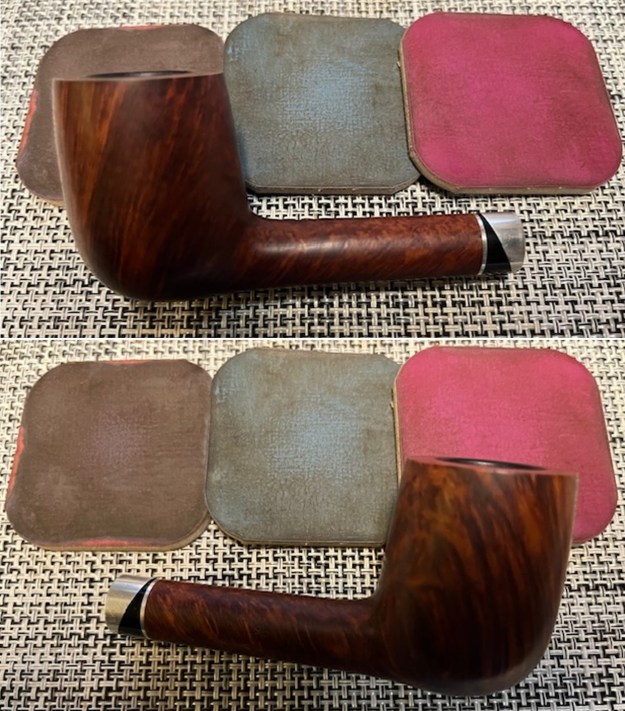
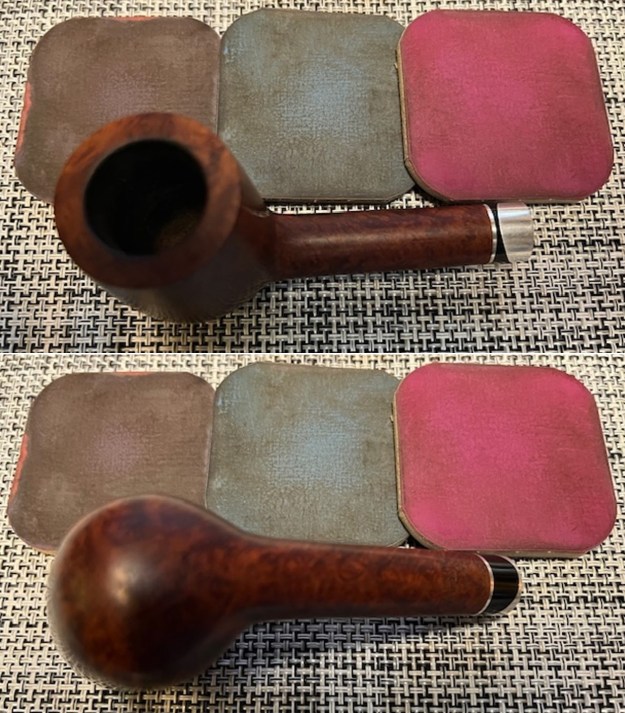
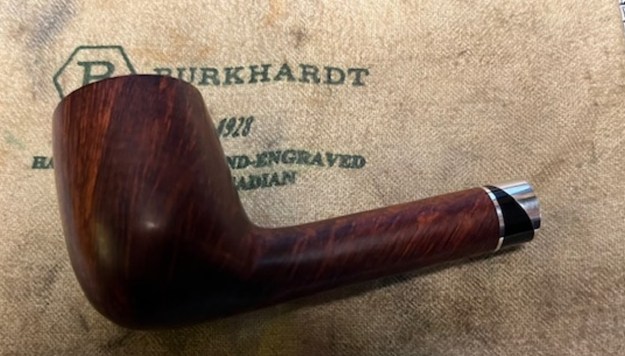
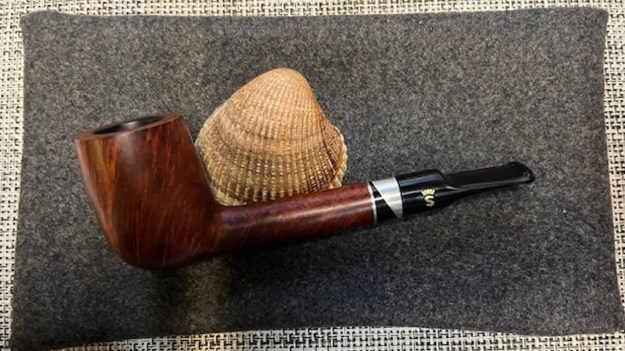
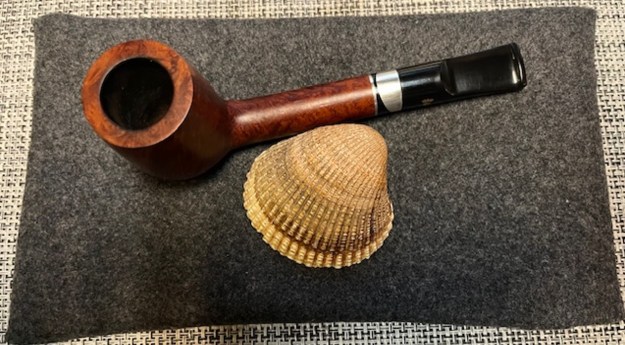
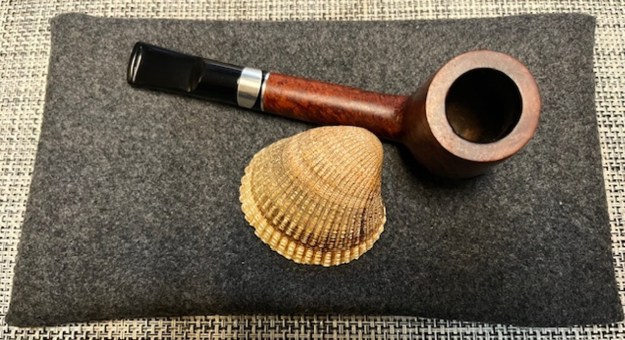
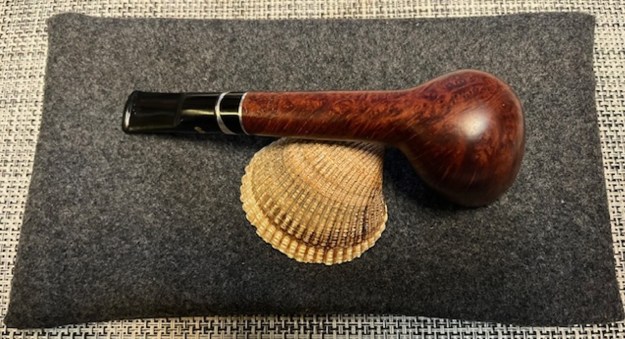
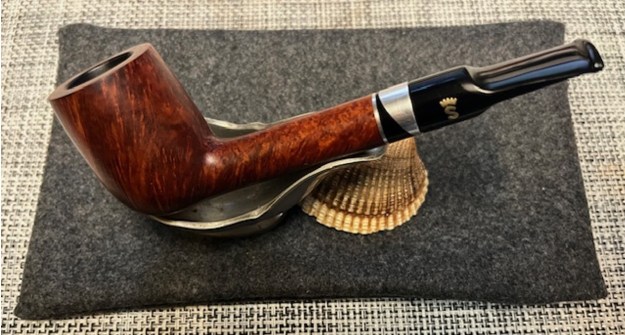
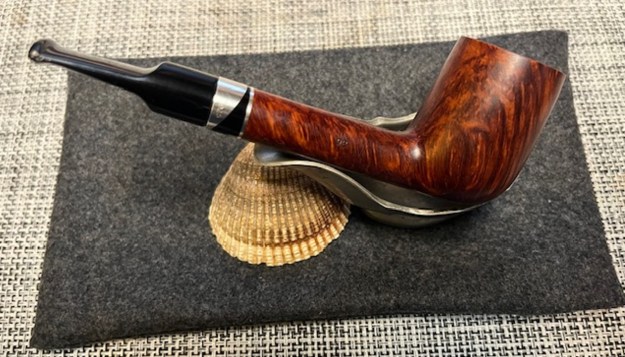
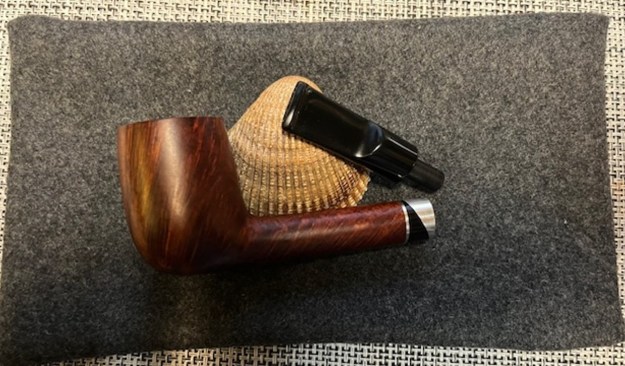
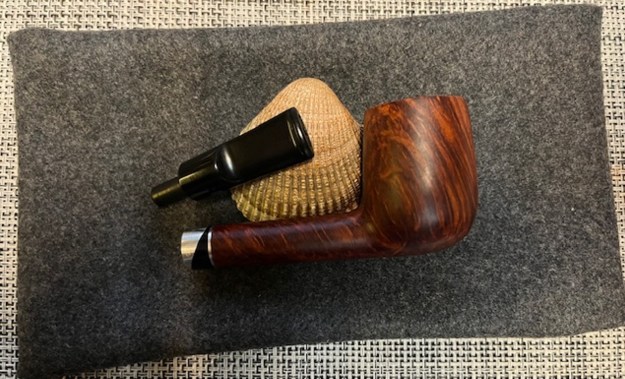
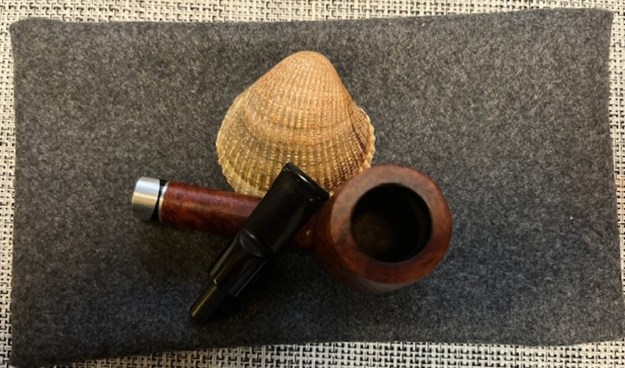
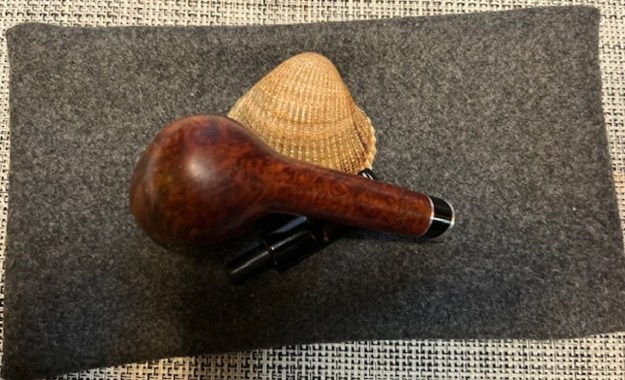
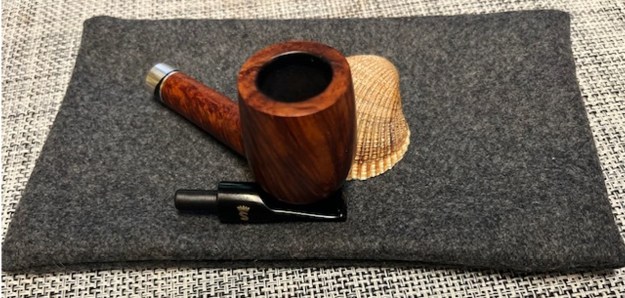
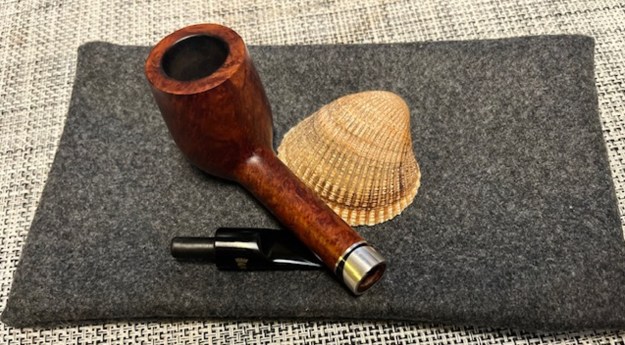
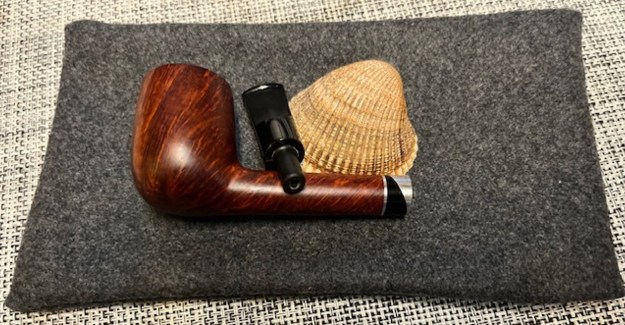
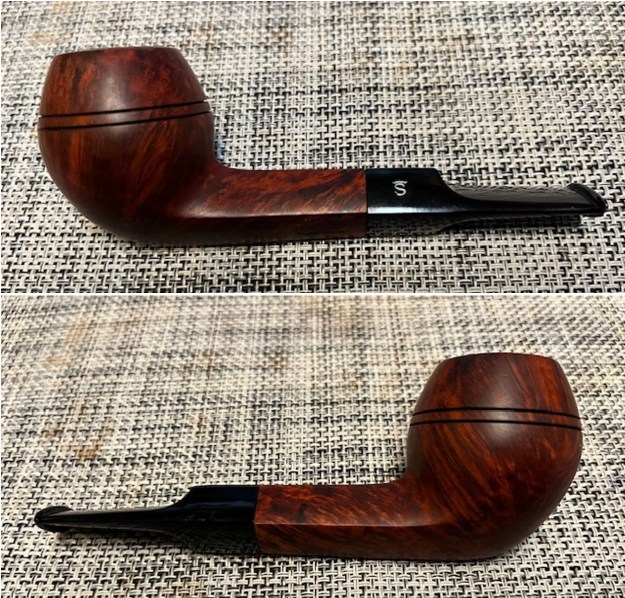
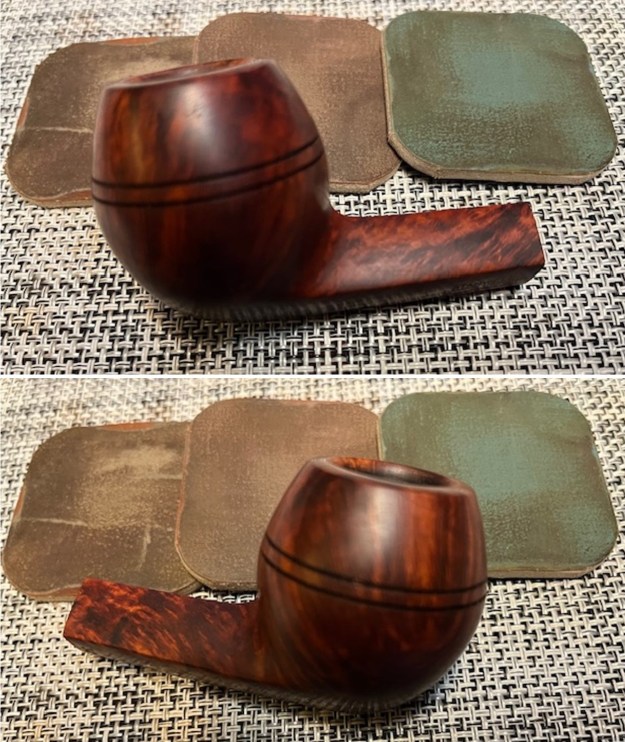
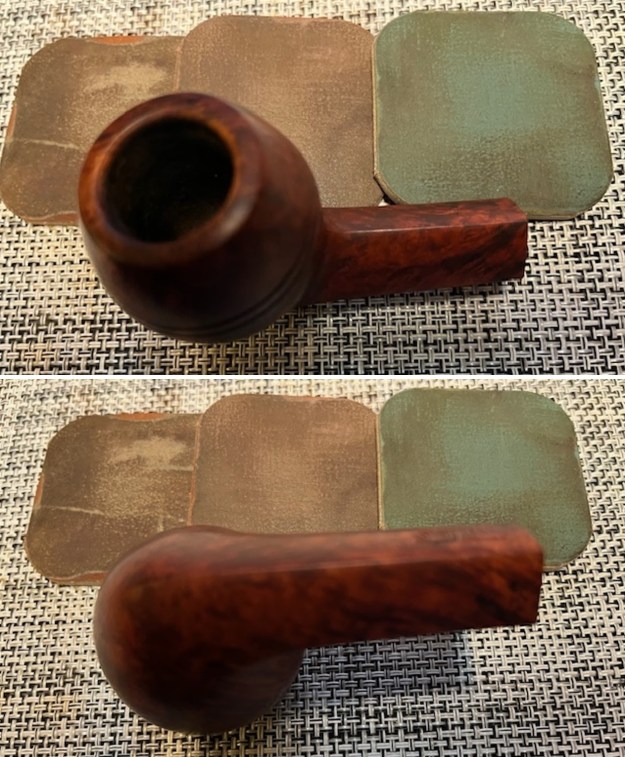
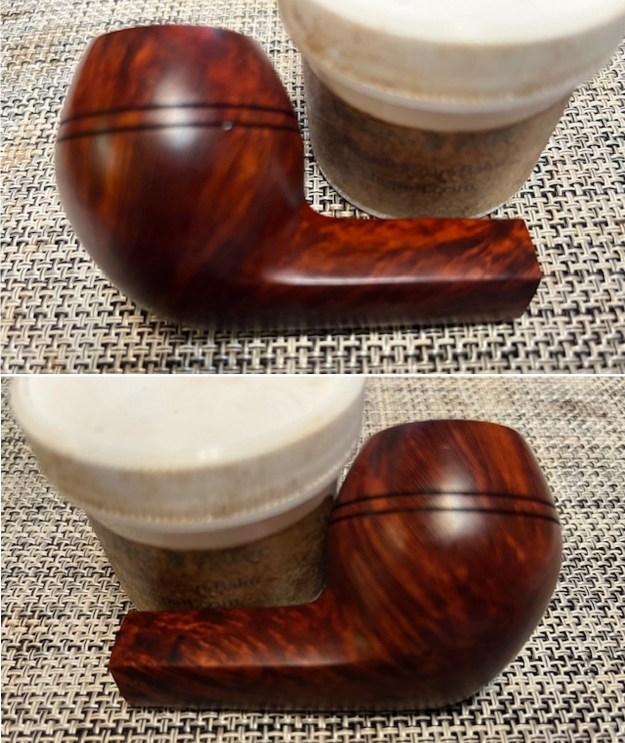
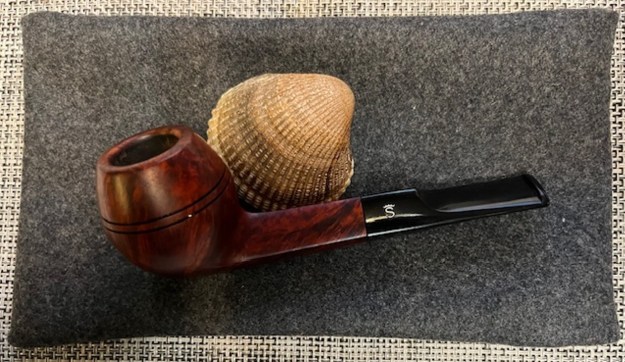
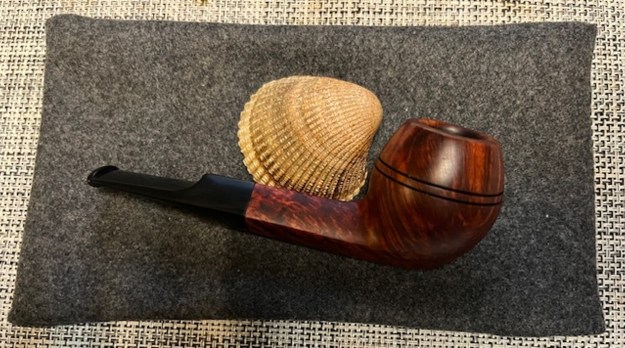
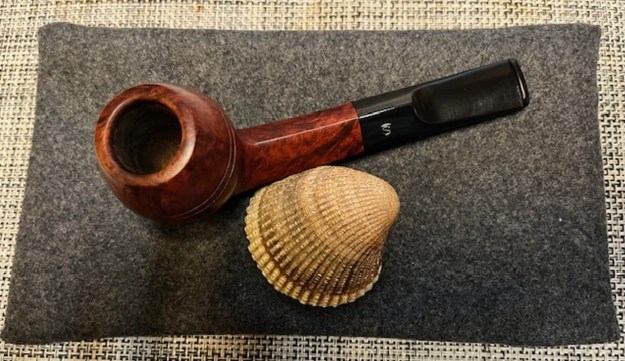
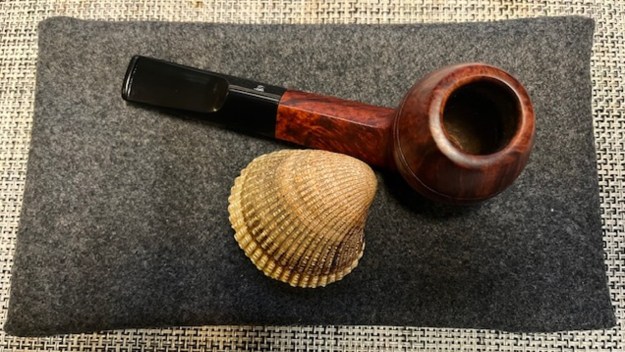
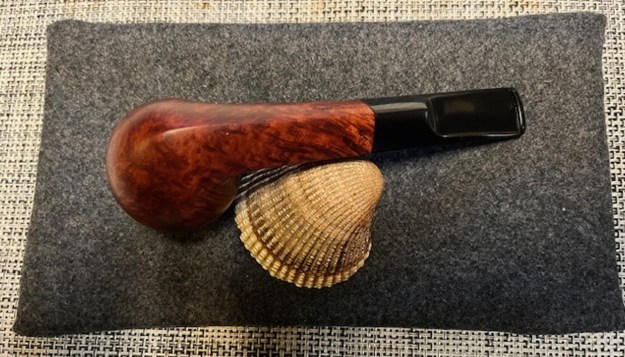
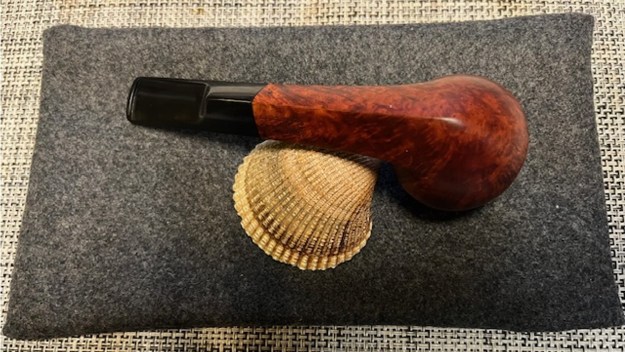
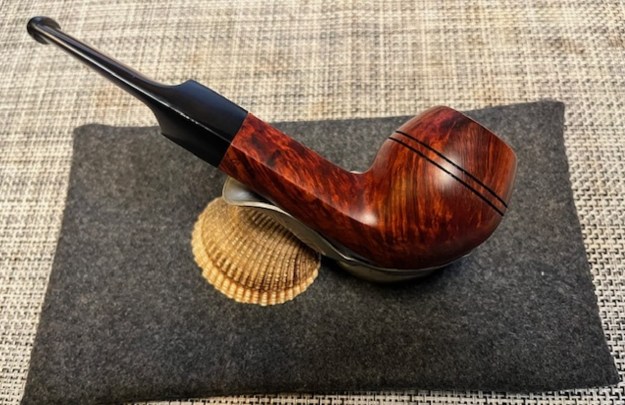
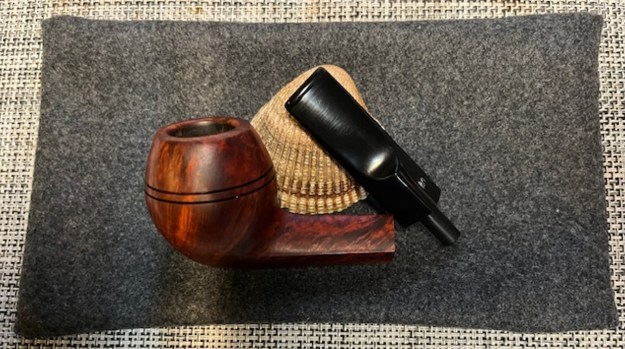
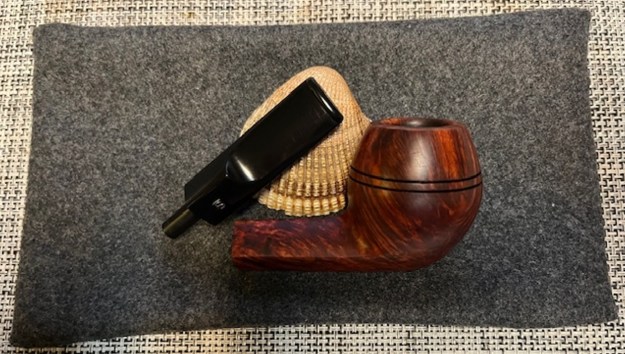
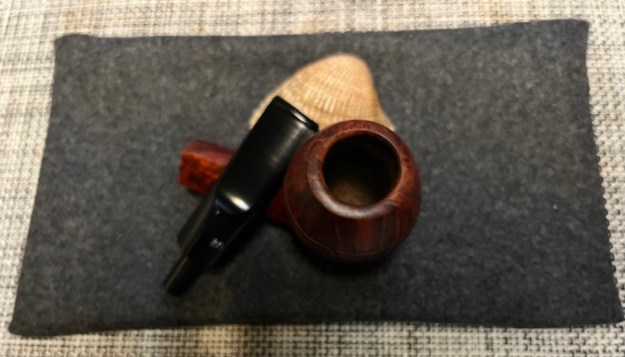
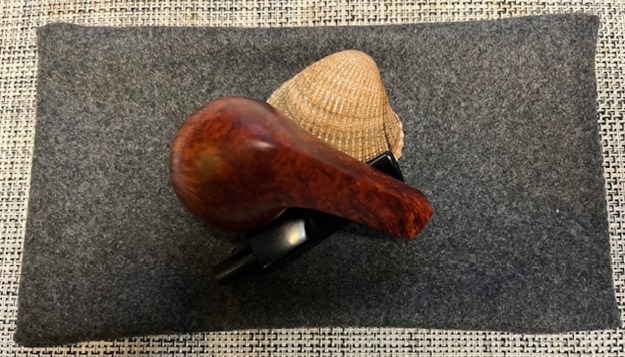
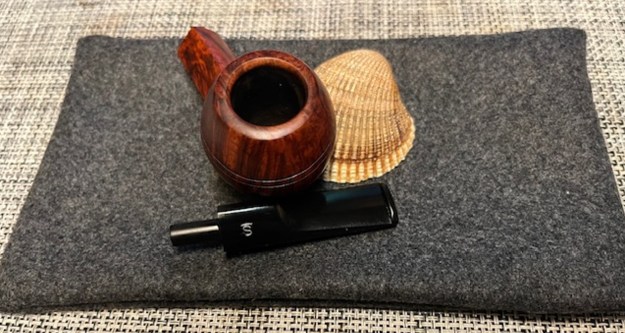
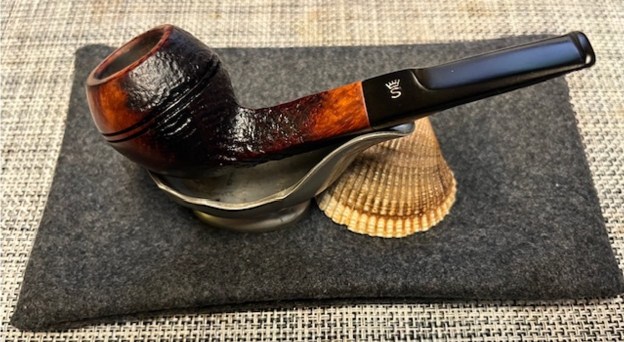
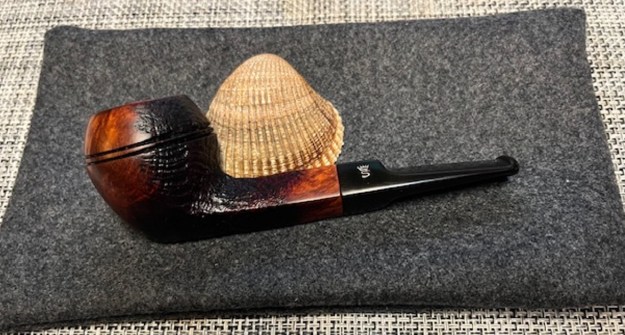
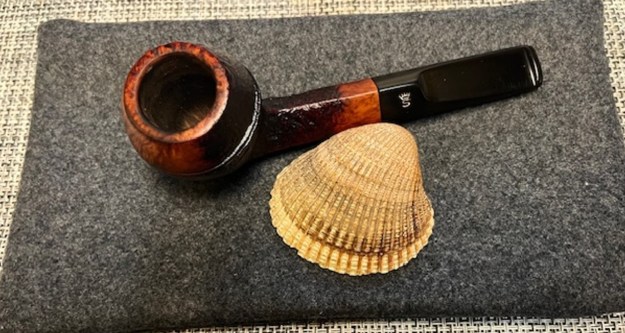
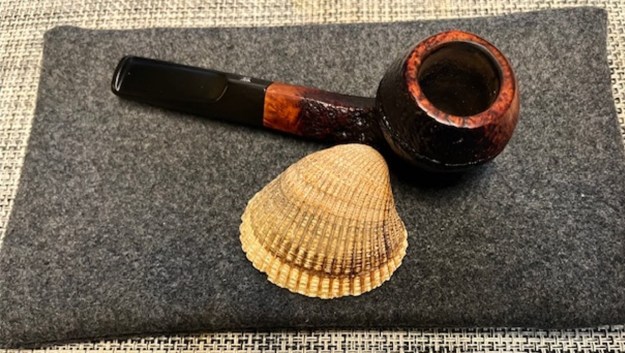
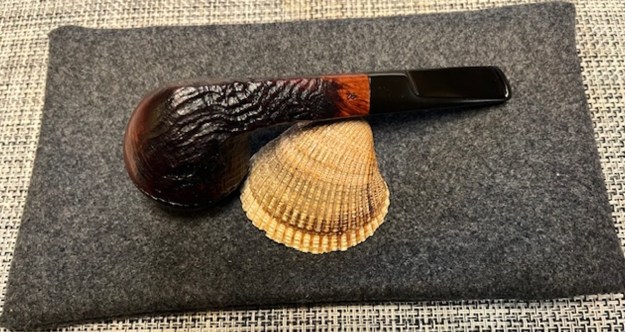
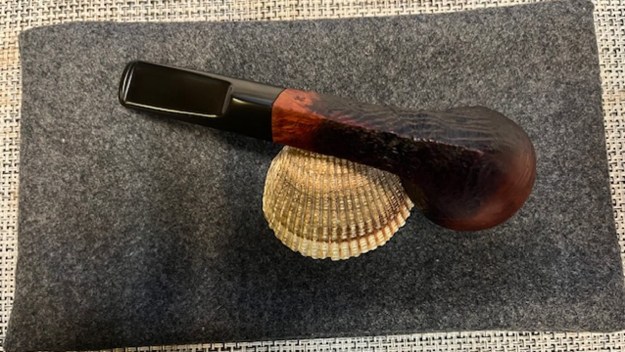
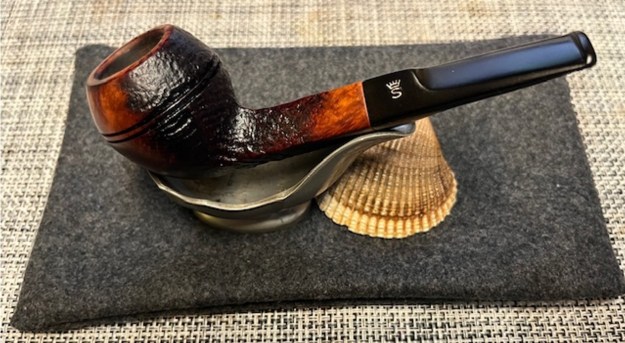
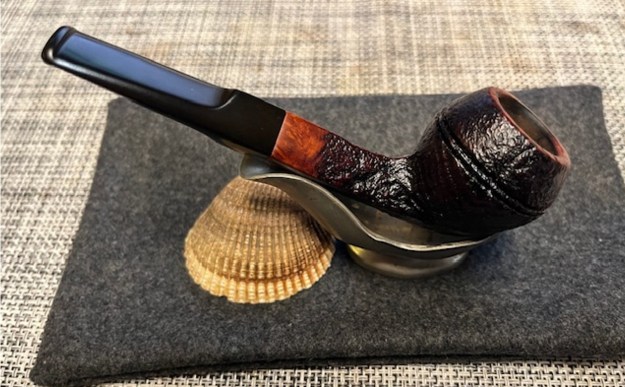
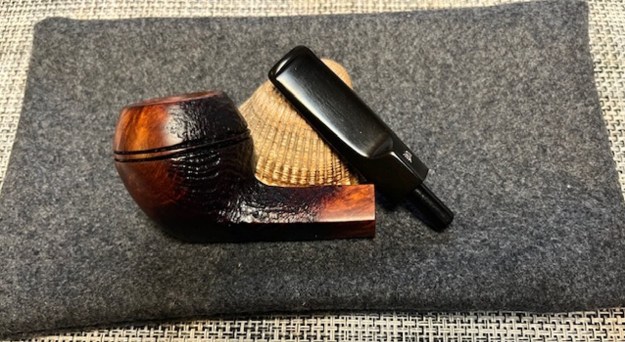
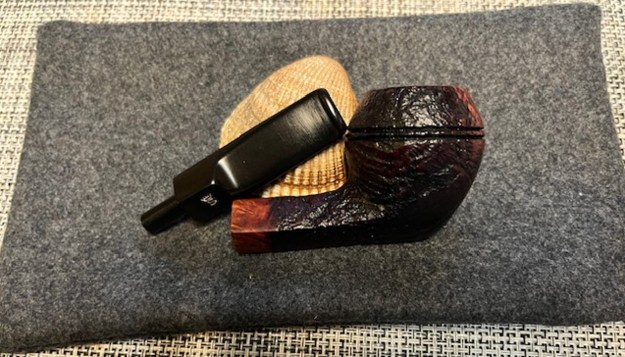
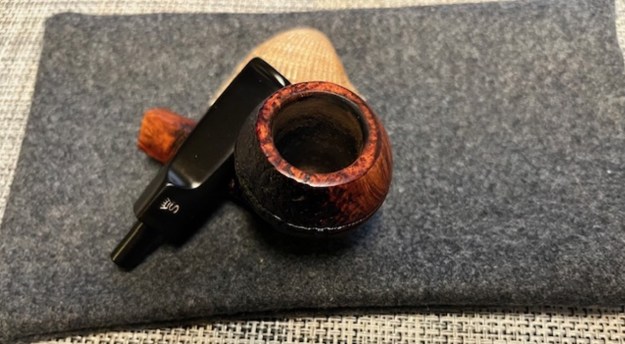
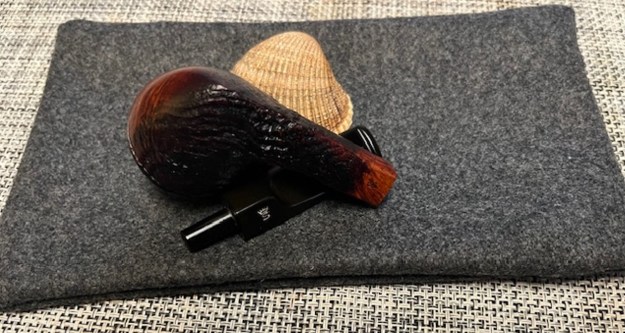
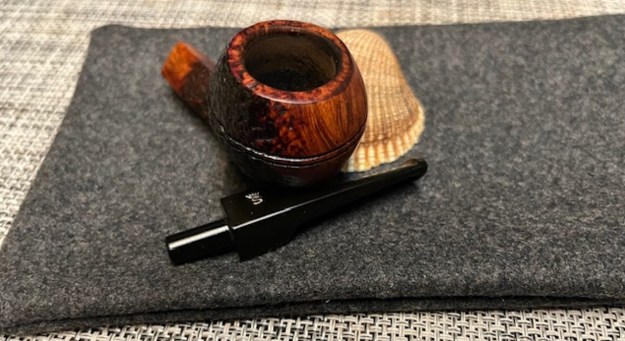
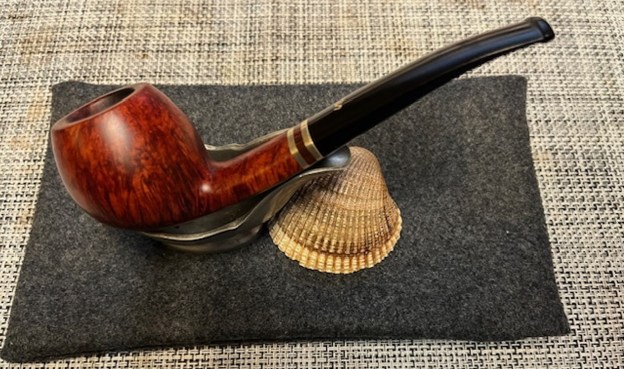
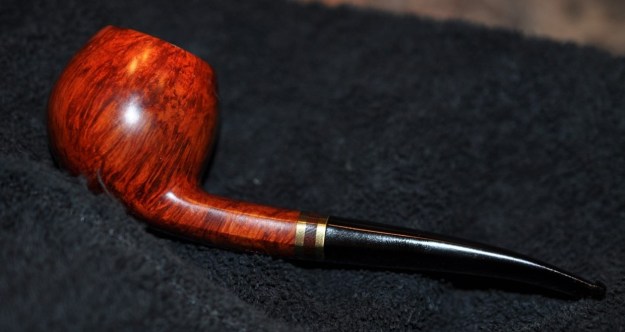
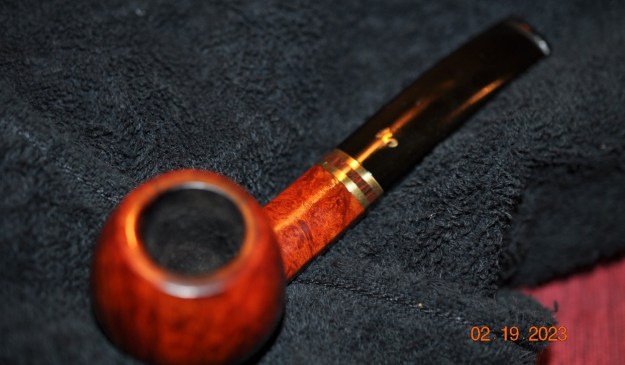
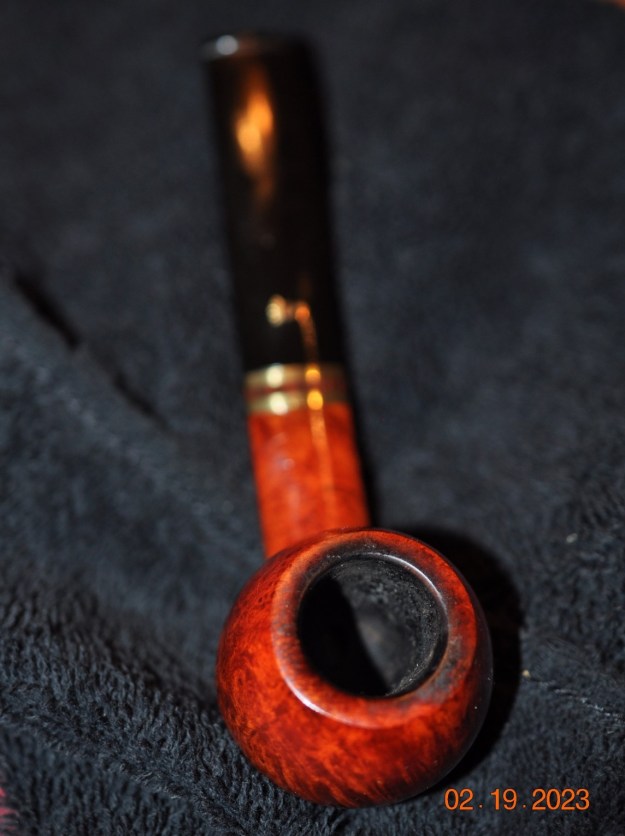
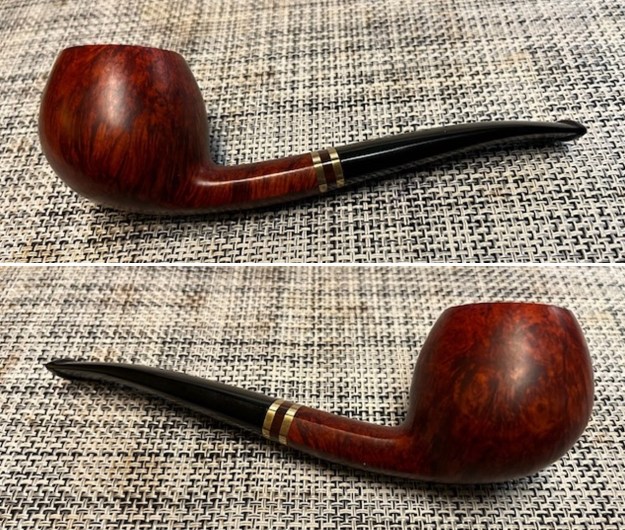
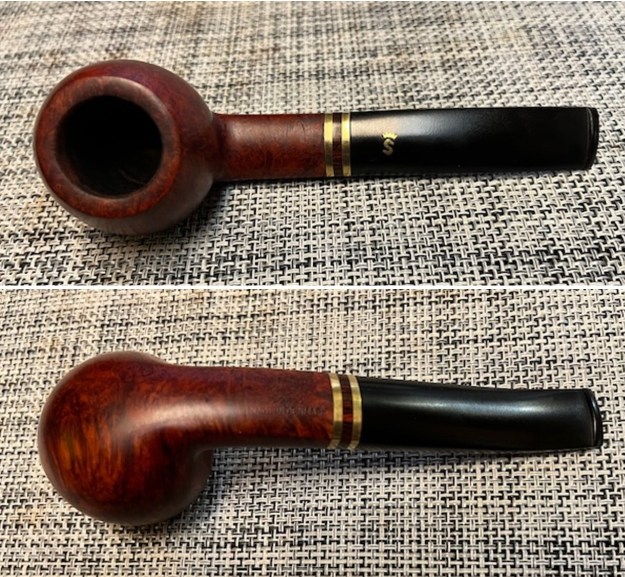
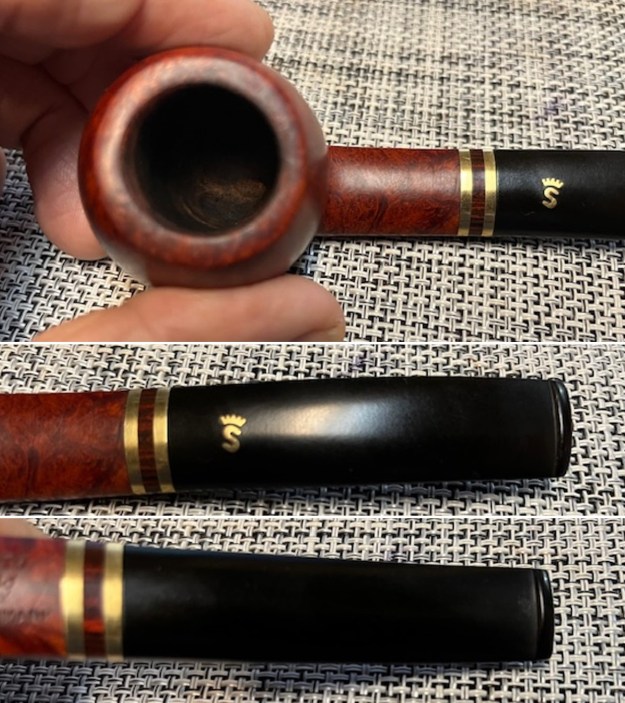
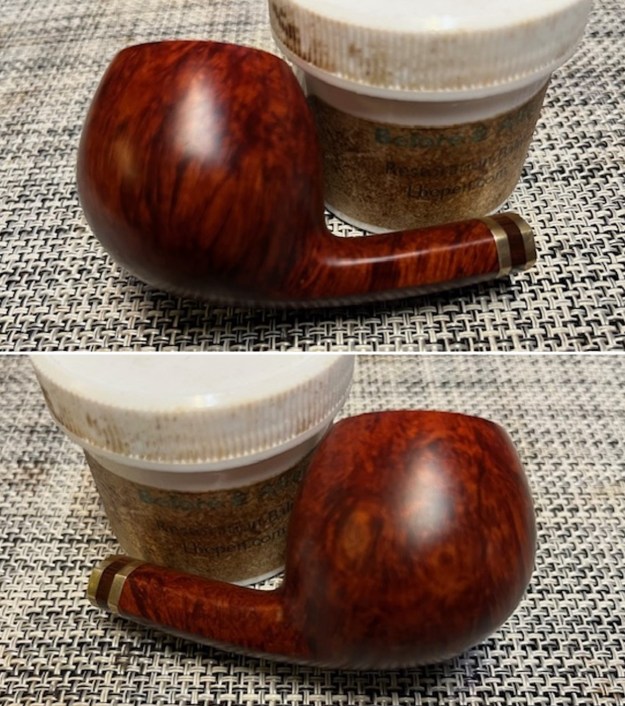
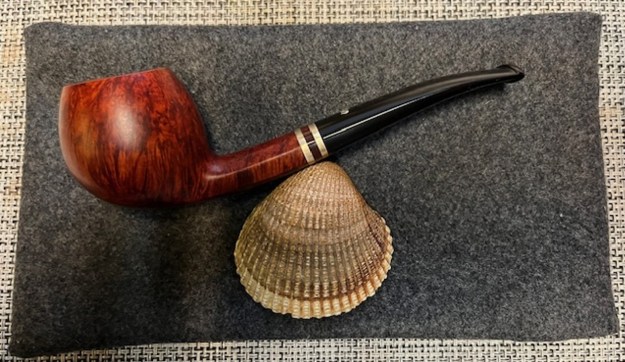
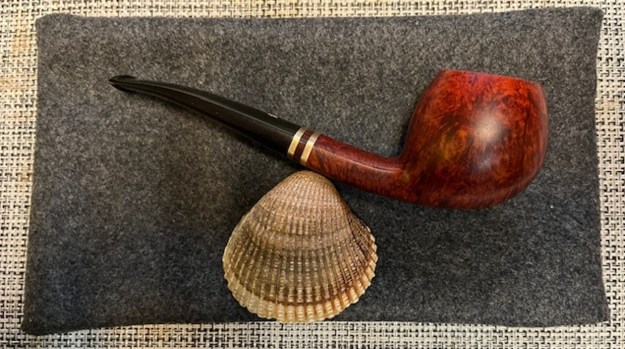
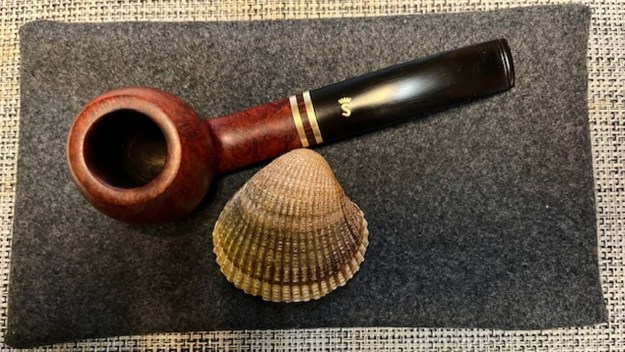
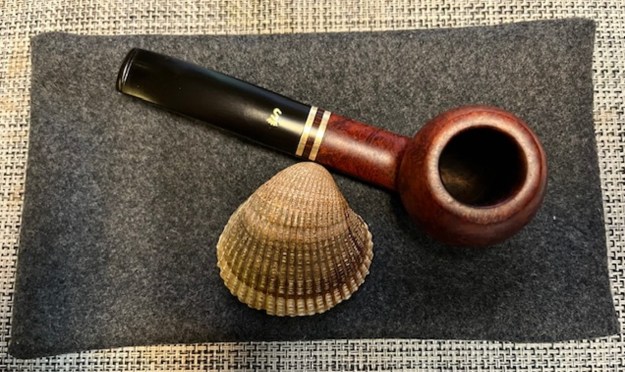
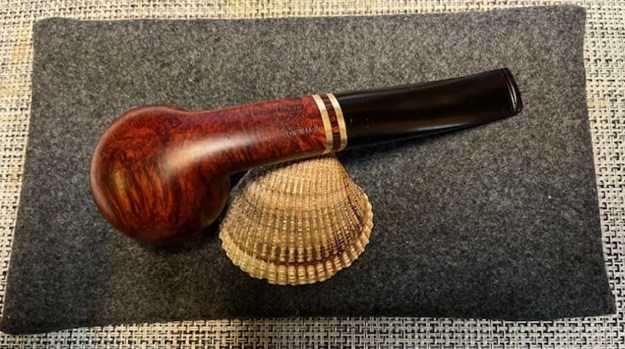
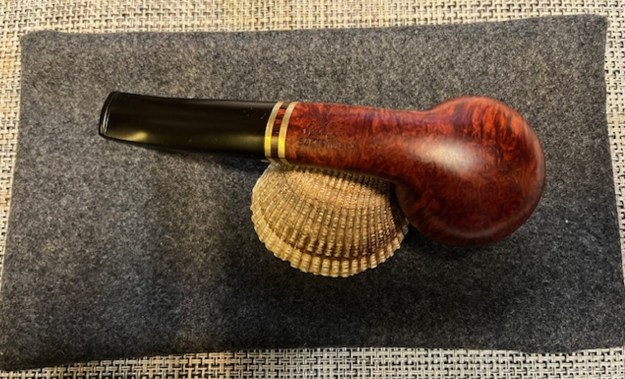
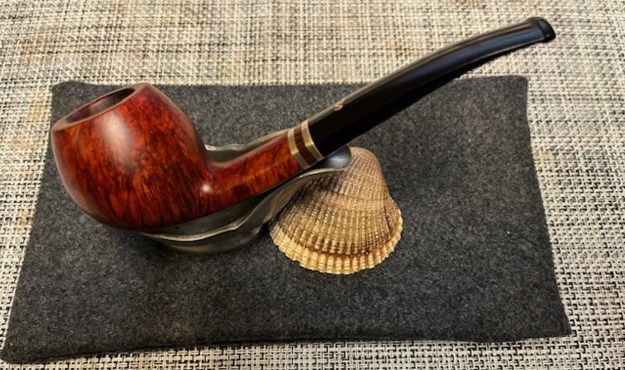
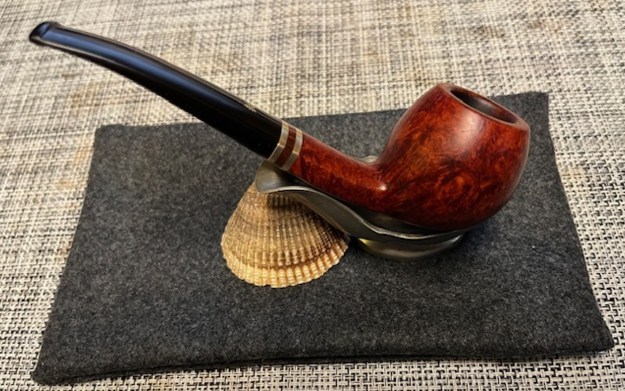
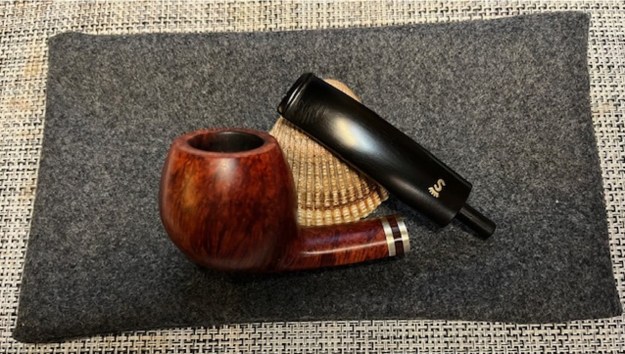
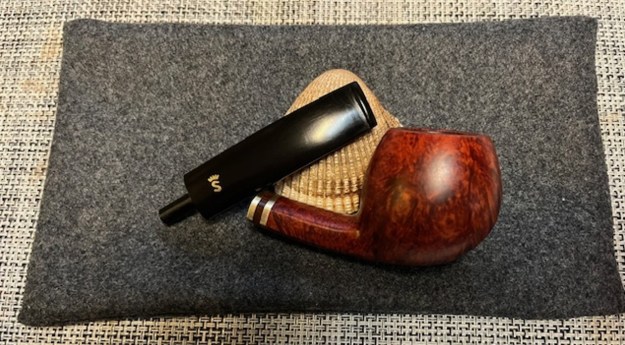
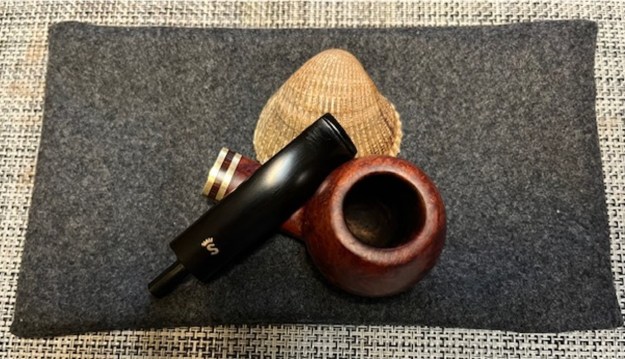
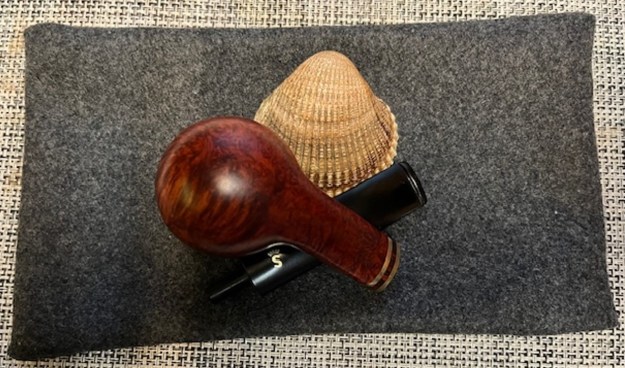
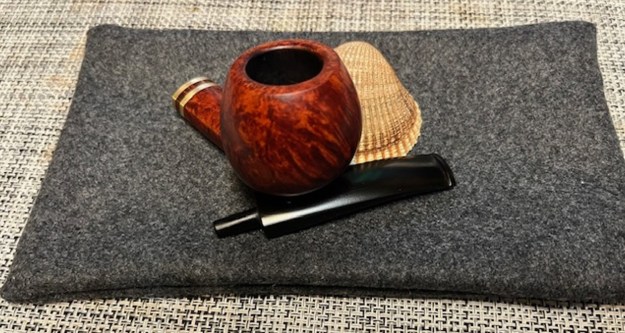
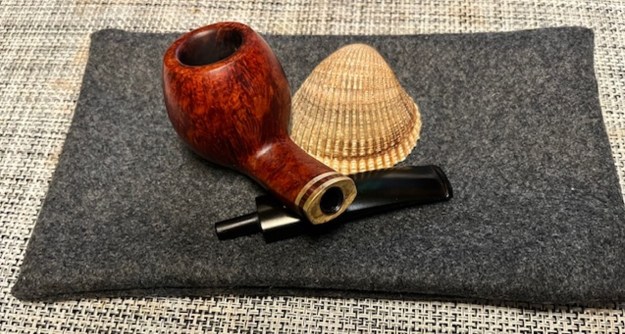
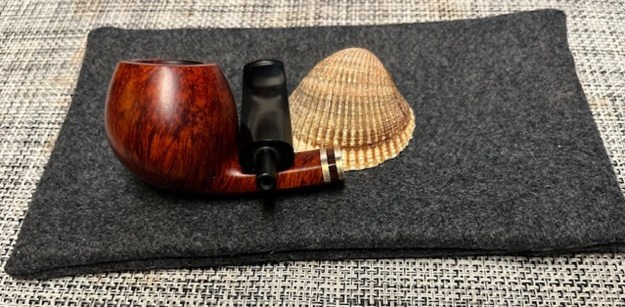
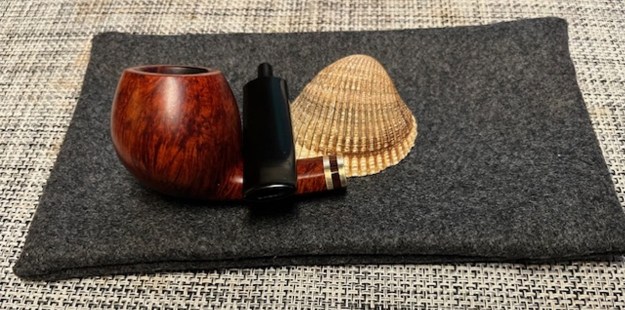
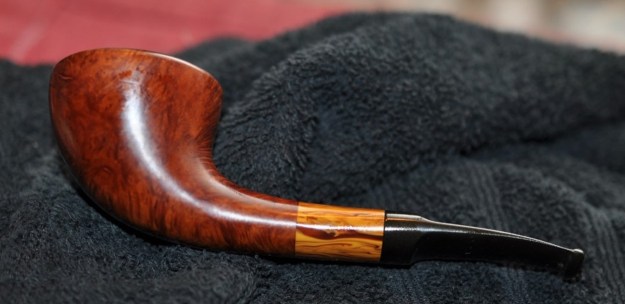
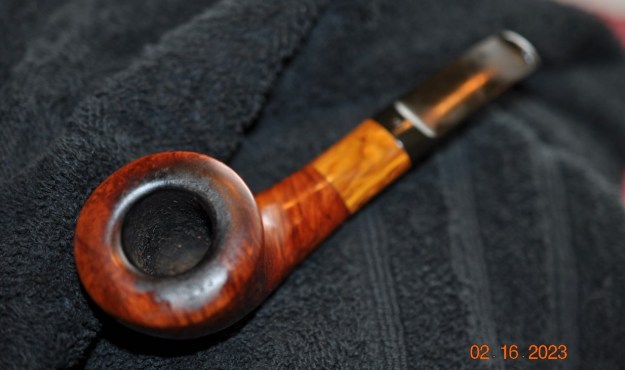
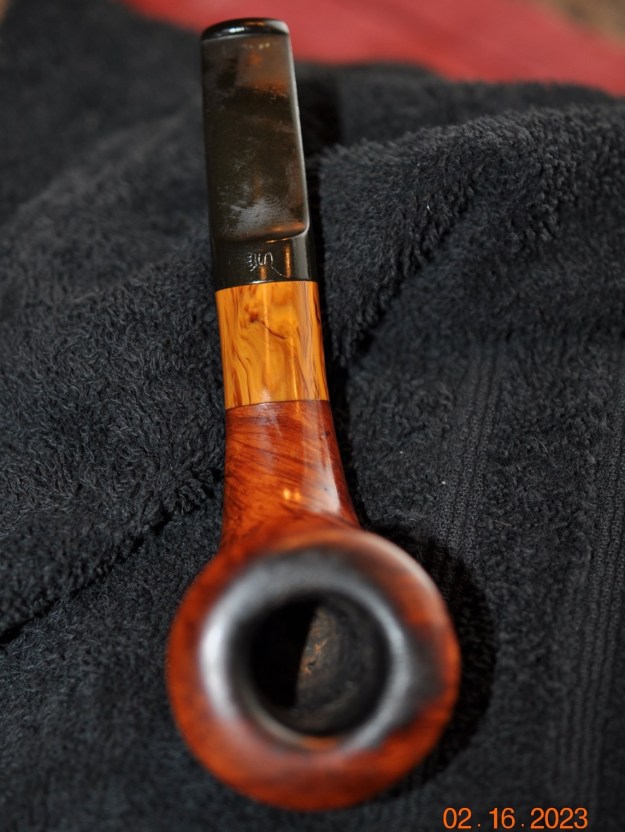
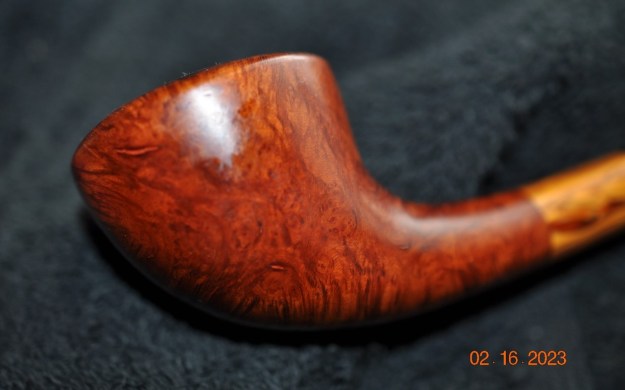
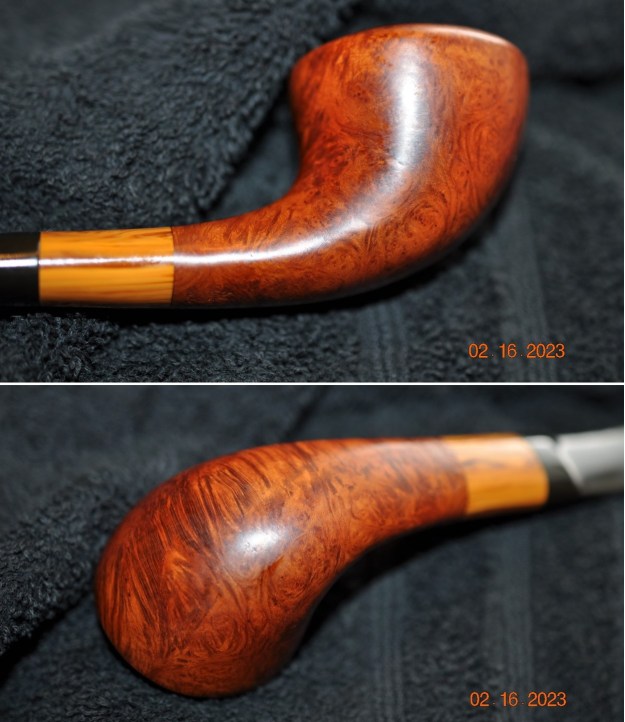
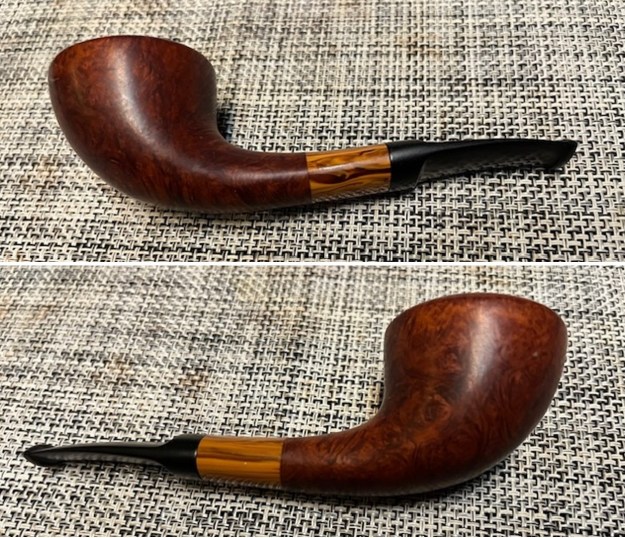
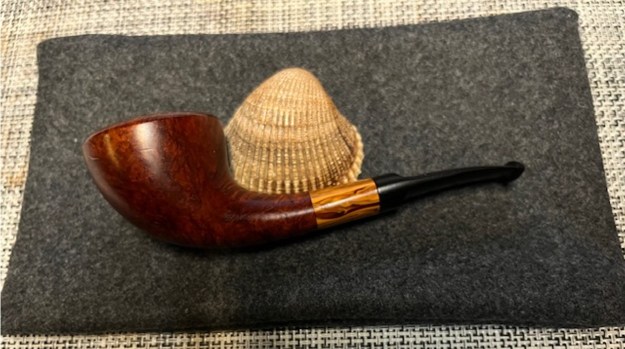
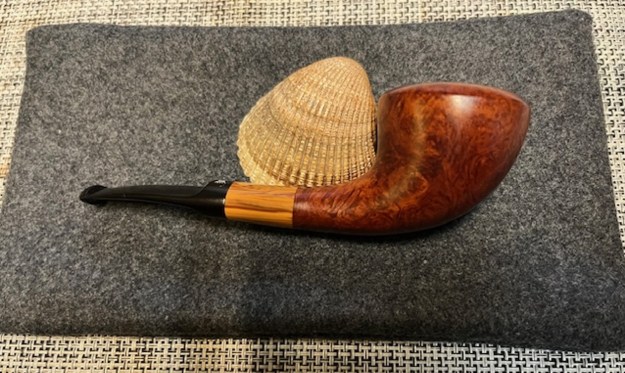
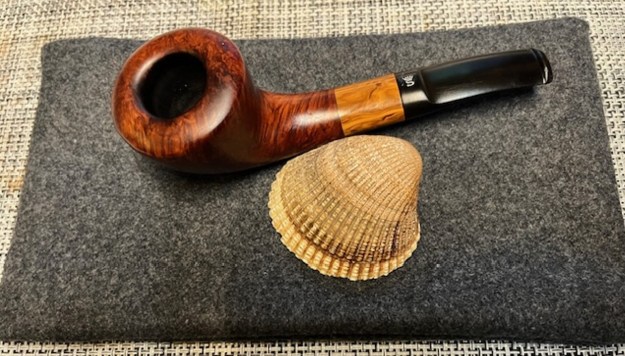
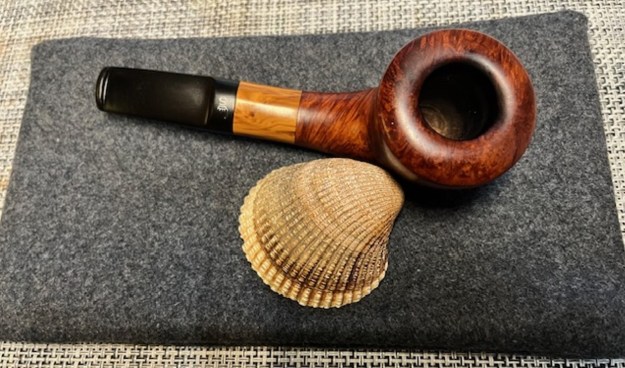
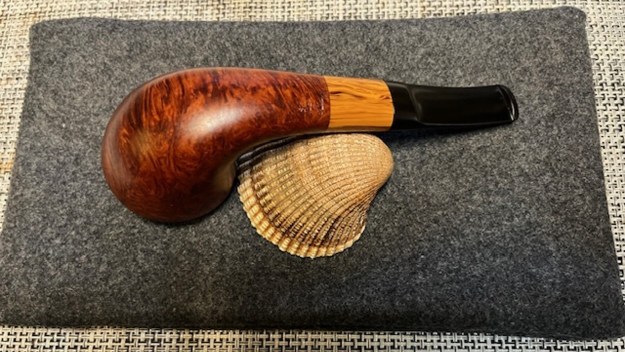
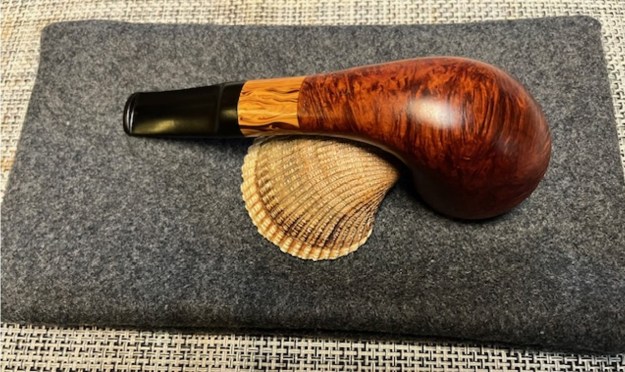
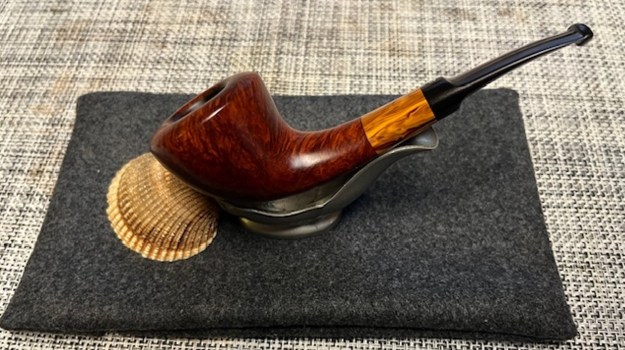
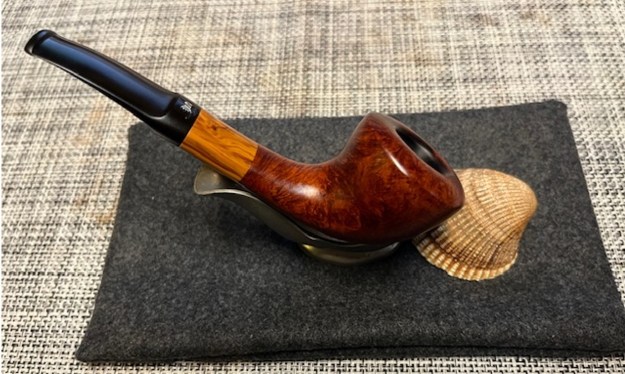
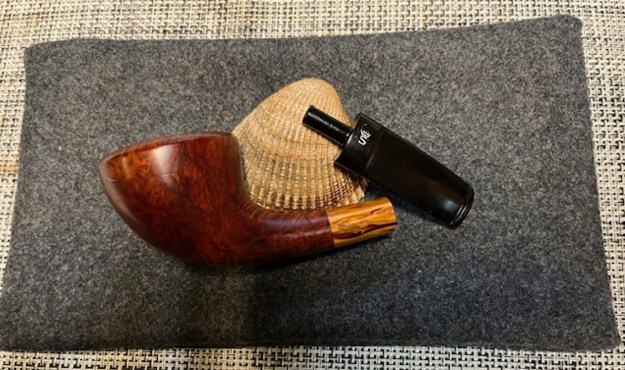
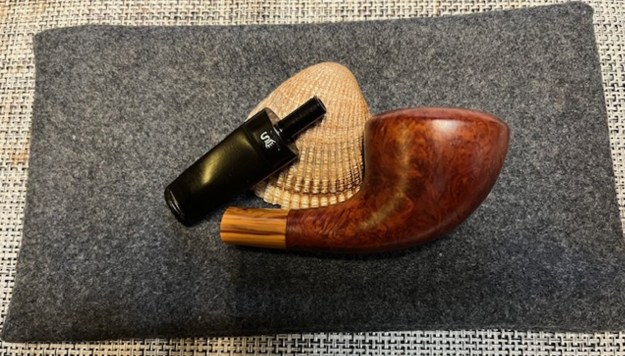
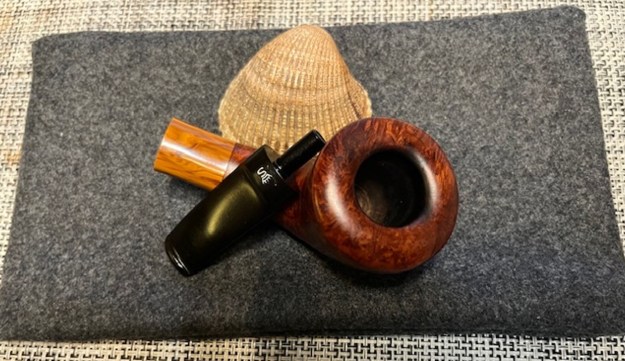
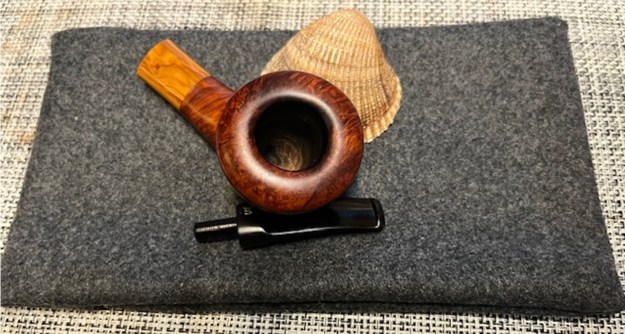
 This Stanwell Vario 85 Bent Billiard and an acrylic taper stem is a great looking pipe with a beautiful combination of finishes. The mix of stains once cleaned up really highlights the grain and the depth of the blast. The polished finish is stunning. I put the stem back on the bowl and carefully buffed the pipe with Blue Diamond on the buffing wheel. I gave the bowl and the stem multiple coats of carnauba wax on the buffing wheel and followed that by buffing the entire pipe with a clean buffing pad. I hand buffed the pipe with a microfiber cloth to deepen the shine. The finished Stanwell Vario 85 Bent Billiard fits nicely in the hand and feels great. Give the finished pipe a look in the photos below. The dimensions of the pipe are Length: 5 ½ inches, Height: 2 inches, Outside diameter of the bowl: 1 ¼ inches, Chamber diameter: ¾ of an inch. The weight of the pipe is 44 grams /1.55 ounces. I will be adding the pipe to the Danish Pipe Makers Section of the rebornpipes store. If you are interested in purchasing this pipe send me a message or an email. Thanks for reading this blog and my reflections on the pipe while I worked on it.
As always, I encourage your questions and comments as you read the blog. Thanks to each of you who are reading this blog. Remember we are not pipe owners; we are pipe men and women who hold our pipes in trust until they pass on into the trust of those who follow us.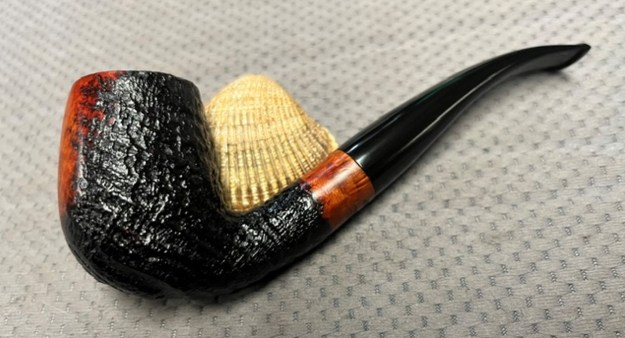












































 rebornpipes