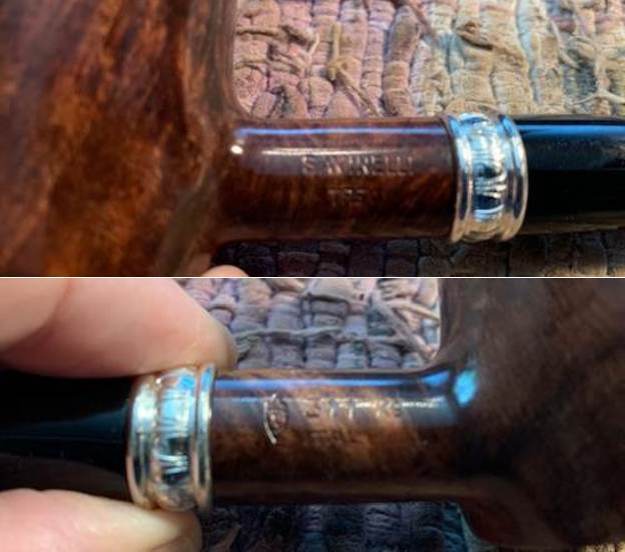
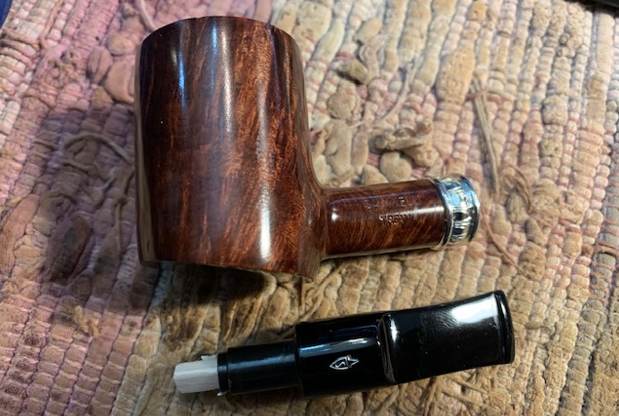
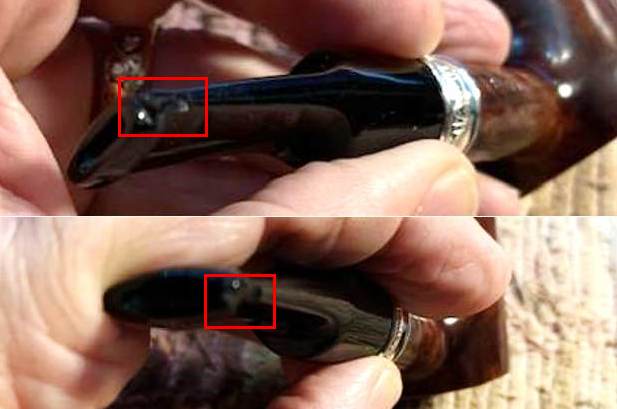
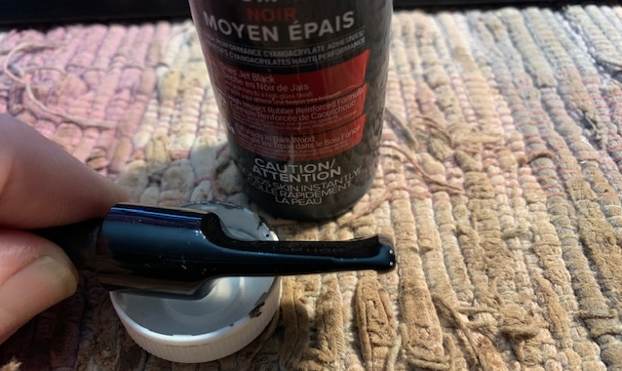
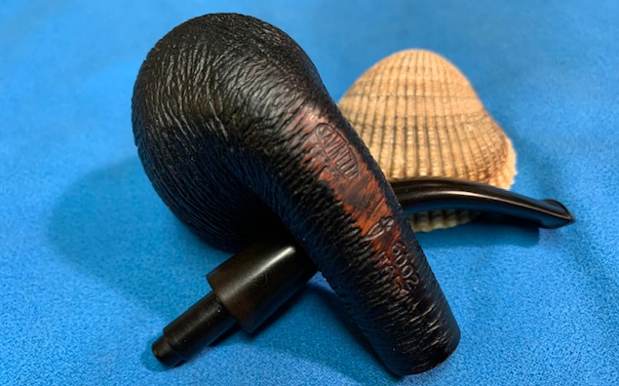
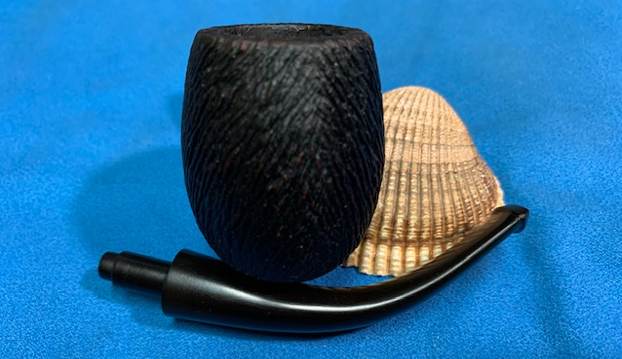
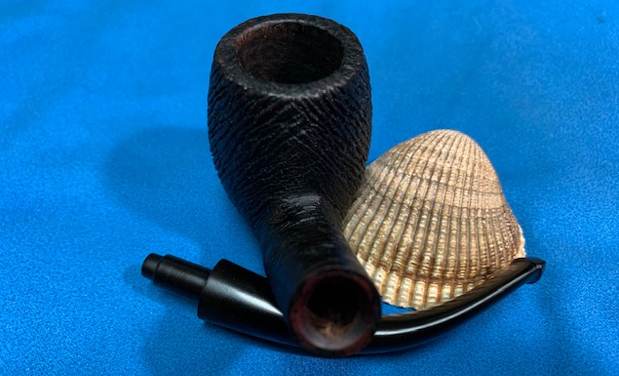
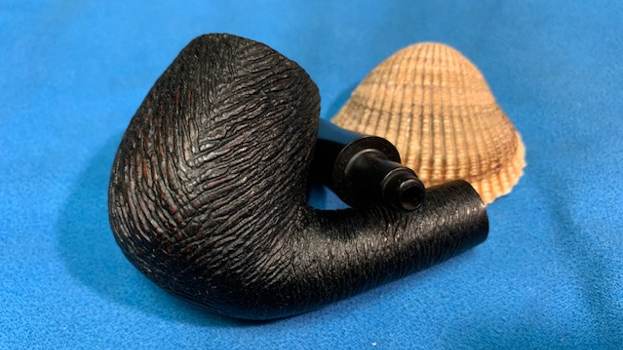
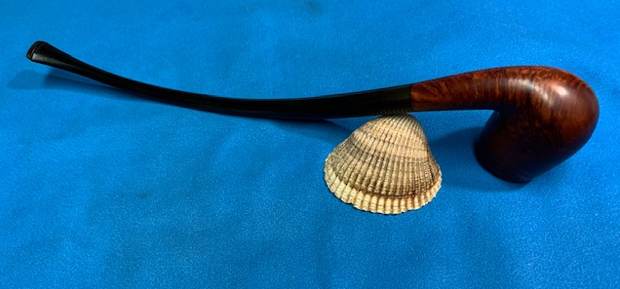
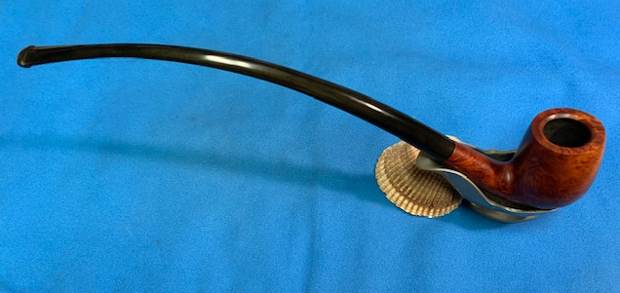
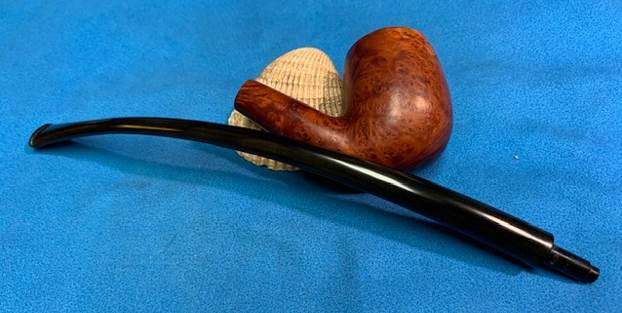
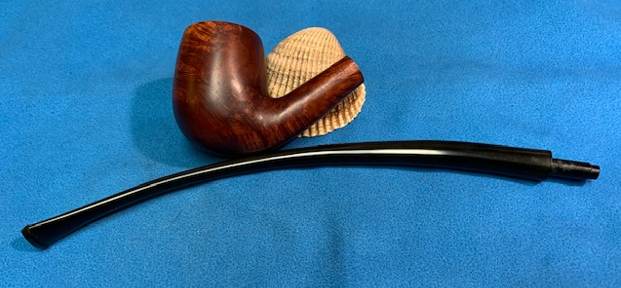
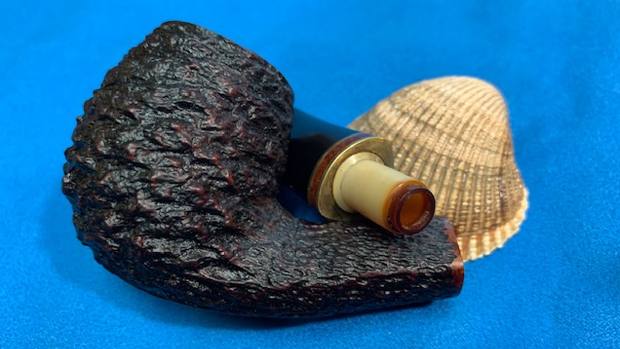
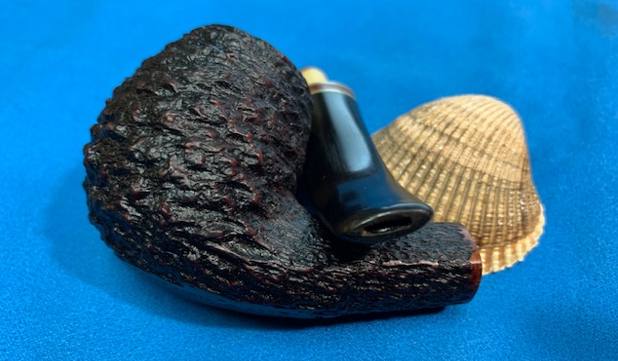
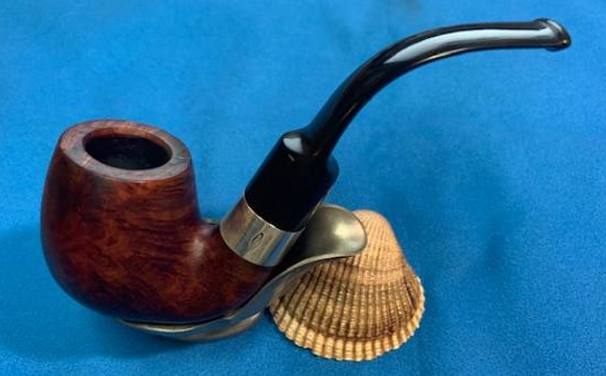
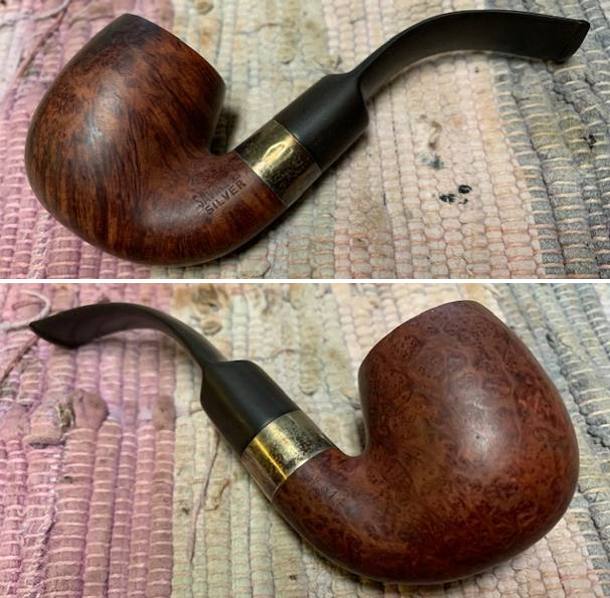
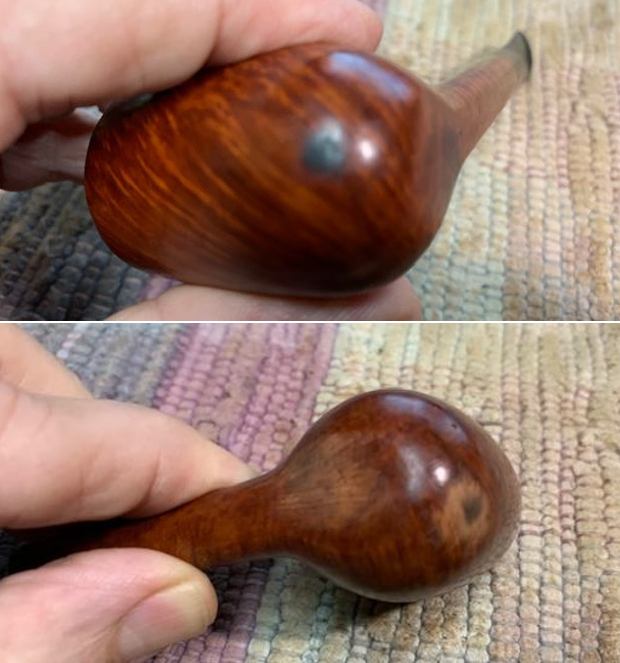
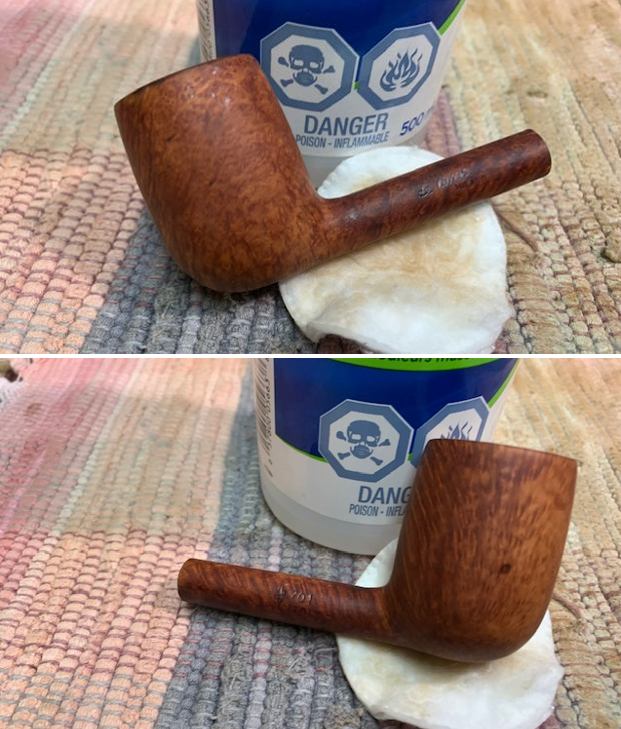
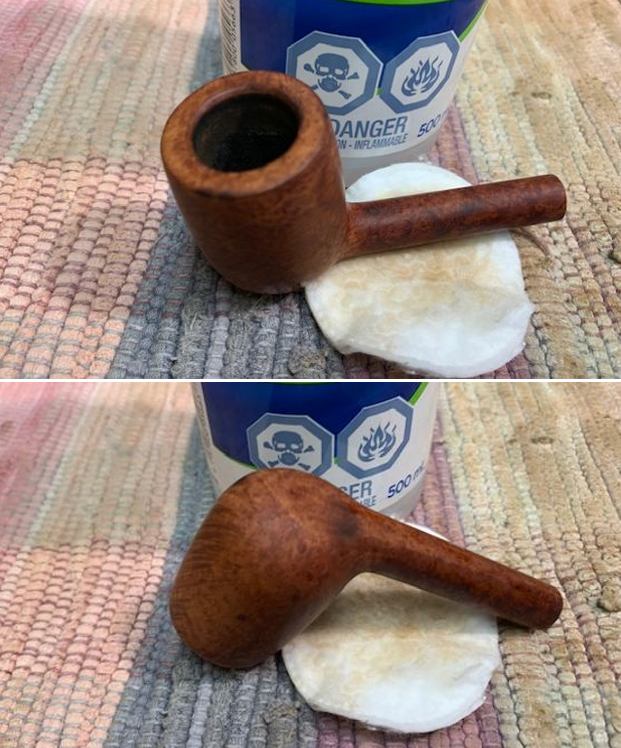
Tag Archives: Savinelli Pipes

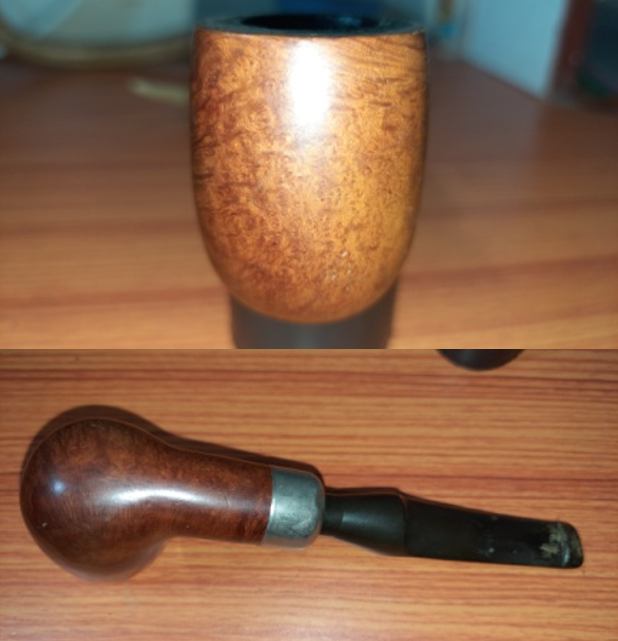
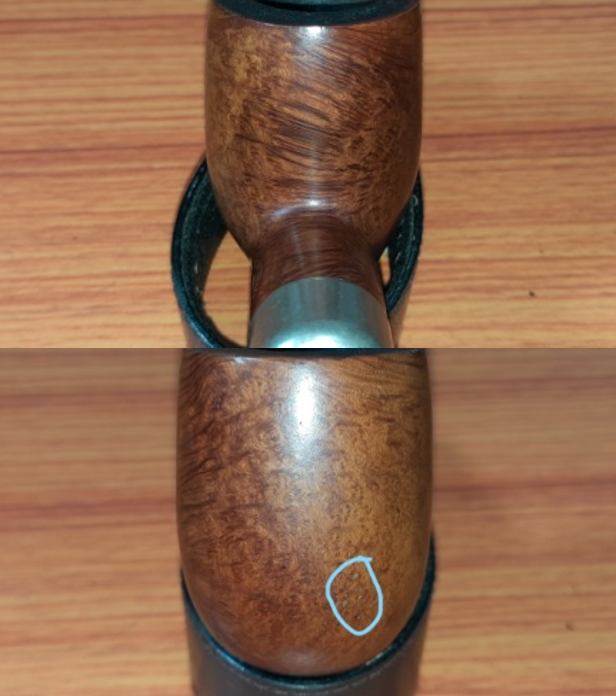
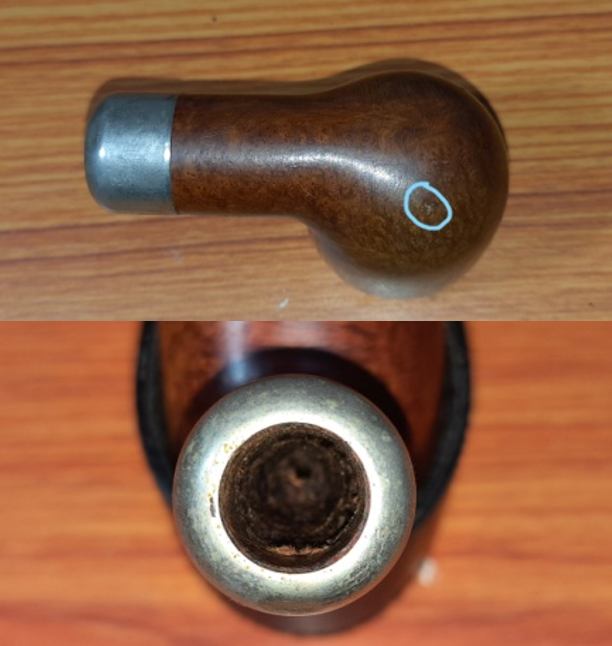
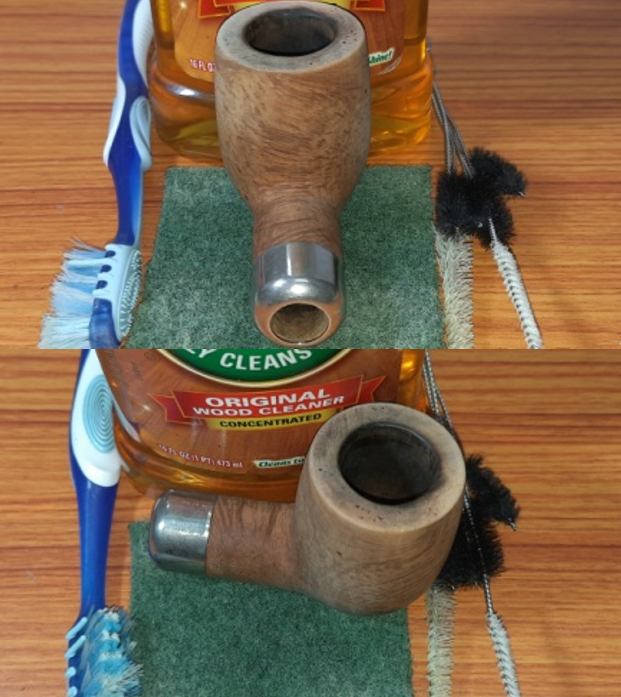
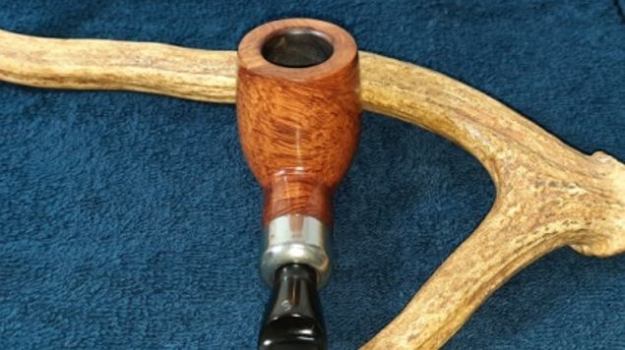
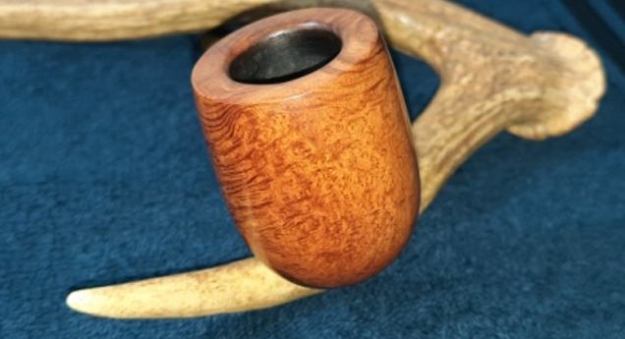
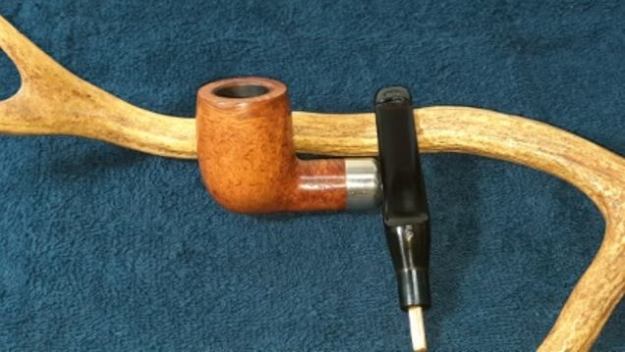
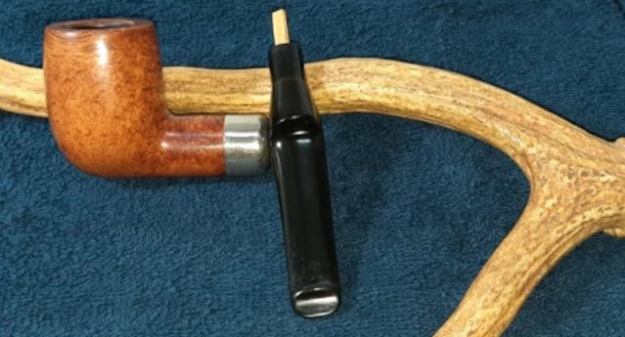
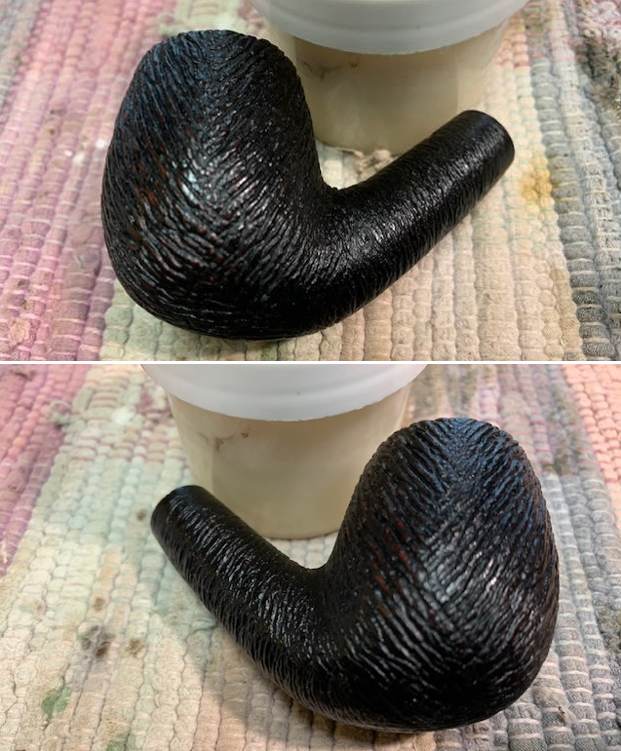
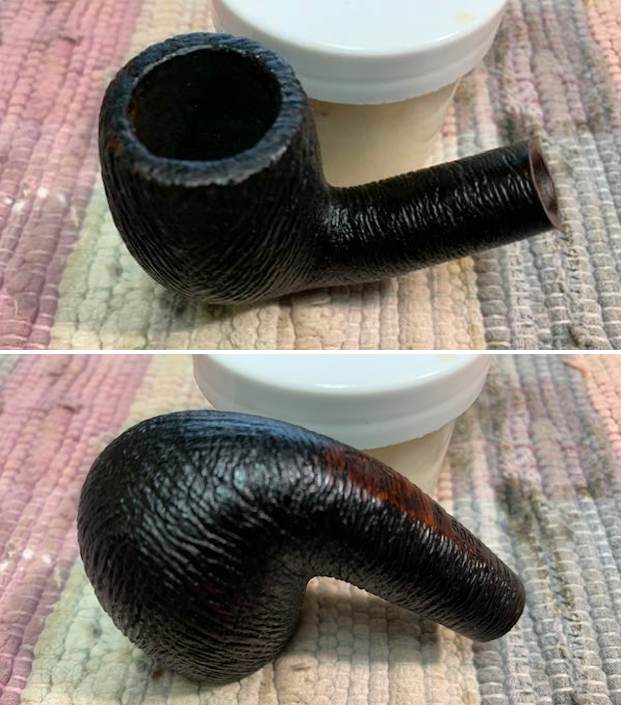
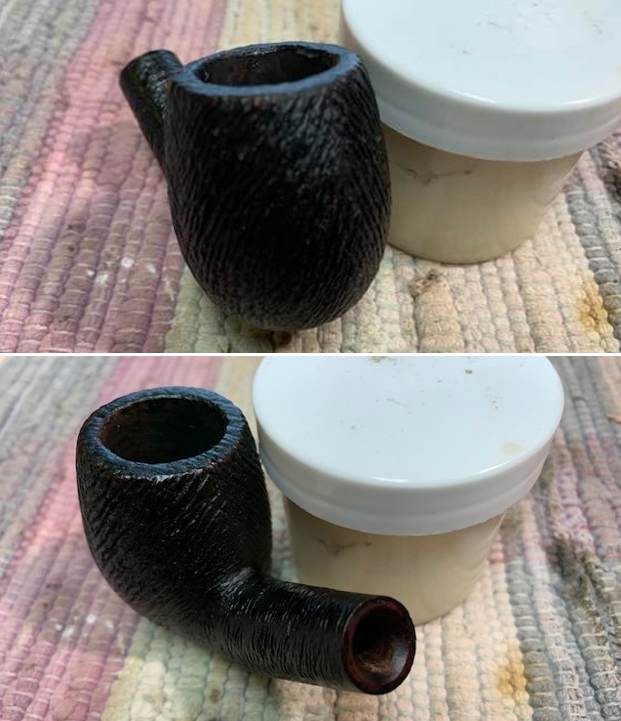
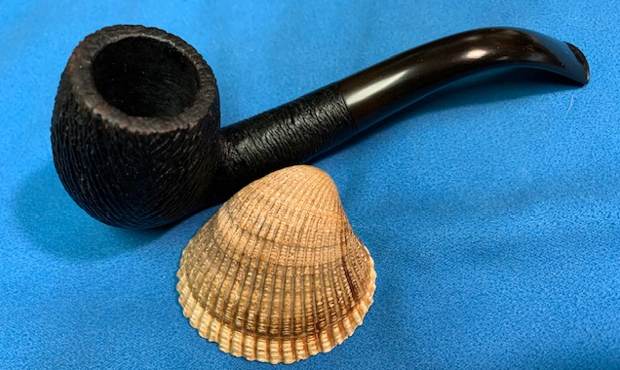
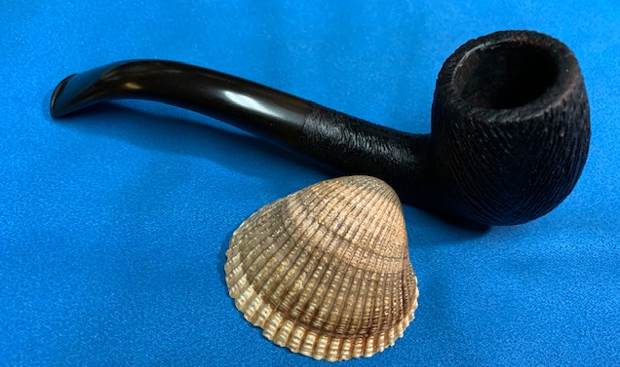
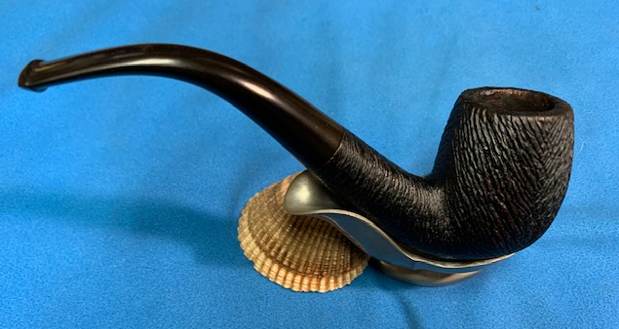
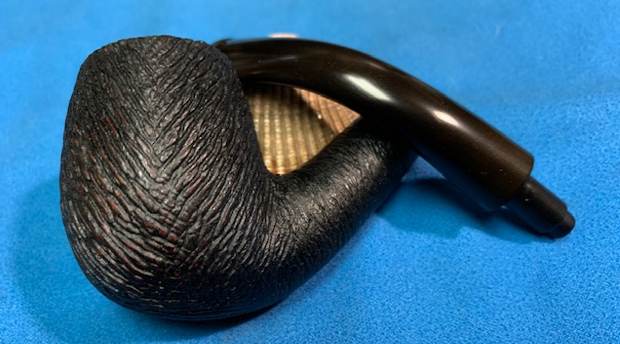
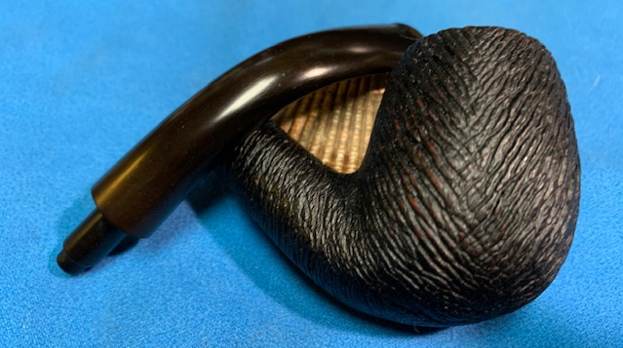
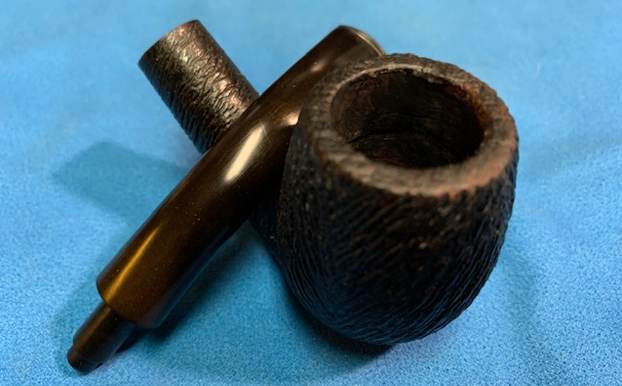
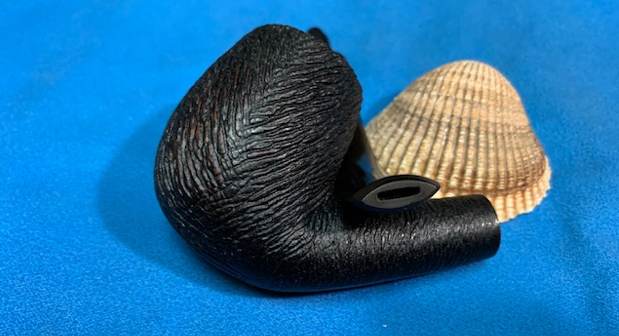
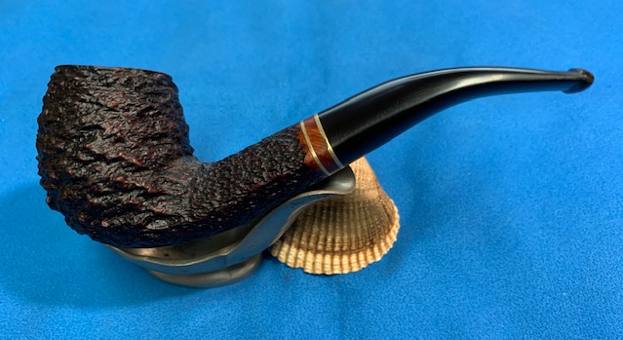
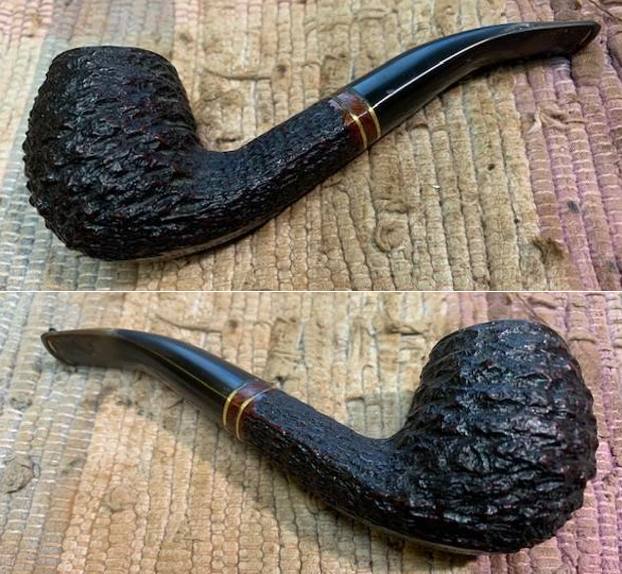
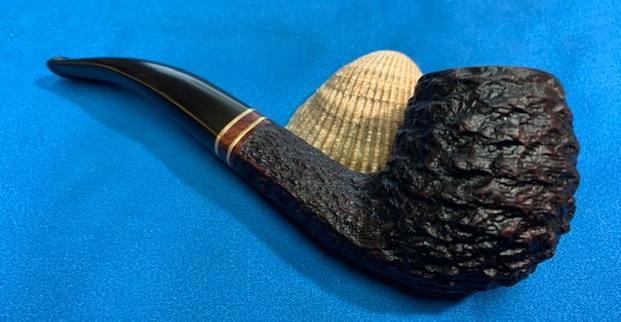
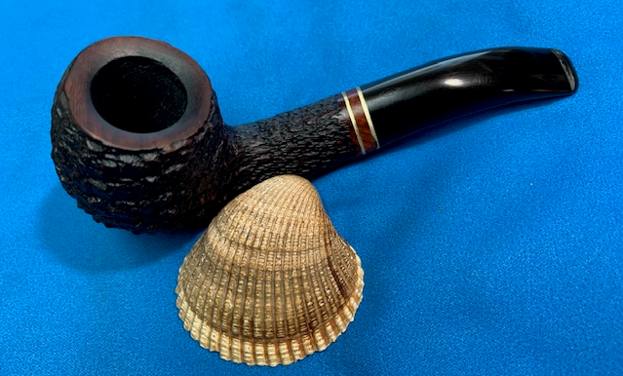
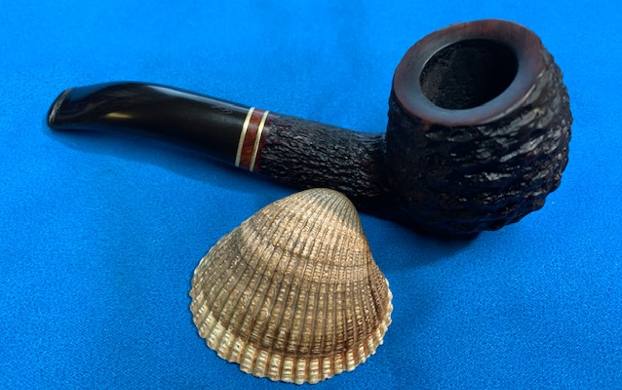
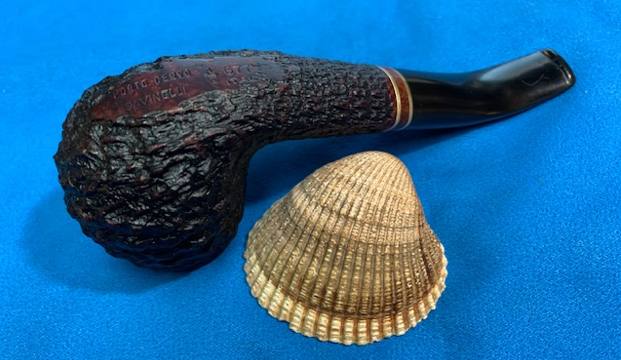
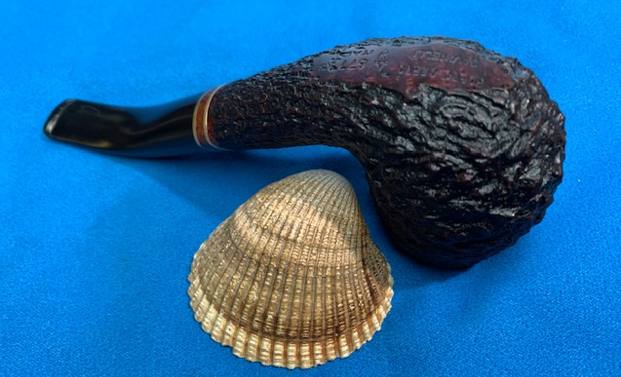
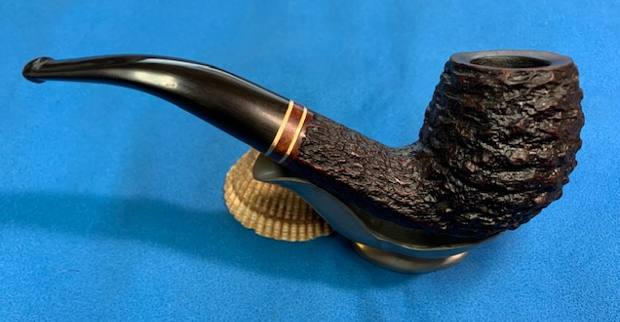
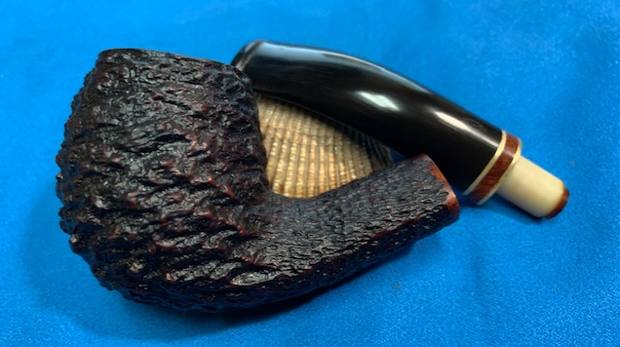
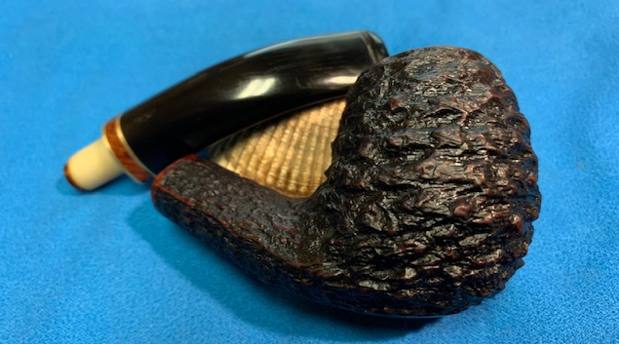
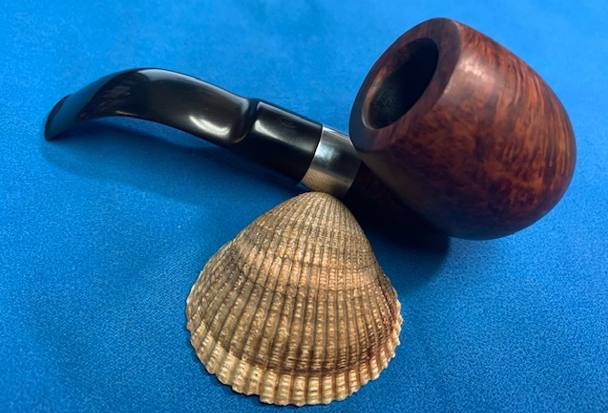
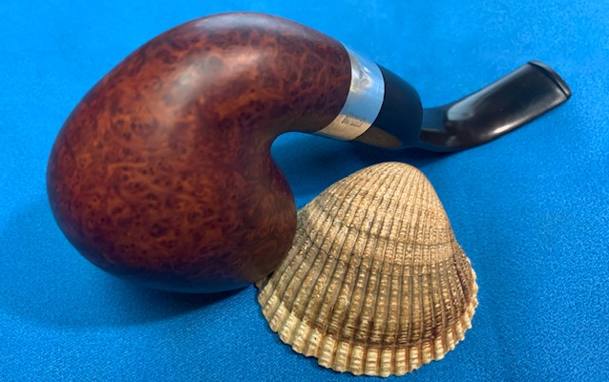
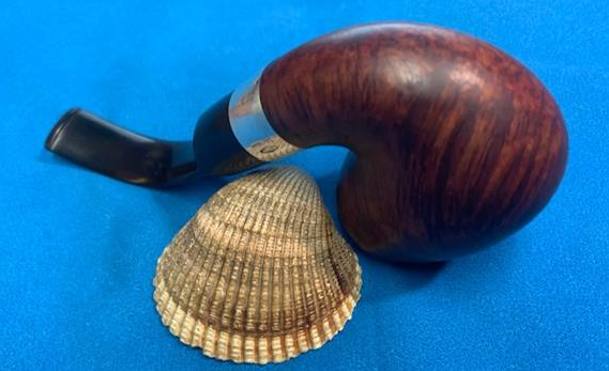
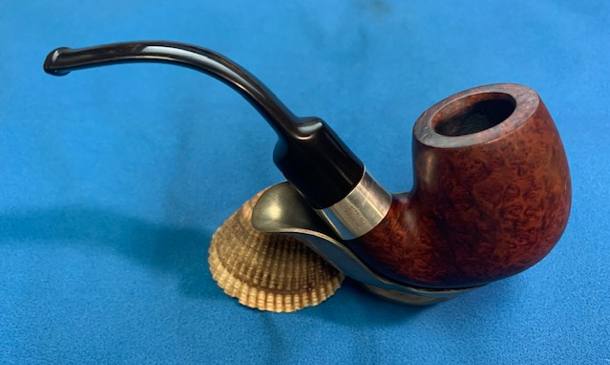
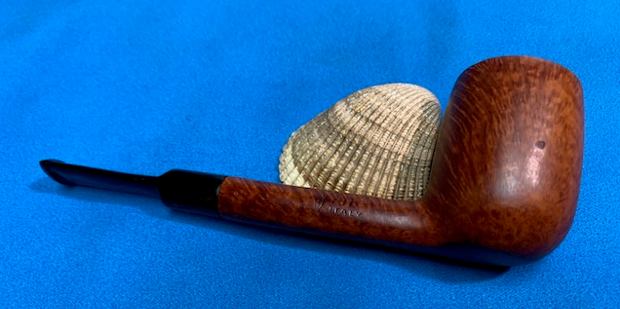
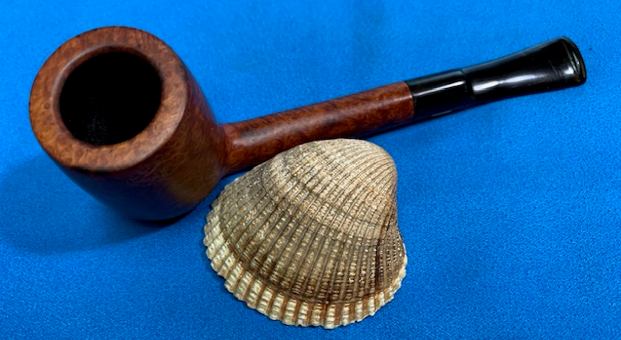
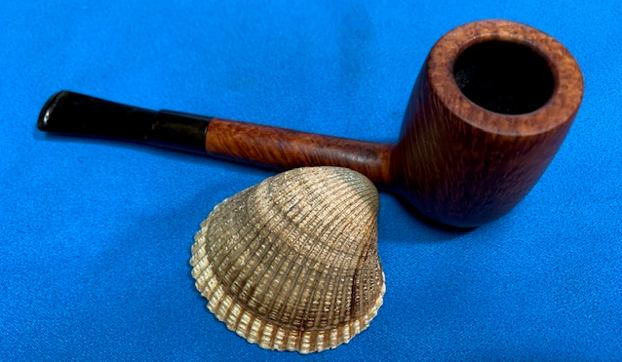
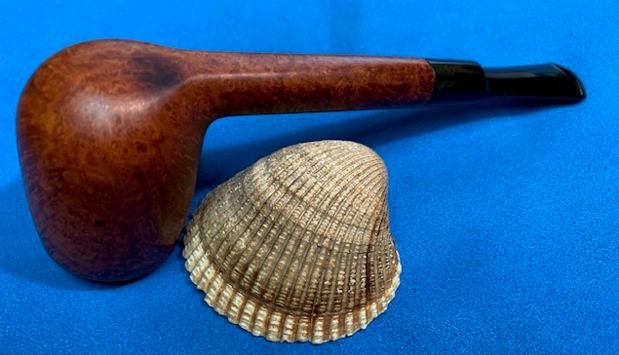
Restoring a Wire Rusticated Savinelli Extra 6002 Bent Billiard


Blog by Steve Laug

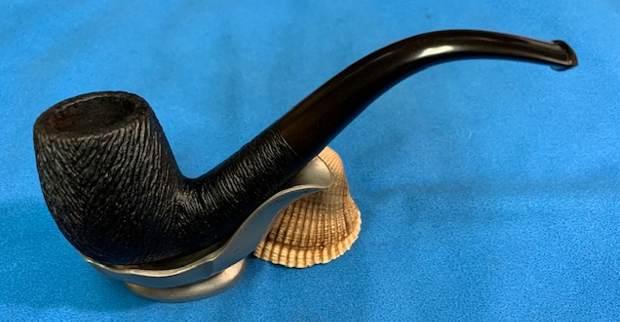
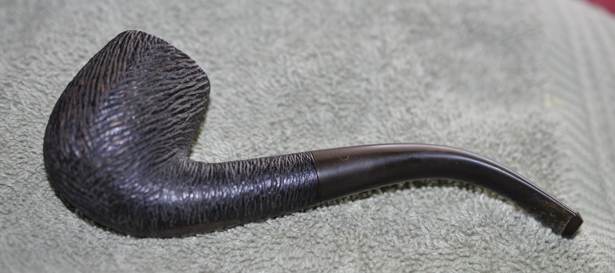
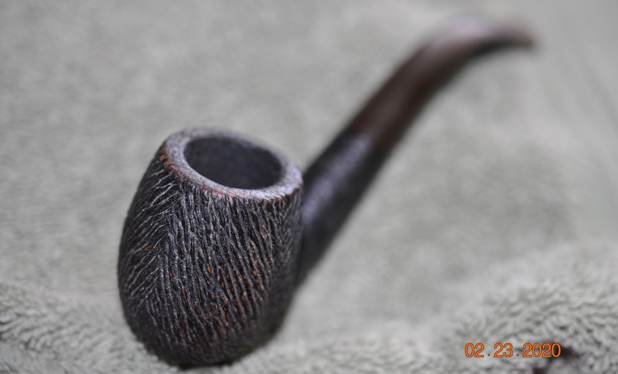
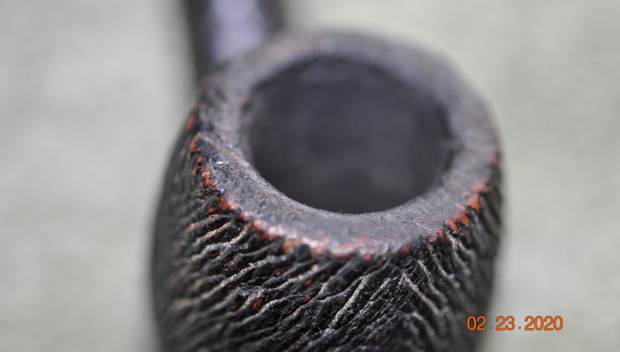
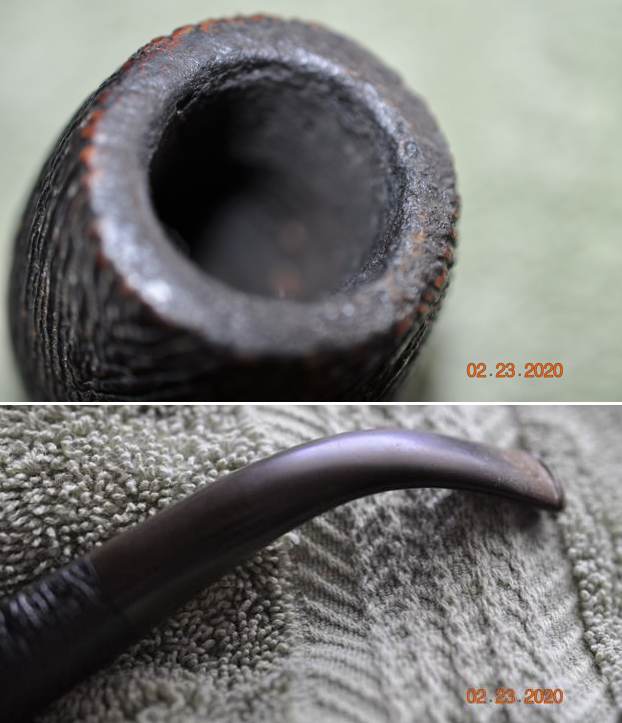
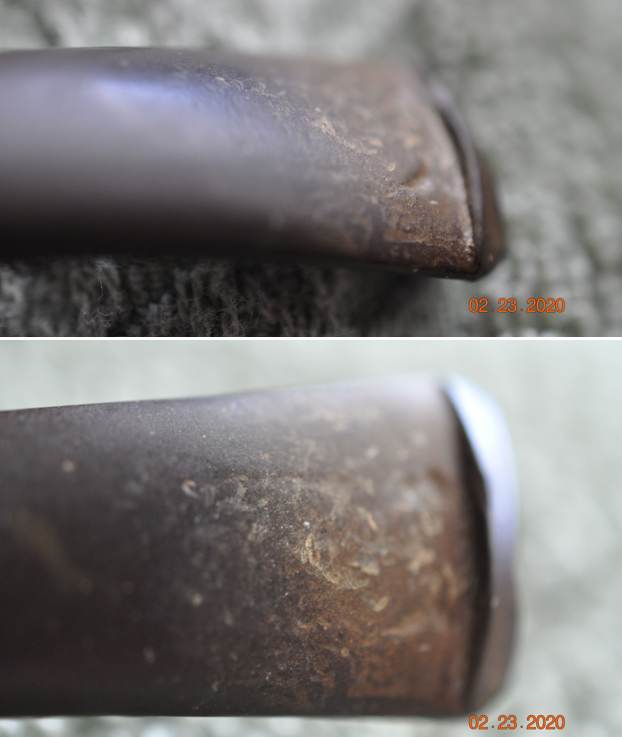
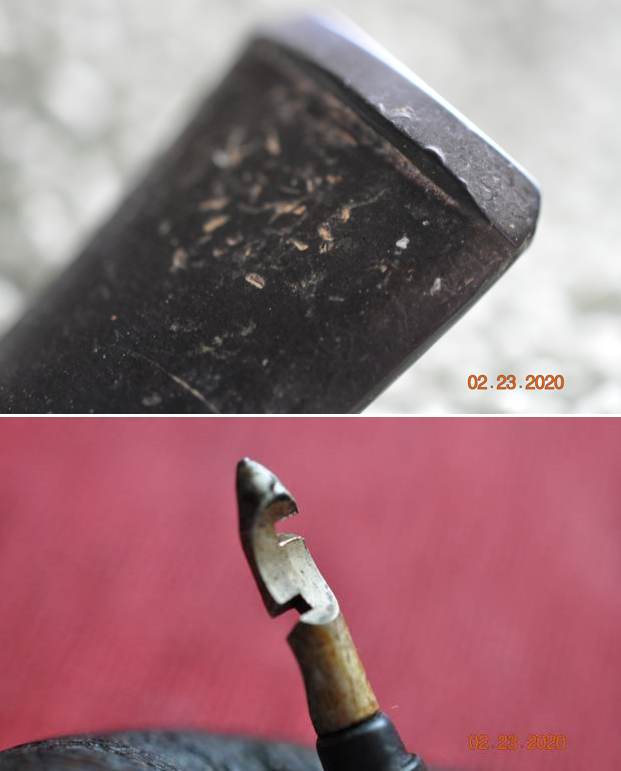
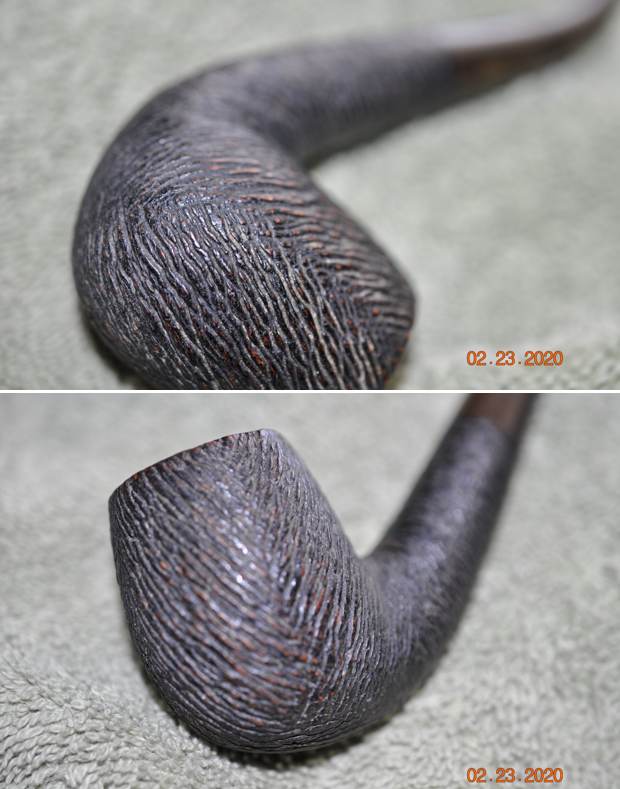
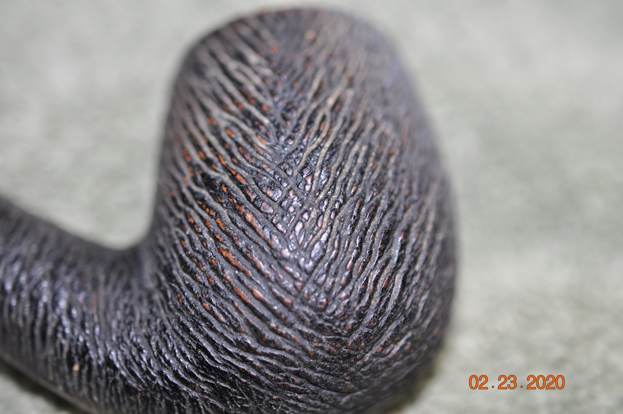
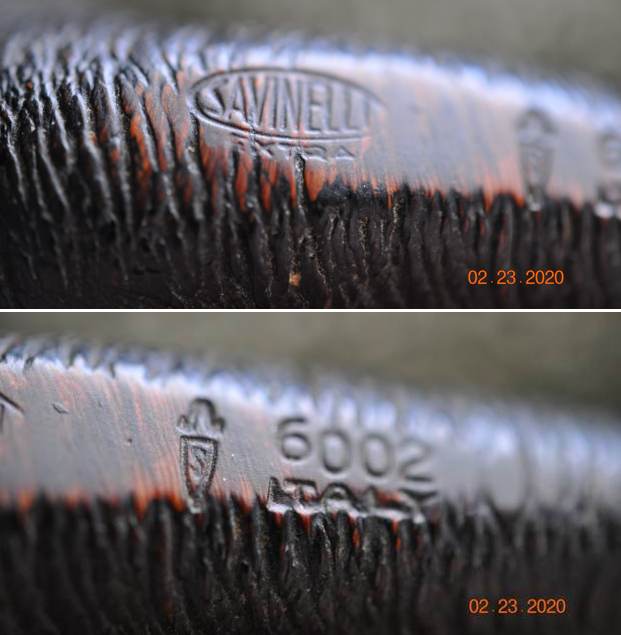
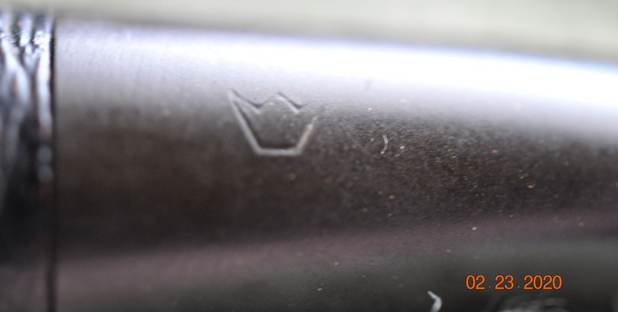
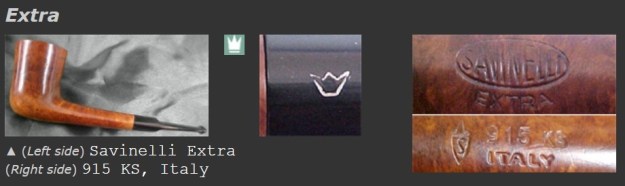
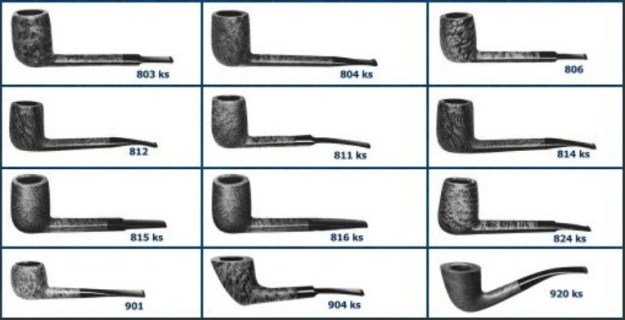
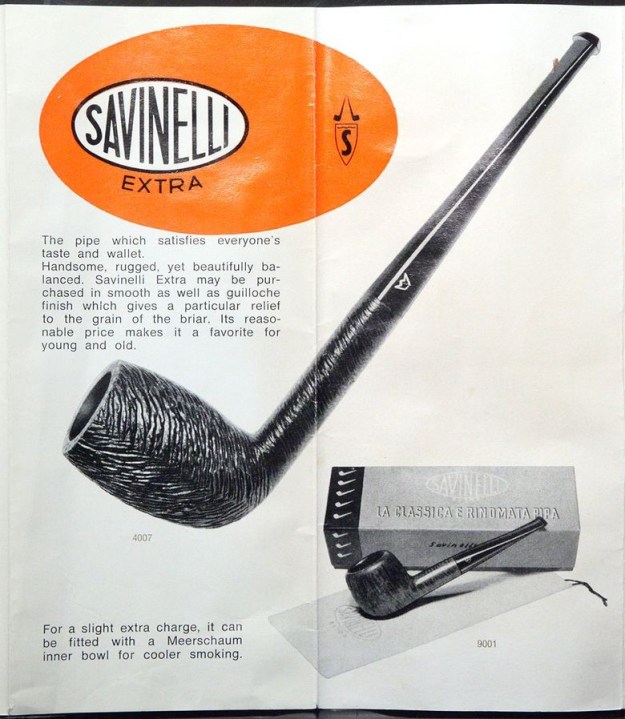
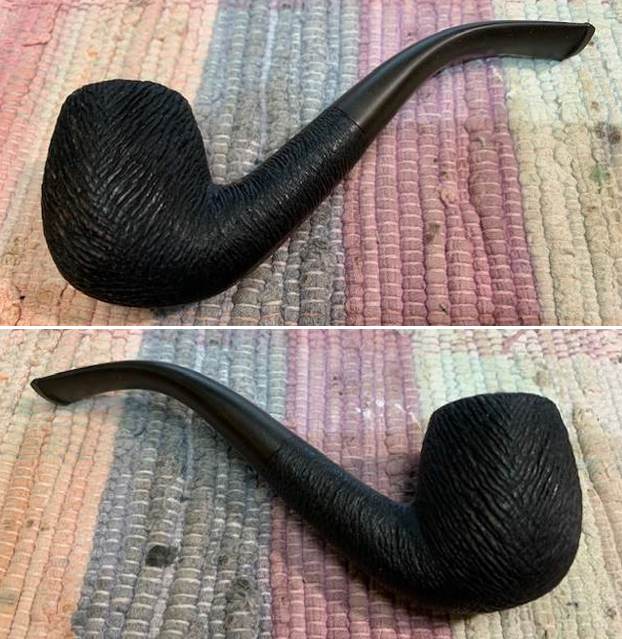
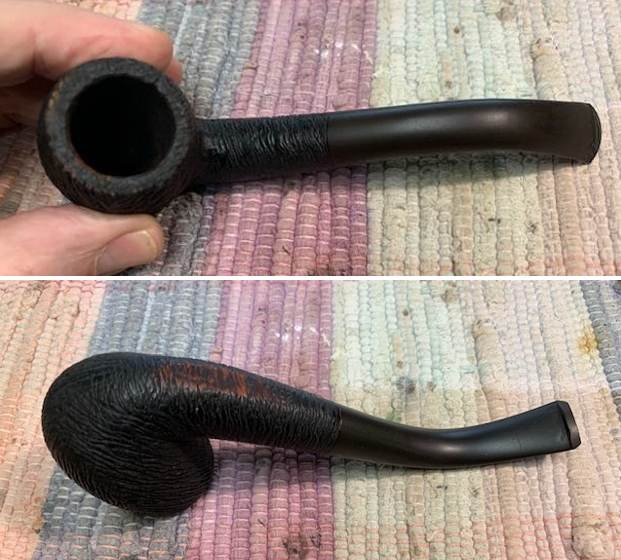
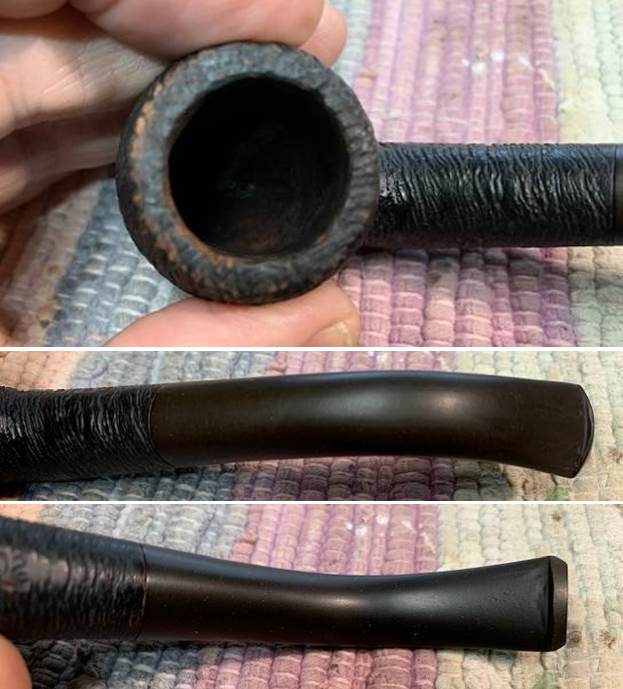
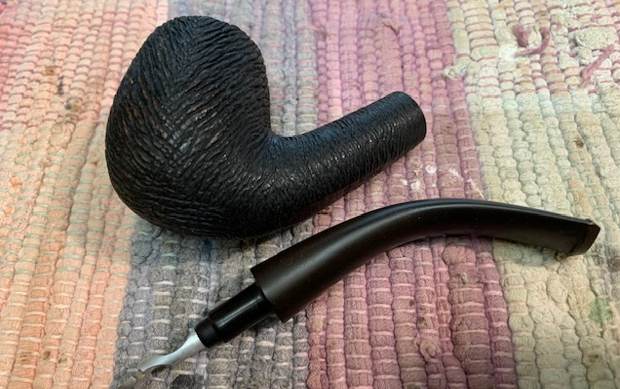
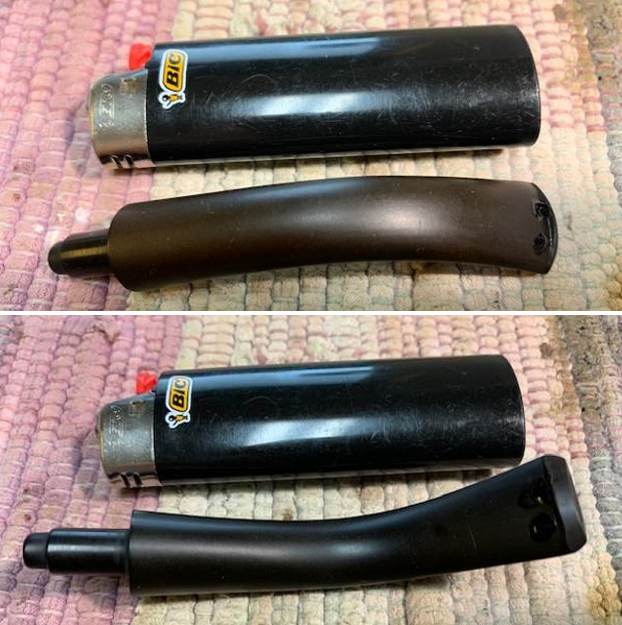
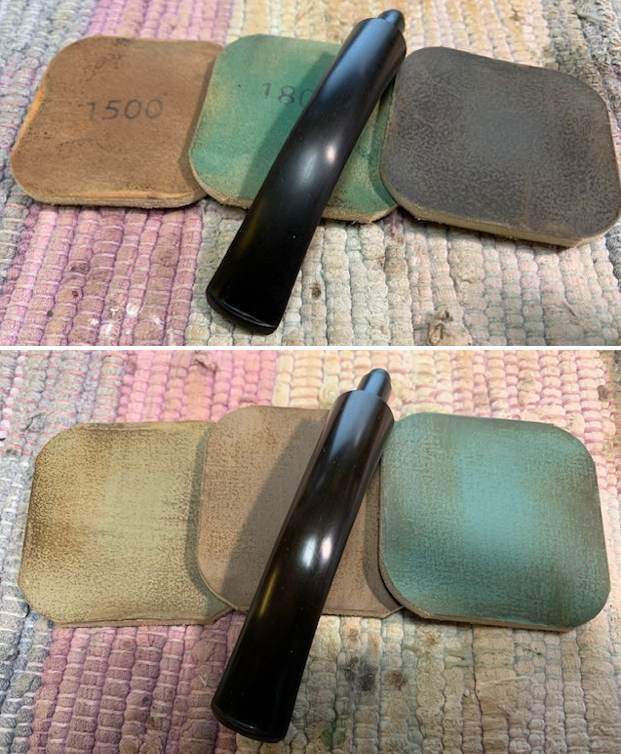
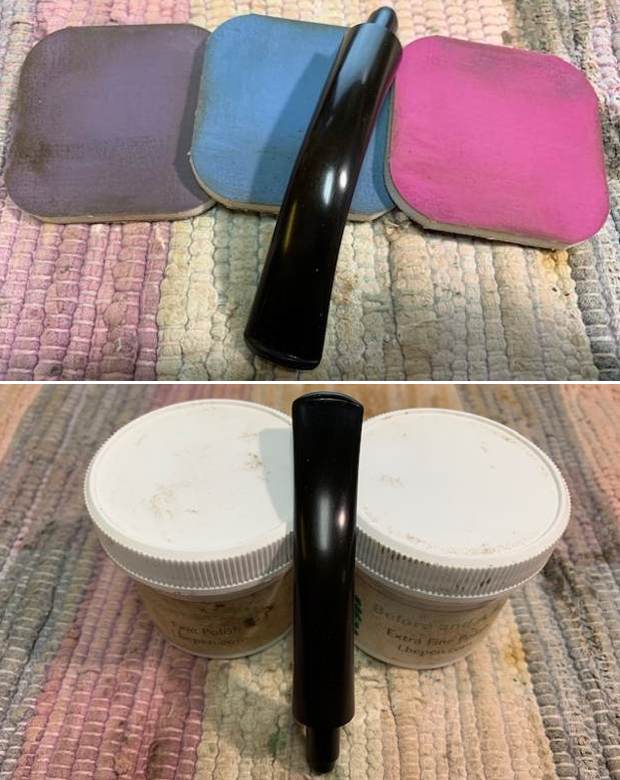
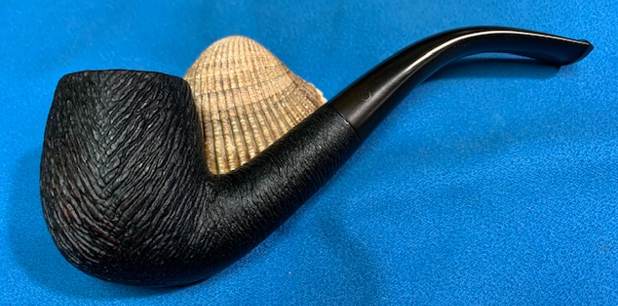
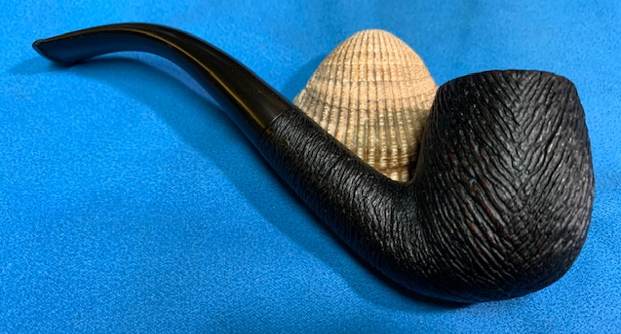
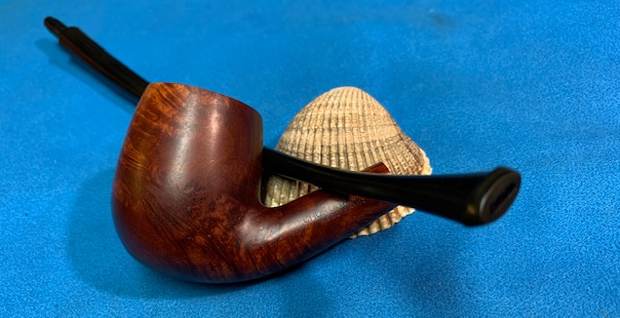
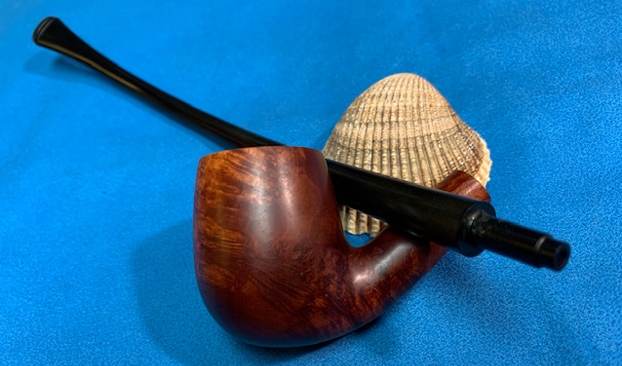
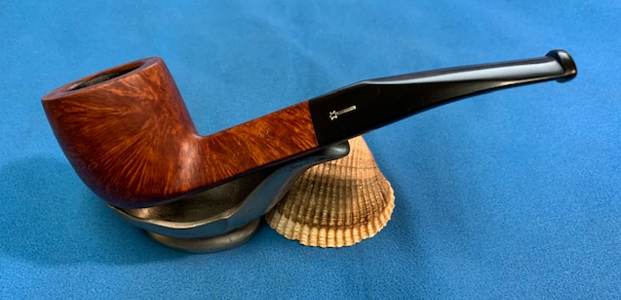
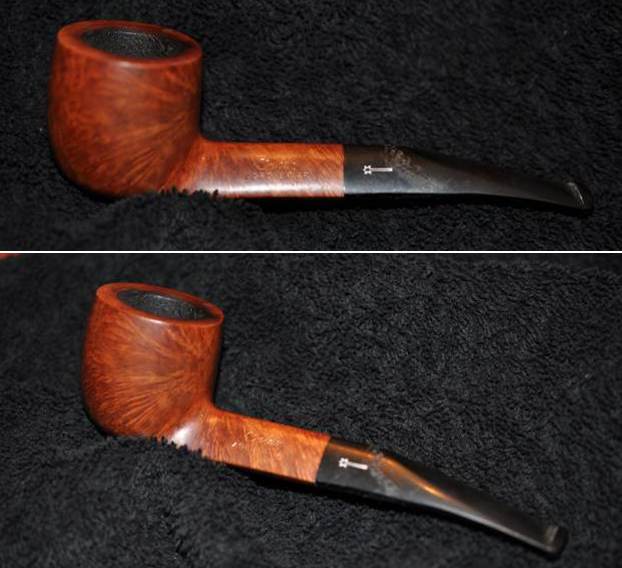
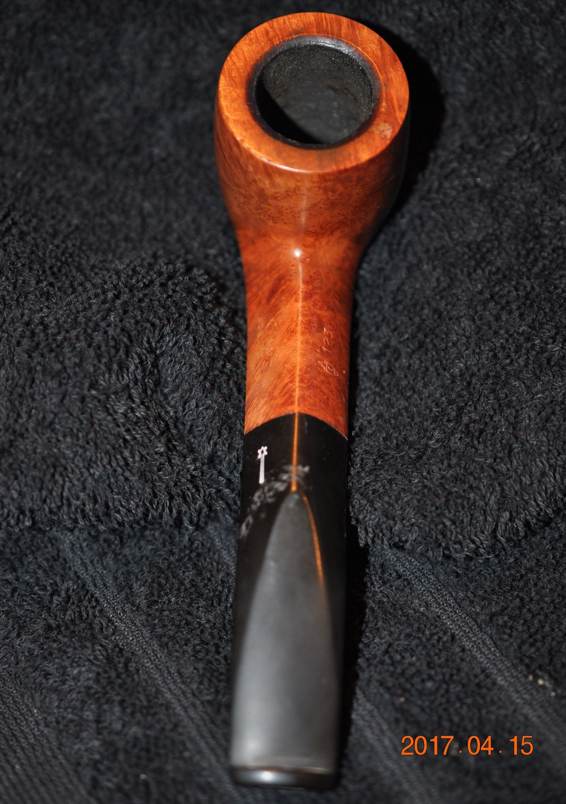
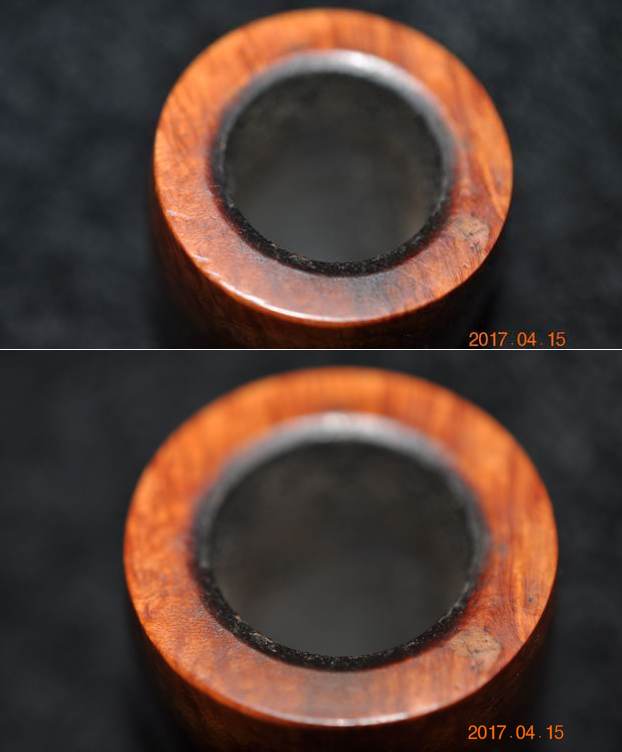
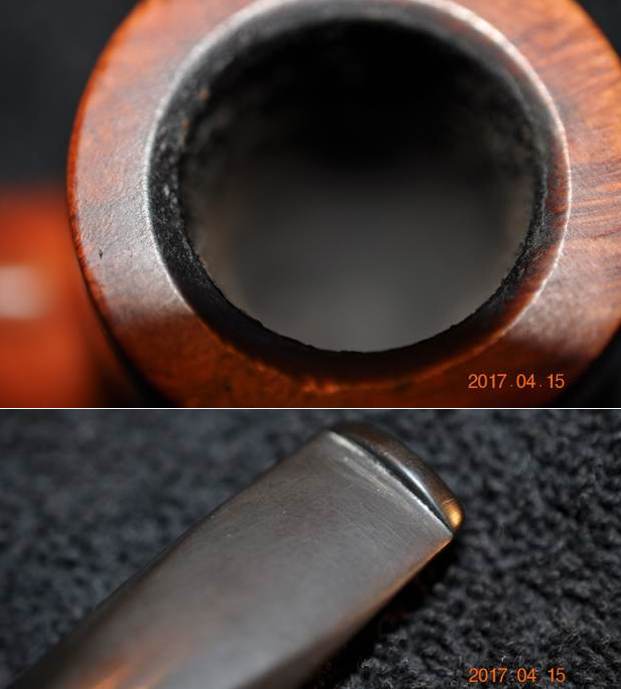
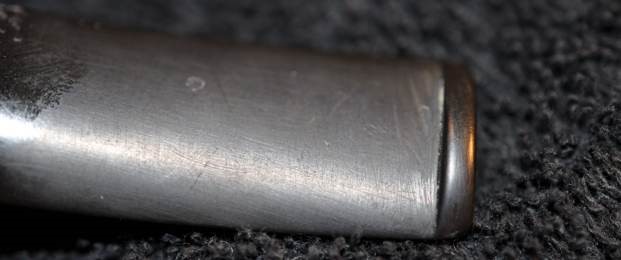
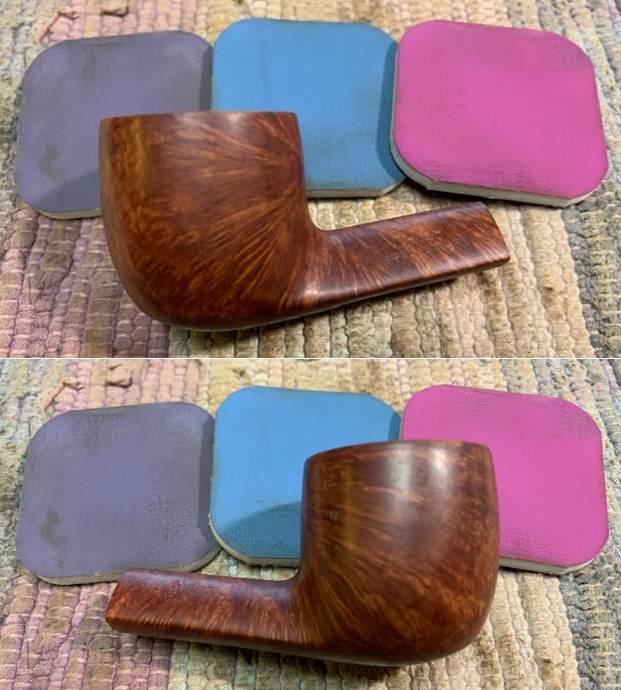
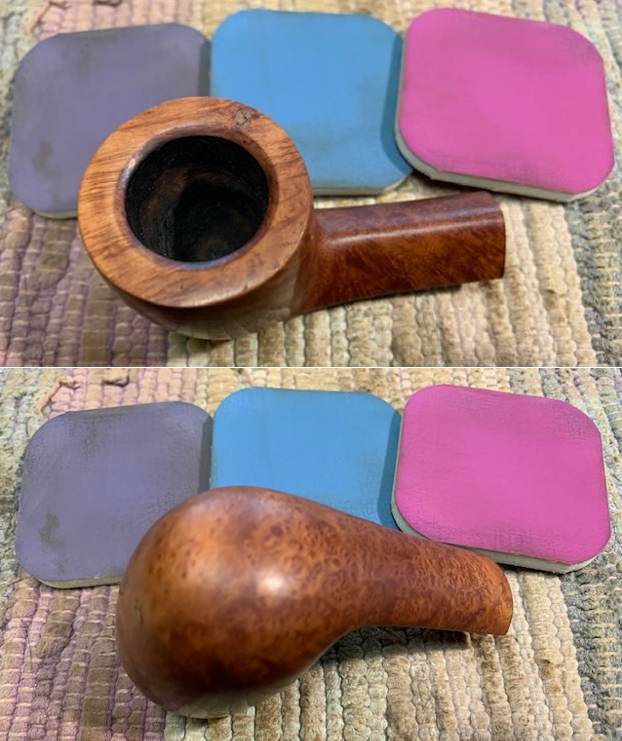
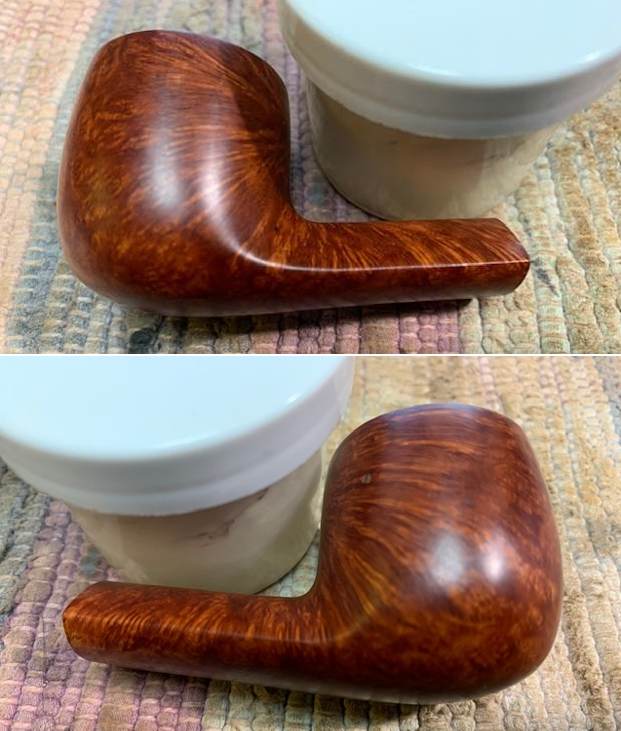
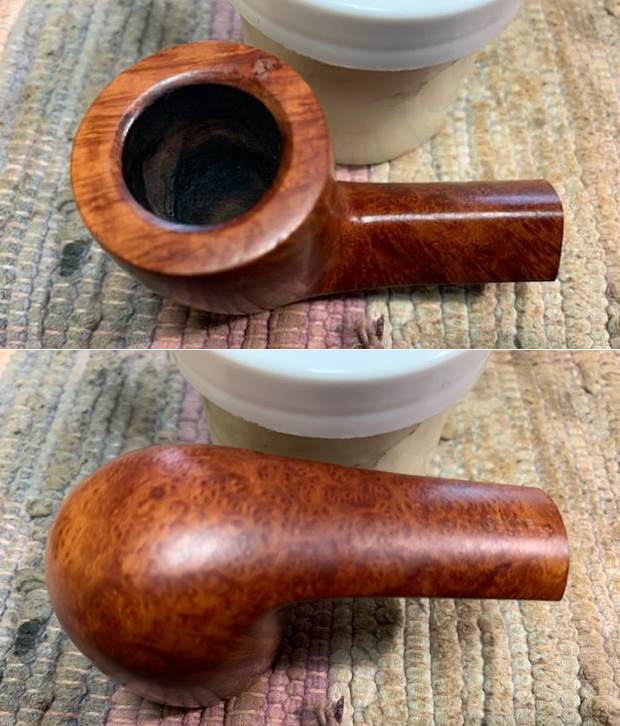
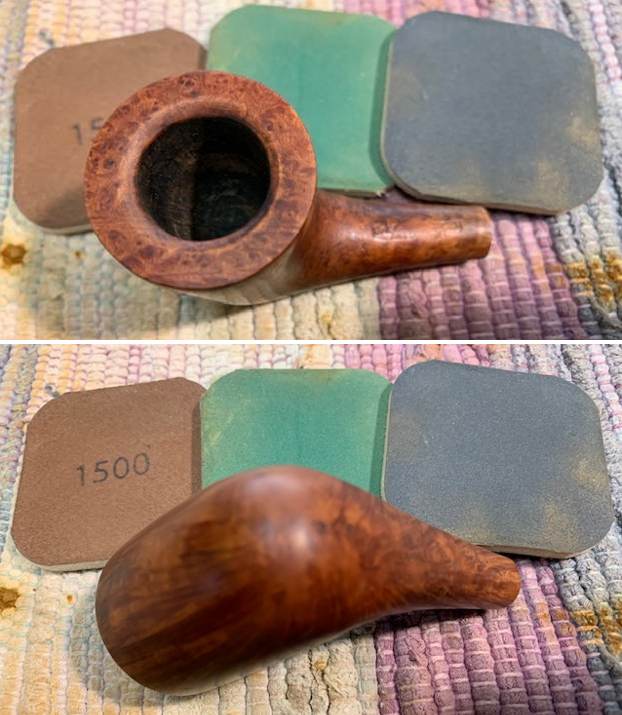
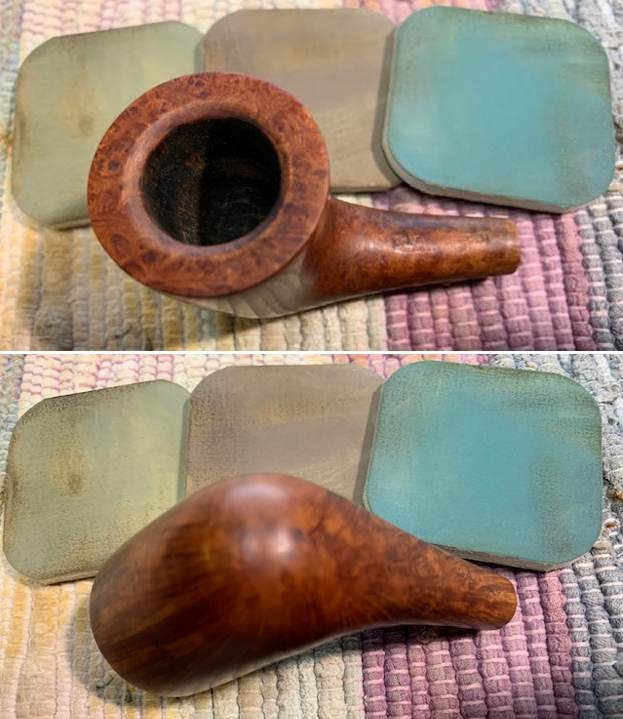
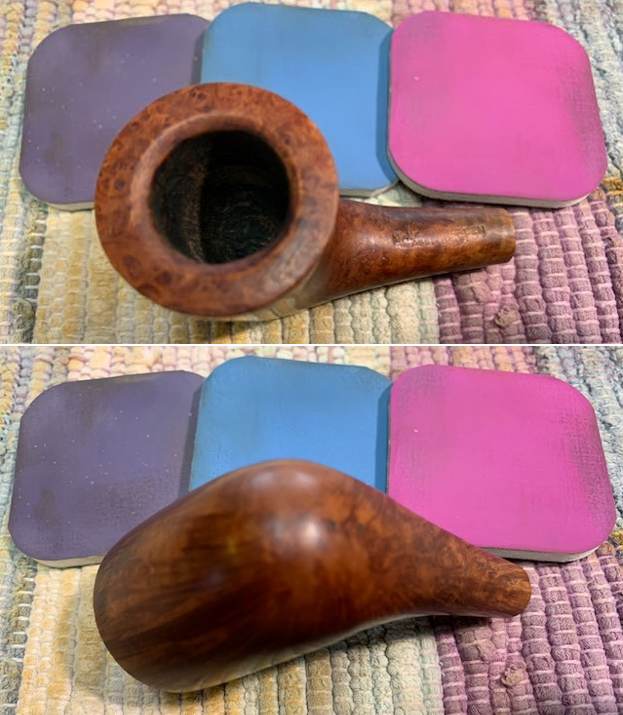
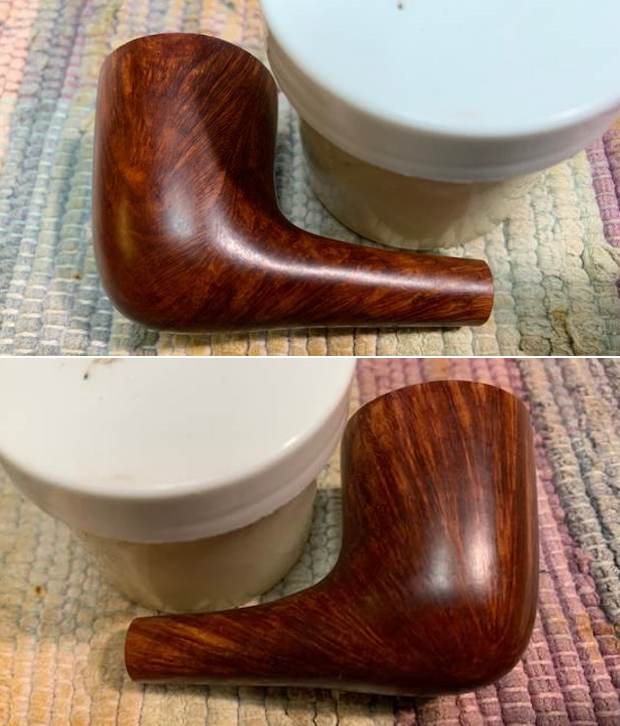
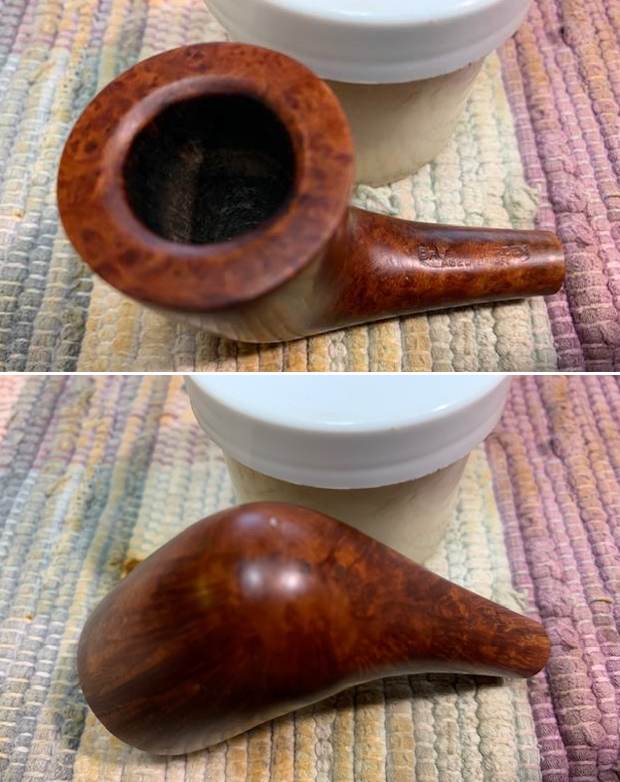
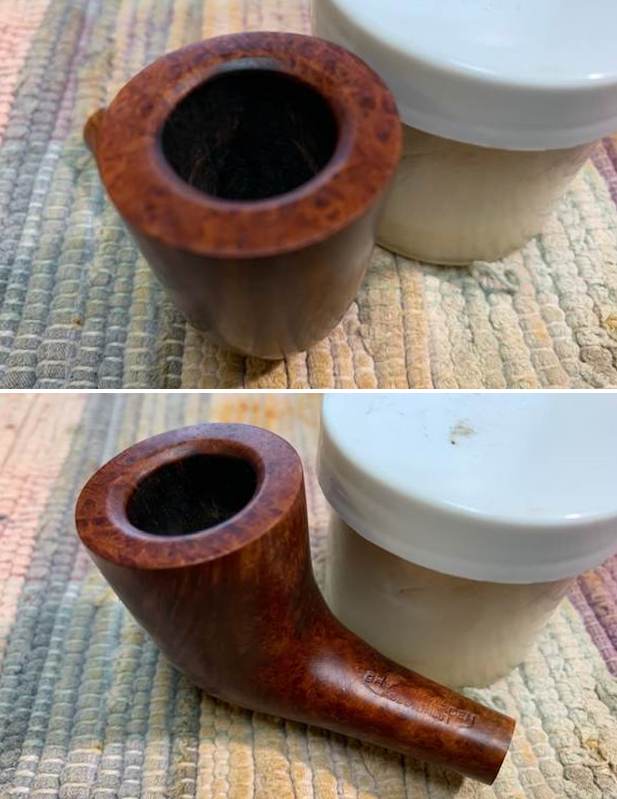
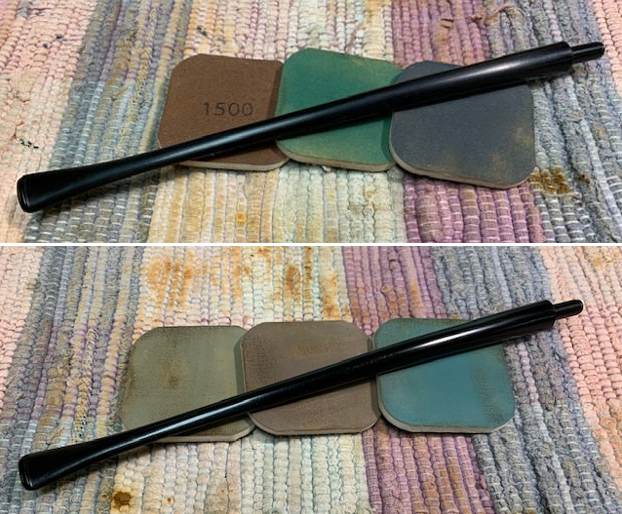
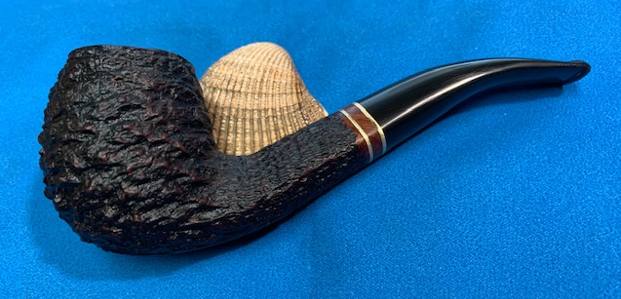
The next pipe on my work table a wire rusticated Bent Billiard shaped pipe. It is stamped on the heel of the bowl and the underside of the shank and reads Savinelli [over] Extra followed by the Savinelli shield S then the shape number 6002 [over] Italy. The bent taper vulcanite stem is stamped with a faint crown on the left side of the stem. The briar has a wire rusticated finish around the bowl and shank. This pipe was purchased on 02/19/21 from a fellow in Victorville, California, USA. The finish was dirty and worn  on the rim edges and sides of the bowl but the shape was good looking. The rim top was caked with lava that also covered the inner edge. There was a thick cake in the bowl and some tobacco debris. The shank and stem airway was very dirty. The stem was lightly oxidized, calcified and had deep tooth marks and chatter on both sides ahead of the button. Jeff took photos of the pipe before he started his clean up. He took photos of the rim top and bowl to show the cake in the bowl, and the lava on the top and inner edge. The stem photos show the oxidation, calcification and tooth chatter and deep marks very well. There was also a tarry and dirty stinger in the tenon. Jeff took photos of the sides of the bowl to highlight the rustication around the bowl sides and base. He captured the stamping on the heel of the bowl and the underside of the shank in the next photos. They are clean and readable as noted above. The stem also had a faint crown stamped on the left side. I turned to Pipephil (http://www.pipephil.eu/logos/en/logo-savinelli2.html) to get a quick view of the Extra Line. I did a screen capture of the site’s information and have included that below. I am also including a screen capture of the Shape and code chart introduction that is link in the above capture. The 6002 shape is not present in the chart.I turned to Pipedia (https://pipedia.org/wiki/Savinelli) for a quick read. The site is worth reading the history of the Savinelli brand and its philosophy of pipemaking. There was a photo of a brochure that included the Extra (https://pipedia.org/wiki/File:Sav_Extra.jpg) that came from Doug Vliatchka.Jeff cleaned up the pipes with his usual thoroughness – reaming the bowl with a PipNet pipe reamer and cleaning up the reaming with a Savinelli Fitsall Pipe Knife. He scrubbed the internals of the shank and the stem with alcohol, cotton swabs and pipe cleaners. He scrubbed the exterior with Murphy’s Oil Soap to clean off the dust and grime on the finish. When he sent it the pipe was ready to restore. I could not believe how good the rim top looked in comparison to what it was when he started. I took photos of the pipe when I unpacked it. The briar was clean and the rustication quite unique. The finish looked dull and lifeless. I took a close up photo of the bowl and rim top after Jeff had cleaned it up. The look of the rim top and edges is very good. There were some spots where the stain was worn away. He had been able to remove the cake and the lava very well. The bowl was spotless. The stem is also shown and was very clean. He had scrubbed it with Soft Scrub and then soaked it in Mark’s Before & After Deoxidizer. There was tooth chatter and deep marks still remaining.I took a photo of the stamping on the heel and the underside of the shank. It is clear and readable as noted above.I removed the stem from the shank and took a photo of the pipe to show the look of the pipe. It is a real beauty.The bowl was very clean and the briar looked good. In examining it I realized that the worn spots on the briar were part of the finish. I decided to rub the briar down with Before & After Restoration Balm. I worked it into the briar with my fingertips and a horsehair shoe brush. The product cleans, enlivens and preserves the briar. I let it do its magic. It sat for 10 minutes and then I buffed it off with a cotton cloth. The bowl really is looking good at this point. I set the bowl aside and turned my attention to the stem. I “painted” the tooth marks with the flame of a Bic Lighter. I was able to raise most of them. Those that remained I filled in with clear CA glue. I set the stem aside to let the repairs cure. I smoothed out the repairs with a small file to start the process of blending them in. I continued the blending with a folded piece of 220 grit sandpaper. I started polishing it with 400 grit wet dry sandpaper. I scrubbed the stem down with Soft Scrub to remove the deep oxidation on the stem surface. I was able to remove much of what was present. Once I worked it over with micromesh it would be better.I polished the stem with micromesh sanding pads – dry sanding with 1500-12000 grit pads. I wiped the stem down after each pad with a cloth impregnated with Obsidian Oil. I polished it with Before & After Stem Polish – both Fine and Extra Fine then gave it a final coat of Obsidian Oil and set it aside to dry. There is something about this finish that make this a beautiful pipe. This wire rusticates Savinelli Extra 6002 Bent Billiard looks great. The swirling, hairlike etching of the rustication on the pipe is quite nice with the dark finish. I put the stem on the shank and buffed the pipe with Blue Diamond on the wheel (being careful of the stamping so as not to damage that). I gave the bowl multiple coats of Conservator’s Wax and the stem multiple coats of carnauba wax and buffed the pipe with a clean buffing pad to raise the shine. I hand buffed it with a microfiber cloth to deepen the shine. The dimensions of this pipe are – Length: 5 ½ inches, Height: 1 ¾ inches, Outside diameter of the bowl: 1 ¼ inches, Chamber diameter: ¾ of an inch. The weight of the pipe is 1.34 ounces/38 grams. It is a great looking pipe and one that will be going on the rebornpipes store in the Italian Pipe Makers section. If you want to add it to your collection let me know via email to slaug@uniserve.com or by message. Thanks for walking through the restoration with me.

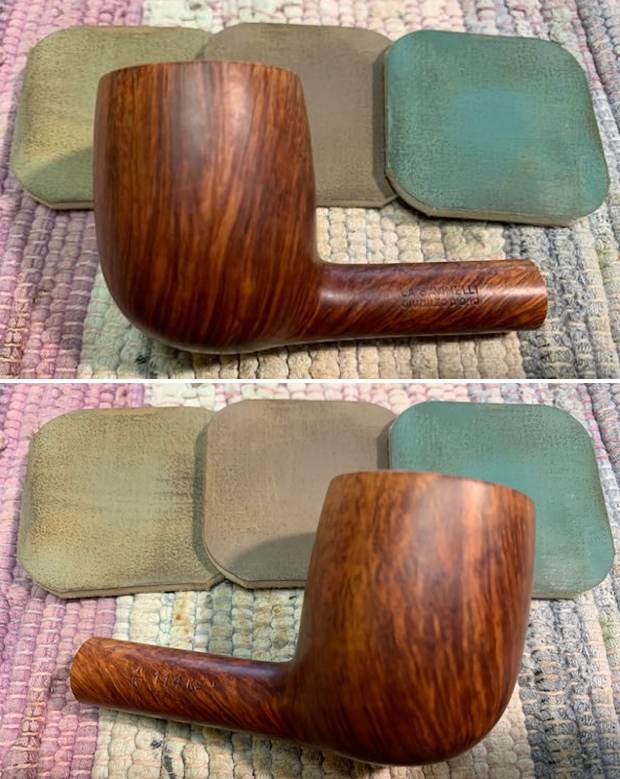
Look at the Straight Grain on this La Savinelli Giubileo D’ Oro Fiammata ** Billiard


 Blog by Steve Laug

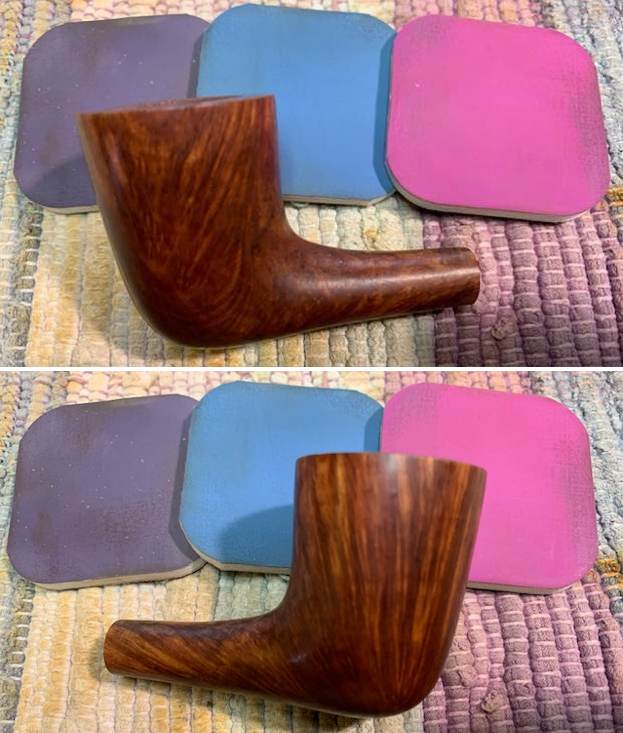
The next pipe on my work table literally called out to me from my box. The Straight Grain on the bowl just called me to pay attention. This one is stamped La Savinelli [over] Giubileo D’Oro on the left side of the shank. On the underside of the shank it is stamped Straight Grain [over] – Fiammata – [over] two stars. On the right side of the shank it is stamped with the Savinelli Shield S logo followed by the shape number 114KS [over] Italy. The saddle stem has three brass dots on the top. The briar has some nice straight and flame grain around the bowl with birdseye on the top of the bow, shank and the underside of both. This pipe was bought on December 12, 2019 from a fellow in Los Angeles, California, USA. The finish was dirty but the grain shone through well. The rim top was quite clean but there was some light lava on top and on the bevel. There is a thick cake in the bowl and some tobacco debris. The shank and stem airway was very dirty. The stem was oxidized, calcified and had light tooth chatter on both sides ahead of the button. Jeff took photos of the pipe before he started his clean up. He took photos of the rim top and bowl to show the cake in the bowl, the lava on the bevel and rim top. The stem photos show the oxidation, calcification and tooth chatter very well. Jeff took photos of the sides of the bowl to highlight the amazing straight grain that explains the Straight Grain – Fiammata stamping on this pipe. It is quite stunning even though it is dirty.He captured the stamping on the shank sides in the next photos. They are clean and readable as noted above. I have worked on at one previous La Savinelli Guibileo D’ Oro in the past that I remembered so I turned there on the blog to read the background on the brand and remind myself how to understand the stamping on the shank. Here is the link (https://rebornpipes.wordpress.com/wp-admin/post.php?post=74052&action=edit&classic-editor). I quote from the blog below rather than redo the research.

There were several things about the stamping that I was unfamiliar with so I did some searching online. I wanted to know when Savinelli stamped their pipe “La Savinelli”. I wanted to know about the “Giubileo D’ Oro” and where it fit in the hierarchy of pipes from the company. I also wanted to understand the three gold dots on the stem.

I turned first to Pipephil – http://www.pipephil.eu/logos/en/logo-savinelli2.html and there I found the first helpful information. Some of my questions were answered in the notes on the page.

  • The “LA” article precedes the “SAVINELLI” stamping on all pipes from the Giubileo d’Oro line.
  • 4 digit shape number means The pipe predates the 1970’s. This new one does not have the four digit number but a three digit 114KS stamp
  • Additional 2 stars indicating the grade (from 1 to 3 stars)

I then turned to the Pipedia article to see if I could learn more about the pipe

( https://pipedia.org/wiki/Savinelli). I have included to pages from Brochures that give some interesting information about the brand. It seems that Golden Jubilee pipe is made from very rare briar burls from Sardinia. Due to the limited raw materials available the pipe can only be produced in small quantities. Each pipe originally came with a certificate of authenticity. Sadly this was missing with the pipe I am working on.

Guibileo D’Oro Brochure Page, courtesy Doug Valitchka

Guibileo D’Oro Brochure Page, courtesy Doug Valitchka

I also did a websearch of Savinelli’s 50th Anniversary and was immediately given a link to their site (https://www.savinelli.it/rw2_en/catalog/product/view/id/15909/s/giubileo-oro-prime-0005?__from_store=rw2_en). They describe the line as follows:

The significance of ‘Golden Jubilee’ is to commemorate the “50th anniversary”; it defines the rarity of these pipes. Only 0.1% of our total production has the quality to be worthy of this unique series. Nature gives us this rare jewel of a pipe as an unparalleled and exceptional combination of perfect raw material and outstanding grain. The selection process is passed on only by word of mouth and is determined by the experience and high quality standards of Savinelli, a guarantee of reliability and elegant style.

Putting all of that together I learned that the pipe was a 50th Anniversary Commemorative and part of a limited production “Golden Jubilee” series. That would make it a mid 70s pipe rather than what Pipephil noted above. It is selected for its special and unique grain and handpicked for a shape to highlight the grain. The entire line was stamped with the La Savinelli marking. It is a unique piece of history. Now to get to work on it!

Jeff cleaned up the pipes with his usual thoroughness – reaming the bowl with a PipNet pipe reamer and cleaning up the reaming with a Savinelli Fitsall Pipe Knife. He scrubbed the internals of the shank and the stem with alcohol, cotton swabs and pipe cleaners. He scrubbed the exterior with Murphy’s Oil Soap to clean off the dust and grime on the finish. When he sent it the pipe was ready to restore. I could not believe how good the rim top looked in comparison to what it was when he started. I took photos of the pipe when I unpacked it. The briar was clean and the grain quite stunning. The finish looked dull and lifeless. I took a close up photo of the bowl and rim top after Jeff had cleaned it up. The look of the rim top and edges is very good. He had been able to remove the cake and the lava very well. The bowl was spotless. The stem is also shown and was very clean but lightly oxidized. He had scrubbed it with Soft Scrub and then soaked it in Mark’s Before & After Deoxidizer. There was light tooth chatter still remaining.I took some photos of the stamping on the shank sides. The first photo shows the La Savinelli [over] Giubileo D’ Oro stamp on the left side. The second shows the shape number 114KS and the Savinelli Logo and the Italy stamp on the right side. The third shows the Straight Grain [over] –Fiammata- [over] two stars stamping on the underside of the shank. The final photo shows the three brass dots on the top of the saddle stem. I removed the stem from the shank and took a photo to show the beauty of this pipe. The grain really is stunning.I polished the briar with micromesh sanding pads – dry sanding (carefully avoiding the stamping on the shank sides) with 1500-12000 grit pads. I wiped the bowl down with a damp cloth between each pad. The grain to take on a shine. I rubbed the briar down with Before & After Restoration Balm. I worked it into the briar with my fingertips and let it do its magic. The product cleans, enlivens and preserves the briar. I let it sit for 10 minutes and then buffed it off with a cotton cloth. The bowl really is looking good at this point. I set the bowl aside and turned my attention to the stem. I scrubbed it with Soft Scrub cleanser to remove the residual oxidation that remained on the surface of both sides. I find that when I let the pipe sit a long time before getting to it this light oxidation almost always happens.I polished the stem with micromesh sanding pads – dry sanding with 1500-12000 grit pads. I wiped the stem down after each pad with a cloth impregnated with Obsidian Oil. I polished it with Before & After Stem Polish – both Fine and Extra Fine then gave it a final coat of Obsidian Oil and set it aside to dry. This incredibly beautiful La Savinelli Giubileo D’ Oro Straight Grain –Fiammata- 2 Stars Billiard (114) is an amazing looking pipe. It is a 50th Anniversary Commemorative and part of a limited production “Golden Jubilee” series. That would make it a mid 70s made of briar that was specially selected because of the spectacular grain. I put the stem on the shank and buffed the pipe with Blue Diamond on the wheel (being careful of the stamping so as not to damage that). I gave the bowl and stem multiple coats of carnauba wax and buffed the pipe with a clean buffing pad to raise the shine. I hand buffed it with a microfiber cloth to deepen the shine. The dimensions of this pipe are – Length: 5 ¾ inches, Height: 1 ¾ inches, Outside diameter of the bowl: 1 ½ inches, Chamber diameter: ¾ of an inch. The weight of the pipe is 1.55 ounces/44 grams. It is really a gorgeous pipe and one that will reside in my own collection for now while I figure out if I want to hang on to it. I look forward to enjoying it soon.

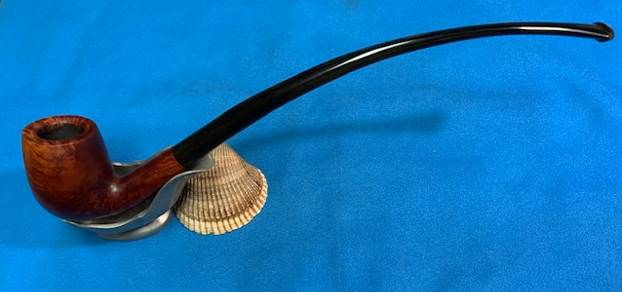
Taking it to Church – Churchwarden Aged Briar 601 Savinelli Made


Blog by Steve Laug

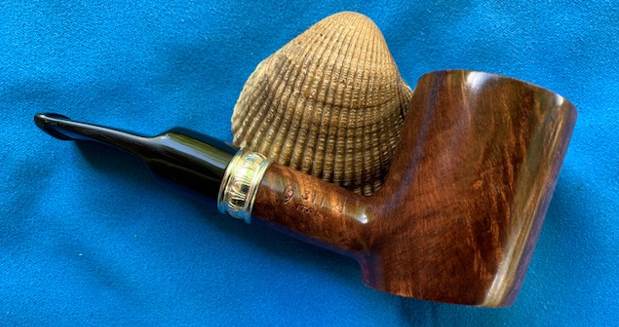
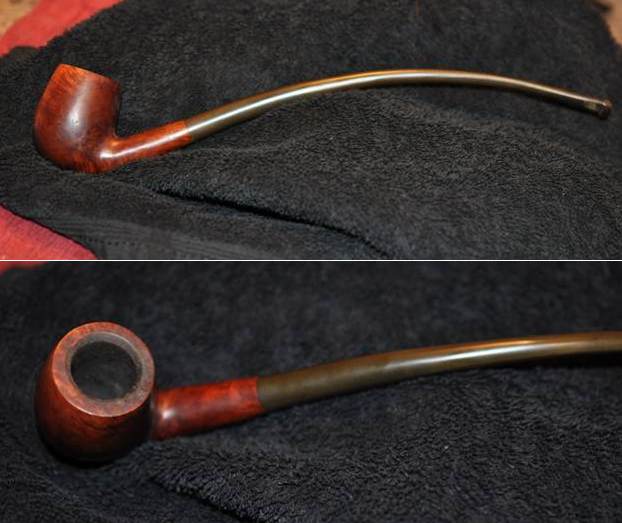
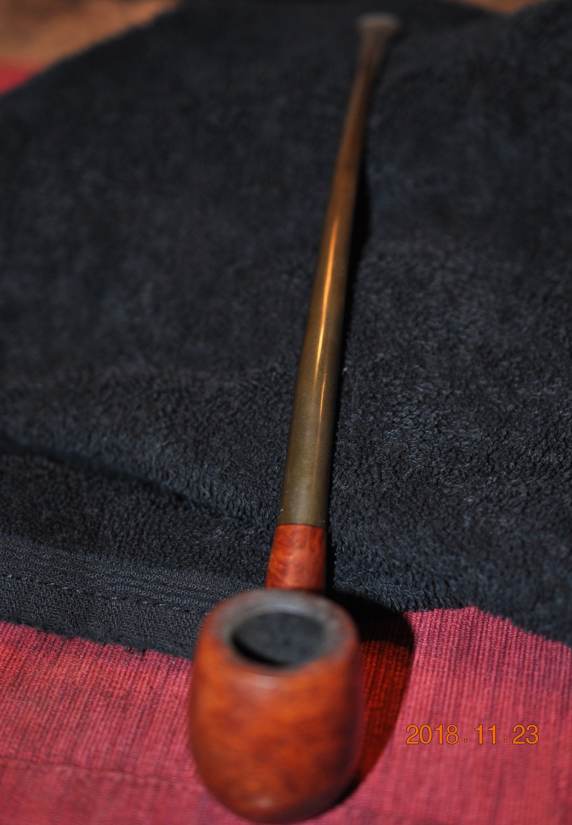
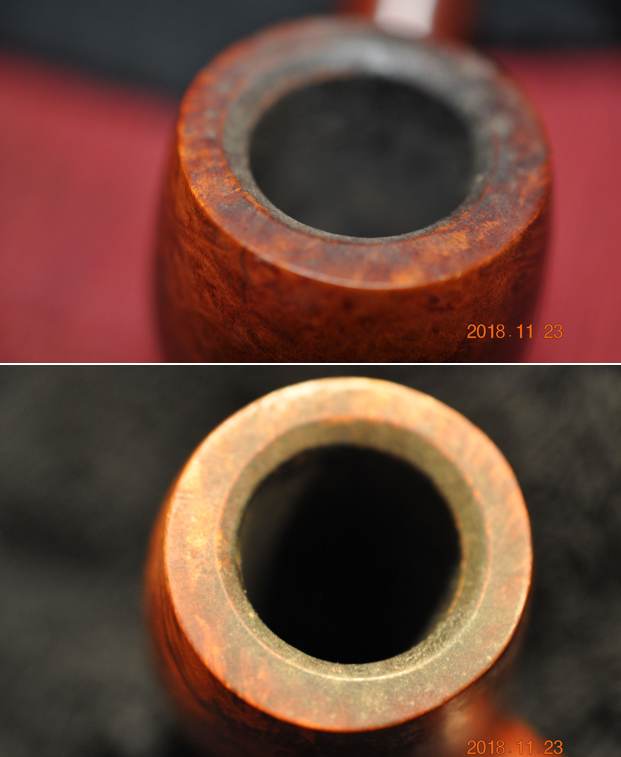
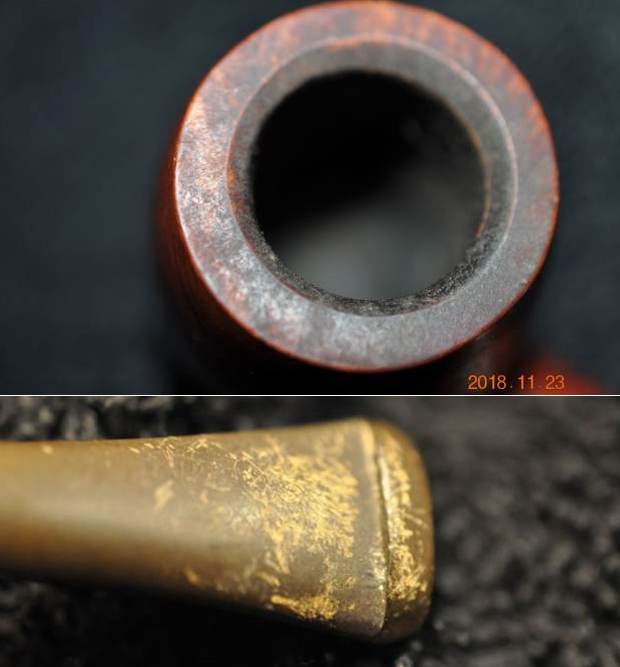
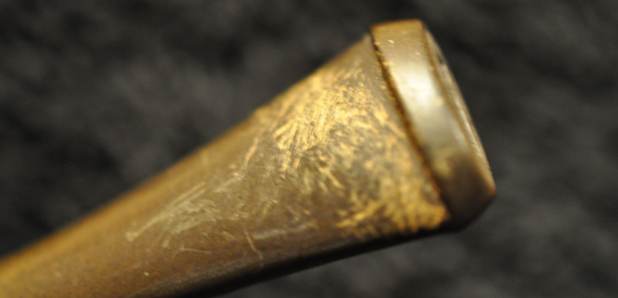
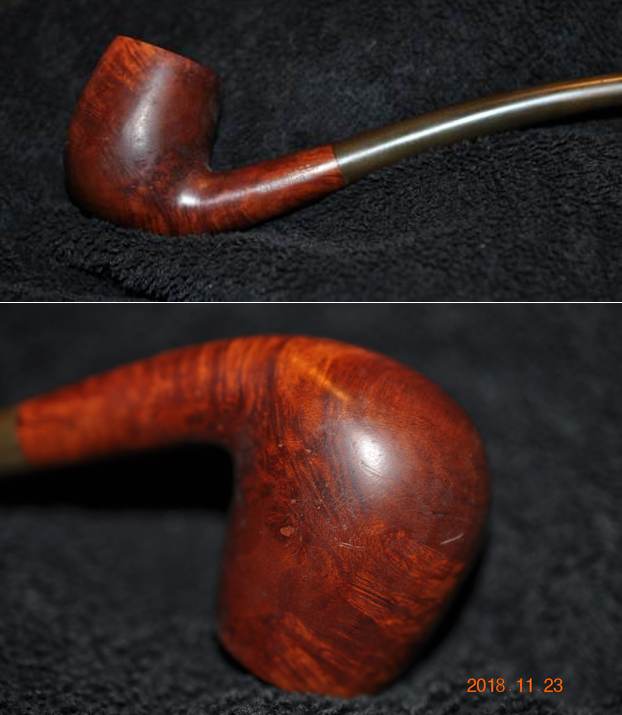
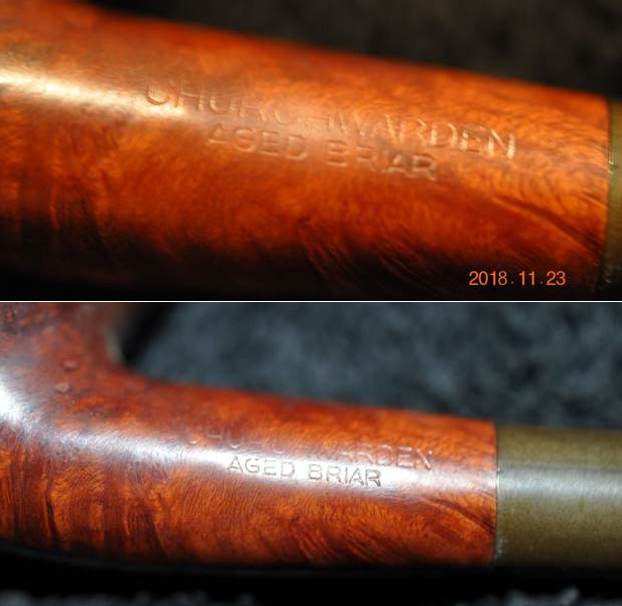
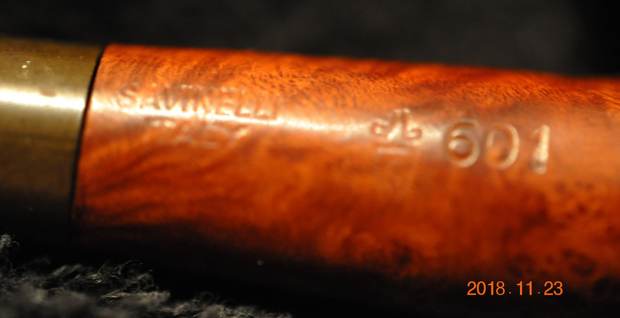
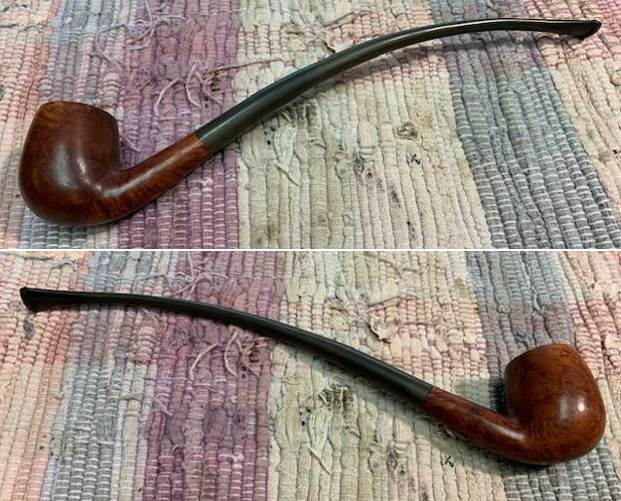
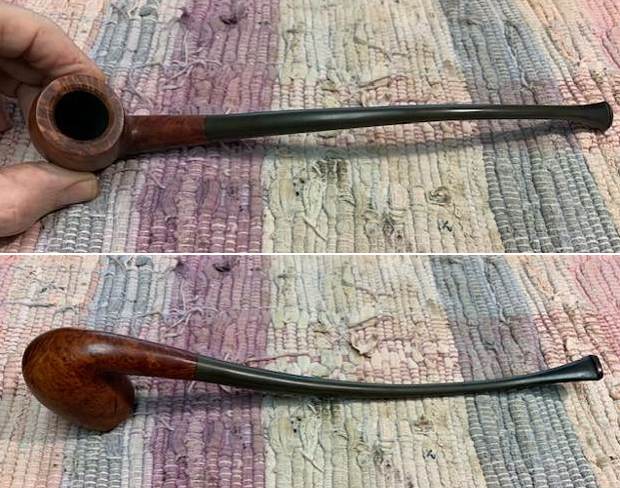
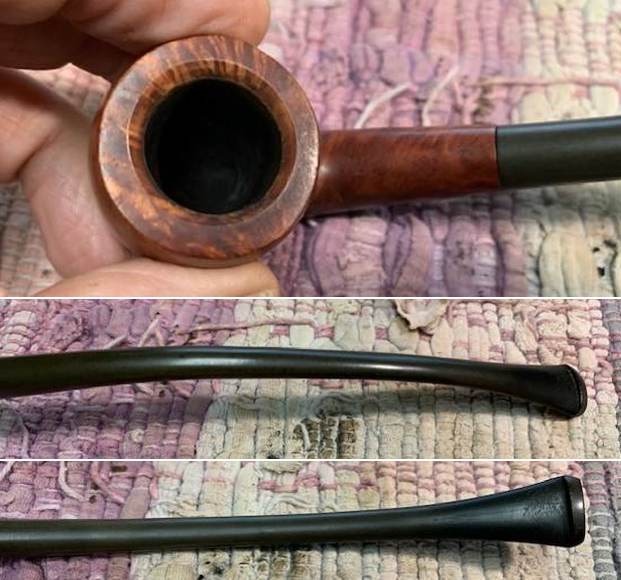
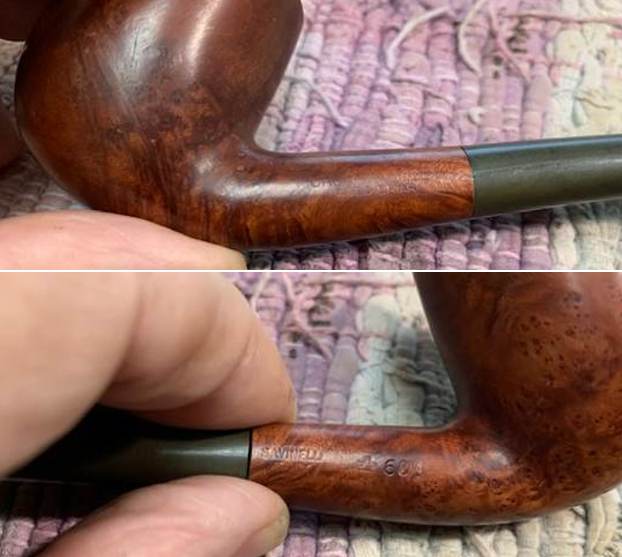
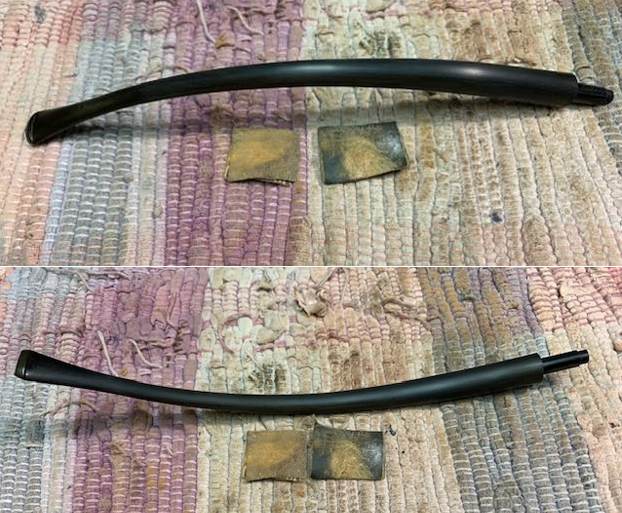
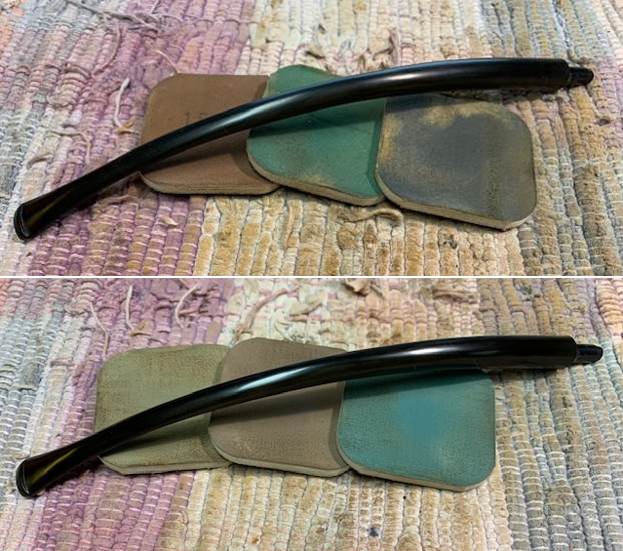
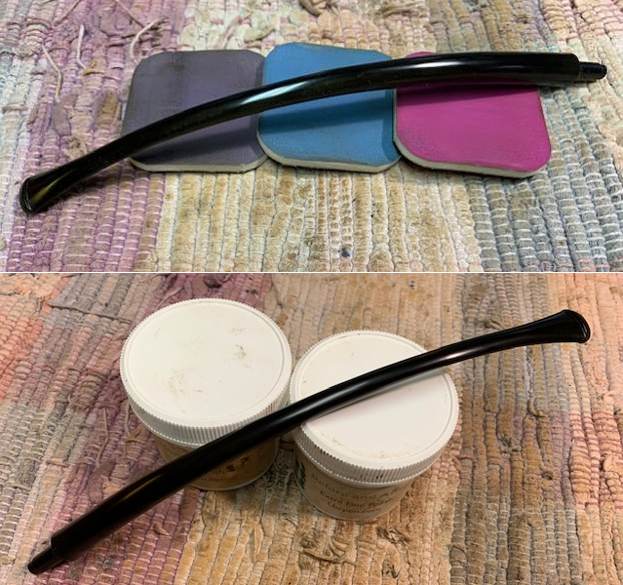
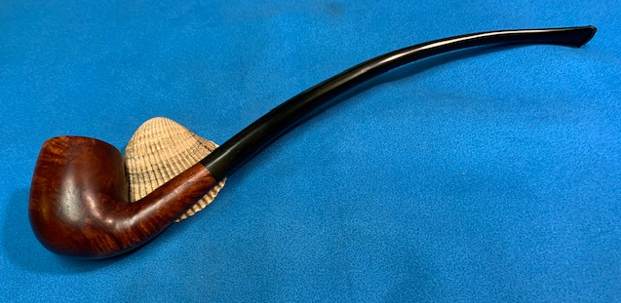
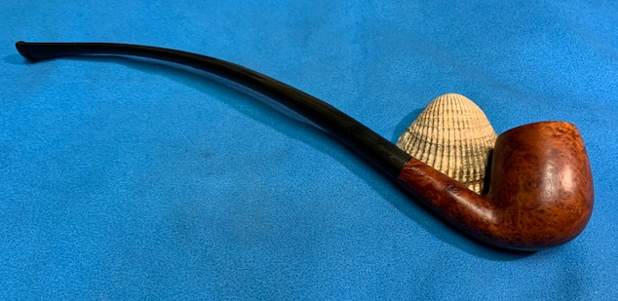
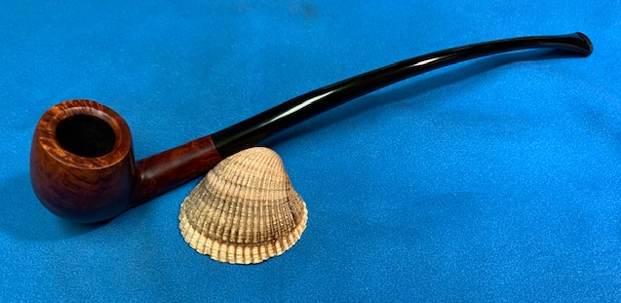
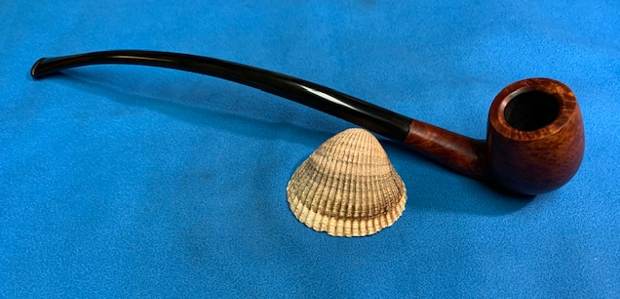
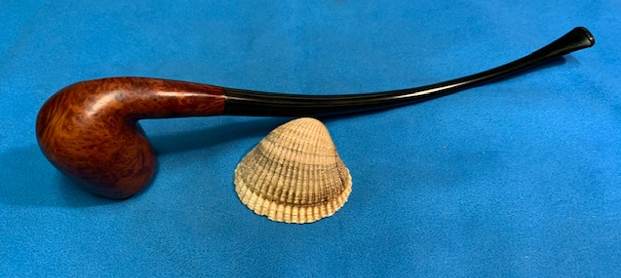
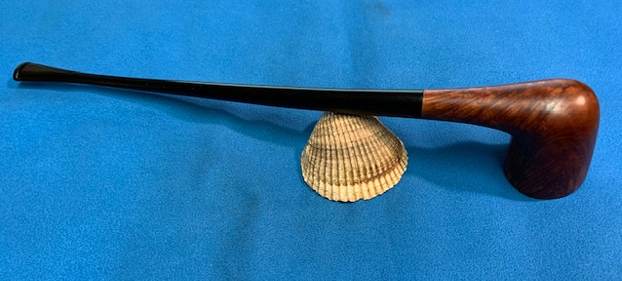
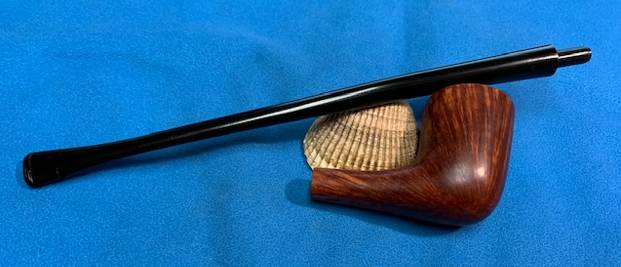
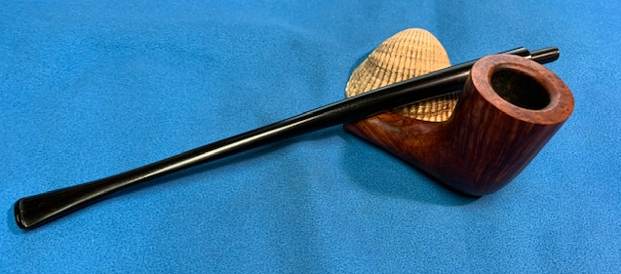
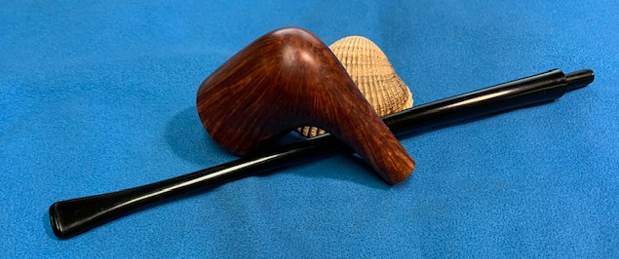
The next pipe on the table is an interesting Savinelli Made Bent Churchwarden. On the left side of the shank it reads Churchwarden [over] Old Briar. On the right side Savinelli [over] Italy and next to that is a Savinelli S Shield [followed by] the shape number 601. This pipe was purchased from an on-line auction in November, 2018 in Bridgton, Maine, USA. It is an interesting piece of briar with a long vulcanite stem. The shape is a bent billiard with some great grain. The finish was dirty and dull with grime ground into the briar around the bowl and shank. The bowl has a moderate cake in the bowl and a light coat of lava on the rim top and beveled inner edge. There is some darkening on the inner edge of the bowl. The stem was oxidized and had tooth chatter on the top and the underside near the button. Jeff took photos of the pipe before he started his cleanup work.  He took some photos of the bowl to give a sense of the condition of the bowl and rim top. You can see the cake in the bowl and the lava on the rim top. There is also some damage and darkening to the inner edges. The stem is oxidized, calcified and has tooth marks and chatter on both sides near the button. He took photos of the bowl sides and heel to show the grain around the bowl. It really was a nice piece of briar.Jeff took photos of the stamping on the shank sides. It is clear and readable as noted above. Jeff had done a great job cleaning up the pipe as usual. He reamed the pipe with a PipNet reamer and cut back the cake back to the bare briar. He cleaned up the walls with a Savinelli Fitsall Pipe Knife. He scrubbed the interior of the bowl and shank with pipe cleaners, cotton swabs and alcohol to remove the tars and oils. He scrubbed the exterior of the pipe with Murphy’s Oil Soap and a tooth brush to remove the grime from the finish. He worked on the rim top lava and darkening with the soap and tooth brush. He scrubbed the inside of the stem with alcohol and pipe cleaners. He scrubbed the exterior with Soft Scrub and then soaked it in Before & After Deoxidizer. He washed it off with warm water to remove the deoxidizer. The pipe looked far better when it arrived.   I took some close up photos of the rim top and also of the stem surface. I wanted to show how well it had cleaned up. The rim top photo looks very good and the inner bevel is in perfect condition. I also took close up photos of the stem to show the light tooth marks and scratching on the surface near the button. I took photos of the stamping on the left and right side of the shank. You can see that it is stamped as noted above. It is clear and readable.   I took the pipe apart and took a photo of the pipe. It is a good looking pipe and has some great looking grain around the bowl and shank. I wiped the bowl down with isopropyl alcohol to remove the uneven stain and even out the finish on the bowl. I was able to remove just enough to make the grain really stand out. I polished the briar bowl and shank with micromesh sanding pads. I dry sanded it with 1500-12000 grit pads and wiped it down with a damp cloth after each pad.     I worked some Before & After Restoration Balm into the surface of the briar with my fingertips to clean, enliven and protect the briar. I let the balm sit for 15 minutes and then buffed with a cotton cloth to raise the shine. The photos show the bowl at this point in the restoration process. I set the bowl aside and turned my attention to the stem. I scrubbed it with Soft Scrub cleanser to remove the oxidation on the stem and leave it ready to sand. I sanded out some tooth marks on the stem surface with 220 grit sandpaper. I started the polishing with 400 grit wet dry sandpaper. I wiped it down with some Obsidian Oil.   I polished the stem with micromesh sanding pads – wet sanding with 1500-12000 grit sanding pads. I wiped it down after each sanding pad with Obsidian Oil. I polished it with Before & After Pipe Stem Polish – both Fine and Extra Fine. I gave it a final rub down with Obsidian Oil and let it dry. I am excited to finish yet another Churchwarden. This one is a Savinelli Made Churchwarden Aged Briar 601 Bent Billiard. I put the pipe back together and buffed it with Blue Diamond on the buffing wheel. I gave the bowl and stem multiple coats of carnauba wax. I hand buffed the pipe with a clean buffing pad to raise the shine and hand buffed it with a microfibre cloth to deepen the shine. It is fun to see what the polished bowl looks like with the polished nickel band and the black vulcanite stem. This Classic looking Savinelli Churchwarden feels great in my hand. It is light and well balanced. Have a look at it with the photos below. The dimensions are Length: 10 inches, Height: 1 ¾ inches, Outside diameter of the bowl: 1 ¼ inches, Chamber diameter: ¾ of an inch. The weight of the pipe is 44grams/1.55oz. It is a beautiful pipe and one that will be on the Italian Pipe Makers section of the rebornpipes store soon. If you are interested in adding it to your collection let me know. Thanks for walking through the restoration with me as I worked over this pipe. Thanks to each of you who are reading this blog.

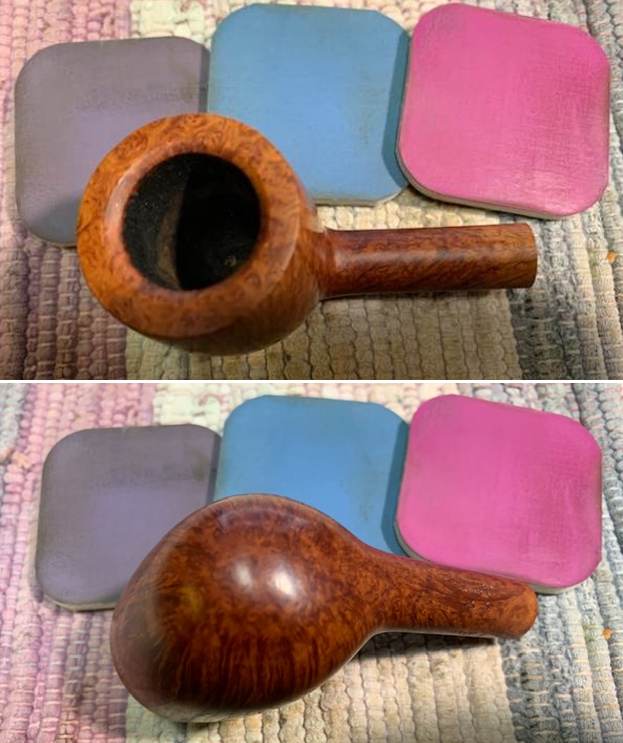
What A Beautiful Triangular Shank Oscar Aged Briar 123 Pot


Blog by Steve Laug

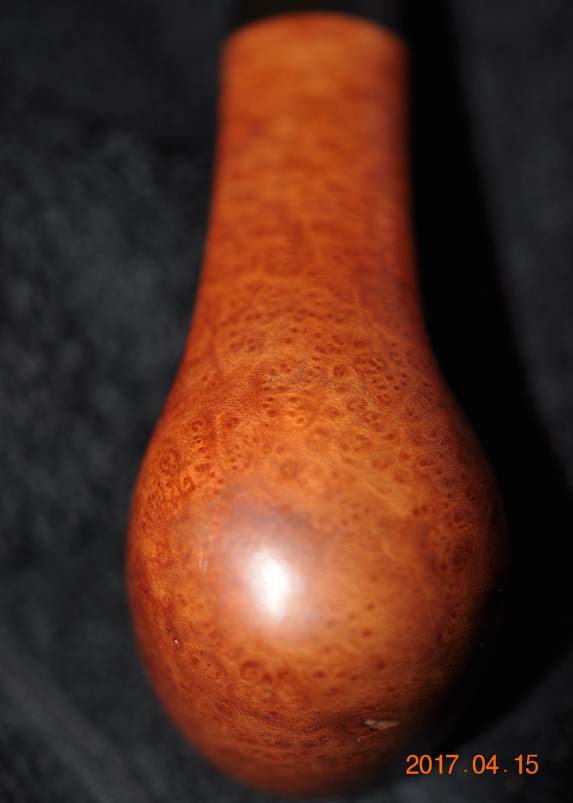
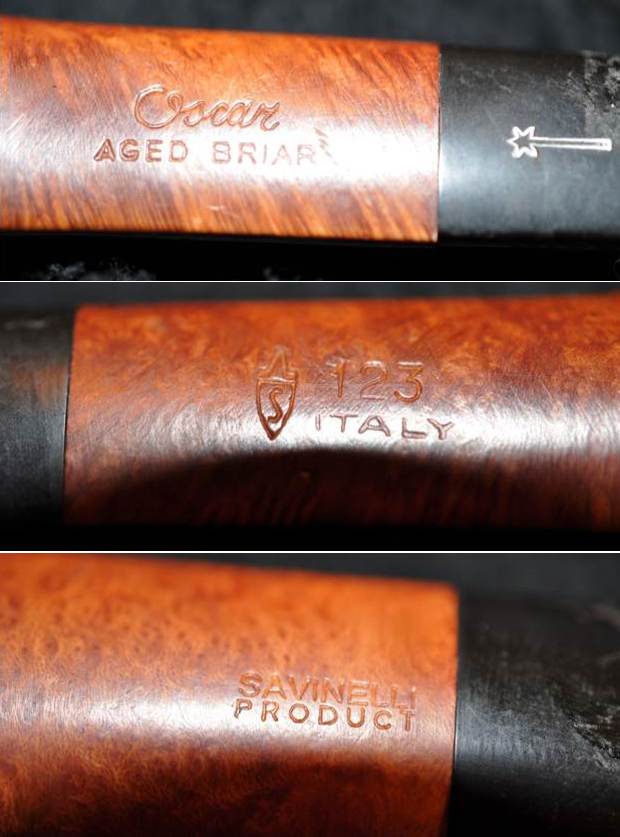
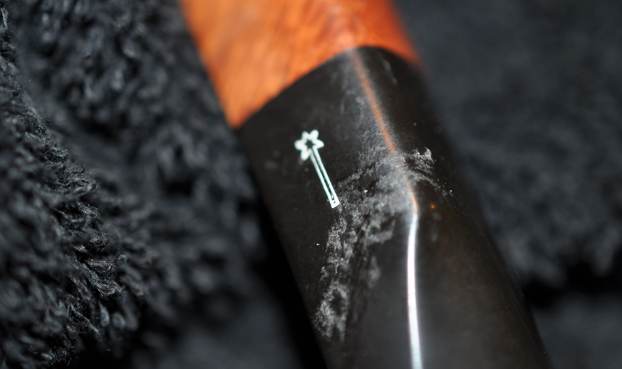
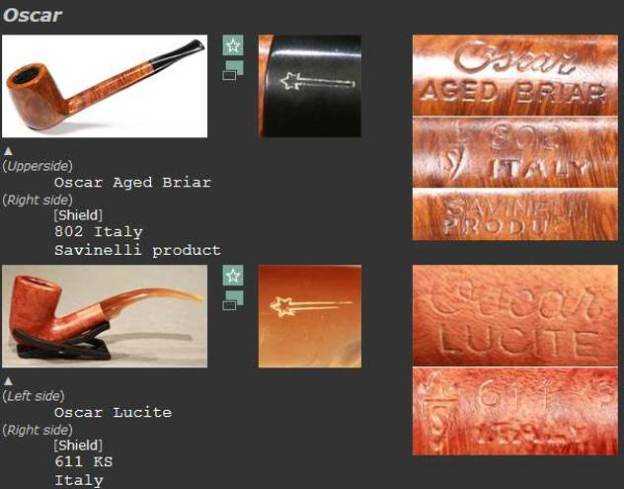
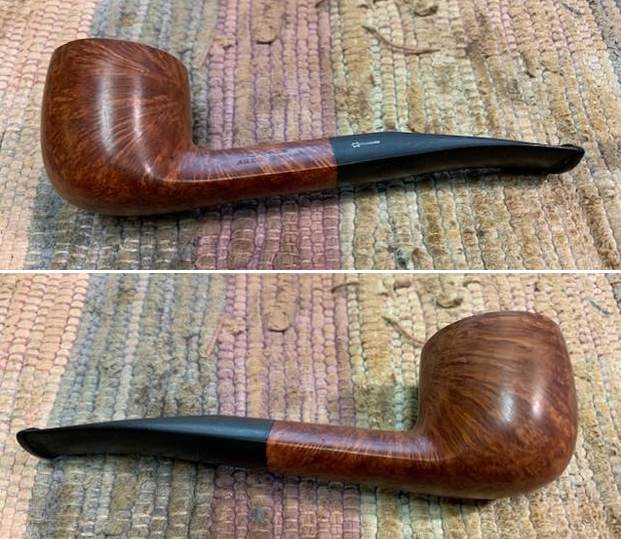
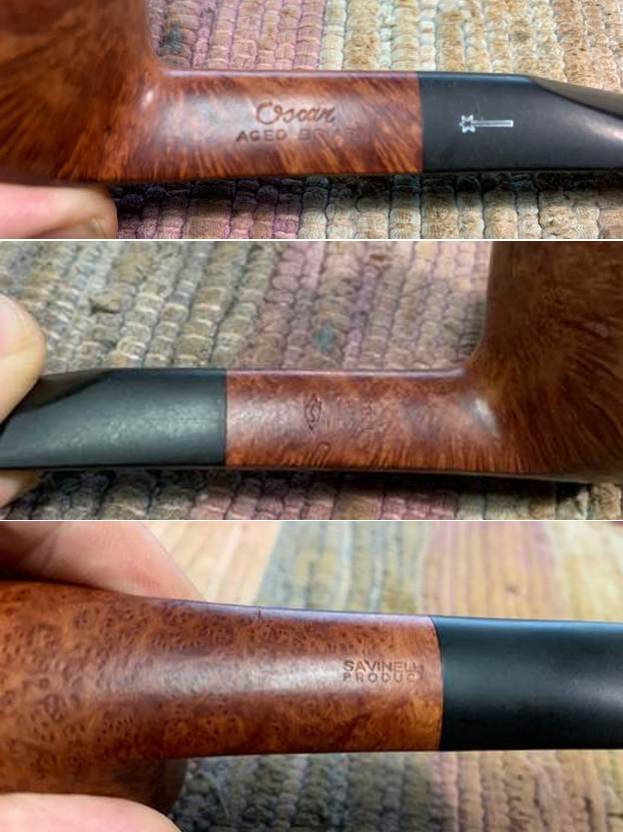
This older Savinelli Made pipe has been in my restoration queue since we picked it up from an antique store on 04/08/17 in Stevensville, Montana, USA. It is a beautifully grained pot shaped pipe with a triangular shank. It was stamped on the left side and read Oscar [over] Aged Briar. On the right side it was stamped with a Savinelli Shield S and next to that is the shape number 123 [over] Italy. On the underside of the shank it is stamped Savinelli [over] Products. The grain was quite nice peeking through the ground in grime on the briar. The bowl had a thick cake and there was some lava on the beveled inner rim of the top. The rim top was quite clean but there was a large putty fill on the right side toward the back of the bowl. The vulcanite stem was dirty and had some sticky substance from a gum label near the shooting star logo on the left side of the taper stem. There was some light tooth chatter near the button and some light oxidation. Jeff took photo of the pipe before he started his clean up work on it. I have included them below. He took some photos of the rim top to show the condition. You can see the light lava coat on the back side of the bowl top and on the beveled inner edge of the bowl. You can also see the putty fill on the rim top on the lower right side of the photos below. He also took photos of both sides of the stem to show the condition of both. He also took photos of the heel of the bowl and underside of the shank to show the birdseye grain that is clustered on the bowl. It is quite a stunning pipe. You can also see the small fill on the lower front of the bowl.Jeff took photos of the stamping around the shank sides. It is clear and readable as noted above. You can also see the shooting star Oscar logo on the left side of the stem. I turned to Pipephil’s site to learn about the Oscar (http://pipephil.eu/logos/en/logo-savinelli3.html). I did a screen capture of the section and also included the note from the side bar on the site. I quote from the side bar: Pipes from the Oscar line are not free from fillings. See also (same star logo): Savinelli Antique Shell, Savinelli Garda, Savinelli Sila.

From Pipephil I knew that the line had notable fills. The pipe I was working on had fills on the top and the front of the bowl.

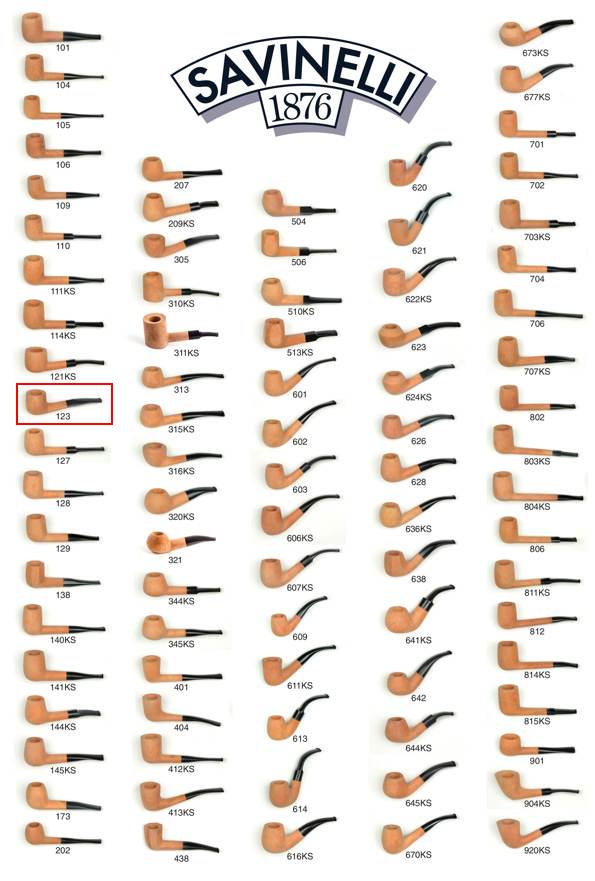
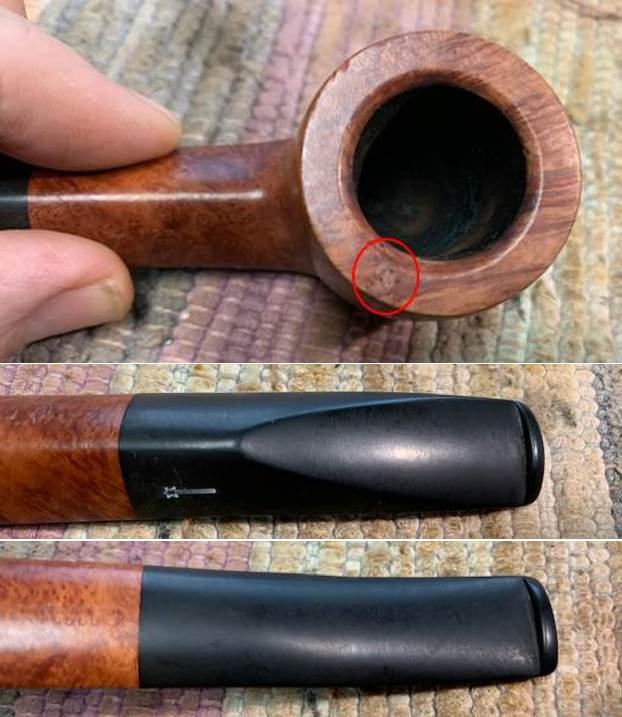
I turned to Pipedia to the link on the shape chart for Savinelli pipes looking to find the 123 shape number (https://pipedia.org/images/4/41/Sav_Shape_Chart_2017.jpg). I have included the shape chart below. I have drawn a red box around the 123 Shape. The article on Pipedia is a great history of the brand and the Oscar is listed in the various lines.Jeff had reamed the pipe with a PipNet Pipe Reamer and cleaned up the remnants with a Savinelli Fitsall Pipe Knife. He scrubbed the bowl with undiluted Murphy’s Oil Soap with a tooth brush. He rinsed it under running warm water to remove the soap and grime. He cleaned out the inside of the shank and the airway in the stem with alcohol, cotton swabs and pipe cleaners. He soaked the stem in Before & After Deoxidizer and rinsed it off with warm water. I took photos of the pipe once I got around to working on it. The rim top looked very good. There were some nicks in the outer left backside of the rim. The beveled rim top was in excellent condition. There was a large putty fill on the rear right top side of the rim that I have circled in the photo below. The stem surface had some light chatter on both sides near the button. I took photos of the stamping on the shank sides. The stamping is clear and readable as can be seen from the photos. You can also see the shooting star on the left side of the stem. I removed the stem and took a photo to give a sense of the grain and a look of the whole. The photos also show the aluminum inner tube in the end of the tenon. It is anchored and made to stay in place in the stem.I started my work on the pipe by cleaning up the fill on the rim top. I was able to even out the fill with a spot of super glue. I filled in the fill on the front of the bowl with clear super glue at the same time. Once it cured I sanded it with a folded piece of 220 grit sandpaper to blend it in. I polished the bowl and the rim top, sides and shank with micromesh sanding pads – dry sanding with 1500-12000 grit pads and wiping it down after each pad with a damp cloth. I rubbed the bowl and shank down with Before & After Restoration Balm. I worked it into the surface of the bowl sides and shank with my fingertips to clean, enliven and protect the briar. I let the balm sit for 15 minutes and then buffed with a cotton cloth to raise the shine.   I set the bowl aside and turned to work on the stem. Since it was in good condition I did not have to sand out tooth marks. I polished the vulcanite stem with micromesh sanding pads – 1500-12000 grit pads. I wiped it down with a damp cloth after each sanding pad. I used Before & After Pipe Polish – both Fine and Extra Fine to further polish the stem. I gave it a final coat of Obsidian Oil and let it dry. This Savinelli Product Oscar Aged Briar 123 Triangle Shank Pot with a vulcanite taper stem is a great looking pipe now that it has been restored. I put the stem back on the bowl and carefully buffed the pipe with Blue Diamond on the buffing wheel using a light touch on the briar. I gave the bowl and the stem multiple coats of carnauba wax on the buffing wheel and followed that by buffing the entire pipe with a clean buffing pad. I hand buffed the pipe with a microfiber cloth to deepen the shine. The finished Oscar Aged Briar 123 Pot is another one that is comfortable in the hand and feels great. Give the finished pipe a look in the photos below. The dimensions of the pipe are Length: 5 ½ inches, Height: 1 ½ inches, Outside diameter of the bowl: 1 ½ inches, Chamber diameter: 7/8 of an inch. The weight of this pipe is 40 grams/1.41 ounces. If you are interested in adding this pipe to your collection I will be adding it to the rebornpipes store in the American Pipemakers section. Send me a message or an email. Thanks for reading this blog and my reflections on the pipe while I worked on it. There are many more to come!

New Life for Savinelli Churchwarden Aged Briar 404


Blog by Steve Laug

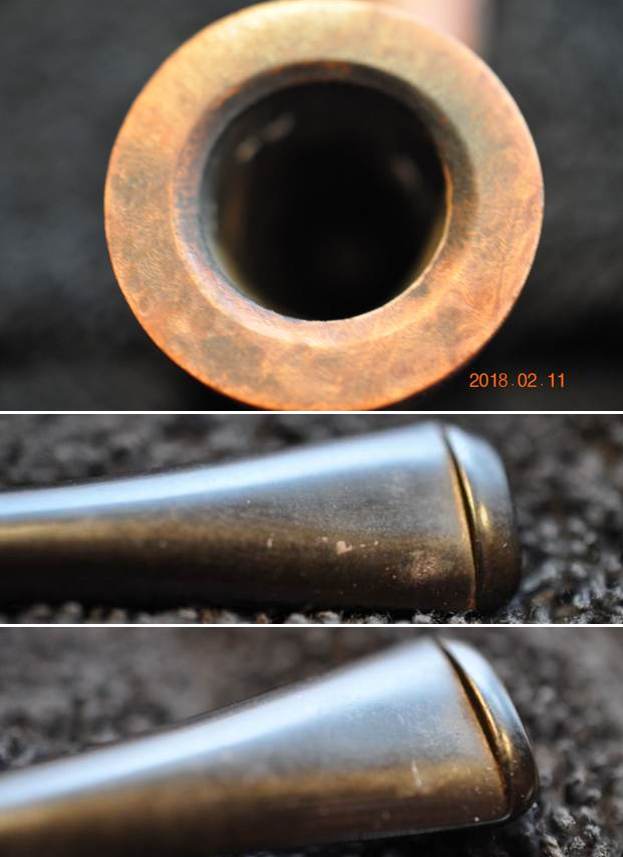
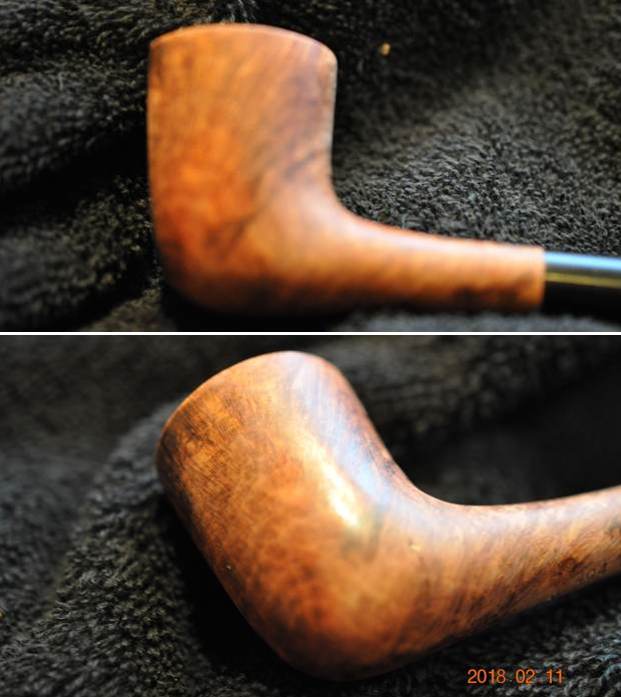
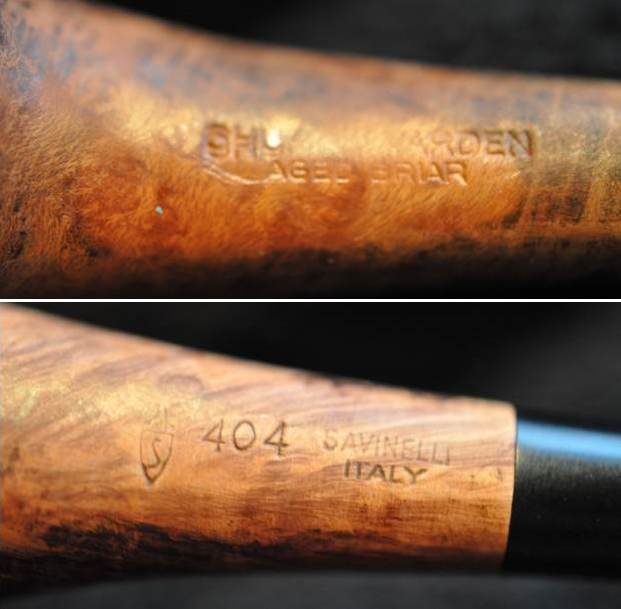
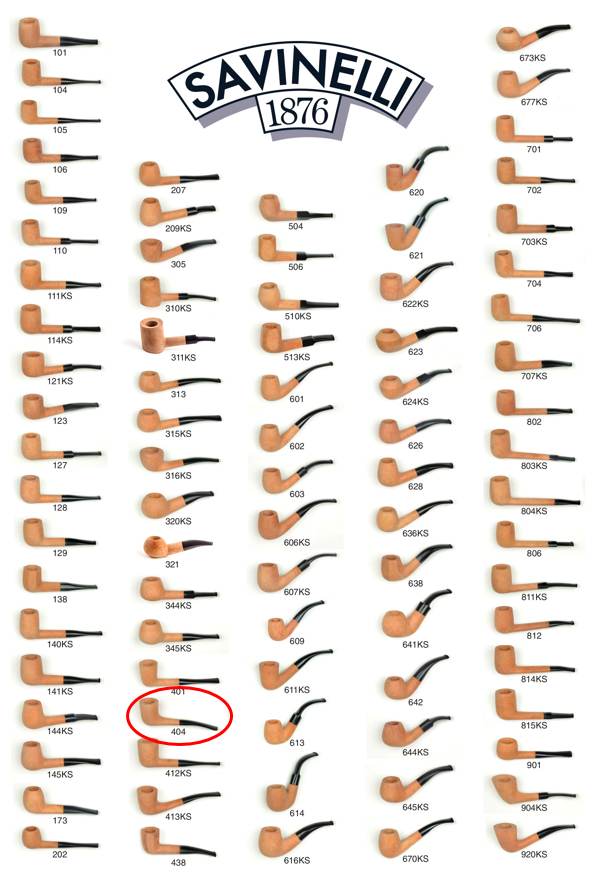
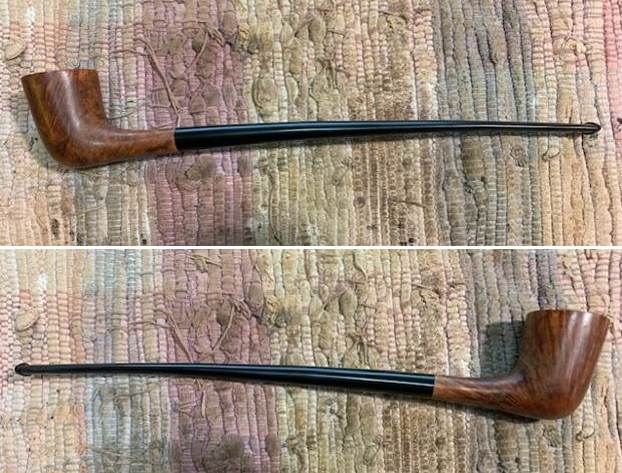
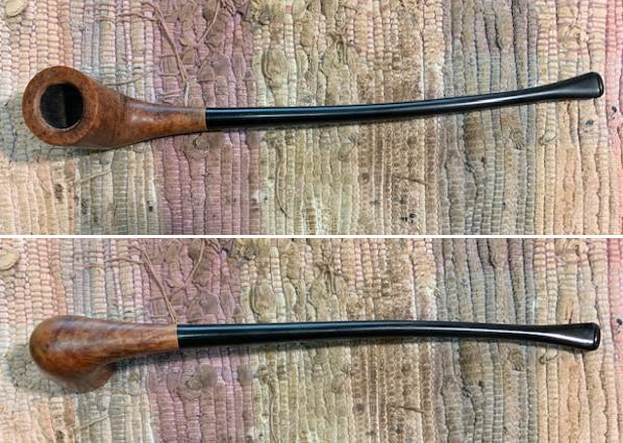
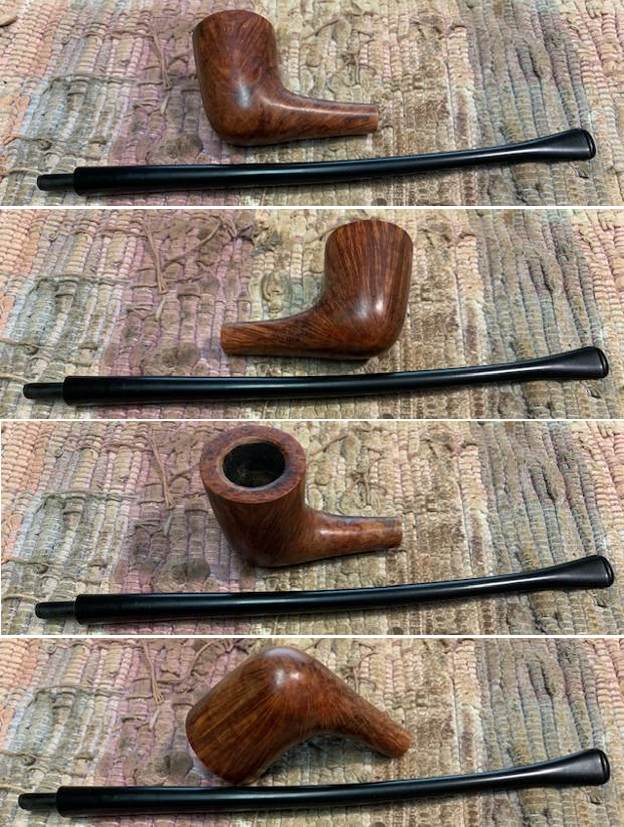
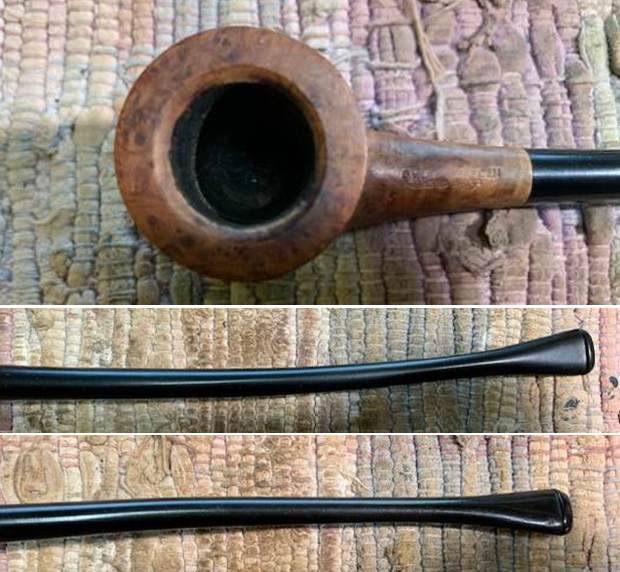
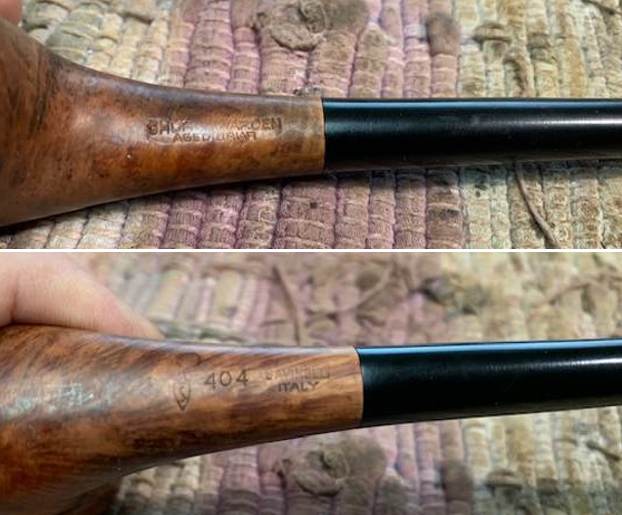
The next pipe on the table was purchased off eBay on 01/19/18 from Dallas, Texas, USA. It is a nice looking Dublin Churchwarden with a long straight stem. It is stamped on the top of the shank and reads Churchwarden [over] Aged Briar. On the underside it is stamped with the Savinelli S shield followed by the shape number 404 then Savinelli [over] Italy. The stamping is readable but on the topside the middle of the stamp is faint. The finish worn and dirty around the shank and sides. The bowl had a thick cake and a thin coating of lava on the rim top and inner beveled edge. The stem was warped to the right and turned downward. It had some tooth chatter and marks on both sides near the button. It was lightly oxidized along the entire length. Jeff took photos of the pipe when he unpacked it and before he started his clean up work. It is a great looking piece of briar. Jeff took the following photos before he started his work on the pipe.Jeff took photos of the bowl and rim top to show the cake in the bowl and the lava coat on the top and on the inner beveled edge of the bowl. I am hoping that it protected the edge from damage. He also took photos of the stem to show the light tooth marks and chatter on the oxidized stem. He took photos of the bowl and heel to show the condition of the finish. Though the photos are slightly out of focus you can see some nice grain showing on the bowl sides. Jeff took photos of the stamping on the top and underside of the shank. It read as noted above and was readable. The Churchwarden stamp on the topside of the shank was faint in the middle but could still be read.If you want a great read on the history of the Savinelli brand give the one on Pipedia some attention as it is well written (https://pipedia.org/wiki/Savinelli). There is a shape chart on the site so I did a screen capture and have circled the 404 shape in read in the photo below. The shape number is correct and a Churchwarden long stem has been added. It works very well with that particular shape.I took some photos of the pipe as I took it out of the box. Here is what I saw. I slid it out of the wrapper around it. I could see that Jeff had cleaned it well. The bowl had been reamed with a PipNet reamer and Savinelli Fitsall Pipe Knife. He had scrubbed the exterior with undiluted Murphy’s Oil Soap. He rinsed it with warm water. He cleaned out the internals with alcohol, cotton swabs and pipe cleaners. The stem was twisted and tweaked to the right as can be seen in the photos of the top and underside of the pipe. The grain on the bowl is quite nice with just a few small fills that are solid and well blended in with the surrounding briar. I took photos of the pipe before I started my work on it. I removed the stem and took some photos of the bowl and stem to show the overall look and proportions of the pipe. The shape really does work for a Churchwarden.The rim top had cleaned up very well and all that remained was some darkening on the inner edge on the back left of the bowl and a little on the rim top in the same place. I took a photo of the stamping on the top and underside of the shank. The stamping is clear and readable with some faint spots as noted above.I started my work on the pipe by cleaning up the beveled inner edge and top of the rim with a folded piece of 220 sandpaper.I polished the bowl and rim top with micromesh sanding pads – dry sanding with 1500-12000 grit pads and wiped down the bowl after each sanding pad. I rubbed the bowl and shank down with Before & After Restoration Balm. I worked it into the surface of the bowl sides and shank with my fingertips to clean, enliven and protect the briar. I let the balm sit for a little while and then buffed with a cotton cloth to raise the shine. The Balm did its magic and the grain stood out. I set the bowl aside and turned my attention to the stem. I decided to address the tweak and twist to the stem first. I used my heat gun to straighten out the vulcanite. Fortunately vulcanite has “memory” and will return to its original shape with heat. I worked on it until it was straight once again. Then heated it a final time to give it a slight bend mid-stem. It looked much better.The chatter and marks were very light and could be polished out. I polished it with micromesh sanding pads – 1500-12000 grit pads. I wiped it down with Obsidian Oil after each sanding pad. I used Before & After Pipe Polish – both Fine and Extra Fine to further polish the stem. I gave it a final coat of Obsidian Oil and set it aside to dry.Once I finished straightening the stem, this Savinelli Made Churchwarden Aged Briar 404 was another beautiful pipe. The briar around the bowl is clean and really came alive. The rim top looks much better than when I began. The rich brown stains gave the grain a sense of depth with the polishing and waxing. The grain really popped. I put the vulcanite stem back on the bowl and carefully buffed the pipe with Blue Diamond on the buffing wheel. I gave the bowl and the stem multiple coats of carnauba wax on the buffing wheel. I buffed the pipe with a clean buffing pad to raise the shine. I hand buffed the pipe with a microfiber cloth to deepen the shine. The finished Savinelli Made Churchwarden is a beauty and feels great in the hand and looks very good. Give the finished pipe a look in the photos below. The dimensions of the pipe are Length: 11 inches, Height: 1 ¾ inches, Outside diameter of the bowl: 1 ¼ inches, Chamber diameter: ¾ of an inch. The weight of pipe is 1.38 ounces /40 grams. It is much more beautiful in person than these photos can capture. I will be putting it on the rebornpipes store soon. Look for it in the Italian Pipe Makers section. If you would like to add it to your collection let me know. This is another pipe that has the possibility of transporting the pipe man or woman back to a slower paced time in history where you can enjoy a respite. Thanks for walking through the restoration with me.

Restoring a Savinelli Porto Cervo 677KS Rusticated Bent Brandy


Blog by Steve Laug

Not long ago a good friend of mine here in Vancouver wrote me an email about a repair on one of his pipes. Pre- COVID we used to have lunch together at least every other month and go for pipe walks after the meal. Since COVID hit we have met a couple of times for me to fix his pipes and enjoy a bowl on my front porch. So I am always glad to hear from him because it means at least on one end of the repair we will have a visit and a few bowls. Here is the email he sent me.

Hi Steve – I’ve a Savinelli that has the top centre of the button worn away — could you find time to fix it for me, please?

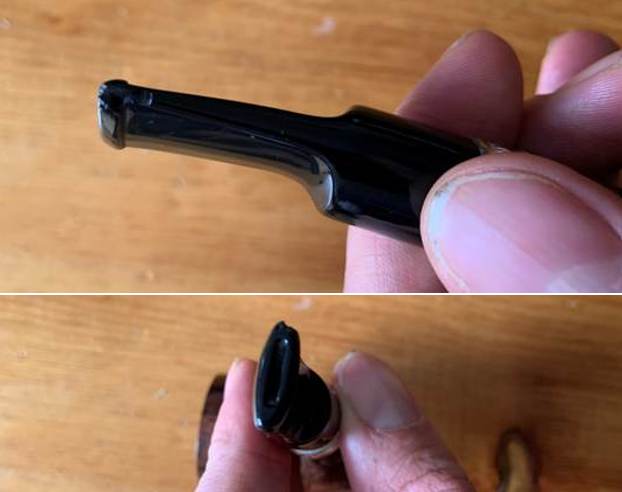
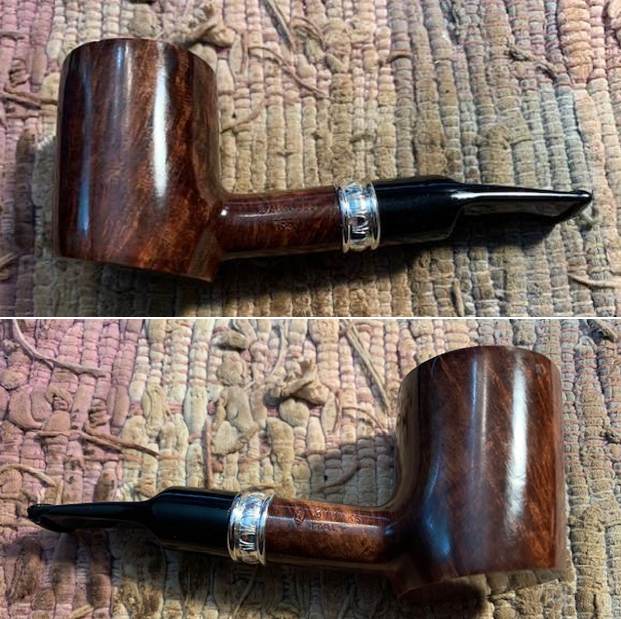
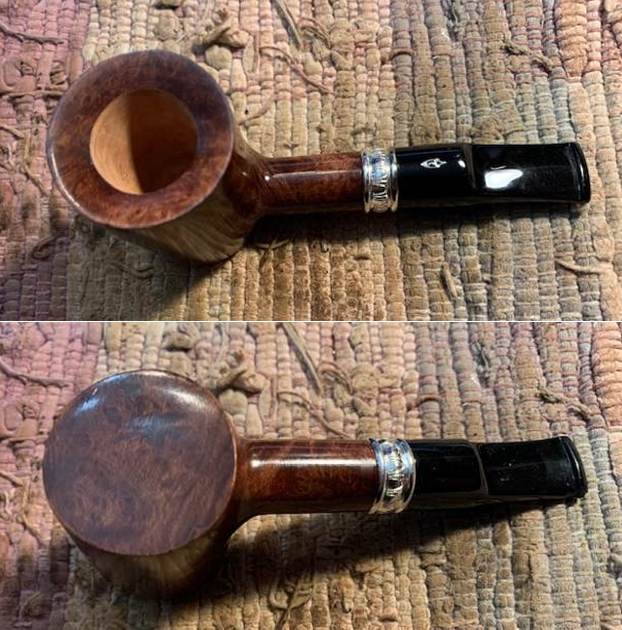
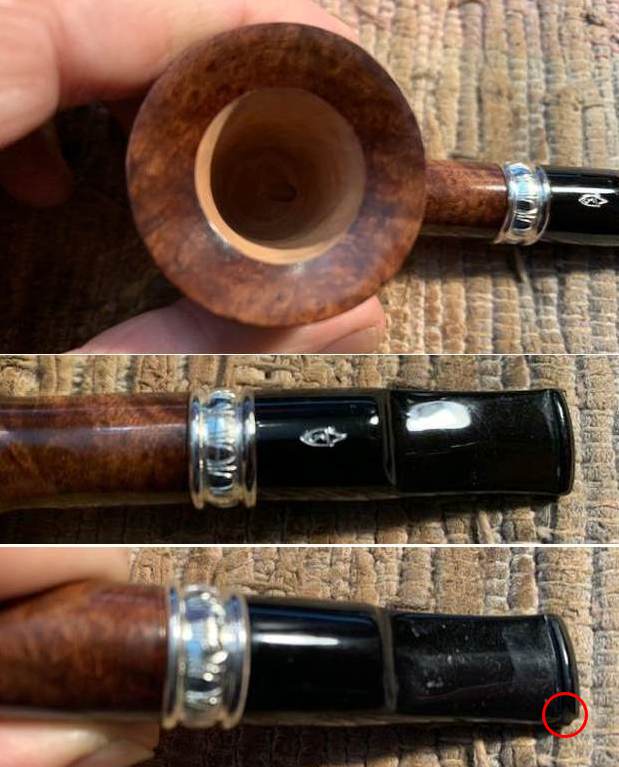
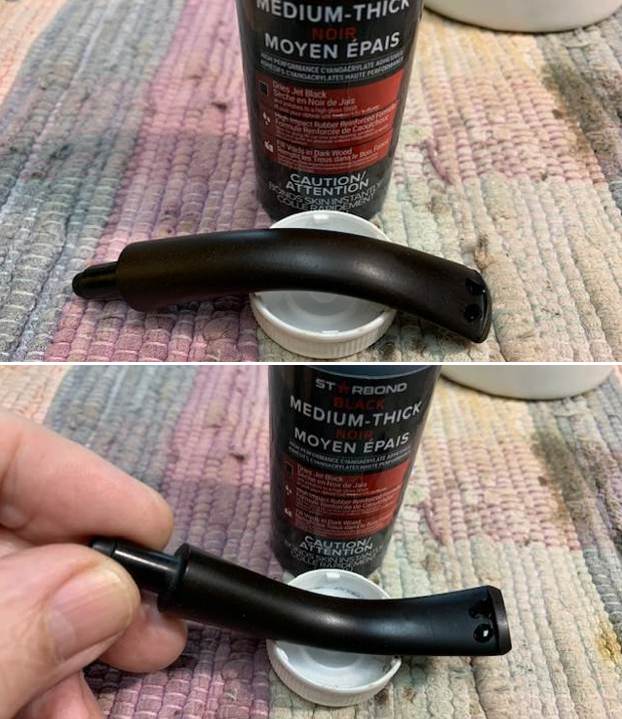
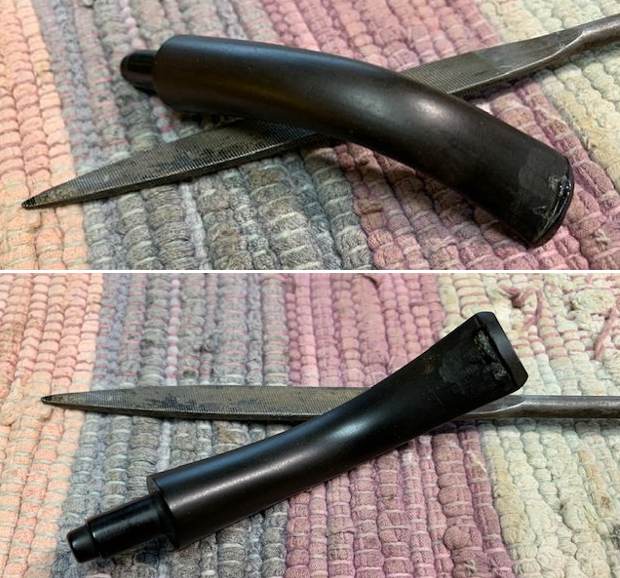
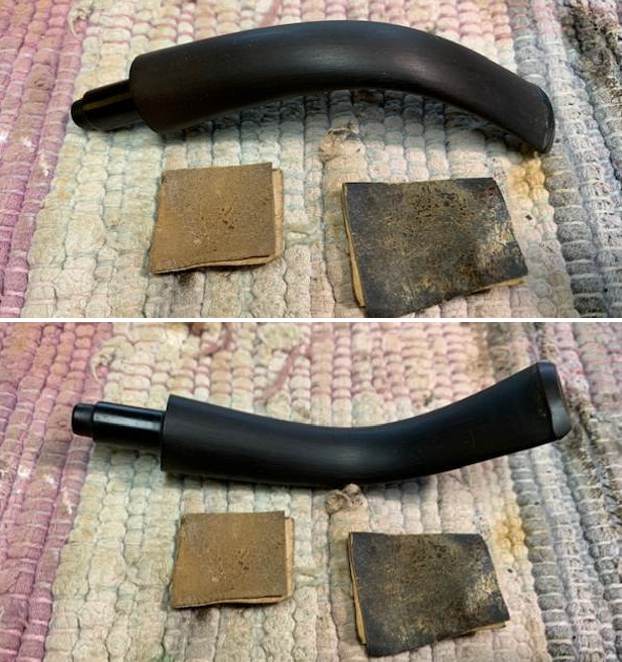
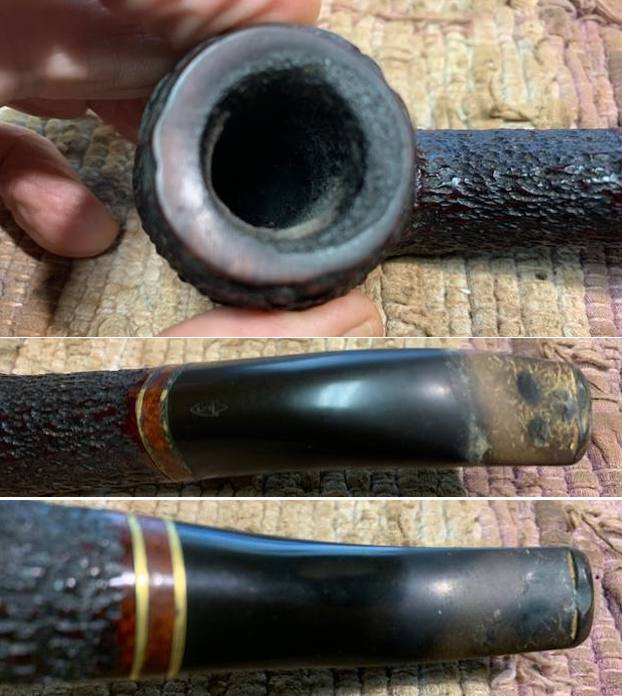
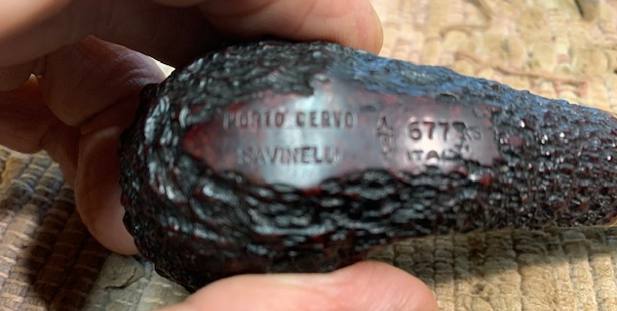
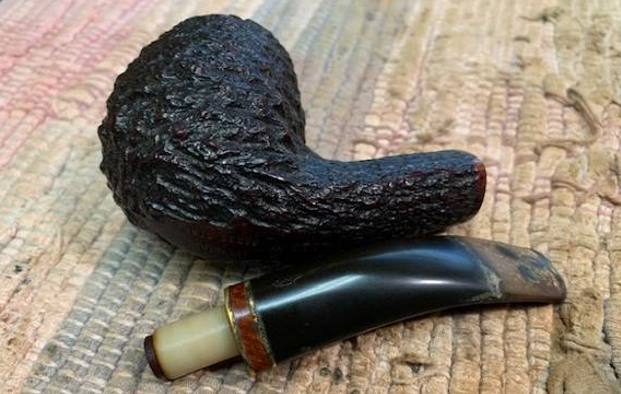
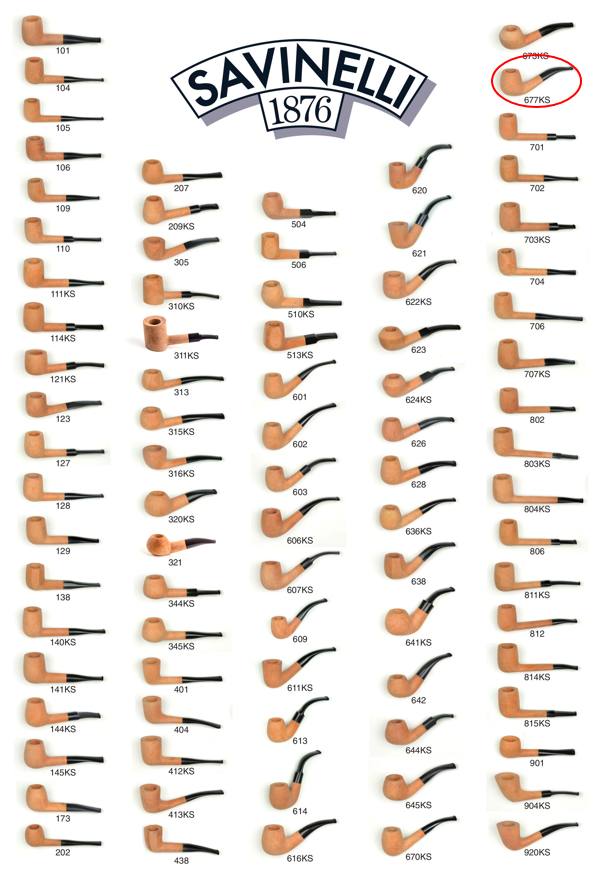
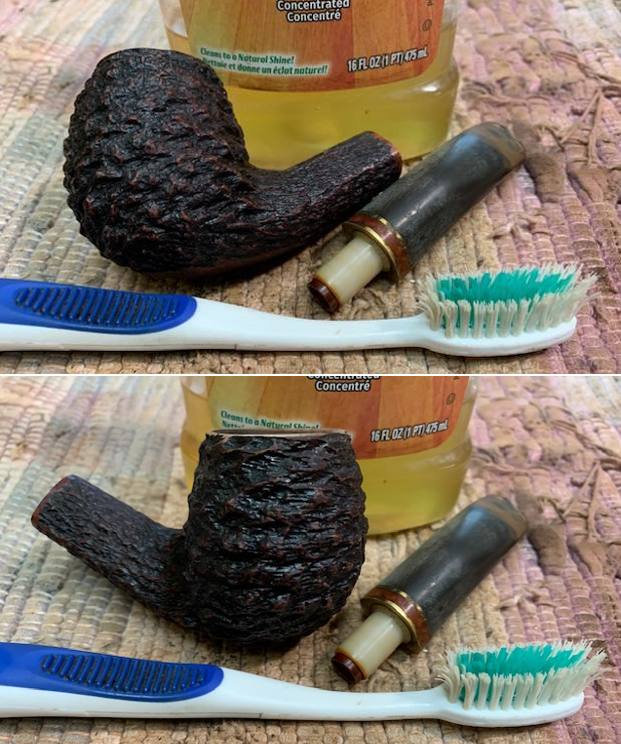
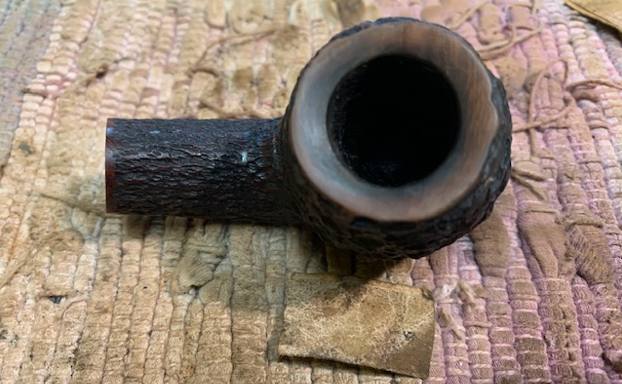
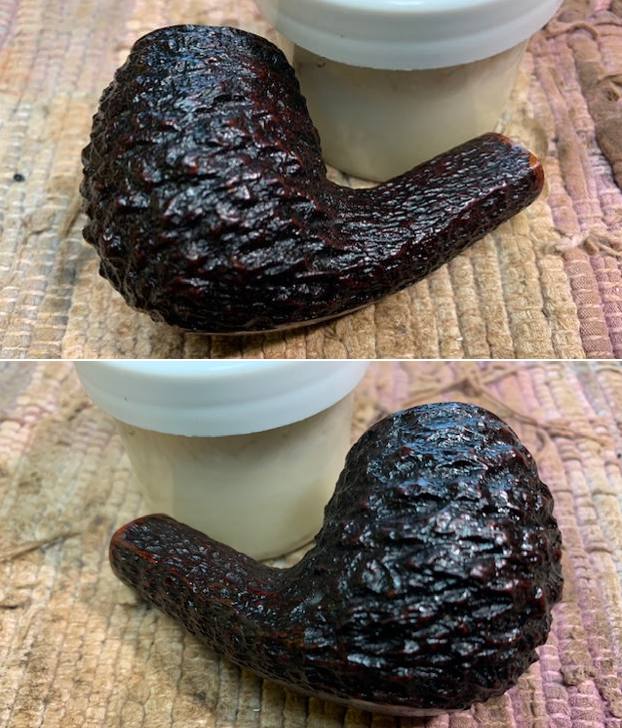
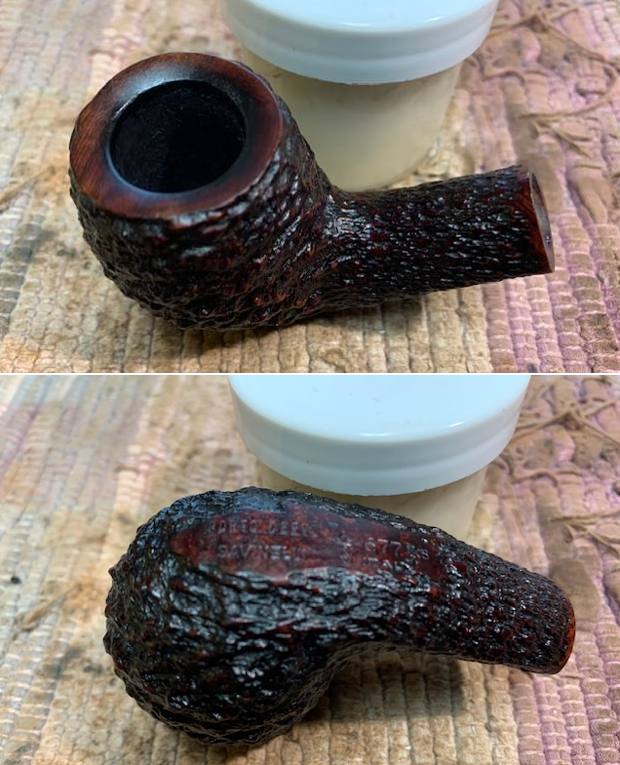
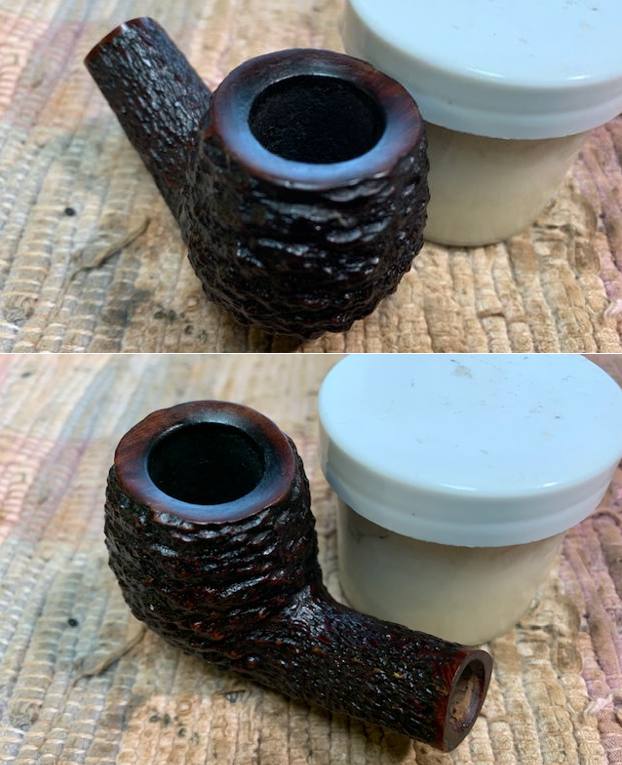
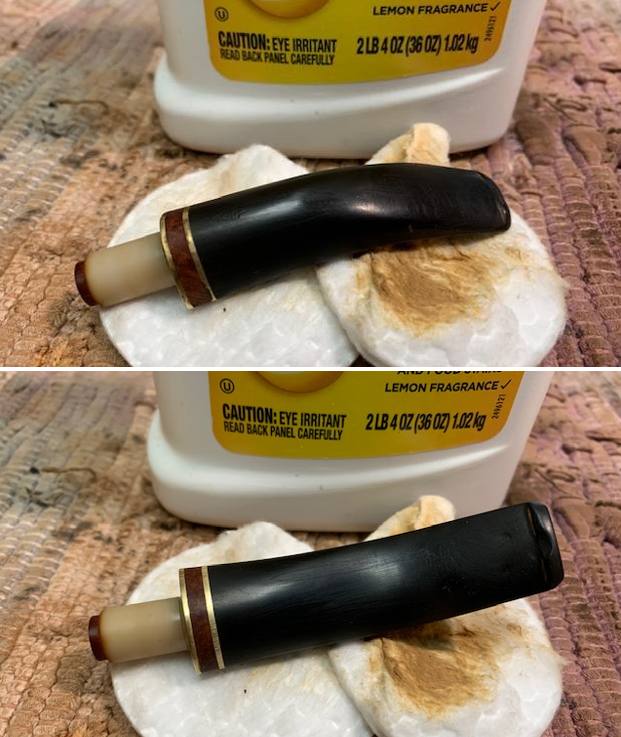
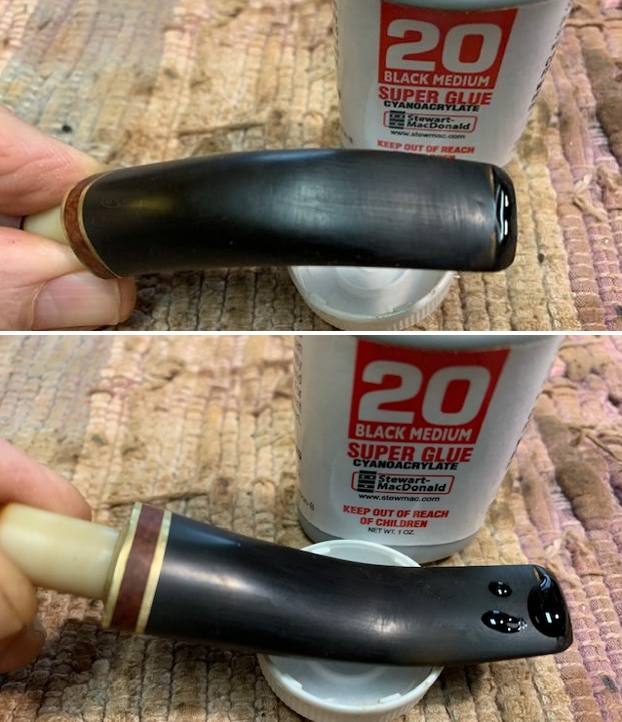
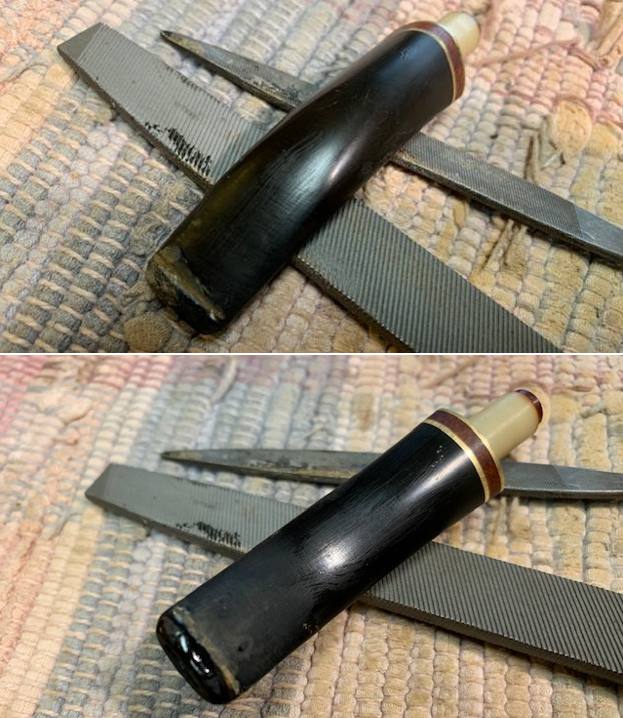
I wrote him back and told him I would gladly repair the pipe for him. He dropped it by a few days later and it joined the queue of four others that I had to work on. Today though is the day to work on his pipe. The pipe is a Savinelli Porto Cervo in a Rusticated Brandy 677KS shape with a triangular shank and stem. It has coral like rustication on it and it is a nice looking pipe. When I work on repairing his pipe’s I generally do a thorough ream and clean job on them. This had a thick soft cake in the bowl as he generally smokes aromatics. The rim top had a very thick coat of lava. The pipe was a filter pipe but he rarely uses a filter. The internals were also dirty and sticky with the tars and oils. The stem was oxidized, calcified and had tooth marks on the button and on the surface of the stem on both sides. The button was worn down in the top middle. I took some photos of the pipe before I started my clean up.  I took a photo of the rim top to show the thick, soft cake and the thick lava coat on the rim top. It was sticky. The exterior was also sticky and a bit dull in spots. I like to work on clean pipes so I decided that would be the first order of business on this one before I address the issues with the stem button. I took photos of the top and underside of the stem to show the oxidation, calcification and tooth damage on both sides of the stem surface and button.I took a photo of the heel of the bowl and the underside of the shank to show the stamping. It reads Porto Cervo [over] Savinelli on the heel of the bowl. That is followed by the Savinelli shield S logo then 677 KS [over] Italy. It is clear and readable.I removed the stem from the shank and took a photo to give a sense of the look of the pipe. It is a nice looking pipe and the two brass rings separated by a piece of briar on the stem is a nice touch.If you would like to read about the history of Savinelli, Pipedia has a great article and some amazing photos of different pipes, lines and catalogue pages. Here is the link – check it out (https://pipedia.org/wiki/Savinelli).  I also have included a Savinelli Shape Chart from the site for reference to the 677 KS Shape. I have circled it in red (https://pipedia.org/images/4/41/Sav_Shape_Chart_2017.jpg).Now it was time to start the clean up work on the pipe. I mentioned above that I like to work on clean pipes so I began by reaming the sticky, soft cake back with a PipNet pipe reamer and the second cutting head. I cleaned up the reaming with a Savinelli Fitsall Pipe Knife. It began to look and smell better! With the bowl reamed I turned to clean out the tars and oils in the shank and in the airway in the bowl and the stem. I scraped the airway clean with a pen knife as the first few cotton swabs told me that there was a ridge of tar mid shank. I scrubbed the shank and airway in the stem with isopropyl alcohol (99%) and cotton swabs and pipe cleaners and the pipe smelled clean with just a hint of my friend’s pipe tobacco of choice. Now it was time to work on the externals. I carefully scraped off the thick lava coat with a small pen knife. With that finished I scrubbed the briar and the surface of the stem with undiluted Murphy’s Oil Soap and a tooth brush. I was able to remove the dust and debris from the rustication and more of the tars on the rim top. I used a folded piece of 220 grit sandpaper to further clean up the rim top. I gave it a quick polish with 1500 grit micromesh.I worked some Before & After Restoration Balm into the surface of the briar with my fingertips and a horsehair shoe brush to clean, enliven and protect the briar. I let the balm sit for 15 minutes and then buffed with a cotton cloth to raise the shine. The photos show the bowl at this point in the restoration process. I set the bowl aside and turned my attention to the stem. I gave the surface a quick sand with 220 grit sandpaper to knock of the oxidation and the calcification. It was quite dirty so I needed to clean it before rebuilding the button. I “painted” the surface of the stem with the flame of a Bic lighter and was able to lift the tooth marks on the top side. I was able to lift the majority of those on the underside as well. I then scrubbed the stem with Soft Scrub to remove the rest of the oxidation from the stem. It worked quite well. I built up the deep tooth marks on the button with a Black Rubberized Super Glue. I layered it and sprayed it with an accelerator before adding another layer and repeating the process until the surface was where I wanted it. I set it aside to cure overnight.In the morning the repair had hardened. I used a file to flatten the repairs and to recut the edge of the button on both sides. I also flattened the top and underside of the button and reshaped it with the files. I sanded the repaired areas smooth with 220 grit sandpaper and reshaped them further. I started the polishing with 400 grit wet dry sandpaper.I polished the stem with micromesh sanding pads – wet sanding with 1500-12000 grit sanding pads. I wiped it down after each sanding pad with Obsidian Oil. I polished it with Before & After Pipe Stem Polish – both Fine and Extra Fine. I am excited to finish this Savinelli Porto Cervo 677KS Rusticated Bent Brandy. It turned out to be a nice looking Bent Brandy. It has a rusticated finish around the bowl with a smooth rim top. I put the pipe back together and buffed it with Blue Diamond on the buffing wheel. I gave the bowl multiple coats of Conservator’s Wax and the stem multiple coats of carnauba wax. I buffed the pipe with a clean buffing pad to raise the shine. I hand buffed it with a microfiber cloth to deepen the shine. It is fun to see what the polished bowl and the black vulcanite stem the twin rings of brass with briar sandwiched between them. Have a look at it with the photos below. The dimensions are Length: 5 ½ inches, Height: 1 ¾ inches, Outside diameter of the bowl: 1 ¼ inches, Chamber diameter: ¾ of an inch. The weight of the pipe is 57 grams/2.01 ounces. It is a beautiful pipe and one I am sure my friend will pick up and reacquaint himself with soon. Thanks for walking through the restoration with me as I worked over this pipe. Thanks to each of you who are reading this blog.

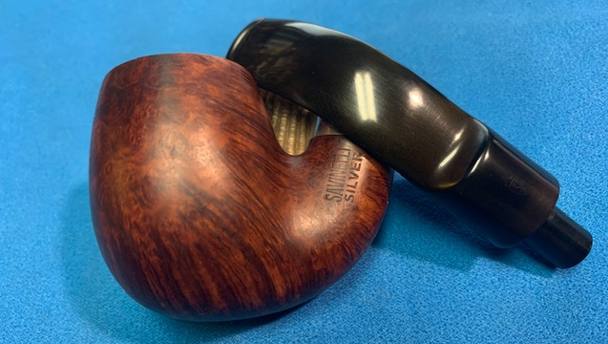
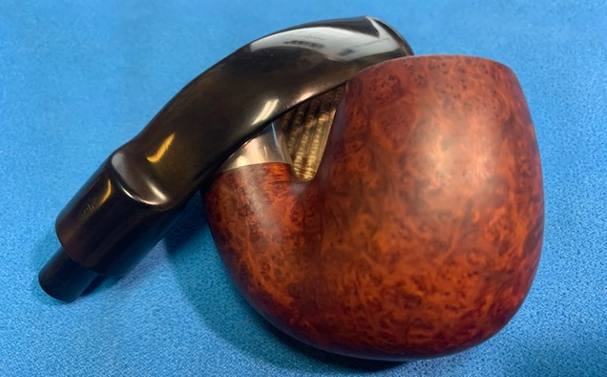
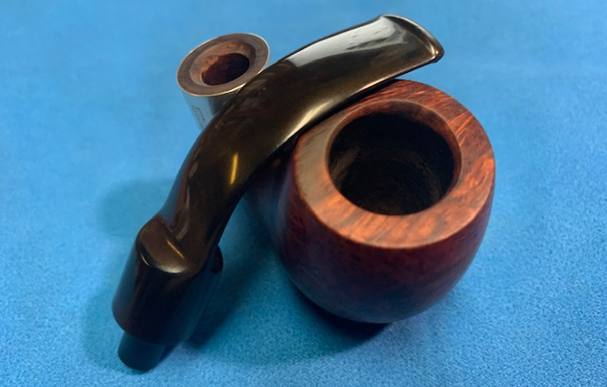
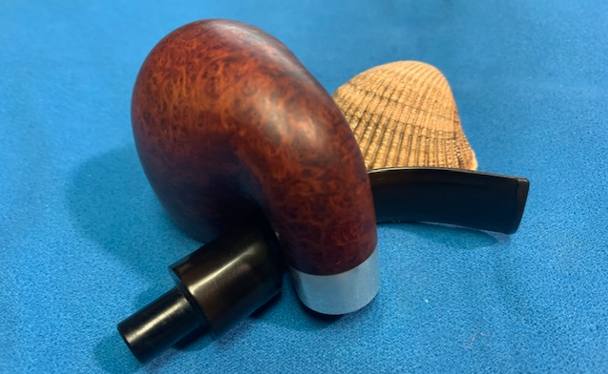
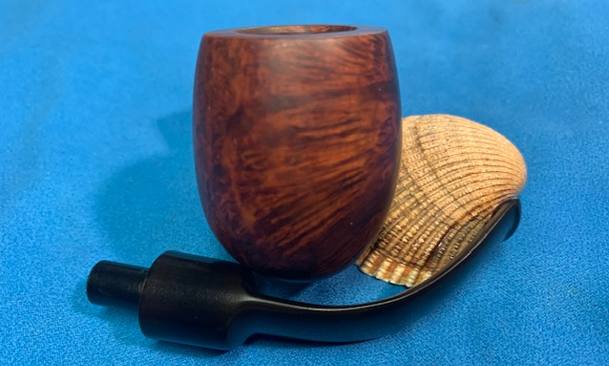
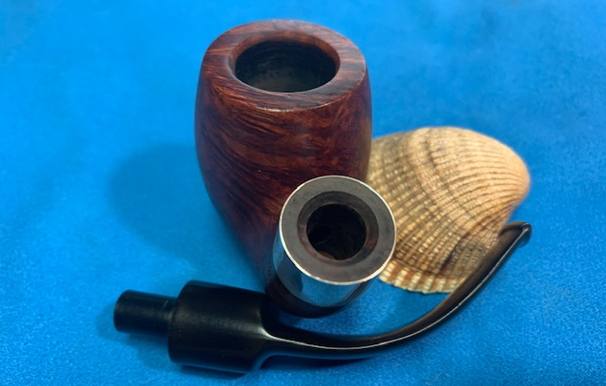
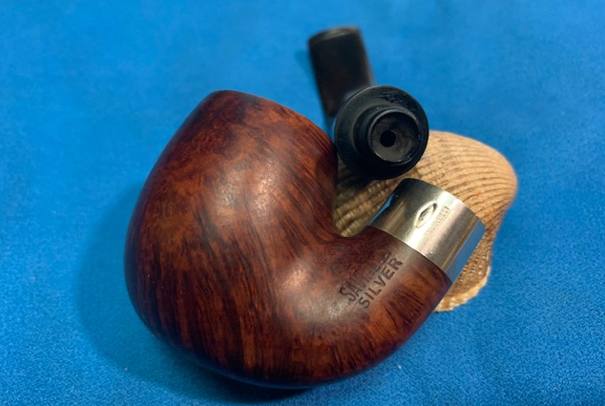
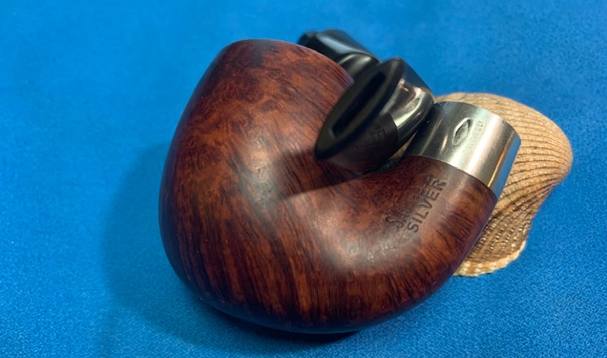
Restoring a Lovely Savinelli Silver 614 Bent Billiard


Blog by Steve Laug

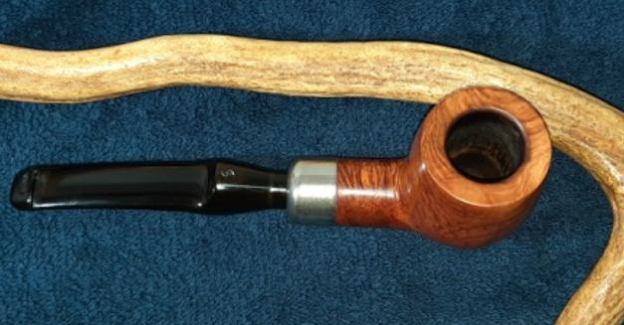
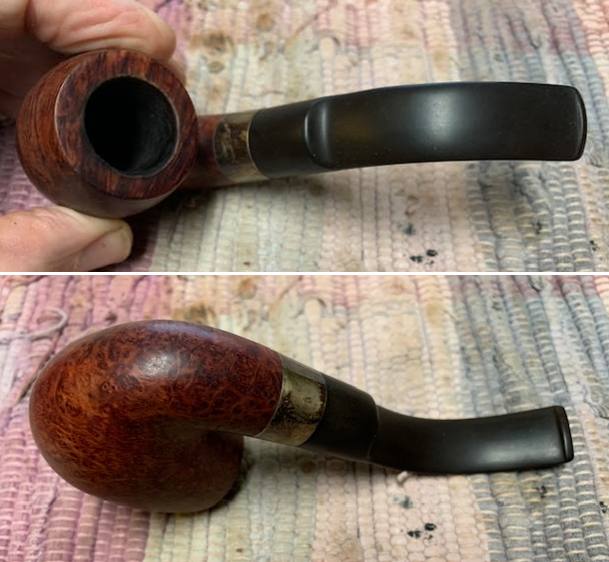
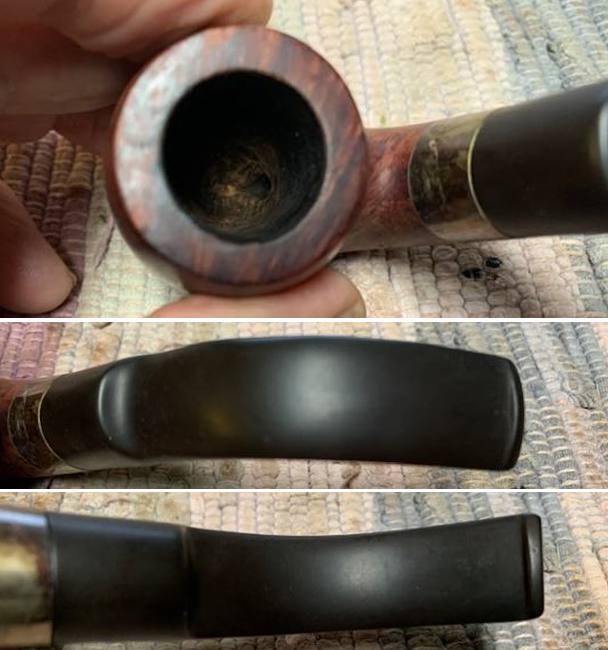
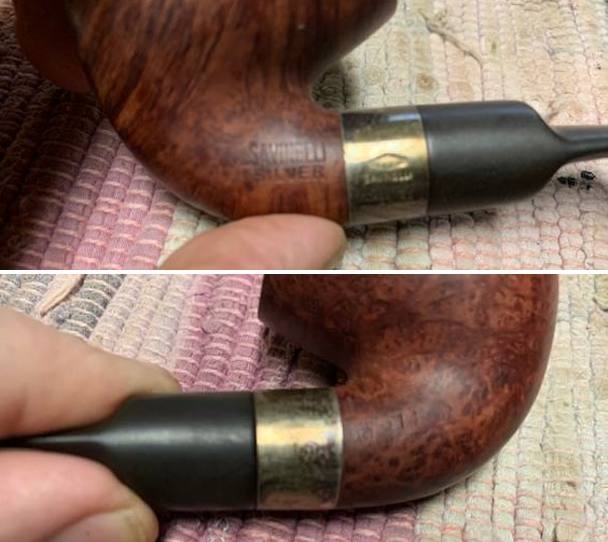
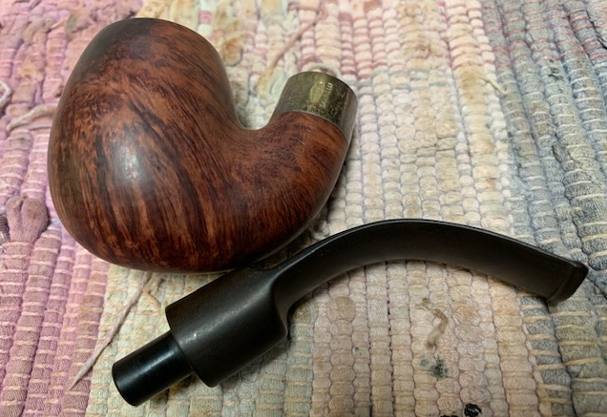
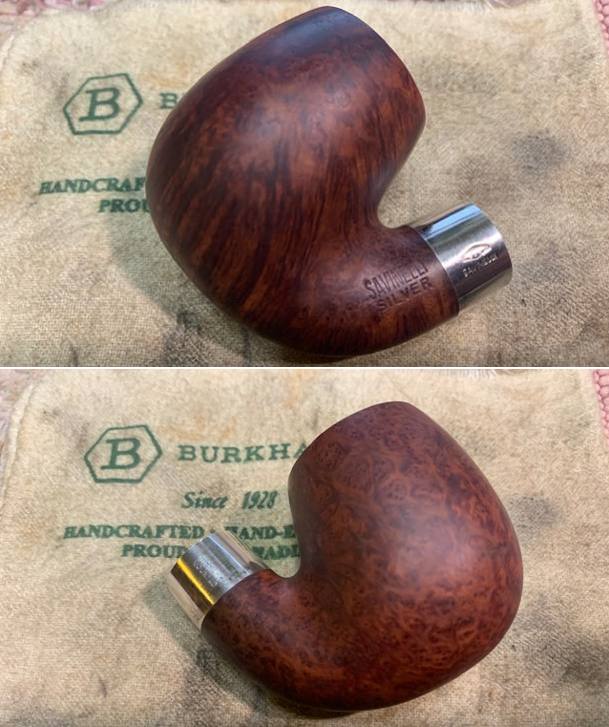
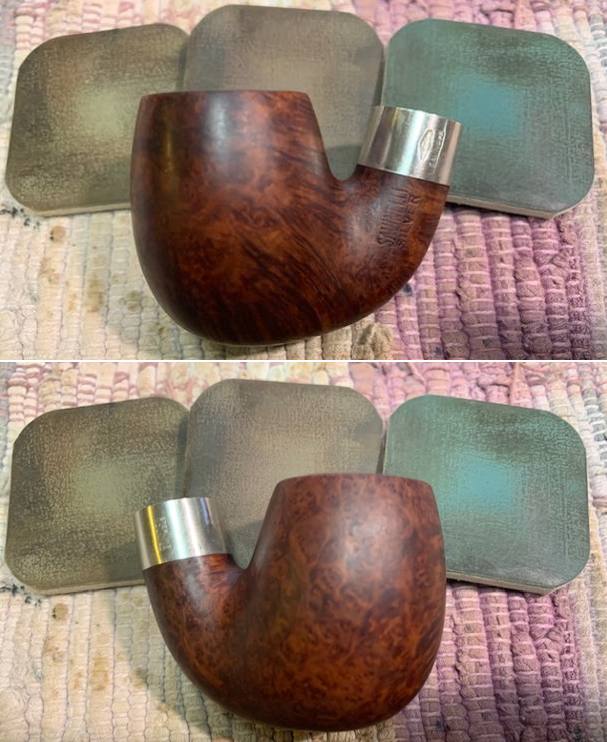
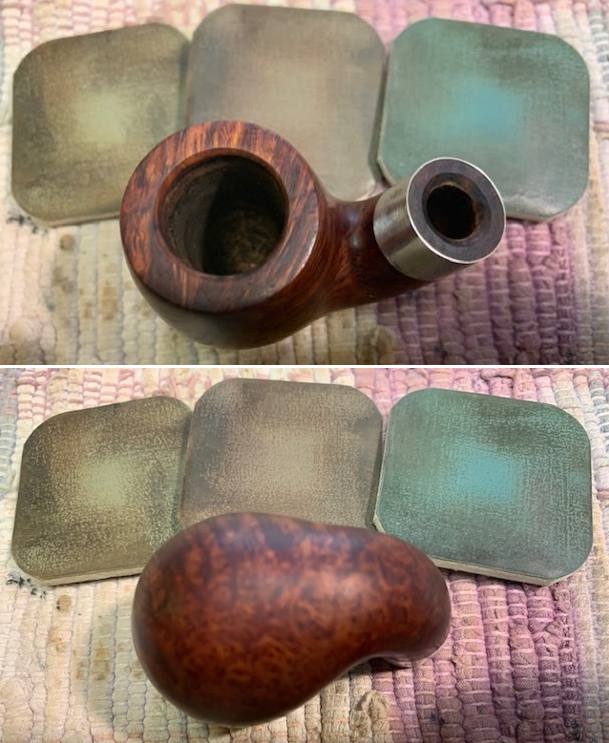
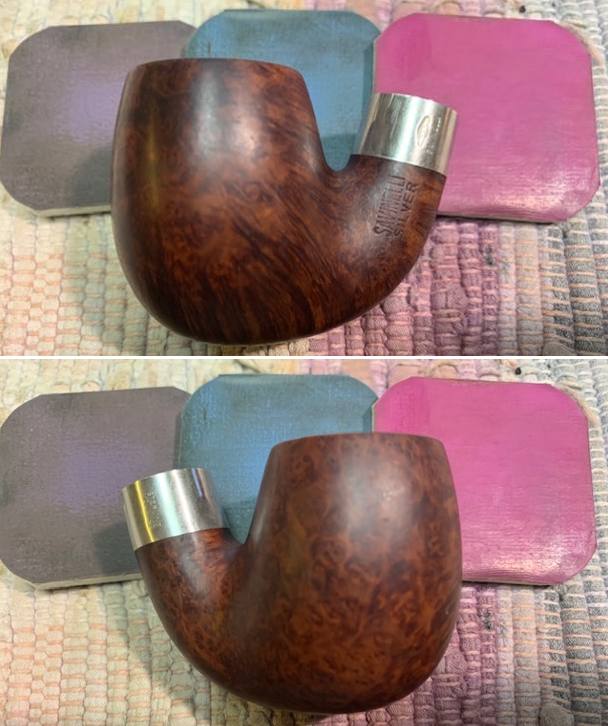
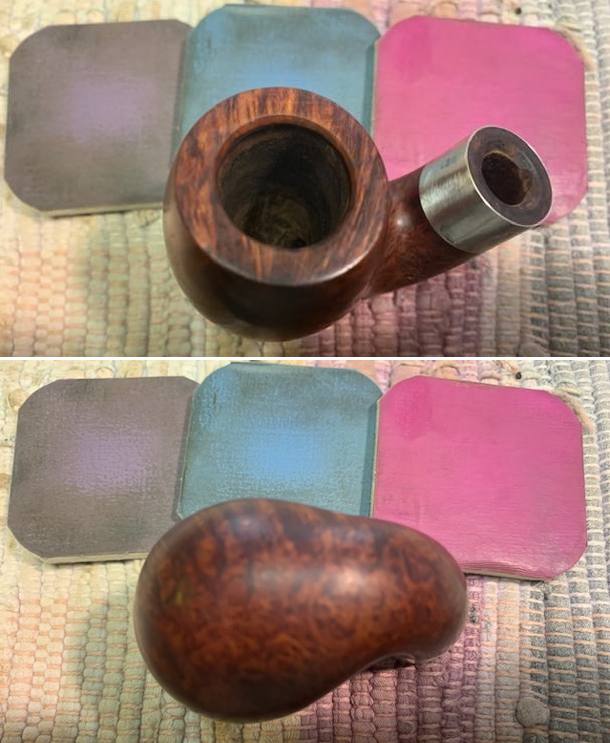
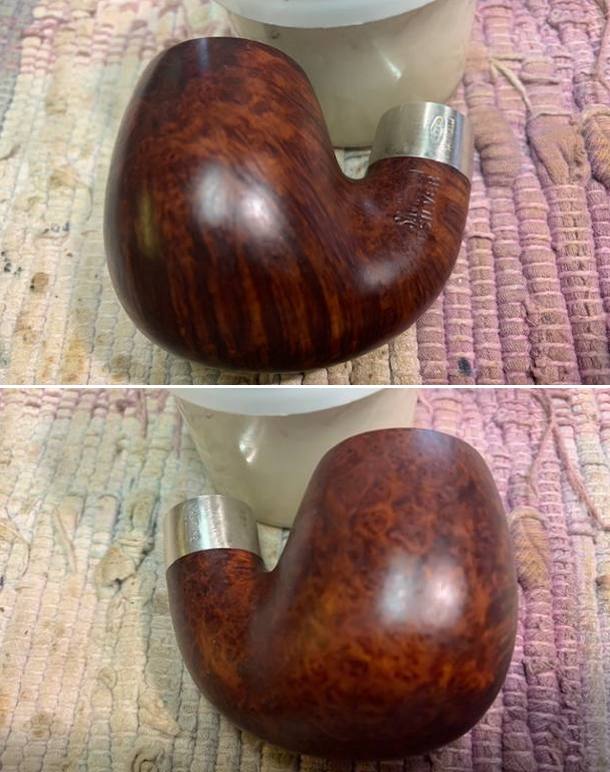
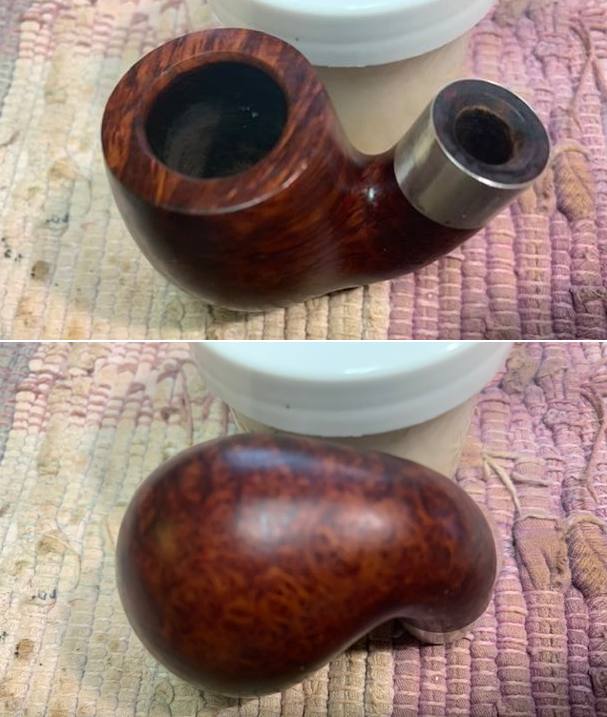
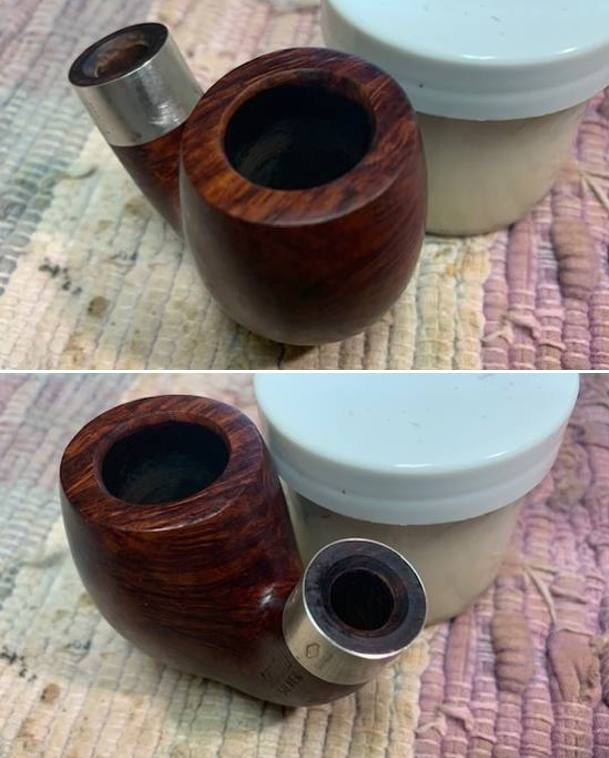
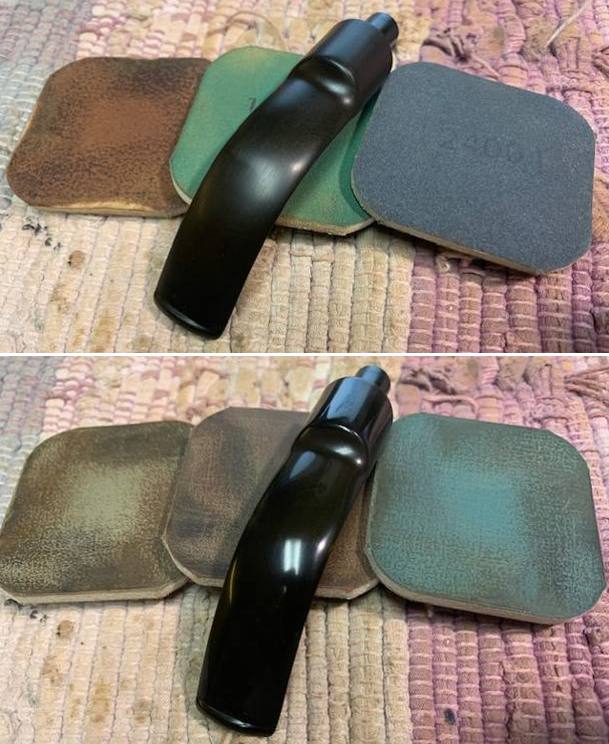
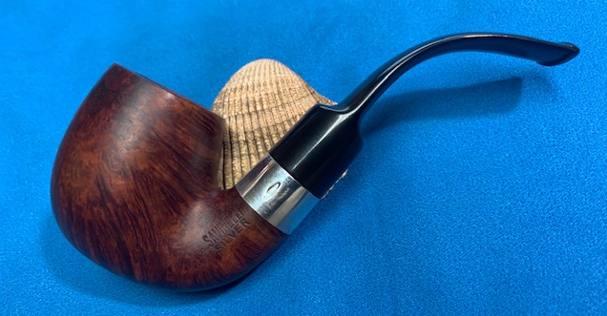
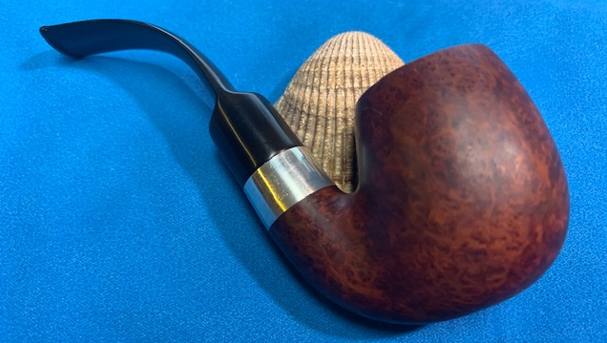
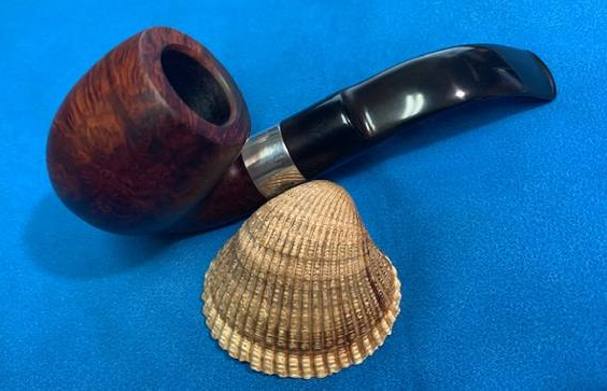
The next pipe I chose to work on was from my box of pipes to restore. Neither Jeff nor I remember where or when we purchased it. Jeff started taking photos of the pipes he worked on in 2016 so we are pretty certain this one came to us before that time. It has some great grain around the sides and shank. It is stamped Savinelli [over] Silver on the on the left side of the shank. On the right side it is stamped with a Savinelli S shield followed by the shape number 614 [over] Italy. It had been cleaned and reamed somewhere along the way by either Jeff or me. I honestly don’t remember when or where we got this pipe. There was a Sterling Silver band on the shank that was stamped with a flattened triangle reading 925 [over] Savinelli. On the right side of the band it is stamped Sterling Mounted. The rim top looked very good and the inner edge of the bowl was slightly out of round. The vulcanite saddle stem was in good condition with light oxidation and light tooth chatter on the top and underside ahead of the button. I took some photos of the bowl to give a sense of the condition of this nice little billiard. The rim top had cleaned up very well with some slight damage to the left side of the inner edge of the bowl. There were nicks in the rim top. The Sterling Silver band was tarnished and worn looking but should clean up very well. The stem surface looked very good with no tooth marks or chatter. There was some light oxidation on the stem.I took photos of the stamping on the sides of the shank and the band on the shank. It is clear and readable as noted above.I removed the stem and took a photo of the pipe to give a sense of the whole. The saddle stem is made of vulcanite. I started my work on the pipe by addressing the damage to the rim top and inner edge of the bowl. I used a folded piece of 220 grit sandpaper to give the edge a slight bevel and minimize the damage on the rim edge. I lightly sanded the rim top with the sandpaper to remove the damaged areas and smooth out the nicks and scratches.I polished the tarnished silver on the band with a jeweler’s cloth to remove the tarnish. The cloth is impregnated with a product that removes tarnish and protects the surface of the Sterling Silver from further tarnishing.I polished the bowl sides and shank with micromesh sanding pads – dry sanding with 1500-12000 grit pads and wiping it down after each pad with Obsidian Oil. I polished it with Before & After Pipe Stem Polish – Fine and Extra Fine. I gave it another coat of Obsidian Oil and set it aside. I rubbed the bowl and shank down with Before & After Restoration Balm. I worked it into the surface of the bowl sides and shank with my fingertips. The product works to clean, enliven and protect the briar. I let the balm sit for 10 minutes and then buffed with a cotton cloth to raise the shine.  I polished the vulcanite stem with micromesh sanding pads – 1500-12000 grit pads. I wiped it down with Obsidian Oil after each sanding pad. I used Before & After Pipe Polish – both Fine and Extra Fine to further polish the stem. I gave it a final rubdown with Obsidian Oil to further protect it and let it dry. There was a faint logo – S shield – on the top of the saddle portion of the stem. This Savinelli Silver 614 Bent Billiard with a Sterling Silver Band and a vulcanite saddle stem. It is a great looking pipe now that it has been restored. I put the stem back on the bowl and carefully buffed the pipe with Blue Diamond on the buffing wheel using a light touch on the briar. I gave the bowl and the stem multiple coats of carnauba wax on the buffing wheel and followed that by buffing the entire pipe with a clean buffing pad. I hand buffed the pipe with a microfiber cloth to deepen the shine. The finished Savinelli Silver Bent Billiard fits nicely in the hand and feels great. Give the finished pipe a look in the photos below. The dimensions of the pipe are Length: 5 inches, Height: 2 inches, Outside diameter of the bowl: 1 ¼ inches, Chamber diameter: ¾ of an inch. The weight of the pipe is 1.83 ounces/52 grams. I will be adding this pipe to the rebornpipes store shortly in the Italian Pipe Makers section. If you are interested in adding this pipe to your collection send me a message or an email. Thanks for reading this blog and my reflections on the pipe while I worked on it. There are many more to come!

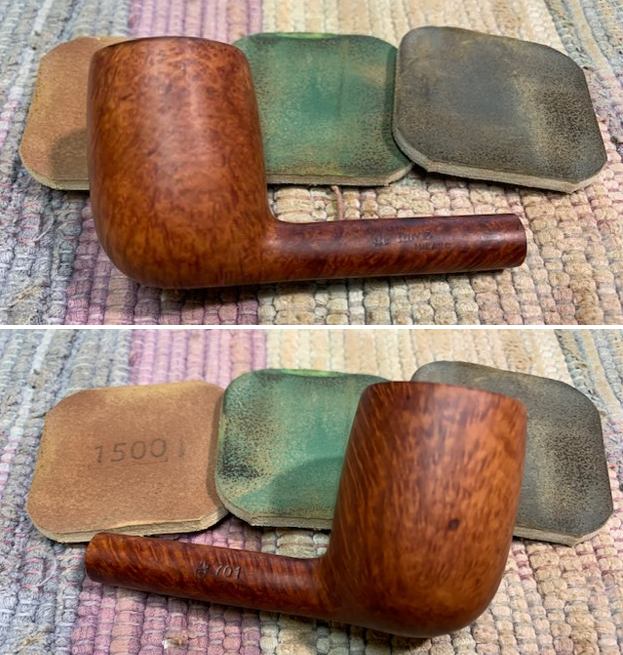
Refurbishing a Petite Savinelli de Luxe Milano 701 Lovat


Blog by Steve Laug

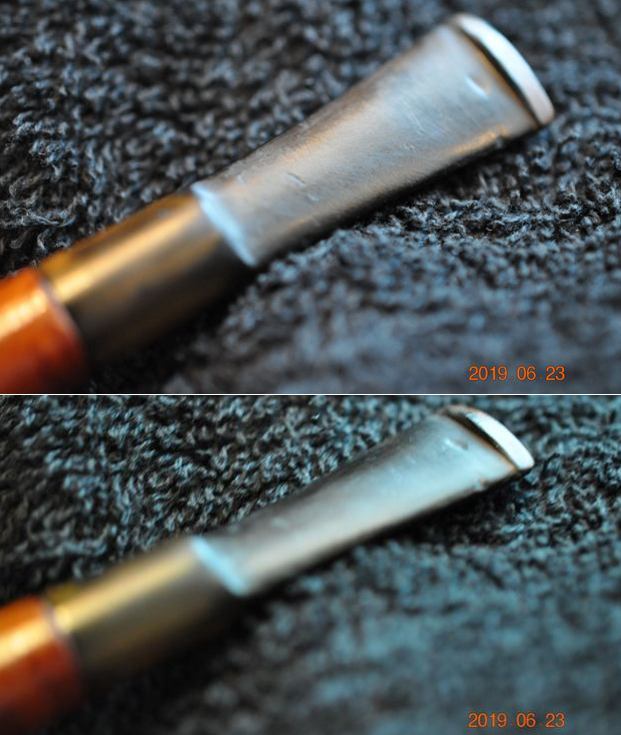
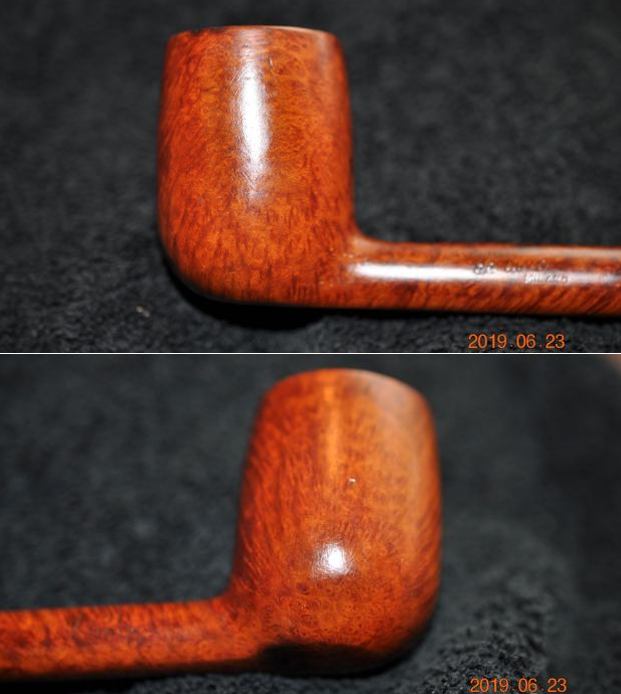
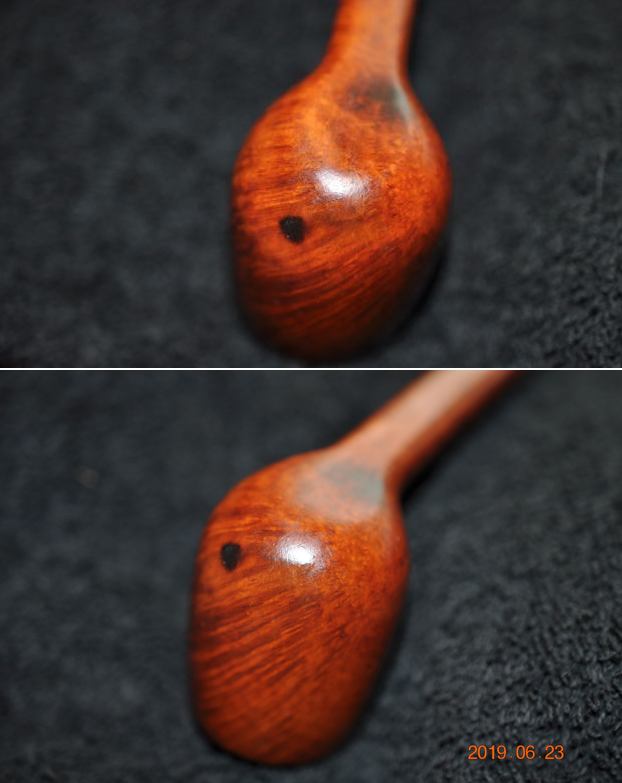
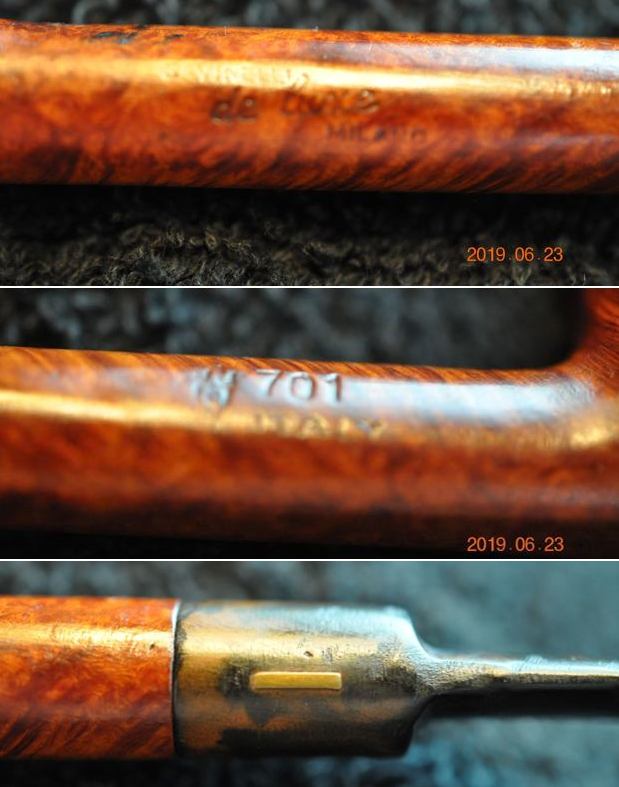
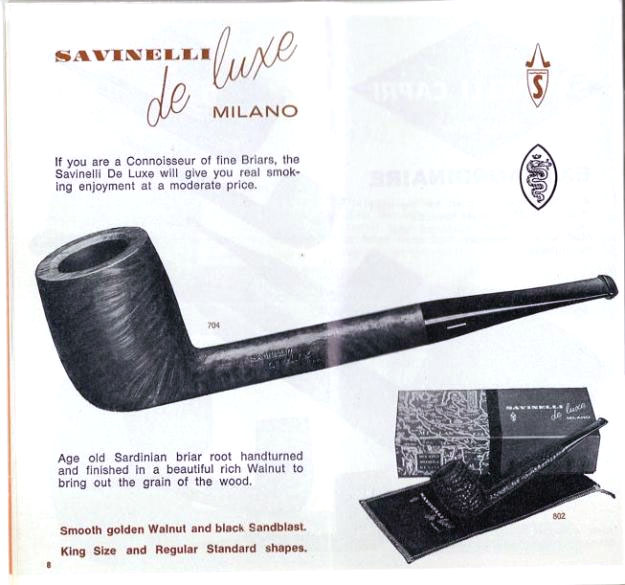
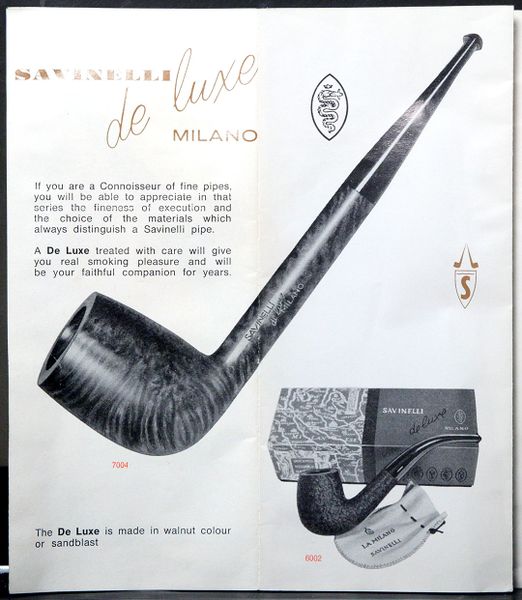
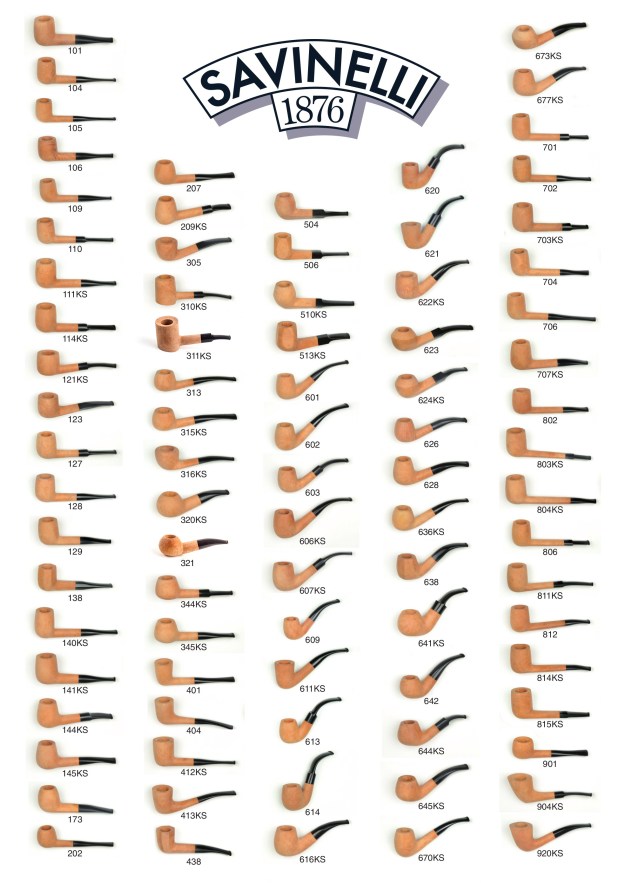
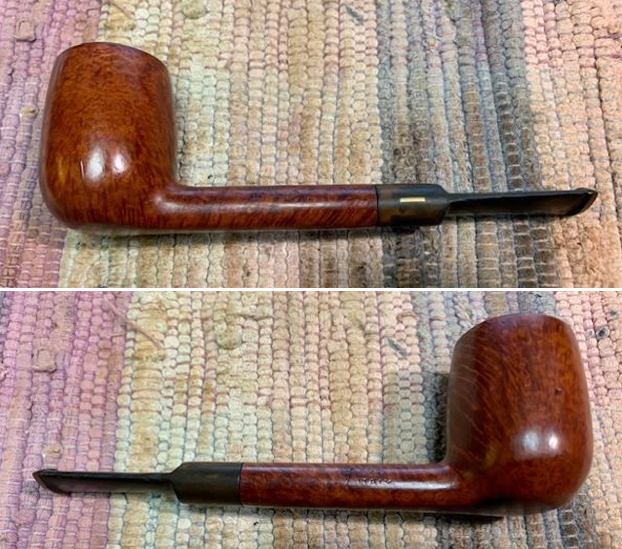
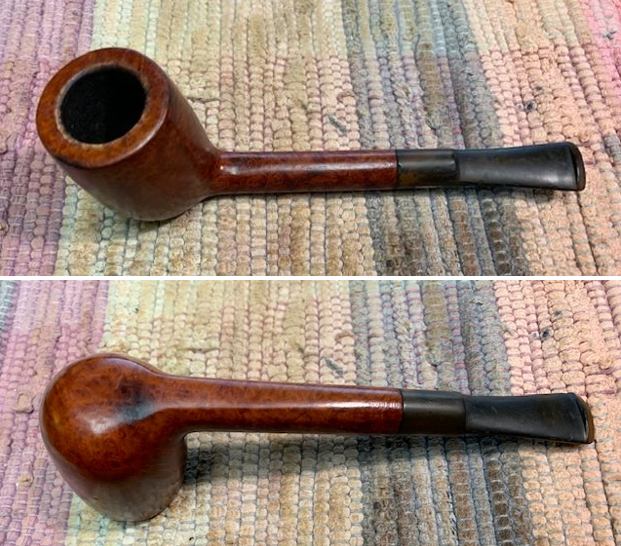
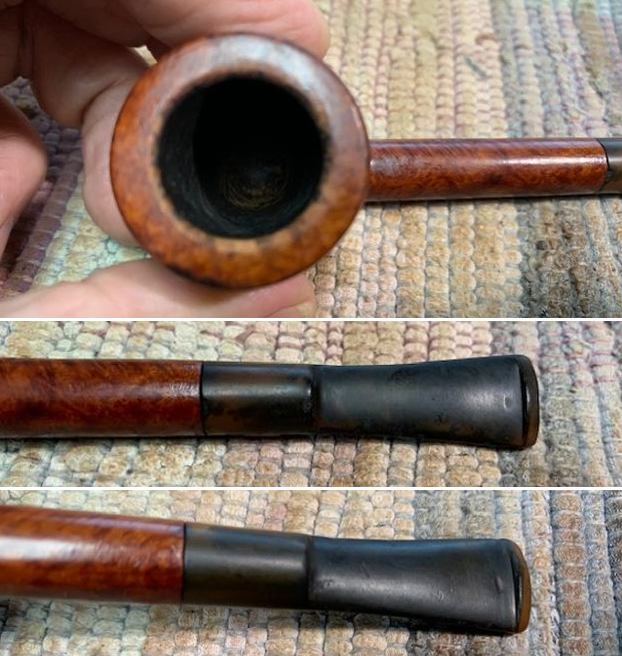
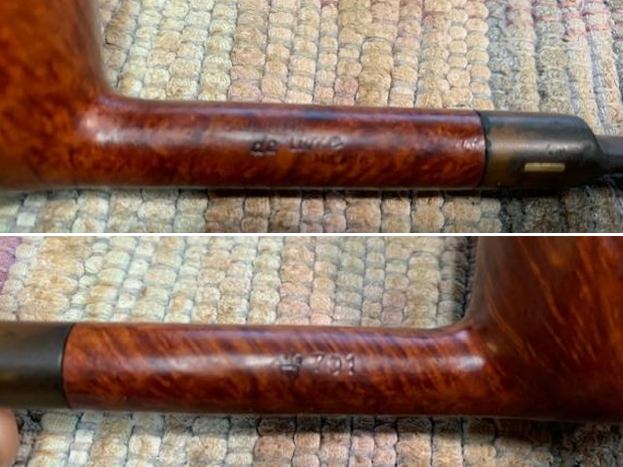
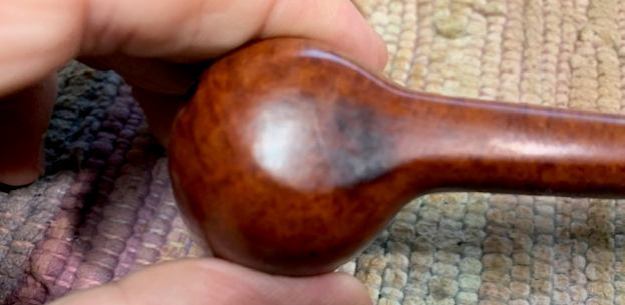
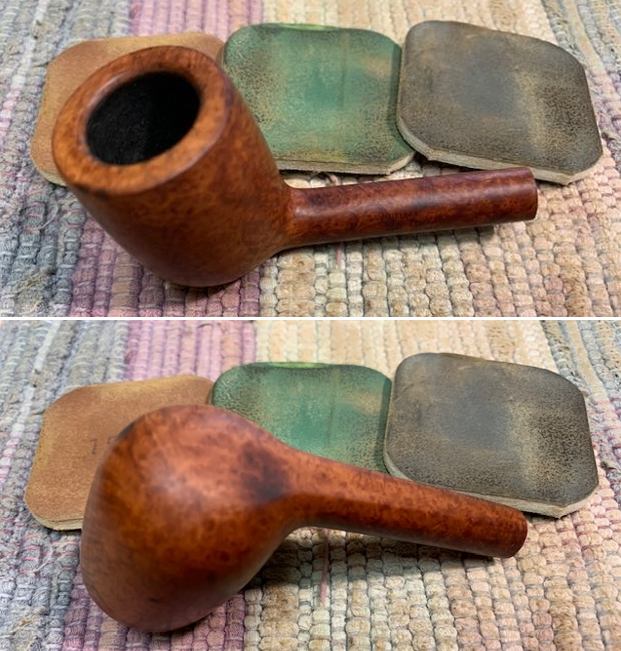
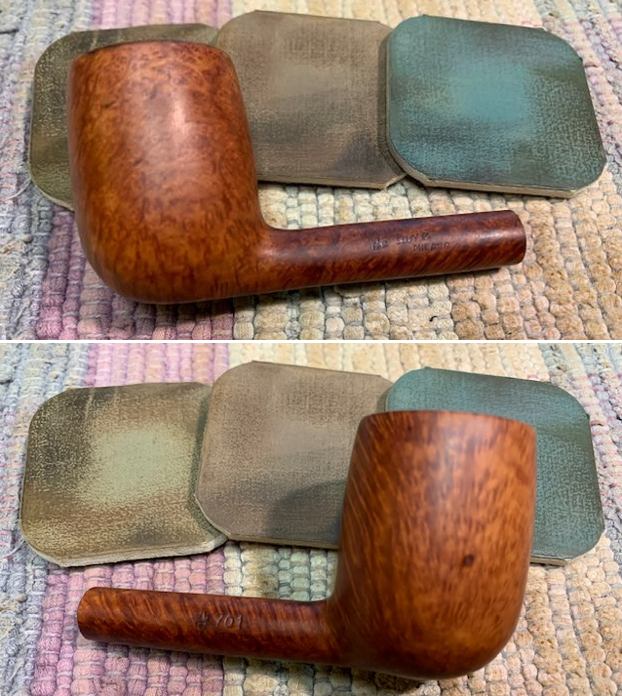
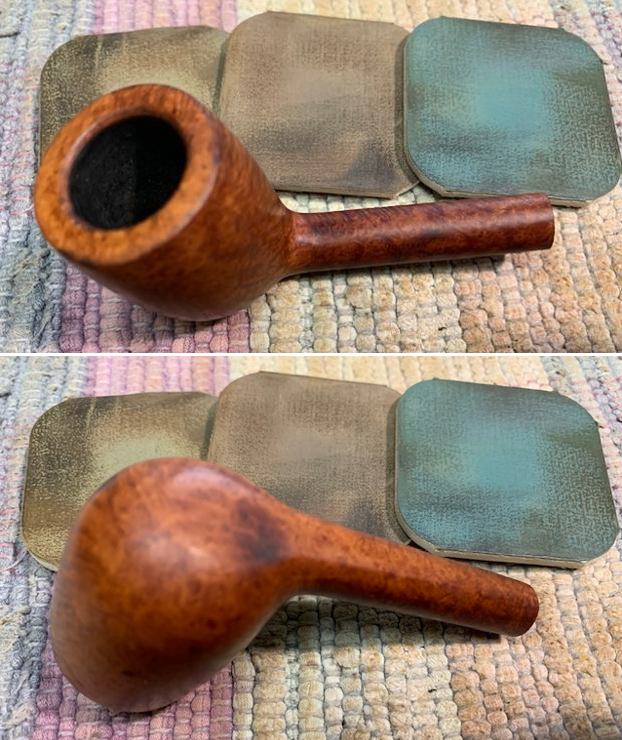
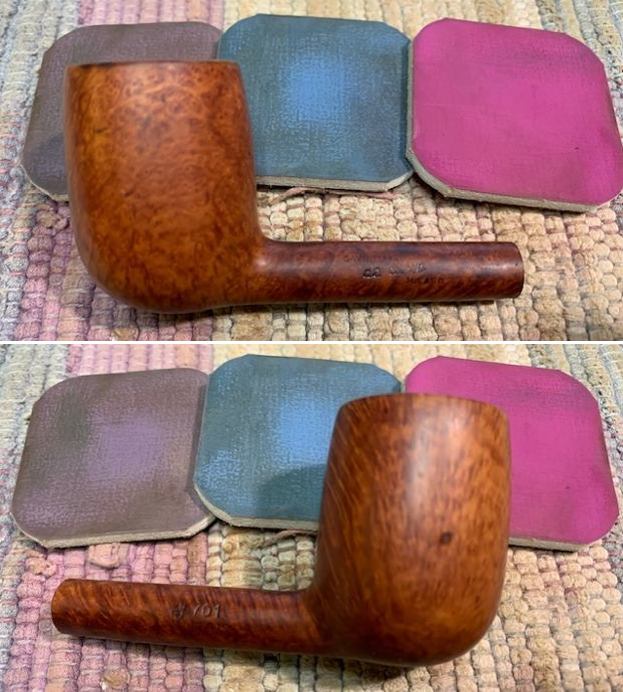
The next pipe I have chosen to work on was purchased from an online auction on 03/21/19 in Wilkes Barre, Pennsylvania, USA. The shape and design caught my eye as I was going through the pipes in the queue. The shape is what I would call a Lovat but it has a thin pencil shank and saddle stem that makes it delicate looking. It is stamped on the left side of the shank and reads Savinelli [over] de Luxe [over] Milano. On the right side it is stamped with the Savenilli Shield S logo followed by the shape number 701 [over] Italy. The finish is very dirty with dust and grime. There were nicks around and scratches around the sides. There were two burn marks – one on the front of the heel of the bowl and one on back of the heel going onto the shank. They appeared to be burns from an ashtray. They were dark but not charred. The bowl had been reamed and was quite clean. The inner and out edge of the bowl had some dark spots on them. The rim top was quite clean. The stem is oxidized, calcified and has light tooth chatter and marks on both sides near the button. The surface of the button looks very good on both sides. Jeff took photos of the pipe before he started his cleanup work. The conditions noted above are evident in the photos. Jeff took close up photos of the rim top from various angles to show the general condition of the bowl and rim. The first photo shows the clean bowl and light cake and the clean rim top. The edges look good. There appears to be a little darkening on the inner edge and a few burn marks on the outer edge on the left side. The stem has light oxidation and quite a few dents and tooth marks on both sides. Jeff took photos of the sides and heel of the bowl to give an idea of the beauty of the grain and the condition of the bowl.   The pipe is stamped on both sides of the shank and reads as noted above. The stem has a single brass bar inlaid in the left side of the saddle.  I turned to Pipedia to have a look as I knew there were some advertising flyers on the de luxe Milano (https://pipedia.org/wiki/Savinelli). I love the older Ads descriptions of the pipes. Give a careful read of the descriptions on these pipes as once I read them I want one! The pipe I am working on is described by the ads as a smooth Golden Walnut. The site also has a shape chart of the lines of Savinelli. The pipe I am working on is a 701 and the one pictured in the chart below is exactly like this one.Armed with that information I turned my attention to the pipe itself. Jeff had cleaned the pipe with his usual thoroughness that I really appreciate. He had reamed it with a PipNet pipe reamer and cleaned up the reaming with a Savinelli Fitsall Pipe Knife. He scrubbed out the internals with alcohol, pipe cleaners and cotton swabs until the pipe was clean. He scrubbed the exterior of the bowl with Murphy’s Oil Soap and a tooth brush to remove the grime and grit on the briar. The finish looks very good with good looking grain around the bowl and shank. The burn marks were present but not deep. Jeff soaked the stem in Before & After Deoxidizer to remove the oxidation on the rubber. When the pipe arrived here in Vancouver for the second stop of its restoration tour it looked very good. I took photos before I started my part of the work. I took some close up photos of the rim top and also of the stem surface. The bowl and the rim top look good. The inner edge of the rim was rough and there were some nicks in the edge. I also took close up photos of the stem to show how clean the stem was. Once it was cleaned up there were no tooth marks or chatter on either side of the stem.    I took photos of the stamping on the shank. It is very readable but faint in some spots on the sides. I took the stem off the shank and took a photo of the look of the pipe. It is really a great looking pipe that really follows the briar. I decided to start my work on the pipe by addressing the burn marks on the bowl heel and bottom and the inner and outer edge of the bowl. I sanded the burned areas with 220 grit sandpaper to try to minimize them and smooth them out. Though still present they look better.  I worked on the inner edge of the rim and the spots on the outer edge with 220 grit sandpaper.I filled in the deep nick/goudge in the right side of the bowl with clear super glue. I sanded it smooth and blended it into the surrounding briar with 220 grit sandpaper and smoothed it with 400 grit sandpaper.  I wiped the bowl down with 99% Isopropyl Alcohol and a cotton pad to remove the remnants of varnish and top coat on the bowl. I dry sanded the briar with micromesh sanding pads – 1500-12000 grit sanding pads. I wiped the bowl surface down with a damp cloth after each sanding pad to remove the sanding dust. Once I finished the exterior of the briar was clean and the grain really stood out.  I rubbed the bowl down with Before & After Restoration Balm. I worked it into the surface of the briar with my fingertips to clean, enliven and protect it. I let the balm sit for 10 minutes then buffed the pipe with a cotton cloth to raise the shine. Mark Hoover’s Balm is a product that I have come to appreciate and one I use on every pipe I have been working on.   I set the bowl aside and turned my attention to the stem. I “painted” the surface of the vulcanite with the flame of a Bic lighter to lift the tooth marks. I was able to lift many of them. I filled in the remaining marks with clear super glue. Once it cured I sanded it smooth with 220 grit sandpaper and started polishing it with 400 grit sandpaper. I polished the stem with micromesh sanding pads – wet sanding with 1500-12000 grit pads. I wiped the stem down after each sanding pad with Obsidian Oil. I polished it with Before & After Pipe Stem Polish – both Fine and Extra Fine. Once I had finished the polishing I gave it final coat of oil and set it aside to dry.    I am excited to be on the homestretch with beautiful petite Savinelli de luxe Milano 701 Lovat. This is the part I look forward to when it all comes back together, polished and waxed. I put the bowl and stem back together. I polished the bowl and stem with Blue Diamond to polish out the scratches in the briar and the vulcanite. I gave the bowl and the stem multiple coats of carnauba wax. I buffed the pipe with a clean buffing pad to raise the shine. I hand buffed it with a microfiber cloth to deepen the shine. The pipe polished up pretty nicely. The beautifully grained finish looks really good with the interesting grain patterns standing out on the shape. The grain and the polished black vulcanite went really well together. This de luxe Milano Lovat was another fun pipe to work on even with the burn marks. Pipedia describes the classically shaped Savinelli pipes as having an English look that catches the eye. That certainly is true of this one. It is a comfortable pipe to hold in the hand. Even with the burn marks the pipe is still a beauty. The finished pipe is shown in the photos below. The dimensions of the pipe are Length: 5 ½ inches, Height: 1 ¾ inches, Outside diameter of the bowl: 1 1/8 inches, Chamber diameter: ¾ of an inch. The weight of the pipe is 31 grams/ 1.09 ounces. If you are interested in adding this pipe to your rack it will be on the rebornpipes store in the Italian Pipe Makers Section soon. Thanks for reading this blog and my reflections on the pipe while I worked on it.

Refurbishing System Pipe From Savinelli…A “Dry System” # 2101


Blog by Paresh Deshpande

Since the time I completed the pipes selected by Karthik, last of the lot was a lattice design meer (Refurbishing Karthik’s Second Selection – A Stacked Lattice Design Meerschaum | rebornpipes), I have completed another 13 odd pipes that had reached me for repairs and restoration. Each had its own set of challenges which were relatively easy to overcome. What was difficult, however, was dealing with the owner’s instructions as to how I should carry out the repairs, which were very frustrating. Just imagine, a beautiful Brakner that required a tenon replacement to maintain its originality and value and the owner wanted me to replace the stem as it would be cheaper and faster!! Of course, the heart of a restorer won over the mind of repairman and I did a tenon replacement.

Moving on, the next pipe that I chose to work on came to me from Steve!! SURPRISED? Well, the truth is that I was on a lookout for a Savinelli Dry System pipe as I was keen to try one and experience the difference between the Pete System pipe and the Savinelli System pipe. Steve and Jeff had been on a road cum pipe hunting trip and had come up with a rich haul of some cool pipes. We worked out a mutually beneficial deal and just when Steve was to send the parcel, COVID happened….. A wait of more than a year and the parcel with selected pipes reached me when I was under shifting to present location. Another wait of settling down period and the pipe finally made its way to my work table.

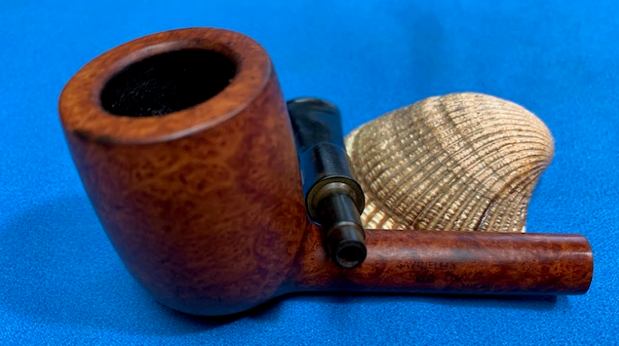
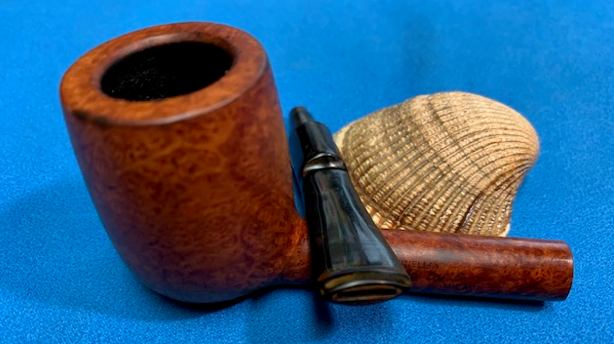
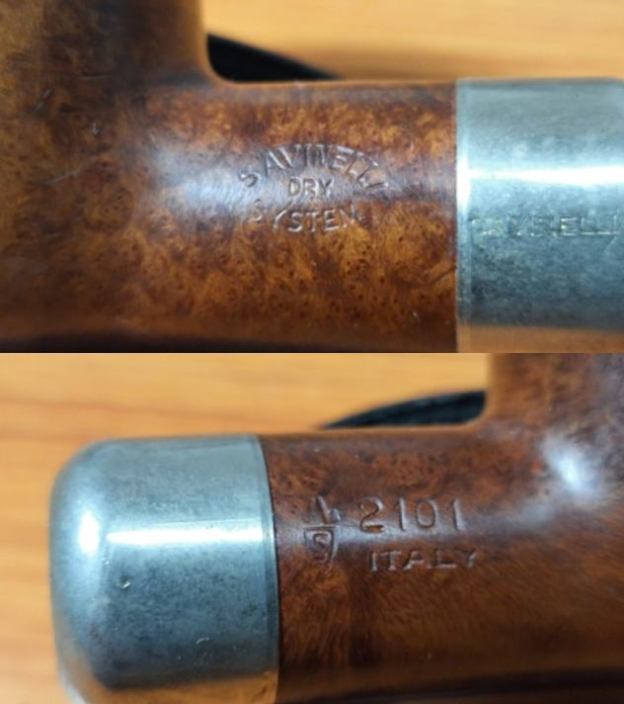
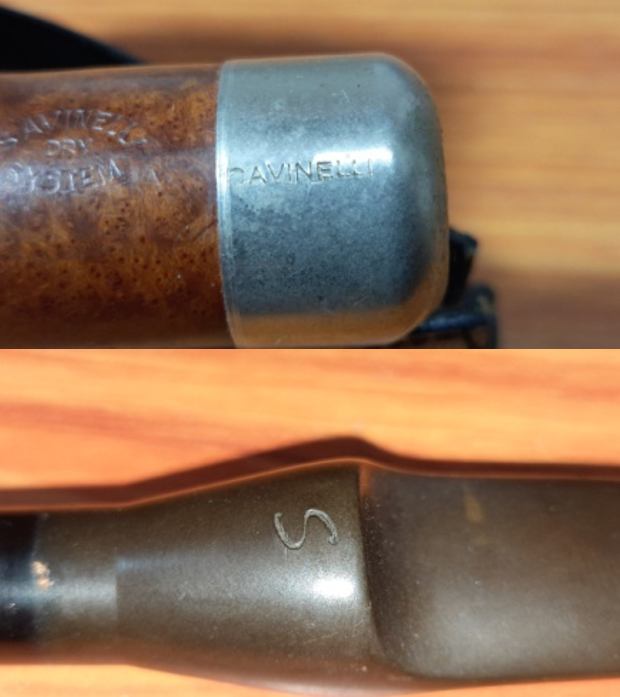
I love classic shaped pipes and this one has a classic Billiard shape with a substantial sized chamber and thick walls. Save for a bald patch that is seen at the lower half over the right side of the stummel, the stummel boasts of plenty of Bird’s eye and cross grain across the surface. It is stamped on the left side over the shank as arched “SAVINELLI” over “DRY” over reverse arched “SYSTEM” forming the shape of a rugby ball. The right side of the shank bears the shape code # 2101 over the COM stamp “ITALY” towards the bowl while the Savinelli trademark “S” in shield is to the left of the shape code towards the ferrule end. The nickel ferrule is stamped on the left as “SAVINELLI” in capital letters. Letter “S” adorns the top face of the saddle of the vulcanite stem. The stampings are all crisp and easily discernible. I searched rebornpipes to see if I could find any information on this pipe, as I invariably always do, to save time in digging out information about the brand. And true enough, my friend Dal Stanton, aka The Pipe Steward, had worked on a Dry System pipe from Savinelli, albeit a sandblasted one. The research done by Dal is always very detailed and comprehensive to an extent that there is hardly any information that he has missed out. To avoid the proverbial reinvention of the wheel, I have included the link here for those interested in knowing more about this offering from Savinelli (and a big thank you to Dal goes without saying!)
Recommissioning a Smart Savinelli Dry System 3621 Bent Dublin | rebornpipes

With a better understanding of this line from Savinelli, I move ahead with my visual inspection of the pipe.

Initial Visual Inspection
The first thing that you notice is the size and heft of the pipe in hand; it’s a lot of pipe for sure! The chamber walls are nice and thick with a thin layer of cake in the chamber. The rim top surface has thick layer of lava overflow, which given the layer of cake in the chamber is mystifying. The flow of air through the pipe is not very smooth and full. The interestingly grained stummel surface is covered in dirt, dust and grime with a number of dents and dings signifying extensive and uncared for usage. The vulcanite saddle stem is heavily oxidized with damage to the button and in the bite zone. The following pictures will give the readers a rough idea to the general condition of the pipe. Dimensions Of The Pipe
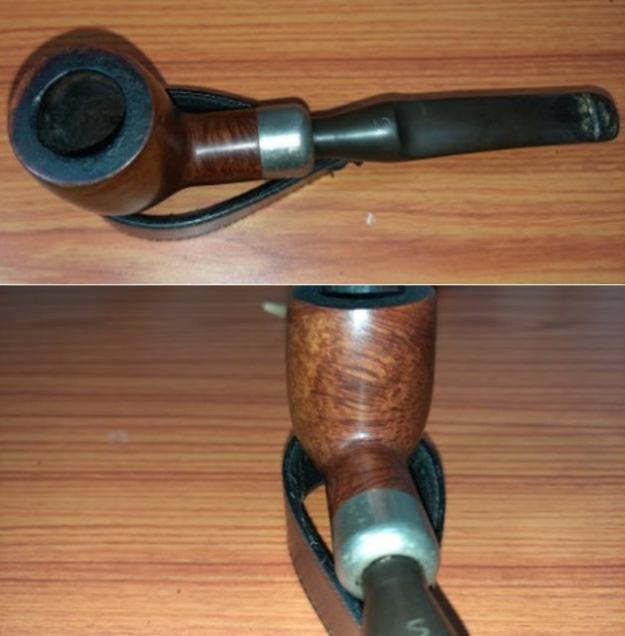
(a) Overall length of the pipe: –          6 inches.

(b) Bowl height: –                               1.9 inches.

(c) Inner diameter of chamber: –         0.7 inches

(d) Outer diameter of chamber: –        1.3 inches

Detailed Inspection Of The Pipe And Observations
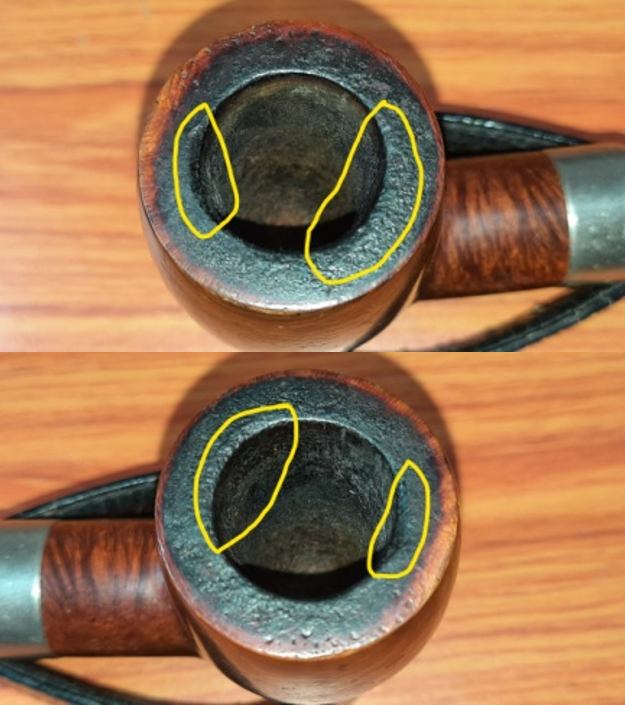
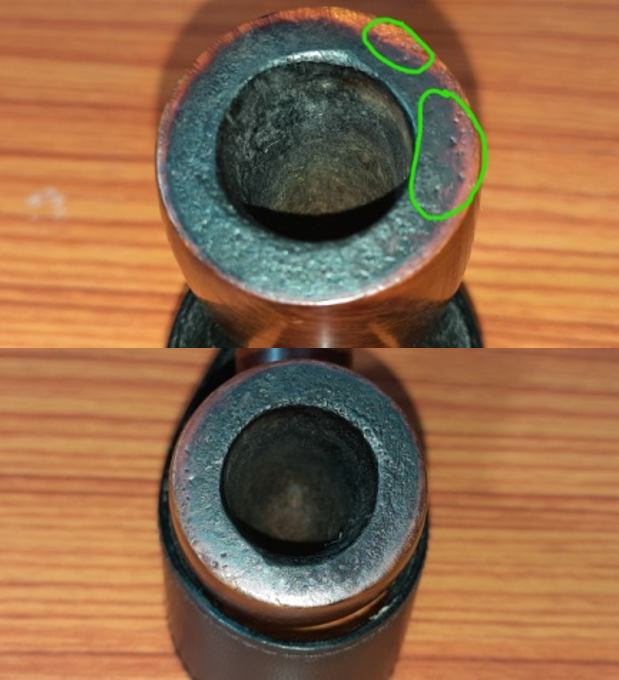
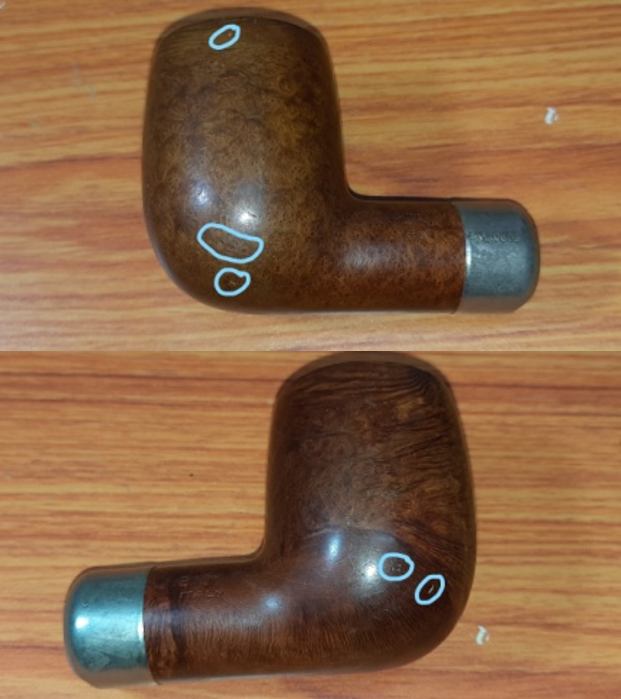
The chamber has a thin crust of carbon over the chamber walls suggesting that the chamber had been reamed in the recent past. The chamber walls are sans any damage and has years of smoke left in it. However, the thick layer of lava crust over the rim top surface has me surprised as it is an indicator of heavy usage while the chamber is neatly reamed! Through the lava crust, suspected charring to the inner rim edge is observed in the 12 and 6 o’clock direction (encircled in yellow). A number of dents are visible over the rim top surface (encircled in green), probably a result of knocking against a hard surface edge. The exact extent of damage and the condition of the rim surface will be apparent once the lava crust is completely eliminated from the top surface. The geometry of the pipe is spot on with the draught aperture in dead center and at the bottom of the chamber and that makes me believe that it should smoke smoothly. The ghost smells of the previous tobacco is not very strong and should be completely eliminated once the cake has been removed and the shank internals are thoroughly cleaned. The substantial briar estate is sans any fills and boasts of beautiful Bird’s eye grain to the sides and cross grain to the front and aft of the stummel. The only sore spot over the entire stummel surface is the bald patch that is seen to the right bottom portion. There are numerous dents/ dings over the surface (encircled in pastel blue); a testimony of all the falls this pipe has endured during its existence. The surface is mired in grime and dirt and appears dull and lackluster. The well and mortise is not very dirty and should clean up easily. The nickel ferrule has absolutely no damage but is oxidized with age. This should clean up nicely. The high quality vulcanite stem is so heavily oxidized that it appears dirty green in color! Some minor tooth chatter and deep bite marks are seen on either surfaces of the stem in the bite zone. This issue should not be a major headache to address. The upper surface edge of the large horizontal slot appears damaged, extent of which can be ascertained after the clogged slot has been cleaned up. The lip edge on both sides has bite marks and would need to be reconstructed and reshaped. The wide tenon that houses a 6mm Balsa filter has accumulated oils and tars that have dried out on the inside. The bite zone has calcium deposits which will have to be cleaned. The Process
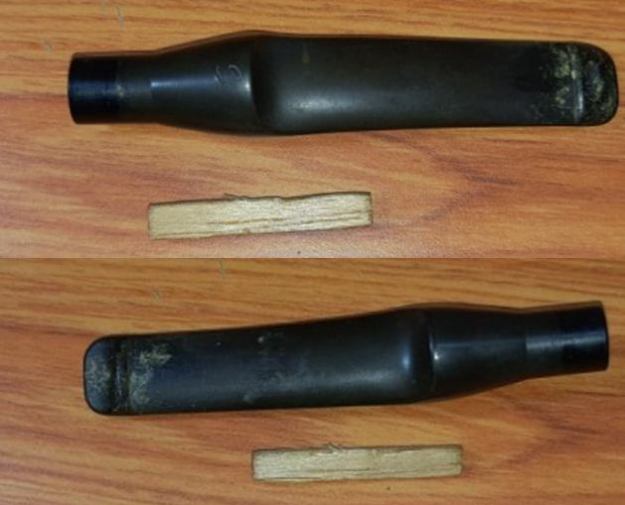
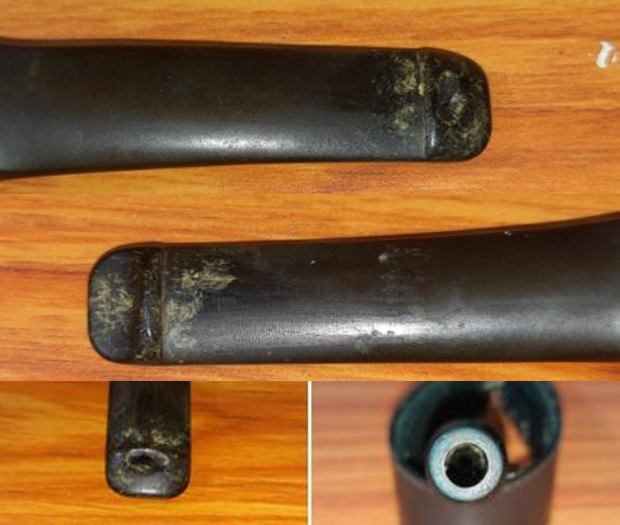
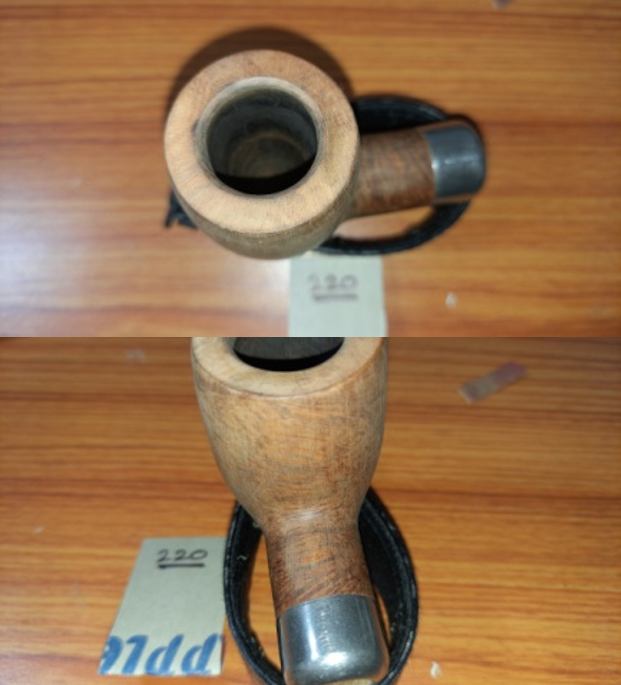
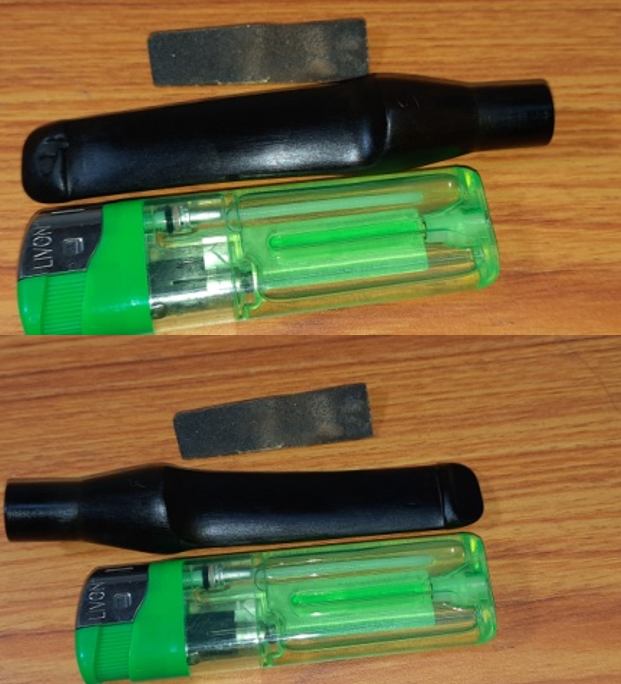
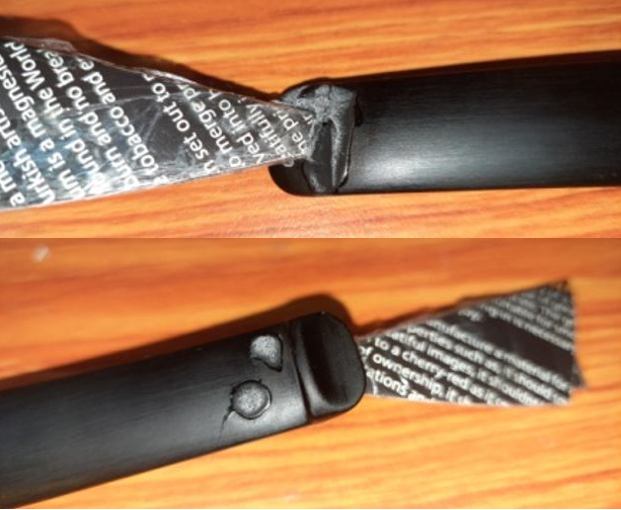
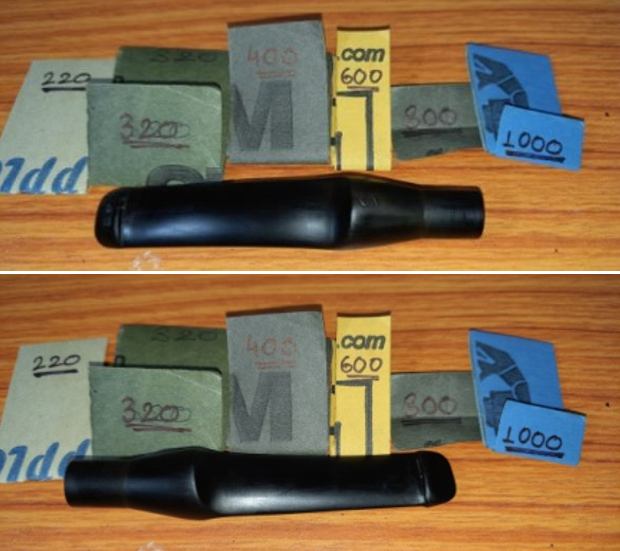
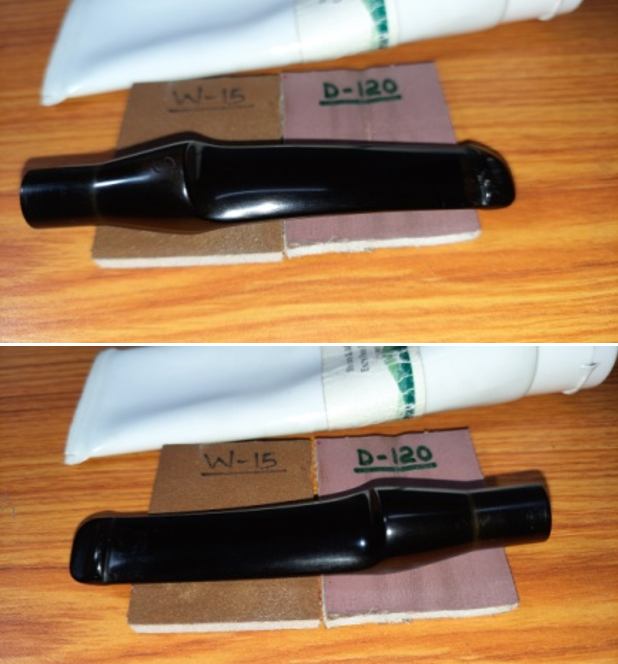
I started the restoration of this pipe by first reaming the chamber with size 2 head of a PipNet reamer followed by scraping with my fabricated knife to remove the carbon deposits. I scraped off the crusted lava from the rim surface with the fabricated knife. Once the cake was scraped back to the bare briar, I used a 220 grit sand paper to remove all the traces of remaining cake and also to smooth out the inner walls of the chamber surface. Finally, to remove the residual carbon dust, I wiped the chamber with a cotton pad wetted with 99.9% pure isopropyl alcohol. The chamber walls are in pristine condition. The char to the inner rim edge in the 12 o’clock direction is severe and would need to be addressed. The smells from the chamber have greatly reduced. The walls are nice and stout and should provide a cool smoke. The dents/ dings to the rim surface are now amply evident and the best way to address this would be to top the surface.This was followed by cleaning the mortise with pipe cleaners and q-tips dipped in isopropyl alcohol. I scraped the walls of the mortise with my dental tool to remove the dried oils and tars. The mortise needs further cleaning with anti-oil dish washing detergent and shank brush and will be done once the external surface of the stummel is cleaned. This helps me in saving a heap of pipe cleaners, which is a very precious commodity here in India.Next, I cleaned out the stem internals. I ran a couple of pipe cleaners dipped in isopropyl alcohol through the stem air way. Unfortunately the pipe cleaner couldn’t pass through completely. I realized that the large slot on the upper surface was clogged and the airway compressed due to tooth indentation. Using a dental tool, I tried prying out the blockage from the slot and realized that there was broken edge of the slot that was glued back and the reason for the blockage. With a bit of effort and lots of care, the broken piece was removed. I would now have to rebuild the top surface of the large horizontal slot. I would later try to open the airway by heating and thus expanding the compressed area with the flame of a lighter.I sanded the entire stem surface with a 220 grit sand paper in preparation for subjecting it to the deoxidizer solution treatment. It has been our experience that the deoxidizer solution works most efficiently in removing oxidation when a stem has been sanded prior to immersion in the solution. I immersed the stem in the deoxidizer solution developed by Mark and set it aside overnight for the solution to do its intended job.The next step was to clean the exterior surface of the stummel. I generously applied Murphy’s oil soap with a hard bristled tooth brush and scrubbed the stummel and rim top with the soap. I washed the stummel under running warm water with anti oil dish washing detergent till the stummel surface was clean and dried it using paper towels and a soft cotton cloth. I deliberately cleaned the rim top with a piece of Scotch Brite pad and set the stummel aside to dry out naturally. The stummel surface has cleaned up nicely with the intricate grain patterns on full display. The brown hues of the rest of the stummel contrast beautifully with the black of the briar grains. These contrasting hues will be further accentuated once the briar is rehydrated and rejuvenated using the balm and subsequent wax polishing. I simultaneously cleaned the shank internals with the detergent and hard bristled shank brush. The ghosting is completely eliminated and the pipe now smells fresh and clean.Staying with the stummel, I decided to address the issues with the rim top surface. The first issue to be addressed was the numerous dents and dings over the rim top. I rotated the rim top on a piece of 220 grit sand paper, checking ever so frequently for the progress being made. Once, I was satisfied that the rim top was an even and smooth surface, I stopped. This topping also helped in reducing the charred surface over the inner rim edge. Here is how the rim top appeared at this stage in restoration.The charring to the inner rim in 12 o’clock direction was still evident, albeit greatly reduced and lent the chamber an out of round appearance. To correct this, I created a bevel to the inner edge with a 220 grit sand paper.The third issue with the stummel was that of the numerous dents and dings over the surface which I have marked over the stummel. I steamed out all these dents and dings by heating my fabricated knife on a candle and placing it on a wet towel covering the dents. The generated steam expands the wood fibers and fills the dents up to, or as close as possible to the surface. The steam leaves behind a discolored surface as compared to the rest of the stummel surface. To address this issue and also to even out and match the raised dings with the rest of the surface, I sanded the entire stummel with a folded piece of 220 grit sandpaper. This also evened out the other minor scratches and dings from the surface. I set the stummel aside and turned to address the stem repairs. I removed the stem from the deoxidizer solution and scrubbed it with a Scotch Brite pad followed by a 0000 grade steel wool scrub. This helps to remove the oxidation that is raised to the surface by the solution. Patches of deep seated oxidation over the stem surface could still be seen as dirty brownish green color and would be addressed by subjecting the stem to further sanding by progressively higher grit sand papers.Next, I used a 220 grit sand paper to sand the stem and removed all the oxidation from the surface. Using a lighter, I flamed the surface of the stem. This helped in raising some of the tooth chatter and bite compression from the slot to the surface as vulcanite has a property to regain its original shape on heating. I wiped the stem with Murphy’s Oil soap on a cotton swab. This cleaned up the stem surface while removing the loosened oxidation.I reconstructed the broken slot end with a filling of CA superglue and activated charcoal after I had inserted a folded plastic coated visiting card. This prevented the fill from seeping in to the air way and clogging it once it had cured. I set the stem aside for the fill to harden before I could proceed with the sanding, shaping and polishing of the stem. While I worked the stem, Abha polished the stummel with micromesh pads, wet sanding with 1500 to 12000 pads. She polished the freshly topped rim surface to a nice luster, wiping the surface with a soft cloth at the end of the micromesh cycle. The stummel looks amazing with a deep shine and beautiful grains popping over the stummel surface. She massaged a small quantity of “Before and After Restoration Balm” with her fingers into the briar. The immediate and incredible transformation that takes place is a worthy reward for all the efforts!!! She let the balm sit on the surface to be absorbed in to the briar for about 20 minutes. The bowl now looks fresh and attractive with the grains popping out any which way you look at the briar. She polished off the balm with a soft cloth to a lovely shine. I am surprised that the rim top surface has the same deep brown coloration as the rest of the stummel surface and that the use of a stain pen was not required. With the stummel rejuvenation almost complete, save for the final wax polish, I worked the stem. The fills had cured and with a flat head needle file, I worked on the fill till I had achieved a rough match with the surrounding surface and had sufficiently sharpened the button edges. For a better blending, I further sand the entire stem with 220 followed by 400, 600, 800 and 1000 grit sand paper. This helps to reduce the scratch marks left behind by the more abrasive 220 grit paper. Even the best of my efforts at the repairs, these did not blend in to the rest of the stem surface and can be noticed with a keen eye. There are stems which do not take to repairs easily and seamlessly and this definitely is one of those.To bring a deep shine to the vulcanite stem, I went through the complete set of micromesh pads, wet sanding with 1500 to 2000 grit sandpapers and dry sanding with 3200 to 12000 grit pads. At the end of micromesh cycle, I polished the stem with “Before and After Fine & Extra Fine” paste. The finished stem is shown below.This now gets me to that part of the process where I get to savor the fruits of our labor until this point. The final polishing with Blue Diamond and Carnauba wax!
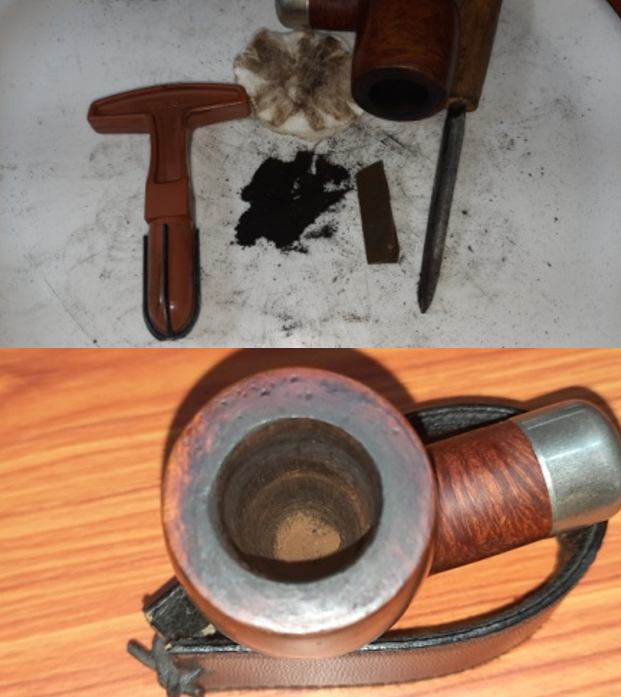
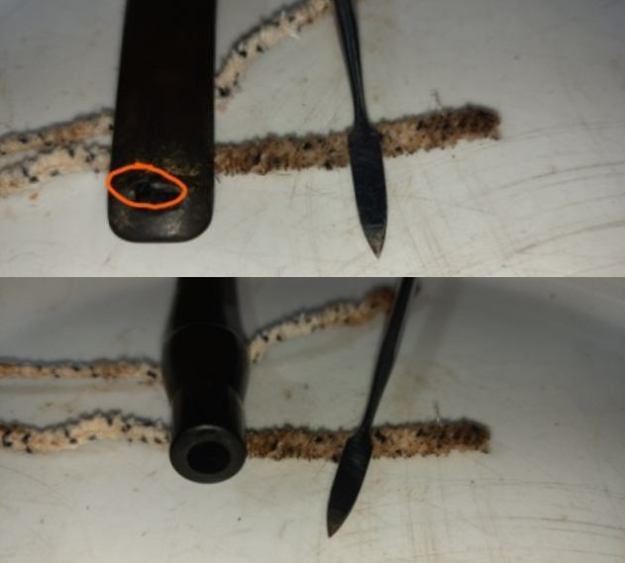
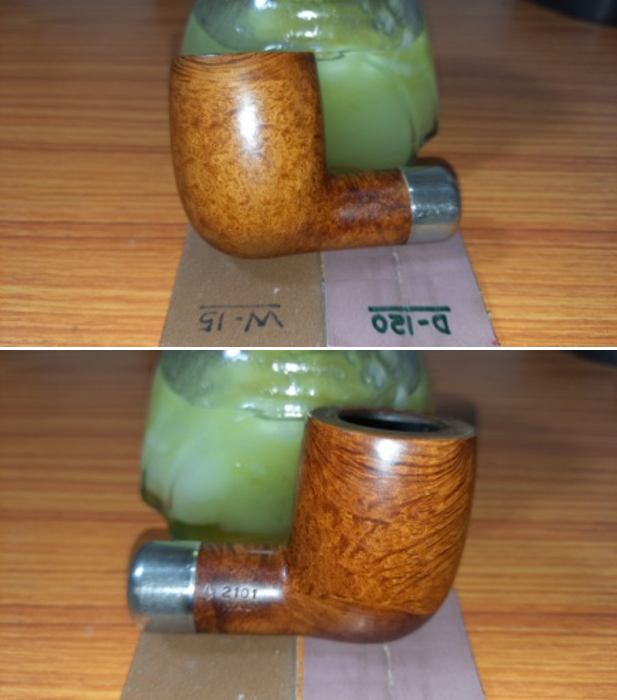
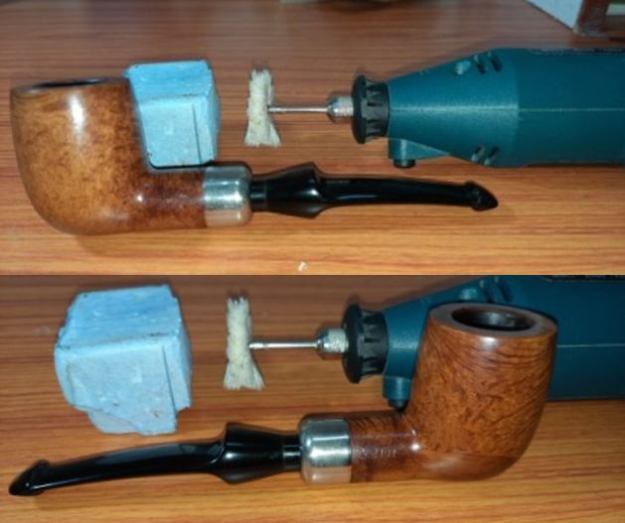
I began the final polishing cycle by mounting a cotton cloth buffing wheel on to my hand held rotary tool and applied a coat of Blue Diamond to the stummel and the stem to polish out the minor scratches.With a cotton buffing wheel that I use for carnauba wax, I applied a coat of carnauba wax and continued to work on it till the complete coat of wax had been polished out. I mounted a clean cotton cloth buffing wheel and gave the pipe a once over buff. I finished the restoration by giving the entire pipe a rigorous hand buff using a microfiber cloth to raise the shine further. The finished pipe is as shown below 🙂 P.S. I enjoyed working on this pipe alongside my wife, Abha. Her expertise and dedication in polishing the stummel and stem lends a finish that I always seek in all my restorations. And not to forget her editing of the write up to eliminate all the spelling and grammatical errors!
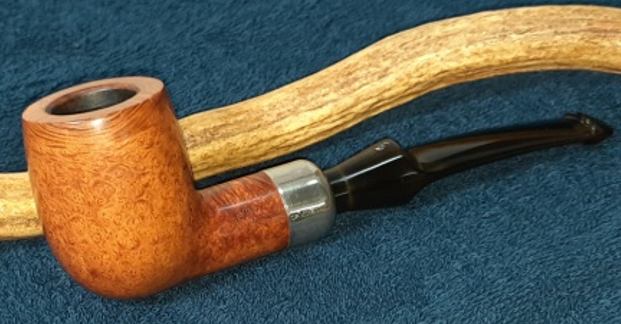
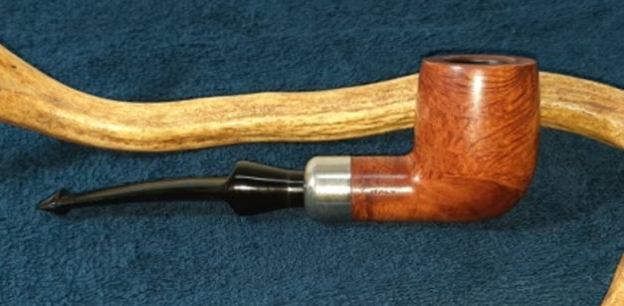
Well, as for this handsome pipe, I am not very sure if I want to hold on to it as since receiving this Savinelli System pipe from Steve, I have acquired another similar pipe with a Cumberland stem. Do let me know if this pipe interests you and we can take it further from thereon.

I wish to thank each one for sparing their valuable time to read through this write up while also praying for the health and safety of entire mankind. Stay home…stay safe!!

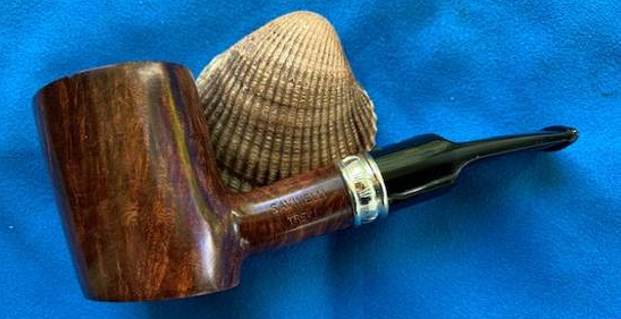
Cleaning up a Savinelli Oceano 320KS Author that I Received on a Trade


Blog by Steve Laug

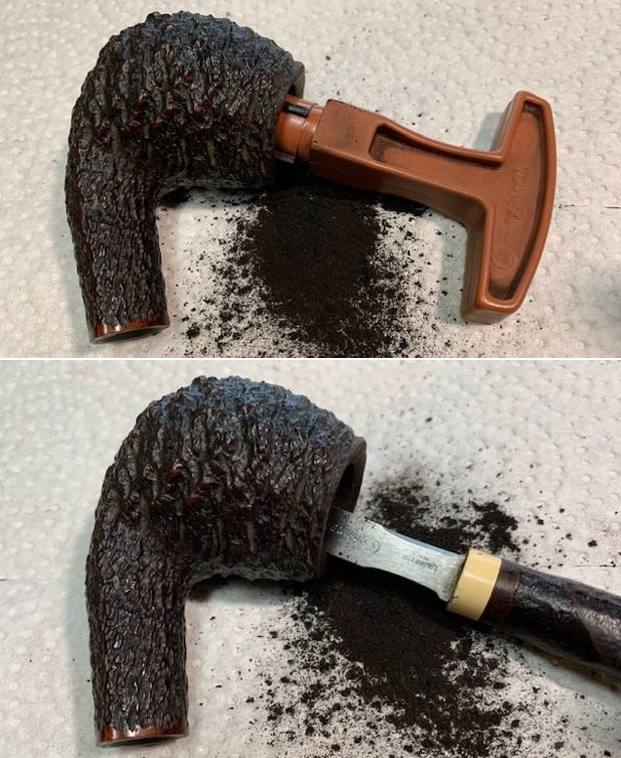
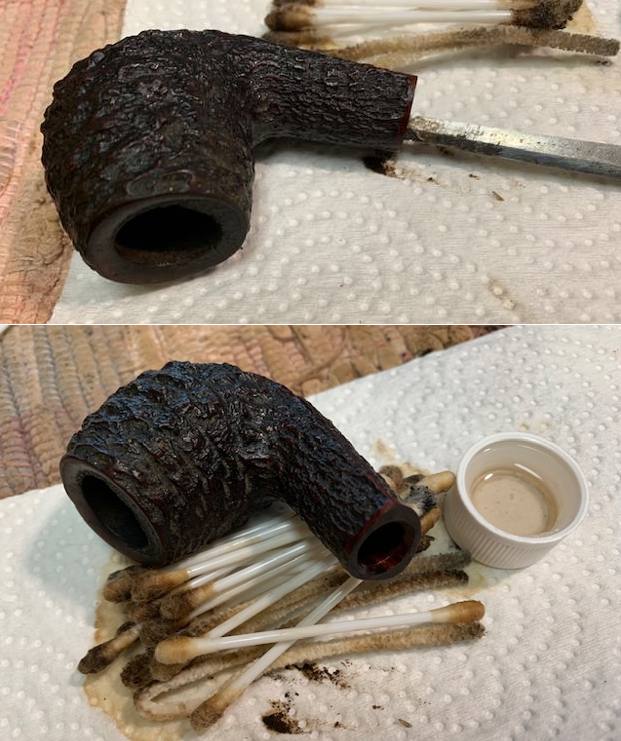
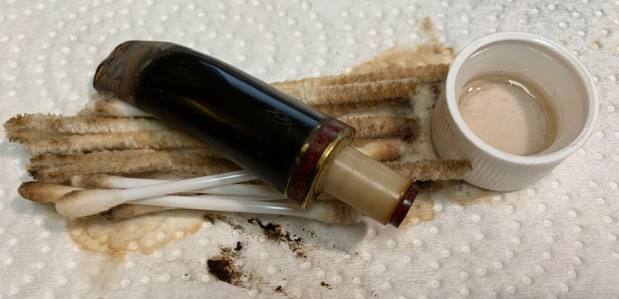
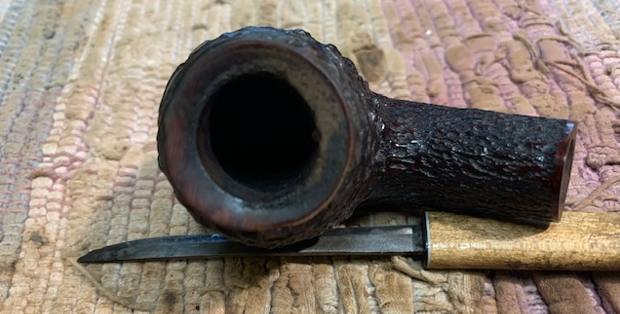
The next pipe I am working on is a beautiful looking Savinelli Oceano 320KS with a swirled blue and white stem and a tightly rusticated bowl. It is stained with an oxblood stain that gives it a red tint in the light. There appears to also be a black stain as an undercoat. The pipe is originally made for the Savinelli Balsa Filter System. The fellow I traded it with said the stem was just too thick for his liking and he was looking to trade it for something he would use. I have included the photos that he sent of the pipe as we talked.The pipe was in great condition. It had a light cake in the bowl which concurred with the fact that he stated he did not smoke it much. The stem was in great condition with some light tooth chatter but nothing serious on either side. He also said that he had the pipe sock it came with and the box as well. He also said he would throw in the balsa filters with the pipe. Over the course of quite a few emails we struck a deal and the pipe came to me. The stamping on the heel was clear and readable as he had mentioned – Savinelli Oceano 320KS.When the pipe arrived in Vancouver I unpacked it and this is what I saw. It came in the original Savinelli Pipe box and included the blue sock, a small booklet in multiple languages on pipe smoking and care and a bag of Balsa Filters. In our discussions I had come to believe the pipe was a filter pipe and unpacking seemed to confirm that for me. Little did I know that once I removed the stem I would see the adapter insert that converted it to a non-filter pipe. The added removable adapter allows the pipe to be smoked with or without a filter.I took photos of the pipe before I started my clean up work on it. You can see the light cake in the bowl and the ash on the walls. The pipe had a strong aromatic aroma to it that I would need to remove before reselling it to the next pipe smoker. The finish was in great condition and the stem was free of tooth marks and only had some light chatter on the surface near the button on both sides. It is stamped on the heel of the bowl and reads Savinelli [over] Oceano followed by the Savinelli S Shield logo and the shape number 320 and a faint KS [over] Italy. I took photos of the bowl and rim top to show the condition. You can see the thickness of the cake in the bowl and general cleanness of the rim top. The stem looks very good other than faint tooth chatter that is hard to capture in the photos.I took a photo of the stamping on the shank and it read as noted above. There is also a Savinelli S Shield logo on the top of the stem.I removed the stem to show the parts of the pipe. In the first photo you can see the adapter in place in the tenon converting it to a standard pipe. The second photo shows the adapter removed and the filter version of the same pipe. It is made for the 6mm filters – Balsa or otherwise.Now it was time to clean up the pipe and try to exorcise the strong and prevalent ghost that was “haunting” the bowl. STEP 1: I reamed the bowl back to briar with a Savinelli Fitsall Pipe Knife and then sanded the walls smooth with a piece of dowel wrapped with 220 grit sandpaper.STEP 2: I scoured the inside of the mortise and the airway in the shank and stem with pipe cleaners, cotton swabs and 99% isopropyl alcohol. I was a little surprised to not only see the tars and oils coming out of the shank but also some oxblood stain that was present under the “gunk”. The stem cleaned up nicely as well. I removed the adapter and cleaned both it and the airway in the tenon. I took photos of the adapter in place and removed from the cleaned stem. It is a great looking stem.
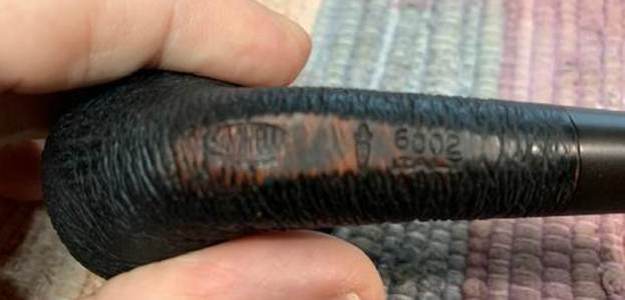
STEP 3: I stuffed the bowl with cotton bolls and twisted one into a wick and turned it into the shank and filled the bowl with 99% isopropyl alcohol being careful to not splash any on the finish of the bowl and damage it. I set the bowl upright in an old ice cube tray that I use for this purpose and left it over night.In the morning I took a photo of the filthy cotton bolls and wick that had drawn the oils and tars from the bowl and the shank of the pipe. I twisted the wick out of the shank and used a dental pick to remove the cotton bolls from the bowl. I cleaned out the shank with alcohol, pipe cleaners and cotton swabs to make sure it was clean. Once it had dried the bowl smelled much better though there was still a slight remnant of the ghost. With the bowl clean and smelling sweeter, I decided to rub the bowl down with some Before & After Restoration Balm. I worked it into the rustication with my finger tips and a horse hair shoe brush. The product is spectacular and works to clean, enliven and protect the finish on briar. I let it sit for 10 minutes then buffed it off with a soft cotton cloth. I really like the way a pipe looks after this process and this one is no exception. I set the bowl aside and turned my attention to the stem. I polished out the tooth chatter with micromesh sanding pads. I dry sanded with 1500-12000 and wiped the acrylic down with some Obsidian Oil on a cloth. I know that it does nothing for acrylic but I find that it really picks up the debris left behind by the sanding pads. I finished polishing it with Before & After Pipe Stem Polishes – both Fine and Extra Fine and wiped it down a final time with Obsidian Oil. With the bowl and stem finished I put the Savinelli Oceano 320KS back together and buffed it on the buffer. I gently buffed the briar with Blue Diamond so as not to clog the valleys and crevices of the finish and buffed the stem with a bit heavier touch to raise a shine. The classic Author shape really looks good with the dark reddish brown stain and the swirled blue acrylic stem. It is a beautiful pipe. The dimensions of the pipe are – Length: 5 ½ inches, Height: 1 ¾ inches, Outer diameter of the bowl: 1 ½ inches, Chamber diameter: 1 inch. The weight of the pipe is 2.47 ounces/70 grams. If you are interested in adding this pipe to your rack let me know via email or messenger. It will be added to the rebornpipes store shortly in the Italian Pipe Makers section. Thanks for walking through the clean up of this beauty.