
Blog by Steve Laug
The next pipe on the work table is a Savinelli Made Liverpool that we purchased in 2018 from a fellow in Scottsdale, Arizona, USA. It is a thin pencil shank pipe in a shape that I would call a Liverpool from the flow of the stem and shank. It is stamped on the left side of the shank and reads Oscar [over] Aged Briar. On the right side it is stamped with a Savinelli “S” shield followed by the shape number 704 [over] Italy. On the underside of the shank it is stamped Birks. The stem bears the stamp of BB with the left B stamped backwards. The bowl had a thick cake and lava overflow on the rim. It was hard to estimate the condition of the rim top with the cake and lava coat but I was hoping it had been protected from damage. The bowl was smooth and a natural finish. The finish was dusty and tired but had some nice grain under the grime and the finish appeared to be in good condition. A lot would be revealed once Jeff had worked his magic on it. The stem was dirty, oxidized, calcified and had tooth chatter and deep tooth marks near the button on both sides. Jeff took photos of the pipe before he started his cleanup work. 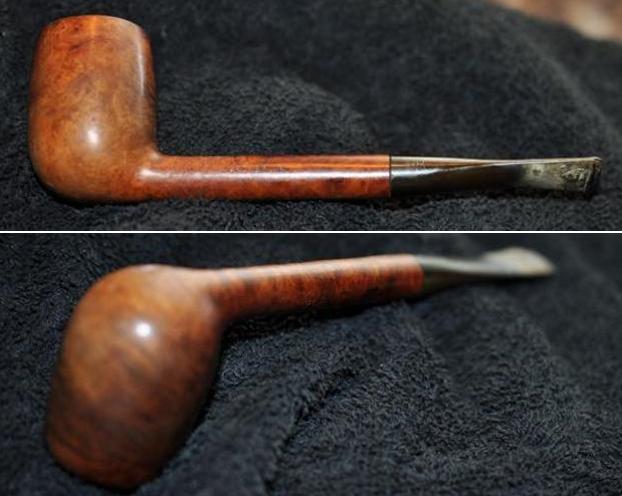
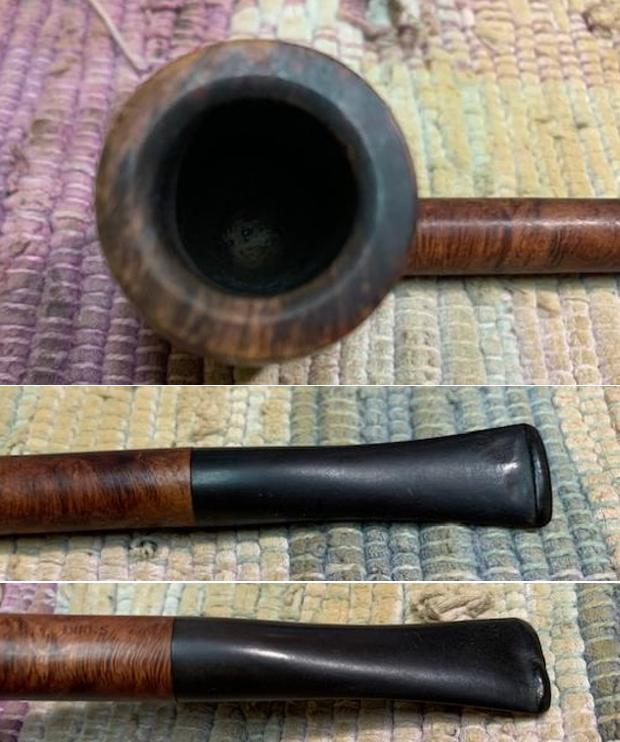
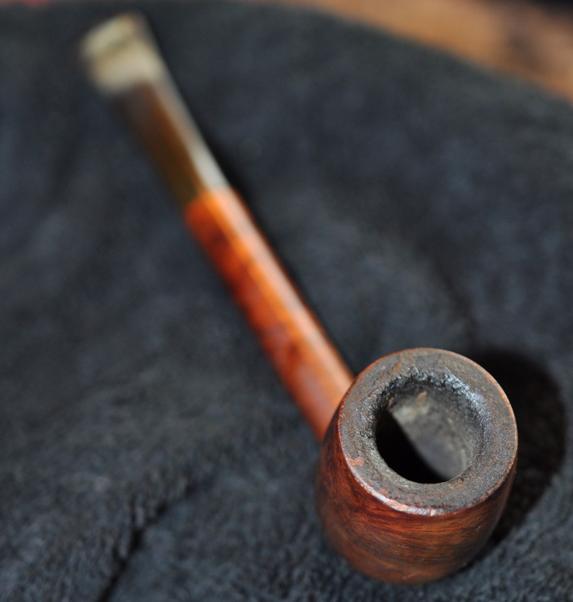 Jeff captured the condition of the bowl and rim top with the next series of photos. You can see the work that is ahead of us in the photos. The cake is very thick and heavy. The next two photos of the stem show the top and underside of the stem. It is oxidized and calcified an you can see the tooth marks and chatter on the surface of both sides.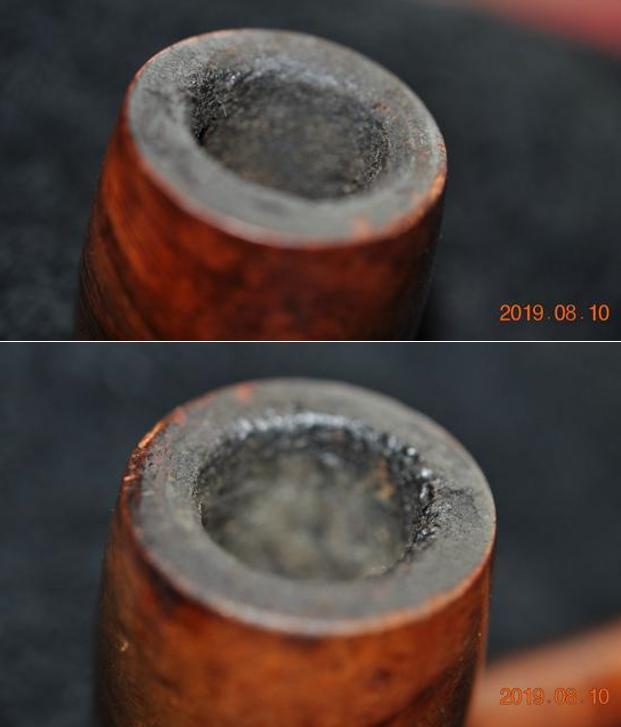
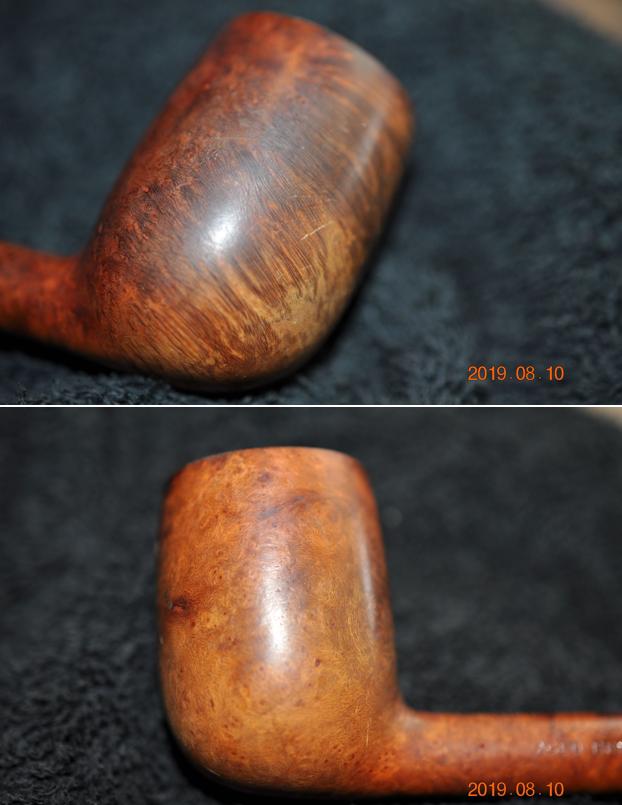
 Jeff took some great photos of the sides of the bowl and heel showing the worn finish and what is underneath the grime and debris of time and use. It will be interesting to see what happens as the pipe is cleaned and restored.
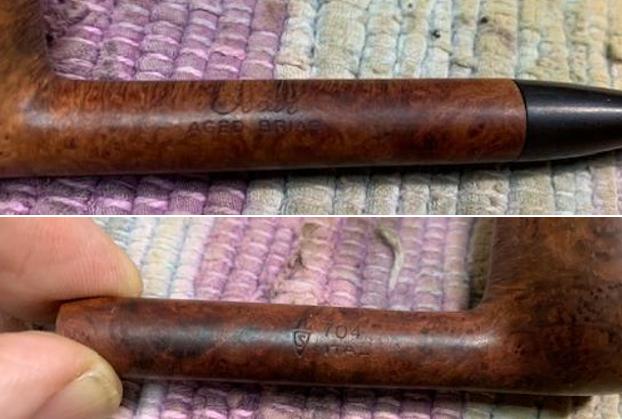
 He captured the stamping on the sides of the shank. They are clear and readable. The left side reads Oscar [over] Aged Briar. On the right side it has the Savinelli Shield S followed by the shape number 704 [over] Italy. On the underside it is stamped Birks. The stem bears an interesting BB logo.
 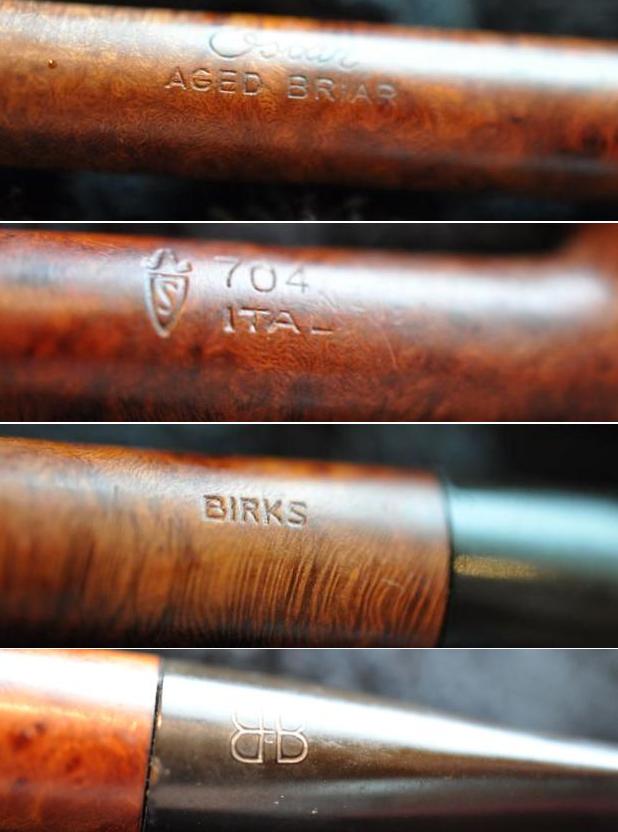 All of the stamping is understandable as it is a typical Savinelli made pipe. The only stamp that leaves me a bit mystified is the Birks stamp. I know that Birks is a designer, manufacturer and retailer of jewellery, timepieces, silverware and gifts, with stores and manufacturing facilities located in Canada and the United States. I wonder if that is the connection with the stamping on this pipe. Was it a gift made by Birks and sold as such? Was it a line they sold in their stores? I have worked on these in the past and that is the best I can find.
The pipe has been here for a few years now so it is about time I worked on it. I took it out of the box where I had stored it and looked it over. It was amazingly clean and looked like a different pipe. He reamed it with a PipNet pipe reamer and cleaned up the reaming with a Savinelli Fitsall Pipe Knife. He scrubbed out the internals with alcohol, pipe cleaners and cotton swabs until the pipe was clean. He scrubbed the exterior of the bowl with Murphy’s Oil Soap and a tooth brush to remove the grime and grit on the briar and the lava on the rim top. The bowl looked very good. The rim top showed a lot of darkening but the inner bevel was in good condition. Jeff scrubbed the stem with Soft Scrub to remove the grime and soaked it in Before & After Deoxidizer. When he took it out of the soak it came out looking far better. I took photos before I started my part of the work. 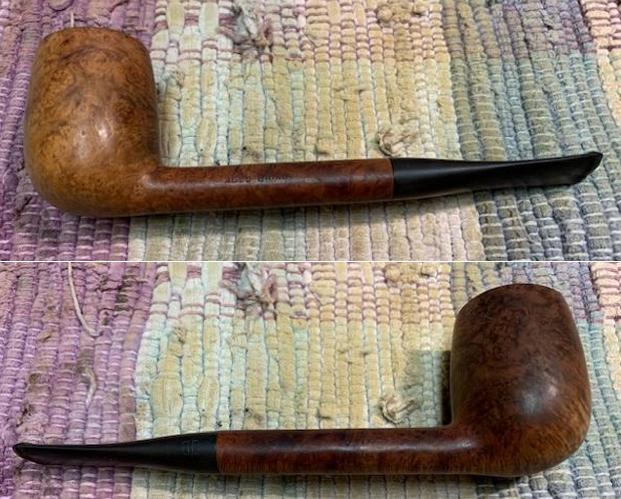
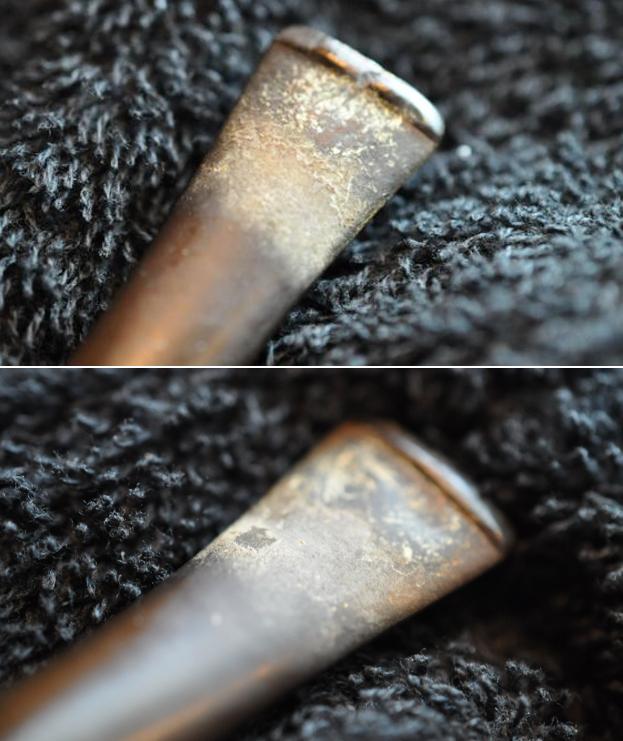
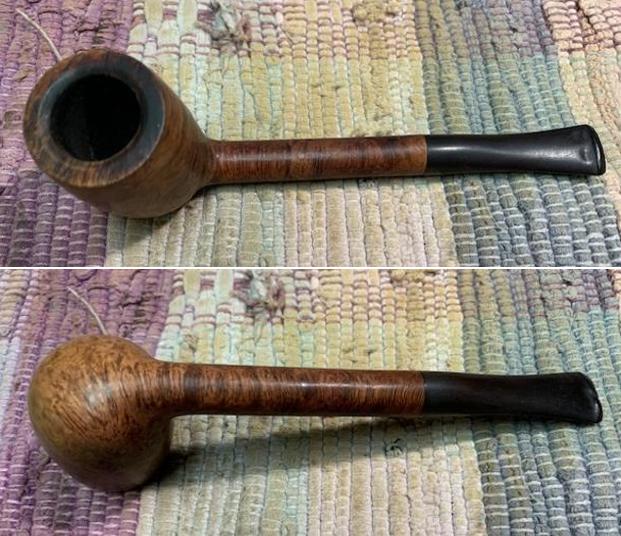 I took some photos of the rim top and stem. The rim top is clean but there is a lot of darkening around the top and edges. The bowl itself looks very clean. The close up photos of the stem show that is it very clean and the deep tooth marks are very visible.
 I took photos of the stamping because they had cleaned up very well.
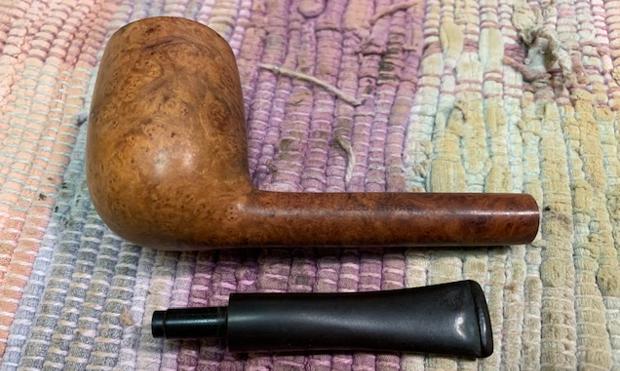
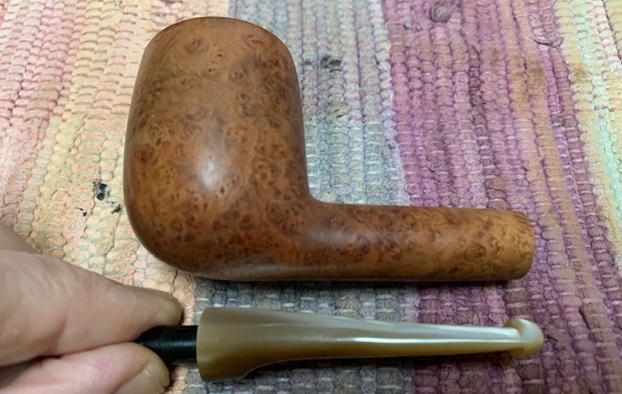
  I removed the stem from the shank and took a photo of the bowl and to give a sense of the proportion of the pipe. It is a nice looking pencil shank Liverpool.
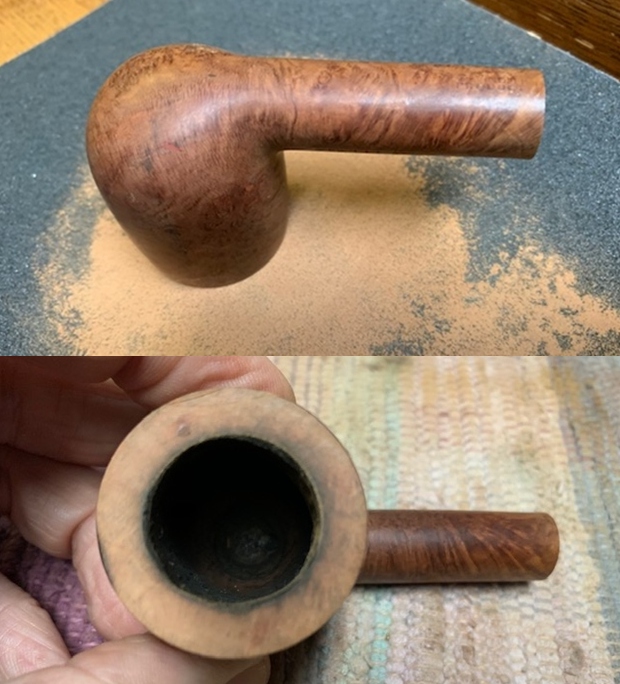
 I decided to take care of the damage on the rim top and inner edge first. I worked over the rim top and the inner edge with a folded piece of 220 grit sandpaper and was able to remove much of the darkening. Once I had finished the bowl was round and the edge looked very good.
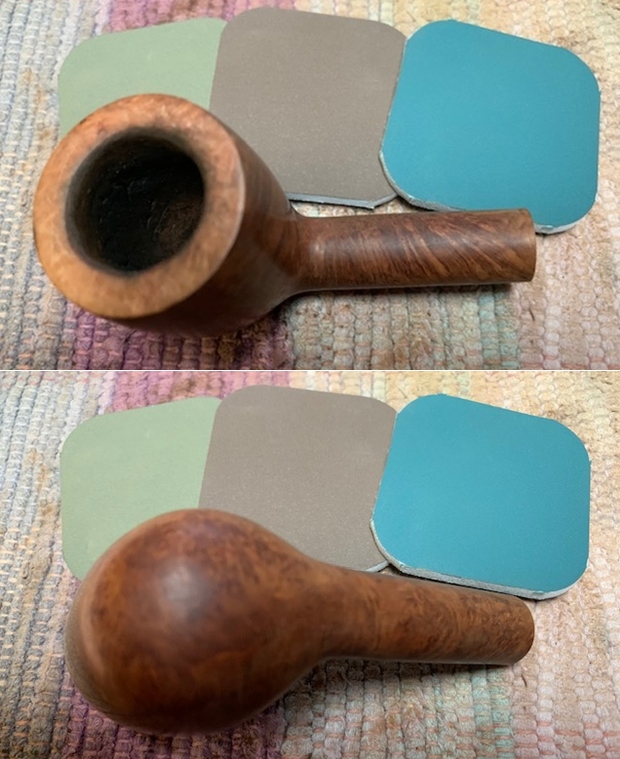
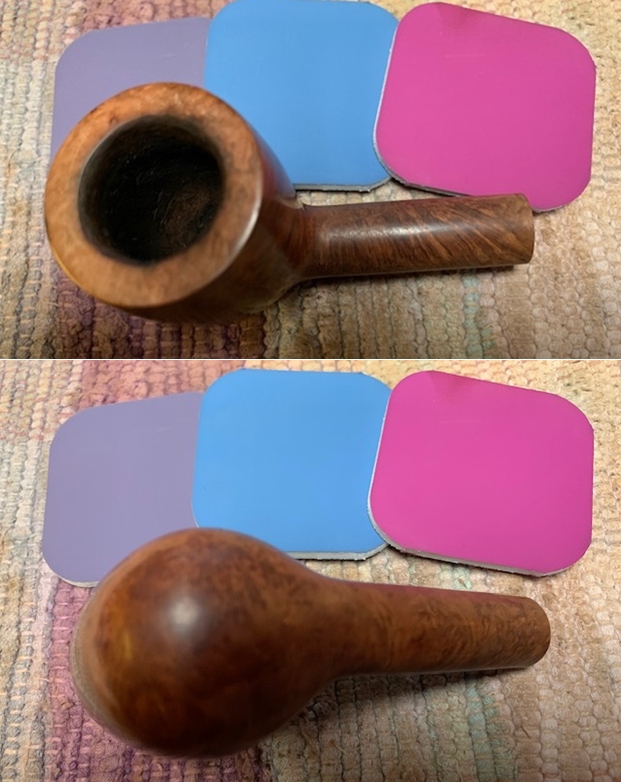
 I polished the briar and the shank with micromesh sanding pads – dry sanding with 1500-12000 grit pads. I was able to blend in the repairs into the side of the bowl. I wiped the bowl down after each pad with a damp cloth. The grain really began to stand out and the finish took on a shine by the last sanding pad. The photos tell the story!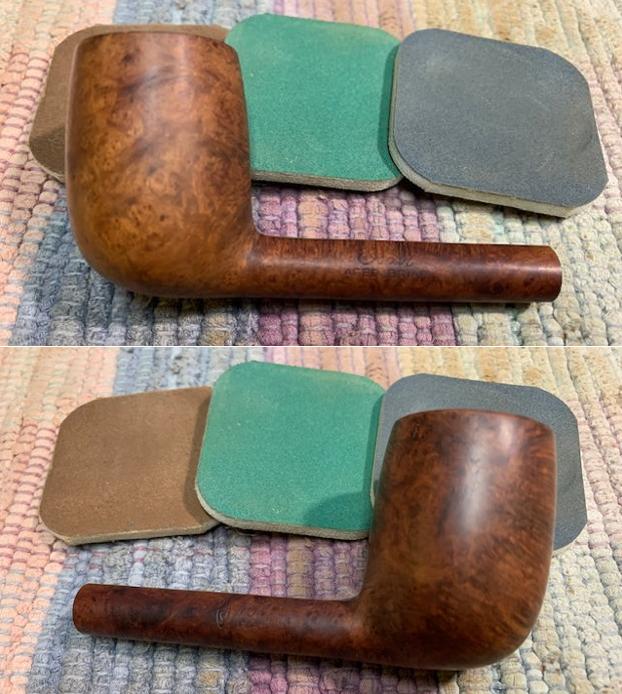
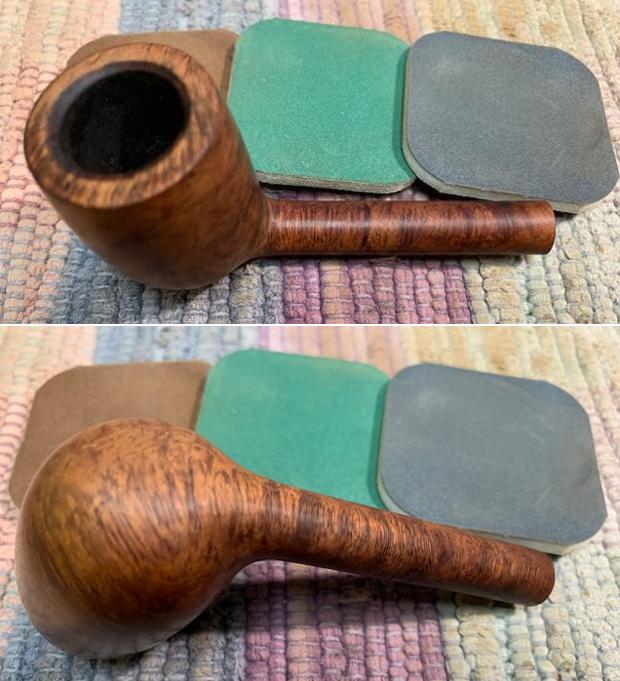
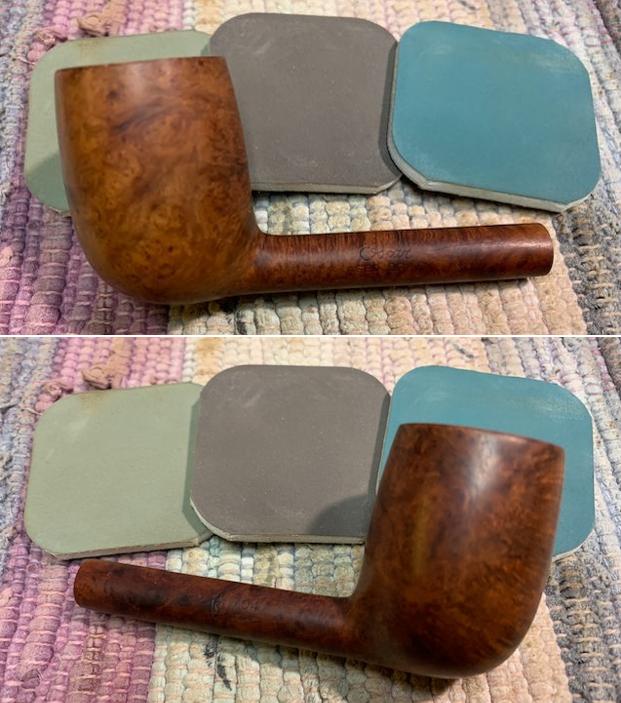
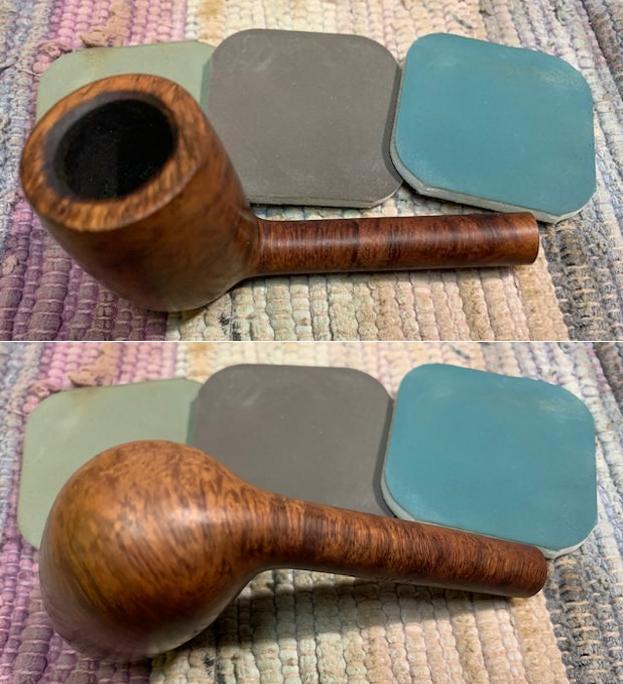
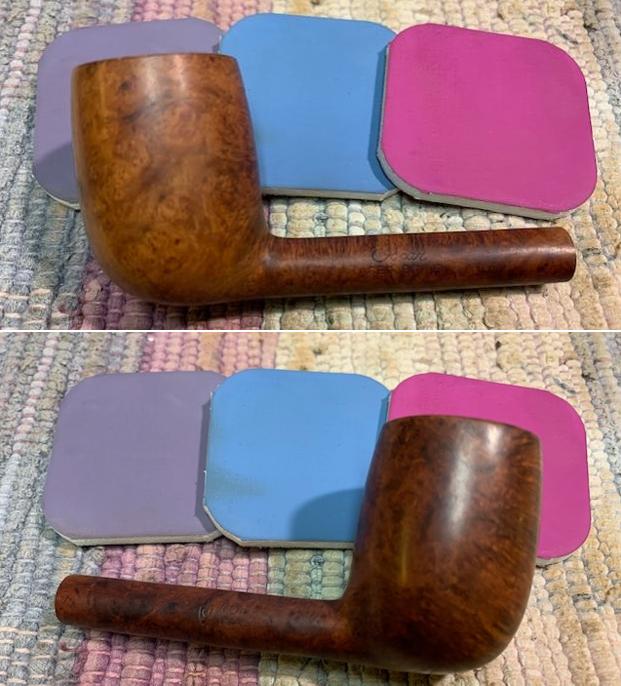
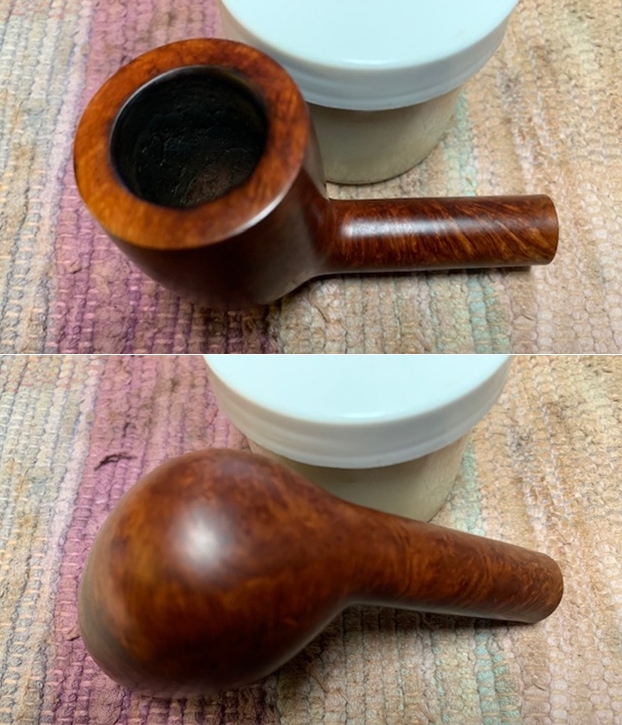
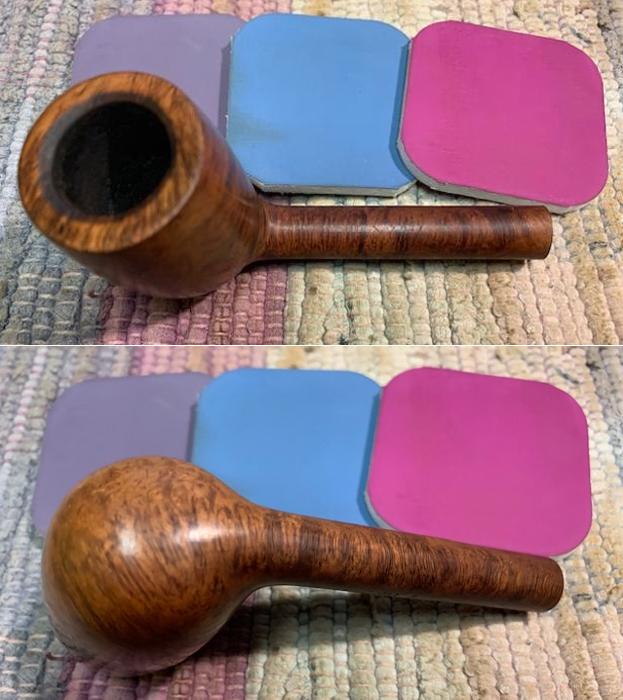 I worked some Before & After Restoration Balm into the surface of the smooth briar with my fingertips. The product works to clean, enliven and protect the briar. I let the balm sit for fifteen minutes and then buffed with a cotton cloth to raise the shine. The photos show the bowl at this point in the restoration process.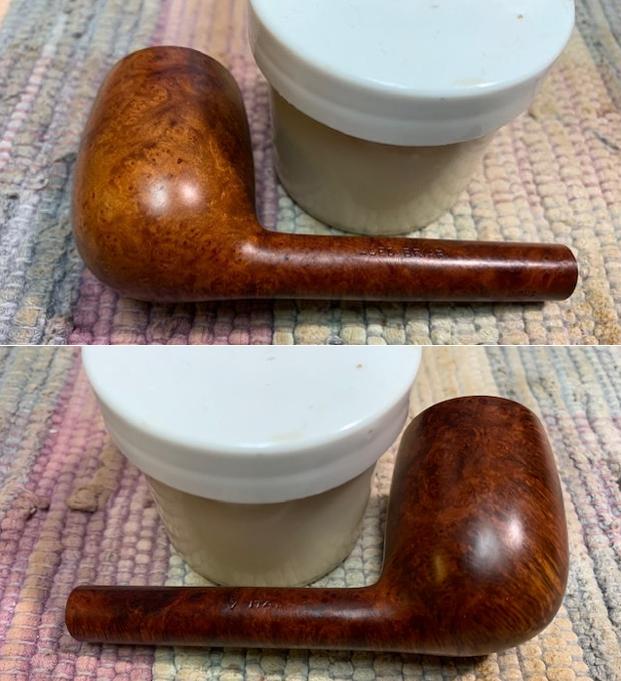
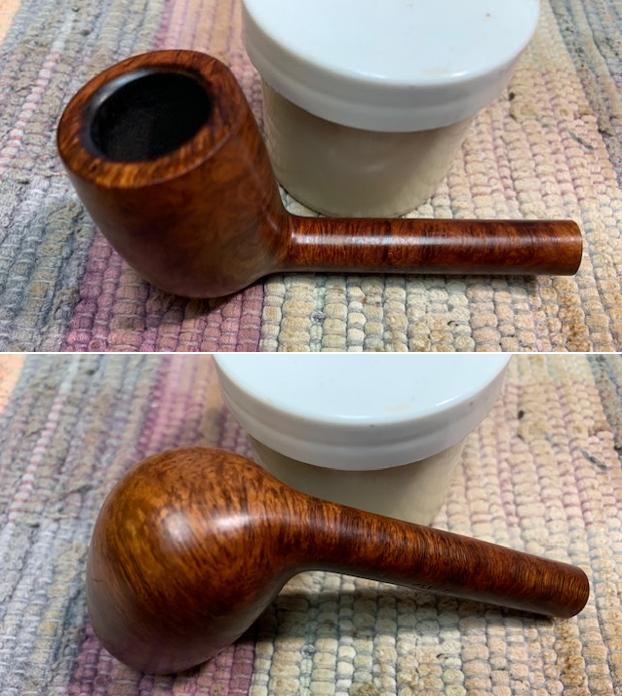
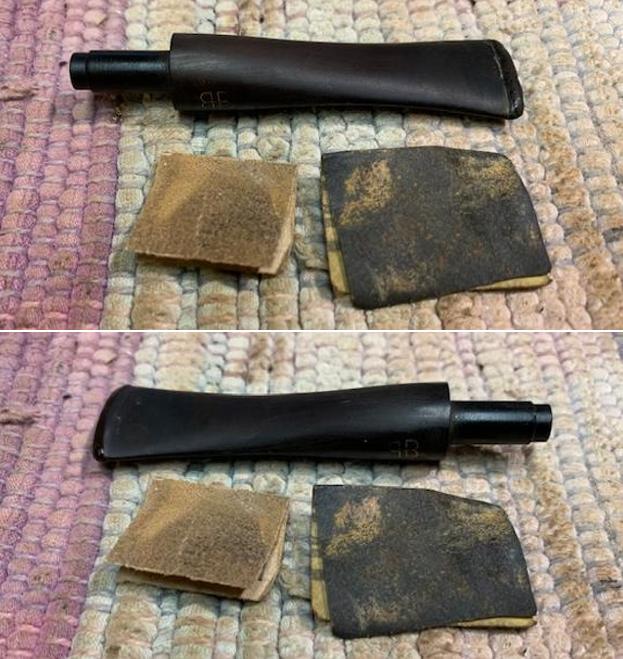
 I set the bowl aside and turned to deal with the stem. I filled the tooth marks with clear CA glue. Once it had hardened I sanded it with 220 grit sandpaper and 400 grit wet dry sandpaper to blend it into the surface of the vulcanite.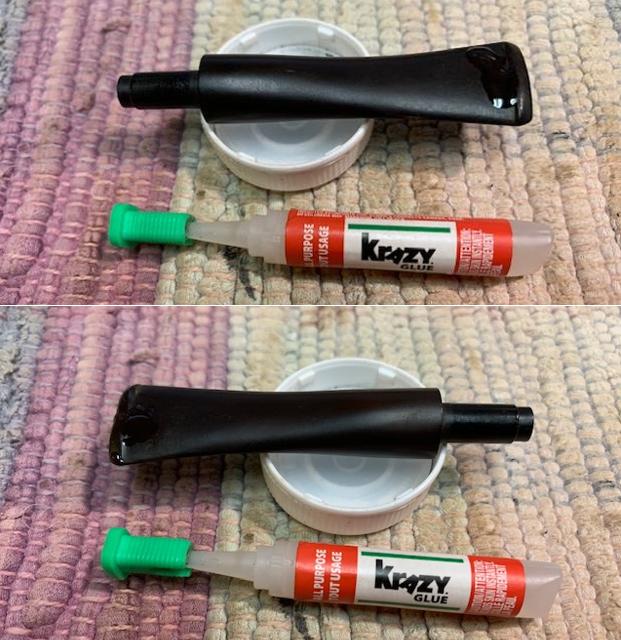
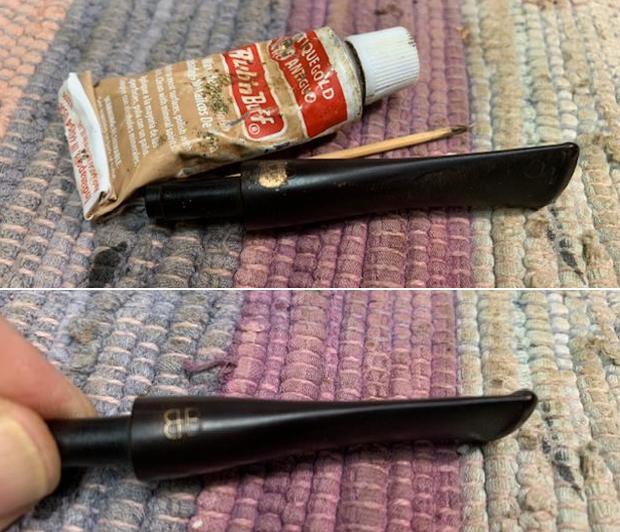
 I touched up the BB stamp on the left side of the taper stem with Rub’n Buff Antique Gold. I rubbed it on and worked it into the stamping with a tooth pick. Once it had been sitting for 5 minutes I buffed it off with a cotton cloth. The BB was worn but it definitely looks better. I believe that it is the logo for Birks!
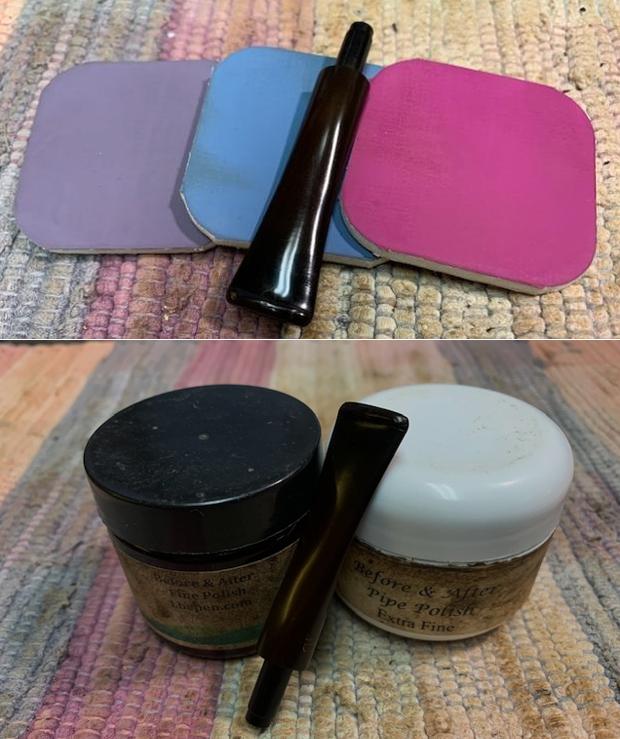
 I polished the vulcanite stem with micromesh sanding pads – dry sanding with 1500-12000 grit sanding pads. I wiped it down after each sanding pad with a cloth containing some Obsidian Oil. I finished polishing it with Before & After Pipe Stem Polish – both Fine and Extra Fine and buffed it off with a cotton cloth. I gave the stem a final coat of Obsidian Oil to preserve and protect it.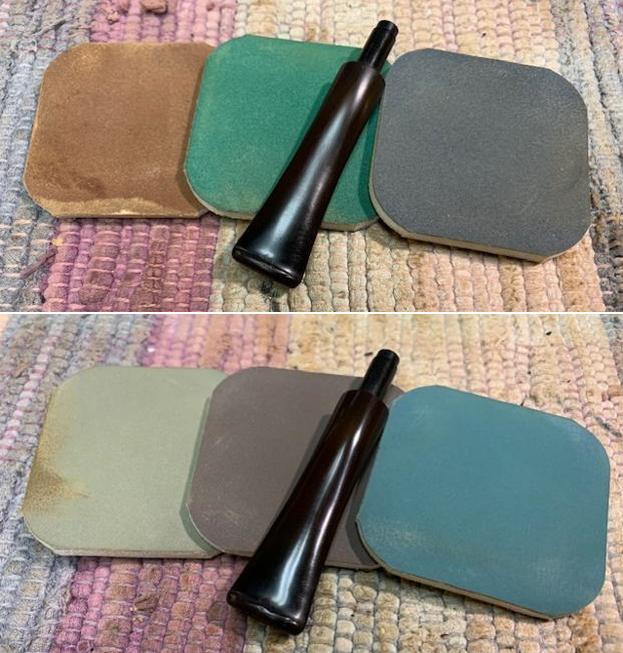
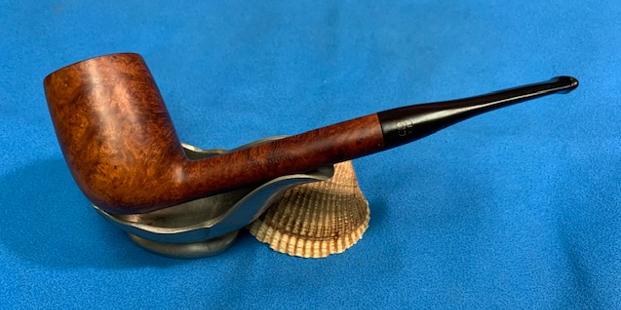
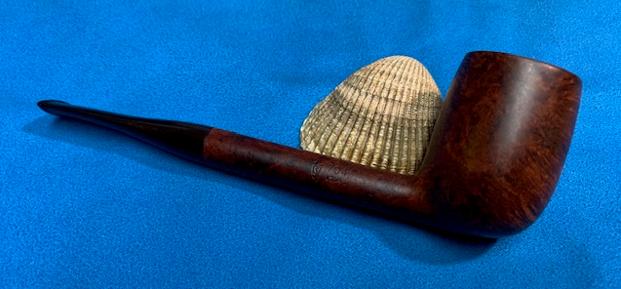
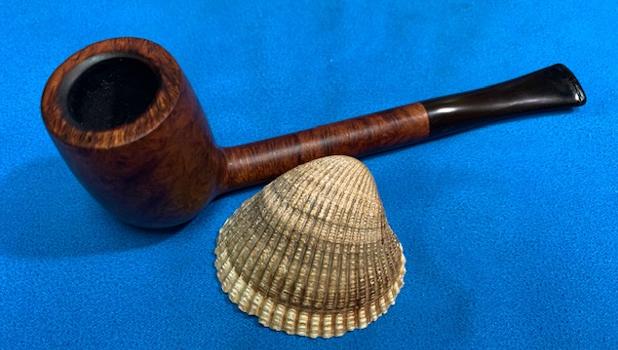
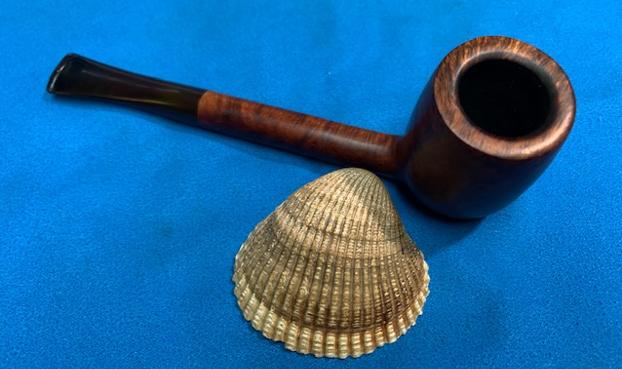
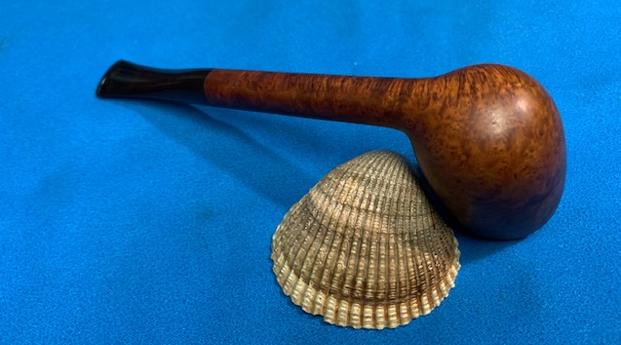
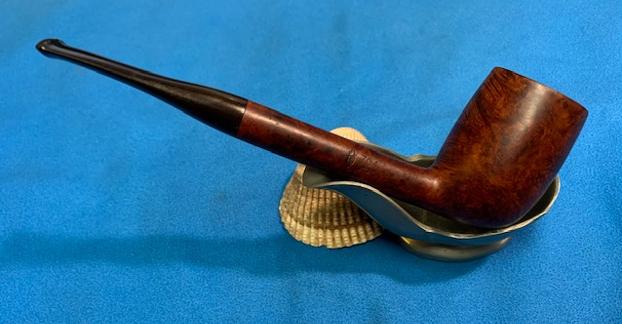
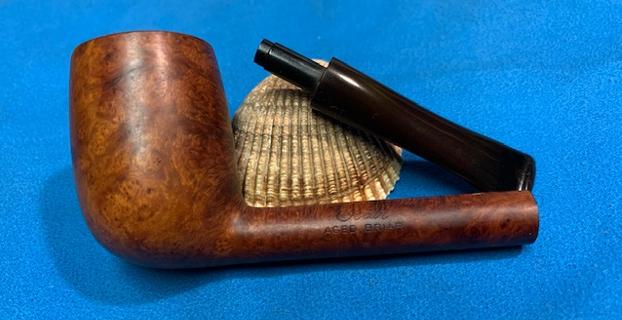
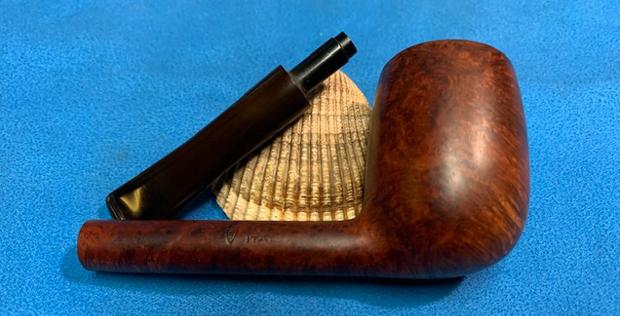
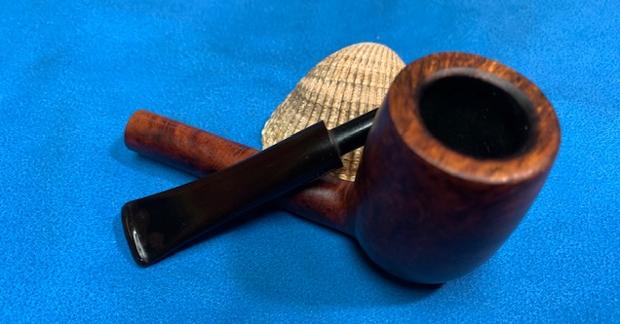
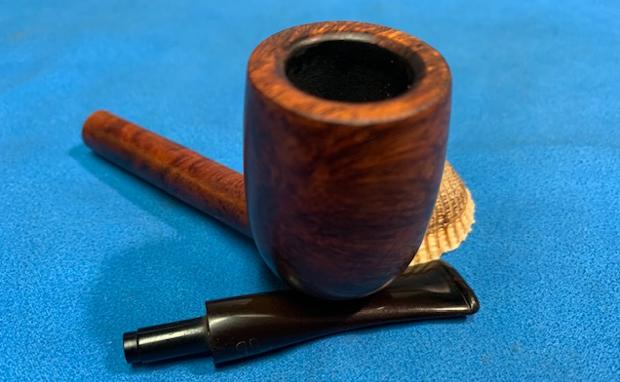
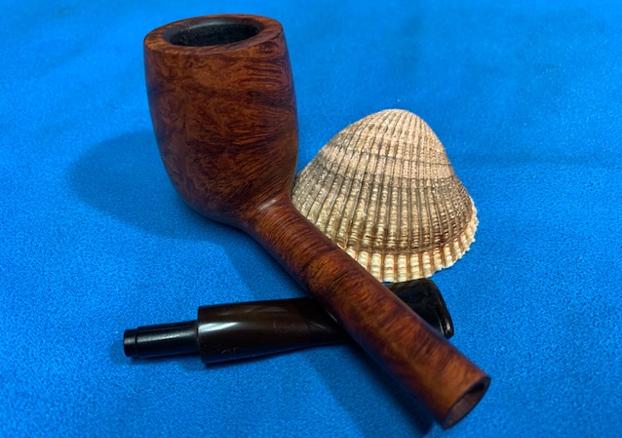
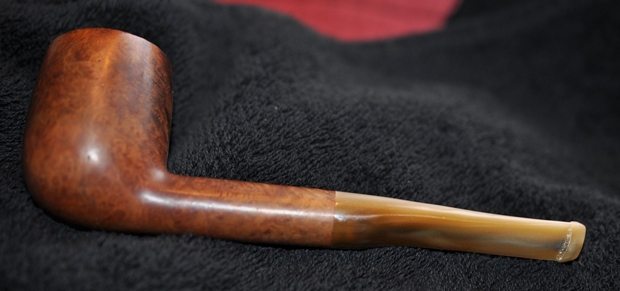
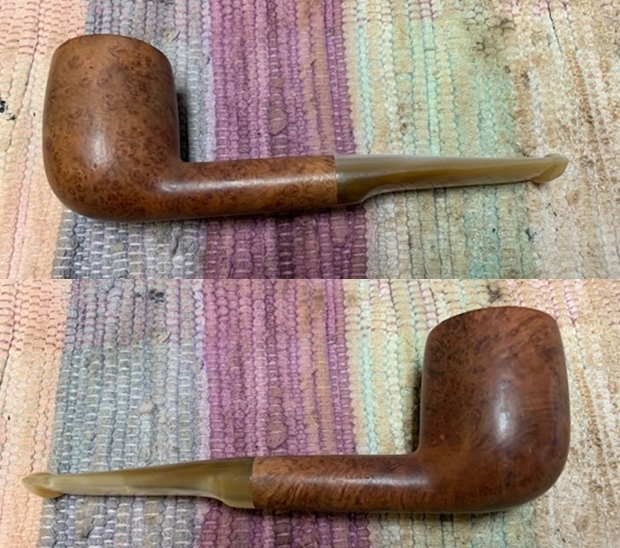
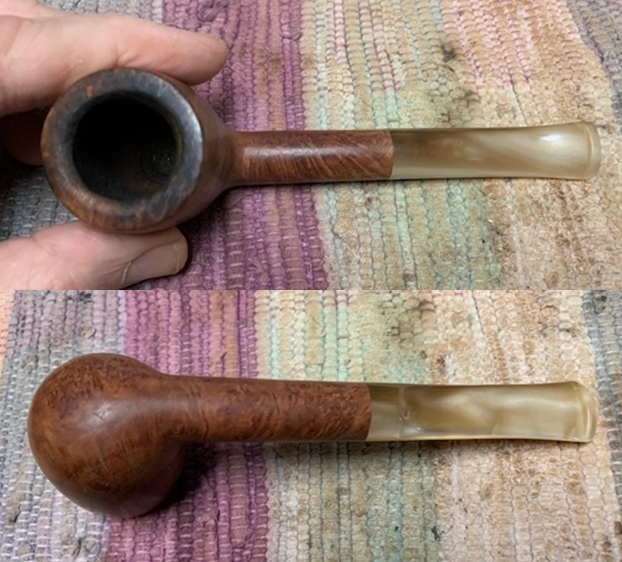
 This Savinelli Made Oscar Aged Briar 704 Liverpool was another fun pipe to work on and I really was looking forward to seeing it come back together again. With the grime and debris gone from the finish it was a beauty and the grain just pops at this point. I put the stem back on the bowl and buffed the pipe with Blue Diamond on the buffing wheel. I carefully avoided the stamping on the shank during the process. I gave the bowl and the stem multiple coats of carnauba wax on the buffing wheel and followed that by buffing it with a clean buffing pad on the buffer. I hand buffed the pipe with a microfiber cloth to deepen the shine. The rich natural finish on the bowl looks really good with the polished black vulcanite stem. It is very well done. Give the finished pipe a look in the photos below. I can only tell you that it is much prettier in person than the photos capture. The dimensions of the pipe are Length: 5 ¾ inches, Height: 1 ¾ inches, Outside diameter of the bowl: 1 ¼ inches, Chamber diameter: ¾ of an inch. The weight of the pipe is 33grams/1.16oz. This is truly a great looking Oscar Aged Briar. Thanks for walking through the restoration with me as I worked over another beautiful pipe. I will be adding it to the Italian Pipe Makers section of the rebornpipes store soon. If you want to add it to your collection send me an email or a message! Thanks for your time.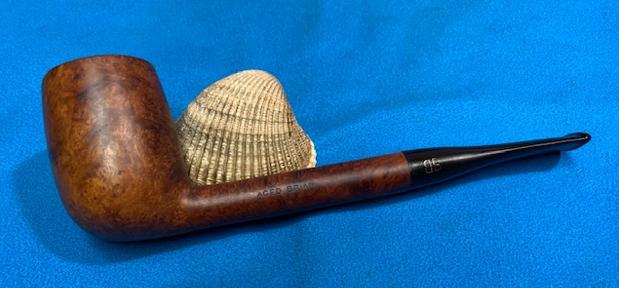
















 rebornpipes